Stanford Cuts Ties With Flock Safety, Shifts to New Surveillance Vendor
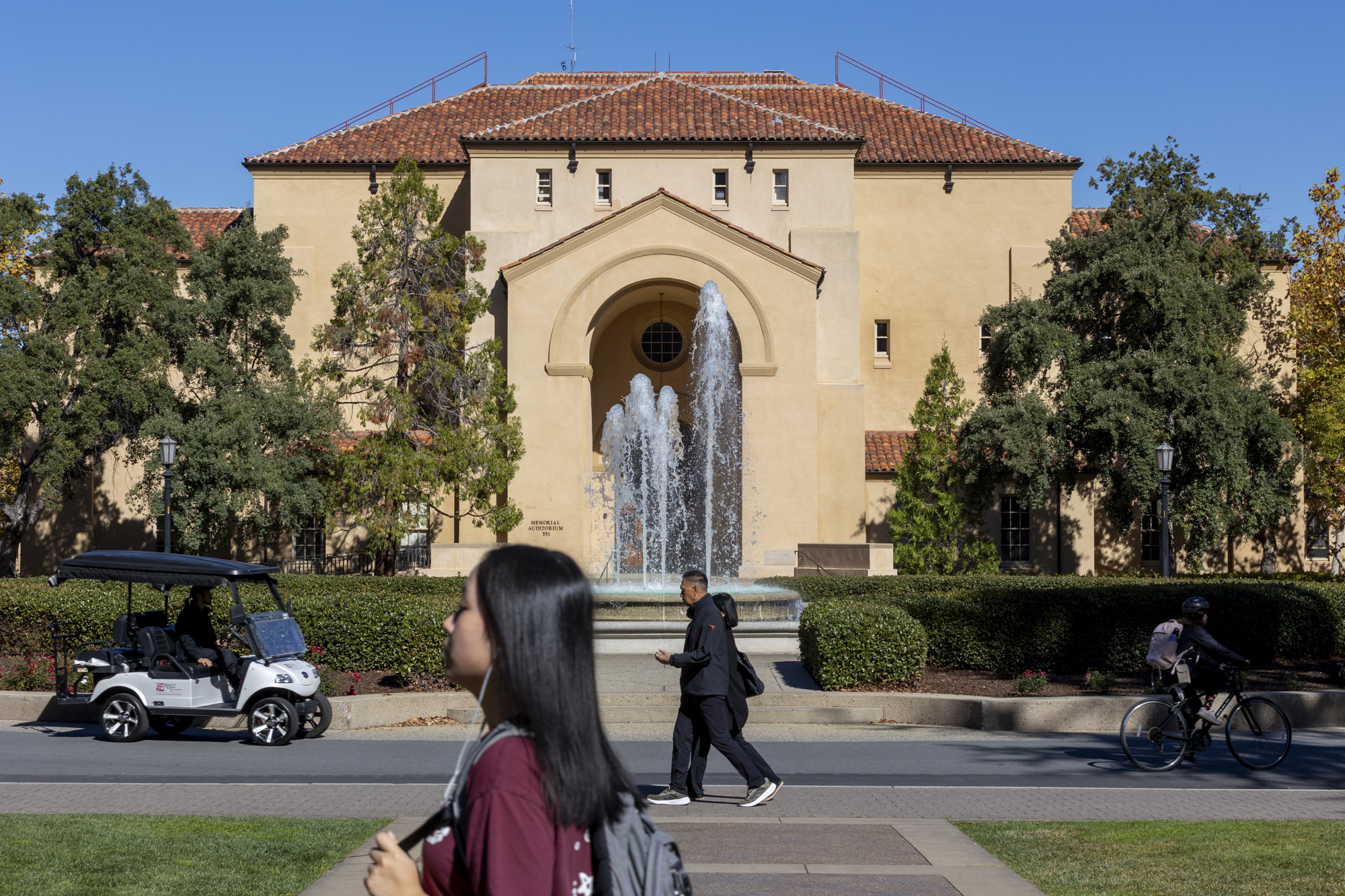
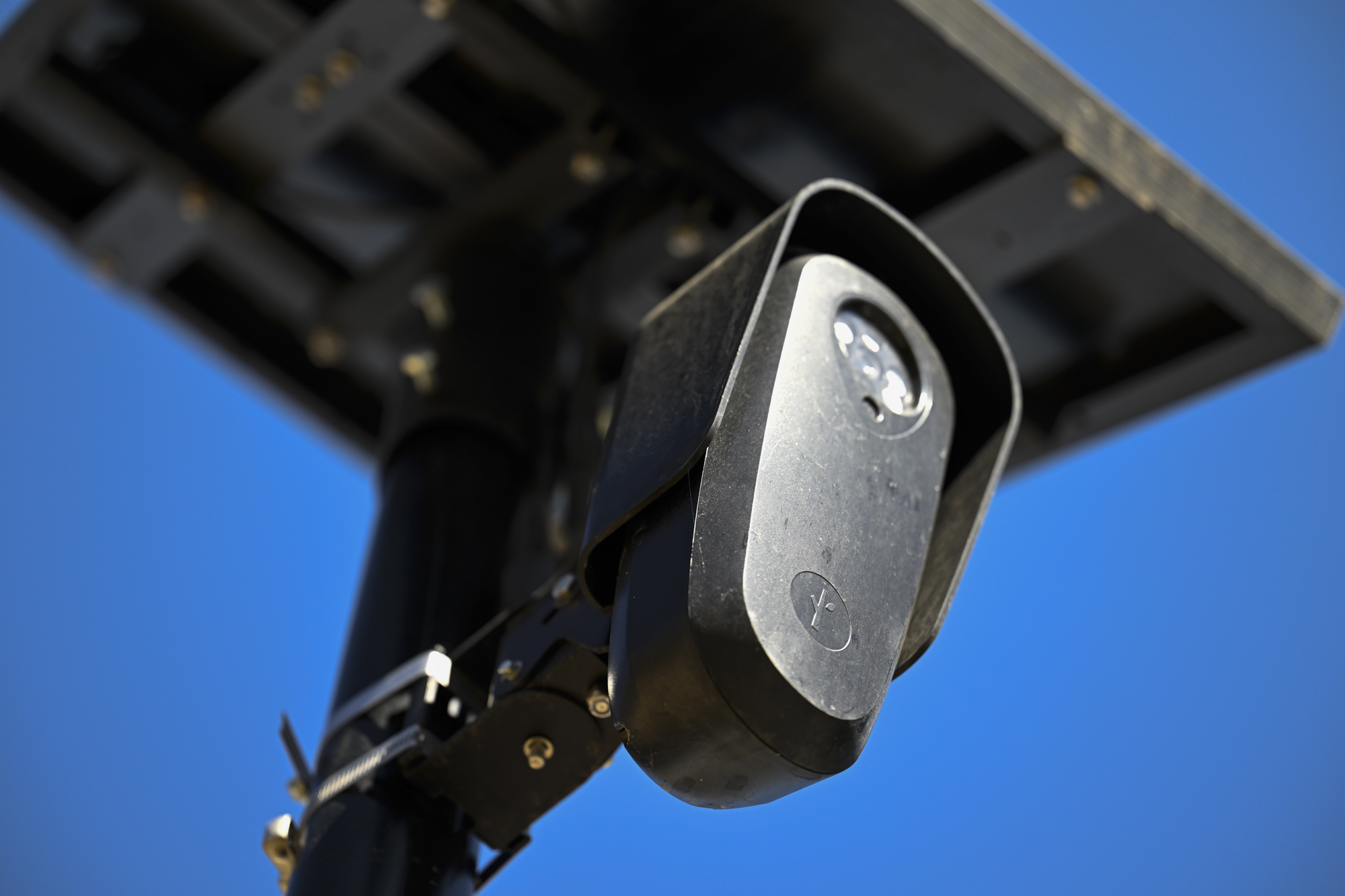
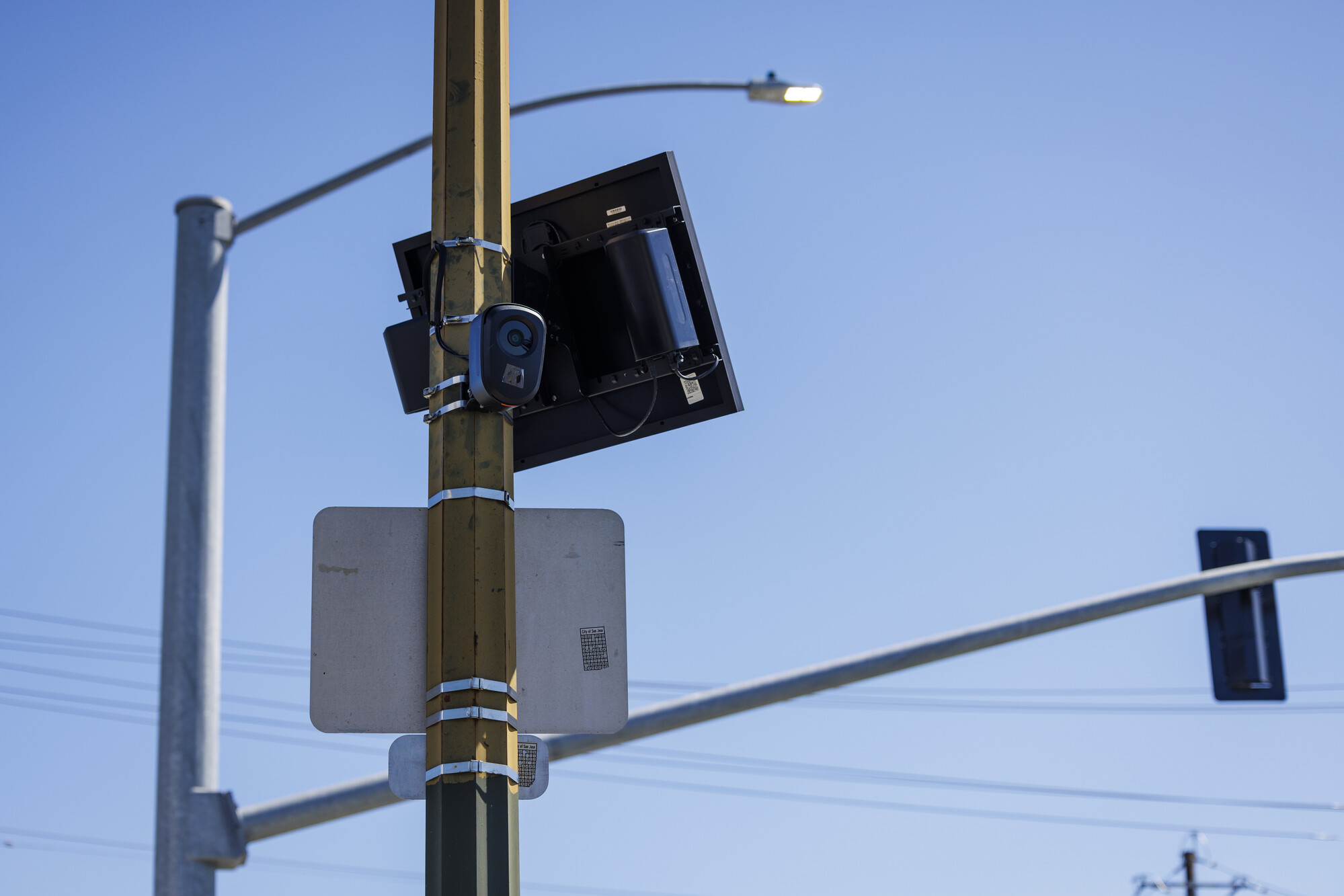
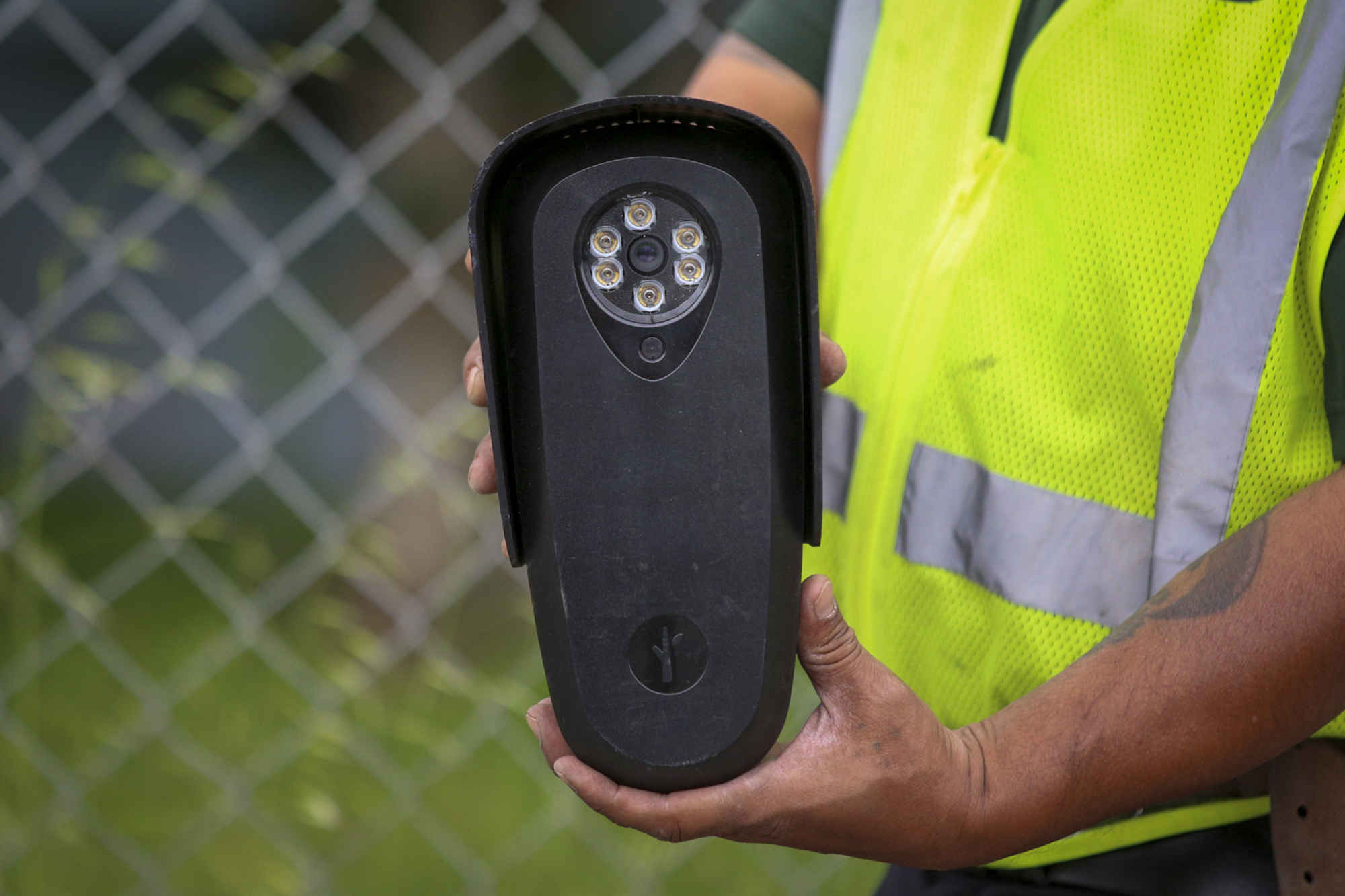
Stanford University’s license plate cameras have been covered up and switched off since late July, when the university quietly ended its contract with Flock Safety and signed with a different vendor.
The replacement, a system called Genetec Cloudrunner, is scheduled to be installed by early September, along with new solar hardware, said Luisa Rapport, a Stanford spokesperson.
“The change was influenced by the desire to balance the privacy of our community with access by Stanford’s Department of Public Safety (DPS) to an important tool that supports the safety of our campus,” Rapport said.
Patrick Dunkley, Stanford’s vice provost for institutional equity, access and community, said in the university’s announcement that unlike Flock, the new system “is designed for use within a single institution.”
Flock’s cameras photograph every passing vehicle and build what the company calls a vehicle fingerprint, logging the plate along with the make, model and details like bumper stickers or dents. Those records feed a shared national database that other agencies on Flock’s network can search.
Stanford said its own data never traveled that way, but Rapport acknowledged the capability existed.
Flock is built as a shared network, she said, “even if that’s not how we chose to use it,” while the new system does not have third-party access built into its architecture.
Flock disputed that framing. A company spokesperson said customers control their own sharing settings, that those relationships are opt-in, and that an agency can change or revoke them at any time.
The spokesperson said Flock has since added California-specific safeguards, disabling its National Lookup feature for California agencies, blocking out-of-state discoverability and preventing new out-of-state or federal sharing arrangements. California agencies cannot use the platform to share data outside the state or with federal authorities, the company said.
Flock declined to say when Stanford’s service ended or whether the university paid anything to get out of the contract, saying it does not discuss specifics of customer accounts.
Under Genetec, still images from cameras installed at campus entrances will sit in a cloud server for under an hour before moving to a server Stanford controls, where the university said it will keep them for 30 days.
Rapport said cameras were not installed on university property beyond the main campus.
A university report covering September 2024 through August 2025 logged 1,742 individual searches in the Flock system across 129 investigations by 20 employees, used in property crime, violent crime, and stalking cases, as well as welfare checks and missing person searches.
The report notes no formal complaints and states that no data was given to anyone outside the university.
DPS Chief Laura Wilson has called the cameras an important investigative tool, and the university credits them with helping arrest two serial thieves on campus.
Flock said it respects Stanford’s decision to evaluate the technology against its own policies and community priorities, but framed the loss as a setback. “When a tool that is actively helping solve violent crimes is removed, public safety moves backward,” the spokesperson said, adding that cases take longer to solve and victims wait longer for justice.
The switch lands in the middle of a regional reckoning. Santa Cruz became the first California city to cancel its Flock contract in January, after officials confirmed out-of-state agencies had reached its data.
Mountain View shut its cameras off in February following a similar discovery. Santa Clara County supervisors amended their surveillance policy to effectively bar Flock as a vendor in Cupertino, Saratoga and Los Altos Hills. Asked whether that county action forced Stanford’s hand, Rapport said the policy does not apply to the campus.
Flock said the departures are outpaced by new business. So far this year, the company said, new city partnerships have exceeded nonrenewals by roughly seven to one.
San José, however, decided to keep its 474 Flock cameras in March but cut default data retention from a year to 30 days and barred cameras near reproductive health clinics and places of worship. The city is currently facing a lawsuit from advocates who want to end the contract outright.
Nearby Palo Alto’s contract with Flock runs through December 2029, and its 30 cameras are still operating.
Meghan Horrigan-Taylor, a city spokesperson, said the city is negotiating with Flock over contract language meant to tighten the company’s obligation to secure data, and the department remains open to other vendors. The City Council will take up an independent audit of the program on Aug. 24.
Palo Alto has received no federal request for license plate data this year, she said, and shares data only through agency agreements, including one with Stanford’s police.
A San Mateo County Civil Grand Jury report released Aug. 3 found that at least 12 of the county’s 18 police agencies were sharing license plate data with private university security forces, naming Stanford and the University of the Pacific. The jury said none had established that a private university’s security department meets the legal definition of a public agency, the only kind of entity state law permits them to share with, and recommended they obtain a written legal determination or end the sharing.