Bay Area Transit Funding Ballot Question Isn’t Biased, Judge Rules
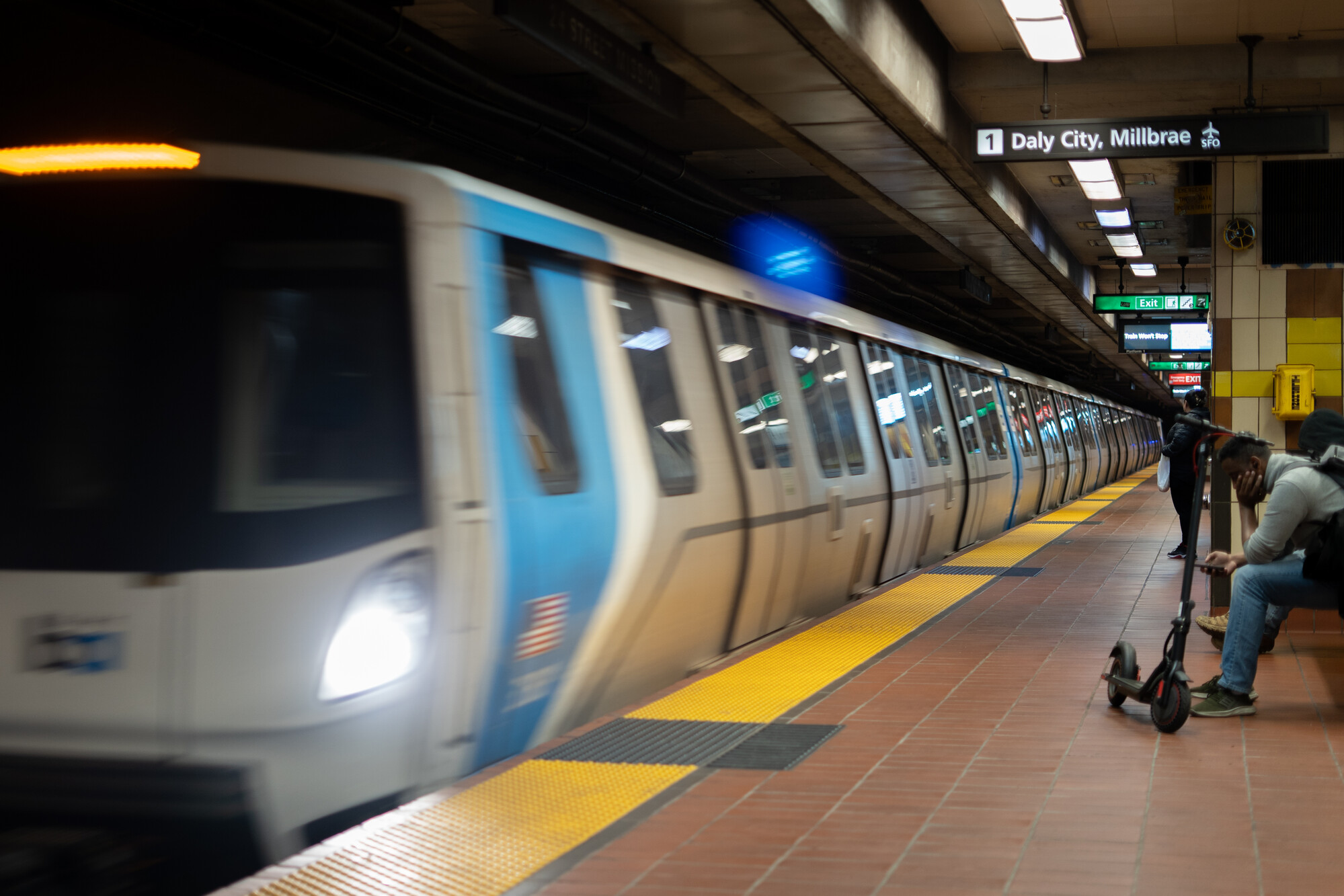
A judge rejected an effort to rewrite a major Bay Area public transit funding ballot question set to go before voters this November.
Santa Clara County Superior Court Judge Frederick S. Chung ruled Thursday that a petition alleging the question was written in a misleading and biased way failed to reach a necessary burden of proof.
“The court finds the Petitioners’ argument to be unpersuasive,” Chung wrote in the ruling.
The challenge was filed last week by ten Bay Area voters, some of whom are aligned with the Committee for Affordable Bay Area Transit, a group opposed to the regional sales tax measure.
“We’re disappointed with the outcome, but we will be continuing to fight this tax with all the abilities that we have,” said Gregg Dieguez, one of the petitioners and the president of the Committee for Affordable Bay Area Transit. “We continue to think that it’s a very bad choice for the Bay Area, given the Bay Area’s incredible level of unaffordability that this will exacerbate.”
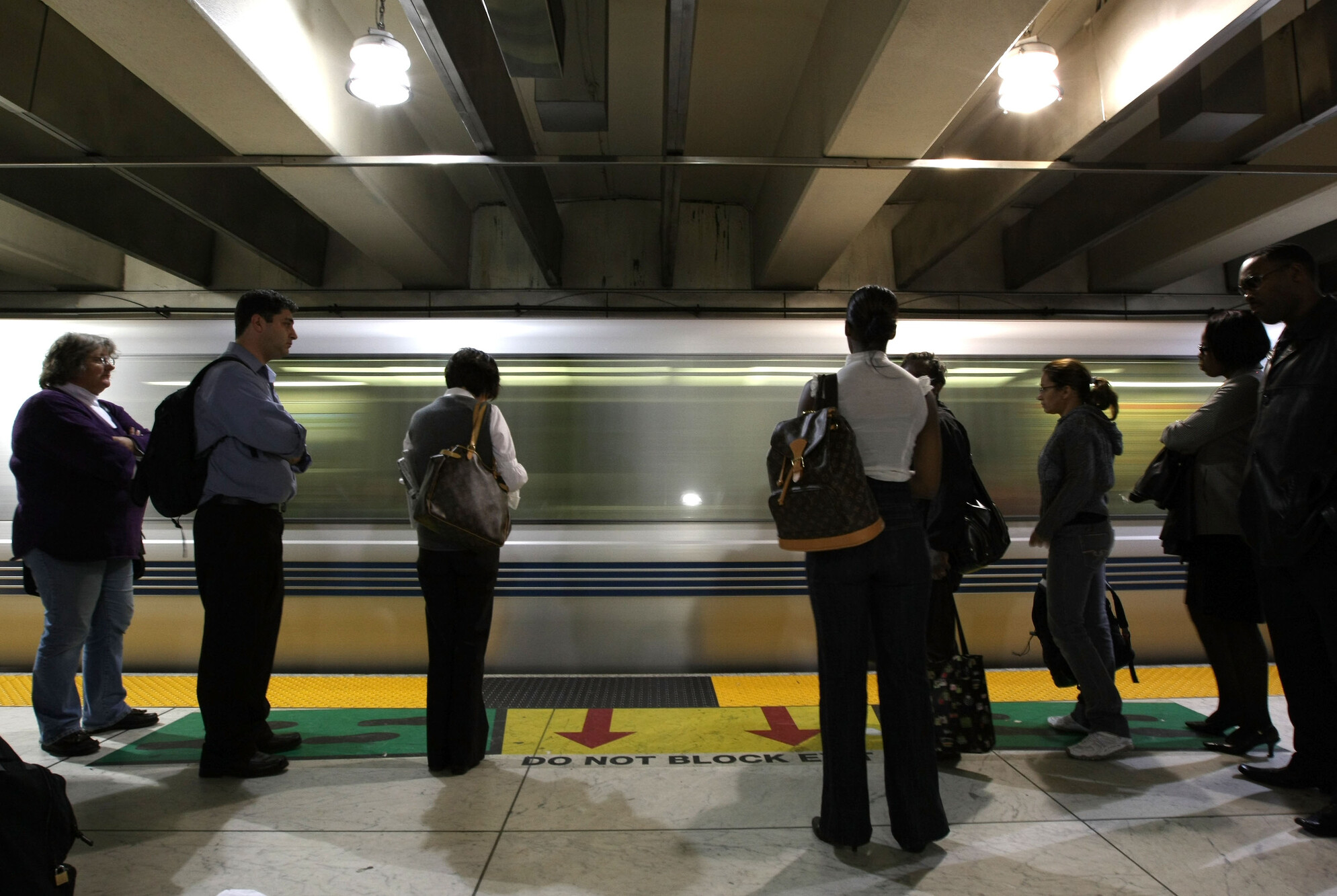
Major Bay Area transit agencies are facing steep budget deficits due to ongoing drops in revenue and ridership related to the COVID-19 pandemic, and are warning of drastic service cuts without passage of the regional measure known as the Connect Bay Area Act. The act would establish a half-cent sales tax in Alameda, Contra Costa, San Mateo and Santa Clara counties, as well as a 1-cent sales tax in San Francisco, for 14 years, generating an estimated $980 million annually, according to Metropolitan Transportation Commission figures.
Supporters of the measure see it as critical to maintaining the Bay Area’s economy and quality of life.
The ballot question, as approved last month by a governing body known as the Public Transit Revenue Measure District, and made up of the Metropolitan Transportation Commission board of directors, is as follows:

“To prevent major service cuts to BART and other transit, avoid increased traffic, and reduce pollution by: Preserving BART, Caltrain, VTA, SamTrans, AC Transit, Muni, other transit for everyone, including workers, students, seniors, persons with disabilities; Supporting transit safety, cleanliness, affordability, reliability; Repairing targeted roads/potholes; Requiring financial transparency, oversight, accountability; shall the measure enacting a 0.5% (Alameda, Contra Costa, San Mateo, Santa Clara counties), and 1% (San Francisco) sales tax for 14 years generating approximately $980,000,000 annually, be adopted?”
Taking a fine-tooth comb to that wording, the challengers wanted to hit the delete button on references to service cuts and preservation, among other issues.
For Dieguez and his co-petitioners, these details matter.
“ Preserving BART implies that it’s at risk in some way, whereas funding it implies what it is, giving it more money to continue to operate,” Dieguez told KQED on Aug. 17.
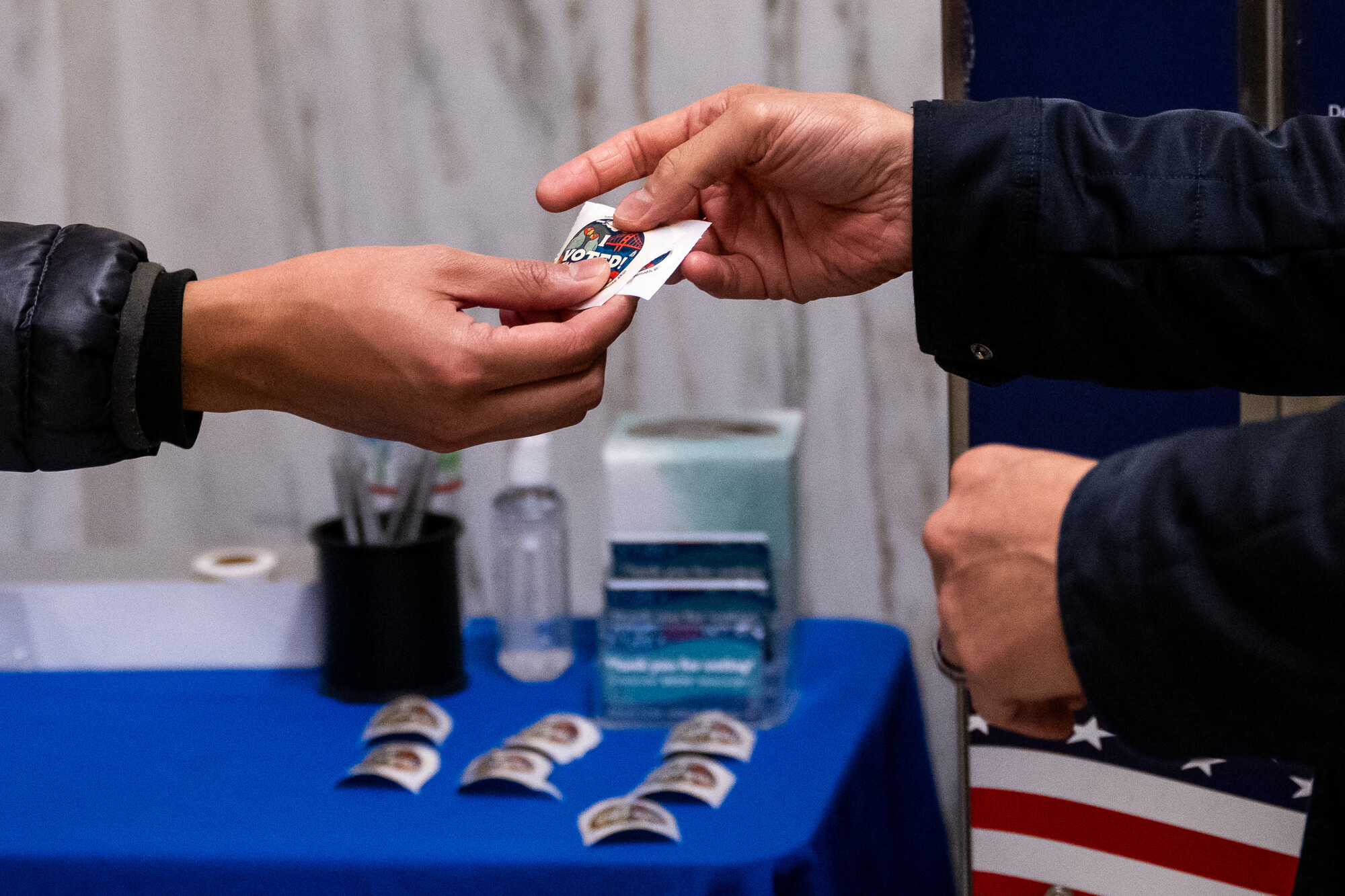
Chung, however, ruled that the petitioners failed to show by clear and convincing evidence that the word “preserving” was false, misleading, partial or argumentative.
“It accurately describes the purpose of the ballot measure, and it is not factually incorrect,” Chung wrote.
Dieguez and the Committee for Affordable Bay Area Transit dispute that the agencies would fail without the additional tax revenue. The committee argues that transit operators could utilize existing capital funds to cover operating costs, reduce overtime pay or evaluate contracts with labor unions.

Jeff Cretan, spokesperson for the Connect Bay Area campaign, previously told KQED the committee’s claims were “not based in reality.”
“Our focus right now is explaining to voters that, if we don’t pass this measure, there will be catastrophic cuts to public transit that will hurt communities in all five counties,” Cretan told KQED on Aug. 17.
Filed by attorney Jason Bezis of Lafayette, the petition also disputed the amount of money the sales tax would generate, arguing the MTC determined in September 2025 that it would generate about $220,000,000 more annually than currently disclosed. The petition asked for the amount listed on the ballot to be changed, which Chung also denied.
“Rather than engage their own consultant to perform a contrary calculation, Petitioners have relied on simplistic arithmetic to come up with a contrary figure. This is insufficient,” Chung wrote.
In his ruling, Chung said he had “less than two and a half days” to review relevant cases, given an Aug. 28 deadline set by county election offices.