ICE Agent’s Gun Found at SFO the Day Before High-Profile Arrest of Ukrainian Woman
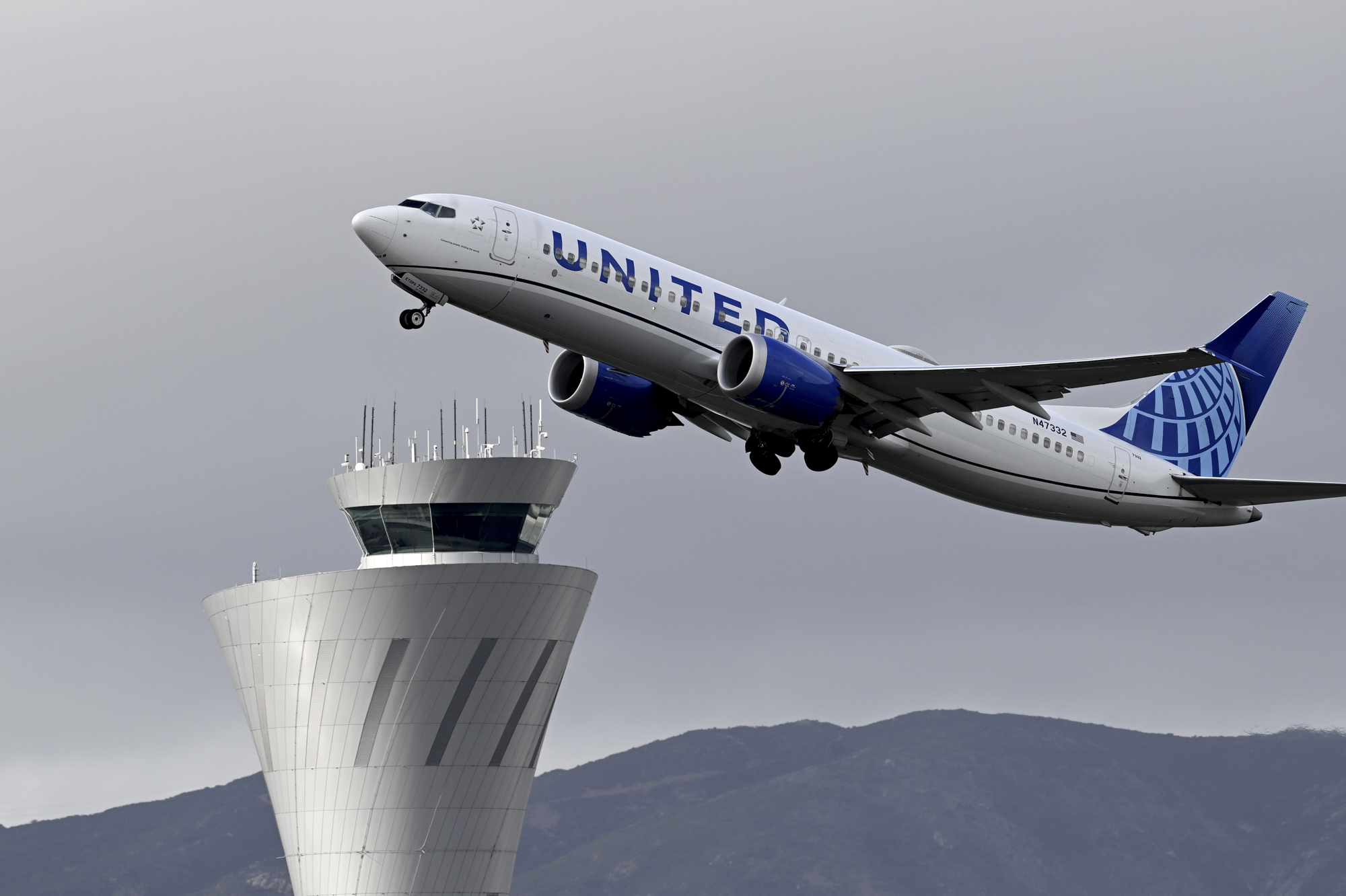
A flight attendant last month found a gun belonging to a federal Immigration and Customs Enforcement agent in a San Francisco International Airport bathroom, a SFO spokesperson said.
After finding the gun in a men’s bathroom stall past the Terminal 2 security checkpoint, the attendant notified security, who closed the restroom and called 911. San Francisco police responded within five minutes and were on scene when the ICE agent returned to retrieve his gun.
It’s unclear if the gun was loaded and if the ICE agent was at the airport to board a flight or as part of an operation.
Pablo Lastra, an immigration attorney with law firm Fellom & Solorio in San Francisco, questioned why the officer was armed.
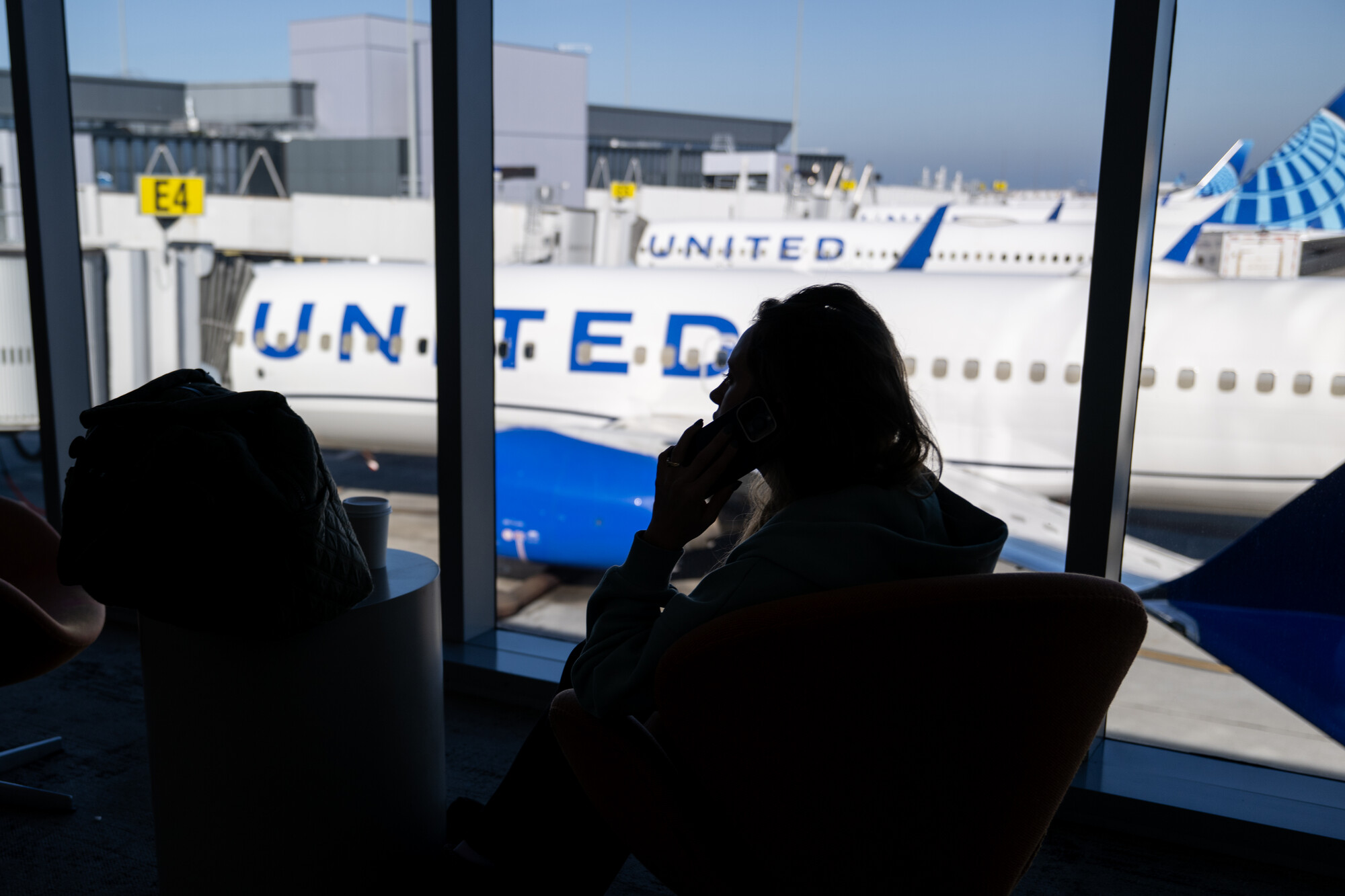
“Even if they were getting on a plane to do an operation in Chicago, you don’t need a gun,” he said. “You can put it in your luggage. There is an element of a lack of training and carelessness.”
The incident, first reported by NBC Bay Area, took place one day before the high-profile arrest of Iryna Gorb, a Ukrainian woman who was returning home to San Francisco from out of state. It comes as part of a growing presence of immigration agents at airports, as the Trump administration opens up new fronts in its aggressive immigration crackdown.
Advocates say more than a dozen travelers have been detained at Bay Area airports since June 27, some of which have played out in dramatic and public arrests captured on video, like Gorb’s July 22 arrest. A photographer and barista who has lived in the U.S. since 2010, Gorb remains in detention.
The Transportation Security Administration, the federal agency that handles airport security, has increasingly shared passenger information with ICE, which is also part of the Department of Homeland Security. TSA has shared names, photos and other details from flight manifests, which ICE checks against its own records.

KQED reached out to both TSA and ICE for comment, and neither responded in time for publication.
Previously, enforcement at airports centered on international travelers coming into the U.S. without a visa, said Milli Atkinson, director of the San Francisco Bar Association’s Immigrant Legal Defense Program and leads the San Francisco Rapid Response Network. But over the past year and a half, focus has shifted to immigrants who have lived in the country for years, but overstayed their visa and then chose to travel domestically.
“We didn’t really see anything locally until this year, and it has really ramped up in the past couple of weeks at both San Francisco and Oakland airports,” Atkinson said. “For the first time, we started seeing people detained when they were waiting at the gates to board their flights, including people who have pending asylum applications. It’s really concerning.”
Atkinson said that the arrests are being made by both uniformed ICE agents and by plainclothes officers wearing tactical vests. She advises anyone without permanent status, such as DACA recipients or those who have overstayed their visa —even if they have been in the country for many years —to consult with an immigration attorney prior to travel, even if domestically.
Lastra said that there has always been a possibility that people not authorized to be in the U.S. could be arrested during travel, but enforcement was previously sporadic.
“The airport is a Constitution-light zone where agents can search you, detain you and take your phone,” Lastra said. “Airports are considered a border area, so there is always a risk.”
KQED’s Juan Carlos Lara contributed to this report.