window.__IS_SSR__=true
window.__INITIAL_STATE__={
"attachmentsReducer": {
"audio_0": {
"type": "attachments",
"id": "audio_0",
"imgSizes": {
"kqedFullSize": {
"file": "https://ww2.kqed.org/news/wp-content/themes/KQED-unified/img/audio_bgs/background0.jpg"
}
}
},
"audio_1": {
"type": "attachments",
"id": "audio_1",
"imgSizes": {
"kqedFullSize": {
"file": "https://ww2.kqed.org/news/wp-content/themes/KQED-unified/img/audio_bgs/background1.jpg"
}
}
},
"audio_2": {
"type": "attachments",
"id": "audio_2",
"imgSizes": {
"kqedFullSize": {
"file": "https://ww2.kqed.org/news/wp-content/themes/KQED-unified/img/audio_bgs/background2.jpg"
}
}
},
"audio_3": {
"type": "attachments",
"id": "audio_3",
"imgSizes": {
"kqedFullSize": {
"file": "https://ww2.kqed.org/news/wp-content/themes/KQED-unified/img/audio_bgs/background3.jpg"
}
}
},
"audio_4": {
"type": "attachments",
"id": "audio_4",
"imgSizes": {
"kqedFullSize": {
"file": "https://ww2.kqed.org/news/wp-content/themes/KQED-unified/img/audio_bgs/background4.jpg"
}
}
},
"placeholder": {
"type": "attachments",
"id": "placeholder",
"imgSizes": {
"thumbnail": {
"file": "https://cdn.kqed.org/wp-content/uploads/2024/12/KQED-Default-Image-816638274-2000x1333-1-160x107.jpg",
"width": 160,
"height": 107,
"mimeType": "image/jpeg"
},
"medium": {
"file": "https://cdn.kqed.org/wp-content/uploads/2024/12/KQED-Default-Image-816638274-2000x1333-1-800x533.jpg",
"width": 800,
"height": 533,
"mimeType": "image/jpeg"
},
"medium_large": {
"file": "https://cdn.kqed.org/wp-content/uploads/2024/12/KQED-Default-Image-816638274-2000x1333-1-768x512.jpg",
"width": 768,
"height": 512,
"mimeType": "image/jpeg"
},
"large": {
"file": "https://cdn.kqed.org/wp-content/uploads/2024/12/KQED-Default-Image-816638274-2000x1333-1-1020x680.jpg",
"width": 1020,
"height": 680,
"mimeType": "image/jpeg"
},
"1536x1536": {
"file": "https://cdn.kqed.org/wp-content/uploads/2024/12/KQED-Default-Image-816638274-2000x1333-1-1536x1024.jpg",
"width": 1536,
"height": 1024,
"mimeType": "image/jpeg"
},
"fd-lrg": {
"file": "https://cdn.kqed.org/wp-content/uploads/2024/12/KQED-Default-Image-816638274-2000x1333-1-1536x1024.jpg",
"width": 1536,
"height": 1024,
"mimeType": "image/jpeg"
},
"fd-med": {
"file": "https://cdn.kqed.org/wp-content/uploads/2024/12/KQED-Default-Image-816638274-2000x1333-1-1020x680.jpg",
"width": 1020,
"height": 680,
"mimeType": "image/jpeg"
},
"fd-sm": {
"file": "https://cdn.kqed.org/wp-content/uploads/2024/12/KQED-Default-Image-816638274-2000x1333-1-800x533.jpg",
"width": 800,
"height": 533,
"mimeType": "image/jpeg"
},
"post-thumbnail": {
"file": "https://cdn.kqed.org/wp-content/uploads/2024/12/KQED-Default-Image-816638274-2000x1333-1-672x372.jpg",
"width": 672,
"height": 372,
"mimeType": "image/jpeg"
},
"twentyfourteen-full-width": {
"file": "https://cdn.kqed.org/wp-content/uploads/2024/12/KQED-Default-Image-816638274-2000x1333-1-1038x576.jpg",
"width": 1038,
"height": 576,
"mimeType": "image/jpeg"
},
"xxsmall": {
"file": "https://cdn.kqed.org/wp-content/uploads/2024/12/KQED-Default-Image-816638274-2000x1333-1-160x107.jpg",
"width": 160,
"height": 107,
"mimeType": "image/jpeg"
},
"xsmall": {
"file": "https://cdn.kqed.org/wp-content/uploads/2024/12/KQED-Default-Image-816638274-2000x1333-1-672x372.jpg",
"width": 672,
"height": 372,
"mimeType": "image/jpeg"
},
"small": {
"file": "https://cdn.kqed.org/wp-content/uploads/2024/12/KQED-Default-Image-816638274-2000x1333-1-672x372.jpg",
"width": 672,
"height": 372,
"mimeType": "image/jpeg"
},
"xlarge": {
"file": "https://cdn.kqed.org/wp-content/uploads/2024/12/KQED-Default-Image-816638274-2000x1333-1-1020x680.jpg",
"width": 1020,
"height": 680,
"mimeType": "image/jpeg"
},
"full-width": {
"file": "https://cdn.kqed.org/wp-content/uploads/2024/12/KQED-Default-Image-816638274-2000x1333-1-1920x1280.jpg",
"width": 1920,
"height": 1280,
"mimeType": "image/jpeg"
},
"guest-author-32": {
"file": "https://cdn.kqed.org/wp-content/uploads/2025/01/KQED-Default-Image-816638274-1333x1333-1-160x160.jpg",
"width": 32,
"height": 32,
"mimeType": "image/jpeg"
},
"guest-author-50": {
"file": "https://cdn.kqed.org/wp-content/uploads/2025/01/KQED-Default-Image-816638274-1333x1333-1-160x160.jpg",
"width": 50,
"height": 50,
"mimeType": "image/jpeg"
},
"guest-author-64": {
"file": "https://cdn.kqed.org/wp-content/uploads/2025/01/KQED-Default-Image-816638274-1333x1333-1-160x160.jpg",
"width": 64,
"height": 64,
"mimeType": "image/jpeg"
},
"guest-author-96": {
"file": "https://cdn.kqed.org/wp-content/uploads/2025/01/KQED-Default-Image-816638274-1333x1333-1-160x160.jpg",
"width": 96,
"height": 96,
"mimeType": "image/jpeg"
},
"guest-author-128": {
"file": "https://cdn.kqed.org/wp-content/uploads/2025/01/KQED-Default-Image-816638274-1333x1333-1-160x160.jpg",
"width": 128,
"height": 128,
"mimeType": "image/jpeg"
},
"detail": {
"file": "https://cdn.kqed.org/wp-content/uploads/2025/01/KQED-Default-Image-816638274-1333x1333-1-160x160.jpg",
"width": 160,
"height": 160,
"mimeType": "image/jpeg"
},
"kqedFullSize": {
"file": "https://cdn.kqed.org/wp-content/uploads/2024/12/KQED-Default-Image-816638274-2000x1333-1.jpg",
"width": 2000,
"height": 1333
}
}
},
"news_11814366": {
"type": "attachments",
"id": "news_11814366",
"meta": {
"index": "attachments_1716263798",
"site": "news",
"id": "11814366",
"found": true
},
"parent": 11814056,
"imgSizes": {
"apple_news_ca_square_4_0": {
"file": "https://ww2.kqed.org/app/uploads/sites/10/2020/04/Houston-Awakenings-filming-1-470x470.jpg",
"width": 470,
"mimeType": "image/jpeg",
"height": 470
},
"twentyfourteen-full-width": {
"file": "https://ww2.kqed.org/app/uploads/sites/10/2020/04/Houston-Awakenings-filming-1-605x576.jpg",
"width": 605,
"mimeType": "image/jpeg",
"height": 576
},
"thumbnail": {
"file": "https://ww2.kqed.org/app/uploads/sites/10/2020/04/Houston-Awakenings-filming-1-160x163.jpg",
"width": 160,
"mimeType": "image/jpeg",
"height": 163
},
"post-thumbnail": {
"file": "https://ww2.kqed.org/app/uploads/sites/10/2020/04/Houston-Awakenings-filming-1-605x372.jpg",
"width": 605,
"mimeType": "image/jpeg",
"height": 372
},
"kqedFullSize": {
"file": "https://ww2.kqed.org/app/uploads/sites/10/2020/04/Houston-Awakenings-filming-1.jpg",
"width": 605,
"height": 615
},
"apple_news_ca_landscape_4_7": {
"file": "https://ww2.kqed.org/app/uploads/sites/10/2020/04/Houston-Awakenings-filming-1-605x474.jpg",
"width": 605,
"mimeType": "image/jpeg",
"height": 474
},
"apple_news_ca_portrait_4_7": {
"file": "https://ww2.kqed.org/app/uploads/sites/10/2020/04/Houston-Awakenings-filming-1-414x552.jpg",
"width": 414,
"mimeType": "image/jpeg",
"height": 552
},
"apple_news_ca_square_4_7": {
"file": "https://ww2.kqed.org/app/uploads/sites/10/2020/04/Houston-Awakenings-filming-1-550x550.jpg",
"width": 550,
"mimeType": "image/jpeg",
"height": 550
},
"apple_news_ca_landscape_4_0": {
"file": "https://ww2.kqed.org/app/uploads/sites/10/2020/04/Houston-Awakenings-filming-1-536x402.jpg",
"width": 536,
"mimeType": "image/jpeg",
"height": 402
},
"apple_news_ca_portrait_4_0": {
"file": "https://ww2.kqed.org/app/uploads/sites/10/2020/04/Houston-Awakenings-filming-1-354x472.jpg",
"width": 354,
"mimeType": "image/jpeg",
"height": 472
}
},
"publishDate": 1587778483,
"modified": 1587778753,
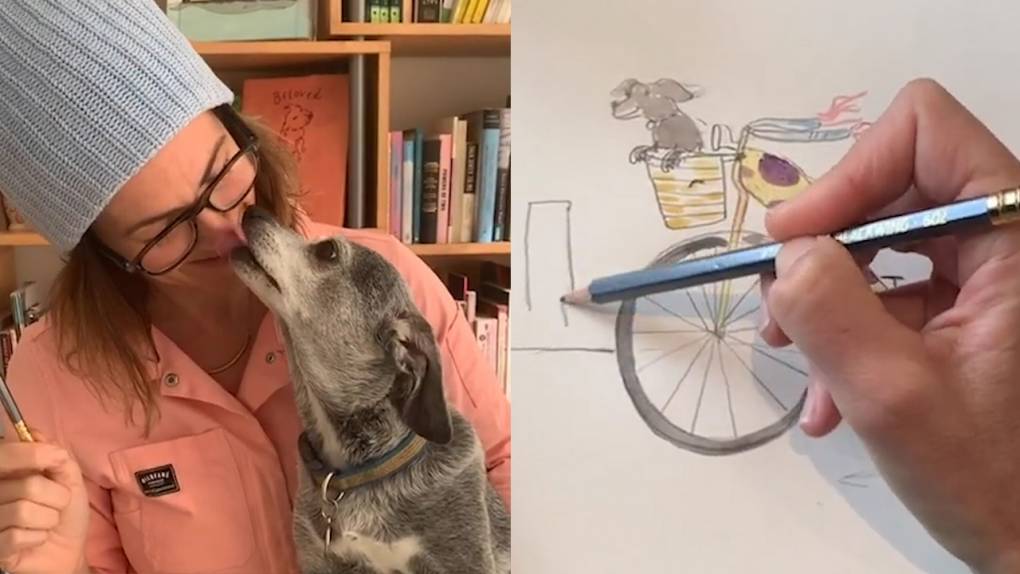
"caption": "Houston Robertson performing in her 2018 film 'Awakenings.'",
"description": null,
"title": "Houston Awakenings filming (1)",
"credit": "Courtesy of Houston Robertson",
"status": "inherit",
"isLoading": false,
"fetchFailed": false
},
"news_11813197": {
"type": "attachments",
"id": "news_11813197",
"meta": {
"index": "attachments_1716263798",
"site": "news",
"id": "11813197",
"found": true
},
"parent": 11813196,
"imgSizes": {
"apple_news_ca_landscape_5_5": {
"file": "https://ww2.kqed.org/app/uploads/sites/10/2020/04/RS42847_IMG_3877-qut-1044x783.jpg",
"width": 1044,
"mimeType": "image/jpeg",
"height": 783
},
"apple_news_ca_square_4_0": {
"file": "https://ww2.kqed.org/app/uploads/sites/10/2020/04/RS42847_IMG_3877-qut-470x470.jpg",
"width": 470,
"mimeType": "image/jpeg",
"height": 470
},
"twentyfourteen-full-width": {
"file": "https://ww2.kqed.org/app/uploads/sites/10/2020/04/RS42847_IMG_3877-qut-1038x576.jpg",
"width": 1038,
"mimeType": "image/jpeg",
"height": 576
},
"thumbnail": {
"file": "https://ww2.kqed.org/app/uploads/sites/10/2020/04/RS42847_IMG_3877-qut-160x120.jpg",
"width": 160,
"mimeType": "image/jpeg",
"height": 120
},
"post-thumbnail": {
"file": "https://ww2.kqed.org/app/uploads/sites/10/2020/04/RS42847_IMG_3877-qut-672x372.jpg",
"width": 672,
"mimeType": "image/jpeg",
"height": 372
},
"kqedFullSize": {
"file": "https://ww2.kqed.org/app/uploads/sites/10/2020/04/RS42847_IMG_3877-qut.jpg",
"width": 1920,
"height": 1440
},
"apple_news_ca_landscape_4_7": {
"file": "https://ww2.kqed.org/app/uploads/sites/10/2020/04/RS42847_IMG_3877-qut-632x474.jpg",
"width": 632,
"mimeType": "image/jpeg",
"height": 474
},
"large": {
"file": "https://ww2.kqed.org/app/uploads/sites/10/2020/04/RS42847_IMG_3877-qut-1020x765.jpg",
"width": 1020,
"mimeType": "image/jpeg",
"height": 765
},
"apple_news_ca_landscape_4_0": {
"file": "https://ww2.kqed.org/app/uploads/sites/10/2020/04/RS42847_IMG_3877-qut-536x402.jpg",
"width": 536,
"mimeType": "image/jpeg",
"height": 402
},
"apple_news_ca_portrait_12_9": {
"file": "https://ww2.kqed.org/app/uploads/sites/10/2020/04/RS42847_IMG_3877-qut-1122x1440.jpg",
"width": 1122,
"mimeType": "image/jpeg",
"height": 1440
},
"medium": {
"file": "https://ww2.kqed.org/app/uploads/sites/10/2020/04/RS42847_IMG_3877-qut-800x600.jpg",
"width": 800,
"mimeType": "image/jpeg",
"height": 600
},
"apple_news_ca_portrait_4_0": {
"file": "https://ww2.kqed.org/app/uploads/sites/10/2020/04/RS42847_IMG_3877-qut-354x472.jpg",
"width": 354,
"mimeType": "image/jpeg",
"height": 472
},
"apple_news_ca_portrait_9_7": {
"file": "https://ww2.kqed.org/app/uploads/sites/10/2020/04/RS42847_IMG_3877-qut-840x1120.jpg",
"width": 840,
"mimeType": "image/jpeg",
"height": 1120
},
"apple_news_ca_landscape_12_9": {
"file": "https://ww2.kqed.org/app/uploads/sites/10/2020/04/RS42847_IMG_3877-qut-1832x1374.jpg",
"width": 1832,
"mimeType": "image/jpeg",
"height": 1374
},
"apple_news_ca_square_9_7": {
"file": "https://ww2.kqed.org/app/uploads/sites/10/2020/04/RS42847_IMG_3877-qut-1104x1104.jpg",
"width": 1104,
"mimeType": "image/jpeg",
"height": 1104
},
"apple_news_ca_portrait_4_7": {
"file": "https://ww2.kqed.org/app/uploads/sites/10/2020/04/RS42847_IMG_3877-qut-414x552.jpg",
"width": 414,
"mimeType": "image/jpeg",
"height": 552
},
"apple_news_ca_square_12_9": {
"file": "https://ww2.kqed.org/app/uploads/sites/10/2020/04/RS42847_IMG_3877-qut-1472x1440.jpg",
"width": 1472,
"mimeType": "image/jpeg",
"height": 1440
},
"apple_news_ca_portrait_5_5": {
"file": "https://ww2.kqed.org/app/uploads/sites/10/2020/04/RS42847_IMG_3877-qut-687x916.jpg",
"width": 687,
"mimeType": "image/jpeg",
"height": 916
},
"full-width": {
"file": "https://ww2.kqed.org/app/uploads/sites/10/2020/04/RS42847_IMG_3877-qut-1920x1440.jpg",
"width": 1920,
"mimeType": "image/jpeg",
"height": 1440
},
"apple_news_ca_square_4_7": {
"file": "https://ww2.kqed.org/app/uploads/sites/10/2020/04/RS42847_IMG_3877-qut-550x550.jpg",
"width": 550,
"mimeType": "image/jpeg",
"height": 550
},
"apple_news_ca_landscape_9_7": {
"file": "https://ww2.kqed.org/app/uploads/sites/10/2020/04/RS42847_IMG_3877-qut-1376x1032.jpg",
"width": 1376,
"mimeType": "image/jpeg",
"height": 1032
},
"apple_news_ca_square_5_5": {
"file": "https://ww2.kqed.org/app/uploads/sites/10/2020/04/RS42847_IMG_3877-qut-912x912.jpg",
"width": 912,
"mimeType": "image/jpeg",
"height": 912
}
},
"publishDate": 1587423816,
"modified": 1587674064,
"caption": "Tess Taylor poses at the entrance to El Cerrito Foundation Memorial Grove.",
"description": "Tess Taylor poses at the entrance to El Cerrito Foundation Memorial Grove",
"title": "RS42847_IMG_3877-qut",
"credit": "Chloe Veltman/KQED",
"status": "inherit",
"isLoading": false,
"fetchFailed": false
},
"news_11814321": {
"type": "attachments",
"id": "news_11814321",
"meta": {
"index": "attachments_1716263798",
"site": "news",
"id": "11814321",
"found": true
},
"parent": 11814220,
"imgSizes": {
"apple_news_ca_landscape_5_5": {
"file": "https://ww2.kqed.org/app/uploads/sites/10/2020/04/MARQUEE_726_1-1044x720.jpg",
"width": 1044,
"mimeType": "image/jpeg",
"height": 720
},
"apple_news_ca_square_4_0": {
"file": "https://ww2.kqed.org/app/uploads/sites/10/2020/04/MARQUEE_726_1-470x470.jpg",
"width": 470,
"mimeType": "image/jpeg",
"height": 470
},
"twentyfourteen-full-width": {
"file": "https://ww2.kqed.org/app/uploads/sites/10/2020/04/MARQUEE_726_1-1038x576.jpg",
"width": 1038,
"mimeType": "image/jpeg",
"height": 576
},
"thumbnail": {
"file": "https://ww2.kqed.org/app/uploads/sites/10/2020/04/MARQUEE_726_1-160x90.jpg",
"width": 160,
"mimeType": "image/jpeg",
"height": 90
},
"post-thumbnail": {
"file": "https://ww2.kqed.org/app/uploads/sites/10/2020/04/MARQUEE_726_1-672x372.jpg",
"width": 672,
"mimeType": "image/jpeg",
"height": 372
},
"kqedFullSize": {
"file": "https://ww2.kqed.org/app/uploads/sites/10/2020/04/MARQUEE_726_1.jpg",
"width": 1280,
"height": 720
},
"apple_news_ca_landscape_4_7": {
"file": "https://ww2.kqed.org/app/uploads/sites/10/2020/04/MARQUEE_726_1-632x474.jpg",
"width": 632,
"mimeType": "image/jpeg",
"height": 474
},
"large": {
"file": "https://ww2.kqed.org/app/uploads/sites/10/2020/04/MARQUEE_726_1-1020x574.jpg",
"width": 1020,
"mimeType": "image/jpeg",
"height": 574
},
"apple_news_ca_landscape_4_0": {
"file": "https://ww2.kqed.org/app/uploads/sites/10/2020/04/MARQUEE_726_1-536x402.jpg",
"width": 536,
"mimeType": "image/jpeg",
"height": 402
},
"apple_news_ca_portrait_12_9": {
"file": "https://ww2.kqed.org/app/uploads/sites/10/2020/04/MARQUEE_726_1-1122x720.jpg",
"width": 1122,
"mimeType": "image/jpeg",
"height": 720
},
"medium": {
"file": "https://ww2.kqed.org/app/uploads/sites/10/2020/04/MARQUEE_726_1-800x450.jpg",
"width": 800,
"mimeType": "image/jpeg",
"height": 450
},
"apple_news_ca_portrait_4_0": {
"file": "https://ww2.kqed.org/app/uploads/sites/10/2020/04/MARQUEE_726_1-354x472.jpg",
"width": 354,
"mimeType": "image/jpeg",
"height": 472
},
"apple_news_ca_portrait_9_7": {
"file": "https://ww2.kqed.org/app/uploads/sites/10/2020/04/MARQUEE_726_1-840x720.jpg",
"width": 840,
"mimeType": "image/jpeg",
"height": 720
},
"apple_news_ca_square_9_7": {
"file": "https://ww2.kqed.org/app/uploads/sites/10/2020/04/MARQUEE_726_1-1104x720.jpg",
"width": 1104,
"mimeType": "image/jpeg",
"height": 720
},
"apple_news_ca_portrait_4_7": {
"file": "https://ww2.kqed.org/app/uploads/sites/10/2020/04/MARQUEE_726_1-414x552.jpg",
"width": 414,
"mimeType": "image/jpeg",
"height": 552
},
"apple_news_ca_portrait_5_5": {
"file": "https://ww2.kqed.org/app/uploads/sites/10/2020/04/MARQUEE_726_1-687x720.jpg",
"width": 687,
"mimeType": "image/jpeg",
"height": 720
},
"apple_news_ca_square_4_7": {
"file": "https://ww2.kqed.org/app/uploads/sites/10/2020/04/MARQUEE_726_1-550x550.jpg",
"width": 550,
"mimeType": "image/jpeg",
"height": 550
},
"apple_news_ca_square_5_5": {
"file": "https://ww2.kqed.org/app/uploads/sites/10/2020/04/MARQUEE_726_1-912x720.jpg",
"width": 912,
"mimeType": "image/jpeg",
"height": 720
}
},
"publishDate": 1587771538,
"modified": 1587771538,
"caption": null,
"description": null,
"title": "MARQUEE_726_1",
"credit": null,
"status": "inherit",
"isLoading": false,
"fetchFailed": false
},
"news_11811958": {
"type": "attachments",
"id": "news_11811958",
"meta": {
"index": "attachments_1716263798",
"site": "news",
"id": "11811958",
"found": true
},
"parent": 11811846,
"imgSizes": {
"apple_news_ca_landscape_5_5": {
"file": "https://ww2.kqed.org/app/uploads/sites/10/2020/04/MARQUEE-724-1044x720.jpg",
"width": 1044,
"mimeType": "image/jpeg",
"height": 720
},
"apple_news_ca_square_4_0": {
"file": "https://ww2.kqed.org/app/uploads/sites/10/2020/04/MARQUEE-724-470x470.jpg",
"width": 470,
"mimeType": "image/jpeg",
"height": 470
},
"twentyfourteen-full-width": {
"file": "https://ww2.kqed.org/app/uploads/sites/10/2020/04/MARQUEE-724-1038x576.jpg",
"width": 1038,
"mimeType": "image/jpeg",
"height": 576
},
"thumbnail": {
"file": "https://ww2.kqed.org/app/uploads/sites/10/2020/04/MARQUEE-724-160x90.jpg",
"width": 160,
"mimeType": "image/jpeg",
"height": 90
},
"post-thumbnail": {
"file": "https://ww2.kqed.org/app/uploads/sites/10/2020/04/MARQUEE-724-672x372.jpg",
"width": 672,
"mimeType": "image/jpeg",
"height": 372
},
"kqedFullSize": {
"file": "https://ww2.kqed.org/app/uploads/sites/10/2020/04/MARQUEE-724.jpg",
"width": 1280,
"height": 720
},
"apple_news_ca_landscape_4_7": {
"file": "https://ww2.kqed.org/app/uploads/sites/10/2020/04/MARQUEE-724-632x474.jpg",
"width": 632,
"mimeType": "image/jpeg",
"height": 474
},
"large": {
"file": "https://ww2.kqed.org/app/uploads/sites/10/2020/04/MARQUEE-724-1020x574.jpg",
"width": 1020,
"mimeType": "image/jpeg",
"height": 574
},
"apple_news_ca_landscape_4_0": {
"file": "https://ww2.kqed.org/app/uploads/sites/10/2020/04/MARQUEE-724-536x402.jpg",
"width": 536,
"mimeType": "image/jpeg",
"height": 402
},
"apple_news_ca_portrait_12_9": {
"file": "https://ww2.kqed.org/app/uploads/sites/10/2020/04/MARQUEE-724-1122x720.jpg",
"width": 1122,
"mimeType": "image/jpeg",
"height": 720
},
"medium": {
"file": "https://ww2.kqed.org/app/uploads/sites/10/2020/04/MARQUEE-724-800x450.jpg",
"width": 800,
"mimeType": "image/jpeg",
"height": 450
},
"apple_news_ca_portrait_4_0": {
"file": "https://ww2.kqed.org/app/uploads/sites/10/2020/04/MARQUEE-724-354x472.jpg",
"width": 354,
"mimeType": "image/jpeg",
"height": 472
},
"apple_news_ca_portrait_9_7": {
"file": "https://ww2.kqed.org/app/uploads/sites/10/2020/04/MARQUEE-724-840x720.jpg",
"width": 840,
"mimeType": "image/jpeg",
"height": 720
},
"apple_news_ca_square_9_7": {
"file": "https://ww2.kqed.org/app/uploads/sites/10/2020/04/MARQUEE-724-1104x720.jpg",
"width": 1104,
"mimeType": "image/jpeg",
"height": 720
},
"apple_news_ca_portrait_4_7": {
"file": "https://ww2.kqed.org/app/uploads/sites/10/2020/04/MARQUEE-724-414x552.jpg",
"width": 414,
"mimeType": "image/jpeg",
"height": 552
},
"apple_news_ca_portrait_5_5": {
"file": "https://ww2.kqed.org/app/uploads/sites/10/2020/04/MARQUEE-724-687x720.jpg",
"width": 687,
"mimeType": "image/jpeg",
"height": 720
},
"apple_news_ca_square_4_7": {
"file": "https://ww2.kqed.org/app/uploads/sites/10/2020/04/MARQUEE-724-550x550.jpg",
"width": 550,
"mimeType": "image/jpeg",
"height": 550
},
"apple_news_ca_square_5_5": {
"file": "https://ww2.kqed.org/app/uploads/sites/10/2020/04/MARQUEE-724-912x720.jpg",
"width": 912,
"mimeType": "image/jpeg",
"height": 720
}
},
"publishDate": 1586561190,
"modified": 1586561190,
"caption": null,
"description": null,
"title": "MARQUEE 724",
"credit": null,
"status": "inherit",
"isLoading": false,
"fetchFailed": false
},
"news_11811855": {
"type": "attachments",
"id": "news_11811855",
"meta": {
"index": "attachments_1716263798",
"site": "news",
"id": "11811855",
"found": true
},
"parent": 11811469,
"imgSizes": {
"apple_news_ca_landscape_5_5": {
"file": "https://ww2.kqed.org/app/uploads/sites/10/2020/04/squat-1044x783.jpg",
"width": 1044,
"mimeType": "image/jpeg",
"height": 783
},
"apple_news_ca_square_4_0": {
"file": "https://ww2.kqed.org/app/uploads/sites/10/2020/04/squat-470x470.jpg",
"width": 470,
"mimeType": "image/jpeg",
"height": 470
},
"twentyfourteen-full-width": {
"file": "https://ww2.kqed.org/app/uploads/sites/10/2020/04/squat-1038x576.jpg",
"width": 1038,
"mimeType": "image/jpeg",
"height": 576
},
"thumbnail": {
"file": "https://ww2.kqed.org/app/uploads/sites/10/2020/04/squat-160x105.jpg",
"width": 160,
"mimeType": "image/jpeg",
"height": 105
},
"post-thumbnail": {
"file": "https://ww2.kqed.org/app/uploads/sites/10/2020/04/squat-672x372.jpg",
"width": 672,
"mimeType": "image/jpeg",
"height": 372
},
"kqedFullSize": {
"file": "https://ww2.kqed.org/app/uploads/sites/10/2020/04/squat-e1586547731895.jpg",
"width": 1920,
"height": 1261
},
"apple_news_ca_landscape_4_7": {
"file": "https://ww2.kqed.org/app/uploads/sites/10/2020/04/squat-632x474.jpg",
"width": 632,
"mimeType": "image/jpeg",
"height": 474
},
"large": {
"file": "https://ww2.kqed.org/app/uploads/sites/10/2020/04/squat-1020x670.jpg",
"width": 1020,
"mimeType": "image/jpeg",
"height": 670
},
"apple_news_ca_landscape_4_0": {
"file": "https://ww2.kqed.org/app/uploads/sites/10/2020/04/squat-536x402.jpg",
"width": 536,
"mimeType": "image/jpeg",
"height": 402
},
"apple_news_ca_portrait_12_9": {
"file": "https://ww2.kqed.org/app/uploads/sites/10/2020/04/squat-1122x1496.jpg",
"width": 1122,
"mimeType": "image/jpeg",
"height": 1496
},
"medium": {
"file": "https://ww2.kqed.org/app/uploads/sites/10/2020/04/squat-800x525.jpg",
"width": 800,
"mimeType": "image/jpeg",
"height": 525
},
"apple_news_ca_portrait_4_0": {
"file": "https://ww2.kqed.org/app/uploads/sites/10/2020/04/squat-354x472.jpg",
"width": 354,
"mimeType": "image/jpeg",
"height": 472
},
"apple_news_ca_portrait_9_7": {
"file": "https://ww2.kqed.org/app/uploads/sites/10/2020/04/squat-840x1120.jpg",
"width": 840,
"mimeType": "image/jpeg",
"height": 1120
},
"apple_news_ca_landscape_12_9": {
"file": "https://ww2.kqed.org/app/uploads/sites/10/2020/04/squat-1832x1374.jpg",
"width": 1832,
"mimeType": "image/jpeg",
"height": 1374
},
"apple_news_ca_square_9_7": {
"file": "https://ww2.kqed.org/app/uploads/sites/10/2020/04/squat-1104x1104.jpg",
"width": 1104,
"mimeType": "image/jpeg",
"height": 1104
},
"apple_news_ca_portrait_4_7": {
"file": "https://ww2.kqed.org/app/uploads/sites/10/2020/04/squat-414x552.jpg",
"width": 414,
"mimeType": "image/jpeg",
"height": 552
},
"apple_news_ca_square_12_9": {
"file": "https://ww2.kqed.org/app/uploads/sites/10/2020/04/squat-1472x1472.jpg",
"width": 1472,
"mimeType": "image/jpeg",
"height": 1472
},
"apple_news_ca_portrait_5_5": {
"file": "https://ww2.kqed.org/app/uploads/sites/10/2020/04/squat-687x916.jpg",
"width": 687,
"mimeType": "image/jpeg",
"height": 916
},
"full-width": {
"file": "https://ww2.kqed.org/app/uploads/sites/10/2020/04/squat-1920x1261.jpg",
"width": 1920,
"mimeType": "image/jpeg",
"height": 1261
},
"apple_news_ca_square_4_7": {
"file": "https://ww2.kqed.org/app/uploads/sites/10/2020/04/squat-550x550.jpg",
"width": 550,
"mimeType": "image/jpeg",
"height": 550
},
"apple_news_ca_landscape_9_7": {
"file": "https://ww2.kqed.org/app/uploads/sites/10/2020/04/squat-1376x1032.jpg",
"width": 1376,
"mimeType": "image/jpeg",
"height": 1032
},
"apple_news_ca_square_5_5": {
"file": "https://ww2.kqed.org/app/uploads/sites/10/2020/04/squat-912x912.jpg",
"width": 912,
"mimeType": "image/jpeg",
"height": 912
}
},
"publishDate": 1586547674,
"modified": 1586547727,
"caption": "\"Daddy\" An Li is a professional dominatrix based in Los Angeles. Like many sex workers, she has been transitioning to work behind the webcam.",
"description": null,
"title": "squat",
"credit": "Courtesy of An Li",
"status": "inherit",
"isLoading": false,
"fetchFailed": false
},
"news_11811672": {
"type": "attachments",
"id": "news_11811672",
"meta": {
"index": "attachments_1716263798",
"site": "news",
"id": "11811672",
"found": true
},
"parent": 11811612,
"imgSizes": {
"apple_news_ca_landscape_5_5": {
"file": "https://ww2.kqed.org/app/uploads/sites/10/2020/04/Phyllis-Lyon-With-Cake-1044x783.jpg",
"width": 1044,
"mimeType": "image/jpeg",
"height": 783
},
"apple_news_ca_square_4_0": {
"file": "https://ww2.kqed.org/app/uploads/sites/10/2020/04/Phyllis-Lyon-With-Cake-470x470.jpg",
"width": 470,
"mimeType": "image/jpeg",
"height": 470
},
"twentyfourteen-full-width": {
"file": "https://ww2.kqed.org/app/uploads/sites/10/2020/04/Phyllis-Lyon-With-Cake-1038x576.jpg",
"width": 1038,
"mimeType": "image/jpeg",
"height": 576
},
"thumbnail": {
"file": "https://ww2.kqed.org/app/uploads/sites/10/2020/04/Phyllis-Lyon-With-Cake-160x107.jpg",
"width": 160,
"mimeType": "image/jpeg",
"height": 107
},
"post-thumbnail": {
"file": "https://ww2.kqed.org/app/uploads/sites/10/2020/04/Phyllis-Lyon-With-Cake-672x372.jpg",
"width": 672,
"mimeType": "image/jpeg",
"height": 372
},
"kqedFullSize": {
"file": "https://ww2.kqed.org/app/uploads/sites/10/2020/04/Phyllis-Lyon-With-Cake.jpg",
"width": 1920,
"height": 1280
},
"apple_news_ca_landscape_4_7": {
"file": "https://ww2.kqed.org/app/uploads/sites/10/2020/04/Phyllis-Lyon-With-Cake-632x474.jpg",
"width": 632,
"mimeType": "image/jpeg",
"height": 474
},
"large": {
"file": "https://ww2.kqed.org/app/uploads/sites/10/2020/04/Phyllis-Lyon-With-Cake-1020x680.jpg",
"width": 1020,
"mimeType": "image/jpeg",
"height": 680
},
"apple_news_ca_landscape_4_0": {
"file": "https://ww2.kqed.org/app/uploads/sites/10/2020/04/Phyllis-Lyon-With-Cake-536x402.jpg",
"width": 536,
"mimeType": "image/jpeg",
"height": 402
},
"apple_news_ca_portrait_12_9": {
"file": "https://ww2.kqed.org/app/uploads/sites/10/2020/04/Phyllis-Lyon-With-Cake-1122x1280.jpg",
"width": 1122,
"mimeType": "image/jpeg",
"height": 1280
},
"medium": {
"file": "https://ww2.kqed.org/app/uploads/sites/10/2020/04/Phyllis-Lyon-With-Cake-800x533.jpg",
"width": 800,
"mimeType": "image/jpeg",
"height": 533
},
"apple_news_ca_portrait_4_0": {
"file": "https://ww2.kqed.org/app/uploads/sites/10/2020/04/Phyllis-Lyon-With-Cake-354x472.jpg",
"width": 354,
"mimeType": "image/jpeg",
"height": 472
},
"apple_news_ca_portrait_9_7": {
"file": "https://ww2.kqed.org/app/uploads/sites/10/2020/04/Phyllis-Lyon-With-Cake-840x1120.jpg",
"width": 840,
"mimeType": "image/jpeg",
"height": 1120
},
"apple_news_ca_landscape_12_9": {
"file": "https://ww2.kqed.org/app/uploads/sites/10/2020/04/Phyllis-Lyon-With-Cake-1832x1280.jpg",
"width": 1832,
"mimeType": "image/jpeg",
"height": 1280
},
"apple_news_ca_square_9_7": {
"file": "https://ww2.kqed.org/app/uploads/sites/10/2020/04/Phyllis-Lyon-With-Cake-1104x1104.jpg",
"width": 1104,
"mimeType": "image/jpeg",
"height": 1104
},
"apple_news_ca_portrait_4_7": {
"file": "https://ww2.kqed.org/app/uploads/sites/10/2020/04/Phyllis-Lyon-With-Cake-414x552.jpg",
"width": 414,
"mimeType": "image/jpeg",
"height": 552
},
"apple_news_ca_square_12_9": {
"file": "https://ww2.kqed.org/app/uploads/sites/10/2020/04/Phyllis-Lyon-With-Cake-1472x1280.jpg",
"width": 1472,
"mimeType": "image/jpeg",
"height": 1280
},
"apple_news_ca_portrait_5_5": {
"file": "https://ww2.kqed.org/app/uploads/sites/10/2020/04/Phyllis-Lyon-With-Cake-687x916.jpg",
"width": 687,
"mimeType": "image/jpeg",
"height": 916
},
"full-width": {
"file": "https://ww2.kqed.org/app/uploads/sites/10/2020/04/Phyllis-Lyon-With-Cake-1920x1280.jpg",
"width": 1920,
"mimeType": "image/jpeg",
"height": 1280
},
"apple_news_ca_square_4_7": {
"file": "https://ww2.kqed.org/app/uploads/sites/10/2020/04/Phyllis-Lyon-With-Cake-550x550.jpg",
"width": 550,
"mimeType": "image/jpeg",
"height": 550
},
"apple_news_ca_landscape_9_7": {
"file": "https://ww2.kqed.org/app/uploads/sites/10/2020/04/Phyllis-Lyon-With-Cake-1376x1032.jpg",
"width": 1376,
"mimeType": "image/jpeg",
"height": 1032
},
"apple_news_ca_square_5_5": {
"file": "https://ww2.kqed.org/app/uploads/sites/10/2020/04/Phyllis-Lyon-With-Cake-912x912.jpg",
"width": 912,
"mimeType": "image/jpeg",
"height": 912
}
},
"publishDate": 1586470211,
"modified": 1586471492,
"caption": "LGBTQ rights trailblazers Phyllis Lyon (right) and Del Martin (center) cut their wedding cake on June 16, 2008. After the California Supreme Court legalized same-sex marriage, Lyon and Martin were the first same-sex couple legally married in California in a ceremony at City Hall conducted by then-Mayor Gavin Newsom.",
"description": "LGBTQ rights trailblazers Phyllis Lyon (right) and Del Martin (center) cut their wedding cake on June 16, 2008. After the California Supreme Court legalized same-sex marriage, Lyon and Martin were the first same-sex couple legally married in California in a ceremony at City Hall conducted by then-Mayor Gavin Newsom.",
"title": "Phyllis-Lyon-With-Cake",
"credit": "Ryan Anson/AFP via Getty Images",
"status": "inherit",
"isLoading": false,
"fetchFailed": false
},
"news_11810556": {
"type": "attachments",
"id": "news_11810556",
"meta": {
"index": "attachments_1716263798",
"site": "news",
"id": "11810556",
"found": true
},
"parent": 11810441,
"imgSizes": {
"apple_news_ca_landscape_5_5": {
"file": "https://ww2.kqed.org/app/uploads/sites/10/2020/04/RS42514_Mer-logo-pic1-qut-1-1044x783.jpg",
"width": 1044,
"mimeType": "image/jpeg",
"height": 783
},
"apple_news_ca_square_4_0": {
"file": "https://ww2.kqed.org/app/uploads/sites/10/2020/04/RS42514_Mer-logo-pic1-qut-1-470x470.jpg",
"width": 470,
"mimeType": "image/jpeg",
"height": 470
},
"twentyfourteen-full-width": {
"file": "https://ww2.kqed.org/app/uploads/sites/10/2020/04/RS42514_Mer-logo-pic1-qut-1-1038x576.jpg",
"width": 1038,
"mimeType": "image/jpeg",
"height": 576
},
"thumbnail": {
"file": "https://ww2.kqed.org/app/uploads/sites/10/2020/04/RS42514_Mer-logo-pic1-qut-1-160x126.jpg",
"width": 160,
"mimeType": "image/jpeg",
"height": 126
},
"post-thumbnail": {
"file": "https://ww2.kqed.org/app/uploads/sites/10/2020/04/RS42514_Mer-logo-pic1-qut-1-672x372.jpg",
"width": 672,
"mimeType": "image/jpeg",
"height": 372
},
"kqedFullSize": {
"file": "https://ww2.kqed.org/app/uploads/sites/10/2020/04/RS42514_Mer-logo-pic1-qut-1.jpg",
"width": 1334,
"height": 1054
},
"apple_news_ca_landscape_4_7": {
"file": "https://ww2.kqed.org/app/uploads/sites/10/2020/04/RS42514_Mer-logo-pic1-qut-1-632x474.jpg",
"width": 632,
"mimeType": "image/jpeg",
"height": 474
},
"large": {
"file": "https://ww2.kqed.org/app/uploads/sites/10/2020/04/RS42514_Mer-logo-pic1-qut-1-1020x806.jpg",
"width": 1020,
"mimeType": "image/jpeg",
"height": 806
},
"apple_news_ca_landscape_4_0": {
"file": "https://ww2.kqed.org/app/uploads/sites/10/2020/04/RS42514_Mer-logo-pic1-qut-1-536x402.jpg",
"width": 536,
"mimeType": "image/jpeg",
"height": 402
},
"apple_news_ca_portrait_12_9": {
"file": "https://ww2.kqed.org/app/uploads/sites/10/2020/04/RS42514_Mer-logo-pic1-qut-1-1122x1054.jpg",
"width": 1122,
"mimeType": "image/jpeg",
"height": 1054
},
"medium": {
"file": "https://ww2.kqed.org/app/uploads/sites/10/2020/04/RS42514_Mer-logo-pic1-qut-1-800x632.jpg",
"width": 800,
"mimeType": "image/jpeg",
"height": 632
},
"apple_news_ca_portrait_4_0": {
"file": "https://ww2.kqed.org/app/uploads/sites/10/2020/04/RS42514_Mer-logo-pic1-qut-1-354x472.jpg",
"width": 354,
"mimeType": "image/jpeg",
"height": 472
},
"apple_news_ca_portrait_9_7": {
"file": "https://ww2.kqed.org/app/uploads/sites/10/2020/04/RS42514_Mer-logo-pic1-qut-1-840x1054.jpg",
"width": 840,
"mimeType": "image/jpeg",
"height": 1054
},
"apple_news_ca_square_9_7": {
"file": "https://ww2.kqed.org/app/uploads/sites/10/2020/04/RS42514_Mer-logo-pic1-qut-1-1104x1054.jpg",
"width": 1104,
"mimeType": "image/jpeg",
"height": 1054
},
"apple_news_ca_portrait_4_7": {
"file": "https://ww2.kqed.org/app/uploads/sites/10/2020/04/RS42514_Mer-logo-pic1-qut-1-414x552.jpg",
"width": 414,
"mimeType": "image/jpeg",
"height": 552
},
"apple_news_ca_portrait_5_5": {
"file": "https://ww2.kqed.org/app/uploads/sites/10/2020/04/RS42514_Mer-logo-pic1-qut-1-687x916.jpg",
"width": 687,
"mimeType": "image/jpeg",
"height": 916
},
"apple_news_ca_square_4_7": {
"file": "https://ww2.kqed.org/app/uploads/sites/10/2020/04/RS42514_Mer-logo-pic1-qut-1-550x550.jpg",
"width": 550,
"mimeType": "image/jpeg",
"height": 550
},
"apple_news_ca_landscape_9_7": {
"file": "https://ww2.kqed.org/app/uploads/sites/10/2020/04/RS42514_Mer-logo-pic1-qut-1-1334x1032.jpg",
"width": 1334,
"mimeType": "image/jpeg",
"height": 1032
},
"apple_news_ca_square_5_5": {
"file": "https://ww2.kqed.org/app/uploads/sites/10/2020/04/RS42514_Mer-logo-pic1-qut-1-912x912.jpg",
"width": 912,
"mimeType": "image/jpeg",
"height": 912
}
},
"publishDate": 1585949382,
"modified": 1585950075,
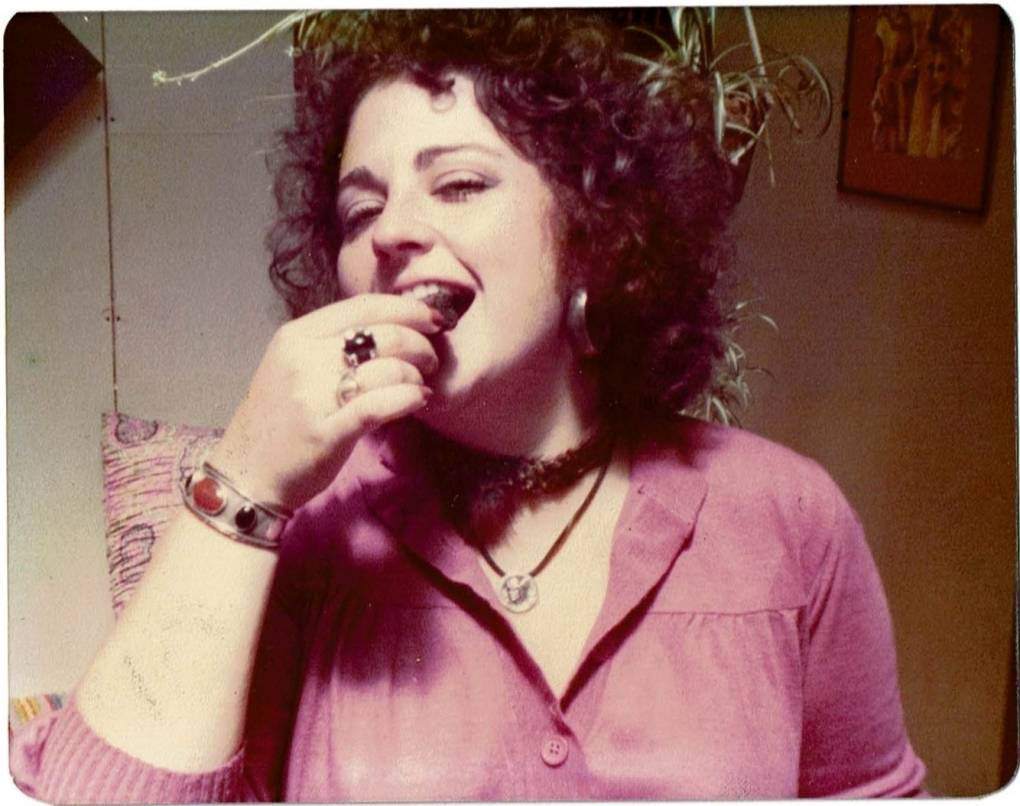
"caption": "Meridy Volz eats her Sticky Fingers Brownies.",
"description": null,
"title": "RS42514_Mer logo pic1-qut",
"credit": "Courtesy of Meridy Volz",
"status": "inherit",
"isLoading": false,
"fetchFailed": false
},
"news_11810632": {
"type": "attachments",
"id": "news_11810632",
"meta": {
"index": "attachments_1716263798",
"site": "news",
"id": "11810632",
"found": true
},
"parent": 11810527,
"imgSizes": {
"apple_news_ca_landscape_5_5": {
"file": "https://ww2.kqed.org/app/uploads/sites/10/2020/04/MARQUEE-723-1044x720.jpg",
"width": 1044,
"mimeType": "image/jpeg",
"height": 720
},
"apple_news_ca_square_4_0": {
"file": "https://ww2.kqed.org/app/uploads/sites/10/2020/04/MARQUEE-723-470x470.jpg",
"width": 470,
"mimeType": "image/jpeg",
"height": 470
},
"twentyfourteen-full-width": {
"file": "https://ww2.kqed.org/app/uploads/sites/10/2020/04/MARQUEE-723-1038x576.jpg",
"width": 1038,
"mimeType": "image/jpeg",
"height": 576
},
"thumbnail": {
"file": "https://ww2.kqed.org/app/uploads/sites/10/2020/04/MARQUEE-723-160x90.jpg",
"width": 160,
"mimeType": "image/jpeg",
"height": 90
},
"post-thumbnail": {
"file": "https://ww2.kqed.org/app/uploads/sites/10/2020/04/MARQUEE-723-672x372.jpg",
"width": 672,
"mimeType": "image/jpeg",
"height": 372
},
"kqedFullSize": {
"file": "https://ww2.kqed.org/app/uploads/sites/10/2020/04/MARQUEE-723.jpg",
"width": 1280,
"height": 720
},
"apple_news_ca_landscape_4_7": {
"file": "https://ww2.kqed.org/app/uploads/sites/10/2020/04/MARQUEE-723-632x474.jpg",
"width": 632,
"mimeType": "image/jpeg",
"height": 474
},
"large": {
"file": "https://ww2.kqed.org/app/uploads/sites/10/2020/04/MARQUEE-723-1020x574.jpg",
"width": 1020,
"mimeType": "image/jpeg",
"height": 574
},
"apple_news_ca_landscape_4_0": {
"file": "https://ww2.kqed.org/app/uploads/sites/10/2020/04/MARQUEE-723-536x402.jpg",
"width": 536,
"mimeType": "image/jpeg",
"height": 402
},
"apple_news_ca_portrait_12_9": {
"file": "https://ww2.kqed.org/app/uploads/sites/10/2020/04/MARQUEE-723-1122x720.jpg",
"width": 1122,
"mimeType": "image/jpeg",
"height": 720
},
"medium": {
"file": "https://ww2.kqed.org/app/uploads/sites/10/2020/04/MARQUEE-723-800x450.jpg",
"width": 800,
"mimeType": "image/jpeg",
"height": 450
},
"apple_news_ca_portrait_4_0": {
"file": "https://ww2.kqed.org/app/uploads/sites/10/2020/04/MARQUEE-723-354x472.jpg",
"width": 354,
"mimeType": "image/jpeg",
"height": 472
},
"apple_news_ca_portrait_9_7": {
"file": "https://ww2.kqed.org/app/uploads/sites/10/2020/04/MARQUEE-723-840x720.jpg",
"width": 840,
"mimeType": "image/jpeg",
"height": 720
},
"apple_news_ca_square_9_7": {
"file": "https://ww2.kqed.org/app/uploads/sites/10/2020/04/MARQUEE-723-1104x720.jpg",
"width": 1104,
"mimeType": "image/jpeg",
"height": 720
},
"apple_news_ca_portrait_4_7": {
"file": "https://ww2.kqed.org/app/uploads/sites/10/2020/04/MARQUEE-723-414x552.jpg",
"width": 414,
"mimeType": "image/jpeg",
"height": 552
},
"apple_news_ca_portrait_5_5": {
"file": "https://ww2.kqed.org/app/uploads/sites/10/2020/04/MARQUEE-723-687x720.jpg",
"width": 687,
"mimeType": "image/jpeg",
"height": 720
},
"apple_news_ca_square_4_7": {
"file": "https://ww2.kqed.org/app/uploads/sites/10/2020/04/MARQUEE-723-550x550.jpg",
"width": 550,
"mimeType": "image/jpeg",
"height": 550
},
"apple_news_ca_square_5_5": {
"file": "https://ww2.kqed.org/app/uploads/sites/10/2020/04/MARQUEE-723-912x720.jpg",
"width": 912,
"mimeType": "image/jpeg",
"height": 720
}
},
"publishDate": 1585957327,
"modified": 1585957327,
"caption": null,
"description": null,
"title": "MARQUEE 723",
"credit": null,
"status": "inherit",
"isLoading": false,
"fetchFailed": false
},
"news_11810153": {
"type": "attachments",
"id": "news_11810153",
"meta": {
"index": "attachments_1716263798",
"site": "news",
"id": "11810153",
"found": true
},
"parent": 11810062,
"imgSizes": {
"apple_news_ca_landscape_5_5": {
"file": "https://ww2.kqed.org/app/uploads/sites/10/2020/04/RS42485_Ragazzi-Boys-Chorus_David-Allen2-qut-1044x783.jpg",
"width": 1044,
"mimeType": "image/jpeg",
"height": 783
},
"apple_news_ca_square_4_0": {
"file": "https://ww2.kqed.org/app/uploads/sites/10/2020/04/RS42485_Ragazzi-Boys-Chorus_David-Allen2-qut-470x470.jpg",
"width": 470,
"mimeType": "image/jpeg",
"height": 470
},
"twentyfourteen-full-width": {
"file": "https://ww2.kqed.org/app/uploads/sites/10/2020/04/RS42485_Ragazzi-Boys-Chorus_David-Allen2-qut-1038x576.jpg",
"width": 1038,
"mimeType": "image/jpeg",
"height": 576
},
"thumbnail": {
"file": "https://ww2.kqed.org/app/uploads/sites/10/2020/04/RS42485_Ragazzi-Boys-Chorus_David-Allen2-qut-160x101.jpg",
"width": 160,
"mimeType": "image/jpeg",
"height": 101
},
"post-thumbnail": {
"file": "https://ww2.kqed.org/app/uploads/sites/10/2020/04/RS42485_Ragazzi-Boys-Chorus_David-Allen2-qut-672x372.jpg",
"width": 672,
"mimeType": "image/jpeg",
"height": 372
},
"kqedFullSize": {
"file": "https://ww2.kqed.org/app/uploads/sites/10/2020/04/RS42485_Ragazzi-Boys-Chorus_David-Allen2-qut.jpg",
"width": 1920,
"height": 1206
},
"apple_news_ca_landscape_4_7": {
"file": "https://ww2.kqed.org/app/uploads/sites/10/2020/04/RS42485_Ragazzi-Boys-Chorus_David-Allen2-qut-632x474.jpg",
"width": 632,
"mimeType": "image/jpeg",
"height": 474
},
"large": {
"file": "https://ww2.kqed.org/app/uploads/sites/10/2020/04/RS42485_Ragazzi-Boys-Chorus_David-Allen2-qut-1020x641.jpg",
"width": 1020,
"mimeType": "image/jpeg",
"height": 641
},
"apple_news_ca_landscape_4_0": {
"file": "https://ww2.kqed.org/app/uploads/sites/10/2020/04/RS42485_Ragazzi-Boys-Chorus_David-Allen2-qut-536x402.jpg",
"width": 536,
"mimeType": "image/jpeg",
"height": 402
},
"apple_news_ca_portrait_12_9": {
"file": "https://ww2.kqed.org/app/uploads/sites/10/2020/04/RS42485_Ragazzi-Boys-Chorus_David-Allen2-qut-1122x1206.jpg",
"width": 1122,
"mimeType": "image/jpeg",
"height": 1206
},
"medium": {
"file": "https://ww2.kqed.org/app/uploads/sites/10/2020/04/RS42485_Ragazzi-Boys-Chorus_David-Allen2-qut-800x503.jpg",
"width": 800,
"mimeType": "image/jpeg",
"height": 503
},
"apple_news_ca_portrait_4_0": {
"file": "https://ww2.kqed.org/app/uploads/sites/10/2020/04/RS42485_Ragazzi-Boys-Chorus_David-Allen2-qut-354x472.jpg",
"width": 354,
"mimeType": "image/jpeg",
"height": 472
},
"apple_news_ca_portrait_9_7": {
"file": "https://ww2.kqed.org/app/uploads/sites/10/2020/04/RS42485_Ragazzi-Boys-Chorus_David-Allen2-qut-840x1120.jpg",
"width": 840,
"mimeType": "image/jpeg",
"height": 1120
},
"apple_news_ca_landscape_12_9": {
"file": "https://ww2.kqed.org/app/uploads/sites/10/2020/04/RS42485_Ragazzi-Boys-Chorus_David-Allen2-qut-1832x1206.jpg",
"width": 1832,
"mimeType": "image/jpeg",
"height": 1206
},
"apple_news_ca_square_9_7": {
"file": "https://ww2.kqed.org/app/uploads/sites/10/2020/04/RS42485_Ragazzi-Boys-Chorus_David-Allen2-qut-1104x1104.jpg",
"width": 1104,
"mimeType": "image/jpeg",
"height": 1104
},
"apple_news_ca_portrait_4_7": {
"file": "https://ww2.kqed.org/app/uploads/sites/10/2020/04/RS42485_Ragazzi-Boys-Chorus_David-Allen2-qut-414x552.jpg",
"width": 414,
"mimeType": "image/jpeg",
"height": 552
},
"apple_news_ca_square_12_9": {
"file": "https://ww2.kqed.org/app/uploads/sites/10/2020/04/RS42485_Ragazzi-Boys-Chorus_David-Allen2-qut-1472x1206.jpg",
"width": 1472,
"mimeType": "image/jpeg",
"height": 1206
},
"apple_news_ca_portrait_5_5": {
"file": "https://ww2.kqed.org/app/uploads/sites/10/2020/04/RS42485_Ragazzi-Boys-Chorus_David-Allen2-qut-687x916.jpg",
"width": 687,
"mimeType": "image/jpeg",
"height": 916
},
"full-width": {
"file": "https://ww2.kqed.org/app/uploads/sites/10/2020/04/RS42485_Ragazzi-Boys-Chorus_David-Allen2-qut-1920x1206.jpg",
"width": 1920,
"mimeType": "image/jpeg",
"height": 1206
},
"apple_news_ca_square_4_7": {
"file": "https://ww2.kqed.org/app/uploads/sites/10/2020/04/RS42485_Ragazzi-Boys-Chorus_David-Allen2-qut-550x550.jpg",
"width": 550,
"mimeType": "image/jpeg",
"height": 550
},
"apple_news_ca_landscape_9_7": {
"file": "https://ww2.kqed.org/app/uploads/sites/10/2020/04/RS42485_Ragazzi-Boys-Chorus_David-Allen2-qut-1376x1032.jpg",
"width": 1376,
"mimeType": "image/jpeg",
"height": 1032
},
"apple_news_ca_square_5_5": {
"file": "https://ww2.kqed.org/app/uploads/sites/10/2020/04/RS42485_Ragazzi-Boys-Chorus_David-Allen2-qut-912x912.jpg",
"width": 912,
"mimeType": "image/jpeg",
"height": 912
}
},
"publishDate": 1585783446,
"modified": 1585853456,
"caption": "Members of the Redwood City-based Ragazzi Boys Chorus, which provides choral training to around 250 youth aged 5 to 18.",
"description": "Members of the Redwood City-based Ragazzi Boys Chorus, which provides choral training to around 250 youth aged 5 to 18.",
"title": "RS42485_Ragazzi Boys Chorus_David Allen2-qut",
"credit": "Courtesy of David Allen",
"status": "inherit",
"isLoading": false,
"fetchFailed": false
},
"news_11809878": {
"type": "attachments",
"id": "news_11809878",
"meta": {
"index": "attachments_1716263798",
"site": "news",
"id": "11809878",
"found": true
},
"parent": 11809671,
"imgSizes": {
"apple_news_ca_landscape_5_5": {
"file": "https://ww2.kqed.org/app/uploads/sites/10/2020/03/RS42460_GettyImages-1216024242-qut-1044x783.jpg",
"width": 1044,
"mimeType": "image/jpeg",
"height": 783
},
"apple_news_ca_square_4_0": {
"file": "https://ww2.kqed.org/app/uploads/sites/10/2020/03/RS42460_GettyImages-1216024242-qut-470x470.jpg",
"width": 470,
"mimeType": "image/jpeg",
"height": 470
},
"twentyfourteen-full-width": {
"file": "https://ww2.kqed.org/app/uploads/sites/10/2020/03/RS42460_GettyImages-1216024242-qut-1038x576.jpg",
"width": 1038,
"mimeType": "image/jpeg",
"height": 576
},
"thumbnail": {
"file": "https://ww2.kqed.org/app/uploads/sites/10/2020/03/RS42460_GettyImages-1216024242-qut-160x100.jpg",
"width": 160,
"mimeType": "image/jpeg",
"height": 100
},
"post-thumbnail": {
"file": "https://ww2.kqed.org/app/uploads/sites/10/2020/03/RS42460_GettyImages-1216024242-qut-672x372.jpg",
"width": 672,
"mimeType": "image/jpeg",
"height": 372
},
"kqedFullSize": {
"file": "https://ww2.kqed.org/app/uploads/sites/10/2020/03/RS42460_GettyImages-1216024242-qut.jpg",
"width": 1920,
"height": 1205
},
"apple_news_ca_landscape_4_7": {
"file": "https://ww2.kqed.org/app/uploads/sites/10/2020/03/RS42460_GettyImages-1216024242-qut-632x474.jpg",
"width": 632,
"mimeType": "image/jpeg",
"height": 474
},
"large": {
"file": "https://ww2.kqed.org/app/uploads/sites/10/2020/03/RS42460_GettyImages-1216024242-qut-1020x640.jpg",
"width": 1020,
"mimeType": "image/jpeg",
"height": 640
},
"apple_news_ca_landscape_4_0": {
"file": "https://ww2.kqed.org/app/uploads/sites/10/2020/03/RS42460_GettyImages-1216024242-qut-536x402.jpg",
"width": 536,
"mimeType": "image/jpeg",
"height": 402
},
"apple_news_ca_portrait_12_9": {
"file": "https://ww2.kqed.org/app/uploads/sites/10/2020/03/RS42460_GettyImages-1216024242-qut-1122x1205.jpg",
"width": 1122,
"mimeType": "image/jpeg",
"height": 1205
},
"medium": {
"file": "https://ww2.kqed.org/app/uploads/sites/10/2020/03/RS42460_GettyImages-1216024242-qut-800x502.jpg",
"width": 800,
"mimeType": "image/jpeg",
"height": 502
},
"apple_news_ca_portrait_4_0": {
"file": "https://ww2.kqed.org/app/uploads/sites/10/2020/03/RS42460_GettyImages-1216024242-qut-354x472.jpg",
"width": 354,
"mimeType": "image/jpeg",
"height": 472
},
"apple_news_ca_portrait_9_7": {
"file": "https://ww2.kqed.org/app/uploads/sites/10/2020/03/RS42460_GettyImages-1216024242-qut-840x1120.jpg",
"width": 840,
"mimeType": "image/jpeg",
"height": 1120
},
"apple_news_ca_landscape_12_9": {
"file": "https://ww2.kqed.org/app/uploads/sites/10/2020/03/RS42460_GettyImages-1216024242-qut-1832x1205.jpg",
"width": 1832,
"mimeType": "image/jpeg",
"height": 1205
},
"apple_news_ca_square_9_7": {
"file": "https://ww2.kqed.org/app/uploads/sites/10/2020/03/RS42460_GettyImages-1216024242-qut-1104x1104.jpg",
"width": 1104,
"mimeType": "image/jpeg",
"height": 1104
},
"apple_news_ca_portrait_4_7": {
"file": "https://ww2.kqed.org/app/uploads/sites/10/2020/03/RS42460_GettyImages-1216024242-qut-414x552.jpg",
"width": 414,
"mimeType": "image/jpeg",
"height": 552
},
"apple_news_ca_square_12_9": {
"file": "https://ww2.kqed.org/app/uploads/sites/10/2020/03/RS42460_GettyImages-1216024242-qut-1472x1205.jpg",
"width": 1472,
"mimeType": "image/jpeg",
"height": 1205
},
"apple_news_ca_portrait_5_5": {
"file": "https://ww2.kqed.org/app/uploads/sites/10/2020/03/RS42460_GettyImages-1216024242-qut-687x916.jpg",
"width": 687,
"mimeType": "image/jpeg",
"height": 916
},
"full-width": {
"file": "https://ww2.kqed.org/app/uploads/sites/10/2020/03/RS42460_GettyImages-1216024242-qut-1920x1205.jpg",
"width": 1920,
"mimeType": "image/jpeg",
"height": 1205
},
"apple_news_ca_square_4_7": {
"file": "https://ww2.kqed.org/app/uploads/sites/10/2020/03/RS42460_GettyImages-1216024242-qut-550x550.jpg",
"width": 550,
"mimeType": "image/jpeg",
"height": 550
},
"apple_news_ca_landscape_9_7": {
"file": "https://ww2.kqed.org/app/uploads/sites/10/2020/03/RS42460_GettyImages-1216024242-qut-1376x1032.jpg",
"width": 1376,
"mimeType": "image/jpeg",
"height": 1032
},
"apple_news_ca_square_5_5": {
"file": "https://ww2.kqed.org/app/uploads/sites/10/2020/03/RS42460_GettyImages-1216024242-qut-912x912.jpg",
"width": 912,
"mimeType": "image/jpeg",
"height": 912
}
},
"publishDate": 1585689712,
"modified": 1585689934,
"caption": "Tieks by Gavrieli, a Los Angeles-based shoemaker, has retrained employees to make masks from sewing machines and launched an online campaign teaching people how to make the masks for donation at home, after learning of a need for masks in hospitals during the battle against COVID-19. The cotton masks are intended for use by medical workers in non-coronavirus situations.",
"description": null,
"title": "Coronavirus Pandemic Causes Climate Of Anxiety And Changing Routines In America",
"credit": "Mario Tama/Getty Images",
"status": "inherit",
"isLoading": false,
"fetchFailed": false
},
"news_11808951": {
"type": "attachments",
"id": "news_11808951",
"meta": {
"index": "attachments_1716263798",
"site": "news",
"id": "11808951",
"found": true
},
"parent": 11808937,
"imgSizes": {
"apple_news_ca_landscape_5_5": {
"file": "https://ww2.kqed.org/app/uploads/sites/10/2020/03/RS42299_la-luz-team-qut-1044x783.jpg",
"width": 1044,
"mimeType": "image/jpeg",
"height": 783
},
"apple_news_ca_square_4_0": {
"file": "https://ww2.kqed.org/app/uploads/sites/10/2020/03/RS42299_la-luz-team-qut-470x470.jpg",
"width": 470,
"mimeType": "image/jpeg",
"height": 470
},
"twentyfourteen-full-width": {
"file": "https://ww2.kqed.org/app/uploads/sites/10/2020/03/RS42299_la-luz-team-qut-1038x576.jpg",
"width": 1038,
"mimeType": "image/jpeg",
"height": 576
},
"thumbnail": {
"file": "https://ww2.kqed.org/app/uploads/sites/10/2020/03/RS42299_la-luz-team-qut-160x120.jpg",
"width": 160,
"mimeType": "image/jpeg",
"height": 120
},
"post-thumbnail": {
"file": "https://ww2.kqed.org/app/uploads/sites/10/2020/03/RS42299_la-luz-team-qut-672x372.jpg",
"width": 672,
"mimeType": "image/jpeg",
"height": 372
},
"kqedFullSize": {
"file": "https://ww2.kqed.org/app/uploads/sites/10/2020/03/RS42299_la-luz-team-qut.jpg",
"width": 1920,
"height": 1440
},
"apple_news_ca_landscape_4_7": {
"file": "https://ww2.kqed.org/app/uploads/sites/10/2020/03/RS42299_la-luz-team-qut-632x474.jpg",
"width": 632,
"mimeType": "image/jpeg",
"height": 474
},
"large": {
"file": "https://ww2.kqed.org/app/uploads/sites/10/2020/03/RS42299_la-luz-team-qut-1020x765.jpg",
"width": 1020,
"mimeType": "image/jpeg",
"height": 765
},
"apple_news_ca_landscape_4_0": {
"file": "https://ww2.kqed.org/app/uploads/sites/10/2020/03/RS42299_la-luz-team-qut-536x402.jpg",
"width": 536,
"mimeType": "image/jpeg",
"height": 402
},
"apple_news_ca_portrait_12_9": {
"file": "https://ww2.kqed.org/app/uploads/sites/10/2020/03/RS42299_la-luz-team-qut-1122x1440.jpg",
"width": 1122,
"mimeType": "image/jpeg",
"height": 1440
},
"medium": {
"file": "https://ww2.kqed.org/app/uploads/sites/10/2020/03/RS42299_la-luz-team-qut-800x600.jpg",
"width": 800,
"mimeType": "image/jpeg",
"height": 600
},
"apple_news_ca_portrait_4_0": {
"file": "https://ww2.kqed.org/app/uploads/sites/10/2020/03/RS42299_la-luz-team-qut-354x472.jpg",
"width": 354,
"mimeType": "image/jpeg",
"height": 472
},
"apple_news_ca_portrait_9_7": {
"file": "https://ww2.kqed.org/app/uploads/sites/10/2020/03/RS42299_la-luz-team-qut-840x1120.jpg",
"width": 840,
"mimeType": "image/jpeg",
"height": 1120
},
"apple_news_ca_landscape_12_9": {
"file": "https://ww2.kqed.org/app/uploads/sites/10/2020/03/RS42299_la-luz-team-qut-1832x1374.jpg",
"width": 1832,
"mimeType": "image/jpeg",
"height": 1374
},
"apple_news_ca_square_9_7": {
"file": "https://ww2.kqed.org/app/uploads/sites/10/2020/03/RS42299_la-luz-team-qut-1104x1104.jpg",
"width": 1104,
"mimeType": "image/jpeg",
"height": 1104
},
"apple_news_ca_portrait_4_7": {
"file": "https://ww2.kqed.org/app/uploads/sites/10/2020/03/RS42299_la-luz-team-qut-414x552.jpg",
"width": 414,
"mimeType": "image/jpeg",
"height": 552
},
"apple_news_ca_square_12_9": {
"file": "https://ww2.kqed.org/app/uploads/sites/10/2020/03/RS42299_la-luz-team-qut-1472x1440.jpg",
"width": 1472,
"mimeType": "image/jpeg",
"height": 1440
},
"apple_news_ca_portrait_5_5": {
"file": "https://ww2.kqed.org/app/uploads/sites/10/2020/03/RS42299_la-luz-team-qut-687x916.jpg",
"width": 687,
"mimeType": "image/jpeg",
"height": 916
},
"full-width": {
"file": "https://ww2.kqed.org/app/uploads/sites/10/2020/03/RS42299_la-luz-team-qut-1920x1440.jpg",
"width": 1920,
"mimeType": "image/jpeg",
"height": 1440
},
"apple_news_ca_square_4_7": {
"file": "https://ww2.kqed.org/app/uploads/sites/10/2020/03/RS42299_la-luz-team-qut-550x550.jpg",
"width": 550,
"mimeType": "image/jpeg",
"height": 550
},
"apple_news_ca_landscape_9_7": {
"file": "https://ww2.kqed.org/app/uploads/sites/10/2020/03/RS42299_la-luz-team-qut-1376x1032.jpg",
"width": 1376,
"mimeType": "image/jpeg",
"height": 1032
},
"apple_news_ca_square_5_5": {
"file": "https://ww2.kqed.org/app/uploads/sites/10/2020/03/RS42299_la-luz-team-qut-912x912.jpg",
"width": 912,
"mimeType": "image/jpeg",
"height": 912
}
},
"publishDate": 1585256158,
"modified": 1585686927,
"caption": "The team at La Luz Center pose with census outreach materials.",
"description": "The team at La Luz Center posing with Census 2020 outreach materials.",
"title": "RS42299_la luz team-qut",
"credit": "Chloe Veltman/KQED",
"status": "inherit",
"isLoading": false,
"fetchFailed": false
},
"news_11809464": {
"type": "attachments",
"id": "news_11809464",
"meta": {
"index": "attachments_1716263798",
"site": "news",
"id": "11809464",
"found": true
},
"parent": 11809390,
"imgSizes": {
"apple_news_ca_landscape_5_5": {
"file": "https://ww2.kqed.org/app/uploads/sites/10/2020/03/1920_Goat-1044x783.jpg",
"width": 1044,
"mimeType": "image/jpeg",
"height": 783
},
"apple_news_ca_square_4_0": {
"file": "https://ww2.kqed.org/app/uploads/sites/10/2020/03/1920_Goat-470x470.jpg",
"width": 470,
"mimeType": "image/jpeg",
"height": 470
},
"twentyfourteen-full-width": {
"file": "https://ww2.kqed.org/app/uploads/sites/10/2020/03/1920_Goat-1038x576.jpg",
"width": 1038,
"mimeType": "image/jpeg",
"height": 576
},
"thumbnail": {
"file": "https://ww2.kqed.org/app/uploads/sites/10/2020/03/1920_Goat-160x90.jpg",
"width": 160,
"mimeType": "image/jpeg",
"height": 90
},
"post-thumbnail": {
"file": "https://ww2.kqed.org/app/uploads/sites/10/2020/03/1920_Goat-672x372.jpg",
"width": 672,
"mimeType": "image/jpeg",
"height": 372
},
"kqedFullSize": {
"file": "https://ww2.kqed.org/app/uploads/sites/10/2020/03/1920_Goat.jpg",
"width": 1920,
"height": 1081
},
"apple_news_ca_landscape_4_7": {
"file": "https://ww2.kqed.org/app/uploads/sites/10/2020/03/1920_Goat-632x474.jpg",
"width": 632,
"mimeType": "image/jpeg",
"height": 474
},
"large": {
"file": "https://ww2.kqed.org/app/uploads/sites/10/2020/03/1920_Goat-1020x574.jpg",
"width": 1020,
"mimeType": "image/jpeg",
"height": 574
},
"apple_news_ca_landscape_4_0": {
"file": "https://ww2.kqed.org/app/uploads/sites/10/2020/03/1920_Goat-536x402.jpg",
"width": 536,
"mimeType": "image/jpeg",
"height": 402
},
"apple_news_ca_portrait_12_9": {
"file": "https://ww2.kqed.org/app/uploads/sites/10/2020/03/1920_Goat-1122x1081.jpg",
"width": 1122,
"mimeType": "image/jpeg",
"height": 1081
},
"medium": {
"file": "https://ww2.kqed.org/app/uploads/sites/10/2020/03/1920_Goat-800x450.jpg",
"width": 800,
"mimeType": "image/jpeg",
"height": 450
},
"apple_news_ca_portrait_4_0": {
"file": "https://ww2.kqed.org/app/uploads/sites/10/2020/03/1920_Goat-354x472.jpg",
"width": 354,
"mimeType": "image/jpeg",
"height": 472
},
"apple_news_ca_portrait_9_7": {
"file": "https://ww2.kqed.org/app/uploads/sites/10/2020/03/1920_Goat-840x1081.jpg",
"width": 840,
"mimeType": "image/jpeg",
"height": 1081
},
"apple_news_ca_landscape_12_9": {
"file": "https://ww2.kqed.org/app/uploads/sites/10/2020/03/1920_Goat-1832x1081.jpg",
"width": 1832,
"mimeType": "image/jpeg",
"height": 1081
},
"apple_news_ca_square_9_7": {
"file": "https://ww2.kqed.org/app/uploads/sites/10/2020/03/1920_Goat-1104x1081.jpg",
"width": 1104,
"mimeType": "image/jpeg",
"height": 1081
},
"apple_news_ca_portrait_4_7": {
"file": "https://ww2.kqed.org/app/uploads/sites/10/2020/03/1920_Goat-414x552.jpg",
"width": 414,
"mimeType": "image/jpeg",
"height": 552
},
"apple_news_ca_square_12_9": {
"file": "https://ww2.kqed.org/app/uploads/sites/10/2020/03/1920_Goat-1472x1081.jpg",
"width": 1472,
"mimeType": "image/jpeg",
"height": 1081
},
"apple_news_ca_portrait_5_5": {
"file": "https://ww2.kqed.org/app/uploads/sites/10/2020/03/1920_Goat-687x916.jpg",
"width": 687,
"mimeType": "image/jpeg",
"height": 916
},
"full-width": {
"file": "https://ww2.kqed.org/app/uploads/sites/10/2020/03/1920_Goat-1920x1081.jpg",
"width": 1920,
"mimeType": "image/jpeg",
"height": 1081
},
"apple_news_ca_square_4_7": {
"file": "https://ww2.kqed.org/app/uploads/sites/10/2020/03/1920_Goat-550x550.jpg",
"width": 550,
"mimeType": "image/jpeg",
"height": 550
},
"apple_news_ca_landscape_9_7": {
"file": "https://ww2.kqed.org/app/uploads/sites/10/2020/03/1920_Goat-1376x1032.jpg",
"width": 1376,
"mimeType": "image/jpeg",
"height": 1032
},
"apple_news_ca_square_5_5": {
"file": "https://ww2.kqed.org/app/uploads/sites/10/2020/03/1920_Goat-912x912.jpg",
"width": 912,
"mimeType": "image/jpeg",
"height": 912
}
},
"publishDate": 1585423408,
"modified": 1585423471,
"caption": "Nibblets (aka Mama Goat) is ready for her close-up as part of \"Goat 2 Meetings,\" a zoom meeting program set up by the animal sanctuary Sweet Farm south of Half Moon Bay.",
"description": "Nibblets (aka Mama Goat) is ready for her close-up as part of \"Goat 2 Meetings,\" a zoom meeting program set up by the animal sanctuary Sweet Farm south of Half Moon Bay",
"title": "1920_Goat",
"credit": "Rachael Myrow/KQED",
"status": "inherit",
"isLoading": false,
"fetchFailed": false
}
},
"audioPlayerReducer": {
"postId": "stream_live",
"isPaused": true,
"isPlaying": false,
"pfsActive": false,
"pledgeModalIsOpen": true,
"playerDrawerIsOpen": false,
"liveAudioPlayStartedAt": 0,
"liveAudioPlayContext": ""
},
"authorsReducer": {
"byline_news_11814056": {
"type": "authors",
"id": "byline_news_11814056",
"meta": {
"override": true
},
"slug": "byline_news_11814056",
"name": "Tina Antolini",
"isLoading": false
},
"kqed": {
"type": "authors",
"id": "236",
"meta": {
"index": "authors_1716337520",
"id": "236",
"found": true
},
"name": "KQED News Staff",
"firstName": "KQED News Staff",
"lastName": null,
"slug": "kqed",
"email": "faq@kqed.org",
"display_author_email": false,
"staff_mastheads": [],
"title": null,
"bio": null,
"avatar": "https://secure.gravatar.com/avatar/ef0e801a68c4c54afa9180db14084167?s=600&d=blank&r=g",
"twitter": null,
"facebook": null,
"instagram": null,
"linkedin": null,
"sites": [
{
"site": "arts",
"roles": [
"contributor"
]
},
{
"site": "news",
"roles": [
"editor"
]
},
{
"site": "futureofyou",
"roles": [
"author"
]
}
],
"headData": {
"title": "KQED News Staff | KQED",
"description": null,
"ogImgSrc": "https://secure.gravatar.com/avatar/ef0e801a68c4c54afa9180db14084167?s=600&d=blank&r=g",
"twImgSrc": "https://secure.gravatar.com/avatar/ef0e801a68c4c54afa9180db14084167?s=600&d=blank&r=g"
},
"isLoading": false,
"link": "/author/kqed"
},
"rachael-myrow": {
"type": "authors",
"id": "251",
"meta": {
"index": "authors_1716337520",
"id": "251",
"found": true
},
"name": "Rachael Myrow",
"firstName": "Rachael",
"lastName": "Myrow",
"slug": "rachael-myrow",
"email": "rmyrow@kqed.org",
"display_author_email": true,
"staff_mastheads": [
"news"
],
"title": "Senior Editor of KQED's Silicon Valley News Desk",
"bio": "• I write and edit stories about how Silicon Valley power and policies shape everyday life in California. I’m also passionate about making Bay Area history and culture more accessible to a broad public. • I’ve been a journalist for most of my life, starting in high school with The Franklin Press in Los Angeles, where I grew up. While earning my first degree in English at UC Berkeley, I got my start in public radio at KALX-FM. After completing a second degree in journalism at Cal, I landed my first professional job at Marketplace, then moved on to KPCC (now LAist), and then KQED, where I hosted The California Report for more than seven years. • My reporting has appeared on NPR, The World, WBUR’s \u003ci>Here & Now\u003c/i>, and the BBC. I also guest host for KQED’s \u003ci>Forum\u003c/i>, as well as the Commonwealth Club in San Francisco. • I speak periodically on media, democracy and technology issues, and do voiceover work for documentaries and educational video projects. • Outside of the studio, you'll find me hiking Bay Area trails and whipping up Insta-ready meals in my kitchen. • I do not accept gifts, money, or favors from anyone connected to my reporting, I don't pay people for information, and I do not support or donate to political causes. • I strive to treat the people I report on with fairness, honesty, and respect. I also recognize there are often multiple sides to a story and work to verify information through multiple sources and documentation. If I get something wrong, I correct it.",
"avatar": "https://secure.gravatar.com/avatar/3ed8a3c5f26025e4a805ba634cda8cd764906b97438a6d9ce216b044e340da4e?s=600&d=blank&r=g",
"twitter": "rachaelmyrow",
"bluesky": null,
"facebook": null,
"instagram": null,
"linkedin": "https://www.linkedin.com/in/rachaelmyrow/",
"sites": [
{
"site": "arts",
"roles": [
"administrator"
]
},
{
"site": "news",
"roles": [
"edit_others_posts",
"editor"
]
},
{
"site": "futureofyou",
"roles": [
"editor"
]
},
{
"site": "bayareabites",
"roles": [
"editor"
]
},
{
"site": "stateofhealth",
"roles": [
"editor"
]
},
{
"site": "science",
"roles": [
"editor"
]
},
{
"site": "food",
"roles": [
"editor"
]
},
{
"site": "forum",
"roles": [
"editor"
]
},
{
"site": "liveblog",
"roles": [
"author"
]
}
],
"headData": {
"title": "Rachael Myrow | KQED",
"description": "Senior Editor of KQED's Silicon Valley News Desk",
"ogImgSrc": "https://secure.gravatar.com/avatar/3ed8a3c5f26025e4a805ba634cda8cd764906b97438a6d9ce216b044e340da4e?s=600&d=blank&r=g",
"twImgSrc": "https://secure.gravatar.com/avatar/3ed8a3c5f26025e4a805ba634cda8cd764906b97438a6d9ce216b044e340da4e?s=600&d=blank&r=g"
},
"isLoading": false,
"link": "/author/rachael-myrow"
},
"scottshafer": {
"type": "authors",
"id": "255",
"meta": {
"index": "authors_1716337520",
"id": "255",
"found": true
},
"name": "Scott Shafer",
"firstName": "Scott",
"lastName": "Shafer",
"slug": "scottshafer",
"email": "sshafer@kqed.org",
"display_author_email": false,
"staff_mastheads": [
"news"
],
"title": "KQED Contributor",
"bio": "Scott Shafer is a senior editor with the KQED Politics and Government desk. He is co-host of Political Breakdown, the award-winning radio show and podcast with a personal take on the world of politics. Scott came to KQED in 1998 to host the statewide\u003cem> California Report\u003c/em>. Prior to that he had extended stints in politics and government\u003cem>.\u003c/em> He uses that inside experience at KQED in his, reporting, hosting and analysis for the politics desk. Scott collaborated \u003cem>Political Breakdown a\u003c/em>nd on \u003cem>The Political Mind of Jerry Brown, \u003c/em>an eight-part series about the life and extraordinary political career of the former governor. For fun, he plays water polo with the San Francisco Tsunami.",
"avatar": "https://secure.gravatar.com/avatar/a62ebae45b79d7aed1a39a0e3bf68104?s=600&d=blank&r=g",
"twitter": "scottshafer",
"bluesky": null,
"facebook": null,
"instagram": null,
"linkedin": null,
"sites": [
{
"site": "news",
"roles": [
"editor"
]
},
{
"site": "stateofhealth",
"roles": [
"author"
]
},
{
"site": "science",
"roles": [
"author"
]
},
{
"site": "forum",
"roles": [
"subscriber"
]
},
{
"site": "liveblog",
"roles": [
"author"
]
}
],
"headData": {
"title": "Scott Shafer | KQED",
"description": "KQED Contributor",
"ogImgSrc": "https://secure.gravatar.com/avatar/a62ebae45b79d7aed1a39a0e3bf68104?s=600&d=blank&r=g",
"twImgSrc": "https://secure.gravatar.com/avatar/a62ebae45b79d7aed1a39a0e3bf68104?s=600&d=blank&r=g"
},
"isLoading": false,
"link": "/author/scottshafer"
},
"lmorehouse": {
"type": "authors",
"id": "3229",
"meta": {
"index": "authors_1716337520",
"id": "3229",
"found": true
},
"name": "Lisa Morehouse",
"firstName": "Lisa",
"lastName": "Morehouse",
"slug": "lmorehouse",
"email": "morehouse.lisa@gmail.com",
"display_author_email": false,
"staff_mastheads": [],
"title": "KQED Contributor",
"bio": "Lisa Morehouse is an award-winning public radio and print journalist, who has filed for National Public Radio, American Public Media, KQED Public Radio, Edutopia, and McSweeney’s. Her reporting has taken her from Samoan traveling circuses to Mississippi Delta classrooms to the homes of Lao refugees in rural Iowa. In addition to reporting, she teaches radio production to at-risk youth in the Bay Area. Her series \u003ca href=\"http://afterthegoldrushradio.com/\">After the Gold Rush\u003c/a> featured the changing industries, populations and identities of rural towns throughout California. She’s now producing \u003ca href=\"http://www.californiafoodways.com/\">California Foodways\u003c/a>, a series exploring the intersections of food, culture, economics, history and labor. Follow along on the \u003ca href=\"https://www.facebook.com/californiafoodways?ref=hl\">Facebook page\u003c/a> or on Twitter @cafoodways.",
"avatar": "https://secure.gravatar.com/avatar/dae74b002a6e256f39abb19d6f5acaea?s=600&d=blank&r=g",
"twitter": null,
"facebook": null,
"instagram": null,
"linkedin": null,
"sites": [
{
"site": "",
"roles": [
"editor"
]
},
{
"site": "news",
"roles": [
"author"
]
}
],
"headData": {
"title": "Lisa Morehouse | KQED",
"description": "KQED Contributor",
"ogImgSrc": "https://secure.gravatar.com/avatar/dae74b002a6e256f39abb19d6f5acaea?s=600&d=blank&r=g",
"twImgSrc": "https://secure.gravatar.com/avatar/dae74b002a6e256f39abb19d6f5acaea?s=600&d=blank&r=g"
},
"isLoading": false,
"link": "/author/lmorehouse"
},
"cveltman": {
"type": "authors",
"id": "8608",
"meta": {
"index": "authors_1716337520",
"id": "8608",
"found": true
},
"name": "Chloe Veltman",
"firstName": "Chloe",
"lastName": "Veltman",
"slug": "cveltman",
"email": "cveltman@kqed.org",
"display_author_email": true,
"staff_mastheads": [],
"title": "Arts and Culture Reporter",
"bio": "Chloe Veltman is a former arts and culture reporter for KQED. Prior to joining the organization, she launched and led the arts bureau at Colorado Public Radio, served as the Bay Area's culture columnist for the New York Times, and was the founder, host and executive producer of VoiceBox, a national award-winning weekly podcast/radio show and live events series all about the human voice. Chloe is the recipient of numerous prizes, grants and fellowships including a Webby Award for her work on interactive storytelling, both the John S Knight Journalism Fellowship and Humanities Center Fellowship at Stanford University, the Sundance Arts Writing Fellowship and a Library of Congress Research Fellowship. She is the author of the book \"On Acting\" and has appeared as a guest lecturer at Yale University and the San Francisco Conservatory of Music among other institutions. She holds a BA in english literature from King's College, Cambridge, and a Masters in Dramaturgy from the Central School of Speech and Drama/Harvard Institute for Advanced Theater Training.\r\n\u003ca href=\"https://www.chloeveltman.com\">www.chloeveltman.com\u003c/a>",
"avatar": "https://secure.gravatar.com/avatar/55403394b00a1ddab683952c2eb2cf85?s=600&d=blank&r=g",
"twitter": "chloeveltman",
"facebook": null,
"instagram": null,
"linkedin": null,
"sites": [
{
"site": "arts",
"roles": []
},
{
"site": "news",
"roles": [
"author"
]
},
{
"site": "pop",
"roles": [
"editor"
]
},
{
"site": "science",
"roles": []
}
],
"headData": {
"title": "Chloe Veltman | KQED",
"description": "Arts and Culture Reporter",
"ogImgSrc": "https://secure.gravatar.com/avatar/55403394b00a1ddab683952c2eb2cf85?s=600&d=blank&r=g",
"twImgSrc": "https://secure.gravatar.com/avatar/55403394b00a1ddab683952c2eb2cf85?s=600&d=blank&r=g"
},
"isLoading": false,
"link": "/author/cveltman"
},
"amarkowitz": {
"type": "authors",
"id": "11660",
"meta": {
"index": "authors_1716337520",
"id": "11660",
"found": true
},
"name": "Ariella Markowitz",
"firstName": "Ariella",
"lastName": "Markowitz",
"slug": "amarkowitz",
"email": "amarkowitz@kqed.org",
"display_author_email": false,
"staff_mastheads": [],
"title": "KQED Contributor",
"bio": "Ariella is a former intern for the California Report Magazine. Before that, she helped mobilize freelance journalists with Association of Independents in Radio (AIR) and made radio features for KALW. Ariella loves investigative reporting, personal stories that interrogate power, and spicy vegan cooking.",
"avatar": "https://secure.gravatar.com/avatar/7076c77064fecef602a2c779f2b9e1d33cb6f9b5fa13542bd1a6e2846a7c85a9?s=600&d=blank&r=g",
"twitter": "ariellaudio",
"bluesky": null,
"facebook": null,
"instagram": null,
"linkedin": null,
"sites": [
{
"site": "news",
"roles": [
"author"
]
},
{
"site": "forum",
"roles": [
"editor"
]
},
{
"site": "perspectives",
"roles": [
"administrator"
]
}
],
"headData": {
"title": "Ariella Markowitz | KQED",
"description": "KQED Contributor",
"ogImgSrc": "https://secure.gravatar.com/avatar/7076c77064fecef602a2c779f2b9e1d33cb6f9b5fa13542bd1a6e2846a7c85a9?s=600&d=blank&r=g",
"twImgSrc": "https://secure.gravatar.com/avatar/7076c77064fecef602a2c779f2b9e1d33cb6f9b5fa13542bd1a6e2846a7c85a9?s=600&d=blank&r=g"
},
"isLoading": false,
"link": "/author/amarkowitz"
}
},
"pagesReducer": {
"news_category_arts-and-culture": {
"type": "terms",
"id": "news_223",
"meta": {
"index": "terms_1716263798",
"site": "news",
"id": "223",
"score": 11.241959
},
"featImg": null,
"name": "Arts and Culture",
"description": null,
"taxonomy": "category",
"headData": {
"twImgId": null,
"twTitle": null,
"ogTitle": null,
"ogImgId": null,
"twDescription": null,
"description": null,
"title": "Arts and Culture Archives | KQED News",
"ogDescription": null
},
"ttid": 231,
"slug": "arts-and-culture",
"isLoading": false,
"title": "Arts and Culture",
"pageMeta": {
"site": "news",
"WpPageTemplate": "page-topic-editorial",
"currentPage": 46
},
"blocks": [
{
"blockName": "kqed/post-list",
"attrs": {
"layout": "cardArticle2",
"query": "posts/news?category=arts-and-culture",
"seeMore": false,
"paginated": true,
"page": 46
}
},
{
"blockName": "kqed/ad"
}
]
}
},
"pfsSessionReducer": {},
"postsReducer": {
"stream_live": {
"type": "live",
"id": "stream_live",
"audioUrl": "https://streams.kqed.org/kqedradio",
"title": "Live Stream",
"excerpt": "Live Stream information currently unavailable.",
"link": "/radio",
"featImg": "",
"label": {
"name": "KQED Live",
"link": "/"
}
},
"stream_kqedNewscast": {
"type": "posts",
"id": "stream_kqedNewscast",
"audioUrl": "https://www.kqed.org/.stream/anon/radio/RDnews/newscast.mp3?_=1",
"title": "KQED Newscast",
"featImg": "",
"label": {
"name": "88.5 FM",
"link": "/"
}
},
"news_11814056": {
"type": "posts",
"id": "news_11814056",
"meta": {
"index": "posts_1716263798",
"site": "news",
"id": "11814056",
"score": null,
"sort": [
1587819621000
]
},
"parent": 0,
"labelTerm": {
"site": "news"
},
"blocks": [],
"publishDate": 1587819621,
"format": "standard",
"disqusTitle": "For This Octogenarian Stand-Up Comic, the Show Goes On",
"title": "For This Octogenarian Stand-Up Comic, the Show Goes On",
"headTitle": "KQED News",
"content": "\u003cp>Whatever your vision of a woman in her 80s is, Houston Robertson would like to … revise it.\u003c/p>\n\u003cp>For one thing, she’s been happily single and dating for decades.\u003c/p>\n\u003cp>“I really like living alone,” she told me, when I visited her several months ago at her home in a senior mobile home park in Benicia, California. “I really like not having to cook supper. I really like not having to launder the jockey shorts. But I also really like sex!”\u003c/p>\n\u003cp>When I met her, Robertson was wearing her favorite outfit; a pair of tight black leggings, a t-shirt cinched at her waist and black boots. Her white hair is trimmed short into a pixie cut. The outfit started out as a costume, for use on stage.\u003c/p>\n\u003cp>In the past few years, Robertson's gotten into something else most people don’t generally imagine older women doing: stand-up comedy.\u003c/p>\n\u003cp>https://www.youtube.com/watch?v=d4wUegmwb9I&feature=emb_title\u003c/p>\n\u003cp>Robertson's history of being on stage reaches back to the 1950s, when she was in high school in small-town Nebraska. “I grew up a good little girl,” she said. “My father was a minister — so, of course I had to be the good little girl. I have wanted to be on stage ever since I was in my senior high school class play… But, good girls in 1954 did not go into theater.”\u003c/p>\n\u003cp>Instead, Robertson kept her head down, and went to college at Texas Christian University. In her sophomore year, she met a man named Neil in a class registration line. They got married soon after, and had kids quickly.\u003c/p>\n\u003cp>[pullquote align=\"right\" size=\"medium\" citation=\"Houston Robertson\"]Part of it was like hanging out with my grandkids — because most of the stand-ups were in their 20s and 30s. And I’m 80![/pullquote]Then her husband up and moved them to the San Francisco Bay Area. He’d gotten a new job teaching at a seminary. “And then we pretty much knew fairly soon why we really moved to California,” she said. “Because in 1978, Neal came out to me as gay.”\u003c/p>\n\u003cp>The next several years were tumultuous. There were the logistical questions — could she really handle her husband bringing home dates he met at a gay bar? What would this mean for their family? But in some ways, the bigger question was the one of her own identity: Who was she as a woman?\u003c/p>\n\u003cp>“I had married as a virgin bride,” Robertson said. “And I was married for 20 years to a man who didn’t desire me. I mean, it was really — it was a wound that took a long time to heal.”\u003c/p>\n\u003cfigure id=\"attachment_11814358\" class=\"wp-caption alignright\" style=\"max-width: 309px\">\u003ca href=\"https://ww2.kqed.org/app/uploads/sites/10/2020/04/Ribbons-the-Clown-2.jpg\">\u003cimg class=\"wp-image-11814358 size-full\" src=\"https://ww2.kqed.org/app/uploads/sites/10/2020/04/Ribbons-the-Clown-2.jpg\" alt=\"\" width=\"309\" height=\"448\" srcset=\"https://ww2.kqed.org/app/uploads/sites/10/2020/04/Ribbons-the-Clown-2.jpg 309w, https://ww2.kqed.org/app/uploads/sites/10/2020/04/Ribbons-the-Clown-2-160x232.jpg 160w\" sizes=\"(max-width: 309px) 100vw, 309px\">\u003c/a>\u003cfigcaption class=\"wp-caption-text\">Houston Robertson as Ribbons the clown. \u003ccite>(Courtesy of Houston Robertson)\u003c/cite>\u003c/figcaption>\u003c/figure>\n\u003cp>After Robertson decided to divorce her husband, she’d go out to bars, nonchalantly setting a grocery bag on the stool beside her, so she could try to pick up men without looking too obvious about it. She discovered that she really enjoyed sex. And feeling more in touch with herself physically helped reawaken something else in her: the aspiration to be on stage. She was living in San Francisco by then, and took a keen interest in the city's street performers. And that's when the idea came to her: she could be a clown.\u003c/p>\n\u003cp>Robertson named her clown character “Ribbons.” She would stroll up and down the street, clad in a clown costume with cascades of — what else? — ribbons attached.\u003c/p>\n\u003cp>“And I would come up to you,” she said. “I would pull out a ribbon, then I would curl it, and I would give it to you.” The character might seem a bit silly, but it had serious weight for Robertson. “I think — oh, I am sure Ribbons saved my life. I think of Ribbons as keeping safe characteristics about myself that I felt had been trashed.”\u003c/p>\n\u003cp>Robertson only performed as Ribbons for a handful of years. But the experience stuck with her, and she returned to it a couple of decades later after retiring from her job as a secretary. She started going to monthly shows of solo performers at The Marsh, a theater in Berkeley, and decided to try doing one herself.\u003c/p>\n\u003cp>The solo show she started working on — called “Victory for the Recycled Virgin” — was full of personal stories: of her marriage, her sex life, the ins and outs of getting older.\u003c/p>\n\u003cp>https://www.youtube.com/watch?v=HgWXMUO2j0k&t=59s\u003c/p>\n\u003cp>The show seizes on people’s discomfort with senior sexuality, and pokes at it. Robertson also began trying her hand at stand-up comedy and brought that topic into her act. To her surprise, she found the stand-up comedy world was a welcoming community.\u003c/p>\n\u003cp>“Part of it was like hanging out with my grandkids — because most of the stand-ups were in their 20s and 30s,” she said. “And I’m 80! They adored me, I adored them. They told me I was good. One of the young comics said ‘Houston! You terrified us young dudes.’ I thought, 'Yay!’”\u003c/p>\n\u003cp>[ad fullwidth]\u003c/p>\n\u003cp>This past year, she’s been working on a new solo show — “The Story of a Nice White Lady” — which digs into white people’s well-intentioned efforts to tackle racism, that often go wrong.\u003c/p>\n\u003cp>Her big performance of the show at The Marsh had been scheduled for April 1, and then the coronavirus hit. The show was indefinitely postponed. “This is just such a cruel time for theater groups,” she recently told me over the phone. “And the uncertainty of when it’s going to be over, so how can they reschedule — it’s a nightmare.”\u003c/p>\n\u003cfigure id=\"attachment_11814359\" class=\"wp-caption alignright\" style=\"max-width: 400px\">\u003ca href=\"https://ww2.kqed.org/app/uploads/sites/10/2020/04/Marsh-Postcard-20161.jpg\">\u003cimg class=\"wp-image-11814359\" src=\"https://ww2.kqed.org/app/uploads/sites/10/2020/04/Marsh-Postcard-20161.jpg\" alt=\"\" width=\"400\" height=\"560\" srcset=\"https://ww2.kqed.org/app/uploads/sites/10/2020/04/Marsh-Postcard-20161.jpg 1500w, https://ww2.kqed.org/app/uploads/sites/10/2020/04/Marsh-Postcard-20161-160x224.jpg 160w, https://ww2.kqed.org/app/uploads/sites/10/2020/04/Marsh-Postcard-20161-800x1120.jpg 800w, https://ww2.kqed.org/app/uploads/sites/10/2020/04/Marsh-Postcard-20161-1020x1428.jpg 1020w\" sizes=\"(max-width: 400px) 100vw, 400px\">\u003c/a>\u003cfigcaption class=\"wp-caption-text\">A poster for Robertsons 2016 show at The Marsh in Berkeley. \u003ccite>(Courtesy of The Marsh)\u003c/cite>\u003c/figcaption>\u003c/figure>\n\u003cp>But, never one to be slowed by a challenge, Robertson's show will go on. The Marsh has started presenting digital versions of shows that audiences can watch while stuck at home, and Robertson's performance is set to go live on April 27.\u003c/p>\n\u003cp>And to her surprise, the quarantine has given her another opportunity. She’d thought “Story of a Nice White Lady” would be her last solo show. Instead, she’s spending her time at home writing a new one — all about her experience with getting older. She’s calling it \"The Octobabe: Laughs and Longings.”\u003c/p>\n\u003cp>Robertson also recently got a tattoo of a labyrinth — a symbol she likes the significance of: “Twisting, turning. But no dead ends,” she said.\u003c/p>\n\u003cp>Roberston said her 83 years have been a testament to that: Even the endings turned out to be beginnings. She just keeps going.\u003c/p>\n\u003cp>\u003cem>This story is part of a series on ageism and the lived reality of growing older called The Third Act. It was produced with support from California Humanities. \u003c/em>\u003c/p>\n\u003cp>[ad floatright]\u003c/p>\n",
"disqusIdentifier": "11814056 https://ww2.kqed.org/news/?p=11814056",
"disqusUrl": "https://ww2.kqed.org/news/2020/04/25/for-this-octogenarian-stand-up-comic-the-show-goes-on/",
"stats": {
"hasVideo": true,
"hasChartOrMap": false,
"hasAudio": false,
"hasPolis": false,
"wordCount": 1215,
"hasGoogleForm": false,
"hasGallery": false,
"hasHearkenModule": false,
"iframeSrcs": [],
"paragraphCount": 26
},
"modified": 1587778698,
"excerpt": "In the past few years, Houston Robertson's gotten into something most people don’t generally associate with women in their 80s: stand-up comedy.",
"headData": {
"twImgId": "",
"twTitle": "",
"ogTitle": "",
"ogImgId": "",
"twDescription": "",
"description": "In the past few years, Houston Robertson's gotten into something most people don’t generally associate with women in their 80s: stand-up comedy.",
"title": "For This Octogenarian Stand-Up Comic, the Show Goes On | KQED",
"ogDescription": "",
"schema": {
"@context": "https://schema.org",
"@type": "NewsArticle",
"headline": "For This Octogenarian Stand-Up Comic, the Show Goes On",
"datePublished": "2020-04-25T06:00:21-07:00",
"dateModified": "2020-04-24T18:38:18-07:00",
"image": "https://cdn.kqed.org/wp-content/uploads/2020/02/KQED-OG-Image@1x.png",
"isAccessibleForFree": "True",
"publisher": {
"@type": "NewsMediaOrganization",
"@id": "https://www.kqed.org/#organization",
"name": "KQED",
"logo": "https://cdn.kqed.org/wp-content/uploads/2020/02/KQED-OG-Image@1x.png",
"url": "https://www.kqed.org",
"sameAs": [
"https://www.facebook.com/KQED",
"https://twitter.com/KQED",
"https://www.instagram.com/kqed/",
"https://www.tiktok.com/@kqedofficial",
"https://www.linkedin.com/company/kqed",
"https://www.youtube.com/channel/UCeC0IOo7i1P_61zVUWbJ4nw"
]
}
}
},
"guestAuthors": [],
"slug": "for-this-octogenarian-stand-up-comic-the-show-goes-on",
"status": "publish",
"audioUrl": "https://traffic.omny.fm/d/clips/0af137ef-751e-4b19-a055-aaef00d2d578/ffca7e9f-6831-41c5-bcaf-aaef00f5a073/c63b1ccf-753d-4525-b9ac-aba701839740/audio.mp3",
"nprByline": "Tina Antolini",
"path": "/news/11814056/for-this-octogenarian-stand-up-comic-the-show-goes-on",
"audioDuration": 432000,
"audioTrackLength": null,
"parsedContent": [
{
"type": "contentString",
"content": "\u003cdiv class=\"post-body\">\u003cp>\u003cp>Whatever your vision of a woman in her 80s is, Houston Robertson would like to … revise it.\u003c/p>\n\u003cp>For one thing, she’s been happily single and dating for decades.\u003c/p>\n\u003cp>“I really like living alone,” she told me, when I visited her several months ago at her home in a senior mobile home park in Benicia, California. “I really like not having to cook supper. I really like not having to launder the jockey shorts. But I also really like sex!”\u003c/p>\n\u003cp>When I met her, Robertson was wearing her favorite outfit; a pair of tight black leggings, a t-shirt cinched at her waist and black boots. Her white hair is trimmed short into a pixie cut. The outfit started out as a costume, for use on stage.\u003c/p>\n\u003cp>In the past few years, Robertson's gotten into something else most people don’t generally imagine older women doing: stand-up comedy.\u003c/p>\u003c/p>\u003cp>\u003cspan class='utils-parseShortcode-shortcodes-__youtubeShortcode__embedYoutube'>\n \u003cspan class='utils-parseShortcode-shortcodes-__youtubeShortcode__embedYoutubeInside'>\n \u003ciframe\n loading='lazy'\n class='utils-parseShortcode-shortcodes-__youtubeShortcode__youtubePlayer'\n type='text/html'\n src='//www.youtube.com/embed/d4wUegmwb9I'\n title='//www.youtube.com/embed/d4wUegmwb9I'\n allowfullscreen='true'\n style='border:0;'>\u003c/iframe>\n \u003c/span>\n \u003c/span>\u003c/p>\u003cp>\u003cp>Robertson's history of being on stage reaches back to the 1950s, when she was in high school in small-town Nebraska. “I grew up a good little girl,” she said. “My father was a minister — so, of course I had to be the good little girl. I have wanted to be on stage ever since I was in my senior high school class play… But, good girls in 1954 did not go into theater.”\u003c/p>\n\u003cp>Instead, Robertson kept her head down, and went to college at Texas Christian University. In her sophomore year, she met a man named Neil in a class registration line. They got married soon after, and had kids quickly.\u003c/p>\n\u003cp>\u003c/p>\u003c/div>",
"attributes": {
"named": {},
"numeric": []
}
},
{
"type": "component",
"content": "Part of it was like hanging out with my grandkids — because most of the stand-ups were in their 20s and 30s. And I’m 80!",
"name": "pullquote",
"attributes": {
"named": {
"align": "right",
"size": "medium",
"citation": "Houston Robertson",
"label": ""
},
"numeric": []
}
},
{
"type": "contentString",
"content": "\u003cdiv class=\"post-body\">\u003cp>Then her husband up and moved them to the San Francisco Bay Area. He’d gotten a new job teaching at a seminary. “And then we pretty much knew fairly soon why we really moved to California,” she said. “Because in 1978, Neal came out to me as gay.”\u003c/p>\n\u003cp>The next several years were tumultuous. There were the logistical questions — could she really handle her husband bringing home dates he met at a gay bar? What would this mean for their family? But in some ways, the bigger question was the one of her own identity: Who was she as a woman?\u003c/p>\n\u003cp>“I had married as a virgin bride,” Robertson said. “And I was married for 20 years to a man who didn’t desire me. I mean, it was really — it was a wound that took a long time to heal.”\u003c/p>\n\u003cfigure id=\"attachment_11814358\" class=\"wp-caption alignright\" style=\"max-width: 309px\">\u003ca href=\"https://ww2.kqed.org/app/uploads/sites/10/2020/04/Ribbons-the-Clown-2.jpg\">\u003cimg class=\"wp-image-11814358 size-full\" src=\"https://ww2.kqed.org/app/uploads/sites/10/2020/04/Ribbons-the-Clown-2.jpg\" alt=\"\" width=\"309\" height=\"448\" srcset=\"https://ww2.kqed.org/app/uploads/sites/10/2020/04/Ribbons-the-Clown-2.jpg 309w, https://ww2.kqed.org/app/uploads/sites/10/2020/04/Ribbons-the-Clown-2-160x232.jpg 160w\" sizes=\"(max-width: 309px) 100vw, 309px\">\u003c/a>\u003cfigcaption class=\"wp-caption-text\">Houston Robertson as Ribbons the clown. \u003ccite>(Courtesy of Houston Robertson)\u003c/cite>\u003c/figcaption>\u003c/figure>\n\u003cp>After Robertson decided to divorce her husband, she’d go out to bars, nonchalantly setting a grocery bag on the stool beside her, so she could try to pick up men without looking too obvious about it. She discovered that she really enjoyed sex. And feeling more in touch with herself physically helped reawaken something else in her: the aspiration to be on stage. She was living in San Francisco by then, and took a keen interest in the city's street performers. And that's when the idea came to her: she could be a clown.\u003c/p>\n\u003cp>Robertson named her clown character “Ribbons.” She would stroll up and down the street, clad in a clown costume with cascades of — what else? — ribbons attached.\u003c/p>\n\u003cp>“And I would come up to you,” she said. “I would pull out a ribbon, then I would curl it, and I would give it to you.” The character might seem a bit silly, but it had serious weight for Robertson. “I think — oh, I am sure Ribbons saved my life. I think of Ribbons as keeping safe characteristics about myself that I felt had been trashed.”\u003c/p>\n\u003cp>Robertson only performed as Ribbons for a handful of years. But the experience stuck with her, and she returned to it a couple of decades later after retiring from her job as a secretary. She started going to monthly shows of solo performers at The Marsh, a theater in Berkeley, and decided to try doing one herself.\u003c/p>\n\u003cp>The solo show she started working on — called “Victory for the Recycled Virgin” — was full of personal stories: of her marriage, her sex life, the ins and outs of getting older.\u003c/p>\u003c/p>\u003cp>\u003cspan class='utils-parseShortcode-shortcodes-__youtubeShortcode__embedYoutube'>\n \u003cspan class='utils-parseShortcode-shortcodes-__youtubeShortcode__embedYoutubeInside'>\n \u003ciframe\n loading='lazy'\n class='utils-parseShortcode-shortcodes-__youtubeShortcode__youtubePlayer'\n type='text/html'\n src='//www.youtube.com/embed/HgWXMUO2j0k'\n title='//www.youtube.com/embed/HgWXMUO2j0k'\n allowfullscreen='true'\n style='border:0;'>\u003c/iframe>\n \u003c/span>\n \u003c/span>\u003c/p>\u003cp>\u003cp>The show seizes on people’s discomfort with senior sexuality, and pokes at it. Robertson also began trying her hand at stand-up comedy and brought that topic into her act. To her surprise, she found the stand-up comedy world was a welcoming community.\u003c/p>\n\u003cp>“Part of it was like hanging out with my grandkids — because most of the stand-ups were in their 20s and 30s,” she said. “And I’m 80! They adored me, I adored them. They told me I was good. One of the young comics said ‘Houston! You terrified us young dudes.’ I thought, 'Yay!’”\u003c/p>\n\u003cp>\u003c/p>\u003c/div>",
"attributes": {
"named": {},
"numeric": []
}
},
{
"type": "component",
"content": "",
"name": "ad",
"attributes": {
"named": {
"label": "fullwidth"
},
"numeric": [
"fullwidth"
]
}
},
{
"type": "contentString",
"content": "\u003cdiv class=\"post-body\">\u003cp>\u003c/p>\n\u003cp>This past year, she’s been working on a new solo show — “The Story of a Nice White Lady” — which digs into white people’s well-intentioned efforts to tackle racism, that often go wrong.\u003c/p>\n\u003cp>Her big performance of the show at The Marsh had been scheduled for April 1, and then the coronavirus hit. The show was indefinitely postponed. “This is just such a cruel time for theater groups,” she recently told me over the phone. “And the uncertainty of when it’s going to be over, so how can they reschedule — it’s a nightmare.”\u003c/p>\n\u003cfigure id=\"attachment_11814359\" class=\"wp-caption alignright\" style=\"max-width: 400px\">\u003ca href=\"https://ww2.kqed.org/app/uploads/sites/10/2020/04/Marsh-Postcard-20161.jpg\">\u003cimg class=\"wp-image-11814359\" src=\"https://ww2.kqed.org/app/uploads/sites/10/2020/04/Marsh-Postcard-20161.jpg\" alt=\"\" width=\"400\" height=\"560\" srcset=\"https://ww2.kqed.org/app/uploads/sites/10/2020/04/Marsh-Postcard-20161.jpg 1500w, https://ww2.kqed.org/app/uploads/sites/10/2020/04/Marsh-Postcard-20161-160x224.jpg 160w, https://ww2.kqed.org/app/uploads/sites/10/2020/04/Marsh-Postcard-20161-800x1120.jpg 800w, https://ww2.kqed.org/app/uploads/sites/10/2020/04/Marsh-Postcard-20161-1020x1428.jpg 1020w\" sizes=\"(max-width: 400px) 100vw, 400px\">\u003c/a>\u003cfigcaption class=\"wp-caption-text\">A poster for Robertsons 2016 show at The Marsh in Berkeley. \u003ccite>(Courtesy of The Marsh)\u003c/cite>\u003c/figcaption>\u003c/figure>\n\u003cp>But, never one to be slowed by a challenge, Robertson's show will go on. The Marsh has started presenting digital versions of shows that audiences can watch while stuck at home, and Robertson's performance is set to go live on April 27.\u003c/p>\n\u003cp>And to her surprise, the quarantine has given her another opportunity. She’d thought “Story of a Nice White Lady” would be her last solo show. Instead, she’s spending her time at home writing a new one — all about her experience with getting older. She’s calling it \"The Octobabe: Laughs and Longings.”\u003c/p>\n\u003cp>Robertson also recently got a tattoo of a labyrinth — a symbol she likes the significance of: “Twisting, turning. But no dead ends,” she said.\u003c/p>\n\u003cp>Roberston said her 83 years have been a testament to that: Even the endings turned out to be beginnings. She just keeps going.\u003c/p>\n\u003cp>\u003cem>This story is part of a series on ageism and the lived reality of growing older called The Third Act. It was produced with support from California Humanities. \u003c/em>\u003c/p>\n\u003cp>\u003c/p>\u003c/div>",
"attributes": {
"named": {},
"numeric": []
}
},
{
"type": "component",
"content": "",
"name": "ad",
"attributes": {
"named": {
"label": "floatright"
},
"numeric": [
"floatright"
]
}
},
{
"type": "contentString",
"content": "\u003cdiv class=\"post-body\">\u003cp>\u003c/p>\n\u003c/div>\u003c/p>",
"attributes": {
"named": {},
"numeric": []
}
}
],
"link": "/news/11814056/for-this-octogenarian-stand-up-comic-the-show-goes-on",
"authors": [
"byline_news_11814056"
],
"categories": [
"news_223",
"news_8"
],
"tags": [
"news_25798"
],
"featImg": "news_11814366",
"label": "news"
},
"news_11813196": {
"type": "posts",
"id": "news_11813196",
"meta": {
"index": "posts_1716263798",
"site": "news",
"id": "11813196",
"score": null,
"sort": [
1587771867000
]
},
"parent": 0,
"labelTerm": {
"site": "news",
"term": 26731
},
"blocks": [],
"publishDate": 1587771867,
"format": "audio",
"disqusTitle": "'This Is a Californian Feeling': Poet Tess Taylor Captures Life on the Brink in 'Rift Zone'",
"title": "'This Is a Californian Feeling': Poet Tess Taylor Captures Life on the Brink in 'Rift Zone'",
"headTitle": "The California Report Magazine | KQED News",
"content": "\u003cp>Shortly before the state of California ordered its citizens to retreat indoors, I met up with poet \u003ca href=\"https://www.tess-taylor.com/\" target=\"_blank\" rel=\"noopener noreferrer\">Tess Taylor\u003c/a> for a hike on a steep hill near her home.\u003c/p>\n\u003cp>It was one of those perfect California days: warm; dappled sun; early spring flowers popping.\u003c/p>\n\u003cp>Everything looked and smelled tangy.\u003c/p>\n\u003cp>\"There are so many smells to love here, like rosemary or Ponderosa pine needles in the sun,\" said Taylor, as we hiked up the steep gravely trail to the summit. \"All of these are very specific California smells.\"\u003c/p>\n\u003cfigure id=\"attachment_11813218\" class=\"wp-caption alignnone\" style=\"max-width: 800px\">\u003cimg class=\"size-medium wp-image-11813218\" src=\"https://ww2.kqed.org/app/uploads/sites/10/2020/04/RS42848_IMG_3878-qut-800x600.jpg\" alt=\"\" width=\"800\" height=\"600\" srcset=\"https://ww2.kqed.org/app/uploads/sites/10/2020/04/RS42848_IMG_3878-qut-800x600.jpg 800w, https://ww2.kqed.org/app/uploads/sites/10/2020/04/RS42848_IMG_3878-qut-160x120.jpg 160w, https://ww2.kqed.org/app/uploads/sites/10/2020/04/RS42848_IMG_3878-qut-1020x765.jpg 1020w, https://ww2.kqed.org/app/uploads/sites/10/2020/04/RS42848_IMG_3878-qut.jpg 1920w, https://ww2.kqed.org/app/uploads/sites/10/2020/04/RS42848_IMG_3878-qut-1832x1374.jpg 1832w, https://ww2.kqed.org/app/uploads/sites/10/2020/04/RS42848_IMG_3878-qut-1376x1032.jpg 1376w, https://ww2.kqed.org/app/uploads/sites/10/2020/04/RS42848_IMG_3878-qut-1044x783.jpg 1044w, https://ww2.kqed.org/app/uploads/sites/10/2020/04/RS42848_IMG_3878-qut-632x474.jpg 632w, https://ww2.kqed.org/app/uploads/sites/10/2020/04/RS42848_IMG_3878-qut-536x402.jpg 536w\" sizes=\"(max-width: 800px) 100vw, 800px\">\u003cfigcaption class=\"wp-caption-text\">California poppies and a fire hydrant — among the many signs of natural and manmade activity on our hike. \u003ccite>(Chloe Veltman/KQED)\u003c/cite>\u003c/figcaption>\u003c/figure>\n\u003cp>\u003cspan style=\"font-weight: 400\">But every few steps we saw signs of mankind’s interference with nature: chain link fences; \u003c/span>“No Trespassing” signs; the scarred remains of an old quarry.\u003c/p>\n\u003cp>[ad fullwidth]\u003c/p>\n\u003cp>\"When people came to California and were settling it, they just kind of ripped this hillside open,\" Taylor said.\u003c/p>\n\u003cp>The aggressive contrast between California's beauty and its many natural and manmade hazards forms the backbone of Taylor’s poetry collection, \"Rift Zone,\" which is out this month.\u003c/p>\n\u003cp>She wrote these poems before the coronavirus pandemic made life even more precarious for Californians. But the poet’s words speak powerfully to the present moment.\u003c/p>\n\u003cp>Taylor — whose resume includes reviewing poetry for NPR's \u003cem>All Things Considered\u003c/em>, winning national awards and appearing in The New York Times and The Atlantic, among other publications — grew up in the town of El Cerrito, just north of Berkeley.\u003c/p>\n\u003cfigure id=\"attachment_11813219\" class=\"wp-caption alignright\" style=\"max-width: 480px\">\u003cimg class=\"size-full wp-image-11813219\" src=\"https://ww2.kqed.org/app/uploads/sites/10/2020/04/RS42850_Tess-Taylor-Taylor-Schreiner-qut.jpg\" alt=\"\" width=\"480\" height=\"480\" srcset=\"https://ww2.kqed.org/app/uploads/sites/10/2020/04/RS42850_Tess-Taylor-Taylor-Schreiner-qut.jpg 480w, https://ww2.kqed.org/app/uploads/sites/10/2020/04/RS42850_Tess-Taylor-Taylor-Schreiner-qut-160x160.jpg 160w, https://ww2.kqed.org/app/uploads/sites/10/2020/04/RS42850_Tess-Taylor-Taylor-Schreiner-qut-470x470.jpg 470w\" sizes=\"(max-width: 480px) 100vw, 480px\">\u003cfigcaption class=\"wp-caption-text\">The poet Tess Taylor released her poetry collection \"Rift Zone\" this month. \u003ccite>(Taylor Schreiner)\u003c/cite>\u003c/figcaption>\u003c/figure>\n\u003cp>\"I moved into one of these little bungalows and went to the elementary school across the street,\" Taylor said. \"Everybody that we knew was a retired shipyard worker from the Richmond shipyards.\"\u003c/p>\n\u003cp>She left for college in the 1990s, and then settled for a while in New York.\u003c/p>\n\u003cp>\"I had grown up thinking, I'm done with El Cerrito,\" she said. \"I'm never coming back.\"\u003c/p>\n\u003cp>But after about 13 years, the Golden State did lure Taylor back. By that point, she'd gotten married and was pregnant with her first child.\u003c/p>\n\u003cp>\"Suddenly, all I wanted was to be home in California near a lemon tree. That's what I dreamed of,\" Taylor said. \"And so we did that.\"\u003c/p>\n\u003cp>Those sunny California lemons still smiled on the tree. But Taylor also saw life here had gotten a whole lot tougher, especially for those less fortunate than herself.\u003c/p>\n\u003cp>\"Jammed on a freeway forever and ever,\" Taylor said. \"So much inequality. Watching people be unable to continue to make rent.\"\u003c/p>\n\u003cp>\"California Suites,\" a cluster of four poems in \"Rift Zone,\" speaks to the whiplash Taylor felt upon returning to her home state.\u003c/p>\n\u003cp>\u003cem>Suburbs reveal thoughtless paving; drains\u003cbr>\ngargle now where salmon spawned.\u003cbr>\nPlum blossoms eddy\u003cbr>\nnext to candy wrappers.\u003cbr>\nBetween storms, the light is mercury.\u003cbr>\nHuge wet sets hillsides careening,\u003cbr>\n\u003c/em>\u003cem>hurtling down what fault line just thrust up.\u003c/em>\u003c/p>\n\u003cp>Taylor said she wrote \"Rift Zone\" during what she saw as a decade of state and national upheaval — years marked by devastating wildfires, escalating gun violence, the persistent lack of a social safety net and the profound, disorienting feeling of insecurity that comes with all of that.\u003c/p>\n\u003cfigure id=\"attachment_11813220\" class=\"wp-caption alignright\" style=\"max-width: 426px\">\u003cimg class=\"size-full wp-image-11813220\" src=\"https://ww2.kqed.org/app/uploads/sites/10/2020/04/RS42849_RiftZoneCVR-300-dpi-8.22-qut.jpg\" alt=\"\" width=\"426\" height=\"640\" srcset=\"https://ww2.kqed.org/app/uploads/sites/10/2020/04/RS42849_RiftZoneCVR-300-dpi-8.22-qut.jpg 426w, https://ww2.kqed.org/app/uploads/sites/10/2020/04/RS42849_RiftZoneCVR-300-dpi-8.22-qut-160x240.jpg 160w\" sizes=\"(max-width: 426px) 100vw, 426px\">\u003cfigcaption class=\"wp-caption-text\">The book jacket for \"Rift Zone,\" Tess Taylor's new poetry collection, published by Red Hen Press. \u003ccite>(Red Hen Press)\u003c/cite>\u003c/figcaption>\u003c/figure>\n\u003cp>\"The feeling that we are living on a fault line, that we are living in a time when things feel like they're wrenching and twisting,\" Taylor said. \"And this is a Californian feeling. But it's also a world feeling, our national feeling of being on the brink.\"\u003c/p>\n\u003cp>Standing at the top of the hill, the landscape unfolded before us: shipyards; an oil refinery; trains whistling through the suburbs; the waters of the San Francisco Bay; far off in the distance, a view of Mount Tamalpais.\u003c/p>\n\u003cp>We took it all in, then set off on our way back down.\u003c/p>\n\u003cp>If it weren’t for the coronavirus, Taylor would be on a book tour right now, traveling to appear at 45 events across three countries. When we recently reconnected over video chat, she told me these have all been canceled or postponed.\u003c/p>\n\u003cp>\"It's like a big sandcastle: 10 years of work and then just watching it go away from you in a way that you sort of can't control,\" she said. \"And in another way, it feels like, how dare I grieve this 10-year book of poetry when there are so many other things to grieve?\"\u003c/p>\n\u003cp>Our conversation sent my thoughts back to the day of our hike.\u003c/p>\n\u003cp>Before we set off, we stood gazing up at a pair of enormous redwood trees in the poet’s backyard.\u003c/p>\n\u003cp>\"There's nothing quite like measuring your life against a redwood tree,\" Taylor said. \"It really sort of puts everything in perspective, doesn't it?\"\u003c/p>\n\u003cp>Those redwoods figure prominently in \"Rift Zone.\" And in the ensuing weeks since Taylor showed them to me, their symbolism has grown even more, as in this extract from \"California Suites\":\u003c/p>\n\u003cp>\u003cem>Your new house \u003c/em>\u003cem>is younger\u003cbr>\n\u003c/em>\u003cem>than your mother.\u003cbr>\nAt your bottle brush,\u003cbr>\nnative hummingbirds.\u003cbr>\nBehind them, two huge redwoods wait.\u003cbr>\nIn redwood years, these trees\u003cbr>\nare babies. They overlook\u003cbr>\nyour fragile real estate.\u003c/em>\u003c/p>\n\u003cp>Taylor said the redwoods in her backyard are only around 80 years old. In 1,000 years, they’ll still be standing — barring chainsaws and blights. And the events of 2020 will be buried deep in their rings.\u003c/p>\n\u003cp>\u003cem>To find out more about Tess Taylor's \"Rift Zone,\" or to buy an ebook or paperback copy, click \u003ca href=\"https://aerbook.com/maker/productcard-5513837-1458.html\" target=\"_blank\" rel=\"noopener noreferrer\">here\u003c/a>.\u003c/em>\u003c/p>\n\u003cp>Here are the four entire poems that make up \"California Suites,\" from Tess Taylor's \"Rift Zone\":\u003c/p>\n\u003cp>\u003cstrong>CALIFORNIA SUITES\u003c/strong>\u003c/p>\n\u003cp>I. Rainy Season\u003c/p>\n\u003cp>Season of mud, of swollen gullies,\u003cbr>\nstorms lashing off the Pacific, flinging\u003cbr>\nwet across our solstice months.\u003cbr>\nWe call this bitter damp the winter\u003cbr>\nbut it is different than rosy cheeks or blizzards\u003cbr>\nor catalogs of kids in reindeer sweaters:\u003cbr>\nOur winter turns the hillsides emerald.\u003cbr>\nSuburbs reveal thoughtless paving; drains\u003cbr>\ngargle now where salmon spawned.\u003cbr>\nPlum blossoms eddy\u003cbr>\nnext to candy wrappers.\u003cbr>\nBetween storms, the light is mercury.\u003cbr>\nHuge wet sets hillsides careening,\u003cbr>\nhurtling down what fault line just thrust up.\u003cbr>\nNow ferns glisten, redwoods blacken.\u003cbr>\nNow cold buckeye seed & lemons come.\u003cbr>\nIn rain, streets grow riverine,\u003cbr>\nferrying our cargo to the ocean.\u003cbr>\nO cold spray & green reclaiming:\u003cbr>\nIn you, we are all tributaries.\u003c/p>\n\u003cp>II. Sempervirens\u003cbr>\n\u003cem>-California Redwood\u003c/em>\u003c/p>\n\u003cp>We have no old cathedrals here\u003cbr>\nexcept for redwood groves\u003cbr>\nthat wait in parks\u003cbr>\nbehind brass plaques. Signs\u003cbr>\ndate the oldest to Columbus or\u003cbr>\nWilliam the Conqueror;\u003c/p>\n\u003cp>new roads wind to suburbs\u003cbr>\nthat replace them. The plaques\u003cbr>\nare odd, as if we lack\u003cbr>\nanother way to hold in mind\u003cbr>\ntheir presences—\u003cbr>\neons\u003c/p>\n\u003cp>passed in widening,\u003cbr>\nhosting murrelets & owls.\u003cbr>\nThey carve the real estate\u003cbr>\nof centuries. They calendar\u003cbr>\nthe former climate’s fires.\u003cbr>\nWhite settlers\u003c/p>\n\u003cp>cut them down\u003cbr>\n& made them cheap\u003cbr>\n& turned them back\u003cbr>\ninto a luxury.\u003cbr>\nNow we stroke their burls\u003cbr>\nwith short-lived hands.\u003c/p>\n\u003cp>They model wise economy.\u003cbr>\nEach ring is still a living record,\u003cbr>\na transitive, ongoing,\u003cbr>\ngiant conjugate for being\u003cbr>\nrhyming out\u003cbr>\ninside its own slow time.\u003c/p>\n\u003cp>They widen now\u003cbr>\nas ripples do\u003cbr>\non deep & pooling streams.\u003c/p>\n\u003cp>III. El Camino Real\u003c/p>\n\u003cp>The corridor parades its stucco newness.\u003cbr>\nWhat king was it that built this highway?\u003cbr>\nJornaleros in wide bucket hats\u003c/p>\n\u003cp>wait for hire beneath the onramps.\u003cbr>\nBlocks fill with retirees from somewhere colder.\u003cbr>\nChapped garages hold canned food & water\u003c/p>\n\u003cp>hoarded against sure disaster.\u003cbr>\nIn sharp heat, the lava gardens bleach.\u003cbr>\nThe man a few blocks over with his lettuces,\u003c/p>\n\u003cp>raw twang & melanomic skin\u003cbr>\nsaw me walking with my infant son.\u003cbr>\nHe said \u003cem>hey lady, keep in mind\u003c/em>\u003c/p>\n\u003cp>\u003cem>I have a gun. You can take my lemons if I offer,\u003cbr>\nbut steal em—bam—you’ll know who’s boss.\u003c/em>\u003c/p>\n\u003cp>IV. Escrow\u003c/p>\n\u003cp>[ad floatright]\u003c/p>\n\u003cp>In every sale, a list of ways\u003cbr>\nyour home could be destroyed.\u003cbr>\nFlood, earthquake, fire.\u003cbr>\nYour house may end in mudslide,\u003cbr>\nbe damaged by a rain of golf balls;\u003cbr>\nyou may live downwind of poison breezes\u003cbr>\noff oil fields, refineries, or croplands.\u003cbr>\nYou must assert you have\u003cbr>\nconsidered agricultural toxins; the risk\u003cbr>\ninherent in tectonic plates.\u003cbr>\nSigning on the dotted line allots you\u003cbr>\na postcard plot of Golden State. Will\u003cbr>\nit be cancerous? God-willing\u003cbr>\nnot to you. Your new house is younger\u003cbr>\nthan your mother.\u003cbr>\nAt your bottlebrush,\u003cbr>\nnative hummingbirds.\u003cbr>\nBehind them, two huge redwoods wait.\u003cbr>\nIn redwood years, these trees\u003cbr>\nare babies. They overlook\u003cbr>\nyour fragile real estate.\u003c/p>\n\n",
"disqusIdentifier": "11813196 https://ww2.kqed.org/news/?p=11813196",
"disqusUrl": "https://ww2.kqed.org/news/2020/04/24/this-is-a-californian-feeling-poet-tess-taylor-captures-life-on-the-brink-in-rift-zone/",
"stats": {
"hasVideo": false,
"hasChartOrMap": false,
"hasAudio": false,
"hasPolis": false,
"wordCount": 1450,
"hasGoogleForm": false,
"hasGallery": false,
"hasHearkenModule": false,
"iframeSrcs": [],
"paragraphCount": 52
},
"modified": 1587771867,
"excerpt": "The aggressive contrast between California's beauty, and its many natural and manmade hazards, form the backbone of Taylor’s timely new poetry collection, out this month.",
"headData": {
"twImgId": "",
"twTitle": "",
"ogTitle": "",
"ogImgId": "",
"twDescription": "",
"description": "The aggressive contrast between California's beauty, and its many natural and manmade hazards, form the backbone of Taylor’s timely new poetry collection, out this month.",
"title": "'This Is a Californian Feeling': Poet Tess Taylor Captures Life on the Brink in 'Rift Zone' | KQED",
"ogDescription": "",
"schema": {
"@context": "https://schema.org",
"@type": "NewsArticle",
"headline": "'This Is a Californian Feeling': Poet Tess Taylor Captures Life on the Brink in 'Rift Zone'",
"datePublished": "2020-04-24T16:44:27-07:00",
"dateModified": "2020-04-24T16:44:27-07:00",
"image": "https://cdn.kqed.org/wp-content/uploads/2020/02/KQED-OG-Image@1x.png",
"isAccessibleForFree": "True",
"publisher": {
"@type": "NewsMediaOrganization",
"@id": "https://www.kqed.org/#organization",
"name": "KQED",
"logo": "https://cdn.kqed.org/wp-content/uploads/2020/02/KQED-OG-Image@1x.png",
"url": "https://www.kqed.org",
"sameAs": [
"https://www.facebook.com/KQED",
"https://twitter.com/KQED",
"https://www.instagram.com/kqed/",
"https://www.tiktok.com/@kqedofficial",
"https://www.linkedin.com/company/kqed",
"https://www.youtube.com/channel/UCeC0IOo7i1P_61zVUWbJ4nw"
]
}
}
},
"guestAuthors": [],
"slug": "this-is-a-californian-feeling-poet-tess-taylor-captures-life-on-the-brink-in-rift-zone",
"status": "publish",
"audioUrl": "https://traffic.omny.fm/d/clips/0af137ef-751e-4b19-a055-aaef00d2d578/ffca7e9f-6831-41c5-bcaf-aaef00f5a073/308a35eb-4705-4d60-b22c-aba701839740/audio.mp3",
"path": "/news/11813196/this-is-a-californian-feeling-poet-tess-taylor-captures-life-on-the-brink-in-rift-zone",
"audioDuration": 328000,
"audioTrackLength": null,
"parsedContent": [
{
"type": "contentString",
"content": "\u003cdiv class=\"post-body\">\u003cp>\u003cp>Shortly before the state of California ordered its citizens to retreat indoors, I met up with poet \u003ca href=\"https://www.tess-taylor.com/\" target=\"_blank\" rel=\"noopener noreferrer\">Tess Taylor\u003c/a> for a hike on a steep hill near her home.\u003c/p>\n\u003cp>It was one of those perfect California days: warm; dappled sun; early spring flowers popping.\u003c/p>\n\u003cp>Everything looked and smelled tangy.\u003c/p>\n\u003cp>\"There are so many smells to love here, like rosemary or Ponderosa pine needles in the sun,\" said Taylor, as we hiked up the steep gravely trail to the summit. \"All of these are very specific California smells.\"\u003c/p>\n\u003cfigure id=\"attachment_11813218\" class=\"wp-caption alignnone\" style=\"max-width: 800px\">\u003cimg class=\"size-medium wp-image-11813218\" src=\"https://ww2.kqed.org/app/uploads/sites/10/2020/04/RS42848_IMG_3878-qut-800x600.jpg\" alt=\"\" width=\"800\" height=\"600\" srcset=\"https://ww2.kqed.org/app/uploads/sites/10/2020/04/RS42848_IMG_3878-qut-800x600.jpg 800w, https://ww2.kqed.org/app/uploads/sites/10/2020/04/RS42848_IMG_3878-qut-160x120.jpg 160w, https://ww2.kqed.org/app/uploads/sites/10/2020/04/RS42848_IMG_3878-qut-1020x765.jpg 1020w, https://ww2.kqed.org/app/uploads/sites/10/2020/04/RS42848_IMG_3878-qut.jpg 1920w, https://ww2.kqed.org/app/uploads/sites/10/2020/04/RS42848_IMG_3878-qut-1832x1374.jpg 1832w, https://ww2.kqed.org/app/uploads/sites/10/2020/04/RS42848_IMG_3878-qut-1376x1032.jpg 1376w, https://ww2.kqed.org/app/uploads/sites/10/2020/04/RS42848_IMG_3878-qut-1044x783.jpg 1044w, https://ww2.kqed.org/app/uploads/sites/10/2020/04/RS42848_IMG_3878-qut-632x474.jpg 632w, https://ww2.kqed.org/app/uploads/sites/10/2020/04/RS42848_IMG_3878-qut-536x402.jpg 536w\" sizes=\"(max-width: 800px) 100vw, 800px\">\u003cfigcaption class=\"wp-caption-text\">California poppies and a fire hydrant — among the many signs of natural and manmade activity on our hike. \u003ccite>(Chloe Veltman/KQED)\u003c/cite>\u003c/figcaption>\u003c/figure>\n\u003cp>\u003cspan style=\"font-weight: 400\">But every few steps we saw signs of mankind’s interference with nature: chain link fences; \u003c/span>“No Trespassing” signs; the scarred remains of an old quarry.\u003c/p>\n\u003cp>\u003c/p>\u003c/div>",
"attributes": {
"named": {},
"numeric": []
}
},
{
"type": "component",
"content": "",
"name": "ad",
"attributes": {
"named": {
"label": "fullwidth"
},
"numeric": [
"fullwidth"
]
}
},
{
"type": "contentString",
"content": "\u003cdiv class=\"post-body\">\u003cp>\u003c/p>\n\u003cp>\"When people came to California and were settling it, they just kind of ripped this hillside open,\" Taylor said.\u003c/p>\n\u003cp>The aggressive contrast between California's beauty and its many natural and manmade hazards forms the backbone of Taylor’s poetry collection, \"Rift Zone,\" which is out this month.\u003c/p>\n\u003cp>She wrote these poems before the coronavirus pandemic made life even more precarious for Californians. But the poet’s words speak powerfully to the present moment.\u003c/p>\n\u003cp>Taylor — whose resume includes reviewing poetry for NPR's \u003cem>All Things Considered\u003c/em>, winning national awards and appearing in The New York Times and The Atlantic, among other publications — grew up in the town of El Cerrito, just north of Berkeley.\u003c/p>\n\u003cfigure id=\"attachment_11813219\" class=\"wp-caption alignright\" style=\"max-width: 480px\">\u003cimg class=\"size-full wp-image-11813219\" src=\"https://ww2.kqed.org/app/uploads/sites/10/2020/04/RS42850_Tess-Taylor-Taylor-Schreiner-qut.jpg\" alt=\"\" width=\"480\" height=\"480\" srcset=\"https://ww2.kqed.org/app/uploads/sites/10/2020/04/RS42850_Tess-Taylor-Taylor-Schreiner-qut.jpg 480w, https://ww2.kqed.org/app/uploads/sites/10/2020/04/RS42850_Tess-Taylor-Taylor-Schreiner-qut-160x160.jpg 160w, https://ww2.kqed.org/app/uploads/sites/10/2020/04/RS42850_Tess-Taylor-Taylor-Schreiner-qut-470x470.jpg 470w\" sizes=\"(max-width: 480px) 100vw, 480px\">\u003cfigcaption class=\"wp-caption-text\">The poet Tess Taylor released her poetry collection \"Rift Zone\" this month. \u003ccite>(Taylor Schreiner)\u003c/cite>\u003c/figcaption>\u003c/figure>\n\u003cp>\"I moved into one of these little bungalows and went to the elementary school across the street,\" Taylor said. \"Everybody that we knew was a retired shipyard worker from the Richmond shipyards.\"\u003c/p>\n\u003cp>She left for college in the 1990s, and then settled for a while in New York.\u003c/p>\n\u003cp>\"I had grown up thinking, I'm done with El Cerrito,\" she said. \"I'm never coming back.\"\u003c/p>\n\u003cp>But after about 13 years, the Golden State did lure Taylor back. By that point, she'd gotten married and was pregnant with her first child.\u003c/p>\n\u003cp>\"Suddenly, all I wanted was to be home in California near a lemon tree. That's what I dreamed of,\" Taylor said. \"And so we did that.\"\u003c/p>\n\u003cp>Those sunny California lemons still smiled on the tree. But Taylor also saw life here had gotten a whole lot tougher, especially for those less fortunate than herself.\u003c/p>\n\u003cp>\"Jammed on a freeway forever and ever,\" Taylor said. \"So much inequality. Watching people be unable to continue to make rent.\"\u003c/p>\n\u003cp>\"California Suites,\" a cluster of four poems in \"Rift Zone,\" speaks to the whiplash Taylor felt upon returning to her home state.\u003c/p>\n\u003cp>\u003cem>Suburbs reveal thoughtless paving; drains\u003cbr>\ngargle now where salmon spawned.\u003cbr>\nPlum blossoms eddy\u003cbr>\nnext to candy wrappers.\u003cbr>\nBetween storms, the light is mercury.\u003cbr>\nHuge wet sets hillsides careening,\u003cbr>\n\u003c/em>\u003cem>hurtling down what fault line just thrust up.\u003c/em>\u003c/p>\n\u003cp>Taylor said she wrote \"Rift Zone\" during what she saw as a decade of state and national upheaval — years marked by devastating wildfires, escalating gun violence, the persistent lack of a social safety net and the profound, disorienting feeling of insecurity that comes with all of that.\u003c/p>\n\u003cfigure id=\"attachment_11813220\" class=\"wp-caption alignright\" style=\"max-width: 426px\">\u003cimg class=\"size-full wp-image-11813220\" src=\"https://ww2.kqed.org/app/uploads/sites/10/2020/04/RS42849_RiftZoneCVR-300-dpi-8.22-qut.jpg\" alt=\"\" width=\"426\" height=\"640\" srcset=\"https://ww2.kqed.org/app/uploads/sites/10/2020/04/RS42849_RiftZoneCVR-300-dpi-8.22-qut.jpg 426w, https://ww2.kqed.org/app/uploads/sites/10/2020/04/RS42849_RiftZoneCVR-300-dpi-8.22-qut-160x240.jpg 160w\" sizes=\"(max-width: 426px) 100vw, 426px\">\u003cfigcaption class=\"wp-caption-text\">The book jacket for \"Rift Zone,\" Tess Taylor's new poetry collection, published by Red Hen Press. \u003ccite>(Red Hen Press)\u003c/cite>\u003c/figcaption>\u003c/figure>\n\u003cp>\"The feeling that we are living on a fault line, that we are living in a time when things feel like they're wrenching and twisting,\" Taylor said. \"And this is a Californian feeling. But it's also a world feeling, our national feeling of being on the brink.\"\u003c/p>\n\u003cp>Standing at the top of the hill, the landscape unfolded before us: shipyards; an oil refinery; trains whistling through the suburbs; the waters of the San Francisco Bay; far off in the distance, a view of Mount Tamalpais.\u003c/p>\n\u003cp>We took it all in, then set off on our way back down.\u003c/p>\n\u003cp>If it weren’t for the coronavirus, Taylor would be on a book tour right now, traveling to appear at 45 events across three countries. When we recently reconnected over video chat, she told me these have all been canceled or postponed.\u003c/p>\n\u003cp>\"It's like a big sandcastle: 10 years of work and then just watching it go away from you in a way that you sort of can't control,\" she said. \"And in another way, it feels like, how dare I grieve this 10-year book of poetry when there are so many other things to grieve?\"\u003c/p>\n\u003cp>Our conversation sent my thoughts back to the day of our hike.\u003c/p>\n\u003cp>Before we set off, we stood gazing up at a pair of enormous redwood trees in the poet’s backyard.\u003c/p>\n\u003cp>\"There's nothing quite like measuring your life against a redwood tree,\" Taylor said. \"It really sort of puts everything in perspective, doesn't it?\"\u003c/p>\n\u003cp>Those redwoods figure prominently in \"Rift Zone.\" And in the ensuing weeks since Taylor showed them to me, their symbolism has grown even more, as in this extract from \"California Suites\":\u003c/p>\n\u003cp>\u003cem>Your new house \u003c/em>\u003cem>is younger\u003cbr>\n\u003c/em>\u003cem>than your mother.\u003cbr>\nAt your bottle brush,\u003cbr>\nnative hummingbirds.\u003cbr>\nBehind them, two huge redwoods wait.\u003cbr>\nIn redwood years, these trees\u003cbr>\nare babies. They overlook\u003cbr>\nyour fragile real estate.\u003c/em>\u003c/p>\n\u003cp>Taylor said the redwoods in her backyard are only around 80 years old. In 1,000 years, they’ll still be standing — barring chainsaws and blights. And the events of 2020 will be buried deep in their rings.\u003c/p>\n\u003cp>\u003cem>To find out more about Tess Taylor's \"Rift Zone,\" or to buy an ebook or paperback copy, click \u003ca href=\"https://aerbook.com/maker/productcard-5513837-1458.html\" target=\"_blank\" rel=\"noopener noreferrer\">here\u003c/a>.\u003c/em>\u003c/p>\n\u003cp>Here are the four entire poems that make up \"California Suites,\" from Tess Taylor's \"Rift Zone\":\u003c/p>\n\u003cp>\u003cstrong>CALIFORNIA SUITES\u003c/strong>\u003c/p>\n\u003cp>I. Rainy Season\u003c/p>\n\u003cp>Season of mud, of swollen gullies,\u003cbr>\nstorms lashing off the Pacific, flinging\u003cbr>\nwet across our solstice months.\u003cbr>\nWe call this bitter damp the winter\u003cbr>\nbut it is different than rosy cheeks or blizzards\u003cbr>\nor catalogs of kids in reindeer sweaters:\u003cbr>\nOur winter turns the hillsides emerald.\u003cbr>\nSuburbs reveal thoughtless paving; drains\u003cbr>\ngargle now where salmon spawned.\u003cbr>\nPlum blossoms eddy\u003cbr>\nnext to candy wrappers.\u003cbr>\nBetween storms, the light is mercury.\u003cbr>\nHuge wet sets hillsides careening,\u003cbr>\nhurtling down what fault line just thrust up.\u003cbr>\nNow ferns glisten, redwoods blacken.\u003cbr>\nNow cold buckeye seed & lemons come.\u003cbr>\nIn rain, streets grow riverine,\u003cbr>\nferrying our cargo to the ocean.\u003cbr>\nO cold spray & green reclaiming:\u003cbr>\nIn you, we are all tributaries.\u003c/p>\n\u003cp>II. Sempervirens\u003cbr>\n\u003cem>-California Redwood\u003c/em>\u003c/p>\n\u003cp>We have no old cathedrals here\u003cbr>\nexcept for redwood groves\u003cbr>\nthat wait in parks\u003cbr>\nbehind brass plaques. Signs\u003cbr>\ndate the oldest to Columbus or\u003cbr>\nWilliam the Conqueror;\u003c/p>\n\u003cp>new roads wind to suburbs\u003cbr>\nthat replace them. The plaques\u003cbr>\nare odd, as if we lack\u003cbr>\nanother way to hold in mind\u003cbr>\ntheir presences—\u003cbr>\neons\u003c/p>\n\u003cp>passed in widening,\u003cbr>\nhosting murrelets & owls.\u003cbr>\nThey carve the real estate\u003cbr>\nof centuries. They calendar\u003cbr>\nthe former climate’s fires.\u003cbr>\nWhite settlers\u003c/p>\n\u003cp>cut them down\u003cbr>\n& made them cheap\u003cbr>\n& turned them back\u003cbr>\ninto a luxury.\u003cbr>\nNow we stroke their burls\u003cbr>\nwith short-lived hands.\u003c/p>\n\u003cp>They model wise economy.\u003cbr>\nEach ring is still a living record,\u003cbr>\na transitive, ongoing,\u003cbr>\ngiant conjugate for being\u003cbr>\nrhyming out\u003cbr>\ninside its own slow time.\u003c/p>\n\u003cp>They widen now\u003cbr>\nas ripples do\u003cbr>\non deep & pooling streams.\u003c/p>\n\u003cp>III. El Camino Real\u003c/p>\n\u003cp>The corridor parades its stucco newness.\u003cbr>\nWhat king was it that built this highway?\u003cbr>\nJornaleros in wide bucket hats\u003c/p>\n\u003cp>wait for hire beneath the onramps.\u003cbr>\nBlocks fill with retirees from somewhere colder.\u003cbr>\nChapped garages hold canned food & water\u003c/p>\n\u003cp>hoarded against sure disaster.\u003cbr>\nIn sharp heat, the lava gardens bleach.\u003cbr>\nThe man a few blocks over with his lettuces,\u003c/p>\n\u003cp>raw twang & melanomic skin\u003cbr>\nsaw me walking with my infant son.\u003cbr>\nHe said \u003cem>hey lady, keep in mind\u003c/em>\u003c/p>\n\u003cp>\u003cem>I have a gun. You can take my lemons if I offer,\u003cbr>\nbut steal em—bam—you’ll know who’s boss.\u003c/em>\u003c/p>\n\u003cp>IV. Escrow\u003c/p>\n\u003cp>\u003c/p>\u003c/div>",
"attributes": {
"named": {},
"numeric": []
}
},
{
"type": "component",
"content": "",
"name": "ad",
"attributes": {
"named": {
"label": "floatright"
},
"numeric": [
"floatright"
]
}
},
{
"type": "contentString",
"content": "\u003cdiv class=\"post-body\">\u003cp>\u003c/p>\n\u003cp>In every sale, a list of ways\u003cbr>\nyour home could be destroyed.\u003cbr>\nFlood, earthquake, fire.\u003cbr>\nYour house may end in mudslide,\u003cbr>\nbe damaged by a rain of golf balls;\u003cbr>\nyou may live downwind of poison breezes\u003cbr>\noff oil fields, refineries, or croplands.\u003cbr>\nYou must assert you have\u003cbr>\nconsidered agricultural toxins; the risk\u003cbr>\ninherent in tectonic plates.\u003cbr>\nSigning on the dotted line allots you\u003cbr>\na postcard plot of Golden State. Will\u003cbr>\nit be cancerous? God-willing\u003cbr>\nnot to you. Your new house is younger\u003cbr>\nthan your mother.\u003cbr>\nAt your bottlebrush,\u003cbr>\nnative hummingbirds.\u003cbr>\nBehind them, two huge redwoods wait.\u003cbr>\nIn redwood years, these trees\u003cbr>\nare babies. They overlook\u003cbr>\nyour fragile real estate.\u003c/p>\n\n\u003c/div>\u003c/p>",
"attributes": {
"named": {},
"numeric": []
}
}
],
"link": "/news/11813196/this-is-a-californian-feeling-poet-tess-taylor-captures-life-on-the-brink-in-rift-zone",
"authors": [
"8608"
],
"programs": [
"news_26731"
],
"categories": [
"news_223",
"news_19906",
"news_8"
],
"tags": [
"news_18538",
"news_1222",
"news_1421"
],
"featImg": "news_11813197",
"label": "news_26731"
},
"news_11814220": {
"type": "posts",
"id": "news_11814220",
"meta": {
"index": "posts_1716263798",
"site": "news",
"id": "11814220",
"score": null,
"sort": [
1587771567000
]
},
"guestAuthors": [],
"slug": "federal-relief-package-antibodies-study-reopening-economy-draw-together",
"title": "Federal Relief Package, Antibodies Study, Reopening Economy, \"Draw Together\"",
"publishDate": 1587771567,
"format": "video",
"headTitle": "Federal Relief Package, Antibodies Study, Reopening Economy, “Draw Together” | KQED",
"labelTerm": {},
"content": "\u003cp>\u003cb>Congress Passes New Funding to Help Businesses and Boost Testing\u003cbr>\n\u003c/b>\u003cspan style=\"font-weight: 400\">President Donald Trump earlier today signed into law a second round of federal aid to help beleaguered business owners as an additional 4.4 million Americans filed for unemployment assistance this week. The $484 billion relief package includes more than $300 billion to replenish the Paycheck Protection Program, which was depleted in less than two weeks by small businesses seeking forgivable loans to retain or rehire workers during the pandemic. The federal aid will also provide $25 billion to ramp up nationwide testing for the coronavirus and $75 billion for beleaguered hospitals on the frontlines of fighting the pandemic. Democrats failed, however, to secure funding to help state governments facing massive shortfalls in tax revenues because of the pandemic.\u003c/span>\u003c/p>\n\u003cp>\u003cb>Guest:\u003c/b>\u003c/p>\n\u003cul>\n\u003cli style=\"font-weight: 400\">\u003cspan style=\"font-weight: 400\">U.S. Rep. Ami Bera, D-Elk Grove\u003c/span>\u003c/li>\n\u003c/ul>\n\u003cp>\u003cb>UCSF Scientists Hunt for Coronavirus Antibodies and Infection in Two Communities\u003cbr>\n\u003c/b>\u003cspan style=\"font-weight: 400\">This week, a team of researchers from UCSF began testing two very different Bay Area communities to look for clues on how the coronavirus is spreading and past exposure to it, which may offer some degree of immunity from it. On Thursday, they wrapped up testing the entire population of Bolinas, the small coastal town in western Marin county. Not only did they look to see who is actively infected, they also took blood samples to screen for antibodies to the coronavirus. Antibody testing helps scientists understand how widely an illness has spread through a community, even if some who’ve been infected don’t show any symptoms. This weekend, they’ll kick off the next phase of the study to sample more than 5,000 residents in San Francisco’s Mission district. \u003c/span>\u003cspan style=\"font-weight: 400\"> \u003c/span>\u003c/p>\n\u003cp>\u003cb>Guest:\u003c/b>\u003c/p>\n\u003cul>\n\u003cli style=\"font-weight: 400\">\u003cspan style=\"font-weight: 400\">Dr. Bryan Greenhouse, associate professor of medicine, UCSF\u003c/span>\u003c/li>\n\u003c/ul>\n\u003cp>\u003cb>San Luis Obispo’s Push to Reopen Its Economy\u003cbr>\n\u003c/b>\u003cspan style=\"font-weight: 400\">This week, a bipartisan group of officials from San Luis Obispo County wrote to Gov. Gavin Newsom to ask for permission to pursue “a phased reopening” of the local economy over the next three weeks. The officials pointed to declining infections and hospitalizations from COVID-19 and a recovery rate of more than 80%, according to county officials. The county is expected to release by the end of the week a road map indicating, for example, which businesses could be allowed to open with social distancing and other safeguards in place. Meanwhile, governors across the nation are experiencing pressure to reopen shuttered businesses and relax stay-at-home directives, with crowds of people amassing at state capitols in recent days in defiance of state orders limiting public gatherings. The governors of Georgia, South Carolina, Oklahoma and Tennessee announced their decisions this week to gradually reopen their economies, including businesses such as gyms, nail salons and barbershops. \u003c/span>\u003c/p>\n\u003cp>[ad fullwidth]\u003c/p>\n\u003cp>\u003cb>Guest:\u003c/b>\u003c/p>\n\u003cul>\n\u003cli style=\"font-weight: 400\">\u003cspan style=\"font-weight: 400\">Assemblymember Jordan Cunningham, R-San Luis Obispo\u003c/span>\u003c/li>\n\u003c/ul>\n\u003cp>\u003cb>“Draw Together” Art Class Helps Kids and Parents during Crisis\u003cbr>\n\u003c/b>\u003cspan style=\"font-weight: 400\">Many parents who are now unexpectedly homeschooling their children are finding it to be a challenge. \u003c/span>\u003c/p>\n\u003cp>\u003cspan style=\"font-weight: 400\">To help those parents and their kids, best-selling San Francisco-based illustrator Wendy MacNaughton launched “Draw Together with Wendy Mac” — a free, daily half-hour lesson streaming on Instragram on how to draw everything from race cars to penguins. Wendy and her wife and collaborator, Caroline Paul, have now launched a GoFundMe page to bring art supplies and lesson plans to thousands of children in underserved communities, starting in the Bay Area.\u003c/span>\u003c/p>\n\u003cp>\u003c/p>\n\u003cp>\u003cb>Guests:\u003c/b>\u003c/p>\n\u003cul>\n\u003cli style=\"font-weight: 400\">\u003cspan style=\"font-weight: 400\">Wendy MacNaughton, “Draw Together with Wendy Mac”\u003c/span>\u003c/li>\n\u003cli style=\"font-weight: 400\">\u003cspan style=\"font-weight: 400\">Caroline Paul, “Draw Together with Wendy Mac”\u003c/span>\u003c/li>\n\u003c/ul>\n\n",
"blocks": [],
"excerpt": "To help families through this pandemic, we connect with a best-selling local artist who’s inspiring kids around the world to pick up their sketch pads and draw with her.",
"status": "publish",
"parent": 0,
"modified": 1721155124,
"stats": {
"hasAudio": false,
"hasVideo": false,
"hasChartOrMap": false,
"iframeSrcs": [],
"hasGoogleForm": false,
"hasGallery": false,
"hasHearkenModule": false,
"hasPolis": false,
"paragraphCount": 11,
"wordCount": 602
},
"headData": {
"title": "Federal Relief Package, Antibodies Study, Reopening Economy, \"Draw Together\" | KQED",
"description": "To help families through this pandemic, we connect with a best-selling local artist who’s inspiring kids around the world to pick up their sketch pads and draw with her.",
"ogTitle": "",
"ogDescription": "",
"ogImgId": "",
"twTitle": "",
"twDescription": "",
"twImgId": "",
"schema": {
"@context": "https://schema.org",
"@type": "NewsArticle",
"headline": "Federal Relief Package, Antibodies Study, Reopening Economy, \"Draw Together\"",
"datePublished": "2020-04-24T16:39:27-07:00",
"dateModified": "2024-07-16T11:38:44-07:00",
"image": "https://cdn.kqed.org/wp-content/uploads/2020/02/KQED-OG-Image@1x.png",
"isAccessibleForFree": "True",
"publisher": {
"@type": "NewsMediaOrganization",
"@id": "https://www.kqed.org/#organization",
"name": "KQED",
"logo": "https://cdn.kqed.org/wp-content/uploads/2020/02/KQED-OG-Image@1x.png",
"url": "https://www.kqed.org",
"sameAs": [
"https://www.facebook.com/KQED",
"https://twitter.com/KQED",
"https://www.instagram.com/kqed/",
"https://www.tiktok.com/@kqedofficial",
"https://www.linkedin.com/company/kqed",
"https://www.youtube.com/channel/UCeC0IOo7i1P_61zVUWbJ4nw"
]
}
}
},
"videoEmbed": "https://youtu.be/WZ2VqnWK4rI",
"source": "Food",
"sourceUrl": "https://www.kqed.org/food",
"sticky": false,
"path": "/news/11814220/federal-relief-package-antibodies-study-reopening-economy-draw-together",
"audioTrackLength": null,
"parsedContent": [
{
"type": "contentString",
"content": "\u003cdiv class=\"post-body\">\u003cp>\u003cp>\u003cb>Congress Passes New Funding to Help Businesses and Boost Testing\u003cbr>\n\u003c/b>\u003cspan style=\"font-weight: 400\">President Donald Trump earlier today signed into law a second round of federal aid to help beleaguered business owners as an additional 4.4 million Americans filed for unemployment assistance this week. The $484 billion relief package includes more than $300 billion to replenish the Paycheck Protection Program, which was depleted in less than two weeks by small businesses seeking forgivable loans to retain or rehire workers during the pandemic. The federal aid will also provide $25 billion to ramp up nationwide testing for the coronavirus and $75 billion for beleaguered hospitals on the frontlines of fighting the pandemic. Democrats failed, however, to secure funding to help state governments facing massive shortfalls in tax revenues because of the pandemic.\u003c/span>\u003c/p>\n\u003cp>\u003cb>Guest:\u003c/b>\u003c/p>\n\u003cul>\n\u003cli style=\"font-weight: 400\">\u003cspan style=\"font-weight: 400\">U.S. Rep. Ami Bera, D-Elk Grove\u003c/span>\u003c/li>\n\u003c/ul>\n\u003cp>\u003cb>UCSF Scientists Hunt for Coronavirus Antibodies and Infection in Two Communities\u003cbr>\n\u003c/b>\u003cspan style=\"font-weight: 400\">This week, a team of researchers from UCSF began testing two very different Bay Area communities to look for clues on how the coronavirus is spreading and past exposure to it, which may offer some degree of immunity from it. On Thursday, they wrapped up testing the entire population of Bolinas, the small coastal town in western Marin county. Not only did they look to see who is actively infected, they also took blood samples to screen for antibodies to the coronavirus. Antibody testing helps scientists understand how widely an illness has spread through a community, even if some who’ve been infected don’t show any symptoms. This weekend, they’ll kick off the next phase of the study to sample more than 5,000 residents in San Francisco’s Mission district. \u003c/span>\u003cspan style=\"font-weight: 400\"> \u003c/span>\u003c/p>\n\u003cp>\u003cb>Guest:\u003c/b>\u003c/p>\n\u003cul>\n\u003cli style=\"font-weight: 400\">\u003cspan style=\"font-weight: 400\">Dr. Bryan Greenhouse, associate professor of medicine, UCSF\u003c/span>\u003c/li>\n\u003c/ul>\n\u003cp>\u003cb>San Luis Obispo’s Push to Reopen Its Economy\u003cbr>\n\u003c/b>\u003cspan style=\"font-weight: 400\">This week, a bipartisan group of officials from San Luis Obispo County wrote to Gov. Gavin Newsom to ask for permission to pursue “a phased reopening” of the local economy over the next three weeks. The officials pointed to declining infections and hospitalizations from COVID-19 and a recovery rate of more than 80%, according to county officials. The county is expected to release by the end of the week a road map indicating, for example, which businesses could be allowed to open with social distancing and other safeguards in place. Meanwhile, governors across the nation are experiencing pressure to reopen shuttered businesses and relax stay-at-home directives, with crowds of people amassing at state capitols in recent days in defiance of state orders limiting public gatherings. The governors of Georgia, South Carolina, Oklahoma and Tennessee announced their decisions this week to gradually reopen their economies, including businesses such as gyms, nail salons and barbershops. \u003c/span>\u003c/p>\n\u003cp>\u003c/p>\u003c/div>",
"attributes": {
"named": {},
"numeric": []
}
},
{
"type": "component",
"content": "",
"name": "ad",
"attributes": {
"named": {
"label": "fullwidth"
},
"numeric": [
"fullwidth"
]
}
},
{
"type": "contentString",
"content": "\u003cdiv class=\"post-body\">\u003cp>\u003c/p>\n\u003cp>\u003cb>Guest:\u003c/b>\u003c/p>\n\u003cul>\n\u003cli style=\"font-weight: 400\">\u003cspan style=\"font-weight: 400\">Assemblymember Jordan Cunningham, R-San Luis Obispo\u003c/span>\u003c/li>\n\u003c/ul>\n\u003cp>\u003cb>“Draw Together” Art Class Helps Kids and Parents during Crisis\u003cbr>\n\u003c/b>\u003cspan style=\"font-weight: 400\">Many parents who are now unexpectedly homeschooling their children are finding it to be a challenge. \u003c/span>\u003c/p>\n\u003cp>\u003cspan style=\"font-weight: 400\">To help those parents and their kids, best-selling San Francisco-based illustrator Wendy MacNaughton launched “Draw Together with Wendy Mac” — a free, daily half-hour lesson streaming on Instragram on how to draw everything from race cars to penguins. Wendy and her wife and collaborator, Caroline Paul, have now launched a GoFundMe page to bring art supplies and lesson plans to thousands of children in underserved communities, starting in the Bay Area.\u003c/span>\u003c/p>\n\u003cp>\u003c/p>\n\u003cp>\u003cb>Guests:\u003c/b>\u003c/p>\n\u003cul>\n\u003cli style=\"font-weight: 400\">\u003cspan style=\"font-weight: 400\">Wendy MacNaughton, “Draw Together with Wendy Mac”\u003c/span>\u003c/li>\n\u003cli style=\"font-weight: 400\">\u003cspan style=\"font-weight: 400\">Caroline Paul, “Draw Together with Wendy Mac”\u003c/span>\u003c/li>\n\u003c/ul>\n\n\u003c/div>\u003c/p>",
"attributes": {
"named": {},
"numeric": []
}
}
],
"link": "/news/11814220/federal-relief-package-antibodies-study-reopening-economy-draw-together",
"authors": [
"236"
],
"programs": [
"news_7052"
],
"categories": [
"news_223",
"news_1758",
"news_24114",
"news_457",
"news_6266",
"news_1169",
"news_8",
"news_13",
"news_356"
],
"tags": [
"news_24961",
"news_27646",
"news_27504",
"news_20297",
"news_19177",
"news_5270",
"news_17968",
"news_38",
"news_21147"
],
"featImg": "news_11814321",
"label": "source_news_11814220"
},
"news_11811846": {
"type": "posts",
"id": "news_11811846",
"meta": {
"index": "posts_1716263798",
"site": "news",
"id": "11811846",
"score": null,
"sort": [
1586561376000
]
},
"parent": 0,
"labelTerm": {
"site": "news",
"term": 7052
},
"blocks": [],
"publishDate": 1586561376,
"format": "video",
"disqusTitle": "Restaurants Denied insurance Claims, Connecting Spiritually during Pandemic",
"title": "Restaurants Denied insurance Claims, Connecting Spiritually during Pandemic",
"headTitle": "KQED Newsroom | KQED News",
"content": "\u003cp>\u003cb>Restaurants, Already Reeling, Face New Hurdle from Insurance Companies\u003cbr>\n\u003c/b>\u003cspan style=\"font-weight: 400\">This week, the San Francisco Board of Supervisors passed a resolution saying that COVID-19 results in property loss or damage and poses an “extreme danger” to the public. The action is intended to help small businesses such as restaurants which have been hit especially hard by the pandemic. According to the California Restaurant Association, 20 to 30 percent of restaurants in the state are at risk of closing permanently due to the crisis. Restaurants like Cassava in San Francisco and elsewhere in the state are staying open by shifting to takeout or delivery service only. Many of them have applied for federal or city funds to survive the crisis. But now they face a new hurdle as insurance companies deny claims filed for lost income because the coronavirus did not result in a direct physical loss or damage to their commercial property, according to the insurers. \u003c/span>\u003c/p>\n\u003cp>\u003cb>Guests:\u003c/b>\u003c/p>\n\u003cul>\n\u003cli style=\"font-weight: 400\">\u003cspan style=\"font-weight: 400\">Yuka Ioroi, co-owner and general manager, Cassava\u003c/span>\u003c/li>\n\u003cli style=\"font-weight: 400\">\u003cspan style=\"font-weight: 400\">Laurie Thomas, executive director, Golden Gate Restaurant Association\u003c/span>\u003c/li>\n\u003c/ul>\n\u003cp>\u003cb>Faith in the Age of Coronavirus\u003cbr>\n\u003c/b>\u003cspan style=\"font-weight: 400\">As millions of Americans stay at home to avoid the spread of the coronavirus, houses of worship are no longer places that people can gather for support and affirmation. So faith-based communities have had to adapt by conducting services online to keep their followers safe, yet spiritually connected. Still, delivering sermons in a house of worship empty of parishioners can be a challenge for religious leaders accustomed to communion with their congregation. It’s also provided an opportunity to reflect on and reimagine traditional religious holidays like Passover, Easter and Ramadan which are all taking places this month. \u003c/span>\u003c/p>\n\u003cp>\u003cb>Guests:\u003c/b>\u003c/p>\n\u003cul>\n\u003cli style=\"font-weight: 400\">\u003cspan style=\"font-weight: 400\">Rabbi Sydney Mintz, Congregation Emanu-El \u003c/span>\u003c/li>\n\u003cli style=\"font-weight: 400\">\u003cspan style=\"font-weight: 400\">Rev. Vanessa Rush Southern, First Unitarian Universalist Society of San Francisco\u003c/span>\u003c/li>\n\u003c/ul>\n\u003cp>[ad fullwidth]\u003c/p>\u003cp>\u003c/p>\n",
"disqusIdentifier": "11811846 https://ww2.kqed.org/news/?p=11811846",
"disqusUrl": "https://ww2.kqed.org/news/2020/04/10/restaurants-denied-insurance-claims-connecting-spiritually-during-pandemic/",
"stats": {
"hasVideo": false,
"hasChartOrMap": false,
"hasAudio": false,
"hasPolis": false,
"wordCount": 306,
"hasGoogleForm": false,
"hasGallery": false,
"hasHearkenModule": false,
"iframeSrcs": [],
"paragraphCount": 6
},
"modified": 1586561376,
"excerpt": "According to the California Restaurant Association, 20 to 30 percent of restaurants in the state are at risk of closing permanently due to the crisis.",
"headData": {
"twImgId": "",
"twTitle": "",
"ogTitle": "",
"ogImgId": "",
"twDescription": "",
"description": "According to the California Restaurant Association, 20 to 30 percent of restaurants in the state are at risk of closing permanently due to the crisis.",
"title": "Restaurants Denied insurance Claims, Connecting Spiritually during Pandemic | KQED",
"ogDescription": "",
"schema": {
"@context": "https://schema.org",
"@type": "NewsArticle",
"headline": "Restaurants Denied insurance Claims, Connecting Spiritually during Pandemic",
"datePublished": "2020-04-10T16:29:36-07:00",
"dateModified": "2020-04-10T16:29:36-07:00",
"image": "https://cdn.kqed.org/wp-content/uploads/2020/02/KQED-OG-Image@1x.png",
"isAccessibleForFree": "True",
"publisher": {
"@type": "NewsMediaOrganization",
"@id": "https://www.kqed.org/#organization",
"name": "KQED",
"logo": "https://cdn.kqed.org/wp-content/uploads/2020/02/KQED-OG-Image@1x.png",
"url": "https://www.kqed.org",
"sameAs": [
"https://www.facebook.com/KQED",
"https://twitter.com/KQED",
"https://www.instagram.com/kqed/",
"https://www.tiktok.com/@kqedofficial",
"https://www.linkedin.com/company/kqed",
"https://www.youtube.com/channel/UCeC0IOo7i1P_61zVUWbJ4nw"
]
}
}
},
"guestAuthors": [],
"slug": "restaurants-denied-insurance-claims-connecting-spiritually-during-pandemic",
"status": "publish",
"videoEmbed": "https://youtu.be/TvYi5BiIi7k",
"path": "/news/11811846/restaurants-denied-insurance-claims-connecting-spiritually-during-pandemic",
"audioTrackLength": null,
"parsedContent": [
{
"type": "contentString",
"content": "\u003cdiv class=\"post-body\">\u003cp>\u003cp>\u003cb>Restaurants, Already Reeling, Face New Hurdle from Insurance Companies\u003cbr>\n\u003c/b>\u003cspan style=\"font-weight: 400\">This week, the San Francisco Board of Supervisors passed a resolution saying that COVID-19 results in property loss or damage and poses an “extreme danger” to the public. The action is intended to help small businesses such as restaurants which have been hit especially hard by the pandemic. According to the California Restaurant Association, 20 to 30 percent of restaurants in the state are at risk of closing permanently due to the crisis. Restaurants like Cassava in San Francisco and elsewhere in the state are staying open by shifting to takeout or delivery service only. Many of them have applied for federal or city funds to survive the crisis. But now they face a new hurdle as insurance companies deny claims filed for lost income because the coronavirus did not result in a direct physical loss or damage to their commercial property, according to the insurers. \u003c/span>\u003c/p>\n\u003cp>\u003cb>Guests:\u003c/b>\u003c/p>\n\u003cul>\n\u003cli style=\"font-weight: 400\">\u003cspan style=\"font-weight: 400\">Yuka Ioroi, co-owner and general manager, Cassava\u003c/span>\u003c/li>\n\u003cli style=\"font-weight: 400\">\u003cspan style=\"font-weight: 400\">Laurie Thomas, executive director, Golden Gate Restaurant Association\u003c/span>\u003c/li>\n\u003c/ul>\n\u003cp>\u003cb>Faith in the Age of Coronavirus\u003cbr>\n\u003c/b>\u003cspan style=\"font-weight: 400\">As millions of Americans stay at home to avoid the spread of the coronavirus, houses of worship are no longer places that people can gather for support and affirmation. So faith-based communities have had to adapt by conducting services online to keep their followers safe, yet spiritually connected. Still, delivering sermons in a house of worship empty of parishioners can be a challenge for religious leaders accustomed to communion with their congregation. It’s also provided an opportunity to reflect on and reimagine traditional religious holidays like Passover, Easter and Ramadan which are all taking places this month. \u003c/span>\u003c/p>\n\u003cp>\u003cb>Guests:\u003c/b>\u003c/p>\n\u003cul>\n\u003cli style=\"font-weight: 400\">\u003cspan style=\"font-weight: 400\">Rabbi Sydney Mintz, Congregation Emanu-El \u003c/span>\u003c/li>\n\u003cli style=\"font-weight: 400\">\u003cspan style=\"font-weight: 400\">Rev. Vanessa Rush Southern, First Unitarian Universalist Society of San Francisco\u003c/span>\u003c/li>\n\u003c/ul>\n\u003cp>\u003c/p>\u003c/div>",
"attributes": {
"named": {},
"numeric": []
}
},
{
"type": "component",
"content": "",
"name": "ad",
"attributes": {
"named": {
"label": "fullwidth"
},
"numeric": [
"fullwidth"
]
}
},
{
"type": "contentString",
"content": "\u003cdiv class=\"post-body\">\u003cp>\u003c/p>\u003cp>\u003c/p>\n\u003c/div>\u003c/p>",
"attributes": {
"named": {},
"numeric": []
}
}
],
"link": "/news/11811846/restaurants-denied-insurance-claims-connecting-spiritually-during-pandemic",
"authors": [
"236"
],
"programs": [
"news_7052"
],
"categories": [
"news_223",
"news_1758",
"news_24114",
"news_457",
"news_8",
"news_13"
],
"tags": [
"news_27350",
"news_18159",
"news_20297",
"news_19177",
"news_856",
"news_22714"
],
"featImg": "news_11811958",
"label": "news_7052"
},
"news_11811469": {
"type": "posts",
"id": "news_11811469",
"meta": {
"index": "posts_1716263798",
"site": "news",
"id": "11811469",
"score": null,
"sort": [
1586560680000
]
},
"guestAuthors": [],
"slug": "you-cant-do-bondage-over-zoom-heres-how-a-pro-dominatrix-works-from-home",
"title": "You Can't Do Bondage Over Zoom. Here's How a Pro Dominatrix Works From Home",
"publishDate": 1586560680,
"format": "audio",
"headTitle": "You Can’t Do Bondage Over Zoom. Here’s How a Pro Dominatrix Works From Home | KQED",
"labelTerm": {
"term": 26731,
"site": "news"
},
"content": "\u003cp>Sex workers come in all forms. An Li is the kind where you’ll really hurt the next day. “I’m very grounded in physical sensations,” she said. “I like touching someone. I like hearing someone make noises. I like tying people up. I have one guy I’ve seen for many years who I literally just whip.”\u003c/p>\n\u003cp>An Li is a professional dominatrix in Los Angeles. She has been doing this work professionally, full-time, for six years. In-person appointments make up two-thirds of her income. She said that’s typical in her line of sex work.\u003c/p>\n\u003cp>“That’s the classic style of domination,” she said. “It requires going to a dungeon or some kind of play space and dominating something in person.”\u003c/p>\n\u003cp>[pullquote size=\"medium\" align=\"right\" citation=\"An Li, professional dominatrix\"]‘Bondage is something that could just literally never happen online. It takes too much skill.’[/pullquote]\u003c/p>\n\u003cp>But in the age of the coronavirus, all that income is gone.\u003c/p>\n\u003cp>When An Li had to cancel her in-person appointments, she wasn’t sure how to translate her particular form of artistry online.\u003c/p>\n\u003cp>“Bondage is something that could just literally never happen online,” she said. “It takes too much skill.”\u003c/p>\n\u003cp>The internet is flooded with a lot of sex workers \u003ca href=\"https://www.kqed.org/arts/13877250/sex-workers-are-moving-online-supporting-each-other-during-coronavirus\">in the same situation\u003c/a>. In fact, that’s where I found Li: on Twitter. She linked to a blog post about having to adjust to a new reality, where she wrote: “Now don’t get me wrong — I haven’t played all week and have been absolutely itching to tear into flesh. But for the sake of our current climate, I will be abstaining until further notice.”\u003c/p>\n\u003cp>But that means working on the same platforms as sex workers who specialize in digital content.\u003c/p>\n\u003cp>“Now that everyone’s on it — I’m saying like everyone is on it — the competition is a lot higher,” she said. “A lot of my regulars haven’t been calling. Some of them just don’t want to have an internet trace at all.”\u003c/p>\n\u003cp>[aside postID=\"arts_13877250\" label=\"Related coverage\" hero=\"https://cdn.kqed.org/wp-content/uploads/sites/2/2018/03/KQED_Arabelle_Raphael_7_1200-800x519.jpg\"]\u003c/p>\n\u003cp>Also, An Li said many of her clients are older men. “They’re a little bit more reticent to learning online skills,” she said. “Which is fine. At some point, they’re going to have to learn depending on how long this quarantine situation goes on for.”\u003c/p>\n\u003cp>For clients who dare to venture online, Li can dominate over Skype.\u003c/p>\n\u003cp>“A lot of people are making coronavirus themed videos or like quarantine type videos,” she said. “I’ve started doing that type of content as well. Just because it’s timely.”\u003c/p>\n\u003cp>An Li adjusted her schtick to be more of a psychological experience. She sent me a clip from one of her homemade videos, called “I’m Your Only Friend,” in which she taunts a client for being socially isolated.\u003c/p>\n\u003cp>“I love laughing at people,” she said. “I can have an incredibly cruel humor. It’s not my specialty, though.”\u003c/p>\n\u003cfigure id=\"attachment_11811477\" class=\"wp-caption alignnone\" style=\"max-width: 1734px\">\u003cimg loading=\"lazy\" decoding=\"async\" class=\"size-full wp-image-11811477\" src=\"https://ww2.kqed.org/app/uploads/sites/10/2020/04/RS42606_Screen-Shot-2019-12-10-at-5.51.06-PM-qut.jpg\" alt=\"\" width=\"1734\" height=\"1000\" srcset=\"https://cdn.kqed.org/wp-content/uploads/sites/10/2020/04/RS42606_Screen-Shot-2019-12-10-at-5.51.06-PM-qut.jpg 1734w, https://cdn.kqed.org/wp-content/uploads/sites/10/2020/04/RS42606_Screen-Shot-2019-12-10-at-5.51.06-PM-qut-160x92.jpg 160w, https://cdn.kqed.org/wp-content/uploads/sites/10/2020/04/RS42606_Screen-Shot-2019-12-10-at-5.51.06-PM-qut-800x461.jpg 800w, https://cdn.kqed.org/wp-content/uploads/sites/10/2020/04/RS42606_Screen-Shot-2019-12-10-at-5.51.06-PM-qut-1020x588.jpg 1020w\" sizes=\"(max-width: 1734px) 100vw, 1734px\">\u003cfigcaption class=\"wp-caption-text\">A screenshot from one of An Li’s online sessions. \u003ccite>(Courtesy of An Li)\u003c/cite>\u003c/figcaption>\u003c/figure>\n\u003cp>An Li also does phone sex, and produces fetish-themed videos to post online.\u003c/p>\n\u003cp>But it’s hard to get people to pay for that content. Pornhub even made it’s \u003ca href=\"https://mashable.com/article/free-pornhub-premium-coronavirus-social-distancing/\">Premium service free\u003c/a> during the coronavirus epidemic.\u003c/p>\n\u003cp>[ad fullwidth]\u003c/p>\n\u003cp>“It is kind of crappy to up and change my entire business over the course of a couple weeks, like something that I’ve been building for years,” she said. “And on the other hand, this is just kind of the brutal kick in the ass to make everyone be like, well, listen, now, you know, you have to deal with the internet. This is how you have to make your money now.”\u003c/p>\n\u003cp>Countless factors are affecting people’s desire to pay for sexy online content right now — unemployment, anxiety, feeling trapped in your house all day. But since the country is physically distancing indefinitely, An Li said, “At a certain point everyone’s going to get online if they want it enough.”\u003c/p>\n\u003cp>And she’ll be ready.\u003c/p>\n\u003cp>\u003c/p>\n",
"blocks": [],
"excerpt": "Professional dominatrix An Li makes most of her money from in-person appointments, which is typical in her line of sex work. But in the age of coronavirus, all that income is gone.",
"status": "publish",
"parent": 0,
"modified": 1721152142,
"stats": {
"hasAudio": false,
"hasVideo": false,
"hasChartOrMap": false,
"iframeSrcs": [],
"hasGoogleForm": false,
"hasGallery": false,
"hasHearkenModule": false,
"hasPolis": false,
"paragraphCount": 23,
"wordCount": 764
},
"headData": {
"title": "You Can't Do Bondage Over Zoom. Here's How a Pro Dominatrix Works From Home | KQED",
"description": "Professional dominatrix An Li makes most of her money from in-person appointments, which is typical in her line of sex work. But in the age of coronavirus, all that income is gone.",
"ogTitle": "",
"ogDescription": "",
"ogImgId": "",
"twTitle": "",
"twDescription": "",
"twImgId": "",
"schema": {
"@context": "https://schema.org",
"@type": "NewsArticle",
"headline": "You Can't Do Bondage Over Zoom. Here's How a Pro Dominatrix Works From Home",
"datePublished": "2020-04-10T16:18:00-07:00",
"dateModified": "2024-07-16T10:49:02-07:00",
"image": "https://cdn.kqed.org/wp-content/uploads/2020/02/KQED-OG-Image@1x.png",
"isAccessibleForFree": "True",
"publisher": {
"@type": "NewsMediaOrganization",
"@id": "https://www.kqed.org/#organization",
"name": "KQED",
"logo": "https://cdn.kqed.org/wp-content/uploads/2020/02/KQED-OG-Image@1x.png",
"url": "https://www.kqed.org",
"sameAs": [
"https://www.facebook.com/KQED",
"https://twitter.com/KQED",
"https://www.instagram.com/kqed/",
"https://www.tiktok.com/@kqedofficial",
"https://www.linkedin.com/company/kqed",
"https://www.youtube.com/channel/UCeC0IOo7i1P_61zVUWbJ4nw"
]
}
}
},
"audioUrl": "https://traffic.omny.fm/d/clips/0af137ef-751e-4b19-a055-aaef00d2d578/ffca7e9f-6831-41c5-bcaf-aaef00f5a073/cca63abe-97e5-42f6-866a-ab990186c04e/audio.mp3",
"sticky": false,
"path": "/news/11811469/you-cant-do-bondage-over-zoom-heres-how-a-pro-dominatrix-works-from-home",
"audioDuration": 237000,
"audioTrackLength": null,
"parsedContent": [
{
"type": "contentString",
"content": "\u003cdiv class=\"post-body\">\u003cp>\u003cp>Sex workers come in all forms. An Li is the kind where you’ll really hurt the next day. “I’m very grounded in physical sensations,” she said. “I like touching someone. I like hearing someone make noises. I like tying people up. I have one guy I’ve seen for many years who I literally just whip.”\u003c/p>\n\u003cp>An Li is a professional dominatrix in Los Angeles. She has been doing this work professionally, full-time, for six years. In-person appointments make up two-thirds of her income. She said that’s typical in her line of sex work.\u003c/p>\n\u003cp>“That’s the classic style of domination,” she said. “It requires going to a dungeon or some kind of play space and dominating something in person.”\u003c/p>\n\u003cp>\u003c/p>\u003c/div>",
"attributes": {
"named": {},
"numeric": []
}
},
{
"type": "component",
"content": "‘Bondage is something that could just literally never happen online. It takes too much skill.’",
"name": "pullquote",
"attributes": {
"named": {
"size": "medium",
"align": "right",
"citation": "An Li, professional dominatrix",
"label": ""
},
"numeric": []
}
},
{
"type": "contentString",
"content": "\u003cdiv class=\"post-body\">\u003cp>\u003c/p>\n\u003cp>But in the age of the coronavirus, all that income is gone.\u003c/p>\n\u003cp>When An Li had to cancel her in-person appointments, she wasn’t sure how to translate her particular form of artistry online.\u003c/p>\n\u003cp>“Bondage is something that could just literally never happen online,” she said. “It takes too much skill.”\u003c/p>\n\u003cp>The internet is flooded with a lot of sex workers \u003ca href=\"https://www.kqed.org/arts/13877250/sex-workers-are-moving-online-supporting-each-other-during-coronavirus\">in the same situation\u003c/a>. In fact, that’s where I found Li: on Twitter. She linked to a blog post about having to adjust to a new reality, where she wrote: “Now don’t get me wrong — I haven’t played all week and have been absolutely itching to tear into flesh. But for the sake of our current climate, I will be abstaining until further notice.”\u003c/p>\n\u003cp>But that means working on the same platforms as sex workers who specialize in digital content.\u003c/p>\n\u003cp>“Now that everyone’s on it — I’m saying like everyone is on it — the competition is a lot higher,” she said. “A lot of my regulars haven’t been calling. Some of them just don’t want to have an internet trace at all.”\u003c/p>\n\u003cp>\u003c/p>\u003c/div>",
"attributes": {
"named": {},
"numeric": []
}
},
{
"type": "component",
"content": "",
"name": "aside",
"attributes": {
"named": {
"postid": "arts_13877250",
"label": "Related coverage ",
"hero": "https://cdn.kqed.org/wp-content/uploads/sites/2/2018/03/KQED_Arabelle_Raphael_7_1200-800x519.jpg"
},
"numeric": []
}
},
{
"type": "contentString",
"content": "\u003cdiv class=\"post-body\">\u003cp>\u003c/p>\n\u003cp>Also, An Li said many of her clients are older men. “They’re a little bit more reticent to learning online skills,” she said. “Which is fine. At some point, they’re going to have to learn depending on how long this quarantine situation goes on for.”\u003c/p>\n\u003cp>For clients who dare to venture online, Li can dominate over Skype.\u003c/p>\n\u003cp>“A lot of people are making coronavirus themed videos or like quarantine type videos,” she said. “I’ve started doing that type of content as well. Just because it’s timely.”\u003c/p>\n\u003cp>An Li adjusted her schtick to be more of a psychological experience. She sent me a clip from one of her homemade videos, called “I’m Your Only Friend,” in which she taunts a client for being socially isolated.\u003c/p>\n\u003cp>“I love laughing at people,” she said. “I can have an incredibly cruel humor. It’s not my specialty, though.”\u003c/p>\n\u003cfigure id=\"attachment_11811477\" class=\"wp-caption alignnone\" style=\"max-width: 1734px\">\u003cimg loading=\"lazy\" decoding=\"async\" class=\"size-full wp-image-11811477\" src=\"https://ww2.kqed.org/app/uploads/sites/10/2020/04/RS42606_Screen-Shot-2019-12-10-at-5.51.06-PM-qut.jpg\" alt=\"\" width=\"1734\" height=\"1000\" srcset=\"https://cdn.kqed.org/wp-content/uploads/sites/10/2020/04/RS42606_Screen-Shot-2019-12-10-at-5.51.06-PM-qut.jpg 1734w, https://cdn.kqed.org/wp-content/uploads/sites/10/2020/04/RS42606_Screen-Shot-2019-12-10-at-5.51.06-PM-qut-160x92.jpg 160w, https://cdn.kqed.org/wp-content/uploads/sites/10/2020/04/RS42606_Screen-Shot-2019-12-10-at-5.51.06-PM-qut-800x461.jpg 800w, https://cdn.kqed.org/wp-content/uploads/sites/10/2020/04/RS42606_Screen-Shot-2019-12-10-at-5.51.06-PM-qut-1020x588.jpg 1020w\" sizes=\"(max-width: 1734px) 100vw, 1734px\">\u003cfigcaption class=\"wp-caption-text\">A screenshot from one of An Li’s online sessions. \u003ccite>(Courtesy of An Li)\u003c/cite>\u003c/figcaption>\u003c/figure>\n\u003cp>An Li also does phone sex, and produces fetish-themed videos to post online.\u003c/p>\n\u003cp>But it’s hard to get people to pay for that content. Pornhub even made it’s \u003ca href=\"https://mashable.com/article/free-pornhub-premium-coronavirus-social-distancing/\">Premium service free\u003c/a> during the coronavirus epidemic.\u003c/p>\n\u003cp>\u003c/p>\u003c/div>",
"attributes": {
"named": {},
"numeric": []
}
},
{
"type": "component",
"content": "",
"name": "ad",
"attributes": {
"named": {
"label": "fullwidth"
},
"numeric": [
"fullwidth"
]
}
},
{
"type": "contentString",
"content": "\u003cdiv class=\"post-body\">\u003cp>\u003c/p>\n\u003cp>“It is kind of crappy to up and change my entire business over the course of a couple weeks, like something that I’ve been building for years,” she said. “And on the other hand, this is just kind of the brutal kick in the ass to make everyone be like, well, listen, now, you know, you have to deal with the internet. This is how you have to make your money now.”\u003c/p>\n\u003cp>Countless factors are affecting people’s desire to pay for sexy online content right now — unemployment, anxiety, feeling trapped in your house all day. But since the country is physically distancing indefinitely, An Li said, “At a certain point everyone’s going to get online if they want it enough.”\u003c/p>\n\u003cp>And she’ll be ready.\u003c/p>\n\u003cp>\u003c/p>\n\u003c/div>\u003c/p>",
"attributes": {
"named": {},
"numeric": []
}
}
],
"link": "/news/11811469/you-cant-do-bondage-over-zoom-heres-how-a-pro-dominatrix-works-from-home",
"authors": [
"11660"
],
"programs": [
"news_72",
"news_26731"
],
"categories": [
"news_223",
"news_8"
],
"tags": [
"news_27350",
"news_23190"
],
"featImg": "news_11811855",
"label": "news_26731"
},
"news_11811612": {
"type": "posts",
"id": "news_11811612",
"meta": {
"index": "posts_1716263798",
"site": "news",
"id": "11811612",
"score": null,
"sort": [
1586471736000
]
},
"guestAuthors": [],
"slug": "phyllis-lyon-lgbt-rights-pioneer-dies-at-95",
"title": "Phyllis Lyon, LGBT Rights Pioneer, Dies at 95",
"publishDate": 1586471736,
"format": "audio",
"headTitle": "Phyllis Lyon, LGBT Rights Pioneer, Dies at 95 | KQED",
"labelTerm": {
"site": "news"
},
"content": "\u003cp>Phyllis Lyon, a pioneer in the struggle for lesbian and gay rights, died Thursday morning in San Francisco of natural causes at the age of 95.\u003c/p>\n\u003cp>She was born in Tulsa, Oklahoma, in 1924 but spent her formative years in Sacramento before graduating from UC Berkeley. In 1955, Lyon and her late wife Del Martin, along with three other lesbian couples, co-founded the Daughters of Bilitis, the nation’s first organization devoted to promoting the rights of lesbians. It was just part of Lyon’s lifelong advocacy for LGBT people.\u003c/p>\n\u003cp>“The words ‘icon’ and ‘legend’ can get thrown around a little loosely, but in Phyllis’ case they are an understatement,” said Kate Kendell, former executive director of the National Center for Lesbian Rights in San Francisco, noting that their earliest advocacy came at a time when government and society were hostile to gay and lesbian people, barely recognizing their existence, let alone rights. \u003c/p>\n\u003cp>“She and Del, when not only was there a lethality to being out as a queer person, but you clearly could not get a job or maintain a job … (and) in most places you would be jailed … founded the first lesbian organization. They published the first lesbian magazine distributed nationwide, typed it on their typewriter at their kitchen table in order for women to connect with one another,” Kendell said.\u003c/p>\n\u003cp>After starting their advocacy on behalf of lesbians, Lyon and Martin later broadened their efforts to include bisexuals, gay men and women generally.\u003c/p>\n\u003cp>“There’s literally no place in the lives of LGBTQ people that has not been impacted by the contributions both of them made,” Kendell said.\u003c/p>\n\u003cp>[ad fullwidth]\u003c/p>\n\u003cp>Lyon graduated from UC Berkeley with a degree in journalism in 1946. In the 1940s, she worked as a reporter for the Chico Enterprise-Record before moving to Seattle. It’s there that she met Del Martin where they both worked on the staff of a local magazine. The couple moved to San Francisco in 1953, where they published The Ladder, a lesbian-focused magazine.\u003c/p>\n\u003cp>Lyon and Martin were active in San Francisco politics with the Alice B. Toklas Democratic Club, which lobbied then-Mayor Dianne Feinstein to help pass legislation banning employment discrimination against gays and lesbians.\u003c/p>\n\u003cfigure id=\"attachment_11811694\" class=\"wp-caption aligncenter\" style=\"max-width: 1920px\">\u003cimg loading=\"lazy\" decoding=\"async\" src=\"https://ww2.kqed.org/app/uploads/sites/10/2020/04/Phyllis-Lyon-Del-Martin.jpg\" alt=\"Phyllis Lyon (left) and Del Martin in 2004.\" width=\"1920\" height=\"1487\" class=\"size-full wp-image-11811694\" srcset=\"https://cdn.kqed.org/wp-content/uploads/sites/10/2020/04/Phyllis-Lyon-Del-Martin.jpg 1920w, https://cdn.kqed.org/wp-content/uploads/sites/10/2020/04/Phyllis-Lyon-Del-Martin-160x124.jpg 160w, https://cdn.kqed.org/wp-content/uploads/sites/10/2020/04/Phyllis-Lyon-Del-Martin-800x620.jpg 800w, https://cdn.kqed.org/wp-content/uploads/sites/10/2020/04/Phyllis-Lyon-Del-Martin-1020x790.jpg 1020w\" sizes=\"(max-width: 1920px) 100vw, 1920px\">\u003cfigcaption class=\"wp-caption-text\">Phyllis Lyon (left) and Del Martin in 2004. \u003ccite>(Frazer Harrison/Getty Images)\u003c/cite>\u003c/figcaption>\u003c/figure>\n\u003cp>In a statement Thursday, Sen. Feinstein said, “I’m so sad at the passing of Phyllis Lyon, a trailblazer, a fearless activist and a good friend. She truly left an indelible mark on San Francisco.”\u003c/p>\n\u003cp>In the 1970s, Feinstein hosted a ceremony for Lyon and Martin in her backyard.\u003c/p>\n\u003cp>“It was such a celebration of love, and it wasn’t to be their last nuptials,” Feinstein said. In 1979, activists created Lyon-Martin Health Services, a women-focused clinic named in their honor.\u003c/p>\n\u003cp>In 2008, after the California Supreme Court legalized same-sex marriage, Lyon and Martin were the first same-sex couple legally married in California in a ceremony at San Francisco City Hall conducted by then-Mayor Gavin Newsom. Martin died a few weeks later at the age of 87.\u003c/p>\n\u003cp>On Twitter, Gov. Newsom said, “Phyllis and Del were the manifestation of love and devotion. Yet for over 50 years they were denied the right to say 2 extraordinary words: I do.”\u003c/p>\n\u003cp>House Speaker Nancy Pelosi called Lyon “a trailblazer in the fight for civil rights” and “a tireless champion for the most vulnerable among us.”\u003c/p>\n\u003cp>A celebration of Lyon’s life is being planned. Meanwhile, the family requests that gifts in her honor be made to \u003ca href=\"http://lyon-martin.org/\">Lyon-Martin Health Services\u003c/a>.\u003c/p>\n\u003cp>\u003c/p>\n",
"blocks": [],
"excerpt": "Phyllis Lyon co-founded the first lesbian organization in the United States at a time when doing so carried grave risks. She died Thursday in San Francisco.",
"status": "publish",
"parent": 0,
"modified": 1721124553,
"stats": {
"hasAudio": false,
"hasVideo": false,
"hasChartOrMap": false,
"iframeSrcs": [],
"hasGoogleForm": false,
"hasGallery": false,
"hasHearkenModule": false,
"hasPolis": false,
"paragraphCount": 17,
"wordCount": 627
},
"headData": {
"title": "Phyllis Lyon, LGBT Rights Pioneer, Dies at 95 | KQED",
"description": "Phyllis Lyon co-founded the first lesbian organization in the United States at a time when doing so carried grave risks. She died Thursday in San Francisco.",
"ogTitle": "",
"ogDescription": "",
"ogImgId": "",
"twTitle": "",
"twDescription": "",
"twImgId": "",
"socialDescription": "Phyllis Lyon co-founded the first lesbian organization in the United States at a time when doing so carried grave risks. She died Thursday in San Francisco.",
"schema": {
"@context": "https://schema.org",
"@type": "NewsArticle",
"headline": "Phyllis Lyon, LGBT Rights Pioneer, Dies at 95",
"datePublished": "2020-04-09T15:35:36-07:00",
"dateModified": "2024-07-16T03:09:13-07:00",
"image": "https://cdn.kqed.org/wp-content/uploads/2020/02/KQED-OG-Image@1x.png",
"isAccessibleForFree": "True",
"publisher": {
"@type": "NewsMediaOrganization",
"@id": "https://www.kqed.org/#organization",
"name": "KQED",
"logo": "https://cdn.kqed.org/wp-content/uploads/2020/02/KQED-OG-Image@1x.png",
"url": "https://www.kqed.org",
"sameAs": [
"https://www.facebook.com/KQED",
"https://twitter.com/KQED",
"https://www.instagram.com/kqed/",
"https://www.tiktok.com/@kqedofficial",
"https://www.linkedin.com/company/kqed",
"https://www.youtube.com/channel/UCeC0IOo7i1P_61zVUWbJ4nw"
]
}
}
},
"audioUrl": "https://traffic.omny.fm/d/clips/0af137ef-751e-4b19-a055-aaef00d2d578/ffca7e9f-6831-41c5-bcaf-aaef00f5a073/180eb683-5c58-4787-ae56-ab99011129f5/audio.mp3",
"sticky": false,
"path": "/news/11811612/phyllis-lyon-lgbt-rights-pioneer-dies-at-95",
"audioTrackLength": null,
"parsedContent": [
{
"type": "contentString",
"content": "\u003cdiv class=\"post-body\">\u003cp>\u003cp>Phyllis Lyon, a pioneer in the struggle for lesbian and gay rights, died Thursday morning in San Francisco of natural causes at the age of 95.\u003c/p>\n\u003cp>She was born in Tulsa, Oklahoma, in 1924 but spent her formative years in Sacramento before graduating from UC Berkeley. In 1955, Lyon and her late wife Del Martin, along with three other lesbian couples, co-founded the Daughters of Bilitis, the nation’s first organization devoted to promoting the rights of lesbians. It was just part of Lyon’s lifelong advocacy for LGBT people.\u003c/p>\n\u003cp>“The words ‘icon’ and ‘legend’ can get thrown around a little loosely, but in Phyllis’ case they are an understatement,” said Kate Kendell, former executive director of the National Center for Lesbian Rights in San Francisco, noting that their earliest advocacy came at a time when government and society were hostile to gay and lesbian people, barely recognizing their existence, let alone rights. \u003c/p>\n\u003cp>“She and Del, when not only was there a lethality to being out as a queer person, but you clearly could not get a job or maintain a job … (and) in most places you would be jailed … founded the first lesbian organization. They published the first lesbian magazine distributed nationwide, typed it on their typewriter at their kitchen table in order for women to connect with one another,” Kendell said.\u003c/p>\n\u003cp>After starting their advocacy on behalf of lesbians, Lyon and Martin later broadened their efforts to include bisexuals, gay men and women generally.\u003c/p>\n\u003cp>“There’s literally no place in the lives of LGBTQ people that has not been impacted by the contributions both of them made,” Kendell said.\u003c/p>\n\u003cp>\u003c/p>\u003c/div>",
"attributes": {
"named": {},
"numeric": []
}
},
{
"type": "component",
"content": "",
"name": "ad",
"attributes": {
"named": {
"label": "fullwidth"
},
"numeric": [
"fullwidth"
]
}
},
{
"type": "contentString",
"content": "\u003cdiv class=\"post-body\">\u003cp>\u003c/p>\n\u003cp>Lyon graduated from UC Berkeley with a degree in journalism in 1946. In the 1940s, she worked as a reporter for the Chico Enterprise-Record before moving to Seattle. It’s there that she met Del Martin where they both worked on the staff of a local magazine. The couple moved to San Francisco in 1953, where they published The Ladder, a lesbian-focused magazine.\u003c/p>\n\u003cp>Lyon and Martin were active in San Francisco politics with the Alice B. Toklas Democratic Club, which lobbied then-Mayor Dianne Feinstein to help pass legislation banning employment discrimination against gays and lesbians.\u003c/p>\n\u003cfigure id=\"attachment_11811694\" class=\"wp-caption aligncenter\" style=\"max-width: 1920px\">\u003cimg loading=\"lazy\" decoding=\"async\" src=\"https://ww2.kqed.org/app/uploads/sites/10/2020/04/Phyllis-Lyon-Del-Martin.jpg\" alt=\"Phyllis Lyon (left) and Del Martin in 2004.\" width=\"1920\" height=\"1487\" class=\"size-full wp-image-11811694\" srcset=\"https://cdn.kqed.org/wp-content/uploads/sites/10/2020/04/Phyllis-Lyon-Del-Martin.jpg 1920w, https://cdn.kqed.org/wp-content/uploads/sites/10/2020/04/Phyllis-Lyon-Del-Martin-160x124.jpg 160w, https://cdn.kqed.org/wp-content/uploads/sites/10/2020/04/Phyllis-Lyon-Del-Martin-800x620.jpg 800w, https://cdn.kqed.org/wp-content/uploads/sites/10/2020/04/Phyllis-Lyon-Del-Martin-1020x790.jpg 1020w\" sizes=\"(max-width: 1920px) 100vw, 1920px\">\u003cfigcaption class=\"wp-caption-text\">Phyllis Lyon (left) and Del Martin in 2004. \u003ccite>(Frazer Harrison/Getty Images)\u003c/cite>\u003c/figcaption>\u003c/figure>\n\u003cp>In a statement Thursday, Sen. Feinstein said, “I’m so sad at the passing of Phyllis Lyon, a trailblazer, a fearless activist and a good friend. She truly left an indelible mark on San Francisco.”\u003c/p>\n\u003cp>In the 1970s, Feinstein hosted a ceremony for Lyon and Martin in her backyard.\u003c/p>\n\u003cp>“It was such a celebration of love, and it wasn’t to be their last nuptials,” Feinstein said. In 1979, activists created Lyon-Martin Health Services, a women-focused clinic named in their honor.\u003c/p>\n\u003cp>In 2008, after the California Supreme Court legalized same-sex marriage, Lyon and Martin were the first same-sex couple legally married in California in a ceremony at San Francisco City Hall conducted by then-Mayor Gavin Newsom. Martin died a few weeks later at the age of 87.\u003c/p>\n\u003cp>On Twitter, Gov. Newsom said, “Phyllis and Del were the manifestation of love and devotion. Yet for over 50 years they were denied the right to say 2 extraordinary words: I do.”\u003c/p>\n\u003cp>House Speaker Nancy Pelosi called Lyon “a trailblazer in the fight for civil rights” and “a tireless champion for the most vulnerable among us.”\u003c/p>\n\u003cp>A celebration of Lyon’s life is being planned. Meanwhile, the family requests that gifts in her honor be made to \u003ca href=\"http://lyon-martin.org/\">Lyon-Martin Health Services\u003c/a>.\u003c/p>\n\u003cp>\u003c/p>\n\u003c/div>\u003c/p>",
"attributes": {
"named": {},
"numeric": []
}
}
],
"link": "/news/11811612/phyllis-lyon-lgbt-rights-pioneer-dies-at-95",
"authors": [
"255"
],
"categories": [
"news_223",
"news_8",
"news_13"
],
"tags": [
"news_274",
"news_82",
"news_20004",
"news_17968",
"news_38"
],
"featImg": "news_11811672",
"label": "news"
},
"news_11810441": {
"type": "posts",
"id": "news_11810441",
"meta": {
"index": "posts_1716263798",
"site": "news",
"id": "11810441",
"score": null,
"sort": [
1586008833000
]
},
"guestAuthors": [],
"slug": "home-baked-how-pot-brownies-brought-some-relief-during-the-aids-epidemic",
"title": "Home Baked: How Pot Brownies Brought Some Relief During the AIDS Epidemic",
"publishDate": 1586008833,
"format": "audio",
"headTitle": "Home Baked: How Pot Brownies Brought Some Relief During the AIDS Epidemic | KQED",
"labelTerm": {},
"content": "\u003cp>The coronavirus is on all of our minds, and for some, it \u003ca href=\"https://www.kqed.org/news/11808367/coronavirus-lessons-from-veterans-of-the-aids-epidemic\">brings back memories \u003c/a>of another public health crisis, where the federal government was slow to respond and communities had to take care of each other: the AIDS epidemic.\u003c/p>\n\u003cp>One woman who became an unexpected caregiver is Meridy Volz. Starting in the 1970s, she ran a bakery called Sticky Fingers Brownies. “The business changed,” Meridy says. “It went from something fun and lightweight to something that was a lifeline.”\u003c/p>\n\u003ch3>Meridy Moves Out West\u003c/h3>\n\u003cp>Meridy arrived in San Francisco in 1975, just in time to have her mind blown on Polk Street on Halloween. “It was filled with costumes and color and drag queens and energy,” she says.\u003c/p>\n\u003cp>Meridy was ready for a scene like this. She’d already been an artist and activist in Milwaukee, protesting for gay liberation and against the war in Vietnam.\u003c/p>\n\u003cp>“And San Francisco was like a land of promise: — liberal and artistic and free,” she says.\u003c/p>\n\u003cp>Meridy was a working artist, but needed a little more income, so she joined a friend selling baked goods and coffee on Fisherman’s Wharf. Today, the wharf is a tourist trap, but back then, it was a haven for street artists, selling handcrafted jewelry and knickknacks on little card tables.\u003c/p>\n\u003cp>[pullquote size=\"medium\" align=\"right\" citation=\"Barbara Hartman-Jenichen, former baker at Sticky Fingers\"]‘It was that whole time, that whole era, everything seemed magical. Walking next to cops on the wharf and you’ve got magic brownies in your bag and you know, and you feel protected.’[/pullquote]\u003c/p>\n\u003cp>Her friend carried a Guatemalan pouch of marijuana brownies over her shoulder, and that quickly became the most lucrative part of her business. When she decided to move to Europe, she offered the business to Meridy. Like every decision in her life, Meridy consulted an ancient Chinese text, the “I Ching,” used for guidance and wisdom, which involved tossing a brass coin six times.\u003c/p>\n\u003cp>“I picked up the coins and I tossed a hexagram,” she says, and then asked, ‘Is it correct to start to sell brownies?’ And very quickly, my answer became clear that this was my destiny.”\u003c/p>\n\u003ch3>Sticky Fingers Is Born\u003c/h3>\n\u003cp>There was one little problem: Meridy couldn’t cook. But luckily, she met Barbara Hartman-Jenichen.\u003c/p>\n\u003cp>Barb had been a costumer for a prominent San Francisco theater, but pretty soon she quit that job and started baking.\u003c/p>\n\u003cp>She remembers making a lot more than brownies. “Pumpkin bread, blueberry muffins, some little peanut butter things called space balls, cranberry orange bread.”\u003c/p>\n\u003cp>One evening after handling brownies all day, Barb had an idea: “I held my hands up and said, ‘sticky fingers,’ and boom, that was the name of the business.”\u003c/p>\n\u003cp>The name was perfect: a little sweet, a little dirty, and a little rock ‘n’ roll.\u003c/p>\n\u003cfigure id=\"attachment_11810549\" class=\"wp-caption alignnone\" style=\"max-width: 1497px\">\u003cimg loading=\"lazy\" decoding=\"async\" class=\"size-full wp-image-11810549\" src=\"https://ww2.kqed.org/app/uploads/sites/10/2020/04/RS42515_Pic-003_Barb-and-Mer-qut.jpg\" alt=\"\" width=\"1497\" height=\"1200\" srcset=\"https://cdn.kqed.org/wp-content/uploads/sites/10/2020/04/RS42515_Pic-003_Barb-and-Mer-qut.jpg 1497w, https://cdn.kqed.org/wp-content/uploads/sites/10/2020/04/RS42515_Pic-003_Barb-and-Mer-qut-160x128.jpg 160w, https://cdn.kqed.org/wp-content/uploads/sites/10/2020/04/RS42515_Pic-003_Barb-and-Mer-qut-800x641.jpg 800w, https://cdn.kqed.org/wp-content/uploads/sites/10/2020/04/RS42515_Pic-003_Barb-and-Mer-qut-1020x818.jpg 1020w\" sizes=\"(max-width: 1497px) 100vw, 1497px\">\u003cfigcaption class=\"wp-caption-text\">Barb and Meridy smile together. \u003ccite>(Courtesy of Meridy Volz)\u003c/cite>\u003c/figcaption>\u003c/figure>\n\u003cp>The artists at Fisherman’s Wharf started sending Meridy to gallery owners and shop owners in the neighborhood, who sent her to other store owners. Pretty soon, Sticky Fingers was delivering to small businesses all over the city.\u003c/p>\n\u003cp>“What can I tell you? Fools have no fear,” says Barb. “It was that whole time, that whole era, everything seemed magical. Walking next to cops on the wharf and you’ve got magic brownies in your bag and you know, and you feel protected. I never felt threatened at all.”\u003c/p>\n\u003cp>They consulted the “I Ching” over every decision.\u003c/p>\n\u003cp>“I mean we wouldn’t even go to a bar without tossing a hexagram,” says Barb.\u003c/p>\n\u003cp>[pullquote size=\"medium\" align=\"right\" citation=\"Meridy Volz\"]‘There were beautiful boys everywhere. There was a style: There were sideburns and mutton chops and mustaches. They were draped over cars and leaning on buildings and sitting on steps.’[/pullquote]\u003c/p>\n\u003cp>By this time, Meridy was making money. She had good friends and time to paint. The one area of her life that felt unfulfilled was her love life. So Barb set her up on a blind date.\u003c/p>\n\u003cp>He had been going to UC Berkeley, but he dropped out to go to the Berkeley Psychic Institute. He was also a painter.\u003c/p>\n\u003cp>Doug Volz went to Meridy’s house and saw her at the top of these long Victorian stairs, with light beaming behind her.\u003c/p>\n\u003cp>“It was a very strong impression,” he says. “And that first week with her I did more drugs than I’d done in my life previously up until that point in time. It was pretty wild.”\u003c/p>\n\u003cp>They moved in together almost right away, into a firetrap of a warehouse in San Francisco’s Mission District, and Doug joined Sticky Fingers Brownies.\u003c/p>\n\u003cfigure id=\"attachment_11810559\" class=\"wp-caption alignnone\" style=\"max-width: 489px\">\u003cimg loading=\"lazy\" decoding=\"async\" class=\" wp-image-11810559\" src=\"https://ww2.kqed.org/app/uploads/sites/10/2020/04/RS42510_orange-and-blue2-qut.jpg\" alt=\"\" width=\"489\" height=\"620\" srcset=\"https://cdn.kqed.org/wp-content/uploads/sites/10/2020/04/RS42510_orange-and-blue2-qut.jpg 1920w, https://cdn.kqed.org/wp-content/uploads/sites/10/2020/04/RS42510_orange-and-blue2-qut-160x203.jpg 160w, https://cdn.kqed.org/wp-content/uploads/sites/10/2020/04/RS42510_orange-and-blue2-qut-800x1014.jpg 800w, https://cdn.kqed.org/wp-content/uploads/sites/10/2020/04/RS42510_orange-and-blue2-qut-1020x1293.jpg 1020w\" sizes=\"(max-width: 489px) 100vw, 489px\">\u003cfigcaption class=\"wp-caption-text\">The Sticky Fingers crew dressed up in outrageous outfits to deliver their brownies around San Francisco. \u003ccite>(Courtesy of Meridy Volz)\u003c/cite>\u003c/figcaption>\u003c/figure>\n\u003ch3>A New Neighborhood Route\u003c/h3>\n\u003cp>Barb went back to working in theater, so Sticky Fingers hired a new baker, Carmen Vigil, who ramped up production to about 10,000 brownies per month.\u003c/p>\n\u003cp>Which makes you wonder, why would they draw so much attention to themselves if they’re doing something illegal?\u003c/p>\n\u003cp>Doug explains, matter-of-factly, “The way to be invisible in a situation is to stand out.”\u003c/p>\n\u003cp>They’d deliver the brownies wearing outrageous outfits.\u003c/p>\n\u003cfigure id=\"attachment_11810565\" class=\"wp-caption alignright\" style=\"max-width: 404px\">\u003cimg loading=\"lazy\" decoding=\"async\" class=\"wp-image-11810565\" src=\"https://ww2.kqed.org/app/uploads/sites/10/2020/04/RS42512_Bag-2-qut.jpg\" alt=\"\" width=\"404\" height=\"730\" srcset=\"https://cdn.kqed.org/wp-content/uploads/sites/10/2020/04/RS42512_Bag-2-qut.jpg 1785w, https://cdn.kqed.org/wp-content/uploads/sites/10/2020/04/RS42512_Bag-2-qut-160x289.jpg 160w, https://cdn.kqed.org/wp-content/uploads/sites/10/2020/04/RS42512_Bag-2-qut-800x1446.jpg 800w, https://cdn.kqed.org/wp-content/uploads/sites/10/2020/04/RS42512_Bag-2-qut-1020x1843.jpg 1020w\" sizes=\"(max-width: 404px) 100vw, 404px\">\u003cfigcaption class=\"wp-caption-text\">Meridy and Doug made hand-drawn designs for the bags the brownies came in. One has a cowboy riding a brownie like a bucking bronco. \u003ccite>(Courtesy of Meridy Volz)\u003c/cite>\u003c/figcaption>\u003c/figure>\n\u003cp>Dressing up played really well in her newest neighborhood route: the Castro. It was the destination of people from across America who wanted to come out.\u003c/p>\n\u003cp>“There were beautiful boys everywhere,” says Meridy. “There was a style: There were sideburns and mutton chops and mustaches. They were draped over cars and leaning on buildings and sitting on steps. Lovely men everywhere.”\u003c/p>\n\u003cp>She also hand delivered to Castro resident Sylvester, known as the Queen of Disco. Sylvester’s \u003ca href=\"https://www.youtube.com/watch?v=VyAHULpMXKQ\">breakout hit, “Mighty Real,”\u003c/a> was playing all over the country.\u003c/p>\n\u003cp>Meridy says, “He always had an entourage, and there’d be Sylvester, generally in lounging pajamas or kimono, and they’d buy a massive amount of brownies.”\u003c/p>\n\u003cp>Sticky Fingers Brownies became so popular in the Castro that Meridy could hardly keep up, so her friends at a neighborhood hotspot called the Village Deli started selling them from behind the counter, friends like Dan Clowry.\u003c/p>\n\u003cp>“Mer was just coming by with a big smile and her beautiful eyes. I always thought she looked like a mermaid or like a peacock feather,” Dan says.\u003c/p>\n\u003cp>Dan moved to San Francisco on June 11, 1978. He drove his Oldsmobile convertible into the neighborhood and saw the iconic Castro theater sign.\u003c/p>\n\u003cp>“I had such a feeling of excitement and thrill,” Dan says. “I could tell I was starting a new life. And I wasn’t disappointed.”\u003c/p>\n\u003cp>Within hours, Dan landed a job at the Village Deli. “And by the end of the day I was stoned on brownies,” he says.\u003c/p>\n\u003cp>By this time, Meridy was lugging more than brownies around. In late 1977, she and Doug had a baby daughter, Alia. Meridy would push the baby stroller with brownie bags hanging off the sides.\u003c/p>\n\u003cp>“They could have been diaper bags! It was a good place to hang the brownies. They were heavy,” she says. She carried up to 40 dozen brownies at a time.\u003c/p>\n\u003cp>Dan says the fact that everyone knew they could pick up Sticky Fingers Brownies at the Village Deli gave the cafe a bit of celebrity status. “This added to the the general feeling of euphoria in the Castro at the time.”\u003c/p>\n\u003cfigure id=\"attachment_11810562\" class=\"wp-caption alignright\" style=\"max-width: 381px\">\u003cimg loading=\"lazy\" decoding=\"async\" class=\" wp-image-11810562\" src=\"https://ww2.kqed.org/app/uploads/sites/10/2020/04/RS42508_8.-Me-and-Dad-qut.jpg\" alt=\"\" width=\"381\" height=\"553\" srcset=\"https://cdn.kqed.org/wp-content/uploads/sites/10/2020/04/RS42508_8.-Me-and-Dad-qut.jpg 705w, https://cdn.kqed.org/wp-content/uploads/sites/10/2020/04/RS42508_8.-Me-and-Dad-qut-160x232.jpg 160w\" sizes=\"(max-width: 381px) 100vw, 381px\">\u003cfigcaption class=\"wp-caption-text\">Doug Volz hold his daughter, Alia. \u003ccite>(Courtesy of Meridy Volz)\u003c/cite>\u003c/figcaption>\u003c/figure>\n\u003ch3>‘It All Came Crashing Down’\u003c/h3>\n\u003cp>Gay liberation politics were hot and happening in San Francisco.\u003c/p>\n\u003cp>Meridy frequented most of the stores in the neighborhood, including Castro Camera. It was a tiny, cluttered photo shop, that also served as campaign and organizing headquarters for Harvey Milk, who was becoming the most iconic figure of the gay liberation movement. Harvey had sworn off drugs when he got into politics, but that didn’t mean his employees or campaign volunteers abstained.\u003c/p>\n\u003cp>Dan remembers, “You know, I got there in June of ‘78, so I only had, what, four or five months of euphoria, then it all came crashing down.”\u003c/p>\n\u003cp>In late November, a young Dianne Feinstein made a \u003ca href=\"https://www.youtube.com/watch?v=5NikqzmwbgU\">now-famous statement to the press,\u003c/a> “As President of the Board of Supervisors, it’s my duty to make this announcement. Both Mayor Moscone and Supervisor Harvey Milk have been shot and killed. The suspect is Supervisor Dan White.”\u003c/p>\n\u003cp>“I can remember standing in the warehouse and going, ‘Oh, my God,’” Meridy says. “I could feel the earth shift.”\u003c/p>\n\u003cp>Dan remembers, “You could feel the shock, the stillness on Castro Street.”\u003c/p>\n\u003cp>At nightfall, a silent candlelight vigil went from Castro Street down to City Hall.\u003c/p>\n\u003cp>[pullquote size=\"medium\" align=\"right\" citation=\"a message on the last bag of Sticky Fingers Brownies\"]‘Give it up and you get it all, power to the people, we love you, Sticky Fingers Brownies.’[/pullquote]\u003c/p>\n\u003cp>“The candlelight march was one of the most powerful things I’ve ever been involved in,” Dan says. “It just was the start of a whole new feeling in the Castro. Then it became anger and shock and rebellion.”\u003c/p>\n\u003cp>The neighborhood changed, the city changed, and the Volz family began to change. The “I Ching” hexagrams Meridy threw took an ominous turn. “Suddenly I’m getting hexagrams like shock, thunder, the abysmal,” she says.\u003c/p>\n\u003cp>With other marijuana busts happening in San Francisco, Meridy and Doug thought they’d get caught. Meridy says, when they announced they were closing Sticky Fingers Brownies, people started to panic buy. Offers poured in from people who wanted to buy the business, or buy the recipe, or buy the customer list. Meridy says the “I Ching” hexagrams kept giving the same answer: not right.\u003c/p>\n\u003cp>They decided to give away the recipe. So on that last bag, they printed the recipe and Meridy wrote in cursive: “Give it up and you get it all, power to the people, we love you, Sticky Fingers Brownies.”\u003c/p>\n\u003cfigure id=\"attachment_11810548\" class=\"wp-caption alignnone\" style=\"max-width: 1358px\">\u003cimg loading=\"lazy\" decoding=\"async\" class=\"size-full wp-image-11810548\" src=\"https://ww2.kqed.org/app/uploads/sites/10/2020/04/RS42518_Scan_20200401-6-qut.jpg\" alt=\"\" width=\"1358\" height=\"1057\" srcset=\"https://cdn.kqed.org/wp-content/uploads/sites/10/2020/04/RS42518_Scan_20200401-6-qut.jpg 1358w, https://cdn.kqed.org/wp-content/uploads/sites/10/2020/04/RS42518_Scan_20200401-6-qut-160x125.jpg 160w, https://cdn.kqed.org/wp-content/uploads/sites/10/2020/04/RS42518_Scan_20200401-6-qut-800x623.jpg 800w, https://cdn.kqed.org/wp-content/uploads/sites/10/2020/04/RS42518_Scan_20200401-6-qut-1020x794.jpg 1020w\" sizes=\"(max-width: 1358px) 100vw, 1358px\">\u003cfigcaption class=\"wp-caption-text\">Brownies wrapped, ready for delivery. \u003ccite>(Courtesy of Meridy Volz)\u003c/cite>\u003c/figcaption>\u003c/figure>\n\u003ch3>A Changing Castro\u003c/h3>\n\u003cp>Meridy, Doug and little Alia moved up to a town called Willits in Mendocino County, but with no plan for making a living.\u003c/p>\n\u003cp>“Pretty soon it seemed obvious that our money, whatever we had, was running out. It was a matter of months,” says Meridy.\u003c/p>\n\u003cp>She started making monthly runs back down to San Francisco, often with Alia in tow, staying at Beck’s Motor Lodge on the edge of the Castro. It was on these monthly runs that Meridy first started noticing little purple lesions on customers’ skin. It wouldn’t be long before the brownies became much more than a money-making venture.\u003c/p>\n\u003cp>“I believe it was 1981, during my run in the Castro. I walked past Star Pharmacy and saw a poster that had somebody showing their lesions with Kaposi, and it was talking about the ‘gay cancer,’ ” says Meridy. The “gay cancer” soon became known as AIDS.\u003c/p>\n\u003cp>The vibe in the Castro began to change.\u003c/p>\n\u003cp>“No longer was that kind of sea of pretty men draped over cars and sitting on steps,” says Meridy. “There was a fear. It was palpable.”\u003c/p>\n\u003cp>From his post at the Village Deli, Dan Clowry watched the AIDS epidemic unfold. [aside postID=\"news_11808367\" label=\"Looking to the Past\" hero=\"https://cdn.kqed.org/wp-content/uploads/sites/10/2020/03/1920_Silverman-1020x574.jpg\"]\u003c/p>\n\u003cp>“It was taking people out right and left,” Dan says. “I was one of the lucky ones.”\u003c/p>\n\u003cp>Dan started to see his role change from restaurant manager to care-taker. He wanted to make sure his customers were comfortable.\u003c/p>\n\u003cp>“There was a lot of shame, and I just did my best to try to not make people feel ashamed,” he says.\u003c/p>\n\u003cp>One day, one of Dan’s regular customers came in, his head swollen and purple like a grape.\u003c/p>\n\u003cp>“You could just barely see who he was. But he was always a character in the neighborhood, someone who loved to dress up in 1940s military uniforms. And even with his head being all swollen up, he would dress himself up in his outfits and he’d put that little cap on the top of his head and he’d come to the door knowing that I was gonna be there and say, ‘Girl, you look fabulous today.’ You could see him just straighten up and feel, for a few minutes, it wasn’t nearly as bad,” Dan says, tearing up.\u003c/p>\n\u003cp>Meridy started losing friends, too. First acquaintances, lovers of friends, and then her best friend, Phillip.\u003c/p>\n\u003cp>“Phillip was beautiful, with the kind of smile where his whole face smiles,” she says. “One minute we were going to the opera, the next minute he was dead.”\u003c/p>\n\u003cp>AIDS was still not well understood.\u003c/p>\n\u003cp>“They didn’t know if that was airborne or to the touch,” says Meridy, “and for me, I didn’t care. I was just there to help. I wasn’t there to judge. I wasn’t there to be afraid. And you had to put your big girl panties on for this. Being in the middle of that plague, my gut never let me down there. I always felt that I would be safe. And that Alia would be safe.”\u003c/p>\n\u003cp>[pullquote size=\"medium\" align=\"right\" citation=\"Alia Volz\"]‘Pot brownies weren’t going to save anyone’s life over the long term but it brought them relief, and there wasn’t a lot of relief in those days.’[/pullquote]\u003c/p>\n\u003cp>While the AIDS epidemic killed tens of thousands of people, President Ronald Reagan refused to talk about it for years. Throughout the entire AIDS crisis, there was \u003ca href=\"https://www.nbcnews.com/feature/nbc-out/lgbtq-history-month-early-days-america-s-aids-crisis-n919701\" target=\"_blank\" rel=\"noopener noreferrer\">chronic underfunding and a lack of government support\u003c/a>.\u003c/p>\n\u003cp>But the San Francisco General Hospital opened the first AIDS ward in the country, and activism took many forms. People delivered meals, created hospices, supported emergency funds. Cleve Jones started the \u003ca href=\"https://aidsmemorial.org/theaidsquilt-learnmore/\" target=\"_blank\" rel=\"noopener noreferrer\">NAMES Project, \u003c/a>putting together a massive quilt that would appeal to mainstream America. Though it started in New York, the advocacy group ACT UP staged \u003ca href=\"https://48hills.org/2015/06/the-week-act-up-shut-sf-down/\" target=\"_blank\" rel=\"noopener noreferrer\">highly visible protests\u003c/a> in San Francisco, too, and campaigned to get early access to experimental drugs and to make sure that when these drugs came out, they’d be affordable.\u003c/p>\n\u003cp>Dan Clowry says, “When they did come up with AZT, that was the only thing they had. Every place you went in the Castro you would hear ‘doo doo doo doo doo,’ because everybody had the little beeper with their pills in it. Every four hours they had to take their pills. Restaurants, movies, bars, you would just keep hearing: ‘doo doo doo doo doo.’ ”\u003c/p>\n\u003cp>It became clear that AZT wasn’t effective in the long term. It extended some people’s lives for a period, but it was also highly toxic.\u003c/p>\n\u003cp>“People were sick from the cures,” says Meridy, “and brownies were the one thing that helped.”\u003c/p>\n\u003cp>In the ’70s, Sticky Fingers Brownies was all about partying, making art and being subversive.\u003c/p>\n\u003cp>“The brownies became something else, when AIDS hit,” Meridy says.\u003c/p>\n\u003cp>It became a calling.\u003c/p>\n\u003cp>“It helped with depression,” she says. “It helped with the side effects of the drugs. It helped caregivers.”\u003c/p>\n\u003cp>Dan says he would give a sick friend a small piece of a brownie, “and then we’d go out for dinner. It was great for an appetite stimulant.”\u003c/p>\n\u003cp>In the ’90s, Dan left the Village Deli and became a nurse. He eventually helped open the AIDS unit at Mount Zion hospital, “and I ended up using that experience in my nursing because we would let people smoke marijuana out the windows of the hospital. Anything we could do.”\u003c/p>\n\u003cfigure id=\"attachment_11810567\" class=\"wp-caption alignnone\" style=\"max-width: 1335px\">\u003cimg loading=\"lazy\" decoding=\"async\" class=\"size-full wp-image-11810567\" src=\"https://ww2.kqed.org/app/uploads/sites/10/2020/04/RS42516_Scan_20200401-10-qut.jpg\" alt=\"\" width=\"1335\" height=\"1060\" srcset=\"https://cdn.kqed.org/wp-content/uploads/sites/10/2020/04/RS42516_Scan_20200401-10-qut.jpg 1335w, https://cdn.kqed.org/wp-content/uploads/sites/10/2020/04/RS42516_Scan_20200401-10-qut-160x127.jpg 160w, https://cdn.kqed.org/wp-content/uploads/sites/10/2020/04/RS42516_Scan_20200401-10-qut-800x635.jpg 800w, https://cdn.kqed.org/wp-content/uploads/sites/10/2020/04/RS42516_Scan_20200401-10-qut-1020x810.jpg 1020w\" sizes=\"(max-width: 1335px) 100vw, 1335px\">\u003cfigcaption class=\"wp-caption-text\">“The Wrapettes,” preparing the brownies for delivery. \u003ccite>(Courtesy of Meridy Volz)\u003c/cite>\u003c/figcaption>\u003c/figure>\n\u003ch3>Finding a Purpose in Providing Some Relief\u003c/h3>\n\u003cp>When Alia was 9, her parents divorced. Mother and daughter moved back to San Francisco, and Alia was deemed old enough to help bake, and sometimes she went with her mom on deliveries.\u003c/p>\n\u003cp>“During the AIDS crisis, there were a lot of home deliveries,” says Meridy. At this point she’d been delivering to Sylvester at his house for a decade. “After a while delivering at Sylvester’s, I only dealt with his entourage, when he got really sick.”\u003c/p>\n\u003cp>“There’s another delivery that’s really vivid in my mind,” says Alia. “There was a couple, friends of Sylvester’s, who lived in a beautiful Victorian.” She remembers the man who came to the door being so emaciated she could see every bone in his body.\u003c/p>\n\u003cp>“I did not know what we were walking into,” says Meridy.\u003c/p>\n\u003cp>Alia says, when she entered the couple’s living room, she noticed a photograph on the mantle. “They were on a beach with their arms around each other, sand on their shoulders, and smiling.”\u003c/p>\n\u003cp>There was a bed in the middle of the room. “It took a while for me to register that what I thought was a pile of blankets on the bed was a person,” Alia says.\u003c/p>\n\u003cp>“The caregiver was sick and the guy in the bed was on his last leg,” says Meridy.\u003c/p>\n\u003cp>Alia says, “His caretaker who was also his partner, who was also dying, woke him up to say, ‘I’ve got those brownies and it’ll make you feel better.’ After that, when I helped my mom bake on the weekends, there was a new reason to do it. Pot brownies weren’t going to save anyone’s life over the long term but it brought them relief, and there wasn’t a lot of relief in those days.”\u003c/p>\n\u003cp>[aside postID=\"pop_103422\" label=\"Stepping Up In a Time of Need\" hero=\"https://cdn.kqed.org/wp-content/uploads/sites/12/2018/06/Ruth-Brinker-1020x574.jpg\"]\u003c/p>\n\u003cp>At the same time, first lady Nancy Reagan had started the “Just Say No” advertising campaign during the war on drugs. Alia sat through assemblies at school and saw PSAs on television. “Remember that egg hitting a frying pan?”\u003c/p>\n\u003cp>Meridy stayed under the radar. She never got caught. But other people involved with getting marijuana to people with AIDS did jail time and took the fight for medical marijuana public. One of those people was Brownie Mary.\u003c/p>\n\u003cp>Meridy remembers her as being kind of conservative. “She kind of looked like the church lady down the block, you know,” Meridy says. “You wouldn’t look at her and say, ‘Criminal, right there.’ ”\u003c/p>\n\u003cp>Around this time, protease inhibitors came on the market.\u003c/p>\n\u003cp>“They started to have some medicines that seem to be — in some way — helping people live longer with it,” Meridy says.\u003c/p>\n\u003cp>Over the next two years, Meridy watched cannabis clubs proliferate throughout San Francisco and realized her brownies just weren’t as necessary as they had been. She left San Francisco and has been making art full time ever since. She’s 72 now, living in Desert Hot Springs, where she paints and teaches art to teenagers and retirees.\u003c/p>\n\u003cp>In California today, the adult use of cannabis is legal, but Meridy says she’s totally out of the game, only taking an edible occasionally when she’s at home painting.\u003c/p>\n\u003cp>She doesn’t talk about the old days that much, but since Alia just wrote a book about her mom’s life, Meridy’s starting to have to reveal her San Francisco days.\u003c/p>\n\u003cp>[ad fullwidth]\u003c/p>\n\u003cp>Alia says her childhood was unconventional, “But I was nurtured, I was cared for, and I was surrounded by an enormous amount of love.”\u003c/p>\n\u003cp>Meridy had that same kind of love for her friends and her community, Alia says, and that led her to do the risky work of making and selling marijuana brownies to help ease the suffering of people with AIDS.\u003c/p>\n\u003cp>Meridy still finds the AIDS crisis stunning. “I look back at how many beautiful people passed. It was a dangerous time, but in this case, it wasn’t a thrill out of danger. It became a sense of, ‘Well, I have a purpose here in this. There’s something I could do to help a little, relieve a little pain.’”\u003c/p>\n\u003cp>\u003cem>Alia Volz’s memoir, “\u003ca href=\"https://aliavolz.com/\">Home Baked\u003c/a>: My Mom, Marijuana, and the Stoning of San Francisco,” comes out on 4/20, 2020.\u003c/em>\u003c/p>\n\u003cp>\u003cem>\u003ca href=\"https://californiafoodways.com/\">California Foodways\u003c/a> is supported by \u003ca href=\"https://calhum.org/\">California Humanities\u003c/a>, and the \u003ca href=\"https://thefern.org/\">Food and Environment Reporting Network\u003c/a>.\u003c/em>\u003c/p>\n\u003cp>[ad floatright]\u003c/p>\n",
"blocks": [],
"excerpt": "Meridy Volz became an unexpected source of comfort to people suffering from AIDS in the 1980s with her San Francisco baking business, Sticky Fingers Brownies.",
"status": "publish",
"parent": 0,
"modified": 1721119113,
"stats": {
"hasAudio": false,
"hasVideo": false,
"hasChartOrMap": false,
"iframeSrcs": [],
"hasGoogleForm": false,
"hasGallery": false,
"hasHearkenModule": false,
"hasPolis": false,
"paragraphCount": 104,
"wordCount": 3649
},
"headData": {
"title": "Home Baked: How Pot Brownies Brought Some Relief During the AIDS Epidemic | KQED",
"description": "Meridy Volz became an unexpected source of comfort to people suffering from AIDS in the 1980s with her San Francisco baking business, Sticky Fingers Brownies.",
"ogTitle": "",
"ogDescription": "",
"ogImgId": "",
"twTitle": "",
"twDescription": "",
"twImgId": "",
"schema": {
"@context": "https://schema.org",
"@type": "NewsArticle",
"headline": "Home Baked: How Pot Brownies Brought Some Relief During the AIDS Epidemic",
"datePublished": "2020-04-04T07:00:33-07:00",
"dateModified": "2024-07-16T01:38:33-07:00",
"image": "https://cdn.kqed.org/wp-content/uploads/2020/02/KQED-OG-Image@1x.png",
"isAccessibleForFree": "True",
"publisher": {
"@type": "NewsMediaOrganization",
"@id": "https://www.kqed.org/#organization",
"name": "KQED",
"logo": "https://cdn.kqed.org/wp-content/uploads/2020/02/KQED-OG-Image@1x.png",
"url": "https://www.kqed.org",
"sameAs": [
"https://www.facebook.com/KQED",
"https://twitter.com/KQED",
"https://www.instagram.com/kqed/",
"https://www.tiktok.com/@kqedofficial",
"https://www.linkedin.com/company/kqed",
"https://www.youtube.com/channel/UCeC0IOo7i1P_61zVUWbJ4nw"
]
}
}
},
"sticky": false,
"path": "/news/11810441/home-baked-how-pot-brownies-brought-some-relief-during-the-aids-epidemic",
"audioUrl": "https://www.kqed.org/.stream/anon/radio/tcrmag/2020/04/TCRPM20200403.mp3",
"audioDuration": 1741000,
"audioTrackLength": null,
"parsedContent": [
{
"type": "contentString",
"content": "\u003cdiv class=\"post-body\">\u003cp>\u003cp>The coronavirus is on all of our minds, and for some, it \u003ca href=\"https://www.kqed.org/news/11808367/coronavirus-lessons-from-veterans-of-the-aids-epidemic\">brings back memories \u003c/a>of another public health crisis, where the federal government was slow to respond and communities had to take care of each other: the AIDS epidemic.\u003c/p>\n\u003cp>One woman who became an unexpected caregiver is Meridy Volz. Starting in the 1970s, she ran a bakery called Sticky Fingers Brownies. “The business changed,” Meridy says. “It went from something fun and lightweight to something that was a lifeline.”\u003c/p>\n\u003ch3>Meridy Moves Out West\u003c/h3>\n\u003cp>Meridy arrived in San Francisco in 1975, just in time to have her mind blown on Polk Street on Halloween. “It was filled with costumes and color and drag queens and energy,” she says.\u003c/p>\n\u003cp>Meridy was ready for a scene like this. She’d already been an artist and activist in Milwaukee, protesting for gay liberation and against the war in Vietnam.\u003c/p>\n\u003cp>“And San Francisco was like a land of promise: — liberal and artistic and free,” she says.\u003c/p>\n\u003cp>Meridy was a working artist, but needed a little more income, so she joined a friend selling baked goods and coffee on Fisherman’s Wharf. Today, the wharf is a tourist trap, but back then, it was a haven for street artists, selling handcrafted jewelry and knickknacks on little card tables.\u003c/p>\n\u003cp>\u003c/p>\u003c/div>",
"attributes": {
"named": {},
"numeric": []
}
},
{
"type": "component",
"content": "‘It was that whole time, that whole era, everything seemed magical. Walking next to cops on the wharf and you’ve got magic brownies in your bag and you know, and you feel protected.’",
"name": "pullquote",
"attributes": {
"named": {
"size": "medium",
"align": "right",
"citation": "Barbara Hartman-Jenichen, former baker at Sticky Fingers",
"label": ""
},
"numeric": []
}
},
{
"type": "contentString",
"content": "\u003cdiv class=\"post-body\">\u003cp>\u003c/p>\n\u003cp>Her friend carried a Guatemalan pouch of marijuana brownies over her shoulder, and that quickly became the most lucrative part of her business. When she decided to move to Europe, she offered the business to Meridy. Like every decision in her life, Meridy consulted an ancient Chinese text, the “I Ching,” used for guidance and wisdom, which involved tossing a brass coin six times.\u003c/p>\n\u003cp>“I picked up the coins and I tossed a hexagram,” she says, and then asked, ‘Is it correct to start to sell brownies?’ And very quickly, my answer became clear that this was my destiny.”\u003c/p>\n\u003ch3>Sticky Fingers Is Born\u003c/h3>\n\u003cp>There was one little problem: Meridy couldn’t cook. But luckily, she met Barbara Hartman-Jenichen.\u003c/p>\n\u003cp>Barb had been a costumer for a prominent San Francisco theater, but pretty soon she quit that job and started baking.\u003c/p>\n\u003cp>She remembers making a lot more than brownies. “Pumpkin bread, blueberry muffins, some little peanut butter things called space balls, cranberry orange bread.”\u003c/p>\n\u003cp>One evening after handling brownies all day, Barb had an idea: “I held my hands up and said, ‘sticky fingers,’ and boom, that was the name of the business.”\u003c/p>\n\u003cp>The name was perfect: a little sweet, a little dirty, and a little rock ‘n’ roll.\u003c/p>\n\u003cfigure id=\"attachment_11810549\" class=\"wp-caption alignnone\" style=\"max-width: 1497px\">\u003cimg loading=\"lazy\" decoding=\"async\" class=\"size-full wp-image-11810549\" src=\"https://ww2.kqed.org/app/uploads/sites/10/2020/04/RS42515_Pic-003_Barb-and-Mer-qut.jpg\" alt=\"\" width=\"1497\" height=\"1200\" srcset=\"https://cdn.kqed.org/wp-content/uploads/sites/10/2020/04/RS42515_Pic-003_Barb-and-Mer-qut.jpg 1497w, https://cdn.kqed.org/wp-content/uploads/sites/10/2020/04/RS42515_Pic-003_Barb-and-Mer-qut-160x128.jpg 160w, https://cdn.kqed.org/wp-content/uploads/sites/10/2020/04/RS42515_Pic-003_Barb-and-Mer-qut-800x641.jpg 800w, https://cdn.kqed.org/wp-content/uploads/sites/10/2020/04/RS42515_Pic-003_Barb-and-Mer-qut-1020x818.jpg 1020w\" sizes=\"(max-width: 1497px) 100vw, 1497px\">\u003cfigcaption class=\"wp-caption-text\">Barb and Meridy smile together. \u003ccite>(Courtesy of Meridy Volz)\u003c/cite>\u003c/figcaption>\u003c/figure>\n\u003cp>The artists at Fisherman’s Wharf started sending Meridy to gallery owners and shop owners in the neighborhood, who sent her to other store owners. Pretty soon, Sticky Fingers was delivering to small businesses all over the city.\u003c/p>\n\u003cp>“What can I tell you? Fools have no fear,” says Barb. “It was that whole time, that whole era, everything seemed magical. Walking next to cops on the wharf and you’ve got magic brownies in your bag and you know, and you feel protected. I never felt threatened at all.”\u003c/p>\n\u003cp>They consulted the “I Ching” over every decision.\u003c/p>\n\u003cp>“I mean we wouldn’t even go to a bar without tossing a hexagram,” says Barb.\u003c/p>\n\u003cp>\u003c/p>\u003c/div>",
"attributes": {
"named": {},
"numeric": []
}
},
{
"type": "component",
"content": "‘There were beautiful boys everywhere. There was a style: There were sideburns and mutton chops and mustaches. They were draped over cars and leaning on buildings and sitting on steps.’",
"name": "pullquote",
"attributes": {
"named": {
"size": "medium",
"align": "right",
"citation": "Meridy Volz",
"label": ""
},
"numeric": []
}
},
{
"type": "contentString",
"content": "\u003cdiv class=\"post-body\">\u003cp>\u003c/p>\n\u003cp>By this time, Meridy was making money. She had good friends and time to paint. The one area of her life that felt unfulfilled was her love life. So Barb set her up on a blind date.\u003c/p>\n\u003cp>He had been going to UC Berkeley, but he dropped out to go to the Berkeley Psychic Institute. He was also a painter.\u003c/p>\n\u003cp>Doug Volz went to Meridy’s house and saw her at the top of these long Victorian stairs, with light beaming behind her.\u003c/p>\n\u003cp>“It was a very strong impression,” he says. “And that first week with her I did more drugs than I’d done in my life previously up until that point in time. It was pretty wild.”\u003c/p>\n\u003cp>They moved in together almost right away, into a firetrap of a warehouse in San Francisco’s Mission District, and Doug joined Sticky Fingers Brownies.\u003c/p>\n\u003cfigure id=\"attachment_11810559\" class=\"wp-caption alignnone\" style=\"max-width: 489px\">\u003cimg loading=\"lazy\" decoding=\"async\" class=\" wp-image-11810559\" src=\"https://ww2.kqed.org/app/uploads/sites/10/2020/04/RS42510_orange-and-blue2-qut.jpg\" alt=\"\" width=\"489\" height=\"620\" srcset=\"https://cdn.kqed.org/wp-content/uploads/sites/10/2020/04/RS42510_orange-and-blue2-qut.jpg 1920w, https://cdn.kqed.org/wp-content/uploads/sites/10/2020/04/RS42510_orange-and-blue2-qut-160x203.jpg 160w, https://cdn.kqed.org/wp-content/uploads/sites/10/2020/04/RS42510_orange-and-blue2-qut-800x1014.jpg 800w, https://cdn.kqed.org/wp-content/uploads/sites/10/2020/04/RS42510_orange-and-blue2-qut-1020x1293.jpg 1020w\" sizes=\"(max-width: 489px) 100vw, 489px\">\u003cfigcaption class=\"wp-caption-text\">The Sticky Fingers crew dressed up in outrageous outfits to deliver their brownies around San Francisco. \u003ccite>(Courtesy of Meridy Volz)\u003c/cite>\u003c/figcaption>\u003c/figure>\n\u003ch3>A New Neighborhood Route\u003c/h3>\n\u003cp>Barb went back to working in theater, so Sticky Fingers hired a new baker, Carmen Vigil, who ramped up production to about 10,000 brownies per month.\u003c/p>\n\u003cp>Which makes you wonder, why would they draw so much attention to themselves if they’re doing something illegal?\u003c/p>\n\u003cp>Doug explains, matter-of-factly, “The way to be invisible in a situation is to stand out.”\u003c/p>\n\u003cp>They’d deliver the brownies wearing outrageous outfits.\u003c/p>\n\u003cfigure id=\"attachment_11810565\" class=\"wp-caption alignright\" style=\"max-width: 404px\">\u003cimg loading=\"lazy\" decoding=\"async\" class=\"wp-image-11810565\" src=\"https://ww2.kqed.org/app/uploads/sites/10/2020/04/RS42512_Bag-2-qut.jpg\" alt=\"\" width=\"404\" height=\"730\" srcset=\"https://cdn.kqed.org/wp-content/uploads/sites/10/2020/04/RS42512_Bag-2-qut.jpg 1785w, https://cdn.kqed.org/wp-content/uploads/sites/10/2020/04/RS42512_Bag-2-qut-160x289.jpg 160w, https://cdn.kqed.org/wp-content/uploads/sites/10/2020/04/RS42512_Bag-2-qut-800x1446.jpg 800w, https://cdn.kqed.org/wp-content/uploads/sites/10/2020/04/RS42512_Bag-2-qut-1020x1843.jpg 1020w\" sizes=\"(max-width: 404px) 100vw, 404px\">\u003cfigcaption class=\"wp-caption-text\">Meridy and Doug made hand-drawn designs for the bags the brownies came in. One has a cowboy riding a brownie like a bucking bronco. \u003ccite>(Courtesy of Meridy Volz)\u003c/cite>\u003c/figcaption>\u003c/figure>\n\u003cp>Dressing up played really well in her newest neighborhood route: the Castro. It was the destination of people from across America who wanted to come out.\u003c/p>\n\u003cp>“There were beautiful boys everywhere,” says Meridy. “There was a style: There were sideburns and mutton chops and mustaches. They were draped over cars and leaning on buildings and sitting on steps. Lovely men everywhere.”\u003c/p>\n\u003cp>She also hand delivered to Castro resident Sylvester, known as the Queen of Disco. Sylvester’s \u003ca href=\"https://www.youtube.com/watch?v=VyAHULpMXKQ\">breakout hit, “Mighty Real,”\u003c/a> was playing all over the country.\u003c/p>\n\u003cp>Meridy says, “He always had an entourage, and there’d be Sylvester, generally in lounging pajamas or kimono, and they’d buy a massive amount of brownies.”\u003c/p>\n\u003cp>Sticky Fingers Brownies became so popular in the Castro that Meridy could hardly keep up, so her friends at a neighborhood hotspot called the Village Deli started selling them from behind the counter, friends like Dan Clowry.\u003c/p>\n\u003cp>“Mer was just coming by with a big smile and her beautiful eyes. I always thought she looked like a mermaid or like a peacock feather,” Dan says.\u003c/p>\n\u003cp>Dan moved to San Francisco on June 11, 1978. He drove his Oldsmobile convertible into the neighborhood and saw the iconic Castro theater sign.\u003c/p>\n\u003cp>“I had such a feeling of excitement and thrill,” Dan says. “I could tell I was starting a new life. And I wasn’t disappointed.”\u003c/p>\n\u003cp>Within hours, Dan landed a job at the Village Deli. “And by the end of the day I was stoned on brownies,” he says.\u003c/p>\n\u003cp>By this time, Meridy was lugging more than brownies around. In late 1977, she and Doug had a baby daughter, Alia. Meridy would push the baby stroller with brownie bags hanging off the sides.\u003c/p>\n\u003cp>“They could have been diaper bags! It was a good place to hang the brownies. They were heavy,” she says. She carried up to 40 dozen brownies at a time.\u003c/p>\n\u003cp>Dan says the fact that everyone knew they could pick up Sticky Fingers Brownies at the Village Deli gave the cafe a bit of celebrity status. “This added to the the general feeling of euphoria in the Castro at the time.”\u003c/p>\n\u003cfigure id=\"attachment_11810562\" class=\"wp-caption alignright\" style=\"max-width: 381px\">\u003cimg loading=\"lazy\" decoding=\"async\" class=\" wp-image-11810562\" src=\"https://ww2.kqed.org/app/uploads/sites/10/2020/04/RS42508_8.-Me-and-Dad-qut.jpg\" alt=\"\" width=\"381\" height=\"553\" srcset=\"https://cdn.kqed.org/wp-content/uploads/sites/10/2020/04/RS42508_8.-Me-and-Dad-qut.jpg 705w, https://cdn.kqed.org/wp-content/uploads/sites/10/2020/04/RS42508_8.-Me-and-Dad-qut-160x232.jpg 160w\" sizes=\"(max-width: 381px) 100vw, 381px\">\u003cfigcaption class=\"wp-caption-text\">Doug Volz hold his daughter, Alia. \u003ccite>(Courtesy of Meridy Volz)\u003c/cite>\u003c/figcaption>\u003c/figure>\n\u003ch3>‘It All Came Crashing Down’\u003c/h3>\n\u003cp>Gay liberation politics were hot and happening in San Francisco.\u003c/p>\n\u003cp>Meridy frequented most of the stores in the neighborhood, including Castro Camera. It was a tiny, cluttered photo shop, that also served as campaign and organizing headquarters for Harvey Milk, who was becoming the most iconic figure of the gay liberation movement. Harvey had sworn off drugs when he got into politics, but that didn’t mean his employees or campaign volunteers abstained.\u003c/p>\n\u003cp>Dan remembers, “You know, I got there in June of ‘78, so I only had, what, four or five months of euphoria, then it all came crashing down.”\u003c/p>\n\u003cp>In late November, a young Dianne Feinstein made a \u003ca href=\"https://www.youtube.com/watch?v=5NikqzmwbgU\">now-famous statement to the press,\u003c/a> “As President of the Board of Supervisors, it’s my duty to make this announcement. Both Mayor Moscone and Supervisor Harvey Milk have been shot and killed. The suspect is Supervisor Dan White.”\u003c/p>\n\u003cp>“I can remember standing in the warehouse and going, ‘Oh, my God,’” Meridy says. “I could feel the earth shift.”\u003c/p>\n\u003cp>Dan remembers, “You could feel the shock, the stillness on Castro Street.”\u003c/p>\n\u003cp>At nightfall, a silent candlelight vigil went from Castro Street down to City Hall.\u003c/p>\n\u003cp>\u003c/p>\u003c/div>",
"attributes": {
"named": {},
"numeric": []
}
},
{
"type": "component",
"content": "‘Give it up and you get it all, power to the people, we love you, Sticky Fingers Brownies.’",
"name": "pullquote",
"attributes": {
"named": {
"size": "medium",
"align": "right",
"citation": "a message on the last bag of Sticky Fingers Brownies",
"label": ""
},
"numeric": []
}
},
{
"type": "contentString",
"content": "\u003cdiv class=\"post-body\">\u003cp>\u003c/p>\n\u003cp>“The candlelight march was one of the most powerful things I’ve ever been involved in,” Dan says. “It just was the start of a whole new feeling in the Castro. Then it became anger and shock and rebellion.”\u003c/p>\n\u003cp>The neighborhood changed, the city changed, and the Volz family began to change. The “I Ching” hexagrams Meridy threw took an ominous turn. “Suddenly I’m getting hexagrams like shock, thunder, the abysmal,” she says.\u003c/p>\n\u003cp>With other marijuana busts happening in San Francisco, Meridy and Doug thought they’d get caught. Meridy says, when they announced they were closing Sticky Fingers Brownies, people started to panic buy. Offers poured in from people who wanted to buy the business, or buy the recipe, or buy the customer list. Meridy says the “I Ching” hexagrams kept giving the same answer: not right.\u003c/p>\n\u003cp>They decided to give away the recipe. So on that last bag, they printed the recipe and Meridy wrote in cursive: “Give it up and you get it all, power to the people, we love you, Sticky Fingers Brownies.”\u003c/p>\n\u003cfigure id=\"attachment_11810548\" class=\"wp-caption alignnone\" style=\"max-width: 1358px\">\u003cimg loading=\"lazy\" decoding=\"async\" class=\"size-full wp-image-11810548\" src=\"https://ww2.kqed.org/app/uploads/sites/10/2020/04/RS42518_Scan_20200401-6-qut.jpg\" alt=\"\" width=\"1358\" height=\"1057\" srcset=\"https://cdn.kqed.org/wp-content/uploads/sites/10/2020/04/RS42518_Scan_20200401-6-qut.jpg 1358w, https://cdn.kqed.org/wp-content/uploads/sites/10/2020/04/RS42518_Scan_20200401-6-qut-160x125.jpg 160w, https://cdn.kqed.org/wp-content/uploads/sites/10/2020/04/RS42518_Scan_20200401-6-qut-800x623.jpg 800w, https://cdn.kqed.org/wp-content/uploads/sites/10/2020/04/RS42518_Scan_20200401-6-qut-1020x794.jpg 1020w\" sizes=\"(max-width: 1358px) 100vw, 1358px\">\u003cfigcaption class=\"wp-caption-text\">Brownies wrapped, ready for delivery. \u003ccite>(Courtesy of Meridy Volz)\u003c/cite>\u003c/figcaption>\u003c/figure>\n\u003ch3>A Changing Castro\u003c/h3>\n\u003cp>Meridy, Doug and little Alia moved up to a town called Willits in Mendocino County, but with no plan for making a living.\u003c/p>\n\u003cp>“Pretty soon it seemed obvious that our money, whatever we had, was running out. It was a matter of months,” says Meridy.\u003c/p>\n\u003cp>She started making monthly runs back down to San Francisco, often with Alia in tow, staying at Beck’s Motor Lodge on the edge of the Castro. It was on these monthly runs that Meridy first started noticing little purple lesions on customers’ skin. It wouldn’t be long before the brownies became much more than a money-making venture.\u003c/p>\n\u003cp>“I believe it was 1981, during my run in the Castro. I walked past Star Pharmacy and saw a poster that had somebody showing their lesions with Kaposi, and it was talking about the ‘gay cancer,’ ” says Meridy. The “gay cancer” soon became known as AIDS.\u003c/p>\n\u003cp>The vibe in the Castro began to change.\u003c/p>\n\u003cp>“No longer was that kind of sea of pretty men draped over cars and sitting on steps,” says Meridy. “There was a fear. It was palpable.”\u003c/p>\n\u003cp>From his post at the Village Deli, Dan Clowry watched the AIDS epidemic unfold. \u003c/p>\u003c/div>",
"attributes": {
"named": {},
"numeric": []
}
},
{
"type": "component",
"content": "",
"name": "aside",
"attributes": {
"named": {
"postid": "news_11808367",
"label": "Looking to the Past ",
"hero": "https://cdn.kqed.org/wp-content/uploads/sites/10/2020/03/1920_Silverman-1020x574.jpg"
},
"numeric": []
}
},
{
"type": "contentString",
"content": "\u003cdiv class=\"post-body\">\u003cp>\u003c/p>\n\u003cp>“It was taking people out right and left,” Dan says. “I was one of the lucky ones.”\u003c/p>\n\u003cp>Dan started to see his role change from restaurant manager to care-taker. He wanted to make sure his customers were comfortable.\u003c/p>\n\u003cp>“There was a lot of shame, and I just did my best to try to not make people feel ashamed,” he says.\u003c/p>\n\u003cp>One day, one of Dan’s regular customers came in, his head swollen and purple like a grape.\u003c/p>\n\u003cp>“You could just barely see who he was. But he was always a character in the neighborhood, someone who loved to dress up in 1940s military uniforms. And even with his head being all swollen up, he would dress himself up in his outfits and he’d put that little cap on the top of his head and he’d come to the door knowing that I was gonna be there and say, ‘Girl, you look fabulous today.’ You could see him just straighten up and feel, for a few minutes, it wasn’t nearly as bad,” Dan says, tearing up.\u003c/p>\n\u003cp>Meridy started losing friends, too. First acquaintances, lovers of friends, and then her best friend, Phillip.\u003c/p>\n\u003cp>“Phillip was beautiful, with the kind of smile where his whole face smiles,” she says. “One minute we were going to the opera, the next minute he was dead.”\u003c/p>\n\u003cp>AIDS was still not well understood.\u003c/p>\n\u003cp>“They didn’t know if that was airborne or to the touch,” says Meridy, “and for me, I didn’t care. I was just there to help. I wasn’t there to judge. I wasn’t there to be afraid. And you had to put your big girl panties on for this. Being in the middle of that plague, my gut never let me down there. I always felt that I would be safe. And that Alia would be safe.”\u003c/p>\n\u003cp>\u003c/p>\u003c/div>",
"attributes": {
"named": {},
"numeric": []
}
},
{
"type": "component",
"content": "‘Pot brownies weren’t going to save anyone’s life over the long term but it brought them relief, and there wasn’t a lot of relief in those days.’",
"name": "pullquote",
"attributes": {
"named": {
"size": "medium",
"align": "right",
"citation": "Alia Volz",
"label": ""
},
"numeric": []
}
},
{
"type": "contentString",
"content": "\u003cdiv class=\"post-body\">\u003cp>\u003c/p>\n\u003cp>While the AIDS epidemic killed tens of thousands of people, President Ronald Reagan refused to talk about it for years. Throughout the entire AIDS crisis, there was \u003ca href=\"https://www.nbcnews.com/feature/nbc-out/lgbtq-history-month-early-days-america-s-aids-crisis-n919701\" target=\"_blank\" rel=\"noopener noreferrer\">chronic underfunding and a lack of government support\u003c/a>.\u003c/p>\n\u003cp>But the San Francisco General Hospital opened the first AIDS ward in the country, and activism took many forms. People delivered meals, created hospices, supported emergency funds. Cleve Jones started the \u003ca href=\"https://aidsmemorial.org/theaidsquilt-learnmore/\" target=\"_blank\" rel=\"noopener noreferrer\">NAMES Project, \u003c/a>putting together a massive quilt that would appeal to mainstream America. Though it started in New York, the advocacy group ACT UP staged \u003ca href=\"https://48hills.org/2015/06/the-week-act-up-shut-sf-down/\" target=\"_blank\" rel=\"noopener noreferrer\">highly visible protests\u003c/a> in San Francisco, too, and campaigned to get early access to experimental drugs and to make sure that when these drugs came out, they’d be affordable.\u003c/p>\n\u003cp>Dan Clowry says, “When they did come up with AZT, that was the only thing they had. Every place you went in the Castro you would hear ‘doo doo doo doo doo,’ because everybody had the little beeper with their pills in it. Every four hours they had to take their pills. Restaurants, movies, bars, you would just keep hearing: ‘doo doo doo doo doo.’ ”\u003c/p>\n\u003cp>It became clear that AZT wasn’t effective in the long term. It extended some people’s lives for a period, but it was also highly toxic.\u003c/p>\n\u003cp>“People were sick from the cures,” says Meridy, “and brownies were the one thing that helped.”\u003c/p>\n\u003cp>In the ’70s, Sticky Fingers Brownies was all about partying, making art and being subversive.\u003c/p>\n\u003cp>“The brownies became something else, when AIDS hit,” Meridy says.\u003c/p>\n\u003cp>It became a calling.\u003c/p>\n\u003cp>“It helped with depression,” she says. “It helped with the side effects of the drugs. It helped caregivers.”\u003c/p>\n\u003cp>Dan says he would give a sick friend a small piece of a brownie, “and then we’d go out for dinner. It was great for an appetite stimulant.”\u003c/p>\n\u003cp>In the ’90s, Dan left the Village Deli and became a nurse. He eventually helped open the AIDS unit at Mount Zion hospital, “and I ended up using that experience in my nursing because we would let people smoke marijuana out the windows of the hospital. Anything we could do.”\u003c/p>\n\u003cfigure id=\"attachment_11810567\" class=\"wp-caption alignnone\" style=\"max-width: 1335px\">\u003cimg loading=\"lazy\" decoding=\"async\" class=\"size-full wp-image-11810567\" src=\"https://ww2.kqed.org/app/uploads/sites/10/2020/04/RS42516_Scan_20200401-10-qut.jpg\" alt=\"\" width=\"1335\" height=\"1060\" srcset=\"https://cdn.kqed.org/wp-content/uploads/sites/10/2020/04/RS42516_Scan_20200401-10-qut.jpg 1335w, https://cdn.kqed.org/wp-content/uploads/sites/10/2020/04/RS42516_Scan_20200401-10-qut-160x127.jpg 160w, https://cdn.kqed.org/wp-content/uploads/sites/10/2020/04/RS42516_Scan_20200401-10-qut-800x635.jpg 800w, https://cdn.kqed.org/wp-content/uploads/sites/10/2020/04/RS42516_Scan_20200401-10-qut-1020x810.jpg 1020w\" sizes=\"(max-width: 1335px) 100vw, 1335px\">\u003cfigcaption class=\"wp-caption-text\">“The Wrapettes,” preparing the brownies for delivery. \u003ccite>(Courtesy of Meridy Volz)\u003c/cite>\u003c/figcaption>\u003c/figure>\n\u003ch3>Finding a Purpose in Providing Some Relief\u003c/h3>\n\u003cp>When Alia was 9, her parents divorced. Mother and daughter moved back to San Francisco, and Alia was deemed old enough to help bake, and sometimes she went with her mom on deliveries.\u003c/p>\n\u003cp>“During the AIDS crisis, there were a lot of home deliveries,” says Meridy. At this point she’d been delivering to Sylvester at his house for a decade. “After a while delivering at Sylvester’s, I only dealt with his entourage, when he got really sick.”\u003c/p>\n\u003cp>“There’s another delivery that’s really vivid in my mind,” says Alia. “There was a couple, friends of Sylvester’s, who lived in a beautiful Victorian.” She remembers the man who came to the door being so emaciated she could see every bone in his body.\u003c/p>\n\u003cp>“I did not know what we were walking into,” says Meridy.\u003c/p>\n\u003cp>Alia says, when she entered the couple’s living room, she noticed a photograph on the mantle. “They were on a beach with their arms around each other, sand on their shoulders, and smiling.”\u003c/p>\n\u003cp>There was a bed in the middle of the room. “It took a while for me to register that what I thought was a pile of blankets on the bed was a person,” Alia says.\u003c/p>\n\u003cp>“The caregiver was sick and the guy in the bed was on his last leg,” says Meridy.\u003c/p>\n\u003cp>Alia says, “His caretaker who was also his partner, who was also dying, woke him up to say, ‘I’ve got those brownies and it’ll make you feel better.’ After that, when I helped my mom bake on the weekends, there was a new reason to do it. Pot brownies weren’t going to save anyone’s life over the long term but it brought them relief, and there wasn’t a lot of relief in those days.”\u003c/p>\n\u003cp>\u003c/p>\u003c/div>",
"attributes": {
"named": {},
"numeric": []
}
},
{
"type": "component",
"content": "",
"name": "aside",
"attributes": {
"named": {
"postid": "pop_103422",
"label": "Stepping Up In a Time of Need ",
"hero": "https://cdn.kqed.org/wp-content/uploads/sites/12/2018/06/Ruth-Brinker-1020x574.jpg"
},
"numeric": []
}
},
{
"type": "contentString",
"content": "\u003cdiv class=\"post-body\">\u003cp>\u003c/p>\n\u003cp>At the same time, first lady Nancy Reagan had started the “Just Say No” advertising campaign during the war on drugs. Alia sat through assemblies at school and saw PSAs on television. “Remember that egg hitting a frying pan?”\u003c/p>\n\u003cp>Meridy stayed under the radar. She never got caught. But other people involved with getting marijuana to people with AIDS did jail time and took the fight for medical marijuana public. One of those people was Brownie Mary.\u003c/p>\n\u003cp>Meridy remembers her as being kind of conservative. “She kind of looked like the church lady down the block, you know,” Meridy says. “You wouldn’t look at her and say, ‘Criminal, right there.’ ”\u003c/p>\n\u003cp>Around this time, protease inhibitors came on the market.\u003c/p>\n\u003cp>“They started to have some medicines that seem to be — in some way — helping people live longer with it,” Meridy says.\u003c/p>\n\u003cp>Over the next two years, Meridy watched cannabis clubs proliferate throughout San Francisco and realized her brownies just weren’t as necessary as they had been. She left San Francisco and has been making art full time ever since. She’s 72 now, living in Desert Hot Springs, where she paints and teaches art to teenagers and retirees.\u003c/p>\n\u003cp>In California today, the adult use of cannabis is legal, but Meridy says she’s totally out of the game, only taking an edible occasionally when she’s at home painting.\u003c/p>\n\u003cp>She doesn’t talk about the old days that much, but since Alia just wrote a book about her mom’s life, Meridy’s starting to have to reveal her San Francisco days.\u003c/p>\n\u003cp>\u003c/p>\u003c/div>",
"attributes": {
"named": {},
"numeric": []
}
},
{
"type": "component",
"content": "",
"name": "ad",
"attributes": {
"named": {
"label": "fullwidth"
},
"numeric": [
"fullwidth"
]
}
},
{
"type": "contentString",
"content": "\u003cdiv class=\"post-body\">\u003cp>\u003c/p>\n\u003cp>Alia says her childhood was unconventional, “But I was nurtured, I was cared for, and I was surrounded by an enormous amount of love.”\u003c/p>\n\u003cp>Meridy had that same kind of love for her friends and her community, Alia says, and that led her to do the risky work of making and selling marijuana brownies to help ease the suffering of people with AIDS.\u003c/p>\n\u003cp>Meridy still finds the AIDS crisis stunning. “I look back at how many beautiful people passed. It was a dangerous time, but in this case, it wasn’t a thrill out of danger. It became a sense of, ‘Well, I have a purpose here in this. There’s something I could do to help a little, relieve a little pain.’”\u003c/p>\n\u003cp>\u003cem>Alia Volz’s memoir, “\u003ca href=\"https://aliavolz.com/\">Home Baked\u003c/a>: My Mom, Marijuana, and the Stoning of San Francisco,” comes out on 4/20, 2020.\u003c/em>\u003c/p>\n\u003cp>\u003cem>\u003ca href=\"https://californiafoodways.com/\">California Foodways\u003c/a> is supported by \u003ca href=\"https://calhum.org/\">California Humanities\u003c/a>, and the \u003ca href=\"https://thefern.org/\">Food and Environment Reporting Network\u003c/a>.\u003c/em>\u003c/p>\n\u003cp>\u003c/p>\u003c/div>",
"attributes": {
"named": {},
"numeric": []
}
},
{
"type": "component",
"content": "",
"name": "ad",
"attributes": {
"named": {
"label": "floatright"
},
"numeric": [
"floatright"
]
}
},
{
"type": "contentString",
"content": "\u003cdiv class=\"post-body\">\u003cp>\u003c/p>\n\u003c/div>\u003c/p>",
"attributes": {
"named": {},
"numeric": []
}
}
],
"link": "/news/11810441/home-baked-how-pot-brownies-brought-some-relief-during-the-aids-epidemic",
"authors": [
"3229"
],
"programs": [
"news_72",
"news_26731"
],
"series": [
"news_17045"
],
"categories": [
"news_223",
"news_24114",
"news_457",
"news_8"
],
"tags": [
"news_1510",
"news_21534",
"news_102",
"news_431"
],
"featImg": "news_11810556",
"label": "news"
},
"news_11810527": {
"type": "posts",
"id": "news_11810527",
"meta": {
"index": "posts_1716263798",
"site": "news",
"id": "11810527",
"score": null,
"sort": [
1585957696000
]
},
"guestAuthors": [],
"slug": "stay-at-home-order-extended-helping-vulnerable-residents-diy-face-masks",
"title": "Stay-at-Home Order Extended, Helping Vulnerable Residents, DIY Face Masks",
"publishDate": 1585957696,
"format": "video",
"headTitle": "Stay-at-Home Order Extended, Helping Vulnerable Residents, DIY Face Masks | KQED",
"labelTerm": {
"term": 7052,
"site": "news"
},
"content": "\u003cp>\u003cb>Bay Area Extends Extreme Measures to Slow Coronavirus Cases\u003c/b>\u003cbr>\n\u003cspan style=\"font-weight: 400\">This week, all nine Bay Area counties extended stay-at-home orders. Eight of them until at least May 3, along with new restrictions — from banning most construction activity to closing dog parks, playgrounds and public picnic areas. Napa extended its order until at least May 1. Also, California schools will likely stay closed for the rest of the academic year. So far, California hospitals have not seen the rapid surge in COVID-19 cases which have overwhelmed New York and other hotspot regions of infection. On Tuesday, top White House scientists revealed data showing that actions like social distancing and shutting non-essential businesses can be effective to slow the transmission of the virus if done early and aggressively. \u003c/span>\u003c/p>\n\u003cp>\u003cb>Guest:\u003c/b>\u003c/p>\n\u003cul>\n\u003cli style=\"font-weight: 400\">\u003cspan style=\"font-weight: 400\">Dr. George Rutherford, professor of epidemiology, UCSF\u003c/span>\u003c/li>\n\u003c/ul>\n\u003cp>\u003cb>Helping Vulnerable Residents Left Behind\u003c/b>\u003cbr>\n\u003cspan style=\"font-weight: 400\">This week, the San Francisco Board of Supervisors announced financial help for city residents who don’t qualify for COVID-19 federal relief funds. The emergency fund would provide $500 per month to qualifying undocumented immigrant workers and their families, as restaurants and other job sites have closed. Other Bay Area localities and nonprofits are also stepping up to help those struggling financially during the crisis. In San Francisco, Mission Asset Fund is raising money for low-income workers, students and immigrant families who don’t qualify for federal coronavirus relief. This week, the nonprofit started giving $500 cash grants to Bay Area families and California college students. \u003c/span>\u003c/p>\n\u003cp>\u003cb>Guest:\u003c/b>\u003c/p>\n\u003cul>\n\u003cli style=\"font-weight: 400\">\u003cspan style=\"font-weight: 400\">José Quiñonez, CEO and founder, Mission Asset Fund\u003c/span>\u003c/li>\n\u003c/ul>\n\u003cp>\u003cb>SF Artist and Store Owner Teaches Mask Making Online\u003c/b>\u003cbr>\n\u003cspan style=\"font-weight: 400\">The Centers for Disease Control and Prevention is recommending that everyone, even those who are healthy, should now wear a cloth face covering in public settings where it may be difficult to follow social distancing social distancing measures.The new guidance to prevent the spread of the coronavirus comes amid a nationwide shortage of face masks and other personal protective equipment that health workers, first responders and governors have for weeks now been pleading for. It’s a problem in need of an urgent solution, even a DIY one. Last week, San Francisco-based artist and boutique owner Jennie Lennick held a free online workshop on how to sew face masks from cloth and elastic bands. She repurposed leftover fabric from clothes she made before the pandemic, teaching dozens of people who donated their crafty creations to health workers around the nation. \u003c/span>\u003c/p>\n\u003cp>[ad fullwidth]\u003c/p>\n\u003cp>\u003c/p>\n\u003cp>\u003cb>Guest:\u003c/b>\u003c/p>\n\u003cul>\n\u003cli style=\"font-weight: 400\">\u003cspan style=\"font-weight: 400\">Jennie Lennick, artist and owner, Jenny Lemons\u003c/span>\u003c/li>\n\u003c/ul>\n\n",
"blocks": [],
"excerpt": "This week, all nine Bay Area counties extended stay-at-home orders.",
"status": "publish",
"parent": 0,
"modified": 1721124524,
"stats": {
"hasAudio": false,
"hasVideo": false,
"hasChartOrMap": false,
"iframeSrcs": [],
"hasGoogleForm": false,
"hasGallery": false,
"hasHearkenModule": false,
"hasPolis": false,
"paragraphCount": 8,
"wordCount": 433
},
"headData": {
"title": "Stay-at-Home Order Extended, Helping Vulnerable Residents, DIY Face Masks | KQED",
"description": "This week, all nine Bay Area counties extended stay-at-home orders.",
"ogTitle": "",
"ogDescription": "",
"ogImgId": "",
"twTitle": "",
"twDescription": "",
"twImgId": "",
"schema": {
"@context": "https://schema.org",
"@type": "NewsArticle",
"headline": "Stay-at-Home Order Extended, Helping Vulnerable Residents, DIY Face Masks",
"datePublished": "2020-04-03T16:48:16-07:00",
"dateModified": "2024-07-16T03:08:44-07:00",
"image": "https://cdn.kqed.org/wp-content/uploads/2020/02/KQED-OG-Image@1x.png",
"isAccessibleForFree": "True",
"publisher": {
"@type": "NewsMediaOrganization",
"@id": "https://www.kqed.org/#organization",
"name": "KQED",
"logo": "https://cdn.kqed.org/wp-content/uploads/2020/02/KQED-OG-Image@1x.png",
"url": "https://www.kqed.org",
"sameAs": [
"https://www.facebook.com/KQED",
"https://twitter.com/KQED",
"https://www.instagram.com/kqed/",
"https://www.tiktok.com/@kqedofficial",
"https://www.linkedin.com/company/kqed",
"https://www.youtube.com/channel/UCeC0IOo7i1P_61zVUWbJ4nw"
]
}
}
},
"videoEmbed": "https://youtu.be/eJQtnQK1bzA",
"sticky": false,
"path": "/news/11810527/stay-at-home-order-extended-helping-vulnerable-residents-diy-face-masks",
"audioTrackLength": null,
"parsedContent": [
{
"type": "contentString",
"content": "\u003cdiv class=\"post-body\">\u003cp>\u003cp>\u003cb>Bay Area Extends Extreme Measures to Slow Coronavirus Cases\u003c/b>\u003cbr>\n\u003cspan style=\"font-weight: 400\">This week, all nine Bay Area counties extended stay-at-home orders. Eight of them until at least May 3, along with new restrictions — from banning most construction activity to closing dog parks, playgrounds and public picnic areas. Napa extended its order until at least May 1. Also, California schools will likely stay closed for the rest of the academic year. So far, California hospitals have not seen the rapid surge in COVID-19 cases which have overwhelmed New York and other hotspot regions of infection. On Tuesday, top White House scientists revealed data showing that actions like social distancing and shutting non-essential businesses can be effective to slow the transmission of the virus if done early and aggressively. \u003c/span>\u003c/p>\n\u003cp>\u003cb>Guest:\u003c/b>\u003c/p>\n\u003cul>\n\u003cli style=\"font-weight: 400\">\u003cspan style=\"font-weight: 400\">Dr. George Rutherford, professor of epidemiology, UCSF\u003c/span>\u003c/li>\n\u003c/ul>\n\u003cp>\u003cb>Helping Vulnerable Residents Left Behind\u003c/b>\u003cbr>\n\u003cspan style=\"font-weight: 400\">This week, the San Francisco Board of Supervisors announced financial help for city residents who don’t qualify for COVID-19 federal relief funds. The emergency fund would provide $500 per month to qualifying undocumented immigrant workers and their families, as restaurants and other job sites have closed. Other Bay Area localities and nonprofits are also stepping up to help those struggling financially during the crisis. In San Francisco, Mission Asset Fund is raising money for low-income workers, students and immigrant families who don’t qualify for federal coronavirus relief. This week, the nonprofit started giving $500 cash grants to Bay Area families and California college students. \u003c/span>\u003c/p>\n\u003cp>\u003cb>Guest:\u003c/b>\u003c/p>\n\u003cul>\n\u003cli style=\"font-weight: 400\">\u003cspan style=\"font-weight: 400\">José Quiñonez, CEO and founder, Mission Asset Fund\u003c/span>\u003c/li>\n\u003c/ul>\n\u003cp>\u003cb>SF Artist and Store Owner Teaches Mask Making Online\u003c/b>\u003cbr>\n\u003cspan style=\"font-weight: 400\">The Centers for Disease Control and Prevention is recommending that everyone, even those who are healthy, should now wear a cloth face covering in public settings where it may be difficult to follow social distancing social distancing measures.The new guidance to prevent the spread of the coronavirus comes amid a nationwide shortage of face masks and other personal protective equipment that health workers, first responders and governors have for weeks now been pleading for. It’s a problem in need of an urgent solution, even a DIY one. Last week, San Francisco-based artist and boutique owner Jennie Lennick held a free online workshop on how to sew face masks from cloth and elastic bands. She repurposed leftover fabric from clothes she made before the pandemic, teaching dozens of people who donated their crafty creations to health workers around the nation. \u003c/span>\u003c/p>\n\u003cp>\u003c/p>\u003c/div>",
"attributes": {
"named": {},
"numeric": []
}
},
{
"type": "component",
"content": "",
"name": "ad",
"attributes": {
"named": {
"label": "fullwidth"
},
"numeric": [
"fullwidth"
]
}
},
{
"type": "contentString",
"content": "\u003cdiv class=\"post-body\">\u003cp>\u003c/p>\n\u003cp>\u003c/p>\n\u003cp>\u003cb>Guest:\u003c/b>\u003c/p>\n\u003cul>\n\u003cli style=\"font-weight: 400\">\u003cspan style=\"font-weight: 400\">Jennie Lennick, artist and owner, Jenny Lemons\u003c/span>\u003c/li>\n\u003c/ul>\n\n\u003c/div>\u003c/p>",
"attributes": {
"named": {},
"numeric": []
}
}
],
"link": "/news/11810527/stay-at-home-order-extended-helping-vulnerable-residents-diy-face-masks",
"authors": [
"236"
],
"programs": [
"news_7052"
],
"categories": [
"news_223",
"news_1758",
"news_457",
"news_8",
"news_13",
"news_356"
],
"tags": [
"news_27504",
"news_20297",
"news_19177"
],
"featImg": "news_11810632",
"label": "news_7052"
},
"news_11810062": {
"type": "posts",
"id": "news_11810062",
"meta": {
"index": "posts_1716263798",
"site": "news",
"id": "11810062",
"score": null,
"sort": [
1585853216000
]
},
"parent": 0,
"labelTerm": {},
"blocks": [],
"publishDate": 1585853216,
"format": "standard",
"disqusTitle": "'Zoom Choir': Bay Area Children's Choirs Keep Singing Through Coronavirus",
"title": "'Zoom Choir': Bay Area Children's Choirs Keep Singing Through Coronavirus",
"headTitle": "KQED News",
"content": "\u003cp>Beth Wilmurt is used to coaching the \u003ca href=\"https://sfcmc.org/youth/group-classes-and-ensembles/#childrens-chorus\" target=\"_blank\" rel=\"noopener noreferrer\">Community Music Center Children’s Chorus\u003c/a> from a big, airy room with a grand piano at the group’s Mission District campus in San Francisco.\u003c/p>\n\u003cp>But now the chorus teacher is working from home, creating short instructional singing videos to share with her group of 8 to 12 year olds.\u003c/p>\n\u003cp>“Hi everybody! It’s just me and my ukulele, saying hi,\" says Wilmurt in her video. \"I thought you could sing with me,” she adds, and then launches into a series of warmup exercises geared specifically for kids.\u003c/p>\n\u003cp>\u003ciframe title=\"CMC Children's Chorus: Warm-up and "Ride This Train" with Beth Wilmurt\" width=\"640\" height=\"360\" src=\"https://www.youtube.com/embed/7B7WCRSwt8I?feature=oembed\" frameborder=\"0\" allow=\"accelerometer; autoplay; encrypted-media; gyroscope; picture-in-picture\" allowfullscreen>\u003c/iframe>\u003c/p>\n\u003cp>The statewide order to shelter in place to help slow the spread of the coronavirus has put in-person rehearsals and concerts on hold. So children’s choirs across the Bay Area, like the one Wilmurt leads, are finding creative ways to keep kids singing, even as they’re stuck indoors.\u003c/p>\n\u003cp>[ad fullwidth]\u003c/p>\n\u003cp>Wilmurt is hoping her students will use her videos to practice singing on their own time, because virtual rehearsals aren’t really an option. Some of the kids she works with lack home internet access. And standard video-conferencing platforms like Zoom and Google Hangouts don’t work well for groups that want to sing together in sync, rather than talk in turn.\u003c/p>\n\u003cp>\"We can't do it with the technology yet,\" Wilmurt said. \"We can't sing in time. There's a delay.\"\u003c/p>\n\u003cp>But Wilmurt said it’s important to keep her students singing, even if it can’t be in person. \"This joy, of connecting through music,\" she said. \"It's palpable.\"\u003c/p>\n\u003cp>And the families whose children she works with agree.\u003c/p>\n\u003cp>\"Days can really blend one into the other here,\" said Yaron Milgrom, whose three children are all in Wilmurt's group. \"Music and singing songs, it's just part of keeping a sense of normalcy.\"\u003c/p>\n\u003cp>https://twitter.com/KQEDnews/status/1245782169357705218\u003c/p>\n\u003cp>\"For young singers who are finding themselves home from school and away from their friends and routines, it's especially important that they can be part of something that allows them to express their emotions and feel connected to others,\" said Catherine Dehoney, president and CEO of \u003ca href=\"https://www.chorusamerica.org/\" target=\"_blank\" rel=\"noopener noreferrer\">Chorus America\u003c/a>, a national choral advocacy nonprofit. \"It's been amazing to see choruses step up and pivot quickly to find creative new ways for their singers to sing and be in community.\"\u003c/p>\n\u003cp>This new reality of singing-in-place is inspiring a variety of responses from Bay Area children’s musical groups. The Redwood City-based \u003ca href=\"https://ragazzi.org/\" target=\"_blank\" rel=\"noopener noreferrer\">Ragazzi Boys Chorus\u003c/a>, which provides choral training to around 250 youth ages 5 to 18, is having its members create and send videos of themselves practicing at home to their coaches.\u003c/p>\n\u003cp>\u003ciframe title=\"Ragazzi Boys Chorus Young Men’s Ensemble, Concert Group & Choral Scholars\" width=\"640\" height=\"360\" src=\"https://www.youtube.com/embed/aIqJJk2MJCE?feature=oembed\" frameborder=\"0\" allow=\"accelerometer; autoplay; encrypted-media; gyroscope; picture-in-picture\" allowfullscreen>\u003c/iframe>\u003c/p>\n\u003cp>\"We aren't always able to spend this amount of individual time on our choristers,\" said Kent Jue, Ragazzi's executive director and artistic director designate. \"Some of the recordings have been really impressive. I've been very taken by the progress that they've made.\"\u003c/p>\n\u003cp>Ragazzi member Elliot Lee, 10, said he likes the individual feedback.\u003c/p>\n\u003cp>\"The teacher can hear me alone to know what I need to improve at, and what I'm good with,\" Lee said.\u003c/p>\n\u003cp>Some groups, like the \u003ca href=\"https://www.piedmontchoirs.org/\" target=\"_blank\" rel=\"noopener noreferrer\">Piedmont East Bay Children’s Choir\u003c/a>, are even gamely forging ahead with virtual rehearsals, despite the technological challenges.\u003c/p>\n\u003cp>Around 290 children, mostly from the East Bay, are enrolled in the organization's 12 vocal groups.\u003c/p>\n\u003cp>\u003ciframe title=\"Music of the Pacific Rim: Virtual Concert\" width=\"640\" height=\"360\" src=\"https://www.youtube.com/embed/x3lKO2nvabQ?feature=oembed\" frameborder=\"0\" allow=\"accelerometer; autoplay; encrypted-media; gyroscope; picture-in-picture\" allowfullscreen>\u003c/iframe>\u003c/p>\n\u003cp>\"Even though the online format is different and we can't all sing together and revel in hearing each other's voices, we can continue teaching and learning music,\" said Eric Tuan, the organization's artistic director.\u003c/p>\n\u003cp>\"There are ups and downs with the online forum, but it still keeps them connected and it still inspires them to sometimes break out into song around the house,\" said Aparna Rao, whose daughters Amba and Kiran Beattie sing in the children's choir. \"It also makes me feel less isolated as a parent.\"\u003c/p>\n\u003cp>Because of the technological shortcomings of the virtual platforms, the students mostly have to keep their video feed on mute throughout rehearsals. They can hear Tuan playing the piano and singing. But not each other.\u003c/p>\n\u003cfigure id=\"attachment_11810148\" class=\"wp-caption alignnone\" style=\"max-width: 800px\">\u003cimg class=\"size-medium wp-image-11810148\" src=\"https://ww2.kqed.org/app/uploads/sites/10/2020/04/RS42474_eric-leading-online-rehearsal-qut-800x537.jpg\" alt=\"Piedmont East Bay Children's Choir artistic director Eric Tuan leads a virtual rehearsal via Zoom on March 30, 2020.\" width=\"800\" height=\"537\" srcset=\"https://ww2.kqed.org/app/uploads/sites/10/2020/04/RS42474_eric-leading-online-rehearsal-qut-800x537.jpg 800w, https://ww2.kqed.org/app/uploads/sites/10/2020/04/RS42474_eric-leading-online-rehearsal-qut-160x107.jpg 160w, https://ww2.kqed.org/app/uploads/sites/10/2020/04/RS42474_eric-leading-online-rehearsal-qut-1020x684.jpg 1020w, https://ww2.kqed.org/app/uploads/sites/10/2020/04/RS42474_eric-leading-online-rehearsal-qut.jpg 1920w\" sizes=\"(max-width: 800px) 100vw, 800px\">\u003cfigcaption class=\"wp-caption-text\">Piedmont East Bay Children's Choir Artistic Director Eric Tuan leads a virtual rehearsal via Zoom on March 30, 2020. \u003ccite>(Zoom screenshot)\u003c/cite>\u003c/figcaption>\u003c/figure>\n\u003cp>\"Zoom choir is fun but very, very different,\" said 10-year-old Kiran. \"We still see everyone else. But we don't hear anyone except for yourself and sometimes the conductor.\"\u003c/p>\n\u003cp>\"I am definitely most looking forward to being able to hear other people's voices. That's part of what being in the choir is all about,\" said 13-year-old Amba. \"And that is something that we haven't gotten the chance to do right now.\"\u003c/p>\n\u003cp>Tuan said he can’t wait to get everyone together again to sing in person.\u003c/p>\n\u003cp>\"We don't realize how precious that is,\" he said. \"Until we can no longer take it for granted.\"\u003c/p>\n\u003cp>\u003c/p>\n",
"disqusIdentifier": "11810062 https://ww2.kqed.org/news/?p=11810062",
"disqusUrl": "https://ww2.kqed.org/news/2020/04/02/zoom-choir-bay-area-childrens-choirs-keep-singing-through-coronavirus/",
"stats": {
"hasVideo": true,
"hasChartOrMap": false,
"hasAudio": false,
"hasPolis": false,
"wordCount": 839,
"hasGoogleForm": false,
"hasGallery": false,
"hasHearkenModule": false,
"iframeSrcs": [],
"paragraphCount": 28
},
"modified": 1585865220,
"excerpt": "Shelter-in-place orders have put in-person rehearsals and concerts on hold. So local groups are finding creative ways to keep kids singing, even as they’re stuck indoors.",
"headData": {
"twImgId": "",
"twTitle": "",
"ogTitle": "",
"ogImgId": "",
"twDescription": "",
"description": "Shelter-in-place orders have put in-person rehearsals and concerts on hold. So local groups are finding creative ways to keep kids singing, even as they’re stuck indoors.",
"title": "'Zoom Choir': Bay Area Children's Choirs Keep Singing Through Coronavirus | KQED",
"ogDescription": "",
"schema": {
"@context": "https://schema.org",
"@type": "NewsArticle",
"headline": "'Zoom Choir': Bay Area Children's Choirs Keep Singing Through Coronavirus",
"datePublished": "2020-04-02T11:46:56-07:00",
"dateModified": "2020-04-02T15:07:00-07:00",
"image": "https://cdn.kqed.org/wp-content/uploads/2020/02/KQED-OG-Image@1x.png",
"isAccessibleForFree": "True",
"publisher": {
"@type": "NewsMediaOrganization",
"@id": "https://www.kqed.org/#organization",
"name": "KQED",
"logo": "https://cdn.kqed.org/wp-content/uploads/2020/02/KQED-OG-Image@1x.png",
"url": "https://www.kqed.org",
"sameAs": [
"https://www.facebook.com/KQED",
"https://twitter.com/KQED",
"https://www.instagram.com/kqed/",
"https://www.tiktok.com/@kqedofficial",
"https://www.linkedin.com/company/kqed",
"https://www.youtube.com/channel/UCeC0IOo7i1P_61zVUWbJ4nw"
]
}
}
},
"guestAuthors": [],
"slug": "zoom-choir-bay-area-childrens-choirs-keep-singing-through-coronavirus",
"status": "publish",
"sourceUrl": "https://www.kqed.org/coronavirus",
"audioUrl": "https://traffic.omny.fm/d/clips/0af137ef-751e-4b19-a055-aaef00d2d578/ffca7e9f-6831-41c5-bcaf-aaef00f5a073/f3a6820e-ec3f-4db2-badf-ab910124907f/audio.mp3",
"source": "Coronavirus",
"path": "/news/11810062/zoom-choir-bay-area-childrens-choirs-keep-singing-through-coronavirus",
"audioTrackLength": null,
"parsedContent": [
{
"type": "contentString",
"content": "\u003cdiv class=\"post-body\">\u003cp>\u003cp>Beth Wilmurt is used to coaching the \u003ca href=\"https://sfcmc.org/youth/group-classes-and-ensembles/#childrens-chorus\" target=\"_blank\" rel=\"noopener noreferrer\">Community Music Center Children’s Chorus\u003c/a> from a big, airy room with a grand piano at the group’s Mission District campus in San Francisco.\u003c/p>\n\u003cp>But now the chorus teacher is working from home, creating short instructional singing videos to share with her group of 8 to 12 year olds.\u003c/p>\n\u003cp>“Hi everybody! It’s just me and my ukulele, saying hi,\" says Wilmurt in her video. \"I thought you could sing with me,” she adds, and then launches into a series of warmup exercises geared specifically for kids.\u003c/p>\n\u003cp>\u003ciframe title=\"CMC Children's Chorus: Warm-up and "Ride This Train" with Beth Wilmurt\" width=\"640\" height=\"360\" src=\"https://www.youtube.com/embed/7B7WCRSwt8I?feature=oembed\" frameborder=\"0\" allow=\"accelerometer; autoplay; encrypted-media; gyroscope; picture-in-picture\" allowfullscreen>\u003c/iframe>\u003c/p>\n\u003cp>The statewide order to shelter in place to help slow the spread of the coronavirus has put in-person rehearsals and concerts on hold. So children’s choirs across the Bay Area, like the one Wilmurt leads, are finding creative ways to keep kids singing, even as they’re stuck indoors.\u003c/p>\n\u003cp>\u003c/p>\u003c/div>",
"attributes": {
"named": {},
"numeric": []
}
},
{
"type": "component",
"content": "",
"name": "ad",
"attributes": {
"named": {
"label": "fullwidth"
},
"numeric": [
"fullwidth"
]
}
},
{
"type": "contentString",
"content": "\u003cdiv class=\"post-body\">\u003cp>\u003c/p>\n\u003cp>Wilmurt is hoping her students will use her videos to practice singing on their own time, because virtual rehearsals aren’t really an option. Some of the kids she works with lack home internet access. And standard video-conferencing platforms like Zoom and Google Hangouts don’t work well for groups that want to sing together in sync, rather than talk in turn.\u003c/p>\n\u003cp>\"We can't do it with the technology yet,\" Wilmurt said. \"We can't sing in time. There's a delay.\"\u003c/p>\n\u003cp>But Wilmurt said it’s important to keep her students singing, even if it can’t be in person. \"This joy, of connecting through music,\" she said. \"It's palpable.\"\u003c/p>\n\u003cp>And the families whose children she works with agree.\u003c/p>\n\u003cp>\"Days can really blend one into the other here,\" said Yaron Milgrom, whose three children are all in Wilmurt's group. \"Music and singing songs, it's just part of keeping a sense of normalcy.\"\u003c/p>\u003c/p>\u003c/div>",
"attributes": {
"named": {},
"numeric": []
}
},
{
"type": "component",
"content": "",
"name": "singleTwitterStatus",
"attributes": {
"named": {
"id": "1245782169357705218"
},
"numeric": []
}
},
{
"type": "contentString",
"content": "\u003cdiv class=\"post-body\">\u003cp>\n\u003cp>\"For young singers who are finding themselves home from school and away from their friends and routines, it's especially important that they can be part of something that allows them to express their emotions and feel connected to others,\" said Catherine Dehoney, president and CEO of \u003ca href=\"https://www.chorusamerica.org/\" target=\"_blank\" rel=\"noopener noreferrer\">Chorus America\u003c/a>, a national choral advocacy nonprofit. \"It's been amazing to see choruses step up and pivot quickly to find creative new ways for their singers to sing and be in community.\"\u003c/p>\n\u003cp>This new reality of singing-in-place is inspiring a variety of responses from Bay Area children’s musical groups. The Redwood City-based \u003ca href=\"https://ragazzi.org/\" target=\"_blank\" rel=\"noopener noreferrer\">Ragazzi Boys Chorus\u003c/a>, which provides choral training to around 250 youth ages 5 to 18, is having its members create and send videos of themselves practicing at home to their coaches.\u003c/p>\n\u003cp>\u003ciframe title=\"Ragazzi Boys Chorus Young Men’s Ensemble, Concert Group & Choral Scholars\" width=\"640\" height=\"360\" src=\"https://www.youtube.com/embed/aIqJJk2MJCE?feature=oembed\" frameborder=\"0\" allow=\"accelerometer; autoplay; encrypted-media; gyroscope; picture-in-picture\" allowfullscreen>\u003c/iframe>\u003c/p>\n\u003cp>\"We aren't always able to spend this amount of individual time on our choristers,\" said Kent Jue, Ragazzi's executive director and artistic director designate. \"Some of the recordings have been really impressive. I've been very taken by the progress that they've made.\"\u003c/p>\n\u003cp>Ragazzi member Elliot Lee, 10, said he likes the individual feedback.\u003c/p>\n\u003cp>\"The teacher can hear me alone to know what I need to improve at, and what I'm good with,\" Lee said.\u003c/p>\n\u003cp>Some groups, like the \u003ca href=\"https://www.piedmontchoirs.org/\" target=\"_blank\" rel=\"noopener noreferrer\">Piedmont East Bay Children’s Choir\u003c/a>, are even gamely forging ahead with virtual rehearsals, despite the technological challenges.\u003c/p>\n\u003cp>Around 290 children, mostly from the East Bay, are enrolled in the organization's 12 vocal groups.\u003c/p>\n\u003cp>\u003ciframe title=\"Music of the Pacific Rim: Virtual Concert\" width=\"640\" height=\"360\" src=\"https://www.youtube.com/embed/x3lKO2nvabQ?feature=oembed\" frameborder=\"0\" allow=\"accelerometer; autoplay; encrypted-media; gyroscope; picture-in-picture\" allowfullscreen>\u003c/iframe>\u003c/p>\n\u003cp>\"Even though the online format is different and we can't all sing together and revel in hearing each other's voices, we can continue teaching and learning music,\" said Eric Tuan, the organization's artistic director.\u003c/p>\n\u003cp>\"There are ups and downs with the online forum, but it still keeps them connected and it still inspires them to sometimes break out into song around the house,\" said Aparna Rao, whose daughters Amba and Kiran Beattie sing in the children's choir. \"It also makes me feel less isolated as a parent.\"\u003c/p>\n\u003cp>Because of the technological shortcomings of the virtual platforms, the students mostly have to keep their video feed on mute throughout rehearsals. They can hear Tuan playing the piano and singing. But not each other.\u003c/p>\n\u003cfigure id=\"attachment_11810148\" class=\"wp-caption alignnone\" style=\"max-width: 800px\">\u003cimg class=\"size-medium wp-image-11810148\" src=\"https://ww2.kqed.org/app/uploads/sites/10/2020/04/RS42474_eric-leading-online-rehearsal-qut-800x537.jpg\" alt=\"Piedmont East Bay Children's Choir artistic director Eric Tuan leads a virtual rehearsal via Zoom on March 30, 2020.\" width=\"800\" height=\"537\" srcset=\"https://ww2.kqed.org/app/uploads/sites/10/2020/04/RS42474_eric-leading-online-rehearsal-qut-800x537.jpg 800w, https://ww2.kqed.org/app/uploads/sites/10/2020/04/RS42474_eric-leading-online-rehearsal-qut-160x107.jpg 160w, https://ww2.kqed.org/app/uploads/sites/10/2020/04/RS42474_eric-leading-online-rehearsal-qut-1020x684.jpg 1020w, https://ww2.kqed.org/app/uploads/sites/10/2020/04/RS42474_eric-leading-online-rehearsal-qut.jpg 1920w\" sizes=\"(max-width: 800px) 100vw, 800px\">\u003cfigcaption class=\"wp-caption-text\">Piedmont East Bay Children's Choir Artistic Director Eric Tuan leads a virtual rehearsal via Zoom on March 30, 2020. \u003ccite>(Zoom screenshot)\u003c/cite>\u003c/figcaption>\u003c/figure>\n\u003cp>\"Zoom choir is fun but very, very different,\" said 10-year-old Kiran. \"We still see everyone else. But we don't hear anyone except for yourself and sometimes the conductor.\"\u003c/p>\n\u003cp>\"I am definitely most looking forward to being able to hear other people's voices. That's part of what being in the choir is all about,\" said 13-year-old Amba. \"And that is something that we haven't gotten the chance to do right now.\"\u003c/p>\n\u003cp>Tuan said he can’t wait to get everyone together again to sing in person.\u003c/p>\n\u003cp>\"We don't realize how precious that is,\" he said. \"Until we can no longer take it for granted.\"\u003c/p>\n\u003cp>\u003c/p>\n\u003c/div>\u003c/p>",
"attributes": {
"named": {},
"numeric": []
}
}
],
"link": "/news/11810062/zoom-choir-bay-area-childrens-choirs-keep-singing-through-coronavirus",
"authors": [
"8608"
],
"categories": [
"news_223",
"news_457",
"news_8"
],
"tags": [
"news_27350",
"news_27504",
"news_1425"
],
"featImg": "news_11810153",
"label": "source_news_11810062"
},
"news_11809671": {
"type": "posts",
"id": "news_11809671",
"meta": {
"index": "posts_1716263798",
"site": "news",
"id": "11809671",
"score": null,
"sort": [
1585690092000
]
},
"guestAuthors": [],
"slug": "diyers-rally-to-make-last-resort-face-masks-for-health-care-workers",
"title": "DIYers Rally to Make 'Last Resort' Face Masks for Health Care Workers",
"publishDate": 1585690092,
"format": "audio",
"headTitle": "DIYers Rally to Make ‘Last Resort’ Face Masks for Health Care Workers | KQED",
"labelTerm": {},
"content": "\u003cp>Across the Bay Area and beyond, crafty people have mobilized to make face masks for health care workers, who are reporting dire protective equipment shortages. There’s a whole lot of heart in the effort, but are these homemade jobs truly suited to front line health care workers confronting COVID-19? That depends on how desperate they are.\u003c/p>\n\u003cp>Social media feeds are filled with calls for money, materials and talent to help deliver personal protective equipment to health care workers: from purpose-built organizations like \u003ca href=\"https://www.makemasks2020.org/volunteer\" target=\"_blank\" rel=\"noopener noreferrer\">Make Masks,\u003c/a> to longstanding craft groups like the \u003ca href=\"http://www.sbamodernquiltguild.com\" target=\"_blank\" rel=\"noopener noreferrer\">South Bay Area Modern Quilt Guild,\u003c/a> to social service-minded outfits like the \u003ca href=\"https://edeninterfaith.weebly.com\" target=\"_blank\" rel=\"noopener noreferrer\">Eden Area Interfaith Council\u003c/a>.\u003c/p>\n\u003cp>Businesses with manufacturing capacity are also caught up in the the fervor to donate goods and services. Last week, Gap, the local parent company of a host of clothing brands, announced plans to shift some of its textile production capacity to serve the public good during this pandemic.\u003c/p>\n\u003cp>https://twitter.com/GapInc/status/1242652699314675713?s=20\u003c/p>\n\u003cp>On a less industrial scale, \u003ca href=\"https://www.roughlinen.com\" target=\"_blank\" rel=\"noopener noreferrer\">Rough Linen\u003c/a> of San Rafael is sending about 200 linen face masks a week to Kaiser Permanente San Rafael Medical Center and to local firefighters and law enforcement officers. The company typically makes bedding and tableware. But CEO Daiva Finell says, “We are going to be making [face masks] until there is no need.”\u003c/p>\n\u003cp>Danielle Mallory manages marketing at \u003ca href=\"https://www.chromeindustries.com\" target=\"_blank\" rel=\"noopener noreferrer\">Chrome Industries\u003c/a>, a Portland-based company that makes messenger bags, backpacks and cycling apparel. In other words, the company’s sewers are familiar working with a durable fabrics. “The shortage of masks is really awful,” says Mallory. “We wanted to challenge ourselves to help.”\u003c/p>\n\u003cp>https://youtu.be/dgd8Mh2gJEU\u003c/p>\n\u003cp>After shuttering its production of “Ragtime” to conform with shelter-in-place guidelines, \u003ca href=\"https://theatreworks.org\" target=\"_blank\" rel=\"noopener noreferrer\">TheatreWorks Silicon Valley\u003c/a> donated N95 masks and nitrile gloves the company typically uses for set construction. But the crew wanted to do more.\u003c/p>\n\u003cp>“It made sense to produce these much-needed items and keep our workers on the payroll as long as possible,” wrote Jill Bowers, the costume director. “The pleas for help with protective gear and supplies were exploding in my feeds, especially \u003ca href=\"https://www.facebook.com/groups/SomethingWeCanDo/about/\" target=\"_blank\" rel=\"noopener noreferrer\">Something We Can Do\u003c/a>. There are several popular patterns circulating. We’re making the pleated style masks — some with elastic loops that go over the ears and some with ties. This style allows us to make the most with the time and materials we have on hand.”\u003c/p>\n\u003cp>[aside tag=\"coronavirus\" label=\"More Related Stories\"]\u003c/p>\n\u003cp>In a similar vein, Monica Thakkar, \u003ca href=\"https://www.operasj.org\" target=\"_blank\" rel=\"noopener noreferrer\">Opera San Jose’s\u003c/a> artistic administrator, says the company’s costume director, Alyssa Oania, sidelined by the cancellation of this spring’s “Magic Flute,” is instead churning out 70 face masks a week on her home sewing machine.\u003c/p>\n\u003cp>“It’s not a huge contribution, but we’re doing what we can to help our community right now,” Thakkar says. Thakker says the \u003ca href=\"http://vmcfoundation.org/covid19/\" target=\"_blank\" rel=\"noopener noreferrer\">Valley Medical Center Foundation\u003c/a> is taking the masks to distribute to health care workers who are not involved in patient care.\u003c/p>\n\u003cp>“You know, the fabric bolts in our costume shop are not medical grade,” Thakkar acknowledged. But she added, “At least you have a physical barrier” to help protect against droplets of COVID-19.\u003c/p>\n\u003cp>As recently as March 17, the Centers for Disease Control and Prevention recommended homemade masks for health care workers as a “\u003ca href=\"https://www.cdc.gov/coronavirus/2019-ncov/hcp/ppe-strategy/face-masks.html\" target=\"_blank\" rel=\"noopener noreferrer\">last resort\u003c/a>.”\u003c/p>\n\u003cp>https://twitter.com/vmcfoundation/status/1244662681757536259?s=20\u003c/p>\n\u003cp>As \u003ca href=\"https://www.npr.org/sections/goatsandsoda/2020/03/16/814929294/covid-19-has-caused-a-shortage-of-face-masks-but-theyre-surprisingly-hard-to-mak\" target=\"_blank\" rel=\"noopener noreferrer\">NPR has reported,\u003c/a> making medical-grade face masks is a tricky business. They require a material called melt-blown fabric, an extremely fine mesh of synthetic polymer fibers, for the inner filtration layer. Each machine that makes this fabric costs more than $4 million.\u003c/p>\n\u003cp>But given widely \u003ca href=\"https://www.vox.com/2020/3/22/21189896/coronavirus-in-us-masks-n95-respirator-doctors-nurses-shortage-ppe\" target=\"_blank\" rel=\"noopener noreferrer\">reported shortages\u003c/a>, public health students from UC Berkeley found \u003ca href=\"https://docs.google.com/document/d/12a5YO0Z9RpHZk9Zkzl4NOj9CbjzhFfoKjPLFFC-21LU/preview#\" target=\"_blank\" rel=\"noopener noreferrer\">40 hospitals in California\u003c/a> currently accepting homemade donations.\u003c/p>\n\u003cp>It’s one alternative for hospitals and clinics worried about running out of conventional supplies if/when a surge of COVID-19 patients hits in the coming weeks.\u003c/p>\n\u003cp>That said, N95 respirator masks are still the go-to choice at the \u003ca href=\"https://www.scvmc.org\" target=\"_blank\" rel=\"noopener noreferrer\">Santa Clara Valley Medical Center.\u003c/a> Dr. Sanjay Kurani, the hospital’s medical director, explained, “Out of an abundance of caution, we’re using the N95 mask anytime we think somebody has potentially COVID-19, is going through testing or is COVID-19 positive.” That’s because, like the name suggests, N95 face masks filter out about 95% of airborne particles.\u003c/p>\n\u003cfigure id=\"attachment_11809741\" class=\"wp-caption aligncenter\" style=\"max-width: 2149px\">\u003cimg loading=\"lazy\" decoding=\"async\" class=\"size-full wp-image-11809741\" src=\"https://ww2.kqed.org/app/uploads/sites/10/2020/03/Dr.-Sanjay-Kurani-Medical-Director-SCVMC2.jpeg\" alt=\"Dr. Sanjay Kurani, hospital medical director at the Santa Clara Valley Medical Center, models a plastic face shield worn over a surgical mask. \" width=\"2149\" height=\"2357\" srcset=\"https://cdn.kqed.org/wp-content/uploads/sites/10/2020/03/Dr.-Sanjay-Kurani-Medical-Director-SCVMC2.jpeg 2149w, https://cdn.kqed.org/wp-content/uploads/sites/10/2020/03/Dr.-Sanjay-Kurani-Medical-Director-SCVMC2-160x175.jpeg 160w, https://cdn.kqed.org/wp-content/uploads/sites/10/2020/03/Dr.-Sanjay-Kurani-Medical-Director-SCVMC2-800x877.jpeg 800w, https://cdn.kqed.org/wp-content/uploads/sites/10/2020/03/Dr.-Sanjay-Kurani-Medical-Director-SCVMC2-1020x1119.jpeg 1020w, https://cdn.kqed.org/wp-content/uploads/sites/10/2020/03/Dr.-Sanjay-Kurani-Medical-Director-SCVMC2-1920x2106.jpeg 1920w\" sizes=\"(max-width: 2149px) 100vw, 2149px\">\u003cfigcaption class=\"wp-caption-text\">Dr. Sanjay Kurani, hospital medical director at the Santa Clara Valley Medical Center, models a plastic face shield worn over a surgical mask. \u003ccite>(Courtesy of Santa Clara Valley Medical Center.)\u003c/cite>\u003c/figcaption>\u003c/figure>\n\u003cp>He added that face masks are just one part of a \u003ca href=\"https://www.cdc.gov/niosh/npptl/pdfs/PPE-Sequence-508.pdf\" target=\"_blank\" rel=\"noopener noreferrer\">personal protection outfit\u003c/a> that health care professionals ideally wear when dealing with patients who have COVID-19. Gloves, gowns, face shields and goggles are also essential.\u003c/p>\n\u003ch2>Makers Want in on the Action, Too\u003c/h2>\n\u003cp>When it comes to rigid plastics, 3D printers come to mind. Makers of 3D printers, like \u003ca href=\"https://enable.hp.com/us-en-3dprint-COVID-19-containment-applications\" target=\"_blank\" rel=\"noopener noreferrer\">Hewlett-Packard\u003c/a>, are proving more than happy to help would-be printers of health care equipment.\u003c/p>\n\u003cp>This week, the Valley Medical Center Foundation and the Sunnyvale nonprofit \u003ca href=\"https://www.makernexus.com/covid1\" target=\"_blank\" rel=\"noopener noreferrer\">Maker Nexus \u003c/a>announced an initiative to produce 3,000 face shields a week.\u003c/p>\n\u003cp>Volunteers hashed out the specifications with hospital clinicians at Santa Clara Valley Medical Center. Dr. Kurani, for one, is thrilled.\u003c/p>\n\u003cp>“We don’t need to go out to our usual vendors, who are right now overwhelmed,” he says. “We can actually go out to the community and use them.”\u003c/p>\n\u003cp>It’s a bit of a rag-tag army marshaling this fight, but when you see social media posts from health care workers donning garbage bags to protect themselves, you can see why people who know how to make things want to help.\u003c/p>\n\u003cp>https://twitter.com/OaklandNurse/status/1244651372491898881?s=20\u003c/p>\n\u003ch2>Do Health Care Providers Want My Cloth Masks, Then?\u003c/h2>\n\u003cp>The short answer is yes. Chris Wilder is CEO of the aforementioned Valley Medical Center Foundation, which raises dollars, and these days, supplies, for three hospitals and 11 clinics and more in Santa Clara County — one of the hardest hit Bay Area counties during the coronavirus pandemic.\u003c/p>\n\u003cp>“There are so many needs within a health care system the size of Santa Clara County’s. You know, there are so many nonprofits that are helping to distribute food and supplies and keep people healthy in many, many ways outside of the hospital. And so these masks are absolutely going to be used. We need them. The bottom line is everyone should keep sewing,” Wilder said.\u003c/p>\n\u003ch2>So, Where Do I Send These Things?\u003c/h2>\n\u003cp>It helps to connect with a group that’s already established a pipeline of product donations to facilities that want the materials. These groups are also helping to direct people with cloth to people with sewing machines, and coordinating pick ups and drop offs.\u003c/p>\n\u003cul>\n\u003cli>\u003ca href=\"https://edeninterfaith.weebly.com\" target=\"_blank\" rel=\"noopener noreferrer\">Eden Area Interfaith Council\u003c/a>\u003c/li>\n\u003cli>\u003ca href=\"https://www.makemasks2020.org/volunteer\" target=\"_blank\" rel=\"noopener noreferrer\">Make Masks\u003c/a>\u003c/li>\n\u003cli>\u003ca href=\"https://www.makernexus.com/covid1\" target=\"_blank\" rel=\"noopener noreferrer\">Maker Nexus \u003c/a>\u003c/li>\n\u003cli>\u003ca href=\"https://www.facebook.com/groups/251379072540664/?ref=group_header\">Mask-ER-Aid: Face Masks for Non-Clinical Hospital Workers\u003c/a>\u003c/li>\n\u003cli>\u003ca href=\"https://opensourcemedicalsupplies.org/\" target=\"_blank\" rel=\"noopener noreferrer\">Open Source Medical Supplies\u003c/a>\u003c/li>\n\u003cli>\u003ca href=\"https://www.sewing4good.org\" target=\"_blank\" rel=\"noopener noreferrer\">Sewing4Good\u003c/a>\u003c/li>\n\u003cli>\u003ca href=\"https://www.facebook.com/groups/SomethingWeCanDo/about/\" target=\"_blank\" rel=\"noopener noreferrer\">Something We Can Do\u003c/a>\u003c/li>\n\u003cli>\u003ca href=\"http://www.sbamodernquiltguild.com\" target=\"_blank\" rel=\"noopener noreferrer\">South Bay Area Quilt Guild\u003c/a>\u003c/li>\n\u003c/ul>\n\u003cp>[ad fullwidth]\u003c/p>\n\u003cp>[ad floatright]\u003c/p>\n",
"blocks": [],
"excerpt": "There’s a whole lot of heart in homemade face masks, but are these truly suited to front line health care workers confronting COVID-19? ",
"status": "publish",
"parent": 0,
"modified": 1729028579,
"stats": {
"hasAudio": false,
"hasVideo": false,
"hasChartOrMap": false,
"iframeSrcs": [],
"hasGoogleForm": false,
"hasGallery": false,
"hasHearkenModule": false,
"hasPolis": false,
"paragraphCount": 27,
"wordCount": 1234
},
"headData": {
"title": "DIYers Rally to Make 'Last Resort' Face Masks for Health Care Workers | KQED",
"description": "There’s a whole lot of heart in homemade face masks, but are these truly suited to front line health care workers confronting COVID-19? ",
"ogTitle": "",
"ogDescription": "",
"ogImgId": "",
"twTitle": "",
"twDescription": "",
"twImgId": "",
"schema": {
"@context": "https://schema.org",
"@type": "NewsArticle",
"headline": "DIYers Rally to Make 'Last Resort' Face Masks for Health Care Workers",
"datePublished": "2020-03-31T14:28:12-07:00",
"dateModified": "2024-10-15T14:42:59-07:00",
"image": "https://cdn.kqed.org/wp-content/uploads/2020/02/KQED-OG-Image@1x.png",
"isAccessibleForFree": "True",
"publisher": {
"@type": "NewsMediaOrganization",
"@id": "https://www.kqed.org/#organization",
"name": "KQED",
"logo": "https://cdn.kqed.org/wp-content/uploads/2020/02/KQED-OG-Image@1x.png",
"url": "https://www.kqed.org",
"sameAs": [
"https://www.facebook.com/KQED",
"https://twitter.com/KQED",
"https://www.instagram.com/kqed/",
"https://www.tiktok.com/@kqedofficial",
"https://www.linkedin.com/company/kqed",
"https://www.youtube.com/channel/UCeC0IOo7i1P_61zVUWbJ4nw"
]
}
}
},
"source": "Coronavirus",
"sourceUrl": "https://www.kqed.org/coronavirus",
"audioUrl": "https://traffic.omny.fm/d/clips/0af137ef-751e-4b19-a055-aaef00d2d578/ffca7e9f-6831-41c5-bcaf-aaef00f5a073/07375eda-8b3a-4555-98d9-ab900127316f/audio.mp3",
"sticky": false,
"path": "/news/11809671/diyers-rally-to-make-last-resort-face-masks-for-health-care-workers",
"audioTrackLength": null,
"parsedContent": [
{
"type": "contentString",
"content": "\u003cdiv class=\"post-body\">\u003cp>\u003cp>Across the Bay Area and beyond, crafty people have mobilized to make face masks for health care workers, who are reporting dire protective equipment shortages. There’s a whole lot of heart in the effort, but are these homemade jobs truly suited to front line health care workers confronting COVID-19? That depends on how desperate they are.\u003c/p>\n\u003cp>Social media feeds are filled with calls for money, materials and talent to help deliver personal protective equipment to health care workers: from purpose-built organizations like \u003ca href=\"https://www.makemasks2020.org/volunteer\" target=\"_blank\" rel=\"noopener noreferrer\">Make Masks,\u003c/a> to longstanding craft groups like the \u003ca href=\"http://www.sbamodernquiltguild.com\" target=\"_blank\" rel=\"noopener noreferrer\">South Bay Area Modern Quilt Guild,\u003c/a> to social service-minded outfits like the \u003ca href=\"https://edeninterfaith.weebly.com\" target=\"_blank\" rel=\"noopener noreferrer\">Eden Area Interfaith Council\u003c/a>.\u003c/p>\n\u003cp>Businesses with manufacturing capacity are also caught up in the the fervor to donate goods and services. Last week, Gap, the local parent company of a host of clothing brands, announced plans to shift some of its textile production capacity to serve the public good during this pandemic.\u003c/p>\u003c/p>\u003c/div>",
"attributes": {
"named": {},
"numeric": []
}
},
{
"type": "component",
"content": "",
"name": "singleTwitterStatus",
"attributes": {
"named": {
"id": "1242652699314675713"
},
"numeric": []
}
},
{
"type": "contentString",
"content": "\u003cdiv class=\"post-body\">\u003cp>\n\u003cp>On a less industrial scale, \u003ca href=\"https://www.roughlinen.com\" target=\"_blank\" rel=\"noopener noreferrer\">Rough Linen\u003c/a> of San Rafael is sending about 200 linen face masks a week to Kaiser Permanente San Rafael Medical Center and to local firefighters and law enforcement officers. The company typically makes bedding and tableware. But CEO Daiva Finell says, “We are going to be making [face masks] until there is no need.”\u003c/p>\n\u003cp>Danielle Mallory manages marketing at \u003ca href=\"https://www.chromeindustries.com\" target=\"_blank\" rel=\"noopener noreferrer\">Chrome Industries\u003c/a>, a Portland-based company that makes messenger bags, backpacks and cycling apparel. In other words, the company’s sewers are familiar working with a durable fabrics. “The shortage of masks is really awful,” says Mallory. “We wanted to challenge ourselves to help.”\u003c/p>\u003c/p>\u003cp>\u003cspan class='utils-parseShortcode-shortcodes-__youtubeShortcode__embedYoutube'>\n \u003cspan class='utils-parseShortcode-shortcodes-__youtubeShortcode__embedYoutubeInside'>\n \u003ciframe\n loading='lazy'\n class='utils-parseShortcode-shortcodes-__youtubeShortcode__youtubePlayer'\n type='text/html'\n src='//www.youtube.com/embed/dgd8Mh2gJEU'\n title='//www.youtube.com/embed/dgd8Mh2gJEU'\n allowfullscreen='true'\n style='border:0;'>\u003c/iframe>\n \u003c/span>\n \u003c/span>\u003c/p>\u003cp>\u003cp>After shuttering its production of “Ragtime” to conform with shelter-in-place guidelines, \u003ca href=\"https://theatreworks.org\" target=\"_blank\" rel=\"noopener noreferrer\">TheatreWorks Silicon Valley\u003c/a> donated N95 masks and nitrile gloves the company typically uses for set construction. But the crew wanted to do more.\u003c/p>\n\u003cp>“It made sense to produce these much-needed items and keep our workers on the payroll as long as possible,” wrote Jill Bowers, the costume director. “The pleas for help with protective gear and supplies were exploding in my feeds, especially \u003ca href=\"https://www.facebook.com/groups/SomethingWeCanDo/about/\" target=\"_blank\" rel=\"noopener noreferrer\">Something We Can Do\u003c/a>. There are several popular patterns circulating. We’re making the pleated style masks — some with elastic loops that go over the ears and some with ties. This style allows us to make the most with the time and materials we have on hand.”\u003c/p>\n\u003cp>\u003c/p>\u003c/div>",
"attributes": {
"named": {},
"numeric": []
}
},
{
"type": "component",
"content": "",
"name": "aside",
"attributes": {
"named": {
"tag": "coronavirus",
"label": "More Related Stories "
},
"numeric": []
}
},
{
"type": "contentString",
"content": "\u003cdiv class=\"post-body\">\u003cp>\u003c/p>\n\u003cp>In a similar vein, Monica Thakkar, \u003ca href=\"https://www.operasj.org\" target=\"_blank\" rel=\"noopener noreferrer\">Opera San Jose’s\u003c/a> artistic administrator, says the company’s costume director, Alyssa Oania, sidelined by the cancellation of this spring’s “Magic Flute,” is instead churning out 70 face masks a week on her home sewing machine.\u003c/p>\n\u003cp>“It’s not a huge contribution, but we’re doing what we can to help our community right now,” Thakkar says. Thakker says the \u003ca href=\"http://vmcfoundation.org/covid19/\" target=\"_blank\" rel=\"noopener noreferrer\">Valley Medical Center Foundation\u003c/a> is taking the masks to distribute to health care workers who are not involved in patient care.\u003c/p>\n\u003cp>“You know, the fabric bolts in our costume shop are not medical grade,” Thakkar acknowledged. But she added, “At least you have a physical barrier” to help protect against droplets of COVID-19.\u003c/p>\n\u003cp>As recently as March 17, the Centers for Disease Control and Prevention recommended homemade masks for health care workers as a “\u003ca href=\"https://www.cdc.gov/coronavirus/2019-ncov/hcp/ppe-strategy/face-masks.html\" target=\"_blank\" rel=\"noopener noreferrer\">last resort\u003c/a>.”\u003c/p>\u003c/p>\u003c/div>",
"attributes": {
"named": {},
"numeric": []
}
},
{
"type": "component",
"content": "",
"name": "singleTwitterStatus",
"attributes": {
"named": {
"id": "1244662681757536259"
},
"numeric": []
}
},
{
"type": "contentString",
"content": "\u003cdiv class=\"post-body\">\u003cp>\n\u003cp>As \u003ca href=\"https://www.npr.org/sections/goatsandsoda/2020/03/16/814929294/covid-19-has-caused-a-shortage-of-face-masks-but-theyre-surprisingly-hard-to-mak\" target=\"_blank\" rel=\"noopener noreferrer\">NPR has reported,\u003c/a> making medical-grade face masks is a tricky business. They require a material called melt-blown fabric, an extremely fine mesh of synthetic polymer fibers, for the inner filtration layer. Each machine that makes this fabric costs more than $4 million.\u003c/p>\n\u003cp>But given widely \u003ca href=\"https://www.vox.com/2020/3/22/21189896/coronavirus-in-us-masks-n95-respirator-doctors-nurses-shortage-ppe\" target=\"_blank\" rel=\"noopener noreferrer\">reported shortages\u003c/a>, public health students from UC Berkeley found \u003ca href=\"https://docs.google.com/document/d/12a5YO0Z9RpHZk9Zkzl4NOj9CbjzhFfoKjPLFFC-21LU/preview#\" target=\"_blank\" rel=\"noopener noreferrer\">40 hospitals in California\u003c/a> currently accepting homemade donations.\u003c/p>\n\u003cp>It’s one alternative for hospitals and clinics worried about running out of conventional supplies if/when a surge of COVID-19 patients hits in the coming weeks.\u003c/p>\n\u003cp>That said, N95 respirator masks are still the go-to choice at the \u003ca href=\"https://www.scvmc.org\" target=\"_blank\" rel=\"noopener noreferrer\">Santa Clara Valley Medical Center.\u003c/a> Dr. Sanjay Kurani, the hospital’s medical director, explained, “Out of an abundance of caution, we’re using the N95 mask anytime we think somebody has potentially COVID-19, is going through testing or is COVID-19 positive.” That’s because, like the name suggests, N95 face masks filter out about 95% of airborne particles.\u003c/p>\n\u003cfigure id=\"attachment_11809741\" class=\"wp-caption aligncenter\" style=\"max-width: 2149px\">\u003cimg loading=\"lazy\" decoding=\"async\" class=\"size-full wp-image-11809741\" src=\"https://ww2.kqed.org/app/uploads/sites/10/2020/03/Dr.-Sanjay-Kurani-Medical-Director-SCVMC2.jpeg\" alt=\"Dr. Sanjay Kurani, hospital medical director at the Santa Clara Valley Medical Center, models a plastic face shield worn over a surgical mask. \" width=\"2149\" height=\"2357\" srcset=\"https://cdn.kqed.org/wp-content/uploads/sites/10/2020/03/Dr.-Sanjay-Kurani-Medical-Director-SCVMC2.jpeg 2149w, https://cdn.kqed.org/wp-content/uploads/sites/10/2020/03/Dr.-Sanjay-Kurani-Medical-Director-SCVMC2-160x175.jpeg 160w, https://cdn.kqed.org/wp-content/uploads/sites/10/2020/03/Dr.-Sanjay-Kurani-Medical-Director-SCVMC2-800x877.jpeg 800w, https://cdn.kqed.org/wp-content/uploads/sites/10/2020/03/Dr.-Sanjay-Kurani-Medical-Director-SCVMC2-1020x1119.jpeg 1020w, https://cdn.kqed.org/wp-content/uploads/sites/10/2020/03/Dr.-Sanjay-Kurani-Medical-Director-SCVMC2-1920x2106.jpeg 1920w\" sizes=\"(max-width: 2149px) 100vw, 2149px\">\u003cfigcaption class=\"wp-caption-text\">Dr. Sanjay Kurani, hospital medical director at the Santa Clara Valley Medical Center, models a plastic face shield worn over a surgical mask. \u003ccite>(Courtesy of Santa Clara Valley Medical Center.)\u003c/cite>\u003c/figcaption>\u003c/figure>\n\u003cp>He added that face masks are just one part of a \u003ca href=\"https://www.cdc.gov/niosh/npptl/pdfs/PPE-Sequence-508.pdf\" target=\"_blank\" rel=\"noopener noreferrer\">personal protection outfit\u003c/a> that health care professionals ideally wear when dealing with patients who have COVID-19. Gloves, gowns, face shields and goggles are also essential.\u003c/p>\n\u003ch2>Makers Want in on the Action, Too\u003c/h2>\n\u003cp>When it comes to rigid plastics, 3D printers come to mind. Makers of 3D printers, like \u003ca href=\"https://enable.hp.com/us-en-3dprint-COVID-19-containment-applications\" target=\"_blank\" rel=\"noopener noreferrer\">Hewlett-Packard\u003c/a>, are proving more than happy to help would-be printers of health care equipment.\u003c/p>\n\u003cp>This week, the Valley Medical Center Foundation and the Sunnyvale nonprofit \u003ca href=\"https://www.makernexus.com/covid1\" target=\"_blank\" rel=\"noopener noreferrer\">Maker Nexus \u003c/a>announced an initiative to produce 3,000 face shields a week.\u003c/p>\n\u003cp>Volunteers hashed out the specifications with hospital clinicians at Santa Clara Valley Medical Center. Dr. Kurani, for one, is thrilled.\u003c/p>\n\u003cp>“We don’t need to go out to our usual vendors, who are right now overwhelmed,” he says. “We can actually go out to the community and use them.”\u003c/p>\n\u003cp>It’s a bit of a rag-tag army marshaling this fight, but when you see social media posts from health care workers donning garbage bags to protect themselves, you can see why people who know how to make things want to help.\u003c/p>\u003c/p>\u003c/div>",
"attributes": {
"named": {},
"numeric": []
}
},
{
"type": "component",
"content": "",
"name": "singleTwitterStatus",
"attributes": {
"named": {
"id": "1244651372491898881"
},
"numeric": []
}
},
{
"type": "contentString",
"content": "\u003cdiv class=\"post-body\">\u003cp>\n\u003ch2>Do Health Care Providers Want My Cloth Masks, Then?\u003c/h2>\n\u003cp>The short answer is yes. Chris Wilder is CEO of the aforementioned Valley Medical Center Foundation, which raises dollars, and these days, supplies, for three hospitals and 11 clinics and more in Santa Clara County — one of the hardest hit Bay Area counties during the coronavirus pandemic.\u003c/p>\n\u003cp>“There are so many needs within a health care system the size of Santa Clara County’s. You know, there are so many nonprofits that are helping to distribute food and supplies and keep people healthy in many, many ways outside of the hospital. And so these masks are absolutely going to be used. We need them. The bottom line is everyone should keep sewing,” Wilder said.\u003c/p>\n\u003ch2>So, Where Do I Send These Things?\u003c/h2>\n\u003cp>It helps to connect with a group that’s already established a pipeline of product donations to facilities that want the materials. These groups are also helping to direct people with cloth to people with sewing machines, and coordinating pick ups and drop offs.\u003c/p>\n\u003cul>\n\u003cli>\u003ca href=\"https://edeninterfaith.weebly.com\" target=\"_blank\" rel=\"noopener noreferrer\">Eden Area Interfaith Council\u003c/a>\u003c/li>\n\u003cli>\u003ca href=\"https://www.makemasks2020.org/volunteer\" target=\"_blank\" rel=\"noopener noreferrer\">Make Masks\u003c/a>\u003c/li>\n\u003cli>\u003ca href=\"https://www.makernexus.com/covid1\" target=\"_blank\" rel=\"noopener noreferrer\">Maker Nexus \u003c/a>\u003c/li>\n\u003cli>\u003ca href=\"https://www.facebook.com/groups/251379072540664/?ref=group_header\">Mask-ER-Aid: Face Masks for Non-Clinical Hospital Workers\u003c/a>\u003c/li>\n\u003cli>\u003ca href=\"https://opensourcemedicalsupplies.org/\" target=\"_blank\" rel=\"noopener noreferrer\">Open Source Medical Supplies\u003c/a>\u003c/li>\n\u003cli>\u003ca href=\"https://www.sewing4good.org\" target=\"_blank\" rel=\"noopener noreferrer\">Sewing4Good\u003c/a>\u003c/li>\n\u003cli>\u003ca href=\"https://www.facebook.com/groups/SomethingWeCanDo/about/\" target=\"_blank\" rel=\"noopener noreferrer\">Something We Can Do\u003c/a>\u003c/li>\n\u003cli>\u003ca href=\"http://www.sbamodernquiltguild.com\" target=\"_blank\" rel=\"noopener noreferrer\">South Bay Area Quilt Guild\u003c/a>\u003c/li>\n\u003c/ul>\n\u003cp>\u003c/p>\u003c/div>",
"attributes": {
"named": {},
"numeric": []
}
},
{
"type": "component",
"content": "",
"name": "ad",
"attributes": {
"named": {
"label": "fullwidth"
},
"numeric": [
"fullwidth"
]
}
},
{
"type": "contentString",
"content": "\u003cdiv class=\"post-body\">\u003cp>\u003c/p>\n\u003cp>\u003c/p>\u003c/div>",
"attributes": {
"named": {},
"numeric": []
}
},
{
"type": "component",
"content": "",
"name": "ad",
"attributes": {
"named": {
"label": "floatright"
},
"numeric": [
"floatright"
]
}
},
{
"type": "contentString",
"content": "\u003cdiv class=\"post-body\">\u003cp>\u003c/p>\n\u003c/div>\u003c/p>",
"attributes": {
"named": {},
"numeric": []
}
}
],
"link": "/news/11809671/diyers-rally-to-make-last-resort-face-masks-for-health-care-workers",
"authors": [
"251"
],
"categories": [
"news_223",
"news_457",
"news_8",
"news_356",
"news_248"
],
"tags": [
"news_27350",
"news_27504",
"news_2011",
"news_18188",
"news_1631"
],
"featImg": "news_11809878",
"label": "source_news_11809671"
},
"news_11808937": {
"type": "posts",
"id": "news_11808937",
"meta": {
"index": "posts_1716263798",
"site": "news",
"id": "11808937",
"score": null,
"sort": [
1585611561000
]
},
"parent": 0,
"labelTerm": {
"site": "news"
},
"blocks": [],
"publishDate": 1585611561,
"format": "audio",
"disqusTitle": "Sonoma Group Rethinks Census Outreach Efforts Amid Coronavirus Fears",
"title": "Sonoma Group Rethinks Census Outreach Efforts Amid Coronavirus Fears",
"headTitle": "KQED News",
"content": "\u003cp>Several weeks ago, when the coronavirus was still just a distant concern, a big crowd gathered at the \u003ca href=\"https://www.facebook.com/RoselandVillageNeighborhoodCenter/\" target=\"_blank\" rel=\"noopener noreferrer\">Roseland Village Neighborhood Center\u003c/a> in Santa Rosa to play \u003ca href=\"https://twitter.com/hashtag/censoteria\" target=\"_blank\" rel=\"noopener noreferrer\">Censotería, \u003c/a>inspired by the popular Mexican card game \u003ca href=\"https://en.wikipedia.org/wiki/Loter%C3%ADa\" target=\"_blank\" rel=\"noopener noreferrer\">Lotería\u003c/a>.\u003c/p>\n\u003cp>The game is sort of like bingo, but with an educational twist. Each of its 54 colorful cards comes with a piece of information in Spanish and English related to the 2020 census.\u003c/p>\n\u003cp>[pullquote size=\"medium\" align=\"right\" citation=\"Santa Rosa resident Raquel Gomez\"]'We need to do activities as a community. It's important. It's cultural. And it helps people understand how much they can help themselves and help the community.'[/pullquote]\u003c/p>\n\u003cp>\"Did you know that 100,000 children in California were undercounted in 2010? Let's make sure all our children are counted in 2020,\" said Refugio Mata, reading out the description on Card 26 to a group of players assembled around a big table.\u003c/p>\n\u003cp>Next up was Card 13: \"Will my information be kept confidential? Yes, under the law, census data can only be used for statistical purposes. Title 13 of the U.S. Code requires respondent's information to be kept confidential, and guarantees information cannot be disclosed for 72 years including names, addresses and telephone numbers.\"\u003c/p>\n\u003cp>\u003ca href=\"https://www.laluzcenter.org/\" target=\"_blank\" rel=\"noopener noreferrer\">La Luz Center\u003c/a>, a nonprofit that provides resources to roughly 20,000 underserved, mostly Latino immigrant residents in the Sonoma Valley, developed this game. In February alone, the organization hosted more than 40 events related to the decennial count.\u003c/p>\n\u003cp>But the COVID-19 pandemic has forced the nonprofit to completely rethink its approach.\u003c/p>\n\u003cp>Latinos, who make up a \u003ca href=\"http://www.bayareacensus.ca.gov/bayarea.htm\" target=\"_blank\" rel=\"noopener noreferrer\">sizable percentage \u003c/a>of the Bay Area's population, have been drastically undercounted in previous censuses. That means millions of dollars in untapped federal funds that aren’t reaching some of the region's most vulnerable communities.\u003c/p>\n\u003cp>\"Sonoma Valley stands to lose $17.5 million per year for a decade if not everyone is counted,\" said Angie Sanchez, the community engagement programs manager for La Luz Center, and the brains behind Censotería.\u003c/p>\n\u003cfigure id=\"attachment_11808949\" class=\"wp-caption alignright\" style=\"max-width: 800px\">\u003cimg class=\"wp-image-11808949 size-medium\" src=\"https://ww2.kqed.org/app/uploads/sites/10/2020/03/RS42297_cards-qut-800x600.jpg\" alt=\"\" width=\"800\" height=\"600\" srcset=\"https://ww2.kqed.org/app/uploads/sites/10/2020/03/RS42297_cards-qut-800x600.jpg 800w, https://ww2.kqed.org/app/uploads/sites/10/2020/03/RS42297_cards-qut-160x120.jpg 160w, https://ww2.kqed.org/app/uploads/sites/10/2020/03/RS42297_cards-qut-1020x765.jpg 1020w, https://ww2.kqed.org/app/uploads/sites/10/2020/03/RS42297_cards-qut.jpg 1920w, https://ww2.kqed.org/app/uploads/sites/10/2020/03/RS42297_cards-qut-1832x1374.jpg 1832w, https://ww2.kqed.org/app/uploads/sites/10/2020/03/RS42297_cards-qut-1376x1032.jpg 1376w, https://ww2.kqed.org/app/uploads/sites/10/2020/03/RS42297_cards-qut-1044x783.jpg 1044w, https://ww2.kqed.org/app/uploads/sites/10/2020/03/RS42297_cards-qut-632x474.jpg 632w, https://ww2.kqed.org/app/uploads/sites/10/2020/03/RS42297_cards-qut-536x402.jpg 536w\" sizes=\"(max-width: 800px) 100vw, 800px\">\u003cfigcaption class=\"wp-caption-text\">Censoteria cards. Until COVID-19 put an end to live events, the new game was part of La Luz Center's strategy to educate the predominantly Latino immigrant community it serves about the importance of participating in the 2020 census. \u003ccite>(Chloe Veltman/KQED)\u003c/cite>\u003c/figcaption>\u003c/figure>\n\u003cp>But Sanchez said many of the families she works with are hesitant to answer the census survey because they simply don't trust it.\u003c/p>\n\u003cp>\"They fear sharing their information, thinking that it might be shared with ICE [U.S. Immigration and Customs Enforcement], with immigration,\" Sanchez said.\u003c/p>\n\u003cp>She came up with the idea for Censotería to build trust and allay those fears.\u003c/p>\n\u003cp>\"We're trying to educate the community. So then they feel more comfortable and actually participate,\" she said.\u003c/p>\n\u003cp>The face-to-face aspect is key to building a sense of comfort and trust, Sanchez said, noting that many low-income Latino residents in the Sonoma Valley come to community spaces like La Luz Center for a variety of needs.\u003c/p>\n\u003cp>\"Somebody can come in and receive assistance filling out their food stamp application, and they also might be taking one of our ESL classes or a small business workshop,\" she said. \"Then they also participate in community engagement activities, like Cinco de Mayo and Día de los Muertos.\"\u003c/p>\n\u003cp>\"We need to do activities as a community,\" said Santa Rosa resident Raquel Gomez, who attended the Censotería event with her family. \"It's important. It's cultural. And it helps people understand how much they can help themselves and help the community.\"\u003c/p>\n\u003cfigure id=\"attachment_11808950\" class=\"wp-caption alignright\" style=\"max-width: 800px\">\u003cimg class=\"wp-image-11808950 size-medium\" src=\"https://ww2.kqed.org/app/uploads/sites/10/2020/03/RS42298_Census.RaquelGomez-gabe-qut-800x533.jpg\" alt=\"\" width=\"800\" height=\"533\" srcset=\"https://ww2.kqed.org/app/uploads/sites/10/2020/03/RS42298_Census.RaquelGomez-gabe-qut-800x533.jpg 800w, https://ww2.kqed.org/app/uploads/sites/10/2020/03/RS42298_Census.RaquelGomez-gabe-qut-160x107.jpg 160w, https://ww2.kqed.org/app/uploads/sites/10/2020/03/RS42298_Census.RaquelGomez-gabe-qut-1020x680.jpg 1020w, https://ww2.kqed.org/app/uploads/sites/10/2020/03/RS42298_Census.RaquelGomez-gabe-qut.jpg 1920w\" sizes=\"(max-width: 800px) 100vw, 800px\">\u003cfigcaption class=\"wp-caption-text\">Santa Rosa resident Raquel Gomez attended the Censotería pop-up event at Roseland Village Neighborhood Center before these types of gatherings were canceled because of the coronavirus. \u003ccite>(Gabe Meline/KQED)\u003c/cite>\u003c/figcaption>\u003c/figure>\n\u003cp>But since the coronavirus stay-at-home orders, Sanchez said events like that are now out of the question.\u003c/p>\n\u003cp>\"Because of COVID-19, we couldn't risk having our staff or volunteers out there,\" Sanchez said. \"We've had to shift our outreach efforts completely.\"\u003c/p>\n\u003cp>La Luz Center has had to get creative, fast. With drastically reduced in-person outreach, the nonprofit is focusing on phone banking.\u003c/p>\n\u003cp>\"We're calling those people and saying, 'Hey, you know, have you filled out your census? If not, OK. Would you like us to help you?' \" Sanchez said.\u003c/p>\n\u003cp>[ad fullwidth]\u003c/p>\n\u003cp>But Sanchez and her team are finding that, not surprisingly, other more pressing priorities have overshadowed the census effort. Many community members have lost jobs because of the pandemic and are struggling to pay rent and buy basic necessities.\u003c/p>\n\u003cp>[aside label=\"more 2020 census coverage\" tag=\"2020-census\"]They don’t have money to go be able to go to the stores to buy all the things that they need,\" Sanchez said, adding that her group has relaunched a \u003ca href=\"https://www.laluzcenter.org/donation-form\" target=\"_blank\" rel=\"noopener noreferrer\">crisis fund\u003c/a> it started in the wake of the 2017 wildfires to help families now struggling financially.\u003c/p>\n\u003cp>On their census outreach calls, La Luz Center staff are now also offering to help provide home-schooling resources and grocery deliveries.\u003c/p>\n\u003cp>\"We want to make sure that their needs are met as well,\" Sanchez said.\u003c/p>\n\u003cp>But Sanchez said the census can't just be forgotten.\u003c/p>\n\u003cp>\"The majority of our families don't realize that for each person that doesn't get counted, we lose $1,800 per person, per year for 10 years,\" Sanchez said. \"That is a lot of money that can be lost.\"\u003c/p>\n\u003cp>In addition to the phone-banking effort, La Luz Center has also taken to dropping off fliers about the census at local food distribution centers, which have seen a spike in attendance in recent weeks.\u003c/p>\n\u003cfigure id=\"attachment_11808952\" class=\"wp-caption alignright\" style=\"max-width: 800px\">\u003cimg class=\"size-medium wp-image-11808952\" src=\"https://ww2.kqed.org/app/uploads/sites/10/2020/03/RS42300_latinas-who-brunch-qut-800x587.jpg\" alt=\"\" width=\"800\" height=\"587\" srcset=\"https://ww2.kqed.org/app/uploads/sites/10/2020/03/RS42300_latinas-who-brunch-qut-800x587.jpg 800w, https://ww2.kqed.org/app/uploads/sites/10/2020/03/RS42300_latinas-who-brunch-qut-160x117.jpg 160w, https://ww2.kqed.org/app/uploads/sites/10/2020/03/RS42300_latinas-who-brunch-qut-1020x748.jpg 1020w, https://ww2.kqed.org/app/uploads/sites/10/2020/03/RS42300_latinas-who-brunch-qut.jpg 1612w\" sizes=\"(max-width: 800px) 100vw, 800px\">\u003cfigcaption class=\"wp-caption-text\">Latinas Who Brunch held a virtual game of Censotería \u003ccite>(Instagram screenshot)\u003c/cite>\u003c/figcaption>\u003c/figure>\n\u003cp>Meanwhile, Censotería hasn’t gone away.\u003c/p>\n\u003cp>Sanchez said she’s seeing groups around the country playing the game via social media, such as the Instagram group, \u003ca href=\"https://www.instagram.com/p/B-DVztwgpdJ/\" target=\"_blank\" rel=\"noopener noreferrer\">Latinas Who Brunch\u003c/a>.\u003c/p>\n\u003cp>These virtual Censotería games have inspired Sanchez to plan the same type of online event for her own community — on April 2 at 4 p.m. via \u003ca href=\"https://www.facebook.com/laluzcenter\" target=\"_blank\" rel=\"noopener noreferrer\">Facebook live.\u003c/a>\u003c/p>\n\u003cp>\u003c/p>\n",
"disqusIdentifier": "11808937 https://ww2.kqed.org/news/?p=11808937",
"disqusUrl": "https://ww2.kqed.org/news/2020/03/30/sonoma-group-rethinks-census-outreach-effort-amid-coronavirus-fears/",
"stats": {
"hasVideo": false,
"hasChartOrMap": false,
"hasAudio": false,
"hasPolis": false,
"wordCount": 1030,
"hasGoogleForm": false,
"hasGallery": false,
"hasHearkenModule": false,
"iframeSrcs": [],
"paragraphCount": 32
},
"modified": 1585686948,
"excerpt": "La Luz Center was using lively in-person events and games to build trust and responsiveness to the census among its mainly Latino and immigrant constituents. But the pandemic is now forcing the nonprofit to completely rethink its approach.",
"headData": {
"twImgId": "",
"twTitle": "",
"ogTitle": "",
"ogImgId": "",
"twDescription": "",
"description": "La Luz Center was using lively in-person events and games to build trust and responsiveness to the census among its mainly Latino and immigrant constituents. But the pandemic is now forcing the nonprofit to completely rethink its approach.",
"title": "Sonoma Group Rethinks Census Outreach Efforts Amid Coronavirus Fears | KQED",
"ogDescription": "",
"schema": {
"@context": "https://schema.org",
"@type": "NewsArticle",
"headline": "Sonoma Group Rethinks Census Outreach Efforts Amid Coronavirus Fears",
"datePublished": "2020-03-30T16:39:21-07:00",
"dateModified": "2020-03-31T13:35:48-07:00",
"image": "https://cdn.kqed.org/wp-content/uploads/2020/02/KQED-OG-Image@1x.png",
"isAccessibleForFree": "True",
"publisher": {
"@type": "NewsMediaOrganization",
"@id": "https://www.kqed.org/#organization",
"name": "KQED",
"logo": "https://cdn.kqed.org/wp-content/uploads/2020/02/KQED-OG-Image@1x.png",
"url": "https://www.kqed.org",
"sameAs": [
"https://www.facebook.com/KQED",
"https://twitter.com/KQED",
"https://www.instagram.com/kqed/",
"https://www.tiktok.com/@kqedofficial",
"https://www.linkedin.com/company/kqed",
"https://www.youtube.com/channel/UCeC0IOo7i1P_61zVUWbJ4nw"
]
}
}
},
"guestAuthors": [],
"slug": "sonoma-group-rethinks-census-outreach-effort-amid-coronavirus-fears",
"status": "publish",
"audioUrl": "https://traffic.omny.fm/d/clips/0af137ef-751e-4b19-a055-aaef00d2d578/ffca7e9f-6831-41c5-bcaf-aaef00f5a073/a3e1483b-91ae-4972-b1e3-ab8f012cfd2a/audio.mp3",
"path": "/news/11808937/sonoma-group-rethinks-census-outreach-effort-amid-coronavirus-fears",
"audioDuration": 246000,
"audioTrackLength": null,
"parsedContent": [
{
"type": "contentString",
"content": "\u003cdiv class=\"post-body\">\u003cp>\u003cp>Several weeks ago, when the coronavirus was still just a distant concern, a big crowd gathered at the \u003ca href=\"https://www.facebook.com/RoselandVillageNeighborhoodCenter/\" target=\"_blank\" rel=\"noopener noreferrer\">Roseland Village Neighborhood Center\u003c/a> in Santa Rosa to play \u003ca href=\"https://twitter.com/hashtag/censoteria\" target=\"_blank\" rel=\"noopener noreferrer\">Censotería, \u003c/a>inspired by the popular Mexican card game \u003ca href=\"https://en.wikipedia.org/wiki/Loter%C3%ADa\" target=\"_blank\" rel=\"noopener noreferrer\">Lotería\u003c/a>.\u003c/p>\n\u003cp>The game is sort of like bingo, but with an educational twist. Each of its 54 colorful cards comes with a piece of information in Spanish and English related to the 2020 census.\u003c/p>\n\u003cp>\u003c/p>\u003c/div>",
"attributes": {
"named": {},
"numeric": []
}
},
{
"type": "component",
"content": "'We need to do activities as a community. It's important. It's cultural. And it helps people understand how much they can help themselves and help the community.'",
"name": "pullquote",
"attributes": {
"named": {
"size": "medium",
"align": "right",
"citation": "Santa Rosa resident Raquel Gomez",
"label": ""
},
"numeric": []
}
},
{
"type": "contentString",
"content": "\u003cdiv class=\"post-body\">\u003cp>\u003c/p>\n\u003cp>\"Did you know that 100,000 children in California were undercounted in 2010? Let's make sure all our children are counted in 2020,\" said Refugio Mata, reading out the description on Card 26 to a group of players assembled around a big table.\u003c/p>\n\u003cp>Next up was Card 13: \"Will my information be kept confidential? Yes, under the law, census data can only be used for statistical purposes. Title 13 of the U.S. Code requires respondent's information to be kept confidential, and guarantees information cannot be disclosed for 72 years including names, addresses and telephone numbers.\"\u003c/p>\n\u003cp>\u003ca href=\"https://www.laluzcenter.org/\" target=\"_blank\" rel=\"noopener noreferrer\">La Luz Center\u003c/a>, a nonprofit that provides resources to roughly 20,000 underserved, mostly Latino immigrant residents in the Sonoma Valley, developed this game. In February alone, the organization hosted more than 40 events related to the decennial count.\u003c/p>\n\u003cp>But the COVID-19 pandemic has forced the nonprofit to completely rethink its approach.\u003c/p>\n\u003cp>Latinos, who make up a \u003ca href=\"http://www.bayareacensus.ca.gov/bayarea.htm\" target=\"_blank\" rel=\"noopener noreferrer\">sizable percentage \u003c/a>of the Bay Area's population, have been drastically undercounted in previous censuses. That means millions of dollars in untapped federal funds that aren’t reaching some of the region's most vulnerable communities.\u003c/p>\n\u003cp>\"Sonoma Valley stands to lose $17.5 million per year for a decade if not everyone is counted,\" said Angie Sanchez, the community engagement programs manager for La Luz Center, and the brains behind Censotería.\u003c/p>\n\u003cfigure id=\"attachment_11808949\" class=\"wp-caption alignright\" style=\"max-width: 800px\">\u003cimg class=\"wp-image-11808949 size-medium\" src=\"https://ww2.kqed.org/app/uploads/sites/10/2020/03/RS42297_cards-qut-800x600.jpg\" alt=\"\" width=\"800\" height=\"600\" srcset=\"https://ww2.kqed.org/app/uploads/sites/10/2020/03/RS42297_cards-qut-800x600.jpg 800w, https://ww2.kqed.org/app/uploads/sites/10/2020/03/RS42297_cards-qut-160x120.jpg 160w, https://ww2.kqed.org/app/uploads/sites/10/2020/03/RS42297_cards-qut-1020x765.jpg 1020w, https://ww2.kqed.org/app/uploads/sites/10/2020/03/RS42297_cards-qut.jpg 1920w, https://ww2.kqed.org/app/uploads/sites/10/2020/03/RS42297_cards-qut-1832x1374.jpg 1832w, https://ww2.kqed.org/app/uploads/sites/10/2020/03/RS42297_cards-qut-1376x1032.jpg 1376w, https://ww2.kqed.org/app/uploads/sites/10/2020/03/RS42297_cards-qut-1044x783.jpg 1044w, https://ww2.kqed.org/app/uploads/sites/10/2020/03/RS42297_cards-qut-632x474.jpg 632w, https://ww2.kqed.org/app/uploads/sites/10/2020/03/RS42297_cards-qut-536x402.jpg 536w\" sizes=\"(max-width: 800px) 100vw, 800px\">\u003cfigcaption class=\"wp-caption-text\">Censoteria cards. Until COVID-19 put an end to live events, the new game was part of La Luz Center's strategy to educate the predominantly Latino immigrant community it serves about the importance of participating in the 2020 census. \u003ccite>(Chloe Veltman/KQED)\u003c/cite>\u003c/figcaption>\u003c/figure>\n\u003cp>But Sanchez said many of the families she works with are hesitant to answer the census survey because they simply don't trust it.\u003c/p>\n\u003cp>\"They fear sharing their information, thinking that it might be shared with ICE [U.S. Immigration and Customs Enforcement], with immigration,\" Sanchez said.\u003c/p>\n\u003cp>She came up with the idea for Censotería to build trust and allay those fears.\u003c/p>\n\u003cp>\"We're trying to educate the community. So then they feel more comfortable and actually participate,\" she said.\u003c/p>\n\u003cp>The face-to-face aspect is key to building a sense of comfort and trust, Sanchez said, noting that many low-income Latino residents in the Sonoma Valley come to community spaces like La Luz Center for a variety of needs.\u003c/p>\n\u003cp>\"Somebody can come in and receive assistance filling out their food stamp application, and they also might be taking one of our ESL classes or a small business workshop,\" she said. \"Then they also participate in community engagement activities, like Cinco de Mayo and Día de los Muertos.\"\u003c/p>\n\u003cp>\"We need to do activities as a community,\" said Santa Rosa resident Raquel Gomez, who attended the Censotería event with her family. \"It's important. It's cultural. And it helps people understand how much they can help themselves and help the community.\"\u003c/p>\n\u003cfigure id=\"attachment_11808950\" class=\"wp-caption alignright\" style=\"max-width: 800px\">\u003cimg class=\"wp-image-11808950 size-medium\" src=\"https://ww2.kqed.org/app/uploads/sites/10/2020/03/RS42298_Census.RaquelGomez-gabe-qut-800x533.jpg\" alt=\"\" width=\"800\" height=\"533\" srcset=\"https://ww2.kqed.org/app/uploads/sites/10/2020/03/RS42298_Census.RaquelGomez-gabe-qut-800x533.jpg 800w, https://ww2.kqed.org/app/uploads/sites/10/2020/03/RS42298_Census.RaquelGomez-gabe-qut-160x107.jpg 160w, https://ww2.kqed.org/app/uploads/sites/10/2020/03/RS42298_Census.RaquelGomez-gabe-qut-1020x680.jpg 1020w, https://ww2.kqed.org/app/uploads/sites/10/2020/03/RS42298_Census.RaquelGomez-gabe-qut.jpg 1920w\" sizes=\"(max-width: 800px) 100vw, 800px\">\u003cfigcaption class=\"wp-caption-text\">Santa Rosa resident Raquel Gomez attended the Censotería pop-up event at Roseland Village Neighborhood Center before these types of gatherings were canceled because of the coronavirus. \u003ccite>(Gabe Meline/KQED)\u003c/cite>\u003c/figcaption>\u003c/figure>\n\u003cp>But since the coronavirus stay-at-home orders, Sanchez said events like that are now out of the question.\u003c/p>\n\u003cp>\"Because of COVID-19, we couldn't risk having our staff or volunteers out there,\" Sanchez said. \"We've had to shift our outreach efforts completely.\"\u003c/p>\n\u003cp>La Luz Center has had to get creative, fast. With drastically reduced in-person outreach, the nonprofit is focusing on phone banking.\u003c/p>\n\u003cp>\"We're calling those people and saying, 'Hey, you know, have you filled out your census? If not, OK. Would you like us to help you?' \" Sanchez said.\u003c/p>\n\u003cp>\u003c/p>\u003c/div>",
"attributes": {
"named": {},
"numeric": []
}
},
{
"type": "component",
"content": "",
"name": "ad",
"attributes": {
"named": {
"label": "fullwidth"
},
"numeric": [
"fullwidth"
]
}
},
{
"type": "contentString",
"content": "\u003cdiv class=\"post-body\">\u003cp>\u003c/p>\n\u003cp>But Sanchez and her team are finding that, not surprisingly, other more pressing priorities have overshadowed the census effort. Many community members have lost jobs because of the pandemic and are struggling to pay rent and buy basic necessities.\u003c/p>\n\u003cp>\u003c/p>\u003c/div>",
"attributes": {
"named": {},
"numeric": []
}
},
{
"type": "component",
"content": "",
"name": "aside",
"attributes": {
"named": {
"label": "more 2020 census coverage ",
"tag": "2020-census"
},
"numeric": []
}
},
{
"type": "contentString",
"content": "\u003cdiv class=\"post-body\">\u003cp>They don’t have money to go be able to go to the stores to buy all the things that they need,\" Sanchez said, adding that her group has relaunched a \u003ca href=\"https://www.laluzcenter.org/donation-form\" target=\"_blank\" rel=\"noopener noreferrer\">crisis fund\u003c/a> it started in the wake of the 2017 wildfires to help families now struggling financially.\u003c/p>\n\u003cp>On their census outreach calls, La Luz Center staff are now also offering to help provide home-schooling resources and grocery deliveries.\u003c/p>\n\u003cp>\"We want to make sure that their needs are met as well,\" Sanchez said.\u003c/p>\n\u003cp>But Sanchez said the census can't just be forgotten.\u003c/p>\n\u003cp>\"The majority of our families don't realize that for each person that doesn't get counted, we lose $1,800 per person, per year for 10 years,\" Sanchez said. \"That is a lot of money that can be lost.\"\u003c/p>\n\u003cp>In addition to the phone-banking effort, La Luz Center has also taken to dropping off fliers about the census at local food distribution centers, which have seen a spike in attendance in recent weeks.\u003c/p>\n\u003cfigure id=\"attachment_11808952\" class=\"wp-caption alignright\" style=\"max-width: 800px\">\u003cimg class=\"size-medium wp-image-11808952\" src=\"https://ww2.kqed.org/app/uploads/sites/10/2020/03/RS42300_latinas-who-brunch-qut-800x587.jpg\" alt=\"\" width=\"800\" height=\"587\" srcset=\"https://ww2.kqed.org/app/uploads/sites/10/2020/03/RS42300_latinas-who-brunch-qut-800x587.jpg 800w, https://ww2.kqed.org/app/uploads/sites/10/2020/03/RS42300_latinas-who-brunch-qut-160x117.jpg 160w, https://ww2.kqed.org/app/uploads/sites/10/2020/03/RS42300_latinas-who-brunch-qut-1020x748.jpg 1020w, https://ww2.kqed.org/app/uploads/sites/10/2020/03/RS42300_latinas-who-brunch-qut.jpg 1612w\" sizes=\"(max-width: 800px) 100vw, 800px\">\u003cfigcaption class=\"wp-caption-text\">Latinas Who Brunch held a virtual game of Censotería \u003ccite>(Instagram screenshot)\u003c/cite>\u003c/figcaption>\u003c/figure>\n\u003cp>Meanwhile, Censotería hasn’t gone away.\u003c/p>\n\u003cp>Sanchez said she’s seeing groups around the country playing the game via social media, such as the Instagram group, \u003ca href=\"https://www.instagram.com/p/B-DVztwgpdJ/\" target=\"_blank\" rel=\"noopener noreferrer\">Latinas Who Brunch\u003c/a>.\u003c/p>\n\u003cp>These virtual Censotería games have inspired Sanchez to plan the same type of online event for her own community — on April 2 at 4 p.m. via \u003ca href=\"https://www.facebook.com/laluzcenter\" target=\"_blank\" rel=\"noopener noreferrer\">Facebook live.\u003c/a>\u003c/p>\n\u003cp>\u003c/p>\n\u003c/div>\u003c/p>",
"attributes": {
"named": {},
"numeric": []
}
}
],
"link": "/news/11808937/sonoma-group-rethinks-census-outreach-effort-amid-coronavirus-fears",
"authors": [
"8608"
],
"categories": [
"news_223",
"news_1169",
"news_8"
],
"tags": [
"news_26244",
"news_25535",
"news_27350",
"news_27504"
],
"featImg": "news_11808951",
"label": "news"
},
"news_11809390": {
"type": "posts",
"id": "news_11809390",
"meta": {
"index": "posts_1716263798",
"site": "news",
"id": "11809390",
"score": null,
"sort": [
1585431057000
]
},
"guestAuthors": [],
"slug": "how-to-invite-a-goat-to-your-next-zoom-meeting",
"title": "How to Invite a Goat to Your Next Zoom Meeting",
"publishDate": 1585431057,
"format": "audio",
"headTitle": "How to Invite a Goat to Your Next Zoom Meeting | KQED",
"labelTerm": {},
"content": "\u003cp>\u003ca href=\"https://www.sweetfarm.org\" target=\"_blank\" rel=\"noopener noreferrer\">Sweet Farm\u003c/a>, an animal sanctuary south of Half Moon Bay, has had to shut its doors to public events and tours during the coronavirus pandemic. But the animals are getting out and about online.\u003c/p>\n\u003cp>Few things drop your cortisol levels as quickly as staring at Stella the sheep, Juno the goat, and roosters Steve, Dan, Gregory and SuSu — all of them nibbling happily in fields of green.\u003c/p>\n\u003cp>“There is a strong need for people to really get out, even through this vicarious video screen,” said Sweet Farm co-founder Nate Salpeter.\u003c/p>\n\u003cp>The concept is simple: Whether you’re an elementary school class looking for a virtual field trip or a Silicon Valley startup starved for an amusing diversion at the top of a business meeting, you can book a visit to Sweet Farm via Zoom. Some individuals are even booking farm visits to spice up happy hour video calls with their friends.\u003c/p>\n\u003cfigure id=\"attachment_11809436\" class=\"wp-caption aligncenter\" style=\"max-width: 1448px\">\u003cimg loading=\"lazy\" decoding=\"async\" class=\"wp-image-11809436 size-full\" src=\"https://ww2.kqed.org/app/uploads/sites/10/2020/03/RS42355_Screen-Shot-2020-03-27-at-3.58.39-PM.jpeg\" alt=\"Well hello there, gorgeous. Sweet Farm's clients booking virtual trips to the farm include schools and groups of friends looking for a rustic, calming distraction that doesn't require travel. \" width=\"1448\" height=\"1096\" srcset=\"https://cdn.kqed.org/wp-content/uploads/sites/10/2020/03/RS42355_Screen-Shot-2020-03-27-at-3.58.39-PM.jpeg 1448w, https://cdn.kqed.org/wp-content/uploads/sites/10/2020/03/RS42355_Screen-Shot-2020-03-27-at-3.58.39-PM-160x121.jpeg 160w, https://cdn.kqed.org/wp-content/uploads/sites/10/2020/03/RS42355_Screen-Shot-2020-03-27-at-3.58.39-PM-800x606.jpeg 800w, https://cdn.kqed.org/wp-content/uploads/sites/10/2020/03/RS42355_Screen-Shot-2020-03-27-at-3.58.39-PM-1020x772.jpeg 1020w\" sizes=\"(max-width: 1448px) 100vw, 1448px\">\u003cfigcaption class=\"wp-caption-text\">Sweet Farm’s clients booking virtual trips to the farm include schools and groups of friends looking for a rustic, calming distraction that doesn’t require travel. \u003ccite>(Rachael Myrow/KQED)\u003c/cite>\u003c/figcaption>\u003c/figure>\n\u003cp>“Especially for a lot of these companies that are doing things like Zoom yoga, this is one that gets people out of their routine, which is good right now,” Salpeter said.\u003c/p>\n\u003cp>[ad fullwidth]\u003c/p>\n\u003cp>“Goat 2 Meetings,” started just a few days ago, and already, Sweet Farm is beaming bucolic happiness several hours a day to homes all across the country. It’s not exactly a moneymaker. School Zooms, for instance, are free. Corporate “visits” range from $64 to $150, depending on the length of the engagement.\u003c/p>\n\u003cp>[aside tag=\"zoom\" label=\"More Related Stories\"]\u003c/p>\n\u003cp>Christie Lagally is the founder and CEO of \u003ca href=\"https://rebellyous.com/\" target=\"_blank\" rel=\"noopener noreferrer\">Rebellyous Foods\u003c/a> out of Seattle, a food tech firm making plant-based chicken nuggets, patties and strips. She says Paco the llama is going to be a surprise guest at the company’s weekly strategy meeting this Monday.\u003c/p>\n\u003cp>“One of our executives is on [Sweet Farm’s] board, so she recommended it as an opportunity to raise morale given all the things we’re dealing with, particularly with the coronavirus here in Seattle,” Lagally says.\u003c/p>\n\u003cfigure id=\"attachment_11809399\" class=\"wp-caption aligncenter\" style=\"max-width: 1566px\">\u003cimg loading=\"lazy\" decoding=\"async\" class=\"size-full wp-image-11809399\" src=\"https://ww2.kqed.org/app/uploads/sites/10/2020/03/RS42352_Screen-Shot-2020-03-27-at-3.40.15-PM-qut.jpg\" alt='Sweet Farm co-founder Nate Salpeter uses his phone to help remote \"visitors\" tour the animal sanctuary south of Half Moon Bay.' width=\"1566\" height=\"1186\" srcset=\"https://cdn.kqed.org/wp-content/uploads/sites/10/2020/03/RS42352_Screen-Shot-2020-03-27-at-3.40.15-PM-qut.jpg 1566w, https://cdn.kqed.org/wp-content/uploads/sites/10/2020/03/RS42352_Screen-Shot-2020-03-27-at-3.40.15-PM-qut-160x121.jpg 160w, https://cdn.kqed.org/wp-content/uploads/sites/10/2020/03/RS42352_Screen-Shot-2020-03-27-at-3.40.15-PM-qut-800x606.jpg 800w, https://cdn.kqed.org/wp-content/uploads/sites/10/2020/03/RS42352_Screen-Shot-2020-03-27-at-3.40.15-PM-qut-1020x772.jpg 1020w\" sizes=\"(max-width: 1566px) 100vw, 1566px\">\u003cfigcaption class=\"wp-caption-text\">Sweet Farm co-founder Nate Salpeter uses his phone to help remote “visitors” tour the animal sanctuary south of Half Moon Bay. \u003ccite>(Rachael Myrow/KQED)\u003c/cite>\u003c/figcaption>\u003c/figure>\n\u003cp>The nonprofit’s end goal, both online and off, is to raise awareness about the evils of industrialized agriculture and the joys of treating animals \u003ca href=\"https://www.kqed.org/news/11625451/pigs-fleeing-north-bay-fires-find-refuge-in-half-moon-bay\" target=\"_blank\" rel=\"noopener noreferrer\">like friends\u003c/a> instead of meat at a moment most of us are starving for the sight of something good going on.\u003c/p>\n\u003cp>“Each of these animals has their own personal story: abuse, abandonment, factory farming. It really spans the entire spectrum. Of course, these animals [at Sweet Farm] are living out their lives to the fullest without fear of meeting the ultimate end of a slaughterhouse,” Salpeter said.\u003c/p>\n\u003cp>\u003c/p>\n\u003cp>Sweet Farm’s message does have more urgency at this cultural moment. At a time many of us are cooking more enthusiastically \u003ca href=\"https://www.latimes.com/food/story/2020-03-23/butcher-shop-coronavirus-sales\" target=\"_blank\" rel=\"noopener noreferrer\">with meat\u003c/a>, knowing the names of a handful of animals just might encourage some people to use this time to shift in a vegetarian or vegan direction. \u003ca href=\"https://www.bonappetit.com/recipe/cacio-e-pepe\" target=\"_blank\" rel=\"noopener noreferrer\">\u003cem>Cacio e Pepe\u003c/em>\u003c/a>, anyone?\u003c/p>\n\n",
"blocks": [],
"excerpt": "An animal sanctuary raises awareness by offering virtual farm tours to Zoom meetings during the coronavirus pandemic. ",
"status": "publish",
"parent": 0,
"modified": 1721155486,
"stats": {
"hasAudio": false,
"hasVideo": false,
"hasChartOrMap": false,
"iframeSrcs": [],
"hasGoogleForm": false,
"hasGallery": false,
"hasHearkenModule": false,
"hasPolis": false,
"paragraphCount": 14,
"wordCount": 557
},
"headData": {
"title": "How to Invite a Goat to Your Next Zoom Meeting | KQED",
"description": "An animal sanctuary raises awareness by offering virtual farm tours to Zoom meetings during the coronavirus pandemic. ",
"ogTitle": "",
"ogDescription": "",
"ogImgId": "",
"twTitle": "",
"twDescription": "",
"twImgId": "",
"schema": {
"@context": "https://schema.org",
"@type": "NewsArticle",
"headline": "How to Invite a Goat to Your Next Zoom Meeting",
"datePublished": "2020-03-28T14:30:57-07:00",
"dateModified": "2024-07-16T11:44:46-07:00",
"image": "https://cdn.kqed.org/wp-content/uploads/2020/02/KQED-OG-Image@1x.png",
"isAccessibleForFree": "True",
"publisher": {
"@type": "NewsMediaOrganization",
"@id": "https://www.kqed.org/#organization",
"name": "KQED",
"logo": "https://cdn.kqed.org/wp-content/uploads/2020/02/KQED-OG-Image@1x.png",
"url": "https://www.kqed.org",
"sameAs": [
"https://www.facebook.com/KQED",
"https://twitter.com/KQED",
"https://www.instagram.com/kqed/",
"https://www.tiktok.com/@kqedofficial",
"https://www.linkedin.com/company/kqed",
"https://www.youtube.com/channel/UCeC0IOo7i1P_61zVUWbJ4nw"
]
}
}
},
"source": "Food",
"sourceUrl": "https://www.kqed.org/food",
"audioUrl": "https://www.kqed.org/.stream/anon/radio/RDnews/2020/03/MyrowSweetFarm.mp3",
"sticky": false,
"path": "/news/11809390/how-to-invite-a-goat-to-your-next-zoom-meeting",
"audioTrackLength": null,
"parsedContent": [
{
"type": "contentString",
"content": "\u003cdiv class=\"post-body\">\u003cp>\u003cp>\u003ca href=\"https://www.sweetfarm.org\" target=\"_blank\" rel=\"noopener noreferrer\">Sweet Farm\u003c/a>, an animal sanctuary south of Half Moon Bay, has had to shut its doors to public events and tours during the coronavirus pandemic. But the animals are getting out and about online.\u003c/p>\n\u003cp>Few things drop your cortisol levels as quickly as staring at Stella the sheep, Juno the goat, and roosters Steve, Dan, Gregory and SuSu — all of them nibbling happily in fields of green.\u003c/p>\n\u003cp>“There is a strong need for people to really get out, even through this vicarious video screen,” said Sweet Farm co-founder Nate Salpeter.\u003c/p>\n\u003cp>The concept is simple: Whether you’re an elementary school class looking for a virtual field trip or a Silicon Valley startup starved for an amusing diversion at the top of a business meeting, you can book a visit to Sweet Farm via Zoom. Some individuals are even booking farm visits to spice up happy hour video calls with their friends.\u003c/p>\n\u003cfigure id=\"attachment_11809436\" class=\"wp-caption aligncenter\" style=\"max-width: 1448px\">\u003cimg loading=\"lazy\" decoding=\"async\" class=\"wp-image-11809436 size-full\" src=\"https://ww2.kqed.org/app/uploads/sites/10/2020/03/RS42355_Screen-Shot-2020-03-27-at-3.58.39-PM.jpeg\" alt=\"Well hello there, gorgeous. Sweet Farm's clients booking virtual trips to the farm include schools and groups of friends looking for a rustic, calming distraction that doesn't require travel. \" width=\"1448\" height=\"1096\" srcset=\"https://cdn.kqed.org/wp-content/uploads/sites/10/2020/03/RS42355_Screen-Shot-2020-03-27-at-3.58.39-PM.jpeg 1448w, https://cdn.kqed.org/wp-content/uploads/sites/10/2020/03/RS42355_Screen-Shot-2020-03-27-at-3.58.39-PM-160x121.jpeg 160w, https://cdn.kqed.org/wp-content/uploads/sites/10/2020/03/RS42355_Screen-Shot-2020-03-27-at-3.58.39-PM-800x606.jpeg 800w, https://cdn.kqed.org/wp-content/uploads/sites/10/2020/03/RS42355_Screen-Shot-2020-03-27-at-3.58.39-PM-1020x772.jpeg 1020w\" sizes=\"(max-width: 1448px) 100vw, 1448px\">\u003cfigcaption class=\"wp-caption-text\">Sweet Farm’s clients booking virtual trips to the farm include schools and groups of friends looking for a rustic, calming distraction that doesn’t require travel. \u003ccite>(Rachael Myrow/KQED)\u003c/cite>\u003c/figcaption>\u003c/figure>\n\u003cp>“Especially for a lot of these companies that are doing things like Zoom yoga, this is one that gets people out of their routine, which is good right now,” Salpeter said.\u003c/p>\n\u003cp>\u003c/p>\u003c/div>",
"attributes": {
"named": {},
"numeric": []
}
},
{
"type": "component",
"content": "",
"name": "ad",
"attributes": {
"named": {
"label": "fullwidth"
},
"numeric": [
"fullwidth"
]
}
},
{
"type": "contentString",
"content": "\u003cdiv class=\"post-body\">\u003cp>\u003c/p>\n\u003cp>“Goat 2 Meetings,” started just a few days ago, and already, Sweet Farm is beaming bucolic happiness several hours a day to homes all across the country. It’s not exactly a moneymaker. School Zooms, for instance, are free. Corporate “visits” range from $64 to $150, depending on the length of the engagement.\u003c/p>\n\u003cp>\u003c/p>\u003c/div>",
"attributes": {
"named": {},
"numeric": []
}
},
{
"type": "component",
"content": "",
"name": "aside",
"attributes": {
"named": {
"tag": "zoom",
"label": "More Related Stories "
},
"numeric": []
}
},
{
"type": "contentString",
"content": "\u003cdiv class=\"post-body\">\u003cp>\u003c/p>\n\u003cp>Christie Lagally is the founder and CEO of \u003ca href=\"https://rebellyous.com/\" target=\"_blank\" rel=\"noopener noreferrer\">Rebellyous Foods\u003c/a> out of Seattle, a food tech firm making plant-based chicken nuggets, patties and strips. She says Paco the llama is going to be a surprise guest at the company’s weekly strategy meeting this Monday.\u003c/p>\n\u003cp>“One of our executives is on [Sweet Farm’s] board, so she recommended it as an opportunity to raise morale given all the things we’re dealing with, particularly with the coronavirus here in Seattle,” Lagally says.\u003c/p>\n\u003cfigure id=\"attachment_11809399\" class=\"wp-caption aligncenter\" style=\"max-width: 1566px\">\u003cimg loading=\"lazy\" decoding=\"async\" class=\"size-full wp-image-11809399\" src=\"https://ww2.kqed.org/app/uploads/sites/10/2020/03/RS42352_Screen-Shot-2020-03-27-at-3.40.15-PM-qut.jpg\" alt='Sweet Farm co-founder Nate Salpeter uses his phone to help remote \"visitors\" tour the animal sanctuary south of Half Moon Bay.' width=\"1566\" height=\"1186\" srcset=\"https://cdn.kqed.org/wp-content/uploads/sites/10/2020/03/RS42352_Screen-Shot-2020-03-27-at-3.40.15-PM-qut.jpg 1566w, https://cdn.kqed.org/wp-content/uploads/sites/10/2020/03/RS42352_Screen-Shot-2020-03-27-at-3.40.15-PM-qut-160x121.jpg 160w, https://cdn.kqed.org/wp-content/uploads/sites/10/2020/03/RS42352_Screen-Shot-2020-03-27-at-3.40.15-PM-qut-800x606.jpg 800w, https://cdn.kqed.org/wp-content/uploads/sites/10/2020/03/RS42352_Screen-Shot-2020-03-27-at-3.40.15-PM-qut-1020x772.jpg 1020w\" sizes=\"(max-width: 1566px) 100vw, 1566px\">\u003cfigcaption class=\"wp-caption-text\">Sweet Farm co-founder Nate Salpeter uses his phone to help remote “visitors” tour the animal sanctuary south of Half Moon Bay. \u003ccite>(Rachael Myrow/KQED)\u003c/cite>\u003c/figcaption>\u003c/figure>\n\u003cp>The nonprofit’s end goal, both online and off, is to raise awareness about the evils of industrialized agriculture and the joys of treating animals \u003ca href=\"https://www.kqed.org/news/11625451/pigs-fleeing-north-bay-fires-find-refuge-in-half-moon-bay\" target=\"_blank\" rel=\"noopener noreferrer\">like friends\u003c/a> instead of meat at a moment most of us are starving for the sight of something good going on.\u003c/p>\n\u003cp>“Each of these animals has their own personal story: abuse, abandonment, factory farming. It really spans the entire spectrum. Of course, these animals [at Sweet Farm] are living out their lives to the fullest without fear of meeting the ultimate end of a slaughterhouse,” Salpeter said.\u003c/p>\n\u003cp>\u003c/p>\n\u003cp>Sweet Farm’s message does have more urgency at this cultural moment. At a time many of us are cooking more enthusiastically \u003ca href=\"https://www.latimes.com/food/story/2020-03-23/butcher-shop-coronavirus-sales\" target=\"_blank\" rel=\"noopener noreferrer\">with meat\u003c/a>, knowing the names of a handful of animals just might encourage some people to use this time to shift in a vegetarian or vegan direction. \u003ca href=\"https://www.bonappetit.com/recipe/cacio-e-pepe\" target=\"_blank\" rel=\"noopener noreferrer\">\u003cem>Cacio e Pepe\u003c/em>\u003c/a>, anyone?\u003c/p>\n\n\u003c/div>\u003c/p>",
"attributes": {
"named": {},
"numeric": []
}
}
],
"link": "/news/11809390/how-to-invite-a-goat-to-your-next-zoom-meeting",
"authors": [
"251"
],
"categories": [
"news_223",
"news_18540",
"news_19906",
"news_24114",
"news_8"
],
"tags": [
"news_4092",
"news_18132",
"news_27350",
"news_20013",
"news_1164",
"news_18543",
"news_2011",
"news_1631"
],
"featImg": "news_11809464",
"label": "source_news_11809390"
}
},
"podcastsReducer": {
"isFetching": false,
"fetchFailed": false,
"hasFetched": false,
"podcasts": {}
},
"radioProgramsReducer": {
"isFetching": false,
"fetchFailed": false,
"hasFetched": false,
"radioPrograms": {}
},
"radioSearchSegmentsReducer": {},
"programsReducer": {
"all-things-considered": {
"id": "all-things-considered",
"title": "All Things Considered",
"info": "Every weekday, \u003cem>All Things Considered\u003c/em> hosts Robert Siegel, Audie Cornish, Ari Shapiro, and Kelly McEvers present the program's trademark mix of news, interviews, commentaries, reviews, and offbeat features. Michel Martin hosts on the weekends.",
"airtime": "MON-FRI 1pm-2pm, 4:30pm-6:30pm\u003cbr />SAT-SUN 5pm-6pm",
"imageSrc": "https://cdn.kqed.org/wp-content/uploads/2024/04/All-Things-Considered-Podcast-Tile-360x360-1.jpg",
"officialWebsiteLink": "https://www.npr.org/programs/all-things-considered/",
"meta": {
"site": "news",
"source": "npr"
},
"link": "/radio/program/all-things-considered"
},
"american-suburb-podcast": {
"id": "american-suburb-podcast",
"title": "American Suburb: The Podcast",
"tagline": "The flip side of gentrification, told through one town",
"info": "Gentrification is changing cities across America, forcing people from neighborhoods they have long called home. Call them the displaced. Now those priced out of the Bay Area are looking for a better life in an unlikely place. American Suburb follows this migration to one California town along the Delta, 45 miles from San Francisco. But is this once sleepy suburb ready for them?",
"imageSrc": "https://cdn.kqed.org/wp-content/uploads/2024/04/American-Suburb-Podcast-Tile-703x703-1.jpg",
"officialWebsiteLink": "/news/series/american-suburb-podcast",
"meta": {
"site": "news",
"source": "kqed",
"order": 19
},
"link": "/news/series/american-suburb-podcast/",
"subscribe": {
"npr": "https://rpb3r.app.goo.gl/RBrW",
"apple": "https://itunes.apple.com/WebObjects/MZStore.woa/wa/viewPodcast?mt=2&id=1287748328",
"tuneIn": "https://tunein.com/radio/American-Suburb-p1086805/",
"rss": "https://ww2.kqed.org/news/series/american-suburb-podcast/feed/podcast",
"google": "https://podcasts.google.com/feed/aHR0cHM6Ly9mZWVkcy5tZWdhcGhvbmUuZm0vS1FJTkMzMDExODgxNjA5"
}
},
"baycurious": {
"id": "baycurious",
"title": "Bay Curious",
"tagline": "Exploring the Bay Area, one question at a time",
"info": "KQED’s new podcast, Bay Curious, gets to the bottom of the mysteries — both profound and peculiar — that give the Bay Area its unique identity. And we’ll do it with your help! You ask the questions. You decide what Bay Curious investigates. And you join us on the journey to find the answers.",
"imageSrc": "https://cdn.kqed.org/wp-content/uploads/2024/04/Bay-Curious-Podcast-Tile-703x703-1.jpg",
"imageAlt": "KQED Bay Curious",
"officialWebsiteLink": "/news/series/baycurious",
"meta": {
"site": "news",
"source": "kqed",
"order": 3
},
"link": "/podcasts/baycurious",
"subscribe": {
"apple": "https://podcasts.apple.com/us/podcast/bay-curious/id1172473406",
"npr": "https://www.npr.org/podcasts/500557090/bay-curious",
"rss": "https://ww2.kqed.org/news/category/bay-curious-podcast/feed/podcast",
"amazon": "https://music.amazon.com/podcasts/9a90d476-aa04-455d-9a4c-0871ed6216d4/bay-curious",
"stitcher": "https://www.stitcher.com/podcast/kqed/bay-curious",
"spotify": "https://open.spotify.com/show/6O76IdmhixfijmhTZLIJ8k"
}
},
"bbc-world-service": {
"id": "bbc-world-service",
"title": "BBC World Service",
"info": "The day's top stories from BBC News compiled twice daily in the week, once at weekends.",
"airtime": "MON-FRI 9pm-10pm, TUE-FRI 1am-2am",
"imageSrc": "https://cdn.kqed.org/wp-content/uploads/2024/04/BBC-World-Service-Podcast-Tile-360x360-1.jpg",
"officialWebsiteLink": "https://www.bbc.co.uk/sounds/play/live:bbc_world_service",
"meta": {
"site": "news",
"source": "BBC World Service"
},
"link": "/radio/program/bbc-world-service",
"subscribe": {
"apple": "https://itunes.apple.com/us/podcast/global-news-podcast/id135067274?mt=2",
"tuneIn": "https://tunein.com/radio/BBC-World-Service-p455581/",
"rss": "https://podcasts.files.bbci.co.uk/p02nq0gn.rss"
}
},
"californiareport": {
"id": "californiareport",
"title": "The California Report",
"tagline": "California, day by day",
"info": "KQED’s statewide radio news program providing daily coverage of issues, trends and public policy decisions.",
"imageSrc": "https://cdn.kqed.org/wp-content/uploads/2024/04/The-California-Report-Podcast-Tile-703x703-1.jpg",
"imageAlt": "KQED The California Report",
"officialWebsiteLink": "/californiareport",
"meta": {
"site": "news",
"source": "kqed",
"order": 8
},
"link": "/californiareport",
"subscribe": {
"apple": "https://podcasts.apple.com/us/podcast/kqeds-the-california-report/id79681292",
"amazon": "https://music.amazon.com/podcasts/26099305-72af-4542-9dde-ac1807fe36d5/kqed-s-the-california-report",
"npr": "https://www.npr.org/podcasts/432285393/the-california-report",
"stitcher": "https://www.stitcher.com/podcast/kqedfm-kqeds-the-california-report-podcast-8838",
"rss": "https://ww2.kqed.org/news/tag/tcram/feed/podcast"
}
},
"californiareportmagazine": {
"id": "californiareportmagazine",
"title": "The California Report Magazine",
"tagline": "Your state, your stories",
"info": "Every week, The California Report Magazine takes you on a road trip for the ears: to visit the places and meet the people who make California unique. The in-depth storytelling podcast from the California Report.",
"airtime": "FRI 4:30pm-5pm, 6:30pm-7pm, 11pm-11:30pm",
"imageSrc": "https://cdn.kqed.org/wp-content/uploads/2024/04/The-California-Report-Magazine-Podcast-Tile-703x703-1.jpg",
"imageAlt": "KQED The California Report Magazine",
"officialWebsiteLink": "/californiareportmagazine",
"meta": {
"site": "news",
"source": "kqed",
"order": 10
},
"link": "/californiareportmagazine",
"subscribe": {
"apple": "https://podcasts.apple.com/us/podcast/the-california-report-magazine/id1314750545",
"google": "https://podcasts.google.com/feed/aHR0cHM6Ly9mZWVkcy5tZWdhcGhvbmUuZm0vS1FJTkM3NjkwNjk1OTAz",
"npr": "https://www.npr.org/podcasts/564733126/the-california-report-magazine",
"stitcher": "https://www.stitcher.com/podcast/kqed/the-california-report-magazine",
"rss": "https://ww2.kqed.org/news/tag/tcrmag/feed/podcast"
}
},
"city-arts": {
"id": "city-arts",
"title": "City Arts & Lectures",
"info": "A one-hour radio program to hear celebrated writers, artists and thinkers address contemporary ideas and values, often discussing the creative process. Please note: tapes or transcripts are not available",
"imageSrc": "https://ww2.kqed.org/radio/wp-content/uploads/sites/50/2018/05/cityartsandlecture-300x300.jpg",
"officialWebsiteLink": "https://www.cityarts.net/",
"airtime": "SUN 1pm-2pm, TUE 10pm, WED 1am",
"meta": {
"site": "news",
"source": "City Arts & Lectures"
},
"link": "https://www.cityarts.net",
"subscribe": {
"tuneIn": "https://tunein.com/radio/City-Arts-and-Lectures-p692/",
"rss": "https://www.cityarts.net/feed/"
}
},
"closealltabs": {
"id": "closealltabs",
"title": "Close All Tabs",
"tagline": "Your irreverent guide to the trends redefining our world",
"info": "Close All Tabs breaks down how digital culture shapes our world through thoughtful insights and irreverent humor.",
"imageSrc": "https://cdn.kqed.org/wp-content/uploads/2025/02/CAT_2_Tile-scaled.jpg",
"imageAlt": "KQED Close All Tabs",
"officialWebsiteLink": "/podcasts/closealltabs",
"meta": {
"site": "news",
"source": "kqed",
"order": 1
},
"link": "/podcasts/closealltabs",
"subscribe": {
"apple": "https://podcasts.apple.com/us/podcast/close-all-tabs/id214663465",
"rss": "https://feeds.megaphone.fm/KQINC6993880386",
"amazon": "https://music.amazon.com/podcasts/92d9d4ac-67a3-4eed-b10a-fb45d45b1ef2/close-all-tabs",
"spotify": "https://open.spotify.com/show/6LAJFHnGK1pYXYzv6SIol6?si=deb0cae19813417c"
}
},
"code-switch-life-kit": {
"id": "code-switch-life-kit",
"title": "Code Switch / Life Kit",
"info": "\u003cem>Code Switch\u003c/em>, which listeners will hear in the first part of the hour, has fearless and much-needed conversations about race. Hosted by journalists of color, the show tackles the subject of race head-on, exploring how it impacts every part of society — from politics and pop culture to history, sports and more.\u003cbr />\u003cbr />\u003cem>Life Kit\u003c/em>, which will be in the second part of the hour, guides you through spaces and feelings no one prepares you for — from finances to mental health, from workplace microaggressions to imposter syndrome, from relationships to parenting. The show features experts with real world experience and shares their knowledge. Because everyone needs a little help being human.\u003cbr />\u003cbr />\u003ca href=\"https://www.npr.org/podcasts/510312/codeswitch\">\u003cem>Code Switch\u003c/em> offical site and podcast\u003c/a>\u003cbr />\u003ca href=\"https://www.npr.org/lifekit\">\u003cem>Life Kit\u003c/em> offical site and podcast\u003c/a>\u003cbr />",
"airtime": "SUN 9pm-10pm",
"imageSrc": "https://cdn.kqed.org/wp-content/uploads/2024/04/Code-Switch-Life-Kit-Podcast-Tile-360x360-1.jpg",
"meta": {
"site": "radio",
"source": "npr"
},
"link": "/radio/program/code-switch-life-kit",
"subscribe": {
"apple": "https://podcasts.apple.com/podcast/1112190608?mt=2&at=11l79Y&ct=nprdirectory",
"google": "https://podcasts.google.com/feed/aHR0cHM6Ly93d3cubnByLm9yZy9yc3MvcG9kY2FzdC5waHA_aWQ9NTEwMzEy",
"spotify": "https://open.spotify.com/show/3bExJ9JQpkwNhoHvaIIuyV",
"rss": "https://feeds.npr.org/510312/podcast.xml"
}
},
"commonwealth-club": {
"id": "commonwealth-club",
"title": "Commonwealth Club of California Podcast",
"info": "The Commonwealth Club of California is the nation's oldest and largest public affairs forum. As a non-partisan forum, The Club brings to the public airwaves diverse viewpoints on important topics. The Club's weekly radio broadcast - the oldest in the U.S., dating back to 1924 - is carried across the nation on public radio stations and is now podcasting. Our website archive features audio of our recent programs, as well as selected speeches from our long and distinguished history. This podcast feed is usually updated twice a week and is always un-edited.",
"airtime": "THU 10pm, FRI 1am",
"imageSrc": "https://cdn.kqed.org/wp-content/uploads/2024/04/Commonwealth-Club-Podcast-Tile-360x360-1.jpg",
"officialWebsiteLink": "https://www.commonwealthclub.org/podcasts",
"meta": {
"site": "news",
"source": "Commonwealth Club of California"
},
"link": "/radio/program/commonwealth-club",
"subscribe": {
"apple": "https://itunes.apple.com/us/podcast/commonwealth-club-of-california-podcast/id976334034?mt=2",
"google": "https://podcasts.google.com/feed/aHR0cDovL3d3dy5jb21tb253ZWFsdGhjbHViLm9yZy9hdWRpby9wb2RjYXN0L3dlZWtseS54bWw",
"tuneIn": "https://tunein.com/radio/Commonwealth-Club-of-California-p1060/"
}
},
"forum": {
"id": "forum",
"title": "Forum",
"tagline": "The conversation starts here",
"info": "KQED’s live call-in program discussing local, state, national and international issues, as well as in-depth interviews.",
"airtime": "MON-FRI 9am-11am, 10pm-11pm",
"imageSrc": "https://cdn.kqed.org/wp-content/uploads/2024/04/Forum-Podcast-Tile-703x703-1.jpg",
"imageAlt": "KQED Forum with Mina Kim and Alexis Madrigal",
"officialWebsiteLink": "/forum",
"meta": {
"site": "news",
"source": "kqed",
"order": 9
},
"link": "/forum",
"subscribe": {
"apple": "https://podcasts.apple.com/us/podcast/kqeds-forum/id73329719",
"google": "https://podcasts.google.com/feed/aHR0cHM6Ly9mZWVkcy5tZWdhcGhvbmUuZm0vS1FJTkM5NTU3MzgxNjMz",
"npr": "https://www.npr.org/podcasts/432307980/forum",
"stitcher": "https://www.stitcher.com/podcast/kqedfm-kqeds-forum-podcast",
"rss": "https://feeds.megaphone.fm/KQINC9557381633"
}
},
"freakonomics-radio": {
"id": "freakonomics-radio",
"title": "Freakonomics Radio",
"info": "Freakonomics Radio is a one-hour award-winning podcast and public-radio project hosted by Stephen Dubner, with co-author Steve Levitt as a regular guest. It is produced in partnership with WNYC.",
"imageSrc": "https://ww2.kqed.org/news/wp-content/uploads/sites/10/2018/05/freakonomicsRadio.png",
"officialWebsiteLink": "http://freakonomics.com/",
"airtime": "SUN 1am-2am, SAT 3pm-4pm",
"meta": {
"site": "radio",
"source": "WNYC"
},
"link": "/radio/program/freakonomics-radio",
"subscribe": {
"npr": "https://rpb3r.app.goo.gl/4s8b",
"apple": "https://itunes.apple.com/us/podcast/freakonomics-radio/id354668519",
"tuneIn": "https://tunein.com/podcasts/WNYC-Podcasts/Freakonomics-Radio-p272293/",
"rss": "https://feeds.feedburner.com/freakonomicsradio"
}
},
"fresh-air": {
"id": "fresh-air",
"title": "Fresh Air",
"info": "Hosted by Terry Gross, \u003cem>Fresh Air from WHYY\u003c/em> is the Peabody Award-winning weekday magazine of contemporary arts and issues. One of public radio's most popular programs, Fresh Air features intimate conversations with today's biggest luminaries.",
"airtime": "MON-FRI 7pm-8pm",
"imageSrc": "https://cdn.kqed.org/wp-content/uploads/2024/04/Fresh-Air-Podcast-Tile-360x360-1.jpg",
"officialWebsiteLink": "https://www.npr.org/programs/fresh-air/",
"meta": {
"site": "radio",
"source": "npr"
},
"link": "/radio/program/fresh-air",
"subscribe": {
"npr": "https://rpb3r.app.goo.gl/4s8b",
"apple": "https://itunes.apple.com/WebObjects/MZStore.woa/wa/viewPodcast?s=143441&mt=2&id=214089682&at=11l79Y&ct=nprdirectory",
"tuneIn": "https://tunein.com/radio/Fresh-Air-p17/",
"rss": "https://feeds.npr.org/381444908/podcast.xml"
}
},
"here-and-now": {
"id": "here-and-now",
"title": "Here & Now",
"info": "A live production of NPR and WBUR Boston, in collaboration with stations across the country, Here & Now reflects the fluid world of news as it's happening in the middle of the day, with timely, in-depth news, interviews and conversation. Hosted by Robin Young, Jeremy Hobson and Tonya Mosley.",
"airtime": "MON-THU 11am-12pm",
"imageSrc": "https://cdn.kqed.org/wp-content/uploads/2024/04/Here-And-Now-Podcast-Tile-360x360-1.jpg",
"officialWebsiteLink": "http://www.wbur.org/hereandnow",
"meta": {
"site": "news",
"source": "npr"
},
"link": "/radio/program/here-and-now",
"subsdcribe": {
"apple": "https://itunes.apple.com/WebObjects/MZStore.woa/wa/viewPodcast?mt=2&id=426698661",
"tuneIn": "https://tunein.com/radio/Here--Now-p211/",
"rss": "https://feeds.npr.org/510051/podcast.xml"
}
},
"hidden-brain": {
"id": "hidden-brain",
"title": "Hidden Brain",
"info": "Shankar Vedantam uses science and storytelling to reveal the unconscious patterns that drive human behavior, shape our choices and direct our relationships.",
"imageSrc": "https://ww2.kqed.org/radio/wp-content/uploads/sites/50/2018/05/hiddenbrain.jpg",
"officialWebsiteLink": "https://www.npr.org/series/423302056/hidden-brain",
"airtime": "SUN 7pm-8pm",
"meta": {
"site": "news",
"source": "NPR"
},
"link": "/radio/program/hidden-brain",
"subscribe": {
"apple": "https://itunes.apple.com/us/podcast/hidden-brain/id1028908750?mt=2",
"tuneIn": "https://tunein.com/podcasts/Science-Podcasts/Hidden-Brain-p787503/",
"rss": "https://feeds.npr.org/510308/podcast.xml"
}
},
"how-i-built-this": {
"id": "how-i-built-this",
"title": "How I Built This with Guy Raz",
"info": "Guy Raz dives into the stories behind some of the world's best known companies. How I Built This weaves a narrative journey about innovators, entrepreneurs and idealists—and the movements they built.",
"imageSrc": "https://ww2.kqed.org/news/wp-content/uploads/sites/10/2018/05/howIBuiltThis.png",
"officialWebsiteLink": "https://www.npr.org/podcasts/510313/how-i-built-this",
"airtime": "SUN 7:30pm-8pm",
"meta": {
"site": "news",
"source": "npr"
},
"link": "/radio/program/how-i-built-this",
"subscribe": {
"npr": "https://rpb3r.app.goo.gl/3zxy",
"apple": "https://itunes.apple.com/us/podcast/how-i-built-this-with-guy-raz/id1150510297?mt=2",
"tuneIn": "https://tunein.com/podcasts/Arts--Culture-Podcasts/How-I-Built-This-p910896/",
"rss": "https://feeds.npr.org/510313/podcast.xml"
}
},
"hyphenacion": {
"id": "hyphenacion",
"title": "Hyphenación",
"tagline": "Where conversation and cultura meet",
"info": "What kind of no sabo word is Hyphenación? For us, it’s about living within a hyphenation. Like being a third-gen Mexican-American from the Texas border now living that Bay Area Chicano life. Like Xorje! Each week we bring together a couple of hyphenated Latinos to talk all about personal life choices: family, careers, relationships, belonging … everything is on the table. ",
"imageSrc": "https://cdn.kqed.org/wp-content/uploads/2025/03/Hyphenacion_FinalAssets_PodcastTile.png",
"imageAlt": "KQED Hyphenación",
"officialWebsiteLink": "/podcasts/hyphenacion",
"meta": {
"site": "news",
"source": "kqed",
"order": 15
},
"link": "/podcasts/hyphenacion",
"subscribe": {
"apple": "https://podcasts.apple.com/us/podcast/hyphenaci%C3%B3n/id1191591838",
"spotify": "https://open.spotify.com/show/2p3Fifq96nw9BPcmFdIq0o?si=39209f7b25774f38",
"youtube": "https://www.youtube.com/c/kqedarts",
"amazon": "https://music.amazon.com/podcasts/6c3dd23c-93fb-4aab-97ba-1725fa6315f1/hyphenaci%C3%B3n",
"rss": "https://feeds.megaphone.fm/KQINC2275451163"
}
},
"jerrybrown": {
"id": "jerrybrown",
"title": "The Political Mind of Jerry Brown",
"tagline": "Lessons from a lifetime in politics",
"info": "The Political Mind of Jerry Brown brings listeners the wisdom of the former Governor, Mayor, and presidential candidate. Scott Shafer interviewed Brown for more than 40 hours, covering the former governor's life and half-century in the political game – and Brown has some lessons he'd like to share. ",
"imageSrc": "https://cdn.kqed.org/wp-content/uploads/2024/04/The-Political-Mind-of-Jerry-Brown-Podcast-Tile-703x703-1.jpg",
"imageAlt": "KQED The Political Mind of Jerry Brown",
"officialWebsiteLink": "/podcasts/jerrybrown",
"meta": {
"site": "news",
"source": "kqed",
"order": 18
},
"link": "/podcasts/jerrybrown",
"subscribe": {
"npr": "https://www.npr.org/podcasts/790253322/the-political-mind-of-jerry-brown",
"apple": "https://itunes.apple.com/us/podcast/id1492194549",
"rss": "https://ww2.kqed.org/news/series/jerrybrown/feed/podcast/",
"tuneIn": "http://tun.in/pjGcK",
"stitcher": "https://www.stitcher.com/podcast/kqed/the-political-mind-of-jerry-brown",
"spotify": "https://open.spotify.com/show/54C1dmuyFyKMFttY6X2j6r?si=K8SgRCoISNK6ZbjpXrX5-w",
"amazon": "https://music.amazon.com/podcasts/44420f75-3b0e-4301-ab3b-16da6b09e543/the-political-mind-of-jerry-brown"
}
},
"latino-usa": {
"id": "latino-usa",
"title": "Latino USA",
"airtime": "MON 1am-2am, SUN 6pm-7pm",
"info": "Latino USA, the radio journal of news and culture, is the only national, English-language radio program produced from a Latino perspective.",
"imageSrc": "https://ww2.kqed.org/radio/wp-content/uploads/sites/50/2018/04/latinoUsa.jpg",
"officialWebsiteLink": "http://latinousa.org/",
"meta": {
"site": "news",
"source": "npr"
},
"link": "/radio/program/latino-usa",
"subscribe": {
"npr": "https://rpb3r.app.goo.gl/xtTd",
"apple": "https://itunes.apple.com/WebObjects/MZStore.woa/wa/viewPodcast?s=143441&mt=2&id=79681317&at=11l79Y&ct=nprdirectory",
"tuneIn": "https://tunein.com/radio/Latino-USA-p621/",
"rss": "https://feeds.npr.org/510016/podcast.xml"
}
},
"marketplace": {
"id": "marketplace",
"title": "Marketplace",
"info": "Our flagship program, helmed by Kai Ryssdal, examines what the day in money delivered, through stories, conversations, newsworthy numbers and more. Updated Monday through Friday at about 3:30 p.m. PT.",
"airtime": "MON-FRI 4pm-4:30pm, MON-WED 6:30pm-7pm",
"imageSrc": "https://cdn.kqed.org/wp-content/uploads/2024/04/Marketplace-Podcast-Tile-360x360-1.jpg",
"officialWebsiteLink": "https://www.marketplace.org/",
"meta": {
"site": "news",
"source": "American Public Media"
},
"link": "/radio/program/marketplace",
"subscribe": {
"apple": "https://itunes.apple.com/WebObjects/MZStore.woa/wa/viewPodcast?s=143441&mt=2&id=201853034&at=11l79Y&ct=nprdirectory",
"tuneIn": "https://tunein.com/radio/APM-Marketplace-p88/",
"rss": "https://feeds.publicradio.org/public_feeds/marketplace-pm/rss/rss"
}
},
"masters-of-scale": {
"id": "masters-of-scale",
"title": "Masters of Scale",
"info": "Masters of Scale is an original podcast in which LinkedIn co-founder and Greylock Partner Reid Hoffman sets out to describe and prove theories that explain how great entrepreneurs take their companies from zero to a gazillion in ingenious fashion.",
"airtime": "Every other Wednesday June 12 through October 16 at 8pm (repeats Thursdays at 2am)",
"imageSrc": "https://cdn.kqed.org/wp-content/uploads/2024/04/Masters-of-Scale-Podcast-Tile-360x360-1.jpg",
"officialWebsiteLink": "https://mastersofscale.com/",
"meta": {
"site": "radio",
"source": "WaitWhat"
},
"link": "/radio/program/masters-of-scale",
"subscribe": {
"apple": "http://mastersofscale.app.link/",
"rss": "https://rss.art19.com/masters-of-scale"
}
},
"mindshift": {
"id": "mindshift",
"title": "MindShift",
"tagline": "A podcast about the future of learning and how we raise our kids",
"info": "The MindShift podcast explores the innovations in education that are shaping how kids learn. Hosts Ki Sung and Katrina Schwartz introduce listeners to educators, researchers, parents and students who are developing effective ways to improve how kids learn. We cover topics like how fed-up administrators are developing surprising tactics to deal with classroom disruptions; how listening to podcasts are helping kids develop reading skills; the consequences of overparenting; and why interdisciplinary learning can engage students on all ends of the traditional achievement spectrum. This podcast is part of the MindShift education site, a division of KQED News. KQED is an NPR/PBS member station based in San Francisco. You can also visit the MindShift website for episodes and supplemental blog posts or tweet us \u003ca href=\"https://twitter.com/MindShiftKQED\">@MindShiftKQED\u003c/a> or visit us at \u003ca href=\"/mindshift\">MindShift.KQED.org\u003c/a>",
"imageSrc": "https://cdn.kqed.org/wp-content/uploads/2024/04/Mindshift-Podcast-Tile-703x703-1.jpg",
"imageAlt": "KQED MindShift: How We Will Learn",
"officialWebsiteLink": "/mindshift/",
"meta": {
"site": "news",
"source": "kqed",
"order": 12
},
"link": "/podcasts/mindshift",
"subscribe": {
"apple": "https://podcasts.apple.com/us/podcast/mindshift-podcast/id1078765985",
"google": "https://podcasts.google.com/feed/aHR0cHM6Ly9mZWVkcy5tZWdhcGhvbmUuZm0vS1FJTkM1NzY0NjAwNDI5",
"npr": "https://www.npr.org/podcasts/464615685/mind-shift-podcast",
"stitcher": "https://www.stitcher.com/podcast/kqed/stories-teachers-share",
"spotify": "https://open.spotify.com/show/0MxSpNYZKNprFLCl7eEtyx"
}
},
"morning-edition": {
"id": "morning-edition",
"title": "Morning Edition",
"info": "\u003cem>Morning Edition\u003c/em> takes listeners around the country and the world with multi-faceted stories and commentaries every weekday. Hosts Steve Inskeep, David Greene and Rachel Martin bring you the latest breaking news and features to prepare you for the day.",
"airtime": "MON-FRI 3am-9am",
"imageSrc": "https://cdn.kqed.org/wp-content/uploads/2024/04/Morning-Edition-Podcast-Tile-360x360-1.jpg",
"officialWebsiteLink": "https://www.npr.org/programs/morning-edition/",
"meta": {
"site": "news",
"source": "npr"
},
"link": "/radio/program/morning-edition"
},
"onourwatch": {
"id": "onourwatch",
"title": "On Our Watch",
"tagline": "Deeply-reported investigative journalism",
"info": "For decades, the process for how police police themselves has been inconsistent – if not opaque. In some states, like California, these proceedings were completely hidden. After a new police transparency law unsealed scores of internal affairs files, our reporters set out to examine these cases and the shadow world of police discipline. On Our Watch brings listeners into the rooms where officers are questioned and witnesses are interrogated to find out who this system is really protecting. Is it the officers, or the public they've sworn to serve?",
"imageSrc": "https://cdn.kqed.org/wp-content/uploads/2024/04/On-Our-Watch-Podcast-Tile-703x703-1.jpg",
"imageAlt": "On Our Watch from NPR and KQED",
"officialWebsiteLink": "/podcasts/onourwatch",
"meta": {
"site": "news",
"source": "kqed",
"order": 11
},
"link": "/podcasts/onourwatch",
"subscribe": {
"apple": "https://podcasts.apple.com/podcast/id1567098962",
"google": "https://podcasts.google.com/feed/aHR0cHM6Ly9mZWVkcy5ucHIub3JnLzUxMDM2MC9wb2RjYXN0LnhtbD9zYz1nb29nbGVwb2RjYXN0cw",
"npr": "https://rpb3r.app.goo.gl/onourwatch",
"spotify": "https://open.spotify.com/show/0OLWoyizopu6tY1XiuX70x",
"tuneIn": "https://tunein.com/radio/On-Our-Watch-p1436229/",
"stitcher": "https://www.stitcher.com/show/on-our-watch",
"rss": "https://feeds.npr.org/510360/podcast.xml"
}
},
"on-the-media": {
"id": "on-the-media",
"title": "On The Media",
"info": "Our weekly podcast explores how the media 'sausage' is made, casts an incisive eye on fluctuations in the marketplace of ideas, and examines threats to the freedom of information and expression in America and abroad. For one hour a week, the show tries to lift the veil from the process of \"making media,\" especially news media, because it's through that lens that we see the world and the world sees us",
"airtime": "SUN 2pm-3pm, MON 12am-1am",
"imageSrc": "https://ww2.kqed.org/radio/wp-content/uploads/sites/50/2018/04/onTheMedia.png",
"officialWebsiteLink": "https://www.wnycstudios.org/shows/otm",
"meta": {
"site": "news",
"source": "wnyc"
},
"link": "/radio/program/on-the-media",
"subscribe": {
"apple": "https://itunes.apple.com/us/podcast/on-the-media/id73330715?mt=2",
"tuneIn": "https://tunein.com/radio/On-the-Media-p69/",
"rss": "http://feeds.wnyc.org/onthemedia"
}
},
"pbs-newshour": {
"id": "pbs-newshour",
"title": "PBS NewsHour",
"info": "Analysis, background reports and updates from the PBS NewsHour putting today's news in context.",
"airtime": "MON-FRI 3pm-4pm",
"imageSrc": "https://cdn.kqed.org/wp-content/uploads/2024/04/PBS-News-Hour-Podcast-Tile-360x360-1.jpg",
"officialWebsiteLink": "https://www.pbs.org/newshour/",
"meta": {
"site": "news",
"source": "pbs"
},
"link": "/radio/program/pbs-newshour",
"subscribe": {
"apple": "https://itunes.apple.com/us/podcast/pbs-newshour-full-show/id394432287?mt=2",
"tuneIn": "https://tunein.com/radio/PBS-NewsHour---Full-Show-p425698/",
"rss": "https://www.pbs.org/newshour/feeds/rss/podcasts/show"
}
},
"perspectives": {
"id": "perspectives",
"title": "Perspectives",
"tagline": "KQED's series of daily listener commentaries since 1991",
"info": "KQED's series of daily listener commentaries since 1991.",
"imageSrc": "https://cdn.kqed.org/wp-content/uploads/2025/01/Perspectives_Tile_Final.jpg",
"imageAlt": "KQED Perspectives",
"officialWebsiteLink": "/perspectives/",
"meta": {
"site": "radio",
"source": "kqed",
"order": 14
},
"link": "/perspectives",
"subscribe": {
"apple": "https://podcasts.apple.com/us/podcast/id73801135",
"npr": "https://www.npr.org/podcasts/432309616/perspectives",
"rss": "https://ww2.kqed.org/perspectives/category/perspectives/feed/",
"google": "https://podcasts.google.com/feed/aHR0cHM6Ly93dzIua3FlZC5vcmcvcGVyc3BlY3RpdmVzL2NhdGVnb3J5L3BlcnNwZWN0aXZlcy9mZWVkLw"
}
},
"planet-money": {
"id": "planet-money",
"title": "Planet Money",
"info": "The economy explained. Imagine you could call up a friend and say, Meet me at the bar and tell me what's going on with the economy. Now imagine that's actually a fun evening.",
"airtime": "SUN 3pm-4pm",
"imageSrc": "https://ww2.kqed.org/radio/wp-content/uploads/sites/50/2018/04/planetmoney.jpg",
"officialWebsiteLink": "https://www.npr.org/sections/money/",
"meta": {
"site": "news",
"source": "npr"
},
"link": "/radio/program/planet-money",
"subscribe": {
"npr": "https://rpb3r.app.goo.gl/M4f5",
"apple": "https://itunes.apple.com/us/podcast/planet-money/id290783428?mt=2",
"tuneIn": "https://tunein.com/podcasts/Business--Economics-Podcasts/Planet-Money-p164680/",
"rss": "https://feeds.npr.org/510289/podcast.xml"
}
},
"politicalbreakdown": {
"id": "politicalbreakdown",
"title": "Political Breakdown",
"tagline": "Politics from a personal perspective",
"info": "Political Breakdown is a new series that explores the political intersection of California and the nation. Each week hosts Scott Shafer and Marisa Lagos are joined with a new special guest to unpack politics -- with personality — and offer an insider’s glimpse at how politics happens.",
"airtime": "THU 6:30pm-7pm",
"imageSrc": "https://cdn.kqed.org/wp-content/uploads/2024/04/Political-Breakdown-2024-Podcast-Tile-703x703-1.jpg",
"imageAlt": "KQED Political Breakdown",
"officialWebsiteLink": "/podcasts/politicalbreakdown",
"meta": {
"site": "radio",
"source": "kqed",
"order": 5
},
"link": "/podcasts/politicalbreakdown",
"subscribe": {
"apple": "https://podcasts.apple.com/us/podcast/political-breakdown/id1327641087",
"amazon": "https://music.amazon.com/podcasts/e0c2d153-ad36-4c8d-901d-f1da6a724824/political-breakdown",
"npr": "https://www.npr.org/podcasts/572155894/political-breakdown",
"stitcher": "https://www.stitcher.com/podcast/kqed/political-breakdown",
"spotify": "https://open.spotify.com/show/07RVyIjIdk2WDuVehvBMoN",
"rss": "https://ww2.kqed.org/news/tag/political-breakdown/feed/podcast"
}
},
"possible": {
"id": "possible",
"title": "Possible",
"info": "Possible is hosted by entrepreneur Reid Hoffman and writer Aria Finger. Together in Possible, Hoffman and Finger lead enlightening discussions about building a brighter collective future. The show features interviews with visionary guests like Trevor Noah, Sam Altman and Janette Sadik-Khan. Possible paints an optimistic portrait of the world we can create through science, policy, business, art and our shared humanity. It asks: What if everything goes right for once? How can we get there? Each episode also includes a short fiction story generated by advanced AI GPT-4, serving as a thought-provoking springboard to speculate how humanity could leverage technology for good.",
"airtime": "SUN 2pm",
"imageSrc": "https://cdn.kqed.org/wp-content/uploads/2024/04/Possible-Podcast-Tile-360x360-1.jpg",
"officialWebsiteLink": "https://www.possible.fm/",
"meta": {
"site": "news",
"source": "Possible"
},
"link": "/radio/program/possible",
"subscribe": {
"apple": "https://podcasts.apple.com/us/podcast/possible/id1677184070",
"spotify": "https://open.spotify.com/show/730YpdUSNlMyPQwNnyjp4k"
}
},
"pri-the-world": {
"id": "pri-the-world",
"title": "PRI's The World: Latest Edition",
"info": "Each weekday, host Marco Werman and his team of producers bring you the world's most interesting stories in an hour of radio that reminds us just how small our planet really is.",
"airtime": "MON-FRI 2pm-3pm",
"imageSrc": "https://cdn.kqed.org/wp-content/uploads/2024/04/The-World-Podcast-Tile-360x360-1.jpg",
"officialWebsiteLink": "https://www.pri.org/programs/the-world",
"meta": {
"site": "news",
"source": "PRI"
},
"link": "/radio/program/pri-the-world",
"subscribe": {
"apple": "https://itunes.apple.com/us/podcast/pris-the-world-latest-edition/id278196007?mt=2",
"tuneIn": "https://tunein.com/podcasts/News--Politics-Podcasts/PRIs-The-World-p24/",
"rss": "http://feeds.feedburner.com/pri/theworld"
}
},
"radiolab": {
"id": "radiolab",
"title": "Radiolab",
"info": "A two-time Peabody Award-winner, Radiolab is an investigation told through sounds and stories, and centered around one big idea. In the Radiolab world, information sounds like music and science and culture collide. Hosted by Jad Abumrad and Robert Krulwich, the show is designed for listeners who demand skepticism, but appreciate wonder. WNYC Studios is the producer of other leading podcasts including Freakonomics Radio, Death, Sex & Money, On the Media and many more.",
"airtime": "SUN 12am-1am, SAT 2pm-3pm",
"imageSrc": "https://ww2.kqed.org/radio/wp-content/uploads/sites/50/2018/04/radiolab1400.png",
"officialWebsiteLink": "https://www.wnycstudios.org/shows/radiolab/",
"meta": {
"site": "science",
"source": "WNYC"
},
"link": "/radio/program/radiolab",
"subscribe": {
"apple": "https://itunes.apple.com/us/podcast/radiolab/id152249110?mt=2",
"tuneIn": "https://tunein.com/radio/RadioLab-p68032/",
"rss": "https://feeds.wnyc.org/radiolab"
}
},
"reveal": {
"id": "reveal",
"title": "Reveal",
"info": "Created by The Center for Investigative Reporting and PRX, Reveal is public radios first one-hour weekly radio show and podcast dedicated to investigative reporting. Credible, fact based and without a partisan agenda, Reveal combines the power and artistry of driveway moment storytelling with data-rich reporting on critically important issues. The result is stories that inform and inspire, arming our listeners with information to right injustices, hold the powerful accountable and improve lives.Reveal is hosted by Al Letson and showcases the award-winning work of CIR and newsrooms large and small across the nation. In a radio and podcast market crowded with choices, Reveal focuses on important and often surprising stories that illuminate the world for our listeners.",
"airtime": "SAT 4pm-5pm",
"imageSrc": "https://ww2.kqed.org/radio/wp-content/uploads/sites/50/2018/04/reveal300px.png",
"officialWebsiteLink": "https://www.revealnews.org/episodes/",
"meta": {
"site": "news",
"source": "npr"
},
"link": "/radio/program/reveal",
"subscribe": {
"apple": "https://itunes.apple.com/us/podcast/reveal/id886009669",
"tuneIn": "https://tunein.com/radio/Reveal-p679597/",
"rss": "http://feeds.revealradio.org/revealpodcast"
}
},
"rightnowish": {
"id": "rightnowish",
"title": "Rightnowish",
"tagline": "Art is where you find it",
"info": "Rightnowish digs into life in the Bay Area right now… ish. Journalist Pendarvis Harshaw takes us to galleries painted on the sides of liquor stores in West Oakland. We'll dance in warehouses in the Bayview, make smoothies with kids in South Berkeley, and listen to classical music in a 1984 Cutlass Supreme in Richmond. Every week, Pen talks to movers and shakers about how the Bay Area shapes what they create, and how they shape the place we call home.",
"imageSrc": "https://cdn.kqed.org/wp-content/uploads/2024/04/Rightnowish-Podcast-Tile-500x500-1.jpg",
"imageAlt": "KQED Rightnowish with Pendarvis Harshaw",
"officialWebsiteLink": "/podcasts/rightnowish",
"meta": {
"site": "arts",
"source": "kqed",
"order": 16
},
"link": "/podcasts/rightnowish",
"subscribe": {
"npr": "https://www.npr.org/podcasts/721590300/rightnowish",
"rss": "https://ww2.kqed.org/arts/programs/rightnowish/feed/podcast",
"apple": "https://podcasts.apple.com/us/podcast/rightnowish/id1482187648",
"stitcher": "https://www.stitcher.com/podcast/kqed/rightnowish",
"google": "https://podcasts.google.com/feed/aHR0cHM6Ly9mZWVkcy5tZWdhcGhvbmUuZm0vS1FJTkMxMjU5MTY3NDc4",
"spotify": "https://open.spotify.com/show/7kEJuafTzTVan7B78ttz1I"
}
},
"science-friday": {
"id": "science-friday",
"title": "Science Friday",
"info": "Science Friday is a weekly science talk show, broadcast live over public radio stations nationwide. Each week, the show focuses on science topics that are in the news and tries to bring an educated, balanced discussion to bear on the scientific issues at hand. Panels of expert guests join host Ira Flatow, a veteran science journalist, to discuss science and to take questions from listeners during the call-in portion of the program.",
"airtime": "FRI 11am-1pm",
"imageSrc": "https://cdn.kqed.org/wp-content/uploads/2024/04/Science-Friday-Podcast-Tile-360x360-1.jpg",
"officialWebsiteLink": "https://www.wnycstudios.org/shows/science-friday",
"meta": {
"site": "news",
"source": "npr"
},
"link": "/radio/program/science-friday",
"subscribe": {
"apple": "https://itunes.apple.com/WebObjects/MZStore.woa/wa/viewPodcast?s=143441&mt=2&id=73329284&at=11l79Y&ct=nprdirectory",
"tuneIn": "https://tunein.com/radio/Science-Friday-p394/",
"rss": "http://feeds.wnyc.org/science-friday"
}
},
"snap-judgment": {
"id": "snap-judgment",
"title": "Snap Judgment",
"tagline": "Real stories with killer beats",
"info": "The Snap Judgment radio show and podcast mixes real stories with killer beats to produce cinematic, dramatic radio. Snap's musical brand of storytelling dares listeners to see the world through the eyes of another. This is storytelling... with a BEAT!! Snap first aired on public radio stations nationwide in July 2010. Today, Snap Judgment airs on over 450 public radio stations and is brought to the airwaves by KQED & PRX.",
"airtime": "SAT 1pm-2pm, 9pm-10pm",
"imageSrc": "https://cdn.kqed.org/wp-content/uploads/2024/05/Snap-Judgment-Podcast-Tile-703x703-1.jpg",
"imageAlt": "KQED Snap Judgment",
"officialWebsiteLink": "https://snapjudgment.org",
"meta": {
"site": "arts",
"source": "kqed",
"order": 4
},
"link": "https://snapjudgment.org",
"subscribe": {
"apple": "https://podcasts.apple.com/us/podcast/snap-judgment/id283657561",
"npr": "https://www.npr.org/podcasts/449018144/snap-judgment",
"stitcher": "https://www.pandora.com/podcast/snap-judgment/PC:241?source=stitcher-sunset",
"spotify": "https://open.spotify.com/show/3Cct7ZWmxHNAtLgBTqjC5v",
"rss": "https://snap.feed.snapjudgment.org/"
}
},
"soldout": {
"id": "soldout",
"title": "SOLD OUT: Rethinking Housing in America",
"tagline": "A new future for housing",
"info": "Sold Out: Rethinking Housing in America",
"imageSrc": "https://cdn.kqed.org/wp-content/uploads/2024/04/Sold-Out-Podcast-Tile-703x703-1.jpg",
"imageAlt": "KQED Sold Out: Rethinking Housing in America",
"officialWebsiteLink": "/podcasts/soldout",
"meta": {
"site": "news",
"source": "kqed",
"order": 13
},
"link": "/podcasts/soldout",
"subscribe": {
"npr": "https://www.npr.org/podcasts/911586047/s-o-l-d-o-u-t-a-new-future-for-housing",
"apple": "https://podcasts.apple.com/us/podcast/introducing-sold-out-rethinking-housing-in-america/id1531354937",
"rss": "https://feeds.megaphone.fm/soldout",
"spotify": "https://open.spotify.com/show/38dTBSk2ISFoPiyYNoKn1X",
"stitcher": "https://www.stitcher.com/podcast/kqed/sold-out-rethinking-housing-in-america",
"tunein": "https://tunein.com/radio/SOLD-OUT-Rethinking-Housing-in-America-p1365871/"
}
},
"spooked": {
"id": "spooked",
"title": "Spooked",
"tagline": "True-life supernatural stories",
"info": "",
"imageSrc": "https://cdn.kqed.org/wp-content/uploads/2024/10/Spooked-Podcast-Tile-703x703-1.jpg",
"imageAlt": "KQED Spooked",
"officialWebsiteLink": "https://spookedpodcast.org/",
"meta": {
"site": "news",
"source": "kqed",
"order": 7
},
"link": "https://spookedpodcast.org/",
"subscribe": {
"apple": "https://podcasts.apple.com/us/podcast/spooked/id1279361017",
"npr": "https://www.npr.org/podcasts/549547848/snap-judgment-presents-spooked",
"spotify": "https://open.spotify.com/show/76571Rfl3m7PLJQZKQIGCT",
"rss": "https://feeds.simplecast.com/TBotaapn"
}
},
"tech-nation": {
"id": "tech-nation",
"title": "Tech Nation Radio Podcast",
"info": "Tech Nation is a weekly public radio program, hosted by Dr. Moira Gunn. Founded in 1993, it has grown from a simple interview show to a multi-faceted production, featuring conversations with noted technology and science leaders, and a weekly science and technology-related commentary.",
"airtime": "FRI 10pm",
"imageSrc": "https://cdn.kqed.org/wp-content/uploads/2024/04/Tech-Nation-Radio-Podcast-Tile-360x360-1.jpg",
"officialWebsiteLink": "http://technation.podomatic.com/",
"meta": {
"site": "science",
"source": "Tech Nation Media"
},
"link": "/radio/program/tech-nation",
"subscribe": {
"rss": "https://technation.podomatic.com/rss2.xml"
}
},
"ted-radio-hour": {
"id": "ted-radio-hour",
"title": "TED Radio Hour",
"info": "The TED Radio Hour is a journey through fascinating ideas, astonishing inventions, fresh approaches to old problems, and new ways to think and create.",
"airtime": "SUN 3pm-4pm, SAT 10pm-11pm",
"imageSrc": "https://ww2.kqed.org/radio/wp-content/uploads/sites/50/2018/04/tedRadioHour.jpg",
"officialWebsiteLink": "https://www.npr.org/programs/ted-radio-hour/?showDate=2018-06-22",
"meta": {
"site": "news",
"source": "npr"
},
"link": "/radio/program/ted-radio-hour",
"subscribe": {
"npr": "https://rpb3r.app.goo.gl/8vsS",
"apple": "https://itunes.apple.com/WebObjects/MZStore.woa/wa/viewPodcast?s=143441&mt=2&id=523121474&at=11l79Y&ct=nprdirectory",
"tuneIn": "https://tunein.com/radio/TED-Radio-Hour-p418021/",
"rss": "https://feeds.npr.org/510298/podcast.xml"
}
},
"thebay": {
"id": "thebay",
"title": "The Bay",
"tagline": "Local news to keep you rooted",
"info": "Host Devin Katayama walks you through the biggest story of the day with reporters and newsmakers.",
"imageSrc": "https://cdn.kqed.org/wp-content/uploads/2024/04/The-Bay-Podcast-Tile-703x703-1.jpg",
"imageAlt": "KQED The Bay",
"officialWebsiteLink": "/podcasts/thebay",
"meta": {
"site": "radio",
"source": "kqed",
"order": 2
},
"link": "/podcasts/thebay",
"subscribe": {
"apple": "https://podcasts.apple.com/us/podcast/the-bay/id1350043452",
"amazon": "https://music.amazon.com/podcasts/d800ea4c-7a2c-42f2-b861-edaf78a5db0b/the-bay",
"npr": "https://www.npr.org/podcasts/586725995/the-bay",
"stitcher": "https://www.stitcher.com/podcast/kqed/the-bay",
"spotify": "https://open.spotify.com/show/4BIKBKIujizLHlIlBNaAqQ",
"rss": "https://feeds.megaphone.fm/KQINC8259786327"
}
},
"thelatest": {
"id": "thelatest",
"title": "The Latest",
"tagline": "Trusted local news in real time",
"info": "",
"imageSrc": "https://cdn.kqed.org/wp-content/uploads/2025/05/The-Latest-2025-Podcast-Tile-703x703-1.jpg",
"imageAlt": "KQED The Latest",
"officialWebsiteLink": "/thelatest",
"meta": {
"site": "news",
"source": "kqed",
"order": 6
},
"link": "/thelatest",
"subscribe": {
"apple": "https://podcasts.apple.com/us/podcast/the-latest-from-kqed/id1197721799",
"npr": "https://www.npr.org/podcasts/1257949365/the-latest-from-k-q-e-d",
"spotify": "https://open.spotify.com/show/5KIIXMgM9GTi5AepwOYvIZ?si=bd3053fec7244dba",
"rss": "https://feeds.megaphone.fm/KQINC9137121918"
}
},
"theleap": {
"id": "theleap",
"title": "The Leap",
"tagline": "What if you closed your eyes, and jumped?",
"info": "Stories about people making dramatic, risky changes, told by award-winning public radio reporter Judy Campbell.",
"imageSrc": "https://cdn.kqed.org/wp-content/uploads/2024/04/The-Leap-Podcast-Tile-703x703-1.jpg",
"imageAlt": "KQED The Leap",
"officialWebsiteLink": "/podcasts/theleap",
"meta": {
"site": "news",
"source": "kqed",
"order": 17
},
"link": "/podcasts/theleap",
"subscribe": {
"apple": "https://podcasts.apple.com/us/podcast/the-leap/id1046668171",
"npr": "https://www.npr.org/podcasts/447248267/the-leap",
"stitcher": "https://www.stitcher.com/podcast/kqed/the-leap",
"spotify": "https://open.spotify.com/show/3sSlVHHzU0ytLwuGs1SD1U",
"rss": "https://ww2.kqed.org/news/programs/the-leap/feed/podcast"
}
},
"the-moth-radio-hour": {
"id": "the-moth-radio-hour",
"title": "The Moth Radio Hour",
"info": "Since its launch in 1997, The Moth has presented thousands of true stories, told live and without notes, to standing-room-only crowds worldwide. Moth storytellers stand alone, under a spotlight, with only a microphone and a roomful of strangers. The storyteller and the audience embark on a high-wire act of shared experience which is both terrifying and exhilarating. Since 2008, The Moth podcast has featured many of our favorite stories told live on Moth stages around the country. For information on all of our programs and live events, visit themoth.org.",
"airtime": "SAT 8pm-9pm and SUN 11am-12pm",
"imageSrc": "https://ww2.kqed.org/radio/wp-content/uploads/sites/50/2018/04/theMoth.jpg",
"officialWebsiteLink": "https://themoth.org/",
"meta": {
"site": "arts",
"source": "prx"
},
"link": "/radio/program/the-moth-radio-hour",
"subscribe": {
"apple": "https://itunes.apple.com/us/podcast/the-moth-podcast/id275699983?mt=2",
"tuneIn": "https://tunein.com/radio/The-Moth-p273888/",
"rss": "http://feeds.themoth.org/themothpodcast"
}
},
"the-new-yorker-radio-hour": {
"id": "the-new-yorker-radio-hour",
"title": "The New Yorker Radio Hour",
"info": "The New Yorker Radio Hour is a weekly program presented by the magazine's editor, David Remnick, and produced by WNYC Studios and The New Yorker. Each episode features a diverse mix of interviews, profiles, storytelling, and an occasional burst of humor inspired by the magazine, and shaped by its writers, artists, and editors. This isn't a radio version of a magazine, but something all its own, reflecting the rich possibilities of audio storytelling and conversation. Theme music for the show was composed and performed by Merrill Garbus of tUnE-YArDs.",
"airtime": "SAT 10am-11am",
"imageSrc": "https://cdn.kqed.org/wp-content/uploads/2024/04/The-New-Yorker-Podcast-Tile-360x360-1.jpg",
"officialWebsiteLink": "https://www.wnycstudios.org/shows/tnyradiohour",
"meta": {
"site": "arts",
"source": "WNYC"
},
"link": "/radio/program/the-new-yorker-radio-hour",
"subscribe": {
"apple": "https://itunes.apple.com/us/podcast/id1050430296",
"tuneIn": "https://tunein.com/podcasts/WNYC-Podcasts/New-Yorker-Radio-Hour-p803804/",
"rss": "https://feeds.feedburner.com/newyorkerradiohour"
}
},
"the-sam-sanders-show": {
"id": "the-sam-sanders-show",
"title": "The Sam Sanders Show",
"info": "One of public radio's most dynamic voices, Sam Sanders helped launch The NPR Politics Podcast and hosted NPR's hit show It's Been A Minute. Now, the award-winning host returns with something brand new, The Sam Sanders Show. Every week, Sam Sanders and friends dig into the culture that shapes our lives: what's driving the biggest trends, how artists really think, and even the memes you can't stop scrolling past. Sam is beloved for his way of unpacking the world and bringing you up close to fresh currents and engaging conversations. The Sam Sanders Show is smart, funny and always a good time.",
"airtime": "FRI 12-1pm AND SAT 11am-12pm",
"imageSrc": "https://cdn.kqed.org/wp-content/uploads/2025/11/The-Sam-Sanders-Show-Podcast-Tile-400x400-1.jpg",
"officialWebsiteLink": "https://www.kcrw.com/shows/the-sam-sanders-show/latest",
"meta": {
"site": "arts",
"source": "KCRW"
},
"link": "https://www.kcrw.com/shows/the-sam-sanders-show/latest",
"subscribe": {
"rss": "https://feed.cdnstream1.com/zjb/feed/download/ac/28/59/ac28594c-e1d0-4231-8728-61865cdc80e8.xml"
}
},
"the-splendid-table": {
"id": "the-splendid-table",
"title": "The Splendid Table",
"info": "\u003cem>The Splendid Table\u003c/em> hosts our nation's conversations about cooking, sustainability and food culture.",
"imageSrc": "https://cdn.kqed.org/wp-content/uploads/2024/04/The-Splendid-Table-Podcast-Tile-360x360-1.jpg",
"officialWebsiteLink": "https://www.splendidtable.org/",
"airtime": "SUN 10-11 pm",
"meta": {
"site": "radio",
"source": "npr"
},
"link": "/radio/program/the-splendid-table"
},
"this-american-life": {
"id": "this-american-life",
"title": "This American Life",
"info": "This American Life is a weekly public radio show, heard by 2.2 million people on more than 500 stations. Another 2.5 million people download the weekly podcast. It is hosted by Ira Glass, produced in collaboration with Chicago Public Media, delivered to stations by PRX The Public Radio Exchange, and has won all of the major broadcasting awards.",
"airtime": "SAT 12pm-1pm, 7pm-8pm",
"imageSrc": "https://ww2.kqed.org/radio/wp-content/uploads/sites/50/2018/04/thisAmericanLife.png",
"officialWebsiteLink": "https://www.thisamericanlife.org/",
"meta": {
"site": "news",
"source": "wbez"
},
"link": "/radio/program/this-american-life",
"subscribe": {
"apple": "https://itunes.apple.com/WebObjects/MZStore.woa/wa/viewPodcast?s=143441&mt=2&id=201671138&at=11l79Y&ct=nprdirectory",
"rss": "https://www.thisamericanlife.org/podcast/rss.xml"
}
},
"tinydeskradio": {
"id": "tinydeskradio",
"title": "Tiny Desk Radio",
"info": "We're bringing the best of Tiny Desk to the airwaves, only on public radio.",
"airtime": "SUN 8pm and SAT 9pm",
"imageSrc": "https://cdn.kqed.org/wp-content/uploads/2025/04/300x300-For-Member-Station-Logo-Tiny-Desk-Radio-@2x.png",
"officialWebsiteLink": "https://www.npr.org/series/g-s1-52030/tiny-desk-radio",
"meta": {
"site": "news",
"source": "npr"
},
"link": "/radio/program/tinydeskradio",
"subscribe": {
"rss": "https://feeds.npr.org/g-s1-52030/rss.xml"
}
},
"wait-wait-dont-tell-me": {
"id": "wait-wait-dont-tell-me",
"title": "Wait Wait... Don't Tell Me!",
"info": "Peter Sagal and Bill Kurtis host the weekly NPR News quiz show alongside some of the best and brightest news and entertainment personalities.",
"airtime": "SUN 10am-11am, SAT 11am-12pm, SAT 6pm-7pm",
"imageSrc": "https://cdn.kqed.org/wp-content/uploads/2024/04/Wait-Wait-Podcast-Tile-300x300-1.jpg",
"officialWebsiteLink": "https://www.npr.org/programs/wait-wait-dont-tell-me/",
"meta": {
"site": "news",
"source": "npr"
},
"link": "/radio/program/wait-wait-dont-tell-me",
"subscribe": {
"npr": "https://rpb3r.app.goo.gl/Xogv",
"apple": "https://itunes.apple.com/WebObjects/MZStore.woa/wa/viewPodcast?s=143441&mt=2&id=121493804&at=11l79Y&ct=nprdirectory",
"tuneIn": "https://tunein.com/radio/Wait-Wait-Dont-Tell-Me-p46/",
"rss": "https://feeds.npr.org/344098539/podcast.xml"
}
},
"weekend-edition-saturday": {
"id": "weekend-edition-saturday",
"title": "Weekend Edition Saturday",
"info": "Weekend Edition Saturday wraps up the week's news and offers a mix of analysis and features on a wide range of topics, including arts, sports, entertainment, and human interest stories. The two-hour program is hosted by NPR's Peabody Award-winning Scott Simon.",
"airtime": "SAT 5am-10am",
"imageSrc": "https://cdn.kqed.org/wp-content/uploads/2024/04/Weekend-Edition-Podcast-Tile-360x360-1.jpg",
"officialWebsiteLink": "https://www.npr.org/programs/weekend-edition-saturday/",
"meta": {
"site": "news",
"source": "npr"
},
"link": "/radio/program/weekend-edition-saturday"
},
"weekend-edition-sunday": {
"id": "weekend-edition-sunday",
"title": "Weekend Edition Sunday",
"info": "Weekend Edition Sunday features interviews with newsmakers, artists, scientists, politicians, musicians, writers, theologians and historians. The program has covered news events from Nelson Mandela's 1990 release from a South African prison to the capture of Saddam Hussein.",
"airtime": "SUN 5am-10am",
"imageSrc": "https://cdn.kqed.org/wp-content/uploads/2024/04/Weekend-Edition-Podcast-Tile-360x360-1.jpg",
"officialWebsiteLink": "https://www.npr.org/programs/weekend-edition-sunday/",
"meta": {
"site": "news",
"source": "npr"
},
"link": "/radio/program/weekend-edition-sunday"
}
},
"racesReducer": {},
"racesGenElectionReducer": {},
"racesGenElection2026Reducer": {},
"radioSchedulesReducer": {},
"listsReducer": {
"posts/news?category=arts-and-culture": {
"isFetching": false,
"latestQuery": {
"from": 540,
"size": 12
},
"vitalsOnly": false,
"totalRequested": 12,
"isLoading": false,
"isLoadingMore": true,
"total": {
"value": 2196,
"relation": "eq"
},
"items": [
"news_11814056",
"news_11813196",
"news_11814220",
"news_11811846",
"news_11811469",
"news_11811612",
"news_11810441",
"news_11810527",
"news_11810062",
"news_11809671",
"news_11808937",
"news_11809390"
],
"complete": true
}
},
"recallGuideReducer": {
"intros": {},
"policy": {},
"candidates": {}
},
"savedArticleReducer": {
"articles": [],
"status": {}
},
"newslettersReducer": {
"isFetching": false,
"fetchFailed": false,
"hasFetched": false,
"newsletters": {},
"isSubscribing": false,
"isUnsubscribing": false,
"subscribedNewsletters": {}
},
"termsReducer": {
"about": {
"name": "About",
"type": "terms",
"id": "about",
"slug": "about",
"link": "/about",
"taxonomy": "site"
},
"arts": {
"name": "Arts & Culture",
"grouping": [
"arts",
"pop",
"trulyca"
],
"description": "KQED Arts provides daily in-depth coverage of the Bay Area's music, art, film, performing arts, literature and arts news, as well as cultural commentary and criticism.",
"type": "terms",
"id": "arts",
"slug": "arts",
"link": "/arts",
"taxonomy": "site"
},
"artschool": {
"name": "Art School",
"parent": "arts",
"type": "terms",
"id": "artschool",
"slug": "artschool",
"link": "/artschool",
"taxonomy": "site"
},
"bayareabites": {
"name": "KQED food",
"grouping": [
"food",
"bayareabites",
"checkplease"
],
"parent": "food",
"type": "terms",
"id": "bayareabites",
"slug": "bayareabites",
"link": "/food",
"taxonomy": "site"
},
"bayareahiphop": {
"name": "Bay Area Hiphop",
"type": "terms",
"id": "bayareahiphop",
"slug": "bayareahiphop",
"link": "/bayareahiphop",
"taxonomy": "site"
},
"campaign21": {
"name": "Campaign 21",
"type": "terms",
"id": "campaign21",
"slug": "campaign21",
"link": "/campaign21",
"taxonomy": "site"
},
"careers": {
"name": "Careers",
"type": "terms",
"id": "careers",
"slug": "careers",
"link": "/careers",
"taxonomy": "site"
},
"checkplease": {
"name": "KQED food",
"grouping": [
"food",
"bayareabites",
"checkplease"
],
"parent": "food",
"type": "terms",
"id": "checkplease",
"slug": "checkplease",
"link": "/food",
"taxonomy": "site"
},
"education": {
"name": "Education",
"grouping": [
"education"
],
"type": "terms",
"id": "education",
"slug": "education",
"link": "/education",
"taxonomy": "site"
},
"elections": {
"name": "Elections",
"type": "terms",
"id": "elections",
"slug": "elections",
"link": "/elections",
"taxonomy": "site"
},
"events": {
"name": "Events",
"type": "terms",
"id": "events",
"slug": "events",
"link": "/events",
"taxonomy": "site"
},
"event": {
"name": "Event",
"alias": "events",
"type": "terms",
"id": "event",
"slug": "event",
"link": "/event",
"taxonomy": "site"
},
"filmschoolshorts": {
"name": "Film School Shorts",
"type": "terms",
"id": "filmschoolshorts",
"slug": "filmschoolshorts",
"link": "/filmschoolshorts",
"taxonomy": "site"
},
"food": {
"name": "KQED food",
"grouping": [
"food",
"bayareabites",
"checkplease"
],
"type": "terms",
"id": "food",
"slug": "food",
"link": "/food",
"taxonomy": "site"
},
"forum": {
"name": "Forum",
"relatedContentQuery": "posts/forum?",
"parent": "news",
"type": "terms",
"id": "forum",
"slug": "forum",
"link": "/forum",
"taxonomy": "site"
},
"futureofyou": {
"name": "Future of You",
"grouping": [
"science",
"futureofyou"
],
"parent": "science",
"type": "terms",
"id": "futureofyou",
"slug": "futureofyou",
"link": "/futureofyou",
"taxonomy": "site"
},
"jpepinheart": {
"name": "KQED food",
"relatedContentQuery": "posts/food,bayareabites,checkplease",
"parent": "food",
"type": "terms",
"id": "jpepinheart",
"slug": "jpepinheart",
"link": "/food",
"taxonomy": "site"
},
"liveblog": {
"name": "Live Blog",
"type": "terms",
"id": "liveblog",
"slug": "liveblog",
"link": "/liveblog",
"taxonomy": "site"
},
"livetv": {
"name": "Live TV",
"parent": "tv",
"type": "terms",
"id": "livetv",
"slug": "livetv",
"link": "/livetv",
"taxonomy": "site"
},
"lowdown": {
"name": "The Lowdown",
"relatedContentQuery": "posts/lowdown?",
"parent": "news",
"type": "terms",
"id": "lowdown",
"slug": "lowdown",
"link": "/lowdown",
"taxonomy": "site"
},
"mindshift": {
"name": "Mindshift",
"parent": "news",
"description": "MindShift explores the future of education by highlighting the innovative – and sometimes counterintuitive – ways educators and parents are helping all children succeed.",
"type": "terms",
"id": "mindshift",
"slug": "mindshift",
"link": "/mindshift",
"taxonomy": "site"
},
"news": {
"name": "News",
"grouping": [
"news",
"forum"
],
"type": "terms",
"id": "news",
"slug": "news",
"link": "/news",
"taxonomy": "site"
},
"newsletters": {
"name": "newsletters",
"type": "terms",
"id": "newsletters",
"slug": "newsletters",
"link": "/newsletters",
"taxonomy": "site"
},
"perspectives": {
"name": "Perspectives",
"parent": "radio",
"type": "terms",
"id": "perspectives",
"slug": "perspectives",
"link": "/perspectives",
"taxonomy": "site"
},
"podcasts": {
"name": "Podcasts",
"type": "terms",
"id": "podcasts",
"slug": "podcasts",
"link": "/podcasts",
"taxonomy": "site"
},
"pop": {
"name": "Pop",
"parent": "arts",
"type": "terms",
"id": "pop",
"slug": "pop",
"link": "/pop",
"taxonomy": "site"
},
"pressroom": {
"name": "Pressroom",
"type": "terms",
"id": "pressroom",
"slug": "pressroom",
"link": "/pressroom",
"taxonomy": "site"
},
"quest": {
"name": "Quest",
"parent": "science",
"type": "terms",
"id": "quest",
"slug": "quest",
"link": "/quest",
"taxonomy": "site"
},
"radio": {
"name": "Radio",
"grouping": [
"forum",
"perspectives"
],
"description": "Listen to KQED Public Radio – home of Forum and The California Report – on 88.5 FM in San Francisco, 89.3 FM in Sacramento, 88.3 FM in Santa Rosa and 88.1 FM in Martinez.",
"type": "terms",
"id": "radio",
"slug": "radio",
"link": "/radio",
"taxonomy": "site"
},
"root": {
"name": "KQED",
"image": "https://ww2.kqed.org/app/uploads/2020/02/KQED-OG-Image@1x.png",
"imageWidth": 1200,
"imageHeight": 630,
"headData": {
"title": "KQED | News, Radio, Podcasts, TV | Public Media for Northern California",
"description": "KQED provides public radio, television, and independent reporting on issues that matter to the Bay Area. We’re the NPR and PBS member station for Northern California."
},
"type": "terms",
"id": "root",
"slug": "root",
"link": "/root",
"taxonomy": "site"
},
"science": {
"name": "Science",
"grouping": [
"science",
"futureofyou"
],
"description": "KQED Science brings you award-winning science and environment coverage from the Bay Area and beyond.",
"type": "terms",
"id": "science",
"slug": "science",
"link": "/science",
"taxonomy": "site"
},
"stateofhealth": {
"name": "State of Health",
"parent": "science",
"type": "terms",
"id": "stateofhealth",
"slug": "stateofhealth",
"link": "/stateofhealth",
"taxonomy": "site"
},
"support": {
"name": "Support",
"type": "terms",
"id": "support",
"slug": "support",
"link": "/support",
"taxonomy": "site"
},
"thedolist": {
"name": "The Do List",
"parent": "arts",
"type": "terms",
"id": "thedolist",
"slug": "thedolist",
"link": "/thedolist",
"taxonomy": "site"
},
"trulyca": {
"name": "Truly CA",
"grouping": [
"arts",
"pop",
"trulyca"
],
"parent": "arts",
"type": "terms",
"id": "trulyca",
"slug": "trulyca",
"link": "/trulyca",
"taxonomy": "site"
},
"tv": {
"name": "TV",
"type": "terms",
"id": "tv",
"slug": "tv",
"link": "/tv",
"taxonomy": "site"
},
"voterguide": {
"name": "Voter Guide",
"parent": "elections",
"alias": "elections",
"type": "terms",
"id": "voterguide",
"slug": "voterguide",
"link": "/voterguide",
"taxonomy": "site"
},
"guiaelectoral": {
"name": "Guia Electoral",
"parent": "elections",
"alias": "elections",
"type": "terms",
"id": "guiaelectoral",
"slug": "guiaelectoral",
"link": "/guiaelectoral",
"taxonomy": "site"
},
"news_category_arts-and-culture": {
"isLoading": true
},
"news_223": {
"type": "terms",
"id": "news_223",
"meta": {
"index": "terms_1716263798",
"site": "news",
"id": "223",
"found": true
},
"relationships": {},
"featImg": null,
"name": "Arts and Culture",
"description": null,
"taxonomy": "category",
"headData": {
"twImgId": null,
"twTitle": null,
"ogTitle": null,
"ogImgId": null,
"twDescription": null,
"description": null,
"title": "Arts and Culture Archives | KQED News",
"ogDescription": null
},
"ttid": 231,
"slug": "arts-and-culture",
"isLoading": false,
"link": "/news/category/arts-and-culture"
},
"source_news_11814220": {
"type": "terms",
"id": "source_news_11814220",
"meta": {
"override": true
},
"name": "Food",
"link": "https://www.kqed.org/food",
"isLoading": false
},
"source_news_11810062": {
"type": "terms",
"id": "source_news_11810062",
"meta": {
"override": true
},
"name": "Coronavirus",
"link": "https://www.kqed.org/coronavirus",
"isLoading": false
},
"source_news_11809671": {
"type": "terms",
"id": "source_news_11809671",
"meta": {
"override": true
},
"name": "Coronavirus",
"link": "https://www.kqed.org/coronavirus",
"isLoading": false
},
"source_news_11809390": {
"type": "terms",
"id": "source_news_11809390",
"meta": {
"override": true
},
"name": "Food",
"link": "https://www.kqed.org/food",
"isLoading": false
},
"news_8": {
"type": "terms",
"id": "news_8",
"meta": {
"index": "terms_1716263798",
"site": "news",
"id": "8",
"found": true
},
"relationships": {},
"featImg": null,
"name": "News",
"description": null,
"taxonomy": "category",
"headData": {
"twImgId": null,
"twTitle": null,
"ogTitle": null,
"ogImgId": null,
"twDescription": null,
"description": null,
"title": "News Archives | KQED News",
"ogDescription": null
},
"ttid": 8,
"slug": "news",
"isLoading": false,
"link": "/news/category/news"
},
"news_25798": {
"type": "terms",
"id": "news_25798",
"meta": {
"index": "terms_1716263798",
"site": "news",
"id": "25798",
"found": true
},
"relationships": {},
"featImg": null,
"name": "senior citizens",
"description": null,
"taxonomy": "tag",
"headData": {
"twImgId": null,
"twTitle": null,
"ogTitle": null,
"ogImgId": null,
"twDescription": null,
"description": null,
"title": "senior citizens Archives | KQED News",
"ogDescription": null
},
"ttid": 25815,
"slug": "senior-citizens",
"isLoading": false,
"link": "/news/tag/senior-citizens"
},
"news_26731": {
"type": "terms",
"id": "news_26731",
"meta": {
"index": "terms_1716263798",
"site": "news",
"id": "26731",
"found": true
},
"relationships": {},
"featImg": null,
"name": "The California Report Magazine",
"description": null,
"taxonomy": "program",
"headData": {
"twImgId": null,
"twTitle": null,
"ogTitle": null,
"ogImgId": null,
"twDescription": null,
"description": null,
"title": "The California Report Magazine Archives | KQED News",
"ogDescription": null
},
"ttid": 26748,
"slug": "the-california-report-magazine",
"isLoading": false,
"link": "/news/program/the-california-report-magazine"
},
"news_19906": {
"type": "terms",
"id": "news_19906",
"meta": {
"index": "terms_1716263798",
"site": "news",
"id": "19906",
"found": true
},
"relationships": {},
"featImg": null,
"name": "Environment",
"description": null,
"taxonomy": "category",
"headData": {
"twImgId": null,
"twTitle": null,
"ogTitle": null,
"ogImgId": null,
"twDescription": null,
"description": null,
"title": "Environment Archives | KQED News",
"ogDescription": null
},
"ttid": 19923,
"slug": "environment",
"isLoading": false,
"link": "/news/category/environment"
},
"news_18538": {
"type": "terms",
"id": "news_18538",
"meta": {
"index": "terms_1716263798",
"site": "news",
"id": "18538",
"found": true
},
"relationships": {},
"featImg": null,
"name": "California",
"description": null,
"taxonomy": "tag",
"headData": {
"twImgId": null,
"twTitle": null,
"ogTitle": null,
"ogImgId": null,
"twDescription": null,
"description": null,
"title": "California Archives | KQED News",
"ogDescription": null
},
"ttid": 31,
"slug": "california",
"isLoading": false,
"link": "/news/tag/california"
},
"news_1222": {
"type": "terms",
"id": "news_1222",
"meta": {
"index": "terms_1716263798",
"site": "news",
"id": "1222",
"found": true
},
"relationships": {},
"featImg": null,
"name": "poetry",
"description": null,
"taxonomy": "tag",
"headData": {
"twImgId": null,
"twTitle": null,
"ogTitle": null,
"ogImgId": null,
"twDescription": null,
"description": null,
"title": "poetry Archives | KQED News",
"ogDescription": null
},
"ttid": 1234,
"slug": "poetry",
"isLoading": false,
"link": "/news/tag/poetry"
},
"news_1421": {
"type": "terms",
"id": "news_1421",
"meta": {
"index": "terms_1716263798",
"site": "news",
"id": "1421",
"found": true
},
"relationships": {},
"featImg": null,
"name": "wildlife",
"description": null,
"taxonomy": "tag",
"headData": {
"twImgId": null,
"twTitle": null,
"ogTitle": null,
"ogImgId": null,
"twDescription": null,
"description": null,
"title": "wildlife Archives | KQED News",
"ogDescription": null
},
"ttid": 1433,
"slug": "wildlife",
"isLoading": false,
"link": "/news/tag/wildlife"
},
"news_7052": {
"type": "terms",
"id": "news_7052",
"meta": {
"index": "terms_1716263798",
"site": "news",
"id": "7052",
"found": true
},
"relationships": {
"ogImgId": {
"data": {
"type": "attachments",
"id": "news_117396"
}
}
},
"featImg": "https://ww2.kqed.org/app/uploads/sites/10/2014/10/KQED-Newsroom-Logo-Web-Banners-051.png",
"name": "KQED Newsroom",
"description": null,
"taxonomy": "program",
"headData": {
"twImgId": null,
"twTitle": null,
"ogTitle": "KQED Newsroom",
"ogImgId": "news_117396",
"twDescription": null,
"description": "KQED Newsroom airs every Friday on KQED-9",
"title": "KQED Newsroom | KQED Arts",
"ogDescription": "KQED Newsroom is our weekly show highlighting the issues that matter most to the people of Northern California."
},
"ttid": 7078,
"slug": "kqed-newsroom",
"isLoading": false,
"link": "/news/program/kqed-newsroom"
},
"news_1758": {
"type": "terms",
"id": "news_1758",
"meta": {
"index": "terms_1716263798",
"site": "news",
"id": "1758",
"found": true
},
"relationships": {},
"featImg": null,
"name": "Economy",
"description": null,
"taxonomy": "category",
"headData": {
"twImgId": null,
"twTitle": null,
"ogTitle": null,
"ogImgId": null,
"twDescription": null,
"description": "Full coverage of the economy",
"title": "Economy Archives | KQED News",
"ogDescription": null
},
"ttid": 2648,
"slug": "economy",
"isLoading": false,
"link": "/news/category/economy"
},
"news_24114": {
"type": "terms",
"id": "news_24114",
"meta": {
"index": "terms_1716263798",
"site": "news",
"id": "24114",
"found": true
},
"relationships": {},
"featImg": null,
"name": "Food",
"description": null,
"taxonomy": "category",
"headData": {
"twImgId": null,
"twTitle": null,
"ogTitle": null,
"ogImgId": null,
"twDescription": null,
"description": null,
"title": "Food Archives | KQED News",
"ogDescription": null
},
"ttid": 24131,
"slug": "food",
"isLoading": false,
"link": "/news/category/food"
},
"news_457": {
"type": "terms",
"id": "news_457",
"meta": {
"index": "terms_1716263798",
"site": "news",
"id": "457",
"found": true
},
"relationships": {},
"featImg": null,
"name": "Health",
"description": null,
"taxonomy": "category",
"headData": {
"twImgId": null,
"twTitle": null,
"ogTitle": null,
"ogImgId": null,
"twDescription": null,
"description": null,
"title": "Health Archives | KQED News",
"ogDescription": null
},
"ttid": 16998,
"slug": "health",
"isLoading": false,
"link": "/news/category/health"
},
"news_6266": {
"type": "terms",
"id": "news_6266",
"meta": {
"index": "terms_1716263798",
"site": "news",
"id": "6266",
"found": true
},
"relationships": {},
"featImg": null,
"name": "Housing",
"description": null,
"taxonomy": "category",
"headData": {
"twImgId": null,
"twTitle": null,
"ogTitle": null,
"ogImgId": null,
"twDescription": null,
"description": null,
"title": "Housing Archives | KQED News",
"ogDescription": null
},
"ttid": 6290,
"slug": "housing",
"isLoading": false,
"link": "/news/category/housing"
},
"news_1169": {
"type": "terms",
"id": "news_1169",
"meta": {
"index": "terms_1716263798",
"site": "news",
"id": "1169",
"found": true
},
"relationships": {},
"featImg": null,
"name": "Immigration",
"description": null,
"taxonomy": "category",
"headData": {
"twImgId": null,
"twTitle": null,
"ogTitle": null,
"ogImgId": null,
"twDescription": null,
"description": null,
"title": "Immigration Archives | KQED News",
"ogDescription": null
},
"ttid": 1180,
"slug": "immigration",
"isLoading": false,
"link": "/news/category/immigration"
},
"news_13": {
"type": "terms",
"id": "news_13",
"meta": {
"index": "terms_1716263798",
"site": "news",
"id": "13",
"found": true
},
"relationships": {},
"name": "Politics",
"slug": "politics",
"taxonomy": "category",
"description": null,
"featImg": null,
"headData": {
"title": "Politics | KQED News",
"description": null,
"ogTitle": null,
"ogDescription": null,
"ogImgId": null,
"twTitle": null,
"twDescription": null,
"twImgId": null
},
"ttid": 13,
"isLoading": false,
"link": "/news/category/politics"
},
"news_356": {
"type": "terms",
"id": "news_356",
"meta": {
"index": "terms_1716263798",
"site": "news",
"id": "356",
"found": true
},
"relationships": {},
"featImg": null,
"name": "Science",
"description": null,
"taxonomy": "category",
"headData": {
"twImgId": null,
"twTitle": null,
"ogTitle": null,
"ogImgId": null,
"twDescription": null,
"description": null,
"title": "Science Archives | KQED News",
"ogDescription": null
},
"ttid": 364,
"slug": "science",
"isLoading": false,
"link": "/news/category/science"
},
"news_24961": {
"type": "terms",
"id": "news_24961",
"meta": {
"index": "terms_1716263798",
"site": "news",
"id": "24961",
"found": true
},
"relationships": {},
"featImg": null,
"name": "bolinas",
"description": null,
"taxonomy": "tag",
"headData": {
"twImgId": null,
"twTitle": null,
"ogTitle": null,
"ogImgId": null,
"twDescription": null,
"description": null,
"title": "bolinas Archives | KQED News",
"ogDescription": null
},
"ttid": 24978,
"slug": "bolinas",
"isLoading": false,
"link": "/news/tag/bolinas"
},
"news_27646": {
"type": "terms",
"id": "news_27646",
"meta": {
"index": "terms_1716263798",
"site": "news",
"id": "27646",
"found": true
},
"relationships": {},
"featImg": null,
"name": "coronavirus testing",
"description": null,
"taxonomy": "tag",
"headData": {
"twImgId": null,
"twTitle": null,
"ogTitle": null,
"ogImgId": null,
"twDescription": null,
"description": null,
"title": "coronavirus testing Archives | KQED News",
"ogDescription": null
},
"ttid": 27663,
"slug": "coronavirus-testing",
"isLoading": false,
"link": "/news/tag/coronavirus-testing"
},
"news_27504": {
"type": "terms",
"id": "news_27504",
"meta": {
"index": "terms_1716263798",
"site": "news",
"id": "27504",
"found": true
},
"relationships": {},
"featImg": null,
"name": "covid-19",
"description": null,
"taxonomy": "tag",
"headData": {
"twImgId": null,
"twTitle": null,
"ogTitle": null,
"ogImgId": null,
"twDescription": null,
"description": null,
"title": "covid-19 Archives | KQED News",
"ogDescription": null
},
"ttid": 27521,
"slug": "covid-19",
"isLoading": false,
"link": "/news/tag/covid-19"
},
"news_20297": {
"type": "terms",
"id": "news_20297",
"meta": {
"index": "terms_1716263798",
"site": "news",
"id": "20297",
"found": true
},
"relationships": {},
"featImg": "https://ww2.kqed.org/app/uploads/sites/10/2014/10/KQED-Newsroom-Logo-Web-Banners-051.png",
"name": "KQED Newsroom Full Episodes",
"description": null,
"taxonomy": "tag",
"headData": {
"twImgId": null,
"twTitle": null,
"ogTitle": null,
"ogImgId": null,
"twDescription": null,
"description": null,
"title": "KQED Newsroom Full Episodes Archives | KQED News",
"ogDescription": null
},
"ttid": 20314,
"slug": "kqed-newsroom-episode",
"isLoading": false,
"link": "/news/tag/kqed-newsroom-episode"
},
"news_19177": {
"type": "terms",
"id": "news_19177",
"meta": {
"index": "terms_1716263798",
"site": "news",
"id": "19177",
"found": true
},
"relationships": {},
"featImg": null,
"name": "kqed-newsroom-featured",
"description": null,
"taxonomy": "tag",
"headData": {
"twImgId": null,
"twTitle": null,
"ogTitle": null,
"ogImgId": null,
"twDescription": null,
"description": null,
"title": "kqed-newsroom-featured Archives | KQED News",
"ogDescription": null
},
"ttid": 19194,
"slug": "kqed-newsroom-featured",
"isLoading": false,
"link": "/news/tag/kqed-newsroom-featured"
},
"news_5270": {
"type": "terms",
"id": "news_5270",
"meta": {
"index": "terms_1716263798",
"site": "news",
"id": "5270",
"found": true
},
"relationships": {},
"featImg": null,
"name": "Mission District",
"description": null,
"taxonomy": "tag",
"headData": {
"twImgId": null,
"twTitle": null,
"ogTitle": null,
"ogImgId": null,
"twDescription": null,
"description": null,
"title": "Mission District Archives | KQED News",
"ogDescription": null
},
"ttid": 5292,
"slug": "mission-district",
"isLoading": false,
"link": "/news/tag/mission-district"
},
"news_17968": {
"type": "terms",
"id": "news_17968",
"meta": {
"index": "terms_1716263798",
"site": "news",
"id": "17968",
"found": true
},
"relationships": {},
"name": "Politics",
"slug": "politics",
"taxonomy": "tag",
"description": null,
"featImg": null,
"headData": {
"title": "Politics | KQED News",
"description": null,
"ogTitle": null,
"ogDescription": null,
"ogImgId": null,
"twTitle": null,
"twDescription": null,
"twImgId": null
},
"ttid": 18002,
"isLoading": false,
"link": "/news/tag/politics"
},
"news_38": {
"type": "terms",
"id": "news_38",
"meta": {
"index": "terms_1716263798",
"site": "news",
"id": "38",
"found": true
},
"relationships": {},
"featImg": null,
"name": "San Francisco",
"description": null,
"taxonomy": "tag",
"headData": {
"twImgId": null,
"twTitle": null,
"ogTitle": null,
"ogImgId": null,
"twDescription": null,
"description": null,
"title": "San Francisco Archives | KQED News",
"ogDescription": null
},
"ttid": 58,
"slug": "san-francisco",
"isLoading": false,
"link": "/news/tag/san-francisco"
},
"news_21147": {
"type": "terms",
"id": "news_21147",
"meta": {
"index": "terms_1716263798",
"site": "news",
"id": "21147",
"found": true
},
"relationships": {},
"featImg": null,
"name": "San Luis Obispo",
"description": null,
"taxonomy": "tag",
"headData": {
"twImgId": null,
"twTitle": null,
"ogTitle": null,
"ogImgId": null,
"twDescription": null,
"description": null,
"title": "San Luis Obispo Archives | KQED News",
"ogDescription": null
},
"ttid": 21164,
"slug": "san-luis-obispo",
"isLoading": false,
"link": "/news/tag/san-luis-obispo"
},
"news_27350": {
"type": "terms",
"id": "news_27350",
"meta": {
"index": "terms_1716263798",
"site": "news",
"id": "27350",
"found": true
},
"relationships": {},
"featImg": null,
"name": "coronavirus",
"description": null,
"taxonomy": "tag",
"headData": {
"twImgId": null,
"twTitle": null,
"ogTitle": null,
"ogImgId": null,
"twDescription": null,
"description": null,
"title": "coronavirus Archives | KQED News",
"ogDescription": null
},
"ttid": 27367,
"slug": "coronavirus",
"isLoading": false,
"link": "/news/tag/coronavirus"
},
"news_18159": {
"type": "terms",
"id": "news_18159",
"meta": {
"index": "terms_1716263798",
"site": "news",
"id": "18159",
"found": true
},
"relationships": {},
"featImg": null,
"name": "insurance",
"description": null,
"taxonomy": "tag",
"headData": {
"twImgId": null,
"twTitle": null,
"ogTitle": null,
"ogImgId": null,
"twDescription": null,
"description": null,
"title": "insurance Archives | KQED News",
"ogDescription": null
},
"ttid": 18193,
"slug": "insurance",
"isLoading": false,
"link": "/news/tag/insurance"
},
"news_856": {
"type": "terms",
"id": "news_856",
"meta": {
"index": "terms_1716263798",
"site": "news",
"id": "856",
"found": true
},
"relationships": {},
"featImg": null,
"name": "Religion",
"description": null,
"taxonomy": "tag",
"headData": {
"twImgId": null,
"twTitle": null,
"ogTitle": null,
"ogImgId": null,
"twDescription": null,
"description": null,
"title": "Religion Archives | KQED News",
"ogDescription": null
},
"ttid": 866,
"slug": "religion",
"isLoading": false,
"link": "/news/tag/religion"
},
"news_22714": {
"type": "terms",
"id": "news_22714",
"meta": {
"index": "terms_1716263798",
"site": "news",
"id": "22714",
"found": true
},
"relationships": {},
"featImg": null,
"name": "restaurants",
"description": null,
"taxonomy": "tag",
"headData": {
"twImgId": null,
"twTitle": null,
"ogTitle": null,
"ogImgId": null,
"twDescription": null,
"description": null,
"title": "restaurants Archives | KQED News",
"ogDescription": null
},
"ttid": 22731,
"slug": "restaurants",
"isLoading": false,
"link": "/news/tag/restaurants"
},
"news_72": {
"type": "terms",
"id": "news_72",
"meta": {
"index": "terms_1716263798",
"site": "news",
"id": "72",
"found": true
},
"relationships": {},
"featImg": "https://ww2.kqed.org/app/uploads/sites/10/2014/10/TCR-2-Logo-Web-Banners-03.png",
"name": "The California Report",
"description": null,
"taxonomy": "program",
"headData": {
"twImgId": null,
"twTitle": null,
"ogTitle": null,
"ogImgId": null,
"twDescription": null,
"description": null,
"title": "The California Report Archives | KQED News",
"ogDescription": null
},
"ttid": 6969,
"slug": "the-california-report",
"isLoading": false,
"link": "/news/program/the-california-report"
},
"news_23190": {
"type": "terms",
"id": "news_23190",
"meta": {
"index": "terms_1716263798",
"site": "news",
"id": "23190",
"found": true
},
"relationships": {},
"name": "dominatrix",
"slug": "dominatrix",
"taxonomy": "tag",
"description": null,
"featImg": null,
"headData": {
"title": "dominatrix | KQED News",
"description": null,
"ogTitle": null,
"ogDescription": null,
"ogImgId": null,
"twTitle": null,
"twDescription": null,
"twImgId": null,
"metaRobotsNoIndex": "noindex"
},
"ttid": 23207,
"isLoading": false,
"link": "/news/tag/dominatrix"
},
"news_274": {
"type": "terms",
"id": "news_274",
"meta": {
"index": "terms_1716263798",
"site": "news",
"id": "274",
"found": true
},
"relationships": {},
"featImg": null,
"name": "Dianne Feinstein",
"description": null,
"taxonomy": "tag",
"headData": {
"twImgId": null,
"twTitle": null,
"ogTitle": null,
"ogImgId": null,
"twDescription": null,
"description": null,
"title": "Dianne Feinstein Archives | KQED News",
"ogDescription": null
},
"ttid": 282,
"slug": "dianne-feinstein",
"isLoading": false,
"link": "/news/tag/dianne-feinstein"
},
"news_82": {
"type": "terms",
"id": "news_82",
"meta": {
"index": "terms_1716263798",
"site": "news",
"id": "82",
"found": true
},
"relationships": {},
"featImg": null,
"name": "LGBT",
"description": null,
"taxonomy": "tag",
"headData": {
"twImgId": null,
"twTitle": null,
"ogTitle": null,
"ogImgId": null,
"twDescription": null,
"description": null,
"title": "LGBT Archives | KQED News",
"ogDescription": null
},
"ttid": 83,
"slug": "lgbt",
"isLoading": false,
"link": "/news/tag/lgbt"
},
"news_20004": {
"type": "terms",
"id": "news_20004",
"meta": {
"index": "terms_1716263798",
"site": "news",
"id": "20004",
"found": true
},
"relationships": {},
"featImg": null,
"name": "LGBTQ",
"description": null,
"taxonomy": "tag",
"headData": {
"twImgId": null,
"twTitle": null,
"ogTitle": null,
"ogImgId": null,
"twDescription": null,
"description": null,
"title": "LGBTQ Archives | KQED News",
"ogDescription": null
},
"ttid": 20021,
"slug": "lgbtq",
"isLoading": false,
"link": "/news/tag/lgbtq"
},
"news_17045": {
"type": "terms",
"id": "news_17045",
"meta": {
"index": "terms_1716263798",
"site": "news",
"id": "17045",
"found": true
},
"relationships": {},
"featImg": null,
"name": "California Foodways",
"description": "\u003ca href=\"http://www.californiafoodways.com/\" target=\"_blank\">California Foodways\u003c/a> is a series by independent producer Lisa Morehouse. She's traveling county by county reporting on people and places at the intersection of food, culture, history and economy.\r\n\r\nFollow the series on \u003ca href=\"https://www.facebook.com/californiafoodways\">Facebook\u003c/a> and Twitter \u003ca href=\"https://twitter.com/cafoodways\">@cafoodways.\r\n\u003c/a>\r\n\u003cem>Funded in part by \u003ca href=\"http://www.calhum.org/\">Cal Humanities\u003c/a>.\u003c/em>",
"taxonomy": "series",
"headData": {
"twImgId": null,
"twTitle": null,
"ogTitle": null,
"ogImgId": null,
"twDescription": null,
"description": "California Foodways is a series by independent producer Lisa Morehouse. She's traveling county by county reporting on people and places at the intersection of food, culture, history and economy. Follow the series on Facebook and Twitter @cafoodways. Funded in part by Cal Humanities.",
"title": "California Foodways Archives | KQED News",
"ogDescription": null
},
"ttid": 17073,
"slug": "california-foodways",
"isLoading": false,
"link": "/news/series/california-foodways"
},
"news_1510": {
"type": "terms",
"id": "news_1510",
"meta": {
"index": "terms_1716263798",
"site": "news",
"id": "1510",
"found": true
},
"relationships": {},
"featImg": null,
"name": "AIDS",
"description": null,
"taxonomy": "tag",
"headData": {
"twImgId": null,
"twTitle": null,
"ogTitle": null,
"ogImgId": null,
"twDescription": null,
"description": null,
"title": "AIDS Archives | KQED News",
"ogDescription": null
},
"ttid": 1522,
"slug": "aids",
"isLoading": false,
"link": "/news/tag/aids"
},
"news_21534": {
"type": "terms",
"id": "news_21534",
"meta": {
"index": "terms_1716263798",
"site": "news",
"id": "21534",
"found": true
},
"relationships": {},
"featImg": null,
"name": "Castro",
"description": null,
"taxonomy": "tag",
"headData": {
"twImgId": null,
"twTitle": null,
"ogTitle": null,
"ogImgId": null,
"twDescription": null,
"description": null,
"title": "Castro Archives | KQED News",
"ogDescription": null
},
"ttid": 21551,
"slug": "castro",
"isLoading": false,
"link": "/news/tag/castro"
},
"news_102": {
"type": "terms",
"id": "news_102",
"meta": {
"index": "terms_1716263798",
"site": "news",
"id": "102",
"found": true
},
"relationships": {},
"featImg": null,
"name": "marijuana",
"description": null,
"taxonomy": "tag",
"headData": {
"twImgId": null,
"twTitle": null,
"ogTitle": null,
"ogImgId": null,
"twDescription": null,
"description": null,
"title": "marijuana Archives | KQED News",
"ogDescription": null
},
"ttid": 106,
"slug": "marijuana",
"isLoading": false,
"link": "/news/tag/marijuana"
},
"news_431": {
"type": "terms",
"id": "news_431",
"meta": {
"index": "terms_1716263798",
"site": "news",
"id": "431",
"found": true
},
"relationships": {},
"featImg": null,
"name": "medical marijuana",
"description": null,
"taxonomy": "tag",
"headData": {
"twImgId": null,
"twTitle": null,
"ogTitle": null,
"ogImgId": null,
"twDescription": null,
"description": null,
"title": "medical marijuana Archives | KQED News",
"ogDescription": null
},
"ttid": 440,
"slug": "medical-marijuana",
"isLoading": false,
"link": "/news/tag/medical-marijuana"
},
"news_1425": {
"type": "terms",
"id": "news_1425",
"meta": {
"index": "terms_1716263798",
"site": "news",
"id": "1425",
"found": true
},
"relationships": {},
"featImg": null,
"name": "music",
"description": null,
"taxonomy": "tag",
"headData": {
"twImgId": null,
"twTitle": null,
"ogTitle": null,
"ogImgId": null,
"twDescription": null,
"description": null,
"title": "music Archives | KQED News",
"ogDescription": null
},
"ttid": 1437,
"slug": "music",
"isLoading": false,
"link": "/news/tag/music"
},
"news_248": {
"type": "terms",
"id": "news_248",
"meta": {
"index": "terms_1716263798",
"site": "news",
"id": "248",
"found": true
},
"relationships": {},
"featImg": null,
"name": "Technology",
"description": null,
"taxonomy": "category",
"headData": {
"twImgId": null,
"twTitle": null,
"ogTitle": null,
"ogImgId": null,
"twDescription": null,
"description": null,
"title": "Technology Archives | KQED News",
"ogDescription": null
},
"ttid": 256,
"slug": "technology",
"isLoading": false,
"link": "/news/category/technology"
},
"news_2011": {
"type": "terms",
"id": "news_2011",
"meta": {
"index": "terms_1716263798",
"site": "news",
"id": "2011",
"found": true
},
"relationships": {},
"featImg": null,
"name": "Rachael Myrow",
"description": null,
"taxonomy": "tag",
"headData": {
"twImgId": null,
"twTitle": null,
"ogTitle": null,
"ogImgId": null,
"twDescription": null,
"description": null,
"title": "Rachael Myrow Archives | KQED News",
"ogDescription": null
},
"ttid": 2026,
"slug": "rachael-myrow-2",
"isLoading": false,
"link": "/news/tag/rachael-myrow-2"
},
"news_18188": {
"type": "terms",
"id": "news_18188",
"meta": {
"index": "terms_1716263798",
"site": "news",
"id": "18188",
"found": true
},
"relationships": {},
"featImg": null,
"name": "Santa Clara County",
"description": null,
"taxonomy": "tag",
"headData": {
"twImgId": null,
"twTitle": null,
"ogTitle": null,
"ogImgId": null,
"twDescription": null,
"description": null,
"title": "Santa Clara County Archives | KQED News",
"ogDescription": null
},
"ttid": 18222,
"slug": "santa-clara-county",
"isLoading": false,
"link": "/news/tag/santa-clara-county"
},
"news_1631": {
"type": "terms",
"id": "news_1631",
"meta": {
"index": "terms_1716263798",
"site": "news",
"id": "1631",
"found": true
},
"relationships": {},
"name": "Technology",
"slug": "technology",
"taxonomy": "tag",
"description": null,
"featImg": null,
"headData": {
"title": "Technology | KQED News",
"description": null,
"ogTitle": null,
"ogDescription": null,
"ogImgId": null,
"twTitle": null,
"twDescription": null,
"twImgId": null
},
"ttid": 1643,
"isLoading": false,
"link": "/news/tag/technology"
},
"news_26244": {
"type": "terms",
"id": "news_26244",
"meta": {
"index": "terms_1716263798",
"site": "news",
"id": "26244",
"found": true
},
"relationships": {},
"name": "2020 census",
"slug": "2020-census",
"taxonomy": "tag",
"description": null,
"featImg": null,
"headData": {
"title": "2020 census | KQED News",
"description": null,
"ogTitle": null,
"ogDescription": null,
"ogImgId": null,
"twTitle": null,
"twDescription": null,
"twImgId": null,
"metaRobotsNoIndex": "noindex"
},
"ttid": 26261,
"isLoading": false,
"link": "/news/tag/2020-census"
},
"news_25535": {
"type": "terms",
"id": "news_25535",
"meta": {
"index": "terms_1716263798",
"site": "news",
"id": "25535",
"found": true
},
"relationships": {},
"featImg": null,
"name": "Census 2020",
"description": null,
"taxonomy": "tag",
"headData": {
"twImgId": null,
"twTitle": null,
"ogTitle": null,
"ogImgId": null,
"twDescription": null,
"description": null,
"title": "Census 2020 Archives | KQED News",
"ogDescription": null
},
"ttid": 25552,
"slug": "census-2020",
"isLoading": false,
"link": "/news/tag/census-2020"
},
"news_18540": {
"type": "terms",
"id": "news_18540",
"meta": {
"index": "terms_1716263798",
"site": "news",
"id": "18540",
"found": true
},
"relationships": {},
"featImg": null,
"name": "Education",
"description": null,
"taxonomy": "category",
"headData": {
"twImgId": null,
"twTitle": null,
"ogTitle": null,
"ogImgId": null,
"twDescription": null,
"description": null,
"title": "Education Archives | KQED News",
"ogDescription": null
},
"ttid": 2595,
"slug": "education",
"isLoading": false,
"link": "/news/category/education"
},
"news_4092": {
"type": "terms",
"id": "news_4092",
"meta": {
"index": "terms_1716263798",
"site": "news",
"id": "4092",
"found": true
},
"relationships": {},
"featImg": null,
"name": "agriculture",
"description": null,
"taxonomy": "tag",
"headData": {
"twImgId": null,
"twTitle": null,
"ogTitle": null,
"ogImgId": null,
"twDescription": null,
"description": null,
"title": "agriculture Archives | KQED News",
"ogDescription": null
},
"ttid": 4111,
"slug": "agriculture-2",
"isLoading": false,
"link": "/news/tag/agriculture-2"
},
"news_18132": {
"type": "terms",
"id": "news_18132",
"meta": {
"index": "terms_1716263798",
"site": "news",
"id": "18132",
"found": true
},
"relationships": {},
"featImg": null,
"name": "animals",
"description": null,
"taxonomy": "tag",
"headData": {
"twImgId": null,
"twTitle": null,
"ogTitle": null,
"ogImgId": null,
"twDescription": null,
"description": null,
"title": "animals Archives | KQED News",
"ogDescription": null
},
"ttid": 18166,
"slug": "animals",
"isLoading": false,
"link": "/news/tag/animals"
},
"news_20013": {
"type": "terms",
"id": "news_20013",
"meta": {
"index": "terms_1716263798",
"site": "news",
"id": "20013",
"found": true
},
"relationships": {},
"featImg": null,
"name": "education",
"description": null,
"taxonomy": "tag",
"headData": {
"twImgId": null,
"twTitle": null,
"ogTitle": null,
"ogImgId": null,
"twDescription": null,
"description": null,
"title": "education Archives | KQED News",
"ogDescription": null
},
"ttid": 20030,
"slug": "education",
"isLoading": false,
"link": "/news/tag/education"
},
"news_1164": {
"type": "terms",
"id": "news_1164",
"meta": {
"index": "terms_1716263798",
"site": "news",
"id": "1164",
"found": true
},
"relationships": {},
"featImg": null,
"name": "Half Moon Bay",
"description": null,
"taxonomy": "tag",
"headData": {
"twImgId": null,
"twTitle": null,
"ogTitle": null,
"ogImgId": null,
"twDescription": null,
"description": null,
"title": "Half Moon Bay Archives | KQED News",
"ogDescription": null
},
"ttid": 1175,
"slug": "half-moon-bay",
"isLoading": false,
"link": "/news/tag/half-moon-bay"
},
"news_18543": {
"type": "terms",
"id": "news_18543",
"meta": {
"index": "terms_1716263798",
"site": "news",
"id": "18543",
"found": true
},
"relationships": {},
"featImg": null,
"name": "Health",
"description": null,
"taxonomy": "tag",
"headData": {
"twImgId": null,
"twTitle": null,
"ogTitle": null,
"ogImgId": null,
"twDescription": null,
"description": null,
"title": "Health Archives | KQED News",
"ogDescription": null
},
"ttid": 466,
"slug": "health",
"isLoading": false,
"link": "/news/tag/health"
}
},
"userPermissionsReducer": {
"wpLoggedIn": false
},
"eventsReducer": {},
"fssReducer": {},
"tvDailyScheduleReducer": {},
"tvWeeklyScheduleReducer": {},
"tvPrimetimeScheduleReducer": {},
"tvMonthlyScheduleReducer": {},
"userAccountReducer": {
"user": {
"email": null,
"emailStatus": "EMAIL_UNVALIDATED",
"loggedStatus": "LOGGED_OUT",
"loggingChecked": false,
"articles": [],
"firstName": null,
"lastName": null,
"phoneNumber": null,
"fetchingMembership": false,
"membershipError": false,
"memberships": [
{
"id": null,
"startDate": null,
"firstName": null,
"lastName": null,
"familyNumber": null,
"memberNumber": null,
"memberSince": null,
"expirationDate": null,
"pfsEligible": false,
"isSustaining": false,
"membershipLevel": "Prospect",
"membershipStatus": "Non Member",
"lastGiftDate": null,
"renewalDate": null,
"lastDonationAmount": null
}
]
},
"authModal": {
"isOpen": false,
"view": "LANDING_VIEW"
},
"error": null
},
"youthMediaReducer": {},
"checkPleaseReducer": {
"filterData": {
"region": {
"key": "Restaurant Region",
"filters": [
"Any Region"
]
},
"cuisine": {
"key": "Restaurant Cuisine",
"filters": [
"Any Cuisine"
]
}
},
"restaurantDataById": {},
"restaurantIdsSorted": [],
"error": null
},
"userAgentReducer": {
"userAgent": "Mozilla/5.0 AppleWebKit/537.36 (KHTML, like Gecko; compatible; ClaudeBot/1.0; +claudebot@anthropic.com)",
"isBot": true
},
"requestOutcomesReducer": {
"notFound": []
}
}