window.__IS_SSR__=true
window.__INITIAL_STATE__={
"attachmentsReducer": {
"audio_0": {
"type": "attachments",
"id": "audio_0",
"imgSizes": {
"kqedFullSize": {
"file": "https://ww2.kqed.org/news/wp-content/themes/KQED-unified/img/audio_bgs/background0.jpg"
}
}
},
"audio_1": {
"type": "attachments",
"id": "audio_1",
"imgSizes": {
"kqedFullSize": {
"file": "https://ww2.kqed.org/news/wp-content/themes/KQED-unified/img/audio_bgs/background1.jpg"
}
}
},
"audio_2": {
"type": "attachments",
"id": "audio_2",
"imgSizes": {
"kqedFullSize": {
"file": "https://ww2.kqed.org/news/wp-content/themes/KQED-unified/img/audio_bgs/background2.jpg"
}
}
},
"audio_3": {
"type": "attachments",
"id": "audio_3",
"imgSizes": {
"kqedFullSize": {
"file": "https://ww2.kqed.org/news/wp-content/themes/KQED-unified/img/audio_bgs/background3.jpg"
}
}
},
"audio_4": {
"type": "attachments",
"id": "audio_4",
"imgSizes": {
"kqedFullSize": {
"file": "https://ww2.kqed.org/news/wp-content/themes/KQED-unified/img/audio_bgs/background4.jpg"
}
}
},
"placeholder": {
"type": "attachments",
"id": "placeholder",
"imgSizes": {
"thumbnail": {
"file": "https://cdn.kqed.org/wp-content/uploads/2024/12/KQED-Default-Image-816638274-2000x1333-1-160x107.jpg",
"width": 160,
"height": 107,
"mimeType": "image/jpeg"
},
"medium": {
"file": "https://cdn.kqed.org/wp-content/uploads/2024/12/KQED-Default-Image-816638274-2000x1333-1-800x533.jpg",
"width": 800,
"height": 533,
"mimeType": "image/jpeg"
},
"medium_large": {
"file": "https://cdn.kqed.org/wp-content/uploads/2024/12/KQED-Default-Image-816638274-2000x1333-1-768x512.jpg",
"width": 768,
"height": 512,
"mimeType": "image/jpeg"
},
"large": {
"file": "https://cdn.kqed.org/wp-content/uploads/2024/12/KQED-Default-Image-816638274-2000x1333-1-1020x680.jpg",
"width": 1020,
"height": 680,
"mimeType": "image/jpeg"
},
"1536x1536": {
"file": "https://cdn.kqed.org/wp-content/uploads/2024/12/KQED-Default-Image-816638274-2000x1333-1-1536x1024.jpg",
"width": 1536,
"height": 1024,
"mimeType": "image/jpeg"
},
"fd-lrg": {
"file": "https://cdn.kqed.org/wp-content/uploads/2024/12/KQED-Default-Image-816638274-2000x1333-1-1536x1024.jpg",
"width": 1536,
"height": 1024,
"mimeType": "image/jpeg"
},
"fd-med": {
"file": "https://cdn.kqed.org/wp-content/uploads/2024/12/KQED-Default-Image-816638274-2000x1333-1-1020x680.jpg",
"width": 1020,
"height": 680,
"mimeType": "image/jpeg"
},
"fd-sm": {
"file": "https://cdn.kqed.org/wp-content/uploads/2024/12/KQED-Default-Image-816638274-2000x1333-1-800x533.jpg",
"width": 800,
"height": 533,
"mimeType": "image/jpeg"
},
"post-thumbnail": {
"file": "https://cdn.kqed.org/wp-content/uploads/2024/12/KQED-Default-Image-816638274-2000x1333-1-672x372.jpg",
"width": 672,
"height": 372,
"mimeType": "image/jpeg"
},
"twentyfourteen-full-width": {
"file": "https://cdn.kqed.org/wp-content/uploads/2024/12/KQED-Default-Image-816638274-2000x1333-1-1038x576.jpg",
"width": 1038,
"height": 576,
"mimeType": "image/jpeg"
},
"xxsmall": {
"file": "https://cdn.kqed.org/wp-content/uploads/2024/12/KQED-Default-Image-816638274-2000x1333-1-160x107.jpg",
"width": 160,
"height": 107,
"mimeType": "image/jpeg"
},
"xsmall": {
"file": "https://cdn.kqed.org/wp-content/uploads/2024/12/KQED-Default-Image-816638274-2000x1333-1-672x372.jpg",
"width": 672,
"height": 372,
"mimeType": "image/jpeg"
},
"small": {
"file": "https://cdn.kqed.org/wp-content/uploads/2024/12/KQED-Default-Image-816638274-2000x1333-1-672x372.jpg",
"width": 672,
"height": 372,
"mimeType": "image/jpeg"
},
"xlarge": {
"file": "https://cdn.kqed.org/wp-content/uploads/2024/12/KQED-Default-Image-816638274-2000x1333-1-1020x680.jpg",
"width": 1020,
"height": 680,
"mimeType": "image/jpeg"
},
"full-width": {
"file": "https://cdn.kqed.org/wp-content/uploads/2024/12/KQED-Default-Image-816638274-2000x1333-1-1920x1280.jpg",
"width": 1920,
"height": 1280,
"mimeType": "image/jpeg"
},
"guest-author-32": {
"file": "https://cdn.kqed.org/wp-content/uploads/2025/01/KQED-Default-Image-816638274-1333x1333-1-160x160.jpg",
"width": 32,
"height": 32,
"mimeType": "image/jpeg"
},
"guest-author-50": {
"file": "https://cdn.kqed.org/wp-content/uploads/2025/01/KQED-Default-Image-816638274-1333x1333-1-160x160.jpg",
"width": 50,
"height": 50,
"mimeType": "image/jpeg"
},
"guest-author-64": {
"file": "https://cdn.kqed.org/wp-content/uploads/2025/01/KQED-Default-Image-816638274-1333x1333-1-160x160.jpg",
"width": 64,
"height": 64,
"mimeType": "image/jpeg"
},
"guest-author-96": {
"file": "https://cdn.kqed.org/wp-content/uploads/2025/01/KQED-Default-Image-816638274-1333x1333-1-160x160.jpg",
"width": 96,
"height": 96,
"mimeType": "image/jpeg"
},
"guest-author-128": {
"file": "https://cdn.kqed.org/wp-content/uploads/2025/01/KQED-Default-Image-816638274-1333x1333-1-160x160.jpg",
"width": 128,
"height": 128,
"mimeType": "image/jpeg"
},
"detail": {
"file": "https://cdn.kqed.org/wp-content/uploads/2025/01/KQED-Default-Image-816638274-1333x1333-1-160x160.jpg",
"width": 160,
"height": 160,
"mimeType": "image/jpeg"
},
"kqedFullSize": {
"file": "https://cdn.kqed.org/wp-content/uploads/2024/12/KQED-Default-Image-816638274-2000x1333-1.jpg",
"width": 2000,
"height": 1333
}
}
},
"news_11808805": {
"type": "attachments",
"id": "news_11808805",
"meta": {
"index": "attachments_1716263798",
"site": "news",
"id": "11808805",
"found": true
},
"parent": 11808711,
"imgSizes": {
"apple_news_ca_landscape_5_5": {
"file": "https://ww2.kqed.org/app/uploads/sites/10/2020/03/90245715_3091677367509822_8359472221764190208_o-1044x720.jpg",
"width": 1044,
"mimeType": "image/jpeg",
"height": 720
},
"apple_news_ca_square_4_0": {
"file": "https://ww2.kqed.org/app/uploads/sites/10/2020/03/90245715_3091677367509822_8359472221764190208_o-470x470.jpg",
"width": 470,
"mimeType": "image/jpeg",
"height": 470
},
"twentyfourteen-full-width": {
"file": "https://ww2.kqed.org/app/uploads/sites/10/2020/03/90245715_3091677367509822_8359472221764190208_o-1038x576.jpg",
"width": 1038,
"mimeType": "image/jpeg",
"height": 576
},
"thumbnail": {
"file": "https://ww2.kqed.org/app/uploads/sites/10/2020/03/90245715_3091677367509822_8359472221764190208_o-160x90.jpg",
"width": 160,
"mimeType": "image/jpeg",
"height": 90
},
"post-thumbnail": {
"file": "https://ww2.kqed.org/app/uploads/sites/10/2020/03/90245715_3091677367509822_8359472221764190208_o-672x372.jpg",
"width": 672,
"mimeType": "image/jpeg",
"height": 372
},
"kqedFullSize": {
"file": "https://ww2.kqed.org/app/uploads/sites/10/2020/03/90245715_3091677367509822_8359472221764190208_o.jpg",
"width": 1280,
"height": 720
},
"apple_news_ca_landscape_4_7": {
"file": "https://ww2.kqed.org/app/uploads/sites/10/2020/03/90245715_3091677367509822_8359472221764190208_o-632x474.jpg",
"width": 632,
"mimeType": "image/jpeg",
"height": 474
},
"large": {
"file": "https://ww2.kqed.org/app/uploads/sites/10/2020/03/90245715_3091677367509822_8359472221764190208_o-1020x574.jpg",
"width": 1020,
"mimeType": "image/jpeg",
"height": 574
},
"apple_news_ca_landscape_4_0": {
"file": "https://ww2.kqed.org/app/uploads/sites/10/2020/03/90245715_3091677367509822_8359472221764190208_o-536x402.jpg",
"width": 536,
"mimeType": "image/jpeg",
"height": 402
},
"apple_news_ca_portrait_12_9": {
"file": "https://ww2.kqed.org/app/uploads/sites/10/2020/03/90245715_3091677367509822_8359472221764190208_o-1122x720.jpg",
"width": 1122,
"mimeType": "image/jpeg",
"height": 720
},
"medium": {
"file": "https://ww2.kqed.org/app/uploads/sites/10/2020/03/90245715_3091677367509822_8359472221764190208_o-800x450.jpg",
"width": 800,
"mimeType": "image/jpeg",
"height": 450
},
"apple_news_ca_portrait_4_0": {
"file": "https://ww2.kqed.org/app/uploads/sites/10/2020/03/90245715_3091677367509822_8359472221764190208_o-354x472.jpg",
"width": 354,
"mimeType": "image/jpeg",
"height": 472
},
"apple_news_ca_portrait_9_7": {
"file": "https://ww2.kqed.org/app/uploads/sites/10/2020/03/90245715_3091677367509822_8359472221764190208_o-840x720.jpg",
"width": 840,
"mimeType": "image/jpeg",
"height": 720
},
"apple_news_ca_square_9_7": {
"file": "https://ww2.kqed.org/app/uploads/sites/10/2020/03/90245715_3091677367509822_8359472221764190208_o-1104x720.jpg",
"width": 1104,
"mimeType": "image/jpeg",
"height": 720
},
"apple_news_ca_portrait_4_7": {
"file": "https://ww2.kqed.org/app/uploads/sites/10/2020/03/90245715_3091677367509822_8359472221764190208_o-414x552.jpg",
"width": 414,
"mimeType": "image/jpeg",
"height": 552
},
"apple_news_ca_portrait_5_5": {
"file": "https://ww2.kqed.org/app/uploads/sites/10/2020/03/90245715_3091677367509822_8359472221764190208_o-687x720.jpg",
"width": 687,
"mimeType": "image/jpeg",
"height": 720
},
"apple_news_ca_square_4_7": {
"file": "https://ww2.kqed.org/app/uploads/sites/10/2020/03/90245715_3091677367509822_8359472221764190208_o-550x550.jpg",
"width": 550,
"mimeType": "image/jpeg",
"height": 550
},
"apple_news_ca_square_5_5": {
"file": "https://ww2.kqed.org/app/uploads/sites/10/2020/03/90245715_3091677367509822_8359472221764190208_o-912x720.jpg",
"width": 912,
"mimeType": "image/jpeg",
"height": 720
}
},
"publishDate": 1585185117,
"modified": 1585335476,
"caption": "Enjoying the golden hour in \"Animal Crossing: New Horizons.\" No social distancing necessary.",
"description": null,
"title": "90245715_3091677367509822_8359472221764190208_o",
"credit": "Ariella Markowitz/KQED",
"status": "inherit",
"isLoading": false,
"fetchFailed": false
},
"news_11807579": {
"type": "attachments",
"id": "news_11807579",
"meta": {
"index": "attachments_1716263798",
"site": "news",
"id": "11807579",
"found": true
},
"parent": 11807566,
"imgSizes": {
"apple_news_ca_landscape_5_5": {
"file": "https://ww2.kqed.org/app/uploads/sites/10/2020/03/RS42188_daniel-berkman-qut-1044x783.jpg",
"width": 1044,
"mimeType": "image/jpeg",
"height": 783
},
"apple_news_ca_square_4_0": {
"file": "https://ww2.kqed.org/app/uploads/sites/10/2020/03/RS42188_daniel-berkman-qut-470x470.jpg",
"width": 470,
"mimeType": "image/jpeg",
"height": 470
},
"twentyfourteen-full-width": {
"file": "https://ww2.kqed.org/app/uploads/sites/10/2020/03/RS42188_daniel-berkman-qut-1038x576.jpg",
"width": 1038,
"mimeType": "image/jpeg",
"height": 576
},
"thumbnail": {
"file": "https://ww2.kqed.org/app/uploads/sites/10/2020/03/RS42188_daniel-berkman-qut-160x120.jpg",
"width": 160,
"mimeType": "image/jpeg",
"height": 120
},
"post-thumbnail": {
"file": "https://ww2.kqed.org/app/uploads/sites/10/2020/03/RS42188_daniel-berkman-qut-672x372.jpg",
"width": 672,
"mimeType": "image/jpeg",
"height": 372
},
"kqedFullSize": {
"file": "https://ww2.kqed.org/app/uploads/sites/10/2020/03/RS42188_daniel-berkman-qut.jpg",
"width": 1920,
"height": 1440
},
"apple_news_ca_landscape_4_7": {
"file": "https://ww2.kqed.org/app/uploads/sites/10/2020/03/RS42188_daniel-berkman-qut-632x474.jpg",
"width": 632,
"mimeType": "image/jpeg",
"height": 474
},
"large": {
"file": "https://ww2.kqed.org/app/uploads/sites/10/2020/03/RS42188_daniel-berkman-qut-1020x765.jpg",
"width": 1020,
"mimeType": "image/jpeg",
"height": 765
},
"apple_news_ca_landscape_4_0": {
"file": "https://ww2.kqed.org/app/uploads/sites/10/2020/03/RS42188_daniel-berkman-qut-536x402.jpg",
"width": 536,
"mimeType": "image/jpeg",
"height": 402
},
"apple_news_ca_portrait_12_9": {
"file": "https://ww2.kqed.org/app/uploads/sites/10/2020/03/RS42188_daniel-berkman-qut-1122x1440.jpg",
"width": 1122,
"mimeType": "image/jpeg",
"height": 1440
},
"medium": {
"file": "https://ww2.kqed.org/app/uploads/sites/10/2020/03/RS42188_daniel-berkman-qut-800x600.jpg",
"width": 800,
"mimeType": "image/jpeg",
"height": 600
},
"apple_news_ca_portrait_4_0": {
"file": "https://ww2.kqed.org/app/uploads/sites/10/2020/03/RS42188_daniel-berkman-qut-354x472.jpg",
"width": 354,
"mimeType": "image/jpeg",
"height": 472
},
"apple_news_ca_portrait_9_7": {
"file": "https://ww2.kqed.org/app/uploads/sites/10/2020/03/RS42188_daniel-berkman-qut-840x1120.jpg",
"width": 840,
"mimeType": "image/jpeg",
"height": 1120
},
"apple_news_ca_landscape_12_9": {
"file": "https://ww2.kqed.org/app/uploads/sites/10/2020/03/RS42188_daniel-berkman-qut-1832x1374.jpg",
"width": 1832,
"mimeType": "image/jpeg",
"height": 1374
},
"apple_news_ca_square_9_7": {
"file": "https://ww2.kqed.org/app/uploads/sites/10/2020/03/RS42188_daniel-berkman-qut-1104x1104.jpg",
"width": 1104,
"mimeType": "image/jpeg",
"height": 1104
},
"apple_news_ca_portrait_4_7": {
"file": "https://ww2.kqed.org/app/uploads/sites/10/2020/03/RS42188_daniel-berkman-qut-414x552.jpg",
"width": 414,
"mimeType": "image/jpeg",
"height": 552
},
"apple_news_ca_square_12_9": {
"file": "https://ww2.kqed.org/app/uploads/sites/10/2020/03/RS42188_daniel-berkman-qut-1472x1440.jpg",
"width": 1472,
"mimeType": "image/jpeg",
"height": 1440
},
"apple_news_ca_portrait_5_5": {
"file": "https://ww2.kqed.org/app/uploads/sites/10/2020/03/RS42188_daniel-berkman-qut-687x916.jpg",
"width": 687,
"mimeType": "image/jpeg",
"height": 916
},
"full-width": {
"file": "https://ww2.kqed.org/app/uploads/sites/10/2020/03/RS42188_daniel-berkman-qut-1920x1440.jpg",
"width": 1920,
"mimeType": "image/jpeg",
"height": 1440
},
"apple_news_ca_square_4_7": {
"file": "https://ww2.kqed.org/app/uploads/sites/10/2020/03/RS42188_daniel-berkman-qut-550x550.jpg",
"width": 550,
"mimeType": "image/jpeg",
"height": 550
},
"apple_news_ca_landscape_9_7": {
"file": "https://ww2.kqed.org/app/uploads/sites/10/2020/03/RS42188_daniel-berkman-qut-1376x1032.jpg",
"width": 1376,
"mimeType": "image/jpeg",
"height": 1032
},
"apple_news_ca_square_5_5": {
"file": "https://ww2.kqed.org/app/uploads/sites/10/2020/03/RS42188_daniel-berkman-qut-912x912.jpg",
"width": 912,
"mimeType": "image/jpeg",
"height": 912
}
},
"publishDate": 1584650560,
"modified": 1584749036,
"caption": "Musician Daniel Berkman sheltering in place with some of his instruments in his San Francisco apartment.",
"description": "Musician Daniel Berkman sheltering in place with some of his instruments in his San Francisco apartment.",
"title": "RS42188_daniel berkman-qut",
"credit": "Courtesy of Daniel Berkman",
"status": "inherit",
"isLoading": false,
"fetchFailed": false
},
"news_11804487": {
"type": "attachments",
"id": "news_11804487",
"meta": {
"index": "attachments_1716263798",
"site": "news",
"id": "11804487",
"found": true
},
"parent": 11804396,
"imgSizes": {
"apple_news_ca_landscape_5_5": {
"file": "https://ww2.kqed.org/app/uploads/sites/10/2020/03/027_KQED_SanFrancisco_Amnesia_LastNight_02292020_4825-1044x783.jpg",
"width": 1044,
"mimeType": "image/jpeg",
"height": 783
},
"apple_news_ca_square_4_0": {
"file": "https://ww2.kqed.org/app/uploads/sites/10/2020/03/027_KQED_SanFrancisco_Amnesia_LastNight_02292020_4825-470x470.jpg",
"width": 470,
"mimeType": "image/jpeg",
"height": 470
},
"twentyfourteen-full-width": {
"file": "https://ww2.kqed.org/app/uploads/sites/10/2020/03/027_KQED_SanFrancisco_Amnesia_LastNight_02292020_4825-1038x576.jpg",
"width": 1038,
"mimeType": "image/jpeg",
"height": 576
},
"thumbnail": {
"file": "https://ww2.kqed.org/app/uploads/sites/10/2020/03/027_KQED_SanFrancisco_Amnesia_LastNight_02292020_4825-160x107.jpg",
"width": 160,
"mimeType": "image/jpeg",
"height": 107
},
"post-thumbnail": {
"file": "https://ww2.kqed.org/app/uploads/sites/10/2020/03/027_KQED_SanFrancisco_Amnesia_LastNight_02292020_4825-672x372.jpg",
"width": 672,
"mimeType": "image/jpeg",
"height": 372
},
"kqedFullSize": {
"file": "https://ww2.kqed.org/app/uploads/sites/10/2020/03/027_KQED_SanFrancisco_Amnesia_LastNight_02292020_4825.jpg",
"width": 1920,
"height": 1280
},
"apple_news_ca_landscape_4_7": {
"file": "https://ww2.kqed.org/app/uploads/sites/10/2020/03/027_KQED_SanFrancisco_Amnesia_LastNight_02292020_4825-632x474.jpg",
"width": 632,
"mimeType": "image/jpeg",
"height": 474
},
"large": {
"file": "https://ww2.kqed.org/app/uploads/sites/10/2020/03/027_KQED_SanFrancisco_Amnesia_LastNight_02292020_4825-1020x680.jpg",
"width": 1020,
"mimeType": "image/jpeg",
"height": 680
},
"apple_news_ca_landscape_4_0": {
"file": "https://ww2.kqed.org/app/uploads/sites/10/2020/03/027_KQED_SanFrancisco_Amnesia_LastNight_02292020_4825-536x402.jpg",
"width": 536,
"mimeType": "image/jpeg",
"height": 402
},
"apple_news_ca_portrait_12_9": {
"file": "https://ww2.kqed.org/app/uploads/sites/10/2020/03/027_KQED_SanFrancisco_Amnesia_LastNight_02292020_4825-1122x1280.jpg",
"width": 1122,
"mimeType": "image/jpeg",
"height": 1280
},
"medium": {
"file": "https://ww2.kqed.org/app/uploads/sites/10/2020/03/027_KQED_SanFrancisco_Amnesia_LastNight_02292020_4825-800x533.jpg",
"width": 800,
"mimeType": "image/jpeg",
"height": 533
},
"apple_news_ca_portrait_4_0": {
"file": "https://ww2.kqed.org/app/uploads/sites/10/2020/03/027_KQED_SanFrancisco_Amnesia_LastNight_02292020_4825-354x472.jpg",
"width": 354,
"mimeType": "image/jpeg",
"height": 472
},
"apple_news_ca_portrait_9_7": {
"file": "https://ww2.kqed.org/app/uploads/sites/10/2020/03/027_KQED_SanFrancisco_Amnesia_LastNight_02292020_4825-840x1120.jpg",
"width": 840,
"mimeType": "image/jpeg",
"height": 1120
},
"apple_news_ca_landscape_12_9": {
"file": "https://ww2.kqed.org/app/uploads/sites/10/2020/03/027_KQED_SanFrancisco_Amnesia_LastNight_02292020_4825-1832x1280.jpg",
"width": 1832,
"mimeType": "image/jpeg",
"height": 1280
},
"apple_news_ca_square_9_7": {
"file": "https://ww2.kqed.org/app/uploads/sites/10/2020/03/027_KQED_SanFrancisco_Amnesia_LastNight_02292020_4825-1104x1104.jpg",
"width": 1104,
"mimeType": "image/jpeg",
"height": 1104
},
"apple_news_ca_portrait_4_7": {
"file": "https://ww2.kqed.org/app/uploads/sites/10/2020/03/027_KQED_SanFrancisco_Amnesia_LastNight_02292020_4825-414x552.jpg",
"width": 414,
"mimeType": "image/jpeg",
"height": 552
},
"apple_news_ca_square_12_9": {
"file": "https://ww2.kqed.org/app/uploads/sites/10/2020/03/027_KQED_SanFrancisco_Amnesia_LastNight_02292020_4825-1472x1280.jpg",
"width": 1472,
"mimeType": "image/jpeg",
"height": 1280
},
"apple_news_ca_portrait_5_5": {
"file": "https://ww2.kqed.org/app/uploads/sites/10/2020/03/027_KQED_SanFrancisco_Amnesia_LastNight_02292020_4825-687x916.jpg",
"width": 687,
"mimeType": "image/jpeg",
"height": 916
},
"full-width": {
"file": "https://ww2.kqed.org/app/uploads/sites/10/2020/03/027_KQED_SanFrancisco_Amnesia_LastNight_02292020_4825-1920x1280.jpg",
"width": 1920,
"mimeType": "image/jpeg",
"height": 1280
},
"apple_news_ca_square_4_7": {
"file": "https://ww2.kqed.org/app/uploads/sites/10/2020/03/027_KQED_SanFrancisco_Amnesia_LastNight_02292020_4825-550x550.jpg",
"width": 550,
"mimeType": "image/jpeg",
"height": 550
},
"apple_news_ca_landscape_9_7": {
"file": "https://ww2.kqed.org/app/uploads/sites/10/2020/03/027_KQED_SanFrancisco_Amnesia_LastNight_02292020_4825-1376x1032.jpg",
"width": 1376,
"mimeType": "image/jpeg",
"height": 1032
},
"apple_news_ca_square_5_5": {
"file": "https://ww2.kqed.org/app/uploads/sites/10/2020/03/027_KQED_SanFrancisco_Amnesia_LastNight_02292020_4825-912x912.jpg",
"width": 912,
"mimeType": "image/jpeg",
"height": 912
}
},
"publishDate": 1583124362,
"modified": 1583137191,
"caption": "Novio Electrico plays the the last show at Amnesia on Saturday. The bar is set to close as a venue on Feb. 29, 2020 and reopen in another capacity.",
"description": "Novio Electrico plays the the last show at Amnesia on Saturday. The bar is set to close as a venue on Feb. 29, 2020 and reopen in another capacity.",
"title": "Amnesia Music Venue Closes",
"credit": "Beth LaBerge/KQED",
"status": "inherit",
"isLoading": false,
"fetchFailed": false
},
"news_11804289": {
"type": "attachments",
"id": "news_11804289",
"meta": {
"index": "attachments_1716263798",
"site": "news",
"id": "11804289",
"found": true
},
"parent": 11804286,
"imgSizes": {
"apple_news_ca_landscape_5_5": {
"file": "https://ww2.kqed.org/app/uploads/sites/10/2020/02/patyollin-1044x783.jpg",
"width": 1044,
"mimeType": "image/jpeg",
"height": 783
},
"apple_news_ca_square_4_0": {
"file": "https://ww2.kqed.org/app/uploads/sites/10/2020/02/patyollin-470x470.jpg",
"width": 470,
"mimeType": "image/jpeg",
"height": 470
},
"twentyfourteen-full-width": {
"file": "https://ww2.kqed.org/app/uploads/sites/10/2020/02/patyollin-1038x576.jpg",
"width": 1038,
"mimeType": "image/jpeg",
"height": 576
},
"thumbnail": {
"file": "https://ww2.kqed.org/app/uploads/sites/10/2020/02/patyollin-160x128.jpg",
"width": 160,
"mimeType": "image/jpeg",
"height": 128
},
"post-thumbnail": {
"file": "https://ww2.kqed.org/app/uploads/sites/10/2020/02/patyollin-672x372.jpg",
"width": 672,
"mimeType": "image/jpeg",
"height": 372
},
"kqedFullSize": {
"file": "https://ww2.kqed.org/app/uploads/sites/10/2020/02/patyollin.jpg",
"width": 1920,
"height": 1535
},
"apple_news_ca_landscape_4_7": {
"file": "https://ww2.kqed.org/app/uploads/sites/10/2020/02/patyollin-632x474.jpg",
"width": 632,
"mimeType": "image/jpeg",
"height": 474
},
"large": {
"file": "https://ww2.kqed.org/app/uploads/sites/10/2020/02/patyollin-1020x815.jpg",
"width": 1020,
"mimeType": "image/jpeg",
"height": 815
},
"apple_news_ca_landscape_4_0": {
"file": "https://ww2.kqed.org/app/uploads/sites/10/2020/02/patyollin-536x402.jpg",
"width": 536,
"mimeType": "image/jpeg",
"height": 402
},
"apple_news_ca_portrait_12_9": {
"file": "https://ww2.kqed.org/app/uploads/sites/10/2020/02/patyollin-1122x1496.jpg",
"width": 1122,
"mimeType": "image/jpeg",
"height": 1496
},
"medium": {
"file": "https://ww2.kqed.org/app/uploads/sites/10/2020/02/patyollin-800x640.jpg",
"width": 800,
"mimeType": "image/jpeg",
"height": 640
},
"apple_news_ca_portrait_4_0": {
"file": "https://ww2.kqed.org/app/uploads/sites/10/2020/02/patyollin-354x472.jpg",
"width": 354,
"mimeType": "image/jpeg",
"height": 472
},
"apple_news_ca_portrait_9_7": {
"file": "https://ww2.kqed.org/app/uploads/sites/10/2020/02/patyollin-840x1120.jpg",
"width": 840,
"mimeType": "image/jpeg",
"height": 1120
},
"apple_news_ca_landscape_12_9": {
"file": "https://ww2.kqed.org/app/uploads/sites/10/2020/02/patyollin-1832x1374.jpg",
"width": 1832,
"mimeType": "image/jpeg",
"height": 1374
},
"apple_news_ca_square_9_7": {
"file": "https://ww2.kqed.org/app/uploads/sites/10/2020/02/patyollin-1104x1104.jpg",
"width": 1104,
"mimeType": "image/jpeg",
"height": 1104
},
"apple_news_ca_portrait_4_7": {
"file": "https://ww2.kqed.org/app/uploads/sites/10/2020/02/patyollin-414x552.jpg",
"width": 414,
"mimeType": "image/jpeg",
"height": 552
},
"apple_news_ca_square_12_9": {
"file": "https://ww2.kqed.org/app/uploads/sites/10/2020/02/patyollin-1472x1472.jpg",
"width": 1472,
"mimeType": "image/jpeg",
"height": 1472
},
"apple_news_ca_portrait_5_5": {
"file": "https://ww2.kqed.org/app/uploads/sites/10/2020/02/patyollin-687x916.jpg",
"width": 687,
"mimeType": "image/jpeg",
"height": 916
},
"full-width": {
"file": "https://ww2.kqed.org/app/uploads/sites/10/2020/02/patyollin-1920x1535.jpg",
"width": 1920,
"mimeType": "image/jpeg",
"height": 1535
},
"apple_news_ca_square_4_7": {
"file": "https://ww2.kqed.org/app/uploads/sites/10/2020/02/patyollin-550x550.jpg",
"width": 550,
"mimeType": "image/jpeg",
"height": 550
},
"apple_news_ca_landscape_9_7": {
"file": "https://ww2.kqed.org/app/uploads/sites/10/2020/02/patyollin-1376x1032.jpg",
"width": 1376,
"mimeType": "image/jpeg",
"height": 1032
},
"apple_news_ca_square_5_5": {
"file": "https://ww2.kqed.org/app/uploads/sites/10/2020/02/patyollin-912x912.jpg",
"width": 912,
"mimeType": "image/jpeg",
"height": 912
}
},
"publishDate": 1582936519,
"modified": 1582950455,
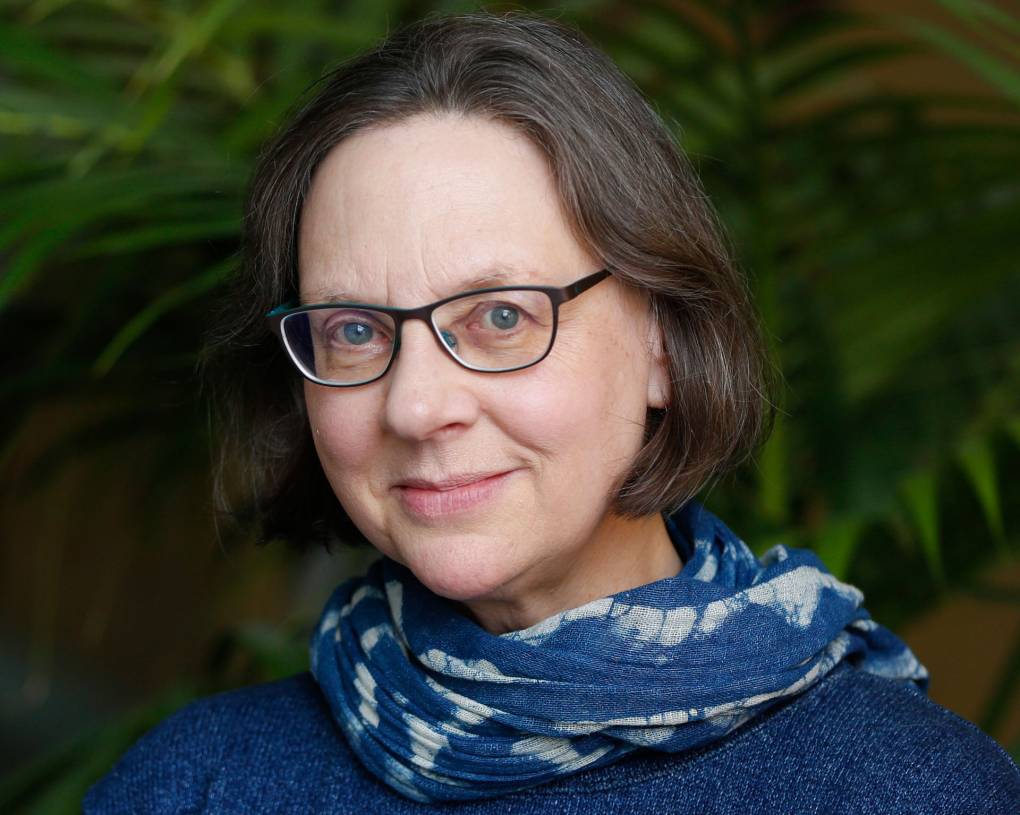
"caption": "Patricia Yollin, pictured in April 2019, died Feb. 22, 2020, in Berkeley.",
"description": "Patricia Yollin, pictured in April 2019, died Feb. 22, 2020, in Berkeley.",
"title": "Patricia Yollin",
"credit": "Stephanie Lister/KQED",
"status": "inherit",
"isLoading": false,
"fetchFailed": false
},
"news_11803720": {
"type": "attachments",
"id": "news_11803720",
"meta": {
"index": "attachments_1716263798",
"site": "news",
"id": "11803720",
"found": true
},
"parent": 11803523,
"imgSizes": {
"apple_news_ca_landscape_5_5": {
"file": "https://ww2.kqed.org/app/uploads/sites/10/2020/02/RS41600_IMG_2211-1044x783.jpg",
"width": 1044,
"mimeType": "image/jpeg",
"height": 783
},
"apple_news_ca_square_4_0": {
"file": "https://ww2.kqed.org/app/uploads/sites/10/2020/02/RS41600_IMG_2211-470x470.jpg",
"width": 470,
"mimeType": "image/jpeg",
"height": 470
},
"twentyfourteen-full-width": {
"file": "https://ww2.kqed.org/app/uploads/sites/10/2020/02/RS41600_IMG_2211-1038x576.jpg",
"width": 1038,
"mimeType": "image/jpeg",
"height": 576
},
"thumbnail": {
"file": "https://ww2.kqed.org/app/uploads/sites/10/2020/02/RS41600_IMG_2211-160x120.jpg",
"width": 160,
"mimeType": "image/jpeg",
"height": 120
},
"post-thumbnail": {
"file": "https://ww2.kqed.org/app/uploads/sites/10/2020/02/RS41600_IMG_2211-672x372.jpg",
"width": 672,
"mimeType": "image/jpeg",
"height": 372
},
"kqedFullSize": {
"file": "https://ww2.kqed.org/app/uploads/sites/10/2020/02/RS41600_IMG_2211-e1582838003541.jpg",
"width": 1920,
"height": 1440
},
"apple_news_ca_landscape_4_7": {
"file": "https://ww2.kqed.org/app/uploads/sites/10/2020/02/RS41600_IMG_2211-632x474.jpg",
"width": 632,
"mimeType": "image/jpeg",
"height": 474
},
"large": {
"file": "https://ww2.kqed.org/app/uploads/sites/10/2020/02/RS41600_IMG_2211-1020x765.jpg",
"width": 1020,
"mimeType": "image/jpeg",
"height": 765
},
"apple_news_ca_landscape_4_0": {
"file": "https://ww2.kqed.org/app/uploads/sites/10/2020/02/RS41600_IMG_2211-536x402.jpg",
"width": 536,
"mimeType": "image/jpeg",
"height": 402
},
"apple_news_ca_portrait_12_9": {
"file": "https://ww2.kqed.org/app/uploads/sites/10/2020/02/RS41600_IMG_2211-1122x1496.jpg",
"width": 1122,
"mimeType": "image/jpeg",
"height": 1496
},
"medium": {
"file": "https://ww2.kqed.org/app/uploads/sites/10/2020/02/RS41600_IMG_2211-800x600.jpg",
"width": 800,
"mimeType": "image/jpeg",
"height": 600
},
"apple_news_ca_portrait_4_0": {
"file": "https://ww2.kqed.org/app/uploads/sites/10/2020/02/RS41600_IMG_2211-354x472.jpg",
"width": 354,
"mimeType": "image/jpeg",
"height": 472
},
"apple_news_ca_portrait_9_7": {
"file": "https://ww2.kqed.org/app/uploads/sites/10/2020/02/RS41600_IMG_2211-840x1120.jpg",
"width": 840,
"mimeType": "image/jpeg",
"height": 1120
},
"apple_news_ca_landscape_12_9": {
"file": "https://ww2.kqed.org/app/uploads/sites/10/2020/02/RS41600_IMG_2211-1832x1374.jpg",
"width": 1832,
"mimeType": "image/jpeg",
"height": 1374
},
"apple_news_ca_square_9_7": {
"file": "https://ww2.kqed.org/app/uploads/sites/10/2020/02/RS41600_IMG_2211-1104x1104.jpg",
"width": 1104,
"mimeType": "image/jpeg",
"height": 1104
},
"apple_news_ca_portrait_4_7": {
"file": "https://ww2.kqed.org/app/uploads/sites/10/2020/02/RS41600_IMG_2211-414x552.jpg",
"width": 414,
"mimeType": "image/jpeg",
"height": 552
},
"apple_news_ca_square_12_9": {
"file": "https://ww2.kqed.org/app/uploads/sites/10/2020/02/RS41600_IMG_2211-1472x1472.jpg",
"width": 1472,
"mimeType": "image/jpeg",
"height": 1472
},
"apple_news_ca_portrait_5_5": {
"file": "https://ww2.kqed.org/app/uploads/sites/10/2020/02/RS41600_IMG_2211-687x916.jpg",
"width": 687,
"mimeType": "image/jpeg",
"height": 916
},
"full-width": {
"file": "https://ww2.kqed.org/app/uploads/sites/10/2020/02/RS41600_IMG_2211-1920x1440.jpg",
"width": 1920,
"mimeType": "image/jpeg",
"height": 1440
},
"apple_news_ca_square_4_7": {
"file": "https://ww2.kqed.org/app/uploads/sites/10/2020/02/RS41600_IMG_2211-550x550.jpg",
"width": 550,
"mimeType": "image/jpeg",
"height": 550
},
"apple_news_ca_landscape_9_7": {
"file": "https://ww2.kqed.org/app/uploads/sites/10/2020/02/RS41600_IMG_2211-1376x1032.jpg",
"width": 1376,
"mimeType": "image/jpeg",
"height": 1032
},
"apple_news_ca_square_5_5": {
"file": "https://ww2.kqed.org/app/uploads/sites/10/2020/02/RS41600_IMG_2211-912x912.jpg",
"width": 912,
"mimeType": "image/jpeg",
"height": 912
}
},
"publishDate": 1582761661,
"modified": 1582843658,
"caption": "Diana Alvarez walks towards the Avalon Theatre. ",
"description": null,
"title": "Avalon Theatre Entrance",
"credit": "Ariella Markowitz/KQED",
"status": "inherit",
"isLoading": false,
"fetchFailed": false
},
"news_11802789": {
"type": "attachments",
"id": "news_11802789",
"meta": {
"index": "attachments_1716263798",
"site": "news",
"id": "11802789",
"found": true
},
"parent": 11802718,
"imgSizes": {
"apple_news_ca_landscape_5_5": {
"file": "https://ww2.kqed.org/app/uploads/sites/10/2020/02/RS41462_HEADLINE-qut-1044x783.jpg",
"width": 1044,
"mimeType": "image/jpeg",
"height": 783
},
"apple_news_ca_square_4_0": {
"file": "https://ww2.kqed.org/app/uploads/sites/10/2020/02/RS41462_HEADLINE-qut-470x470.jpg",
"width": 470,
"mimeType": "image/jpeg",
"height": 470
},
"twentyfourteen-full-width": {
"file": "https://ww2.kqed.org/app/uploads/sites/10/2020/02/RS41462_HEADLINE-qut-1038x576.jpg",
"width": 1038,
"mimeType": "image/jpeg",
"height": 576
},
"thumbnail": {
"file": "https://ww2.kqed.org/app/uploads/sites/10/2020/02/RS41462_HEADLINE-qut-160x123.jpg",
"width": 160,
"mimeType": "image/jpeg",
"height": 123
},
"post-thumbnail": {
"file": "https://ww2.kqed.org/app/uploads/sites/10/2020/02/RS41462_HEADLINE-qut-672x372.jpg",
"width": 672,
"mimeType": "image/jpeg",
"height": 372
},
"kqedFullSize": {
"file": "https://ww2.kqed.org/app/uploads/sites/10/2020/02/RS41462_HEADLINE-qut.jpg",
"width": 1650,
"height": 1265
},
"apple_news_ca_landscape_4_7": {
"file": "https://ww2.kqed.org/app/uploads/sites/10/2020/02/RS41462_HEADLINE-qut-632x474.jpg",
"width": 632,
"mimeType": "image/jpeg",
"height": 474
},
"large": {
"file": "https://ww2.kqed.org/app/uploads/sites/10/2020/02/RS41462_HEADLINE-qut-1020x782.jpg",
"width": 1020,
"mimeType": "image/jpeg",
"height": 782
},
"apple_news_ca_landscape_4_0": {
"file": "https://ww2.kqed.org/app/uploads/sites/10/2020/02/RS41462_HEADLINE-qut-536x402.jpg",
"width": 536,
"mimeType": "image/jpeg",
"height": 402
},
"apple_news_ca_portrait_12_9": {
"file": "https://ww2.kqed.org/app/uploads/sites/10/2020/02/RS41462_HEADLINE-qut-1122x1265.jpg",
"width": 1122,
"mimeType": "image/jpeg",
"height": 1265
},
"medium": {
"file": "https://ww2.kqed.org/app/uploads/sites/10/2020/02/RS41462_HEADLINE-qut-800x613.jpg",
"width": 800,
"mimeType": "image/jpeg",
"height": 613
},
"apple_news_ca_portrait_4_0": {
"file": "https://ww2.kqed.org/app/uploads/sites/10/2020/02/RS41462_HEADLINE-qut-354x472.jpg",
"width": 354,
"mimeType": "image/jpeg",
"height": 472
},
"apple_news_ca_portrait_9_7": {
"file": "https://ww2.kqed.org/app/uploads/sites/10/2020/02/RS41462_HEADLINE-qut-840x1120.jpg",
"width": 840,
"mimeType": "image/jpeg",
"height": 1120
},
"apple_news_ca_square_9_7": {
"file": "https://ww2.kqed.org/app/uploads/sites/10/2020/02/RS41462_HEADLINE-qut-1104x1104.jpg",
"width": 1104,
"mimeType": "image/jpeg",
"height": 1104
},
"apple_news_ca_portrait_4_7": {
"file": "https://ww2.kqed.org/app/uploads/sites/10/2020/02/RS41462_HEADLINE-qut-414x552.jpg",
"width": 414,
"mimeType": "image/jpeg",
"height": 552
},
"apple_news_ca_square_12_9": {
"file": "https://ww2.kqed.org/app/uploads/sites/10/2020/02/RS41462_HEADLINE-qut-1472x1265.jpg",
"width": 1472,
"mimeType": "image/jpeg",
"height": 1265
},
"apple_news_ca_portrait_5_5": {
"file": "https://ww2.kqed.org/app/uploads/sites/10/2020/02/RS41462_HEADLINE-qut-687x916.jpg",
"width": 687,
"mimeType": "image/jpeg",
"height": 916
},
"apple_news_ca_square_4_7": {
"file": "https://ww2.kqed.org/app/uploads/sites/10/2020/02/RS41462_HEADLINE-qut-550x550.jpg",
"width": 550,
"mimeType": "image/jpeg",
"height": 550
},
"apple_news_ca_landscape_9_7": {
"file": "https://ww2.kqed.org/app/uploads/sites/10/2020/02/RS41462_HEADLINE-qut-1376x1032.jpg",
"width": 1376,
"mimeType": "image/jpeg",
"height": 1032
},
"apple_news_ca_square_5_5": {
"file": "https://ww2.kqed.org/app/uploads/sites/10/2020/02/RS41462_HEADLINE-qut-912x912.jpg",
"width": 912,
"mimeType": "image/jpeg",
"height": 912
}
},
"publishDate": 1582308542,
"modified": 1582571235,
"caption": "Kristine Lee and Stewart Kume kick off the 'Swingposium' performance at the Humboldt County Bayside Community Hall.",
"description": "Courtesy of Mark Larson\n",
"title": "RS41462_HEADLINE-qut",
"credit": "Courtesy of Mark Larson",
"status": "inherit",
"isLoading": false,
"fetchFailed": false
},
"news_11802510": {
"type": "attachments",
"id": "news_11802510",
"meta": {
"index": "attachments_1716263798",
"site": "news",
"id": "11802510",
"found": true
},
"parent": 11801357,
"imgSizes": {
"apple_news_ca_landscape_5_5": {
"file": "https://ww2.kqed.org/app/uploads/sites/10/2020/02/RS41376_man-in-black-sleeve-shirt-holding-camera-3488031-2-qut-1044x783.jpg",
"width": 1044,
"mimeType": "image/jpeg",
"height": 783
},
"apple_news_ca_square_4_0": {
"file": "https://ww2.kqed.org/app/uploads/sites/10/2020/02/RS41376_man-in-black-sleeve-shirt-holding-camera-3488031-2-qut-470x470.jpg",
"width": 470,
"mimeType": "image/jpeg",
"height": 470
},
"twentyfourteen-full-width": {
"file": "https://ww2.kqed.org/app/uploads/sites/10/2020/02/RS41376_man-in-black-sleeve-shirt-holding-camera-3488031-2-qut-1038x576.jpg",
"width": 1038,
"mimeType": "image/jpeg",
"height": 576
},
"thumbnail": {
"file": "https://ww2.kqed.org/app/uploads/sites/10/2020/02/RS41376_man-in-black-sleeve-shirt-holding-camera-3488031-2-qut-160x100.jpg",
"width": 160,
"mimeType": "image/jpeg",
"height": 100
},
"post-thumbnail": {
"file": "https://ww2.kqed.org/app/uploads/sites/10/2020/02/RS41376_man-in-black-sleeve-shirt-holding-camera-3488031-2-qut-672x372.jpg",
"width": 672,
"mimeType": "image/jpeg",
"height": 372
},
"kqedFullSize": {
"file": "https://ww2.kqed.org/app/uploads/sites/10/2020/02/RS41376_man-in-black-sleeve-shirt-holding-camera-3488031-2-qut.jpg",
"width": 1887,
"height": 1183
},
"apple_news_ca_landscape_4_7": {
"file": "https://ww2.kqed.org/app/uploads/sites/10/2020/02/RS41376_man-in-black-sleeve-shirt-holding-camera-3488031-2-qut-632x474.jpg",
"width": 632,
"mimeType": "image/jpeg",
"height": 474
},
"large": {
"file": "https://ww2.kqed.org/app/uploads/sites/10/2020/02/RS41376_man-in-black-sleeve-shirt-holding-camera-3488031-2-qut-1020x639.jpg",
"width": 1020,
"mimeType": "image/jpeg",
"height": 639
},
"apple_news_ca_landscape_4_0": {
"file": "https://ww2.kqed.org/app/uploads/sites/10/2020/02/RS41376_man-in-black-sleeve-shirt-holding-camera-3488031-2-qut-536x402.jpg",
"width": 536,
"mimeType": "image/jpeg",
"height": 402
},
"apple_news_ca_portrait_12_9": {
"file": "https://ww2.kqed.org/app/uploads/sites/10/2020/02/RS41376_man-in-black-sleeve-shirt-holding-camera-3488031-2-qut-1122x1183.jpg",
"width": 1122,
"mimeType": "image/jpeg",
"height": 1183
},
"medium": {
"file": "https://ww2.kqed.org/app/uploads/sites/10/2020/02/RS41376_man-in-black-sleeve-shirt-holding-camera-3488031-2-qut-800x502.jpg",
"width": 800,
"mimeType": "image/jpeg",
"height": 502
},
"apple_news_ca_portrait_4_0": {
"file": "https://ww2.kqed.org/app/uploads/sites/10/2020/02/RS41376_man-in-black-sleeve-shirt-holding-camera-3488031-2-qut-354x472.jpg",
"width": 354,
"mimeType": "image/jpeg",
"height": 472
},
"apple_news_ca_portrait_9_7": {
"file": "https://ww2.kqed.org/app/uploads/sites/10/2020/02/RS41376_man-in-black-sleeve-shirt-holding-camera-3488031-2-qut-840x1120.jpg",
"width": 840,
"mimeType": "image/jpeg",
"height": 1120
},
"apple_news_ca_landscape_12_9": {
"file": "https://ww2.kqed.org/app/uploads/sites/10/2020/02/RS41376_man-in-black-sleeve-shirt-holding-camera-3488031-2-qut-1832x1183.jpg",
"width": 1832,
"mimeType": "image/jpeg",
"height": 1183
},
"apple_news_ca_square_9_7": {
"file": "https://ww2.kqed.org/app/uploads/sites/10/2020/02/RS41376_man-in-black-sleeve-shirt-holding-camera-3488031-2-qut-1104x1104.jpg",
"width": 1104,
"mimeType": "image/jpeg",
"height": 1104
},
"apple_news_ca_portrait_4_7": {
"file": "https://ww2.kqed.org/app/uploads/sites/10/2020/02/RS41376_man-in-black-sleeve-shirt-holding-camera-3488031-2-qut-414x552.jpg",
"width": 414,
"mimeType": "image/jpeg",
"height": 552
},
"apple_news_ca_square_12_9": {
"file": "https://ww2.kqed.org/app/uploads/sites/10/2020/02/RS41376_man-in-black-sleeve-shirt-holding-camera-3488031-2-qut-1472x1183.jpg",
"width": 1472,
"mimeType": "image/jpeg",
"height": 1183
},
"apple_news_ca_portrait_5_5": {
"file": "https://ww2.kqed.org/app/uploads/sites/10/2020/02/RS41376_man-in-black-sleeve-shirt-holding-camera-3488031-2-qut-687x916.jpg",
"width": 687,
"mimeType": "image/jpeg",
"height": 916
},
"apple_news_ca_square_4_7": {
"file": "https://ww2.kqed.org/app/uploads/sites/10/2020/02/RS41376_man-in-black-sleeve-shirt-holding-camera-3488031-2-qut-550x550.jpg",
"width": 550,
"mimeType": "image/jpeg",
"height": 550
},
"apple_news_ca_landscape_9_7": {
"file": "https://ww2.kqed.org/app/uploads/sites/10/2020/02/RS41376_man-in-black-sleeve-shirt-holding-camera-3488031-2-qut-1376x1032.jpg",
"width": 1376,
"mimeType": "image/jpeg",
"height": 1032
},
"apple_news_ca_square_5_5": {
"file": "https://ww2.kqed.org/app/uploads/sites/10/2020/02/RS41376_man-in-black-sleeve-shirt-holding-camera-3488031-2-qut-912x912.jpg",
"width": 912,
"mimeType": "image/jpeg",
"height": 912
}
},
"publishDate": 1582160884,
"modified": 1582161920,
"caption": "SAG-AFTRA seeks to shift on-set culture with new protocols for filming scenes involving physical intimacy.",
"description": "SAG-AFTRA seeks to shift on-set culture with new protocols for filming scenes involving physical intimacy.",
"title": "RS41376_man-in-black-sleeve-shirt-holding-camera-3488031-2-qut",
"credit": "Luis Quintero/Pexels",
"status": "inherit",
"isLoading": false,
"fetchFailed": false
},
"news_11801993": {
"type": "attachments",
"id": "news_11801993",
"meta": {
"index": "attachments_1716263798",
"site": "news",
"id": "11801993",
"found": true
},
"parent": 11801992,
"imgSizes": {
"apple_news_ca_landscape_5_5": {
"file": "https://ww2.kqed.org/app/uploads/sites/10/2020/02/thumbnail_Trailblazers-MAH4-1044x783.jpg",
"width": 1044,
"mimeType": "image/jpeg",
"height": 783
},
"apple_news_ca_square_4_0": {
"file": "https://ww2.kqed.org/app/uploads/sites/10/2020/02/thumbnail_Trailblazers-MAH4-470x470.jpg",
"width": 470,
"mimeType": "image/jpeg",
"height": 470
},
"twentyfourteen-full-width": {
"file": "https://ww2.kqed.org/app/uploads/sites/10/2020/02/thumbnail_Trailblazers-MAH4-1038x576.jpg",
"width": 1038,
"mimeType": "image/jpeg",
"height": 576
},
"thumbnail": {
"file": "https://ww2.kqed.org/app/uploads/sites/10/2020/02/thumbnail_Trailblazers-MAH4-160x120.jpg",
"width": 160,
"mimeType": "image/jpeg",
"height": 120
},
"post-thumbnail": {
"file": "https://ww2.kqed.org/app/uploads/sites/10/2020/02/thumbnail_Trailblazers-MAH4-672x372.jpg",
"width": 672,
"mimeType": "image/jpeg",
"height": 372
},
"kqedFullSize": {
"file": "https://ww2.kqed.org/app/uploads/sites/10/2020/02/thumbnail_Trailblazers-MAH4.jpg",
"width": 1280,
"height": 960
},
"apple_news_ca_landscape_4_7": {
"file": "https://ww2.kqed.org/app/uploads/sites/10/2020/02/thumbnail_Trailblazers-MAH4-632x474.jpg",
"width": 632,
"mimeType": "image/jpeg",
"height": 474
},
"large": {
"file": "https://ww2.kqed.org/app/uploads/sites/10/2020/02/thumbnail_Trailblazers-MAH4-1020x765.jpg",
"width": 1020,
"mimeType": "image/jpeg",
"height": 765
},
"apple_news_ca_landscape_4_0": {
"file": "https://ww2.kqed.org/app/uploads/sites/10/2020/02/thumbnail_Trailblazers-MAH4-536x402.jpg",
"width": 536,
"mimeType": "image/jpeg",
"height": 402
},
"apple_news_ca_portrait_12_9": {
"file": "https://ww2.kqed.org/app/uploads/sites/10/2020/02/thumbnail_Trailblazers-MAH4-1122x960.jpg",
"width": 1122,
"mimeType": "image/jpeg",
"height": 960
},
"medium": {
"file": "https://ww2.kqed.org/app/uploads/sites/10/2020/02/thumbnail_Trailblazers-MAH4-800x600.jpg",
"width": 800,
"mimeType": "image/jpeg",
"height": 600
},
"apple_news_ca_portrait_4_0": {
"file": "https://ww2.kqed.org/app/uploads/sites/10/2020/02/thumbnail_Trailblazers-MAH4-354x472.jpg",
"width": 354,
"mimeType": "image/jpeg",
"height": 472
},
"apple_news_ca_portrait_9_7": {
"file": "https://ww2.kqed.org/app/uploads/sites/10/2020/02/thumbnail_Trailblazers-MAH4-840x960.jpg",
"width": 840,
"mimeType": "image/jpeg",
"height": 960
},
"apple_news_ca_square_9_7": {
"file": "https://ww2.kqed.org/app/uploads/sites/10/2020/02/thumbnail_Trailblazers-MAH4-1104x960.jpg",
"width": 1104,
"mimeType": "image/jpeg",
"height": 960
},
"apple_news_ca_portrait_4_7": {
"file": "https://ww2.kqed.org/app/uploads/sites/10/2020/02/thumbnail_Trailblazers-MAH4-414x552.jpg",
"width": 414,
"mimeType": "image/jpeg",
"height": 552
},
"apple_news_ca_portrait_5_5": {
"file": "https://ww2.kqed.org/app/uploads/sites/10/2020/02/thumbnail_Trailblazers-MAH4-687x916.jpg",
"width": 687,
"mimeType": "image/jpeg",
"height": 916
},
"apple_news_ca_square_4_7": {
"file": "https://ww2.kqed.org/app/uploads/sites/10/2020/02/thumbnail_Trailblazers-MAH4-550x550.jpg",
"width": 550,
"mimeType": "image/jpeg",
"height": 550
},
"apple_news_ca_square_5_5": {
"file": "https://ww2.kqed.org/app/uploads/sites/10/2020/02/thumbnail_Trailblazers-MAH4-912x912.jpg",
"width": 912,
"mimeType": "image/jpeg",
"height": 912
}
},
"publishDate": 1581865032,
"modified": 1582055343,
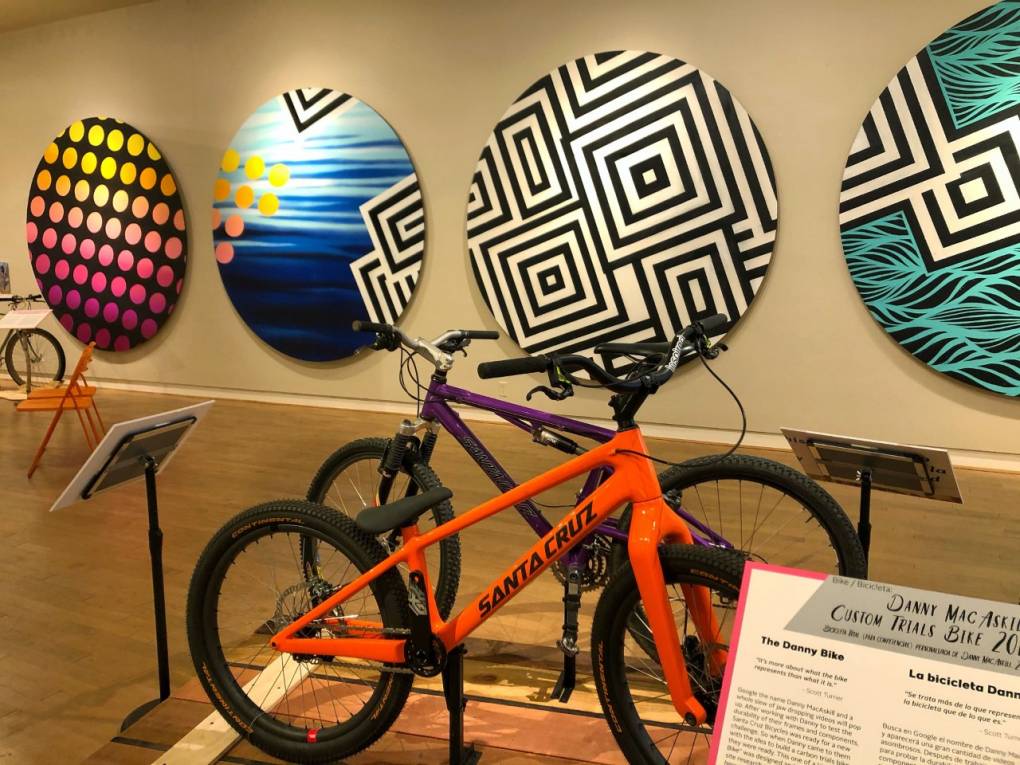
"caption": "'Trailblazers: The Creative Story Behind Mountain Biking in Santa Cruz' runs Feb. 7 to Sept. 20, 2020, at the Santa Cruz Museum of Art & History.",
"description": "Trailblazers: The Creative Story Behind Mountain Biking in Santa Cruz runs February 7 - September 20, 2020 at the Santa Cruz Museum of Art & History.",
"title": "thumbnail_Trailblazers-MAH4",
"credit": "Courtesy of Santa Cruz Museum of Art & History ",
"status": "inherit",
"isLoading": false,
"fetchFailed": false
},
"news_11801849": {
"type": "attachments",
"id": "news_11801849",
"meta": {
"index": "attachments_1716263798",
"site": "news",
"id": "11801849",
"found": true
},
"parent": 11801824,
"imgSizes": {
"apple_news_ca_landscape_5_5": {
"file": "https://ww2.kqed.org/app/uploads/sites/10/2020/02/MARQUEE_717_1-1044x720.jpg",
"width": 1044,
"mimeType": "image/jpeg",
"height": 720
},
"apple_news_ca_square_4_0": {
"file": "https://ww2.kqed.org/app/uploads/sites/10/2020/02/MARQUEE_717_1-470x470.jpg",
"width": 470,
"mimeType": "image/jpeg",
"height": 470
},
"twentyfourteen-full-width": {
"file": "https://ww2.kqed.org/app/uploads/sites/10/2020/02/MARQUEE_717_1-1038x576.jpg",
"width": 1038,
"mimeType": "image/jpeg",
"height": 576
},
"thumbnail": {
"file": "https://ww2.kqed.org/app/uploads/sites/10/2020/02/MARQUEE_717_1-160x90.jpg",
"width": 160,
"mimeType": "image/jpeg",
"height": 90
},
"post-thumbnail": {
"file": "https://ww2.kqed.org/app/uploads/sites/10/2020/02/MARQUEE_717_1-672x372.jpg",
"width": 672,
"mimeType": "image/jpeg",
"height": 372
},
"kqedFullSize": {
"file": "https://ww2.kqed.org/app/uploads/sites/10/2020/02/MARQUEE_717_1.jpg",
"width": 1280,
"height": 720
},
"apple_news_ca_landscape_4_7": {
"file": "https://ww2.kqed.org/app/uploads/sites/10/2020/02/MARQUEE_717_1-632x474.jpg",
"width": 632,
"mimeType": "image/jpeg",
"height": 474
},
"large": {
"file": "https://ww2.kqed.org/app/uploads/sites/10/2020/02/MARQUEE_717_1-1020x574.jpg",
"width": 1020,
"mimeType": "image/jpeg",
"height": 574
},
"apple_news_ca_landscape_4_0": {
"file": "https://ww2.kqed.org/app/uploads/sites/10/2020/02/MARQUEE_717_1-536x402.jpg",
"width": 536,
"mimeType": "image/jpeg",
"height": 402
},
"apple_news_ca_portrait_12_9": {
"file": "https://ww2.kqed.org/app/uploads/sites/10/2020/02/MARQUEE_717_1-1122x720.jpg",
"width": 1122,
"mimeType": "image/jpeg",
"height": 720
},
"medium": {
"file": "https://ww2.kqed.org/app/uploads/sites/10/2020/02/MARQUEE_717_1-800x450.jpg",
"width": 800,
"mimeType": "image/jpeg",
"height": 450
},
"apple_news_ca_portrait_4_0": {
"file": "https://ww2.kqed.org/app/uploads/sites/10/2020/02/MARQUEE_717_1-354x472.jpg",
"width": 354,
"mimeType": "image/jpeg",
"height": 472
},
"apple_news_ca_portrait_9_7": {
"file": "https://ww2.kqed.org/app/uploads/sites/10/2020/02/MARQUEE_717_1-840x720.jpg",
"width": 840,
"mimeType": "image/jpeg",
"height": 720
},
"apple_news_ca_square_9_7": {
"file": "https://ww2.kqed.org/app/uploads/sites/10/2020/02/MARQUEE_717_1-1104x720.jpg",
"width": 1104,
"mimeType": "image/jpeg",
"height": 720
},
"apple_news_ca_portrait_4_7": {
"file": "https://ww2.kqed.org/app/uploads/sites/10/2020/02/MARQUEE_717_1-414x552.jpg",
"width": 414,
"mimeType": "image/jpeg",
"height": 552
},
"apple_news_ca_portrait_5_5": {
"file": "https://ww2.kqed.org/app/uploads/sites/10/2020/02/MARQUEE_717_1-687x720.jpg",
"width": 687,
"mimeType": "image/jpeg",
"height": 720
},
"apple_news_ca_square_4_7": {
"file": "https://ww2.kqed.org/app/uploads/sites/10/2020/02/MARQUEE_717_1-550x550.jpg",
"width": 550,
"mimeType": "image/jpeg",
"height": 550
},
"apple_news_ca_square_5_5": {
"file": "https://ww2.kqed.org/app/uploads/sites/10/2020/02/MARQUEE_717_1-912x720.jpg",
"width": 912,
"mimeType": "image/jpeg",
"height": 720
}
},
"publishDate": 1581723893,
"modified": 1581723893,
"caption": null,
"description": null,
"title": "MARQUEE_717_1",
"credit": null,
"status": "inherit",
"isLoading": false,
"fetchFailed": false
},
"news_11801497": {
"type": "attachments",
"id": "news_11801497",
"meta": {
"index": "attachments_1716263798",
"site": "news",
"id": "11801497",
"found": true
},
"parent": 11801352,
"imgSizes": {
"apple_news_ca_landscape_5_5": {
"file": "https://ww2.kqed.org/app/uploads/sites/10/2020/02/02132020_ERA_speier_pelosi-qut-1044x783.jpg",
"width": 1044,
"mimeType": "image/jpeg",
"height": 783
},
"apple_news_ca_square_4_0": {
"file": "https://ww2.kqed.org/app/uploads/sites/10/2020/02/02132020_ERA_speier_pelosi-qut-470x470.jpg",
"width": 470,
"mimeType": "image/jpeg",
"height": 470
},
"twentyfourteen-full-width": {
"file": "https://ww2.kqed.org/app/uploads/sites/10/2020/02/02132020_ERA_speier_pelosi-qut-1038x576.jpg",
"width": 1038,
"mimeType": "image/jpeg",
"height": 576
},
"thumbnail": {
"file": "https://ww2.kqed.org/app/uploads/sites/10/2020/02/02132020_ERA_speier_pelosi-qut-160x107.jpg",
"width": 160,
"mimeType": "image/jpeg",
"height": 107
},
"post-thumbnail": {
"file": "https://ww2.kqed.org/app/uploads/sites/10/2020/02/02132020_ERA_speier_pelosi-qut-672x372.jpg",
"width": 672,
"mimeType": "image/jpeg",
"height": 372
},
"kqedFullSize": {
"file": "https://ww2.kqed.org/app/uploads/sites/10/2020/02/02132020_ERA_speier_pelosi-qut.jpg",
"width": 1920,
"height": 1280
},
"apple_news_ca_landscape_4_7": {
"file": "https://ww2.kqed.org/app/uploads/sites/10/2020/02/02132020_ERA_speier_pelosi-qut-632x474.jpg",
"width": 632,
"mimeType": "image/jpeg",
"height": 474
},
"large": {
"file": "https://ww2.kqed.org/app/uploads/sites/10/2020/02/02132020_ERA_speier_pelosi-qut-1020x680.jpg",
"width": 1020,
"mimeType": "image/jpeg",
"height": 680
},
"apple_news_ca_landscape_4_0": {
"file": "https://ww2.kqed.org/app/uploads/sites/10/2020/02/02132020_ERA_speier_pelosi-qut-536x402.jpg",
"width": 536,
"mimeType": "image/jpeg",
"height": 402
},
"apple_news_ca_portrait_12_9": {
"file": "https://ww2.kqed.org/app/uploads/sites/10/2020/02/02132020_ERA_speier_pelosi-qut-1122x1280.jpg",
"width": 1122,
"mimeType": "image/jpeg",
"height": 1280
},
"medium": {
"file": "https://ww2.kqed.org/app/uploads/sites/10/2020/02/02132020_ERA_speier_pelosi-qut-800x533.jpg",
"width": 800,
"mimeType": "image/jpeg",
"height": 533
},
"apple_news_ca_portrait_4_0": {
"file": "https://ww2.kqed.org/app/uploads/sites/10/2020/02/02132020_ERA_speier_pelosi-qut-354x472.jpg",
"width": 354,
"mimeType": "image/jpeg",
"height": 472
},
"apple_news_ca_portrait_9_7": {
"file": "https://ww2.kqed.org/app/uploads/sites/10/2020/02/02132020_ERA_speier_pelosi-qut-840x1120.jpg",
"width": 840,
"mimeType": "image/jpeg",
"height": 1120
},
"apple_news_ca_landscape_12_9": {
"file": "https://ww2.kqed.org/app/uploads/sites/10/2020/02/02132020_ERA_speier_pelosi-qut-1832x1280.jpg",
"width": 1832,
"mimeType": "image/jpeg",
"height": 1280
},
"apple_news_ca_square_9_7": {
"file": "https://ww2.kqed.org/app/uploads/sites/10/2020/02/02132020_ERA_speier_pelosi-qut-1104x1104.jpg",
"width": 1104,
"mimeType": "image/jpeg",
"height": 1104
},
"apple_news_ca_portrait_4_7": {
"file": "https://ww2.kqed.org/app/uploads/sites/10/2020/02/02132020_ERA_speier_pelosi-qut-414x552.jpg",
"width": 414,
"mimeType": "image/jpeg",
"height": 552
},
"apple_news_ca_square_12_9": {
"file": "https://ww2.kqed.org/app/uploads/sites/10/2020/02/02132020_ERA_speier_pelosi-qut-1472x1280.jpg",
"width": 1472,
"mimeType": "image/jpeg",
"height": 1280
},
"apple_news_ca_portrait_5_5": {
"file": "https://ww2.kqed.org/app/uploads/sites/10/2020/02/02132020_ERA_speier_pelosi-qut-687x916.jpg",
"width": 687,
"mimeType": "image/jpeg",
"height": 916
},
"full-width": {
"file": "https://ww2.kqed.org/app/uploads/sites/10/2020/02/02132020_ERA_speier_pelosi-qut-1920x1280.jpg",
"width": 1920,
"mimeType": "image/jpeg",
"height": 1280
},
"apple_news_ca_square_4_7": {
"file": "https://ww2.kqed.org/app/uploads/sites/10/2020/02/02132020_ERA_speier_pelosi-qut-550x550.jpg",
"width": 550,
"mimeType": "image/jpeg",
"height": 550
},
"apple_news_ca_landscape_9_7": {
"file": "https://ww2.kqed.org/app/uploads/sites/10/2020/02/02132020_ERA_speier_pelosi-qut-1376x1032.jpg",
"width": 1376,
"mimeType": "image/jpeg",
"height": 1032
},
"apple_news_ca_square_5_5": {
"file": "https://ww2.kqed.org/app/uploads/sites/10/2020/02/02132020_ERA_speier_pelosi-qut-912x912.jpg",
"width": 912,
"mimeType": "image/jpeg",
"height": 912
}
},
"publishDate": 1581622943,
"modified": 1581631719,
"caption": "Bay Area Congresswoman Jackie Speier speaks at a press conference on the House’s upcoming vote to remove the ratification deadline for the Equal Rights Amendment (ERA) on Feb. 12, 2020, in Washington, D.C.",
"description": "Bay Area Congresswoman Jackie Speier speaks at a press conference on the House’s upcoming vote to remove the ratification deadline for the Equal Rights Amendment (ERA) on Feb. 12, 2020, in Washington.",
"title": "Speaker Pelosi And Women's Caucus Speak To Media On Equal Rights Amendment",
"credit": "Tasos Katopodis/Getty Images",
"status": "inherit",
"isLoading": false,
"fetchFailed": false
},
"news_11800066": {
"type": "attachments",
"id": "news_11800066",
"meta": {
"index": "attachments_1716263798",
"site": "news",
"id": "11800066",
"found": true
},
"parent": 11800021,
"imgSizes": {
"apple_news_ca_landscape_5_5": {
"file": "https://ww2.kqed.org/app/uploads/sites/10/2020/02/Sacheen-Littlefeather-1044x783.jpg",
"width": 1044,
"mimeType": "image/jpeg",
"height": 783
},
"apple_news_ca_square_4_0": {
"file": "https://ww2.kqed.org/app/uploads/sites/10/2020/02/Sacheen-Littlefeather-470x470.jpg",
"width": 470,
"mimeType": "image/jpeg",
"height": 470
},
"twentyfourteen-full-width": {
"file": "https://ww2.kqed.org/app/uploads/sites/10/2020/02/Sacheen-Littlefeather-1038x576.jpg",
"width": 1038,
"mimeType": "image/jpeg",
"height": 576
},
"thumbnail": {
"file": "https://ww2.kqed.org/app/uploads/sites/10/2020/02/Sacheen-Littlefeather-160x137.jpg",
"width": 160,
"mimeType": "image/jpeg",
"height": 137
},
"post-thumbnail": {
"file": "https://ww2.kqed.org/app/uploads/sites/10/2020/02/Sacheen-Littlefeather-672x372.jpg",
"width": 672,
"mimeType": "image/jpeg",
"height": 372
},
"kqedFullSize": {
"file": "https://ww2.kqed.org/app/uploads/sites/10/2020/02/Sacheen-Littlefeather.jpg",
"width": 1920,
"height": 1644
},
"apple_news_ca_landscape_4_7": {
"file": "https://ww2.kqed.org/app/uploads/sites/10/2020/02/Sacheen-Littlefeather-632x474.jpg",
"width": 632,
"mimeType": "image/jpeg",
"height": 474
},
"large": {
"file": "https://ww2.kqed.org/app/uploads/sites/10/2020/02/Sacheen-Littlefeather-1020x873.jpg",
"width": 1020,
"mimeType": "image/jpeg",
"height": 873
},
"apple_news_ca_landscape_4_0": {
"file": "https://ww2.kqed.org/app/uploads/sites/10/2020/02/Sacheen-Littlefeather-536x402.jpg",
"width": 536,
"mimeType": "image/jpeg",
"height": 402
},
"apple_news_ca_portrait_12_9": {
"file": "https://ww2.kqed.org/app/uploads/sites/10/2020/02/Sacheen-Littlefeather-1122x1496.jpg",
"width": 1122,
"mimeType": "image/jpeg",
"height": 1496
},
"medium": {
"file": "https://ww2.kqed.org/app/uploads/sites/10/2020/02/Sacheen-Littlefeather-800x685.jpg",
"width": 800,
"mimeType": "image/jpeg",
"height": 685
},
"apple_news_ca_portrait_4_0": {
"file": "https://ww2.kqed.org/app/uploads/sites/10/2020/02/Sacheen-Littlefeather-354x472.jpg",
"width": 354,
"mimeType": "image/jpeg",
"height": 472
},
"apple_news_ca_portrait_9_7": {
"file": "https://ww2.kqed.org/app/uploads/sites/10/2020/02/Sacheen-Littlefeather-840x1120.jpg",
"width": 840,
"mimeType": "image/jpeg",
"height": 1120
},
"apple_news_ca_landscape_12_9": {
"file": "https://ww2.kqed.org/app/uploads/sites/10/2020/02/Sacheen-Littlefeather-1832x1374.jpg",
"width": 1832,
"mimeType": "image/jpeg",
"height": 1374
},
"apple_news_ca_square_9_7": {
"file": "https://ww2.kqed.org/app/uploads/sites/10/2020/02/Sacheen-Littlefeather-1104x1104.jpg",
"width": 1104,
"mimeType": "image/jpeg",
"height": 1104
},
"apple_news_ca_portrait_4_7": {
"file": "https://ww2.kqed.org/app/uploads/sites/10/2020/02/Sacheen-Littlefeather-414x552.jpg",
"width": 414,
"mimeType": "image/jpeg",
"height": 552
},
"apple_news_ca_square_12_9": {
"file": "https://ww2.kqed.org/app/uploads/sites/10/2020/02/Sacheen-Littlefeather-1472x1472.jpg",
"width": 1472,
"mimeType": "image/jpeg",
"height": 1472
},
"apple_news_ca_portrait_5_5": {
"file": "https://ww2.kqed.org/app/uploads/sites/10/2020/02/Sacheen-Littlefeather-687x916.jpg",
"width": 687,
"mimeType": "image/jpeg",
"height": 916
},
"full-width": {
"file": "https://ww2.kqed.org/app/uploads/sites/10/2020/02/Sacheen-Littlefeather-1920x1644.jpg",
"width": 1920,
"mimeType": "image/jpeg",
"height": 1644
},
"apple_news_ca_square_4_7": {
"file": "https://ww2.kqed.org/app/uploads/sites/10/2020/02/Sacheen-Littlefeather-550x550.jpg",
"width": 550,
"mimeType": "image/jpeg",
"height": 550
},
"apple_news_ca_landscape_9_7": {
"file": "https://ww2.kqed.org/app/uploads/sites/10/2020/02/Sacheen-Littlefeather-1376x1032.jpg",
"width": 1376,
"mimeType": "image/jpeg",
"height": 1032
},
"apple_news_ca_square_5_5": {
"file": "https://ww2.kqed.org/app/uploads/sites/10/2020/02/Sacheen-Littlefeather-912x912.jpg",
"width": 912,
"mimeType": "image/jpeg",
"height": 912
}
},
"publishDate": 1580863348,
"modified": 1581030084,
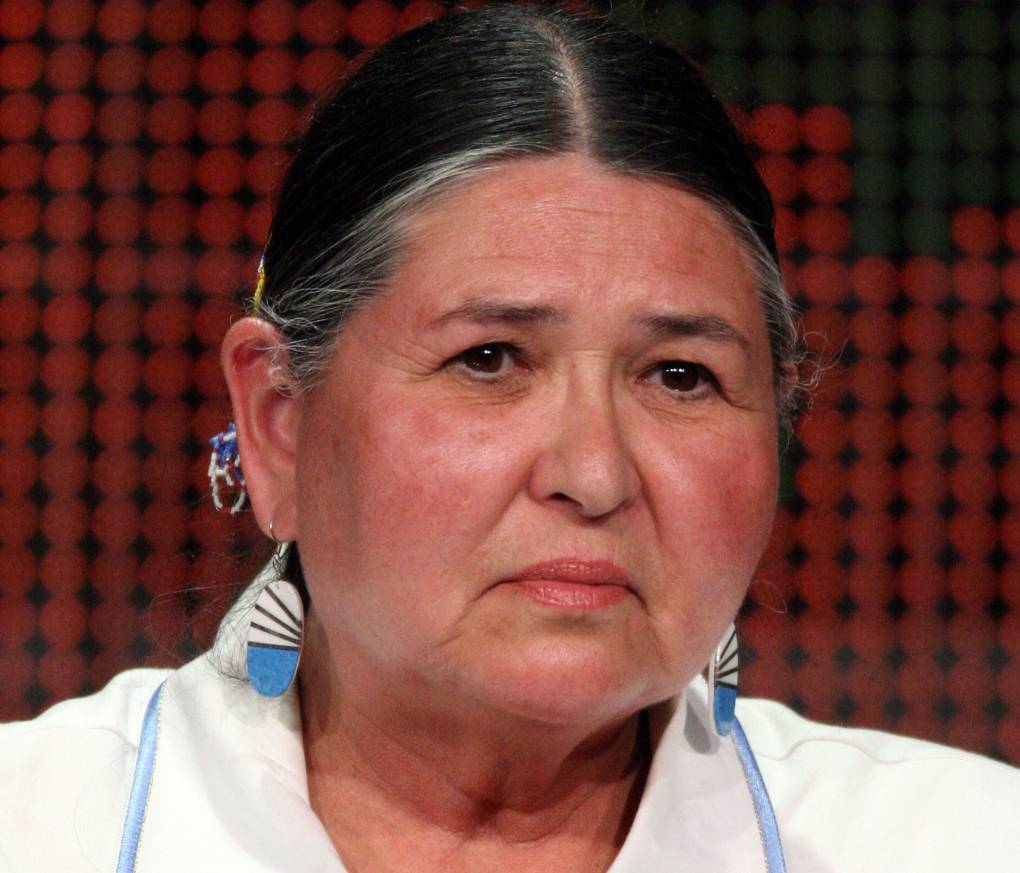
"caption": "Sacheen Littlefeather, the first indigenous person to use the Oscars as a platform to protest the mistreatment of her people, is pictured in 2010. ",
"description": "Sacheen Littlefeather in 2010. ",
"title": "Sacheen-Littlefeather",
"credit": "Frederick M. Brown/Getty Images",
"status": "inherit",
"isLoading": false,
"fetchFailed": false
},
"news_11800362": {
"type": "attachments",
"id": "news_11800362",
"meta": {
"index": "attachments_1716263798",
"site": "news",
"id": "11800362",
"found": true
},
"parent": 11800359,
"imgSizes": {
"apple_news_ca_landscape_5_5": {
"file": "https://ww2.kqed.org/app/uploads/sites/10/2020/02/RS41151_featured-rat-qut-1044x783.jpg",
"width": 1044,
"mimeType": "image/jpeg",
"height": 783
},
"apple_news_ca_square_4_0": {
"file": "https://ww2.kqed.org/app/uploads/sites/10/2020/02/RS41151_featured-rat-qut-470x470.jpg",
"width": 470,
"mimeType": "image/jpeg",
"height": 470
},
"twentyfourteen-full-width": {
"file": "https://ww2.kqed.org/app/uploads/sites/10/2020/02/RS41151_featured-rat-qut-1038x576.jpg",
"width": 1038,
"mimeType": "image/jpeg",
"height": 576
},
"thumbnail": {
"file": "https://ww2.kqed.org/app/uploads/sites/10/2020/02/RS41151_featured-rat-qut-160x120.jpg",
"width": 160,
"mimeType": "image/jpeg",
"height": 120
},
"post-thumbnail": {
"file": "https://ww2.kqed.org/app/uploads/sites/10/2020/02/RS41151_featured-rat-qut-672x372.jpg",
"width": 672,
"mimeType": "image/jpeg",
"height": 372
},
"kqedFullSize": {
"file": "https://ww2.kqed.org/app/uploads/sites/10/2020/02/RS41151_featured-rat-qut.jpg",
"width": 1920,
"height": 1440
},
"apple_news_ca_landscape_4_7": {
"file": "https://ww2.kqed.org/app/uploads/sites/10/2020/02/RS41151_featured-rat-qut-632x474.jpg",
"width": 632,
"mimeType": "image/jpeg",
"height": 474
},
"large": {
"file": "https://ww2.kqed.org/app/uploads/sites/10/2020/02/RS41151_featured-rat-qut-1020x765.jpg",
"width": 1020,
"mimeType": "image/jpeg",
"height": 765
},
"apple_news_ca_landscape_4_0": {
"file": "https://ww2.kqed.org/app/uploads/sites/10/2020/02/RS41151_featured-rat-qut-536x402.jpg",
"width": 536,
"mimeType": "image/jpeg",
"height": 402
},
"apple_news_ca_portrait_12_9": {
"file": "https://ww2.kqed.org/app/uploads/sites/10/2020/02/RS41151_featured-rat-qut-1122x1440.jpg",
"width": 1122,
"mimeType": "image/jpeg",
"height": 1440
},
"medium": {
"file": "https://ww2.kqed.org/app/uploads/sites/10/2020/02/RS41151_featured-rat-qut-800x600.jpg",
"width": 800,
"mimeType": "image/jpeg",
"height": 600
},
"apple_news_ca_portrait_4_0": {
"file": "https://ww2.kqed.org/app/uploads/sites/10/2020/02/RS41151_featured-rat-qut-354x472.jpg",
"width": 354,
"mimeType": "image/jpeg",
"height": 472
},
"apple_news_ca_portrait_9_7": {
"file": "https://ww2.kqed.org/app/uploads/sites/10/2020/02/RS41151_featured-rat-qut-840x1120.jpg",
"width": 840,
"mimeType": "image/jpeg",
"height": 1120
},
"apple_news_ca_landscape_12_9": {
"file": "https://ww2.kqed.org/app/uploads/sites/10/2020/02/RS41151_featured-rat-qut-1832x1374.jpg",
"width": 1832,
"mimeType": "image/jpeg",
"height": 1374
},
"apple_news_ca_square_9_7": {
"file": "https://ww2.kqed.org/app/uploads/sites/10/2020/02/RS41151_featured-rat-qut-1104x1104.jpg",
"width": 1104,
"mimeType": "image/jpeg",
"height": 1104
},
"apple_news_ca_portrait_4_7": {
"file": "https://ww2.kqed.org/app/uploads/sites/10/2020/02/RS41151_featured-rat-qut-414x552.jpg",
"width": 414,
"mimeType": "image/jpeg",
"height": 552
},
"apple_news_ca_square_12_9": {
"file": "https://ww2.kqed.org/app/uploads/sites/10/2020/02/RS41151_featured-rat-qut-1472x1440.jpg",
"width": 1472,
"mimeType": "image/jpeg",
"height": 1440
},
"apple_news_ca_portrait_5_5": {
"file": "https://ww2.kqed.org/app/uploads/sites/10/2020/02/RS41151_featured-rat-qut-687x916.jpg",
"width": 687,
"mimeType": "image/jpeg",
"height": 916
},
"full-width": {
"file": "https://ww2.kqed.org/app/uploads/sites/10/2020/02/RS41151_featured-rat-qut-1920x1440.jpg",
"width": 1920,
"mimeType": "image/jpeg",
"height": 1440
},
"apple_news_ca_square_4_7": {
"file": "https://ww2.kqed.org/app/uploads/sites/10/2020/02/RS41151_featured-rat-qut-550x550.jpg",
"width": 550,
"mimeType": "image/jpeg",
"height": 550
},
"apple_news_ca_landscape_9_7": {
"file": "https://ww2.kqed.org/app/uploads/sites/10/2020/02/RS41151_featured-rat-qut-1376x1032.jpg",
"width": 1376,
"mimeType": "image/jpeg",
"height": 1032
},
"apple_news_ca_square_5_5": {
"file": "https://ww2.kqed.org/app/uploads/sites/10/2020/02/RS41151_featured-rat-qut-912x912.jpg",
"width": 912,
"mimeType": "image/jpeg",
"height": 912
}
},
"publishDate": 1580965690,
"modified": 1580965743,
"caption": "2020 is the Year of the Rat.",
"description": "2020 is the Year of the Rat.",
"title": "RS41151_featured rat-qut",
"credit": "Chloe Veltman/KQED",
"status": "inherit",
"isLoading": false,
"fetchFailed": false
}
},
"audioPlayerReducer": {
"postId": "stream_live",
"isPaused": true,
"isPlaying": false,
"pfsActive": false,
"pledgeModalIsOpen": true,
"playerDrawerIsOpen": false,
"liveAudioPlayStartedAt": 0,
"liveAudioPlayContext": ""
},
"authorsReducer": {
"danbrekke": {
"type": "authors",
"id": "222",
"meta": {
"index": "authors_1716337520",
"id": "222",
"found": true
},
"name": "Dan Brekke",
"firstName": "Dan",
"lastName": "Brekke",
"slug": "danbrekke",
"email": "dbrekke@kqed.org",
"display_author_email": true,
"staff_mastheads": [
"news",
"science"
],
"title": "KQED Editor and Reporter",
"bio": "Dan Brekke is a reporter and editor for KQED News, responsible for coverage of topics ranging from California water issues to the Bay Area's transportation challenges. In a newsroom career that began in Chicago in 1972, Dan has worked for \u003cem>The San Francisco Examiner,\u003c/em> Wired and TechTV and has been published in The New York Times, The New York Times Magazine, Business 2.0, Salon and elsewhere.\r\n\r\nSince joining KQED in 2007, Dan has reported, edited and produced both radio and online features and breaking news pieces. He has shared as both editor and reporter in four Society of Professional Journalists Norcal Excellence in Journalism awards and one Edward R. Murrow regional award. He was chosen for a spring 2017 residency at the Mesa Refuge to advance his research on California salmon.\r\n\r\nEmail Dan at: \u003ca href=\"mailto:dbrekke@kqed.org\">dbrekke@kqed.org\u003c/a>\r\n\r\n\u003cstrong>Twitter:\u003c/strong> \u003ca href=\"https://twitter.com/danbrekke\" rel=\"noopener noreferrer\">twitter.com/danbrekke\u003c/a>\r\n\u003cstrong>Facebook:\u003c/strong> \u003ca href=\"https://www.facebook.com/danbrekke\" rel=\"noopener noreferrer\">www.facebook.com/danbrekke\u003c/a>\r\n\u003cstrong>LinkedIn:\u003c/strong> \u003ca href=\"https://www.linkedin.com/in/danbrekke\" rel=\"noopener noreferrer\">www.linkedin.com/in/danbrekke\u003c/a>",
"avatar": "https://secure.gravatar.com/avatar/8f1f0d2a978fb3b23426c922c7e2af558fa36905b49c4ce76a97dc3c72d27226?s=600&d=mm&r=g",
"twitter": "danbrekke",
"bluesky": null,
"facebook": null,
"instagram": "https://www.instagram.com/dan.brekke/",
"linkedin": "https://www.linkedin.com/in/danbrekke/",
"sites": [
{
"site": "news",
"roles": [
"administrator",
"create_posts"
]
},
{
"site": "stateofhealth",
"roles": [
"editor"
]
},
{
"site": "science",
"roles": [
"editor"
]
},
{
"site": "quest",
"roles": [
"contributor"
]
},
{
"site": "food",
"roles": [
"contributor"
]
},
{
"site": "forum",
"roles": [
"contributor"
]
},
{
"site": "elections",
"roles": [
"editor"
]
},
{
"site": "liveblog",
"roles": [
"editor"
]
}
],
"headData": {
"title": "Dan Brekke | KQED",
"description": "KQED Editor and Reporter",
"ogImgSrc": "https://secure.gravatar.com/avatar/8f1f0d2a978fb3b23426c922c7e2af558fa36905b49c4ce76a97dc3c72d27226?s=600&d=mm&r=g",
"twImgSrc": "https://secure.gravatar.com/avatar/8f1f0d2a978fb3b23426c922c7e2af558fa36905b49c4ce76a97dc3c72d27226?s=600&d=mm&r=g"
},
"isLoading": false,
"link": "/author/danbrekke"
},
"kqed": {
"type": "authors",
"id": "236",
"meta": {
"index": "authors_1716337520",
"id": "236",
"found": true
},
"name": "KQED News Staff",
"firstName": "KQED News Staff",
"lastName": null,
"slug": "kqed",
"email": "faq@kqed.org",
"display_author_email": false,
"staff_mastheads": [],
"title": null,
"bio": null,
"avatar": "https://secure.gravatar.com/avatar/ef0e801a68c4c54afa9180db14084167?s=600&d=blank&r=g",
"twitter": null,
"facebook": null,
"instagram": null,
"linkedin": null,
"sites": [
{
"site": "arts",
"roles": [
"contributor"
]
},
{
"site": "news",
"roles": [
"editor"
]
},
{
"site": "futureofyou",
"roles": [
"author"
]
}
],
"headData": {
"title": "KQED News Staff | KQED",
"description": null,
"ogImgSrc": "https://secure.gravatar.com/avatar/ef0e801a68c4c54afa9180db14084167?s=600&d=blank&r=g",
"twImgSrc": "https://secure.gravatar.com/avatar/ef0e801a68c4c54afa9180db14084167?s=600&d=blank&r=g"
},
"isLoading": false,
"link": "/author/kqed"
},
"rachael-myrow": {
"type": "authors",
"id": "251",
"meta": {
"index": "authors_1716337520",
"id": "251",
"found": true
},
"name": "Rachael Myrow",
"firstName": "Rachael",
"lastName": "Myrow",
"slug": "rachael-myrow",
"email": "rmyrow@kqed.org",
"display_author_email": true,
"staff_mastheads": [
"news"
],
"title": "Senior Editor of KQED's Silicon Valley News Desk",
"bio": "• I write and edit stories about how Silicon Valley power and policies shape everyday life in California. I’m also passionate about making Bay Area history and culture more accessible to a broad public. • I’ve been a journalist for most of my life, starting in high school with The Franklin Press in Los Angeles, where I grew up. While earning my first degree in English at UC Berkeley, I got my start in public radio at KALX-FM. After completing a second degree in journalism at Cal, I landed my first professional job at Marketplace, then moved on to KPCC (now LAist), and then KQED, where I hosted The California Report for more than seven years. • My reporting has appeared on NPR, The World, WBUR’s \u003ci>Here & Now\u003c/i>, and the BBC. I also guest host for KQED’s \u003ci>Forum\u003c/i>, as well as the Commonwealth Club in San Francisco. • I speak periodically on media, democracy and technology issues, and do voiceover work for documentaries and educational video projects. • Outside of the studio, you'll find me hiking Bay Area trails and whipping up Insta-ready meals in my kitchen. • I do not accept gifts, money, or favors from anyone connected to my reporting, I don't pay people for information, and I do not support or donate to political causes. • I strive to treat the people I report on with fairness, honesty, and respect. I also recognize there are often multiple sides to a story and work to verify information through multiple sources and documentation. If I get something wrong, I correct it.",
"avatar": "https://secure.gravatar.com/avatar/3ed8a3c5f26025e4a805ba634cda8cd764906b97438a6d9ce216b044e340da4e?s=600&d=blank&r=g",
"twitter": "rachaelmyrow",
"bluesky": null,
"facebook": null,
"instagram": null,
"linkedin": "https://www.linkedin.com/in/rachaelmyrow/",
"sites": [
{
"site": "arts",
"roles": [
"administrator"
]
},
{
"site": "news",
"roles": [
"edit_others_posts",
"editor"
]
},
{
"site": "futureofyou",
"roles": [
"editor"
]
},
{
"site": "bayareabites",
"roles": [
"editor"
]
},
{
"site": "stateofhealth",
"roles": [
"editor"
]
},
{
"site": "science",
"roles": [
"editor"
]
},
{
"site": "food",
"roles": [
"editor"
]
},
{
"site": "forum",
"roles": [
"editor"
]
},
{
"site": "liveblog",
"roles": [
"author"
]
}
],
"headData": {
"title": "Rachael Myrow | KQED",
"description": "Senior Editor of KQED's Silicon Valley News Desk",
"ogImgSrc": "https://secure.gravatar.com/avatar/3ed8a3c5f26025e4a805ba634cda8cd764906b97438a6d9ce216b044e340da4e?s=600&d=blank&r=g",
"twImgSrc": "https://secure.gravatar.com/avatar/3ed8a3c5f26025e4a805ba634cda8cd764906b97438a6d9ce216b044e340da4e?s=600&d=blank&r=g"
},
"isLoading": false,
"link": "/author/rachael-myrow"
},
"cveltman": {
"type": "authors",
"id": "8608",
"meta": {
"index": "authors_1716337520",
"id": "8608",
"found": true
},
"name": "Chloe Veltman",
"firstName": "Chloe",
"lastName": "Veltman",
"slug": "cveltman",
"email": "cveltman@kqed.org",
"display_author_email": true,
"staff_mastheads": [],
"title": "Arts and Culture Reporter",
"bio": "Chloe Veltman is a former arts and culture reporter for KQED. Prior to joining the organization, she launched and led the arts bureau at Colorado Public Radio, served as the Bay Area's culture columnist for the New York Times, and was the founder, host and executive producer of VoiceBox, a national award-winning weekly podcast/radio show and live events series all about the human voice. Chloe is the recipient of numerous prizes, grants and fellowships including a Webby Award for her work on interactive storytelling, both the John S Knight Journalism Fellowship and Humanities Center Fellowship at Stanford University, the Sundance Arts Writing Fellowship and a Library of Congress Research Fellowship. She is the author of the book \"On Acting\" and has appeared as a guest lecturer at Yale University and the San Francisco Conservatory of Music among other institutions. She holds a BA in english literature from King's College, Cambridge, and a Masters in Dramaturgy from the Central School of Speech and Drama/Harvard Institute for Advanced Theater Training.\r\n\u003ca href=\"https://www.chloeveltman.com\">www.chloeveltman.com\u003c/a>",
"avatar": "https://secure.gravatar.com/avatar/55403394b00a1ddab683952c2eb2cf85?s=600&d=blank&r=g",
"twitter": "chloeveltman",
"facebook": null,
"instagram": null,
"linkedin": null,
"sites": [
{
"site": "arts",
"roles": []
},
{
"site": "news",
"roles": [
"author"
]
},
{
"site": "pop",
"roles": [
"editor"
]
},
{
"site": "science",
"roles": []
}
],
"headData": {
"title": "Chloe Veltman | KQED",
"description": "Arts and Culture Reporter",
"ogImgSrc": "https://secure.gravatar.com/avatar/55403394b00a1ddab683952c2eb2cf85?s=600&d=blank&r=g",
"twImgSrc": "https://secure.gravatar.com/avatar/55403394b00a1ddab683952c2eb2cf85?s=600&d=blank&r=g"
},
"isLoading": false,
"link": "/author/cveltman"
},
"mleitsinger": {
"type": "authors",
"id": "11310",
"meta": {
"index": "authors_1716337520",
"id": "11310",
"found": true
},
"name": "Miranda Leitsinger",
"firstName": "Miranda",
"lastName": "Leitsinger",
"slug": "mleitsinger",
"email": "mleitsinger@KQED.org",
"display_author_email": false,
"staff_mastheads": [
"news"
],
"title": "KQED Contributor",
"bio": "Miranda Leitsinger has worked in journalism as a reporter and editor since 2000, including seven years at The Associated Press in locales such as Cambodia and Puerto Rico, four years at NBC News Digital in New York and 2.5 years at CNN.com International in Hong Kong. Major stories she has covered included sexual abuse in the yoga community, the rise of women in local politics post-2016 election, the struggle over LGBTQ inclusion in the Boy Scouts, aftermath of the 2004 and 2011 tsunamis, the Aurora movie theater attack, the Newtown school shooting, Superstorm Sandy and the Boston Marathon bombing.",
"avatar": "https://secure.gravatar.com/avatar/cdd00de7be92aab3b7fd3d915e02033d?s=600&d=blank&r=g",
"twitter": "mimileitsinger",
"facebook": null,
"instagram": null,
"linkedin": null,
"sites": [
{
"site": "arts",
"roles": [
"author"
]
},
{
"site": "news",
"roles": [
"subscriber"
]
},
{
"site": "futureofyou",
"roles": [
"editor"
]
},
{
"site": "stateofhealth",
"roles": [
"editor"
]
}
],
"headData": {
"title": "Miranda Leitsinger | KQED",
"description": "KQED Contributor",
"ogImgSrc": "https://secure.gravatar.com/avatar/cdd00de7be92aab3b7fd3d915e02033d?s=600&d=blank&r=g",
"twImgSrc": "https://secure.gravatar.com/avatar/cdd00de7be92aab3b7fd3d915e02033d?s=600&d=blank&r=g"
},
"isLoading": false,
"link": "/author/mleitsinger"
},
"mfharvin": {
"type": "authors",
"id": "11583",
"meta": {
"index": "authors_1716337520",
"id": "11583",
"found": true
},
"name": "Mary Franklin Harvin",
"firstName": "Mary Franklin",
"lastName": "Harvin",
"slug": "mfharvin",
"email": "mfharvin@KQED.org",
"display_author_email": false,
"staff_mastheads": [
"news"
],
"title": "KQED Contributor",
"bio": null,
"avatar": "https://secure.gravatar.com/avatar/0e53510a7d48cfbdebfc9b11357d845f?s=600&d=blank&r=g",
"twitter": "EmEffHarvin",
"facebook": null,
"instagram": null,
"linkedin": null,
"sites": [
{
"site": "news",
"roles": [
"author",
"edit_others_posts"
]
},
{
"site": "science",
"roles": [
"editor"
]
}
],
"headData": {
"title": "Mary Franklin Harvin | KQED",
"description": "KQED Contributor",
"ogImgSrc": "https://secure.gravatar.com/avatar/0e53510a7d48cfbdebfc9b11357d845f?s=600&d=blank&r=g",
"twImgSrc": "https://secure.gravatar.com/avatar/0e53510a7d48cfbdebfc9b11357d845f?s=600&d=blank&r=g"
},
"isLoading": false,
"link": "/author/mfharvin"
},
"amarkowitz": {
"type": "authors",
"id": "11660",
"meta": {
"index": "authors_1716337520",
"id": "11660",
"found": true
},
"name": "Ariella Markowitz",
"firstName": "Ariella",
"lastName": "Markowitz",
"slug": "amarkowitz",
"email": "amarkowitz@kqed.org",
"display_author_email": false,
"staff_mastheads": [],
"title": "KQED Contributor",
"bio": "Ariella is a former intern for the California Report Magazine. Before that, she helped mobilize freelance journalists with Association of Independents in Radio (AIR) and made radio features for KALW. Ariella loves investigative reporting, personal stories that interrogate power, and spicy vegan cooking.",
"avatar": "https://secure.gravatar.com/avatar/7076c77064fecef602a2c779f2b9e1d33cb6f9b5fa13542bd1a6e2846a7c85a9?s=600&d=blank&r=g",
"twitter": "ariellaudio",
"bluesky": null,
"facebook": null,
"instagram": null,
"linkedin": null,
"sites": [
{
"site": "news",
"roles": [
"author"
]
},
{
"site": "forum",
"roles": [
"editor"
]
},
{
"site": "perspectives",
"roles": [
"administrator"
]
}
],
"headData": {
"title": "Ariella Markowitz | KQED",
"description": "KQED Contributor",
"ogImgSrc": "https://secure.gravatar.com/avatar/7076c77064fecef602a2c779f2b9e1d33cb6f9b5fa13542bd1a6e2846a7c85a9?s=600&d=blank&r=g",
"twImgSrc": "https://secure.gravatar.com/avatar/7076c77064fecef602a2c779f2b9e1d33cb6f9b5fa13542bd1a6e2846a7c85a9?s=600&d=blank&r=g"
},
"isLoading": false,
"link": "/author/amarkowitz"
},
"blaberge": {
"type": "authors",
"id": "11667",
"meta": {
"index": "authors_1716337520",
"id": "11667",
"found": true
},
"name": "Beth LaBerge",
"firstName": "Beth",
"lastName": "LaBerge",
"slug": "blaberge",
"email": "blaberge@KQED.org",
"display_author_email": true,
"staff_mastheads": [
"news"
],
"title": "Photographer, News",
"bio": "Beth LaBerge is a visual journalist for \u003ca href=\"https://www.kqed.org/news\">KQED News\u003c/a>.",
"avatar": "https://secure.gravatar.com/avatar/ce49ecd7a1306685637b45a1f6f5dedfc4ae9481966eb596fea5160466dd6319?s=600&d=blank&r=g",
"twitter": null,
"bluesky": null,
"facebook": null,
"instagram": "https://www.instagram.com/bethlaberge/",
"linkedin": null,
"sites": [
{
"site": "arts",
"roles": [
"editor",
"manage_categories"
]
},
{
"site": "news",
"roles": [
"editor",
"edit_plugins",
"manage_categories"
]
},
{
"site": "science",
"roles": [
"editor",
"contributor",
"author",
"manage_categories"
]
},
{
"site": "perspectives",
"roles": [
"editor"
]
},
{
"site": "liveblog",
"roles": [
"editor"
]
}
],
"headData": {
"title": "Beth LaBerge | KQED",
"description": "Photographer, News",
"ogImgSrc": "https://secure.gravatar.com/avatar/ce49ecd7a1306685637b45a1f6f5dedfc4ae9481966eb596fea5160466dd6319?s=600&d=blank&r=g",
"twImgSrc": "https://secure.gravatar.com/avatar/ce49ecd7a1306685637b45a1f6f5dedfc4ae9481966eb596fea5160466dd6319?s=600&d=blank&r=g"
},
"isLoading": false,
"link": "/author/blaberge"
}
},
"pagesReducer": {
"news_category_arts-and-culture": {
"type": "terms",
"id": "news_223",
"meta": {
"index": "terms_1716263798",
"site": "news",
"id": "223",
"score": 11.242002
},
"featImg": null,
"name": "Arts and Culture",
"description": null,
"taxonomy": "category",
"headData": {
"twImgId": null,
"twTitle": null,
"ogTitle": null,
"ogImgId": null,
"twDescription": null,
"description": null,
"title": "Arts and Culture Archives | KQED News",
"ogDescription": null
},
"ttid": 231,
"slug": "arts-and-culture",
"isLoading": false,
"title": "Arts and Culture",
"pageMeta": {
"site": "news",
"WpPageTemplate": "page-topic-editorial",
"currentPage": 47
},
"blocks": [
{
"blockName": "kqed/post-list",
"attrs": {
"layout": "cardArticle2",
"query": "posts/news?category=arts-and-culture",
"seeMore": false,
"paginated": true,
"page": 47
}
},
{
"blockName": "kqed/ad"
}
]
}
},
"pfsSessionReducer": {},
"postsReducer": {
"stream_live": {
"type": "live",
"id": "stream_live",
"audioUrl": "https://streams.kqed.org/kqedradio",
"title": "Live Stream",
"excerpt": "Live Stream information currently unavailable.",
"link": "/radio",
"featImg": "",
"label": {
"name": "KQED Live",
"link": "/"
}
},
"stream_kqedNewscast": {
"type": "posts",
"id": "stream_kqedNewscast",
"audioUrl": "https://www.kqed.org/.stream/anon/radio/RDnews/newscast.mp3?_=1",
"title": "KQED Newscast",
"featImg": "",
"label": {
"name": "88.5 FM",
"link": "/"
}
},
"news_11808711": {
"type": "posts",
"id": "news_11808711",
"meta": {
"index": "posts_1716263798",
"site": "news",
"id": "11808711",
"score": null,
"sort": [
1585404025000
]
},
"parent": 0,
"labelTerm": {
"site": "news",
"term": 26731
},
"blocks": [],
"publishDate": 1585404025,
"format": "audio",
"disqusTitle": "Using “Animal Crossing: New Horizons” to Escape Coronavirus Anxiety? I've Been There",
"title": "Using “Animal Crossing: New Horizons” to Escape Coronavirus Anxiety? I've Been There",
"headTitle": "The California Report Magazine | KQED News",
"content": "\u003cp>Without getting out of bed, I chop some wood, maybe craft a fishing rod or a swinging bench. If I run out of materials, I fly to a deserted island and strip all its natural resources. No, I’m not a 17th century European colonizer — I’m just playing “Animal Crossing: New Horizons.”\u003c/p>\n\u003cp>The premise of the game is a classic life simulation, except you live on an island inhabited by really cute animals.\u003c/p>\n\u003cfigure id=\"attachment_11808797\" class=\"wp-caption alignnone\" style=\"max-width: 1280px\">\u003cimg class=\"size-full wp-image-11808797\" src=\"https://ww2.kqed.org/app/uploads/sites/10/2020/03/90801030_3091657380845154_8712898775540039680_o.jpg\" alt=\"\" width=\"1280\" height=\"720\" srcset=\"https://ww2.kqed.org/app/uploads/sites/10/2020/03/90801030_3091657380845154_8712898775540039680_o.jpg 1280w, https://ww2.kqed.org/app/uploads/sites/10/2020/03/90801030_3091657380845154_8712898775540039680_o-160x90.jpg 160w, https://ww2.kqed.org/app/uploads/sites/10/2020/03/90801030_3091657380845154_8712898775540039680_o-800x450.jpg 800w, https://ww2.kqed.org/app/uploads/sites/10/2020/03/90801030_3091657380845154_8712898775540039680_o-1020x574.jpg 1020w\" sizes=\"(max-width: 1280px) 100vw, 1280px\" />\u003cfigcaption class=\"wp-caption-text\">Villagers gather in my town for the opening of my new town bridge. \u003ccite>(Ariella Markowitz/KQED)\u003c/cite>\u003c/figcaption>\u003c/figure>\n\u003cp>There’s not really a goal to the game, you just slowly collect furniture and clothes, and pay off your debt with a steady income of selling bugs and fish.\u003c/p>\n\u003cp>\"Animal Crossing\" has been around since the mid-2000s, but it’s more than a vessel for childhood nostalgia. Almost all the Gen Zers that I know — including myself — are playing the new release: “New Horizons.” Social media is flooded with wholesome videos and memes about how the game is helping us get through one of the most disruptive events in our collective memory.\u003c/p>\n\u003cp>https://twitter.com/mercurialHekate/status/1242444144204791808?s=20\u003c/p>\n\u003cp>https://twitter.com/_itsjackielee/status/1242676080135135232\u003c/p>\n\u003cp>It's the perfect obsession for not leaving your house.\u003c/p>\n\u003cp>One of the creators of the game even said he hopes people use “New Horizons” as an \u003ca href=\"https://www.theverge.com/2020/3/18/21185608/animal-crossing-new-horizons-nintendo-switch-coronavirus-escape-interview\">escape\u003c/a> during these hard times.\u003c/p>\n\u003cp>“['Animal Crossing'] is a lot nicer than real life in a lot of ways,” said James Rasmussen, one of my best friends from college. We live just a few miles apart from each other, but haven’t seen each other since the statewide lockdown. We connect on FaceTime over our love for \"Animal Crossing.\"\u003c/p>\n\u003cp>“It's so peaceful to be able to take some time into this really light hearted world of these little animals,” he said. “It's just been nice and chill, which I think we all need right now.”\u003cbr />\n[aside label=\"The Do (From Home) List\" link1=\"https://www.kqed.org/thedolist,A Collection of Shelter-in-Place Activities\" hero=\"https://cdn.kqed.org/wp-content/uploads/sites/2/2020/03/gettyimages-1212241393_wide-5aa9105c64e197a8d3d663dd56241e616f5b5c14-1020x574.jpg\"]\u003c/p>\n\u003cp>In the past, \"Animal Crossing\" has gotten me through some rough mental health periods. When I moved from Southern California to Western Massachusetts for college, I fell into an intense seasonal depression.\u003c/p>\n\u003cp>I would stay inside my dorm for days at a time, playing a bootleg version of \"Animal Crossing: Wild World,\" listening to the soothing sleighbells of the winter soundtrack. During those short days, \"Animal Crossing\" was my main source of joy.\u003c/p>\n\u003cp>Flash forward to now, using \"Animal Crossing\" as an escape feels like second nature. But sometimes, as James mentioned, it stirs up some realistic moments that can blur reality.\u003c/p>\n\u003cp>“One of the villagers gave me the hat I always wear, and I was like so struck by this gesture,” he said. “But it's this computer animal, you know. But this action in a game can make you feel really nice and cared for. It does have such a power to comfort you.”\u003c/p>\n\u003cfigure id=\"attachment_11808790\" class=\"wp-caption alignnone\" style=\"max-width: 1280px\">\u003cimg class=\"size-full wp-image-11808790\" src=\"https://ww2.kqed.org/app/uploads/sites/10/2020/03/RS42272_90603170_3090742870936605_1544660669901570048_o-qut.jpg\" alt=\"\" width=\"1280\" height=\"720\" srcset=\"https://ww2.kqed.org/app/uploads/sites/10/2020/03/RS42272_90603170_3090742870936605_1544660669901570048_o-qut.jpg 1280w, https://ww2.kqed.org/app/uploads/sites/10/2020/03/RS42272_90603170_3090742870936605_1544660669901570048_o-qut-160x90.jpg 160w, https://ww2.kqed.org/app/uploads/sites/10/2020/03/RS42272_90603170_3090742870936605_1544660669901570048_o-qut-800x450.jpg 800w, https://ww2.kqed.org/app/uploads/sites/10/2020/03/RS42272_90603170_3090742870936605_1544660669901570048_o-qut-1020x574.jpg 1020w\" sizes=\"(max-width: 1280px) 100vw, 1280px\" />\u003cfigcaption class=\"wp-caption-text\">James and me, just vibing out. James's face is swollen from a virtual wasp attack. \u003ccite>(Ariella Markowitz/KQED)\u003c/cite>\u003c/figcaption>\u003c/figure>\n\u003cp>And you can actually bring your real life friends to your island, voice chat and even send each other presents. This week, James visited my island. We had a great time watching the virtual sun set on a cliff overlooking the ocean.\u003c/p>\n\u003cp>When the sun goes down, the whole music and scenescape changes into a magical evening as chill, jazzy music plays (if you want to binge listen, \u003ca href=\"https://www.youtube.com/watch?v=0637dd6uevo\">YouTube\u003c/a> has your back.)\u003c/p>\n\u003cfigure id=\"attachment_11808791\" class=\"wp-caption alignnone\" style=\"max-width: 1280px\">\u003cimg class=\"size-full wp-image-11808791\" src=\"https://ww2.kqed.org/app/uploads/sites/10/2020/03/RS42273_90930460_3090744210936471_2870507608068849664_o-qut.jpg\" alt=\"\" width=\"1280\" height=\"720\" srcset=\"https://ww2.kqed.org/app/uploads/sites/10/2020/03/RS42273_90930460_3090744210936471_2870507608068849664_o-qut.jpg 1280w, https://ww2.kqed.org/app/uploads/sites/10/2020/03/RS42273_90930460_3090744210936471_2870507608068849664_o-qut-160x90.jpg 160w, https://ww2.kqed.org/app/uploads/sites/10/2020/03/RS42273_90930460_3090744210936471_2870507608068849664_o-qut-800x450.jpg 800w, https://ww2.kqed.org/app/uploads/sites/10/2020/03/RS42273_90930460_3090744210936471_2870507608068849664_o-qut-1020x574.jpg 1020w\" sizes=\"(max-width: 1280px) 100vw, 1280px\" />\u003cfigcaption class=\"wp-caption-text\">A tender moment between friends. \u003ccite>(Ariella Markowitz/KQED)\u003c/cite>\u003c/figcaption>\u003c/figure>\n\u003cp>It’s a reminder of what life can be. “I miss being able to be outside all the time,” James said. “With friends.”\u003c/p>\n\u003cp>But for now, at least we have \"Animal Crossing.\" And in these times, it’s more than enough for me.\u003c/p>\n",
"disqusIdentifier": "11808711 https://ww2.kqed.org/news/?p=11808711",
"disqusUrl": "https://ww2.kqed.org/news/2020/03/28/using-animal-crossing-new-horizons-to-escape-coronavirus-anxiety-ive-been-there/",
"stats": {
"hasVideo": false,
"hasChartOrMap": false,
"hasAudio": false,
"hasPolis": false,
"wordCount": 657,
"hasGoogleForm": false,
"hasGallery": false,
"hasHearkenModule": false,
"iframeSrcs": [],
"paragraphCount": 16
},
"modified": 1586801621,
"excerpt": "One of the game's creators said he hopes people use “New Horizons” as an escape during these hard times. ",
"headData": {
"twImgId": "",
"twTitle": "",
"ogTitle": "",
"ogImgId": "",
"twDescription": "",
"description": "Without getting out of bed, I chop some wood, maybe craft a fishing rod or a swinging bench. If I run out of materials, I fly to a deserted island and strip all its natural resources. I’m not a 17th century European colonizer. I’m just playing “Animal Crossing: New Horizons.”",
"title": "Using “Animal Crossing: New Horizons” to Escape Coronavirus Anxiety? I've Been There | KQED",
"ogDescription": "",
"schema": {
"@context": "https://schema.org",
"@type": "NewsArticle",
"headline": "Using “Animal Crossing: New Horizons” to Escape Coronavirus Anxiety? I've Been There",
"datePublished": "2020-03-28T07:00:25-07:00",
"dateModified": "2020-04-13T11:13:41-07:00",
"image": "https://cdn.kqed.org/wp-content/uploads/2020/02/KQED-OG-Image@1x.png",
"isAccessibleForFree": "True",
"publisher": {
"@type": "NewsMediaOrganization",
"@id": "https://www.kqed.org/#organization",
"name": "KQED",
"logo": "https://cdn.kqed.org/wp-content/uploads/2020/02/KQED-OG-Image@1x.png",
"url": "https://www.kqed.org",
"sameAs": [
"https://www.facebook.com/KQED",
"https://twitter.com/KQED",
"https://www.instagram.com/kqed/",
"https://www.tiktok.com/@kqedofficial",
"https://www.linkedin.com/company/kqed",
"https://www.youtube.com/channel/UCeC0IOo7i1P_61zVUWbJ4nw"
]
}
}
},
"guestAuthors": [],
"slug": "using-animal-crossing-new-horizons-to-escape-coronavirus-anxiety-ive-been-there",
"status": "publish",
"audioUrl": "https://traffic.omny.fm/d/clips/0af137ef-751e-4b19-a055-aaef00d2d578/ffca7e9f-6831-41c5-bcaf-aaef00f5a073/4c247efd-7e04-49f7-9f24-ab8c0000f23a/audio.mp3",
"path": "/news/11808711/using-animal-crossing-new-horizons-to-escape-coronavirus-anxiety-ive-been-there",
"audioDuration": 272000,
"audioTrackLength": null,
"parsedContent": [
{
"type": "contentString",
"content": "\u003cdiv class=\"post-body\">\u003cp>\u003cp>Without getting out of bed, I chop some wood, maybe craft a fishing rod or a swinging bench. If I run out of materials, I fly to a deserted island and strip all its natural resources. No, I’m not a 17th century European colonizer — I’m just playing “Animal Crossing: New Horizons.”\u003c/p>\n\u003cp>The premise of the game is a classic life simulation, except you live on an island inhabited by really cute animals.\u003c/p>\n\u003cfigure id=\"attachment_11808797\" class=\"wp-caption alignnone\" style=\"max-width: 1280px\">\u003cimg class=\"size-full wp-image-11808797\" src=\"https://ww2.kqed.org/app/uploads/sites/10/2020/03/90801030_3091657380845154_8712898775540039680_o.jpg\" alt=\"\" width=\"1280\" height=\"720\" srcset=\"https://ww2.kqed.org/app/uploads/sites/10/2020/03/90801030_3091657380845154_8712898775540039680_o.jpg 1280w, https://ww2.kqed.org/app/uploads/sites/10/2020/03/90801030_3091657380845154_8712898775540039680_o-160x90.jpg 160w, https://ww2.kqed.org/app/uploads/sites/10/2020/03/90801030_3091657380845154_8712898775540039680_o-800x450.jpg 800w, https://ww2.kqed.org/app/uploads/sites/10/2020/03/90801030_3091657380845154_8712898775540039680_o-1020x574.jpg 1020w\" sizes=\"(max-width: 1280px) 100vw, 1280px\" />\u003cfigcaption class=\"wp-caption-text\">Villagers gather in my town for the opening of my new town bridge. \u003ccite>(Ariella Markowitz/KQED)\u003c/cite>\u003c/figcaption>\u003c/figure>\n\u003cp>There’s not really a goal to the game, you just slowly collect furniture and clothes, and pay off your debt with a steady income of selling bugs and fish.\u003c/p>\n\u003cp>\"Animal Crossing\" has been around since the mid-2000s, but it’s more than a vessel for childhood nostalgia. Almost all the Gen Zers that I know — including myself — are playing the new release: “New Horizons.” Social media is flooded with wholesome videos and memes about how the game is helping us get through one of the most disruptive events in our collective memory.\u003c/p>\u003c/p>\u003c/div>",
"attributes": {
"named": {},
"numeric": []
}
},
{
"type": "component",
"content": "",
"name": "singleTwitterStatus",
"attributes": {
"named": {
"id": "1242444144204791808"
},
"numeric": []
}
},
{
"type": "contentString",
"content": "\u003cdiv class=\"post-body\">\u003cp>\u003c/p>\u003c/div>",
"attributes": {
"named": {},
"numeric": []
}
},
{
"type": "component",
"content": "",
"name": "singleTwitterStatus",
"attributes": {
"named": {
"id": "1242676080135135232"
},
"numeric": []
}
},
{
"type": "contentString",
"content": "\u003cdiv class=\"post-body\">\u003cp>\n\u003cp>It's the perfect obsession for not leaving your house.\u003c/p>\n\u003cp>One of the creators of the game even said he hopes people use “New Horizons” as an \u003ca href=\"https://www.theverge.com/2020/3/18/21185608/animal-crossing-new-horizons-nintendo-switch-coronavirus-escape-interview\">escape\u003c/a> during these hard times.\u003c/p>\n\u003cp>“['Animal Crossing'] is a lot nicer than real life in a lot of ways,” said James Rasmussen, one of my best friends from college. We live just a few miles apart from each other, but haven’t seen each other since the statewide lockdown. We connect on FaceTime over our love for \"Animal Crossing.\"\u003c/p>\n\u003cp>“It's so peaceful to be able to take some time into this really light hearted world of these little animals,” he said. “It's just been nice and chill, which I think we all need right now.”\u003cbr />\n\u003c/p>\u003c/div>",
"attributes": {
"named": {},
"numeric": []
}
},
{
"type": "component",
"content": "",
"name": "aside",
"attributes": {
"named": {
"label": "The Do (From Home) List ",
"link1": "https://www.kqed.org/thedolist,A Collection of Shelter-in-Place Activities",
"hero": "https://cdn.kqed.org/wp-content/uploads/sites/2/2020/03/gettyimages-1212241393_wide-5aa9105c64e197a8d3d663dd56241e616f5b5c14-1020x574.jpg"
},
"numeric": []
}
},
{
"type": "contentString",
"content": "\u003cdiv class=\"post-body\">\u003cp>\u003c/p>\n\u003cp>In the past, \"Animal Crossing\" has gotten me through some rough mental health periods. When I moved from Southern California to Western Massachusetts for college, I fell into an intense seasonal depression.\u003c/p>\n\u003cp>I would stay inside my dorm for days at a time, playing a bootleg version of \"Animal Crossing: Wild World,\" listening to the soothing sleighbells of the winter soundtrack. During those short days, \"Animal Crossing\" was my main source of joy.\u003c/p>\n\u003cp>Flash forward to now, using \"Animal Crossing\" as an escape feels like second nature. But sometimes, as James mentioned, it stirs up some realistic moments that can blur reality.\u003c/p>\n\u003cp>“One of the villagers gave me the hat I always wear, and I was like so struck by this gesture,” he said. “But it's this computer animal, you know. But this action in a game can make you feel really nice and cared for. It does have such a power to comfort you.”\u003c/p>\n\u003cfigure id=\"attachment_11808790\" class=\"wp-caption alignnone\" style=\"max-width: 1280px\">\u003cimg class=\"size-full wp-image-11808790\" src=\"https://ww2.kqed.org/app/uploads/sites/10/2020/03/RS42272_90603170_3090742870936605_1544660669901570048_o-qut.jpg\" alt=\"\" width=\"1280\" height=\"720\" srcset=\"https://ww2.kqed.org/app/uploads/sites/10/2020/03/RS42272_90603170_3090742870936605_1544660669901570048_o-qut.jpg 1280w, https://ww2.kqed.org/app/uploads/sites/10/2020/03/RS42272_90603170_3090742870936605_1544660669901570048_o-qut-160x90.jpg 160w, https://ww2.kqed.org/app/uploads/sites/10/2020/03/RS42272_90603170_3090742870936605_1544660669901570048_o-qut-800x450.jpg 800w, https://ww2.kqed.org/app/uploads/sites/10/2020/03/RS42272_90603170_3090742870936605_1544660669901570048_o-qut-1020x574.jpg 1020w\" sizes=\"(max-width: 1280px) 100vw, 1280px\" />\u003cfigcaption class=\"wp-caption-text\">James and me, just vibing out. James's face is swollen from a virtual wasp attack. \u003ccite>(Ariella Markowitz/KQED)\u003c/cite>\u003c/figcaption>\u003c/figure>\n\u003cp>And you can actually bring your real life friends to your island, voice chat and even send each other presents. This week, James visited my island. We had a great time watching the virtual sun set on a cliff overlooking the ocean.\u003c/p>\n\u003cp>When the sun goes down, the whole music and scenescape changes into a magical evening as chill, jazzy music plays (if you want to binge listen, \u003ca href=\"https://www.youtube.com/watch?v=0637dd6uevo\">YouTube\u003c/a> has your back.)\u003c/p>\n\u003cfigure id=\"attachment_11808791\" class=\"wp-caption alignnone\" style=\"max-width: 1280px\">\u003cimg class=\"size-full wp-image-11808791\" src=\"https://ww2.kqed.org/app/uploads/sites/10/2020/03/RS42273_90930460_3090744210936471_2870507608068849664_o-qut.jpg\" alt=\"\" width=\"1280\" height=\"720\" srcset=\"https://ww2.kqed.org/app/uploads/sites/10/2020/03/RS42273_90930460_3090744210936471_2870507608068849664_o-qut.jpg 1280w, https://ww2.kqed.org/app/uploads/sites/10/2020/03/RS42273_90930460_3090744210936471_2870507608068849664_o-qut-160x90.jpg 160w, https://ww2.kqed.org/app/uploads/sites/10/2020/03/RS42273_90930460_3090744210936471_2870507608068849664_o-qut-800x450.jpg 800w, https://ww2.kqed.org/app/uploads/sites/10/2020/03/RS42273_90930460_3090744210936471_2870507608068849664_o-qut-1020x574.jpg 1020w\" sizes=\"(max-width: 1280px) 100vw, 1280px\" />\u003cfigcaption class=\"wp-caption-text\">A tender moment between friends. \u003ccite>(Ariella Markowitz/KQED)\u003c/cite>\u003c/figcaption>\u003c/figure>\n\u003cp>It’s a reminder of what life can be. “I miss being able to be outside all the time,” James said. “With friends.”\u003c/p>\n\u003cp>But for now, at least we have \"Animal Crossing.\" And in these times, it’s more than enough for me.\u003c/p>\n\u003c/div>\u003c/p>",
"attributes": {
"named": {},
"numeric": []
}
}
],
"link": "/news/11808711/using-animal-crossing-new-horizons-to-escape-coronavirus-anxiety-ive-been-there",
"authors": [
"11660"
],
"programs": [
"news_72",
"news_26731"
],
"categories": [
"news_223",
"news_8",
"news_248"
],
"tags": [
"news_27350",
"news_5702"
],
"featImg": "news_11808805",
"label": "news_26731"
},
"news_11807566": {
"type": "posts",
"id": "news_11807566",
"meta": {
"index": "posts_1716263798",
"site": "news",
"id": "11807566",
"score": null,
"sort": [
1584749227000
]
},
"parent": 0,
"labelTerm": {},
"blocks": [],
"publishDate": 1584749227,
"format": "video",
"disqusTitle": "Coronavirus Wiped Out His Gigs, Now California Musician Must Rethink How to Survive",
"title": "Coronavirus Wiped Out His Gigs, Now California Musician Must Rethink How to Survive",
"headTitle": "KQED News",
"content": "\u003cp>Musician and composer\u003ca href=\"http://www.danielberkman.com/\" target=\"_blank\" rel=\"noopener noreferrer\"> Daniel Berkman\u003c/a> was on his way home to San Francisco after visiting his parents near Los Angeles a couple of weeks ago, when he decided to check in with a collaborator.\u003c/p>\n\u003cp>He and Katerina Wong, the co-artistic director of contemporary dance company \u003ca href=\"https://rawdance.org/\" target=\"_blank\" rel=\"noopener noreferrer\">RAWdance\u003c/a>, had been working together on \u003ca href=\"https://rawdance.org/events/tripletake/\" target=\"_blank\" rel=\"noopener noreferrer\">a major project\u003c/a> for months. It was about to have its world premiere.\u003c/p>\n\u003cp>\"I called her and said, 'Hey, I'm really excited to get back to work on this.' And she said, 'Well, actually, it's not happening. Due to COVID-19, we were forced to cancel the show,' \" Berkman told KQED via video chat earlier this week. \"That was when it kind of hit me that this is actually affecting me.\"\u003c/p>\n\u003cp>\"It was heartbreaking,\" said Wong of the phone conversation she had that day with Berkman. \"He was supportive. He completely understood how difficult the decision must have been.\"\u003c/p>\n\u003cp>More cancellations followed. Within a few days, Berkman's schedule had completely emptied out. \"All of my income has halted,\" he said. \"There's no more income from my jobs anymore.\"\u003c/p>\n\u003cp>[ad fullwidth]\u003c/p>\n\u003cp>It's long been tough for artists like Berkman to make a living in California. The ever-escalating cost of living, coupled with the challenges of doing business as an independent worker under the restrictions created by the new AB 5 employment law, are making it tougher than ever.\u003c/p>\n\u003cp>\"Sometimes I feel like one of the last-standing full-time musicians in San Francisco,\" Berkman said.\u003c/p>\n\u003cp>Berkman is a multi-instrumentalist who plays keyboards, synthesizers, piano, acoustic and electric guitars, viola de gamba, cello and percussion. He's also a pioneer of music making in virtual reality environments.\u003c/p>\n\u003cp>But his favorite instrument is the kora, a West African stringed instrument that looks and sounds like a cross between a lute and a harp.\u003c/p>\n\u003cfigure id=\"attachment_11807579\" class=\"wp-caption alignnone\" style=\"max-width: 800px\">\u003cimg class=\"size-medium wp-image-11807579\" src=\"https://ww2.kqed.org/app/uploads/sites/10/2020/03/RS42188_daniel-berkman-qut-800x600.jpg\" alt=\"Musician Daniel Berkman sheltering in place with some of his instruments in his San Francisco apartment.\" width=\"800\" height=\"600\" srcset=\"https://ww2.kqed.org/app/uploads/sites/10/2020/03/RS42188_daniel-berkman-qut-800x600.jpg 800w, https://ww2.kqed.org/app/uploads/sites/10/2020/03/RS42188_daniel-berkman-qut-160x120.jpg 160w, https://ww2.kqed.org/app/uploads/sites/10/2020/03/RS42188_daniel-berkman-qut-1020x765.jpg 1020w, https://ww2.kqed.org/app/uploads/sites/10/2020/03/RS42188_daniel-berkman-qut.jpg 1920w, https://ww2.kqed.org/app/uploads/sites/10/2020/03/RS42188_daniel-berkman-qut-1832x1374.jpg 1832w, https://ww2.kqed.org/app/uploads/sites/10/2020/03/RS42188_daniel-berkman-qut-1376x1032.jpg 1376w, https://ww2.kqed.org/app/uploads/sites/10/2020/03/RS42188_daniel-berkman-qut-1044x783.jpg 1044w, https://ww2.kqed.org/app/uploads/sites/10/2020/03/RS42188_daniel-berkman-qut-632x474.jpg 632w, https://ww2.kqed.org/app/uploads/sites/10/2020/03/RS42188_daniel-berkman-qut-536x402.jpg 536w\" sizes=\"(max-width: 800px) 100vw, 800px\">\u003cfigcaption class=\"wp-caption-text\">Musician Daniel Berkman sheltering in place with some of his instruments in his San Francisco apartment. \u003ccite>(Courtesy of Daniel Berkman)\u003c/cite>\u003c/figcaption>\u003c/figure>\n\u003cp>\"I just love how one instrument can produce so much sound and still have such a serene and healing quality,\" said Berkman, who's been playing the kora for 25 years.\u003c/p>\n\u003cp>The 49-year-old musician lives a hand-to-mouth existence accompanying rehearsals for Bay Area dance companies like \u003ca href=\"https://odc.dance/\" target=\"_blank\" rel=\"noopener noreferrer\">ODC\u003c/a> and giving kora lessons to a couple of private students. He also picks up scattered paychecks from live gigs, composing and teaching electronic music workshops at \u003ca href=\"https://www.sfjazz.org/\" target=\"_blank\" rel=\"noopener noreferrer\">SFJAZZ\u003c/a>.\u003c/p>\n\u003cp>He said he’s been able to continue doing what he does in one of the most expensive cities in the world because he keeps a very low overhead.\u003c/p>\n\u003cp>\"This little room barely fits all of my instruments,\" Berkman said of his small, rent-controlled studio in San Francisco's Potrero Hill neighborhood. \"But it's been good to me for 20 years.\"\u003c/p>\n\u003cp>Now that COVID-19 has swept away all of his work, Berkman is wondering how he’s going to make his rent.\u003c/p>\n\u003cp>Earlier this week, he tried to reach his landlady to discuss the matter. He couldn’t get through. \"But I left a message anyway, basically telling her, what if the situation is such that I may have to miss a month?\"\u003c/p>\n\u003cp>At the time of publication, Berkman had not yet heard back. Last week, San Francisco Mayor London Breed issued a moratorium on evictions of tenants who cannot pay rent due to the current public health crisis. Gov. Gavin Newsom followed up this week with an \u003ca href=\"https://www.kqed.org/news/11807102/newsom-authorizes-california-cities-to-stop-evictions-tenant-advocates-say-more-is-needed\">executive order\u003c/a> asking cities and counties statewide to place a similar freeze on evictions.\u003c/p>\n\u003cp>Berkman said he also called his health insurance provider to ask if they’d be willing to cut him some slack. He shared a recording of his conversation with Kaiser Permanente with KQED.\u003c/p>\n\u003cp>“Currently, at the moment, there is not anything going on as far as deferments or forgiveness for the premiums,” the customer service agent on the call told Berkman.\u003c/p>\n\u003cfigure id=\"attachment_11807582\" class=\"wp-caption alignnone\" style=\"max-width: 800px\">\u003cimg class=\"size-medium wp-image-11807582\" src=\"https://ww2.kqed.org/app/uploads/sites/10/2020/03/RS42190_Screen-Shot-2020-03-17-at-13.03.21-qut-800x718.jpg\" alt=\"A post from Daniel Berkman's Facebook page\" width=\"800\" height=\"718\" srcset=\"https://ww2.kqed.org/app/uploads/sites/10/2020/03/RS42190_Screen-Shot-2020-03-17-at-13.03.21-qut-800x718.jpg 800w, https://ww2.kqed.org/app/uploads/sites/10/2020/03/RS42190_Screen-Shot-2020-03-17-at-13.03.21-qut-160x144.jpg 160w, https://ww2.kqed.org/app/uploads/sites/10/2020/03/RS42190_Screen-Shot-2020-03-17-at-13.03.21-qut-1020x915.jpg 1020w, https://ww2.kqed.org/app/uploads/sites/10/2020/03/RS42190_Screen-Shot-2020-03-17-at-13.03.21-qut.jpg 1030w\" sizes=\"(max-width: 800px) 100vw, 800px\">\u003cfigcaption class=\"wp-caption-text\">A post from Daniel Berkman's Facebook page \u003ccite>(Facebook)\u003c/cite>\u003c/figcaption>\u003c/figure>\n\u003cp>Berkman said he has around $800 in his bank account and no savings. He has no safety net.\u003c/p>\n\u003cp>\"That's what's so scary,\" he said. \"I don't have a backup plan.\"\u003c/p>\n\u003cp>For the first time, Berkman, who said he doesn’t like to feel like he’s in anyone’s debt, is having to get comfortable with asking for help.\u003c/p>\n\u003cp>\"It seems like everybody's helping one another,\" he said. \"Why can't I just accept a little bit of help?\"\u003c/p>\n\u003cp>He said he's applied to a couple of small artists relief funds. He is waiting to hear back about whether his applications have been successful, but he's not feeling optimistic.\u003c/p>\n\u003cp>\"\u003ca href=\"https://artistrelieftree.com/\" target=\"_blank\" rel=\"noopener noreferrer\">Artist Relief Tree\u003c/a> can safely say that the first 700 people will receive funding. I am 2,140 out 3,545. The second [fund] is administered by a producer friend of mine, and he says they’re doing what they can, but to try \u003ca href=\"https://www.flipcause.com/secure/cause_pdetails/NzY4NjU=\" target=\"_blank\" rel=\"noopener noreferrer\">Safety Net Fund\u003c/a>,\" Berkman wrote in a follow-up email. \"I started filing for unemployment yesterday.\"\u003c/p>\n\u003cp>The musician said he is grateful to the few friends who have recently bought his \u003ca href=\"https://danielberkman.bandcamp.com/\" target=\"_blank\" rel=\"noopener noreferrer\">complete discography online via Bandcamp\u003c/a>. (The digital music service \u003ca href=\"https://daily.bandcamp.com/features/bandcamp-covid-19-fundraiser\" target=\"_blank\" rel=\"noopener noreferrer\">announced\u003c/a> it would waive its revenue share on all sales on Friday, March 20, as part of \"rallying the Bandcamp community to put much needed money directly into artists’ pockets.\") One friend even gifted Berkman $50.\u003c/p>\n\u003cp>\"That generosity just reminds me that we really are in this together,\" Berkman said. \"Despite the bleakness of it all, I feel like there's hope.\"\u003c/p>\n\u003cp>Though he has a \u003ca href=\"https://www.instagram.com/danielberkman/?hl=en\" target=\"_blank\" rel=\"noopener noreferrer\">social media presence\u003c/a>, a \u003ca href=\"http://www.danielberkman.com/\" target=\"_blank\" rel=\"noopener noreferrer\">website \u003c/a>and \u003ca href=\"https://danielberkman.bandcamp.com/\" target=\"_blank\" rel=\"noopener noreferrer\">sells his records online\u003c/a>, Berkman has always focused more on live music making. But he said if there’s one thing the current public health crisis has shown him, it’s the importance of taking more of his business into the digital realm — into areas like online promotion, virtual lessons and livestreaming gigs.\u003c/p>\n\u003cp>Berkman said he plans to spend the next few weeks of downtime ramping up his online efforts.\u003c/p>\n\u003cp>\u003c/p>\n\u003cp>\"This COVID-19 is a wake-up call,\" he said. \"The bottom line is, I need to change how I work as a musician.\"\u003c/p>\n\n",
"disqusIdentifier": "11807566 https://ww2.kqed.org/news/?p=11807566",
"disqusUrl": "https://ww2.kqed.org/news/2020/03/20/coronavirus-wiped-out-his-gigs-now-california-musician-must-rethink-how-to-survive/",
"stats": {
"hasVideo": false,
"hasChartOrMap": false,
"hasAudio": false,
"hasPolis": false,
"wordCount": 1042,
"hasGoogleForm": false,
"hasGallery": false,
"hasHearkenModule": false,
"iframeSrcs": [],
"paragraphCount": 31
},
"modified": 1584906043,
"excerpt": "Now that the coronavirus has swept away all of his work, musician Daniel Berkman needs to completely rethink how to survive.",
"headData": {
"twImgId": "",
"twTitle": "",
"ogTitle": "",
"ogImgId": "",
"twDescription": "",
"description": "Now that the coronavirus has swept away all of his work, musician Daniel Berkman needs to completely rethink how to survive.",
"title": "Coronavirus Wiped Out His Gigs, Now California Musician Must Rethink How to Survive | KQED",
"ogDescription": "",
"schema": {
"@context": "https://schema.org",
"@type": "NewsArticle",
"headline": "Coronavirus Wiped Out His Gigs, Now California Musician Must Rethink How to Survive",
"datePublished": "2020-03-20T17:07:07-07:00",
"dateModified": "2020-03-22T12:40:43-07:00",
"image": "https://cdn.kqed.org/wp-content/uploads/2020/02/KQED-OG-Image@1x.png",
"isAccessibleForFree": "True",
"publisher": {
"@type": "NewsMediaOrganization",
"@id": "https://www.kqed.org/#organization",
"name": "KQED",
"logo": "https://cdn.kqed.org/wp-content/uploads/2020/02/KQED-OG-Image@1x.png",
"url": "https://www.kqed.org",
"sameAs": [
"https://www.facebook.com/KQED",
"https://twitter.com/KQED",
"https://www.instagram.com/kqed/",
"https://www.tiktok.com/@kqedofficial",
"https://www.linkedin.com/company/kqed",
"https://www.youtube.com/channel/UCeC0IOo7i1P_61zVUWbJ4nw"
]
}
}
},
"guestAuthors": [],
"slug": "coronavirus-wiped-out-his-gigs-now-california-musician-must-rethink-how-to-survive",
"status": "publish",
"sourceUrl": "https://www.kqed.org/coronavirus",
"videoEmbed": "https://youtu.be/aXmpjPvquPw",
"audioUrl": "https://traffic.omny.fm/d/clips/0af137ef-751e-4b19-a055-aaef00d2d578/ffca7e9f-6831-41c5-bcaf-aaef00f5a073/aec50936-b8b5-43c9-949a-ab84018b4100/audio.mp3",
"source": "Coronavirus",
"path": "/news/11807566/coronavirus-wiped-out-his-gigs-now-california-musician-must-rethink-how-to-survive",
"audioTrackLength": null,
"parsedContent": [
{
"type": "contentString",
"content": "\u003cdiv class=\"post-body\">\u003cp>\u003cp>Musician and composer\u003ca href=\"http://www.danielberkman.com/\" target=\"_blank\" rel=\"noopener noreferrer\"> Daniel Berkman\u003c/a> was on his way home to San Francisco after visiting his parents near Los Angeles a couple of weeks ago, when he decided to check in with a collaborator.\u003c/p>\n\u003cp>He and Katerina Wong, the co-artistic director of contemporary dance company \u003ca href=\"https://rawdance.org/\" target=\"_blank\" rel=\"noopener noreferrer\">RAWdance\u003c/a>, had been working together on \u003ca href=\"https://rawdance.org/events/tripletake/\" target=\"_blank\" rel=\"noopener noreferrer\">a major project\u003c/a> for months. It was about to have its world premiere.\u003c/p>\n\u003cp>\"I called her and said, 'Hey, I'm really excited to get back to work on this.' And she said, 'Well, actually, it's not happening. Due to COVID-19, we were forced to cancel the show,' \" Berkman told KQED via video chat earlier this week. \"That was when it kind of hit me that this is actually affecting me.\"\u003c/p>\n\u003cp>\"It was heartbreaking,\" said Wong of the phone conversation she had that day with Berkman. \"He was supportive. He completely understood how difficult the decision must have been.\"\u003c/p>\n\u003cp>More cancellations followed. Within a few days, Berkman's schedule had completely emptied out. \"All of my income has halted,\" he said. \"There's no more income from my jobs anymore.\"\u003c/p>\n\u003cp>\u003c/p>\u003c/div>",
"attributes": {
"named": {},
"numeric": []
}
},
{
"type": "component",
"content": "",
"name": "ad",
"attributes": {
"named": {
"label": "fullwidth"
},
"numeric": [
"fullwidth"
]
}
},
{
"type": "contentString",
"content": "\u003cdiv class=\"post-body\">\u003cp>\u003c/p>\n\u003cp>It's long been tough for artists like Berkman to make a living in California. The ever-escalating cost of living, coupled with the challenges of doing business as an independent worker under the restrictions created by the new AB 5 employment law, are making it tougher than ever.\u003c/p>\n\u003cp>\"Sometimes I feel like one of the last-standing full-time musicians in San Francisco,\" Berkman said.\u003c/p>\n\u003cp>Berkman is a multi-instrumentalist who plays keyboards, synthesizers, piano, acoustic and electric guitars, viola de gamba, cello and percussion. He's also a pioneer of music making in virtual reality environments.\u003c/p>\n\u003cp>But his favorite instrument is the kora, a West African stringed instrument that looks and sounds like a cross between a lute and a harp.\u003c/p>\n\u003cfigure id=\"attachment_11807579\" class=\"wp-caption alignnone\" style=\"max-width: 800px\">\u003cimg class=\"size-medium wp-image-11807579\" src=\"https://ww2.kqed.org/app/uploads/sites/10/2020/03/RS42188_daniel-berkman-qut-800x600.jpg\" alt=\"Musician Daniel Berkman sheltering in place with some of his instruments in his San Francisco apartment.\" width=\"800\" height=\"600\" srcset=\"https://ww2.kqed.org/app/uploads/sites/10/2020/03/RS42188_daniel-berkman-qut-800x600.jpg 800w, https://ww2.kqed.org/app/uploads/sites/10/2020/03/RS42188_daniel-berkman-qut-160x120.jpg 160w, https://ww2.kqed.org/app/uploads/sites/10/2020/03/RS42188_daniel-berkman-qut-1020x765.jpg 1020w, https://ww2.kqed.org/app/uploads/sites/10/2020/03/RS42188_daniel-berkman-qut.jpg 1920w, https://ww2.kqed.org/app/uploads/sites/10/2020/03/RS42188_daniel-berkman-qut-1832x1374.jpg 1832w, https://ww2.kqed.org/app/uploads/sites/10/2020/03/RS42188_daniel-berkman-qut-1376x1032.jpg 1376w, https://ww2.kqed.org/app/uploads/sites/10/2020/03/RS42188_daniel-berkman-qut-1044x783.jpg 1044w, https://ww2.kqed.org/app/uploads/sites/10/2020/03/RS42188_daniel-berkman-qut-632x474.jpg 632w, https://ww2.kqed.org/app/uploads/sites/10/2020/03/RS42188_daniel-berkman-qut-536x402.jpg 536w\" sizes=\"(max-width: 800px) 100vw, 800px\">\u003cfigcaption class=\"wp-caption-text\">Musician Daniel Berkman sheltering in place with some of his instruments in his San Francisco apartment. \u003ccite>(Courtesy of Daniel Berkman)\u003c/cite>\u003c/figcaption>\u003c/figure>\n\u003cp>\"I just love how one instrument can produce so much sound and still have such a serene and healing quality,\" said Berkman, who's been playing the kora for 25 years.\u003c/p>\n\u003cp>The 49-year-old musician lives a hand-to-mouth existence accompanying rehearsals for Bay Area dance companies like \u003ca href=\"https://odc.dance/\" target=\"_blank\" rel=\"noopener noreferrer\">ODC\u003c/a> and giving kora lessons to a couple of private students. He also picks up scattered paychecks from live gigs, composing and teaching electronic music workshops at \u003ca href=\"https://www.sfjazz.org/\" target=\"_blank\" rel=\"noopener noreferrer\">SFJAZZ\u003c/a>.\u003c/p>\n\u003cp>He said he’s been able to continue doing what he does in one of the most expensive cities in the world because he keeps a very low overhead.\u003c/p>\n\u003cp>\"This little room barely fits all of my instruments,\" Berkman said of his small, rent-controlled studio in San Francisco's Potrero Hill neighborhood. \"But it's been good to me for 20 years.\"\u003c/p>\n\u003cp>Now that COVID-19 has swept away all of his work, Berkman is wondering how he’s going to make his rent.\u003c/p>\n\u003cp>Earlier this week, he tried to reach his landlady to discuss the matter. He couldn’t get through. \"But I left a message anyway, basically telling her, what if the situation is such that I may have to miss a month?\"\u003c/p>\n\u003cp>At the time of publication, Berkman had not yet heard back. Last week, San Francisco Mayor London Breed issued a moratorium on evictions of tenants who cannot pay rent due to the current public health crisis. Gov. Gavin Newsom followed up this week with an \u003ca href=\"https://www.kqed.org/news/11807102/newsom-authorizes-california-cities-to-stop-evictions-tenant-advocates-say-more-is-needed\">executive order\u003c/a> asking cities and counties statewide to place a similar freeze on evictions.\u003c/p>\n\u003cp>Berkman said he also called his health insurance provider to ask if they’d be willing to cut him some slack. He shared a recording of his conversation with Kaiser Permanente with KQED.\u003c/p>\n\u003cp>“Currently, at the moment, there is not anything going on as far as deferments or forgiveness for the premiums,” the customer service agent on the call told Berkman.\u003c/p>\n\u003cfigure id=\"attachment_11807582\" class=\"wp-caption alignnone\" style=\"max-width: 800px\">\u003cimg class=\"size-medium wp-image-11807582\" src=\"https://ww2.kqed.org/app/uploads/sites/10/2020/03/RS42190_Screen-Shot-2020-03-17-at-13.03.21-qut-800x718.jpg\" alt=\"A post from Daniel Berkman's Facebook page\" width=\"800\" height=\"718\" srcset=\"https://ww2.kqed.org/app/uploads/sites/10/2020/03/RS42190_Screen-Shot-2020-03-17-at-13.03.21-qut-800x718.jpg 800w, https://ww2.kqed.org/app/uploads/sites/10/2020/03/RS42190_Screen-Shot-2020-03-17-at-13.03.21-qut-160x144.jpg 160w, https://ww2.kqed.org/app/uploads/sites/10/2020/03/RS42190_Screen-Shot-2020-03-17-at-13.03.21-qut-1020x915.jpg 1020w, https://ww2.kqed.org/app/uploads/sites/10/2020/03/RS42190_Screen-Shot-2020-03-17-at-13.03.21-qut.jpg 1030w\" sizes=\"(max-width: 800px) 100vw, 800px\">\u003cfigcaption class=\"wp-caption-text\">A post from Daniel Berkman's Facebook page \u003ccite>(Facebook)\u003c/cite>\u003c/figcaption>\u003c/figure>\n\u003cp>Berkman said he has around $800 in his bank account and no savings. He has no safety net.\u003c/p>\n\u003cp>\"That's what's so scary,\" he said. \"I don't have a backup plan.\"\u003c/p>\n\u003cp>For the first time, Berkman, who said he doesn’t like to feel like he’s in anyone’s debt, is having to get comfortable with asking for help.\u003c/p>\n\u003cp>\"It seems like everybody's helping one another,\" he said. \"Why can't I just accept a little bit of help?\"\u003c/p>\n\u003cp>He said he's applied to a couple of small artists relief funds. He is waiting to hear back about whether his applications have been successful, but he's not feeling optimistic.\u003c/p>\n\u003cp>\"\u003ca href=\"https://artistrelieftree.com/\" target=\"_blank\" rel=\"noopener noreferrer\">Artist Relief Tree\u003c/a> can safely say that the first 700 people will receive funding. I am 2,140 out 3,545. The second [fund] is administered by a producer friend of mine, and he says they’re doing what they can, but to try \u003ca href=\"https://www.flipcause.com/secure/cause_pdetails/NzY4NjU=\" target=\"_blank\" rel=\"noopener noreferrer\">Safety Net Fund\u003c/a>,\" Berkman wrote in a follow-up email. \"I started filing for unemployment yesterday.\"\u003c/p>\n\u003cp>The musician said he is grateful to the few friends who have recently bought his \u003ca href=\"https://danielberkman.bandcamp.com/\" target=\"_blank\" rel=\"noopener noreferrer\">complete discography online via Bandcamp\u003c/a>. (The digital music service \u003ca href=\"https://daily.bandcamp.com/features/bandcamp-covid-19-fundraiser\" target=\"_blank\" rel=\"noopener noreferrer\">announced\u003c/a> it would waive its revenue share on all sales on Friday, March 20, as part of \"rallying the Bandcamp community to put much needed money directly into artists’ pockets.\") One friend even gifted Berkman $50.\u003c/p>\n\u003cp>\"That generosity just reminds me that we really are in this together,\" Berkman said. \"Despite the bleakness of it all, I feel like there's hope.\"\u003c/p>\n\u003cp>Though he has a \u003ca href=\"https://www.instagram.com/danielberkman/?hl=en\" target=\"_blank\" rel=\"noopener noreferrer\">social media presence\u003c/a>, a \u003ca href=\"http://www.danielberkman.com/\" target=\"_blank\" rel=\"noopener noreferrer\">website \u003c/a>and \u003ca href=\"https://danielberkman.bandcamp.com/\" target=\"_blank\" rel=\"noopener noreferrer\">sells his records online\u003c/a>, Berkman has always focused more on live music making. But he said if there’s one thing the current public health crisis has shown him, it’s the importance of taking more of his business into the digital realm — into areas like online promotion, virtual lessons and livestreaming gigs.\u003c/p>\n\u003cp>Berkman said he plans to spend the next few weeks of downtime ramping up his online efforts.\u003c/p>\n\u003cp>\u003c/p>\n\u003cp>\"This COVID-19 is a wake-up call,\" he said. \"The bottom line is, I need to change how I work as a musician.\"\u003c/p>\n\n\u003c/div>\u003c/p>",
"attributes": {
"named": {},
"numeric": []
}
}
],
"link": "/news/11807566/coronavirus-wiped-out-his-gigs-now-california-musician-must-rethink-how-to-survive",
"authors": [
"8608"
],
"categories": [
"news_223",
"news_8"
],
"tags": [
"news_27350",
"news_27504"
],
"featImg": "news_11807579",
"label": "source_news_11807566"
},
"news_11804396": {
"type": "posts",
"id": "news_11804396",
"meta": {
"index": "posts_1716263798",
"site": "news",
"id": "11804396",
"score": null,
"sort": [
1583195857000
]
},
"guestAuthors": [],
"slug": "amnesias-last-show-an-essential-sf-venue-for-local-artists-closes-after-20-years",
"title": "Amnesia's Last Show: An 'Essential' SF Venue for Local Artists Closes After 20 Years",
"publishDate": 1583195857,
"format": "image",
"headTitle": "Amnesia’s Last Show: An ‘Essential’ SF Venue for Local Artists Closes After 20 Years | KQED",
"labelTerm": {
"site": "news"
},
"content": "\u003cp>Amnesia ended its 20-year run as a music venue with a sold-out show Saturday night. The Mission District bar — with capacity for less than 100 people — is another one of San Francisco’s small music venues to shut down in recent years.\u003c/p>\n\u003cp>https://twitter.com/bethlaberge/status/1234139246539104259\u003c/p>\n\u003cp>General Manager Adam Del Rio said that there was a combination of problems that led to the venue closing. “The last year has been a struggle. Shows haven’t been as well attended and people have been drinking less,” he said.\u003c/p>\n\u003cp>The owners plan to reopen the bar and pledge that it will live on as a neighborhood gathering space, as it has been for the past 100 years. “It’s been a wild and wonderful run, and truly bittersweet to say goodbye,” Craig Wathen, Amnesia’s owner, said in a statement.\u003c/p>\n\u003cfigure id=\"attachment_11804480\" class=\"wp-caption alignnone\" style=\"max-width: 1920px\">\u003cimg loading=\"lazy\" decoding=\"async\" class=\"size-full wp-image-11804480\" src=\"https://ww2.kqed.org/app/uploads/sites/10/2020/03/024_KQED_SanFrancisco_Amnesia_LastNight_02292020_9389-1.jpg\" alt=\"Parker Simon plays bass for the band Tong, who opened the final show at Amnesia on Saturday night. This is the band's 10th time playing at the venue and Parker said, "We found our identity as a band at Amnesia." When asked about the closure of the venue and what it means to him he said, "It scares me. Especially seeing somewhere like this to close. As you're coming up as a new band ... these are the only kinds of places where you can start to build. You can't go straight to the Independent or anything like that. These places are so essential because they'll give anybody a chance. It's one less place supporting creativity."\" width=\"1920\" height=\"1278\" srcset=\"https://cdn.kqed.org/wp-content/uploads/sites/10/2020/03/024_KQED_SanFrancisco_Amnesia_LastNight_02292020_9389-1.jpg 1920w, https://cdn.kqed.org/wp-content/uploads/sites/10/2020/03/024_KQED_SanFrancisco_Amnesia_LastNight_02292020_9389-1-160x107.jpg 160w, https://cdn.kqed.org/wp-content/uploads/sites/10/2020/03/024_KQED_SanFrancisco_Amnesia_LastNight_02292020_9389-1-800x533.jpg 800w, https://cdn.kqed.org/wp-content/uploads/sites/10/2020/03/024_KQED_SanFrancisco_Amnesia_LastNight_02292020_9389-1-1020x679.jpg 1020w\" sizes=\"(max-width: 1920px) 100vw, 1920px\">\u003cfigcaption class=\"wp-caption-text\">The band Tong opens during Amnesia’s last show on Feb. 29, 2020. \u003ccite>(Beth LaBerge/KQED)\u003c/cite>\u003c/figcaption>\u003c/figure>\n\u003cp>As the final show at Amnesia begins Saturday night, Parker Simon plays bass for the band Tong. This is the band’s tenth time playing at the venue, and Simon said, “We found our identity as a band at Amnesia.”\u003c/p>\n\u003cp>[ad fullwidth]\u003c/p>\n\u003cp>When asked about the closure of the venue and what it means to him, he said, “It scares me. Especially seeing somewhere like this to close. As you’re coming up as a new band … these are the only kinds of places where you can start to build. You can’t go straight to the Independent or anything like that. These places are so essential because they’ll give anybody a chance. It’s one less place supporting creativity.”\u003c/p>\n\u003cfigure id=\"attachment_11804491\" class=\"wp-caption alignnone\" style=\"max-width: 1920px\">\u003cimg loading=\"lazy\" decoding=\"async\" class=\"size-full wp-image-11804491\" src=\"https://ww2.kqed.org/app/uploads/sites/10/2020/03/012_KQED_SanFrancisco_Amnesia_LastNight_02292020_4871.jpg\" alt=\"Patrons dance to the band Novio Electrico during the last night of Amnesia on Saturday.\" width=\"1920\" height=\"1280\" srcset=\"https://cdn.kqed.org/wp-content/uploads/sites/10/2020/03/012_KQED_SanFrancisco_Amnesia_LastNight_02292020_4871.jpg 1920w, https://cdn.kqed.org/wp-content/uploads/sites/10/2020/03/012_KQED_SanFrancisco_Amnesia_LastNight_02292020_4871-160x107.jpg 160w, https://cdn.kqed.org/wp-content/uploads/sites/10/2020/03/012_KQED_SanFrancisco_Amnesia_LastNight_02292020_4871-800x533.jpg 800w, https://cdn.kqed.org/wp-content/uploads/sites/10/2020/03/012_KQED_SanFrancisco_Amnesia_LastNight_02292020_4871-1020x680.jpg 1020w\" sizes=\"(max-width: 1920px) 100vw, 1920px\">\u003cfigcaption class=\"wp-caption-text\">Patrons dance to the band Novio Electrico during the last night of Amnesia on Saturday. \u003ccite>(Beth LaBerge/KQED)\u003c/cite>\u003c/figcaption>\u003c/figure>\n\u003cfigure id=\"attachment_11804477\" class=\"wp-caption alignnone\" style=\"max-width: 1920px\">\u003cimg loading=\"lazy\" decoding=\"async\" class=\"size-full wp-image-11804477\" src=\"https://ww2.kqed.org/app/uploads/sites/10/2020/03/023_KQED_SanFrancisco_Amnesia_LastNight_02292020_9357.jpg\" alt=\"A slim selection of beer remained at Amnesia in San Francisco during the music venue's last night on Saturday. The sign reads, "Thank you! It has been one HELL of a run." The bar will reopen in another capacity in the future, but not as a music venue. In a statement from the current owner Craig Wathen, who also owns City Beer Store, he said "In 2015 we took over the helm at Amnesia. In those five years, we have put on over 4,000 shows, shared countless experiences, served thousands of beers, and created many joyful memories. Amnesia has been a great experience for our families, and we want to thank all the musicians, patrons and employees for that gift." He goes on to say that, "We’ve explored many options over the course of the past two years, but the hard truth is that this business is not fiscally sustainable."\" width=\"1920\" height=\"1278\" srcset=\"https://cdn.kqed.org/wp-content/uploads/sites/10/2020/03/023_KQED_SanFrancisco_Amnesia_LastNight_02292020_9357.jpg 1920w, https://cdn.kqed.org/wp-content/uploads/sites/10/2020/03/023_KQED_SanFrancisco_Amnesia_LastNight_02292020_9357-160x107.jpg 160w, https://cdn.kqed.org/wp-content/uploads/sites/10/2020/03/023_KQED_SanFrancisco_Amnesia_LastNight_02292020_9357-800x533.jpg 800w, https://cdn.kqed.org/wp-content/uploads/sites/10/2020/03/023_KQED_SanFrancisco_Amnesia_LastNight_02292020_9357-1020x679.jpg 1020w\" sizes=\"(max-width: 1920px) 100vw, 1920px\">\u003cfigcaption class=\"wp-caption-text\">The drink board is unusually empty during Amnesia’s last show. \u003ccite>(Beth LaBerge/KQED)\u003c/cite>\u003c/figcaption>\u003c/figure>\n\u003cp>On a drink board once full of craft beer choices, only a few remain. The sign reads, “Thank you! It has been one HELL of a run.”\u003c/p>\n\u003cp>The bar will reopen in another capacity in the future, but not as a music venue. In a statement from Wathen, who also owns City Beer Store, he said, “In 2015 we took over the helm at Amnesia. In those five years, we have put on over 4,000 shows, shared countless experiences, served thousands of beers and created many joyful memories. Amnesia has been a great experience for our families, and we want to thank all the musicians, patrons and employees for that gift. We’ve explored many options over the course of the past two years, but the hard truth is that this business is not fiscally sustainable.”\u003c/p>\n\u003cfigure id=\"attachment_11804417\" class=\"wp-caption alignnone\" style=\"max-width: 1920px\">\u003cimg loading=\"lazy\" decoding=\"async\" class=\"size-full wp-image-11804417\" src=\"https://ww2.kqed.org/app/uploads/sites/10/2020/03/020_KQED_SanFrancisco_Amnesia_LastNight_02292020_4839.jpg\" alt=\"Rex Shelverton plays in Novio Electrico during the last night of the small music venue Amnesia on Saturday night. The band has played at Amnesia just about every 6 weeks for the past 1 1/2 years. Rex Shelverton said, "I've been playing here since it was called the Chameleon. It feels like such a neighborhood spot. It doesn't feel like such a destination like the way The Chapel does. I love all those places too. This is just more casual, you can just show up." When asked about the future of small music venue's in San Francisco he said, "City's change. Unfortunately, it's the way it goes."\" width=\"1920\" height=\"1280\" srcset=\"https://cdn.kqed.org/wp-content/uploads/sites/10/2020/03/020_KQED_SanFrancisco_Amnesia_LastNight_02292020_4839.jpg 1920w, https://cdn.kqed.org/wp-content/uploads/sites/10/2020/03/020_KQED_SanFrancisco_Amnesia_LastNight_02292020_4839-160x107.jpg 160w, https://cdn.kqed.org/wp-content/uploads/sites/10/2020/03/020_KQED_SanFrancisco_Amnesia_LastNight_02292020_4839-800x533.jpg 800w, https://cdn.kqed.org/wp-content/uploads/sites/10/2020/03/020_KQED_SanFrancisco_Amnesia_LastNight_02292020_4839-1020x680.jpg 1020w\" sizes=\"(max-width: 1920px) 100vw, 1920px\">\u003cfigcaption class=\"wp-caption-text\">Guitarist Rex Shelverton plays with Novio Electrico. \u003ccite>(Beth LaBerge/KQED)\u003c/cite>\u003c/figcaption>\u003c/figure>\n\u003cp>Next up on stage is Novio Electrico. Rex Shelverton plays guitar for the band, which has played at Amnesia just about every month for the past one and a half years.\u003c/p>\n\u003cp>“I’ve been playing here since it was called the Chameleon. It feels like such a neighborhood spot. It doesn’t feel like such a destination like the way The Chapel does. I love all those places, too. This is just more casual, you can just show up,” Shelverton said.\u003c/p>\n\u003cp>When asked about the future of small music venues in San Francisco, he said, “Cities change. Unfortunately, it’s the way it goes.”\u003c/p>\n\u003cfigure id=\"attachment_11804485\" class=\"wp-caption alignnone\" style=\"max-width: 800px\">\u003cimg loading=\"lazy\" decoding=\"async\" class=\"wp-image-11804485 size-medium\" src=\"https://ww2.kqed.org/app/uploads/sites/10/2020/03/013_KQED_SanFrancisco_Amnesia_LastNight_02292020_4894-800x533.jpg\" alt=\"Amnesia's General Manager Adam Del Rio (left) hangs out backstage during the last show at the venue on Saturday night. He said that there was a combination of problems that lead to the closure. “The last year has been a struggle. Shows haven’t been as well attended and people have been drinking less in general.” He has many fond memories of the bar, including playing his own music and "watching the kids who cut their teeth here. They're stoked to play and have a rock n roll show."\" width=\"800\" height=\"533\" srcset=\"https://cdn.kqed.org/wp-content/uploads/sites/10/2020/03/013_KQED_SanFrancisco_Amnesia_LastNight_02292020_4894-800x533.jpg 800w, https://cdn.kqed.org/wp-content/uploads/sites/10/2020/03/013_KQED_SanFrancisco_Amnesia_LastNight_02292020_4894-160x107.jpg 160w, https://cdn.kqed.org/wp-content/uploads/sites/10/2020/03/013_KQED_SanFrancisco_Amnesia_LastNight_02292020_4894-1020x680.jpg 1020w, https://cdn.kqed.org/wp-content/uploads/sites/10/2020/03/013_KQED_SanFrancisco_Amnesia_LastNight_02292020_4894.jpg 1920w\" sizes=\"(max-width: 800px) 100vw, 800px\">\u003cfigcaption class=\"wp-caption-text\">Amnesia’s General Manager Adam Del Rio (left) hangs out backstage during the last show at the venue on Saturday night. \u003ccite>(Beth LaBerge/KQED)\u003c/cite>\u003c/figcaption>\u003c/figure>\n\u003cp>Hanging out backstage, Amnesia’s General Manager, Adam Del Rio, talked about his favorite memories of the bar, including playing his own music and “watching the kids who cut their teeth here. They’re stoked to play and have a rock ‘n’ roll show.”\u003c/p>\n\u003cfigure id=\"attachment_11804486\" class=\"wp-caption alignnone\" style=\"max-width: 800px\">\u003cimg loading=\"lazy\" decoding=\"async\" class=\"wp-image-11804486 size-medium\" src=\"https://ww2.kqed.org/app/uploads/sites/10/2020/03/013_KQED_SanFrancisco_Amnesia_LastNight_02292020_9511-1-800x533.jpg\" alt=\"Indiana Hale plays during the last night at Amnesia on Saturday night. The bar was known for its eclectic music nights, cozy space and dim red lighting. Mondays were bluegrass and Wednesdays were jazz and other nights could be anything and everything in between.\" width=\"800\" height=\"533\" srcset=\"https://cdn.kqed.org/wp-content/uploads/sites/10/2020/03/013_KQED_SanFrancisco_Amnesia_LastNight_02292020_9511-1-800x533.jpg 800w, https://cdn.kqed.org/wp-content/uploads/sites/10/2020/03/013_KQED_SanFrancisco_Amnesia_LastNight_02292020_9511-1-160x107.jpg 160w, https://cdn.kqed.org/wp-content/uploads/sites/10/2020/03/013_KQED_SanFrancisco_Amnesia_LastNight_02292020_9511-1-1020x679.jpg 1020w, https://cdn.kqed.org/wp-content/uploads/sites/10/2020/03/013_KQED_SanFrancisco_Amnesia_LastNight_02292020_9511-1.jpg 1920w\" sizes=\"(max-width: 800px) 100vw, 800px\">\u003cfigcaption class=\"wp-caption-text\">Indianna Hale plays during the last night at Amnesia on Saturday night. \u003ccite>(Beth LaBerge/KQED)\u003c/cite>\u003c/figcaption>\u003c/figure>\n\u003cfigure id=\"attachment_11804425\" class=\"wp-caption alignnone\" style=\"max-width: 1920px\">\u003cimg loading=\"lazy\" decoding=\"async\" class=\"size-full wp-image-11804425\" src=\"https://ww2.kqed.org/app/uploads/sites/10/2020/03/022_KQED_SanFrancisco_Amnesia_LastNight_02292020_4864.jpg\" alt=\"Regulars, band members and staff fill Amnesia during the last night of music on Saturday.\" width=\"1920\" height=\"1280\" srcset=\"https://cdn.kqed.org/wp-content/uploads/sites/10/2020/03/022_KQED_SanFrancisco_Amnesia_LastNight_02292020_4864.jpg 1920w, https://cdn.kqed.org/wp-content/uploads/sites/10/2020/03/022_KQED_SanFrancisco_Amnesia_LastNight_02292020_4864-160x107.jpg 160w, https://cdn.kqed.org/wp-content/uploads/sites/10/2020/03/022_KQED_SanFrancisco_Amnesia_LastNight_02292020_4864-800x533.jpg 800w, https://cdn.kqed.org/wp-content/uploads/sites/10/2020/03/022_KQED_SanFrancisco_Amnesia_LastNight_02292020_4864-1020x680.jpg 1020w\" sizes=\"(max-width: 1920px) 100vw, 1920px\">\u003cfigcaption class=\"wp-caption-text\">Regulars, band members and staff fill Amnesia during the last night of music on Saturday. \u003ccite>(Beth LaBerge/KQED)\u003c/cite>\u003c/figcaption>\u003c/figure>\n\u003cp>The bar was known for its eclectic music nights, cozy space and dim red lighting. Mondays were bluegrass, Wednesdays were jazz and other nights could be anything and everything in between.\u003c/p>\n\u003cfigure id=\"attachment_11804484\" class=\"wp-caption alignnone\" style=\"max-width: 800px\">\u003cimg loading=\"lazy\" decoding=\"async\" class=\"size-medium wp-image-11804484\" src=\"https://ww2.kqed.org/app/uploads/sites/10/2020/03/015_KQED_SanFrancisco_Amnesia_LastNight_02292020_9533-800x533.jpg\" alt=\"Caravan 222 plays during the last night before the venue closes on March 1, 2020.\" width=\"800\" height=\"533\" srcset=\"https://cdn.kqed.org/wp-content/uploads/sites/10/2020/03/015_KQED_SanFrancisco_Amnesia_LastNight_02292020_9533-800x533.jpg 800w, https://cdn.kqed.org/wp-content/uploads/sites/10/2020/03/015_KQED_SanFrancisco_Amnesia_LastNight_02292020_9533-160x107.jpg 160w, https://cdn.kqed.org/wp-content/uploads/sites/10/2020/03/015_KQED_SanFrancisco_Amnesia_LastNight_02292020_9533-1020x679.jpg 1020w, https://cdn.kqed.org/wp-content/uploads/sites/10/2020/03/015_KQED_SanFrancisco_Amnesia_LastNight_02292020_9533.jpg 1920w\" sizes=\"(max-width: 800px) 100vw, 800px\">\u003cfigcaption class=\"wp-caption-text\">Caravan 222 plays during the last night before the venue closes. \u003ccite>(Beth LaBerge/KQED)\u003c/cite>\u003c/figcaption>\u003c/figure>\n\u003cfigure id=\"attachment_11804490\" class=\"wp-caption alignnone\" style=\"max-width: 800px\">\u003cimg loading=\"lazy\" decoding=\"async\" class=\"wp-image-11804490 size-medium\" src=\"https://ww2.kqed.org/app/uploads/sites/10/2020/03/014_KQED_SanFrancisco_Amnesia_LastNight_02292020_4915-800x533.jpg\" alt='Caravan 222 plays the last set during the last night at Amnesia on Saturday. They announced during their set that due to the closing of Amnesia they would change their name to the Chinatown Mustangs. Guitarist Jacob Landry said, \"this is a huge loss for me.\"' width=\"800\" height=\"533\" srcset=\"https://cdn.kqed.org/wp-content/uploads/sites/10/2020/03/014_KQED_SanFrancisco_Amnesia_LastNight_02292020_4915-800x533.jpg 800w, https://cdn.kqed.org/wp-content/uploads/sites/10/2020/03/014_KQED_SanFrancisco_Amnesia_LastNight_02292020_4915-160x107.jpg 160w, https://cdn.kqed.org/wp-content/uploads/sites/10/2020/03/014_KQED_SanFrancisco_Amnesia_LastNight_02292020_4915-1020x680.jpg 1020w, https://cdn.kqed.org/wp-content/uploads/sites/10/2020/03/014_KQED_SanFrancisco_Amnesia_LastNight_02292020_4915.jpg 1920w\" sizes=\"(max-width: 800px) 100vw, 800px\">\u003cfigcaption class=\"wp-caption-text\">The crowd watches Caravan 222 play on Feb. 29, 2020. \u003ccite>(Beth LaBerge/KQED)\u003c/cite>\u003c/figcaption>\u003c/figure>\n\u003cp>To close the night, Caravan 222 plays the last set for Amnesia’s final show. In between songs, the band announces that due to the closing of Amnesia, they are changing their name to the Chinatown Mustangs. “We’ve had a lot of good times here. And we’ll have a lot of good times in the future,” the band said.\u003c/p>\n\u003cp>\u003c/p>\n\u003cp>Looking for another small venue in the Mission District to see local or underground music? Here are some places to stop by: \u003ca href=\"http://www.makeoutroom.com/\">The Makeout Room\u003c/a>, \u003ca href=\"https://theknockoutsf.com/\">The Knockout\u003c/a>, \u003ca href=\"http://ritespotcafe.net/\">Rite Spot\u003c/a>, \u003ca href=\"http://www.amadossf.com/\">Amado’s\u003c/a> and \u003ca href=\"https://www.elriosf.com/\">El Rio\u003c/a> host a consistent rotation of music. Missing gypsy jazz? Check out \u003ca href=\"http://www.revolutioncafesf.com/\">Revolution Cafe\u003c/a>. For an acoustic set, \u003ca href=\"https://www.thelostchurch.com/san-francisco.html\">The Lost Church\u003c/a> has you covered. While \u003ca href=\"https://www.thechapelsf.com/\">The Chapel\u003c/a> and \u003ca href=\"https://www.brickandmortarmusic.com/\">Brick & Mortar\u003c/a> are larger venues, they book both local and touring bands.\u003c/p>\n\n",
"blocks": [],
"excerpt": "The Mission District bar — with capacity for only about 100 people — is another one of the city's small music venues to shut down in recent years.",
"status": "publish",
"parent": 0,
"modified": 1718399947,
"stats": {
"hasAudio": false,
"hasVideo": false,
"hasChartOrMap": false,
"iframeSrcs": [],
"hasGoogleForm": false,
"hasGallery": false,
"hasHearkenModule": false,
"hasPolis": false,
"paragraphCount": 16,
"wordCount": 903
},
"headData": {
"title": "Amnesia's Last Show: An 'Essential' SF Venue for Local Artists Closes After 20 Years | KQED",
"description": "The Mission District bar — with capacity for only about 100 people — is another one of the city's small music venues to shut down in recent years.",
"ogTitle": "",
"ogDescription": "",
"ogImgId": "",
"twTitle": "",
"twDescription": "",
"twImgId": "",
"schema": {
"@context": "https://schema.org",
"@type": "NewsArticle",
"headline": "Amnesia's Last Show: An 'Essential' SF Venue for Local Artists Closes After 20 Years",
"datePublished": "2020-03-02T16:37:37-08:00",
"dateModified": "2024-06-14T14:19:07-07:00",
"image": "https://cdn.kqed.org/wp-content/uploads/2020/02/KQED-OG-Image@1x.png",
"isAccessibleForFree": "True",
"publisher": {
"@type": "NewsMediaOrganization",
"@id": "https://www.kqed.org/#organization",
"name": "KQED",
"logo": "https://cdn.kqed.org/wp-content/uploads/2020/02/KQED-OG-Image@1x.png",
"url": "https://www.kqed.org",
"sameAs": [
"https://www.facebook.com/KQED",
"https://twitter.com/KQED",
"https://www.instagram.com/kqed/",
"https://www.tiktok.com/@kqedofficial",
"https://www.linkedin.com/company/kqed",
"https://www.youtube.com/channel/UCeC0IOo7i1P_61zVUWbJ4nw"
]
}
}
},
"sticky": false,
"templateType": "standard",
"featuredImageType": "standard",
"justInHeadline": "San Francisco's Amnesia closes",
"justInDateAndTime": 1578038400,
"excludeFromSiteSearch": "Include",
"articleAge": "0",
"path": "/news/11804396/amnesias-last-show-an-essential-sf-venue-for-local-artists-closes-after-20-years",
"audioTrackLength": null,
"parsedContent": [
{
"type": "contentString",
"content": "\u003cdiv class=\"post-body\">\u003cp>\u003cp>Amnesia ended its 20-year run as a music venue with a sold-out show Saturday night. The Mission District bar — with capacity for less than 100 people — is another one of San Francisco’s small music venues to shut down in recent years.\u003c/p>\u003c/p>\u003c/div>",
"attributes": {
"named": {},
"numeric": []
}
},
{
"type": "component",
"content": "",
"name": "singleTwitterStatus",
"attributes": {
"named": {
"id": "1234139246539104259"
},
"numeric": []
}
},
{
"type": "contentString",
"content": "\u003cdiv class=\"post-body\">\u003cp>\n\u003cp>General Manager Adam Del Rio said that there was a combination of problems that led to the venue closing. “The last year has been a struggle. Shows haven’t been as well attended and people have been drinking less,” he said.\u003c/p>\n\u003cp>The owners plan to reopen the bar and pledge that it will live on as a neighborhood gathering space, as it has been for the past 100 years. “It’s been a wild and wonderful run, and truly bittersweet to say goodbye,” Craig Wathen, Amnesia’s owner, said in a statement.\u003c/p>\n\u003cfigure id=\"attachment_11804480\" class=\"wp-caption alignnone\" style=\"max-width: 1920px\">\u003cimg loading=\"lazy\" decoding=\"async\" class=\"size-full wp-image-11804480\" src=\"https://ww2.kqed.org/app/uploads/sites/10/2020/03/024_KQED_SanFrancisco_Amnesia_LastNight_02292020_9389-1.jpg\" alt=\"Parker Simon plays bass for the band Tong, who opened the final show at Amnesia on Saturday night. This is the band's 10th time playing at the venue and Parker said, "We found our identity as a band at Amnesia." When asked about the closure of the venue and what it means to him he said, "It scares me. Especially seeing somewhere like this to close. As you're coming up as a new band ... these are the only kinds of places where you can start to build. You can't go straight to the Independent or anything like that. These places are so essential because they'll give anybody a chance. It's one less place supporting creativity."\" width=\"1920\" height=\"1278\" srcset=\"https://cdn.kqed.org/wp-content/uploads/sites/10/2020/03/024_KQED_SanFrancisco_Amnesia_LastNight_02292020_9389-1.jpg 1920w, https://cdn.kqed.org/wp-content/uploads/sites/10/2020/03/024_KQED_SanFrancisco_Amnesia_LastNight_02292020_9389-1-160x107.jpg 160w, https://cdn.kqed.org/wp-content/uploads/sites/10/2020/03/024_KQED_SanFrancisco_Amnesia_LastNight_02292020_9389-1-800x533.jpg 800w, https://cdn.kqed.org/wp-content/uploads/sites/10/2020/03/024_KQED_SanFrancisco_Amnesia_LastNight_02292020_9389-1-1020x679.jpg 1020w\" sizes=\"(max-width: 1920px) 100vw, 1920px\">\u003cfigcaption class=\"wp-caption-text\">The band Tong opens during Amnesia’s last show on Feb. 29, 2020. \u003ccite>(Beth LaBerge/KQED)\u003c/cite>\u003c/figcaption>\u003c/figure>\n\u003cp>As the final show at Amnesia begins Saturday night, Parker Simon plays bass for the band Tong. This is the band’s tenth time playing at the venue, and Simon said, “We found our identity as a band at Amnesia.”\u003c/p>\n\u003cp>\u003c/p>\u003c/div>",
"attributes": {
"named": {},
"numeric": []
}
},
{
"type": "component",
"content": "",
"name": "ad",
"attributes": {
"named": {
"label": "fullwidth"
},
"numeric": [
"fullwidth"
]
}
},
{
"type": "contentString",
"content": "\u003cdiv class=\"post-body\">\u003cp>\u003c/p>\n\u003cp>When asked about the closure of the venue and what it means to him, he said, “It scares me. Especially seeing somewhere like this to close. As you’re coming up as a new band … these are the only kinds of places where you can start to build. You can’t go straight to the Independent or anything like that. These places are so essential because they’ll give anybody a chance. It’s one less place supporting creativity.”\u003c/p>\n\u003cfigure id=\"attachment_11804491\" class=\"wp-caption alignnone\" style=\"max-width: 1920px\">\u003cimg loading=\"lazy\" decoding=\"async\" class=\"size-full wp-image-11804491\" src=\"https://ww2.kqed.org/app/uploads/sites/10/2020/03/012_KQED_SanFrancisco_Amnesia_LastNight_02292020_4871.jpg\" alt=\"Patrons dance to the band Novio Electrico during the last night of Amnesia on Saturday.\" width=\"1920\" height=\"1280\" srcset=\"https://cdn.kqed.org/wp-content/uploads/sites/10/2020/03/012_KQED_SanFrancisco_Amnesia_LastNight_02292020_4871.jpg 1920w, https://cdn.kqed.org/wp-content/uploads/sites/10/2020/03/012_KQED_SanFrancisco_Amnesia_LastNight_02292020_4871-160x107.jpg 160w, https://cdn.kqed.org/wp-content/uploads/sites/10/2020/03/012_KQED_SanFrancisco_Amnesia_LastNight_02292020_4871-800x533.jpg 800w, https://cdn.kqed.org/wp-content/uploads/sites/10/2020/03/012_KQED_SanFrancisco_Amnesia_LastNight_02292020_4871-1020x680.jpg 1020w\" sizes=\"(max-width: 1920px) 100vw, 1920px\">\u003cfigcaption class=\"wp-caption-text\">Patrons dance to the band Novio Electrico during the last night of Amnesia on Saturday. \u003ccite>(Beth LaBerge/KQED)\u003c/cite>\u003c/figcaption>\u003c/figure>\n\u003cfigure id=\"attachment_11804477\" class=\"wp-caption alignnone\" style=\"max-width: 1920px\">\u003cimg loading=\"lazy\" decoding=\"async\" class=\"size-full wp-image-11804477\" src=\"https://ww2.kqed.org/app/uploads/sites/10/2020/03/023_KQED_SanFrancisco_Amnesia_LastNight_02292020_9357.jpg\" alt=\"A slim selection of beer remained at Amnesia in San Francisco during the music venue's last night on Saturday. The sign reads, "Thank you! It has been one HELL of a run." The bar will reopen in another capacity in the future, but not as a music venue. In a statement from the current owner Craig Wathen, who also owns City Beer Store, he said "In 2015 we took over the helm at Amnesia. In those five years, we have put on over 4,000 shows, shared countless experiences, served thousands of beers, and created many joyful memories. Amnesia has been a great experience for our families, and we want to thank all the musicians, patrons and employees for that gift." He goes on to say that, "We’ve explored many options over the course of the past two years, but the hard truth is that this business is not fiscally sustainable."\" width=\"1920\" height=\"1278\" srcset=\"https://cdn.kqed.org/wp-content/uploads/sites/10/2020/03/023_KQED_SanFrancisco_Amnesia_LastNight_02292020_9357.jpg 1920w, https://cdn.kqed.org/wp-content/uploads/sites/10/2020/03/023_KQED_SanFrancisco_Amnesia_LastNight_02292020_9357-160x107.jpg 160w, https://cdn.kqed.org/wp-content/uploads/sites/10/2020/03/023_KQED_SanFrancisco_Amnesia_LastNight_02292020_9357-800x533.jpg 800w, https://cdn.kqed.org/wp-content/uploads/sites/10/2020/03/023_KQED_SanFrancisco_Amnesia_LastNight_02292020_9357-1020x679.jpg 1020w\" sizes=\"(max-width: 1920px) 100vw, 1920px\">\u003cfigcaption class=\"wp-caption-text\">The drink board is unusually empty during Amnesia’s last show. \u003ccite>(Beth LaBerge/KQED)\u003c/cite>\u003c/figcaption>\u003c/figure>\n\u003cp>On a drink board once full of craft beer choices, only a few remain. The sign reads, “Thank you! It has been one HELL of a run.”\u003c/p>\n\u003cp>The bar will reopen in another capacity in the future, but not as a music venue. In a statement from Wathen, who also owns City Beer Store, he said, “In 2015 we took over the helm at Amnesia. In those five years, we have put on over 4,000 shows, shared countless experiences, served thousands of beers and created many joyful memories. Amnesia has been a great experience for our families, and we want to thank all the musicians, patrons and employees for that gift. We’ve explored many options over the course of the past two years, but the hard truth is that this business is not fiscally sustainable.”\u003c/p>\n\u003cfigure id=\"attachment_11804417\" class=\"wp-caption alignnone\" style=\"max-width: 1920px\">\u003cimg loading=\"lazy\" decoding=\"async\" class=\"size-full wp-image-11804417\" src=\"https://ww2.kqed.org/app/uploads/sites/10/2020/03/020_KQED_SanFrancisco_Amnesia_LastNight_02292020_4839.jpg\" alt=\"Rex Shelverton plays in Novio Electrico during the last night of the small music venue Amnesia on Saturday night. The band has played at Amnesia just about every 6 weeks for the past 1 1/2 years. Rex Shelverton said, "I've been playing here since it was called the Chameleon. It feels like such a neighborhood spot. It doesn't feel like such a destination like the way The Chapel does. I love all those places too. This is just more casual, you can just show up." When asked about the future of small music venue's in San Francisco he said, "City's change. Unfortunately, it's the way it goes."\" width=\"1920\" height=\"1280\" srcset=\"https://cdn.kqed.org/wp-content/uploads/sites/10/2020/03/020_KQED_SanFrancisco_Amnesia_LastNight_02292020_4839.jpg 1920w, https://cdn.kqed.org/wp-content/uploads/sites/10/2020/03/020_KQED_SanFrancisco_Amnesia_LastNight_02292020_4839-160x107.jpg 160w, https://cdn.kqed.org/wp-content/uploads/sites/10/2020/03/020_KQED_SanFrancisco_Amnesia_LastNight_02292020_4839-800x533.jpg 800w, https://cdn.kqed.org/wp-content/uploads/sites/10/2020/03/020_KQED_SanFrancisco_Amnesia_LastNight_02292020_4839-1020x680.jpg 1020w\" sizes=\"(max-width: 1920px) 100vw, 1920px\">\u003cfigcaption class=\"wp-caption-text\">Guitarist Rex Shelverton plays with Novio Electrico. \u003ccite>(Beth LaBerge/KQED)\u003c/cite>\u003c/figcaption>\u003c/figure>\n\u003cp>Next up on stage is Novio Electrico. Rex Shelverton plays guitar for the band, which has played at Amnesia just about every month for the past one and a half years.\u003c/p>\n\u003cp>“I’ve been playing here since it was called the Chameleon. It feels like such a neighborhood spot. It doesn’t feel like such a destination like the way The Chapel does. I love all those places, too. This is just more casual, you can just show up,” Shelverton said.\u003c/p>\n\u003cp>When asked about the future of small music venues in San Francisco, he said, “Cities change. Unfortunately, it’s the way it goes.”\u003c/p>\n\u003cfigure id=\"attachment_11804485\" class=\"wp-caption alignnone\" style=\"max-width: 800px\">\u003cimg loading=\"lazy\" decoding=\"async\" class=\"wp-image-11804485 size-medium\" src=\"https://ww2.kqed.org/app/uploads/sites/10/2020/03/013_KQED_SanFrancisco_Amnesia_LastNight_02292020_4894-800x533.jpg\" alt=\"Amnesia's General Manager Adam Del Rio (left) hangs out backstage during the last show at the venue on Saturday night. He said that there was a combination of problems that lead to the closure. “The last year has been a struggle. Shows haven’t been as well attended and people have been drinking less in general.” He has many fond memories of the bar, including playing his own music and "watching the kids who cut their teeth here. They're stoked to play and have a rock n roll show."\" width=\"800\" height=\"533\" srcset=\"https://cdn.kqed.org/wp-content/uploads/sites/10/2020/03/013_KQED_SanFrancisco_Amnesia_LastNight_02292020_4894-800x533.jpg 800w, https://cdn.kqed.org/wp-content/uploads/sites/10/2020/03/013_KQED_SanFrancisco_Amnesia_LastNight_02292020_4894-160x107.jpg 160w, https://cdn.kqed.org/wp-content/uploads/sites/10/2020/03/013_KQED_SanFrancisco_Amnesia_LastNight_02292020_4894-1020x680.jpg 1020w, https://cdn.kqed.org/wp-content/uploads/sites/10/2020/03/013_KQED_SanFrancisco_Amnesia_LastNight_02292020_4894.jpg 1920w\" sizes=\"(max-width: 800px) 100vw, 800px\">\u003cfigcaption class=\"wp-caption-text\">Amnesia’s General Manager Adam Del Rio (left) hangs out backstage during the last show at the venue on Saturday night. \u003ccite>(Beth LaBerge/KQED)\u003c/cite>\u003c/figcaption>\u003c/figure>\n\u003cp>Hanging out backstage, Amnesia’s General Manager, Adam Del Rio, talked about his favorite memories of the bar, including playing his own music and “watching the kids who cut their teeth here. They’re stoked to play and have a rock ‘n’ roll show.”\u003c/p>\n\u003cfigure id=\"attachment_11804486\" class=\"wp-caption alignnone\" style=\"max-width: 800px\">\u003cimg loading=\"lazy\" decoding=\"async\" class=\"wp-image-11804486 size-medium\" src=\"https://ww2.kqed.org/app/uploads/sites/10/2020/03/013_KQED_SanFrancisco_Amnesia_LastNight_02292020_9511-1-800x533.jpg\" alt=\"Indiana Hale plays during the last night at Amnesia on Saturday night. The bar was known for its eclectic music nights, cozy space and dim red lighting. Mondays were bluegrass and Wednesdays were jazz and other nights could be anything and everything in between.\" width=\"800\" height=\"533\" srcset=\"https://cdn.kqed.org/wp-content/uploads/sites/10/2020/03/013_KQED_SanFrancisco_Amnesia_LastNight_02292020_9511-1-800x533.jpg 800w, https://cdn.kqed.org/wp-content/uploads/sites/10/2020/03/013_KQED_SanFrancisco_Amnesia_LastNight_02292020_9511-1-160x107.jpg 160w, https://cdn.kqed.org/wp-content/uploads/sites/10/2020/03/013_KQED_SanFrancisco_Amnesia_LastNight_02292020_9511-1-1020x679.jpg 1020w, https://cdn.kqed.org/wp-content/uploads/sites/10/2020/03/013_KQED_SanFrancisco_Amnesia_LastNight_02292020_9511-1.jpg 1920w\" sizes=\"(max-width: 800px) 100vw, 800px\">\u003cfigcaption class=\"wp-caption-text\">Indianna Hale plays during the last night at Amnesia on Saturday night. \u003ccite>(Beth LaBerge/KQED)\u003c/cite>\u003c/figcaption>\u003c/figure>\n\u003cfigure id=\"attachment_11804425\" class=\"wp-caption alignnone\" style=\"max-width: 1920px\">\u003cimg loading=\"lazy\" decoding=\"async\" class=\"size-full wp-image-11804425\" src=\"https://ww2.kqed.org/app/uploads/sites/10/2020/03/022_KQED_SanFrancisco_Amnesia_LastNight_02292020_4864.jpg\" alt=\"Regulars, band members and staff fill Amnesia during the last night of music on Saturday.\" width=\"1920\" height=\"1280\" srcset=\"https://cdn.kqed.org/wp-content/uploads/sites/10/2020/03/022_KQED_SanFrancisco_Amnesia_LastNight_02292020_4864.jpg 1920w, https://cdn.kqed.org/wp-content/uploads/sites/10/2020/03/022_KQED_SanFrancisco_Amnesia_LastNight_02292020_4864-160x107.jpg 160w, https://cdn.kqed.org/wp-content/uploads/sites/10/2020/03/022_KQED_SanFrancisco_Amnesia_LastNight_02292020_4864-800x533.jpg 800w, https://cdn.kqed.org/wp-content/uploads/sites/10/2020/03/022_KQED_SanFrancisco_Amnesia_LastNight_02292020_4864-1020x680.jpg 1020w\" sizes=\"(max-width: 1920px) 100vw, 1920px\">\u003cfigcaption class=\"wp-caption-text\">Regulars, band members and staff fill Amnesia during the last night of music on Saturday. \u003ccite>(Beth LaBerge/KQED)\u003c/cite>\u003c/figcaption>\u003c/figure>\n\u003cp>The bar was known for its eclectic music nights, cozy space and dim red lighting. Mondays were bluegrass, Wednesdays were jazz and other nights could be anything and everything in between.\u003c/p>\n\u003cfigure id=\"attachment_11804484\" class=\"wp-caption alignnone\" style=\"max-width: 800px\">\u003cimg loading=\"lazy\" decoding=\"async\" class=\"size-medium wp-image-11804484\" src=\"https://ww2.kqed.org/app/uploads/sites/10/2020/03/015_KQED_SanFrancisco_Amnesia_LastNight_02292020_9533-800x533.jpg\" alt=\"Caravan 222 plays during the last night before the venue closes on March 1, 2020.\" width=\"800\" height=\"533\" srcset=\"https://cdn.kqed.org/wp-content/uploads/sites/10/2020/03/015_KQED_SanFrancisco_Amnesia_LastNight_02292020_9533-800x533.jpg 800w, https://cdn.kqed.org/wp-content/uploads/sites/10/2020/03/015_KQED_SanFrancisco_Amnesia_LastNight_02292020_9533-160x107.jpg 160w, https://cdn.kqed.org/wp-content/uploads/sites/10/2020/03/015_KQED_SanFrancisco_Amnesia_LastNight_02292020_9533-1020x679.jpg 1020w, https://cdn.kqed.org/wp-content/uploads/sites/10/2020/03/015_KQED_SanFrancisco_Amnesia_LastNight_02292020_9533.jpg 1920w\" sizes=\"(max-width: 800px) 100vw, 800px\">\u003cfigcaption class=\"wp-caption-text\">Caravan 222 plays during the last night before the venue closes. \u003ccite>(Beth LaBerge/KQED)\u003c/cite>\u003c/figcaption>\u003c/figure>\n\u003cfigure id=\"attachment_11804490\" class=\"wp-caption alignnone\" style=\"max-width: 800px\">\u003cimg loading=\"lazy\" decoding=\"async\" class=\"wp-image-11804490 size-medium\" src=\"https://ww2.kqed.org/app/uploads/sites/10/2020/03/014_KQED_SanFrancisco_Amnesia_LastNight_02292020_4915-800x533.jpg\" alt='Caravan 222 plays the last set during the last night at Amnesia on Saturday. They announced during their set that due to the closing of Amnesia they would change their name to the Chinatown Mustangs. Guitarist Jacob Landry said, \"this is a huge loss for me.\"' width=\"800\" height=\"533\" srcset=\"https://cdn.kqed.org/wp-content/uploads/sites/10/2020/03/014_KQED_SanFrancisco_Amnesia_LastNight_02292020_4915-800x533.jpg 800w, https://cdn.kqed.org/wp-content/uploads/sites/10/2020/03/014_KQED_SanFrancisco_Amnesia_LastNight_02292020_4915-160x107.jpg 160w, https://cdn.kqed.org/wp-content/uploads/sites/10/2020/03/014_KQED_SanFrancisco_Amnesia_LastNight_02292020_4915-1020x680.jpg 1020w, https://cdn.kqed.org/wp-content/uploads/sites/10/2020/03/014_KQED_SanFrancisco_Amnesia_LastNight_02292020_4915.jpg 1920w\" sizes=\"(max-width: 800px) 100vw, 800px\">\u003cfigcaption class=\"wp-caption-text\">The crowd watches Caravan 222 play on Feb. 29, 2020. \u003ccite>(Beth LaBerge/KQED)\u003c/cite>\u003c/figcaption>\u003c/figure>\n\u003cp>To close the night, Caravan 222 plays the last set for Amnesia’s final show. In between songs, the band announces that due to the closing of Amnesia, they are changing their name to the Chinatown Mustangs. “We’ve had a lot of good times here. And we’ll have a lot of good times in the future,” the band said.\u003c/p>\n\u003cp>\u003c/p>\n\u003cp>Looking for another small venue in the Mission District to see local or underground music? Here are some places to stop by: \u003ca href=\"http://www.makeoutroom.com/\">The Makeout Room\u003c/a>, \u003ca href=\"https://theknockoutsf.com/\">The Knockout\u003c/a>, \u003ca href=\"http://ritespotcafe.net/\">Rite Spot\u003c/a>, \u003ca href=\"http://www.amadossf.com/\">Amado’s\u003c/a> and \u003ca href=\"https://www.elriosf.com/\">El Rio\u003c/a> host a consistent rotation of music. Missing gypsy jazz? Check out \u003ca href=\"http://www.revolutioncafesf.com/\">Revolution Cafe\u003c/a>. For an acoustic set, \u003ca href=\"https://www.thelostchurch.com/san-francisco.html\">The Lost Church\u003c/a> has you covered. While \u003ca href=\"https://www.thechapelsf.com/\">The Chapel\u003c/a> and \u003ca href=\"https://www.brickandmortarmusic.com/\">Brick & Mortar\u003c/a> are larger venues, they book both local and touring bands.\u003c/p>\n\n\u003c/div>\u003c/p>",
"attributes": {
"named": {},
"numeric": []
}
}
],
"link": "/news/11804396/amnesias-last-show-an-essential-sf-venue-for-local-artists-closes-after-20-years",
"authors": [
"11667"
],
"categories": [
"news_223",
"news_8"
],
"tags": [
"news_2672",
"news_38"
],
"featImg": "news_11804487",
"label": "news"
},
"news_11804286": {
"type": "posts",
"id": "news_11804286",
"meta": {
"index": "posts_1716263798",
"site": "news",
"id": "11804286",
"score": null,
"sort": [
1582992093000
]
},
"parent": 0,
"labelTerm": {
"site": "news"
},
"blocks": [],
"publishDate": 1582992093,
"format": "standard",
"disqusTitle": "An Eye for the Strange and Wonderful: Remembering KQED’s Patricia Yollin",
"title": "An Eye for the Strange and Wonderful: Remembering KQED’s Patricia Yollin",
"headTitle": "KQED News",
"content": "\u003cp>[dropcap]O[/dropcap]ften when Pat Yollin had to break bad news about a piece I had written — as when she had encountered a typo or missing word or some other gibberish in my copy — she’d preface it with a tongue-in-cheek apology.\u003c/p>\n\u003cp>“Not to be galling and nettlesome,” she’d say, “but there seems to be a word left out here.”\u003c/p>\n\u003cp>Her notes stopped just before Christmas, when doctors told Pat — a KQED News online editor for the past seven years — that she was suffering from an incurable cancer that had already reached an advanced stage. The cancer, complicated by infections and a stroke, rapidly overwhelmed her, and she died last Saturday in Berkeley. She was 69.\u003c/p>\n\u003cp>[aside postID=\"news_11759599,news_11765805,news_11680221,news_11629475,news_11632348\" label=\"Stories From KQED's Patricia Yollin\"]Pat’s illness also ended a 45-year career as a reporter, editor and mentor who was unendingly curious and eager to explore the world with all its quirks, oddities and wonders.\u003c/p>\n\u003cp>Pat told her longtime partner, San Francisco Chronicle photographer Paul Chinn, that she wanted no formal memorial or tributes after she died. She probably would have insisted that she didn’t want a formal obituary, either.\u003c/p>\n\u003cp>So now, it’s my turn to apologize to her for something she might well find galling and nettlesome: a look at her life and work.\u003c/p>\n\u003cp>[dropcap]A[/dropcap]mong the many things Pat was known for — the precision and clarity in her writing and editing, her eye for detail, her empathy for the people she wrote about — was her sense of fun and love of the oddball story. So in her time editing for KQED, she’d sometimes make time to do pieces like one on \u003ca href=\"//www.kqed.org/news/11513197/its-really-big-and-really-stinks-but-people-cant-wait-to-see-s-f-s-corpse-flower%E2%80%9D\" target=\"”_blank”\" rel=\"noopener noreferrer\">the blooming of a corpse flower\u003c/a> at the San Francisco Conservatory of Flowers or on the challenges a group of local entrepreneurs faced \u003ca href=\"//www.kqed.org/news/11680221/the-female-orgasm-comes-quietly-to-the-streets-of-san-francisco%E2%80%9D\" target=\"”_blank”\" rel=\"noopener noreferrer\">marketing a smart vibrator\u003c/a>.\u003c/p>\n\u003cp>“There is no prouder parent than Sidney Price,” the corpse flower story began. “On Monday morning, he savored a private visit with his ‘baby’ at the San Francisco Conservatory of Flowers.\u003c/p>\n\u003cp>“ ‘I always thought she'd be an early bloomer,’ said Price, as he gazed at Terra the Titan, a 9-year-old corpse flower poised to unleash an overpowering stench that has been compared to decaying animal flesh, filthy socks, rotting garbage and human feces.”\u003c/p>\n\u003cp>But even knowing how enthusiastically she embraced the unusual, it’s surprising to dig through Pat’s earliest stories.\u003c/p>\n\u003cp>The very first piece I can find carrying her byline is from the summer of 1975 for the San Francisco Examiner’s old Sunday magazine, California Living.\u003c/p>\n\u003cp>The story tells the tale of a young woman named Magi (pronounced Maggie), recently hired as a barker for one of the North Beach strip clubs. Pat hung out for an afternoon with the new barker, whose job was to entice (or badger) male passersby to come see the show inside. Business was depressingly slow: The few people strolling down Broadway weren’t interested in Magi’s spiel. And then this happened:\u003c/p>\n\u003cblockquote>\u003cp>“A short bespectacled white-haired man is approaching at a brisk pace, puffing on a cigar. He breezes past Magi’s pitch, and has almost reached the end of the block when Magi, still persevering, shouts, “Let me show you something really disgusting.” It works. His head whirls around. “Disgusting!” he yelps hopefully in a heavy German accent, and marches back to investigate. He’s on his way once again within a few minutes, but the encounter has revived Magi’s good humor.”\u003c/p>\u003c/blockquote>\n\u003cp>I laughed out loud at the line, “Let me show you something really disgusting.” It’s so unexpected, so funny and so Pat. And it’s a little astounding to me to see her, at age 24, showing such a refined eye for the detail that would make the story.\u003c/p>\n\u003cp>Where did she pick up the affinity for the strange and the knack for conveying it to readers? Pat didn’t talk much about her formative years — spent in and around Philadelphia. After she fell ill, I told her once I’d like to ask her about her family.\u003c/p>\n\u003cp>“Why?” she demanded, as if she knew what I might be up to. I let it drop. But maybe her past holds a few clues to her fundamental enthusiasm for life and her willingness to embrace and learn from whoever and whatever she encountered.\u003c/p>\n\u003cp>[dropcap]P[/dropcap]atricia Leah Yollin was born Aug. 17, 1950, in Abington, Pennsylvania, just outside Philadelphia, the only child of Charles Yollin and Veronica Rita Dugan.\u003c/p>\n\u003cp>Pat’s father was Jewish, a native of Kiev, Ukraine, whose family emigrated to Pennsylvania during the last years of Czar Nicholas II’s reign. Charlie Yollin left high school after one year and worked as a salesman and electrician.\u003c/p>\n\u003cp>Her mother, the daughter of Irish Catholic immigrants, was born at home in the town of Bristol, just up the Delaware River from Philadelphia. If census records are to be believed, she also dropped out of high school and worked for years as a stenographer at a local Elks Club.\u003c/p>\n\u003cp>None of that sounds way out there, but of course there’s a lot more to the story.\u003c/p>\n\u003cp>Charlie Yollin was 46 and had two sons from his previous marriage — they were already in their 20s — when Pat came along. Veronica had apparently lived at home into her 30s before marrying Charles. She was 42 when Pat was born.\u003c/p>\n\u003cp>Friends say Pat spoke seldom about her upbringing, but a couple of details stick out. Pat described her mother poring over the Daily Racing Form, the horse players’ bible, as she sipped Schmidt's beer. Veronica, whom Pat described to some as “a hard-drinking, hard-smoking, hard-gambling woman,” would sometimes take her daughter along on her outings to the track.\u003c/p>\n\u003cp>Her father? My eye is drawn to one particular about him. In the early ‘50s, soon after Pat was born, Charles advertised for a business he had started — raising minks — at the family’s home in the outlying Philadelphia suburb of Ambler.\u003c/p>\n\u003cp>“Attention Mink Rancher,” the ads were headlined. “We are looking for live stock. If you have 300 minks or less and would like to sell out before pelting season, call or write. …”\u003c/p>\n\u003cp>[ad fullwidth]\u003c/p>\n\u003cp>Charlie turned the family’s backyard into a mink farm. Pat said the animals were remarkable for their viciousness and stink.\u003c/p>\n\u003cp>Outside Pat’s household, there was serious trouble in the extended Yollin family. One of her much older half-brothers, Louis Yollin, had been placed in a Philadelphia psychiatric hospital after committing a series of crimes in the late 1940s. In one case, he had stolen a collection of replica diamonds and other gems from a museum in the city and been arrested after trying to sell them to tourists on the Atlantic City boardwalk.\u003c/p>\n\u003cp>Louis went on to a more sensational crime in 1952, when he was 28. Allowed to leave the psychiatric facility to visit his mother, he got his hands on a .25-caliber pistol and 50 rounds of ammunition and made his way back to Atlantic City. He held up a cab driver, who took him on a long drive to another town. There, Louis opened fire on random strangers, wounding three.\u003c/p>\n\u003cp>An Associated Press story carried by papers across the country the next day quoted Louis as telling arresting officers that he simply had “an urge to kill.” He was committed to a facility for the criminally insane, where he spent the next 16 years.\u003c/p>\n\u003cp>Did the case’s notoriety and the fate of Pat’s half-brother affect life in the Yollin household? I don’t know. But one other traumatic episode did.\u003c/p>\n\u003cp>One evening when she was six, Pat was eating nuts. One got stuck in her throat. She told her parents, who didn’t believe her and sent her to bed. The next morning, the pain was worse and Pat complained again. This time, her parents took her to a doctor, who told them Pat needed an emergency tracheotomy.\u003c/p>\n\u003cp>She remembered the date of that operation, Oct. 21, for the rest of her life. And after she fell ill last fall, she said she experienced the first symptoms of her cancer on Oct. 21, 2019.\u003c/p>\n\u003cp>[dropcap]P[/dropcap]at went on to be the woman and journalist she became because of her own innate intelligence and curiosity. But she also got a hand from her Aunt Katie, Veronica Dugan’s older sister.\u003c/p>\n\u003cp>Catherine Dugan, who was unmarried and had no children, paid for Pat to attend Catholic schools from the first grade on.\u003c/p>\n\u003cp>Pat said later her aunt’s generosity was not entirely selfless. Katie, a Catholic, also wanted to “counteract” the influence of Charles Yollin, who was Jewish.\u003c/p>\n\u003cp>Pat finished her schooling at Gwynedd Mercy High School, a highly regarded all-girls school in the Philadelphia suburbs. From there, Pat went on to Northwestern University, graduating with a bachelor’s in politics and government in 1972. She attended UC Berkeley’s Graduate School of Journalism and earned her master’s in 1976.\u003c/p>\n\u003cp>She worked for the Hayward Daily Review from 1978 through early 1983. With a bent for feature reporting, she also proved adept at breaking news coverage. Among the stories she reported was the 1982 retrial of Sacramento Valley serial killer Juan Corona.\u003c/p>\n\u003cp>That coverage brought her to the attention of Jim Wood, a reporter at the San Francisco Examiner also assigned to the retrial. Wood persuaded his editors to hire Pat, and she joined the Examiner in 1983.\u003c/p>\n\u003cfigure id=\"attachment_11804304\" class=\"wp-caption aligncenter\" style=\"max-width: 800px\">\u003cimg class=\"size-medium wp-image-11804304\" src=\"https://ww2.kqed.org/app/uploads/sites/10/2020/02/patyollin2-800x601.jpg\" alt=\"Hippos had a special place in Patricia Yollin's heart. The late KQED editor, who died Feb. 22 in Berkeley, had a collection of 200 hippopotamus figures, statuettes and stuffed animals.\" width=\"800\" height=\"601\" srcset=\"https://ww2.kqed.org/app/uploads/sites/10/2020/02/patyollin2-800x601.jpg 800w, https://ww2.kqed.org/app/uploads/sites/10/2020/02/patyollin2-160x120.jpg 160w, https://ww2.kqed.org/app/uploads/sites/10/2020/02/patyollin2-1020x767.jpg 1020w, https://ww2.kqed.org/app/uploads/sites/10/2020/02/patyollin2.jpg 1920w, https://ww2.kqed.org/app/uploads/sites/10/2020/02/patyollin2-1832x1374.jpg 1832w, https://ww2.kqed.org/app/uploads/sites/10/2020/02/patyollin2-1376x1032.jpg 1376w, https://ww2.kqed.org/app/uploads/sites/10/2020/02/patyollin2-1044x783.jpg 1044w, https://ww2.kqed.org/app/uploads/sites/10/2020/02/patyollin2-632x474.jpg 632w, https://ww2.kqed.org/app/uploads/sites/10/2020/02/patyollin2-536x402.jpg 536w\" sizes=\"(max-width: 800px) 100vw, 800px\">\u003cfigcaption class=\"wp-caption-text\">Hippos had a special place in Patricia Yollin's heart. The late KQED editor, who died Feb. 22 in Berkeley, had a collection of 200 hippopotamus figures, statuettes and stuffed animals. \u003ccite>(Courtesy of Paul Chinn)\u003c/cite>\u003c/figcaption>\u003c/figure>\n\u003cp>In the next 26 years — first for the Ex and later for the San Francisco Chronicle — Pat covered an extraordinary variety of stories and filled many different newsroom roles.\u003c/p>\n\u003cp>From 1983 through 1987, she covered transportation issues for the Examiner and took over writing the paper’s “Phantom Commuter” column.\u003c/p>\n\u003cp>In Pat's hands, the Phantom was a feature that combined her sense of fun with her interest in providing a useful reader service. She would ride transit in the Bay Area and well beyond and report the good, the bad and the ugly she encountered.\u003c/p>\n\u003cp>Every bus and train ride she wrote about was memorable. Here’s her impression of one Muni line, the 27-Bryant, that readers had told her was beset by interminable delays.\u003c/p>\n\u003cblockquote>\u003cp>“The caped commuter finished her round trip an hour and 35 minutes later, struck by two things: The 27-Bryant makes more turns than bumper cars manned by hyperactive children, and the rather nondescript route provides one of the most spectacular views in the city when it reaches 30th and Castro Street at the end of the line.”\u003c/p>\u003c/blockquote>\n\u003cp>Later, she wrote a two-part report on how the region’s transit services were serving people with disabilities. The story featured a Berkeley woman who struggled to ride transit in her wheelchair. The twist: In doing the piece, Pat rode in a wheelchair, too. Her description of boarding one bus:\u003c/p>\n\u003cblockquote>\u003cp>\"The Phantom enjoyed a flawless lift ride, but then struggled to negotiate a tight right turn past the driver. She had never given much thought to the considerable difficulties of backing down the narrow front of a crowded bus while attempting to slalom between old people’s feet.\"\u003c/p>\u003c/blockquote>\n\u003cp>Her coverage made enough of an impression that Pat was invited in July 1984 to participate in a KQED-TV show, “Damn This Traffic Jam,” that focused on the Bay Area’s seemingly intractable transportation problems. (Sound familiar?). Here’s the segment, in which Pat appeared in full Phantom disguise: a cape, a floppy hat and a mask that left only her eyes uncovered.\u003c/p>\n\u003cp>https://www.youtube.com/watch?v=tagSlECrhKs\u003c/p>\n\u003cp>Later in her career, Pat was part of an Examiner team that produced a wide-ranging, 16-day series on the lives of gay and lesbian people in the United States. For the Chronicle, she produced a series on the many issues facing organ transplant recipients.\u003c/p>\n\u003cp>Among topics she returned to repeatedly: zoos. She loved the animals, was concerned about their welfare and was fascinated by how people interact with them.\u003c/p>\n\u003cp>In \u003ca href=\"//www.sfchronicle.com/bayarea/article/Penguin-frenzy-over-Birds-back-where-they-2665415.php%E2%80%9D\" target=\"”_blank”\" rel=\"noopener noreferrer\">a 2003 piece\u003c/a> detailing boisterous mating behavior among Magellanic penguins at the San Francisco Zoo, she quoted the birds’ keeper, Jane Tollini: “For me, it's heaven. It's a pleasant time right now. A whole month of foreplay — what's more pleasant than that?\"\u003c/p>\n\u003cp>After a Siberian tiger fatally mauled a visitor to the zoo and injured two others on Christmas Day 2007, Pat and colleagues at the Chronicle \u003ca href=\"//www.sfgate.com/news/article/S-F-Zoo-visitor-saw-2-victims-of-tiger-attack-3233323.php%E2%80%9D\" target=\"”_blank”\" rel=\"noopener noreferrer\">broke the story\u003c/a> revealing the victims had taunted the animal before it escaped its enclosure and attacked.\u003c/p>\n\u003cp>[dropcap]O[/dropcap]ne last chapter.\u003c/p>\n\u003cp>Pat took a buyout from the Chronicle in 2009. She had little trouble finding freelance work, and did stories for UC Berkeley’s California Magazine and UCSF. She began work as a part-time editor for KQED in 2013, an arrangement that quickly became permanent. Her major contribution to the organization, to her coworkers and to our readers was to improve everything she laid her hands on.\u003c/p>\n\u003cp>Among her colleagues, Pat was known as a very clear-headed and constructive editor who treated reporters with respect and criticized their work with a level of tact that was well-beyond the abilities of most of us in the news business. Put another way, she could point out your shortcomings — even mistakes that were galling and nettlesome — in a way that made the point but didn’t make people feel stupid.\u003c/p>\n\u003cp>Beyond all that, Pat was generous with her coaching and encouragement. She was instrumental in setting up and continuing San Francisco State's Raul Ramirez Diversity in Journalism Fund, a scholarship created in honor of KQED's late executive director of news and public affairs. Advocating for the fund was a reflection of her commitment to opening our profession to voices that have been shut out in the past. Pat also took a personal interest in the success of the students who have come to work at KQED as part of the scholarship.\u003c/p>\n\u003cp>Tyche Hendricks, a colleague at KQED who was among the hundreds of people who responded to \u003ca href=\"https://www.facebook.com/pfc1960/posts/10218472000665805\" target=\"_blank\" rel=\"noopener noreferrer\">a Facebook post\u003c/a> announcing Pat’s passing this past week, summed her up this way: “Her intelligence, curiosity, beautiful prose, journalistic instincts and ethics, her amazing ability to tell a story, her humor and pithy insights, her sense of justice, her quiet leadership … are irreplaceable and will be terribly missed.”\u003c/p>\n\u003cp>Besides her husband and partner Paul Chinn, Patricia Yollin is survived by two nieces — Jennifer Yollin of San Francisco and Julie Yollin Berk of London — and a nephew, Guy Yollin of Seattle.\u003c/p>\n\u003cp>[ad floatright]\u003c/p>\n",
"disqusIdentifier": "11804286 https://ww2.kqed.org/news/?p=11804286",
"disqusUrl": "https://ww2.kqed.org/news/2020/02/29/an-eye-for-the-strange-and-wonderful-remembering-kqeds-patricia-yollin/",
"stats": {
"hasVideo": true,
"hasChartOrMap": false,
"hasAudio": false,
"hasPolis": false,
"wordCount": 2594,
"hasGoogleForm": false,
"hasGallery": false,
"hasHearkenModule": false,
"iframeSrcs": [],
"paragraphCount": 57
},
"modified": 1583010145,
"excerpt": "A reporter, editor and mentor for news organizations including the San Francisco Examiner, Chronicle and KQED, Pat Yollin spent 45 years in journalism. She died last week in Berkeley at age 69.",
"headData": {
"twImgId": "",
"twTitle": "",
"ogTitle": "",
"ogImgId": "",
"twDescription": "",
"description": "A reporter, editor and mentor for news organizations including the San Francisco Examiner, Chronicle and KQED, Pat Yollin spent 45 years in journalism. She died last week in Berkeley at age 69.",
"title": "An Eye for the Strange and Wonderful: Remembering KQED’s Patricia Yollin | KQED",
"ogDescription": "",
"schema": {
"@context": "https://schema.org",
"@type": "NewsArticle",
"headline": "An Eye for the Strange and Wonderful: Remembering KQED’s Patricia Yollin",
"datePublished": "2020-02-29T08:01:33-08:00",
"dateModified": "2020-02-29T13:02:25-08:00",
"image": "https://cdn.kqed.org/wp-content/uploads/2020/02/KQED-OG-Image@1x.png",
"isAccessibleForFree": "True",
"publisher": {
"@type": "NewsMediaOrganization",
"@id": "https://www.kqed.org/#organization",
"name": "KQED",
"logo": "https://cdn.kqed.org/wp-content/uploads/2020/02/KQED-OG-Image@1x.png",
"url": "https://www.kqed.org",
"sameAs": [
"https://www.facebook.com/KQED",
"https://twitter.com/KQED",
"https://www.instagram.com/kqed/",
"https://www.tiktok.com/@kqedofficial",
"https://www.linkedin.com/company/kqed",
"https://www.youtube.com/channel/UCeC0IOo7i1P_61zVUWbJ4nw"
]
}
}
},
"guestAuthors": [],
"slug": "an-eye-for-the-strange-and-wonderful-remembering-kqeds-patricia-yollin",
"status": "publish",
"path": "/news/11804286/an-eye-for-the-strange-and-wonderful-remembering-kqeds-patricia-yollin",
"audioTrackLength": null,
"parsedContent": [
{
"type": "contentString",
"content": "\u003cdiv class=\"post-body\">\u003cp>\u003cp>\u003c/p>\u003cp>\u003cspan class=\"utils-parseShortcode-shortcodes-__dropcapShortcode__dropcap\">O\u003c/span>\u003c/p>\u003cp>ften when Pat Yollin had to break bad news about a piece I had written — as when she had encountered a typo or missing word or some other gibberish in my copy — she’d preface it with a tongue-in-cheek apology.\u003c/p>\n\u003cp>“Not to be galling and nettlesome,” she’d say, “but there seems to be a word left out here.”\u003c/p>\n\u003cp>Her notes stopped just before Christmas, when doctors told Pat — a KQED News online editor for the past seven years — that she was suffering from an incurable cancer that had already reached an advanced stage. The cancer, complicated by infections and a stroke, rapidly overwhelmed her, and she died last Saturday in Berkeley. She was 69.\u003c/p>\n\u003cp>\u003c/p>\u003c/div>",
"attributes": {
"named": {},
"numeric": []
}
},
{
"type": "component",
"content": "",
"name": "aside",
"attributes": {
"named": {
"postid": "news_11759599,news_11765805,news_11680221,news_11629475,news_11632348",
"label": "Stories From KQED's Patricia Yollin "
},
"numeric": []
}
},
{
"type": "contentString",
"content": "\u003cdiv class=\"post-body\">\u003cp>Pat’s illness also ended a 45-year career as a reporter, editor and mentor who was unendingly curious and eager to explore the world with all its quirks, oddities and wonders.\u003c/p>\n\u003cp>Pat told her longtime partner, San Francisco Chronicle photographer Paul Chinn, that she wanted no formal memorial or tributes after she died. She probably would have insisted that she didn’t want a formal obituary, either.\u003c/p>\n\u003cp>So now, it’s my turn to apologize to her for something she might well find galling and nettlesome: a look at her life and work.\u003c/p>\n\u003cp>\u003c/p>\u003cp>\u003cspan class=\"utils-parseShortcode-shortcodes-__dropcapShortcode__dropcap\">A\u003c/span>\u003c/p>\u003cp>mong the many things Pat was known for — the precision and clarity in her writing and editing, her eye for detail, her empathy for the people she wrote about — was her sense of fun and love of the oddball story. So in her time editing for KQED, she’d sometimes make time to do pieces like one on \u003ca href=\"//www.kqed.org/news/11513197/its-really-big-and-really-stinks-but-people-cant-wait-to-see-s-f-s-corpse-flower%E2%80%9D\" target=\"”_blank”\" rel=\"noopener noreferrer\">the blooming of a corpse flower\u003c/a> at the San Francisco Conservatory of Flowers or on the challenges a group of local entrepreneurs faced \u003ca href=\"//www.kqed.org/news/11680221/the-female-orgasm-comes-quietly-to-the-streets-of-san-francisco%E2%80%9D\" target=\"”_blank”\" rel=\"noopener noreferrer\">marketing a smart vibrator\u003c/a>.\u003c/p>\n\u003cp>“There is no prouder parent than Sidney Price,” the corpse flower story began. “On Monday morning, he savored a private visit with his ‘baby’ at the San Francisco Conservatory of Flowers.\u003c/p>\n\u003cp>“ ‘I always thought she'd be an early bloomer,’ said Price, as he gazed at Terra the Titan, a 9-year-old corpse flower poised to unleash an overpowering stench that has been compared to decaying animal flesh, filthy socks, rotting garbage and human feces.”\u003c/p>\n\u003cp>But even knowing how enthusiastically she embraced the unusual, it’s surprising to dig through Pat’s earliest stories.\u003c/p>\n\u003cp>The very first piece I can find carrying her byline is from the summer of 1975 for the San Francisco Examiner’s old Sunday magazine, California Living.\u003c/p>\n\u003cp>The story tells the tale of a young woman named Magi (pronounced Maggie), recently hired as a barker for one of the North Beach strip clubs. Pat hung out for an afternoon with the new barker, whose job was to entice (or badger) male passersby to come see the show inside. Business was depressingly slow: The few people strolling down Broadway weren’t interested in Magi’s spiel. And then this happened:\u003c/p>\n\u003cblockquote>\u003cp>“A short bespectacled white-haired man is approaching at a brisk pace, puffing on a cigar. He breezes past Magi’s pitch, and has almost reached the end of the block when Magi, still persevering, shouts, “Let me show you something really disgusting.” It works. His head whirls around. “Disgusting!” he yelps hopefully in a heavy German accent, and marches back to investigate. He’s on his way once again within a few minutes, but the encounter has revived Magi’s good humor.”\u003c/p>\u003c/blockquote>\n\u003cp>I laughed out loud at the line, “Let me show you something really disgusting.” It’s so unexpected, so funny and so Pat. And it’s a little astounding to me to see her, at age 24, showing such a refined eye for the detail that would make the story.\u003c/p>\n\u003cp>Where did she pick up the affinity for the strange and the knack for conveying it to readers? Pat didn’t talk much about her formative years — spent in and around Philadelphia. After she fell ill, I told her once I’d like to ask her about her family.\u003c/p>\n\u003cp>“Why?” she demanded, as if she knew what I might be up to. I let it drop. But maybe her past holds a few clues to her fundamental enthusiasm for life and her willingness to embrace and learn from whoever and whatever she encountered.\u003c/p>\n\u003cp>\u003c/p>\u003cp>\u003cspan class=\"utils-parseShortcode-shortcodes-__dropcapShortcode__dropcap\">P\u003c/span>\u003c/p>\u003cp>atricia Leah Yollin was born Aug. 17, 1950, in Abington, Pennsylvania, just outside Philadelphia, the only child of Charles Yollin and Veronica Rita Dugan.\u003c/p>\n\u003cp>Pat’s father was Jewish, a native of Kiev, Ukraine, whose family emigrated to Pennsylvania during the last years of Czar Nicholas II’s reign. Charlie Yollin left high school after one year and worked as a salesman and electrician.\u003c/p>\n\u003cp>Her mother, the daughter of Irish Catholic immigrants, was born at home in the town of Bristol, just up the Delaware River from Philadelphia. If census records are to be believed, she also dropped out of high school and worked for years as a stenographer at a local Elks Club.\u003c/p>\n\u003cp>None of that sounds way out there, but of course there’s a lot more to the story.\u003c/p>\n\u003cp>Charlie Yollin was 46 and had two sons from his previous marriage — they were already in their 20s — when Pat came along. Veronica had apparently lived at home into her 30s before marrying Charles. She was 42 when Pat was born.\u003c/p>\n\u003cp>Friends say Pat spoke seldom about her upbringing, but a couple of details stick out. Pat described her mother poring over the Daily Racing Form, the horse players’ bible, as she sipped Schmidt's beer. Veronica, whom Pat described to some as “a hard-drinking, hard-smoking, hard-gambling woman,” would sometimes take her daughter along on her outings to the track.\u003c/p>\n\u003cp>Her father? My eye is drawn to one particular about him. In the early ‘50s, soon after Pat was born, Charles advertised for a business he had started — raising minks — at the family’s home in the outlying Philadelphia suburb of Ambler.\u003c/p>\n\u003cp>“Attention Mink Rancher,” the ads were headlined. “We are looking for live stock. If you have 300 minks or less and would like to sell out before pelting season, call or write. …”\u003c/p>\n\u003cp>\u003c/p>\u003c/div>",
"attributes": {
"named": {},
"numeric": []
}
},
{
"type": "component",
"content": "",
"name": "ad",
"attributes": {
"named": {
"label": "fullwidth"
},
"numeric": [
"fullwidth"
]
}
},
{
"type": "contentString",
"content": "\u003cdiv class=\"post-body\">\u003cp>\u003c/p>\n\u003cp>Charlie turned the family’s backyard into a mink farm. Pat said the animals were remarkable for their viciousness and stink.\u003c/p>\n\u003cp>Outside Pat’s household, there was serious trouble in the extended Yollin family. One of her much older half-brothers, Louis Yollin, had been placed in a Philadelphia psychiatric hospital after committing a series of crimes in the late 1940s. In one case, he had stolen a collection of replica diamonds and other gems from a museum in the city and been arrested after trying to sell them to tourists on the Atlantic City boardwalk.\u003c/p>\n\u003cp>Louis went on to a more sensational crime in 1952, when he was 28. Allowed to leave the psychiatric facility to visit his mother, he got his hands on a .25-caliber pistol and 50 rounds of ammunition and made his way back to Atlantic City. He held up a cab driver, who took him on a long drive to another town. There, Louis opened fire on random strangers, wounding three.\u003c/p>\n\u003cp>An Associated Press story carried by papers across the country the next day quoted Louis as telling arresting officers that he simply had “an urge to kill.” He was committed to a facility for the criminally insane, where he spent the next 16 years.\u003c/p>\n\u003cp>Did the case’s notoriety and the fate of Pat’s half-brother affect life in the Yollin household? I don’t know. But one other traumatic episode did.\u003c/p>\n\u003cp>One evening when she was six, Pat was eating nuts. One got stuck in her throat. She told her parents, who didn’t believe her and sent her to bed. The next morning, the pain was worse and Pat complained again. This time, her parents took her to a doctor, who told them Pat needed an emergency tracheotomy.\u003c/p>\n\u003cp>She remembered the date of that operation, Oct. 21, for the rest of her life. And after she fell ill last fall, she said she experienced the first symptoms of her cancer on Oct. 21, 2019.\u003c/p>\n\u003cp>\u003c/p>\u003cp>\u003cspan class=\"utils-parseShortcode-shortcodes-__dropcapShortcode__dropcap\">P\u003c/span>\u003c/p>\u003cp>at went on to be the woman and journalist she became because of her own innate intelligence and curiosity. But she also got a hand from her Aunt Katie, Veronica Dugan’s older sister.\u003c/p>\n\u003cp>Catherine Dugan, who was unmarried and had no children, paid for Pat to attend Catholic schools from the first grade on.\u003c/p>\n\u003cp>Pat said later her aunt’s generosity was not entirely selfless. Katie, a Catholic, also wanted to “counteract” the influence of Charles Yollin, who was Jewish.\u003c/p>\n\u003cp>Pat finished her schooling at Gwynedd Mercy High School, a highly regarded all-girls school in the Philadelphia suburbs. From there, Pat went on to Northwestern University, graduating with a bachelor’s in politics and government in 1972. She attended UC Berkeley’s Graduate School of Journalism and earned her master’s in 1976.\u003c/p>\n\u003cp>She worked for the Hayward Daily Review from 1978 through early 1983. With a bent for feature reporting, she also proved adept at breaking news coverage. Among the stories she reported was the 1982 retrial of Sacramento Valley serial killer Juan Corona.\u003c/p>\n\u003cp>That coverage brought her to the attention of Jim Wood, a reporter at the San Francisco Examiner also assigned to the retrial. Wood persuaded his editors to hire Pat, and she joined the Examiner in 1983.\u003c/p>\n\u003cfigure id=\"attachment_11804304\" class=\"wp-caption aligncenter\" style=\"max-width: 800px\">\u003cimg class=\"size-medium wp-image-11804304\" src=\"https://ww2.kqed.org/app/uploads/sites/10/2020/02/patyollin2-800x601.jpg\" alt=\"Hippos had a special place in Patricia Yollin's heart. The late KQED editor, who died Feb. 22 in Berkeley, had a collection of 200 hippopotamus figures, statuettes and stuffed animals.\" width=\"800\" height=\"601\" srcset=\"https://ww2.kqed.org/app/uploads/sites/10/2020/02/patyollin2-800x601.jpg 800w, https://ww2.kqed.org/app/uploads/sites/10/2020/02/patyollin2-160x120.jpg 160w, https://ww2.kqed.org/app/uploads/sites/10/2020/02/patyollin2-1020x767.jpg 1020w, https://ww2.kqed.org/app/uploads/sites/10/2020/02/patyollin2.jpg 1920w, https://ww2.kqed.org/app/uploads/sites/10/2020/02/patyollin2-1832x1374.jpg 1832w, https://ww2.kqed.org/app/uploads/sites/10/2020/02/patyollin2-1376x1032.jpg 1376w, https://ww2.kqed.org/app/uploads/sites/10/2020/02/patyollin2-1044x783.jpg 1044w, https://ww2.kqed.org/app/uploads/sites/10/2020/02/patyollin2-632x474.jpg 632w, https://ww2.kqed.org/app/uploads/sites/10/2020/02/patyollin2-536x402.jpg 536w\" sizes=\"(max-width: 800px) 100vw, 800px\">\u003cfigcaption class=\"wp-caption-text\">Hippos had a special place in Patricia Yollin's heart. The late KQED editor, who died Feb. 22 in Berkeley, had a collection of 200 hippopotamus figures, statuettes and stuffed animals. \u003ccite>(Courtesy of Paul Chinn)\u003c/cite>\u003c/figcaption>\u003c/figure>\n\u003cp>In the next 26 years — first for the Ex and later for the San Francisco Chronicle — Pat covered an extraordinary variety of stories and filled many different newsroom roles.\u003c/p>\n\u003cp>From 1983 through 1987, she covered transportation issues for the Examiner and took over writing the paper’s “Phantom Commuter” column.\u003c/p>\n\u003cp>In Pat's hands, the Phantom was a feature that combined her sense of fun with her interest in providing a useful reader service. She would ride transit in the Bay Area and well beyond and report the good, the bad and the ugly she encountered.\u003c/p>\n\u003cp>Every bus and train ride she wrote about was memorable. Here’s her impression of one Muni line, the 27-Bryant, that readers had told her was beset by interminable delays.\u003c/p>\n\u003cblockquote>\u003cp>“The caped commuter finished her round trip an hour and 35 minutes later, struck by two things: The 27-Bryant makes more turns than bumper cars manned by hyperactive children, and the rather nondescript route provides one of the most spectacular views in the city when it reaches 30th and Castro Street at the end of the line.”\u003c/p>\u003c/blockquote>\n\u003cp>Later, she wrote a two-part report on how the region’s transit services were serving people with disabilities. The story featured a Berkeley woman who struggled to ride transit in her wheelchair. The twist: In doing the piece, Pat rode in a wheelchair, too. Her description of boarding one bus:\u003c/p>\n\u003cblockquote>\u003cp>\"The Phantom enjoyed a flawless lift ride, but then struggled to negotiate a tight right turn past the driver. She had never given much thought to the considerable difficulties of backing down the narrow front of a crowded bus while attempting to slalom between old people’s feet.\"\u003c/p>\u003c/blockquote>\n\u003cp>Her coverage made enough of an impression that Pat was invited in July 1984 to participate in a KQED-TV show, “Damn This Traffic Jam,” that focused on the Bay Area’s seemingly intractable transportation problems. (Sound familiar?). Here’s the segment, in which Pat appeared in full Phantom disguise: a cape, a floppy hat and a mask that left only her eyes uncovered.\u003c/p>\u003c/p>\u003cp>\u003cspan class='utils-parseShortcode-shortcodes-__youtubeShortcode__embedYoutube'>\n \u003cspan class='utils-parseShortcode-shortcodes-__youtubeShortcode__embedYoutubeInside'>\n \u003ciframe\n loading='lazy'\n class='utils-parseShortcode-shortcodes-__youtubeShortcode__youtubePlayer'\n type='text/html'\n src='//www.youtube.com/embed/tagSlECrhKs'\n title='//www.youtube.com/embed/tagSlECrhKs'\n allowfullscreen='true'\n style='border:0;'>\u003c/iframe>\n \u003c/span>\n \u003c/span>\u003c/p>\u003cp>\u003cp>Later in her career, Pat was part of an Examiner team that produced a wide-ranging, 16-day series on the lives of gay and lesbian people in the United States. For the Chronicle, she produced a series on the many issues facing organ transplant recipients.\u003c/p>\n\u003cp>Among topics she returned to repeatedly: zoos. She loved the animals, was concerned about their welfare and was fascinated by how people interact with them.\u003c/p>\n\u003cp>In \u003ca href=\"//www.sfchronicle.com/bayarea/article/Penguin-frenzy-over-Birds-back-where-they-2665415.php%E2%80%9D\" target=\"”_blank”\" rel=\"noopener noreferrer\">a 2003 piece\u003c/a> detailing boisterous mating behavior among Magellanic penguins at the San Francisco Zoo, she quoted the birds’ keeper, Jane Tollini: “For me, it's heaven. It's a pleasant time right now. A whole month of foreplay — what's more pleasant than that?\"\u003c/p>\n\u003cp>After a Siberian tiger fatally mauled a visitor to the zoo and injured two others on Christmas Day 2007, Pat and colleagues at the Chronicle \u003ca href=\"//www.sfgate.com/news/article/S-F-Zoo-visitor-saw-2-victims-of-tiger-attack-3233323.php%E2%80%9D\" target=\"”_blank”\" rel=\"noopener noreferrer\">broke the story\u003c/a> revealing the victims had taunted the animal before it escaped its enclosure and attacked.\u003c/p>\n\u003cp>\u003c/p>\u003cp>\u003cspan class=\"utils-parseShortcode-shortcodes-__dropcapShortcode__dropcap\">O\u003c/span>\u003c/p>\u003cp>ne last chapter.\u003c/p>\n\u003cp>Pat took a buyout from the Chronicle in 2009. She had little trouble finding freelance work, and did stories for UC Berkeley’s California Magazine and UCSF. She began work as a part-time editor for KQED in 2013, an arrangement that quickly became permanent. Her major contribution to the organization, to her coworkers and to our readers was to improve everything she laid her hands on.\u003c/p>\n\u003cp>Among her colleagues, Pat was known as a very clear-headed and constructive editor who treated reporters with respect and criticized their work with a level of tact that was well-beyond the abilities of most of us in the news business. Put another way, she could point out your shortcomings — even mistakes that were galling and nettlesome — in a way that made the point but didn’t make people feel stupid.\u003c/p>\n\u003cp>Beyond all that, Pat was generous with her coaching and encouragement. She was instrumental in setting up and continuing San Francisco State's Raul Ramirez Diversity in Journalism Fund, a scholarship created in honor of KQED's late executive director of news and public affairs. Advocating for the fund was a reflection of her commitment to opening our profession to voices that have been shut out in the past. Pat also took a personal interest in the success of the students who have come to work at KQED as part of the scholarship.\u003c/p>\n\u003cp>Tyche Hendricks, a colleague at KQED who was among the hundreds of people who responded to \u003ca href=\"https://www.facebook.com/pfc1960/posts/10218472000665805\" target=\"_blank\" rel=\"noopener noreferrer\">a Facebook post\u003c/a> announcing Pat’s passing this past week, summed her up this way: “Her intelligence, curiosity, beautiful prose, journalistic instincts and ethics, her amazing ability to tell a story, her humor and pithy insights, her sense of justice, her quiet leadership … are irreplaceable and will be terribly missed.”\u003c/p>\n\u003cp>Besides her husband and partner Paul Chinn, Patricia Yollin is survived by two nieces — Jennifer Yollin of San Francisco and Julie Yollin Berk of London — and a nephew, Guy Yollin of Seattle.\u003c/p>\n\u003cp>\u003c/p>\u003c/div>",
"attributes": {
"named": {},
"numeric": []
}
},
{
"type": "component",
"content": "",
"name": "ad",
"attributes": {
"named": {
"label": "floatright"
},
"numeric": [
"floatright"
]
}
},
{
"type": "contentString",
"content": "\u003cdiv class=\"post-body\">\u003cp>\u003c/p>\n\u003c/div>\u003c/p>",
"attributes": {
"named": {},
"numeric": []
}
}
],
"link": "/news/11804286/an-eye-for-the-strange-and-wonderful-remembering-kqeds-patricia-yollin",
"authors": [
"222"
],
"categories": [
"news_223",
"news_8"
],
"tags": [
"news_2670",
"news_9"
],
"featImg": "news_11804289",
"label": "news"
},
"news_11803523": {
"type": "posts",
"id": "news_11803523",
"meta": {
"index": "posts_1716263798",
"site": "news",
"id": "11803523",
"score": null,
"sort": [
1582931151000
]
},
"parent": 0,
"labelTerm": {
"site": "news",
"term": 26731
},
"blocks": [],
"publishDate": 1582931151,
"format": "standard",
"disqusTitle": "After Nearly 100 Years, Catalina Island's Avalon Theatre to Stop Showing Nightly Films",
"title": "After Nearly 100 Years, Catalina Island's Avalon Theatre to Stop Showing Nightly Films",
"headTitle": "The California Report Magazine | KQED News",
"content": "\u003cp>If you’ve ever been to Catalina Island, the first thing you spot in the harbor when you come in on the ferry is the Catalina Casino. You can’t miss it. It’s a giant, round, white stone building with a red cone-shaped roof, standing as tall as a 12-story building.\u003c/p>\n\u003cp>Inside this massive building is the Avalon Theatre. There’s been films shown at the Avalon Theatre since the “talkies” of the 1920s — but not anymore.\u003c/p>\n\u003cp>[pullquote size=\"medium\" align=\"right\" citation=\"Diana Alvarez, a resident of Catalina Island\"]'That one lifeline is being taken away. We feel so much more isolated now.'[/pullquote]\u003c/p>\n\u003cp>On a chilly December evening, I went on a ride over to the Avalon Theatre island-style, in the back seat of a golf cart. It was two nights before the theater stopped showing movies for good.\u003c/p>\n\u003cp>“It's very sad,” said Clara Alvarez. We’ve been friends since elementary school, but were visiting for the holidays. We were on our way to see \"Jumanji: The Next Level.\" “It's the only reason why we're going to see 'Jumanji: The Next Level,' ” she admitted.\u003c/p>\n\u003cp>Her sister Diana also came. “It honestly seems like a big fuck you to the community,” she said. “That one lifeline is being taken away. We feel so much more isolated now.”\u003c/p>\n\u003cfigure id=\"attachment_11803730\" class=\"wp-caption alignnone\" style=\"max-width: 640px\">\u003cimg class=\"size-full wp-image-11803730\" src=\"https://ww2.kqed.org/app/uploads/sites/10/2020/02/RS41596_11401561_10153491270152975_2126508324516498020_n-qut.jpg\" alt=\"Avalon High School's graduation in the theater is a popular community event. It's the only high school on the island.\" width=\"640\" height=\"640\" srcset=\"https://ww2.kqed.org/app/uploads/sites/10/2020/02/RS41596_11401561_10153491270152975_2126508324516498020_n-qut.jpg 640w, https://ww2.kqed.org/app/uploads/sites/10/2020/02/RS41596_11401561_10153491270152975_2126508324516498020_n-qut-160x160.jpg 160w, https://ww2.kqed.org/app/uploads/sites/10/2020/02/RS41596_11401561_10153491270152975_2126508324516498020_n-qut-550x550.jpg 550w, https://ww2.kqed.org/app/uploads/sites/10/2020/02/RS41596_11401561_10153491270152975_2126508324516498020_n-qut-470x470.jpg 470w\" sizes=\"(max-width: 640px) 100vw, 640px\">\u003cfigcaption class=\"wp-caption-text\">Avalon High School's graduation in the theater is a popular community event. It's the only high school on the island. \u003ccite>(Zac Smith)\u003c/cite>\u003c/figcaption>\u003c/figure>\n\u003cp>Most people visit Catalina Island as tourists — but over 4,000 people live there year round.\u003c/p>\n\u003cp>For islanders, the theater is a lifeline. On a regular night, going to the movies was one of the only things to do. Catalina is surrounded by water, isolated from Los Angeles by an hour-long boat ride. Seeing a movie meant getting a taste of culture outside our island, being transported to a different place.\u003c/p>\n\u003cp>I even graduated high school inside the Avalon Theatre.\u003c/p>\n\u003cfigure id=\"attachment_11803731\" class=\"wp-caption alignnone\" style=\"max-width: 960px\">\u003cimg class=\"size-full wp-image-11803731\" src=\"https://ww2.kqed.org/app/uploads/sites/10/2020/02/RS41595_10369722_10205323412902963_9017892495515064760_n-qut.jpg\" alt=\"\" width=\"960\" height=\"720\" srcset=\"https://ww2.kqed.org/app/uploads/sites/10/2020/02/RS41595_10369722_10205323412902963_9017892495515064760_n-qut.jpg 960w, https://ww2.kqed.org/app/uploads/sites/10/2020/02/RS41595_10369722_10205323412902963_9017892495515064760_n-qut-160x120.jpg 160w, https://ww2.kqed.org/app/uploads/sites/10/2020/02/RS41595_10369722_10205323412902963_9017892495515064760_n-qut-800x600.jpg 800w, https://ww2.kqed.org/app/uploads/sites/10/2020/02/RS41595_10369722_10205323412902963_9017892495515064760_n-qut-632x474.jpg 632w, https://ww2.kqed.org/app/uploads/sites/10/2020/02/RS41595_10369722_10205323412902963_9017892495515064760_n-qut-536x402.jpg 536w\" sizes=\"(max-width: 960px) 100vw, 960px\">\u003cfigcaption class=\"wp-caption-text\">Ariella Markowitz and her dad, David Markowitz, at Ariella's high school graduation in the theater. \u003ccite>(Ariella Markowitz/KQED)\u003c/cite>\u003c/figcaption>\u003c/figure>\n\u003cp>Named after the town of Avalon, the theater felt like\u003cem> our theater. \u003c/em>\u003c/p>\n\u003cp>Soon, we arrived at the Casino. We pulled over and bought our tickets. The film started, and Danny DeVito appeared. I was at peace. It was a normal night, and also a sacred experience.\u003c/p>\n\u003cp>“Sacred really, that's really the word,\" said Melinda Benson, who also grew up on Catalina. She lives in San Francisco now. “It's just breathtaking, you know.”\u003c/p>\n\u003cp>This past November, Melinda saw a controversial post on the \u003ca href=\"https://www.facebook.com/groups/1138631529487626/\">Catalina Discussion Page\u003c/a>, a Facebook group for local drama. In frank language, it announced, \"We will discontinue showing movies at the Avalon Theatre.\"\u003c/p>\n\u003cfigure id=\"attachment_11803737\" class=\"wp-caption alignnone\" style=\"max-width: 494px\">\u003cimg class=\"size-full wp-image-11803737\" src=\"https://ww2.kqed.org/app/uploads/sites/10/2020/02/RS41598_fb-crop-qut.jpg\" alt=\"\" width=\"494\" height=\"420\" srcset=\"https://ww2.kqed.org/app/uploads/sites/10/2020/02/RS41598_fb-crop-qut.jpg 494w, https://ww2.kqed.org/app/uploads/sites/10/2020/02/RS41598_fb-crop-qut-160x136.jpg 160w\" sizes=\"(max-width: 494px) 100vw, 494px\">\u003cfigcaption class=\"wp-caption-text\">The original Facebook post from the Island Company. The note warranted many angry reactions from community members. \u003ccite>(Facebook Catalina Discussion Page)\u003c/cite>\u003c/figcaption>\u003c/figure>\n\u003cp>“I had to read it again,” Melinda said. “I was just in shock and disbelief.”\u003c/p>\n\u003cp>Soon after, she made a \u003ca href=\"https://www.change.org/p/catalina-island-company-don-t-close-our-beautiful-historic-avalon-theatre-on-catalina-island\">petition on Change.org\u003c/a> that went viral. It has almost 20,000 signatures, which is more than four times the population of Catalina.\u003c/p>\n\u003cp>She sent the petition to the theater’s owner and operator, the Island Company. The CEO, Randy Herrel, sent her an email, saying, “It’s out of our hands.”\u003c/p>\n\u003cp>Ticket sales for movies have been declining since the 1950s. And industry giants, like Disney, take over half of ticket revenue.\u003c/p>\n\u003cp>The theater seats over 1,000 people, but only 36 people show up on an average night — it’s a financial sinkhole.\u003c/p>\n\u003cp>But this economic logic feels cold to Melinda. “The kids of Avalon, they're the ones that are going to be hurt the most by this,\" she said.\u003c/p>\n\u003cfigure id=\"attachment_11803734\" class=\"wp-caption alignnone\" style=\"max-width: 1920px\">\u003cimg class=\"size-full wp-image-11803734\" src=\"https://ww2.kqed.org/app/uploads/sites/10/2020/02/RS41599_IMG_2290-qut.jpg\" alt=\"\" width=\"1920\" height=\"1440\" srcset=\"https://ww2.kqed.org/app/uploads/sites/10/2020/02/RS41599_IMG_2290-qut.jpg 1920w, https://ww2.kqed.org/app/uploads/sites/10/2020/02/RS41599_IMG_2290-qut-160x120.jpg 160w, https://ww2.kqed.org/app/uploads/sites/10/2020/02/RS41599_IMG_2290-qut-800x600.jpg 800w, https://ww2.kqed.org/app/uploads/sites/10/2020/02/RS41599_IMG_2290-qut-1020x765.jpg 1020w, https://ww2.kqed.org/app/uploads/sites/10/2020/02/RS41599_IMG_2290-qut-1832x1374.jpg 1832w, https://ww2.kqed.org/app/uploads/sites/10/2020/02/RS41599_IMG_2290-qut-1376x1032.jpg 1376w, https://ww2.kqed.org/app/uploads/sites/10/2020/02/RS41599_IMG_2290-qut-1044x783.jpg 1044w, https://ww2.kqed.org/app/uploads/sites/10/2020/02/RS41599_IMG_2290-qut-632x474.jpg 632w, https://ww2.kqed.org/app/uploads/sites/10/2020/02/RS41599_IMG_2290-qut-536x402.jpg 536w\" sizes=\"(max-width: 1920px) 100vw, 1920px\">\u003cfigcaption class=\"wp-caption-text\">The Catalina Casino events bulletin, which usually shows the next movie, is empty. \u003ccite>(Ariella Markowitz/KQED)\u003c/cite>\u003c/figcaption>\u003c/figure>\n\u003cp>William Wrigley Jr., of chewing gum fame, bought the Catalina Island Company in 1919. He had a vision: to turn the livestock farmlands into a glamorous tourist destination. He built the theater and upstairs ballroom in 1929 for $2 million.\u003c/p>\n\u003cp>The theater premiered with \"The Iron Mask,\" a part-talkie. Celebrities in the 1930s and '40s flocked to Catalina for film premieres and to escape Los Angeles. Some still do.\u003c/p>\n\u003cp>[pullquote size=\"medium\" align=\"right\" citation=\"\"]In a community designed for cruise ship day-trippers, the theater was for us, the islanders.[/pullquote]\u003c/p>\n\u003cp>Nicolas Cage called the Avalon Theatre his “favorite theater,” in a \u003ca href=\"https://www.youtube.com/watch?v=pcM5tAdHoxc\">2015 interview\u003c/a> for the Catalina Film Festival. “I’ve had some of the best days of my life on Catalina Island,” he said.\u003c/p>\n\u003cp>When I went home for the holidays, I got to talk to the guy who spends so much time in the theater that Nicolas Cage would be jealous.\u003c/p>\n\u003cp>Jon Tusak is the resident organist at the Avalon Theatre, but he didn’t start off on the organ. He was an accordion player in jazz bands for years. He even went to accordion school with \"Weird Al\" Yankovic, and has since transitioned to a larger keyboard.\u003c/p>\n\u003cp>With a signature black ponytail, even the back of his head is an iconic fixture at the Avalon Theatre. He’s been playing a movie overture a few nights a week for the past 21 years.\u003c/p>\n\u003cp>“I came over here on a day trip in 1998. I just kind of latched onto the place,” Tusak said.\u003c/p>\n\u003cfigure id=\"attachment_11803736\" class=\"wp-caption alignnone\" style=\"max-width: 4032px\">\u003cimg class=\"size-full wp-image-11803736\" src=\"https://ww2.kqed.org/app/uploads/sites/10/2020/02/RS41601_IMG_2217.jpg\" alt=\"\" width=\"4032\" height=\"3024\" srcset=\"https://ww2.kqed.org/app/uploads/sites/10/2020/02/RS41601_IMG_2217.jpg 4032w, https://ww2.kqed.org/app/uploads/sites/10/2020/02/RS41601_IMG_2217-160x120.jpg 160w, https://ww2.kqed.org/app/uploads/sites/10/2020/02/RS41601_IMG_2217-800x600.jpg 800w, https://ww2.kqed.org/app/uploads/sites/10/2020/02/RS41601_IMG_2217-1020x765.jpg 1020w, https://ww2.kqed.org/app/uploads/sites/10/2020/02/RS41601_IMG_2217-1920x1440.jpg 1920w, https://ww2.kqed.org/app/uploads/sites/10/2020/02/RS41601_IMG_2217-1832x1374.jpg 1832w, https://ww2.kqed.org/app/uploads/sites/10/2020/02/RS41601_IMG_2217-1376x1032.jpg 1376w, https://ww2.kqed.org/app/uploads/sites/10/2020/02/RS41601_IMG_2217-1044x783.jpg 1044w, https://ww2.kqed.org/app/uploads/sites/10/2020/02/RS41601_IMG_2217-632x474.jpg 632w, https://ww2.kqed.org/app/uploads/sites/10/2020/02/RS41601_IMG_2217-536x402.jpg 536w\" sizes=\"(max-width: 4032px) 100vw, 4032px\">\u003cfigcaption class=\"wp-caption-text\">Jon Tusak with the famous 1930s Page Organ. \u003ccite>(Ariella Markowitz/KQED)\u003c/cite>\u003c/figcaption>\u003c/figure>\n\u003cp>The theater’s organ was built in the '30s by the Page Organ Company. It’s one of two still in operation.\u003c/p>\n\u003cp>Jon’s sticking around once the theater closes, to restore the organ. He hopes to keep the music of Hollywood’s golden age alive.\u003c/p>\n\u003cp>“Hopefully I will be here for a long time. Maybe I'll be the phantom of the theater,” he chuckled.\u003c/p>\n\u003cp>Without nightly movies, locals can pay around $20 to tour the theater. High school graduation will still happen annually, as well as the Catalina and Silent Film Festivals. In the end, islanders can still access the space — but not in the same way.\u003c/p>\n\u003cp>[pullquote size=\"medium\" align=\"right\" citation=\"Rebecca Watson, a tour guide at the Casino\"]'There’s probably a light at the end of the tunnel some way, somehow.'[/pullquote]\u003c/p>\n\u003cp>On New Year's Eve, folks in fancy attire lined up to attend the New Years’ Eve Ball in the upstairs ballroom. I stood outside the box office, talking to folks on their way to the last movie screening. Some weren’t taking it well.\u003c/p>\n\u003cp>But Julie Perlin Lee attended the last showing with her kids. “It doesn’t feel too sad for us, we watch all our movies at home anyways,” she said. Streaming services like Netflix are partly to blame for a drop in nationwide movie attendance.\u003c/p>\n\u003cp>Other folks are hoping to see the theater reopen one day. Rebecca Watson, who gives tours inside the Catalina Casino, is one of them.\u003c/p>\n\u003cp>“There’s probably a light at the end of the tunnel some way, somehow,\" she said.\u003c/p>\n\u003cp>The last song organist Jon Tusak plays is always “Avalon.” It’s an old jazz standard about our town. But knowing it’s the last time, it sounded different.\u003c/p>\n\u003cp>It was like leaving the house you grew up in after your parents move out, knowing you’ll never be able to come back and have it feel the same.\u003c/p>\n\u003cp>[ad fullwidth]\u003c/p>\n\u003cp>[ad floatright]\u003c/p>\n",
"disqusIdentifier": "11803523 https://ww2.kqed.org/news/?p=11803523",
"disqusUrl": "https://ww2.kqed.org/news/2020/02/28/after-nearly-100-years-catalina-islands-avalon-theatre-to-stop-showing-nightly-films/",
"stats": {
"hasVideo": false,
"hasChartOrMap": false,
"hasAudio": false,
"hasPolis": false,
"wordCount": 1296,
"hasGoogleForm": false,
"hasGallery": false,
"hasHearkenModule": false,
"iframeSrcs": [],
"paragraphCount": 40
},
"modified": 1582934787,
"excerpt": "Declining ticket sales have turned the theater into a financial sinkhole in the age of streaming services. But in a community designed for cruise ship day trippers, the theater has always been for the islanders — not the tourists.",
"headData": {
"twImgId": "",
"twTitle": "",
"ogTitle": "",
"ogImgId": "",
"twDescription": "",
"description": "Declining ticket sales have turned the theater into a financial sinkhole in the age of streaming services. But in a community designed for cruise ship day trippers, the theater has always been for the islanders — not the tourists.",
"title": "After Nearly 100 Years, Catalina Island's Avalon Theatre to Stop Showing Nightly Films | KQED",
"ogDescription": "",
"schema": {
"@context": "https://schema.org",
"@type": "NewsArticle",
"headline": "After Nearly 100 Years, Catalina Island's Avalon Theatre to Stop Showing Nightly Films",
"datePublished": "2020-02-28T15:05:51-08:00",
"dateModified": "2020-02-28T16:06:27-08:00",
"image": "https://cdn.kqed.org/wp-content/uploads/2020/02/KQED-OG-Image@1x.png",
"isAccessibleForFree": "True",
"publisher": {
"@type": "NewsMediaOrganization",
"@id": "https://www.kqed.org/#organization",
"name": "KQED",
"logo": "https://cdn.kqed.org/wp-content/uploads/2020/02/KQED-OG-Image@1x.png",
"url": "https://www.kqed.org",
"sameAs": [
"https://www.facebook.com/KQED",
"https://twitter.com/KQED",
"https://www.instagram.com/kqed/",
"https://www.tiktok.com/@kqedofficial",
"https://www.linkedin.com/company/kqed",
"https://www.youtube.com/channel/UCeC0IOo7i1P_61zVUWbJ4nw"
]
}
}
},
"guestAuthors": [],
"slug": "after-nearly-100-years-catalina-islands-avalon-theatre-to-stop-showing-nightly-films",
"status": "publish",
"path": "/news/11803523/after-nearly-100-years-catalina-islands-avalon-theatre-to-stop-showing-nightly-films",
"audioUrl": "https://www.kqed.org/.stream/anon/radio/tcrmag/2020/02/ArielleCatalinaIsland.mp3",
"audioDuration": 493000,
"audioTrackLength": null,
"parsedContent": [
{
"type": "contentString",
"content": "\u003cdiv class=\"post-body\">\u003cp>\u003cp>If you’ve ever been to Catalina Island, the first thing you spot in the harbor when you come in on the ferry is the Catalina Casino. You can’t miss it. It’s a giant, round, white stone building with a red cone-shaped roof, standing as tall as a 12-story building.\u003c/p>\n\u003cp>Inside this massive building is the Avalon Theatre. There’s been films shown at the Avalon Theatre since the “talkies” of the 1920s — but not anymore.\u003c/p>\n\u003cp>\u003c/p>\u003c/div>",
"attributes": {
"named": {},
"numeric": []
}
},
{
"type": "component",
"content": "'That one lifeline is being taken away. We feel so much more isolated now.'",
"name": "pullquote",
"attributes": {
"named": {
"size": "medium",
"align": "right",
"citation": "Diana Alvarez, a resident of Catalina Island",
"label": ""
},
"numeric": []
}
},
{
"type": "contentString",
"content": "\u003cdiv class=\"post-body\">\u003cp>\u003c/p>\n\u003cp>On a chilly December evening, I went on a ride over to the Avalon Theatre island-style, in the back seat of a golf cart. It was two nights before the theater stopped showing movies for good.\u003c/p>\n\u003cp>“It's very sad,” said Clara Alvarez. We’ve been friends since elementary school, but were visiting for the holidays. We were on our way to see \"Jumanji: The Next Level.\" “It's the only reason why we're going to see 'Jumanji: The Next Level,' ” she admitted.\u003c/p>\n\u003cp>Her sister Diana also came. “It honestly seems like a big fuck you to the community,” she said. “That one lifeline is being taken away. We feel so much more isolated now.”\u003c/p>\n\u003cfigure id=\"attachment_11803730\" class=\"wp-caption alignnone\" style=\"max-width: 640px\">\u003cimg class=\"size-full wp-image-11803730\" src=\"https://ww2.kqed.org/app/uploads/sites/10/2020/02/RS41596_11401561_10153491270152975_2126508324516498020_n-qut.jpg\" alt=\"Avalon High School's graduation in the theater is a popular community event. It's the only high school on the island.\" width=\"640\" height=\"640\" srcset=\"https://ww2.kqed.org/app/uploads/sites/10/2020/02/RS41596_11401561_10153491270152975_2126508324516498020_n-qut.jpg 640w, https://ww2.kqed.org/app/uploads/sites/10/2020/02/RS41596_11401561_10153491270152975_2126508324516498020_n-qut-160x160.jpg 160w, https://ww2.kqed.org/app/uploads/sites/10/2020/02/RS41596_11401561_10153491270152975_2126508324516498020_n-qut-550x550.jpg 550w, https://ww2.kqed.org/app/uploads/sites/10/2020/02/RS41596_11401561_10153491270152975_2126508324516498020_n-qut-470x470.jpg 470w\" sizes=\"(max-width: 640px) 100vw, 640px\">\u003cfigcaption class=\"wp-caption-text\">Avalon High School's graduation in the theater is a popular community event. It's the only high school on the island. \u003ccite>(Zac Smith)\u003c/cite>\u003c/figcaption>\u003c/figure>\n\u003cp>Most people visit Catalina Island as tourists — but over 4,000 people live there year round.\u003c/p>\n\u003cp>For islanders, the theater is a lifeline. On a regular night, going to the movies was one of the only things to do. Catalina is surrounded by water, isolated from Los Angeles by an hour-long boat ride. Seeing a movie meant getting a taste of culture outside our island, being transported to a different place.\u003c/p>\n\u003cp>I even graduated high school inside the Avalon Theatre.\u003c/p>\n\u003cfigure id=\"attachment_11803731\" class=\"wp-caption alignnone\" style=\"max-width: 960px\">\u003cimg class=\"size-full wp-image-11803731\" src=\"https://ww2.kqed.org/app/uploads/sites/10/2020/02/RS41595_10369722_10205323412902963_9017892495515064760_n-qut.jpg\" alt=\"\" width=\"960\" height=\"720\" srcset=\"https://ww2.kqed.org/app/uploads/sites/10/2020/02/RS41595_10369722_10205323412902963_9017892495515064760_n-qut.jpg 960w, https://ww2.kqed.org/app/uploads/sites/10/2020/02/RS41595_10369722_10205323412902963_9017892495515064760_n-qut-160x120.jpg 160w, https://ww2.kqed.org/app/uploads/sites/10/2020/02/RS41595_10369722_10205323412902963_9017892495515064760_n-qut-800x600.jpg 800w, https://ww2.kqed.org/app/uploads/sites/10/2020/02/RS41595_10369722_10205323412902963_9017892495515064760_n-qut-632x474.jpg 632w, https://ww2.kqed.org/app/uploads/sites/10/2020/02/RS41595_10369722_10205323412902963_9017892495515064760_n-qut-536x402.jpg 536w\" sizes=\"(max-width: 960px) 100vw, 960px\">\u003cfigcaption class=\"wp-caption-text\">Ariella Markowitz and her dad, David Markowitz, at Ariella's high school graduation in the theater. \u003ccite>(Ariella Markowitz/KQED)\u003c/cite>\u003c/figcaption>\u003c/figure>\n\u003cp>Named after the town of Avalon, the theater felt like\u003cem> our theater. \u003c/em>\u003c/p>\n\u003cp>Soon, we arrived at the Casino. We pulled over and bought our tickets. The film started, and Danny DeVito appeared. I was at peace. It was a normal night, and also a sacred experience.\u003c/p>\n\u003cp>“Sacred really, that's really the word,\" said Melinda Benson, who also grew up on Catalina. She lives in San Francisco now. “It's just breathtaking, you know.”\u003c/p>\n\u003cp>This past November, Melinda saw a controversial post on the \u003ca href=\"https://www.facebook.com/groups/1138631529487626/\">Catalina Discussion Page\u003c/a>, a Facebook group for local drama. In frank language, it announced, \"We will discontinue showing movies at the Avalon Theatre.\"\u003c/p>\n\u003cfigure id=\"attachment_11803737\" class=\"wp-caption alignnone\" style=\"max-width: 494px\">\u003cimg class=\"size-full wp-image-11803737\" src=\"https://ww2.kqed.org/app/uploads/sites/10/2020/02/RS41598_fb-crop-qut.jpg\" alt=\"\" width=\"494\" height=\"420\" srcset=\"https://ww2.kqed.org/app/uploads/sites/10/2020/02/RS41598_fb-crop-qut.jpg 494w, https://ww2.kqed.org/app/uploads/sites/10/2020/02/RS41598_fb-crop-qut-160x136.jpg 160w\" sizes=\"(max-width: 494px) 100vw, 494px\">\u003cfigcaption class=\"wp-caption-text\">The original Facebook post from the Island Company. The note warranted many angry reactions from community members. \u003ccite>(Facebook Catalina Discussion Page)\u003c/cite>\u003c/figcaption>\u003c/figure>\n\u003cp>“I had to read it again,” Melinda said. “I was just in shock and disbelief.”\u003c/p>\n\u003cp>Soon after, she made a \u003ca href=\"https://www.change.org/p/catalina-island-company-don-t-close-our-beautiful-historic-avalon-theatre-on-catalina-island\">petition on Change.org\u003c/a> that went viral. It has almost 20,000 signatures, which is more than four times the population of Catalina.\u003c/p>\n\u003cp>She sent the petition to the theater’s owner and operator, the Island Company. The CEO, Randy Herrel, sent her an email, saying, “It’s out of our hands.”\u003c/p>\n\u003cp>Ticket sales for movies have been declining since the 1950s. And industry giants, like Disney, take over half of ticket revenue.\u003c/p>\n\u003cp>The theater seats over 1,000 people, but only 36 people show up on an average night — it’s a financial sinkhole.\u003c/p>\n\u003cp>But this economic logic feels cold to Melinda. “The kids of Avalon, they're the ones that are going to be hurt the most by this,\" she said.\u003c/p>\n\u003cfigure id=\"attachment_11803734\" class=\"wp-caption alignnone\" style=\"max-width: 1920px\">\u003cimg class=\"size-full wp-image-11803734\" src=\"https://ww2.kqed.org/app/uploads/sites/10/2020/02/RS41599_IMG_2290-qut.jpg\" alt=\"\" width=\"1920\" height=\"1440\" srcset=\"https://ww2.kqed.org/app/uploads/sites/10/2020/02/RS41599_IMG_2290-qut.jpg 1920w, https://ww2.kqed.org/app/uploads/sites/10/2020/02/RS41599_IMG_2290-qut-160x120.jpg 160w, https://ww2.kqed.org/app/uploads/sites/10/2020/02/RS41599_IMG_2290-qut-800x600.jpg 800w, https://ww2.kqed.org/app/uploads/sites/10/2020/02/RS41599_IMG_2290-qut-1020x765.jpg 1020w, https://ww2.kqed.org/app/uploads/sites/10/2020/02/RS41599_IMG_2290-qut-1832x1374.jpg 1832w, https://ww2.kqed.org/app/uploads/sites/10/2020/02/RS41599_IMG_2290-qut-1376x1032.jpg 1376w, https://ww2.kqed.org/app/uploads/sites/10/2020/02/RS41599_IMG_2290-qut-1044x783.jpg 1044w, https://ww2.kqed.org/app/uploads/sites/10/2020/02/RS41599_IMG_2290-qut-632x474.jpg 632w, https://ww2.kqed.org/app/uploads/sites/10/2020/02/RS41599_IMG_2290-qut-536x402.jpg 536w\" sizes=\"(max-width: 1920px) 100vw, 1920px\">\u003cfigcaption class=\"wp-caption-text\">The Catalina Casino events bulletin, which usually shows the next movie, is empty. \u003ccite>(Ariella Markowitz/KQED)\u003c/cite>\u003c/figcaption>\u003c/figure>\n\u003cp>William Wrigley Jr., of chewing gum fame, bought the Catalina Island Company in 1919. He had a vision: to turn the livestock farmlands into a glamorous tourist destination. He built the theater and upstairs ballroom in 1929 for $2 million.\u003c/p>\n\u003cp>The theater premiered with \"The Iron Mask,\" a part-talkie. Celebrities in the 1930s and '40s flocked to Catalina for film premieres and to escape Los Angeles. Some still do.\u003c/p>\n\u003cp>\u003c/p>\u003c/div>",
"attributes": {
"named": {},
"numeric": []
}
},
{
"type": "component",
"content": "In a community designed for cruise ship day-trippers, the theater was for us, the islanders.",
"name": "pullquote",
"attributes": {
"named": {
"size": "medium",
"align": "right",
"citation": "",
"label": ""
},
"numeric": []
}
},
{
"type": "contentString",
"content": "\u003cdiv class=\"post-body\">\u003cp>\u003c/p>\n\u003cp>Nicolas Cage called the Avalon Theatre his “favorite theater,” in a \u003ca href=\"https://www.youtube.com/watch?v=pcM5tAdHoxc\">2015 interview\u003c/a> for the Catalina Film Festival. “I’ve had some of the best days of my life on Catalina Island,” he said.\u003c/p>\n\u003cp>When I went home for the holidays, I got to talk to the guy who spends so much time in the theater that Nicolas Cage would be jealous.\u003c/p>\n\u003cp>Jon Tusak is the resident organist at the Avalon Theatre, but he didn’t start off on the organ. He was an accordion player in jazz bands for years. He even went to accordion school with \"Weird Al\" Yankovic, and has since transitioned to a larger keyboard.\u003c/p>\n\u003cp>With a signature black ponytail, even the back of his head is an iconic fixture at the Avalon Theatre. He’s been playing a movie overture a few nights a week for the past 21 years.\u003c/p>\n\u003cp>“I came over here on a day trip in 1998. I just kind of latched onto the place,” Tusak said.\u003c/p>\n\u003cfigure id=\"attachment_11803736\" class=\"wp-caption alignnone\" style=\"max-width: 4032px\">\u003cimg class=\"size-full wp-image-11803736\" src=\"https://ww2.kqed.org/app/uploads/sites/10/2020/02/RS41601_IMG_2217.jpg\" alt=\"\" width=\"4032\" height=\"3024\" srcset=\"https://ww2.kqed.org/app/uploads/sites/10/2020/02/RS41601_IMG_2217.jpg 4032w, https://ww2.kqed.org/app/uploads/sites/10/2020/02/RS41601_IMG_2217-160x120.jpg 160w, https://ww2.kqed.org/app/uploads/sites/10/2020/02/RS41601_IMG_2217-800x600.jpg 800w, https://ww2.kqed.org/app/uploads/sites/10/2020/02/RS41601_IMG_2217-1020x765.jpg 1020w, https://ww2.kqed.org/app/uploads/sites/10/2020/02/RS41601_IMG_2217-1920x1440.jpg 1920w, https://ww2.kqed.org/app/uploads/sites/10/2020/02/RS41601_IMG_2217-1832x1374.jpg 1832w, https://ww2.kqed.org/app/uploads/sites/10/2020/02/RS41601_IMG_2217-1376x1032.jpg 1376w, https://ww2.kqed.org/app/uploads/sites/10/2020/02/RS41601_IMG_2217-1044x783.jpg 1044w, https://ww2.kqed.org/app/uploads/sites/10/2020/02/RS41601_IMG_2217-632x474.jpg 632w, https://ww2.kqed.org/app/uploads/sites/10/2020/02/RS41601_IMG_2217-536x402.jpg 536w\" sizes=\"(max-width: 4032px) 100vw, 4032px\">\u003cfigcaption class=\"wp-caption-text\">Jon Tusak with the famous 1930s Page Organ. \u003ccite>(Ariella Markowitz/KQED)\u003c/cite>\u003c/figcaption>\u003c/figure>\n\u003cp>The theater’s organ was built in the '30s by the Page Organ Company. It’s one of two still in operation.\u003c/p>\n\u003cp>Jon’s sticking around once the theater closes, to restore the organ. He hopes to keep the music of Hollywood’s golden age alive.\u003c/p>\n\u003cp>“Hopefully I will be here for a long time. Maybe I'll be the phantom of the theater,” he chuckled.\u003c/p>\n\u003cp>Without nightly movies, locals can pay around $20 to tour the theater. High school graduation will still happen annually, as well as the Catalina and Silent Film Festivals. In the end, islanders can still access the space — but not in the same way.\u003c/p>\n\u003cp>\u003c/p>\u003c/div>",
"attributes": {
"named": {},
"numeric": []
}
},
{
"type": "component",
"content": "'There’s probably a light at the end of the tunnel some way, somehow.'",
"name": "pullquote",
"attributes": {
"named": {
"size": "medium",
"align": "right",
"citation": "Rebecca Watson, a tour guide at the Casino",
"label": ""
},
"numeric": []
}
},
{
"type": "contentString",
"content": "\u003cdiv class=\"post-body\">\u003cp>\u003c/p>\n\u003cp>On New Year's Eve, folks in fancy attire lined up to attend the New Years’ Eve Ball in the upstairs ballroom. I stood outside the box office, talking to folks on their way to the last movie screening. Some weren’t taking it well.\u003c/p>\n\u003cp>But Julie Perlin Lee attended the last showing with her kids. “It doesn’t feel too sad for us, we watch all our movies at home anyways,” she said. Streaming services like Netflix are partly to blame for a drop in nationwide movie attendance.\u003c/p>\n\u003cp>Other folks are hoping to see the theater reopen one day. Rebecca Watson, who gives tours inside the Catalina Casino, is one of them.\u003c/p>\n\u003cp>“There’s probably a light at the end of the tunnel some way, somehow,\" she said.\u003c/p>\n\u003cp>The last song organist Jon Tusak plays is always “Avalon.” It’s an old jazz standard about our town. But knowing it’s the last time, it sounded different.\u003c/p>\n\u003cp>It was like leaving the house you grew up in after your parents move out, knowing you’ll never be able to come back and have it feel the same.\u003c/p>\n\u003cp>\u003c/p>\u003c/div>",
"attributes": {
"named": {},
"numeric": []
}
},
{
"type": "component",
"content": "",
"name": "ad",
"attributes": {
"named": {
"label": "fullwidth"
},
"numeric": [
"fullwidth"
]
}
},
{
"type": "contentString",
"content": "\u003cdiv class=\"post-body\">\u003cp>\u003c/p>\n\u003cp>\u003c/p>\u003c/div>",
"attributes": {
"named": {},
"numeric": []
}
},
{
"type": "component",
"content": "",
"name": "ad",
"attributes": {
"named": {
"label": "floatright"
},
"numeric": [
"floatright"
]
}
},
{
"type": "contentString",
"content": "\u003cdiv class=\"post-body\">\u003cp>\u003c/p>\n\u003c/div>\u003c/p>",
"attributes": {
"named": {},
"numeric": []
}
}
],
"link": "/news/11803523/after-nearly-100-years-catalina-islands-avalon-theatre-to-stop-showing-nightly-films",
"authors": [
"11660"
],
"programs": [
"news_72",
"news_26731"
],
"categories": [
"news_223",
"news_8"
],
"tags": [
"news_27563"
],
"featImg": "news_11803720",
"label": "news_26731"
},
"news_11802718": {
"type": "posts",
"id": "news_11802718",
"meta": {
"index": "posts_1716263798",
"site": "news",
"id": "11802718",
"score": null,
"sort": [
1582383640000
]
},
"parent": 0,
"labelTerm": {
"site": "news",
"term": 26731
},
"blocks": [],
"publishDate": 1582383640,
"format": "standard",
"disqusTitle": "‘Swingposium’ Celebrates Music in Japanese American Incarceration Camps … With Taiko",
"title": "‘Swingposium’ Celebrates Music in Japanese American Incarceration Camps … With Taiko",
"headTitle": "The California Report Magazine | KQED News",
"content": "\u003cp>When you think about internment of Japanese Americans during World War II, you probably don’t think about big bands and dancing. But music — especially swing music — played a big role in incarceration camps.\u003c/p>\n\u003cp>“Music was infused early on in the internment incarceration experience as a way to bring some normalcy,” said Franco Imperial, artistic director of San Jose Taiko, a performance group with a California take on classical Japanese percussion. “Music was a source of hope. It allowed them to escape.”\u003c/p>\n\u003cfigure id=\"attachment_11802776\" class=\"wp-caption alignnone\" style=\"max-width: 800px\">\u003cimg class=\"size-medium wp-image-11802776\" src=\"https://ww2.kqed.org/app/uploads/sites/10/2020/02/RS41463_PHOTO1-qut-800x533.jpg\" alt=\"\" width=\"800\" height=\"533\" srcset=\"https://ww2.kqed.org/app/uploads/sites/10/2020/02/RS41463_PHOTO1-qut-800x533.jpg 800w, https://ww2.kqed.org/app/uploads/sites/10/2020/02/RS41463_PHOTO1-qut-160x107.jpg 160w, https://ww2.kqed.org/app/uploads/sites/10/2020/02/RS41463_PHOTO1-qut-1020x680.jpg 1020w, https://ww2.kqed.org/app/uploads/sites/10/2020/02/RS41463_PHOTO1-qut.jpg 1800w\" sizes=\"(max-width: 800px) 100vw, 800px\">\u003cfigcaption class=\"wp-caption-text\">Audience members join in on San Jose Taiko's dance for an interactive performance. \u003ccite>(Photo Courtesy of Mark Larson)\u003c/cite>\u003c/figcaption>\u003c/figure>\n\u003cp>\"\u003ca href=\"https://taiko.org/swingposium\">Swingposium,\u003c/a>\" San Jose Taiko's interactive show touring the state, celebrates the big band scene that emerged while Japanese American people were in incarceration camps.\u003c/p>\n\u003cp>“The whole show starts with the door swinging open. You've just been transported through time,\" Imperial said. The classic Benny Goodman song, “In the Mood,\" plays courtesy of a live jazz ensemble, and the audience starts dancing.\u003c/p>\n\u003cp>“As an audience member, you are not just watching, but you are participating,\" he said. \"Imagine yourself walking onto a movie set from the 1940s, in an internment camp dance hall. And so you're surrounded by actors, dancers, Taiko musicians.”\u003c/p>\n\u003cfigure id=\"attachment_11802779\" class=\"wp-caption alignright\" style=\"max-width: 600px\">\u003cimg class=\"wp-image-11802779\" src=\"https://ww2.kqed.org/app/uploads/sites/10/2020/02/RS41465_PHOTO3-qut-800x1200.jpg\" alt=\"\" width=\"600\" height=\"900\" srcset=\"https://ww2.kqed.org/app/uploads/sites/10/2020/02/RS41465_PHOTO3-qut-800x1200.jpg 800w, https://ww2.kqed.org/app/uploads/sites/10/2020/02/RS41465_PHOTO3-qut-160x240.jpg 160w, https://ww2.kqed.org/app/uploads/sites/10/2020/02/RS41465_PHOTO3-qut-1020x1530.jpg 1020w, https://ww2.kqed.org/app/uploads/sites/10/2020/02/RS41465_PHOTO3-qut.jpg 1200w\" sizes=\"(max-width: 600px) 100vw, 600px\">\u003cfigcaption class=\"wp-caption-text\">Actors Nicole Ogata and Matt Mori cozy up for a slow dance. \u003ccite>(Photo Courtesy of Mark Larson)\u003c/cite>\u003c/figcaption>\u003c/figure>\n\u003cp>\"Swingposium\" employs actors from \u003ca href=\"https://www.epicimmersive.com/\">Epic Immersive\u003c/a> to tell a personal story of internment. Imperial teases the plot: It’s about “love that blossomed between a young man named George and a young woman named Amy.” George is named after real life incarceree and bandleader, George Igawa.\u003c/p>\n\u003cp>Even more than a love story, \"Swingposium\" explores the complex effects of incarceration on a Japanese American's identity.\u003c/p>\n\u003cp>“[George is] also navigating being a teenager of 18, wondering if he should go to war,\" Imperial said. \"Why should you fight for a country that incarcerates your family and yourself without due process? And [on] another side, wanting to prove yourself as an American?”\u003c/p>\n\u003ch3>\u003cstrong>San Jose's Take on Taiko: California Style\u003c/strong>\u003c/h3>\n\u003cp>Taiko signifies a broad range of Japanese percussion instruments, but San Jose Taiko’s version of Taiko is different from Japan’s classical forms.\u003c/p>\n\u003cp>Founded in 1973, San Jose Taiko decided that its sound was meant to be representative of the \"Asian soul of America.\"\u003c/p>\n\u003cp>\"When we first performed in Japan in the early '90s, the Taiko establishment in Japan saw us from California. We were smiling, being joyful and effusive. And they labeled us 'California Sunshine Taiko,' \" Imperial said.\u003c/p>\n\u003cp>Combining swing music with a modern, ensemble-style of Taiko felt like a natural progression, Imperial said.\u003c/p>\n\u003cp>You might wonder, how did they choreograph the performances so they could \u003ca href=\"https://www.youtube.com/watch?v=m1un9X2_sOY\">play a huge taiko drum\u003c/a> and swing dance at the same time?\u003c/p>\n\u003cp>Imperial’s answer: trial and error.\u003c/p>\n\u003cfigure id=\"attachment_11802786\" class=\"wp-caption alignnone\" style=\"max-width: 1920px\">\u003cimg class=\"size-full wp-image-11802786\" src=\"https://ww2.kqed.org/app/uploads/sites/10/2020/02/RS41468_PHOTO6-qut.jpg\" alt=\"\" width=\"1920\" height=\"1146\" srcset=\"https://ww2.kqed.org/app/uploads/sites/10/2020/02/RS41468_PHOTO6-qut.jpg 1920w, https://ww2.kqed.org/app/uploads/sites/10/2020/02/RS41468_PHOTO6-qut-160x96.jpg 160w, https://ww2.kqed.org/app/uploads/sites/10/2020/02/RS41468_PHOTO6-qut-800x478.jpg 800w, https://ww2.kqed.org/app/uploads/sites/10/2020/02/RS41468_PHOTO6-qut-1020x609.jpg 1020w\" sizes=\"(max-width: 1920px) 100vw, 1920px\">\u003cfigcaption class=\"wp-caption-text\">The George Igawa Orchestra perform in Hope Mountain, Wyoming. \u003ccite>(HMWF Collection 2001.007, Gift of Joy Teraoka)\u003c/cite>\u003c/figcaption>\u003c/figure>\n\u003ch3>\u003cstrong>'Americanization' Versus American Affirmation\u003c/strong>\u003c/h3>\n\u003cp>Swing bands were sponsored by the War Relocation Authority as a propaganda tool meant to “Americanize\" incarcerees. Bands like the \u003ca href=\"https://everything2.com/title/George+Igawa+Band\">George Igawa Band\u003c/a> in Heart Mountain, Wyoming, were funded by the Recreation Department, and some band members even received a monthly salary.\u003c/p>\n\u003cfigure id=\"attachment_11802787\" class=\"wp-caption alignnone\" style=\"max-width: 1800px\">\u003cimg class=\"size-full wp-image-11802787\" src=\"https://ww2.kqed.org/app/uploads/sites/10/2020/02/RS41467_PHOTO5-qut.jpg\" alt=\"\" width=\"1800\" height=\"1200\" srcset=\"https://ww2.kqed.org/app/uploads/sites/10/2020/02/RS41467_PHOTO5-qut.jpg 1800w, https://ww2.kqed.org/app/uploads/sites/10/2020/02/RS41467_PHOTO5-qut-160x107.jpg 160w, https://ww2.kqed.org/app/uploads/sites/10/2020/02/RS41467_PHOTO5-qut-800x533.jpg 800w, https://ww2.kqed.org/app/uploads/sites/10/2020/02/RS41467_PHOTO5-qut-1020x680.jpg 1020w\" sizes=\"(max-width: 1800px) 100vw, 1800px\">\u003cfigcaption class=\"wp-caption-text\">Internment survivor Naomi Meyers is interviewed by Franco Imperial, Artistic Director San Jose Taiko, before 'Swingposium.' \u003ccite>(Courtesy of Mark Larson)\u003c/cite>\u003c/figcaption>\u003c/figure>\n\u003cp>“If you were at Heart Mountain, Wyoming, the only swing band if you wanted to listen to swing music live was the George Igawa Band,” Imperial said. “They played a gig and then bused back into the incarceration camps afterwards. They were used for anything from high school dances to community dances. What was unbelievable was that they would be used for war bond rallies.”\u003c/p>\n\u003cp>Imperial noted that there were no recorded instances of Taiko at Heart Mountain, but dancing to swing music was a way incarcerated people affirmed their American identities. And today, \"Swingposium\" uses Taiko as a symbol for the spirit and resilience of Japanese people.\u003c/p>\n\u003cp>“This was them proving that we're just as American as anybody else in the country. They were saying they loved Duke Ellington and Cole Porter and listened to the same music,\" he said. \"This music was an expression of them saying we're no different than anyone outside of the barbed wire.”\u003c/p>\n\u003cp>[ad fullwidth]\u003c/p>\n\u003cp>\u003c/p>\n",
"disqusIdentifier": "11802718 https://ww2.kqed.org/news/?p=11802718",
"disqusUrl": "https://ww2.kqed.org/news/2020/02/22/swingposium-celebrates-music-in-japanese-american-incarceration-camps-with-taiko/",
"stats": {
"hasVideo": false,
"hasChartOrMap": false,
"hasAudio": false,
"hasPolis": false,
"wordCount": 741,
"hasGoogleForm": false,
"hasGallery": false,
"hasHearkenModule": false,
"iframeSrcs": [],
"paragraphCount": 20
},
"modified": 1582736782,
"excerpt": "San Jose Taiko has a unique touring show that tells the hidden history of one way Japanese Americans maintained morale in the camps: through swing dancing.",
"headData": {
"twImgId": "",
"twTitle": "",
"ogTitle": "",
"ogImgId": "",
"twDescription": "",
"description": "San Jose Taiko has a unique touring show that tells the hidden history of one way Japanese Americans maintained morale in the camps: through swing dancing.",
"title": "‘Swingposium’ Celebrates Music in Japanese American Incarceration Camps … With Taiko | KQED",
"ogDescription": "",
"schema": {
"@context": "https://schema.org",
"@type": "NewsArticle",
"headline": "‘Swingposium’ Celebrates Music in Japanese American Incarceration Camps … With Taiko",
"datePublished": "2020-02-22T07:00:40-08:00",
"dateModified": "2020-02-26T09:06:22-08:00",
"image": "https://cdn.kqed.org/wp-content/uploads/2020/02/KQED-OG-Image@1x.png",
"isAccessibleForFree": "True",
"publisher": {
"@type": "NewsMediaOrganization",
"@id": "https://www.kqed.org/#organization",
"name": "KQED",
"logo": "https://cdn.kqed.org/wp-content/uploads/2020/02/KQED-OG-Image@1x.png",
"url": "https://www.kqed.org",
"sameAs": [
"https://www.facebook.com/KQED",
"https://twitter.com/KQED",
"https://www.instagram.com/kqed/",
"https://www.tiktok.com/@kqedofficial",
"https://www.linkedin.com/company/kqed",
"https://www.youtube.com/channel/UCeC0IOo7i1P_61zVUWbJ4nw"
]
}
}
},
"guestAuthors": [],
"slug": "swingposium-celebrates-music-in-japanese-american-incarceration-camps-with-taiko",
"status": "publish",
"audioUrl": "https://traffic.omny.fm/d/clips/0af137ef-751e-4b19-a055-aaef00d2d578/ffca7e9f-6831-41c5-bcaf-aaef00f5a073/ff85a310-8399-4b49-a784-ab68018a5097/audio.mp3",
"path": "/news/11802718/swingposium-celebrates-music-in-japanese-american-incarceration-camps-with-taiko",
"audioDuration": 358000,
"audioTrackLength": null,
"parsedContent": [
{
"type": "contentString",
"content": "\u003cdiv class=\"post-body\">\u003cp>\u003cp>When you think about internment of Japanese Americans during World War II, you probably don’t think about big bands and dancing. But music — especially swing music — played a big role in incarceration camps.\u003c/p>\n\u003cp>“Music was infused early on in the internment incarceration experience as a way to bring some normalcy,” said Franco Imperial, artistic director of San Jose Taiko, a performance group with a California take on classical Japanese percussion. “Music was a source of hope. It allowed them to escape.”\u003c/p>\n\u003cfigure id=\"attachment_11802776\" class=\"wp-caption alignnone\" style=\"max-width: 800px\">\u003cimg class=\"size-medium wp-image-11802776\" src=\"https://ww2.kqed.org/app/uploads/sites/10/2020/02/RS41463_PHOTO1-qut-800x533.jpg\" alt=\"\" width=\"800\" height=\"533\" srcset=\"https://ww2.kqed.org/app/uploads/sites/10/2020/02/RS41463_PHOTO1-qut-800x533.jpg 800w, https://ww2.kqed.org/app/uploads/sites/10/2020/02/RS41463_PHOTO1-qut-160x107.jpg 160w, https://ww2.kqed.org/app/uploads/sites/10/2020/02/RS41463_PHOTO1-qut-1020x680.jpg 1020w, https://ww2.kqed.org/app/uploads/sites/10/2020/02/RS41463_PHOTO1-qut.jpg 1800w\" sizes=\"(max-width: 800px) 100vw, 800px\">\u003cfigcaption class=\"wp-caption-text\">Audience members join in on San Jose Taiko's dance for an interactive performance. \u003ccite>(Photo Courtesy of Mark Larson)\u003c/cite>\u003c/figcaption>\u003c/figure>\n\u003cp>\"\u003ca href=\"https://taiko.org/swingposium\">Swingposium,\u003c/a>\" San Jose Taiko's interactive show touring the state, celebrates the big band scene that emerged while Japanese American people were in incarceration camps.\u003c/p>\n\u003cp>“The whole show starts with the door swinging open. You've just been transported through time,\" Imperial said. The classic Benny Goodman song, “In the Mood,\" plays courtesy of a live jazz ensemble, and the audience starts dancing.\u003c/p>\n\u003cp>“As an audience member, you are not just watching, but you are participating,\" he said. \"Imagine yourself walking onto a movie set from the 1940s, in an internment camp dance hall. And so you're surrounded by actors, dancers, Taiko musicians.”\u003c/p>\n\u003cfigure id=\"attachment_11802779\" class=\"wp-caption alignright\" style=\"max-width: 600px\">\u003cimg class=\"wp-image-11802779\" src=\"https://ww2.kqed.org/app/uploads/sites/10/2020/02/RS41465_PHOTO3-qut-800x1200.jpg\" alt=\"\" width=\"600\" height=\"900\" srcset=\"https://ww2.kqed.org/app/uploads/sites/10/2020/02/RS41465_PHOTO3-qut-800x1200.jpg 800w, https://ww2.kqed.org/app/uploads/sites/10/2020/02/RS41465_PHOTO3-qut-160x240.jpg 160w, https://ww2.kqed.org/app/uploads/sites/10/2020/02/RS41465_PHOTO3-qut-1020x1530.jpg 1020w, https://ww2.kqed.org/app/uploads/sites/10/2020/02/RS41465_PHOTO3-qut.jpg 1200w\" sizes=\"(max-width: 600px) 100vw, 600px\">\u003cfigcaption class=\"wp-caption-text\">Actors Nicole Ogata and Matt Mori cozy up for a slow dance. \u003ccite>(Photo Courtesy of Mark Larson)\u003c/cite>\u003c/figcaption>\u003c/figure>\n\u003cp>\"Swingposium\" employs actors from \u003ca href=\"https://www.epicimmersive.com/\">Epic Immersive\u003c/a> to tell a personal story of internment. Imperial teases the plot: It’s about “love that blossomed between a young man named George and a young woman named Amy.” George is named after real life incarceree and bandleader, George Igawa.\u003c/p>\n\u003cp>Even more than a love story, \"Swingposium\" explores the complex effects of incarceration on a Japanese American's identity.\u003c/p>\n\u003cp>“[George is] also navigating being a teenager of 18, wondering if he should go to war,\" Imperial said. \"Why should you fight for a country that incarcerates your family and yourself without due process? And [on] another side, wanting to prove yourself as an American?”\u003c/p>\n\u003ch3>\u003cstrong>San Jose's Take on Taiko: California Style\u003c/strong>\u003c/h3>\n\u003cp>Taiko signifies a broad range of Japanese percussion instruments, but San Jose Taiko’s version of Taiko is different from Japan’s classical forms.\u003c/p>\n\u003cp>Founded in 1973, San Jose Taiko decided that its sound was meant to be representative of the \"Asian soul of America.\"\u003c/p>\n\u003cp>\"When we first performed in Japan in the early '90s, the Taiko establishment in Japan saw us from California. We were smiling, being joyful and effusive. And they labeled us 'California Sunshine Taiko,' \" Imperial said.\u003c/p>\n\u003cp>Combining swing music with a modern, ensemble-style of Taiko felt like a natural progression, Imperial said.\u003c/p>\n\u003cp>You might wonder, how did they choreograph the performances so they could \u003ca href=\"https://www.youtube.com/watch?v=m1un9X2_sOY\">play a huge taiko drum\u003c/a> and swing dance at the same time?\u003c/p>\n\u003cp>Imperial’s answer: trial and error.\u003c/p>\n\u003cfigure id=\"attachment_11802786\" class=\"wp-caption alignnone\" style=\"max-width: 1920px\">\u003cimg class=\"size-full wp-image-11802786\" src=\"https://ww2.kqed.org/app/uploads/sites/10/2020/02/RS41468_PHOTO6-qut.jpg\" alt=\"\" width=\"1920\" height=\"1146\" srcset=\"https://ww2.kqed.org/app/uploads/sites/10/2020/02/RS41468_PHOTO6-qut.jpg 1920w, https://ww2.kqed.org/app/uploads/sites/10/2020/02/RS41468_PHOTO6-qut-160x96.jpg 160w, https://ww2.kqed.org/app/uploads/sites/10/2020/02/RS41468_PHOTO6-qut-800x478.jpg 800w, https://ww2.kqed.org/app/uploads/sites/10/2020/02/RS41468_PHOTO6-qut-1020x609.jpg 1020w\" sizes=\"(max-width: 1920px) 100vw, 1920px\">\u003cfigcaption class=\"wp-caption-text\">The George Igawa Orchestra perform in Hope Mountain, Wyoming. \u003ccite>(HMWF Collection 2001.007, Gift of Joy Teraoka)\u003c/cite>\u003c/figcaption>\u003c/figure>\n\u003ch3>\u003cstrong>'Americanization' Versus American Affirmation\u003c/strong>\u003c/h3>\n\u003cp>Swing bands were sponsored by the War Relocation Authority as a propaganda tool meant to “Americanize\" incarcerees. Bands like the \u003ca href=\"https://everything2.com/title/George+Igawa+Band\">George Igawa Band\u003c/a> in Heart Mountain, Wyoming, were funded by the Recreation Department, and some band members even received a monthly salary.\u003c/p>\n\u003cfigure id=\"attachment_11802787\" class=\"wp-caption alignnone\" style=\"max-width: 1800px\">\u003cimg class=\"size-full wp-image-11802787\" src=\"https://ww2.kqed.org/app/uploads/sites/10/2020/02/RS41467_PHOTO5-qut.jpg\" alt=\"\" width=\"1800\" height=\"1200\" srcset=\"https://ww2.kqed.org/app/uploads/sites/10/2020/02/RS41467_PHOTO5-qut.jpg 1800w, https://ww2.kqed.org/app/uploads/sites/10/2020/02/RS41467_PHOTO5-qut-160x107.jpg 160w, https://ww2.kqed.org/app/uploads/sites/10/2020/02/RS41467_PHOTO5-qut-800x533.jpg 800w, https://ww2.kqed.org/app/uploads/sites/10/2020/02/RS41467_PHOTO5-qut-1020x680.jpg 1020w\" sizes=\"(max-width: 1800px) 100vw, 1800px\">\u003cfigcaption class=\"wp-caption-text\">Internment survivor Naomi Meyers is interviewed by Franco Imperial, Artistic Director San Jose Taiko, before 'Swingposium.' \u003ccite>(Courtesy of Mark Larson)\u003c/cite>\u003c/figcaption>\u003c/figure>\n\u003cp>“If you were at Heart Mountain, Wyoming, the only swing band if you wanted to listen to swing music live was the George Igawa Band,” Imperial said. “They played a gig and then bused back into the incarceration camps afterwards. They were used for anything from high school dances to community dances. What was unbelievable was that they would be used for war bond rallies.”\u003c/p>\n\u003cp>Imperial noted that there were no recorded instances of Taiko at Heart Mountain, but dancing to swing music was a way incarcerated people affirmed their American identities. And today, \"Swingposium\" uses Taiko as a symbol for the spirit and resilience of Japanese people.\u003c/p>\n\u003cp>“This was them proving that we're just as American as anybody else in the country. They were saying they loved Duke Ellington and Cole Porter and listened to the same music,\" he said. \"This music was an expression of them saying we're no different than anyone outside of the barbed wire.”\u003c/p>\n\u003cp>\u003c/p>\u003c/div>",
"attributes": {
"named": {},
"numeric": []
}
},
{
"type": "component",
"content": "",
"name": "ad",
"attributes": {
"named": {
"label": "fullwidth"
},
"numeric": [
"fullwidth"
]
}
},
{
"type": "contentString",
"content": "\u003cdiv class=\"post-body\">\u003cp>\u003c/p>\n\u003cp>\u003c/p>\n\u003c/div>\u003c/p>",
"attributes": {
"named": {},
"numeric": []
}
}
],
"link": "/news/11802718/swingposium-celebrates-music-in-japanese-american-incarceration-camps-with-taiko",
"authors": [
"11660"
],
"programs": [
"news_72",
"news_26731"
],
"categories": [
"news_223",
"news_8"
],
"tags": [
"news_2267",
"news_18541",
"news_17041"
],
"featImg": "news_11802789",
"label": "news_26731"
},
"news_11801357": {
"type": "posts",
"id": "news_11801357",
"meta": {
"index": "posts_1716263798",
"site": "news",
"id": "11801357",
"score": null,
"sort": [
1582207226000
]
},
"parent": 0,
"labelTerm": {
"site": "news"
},
"blocks": [],
"publishDate": 1582207226,
"format": "standard",
"disqusTitle": "Will 'Intimacy Coordinators' Change the Future of Sex Scenes in Hollywood?",
"title": "Will 'Intimacy Coordinators' Change the Future of Sex Scenes in Hollywood?",
"headTitle": "KQED News",
"content": "\u003cp>\u003cspan style=\"font-weight: 400\">As jury deliberations continue in the trial of big budget movie producer Harvey Weinstein, the Screen Actors Guild-American Federation of Television and Radio Artists (SAG-AFTRA) has signaled it wants to institutionalize more sensitive approaches to simulating intimacy on set.\u003c/span>\u003c/p>\n\u003cp>Last month, the guild released \u003ca href=\"https://www.sagaftra.org/contracts-industry-resources/workplace-harassment/intimacy-coordinator-standards-protocols\" target=\"_blank\" rel=\"noopener noreferrer\">new standards and protocols\u003c/a> for the work of intimacy coordinators, a growing industry of professionals who help choreograph scenes that depict sexual behavior\u003cspan style=\"font-weight: 400\"> in movies and TV\u003c/span>\u003cstrong>.\u003c/strong>\u003c/p>\n\u003cp>\"The best practice around when to use us is whenever there are scenes involving any level of nudity — and then, of course, any type of simulated sex,\" said Amanda Blumenthal, an intimacy coordinator who helped the guild put together the new standards.\u003c/p>\n\u003cp>Blumenthal's website lists a number of specific scenarios during which intimacy coordinators can be useful, like \"coordinating with departments such as costumes and makeup to make sure that the actors are provided with appropriate nudity garments and prosthetics.\"\u003c/p>\n\u003cp>Intimacy coordinators, or ICs, can play a role in all kinds of intimate scenes, including “groping of breasts over clothing, heavy make out sessions, first kisses for minors and things like that,\" said Blumenthal.\u003c/p>\n\u003cp>[ad fullwidth]\u003c/p>\n\u003cp>\"A lot of people don't realize that there are many younger actors who have their first kiss on screen, and that can be a really sensitive and tender situation that should be handled with care,” she said.\u003c/p>\n\u003cp>Scenes with simulated sexual violence are also part of intimacy coordinators' work.\u003c/p>\n\u003cfigure id=\"attachment_11802512\" class=\"wp-caption alignnone\" style=\"max-width: 800px\">\u003cimg class=\"size-medium wp-image-11802512\" src=\"https://ww2.kqed.org/app/uploads/sites/10/2020/02/RS41375_GettyImages-1199730929-qut-1-800x533.jpg\" alt=\"Michelle Hurd at the \" width=\"800\" height=\"533\" srcset=\"https://ww2.kqed.org/app/uploads/sites/10/2020/02/RS41375_GettyImages-1199730929-qut-1-800x533.jpg 800w, https://ww2.kqed.org/app/uploads/sites/10/2020/02/RS41375_GettyImages-1199730929-qut-1-160x107.jpg 160w, https://ww2.kqed.org/app/uploads/sites/10/2020/02/RS41375_GettyImages-1199730929-qut-1-1020x679.jpg 1020w, https://ww2.kqed.org/app/uploads/sites/10/2020/02/RS41375_GettyImages-1199730929-qut-1.jpg 1920w\" sizes=\"(max-width: 800px) 100vw, 800px\">\u003cfigcaption class=\"wp-caption-text\">Michelle Hurd at the \"Star Trek: Picard\" premiere in London, England, on Jan. 15, 2020. \u003ccite>(Eamonn M. McCormack/Getty Images)\u003c/cite>\u003c/figcaption>\u003c/figure>\n\u003cp>Productions across studios, networks and genres are using IC services, including the new television series, Star Trek: Picard. This is thanks, in part, to one of its stars, veteran actress Michelle Hurd. Hurd is a member of \u003ca href=\"https://timesupfoundation.org/\" target=\"_blank\" rel=\"noopener noreferrer\">Time’s Up\u003c/a> and also worked with SAG-AFTRA on the new protocols.\u003c/p>\n\u003cp>\"We’re talking about people. We're talking about physical contact,\" Hurd told KQED. \"These scenes need to be handled with kid gloves and choreographed.\"\u003c/p>\n\u003cp>The new standards strive to lay a foundation, Hurd added, “to enable and empower the actors to feel confident and strong and comfortable.\"\u003c/p>\n\u003ch3>Shifting the Culture on Set\u003c/h3>\n\u003cp>Intimacy coordinators have been working on sets for a while now, but SAG-AFTRA decided to formalize their role with new protocols to give ICs a more official platform and to help raise awareness within the industry.\u003c/p>\n\u003cp>“It’s hard for the whole concept to find space in the entertainment industry and to find a path to flourish and to grow without there being a standard understanding of what we’re talking about and what it means,” said David White, national executive director of SAG-AFTRA.\u003c/p>\n\u003cp>Some of the \u003ca href=\"https://www.sagaftra.org/files/sa_documents/SAG-AFTRA_IntimacyCoord_part.pdf\" target=\"_blank\" rel=\"noopener noreferrer\">new guidelines\u003c/a> include:\u003c/p>\n\u003cul>\n\u003cli>Standards for training for intimacy coordinators, including gender and sexual diversity sensitivity training and an understanding of guild and union contracts that impact simulated sex.\u003c/li>\n\u003cli>Guidelines for resolving discrepancies in expectations between actors and productions around scenes involving intimacy.\u003c/li>\n\u003cli>Guidelines for on-set assistance, including enforcing continued consent throughout filming.\u003c/li>\n\u003c/ul>\n\u003cp>White is careful to point out that the guild is not making intimacy coordinators mandatory. He said there will be time in the future to integrate coordinators into collective bargaining agreements, but that's not the point of the guild's recent move.\u003c/p>\n\u003cp>Both White and SAG-AFTRA president Gabrielle Carteris acknowledged the potential for pushback from filmmakers for both creative and financial reasons.\u003c/p>\n\u003cp>Carteris, who is also an actor, recounted a conversation she'd had with a female director who was initially resistant to including an intimacy coordinator on a recent project — the director worried that an extra facilitator might interfere with her vision and rapport with the actors.\u003c/p>\n\u003cp>But that's not what happened, said Carteris.\u003c/p>\n\u003cp>“That director said to me, ‘I was able to share my vision, work [with the] actor, but also pay attention to everybody else in the set, knowing that the actor had somebody who [was] there one-on-one with them regarding any concerns they might have',” said Carteris.\u003c/p>\n\u003cp>Another potential obstacle to incorporating intimacy coordinators on set regularly is that they add another line item to project budgets.\u003c/p>\n\u003cp>“It’s very unusual for the [filmmaking] community to embrace the idea of a new cost to a production,” said White.\u003c/p>\n\u003cp>But Hurd said that if there is nudity or intimacy in a script, producers should build accommodations into their budgets to allow for “more care-taking to our artists... as they are put into vulnerable positions that will be... there on screen and film or digital for the rest of their lives.”\u003c/p>\n\u003cp>Hurd's own experience may inform her commitment to instill more sensitivity on sets. In 2014, she \u003ca href=\"https://www.cbsnews.com/news/actress-michelle-hurd-bill-cosby-was-very-inappropriate-with-me/\" target=\"_blank\" rel=\"noopener noreferrer\">spoke out about\u003c/a> Bill Cosby treating her inappropriately during the filming of the television show, The Cosby Mysteries, when she was working as a stand-in.\u003c/p>\n\u003cp>Hurd said she sees intimacy coordinators as just the next evolution of conscientiousness on set.\u003c/p>\n\u003cp>\"There didn’t used to be stunt coordinators or regulations around child actors or the way animals were used in filming,\" she said, “[Intimacy coordinators] should go into the same kind of category.”\u003c/p>\n\u003cp>And there are other parallels, like actors \"requesting \u003ca href=\"https://www.npr.org/sections/thetwo-way/2018/03/05/590867132/whats-an-inclusion-rider-here-s-the-story-behind-frances-mcdormand-s-closing-wor\" target=\"_blank\" rel=\"noopener noreferrer\">inclusion riders\u003c/a> so that there's a person of color or LGBTQ or disabled [person] in every room,” Hurd added.\u003c/p>\n\u003cp>For now, actors who request coordinators are not guaranteed one. Blumenthal, who also founded Intimacy Professional Association, one of the bodies that accredits ICs, said there are about 25 accredited coordinators currently working in the United States.\u003c/p>\n\u003cp>White said the guild is not directly connecting ICs with filmmakers, just raising awareness about their work. Intimacy coordinators are also not currently union members, though some are advocating for SAG-AFTRA membership.\u003c/p>\n\u003cp>Still, White said, the new protocols have the power to gradually shift the culture on set.\u003c/p>\n\u003cp>\u003c/p>\n\u003cp>\"The time will come where this position becomes a standard role of any production involving intimate scenes,” he said.\u003c/p>\n\n",
"disqusIdentifier": "11801357 https://ww2.kqed.org/news/?p=11801357",
"disqusUrl": "https://ww2.kqed.org/news/2020/02/20/will-intimacy-coordinators-change-the-future-of-sex-scenes-in-hollywood/",
"stats": {
"hasVideo": false,
"hasChartOrMap": false,
"hasAudio": false,
"hasPolis": false,
"wordCount": 1014,
"hasGoogleForm": false,
"hasGallery": false,
"hasHearkenModule": false,
"iframeSrcs": [],
"paragraphCount": 31
},
"modified": 1582227074,
"excerpt": "The Screen Actor's Guild wants to institutionalize more sensitive approaches to filming scenes with simulated intimacy.",
"headData": {
"twImgId": "",
"twTitle": "",
"ogTitle": "",
"ogImgId": "",
"twDescription": "",
"description": "The Screen Actor's Guild wants to institutionalize more sensitive approaches to filming scenes with simulated intimacy.",
"title": "Will 'Intimacy Coordinators' Change the Future of Sex Scenes in Hollywood? | KQED",
"ogDescription": "",
"schema": {
"@context": "https://schema.org",
"@type": "NewsArticle",
"headline": "Will 'Intimacy Coordinators' Change the Future of Sex Scenes in Hollywood?",
"datePublished": "2020-02-20T06:00:26-08:00",
"dateModified": "2020-02-20T11:31:14-08:00",
"image": "https://cdn.kqed.org/wp-content/uploads/2020/02/KQED-OG-Image@1x.png",
"isAccessibleForFree": "True",
"publisher": {
"@type": "NewsMediaOrganization",
"@id": "https://www.kqed.org/#organization",
"name": "KQED",
"logo": "https://cdn.kqed.org/wp-content/uploads/2020/02/KQED-OG-Image@1x.png",
"url": "https://www.kqed.org",
"sameAs": [
"https://www.facebook.com/KQED",
"https://twitter.com/KQED",
"https://www.instagram.com/kqed/",
"https://www.tiktok.com/@kqedofficial",
"https://www.linkedin.com/company/kqed",
"https://www.youtube.com/channel/UCeC0IOo7i1P_61zVUWbJ4nw"
]
}
}
},
"guestAuthors": [],
"slug": "will-intimacy-coordinators-change-the-future-of-sex-scenes-in-hollywood",
"status": "publish",
"path": "/news/11801357/will-intimacy-coordinators-change-the-future-of-sex-scenes-in-hollywood",
"audioTrackLength": null,
"parsedContent": [
{
"type": "contentString",
"content": "\u003cdiv class=\"post-body\">\u003cp>\u003cp>\u003cspan style=\"font-weight: 400\">As jury deliberations continue in the trial of big budget movie producer Harvey Weinstein, the Screen Actors Guild-American Federation of Television and Radio Artists (SAG-AFTRA) has signaled it wants to institutionalize more sensitive approaches to simulating intimacy on set.\u003c/span>\u003c/p>\n\u003cp>Last month, the guild released \u003ca href=\"https://www.sagaftra.org/contracts-industry-resources/workplace-harassment/intimacy-coordinator-standards-protocols\" target=\"_blank\" rel=\"noopener noreferrer\">new standards and protocols\u003c/a> for the work of intimacy coordinators, a growing industry of professionals who help choreograph scenes that depict sexual behavior\u003cspan style=\"font-weight: 400\"> in movies and TV\u003c/span>\u003cstrong>.\u003c/strong>\u003c/p>\n\u003cp>\"The best practice around when to use us is whenever there are scenes involving any level of nudity — and then, of course, any type of simulated sex,\" said Amanda Blumenthal, an intimacy coordinator who helped the guild put together the new standards.\u003c/p>\n\u003cp>Blumenthal's website lists a number of specific scenarios during which intimacy coordinators can be useful, like \"coordinating with departments such as costumes and makeup to make sure that the actors are provided with appropriate nudity garments and prosthetics.\"\u003c/p>\n\u003cp>Intimacy coordinators, or ICs, can play a role in all kinds of intimate scenes, including “groping of breasts over clothing, heavy make out sessions, first kisses for minors and things like that,\" said Blumenthal.\u003c/p>\n\u003cp>\u003c/p>\u003c/div>",
"attributes": {
"named": {},
"numeric": []
}
},
{
"type": "component",
"content": "",
"name": "ad",
"attributes": {
"named": {
"label": "fullwidth"
},
"numeric": [
"fullwidth"
]
}
},
{
"type": "contentString",
"content": "\u003cdiv class=\"post-body\">\u003cp>\u003c/p>\n\u003cp>\"A lot of people don't realize that there are many younger actors who have their first kiss on screen, and that can be a really sensitive and tender situation that should be handled with care,” she said.\u003c/p>\n\u003cp>Scenes with simulated sexual violence are also part of intimacy coordinators' work.\u003c/p>\n\u003cfigure id=\"attachment_11802512\" class=\"wp-caption alignnone\" style=\"max-width: 800px\">\u003cimg class=\"size-medium wp-image-11802512\" src=\"https://ww2.kqed.org/app/uploads/sites/10/2020/02/RS41375_GettyImages-1199730929-qut-1-800x533.jpg\" alt=\"Michelle Hurd at the \" width=\"800\" height=\"533\" srcset=\"https://ww2.kqed.org/app/uploads/sites/10/2020/02/RS41375_GettyImages-1199730929-qut-1-800x533.jpg 800w, https://ww2.kqed.org/app/uploads/sites/10/2020/02/RS41375_GettyImages-1199730929-qut-1-160x107.jpg 160w, https://ww2.kqed.org/app/uploads/sites/10/2020/02/RS41375_GettyImages-1199730929-qut-1-1020x679.jpg 1020w, https://ww2.kqed.org/app/uploads/sites/10/2020/02/RS41375_GettyImages-1199730929-qut-1.jpg 1920w\" sizes=\"(max-width: 800px) 100vw, 800px\">\u003cfigcaption class=\"wp-caption-text\">Michelle Hurd at the \"Star Trek: Picard\" premiere in London, England, on Jan. 15, 2020. \u003ccite>(Eamonn M. McCormack/Getty Images)\u003c/cite>\u003c/figcaption>\u003c/figure>\n\u003cp>Productions across studios, networks and genres are using IC services, including the new television series, Star Trek: Picard. This is thanks, in part, to one of its stars, veteran actress Michelle Hurd. Hurd is a member of \u003ca href=\"https://timesupfoundation.org/\" target=\"_blank\" rel=\"noopener noreferrer\">Time’s Up\u003c/a> and also worked with SAG-AFTRA on the new protocols.\u003c/p>\n\u003cp>\"We’re talking about people. We're talking about physical contact,\" Hurd told KQED. \"These scenes need to be handled with kid gloves and choreographed.\"\u003c/p>\n\u003cp>The new standards strive to lay a foundation, Hurd added, “to enable and empower the actors to feel confident and strong and comfortable.\"\u003c/p>\n\u003ch3>Shifting the Culture on Set\u003c/h3>\n\u003cp>Intimacy coordinators have been working on sets for a while now, but SAG-AFTRA decided to formalize their role with new protocols to give ICs a more official platform and to help raise awareness within the industry.\u003c/p>\n\u003cp>“It’s hard for the whole concept to find space in the entertainment industry and to find a path to flourish and to grow without there being a standard understanding of what we’re talking about and what it means,” said David White, national executive director of SAG-AFTRA.\u003c/p>\n\u003cp>Some of the \u003ca href=\"https://www.sagaftra.org/files/sa_documents/SAG-AFTRA_IntimacyCoord_part.pdf\" target=\"_blank\" rel=\"noopener noreferrer\">new guidelines\u003c/a> include:\u003c/p>\n\u003cul>\n\u003cli>Standards for training for intimacy coordinators, including gender and sexual diversity sensitivity training and an understanding of guild and union contracts that impact simulated sex.\u003c/li>\n\u003cli>Guidelines for resolving discrepancies in expectations between actors and productions around scenes involving intimacy.\u003c/li>\n\u003cli>Guidelines for on-set assistance, including enforcing continued consent throughout filming.\u003c/li>\n\u003c/ul>\n\u003cp>White is careful to point out that the guild is not making intimacy coordinators mandatory. He said there will be time in the future to integrate coordinators into collective bargaining agreements, but that's not the point of the guild's recent move.\u003c/p>\n\u003cp>Both White and SAG-AFTRA president Gabrielle Carteris acknowledged the potential for pushback from filmmakers for both creative and financial reasons.\u003c/p>\n\u003cp>Carteris, who is also an actor, recounted a conversation she'd had with a female director who was initially resistant to including an intimacy coordinator on a recent project — the director worried that an extra facilitator might interfere with her vision and rapport with the actors.\u003c/p>\n\u003cp>But that's not what happened, said Carteris.\u003c/p>\n\u003cp>“That director said to me, ‘I was able to share my vision, work [with the] actor, but also pay attention to everybody else in the set, knowing that the actor had somebody who [was] there one-on-one with them regarding any concerns they might have',” said Carteris.\u003c/p>\n\u003cp>Another potential obstacle to incorporating intimacy coordinators on set regularly is that they add another line item to project budgets.\u003c/p>\n\u003cp>“It’s very unusual for the [filmmaking] community to embrace the idea of a new cost to a production,” said White.\u003c/p>\n\u003cp>But Hurd said that if there is nudity or intimacy in a script, producers should build accommodations into their budgets to allow for “more care-taking to our artists... as they are put into vulnerable positions that will be... there on screen and film or digital for the rest of their lives.”\u003c/p>\n\u003cp>Hurd's own experience may inform her commitment to instill more sensitivity on sets. In 2014, she \u003ca href=\"https://www.cbsnews.com/news/actress-michelle-hurd-bill-cosby-was-very-inappropriate-with-me/\" target=\"_blank\" rel=\"noopener noreferrer\">spoke out about\u003c/a> Bill Cosby treating her inappropriately during the filming of the television show, The Cosby Mysteries, when she was working as a stand-in.\u003c/p>\n\u003cp>Hurd said she sees intimacy coordinators as just the next evolution of conscientiousness on set.\u003c/p>\n\u003cp>\"There didn’t used to be stunt coordinators or regulations around child actors or the way animals were used in filming,\" she said, “[Intimacy coordinators] should go into the same kind of category.”\u003c/p>\n\u003cp>And there are other parallels, like actors \"requesting \u003ca href=\"https://www.npr.org/sections/thetwo-way/2018/03/05/590867132/whats-an-inclusion-rider-here-s-the-story-behind-frances-mcdormand-s-closing-wor\" target=\"_blank\" rel=\"noopener noreferrer\">inclusion riders\u003c/a> so that there's a person of color or LGBTQ or disabled [person] in every room,” Hurd added.\u003c/p>\n\u003cp>For now, actors who request coordinators are not guaranteed one. Blumenthal, who also founded Intimacy Professional Association, one of the bodies that accredits ICs, said there are about 25 accredited coordinators currently working in the United States.\u003c/p>\n\u003cp>White said the guild is not directly connecting ICs with filmmakers, just raising awareness about their work. Intimacy coordinators are also not currently union members, though some are advocating for SAG-AFTRA membership.\u003c/p>\n\u003cp>Still, White said, the new protocols have the power to gradually shift the culture on set.\u003c/p>\n\u003cp>\u003c/p>\n\u003cp>\"The time will come where this position becomes a standard role of any production involving intimate scenes,” he said.\u003c/p>\n\n\u003c/div>\u003c/p>",
"attributes": {
"named": {},
"numeric": []
}
}
],
"link": "/news/11801357/will-intimacy-coordinators-change-the-future-of-sex-scenes-in-hollywood",
"authors": [
"11583"
],
"categories": [
"news_223",
"news_8"
],
"tags": [
"news_21812",
"news_5396",
"news_2838"
],
"featImg": "news_11802510",
"label": "news"
},
"news_11801992": {
"type": "posts",
"id": "news_11801992",
"meta": {
"index": "posts_1716263798",
"site": "news",
"id": "11801992",
"score": null,
"sort": [
1581854452000
]
},
"parent": 0,
"labelTerm": {
"site": "news"
},
"blocks": [],
"publishDate": 1581854452,
"format": "standard",
"disqusTitle": "Creativity and Innovation of Mountain Biking on View in Santa Cruz",
"title": "Creativity and Innovation of Mountain Biking on View in Santa Cruz",
"headTitle": "KQED News",
"content": "\u003cp>Mountain bikes in a museum? Yes, and not just in Fairfax, home of the \u003ca href=\"https://mmbhof.org\" target=\"_blank\" rel=\"noopener noreferrer\">Marin Museum of Bicycling\u003c/a>. The \u003ca href=\"https://santacruzmah.org\" target=\"_blank\" rel=\"noopener noreferrer\">Santa Cruz Museum of Art and History (MAH)\u003c/a> has collaborated with its neighbor to the north to recount the history and burnish the legend.\u003c/p>\n\u003cp>\"Any bike can be a mountain bike if you ride it in the mountains,\" said Whitney Ford-Terry, the exhibition's catalyst for \"\u003ca href=\"https://santacruzmah.org/exhibitions/trailblazers\" target=\"_blank\" rel=\"noopener noreferrer\">Trailblazers: The Creative Story Behind Mountain Biking in Santa Cruz\u003c/a>.\" The exhibit explores how Santa Cruz became a major mountain biking destination and home to several big biking brands.\u003c/p>\n\u003cp>\"People kind of cross-pollinated ideas, and a lot of folks from Santa Cruz learned from people who had picked up things there or who had come down to Santa Cruz to really test out what they were making on the very unique trail system we have here,\" Ford-Terry said.\u003c/p>\n\u003cp>Off-road riding has been with us as long as bicycles have, but in the late 1960s, a clutch of guys in Marin County modified old Schwinn bicycles they called “clunkers” to race down \u003ca href=\"https://www.parks.ca.gov/?page_id=471\" target=\"_blank\" rel=\"noopener noreferrer\">Mount Tamalpais\u003c/a>. It didn’t take long before they started modifying the bikes with stiffer frames, wider tires, multiple gears and so on.\u003c/p>\n\u003cp>[youtube https://www.youtube.com/watch?v=8CWMCNzmKNM]In \u003ca href=\"https://www.kqed.org/arts/13810966/former-foster-youth-change-narrative\" target=\"_blank\" rel=\"noopener noreferrer\">classic MAH fashion\u003c/a>, the exhibition is not so much a collection of historical objects as it is a collaboration with a host of local people and groups like \u003ca href=\"http://mbosc.org\" target=\"_blank\" rel=\"noopener noreferrer\">Mountain Bikers of Santa Cruz\u003c/a>. So, for example, \"Trailblazers\" encourages visitors to think about getting involved in the community, in this case, by focusing on the importance of trail stewardship.\u003c/p>\n\u003cp>[ad fullwidth]\u003c/p>\n\u003cp>The exhibition also encourages visitors to think in a hands-on fashion about what makes for a good mountain bike. It's a sport, after all, born of tinkering to maximize delight traveling through the great California outdoors. \u003c/p>\n\u003cp>\"What really makes this community special is our trails: how we use them, how we take care of them, how we built them,\" Ford-Terry said.\u003c/p>\n\u003cp>From the Flow Trail in Soquel Demonstration State Forest to the coastline of Wilder Ranch State Park to the campus byways of UC Santa Cruz, \"It is a wildly popular sport in our county and community,\" Ford-Terry said. \"So we looked to the experts to help us get a better idea of what should be in the show, but also, how to contextualize this history.\"\u003c/p>\n\u003cp>\u003c/p>\n\u003cp>On a sunny day, it's hard to imagine why you wouldn't be out on one of those trails, but at some point, you're going to be downtown for an ice cream or a sandwich, and that's when this gallery at MAH beckons you inside to reflect and appreciate the \"trailblazers\" who came before you.\u003c/p>\n\n",
"disqusIdentifier": "11801992 https://ww2.kqed.org/news/?p=11801992",
"disqusUrl": "https://ww2.kqed.org/news/2020/02/16/creativity-and-innovation-of-mountain-biking-on-view-in-santa-cruz/",
"stats": {
"hasVideo": true,
"hasChartOrMap": false,
"hasAudio": false,
"hasPolis": false,
"wordCount": 466,
"hasGoogleForm": false,
"hasGallery": false,
"hasHearkenModule": false,
"iframeSrcs": [],
"paragraphCount": 11
},
"modified": 1582055384,
"excerpt": "'Trailblazers' at the Santa Cruz Museum of Art and History explores how Santa Cruz became a mountain biking destination.",
"headData": {
"twImgId": "",
"twTitle": "",
"ogTitle": "",
"ogImgId": "",
"twDescription": "",
"description": "'Trailblazers' at the Santa Cruz Museum of Art and History explores how Santa Cruz became a mountain biking destination.",
"title": "Creativity and Innovation of Mountain Biking on View in Santa Cruz | KQED",
"ogDescription": "",
"schema": {
"@context": "https://schema.org",
"@type": "NewsArticle",
"headline": "Creativity and Innovation of Mountain Biking on View in Santa Cruz",
"datePublished": "2020-02-16T04:00:52-08:00",
"dateModified": "2020-02-18T11:49:44-08:00",
"image": "https://cdn.kqed.org/wp-content/uploads/2020/02/KQED-OG-Image@1x.png",
"isAccessibleForFree": "True",
"publisher": {
"@type": "NewsMediaOrganization",
"@id": "https://www.kqed.org/#organization",
"name": "KQED",
"logo": "https://cdn.kqed.org/wp-content/uploads/2020/02/KQED-OG-Image@1x.png",
"url": "https://www.kqed.org",
"sameAs": [
"https://www.facebook.com/KQED",
"https://twitter.com/KQED",
"https://www.instagram.com/kqed/",
"https://www.tiktok.com/@kqedofficial",
"https://www.linkedin.com/company/kqed",
"https://www.youtube.com/channel/UCeC0IOo7i1P_61zVUWbJ4nw"
]
}
}
},
"guestAuthors": [],
"slug": "creativity-and-innovation-of-mountain-biking-on-view-in-santa-cruz",
"status": "publish",
"path": "/news/11801992/creativity-and-innovation-of-mountain-biking-on-view-in-santa-cruz",
"audioTrackLength": null,
"parsedContent": [
{
"type": "contentString",
"content": "\u003cdiv class=\"post-body\">\u003cp>\u003cp>Mountain bikes in a museum? Yes, and not just in Fairfax, home of the \u003ca href=\"https://mmbhof.org\" target=\"_blank\" rel=\"noopener noreferrer\">Marin Museum of Bicycling\u003c/a>. The \u003ca href=\"https://santacruzmah.org\" target=\"_blank\" rel=\"noopener noreferrer\">Santa Cruz Museum of Art and History (MAH)\u003c/a> has collaborated with its neighbor to the north to recount the history and burnish the legend.\u003c/p>\n\u003cp>\"Any bike can be a mountain bike if you ride it in the mountains,\" said Whitney Ford-Terry, the exhibition's catalyst for \"\u003ca href=\"https://santacruzmah.org/exhibitions/trailblazers\" target=\"_blank\" rel=\"noopener noreferrer\">Trailblazers: The Creative Story Behind Mountain Biking in Santa Cruz\u003c/a>.\" The exhibit explores how Santa Cruz became a major mountain biking destination and home to several big biking brands.\u003c/p>\n\u003cp>\"People kind of cross-pollinated ideas, and a lot of folks from Santa Cruz learned from people who had picked up things there or who had come down to Santa Cruz to really test out what they were making on the very unique trail system we have here,\" Ford-Terry said.\u003c/p>\n\u003cp>Off-road riding has been with us as long as bicycles have, but in the late 1960s, a clutch of guys in Marin County modified old Schwinn bicycles they called “clunkers” to race down \u003ca href=\"https://www.parks.ca.gov/?page_id=471\" target=\"_blank\" rel=\"noopener noreferrer\">Mount Tamalpais\u003c/a>. It didn’t take long before they started modifying the bikes with stiffer frames, wider tires, multiple gears and so on.\u003c/p>\n\u003cp>\u003c/p>\u003cp>\u003cspan class='utils-parseShortcode-shortcodes-__youtubeShortcode__embedYoutube'>\n \u003cspan class='utils-parseShortcode-shortcodes-__youtubeShortcode__embedYoutubeInside'>\n \u003ciframe\n loading='lazy'\n class='utils-parseShortcode-shortcodes-__youtubeShortcode__youtubePlayer'\n type='text/html'\n src='//www.youtube.com/embed/8CWMCNzmKNM'\n title='//www.youtube.com/embed/8CWMCNzmKNM'\n allowfullscreen='true'\n style='border:0;'>\u003c/iframe>\n \u003c/span>\n \u003c/span>\u003c/p>\u003cp>In \u003ca href=\"https://www.kqed.org/arts/13810966/former-foster-youth-change-narrative\" target=\"_blank\" rel=\"noopener noreferrer\">classic MAH fashion\u003c/a>, the exhibition is not so much a collection of historical objects as it is a collaboration with a host of local people and groups like \u003ca href=\"http://mbosc.org\" target=\"_blank\" rel=\"noopener noreferrer\">Mountain Bikers of Santa Cruz\u003c/a>. So, for example, \"Trailblazers\" encourages visitors to think about getting involved in the community, in this case, by focusing on the importance of trail stewardship.\u003c/p>\n\u003cp>\u003c/p>\u003c/div>",
"attributes": {
"named": {},
"numeric": []
}
},
{
"type": "component",
"content": "",
"name": "ad",
"attributes": {
"named": {
"label": "fullwidth"
},
"numeric": [
"fullwidth"
]
}
},
{
"type": "contentString",
"content": "\u003cdiv class=\"post-body\">\u003cp>\u003c/p>\n\u003cp>The exhibition also encourages visitors to think in a hands-on fashion about what makes for a good mountain bike. It's a sport, after all, born of tinkering to maximize delight traveling through the great California outdoors. \u003c/p>\n\u003cp>\"What really makes this community special is our trails: how we use them, how we take care of them, how we built them,\" Ford-Terry said.\u003c/p>\n\u003cp>From the Flow Trail in Soquel Demonstration State Forest to the coastline of Wilder Ranch State Park to the campus byways of UC Santa Cruz, \"It is a wildly popular sport in our county and community,\" Ford-Terry said. \"So we looked to the experts to help us get a better idea of what should be in the show, but also, how to contextualize this history.\"\u003c/p>\n\u003cp>\u003c/p>\n\u003cp>On a sunny day, it's hard to imagine why you wouldn't be out on one of those trails, but at some point, you're going to be downtown for an ice cream or a sandwich, and that's when this gallery at MAH beckons you inside to reflect and appreciate the \"trailblazers\" who came before you.\u003c/p>\n\n\u003c/div>\u003c/p>",
"attributes": {
"named": {},
"numeric": []
}
}
],
"link": "/news/11801992/creativity-and-innovation-of-mountain-biking-on-view-in-santa-cruz",
"authors": [
"251"
],
"categories": [
"news_223",
"news_8",
"news_10"
],
"tags": [
"news_6505",
"news_5718",
"news_721",
"news_25682"
],
"featImg": "news_11801993",
"label": "news"
},
"news_11801824": {
"type": "posts",
"id": "news_11801824",
"meta": {
"index": "posts_1716263798",
"site": "news",
"id": "11801824",
"score": null,
"sort": [
1581728847000
]
},
"guestAuthors": [],
"slug": "democratic-presidential-race-uncanny-valley-alt-valentines-day",
"title": "Democratic Presidential Race, 'Uncanny Valley,' alt-Valentine's Day",
"publishDate": 1581728847,
"format": "video",
"headTitle": "Democratic Presidential Race, ‘Uncanny Valley,’ alt-Valentine’s Day | KQED",
"labelTerm": {},
"content": "\u003cp>\u003cb>Democratic Presidential Race \u003c/b>\u003cbr>\n\u003cspan style=\"font-weight: 400\">This week, Vermont Sen. Bernie Sanders was declared the winner in the New Hampshire primary, narrowly edging out former South Bend Mayor Pete Buttigieg. Sen. Amy Klobuchar of Minnesota finished third, riding a resurgent wave of support after a strong debate performance in New Hampshire last week. Former Vice President Joe Biden’s support has slipped and progressive Massachusetts Sen. Elizabeth Warren’s campaign is also in trouble after a poor showing in New Hampshire and Iowa. Candidates are now turning their attention to South Carolina and Nevada, states with large numbers of black and Latino voters, unlike Iowa and New Hampshire. Meanwhile, billionaire and former New York Mayor Michael Bloomberg decided to skip the early nominating states and instead pour hundreds of millions of dollars on ad buys in California and other states that are key to winning the nomination. \u003c/span>\u003c/p>\n\u003cp>\u003cb>Guests:\u003c/b>\u003c/p>\n\u003cul>\n\u003cli style=\"font-weight: 400\">\u003cspan style=\"font-weight: 400\"> Paul Mitchell, vice-president, Political Data, Inc.\u003c/span>\u003c/li>\n\u003cli style=\"font-weight: 400\">\u003cspan style=\"font-weight: 400\"> Megan Messerly, lead 2020 election reporter, The Nevada Independent\u003c/span>\u003c/li>\n\u003c/ul>\n\u003cp>\u003cb>‘Uncanny Valley’ \u003c/b>\u003cbr>\n\u003cspan style=\"font-weight: 400\">In recent years, tech giants like Facebook and Google have reckoned with massive data breaches and anger over misinformation and disturbing content on their sites. On top of that, there’s the culture of Silicon Valley, a male-dominated, largely white workplace that often prizes the pursuit of profits over principles of equity and diversity. Now, a new book offers an insider’s account of life at a startup and the seductive promises of this “uncanny valley.” \u003c/span>\u003c/p>\n\u003cp>\u003cspan style=\"font-weight: 400\"> \u003c/span>\u003cb>Guest:\u003c/b>\u003c/p>\n\u003cul>\n\u003cli style=\"font-weight: 400\">\u003cspan style=\"font-weight: 400\"> Anna Wiener, author, “Uncanny Valley,” and The New Yorker contributing writer\u003c/span>\u003c/li>\n\u003c/ul>\n\u003cp>\u003cb>alt-Valentine’s Day \u003c/b>\u003cbr>\n\u003cspan style=\"font-weight: 400\">Glasses glistening with airy bubbles of champagne. Decadent desserts decked in chocolate. \u003c/span>\u003cspan style=\"font-weight: 400\">Restaurant reservations booked weeks in advance. This Valentine’s Day, why not spice things up with a departure from tradition, like making savory dumplings with fillings that appeal to the pickiest of palates? Or making pasta with your Valentine from scratch with just flour, water and a dash of culinary adventure? We hear from our guests about alternative ways to celebrate the special day and also personal stories that reveal the single ingredient you need: quality time with that special someone. \u003c/span>\u003c/p>\n\u003cp>[ad fullwidth]\u003c/p>\n\u003cp>\u003c/p>\n\u003cp>\u003cspan style=\"font-weight: 400\"> \u003c/span>\u003cb>Guests:\u003c/b>\u003c/p>\n\u003cul>\n\u003cli style=\"font-weight: 400\">\u003cspan style=\"font-weight: 400\">Ellen Fort, food editor, Sunset Magazine\u003c/span>\u003c/li>\n\u003cli style=\"font-weight: 400\">\u003cspan style=\"font-weight: 400\">Alan Montecillo, editor, KQED’s The Bay\u003c/span>\u003c/li>\n\u003c/ul>\n\n",
"blocks": [],
"excerpt": "We go beyond chocolate and champagne to discuss alternative ways of celebrating Valentine's Day.",
"status": "publish",
"parent": 0,
"modified": 1721123697,
"stats": {
"hasAudio": false,
"hasVideo": false,
"hasChartOrMap": false,
"iframeSrcs": [],
"hasGoogleForm": false,
"hasGallery": false,
"hasHearkenModule": false,
"hasPolis": false,
"paragraphCount": 6,
"wordCount": 391
},
"headData": {
"title": "Democratic Presidential Race, 'Uncanny Valley,' alt-Valentine's Day | KQED",
"description": "We go beyond chocolate and champagne to discuss alternative ways of celebrating Valentine's Day.",
"ogTitle": "",
"ogDescription": "",
"ogImgId": "",
"twTitle": "",
"twDescription": "",
"twImgId": "",
"schema": {
"@context": "https://schema.org",
"@type": "NewsArticle",
"headline": "Democratic Presidential Race, 'Uncanny Valley,' alt-Valentine's Day",
"datePublished": "2020-02-14T17:07:27-08:00",
"dateModified": "2024-07-16T02:54:57-07:00",
"image": "https://cdn.kqed.org/wp-content/uploads/2020/02/KQED-OG-Image@1x.png",
"isAccessibleForFree": "True",
"publisher": {
"@type": "NewsMediaOrganization",
"@id": "https://www.kqed.org/#organization",
"name": "KQED",
"logo": "https://cdn.kqed.org/wp-content/uploads/2020/02/KQED-OG-Image@1x.png",
"url": "https://www.kqed.org",
"sameAs": [
"https://www.facebook.com/KQED",
"https://twitter.com/KQED",
"https://www.instagram.com/kqed/",
"https://www.tiktok.com/@kqedofficial",
"https://www.linkedin.com/company/kqed",
"https://www.youtube.com/channel/UCeC0IOo7i1P_61zVUWbJ4nw"
]
}
}
},
"videoEmbed": "https://youtu.be/4iNkJzOhnCg",
"sticky": false,
"path": "/news/11801824/democratic-presidential-race-uncanny-valley-alt-valentines-day",
"audioTrackLength": null,
"parsedContent": [
{
"type": "contentString",
"content": "\u003cdiv class=\"post-body\">\u003cp>\u003cp>\u003cb>Democratic Presidential Race \u003c/b>\u003cbr>\n\u003cspan style=\"font-weight: 400\">This week, Vermont Sen. Bernie Sanders was declared the winner in the New Hampshire primary, narrowly edging out former South Bend Mayor Pete Buttigieg. Sen. Amy Klobuchar of Minnesota finished third, riding a resurgent wave of support after a strong debate performance in New Hampshire last week. Former Vice President Joe Biden’s support has slipped and progressive Massachusetts Sen. Elizabeth Warren’s campaign is also in trouble after a poor showing in New Hampshire and Iowa. Candidates are now turning their attention to South Carolina and Nevada, states with large numbers of black and Latino voters, unlike Iowa and New Hampshire. Meanwhile, billionaire and former New York Mayor Michael Bloomberg decided to skip the early nominating states and instead pour hundreds of millions of dollars on ad buys in California and other states that are key to winning the nomination. \u003c/span>\u003c/p>\n\u003cp>\u003cb>Guests:\u003c/b>\u003c/p>\n\u003cul>\n\u003cli style=\"font-weight: 400\">\u003cspan style=\"font-weight: 400\"> Paul Mitchell, vice-president, Political Data, Inc.\u003c/span>\u003c/li>\n\u003cli style=\"font-weight: 400\">\u003cspan style=\"font-weight: 400\"> Megan Messerly, lead 2020 election reporter, The Nevada Independent\u003c/span>\u003c/li>\n\u003c/ul>\n\u003cp>\u003cb>‘Uncanny Valley’ \u003c/b>\u003cbr>\n\u003cspan style=\"font-weight: 400\">In recent years, tech giants like Facebook and Google have reckoned with massive data breaches and anger over misinformation and disturbing content on their sites. On top of that, there’s the culture of Silicon Valley, a male-dominated, largely white workplace that often prizes the pursuit of profits over principles of equity and diversity. Now, a new book offers an insider’s account of life at a startup and the seductive promises of this “uncanny valley.” \u003c/span>\u003c/p>\n\u003cp>\u003cspan style=\"font-weight: 400\"> \u003c/span>\u003cb>Guest:\u003c/b>\u003c/p>\n\u003cul>\n\u003cli style=\"font-weight: 400\">\u003cspan style=\"font-weight: 400\"> Anna Wiener, author, “Uncanny Valley,” and The New Yorker contributing writer\u003c/span>\u003c/li>\n\u003c/ul>\n\u003cp>\u003cb>alt-Valentine’s Day \u003c/b>\u003cbr>\n\u003cspan style=\"font-weight: 400\">Glasses glistening with airy bubbles of champagne. Decadent desserts decked in chocolate. \u003c/span>\u003cspan style=\"font-weight: 400\">Restaurant reservations booked weeks in advance. This Valentine’s Day, why not spice things up with a departure from tradition, like making savory dumplings with fillings that appeal to the pickiest of palates? Or making pasta with your Valentine from scratch with just flour, water and a dash of culinary adventure? We hear from our guests about alternative ways to celebrate the special day and also personal stories that reveal the single ingredient you need: quality time with that special someone. \u003c/span>\u003c/p>\n\u003cp>\u003c/p>\u003c/div>",
"attributes": {
"named": {},
"numeric": []
}
},
{
"type": "component",
"content": "",
"name": "ad",
"attributes": {
"named": {
"label": "fullwidth"
},
"numeric": [
"fullwidth"
]
}
},
{
"type": "contentString",
"content": "\u003cdiv class=\"post-body\">\u003cp>\u003c/p>\n\u003cp>\u003c/p>\n\u003cp>\u003cspan style=\"font-weight: 400\"> \u003c/span>\u003cb>Guests:\u003c/b>\u003c/p>\n\u003cul>\n\u003cli style=\"font-weight: 400\">\u003cspan style=\"font-weight: 400\">Ellen Fort, food editor, Sunset Magazine\u003c/span>\u003c/li>\n\u003cli style=\"font-weight: 400\">\u003cspan style=\"font-weight: 400\">Alan Montecillo, editor, KQED’s The Bay\u003c/span>\u003c/li>\n\u003c/ul>\n\n\u003c/div>\u003c/p>",
"attributes": {
"named": {},
"numeric": []
}
}
],
"link": "/news/11801824/democratic-presidential-race-uncanny-valley-alt-valentines-day",
"authors": [
"236"
],
"programs": [
"news_7052"
],
"categories": [
"news_223",
"news_24114",
"news_8",
"news_13",
"news_248"
],
"tags": [
"news_20297",
"news_19177",
"news_17968"
],
"featImg": "news_11801849",
"label": "news"
},
"news_11801352": {
"type": "posts",
"id": "news_11801352",
"meta": {
"index": "posts_1716263798",
"site": "news",
"id": "11801352",
"score": null,
"sort": [
1581550831000
]
},
"parent": 0,
"labelTerm": {
"site": "news",
"term": 72
},
"blocks": [],
"publishDate": 1581550831,
"format": "standard",
"disqusTitle": "Federal Equal Rights Amendment Moves Step Closer to Passage After House Vote",
"title": "Federal Equal Rights Amendment Moves Step Closer to Passage After House Vote",
"headTitle": "The California Report | KQED News",
"content": "\u003cp>\u003cem>Updated 1 p.m. Thursday\u003c/em>\u003c/p>\n\u003cp>The U.S. House of Representatives voted on Thursday to approve a resolution paving the way for Congress to take up the Equal Rights Amendment, a constitutional amendment proposed nearly a century ago that would prohibit discrimination on the basis of one's sex.\u003c/p>\n\u003cp>Known as the ERA, the amendment was first proposed in 1923 by suffragist \u003ca href=\"https://www.equalrightsamendment.org/history\" target=\"_blank\" rel=\"noopener noreferrer\">Alice Paul\u003c/a>, and every session of Congress thereafter until it was approved by the House of Representatives in 1971 and the Senate the following year. The ERA needed three-quarters of state legislatures, or 38 states, to back it. But by the 1982 deadline, only 35 had. That changed in recent years, with state lawmakers in Nevada and Illinois approving the ERA; and \u003ca href=\"https://www.npr.org/2020/01/15/796754345/virginia-ratifies-the-equal-rights-amendment-decades-after-deadline\" target=\"_blank\" rel=\"noopener noreferrer\">Virginia\u003c/a>, the 38th state, following suit in January.\u003c/p>\n\u003cp>The only thing standing in the way of the amendment, lawmakers said, was that 1982 deadline. That's where the resolution — \u003ca href=\"https://www.congress.gov/bill/116th-congress/house-joint-resolution/79\" target=\"_blank\" rel=\"noopener noreferrer\">H.J.Res.79\u003c/a>, sponsored by Democratic Bay Area Congresswoman Jackie Speier — came in to remove it. Democrats and Republicans have introduced a companion \u003ca href=\"https://www.congress.gov/bill/116th-congress/senate-joint-resolution/6\" rel=\"noopener noreferrer\" target=\"_blank\">joint resolution\u003c/a> in the U.S. Senate that lifts the deadline, too.\u003c/p>\n\u003cp>\"Our message here today is quite simple: We want in. We want in the (U.S.) Constitution,\" Speier said Wednesday at a press conference ahead of the vote. \"... Because women are not recognized in our founding document, the Constitution, as fully equal to men under the law. We are not equal.\"\u003c/p>\n\u003cp>\"It is a vote for America that we have fought so hard to become,\" she added. \"Our vote is also a strong message that women in America are done. We are done being harassed, assaulted and violated with impunity. We are done being paid less for the same work. We are done being discriminated against for our pregnancies.\"\u003c/p>\n\u003cfigure id=\"attachment_11744027\" class=\"wp-caption alignnone\" style=\"max-width: 800px\">\u003cimg class=\"size-medium wp-image-11744027\" src=\"https://ww2.kqed.org/app/uploads/sites/10/2019/04/04302019_suffragette-800x646.jpg\" alt=\"A group of suffragettes in June 1920. Alice Paul, who first called for the constitutional amendment in 1923, is third from left on the bottom row.\" width=\"800\" height=\"646\" srcset=\"https://ww2.kqed.org/app/uploads/sites/10/2019/04/04302019_suffragette-800x646.jpg 800w, https://ww2.kqed.org/app/uploads/sites/10/2019/04/04302019_suffragette-160x129.jpg 160w, https://ww2.kqed.org/app/uploads/sites/10/2019/04/04302019_suffragette-1020x824.jpg 1020w, https://ww2.kqed.org/app/uploads/sites/10/2019/04/04302019_suffragette.jpg 1024w\" sizes=\"(max-width: 800px) 100vw, 800px\">\u003cfigcaption class=\"wp-caption-text\">A group of suffragists in June 1920. Alice Paul, who first called for the constitutional amendment in 1923, is third from left on the bottom row. \u003ccite>(National Photo Company Collection/Library of Congress)\u003c/cite>\u003c/figcaption>\u003c/figure>\n\u003cp>[ad fullwidth]\u003c/p>\n\u003cp>Other lawmakers, including House Speaker Nancy Pelosi of San Francisco, spoke out in support of the resolution. Without the ERA being enshrined in the Constitution, women still face inequality under the law from the wage gap, pregnancy discrimination and sexual harassment, she said, resulting in them \"being underrepresented at the table.\"\u003c/p>\n\u003cp>\"This year that marks the centennial of women having the right to vote, it is a shameful reality that the Equal Rights Amendment still has not been enshrined in the Constitution,\" she said Thursday, referring to the \u003ca href=\"https://constitutioncenter.org/interactive-constitution/amendment/amendment-xix\" rel=\"noopener noreferrer\" target=\"_blank\">19th Amendment of 1920\u003c/a>. \"As a result, millions of American women still face inequality under the law and injustice in their careers and lives.\"\u003c/p>\n\u003cp>[pullquote size='medium' align='right' citation='U.S. Rep. Jackie Speier']'It is a vote for America that we have fought so hard to become.'[/pullquote]Supporters say the Constitution doesn't provide protections against sex discrimination and that's why the ERA is needed. Opponents argue the amendment is a false pretext for abortion and that women are already protected against sex discrimination by other laws and the 14th Amendment. They point to gains made by women, such as being able to serve in the military and in combat, and say the need for such an amendment today is moot.\u003c/p>\n\u003cp>Concern about women’s rights since the election of President Trump and the rise of the #MeToo movement has re-energized efforts to ratify the amendment, which stalled when conservative women — led by Phyllis Schlafly, who began a group called Stop ERA — began to organize against it.\u003c/p>\n\u003cp>House Majority Leader Steny Hoyer, a Democrat from Maryland, said he recalled when his state ratified the ERA — in 1972.\u003c/p>\n\u003cp>[aside postID='news_11743996' label='The Equal Rights Amendment']\"I could not understand why women were not equal under our Constitution,\" he said Wednesday, asking why the nation's founders \"didn't say we hold these truths to be self-evident, that all humankind are created equal.\"\u003c/p>\n\u003cp>\"It's never too late to do the right thing,\" he said, noting, \"It is far past time to act.\"\u003c/p>\n\u003cp>One other potential hiccup for the ERA: Five states that approved it later rescinded their OK, and opponents and supporters disagree on whether that is legal.\u003c/p>\n\u003cp>\u003c/p>\n",
"disqusIdentifier": "11801352 https://ww2.kqed.org/news/?p=11801352",
"disqusUrl": "https://ww2.kqed.org/news/2020/02/12/we-want-in-california-congresswomen-lead-push-for-federal-equal-rights-amendment/",
"stats": {
"hasVideo": false,
"hasChartOrMap": false,
"hasAudio": false,
"hasPolis": false,
"wordCount": 712,
"hasGoogleForm": false,
"hasGallery": false,
"hasHearkenModule": false,
"iframeSrcs": [],
"paragraphCount": 16
},
"modified": 1581631752,
"excerpt": "Supporters say the ERA is needed because the Constitution doesn't provide protections against sex discrimination, while opponents counter that the amendment is a false pretext for abortion.",
"headData": {
"twImgId": "",
"twTitle": "",
"ogTitle": "",
"ogImgId": "",
"twDescription": "",
"description": "Supporters say the ERA is needed because the Constitution doesn't provide protections against sex discrimination, while opponents counter that the amendment is a false pretext for abortion.",
"title": "Federal Equal Rights Amendment Moves Step Closer to Passage After House Vote | KQED",
"ogDescription": "",
"schema": {
"@context": "https://schema.org",
"@type": "NewsArticle",
"headline": "Federal Equal Rights Amendment Moves Step Closer to Passage After House Vote",
"datePublished": "2020-02-12T15:40:31-08:00",
"dateModified": "2020-02-13T14:09:12-08:00",
"image": "https://cdn.kqed.org/wp-content/uploads/2020/02/KQED-OG-Image@1x.png",
"isAccessibleForFree": "True",
"publisher": {
"@type": "NewsMediaOrganization",
"@id": "https://www.kqed.org/#organization",
"name": "KQED",
"logo": "https://cdn.kqed.org/wp-content/uploads/2020/02/KQED-OG-Image@1x.png",
"url": "https://www.kqed.org",
"sameAs": [
"https://www.facebook.com/KQED",
"https://twitter.com/KQED",
"https://www.instagram.com/kqed/",
"https://www.tiktok.com/@kqedofficial",
"https://www.linkedin.com/company/kqed",
"https://www.youtube.com/channel/UCeC0IOo7i1P_61zVUWbJ4nw"
]
}
}
},
"guestAuthors": [],
"slug": "we-want-in-california-congresswomen-lead-push-for-federal-equal-rights-amendment",
"status": "publish",
"audioTrackLength": 66,
"path": "/news/11801352/we-want-in-california-congresswomen-lead-push-for-federal-equal-rights-amendment",
"audioUrl": "https://traffic.omny.fm/d/clips/0af137ef-751e-4b19-a055-aaef00d2d578/ffca7e9f-6831-41c5-bcaf-aaef00f5a073/afb3c853-e14f-4fc4-adcc-ab60013d6579/audio.mp3",
"audioDuration": 66000,
"parsedContent": [
{
"type": "contentString",
"content": "\u003cdiv class=\"post-body\">\u003cp>\u003cp>\u003cem>Updated 1 p.m. Thursday\u003c/em>\u003c/p>\n\u003cp>The U.S. House of Representatives voted on Thursday to approve a resolution paving the way for Congress to take up the Equal Rights Amendment, a constitutional amendment proposed nearly a century ago that would prohibit discrimination on the basis of one's sex.\u003c/p>\n\u003cp>Known as the ERA, the amendment was first proposed in 1923 by suffragist \u003ca href=\"https://www.equalrightsamendment.org/history\" target=\"_blank\" rel=\"noopener noreferrer\">Alice Paul\u003c/a>, and every session of Congress thereafter until it was approved by the House of Representatives in 1971 and the Senate the following year. The ERA needed three-quarters of state legislatures, or 38 states, to back it. But by the 1982 deadline, only 35 had. That changed in recent years, with state lawmakers in Nevada and Illinois approving the ERA; and \u003ca href=\"https://www.npr.org/2020/01/15/796754345/virginia-ratifies-the-equal-rights-amendment-decades-after-deadline\" target=\"_blank\" rel=\"noopener noreferrer\">Virginia\u003c/a>, the 38th state, following suit in January.\u003c/p>\n\u003cp>The only thing standing in the way of the amendment, lawmakers said, was that 1982 deadline. That's where the resolution — \u003ca href=\"https://www.congress.gov/bill/116th-congress/house-joint-resolution/79\" target=\"_blank\" rel=\"noopener noreferrer\">H.J.Res.79\u003c/a>, sponsored by Democratic Bay Area Congresswoman Jackie Speier — came in to remove it. Democrats and Republicans have introduced a companion \u003ca href=\"https://www.congress.gov/bill/116th-congress/senate-joint-resolution/6\" rel=\"noopener noreferrer\" target=\"_blank\">joint resolution\u003c/a> in the U.S. Senate that lifts the deadline, too.\u003c/p>\n\u003cp>\"Our message here today is quite simple: We want in. We want in the (U.S.) Constitution,\" Speier said Wednesday at a press conference ahead of the vote. \"... Because women are not recognized in our founding document, the Constitution, as fully equal to men under the law. We are not equal.\"\u003c/p>\n\u003cp>\"It is a vote for America that we have fought so hard to become,\" she added. \"Our vote is also a strong message that women in America are done. We are done being harassed, assaulted and violated with impunity. We are done being paid less for the same work. We are done being discriminated against for our pregnancies.\"\u003c/p>\n\u003cfigure id=\"attachment_11744027\" class=\"wp-caption alignnone\" style=\"max-width: 800px\">\u003cimg class=\"size-medium wp-image-11744027\" src=\"https://ww2.kqed.org/app/uploads/sites/10/2019/04/04302019_suffragette-800x646.jpg\" alt=\"A group of suffragettes in June 1920. Alice Paul, who first called for the constitutional amendment in 1923, is third from left on the bottom row.\" width=\"800\" height=\"646\" srcset=\"https://ww2.kqed.org/app/uploads/sites/10/2019/04/04302019_suffragette-800x646.jpg 800w, https://ww2.kqed.org/app/uploads/sites/10/2019/04/04302019_suffragette-160x129.jpg 160w, https://ww2.kqed.org/app/uploads/sites/10/2019/04/04302019_suffragette-1020x824.jpg 1020w, https://ww2.kqed.org/app/uploads/sites/10/2019/04/04302019_suffragette.jpg 1024w\" sizes=\"(max-width: 800px) 100vw, 800px\">\u003cfigcaption class=\"wp-caption-text\">A group of suffragists in June 1920. Alice Paul, who first called for the constitutional amendment in 1923, is third from left on the bottom row. \u003ccite>(National Photo Company Collection/Library of Congress)\u003c/cite>\u003c/figcaption>\u003c/figure>\n\u003cp>\u003c/p>\u003c/div>",
"attributes": {
"named": {},
"numeric": []
}
},
{
"type": "component",
"content": "",
"name": "ad",
"attributes": {
"named": {
"label": "fullwidth"
},
"numeric": [
"fullwidth"
]
}
},
{
"type": "contentString",
"content": "\u003cdiv class=\"post-body\">\u003cp>\u003c/p>\n\u003cp>Other lawmakers, including House Speaker Nancy Pelosi of San Francisco, spoke out in support of the resolution. Without the ERA being enshrined in the Constitution, women still face inequality under the law from the wage gap, pregnancy discrimination and sexual harassment, she said, resulting in them \"being underrepresented at the table.\"\u003c/p>\n\u003cp>\"This year that marks the centennial of women having the right to vote, it is a shameful reality that the Equal Rights Amendment still has not been enshrined in the Constitution,\" she said Thursday, referring to the \u003ca href=\"https://constitutioncenter.org/interactive-constitution/amendment/amendment-xix\" rel=\"noopener noreferrer\" target=\"_blank\">19th Amendment of 1920\u003c/a>. \"As a result, millions of American women still face inequality under the law and injustice in their careers and lives.\"\u003c/p>\n\u003cp>\u003c/p>\u003c/div>",
"attributes": {
"named": {},
"numeric": []
}
},
{
"type": "component",
"content": "'It is a vote for America that we have fought so hard to become.'",
"name": "pullquote",
"attributes": {
"named": {
"size": "medium",
"align": "right",
"citation": "U.S. Rep. Jackie Speier",
"label": ""
},
"numeric": []
}
},
{
"type": "contentString",
"content": "\u003cdiv class=\"post-body\">\u003cp>Supporters say the Constitution doesn't provide protections against sex discrimination and that's why the ERA is needed. Opponents argue the amendment is a false pretext for abortion and that women are already protected against sex discrimination by other laws and the 14th Amendment. They point to gains made by women, such as being able to serve in the military and in combat, and say the need for such an amendment today is moot.\u003c/p>\n\u003cp>Concern about women’s rights since the election of President Trump and the rise of the #MeToo movement has re-energized efforts to ratify the amendment, which stalled when conservative women — led by Phyllis Schlafly, who began a group called Stop ERA — began to organize against it.\u003c/p>\n\u003cp>House Majority Leader Steny Hoyer, a Democrat from Maryland, said he recalled when his state ratified the ERA — in 1972.\u003c/p>\n\u003cp>\u003c/p>\u003c/div>",
"attributes": {
"named": {},
"numeric": []
}
},
{
"type": "component",
"content": "",
"name": "aside",
"attributes": {
"named": {
"postid": "news_11743996",
"label": "The Equal Rights Amendment "
},
"numeric": []
}
},
{
"type": "contentString",
"content": "\u003cdiv class=\"post-body\">\u003cp>\"I could not understand why women were not equal under our Constitution,\" he said Wednesday, asking why the nation's founders \"didn't say we hold these truths to be self-evident, that all humankind are created equal.\"\u003c/p>\n\u003cp>\"It's never too late to do the right thing,\" he said, noting, \"It is far past time to act.\"\u003c/p>\n\u003cp>One other potential hiccup for the ERA: Five states that approved it later rescinded their OK, and opponents and supporters disagree on whether that is legal.\u003c/p>\n\u003cp>\u003c/p>\n\u003c/div>\u003c/p>",
"attributes": {
"named": {},
"numeric": []
}
}
],
"link": "/news/11801352/we-want-in-california-congresswomen-lead-push-for-federal-equal-rights-amendment",
"authors": [
"11310"
],
"programs": [
"news_72"
],
"categories": [
"news_223",
"news_8",
"news_13"
],
"tags": [
"news_602",
"news_177"
],
"featImg": "news_11801497",
"label": "news_72"
},
"news_11800021": {
"type": "posts",
"id": "news_11800021",
"meta": {
"index": "posts_1716263798",
"site": "news",
"id": "11800021",
"score": null,
"sort": [
1581080480000
]
},
"parent": 0,
"labelTerm": {
"site": "news",
"term": 72
},
"blocks": [],
"publishDate": 1581080480,
"format": "standard",
"disqusTitle": "Long Before Politics at the Oscars Was a Thing, There Was Sacheen Littlefeather",
"title": "Long Before Politics at the Oscars Was a Thing, There Was Sacheen Littlefeather",
"headTitle": "The California Report | KQED News",
"content": "\u003cp>The night of the 45th Academy Awards, the tuxedo’d and tiara’d denizens of Hollywood expected Marlon Brando to show up on stage and accept his best actor accolade for “The Godfather.”\u003c/p>\n\u003cp>Instead, they got Sacheen Littlefeather.\u003c/p>\n\u003cp>From John Legend's stand against incarceration to Patricia Arquette's call for equal pay for women — political statements at the Oscars have become so commonplace in recent times, it’s hard to keep track of them all.\u003c/p>\n\u003cp>\u003ciframe title=\"9 Times the Oscars Got Political\" width=\"640\" height=\"360\" src=\"https://www.youtube.com/embed/OrK3jr0lewA?feature=oembed\" frameborder=\"0\" allow=\"accelerometer; autoplay; encrypted-media; gyroscope; picture-in-picture\" allowfullscreen>\u003c/iframe>\u003c/p>\n\u003cp>But Littlefeather's actions as the first indigenous person to use the Oscars as a platform to protest the mistreatment of her people in 1973 continue to stand out to this day.\u003c/p>\n\u003cp>[ad fullwidth]\u003c/p>\n\u003cp>“Hello, my name is Sacheen Littlefeather,\" said the 20-something California actress and activist as she stood under the lights. She was dressed in tribal dress and waving several pages of paper covered with typed text Brando had given her to read out that evening. \"He has asked me to tell you in a very long speech, which I cannot share with you presently because of time, but I will be glad to share with the press afterwards, that he very regretfully cannot accept this very generous award.\"\u003c/p>\n\u003cp>Littlefeather’s face lit up TV sets in more than \u003ca href=\"https://tvbythenumbers.zap2it.com/reference/academy-awards-show-ratings/\" target=\"_blank\" rel=\"noopener noreferrer\">24 million homes\u003c/a>, as she explained Brando’s decision to boycott the high-profile event and send her in his place.\u003c/p>\n\u003cp>\"And the reasons for this being the treatment of American Indians today by the film industry,\" she went on against a chorus of boos and cheers. \"And on television, in movie reruns and also with recent happenings at Wounded Knee.\"\u003c/p>\n\u003cp>\u003ciframe title=\"Marlon Brando's Oscar® win for "The Godfather"\" width=\"640\" height=\"480\" src=\"https://www.youtube.com/embed/2QUacU0I4yU?feature=oembed\" frameborder=\"0\" allow=\"accelerometer; autoplay; encrypted-media; gyroscope; picture-in-picture\" allowfullscreen>\u003c/iframe>\u003c/p>\n\u003cp>Littlefeather, who's half Apache and half white, is now in her seventies. She lives in Novato, a town about an hour north of San Francisco. Her speech about the representation of indigenous people on screen — and the U.S. government's recent suppression of Native American protesters at Wounded Knee on the Pine Ridge Reservation in South Dakota — may have been short, but she said it caused an immediate uproar.\u003c/p>\n\u003cp>[pullquote size=\"medium\" align=\"right\" citation=\"Sacheen Littlefeather\"]'A lot of people were making money off of that racism of the Hollywood Indian. Of course, they’re going to boo. They don't want their evening interrupted.'[/pullquote]\u003c/p>\n\u003cp>\"All hell broke loose,\" she said, recalling the memory of being escorted off stage by a team of security guards when her 60 seconds were up.\u003c/p>\n\u003cp>Littlefeather said she narrowly avoided getting into a scrap with John Wayne in the wings. He was the biggest name in old-school westerns, which were riddled with negative stereotypes of Native Americans.\u003c/p>\n\u003cp>\"A lot of people were making money off of that racism of the Hollywood Indian,\" Littlefeather said. \"Of course, they’re going to boo. They don't want their evening interrupted.\"\u003c/p>\n\u003cp>\u003ciframe title=\"The Searchers (1956) - Cowboys vs. Indians Scene (4/10) | Movieclips\" width=\"640\" height=\"360\" src=\"https://www.youtube.com/embed/dc8glsGbIus?feature=oembed\" frameborder=\"0\" allow=\"accelerometer; autoplay; encrypted-media; gyroscope; picture-in-picture\" allowfullscreen>\u003c/iframe>\u003c/p>\n\u003cp>\"People were furious at Marlon Brando, that he had blindsided and ambushed them,\" said Bay Area-based film critic Michael Fox, who remembers watching the 1973 Oscars as a teenager and seeing the incident recaptured in the papers the next day. \"I'm sure the industry took it as a betrayal.\"\u003c/p>\n\u003cp>Littlefeather was living in San Francisco as a radio personality and Native American rights activist — she'd participated in the Native occupation of Alcatraz in the late 1960s — when Brando started speaking publicly about his support of Native Americans.\u003c/p>\n\u003cp>She said she was skeptical at first. So she got her neighbor, director Francis Ford Coppola, to deliver the movie star a letter she wrote that quizzed him about his intentions.\u003c/p>\n\u003cp>[pullquote size=\"medium\" align=\"right\" citation=\"Sacheen Littlefeather\"]'I wanted to break barriers. I wanted to see young actresses acting not specifically a cowboy and Indian role, but a role being anything on the screen that you want to be.'[/pullquote]\u003c/p>\n\u003cp>\"It took him a year to get back to me,\" she said. \"But eventually he did.\"\u003c/p>\n\u003cp>Littlefeather said she could see Brando was sincere from his response. They began a friendship, which led to his request for her to stand in for him at the Oscars.\u003c/p>\n\u003cp>She said her stand at the 1973 Oscars wasn’t in vain.\u003c/p>\n\u003cp>\"The press showed up in South Dakota,\" she said. \"And they blasted open the story of Wounded Knee.\"\u003c/p>\n\u003cp>\u003ciframe title=\"Feb 28, 1973 Surveying Damage at Wounded Knee Video ABC News\" width=\"640\" height=\"480\" src=\"https://www.youtube.com/embed/Y1l1ACpRYrg?feature=oembed\" frameborder=\"0\" allow=\"accelerometer; autoplay; encrypted-media; gyroscope; picture-in-picture\" allowfullscreen>\u003c/iframe>\u003c/p>\n\u003cp>But it ruined her career in the entertainment industry.\u003c/p>\n\u003cp>\"I was boycotted from that time forward,\" said the actress, who appeared in a few films — like the 1973 release \"Counselor at Crime\" — before the work dried up. \"I was never allowed on any of the major television shows, major productions of films.\"\u003c/p>\n\u003cp>\u003ciframe title='Sexy Sacheen Littlefeather on \"Counselor at Crime\" (Il Consigliori, 1973)' width=\"640\" height=\"360\" src=\"https://www.youtube.com/embed/8Kv1oc7IxY8?feature=oembed\" frameborder=\"0\" allow=\"accelerometer; autoplay; encrypted-media; gyroscope; picture-in-picture\" allowfullscreen>\u003c/iframe>\u003c/p>\n\u003cp>There still aren’t many lead roles for Native Americans today. But things are slowly changing.\u003c/p>\n\u003cp>Apache actress Sivan Alyra Rose recently became the first indigenous North American to star in a Netflix series,\"\u003ca href=\"https://www.netflix.com/title/80210361\" target=\"_blank\" rel=\"noopener noreferrer\">Chambers,\u003c/a>\" last year. Also in 2019, Cherokee actor \u003ca href=\"https://www.wbur.org/hereandnow/2019/07/02/wes-studi-oscar-native-american\" target=\"_blank\" rel=\"noopener noreferrer\">Wes Studi won an honorary Academy Award\u003c/a>, becoming the first Native American to win an Oscar since songwriter Buffy Sainte-Marie received a nod for her theme song \"Up Where We Belong\" from the movie \"An Officer and a Gentleman\" in 1983.\u003c/p>\n\u003cp>\u003ciframe title='\"Up Where We Belong\" Wins Original Song: 1983 Oscars' width=\"640\" height=\"480\" src=\"https://www.youtube.com/embed/YMRP0HVD63g?feature=oembed\" frameborder=\"0\" allow=\"accelerometer; autoplay; encrypted-media; gyroscope; picture-in-picture\" allowfullscreen>\u003c/iframe>\u003c/p>\n\u003cp>At a \u003ca href=\"https://www.commonwealthclub.org/events/archive/podcast/sacheen-littlefeather-and-sivan-alyra-rose-native-americans-film-and-media\" target=\"_blank\" rel=\"noopener noreferrer\">recent Commonwealth Club talk\u003c/a> in San Francisco, Oglala Lakota film producer Sarah Eagle Heart credited Littlefeather with paving the way for people like her.\u003c/p>\n\u003cp>\"Those of us that had to come afterwards in the industry, I know are grateful for you standing up and fighting for us to have a voice and for our issues to be heard as well,\" Eagle Heart said.\u003c/p>\n\u003cp>Littlefeather was a special guest at that event.\u003c/p>\n\u003cp>\"This is one of the reasons why I refused that Academy Award,\" Littlefeather responded. \"I wanted to break barriers. I wanted to see young actresses acting not specifically a cowboy and Indian role but a role being anything on the screen that you want to be.\"\u003c/p>\n\u003cp>\u003ciframe title=\"SACHEEN, Breaking the silence OFFICIAL TRAILER\" src=\"https://player.vimeo.com/video/316908967?dnt=1&app_id=122963\" width=\"640\" height=\"360\" frameborder=\"0\" allow=\"autoplay; fullscreen\" allowfullscreen>\u003c/iframe>\u003c/p>\n\u003cp>\u003c/p>\n\u003cp>\u003cem>Littlefeather shares information about her life, activism and pioneering stand at the 45th Academy Awards in the recently released documentary, \"Sacheen, Breaking the Silence.\"\u003c/em>\u003c/p>\n\n",
"disqusIdentifier": "11800021 https://ww2.kqed.org/news/?p=11800021",
"disqusUrl": "https://ww2.kqed.org/news/2020/02/07/long-before-politics-at-the-oscars-was-a-thing-there-was-sacheen-littlefeather/",
"stats": {
"hasVideo": true,
"hasChartOrMap": false,
"hasAudio": false,
"hasPolis": false,
"wordCount": 1006,
"hasGoogleForm": false,
"hasGallery": false,
"hasHearkenModule": false,
"iframeSrcs": [],
"paragraphCount": 38
},
"modified": 1581113070,
"excerpt": "The Apache actress and activist's actions as the first indigenous person to use the Oscars as a platform to protest the mistreatment of her people continue to stand out to this day. ",
"headData": {
"twImgId": "",
"twTitle": "",
"ogTitle": "",
"ogImgId": "",
"twDescription": "",
"description": "The Apache actress and activist's actions as the first indigenous person to use the Oscars as a platform to protest the mistreatment of her people continue to stand out to this day. ",
"title": "Long Before Politics at the Oscars Was a Thing, There Was Sacheen Littlefeather | KQED",
"ogDescription": "",
"schema": {
"@context": "https://schema.org",
"@type": "NewsArticle",
"headline": "Long Before Politics at the Oscars Was a Thing, There Was Sacheen Littlefeather",
"datePublished": "2020-02-07T05:01:20-08:00",
"dateModified": "2020-02-07T14:04:30-08:00",
"image": "https://cdn.kqed.org/wp-content/uploads/2020/02/KQED-OG-Image@1x.png",
"isAccessibleForFree": "True",
"publisher": {
"@type": "NewsMediaOrganization",
"@id": "https://www.kqed.org/#organization",
"name": "KQED",
"logo": "https://cdn.kqed.org/wp-content/uploads/2020/02/KQED-OG-Image@1x.png",
"url": "https://www.kqed.org",
"sameAs": [
"https://www.facebook.com/KQED",
"https://twitter.com/KQED",
"https://www.instagram.com/kqed/",
"https://www.tiktok.com/@kqedofficial",
"https://www.linkedin.com/company/kqed",
"https://www.youtube.com/channel/UCeC0IOo7i1P_61zVUWbJ4nw"
]
}
}
},
"guestAuthors": [],
"slug": "long-before-politics-at-the-oscars-was-a-thing-there-was-sacheen-littlefeather",
"status": "publish",
"audioTrackLength": 215,
"path": "/news/11800021/long-before-politics-at-the-oscars-was-a-thing-there-was-sacheen-littlefeather",
"audioUrl": "https://traffic.omny.fm/d/clips/0af137ef-751e-4b19-a055-aaef00d2d578/ffca7e9f-6831-41c5-bcaf-aaef00f5a073/dace6028-751f-4c54-8771-ab5a0137919e/audio.mp3",
"audioDuration": 215000,
"parsedContent": [
{
"type": "contentString",
"content": "\u003cdiv class=\"post-body\">\u003cp>\u003cp>The night of the 45th Academy Awards, the tuxedo’d and tiara’d denizens of Hollywood expected Marlon Brando to show up on stage and accept his best actor accolade for “The Godfather.”\u003c/p>\n\u003cp>Instead, they got Sacheen Littlefeather.\u003c/p>\n\u003cp>From John Legend's stand against incarceration to Patricia Arquette's call for equal pay for women — political statements at the Oscars have become so commonplace in recent times, it’s hard to keep track of them all.\u003c/p>\n\u003cp>\u003ciframe title=\"9 Times the Oscars Got Political\" width=\"640\" height=\"360\" src=\"https://www.youtube.com/embed/OrK3jr0lewA?feature=oembed\" frameborder=\"0\" allow=\"accelerometer; autoplay; encrypted-media; gyroscope; picture-in-picture\" allowfullscreen>\u003c/iframe>\u003c/p>\n\u003cp>But Littlefeather's actions as the first indigenous person to use the Oscars as a platform to protest the mistreatment of her people in 1973 continue to stand out to this day.\u003c/p>\n\u003cp>\u003c/p>\u003c/div>",
"attributes": {
"named": {},
"numeric": []
}
},
{
"type": "component",
"content": "",
"name": "ad",
"attributes": {
"named": {
"label": "fullwidth"
},
"numeric": [
"fullwidth"
]
}
},
{
"type": "contentString",
"content": "\u003cdiv class=\"post-body\">\u003cp>\u003c/p>\n\u003cp>“Hello, my name is Sacheen Littlefeather,\" said the 20-something California actress and activist as she stood under the lights. She was dressed in tribal dress and waving several pages of paper covered with typed text Brando had given her to read out that evening. \"He has asked me to tell you in a very long speech, which I cannot share with you presently because of time, but I will be glad to share with the press afterwards, that he very regretfully cannot accept this very generous award.\"\u003c/p>\n\u003cp>Littlefeather’s face lit up TV sets in more than \u003ca href=\"https://tvbythenumbers.zap2it.com/reference/academy-awards-show-ratings/\" target=\"_blank\" rel=\"noopener noreferrer\">24 million homes\u003c/a>, as she explained Brando’s decision to boycott the high-profile event and send her in his place.\u003c/p>\n\u003cp>\"And the reasons for this being the treatment of American Indians today by the film industry,\" she went on against a chorus of boos and cheers. \"And on television, in movie reruns and also with recent happenings at Wounded Knee.\"\u003c/p>\n\u003cp>\u003ciframe title=\"Marlon Brando's Oscar® win for "The Godfather"\" width=\"640\" height=\"480\" src=\"https://www.youtube.com/embed/2QUacU0I4yU?feature=oembed\" frameborder=\"0\" allow=\"accelerometer; autoplay; encrypted-media; gyroscope; picture-in-picture\" allowfullscreen>\u003c/iframe>\u003c/p>\n\u003cp>Littlefeather, who's half Apache and half white, is now in her seventies. She lives in Novato, a town about an hour north of San Francisco. Her speech about the representation of indigenous people on screen — and the U.S. government's recent suppression of Native American protesters at Wounded Knee on the Pine Ridge Reservation in South Dakota — may have been short, but she said it caused an immediate uproar.\u003c/p>\n\u003cp>\u003c/p>\u003c/div>",
"attributes": {
"named": {},
"numeric": []
}
},
{
"type": "component",
"content": "'A lot of people were making money off of that racism of the Hollywood Indian. Of course, they’re going to boo. They don't want their evening interrupted.'",
"name": "pullquote",
"attributes": {
"named": {
"size": "medium",
"align": "right",
"citation": "Sacheen Littlefeather",
"label": ""
},
"numeric": []
}
},
{
"type": "contentString",
"content": "\u003cdiv class=\"post-body\">\u003cp>\u003c/p>\n\u003cp>\"All hell broke loose,\" she said, recalling the memory of being escorted off stage by a team of security guards when her 60 seconds were up.\u003c/p>\n\u003cp>Littlefeather said she narrowly avoided getting into a scrap with John Wayne in the wings. He was the biggest name in old-school westerns, which were riddled with negative stereotypes of Native Americans.\u003c/p>\n\u003cp>\"A lot of people were making money off of that racism of the Hollywood Indian,\" Littlefeather said. \"Of course, they’re going to boo. They don't want their evening interrupted.\"\u003c/p>\n\u003cp>\u003ciframe title=\"The Searchers (1956) - Cowboys vs. Indians Scene (4/10) | Movieclips\" width=\"640\" height=\"360\" src=\"https://www.youtube.com/embed/dc8glsGbIus?feature=oembed\" frameborder=\"0\" allow=\"accelerometer; autoplay; encrypted-media; gyroscope; picture-in-picture\" allowfullscreen>\u003c/iframe>\u003c/p>\n\u003cp>\"People were furious at Marlon Brando, that he had blindsided and ambushed them,\" said Bay Area-based film critic Michael Fox, who remembers watching the 1973 Oscars as a teenager and seeing the incident recaptured in the papers the next day. \"I'm sure the industry took it as a betrayal.\"\u003c/p>\n\u003cp>Littlefeather was living in San Francisco as a radio personality and Native American rights activist — she'd participated in the Native occupation of Alcatraz in the late 1960s — when Brando started speaking publicly about his support of Native Americans.\u003c/p>\n\u003cp>She said she was skeptical at first. So she got her neighbor, director Francis Ford Coppola, to deliver the movie star a letter she wrote that quizzed him about his intentions.\u003c/p>\n\u003cp>\u003c/p>\u003c/div>",
"attributes": {
"named": {},
"numeric": []
}
},
{
"type": "component",
"content": "'I wanted to break barriers. I wanted to see young actresses acting not specifically a cowboy and Indian role, but a role being anything on the screen that you want to be.'",
"name": "pullquote",
"attributes": {
"named": {
"size": "medium",
"align": "right",
"citation": "Sacheen Littlefeather",
"label": ""
},
"numeric": []
}
},
{
"type": "contentString",
"content": "\u003cdiv class=\"post-body\">\u003cp>\u003c/p>\n\u003cp>\"It took him a year to get back to me,\" she said. \"But eventually he did.\"\u003c/p>\n\u003cp>Littlefeather said she could see Brando was sincere from his response. They began a friendship, which led to his request for her to stand in for him at the Oscars.\u003c/p>\n\u003cp>She said her stand at the 1973 Oscars wasn’t in vain.\u003c/p>\n\u003cp>\"The press showed up in South Dakota,\" she said. \"And they blasted open the story of Wounded Knee.\"\u003c/p>\n\u003cp>\u003ciframe title=\"Feb 28, 1973 Surveying Damage at Wounded Knee Video ABC News\" width=\"640\" height=\"480\" src=\"https://www.youtube.com/embed/Y1l1ACpRYrg?feature=oembed\" frameborder=\"0\" allow=\"accelerometer; autoplay; encrypted-media; gyroscope; picture-in-picture\" allowfullscreen>\u003c/iframe>\u003c/p>\n\u003cp>But it ruined her career in the entertainment industry.\u003c/p>\n\u003cp>\"I was boycotted from that time forward,\" said the actress, who appeared in a few films — like the 1973 release \"Counselor at Crime\" — before the work dried up. \"I was never allowed on any of the major television shows, major productions of films.\"\u003c/p>\n\u003cp>\u003ciframe title='Sexy Sacheen Littlefeather on \"Counselor at Crime\" (Il Consigliori, 1973)' width=\"640\" height=\"360\" src=\"https://www.youtube.com/embed/8Kv1oc7IxY8?feature=oembed\" frameborder=\"0\" allow=\"accelerometer; autoplay; encrypted-media; gyroscope; picture-in-picture\" allowfullscreen>\u003c/iframe>\u003c/p>\n\u003cp>There still aren’t many lead roles for Native Americans today. But things are slowly changing.\u003c/p>\n\u003cp>Apache actress Sivan Alyra Rose recently became the first indigenous North American to star in a Netflix series,\"\u003ca href=\"https://www.netflix.com/title/80210361\" target=\"_blank\" rel=\"noopener noreferrer\">Chambers,\u003c/a>\" last year. Also in 2019, Cherokee actor \u003ca href=\"https://www.wbur.org/hereandnow/2019/07/02/wes-studi-oscar-native-american\" target=\"_blank\" rel=\"noopener noreferrer\">Wes Studi won an honorary Academy Award\u003c/a>, becoming the first Native American to win an Oscar since songwriter Buffy Sainte-Marie received a nod for her theme song \"Up Where We Belong\" from the movie \"An Officer and a Gentleman\" in 1983.\u003c/p>\n\u003cp>\u003ciframe title='\"Up Where We Belong\" Wins Original Song: 1983 Oscars' width=\"640\" height=\"480\" src=\"https://www.youtube.com/embed/YMRP0HVD63g?feature=oembed\" frameborder=\"0\" allow=\"accelerometer; autoplay; encrypted-media; gyroscope; picture-in-picture\" allowfullscreen>\u003c/iframe>\u003c/p>\n\u003cp>At a \u003ca href=\"https://www.commonwealthclub.org/events/archive/podcast/sacheen-littlefeather-and-sivan-alyra-rose-native-americans-film-and-media\" target=\"_blank\" rel=\"noopener noreferrer\">recent Commonwealth Club talk\u003c/a> in San Francisco, Oglala Lakota film producer Sarah Eagle Heart credited Littlefeather with paving the way for people like her.\u003c/p>\n\u003cp>\"Those of us that had to come afterwards in the industry, I know are grateful for you standing up and fighting for us to have a voice and for our issues to be heard as well,\" Eagle Heart said.\u003c/p>\n\u003cp>Littlefeather was a special guest at that event.\u003c/p>\n\u003cp>\"This is one of the reasons why I refused that Academy Award,\" Littlefeather responded. \"I wanted to break barriers. I wanted to see young actresses acting not specifically a cowboy and Indian role but a role being anything on the screen that you want to be.\"\u003c/p>\n\u003cp>\u003ciframe title=\"SACHEEN, Breaking the silence OFFICIAL TRAILER\" src=\"https://player.vimeo.com/video/316908967?dnt=1&app_id=122963\" width=\"640\" height=\"360\" frameborder=\"0\" allow=\"autoplay; fullscreen\" allowfullscreen>\u003c/iframe>\u003c/p>\n\u003cp>\u003c/p>\n\u003cp>\u003cem>Littlefeather shares information about her life, activism and pioneering stand at the 45th Academy Awards in the recently released documentary, \"Sacheen, Breaking the Silence.\"\u003c/em>\u003c/p>\n\n\u003c/div>\u003c/p>",
"attributes": {
"named": {},
"numeric": []
}
}
],
"link": "/news/11800021/long-before-politics-at-the-oscars-was-a-thing-there-was-sacheen-littlefeather",
"authors": [
"8608"
],
"programs": [
"news_72"
],
"categories": [
"news_223",
"news_8"
],
"tags": [
"news_21512",
"news_2336"
],
"featImg": "news_11800066",
"label": "news_72"
},
"news_11800359": {
"type": "posts",
"id": "news_11800359",
"meta": {
"index": "posts_1716263798",
"site": "news",
"id": "11800359",
"score": null,
"sort": [
1581026374000
]
},
"guestAuthors": [],
"slug": "coronvirus-fears-wont-stop-sf-lunar-new-year-festivities",
"title": "Coronavirus Fears Won't Stop SF Lunar New Year Festivities",
"publishDate": 1581026374,
"format": "standard",
"headTitle": "Coronavirus Fears Won’t Stop SF Lunar New Year Festivities | KQED",
"labelTerm": {
"term": 72,
"site": "news"
},
"content": "\u003cp>In a cavernous warehouse on San Francisco’s waterfront, Stephanie Mufson and her small team of builders and decorators are putting the final touches on an array of spectacularly gaudy floats. They’re for the city’s Chinese New Year Parade this weekend — 2020 is the Year of the Rat.\u003c/p>\n\u003cp>“We have rats everywhere!” Mufson said, pointing out a pair of massive gold rats looking very pleased with themselves as they teeter on a pile of gleaming treasure.\u003c/p>\n\u003cfigure id=\"attachment_11800366\" class=\"wp-caption alignright\" style=\"max-width: 800px\">\u003cimg loading=\"lazy\" decoding=\"async\" class=\"size-medium wp-image-11800366\" src=\"https://ww2.kqed.org/app/uploads/sites/10/2020/02/RS41153_gold-rats-qut-800x600.jpg\" alt=\"\" width=\"800\" height=\"600\" srcset=\"https://cdn.kqed.org/wp-content/uploads/sites/10/2020/02/RS41153_gold-rats-qut-800x600.jpg 800w, https://cdn.kqed.org/wp-content/uploads/sites/10/2020/02/RS41153_gold-rats-qut-160x120.jpg 160w, https://cdn.kqed.org/wp-content/uploads/sites/10/2020/02/RS41153_gold-rats-qut-1020x765.jpg 1020w, https://cdn.kqed.org/wp-content/uploads/sites/10/2020/02/RS41153_gold-rats-qut.jpg 1920w, https://cdn.kqed.org/wp-content/uploads/sites/10/2020/02/RS41153_gold-rats-qut-1832x1374.jpg 1832w, https://cdn.kqed.org/wp-content/uploads/sites/10/2020/02/RS41153_gold-rats-qut-1376x1032.jpg 1376w, https://cdn.kqed.org/wp-content/uploads/sites/10/2020/02/RS41153_gold-rats-qut-1044x783.jpg 1044w, https://cdn.kqed.org/wp-content/uploads/sites/10/2020/02/RS41153_gold-rats-qut-632x474.jpg 632w, https://cdn.kqed.org/wp-content/uploads/sites/10/2020/02/RS41153_gold-rats-qut-536x402.jpg 536w\" sizes=\"(max-width: 800px) 100vw, 800px\">\u003cfigcaption class=\"wp-caption-text\">Gold rats await the Chinese New Year Parade at Pier 54. \u003ccite>(Chloe Veltman/KQED)\u003c/cite>\u003c/figcaption>\u003c/figure>\n\u003cp>The cavernous space is a psychedelic jumble of outsize critters. Gold ones … red and white glittery ones … and cute little gray ones holding watering cans.\u003c/p>\n\u003cp>“So, yeah,” Mufson said. “A lot of different ways of interpreting the rat.”\u003c/p>\n\u003cp>Some U.S. cities have canceled their Chinese New Year celebrations this year, owing to safety concerns with the spread of the new coronavirus beyond China. But in San Francisco, host to one of the oldest and largest Lunar New Year festivals and parades in the country, things are going ahead as planned.\u003c/p>\n\u003cp>Donna Ng has been attending the event for more than 30 years. She said she’s not about to stay home because of the coronavirus.\u003c/p>\n\u003cp>“I don’t think it’s going to affect the parade,” Ng said. “We’re talking thousands and thousands and thousands of people and only a handful are sick.”\u003c/p>\n\u003cfigure id=\"attachment_11800364\" class=\"wp-caption aligncenter\" style=\"max-width: 800px\">\u003cimg loading=\"lazy\" decoding=\"async\" class=\"size-medium wp-image-11800364\" src=\"https://ww2.kqed.org/app/uploads/sites/10/2020/02/RS41150_Donna-Ng-qut-800x600.jpg\" alt=\"\" width=\"800\" height=\"600\" srcset=\"https://cdn.kqed.org/wp-content/uploads/sites/10/2020/02/RS41150_Donna-Ng-qut-800x600.jpg 800w, https://cdn.kqed.org/wp-content/uploads/sites/10/2020/02/RS41150_Donna-Ng-qut-160x120.jpg 160w, https://cdn.kqed.org/wp-content/uploads/sites/10/2020/02/RS41150_Donna-Ng-qut-1020x765.jpg 1020w, https://cdn.kqed.org/wp-content/uploads/sites/10/2020/02/RS41150_Donna-Ng-qut.jpg 1920w, https://cdn.kqed.org/wp-content/uploads/sites/10/2020/02/RS41150_Donna-Ng-qut-1832x1374.jpg 1832w, https://cdn.kqed.org/wp-content/uploads/sites/10/2020/02/RS41150_Donna-Ng-qut-1376x1032.jpg 1376w, https://cdn.kqed.org/wp-content/uploads/sites/10/2020/02/RS41150_Donna-Ng-qut-1044x783.jpg 1044w, https://cdn.kqed.org/wp-content/uploads/sites/10/2020/02/RS41150_Donna-Ng-qut-632x474.jpg 632w, https://cdn.kqed.org/wp-content/uploads/sites/10/2020/02/RS41150_Donna-Ng-qut-536x402.jpg 536w\" sizes=\"(max-width: 800px) 100vw, 800px\">\u003cfigcaption class=\"wp-caption-text\">Longtime parade attendee Donna Ng hopes people won’t stay home from the celebrations out of fear of getting sick. \u003ccite>(Chloe Veltman/KQED)\u003c/cite>\u003c/figcaption>\u003c/figure>\n\u003cp>Fears about the spread of the coronavirus have caused the cancellation of celebrations this year in cities of all sizes, like New York, Denver and Elk Grove near Sacramento.\u003c/p>\n\u003cp>“I know there’s a lot of concern right now,” said San Francisco event organizer William Gee. “And I think there’s a lot of confusion, maybe even some misinformation, depending on where you get it from.”\u003c/p>\n\u003cp>San Francisco officials are trying to allay concerns about the spread of the virus ahead of the weekend’s festivities. Norman Yee, president of the city’s Board of Supervisors, fears the virus is an opportunity for some people to justify racist attitudes against the Chinese-American community.\u003c/p>\n\u003cp>“I urge all people that come year after year to continue to come to this parade on Saturday and have the fun that they always have, and that we continue supporting our community at large but in particular our API and Chinese American businesses,” Yee said.\u003c/p>\n\u003cp>Gee said his team has been working through community concerns s, while at the same time maintaining a sense of perspective.\u003c/p>\n\u003cp>“Health officials still consider the San Francisco Bay Area to be at very, very low risk,” Gee said. “There are some health officials that actually say there’s a higher risk of contracting the flu rather than the coronavirus.”\u003c/p>\n\u003cp>Gee said organizers aren’t taking any special precautions for the event this weekend.\u003c/p>\n\u003cp>[aside postID=news_11798751 label='What You Need to Know' hero=\"https://cdn.kqed.org/wp-content/uploads/sites/10/2020/01/RS40986_iStock-1170728885-qut-1020x680.jpg\"]\u003c/p>\n\u003cp>“We’ll have wash bins where people can wash their hands,” he said. “There may be some antibacterial or disinfectant soap as well that people can use. But this is kind of standard fare that we’ve been offering year after year.”\u003c/p>\n\u003cp>The city’s Department of Public Health is currently not recommending the cancellation of public events and is advising attendees to take the usual wintertime precautions: Wash hands, get a flu shot and cover coughs and sneezes.\u003c/p>\n\u003cp>“If people want to come out for the parade, they should feel free to do so,” said Susan Philip, director of the disease prevention and control branch at San Francisco Department of Public Health.\u003c/p>\n\u003cp>Longtime parade attendee Ng said she hopes people won’t stay away from this weekend’s festivities because they’re scared of getting sick, and suggests wearing a mask if that makes you feel more comfortable.\u003c/p>\n\u003cp>“If people want to wear masks, that’s up to them,” Ng said. “But I’m not planning on it.”\u003c/p>\n\u003cp>[ad fullwidth]\u003c/p>\n\u003cp>\u003cem>KQED’s Marco Siler-Gonzales contributed to this report.\u003c/em>\u003c/p>\n\u003cp>\u003c/p>\n",
"blocks": [],
"excerpt": "Some U.S. cities have canceled their Chinese New Year celebrations this year. But in San Francisco, things are going ahead as planned.",
"status": "publish",
"parent": 0,
"modified": 1726007346,
"stats": {
"hasAudio": false,
"hasVideo": false,
"hasChartOrMap": false,
"iframeSrcs": [],
"hasGoogleForm": false,
"hasGallery": false,
"hasHearkenModule": false,
"hasPolis": false,
"paragraphCount": 23,
"wordCount": 757
},
"headData": {
"title": "Coronavirus Fears Won't Stop SF Lunar New Year Festivities | KQED",
"description": "Some U.S. cities have canceled their Chinese New Year celebrations this year. But in San Francisco, things are going ahead as planned.",
"ogTitle": "",
"ogDescription": "",
"ogImgId": "",
"twTitle": "",
"twDescription": "",
"twImgId": "",
"schema": {
"@context": "https://schema.org",
"@type": "NewsArticle",
"headline": "Coronavirus Fears Won't Stop SF Lunar New Year Festivities",
"datePublished": "2020-02-06T13:59:34-08:00",
"dateModified": "2024-09-10T15:29:06-07:00",
"image": "https://cdn.kqed.org/wp-content/uploads/2020/02/KQED-OG-Image@1x.png",
"isAccessibleForFree": "True",
"publisher": {
"@type": "NewsMediaOrganization",
"@id": "https://www.kqed.org/#organization",
"name": "KQED",
"logo": "https://cdn.kqed.org/wp-content/uploads/2020/02/KQED-OG-Image@1x.png",
"url": "https://www.kqed.org",
"sameAs": [
"https://www.facebook.com/KQED",
"https://twitter.com/KQED",
"https://www.instagram.com/kqed/",
"https://www.tiktok.com/@kqedofficial",
"https://www.linkedin.com/company/kqed",
"https://www.youtube.com/channel/UCeC0IOo7i1P_61zVUWbJ4nw"
]
}
}
},
"audioUrl": "https://www.kqed.org/.stream/anon/radio/RDnews/2020/02/VeltmanLunarNewYear.mp3",
"sticky": false,
"audioTrackLength": 99,
"path": "/news/11800359/coronvirus-fears-wont-stop-sf-lunar-new-year-festivities",
"parsedContent": [
{
"type": "contentString",
"content": "\u003cdiv class=\"post-body\">\u003cp>\u003cp>In a cavernous warehouse on San Francisco’s waterfront, Stephanie Mufson and her small team of builders and decorators are putting the final touches on an array of spectacularly gaudy floats. They’re for the city’s Chinese New Year Parade this weekend — 2020 is the Year of the Rat.\u003c/p>\n\u003cp>“We have rats everywhere!” Mufson said, pointing out a pair of massive gold rats looking very pleased with themselves as they teeter on a pile of gleaming treasure.\u003c/p>\n\u003cfigure id=\"attachment_11800366\" class=\"wp-caption alignright\" style=\"max-width: 800px\">\u003cimg loading=\"lazy\" decoding=\"async\" class=\"size-medium wp-image-11800366\" src=\"https://ww2.kqed.org/app/uploads/sites/10/2020/02/RS41153_gold-rats-qut-800x600.jpg\" alt=\"\" width=\"800\" height=\"600\" srcset=\"https://cdn.kqed.org/wp-content/uploads/sites/10/2020/02/RS41153_gold-rats-qut-800x600.jpg 800w, https://cdn.kqed.org/wp-content/uploads/sites/10/2020/02/RS41153_gold-rats-qut-160x120.jpg 160w, https://cdn.kqed.org/wp-content/uploads/sites/10/2020/02/RS41153_gold-rats-qut-1020x765.jpg 1020w, https://cdn.kqed.org/wp-content/uploads/sites/10/2020/02/RS41153_gold-rats-qut.jpg 1920w, https://cdn.kqed.org/wp-content/uploads/sites/10/2020/02/RS41153_gold-rats-qut-1832x1374.jpg 1832w, https://cdn.kqed.org/wp-content/uploads/sites/10/2020/02/RS41153_gold-rats-qut-1376x1032.jpg 1376w, https://cdn.kqed.org/wp-content/uploads/sites/10/2020/02/RS41153_gold-rats-qut-1044x783.jpg 1044w, https://cdn.kqed.org/wp-content/uploads/sites/10/2020/02/RS41153_gold-rats-qut-632x474.jpg 632w, https://cdn.kqed.org/wp-content/uploads/sites/10/2020/02/RS41153_gold-rats-qut-536x402.jpg 536w\" sizes=\"(max-width: 800px) 100vw, 800px\">\u003cfigcaption class=\"wp-caption-text\">Gold rats await the Chinese New Year Parade at Pier 54. \u003ccite>(Chloe Veltman/KQED)\u003c/cite>\u003c/figcaption>\u003c/figure>\n\u003cp>The cavernous space is a psychedelic jumble of outsize critters. Gold ones … red and white glittery ones … and cute little gray ones holding watering cans.\u003c/p>\n\u003cp>“So, yeah,” Mufson said. “A lot of different ways of interpreting the rat.”\u003c/p>\n\u003cp>Some U.S. cities have canceled their Chinese New Year celebrations this year, owing to safety concerns with the spread of the new coronavirus beyond China. But in San Francisco, host to one of the oldest and largest Lunar New Year festivals and parades in the country, things are going ahead as planned.\u003c/p>\n\u003cp>Donna Ng has been attending the event for more than 30 years. She said she’s not about to stay home because of the coronavirus.\u003c/p>\n\u003cp>“I don’t think it’s going to affect the parade,” Ng said. “We’re talking thousands and thousands and thousands of people and only a handful are sick.”\u003c/p>\n\u003cfigure id=\"attachment_11800364\" class=\"wp-caption aligncenter\" style=\"max-width: 800px\">\u003cimg loading=\"lazy\" decoding=\"async\" class=\"size-medium wp-image-11800364\" src=\"https://ww2.kqed.org/app/uploads/sites/10/2020/02/RS41150_Donna-Ng-qut-800x600.jpg\" alt=\"\" width=\"800\" height=\"600\" srcset=\"https://cdn.kqed.org/wp-content/uploads/sites/10/2020/02/RS41150_Donna-Ng-qut-800x600.jpg 800w, https://cdn.kqed.org/wp-content/uploads/sites/10/2020/02/RS41150_Donna-Ng-qut-160x120.jpg 160w, https://cdn.kqed.org/wp-content/uploads/sites/10/2020/02/RS41150_Donna-Ng-qut-1020x765.jpg 1020w, https://cdn.kqed.org/wp-content/uploads/sites/10/2020/02/RS41150_Donna-Ng-qut.jpg 1920w, https://cdn.kqed.org/wp-content/uploads/sites/10/2020/02/RS41150_Donna-Ng-qut-1832x1374.jpg 1832w, https://cdn.kqed.org/wp-content/uploads/sites/10/2020/02/RS41150_Donna-Ng-qut-1376x1032.jpg 1376w, https://cdn.kqed.org/wp-content/uploads/sites/10/2020/02/RS41150_Donna-Ng-qut-1044x783.jpg 1044w, https://cdn.kqed.org/wp-content/uploads/sites/10/2020/02/RS41150_Donna-Ng-qut-632x474.jpg 632w, https://cdn.kqed.org/wp-content/uploads/sites/10/2020/02/RS41150_Donna-Ng-qut-536x402.jpg 536w\" sizes=\"(max-width: 800px) 100vw, 800px\">\u003cfigcaption class=\"wp-caption-text\">Longtime parade attendee Donna Ng hopes people won’t stay home from the celebrations out of fear of getting sick. \u003ccite>(Chloe Veltman/KQED)\u003c/cite>\u003c/figcaption>\u003c/figure>\n\u003cp>Fears about the spread of the coronavirus have caused the cancellation of celebrations this year in cities of all sizes, like New York, Denver and Elk Grove near Sacramento.\u003c/p>\n\u003cp>“I know there’s a lot of concern right now,” said San Francisco event organizer William Gee. “And I think there’s a lot of confusion, maybe even some misinformation, depending on where you get it from.”\u003c/p>\n\u003cp>San Francisco officials are trying to allay concerns about the spread of the virus ahead of the weekend’s festivities. Norman Yee, president of the city’s Board of Supervisors, fears the virus is an opportunity for some people to justify racist attitudes against the Chinese-American community.\u003c/p>\n\u003cp>“I urge all people that come year after year to continue to come to this parade on Saturday and have the fun that they always have, and that we continue supporting our community at large but in particular our API and Chinese American businesses,” Yee said.\u003c/p>\n\u003cp>Gee said his team has been working through community concerns s, while at the same time maintaining a sense of perspective.\u003c/p>\n\u003cp>“Health officials still consider the San Francisco Bay Area to be at very, very low risk,” Gee said. “There are some health officials that actually say there’s a higher risk of contracting the flu rather than the coronavirus.”\u003c/p>\n\u003cp>Gee said organizers aren’t taking any special precautions for the event this weekend.\u003c/p>\n\u003cp>\u003c/p>\u003c/div>",
"attributes": {
"named": {},
"numeric": []
}
},
{
"type": "component",
"content": "",
"name": "aside",
"attributes": {
"named": {
"postid": "news_11798751",
"label": "What You Need to Know ",
"hero": "https://cdn.kqed.org/wp-content/uploads/sites/10/2020/01/RS40986_iStock-1170728885-qut-1020x680.jpg"
},
"numeric": []
}
},
{
"type": "contentString",
"content": "\u003cdiv class=\"post-body\">\u003cp>\u003c/p>\n\u003cp>“We’ll have wash bins where people can wash their hands,” he said. “There may be some antibacterial or disinfectant soap as well that people can use. But this is kind of standard fare that we’ve been offering year after year.”\u003c/p>\n\u003cp>The city’s Department of Public Health is currently not recommending the cancellation of public events and is advising attendees to take the usual wintertime precautions: Wash hands, get a flu shot and cover coughs and sneezes.\u003c/p>\n\u003cp>“If people want to come out for the parade, they should feel free to do so,” said Susan Philip, director of the disease prevention and control branch at San Francisco Department of Public Health.\u003c/p>\n\u003cp>Longtime parade attendee Ng said she hopes people won’t stay away from this weekend’s festivities because they’re scared of getting sick, and suggests wearing a mask if that makes you feel more comfortable.\u003c/p>\n\u003cp>“If people want to wear masks, that’s up to them,” Ng said. “But I’m not planning on it.”\u003c/p>\n\u003cp>\u003c/p>\u003c/div>",
"attributes": {
"named": {},
"numeric": []
}
},
{
"type": "component",
"content": "",
"name": "ad",
"attributes": {
"named": {
"label": "fullwidth"
},
"numeric": [
"fullwidth"
]
}
},
{
"type": "contentString",
"content": "\u003cdiv class=\"post-body\">\u003cp>\u003c/p>\n\u003cp>\u003cem>KQED’s Marco Siler-Gonzales contributed to this report.\u003c/em>\u003c/p>\n\u003cp>\u003c/p>\n\u003c/div>\u003c/p>",
"attributes": {
"named": {},
"numeric": []
}
}
],
"link": "/news/11800359/coronvirus-fears-wont-stop-sf-lunar-new-year-festivities",
"authors": [
"8608"
],
"programs": [
"news_72"
],
"categories": [
"news_223",
"news_457",
"news_8",
"news_356"
],
"tags": [
"news_2293",
"news_27350",
"news_18543",
"news_24932"
],
"featImg": "news_11800362",
"label": "news_72"
}
},
"podcastsReducer": {
"isFetching": false,
"fetchFailed": false,
"hasFetched": false,
"podcasts": {}
},
"radioProgramsReducer": {
"isFetching": false,
"fetchFailed": false,
"hasFetched": false,
"radioPrograms": {}
},
"radioSearchSegmentsReducer": {},
"programsReducer": {
"all-things-considered": {
"id": "all-things-considered",
"title": "All Things Considered",
"info": "Every weekday, \u003cem>All Things Considered\u003c/em> hosts Robert Siegel, Audie Cornish, Ari Shapiro, and Kelly McEvers present the program's trademark mix of news, interviews, commentaries, reviews, and offbeat features. Michel Martin hosts on the weekends.",
"airtime": "MON-FRI 1pm-2pm, 4:30pm-6:30pm\u003cbr />SAT-SUN 5pm-6pm",
"imageSrc": "https://cdn.kqed.org/wp-content/uploads/2024/04/All-Things-Considered-Podcast-Tile-360x360-1.jpg",
"officialWebsiteLink": "https://www.npr.org/programs/all-things-considered/",
"meta": {
"site": "news",
"source": "npr"
},
"link": "/radio/program/all-things-considered"
},
"american-suburb-podcast": {
"id": "american-suburb-podcast",
"title": "American Suburb: The Podcast",
"tagline": "The flip side of gentrification, told through one town",
"info": "Gentrification is changing cities across America, forcing people from neighborhoods they have long called home. Call them the displaced. Now those priced out of the Bay Area are looking for a better life in an unlikely place. American Suburb follows this migration to one California town along the Delta, 45 miles from San Francisco. But is this once sleepy suburb ready for them?",
"imageSrc": "https://cdn.kqed.org/wp-content/uploads/2024/04/American-Suburb-Podcast-Tile-703x703-1.jpg",
"officialWebsiteLink": "/news/series/american-suburb-podcast",
"meta": {
"site": "news",
"source": "kqed",
"order": 19
},
"link": "/news/series/american-suburb-podcast/",
"subscribe": {
"npr": "https://rpb3r.app.goo.gl/RBrW",
"apple": "https://itunes.apple.com/WebObjects/MZStore.woa/wa/viewPodcast?mt=2&id=1287748328",
"tuneIn": "https://tunein.com/radio/American-Suburb-p1086805/",
"rss": "https://ww2.kqed.org/news/series/american-suburb-podcast/feed/podcast",
"google": "https://podcasts.google.com/feed/aHR0cHM6Ly9mZWVkcy5tZWdhcGhvbmUuZm0vS1FJTkMzMDExODgxNjA5"
}
},
"baycurious": {
"id": "baycurious",
"title": "Bay Curious",
"tagline": "Exploring the Bay Area, one question at a time",
"info": "KQED’s new podcast, Bay Curious, gets to the bottom of the mysteries — both profound and peculiar — that give the Bay Area its unique identity. And we’ll do it with your help! You ask the questions. You decide what Bay Curious investigates. And you join us on the journey to find the answers.",
"imageSrc": "https://cdn.kqed.org/wp-content/uploads/2024/04/Bay-Curious-Podcast-Tile-703x703-1.jpg",
"imageAlt": "KQED Bay Curious",
"officialWebsiteLink": "/news/series/baycurious",
"meta": {
"site": "news",
"source": "kqed",
"order": 3
},
"link": "/podcasts/baycurious",
"subscribe": {
"apple": "https://podcasts.apple.com/us/podcast/bay-curious/id1172473406",
"npr": "https://www.npr.org/podcasts/500557090/bay-curious",
"rss": "https://ww2.kqed.org/news/category/bay-curious-podcast/feed/podcast",
"amazon": "https://music.amazon.com/podcasts/9a90d476-aa04-455d-9a4c-0871ed6216d4/bay-curious",
"stitcher": "https://www.stitcher.com/podcast/kqed/bay-curious",
"spotify": "https://open.spotify.com/show/6O76IdmhixfijmhTZLIJ8k"
}
},
"bbc-world-service": {
"id": "bbc-world-service",
"title": "BBC World Service",
"info": "The day's top stories from BBC News compiled twice daily in the week, once at weekends.",
"airtime": "MON-FRI 9pm-10pm, TUE-FRI 1am-2am",
"imageSrc": "https://cdn.kqed.org/wp-content/uploads/2024/04/BBC-World-Service-Podcast-Tile-360x360-1.jpg",
"officialWebsiteLink": "https://www.bbc.co.uk/sounds/play/live:bbc_world_service",
"meta": {
"site": "news",
"source": "BBC World Service"
},
"link": "/radio/program/bbc-world-service",
"subscribe": {
"apple": "https://itunes.apple.com/us/podcast/global-news-podcast/id135067274?mt=2",
"tuneIn": "https://tunein.com/radio/BBC-World-Service-p455581/",
"rss": "https://podcasts.files.bbci.co.uk/p02nq0gn.rss"
}
},
"californiareport": {
"id": "californiareport",
"title": "The California Report",
"tagline": "California, day by day",
"info": "KQED’s statewide radio news program providing daily coverage of issues, trends and public policy decisions.",
"imageSrc": "https://cdn.kqed.org/wp-content/uploads/2024/04/The-California-Report-Podcast-Tile-703x703-1.jpg",
"imageAlt": "KQED The California Report",
"officialWebsiteLink": "/californiareport",
"meta": {
"site": "news",
"source": "kqed",
"order": 8
},
"link": "/californiareport",
"subscribe": {
"apple": "https://podcasts.apple.com/us/podcast/kqeds-the-california-report/id79681292",
"amazon": "https://music.amazon.com/podcasts/26099305-72af-4542-9dde-ac1807fe36d5/kqed-s-the-california-report",
"npr": "https://www.npr.org/podcasts/432285393/the-california-report",
"stitcher": "https://www.stitcher.com/podcast/kqedfm-kqeds-the-california-report-podcast-8838",
"rss": "https://ww2.kqed.org/news/tag/tcram/feed/podcast"
}
},
"californiareportmagazine": {
"id": "californiareportmagazine",
"title": "The California Report Magazine",
"tagline": "Your state, your stories",
"info": "Every week, The California Report Magazine takes you on a road trip for the ears: to visit the places and meet the people who make California unique. The in-depth storytelling podcast from the California Report.",
"airtime": "FRI 4:30pm-5pm, 6:30pm-7pm, 11pm-11:30pm",
"imageSrc": "https://cdn.kqed.org/wp-content/uploads/2024/04/The-California-Report-Magazine-Podcast-Tile-703x703-1.jpg",
"imageAlt": "KQED The California Report Magazine",
"officialWebsiteLink": "/californiareportmagazine",
"meta": {
"site": "news",
"source": "kqed",
"order": 10
},
"link": "/californiareportmagazine",
"subscribe": {
"apple": "https://podcasts.apple.com/us/podcast/the-california-report-magazine/id1314750545",
"google": "https://podcasts.google.com/feed/aHR0cHM6Ly9mZWVkcy5tZWdhcGhvbmUuZm0vS1FJTkM3NjkwNjk1OTAz",
"npr": "https://www.npr.org/podcasts/564733126/the-california-report-magazine",
"stitcher": "https://www.stitcher.com/podcast/kqed/the-california-report-magazine",
"rss": "https://ww2.kqed.org/news/tag/tcrmag/feed/podcast"
}
},
"city-arts": {
"id": "city-arts",
"title": "City Arts & Lectures",
"info": "A one-hour radio program to hear celebrated writers, artists and thinkers address contemporary ideas and values, often discussing the creative process. Please note: tapes or transcripts are not available",
"imageSrc": "https://ww2.kqed.org/radio/wp-content/uploads/sites/50/2018/05/cityartsandlecture-300x300.jpg",
"officialWebsiteLink": "https://www.cityarts.net/",
"airtime": "SUN 1pm-2pm, TUE 10pm, WED 1am",
"meta": {
"site": "news",
"source": "City Arts & Lectures"
},
"link": "https://www.cityarts.net",
"subscribe": {
"tuneIn": "https://tunein.com/radio/City-Arts-and-Lectures-p692/",
"rss": "https://www.cityarts.net/feed/"
}
},
"closealltabs": {
"id": "closealltabs",
"title": "Close All Tabs",
"tagline": "Your irreverent guide to the trends redefining our world",
"info": "Close All Tabs breaks down how digital culture shapes our world through thoughtful insights and irreverent humor.",
"imageSrc": "https://cdn.kqed.org/wp-content/uploads/2025/02/CAT_2_Tile-scaled.jpg",
"imageAlt": "KQED Close All Tabs",
"officialWebsiteLink": "/podcasts/closealltabs",
"meta": {
"site": "news",
"source": "kqed",
"order": 1
},
"link": "/podcasts/closealltabs",
"subscribe": {
"apple": "https://podcasts.apple.com/us/podcast/close-all-tabs/id214663465",
"rss": "https://feeds.megaphone.fm/KQINC6993880386",
"amazon": "https://music.amazon.com/podcasts/92d9d4ac-67a3-4eed-b10a-fb45d45b1ef2/close-all-tabs",
"spotify": "https://open.spotify.com/show/6LAJFHnGK1pYXYzv6SIol6?si=deb0cae19813417c"
}
},
"code-switch-life-kit": {
"id": "code-switch-life-kit",
"title": "Code Switch / Life Kit",
"info": "\u003cem>Code Switch\u003c/em>, which listeners will hear in the first part of the hour, has fearless and much-needed conversations about race. Hosted by journalists of color, the show tackles the subject of race head-on, exploring how it impacts every part of society — from politics and pop culture to history, sports and more.\u003cbr />\u003cbr />\u003cem>Life Kit\u003c/em>, which will be in the second part of the hour, guides you through spaces and feelings no one prepares you for — from finances to mental health, from workplace microaggressions to imposter syndrome, from relationships to parenting. The show features experts with real world experience and shares their knowledge. Because everyone needs a little help being human.\u003cbr />\u003cbr />\u003ca href=\"https://www.npr.org/podcasts/510312/codeswitch\">\u003cem>Code Switch\u003c/em> offical site and podcast\u003c/a>\u003cbr />\u003ca href=\"https://www.npr.org/lifekit\">\u003cem>Life Kit\u003c/em> offical site and podcast\u003c/a>\u003cbr />",
"airtime": "SUN 9pm-10pm",
"imageSrc": "https://cdn.kqed.org/wp-content/uploads/2024/04/Code-Switch-Life-Kit-Podcast-Tile-360x360-1.jpg",
"meta": {
"site": "radio",
"source": "npr"
},
"link": "/radio/program/code-switch-life-kit",
"subscribe": {
"apple": "https://podcasts.apple.com/podcast/1112190608?mt=2&at=11l79Y&ct=nprdirectory",
"google": "https://podcasts.google.com/feed/aHR0cHM6Ly93d3cubnByLm9yZy9yc3MvcG9kY2FzdC5waHA_aWQ9NTEwMzEy",
"spotify": "https://open.spotify.com/show/3bExJ9JQpkwNhoHvaIIuyV",
"rss": "https://feeds.npr.org/510312/podcast.xml"
}
},
"commonwealth-club": {
"id": "commonwealth-club",
"title": "Commonwealth Club of California Podcast",
"info": "The Commonwealth Club of California is the nation's oldest and largest public affairs forum. As a non-partisan forum, The Club brings to the public airwaves diverse viewpoints on important topics. The Club's weekly radio broadcast - the oldest in the U.S., dating back to 1924 - is carried across the nation on public radio stations and is now podcasting. Our website archive features audio of our recent programs, as well as selected speeches from our long and distinguished history. This podcast feed is usually updated twice a week and is always un-edited.",
"airtime": "THU 10pm, FRI 1am",
"imageSrc": "https://cdn.kqed.org/wp-content/uploads/2024/04/Commonwealth-Club-Podcast-Tile-360x360-1.jpg",
"officialWebsiteLink": "https://www.commonwealthclub.org/podcasts",
"meta": {
"site": "news",
"source": "Commonwealth Club of California"
},
"link": "/radio/program/commonwealth-club",
"subscribe": {
"apple": "https://itunes.apple.com/us/podcast/commonwealth-club-of-california-podcast/id976334034?mt=2",
"google": "https://podcasts.google.com/feed/aHR0cDovL3d3dy5jb21tb253ZWFsdGhjbHViLm9yZy9hdWRpby9wb2RjYXN0L3dlZWtseS54bWw",
"tuneIn": "https://tunein.com/radio/Commonwealth-Club-of-California-p1060/"
}
},
"forum": {
"id": "forum",
"title": "Forum",
"tagline": "The conversation starts here",
"info": "KQED’s live call-in program discussing local, state, national and international issues, as well as in-depth interviews.",
"airtime": "MON-FRI 9am-11am, 10pm-11pm",
"imageSrc": "https://cdn.kqed.org/wp-content/uploads/2024/04/Forum-Podcast-Tile-703x703-1.jpg",
"imageAlt": "KQED Forum with Mina Kim and Alexis Madrigal",
"officialWebsiteLink": "/forum",
"meta": {
"site": "news",
"source": "kqed",
"order": 9
},
"link": "/forum",
"subscribe": {
"apple": "https://podcasts.apple.com/us/podcast/kqeds-forum/id73329719",
"google": "https://podcasts.google.com/feed/aHR0cHM6Ly9mZWVkcy5tZWdhcGhvbmUuZm0vS1FJTkM5NTU3MzgxNjMz",
"npr": "https://www.npr.org/podcasts/432307980/forum",
"stitcher": "https://www.stitcher.com/podcast/kqedfm-kqeds-forum-podcast",
"rss": "https://feeds.megaphone.fm/KQINC9557381633"
}
},
"freakonomics-radio": {
"id": "freakonomics-radio",
"title": "Freakonomics Radio",
"info": "Freakonomics Radio is a one-hour award-winning podcast and public-radio project hosted by Stephen Dubner, with co-author Steve Levitt as a regular guest. It is produced in partnership with WNYC.",
"imageSrc": "https://ww2.kqed.org/news/wp-content/uploads/sites/10/2018/05/freakonomicsRadio.png",
"officialWebsiteLink": "http://freakonomics.com/",
"airtime": "SUN 1am-2am, SAT 3pm-4pm",
"meta": {
"site": "radio",
"source": "WNYC"
},
"link": "/radio/program/freakonomics-radio",
"subscribe": {
"npr": "https://rpb3r.app.goo.gl/4s8b",
"apple": "https://itunes.apple.com/us/podcast/freakonomics-radio/id354668519",
"tuneIn": "https://tunein.com/podcasts/WNYC-Podcasts/Freakonomics-Radio-p272293/",
"rss": "https://feeds.feedburner.com/freakonomicsradio"
}
},
"fresh-air": {
"id": "fresh-air",
"title": "Fresh Air",
"info": "Hosted by Terry Gross, \u003cem>Fresh Air from WHYY\u003c/em> is the Peabody Award-winning weekday magazine of contemporary arts and issues. One of public radio's most popular programs, Fresh Air features intimate conversations with today's biggest luminaries.",
"airtime": "MON-FRI 7pm-8pm",
"imageSrc": "https://cdn.kqed.org/wp-content/uploads/2024/04/Fresh-Air-Podcast-Tile-360x360-1.jpg",
"officialWebsiteLink": "https://www.npr.org/programs/fresh-air/",
"meta": {
"site": "radio",
"source": "npr"
},
"link": "/radio/program/fresh-air",
"subscribe": {
"npr": "https://rpb3r.app.goo.gl/4s8b",
"apple": "https://itunes.apple.com/WebObjects/MZStore.woa/wa/viewPodcast?s=143441&mt=2&id=214089682&at=11l79Y&ct=nprdirectory",
"tuneIn": "https://tunein.com/radio/Fresh-Air-p17/",
"rss": "https://feeds.npr.org/381444908/podcast.xml"
}
},
"here-and-now": {
"id": "here-and-now",
"title": "Here & Now",
"info": "A live production of NPR and WBUR Boston, in collaboration with stations across the country, Here & Now reflects the fluid world of news as it's happening in the middle of the day, with timely, in-depth news, interviews and conversation. Hosted by Robin Young, Jeremy Hobson and Tonya Mosley.",
"airtime": "MON-THU 11am-12pm",
"imageSrc": "https://cdn.kqed.org/wp-content/uploads/2024/04/Here-And-Now-Podcast-Tile-360x360-1.jpg",
"officialWebsiteLink": "http://www.wbur.org/hereandnow",
"meta": {
"site": "news",
"source": "npr"
},
"link": "/radio/program/here-and-now",
"subsdcribe": {
"apple": "https://itunes.apple.com/WebObjects/MZStore.woa/wa/viewPodcast?mt=2&id=426698661",
"tuneIn": "https://tunein.com/radio/Here--Now-p211/",
"rss": "https://feeds.npr.org/510051/podcast.xml"
}
},
"hidden-brain": {
"id": "hidden-brain",
"title": "Hidden Brain",
"info": "Shankar Vedantam uses science and storytelling to reveal the unconscious patterns that drive human behavior, shape our choices and direct our relationships.",
"imageSrc": "https://ww2.kqed.org/radio/wp-content/uploads/sites/50/2018/05/hiddenbrain.jpg",
"officialWebsiteLink": "https://www.npr.org/series/423302056/hidden-brain",
"airtime": "SUN 7pm-8pm",
"meta": {
"site": "news",
"source": "NPR"
},
"link": "/radio/program/hidden-brain",
"subscribe": {
"apple": "https://itunes.apple.com/us/podcast/hidden-brain/id1028908750?mt=2",
"tuneIn": "https://tunein.com/podcasts/Science-Podcasts/Hidden-Brain-p787503/",
"rss": "https://feeds.npr.org/510308/podcast.xml"
}
},
"how-i-built-this": {
"id": "how-i-built-this",
"title": "How I Built This with Guy Raz",
"info": "Guy Raz dives into the stories behind some of the world's best known companies. How I Built This weaves a narrative journey about innovators, entrepreneurs and idealists—and the movements they built.",
"imageSrc": "https://ww2.kqed.org/news/wp-content/uploads/sites/10/2018/05/howIBuiltThis.png",
"officialWebsiteLink": "https://www.npr.org/podcasts/510313/how-i-built-this",
"airtime": "SUN 7:30pm-8pm",
"meta": {
"site": "news",
"source": "npr"
},
"link": "/radio/program/how-i-built-this",
"subscribe": {
"npr": "https://rpb3r.app.goo.gl/3zxy",
"apple": "https://itunes.apple.com/us/podcast/how-i-built-this-with-guy-raz/id1150510297?mt=2",
"tuneIn": "https://tunein.com/podcasts/Arts--Culture-Podcasts/How-I-Built-This-p910896/",
"rss": "https://feeds.npr.org/510313/podcast.xml"
}
},
"hyphenacion": {
"id": "hyphenacion",
"title": "Hyphenación",
"tagline": "Where conversation and cultura meet",
"info": "What kind of no sabo word is Hyphenación? For us, it’s about living within a hyphenation. Like being a third-gen Mexican-American from the Texas border now living that Bay Area Chicano life. Like Xorje! Each week we bring together a couple of hyphenated Latinos to talk all about personal life choices: family, careers, relationships, belonging … everything is on the table. ",
"imageSrc": "https://cdn.kqed.org/wp-content/uploads/2025/03/Hyphenacion_FinalAssets_PodcastTile.png",
"imageAlt": "KQED Hyphenación",
"officialWebsiteLink": "/podcasts/hyphenacion",
"meta": {
"site": "news",
"source": "kqed",
"order": 15
},
"link": "/podcasts/hyphenacion",
"subscribe": {
"apple": "https://podcasts.apple.com/us/podcast/hyphenaci%C3%B3n/id1191591838",
"spotify": "https://open.spotify.com/show/2p3Fifq96nw9BPcmFdIq0o?si=39209f7b25774f38",
"youtube": "https://www.youtube.com/c/kqedarts",
"amazon": "https://music.amazon.com/podcasts/6c3dd23c-93fb-4aab-97ba-1725fa6315f1/hyphenaci%C3%B3n",
"rss": "https://feeds.megaphone.fm/KQINC2275451163"
}
},
"jerrybrown": {
"id": "jerrybrown",
"title": "The Political Mind of Jerry Brown",
"tagline": "Lessons from a lifetime in politics",
"info": "The Political Mind of Jerry Brown brings listeners the wisdom of the former Governor, Mayor, and presidential candidate. Scott Shafer interviewed Brown for more than 40 hours, covering the former governor's life and half-century in the political game – and Brown has some lessons he'd like to share. ",
"imageSrc": "https://cdn.kqed.org/wp-content/uploads/2024/04/The-Political-Mind-of-Jerry-Brown-Podcast-Tile-703x703-1.jpg",
"imageAlt": "KQED The Political Mind of Jerry Brown",
"officialWebsiteLink": "/podcasts/jerrybrown",
"meta": {
"site": "news",
"source": "kqed",
"order": 18
},
"link": "/podcasts/jerrybrown",
"subscribe": {
"npr": "https://www.npr.org/podcasts/790253322/the-political-mind-of-jerry-brown",
"apple": "https://itunes.apple.com/us/podcast/id1492194549",
"rss": "https://ww2.kqed.org/news/series/jerrybrown/feed/podcast/",
"tuneIn": "http://tun.in/pjGcK",
"stitcher": "https://www.stitcher.com/podcast/kqed/the-political-mind-of-jerry-brown",
"spotify": "https://open.spotify.com/show/54C1dmuyFyKMFttY6X2j6r?si=K8SgRCoISNK6ZbjpXrX5-w",
"amazon": "https://music.amazon.com/podcasts/44420f75-3b0e-4301-ab3b-16da6b09e543/the-political-mind-of-jerry-brown"
}
},
"latino-usa": {
"id": "latino-usa",
"title": "Latino USA",
"airtime": "MON 1am-2am, SUN 6pm-7pm",
"info": "Latino USA, the radio journal of news and culture, is the only national, English-language radio program produced from a Latino perspective.",
"imageSrc": "https://ww2.kqed.org/radio/wp-content/uploads/sites/50/2018/04/latinoUsa.jpg",
"officialWebsiteLink": "http://latinousa.org/",
"meta": {
"site": "news",
"source": "npr"
},
"link": "/radio/program/latino-usa",
"subscribe": {
"npr": "https://rpb3r.app.goo.gl/xtTd",
"apple": "https://itunes.apple.com/WebObjects/MZStore.woa/wa/viewPodcast?s=143441&mt=2&id=79681317&at=11l79Y&ct=nprdirectory",
"tuneIn": "https://tunein.com/radio/Latino-USA-p621/",
"rss": "https://feeds.npr.org/510016/podcast.xml"
}
},
"marketplace": {
"id": "marketplace",
"title": "Marketplace",
"info": "Our flagship program, helmed by Kai Ryssdal, examines what the day in money delivered, through stories, conversations, newsworthy numbers and more. Updated Monday through Friday at about 3:30 p.m. PT.",
"airtime": "MON-FRI 4pm-4:30pm, MON-WED 6:30pm-7pm",
"imageSrc": "https://cdn.kqed.org/wp-content/uploads/2024/04/Marketplace-Podcast-Tile-360x360-1.jpg",
"officialWebsiteLink": "https://www.marketplace.org/",
"meta": {
"site": "news",
"source": "American Public Media"
},
"link": "/radio/program/marketplace",
"subscribe": {
"apple": "https://itunes.apple.com/WebObjects/MZStore.woa/wa/viewPodcast?s=143441&mt=2&id=201853034&at=11l79Y&ct=nprdirectory",
"tuneIn": "https://tunein.com/radio/APM-Marketplace-p88/",
"rss": "https://feeds.publicradio.org/public_feeds/marketplace-pm/rss/rss"
}
},
"masters-of-scale": {
"id": "masters-of-scale",
"title": "Masters of Scale",
"info": "Masters of Scale is an original podcast in which LinkedIn co-founder and Greylock Partner Reid Hoffman sets out to describe and prove theories that explain how great entrepreneurs take their companies from zero to a gazillion in ingenious fashion.",
"airtime": "Every other Wednesday June 12 through October 16 at 8pm (repeats Thursdays at 2am)",
"imageSrc": "https://cdn.kqed.org/wp-content/uploads/2024/04/Masters-of-Scale-Podcast-Tile-360x360-1.jpg",
"officialWebsiteLink": "https://mastersofscale.com/",
"meta": {
"site": "radio",
"source": "WaitWhat"
},
"link": "/radio/program/masters-of-scale",
"subscribe": {
"apple": "http://mastersofscale.app.link/",
"rss": "https://rss.art19.com/masters-of-scale"
}
},
"mindshift": {
"id": "mindshift",
"title": "MindShift",
"tagline": "A podcast about the future of learning and how we raise our kids",
"info": "The MindShift podcast explores the innovations in education that are shaping how kids learn. Hosts Ki Sung and Katrina Schwartz introduce listeners to educators, researchers, parents and students who are developing effective ways to improve how kids learn. We cover topics like how fed-up administrators are developing surprising tactics to deal with classroom disruptions; how listening to podcasts are helping kids develop reading skills; the consequences of overparenting; and why interdisciplinary learning can engage students on all ends of the traditional achievement spectrum. This podcast is part of the MindShift education site, a division of KQED News. KQED is an NPR/PBS member station based in San Francisco. You can also visit the MindShift website for episodes and supplemental blog posts or tweet us \u003ca href=\"https://twitter.com/MindShiftKQED\">@MindShiftKQED\u003c/a> or visit us at \u003ca href=\"/mindshift\">MindShift.KQED.org\u003c/a>",
"imageSrc": "https://cdn.kqed.org/wp-content/uploads/2024/04/Mindshift-Podcast-Tile-703x703-1.jpg",
"imageAlt": "KQED MindShift: How We Will Learn",
"officialWebsiteLink": "/mindshift/",
"meta": {
"site": "news",
"source": "kqed",
"order": 12
},
"link": "/podcasts/mindshift",
"subscribe": {
"apple": "https://podcasts.apple.com/us/podcast/mindshift-podcast/id1078765985",
"google": "https://podcasts.google.com/feed/aHR0cHM6Ly9mZWVkcy5tZWdhcGhvbmUuZm0vS1FJTkM1NzY0NjAwNDI5",
"npr": "https://www.npr.org/podcasts/464615685/mind-shift-podcast",
"stitcher": "https://www.stitcher.com/podcast/kqed/stories-teachers-share",
"spotify": "https://open.spotify.com/show/0MxSpNYZKNprFLCl7eEtyx"
}
},
"morning-edition": {
"id": "morning-edition",
"title": "Morning Edition",
"info": "\u003cem>Morning Edition\u003c/em> takes listeners around the country and the world with multi-faceted stories and commentaries every weekday. Hosts Steve Inskeep, David Greene and Rachel Martin bring you the latest breaking news and features to prepare you for the day.",
"airtime": "MON-FRI 3am-9am",
"imageSrc": "https://cdn.kqed.org/wp-content/uploads/2024/04/Morning-Edition-Podcast-Tile-360x360-1.jpg",
"officialWebsiteLink": "https://www.npr.org/programs/morning-edition/",
"meta": {
"site": "news",
"source": "npr"
},
"link": "/radio/program/morning-edition"
},
"onourwatch": {
"id": "onourwatch",
"title": "On Our Watch",
"tagline": "Deeply-reported investigative journalism",
"info": "For decades, the process for how police police themselves has been inconsistent – if not opaque. In some states, like California, these proceedings were completely hidden. After a new police transparency law unsealed scores of internal affairs files, our reporters set out to examine these cases and the shadow world of police discipline. On Our Watch brings listeners into the rooms where officers are questioned and witnesses are interrogated to find out who this system is really protecting. Is it the officers, or the public they've sworn to serve?",
"imageSrc": "https://cdn.kqed.org/wp-content/uploads/2024/04/On-Our-Watch-Podcast-Tile-703x703-1.jpg",
"imageAlt": "On Our Watch from NPR and KQED",
"officialWebsiteLink": "/podcasts/onourwatch",
"meta": {
"site": "news",
"source": "kqed",
"order": 11
},
"link": "/podcasts/onourwatch",
"subscribe": {
"apple": "https://podcasts.apple.com/podcast/id1567098962",
"google": "https://podcasts.google.com/feed/aHR0cHM6Ly9mZWVkcy5ucHIub3JnLzUxMDM2MC9wb2RjYXN0LnhtbD9zYz1nb29nbGVwb2RjYXN0cw",
"npr": "https://rpb3r.app.goo.gl/onourwatch",
"spotify": "https://open.spotify.com/show/0OLWoyizopu6tY1XiuX70x",
"tuneIn": "https://tunein.com/radio/On-Our-Watch-p1436229/",
"stitcher": "https://www.stitcher.com/show/on-our-watch",
"rss": "https://feeds.npr.org/510360/podcast.xml"
}
},
"on-the-media": {
"id": "on-the-media",
"title": "On The Media",
"info": "Our weekly podcast explores how the media 'sausage' is made, casts an incisive eye on fluctuations in the marketplace of ideas, and examines threats to the freedom of information and expression in America and abroad. For one hour a week, the show tries to lift the veil from the process of \"making media,\" especially news media, because it's through that lens that we see the world and the world sees us",
"airtime": "SUN 2pm-3pm, MON 12am-1am",
"imageSrc": "https://ww2.kqed.org/radio/wp-content/uploads/sites/50/2018/04/onTheMedia.png",
"officialWebsiteLink": "https://www.wnycstudios.org/shows/otm",
"meta": {
"site": "news",
"source": "wnyc"
},
"link": "/radio/program/on-the-media",
"subscribe": {
"apple": "https://itunes.apple.com/us/podcast/on-the-media/id73330715?mt=2",
"tuneIn": "https://tunein.com/radio/On-the-Media-p69/",
"rss": "http://feeds.wnyc.org/onthemedia"
}
},
"pbs-newshour": {
"id": "pbs-newshour",
"title": "PBS NewsHour",
"info": "Analysis, background reports and updates from the PBS NewsHour putting today's news in context.",
"airtime": "MON-FRI 3pm-4pm",
"imageSrc": "https://cdn.kqed.org/wp-content/uploads/2024/04/PBS-News-Hour-Podcast-Tile-360x360-1.jpg",
"officialWebsiteLink": "https://www.pbs.org/newshour/",
"meta": {
"site": "news",
"source": "pbs"
},
"link": "/radio/program/pbs-newshour",
"subscribe": {
"apple": "https://itunes.apple.com/us/podcast/pbs-newshour-full-show/id394432287?mt=2",
"tuneIn": "https://tunein.com/radio/PBS-NewsHour---Full-Show-p425698/",
"rss": "https://www.pbs.org/newshour/feeds/rss/podcasts/show"
}
},
"perspectives": {
"id": "perspectives",
"title": "Perspectives",
"tagline": "KQED's series of daily listener commentaries since 1991",
"info": "KQED's series of daily listener commentaries since 1991.",
"imageSrc": "https://cdn.kqed.org/wp-content/uploads/2025/01/Perspectives_Tile_Final.jpg",
"imageAlt": "KQED Perspectives",
"officialWebsiteLink": "/perspectives/",
"meta": {
"site": "radio",
"source": "kqed",
"order": 14
},
"link": "/perspectives",
"subscribe": {
"apple": "https://podcasts.apple.com/us/podcast/id73801135",
"npr": "https://www.npr.org/podcasts/432309616/perspectives",
"rss": "https://ww2.kqed.org/perspectives/category/perspectives/feed/",
"google": "https://podcasts.google.com/feed/aHR0cHM6Ly93dzIua3FlZC5vcmcvcGVyc3BlY3RpdmVzL2NhdGVnb3J5L3BlcnNwZWN0aXZlcy9mZWVkLw"
}
},
"planet-money": {
"id": "planet-money",
"title": "Planet Money",
"info": "The economy explained. Imagine you could call up a friend and say, Meet me at the bar and tell me what's going on with the economy. Now imagine that's actually a fun evening.",
"airtime": "SUN 3pm-4pm",
"imageSrc": "https://ww2.kqed.org/radio/wp-content/uploads/sites/50/2018/04/planetmoney.jpg",
"officialWebsiteLink": "https://www.npr.org/sections/money/",
"meta": {
"site": "news",
"source": "npr"
},
"link": "/radio/program/planet-money",
"subscribe": {
"npr": "https://rpb3r.app.goo.gl/M4f5",
"apple": "https://itunes.apple.com/us/podcast/planet-money/id290783428?mt=2",
"tuneIn": "https://tunein.com/podcasts/Business--Economics-Podcasts/Planet-Money-p164680/",
"rss": "https://feeds.npr.org/510289/podcast.xml"
}
},
"politicalbreakdown": {
"id": "politicalbreakdown",
"title": "Political Breakdown",
"tagline": "Politics from a personal perspective",
"info": "Political Breakdown is a new series that explores the political intersection of California and the nation. Each week hosts Scott Shafer and Marisa Lagos are joined with a new special guest to unpack politics -- with personality — and offer an insider’s glimpse at how politics happens.",
"airtime": "THU 6:30pm-7pm",
"imageSrc": "https://cdn.kqed.org/wp-content/uploads/2024/04/Political-Breakdown-2024-Podcast-Tile-703x703-1.jpg",
"imageAlt": "KQED Political Breakdown",
"officialWebsiteLink": "/podcasts/politicalbreakdown",
"meta": {
"site": "radio",
"source": "kqed",
"order": 5
},
"link": "/podcasts/politicalbreakdown",
"subscribe": {
"apple": "https://podcasts.apple.com/us/podcast/political-breakdown/id1327641087",
"amazon": "https://music.amazon.com/podcasts/e0c2d153-ad36-4c8d-901d-f1da6a724824/political-breakdown",
"npr": "https://www.npr.org/podcasts/572155894/political-breakdown",
"stitcher": "https://www.stitcher.com/podcast/kqed/political-breakdown",
"spotify": "https://open.spotify.com/show/07RVyIjIdk2WDuVehvBMoN",
"rss": "https://ww2.kqed.org/news/tag/political-breakdown/feed/podcast"
}
},
"possible": {
"id": "possible",
"title": "Possible",
"info": "Possible is hosted by entrepreneur Reid Hoffman and writer Aria Finger. Together in Possible, Hoffman and Finger lead enlightening discussions about building a brighter collective future. The show features interviews with visionary guests like Trevor Noah, Sam Altman and Janette Sadik-Khan. Possible paints an optimistic portrait of the world we can create through science, policy, business, art and our shared humanity. It asks: What if everything goes right for once? How can we get there? Each episode also includes a short fiction story generated by advanced AI GPT-4, serving as a thought-provoking springboard to speculate how humanity could leverage technology for good.",
"airtime": "SUN 2pm",
"imageSrc": "https://cdn.kqed.org/wp-content/uploads/2024/04/Possible-Podcast-Tile-360x360-1.jpg",
"officialWebsiteLink": "https://www.possible.fm/",
"meta": {
"site": "news",
"source": "Possible"
},
"link": "/radio/program/possible",
"subscribe": {
"apple": "https://podcasts.apple.com/us/podcast/possible/id1677184070",
"spotify": "https://open.spotify.com/show/730YpdUSNlMyPQwNnyjp4k"
}
},
"pri-the-world": {
"id": "pri-the-world",
"title": "PRI's The World: Latest Edition",
"info": "Each weekday, host Marco Werman and his team of producers bring you the world's most interesting stories in an hour of radio that reminds us just how small our planet really is.",
"airtime": "MON-FRI 2pm-3pm",
"imageSrc": "https://cdn.kqed.org/wp-content/uploads/2024/04/The-World-Podcast-Tile-360x360-1.jpg",
"officialWebsiteLink": "https://www.pri.org/programs/the-world",
"meta": {
"site": "news",
"source": "PRI"
},
"link": "/radio/program/pri-the-world",
"subscribe": {
"apple": "https://itunes.apple.com/us/podcast/pris-the-world-latest-edition/id278196007?mt=2",
"tuneIn": "https://tunein.com/podcasts/News--Politics-Podcasts/PRIs-The-World-p24/",
"rss": "http://feeds.feedburner.com/pri/theworld"
}
},
"radiolab": {
"id": "radiolab",
"title": "Radiolab",
"info": "A two-time Peabody Award-winner, Radiolab is an investigation told through sounds and stories, and centered around one big idea. In the Radiolab world, information sounds like music and science and culture collide. Hosted by Jad Abumrad and Robert Krulwich, the show is designed for listeners who demand skepticism, but appreciate wonder. WNYC Studios is the producer of other leading podcasts including Freakonomics Radio, Death, Sex & Money, On the Media and many more.",
"airtime": "SUN 12am-1am, SAT 2pm-3pm",
"imageSrc": "https://ww2.kqed.org/radio/wp-content/uploads/sites/50/2018/04/radiolab1400.png",
"officialWebsiteLink": "https://www.wnycstudios.org/shows/radiolab/",
"meta": {
"site": "science",
"source": "WNYC"
},
"link": "/radio/program/radiolab",
"subscribe": {
"apple": "https://itunes.apple.com/us/podcast/radiolab/id152249110?mt=2",
"tuneIn": "https://tunein.com/radio/RadioLab-p68032/",
"rss": "https://feeds.wnyc.org/radiolab"
}
},
"reveal": {
"id": "reveal",
"title": "Reveal",
"info": "Created by The Center for Investigative Reporting and PRX, Reveal is public radios first one-hour weekly radio show and podcast dedicated to investigative reporting. Credible, fact based and without a partisan agenda, Reveal combines the power and artistry of driveway moment storytelling with data-rich reporting on critically important issues. The result is stories that inform and inspire, arming our listeners with information to right injustices, hold the powerful accountable and improve lives.Reveal is hosted by Al Letson and showcases the award-winning work of CIR and newsrooms large and small across the nation. In a radio and podcast market crowded with choices, Reveal focuses on important and often surprising stories that illuminate the world for our listeners.",
"airtime": "SAT 4pm-5pm",
"imageSrc": "https://ww2.kqed.org/radio/wp-content/uploads/sites/50/2018/04/reveal300px.png",
"officialWebsiteLink": "https://www.revealnews.org/episodes/",
"meta": {
"site": "news",
"source": "npr"
},
"link": "/radio/program/reveal",
"subscribe": {
"apple": "https://itunes.apple.com/us/podcast/reveal/id886009669",
"tuneIn": "https://tunein.com/radio/Reveal-p679597/",
"rss": "http://feeds.revealradio.org/revealpodcast"
}
},
"rightnowish": {
"id": "rightnowish",
"title": "Rightnowish",
"tagline": "Art is where you find it",
"info": "Rightnowish digs into life in the Bay Area right now… ish. Journalist Pendarvis Harshaw takes us to galleries painted on the sides of liquor stores in West Oakland. We'll dance in warehouses in the Bayview, make smoothies with kids in South Berkeley, and listen to classical music in a 1984 Cutlass Supreme in Richmond. Every week, Pen talks to movers and shakers about how the Bay Area shapes what they create, and how they shape the place we call home.",
"imageSrc": "https://cdn.kqed.org/wp-content/uploads/2024/04/Rightnowish-Podcast-Tile-500x500-1.jpg",
"imageAlt": "KQED Rightnowish with Pendarvis Harshaw",
"officialWebsiteLink": "/podcasts/rightnowish",
"meta": {
"site": "arts",
"source": "kqed",
"order": 16
},
"link": "/podcasts/rightnowish",
"subscribe": {
"npr": "https://www.npr.org/podcasts/721590300/rightnowish",
"rss": "https://ww2.kqed.org/arts/programs/rightnowish/feed/podcast",
"apple": "https://podcasts.apple.com/us/podcast/rightnowish/id1482187648",
"stitcher": "https://www.stitcher.com/podcast/kqed/rightnowish",
"google": "https://podcasts.google.com/feed/aHR0cHM6Ly9mZWVkcy5tZWdhcGhvbmUuZm0vS1FJTkMxMjU5MTY3NDc4",
"spotify": "https://open.spotify.com/show/7kEJuafTzTVan7B78ttz1I"
}
},
"science-friday": {
"id": "science-friday",
"title": "Science Friday",
"info": "Science Friday is a weekly science talk show, broadcast live over public radio stations nationwide. Each week, the show focuses on science topics that are in the news and tries to bring an educated, balanced discussion to bear on the scientific issues at hand. Panels of expert guests join host Ira Flatow, a veteran science journalist, to discuss science and to take questions from listeners during the call-in portion of the program.",
"airtime": "FRI 11am-1pm",
"imageSrc": "https://cdn.kqed.org/wp-content/uploads/2024/04/Science-Friday-Podcast-Tile-360x360-1.jpg",
"officialWebsiteLink": "https://www.wnycstudios.org/shows/science-friday",
"meta": {
"site": "news",
"source": "npr"
},
"link": "/radio/program/science-friday",
"subscribe": {
"apple": "https://itunes.apple.com/WebObjects/MZStore.woa/wa/viewPodcast?s=143441&mt=2&id=73329284&at=11l79Y&ct=nprdirectory",
"tuneIn": "https://tunein.com/radio/Science-Friday-p394/",
"rss": "http://feeds.wnyc.org/science-friday"
}
},
"snap-judgment": {
"id": "snap-judgment",
"title": "Snap Judgment",
"tagline": "Real stories with killer beats",
"info": "The Snap Judgment radio show and podcast mixes real stories with killer beats to produce cinematic, dramatic radio. Snap's musical brand of storytelling dares listeners to see the world through the eyes of another. This is storytelling... with a BEAT!! Snap first aired on public radio stations nationwide in July 2010. Today, Snap Judgment airs on over 450 public radio stations and is brought to the airwaves by KQED & PRX.",
"airtime": "SAT 1pm-2pm, 9pm-10pm",
"imageSrc": "https://cdn.kqed.org/wp-content/uploads/2024/05/Snap-Judgment-Podcast-Tile-703x703-1.jpg",
"imageAlt": "KQED Snap Judgment",
"officialWebsiteLink": "https://snapjudgment.org",
"meta": {
"site": "arts",
"source": "kqed",
"order": 4
},
"link": "https://snapjudgment.org",
"subscribe": {
"apple": "https://podcasts.apple.com/us/podcast/snap-judgment/id283657561",
"npr": "https://www.npr.org/podcasts/449018144/snap-judgment",
"stitcher": "https://www.pandora.com/podcast/snap-judgment/PC:241?source=stitcher-sunset",
"spotify": "https://open.spotify.com/show/3Cct7ZWmxHNAtLgBTqjC5v",
"rss": "https://snap.feed.snapjudgment.org/"
}
},
"soldout": {
"id": "soldout",
"title": "SOLD OUT: Rethinking Housing in America",
"tagline": "A new future for housing",
"info": "Sold Out: Rethinking Housing in America",
"imageSrc": "https://cdn.kqed.org/wp-content/uploads/2024/04/Sold-Out-Podcast-Tile-703x703-1.jpg",
"imageAlt": "KQED Sold Out: Rethinking Housing in America",
"officialWebsiteLink": "/podcasts/soldout",
"meta": {
"site": "news",
"source": "kqed",
"order": 13
},
"link": "/podcasts/soldout",
"subscribe": {
"npr": "https://www.npr.org/podcasts/911586047/s-o-l-d-o-u-t-a-new-future-for-housing",
"apple": "https://podcasts.apple.com/us/podcast/introducing-sold-out-rethinking-housing-in-america/id1531354937",
"rss": "https://feeds.megaphone.fm/soldout",
"spotify": "https://open.spotify.com/show/38dTBSk2ISFoPiyYNoKn1X",
"stitcher": "https://www.stitcher.com/podcast/kqed/sold-out-rethinking-housing-in-america",
"tunein": "https://tunein.com/radio/SOLD-OUT-Rethinking-Housing-in-America-p1365871/"
}
},
"spooked": {
"id": "spooked",
"title": "Spooked",
"tagline": "True-life supernatural stories",
"info": "",
"imageSrc": "https://cdn.kqed.org/wp-content/uploads/2024/10/Spooked-Podcast-Tile-703x703-1.jpg",
"imageAlt": "KQED Spooked",
"officialWebsiteLink": "https://spookedpodcast.org/",
"meta": {
"site": "news",
"source": "kqed",
"order": 7
},
"link": "https://spookedpodcast.org/",
"subscribe": {
"apple": "https://podcasts.apple.com/us/podcast/spooked/id1279361017",
"npr": "https://www.npr.org/podcasts/549547848/snap-judgment-presents-spooked",
"spotify": "https://open.spotify.com/show/76571Rfl3m7PLJQZKQIGCT",
"rss": "https://feeds.simplecast.com/TBotaapn"
}
},
"tech-nation": {
"id": "tech-nation",
"title": "Tech Nation Radio Podcast",
"info": "Tech Nation is a weekly public radio program, hosted by Dr. Moira Gunn. Founded in 1993, it has grown from a simple interview show to a multi-faceted production, featuring conversations with noted technology and science leaders, and a weekly science and technology-related commentary.",
"airtime": "FRI 10pm",
"imageSrc": "https://cdn.kqed.org/wp-content/uploads/2024/04/Tech-Nation-Radio-Podcast-Tile-360x360-1.jpg",
"officialWebsiteLink": "http://technation.podomatic.com/",
"meta": {
"site": "science",
"source": "Tech Nation Media"
},
"link": "/radio/program/tech-nation",
"subscribe": {
"rss": "https://technation.podomatic.com/rss2.xml"
}
},
"ted-radio-hour": {
"id": "ted-radio-hour",
"title": "TED Radio Hour",
"info": "The TED Radio Hour is a journey through fascinating ideas, astonishing inventions, fresh approaches to old problems, and new ways to think and create.",
"airtime": "SUN 3pm-4pm, SAT 10pm-11pm",
"imageSrc": "https://ww2.kqed.org/radio/wp-content/uploads/sites/50/2018/04/tedRadioHour.jpg",
"officialWebsiteLink": "https://www.npr.org/programs/ted-radio-hour/?showDate=2018-06-22",
"meta": {
"site": "news",
"source": "npr"
},
"link": "/radio/program/ted-radio-hour",
"subscribe": {
"npr": "https://rpb3r.app.goo.gl/8vsS",
"apple": "https://itunes.apple.com/WebObjects/MZStore.woa/wa/viewPodcast?s=143441&mt=2&id=523121474&at=11l79Y&ct=nprdirectory",
"tuneIn": "https://tunein.com/radio/TED-Radio-Hour-p418021/",
"rss": "https://feeds.npr.org/510298/podcast.xml"
}
},
"thebay": {
"id": "thebay",
"title": "The Bay",
"tagline": "Local news to keep you rooted",
"info": "Host Devin Katayama walks you through the biggest story of the day with reporters and newsmakers.",
"imageSrc": "https://cdn.kqed.org/wp-content/uploads/2024/04/The-Bay-Podcast-Tile-703x703-1.jpg",
"imageAlt": "KQED The Bay",
"officialWebsiteLink": "/podcasts/thebay",
"meta": {
"site": "radio",
"source": "kqed",
"order": 2
},
"link": "/podcasts/thebay",
"subscribe": {
"apple": "https://podcasts.apple.com/us/podcast/the-bay/id1350043452",
"amazon": "https://music.amazon.com/podcasts/d800ea4c-7a2c-42f2-b861-edaf78a5db0b/the-bay",
"npr": "https://www.npr.org/podcasts/586725995/the-bay",
"stitcher": "https://www.stitcher.com/podcast/kqed/the-bay",
"spotify": "https://open.spotify.com/show/4BIKBKIujizLHlIlBNaAqQ",
"rss": "https://feeds.megaphone.fm/KQINC8259786327"
}
},
"thelatest": {
"id": "thelatest",
"title": "The Latest",
"tagline": "Trusted local news in real time",
"info": "",
"imageSrc": "https://cdn.kqed.org/wp-content/uploads/2025/05/The-Latest-2025-Podcast-Tile-703x703-1.jpg",
"imageAlt": "KQED The Latest",
"officialWebsiteLink": "/thelatest",
"meta": {
"site": "news",
"source": "kqed",
"order": 6
},
"link": "/thelatest",
"subscribe": {
"apple": "https://podcasts.apple.com/us/podcast/the-latest-from-kqed/id1197721799",
"npr": "https://www.npr.org/podcasts/1257949365/the-latest-from-k-q-e-d",
"spotify": "https://open.spotify.com/show/5KIIXMgM9GTi5AepwOYvIZ?si=bd3053fec7244dba",
"rss": "https://feeds.megaphone.fm/KQINC9137121918"
}
},
"theleap": {
"id": "theleap",
"title": "The Leap",
"tagline": "What if you closed your eyes, and jumped?",
"info": "Stories about people making dramatic, risky changes, told by award-winning public radio reporter Judy Campbell.",
"imageSrc": "https://cdn.kqed.org/wp-content/uploads/2024/04/The-Leap-Podcast-Tile-703x703-1.jpg",
"imageAlt": "KQED The Leap",
"officialWebsiteLink": "/podcasts/theleap",
"meta": {
"site": "news",
"source": "kqed",
"order": 17
},
"link": "/podcasts/theleap",
"subscribe": {
"apple": "https://podcasts.apple.com/us/podcast/the-leap/id1046668171",
"npr": "https://www.npr.org/podcasts/447248267/the-leap",
"stitcher": "https://www.stitcher.com/podcast/kqed/the-leap",
"spotify": "https://open.spotify.com/show/3sSlVHHzU0ytLwuGs1SD1U",
"rss": "https://ww2.kqed.org/news/programs/the-leap/feed/podcast"
}
},
"the-moth-radio-hour": {
"id": "the-moth-radio-hour",
"title": "The Moth Radio Hour",
"info": "Since its launch in 1997, The Moth has presented thousands of true stories, told live and without notes, to standing-room-only crowds worldwide. Moth storytellers stand alone, under a spotlight, with only a microphone and a roomful of strangers. The storyteller and the audience embark on a high-wire act of shared experience which is both terrifying and exhilarating. Since 2008, The Moth podcast has featured many of our favorite stories told live on Moth stages around the country. For information on all of our programs and live events, visit themoth.org.",
"airtime": "SAT 8pm-9pm and SUN 11am-12pm",
"imageSrc": "https://ww2.kqed.org/radio/wp-content/uploads/sites/50/2018/04/theMoth.jpg",
"officialWebsiteLink": "https://themoth.org/",
"meta": {
"site": "arts",
"source": "prx"
},
"link": "/radio/program/the-moth-radio-hour",
"subscribe": {
"apple": "https://itunes.apple.com/us/podcast/the-moth-podcast/id275699983?mt=2",
"tuneIn": "https://tunein.com/radio/The-Moth-p273888/",
"rss": "http://feeds.themoth.org/themothpodcast"
}
},
"the-new-yorker-radio-hour": {
"id": "the-new-yorker-radio-hour",
"title": "The New Yorker Radio Hour",
"info": "The New Yorker Radio Hour is a weekly program presented by the magazine's editor, David Remnick, and produced by WNYC Studios and The New Yorker. Each episode features a diverse mix of interviews, profiles, storytelling, and an occasional burst of humor inspired by the magazine, and shaped by its writers, artists, and editors. This isn't a radio version of a magazine, but something all its own, reflecting the rich possibilities of audio storytelling and conversation. Theme music for the show was composed and performed by Merrill Garbus of tUnE-YArDs.",
"airtime": "SAT 10am-11am",
"imageSrc": "https://cdn.kqed.org/wp-content/uploads/2024/04/The-New-Yorker-Podcast-Tile-360x360-1.jpg",
"officialWebsiteLink": "https://www.wnycstudios.org/shows/tnyradiohour",
"meta": {
"site": "arts",
"source": "WNYC"
},
"link": "/radio/program/the-new-yorker-radio-hour",
"subscribe": {
"apple": "https://itunes.apple.com/us/podcast/id1050430296",
"tuneIn": "https://tunein.com/podcasts/WNYC-Podcasts/New-Yorker-Radio-Hour-p803804/",
"rss": "https://feeds.feedburner.com/newyorkerradiohour"
}
},
"the-sam-sanders-show": {
"id": "the-sam-sanders-show",
"title": "The Sam Sanders Show",
"info": "One of public radio's most dynamic voices, Sam Sanders helped launch The NPR Politics Podcast and hosted NPR's hit show It's Been A Minute. Now, the award-winning host returns with something brand new, The Sam Sanders Show. Every week, Sam Sanders and friends dig into the culture that shapes our lives: what's driving the biggest trends, how artists really think, and even the memes you can't stop scrolling past. Sam is beloved for his way of unpacking the world and bringing you up close to fresh currents and engaging conversations. The Sam Sanders Show is smart, funny and always a good time.",
"airtime": "FRI 12-1pm AND SAT 11am-12pm",
"imageSrc": "https://cdn.kqed.org/wp-content/uploads/2025/11/The-Sam-Sanders-Show-Podcast-Tile-400x400-1.jpg",
"officialWebsiteLink": "https://www.kcrw.com/shows/the-sam-sanders-show/latest",
"meta": {
"site": "arts",
"source": "KCRW"
},
"link": "https://www.kcrw.com/shows/the-sam-sanders-show/latest",
"subscribe": {
"rss": "https://feed.cdnstream1.com/zjb/feed/download/ac/28/59/ac28594c-e1d0-4231-8728-61865cdc80e8.xml"
}
},
"the-splendid-table": {
"id": "the-splendid-table",
"title": "The Splendid Table",
"info": "\u003cem>The Splendid Table\u003c/em> hosts our nation's conversations about cooking, sustainability and food culture.",
"imageSrc": "https://cdn.kqed.org/wp-content/uploads/2024/04/The-Splendid-Table-Podcast-Tile-360x360-1.jpg",
"officialWebsiteLink": "https://www.splendidtable.org/",
"airtime": "SUN 10-11 pm",
"meta": {
"site": "radio",
"source": "npr"
},
"link": "/radio/program/the-splendid-table"
},
"this-american-life": {
"id": "this-american-life",
"title": "This American Life",
"info": "This American Life is a weekly public radio show, heard by 2.2 million people on more than 500 stations. Another 2.5 million people download the weekly podcast. It is hosted by Ira Glass, produced in collaboration with Chicago Public Media, delivered to stations by PRX The Public Radio Exchange, and has won all of the major broadcasting awards.",
"airtime": "SAT 12pm-1pm, 7pm-8pm",
"imageSrc": "https://ww2.kqed.org/radio/wp-content/uploads/sites/50/2018/04/thisAmericanLife.png",
"officialWebsiteLink": "https://www.thisamericanlife.org/",
"meta": {
"site": "news",
"source": "wbez"
},
"link": "/radio/program/this-american-life",
"subscribe": {
"apple": "https://itunes.apple.com/WebObjects/MZStore.woa/wa/viewPodcast?s=143441&mt=2&id=201671138&at=11l79Y&ct=nprdirectory",
"rss": "https://www.thisamericanlife.org/podcast/rss.xml"
}
},
"tinydeskradio": {
"id": "tinydeskradio",
"title": "Tiny Desk Radio",
"info": "We're bringing the best of Tiny Desk to the airwaves, only on public radio.",
"airtime": "SUN 8pm and SAT 9pm",
"imageSrc": "https://cdn.kqed.org/wp-content/uploads/2025/04/300x300-For-Member-Station-Logo-Tiny-Desk-Radio-@2x.png",
"officialWebsiteLink": "https://www.npr.org/series/g-s1-52030/tiny-desk-radio",
"meta": {
"site": "news",
"source": "npr"
},
"link": "/radio/program/tinydeskradio",
"subscribe": {
"rss": "https://feeds.npr.org/g-s1-52030/rss.xml"
}
},
"wait-wait-dont-tell-me": {
"id": "wait-wait-dont-tell-me",
"title": "Wait Wait... Don't Tell Me!",
"info": "Peter Sagal and Bill Kurtis host the weekly NPR News quiz show alongside some of the best and brightest news and entertainment personalities.",
"airtime": "SUN 10am-11am, SAT 11am-12pm, SAT 6pm-7pm",
"imageSrc": "https://cdn.kqed.org/wp-content/uploads/2024/04/Wait-Wait-Podcast-Tile-300x300-1.jpg",
"officialWebsiteLink": "https://www.npr.org/programs/wait-wait-dont-tell-me/",
"meta": {
"site": "news",
"source": "npr"
},
"link": "/radio/program/wait-wait-dont-tell-me",
"subscribe": {
"npr": "https://rpb3r.app.goo.gl/Xogv",
"apple": "https://itunes.apple.com/WebObjects/MZStore.woa/wa/viewPodcast?s=143441&mt=2&id=121493804&at=11l79Y&ct=nprdirectory",
"tuneIn": "https://tunein.com/radio/Wait-Wait-Dont-Tell-Me-p46/",
"rss": "https://feeds.npr.org/344098539/podcast.xml"
}
},
"weekend-edition-saturday": {
"id": "weekend-edition-saturday",
"title": "Weekend Edition Saturday",
"info": "Weekend Edition Saturday wraps up the week's news and offers a mix of analysis and features on a wide range of topics, including arts, sports, entertainment, and human interest stories. The two-hour program is hosted by NPR's Peabody Award-winning Scott Simon.",
"airtime": "SAT 5am-10am",
"imageSrc": "https://cdn.kqed.org/wp-content/uploads/2024/04/Weekend-Edition-Podcast-Tile-360x360-1.jpg",
"officialWebsiteLink": "https://www.npr.org/programs/weekend-edition-saturday/",
"meta": {
"site": "news",
"source": "npr"
},
"link": "/radio/program/weekend-edition-saturday"
},
"weekend-edition-sunday": {
"id": "weekend-edition-sunday",
"title": "Weekend Edition Sunday",
"info": "Weekend Edition Sunday features interviews with newsmakers, artists, scientists, politicians, musicians, writers, theologians and historians. The program has covered news events from Nelson Mandela's 1990 release from a South African prison to the capture of Saddam Hussein.",
"airtime": "SUN 5am-10am",
"imageSrc": "https://cdn.kqed.org/wp-content/uploads/2024/04/Weekend-Edition-Podcast-Tile-360x360-1.jpg",
"officialWebsiteLink": "https://www.npr.org/programs/weekend-edition-sunday/",
"meta": {
"site": "news",
"source": "npr"
},
"link": "/radio/program/weekend-edition-sunday"
}
},
"racesReducer": {},
"racesGenElectionReducer": {},
"racesGenElection2026Reducer": {},
"radioSchedulesReducer": {},
"listsReducer": {
"posts/news?category=arts-and-culture": {
"isFetching": false,
"latestQuery": {
"from": 552,
"size": 12
},
"vitalsOnly": false,
"totalRequested": 12,
"isLoading": false,
"isLoadingMore": true,
"total": {
"value": 2196,
"relation": "eq"
},
"items": [
"news_11808711",
"news_11807566",
"news_11804396",
"news_11804286",
"news_11803523",
"news_11802718",
"news_11801357",
"news_11801992",
"news_11801824",
"news_11801352",
"news_11800021",
"news_11800359"
],
"complete": true
}
},
"recallGuideReducer": {
"intros": {},
"policy": {},
"candidates": {}
},
"savedArticleReducer": {
"articles": [],
"status": {}
},
"newslettersReducer": {
"isFetching": false,
"fetchFailed": false,
"hasFetched": false,
"newsletters": {},
"isSubscribing": false,
"isUnsubscribing": false,
"subscribedNewsletters": {}
},
"termsReducer": {
"about": {
"name": "About",
"type": "terms",
"id": "about",
"slug": "about",
"link": "/about",
"taxonomy": "site"
},
"arts": {
"name": "Arts & Culture",
"grouping": [
"arts",
"pop",
"trulyca"
],
"description": "KQED Arts provides daily in-depth coverage of the Bay Area's music, art, film, performing arts, literature and arts news, as well as cultural commentary and criticism.",
"type": "terms",
"id": "arts",
"slug": "arts",
"link": "/arts",
"taxonomy": "site"
},
"artschool": {
"name": "Art School",
"parent": "arts",
"type": "terms",
"id": "artschool",
"slug": "artschool",
"link": "/artschool",
"taxonomy": "site"
},
"bayareabites": {
"name": "KQED food",
"grouping": [
"food",
"bayareabites",
"checkplease"
],
"parent": "food",
"type": "terms",
"id": "bayareabites",
"slug": "bayareabites",
"link": "/food",
"taxonomy": "site"
},
"bayareahiphop": {
"name": "Bay Area Hiphop",
"type": "terms",
"id": "bayareahiphop",
"slug": "bayareahiphop",
"link": "/bayareahiphop",
"taxonomy": "site"
},
"campaign21": {
"name": "Campaign 21",
"type": "terms",
"id": "campaign21",
"slug": "campaign21",
"link": "/campaign21",
"taxonomy": "site"
},
"careers": {
"name": "Careers",
"type": "terms",
"id": "careers",
"slug": "careers",
"link": "/careers",
"taxonomy": "site"
},
"checkplease": {
"name": "KQED food",
"grouping": [
"food",
"bayareabites",
"checkplease"
],
"parent": "food",
"type": "terms",
"id": "checkplease",
"slug": "checkplease",
"link": "/food",
"taxonomy": "site"
},
"education": {
"name": "Education",
"grouping": [
"education"
],
"type": "terms",
"id": "education",
"slug": "education",
"link": "/education",
"taxonomy": "site"
},
"elections": {
"name": "Elections",
"type": "terms",
"id": "elections",
"slug": "elections",
"link": "/elections",
"taxonomy": "site"
},
"events": {
"name": "Events",
"type": "terms",
"id": "events",
"slug": "events",
"link": "/events",
"taxonomy": "site"
},
"event": {
"name": "Event",
"alias": "events",
"type": "terms",
"id": "event",
"slug": "event",
"link": "/event",
"taxonomy": "site"
},
"filmschoolshorts": {
"name": "Film School Shorts",
"type": "terms",
"id": "filmschoolshorts",
"slug": "filmschoolshorts",
"link": "/filmschoolshorts",
"taxonomy": "site"
},
"food": {
"name": "KQED food",
"grouping": [
"food",
"bayareabites",
"checkplease"
],
"type": "terms",
"id": "food",
"slug": "food",
"link": "/food",
"taxonomy": "site"
},
"forum": {
"name": "Forum",
"relatedContentQuery": "posts/forum?",
"parent": "news",
"type": "terms",
"id": "forum",
"slug": "forum",
"link": "/forum",
"taxonomy": "site"
},
"futureofyou": {
"name": "Future of You",
"grouping": [
"science",
"futureofyou"
],
"parent": "science",
"type": "terms",
"id": "futureofyou",
"slug": "futureofyou",
"link": "/futureofyou",
"taxonomy": "site"
},
"jpepinheart": {
"name": "KQED food",
"relatedContentQuery": "posts/food,bayareabites,checkplease",
"parent": "food",
"type": "terms",
"id": "jpepinheart",
"slug": "jpepinheart",
"link": "/food",
"taxonomy": "site"
},
"liveblog": {
"name": "Live Blog",
"type": "terms",
"id": "liveblog",
"slug": "liveblog",
"link": "/liveblog",
"taxonomy": "site"
},
"livetv": {
"name": "Live TV",
"parent": "tv",
"type": "terms",
"id": "livetv",
"slug": "livetv",
"link": "/livetv",
"taxonomy": "site"
},
"lowdown": {
"name": "The Lowdown",
"relatedContentQuery": "posts/lowdown?",
"parent": "news",
"type": "terms",
"id": "lowdown",
"slug": "lowdown",
"link": "/lowdown",
"taxonomy": "site"
},
"mindshift": {
"name": "Mindshift",
"parent": "news",
"description": "MindShift explores the future of education by highlighting the innovative – and sometimes counterintuitive – ways educators and parents are helping all children succeed.",
"type": "terms",
"id": "mindshift",
"slug": "mindshift",
"link": "/mindshift",
"taxonomy": "site"
},
"news": {
"name": "News",
"grouping": [
"news",
"forum"
],
"type": "terms",
"id": "news",
"slug": "news",
"link": "/news",
"taxonomy": "site"
},
"newsletters": {
"name": "newsletters",
"type": "terms",
"id": "newsletters",
"slug": "newsletters",
"link": "/newsletters",
"taxonomy": "site"
},
"perspectives": {
"name": "Perspectives",
"parent": "radio",
"type": "terms",
"id": "perspectives",
"slug": "perspectives",
"link": "/perspectives",
"taxonomy": "site"
},
"podcasts": {
"name": "Podcasts",
"type": "terms",
"id": "podcasts",
"slug": "podcasts",
"link": "/podcasts",
"taxonomy": "site"
},
"pop": {
"name": "Pop",
"parent": "arts",
"type": "terms",
"id": "pop",
"slug": "pop",
"link": "/pop",
"taxonomy": "site"
},
"pressroom": {
"name": "Pressroom",
"type": "terms",
"id": "pressroom",
"slug": "pressroom",
"link": "/pressroom",
"taxonomy": "site"
},
"quest": {
"name": "Quest",
"parent": "science",
"type": "terms",
"id": "quest",
"slug": "quest",
"link": "/quest",
"taxonomy": "site"
},
"radio": {
"name": "Radio",
"grouping": [
"forum",
"perspectives"
],
"description": "Listen to KQED Public Radio – home of Forum and The California Report – on 88.5 FM in San Francisco, 89.3 FM in Sacramento, 88.3 FM in Santa Rosa and 88.1 FM in Martinez.",
"type": "terms",
"id": "radio",
"slug": "radio",
"link": "/radio",
"taxonomy": "site"
},
"root": {
"name": "KQED",
"image": "https://ww2.kqed.org/app/uploads/2020/02/KQED-OG-Image@1x.png",
"imageWidth": 1200,
"imageHeight": 630,
"headData": {
"title": "KQED | News, Radio, Podcasts, TV | Public Media for Northern California",
"description": "KQED provides public radio, television, and independent reporting on issues that matter to the Bay Area. We’re the NPR and PBS member station for Northern California."
},
"type": "terms",
"id": "root",
"slug": "root",
"link": "/root",
"taxonomy": "site"
},
"science": {
"name": "Science",
"grouping": [
"science",
"futureofyou"
],
"description": "KQED Science brings you award-winning science and environment coverage from the Bay Area and beyond.",
"type": "terms",
"id": "science",
"slug": "science",
"link": "/science",
"taxonomy": "site"
},
"stateofhealth": {
"name": "State of Health",
"parent": "science",
"type": "terms",
"id": "stateofhealth",
"slug": "stateofhealth",
"link": "/stateofhealth",
"taxonomy": "site"
},
"support": {
"name": "Support",
"type": "terms",
"id": "support",
"slug": "support",
"link": "/support",
"taxonomy": "site"
},
"thedolist": {
"name": "The Do List",
"parent": "arts",
"type": "terms",
"id": "thedolist",
"slug": "thedolist",
"link": "/thedolist",
"taxonomy": "site"
},
"trulyca": {
"name": "Truly CA",
"grouping": [
"arts",
"pop",
"trulyca"
],
"parent": "arts",
"type": "terms",
"id": "trulyca",
"slug": "trulyca",
"link": "/trulyca",
"taxonomy": "site"
},
"tv": {
"name": "TV",
"type": "terms",
"id": "tv",
"slug": "tv",
"link": "/tv",
"taxonomy": "site"
},
"voterguide": {
"name": "Voter Guide",
"parent": "elections",
"alias": "elections",
"type": "terms",
"id": "voterguide",
"slug": "voterguide",
"link": "/voterguide",
"taxonomy": "site"
},
"guiaelectoral": {
"name": "Guia Electoral",
"parent": "elections",
"alias": "elections",
"type": "terms",
"id": "guiaelectoral",
"slug": "guiaelectoral",
"link": "/guiaelectoral",
"taxonomy": "site"
},
"news_category_arts-and-culture": {
"isLoading": true
},
"news_223": {
"type": "terms",
"id": "news_223",
"meta": {
"index": "terms_1716263798",
"site": "news",
"id": "223",
"found": true
},
"relationships": {},
"featImg": null,
"name": "Arts and Culture",
"description": null,
"taxonomy": "category",
"headData": {
"twImgId": null,
"twTitle": null,
"ogTitle": null,
"ogImgId": null,
"twDescription": null,
"description": null,
"title": "Arts and Culture Archives | KQED News",
"ogDescription": null
},
"ttid": 231,
"slug": "arts-and-culture",
"isLoading": false,
"link": "/news/category/arts-and-culture"
},
"source_news_11807566": {
"type": "terms",
"id": "source_news_11807566",
"meta": {
"override": true
},
"name": "Coronavirus",
"link": "https://www.kqed.org/coronavirus",
"isLoading": false
},
"news_72": {
"type": "terms",
"id": "news_72",
"meta": {
"index": "terms_1716263798",
"site": "news",
"id": "72",
"found": true
},
"relationships": {},
"featImg": "https://ww2.kqed.org/app/uploads/sites/10/2014/10/TCR-2-Logo-Web-Banners-03.png",
"name": "The California Report",
"description": null,
"taxonomy": "program",
"headData": {
"twImgId": null,
"twTitle": null,
"ogTitle": null,
"ogImgId": null,
"twDescription": null,
"description": null,
"title": "The California Report Archives | KQED News",
"ogDescription": null
},
"ttid": 6969,
"slug": "the-california-report",
"isLoading": false,
"link": "/news/program/the-california-report"
},
"news_26731": {
"type": "terms",
"id": "news_26731",
"meta": {
"index": "terms_1716263798",
"site": "news",
"id": "26731",
"found": true
},
"relationships": {},
"featImg": null,
"name": "The California Report Magazine",
"description": null,
"taxonomy": "program",
"headData": {
"twImgId": null,
"twTitle": null,
"ogTitle": null,
"ogImgId": null,
"twDescription": null,
"description": null,
"title": "The California Report Magazine Archives | KQED News",
"ogDescription": null
},
"ttid": 26748,
"slug": "the-california-report-magazine",
"isLoading": false,
"link": "/news/program/the-california-report-magazine"
},
"news_8": {
"type": "terms",
"id": "news_8",
"meta": {
"index": "terms_1716263798",
"site": "news",
"id": "8",
"found": true
},
"relationships": {},
"featImg": null,
"name": "News",
"description": null,
"taxonomy": "category",
"headData": {
"twImgId": null,
"twTitle": null,
"ogTitle": null,
"ogImgId": null,
"twDescription": null,
"description": null,
"title": "News Archives | KQED News",
"ogDescription": null
},
"ttid": 8,
"slug": "news",
"isLoading": false,
"link": "/news/category/news"
},
"news_248": {
"type": "terms",
"id": "news_248",
"meta": {
"index": "terms_1716263798",
"site": "news",
"id": "248",
"found": true
},
"relationships": {},
"featImg": null,
"name": "Technology",
"description": null,
"taxonomy": "category",
"headData": {
"twImgId": null,
"twTitle": null,
"ogTitle": null,
"ogImgId": null,
"twDescription": null,
"description": null,
"title": "Technology Archives | KQED News",
"ogDescription": null
},
"ttid": 256,
"slug": "technology",
"isLoading": false,
"link": "/news/category/technology"
},
"news_27350": {
"type": "terms",
"id": "news_27350",
"meta": {
"index": "terms_1716263798",
"site": "news",
"id": "27350",
"found": true
},
"relationships": {},
"featImg": null,
"name": "coronavirus",
"description": null,
"taxonomy": "tag",
"headData": {
"twImgId": null,
"twTitle": null,
"ogTitle": null,
"ogImgId": null,
"twDescription": null,
"description": null,
"title": "coronavirus Archives | KQED News",
"ogDescription": null
},
"ttid": 27367,
"slug": "coronavirus",
"isLoading": false,
"link": "/news/tag/coronavirus"
},
"news_5702": {
"type": "terms",
"id": "news_5702",
"meta": {
"index": "terms_1716263798",
"site": "news",
"id": "5702",
"found": true
},
"relationships": {},
"featImg": null,
"name": "video games",
"description": null,
"taxonomy": "tag",
"headData": {
"twImgId": null,
"twTitle": null,
"ogTitle": null,
"ogImgId": null,
"twDescription": null,
"description": null,
"title": "video games Archives | KQED News",
"ogDescription": null
},
"ttid": 5726,
"slug": "video-games",
"isLoading": false,
"link": "/news/tag/video-games"
},
"news_27504": {
"type": "terms",
"id": "news_27504",
"meta": {
"index": "terms_1716263798",
"site": "news",
"id": "27504",
"found": true
},
"relationships": {},
"featImg": null,
"name": "covid-19",
"description": null,
"taxonomy": "tag",
"headData": {
"twImgId": null,
"twTitle": null,
"ogTitle": null,
"ogImgId": null,
"twDescription": null,
"description": null,
"title": "covid-19 Archives | KQED News",
"ogDescription": null
},
"ttid": 27521,
"slug": "covid-19",
"isLoading": false,
"link": "/news/tag/covid-19"
},
"news_2672": {
"type": "terms",
"id": "news_2672",
"meta": {
"index": "terms_1716263798",
"site": "news",
"id": "2672",
"found": true
},
"relationships": {},
"featImg": null,
"name": "Photography",
"description": "Witness the Bay Area through captivating images and compelling narratives. Explore the latest visually-driven storytelling by KQED and immerse yourself in the heart of our community.",
"taxonomy": "tag",
"headData": {
"twImgId": null,
"twTitle": null,
"ogTitle": null,
"ogImgId": null,
"twDescription": null,
"description": "Witness the Bay Area through captivating images and compelling narratives. Explore the latest visually-driven storytelling by KQED and immerse yourself in the heart of our community.",
"title": "Photography Archives | KQED News",
"ogDescription": null
},
"ttid": 2689,
"slug": "photography",
"isLoading": false,
"link": "/news/tag/photography"
},
"news_38": {
"type": "terms",
"id": "news_38",
"meta": {
"index": "terms_1716263798",
"site": "news",
"id": "38",
"found": true
},
"relationships": {},
"featImg": null,
"name": "San Francisco",
"description": null,
"taxonomy": "tag",
"headData": {
"twImgId": null,
"twTitle": null,
"ogTitle": null,
"ogImgId": null,
"twDescription": null,
"description": null,
"title": "San Francisco Archives | KQED News",
"ogDescription": null
},
"ttid": 58,
"slug": "san-francisco",
"isLoading": false,
"link": "/news/tag/san-francisco"
},
"news_2670": {
"type": "terms",
"id": "news_2670",
"meta": {
"index": "terms_1716263798",
"site": "news",
"id": "2670",
"found": true
},
"relationships": {},
"featImg": null,
"name": "journalism",
"description": null,
"taxonomy": "tag",
"headData": {
"twImgId": null,
"twTitle": null,
"ogTitle": null,
"ogImgId": null,
"twDescription": null,
"description": null,
"title": "journalism Archives | KQED News",
"ogDescription": null
},
"ttid": 2687,
"slug": "journalism",
"isLoading": false,
"link": "/news/tag/journalism"
},
"news_9": {
"type": "terms",
"id": "news_9",
"meta": {
"index": "terms_1716263798",
"site": "news",
"id": "9",
"found": true
},
"relationships": {},
"featImg": null,
"name": "KQED",
"description": null,
"taxonomy": "tag",
"headData": {
"twImgId": null,
"twTitle": null,
"ogTitle": null,
"ogImgId": null,
"twDescription": null,
"description": null,
"title": "KQED Archives | KQED News",
"ogDescription": null
},
"ttid": 150,
"slug": "kqed",
"isLoading": false,
"link": "/news/tag/kqed"
},
"news_27563": {
"type": "terms",
"id": "news_27563",
"meta": {
"index": "terms_1716263798",
"site": "news",
"id": "27563",
"found": true
},
"relationships": {},
"featImg": null,
"name": "Catalina Island",
"description": null,
"taxonomy": "tag",
"headData": {
"twImgId": null,
"twTitle": null,
"ogTitle": null,
"ogImgId": null,
"twDescription": null,
"description": null,
"title": "Catalina Island Archives | KQED News",
"ogDescription": null
},
"ttid": 27580,
"slug": "catalina-island",
"isLoading": false,
"link": "/news/tag/catalina-island"
},
"news_2267": {
"type": "terms",
"id": "news_2267",
"meta": {
"index": "terms_1716263798",
"site": "news",
"id": "2267",
"found": true
},
"relationships": {},
"featImg": null,
"name": "Japanese internment",
"description": null,
"taxonomy": "tag",
"headData": {
"twImgId": null,
"twTitle": null,
"ogTitle": null,
"ogImgId": null,
"twDescription": null,
"description": null,
"title": "Japanese internment Archives | KQED News",
"ogDescription": null
},
"ttid": 2282,
"slug": "japanese-internment",
"isLoading": false,
"link": "/news/tag/japanese-internment"
},
"news_18541": {
"type": "terms",
"id": "news_18541",
"meta": {
"index": "terms_1716263798",
"site": "news",
"id": "18541",
"found": true
},
"relationships": {},
"featImg": null,
"name": "San Jose",
"description": null,
"taxonomy": "tag",
"headData": {
"twImgId": null,
"twTitle": null,
"ogTitle": null,
"ogImgId": null,
"twDescription": null,
"description": null,
"title": "San Jose Archives | KQED News",
"ogDescription": null
},
"ttid": 91,
"slug": "san-jose",
"isLoading": false,
"link": "/news/tag/san-jose"
},
"news_17041": {
"type": "terms",
"id": "news_17041",
"meta": {
"index": "terms_1716263798",
"site": "news",
"id": "17041",
"found": true
},
"relationships": {},
"featImg": null,
"name": "the-california-report-featured",
"description": null,
"taxonomy": "tag",
"headData": {
"twImgId": null,
"twTitle": null,
"ogTitle": null,
"ogImgId": null,
"twDescription": null,
"description": null,
"title": "the-california-report-featured Archives | KQED News",
"ogDescription": null
},
"ttid": 17067,
"slug": "the-california-report-featured",
"isLoading": false,
"link": "/news/tag/the-california-report-featured"
},
"news_21812": {
"type": "terms",
"id": "news_21812",
"meta": {
"index": "terms_1716263798",
"site": "news",
"id": "21812",
"found": true
},
"relationships": {},
"featImg": null,
"name": "harvey weinstein",
"description": null,
"taxonomy": "tag",
"headData": {
"twImgId": null,
"twTitle": null,
"ogTitle": null,
"ogImgId": null,
"twDescription": null,
"description": null,
"title": "harvey weinstein Archives | KQED News",
"ogDescription": null
},
"ttid": 21829,
"slug": "harvey-weinstein",
"isLoading": false,
"link": "/news/tag/harvey-weinstein"
},
"news_5396": {
"type": "terms",
"id": "news_5396",
"meta": {
"index": "terms_1716263798",
"site": "news",
"id": "5396",
"found": true
},
"relationships": {},
"featImg": null,
"name": "hollywood",
"description": null,
"taxonomy": "tag",
"headData": {
"twImgId": null,
"twTitle": null,
"ogTitle": null,
"ogImgId": null,
"twDescription": null,
"description": null,
"title": "hollywood Archives | KQED News",
"ogDescription": null
},
"ttid": 5419,
"slug": "hollywood",
"isLoading": false,
"link": "/news/tag/hollywood"
},
"news_2838": {
"type": "terms",
"id": "news_2838",
"meta": {
"index": "terms_1716263798",
"site": "news",
"id": "2838",
"found": true
},
"relationships": {},
"featImg": null,
"name": "sexual harassment",
"description": null,
"taxonomy": "tag",
"headData": {
"twImgId": null,
"twTitle": null,
"ogTitle": null,
"ogImgId": null,
"twDescription": null,
"description": null,
"title": "sexual harassment Archives | KQED News",
"ogDescription": null
},
"ttid": 2856,
"slug": "sexual-harassment",
"isLoading": false,
"link": "/news/tag/sexual-harassment"
},
"news_10": {
"type": "terms",
"id": "news_10",
"meta": {
"index": "terms_1716263798",
"site": "news",
"id": "10",
"found": true
},
"relationships": {},
"featImg": null,
"name": "Sports",
"description": null,
"taxonomy": "category",
"headData": {
"twImgId": null,
"twTitle": null,
"ogTitle": null,
"ogImgId": null,
"twDescription": null,
"description": null,
"title": "Sports Archives | KQED News",
"ogDescription": null
},
"ttid": 10,
"slug": "sports",
"isLoading": false,
"link": "/news/category/sports"
},
"news_6505": {
"type": "terms",
"id": "news_6505",
"meta": {
"index": "terms_1716263798",
"site": "news",
"id": "6505",
"found": true
},
"relationships": {},
"featImg": null,
"name": "Marin",
"description": null,
"taxonomy": "tag",
"headData": {
"twImgId": null,
"twTitle": null,
"ogTitle": null,
"ogImgId": null,
"twDescription": null,
"description": null,
"title": "Marin Archives | KQED News",
"ogDescription": null
},
"ttid": 6529,
"slug": "marin",
"isLoading": false,
"link": "/news/tag/marin"
},
"news_5718": {
"type": "terms",
"id": "news_5718",
"meta": {
"index": "terms_1716263798",
"site": "news",
"id": "5718",
"found": true
},
"relationships": {},
"featImg": null,
"name": "Mount Tamalpais",
"description": null,
"taxonomy": "tag",
"headData": {
"twImgId": null,
"twTitle": null,
"ogTitle": null,
"ogImgId": null,
"twDescription": null,
"description": null,
"title": "Mount Tamalpais Archives | KQED News",
"ogDescription": null
},
"ttid": 5742,
"slug": "mount-tamalpais",
"isLoading": false,
"link": "/news/tag/mount-tamalpais"
},
"news_721": {
"type": "terms",
"id": "news_721",
"meta": {
"index": "terms_1716263798",
"site": "news",
"id": "721",
"found": true
},
"relationships": {},
"featImg": null,
"name": "Santa Cruz",
"description": null,
"taxonomy": "tag",
"headData": {
"twImgId": null,
"twTitle": null,
"ogTitle": null,
"ogImgId": null,
"twDescription": null,
"description": null,
"title": "Santa Cruz Archives | KQED News",
"ogDescription": null
},
"ttid": 730,
"slug": "santa-cruz",
"isLoading": false,
"link": "/news/tag/santa-cruz"
},
"news_25682": {
"type": "terms",
"id": "news_25682",
"meta": {
"index": "terms_1716263798",
"site": "news",
"id": "25682",
"found": true
},
"relationships": {},
"featImg": null,
"name": "UC Santa Cruz",
"description": null,
"taxonomy": "tag",
"headData": {
"twImgId": null,
"twTitle": null,
"ogTitle": null,
"ogImgId": null,
"twDescription": null,
"description": null,
"title": "UC Santa Cruz Archives | KQED News",
"ogDescription": null
},
"ttid": 25699,
"slug": "uc-santa-cruz",
"isLoading": false,
"link": "/news/tag/uc-santa-cruz"
},
"news_7052": {
"type": "terms",
"id": "news_7052",
"meta": {
"index": "terms_1716263798",
"site": "news",
"id": "7052",
"found": true
},
"relationships": {
"ogImgId": {
"data": {
"type": "attachments",
"id": "news_117396"
}
}
},
"featImg": "https://ww2.kqed.org/app/uploads/sites/10/2014/10/KQED-Newsroom-Logo-Web-Banners-051.png",
"name": "KQED Newsroom",
"description": null,
"taxonomy": "program",
"headData": {
"twImgId": null,
"twTitle": null,
"ogTitle": "KQED Newsroom",
"ogImgId": "news_117396",
"twDescription": null,
"description": "KQED Newsroom airs every Friday on KQED-9",
"title": "KQED Newsroom | KQED Arts",
"ogDescription": "KQED Newsroom is our weekly show highlighting the issues that matter most to the people of Northern California."
},
"ttid": 7078,
"slug": "kqed-newsroom",
"isLoading": false,
"link": "/news/program/kqed-newsroom"
},
"news_24114": {
"type": "terms",
"id": "news_24114",
"meta": {
"index": "terms_1716263798",
"site": "news",
"id": "24114",
"found": true
},
"relationships": {},
"featImg": null,
"name": "Food",
"description": null,
"taxonomy": "category",
"headData": {
"twImgId": null,
"twTitle": null,
"ogTitle": null,
"ogImgId": null,
"twDescription": null,
"description": null,
"title": "Food Archives | KQED News",
"ogDescription": null
},
"ttid": 24131,
"slug": "food",
"isLoading": false,
"link": "/news/category/food"
},
"news_13": {
"type": "terms",
"id": "news_13",
"meta": {
"index": "terms_1716263798",
"site": "news",
"id": "13",
"found": true
},
"relationships": {},
"name": "Politics",
"slug": "politics",
"taxonomy": "category",
"description": null,
"featImg": null,
"headData": {
"title": "Politics | KQED News",
"description": null,
"ogTitle": null,
"ogDescription": null,
"ogImgId": null,
"twTitle": null,
"twDescription": null,
"twImgId": null
},
"ttid": 13,
"isLoading": false,
"link": "/news/category/politics"
},
"news_20297": {
"type": "terms",
"id": "news_20297",
"meta": {
"index": "terms_1716263798",
"site": "news",
"id": "20297",
"found": true
},
"relationships": {},
"featImg": "https://ww2.kqed.org/app/uploads/sites/10/2014/10/KQED-Newsroom-Logo-Web-Banners-051.png",
"name": "KQED Newsroom Full Episodes",
"description": null,
"taxonomy": "tag",
"headData": {
"twImgId": null,
"twTitle": null,
"ogTitle": null,
"ogImgId": null,
"twDescription": null,
"description": null,
"title": "KQED Newsroom Full Episodes Archives | KQED News",
"ogDescription": null
},
"ttid": 20314,
"slug": "kqed-newsroom-episode",
"isLoading": false,
"link": "/news/tag/kqed-newsroom-episode"
},
"news_19177": {
"type": "terms",
"id": "news_19177",
"meta": {
"index": "terms_1716263798",
"site": "news",
"id": "19177",
"found": true
},
"relationships": {},
"featImg": null,
"name": "kqed-newsroom-featured",
"description": null,
"taxonomy": "tag",
"headData": {
"twImgId": null,
"twTitle": null,
"ogTitle": null,
"ogImgId": null,
"twDescription": null,
"description": null,
"title": "kqed-newsroom-featured Archives | KQED News",
"ogDescription": null
},
"ttid": 19194,
"slug": "kqed-newsroom-featured",
"isLoading": false,
"link": "/news/tag/kqed-newsroom-featured"
},
"news_17968": {
"type": "terms",
"id": "news_17968",
"meta": {
"index": "terms_1716263798",
"site": "news",
"id": "17968",
"found": true
},
"relationships": {},
"name": "Politics",
"slug": "politics",
"taxonomy": "tag",
"description": null,
"featImg": null,
"headData": {
"title": "Politics | KQED News",
"description": null,
"ogTitle": null,
"ogDescription": null,
"ogImgId": null,
"twTitle": null,
"twDescription": null,
"twImgId": null
},
"ttid": 18002,
"isLoading": false,
"link": "/news/tag/politics"
},
"news_602": {
"type": "terms",
"id": "news_602",
"meta": {
"index": "terms_1716263798",
"site": "news",
"id": "602",
"found": true
},
"relationships": {},
"featImg": null,
"name": "Jackie Speier",
"description": null,
"taxonomy": "tag",
"headData": {
"twImgId": null,
"twTitle": null,
"ogTitle": null,
"ogImgId": null,
"twDescription": null,
"description": null,
"title": "Jackie Speier Archives | KQED News",
"ogDescription": null
},
"ttid": 611,
"slug": "jackie-speier",
"isLoading": false,
"link": "/news/tag/jackie-speier"
},
"news_177": {
"type": "terms",
"id": "news_177",
"meta": {
"index": "terms_1716263798",
"site": "news",
"id": "177",
"found": true
},
"relationships": {},
"featImg": null,
"name": "Nancy Pelosi",
"description": null,
"taxonomy": "tag",
"headData": {
"twImgId": null,
"twTitle": null,
"ogTitle": null,
"ogImgId": null,
"twDescription": null,
"description": null,
"title": "Nancy Pelosi Archives | KQED News",
"ogDescription": null
},
"ttid": 184,
"slug": "nancy-pelosi",
"isLoading": false,
"link": "/news/tag/nancy-pelosi"
},
"news_21512": {
"type": "terms",
"id": "news_21512",
"meta": {
"index": "terms_1716263798",
"site": "news",
"id": "21512",
"found": true
},
"relationships": {},
"featImg": null,
"name": "Native American",
"description": null,
"taxonomy": "tag",
"headData": {
"twImgId": null,
"twTitle": null,
"ogTitle": null,
"ogImgId": null,
"twDescription": null,
"description": null,
"title": "Native American Archives | KQED News",
"ogDescription": null
},
"ttid": 21529,
"slug": "native-american",
"isLoading": false,
"link": "/news/tag/native-american"
},
"news_2336": {
"type": "terms",
"id": "news_2336",
"meta": {
"index": "terms_1716263798",
"site": "news",
"id": "2336",
"found": true
},
"relationships": {},
"featImg": null,
"name": "Oscars",
"description": null,
"taxonomy": "tag",
"headData": {
"twImgId": null,
"twTitle": null,
"ogTitle": null,
"ogImgId": null,
"twDescription": null,
"description": null,
"title": "Oscars Archives | KQED News",
"ogDescription": null
},
"ttid": 2351,
"slug": "oscars",
"isLoading": false,
"link": "/news/tag/oscars"
},
"news_457": {
"type": "terms",
"id": "news_457",
"meta": {
"index": "terms_1716263798",
"site": "news",
"id": "457",
"found": true
},
"relationships": {},
"featImg": null,
"name": "Health",
"description": null,
"taxonomy": "category",
"headData": {
"twImgId": null,
"twTitle": null,
"ogTitle": null,
"ogImgId": null,
"twDescription": null,
"description": null,
"title": "Health Archives | KQED News",
"ogDescription": null
},
"ttid": 16998,
"slug": "health",
"isLoading": false,
"link": "/news/category/health"
},
"news_356": {
"type": "terms",
"id": "news_356",
"meta": {
"index": "terms_1716263798",
"site": "news",
"id": "356",
"found": true
},
"relationships": {},
"featImg": null,
"name": "Science",
"description": null,
"taxonomy": "category",
"headData": {
"twImgId": null,
"twTitle": null,
"ogTitle": null,
"ogImgId": null,
"twDescription": null,
"description": null,
"title": "Science Archives | KQED News",
"ogDescription": null
},
"ttid": 364,
"slug": "science",
"isLoading": false,
"link": "/news/category/science"
},
"news_2293": {
"type": "terms",
"id": "news_2293",
"meta": {
"index": "terms_1716263798",
"site": "news",
"id": "2293",
"found": true
},
"relationships": {},
"featImg": null,
"name": "Chinese New Year",
"description": null,
"taxonomy": "tag",
"headData": {
"twImgId": null,
"twTitle": null,
"ogTitle": null,
"ogImgId": null,
"twDescription": null,
"description": null,
"title": "Chinese New Year Archives | KQED News",
"ogDescription": null
},
"ttid": 2308,
"slug": "chinese-new-year",
"isLoading": false,
"link": "/news/tag/chinese-new-year"
},
"news_18543": {
"type": "terms",
"id": "news_18543",
"meta": {
"index": "terms_1716263798",
"site": "news",
"id": "18543",
"found": true
},
"relationships": {},
"featImg": null,
"name": "Health",
"description": null,
"taxonomy": "tag",
"headData": {
"twImgId": null,
"twTitle": null,
"ogTitle": null,
"ogImgId": null,
"twDescription": null,
"description": null,
"title": "Health Archives | KQED News",
"ogDescription": null
},
"ttid": 466,
"slug": "health",
"isLoading": false,
"link": "/news/tag/health"
},
"news_24932": {
"type": "terms",
"id": "news_24932",
"meta": {
"index": "terms_1716263798",
"site": "news",
"id": "24932",
"found": true
},
"relationships": {},
"featImg": null,
"name": "Lunar new year",
"description": null,
"taxonomy": "tag",
"headData": {
"twImgId": null,
"twTitle": null,
"ogTitle": null,
"ogImgId": null,
"twDescription": null,
"description": null,
"title": "Lunar new year Archives | KQED News",
"ogDescription": null
},
"ttid": 24949,
"slug": "lunar-new-year",
"isLoading": false,
"link": "/news/tag/lunar-new-year"
}
},
"userPermissionsReducer": {
"wpLoggedIn": false
},
"eventsReducer": {},
"fssReducer": {},
"tvDailyScheduleReducer": {},
"tvWeeklyScheduleReducer": {},
"tvPrimetimeScheduleReducer": {},
"tvMonthlyScheduleReducer": {},
"userAccountReducer": {
"user": {
"email": null,
"emailStatus": "EMAIL_UNVALIDATED",
"loggedStatus": "LOGGED_OUT",
"loggingChecked": false,
"articles": [],
"firstName": null,
"lastName": null,
"phoneNumber": null,
"fetchingMembership": false,
"membershipError": false,
"memberships": [
{
"id": null,
"startDate": null,
"firstName": null,
"lastName": null,
"familyNumber": null,
"memberNumber": null,
"memberSince": null,
"expirationDate": null,
"pfsEligible": false,
"isSustaining": false,
"membershipLevel": "Prospect",
"membershipStatus": "Non Member",
"lastGiftDate": null,
"renewalDate": null,
"lastDonationAmount": null
}
]
},
"authModal": {
"isOpen": false,
"view": "LANDING_VIEW"
},
"error": null
},
"youthMediaReducer": {},
"checkPleaseReducer": {
"filterData": {
"region": {
"key": "Restaurant Region",
"filters": [
"Any Region"
]
},
"cuisine": {
"key": "Restaurant Cuisine",
"filters": [
"Any Cuisine"
]
}
},
"restaurantDataById": {},
"restaurantIdsSorted": [],
"error": null
},
"userAgentReducer": {
"userAgent": "Mozilla/5.0 AppleWebKit/537.36 (KHTML, like Gecko; compatible; ClaudeBot/1.0; +claudebot@anthropic.com)",
"isBot": true
},
"requestOutcomesReducer": {
"notFound": []
}
}