window.__IS_SSR__=true
window.__INITIAL_STATE__={
"attachmentsReducer": {
"audio_0": {
"type": "attachments",
"id": "audio_0",
"imgSizes": {
"kqedFullSize": {
"file": "https://ww2.kqed.org/news/wp-content/themes/KQED-unified/img/audio_bgs/background0.jpg"
}
}
},
"audio_1": {
"type": "attachments",
"id": "audio_1",
"imgSizes": {
"kqedFullSize": {
"file": "https://ww2.kqed.org/news/wp-content/themes/KQED-unified/img/audio_bgs/background1.jpg"
}
}
},
"audio_2": {
"type": "attachments",
"id": "audio_2",
"imgSizes": {
"kqedFullSize": {
"file": "https://ww2.kqed.org/news/wp-content/themes/KQED-unified/img/audio_bgs/background2.jpg"
}
}
},
"audio_3": {
"type": "attachments",
"id": "audio_3",
"imgSizes": {
"kqedFullSize": {
"file": "https://ww2.kqed.org/news/wp-content/themes/KQED-unified/img/audio_bgs/background3.jpg"
}
}
},
"audio_4": {
"type": "attachments",
"id": "audio_4",
"imgSizes": {
"kqedFullSize": {
"file": "https://ww2.kqed.org/news/wp-content/themes/KQED-unified/img/audio_bgs/background4.jpg"
}
}
},
"placeholder": {
"type": "attachments",
"id": "placeholder",
"imgSizes": {
"thumbnail": {
"file": "https://cdn.kqed.org/wp-content/uploads/2024/12/KQED-Default-Image-816638274-2000x1333-1-160x107.jpg",
"width": 160,
"height": 107,
"mimeType": "image/jpeg"
},
"medium": {
"file": "https://cdn.kqed.org/wp-content/uploads/2024/12/KQED-Default-Image-816638274-2000x1333-1-800x533.jpg",
"width": 800,
"height": 533,
"mimeType": "image/jpeg"
},
"medium_large": {
"file": "https://cdn.kqed.org/wp-content/uploads/2024/12/KQED-Default-Image-816638274-2000x1333-1-768x512.jpg",
"width": 768,
"height": 512,
"mimeType": "image/jpeg"
},
"large": {
"file": "https://cdn.kqed.org/wp-content/uploads/2024/12/KQED-Default-Image-816638274-2000x1333-1-1020x680.jpg",
"width": 1020,
"height": 680,
"mimeType": "image/jpeg"
},
"1536x1536": {
"file": "https://cdn.kqed.org/wp-content/uploads/2024/12/KQED-Default-Image-816638274-2000x1333-1-1536x1024.jpg",
"width": 1536,
"height": 1024,
"mimeType": "image/jpeg"
},
"fd-lrg": {
"file": "https://cdn.kqed.org/wp-content/uploads/2024/12/KQED-Default-Image-816638274-2000x1333-1-1536x1024.jpg",
"width": 1536,
"height": 1024,
"mimeType": "image/jpeg"
},
"fd-med": {
"file": "https://cdn.kqed.org/wp-content/uploads/2024/12/KQED-Default-Image-816638274-2000x1333-1-1020x680.jpg",
"width": 1020,
"height": 680,
"mimeType": "image/jpeg"
},
"fd-sm": {
"file": "https://cdn.kqed.org/wp-content/uploads/2024/12/KQED-Default-Image-816638274-2000x1333-1-800x533.jpg",
"width": 800,
"height": 533,
"mimeType": "image/jpeg"
},
"post-thumbnail": {
"file": "https://cdn.kqed.org/wp-content/uploads/2024/12/KQED-Default-Image-816638274-2000x1333-1-672x372.jpg",
"width": 672,
"height": 372,
"mimeType": "image/jpeg"
},
"twentyfourteen-full-width": {
"file": "https://cdn.kqed.org/wp-content/uploads/2024/12/KQED-Default-Image-816638274-2000x1333-1-1038x576.jpg",
"width": 1038,
"height": 576,
"mimeType": "image/jpeg"
},
"xxsmall": {
"file": "https://cdn.kqed.org/wp-content/uploads/2024/12/KQED-Default-Image-816638274-2000x1333-1-160x107.jpg",
"width": 160,
"height": 107,
"mimeType": "image/jpeg"
},
"xsmall": {
"file": "https://cdn.kqed.org/wp-content/uploads/2024/12/KQED-Default-Image-816638274-2000x1333-1-672x372.jpg",
"width": 672,
"height": 372,
"mimeType": "image/jpeg"
},
"small": {
"file": "https://cdn.kqed.org/wp-content/uploads/2024/12/KQED-Default-Image-816638274-2000x1333-1-672x372.jpg",
"width": 672,
"height": 372,
"mimeType": "image/jpeg"
},
"xlarge": {
"file": "https://cdn.kqed.org/wp-content/uploads/2024/12/KQED-Default-Image-816638274-2000x1333-1-1020x680.jpg",
"width": 1020,
"height": 680,
"mimeType": "image/jpeg"
},
"full-width": {
"file": "https://cdn.kqed.org/wp-content/uploads/2024/12/KQED-Default-Image-816638274-2000x1333-1-1920x1280.jpg",
"width": 1920,
"height": 1280,
"mimeType": "image/jpeg"
},
"guest-author-32": {
"file": "https://cdn.kqed.org/wp-content/uploads/2025/01/KQED-Default-Image-816638274-1333x1333-1-160x160.jpg",
"width": 32,
"height": 32,
"mimeType": "image/jpeg"
},
"guest-author-50": {
"file": "https://cdn.kqed.org/wp-content/uploads/2025/01/KQED-Default-Image-816638274-1333x1333-1-160x160.jpg",
"width": 50,
"height": 50,
"mimeType": "image/jpeg"
},
"guest-author-64": {
"file": "https://cdn.kqed.org/wp-content/uploads/2025/01/KQED-Default-Image-816638274-1333x1333-1-160x160.jpg",
"width": 64,
"height": 64,
"mimeType": "image/jpeg"
},
"guest-author-96": {
"file": "https://cdn.kqed.org/wp-content/uploads/2025/01/KQED-Default-Image-816638274-1333x1333-1-160x160.jpg",
"width": 96,
"height": 96,
"mimeType": "image/jpeg"
},
"guest-author-128": {
"file": "https://cdn.kqed.org/wp-content/uploads/2025/01/KQED-Default-Image-816638274-1333x1333-1-160x160.jpg",
"width": 128,
"height": 128,
"mimeType": "image/jpeg"
},
"detail": {
"file": "https://cdn.kqed.org/wp-content/uploads/2025/01/KQED-Default-Image-816638274-1333x1333-1-160x160.jpg",
"width": 160,
"height": 160,
"mimeType": "image/jpeg"
},
"kqedFullSize": {
"file": "https://cdn.kqed.org/wp-content/uploads/2024/12/KQED-Default-Image-816638274-2000x1333-1.jpg",
"width": 2000,
"height": 1333
}
}
},
"news_11818400": {
"type": "attachments",
"id": "news_11818400",
"meta": {
"index": "attachments_1716263798",
"site": "news",
"id": "11818400",
"found": true
},
"parent": 11818246,
"imgSizes": {
"apple_news_ca_landscape_5_5": {
"file": "https://ww2.kqed.org/app/uploads/sites/10/2020/05/Dive-Bar-San-Jose-1044x783.jpg",
"width": 1044,
"mimeType": "image/jpeg",
"height": 783
},
"apple_news_ca_square_4_0": {
"file": "https://ww2.kqed.org/app/uploads/sites/10/2020/05/Dive-Bar-San-Jose-470x470.jpg",
"width": 470,
"mimeType": "image/jpeg",
"height": 470
},
"twentyfourteen-full-width": {
"file": "https://ww2.kqed.org/app/uploads/sites/10/2020/05/Dive-Bar-San-Jose-1038x576.jpg",
"width": 1038,
"mimeType": "image/jpeg",
"height": 576
},
"thumbnail": {
"file": "https://ww2.kqed.org/app/uploads/sites/10/2020/05/Dive-Bar-San-Jose-160x113.jpg",
"width": 160,
"mimeType": "image/jpeg",
"height": 113
},
"post-thumbnail": {
"file": "https://ww2.kqed.org/app/uploads/sites/10/2020/05/Dive-Bar-San-Jose-672x372.jpg",
"width": 672,
"mimeType": "image/jpeg",
"height": 372
},
"kqedFullSize": {
"file": "https://ww2.kqed.org/app/uploads/sites/10/2020/05/Dive-Bar-San-Jose.jpg",
"width": 1920,
"height": 1355
},
"apple_news_ca_landscape_4_7": {
"file": "https://ww2.kqed.org/app/uploads/sites/10/2020/05/Dive-Bar-San-Jose-632x474.jpg",
"width": 632,
"mimeType": "image/jpeg",
"height": 474
},
"large": {
"file": "https://ww2.kqed.org/app/uploads/sites/10/2020/05/Dive-Bar-San-Jose-1020x720.jpg",
"width": 1020,
"mimeType": "image/jpeg",
"height": 720
},
"apple_news_ca_landscape_4_0": {
"file": "https://ww2.kqed.org/app/uploads/sites/10/2020/05/Dive-Bar-San-Jose-536x402.jpg",
"width": 536,
"mimeType": "image/jpeg",
"height": 402
},
"apple_news_ca_portrait_12_9": {
"file": "https://ww2.kqed.org/app/uploads/sites/10/2020/05/Dive-Bar-San-Jose-1122x1355.jpg",
"width": 1122,
"mimeType": "image/jpeg",
"height": 1355
},
"medium": {
"file": "https://ww2.kqed.org/app/uploads/sites/10/2020/05/Dive-Bar-San-Jose-800x565.jpg",
"width": 800,
"mimeType": "image/jpeg",
"height": 565
},
"apple_news_ca_portrait_4_0": {
"file": "https://ww2.kqed.org/app/uploads/sites/10/2020/05/Dive-Bar-San-Jose-354x472.jpg",
"width": 354,
"mimeType": "image/jpeg",
"height": 472
},
"apple_news_ca_portrait_9_7": {
"file": "https://ww2.kqed.org/app/uploads/sites/10/2020/05/Dive-Bar-San-Jose-840x1120.jpg",
"width": 840,
"mimeType": "image/jpeg",
"height": 1120
},
"apple_news_ca_landscape_12_9": {
"file": "https://ww2.kqed.org/app/uploads/sites/10/2020/05/Dive-Bar-San-Jose-1832x1355.jpg",
"width": 1832,
"mimeType": "image/jpeg",
"height": 1355
},
"apple_news_ca_square_9_7": {
"file": "https://ww2.kqed.org/app/uploads/sites/10/2020/05/Dive-Bar-San-Jose-1104x1104.jpg",
"width": 1104,
"mimeType": "image/jpeg",
"height": 1104
},
"apple_news_ca_portrait_4_7": {
"file": "https://ww2.kqed.org/app/uploads/sites/10/2020/05/Dive-Bar-San-Jose-414x552.jpg",
"width": 414,
"mimeType": "image/jpeg",
"height": 552
},
"apple_news_ca_square_12_9": {
"file": "https://ww2.kqed.org/app/uploads/sites/10/2020/05/Dive-Bar-San-Jose-1472x1355.jpg",
"width": 1472,
"mimeType": "image/jpeg",
"height": 1355
},
"apple_news_ca_portrait_5_5": {
"file": "https://ww2.kqed.org/app/uploads/sites/10/2020/05/Dive-Bar-San-Jose-687x916.jpg",
"width": 687,
"mimeType": "image/jpeg",
"height": 916
},
"full-width": {
"file": "https://ww2.kqed.org/app/uploads/sites/10/2020/05/Dive-Bar-San-Jose-1920x1355.jpg",
"width": 1920,
"mimeType": "image/jpeg",
"height": 1355
},
"apple_news_ca_square_4_7": {
"file": "https://ww2.kqed.org/app/uploads/sites/10/2020/05/Dive-Bar-San-Jose-550x550.jpg",
"width": 550,
"mimeType": "image/jpeg",
"height": 550
},
"apple_news_ca_landscape_9_7": {
"file": "https://ww2.kqed.org/app/uploads/sites/10/2020/05/Dive-Bar-San-Jose-1376x1032.jpg",
"width": 1376,
"mimeType": "image/jpeg",
"height": 1032
},
"apple_news_ca_square_5_5": {
"file": "https://ww2.kqed.org/app/uploads/sites/10/2020/05/Dive-Bar-San-Jose-912x912.jpg",
"width": 912,
"mimeType": "image/jpeg",
"height": 912
}
},
"publishDate": 1589493962,
"modified": 1589579180,
"caption": "Christos Louvis had to close Dive Bar in San Jose on St. Patrick's Day and hasn't opened the doors since. He's not sure when, or if, the bar will be able to open again.",
"description": "Christos Louvis had to close Dive Bar in San Jose on St. Patrick's Day, and hasn't opened the doors since. He's not sure when, or if the bar will be able to open again.",
"title": "Dive-Bar-San-Jose",
"credit": "Courtesy Christos Louvis",
"status": "inherit",
"isLoading": false,
"fetchFailed": false
},
"news_11818010": {
"type": "attachments",
"id": "news_11818010",
"meta": {
"index": "attachments_1716263798",
"site": "news",
"id": "11818010",
"found": true
},
"parent": 11817990,
"imgSizes": {
"apple_news_ca_landscape_5_5": {
"file": "https://ww2.kqed.org/app/uploads/sites/10/2020/05/cartooning_YTstill-1044x783.jpg",
"width": 1044,
"mimeType": "image/jpeg",
"height": 783
},
"apple_news_ca_square_4_0": {
"file": "https://ww2.kqed.org/app/uploads/sites/10/2020/05/cartooning_YTstill-470x470.jpg",
"width": 470,
"mimeType": "image/jpeg",
"height": 470
},
"twentyfourteen-full-width": {
"file": "https://ww2.kqed.org/app/uploads/sites/10/2020/05/cartooning_YTstill-1038x576.jpg",
"width": 1038,
"mimeType": "image/jpeg",
"height": 576
},
"thumbnail": {
"file": "https://ww2.kqed.org/app/uploads/sites/10/2020/05/cartooning_YTstill-160x90.jpg",
"width": 160,
"mimeType": "image/jpeg",
"height": 90
},
"post-thumbnail": {
"file": "https://ww2.kqed.org/app/uploads/sites/10/2020/05/cartooning_YTstill-672x372.jpg",
"width": 672,
"mimeType": "image/jpeg",
"height": 372
},
"kqedFullSize": {
"file": "https://ww2.kqed.org/app/uploads/sites/10/2020/05/cartooning_YTstill.jpg",
"width": 1920,
"height": 1085
},
"apple_news_ca_landscape_4_7": {
"file": "https://ww2.kqed.org/app/uploads/sites/10/2020/05/cartooning_YTstill-632x474.jpg",
"width": 632,
"mimeType": "image/jpeg",
"height": 474
},
"large": {
"file": "https://ww2.kqed.org/app/uploads/sites/10/2020/05/cartooning_YTstill-1020x576.jpg",
"width": 1020,
"mimeType": "image/jpeg",
"height": 576
},
"apple_news_ca_landscape_4_0": {
"file": "https://ww2.kqed.org/app/uploads/sites/10/2020/05/cartooning_YTstill-536x402.jpg",
"width": 536,
"mimeType": "image/jpeg",
"height": 402
},
"apple_news_ca_portrait_12_9": {
"file": "https://ww2.kqed.org/app/uploads/sites/10/2020/05/cartooning_YTstill-1122x1085.jpg",
"width": 1122,
"mimeType": "image/jpeg",
"height": 1085
},
"medium": {
"file": "https://ww2.kqed.org/app/uploads/sites/10/2020/05/cartooning_YTstill-800x452.jpg",
"width": 800,
"mimeType": "image/jpeg",
"height": 452
},
"apple_news_ca_portrait_4_0": {
"file": "https://ww2.kqed.org/app/uploads/sites/10/2020/05/cartooning_YTstill-354x472.jpg",
"width": 354,
"mimeType": "image/jpeg",
"height": 472
},
"apple_news_ca_portrait_9_7": {
"file": "https://ww2.kqed.org/app/uploads/sites/10/2020/05/cartooning_YTstill-840x1085.jpg",
"width": 840,
"mimeType": "image/jpeg",
"height": 1085
},
"apple_news_ca_landscape_12_9": {
"file": "https://ww2.kqed.org/app/uploads/sites/10/2020/05/cartooning_YTstill-1832x1085.jpg",
"width": 1832,
"mimeType": "image/jpeg",
"height": 1085
},
"apple_news_ca_square_9_7": {
"file": "https://ww2.kqed.org/app/uploads/sites/10/2020/05/cartooning_YTstill-1104x1085.jpg",
"width": 1104,
"mimeType": "image/jpeg",
"height": 1085
},
"apple_news_ca_portrait_4_7": {
"file": "https://ww2.kqed.org/app/uploads/sites/10/2020/05/cartooning_YTstill-414x552.jpg",
"width": 414,
"mimeType": "image/jpeg",
"height": 552
},
"apple_news_ca_square_12_9": {
"file": "https://ww2.kqed.org/app/uploads/sites/10/2020/05/cartooning_YTstill-1472x1085.jpg",
"width": 1472,
"mimeType": "image/jpeg",
"height": 1085
},
"apple_news_ca_portrait_5_5": {
"file": "https://ww2.kqed.org/app/uploads/sites/10/2020/05/cartooning_YTstill-687x916.jpg",
"width": 687,
"mimeType": "image/jpeg",
"height": 916
},
"full-width": {
"file": "https://ww2.kqed.org/app/uploads/sites/10/2020/05/cartooning_YTstill-1920x1085.jpg",
"width": 1920,
"mimeType": "image/jpeg",
"height": 1085
},
"apple_news_ca_square_4_7": {
"file": "https://ww2.kqed.org/app/uploads/sites/10/2020/05/cartooning_YTstill-550x550.jpg",
"width": 550,
"mimeType": "image/jpeg",
"height": 550
},
"apple_news_ca_landscape_9_7": {
"file": "https://ww2.kqed.org/app/uploads/sites/10/2020/05/cartooning_YTstill-1376x1032.jpg",
"width": 1376,
"mimeType": "image/jpeg",
"height": 1032
},
"apple_news_ca_square_5_5": {
"file": "https://ww2.kqed.org/app/uploads/sites/10/2020/05/cartooning_YTstill-912x912.jpg",
"width": 912,
"mimeType": "image/jpeg",
"height": 912
}
},
"publishDate": 1589387013,
"modified": 1589387043,
"caption": null,
"description": null,
"title": "cartooning_YTstill",
"credit": null,
"status": "inherit",
"isLoading": false,
"fetchFailed": false
},
"news_11817314": {
"type": "attachments",
"id": "news_11817314",
"meta": {
"index": "attachments_1716263798",
"site": "news",
"id": "11817314",
"found": true
},
"parent": 11817285,
"imgSizes": {
"apple_news_ca_landscape_5_5": {
"file": "https://ww2.kqed.org/app/uploads/sites/10/2020/05/RS43125_kayo-qut-1044x783.jpg",
"width": 1044,
"mimeType": "image/jpeg",
"height": 783
},
"apple_news_ca_square_4_0": {
"file": "https://ww2.kqed.org/app/uploads/sites/10/2020/05/RS43125_kayo-qut-470x470.jpg",
"width": 470,
"mimeType": "image/jpeg",
"height": 470
},
"twentyfourteen-full-width": {
"file": "https://ww2.kqed.org/app/uploads/sites/10/2020/05/RS43125_kayo-qut-1038x576.jpg",
"width": 1038,
"mimeType": "image/jpeg",
"height": 576
},
"thumbnail": {
"file": "https://ww2.kqed.org/app/uploads/sites/10/2020/05/RS43125_kayo-qut-160x79.jpg",
"width": 160,
"mimeType": "image/jpeg",
"height": 79
},
"post-thumbnail": {
"file": "https://ww2.kqed.org/app/uploads/sites/10/2020/05/RS43125_kayo-qut-672x372.jpg",
"width": 672,
"mimeType": "image/jpeg",
"height": 372
},
"kqedFullSize": {
"file": "https://ww2.kqed.org/app/uploads/sites/10/2020/05/RS43125_kayo-qut.jpg",
"width": 1920,
"height": 950
},
"apple_news_ca_landscape_4_7": {
"file": "https://ww2.kqed.org/app/uploads/sites/10/2020/05/RS43125_kayo-qut-632x474.jpg",
"width": 632,
"mimeType": "image/jpeg",
"height": 474
},
"large": {
"file": "https://ww2.kqed.org/app/uploads/sites/10/2020/05/RS43125_kayo-qut-1020x505.jpg",
"width": 1020,
"mimeType": "image/jpeg",
"height": 505
},
"apple_news_ca_landscape_4_0": {
"file": "https://ww2.kqed.org/app/uploads/sites/10/2020/05/RS43125_kayo-qut-536x402.jpg",
"width": 536,
"mimeType": "image/jpeg",
"height": 402
},
"apple_news_ca_portrait_12_9": {
"file": "https://ww2.kqed.org/app/uploads/sites/10/2020/05/RS43125_kayo-qut-1122x950.jpg",
"width": 1122,
"mimeType": "image/jpeg",
"height": 950
},
"medium": {
"file": "https://ww2.kqed.org/app/uploads/sites/10/2020/05/RS43125_kayo-qut-800x396.jpg",
"width": 800,
"mimeType": "image/jpeg",
"height": 396
},
"apple_news_ca_portrait_4_0": {
"file": "https://ww2.kqed.org/app/uploads/sites/10/2020/05/RS43125_kayo-qut-354x472.jpg",
"width": 354,
"mimeType": "image/jpeg",
"height": 472
},
"apple_news_ca_portrait_9_7": {
"file": "https://ww2.kqed.org/app/uploads/sites/10/2020/05/RS43125_kayo-qut-840x950.jpg",
"width": 840,
"mimeType": "image/jpeg",
"height": 950
},
"apple_news_ca_landscape_12_9": {
"file": "https://ww2.kqed.org/app/uploads/sites/10/2020/05/RS43125_kayo-qut-1832x950.jpg",
"width": 1832,
"mimeType": "image/jpeg",
"height": 950
},
"apple_news_ca_square_9_7": {
"file": "https://ww2.kqed.org/app/uploads/sites/10/2020/05/RS43125_kayo-qut-1104x950.jpg",
"width": 1104,
"mimeType": "image/jpeg",
"height": 950
},
"apple_news_ca_portrait_4_7": {
"file": "https://ww2.kqed.org/app/uploads/sites/10/2020/05/RS43125_kayo-qut-414x552.jpg",
"width": 414,
"mimeType": "image/jpeg",
"height": 552
},
"apple_news_ca_square_12_9": {
"file": "https://ww2.kqed.org/app/uploads/sites/10/2020/05/RS43125_kayo-qut-1472x950.jpg",
"width": 1472,
"mimeType": "image/jpeg",
"height": 950
},
"apple_news_ca_portrait_5_5": {
"file": "https://ww2.kqed.org/app/uploads/sites/10/2020/05/RS43125_kayo-qut-687x916.jpg",
"width": 687,
"mimeType": "image/jpeg",
"height": 916
},
"full-width": {
"file": "https://ww2.kqed.org/app/uploads/sites/10/2020/05/RS43125_kayo-qut-1920x950.jpg",
"width": 1920,
"mimeType": "image/jpeg",
"height": 950
},
"apple_news_ca_square_4_7": {
"file": "https://ww2.kqed.org/app/uploads/sites/10/2020/05/RS43125_kayo-qut-550x550.jpg",
"width": 550,
"mimeType": "image/jpeg",
"height": 550
},
"apple_news_ca_landscape_9_7": {
"file": "https://ww2.kqed.org/app/uploads/sites/10/2020/05/RS43125_kayo-qut-1376x950.jpg",
"width": 1376,
"mimeType": "image/jpeg",
"height": 950
},
"apple_news_ca_square_5_5": {
"file": "https://ww2.kqed.org/app/uploads/sites/10/2020/05/RS43125_kayo-qut-912x912.jpg",
"width": 912,
"mimeType": "image/jpeg",
"height": 912
}
},
"publishDate": 1588985372,
"modified": 1588985482,
"caption": "Kayo Anderson does a regular singalong online to boost the spirits of people dealing with poverty in Los Angeles on behalf of the Los Angeles Community Action Network.",
"description": "Kayo Anderson does a regular singalong online to boost the spirits of people dealing with poverty in Los Angeles on behalf of the Los Angeles Community Action Network.",
"title": "RS43125_kayo-qut",
"credit": "YouTube screenshot",
"status": "inherit",
"isLoading": false,
"fetchFailed": false
},
"news_11817415": {
"type": "attachments",
"id": "news_11817415",
"meta": {
"index": "attachments_1716263798",
"site": "news",
"id": "11817415",
"found": true
},
"parent": 11817410,
"imgSizes": {
"apple_news_ca_landscape_5_5": {
"file": "https://ww2.kqed.org/app/uploads/sites/10/2020/05/RS43128_GettyImages-96516285-qut-1044x783.jpg",
"width": 1044,
"mimeType": "image/jpeg",
"height": 783
},
"apple_news_ca_square_4_0": {
"file": "https://ww2.kqed.org/app/uploads/sites/10/2020/05/RS43128_GettyImages-96516285-qut-470x470.jpg",
"width": 470,
"mimeType": "image/jpeg",
"height": 470
},
"twentyfourteen-full-width": {
"file": "https://ww2.kqed.org/app/uploads/sites/10/2020/05/RS43128_GettyImages-96516285-qut-1038x576.jpg",
"width": 1038,
"mimeType": "image/jpeg",
"height": 576
},
"thumbnail": {
"file": "https://ww2.kqed.org/app/uploads/sites/10/2020/05/RS43128_GettyImages-96516285-qut-160x99.jpg",
"width": 160,
"mimeType": "image/jpeg",
"height": 99
},
"post-thumbnail": {
"file": "https://ww2.kqed.org/app/uploads/sites/10/2020/05/RS43128_GettyImages-96516285-qut-672x372.jpg",
"width": 672,
"mimeType": "image/jpeg",
"height": 372
},
"kqedFullSize": {
"file": "https://ww2.kqed.org/app/uploads/sites/10/2020/05/RS43128_GettyImages-96516285-qut.jpg",
"width": 1920,
"height": 1192
},
"apple_news_ca_landscape_4_7": {
"file": "https://ww2.kqed.org/app/uploads/sites/10/2020/05/RS43128_GettyImages-96516285-qut-632x474.jpg",
"width": 632,
"mimeType": "image/jpeg",
"height": 474
},
"large": {
"file": "https://ww2.kqed.org/app/uploads/sites/10/2020/05/RS43128_GettyImages-96516285-qut-1020x633.jpg",
"width": 1020,
"mimeType": "image/jpeg",
"height": 633
},
"apple_news_ca_landscape_4_0": {
"file": "https://ww2.kqed.org/app/uploads/sites/10/2020/05/RS43128_GettyImages-96516285-qut-536x402.jpg",
"width": 536,
"mimeType": "image/jpeg",
"height": 402
},
"apple_news_ca_portrait_12_9": {
"file": "https://ww2.kqed.org/app/uploads/sites/10/2020/05/RS43128_GettyImages-96516285-qut-1122x1192.jpg",
"width": 1122,
"mimeType": "image/jpeg",
"height": 1192
},
"medium": {
"file": "https://ww2.kqed.org/app/uploads/sites/10/2020/05/RS43128_GettyImages-96516285-qut-800x497.jpg",
"width": 800,
"mimeType": "image/jpeg",
"height": 497
},
"apple_news_ca_portrait_4_0": {
"file": "https://ww2.kqed.org/app/uploads/sites/10/2020/05/RS43128_GettyImages-96516285-qut-354x472.jpg",
"width": 354,
"mimeType": "image/jpeg",
"height": 472
},
"apple_news_ca_portrait_9_7": {
"file": "https://ww2.kqed.org/app/uploads/sites/10/2020/05/RS43128_GettyImages-96516285-qut-840x1120.jpg",
"width": 840,
"mimeType": "image/jpeg",
"height": 1120
},
"apple_news_ca_landscape_12_9": {
"file": "https://ww2.kqed.org/app/uploads/sites/10/2020/05/RS43128_GettyImages-96516285-qut-1832x1192.jpg",
"width": 1832,
"mimeType": "image/jpeg",
"height": 1192
},
"apple_news_ca_square_9_7": {
"file": "https://ww2.kqed.org/app/uploads/sites/10/2020/05/RS43128_GettyImages-96516285-qut-1104x1104.jpg",
"width": 1104,
"mimeType": "image/jpeg",
"height": 1104
},
"apple_news_ca_portrait_4_7": {
"file": "https://ww2.kqed.org/app/uploads/sites/10/2020/05/RS43128_GettyImages-96516285-qut-414x552.jpg",
"width": 414,
"mimeType": "image/jpeg",
"height": 552
},
"apple_news_ca_square_12_9": {
"file": "https://ww2.kqed.org/app/uploads/sites/10/2020/05/RS43128_GettyImages-96516285-qut-1472x1192.jpg",
"width": 1472,
"mimeType": "image/jpeg",
"height": 1192
},
"apple_news_ca_portrait_5_5": {
"file": "https://ww2.kqed.org/app/uploads/sites/10/2020/05/RS43128_GettyImages-96516285-qut-687x916.jpg",
"width": 687,
"mimeType": "image/jpeg",
"height": 916
},
"full-width": {
"file": "https://ww2.kqed.org/app/uploads/sites/10/2020/05/RS43128_GettyImages-96516285-qut-1920x1192.jpg",
"width": 1920,
"mimeType": "image/jpeg",
"height": 1192
},
"apple_news_ca_square_4_7": {
"file": "https://ww2.kqed.org/app/uploads/sites/10/2020/05/RS43128_GettyImages-96516285-qut-550x550.jpg",
"width": 550,
"mimeType": "image/jpeg",
"height": 550
},
"apple_news_ca_landscape_9_7": {
"file": "https://ww2.kqed.org/app/uploads/sites/10/2020/05/RS43128_GettyImages-96516285-qut-1376x1032.jpg",
"width": 1376,
"mimeType": "image/jpeg",
"height": 1032
},
"apple_news_ca_square_5_5": {
"file": "https://ww2.kqed.org/app/uploads/sites/10/2020/05/RS43128_GettyImages-96516285-qut-912x912.jpg",
"width": 912,
"mimeType": "image/jpeg",
"height": 912
}
},
"publishDate": 1589122235,
"modified": 1589122780,
"caption": "Andre Harrell, Uptown Records founder and mentor to a new generation of performers, has died.",
"description": null,
"title": "Hope Help & Relief Haiti \"A Night Of Humanity\" - Inside",
"credit": "Larry Busacca/Getty Images",
"status": "inherit",
"isLoading": false,
"fetchFailed": false
},
"news_11817277": {
"type": "attachments",
"id": "news_11817277",
"meta": {
"index": "attachments_1716263798",
"site": "news",
"id": "11817277",
"found": true
},
"parent": 11817222,
"imgSizes": {
"apple_news_ca_landscape_5_5": {
"file": "https://ww2.kqed.org/app/uploads/sites/10/2020/05/728_MARQUEE-1-1044x720.jpg",
"width": 1044,
"mimeType": "image/jpeg",
"height": 720
},
"apple_news_ca_square_4_0": {
"file": "https://ww2.kqed.org/app/uploads/sites/10/2020/05/728_MARQUEE-1-470x470.jpg",
"width": 470,
"mimeType": "image/jpeg",
"height": 470
},
"twentyfourteen-full-width": {
"file": "https://ww2.kqed.org/app/uploads/sites/10/2020/05/728_MARQUEE-1-1038x576.jpg",
"width": 1038,
"mimeType": "image/jpeg",
"height": 576
},
"thumbnail": {
"file": "https://ww2.kqed.org/app/uploads/sites/10/2020/05/728_MARQUEE-1-160x90.jpg",
"width": 160,
"mimeType": "image/jpeg",
"height": 90
},
"post-thumbnail": {
"file": "https://ww2.kqed.org/app/uploads/sites/10/2020/05/728_MARQUEE-1-672x372.jpg",
"width": 672,
"mimeType": "image/jpeg",
"height": 372
},
"kqedFullSize": {
"file": "https://ww2.kqed.org/app/uploads/sites/10/2020/05/728_MARQUEE-1.jpg",
"width": 1280,
"height": 720
},
"apple_news_ca_landscape_4_7": {
"file": "https://ww2.kqed.org/app/uploads/sites/10/2020/05/728_MARQUEE-1-632x474.jpg",
"width": 632,
"mimeType": "image/jpeg",
"height": 474
},
"large": {
"file": "https://ww2.kqed.org/app/uploads/sites/10/2020/05/728_MARQUEE-1-1020x574.jpg",
"width": 1020,
"mimeType": "image/jpeg",
"height": 574
},
"apple_news_ca_landscape_4_0": {
"file": "https://ww2.kqed.org/app/uploads/sites/10/2020/05/728_MARQUEE-1-536x402.jpg",
"width": 536,
"mimeType": "image/jpeg",
"height": 402
},
"apple_news_ca_portrait_12_9": {
"file": "https://ww2.kqed.org/app/uploads/sites/10/2020/05/728_MARQUEE-1-1122x720.jpg",
"width": 1122,
"mimeType": "image/jpeg",
"height": 720
},
"medium": {
"file": "https://ww2.kqed.org/app/uploads/sites/10/2020/05/728_MARQUEE-1-800x450.jpg",
"width": 800,
"mimeType": "image/jpeg",
"height": 450
},
"apple_news_ca_portrait_4_0": {
"file": "https://ww2.kqed.org/app/uploads/sites/10/2020/05/728_MARQUEE-1-354x472.jpg",
"width": 354,
"mimeType": "image/jpeg",
"height": 472
},
"apple_news_ca_portrait_9_7": {
"file": "https://ww2.kqed.org/app/uploads/sites/10/2020/05/728_MARQUEE-1-840x720.jpg",
"width": 840,
"mimeType": "image/jpeg",
"height": 720
},
"apple_news_ca_square_9_7": {
"file": "https://ww2.kqed.org/app/uploads/sites/10/2020/05/728_MARQUEE-1-1104x720.jpg",
"width": 1104,
"mimeType": "image/jpeg",
"height": 720
},
"apple_news_ca_portrait_4_7": {
"file": "https://ww2.kqed.org/app/uploads/sites/10/2020/05/728_MARQUEE-1-414x552.jpg",
"width": 414,
"mimeType": "image/jpeg",
"height": 552
},
"apple_news_ca_portrait_5_5": {
"file": "https://ww2.kqed.org/app/uploads/sites/10/2020/05/728_MARQUEE-1-687x720.jpg",
"width": 687,
"mimeType": "image/jpeg",
"height": 720
},
"apple_news_ca_square_4_7": {
"file": "https://ww2.kqed.org/app/uploads/sites/10/2020/05/728_MARQUEE-1-550x550.jpg",
"width": 550,
"mimeType": "image/jpeg",
"height": 550
},
"apple_news_ca_square_5_5": {
"file": "https://ww2.kqed.org/app/uploads/sites/10/2020/05/728_MARQUEE-1-912x720.jpg",
"width": 912,
"mimeType": "image/jpeg",
"height": 720
}
},
"publishDate": 1588981254,
"modified": 1588981254,
"caption": null,
"description": null,
"title": "728_MARQUEE 1",
"credit": null,
"status": "inherit",
"isLoading": false,
"fetchFailed": false
},
"news_11817047": {
"type": "attachments",
"id": "news_11817047",
"meta": {
"index": "attachments_1716263798",
"site": "news",
"id": "11817047",
"found": true
},
"parent": 11817046,
"imgSizes": {
"apple_news_ca_landscape_5_5": {
"file": "https://ww2.kqed.org/app/uploads/sites/10/2020/05/08_1920_2_by_2_JianJay-Potter-PA-Donning-copy-1044x688.jpg",
"width": 1044,
"mimeType": "image/jpeg",
"height": 688
},
"apple_news_ca_square_4_0": {
"file": "https://ww2.kqed.org/app/uploads/sites/10/2020/05/08_1920_2_by_2_JianJay-Potter-PA-Donning-copy-470x470.jpg",
"width": 470,
"mimeType": "image/jpeg",
"height": 470
},
"twentyfourteen-full-width": {
"file": "https://ww2.kqed.org/app/uploads/sites/10/2020/05/08_1920_2_by_2_JianJay-Potter-PA-Donning-copy-1038x576.jpg",
"width": 1038,
"mimeType": "image/jpeg",
"height": 576
},
"thumbnail": {
"file": "https://ww2.kqed.org/app/uploads/sites/10/2020/05/08_1920_2_by_2_JianJay-Potter-PA-Donning-copy-160x90.jpg",
"width": 160,
"mimeType": "image/jpeg",
"height": 90
},
"post-thumbnail": {
"file": "https://ww2.kqed.org/app/uploads/sites/10/2020/05/08_1920_2_by_2_JianJay-Potter-PA-Donning-copy-672x372.jpg",
"width": 672,
"mimeType": "image/jpeg",
"height": 372
},
"kqedFullSize": {
"file": "https://ww2.kqed.org/app/uploads/sites/10/2020/05/08_1920_2_by_2_JianJay-Potter-PA-Donning-copy.jpg",
"width": 1224,
"height": 688
},
"apple_news_ca_landscape_4_7": {
"file": "https://ww2.kqed.org/app/uploads/sites/10/2020/05/08_1920_2_by_2_JianJay-Potter-PA-Donning-copy-632x474.jpg",
"width": 632,
"mimeType": "image/jpeg",
"height": 474
},
"large": {
"file": "https://ww2.kqed.org/app/uploads/sites/10/2020/05/08_1920_2_by_2_JianJay-Potter-PA-Donning-copy-1020x573.jpg",
"width": 1020,
"mimeType": "image/jpeg",
"height": 573
},
"apple_news_ca_landscape_4_0": {
"file": "https://ww2.kqed.org/app/uploads/sites/10/2020/05/08_1920_2_by_2_JianJay-Potter-PA-Donning-copy-536x402.jpg",
"width": 536,
"mimeType": "image/jpeg",
"height": 402
},
"apple_news_ca_portrait_12_9": {
"file": "https://ww2.kqed.org/app/uploads/sites/10/2020/05/08_1920_2_by_2_JianJay-Potter-PA-Donning-copy-1122x688.jpg",
"width": 1122,
"mimeType": "image/jpeg",
"height": 688
},
"medium": {
"file": "https://ww2.kqed.org/app/uploads/sites/10/2020/05/08_1920_2_by_2_JianJay-Potter-PA-Donning-copy-800x450.jpg",
"width": 800,
"mimeType": "image/jpeg",
"height": 450
},
"apple_news_ca_portrait_4_0": {
"file": "https://ww2.kqed.org/app/uploads/sites/10/2020/05/08_1920_2_by_2_JianJay-Potter-PA-Donning-copy-354x472.jpg",
"width": 354,
"mimeType": "image/jpeg",
"height": 472
},
"apple_news_ca_portrait_9_7": {
"file": "https://ww2.kqed.org/app/uploads/sites/10/2020/05/08_1920_2_by_2_JianJay-Potter-PA-Donning-copy-840x688.jpg",
"width": 840,
"mimeType": "image/jpeg",
"height": 688
},
"apple_news_ca_square_9_7": {
"file": "https://ww2.kqed.org/app/uploads/sites/10/2020/05/08_1920_2_by_2_JianJay-Potter-PA-Donning-copy-1104x688.jpg",
"width": 1104,
"mimeType": "image/jpeg",
"height": 688
},
"apple_news_ca_portrait_4_7": {
"file": "https://ww2.kqed.org/app/uploads/sites/10/2020/05/08_1920_2_by_2_JianJay-Potter-PA-Donning-copy-414x552.jpg",
"width": 414,
"mimeType": "image/jpeg",
"height": 552
},
"apple_news_ca_portrait_5_5": {
"file": "https://ww2.kqed.org/app/uploads/sites/10/2020/05/08_1920_2_by_2_JianJay-Potter-PA-Donning-copy-687x688.jpg",
"width": 687,
"mimeType": "image/jpeg",
"height": 688
},
"apple_news_ca_square_4_7": {
"file": "https://ww2.kqed.org/app/uploads/sites/10/2020/05/08_1920_2_by_2_JianJay-Potter-PA-Donning-copy-550x550.jpg",
"width": 550,
"mimeType": "image/jpeg",
"height": 550
},
"apple_news_ca_square_5_5": {
"file": "https://ww2.kqed.org/app/uploads/sites/10/2020/05/08_1920_2_by_2_JianJay-Potter-PA-Donning-copy-912x688.jpg",
"width": 912,
"mimeType": "image/jpeg",
"height": 688
}
},
"publishDate": 1588912205,
"modified": 1588967333,
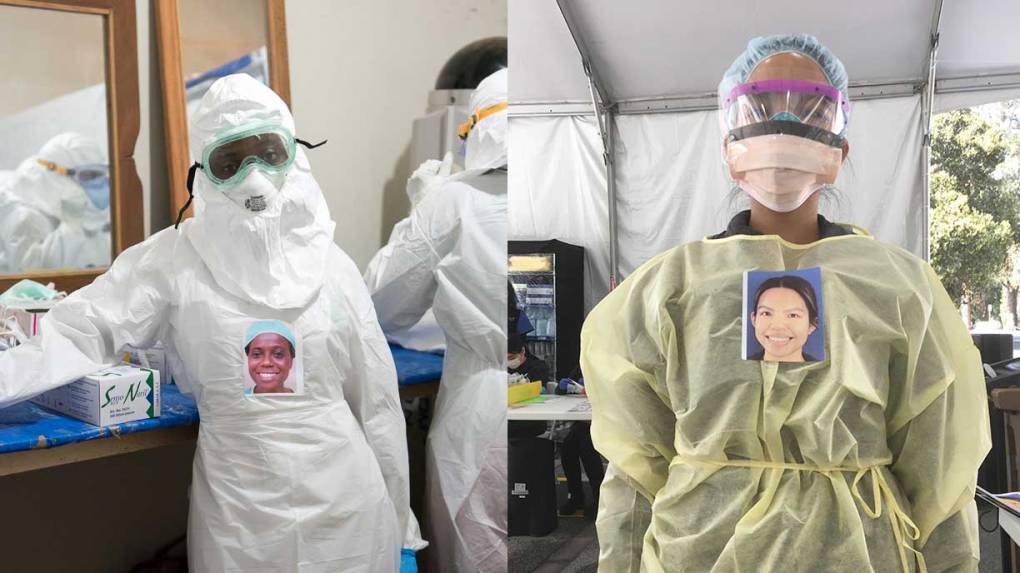
"caption": "Jianjay Moore-Potter (left) in Monrovia, Liberia, in 2015, and Anna Chico (right) at Stanford in April 2020. Mary Beth Heffernan’s PPE Portrait Project started in Liberia during the Ebola crisis, and has since been revived at Stanford. ",
"description": null,
"title": "08_1920_2_by_2_JianJay Potter PA-Donning copy",
"credit": "Courtesy of Marc Campos and Cati Brown-Johnson",
"status": "inherit",
"isLoading": false,
"fetchFailed": false
},
"news_11772673": {
"type": "attachments",
"id": "news_11772673",
"meta": {
"index": "attachments_1716263798",
"site": "news",
"id": "11772673",
"found": true
},
"parent": 11772671,
"imgSizes": {
"apple_news_ca_landscape_5_5": {
"file": "https://ww2.kqed.org/app/uploads/sites/10/2019/09/RS38036_Almena-CU-20190708-1-1044x783.jpg",
"width": 1044,
"mimeType": "image/jpeg",
"height": 783
},
"apple_news_ca_square_4_0": {
"file": "https://ww2.kqed.org/app/uploads/sites/10/2019/09/RS38036_Almena-CU-20190708-1-470x470.jpg",
"width": 470,
"mimeType": "image/jpeg",
"height": 470
},
"twentyfourteen-full-width": {
"file": "https://ww2.kqed.org/app/uploads/sites/10/2019/09/RS38036_Almena-CU-20190708-1-1038x576.jpg",
"width": 1038,
"mimeType": "image/jpeg",
"height": 576
},
"thumbnail": {
"file": "https://ww2.kqed.org/app/uploads/sites/10/2019/09/RS38036_Almena-CU-20190708-1-160x90.jpg",
"width": 160,
"mimeType": "image/jpeg",
"height": 90
},
"post-thumbnail": {
"file": "https://ww2.kqed.org/app/uploads/sites/10/2019/09/RS38036_Almena-CU-20190708-1-672x372.jpg",
"width": 672,
"mimeType": "image/jpeg",
"height": 372
},
"kqedFullSize": {
"file": "https://ww2.kqed.org/app/uploads/sites/10/2019/09/RS38036_Almena-CU-20190708-1-e1588696946275.jpg",
"width": 1920,
"height": 1080
},
"apple_news_ca_landscape_4_7": {
"file": "https://ww2.kqed.org/app/uploads/sites/10/2019/09/RS38036_Almena-CU-20190708-1-632x474.jpg",
"width": 632,
"mimeType": "image/jpeg",
"height": 474
},
"large": {
"file": "https://ww2.kqed.org/app/uploads/sites/10/2019/09/RS38036_Almena-CU-20190708-1-1020x574.jpg",
"width": 1020,
"mimeType": "image/jpeg",
"height": 574
},
"complete_open_graph": {
"file": "https://ww2.kqed.org/app/uploads/sites/10/2019/09/RS38036_Almena-CU-20190708-1-1200x675.jpg",
"width": 1200,
"mimeType": "image/jpeg",
"height": 675
},
"apple_news_ca_landscape_4_0": {
"file": "https://ww2.kqed.org/app/uploads/sites/10/2019/09/RS38036_Almena-CU-20190708-1-536x402.jpg",
"width": 536,
"mimeType": "image/jpeg",
"height": 402
},
"apple_news_ca_portrait_12_9": {
"file": "https://ww2.kqed.org/app/uploads/sites/10/2019/09/RS38036_Almena-CU-20190708-1-1122x1496.jpg",
"width": 1122,
"mimeType": "image/jpeg",
"height": 1496
},
"medium": {
"file": "https://ww2.kqed.org/app/uploads/sites/10/2019/09/RS38036_Almena-CU-20190708-1-800x450.jpg",
"width": 800,
"mimeType": "image/jpeg",
"height": 450
},
"apple_news_ca_portrait_4_0": {
"file": "https://ww2.kqed.org/app/uploads/sites/10/2019/09/RS38036_Almena-CU-20190708-1-354x472.jpg",
"width": 354,
"mimeType": "image/jpeg",
"height": 472
},
"apple_news_ca_portrait_9_7": {
"file": "https://ww2.kqed.org/app/uploads/sites/10/2019/09/RS38036_Almena-CU-20190708-1-840x1120.jpg",
"width": 840,
"mimeType": "image/jpeg",
"height": 1120
},
"apple_news_ca_landscape_12_9": {
"file": "https://ww2.kqed.org/app/uploads/sites/10/2019/09/RS38036_Almena-CU-20190708-1-1832x1374.jpg",
"width": 1832,
"mimeType": "image/jpeg",
"height": 1374
},
"apple_news_ca_square_9_7": {
"file": "https://ww2.kqed.org/app/uploads/sites/10/2019/09/RS38036_Almena-CU-20190708-1-1104x1104.jpg",
"width": 1104,
"mimeType": "image/jpeg",
"height": 1104
},
"apple_news_ca_portrait_4_7": {
"file": "https://ww2.kqed.org/app/uploads/sites/10/2019/09/RS38036_Almena-CU-20190708-1-414x552.jpg",
"width": 414,
"mimeType": "image/jpeg",
"height": 552
},
"apple_news_ca_square_12_9": {
"file": "https://ww2.kqed.org/app/uploads/sites/10/2019/09/RS38036_Almena-CU-20190708-1-1472x1472.jpg",
"width": 1472,
"mimeType": "image/jpeg",
"height": 1472
},
"apple_news_ca_portrait_5_5": {
"file": "https://ww2.kqed.org/app/uploads/sites/10/2019/09/RS38036_Almena-CU-20190708-1-687x916.jpg",
"width": 687,
"mimeType": "image/jpeg",
"height": 916
},
"full-width": {
"file": "https://ww2.kqed.org/app/uploads/sites/10/2019/09/RS38036_Almena-CU-20190708-1-1920x1080.jpg",
"width": 1920,
"mimeType": "image/jpeg",
"height": 1080
},
"apple_news_ca_square_4_7": {
"file": "https://ww2.kqed.org/app/uploads/sites/10/2019/09/RS38036_Almena-CU-20190708-1-550x550.jpg",
"width": 550,
"mimeType": "image/jpeg",
"height": 550
},
"apple_news_ca_landscape_9_7": {
"file": "https://ww2.kqed.org/app/uploads/sites/10/2019/09/RS38036_Almena-CU-20190708-1-1376x1032.jpg",
"width": 1376,
"mimeType": "image/jpeg",
"height": 1032
},
"apple_news_ca_square_5_5": {
"file": "https://ww2.kqed.org/app/uploads/sites/10/2019/09/RS38036_Almena-CU-20190708-1-912x912.jpg",
"width": 912,
"mimeType": "image/jpeg",
"height": 912
}
},
"publishDate": 1567789127,
"modified": 1611352712,
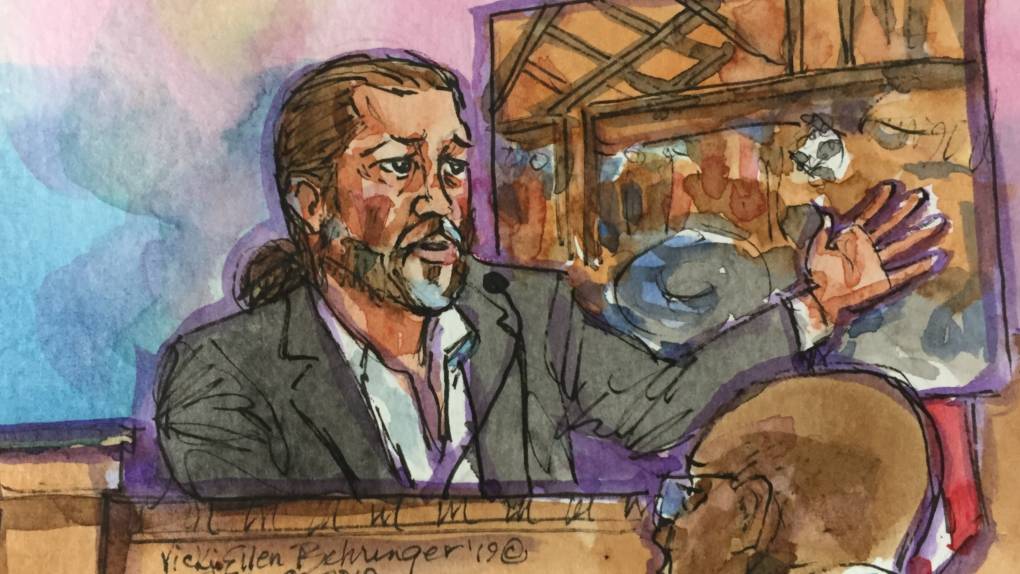
"caption": "Ghost Ship master tenant Derick Almena during his first day of testimony in the 2019 criminal trial in which he faced 36 counts of involuntary manslaughter.",
"description": "Ghost Ship master tenant Derick Almena during his first day of testimony in the 2019 criminal trial in which he faced 36 counts of involuntary manslaughter. He is set to be re-tried this year.",
"title": "RS38036_Almena CU 20190708 (1)",
"credit": "Vicki Behringer/KQED",
"status": "inherit",
"altTag": "Ghost Ship master tenant Derick Almena during his first day of testimony in the 2019 criminal trial in which he faced 36 counts of involuntary manslaughter. He is set to be re-tried this year.",
"isLoading": false,
"fetchFailed": false
},
"news_11815992": {
"type": "attachments",
"id": "news_11815992",
"meta": {
"index": "attachments_1716263798",
"site": "news",
"id": "11815992",
"found": true
},
"parent": 11815991,
"imgSizes": {
"apple_news_ca_landscape_5_5": {
"file": "https://ww2.kqed.org/app/uploads/sites/10/2020/05/IMG_2004-1-1044x783.jpg",
"width": 1044,
"mimeType": "image/jpeg",
"height": 783
},
"apple_news_ca_square_4_0": {
"file": "https://ww2.kqed.org/app/uploads/sites/10/2020/05/IMG_2004-1-470x470.jpg",
"width": 470,
"mimeType": "image/jpeg",
"height": 470
},
"twentyfourteen-full-width": {
"file": "https://ww2.kqed.org/app/uploads/sites/10/2020/05/IMG_2004-1-1038x576.jpg",
"width": 1038,
"mimeType": "image/jpeg",
"height": 576
},
"thumbnail": {
"file": "https://ww2.kqed.org/app/uploads/sites/10/2020/05/IMG_2004-1-160x120.jpg",
"width": 160,
"mimeType": "image/jpeg",
"height": 120
},
"post-thumbnail": {
"file": "https://ww2.kqed.org/app/uploads/sites/10/2020/05/IMG_2004-1-672x372.jpg",
"width": 672,
"mimeType": "image/jpeg",
"height": 372
},
"kqedFullSize": {
"file": "https://ww2.kqed.org/app/uploads/sites/10/2020/05/IMG_2004-1.jpg",
"width": 1920,
"height": 1440
},
"apple_news_ca_landscape_4_7": {
"file": "https://ww2.kqed.org/app/uploads/sites/10/2020/05/IMG_2004-1-632x474.jpg",
"width": 632,
"mimeType": "image/jpeg",
"height": 474
},
"large": {
"file": "https://ww2.kqed.org/app/uploads/sites/10/2020/05/IMG_2004-1-1020x765.jpg",
"width": 1020,
"mimeType": "image/jpeg",
"height": 765
},
"apple_news_ca_landscape_4_0": {
"file": "https://ww2.kqed.org/app/uploads/sites/10/2020/05/IMG_2004-1-536x402.jpg",
"width": 536,
"mimeType": "image/jpeg",
"height": 402
},
"apple_news_ca_portrait_12_9": {
"file": "https://ww2.kqed.org/app/uploads/sites/10/2020/05/IMG_2004-1-1122x1440.jpg",
"width": 1122,
"mimeType": "image/jpeg",
"height": 1440
},
"medium": {
"file": "https://ww2.kqed.org/app/uploads/sites/10/2020/05/IMG_2004-1-800x600.jpg",
"width": 800,
"mimeType": "image/jpeg",
"height": 600
},
"apple_news_ca_portrait_4_0": {
"file": "https://ww2.kqed.org/app/uploads/sites/10/2020/05/IMG_2004-1-354x472.jpg",
"width": 354,
"mimeType": "image/jpeg",
"height": 472
},
"apple_news_ca_portrait_9_7": {
"file": "https://ww2.kqed.org/app/uploads/sites/10/2020/05/IMG_2004-1-840x1120.jpg",
"width": 840,
"mimeType": "image/jpeg",
"height": 1120
},
"apple_news_ca_landscape_12_9": {
"file": "https://ww2.kqed.org/app/uploads/sites/10/2020/05/IMG_2004-1-1832x1374.jpg",
"width": 1832,
"mimeType": "image/jpeg",
"height": 1374
},
"apple_news_ca_square_9_7": {
"file": "https://ww2.kqed.org/app/uploads/sites/10/2020/05/IMG_2004-1-1104x1104.jpg",
"width": 1104,
"mimeType": "image/jpeg",
"height": 1104
},
"apple_news_ca_portrait_4_7": {
"file": "https://ww2.kqed.org/app/uploads/sites/10/2020/05/IMG_2004-1-414x552.jpg",
"width": 414,
"mimeType": "image/jpeg",
"height": 552
},
"apple_news_ca_square_12_9": {
"file": "https://ww2.kqed.org/app/uploads/sites/10/2020/05/IMG_2004-1-1472x1440.jpg",
"width": 1472,
"mimeType": "image/jpeg",
"height": 1440
},
"apple_news_ca_portrait_5_5": {
"file": "https://ww2.kqed.org/app/uploads/sites/10/2020/05/IMG_2004-1-687x916.jpg",
"width": 687,
"mimeType": "image/jpeg",
"height": 916
},
"full-width": {
"file": "https://ww2.kqed.org/app/uploads/sites/10/2020/05/IMG_2004-1-1920x1440.jpg",
"width": 1920,
"mimeType": "image/jpeg",
"height": 1440
},
"apple_news_ca_square_4_7": {
"file": "https://ww2.kqed.org/app/uploads/sites/10/2020/05/IMG_2004-1-550x550.jpg",
"width": 550,
"mimeType": "image/jpeg",
"height": 550
},
"apple_news_ca_landscape_9_7": {
"file": "https://ww2.kqed.org/app/uploads/sites/10/2020/05/IMG_2004-1-1376x1032.jpg",
"width": 1376,
"mimeType": "image/jpeg",
"height": 1032
},
"apple_news_ca_square_5_5": {
"file": "https://ww2.kqed.org/app/uploads/sites/10/2020/05/IMG_2004-1-912x912.jpg",
"width": 912,
"mimeType": "image/jpeg",
"height": 912
}
},
"publishDate": 1588540159,
"modified": 1588540232,
"caption": "Tracy Piper's paintings on the exterior of seafood restaurant Bar Crudo on Divisadero Street in San Francisco.",
"description": null,
"title": "IMG_2004 (1)",
"credit": "Gabriel Greschler/KQED",
"status": "inherit",
"isLoading": false,
"fetchFailed": false
},
"news_11815742": {
"type": "attachments",
"id": "news_11815742",
"meta": {
"index": "attachments_1716263798",
"site": "news",
"id": "11815742",
"found": true
},
"parent": 11815455,
"imgSizes": {
"apple_news_ca_landscape_5_5": {
"file": "https://ww2.kqed.org/app/uploads/sites/10/2020/05/FilipinosFrontlines-1044x783.jpg",
"width": 1044,
"mimeType": "image/jpeg",
"height": 783
},
"apple_news_ca_square_4_0": {
"file": "https://ww2.kqed.org/app/uploads/sites/10/2020/05/FilipinosFrontlines-470x470.jpg",
"width": 470,
"mimeType": "image/jpeg",
"height": 470
},
"twentyfourteen-full-width": {
"file": "https://ww2.kqed.org/app/uploads/sites/10/2020/05/FilipinosFrontlines-1038x576.jpg",
"width": 1038,
"mimeType": "image/jpeg",
"height": 576
},
"thumbnail": {
"file": "https://ww2.kqed.org/app/uploads/sites/10/2020/05/FilipinosFrontlines-160x100.jpg",
"width": 160,
"mimeType": "image/jpeg",
"height": 100
},
"post-thumbnail": {
"file": "https://ww2.kqed.org/app/uploads/sites/10/2020/05/FilipinosFrontlines-672x372.jpg",
"width": 672,
"mimeType": "image/jpeg",
"height": 372
},
"kqedFullSize": {
"file": "https://ww2.kqed.org/app/uploads/sites/10/2020/05/FilipinosFrontlines-e1588367852864.jpg",
"width": 1200,
"height": 750
},
"apple_news_ca_landscape_4_7": {
"file": "https://ww2.kqed.org/app/uploads/sites/10/2020/05/FilipinosFrontlines-632x474.jpg",
"width": 632,
"mimeType": "image/jpeg",
"height": 474
},
"large": {
"file": "https://ww2.kqed.org/app/uploads/sites/10/2020/05/FilipinosFrontlines-1020x638.jpg",
"width": 1020,
"mimeType": "image/jpeg",
"height": 638
},
"apple_news_ca_landscape_4_0": {
"file": "https://ww2.kqed.org/app/uploads/sites/10/2020/05/FilipinosFrontlines-536x402.jpg",
"width": 536,
"mimeType": "image/jpeg",
"height": 402
},
"apple_news_ca_portrait_12_9": {
"file": "https://ww2.kqed.org/app/uploads/sites/10/2020/05/FilipinosFrontlines-1122x1200.jpg",
"width": 1122,
"mimeType": "image/jpeg",
"height": 1200
},
"medium": {
"file": "https://ww2.kqed.org/app/uploads/sites/10/2020/05/FilipinosFrontlines-800x500.jpg",
"width": 800,
"mimeType": "image/jpeg",
"height": 500
},
"apple_news_ca_portrait_4_0": {
"file": "https://ww2.kqed.org/app/uploads/sites/10/2020/05/FilipinosFrontlines-354x472.jpg",
"width": 354,
"mimeType": "image/jpeg",
"height": 472
},
"apple_news_ca_portrait_9_7": {
"file": "https://ww2.kqed.org/app/uploads/sites/10/2020/05/FilipinosFrontlines-840x1120.jpg",
"width": 840,
"mimeType": "image/jpeg",
"height": 1120
},
"apple_news_ca_landscape_12_9": {
"file": "https://ww2.kqed.org/app/uploads/sites/10/2020/05/FilipinosFrontlines-1832x1200.jpg",
"width": 1832,
"mimeType": "image/jpeg",
"height": 1200
},
"apple_news_ca_square_9_7": {
"file": "https://ww2.kqed.org/app/uploads/sites/10/2020/05/FilipinosFrontlines-1104x1104.jpg",
"width": 1104,
"mimeType": "image/jpeg",
"height": 1104
},
"apple_news_ca_portrait_4_7": {
"file": "https://ww2.kqed.org/app/uploads/sites/10/2020/05/FilipinosFrontlines-414x552.jpg",
"width": 414,
"mimeType": "image/jpeg",
"height": 552
},
"apple_news_ca_square_12_9": {
"file": "https://ww2.kqed.org/app/uploads/sites/10/2020/05/FilipinosFrontlines-1472x1200.jpg",
"width": 1472,
"mimeType": "image/jpeg",
"height": 1200
},
"apple_news_ca_portrait_5_5": {
"file": "https://ww2.kqed.org/app/uploads/sites/10/2020/05/FilipinosFrontlines-687x916.jpg",
"width": 687,
"mimeType": "image/jpeg",
"height": 916
},
"full-width": {
"file": "https://ww2.kqed.org/app/uploads/sites/10/2020/05/FilipinosFrontlines-1920x1200.jpg",
"width": 1920,
"mimeType": "image/jpeg",
"height": 1200
},
"apple_news_ca_square_4_7": {
"file": "https://ww2.kqed.org/app/uploads/sites/10/2020/05/FilipinosFrontlines-550x550.jpg",
"width": 550,
"mimeType": "image/jpeg",
"height": 550
},
"apple_news_ca_landscape_9_7": {
"file": "https://ww2.kqed.org/app/uploads/sites/10/2020/05/FilipinosFrontlines-1376x1032.jpg",
"width": 1376,
"mimeType": "image/jpeg",
"height": 1032
},
"apple_news_ca_square_5_5": {
"file": "https://ww2.kqed.org/app/uploads/sites/10/2020/05/FilipinosFrontlines-912x912.jpg",
"width": 912,
"mimeType": "image/jpeg",
"height": 912
}
},
"publishDate": 1588367250,
"modified": 1588375915,
"caption": "A worker at Señor Sisig prepares meals as part of the Filipinos Feed the Frontlines effort to help struggling restaurants and, at the same time, provide food for frontline health workers, seniors and other low-income residents in San Francisco.",
"description": null,
"title": "Filipinos Frontlines",
"credit": "Courtesy of Señor Sisig",
"status": "inherit",
"isLoading": false,
"fetchFailed": false
},
"news_11814854": {
"type": "attachments",
"id": "news_11814854",
"meta": {
"index": "attachments_1716263798",
"site": "news",
"id": "11814854",
"found": true
},
"parent": 11814761,
"imgSizes": {
"apple_news_ca_landscape_5_5": {
"file": "https://ww2.kqed.org/app/uploads/sites/10/2020/04/RS42964_online-class-being-taught-qut-1044x783.jpg",
"width": 1044,
"mimeType": "image/jpeg",
"height": 783
},
"apple_news_ca_square_4_0": {
"file": "https://ww2.kqed.org/app/uploads/sites/10/2020/04/RS42964_online-class-being-taught-qut-470x470.jpg",
"width": 470,
"mimeType": "image/jpeg",
"height": 470
},
"twentyfourteen-full-width": {
"file": "https://ww2.kqed.org/app/uploads/sites/10/2020/04/RS42964_online-class-being-taught-qut-1038x576.jpg",
"width": 1038,
"mimeType": "image/jpeg",
"height": 576
},
"thumbnail": {
"file": "https://ww2.kqed.org/app/uploads/sites/10/2020/04/RS42964_online-class-being-taught-qut-160x107.jpg",
"width": 160,
"mimeType": "image/jpeg",
"height": 107
},
"post-thumbnail": {
"file": "https://ww2.kqed.org/app/uploads/sites/10/2020/04/RS42964_online-class-being-taught-qut-672x372.jpg",
"width": 672,
"mimeType": "image/jpeg",
"height": 372
},
"kqedFullSize": {
"file": "https://ww2.kqed.org/app/uploads/sites/10/2020/04/RS42964_online-class-being-taught-qut.jpg",
"width": 1280,
"height": 853
},
"apple_news_ca_landscape_4_7": {
"file": "https://ww2.kqed.org/app/uploads/sites/10/2020/04/RS42964_online-class-being-taught-qut-632x474.jpg",
"width": 632,
"mimeType": "image/jpeg",
"height": 474
},
"large": {
"file": "https://ww2.kqed.org/app/uploads/sites/10/2020/04/RS42964_online-class-being-taught-qut-1020x680.jpg",
"width": 1020,
"mimeType": "image/jpeg",
"height": 680
},
"apple_news_ca_landscape_4_0": {
"file": "https://ww2.kqed.org/app/uploads/sites/10/2020/04/RS42964_online-class-being-taught-qut-536x402.jpg",
"width": 536,
"mimeType": "image/jpeg",
"height": 402
},
"apple_news_ca_portrait_12_9": {
"file": "https://ww2.kqed.org/app/uploads/sites/10/2020/04/RS42964_online-class-being-taught-qut-1122x853.jpg",
"width": 1122,
"mimeType": "image/jpeg",
"height": 853
},
"medium": {
"file": "https://ww2.kqed.org/app/uploads/sites/10/2020/04/RS42964_online-class-being-taught-qut-800x533.jpg",
"width": 800,
"mimeType": "image/jpeg",
"height": 533
},
"apple_news_ca_portrait_4_0": {
"file": "https://ww2.kqed.org/app/uploads/sites/10/2020/04/RS42964_online-class-being-taught-qut-354x472.jpg",
"width": 354,
"mimeType": "image/jpeg",
"height": 472
},
"apple_news_ca_portrait_9_7": {
"file": "https://ww2.kqed.org/app/uploads/sites/10/2020/04/RS42964_online-class-being-taught-qut-840x853.jpg",
"width": 840,
"mimeType": "image/jpeg",
"height": 853
},
"apple_news_ca_square_9_7": {
"file": "https://ww2.kqed.org/app/uploads/sites/10/2020/04/RS42964_online-class-being-taught-qut-1104x853.jpg",
"width": 1104,
"mimeType": "image/jpeg",
"height": 853
},
"apple_news_ca_portrait_4_7": {
"file": "https://ww2.kqed.org/app/uploads/sites/10/2020/04/RS42964_online-class-being-taught-qut-414x552.jpg",
"width": 414,
"mimeType": "image/jpeg",
"height": 552
},
"apple_news_ca_portrait_5_5": {
"file": "https://ww2.kqed.org/app/uploads/sites/10/2020/04/RS42964_online-class-being-taught-qut-687x853.jpg",
"width": 687,
"mimeType": "image/jpeg",
"height": 853
},
"apple_news_ca_square_4_7": {
"file": "https://ww2.kqed.org/app/uploads/sites/10/2020/04/RS42964_online-class-being-taught-qut-550x550.jpg",
"width": 550,
"mimeType": "image/jpeg",
"height": 550
},
"apple_news_ca_square_5_5": {
"file": "https://ww2.kqed.org/app/uploads/sites/10/2020/04/RS42964_online-class-being-taught-qut-912x853.jpg",
"width": 912,
"mimeType": "image/jpeg",
"height": 853
}
},
"publishDate": 1588117970,
"modified": 1588199204,
"caption": "A California teen teaches music virtually through QuaranTunes, a new online music education service that offers free, or by donation, private lessons to children. Proceeds all go to coronavirus relief efforts. ",
"description": "A California teen teaches music virtually through QuaranTunes, a new online music education service that offers free or by-donation private lessons to children. Proceeds all go to coronavirus relief efforts. ",
"title": "RS42964_online class being taught-qut",
"credit": "Courtesy of QuaranTunes",
"status": "inherit",
"isLoading": false,
"fetchFailed": false
},
"news_11814535": {
"type": "attachments",
"id": "news_11814535",
"meta": {
"index": "attachments_1716263798",
"site": "news",
"id": "11814535",
"found": true
},
"parent": 11814457,
"imgSizes": {
"apple_news_ca_landscape_5_5": {
"file": "https://ww2.kqed.org/app/uploads/sites/10/2020/04/RS42924_DSC05615-qut-1044x783.jpg",
"width": 1044,
"mimeType": "image/jpeg",
"height": 783
},
"apple_news_ca_square_4_0": {
"file": "https://ww2.kqed.org/app/uploads/sites/10/2020/04/RS42924_DSC05615-qut-470x470.jpg",
"width": 470,
"mimeType": "image/jpeg",
"height": 470
},
"twentyfourteen-full-width": {
"file": "https://ww2.kqed.org/app/uploads/sites/10/2020/04/RS42924_DSC05615-qut-1038x576.jpg",
"width": 1038,
"mimeType": "image/jpeg",
"height": 576
},
"thumbnail": {
"file": "https://ww2.kqed.org/app/uploads/sites/10/2020/04/RS42924_DSC05615-qut-160x107.jpg",
"width": 160,
"mimeType": "image/jpeg",
"height": 107
},
"post-thumbnail": {
"file": "https://ww2.kqed.org/app/uploads/sites/10/2020/04/RS42924_DSC05615-qut-672x372.jpg",
"width": 672,
"mimeType": "image/jpeg",
"height": 372
},
"kqedFullSize": {
"file": "https://ww2.kqed.org/app/uploads/sites/10/2020/04/RS42924_DSC05615-qut.jpg",
"width": 1920,
"height": 1280
},
"apple_news_ca_landscape_4_7": {
"file": "https://ww2.kqed.org/app/uploads/sites/10/2020/04/RS42924_DSC05615-qut-632x474.jpg",
"width": 632,
"mimeType": "image/jpeg",
"height": 474
},
"large": {
"file": "https://ww2.kqed.org/app/uploads/sites/10/2020/04/RS42924_DSC05615-qut-1020x680.jpg",
"width": 1020,
"mimeType": "image/jpeg",
"height": 680
},
"apple_news_ca_landscape_4_0": {
"file": "https://ww2.kqed.org/app/uploads/sites/10/2020/04/RS42924_DSC05615-qut-536x402.jpg",
"width": 536,
"mimeType": "image/jpeg",
"height": 402
},
"apple_news_ca_portrait_12_9": {
"file": "https://ww2.kqed.org/app/uploads/sites/10/2020/04/RS42924_DSC05615-qut-1122x1280.jpg",
"width": 1122,
"mimeType": "image/jpeg",
"height": 1280
},
"medium": {
"file": "https://ww2.kqed.org/app/uploads/sites/10/2020/04/RS42924_DSC05615-qut-800x533.jpg",
"width": 800,
"mimeType": "image/jpeg",
"height": 533
},
"apple_news_ca_portrait_4_0": {
"file": "https://ww2.kqed.org/app/uploads/sites/10/2020/04/RS42924_DSC05615-qut-354x472.jpg",
"width": 354,
"mimeType": "image/jpeg",
"height": 472
},
"apple_news_ca_portrait_9_7": {
"file": "https://ww2.kqed.org/app/uploads/sites/10/2020/04/RS42924_DSC05615-qut-840x1120.jpg",
"width": 840,
"mimeType": "image/jpeg",
"height": 1120
},
"apple_news_ca_landscape_12_9": {
"file": "https://ww2.kqed.org/app/uploads/sites/10/2020/04/RS42924_DSC05615-qut-1832x1280.jpg",
"width": 1832,
"mimeType": "image/jpeg",
"height": 1280
},
"apple_news_ca_square_9_7": {
"file": "https://ww2.kqed.org/app/uploads/sites/10/2020/04/RS42924_DSC05615-qut-1104x1104.jpg",
"width": 1104,
"mimeType": "image/jpeg",
"height": 1104
},
"apple_news_ca_portrait_4_7": {
"file": "https://ww2.kqed.org/app/uploads/sites/10/2020/04/RS42924_DSC05615-qut-414x552.jpg",
"width": 414,
"mimeType": "image/jpeg",
"height": 552
},
"apple_news_ca_square_12_9": {
"file": "https://ww2.kqed.org/app/uploads/sites/10/2020/04/RS42924_DSC05615-qut-1472x1280.jpg",
"width": 1472,
"mimeType": "image/jpeg",
"height": 1280
},
"apple_news_ca_portrait_5_5": {
"file": "https://ww2.kqed.org/app/uploads/sites/10/2020/04/RS42924_DSC05615-qut-687x916.jpg",
"width": 687,
"mimeType": "image/jpeg",
"height": 916
},
"full-width": {
"file": "https://ww2.kqed.org/app/uploads/sites/10/2020/04/RS42924_DSC05615-qut-1920x1280.jpg",
"width": 1920,
"mimeType": "image/jpeg",
"height": 1280
},
"apple_news_ca_square_4_7": {
"file": "https://ww2.kqed.org/app/uploads/sites/10/2020/04/RS42924_DSC05615-qut-550x550.jpg",
"width": 550,
"mimeType": "image/jpeg",
"height": 550
},
"apple_news_ca_landscape_9_7": {
"file": "https://ww2.kqed.org/app/uploads/sites/10/2020/04/RS42924_DSC05615-qut-1376x1032.jpg",
"width": 1376,
"mimeType": "image/jpeg",
"height": 1032
},
"apple_news_ca_square_5_5": {
"file": "https://ww2.kqed.org/app/uploads/sites/10/2020/04/RS42924_DSC05615-qut-912x912.jpg",
"width": 912,
"mimeType": "image/jpeg",
"height": 912
}
},
"publishDate": 1588018251,
"modified": 1588018660,
"caption": "Mxmtoon is a 19-year-old singer-songwriter from Oakland who built her career on social media from her parent’s house.",
"description": null,
"title": "RS42924_DSC05615-qut",
"credit": "Courtesy of Clarence Ting",
"status": "inherit",
"isLoading": false,
"fetchFailed": false
},
"news_11814175": {
"type": "attachments",
"id": "news_11814175",
"meta": {
"index": "attachments_1716263798",
"site": "news",
"id": "11814175",
"found": true
},
"parent": 11814168,
"imgSizes": {
"apple_news_ca_landscape_5_5": {
"file": "https://ww2.kqed.org/app/uploads/sites/10/2020/04/IMG_5039-1044x783.jpg",
"width": 1044,
"mimeType": "image/jpeg",
"height": 783
},
"apple_news_ca_square_4_0": {
"file": "https://ww2.kqed.org/app/uploads/sites/10/2020/04/IMG_5039-470x470.jpg",
"width": 470,
"mimeType": "image/jpeg",
"height": 470
},
"twentyfourteen-full-width": {
"file": "https://ww2.kqed.org/app/uploads/sites/10/2020/04/IMG_5039-1038x576.jpg",
"width": 1038,
"mimeType": "image/jpeg",
"height": 576
},
"thumbnail": {
"file": "https://ww2.kqed.org/app/uploads/sites/10/2020/04/IMG_5039-160x123.jpg",
"width": 160,
"mimeType": "image/jpeg",
"height": 123
},
"post-thumbnail": {
"file": "https://ww2.kqed.org/app/uploads/sites/10/2020/04/IMG_5039-672x372.jpg",
"width": 672,
"mimeType": "image/jpeg",
"height": 372
},
"kqedFullSize": {
"file": "https://ww2.kqed.org/app/uploads/sites/10/2020/04/IMG_5039.jpg",
"width": 1920,
"height": 1476
},
"apple_news_ca_landscape_4_7": {
"file": "https://ww2.kqed.org/app/uploads/sites/10/2020/04/IMG_5039-632x474.jpg",
"width": 632,
"mimeType": "image/jpeg",
"height": 474
},
"large": {
"file": "https://ww2.kqed.org/app/uploads/sites/10/2020/04/IMG_5039-1020x784.jpg",
"width": 1020,
"mimeType": "image/jpeg",
"height": 784
},
"apple_news_ca_landscape_4_0": {
"file": "https://ww2.kqed.org/app/uploads/sites/10/2020/04/IMG_5039-536x402.jpg",
"width": 536,
"mimeType": "image/jpeg",
"height": 402
},
"apple_news_ca_portrait_12_9": {
"file": "https://ww2.kqed.org/app/uploads/sites/10/2020/04/IMG_5039-1122x1476.jpg",
"width": 1122,
"mimeType": "image/jpeg",
"height": 1476
},
"medium": {
"file": "https://ww2.kqed.org/app/uploads/sites/10/2020/04/IMG_5039-800x615.jpg",
"width": 800,
"mimeType": "image/jpeg",
"height": 615
},
"apple_news_ca_portrait_4_0": {
"file": "https://ww2.kqed.org/app/uploads/sites/10/2020/04/IMG_5039-354x472.jpg",
"width": 354,
"mimeType": "image/jpeg",
"height": 472
},
"apple_news_ca_portrait_9_7": {
"file": "https://ww2.kqed.org/app/uploads/sites/10/2020/04/IMG_5039-840x1120.jpg",
"width": 840,
"mimeType": "image/jpeg",
"height": 1120
},
"apple_news_ca_landscape_12_9": {
"file": "https://ww2.kqed.org/app/uploads/sites/10/2020/04/IMG_5039-1832x1374.jpg",
"width": 1832,
"mimeType": "image/jpeg",
"height": 1374
},
"apple_news_ca_square_9_7": {
"file": "https://ww2.kqed.org/app/uploads/sites/10/2020/04/IMG_5039-1104x1104.jpg",
"width": 1104,
"mimeType": "image/jpeg",
"height": 1104
},
"apple_news_ca_portrait_4_7": {
"file": "https://ww2.kqed.org/app/uploads/sites/10/2020/04/IMG_5039-414x552.jpg",
"width": 414,
"mimeType": "image/jpeg",
"height": 552
},
"apple_news_ca_square_12_9": {
"file": "https://ww2.kqed.org/app/uploads/sites/10/2020/04/IMG_5039-1472x1472.jpg",
"width": 1472,
"mimeType": "image/jpeg",
"height": 1472
},
"apple_news_ca_portrait_5_5": {
"file": "https://ww2.kqed.org/app/uploads/sites/10/2020/04/IMG_5039-687x916.jpg",
"width": 687,
"mimeType": "image/jpeg",
"height": 916
},
"full-width": {
"file": "https://ww2.kqed.org/app/uploads/sites/10/2020/04/IMG_5039-1920x1476.jpg",
"width": 1920,
"mimeType": "image/jpeg",
"height": 1476
},
"apple_news_ca_square_4_7": {
"file": "https://ww2.kqed.org/app/uploads/sites/10/2020/04/IMG_5039-550x550.jpg",
"width": 550,
"mimeType": "image/jpeg",
"height": 550
},
"apple_news_ca_landscape_9_7": {
"file": "https://ww2.kqed.org/app/uploads/sites/10/2020/04/IMG_5039-1376x1032.jpg",
"width": 1376,
"mimeType": "image/jpeg",
"height": 1032
},
"apple_news_ca_square_5_5": {
"file": "https://ww2.kqed.org/app/uploads/sites/10/2020/04/IMG_5039-912x912.jpg",
"width": 912,
"mimeType": "image/jpeg",
"height": 912
}
},
"publishDate": 1587755555,
"modified": 1587755615,
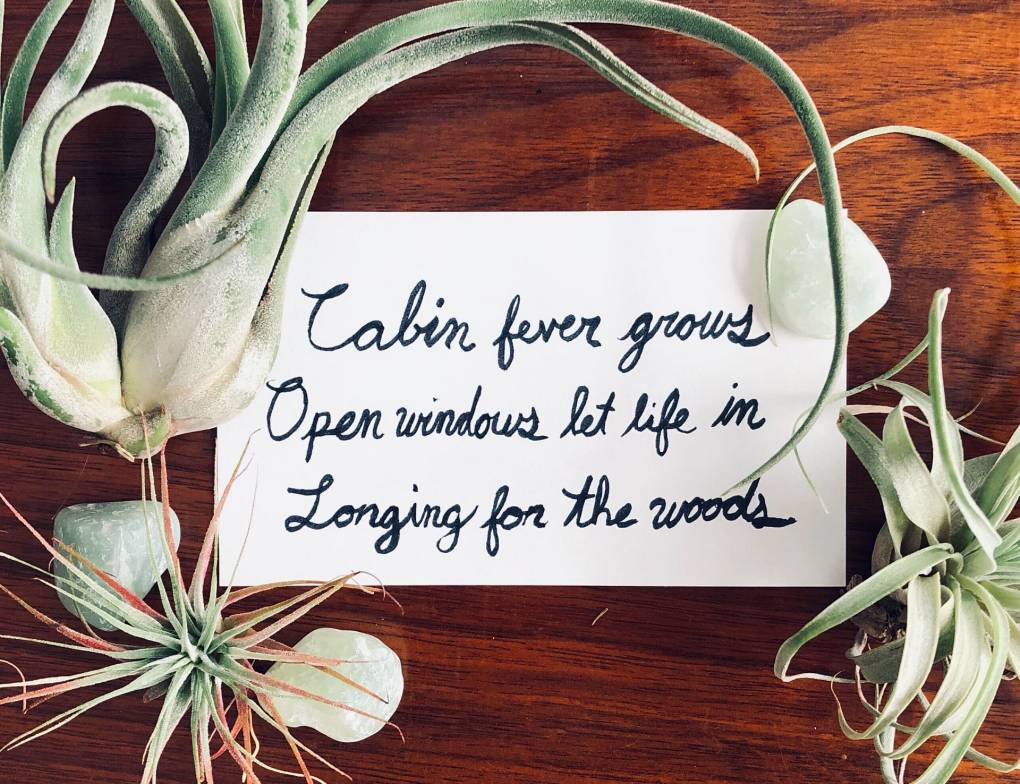
"caption": "A haiku inspired by sheltering in place during the COVID-19 pandemic. ",
"description": null,
"title": "IMG_5039",
"credit": "Amanda Font/KQED",
"status": "inherit",
"isLoading": false,
"fetchFailed": false
}
},
"audioPlayerReducer": {
"postId": "stream_live",
"isPaused": true,
"isPlaying": false,
"pfsActive": false,
"pledgeModalIsOpen": true,
"playerDrawerIsOpen": false,
"liveAudioPlayStartedAt": 0,
"liveAudioPlayContext": ""
},
"authorsReducer": {
"byline_news_11817410": {
"type": "authors",
"id": "byline_news_11817410",
"meta": {
"override": true
},
"slug": "byline_news_11817410",
"name": "Kiana Fitzgerald \u003cbr> NPR",
"isLoading": false
},
"byline_news_11816247": {
"type": "authors",
"id": "byline_news_11816247",
"meta": {
"override": true
},
"slug": "byline_news_11816247",
"name": "The Associated Press",
"isLoading": false
},
"byline_news_11814457": {
"type": "authors",
"id": "byline_news_11814457",
"meta": {
"override": true
},
"slug": "byline_news_11814457",
"name": "Clarence Ting",
"isLoading": false
},
"kqed": {
"type": "authors",
"id": "236",
"meta": {
"index": "authors_1716337520",
"id": "236",
"found": true
},
"name": "KQED News Staff",
"firstName": "KQED News Staff",
"lastName": null,
"slug": "kqed",
"email": "faq@kqed.org",
"display_author_email": false,
"staff_mastheads": [],
"title": null,
"bio": null,
"avatar": "https://secure.gravatar.com/avatar/ef0e801a68c4c54afa9180db14084167?s=600&d=blank&r=g",
"twitter": null,
"facebook": null,
"instagram": null,
"linkedin": null,
"sites": [
{
"site": "arts",
"roles": [
"contributor"
]
},
{
"site": "news",
"roles": [
"editor"
]
},
{
"site": "futureofyou",
"roles": [
"author"
]
}
],
"headData": {
"title": "KQED News Staff | KQED",
"description": null,
"ogImgSrc": "https://secure.gravatar.com/avatar/ef0e801a68c4c54afa9180db14084167?s=600&d=blank&r=g",
"twImgSrc": "https://secure.gravatar.com/avatar/ef0e801a68c4c54afa9180db14084167?s=600&d=blank&r=g"
},
"isLoading": false,
"link": "/author/kqed"
},
"sasha-khokha": {
"type": "authors",
"id": "254",
"meta": {
"index": "authors_1716337520",
"id": "254",
"found": true
},
"name": "Sasha Khokha",
"firstName": "Sasha",
"lastName": "Khokha",
"slug": "sasha-khokha",
"email": "skhokha@kqed.org",
"display_author_email": true,
"staff_mastheads": [
"news"
],
"title": "Host, The California Report Magazine",
"bio": "Sasha Khokha is the host of \u003cem>The California Report's \u003c/em> weekly magazine program, which takes listeners on sound-rich excursions to meet the people that make the Golden State unique -- through audio documentaries and long-form stories. As \u003cem>The California Report's\u003c/em> Central Valley Bureau Chief based in Fresno for nearly a dozen years, Sasha brought the lives and concerns of rural Californians to listeners around the state. Her reporting helped expose the hidden price immigrant women janitors and farmworkers may pay to keep their jobs: sexual assault at work. It inspired two new California laws to protect them from sexual harassment. She was a key member of the reporting team for the Frontline film \u003cem>Rape on the Night Shift, \u003c/em>which was nominated for two national Emmys. Sasha has also won a national Edward R. Murrow and a national PRNDI award for investigative reporting, as well as multiple prizes from the Society for Professional Journalists. Sasha is a proud alum of the UC Berkeley Graduate School of Journalism and Brown University and a member of the South Asian Journalists Association.",
"avatar": "https://secure.gravatar.com/avatar/e4b5e1541aaeea2aa356aa1fb2a68950?s=600&d=blank&r=g",
"twitter": "KQEDSashaKhokha",
"facebook": null,
"instagram": null,
"linkedin": null,
"sites": [
{
"site": "news",
"roles": [
"editor"
]
},
{
"site": "stateofhealth",
"roles": [
"author"
]
},
{
"site": "science",
"roles": [
"author"
]
},
{
"site": "quest",
"roles": [
"subscriber"
]
}
],
"headData": {
"title": "Sasha Khokha | KQED",
"description": "Host, The California Report Magazine",
"ogImgSrc": "https://secure.gravatar.com/avatar/e4b5e1541aaeea2aa356aa1fb2a68950?s=600&d=blank&r=g",
"twImgSrc": "https://secure.gravatar.com/avatar/e4b5e1541aaeea2aa356aa1fb2a68950?s=600&d=blank&r=g"
},
"isLoading": false,
"link": "/author/sasha-khokha"
},
"markfiore": {
"type": "authors",
"id": "3236",
"meta": {
"index": "authors_1716337520",
"id": "3236",
"found": true
},
"name": "Mark Fiore",
"firstName": "Mark",
"lastName": "Fiore",
"slug": "markfiore",
"email": "mark@markfiore.com",
"display_author_email": false,
"staff_mastheads": [
"news"
],
"title": "KQED News Cartoonist",
"bio": "\u003ca href=\"http://www.MarkFiore.com\">MarkFiore.com\u003c/a> | \u003ca href=\"https://twitter.com/markfiore\">Follow on Twitter\u003c/a> | \u003ca href=\"https://www.facebook.com/pages/Mark-Fiore-Animated-Political-Cartoons/94451707396?ref=bookmarks\">Facebook\u003c/a> | \u003ca href=\"mailto:mark@markfiore.com\">email\u003c/a>\r\n\r\nPulitzer Prize-winner, Mark Fiore, who the Wall Street Journal has called “the undisputed guru of the form,” creates animated political cartoons in San Francisco, where his work has been featured regularly on the San Francisco Chronicle’s web site, SFGate.com. His work has appeared on Newsweek.com, Slate.com, CBSNews.com, MotherJones.com, DailyKos.com and NPR’s web site. Fiore’s political animation has appeared on CNN, Frontline, Bill Moyers Journal, Salon.com and cable and broadcast outlets across the globe.\r\n\r\nBeginning his professional life by drawing traditional political cartoons for newspapers, Fiore’s work appeared in publications ranging from the Washington Post to the Los Angeles Times. In the late 1990s, he began to experiment with animating political cartoons and, after a short stint at the San Jose Mercury News as their staff cartoonist, Fiore devoted all his energies to animation.\r\nGrowing up in California, Fiore also spent a good portion of his life in the backwoods of Idaho. It was this combination that shaped him politically. Mark majored in political science at Colorado College, where, in a perfect send-off for a cartoonist, he received his diploma in 1991 as commencement speaker Dick Cheney smiled approvingly.\r\nMark Fiore was awarded the Pulitzer Prize for political cartooning in 2010, a Robert F. Kennedy Journalism Award in 2004 and has twice received an Online Journalism Award for commentary from the Online News Association (2002, 2008). Fiore has received two awards for his work in new media from the National Cartoonists Society (2001, 2002), and in 2006 received The James Madison Freedom of Information Award from The Society of Professional Journalists.",
"avatar": "https://secure.gravatar.com/avatar/fc4e2a612b15b67bad0c6f0e1db4ca9b?s=600&d=blank&r=g",
"twitter": "MarkFiore",
"facebook": null,
"instagram": "https://www.instagram.com/markfiore/?hl=en",
"linkedin": null,
"sites": [
{
"site": "arts",
"roles": [
"contributor"
]
},
{
"site": "news",
"roles": [
"editor"
]
},
{
"site": "futureofyou",
"roles": [
"editor"
]
},
{
"site": "science",
"roles": [
"editor"
]
}
],
"headData": {
"title": "Mark Fiore | KQED",
"description": "KQED News Cartoonist",
"ogImgSrc": "https://secure.gravatar.com/avatar/fc4e2a612b15b67bad0c6f0e1db4ca9b?s=600&d=blank&r=g",
"twImgSrc": "https://secure.gravatar.com/avatar/fc4e2a612b15b67bad0c6f0e1db4ca9b?s=600&d=blank&r=g"
},
"isLoading": false,
"link": "/author/markfiore"
},
"cveltman": {
"type": "authors",
"id": "8608",
"meta": {
"index": "authors_1716337520",
"id": "8608",
"found": true
},
"name": "Chloe Veltman",
"firstName": "Chloe",
"lastName": "Veltman",
"slug": "cveltman",
"email": "cveltman@kqed.org",
"display_author_email": true,
"staff_mastheads": [],
"title": "Arts and Culture Reporter",
"bio": "Chloe Veltman is a former arts and culture reporter for KQED. Prior to joining the organization, she launched and led the arts bureau at Colorado Public Radio, served as the Bay Area's culture columnist for the New York Times, and was the founder, host and executive producer of VoiceBox, a national award-winning weekly podcast/radio show and live events series all about the human voice. Chloe is the recipient of numerous prizes, grants and fellowships including a Webby Award for her work on interactive storytelling, both the John S Knight Journalism Fellowship and Humanities Center Fellowship at Stanford University, the Sundance Arts Writing Fellowship and a Library of Congress Research Fellowship. She is the author of the book \"On Acting\" and has appeared as a guest lecturer at Yale University and the San Francisco Conservatory of Music among other institutions. She holds a BA in english literature from King's College, Cambridge, and a Masters in Dramaturgy from the Central School of Speech and Drama/Harvard Institute for Advanced Theater Training.\r\n\u003ca href=\"https://www.chloeveltman.com\">www.chloeveltman.com\u003c/a>",
"avatar": "https://secure.gravatar.com/avatar/55403394b00a1ddab683952c2eb2cf85?s=600&d=blank&r=g",
"twitter": "chloeveltman",
"facebook": null,
"instagram": null,
"linkedin": null,
"sites": [
{
"site": "arts",
"roles": []
},
{
"site": "news",
"roles": [
"author"
]
},
{
"site": "pop",
"roles": [
"editor"
]
},
{
"site": "science",
"roles": []
}
],
"headData": {
"title": "Chloe Veltman | KQED",
"description": "Arts and Culture Reporter",
"ogImgSrc": "https://secure.gravatar.com/avatar/55403394b00a1ddab683952c2eb2cf85?s=600&d=blank&r=g",
"twImgSrc": "https://secure.gravatar.com/avatar/55403394b00a1ddab683952c2eb2cf85?s=600&d=blank&r=g"
},
"isLoading": false,
"link": "/author/cveltman"
},
"afont": {
"type": "authors",
"id": "8637",
"meta": {
"index": "authors_1716337520",
"id": "8637",
"found": true
},
"name": "Amanda Font",
"firstName": "Amanda",
"lastName": "Font",
"slug": "afont",
"email": "afont@kqed.org",
"display_author_email": false,
"staff_mastheads": [],
"title": "KQED Contributor",
"bio": "Amanda Font is a producer on \u003cem>The Latest\u003c/em> podcast, and the host and co-producer of the series \u003cem>Audible Cosmos\u003c/em>. She has previously worked as a producer and reporter on the \u003cem>Bay Curious\u003c/em> podcast, and director of \u003cem>The California Report Magazine\u003c/em>. She grew up in the deserts of Southern California and moved north for the trees. Amanda earned a B.A. from the BECA program at San Francisco State, where she worked in the university's radio station. Amanda Font is represented by SAG-AFTRA.",
"avatar": "https://secure.gravatar.com/avatar/d9e81cf0117d5849b9cfb7ab4b1422f1?s=600&d=blank&r=g",
"twitter": null,
"facebook": null,
"instagram": null,
"linkedin": null,
"sites": [
{
"site": "news",
"roles": [
"add_users",
"create_users"
]
},
{
"site": "science",
"roles": []
},
{
"site": "forum",
"roles": [
"administrator"
]
},
{
"site": "perspectives",
"roles": [
"administrator"
]
},
{
"site": "radio",
"roles": [
"administrator"
]
}
],
"headData": {
"title": "Amanda Font | KQED",
"description": "KQED Contributor",
"ogImgSrc": "https://secure.gravatar.com/avatar/d9e81cf0117d5849b9cfb7ab4b1422f1?s=600&d=blank&r=g",
"twImgSrc": "https://secure.gravatar.com/avatar/d9e81cf0117d5849b9cfb7ab4b1422f1?s=600&d=blank&r=g"
},
"isLoading": false,
"link": "/author/afont"
},
"lsarah": {
"type": "authors",
"id": "11626",
"meta": {
"index": "authors_1716337520",
"id": "11626",
"found": true
},
"name": "Lakshmi Sarah",
"firstName": "Lakshmi",
"lastName": "Sarah",
"slug": "lsarah",
"email": "lsarah@kqed.org",
"display_author_email": false,
"staff_mastheads": [],
"title": "Digital Producer",
"bio": "Lakshmi Sarah is an educator, author and journalist with a focus on innovative storytelling. She has worked with newspapers, radio and magazines from Ahmedabad, India to Los Angeles, California. She has written and produced for Die Zeit, Global Voices, AJ+, KQED, Fusion Media Group and the New York Times.",
"avatar": "https://secure.gravatar.com/avatar/652dcaecd8b28826fc17a8b2d6bb4e93?s=600&d=blank&r=g",
"twitter": "lakitalki",
"facebook": null,
"instagram": "https://www.instagram.com/laki.talki/",
"linkedin": "https://www.linkedin.com/in/lakisarah/",
"sites": [
{
"site": "arts",
"roles": []
},
{
"site": "news",
"roles": []
},
{
"site": "bayareabites",
"roles": []
},
{
"site": "science",
"roles": []
}
],
"headData": {
"title": "Lakshmi Sarah | KQED",
"description": "Digital Producer",
"ogImgSrc": "https://secure.gravatar.com/avatar/652dcaecd8b28826fc17a8b2d6bb4e93?s=600&d=blank&r=g",
"twImgSrc": "https://secure.gravatar.com/avatar/652dcaecd8b28826fc17a8b2d6bb4e93?s=600&d=blank&r=g"
},
"isLoading": false,
"link": "/author/lsarah"
},
"ggreschler": {
"type": "authors",
"id": "11647",
"meta": {
"index": "authors_1716337520",
"id": "11647",
"found": true
},
"name": "Gabe Greschler",
"firstName": "Gabe",
"lastName": "Greschler",
"slug": "ggreschler",
"email": "ggreschler@KQED.org",
"display_author_email": false,
"staff_mastheads": [],
"title": "KQED Contributor",
"bio": null,
"avatar": "https://secure.gravatar.com/avatar/8bd5de335b7e37aabeaf326c05538f44?s=600&d=blank&r=g",
"twitter": null,
"facebook": null,
"instagram": null,
"linkedin": null,
"sites": [
{
"site": "news",
"roles": [
"author"
]
},
{
"site": "science",
"roles": [
"editor"
]
}
],
"headData": {
"title": "Gabe Greschler | KQED",
"description": "KQED Contributor",
"ogImgSrc": "https://secure.gravatar.com/avatar/8bd5de335b7e37aabeaf326c05538f44?s=600&d=blank&r=g",
"twImgSrc": "https://secure.gravatar.com/avatar/8bd5de335b7e37aabeaf326c05538f44?s=600&d=blank&r=g"
},
"isLoading": false,
"link": "/author/ggreschler"
},
"abandlamudi": {
"type": "authors",
"id": "11672",
"meta": {
"index": "authors_1716337520",
"id": "11672",
"found": true
},
"name": "Adhiti Bandlamudi",
"firstName": "Adhiti",
"lastName": "Bandlamudi",
"slug": "abandlamudi",
"email": "abandlamudi@kqed.org",
"display_author_email": false,
"staff_mastheads": [
"news"
],
"title": "KQED Housing Reporter",
"bio": "Adhiti Bandlamudi reports for KQED's Housing desk. She focuses on how housing gets built across the Bay Area. Before joining KQED in 2020, she reported for WUNC in Durham, North Carolina, WABE in Atlanta, Georgia and Capital Public Radio in Sacramento. In 2017, she was awarded a Kroc Fellowship at NPR where she reported on everything from sprinkles to the Golden State Killer's arrest. When she's not reporting, she's baking new recipes in her kitchen or watching movies with friends and family. She's originally from Georgia and has strong opinions about Great British Bake Off.",
"avatar": "https://secure.gravatar.com/avatar/868129c8b257bb99a3500e2c86a65400?s=600&d=mm&r=g",
"twitter": "oddity_adhiti",
"facebook": null,
"instagram": null,
"linkedin": null,
"sites": [
{
"site": "arts",
"roles": [
"author"
]
},
{
"site": "news",
"roles": [
"editor"
]
},
{
"site": "liveblog",
"roles": [
"author"
]
}
],
"headData": {
"title": "Adhiti Bandlamudi | KQED",
"description": "KQED Housing Reporter",
"ogImgSrc": "https://secure.gravatar.com/avatar/868129c8b257bb99a3500e2c86a65400?s=600&d=mm&r=g",
"twImgSrc": "https://secure.gravatar.com/avatar/868129c8b257bb99a3500e2c86a65400?s=600&d=mm&r=g"
},
"isLoading": false,
"link": "/author/abandlamudi"
}
},
"pagesReducer": {
"news_category_arts-and-culture": {
"type": "terms",
"id": "news_223",
"meta": {
"index": "terms_1716263798",
"site": "news",
"id": "223",
"score": 11.242002
},
"featImg": null,
"name": "Arts and Culture",
"description": null,
"taxonomy": "category",
"headData": {
"twImgId": null,
"twTitle": null,
"ogTitle": null,
"ogImgId": null,
"twDescription": null,
"description": null,
"title": "Arts and Culture Archives | KQED News",
"ogDescription": null
},
"ttid": 231,
"slug": "arts-and-culture",
"isLoading": false,
"title": "Arts and Culture",
"pageMeta": {
"site": "news",
"WpPageTemplate": "page-topic-editorial",
"currentPage": 45
},
"blocks": [
{
"blockName": "kqed/post-list",
"attrs": {
"layout": "cardArticle2",
"query": "posts/news?category=arts-and-culture",
"seeMore": false,
"paginated": true,
"page": 45
}
},
{
"blockName": "kqed/ad"
}
]
}
},
"pfsSessionReducer": {},
"postsReducer": {
"stream_live": {
"type": "live",
"id": "stream_live",
"audioUrl": "https://streams.kqed.org/kqedradio",
"title": "Live Stream",
"excerpt": "Live Stream information currently unavailable.",
"link": "/radio",
"featImg": "",
"label": {
"name": "KQED Live",
"link": "/"
}
},
"stream_kqedNewscast": {
"type": "posts",
"id": "stream_kqedNewscast",
"audioUrl": "https://www.kqed.org/.stream/anon/radio/RDnews/newscast.mp3?_=1",
"title": "KQED Newscast",
"featImg": "",
"label": {
"name": "88.5 FM",
"link": "/"
}
},
"news_11818246": {
"type": "posts",
"id": "news_11818246",
"meta": {
"index": "posts_1716263798",
"site": "news",
"id": "11818246",
"score": null,
"sort": [
1589551278000
]
},
"guestAuthors": [],
"slug": "bars-with-food-are-open-for-curbside-cocktails-but-many-neighborhood-dives-are-hurting",
"title": "Bars With Food Are Open for 'Curbside Cocktails' — But Many Neighborhood Dives Are Hurting",
"publishDate": 1589551278,
"format": "standard",
"headTitle": "Bars With Food Are Open for ‘Curbside Cocktails’ — But Many Neighborhood Dives Are Hurting | KQED",
"labelTerm": {},
"content": "\u003cp>Many restaurant bars in California – and bars that collaborate with restaurants – have found a way to stay open during the COVID-19 pandemic: selling “curbside” cocktails along with takeout food. It’s a combination required by law for to-go alcohol sales.\u003c/p>\n\u003cp>So what do you do when you run a straight-ahead bar that typically just sells alcohol? For some bar owners, it’s turning out to be a recipe for disaster.\u003c/p>\n\u003cp>Consider the story of Christos Louvis, who’s been running downtown San Jose’s \u003ca href=\"https://www.sjdivebar.com/\">Dive Bar\u003c/a> with his parents since 2012.\u003c/p>\n\u003cp>“We always joke in the bar business that it’s recession proof,” Louvis said. “If anything, people drink more because they have more problems. They’re trying to just get out and enjoy themselves.”\u003c/p>\n\u003cp>Dive Bar prides itself on being a neighborhood joint: sports on the televisions, pool tables in the back and drink specials for the students a few blocks away at San Jose State University.\u003c/p>\n\u003cp>The bar has a \u003ca href=\"https://www.abc.ca.gov/licensing/license-types/\">Type 48 liquor license\u003c/a>, which allows it to sell alcohol without food. Because of that, the bar can’t remain open under Santa Clara County’s \u003ca href=\"https://www.sccgov.org/sites/covid19/Pages/public-health-orders.aspx#faq\">shelter-in-place restrictions\u003c/a>.\u003c/p>\n\u003cp>[ad fullwidth]\u003c/p>\n\u003cp>Louvis feels like he’s up against a wall.\u003c/p>\n\u003cp>“Allow us to [sell] a closed beer or a to-go cup of a drink,” he said. “Allow us to fight!”\u003c/p>\n\u003cp>Louvis did apply for a Paycheck Protection Program (PPP) loan through Wells Fargo, but his application was denied. He applied again for the second round of funding, but he’s now worried that if the loan does come through, his laid-off employees will refuse the money, because, with unemployment benefits, they can make \u003ca href=\"https://www.sfchronicle.com/business/networth/article/How-to-lure-back-California-workers-making-more-15258416.php\">roughly $2,400\u003c/a> a month – significantly more than he can afford to pay them.\u003c/p>\n\u003cp>“Our employees are like family. We’ve been with each other for so long,” Louvis said. “I don’t blame them, but I honestly don’t think they’d come back.”\u003c/p>\n\u003cp>[aside label='Coronavirus Coverage' tag='coronavirus']Teague Kernan can sympathize. He runs two bars in San Francisco’s North Beach neighborhood, \u003ca href=\"http://tupelosf.com/\">Tupelo\u003c/a>, which offers Southern soul food and creative cocktails, and \u003ca href=\"http://thebellecora.com/\">Belle Cora\u003c/a>, a bistro and bar for new American fare. Even though he’s allowed to sell to-go alcohol thanks to the food, Kernan said they’re still struggling hard and that stand-alone bars are in even bigger trouble.\u003c/p>\n\u003cp>“Bars will probably be closed longer than any other establishment or business,” Kernan said. “Owners are all looking at this like, if we can break even and not make any money in the next year, that would be a win.”\u003c/p>\n\u003cp>Kernan’s bars thrive when there are live concerts and sports seasons for people to watch together.\u003c/p>\n\u003cp>“We’re going to have to pretty much completely reconfigure our business model to try to adapt,” Kernan said.\u003c/p>\n\u003cp>After restrictions lift, Louvis isn’t sure he’ll even have customers left. His landlords have deferred rent for the next few months, but at some point, that rent will come due. In August, he’s also expecting a rent hike.\u003c/p>\n\u003cp>To save money, Louvis has moved out of his San Jose apartment and in with his parents. They’re also taking money out of their retirement savings to keep the lights on at Dive Bar for as long as they can.\u003c/p>\n\u003cp>“God forbid we lose the business without being able to sell it down the line,” Louvis said. “If they just take it from us, that’s it. That’s all we have.”\u003c/p>\n\u003cp>\u003c/p>\n",
"blocks": [],
"excerpt": "The age-old adage of bars being recession proof isn't exactly proving out for all bar owners during the coronavirus pandemic.",
"status": "publish",
"parent": 0,
"modified": 1726006959,
"stats": {
"hasAudio": false,
"hasVideo": false,
"hasChartOrMap": false,
"iframeSrcs": [],
"hasGoogleForm": false,
"hasGallery": false,
"hasHearkenModule": false,
"hasPolis": false,
"paragraphCount": 19,
"wordCount": 640
},
"headData": {
"title": "Bars With Food Are Open for 'Curbside Cocktails' — But Many Neighborhood Dives Are Hurting | KQED",
"description": "The age-old adage of bars being recession proof isn't exactly proving out during the coronavirus pandemic.",
"ogTitle": "",
"ogDescription": "",
"ogImgId": "",
"twTitle": "",
"twDescription": "",
"twImgId": "",
"socialDescription": "The age-old adage of bars being recession proof isn't exactly proving out during the coronavirus pandemic.",
"schema": {
"@context": "https://schema.org",
"@type": "NewsArticle",
"headline": "Bars With Food Are Open for 'Curbside Cocktails' — But Many Neighborhood Dives Are Hurting",
"datePublished": "2020-05-15T07:01:18-07:00",
"dateModified": "2024-09-10T15:22:39-07:00",
"image": "https://cdn.kqed.org/wp-content/uploads/2020/02/KQED-OG-Image@1x.png",
"isAccessibleForFree": "True",
"publisher": {
"@type": "NewsMediaOrganization",
"@id": "https://www.kqed.org/#organization",
"name": "KQED",
"logo": "https://cdn.kqed.org/wp-content/uploads/2020/02/KQED-OG-Image@1x.png",
"url": "https://www.kqed.org",
"sameAs": [
"https://www.facebook.com/KQED",
"https://twitter.com/KQED",
"https://www.instagram.com/kqed/",
"https://www.tiktok.com/@kqedofficial",
"https://www.linkedin.com/company/kqed",
"https://www.youtube.com/channel/UCeC0IOo7i1P_61zVUWbJ4nw"
]
}
}
},
"source": "Coronavirus",
"sourceUrl": "https://www.kqed.org/coronavirus",
"audioUrl": "https://traffic.omny.fm/d/clips/0af137ef-751e-4b19-a055-aaef00d2d578/ffca7e9f-6831-41c5-bcaf-aaef00f5a073/175a45c8-8f26-443b-9748-abba01319826/audio.mp3",
"sticky": false,
"path": "/news/11818246/bars-with-food-are-open-for-curbside-cocktails-but-many-neighborhood-dives-are-hurting",
"audioTrackLength": null,
"parsedContent": [
{
"type": "contentString",
"content": "\u003cdiv class=\"post-body\">\u003cp>\u003cp>Many restaurant bars in California – and bars that collaborate with restaurants – have found a way to stay open during the COVID-19 pandemic: selling “curbside” cocktails along with takeout food. It’s a combination required by law for to-go alcohol sales.\u003c/p>\n\u003cp>So what do you do when you run a straight-ahead bar that typically just sells alcohol? For some bar owners, it’s turning out to be a recipe for disaster.\u003c/p>\n\u003cp>Consider the story of Christos Louvis, who’s been running downtown San Jose’s \u003ca href=\"https://www.sjdivebar.com/\">Dive Bar\u003c/a> with his parents since 2012.\u003c/p>\n\u003cp>“We always joke in the bar business that it’s recession proof,” Louvis said. “If anything, people drink more because they have more problems. They’re trying to just get out and enjoy themselves.”\u003c/p>\n\u003cp>Dive Bar prides itself on being a neighborhood joint: sports on the televisions, pool tables in the back and drink specials for the students a few blocks away at San Jose State University.\u003c/p>\n\u003cp>The bar has a \u003ca href=\"https://www.abc.ca.gov/licensing/license-types/\">Type 48 liquor license\u003c/a>, which allows it to sell alcohol without food. Because of that, the bar can’t remain open under Santa Clara County’s \u003ca href=\"https://www.sccgov.org/sites/covid19/Pages/public-health-orders.aspx#faq\">shelter-in-place restrictions\u003c/a>.\u003c/p>\n\u003cp>\u003c/p>\u003c/div>",
"attributes": {
"named": {},
"numeric": []
}
},
{
"type": "component",
"content": "",
"name": "ad",
"attributes": {
"named": {
"label": "fullwidth"
},
"numeric": [
"fullwidth"
]
}
},
{
"type": "contentString",
"content": "\u003cdiv class=\"post-body\">\u003cp>\u003c/p>\n\u003cp>Louvis feels like he’s up against a wall.\u003c/p>\n\u003cp>“Allow us to [sell] a closed beer or a to-go cup of a drink,” he said. “Allow us to fight!”\u003c/p>\n\u003cp>Louvis did apply for a Paycheck Protection Program (PPP) loan through Wells Fargo, but his application was denied. He applied again for the second round of funding, but he’s now worried that if the loan does come through, his laid-off employees will refuse the money, because, with unemployment benefits, they can make \u003ca href=\"https://www.sfchronicle.com/business/networth/article/How-to-lure-back-California-workers-making-more-15258416.php\">roughly $2,400\u003c/a> a month – significantly more than he can afford to pay them.\u003c/p>\n\u003cp>“Our employees are like family. We’ve been with each other for so long,” Louvis said. “I don’t blame them, but I honestly don’t think they’d come back.”\u003c/p>\n\u003cp>\u003c/p>\u003c/div>",
"attributes": {
"named": {},
"numeric": []
}
},
{
"type": "component",
"content": "",
"name": "aside",
"attributes": {
"named": {
"label": "Coronavirus Coverage ",
"tag": "coronavirus"
},
"numeric": []
}
},
{
"type": "contentString",
"content": "\u003cdiv class=\"post-body\">\u003cp>Teague Kernan can sympathize. He runs two bars in San Francisco’s North Beach neighborhood, \u003ca href=\"http://tupelosf.com/\">Tupelo\u003c/a>, which offers Southern soul food and creative cocktails, and \u003ca href=\"http://thebellecora.com/\">Belle Cora\u003c/a>, a bistro and bar for new American fare. Even though he’s allowed to sell to-go alcohol thanks to the food, Kernan said they’re still struggling hard and that stand-alone bars are in even bigger trouble.\u003c/p>\n\u003cp>“Bars will probably be closed longer than any other establishment or business,” Kernan said. “Owners are all looking at this like, if we can break even and not make any money in the next year, that would be a win.”\u003c/p>\n\u003cp>Kernan’s bars thrive when there are live concerts and sports seasons for people to watch together.\u003c/p>\n\u003cp>“We’re going to have to pretty much completely reconfigure our business model to try to adapt,” Kernan said.\u003c/p>\n\u003cp>After restrictions lift, Louvis isn’t sure he’ll even have customers left. His landlords have deferred rent for the next few months, but at some point, that rent will come due. In August, he’s also expecting a rent hike.\u003c/p>\n\u003cp>To save money, Louvis has moved out of his San Jose apartment and in with his parents. They’re also taking money out of their retirement savings to keep the lights on at Dive Bar for as long as they can.\u003c/p>\n\u003cp>“God forbid we lose the business without being able to sell it down the line,” Louvis said. “If they just take it from us, that’s it. That’s all we have.”\u003c/p>\n\u003cp>\u003c/p>\n\u003c/div>\u003c/p>",
"attributes": {
"named": {},
"numeric": []
}
}
],
"link": "/news/11818246/bars-with-food-are-open-for-curbside-cocktails-but-many-neighborhood-dives-are-hurting",
"authors": [
"11672"
],
"categories": [
"news_223",
"news_1758",
"news_24114",
"news_457",
"news_8"
],
"tags": [
"news_27510",
"news_20353",
"news_24050",
"news_27350",
"news_27504",
"news_18543",
"news_27814",
"news_26943",
"news_38",
"news_18541",
"news_1405",
"news_2424"
],
"featImg": "news_11818400",
"label": "source_news_11818246"
},
"news_11817990": {
"type": "posts",
"id": "news_11817990",
"meta": {
"index": "posts_1716263798",
"site": "news",
"id": "11817990",
"score": null,
"sort": [
1589407910000
]
},
"parent": 0,
"labelTerm": {
"site": "news",
"term": 18515
},
"blocks": [],
"publishDate": 1589407910,
"format": "aside",
"disqusTitle": "Cartooning-in-Place: Learn How to Cartoon in Our New Tutorial Series",
"title": "Cartooning-in-Place: Learn How to Cartoon in Our New Tutorial Series",
"headTitle": "Mark Fiore: Drawn to the Bay | KQED News",
"content": "\u003cp>Are you a kid (or grown-up) who wants to learn how to draw cartoons?\u003c/p>\n\u003cp>Do you have a little more time on your hands during this seemingly never-ending shelter in place?\u003c/p>\n\u003cp>We created this cartoon tutorial series for you!\u003c/p>\n\u003cp>https://www.youtube.com/watch?v=K65ln_OJRRg\u003c/p>\n\u003cp>Every week, I'll be teaching you some tips and tricks I've learned over my many years of cartooning.\u003c/p>\n\u003cp>Whether you're the kid in class who is always drawing or if you think you can't even draw a straight line, I'll show you some fun things to draw in an easy step-by-step way.\u003c/p>\n\u003cp>And by the way, in cartooning, you don't have to draw straight lines if you don't want to!\u003c/p>\n\u003cp>We'll start by making a simple smiley face turn older or younger just by moving the eye position and will work our way into cartooning everything from Bay Area wildlife to ships on the bay to the basics of caricaturing politicians.\u003c/p>\n\u003cp>When I'm not showing you how to cartoon, I create a daily cartoon for KQED called \u003ca href=\"https://www.kqed.org/mark-fiore-drawn-to-the-bay\">Drawn to the Bay\u003c/a> and a \u003ca href=\"http://www.markfiore.com/january-march-2020/2020/3/19/keep-your-distance\">weekly political animation\u003c/a>.\u003c/p>\n\u003cp>Now let's draw together!\u003c/p>\n\u003cp>\u003cem>Have a request for something you'd like to learn to draw? Send an email to \u003ca href=\"mailto:cartoons@kqed.org\">cartoons@kqed.org\u003c/a>. And if you want to share a cartoon you've drawn after watching Cartooning-in-Place, send it in! We may feature it in a future episode.\u003c/em>\u003c/p>\n\u003cp>[ad fullwidth]\u003c/p>\n\u003cp>\u003c/p>\n",
"disqusIdentifier": "11817990 https://ww2.kqed.org/news/?p=11817990",
"disqusUrl": "https://ww2.kqed.org/news/2020/05/13/cartooning-in-place-learn-how-to-cartoon-in-our-new-tutorial-series/",
"stats": {
"hasVideo": true,
"hasChartOrMap": false,
"hasAudio": false,
"hasPolis": false,
"wordCount": 248,
"hasGoogleForm": false,
"hasGallery": false,
"hasHearkenModule": false,
"iframeSrcs": [],
"paragraphCount": 12
},
"modified": 1589411055,
"excerpt": "Learn to draw a cartoon baby, grandma or even President Donald Trump with just a few quick strokes in this video tutorial.",
"headData": {
"twImgId": "",
"twTitle": "",
"ogTitle": "",
"ogImgId": "",
"twDescription": "",
"description": "Learn to draw a cartoon baby, grandma or even President Donald Trump with just a few quick strokes in this video tutorial.",
"title": "Cartooning-in-Place: Learn How to Cartoon in Our New Tutorial Series | KQED",
"ogDescription": "",
"schema": {
"@context": "https://schema.org",
"@type": "NewsArticle",
"headline": "Cartooning-in-Place: Learn How to Cartoon in Our New Tutorial Series",
"datePublished": "2020-05-13T15:11:50-07:00",
"dateModified": "2020-05-13T16:04:15-07:00",
"image": "https://cdn.kqed.org/wp-content/uploads/2020/02/KQED-OG-Image@1x.png",
"isAccessibleForFree": "True",
"publisher": {
"@type": "NewsMediaOrganization",
"@id": "https://www.kqed.org/#organization",
"name": "KQED",
"logo": "https://cdn.kqed.org/wp-content/uploads/2020/02/KQED-OG-Image@1x.png",
"url": "https://www.kqed.org",
"sameAs": [
"https://www.facebook.com/KQED",
"https://twitter.com/KQED",
"https://www.instagram.com/kqed/",
"https://www.tiktok.com/@kqedofficial",
"https://www.linkedin.com/company/kqed",
"https://www.youtube.com/channel/UCeC0IOo7i1P_61zVUWbJ4nw"
]
}
}
},
"guestAuthors": [],
"slug": "cartooning-in-place-learn-how-to-cartoon-in-our-new-tutorial-series",
"status": "publish",
"videoEmbed": "https://www.youtube.com/watch?v=K65ln_OJRRg",
"path": "/news/11817990/cartooning-in-place-learn-how-to-cartoon-in-our-new-tutorial-series",
"audioTrackLength": null,
"parsedContent": [
{
"type": "contentString",
"content": "\u003cdiv class=\"post-body\">\u003cp>\u003cp>Are you a kid (or grown-up) who wants to learn how to draw cartoons?\u003c/p>\n\u003cp>Do you have a little more time on your hands during this seemingly never-ending shelter in place?\u003c/p>\n\u003cp>We created this cartoon tutorial series for you!\u003c/p>\u003c/p>\u003cp>\u003cspan class='utils-parseShortcode-shortcodes-__youtubeShortcode__embedYoutube'>\n \u003cspan class='utils-parseShortcode-shortcodes-__youtubeShortcode__embedYoutubeInside'>\n \u003ciframe\n loading='lazy'\n class='utils-parseShortcode-shortcodes-__youtubeShortcode__youtubePlayer'\n type='text/html'\n src='//www.youtube.com/embed/K65ln_OJRRg'\n title='//www.youtube.com/embed/K65ln_OJRRg'\n allowfullscreen='true'\n style='border:0;'>\u003c/iframe>\n \u003c/span>\n \u003c/span>\u003c/p>\u003cp>\u003cp>Every week, I'll be teaching you some tips and tricks I've learned over my many years of cartooning.\u003c/p>\n\u003cp>Whether you're the kid in class who is always drawing or if you think you can't even draw a straight line, I'll show you some fun things to draw in an easy step-by-step way.\u003c/p>\n\u003cp>And by the way, in cartooning, you don't have to draw straight lines if you don't want to!\u003c/p>\n\u003cp>We'll start by making a simple smiley face turn older or younger just by moving the eye position and will work our way into cartooning everything from Bay Area wildlife to ships on the bay to the basics of caricaturing politicians.\u003c/p>\n\u003cp>When I'm not showing you how to cartoon, I create a daily cartoon for KQED called \u003ca href=\"https://www.kqed.org/mark-fiore-drawn-to-the-bay\">Drawn to the Bay\u003c/a> and a \u003ca href=\"http://www.markfiore.com/january-march-2020/2020/3/19/keep-your-distance\">weekly political animation\u003c/a>.\u003c/p>\n\u003cp>Now let's draw together!\u003c/p>\n\u003cp>\u003cem>Have a request for something you'd like to learn to draw? Send an email to \u003ca href=\"mailto:cartoons@kqed.org\">cartoons@kqed.org\u003c/a>. And if you want to share a cartoon you've drawn after watching Cartooning-in-Place, send it in! We may feature it in a future episode.\u003c/em>\u003c/p>\n\u003cp>\u003c/p>\u003c/div>",
"attributes": {
"named": {},
"numeric": []
}
},
{
"type": "component",
"content": "",
"name": "ad",
"attributes": {
"named": {
"label": "fullwidth"
},
"numeric": [
"fullwidth"
]
}
},
{
"type": "contentString",
"content": "\u003cdiv class=\"post-body\">\u003cp>\u003c/p>\n\u003cp>\u003c/p>\n\u003c/div>\u003c/p>",
"attributes": {
"named": {},
"numeric": []
}
}
],
"link": "/news/11817990/cartooning-in-place-learn-how-to-cartoon-in-our-new-tutorial-series",
"authors": [
"3236"
],
"series": [
"news_18515"
],
"categories": [
"news_223",
"news_18540",
"news_8"
],
"tags": [
"news_27932",
"news_27934",
"news_27350",
"news_27504",
"news_20949",
"news_4921",
"news_27660",
"news_27638",
"news_27933"
],
"featImg": "news_11818010",
"label": "news_18515"
},
"news_11817285": {
"type": "posts",
"id": "news_11817285",
"meta": {
"index": "posts_1716263798",
"site": "news",
"id": "11817285",
"score": null,
"sort": [
1589374856000
]
},
"parent": 0,
"labelTerm": {
"site": "news"
},
"blocks": [],
"publishDate": 1589374856,
"format": "audio",
"disqusTitle": "California Arts Advocates Make Case for Artists as 'Second Responders' to Pandemic",
"title": "California Arts Advocates Make Case for Artists as 'Second Responders' to Pandemic",
"headTitle": "KQED News",
"content": "\u003cp>It didn’t take long for California’s artists to spring into action after the coronavirus pandemic hit. Illustrator \u003ca href=\"http://wendymacnaughton.com/\" target=\"_blank\" rel=\"noopener noreferrer\">Wendy MacNaughton\u003c/a> started offering free virtual drawing classes to keep confined kids busy from San Francisco. Musician Kayo Anderson conducts singalongs on behalf of the low-income and homelessness non-profit, \u003ca href=\"https://cangress.org/\" target=\"_blank\" rel=\"noopener noreferrer\">Los Angeles Community Action Network,\u003c/a> to help boost people dealing with poverty.\u003c/p>\n\u003cp>When facing disasters like wildfires and global pandemics, California looks to workers like firefighters and nurses to save lives. But what about rebuilding those lives after they’ve been saved? Arts advocates say that’s where arts and culture workers prove to be essential.\u003c/p>\n\u003cp>Examples of arts stepping in to bring healing, to uplift and offer reflection to depressed and anxious communities are flourishing across the state right now, despite the fact many artists and cultural groups have been hit hard by the failing economy.\u003c/p>\n\u003cp>https://youtu.be/ieUJaRDRrKE\u003c/p>\n\u003cp>According to a recent \u003ca href=\"https://view.publitas.com/ca-arts-council/covid-19-california-arts-culture-sector-early-impact-survey/page/1\" target=\"_blank\" rel=\"noopener noreferrer\">California Arts Council study\u003c/a> looking at the early economic impact of the coronavirus pandemic, the total losses for arts organizations across the state stood at more than $35 million at the end of April. Organizations estimated an average revenue loss of $193,642 each, and individual artists estimated an average personal income loss of $23,857 each.\u003c/p>\n\u003cp>\"We're absolutely decimated right now,\" said Julie Baker, executive director of the advocacy group \u003ca href=\"https://www.californiansforthearts.org/\" target=\"_blank\" rel=\"noopener noreferrer\">Californians for the Arts\u003c/a>. \"The arts and culture sector were the first to shut down and likely will be the last to fully reopen.\"\u003c/p>\n\u003cp>With California currently facing a more than \u003ca href=\"https://www.kqed.org/news/11816775/state-facing-54-3-billion-deficit-due-to-covid-19\" target=\"_blank\" rel=\"noopener noreferrer\">$54 billion budget deficit\u003c/a>, Baker is worried about the future of the state’s financial support for the beleaguered cultural community. The arts budget currently stands at $26 million, putting it about halfway down the list nationally for state support of arts and culture programs.\u003c/p>\n\u003cp>\"Our goal right now is to see the California Arts Council's budget protected,\" Baker said. \"But if there are going to be cuts across state agencies, do not cut the arts budget in greater number than any other agency.\"\u003c/p>\n\u003cp>[ad fullwidth]\u003c/p>\n\u003cp>Arts advocates like Baker are planning to pursue these goals by persuading lawmakers that cultural workers are essential to the disaster recovery process. She wants them to be thought of as \"second responders,\" stepping into the fray soon after the mobilization of first responders, like healthcare workers and firefighters.\u003c/p>\n\u003cp>\"A first responder comes in and saves a life,\" Baker said. \"A second responder comes in and helps to rebuild a life.\"\u003c/p>\n\u003cp>Making a case for artists as second responders — an idea previously floated in the aftermath of the 2017 Sonoma County wildfires — could help bolster funding for the arts.\u003c/p>\n\u003cp>[aside label=\"More Coronavirus Coverage\" tag=\"coronavirus\"]\u003c/p>\n\u003cp>\"Arts advocates have got to carry whatever flag will fly the highest in the eyes of policymakers, decision-makers, government, private foundations,\" said Bay Area-based arts consultant \u003ca href=\"https://www.voglconsulting.com/\" target=\"_blank\" rel=\"noopener noreferrer\">Marc Vogl\u003c/a>.\u003c/p>\n\u003cp>But Vogl cautions against the temptation to see all art through a therapeutic lens.\u003c/p>\n\u003cp>\"There will be a lot of chafing around, and frustration among many artists that their programming has to be further constrained,\" he said.\u003c/p>\n\u003cp>Meanwhile, Gov. Gavin Newsom’s \u003ca href=\"https://www.gov.ca.gov/2020/04/17/governor-newsom-taps-california-business-labor-health-care-and-community-leaders-for-new-task-force-on-business-and-jobs-recovery/\" target=\"_blank\" rel=\"noopener noreferrer\">Task Force on Business and Jobs Recovery\u003c/a> has one or two corporate entertainment executives among its ranks, from Disney and Netflix. But as yet, \u003ca href=\"https://www.gov.ca.gov/wp-content/uploads/2020/05/Governors-Task-Force-on-Business-Jobs-Recovery.pdf\" target=\"_blank\" rel=\"noopener noreferrer\">does not include a single leader from the arts and culture world\u003c/a>. (The governor's office declined to grant KQED an interview for this story.)\u003c/p>\n\u003cp>\"It's disappointing because Gavin Newsom has been very supportive of the arts, both as a governor and as a mayor,\" said Brad Erickson, executive director of \u003ca href=\"https://www.theatrebayarea.org/\" target=\"_blank\" rel=\"noopener noreferrer\">Theatre Bay Area\u003c/a>, a regional performing arts service organization. \"I've heard him talk about how the arts are great for our souls, for the life of our city, and also how they're a real part of the economy.\"\u003c/p>\n\u003cp>And even though many lawmakers like to tout the fact that the creative sector is a major economic driver in California, advocates know that public funding for arts and culture is a tough sell at the best of times — and especially so during periods of financial hardship.\u003c/p>\n\u003cp>\"A number of conservative lawmakers are arts donors themselves,\" Erickson said. \"But they don't believe that public monies should go to the arts.\"\u003c/p>\n\u003cp>\u003c/p>\n",
"disqusIdentifier": "11817285 https://ww2.kqed.org/news/?p=11817285",
"disqusUrl": "https://ww2.kqed.org/news/2020/05/13/california-arts-advocates-make-case-for-artists-as-second-responders-to-pandemic/",
"stats": {
"hasVideo": false,
"hasChartOrMap": false,
"hasAudio": false,
"hasPolis": false,
"wordCount": 723,
"hasGoogleForm": false,
"hasGallery": false,
"hasHearkenModule": false,
"iframeSrcs": [],
"paragraphCount": 20
},
"modified": 1589391440,
"excerpt": "When facing disasters, California looks to workers like firefighters and nurses to save lives. But what about rebuilding those lives after they’ve been saved?",
"headData": {
"twImgId": "",
"twTitle": "",
"ogTitle": "",
"ogImgId": "",
"twDescription": "",
"description": "When facing disasters, California looks to workers like firefighters and nurses to save lives. But what about rebuilding those lives after they’ve been saved?",
"title": "California Arts Advocates Make Case for Artists as 'Second Responders' to Pandemic | KQED",
"ogDescription": "",
"schema": {
"@context": "https://schema.org",
"@type": "NewsArticle",
"headline": "California Arts Advocates Make Case for Artists as 'Second Responders' to Pandemic",
"datePublished": "2020-05-13T06:00:56-07:00",
"dateModified": "2020-05-13T10:37:20-07:00",
"image": "https://cdn.kqed.org/wp-content/uploads/2020/02/KQED-OG-Image@1x.png",
"isAccessibleForFree": "True",
"publisher": {
"@type": "NewsMediaOrganization",
"@id": "https://www.kqed.org/#organization",
"name": "KQED",
"logo": "https://cdn.kqed.org/wp-content/uploads/2020/02/KQED-OG-Image@1x.png",
"url": "https://www.kqed.org",
"sameAs": [
"https://www.facebook.com/KQED",
"https://twitter.com/KQED",
"https://www.instagram.com/kqed/",
"https://www.tiktok.com/@kqedofficial",
"https://www.linkedin.com/company/kqed",
"https://www.youtube.com/channel/UCeC0IOo7i1P_61zVUWbJ4nw"
]
}
}
},
"guestAuthors": [],
"slug": "california-arts-advocates-make-case-for-artists-as-second-responders-to-pandemic",
"status": "publish",
"audioUrl": "https://traffic.omny.fm/d/clips/0af137ef-751e-4b19-a055-aaef00d2d578/ffca7e9f-6831-41c5-bcaf-aaef00f5a073/9b5389a2-ac70-4427-80a8-abba010a73d6/audio.mp3",
"path": "/news/11817285/california-arts-advocates-make-case-for-artists-as-second-responders-to-pandemic",
"audioDuration": 180000,
"audioTrackLength": null,
"parsedContent": [
{
"type": "contentString",
"content": "\u003cdiv class=\"post-body\">\u003cp>\u003cp>It didn’t take long for California’s artists to spring into action after the coronavirus pandemic hit. Illustrator \u003ca href=\"http://wendymacnaughton.com/\" target=\"_blank\" rel=\"noopener noreferrer\">Wendy MacNaughton\u003c/a> started offering free virtual drawing classes to keep confined kids busy from San Francisco. Musician Kayo Anderson conducts singalongs on behalf of the low-income and homelessness non-profit, \u003ca href=\"https://cangress.org/\" target=\"_blank\" rel=\"noopener noreferrer\">Los Angeles Community Action Network,\u003c/a> to help boost people dealing with poverty.\u003c/p>\n\u003cp>When facing disasters like wildfires and global pandemics, California looks to workers like firefighters and nurses to save lives. But what about rebuilding those lives after they’ve been saved? Arts advocates say that’s where arts and culture workers prove to be essential.\u003c/p>\n\u003cp>Examples of arts stepping in to bring healing, to uplift and offer reflection to depressed and anxious communities are flourishing across the state right now, despite the fact many artists and cultural groups have been hit hard by the failing economy.\u003c/p>\u003c/p>\u003cp>\u003cspan class='utils-parseShortcode-shortcodes-__youtubeShortcode__embedYoutube'>\n \u003cspan class='utils-parseShortcode-shortcodes-__youtubeShortcode__embedYoutubeInside'>\n \u003ciframe\n loading='lazy'\n class='utils-parseShortcode-shortcodes-__youtubeShortcode__youtubePlayer'\n type='text/html'\n src='//www.youtube.com/embed/ieUJaRDRrKE'\n title='//www.youtube.com/embed/ieUJaRDRrKE'\n allowfullscreen='true'\n style='border:0;'>\u003c/iframe>\n \u003c/span>\n \u003c/span>\u003c/p>\u003cp>\u003cp>According to a recent \u003ca href=\"https://view.publitas.com/ca-arts-council/covid-19-california-arts-culture-sector-early-impact-survey/page/1\" target=\"_blank\" rel=\"noopener noreferrer\">California Arts Council study\u003c/a> looking at the early economic impact of the coronavirus pandemic, the total losses for arts organizations across the state stood at more than $35 million at the end of April. Organizations estimated an average revenue loss of $193,642 each, and individual artists estimated an average personal income loss of $23,857 each.\u003c/p>\n\u003cp>\"We're absolutely decimated right now,\" said Julie Baker, executive director of the advocacy group \u003ca href=\"https://www.californiansforthearts.org/\" target=\"_blank\" rel=\"noopener noreferrer\">Californians for the Arts\u003c/a>. \"The arts and culture sector were the first to shut down and likely will be the last to fully reopen.\"\u003c/p>\n\u003cp>With California currently facing a more than \u003ca href=\"https://www.kqed.org/news/11816775/state-facing-54-3-billion-deficit-due-to-covid-19\" target=\"_blank\" rel=\"noopener noreferrer\">$54 billion budget deficit\u003c/a>, Baker is worried about the future of the state’s financial support for the beleaguered cultural community. The arts budget currently stands at $26 million, putting it about halfway down the list nationally for state support of arts and culture programs.\u003c/p>\n\u003cp>\"Our goal right now is to see the California Arts Council's budget protected,\" Baker said. \"But if there are going to be cuts across state agencies, do not cut the arts budget in greater number than any other agency.\"\u003c/p>\n\u003cp>\u003c/p>\u003c/div>",
"attributes": {
"named": {},
"numeric": []
}
},
{
"type": "component",
"content": "",
"name": "ad",
"attributes": {
"named": {
"label": "fullwidth"
},
"numeric": [
"fullwidth"
]
}
},
{
"type": "contentString",
"content": "\u003cdiv class=\"post-body\">\u003cp>\u003c/p>\n\u003cp>Arts advocates like Baker are planning to pursue these goals by persuading lawmakers that cultural workers are essential to the disaster recovery process. She wants them to be thought of as \"second responders,\" stepping into the fray soon after the mobilization of first responders, like healthcare workers and firefighters.\u003c/p>\n\u003cp>\"A first responder comes in and saves a life,\" Baker said. \"A second responder comes in and helps to rebuild a life.\"\u003c/p>\n\u003cp>Making a case for artists as second responders — an idea previously floated in the aftermath of the 2017 Sonoma County wildfires — could help bolster funding for the arts.\u003c/p>\n\u003cp>\u003c/p>\u003c/div>",
"attributes": {
"named": {},
"numeric": []
}
},
{
"type": "component",
"content": "",
"name": "aside",
"attributes": {
"named": {
"label": "More Coronavirus Coverage ",
"tag": "coronavirus"
},
"numeric": []
}
},
{
"type": "contentString",
"content": "\u003cdiv class=\"post-body\">\u003cp>\u003c/p>\n\u003cp>\"Arts advocates have got to carry whatever flag will fly the highest in the eyes of policymakers, decision-makers, government, private foundations,\" said Bay Area-based arts consultant \u003ca href=\"https://www.voglconsulting.com/\" target=\"_blank\" rel=\"noopener noreferrer\">Marc Vogl\u003c/a>.\u003c/p>\n\u003cp>But Vogl cautions against the temptation to see all art through a therapeutic lens.\u003c/p>\n\u003cp>\"There will be a lot of chafing around, and frustration among many artists that their programming has to be further constrained,\" he said.\u003c/p>\n\u003cp>Meanwhile, Gov. Gavin Newsom’s \u003ca href=\"https://www.gov.ca.gov/2020/04/17/governor-newsom-taps-california-business-labor-health-care-and-community-leaders-for-new-task-force-on-business-and-jobs-recovery/\" target=\"_blank\" rel=\"noopener noreferrer\">Task Force on Business and Jobs Recovery\u003c/a> has one or two corporate entertainment executives among its ranks, from Disney and Netflix. But as yet, \u003ca href=\"https://www.gov.ca.gov/wp-content/uploads/2020/05/Governors-Task-Force-on-Business-Jobs-Recovery.pdf\" target=\"_blank\" rel=\"noopener noreferrer\">does not include a single leader from the arts and culture world\u003c/a>. (The governor's office declined to grant KQED an interview for this story.)\u003c/p>\n\u003cp>\"It's disappointing because Gavin Newsom has been very supportive of the arts, both as a governor and as a mayor,\" said Brad Erickson, executive director of \u003ca href=\"https://www.theatrebayarea.org/\" target=\"_blank\" rel=\"noopener noreferrer\">Theatre Bay Area\u003c/a>, a regional performing arts service organization. \"I've heard him talk about how the arts are great for our souls, for the life of our city, and also how they're a real part of the economy.\"\u003c/p>\n\u003cp>And even though many lawmakers like to tout the fact that the creative sector is a major economic driver in California, advocates know that public funding for arts and culture is a tough sell at the best of times — and especially so during periods of financial hardship.\u003c/p>\n\u003cp>\"A number of conservative lawmakers are arts donors themselves,\" Erickson said. \"But they don't believe that public monies should go to the arts.\"\u003c/p>\n\u003cp>\u003c/p>\n\u003c/div>\u003c/p>",
"attributes": {
"named": {},
"numeric": []
}
}
],
"link": "/news/11817285/california-arts-advocates-make-case-for-artists-as-second-responders-to-pandemic",
"authors": [
"8608"
],
"categories": [
"news_223",
"news_8"
],
"tags": [
"news_27350",
"news_27504",
"news_27626"
],
"featImg": "news_11817314",
"label": "news"
},
"news_11817410": {
"type": "posts",
"id": "news_11817410",
"meta": {
"index": "posts_1716263798",
"site": "news",
"id": "11817410",
"score": null,
"sort": [
1589125260000
]
},
"parent": 0,
"labelTerm": {},
"blocks": [],
"publishDate": 1589125260,
"format": "standard",
"disqusTitle": "Andre Harrell, Founding Father of Hip-Hop Soul, Dead at 59",
"title": "Andre Harrell, Founding Father of Hip-Hop Soul, Dead at 59",
"headTitle": "KQED News",
"content": "\u003cp>Andre Harrell, hip-hop and R&B mogul and founder of the visionary label Uptown Records, has died. He was 59 years old.\u003c/p>\n\u003cp>The Revolt network, where Harrell worked as vice chairman, confirmed Harrell's passing in a statement. \"Everyone in the REVOLT family is devastated by the loss of our friend, mentor and Vice-Chairman,\" the statement read. \"Andre's impact on Hip Hop and the culture and on us has been immeasurable and profound. May he Rest In Peace.\"\u003c/p>\n\u003cp>Harrell was born on Sept. 26, 1960, and raised in the Bronx, N.Y. As a teenager, Harrell formed a hip-hop duo with his high school friend, Alonzo Brown, called Dr. Jekyll & Mr. Hyde (Harrell was the former). The pair saw success with its singles; \"Genius Rap,\" released in 1981, was their most notable.\u003c/p>\n\u003cp>https://twitter.com/johnlegend/status/1259132568877690880?\u003c/p>\n\u003cp>In 1983, Harrell met Russell Simmons, who brought him into the fold at his label, Def Jam Records. Within two years, Harrell became vice president and general manager at Def Jam. By 1986, Harrell had left to pursue the creation of his own label, Uptown Records.\u003c/p>\n\u003cp>[ad fullwidth]\u003c/p>\n\u003cp>Uptown Records became the home of acts that established a new kind of relationship between R&B and hip-hop, one in which the styles of the genres became inextricably enmeshed: Al B. Sure, \u003ca href=\"https://www.npr.org/artists/15285185/mary-j-blige\">Mary J. Blige\u003c/a>, Jodeci and Guy (which featured a New Jack Swing pioneer in Teddy Riley) were all R&B acts that leaned heavily on the cultural influence of hip-hop, while Heavy D and the Boyz, a hip-hop act, sanded down the jagged edges of rap with soul samples and R&B collaborations, pushing forth the musical ideals of Harrell.\u003c/p>\n\u003cp>https://twitter.com/MariahCarey/status/1259015558651150336\u003c/p>\n\u003cp>In 1992, MCA made a $50 million multimedia deal with Uptown, giving Harrell the opportunity to produce films, TV shows and movie soundtracks. As a result, the mogul produced the 1991 comedy \u003cem>Strictly Business\u003c/em>, starring an up-and-coming Halle Berry and Tommy Davidson. Harrell also executive produced the TV series \u003cem>New York Undercover\u003c/em>, which ran during the 1990s.\u003c/p>\n\u003cp>Harrell is known for coining the term \"ghetto fabulous,\" a phrase that described the aesthetic he was driven to encapsulate: simultaneously relatable and remarkable. Harrell worked to bring that lifestyle to the forefront of mainstream media. \"My goal is to bring real black America — just as it is, not watered down — to people everywhere through music, through films, through everything we do,\" he \u003ca href=\"https://www.latimes.com/archives/la-xpm-1992-06-11-ca-247-story.html\">told\u003c/a> the \u003cem>Los Angeles Times\u003c/em> in 1992.\u003c/p>\n\u003cp>Second to his impact as Uptown Records founder, Harrell is well known as the man who gave Sean \"Diddy\" Combs, who worked as an intern for the label, his big shot. Combs would later become an A&R at Uptown, scouting acts like the Notorious B.I.G., who would shape the hip-hop and R&B landscape. Combs would later recruit his former boss to work as vice chairman of Revolt, a music network and media company helmed by Combs.\u003c/p>\n\u003cp>\u003c/p>\n\u003cp>Throughout his career, Harrell was widely considered a tastemaker. In a 2018 \u003ca href=\"https://www.latimes.com/archives/la-xpm-1992-06-11-ca-247-story.html\">interview\u003c/a> with Ebro Darden, Harrell explained his self-given purpose at the later stages of his career. \"I try to give people direction, in terms of the cultural currency of what things could be.\"\u003c/p>\n\u003cdiv class=\"fullattribution\">Copyright 2020 NPR. To see more, visit https://www.npr.org.\u003cimg src=\"https://www.google-analytics.com/__utm.gif?utmac=UA-5828686-4&utmdt=Andre+Harrell%2C+Founding+Father+Of+Hip-Hop+Soul%2C+Dead+At+59&utme=8(APIKey)9(MDAxOTAwOTE4MDEyMTkxMDAzNjczZDljZA004)\">\u003c/div>\n\n",
"disqusIdentifier": "11817410 https://ww2.kqed.org/news/?p=11817410",
"disqusUrl": "https://ww2.kqed.org/news/2020/05/10/andre-harrell-founding-father-of-hip-hop-soul-dead-at-59/",
"stats": {
"hasVideo": false,
"hasChartOrMap": false,
"hasAudio": false,
"hasPolis": false,
"wordCount": 568,
"hasGoogleForm": false,
"hasGallery": false,
"hasHearkenModule": false,
"iframeSrcs": [],
"paragraphCount": 11
},
"modified": 1589125720,
"excerpt": "Andre Harrell, a record executive who shepherded the careers of Mary J. Blige and Sean \"Diddy\" Combs and combined the sounds of R&B and hip-hop with his label, Uptown Records, has died. ",
"headData": {
"twImgId": "",
"twTitle": "",
"ogTitle": "",
"ogImgId": "",
"twDescription": "",
"description": "Andre Harrell, a record executive who shepherded the careers of Mary J. Blige and Sean "Diddy" Combs and combined the sounds of R&B and hip-hop with his label, Uptown Records, has died. ",
"title": "Andre Harrell, Founding Father of Hip-Hop Soul, Dead at 59 | KQED",
"ogDescription": "",
"schema": {
"@context": "https://schema.org",
"@type": "NewsArticle",
"headline": "Andre Harrell, Founding Father of Hip-Hop Soul, Dead at 59",
"datePublished": "2020-05-10T08:41:00-07:00",
"dateModified": "2020-05-10T08:48:40-07:00",
"image": "https://cdn.kqed.org/wp-content/uploads/2020/02/KQED-OG-Image@1x.png",
"isAccessibleForFree": "True",
"publisher": {
"@type": "NewsMediaOrganization",
"@id": "https://www.kqed.org/#organization",
"name": "KQED",
"logo": "https://cdn.kqed.org/wp-content/uploads/2020/02/KQED-OG-Image@1x.png",
"url": "https://www.kqed.org",
"sameAs": [
"https://www.facebook.com/KQED",
"https://twitter.com/KQED",
"https://www.instagram.com/kqed/",
"https://www.tiktok.com/@kqedofficial",
"https://www.linkedin.com/company/kqed",
"https://www.youtube.com/channel/UCeC0IOo7i1P_61zVUWbJ4nw"
]
}
}
},
"guestAuthors": [],
"slug": "andre-harrell-founding-father-of-hip-hop-soul-dead-at-59",
"status": "publish",
"sourceUrl": "kqed.org/arts",
"nprApiLink": "http://api.npr.org/query?id=853353545&apiKey=MDAxOTAwOTE4MDEyMTkxMDAzNjczZDljZA004",
"nprByline": "Kiana Fitzgerald \u003cbr> NPR",
"nprStoryDate": "Sat, 09 May 2020 17:41:10 -0400",
"nprLastModifiedDate": "Sat, 09 May 2020 18:05:50 -0400",
"nprHtmlLink": "https://www.npr.org/2020/05/09/853353545/andre-harrell-founding-father-of-hip-hop-soul-dead-at-59?ft=nprml&f=853353545",
"nprImageAgency": "AP",
"nprImageCredit": "Nick Wass",
"source": "Arts",
"nprStoryId": "853353545",
"nprRetrievedStory": "1",
"nprPubDate": "Sat, 09 May 2020 18:05:00 -0400",
"path": "/news/11817410/andre-harrell-founding-father-of-hip-hop-soul-dead-at-59",
"audioTrackLength": null,
"parsedContent": [
{
"type": "contentString",
"content": "\u003cdiv class=\"post-body\">\u003cp>\u003cp>Andre Harrell, hip-hop and R&B mogul and founder of the visionary label Uptown Records, has died. He was 59 years old.\u003c/p>\n\u003cp>The Revolt network, where Harrell worked as vice chairman, confirmed Harrell's passing in a statement. \"Everyone in the REVOLT family is devastated by the loss of our friend, mentor and Vice-Chairman,\" the statement read. \"Andre's impact on Hip Hop and the culture and on us has been immeasurable and profound. May he Rest In Peace.\"\u003c/p>\n\u003cp>Harrell was born on Sept. 26, 1960, and raised in the Bronx, N.Y. As a teenager, Harrell formed a hip-hop duo with his high school friend, Alonzo Brown, called Dr. Jekyll & Mr. Hyde (Harrell was the former). The pair saw success with its singles; \"Genius Rap,\" released in 1981, was their most notable.\u003c/p>\u003c/p>\u003c/div>",
"attributes": {
"named": {},
"numeric": []
}
},
{
"type": "component",
"content": "",
"name": "singleTwitterStatus",
"attributes": {
"named": {
"id": "1259132568877690880"
},
"numeric": []
}
},
{
"type": "contentString",
"content": "\u003cdiv class=\"post-body\">\u003cp>\n\u003cp>In 1983, Harrell met Russell Simmons, who brought him into the fold at his label, Def Jam Records. Within two years, Harrell became vice president and general manager at Def Jam. By 1986, Harrell had left to pursue the creation of his own label, Uptown Records.\u003c/p>\n\u003cp>\u003c/p>\u003c/div>",
"attributes": {
"named": {},
"numeric": []
}
},
{
"type": "component",
"content": "",
"name": "ad",
"attributes": {
"named": {
"label": "fullwidth"
},
"numeric": [
"fullwidth"
]
}
},
{
"type": "contentString",
"content": "\u003cdiv class=\"post-body\">\u003cp>\u003c/p>\n\u003cp>Uptown Records became the home of acts that established a new kind of relationship between R&B and hip-hop, one in which the styles of the genres became inextricably enmeshed: Al B. Sure, \u003ca href=\"https://www.npr.org/artists/15285185/mary-j-blige\">Mary J. Blige\u003c/a>, Jodeci and Guy (which featured a New Jack Swing pioneer in Teddy Riley) were all R&B acts that leaned heavily on the cultural influence of hip-hop, while Heavy D and the Boyz, a hip-hop act, sanded down the jagged edges of rap with soul samples and R&B collaborations, pushing forth the musical ideals of Harrell.\u003c/p>\u003c/p>\u003c/div>",
"attributes": {
"named": {},
"numeric": []
}
},
{
"type": "component",
"content": "",
"name": "singleTwitterStatus",
"attributes": {
"named": {
"id": "1259015558651150336"
},
"numeric": []
}
},
{
"type": "contentString",
"content": "\u003cdiv class=\"post-body\">\u003cp>\n\u003cp>In 1992, MCA made a $50 million multimedia deal with Uptown, giving Harrell the opportunity to produce films, TV shows and movie soundtracks. As a result, the mogul produced the 1991 comedy \u003cem>Strictly Business\u003c/em>, starring an up-and-coming Halle Berry and Tommy Davidson. Harrell also executive produced the TV series \u003cem>New York Undercover\u003c/em>, which ran during the 1990s.\u003c/p>\n\u003cp>Harrell is known for coining the term \"ghetto fabulous,\" a phrase that described the aesthetic he was driven to encapsulate: simultaneously relatable and remarkable. Harrell worked to bring that lifestyle to the forefront of mainstream media. \"My goal is to bring real black America — just as it is, not watered down — to people everywhere through music, through films, through everything we do,\" he \u003ca href=\"https://www.latimes.com/archives/la-xpm-1992-06-11-ca-247-story.html\">told\u003c/a> the \u003cem>Los Angeles Times\u003c/em> in 1992.\u003c/p>\n\u003cp>Second to his impact as Uptown Records founder, Harrell is well known as the man who gave Sean \"Diddy\" Combs, who worked as an intern for the label, his big shot. Combs would later become an A&R at Uptown, scouting acts like the Notorious B.I.G., who would shape the hip-hop and R&B landscape. Combs would later recruit his former boss to work as vice chairman of Revolt, a music network and media company helmed by Combs.\u003c/p>\n\u003cp>\u003c/p>\n\u003cp>Throughout his career, Harrell was widely considered a tastemaker. In a 2018 \u003ca href=\"https://www.latimes.com/archives/la-xpm-1992-06-11-ca-247-story.html\">interview\u003c/a> with Ebro Darden, Harrell explained his self-given purpose at the later stages of his career. \"I try to give people direction, in terms of the cultural currency of what things could be.\"\u003c/p>\n\u003cdiv class=\"fullattribution\">Copyright 2020 NPR. To see more, visit https://www.npr.org.\u003cimg src=\"https://www.google-analytics.com/__utm.gif?utmac=UA-5828686-4&utmdt=Andre+Harrell%2C+Founding+Father+Of+Hip-Hop+Soul%2C+Dead+At+59&utme=8(APIKey)9(MDAxOTAwOTE4MDEyMTkxMDAzNjczZDljZA004)\">\u003c/div>\n\n\u003c/div>\u003c/p>",
"attributes": {
"named": {},
"numeric": []
}
}
],
"link": "/news/11817410/andre-harrell-founding-father-of-hip-hop-soul-dead-at-59",
"authors": [
"byline_news_11817410"
],
"categories": [
"news_223",
"news_8"
],
"featImg": "news_11817415",
"label": "source_news_11817410"
},
"news_11817222": {
"type": "posts",
"id": "news_11817222",
"meta": {
"index": "posts_1716263798",
"site": "news",
"id": "11817222",
"score": null,
"sort": [
1588981896000
]
},
"guestAuthors": [],
"slug": "state-assembly-returns-reopening-businesses-caamfest",
"title": "State Assembly Returns, Reopening Businesses, CAAMFest",
"publishDate": 1588981896,
"format": "video",
"headTitle": "State Assembly Returns, Reopening Businesses, CAAMFest | KQED",
"labelTerm": {
"term": 7052,
"site": "news"
},
"content": "\u003cp>\u003cb>State Lawmakers Return to Confront Coronavirus and Budget Deficit\u003c/b>\u003cbr>\n\u003cspan style=\"font-weight: 400\">The California state Assembly headed back to Sacramento this week following a two month hiatus, which coincided with the coronavirus crisis. Among the daunting challenges they’ll have to tackle is a budgetary shortfall of more than $53 billion, according to an updated projection by the California Department of Finance. The massive fiscal hole reflects declining tax revenues, record unemployment and expenditures the state has made to address the public health crisis caused by the coronavirus. Meanwhile, other long-standing challenges loom, from boosting affordable housing to fighting climate change and helping ailing school districts.\u003c/span>\u003c/p>\n\u003cp>\u003cspan style=\"font-weight: 400\"> \u003c/span>\u003cb>Guests:\u003c/b>\u003c/p>\n\u003cul>\n\u003cli style=\"font-weight: 400\">\u003cspan style=\"font-weight: 400\">Assemblymember David Chiu, D-San Francisco\u003c/span>\u003c/li>\n\u003cli style=\"font-weight: 400\">\u003cspan style=\"font-weight: 400\">Assemblymember James Gallagher, R-Yuba City\u003c/span>\u003c/li>\n\u003c/ul>\n\u003cp>\u003cb>Not ‘Business as Usual’ for Retailers Ready to Reopen\u003c/b>\u003cbr>\n\u003cspan style=\"font-weight: 400\">Weeks of sheltering in place have taken a heavy toll on retailers. This week, Gov. Gavin Newsom began loosening restrictions for some of them as the state transitions from phase one to phase two of reopening this Friday. Clothing stores and sporting goods stores, for example, can reopen with social distancing in place for curbside pickup and delivery. Dine-in restaurants, shopping malls and offices must remain closed for now. Counties may still implement stricter rules if they feel their region is not yet prepared to reopen.\u003c/span> \u003ci>\u003cspan style=\"font-weight: 400\"> \u003c/span>\u003c/i>\u003c/p>\n\u003cp>\u003cb>Guests:\u003c/b>\u003c/p>\n\u003cul>\n\u003cli style=\"font-weight: 400\">\u003cspan style=\"font-weight: 400\">Debra Knick, owner, Sonoma Outfitters\u003c/span>\u003c/li>\n\u003cli style=\"font-weight: 400\">\u003cspan style=\"font-weight: 400\">Tina Ferguson, owner, Face in a Book\u003c/span>\u003c/li>\n\u003c/ul>\n\u003cp>\u003cb>When the Venue Is Your Home: A Film Festival Goes Virtual\u003c/b>\u003cbr>\n\u003cspan style=\"font-weight: 400\">Next week, the Center for Asian American Media launches CAAMFest, a film festival that for nearly four decades has celebrated Asian American storytelling with screenings and events for Bay Area audiences. But this year, for the first time in its history, the 10-day festival will be held entirely online because of the coronavirus pandemic. Starting next Wednesday, more than 20 free digital programs will launch, from discussions with filmmakers to live performances and watch parties that showcase the diversity and creativity of Asian American artists. With the theme of “heritage at home,” this year’s festival is also a bold experiment that may signal the future of engaging film festival audiences wherever they are. \u003c/span>\u003c/p>\n\u003cp>[ad fullwidth]\u003c/p>\n\u003cp>\u003c/p>\n\u003cp>\u003cb>Guest:\u003c/b>\u003c/p>\n\u003cul>\n\u003cli style=\"font-weight: 400\">\u003cspan style=\"font-weight: 400\">Masashi Niwano, festival director, CAAMFest\u003c/span>\u003c/li>\n\u003c/ul>\n\n",
"blocks": [],
"excerpt": " This week, Gov. Gavin Newsom began loosening restrictions for some retailers.",
"status": "publish",
"parent": 0,
"modified": 1721124616,
"stats": {
"hasAudio": false,
"hasVideo": false,
"hasChartOrMap": false,
"iframeSrcs": [],
"hasGoogleForm": false,
"hasGallery": false,
"hasHearkenModule": false,
"hasPolis": false,
"paragraphCount": 7,
"wordCount": 370
},
"headData": {
"title": "State Assembly Returns, Reopening Businesses, CAAMFest | KQED",
"description": " This week, Gov. Gavin Newsom began loosening restrictions for some retailers.",
"ogTitle": "",
"ogDescription": "",
"ogImgId": "",
"twTitle": "",
"twDescription": "",
"twImgId": "",
"schema": {
"@context": "https://schema.org",
"@type": "NewsArticle",
"headline": "State Assembly Returns, Reopening Businesses, CAAMFest",
"datePublished": "2020-05-08T16:51:36-07:00",
"dateModified": "2024-07-16T03:10:16-07:00",
"image": "https://cdn.kqed.org/wp-content/uploads/2020/02/KQED-OG-Image@1x.png",
"isAccessibleForFree": "True",
"publisher": {
"@type": "NewsMediaOrganization",
"@id": "https://www.kqed.org/#organization",
"name": "KQED",
"logo": "https://cdn.kqed.org/wp-content/uploads/2020/02/KQED-OG-Image@1x.png",
"url": "https://www.kqed.org",
"sameAs": [
"https://www.facebook.com/KQED",
"https://twitter.com/KQED",
"https://www.instagram.com/kqed/",
"https://www.tiktok.com/@kqedofficial",
"https://www.linkedin.com/company/kqed",
"https://www.youtube.com/channel/UCeC0IOo7i1P_61zVUWbJ4nw"
]
}
}
},
"videoEmbed": "https://youtu.be/TvGXY5Q1S30",
"sticky": false,
"path": "/news/11817222/state-assembly-returns-reopening-businesses-caamfest",
"audioTrackLength": null,
"parsedContent": [
{
"type": "contentString",
"content": "\u003cdiv class=\"post-body\">\u003cp>\u003cp>\u003cb>State Lawmakers Return to Confront Coronavirus and Budget Deficit\u003c/b>\u003cbr>\n\u003cspan style=\"font-weight: 400\">The California state Assembly headed back to Sacramento this week following a two month hiatus, which coincided with the coronavirus crisis. Among the daunting challenges they’ll have to tackle is a budgetary shortfall of more than $53 billion, according to an updated projection by the California Department of Finance. The massive fiscal hole reflects declining tax revenues, record unemployment and expenditures the state has made to address the public health crisis caused by the coronavirus. Meanwhile, other long-standing challenges loom, from boosting affordable housing to fighting climate change and helping ailing school districts.\u003c/span>\u003c/p>\n\u003cp>\u003cspan style=\"font-weight: 400\"> \u003c/span>\u003cb>Guests:\u003c/b>\u003c/p>\n\u003cul>\n\u003cli style=\"font-weight: 400\">\u003cspan style=\"font-weight: 400\">Assemblymember David Chiu, D-San Francisco\u003c/span>\u003c/li>\n\u003cli style=\"font-weight: 400\">\u003cspan style=\"font-weight: 400\">Assemblymember James Gallagher, R-Yuba City\u003c/span>\u003c/li>\n\u003c/ul>\n\u003cp>\u003cb>Not ‘Business as Usual’ for Retailers Ready to Reopen\u003c/b>\u003cbr>\n\u003cspan style=\"font-weight: 400\">Weeks of sheltering in place have taken a heavy toll on retailers. This week, Gov. Gavin Newsom began loosening restrictions for some of them as the state transitions from phase one to phase two of reopening this Friday. Clothing stores and sporting goods stores, for example, can reopen with social distancing in place for curbside pickup and delivery. Dine-in restaurants, shopping malls and offices must remain closed for now. Counties may still implement stricter rules if they feel their region is not yet prepared to reopen.\u003c/span> \u003ci>\u003cspan style=\"font-weight: 400\"> \u003c/span>\u003c/i>\u003c/p>\n\u003cp>\u003cb>Guests:\u003c/b>\u003c/p>\n\u003cul>\n\u003cli style=\"font-weight: 400\">\u003cspan style=\"font-weight: 400\">Debra Knick, owner, Sonoma Outfitters\u003c/span>\u003c/li>\n\u003cli style=\"font-weight: 400\">\u003cspan style=\"font-weight: 400\">Tina Ferguson, owner, Face in a Book\u003c/span>\u003c/li>\n\u003c/ul>\n\u003cp>\u003cb>When the Venue Is Your Home: A Film Festival Goes Virtual\u003c/b>\u003cbr>\n\u003cspan style=\"font-weight: 400\">Next week, the Center for Asian American Media launches CAAMFest, a film festival that for nearly four decades has celebrated Asian American storytelling with screenings and events for Bay Area audiences. But this year, for the first time in its history, the 10-day festival will be held entirely online because of the coronavirus pandemic. Starting next Wednesday, more than 20 free digital programs will launch, from discussions with filmmakers to live performances and watch parties that showcase the diversity and creativity of Asian American artists. With the theme of “heritage at home,” this year’s festival is also a bold experiment that may signal the future of engaging film festival audiences wherever they are. \u003c/span>\u003c/p>\n\u003cp>\u003c/p>\u003c/div>",
"attributes": {
"named": {},
"numeric": []
}
},
{
"type": "component",
"content": "",
"name": "ad",
"attributes": {
"named": {
"label": "fullwidth"
},
"numeric": [
"fullwidth"
]
}
},
{
"type": "contentString",
"content": "\u003cdiv class=\"post-body\">\u003cp>\u003c/p>\n\u003cp>\u003c/p>\n\u003cp>\u003cb>Guest:\u003c/b>\u003c/p>\n\u003cul>\n\u003cli style=\"font-weight: 400\">\u003cspan style=\"font-weight: 400\">Masashi Niwano, festival director, CAAMFest\u003c/span>\u003c/li>\n\u003c/ul>\n\n\u003c/div>\u003c/p>",
"attributes": {
"named": {},
"numeric": []
}
}
],
"link": "/news/11817222/state-assembly-returns-reopening-businesses-caamfest",
"authors": [
"236"
],
"programs": [
"news_7052"
],
"categories": [
"news_223",
"news_1758",
"news_18540",
"news_457",
"news_6266",
"news_8"
],
"tags": [
"news_167",
"news_20297",
"news_19177",
"news_17968"
],
"featImg": "news_11817277",
"label": "news_7052"
},
"news_11817046": {
"type": "posts",
"id": "news_11817046",
"meta": {
"index": "posts_1716263798",
"site": "news",
"id": "11817046",
"score": null,
"sort": [
1588953646000
]
},
"parent": 0,
"labelTerm": {},
"blocks": [],
"publishDate": 1588953646,
"format": "audio",
"disqusTitle": "From Ebola to Coronavirus — A Simple Practice of Sticker-Photo Portraits for Health Care Workers",
"title": "From Ebola to Coronavirus — A Simple Practice of Sticker-Photo Portraits for Health Care Workers",
"headTitle": "KQED News",
"content": "\u003cp>The scene has become a familiar one at COVID-19 testing centers: health care workers clad in head-to-toe personal protective equipment with eyes peeking out behind an N95 mask and goggles. Expressions and smiles are hidden behind a protective layer.\u003c/p>\n\u003cp>The image becomes even more stark when thinking of those alone, in isolation. “The stories of people dying alone with no one in their room except an occasional masked health care worker struck the psyche of the country,” said L.A.-based artist Mary Beth Heffernan. “That has been the turning point in the U.S. for realizing that there's a need to make a human connection.” [pullquote size=\"small\" align=\"right\" citation=\"Mary Beth Heffernan, artist\"]\"The stories of people dying alone with no one in their room except an occasional masked health care worker struck the psyche of the country\"[/pullquote]\u003c/p>\n\u003cp>Heffernan is trying to create that human connection by printing photographs of health care workers faces on stickers. They are placed on the chest of their protective suit so patients can see what they look like. She teamed up with Stanford research scientist Cati Brown-Johnson in April to pilot the program at a Stanford drive-through coronavirus test site.\u003c/p>\n\u003cfigure id=\"attachment_11817050\" class=\"wp-caption alignnone\" style=\"max-width: 737px\">\u003cimg class=\"size-full wp-image-11817050\" src=\"https://ww2.kqed.org/app/uploads/sites/10/2020/05/01_MBH-and-Zoe-Dewalt-RN2.jpg\" alt=\"\" width=\"737\" height=\"600\" srcset=\"https://ww2.kqed.org/app/uploads/sites/10/2020/05/01_MBH-and-Zoe-Dewalt-RN2.jpg 737w, https://ww2.kqed.org/app/uploads/sites/10/2020/05/01_MBH-and-Zoe-Dewalt-RN2-160x130.jpg 160w\" sizes=\"(max-width: 737px) 100vw, 737px\">\u003cfigcaption class=\"wp-caption-text\">Mary Beth Heffernan applies a PPE portrait to the apron of Zoe Dewalt, a nurse at an Ebola treatment unit in Paynesville, Liberia, in 2015. \u003ccite>(Courtesy of Marc Campos, Occidental College)\u003c/cite>\u003c/figcaption>\u003c/figure>\n\u003cp>It’s a simple way to personalize the experience, but one that works. Heffernan knows because she piloted the concept in Liberia in 2015 during the Ebola crisis.\u003c/p>\n\u003ch3>Lessons From Liberia\u003c/h3>\n\u003cp>In 2014, while on sabbatical from teaching at Occidental College in L.A., Heffernan saw a powerful image — three health care workers in head-to-toe protective gear looking like some kind of “evil platypus.” As she recalls, “there was something both futuristic and primitive about the get up, as if it were a kind of low rent costume from a Star Wars movie — I just found it incredibly disturbing and frightening to think about what it would be like to be a patient.”\u003c/p>\n\u003cp>Her gut reaction was to create an imagined picture of the health care worker on the outside of the protective suit.\u003c/p>\n\u003cp>She began reading detailed accounts about Ebola, and specifically, accounts of patients and doctors. Reading accounts of those who survived, and had gone through isolation, “they felt completely dehumanized,” she said.\u003c/p>\n\u003cp>She set aside her other projects and plunged in to explore options for rural Liberia, “how to take portraits of health care workers and print them out on adhesive labels without electricity?”\u003c/p>\n\u003cp>After extensive research, she emailed \u003ca href=\"https://www.ted.com/speakers/soka_moses\" target=\"_blank\" rel=\"noopener noreferrer\">Dr. J. Soka Moses\u003c/a> in Liberia. He responded enthusiastically, and a month later Dr. Moses Massaquoi — then chair of Ebola Case Management for Liberia — issued her an invitation to Liberia (\u003ca href=\"https://www.npr.org/sections/goatsandsoda/2015/04/09/397853271/an-artists-brainstorm-put-photos-on-those-faceless-ebola-suits\" target=\"_blank\" rel=\"noopener noreferrer\">NPR\u003c/a> featured the original project in 2015).\u003c/p>\n\u003cp>In February 2015, she was on a plane to Liberia partnering directly with the government, “not a white woman-sort-of-freelancer-do-gooder, but invited by case management of Liberia,” she said. As she unloaded her six large boxes of printers, vinyl labels and water-resistant ink and supplies, a fellow passenger asked if she was moving to Liberia. She stayed for three weeks, left her supplies and returned to the U.S.\u003c/p>\n\u003cp>According to Jennifer Giovanni, head of infection control at a treatment center in a rural part of Liberia, the project did start working. Giovanni said the photos have made a huge difference — not only for the patients.\u003c/p>\n\u003ch3>The Portrait Project Pilots at Stanford\u003c/h3>\n\u003cp>Fast forward to today and Heffernan is now partnered with Stanford to bring the PPE portrait project to life again in an effort to share how much warmth a simple photo sticker can bring.\u003c/p>\n\u003cp>As the novel coronavirus escalated, Stanford research scientist Cati Brown-Johnson remembered seeing Heffernan’s prior work and thought, “This needs to be happening right this second.”\u003c/p>\n\u003cp>“It's very simple, very straightforward,” Brown-Johnson said.\u003c/p>\n\u003cp>The pilot project has since expanded to provide portrait stickers for Stanford Hospital’s health care workers in primary and palliative care and at least 10 other U.S. locations, including \u003ca href=\"http://www.ppeportrait.org/\" target=\"_blank\" rel=\"noopener noreferrer\">UMass and USC-Keck\u003c/a>, are in various stages of implementation. Heffernan also said people in Italy and Canada have contacted her to find out how they might do something similar.\u003c/p>\n\u003cfigure id=\"attachment_11817053\" class=\"wp-caption alignnone\" style=\"max-width: 800px\">\u003cimg class=\"size-medium wp-image-11817053\" src=\"https://ww2.kqed.org/app/uploads/sites/10/2020/05/small_05_Dr.-Winnie-Teuteberg_cred_Winnie-800x1043.jpg\" alt=\"\" width=\"800\" height=\"1043\" srcset=\"https://ww2.kqed.org/app/uploads/sites/10/2020/05/small_05_Dr.-Winnie-Teuteberg_cred_Winnie-800x1043.jpg 800w, https://ww2.kqed.org/app/uploads/sites/10/2020/05/small_05_Dr.-Winnie-Teuteberg_cred_Winnie-160x209.jpg 160w, https://ww2.kqed.org/app/uploads/sites/10/2020/05/small_05_Dr.-Winnie-Teuteberg_cred_Winnie-1020x1330.jpg 1020w, https://ww2.kqed.org/app/uploads/sites/10/2020/05/small_05_Dr.-Winnie-Teuteberg_cred_Winnie-1920x2503.jpg 1920w\" sizes=\"(max-width: 800px) 100vw, 800px\">\u003cfigcaption class=\"wp-caption-text\">Dr. Winnie Teuteberg, at Stanford, works in the field of hospice and palliative medicine. \u003ccite>(Winnie Teuteberg)\u003c/cite>\u003c/figcaption>\u003c/figure>\n\u003cp>Brown-Johnson’s research is in humanism and the connection between doctor and patient. “I get really interested in things that help patients heal themselves,” she said.\u003c/p>\n\u003cp>Brown-Johnson said a patient's mindset can become more positive when a provider is warm and competent. \u003ca href=\"https://www.ncbi.nlm.nih.gov/pmc/articles/PMC6619399/\" target=\"_blank\" rel=\"noopener noreferrer\">Research\u003c/a> is beginning to \u003ca href=\"https://profiles.stanford.edu/catibrownjohnson?tab=publications\" target=\"_blank\" rel=\"noopener noreferrer\">reflect this\u003c/a>.\u003c/p>\n\u003cp>Although protective equipment signals competence, she said, there's also \"zero warmth in PPE.\"\u003c/p>\n\u003cp>Heffernan’s portraits remind patients of a provider's humanity. In addition, Brown-Johnson said health care providers told her they felt more comfortable approaching cars when they had a portrait on.\u003c/p>\n\u003cp>“That helps them feel more comfortable,” Brown-Johnson said.\u003c/p>\n\u003cp>Brown-Johnson admits that more broadly, the portraits are an extra task that needs to be done for a health care system that is already strapped. But she’s willing to get past that.\u003c/p>\n\u003cp>“I think it's really important to have a champion on site, somebody that's really excited about this, that can kind of stay on top of it — that can continue printing and printing stickers,” she said. [pullquote size=\"small\" align=\"right\" citation=\"Cati Brown-Johnson, Stanford research scientist\"]\"I really want to see this used as widely as possible and where it's not possible for some reason, I really want to encourage providers to look for ways to connect with their patients.\"[/pullquote]\u003c/p>\n\u003cp>From a scientific standpoint, Brown-Johnson said it’s also a great example of multiple simultaneous discovery. Folks at other hospitals were posting laminated portraits as part of the “\u003ca href=\"https://www.huffpost.com/entry/medical-workers-pics-smiling-covid-19-patients_l_5e8f725bc5b6b371812da523?\" target=\"_blank\" rel=\"noopener noreferrer\">share your smile movement,\u003c/a>” encouraging health professionals to wear a laminated portrait. The original concept Heffernan developed is a sticker, in part, so it can be easily thrown out with the used suit. The laminated portraits need to be disinfected each time — yet they only need to be printed once.\u003c/p>\n\u003ch3>Future Implementation\u003c/h3>\n\u003cp>Heffernan and Brown-Johnson want to share \u003ca href=\"https://med.stanford.edu/pcph/research/ppe-project.html\" target=\"_blank\" rel=\"noopener noreferrer\">how simple it is to do\u003c/a>.\u003c/p>\n\u003cp>“I really want to see this used as widely as possible and where it's not possible for some reason, I really want to encourage providers to look for ways to connect with their patients,” Brown-Johnson said. \u003cspan style=\"font-weight: 400\">[ad fullwidth]\u003c/span>\u003c/p>\n\u003cp>In the future, Heffernan would like to see PPE portraits in all health care situations where providers are masked — such as when doctors are interacting with immunocompromised patients or pediatric oncology, where PPE is often necessary to interact with patients.[aside tag=\"coronavirus\" label=\"More Coronavirus Coverage\"]\u003c/p>\n\u003cp>For Heffernan, the portrait project stems from her artistic work, which is largely influenced by feminist art and the use of objects to change relationships.\u003c/p>\n\u003cp>But Heffernan is less concerned with terminology and more concerned with the idea that “the art is not the portrait itself, but is what it acts as a catalyst for, which is a change in relations between the health care worker and the patient. So for me, the patient and the health care worker — in a sense, are creating the art.”\u003c/p>\n\u003cp>\u003cem>For Bay Area photographers interested in signing up to take pictures, please \u003ca href=\"https://docs.google.com/forms/d/175Z5ItKbUwsG-XO6NRPZWvpufOc_SHLFeN6J1WyFF_U/viewform?edit_requested=true#responses\" target=\"_blank\" rel=\"noopener noreferrer\">fill out this form\u003c/a>.\u003c/em>\u003c/p>\n\u003cp>[ad floatright]\u003c/p>\n",
"disqusIdentifier": "11817046 https://ww2.kqed.org/news/?p=11817046",
"disqusUrl": "https://ww2.kqed.org/news/2020/05/08/from-ebola-to-coronavirus-a-simple-practice-of-sticker-photo-portraits-for-doctors/",
"stats": {
"hasVideo": false,
"hasChartOrMap": false,
"hasAudio": false,
"hasPolis": false,
"wordCount": 1298,
"hasGoogleForm": false,
"hasGallery": false,
"hasHearkenModule": false,
"iframeSrcs": [],
"paragraphCount": 30
},
"modified": 1589480470,
"excerpt": "A project that began during the Ebola crisis, is finding renewed meaning at Stanford and hospitals across the country. ",
"headData": {
"twImgId": "",
"twTitle": "",
"ogTitle": "",
"ogImgId": "",
"twDescription": "",
"description": "A project that began during the Ebola crisis, is finding renewed meaning at Stanford and hospitals across the country. ",
"title": "From Ebola to Coronavirus — A Simple Practice of Sticker-Photo Portraits for Health Care Workers | KQED",
"ogDescription": "",
"schema": {
"@context": "https://schema.org",
"@type": "NewsArticle",
"headline": "From Ebola to Coronavirus — A Simple Practice of Sticker-Photo Portraits for Health Care Workers",
"datePublished": "2020-05-08T09:00:46-07:00",
"dateModified": "2020-05-14T11:21:10-07:00",
"image": "https://cdn.kqed.org/wp-content/uploads/2020/02/KQED-OG-Image@1x.png",
"isAccessibleForFree": "True",
"publisher": {
"@type": "NewsMediaOrganization",
"@id": "https://www.kqed.org/#organization",
"name": "KQED",
"logo": "https://cdn.kqed.org/wp-content/uploads/2020/02/KQED-OG-Image@1x.png",
"url": "https://www.kqed.org",
"sameAs": [
"https://www.facebook.com/KQED",
"https://twitter.com/KQED",
"https://www.instagram.com/kqed/",
"https://www.tiktok.com/@kqedofficial",
"https://www.linkedin.com/company/kqed",
"https://www.youtube.com/channel/UCeC0IOo7i1P_61zVUWbJ4nw"
]
}
}
},
"guestAuthors": [],
"slug": "from-ebola-to-coronavirus-a-simple-practice-of-sticker-photo-portraits-for-doctors",
"status": "publish",
"sourceUrl": "https://www.kqed.org/coronavirus",
"audioUrl": "https://www.kqed.org/.stream/anon/radio/RDnews/2020/05/SarahWolffeStandfordEbola2Way.mp3",
"source": "Coronavirus",
"path": "/news/11817046/from-ebola-to-coronavirus-a-simple-practice-of-sticker-photo-portraits-for-doctors",
"audioTrackLength": null,
"parsedContent": [
{
"type": "contentString",
"content": "\u003cdiv class=\"post-body\">\u003cp>\u003cp>The scene has become a familiar one at COVID-19 testing centers: health care workers clad in head-to-toe personal protective equipment with eyes peeking out behind an N95 mask and goggles. Expressions and smiles are hidden behind a protective layer.\u003c/p>\n\u003cp>The image becomes even more stark when thinking of those alone, in isolation. “The stories of people dying alone with no one in their room except an occasional masked health care worker struck the psyche of the country,” said L.A.-based artist Mary Beth Heffernan. “That has been the turning point in the U.S. for realizing that there's a need to make a human connection.” \u003c/p>\u003c/div>",
"attributes": {
"named": {},
"numeric": []
}
},
{
"type": "component",
"content": "\"The stories of people dying alone with no one in their room except an occasional masked health care worker struck the psyche of the country\"",
"name": "pullquote",
"attributes": {
"named": {
"size": "small",
"align": "right",
"citation": "Mary Beth Heffernan, artist",
"label": ""
},
"numeric": []
}
},
{
"type": "contentString",
"content": "\u003cdiv class=\"post-body\">\u003cp>\u003c/p>\n\u003cp>Heffernan is trying to create that human connection by printing photographs of health care workers faces on stickers. They are placed on the chest of their protective suit so patients can see what they look like. She teamed up with Stanford research scientist Cati Brown-Johnson in April to pilot the program at a Stanford drive-through coronavirus test site.\u003c/p>\n\u003cfigure id=\"attachment_11817050\" class=\"wp-caption alignnone\" style=\"max-width: 737px\">\u003cimg class=\"size-full wp-image-11817050\" src=\"https://ww2.kqed.org/app/uploads/sites/10/2020/05/01_MBH-and-Zoe-Dewalt-RN2.jpg\" alt=\"\" width=\"737\" height=\"600\" srcset=\"https://ww2.kqed.org/app/uploads/sites/10/2020/05/01_MBH-and-Zoe-Dewalt-RN2.jpg 737w, https://ww2.kqed.org/app/uploads/sites/10/2020/05/01_MBH-and-Zoe-Dewalt-RN2-160x130.jpg 160w\" sizes=\"(max-width: 737px) 100vw, 737px\">\u003cfigcaption class=\"wp-caption-text\">Mary Beth Heffernan applies a PPE portrait to the apron of Zoe Dewalt, a nurse at an Ebola treatment unit in Paynesville, Liberia, in 2015. \u003ccite>(Courtesy of Marc Campos, Occidental College)\u003c/cite>\u003c/figcaption>\u003c/figure>\n\u003cp>It’s a simple way to personalize the experience, but one that works. Heffernan knows because she piloted the concept in Liberia in 2015 during the Ebola crisis.\u003c/p>\n\u003ch3>Lessons From Liberia\u003c/h3>\n\u003cp>In 2014, while on sabbatical from teaching at Occidental College in L.A., Heffernan saw a powerful image — three health care workers in head-to-toe protective gear looking like some kind of “evil platypus.” As she recalls, “there was something both futuristic and primitive about the get up, as if it were a kind of low rent costume from a Star Wars movie — I just found it incredibly disturbing and frightening to think about what it would be like to be a patient.”\u003c/p>\n\u003cp>Her gut reaction was to create an imagined picture of the health care worker on the outside of the protective suit.\u003c/p>\n\u003cp>She began reading detailed accounts about Ebola, and specifically, accounts of patients and doctors. Reading accounts of those who survived, and had gone through isolation, “they felt completely dehumanized,” she said.\u003c/p>\n\u003cp>She set aside her other projects and plunged in to explore options for rural Liberia, “how to take portraits of health care workers and print them out on adhesive labels without electricity?”\u003c/p>\n\u003cp>After extensive research, she emailed \u003ca href=\"https://www.ted.com/speakers/soka_moses\" target=\"_blank\" rel=\"noopener noreferrer\">Dr. J. Soka Moses\u003c/a> in Liberia. He responded enthusiastically, and a month later Dr. Moses Massaquoi — then chair of Ebola Case Management for Liberia — issued her an invitation to Liberia (\u003ca href=\"https://www.npr.org/sections/goatsandsoda/2015/04/09/397853271/an-artists-brainstorm-put-photos-on-those-faceless-ebola-suits\" target=\"_blank\" rel=\"noopener noreferrer\">NPR\u003c/a> featured the original project in 2015).\u003c/p>\n\u003cp>In February 2015, she was on a plane to Liberia partnering directly with the government, “not a white woman-sort-of-freelancer-do-gooder, but invited by case management of Liberia,” she said. As she unloaded her six large boxes of printers, vinyl labels and water-resistant ink and supplies, a fellow passenger asked if she was moving to Liberia. She stayed for three weeks, left her supplies and returned to the U.S.\u003c/p>\n\u003cp>According to Jennifer Giovanni, head of infection control at a treatment center in a rural part of Liberia, the project did start working. Giovanni said the photos have made a huge difference — not only for the patients.\u003c/p>\n\u003ch3>The Portrait Project Pilots at Stanford\u003c/h3>\n\u003cp>Fast forward to today and Heffernan is now partnered with Stanford to bring the PPE portrait project to life again in an effort to share how much warmth a simple photo sticker can bring.\u003c/p>\n\u003cp>As the novel coronavirus escalated, Stanford research scientist Cati Brown-Johnson remembered seeing Heffernan’s prior work and thought, “This needs to be happening right this second.”\u003c/p>\n\u003cp>“It's very simple, very straightforward,” Brown-Johnson said.\u003c/p>\n\u003cp>The pilot project has since expanded to provide portrait stickers for Stanford Hospital’s health care workers in primary and palliative care and at least 10 other U.S. locations, including \u003ca href=\"http://www.ppeportrait.org/\" target=\"_blank\" rel=\"noopener noreferrer\">UMass and USC-Keck\u003c/a>, are in various stages of implementation. Heffernan also said people in Italy and Canada have contacted her to find out how they might do something similar.\u003c/p>\n\u003cfigure id=\"attachment_11817053\" class=\"wp-caption alignnone\" style=\"max-width: 800px\">\u003cimg class=\"size-medium wp-image-11817053\" src=\"https://ww2.kqed.org/app/uploads/sites/10/2020/05/small_05_Dr.-Winnie-Teuteberg_cred_Winnie-800x1043.jpg\" alt=\"\" width=\"800\" height=\"1043\" srcset=\"https://ww2.kqed.org/app/uploads/sites/10/2020/05/small_05_Dr.-Winnie-Teuteberg_cred_Winnie-800x1043.jpg 800w, https://ww2.kqed.org/app/uploads/sites/10/2020/05/small_05_Dr.-Winnie-Teuteberg_cred_Winnie-160x209.jpg 160w, https://ww2.kqed.org/app/uploads/sites/10/2020/05/small_05_Dr.-Winnie-Teuteberg_cred_Winnie-1020x1330.jpg 1020w, https://ww2.kqed.org/app/uploads/sites/10/2020/05/small_05_Dr.-Winnie-Teuteberg_cred_Winnie-1920x2503.jpg 1920w\" sizes=\"(max-width: 800px) 100vw, 800px\">\u003cfigcaption class=\"wp-caption-text\">Dr. Winnie Teuteberg, at Stanford, works in the field of hospice and palliative medicine. \u003ccite>(Winnie Teuteberg)\u003c/cite>\u003c/figcaption>\u003c/figure>\n\u003cp>Brown-Johnson’s research is in humanism and the connection between doctor and patient. “I get really interested in things that help patients heal themselves,” she said.\u003c/p>\n\u003cp>Brown-Johnson said a patient's mindset can become more positive when a provider is warm and competent. \u003ca href=\"https://www.ncbi.nlm.nih.gov/pmc/articles/PMC6619399/\" target=\"_blank\" rel=\"noopener noreferrer\">Research\u003c/a> is beginning to \u003ca href=\"https://profiles.stanford.edu/catibrownjohnson?tab=publications\" target=\"_blank\" rel=\"noopener noreferrer\">reflect this\u003c/a>.\u003c/p>\n\u003cp>Although protective equipment signals competence, she said, there's also \"zero warmth in PPE.\"\u003c/p>\n\u003cp>Heffernan’s portraits remind patients of a provider's humanity. In addition, Brown-Johnson said health care providers told her they felt more comfortable approaching cars when they had a portrait on.\u003c/p>\n\u003cp>“That helps them feel more comfortable,” Brown-Johnson said.\u003c/p>\n\u003cp>Brown-Johnson admits that more broadly, the portraits are an extra task that needs to be done for a health care system that is already strapped. But she’s willing to get past that.\u003c/p>\n\u003cp>“I think it's really important to have a champion on site, somebody that's really excited about this, that can kind of stay on top of it — that can continue printing and printing stickers,” she said. \u003c/p>\u003c/div>",
"attributes": {
"named": {},
"numeric": []
}
},
{
"type": "component",
"content": "\"I really want to see this used as widely as possible and where it's not possible for some reason, I really want to encourage providers to look for ways to connect with their patients.\"",
"name": "pullquote",
"attributes": {
"named": {
"size": "small",
"align": "right",
"citation": "Cati Brown-Johnson, Stanford research scientist",
"label": ""
},
"numeric": []
}
},
{
"type": "contentString",
"content": "\u003cdiv class=\"post-body\">\u003cp>\u003c/p>\n\u003cp>From a scientific standpoint, Brown-Johnson said it’s also a great example of multiple simultaneous discovery. Folks at other hospitals were posting laminated portraits as part of the “\u003ca href=\"https://www.huffpost.com/entry/medical-workers-pics-smiling-covid-19-patients_l_5e8f725bc5b6b371812da523?\" target=\"_blank\" rel=\"noopener noreferrer\">share your smile movement,\u003c/a>” encouraging health professionals to wear a laminated portrait. The original concept Heffernan developed is a sticker, in part, so it can be easily thrown out with the used suit. The laminated portraits need to be disinfected each time — yet they only need to be printed once.\u003c/p>\n\u003ch3>Future Implementation\u003c/h3>\n\u003cp>Heffernan and Brown-Johnson want to share \u003ca href=\"https://med.stanford.edu/pcph/research/ppe-project.html\" target=\"_blank\" rel=\"noopener noreferrer\">how simple it is to do\u003c/a>.\u003c/p>\n\u003cp>“I really want to see this used as widely as possible and where it's not possible for some reason, I really want to encourage providers to look for ways to connect with their patients,” Brown-Johnson said. \u003cspan style=\"font-weight: 400\">\u003c/p>\u003c/div>",
"attributes": {
"named": {},
"numeric": []
}
},
{
"type": "component",
"content": "",
"name": "ad",
"attributes": {
"named": {
"label": "fullwidth"
},
"numeric": [
"fullwidth"
]
}
},
{
"type": "contentString",
"content": "\u003cdiv class=\"post-body\">\u003cp>\u003c/span>\u003c/p>\n\u003cp>In the future, Heffernan would like to see PPE portraits in all health care situations where providers are masked — such as when doctors are interacting with immunocompromised patients or pediatric oncology, where PPE is often necessary to interact with patients.\u003c/p>\u003c/div>",
"attributes": {
"named": {},
"numeric": []
}
},
{
"type": "component",
"content": "",
"name": "aside",
"attributes": {
"named": {
"tag": "coronavirus",
"label": "More Coronavirus Coverage "
},
"numeric": []
}
},
{
"type": "contentString",
"content": "\u003cdiv class=\"post-body\">\u003cp>\u003c/p>\n\u003cp>For Heffernan, the portrait project stems from her artistic work, which is largely influenced by feminist art and the use of objects to change relationships.\u003c/p>\n\u003cp>But Heffernan is less concerned with terminology and more concerned with the idea that “the art is not the portrait itself, but is what it acts as a catalyst for, which is a change in relations between the health care worker and the patient. So for me, the patient and the health care worker — in a sense, are creating the art.”\u003c/p>\n\u003cp>\u003cem>For Bay Area photographers interested in signing up to take pictures, please \u003ca href=\"https://docs.google.com/forms/d/175Z5ItKbUwsG-XO6NRPZWvpufOc_SHLFeN6J1WyFF_U/viewform?edit_requested=true#responses\" target=\"_blank\" rel=\"noopener noreferrer\">fill out this form\u003c/a>.\u003c/em>\u003c/p>\n\u003cp>\u003c/p>\u003c/div>",
"attributes": {
"named": {},
"numeric": []
}
},
{
"type": "component",
"content": "",
"name": "ad",
"attributes": {
"named": {
"label": "floatright"
},
"numeric": [
"floatright"
]
}
},
{
"type": "contentString",
"content": "\u003cdiv class=\"post-body\">\u003cp>\u003c/p>\n\u003c/div>\u003c/p>",
"attributes": {
"named": {},
"numeric": []
}
}
],
"link": "/news/11817046/from-ebola-to-coronavirus-a-simple-practice-of-sticker-photo-portraits-for-doctors",
"authors": [
"11626"
],
"categories": [
"news_223",
"news_457",
"news_8"
],
"tags": [
"news_20257",
"news_27350",
"news_27504",
"news_6822",
"news_27626",
"news_21770",
"news_27684"
],
"featImg": "news_11817047",
"label": "source_news_11817046"
},
"news_11816247": {
"type": "posts",
"id": "news_11816247",
"meta": {
"index": "posts_1716263798",
"site": "news",
"id": "11816247",
"score": null,
"sort": [
1588698038000
]
},
"parent": 0,
"labelTerm": {
"site": "news"
},
"blocks": [],
"publishDate": 1588698038,
"format": "standard",
"disqusTitle": "Ghost Ship Fire Defendant Derick Almena Released on Bail Over Coronavirus Concerns",
"title": "Ghost Ship Fire Defendant Derick Almena Released on Bail Over Coronavirus Concerns",
"headTitle": "KQED News",
"content": "\u003cp>Derick Almena, the man charged with 36 counts of involuntary manslaughter for the deaths of three dozen people in a 2016 fire that burned through a converted Oakland warehouse known as the Ghost Ship, was released from jail Monday over coronavirus concerns.\u003c/p>\n\u003cp>Almena, who's been behind bars since 2017, was released after a court hearing by phone, the Alameda County Sheriff's Office said. He will be under electronic monitoring while he awaits his retrial.\u003c/p>\n\u003cp>Prosecutors allege Almena, who was the master tenant on the Ghost Ship's lease, was criminally negligent when he turned the industrial building into a residence for artists and held events without proper permits.\u003c/p>\n\u003cp>The building was packed with furniture, extension cords and other flammable material but had only two exits and no smoke detectors, fire alarms or sprinklers, prosecutors say.\u003c/p>\n\u003cp>[ad fullwidth]\u003c/p>\n\u003cp>A jury \u003ca href=\"https://www.kqed.org/news/11764921/ghost-ship-defendant-max-harris-acquitted-of-all-charges-jury-hung-on-derick-almena\">deadlocked on the charges against Almena in September\u003c/a>, and a new trial has been scheduled for July. His co-defendant, Max Harris, was acquitted of the same charges.\u003c/p>\n\u003cp>[aside postID=news_11777745 hero='https://ww2.kqed.org/app/uploads/sites/10/2019/06/RS37743__DSC0984-qut-1020x681.jpg']\u003c/p>\n\u003cp>At least 35 confirmed cases of COVID-19 have been reported at the Santa Rita Jail where Almena was held. According to his attorneys, a report by jail medical staff said Almena's psychological and physical health were in jeopardy.\u003c/p>\n\u003cp>Almena was released in the rural community of Upper Lake, where his wife and children live. He is banned from contacting relatives of victims or witnesses. He cannot leave home unless a court gives written approval, and any violation can send him back to jail.\u003c/p>\n\u003cp>Almena posted $150,000 bail last month, and officials verified where he is staying Monday, the last step for his release, the newspaper reported.\u003c/p>\n\u003cp>Jails and prisons in California and across the U.S. have released inmates in response to the pandemic, with crowded quarters and a lack of protective equipment making it ripe for the virus to spread behind bars.\u003c/p>\n\u003cp>\u003c/p>\n",
"disqusIdentifier": "11816247 https://ww2.kqed.org/news/?p=11816247",
"disqusUrl": "https://ww2.kqed.org/news/2020/05/05/ghost-ship-fire-defendant-derick-almena-released-on-bail-over-coronavirus-concerns/",
"stats": {
"hasVideo": false,
"hasChartOrMap": false,
"hasAudio": false,
"hasPolis": false,
"wordCount": 333,
"hasGoogleForm": false,
"hasGallery": false,
"hasHearkenModule": false,
"iframeSrcs": [],
"paragraphCount": 12
},
"modified": 1588705644,
"excerpt": "Almena, who's been behind bars since 2017, was released after a court hearing by phone, the Alameda County Sheriff's Office said. He will be under electronic monitoring while he awaits his retrial.",
"headData": {
"twImgId": "",
"twTitle": "",
"ogTitle": "",
"ogImgId": "",
"twDescription": "",
"description": "Almena, who's been behind bars since 2017, was released after a court hearing by phone, the Alameda County Sheriff's Office said. He will be under electronic monitoring while he awaits his retrial.",
"title": "Ghost Ship Fire Defendant Derick Almena Released on Bail Over Coronavirus Concerns | KQED",
"ogDescription": "",
"schema": {
"@context": "https://schema.org",
"@type": "NewsArticle",
"headline": "Ghost Ship Fire Defendant Derick Almena Released on Bail Over Coronavirus Concerns",
"datePublished": "2020-05-05T10:00:38-07:00",
"dateModified": "2020-05-05T12:07:24-07:00",
"image": "https://cdn.kqed.org/wp-content/uploads/2020/02/KQED-OG-Image@1x.png",
"isAccessibleForFree": "True",
"publisher": {
"@type": "NewsMediaOrganization",
"@id": "https://www.kqed.org/#organization",
"name": "KQED",
"logo": "https://cdn.kqed.org/wp-content/uploads/2020/02/KQED-OG-Image@1x.png",
"url": "https://www.kqed.org",
"sameAs": [
"https://www.facebook.com/KQED",
"https://twitter.com/KQED",
"https://www.instagram.com/kqed/",
"https://www.tiktok.com/@kqedofficial",
"https://www.linkedin.com/company/kqed",
"https://www.youtube.com/channel/UCeC0IOo7i1P_61zVUWbJ4nw"
]
}
}
},
"guestAuthors": [],
"slug": "ghost-ship-fire-defendant-derick-almena-released-on-bail-over-coronavirus-concerns",
"status": "publish",
"nprByline": "The Associated Press",
"path": "/news/11816247/ghost-ship-fire-defendant-derick-almena-released-on-bail-over-coronavirus-concerns",
"audioTrackLength": null,
"parsedContent": [
{
"type": "contentString",
"content": "\u003cdiv class=\"post-body\">\u003cp>\u003cp>Derick Almena, the man charged with 36 counts of involuntary manslaughter for the deaths of three dozen people in a 2016 fire that burned through a converted Oakland warehouse known as the Ghost Ship, was released from jail Monday over coronavirus concerns.\u003c/p>\n\u003cp>Almena, who's been behind bars since 2017, was released after a court hearing by phone, the Alameda County Sheriff's Office said. He will be under electronic monitoring while he awaits his retrial.\u003c/p>\n\u003cp>Prosecutors allege Almena, who was the master tenant on the Ghost Ship's lease, was criminally negligent when he turned the industrial building into a residence for artists and held events without proper permits.\u003c/p>\n\u003cp>The building was packed with furniture, extension cords and other flammable material but had only two exits and no smoke detectors, fire alarms or sprinklers, prosecutors say.\u003c/p>\n\u003cp>\u003c/p>\u003c/div>",
"attributes": {
"named": {},
"numeric": []
}
},
{
"type": "component",
"content": "",
"name": "ad",
"attributes": {
"named": {
"label": "fullwidth"
},
"numeric": [
"fullwidth"
]
}
},
{
"type": "contentString",
"content": "\u003cdiv class=\"post-body\">\u003cp>\u003c/p>\n\u003cp>A jury \u003ca href=\"https://www.kqed.org/news/11764921/ghost-ship-defendant-max-harris-acquitted-of-all-charges-jury-hung-on-derick-almena\">deadlocked on the charges against Almena in September\u003c/a>, and a new trial has been scheduled for July. His co-defendant, Max Harris, was acquitted of the same charges.\u003c/p>\n\u003cp>\u003c/p>\u003c/div>",
"attributes": {
"named": {},
"numeric": []
}
},
{
"type": "component",
"content": "",
"name": "aside",
"attributes": {
"named": {
"postid": "news_11777745",
"hero": "https://ww2.kqed.org/app/uploads/sites/10/2019/06/RS37743__DSC0984-qut-1020x681.jpg",
"label": ""
},
"numeric": []
}
},
{
"type": "contentString",
"content": "\u003cdiv class=\"post-body\">\u003cp>\u003c/p>\n\u003cp>At least 35 confirmed cases of COVID-19 have been reported at the Santa Rita Jail where Almena was held. According to his attorneys, a report by jail medical staff said Almena's psychological and physical health were in jeopardy.\u003c/p>\n\u003cp>Almena was released in the rural community of Upper Lake, where his wife and children live. He is banned from contacting relatives of victims or witnesses. He cannot leave home unless a court gives written approval, and any violation can send him back to jail.\u003c/p>\n\u003cp>Almena posted $150,000 bail last month, and officials verified where he is staying Monday, the last step for his release, the newspaper reported.\u003c/p>\n\u003cp>Jails and prisons in California and across the U.S. have released inmates in response to the pandemic, with crowded quarters and a lack of protective equipment making it ripe for the virus to spread behind bars.\u003c/p>\n\u003cp>\u003c/p>\n\u003c/div>\u003c/p>",
"attributes": {
"named": {},
"numeric": []
}
}
],
"link": "/news/11816247/ghost-ship-fire-defendant-derick-almena-released-on-bail-over-coronavirus-concerns",
"authors": [
"byline_news_11816247"
],
"categories": [
"news_223",
"news_6188",
"news_8"
],
"tags": [
"news_27350",
"news_27504",
"news_21915",
"news_20259",
"news_20258",
"news_25388",
"news_21568"
],
"featImg": "news_11772673",
"label": "news"
},
"news_11815991": {
"type": "posts",
"id": "news_11815991",
"meta": {
"index": "posts_1716263798",
"site": "news",
"id": "11815991",
"score": null,
"sort": [
1588542226000
]
},
"guestAuthors": [],
"slug": "boarded-up-buildings-are-the-new-canvas-on-divisadero-street",
"title": "Boarded Up Buildings Are the New Canvas on Divisadero Street",
"publishDate": 1588542226,
"format": "standard",
"headTitle": "Boarded Up Buildings Are the New Canvas on Divisadero Street | KQED",
"labelTerm": {
"site": "news"
},
"content": "\u003cp>Walking down the street today is mostly dodging people to maintain social distance and seeing your favorite restaurant shuttered. But stroll along San Francisco’s Divisadero Street — close to where the (usually) tourist-filled Painted Ladies are — and you’ll happen upon a wondrous surprise.\u003c/p>\n\u003cp>At least five local artists are utilizing the plywood coverings the street’s restaurants, bars and shops have propped up over their windows to offer a little bit of joy and color during a time when the shelter-in-place order seems to only offer gloom and doom.\u003c/p>\n\u003cp>“I think art is an essential service, especially during a pandemic,” said \u003ca href=\"https://www.instagram.com/thetracypiper/?hl=en\" target=\"_blank\" rel=\"noopener noreferrer\">Tracy Piper\u003c/a>, whose work in front of seafood restaurant Bar Crudo features two individuals gazing softly at each other.\u003c/p>\n\u003cfigure id=\"attachment_11815994\" class=\"wp-caption aligncenter\" style=\"max-width: 1920px\">\u003cimg loading=\"lazy\" decoding=\"async\" class=\"wp-image-11815994 size-full\" src=\"https://ww2.kqed.org/app/uploads/sites/10/2020/05/IMG_1983-1.jpg\" alt=\"\" width=\"1920\" height=\"1440\" srcset=\"https://cdn.kqed.org/wp-content/uploads/sites/10/2020/05/IMG_1983-1.jpg 1920w, https://cdn.kqed.org/wp-content/uploads/sites/10/2020/05/IMG_1983-1-160x120.jpg 160w, https://cdn.kqed.org/wp-content/uploads/sites/10/2020/05/IMG_1983-1-800x600.jpg 800w, https://cdn.kqed.org/wp-content/uploads/sites/10/2020/05/IMG_1983-1-1020x765.jpg 1020w, https://cdn.kqed.org/wp-content/uploads/sites/10/2020/05/IMG_1983-1-1832x1374.jpg 1832w, https://cdn.kqed.org/wp-content/uploads/sites/10/2020/05/IMG_1983-1-1376x1032.jpg 1376w, https://cdn.kqed.org/wp-content/uploads/sites/10/2020/05/IMG_1983-1-1044x783.jpg 1044w, https://cdn.kqed.org/wp-content/uploads/sites/10/2020/05/IMG_1983-1-632x474.jpg 632w, https://cdn.kqed.org/wp-content/uploads/sites/10/2020/05/IMG_1983-1-536x402.jpg 536w\" sizes=\"(max-width: 1920px) 100vw, 1920px\">\u003cfigcaption class=\"wp-caption-text\">Todd Kurnat’s work in front of Tsunami. \u003ccite>(Gabriel Greschler/KQED)\u003c/cite>\u003c/figcaption>\u003c/figure>\n\u003cp>“A lot of folks are struggling right now with the shelter-in-place order, \u003ca href=\"https://www.instagram.com/inkletterman/?hl=en\" target=\"_blank\" rel=\"noopener noreferrer\">Todd Kurnat\u003c/a> said. “I saw an opportunity to turn a negative into a positive.”\u003c/p>\n\u003cfigure id=\"attachment_11815995\" class=\"wp-caption aligncenter\" style=\"max-width: 1920px\">\u003cimg loading=\"lazy\" decoding=\"async\" class=\"wp-image-11815995 size-full\" src=\"https://ww2.kqed.org/app/uploads/sites/10/2020/05/IMG_1984-1.jpg\" alt=\"\" width=\"1920\" height=\"1440\" srcset=\"https://cdn.kqed.org/wp-content/uploads/sites/10/2020/05/IMG_1984-1.jpg 1920w, https://cdn.kqed.org/wp-content/uploads/sites/10/2020/05/IMG_1984-1-160x120.jpg 160w, https://cdn.kqed.org/wp-content/uploads/sites/10/2020/05/IMG_1984-1-800x600.jpg 800w, https://cdn.kqed.org/wp-content/uploads/sites/10/2020/05/IMG_1984-1-1020x765.jpg 1020w, https://cdn.kqed.org/wp-content/uploads/sites/10/2020/05/IMG_1984-1-1832x1374.jpg 1832w, https://cdn.kqed.org/wp-content/uploads/sites/10/2020/05/IMG_1984-1-1376x1032.jpg 1376w, https://cdn.kqed.org/wp-content/uploads/sites/10/2020/05/IMG_1984-1-1044x783.jpg 1044w, https://cdn.kqed.org/wp-content/uploads/sites/10/2020/05/IMG_1984-1-632x474.jpg 632w, https://cdn.kqed.org/wp-content/uploads/sites/10/2020/05/IMG_1984-1-536x402.jpg 536w\" sizes=\"(max-width: 1920px) 100vw, 1920px\">\u003cfigcaption class=\"wp-caption-text\">Apexer’s (Ricardo Richey) mural outside of sushi restaurant Ju-ni. \u003ccite>(Gabriel Greschler/KQED)\u003c/cite>\u003c/figcaption>\u003c/figure>\n\u003cp>“I wanted to share something colorful with San Francisco and the NoPa District, a different view of the boarded up storefront,” \u003ca href=\"https://www.instagram.com/apexer/?hl=en\" target=\"_blank\" rel=\"noopener noreferrer\">Apexer\u003c/a> said.\u003c/p>\n\u003cfigure id=\"attachment_11815996\" class=\"wp-caption aligncenter\" style=\"max-width: 1920px\">\u003cimg loading=\"lazy\" decoding=\"async\" class=\"wp-image-11815996 size-full\" src=\"https://ww2.kqed.org/app/uploads/sites/10/2020/05/IMG_1987-1.jpg\" alt=\"\" width=\"1920\" height=\"1440\" srcset=\"https://cdn.kqed.org/wp-content/uploads/sites/10/2020/05/IMG_1987-1.jpg 1920w, https://cdn.kqed.org/wp-content/uploads/sites/10/2020/05/IMG_1987-1-160x120.jpg 160w, https://cdn.kqed.org/wp-content/uploads/sites/10/2020/05/IMG_1987-1-800x600.jpg 800w, https://cdn.kqed.org/wp-content/uploads/sites/10/2020/05/IMG_1987-1-1020x765.jpg 1020w, https://cdn.kqed.org/wp-content/uploads/sites/10/2020/05/IMG_1987-1-1832x1374.jpg 1832w, https://cdn.kqed.org/wp-content/uploads/sites/10/2020/05/IMG_1987-1-1376x1032.jpg 1376w, https://cdn.kqed.org/wp-content/uploads/sites/10/2020/05/IMG_1987-1-1044x783.jpg 1044w, https://cdn.kqed.org/wp-content/uploads/sites/10/2020/05/IMG_1987-1-632x474.jpg 632w, https://cdn.kqed.org/wp-content/uploads/sites/10/2020/05/IMG_1987-1-536x402.jpg 536w\" sizes=\"(max-width: 1920px) 100vw, 1920px\">\u003cfigcaption class=\"wp-caption-text\">Orlie Kapitulnik’s mural outside of sushi restaurant Ju-ni. \u003ccite>(Gabriel Greschler/KQED)\u003c/cite>\u003c/figcaption>\u003c/figure>\n\u003cp>“Seeing so many artists’ work pop up around San Francsico feels like a breath of fresh air,” \u003ca href=\"https://www.instagram.com/orliegrams/?hl=en\" target=\"_blank\" rel=\"noopener noreferrer\">Orlie Kapitulnik\u003c/a> said. “It’s a nice reminder that we still have a pretty vibrant, creative environment.”\u003c/p>\n\u003cfigure id=\"attachment_11815998\" class=\"wp-caption aligncenter\" style=\"max-width: 1920px\">\u003cimg loading=\"lazy\" decoding=\"async\" class=\"size-full wp-image-11815998\" src=\"https://ww2.kqed.org/app/uploads/sites/10/2020/05/IMG_1975-1-1.jpg\" alt=\"\" width=\"1920\" height=\"1440\" srcset=\"https://cdn.kqed.org/wp-content/uploads/sites/10/2020/05/IMG_1975-1-1.jpg 1920w, https://cdn.kqed.org/wp-content/uploads/sites/10/2020/05/IMG_1975-1-1-160x120.jpg 160w, https://cdn.kqed.org/wp-content/uploads/sites/10/2020/05/IMG_1975-1-1-800x600.jpg 800w, https://cdn.kqed.org/wp-content/uploads/sites/10/2020/05/IMG_1975-1-1-1020x765.jpg 1020w, https://cdn.kqed.org/wp-content/uploads/sites/10/2020/05/IMG_1975-1-1-1832x1374.jpg 1832w, https://cdn.kqed.org/wp-content/uploads/sites/10/2020/05/IMG_1975-1-1-1376x1032.jpg 1376w, https://cdn.kqed.org/wp-content/uploads/sites/10/2020/05/IMG_1975-1-1-1044x783.jpg 1044w, https://cdn.kqed.org/wp-content/uploads/sites/10/2020/05/IMG_1975-1-1-632x474.jpg 632w, https://cdn.kqed.org/wp-content/uploads/sites/10/2020/05/IMG_1975-1-1-536x402.jpg 536w\" sizes=\"(max-width: 1920px) 100vw, 1920px\">\u003cfigcaption class=\"wp-caption-text\">Deirdre Weinberg’s mural outside of tattoo parlor Everlasting Tattoo. \u003ccite>(Gabriel Greschler/KQED)\u003c/cite>\u003c/figcaption>\u003c/figure>\n\u003cp>“At first I was wondering what I could do to bring some positivity to this situation,” \u003ca href=\"https://www.instagram.com/dwei100/?hl=en\" rel=\"noopener noreferrer\" target=\"_blank\">Deirdre Weinberg\u003c/a> said. “And then I realized that just doing what we [artists] do is helping.”\u003c/p>\n\u003cp>[ad fullwidth]\u003c/p>\u003cp>\u003c/p>\n",
"blocks": [],
"excerpt": "Stroll along San Francisco's Divisadero Street and you'll happen upon a wondrous surprise.",
"status": "publish",
"parent": 0,
"modified": 1721108516,
"stats": {
"hasAudio": false,
"hasVideo": false,
"hasChartOrMap": false,
"iframeSrcs": [],
"hasGoogleForm": false,
"hasGallery": false,
"hasHearkenModule": false,
"hasPolis": false,
"paragraphCount": 9,
"wordCount": 320
},
"headData": {
"title": "Boarded Up Buildings Are the New Canvas on Divisadero Street | KQED",
"description": "Stroll along San Francisco's Divisadero Street and you'll happen upon a wondrous surprise.",
"ogTitle": "",
"ogDescription": "",
"ogImgId": "",
"twTitle": "",
"twDescription": "",
"twImgId": "",
"schema": {
"@context": "https://schema.org",
"@type": "NewsArticle",
"headline": "Boarded Up Buildings Are the New Canvas on Divisadero Street",
"datePublished": "2020-05-03T14:43:46-07:00",
"dateModified": "2024-07-15T22:41:56-07:00",
"image": "https://cdn.kqed.org/wp-content/uploads/2020/02/KQED-OG-Image@1x.png",
"isAccessibleForFree": "True",
"publisher": {
"@type": "NewsMediaOrganization",
"@id": "https://www.kqed.org/#organization",
"name": "KQED",
"logo": "https://cdn.kqed.org/wp-content/uploads/2020/02/KQED-OG-Image@1x.png",
"url": "https://www.kqed.org",
"sameAs": [
"https://www.facebook.com/KQED",
"https://twitter.com/KQED",
"https://www.instagram.com/kqed/",
"https://www.tiktok.com/@kqedofficial",
"https://www.linkedin.com/company/kqed",
"https://www.youtube.com/channel/UCeC0IOo7i1P_61zVUWbJ4nw"
]
}
}
},
"sticky": false,
"path": "/news/11815991/boarded-up-buildings-are-the-new-canvas-on-divisadero-street",
"audioTrackLength": null,
"parsedContent": [
{
"type": "contentString",
"content": "\u003cdiv class=\"post-body\">\u003cp>\u003cp>Walking down the street today is mostly dodging people to maintain social distance and seeing your favorite restaurant shuttered. But stroll along San Francisco’s Divisadero Street — close to where the (usually) tourist-filled Painted Ladies are — and you’ll happen upon a wondrous surprise.\u003c/p>\n\u003cp>At least five local artists are utilizing the plywood coverings the street’s restaurants, bars and shops have propped up over their windows to offer a little bit of joy and color during a time when the shelter-in-place order seems to only offer gloom and doom.\u003c/p>\n\u003cp>“I think art is an essential service, especially during a pandemic,” said \u003ca href=\"https://www.instagram.com/thetracypiper/?hl=en\" target=\"_blank\" rel=\"noopener noreferrer\">Tracy Piper\u003c/a>, whose work in front of seafood restaurant Bar Crudo features two individuals gazing softly at each other.\u003c/p>\n\u003cfigure id=\"attachment_11815994\" class=\"wp-caption aligncenter\" style=\"max-width: 1920px\">\u003cimg loading=\"lazy\" decoding=\"async\" class=\"wp-image-11815994 size-full\" src=\"https://ww2.kqed.org/app/uploads/sites/10/2020/05/IMG_1983-1.jpg\" alt=\"\" width=\"1920\" height=\"1440\" srcset=\"https://cdn.kqed.org/wp-content/uploads/sites/10/2020/05/IMG_1983-1.jpg 1920w, https://cdn.kqed.org/wp-content/uploads/sites/10/2020/05/IMG_1983-1-160x120.jpg 160w, https://cdn.kqed.org/wp-content/uploads/sites/10/2020/05/IMG_1983-1-800x600.jpg 800w, https://cdn.kqed.org/wp-content/uploads/sites/10/2020/05/IMG_1983-1-1020x765.jpg 1020w, https://cdn.kqed.org/wp-content/uploads/sites/10/2020/05/IMG_1983-1-1832x1374.jpg 1832w, https://cdn.kqed.org/wp-content/uploads/sites/10/2020/05/IMG_1983-1-1376x1032.jpg 1376w, https://cdn.kqed.org/wp-content/uploads/sites/10/2020/05/IMG_1983-1-1044x783.jpg 1044w, https://cdn.kqed.org/wp-content/uploads/sites/10/2020/05/IMG_1983-1-632x474.jpg 632w, https://cdn.kqed.org/wp-content/uploads/sites/10/2020/05/IMG_1983-1-536x402.jpg 536w\" sizes=\"(max-width: 1920px) 100vw, 1920px\">\u003cfigcaption class=\"wp-caption-text\">Todd Kurnat’s work in front of Tsunami. \u003ccite>(Gabriel Greschler/KQED)\u003c/cite>\u003c/figcaption>\u003c/figure>\n\u003cp>“A lot of folks are struggling right now with the shelter-in-place order, \u003ca href=\"https://www.instagram.com/inkletterman/?hl=en\" target=\"_blank\" rel=\"noopener noreferrer\">Todd Kurnat\u003c/a> said. “I saw an opportunity to turn a negative into a positive.”\u003c/p>\n\u003cfigure id=\"attachment_11815995\" class=\"wp-caption aligncenter\" style=\"max-width: 1920px\">\u003cimg loading=\"lazy\" decoding=\"async\" class=\"wp-image-11815995 size-full\" src=\"https://ww2.kqed.org/app/uploads/sites/10/2020/05/IMG_1984-1.jpg\" alt=\"\" width=\"1920\" height=\"1440\" srcset=\"https://cdn.kqed.org/wp-content/uploads/sites/10/2020/05/IMG_1984-1.jpg 1920w, https://cdn.kqed.org/wp-content/uploads/sites/10/2020/05/IMG_1984-1-160x120.jpg 160w, https://cdn.kqed.org/wp-content/uploads/sites/10/2020/05/IMG_1984-1-800x600.jpg 800w, https://cdn.kqed.org/wp-content/uploads/sites/10/2020/05/IMG_1984-1-1020x765.jpg 1020w, https://cdn.kqed.org/wp-content/uploads/sites/10/2020/05/IMG_1984-1-1832x1374.jpg 1832w, https://cdn.kqed.org/wp-content/uploads/sites/10/2020/05/IMG_1984-1-1376x1032.jpg 1376w, https://cdn.kqed.org/wp-content/uploads/sites/10/2020/05/IMG_1984-1-1044x783.jpg 1044w, https://cdn.kqed.org/wp-content/uploads/sites/10/2020/05/IMG_1984-1-632x474.jpg 632w, https://cdn.kqed.org/wp-content/uploads/sites/10/2020/05/IMG_1984-1-536x402.jpg 536w\" sizes=\"(max-width: 1920px) 100vw, 1920px\">\u003cfigcaption class=\"wp-caption-text\">Apexer’s (Ricardo Richey) mural outside of sushi restaurant Ju-ni. \u003ccite>(Gabriel Greschler/KQED)\u003c/cite>\u003c/figcaption>\u003c/figure>\n\u003cp>“I wanted to share something colorful with San Francisco and the NoPa District, a different view of the boarded up storefront,” \u003ca href=\"https://www.instagram.com/apexer/?hl=en\" target=\"_blank\" rel=\"noopener noreferrer\">Apexer\u003c/a> said.\u003c/p>\n\u003cfigure id=\"attachment_11815996\" class=\"wp-caption aligncenter\" style=\"max-width: 1920px\">\u003cimg loading=\"lazy\" decoding=\"async\" class=\"wp-image-11815996 size-full\" src=\"https://ww2.kqed.org/app/uploads/sites/10/2020/05/IMG_1987-1.jpg\" alt=\"\" width=\"1920\" height=\"1440\" srcset=\"https://cdn.kqed.org/wp-content/uploads/sites/10/2020/05/IMG_1987-1.jpg 1920w, https://cdn.kqed.org/wp-content/uploads/sites/10/2020/05/IMG_1987-1-160x120.jpg 160w, https://cdn.kqed.org/wp-content/uploads/sites/10/2020/05/IMG_1987-1-800x600.jpg 800w, https://cdn.kqed.org/wp-content/uploads/sites/10/2020/05/IMG_1987-1-1020x765.jpg 1020w, https://cdn.kqed.org/wp-content/uploads/sites/10/2020/05/IMG_1987-1-1832x1374.jpg 1832w, https://cdn.kqed.org/wp-content/uploads/sites/10/2020/05/IMG_1987-1-1376x1032.jpg 1376w, https://cdn.kqed.org/wp-content/uploads/sites/10/2020/05/IMG_1987-1-1044x783.jpg 1044w, https://cdn.kqed.org/wp-content/uploads/sites/10/2020/05/IMG_1987-1-632x474.jpg 632w, https://cdn.kqed.org/wp-content/uploads/sites/10/2020/05/IMG_1987-1-536x402.jpg 536w\" sizes=\"(max-width: 1920px) 100vw, 1920px\">\u003cfigcaption class=\"wp-caption-text\">Orlie Kapitulnik’s mural outside of sushi restaurant Ju-ni. \u003ccite>(Gabriel Greschler/KQED)\u003c/cite>\u003c/figcaption>\u003c/figure>\n\u003cp>“Seeing so many artists’ work pop up around San Francsico feels like a breath of fresh air,” \u003ca href=\"https://www.instagram.com/orliegrams/?hl=en\" target=\"_blank\" rel=\"noopener noreferrer\">Orlie Kapitulnik\u003c/a> said. “It’s a nice reminder that we still have a pretty vibrant, creative environment.”\u003c/p>\n\u003cfigure id=\"attachment_11815998\" class=\"wp-caption aligncenter\" style=\"max-width: 1920px\">\u003cimg loading=\"lazy\" decoding=\"async\" class=\"size-full wp-image-11815998\" src=\"https://ww2.kqed.org/app/uploads/sites/10/2020/05/IMG_1975-1-1.jpg\" alt=\"\" width=\"1920\" height=\"1440\" srcset=\"https://cdn.kqed.org/wp-content/uploads/sites/10/2020/05/IMG_1975-1-1.jpg 1920w, https://cdn.kqed.org/wp-content/uploads/sites/10/2020/05/IMG_1975-1-1-160x120.jpg 160w, https://cdn.kqed.org/wp-content/uploads/sites/10/2020/05/IMG_1975-1-1-800x600.jpg 800w, https://cdn.kqed.org/wp-content/uploads/sites/10/2020/05/IMG_1975-1-1-1020x765.jpg 1020w, https://cdn.kqed.org/wp-content/uploads/sites/10/2020/05/IMG_1975-1-1-1832x1374.jpg 1832w, https://cdn.kqed.org/wp-content/uploads/sites/10/2020/05/IMG_1975-1-1-1376x1032.jpg 1376w, https://cdn.kqed.org/wp-content/uploads/sites/10/2020/05/IMG_1975-1-1-1044x783.jpg 1044w, https://cdn.kqed.org/wp-content/uploads/sites/10/2020/05/IMG_1975-1-1-632x474.jpg 632w, https://cdn.kqed.org/wp-content/uploads/sites/10/2020/05/IMG_1975-1-1-536x402.jpg 536w\" sizes=\"(max-width: 1920px) 100vw, 1920px\">\u003cfigcaption class=\"wp-caption-text\">Deirdre Weinberg’s mural outside of tattoo parlor Everlasting Tattoo. \u003ccite>(Gabriel Greschler/KQED)\u003c/cite>\u003c/figcaption>\u003c/figure>\n\u003cp>“At first I was wondering what I could do to bring some positivity to this situation,” \u003ca href=\"https://www.instagram.com/dwei100/?hl=en\" rel=\"noopener noreferrer\" target=\"_blank\">Deirdre Weinberg\u003c/a> said. “And then I realized that just doing what we [artists] do is helping.”\u003c/p>\n\u003cp>\u003c/p>\u003c/div>",
"attributes": {
"named": {},
"numeric": []
}
},
{
"type": "component",
"content": "",
"name": "ad",
"attributes": {
"named": {
"label": "fullwidth"
},
"numeric": [
"fullwidth"
]
}
},
{
"type": "contentString",
"content": "\u003cdiv class=\"post-body\">\u003cp>\u003c/p>\u003cp>\u003c/p>\n\u003c/div>\u003c/p>",
"attributes": {
"named": {},
"numeric": []
}
}
],
"link": "/news/11815991/boarded-up-buildings-are-the-new-canvas-on-divisadero-street",
"authors": [
"11647"
],
"categories": [
"news_223",
"news_8"
],
"tags": [
"news_20257",
"news_17611",
"news_27350",
"news_19029"
],
"featImg": "news_11815992",
"label": "news"
},
"news_11815455": {
"type": "posts",
"id": "news_11815455",
"meta": {
"index": "posts_1716263798",
"site": "news",
"id": "11815455",
"score": null,
"sort": [
1588377830000
]
},
"parent": 0,
"labelTerm": {
"site": "news",
"term": 26731
},
"blocks": [],
"publishDate": 1588377830,
"format": "audio",
"disqusTitle": "Struggling Fil-Am Restaurants Are Helping Feed Front-line Filipino Health Workers",
"title": "Struggling Fil-Am Restaurants Are Helping Feed Front-line Filipino Health Workers",
"headTitle": "The California Report Magazine | KQED News",
"content": "\u003cp>About \u003ca href=\"https://www.statnews.com/2020/04/28/coronavirus-taking-outsized-toll-on-filipino-american-nurses/\">20% of registered nurses\u003c/a> in California are Filipino, and the COVID-19 crisis is having a disproportionate impact on them. At the same time, Filipino restaurants and food trucks are struggling to survive while sheltering in place. A new campaign called \u003ca href=\"https://www.kultivatelabs.com/frontlines\">Filipinos Feed the Frontlines\u003c/a> aims to connect those dots, giving a boost to Bay Area Filipino restaurants by paying them to make meals for health care workers and communities in need.\u003c/p>\n\u003cp>Desi Danganan helped launch the effort as the executive director of \u003ca href=\"https://www.kultivatelabs.com/\">Kultivate Labs\u003c/a>, a nonprofit based in SOMA Pilipinas, San Francisco’s newly designated Filipino cultural district. California Report host Sasha Khokha talked with Danganan about the meal effort. Here are some interview highlights. These excerpts have been for edited for brevity and clarity.\u003c/p>\n\u003cp>https://www.youtube.com/watch?v=ZeU4mm3oUPY\u003c/p>\n\u003cp>\u003cstrong>On how the project got started\u003c/strong>:\u003c/p>\n\u003cp>We sent out a survey to our network of entrepreneurs. The data we got was really startling: A lot of the Bay Area Filipino restaurants were seeing 90% drops in revenue. Some were reporting that they only had two months’ worth of cash to stay alive. It was really a big Hail Mary to see what we could do quickly to try to save these restaurants. The other part of the equation was addressing the needs of front-line health care workers, and the community in the \u003ca href=\"https://www.somapilipinas.org/\">Filipino cultural district\u003c/a> we got designated four years ago. A lot of the Filipinos here happen to be seniors. A lot of them also happen to be undocumented or lower income. And these are the populations that are most impacted by the economic devastation of COVID-19.\u003c/p>\n\u003cfigure id=\"attachment_11815745\" class=\"wp-caption aligncenter\" style=\"max-width: 800px\">\u003cimg class=\"size-medium wp-image-11815745\" src=\"https://ww2.kqed.org/app/uploads/sites/10/2020/05/FFTFL_SetonDelivery-2-800x500.jpg\" alt=\"\" width=\"800\" height=\"500\" srcset=\"https://ww2.kqed.org/app/uploads/sites/10/2020/05/FFTFL_SetonDelivery-2-800x500.jpg 800w, https://ww2.kqed.org/app/uploads/sites/10/2020/05/FFTFL_SetonDelivery-2-160x100.jpg 160w, https://ww2.kqed.org/app/uploads/sites/10/2020/05/FFTFL_SetonDelivery-2-1020x638.jpg 1020w, https://ww2.kqed.org/app/uploads/sites/10/2020/05/FFTFL_SetonDelivery-2.jpg 1920w\" sizes=\"(max-width: 800px) 100vw, 800px\">\u003cfigcaption class=\"wp-caption-text\">The Filipinos Feed The Frontlines group deliver about 700 meals to Seton Medical Center in Daly City. The hospital has been designated to treat COVID-19 patients, and about 60% of its nursing staff is Filipino. \u003ccite>(Courtesy of PapaLoDown Agency)\u003c/cite>\u003c/figcaption>\u003c/figure>\n\u003cp>\u003cstrong>On the fundraising model and the Filipino tradition of \u003cem>kapwa\u003c/em>:\u003c/strong>\u003c/p>\n\u003cp>This project is crowdsourced. Donations are coming from around the nation. It's not just the Bay Area. We have a large cluster of donors from Los Angeles. We also have people as far away as Florida, Oklahoma and New York who have been donating to our campaign. \u003cem>Kapwa\u003c/em> is basically a very deep and interconnected sense of empathy of \"if something happens to you, I can feel that.\" We are a very interconnected community.\u003c/p>\n\u003cp>The Philippine archipelago of islands is in an area that is always hit by typhoons and hurricanes. Natural disasters and calamities are kind of a part of life. In the Philippines, you can't really depend on the dysfunctional government to help you. So, you have to turn to your fellow \u003cem>kababayan,\u003c/em> your fellow countrymen, to find help. We always band together when times of crisis occur.\u003c/p>\n\u003cfigure id=\"attachment_11815753\" class=\"wp-caption aligncenter\" style=\"max-width: 800px\">\u003cimg class=\"size-medium wp-image-11815753\" src=\"https://ww2.kqed.org/app/uploads/sites/10/2020/05/TheSarapShop2_FFFTFL-1-800x539.jpg\" alt=\"\" width=\"800\" height=\"539\" srcset=\"https://ww2.kqed.org/app/uploads/sites/10/2020/05/TheSarapShop2_FFFTFL-1-800x539.jpg 800w, https://ww2.kqed.org/app/uploads/sites/10/2020/05/TheSarapShop2_FFFTFL-1-160x108.jpg 160w, https://ww2.kqed.org/app/uploads/sites/10/2020/05/TheSarapShop2_FFFTFL-1-1020x687.jpg 1020w, https://ww2.kqed.org/app/uploads/sites/10/2020/05/TheSarapShop2_FFFTFL-1.jpg 1440w\" sizes=\"(max-width: 800px) 100vw, 800px\">\u003cfigcaption class=\"wp-caption-text\">Workers at The Sarap Shop prepares meals as part of the Filipinos Feed the Frontlines effort to help struggling restaurants while helping feed health care workers and low-income residents. \u003ccite>(Courtesy of The Sarap Shop)\u003c/cite>\u003c/figcaption>\u003c/figure>\n\u003cp>\u003cstrong>On whether the campaign is enough to save local restaurants:\u003c/strong>\u003c/p>\n\u003cp>Some restaurants have already realized they’ll have to close, like \u003ca href=\"http://mestizasf.com\">Mestiza Taqueria\u003c/a>, a San Francisco Mexican and Filipino fusion restaurant. Others are still struggling. This crisis is not going to end in three weeks or in two months. But you know, what we're doing is helping. Sales right now are so precarious that what we're giving our alliance of food businesses is actually a lifeline. Our first week, we were able to distribute 600 meals. In our third week, that jumped up to a little over 2,000 meals.\u003c/p>\n\u003cp>\u003cstrong>On looking ahead to when the shelter-in-place order ends:\u003c/strong>\u003c/p>\n\u003cp>We're actually building a new public space in San Francisco’s South of Market called Kapwa Gardens that is designed to address some of the issues that are emerging from COVID-19. Many of the residents live in cramped conditions, SROs and one-bedroom apartments where multiple families live. Those cramped quarters present challenges for mental health during the shelter in place when there isn’t much green space around.\u003c/p>\n\u003cfigure id=\"attachment_11815747\" class=\"wp-caption aligncenter\" style=\"max-width: 800px\">\u003cimg class=\"size-medium wp-image-11815747\" src=\"https://ww2.kqed.org/app/uploads/sites/10/2020/05/Annotated-Side-Perspective-01-1-800x518.jpg\" alt=\"\" width=\"800\" height=\"518\" srcset=\"https://ww2.kqed.org/app/uploads/sites/10/2020/05/Annotated-Side-Perspective-01-1-800x518.jpg 800w, https://ww2.kqed.org/app/uploads/sites/10/2020/05/Annotated-Side-Perspective-01-1-160x104.jpg 160w, https://ww2.kqed.org/app/uploads/sites/10/2020/05/Annotated-Side-Perspective-01-1-1020x660.jpg 1020w, https://ww2.kqed.org/app/uploads/sites/10/2020/05/Annotated-Side-Perspective-01-1.jpg 1920w\" sizes=\"(max-width: 800px) 100vw, 800px\">\u003cfigcaption class=\"wp-caption-text\">Renderings for a new park in SOMA Pilipinas, the Filipino cultural district in San Francisco, that would allow for social distancing, hand-washing stations and fruit trees for seniors to pick fruit. \u003ccite>(Courtesy of Kultivate Labs)\u003c/cite>\u003c/figcaption>\u003c/figure>\n\u003cp>The city of San Francisco has given us an 8,000-square-feet parking lot that we're designing with a really cool, culturally relevant mural on the floor. It's actually a grid line that emphasizes social distancing. And as you go through this grid, it turns into a labyrinth of fruit trees where the community can pick fruit. Towards the end of it will be an exercise pod that'll be gridded out in a way so that people could still exercise, but maintain the proper social distancing to keep safe.\u003c/p>\n\u003cp>[ad fullwidth]\u003c/p>\n\u003cp>\u003c/p>\n",
"disqusIdentifier": "11815455 https://ww2.kqed.org/news/?p=11815455",
"disqusUrl": "https://ww2.kqed.org/news/2020/05/01/struggling-fil-am-restaurants-are-helping-feed-frontline-filipino-health-workers/",
"stats": {
"hasVideo": true,
"hasChartOrMap": false,
"hasAudio": false,
"hasPolis": false,
"wordCount": 822,
"hasGoogleForm": false,
"hasGallery": false,
"hasHearkenModule": false,
"iframeSrcs": [],
"paragraphCount": 14
},
"modified": 1588391656,
"excerpt": "The Filipino tradition of \u003cem>kapwa\u003c/em>, or interconnectedness, inspired meal donations for health care workers",
"headData": {
"twImgId": "",
"twTitle": "",
"ogTitle": "",
"ogImgId": "",
"twDescription": "",
"description": "The Filipino tradition of kapwa, or interconnectedness, inspired meal donations for health care workers",
"title": "Struggling Fil-Am Restaurants Are Helping Feed Front-line Filipino Health Workers | KQED",
"ogDescription": "",
"schema": {
"@context": "https://schema.org",
"@type": "NewsArticle",
"headline": "Struggling Fil-Am Restaurants Are Helping Feed Front-line Filipino Health Workers",
"datePublished": "2020-05-01T17:03:50-07:00",
"dateModified": "2020-05-01T20:54:16-07:00",
"image": "https://cdn.kqed.org/wp-content/uploads/2020/02/KQED-OG-Image@1x.png",
"isAccessibleForFree": "True",
"publisher": {
"@type": "NewsMediaOrganization",
"@id": "https://www.kqed.org/#organization",
"name": "KQED",
"logo": "https://cdn.kqed.org/wp-content/uploads/2020/02/KQED-OG-Image@1x.png",
"url": "https://www.kqed.org",
"sameAs": [
"https://www.facebook.com/KQED",
"https://twitter.com/KQED",
"https://www.instagram.com/kqed/",
"https://www.tiktok.com/@kqedofficial",
"https://www.linkedin.com/company/kqed",
"https://www.youtube.com/channel/UCeC0IOo7i1P_61zVUWbJ4nw"
]
}
}
},
"guestAuthors": [],
"slug": "struggling-fil-am-restaurants-are-helping-feed-frontline-filipino-health-workers",
"status": "publish",
"audioUrl": "https://traffic.omny.fm/d/clips/0af137ef-751e-4b19-a055-aaef00d2d578/ffca7e9f-6831-41c5-bcaf-aaef00f5a073/b1ca1092-638d-43d5-a008-abae0186904b/audio.mp3",
"path": "/news/11815455/struggling-fil-am-restaurants-are-helping-feed-frontline-filipino-health-workers",
"audioTrackLength": null,
"parsedContent": [
{
"type": "contentString",
"content": "\u003cdiv class=\"post-body\">\u003cp>\u003cp>About \u003ca href=\"https://www.statnews.com/2020/04/28/coronavirus-taking-outsized-toll-on-filipino-american-nurses/\">20% of registered nurses\u003c/a> in California are Filipino, and the COVID-19 crisis is having a disproportionate impact on them. At the same time, Filipino restaurants and food trucks are struggling to survive while sheltering in place. A new campaign called \u003ca href=\"https://www.kultivatelabs.com/frontlines\">Filipinos Feed the Frontlines\u003c/a> aims to connect those dots, giving a boost to Bay Area Filipino restaurants by paying them to make meals for health care workers and communities in need.\u003c/p>\n\u003cp>Desi Danganan helped launch the effort as the executive director of \u003ca href=\"https://www.kultivatelabs.com/\">Kultivate Labs\u003c/a>, a nonprofit based in SOMA Pilipinas, San Francisco’s newly designated Filipino cultural district. California Report host Sasha Khokha talked with Danganan about the meal effort. Here are some interview highlights. These excerpts have been for edited for brevity and clarity.\u003c/p>\u003c/p>\u003cp>\u003cspan class='utils-parseShortcode-shortcodes-__youtubeShortcode__embedYoutube'>\n \u003cspan class='utils-parseShortcode-shortcodes-__youtubeShortcode__embedYoutubeInside'>\n \u003ciframe\n loading='lazy'\n class='utils-parseShortcode-shortcodes-__youtubeShortcode__youtubePlayer'\n type='text/html'\n src='//www.youtube.com/embed/ZeU4mm3oUPY'\n title='//www.youtube.com/embed/ZeU4mm3oUPY'\n allowfullscreen='true'\n style='border:0;'>\u003c/iframe>\n \u003c/span>\n \u003c/span>\u003c/p>\u003cp>\u003cp>\u003cstrong>On how the project got started\u003c/strong>:\u003c/p>\n\u003cp>We sent out a survey to our network of entrepreneurs. The data we got was really startling: A lot of the Bay Area Filipino restaurants were seeing 90% drops in revenue. Some were reporting that they only had two months’ worth of cash to stay alive. It was really a big Hail Mary to see what we could do quickly to try to save these restaurants. The other part of the equation was addressing the needs of front-line health care workers, and the community in the \u003ca href=\"https://www.somapilipinas.org/\">Filipino cultural district\u003c/a> we got designated four years ago. A lot of the Filipinos here happen to be seniors. A lot of them also happen to be undocumented or lower income. And these are the populations that are most impacted by the economic devastation of COVID-19.\u003c/p>\n\u003cfigure id=\"attachment_11815745\" class=\"wp-caption aligncenter\" style=\"max-width: 800px\">\u003cimg class=\"size-medium wp-image-11815745\" src=\"https://ww2.kqed.org/app/uploads/sites/10/2020/05/FFTFL_SetonDelivery-2-800x500.jpg\" alt=\"\" width=\"800\" height=\"500\" srcset=\"https://ww2.kqed.org/app/uploads/sites/10/2020/05/FFTFL_SetonDelivery-2-800x500.jpg 800w, https://ww2.kqed.org/app/uploads/sites/10/2020/05/FFTFL_SetonDelivery-2-160x100.jpg 160w, https://ww2.kqed.org/app/uploads/sites/10/2020/05/FFTFL_SetonDelivery-2-1020x638.jpg 1020w, https://ww2.kqed.org/app/uploads/sites/10/2020/05/FFTFL_SetonDelivery-2.jpg 1920w\" sizes=\"(max-width: 800px) 100vw, 800px\">\u003cfigcaption class=\"wp-caption-text\">The Filipinos Feed The Frontlines group deliver about 700 meals to Seton Medical Center in Daly City. The hospital has been designated to treat COVID-19 patients, and about 60% of its nursing staff is Filipino. \u003ccite>(Courtesy of PapaLoDown Agency)\u003c/cite>\u003c/figcaption>\u003c/figure>\n\u003cp>\u003cstrong>On the fundraising model and the Filipino tradition of \u003cem>kapwa\u003c/em>:\u003c/strong>\u003c/p>\n\u003cp>This project is crowdsourced. Donations are coming from around the nation. It's not just the Bay Area. We have a large cluster of donors from Los Angeles. We also have people as far away as Florida, Oklahoma and New York who have been donating to our campaign. \u003cem>Kapwa\u003c/em> is basically a very deep and interconnected sense of empathy of \"if something happens to you, I can feel that.\" We are a very interconnected community.\u003c/p>\n\u003cp>The Philippine archipelago of islands is in an area that is always hit by typhoons and hurricanes. Natural disasters and calamities are kind of a part of life. In the Philippines, you can't really depend on the dysfunctional government to help you. So, you have to turn to your fellow \u003cem>kababayan,\u003c/em> your fellow countrymen, to find help. We always band together when times of crisis occur.\u003c/p>\n\u003cfigure id=\"attachment_11815753\" class=\"wp-caption aligncenter\" style=\"max-width: 800px\">\u003cimg class=\"size-medium wp-image-11815753\" src=\"https://ww2.kqed.org/app/uploads/sites/10/2020/05/TheSarapShop2_FFFTFL-1-800x539.jpg\" alt=\"\" width=\"800\" height=\"539\" srcset=\"https://ww2.kqed.org/app/uploads/sites/10/2020/05/TheSarapShop2_FFFTFL-1-800x539.jpg 800w, https://ww2.kqed.org/app/uploads/sites/10/2020/05/TheSarapShop2_FFFTFL-1-160x108.jpg 160w, https://ww2.kqed.org/app/uploads/sites/10/2020/05/TheSarapShop2_FFFTFL-1-1020x687.jpg 1020w, https://ww2.kqed.org/app/uploads/sites/10/2020/05/TheSarapShop2_FFFTFL-1.jpg 1440w\" sizes=\"(max-width: 800px) 100vw, 800px\">\u003cfigcaption class=\"wp-caption-text\">Workers at The Sarap Shop prepares meals as part of the Filipinos Feed the Frontlines effort to help struggling restaurants while helping feed health care workers and low-income residents. \u003ccite>(Courtesy of The Sarap Shop)\u003c/cite>\u003c/figcaption>\u003c/figure>\n\u003cp>\u003cstrong>On whether the campaign is enough to save local restaurants:\u003c/strong>\u003c/p>\n\u003cp>Some restaurants have already realized they’ll have to close, like \u003ca href=\"http://mestizasf.com\">Mestiza Taqueria\u003c/a>, a San Francisco Mexican and Filipino fusion restaurant. Others are still struggling. This crisis is not going to end in three weeks or in two months. But you know, what we're doing is helping. Sales right now are so precarious that what we're giving our alliance of food businesses is actually a lifeline. Our first week, we were able to distribute 600 meals. In our third week, that jumped up to a little over 2,000 meals.\u003c/p>\n\u003cp>\u003cstrong>On looking ahead to when the shelter-in-place order ends:\u003c/strong>\u003c/p>\n\u003cp>We're actually building a new public space in San Francisco’s South of Market called Kapwa Gardens that is designed to address some of the issues that are emerging from COVID-19. Many of the residents live in cramped conditions, SROs and one-bedroom apartments where multiple families live. Those cramped quarters present challenges for mental health during the shelter in place when there isn’t much green space around.\u003c/p>\n\u003cfigure id=\"attachment_11815747\" class=\"wp-caption aligncenter\" style=\"max-width: 800px\">\u003cimg class=\"size-medium wp-image-11815747\" src=\"https://ww2.kqed.org/app/uploads/sites/10/2020/05/Annotated-Side-Perspective-01-1-800x518.jpg\" alt=\"\" width=\"800\" height=\"518\" srcset=\"https://ww2.kqed.org/app/uploads/sites/10/2020/05/Annotated-Side-Perspective-01-1-800x518.jpg 800w, https://ww2.kqed.org/app/uploads/sites/10/2020/05/Annotated-Side-Perspective-01-1-160x104.jpg 160w, https://ww2.kqed.org/app/uploads/sites/10/2020/05/Annotated-Side-Perspective-01-1-1020x660.jpg 1020w, https://ww2.kqed.org/app/uploads/sites/10/2020/05/Annotated-Side-Perspective-01-1.jpg 1920w\" sizes=\"(max-width: 800px) 100vw, 800px\">\u003cfigcaption class=\"wp-caption-text\">Renderings for a new park in SOMA Pilipinas, the Filipino cultural district in San Francisco, that would allow for social distancing, hand-washing stations and fruit trees for seniors to pick fruit. \u003ccite>(Courtesy of Kultivate Labs)\u003c/cite>\u003c/figcaption>\u003c/figure>\n\u003cp>The city of San Francisco has given us an 8,000-square-feet parking lot that we're designing with a really cool, culturally relevant mural on the floor. It's actually a grid line that emphasizes social distancing. And as you go through this grid, it turns into a labyrinth of fruit trees where the community can pick fruit. Towards the end of it will be an exercise pod that'll be gridded out in a way so that people could still exercise, but maintain the proper social distancing to keep safe.\u003c/p>\n\u003cp>\u003c/p>\u003c/div>",
"attributes": {
"named": {},
"numeric": []
}
},
{
"type": "component",
"content": "",
"name": "ad",
"attributes": {
"named": {
"label": "fullwidth"
},
"numeric": [
"fullwidth"
]
}
},
{
"type": "contentString",
"content": "\u003cdiv class=\"post-body\">\u003cp>\u003c/p>\n\u003cp>\u003c/p>\n\u003c/div>\u003c/p>",
"attributes": {
"named": {},
"numeric": []
}
}
],
"link": "/news/11815455/struggling-fil-am-restaurants-are-helping-feed-frontline-filipino-health-workers",
"authors": [
"254"
],
"programs": [
"news_72",
"news_26731"
],
"categories": [
"news_223",
"news_24114",
"news_457",
"news_8"
],
"tags": [
"news_1386",
"news_24312",
"news_5056",
"news_333",
"news_24939",
"news_21789",
"news_22714",
"news_6544"
],
"featImg": "news_11815742",
"label": "news_26731"
},
"news_11814761": {
"type": "posts",
"id": "news_11814761",
"meta": {
"index": "posts_1716263798",
"site": "news",
"id": "11814761",
"score": null,
"sort": [
1588161625000
]
},
"guestAuthors": [],
"slug": "california-teens-teach-music-while-donating-to-coronavirus-relief-efforts",
"title": "California Teens Teach Music While Donating to Coronavirus Relief Efforts",
"publishDate": 1588161625,
"format": "audio",
"headTitle": "California Teens Teach Music While Donating to Coronavirus Relief Efforts | KQED",
"labelTerm": {
"term": 72,
"site": "news"
},
"content": "\u003cp>UC Santa Barbara undergraduate student \u003ca href=\"https://www.quarantunes.site/our-teachers?pgid=k8i54fhx-57cffd79-3215-4bd5-a951-ffdb518f1435\" target=\"_blank\" rel=\"noopener noreferrer\">Yarah Meijer\u003c/a> was looking for something to do after coming back home to the San Francisco Bay Area when her campus shut down due to the coronavirus.\u003c/p>\n\u003cp>“Originally, I asked my parents if they’d be comfortable with me working at a convenience store,” Meijer said. “But my dad thought I should look up volunteer work or tutoring that I could do virtually to help out.”\u003c/p>\n\u003cp>It’s tough being cooped up at home right now, especially if you’re a teenager. But some California high school students and undergrads, like Meijer, are using their weeks in quarantine to teach music to kids — and donating the proceeds to support coronavirus relief efforts.\u003c/p>\n\u003cp>She’s doing this through \u003ca href=\"https://www.quarantunes.site/\" target=\"_blank\" rel=\"noopener noreferrer\">QuaranTunes\u003c/a>, a new, online music education service that connects teen music teachers with students ages 4 to 14 who want to learn a musical instrument or sing.\u003c/p>\n\u003cp>[ad fullwidth]\u003c/p>\n\u003cp>The one-on-one, 40-minute coaching sessions take place via video chat (usually Zoom) at no cost to the student. Donations are encouraged, though. They all go to the \u003ca href=\"https://www.cdcfoundation.org/\" target=\"_blank\" rel=\"noopener noreferrer\">CDC Foundation\u003c/a>’s efforts to combat COVID-19.\u003c/p>\n\u003cp>One of Meijer’s young students, Sanah Ayyar, started learning the violin a few weeks ago at home with help from her mom.\u003c/p>\n\u003cp>“But she’s really busy,” the 11-year-old student said. “So, I haven’t learned much.”\u003c/p>\n\u003cfigure id=\"attachment_11814844\" class=\"wp-caption alignright\" style=\"max-width: 800px\">\u003cimg loading=\"lazy\" decoding=\"async\" class=\"size-medium wp-image-11814844\" src=\"https://ww2.kqed.org/app/uploads/sites/10/2020/04/RS42965_Yarah-and-Sanah-qut-800x743.jpg\" alt=\"\" width=\"800\" height=\"743\" srcset=\"https://cdn.kqed.org/wp-content/uploads/sites/10/2020/04/RS42965_Yarah-and-Sanah-qut-800x743.jpg 800w, https://cdn.kqed.org/wp-content/uploads/sites/10/2020/04/RS42965_Yarah-and-Sanah-qut-160x149.jpg 160w, https://cdn.kqed.org/wp-content/uploads/sites/10/2020/04/RS42965_Yarah-and-Sanah-qut-1020x948.jpg 1020w, https://cdn.kqed.org/wp-content/uploads/sites/10/2020/04/RS42965_Yarah-and-Sanah-qut.jpg 1182w\" sizes=\"auto, (max-width: 800px) 100vw, 800px\">\u003cfigcaption class=\"wp-caption-text\">Yarah Meijer gives Sanah Ayyar a violin lesson online. \u003ccite>(Zoom video screenshot)\u003c/cite>\u003c/figcaption>\u003c/figure>\n\u003cp>She’s now getting lots of tips from Meijer, including how to play with the correct posture and bow pressure, and how to use rosin.\u003c/p>\n\u003cp>“I guess I’ll start spending more time on the violin,” Ayyar said at the end of a recent lesson.\u003c/p>\n\u003cp>\u003ca href=\"https://www.quarantunes.site/-about\" target=\"_blank\" rel=\"noopener noreferrer\">Julia Segal\u003c/a>, a high school junior, founded QuaranTunes.\u003c/p>\n\u003cp>“I started learning the piano at the age of 3, and started learning voice at the age of 8,” Segal said. “And currently, I’m the lead singer-songwriter of a Palo Alto-based indie-pop band called \u003ca href=\"https://www.reveriebandofficial.com/\" target=\"_blank\" rel=\"noopener noreferrer\">Reverie\u003c/a>.”\u003c/p>\n\u003cp>Segal said she was inspired to launch QuaranTunes after giving her little sister, who was bored and antsy at the start of California’s stay-at-home order, music lessons so that her parents could focus on their work.\u003c/p>\n\u003cp>“I realized that there are probably thousands of other families in the same situation as ours, with children who just really wanted to be kept occupied and to have fun and learn something new in quarantine, but just didn’t really have the resources for that,” Segal said.\u003c/p>\n\u003cfigure id=\"attachment_11814846\" class=\"wp-caption alignleft\" style=\"max-width: 640px\">\u003cimg loading=\"lazy\" decoding=\"async\" class=\"size-large wp-image-11814846\" src=\"https://ww2.kqed.org/app/uploads/sites/10/2020/04/RS42961_julia-segal-qut-1020x680.jpg\" alt=\"\" width=\"640\" height=\"427\" srcset=\"https://cdn.kqed.org/wp-content/uploads/sites/10/2020/04/RS42961_julia-segal-qut-1020x680.jpg 1020w, https://cdn.kqed.org/wp-content/uploads/sites/10/2020/04/RS42961_julia-segal-qut-160x107.jpg 160w, https://cdn.kqed.org/wp-content/uploads/sites/10/2020/04/RS42961_julia-segal-qut-800x533.jpg 800w, https://cdn.kqed.org/wp-content/uploads/sites/10/2020/04/RS42961_julia-segal-qut.jpg 1920w\" sizes=\"auto, (max-width: 640px) 100vw, 640px\">\u003cfigcaption class=\"wp-caption-text\">QuaranTunes founder Julia Segal is a singer and songwriter. \u003ccite>(Courtesy of Julia Segal)\u003c/cite>\u003c/figcaption>\u003c/figure>\n\u003cp>Segal enlisted her musical friends as coaches, including high school senior \u003ca href=\"https://www.quarantunes.site/our-teachers?pgid=k8drzdxn-b7657a3f-916b-4085-8953-724e5ef5f835\" target=\"_blank\" rel=\"noopener noreferrer\">Leo Marburg\u003c/a>. He plays piano, ukulele and trombone, and also sings.\u003c/p>\n\u003cp>“It combined two things I’m interested in: music and teaching,” Marburg said of QuaranTunes. “And it also felt like a great way to help out.”\u003c/p>\n\u003cp>Marburg currently has three students, including Ariella Neymark.\u003c/p>\n\u003cp>At 7 years old, Neymark is a budding ukulele player.\u003c/p>\n\u003cp>“Do you remember the name of the strings?” Marburg asked Neymark during a ukulele lesson he recently taught via Zoom.\u003c/p>\n\u003cp>“Yeah. Groovy Cows Eat Apples,” Neymark said, reciting a mnemonic she learned. “So: G, C, E, A.”\u003c/p>\n\u003cfigure id=\"attachment_11814848\" class=\"wp-caption alignright\" style=\"max-width: 800px\">\u003cimg loading=\"lazy\" decoding=\"async\" class=\"size-medium wp-image-11814848\" src=\"https://ww2.kqed.org/app/uploads/sites/10/2020/04/RS42962_Leo-and-Ariella-qut-800x993.jpg\" alt=\"\" width=\"800\" height=\"993\" srcset=\"https://cdn.kqed.org/wp-content/uploads/sites/10/2020/04/RS42962_Leo-and-Ariella-qut-800x993.jpg 800w, https://cdn.kqed.org/wp-content/uploads/sites/10/2020/04/RS42962_Leo-and-Ariella-qut-160x199.jpg 160w, https://cdn.kqed.org/wp-content/uploads/sites/10/2020/04/RS42962_Leo-and-Ariella-qut.jpg 978w\" sizes=\"auto, (max-width: 800px) 100vw, 800px\">\u003cfigcaption class=\"wp-caption-text\">Leo Marburg gives Ariella Neymark a ukulele lesson via Zoom. \u003ccite>(Zoom screenshot)\u003c/cite>\u003c/figcaption>\u003c/figure>\n\u003cp>Neymark gamely played the notes, even though she could tell her little blue ukulele was a bit out of tune — a hard thing to fix via web video.\u003c/p>\n\u003cp>But she said she’s loving the lessons.\u003c/p>\n\u003cp>“I get to learn at my own speed,” said the student. “And it’s fun.”\u003c/p>\n\u003cp>Her mom, Irina Neymark, said she found out about QuaranTunes on Facebook.\u003c/p>\n\u003cp>“It’s a wonderful program that, in the current times, can connect the little ones and those in their teens and make it a positive experience,” Neymark said. “It keeps them busy, as well as learning new skills.”\u003c/p>\n\u003cp>The internet has long been awash with online learning resources for developing musicians. You can even \u003ca href=\"https://www.masterclass.com/classes/carlos-santana-teaches-the-art-and-soul-of-guitar\" target=\"_blank\" rel=\"noopener noreferrer\">get guitar pointers from Carlos Santana.\u003c/a> The closure of music schools and private studios as a result of the coronavirus has increased the number of offerings in recent weeks. The San Francisco Community Music Center, for example, is one California organization that has moved many classes that would typically be taught in person, \u003ca href=\"https://sfcmc.org/youth/online-learning/\" target=\"_blank\" rel=\"noopener noreferrer\">online\u003c/a>.\u003c/p>\n\u003cp>QuaranTunes has only been around for a few weeks. But Segal said more than 100 students from across the United States, as well as the United Kingdom, India and Canada, have signed up for lessons. Nearly 70 teen musicians have come onboard to teach.\u003c/p>\n\u003cfigure id=\"attachment_11814850\" class=\"wp-caption alignleft\" style=\"max-width: 800px\">\u003cimg loading=\"lazy\" decoding=\"async\" class=\"size-medium wp-image-11814850\" src=\"https://ww2.kqed.org/app/uploads/sites/10/2020/04/RS42963_masterclass-qut-800x443.jpg\" alt=\"\" width=\"800\" height=\"443\" srcset=\"https://cdn.kqed.org/wp-content/uploads/sites/10/2020/04/RS42963_masterclass-qut-800x443.jpg 800w, https://cdn.kqed.org/wp-content/uploads/sites/10/2020/04/RS42963_masterclass-qut-160x89.jpg 160w, https://cdn.kqed.org/wp-content/uploads/sites/10/2020/04/RS42963_masterclass-qut-1020x565.jpg 1020w, https://cdn.kqed.org/wp-content/uploads/sites/10/2020/04/RS42963_masterclass-qut-672x372.jpg 672w, https://cdn.kqed.org/wp-content/uploads/sites/10/2020/04/RS42963_masterclass-qut-1038x576.jpg 1038w, https://cdn.kqed.org/wp-content/uploads/sites/10/2020/04/RS42963_masterclass-qut.jpg 1738w\" sizes=\"auto, (max-width: 800px) 100vw, 800px\">\u003cfigcaption class=\"wp-caption-text\">QuaranTunes recently offered a guitar master class taught by professional guitarist and teacher Josh Thurston-Milgrom (top row, second from left) to help teen teachers hone their pedagogical skills. \u003ccite>(Zoom screenshot)\u003c/cite>\u003c/figcaption>\u003c/figure>\n\u003cp>Segal said QuaranTunes also just started offering master classes by professionals, to help the young teachers develop pedagogical skills.\u003c/p>\n\u003cp>“Many of our teenage musicians are super talented,” Segal said. “But they just haven’t really had experience actually teaching before.”\u003c/p>\n\u003cp>And the service has \u003ca href=\"https://www.gofundme.com/f/quarantuneslessons/donate?utm_source=widget&utm_medium=referral&utm_campaign=p_cp+share-sheet\" target=\"_blank\" rel=\"noopener noreferrer\">already raised\u003c/a> more than $2,500 for the \u003ca href=\"https://www.cdcfoundation.org/\" target=\"_blank\" rel=\"noopener noreferrer\">CDC Foundation\u003c/a>’s efforts to combat COVID-19.\u003c/p>\n\u003cp>“The thing that’s been driving me is the idea that although we may not be the ones on the front lines who are fighting the virus directly, we’re all playing a role in helping the world fight this pandemic,” Segal said. “And we’re doing it through what it is that we do best, which is music.”\u003c/p>\n\u003cp>\u003c/p>\n",
"blocks": [],
"excerpt": "California high schoolers and undergraduates teach music to students ages 4 through 14 via video chat at no cost. Donations are encouraged, though. ",
"status": "publish",
"parent": 0,
"modified": 1740613377,
"stats": {
"hasAudio": false,
"hasVideo": false,
"hasChartOrMap": false,
"iframeSrcs": [],
"hasGoogleForm": false,
"hasGallery": false,
"hasHearkenModule": false,
"hasPolis": false,
"paragraphCount": 32,
"wordCount": 979
},
"headData": {
"title": "California Teens Teach Music While Donating to Coronavirus Relief Efforts | KQED",
"description": "California high schoolers and undergraduates teach music to students ages 4 through 14 via video chat at no cost. Donations are encouraged, though. ",
"ogTitle": "",
"ogDescription": "",
"ogImgId": "",
"twTitle": "",
"twDescription": "",
"twImgId": "",
"schema": {
"@context": "https://schema.org",
"@type": "NewsArticle",
"headline": "California Teens Teach Music While Donating to Coronavirus Relief Efforts",
"datePublished": "2020-04-29T05:00:25-07:00",
"dateModified": "2025-02-26T15:42:57-08:00",
"image": "https://cdn.kqed.org/wp-content/uploads/2020/02/KQED-OG-Image@1x.png",
"isAccessibleForFree": "True",
"publisher": {
"@type": "NewsMediaOrganization",
"@id": "https://www.kqed.org/#organization",
"name": "KQED",
"logo": "https://cdn.kqed.org/wp-content/uploads/2020/02/KQED-OG-Image@1x.png",
"url": "https://www.kqed.org",
"sameAs": [
"https://www.facebook.com/KQED",
"https://twitter.com/KQED",
"https://www.instagram.com/kqed/",
"https://www.tiktok.com/@kqedofficial",
"https://www.linkedin.com/company/kqed",
"https://www.youtube.com/channel/UCeC0IOo7i1P_61zVUWbJ4nw"
]
}
}
},
"audioUrl": "https://traffic.omny.fm/d/clips/0af137ef-751e-4b19-a055-aaef00d2d578/ffca7e9f-6831-41c5-bcaf-aaef00f5a073/4ebb91af-5747-41ce-b795-abac01273c45/audio.mp3",
"sticky": false,
"path": "/news/11814761/california-teens-teach-music-while-donating-to-coronavirus-relief-efforts",
"audioDuration": 141000,
"audioTrackLength": null,
"parsedContent": [
{
"type": "contentString",
"content": "\u003cdiv class=\"post-body\">\u003cp>\u003cp>UC Santa Barbara undergraduate student \u003ca href=\"https://www.quarantunes.site/our-teachers?pgid=k8i54fhx-57cffd79-3215-4bd5-a951-ffdb518f1435\" target=\"_blank\" rel=\"noopener noreferrer\">Yarah Meijer\u003c/a> was looking for something to do after coming back home to the San Francisco Bay Area when her campus shut down due to the coronavirus.\u003c/p>\n\u003cp>“Originally, I asked my parents if they’d be comfortable with me working at a convenience store,” Meijer said. “But my dad thought I should look up volunteer work or tutoring that I could do virtually to help out.”\u003c/p>\n\u003cp>It’s tough being cooped up at home right now, especially if you’re a teenager. But some California high school students and undergrads, like Meijer, are using their weeks in quarantine to teach music to kids — and donating the proceeds to support coronavirus relief efforts.\u003c/p>\n\u003cp>She’s doing this through \u003ca href=\"https://www.quarantunes.site/\" target=\"_blank\" rel=\"noopener noreferrer\">QuaranTunes\u003c/a>, a new, online music education service that connects teen music teachers with students ages 4 to 14 who want to learn a musical instrument or sing.\u003c/p>\n\u003cp>\u003c/p>\u003c/div>",
"attributes": {
"named": {},
"numeric": []
}
},
{
"type": "component",
"content": "",
"name": "ad",
"attributes": {
"named": {
"label": "fullwidth"
},
"numeric": [
"fullwidth"
]
}
},
{
"type": "contentString",
"content": "\u003cdiv class=\"post-body\">\u003cp>\u003c/p>\n\u003cp>The one-on-one, 40-minute coaching sessions take place via video chat (usually Zoom) at no cost to the student. Donations are encouraged, though. They all go to the \u003ca href=\"https://www.cdcfoundation.org/\" target=\"_blank\" rel=\"noopener noreferrer\">CDC Foundation\u003c/a>’s efforts to combat COVID-19.\u003c/p>\n\u003cp>One of Meijer’s young students, Sanah Ayyar, started learning the violin a few weeks ago at home with help from her mom.\u003c/p>\n\u003cp>“But she’s really busy,” the 11-year-old student said. “So, I haven’t learned much.”\u003c/p>\n\u003cfigure id=\"attachment_11814844\" class=\"wp-caption alignright\" style=\"max-width: 800px\">\u003cimg loading=\"lazy\" decoding=\"async\" class=\"size-medium wp-image-11814844\" src=\"https://ww2.kqed.org/app/uploads/sites/10/2020/04/RS42965_Yarah-and-Sanah-qut-800x743.jpg\" alt=\"\" width=\"800\" height=\"743\" srcset=\"https://cdn.kqed.org/wp-content/uploads/sites/10/2020/04/RS42965_Yarah-and-Sanah-qut-800x743.jpg 800w, https://cdn.kqed.org/wp-content/uploads/sites/10/2020/04/RS42965_Yarah-and-Sanah-qut-160x149.jpg 160w, https://cdn.kqed.org/wp-content/uploads/sites/10/2020/04/RS42965_Yarah-and-Sanah-qut-1020x948.jpg 1020w, https://cdn.kqed.org/wp-content/uploads/sites/10/2020/04/RS42965_Yarah-and-Sanah-qut.jpg 1182w\" sizes=\"auto, (max-width: 800px) 100vw, 800px\">\u003cfigcaption class=\"wp-caption-text\">Yarah Meijer gives Sanah Ayyar a violin lesson online. \u003ccite>(Zoom video screenshot)\u003c/cite>\u003c/figcaption>\u003c/figure>\n\u003cp>She’s now getting lots of tips from Meijer, including how to play with the correct posture and bow pressure, and how to use rosin.\u003c/p>\n\u003cp>“I guess I’ll start spending more time on the violin,” Ayyar said at the end of a recent lesson.\u003c/p>\n\u003cp>\u003ca href=\"https://www.quarantunes.site/-about\" target=\"_blank\" rel=\"noopener noreferrer\">Julia Segal\u003c/a>, a high school junior, founded QuaranTunes.\u003c/p>\n\u003cp>“I started learning the piano at the age of 3, and started learning voice at the age of 8,” Segal said. “And currently, I’m the lead singer-songwriter of a Palo Alto-based indie-pop band called \u003ca href=\"https://www.reveriebandofficial.com/\" target=\"_blank\" rel=\"noopener noreferrer\">Reverie\u003c/a>.”\u003c/p>\n\u003cp>Segal said she was inspired to launch QuaranTunes after giving her little sister, who was bored and antsy at the start of California’s stay-at-home order, music lessons so that her parents could focus on their work.\u003c/p>\n\u003cp>“I realized that there are probably thousands of other families in the same situation as ours, with children who just really wanted to be kept occupied and to have fun and learn something new in quarantine, but just didn’t really have the resources for that,” Segal said.\u003c/p>\n\u003cfigure id=\"attachment_11814846\" class=\"wp-caption alignleft\" style=\"max-width: 640px\">\u003cimg loading=\"lazy\" decoding=\"async\" class=\"size-large wp-image-11814846\" src=\"https://ww2.kqed.org/app/uploads/sites/10/2020/04/RS42961_julia-segal-qut-1020x680.jpg\" alt=\"\" width=\"640\" height=\"427\" srcset=\"https://cdn.kqed.org/wp-content/uploads/sites/10/2020/04/RS42961_julia-segal-qut-1020x680.jpg 1020w, https://cdn.kqed.org/wp-content/uploads/sites/10/2020/04/RS42961_julia-segal-qut-160x107.jpg 160w, https://cdn.kqed.org/wp-content/uploads/sites/10/2020/04/RS42961_julia-segal-qut-800x533.jpg 800w, https://cdn.kqed.org/wp-content/uploads/sites/10/2020/04/RS42961_julia-segal-qut.jpg 1920w\" sizes=\"auto, (max-width: 640px) 100vw, 640px\">\u003cfigcaption class=\"wp-caption-text\">QuaranTunes founder Julia Segal is a singer and songwriter. \u003ccite>(Courtesy of Julia Segal)\u003c/cite>\u003c/figcaption>\u003c/figure>\n\u003cp>Segal enlisted her musical friends as coaches, including high school senior \u003ca href=\"https://www.quarantunes.site/our-teachers?pgid=k8drzdxn-b7657a3f-916b-4085-8953-724e5ef5f835\" target=\"_blank\" rel=\"noopener noreferrer\">Leo Marburg\u003c/a>. He plays piano, ukulele and trombone, and also sings.\u003c/p>\n\u003cp>“It combined two things I’m interested in: music and teaching,” Marburg said of QuaranTunes. “And it also felt like a great way to help out.”\u003c/p>\n\u003cp>Marburg currently has three students, including Ariella Neymark.\u003c/p>\n\u003cp>At 7 years old, Neymark is a budding ukulele player.\u003c/p>\n\u003cp>“Do you remember the name of the strings?” Marburg asked Neymark during a ukulele lesson he recently taught via Zoom.\u003c/p>\n\u003cp>“Yeah. Groovy Cows Eat Apples,” Neymark said, reciting a mnemonic she learned. “So: G, C, E, A.”\u003c/p>\n\u003cfigure id=\"attachment_11814848\" class=\"wp-caption alignright\" style=\"max-width: 800px\">\u003cimg loading=\"lazy\" decoding=\"async\" class=\"size-medium wp-image-11814848\" src=\"https://ww2.kqed.org/app/uploads/sites/10/2020/04/RS42962_Leo-and-Ariella-qut-800x993.jpg\" alt=\"\" width=\"800\" height=\"993\" srcset=\"https://cdn.kqed.org/wp-content/uploads/sites/10/2020/04/RS42962_Leo-and-Ariella-qut-800x993.jpg 800w, https://cdn.kqed.org/wp-content/uploads/sites/10/2020/04/RS42962_Leo-and-Ariella-qut-160x199.jpg 160w, https://cdn.kqed.org/wp-content/uploads/sites/10/2020/04/RS42962_Leo-and-Ariella-qut.jpg 978w\" sizes=\"auto, (max-width: 800px) 100vw, 800px\">\u003cfigcaption class=\"wp-caption-text\">Leo Marburg gives Ariella Neymark a ukulele lesson via Zoom. \u003ccite>(Zoom screenshot)\u003c/cite>\u003c/figcaption>\u003c/figure>\n\u003cp>Neymark gamely played the notes, even though she could tell her little blue ukulele was a bit out of tune — a hard thing to fix via web video.\u003c/p>\n\u003cp>But she said she’s loving the lessons.\u003c/p>\n\u003cp>“I get to learn at my own speed,” said the student. “And it’s fun.”\u003c/p>\n\u003cp>Her mom, Irina Neymark, said she found out about QuaranTunes on Facebook.\u003c/p>\n\u003cp>“It’s a wonderful program that, in the current times, can connect the little ones and those in their teens and make it a positive experience,” Neymark said. “It keeps them busy, as well as learning new skills.”\u003c/p>\n\u003cp>The internet has long been awash with online learning resources for developing musicians. You can even \u003ca href=\"https://www.masterclass.com/classes/carlos-santana-teaches-the-art-and-soul-of-guitar\" target=\"_blank\" rel=\"noopener noreferrer\">get guitar pointers from Carlos Santana.\u003c/a> The closure of music schools and private studios as a result of the coronavirus has increased the number of offerings in recent weeks. The San Francisco Community Music Center, for example, is one California organization that has moved many classes that would typically be taught in person, \u003ca href=\"https://sfcmc.org/youth/online-learning/\" target=\"_blank\" rel=\"noopener noreferrer\">online\u003c/a>.\u003c/p>\n\u003cp>QuaranTunes has only been around for a few weeks. But Segal said more than 100 students from across the United States, as well as the United Kingdom, India and Canada, have signed up for lessons. Nearly 70 teen musicians have come onboard to teach.\u003c/p>\n\u003cfigure id=\"attachment_11814850\" class=\"wp-caption alignleft\" style=\"max-width: 800px\">\u003cimg loading=\"lazy\" decoding=\"async\" class=\"size-medium wp-image-11814850\" src=\"https://ww2.kqed.org/app/uploads/sites/10/2020/04/RS42963_masterclass-qut-800x443.jpg\" alt=\"\" width=\"800\" height=\"443\" srcset=\"https://cdn.kqed.org/wp-content/uploads/sites/10/2020/04/RS42963_masterclass-qut-800x443.jpg 800w, https://cdn.kqed.org/wp-content/uploads/sites/10/2020/04/RS42963_masterclass-qut-160x89.jpg 160w, https://cdn.kqed.org/wp-content/uploads/sites/10/2020/04/RS42963_masterclass-qut-1020x565.jpg 1020w, https://cdn.kqed.org/wp-content/uploads/sites/10/2020/04/RS42963_masterclass-qut-672x372.jpg 672w, https://cdn.kqed.org/wp-content/uploads/sites/10/2020/04/RS42963_masterclass-qut-1038x576.jpg 1038w, https://cdn.kqed.org/wp-content/uploads/sites/10/2020/04/RS42963_masterclass-qut.jpg 1738w\" sizes=\"auto, (max-width: 800px) 100vw, 800px\">\u003cfigcaption class=\"wp-caption-text\">QuaranTunes recently offered a guitar master class taught by professional guitarist and teacher Josh Thurston-Milgrom (top row, second from left) to help teen teachers hone their pedagogical skills. \u003ccite>(Zoom screenshot)\u003c/cite>\u003c/figcaption>\u003c/figure>\n\u003cp>Segal said QuaranTunes also just started offering master classes by professionals, to help the young teachers develop pedagogical skills.\u003c/p>\n\u003cp>“Many of our teenage musicians are super talented,” Segal said. “But they just haven’t really had experience actually teaching before.”\u003c/p>\n\u003cp>And the service has \u003ca href=\"https://www.gofundme.com/f/quarantuneslessons/donate?utm_source=widget&utm_medium=referral&utm_campaign=p_cp+share-sheet\" target=\"_blank\" rel=\"noopener noreferrer\">already raised\u003c/a> more than $2,500 for the \u003ca href=\"https://www.cdcfoundation.org/\" target=\"_blank\" rel=\"noopener noreferrer\">CDC Foundation\u003c/a>’s efforts to combat COVID-19.\u003c/p>\n\u003cp>“The thing that’s been driving me is the idea that although we may not be the ones on the front lines who are fighting the virus directly, we’re all playing a role in helping the world fight this pandemic,” Segal said. “And we’re doing it through what it is that we do best, which is music.”\u003c/p>\n\u003cp>\u003c/p>\n\u003c/div>\u003c/p>",
"attributes": {
"named": {},
"numeric": []
}
}
],
"link": "/news/11814761/california-teens-teach-music-while-donating-to-coronavirus-relief-efforts",
"authors": [
"8608"
],
"programs": [
"news_72"
],
"categories": [
"news_223",
"news_18540",
"news_8",
"news_33520"
],
"tags": [
"news_20013",
"news_1425",
"news_3457"
],
"featImg": "news_11814854",
"label": "news_72"
},
"news_11814457": {
"type": "posts",
"id": "news_11814457",
"meta": {
"index": "posts_1716263798",
"site": "news",
"id": "11814457",
"score": null,
"sort": [
1588022059000
]
},
"parent": 0,
"labelTerm": {
"site": "news",
"term": 26731
},
"blocks": [],
"publishDate": 1588022059,
"format": "audio",
"disqusTitle": "This Oakland Teen Created a Pop Empire From Her Parents’ Guest Room",
"title": "This Oakland Teen Created a Pop Empire From Her Parents’ Guest Room",
"headTitle": "The California Report Magazine | KQED News",
"content": "\u003cp>\u003cem>Maia, aka mxmtoon, is a 19-year-old singer-songwriter from Oakland. Her angsty lyrics have become an anthem for the socially distant. She’s in a better position than a lot of artists struggling to figure out how to produce and share their music now that everyone is sheltering in place. She’s built her career on social media from her parents' house and has already amassed millions of followers. Her new EP dropped on April 22. Her uncle, video and radio journalist Clarence Ting, has witnessed her transformation into a social media star. He brings us this reflection.\u003c/em>\u003c/p>\n\u003cp>Timing, as the old saying goes, is everything. For mxmtoon, who also goes by her first name Maia, that turned out to be especially true with the release of her latest hit single. It’s called “Quiet Motions” and it dropped in March, just as COVID-19 was declared a global pandemic.\u003c/p>\n\u003cp>“ 'Quiet Motions' was a song I wrote back in January about how nice it was to be by myself, because as an introvert, I definitely stand by that statement,” Maia told me. “But the irony was that we released it two weeks before social distancing really kind of struck in the United States.” She said her whole team was laughing the day that it came out because it was so \"unfortunately relevant,\" and then she said, \"It kinda turned into a quarantine anthem.\"\u003c/p>\n\u003cp>https://www.youtube.com/watch?v=NY__uAZtZZ8&feature=youtu.be\u003c/p>\n\u003cp>Maia is my niece and I’ve known her since she was born. She’s my sister's first kid, but little could I have known when I first filmed Maia, then 7 years old — for a \u003ca href=\"https://www.youtube.com/watch?v=1i-6z861-4Y&feature=youtu.be&t=315\" target=\"_blank\" rel=\"noopener noreferrer\">home cooking video\u003c/a> I made and uploaded to YouTube about a dozen years ago — that she would grow into the musical artist with millions of listeners on Spotify and over 1.6 million followers on \u003ca href=\"https://www.tiktok.com/@mxmtoon\" target=\"_blank\" rel=\"noopener noreferrer\">TikTok\u003c/a> alone.\u003c/p>\n\u003cp>[ad fullwidth]\u003c/p>\n\u003cp>Just a few years ago, Maia was, by her own reckoning, an average high schooler, writing songs and making random videos in the obscurity of her own bedroom at her parents’ home in Oakland. She posted these regularly to YouTube and SoundCloud. By that point, she was already exploring the creative possibilities of the internet. It was a secret life of which her parents had no idea.\u003c/p>\n\u003cp>“Social media felt like this rebellious edge that I had for myself where it wasn't like partying or drinking or doing drugs or something, but instead I was just creating content for myself and for other people,” Maia said. “So I just did it all the time.\"\u003c/p>\n\u003cp>[pullquote size=\"medium\" align=\"right\" citation=\"mxmtoon\"]'No matter how difficult a time may be, the sun still rises and it sets in the evening and you'll still experience those motions every single day.'[/pullquote]\u003c/p>\n\u003cp>A self-described “emo” teen, she had been writing songs since middle school when her seventh grade music teacher first introduced her to the ukulele and the rudiments of songwriting. “I started writing music when I was 13 because of an assignment that my music teacher gave me and I kind of enjoyed it,” Maia said. “It was mostly just like throwing together words from rhyme zone that fit with each other and that was what I made.”\u003c/p>\n\u003cp>For Maia, writing songs was a way of giving voice to the anxiety that she’d felt since she was a young child. “I think songs always were helpful for me to write down what I was feeling because it's already a structured format,” she said. “There's a verse, there's a chorus, the chorus is the main thought that has been stuck in my head for ages. And so songwriting felt very useful to declutter the way that everything was floating around in my head.”\u003c/p>\n\u003cfigure id=\"attachment_11814536\" class=\"wp-caption alignnone\" style=\"max-width: 800px\">\u003cimg class=\"size-medium wp-image-11814536\" src=\"https://ww2.kqed.org/app/uploads/sites/10/2020/04/RS42923_DSC05535-qut-800x533.jpg\" alt=\"\" width=\"800\" height=\"533\" srcset=\"https://ww2.kqed.org/app/uploads/sites/10/2020/04/RS42923_DSC05535-qut-800x533.jpg 800w, https://ww2.kqed.org/app/uploads/sites/10/2020/04/RS42923_DSC05535-qut-160x107.jpg 160w, https://ww2.kqed.org/app/uploads/sites/10/2020/04/RS42923_DSC05535-qut-1020x680.jpg 1020w, https://ww2.kqed.org/app/uploads/sites/10/2020/04/RS42923_DSC05535-qut.jpg 1920w\" sizes=\"(max-width: 800px) 100vw, 800px\">\u003cfigcaption class=\"wp-caption-text\">Mxmtoon's new EP was released on April 22, 2020. \u003ccite>(Courtesy of Clarence Ting)\u003c/cite>\u003c/figcaption>\u003c/figure>\n\u003cp>The first song she published was a jokey track she wrote as a junior in high school titled “\u003ca href=\"https://www.youtube.com/watch?v=xr-RULh-N58&feature=youtu.be\" target=\"_blank\" rel=\"noopener noreferrer\">1-800-Dateme\u003c/a>.” The song garnered 200 likes the morning after she posted — not much by today’s metrics, but for 16-year-old Maia, it was a big deal.\u003c/p>\n\u003cp>It was a much more confessional song she wrote the summer before her senior year called “Feelings Are Fatal” that really resonated with listeners. “It was just like a little bit more emotionally vulnerable and talking about my anxiety amongst the relationships that I might have or my depression or relationship to my life,\" Maia said. She said she made it in about 20 minutes. The song now has \u003ca href=\"https://open.spotify.com/track/6GGdkwYk4NXuiIcQD16AZg?si=ux6tEqh0TnG-fD-iY4O3hQ\" target=\"_blank\" rel=\"noopener noreferrer\">more than 40 million plays on Spotify\u003c/a>.\u003c/p>\n\u003cp>Maia said her initial courage came from thinking no one was going to see the songs or videos. \"But I think eventually it turned into the mindset of, 'OK, if what I'm saying and what I'm singing about helps one person feel like their experience is being voiced, that's enough reason for me to post it in the first place,' \" she said.\u003c/p>\n\u003cp>https://www.youtube.com/watch?v=K6rGDNrivv8\u003c/p>\n\u003cp>Throughout her senior year in high school, Maia continued to write and post songs, as well as various thoughts and drawings on Twitter, Instagram and YouTube. She’d talk about an \u003ca href=\"https://www.youtube.com/watch?v=V0NpCx7LscA&feature=youtu.be\" target=\"_blank\" rel=\"noopener noreferrer\">architect\u003c/a> she admired, or do a dance celebrating her \u003ca href=\"https://www.youtube.com/watch?v=EYP3Bin3HiA&feature=youtu.be\" target=\"_blank\" rel=\"noopener noreferrer\">love of yogurt\u003c/a>. But it was her self-deprecating and confessional songs — and their growing number of listeners — that began to attract attention from the media. \u003ca href=\"https://hypebeast.com/2017/10/best-bedroom-pop-music-clairo-zack-villere-rex-orange-county\" target=\"_blank\" rel=\"noopener noreferrer\">HYPEBEAST\u003c/a>, an online magazine that chronicles the latest in fashion, art, music and sneakers, featured Maia as a rising star in the “bedroom pop” department. At this point, Maia broke the news to her parents.\u003c/p>\n\u003cp>[aside postID=\"arts_13876893\" label=\"How to Help Creatives and Freelancers\" hero=\"https://cdn.kqed.org/wp-content/uploads/sites/2/2020/03/MutualAid2_COVER-1020x573.jpg\"]\u003c/p>\n\u003cp>“Eventually it got to a point where I was like, 'OK, this is way too big and I can't hide it anymore from them.' And so when that article from HYPEBEAST came out that morning, I stepped into the kitchen. I was like, ‘Mom, dad, I have to tell you something,’ ” Maia said. “ 'I post music online and this really big editorial company found it and wanted to write about it.' \" She told them she wanted them to know about it, before they found out on Twitter.\u003c/p>\n\u003cp>\"They got really quiet,\" Maia said. They asked her to show them the article, so she pulled it up. \"They read it and I was like, 'I got to go ... I'm just going to go hide in my room.' You can look at things, but I don't want to be in front of you while you're looking,\" she said. They did a deep dive into mxmtoon.\u003c/p>\n\u003cp>Though at first reluctant, Maia’s parents agreed to let her take a gap year from college to devote herself full time to music. They converted the guest bedroom into a recording studio, and six months after graduating from high school she self-released her debut EP.\u003c/p>\n\u003cp>Last summer, Maia left her parents' house, booked a studio in Brooklyn and brought on another young singer-songwriter named \u003ca href=\"http://www.cave.town/home\" target=\"_blank\" rel=\"noopener noreferrer\">Cavetown\u003c/a> to help record and produce her first full-length album, “The Masquerade.” The first single, “Prom Dress,” is a song based on a \"freakout\" moment Maia experienced trying on her prom dress after scarfing down a cheeseburger from In-N-Out Burger.\u003c/p>\n\u003cp>https://www.youtube.com/watch?v=AeUeLzBO0go&feature=youtu.be\u003c/p>\n\u003cp>The song ended up being a popular track for TikTok videos and inspired its own memes on TikTok. Since downloading the app about a year and a half ago, Maia has amassed a following of over 1.6 million with a steady stream of goofy dances and signature TikTok-style videos.\u003c/p>\n\u003cp>Other songs on the album, like “Seasonal Depression” and “Unspoken Words,” with their themes of loneliness and breakdowns in communication, are a lot of the reason why Maia’s songs often come up on Spotify mixes labeled #sadvibe. “I'm good at talking about ... the unsure aspects of human existence. You know, I'm 19. I'm just really existential and emo,\" Maia said.\u003c/p>\n\u003cp>https://www.youtube.com/watch?v=M7yXav31eVA&feature=youtu.be\u003c/p>\n\u003cp>As Maia’s career has grown, her music has taken on more optimistic themes. “One song I wrote in one of the sessions I was in was called ‘Fever Dream,' ” Maia said. “I was just talking about my experience going into the music industry and how it can be really terrifying, but at the same time wanting to chase whatever that could be at the end of the day and going for it.\"\u003c/p>\n\u003cp>Maia’s latest single “Lessons,” about letting go of doubt and moving forward in life, for her EP “Dawn” has a central theme of renewal and rebirth. The release is another feat of impressive timing during this unsettling period of COVID-19.\u003c/p>\n\u003cp>“No matter how difficult a time may be, the sun still rises and it sets in the evening and you'll still experience those motions every single day,” Maia said of the intention behind the song.\u003c/p>\n\u003cp>[ad floatright]\u003c/p>\n\u003cp>She hopes it will serve as a positive reminder that despite uncertainty, there are still constants in life.\u003c/p>\n\n",
"disqusIdentifier": "11814457 https://ww2.kqed.org/news/?p=11814457",
"disqusUrl": "https://ww2.kqed.org/news/2020/04/27/this-oakland-teen-created-a-pop-empire-from-her-parents-guest-room/",
"stats": {
"hasVideo": true,
"hasChartOrMap": false,
"hasAudio": false,
"hasPolis": false,
"wordCount": 1620,
"hasGoogleForm": false,
"hasGallery": false,
"hasHearkenModule": false,
"iframeSrcs": [],
"paragraphCount": 26
},
"modified": 1588022059,
"excerpt": "In many ways, 19-year-old singer-songwriter mxmtoon is in a better position than a lot of artists struggling to figure out how to go virtual now that most people are sheltered in place. But like all of us, she has had to make some adjustments to her life and career.",
"headData": {
"twImgId": "",
"twTitle": "",
"ogTitle": "",
"ogImgId": "",
"twDescription": "",
"description": "In many ways, 19-year-old singer-songwriter mxmtoon is in a better position than a lot of artists struggling to figure out how to go virtual now that most people are sheltered in place. But like all of us, she has had to make some adjustments to her life and career.",
"title": "This Oakland Teen Created a Pop Empire From Her Parents’ Guest Room | KQED",
"ogDescription": "",
"schema": {
"@context": "https://schema.org",
"@type": "NewsArticle",
"headline": "This Oakland Teen Created a Pop Empire From Her Parents’ Guest Room",
"datePublished": "2020-04-27T14:14:19-07:00",
"dateModified": "2020-04-27T14:14:19-07:00",
"image": "https://cdn.kqed.org/wp-content/uploads/2020/02/KQED-OG-Image@1x.png",
"isAccessibleForFree": "True",
"publisher": {
"@type": "NewsMediaOrganization",
"@id": "https://www.kqed.org/#organization",
"name": "KQED",
"logo": "https://cdn.kqed.org/wp-content/uploads/2020/02/KQED-OG-Image@1x.png",
"url": "https://www.kqed.org",
"sameAs": [
"https://www.facebook.com/KQED",
"https://twitter.com/KQED",
"https://www.instagram.com/kqed/",
"https://www.tiktok.com/@kqedofficial",
"https://www.linkedin.com/company/kqed",
"https://www.youtube.com/channel/UCeC0IOo7i1P_61zVUWbJ4nw"
]
}
}
},
"guestAuthors": [],
"slug": "this-oakland-teen-created-a-pop-empire-from-her-parents-guest-room",
"status": "publish",
"audioUrl": "https://traffic.omny.fm/d/clips/0af137ef-751e-4b19-a055-aaef00d2d578/ffca7e9f-6831-41c5-bcaf-aaef00f5a073/eba31542-9a40-4840-b6cb-aba70183973e/audio.mp3",
"nprByline": "Clarence Ting",
"path": "/news/11814457/this-oakland-teen-created-a-pop-empire-from-her-parents-guest-room",
"audioDuration": 617000,
"audioTrackLength": null,
"parsedContent": [
{
"type": "contentString",
"content": "\u003cdiv class=\"post-body\">\u003cp>\u003cp>\u003cem>Maia, aka mxmtoon, is a 19-year-old singer-songwriter from Oakland. Her angsty lyrics have become an anthem for the socially distant. She’s in a better position than a lot of artists struggling to figure out how to produce and share their music now that everyone is sheltering in place. She’s built her career on social media from her parents' house and has already amassed millions of followers. Her new EP dropped on April 22. Her uncle, video and radio journalist Clarence Ting, has witnessed her transformation into a social media star. He brings us this reflection.\u003c/em>\u003c/p>\n\u003cp>Timing, as the old saying goes, is everything. For mxmtoon, who also goes by her first name Maia, that turned out to be especially true with the release of her latest hit single. It’s called “Quiet Motions” and it dropped in March, just as COVID-19 was declared a global pandemic.\u003c/p>\n\u003cp>“ 'Quiet Motions' was a song I wrote back in January about how nice it was to be by myself, because as an introvert, I definitely stand by that statement,” Maia told me. “But the irony was that we released it two weeks before social distancing really kind of struck in the United States.” She said her whole team was laughing the day that it came out because it was so \"unfortunately relevant,\" and then she said, \"It kinda turned into a quarantine anthem.\"\u003c/p>\u003c/p>\u003cp>\u003cspan class='utils-parseShortcode-shortcodes-__youtubeShortcode__embedYoutube'>\n \u003cspan class='utils-parseShortcode-shortcodes-__youtubeShortcode__embedYoutubeInside'>\n \u003ciframe\n loading='lazy'\n class='utils-parseShortcode-shortcodes-__youtubeShortcode__youtubePlayer'\n type='text/html'\n src='//www.youtube.com/embed/NY__uAZtZZ8'\n title='//www.youtube.com/embed/NY__uAZtZZ8'\n allowfullscreen='true'\n style='border:0;'>\u003c/iframe>\n \u003c/span>\n \u003c/span>\u003c/p>\u003cp>\u003cp>Maia is my niece and I’ve known her since she was born. She’s my sister's first kid, but little could I have known when I first filmed Maia, then 7 years old — for a \u003ca href=\"https://www.youtube.com/watch?v=1i-6z861-4Y&feature=youtu.be&t=315\" target=\"_blank\" rel=\"noopener noreferrer\">home cooking video\u003c/a> I made and uploaded to YouTube about a dozen years ago — that she would grow into the musical artist with millions of listeners on Spotify and over 1.6 million followers on \u003ca href=\"https://www.tiktok.com/@mxmtoon\" target=\"_blank\" rel=\"noopener noreferrer\">TikTok\u003c/a> alone.\u003c/p>\n\u003cp>\u003c/p>\u003c/div>",
"attributes": {
"named": {},
"numeric": []
}
},
{
"type": "component",
"content": "",
"name": "ad",
"attributes": {
"named": {
"label": "fullwidth"
},
"numeric": [
"fullwidth"
]
}
},
{
"type": "contentString",
"content": "\u003cdiv class=\"post-body\">\u003cp>\u003c/p>\n\u003cp>Just a few years ago, Maia was, by her own reckoning, an average high schooler, writing songs and making random videos in the obscurity of her own bedroom at her parents’ home in Oakland. She posted these regularly to YouTube and SoundCloud. By that point, she was already exploring the creative possibilities of the internet. It was a secret life of which her parents had no idea.\u003c/p>\n\u003cp>“Social media felt like this rebellious edge that I had for myself where it wasn't like partying or drinking or doing drugs or something, but instead I was just creating content for myself and for other people,” Maia said. “So I just did it all the time.\"\u003c/p>\n\u003cp>\u003c/p>\u003c/div>",
"attributes": {
"named": {},
"numeric": []
}
},
{
"type": "component",
"content": "'No matter how difficult a time may be, the sun still rises and it sets in the evening and you'll still experience those motions every single day.'",
"name": "pullquote",
"attributes": {
"named": {
"size": "medium",
"align": "right",
"citation": "mxmtoon",
"label": ""
},
"numeric": []
}
},
{
"type": "contentString",
"content": "\u003cdiv class=\"post-body\">\u003cp>\u003c/p>\n\u003cp>A self-described “emo” teen, she had been writing songs since middle school when her seventh grade music teacher first introduced her to the ukulele and the rudiments of songwriting. “I started writing music when I was 13 because of an assignment that my music teacher gave me and I kind of enjoyed it,” Maia said. “It was mostly just like throwing together words from rhyme zone that fit with each other and that was what I made.”\u003c/p>\n\u003cp>For Maia, writing songs was a way of giving voice to the anxiety that she’d felt since she was a young child. “I think songs always were helpful for me to write down what I was feeling because it's already a structured format,” she said. “There's a verse, there's a chorus, the chorus is the main thought that has been stuck in my head for ages. And so songwriting felt very useful to declutter the way that everything was floating around in my head.”\u003c/p>\n\u003cfigure id=\"attachment_11814536\" class=\"wp-caption alignnone\" style=\"max-width: 800px\">\u003cimg class=\"size-medium wp-image-11814536\" src=\"https://ww2.kqed.org/app/uploads/sites/10/2020/04/RS42923_DSC05535-qut-800x533.jpg\" alt=\"\" width=\"800\" height=\"533\" srcset=\"https://ww2.kqed.org/app/uploads/sites/10/2020/04/RS42923_DSC05535-qut-800x533.jpg 800w, https://ww2.kqed.org/app/uploads/sites/10/2020/04/RS42923_DSC05535-qut-160x107.jpg 160w, https://ww2.kqed.org/app/uploads/sites/10/2020/04/RS42923_DSC05535-qut-1020x680.jpg 1020w, https://ww2.kqed.org/app/uploads/sites/10/2020/04/RS42923_DSC05535-qut.jpg 1920w\" sizes=\"(max-width: 800px) 100vw, 800px\">\u003cfigcaption class=\"wp-caption-text\">Mxmtoon's new EP was released on April 22, 2020. \u003ccite>(Courtesy of Clarence Ting)\u003c/cite>\u003c/figcaption>\u003c/figure>\n\u003cp>The first song she published was a jokey track she wrote as a junior in high school titled “\u003ca href=\"https://www.youtube.com/watch?v=xr-RULh-N58&feature=youtu.be\" target=\"_blank\" rel=\"noopener noreferrer\">1-800-Dateme\u003c/a>.” The song garnered 200 likes the morning after she posted — not much by today’s metrics, but for 16-year-old Maia, it was a big deal.\u003c/p>\n\u003cp>It was a much more confessional song she wrote the summer before her senior year called “Feelings Are Fatal” that really resonated with listeners. “It was just like a little bit more emotionally vulnerable and talking about my anxiety amongst the relationships that I might have or my depression or relationship to my life,\" Maia said. She said she made it in about 20 minutes. The song now has \u003ca href=\"https://open.spotify.com/track/6GGdkwYk4NXuiIcQD16AZg?si=ux6tEqh0TnG-fD-iY4O3hQ\" target=\"_blank\" rel=\"noopener noreferrer\">more than 40 million plays on Spotify\u003c/a>.\u003c/p>\n\u003cp>Maia said her initial courage came from thinking no one was going to see the songs or videos. \"But I think eventually it turned into the mindset of, 'OK, if what I'm saying and what I'm singing about helps one person feel like their experience is being voiced, that's enough reason for me to post it in the first place,' \" she said.\u003c/p>\u003c/p>\u003cp>\u003cspan class='utils-parseShortcode-shortcodes-__youtubeShortcode__embedYoutube'>\n \u003cspan class='utils-parseShortcode-shortcodes-__youtubeShortcode__embedYoutubeInside'>\n \u003ciframe\n loading='lazy'\n class='utils-parseShortcode-shortcodes-__youtubeShortcode__youtubePlayer'\n type='text/html'\n src='//www.youtube.com/embed/K6rGDNrivv8'\n title='//www.youtube.com/embed/K6rGDNrivv8'\n allowfullscreen='true'\n style='border:0;'>\u003c/iframe>\n \u003c/span>\n \u003c/span>\u003c/p>\u003cp>\u003cp>Throughout her senior year in high school, Maia continued to write and post songs, as well as various thoughts and drawings on Twitter, Instagram and YouTube. She’d talk about an \u003ca href=\"https://www.youtube.com/watch?v=V0NpCx7LscA&feature=youtu.be\" target=\"_blank\" rel=\"noopener noreferrer\">architect\u003c/a> she admired, or do a dance celebrating her \u003ca href=\"https://www.youtube.com/watch?v=EYP3Bin3HiA&feature=youtu.be\" target=\"_blank\" rel=\"noopener noreferrer\">love of yogurt\u003c/a>. But it was her self-deprecating and confessional songs — and their growing number of listeners — that began to attract attention from the media. \u003ca href=\"https://hypebeast.com/2017/10/best-bedroom-pop-music-clairo-zack-villere-rex-orange-county\" target=\"_blank\" rel=\"noopener noreferrer\">HYPEBEAST\u003c/a>, an online magazine that chronicles the latest in fashion, art, music and sneakers, featured Maia as a rising star in the “bedroom pop” department. At this point, Maia broke the news to her parents.\u003c/p>\n\u003cp>\u003c/p>\u003c/div>",
"attributes": {
"named": {},
"numeric": []
}
},
{
"type": "component",
"content": "",
"name": "aside",
"attributes": {
"named": {
"postid": "arts_13876893",
"label": "How to Help Creatives and Freelancers ",
"hero": "https://cdn.kqed.org/wp-content/uploads/sites/2/2020/03/MutualAid2_COVER-1020x573.jpg"
},
"numeric": []
}
},
{
"type": "contentString",
"content": "\u003cdiv class=\"post-body\">\u003cp>\u003c/p>\n\u003cp>“Eventually it got to a point where I was like, 'OK, this is way too big and I can't hide it anymore from them.' And so when that article from HYPEBEAST came out that morning, I stepped into the kitchen. I was like, ‘Mom, dad, I have to tell you something,’ ” Maia said. “ 'I post music online and this really big editorial company found it and wanted to write about it.' \" She told them she wanted them to know about it, before they found out on Twitter.\u003c/p>\n\u003cp>\"They got really quiet,\" Maia said. They asked her to show them the article, so she pulled it up. \"They read it and I was like, 'I got to go ... I'm just going to go hide in my room.' You can look at things, but I don't want to be in front of you while you're looking,\" she said. They did a deep dive into mxmtoon.\u003c/p>\n\u003cp>Though at first reluctant, Maia’s parents agreed to let her take a gap year from college to devote herself full time to music. They converted the guest bedroom into a recording studio, and six months after graduating from high school she self-released her debut EP.\u003c/p>\n\u003cp>Last summer, Maia left her parents' house, booked a studio in Brooklyn and brought on another young singer-songwriter named \u003ca href=\"http://www.cave.town/home\" target=\"_blank\" rel=\"noopener noreferrer\">Cavetown\u003c/a> to help record and produce her first full-length album, “The Masquerade.” The first single, “Prom Dress,” is a song based on a \"freakout\" moment Maia experienced trying on her prom dress after scarfing down a cheeseburger from In-N-Out Burger.\u003c/p>\u003c/p>\u003cp>\u003cspan class='utils-parseShortcode-shortcodes-__youtubeShortcode__embedYoutube'>\n \u003cspan class='utils-parseShortcode-shortcodes-__youtubeShortcode__embedYoutubeInside'>\n \u003ciframe\n loading='lazy'\n class='utils-parseShortcode-shortcodes-__youtubeShortcode__youtubePlayer'\n type='text/html'\n src='//www.youtube.com/embed/AeUeLzBO0go'\n title='//www.youtube.com/embed/AeUeLzBO0go'\n allowfullscreen='true'\n style='border:0;'>\u003c/iframe>\n \u003c/span>\n \u003c/span>\u003c/p>\u003cp>\u003cp>The song ended up being a popular track for TikTok videos and inspired its own memes on TikTok. Since downloading the app about a year and a half ago, Maia has amassed a following of over 1.6 million with a steady stream of goofy dances and signature TikTok-style videos.\u003c/p>\n\u003cp>Other songs on the album, like “Seasonal Depression” and “Unspoken Words,” with their themes of loneliness and breakdowns in communication, are a lot of the reason why Maia’s songs often come up on Spotify mixes labeled #sadvibe. “I'm good at talking about ... the unsure aspects of human existence. You know, I'm 19. I'm just really existential and emo,\" Maia said.\u003c/p>\u003c/p>\u003cp>\u003cspan class='utils-parseShortcode-shortcodes-__youtubeShortcode__embedYoutube'>\n \u003cspan class='utils-parseShortcode-shortcodes-__youtubeShortcode__embedYoutubeInside'>\n \u003ciframe\n loading='lazy'\n class='utils-parseShortcode-shortcodes-__youtubeShortcode__youtubePlayer'\n type='text/html'\n src='//www.youtube.com/embed/M7yXav31eVA'\n title='//www.youtube.com/embed/M7yXav31eVA'\n allowfullscreen='true'\n style='border:0;'>\u003c/iframe>\n \u003c/span>\n \u003c/span>\u003c/p>\u003cp>\u003cp>As Maia’s career has grown, her music has taken on more optimistic themes. “One song I wrote in one of the sessions I was in was called ‘Fever Dream,' ” Maia said. “I was just talking about my experience going into the music industry and how it can be really terrifying, but at the same time wanting to chase whatever that could be at the end of the day and going for it.\"\u003c/p>\n\u003cp>Maia’s latest single “Lessons,” about letting go of doubt and moving forward in life, for her EP “Dawn” has a central theme of renewal and rebirth. The release is another feat of impressive timing during this unsettling period of COVID-19.\u003c/p>\n\u003cp>“No matter how difficult a time may be, the sun still rises and it sets in the evening and you'll still experience those motions every single day,” Maia said of the intention behind the song.\u003c/p>\n\u003cp>\u003c/p>\u003c/div>",
"attributes": {
"named": {},
"numeric": []
}
},
{
"type": "component",
"content": "",
"name": "ad",
"attributes": {
"named": {
"label": "floatright"
},
"numeric": [
"floatright"
]
}
},
{
"type": "contentString",
"content": "\u003cdiv class=\"post-body\">\u003cp>\u003c/p>\n\u003cp>She hopes it will serve as a positive reminder that despite uncertainty, there are still constants in life.\u003c/p>\n\n\u003c/div>\u003c/p>",
"attributes": {
"named": {},
"numeric": []
}
}
],
"link": "/news/11814457/this-oakland-teen-created-a-pop-empire-from-her-parents-guest-room",
"authors": [
"byline_news_11814457"
],
"programs": [
"news_72",
"news_26731"
],
"categories": [
"news_223",
"news_8"
],
"tags": [
"news_1425",
"news_18"
],
"featImg": "news_11814535",
"label": "news_26731"
},
"news_11814168": {
"type": "posts",
"id": "news_11814168",
"meta": {
"index": "posts_1716263798",
"site": "news",
"id": "11814168",
"score": null,
"sort": [
1587865606000
]
},
"guestAuthors": [],
"slug": "this-is-a-storyabout-social-distancingand-haiku-collage",
"title": "This Is a Story\u003cbr>About Social Distancing\u003cbr>And Haiku Collage",
"publishDate": 1587865606,
"format": "audio",
"headTitle": "This Is a StoryAbout Social DistancingAnd Haiku Collage | KQED",
"labelTerm": {},
"content": "\u003cp>How do you boil down the emotional complexity of the world to 17 syllables?\u003c/p>\n\u003cp>\u003cem>The worry is more\u003c/em>\u003cbr>\n\u003cem>Than the bravery some days\u003c/em>\u003cbr>\n\u003cem>But we carry on\u003c/em>\u003c/p>\n\u003cp>\u003cem>This apocalypse\u003c/em>\u003cbr>\n\u003cem>All so surreal—including\u003c/em>\u003cbr>\n\u003cem>No toilet paper\u003c/em>\u003c/p>\n\u003cp>These haiku were written as reflections on life during the coronavirus pandemic. They’re part of a collaborative project by Los Angeles-based artist \u003ca href=\"https://alannakagawa.com/about\" target=\"_blank\" rel=\"noopener noreferrer\">Alan Nakagawa \u003c/a>called \u003ca href=\"https://soundcloud.com/ocmuseumofart/sets/social-distance-haiku-and-you\" target=\"_blank\" rel=\"noopener noreferrer\">“Social Distancing, Haiku, and You.”\u003c/a>\u003c/p>\n\u003cp>Though his art spans different mediums, Nakagawa’s primary focus is sound. Some of his other work includes acoustic recordings of architectural spaces, processed and sometimes overlaid with others. His 2018 project \u003ca href=\"https://vimeo.com/279791542\" target=\"_blank\" rel=\"noopener noreferrer\">“Peace Resonance: Hiroshima/Wendover”\u003c/a> is one example. Nakagawa made a three-point recording of the Hiroshima Atomic Bomb Dome – a former exhibition hall destroyed by the U.S. atomic bomb attack on that city, left standing in its ruined state as part of the Hiroshima Peace Memorial Park – and played it back inside the hangar in Wendover, Utah, where the B-29 bomber Enola Gay took off in 1945, carrying the atomic bomb bound for Hiroshima.\u003c/p>\n\u003cp>[ad fullwidth]\u003c/p>\n\u003cp>When the coronavirus pandemic hit, Nakagawa got a call from Cassandra Coblentz, director of public engagement at the \u003ca href=\"https://www.ocmaexpand.org/\">Orange County Museum of Art.\u003c/a> They’d worked together before; Coblentz curated his first museum show at the OCMA. The museum, like so many others, was forced to close its doors during the COVID-19 pandemic — so they got creative with their programming.\u003c/p>\n\u003cp>Nakagawa recalls that Coblentz said she was tired of looking at a screen. “Let’s create things that you don’t have to look at,” she said.\u003c/p>\n\u003cp>Nakagawa had an idea. Sitting in his studio, he thought, “I would like to do something that talks about this isolation that’s sort of built into the pandemic.” He decided to collect haiku and turn them into an audio collage. The short poetic form fit his idea, he says, because it’s accessible.\u003c/p>\n\u003cp>\u003cem>I miss you lover\u003cbr>\nAn ocean is between us\u003cbr>\nStuck here by disease\u003c/em>\u003c/p>\n\u003cp>“It’s less about making art and more like a game to put down your thoughts,” he said. “A haiku could be done by a master and I’m sure that’s amazing. But it can also be done by like a second grader, and be equally as honest and expressive.”[aside postID=\"arts_13870224\" label=\"More Poetry\"]\u003c/p>\n\u003cp>The museum put the call out to the public to submit short expressive reactions to sheltering in place. Nakagawa anticipated a moderate response. “Originally I thought I was going to make one piece with maybe 50 haiku,” he said. “Maybe it’ll be like 10 minutes long.” But submissions came pouring in, some from around the world. Nakagawa received over 500 and used them to construct nine separate audio pieces. Playing under the recorded poems are processed field recordings Nakagawa made but had not used for previous work.\u003c/p>\n\u003cp>\u003cem>Breathe the blossoming\u003cbr>\nOf the Earth unencumbered\u003cbr>\nBy our existence \u003c/em>\u003c/p>\n\u003cp>The poems span the range of emotion, from high school seniors lamenting their missed graduations, to appreciations of the world greened by the spring and the sudden drop in human-caused pollution. Many address the paranoia inherent in trying to keep social distance, and the fear of death.\u003c/p>\n\u003cp>\u003cem>This is my goodbye,\u003cbr>\nI wish I could be at school,\u003cbr>\nEven just once more\u003c/em>\u003c/p>\n\u003cp>\u003cem>The husband coughs in\u003c/em>\u003cbr>\n\u003cem>The other room — Don’t panic\u003c/em>\u003cbr>\n\u003cem>So much is in bloom\u003c/em>\u003c/p>\n\u003cp>“The majority are positive,” Nakagawa said. “Gratitude, like the level of gratitude that people have, they’re definitely expressing it in their haiku.”\u003c/p>\n\u003cp>\u003cem>Who are the heroes?\u003cbr>\nNew perspective with new eyes\u003cbr>\nNow what matters most\u003c/em>\u003c/p>\n\u003cp>Listen to Nakagawa’s audio project:\u003c/p>\n\u003cp>\u003c/p>\n\u003cp>\u003c!-- iframe plugin v.4.3 wordpress.org/plugins/iframe/ -->\u003cbr>\n\u003ciframe loading=\"lazy\" width=\"100%\" height=\"500\" scrolling=\"no\" frameborder=\"no\" allow=\"autoplay\" src=\"https://w.soundcloud.com/player/?url=https%3A//api.soundcloud.com/playlists/1036780702&color=%23ff5500&auto_play=false&hide_related=false&show_comments=true&show_user=true&show_reposts=false&show_teaser=true&visual=true\" class=\"iframe-class\">\u003c/iframe>\u003c/p>\n\n",
"blocks": [],
"excerpt": "When Alan Nakagawa began gathering submissions for a coronavirus haiku audio project at the Orange County Museum of Art, he thought he'd get just a moderate response. He was wrong.",
"status": "publish",
"parent": 0,
"modified": 1721154109,
"stats": {
"hasAudio": true,
"hasVideo": false,
"hasChartOrMap": false,
"iframeSrcs": [],
"hasGoogleForm": false,
"hasGallery": false,
"hasHearkenModule": false,
"hasPolis": false,
"paragraphCount": 21,
"wordCount": 649
},
"headData": {
"title": "This Is a Story\u003cbr>About Social Distancing\u003cbr>And Haiku Collage | KQED",
"description": "When Alan Nakagawa began gathering submissions for a coronavirus haiku audio project, he thought he'd get just a moderate response. He was wrong.",
"ogTitle": "This is a Story; About Social Distancing; And Haiku Collage",
"ogDescription": "",
"ogImgId": "",
"twTitle": "This is a Story; About Social Distancing; And Haiku Collage",
"twDescription": "",
"twImgId": "",
"socialDescription": "When Alan Nakagawa began gathering submissions for a coronavirus haiku audio project, he thought he'd get just a moderate response. He was wrong.",
"schema": {
"@context": "https://schema.org",
"@type": "NewsArticle",
"headline": "This Is a Story\u003cbr>About Social Distancing\u003cbr>And Haiku Collage",
"datePublished": "2020-04-25T18:46:46-07:00",
"dateModified": "2024-07-16T11:21:49-07:00",
"image": "https://cdn.kqed.org/wp-content/uploads/2020/02/KQED-OG-Image@1x.png",
"isAccessibleForFree": "True",
"publisher": {
"@type": "NewsMediaOrganization",
"@id": "https://www.kqed.org/#organization",
"name": "KQED",
"logo": "https://cdn.kqed.org/wp-content/uploads/2020/02/KQED-OG-Image@1x.png",
"url": "https://www.kqed.org",
"sameAs": [
"https://www.facebook.com/KQED",
"https://twitter.com/KQED",
"https://www.instagram.com/kqed/",
"https://www.tiktok.com/@kqedofficial",
"https://www.linkedin.com/company/kqed",
"https://www.youtube.com/channel/UCeC0IOo7i1P_61zVUWbJ4nw"
]
}
}
},
"source": "Coronavirus",
"sourceUrl": "https://www.kqed.org/coronavirus",
"audioUrl": "https://traffic.omny.fm/d/clips/0af137ef-751e-4b19-a055-aaef00d2d578/ffca7e9f-6831-41c5-bcaf-aaef00f5a073/e0a0ef64-4e02-4b35-9bbb-aba70183973e/audio.mp3",
"sticky": false,
"templateType": "standard",
"featuredImageType": "standard",
"path": "/news/11814168/this-is-a-storyabout-social-distancingand-haiku-collage",
"audioDuration": 205000,
"audioTrackLength": null,
"parsedContent": [
{
"type": "contentString",
"content": "\u003cdiv class=\"post-body\">\u003cp>\u003cp>How do you boil down the emotional complexity of the world to 17 syllables?\u003c/p>\n\u003cp>\u003cem>The worry is more\u003c/em>\u003cbr>\n\u003cem>Than the bravery some days\u003c/em>\u003cbr>\n\u003cem>But we carry on\u003c/em>\u003c/p>\n\u003cp>\u003cem>This apocalypse\u003c/em>\u003cbr>\n\u003cem>All so surreal—including\u003c/em>\u003cbr>\n\u003cem>No toilet paper\u003c/em>\u003c/p>\n\u003cp>These haiku were written as reflections on life during the coronavirus pandemic. They’re part of a collaborative project by Los Angeles-based artist \u003ca href=\"https://alannakagawa.com/about\" target=\"_blank\" rel=\"noopener noreferrer\">Alan Nakagawa \u003c/a>called \u003ca href=\"https://soundcloud.com/ocmuseumofart/sets/social-distance-haiku-and-you\" target=\"_blank\" rel=\"noopener noreferrer\">“Social Distancing, Haiku, and You.”\u003c/a>\u003c/p>\n\u003cp>Though his art spans different mediums, Nakagawa’s primary focus is sound. Some of his other work includes acoustic recordings of architectural spaces, processed and sometimes overlaid with others. His 2018 project \u003ca href=\"https://vimeo.com/279791542\" target=\"_blank\" rel=\"noopener noreferrer\">“Peace Resonance: Hiroshima/Wendover”\u003c/a> is one example. Nakagawa made a three-point recording of the Hiroshima Atomic Bomb Dome – a former exhibition hall destroyed by the U.S. atomic bomb attack on that city, left standing in its ruined state as part of the Hiroshima Peace Memorial Park – and played it back inside the hangar in Wendover, Utah, where the B-29 bomber Enola Gay took off in 1945, carrying the atomic bomb bound for Hiroshima.\u003c/p>\n\u003cp>\u003c/p>\u003c/div>",
"attributes": {
"named": {},
"numeric": []
}
},
{
"type": "component",
"content": "",
"name": "ad",
"attributes": {
"named": {
"label": "fullwidth"
},
"numeric": [
"fullwidth"
]
}
},
{
"type": "contentString",
"content": "\u003cdiv class=\"post-body\">\u003cp>\u003c/p>\n\u003cp>When the coronavirus pandemic hit, Nakagawa got a call from Cassandra Coblentz, director of public engagement at the \u003ca href=\"https://www.ocmaexpand.org/\">Orange County Museum of Art.\u003c/a> They’d worked together before; Coblentz curated his first museum show at the OCMA. The museum, like so many others, was forced to close its doors during the COVID-19 pandemic — so they got creative with their programming.\u003c/p>\n\u003cp>Nakagawa recalls that Coblentz said she was tired of looking at a screen. “Let’s create things that you don’t have to look at,” she said.\u003c/p>\n\u003cp>Nakagawa had an idea. Sitting in his studio, he thought, “I would like to do something that talks about this isolation that’s sort of built into the pandemic.” He decided to collect haiku and turn them into an audio collage. The short poetic form fit his idea, he says, because it’s accessible.\u003c/p>\n\u003cp>\u003cem>I miss you lover\u003cbr>\nAn ocean is between us\u003cbr>\nStuck here by disease\u003c/em>\u003c/p>\n\u003cp>“It’s less about making art and more like a game to put down your thoughts,” he said. “A haiku could be done by a master and I’m sure that’s amazing. But it can also be done by like a second grader, and be equally as honest and expressive.”\u003c/p>\u003c/div>",
"attributes": {
"named": {},
"numeric": []
}
},
{
"type": "component",
"content": "",
"name": "aside",
"attributes": {
"named": {
"postid": "arts_13870224",
"label": "More Poetry "
},
"numeric": []
}
},
{
"type": "contentString",
"content": "\u003cdiv class=\"post-body\">\u003cp>\u003c/p>\n\u003cp>The museum put the call out to the public to submit short expressive reactions to sheltering in place. Nakagawa anticipated a moderate response. “Originally I thought I was going to make one piece with maybe 50 haiku,” he said. “Maybe it’ll be like 10 minutes long.” But submissions came pouring in, some from around the world. Nakagawa received over 500 and used them to construct nine separate audio pieces. Playing under the recorded poems are processed field recordings Nakagawa made but had not used for previous work.\u003c/p>\n\u003cp>\u003cem>Breathe the blossoming\u003cbr>\nOf the Earth unencumbered\u003cbr>\nBy our existence \u003c/em>\u003c/p>\n\u003cp>The poems span the range of emotion, from high school seniors lamenting their missed graduations, to appreciations of the world greened by the spring and the sudden drop in human-caused pollution. Many address the paranoia inherent in trying to keep social distance, and the fear of death.\u003c/p>\n\u003cp>\u003cem>This is my goodbye,\u003cbr>\nI wish I could be at school,\u003cbr>\nEven just once more\u003c/em>\u003c/p>\n\u003cp>\u003cem>The husband coughs in\u003c/em>\u003cbr>\n\u003cem>The other room — Don’t panic\u003c/em>\u003cbr>\n\u003cem>So much is in bloom\u003c/em>\u003c/p>\n\u003cp>“The majority are positive,” Nakagawa said. “Gratitude, like the level of gratitude that people have, they’re definitely expressing it in their haiku.”\u003c/p>\n\u003cp>\u003cem>Who are the heroes?\u003cbr>\nNew perspective with new eyes\u003cbr>\nNow what matters most\u003c/em>\u003c/p>\n\u003cp>Listen to Nakagawa’s audio project:\u003c/p>\n\u003cp>\u003c/p>\n\u003cp>\u003c!-- iframe plugin v.4.3 wordpress.org/plugins/iframe/ -->\u003cbr>\n\u003ciframe loading=\"lazy\" width=\"100%\" height=\"500\" scrolling=\"no\" frameborder=\"no\" allow=\"autoplay\" src=\"https://w.soundcloud.com/player/?url=https%3A//api.soundcloud.com/playlists/1036780702&color=%23ff5500&auto_play=false&hide_related=false&show_comments=true&show_user=true&show_reposts=false&show_teaser=true&visual=true\" class=\"iframe-class\">\u003c/iframe>\u003c/p>\n\n\u003c/div>\u003c/p>",
"attributes": {
"named": {},
"numeric": []
}
}
],
"link": "/news/11814168/this-is-a-storyabout-social-distancingand-haiku-collage",
"authors": [
"8637"
],
"programs": [
"news_26731"
],
"categories": [
"news_223",
"news_8"
],
"tags": [
"news_20257",
"news_27350",
"news_1222"
],
"featImg": "news_11814175",
"label": "source_news_11814168"
}
},
"podcastsReducer": {
"isFetching": false,
"fetchFailed": false,
"hasFetched": false,
"podcasts": {}
},
"radioProgramsReducer": {
"isFetching": false,
"fetchFailed": false,
"hasFetched": false,
"radioPrograms": {}
},
"radioSearchSegmentsReducer": {},
"programsReducer": {
"all-things-considered": {
"id": "all-things-considered",
"title": "All Things Considered",
"info": "Every weekday, \u003cem>All Things Considered\u003c/em> hosts Robert Siegel, Audie Cornish, Ari Shapiro, and Kelly McEvers present the program's trademark mix of news, interviews, commentaries, reviews, and offbeat features. Michel Martin hosts on the weekends.",
"airtime": "MON-FRI 1pm-2pm, 4:30pm-6:30pm\u003cbr />SAT-SUN 5pm-6pm",
"imageSrc": "https://cdn.kqed.org/wp-content/uploads/2024/04/All-Things-Considered-Podcast-Tile-360x360-1.jpg",
"officialWebsiteLink": "https://www.npr.org/programs/all-things-considered/",
"meta": {
"site": "news",
"source": "npr"
},
"link": "/radio/program/all-things-considered"
},
"american-suburb-podcast": {
"id": "american-suburb-podcast",
"title": "American Suburb: The Podcast",
"tagline": "The flip side of gentrification, told through one town",
"info": "Gentrification is changing cities across America, forcing people from neighborhoods they have long called home. Call them the displaced. Now those priced out of the Bay Area are looking for a better life in an unlikely place. American Suburb follows this migration to one California town along the Delta, 45 miles from San Francisco. But is this once sleepy suburb ready for them?",
"imageSrc": "https://cdn.kqed.org/wp-content/uploads/2024/04/American-Suburb-Podcast-Tile-703x703-1.jpg",
"officialWebsiteLink": "/news/series/american-suburb-podcast",
"meta": {
"site": "news",
"source": "kqed",
"order": 19
},
"link": "/news/series/american-suburb-podcast/",
"subscribe": {
"npr": "https://rpb3r.app.goo.gl/RBrW",
"apple": "https://itunes.apple.com/WebObjects/MZStore.woa/wa/viewPodcast?mt=2&id=1287748328",
"tuneIn": "https://tunein.com/radio/American-Suburb-p1086805/",
"rss": "https://ww2.kqed.org/news/series/american-suburb-podcast/feed/podcast",
"google": "https://podcasts.google.com/feed/aHR0cHM6Ly9mZWVkcy5tZWdhcGhvbmUuZm0vS1FJTkMzMDExODgxNjA5"
}
},
"baycurious": {
"id": "baycurious",
"title": "Bay Curious",
"tagline": "Exploring the Bay Area, one question at a time",
"info": "KQED’s new podcast, Bay Curious, gets to the bottom of the mysteries — both profound and peculiar — that give the Bay Area its unique identity. And we’ll do it with your help! You ask the questions. You decide what Bay Curious investigates. And you join us on the journey to find the answers.",
"imageSrc": "https://cdn.kqed.org/wp-content/uploads/2024/04/Bay-Curious-Podcast-Tile-703x703-1.jpg",
"imageAlt": "KQED Bay Curious",
"officialWebsiteLink": "/news/series/baycurious",
"meta": {
"site": "news",
"source": "kqed",
"order": 3
},
"link": "/podcasts/baycurious",
"subscribe": {
"apple": "https://podcasts.apple.com/us/podcast/bay-curious/id1172473406",
"npr": "https://www.npr.org/podcasts/500557090/bay-curious",
"rss": "https://ww2.kqed.org/news/category/bay-curious-podcast/feed/podcast",
"amazon": "https://music.amazon.com/podcasts/9a90d476-aa04-455d-9a4c-0871ed6216d4/bay-curious",
"stitcher": "https://www.stitcher.com/podcast/kqed/bay-curious",
"spotify": "https://open.spotify.com/show/6O76IdmhixfijmhTZLIJ8k"
}
},
"bbc-world-service": {
"id": "bbc-world-service",
"title": "BBC World Service",
"info": "The day's top stories from BBC News compiled twice daily in the week, once at weekends.",
"airtime": "MON-FRI 9pm-10pm, TUE-FRI 1am-2am",
"imageSrc": "https://cdn.kqed.org/wp-content/uploads/2024/04/BBC-World-Service-Podcast-Tile-360x360-1.jpg",
"officialWebsiteLink": "https://www.bbc.co.uk/sounds/play/live:bbc_world_service",
"meta": {
"site": "news",
"source": "BBC World Service"
},
"link": "/radio/program/bbc-world-service",
"subscribe": {
"apple": "https://itunes.apple.com/us/podcast/global-news-podcast/id135067274?mt=2",
"tuneIn": "https://tunein.com/radio/BBC-World-Service-p455581/",
"rss": "https://podcasts.files.bbci.co.uk/p02nq0gn.rss"
}
},
"californiareport": {
"id": "californiareport",
"title": "The California Report",
"tagline": "California, day by day",
"info": "KQED’s statewide radio news program providing daily coverage of issues, trends and public policy decisions.",
"imageSrc": "https://cdn.kqed.org/wp-content/uploads/2024/04/The-California-Report-Podcast-Tile-703x703-1.jpg",
"imageAlt": "KQED The California Report",
"officialWebsiteLink": "/californiareport",
"meta": {
"site": "news",
"source": "kqed",
"order": 8
},
"link": "/californiareport",
"subscribe": {
"apple": "https://podcasts.apple.com/us/podcast/kqeds-the-california-report/id79681292",
"amazon": "https://music.amazon.com/podcasts/26099305-72af-4542-9dde-ac1807fe36d5/kqed-s-the-california-report",
"npr": "https://www.npr.org/podcasts/432285393/the-california-report",
"stitcher": "https://www.stitcher.com/podcast/kqedfm-kqeds-the-california-report-podcast-8838",
"rss": "https://ww2.kqed.org/news/tag/tcram/feed/podcast"
}
},
"californiareportmagazine": {
"id": "californiareportmagazine",
"title": "The California Report Magazine",
"tagline": "Your state, your stories",
"info": "Every week, The California Report Magazine takes you on a road trip for the ears: to visit the places and meet the people who make California unique. The in-depth storytelling podcast from the California Report.",
"airtime": "FRI 4:30pm-5pm, 6:30pm-7pm, 11pm-11:30pm",
"imageSrc": "https://cdn.kqed.org/wp-content/uploads/2024/04/The-California-Report-Magazine-Podcast-Tile-703x703-1.jpg",
"imageAlt": "KQED The California Report Magazine",
"officialWebsiteLink": "/californiareportmagazine",
"meta": {
"site": "news",
"source": "kqed",
"order": 10
},
"link": "/californiareportmagazine",
"subscribe": {
"apple": "https://podcasts.apple.com/us/podcast/the-california-report-magazine/id1314750545",
"google": "https://podcasts.google.com/feed/aHR0cHM6Ly9mZWVkcy5tZWdhcGhvbmUuZm0vS1FJTkM3NjkwNjk1OTAz",
"npr": "https://www.npr.org/podcasts/564733126/the-california-report-magazine",
"stitcher": "https://www.stitcher.com/podcast/kqed/the-california-report-magazine",
"rss": "https://ww2.kqed.org/news/tag/tcrmag/feed/podcast"
}
},
"city-arts": {
"id": "city-arts",
"title": "City Arts & Lectures",
"info": "A one-hour radio program to hear celebrated writers, artists and thinkers address contemporary ideas and values, often discussing the creative process. Please note: tapes or transcripts are not available",
"imageSrc": "https://ww2.kqed.org/radio/wp-content/uploads/sites/50/2018/05/cityartsandlecture-300x300.jpg",
"officialWebsiteLink": "https://www.cityarts.net/",
"airtime": "SUN 1pm-2pm, TUE 10pm, WED 1am",
"meta": {
"site": "news",
"source": "City Arts & Lectures"
},
"link": "https://www.cityarts.net",
"subscribe": {
"tuneIn": "https://tunein.com/radio/City-Arts-and-Lectures-p692/",
"rss": "https://www.cityarts.net/feed/"
}
},
"closealltabs": {
"id": "closealltabs",
"title": "Close All Tabs",
"tagline": "Your irreverent guide to the trends redefining our world",
"info": "Close All Tabs breaks down how digital culture shapes our world through thoughtful insights and irreverent humor.",
"imageSrc": "https://cdn.kqed.org/wp-content/uploads/2025/02/CAT_2_Tile-scaled.jpg",
"imageAlt": "KQED Close All Tabs",
"officialWebsiteLink": "/podcasts/closealltabs",
"meta": {
"site": "news",
"source": "kqed",
"order": 1
},
"link": "/podcasts/closealltabs",
"subscribe": {
"apple": "https://podcasts.apple.com/us/podcast/close-all-tabs/id214663465",
"rss": "https://feeds.megaphone.fm/KQINC6993880386",
"amazon": "https://music.amazon.com/podcasts/92d9d4ac-67a3-4eed-b10a-fb45d45b1ef2/close-all-tabs",
"spotify": "https://open.spotify.com/show/6LAJFHnGK1pYXYzv6SIol6?si=deb0cae19813417c"
}
},
"code-switch-life-kit": {
"id": "code-switch-life-kit",
"title": "Code Switch / Life Kit",
"info": "\u003cem>Code Switch\u003c/em>, which listeners will hear in the first part of the hour, has fearless and much-needed conversations about race. Hosted by journalists of color, the show tackles the subject of race head-on, exploring how it impacts every part of society — from politics and pop culture to history, sports and more.\u003cbr />\u003cbr />\u003cem>Life Kit\u003c/em>, which will be in the second part of the hour, guides you through spaces and feelings no one prepares you for — from finances to mental health, from workplace microaggressions to imposter syndrome, from relationships to parenting. The show features experts with real world experience and shares their knowledge. Because everyone needs a little help being human.\u003cbr />\u003cbr />\u003ca href=\"https://www.npr.org/podcasts/510312/codeswitch\">\u003cem>Code Switch\u003c/em> offical site and podcast\u003c/a>\u003cbr />\u003ca href=\"https://www.npr.org/lifekit\">\u003cem>Life Kit\u003c/em> offical site and podcast\u003c/a>\u003cbr />",
"airtime": "SUN 9pm-10pm",
"imageSrc": "https://cdn.kqed.org/wp-content/uploads/2024/04/Code-Switch-Life-Kit-Podcast-Tile-360x360-1.jpg",
"meta": {
"site": "radio",
"source": "npr"
},
"link": "/radio/program/code-switch-life-kit",
"subscribe": {
"apple": "https://podcasts.apple.com/podcast/1112190608?mt=2&at=11l79Y&ct=nprdirectory",
"google": "https://podcasts.google.com/feed/aHR0cHM6Ly93d3cubnByLm9yZy9yc3MvcG9kY2FzdC5waHA_aWQ9NTEwMzEy",
"spotify": "https://open.spotify.com/show/3bExJ9JQpkwNhoHvaIIuyV",
"rss": "https://feeds.npr.org/510312/podcast.xml"
}
},
"commonwealth-club": {
"id": "commonwealth-club",
"title": "Commonwealth Club of California Podcast",
"info": "The Commonwealth Club of California is the nation's oldest and largest public affairs forum. As a non-partisan forum, The Club brings to the public airwaves diverse viewpoints on important topics. The Club's weekly radio broadcast - the oldest in the U.S., dating back to 1924 - is carried across the nation on public radio stations and is now podcasting. Our website archive features audio of our recent programs, as well as selected speeches from our long and distinguished history. This podcast feed is usually updated twice a week and is always un-edited.",
"airtime": "THU 10pm, FRI 1am",
"imageSrc": "https://cdn.kqed.org/wp-content/uploads/2024/04/Commonwealth-Club-Podcast-Tile-360x360-1.jpg",
"officialWebsiteLink": "https://www.commonwealthclub.org/podcasts",
"meta": {
"site": "news",
"source": "Commonwealth Club of California"
},
"link": "/radio/program/commonwealth-club",
"subscribe": {
"apple": "https://itunes.apple.com/us/podcast/commonwealth-club-of-california-podcast/id976334034?mt=2",
"google": "https://podcasts.google.com/feed/aHR0cDovL3d3dy5jb21tb253ZWFsdGhjbHViLm9yZy9hdWRpby9wb2RjYXN0L3dlZWtseS54bWw",
"tuneIn": "https://tunein.com/radio/Commonwealth-Club-of-California-p1060/"
}
},
"forum": {
"id": "forum",
"title": "Forum",
"tagline": "The conversation starts here",
"info": "KQED’s live call-in program discussing local, state, national and international issues, as well as in-depth interviews.",
"airtime": "MON-FRI 9am-11am, 10pm-11pm",
"imageSrc": "https://cdn.kqed.org/wp-content/uploads/2024/04/Forum-Podcast-Tile-703x703-1.jpg",
"imageAlt": "KQED Forum with Mina Kim and Alexis Madrigal",
"officialWebsiteLink": "/forum",
"meta": {
"site": "news",
"source": "kqed",
"order": 9
},
"link": "/forum",
"subscribe": {
"apple": "https://podcasts.apple.com/us/podcast/kqeds-forum/id73329719",
"google": "https://podcasts.google.com/feed/aHR0cHM6Ly9mZWVkcy5tZWdhcGhvbmUuZm0vS1FJTkM5NTU3MzgxNjMz",
"npr": "https://www.npr.org/podcasts/432307980/forum",
"stitcher": "https://www.stitcher.com/podcast/kqedfm-kqeds-forum-podcast",
"rss": "https://feeds.megaphone.fm/KQINC9557381633"
}
},
"freakonomics-radio": {
"id": "freakonomics-radio",
"title": "Freakonomics Radio",
"info": "Freakonomics Radio is a one-hour award-winning podcast and public-radio project hosted by Stephen Dubner, with co-author Steve Levitt as a regular guest. It is produced in partnership with WNYC.",
"imageSrc": "https://ww2.kqed.org/news/wp-content/uploads/sites/10/2018/05/freakonomicsRadio.png",
"officialWebsiteLink": "http://freakonomics.com/",
"airtime": "SUN 1am-2am, SAT 3pm-4pm",
"meta": {
"site": "radio",
"source": "WNYC"
},
"link": "/radio/program/freakonomics-radio",
"subscribe": {
"npr": "https://rpb3r.app.goo.gl/4s8b",
"apple": "https://itunes.apple.com/us/podcast/freakonomics-radio/id354668519",
"tuneIn": "https://tunein.com/podcasts/WNYC-Podcasts/Freakonomics-Radio-p272293/",
"rss": "https://feeds.feedburner.com/freakonomicsradio"
}
},
"fresh-air": {
"id": "fresh-air",
"title": "Fresh Air",
"info": "Hosted by Terry Gross, \u003cem>Fresh Air from WHYY\u003c/em> is the Peabody Award-winning weekday magazine of contemporary arts and issues. One of public radio's most popular programs, Fresh Air features intimate conversations with today's biggest luminaries.",
"airtime": "MON-FRI 7pm-8pm",
"imageSrc": "https://cdn.kqed.org/wp-content/uploads/2024/04/Fresh-Air-Podcast-Tile-360x360-1.jpg",
"officialWebsiteLink": "https://www.npr.org/programs/fresh-air/",
"meta": {
"site": "radio",
"source": "npr"
},
"link": "/radio/program/fresh-air",
"subscribe": {
"npr": "https://rpb3r.app.goo.gl/4s8b",
"apple": "https://itunes.apple.com/WebObjects/MZStore.woa/wa/viewPodcast?s=143441&mt=2&id=214089682&at=11l79Y&ct=nprdirectory",
"tuneIn": "https://tunein.com/radio/Fresh-Air-p17/",
"rss": "https://feeds.npr.org/381444908/podcast.xml"
}
},
"here-and-now": {
"id": "here-and-now",
"title": "Here & Now",
"info": "A live production of NPR and WBUR Boston, in collaboration with stations across the country, Here & Now reflects the fluid world of news as it's happening in the middle of the day, with timely, in-depth news, interviews and conversation. Hosted by Robin Young, Jeremy Hobson and Tonya Mosley.",
"airtime": "MON-THU 11am-12pm",
"imageSrc": "https://cdn.kqed.org/wp-content/uploads/2024/04/Here-And-Now-Podcast-Tile-360x360-1.jpg",
"officialWebsiteLink": "http://www.wbur.org/hereandnow",
"meta": {
"site": "news",
"source": "npr"
},
"link": "/radio/program/here-and-now",
"subsdcribe": {
"apple": "https://itunes.apple.com/WebObjects/MZStore.woa/wa/viewPodcast?mt=2&id=426698661",
"tuneIn": "https://tunein.com/radio/Here--Now-p211/",
"rss": "https://feeds.npr.org/510051/podcast.xml"
}
},
"hidden-brain": {
"id": "hidden-brain",
"title": "Hidden Brain",
"info": "Shankar Vedantam uses science and storytelling to reveal the unconscious patterns that drive human behavior, shape our choices and direct our relationships.",
"imageSrc": "https://ww2.kqed.org/radio/wp-content/uploads/sites/50/2018/05/hiddenbrain.jpg",
"officialWebsiteLink": "https://www.npr.org/series/423302056/hidden-brain",
"airtime": "SUN 7pm-8pm",
"meta": {
"site": "news",
"source": "NPR"
},
"link": "/radio/program/hidden-brain",
"subscribe": {
"apple": "https://itunes.apple.com/us/podcast/hidden-brain/id1028908750?mt=2",
"tuneIn": "https://tunein.com/podcasts/Science-Podcasts/Hidden-Brain-p787503/",
"rss": "https://feeds.npr.org/510308/podcast.xml"
}
},
"how-i-built-this": {
"id": "how-i-built-this",
"title": "How I Built This with Guy Raz",
"info": "Guy Raz dives into the stories behind some of the world's best known companies. How I Built This weaves a narrative journey about innovators, entrepreneurs and idealists—and the movements they built.",
"imageSrc": "https://ww2.kqed.org/news/wp-content/uploads/sites/10/2018/05/howIBuiltThis.png",
"officialWebsiteLink": "https://www.npr.org/podcasts/510313/how-i-built-this",
"airtime": "SUN 7:30pm-8pm",
"meta": {
"site": "news",
"source": "npr"
},
"link": "/radio/program/how-i-built-this",
"subscribe": {
"npr": "https://rpb3r.app.goo.gl/3zxy",
"apple": "https://itunes.apple.com/us/podcast/how-i-built-this-with-guy-raz/id1150510297?mt=2",
"tuneIn": "https://tunein.com/podcasts/Arts--Culture-Podcasts/How-I-Built-This-p910896/",
"rss": "https://feeds.npr.org/510313/podcast.xml"
}
},
"hyphenacion": {
"id": "hyphenacion",
"title": "Hyphenación",
"tagline": "Where conversation and cultura meet",
"info": "What kind of no sabo word is Hyphenación? For us, it’s about living within a hyphenation. Like being a third-gen Mexican-American from the Texas border now living that Bay Area Chicano life. Like Xorje! Each week we bring together a couple of hyphenated Latinos to talk all about personal life choices: family, careers, relationships, belonging … everything is on the table. ",
"imageSrc": "https://cdn.kqed.org/wp-content/uploads/2025/03/Hyphenacion_FinalAssets_PodcastTile.png",
"imageAlt": "KQED Hyphenación",
"officialWebsiteLink": "/podcasts/hyphenacion",
"meta": {
"site": "news",
"source": "kqed",
"order": 15
},
"link": "/podcasts/hyphenacion",
"subscribe": {
"apple": "https://podcasts.apple.com/us/podcast/hyphenaci%C3%B3n/id1191591838",
"spotify": "https://open.spotify.com/show/2p3Fifq96nw9BPcmFdIq0o?si=39209f7b25774f38",
"youtube": "https://www.youtube.com/c/kqedarts",
"amazon": "https://music.amazon.com/podcasts/6c3dd23c-93fb-4aab-97ba-1725fa6315f1/hyphenaci%C3%B3n",
"rss": "https://feeds.megaphone.fm/KQINC2275451163"
}
},
"jerrybrown": {
"id": "jerrybrown",
"title": "The Political Mind of Jerry Brown",
"tagline": "Lessons from a lifetime in politics",
"info": "The Political Mind of Jerry Brown brings listeners the wisdom of the former Governor, Mayor, and presidential candidate. Scott Shafer interviewed Brown for more than 40 hours, covering the former governor's life and half-century in the political game – and Brown has some lessons he'd like to share. ",
"imageSrc": "https://cdn.kqed.org/wp-content/uploads/2024/04/The-Political-Mind-of-Jerry-Brown-Podcast-Tile-703x703-1.jpg",
"imageAlt": "KQED The Political Mind of Jerry Brown",
"officialWebsiteLink": "/podcasts/jerrybrown",
"meta": {
"site": "news",
"source": "kqed",
"order": 18
},
"link": "/podcasts/jerrybrown",
"subscribe": {
"npr": "https://www.npr.org/podcasts/790253322/the-political-mind-of-jerry-brown",
"apple": "https://itunes.apple.com/us/podcast/id1492194549",
"rss": "https://ww2.kqed.org/news/series/jerrybrown/feed/podcast/",
"tuneIn": "http://tun.in/pjGcK",
"stitcher": "https://www.stitcher.com/podcast/kqed/the-political-mind-of-jerry-brown",
"spotify": "https://open.spotify.com/show/54C1dmuyFyKMFttY6X2j6r?si=K8SgRCoISNK6ZbjpXrX5-w",
"amazon": "https://music.amazon.com/podcasts/44420f75-3b0e-4301-ab3b-16da6b09e543/the-political-mind-of-jerry-brown"
}
},
"latino-usa": {
"id": "latino-usa",
"title": "Latino USA",
"airtime": "MON 1am-2am, SUN 6pm-7pm",
"info": "Latino USA, the radio journal of news and culture, is the only national, English-language radio program produced from a Latino perspective.",
"imageSrc": "https://ww2.kqed.org/radio/wp-content/uploads/sites/50/2018/04/latinoUsa.jpg",
"officialWebsiteLink": "http://latinousa.org/",
"meta": {
"site": "news",
"source": "npr"
},
"link": "/radio/program/latino-usa",
"subscribe": {
"npr": "https://rpb3r.app.goo.gl/xtTd",
"apple": "https://itunes.apple.com/WebObjects/MZStore.woa/wa/viewPodcast?s=143441&mt=2&id=79681317&at=11l79Y&ct=nprdirectory",
"tuneIn": "https://tunein.com/radio/Latino-USA-p621/",
"rss": "https://feeds.npr.org/510016/podcast.xml"
}
},
"marketplace": {
"id": "marketplace",
"title": "Marketplace",
"info": "Our flagship program, helmed by Kai Ryssdal, examines what the day in money delivered, through stories, conversations, newsworthy numbers and more. Updated Monday through Friday at about 3:30 p.m. PT.",
"airtime": "MON-FRI 4pm-4:30pm, MON-WED 6:30pm-7pm",
"imageSrc": "https://cdn.kqed.org/wp-content/uploads/2024/04/Marketplace-Podcast-Tile-360x360-1.jpg",
"officialWebsiteLink": "https://www.marketplace.org/",
"meta": {
"site": "news",
"source": "American Public Media"
},
"link": "/radio/program/marketplace",
"subscribe": {
"apple": "https://itunes.apple.com/WebObjects/MZStore.woa/wa/viewPodcast?s=143441&mt=2&id=201853034&at=11l79Y&ct=nprdirectory",
"tuneIn": "https://tunein.com/radio/APM-Marketplace-p88/",
"rss": "https://feeds.publicradio.org/public_feeds/marketplace-pm/rss/rss"
}
},
"masters-of-scale": {
"id": "masters-of-scale",
"title": "Masters of Scale",
"info": "Masters of Scale is an original podcast in which LinkedIn co-founder and Greylock Partner Reid Hoffman sets out to describe and prove theories that explain how great entrepreneurs take their companies from zero to a gazillion in ingenious fashion.",
"airtime": "Every other Wednesday June 12 through October 16 at 8pm (repeats Thursdays at 2am)",
"imageSrc": "https://cdn.kqed.org/wp-content/uploads/2024/04/Masters-of-Scale-Podcast-Tile-360x360-1.jpg",
"officialWebsiteLink": "https://mastersofscale.com/",
"meta": {
"site": "radio",
"source": "WaitWhat"
},
"link": "/radio/program/masters-of-scale",
"subscribe": {
"apple": "http://mastersofscale.app.link/",
"rss": "https://rss.art19.com/masters-of-scale"
}
},
"mindshift": {
"id": "mindshift",
"title": "MindShift",
"tagline": "A podcast about the future of learning and how we raise our kids",
"info": "The MindShift podcast explores the innovations in education that are shaping how kids learn. Hosts Ki Sung and Katrina Schwartz introduce listeners to educators, researchers, parents and students who are developing effective ways to improve how kids learn. We cover topics like how fed-up administrators are developing surprising tactics to deal with classroom disruptions; how listening to podcasts are helping kids develop reading skills; the consequences of overparenting; and why interdisciplinary learning can engage students on all ends of the traditional achievement spectrum. This podcast is part of the MindShift education site, a division of KQED News. KQED is an NPR/PBS member station based in San Francisco. You can also visit the MindShift website for episodes and supplemental blog posts or tweet us \u003ca href=\"https://twitter.com/MindShiftKQED\">@MindShiftKQED\u003c/a> or visit us at \u003ca href=\"/mindshift\">MindShift.KQED.org\u003c/a>",
"imageSrc": "https://cdn.kqed.org/wp-content/uploads/2024/04/Mindshift-Podcast-Tile-703x703-1.jpg",
"imageAlt": "KQED MindShift: How We Will Learn",
"officialWebsiteLink": "/mindshift/",
"meta": {
"site": "news",
"source": "kqed",
"order": 12
},
"link": "/podcasts/mindshift",
"subscribe": {
"apple": "https://podcasts.apple.com/us/podcast/mindshift-podcast/id1078765985",
"google": "https://podcasts.google.com/feed/aHR0cHM6Ly9mZWVkcy5tZWdhcGhvbmUuZm0vS1FJTkM1NzY0NjAwNDI5",
"npr": "https://www.npr.org/podcasts/464615685/mind-shift-podcast",
"stitcher": "https://www.stitcher.com/podcast/kqed/stories-teachers-share",
"spotify": "https://open.spotify.com/show/0MxSpNYZKNprFLCl7eEtyx"
}
},
"morning-edition": {
"id": "morning-edition",
"title": "Morning Edition",
"info": "\u003cem>Morning Edition\u003c/em> takes listeners around the country and the world with multi-faceted stories and commentaries every weekday. Hosts Steve Inskeep, David Greene and Rachel Martin bring you the latest breaking news and features to prepare you for the day.",
"airtime": "MON-FRI 3am-9am",
"imageSrc": "https://cdn.kqed.org/wp-content/uploads/2024/04/Morning-Edition-Podcast-Tile-360x360-1.jpg",
"officialWebsiteLink": "https://www.npr.org/programs/morning-edition/",
"meta": {
"site": "news",
"source": "npr"
},
"link": "/radio/program/morning-edition"
},
"onourwatch": {
"id": "onourwatch",
"title": "On Our Watch",
"tagline": "Deeply-reported investigative journalism",
"info": "For decades, the process for how police police themselves has been inconsistent – if not opaque. In some states, like California, these proceedings were completely hidden. After a new police transparency law unsealed scores of internal affairs files, our reporters set out to examine these cases and the shadow world of police discipline. On Our Watch brings listeners into the rooms where officers are questioned and witnesses are interrogated to find out who this system is really protecting. Is it the officers, or the public they've sworn to serve?",
"imageSrc": "https://cdn.kqed.org/wp-content/uploads/2024/04/On-Our-Watch-Podcast-Tile-703x703-1.jpg",
"imageAlt": "On Our Watch from NPR and KQED",
"officialWebsiteLink": "/podcasts/onourwatch",
"meta": {
"site": "news",
"source": "kqed",
"order": 11
},
"link": "/podcasts/onourwatch",
"subscribe": {
"apple": "https://podcasts.apple.com/podcast/id1567098962",
"google": "https://podcasts.google.com/feed/aHR0cHM6Ly9mZWVkcy5ucHIub3JnLzUxMDM2MC9wb2RjYXN0LnhtbD9zYz1nb29nbGVwb2RjYXN0cw",
"npr": "https://rpb3r.app.goo.gl/onourwatch",
"spotify": "https://open.spotify.com/show/0OLWoyizopu6tY1XiuX70x",
"tuneIn": "https://tunein.com/radio/On-Our-Watch-p1436229/",
"stitcher": "https://www.stitcher.com/show/on-our-watch",
"rss": "https://feeds.npr.org/510360/podcast.xml"
}
},
"on-the-media": {
"id": "on-the-media",
"title": "On The Media",
"info": "Our weekly podcast explores how the media 'sausage' is made, casts an incisive eye on fluctuations in the marketplace of ideas, and examines threats to the freedom of information and expression in America and abroad. For one hour a week, the show tries to lift the veil from the process of \"making media,\" especially news media, because it's through that lens that we see the world and the world sees us",
"airtime": "SUN 2pm-3pm, MON 12am-1am",
"imageSrc": "https://ww2.kqed.org/radio/wp-content/uploads/sites/50/2018/04/onTheMedia.png",
"officialWebsiteLink": "https://www.wnycstudios.org/shows/otm",
"meta": {
"site": "news",
"source": "wnyc"
},
"link": "/radio/program/on-the-media",
"subscribe": {
"apple": "https://itunes.apple.com/us/podcast/on-the-media/id73330715?mt=2",
"tuneIn": "https://tunein.com/radio/On-the-Media-p69/",
"rss": "http://feeds.wnyc.org/onthemedia"
}
},
"pbs-newshour": {
"id": "pbs-newshour",
"title": "PBS NewsHour",
"info": "Analysis, background reports and updates from the PBS NewsHour putting today's news in context.",
"airtime": "MON-FRI 3pm-4pm",
"imageSrc": "https://cdn.kqed.org/wp-content/uploads/2024/04/PBS-News-Hour-Podcast-Tile-360x360-1.jpg",
"officialWebsiteLink": "https://www.pbs.org/newshour/",
"meta": {
"site": "news",
"source": "pbs"
},
"link": "/radio/program/pbs-newshour",
"subscribe": {
"apple": "https://itunes.apple.com/us/podcast/pbs-newshour-full-show/id394432287?mt=2",
"tuneIn": "https://tunein.com/radio/PBS-NewsHour---Full-Show-p425698/",
"rss": "https://www.pbs.org/newshour/feeds/rss/podcasts/show"
}
},
"perspectives": {
"id": "perspectives",
"title": "Perspectives",
"tagline": "KQED's series of daily listener commentaries since 1991",
"info": "KQED's series of daily listener commentaries since 1991.",
"imageSrc": "https://cdn.kqed.org/wp-content/uploads/2025/01/Perspectives_Tile_Final.jpg",
"imageAlt": "KQED Perspectives",
"officialWebsiteLink": "/perspectives/",
"meta": {
"site": "radio",
"source": "kqed",
"order": 14
},
"link": "/perspectives",
"subscribe": {
"apple": "https://podcasts.apple.com/us/podcast/id73801135",
"npr": "https://www.npr.org/podcasts/432309616/perspectives",
"rss": "https://ww2.kqed.org/perspectives/category/perspectives/feed/",
"google": "https://podcasts.google.com/feed/aHR0cHM6Ly93dzIua3FlZC5vcmcvcGVyc3BlY3RpdmVzL2NhdGVnb3J5L3BlcnNwZWN0aXZlcy9mZWVkLw"
}
},
"planet-money": {
"id": "planet-money",
"title": "Planet Money",
"info": "The economy explained. Imagine you could call up a friend and say, Meet me at the bar and tell me what's going on with the economy. Now imagine that's actually a fun evening.",
"airtime": "SUN 3pm-4pm",
"imageSrc": "https://ww2.kqed.org/radio/wp-content/uploads/sites/50/2018/04/planetmoney.jpg",
"officialWebsiteLink": "https://www.npr.org/sections/money/",
"meta": {
"site": "news",
"source": "npr"
},
"link": "/radio/program/planet-money",
"subscribe": {
"npr": "https://rpb3r.app.goo.gl/M4f5",
"apple": "https://itunes.apple.com/us/podcast/planet-money/id290783428?mt=2",
"tuneIn": "https://tunein.com/podcasts/Business--Economics-Podcasts/Planet-Money-p164680/",
"rss": "https://feeds.npr.org/510289/podcast.xml"
}
},
"politicalbreakdown": {
"id": "politicalbreakdown",
"title": "Political Breakdown",
"tagline": "Politics from a personal perspective",
"info": "Political Breakdown is a new series that explores the political intersection of California and the nation. Each week hosts Scott Shafer and Marisa Lagos are joined with a new special guest to unpack politics -- with personality — and offer an insider’s glimpse at how politics happens.",
"airtime": "THU 6:30pm-7pm",
"imageSrc": "https://cdn.kqed.org/wp-content/uploads/2024/04/Political-Breakdown-2024-Podcast-Tile-703x703-1.jpg",
"imageAlt": "KQED Political Breakdown",
"officialWebsiteLink": "/podcasts/politicalbreakdown",
"meta": {
"site": "radio",
"source": "kqed",
"order": 5
},
"link": "/podcasts/politicalbreakdown",
"subscribe": {
"apple": "https://podcasts.apple.com/us/podcast/political-breakdown/id1327641087",
"amazon": "https://music.amazon.com/podcasts/e0c2d153-ad36-4c8d-901d-f1da6a724824/political-breakdown",
"npr": "https://www.npr.org/podcasts/572155894/political-breakdown",
"stitcher": "https://www.stitcher.com/podcast/kqed/political-breakdown",
"spotify": "https://open.spotify.com/show/07RVyIjIdk2WDuVehvBMoN",
"rss": "https://ww2.kqed.org/news/tag/political-breakdown/feed/podcast"
}
},
"possible": {
"id": "possible",
"title": "Possible",
"info": "Possible is hosted by entrepreneur Reid Hoffman and writer Aria Finger. Together in Possible, Hoffman and Finger lead enlightening discussions about building a brighter collective future. The show features interviews with visionary guests like Trevor Noah, Sam Altman and Janette Sadik-Khan. Possible paints an optimistic portrait of the world we can create through science, policy, business, art and our shared humanity. It asks: What if everything goes right for once? How can we get there? Each episode also includes a short fiction story generated by advanced AI GPT-4, serving as a thought-provoking springboard to speculate how humanity could leverage technology for good.",
"airtime": "SUN 2pm",
"imageSrc": "https://cdn.kqed.org/wp-content/uploads/2024/04/Possible-Podcast-Tile-360x360-1.jpg",
"officialWebsiteLink": "https://www.possible.fm/",
"meta": {
"site": "news",
"source": "Possible"
},
"link": "/radio/program/possible",
"subscribe": {
"apple": "https://podcasts.apple.com/us/podcast/possible/id1677184070",
"spotify": "https://open.spotify.com/show/730YpdUSNlMyPQwNnyjp4k"
}
},
"pri-the-world": {
"id": "pri-the-world",
"title": "PRI's The World: Latest Edition",
"info": "Each weekday, host Marco Werman and his team of producers bring you the world's most interesting stories in an hour of radio that reminds us just how small our planet really is.",
"airtime": "MON-FRI 2pm-3pm",
"imageSrc": "https://cdn.kqed.org/wp-content/uploads/2024/04/The-World-Podcast-Tile-360x360-1.jpg",
"officialWebsiteLink": "https://www.pri.org/programs/the-world",
"meta": {
"site": "news",
"source": "PRI"
},
"link": "/radio/program/pri-the-world",
"subscribe": {
"apple": "https://itunes.apple.com/us/podcast/pris-the-world-latest-edition/id278196007?mt=2",
"tuneIn": "https://tunein.com/podcasts/News--Politics-Podcasts/PRIs-The-World-p24/",
"rss": "http://feeds.feedburner.com/pri/theworld"
}
},
"radiolab": {
"id": "radiolab",
"title": "Radiolab",
"info": "A two-time Peabody Award-winner, Radiolab is an investigation told through sounds and stories, and centered around one big idea. In the Radiolab world, information sounds like music and science and culture collide. Hosted by Jad Abumrad and Robert Krulwich, the show is designed for listeners who demand skepticism, but appreciate wonder. WNYC Studios is the producer of other leading podcasts including Freakonomics Radio, Death, Sex & Money, On the Media and many more.",
"airtime": "SUN 12am-1am, SAT 2pm-3pm",
"imageSrc": "https://ww2.kqed.org/radio/wp-content/uploads/sites/50/2018/04/radiolab1400.png",
"officialWebsiteLink": "https://www.wnycstudios.org/shows/radiolab/",
"meta": {
"site": "science",
"source": "WNYC"
},
"link": "/radio/program/radiolab",
"subscribe": {
"apple": "https://itunes.apple.com/us/podcast/radiolab/id152249110?mt=2",
"tuneIn": "https://tunein.com/radio/RadioLab-p68032/",
"rss": "https://feeds.wnyc.org/radiolab"
}
},
"reveal": {
"id": "reveal",
"title": "Reveal",
"info": "Created by The Center for Investigative Reporting and PRX, Reveal is public radios first one-hour weekly radio show and podcast dedicated to investigative reporting. Credible, fact based and without a partisan agenda, Reveal combines the power and artistry of driveway moment storytelling with data-rich reporting on critically important issues. The result is stories that inform and inspire, arming our listeners with information to right injustices, hold the powerful accountable and improve lives.Reveal is hosted by Al Letson and showcases the award-winning work of CIR and newsrooms large and small across the nation. In a radio and podcast market crowded with choices, Reveal focuses on important and often surprising stories that illuminate the world for our listeners.",
"airtime": "SAT 4pm-5pm",
"imageSrc": "https://ww2.kqed.org/radio/wp-content/uploads/sites/50/2018/04/reveal300px.png",
"officialWebsiteLink": "https://www.revealnews.org/episodes/",
"meta": {
"site": "news",
"source": "npr"
},
"link": "/radio/program/reveal",
"subscribe": {
"apple": "https://itunes.apple.com/us/podcast/reveal/id886009669",
"tuneIn": "https://tunein.com/radio/Reveal-p679597/",
"rss": "http://feeds.revealradio.org/revealpodcast"
}
},
"rightnowish": {
"id": "rightnowish",
"title": "Rightnowish",
"tagline": "Art is where you find it",
"info": "Rightnowish digs into life in the Bay Area right now… ish. Journalist Pendarvis Harshaw takes us to galleries painted on the sides of liquor stores in West Oakland. We'll dance in warehouses in the Bayview, make smoothies with kids in South Berkeley, and listen to classical music in a 1984 Cutlass Supreme in Richmond. Every week, Pen talks to movers and shakers about how the Bay Area shapes what they create, and how they shape the place we call home.",
"imageSrc": "https://cdn.kqed.org/wp-content/uploads/2024/04/Rightnowish-Podcast-Tile-500x500-1.jpg",
"imageAlt": "KQED Rightnowish with Pendarvis Harshaw",
"officialWebsiteLink": "/podcasts/rightnowish",
"meta": {
"site": "arts",
"source": "kqed",
"order": 16
},
"link": "/podcasts/rightnowish",
"subscribe": {
"npr": "https://www.npr.org/podcasts/721590300/rightnowish",
"rss": "https://ww2.kqed.org/arts/programs/rightnowish/feed/podcast",
"apple": "https://podcasts.apple.com/us/podcast/rightnowish/id1482187648",
"stitcher": "https://www.stitcher.com/podcast/kqed/rightnowish",
"google": "https://podcasts.google.com/feed/aHR0cHM6Ly9mZWVkcy5tZWdhcGhvbmUuZm0vS1FJTkMxMjU5MTY3NDc4",
"spotify": "https://open.spotify.com/show/7kEJuafTzTVan7B78ttz1I"
}
},
"science-friday": {
"id": "science-friday",
"title": "Science Friday",
"info": "Science Friday is a weekly science talk show, broadcast live over public radio stations nationwide. Each week, the show focuses on science topics that are in the news and tries to bring an educated, balanced discussion to bear on the scientific issues at hand. Panels of expert guests join host Ira Flatow, a veteran science journalist, to discuss science and to take questions from listeners during the call-in portion of the program.",
"airtime": "FRI 11am-1pm",
"imageSrc": "https://cdn.kqed.org/wp-content/uploads/2024/04/Science-Friday-Podcast-Tile-360x360-1.jpg",
"officialWebsiteLink": "https://www.wnycstudios.org/shows/science-friday",
"meta": {
"site": "news",
"source": "npr"
},
"link": "/radio/program/science-friday",
"subscribe": {
"apple": "https://itunes.apple.com/WebObjects/MZStore.woa/wa/viewPodcast?s=143441&mt=2&id=73329284&at=11l79Y&ct=nprdirectory",
"tuneIn": "https://tunein.com/radio/Science-Friday-p394/",
"rss": "http://feeds.wnyc.org/science-friday"
}
},
"snap-judgment": {
"id": "snap-judgment",
"title": "Snap Judgment",
"tagline": "Real stories with killer beats",
"info": "The Snap Judgment radio show and podcast mixes real stories with killer beats to produce cinematic, dramatic radio. Snap's musical brand of storytelling dares listeners to see the world through the eyes of another. This is storytelling... with a BEAT!! Snap first aired on public radio stations nationwide in July 2010. Today, Snap Judgment airs on over 450 public radio stations and is brought to the airwaves by KQED & PRX.",
"airtime": "SAT 1pm-2pm, 9pm-10pm",
"imageSrc": "https://cdn.kqed.org/wp-content/uploads/2024/05/Snap-Judgment-Podcast-Tile-703x703-1.jpg",
"imageAlt": "KQED Snap Judgment",
"officialWebsiteLink": "https://snapjudgment.org",
"meta": {
"site": "arts",
"source": "kqed",
"order": 4
},
"link": "https://snapjudgment.org",
"subscribe": {
"apple": "https://podcasts.apple.com/us/podcast/snap-judgment/id283657561",
"npr": "https://www.npr.org/podcasts/449018144/snap-judgment",
"stitcher": "https://www.pandora.com/podcast/snap-judgment/PC:241?source=stitcher-sunset",
"spotify": "https://open.spotify.com/show/3Cct7ZWmxHNAtLgBTqjC5v",
"rss": "https://snap.feed.snapjudgment.org/"
}
},
"soldout": {
"id": "soldout",
"title": "SOLD OUT: Rethinking Housing in America",
"tagline": "A new future for housing",
"info": "Sold Out: Rethinking Housing in America",
"imageSrc": "https://cdn.kqed.org/wp-content/uploads/2024/04/Sold-Out-Podcast-Tile-703x703-1.jpg",
"imageAlt": "KQED Sold Out: Rethinking Housing in America",
"officialWebsiteLink": "/podcasts/soldout",
"meta": {
"site": "news",
"source": "kqed",
"order": 13
},
"link": "/podcasts/soldout",
"subscribe": {
"npr": "https://www.npr.org/podcasts/911586047/s-o-l-d-o-u-t-a-new-future-for-housing",
"apple": "https://podcasts.apple.com/us/podcast/introducing-sold-out-rethinking-housing-in-america/id1531354937",
"rss": "https://feeds.megaphone.fm/soldout",
"spotify": "https://open.spotify.com/show/38dTBSk2ISFoPiyYNoKn1X",
"stitcher": "https://www.stitcher.com/podcast/kqed/sold-out-rethinking-housing-in-america",
"tunein": "https://tunein.com/radio/SOLD-OUT-Rethinking-Housing-in-America-p1365871/"
}
},
"spooked": {
"id": "spooked",
"title": "Spooked",
"tagline": "True-life supernatural stories",
"info": "",
"imageSrc": "https://cdn.kqed.org/wp-content/uploads/2024/10/Spooked-Podcast-Tile-703x703-1.jpg",
"imageAlt": "KQED Spooked",
"officialWebsiteLink": "https://spookedpodcast.org/",
"meta": {
"site": "news",
"source": "kqed",
"order": 7
},
"link": "https://spookedpodcast.org/",
"subscribe": {
"apple": "https://podcasts.apple.com/us/podcast/spooked/id1279361017",
"npr": "https://www.npr.org/podcasts/549547848/snap-judgment-presents-spooked",
"spotify": "https://open.spotify.com/show/76571Rfl3m7PLJQZKQIGCT",
"rss": "https://feeds.simplecast.com/TBotaapn"
}
},
"tech-nation": {
"id": "tech-nation",
"title": "Tech Nation Radio Podcast",
"info": "Tech Nation is a weekly public radio program, hosted by Dr. Moira Gunn. Founded in 1993, it has grown from a simple interview show to a multi-faceted production, featuring conversations with noted technology and science leaders, and a weekly science and technology-related commentary.",
"airtime": "FRI 10pm",
"imageSrc": "https://cdn.kqed.org/wp-content/uploads/2024/04/Tech-Nation-Radio-Podcast-Tile-360x360-1.jpg",
"officialWebsiteLink": "http://technation.podomatic.com/",
"meta": {
"site": "science",
"source": "Tech Nation Media"
},
"link": "/radio/program/tech-nation",
"subscribe": {
"rss": "https://technation.podomatic.com/rss2.xml"
}
},
"ted-radio-hour": {
"id": "ted-radio-hour",
"title": "TED Radio Hour",
"info": "The TED Radio Hour is a journey through fascinating ideas, astonishing inventions, fresh approaches to old problems, and new ways to think and create.",
"airtime": "SUN 3pm-4pm, SAT 10pm-11pm",
"imageSrc": "https://ww2.kqed.org/radio/wp-content/uploads/sites/50/2018/04/tedRadioHour.jpg",
"officialWebsiteLink": "https://www.npr.org/programs/ted-radio-hour/?showDate=2018-06-22",
"meta": {
"site": "news",
"source": "npr"
},
"link": "/radio/program/ted-radio-hour",
"subscribe": {
"npr": "https://rpb3r.app.goo.gl/8vsS",
"apple": "https://itunes.apple.com/WebObjects/MZStore.woa/wa/viewPodcast?s=143441&mt=2&id=523121474&at=11l79Y&ct=nprdirectory",
"tuneIn": "https://tunein.com/radio/TED-Radio-Hour-p418021/",
"rss": "https://feeds.npr.org/510298/podcast.xml"
}
},
"thebay": {
"id": "thebay",
"title": "The Bay",
"tagline": "Local news to keep you rooted",
"info": "Host Devin Katayama walks you through the biggest story of the day with reporters and newsmakers.",
"imageSrc": "https://cdn.kqed.org/wp-content/uploads/2024/04/The-Bay-Podcast-Tile-703x703-1.jpg",
"imageAlt": "KQED The Bay",
"officialWebsiteLink": "/podcasts/thebay",
"meta": {
"site": "radio",
"source": "kqed",
"order": 2
},
"link": "/podcasts/thebay",
"subscribe": {
"apple": "https://podcasts.apple.com/us/podcast/the-bay/id1350043452",
"amazon": "https://music.amazon.com/podcasts/d800ea4c-7a2c-42f2-b861-edaf78a5db0b/the-bay",
"npr": "https://www.npr.org/podcasts/586725995/the-bay",
"stitcher": "https://www.stitcher.com/podcast/kqed/the-bay",
"spotify": "https://open.spotify.com/show/4BIKBKIujizLHlIlBNaAqQ",
"rss": "https://feeds.megaphone.fm/KQINC8259786327"
}
},
"thelatest": {
"id": "thelatest",
"title": "The Latest",
"tagline": "Trusted local news in real time",
"info": "",
"imageSrc": "https://cdn.kqed.org/wp-content/uploads/2025/05/The-Latest-2025-Podcast-Tile-703x703-1.jpg",
"imageAlt": "KQED The Latest",
"officialWebsiteLink": "/thelatest",
"meta": {
"site": "news",
"source": "kqed",
"order": 6
},
"link": "/thelatest",
"subscribe": {
"apple": "https://podcasts.apple.com/us/podcast/the-latest-from-kqed/id1197721799",
"npr": "https://www.npr.org/podcasts/1257949365/the-latest-from-k-q-e-d",
"spotify": "https://open.spotify.com/show/5KIIXMgM9GTi5AepwOYvIZ?si=bd3053fec7244dba",
"rss": "https://feeds.megaphone.fm/KQINC9137121918"
}
},
"theleap": {
"id": "theleap",
"title": "The Leap",
"tagline": "What if you closed your eyes, and jumped?",
"info": "Stories about people making dramatic, risky changes, told by award-winning public radio reporter Judy Campbell.",
"imageSrc": "https://cdn.kqed.org/wp-content/uploads/2024/04/The-Leap-Podcast-Tile-703x703-1.jpg",
"imageAlt": "KQED The Leap",
"officialWebsiteLink": "/podcasts/theleap",
"meta": {
"site": "news",
"source": "kqed",
"order": 17
},
"link": "/podcasts/theleap",
"subscribe": {
"apple": "https://podcasts.apple.com/us/podcast/the-leap/id1046668171",
"npr": "https://www.npr.org/podcasts/447248267/the-leap",
"stitcher": "https://www.stitcher.com/podcast/kqed/the-leap",
"spotify": "https://open.spotify.com/show/3sSlVHHzU0ytLwuGs1SD1U",
"rss": "https://ww2.kqed.org/news/programs/the-leap/feed/podcast"
}
},
"the-moth-radio-hour": {
"id": "the-moth-radio-hour",
"title": "The Moth Radio Hour",
"info": "Since its launch in 1997, The Moth has presented thousands of true stories, told live and without notes, to standing-room-only crowds worldwide. Moth storytellers stand alone, under a spotlight, with only a microphone and a roomful of strangers. The storyteller and the audience embark on a high-wire act of shared experience which is both terrifying and exhilarating. Since 2008, The Moth podcast has featured many of our favorite stories told live on Moth stages around the country. For information on all of our programs and live events, visit themoth.org.",
"airtime": "SAT 8pm-9pm and SUN 11am-12pm",
"imageSrc": "https://ww2.kqed.org/radio/wp-content/uploads/sites/50/2018/04/theMoth.jpg",
"officialWebsiteLink": "https://themoth.org/",
"meta": {
"site": "arts",
"source": "prx"
},
"link": "/radio/program/the-moth-radio-hour",
"subscribe": {
"apple": "https://itunes.apple.com/us/podcast/the-moth-podcast/id275699983?mt=2",
"tuneIn": "https://tunein.com/radio/The-Moth-p273888/",
"rss": "http://feeds.themoth.org/themothpodcast"
}
},
"the-new-yorker-radio-hour": {
"id": "the-new-yorker-radio-hour",
"title": "The New Yorker Radio Hour",
"info": "The New Yorker Radio Hour is a weekly program presented by the magazine's editor, David Remnick, and produced by WNYC Studios and The New Yorker. Each episode features a diverse mix of interviews, profiles, storytelling, and an occasional burst of humor inspired by the magazine, and shaped by its writers, artists, and editors. This isn't a radio version of a magazine, but something all its own, reflecting the rich possibilities of audio storytelling and conversation. Theme music for the show was composed and performed by Merrill Garbus of tUnE-YArDs.",
"airtime": "SAT 10am-11am",
"imageSrc": "https://cdn.kqed.org/wp-content/uploads/2024/04/The-New-Yorker-Podcast-Tile-360x360-1.jpg",
"officialWebsiteLink": "https://www.wnycstudios.org/shows/tnyradiohour",
"meta": {
"site": "arts",
"source": "WNYC"
},
"link": "/radio/program/the-new-yorker-radio-hour",
"subscribe": {
"apple": "https://itunes.apple.com/us/podcast/id1050430296",
"tuneIn": "https://tunein.com/podcasts/WNYC-Podcasts/New-Yorker-Radio-Hour-p803804/",
"rss": "https://feeds.feedburner.com/newyorkerradiohour"
}
},
"the-sam-sanders-show": {
"id": "the-sam-sanders-show",
"title": "The Sam Sanders Show",
"info": "One of public radio's most dynamic voices, Sam Sanders helped launch The NPR Politics Podcast and hosted NPR's hit show It's Been A Minute. Now, the award-winning host returns with something brand new, The Sam Sanders Show. Every week, Sam Sanders and friends dig into the culture that shapes our lives: what's driving the biggest trends, how artists really think, and even the memes you can't stop scrolling past. Sam is beloved for his way of unpacking the world and bringing you up close to fresh currents and engaging conversations. The Sam Sanders Show is smart, funny and always a good time.",
"airtime": "FRI 12-1pm AND SAT 11am-12pm",
"imageSrc": "https://cdn.kqed.org/wp-content/uploads/2025/11/The-Sam-Sanders-Show-Podcast-Tile-400x400-1.jpg",
"officialWebsiteLink": "https://www.kcrw.com/shows/the-sam-sanders-show/latest",
"meta": {
"site": "arts",
"source": "KCRW"
},
"link": "https://www.kcrw.com/shows/the-sam-sanders-show/latest",
"subscribe": {
"rss": "https://feed.cdnstream1.com/zjb/feed/download/ac/28/59/ac28594c-e1d0-4231-8728-61865cdc80e8.xml"
}
},
"the-splendid-table": {
"id": "the-splendid-table",
"title": "The Splendid Table",
"info": "\u003cem>The Splendid Table\u003c/em> hosts our nation's conversations about cooking, sustainability and food culture.",
"imageSrc": "https://cdn.kqed.org/wp-content/uploads/2024/04/The-Splendid-Table-Podcast-Tile-360x360-1.jpg",
"officialWebsiteLink": "https://www.splendidtable.org/",
"airtime": "SUN 10-11 pm",
"meta": {
"site": "radio",
"source": "npr"
},
"link": "/radio/program/the-splendid-table"
},
"this-american-life": {
"id": "this-american-life",
"title": "This American Life",
"info": "This American Life is a weekly public radio show, heard by 2.2 million people on more than 500 stations. Another 2.5 million people download the weekly podcast. It is hosted by Ira Glass, produced in collaboration with Chicago Public Media, delivered to stations by PRX The Public Radio Exchange, and has won all of the major broadcasting awards.",
"airtime": "SAT 12pm-1pm, 7pm-8pm",
"imageSrc": "https://ww2.kqed.org/radio/wp-content/uploads/sites/50/2018/04/thisAmericanLife.png",
"officialWebsiteLink": "https://www.thisamericanlife.org/",
"meta": {
"site": "news",
"source": "wbez"
},
"link": "/radio/program/this-american-life",
"subscribe": {
"apple": "https://itunes.apple.com/WebObjects/MZStore.woa/wa/viewPodcast?s=143441&mt=2&id=201671138&at=11l79Y&ct=nprdirectory",
"rss": "https://www.thisamericanlife.org/podcast/rss.xml"
}
},
"tinydeskradio": {
"id": "tinydeskradio",
"title": "Tiny Desk Radio",
"info": "We're bringing the best of Tiny Desk to the airwaves, only on public radio.",
"airtime": "SUN 8pm and SAT 9pm",
"imageSrc": "https://cdn.kqed.org/wp-content/uploads/2025/04/300x300-For-Member-Station-Logo-Tiny-Desk-Radio-@2x.png",
"officialWebsiteLink": "https://www.npr.org/series/g-s1-52030/tiny-desk-radio",
"meta": {
"site": "news",
"source": "npr"
},
"link": "/radio/program/tinydeskradio",
"subscribe": {
"rss": "https://feeds.npr.org/g-s1-52030/rss.xml"
}
},
"wait-wait-dont-tell-me": {
"id": "wait-wait-dont-tell-me",
"title": "Wait Wait... Don't Tell Me!",
"info": "Peter Sagal and Bill Kurtis host the weekly NPR News quiz show alongside some of the best and brightest news and entertainment personalities.",
"airtime": "SUN 10am-11am, SAT 11am-12pm, SAT 6pm-7pm",
"imageSrc": "https://cdn.kqed.org/wp-content/uploads/2024/04/Wait-Wait-Podcast-Tile-300x300-1.jpg",
"officialWebsiteLink": "https://www.npr.org/programs/wait-wait-dont-tell-me/",
"meta": {
"site": "news",
"source": "npr"
},
"link": "/radio/program/wait-wait-dont-tell-me",
"subscribe": {
"npr": "https://rpb3r.app.goo.gl/Xogv",
"apple": "https://itunes.apple.com/WebObjects/MZStore.woa/wa/viewPodcast?s=143441&mt=2&id=121493804&at=11l79Y&ct=nprdirectory",
"tuneIn": "https://tunein.com/radio/Wait-Wait-Dont-Tell-Me-p46/",
"rss": "https://feeds.npr.org/344098539/podcast.xml"
}
},
"weekend-edition-saturday": {
"id": "weekend-edition-saturday",
"title": "Weekend Edition Saturday",
"info": "Weekend Edition Saturday wraps up the week's news and offers a mix of analysis and features on a wide range of topics, including arts, sports, entertainment, and human interest stories. The two-hour program is hosted by NPR's Peabody Award-winning Scott Simon.",
"airtime": "SAT 5am-10am",
"imageSrc": "https://cdn.kqed.org/wp-content/uploads/2024/04/Weekend-Edition-Podcast-Tile-360x360-1.jpg",
"officialWebsiteLink": "https://www.npr.org/programs/weekend-edition-saturday/",
"meta": {
"site": "news",
"source": "npr"
},
"link": "/radio/program/weekend-edition-saturday"
},
"weekend-edition-sunday": {
"id": "weekend-edition-sunday",
"title": "Weekend Edition Sunday",
"info": "Weekend Edition Sunday features interviews with newsmakers, artists, scientists, politicians, musicians, writers, theologians and historians. The program has covered news events from Nelson Mandela's 1990 release from a South African prison to the capture of Saddam Hussein.",
"airtime": "SUN 5am-10am",
"imageSrc": "https://cdn.kqed.org/wp-content/uploads/2024/04/Weekend-Edition-Podcast-Tile-360x360-1.jpg",
"officialWebsiteLink": "https://www.npr.org/programs/weekend-edition-sunday/",
"meta": {
"site": "news",
"source": "npr"
},
"link": "/radio/program/weekend-edition-sunday"
}
},
"racesReducer": {},
"racesGenElectionReducer": {},
"racesGenElection2026Reducer": {},
"radioSchedulesReducer": {},
"listsReducer": {
"posts/news?category=arts-and-culture": {
"isFetching": false,
"latestQuery": {
"from": 528,
"size": 12
},
"vitalsOnly": false,
"totalRequested": 12,
"isLoading": false,
"isLoadingMore": true,
"total": {
"value": 2196,
"relation": "eq"
},
"items": [
"news_11818246",
"news_11817990",
"news_11817285",
"news_11817410",
"news_11817222",
"news_11817046",
"news_11816247",
"news_11815991",
"news_11815455",
"news_11814761",
"news_11814457",
"news_11814168"
],
"complete": true
}
},
"recallGuideReducer": {
"intros": {},
"policy": {},
"candidates": {}
},
"savedArticleReducer": {
"articles": [],
"status": {}
},
"newslettersReducer": {
"isFetching": false,
"fetchFailed": false,
"hasFetched": false,
"newsletters": {},
"isSubscribing": false,
"isUnsubscribing": false,
"subscribedNewsletters": {}
},
"termsReducer": {
"about": {
"name": "About",
"type": "terms",
"id": "about",
"slug": "about",
"link": "/about",
"taxonomy": "site"
},
"arts": {
"name": "Arts & Culture",
"grouping": [
"arts",
"pop",
"trulyca"
],
"description": "KQED Arts provides daily in-depth coverage of the Bay Area's music, art, film, performing arts, literature and arts news, as well as cultural commentary and criticism.",
"type": "terms",
"id": "arts",
"slug": "arts",
"link": "/arts",
"taxonomy": "site"
},
"artschool": {
"name": "Art School",
"parent": "arts",
"type": "terms",
"id": "artschool",
"slug": "artschool",
"link": "/artschool",
"taxonomy": "site"
},
"bayareabites": {
"name": "KQED food",
"grouping": [
"food",
"bayareabites",
"checkplease"
],
"parent": "food",
"type": "terms",
"id": "bayareabites",
"slug": "bayareabites",
"link": "/food",
"taxonomy": "site"
},
"bayareahiphop": {
"name": "Bay Area Hiphop",
"type": "terms",
"id": "bayareahiphop",
"slug": "bayareahiphop",
"link": "/bayareahiphop",
"taxonomy": "site"
},
"campaign21": {
"name": "Campaign 21",
"type": "terms",
"id": "campaign21",
"slug": "campaign21",
"link": "/campaign21",
"taxonomy": "site"
},
"careers": {
"name": "Careers",
"type": "terms",
"id": "careers",
"slug": "careers",
"link": "/careers",
"taxonomy": "site"
},
"checkplease": {
"name": "KQED food",
"grouping": [
"food",
"bayareabites",
"checkplease"
],
"parent": "food",
"type": "terms",
"id": "checkplease",
"slug": "checkplease",
"link": "/food",
"taxonomy": "site"
},
"education": {
"name": "Education",
"grouping": [
"education"
],
"type": "terms",
"id": "education",
"slug": "education",
"link": "/education",
"taxonomy": "site"
},
"elections": {
"name": "Elections",
"type": "terms",
"id": "elections",
"slug": "elections",
"link": "/elections",
"taxonomy": "site"
},
"events": {
"name": "Events",
"type": "terms",
"id": "events",
"slug": "events",
"link": "/events",
"taxonomy": "site"
},
"event": {
"name": "Event",
"alias": "events",
"type": "terms",
"id": "event",
"slug": "event",
"link": "/event",
"taxonomy": "site"
},
"filmschoolshorts": {
"name": "Film School Shorts",
"type": "terms",
"id": "filmschoolshorts",
"slug": "filmschoolshorts",
"link": "/filmschoolshorts",
"taxonomy": "site"
},
"food": {
"name": "KQED food",
"grouping": [
"food",
"bayareabites",
"checkplease"
],
"type": "terms",
"id": "food",
"slug": "food",
"link": "/food",
"taxonomy": "site"
},
"forum": {
"name": "Forum",
"relatedContentQuery": "posts/forum?",
"parent": "news",
"type": "terms",
"id": "forum",
"slug": "forum",
"link": "/forum",
"taxonomy": "site"
},
"futureofyou": {
"name": "Future of You",
"grouping": [
"science",
"futureofyou"
],
"parent": "science",
"type": "terms",
"id": "futureofyou",
"slug": "futureofyou",
"link": "/futureofyou",
"taxonomy": "site"
},
"jpepinheart": {
"name": "KQED food",
"relatedContentQuery": "posts/food,bayareabites,checkplease",
"parent": "food",
"type": "terms",
"id": "jpepinheart",
"slug": "jpepinheart",
"link": "/food",
"taxonomy": "site"
},
"liveblog": {
"name": "Live Blog",
"type": "terms",
"id": "liveblog",
"slug": "liveblog",
"link": "/liveblog",
"taxonomy": "site"
},
"livetv": {
"name": "Live TV",
"parent": "tv",
"type": "terms",
"id": "livetv",
"slug": "livetv",
"link": "/livetv",
"taxonomy": "site"
},
"lowdown": {
"name": "The Lowdown",
"relatedContentQuery": "posts/lowdown?",
"parent": "news",
"type": "terms",
"id": "lowdown",
"slug": "lowdown",
"link": "/lowdown",
"taxonomy": "site"
},
"mindshift": {
"name": "Mindshift",
"parent": "news",
"description": "MindShift explores the future of education by highlighting the innovative – and sometimes counterintuitive – ways educators and parents are helping all children succeed.",
"type": "terms",
"id": "mindshift",
"slug": "mindshift",
"link": "/mindshift",
"taxonomy": "site"
},
"news": {
"name": "News",
"grouping": [
"news",
"forum"
],
"type": "terms",
"id": "news",
"slug": "news",
"link": "/news",
"taxonomy": "site"
},
"newsletters": {
"name": "newsletters",
"type": "terms",
"id": "newsletters",
"slug": "newsletters",
"link": "/newsletters",
"taxonomy": "site"
},
"perspectives": {
"name": "Perspectives",
"parent": "radio",
"type": "terms",
"id": "perspectives",
"slug": "perspectives",
"link": "/perspectives",
"taxonomy": "site"
},
"podcasts": {
"name": "Podcasts",
"type": "terms",
"id": "podcasts",
"slug": "podcasts",
"link": "/podcasts",
"taxonomy": "site"
},
"pop": {
"name": "Pop",
"parent": "arts",
"type": "terms",
"id": "pop",
"slug": "pop",
"link": "/pop",
"taxonomy": "site"
},
"pressroom": {
"name": "Pressroom",
"type": "terms",
"id": "pressroom",
"slug": "pressroom",
"link": "/pressroom",
"taxonomy": "site"
},
"quest": {
"name": "Quest",
"parent": "science",
"type": "terms",
"id": "quest",
"slug": "quest",
"link": "/quest",
"taxonomy": "site"
},
"radio": {
"name": "Radio",
"grouping": [
"forum",
"perspectives"
],
"description": "Listen to KQED Public Radio – home of Forum and The California Report – on 88.5 FM in San Francisco, 89.3 FM in Sacramento, 88.3 FM in Santa Rosa and 88.1 FM in Martinez.",
"type": "terms",
"id": "radio",
"slug": "radio",
"link": "/radio",
"taxonomy": "site"
},
"root": {
"name": "KQED",
"image": "https://ww2.kqed.org/app/uploads/2020/02/KQED-OG-Image@1x.png",
"imageWidth": 1200,
"imageHeight": 630,
"headData": {
"title": "KQED | News, Radio, Podcasts, TV | Public Media for Northern California",
"description": "KQED provides public radio, television, and independent reporting on issues that matter to the Bay Area. We’re the NPR and PBS member station for Northern California."
},
"type": "terms",
"id": "root",
"slug": "root",
"link": "/root",
"taxonomy": "site"
},
"science": {
"name": "Science",
"grouping": [
"science",
"futureofyou"
],
"description": "KQED Science brings you award-winning science and environment coverage from the Bay Area and beyond.",
"type": "terms",
"id": "science",
"slug": "science",
"link": "/science",
"taxonomy": "site"
},
"stateofhealth": {
"name": "State of Health",
"parent": "science",
"type": "terms",
"id": "stateofhealth",
"slug": "stateofhealth",
"link": "/stateofhealth",
"taxonomy": "site"
},
"support": {
"name": "Support",
"type": "terms",
"id": "support",
"slug": "support",
"link": "/support",
"taxonomy": "site"
},
"thedolist": {
"name": "The Do List",
"parent": "arts",
"type": "terms",
"id": "thedolist",
"slug": "thedolist",
"link": "/thedolist",
"taxonomy": "site"
},
"trulyca": {
"name": "Truly CA",
"grouping": [
"arts",
"pop",
"trulyca"
],
"parent": "arts",
"type": "terms",
"id": "trulyca",
"slug": "trulyca",
"link": "/trulyca",
"taxonomy": "site"
},
"tv": {
"name": "TV",
"type": "terms",
"id": "tv",
"slug": "tv",
"link": "/tv",
"taxonomy": "site"
},
"voterguide": {
"name": "Voter Guide",
"parent": "elections",
"alias": "elections",
"type": "terms",
"id": "voterguide",
"slug": "voterguide",
"link": "/voterguide",
"taxonomy": "site"
},
"guiaelectoral": {
"name": "Guia Electoral",
"parent": "elections",
"alias": "elections",
"type": "terms",
"id": "guiaelectoral",
"slug": "guiaelectoral",
"link": "/guiaelectoral",
"taxonomy": "site"
},
"news_category_arts-and-culture": {
"isLoading": true
},
"news_223": {
"type": "terms",
"id": "news_223",
"meta": {
"index": "terms_1716263798",
"site": "news",
"id": "223",
"found": true
},
"relationships": {},
"featImg": null,
"name": "Arts and Culture",
"description": null,
"taxonomy": "category",
"headData": {
"twImgId": null,
"twTitle": null,
"ogTitle": null,
"ogImgId": null,
"twDescription": null,
"description": null,
"title": "Arts and Culture Archives | KQED News",
"ogDescription": null
},
"ttid": 231,
"slug": "arts-and-culture",
"isLoading": false,
"link": "/news/category/arts-and-culture"
},
"source_news_11818246": {
"type": "terms",
"id": "source_news_11818246",
"meta": {
"override": true
},
"name": "Coronavirus",
"link": "https://www.kqed.org/coronavirus",
"isLoading": false
},
"source_news_11817410": {
"type": "terms",
"id": "source_news_11817410",
"meta": {
"override": true
},
"name": "Arts",
"link": "kqed.org/arts",
"isLoading": false
},
"source_news_11817046": {
"type": "terms",
"id": "source_news_11817046",
"meta": {
"override": true
},
"name": "Coronavirus",
"link": "https://www.kqed.org/coronavirus",
"isLoading": false
},
"source_news_11814168": {
"type": "terms",
"id": "source_news_11814168",
"meta": {
"override": true
},
"name": "Coronavirus",
"link": "https://www.kqed.org/coronavirus",
"isLoading": false
},
"news_1758": {
"type": "terms",
"id": "news_1758",
"meta": {
"index": "terms_1716263798",
"site": "news",
"id": "1758",
"found": true
},
"relationships": {},
"featImg": null,
"name": "Economy",
"description": null,
"taxonomy": "category",
"headData": {
"twImgId": null,
"twTitle": null,
"ogTitle": null,
"ogImgId": null,
"twDescription": null,
"description": "Full coverage of the economy",
"title": "Economy Archives | KQED News",
"ogDescription": null
},
"ttid": 2648,
"slug": "economy",
"isLoading": false,
"link": "/news/category/economy"
},
"news_24114": {
"type": "terms",
"id": "news_24114",
"meta": {
"index": "terms_1716263798",
"site": "news",
"id": "24114",
"found": true
},
"relationships": {},
"featImg": null,
"name": "Food",
"description": null,
"taxonomy": "category",
"headData": {
"twImgId": null,
"twTitle": null,
"ogTitle": null,
"ogImgId": null,
"twDescription": null,
"description": null,
"title": "Food Archives | KQED News",
"ogDescription": null
},
"ttid": 24131,
"slug": "food",
"isLoading": false,
"link": "/news/category/food"
},
"news_457": {
"type": "terms",
"id": "news_457",
"meta": {
"index": "terms_1716263798",
"site": "news",
"id": "457",
"found": true
},
"relationships": {},
"featImg": null,
"name": "Health",
"description": null,
"taxonomy": "category",
"headData": {
"twImgId": null,
"twTitle": null,
"ogTitle": null,
"ogImgId": null,
"twDescription": null,
"description": null,
"title": "Health Archives | KQED News",
"ogDescription": null
},
"ttid": 16998,
"slug": "health",
"isLoading": false,
"link": "/news/category/health"
},
"news_8": {
"type": "terms",
"id": "news_8",
"meta": {
"index": "terms_1716263798",
"site": "news",
"id": "8",
"found": true
},
"relationships": {},
"featImg": null,
"name": "News",
"description": null,
"taxonomy": "category",
"headData": {
"twImgId": null,
"twTitle": null,
"ogTitle": null,
"ogImgId": null,
"twDescription": null,
"description": null,
"title": "News Archives | KQED News",
"ogDescription": null
},
"ttid": 8,
"slug": "news",
"isLoading": false,
"link": "/news/category/news"
},
"news_27510": {
"type": "terms",
"id": "news_27510",
"meta": {
"index": "terms_1716263798",
"site": "news",
"id": "27510",
"found": true
},
"relationships": {},
"featImg": null,
"name": "Adhiti Bandlamudi",
"description": null,
"taxonomy": "tag",
"headData": {
"twImgId": null,
"twTitle": null,
"ogTitle": null,
"ogImgId": null,
"twDescription": null,
"description": null,
"title": "Adhiti Bandlamudi Archives | KQED News",
"ogDescription": null
},
"ttid": 27527,
"slug": "adhiti-bandlamudi",
"isLoading": false,
"link": "/news/tag/adhiti-bandlamudi"
},
"news_20353": {
"type": "terms",
"id": "news_20353",
"meta": {
"index": "terms_1716263798",
"site": "news",
"id": "20353",
"found": true
},
"relationships": {},
"name": "alcohol",
"slug": "alcohol",
"taxonomy": "tag",
"description": null,
"featImg": null,
"headData": {
"title": "alcohol | KQED News",
"description": null,
"ogTitle": null,
"ogDescription": null,
"ogImgId": null,
"twTitle": null,
"twDescription": null,
"twImgId": null,
"metaRobotsNoIndex": "noindex"
},
"ttid": 20370,
"isLoading": false,
"link": "/news/tag/alcohol"
},
"news_24050": {
"type": "terms",
"id": "news_24050",
"meta": {
"index": "terms_1716263798",
"site": "news",
"id": "24050",
"found": true
},
"relationships": {},
"featImg": null,
"name": "bars",
"description": null,
"taxonomy": "tag",
"headData": {
"twImgId": null,
"twTitle": null,
"ogTitle": null,
"ogImgId": null,
"twDescription": null,
"description": null,
"title": "bars Archives | KQED News",
"ogDescription": null
},
"ttid": 24067,
"slug": "bars",
"isLoading": false,
"link": "/news/tag/bars"
},
"news_27350": {
"type": "terms",
"id": "news_27350",
"meta": {
"index": "terms_1716263798",
"site": "news",
"id": "27350",
"found": true
},
"relationships": {},
"featImg": null,
"name": "coronavirus",
"description": null,
"taxonomy": "tag",
"headData": {
"twImgId": null,
"twTitle": null,
"ogTitle": null,
"ogImgId": null,
"twDescription": null,
"description": null,
"title": "coronavirus Archives | KQED News",
"ogDescription": null
},
"ttid": 27367,
"slug": "coronavirus",
"isLoading": false,
"link": "/news/tag/coronavirus"
},
"news_27504": {
"type": "terms",
"id": "news_27504",
"meta": {
"index": "terms_1716263798",
"site": "news",
"id": "27504",
"found": true
},
"relationships": {},
"featImg": null,
"name": "covid-19",
"description": null,
"taxonomy": "tag",
"headData": {
"twImgId": null,
"twTitle": null,
"ogTitle": null,
"ogImgId": null,
"twDescription": null,
"description": null,
"title": "covid-19 Archives | KQED News",
"ogDescription": null
},
"ttid": 27521,
"slug": "covid-19",
"isLoading": false,
"link": "/news/tag/covid-19"
},
"news_18543": {
"type": "terms",
"id": "news_18543",
"meta": {
"index": "terms_1716263798",
"site": "news",
"id": "18543",
"found": true
},
"relationships": {},
"featImg": null,
"name": "Health",
"description": null,
"taxonomy": "tag",
"headData": {
"twImgId": null,
"twTitle": null,
"ogTitle": null,
"ogImgId": null,
"twDescription": null,
"description": null,
"title": "Health Archives | KQED News",
"ogDescription": null
},
"ttid": 466,
"slug": "health",
"isLoading": false,
"link": "/news/tag/health"
},
"news_27814": {
"type": "terms",
"id": "news_27814",
"meta": {
"index": "terms_1716263798",
"site": "news",
"id": "27814",
"found": true
},
"relationships": {},
"featImg": null,
"name": "Paycheck Protection Program",
"description": null,
"taxonomy": "tag",
"headData": {
"twImgId": null,
"twTitle": null,
"ogTitle": null,
"ogImgId": null,
"twDescription": null,
"description": null,
"title": "Paycheck Protection Program Archives | KQED News",
"ogDescription": null
},
"ttid": 27831,
"slug": "paycheck-protection-program",
"isLoading": false,
"link": "/news/tag/paycheck-protection-program"
},
"news_26943": {
"type": "terms",
"id": "news_26943",
"meta": {
"index": "terms_1716263798",
"site": "news",
"id": "26943",
"found": true
},
"relationships": {},
"featImg": null,
"name": "restaurant",
"description": null,
"taxonomy": "tag",
"headData": {
"twImgId": null,
"twTitle": null,
"ogTitle": null,
"ogImgId": null,
"twDescription": null,
"description": null,
"title": "restaurant Archives | KQED News",
"ogDescription": null
},
"ttid": 26960,
"slug": "restaurant",
"isLoading": false,
"link": "/news/tag/restaurant"
},
"news_38": {
"type": "terms",
"id": "news_38",
"meta": {
"index": "terms_1716263798",
"site": "news",
"id": "38",
"found": true
},
"relationships": {},
"featImg": null,
"name": "San Francisco",
"description": null,
"taxonomy": "tag",
"headData": {
"twImgId": null,
"twTitle": null,
"ogTitle": null,
"ogImgId": null,
"twDescription": null,
"description": null,
"title": "San Francisco Archives | KQED News",
"ogDescription": null
},
"ttid": 58,
"slug": "san-francisco",
"isLoading": false,
"link": "/news/tag/san-francisco"
},
"news_18541": {
"type": "terms",
"id": "news_18541",
"meta": {
"index": "terms_1716263798",
"site": "news",
"id": "18541",
"found": true
},
"relationships": {},
"featImg": null,
"name": "San Jose",
"description": null,
"taxonomy": "tag",
"headData": {
"twImgId": null,
"twTitle": null,
"ogTitle": null,
"ogImgId": null,
"twDescription": null,
"description": null,
"title": "San Jose Archives | KQED News",
"ogDescription": null
},
"ttid": 91,
"slug": "san-jose",
"isLoading": false,
"link": "/news/tag/san-jose"
},
"news_1405": {
"type": "terms",
"id": "news_1405",
"meta": {
"index": "terms_1716263798",
"site": "news",
"id": "1405",
"found": true
},
"relationships": {},
"featImg": null,
"name": "San Jose State",
"description": null,
"taxonomy": "tag",
"headData": {
"twImgId": null,
"twTitle": null,
"ogTitle": null,
"ogImgId": null,
"twDescription": null,
"description": null,
"title": "San Jose State Archives | KQED News",
"ogDescription": null
},
"ttid": 1417,
"slug": "san-jose-state",
"isLoading": false,
"link": "/news/tag/san-jose-state"
},
"news_2424": {
"type": "terms",
"id": "news_2424",
"meta": {
"index": "terms_1716263798",
"site": "news",
"id": "2424",
"found": true
},
"relationships": {},
"featImg": null,
"name": "Wells Fargo",
"description": null,
"taxonomy": "tag",
"headData": {
"twImgId": null,
"twTitle": null,
"ogTitle": null,
"ogImgId": null,
"twDescription": null,
"description": null,
"title": "Wells Fargo Archives | KQED News",
"ogDescription": null
},
"ttid": 2439,
"slug": "wells-fargo",
"isLoading": false,
"link": "/news/tag/wells-fargo"
},
"news_18515": {
"type": "terms",
"id": "news_18515",
"meta": {
"index": "terms_1716263798",
"site": "news",
"id": "18515",
"found": true
},
"relationships": {},
"featImg": "https://ww2.kqed.org/app/uploads/sites/10/2015/09/DrawnBayHeader.jpg",
"name": "Mark Fiore: Drawn to the Bay",
"description": "\"Mark Fiore: Drawn to the Bay\" is a look at the Bay Area through the eyes of a longtime local cartoonist. Sometimes current, sometimes quirky, always interesting and engaging, you can find Drawn to the Bay here and on KQED’s Facebook, Twitter and Instagram feeds Monday through Friday. Mark Fiore is a Pulitzer Prize-winning political animator and cartoonist who hatched in California before the Intertubes were even invented.\r\n",
"taxonomy": "series",
"headData": {
"twImgId": null,
"twTitle": null,
"ogTitle": null,
"ogImgId": null,
"twDescription": null,
"description": "\"Mark Fiore: Drawn to the Bay\" is a look at the Bay Area through the eyes of a longtime local cartoonist. Sometimes current, sometimes quirky, always interesting and engaging, you can find Drawn to the Bay here and on KQED’s Facebook, Twitter and Instagram feeds Monday through Friday. Mark Fiore is a Pulitzer Prize-winning political animator and cartoonist who hatched in California before the Intertubes were even invented.",
"title": "Mark Fiore: Drawn to the Bay Archives | KQED News",
"ogDescription": null
},
"ttid": 18549,
"slug": "mark-fiore-drawn-to-the-bay",
"isLoading": false,
"link": "/news/series/mark-fiore-drawn-to-the-bay"
},
"news_18540": {
"type": "terms",
"id": "news_18540",
"meta": {
"index": "terms_1716263798",
"site": "news",
"id": "18540",
"found": true
},
"relationships": {},
"featImg": null,
"name": "Education",
"description": null,
"taxonomy": "category",
"headData": {
"twImgId": null,
"twTitle": null,
"ogTitle": null,
"ogImgId": null,
"twDescription": null,
"description": null,
"title": "Education Archives | KQED News",
"ogDescription": null
},
"ttid": 2595,
"slug": "education",
"isLoading": false,
"link": "/news/category/education"
},
"news_27932": {
"type": "terms",
"id": "news_27932",
"meta": {
"index": "terms_1716263798",
"site": "news",
"id": "27932",
"found": true
},
"relationships": {},
"featImg": null,
"name": "cartooning-in-place",
"description": null,
"taxonomy": "tag",
"headData": {
"twImgId": null,
"twTitle": null,
"ogTitle": null,
"ogImgId": null,
"twDescription": null,
"description": null,
"title": "cartooning-in-place Archives | KQED News",
"ogDescription": null
},
"ttid": 27949,
"slug": "cartooning-in-place",
"isLoading": false,
"link": "/news/tag/cartooning-in-place"
},
"news_27934": {
"type": "terms",
"id": "news_27934",
"meta": {
"index": "terms_1716263798",
"site": "news",
"id": "27934",
"found": true
},
"relationships": {},
"featImg": null,
"name": "cartoons",
"description": null,
"taxonomy": "tag",
"headData": {
"twImgId": null,
"twTitle": null,
"ogTitle": null,
"ogImgId": null,
"twDescription": null,
"description": null,
"title": "cartoons Archives | KQED News",
"ogDescription": null
},
"ttid": 27951,
"slug": "cartoons",
"isLoading": false,
"link": "/news/tag/cartoons"
},
"news_20949": {
"type": "terms",
"id": "news_20949",
"meta": {
"index": "terms_1716263798",
"site": "news",
"id": "20949",
"found": true
},
"relationships": {},
"featImg": null,
"name": "mark-fiore-drawn-to-the-bay-featured",
"description": null,
"taxonomy": "tag",
"headData": {
"twImgId": null,
"twTitle": null,
"ogTitle": null,
"ogImgId": null,
"twDescription": null,
"description": null,
"title": "mark-fiore-drawn-to-the-bay-featured Archives | KQED News",
"ogDescription": null
},
"ttid": 20966,
"slug": "mark-fiore-drawn-to-the-bay-featured",
"isLoading": false,
"link": "/news/tag/mark-fiore-drawn-to-the-bay-featured"
},
"news_4921": {
"type": "terms",
"id": "news_4921",
"meta": {
"index": "terms_1716263798",
"site": "news",
"id": "4921",
"found": true
},
"relationships": {},
"featImg": null,
"name": "middle school",
"description": null,
"taxonomy": "tag",
"headData": {
"twImgId": null,
"twTitle": null,
"ogTitle": null,
"ogImgId": null,
"twDescription": null,
"description": null,
"title": "middle school Archives | KQED News",
"ogDescription": null
},
"ttid": 4940,
"slug": "middle-school",
"isLoading": false,
"link": "/news/tag/middle-school"
},
"news_27660": {
"type": "terms",
"id": "news_27660",
"meta": {
"index": "terms_1716263798",
"site": "news",
"id": "27660",
"found": true
},
"relationships": {},
"featImg": null,
"name": "pandemic",
"description": null,
"taxonomy": "tag",
"headData": {
"twImgId": null,
"twTitle": null,
"ogTitle": null,
"ogImgId": null,
"twDescription": null,
"description": null,
"title": "pandemic Archives | KQED News",
"ogDescription": null
},
"ttid": 27677,
"slug": "pandemic",
"isLoading": false,
"link": "/news/tag/pandemic"
},
"news_27638": {
"type": "terms",
"id": "news_27638",
"meta": {
"index": "terms_1716263798",
"site": "news",
"id": "27638",
"found": true
},
"relationships": {},
"featImg": null,
"name": "shelter-in-place",
"description": null,
"taxonomy": "tag",
"headData": {
"twImgId": null,
"twTitle": null,
"ogTitle": null,
"ogImgId": null,
"twDescription": null,
"description": null,
"title": "shelter-in-place Archives | KQED News",
"ogDescription": null
},
"ttid": 27655,
"slug": "shelter-in-place",
"isLoading": false,
"link": "/news/tag/shelter-in-place"
},
"news_27933": {
"type": "terms",
"id": "news_27933",
"meta": {
"index": "terms_1716263798",
"site": "news",
"id": "27933",
"found": true
},
"relationships": {},
"featImg": null,
"name": "tutorial",
"description": null,
"taxonomy": "tag",
"headData": {
"twImgId": null,
"twTitle": null,
"ogTitle": null,
"ogImgId": null,
"twDescription": null,
"description": null,
"title": "tutorial Archives | KQED News",
"ogDescription": null
},
"ttid": 27950,
"slug": "tutorial",
"isLoading": false,
"link": "/news/tag/tutorial"
},
"news_27626": {
"type": "terms",
"id": "news_27626",
"meta": {
"index": "terms_1716263798",
"site": "news",
"id": "27626",
"found": true
},
"relationships": {},
"featImg": null,
"name": "featured-news",
"description": null,
"taxonomy": "tag",
"headData": {
"twImgId": null,
"twTitle": null,
"ogTitle": null,
"ogImgId": null,
"twDescription": null,
"description": null,
"title": "featured-news Archives | KQED News",
"ogDescription": null
},
"ttid": 27643,
"slug": "featured-news",
"isLoading": false,
"link": "/news/tag/featured-news"
},
"news_7052": {
"type": "terms",
"id": "news_7052",
"meta": {
"index": "terms_1716263798",
"site": "news",
"id": "7052",
"found": true
},
"relationships": {
"ogImgId": {
"data": {
"type": "attachments",
"id": "news_117396"
}
}
},
"featImg": "https://ww2.kqed.org/app/uploads/sites/10/2014/10/KQED-Newsroom-Logo-Web-Banners-051.png",
"name": "KQED Newsroom",
"description": null,
"taxonomy": "program",
"headData": {
"twImgId": null,
"twTitle": null,
"ogTitle": "KQED Newsroom",
"ogImgId": "news_117396",
"twDescription": null,
"description": "KQED Newsroom airs every Friday on KQED-9",
"title": "KQED Newsroom | KQED Arts",
"ogDescription": "KQED Newsroom is our weekly show highlighting the issues that matter most to the people of Northern California."
},
"ttid": 7078,
"slug": "kqed-newsroom",
"isLoading": false,
"link": "/news/program/kqed-newsroom"
},
"news_6266": {
"type": "terms",
"id": "news_6266",
"meta": {
"index": "terms_1716263798",
"site": "news",
"id": "6266",
"found": true
},
"relationships": {},
"featImg": null,
"name": "Housing",
"description": null,
"taxonomy": "category",
"headData": {
"twImgId": null,
"twTitle": null,
"ogTitle": null,
"ogImgId": null,
"twDescription": null,
"description": null,
"title": "Housing Archives | KQED News",
"ogDescription": null
},
"ttid": 6290,
"slug": "housing",
"isLoading": false,
"link": "/news/category/housing"
},
"news_167": {
"type": "terms",
"id": "news_167",
"meta": {
"index": "terms_1716263798",
"site": "news",
"id": "167",
"found": true
},
"relationships": {},
"featImg": null,
"name": "David Chiu",
"description": null,
"taxonomy": "tag",
"headData": {
"twImgId": null,
"twTitle": null,
"ogTitle": null,
"ogImgId": null,
"twDescription": null,
"description": null,
"title": "David Chiu Archives | KQED News",
"ogDescription": null
},
"ttid": 174,
"slug": "david-chiu",
"isLoading": false,
"link": "/news/tag/david-chiu"
},
"news_20297": {
"type": "terms",
"id": "news_20297",
"meta": {
"index": "terms_1716263798",
"site": "news",
"id": "20297",
"found": true
},
"relationships": {},
"featImg": "https://ww2.kqed.org/app/uploads/sites/10/2014/10/KQED-Newsroom-Logo-Web-Banners-051.png",
"name": "KQED Newsroom Full Episodes",
"description": null,
"taxonomy": "tag",
"headData": {
"twImgId": null,
"twTitle": null,
"ogTitle": null,
"ogImgId": null,
"twDescription": null,
"description": null,
"title": "KQED Newsroom Full Episodes Archives | KQED News",
"ogDescription": null
},
"ttid": 20314,
"slug": "kqed-newsroom-episode",
"isLoading": false,
"link": "/news/tag/kqed-newsroom-episode"
},
"news_19177": {
"type": "terms",
"id": "news_19177",
"meta": {
"index": "terms_1716263798",
"site": "news",
"id": "19177",
"found": true
},
"relationships": {},
"featImg": null,
"name": "kqed-newsroom-featured",
"description": null,
"taxonomy": "tag",
"headData": {
"twImgId": null,
"twTitle": null,
"ogTitle": null,
"ogImgId": null,
"twDescription": null,
"description": null,
"title": "kqed-newsroom-featured Archives | KQED News",
"ogDescription": null
},
"ttid": 19194,
"slug": "kqed-newsroom-featured",
"isLoading": false,
"link": "/news/tag/kqed-newsroom-featured"
},
"news_17968": {
"type": "terms",
"id": "news_17968",
"meta": {
"index": "terms_1716263798",
"site": "news",
"id": "17968",
"found": true
},
"relationships": {},
"name": "Politics",
"slug": "politics",
"taxonomy": "tag",
"description": null,
"featImg": null,
"headData": {
"title": "Politics | KQED News",
"description": null,
"ogTitle": null,
"ogDescription": null,
"ogImgId": null,
"twTitle": null,
"twDescription": null,
"twImgId": null
},
"ttid": 18002,
"isLoading": false,
"link": "/news/tag/politics"
},
"news_20257": {
"type": "terms",
"id": "news_20257",
"meta": {
"index": "terms_1716263798",
"site": "news",
"id": "20257",
"found": true
},
"relationships": {},
"featImg": null,
"name": "art",
"description": null,
"taxonomy": "tag",
"headData": {
"twImgId": null,
"twTitle": null,
"ogTitle": null,
"ogImgId": null,
"twDescription": null,
"description": null,
"title": "art Archives | KQED News",
"ogDescription": null
},
"ttid": 20274,
"slug": "art",
"isLoading": false,
"link": "/news/tag/art"
},
"news_6822": {
"type": "terms",
"id": "news_6822",
"meta": {
"index": "terms_1716263798",
"site": "news",
"id": "6822",
"found": true
},
"relationships": {},
"featImg": null,
"name": "Ebola",
"description": null,
"taxonomy": "tag",
"headData": {
"twImgId": null,
"twTitle": null,
"ogTitle": null,
"ogImgId": null,
"twDescription": null,
"description": null,
"title": "Ebola Archives | KQED News",
"ogDescription": null
},
"ttid": 6846,
"slug": "ebola",
"isLoading": false,
"link": "/news/tag/ebola"
},
"news_21770": {
"type": "terms",
"id": "news_21770",
"meta": {
"index": "terms_1716263798",
"site": "news",
"id": "21770",
"found": true
},
"relationships": {},
"featImg": null,
"name": "hospital",
"description": null,
"taxonomy": "tag",
"headData": {
"twImgId": null,
"twTitle": null,
"ogTitle": null,
"ogImgId": null,
"twDescription": null,
"description": null,
"title": "hospital Archives | KQED News",
"ogDescription": null
},
"ttid": 21787,
"slug": "hospital",
"isLoading": false,
"link": "/news/tag/hospital"
},
"news_27684": {
"type": "terms",
"id": "news_27684",
"meta": {
"index": "terms_1716263798",
"site": "news",
"id": "27684",
"found": true
},
"relationships": {},
"featImg": null,
"name": "ppe",
"description": null,
"taxonomy": "tag",
"headData": {
"twImgId": null,
"twTitle": null,
"ogTitle": null,
"ogImgId": null,
"twDescription": null,
"description": null,
"title": "ppe Archives | KQED News",
"ogDescription": null
},
"ttid": 27701,
"slug": "ppe",
"isLoading": false,
"link": "/news/tag/ppe"
},
"news_6188": {
"type": "terms",
"id": "news_6188",
"meta": {
"index": "terms_1716263798",
"site": "news",
"id": "6188",
"found": true
},
"relationships": {},
"featImg": null,
"name": "Law and Justice",
"description": null,
"taxonomy": "category",
"headData": {
"twImgId": null,
"twTitle": null,
"ogTitle": null,
"ogImgId": null,
"twDescription": null,
"description": null,
"title": "Law and Justice Archives | KQED News",
"ogDescription": null
},
"ttid": 6212,
"slug": "law-and-justice",
"isLoading": false,
"link": "/news/category/law-and-justice"
},
"news_21915": {
"type": "terms",
"id": "news_21915",
"meta": {
"index": "terms_1716263798",
"site": "news",
"id": "21915",
"found": true
},
"relationships": {},
"featImg": null,
"name": "Derick Almena",
"description": null,
"taxonomy": "tag",
"headData": {
"twImgId": null,
"twTitle": null,
"ogTitle": null,
"ogImgId": null,
"twDescription": null,
"description": null,
"title": "Derick Almena Archives | KQED News",
"ogDescription": null
},
"ttid": 21932,
"slug": "derick-almena",
"isLoading": false,
"link": "/news/tag/derick-almena"
},
"news_20259": {
"type": "terms",
"id": "news_20259",
"meta": {
"index": "terms_1716263798",
"site": "news",
"id": "20259",
"found": true
},
"relationships": {},
"featImg": null,
"name": "Ghost Ship",
"description": null,
"taxonomy": "tag",
"headData": {
"twImgId": null,
"twTitle": null,
"ogTitle": null,
"ogImgId": null,
"twDescription": null,
"description": null,
"title": "Ghost Ship Archives | KQED News",
"ogDescription": null
},
"ttid": 20276,
"slug": "ghost-ship",
"isLoading": false,
"link": "/news/tag/ghost-ship"
},
"news_20258": {
"type": "terms",
"id": "news_20258",
"meta": {
"index": "terms_1716263798",
"site": "news",
"id": "20258",
"found": true
},
"relationships": {},
"featImg": null,
"name": "Ghost Ship Fire",
"description": null,
"taxonomy": "tag",
"headData": {
"twImgId": null,
"twTitle": null,
"ogTitle": null,
"ogImgId": null,
"twDescription": null,
"description": null,
"title": "Ghost Ship Fire Archives | KQED News",
"ogDescription": null
},
"ttid": 20275,
"slug": "ghost-ship-fire",
"isLoading": false,
"link": "/news/tag/ghost-ship-fire"
},
"news_25388": {
"type": "terms",
"id": "news_25388",
"meta": {
"index": "terms_1716263798",
"site": "news",
"id": "25388",
"found": true
},
"relationships": {},
"featImg": null,
"name": "Ghost Ship Trial",
"description": null,
"taxonomy": "tag",
"headData": {
"twImgId": null,
"twTitle": null,
"ogTitle": null,
"ogImgId": null,
"twDescription": null,
"description": null,
"title": "Ghost Ship Trial Archives | KQED News",
"ogDescription": null
},
"ttid": 25405,
"slug": "ghost-ship-trial",
"isLoading": false,
"link": "/news/tag/ghost-ship-trial"
},
"news_21568": {
"type": "terms",
"id": "news_21568",
"meta": {
"index": "terms_1716263798",
"site": "news",
"id": "21568",
"found": true
},
"relationships": {},
"featImg": null,
"name": "Santa Rita jail",
"description": null,
"taxonomy": "tag",
"headData": {
"twImgId": null,
"twTitle": null,
"ogTitle": null,
"ogImgId": null,
"twDescription": null,
"description": null,
"title": "Santa Rita jail Archives | KQED News",
"ogDescription": null
},
"ttid": 21585,
"slug": "santa-rita-jail",
"isLoading": false,
"link": "/news/tag/santa-rita-jail"
},
"news_17611": {
"type": "terms",
"id": "news_17611",
"meta": {
"index": "terms_1716263798",
"site": "news",
"id": "17611",
"found": true
},
"relationships": {},
"featImg": null,
"name": "business",
"description": null,
"taxonomy": "tag",
"headData": {
"twImgId": null,
"twTitle": null,
"ogTitle": null,
"ogImgId": null,
"twDescription": null,
"description": null,
"title": "business Archives | KQED News",
"ogDescription": null
},
"ttid": 17645,
"slug": "business",
"isLoading": false,
"link": "/news/tag/business"
},
"news_19029": {
"type": "terms",
"id": "news_19029",
"meta": {
"index": "terms_1716263798",
"site": "news",
"id": "19029",
"found": true
},
"relationships": {},
"featImg": null,
"name": "street art",
"description": null,
"taxonomy": "tag",
"headData": {
"twImgId": null,
"twTitle": null,
"ogTitle": null,
"ogImgId": null,
"twDescription": null,
"description": null,
"title": "street art Archives | KQED News",
"ogDescription": null
},
"ttid": 19046,
"slug": "street-art",
"isLoading": false,
"link": "/news/tag/street-art"
},
"news_72": {
"type": "terms",
"id": "news_72",
"meta": {
"index": "terms_1716263798",
"site": "news",
"id": "72",
"found": true
},
"relationships": {},
"featImg": "https://ww2.kqed.org/app/uploads/sites/10/2014/10/TCR-2-Logo-Web-Banners-03.png",
"name": "The California Report",
"description": null,
"taxonomy": "program",
"headData": {
"twImgId": null,
"twTitle": null,
"ogTitle": null,
"ogImgId": null,
"twDescription": null,
"description": null,
"title": "The California Report Archives | KQED News",
"ogDescription": null
},
"ttid": 6969,
"slug": "the-california-report",
"isLoading": false,
"link": "/news/program/the-california-report"
},
"news_26731": {
"type": "terms",
"id": "news_26731",
"meta": {
"index": "terms_1716263798",
"site": "news",
"id": "26731",
"found": true
},
"relationships": {},
"featImg": null,
"name": "The California Report Magazine",
"description": null,
"taxonomy": "program",
"headData": {
"twImgId": null,
"twTitle": null,
"ogTitle": null,
"ogImgId": null,
"twDescription": null,
"description": null,
"title": "The California Report Magazine Archives | KQED News",
"ogDescription": null
},
"ttid": 26748,
"slug": "the-california-report-magazine",
"isLoading": false,
"link": "/news/program/the-california-report-magazine"
},
"news_1386": {
"type": "terms",
"id": "news_1386",
"meta": {
"index": "terms_1716263798",
"site": "news",
"id": "1386",
"found": true
},
"relationships": {},
"featImg": null,
"name": "Bay Area",
"description": null,
"taxonomy": "tag",
"headData": {
"twImgId": null,
"twTitle": null,
"ogTitle": null,
"ogImgId": null,
"twDescription": null,
"description": null,
"title": "Bay Area Archives | KQED News",
"ogDescription": null
},
"ttid": 1398,
"slug": "bay-area",
"isLoading": false,
"link": "/news/tag/bay-area"
},
"news_24312": {
"type": "terms",
"id": "news_24312",
"meta": {
"index": "terms_1716263798",
"site": "news",
"id": "24312",
"found": true
},
"relationships": {},
"featImg": null,
"name": "Bay Area Food",
"description": null,
"taxonomy": "tag",
"headData": {
"twImgId": null,
"twTitle": null,
"ogTitle": null,
"ogImgId": null,
"twDescription": null,
"description": null,
"title": "Bay Area Food Archives | KQED News",
"ogDescription": null
},
"ttid": 24329,
"slug": "bay-area-food",
"isLoading": false,
"link": "/news/tag/bay-area-food"
},
"news_5056": {
"type": "terms",
"id": "news_5056",
"meta": {
"index": "terms_1716263798",
"site": "news",
"id": "5056",
"found": true
},
"relationships": {},
"featImg": null,
"name": "Filipino Americans",
"description": null,
"taxonomy": "tag",
"headData": {
"twImgId": null,
"twTitle": null,
"ogTitle": null,
"ogImgId": null,
"twDescription": null,
"description": null,
"title": "Filipino Americans Archives | KQED News",
"ogDescription": null
},
"ttid": 5077,
"slug": "filipino-americans",
"isLoading": false,
"link": "/news/tag/filipino-americans"
},
"news_333": {
"type": "terms",
"id": "news_333",
"meta": {
"index": "terms_1716263798",
"site": "news",
"id": "333",
"found": true
},
"relationships": {},
"featImg": null,
"name": "Food",
"description": null,
"taxonomy": "tag",
"headData": {
"twImgId": null,
"twTitle": null,
"ogTitle": null,
"ogImgId": null,
"twDescription": null,
"description": null,
"title": "Food Archives | KQED News",
"ogDescription": null
},
"ttid": 341,
"slug": "food",
"isLoading": false,
"link": "/news/tag/food"
},
"news_24939": {
"type": "terms",
"id": "news_24939",
"meta": {
"index": "terms_1716263798",
"site": "news",
"id": "24939",
"found": true
},
"relationships": {},
"featImg": null,
"name": "health care workers",
"description": null,
"taxonomy": "tag",
"headData": {
"twImgId": null,
"twTitle": null,
"ogTitle": null,
"ogImgId": null,
"twDescription": null,
"description": null,
"title": "health care workers Archives | KQED News",
"ogDescription": null
},
"ttid": 24956,
"slug": "health-care-workers",
"isLoading": false,
"link": "/news/tag/health-care-workers"
},
"news_21789": {
"type": "terms",
"id": "news_21789",
"meta": {
"index": "terms_1716263798",
"site": "news",
"id": "21789",
"found": true
},
"relationships": {},
"featImg": null,
"name": "nurses",
"description": null,
"taxonomy": "tag",
"headData": {
"twImgId": null,
"twTitle": null,
"ogTitle": null,
"ogImgId": null,
"twDescription": null,
"description": null,
"title": "nurses Archives | KQED News",
"ogDescription": null
},
"ttid": 21806,
"slug": "nurses",
"isLoading": false,
"link": "/news/tag/nurses"
},
"news_22714": {
"type": "terms",
"id": "news_22714",
"meta": {
"index": "terms_1716263798",
"site": "news",
"id": "22714",
"found": true
},
"relationships": {},
"featImg": null,
"name": "restaurants",
"description": null,
"taxonomy": "tag",
"headData": {
"twImgId": null,
"twTitle": null,
"ogTitle": null,
"ogImgId": null,
"twDescription": null,
"description": null,
"title": "restaurants Archives | KQED News",
"ogDescription": null
},
"ttid": 22731,
"slug": "restaurants",
"isLoading": false,
"link": "/news/tag/restaurants"
},
"news_6544": {
"type": "terms",
"id": "news_6544",
"meta": {
"index": "terms_1716263798",
"site": "news",
"id": "6544",
"found": true
},
"relationships": {},
"featImg": null,
"name": "SOMA",
"description": null,
"taxonomy": "tag",
"headData": {
"twImgId": null,
"twTitle": null,
"ogTitle": null,
"ogImgId": null,
"twDescription": null,
"description": null,
"title": "SOMA Archives | KQED News",
"ogDescription": null
},
"ttid": 6568,
"slug": "soma",
"isLoading": false,
"link": "/news/tag/soma"
},
"news_33520": {
"type": "terms",
"id": "news_33520",
"meta": {
"index": "terms_1716263798",
"site": "news",
"id": "33520",
"found": true
},
"relationships": {},
"featImg": null,
"name": "Podcast",
"description": null,
"taxonomy": "category",
"headData": {
"twImgId": null,
"twTitle": null,
"ogTitle": null,
"ogImgId": null,
"twDescription": null,
"description": null,
"title": "Podcast Archives | KQED News",
"ogDescription": null
},
"ttid": 33537,
"slug": "podcast",
"isLoading": false,
"link": "/news/category/podcast"
},
"news_20013": {
"type": "terms",
"id": "news_20013",
"meta": {
"index": "terms_1716263798",
"site": "news",
"id": "20013",
"found": true
},
"relationships": {},
"featImg": null,
"name": "education",
"description": null,
"taxonomy": "tag",
"headData": {
"twImgId": null,
"twTitle": null,
"ogTitle": null,
"ogImgId": null,
"twDescription": null,
"description": null,
"title": "education Archives | KQED News",
"ogDescription": null
},
"ttid": 20030,
"slug": "education",
"isLoading": false,
"link": "/news/tag/education"
},
"news_1425": {
"type": "terms",
"id": "news_1425",
"meta": {
"index": "terms_1716263798",
"site": "news",
"id": "1425",
"found": true
},
"relationships": {},
"featImg": null,
"name": "music",
"description": null,
"taxonomy": "tag",
"headData": {
"twImgId": null,
"twTitle": null,
"ogTitle": null,
"ogImgId": null,
"twDescription": null,
"description": null,
"title": "music Archives | KQED News",
"ogDescription": null
},
"ttid": 1437,
"slug": "music",
"isLoading": false,
"link": "/news/tag/music"
},
"news_3457": {
"type": "terms",
"id": "news_3457",
"meta": {
"index": "terms_1716263798",
"site": "news",
"id": "3457",
"found": true
},
"relationships": {},
"name": "Students",
"slug": "students",
"taxonomy": "tag",
"description": null,
"featImg": null,
"headData": {
"title": "Students | KQED News",
"description": null,
"ogTitle": null,
"ogDescription": null,
"ogImgId": null,
"twTitle": null,
"twDescription": null,
"twImgId": null
},
"ttid": 3475,
"isLoading": false,
"link": "/news/tag/students"
},
"news_1222": {
"type": "terms",
"id": "news_1222",
"meta": {
"index": "terms_1716263798",
"site": "news",
"id": "1222",
"found": true
},
"relationships": {},
"featImg": null,
"name": "poetry",
"description": null,
"taxonomy": "tag",
"headData": {
"twImgId": null,
"twTitle": null,
"ogTitle": null,
"ogImgId": null,
"twDescription": null,
"description": null,
"title": "poetry Archives | KQED News",
"ogDescription": null
},
"ttid": 1234,
"slug": "poetry",
"isLoading": false,
"link": "/news/tag/poetry"
}
},
"userPermissionsReducer": {
"wpLoggedIn": false
},
"eventsReducer": {},
"fssReducer": {},
"tvDailyScheduleReducer": {},
"tvWeeklyScheduleReducer": {},
"tvPrimetimeScheduleReducer": {},
"tvMonthlyScheduleReducer": {},
"userAccountReducer": {
"user": {
"email": null,
"emailStatus": "EMAIL_UNVALIDATED",
"loggedStatus": "LOGGED_OUT",
"loggingChecked": false,
"articles": [],
"firstName": null,
"lastName": null,
"phoneNumber": null,
"fetchingMembership": false,
"membershipError": false,
"memberships": [
{
"id": null,
"startDate": null,
"firstName": null,
"lastName": null,
"familyNumber": null,
"memberNumber": null,
"memberSince": null,
"expirationDate": null,
"pfsEligible": false,
"isSustaining": false,
"membershipLevel": "Prospect",
"membershipStatus": "Non Member",
"lastGiftDate": null,
"renewalDate": null,
"lastDonationAmount": null
}
]
},
"authModal": {
"isOpen": false,
"view": "LANDING_VIEW"
},
"error": null
},
"youthMediaReducer": {},
"checkPleaseReducer": {
"filterData": {
"region": {
"key": "Restaurant Region",
"filters": [
"Any Region"
]
},
"cuisine": {
"key": "Restaurant Cuisine",
"filters": [
"Any Cuisine"
]
}
},
"restaurantDataById": {},
"restaurantIdsSorted": [],
"error": null
},
"userAgentReducer": {
"userAgent": "Mozilla/5.0 AppleWebKit/537.36 (KHTML, like Gecko; compatible; ClaudeBot/1.0; +claudebot@anthropic.com)",
"isBot": true
},
"requestOutcomesReducer": {
"notFound": []
}
}