window.__IS_SSR__=true
window.__INITIAL_STATE__={
"attachmentsReducer": {
"audio_0": {
"type": "attachments",
"id": "audio_0",
"imgSizes": {
"kqedFullSize": {
"file": "https://ww2.kqed.org/news/wp-content/themes/KQED-unified/img/audio_bgs/background0.jpg"
}
}
},
"audio_1": {
"type": "attachments",
"id": "audio_1",
"imgSizes": {
"kqedFullSize": {
"file": "https://ww2.kqed.org/news/wp-content/themes/KQED-unified/img/audio_bgs/background1.jpg"
}
}
},
"audio_2": {
"type": "attachments",
"id": "audio_2",
"imgSizes": {
"kqedFullSize": {
"file": "https://ww2.kqed.org/news/wp-content/themes/KQED-unified/img/audio_bgs/background2.jpg"
}
}
},
"audio_3": {
"type": "attachments",
"id": "audio_3",
"imgSizes": {
"kqedFullSize": {
"file": "https://ww2.kqed.org/news/wp-content/themes/KQED-unified/img/audio_bgs/background3.jpg"
}
}
},
"audio_4": {
"type": "attachments",
"id": "audio_4",
"imgSizes": {
"kqedFullSize": {
"file": "https://ww2.kqed.org/news/wp-content/themes/KQED-unified/img/audio_bgs/background4.jpg"
}
}
},
"placeholder": {
"type": "attachments",
"id": "placeholder",
"imgSizes": {
"thumbnail": {
"file": "https://cdn.kqed.org/wp-content/uploads/2024/12/KQED-Default-Image-816638274-2000x1333-1-160x107.jpg",
"width": 160,
"height": 107,
"mimeType": "image/jpeg"
},
"medium": {
"file": "https://cdn.kqed.org/wp-content/uploads/2024/12/KQED-Default-Image-816638274-2000x1333-1-800x533.jpg",
"width": 800,
"height": 533,
"mimeType": "image/jpeg"
},
"medium_large": {
"file": "https://cdn.kqed.org/wp-content/uploads/2024/12/KQED-Default-Image-816638274-2000x1333-1-768x512.jpg",
"width": 768,
"height": 512,
"mimeType": "image/jpeg"
},
"large": {
"file": "https://cdn.kqed.org/wp-content/uploads/2024/12/KQED-Default-Image-816638274-2000x1333-1-1020x680.jpg",
"width": 1020,
"height": 680,
"mimeType": "image/jpeg"
},
"1536x1536": {
"file": "https://cdn.kqed.org/wp-content/uploads/2024/12/KQED-Default-Image-816638274-2000x1333-1-1536x1024.jpg",
"width": 1536,
"height": 1024,
"mimeType": "image/jpeg"
},
"fd-lrg": {
"file": "https://cdn.kqed.org/wp-content/uploads/2024/12/KQED-Default-Image-816638274-2000x1333-1-1536x1024.jpg",
"width": 1536,
"height": 1024,
"mimeType": "image/jpeg"
},
"fd-med": {
"file": "https://cdn.kqed.org/wp-content/uploads/2024/12/KQED-Default-Image-816638274-2000x1333-1-1020x680.jpg",
"width": 1020,
"height": 680,
"mimeType": "image/jpeg"
},
"fd-sm": {
"file": "https://cdn.kqed.org/wp-content/uploads/2024/12/KQED-Default-Image-816638274-2000x1333-1-800x533.jpg",
"width": 800,
"height": 533,
"mimeType": "image/jpeg"
},
"post-thumbnail": {
"file": "https://cdn.kqed.org/wp-content/uploads/2024/12/KQED-Default-Image-816638274-2000x1333-1-672x372.jpg",
"width": 672,
"height": 372,
"mimeType": "image/jpeg"
},
"twentyfourteen-full-width": {
"file": "https://cdn.kqed.org/wp-content/uploads/2024/12/KQED-Default-Image-816638274-2000x1333-1-1038x576.jpg",
"width": 1038,
"height": 576,
"mimeType": "image/jpeg"
},
"xxsmall": {
"file": "https://cdn.kqed.org/wp-content/uploads/2024/12/KQED-Default-Image-816638274-2000x1333-1-160x107.jpg",
"width": 160,
"height": 107,
"mimeType": "image/jpeg"
},
"xsmall": {
"file": "https://cdn.kqed.org/wp-content/uploads/2024/12/KQED-Default-Image-816638274-2000x1333-1-672x372.jpg",
"width": 672,
"height": 372,
"mimeType": "image/jpeg"
},
"small": {
"file": "https://cdn.kqed.org/wp-content/uploads/2024/12/KQED-Default-Image-816638274-2000x1333-1-672x372.jpg",
"width": 672,
"height": 372,
"mimeType": "image/jpeg"
},
"xlarge": {
"file": "https://cdn.kqed.org/wp-content/uploads/2024/12/KQED-Default-Image-816638274-2000x1333-1-1020x680.jpg",
"width": 1020,
"height": 680,
"mimeType": "image/jpeg"
},
"full-width": {
"file": "https://cdn.kqed.org/wp-content/uploads/2024/12/KQED-Default-Image-816638274-2000x1333-1-1920x1280.jpg",
"width": 1920,
"height": 1280,
"mimeType": "image/jpeg"
},
"guest-author-32": {
"file": "https://cdn.kqed.org/wp-content/uploads/2025/01/KQED-Default-Image-816638274-1333x1333-1-160x160.jpg",
"width": 32,
"height": 32,
"mimeType": "image/jpeg"
},
"guest-author-50": {
"file": "https://cdn.kqed.org/wp-content/uploads/2025/01/KQED-Default-Image-816638274-1333x1333-1-160x160.jpg",
"width": 50,
"height": 50,
"mimeType": "image/jpeg"
},
"guest-author-64": {
"file": "https://cdn.kqed.org/wp-content/uploads/2025/01/KQED-Default-Image-816638274-1333x1333-1-160x160.jpg",
"width": 64,
"height": 64,
"mimeType": "image/jpeg"
},
"guest-author-96": {
"file": "https://cdn.kqed.org/wp-content/uploads/2025/01/KQED-Default-Image-816638274-1333x1333-1-160x160.jpg",
"width": 96,
"height": 96,
"mimeType": "image/jpeg"
},
"guest-author-128": {
"file": "https://cdn.kqed.org/wp-content/uploads/2025/01/KQED-Default-Image-816638274-1333x1333-1-160x160.jpg",
"width": 128,
"height": 128,
"mimeType": "image/jpeg"
},
"detail": {
"file": "https://cdn.kqed.org/wp-content/uploads/2025/01/KQED-Default-Image-816638274-1333x1333-1-160x160.jpg",
"width": 160,
"height": 160,
"mimeType": "image/jpeg"
},
"kqedFullSize": {
"file": "https://cdn.kqed.org/wp-content/uploads/2024/12/KQED-Default-Image-816638274-2000x1333-1.jpg",
"width": 2000,
"height": 1333
}
}
},
"news_11840593": {
"type": "attachments",
"id": "news_11840593",
"meta": {
"index": "attachments_1716263798",
"site": "news",
"id": "11840593",
"found": true
},
"parent": 11840531,
"imgSizes": {
"apple_news_ca_landscape_5_5": {
"file": "https://ww2.kqed.org/app/uploads/sites/10/2020/10/Image-from-iOS-17-1044x783.jpg",
"width": 1044,
"mimeType": "image/jpeg",
"height": 783
},
"apple_news_ca_square_4_0": {
"file": "https://ww2.kqed.org/app/uploads/sites/10/2020/10/Image-from-iOS-17-470x470.jpg",
"width": 470,
"mimeType": "image/jpeg",
"height": 470
},
"twentyfourteen-full-width": {
"file": "https://ww2.kqed.org/app/uploads/sites/10/2020/10/Image-from-iOS-17-1038x576.jpg",
"width": 1038,
"mimeType": "image/jpeg",
"height": 576
},
"thumbnail": {
"file": "https://ww2.kqed.org/app/uploads/sites/10/2020/10/Image-from-iOS-17-160x107.jpg",
"width": 160,
"mimeType": "image/jpeg",
"height": 107
},
"post-thumbnail": {
"file": "https://ww2.kqed.org/app/uploads/sites/10/2020/10/Image-from-iOS-17-672x372.jpg",
"width": 672,
"mimeType": "image/jpeg",
"height": 372
},
"kqedFullSize": {
"file": "https://ww2.kqed.org/app/uploads/sites/10/2020/10/Image-from-iOS-17.jpg",
"width": 1620,
"height": 1080
},
"apple_news_ca_landscape_4_7": {
"file": "https://ww2.kqed.org/app/uploads/sites/10/2020/10/Image-from-iOS-17-632x474.jpg",
"width": 632,
"mimeType": "image/jpeg",
"height": 474
},
"large": {
"file": "https://ww2.kqed.org/app/uploads/sites/10/2020/10/Image-from-iOS-17-1020x680.jpg",
"width": 1020,
"mimeType": "image/jpeg",
"height": 680
},
"apple_news_ca_landscape_4_0": {
"file": "https://ww2.kqed.org/app/uploads/sites/10/2020/10/Image-from-iOS-17-536x402.jpg",
"width": 536,
"mimeType": "image/jpeg",
"height": 402
},
"apple_news_ca_portrait_12_9": {
"file": "https://ww2.kqed.org/app/uploads/sites/10/2020/10/Image-from-iOS-17-1122x1080.jpg",
"width": 1122,
"mimeType": "image/jpeg",
"height": 1080
},
"medium": {
"file": "https://ww2.kqed.org/app/uploads/sites/10/2020/10/Image-from-iOS-17-800x533.jpg",
"width": 800,
"mimeType": "image/jpeg",
"height": 533
},
"apple_news_ca_portrait_4_0": {
"file": "https://ww2.kqed.org/app/uploads/sites/10/2020/10/Image-from-iOS-17-354x472.jpg",
"width": 354,
"mimeType": "image/jpeg",
"height": 472
},
"apple_news_ca_portrait_9_7": {
"file": "https://ww2.kqed.org/app/uploads/sites/10/2020/10/Image-from-iOS-17-840x1080.jpg",
"width": 840,
"mimeType": "image/jpeg",
"height": 1080
},
"apple_news_ca_square_9_7": {
"file": "https://ww2.kqed.org/app/uploads/sites/10/2020/10/Image-from-iOS-17-1104x1080.jpg",
"width": 1104,
"mimeType": "image/jpeg",
"height": 1080
},
"1536x1536": {
"file": "https://ww2.kqed.org/app/uploads/sites/10/2020/10/Image-from-iOS-17-1536x1024.jpg",
"width": 1536,
"mimeType": "image/jpeg",
"height": 1024
},
"apple_news_ca_portrait_4_7": {
"file": "https://ww2.kqed.org/app/uploads/sites/10/2020/10/Image-from-iOS-17-414x552.jpg",
"width": 414,
"mimeType": "image/jpeg",
"height": 552
},
"apple_news_ca_square_12_9": {
"file": "https://ww2.kqed.org/app/uploads/sites/10/2020/10/Image-from-iOS-17-1472x1080.jpg",
"width": 1472,
"mimeType": "image/jpeg",
"height": 1080
},
"apple_news_ca_portrait_5_5": {
"file": "https://ww2.kqed.org/app/uploads/sites/10/2020/10/Image-from-iOS-17-687x916.jpg",
"width": 687,
"mimeType": "image/jpeg",
"height": 916
},
"apple_news_ca_square_4_7": {
"file": "https://ww2.kqed.org/app/uploads/sites/10/2020/10/Image-from-iOS-17-550x550.jpg",
"width": 550,
"mimeType": "image/jpeg",
"height": 550
},
"apple_news_ca_landscape_9_7": {
"file": "https://ww2.kqed.org/app/uploads/sites/10/2020/10/Image-from-iOS-17-1376x1032.jpg",
"width": 1376,
"mimeType": "image/jpeg",
"height": 1032
},
"apple_news_ca_square_5_5": {
"file": "https://ww2.kqed.org/app/uploads/sites/10/2020/10/Image-from-iOS-17-912x912.jpg",
"width": 912,
"mimeType": "image/jpeg",
"height": 912
}
},
"publishDate": 1601583258,
"modified": 1601583334,
"caption": "A C-130 air tanker drops fire retardant near Old Lawley Toll Road north of Calistoga on Sept. 30, 2020, in an attempt to prevent the Glass Fire from reaching nearby homes and vineyards.",
"description": "A C-130 air tanker drops fire retardant near Old Lawley Toll Road north of Calistoga on Sept. 30, 2020, in an attempt to prevent the Glass Fire from reaching nearby homes and vineyards.",
"title": "Image from iOS (17)",
"credit": "Beth LaBerge/KQED",
"status": "inherit",
"isLoading": false,
"fetchFailed": false
},
"news_11840476": {
"type": "attachments",
"id": "news_11840476",
"meta": {
"index": "attachments_1716263798",
"site": "news",
"id": "11840476",
"found": true
},
"parent": 11840367,
"imgSizes": {
"apple_news_ca_landscape_5_5": {
"file": "https://ww2.kqed.org/app/uploads/sites/10/2020/09/Helicopter-Drop-Calistoga-Glass-Fire-1044x783.jpg",
"width": 1044,
"mimeType": "image/jpeg",
"height": 783
},
"apple_news_ca_square_4_0": {
"file": "https://ww2.kqed.org/app/uploads/sites/10/2020/09/Helicopter-Drop-Calistoga-Glass-Fire-470x470.jpg",
"width": 470,
"mimeType": "image/jpeg",
"height": 470
},
"twentyfourteen-full-width": {
"file": "https://ww2.kqed.org/app/uploads/sites/10/2020/09/Helicopter-Drop-Calistoga-Glass-Fire-1038x576.jpg",
"width": 1038,
"mimeType": "image/jpeg",
"height": 576
},
"thumbnail": {
"file": "https://ww2.kqed.org/app/uploads/sites/10/2020/09/Helicopter-Drop-Calistoga-Glass-Fire-160x107.jpg",
"width": 160,
"mimeType": "image/jpeg",
"height": 107
},
"post-thumbnail": {
"file": "https://ww2.kqed.org/app/uploads/sites/10/2020/09/Helicopter-Drop-Calistoga-Glass-Fire-672x372.jpg",
"width": 672,
"mimeType": "image/jpeg",
"height": 372
},
"kqedFullSize": {
"file": "https://ww2.kqed.org/app/uploads/sites/10/2020/09/Helicopter-Drop-Calistoga-Glass-Fire.jpg",
"width": 1920,
"height": 1280
},
"apple_news_ca_landscape_4_7": {
"file": "https://ww2.kqed.org/app/uploads/sites/10/2020/09/Helicopter-Drop-Calistoga-Glass-Fire-632x474.jpg",
"width": 632,
"mimeType": "image/jpeg",
"height": 474
},
"large": {
"file": "https://ww2.kqed.org/app/uploads/sites/10/2020/09/Helicopter-Drop-Calistoga-Glass-Fire-1020x680.jpg",
"width": 1020,
"mimeType": "image/jpeg",
"height": 680
},
"apple_news_ca_landscape_4_0": {
"file": "https://ww2.kqed.org/app/uploads/sites/10/2020/09/Helicopter-Drop-Calistoga-Glass-Fire-536x402.jpg",
"width": 536,
"mimeType": "image/jpeg",
"height": 402
},
"apple_news_ca_portrait_12_9": {
"file": "https://ww2.kqed.org/app/uploads/sites/10/2020/09/Helicopter-Drop-Calistoga-Glass-Fire-1122x1280.jpg",
"width": 1122,
"mimeType": "image/jpeg",
"height": 1280
},
"medium": {
"file": "https://ww2.kqed.org/app/uploads/sites/10/2020/09/Helicopter-Drop-Calistoga-Glass-Fire-800x533.jpg",
"width": 800,
"mimeType": "image/jpeg",
"height": 533
},
"apple_news_ca_portrait_4_0": {
"file": "https://ww2.kqed.org/app/uploads/sites/10/2020/09/Helicopter-Drop-Calistoga-Glass-Fire-354x472.jpg",
"width": 354,
"mimeType": "image/jpeg",
"height": 472
},
"apple_news_ca_portrait_9_7": {
"file": "https://ww2.kqed.org/app/uploads/sites/10/2020/09/Helicopter-Drop-Calistoga-Glass-Fire-840x1120.jpg",
"width": 840,
"mimeType": "image/jpeg",
"height": 1120
},
"apple_news_ca_landscape_12_9": {
"file": "https://ww2.kqed.org/app/uploads/sites/10/2020/09/Helicopter-Drop-Calistoga-Glass-Fire-1832x1280.jpg",
"width": 1832,
"mimeType": "image/jpeg",
"height": 1280
},
"apple_news_ca_square_9_7": {
"file": "https://ww2.kqed.org/app/uploads/sites/10/2020/09/Helicopter-Drop-Calistoga-Glass-Fire-1104x1104.jpg",
"width": 1104,
"mimeType": "image/jpeg",
"height": 1104
},
"1536x1536": {
"file": "https://ww2.kqed.org/app/uploads/sites/10/2020/09/Helicopter-Drop-Calistoga-Glass-Fire-1536x1024.jpg",
"width": 1536,
"mimeType": "image/jpeg",
"height": 1024
},
"apple_news_ca_portrait_4_7": {
"file": "https://ww2.kqed.org/app/uploads/sites/10/2020/09/Helicopter-Drop-Calistoga-Glass-Fire-414x552.jpg",
"width": 414,
"mimeType": "image/jpeg",
"height": 552
},
"apple_news_ca_square_12_9": {
"file": "https://ww2.kqed.org/app/uploads/sites/10/2020/09/Helicopter-Drop-Calistoga-Glass-Fire-1472x1280.jpg",
"width": 1472,
"mimeType": "image/jpeg",
"height": 1280
},
"apple_news_ca_portrait_5_5": {
"file": "https://ww2.kqed.org/app/uploads/sites/10/2020/09/Helicopter-Drop-Calistoga-Glass-Fire-687x916.jpg",
"width": 687,
"mimeType": "image/jpeg",
"height": 916
},
"apple_news_ca_square_4_7": {
"file": "https://ww2.kqed.org/app/uploads/sites/10/2020/09/Helicopter-Drop-Calistoga-Glass-Fire-550x550.jpg",
"width": 550,
"mimeType": "image/jpeg",
"height": 550
},
"apple_news_ca_landscape_9_7": {
"file": "https://ww2.kqed.org/app/uploads/sites/10/2020/09/Helicopter-Drop-Calistoga-Glass-Fire-1376x1032.jpg",
"width": 1376,
"mimeType": "image/jpeg",
"height": 1032
},
"apple_news_ca_square_5_5": {
"file": "https://ww2.kqed.org/app/uploads/sites/10/2020/09/Helicopter-Drop-Calistoga-Glass-Fire-912x912.jpg",
"width": 912,
"mimeType": "image/jpeg",
"height": 912
}
},
"publishDate": 1601511091,
"modified": 1601511164,
"caption": "A helicopter drops water on a ridge above Jericho Canyon near Calistoga on Wednesday, Sept. 30, 2020.\n",
"description": null,
"title": "Helicopter-Drop-Calistoga-Glass-Fire",
"credit": "Beth LaBerge/KQED",
"status": "inherit",
"isLoading": false,
"fetchFailed": false
},
"news_11840197": {
"type": "attachments",
"id": "news_11840197",
"meta": {
"index": "attachments_1716263798",
"site": "news",
"id": "11840197",
"found": true
},
"parent": 11840157,
"imgSizes": {
"apple_news_ca_landscape_5_5": {
"file": "https://ww2.kqed.org/app/uploads/sites/10/2020/09/RS45101_010_KQED_SantaRosa_GlassIncident_09282020-qut-1044x783.jpg",
"width": 1044,
"mimeType": "image/jpeg",
"height": 783
},
"apple_news_ca_square_4_0": {
"file": "https://ww2.kqed.org/app/uploads/sites/10/2020/09/RS45101_010_KQED_SantaRosa_GlassIncident_09282020-qut-470x470.jpg",
"width": 470,
"mimeType": "image/jpeg",
"height": 470
},
"twentyfourteen-full-width": {
"file": "https://ww2.kqed.org/app/uploads/sites/10/2020/09/RS45101_010_KQED_SantaRosa_GlassIncident_09282020-qut-1038x576.jpg",
"width": 1038,
"mimeType": "image/jpeg",
"height": 576
},
"thumbnail": {
"file": "https://ww2.kqed.org/app/uploads/sites/10/2020/09/RS45101_010_KQED_SantaRosa_GlassIncident_09282020-qut-160x107.jpg",
"width": 160,
"mimeType": "image/jpeg",
"height": 107
},
"post-thumbnail": {
"file": "https://ww2.kqed.org/app/uploads/sites/10/2020/09/RS45101_010_KQED_SantaRosa_GlassIncident_09282020-qut-672x372.jpg",
"width": 672,
"mimeType": "image/jpeg",
"height": 372
},
"kqedFullSize": {
"file": "https://ww2.kqed.org/app/uploads/sites/10/2020/09/RS45101_010_KQED_SantaRosa_GlassIncident_09282020-qut.jpg",
"width": 1920,
"height": 1280
},
"apple_news_ca_landscape_4_7": {
"file": "https://ww2.kqed.org/app/uploads/sites/10/2020/09/RS45101_010_KQED_SantaRosa_GlassIncident_09282020-qut-632x474.jpg",
"width": 632,
"mimeType": "image/jpeg",
"height": 474
},
"large": {
"file": "https://ww2.kqed.org/app/uploads/sites/10/2020/09/RS45101_010_KQED_SantaRosa_GlassIncident_09282020-qut-1020x680.jpg",
"width": 1020,
"mimeType": "image/jpeg",
"height": 680
},
"apple_news_ca_landscape_4_0": {
"file": "https://ww2.kqed.org/app/uploads/sites/10/2020/09/RS45101_010_KQED_SantaRosa_GlassIncident_09282020-qut-536x402.jpg",
"width": 536,
"mimeType": "image/jpeg",
"height": 402
},
"apple_news_ca_portrait_12_9": {
"file": "https://ww2.kqed.org/app/uploads/sites/10/2020/09/RS45101_010_KQED_SantaRosa_GlassIncident_09282020-qut-1122x1280.jpg",
"width": 1122,
"mimeType": "image/jpeg",
"height": 1280
},
"medium": {
"file": "https://ww2.kqed.org/app/uploads/sites/10/2020/09/RS45101_010_KQED_SantaRosa_GlassIncident_09282020-qut-800x533.jpg",
"width": 800,
"mimeType": "image/jpeg",
"height": 533
},
"apple_news_ca_portrait_4_0": {
"file": "https://ww2.kqed.org/app/uploads/sites/10/2020/09/RS45101_010_KQED_SantaRosa_GlassIncident_09282020-qut-354x472.jpg",
"width": 354,
"mimeType": "image/jpeg",
"height": 472
},
"apple_news_ca_portrait_9_7": {
"file": "https://ww2.kqed.org/app/uploads/sites/10/2020/09/RS45101_010_KQED_SantaRosa_GlassIncident_09282020-qut-840x1120.jpg",
"width": 840,
"mimeType": "image/jpeg",
"height": 1120
},
"apple_news_ca_landscape_12_9": {
"file": "https://ww2.kqed.org/app/uploads/sites/10/2020/09/RS45101_010_KQED_SantaRosa_GlassIncident_09282020-qut-1832x1280.jpg",
"width": 1832,
"mimeType": "image/jpeg",
"height": 1280
},
"apple_news_ca_square_9_7": {
"file": "https://ww2.kqed.org/app/uploads/sites/10/2020/09/RS45101_010_KQED_SantaRosa_GlassIncident_09282020-qut-1104x1104.jpg",
"width": 1104,
"mimeType": "image/jpeg",
"height": 1104
},
"1536x1536": {
"file": "https://ww2.kqed.org/app/uploads/sites/10/2020/09/RS45101_010_KQED_SantaRosa_GlassIncident_09282020-qut-1536x1024.jpg",
"width": 1536,
"mimeType": "image/jpeg",
"height": 1024
},
"apple_news_ca_portrait_4_7": {
"file": "https://ww2.kqed.org/app/uploads/sites/10/2020/09/RS45101_010_KQED_SantaRosa_GlassIncident_09282020-qut-414x552.jpg",
"width": 414,
"mimeType": "image/jpeg",
"height": 552
},
"apple_news_ca_square_12_9": {
"file": "https://ww2.kqed.org/app/uploads/sites/10/2020/09/RS45101_010_KQED_SantaRosa_GlassIncident_09282020-qut-1472x1280.jpg",
"width": 1472,
"mimeType": "image/jpeg",
"height": 1280
},
"apple_news_ca_portrait_5_5": {
"file": "https://ww2.kqed.org/app/uploads/sites/10/2020/09/RS45101_010_KQED_SantaRosa_GlassIncident_09282020-qut-687x916.jpg",
"width": 687,
"mimeType": "image/jpeg",
"height": 916
},
"apple_news_ca_square_4_7": {
"file": "https://ww2.kqed.org/app/uploads/sites/10/2020/09/RS45101_010_KQED_SantaRosa_GlassIncident_09282020-qut-550x550.jpg",
"width": 550,
"mimeType": "image/jpeg",
"height": 550
},
"apple_news_ca_landscape_9_7": {
"file": "https://ww2.kqed.org/app/uploads/sites/10/2020/09/RS45101_010_KQED_SantaRosa_GlassIncident_09282020-qut-1376x1032.jpg",
"width": 1376,
"mimeType": "image/jpeg",
"height": 1032
},
"apple_news_ca_square_5_5": {
"file": "https://ww2.kqed.org/app/uploads/sites/10/2020/09/RS45101_010_KQED_SantaRosa_GlassIncident_09282020-qut-912x912.jpg",
"width": 912,
"mimeType": "image/jpeg",
"height": 912
}
},
"publishDate": 1601405135,
"modified": 1601405175,
"caption": "Santa Rosa and Petaluma fire crews work to put out a fire at a home on White Oak Drive in the Oakmont neighborhood in east Santa Rosa on Sept. 28, 2020.",
"description": "Santa Rosa and Petaluma fire crews work to put out a fire at a home on White Oak Drive in the Oakmont neighborhood in east Santa Rosa on Sept. 28, 2020.",
"title": "RS45101_010_KQED_SantaRosa_GlassIncident_09282020-qut",
"credit": "Beth LaBerge/KQED",
"status": "inherit",
"isLoading": false,
"fetchFailed": false
},
"news_11840061": {
"type": "attachments",
"id": "news_11840061",
"meta": {
"index": "attachments_1716263798",
"site": "news",
"id": "11840061",
"found": true
},
"parent": 11840009,
"imgSizes": {
"apple_news_ca_landscape_5_5": {
"file": "https://ww2.kqed.org/app/uploads/sites/10/2020/09/Burned-Car-Shady-Boysen-Santa-Rosa-Fire-1044x783.jpg",
"width": 1044,
"mimeType": "image/jpeg",
"height": 783
},
"apple_news_ca_square_4_0": {
"file": "https://ww2.kqed.org/app/uploads/sites/10/2020/09/Burned-Car-Shady-Boysen-Santa-Rosa-Fire-470x470.jpg",
"width": 470,
"mimeType": "image/jpeg",
"height": 470
},
"twentyfourteen-full-width": {
"file": "https://ww2.kqed.org/app/uploads/sites/10/2020/09/Burned-Car-Shady-Boysen-Santa-Rosa-Fire-1038x576.jpg",
"width": 1038,
"mimeType": "image/jpeg",
"height": 576
},
"thumbnail": {
"file": "https://ww2.kqed.org/app/uploads/sites/10/2020/09/Burned-Car-Shady-Boysen-Santa-Rosa-Fire-160x107.jpg",
"width": 160,
"mimeType": "image/jpeg",
"height": 107
},
"post-thumbnail": {
"file": "https://ww2.kqed.org/app/uploads/sites/10/2020/09/Burned-Car-Shady-Boysen-Santa-Rosa-Fire-672x372.jpg",
"width": 672,
"mimeType": "image/jpeg",
"height": 372
},
"kqedFullSize": {
"file": "https://ww2.kqed.org/app/uploads/sites/10/2020/09/Burned-Car-Shady-Boysen-Santa-Rosa-Fire.jpg",
"width": 1620,
"height": 1080
},
"apple_news_ca_landscape_4_7": {
"file": "https://ww2.kqed.org/app/uploads/sites/10/2020/09/Burned-Car-Shady-Boysen-Santa-Rosa-Fire-632x474.jpg",
"width": 632,
"mimeType": "image/jpeg",
"height": 474
},
"large": {
"file": "https://ww2.kqed.org/app/uploads/sites/10/2020/09/Burned-Car-Shady-Boysen-Santa-Rosa-Fire-1020x680.jpg",
"width": 1020,
"mimeType": "image/jpeg",
"height": 680
},
"apple_news_ca_landscape_4_0": {
"file": "https://ww2.kqed.org/app/uploads/sites/10/2020/09/Burned-Car-Shady-Boysen-Santa-Rosa-Fire-536x402.jpg",
"width": 536,
"mimeType": "image/jpeg",
"height": 402
},
"apple_news_ca_portrait_12_9": {
"file": "https://ww2.kqed.org/app/uploads/sites/10/2020/09/Burned-Car-Shady-Boysen-Santa-Rosa-Fire-1122x1080.jpg",
"width": 1122,
"mimeType": "image/jpeg",
"height": 1080
},
"medium": {
"file": "https://ww2.kqed.org/app/uploads/sites/10/2020/09/Burned-Car-Shady-Boysen-Santa-Rosa-Fire-800x533.jpg",
"width": 800,
"mimeType": "image/jpeg",
"height": 533
},
"apple_news_ca_portrait_4_0": {
"file": "https://ww2.kqed.org/app/uploads/sites/10/2020/09/Burned-Car-Shady-Boysen-Santa-Rosa-Fire-354x472.jpg",
"width": 354,
"mimeType": "image/jpeg",
"height": 472
},
"apple_news_ca_portrait_9_7": {
"file": "https://ww2.kqed.org/app/uploads/sites/10/2020/09/Burned-Car-Shady-Boysen-Santa-Rosa-Fire-840x1080.jpg",
"width": 840,
"mimeType": "image/jpeg",
"height": 1080
},
"apple_news_ca_square_9_7": {
"file": "https://ww2.kqed.org/app/uploads/sites/10/2020/09/Burned-Car-Shady-Boysen-Santa-Rosa-Fire-1104x1080.jpg",
"width": 1104,
"mimeType": "image/jpeg",
"height": 1080
},
"1536x1536": {
"file": "https://ww2.kqed.org/app/uploads/sites/10/2020/09/Burned-Car-Shady-Boysen-Santa-Rosa-Fire-1536x1024.jpg",
"width": 1536,
"mimeType": "image/jpeg",
"height": 1024
},
"apple_news_ca_portrait_4_7": {
"file": "https://ww2.kqed.org/app/uploads/sites/10/2020/09/Burned-Car-Shady-Boysen-Santa-Rosa-Fire-414x552.jpg",
"width": 414,
"mimeType": "image/jpeg",
"height": 552
},
"apple_news_ca_square_12_9": {
"file": "https://ww2.kqed.org/app/uploads/sites/10/2020/09/Burned-Car-Shady-Boysen-Santa-Rosa-Fire-1472x1080.jpg",
"width": 1472,
"mimeType": "image/jpeg",
"height": 1080
},
"apple_news_ca_portrait_5_5": {
"file": "https://ww2.kqed.org/app/uploads/sites/10/2020/09/Burned-Car-Shady-Boysen-Santa-Rosa-Fire-687x916.jpg",
"width": 687,
"mimeType": "image/jpeg",
"height": 916
},
"apple_news_ca_square_4_7": {
"file": "https://ww2.kqed.org/app/uploads/sites/10/2020/09/Burned-Car-Shady-Boysen-Santa-Rosa-Fire-550x550.jpg",
"width": 550,
"mimeType": "image/jpeg",
"height": 550
},
"apple_news_ca_landscape_9_7": {
"file": "https://ww2.kqed.org/app/uploads/sites/10/2020/09/Burned-Car-Shady-Boysen-Santa-Rosa-Fire-1376x1032.jpg",
"width": 1376,
"mimeType": "image/jpeg",
"height": 1032
},
"apple_news_ca_square_5_5": {
"file": "https://ww2.kqed.org/app/uploads/sites/10/2020/09/Burned-Car-Shady-Boysen-Santa-Rosa-Fire-912x912.jpg",
"width": 912,
"mimeType": "image/jpeg",
"height": 912
}
},
"publishDate": 1601325984,
"modified": 1601326285,
"caption": "A car destroyed by the Shady-Boysen fire complex sits off Highway 12 near Oakmont in Sonoma County on Sept. 28.",
"description": "A car destroyed by the Shady-Boysen fire complex sits off Highway 12 near Oakmont in Sonoma County on Sept. 28.",
"title": "Burned-Car-Shady-Boysen-Santa-Rosa-Fire",
"credit": "Beth LaBerge/KQED",
"status": "inherit",
"isLoading": false,
"fetchFailed": false
},
"news_11839982": {
"type": "attachments",
"id": "news_11839982",
"meta": {
"index": "attachments_1716263798",
"site": "news",
"id": "11839982",
"found": true
},
"parent": 11839923,
"imgSizes": {
"apple_news_ca_landscape_5_5": {
"file": "https://ww2.kqed.org/app/uploads/sites/10/2020/09/GettyImages-1228750664-web-1044x783.jpg",
"width": 1044,
"mimeType": "image/jpeg",
"height": 783
},
"apple_news_ca_square_4_0": {
"file": "https://ww2.kqed.org/app/uploads/sites/10/2020/09/GettyImages-1228750664-web-470x470.jpg",
"width": 470,
"mimeType": "image/jpeg",
"height": 470
},
"twentyfourteen-full-width": {
"file": "https://ww2.kqed.org/app/uploads/sites/10/2020/09/GettyImages-1228750664-web-1038x576.jpg",
"width": 1038,
"mimeType": "image/jpeg",
"height": 576
},
"thumbnail": {
"file": "https://ww2.kqed.org/app/uploads/sites/10/2020/09/GettyImages-1228750664-web-160x101.jpg",
"width": 160,
"mimeType": "image/jpeg",
"height": 101
},
"post-thumbnail": {
"file": "https://ww2.kqed.org/app/uploads/sites/10/2020/09/GettyImages-1228750664-web-672x372.jpg",
"width": 672,
"mimeType": "image/jpeg",
"height": 372
},
"kqedFullSize": {
"file": "https://ww2.kqed.org/app/uploads/sites/10/2020/09/GettyImages-1228750664-web.jpg",
"width": 1900,
"height": 1198
},
"apple_news_ca_landscape_4_7": {
"file": "https://ww2.kqed.org/app/uploads/sites/10/2020/09/GettyImages-1228750664-web-632x474.jpg",
"width": 632,
"mimeType": "image/jpeg",
"height": 474
},
"large": {
"file": "https://ww2.kqed.org/app/uploads/sites/10/2020/09/GettyImages-1228750664-web-1020x643.jpg",
"width": 1020,
"mimeType": "image/jpeg",
"height": 643
},
"apple_news_ca_landscape_4_0": {
"file": "https://ww2.kqed.org/app/uploads/sites/10/2020/09/GettyImages-1228750664-web-536x402.jpg",
"width": 536,
"mimeType": "image/jpeg",
"height": 402
},
"apple_news_ca_portrait_12_9": {
"file": "https://ww2.kqed.org/app/uploads/sites/10/2020/09/GettyImages-1228750664-web-1122x1198.jpg",
"width": 1122,
"mimeType": "image/jpeg",
"height": 1198
},
"medium": {
"file": "https://ww2.kqed.org/app/uploads/sites/10/2020/09/GettyImages-1228750664-web-800x504.jpg",
"width": 800,
"mimeType": "image/jpeg",
"height": 504
},
"apple_news_ca_portrait_4_0": {
"file": "https://ww2.kqed.org/app/uploads/sites/10/2020/09/GettyImages-1228750664-web-354x472.jpg",
"width": 354,
"mimeType": "image/jpeg",
"height": 472
},
"apple_news_ca_portrait_9_7": {
"file": "https://ww2.kqed.org/app/uploads/sites/10/2020/09/GettyImages-1228750664-web-840x1120.jpg",
"width": 840,
"mimeType": "image/jpeg",
"height": 1120
},
"apple_news_ca_landscape_12_9": {
"file": "https://ww2.kqed.org/app/uploads/sites/10/2020/09/GettyImages-1228750664-web-1832x1198.jpg",
"width": 1832,
"mimeType": "image/jpeg",
"height": 1198
},
"apple_news_ca_square_9_7": {
"file": "https://ww2.kqed.org/app/uploads/sites/10/2020/09/GettyImages-1228750664-web-1104x1104.jpg",
"width": 1104,
"mimeType": "image/jpeg",
"height": 1104
},
"1536x1536": {
"file": "https://ww2.kqed.org/app/uploads/sites/10/2020/09/GettyImages-1228750664-web-1536x968.jpg",
"width": 1536,
"mimeType": "image/jpeg",
"height": 968
},
"apple_news_ca_portrait_4_7": {
"file": "https://ww2.kqed.org/app/uploads/sites/10/2020/09/GettyImages-1228750664-web-414x552.jpg",
"width": 414,
"mimeType": "image/jpeg",
"height": 552
},
"apple_news_ca_square_12_9": {
"file": "https://ww2.kqed.org/app/uploads/sites/10/2020/09/GettyImages-1228750664-web-1472x1198.jpg",
"width": 1472,
"mimeType": "image/jpeg",
"height": 1198
},
"apple_news_ca_portrait_5_5": {
"file": "https://ww2.kqed.org/app/uploads/sites/10/2020/09/GettyImages-1228750664-web-687x916.jpg",
"width": 687,
"mimeType": "image/jpeg",
"height": 916
},
"apple_news_ca_square_4_7": {
"file": "https://ww2.kqed.org/app/uploads/sites/10/2020/09/GettyImages-1228750664-web-550x550.jpg",
"width": 550,
"mimeType": "image/jpeg",
"height": 550
},
"apple_news_ca_landscape_9_7": {
"file": "https://ww2.kqed.org/app/uploads/sites/10/2020/09/GettyImages-1228750664-web-1376x1032.jpg",
"width": 1376,
"mimeType": "image/jpeg",
"height": 1032
},
"apple_news_ca_square_5_5": {
"file": "https://ww2.kqed.org/app/uploads/sites/10/2020/09/GettyImages-1228750664-web-912x912.jpg",
"width": 912,
"mimeType": "image/jpeg",
"height": 912
}
},
"publishDate": 1601270445,
"modified": 1625595592,
"caption": "A building burns during the Glass Fire in St. Helena, California, on Sept. 27, 2020.",
"description": "A building burns during the Glass fire in St. Helena, California on September 27, 2020. - The National Weather Service issued heat advisories and CalFire issued a Red Flag warning for high fire risk areas of California. A wildfire with a \"dangerous rate of spread\" broke out in Napa County between Calistoga and St. Helena overnight on September 27, 2020 just as the Bay Area braces for extreme wildfire conditions.",
"title": "GettyImages-1228750664 (web)",
"credit": "Josh Edelson/AFP/ via Getty Images",
"status": "inherit",
"altTag": null,
"isLoading": false,
"fetchFailed": false
},
"news_11838197": {
"type": "attachments",
"id": "news_11838197",
"meta": {
"index": "attachments_1716263798",
"site": "news",
"id": "11838197",
"found": true
},
"parent": 11838178,
"imgSizes": {
"apple_news_ca_landscape_5_5": {
"file": "https://ww2.kqed.org/app/uploads/sites/10/2020/09/Napa-Valley-CB-1044x783.jpg",
"width": 1044,
"mimeType": "image/jpeg",
"height": 783
},
"apple_news_ca_square_4_0": {
"file": "https://ww2.kqed.org/app/uploads/sites/10/2020/09/Napa-Valley-CB-470x470.jpg",
"width": 470,
"mimeType": "image/jpeg",
"height": 470
},
"twentyfourteen-full-width": {
"file": "https://ww2.kqed.org/app/uploads/sites/10/2020/09/Napa-Valley-CB-1038x576.jpg",
"width": 1038,
"mimeType": "image/jpeg",
"height": 576
},
"thumbnail": {
"file": "https://ww2.kqed.org/app/uploads/sites/10/2020/09/Napa-Valley-CB-160x90.jpg",
"width": 160,
"mimeType": "image/jpeg",
"height": 90
},
"post-thumbnail": {
"file": "https://ww2.kqed.org/app/uploads/sites/10/2020/09/Napa-Valley-CB-672x372.jpg",
"width": 672,
"mimeType": "image/jpeg",
"height": 372
},
"kqedFullSize": {
"file": "https://ww2.kqed.org/app/uploads/sites/10/2020/09/Napa-Valley-CB.jpg",
"width": 1920,
"height": 1080
},
"apple_news_ca_landscape_4_7": {
"file": "https://ww2.kqed.org/app/uploads/sites/10/2020/09/Napa-Valley-CB-632x474.jpg",
"width": 632,
"mimeType": "image/jpeg",
"height": 474
},
"large": {
"file": "https://ww2.kqed.org/app/uploads/sites/10/2020/09/Napa-Valley-CB-1020x574.jpg",
"width": 1020,
"mimeType": "image/jpeg",
"height": 574
},
"apple_news_ca_landscape_4_0": {
"file": "https://ww2.kqed.org/app/uploads/sites/10/2020/09/Napa-Valley-CB-536x402.jpg",
"width": 536,
"mimeType": "image/jpeg",
"height": 402
},
"apple_news_ca_portrait_12_9": {
"file": "https://ww2.kqed.org/app/uploads/sites/10/2020/09/Napa-Valley-CB-1122x1080.jpg",
"width": 1122,
"mimeType": "image/jpeg",
"height": 1080
},
"medium": {
"file": "https://ww2.kqed.org/app/uploads/sites/10/2020/09/Napa-Valley-CB-800x450.jpg",
"width": 800,
"mimeType": "image/jpeg",
"height": 450
},
"apple_news_ca_portrait_4_0": {
"file": "https://ww2.kqed.org/app/uploads/sites/10/2020/09/Napa-Valley-CB-354x472.jpg",
"width": 354,
"mimeType": "image/jpeg",
"height": 472
},
"apple_news_ca_portrait_9_7": {
"file": "https://ww2.kqed.org/app/uploads/sites/10/2020/09/Napa-Valley-CB-840x1080.jpg",
"width": 840,
"mimeType": "image/jpeg",
"height": 1080
},
"apple_news_ca_landscape_12_9": {
"file": "https://ww2.kqed.org/app/uploads/sites/10/2020/09/Napa-Valley-CB-1832x1080.jpg",
"width": 1832,
"mimeType": "image/jpeg",
"height": 1080
},
"apple_news_ca_square_9_7": {
"file": "https://ww2.kqed.org/app/uploads/sites/10/2020/09/Napa-Valley-CB-1104x1080.jpg",
"width": 1104,
"mimeType": "image/jpeg",
"height": 1080
},
"1536x1536": {
"file": "https://ww2.kqed.org/app/uploads/sites/10/2020/09/Napa-Valley-CB-1536x864.jpg",
"width": 1536,
"mimeType": "image/jpeg",
"height": 864
},
"apple_news_ca_portrait_4_7": {
"file": "https://ww2.kqed.org/app/uploads/sites/10/2020/09/Napa-Valley-CB-414x552.jpg",
"width": 414,
"mimeType": "image/jpeg",
"height": 552
},
"apple_news_ca_square_12_9": {
"file": "https://ww2.kqed.org/app/uploads/sites/10/2020/09/Napa-Valley-CB-1472x1080.jpg",
"width": 1472,
"mimeType": "image/jpeg",
"height": 1080
},
"apple_news_ca_portrait_5_5": {
"file": "https://ww2.kqed.org/app/uploads/sites/10/2020/09/Napa-Valley-CB-687x916.jpg",
"width": 687,
"mimeType": "image/jpeg",
"height": 916
},
"apple_news_ca_square_4_7": {
"file": "https://ww2.kqed.org/app/uploads/sites/10/2020/09/Napa-Valley-CB-550x550.jpg",
"width": 550,
"mimeType": "image/jpeg",
"height": 550
},
"apple_news_ca_landscape_9_7": {
"file": "https://ww2.kqed.org/app/uploads/sites/10/2020/09/Napa-Valley-CB-1376x1032.jpg",
"width": 1376,
"mimeType": "image/jpeg",
"height": 1032
},
"apple_news_ca_square_5_5": {
"file": "https://ww2.kqed.org/app/uploads/sites/10/2020/09/Napa-Valley-CB-912x912.jpg",
"width": 912,
"mimeType": "image/jpeg",
"height": 912
}
},
"publishDate": 1600280795,
"modified": 1600291377,
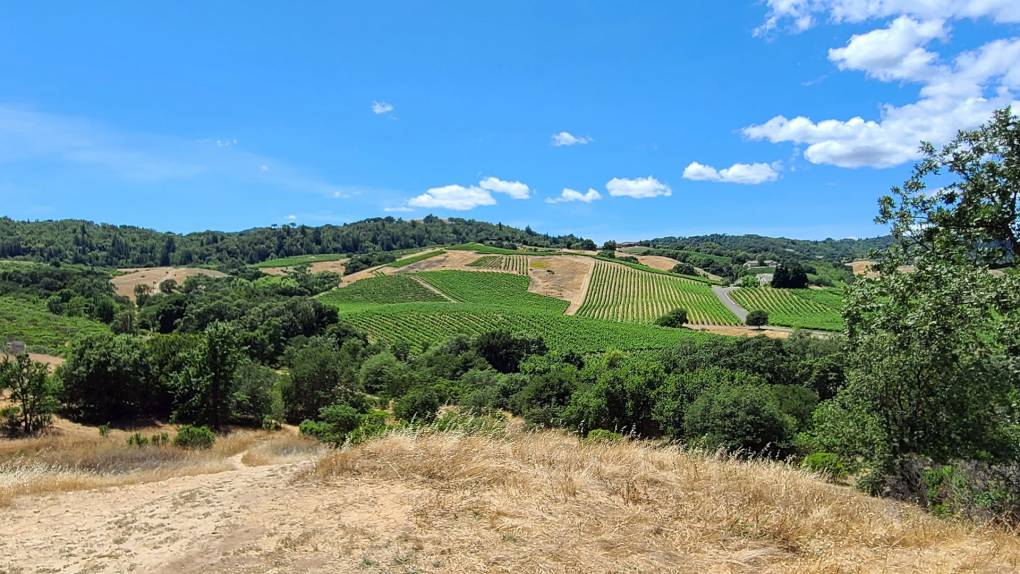
"caption": "Napa Valley today is covered in vineyards. But it wasn't always that way.",
"description": null,
"title": "Napa-Valley-CB",
"credit": "Christopher Beale/KQED",
"status": "inherit",
"isLoading": false,
"fetchFailed": false
},
"news_11834311": {
"type": "attachments",
"id": "news_11834311",
"meta": {
"index": "attachments_1716263798",
"site": "news",
"id": "11834311",
"found": true
},
"parent": 11834046,
"imgSizes": {
"apple_news_ca_landscape_5_5": {
"file": "https://ww2.kqed.org/app/uploads/sites/10/2020/08/Boulder-Creek-Road-Closure-1044x783.jpg",
"width": 1044,
"mimeType": "image/jpeg",
"height": 783
},
"apple_news_ca_square_4_0": {
"file": "https://ww2.kqed.org/app/uploads/sites/10/2020/08/Boulder-Creek-Road-Closure-470x470.jpg",
"width": 470,
"mimeType": "image/jpeg",
"height": 470
},
"twentyfourteen-full-width": {
"file": "https://ww2.kqed.org/app/uploads/sites/10/2020/08/Boulder-Creek-Road-Closure-1038x576.jpg",
"width": 1038,
"mimeType": "image/jpeg",
"height": 576
},
"thumbnail": {
"file": "https://ww2.kqed.org/app/uploads/sites/10/2020/08/Boulder-Creek-Road-Closure-160x100.jpg",
"width": 160,
"mimeType": "image/jpeg",
"height": 100
},
"post-thumbnail": {
"file": "https://ww2.kqed.org/app/uploads/sites/10/2020/08/Boulder-Creek-Road-Closure-672x372.jpg",
"width": 672,
"mimeType": "image/jpeg",
"height": 372
},
"kqedFullSize": {
"file": "https://ww2.kqed.org/app/uploads/sites/10/2020/08/Boulder-Creek-Road-Closure.jpg",
"width": 1620,
"height": 1017
},
"apple_news_ca_landscape_4_7": {
"file": "https://ww2.kqed.org/app/uploads/sites/10/2020/08/Boulder-Creek-Road-Closure-632x474.jpg",
"width": 632,
"mimeType": "image/jpeg",
"height": 474
},
"large": {
"file": "https://ww2.kqed.org/app/uploads/sites/10/2020/08/Boulder-Creek-Road-Closure-1020x640.jpg",
"width": 1020,
"mimeType": "image/jpeg",
"height": 640
},
"apple_news_ca_landscape_4_0": {
"file": "https://ww2.kqed.org/app/uploads/sites/10/2020/08/Boulder-Creek-Road-Closure-536x402.jpg",
"width": 536,
"mimeType": "image/jpeg",
"height": 402
},
"apple_news_ca_portrait_12_9": {
"file": "https://ww2.kqed.org/app/uploads/sites/10/2020/08/Boulder-Creek-Road-Closure-1122x1017.jpg",
"width": 1122,
"mimeType": "image/jpeg",
"height": 1017
},
"medium": {
"file": "https://ww2.kqed.org/app/uploads/sites/10/2020/08/Boulder-Creek-Road-Closure-800x502.jpg",
"width": 800,
"mimeType": "image/jpeg",
"height": 502
},
"apple_news_ca_portrait_4_0": {
"file": "https://ww2.kqed.org/app/uploads/sites/10/2020/08/Boulder-Creek-Road-Closure-354x472.jpg",
"width": 354,
"mimeType": "image/jpeg",
"height": 472
},
"apple_news_ca_portrait_9_7": {
"file": "https://ww2.kqed.org/app/uploads/sites/10/2020/08/Boulder-Creek-Road-Closure-840x1017.jpg",
"width": 840,
"mimeType": "image/jpeg",
"height": 1017
},
"apple_news_ca_square_9_7": {
"file": "https://ww2.kqed.org/app/uploads/sites/10/2020/08/Boulder-Creek-Road-Closure-1104x1017.jpg",
"width": 1104,
"mimeType": "image/jpeg",
"height": 1017
},
"1536x1536": {
"file": "https://ww2.kqed.org/app/uploads/sites/10/2020/08/Boulder-Creek-Road-Closure-1536x964.jpg",
"width": 1536,
"mimeType": "image/jpeg",
"height": 964
},
"apple_news_ca_portrait_4_7": {
"file": "https://ww2.kqed.org/app/uploads/sites/10/2020/08/Boulder-Creek-Road-Closure-414x552.jpg",
"width": 414,
"mimeType": "image/jpeg",
"height": 552
},
"apple_news_ca_square_12_9": {
"file": "https://ww2.kqed.org/app/uploads/sites/10/2020/08/Boulder-Creek-Road-Closure-1472x1017.jpg",
"width": 1472,
"mimeType": "image/jpeg",
"height": 1017
},
"apple_news_ca_portrait_5_5": {
"file": "https://ww2.kqed.org/app/uploads/sites/10/2020/08/Boulder-Creek-Road-Closure-687x916.jpg",
"width": 687,
"mimeType": "image/jpeg",
"height": 916
},
"apple_news_ca_square_4_7": {
"file": "https://ww2.kqed.org/app/uploads/sites/10/2020/08/Boulder-Creek-Road-Closure-550x550.jpg",
"width": 550,
"mimeType": "image/jpeg",
"height": 550
},
"apple_news_ca_landscape_9_7": {
"file": "https://ww2.kqed.org/app/uploads/sites/10/2020/08/Boulder-Creek-Road-Closure-1376x1017.jpg",
"width": 1376,
"mimeType": "image/jpeg",
"height": 1017
},
"apple_news_ca_square_5_5": {
"file": "https://ww2.kqed.org/app/uploads/sites/10/2020/08/Boulder-Creek-Road-Closure-912x912.jpg",
"width": 912,
"mimeType": "image/jpeg",
"height": 912
}
},
"publishDate": 1597955360,
"modified": 1597955621,
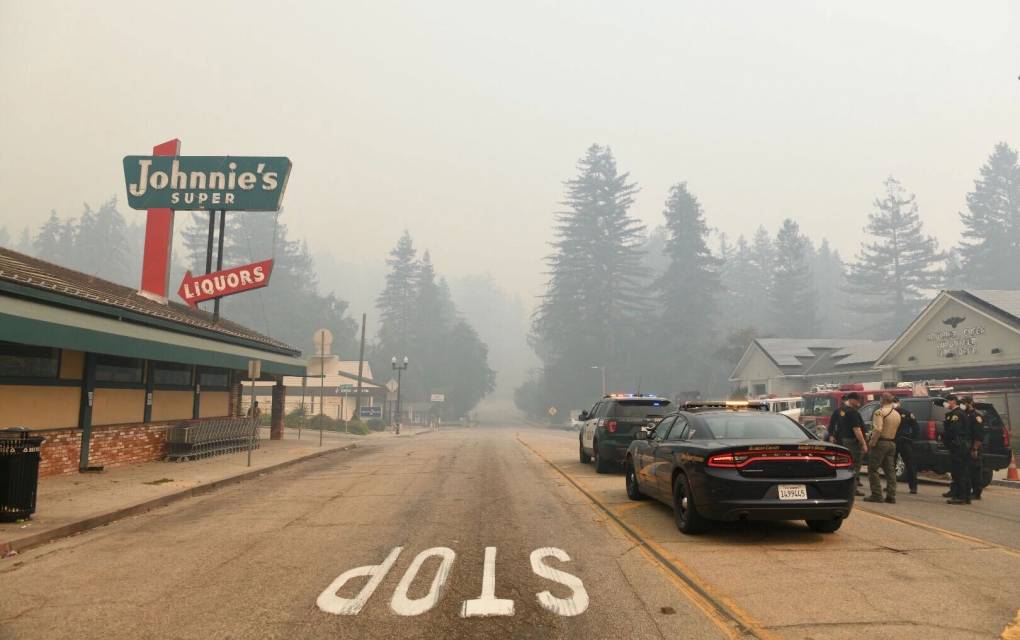
"caption": "Law enforcement personnel enforce a traffic barrier in Boulder Creek as residents of the Santa Cruz mountains continued to evacuate from the CZU Lightning Complex fires on Aug. 20.",
"description": "Law enforcement personnel enforce a traffic barrier in Boulder Creek as residents of the Santa Cruz mountains continued to evacuate from the CZU Lightning Complex fires on Aug. 20.",
"title": "Boulder-Creek-Road-Closure",
"credit": "Beth LaBerge/KQED",
"status": "inherit",
"isLoading": false,
"fetchFailed": false
},
"news_11825671": {
"type": "attachments",
"id": "news_11825671",
"meta": {
"index": "attachments_1716263798",
"site": "news",
"id": "11825671",
"found": true
},
"parent": 11825668,
"imgSizes": {
"apple_news_ca_landscape_5_5": {
"file": "https://ww2.kqed.org/app/uploads/sites/10/2020/06/RS43773_GettyImages-983080396-qut-1044x783.jpg",
"width": 1044,
"mimeType": "image/jpeg",
"height": 783
},
"apple_news_ca_square_4_0": {
"file": "https://ww2.kqed.org/app/uploads/sites/10/2020/06/RS43773_GettyImages-983080396-qut-470x470.jpg",
"width": 470,
"mimeType": "image/jpeg",
"height": 470
},
"twentyfourteen-full-width": {
"file": "https://ww2.kqed.org/app/uploads/sites/10/2020/06/RS43773_GettyImages-983080396-qut-1038x576.jpg",
"width": 1038,
"mimeType": "image/jpeg",
"height": 576
},
"thumbnail": {
"file": "https://ww2.kqed.org/app/uploads/sites/10/2020/06/RS43773_GettyImages-983080396-qut-160x107.jpg",
"width": 160,
"mimeType": "image/jpeg",
"height": 107
},
"post-thumbnail": {
"file": "https://ww2.kqed.org/app/uploads/sites/10/2020/06/RS43773_GettyImages-983080396-qut-672x372.jpg",
"width": 672,
"mimeType": "image/jpeg",
"height": 372
},
"kqedFullSize": {
"file": "https://ww2.kqed.org/app/uploads/sites/10/2020/06/RS43773_GettyImages-983080396-qut.jpg",
"width": 1920,
"height": 1281
},
"apple_news_ca_landscape_4_7": {
"file": "https://ww2.kqed.org/app/uploads/sites/10/2020/06/RS43773_GettyImages-983080396-qut-632x474.jpg",
"width": 632,
"mimeType": "image/jpeg",
"height": 474
},
"large": {
"file": "https://ww2.kqed.org/app/uploads/sites/10/2020/06/RS43773_GettyImages-983080396-qut-1020x681.jpg",
"width": 1020,
"mimeType": "image/jpeg",
"height": 681
},
"apple_news_ca_landscape_4_0": {
"file": "https://ww2.kqed.org/app/uploads/sites/10/2020/06/RS43773_GettyImages-983080396-qut-536x402.jpg",
"width": 536,
"mimeType": "image/jpeg",
"height": 402
},
"apple_news_ca_portrait_12_9": {
"file": "https://ww2.kqed.org/app/uploads/sites/10/2020/06/RS43773_GettyImages-983080396-qut-1122x1281.jpg",
"width": 1122,
"mimeType": "image/jpeg",
"height": 1281
},
"medium": {
"file": "https://ww2.kqed.org/app/uploads/sites/10/2020/06/RS43773_GettyImages-983080396-qut-800x534.jpg",
"width": 800,
"mimeType": "image/jpeg",
"height": 534
},
"apple_news_ca_portrait_4_0": {
"file": "https://ww2.kqed.org/app/uploads/sites/10/2020/06/RS43773_GettyImages-983080396-qut-354x472.jpg",
"width": 354,
"mimeType": "image/jpeg",
"height": 472
},
"apple_news_ca_portrait_9_7": {
"file": "https://ww2.kqed.org/app/uploads/sites/10/2020/06/RS43773_GettyImages-983080396-qut-840x1120.jpg",
"width": 840,
"mimeType": "image/jpeg",
"height": 1120
},
"apple_news_ca_landscape_12_9": {
"file": "https://ww2.kqed.org/app/uploads/sites/10/2020/06/RS43773_GettyImages-983080396-qut-1832x1281.jpg",
"width": 1832,
"mimeType": "image/jpeg",
"height": 1281
},
"apple_news_ca_square_9_7": {
"file": "https://ww2.kqed.org/app/uploads/sites/10/2020/06/RS43773_GettyImages-983080396-qut-1104x1104.jpg",
"width": 1104,
"mimeType": "image/jpeg",
"height": 1104
},
"apple_news_ca_portrait_4_7": {
"file": "https://ww2.kqed.org/app/uploads/sites/10/2020/06/RS43773_GettyImages-983080396-qut-414x552.jpg",
"width": 414,
"mimeType": "image/jpeg",
"height": 552
},
"apple_news_ca_square_12_9": {
"file": "https://ww2.kqed.org/app/uploads/sites/10/2020/06/RS43773_GettyImages-983080396-qut-1472x1281.jpg",
"width": 1472,
"mimeType": "image/jpeg",
"height": 1281
},
"apple_news_ca_portrait_5_5": {
"file": "https://ww2.kqed.org/app/uploads/sites/10/2020/06/RS43773_GettyImages-983080396-qut-687x916.jpg",
"width": 687,
"mimeType": "image/jpeg",
"height": 916
},
"full-width": {
"file": "https://ww2.kqed.org/app/uploads/sites/10/2020/06/RS43773_GettyImages-983080396-qut-1920x1281.jpg",
"width": 1920,
"mimeType": "image/jpeg",
"height": 1281
},
"apple_news_ca_square_4_7": {
"file": "https://ww2.kqed.org/app/uploads/sites/10/2020/06/RS43773_GettyImages-983080396-qut-550x550.jpg",
"width": 550,
"mimeType": "image/jpeg",
"height": 550
},
"apple_news_ca_landscape_9_7": {
"file": "https://ww2.kqed.org/app/uploads/sites/10/2020/06/RS43773_GettyImages-983080396-qut-1376x1032.jpg",
"width": 1376,
"mimeType": "image/jpeg",
"height": 1032
},
"apple_news_ca_square_5_5": {
"file": "https://ww2.kqed.org/app/uploads/sites/10/2020/06/RS43773_GettyImages-983080396-qut-912x912.jpg",
"width": 912,
"mimeType": "image/jpeg",
"height": 912
}
},
"publishDate": 1592864808,
"modified": 1592872050,
"caption": "Law enforcement is investigating a possible noose found hanging near the Sonoma County Raceway.",
"description": "Law enforcement is investigating a possible noose found hanging near the Sonoma County Raceway.",
"title": "Monster Energy NASCAR Cup Series Toyota/Save Mart 350",
"credit": "Jared C. Tilton/Getty Images",
"status": "inherit",
"isLoading": false,
"fetchFailed": false
},
"news_11821621": {
"type": "attachments",
"id": "news_11821621",
"meta": {
"index": "attachments_1716263798",
"site": "news",
"id": "11821621",
"found": true
},
"parent": 11821587,
"imgSizes": {
"apple_news_ca_landscape_5_5": {
"file": "https://ww2.kqed.org/app/uploads/sites/10/2020/05/1920_Sonoma-1044x783.jpg",
"width": 1044,
"mimeType": "image/jpeg",
"height": 783
},
"apple_news_ca_square_4_0": {
"file": "https://ww2.kqed.org/app/uploads/sites/10/2020/05/1920_Sonoma-470x470.jpg",
"width": 470,
"mimeType": "image/jpeg",
"height": 470
},
"twentyfourteen-full-width": {
"file": "https://ww2.kqed.org/app/uploads/sites/10/2020/05/1920_Sonoma-1038x576.jpg",
"width": 1038,
"mimeType": "image/jpeg",
"height": 576
},
"thumbnail": {
"file": "https://ww2.kqed.org/app/uploads/sites/10/2020/05/1920_Sonoma-160x90.jpg",
"width": 160,
"mimeType": "image/jpeg",
"height": 90
},
"post-thumbnail": {
"file": "https://ww2.kqed.org/app/uploads/sites/10/2020/05/1920_Sonoma-672x372.jpg",
"width": 672,
"mimeType": "image/jpeg",
"height": 372
},
"kqedFullSize": {
"file": "https://ww2.kqed.org/app/uploads/sites/10/2020/05/1920_Sonoma.jpg",
"width": 1920,
"height": 1080
},
"apple_news_ca_landscape_4_7": {
"file": "https://ww2.kqed.org/app/uploads/sites/10/2020/05/1920_Sonoma-632x474.jpg",
"width": 632,
"mimeType": "image/jpeg",
"height": 474
},
"large": {
"file": "https://ww2.kqed.org/app/uploads/sites/10/2020/05/1920_Sonoma-1020x574.jpg",
"width": 1020,
"mimeType": "image/jpeg",
"height": 574
},
"apple_news_ca_landscape_4_0": {
"file": "https://ww2.kqed.org/app/uploads/sites/10/2020/05/1920_Sonoma-536x402.jpg",
"width": 536,
"mimeType": "image/jpeg",
"height": 402
},
"apple_news_ca_portrait_12_9": {
"file": "https://ww2.kqed.org/app/uploads/sites/10/2020/05/1920_Sonoma-1122x1080.jpg",
"width": 1122,
"mimeType": "image/jpeg",
"height": 1080
},
"medium": {
"file": "https://ww2.kqed.org/app/uploads/sites/10/2020/05/1920_Sonoma-800x450.jpg",
"width": 800,
"mimeType": "image/jpeg",
"height": 450
},
"apple_news_ca_portrait_4_0": {
"file": "https://ww2.kqed.org/app/uploads/sites/10/2020/05/1920_Sonoma-354x472.jpg",
"width": 354,
"mimeType": "image/jpeg",
"height": 472
},
"apple_news_ca_portrait_9_7": {
"file": "https://ww2.kqed.org/app/uploads/sites/10/2020/05/1920_Sonoma-840x1080.jpg",
"width": 840,
"mimeType": "image/jpeg",
"height": 1080
},
"apple_news_ca_landscape_12_9": {
"file": "https://ww2.kqed.org/app/uploads/sites/10/2020/05/1920_Sonoma-1832x1080.jpg",
"width": 1832,
"mimeType": "image/jpeg",
"height": 1080
},
"apple_news_ca_square_9_7": {
"file": "https://ww2.kqed.org/app/uploads/sites/10/2020/05/1920_Sonoma-1104x1080.jpg",
"width": 1104,
"mimeType": "image/jpeg",
"height": 1080
},
"apple_news_ca_portrait_4_7": {
"file": "https://ww2.kqed.org/app/uploads/sites/10/2020/05/1920_Sonoma-414x552.jpg",
"width": 414,
"mimeType": "image/jpeg",
"height": 552
},
"apple_news_ca_square_12_9": {
"file": "https://ww2.kqed.org/app/uploads/sites/10/2020/05/1920_Sonoma-1472x1080.jpg",
"width": 1472,
"mimeType": "image/jpeg",
"height": 1080
},
"apple_news_ca_portrait_5_5": {
"file": "https://ww2.kqed.org/app/uploads/sites/10/2020/05/1920_Sonoma-687x916.jpg",
"width": 687,
"mimeType": "image/jpeg",
"height": 916
},
"full-width": {
"file": "https://ww2.kqed.org/app/uploads/sites/10/2020/05/1920_Sonoma-1920x1080.jpg",
"width": 1920,
"mimeType": "image/jpeg",
"height": 1080
},
"apple_news_ca_square_4_7": {
"file": "https://ww2.kqed.org/app/uploads/sites/10/2020/05/1920_Sonoma-550x550.jpg",
"width": 550,
"mimeType": "image/jpeg",
"height": 550
},
"apple_news_ca_landscape_9_7": {
"file": "https://ww2.kqed.org/app/uploads/sites/10/2020/05/1920_Sonoma-1376x1032.jpg",
"width": 1376,
"mimeType": "image/jpeg",
"height": 1032
},
"apple_news_ca_square_5_5": {
"file": "https://ww2.kqed.org/app/uploads/sites/10/2020/05/1920_Sonoma-912x912.jpg",
"width": 912,
"mimeType": "image/jpeg",
"height": 912
}
},
"publishDate": 1590719845,
"modified": 1590719965,
"caption": "A supermarket in Sonoma County. ",
"description": null,
"title": "1920_Sonoma",
"credit": "Gabe Meline/KQED",
"status": "inherit",
"isLoading": false,
"fetchFailed": false
},
"news_11540138": {
"type": "attachments",
"id": "news_11540138",
"meta": {
"index": "attachments_1716263798",
"site": "news",
"id": "11540138",
"found": true
},
"parent": 11539532,
"imgSizes": {
"small": {
"file": "https://ww2.kqed.org/app/uploads/sites/10/2017/06/SMARTTrain.MAIN_-520x357.jpg",
"width": 520,
"mimeType": "image/jpeg",
"height": 357
},
"twentyfourteen-full-width": {
"file": "https://ww2.kqed.org/app/uploads/sites/10/2017/06/SMARTTrain.MAIN_-1038x576.jpg",
"width": 1038,
"mimeType": "image/jpeg",
"height": 576
},
"thumbnail": {
"file": "https://ww2.kqed.org/app/uploads/sites/10/2017/06/SMARTTrain.MAIN_-160x110.jpg",
"width": 160,
"mimeType": "image/jpeg",
"height": 110
},
"fd-sm": {
"file": "https://ww2.kqed.org/app/uploads/sites/10/2017/06/SMARTTrain.MAIN_-960x659.jpg",
"width": 960,
"mimeType": "image/jpeg",
"height": 659
},
"post-thumbnail": {
"file": "https://ww2.kqed.org/app/uploads/sites/10/2017/06/SMARTTrain.MAIN_-672x372.jpg",
"width": 672,
"mimeType": "image/jpeg",
"height": 372
},
"xsmall": {
"file": "https://ww2.kqed.org/app/uploads/sites/10/2017/06/SMARTTrain.MAIN_-375x257.jpg",
"width": 375,
"mimeType": "image/jpeg",
"height": 257
},
"kqedFullSize": {
"file": "https://ww2.kqed.org/app/uploads/sites/10/2017/06/SMARTTrain.MAIN_.jpg",
"width": 1920,
"height": 1317
},
"large": {
"file": "https://ww2.kqed.org/app/uploads/sites/10/2017/06/SMARTTrain.MAIN_-1020x700.jpg",
"width": 1020,
"mimeType": "image/jpeg",
"height": 700
},
"xlarge": {
"file": "https://ww2.kqed.org/app/uploads/sites/10/2017/06/SMARTTrain.MAIN_-1180x809.jpg",
"width": 1180,
"mimeType": "image/jpeg",
"height": 809
},
"guest-author-50": {
"file": "https://ww2.kqed.org/app/uploads/sites/10/2017/06/SMARTTrain.MAIN_-50x50.jpg",
"width": 50,
"mimeType": "image/jpeg",
"height": 50
},
"guest-author-96": {
"file": "https://ww2.kqed.org/app/uploads/sites/10/2017/06/SMARTTrain.MAIN_-96x96.jpg",
"width": 96,
"mimeType": "image/jpeg",
"height": 96
},
"medium": {
"file": "https://ww2.kqed.org/app/uploads/sites/10/2017/06/SMARTTrain.MAIN_-800x549.jpg",
"width": 800,
"mimeType": "image/jpeg",
"height": 549
},
"guest-author-64": {
"file": "https://ww2.kqed.org/app/uploads/sites/10/2017/06/SMARTTrain.MAIN_-64x64.jpg",
"width": 64,
"mimeType": "image/jpeg",
"height": 64
},
"guest-author-32": {
"file": "https://ww2.kqed.org/app/uploads/sites/10/2017/06/SMARTTrain.MAIN_-32x32.jpg",
"width": 32,
"mimeType": "image/jpeg",
"height": 32
},
"fd-lrg": {
"file": "https://ww2.kqed.org/app/uploads/sites/10/2017/06/SMARTTrain.MAIN_-1920x1317.jpg",
"width": 1920,
"mimeType": "image/jpeg",
"height": 1317
},
"fd-med": {
"file": "https://ww2.kqed.org/app/uploads/sites/10/2017/06/SMARTTrain.MAIN_-1180x809.jpg",
"width": 1180,
"mimeType": "image/jpeg",
"height": 809
},
"full-width": {
"file": "https://ww2.kqed.org/app/uploads/sites/10/2017/06/SMARTTrain.MAIN_-1920x1317.jpg",
"width": 1920,
"mimeType": "image/jpeg",
"height": 1317
},
"detail": {
"file": "https://ww2.kqed.org/app/uploads/sites/10/2017/06/SMARTTrain.MAIN_-150x150.jpg",
"width": 150,
"mimeType": "image/jpeg",
"height": 150
},
"guest-author-128": {
"file": "https://ww2.kqed.org/app/uploads/sites/10/2017/06/SMARTTrain.MAIN_-128x128.jpg",
"width": 128,
"mimeType": "image/jpeg",
"height": 128
},
"xxsmall": {
"file": "https://ww2.kqed.org/app/uploads/sites/10/2017/06/SMARTTrain.MAIN_-240x165.jpg",
"width": 240,
"mimeType": "image/jpeg",
"height": 165
}
},
"publishDate": 1498809607,
"modified": 1498860382,
"caption": "A SMART train awaits departure at the Rohnert Park station for a preview ride on June 29, 2017.",
"description": "A SMART train awaits departure at the Rohnert Park station for a preview ride, June 29, 2017.",
"title": "SMARTTrain.MAIN",
"credit": "Gabe Meline/KQED",
"status": "inherit",
"isLoading": false,
"fetchFailed": false
},
"news_11797760": {
"type": "attachments",
"id": "news_11797760",
"meta": {
"index": "attachments_1716263798",
"site": "news",
"id": "11797760",
"found": true
},
"parent": 11797747,
"imgSizes": {
"apple_news_ca_landscape_5_5": {
"file": "https://ww2.kqed.org/app/uploads/sites/10/2020/01/RS40893_Screen-Shot-2020-01-24-at-11.53.25-AM-qut-1044x733.jpg",
"width": 1044,
"mimeType": "image/jpeg",
"height": 733
},
"apple_news_ca_square_4_0": {
"file": "https://ww2.kqed.org/app/uploads/sites/10/2020/01/RS40893_Screen-Shot-2020-01-24-at-11.53.25-AM-qut-470x470.jpg",
"width": 470,
"mimeType": "image/jpeg",
"height": 470
},
"twentyfourteen-full-width": {
"file": "https://ww2.kqed.org/app/uploads/sites/10/2020/01/RS40893_Screen-Shot-2020-01-24-at-11.53.25-AM-qut-1038x576.jpg",
"width": 1038,
"mimeType": "image/jpeg",
"height": 576
},
"thumbnail": {
"file": "https://ww2.kqed.org/app/uploads/sites/10/2020/01/RS40893_Screen-Shot-2020-01-24-at-11.53.25-AM-qut-160x82.jpg",
"width": 160,
"mimeType": "image/jpeg",
"height": 82
},
"post-thumbnail": {
"file": "https://ww2.kqed.org/app/uploads/sites/10/2020/01/RS40893_Screen-Shot-2020-01-24-at-11.53.25-AM-qut-672x372.jpg",
"width": 672,
"mimeType": "image/jpeg",
"height": 372
},
"kqedFullSize": {
"file": "https://ww2.kqed.org/app/uploads/sites/10/2020/01/RS40893_Screen-Shot-2020-01-24-at-11.53.25-AM-qut.jpg",
"width": 1429,
"height": 733
},
"apple_news_ca_landscape_4_7": {
"file": "https://ww2.kqed.org/app/uploads/sites/10/2020/01/RS40893_Screen-Shot-2020-01-24-at-11.53.25-AM-qut-632x474.jpg",
"width": 632,
"mimeType": "image/jpeg",
"height": 474
},
"large": {
"file": "https://ww2.kqed.org/app/uploads/sites/10/2020/01/RS40893_Screen-Shot-2020-01-24-at-11.53.25-AM-qut-1020x523.jpg",
"width": 1020,
"mimeType": "image/jpeg",
"height": 523
},
"apple_news_ca_landscape_4_0": {
"file": "https://ww2.kqed.org/app/uploads/sites/10/2020/01/RS40893_Screen-Shot-2020-01-24-at-11.53.25-AM-qut-536x402.jpg",
"width": 536,
"mimeType": "image/jpeg",
"height": 402
},
"apple_news_ca_portrait_12_9": {
"file": "https://ww2.kqed.org/app/uploads/sites/10/2020/01/RS40893_Screen-Shot-2020-01-24-at-11.53.25-AM-qut-1122x733.jpg",
"width": 1122,
"mimeType": "image/jpeg",
"height": 733
},
"medium": {
"file": "https://ww2.kqed.org/app/uploads/sites/10/2020/01/RS40893_Screen-Shot-2020-01-24-at-11.53.25-AM-qut-800x410.jpg",
"width": 800,
"mimeType": "image/jpeg",
"height": 410
},
"apple_news_ca_portrait_4_0": {
"file": "https://ww2.kqed.org/app/uploads/sites/10/2020/01/RS40893_Screen-Shot-2020-01-24-at-11.53.25-AM-qut-354x472.jpg",
"width": 354,
"mimeType": "image/jpeg",
"height": 472
},
"apple_news_ca_portrait_9_7": {
"file": "https://ww2.kqed.org/app/uploads/sites/10/2020/01/RS40893_Screen-Shot-2020-01-24-at-11.53.25-AM-qut-840x733.jpg",
"width": 840,
"mimeType": "image/jpeg",
"height": 733
},
"apple_news_ca_square_9_7": {
"file": "https://ww2.kqed.org/app/uploads/sites/10/2020/01/RS40893_Screen-Shot-2020-01-24-at-11.53.25-AM-qut-1104x733.jpg",
"width": 1104,
"mimeType": "image/jpeg",
"height": 733
},
"apple_news_ca_portrait_4_7": {
"file": "https://ww2.kqed.org/app/uploads/sites/10/2020/01/RS40893_Screen-Shot-2020-01-24-at-11.53.25-AM-qut-414x552.jpg",
"width": 414,
"mimeType": "image/jpeg",
"height": 552
},
"apple_news_ca_portrait_5_5": {
"file": "https://ww2.kqed.org/app/uploads/sites/10/2020/01/RS40893_Screen-Shot-2020-01-24-at-11.53.25-AM-qut-687x733.jpg",
"width": 687,
"mimeType": "image/jpeg",
"height": 733
},
"apple_news_ca_square_4_7": {
"file": "https://ww2.kqed.org/app/uploads/sites/10/2020/01/RS40893_Screen-Shot-2020-01-24-at-11.53.25-AM-qut-550x550.jpg",
"width": 550,
"mimeType": "image/jpeg",
"height": 550
},
"apple_news_ca_landscape_9_7": {
"file": "https://ww2.kqed.org/app/uploads/sites/10/2020/01/RS40893_Screen-Shot-2020-01-24-at-11.53.25-AM-qut-1376x733.jpg",
"width": 1376,
"mimeType": "image/jpeg",
"height": 733
},
"apple_news_ca_square_5_5": {
"file": "https://ww2.kqed.org/app/uploads/sites/10/2020/01/RS40893_Screen-Shot-2020-01-24-at-11.53.25-AM-qut-912x733.jpg",
"width": 912,
"mimeType": "image/jpeg",
"height": 733
}
},
"publishDate": 1579896010,
"modified": 1579903455,
"caption": "An aerial video showed red streaks of wine coursing down the Russian River after nearly 100,000 gallons of cabernet sauvignon from Rodney Strong Vineyards in Healdsburg spilled on Jan. 22, 2020.",
"description": "An aerial video showed red streaks of wine coursing down the Russian River after nearly 100,000 gallons of cabernet sauvignon from Rodney Strong Vineyards in Healdsburg spilled on Jan. 22, 2020.",
"title": "RS40893_Screen Shot 2020-01-24 at 11.53.25 AM-qut",
"credit": "The Press Democrat/Youtube",
"status": "inherit",
"isLoading": false,
"fetchFailed": false
},
"news_11796109": {
"type": "attachments",
"id": "news_11796109",
"meta": {
"index": "attachments_1716263798",
"site": "news",
"id": "11796109",
"found": true
},
"parent": 11795977,
"imgSizes": {
"apple_news_ca_square_4_0": {
"file": "https://ww2.kqed.org/app/uploads/sites/10/2020/01/img_0422-91a27dff3c70d7e54c00956e12b2af539f7d163d-1020x765-1-470x470.jpg",
"width": 470,
"mimeType": "image/jpeg",
"height": 470
},
"twentyfourteen-full-width": {
"file": "https://ww2.kqed.org/app/uploads/sites/10/2020/01/img_0422-91a27dff3c70d7e54c00956e12b2af539f7d163d-1020x765-1-1020x576.jpg",
"width": 1020,
"mimeType": "image/jpeg",
"height": 576
},
"thumbnail": {
"file": "https://ww2.kqed.org/app/uploads/sites/10/2020/01/img_0422-91a27dff3c70d7e54c00956e12b2af539f7d163d-1020x765-1-160x120.jpg",
"width": 160,
"mimeType": "image/jpeg",
"height": 120
},
"post-thumbnail": {
"file": "https://ww2.kqed.org/app/uploads/sites/10/2020/01/img_0422-91a27dff3c70d7e54c00956e12b2af539f7d163d-1020x765-1-672x372.jpg",
"width": 672,
"mimeType": "image/jpeg",
"height": 372
},
"kqedFullSize": {
"file": "https://ww2.kqed.org/app/uploads/sites/10/2020/01/img_0422-91a27dff3c70d7e54c00956e12b2af539f7d163d-1020x765-1.jpg",
"width": 1020,
"height": 765
},
"apple_news_ca_landscape_4_7": {
"file": "https://ww2.kqed.org/app/uploads/sites/10/2020/01/img_0422-91a27dff3c70d7e54c00956e12b2af539f7d163d-1020x765-1-632x474.jpg",
"width": 632,
"mimeType": "image/jpeg",
"height": 474
},
"large": {
"file": "https://ww2.kqed.org/app/uploads/sites/10/2020/01/img_0422-91a27dff3c70d7e54c00956e12b2af539f7d163d-1020x765-1-1020x765.jpg",
"width": 1020,
"mimeType": "image/jpeg",
"height": 765
},
"apple_news_ca_landscape_4_0": {
"file": "https://ww2.kqed.org/app/uploads/sites/10/2020/01/img_0422-91a27dff3c70d7e54c00956e12b2af539f7d163d-1020x765-1-536x402.jpg",
"width": 536,
"mimeType": "image/jpeg",
"height": 402
},
"medium": {
"file": "https://ww2.kqed.org/app/uploads/sites/10/2020/01/img_0422-91a27dff3c70d7e54c00956e12b2af539f7d163d-1020x765-1-800x600.jpg",
"width": 800,
"mimeType": "image/jpeg",
"height": 600
},
"apple_news_ca_portrait_4_0": {
"file": "https://ww2.kqed.org/app/uploads/sites/10/2020/01/img_0422-91a27dff3c70d7e54c00956e12b2af539f7d163d-1020x765-1-354x472.jpg",
"width": 354,
"mimeType": "image/jpeg",
"height": 472
},
"apple_news_ca_portrait_9_7": {
"file": "https://ww2.kqed.org/app/uploads/sites/10/2020/01/img_0422-91a27dff3c70d7e54c00956e12b2af539f7d163d-1020x765-1-840x765.jpg",
"width": 840,
"mimeType": "image/jpeg",
"height": 765
},
"apple_news_ca_portrait_4_7": {
"file": "https://ww2.kqed.org/app/uploads/sites/10/2020/01/img_0422-91a27dff3c70d7e54c00956e12b2af539f7d163d-1020x765-1-414x552.jpg",
"width": 414,
"mimeType": "image/jpeg",
"height": 552
},
"apple_news_ca_portrait_5_5": {
"file": "https://ww2.kqed.org/app/uploads/sites/10/2020/01/img_0422-91a27dff3c70d7e54c00956e12b2af539f7d163d-1020x765-1-687x765.jpg",
"width": 687,
"mimeType": "image/jpeg",
"height": 765
},
"apple_news_ca_square_4_7": {
"file": "https://ww2.kqed.org/app/uploads/sites/10/2020/01/img_0422-91a27dff3c70d7e54c00956e12b2af539f7d163d-1020x765-1-550x550.jpg",
"width": 550,
"mimeType": "image/jpeg",
"height": 550
},
"apple_news_ca_square_5_5": {
"file": "https://ww2.kqed.org/app/uploads/sites/10/2020/01/img_0422-91a27dff3c70d7e54c00956e12b2af539f7d163d-1020x765-1-912x765.jpg",
"width": 912,
"mimeType": "image/jpeg",
"height": 765
}
},
"publishDate": 1579049455,
"modified": 1579049529,
"caption": "In Sonoma County, officials are struggling to address a homeless encampment of roughly 200 people along a bike trail.\n",
"description": null,
"title": "img_0422-91a27dff3c70d7e54c00956e12b2af539f7d163d-1020x765",
"credit": "Eric Westervelt/NPR",
"status": "inherit",
"isLoading": false,
"fetchFailed": false
}
},
"audioPlayerReducer": {
"postId": "stream_live",
"isPaused": true,
"isPlaying": false,
"pfsActive": false,
"pledgeModalIsOpen": true,
"playerDrawerIsOpen": false,
"liveAudioPlayStartedAt": 0,
"liveAudioPlayContext": ""
},
"authorsReducer": {
"byline_news_11825668": {
"type": "authors",
"id": "byline_news_11825668",
"meta": {
"override": true
},
"slug": "byline_news_11825668",
"name": "\u003ca href=\"https://twitter.com/HollyMcDede?ref_src=twsrc%5Egoogle%7Ctwcamp%5Eserp%7Ctwgr%5Eauthor\">Holly McDede\u003c/a> and \u003ca href=\"https://www.kqed.org/author/agarces\">Audrey Garces\u003c/a>",
"isLoading": false
},
"byline_news_11797747": {
"type": "authors",
"id": "byline_news_11797747",
"meta": {
"override": true
},
"slug": "byline_news_11797747",
"name": "Associated Press",
"isLoading": false
},
"danbrekke": {
"type": "authors",
"id": "222",
"meta": {
"index": "authors_1716337520",
"id": "222",
"found": true
},
"name": "Dan Brekke",
"firstName": "Dan",
"lastName": "Brekke",
"slug": "danbrekke",
"email": "dbrekke@kqed.org",
"display_author_email": true,
"staff_mastheads": [
"news",
"science"
],
"title": "KQED Editor and Reporter",
"bio": "Dan Brekke is a reporter and editor for KQED News, responsible for coverage of topics ranging from California water issues to the Bay Area's transportation challenges. In a newsroom career that began in Chicago in 1972, Dan has worked for \u003cem>The San Francisco Examiner,\u003c/em> Wired and TechTV and has been published in The New York Times, The New York Times Magazine, Business 2.0, Salon and elsewhere.\r\n\r\nSince joining KQED in 2007, Dan has reported, edited and produced both radio and online features and breaking news pieces. He has shared as both editor and reporter in four Society of Professional Journalists Norcal Excellence in Journalism awards and one Edward R. Murrow regional award. He was chosen for a spring 2017 residency at the Mesa Refuge to advance his research on California salmon.\r\n\r\nEmail Dan at: \u003ca href=\"mailto:dbrekke@kqed.org\">dbrekke@kqed.org\u003c/a>\r\n\r\n\u003cstrong>Twitter:\u003c/strong> \u003ca href=\"https://twitter.com/danbrekke\" rel=\"noopener noreferrer\">twitter.com/danbrekke\u003c/a>\r\n\u003cstrong>Facebook:\u003c/strong> \u003ca href=\"https://www.facebook.com/danbrekke\" rel=\"noopener noreferrer\">www.facebook.com/danbrekke\u003c/a>\r\n\u003cstrong>LinkedIn:\u003c/strong> \u003ca href=\"https://www.linkedin.com/in/danbrekke\" rel=\"noopener noreferrer\">www.linkedin.com/in/danbrekke\u003c/a>",
"avatar": "https://secure.gravatar.com/avatar/c8126230345efca3f7aa89b1a402be45?s=600&d=mm&r=g",
"twitter": "danbrekke",
"facebook": null,
"instagram": "https://www.instagram.com/dan.brekke/",
"linkedin": "https://www.linkedin.com/in/danbrekke/",
"sites": [
{
"site": "news",
"roles": [
"administrator",
"create_posts"
]
},
{
"site": "stateofhealth",
"roles": [
"editor"
]
},
{
"site": "science",
"roles": [
"editor"
]
},
{
"site": "quest",
"roles": [
"contributor"
]
},
{
"site": "food",
"roles": [
"contributor"
]
},
{
"site": "forum",
"roles": [
"contributor"
]
},
{
"site": "liveblog",
"roles": [
"editor"
]
}
],
"headData": {
"title": "Dan Brekke | KQED",
"description": "KQED Editor and Reporter",
"ogImgSrc": "https://secure.gravatar.com/avatar/c8126230345efca3f7aa89b1a402be45?s=600&d=mm&r=g",
"twImgSrc": "https://secure.gravatar.com/avatar/c8126230345efca3f7aa89b1a402be45?s=600&d=mm&r=g"
},
"isLoading": false,
"link": "/author/danbrekke"
},
"katrinaschwartz": {
"type": "authors",
"id": "234",
"meta": {
"index": "authors_1716337520",
"id": "234",
"found": true
},
"name": "Katrina Schwartz",
"firstName": "Katrina",
"lastName": "Schwartz",
"slug": "katrinaschwartz",
"email": "kschwartz@kqed.org",
"display_author_email": false,
"staff_mastheads": [
"news"
],
"title": "Producer",
"bio": "Katrina Schwartz is a journalist based in San Francisco. She's worked at KPCC public radio in LA and has reported on air and online for KQED since 2010. She covered how teaching and learning is changing for MindShift between 2012 and 2020. She is the co-host of the MindShift podcast and now produces KQED's Bay Curious podcast.",
"avatar": "https://secure.gravatar.com/avatar/edb4ee79070447a018538c9aae6eeecf28786515b8a0c30e43b6b7dce5aa44c8?s=600&d=blank&r=g",
"twitter": "kschwart",
"bluesky": null,
"facebook": null,
"instagram": null,
"linkedin": null,
"sites": [
{
"site": "",
"roles": [
"editor"
]
},
{
"site": "news",
"roles": [
"editor"
]
},
{
"site": "mindshift",
"roles": [
"administrator"
]
},
{
"site": "stateofhealth",
"roles": [
"author"
]
},
{
"site": "science",
"roles": [
"editor"
]
}
],
"headData": {
"title": "Katrina Schwartz | KQED",
"description": "Producer",
"ogImgSrc": "https://secure.gravatar.com/avatar/edb4ee79070447a018538c9aae6eeecf28786515b8a0c30e43b6b7dce5aa44c8?s=600&d=blank&r=g",
"twImgSrc": "https://secure.gravatar.com/avatar/edb4ee79070447a018538c9aae6eeecf28786515b8a0c30e43b6b7dce5aa44c8?s=600&d=blank&r=g"
},
"isLoading": false,
"link": "/author/katrinaschwartz"
},
"kqednewsstaffandwires": {
"type": "authors",
"id": "237",
"meta": {
"index": "authors_1716337520",
"id": "237",
"found": true
},
"name": "KQED News Staff and Wires",
"firstName": "KQED News Staff and Wires",
"lastName": null,
"slug": "kqednewsstaffandwires",
"email": "onlinenewsstaff@kqed.org",
"display_author_email": false,
"staff_mastheads": [],
"title": null,
"bio": null,
"avatar": "https://secure.gravatar.com/avatar/72295af8ebbfbd19a4948f5271285664?s=600&d=blank&r=g",
"twitter": null,
"facebook": null,
"instagram": null,
"linkedin": null,
"sites": [
{
"site": "arts",
"roles": [
"contributor"
]
},
{
"site": "news",
"roles": [
"contributor"
]
},
{
"site": "lowdown",
"roles": [
"author"
]
},
{
"site": "stateofhealth",
"roles": [
"contributor"
]
},
{
"site": "food",
"roles": [
"author"
]
}
],
"headData": {
"title": "KQED News Staff and Wires | KQED",
"description": null,
"ogImgSrc": "https://secure.gravatar.com/avatar/72295af8ebbfbd19a4948f5271285664?s=600&d=blank&r=g",
"twImgSrc": "https://secure.gravatar.com/avatar/72295af8ebbfbd19a4948f5271285664?s=600&d=blank&r=g"
},
"isLoading": false,
"link": "/author/kqednewsstaffandwires"
},
"matthewgreen": {
"type": "authors",
"id": "1263",
"meta": {
"index": "authors_1716337520",
"id": "1263",
"found": true
},
"name": "Matthew Green",
"firstName": "Matthew",
"lastName": "Green",
"slug": "matthewgreen",
"email": "mgreen@kqed.org",
"display_author_email": false,
"staff_mastheads": [],
"title": "KQED Editor/Reporter",
"bio": "Matthew Green is a digital media producer for KQED News. He previously produced \u003ca href=\"http://www.kqed.org/lowdown\">The Lowdown\u003c/a>, KQED’s multimedia news education blog. Matthew's written for numerous Bay Area publications, including the Oakland Tribune and San Francisco Chronicle. He also taught journalism classes at Fremont High School in East Oakland.\r\n\r\nEmail: mgreen@kqed.org; Twitter: @MGreenKQED",
"avatar": "https://secure.gravatar.com/avatar/3bf498d1267ca02c8494f33d8cfc575e?s=600&d=blank&r=g",
"twitter": "MGreenKQED",
"facebook": null,
"instagram": null,
"linkedin": null,
"sites": [
{
"site": "news",
"roles": []
},
{
"site": "lowdown",
"roles": []
},
{
"site": "science",
"roles": []
},
{
"site": "education",
"roles": []
},
{
"site": "quest",
"roles": []
},
{
"site": "liveblog",
"roles": []
}
],
"headData": {
"title": "Matthew Green | KQED",
"description": "KQED Editor/Reporter",
"ogImgSrc": "https://secure.gravatar.com/avatar/3bf498d1267ca02c8494f33d8cfc575e?s=600&d=blank&r=g",
"twImgSrc": "https://secure.gravatar.com/avatar/3bf498d1267ca02c8494f33d8cfc575e?s=600&d=blank&r=g"
},
"isLoading": false,
"link": "/author/matthewgreen"
},
"agarces": {
"type": "authors",
"id": "11367",
"meta": {
"index": "authors_1716337520",
"id": "11367",
"found": true
},
"name": "Audrey Garces",
"firstName": "Audrey",
"lastName": "Garces",
"slug": "agarces",
"email": "agarces@kqed.org",
"display_author_email": false,
"staff_mastheads": [
"news"
],
"title": "Digital Producer",
"bio": "Audrey is a former digital producer at KQED News. Previously, she was a KQED Raul Ramirez Diversity Fund intern where she developed stories that focused on highlighting diverse voices in journalism. Prior to her work at KQED, she worked as a news intern at the San Francisco Examiner. Audrey graduated from San Francisco State University with a B.A. in journalism and a minor in political science.",
"avatar": "https://secure.gravatar.com/avatar/5211bc2e6a809b9956da169e35ce63d5?s=600&d=blank&r=g",
"twitter": "audgar",
"facebook": null,
"instagram": null,
"linkedin": null,
"sites": [
{
"site": "arts",
"roles": []
},
{
"site": "news",
"roles": [
"subscriber"
]
},
{
"site": "science",
"roles": [
"editor"
]
},
{
"site": "forum",
"roles": [
"editor"
]
},
{
"site": "perspectives",
"roles": [
"administrator"
]
}
],
"headData": {
"title": "Audrey Garces | KQED",
"description": "Digital Producer",
"ogImgSrc": "https://secure.gravatar.com/avatar/5211bc2e6a809b9956da169e35ce63d5?s=600&d=blank&r=g",
"twImgSrc": "https://secure.gravatar.com/avatar/5211bc2e6a809b9956da169e35ce63d5?s=600&d=blank&r=g"
},
"isLoading": false,
"link": "/author/agarces"
},
"mwiley": {
"type": "authors",
"id": "11526",
"meta": {
"index": "authors_1716337520",
"id": "11526",
"found": true
},
"name": "Michelle Wiley",
"firstName": "Michelle",
"lastName": "Wiley",
"slug": "mwiley",
"email": "mwiley@KQED.org",
"display_author_email": true,
"staff_mastheads": [],
"title": null,
"bio": "Michelle Wiley was the senior editor of weekends.",
"avatar": "https://secure.gravatar.com/avatar/3b897d82a09e8587e8e73fa69fbcc635?s=600&d=blank&r=g",
"twitter": "michelleewiley",
"facebook": null,
"instagram": null,
"linkedin": null,
"sites": [
{
"site": "",
"roles": [
"editor"
]
},
{
"site": "arts",
"roles": [
"editor"
]
},
{
"site": "news",
"roles": [
"subscriber"
]
},
{
"site": "lowdown",
"roles": [
"editor"
]
},
{
"site": "science",
"roles": [
"editor"
]
},
{
"site": "podcasts",
"roles": [
"editor"
]
}
],
"headData": {
"title": "Michelle Wiley | KQED",
"description": null,
"ogImgSrc": "https://secure.gravatar.com/avatar/3b897d82a09e8587e8e73fa69fbcc635?s=600&d=blank&r=g",
"twImgSrc": "https://secure.gravatar.com/avatar/3b897d82a09e8587e8e73fa69fbcc635?s=600&d=blank&r=g"
},
"isLoading": false,
"link": "/author/mwiley"
},
"cbeale": {
"type": "authors",
"id": "11749",
"meta": {
"index": "authors_1716337520",
"id": "11749",
"found": true
},
"name": "Christopher Beale",
"firstName": "Christopher",
"lastName": "Beale",
"slug": "cbeale",
"email": "cbeale@kqed.org",
"display_author_email": true,
"staff_mastheads": [
"news"
],
"title": "Engineer/Producer/Reporter",
"bio": "\u003ca href=\"https://linktr.ee/realchrisjbeale\" rel=\"noopener noreferrer\">Christopher J. Beale\u003c/a> is an award winning journalist, audio engineer, and media host living in San Francisco. \r\n\r\nChristopher works primarily as an audio engineer at KQED and serves as the sound designer for both the Bay Curious and Rightnowish podcasts. He is the host and producer of the LGBTQIA podcast and radio segment \u003ca href=\"https://stereotypespodcast.org\">Stereotypes\u003c/a>.",
"avatar": "https://secure.gravatar.com/avatar/dc485bf84788eb7e7414eb638e72407e?s=600&d=blank&r=g",
"twitter": "realchrisjbeale",
"facebook": null,
"instagram": "http://instagram.com/realchrisjbeale",
"linkedin": null,
"sites": [
{
"site": "arts",
"roles": [
"contributor"
]
},
{
"site": "news",
"roles": [
"editor"
]
},
{
"site": "forum",
"roles": [
"editor"
]
}
],
"headData": {
"title": "Christopher Beale | KQED",
"description": "Engineer/Producer/Reporter",
"ogImgSrc": "https://secure.gravatar.com/avatar/dc485bf84788eb7e7414eb638e72407e?s=600&d=blank&r=g",
"twImgSrc": "https://secure.gravatar.com/avatar/dc485bf84788eb7e7414eb638e72407e?s=600&d=blank&r=g"
},
"isLoading": false,
"link": "/author/cbeale"
}
},
"pagesReducer": {
"news_tag_sonoma-county": {
"type": "terms",
"id": "news_4981",
"meta": {
"index": "terms_1716263798",
"site": "news",
"id": "4981",
"score": 9.104049
},
"featImg": null,
"name": "Sonoma County",
"description": null,
"taxonomy": "tag",
"headData": {
"twImgId": null,
"twTitle": null,
"ogTitle": null,
"ogImgId": null,
"twDescription": null,
"description": null,
"title": "Sonoma County Archives | KQED News",
"ogDescription": null
},
"ttid": 5000,
"slug": "sonoma-county",
"isLoading": false,
"title": "Sonoma County",
"pageMeta": {
"site": "news",
"WpPageTemplate": "page-topic-editorial",
"currentPage": 9
},
"blocks": [
{
"blockName": "kqed/post-list",
"attrs": {
"layout": "cardArticle2",
"query": "posts/news?tag=sonoma-county",
"seeMore": false,
"paginated": true,
"page": 9
}
},
{
"blockName": "kqed/ad"
}
]
}
},
"pfsSessionReducer": {},
"postsReducer": {
"stream_live": {
"type": "live",
"id": "stream_live",
"audioUrl": "https://streams.kqed.org/kqedradio",
"title": "Live Stream",
"excerpt": "Live Stream information currently unavailable.",
"link": "/radio",
"featImg": "",
"label": {
"name": "KQED Live",
"link": "/"
}
},
"stream_kqedNewscast": {
"type": "posts",
"id": "stream_kqedNewscast",
"audioUrl": "https://www.kqed.org/.stream/anon/radio/RDnews/newscast.mp3?_=1",
"title": "KQED Newscast",
"featImg": "",
"label": {
"name": "88.5 FM",
"link": "/"
}
},
"news_11840531": {
"type": "posts",
"id": "news_11840531",
"meta": {
"index": "posts_1716263798",
"site": "news",
"id": "11840531",
"score": null,
"sort": [
1601583230000
]
},
"guestAuthors": [],
"slug": "as-winds-pick-up-firefighters-brace-for-tough-24-hours-ahead-in-glass-fire-battle",
"title": "As Winds Pick Up, Firefighters Brace for ‘Tough 24 Hours Ahead’ in Glass Fire Battle",
"publishDate": 1601583230,
"format": "standard",
"headTitle": "As Winds Pick Up, Firefighters Brace for ‘Tough 24 Hours Ahead’ in Glass Fire Battle | KQED",
"labelTerm": {
"site": "news"
},
"content": "\u003cp>\u003cem>Updated 8 p.m., Thursday \u003c/em>\u003c/p>\n\u003cp>\u003cstrong>\u003ca href=\"#orders\">Skip to latest evacuation orders and shelter information\u003c/a>\u003c/strong>\u003c/p>\n\u003cp>\u003ci>\u003ca href=\"#ask\">Tell us: What do you want to know about wildfire evacuations in a pandemic?\u003c/a>\u003c/i>\u003c/p>\n\u003cp>Firefighters in the North Bay prepared for the return of hot, dry winds Thursday as they continued to battle the Glass Fire, which has now charred close to 58,880 acres in Napa and Sonoma counties since igniting on Sunday.\u003c/p>\n\u003cp>As of Thursday evening, the blaze was 5% contained, up from 2% the night before.\u003c/p>\n\u003cp>Ground crews scrambled to secure containment lines in advance of a red flag warning for the North Bay mountains — began Thursday at 1 p.m. and extends through early Saturday morning — when hot wind gusts of up to 30 mph could hinder efforts to fight the existing blaze, and increase the threat of new fires igniting. That warning, issued by the National Weather Service, also covers the East Bay Hills and Diablo Range, the Santa Cruz mountains and Los Padres National Forest, where the \u003ca href=\"https://inciweb.nwcg.gov/incident/7018/\">Dolan Fire\u003c/a> is burning.\u003c/p>\n\u003cp>Cal Fire officials have warned residents to be vigilant about calling in any new fires they spot.\u003c/p>\n\u003cp>https://twitter.com/NWSBayArea/status/1311717082208165888\u003c/p>\n\u003cp>“We really have a tough 24 hours ahead of us as we go through this weather pattern,” said Cal Fire Deputy Chief Jonathan Cox.\u003c/p>\n\u003cp>He noted that cooler more favorable weather conditions are forecast for later this weekend, when firefighters expect to make good progress containing the Glass Fire. “But really we’re focussed right now on the next 24-hour operational period to really do as much as we can to protect the community that are threatened out there.”\u003c/p>\n\u003cp>https://twitter.com/CALFIRELNU/status/1311465354833530881\u003c/p>\n\u003cp>Thursday morning the blaze had destroyed at least 36 single-family homes in Sonoma County, along the eastern edge of Santa Rosa, and 107 homes in Napa County, according to Cal Fire. However, by Thursday evening the number of homes destroyed increased to 67 in Sonoma and 153 in Napa Couty.\u003c/p>\n\u003cp>A number of evacuation orders or warnings in and around Santa Rosa and unincorporated Sonoma County have been recently downgraded or lifted, with some neighborhoods starting to repopulate. But tens of thousands of residents in both counties \u003ca href=\"https://twitter.com/CALFIRELNU\">remain under existing orders\u003c/a> to leave their homes — including almost 13,000 in Santa Rosa alone.\u003c/p>\n\u003cp>“My main message for you today is that more evacuations are possible,” Sonoma County Sheriff Mark Essick said at a Thursday afternoon briefing. He reminded residents to be prepared by signing up for emergency updates, keeping cellphones charged, having at least a half a tank of gas in the tank and packing a go-bag with valuables and medication. And if residents hear a hi-lo siren, he added, that means “it’s time to go.”\u003c/p>\n\u003cp>In Napa County, the fire was “impinging” on the city of Calistoga and the hillside community of Argwin to the southeast, both of which remain under evacuation orders, said Cal Fire Operations Chief Mark Brunton. “It’s not into [Calistoga] city limits by any stretch at this point, but it is something we are closely watching, monitoring and taking action on,” he said at Thursday afternoon briefing.\u003c/p>\n\u003cp>New evacuation orders were also issued Thursday for all areas north of Calistoga between Highway 128, the Sonoma County line and Highway 29.\u003c/p>\n\u003cp>Derek Webb, who owns Triple S Ranch in Calistoga, refused to leave despite the evacuation order.\u003c/p>\n\u003cp>“I think everybody has to judge their own risk. I’ve seen way too many fires where a homeowner has stayed behind and saved his entire property with a garden hose,” Webb said, noting that he had cleared brush to create a defensible space around his 20-acre property. “I’m not saying it’s for everyone,” he added. “For me, I will always be able to take that risk just because I have confidence in myself and what I’m doing.”\u003c/p>\n\u003cp>The fire on Thursday was also pushing toward Oakville, a hamlet south of St. Helena, near the Robert Mondavi winery. It also remained very active farther north in the rural Palisades area near Mt. St. Helena, where firefighters have been stymied by steep terrain and heavy fuels, Cal Fire’s Brunton said.\u003c/p>\n\u003cfigure id=\"attachment_11840691\" class=\"wp-caption alignnone\" style=\"max-width: 800px\">\u003ca href=\"https://ww2.kqed.org/app/uploads/sites/10/2020/10/Perimeter-Map.png\">\u003cimg loading=\"lazy\" decoding=\"async\" class=\"size-medium wp-image-11840691\" src=\"https://ww2.kqed.org/app/uploads/sites/10/2020/10/Perimeter-Map-800x634.png\" alt=\"\" width=\"800\" height=\"634\" srcset=\"https://cdn.kqed.org/wp-content/uploads/sites/10/2020/10/Perimeter-Map-800x634.png 800w, https://cdn.kqed.org/wp-content/uploads/sites/10/2020/10/Perimeter-Map-1020x808.png 1020w, https://cdn.kqed.org/wp-content/uploads/sites/10/2020/10/Perimeter-Map-160x127.png 160w, https://cdn.kqed.org/wp-content/uploads/sites/10/2020/10/Perimeter-Map-1536x1217.png 1536w, https://cdn.kqed.org/wp-content/uploads/sites/10/2020/10/Perimeter-Map-2048x1623.png 2048w, https://cdn.kqed.org/wp-content/uploads/sites/10/2020/10/Perimeter-Map-1920x1521.png 1920w\" sizes=\"(max-width: 800px) 100vw, 800px\">\u003c/a>\u003cfigcaption class=\"wp-caption-text\">Glass Fire perimeter as of Thursday morning, Oct. 1. \u003ccite>(Courtesy of Cal Fire)\u003c/cite>\u003c/figcaption>\u003c/figure>\n\u003cp>Fire crews were also closely watching the Highway 29 corridor on the valley floor.\u003c/p>\n\u003cp>“That is going to be a concern moving forward, because of the wine industry being what it is, and this time of year being critical for them,” Brunton said. “They are allowed to operate at this point in time to harvest their crops. … So we are going to be watching that closely.”\u003c/p>\n\u003cp>In Sonoma County’s Sugarloaf Ridge State Park, just across the county line, crews had made progress containing the blaze, but the flames still posed a “potential threat” to the nearby communities of Kenwood and Glen Ellen, located about halfway between between Santa Rosa and the town of Sonoma.\u003c/p>\n\u003cp>Meanwhile, the Highway 12 corridor heading into Santa Rosa — an area under serious threat earlier in the week — was “looking much better,” he added, as was the nearby area along Calistoga Road.\u003c/p>\n\u003cp>[ad fullwidth]\u003c/p>\n\u003cp>Dione Carston, a homeowner in the Deer Park neighborhood of St. Helena, evacuated the area with her husband early Sunday morning — the fourth time she’s had to flee her home in the last five years.\u003c/p>\n\u003cp>https://twitter.com/SherazSadiq1/status/1311410132438274048?s=20\u003c/p>\n\u003cp>Earlier this week, she managed to sneak back onto her property to discover that the sprinkler her husband had hurriedly installed on the roof had saved the house and their two pet turkeys, even as the flames claimed the horse barn on their seven-acre property.\u003c/p>\n\u003cp>“We need a reprieve, we need a break, it’s too much and I don’t dare ask, ‘What else?’, because I believe the universe will open and show you what else it can give you,” she said.\u003c/p>\n\u003cp>\u003c!-- iframe plugin v.4.3 wordpress.org/plugins/iframe/ -->\u003cbr>\n\u003ciframe loading=\"lazy\" src=\"https://sonomacounty.maps.arcgis.com/apps/webappviewer/index.html?id=69a0e54e9e2b48c086d122027b21c961\" width=\"800\" height=\"600\" scrolling=\"yes\" class=\"iframe-class\" frameborder=\"0\">\u003c/iframe>\u003c/p>\n\u003cp>Burning between the scars of several recent blazes, the Glass Fire is devouring critically dry brush and grass that has not burned for at least 70 years, and has not been rained on for five months, making containment efforts all the more challenging, officials said.\u003c/p>\n\u003cp>More than 2,100 firefighters have been assigned to fight the blaze — in alternating 24-hour shifts — aided by a fleet of dozers, helicopters and air tankers, Cal Fire officials said. State prison officials also said Thursday that 230 incarcerated firefighters had been deployed to help with suppression efforts.\u003c/p>\n\u003cp>But, Brunton noted, even with the recent arrival of National Guard troops and out-of-state fire support, resources are stretched thin.\u003c/p>\n\u003cp>“We are, throughout the entire fire … short of resources,” he said. “And that’s due to all the fires throughout the state right now.”\u003c/p>\n\u003cp>Gov. Gavin Newsom on Thursday \u003ca href=\"https://www.ktvu.com/news/california-gov-newsom-tours-damage-wreaked-by-glass-fire\">surveyed areas\u003c/a> damaged by the fire.\u003c/p>\n\u003cp>“It’s a scene that’s … very familiar with people in the Napa and Sonoma regions that have been torn asunder by wildfires seemingly every single year. This drumbeat, where people are exhausted, concerned, anxious about their fate and their future, not just their safety,” he said during a press in front of a burned elementary school in St. Helena. “Clearly we have our work cut out for us to deal with not only suppression but prevention strategies here, with the immediate, as well as strategies to address the long term.”\u003c/p>\n\u003cp>\u003c!-- iframe plugin v.4.3 wordpress.org/plugins/iframe/ -->\u003cbr>\n\u003ciframe loading=\"lazy\" src=\"https://www.arcgis.com/apps/webappviewer/index.html?id=83d73b75423c4201aecd08e15fa8e6e7\" width=\"1000\" height=\"600\" scrolling=\"yes\" class=\"iframe-class\" frameborder=\"0\">\u003c/iframe>\u003c/p>\n\u003cp>A shift in winds is expected to push the blaze toward the southeast, in the direction of Angwin and Pope Valley, Cal Fire officials said. Although they pose a serious threat, the winds are not expected to be as strong as the 50 mph gusts that drove the fire southwest toward Sonoma County late on Sunday.\u003c/p>\n\u003cp>Thursday’s temperatures are expected to reach into the upper 90s in the higher elevations and low 100s in the valley, before dropping slightly on Friday.\u003c/p>\n\u003cp>[aside postID=\"news_11833686,news_11834132,news_11840375\" label=\"Wildfire Resources\"]The Glass Fire is one of 27 wildfires currently \u003ca href=\"https://www.kqed.org/news/11834132/see-where-wildfires-are-burning-in-california\">burning across California\u003c/a>. That includes the Zogg Fire, \u003ca href=\"https://www.fire.ca.gov/incidents/2020/9/27/zogg-fire/\">a Shasta County blaze\u003c/a> burning in heavily forested terrain southwest of Redding. That fire also started Sunday afternoon and has burned some 55,300 acres and destroyed almost 150 structures and killed four people — including one person who died in a hospital Wednesday, according to the Shasta County Sheriff Eric Magrini.\u003c/p>\n\u003cp>Newsom on Monday night \u003ca href=\"https://www.gov.ca.gov/2020/09/28/governor-newsom-declares-state-of-emergency-in-napa-sonoma-and-shasta-counties-requests-presidential-major-disaster-declaration-to-bolster-response-to-fires-across-state/\">issued an emergency proclamation\u003c/a> for Napa, Sonoma and Shasta counties. The governor has also declared a statewide emergency due to the widespread fires and extreme weather conditions, activated the State Operations Center to its highest level and signed an executive order to streamline recovery efforts in communities impacted by fires.\u003c/p>\n\u003cp>Additionally, Newsom said he sent a letter to President Trump requesting a Presidential Major Disaster Declaration to assist state and local wildfire response and recovery efforts in Fresno, Los Angeles, Madera, Mendocino, San Bernardino, San Diego and Siskiyou counties.\u003c/p>\n\u003cp>So far in this year’s historic fire season — which has included five of the six largest wildfires in state history — more than 8,100 California wildfires have killed 29 people, scorching nearly 4 million acres and destroying more than 7,000 buildings.\u003c/p>\n\u003cp>The causes of the new fires are under investigation.\u003c/p>\n\u003ch3>\u003ca id=\"orders\">\u003c/a>Latest Evacuation Information\u003c/h3>\n\u003cul>\n\u003cli>\u003ca href=\"https://sonomacounty.maps.arcgis.com/apps/webappviewer/index.html?id=69a0e54e9e2b48c086d122027b21c961\" target=\"_blank\" rel=\"noopener noreferrer\">Sonoma County evacuation map\u003c/a>\u003c/li>\n\u003c/ul>\n\u003cul>\n\u003cli>\u003ca href=\"https://www.arcgis.com/apps/webappviewer/index.html?id=83d73b75423c4201aecd08e15fa8e6e7\" target=\"_blank\" rel=\"noopener noreferrer\">Napa County evacuation map\u003c/a>\u003c/li>\n\u003c/ul>\n\u003cul>\n\u003cli>\u003ca href=\"https://twitter.com/CALFIRELNU/\">Cal Fire Twitter updates\u003c/a>\u003c/li>\n\u003c/ul>\n\u003cul>\n\u003cli>\u003ca href=\"https://local.nixle.com/napa-county-oes/\">Napa County evacuation information\u003c/a>\u003c/li>\n\u003c/ul>\n\u003cul>\n\u003cli>\u003ca href=\"https://local.nixle.com/city-of-calistoga/\">City of Calistoga evacuation information\u003c/a>\u003c/li>\n\u003c/ul>\n\u003cul>\n\u003cli>\u003ca href=\"https://local.nixle.com/sonoma-county-sheriffs-office/\">Sonoma County evacuation information\u003c/a>\u003c/li>\n\u003c/ul>\n\u003cul>\n\u003cli>Santa Rosa Evacuation Information: \u003ca href=\"https://srcity.org/3365/Evacuation-Orders\">here\u003c/a> and \u003ca href=\"https://local.nixle.com/santa-rosa-police-department/\">here\u003c/a>\u003c/li>\n\u003c/ul>\n\u003ch3>Latest Evacuation Center Information\u003c/h3>\n\u003cul>\n\u003cli>\u003ca href=\"https://socoemergency.org/emergency/wildfire/evacuation-centers/\">Sonoma County\u003c/a>\u003c/li>\n\u003c/ul>\n\u003cul>\n\u003cli>\u003ca href=\"https://www.countyofnapa.org/CivicAlerts.aspx?AID=203\">Napa County\u003c/a>\u003c/li>\n\u003c/ul>\n\u003ch3>Road Closures Information:\u003c/h3>\n\u003cul>\n\u003cli>\u003ca href=\"https://t.co/bK4p5hxcwl\">Current road closure information in Napa County\u003c/a>\u003c/li>\n\u003c/ul>\n\u003cul>\n\u003cli>\u003ca href=\"https://roadclosures-sonomacounty.hub.arcgis.com/\">Current road closure information in Sonoma County\u003c/a>\u003c/li>\n\u003c/ul>\n\u003ch3>Animal Evacuations Center(s)\u003c/h3>\n\u003cul>\n\u003cli>\u003ca href=\"http://www.napacart.org\">Napa County\u003c/a>\u003c/li>\n\u003c/ul>\n\u003cul>\n\u003cli>\u003ca href=\"http://www.sonomacountyfair.com/animal-evacuation.php\">Sonoma County\u003c/a>\u003c/li>\n\u003c/ul>\n\u003cp>\u003cem>This story includes additional reporting from KQED’s Sheraz Sadiq and Bay City News.\u003c/em>\u003c/p>\n\u003ch3>\u003ca id=\"ask\">\u003c/a>Tell us: What do you want to know about wildfire evacuations during a pandemic?\u003c/h3>\n\u003cp>[hearken id=\"6208\" src=\"https://modules.wearehearken.com/kqed/embed/6208.js\"]\u003c/p>\n\u003cp>[ad floatright]\u003c/p>\n",
"blocks": [],
"excerpt": "Despite slow but steady progress containing the Glass Fire burning in wine country, firefighters scrambled to secure containment lines ahead of a red flag warning Thursday.",
"status": "publish",
"parent": 0,
"modified": 1721126853,
"stats": {
"hasAudio": false,
"hasVideo": false,
"hasChartOrMap": true,
"iframeSrcs": [
"https://sonomacounty.maps.arcgis.com/apps/webappviewer/index.html",
"https://www.arcgis.com/apps/webappviewer/index.html"
],
"hasGoogleForm": false,
"hasGallery": false,
"hasHearkenModule": true,
"hasPolis": false,
"paragraphCount": 43,
"wordCount": 1722
},
"headData": {
"title": "As Winds Pick Up, Firefighters Brace for ‘Tough 24 Hours Ahead’ in Glass Fire Battle | KQED",
"description": "Despite slow but steady progress containing the Glass Fire burning in wine country, firefighters scrambled to secure containment lines ahead of a red flag warning Thursday.",
"ogTitle": "",
"ogDescription": "",
"ogImgId": "",
"twTitle": "",
"twDescription": "",
"twImgId": "",
"schema": {
"@context": "https://schema.org",
"@type": "NewsArticle",
"headline": "As Winds Pick Up, Firefighters Brace for ‘Tough 24 Hours Ahead’ in Glass Fire Battle",
"datePublished": "2020-10-01T13:13:50-07:00",
"dateModified": "2024-07-16T03:47:33-07:00",
"image": "https://cdn.kqed.org/wp-content/uploads/2020/02/KQED-OG-Image@1x.png",
"isAccessibleForFree": "True",
"publisher": {
"@type": "NewsMediaOrganization",
"@id": "https://www.kqed.org/#organization",
"name": "KQED",
"logo": "https://cdn.kqed.org/wp-content/uploads/2020/02/KQED-OG-Image@1x.png",
"url": "https://www.kqed.org",
"sameAs": [
"https://www.facebook.com/KQED",
"https://twitter.com/KQED",
"https://www.instagram.com/kqed/",
"https://www.tiktok.com/@kqedofficial",
"https://www.linkedin.com/company/kqed",
"https://www.youtube.com/channel/UCeC0IOo7i1P_61zVUWbJ4nw"
]
}
}
},
"audioUrl": "https://ww2.kqed.org/app/uploads/sites/10/2020/10/Newscast721AM-1012020-online-audio-converter.com-1.mp3",
"sticky": false,
"path": "/news/11840531/as-winds-pick-up-firefighters-brace-for-tough-24-hours-ahead-in-glass-fire-battle",
"audioTrackLength": null,
"parsedContent": [
{
"type": "contentString",
"content": "\u003cdiv class=\"post-body\">\u003cp>\u003cp>\u003cem>Updated 8 p.m., Thursday \u003c/em>\u003c/p>\n\u003cp>\u003cstrong>\u003ca href=\"#orders\">Skip to latest evacuation orders and shelter information\u003c/a>\u003c/strong>\u003c/p>\n\u003cp>\u003ci>\u003ca href=\"#ask\">Tell us: What do you want to know about wildfire evacuations in a pandemic?\u003c/a>\u003c/i>\u003c/p>\n\u003cp>Firefighters in the North Bay prepared for the return of hot, dry winds Thursday as they continued to battle the Glass Fire, which has now charred close to 58,880 acres in Napa and Sonoma counties since igniting on Sunday.\u003c/p>\n\u003cp>As of Thursday evening, the blaze was 5% contained, up from 2% the night before.\u003c/p>\n\u003cp>Ground crews scrambled to secure containment lines in advance of a red flag warning for the North Bay mountains — began Thursday at 1 p.m. and extends through early Saturday morning — when hot wind gusts of up to 30 mph could hinder efforts to fight the existing blaze, and increase the threat of new fires igniting. That warning, issued by the National Weather Service, also covers the East Bay Hills and Diablo Range, the Santa Cruz mountains and Los Padres National Forest, where the \u003ca href=\"https://inciweb.nwcg.gov/incident/7018/\">Dolan Fire\u003c/a> is burning.\u003c/p>\n\u003cp>Cal Fire officials have warned residents to be vigilant about calling in any new fires they spot.\u003c/p>\u003c/p>\u003c/div>",
"attributes": {
"named": {},
"numeric": []
}
},
{
"type": "component",
"content": "",
"name": "singleTwitterStatus",
"attributes": {
"named": {
"id": "1311717082208165888"
},
"numeric": []
}
},
{
"type": "contentString",
"content": "\u003cdiv class=\"post-body\">\u003cp>\n\u003cp>“We really have a tough 24 hours ahead of us as we go through this weather pattern,” said Cal Fire Deputy Chief Jonathan Cox.\u003c/p>\n\u003cp>He noted that cooler more favorable weather conditions are forecast for later this weekend, when firefighters expect to make good progress containing the Glass Fire. “But really we’re focussed right now on the next 24-hour operational period to really do as much as we can to protect the community that are threatened out there.”\u003c/p>\u003c/p>\u003c/div>",
"attributes": {
"named": {},
"numeric": []
}
},
{
"type": "component",
"content": "",
"name": "singleTwitterStatus",
"attributes": {
"named": {
"id": "1311465354833530881"
},
"numeric": []
}
},
{
"type": "contentString",
"content": "\u003cdiv class=\"post-body\">\u003cp>\n\u003cp>Thursday morning the blaze had destroyed at least 36 single-family homes in Sonoma County, along the eastern edge of Santa Rosa, and 107 homes in Napa County, according to Cal Fire. However, by Thursday evening the number of homes destroyed increased to 67 in Sonoma and 153 in Napa Couty.\u003c/p>\n\u003cp>A number of evacuation orders or warnings in and around Santa Rosa and unincorporated Sonoma County have been recently downgraded or lifted, with some neighborhoods starting to repopulate. But tens of thousands of residents in both counties \u003ca href=\"https://twitter.com/CALFIRELNU\">remain under existing orders\u003c/a> to leave their homes — including almost 13,000 in Santa Rosa alone.\u003c/p>\n\u003cp>“My main message for you today is that more evacuations are possible,” Sonoma County Sheriff Mark Essick said at a Thursday afternoon briefing. He reminded residents to be prepared by signing up for emergency updates, keeping cellphones charged, having at least a half a tank of gas in the tank and packing a go-bag with valuables and medication. And if residents hear a hi-lo siren, he added, that means “it’s time to go.”\u003c/p>\n\u003cp>In Napa County, the fire was “impinging” on the city of Calistoga and the hillside community of Argwin to the southeast, both of which remain under evacuation orders, said Cal Fire Operations Chief Mark Brunton. “It’s not into [Calistoga] city limits by any stretch at this point, but it is something we are closely watching, monitoring and taking action on,” he said at Thursday afternoon briefing.\u003c/p>\n\u003cp>New evacuation orders were also issued Thursday for all areas north of Calistoga between Highway 128, the Sonoma County line and Highway 29.\u003c/p>\n\u003cp>Derek Webb, who owns Triple S Ranch in Calistoga, refused to leave despite the evacuation order.\u003c/p>\n\u003cp>“I think everybody has to judge their own risk. I’ve seen way too many fires where a homeowner has stayed behind and saved his entire property with a garden hose,” Webb said, noting that he had cleared brush to create a defensible space around his 20-acre property. “I’m not saying it’s for everyone,” he added. “For me, I will always be able to take that risk just because I have confidence in myself and what I’m doing.”\u003c/p>\n\u003cp>The fire on Thursday was also pushing toward Oakville, a hamlet south of St. Helena, near the Robert Mondavi winery. It also remained very active farther north in the rural Palisades area near Mt. St. Helena, where firefighters have been stymied by steep terrain and heavy fuels, Cal Fire’s Brunton said.\u003c/p>\n\u003cfigure id=\"attachment_11840691\" class=\"wp-caption alignnone\" style=\"max-width: 800px\">\u003ca href=\"https://ww2.kqed.org/app/uploads/sites/10/2020/10/Perimeter-Map.png\">\u003cimg loading=\"lazy\" decoding=\"async\" class=\"size-medium wp-image-11840691\" src=\"https://ww2.kqed.org/app/uploads/sites/10/2020/10/Perimeter-Map-800x634.png\" alt=\"\" width=\"800\" height=\"634\" srcset=\"https://cdn.kqed.org/wp-content/uploads/sites/10/2020/10/Perimeter-Map-800x634.png 800w, https://cdn.kqed.org/wp-content/uploads/sites/10/2020/10/Perimeter-Map-1020x808.png 1020w, https://cdn.kqed.org/wp-content/uploads/sites/10/2020/10/Perimeter-Map-160x127.png 160w, https://cdn.kqed.org/wp-content/uploads/sites/10/2020/10/Perimeter-Map-1536x1217.png 1536w, https://cdn.kqed.org/wp-content/uploads/sites/10/2020/10/Perimeter-Map-2048x1623.png 2048w, https://cdn.kqed.org/wp-content/uploads/sites/10/2020/10/Perimeter-Map-1920x1521.png 1920w\" sizes=\"(max-width: 800px) 100vw, 800px\">\u003c/a>\u003cfigcaption class=\"wp-caption-text\">Glass Fire perimeter as of Thursday morning, Oct. 1. \u003ccite>(Courtesy of Cal Fire)\u003c/cite>\u003c/figcaption>\u003c/figure>\n\u003cp>Fire crews were also closely watching the Highway 29 corridor on the valley floor.\u003c/p>\n\u003cp>“That is going to be a concern moving forward, because of the wine industry being what it is, and this time of year being critical for them,” Brunton said. “They are allowed to operate at this point in time to harvest their crops. … So we are going to be watching that closely.”\u003c/p>\n\u003cp>In Sonoma County’s Sugarloaf Ridge State Park, just across the county line, crews had made progress containing the blaze, but the flames still posed a “potential threat” to the nearby communities of Kenwood and Glen Ellen, located about halfway between between Santa Rosa and the town of Sonoma.\u003c/p>\n\u003cp>Meanwhile, the Highway 12 corridor heading into Santa Rosa — an area under serious threat earlier in the week — was “looking much better,” he added, as was the nearby area along Calistoga Road.\u003c/p>\n\u003cp>\u003c/p>\u003c/div>",
"attributes": {
"named": {},
"numeric": []
}
},
{
"type": "component",
"content": "",
"name": "ad",
"attributes": {
"named": {
"label": "fullwidth"
},
"numeric": [
"fullwidth"
]
}
},
{
"type": "contentString",
"content": "\u003cdiv class=\"post-body\">\u003cp>\u003c/p>\n\u003cp>Dione Carston, a homeowner in the Deer Park neighborhood of St. Helena, evacuated the area with her husband early Sunday morning — the fourth time she’s had to flee her home in the last five years.\u003c/p>\u003c/p>\u003c/div>",
"attributes": {
"named": {},
"numeric": []
}
},
{
"type": "component",
"content": "",
"name": "singleTwitterStatus",
"attributes": {
"named": {
"id": "1311410132438274048"
},
"numeric": []
}
},
{
"type": "contentString",
"content": "\u003cdiv class=\"post-body\">\u003cp>\n\u003cp>Earlier this week, she managed to sneak back onto her property to discover that the sprinkler her husband had hurriedly installed on the roof had saved the house and their two pet turkeys, even as the flames claimed the horse barn on their seven-acre property.\u003c/p>\n\u003cp>“We need a reprieve, we need a break, it’s too much and I don’t dare ask, ‘What else?’, because I believe the universe will open and show you what else it can give you,” she said.\u003c/p>\n\u003cp>\u003c!-- iframe plugin v.4.3 wordpress.org/plugins/iframe/ -->\u003cbr>\n\u003ciframe loading=\"lazy\" src=\"https://sonomacounty.maps.arcgis.com/apps/webappviewer/index.html?id=69a0e54e9e2b48c086d122027b21c961\" width=\"800\" height=\"600\" scrolling=\"yes\" class=\"iframe-class\" frameborder=\"0\">\u003c/iframe>\u003c/p>\n\u003cp>Burning between the scars of several recent blazes, the Glass Fire is devouring critically dry brush and grass that has not burned for at least 70 years, and has not been rained on for five months, making containment efforts all the more challenging, officials said.\u003c/p>\n\u003cp>More than 2,100 firefighters have been assigned to fight the blaze — in alternating 24-hour shifts — aided by a fleet of dozers, helicopters and air tankers, Cal Fire officials said. State prison officials also said Thursday that 230 incarcerated firefighters had been deployed to help with suppression efforts.\u003c/p>\n\u003cp>But, Brunton noted, even with the recent arrival of National Guard troops and out-of-state fire support, resources are stretched thin.\u003c/p>\n\u003cp>“We are, throughout the entire fire … short of resources,” he said. “And that’s due to all the fires throughout the state right now.”\u003c/p>\n\u003cp>Gov. Gavin Newsom on Thursday \u003ca href=\"https://www.ktvu.com/news/california-gov-newsom-tours-damage-wreaked-by-glass-fire\">surveyed areas\u003c/a> damaged by the fire.\u003c/p>\n\u003cp>“It’s a scene that’s … very familiar with people in the Napa and Sonoma regions that have been torn asunder by wildfires seemingly every single year. This drumbeat, where people are exhausted, concerned, anxious about their fate and their future, not just their safety,” he said during a press in front of a burned elementary school in St. Helena. “Clearly we have our work cut out for us to deal with not only suppression but prevention strategies here, with the immediate, as well as strategies to address the long term.”\u003c/p>\n\u003cp>\u003c!-- iframe plugin v.4.3 wordpress.org/plugins/iframe/ -->\u003cbr>\n\u003ciframe loading=\"lazy\" src=\"https://www.arcgis.com/apps/webappviewer/index.html?id=83d73b75423c4201aecd08e15fa8e6e7\" width=\"1000\" height=\"600\" scrolling=\"yes\" class=\"iframe-class\" frameborder=\"0\">\u003c/iframe>\u003c/p>\n\u003cp>A shift in winds is expected to push the blaze toward the southeast, in the direction of Angwin and Pope Valley, Cal Fire officials said. Although they pose a serious threat, the winds are not expected to be as strong as the 50 mph gusts that drove the fire southwest toward Sonoma County late on Sunday.\u003c/p>\n\u003cp>Thursday’s temperatures are expected to reach into the upper 90s in the higher elevations and low 100s in the valley, before dropping slightly on Friday.\u003c/p>\n\u003cp>\u003c/p>\u003c/div>",
"attributes": {
"named": {},
"numeric": []
}
},
{
"type": "component",
"content": "",
"name": "aside",
"attributes": {
"named": {
"postid": "news_11833686,news_11834132,news_11840375",
"label": "Wildfire Resources "
},
"numeric": []
}
},
{
"type": "contentString",
"content": "\u003cdiv class=\"post-body\">\u003cp>The Glass Fire is one of 27 wildfires currently \u003ca href=\"https://www.kqed.org/news/11834132/see-where-wildfires-are-burning-in-california\">burning across California\u003c/a>. That includes the Zogg Fire, \u003ca href=\"https://www.fire.ca.gov/incidents/2020/9/27/zogg-fire/\">a Shasta County blaze\u003c/a> burning in heavily forested terrain southwest of Redding. That fire also started Sunday afternoon and has burned some 55,300 acres and destroyed almost 150 structures and killed four people — including one person who died in a hospital Wednesday, according to the Shasta County Sheriff Eric Magrini.\u003c/p>\n\u003cp>Newsom on Monday night \u003ca href=\"https://www.gov.ca.gov/2020/09/28/governor-newsom-declares-state-of-emergency-in-napa-sonoma-and-shasta-counties-requests-presidential-major-disaster-declaration-to-bolster-response-to-fires-across-state/\">issued an emergency proclamation\u003c/a> for Napa, Sonoma and Shasta counties. The governor has also declared a statewide emergency due to the widespread fires and extreme weather conditions, activated the State Operations Center to its highest level and signed an executive order to streamline recovery efforts in communities impacted by fires.\u003c/p>\n\u003cp>Additionally, Newsom said he sent a letter to President Trump requesting a Presidential Major Disaster Declaration to assist state and local wildfire response and recovery efforts in Fresno, Los Angeles, Madera, Mendocino, San Bernardino, San Diego and Siskiyou counties.\u003c/p>\n\u003cp>So far in this year’s historic fire season — which has included five of the six largest wildfires in state history — more than 8,100 California wildfires have killed 29 people, scorching nearly 4 million acres and destroying more than 7,000 buildings.\u003c/p>\n\u003cp>The causes of the new fires are under investigation.\u003c/p>\n\u003ch3>\u003ca id=\"orders\">\u003c/a>Latest Evacuation Information\u003c/h3>\n\u003cul>\n\u003cli>\u003ca href=\"https://sonomacounty.maps.arcgis.com/apps/webappviewer/index.html?id=69a0e54e9e2b48c086d122027b21c961\" target=\"_blank\" rel=\"noopener noreferrer\">Sonoma County evacuation map\u003c/a>\u003c/li>\n\u003c/ul>\n\u003cul>\n\u003cli>\u003ca href=\"https://www.arcgis.com/apps/webappviewer/index.html?id=83d73b75423c4201aecd08e15fa8e6e7\" target=\"_blank\" rel=\"noopener noreferrer\">Napa County evacuation map\u003c/a>\u003c/li>\n\u003c/ul>\n\u003cul>\n\u003cli>\u003ca href=\"https://twitter.com/CALFIRELNU/\">Cal Fire Twitter updates\u003c/a>\u003c/li>\n\u003c/ul>\n\u003cul>\n\u003cli>\u003ca href=\"https://local.nixle.com/napa-county-oes/\">Napa County evacuation information\u003c/a>\u003c/li>\n\u003c/ul>\n\u003cul>\n\u003cli>\u003ca href=\"https://local.nixle.com/city-of-calistoga/\">City of Calistoga evacuation information\u003c/a>\u003c/li>\n\u003c/ul>\n\u003cul>\n\u003cli>\u003ca href=\"https://local.nixle.com/sonoma-county-sheriffs-office/\">Sonoma County evacuation information\u003c/a>\u003c/li>\n\u003c/ul>\n\u003cul>\n\u003cli>Santa Rosa Evacuation Information: \u003ca href=\"https://srcity.org/3365/Evacuation-Orders\">here\u003c/a> and \u003ca href=\"https://local.nixle.com/santa-rosa-police-department/\">here\u003c/a>\u003c/li>\n\u003c/ul>\n\u003ch3>Latest Evacuation Center Information\u003c/h3>\n\u003cul>\n\u003cli>\u003ca href=\"https://socoemergency.org/emergency/wildfire/evacuation-centers/\">Sonoma County\u003c/a>\u003c/li>\n\u003c/ul>\n\u003cul>\n\u003cli>\u003ca href=\"https://www.countyofnapa.org/CivicAlerts.aspx?AID=203\">Napa County\u003c/a>\u003c/li>\n\u003c/ul>\n\u003ch3>Road Closures Information:\u003c/h3>\n\u003cul>\n\u003cli>\u003ca href=\"https://t.co/bK4p5hxcwl\">Current road closure information in Napa County\u003c/a>\u003c/li>\n\u003c/ul>\n\u003cul>\n\u003cli>\u003ca href=\"https://roadclosures-sonomacounty.hub.arcgis.com/\">Current road closure information in Sonoma County\u003c/a>\u003c/li>\n\u003c/ul>\n\u003ch3>Animal Evacuations Center(s)\u003c/h3>\n\u003cul>\n\u003cli>\u003ca href=\"http://www.napacart.org\">Napa County\u003c/a>\u003c/li>\n\u003c/ul>\n\u003cul>\n\u003cli>\u003ca href=\"http://www.sonomacountyfair.com/animal-evacuation.php\">Sonoma County\u003c/a>\u003c/li>\n\u003c/ul>\n\u003cp>\u003cem>This story includes additional reporting from KQED’s Sheraz Sadiq and Bay City News.\u003c/em>\u003c/p>\n\u003ch3>\u003ca id=\"ask\">\u003c/a>Tell us: What do you want to know about wildfire evacuations during a pandemic?\u003c/h3>\n\u003cp>\u003c/p>\u003c/div>",
"attributes": {
"named": {},
"numeric": []
}
},
{
"type": "component",
"content": "",
"name": "hearken",
"attributes": {
"named": {
"id": "6208",
"src": "https://modules.wearehearken.com/kqed/embed/6208.js",
"label": ""
},
"numeric": []
}
},
{
"type": "contentString",
"content": "\u003cdiv class=\"post-body\">\u003cp>\u003c/p>\n\u003cp>\u003c/p>\u003c/div>",
"attributes": {
"named": {},
"numeric": []
}
},
{
"type": "component",
"content": "",
"name": "ad",
"attributes": {
"named": {
"label": "floatright"
},
"numeric": [
"floatright"
]
}
},
{
"type": "contentString",
"content": "\u003cdiv class=\"post-body\">\u003cp>\u003c/p>\n\u003c/div>\u003c/p>",
"attributes": {
"named": {},
"numeric": []
}
}
],
"link": "/news/11840531/as-winds-pick-up-firefighters-brace-for-tough-24-hours-ahead-in-glass-fire-battle",
"authors": [
"1263"
],
"categories": [
"news_19906",
"news_8",
"news_356"
],
"tags": [
"news_6383",
"news_18538",
"news_28610",
"news_27626",
"news_28199",
"news_28600",
"news_474",
"news_28604",
"news_4981",
"news_4463"
],
"featImg": "news_11840593",
"label": "news"
},
"news_11840367": {
"type": "posts",
"id": "news_11840367",
"meta": {
"index": "posts_1716263798",
"site": "news",
"id": "11840367",
"score": null,
"sort": [
1601504318000
]
},
"guestAuthors": [],
"slug": "glass-fire-continues-ruthless-assault-on-wine-county-as-firefighters-brace-for-more-wind",
"title": "Glass Fire Continues Ruthless Assault on Wine Country as Firefighters Brace for More Wind",
"publishDate": 1601504318,
"format": "standard",
"headTitle": "Glass Fire Continues Ruthless Assault on Wine Country as Firefighters Brace for More Wind | KQED",
"labelTerm": {
"site": "news"
},
"content": "\u003cp>\u003cstrong>\u003ca href=\"#orders\">Skip to latest evacuation orders and shelter information\u003c/a>\u003c/strong>\u003c/p>\n\u003cul>\n\u003cli>\u003ci>\u003ca href=\"#ask\">Tell us: What do you want to know about wildfire evacuations in a pandemic?\u003c/a>\u003c/i>\u003c/li>\n\u003c/ul>\n\u003cp>Flames continued to devour large swaths of brush and trees in the North Bay wine country on Wednesday, as firefighters tried to contain the fierce blaze fueled by unruly winds and hot, dry weather.\u003c/p>\n\u003cp>Burning from the steep hills north of Calistoga to the eastern edges of Santa Rosa, the Glass Fire had scorched 51,266 acres in Sonoma and Napa counties, Cal Fire reported Wednesday evening. It remained just 2% contained.\u003c/p>\n\u003cp>https://twitter.com/CALFIRELNU/status/1311385435625590789\u003c/p>\n\u003cp>The blaze ignited before dawn Sunday in the hills northeast of St. Helena, driven forward by high winds. That evening, a pair of blazes started on the ridges west of town and merged as they made a rapid advance toward Santa Rosa, forcing some 70,000 residents to flee their homes. The blazes on the east and west sides of the Napa Valley have burned together and are being managed as a single incident.\u003c/p>\n\u003cp>[ad fullwidth]\u003c/p>\n\u003cp>Since Tuesday, \u003ca href=\"https://twitter.com/CALFIRELNU\">evacuation orders and warnings\u003c/a> have been expanded in Napa County even as orders were lifted in some neighborhoods on the eastern edge of Santa Rosa, where the threat had diminished.\u003c/p>\n\u003cp>https://twitter.com/CALFIRELNU/status/1311489549852266496\u003c/p>\n\u003cp>More than 2,000 firefighters have been assigned to the blaze and are bracing for another period of high winds expected to begin Thursday.\u003c/p>\n\u003cp>The National Weather Service issued a red flag warning for elevations above 1,000 feet in the North Bay mountains, where northwest winds gusting to 30 mph and hot, dry conditions are forecast. The warning is set to remain in effect from 1 p.m. Thursday to 6 p.m. Friday.\u003c/p>\n\u003cp>[pullquote size=\"medium\" align=\"right\" citation=\"Mark Brunton, Cal Fire operations chief\"]‘The trifecta for the spread of wildland fire is fuel, weather and topography. And we have all three of those in alignment.’[/pullquote]\u003c/p>\n\u003cp>As a safety measure made at the request of firefighters, PG&E cut power Wednesday afternoon to an additional 3,100 customers, mostly in Napa County, the \u003ca href=\"https://www.pressdemocrat.com/article/news/glass-fire-update-expected-soon-hot-weather-on-its-way-again/?gallery=03dc0777-26b2-401b-82f4-ab8861dd902a\">Santa Rosa Press Democrat reported\u003c/a>. That leaves a total of about 14,800 customers in Napa and Sonoma counties without power — down from 28,000 on Sunday. Gas service also remains off for about 5,000 customers.\u003c/p>\n\u003cp>“We’re looking at a very similar wind event than when this fire first started moving out three days ago. Now’s the time for our firefighters to buckle down,” said Cal Fire Battalion Chief Billy Seed at a Wednesday press briefing. Fire crews, he said, were working hard Wednesday to secure existing containment lines.\u003c/p>\n\u003cp>“We’re preparing for the worst-case scenario and hoping for the best,” he added. “Our firefighters are going to be working around the clock, preparing those lines.”\u003c/p>\n\u003cp>https://twitter.com/NWSBayArea/status/1311353533497659392\u003c/p>\n\u003cp>Cal Fire has confirmed more than 170 buildings have been destroyed, including 143 single-family residences in Napa and Sonoma counties. More than 26,000 additional structures are still under threat.\u003c/p>\n\u003cp>The fire is raging through extremely dry vegetation that in some areas hasn’t burned in nearly a century, officials said. In the section of the fire burning in the hills between the Napa Valley and Santa Rosa, the blaze is burning between the large expanses incinerated by the Tubbs Fire and Nuns Fire in 2017. \u003c/p>\n\u003cfigure id=\"attachment_11840428\" class=\"wp-caption aligncenter\" style=\"max-width: 920px\">\u003cimg loading=\"lazy\" decoding=\"async\" class=\"size-full wp-image-11840428\" src=\"https://ww2.kqed.org/app/uploads/sites/10/2020/09/image-1.png\" alt=\"The latest perimeter map of the Glass Fire, released by Cal Fire on Sept. 30.\" width=\"920\" height=\"649\" srcset=\"https://cdn.kqed.org/wp-content/uploads/sites/10/2020/09/image-1.png 920w, https://cdn.kqed.org/wp-content/uploads/sites/10/2020/09/image-1-800x564.png 800w, https://cdn.kqed.org/wp-content/uploads/sites/10/2020/09/image-1-160x113.png 160w\" sizes=\"(max-width: 920px) 100vw, 920px\">\u003cfigcaption class=\"wp-caption-text\">The latest perimeter map of the Glass Fire, released by Cal Fire on Sept. 30. \u003ccite>(Courtesy Cal Fire)\u003c/cite>\u003c/figcaption>\u003c/figure>\n\u003cp>Cal Fire Battalion Chief Mark Brunton, the operations section chief on the incident, said the blaze continues to pose a threat to areas all around its northern perimeter, including Calistoga, which remains under an evacuation order. The firefight on that front, which extends into the lower slopes of Mount St. Helena and east across the hills above Pope Valley, has been very challenging due to terrain so rough that it “makes it hard to get lines down,” he said.\u003c/p>\n\u003cp>With the forecast shift to northwesterly winds on Thursday, Brunton added, crews will also face a tough battle on the southern end of the fire. To help ease the threat there, Brunton said, crews conducted a firing operation in Sugarloaf Ridge State Park on Wednesday to try to deprive the advancing blaze of fuel and help protect the Sonoma County town of Kenwood. \u003c/p>\n\u003cp>“The trifecta for the spread of wildland fire is fuel, weather and topography,” Brunton said. “And we have all three of those in alignment.”\u003c/p>\n\u003cp>[aside postID=\"news_11833686,news_11834132,news_11840375\" label=\"Wildfire Resources\"]\u003c/p>\n\u003cp>Further north, he said, another firing operation had sealed off part of the blaze above Oakmont, the 5,000-resident retirement community on Highway 12 near Calistoga Road. Crews had also made progress containing the fire in Trione-Annadel State Park, bordering Santa Rosa, though he noted that “the weather will test those lines.”\u003c/p>\n\u003cp>Brunton also said there has been relatively little aircraft support on the incident so far because of unsafe flying conditions due to thick smoke and poor visibility.\u003c/p>\n\u003cp>Santa Rosa Fire Chief Tony Gossner on Wednesday urged residents to be mindful of their surroundings with the arrival of increased winds and to immediately report any new fires that ignite.\u003c/p>\n\u003cp>“For the city of Santa Rosa residents, this wind event is going to be serious enough for everyone to pay attention,” he said. “So whether you live in a warning zone or an evacuation zone, you need to pay attention to the weather and everything around you. It’s vital.”\u003c/p>\n\u003cp>\u003c!-- iframe plugin v.4.3 wordpress.org/plugins/iframe/ -->\u003cbr>\n\u003ciframe loading=\"lazy\" src=\"https://sonomacounty.maps.arcgis.com/apps/webappviewer/index.html?id=69a0e54e9e2b48c086d122027b21c961\" width=\"800\" height=\"600\" scrolling=\"yes\" class=\"iframe-class\" frameborder=\"0\">\u003c/iframe>\u003c/p>\n\u003cp>Sonoma County law enforcement officials also stressed that it is unlawful to remain in areas under evacuation orders and that those neighborhoods were being regularly patrolled to prevent any break-ins.\u003c/p>\n\u003cp>“The sheriff’s office is in those zones, patrolling the area, ensuring your property is safe while you are gone,” said Sonoma County Sheriff Mark Essick.\u003c/p>\n\u003cp>Separately, Cal Fire officials said that late Sunday night, two firefighters had to deploy fire shelters while battling the blaze in Napa County.\u003c/p>\n\u003cp>“Intense fire conditions, fueled by gusty, off-shore winds” forced the firefighters “to take refuge” in aluminized cloth tents, officials said. Neither firefighter was injured, though several transport vehicles were damaged.\u003c/p>\n\u003cp>\u003c!-- iframe plugin v.4.3 wordpress.org/plugins/iframe/ -->\u003cbr>\n\u003ciframe loading=\"lazy\" src=\"https://www.arcgis.com/apps/webappviewer/index.html?id=83d73b75423c4201aecd08e15fa8e6e7\" width=\"1000\" height=\"600\" scrolling=\"yes\" class=\"iframe-class\" frameborder=\"0\">\u003c/iframe>\u003c/p>\n\u003cp>Nikki and Kevin Conant returned to their Santa Rosa home on Wednesday after evacuation orders were lifted to find only charred ruins and burned remnants of custom-made art and furniture they had fashioned from wine barrels.\u003c/p>\n\u003cp>“It was like a part of me is gone, burned up in the fire. Everything we built here, everything we made here is gone,” Nikki Conant said.\u003c/p>\n\u003cp>The couple, both 52, were preparing to evacuate Sunday when they saw an orange glow in the hills near their rental home. Within 45 minutes, they could hear the trees crackling and propane tanks exploding as the blaze reached their community. They jumped in their car and sat in bumper-to-bumper traffic for what seemed like an eternity.\u003c/p>\n\u003cp>“I thought we were going to burn alive. I really did. It was horrible,” Nikki Conant said.\u003c/p>\n\u003cp>She sobbed Wednesday when she spotted her now-burned chicken coop; all 12 of her beloved chickens died in the fire. All the tools for their wine-barrel furniture and art business were gone, too.\u003c/p>\n\u003cp>Some residents in the region say they are getting fed up with the near-annual evacuations and fire fears and are thinking about leaving. But the Conants said they plan to stay despite their latest harrowing experience.\u003c/p>\n\u003cp>Their landlord already told them the home will be rebuilt and offered them a trailer to stay in on the property while the house is finished, Nikki said.\u003c/p>\n\u003cp>“This is home,” she said. “I was born and raised here, my family is here. I don’t have the heart to just give up and leave the area.”\u003c/p>\n\u003cp>The Glass Fire is one of nearly 30 wildfires \u003ca href=\"https://www.kqed.org/news/11834132/see-where-wildfires-are-burning-in-california\">burning across California\u003c/a>. That includes the Zogg Fire, \u003ca href=\"https://www.fire.ca.gov/incidents/2020/9/27/zogg-fire/\">a Shasta County blaze\u003c/a> that started Sunday afternoon and has burned nearly 52,000 acres, destroyed some 150 structures and killed four people — including one person who died in a hospital Wednesday, according to the Shasta County Sheriff Eric Magrini.\u003c/p>\n\u003cp>The Zogg Fire is burning in heavily forested terrain southwest of Redding. More than 1,200 people have been evacuated from the area.\u003c/p>\n\u003cp>Gov. Gavin Newsom on Monday night \u003ca href=\"https://www.gov.ca.gov/2020/09/28/governor-newsom-declares-state-of-emergency-in-napa-sonoma-and-shasta-counties-requests-presidential-major-disaster-declaration-to-bolster-response-to-fires-across-state/\">issued an emergency proclamation\u003c/a> for Napa, Sonoma and Shasta counties. The governor has also declared a statewide emergency due to the widespread fires and extreme weather conditions, activated the State Operations Center to its highest level and signed an executive order to streamline recovery efforts in communities impacted by fires.\u003c/p>\n\u003cp>Additionally, Newsom said he sent a letter to President Trump requesting a Presidential Major Disaster Declaration to assist state and local wildfire response and recovery efforts in Fresno, Los Angeles, Madera, Mendocino, San Bernardino, San Diego and Siskiyou counties.\u003c/p>\n\u003cp>So far in this year’s historic fire season, more than 8,100 California wildfires have killed 29 people, scorched 5,780 square miles and destroyed more than 7,000 buildings. The causes of the new fires are under investigation.\u003c/p>\n\u003ch3>\u003ca id=\"orders\">\u003c/a>Latest Evacuation Information\u003c/h3>\n\u003cul>\n\u003cli>\u003ca href=\"https://sonomacounty.maps.arcgis.com/apps/webappviewer/index.html?id=69a0e54e9e2b48c086d122027b21c961\" target=\"_blank\" rel=\"noopener noreferrer\">Sonoma County evacuation map\u003c/a>\u003c/li>\n\u003c/ul>\n\u003cul>\n\u003cli>\u003ca href=\"https://www.arcgis.com/apps/webappviewer/index.html?id=83d73b75423c4201aecd08e15fa8e6e7\" target=\"_blank\" rel=\"noopener noreferrer\">Napa County evacuation map\u003c/a>\u003c/li>\n\u003c/ul>\n\u003cul>\n\u003cli>\u003ca href=\"https://twitter.com/CALFIRELNU/\">Cal Fire Twitter updates\u003c/a>\u003c/li>\n\u003c/ul>\n\u003cul>\n\u003cli>\u003ca href=\"https://local.nixle.com/napa-county-oes/\">Napa County evacuation information\u003c/a>\u003c/li>\n\u003c/ul>\n\u003cul>\n\u003cli>\u003ca href=\"https://local.nixle.com/city-of-calistoga/\">City of Calistoga evacuation information\u003c/a>\u003c/li>\n\u003c/ul>\n\u003cul>\n\u003cli>\u003ca href=\"https://local.nixle.com/sonoma-county-sheriffs-office/\">Sonoma County evacuation information\u003c/a>\u003c/li>\n\u003c/ul>\n\u003cul>\n\u003cli>Santa Rosa Evacuation Information: \u003ca href=\"https://srcity.org/3365/Evacuation-Orders\">here\u003c/a> and \u003ca href=\"https://local.nixle.com/santa-rosa-police-department/\">here\u003c/a>\u003c/li>\n\u003c/ul>\n\u003ch3>Latest Evacuation Center Information\u003c/h3>\n\u003cul>\n\u003cli>\u003ca href=\"https://socoemergency.org/emergency/wildfire/evacuation-centers/\">Sonoma County\u003c/a>\u003c/li>\n\u003c/ul>\n\u003cul>\n\u003cli>\u003ca href=\"https://www.countyofnapa.org/CivicAlerts.aspx?AID=203\">Napa County\u003c/a>\u003c/li>\n\u003c/ul>\n\u003ch3>Road Closures Information:\u003c/h3>\n\u003cul>\n\u003cli>\u003ca href=\"https://t.co/bK4p5hxcwl\">Current road closure information in Napa County\u003c/a>\u003c/li>\n\u003c/ul>\n\u003cul>\n\u003cli>\u003ca href=\"https://roadclosures-sonomacounty.hub.arcgis.com/\">Current road closure information in Sonoma County\u003c/a>\u003c/li>\n\u003c/ul>\n\u003ch3>Animal Evacuations Center(s)\u003c/h3>\n\u003cul>\n\u003cli>\u003ca href=\"http://www.napacart.org\">Napa County\u003c/a>\u003c/li>\n\u003c/ul>\n\u003cul>\n\u003cli>\u003ca href=\"http://www.sonomacountyfair.com/animal-evacuation.php\">Sonoma County\u003c/a>\u003c/li>\n\u003c/ul>\n\u003cp>\u003cem>This story includes additional reporting from the Associated Press and Bay City News.\u003c/em>\u003c/p>\n\u003ch3>\u003ca id=\"ask\">\u003c/a>Tell us: What do you want to know about wildfire evacuations during a pandemic?\u003c/h3>\n\u003cp>[ad floatright]\u003c/p>\n\u003cp>[hearken id=\"6208\" src=\"https://modules.wearehearken.com/kqed/embed/6208.js\"]\u003c/p>\n\n",
"blocks": [],
"excerpt": "The Glass Fire, which started Sunday, has scorched 51,266 acres in Sonoma and Napa counties as fire crews prepared for windy conditions over the next two days.",
"status": "publish",
"parent": 0,
"modified": 1721126858,
"stats": {
"hasAudio": false,
"hasVideo": false,
"hasChartOrMap": true,
"iframeSrcs": [
"https://sonomacounty.maps.arcgis.com/apps/webappviewer/index.html",
"https://www.arcgis.com/apps/webappviewer/index.html"
],
"hasGoogleForm": false,
"hasGallery": false,
"hasHearkenModule": true,
"hasPolis": false,
"paragraphCount": 44,
"wordCount": 1668
},
"headData": {
"title": "Glass Fire Continues Ruthless Assault on Wine Country as Firefighters Brace for More Wind | KQED",
"description": "The Glass Fire, which started Sunday, has scorched 51,266 acres in Sonoma and Napa counties as fire crews prepared for windy conditions over the next two days.",
"ogTitle": "",
"ogDescription": "",
"ogImgId": "",
"twTitle": "",
"twDescription": "",
"twImgId": "",
"schema": {
"@context": "https://schema.org",
"@type": "NewsArticle",
"headline": "Glass Fire Continues Ruthless Assault on Wine Country as Firefighters Brace for More Wind",
"datePublished": "2020-09-30T15:18:38-07:00",
"dateModified": "2024-07-16T03:47:38-07:00",
"image": "https://cdn.kqed.org/wp-content/uploads/2020/02/KQED-OG-Image@1x.png",
"isAccessibleForFree": "True",
"publisher": {
"@type": "NewsMediaOrganization",
"@id": "https://www.kqed.org/#organization",
"name": "KQED",
"logo": "https://cdn.kqed.org/wp-content/uploads/2020/02/KQED-OG-Image@1x.png",
"url": "https://www.kqed.org",
"sameAs": [
"https://www.facebook.com/KQED",
"https://twitter.com/KQED",
"https://www.instagram.com/kqed/",
"https://www.tiktok.com/@kqedofficial",
"https://www.linkedin.com/company/kqed",
"https://www.youtube.com/channel/UCeC0IOo7i1P_61zVUWbJ4nw"
]
}
}
},
"sticky": false,
"path": "/news/11840367/glass-fire-continues-ruthless-assault-on-wine-county-as-firefighters-brace-for-more-wind",
"audioTrackLength": null,
"parsedContent": [
{
"type": "contentString",
"content": "\u003cdiv class=\"post-body\">\u003cp>\u003cp>\u003cstrong>\u003ca href=\"#orders\">Skip to latest evacuation orders and shelter information\u003c/a>\u003c/strong>\u003c/p>\n\u003cul>\n\u003cli>\u003ci>\u003ca href=\"#ask\">Tell us: What do you want to know about wildfire evacuations in a pandemic?\u003c/a>\u003c/i>\u003c/li>\n\u003c/ul>\n\u003cp>Flames continued to devour large swaths of brush and trees in the North Bay wine country on Wednesday, as firefighters tried to contain the fierce blaze fueled by unruly winds and hot, dry weather.\u003c/p>\n\u003cp>Burning from the steep hills north of Calistoga to the eastern edges of Santa Rosa, the Glass Fire had scorched 51,266 acres in Sonoma and Napa counties, Cal Fire reported Wednesday evening. It remained just 2% contained.\u003c/p>\u003c/p>\u003c/div>",
"attributes": {
"named": {},
"numeric": []
}
},
{
"type": "component",
"content": "",
"name": "singleTwitterStatus",
"attributes": {
"named": {
"id": "1311385435625590789"
},
"numeric": []
}
},
{
"type": "contentString",
"content": "\u003cdiv class=\"post-body\">\u003cp>\n\u003cp>The blaze ignited before dawn Sunday in the hills northeast of St. Helena, driven forward by high winds. That evening, a pair of blazes started on the ridges west of town and merged as they made a rapid advance toward Santa Rosa, forcing some 70,000 residents to flee their homes. The blazes on the east and west sides of the Napa Valley have burned together and are being managed as a single incident.\u003c/p>\n\u003cp>\u003c/p>\u003c/div>",
"attributes": {
"named": {},
"numeric": []
}
},
{
"type": "component",
"content": "",
"name": "ad",
"attributes": {
"named": {
"label": "fullwidth"
},
"numeric": [
"fullwidth"
]
}
},
{
"type": "contentString",
"content": "\u003cdiv class=\"post-body\">\u003cp>\u003c/p>\n\u003cp>Since Tuesday, \u003ca href=\"https://twitter.com/CALFIRELNU\">evacuation orders and warnings\u003c/a> have been expanded in Napa County even as orders were lifted in some neighborhoods on the eastern edge of Santa Rosa, where the threat had diminished.\u003c/p>\u003c/p>\u003c/div>",
"attributes": {
"named": {},
"numeric": []
}
},
{
"type": "component",
"content": "",
"name": "singleTwitterStatus",
"attributes": {
"named": {
"id": "1311489549852266496"
},
"numeric": []
}
},
{
"type": "contentString",
"content": "\u003cdiv class=\"post-body\">\u003cp>\n\u003cp>More than 2,000 firefighters have been assigned to the blaze and are bracing for another period of high winds expected to begin Thursday.\u003c/p>\n\u003cp>The National Weather Service issued a red flag warning for elevations above 1,000 feet in the North Bay mountains, where northwest winds gusting to 30 mph and hot, dry conditions are forecast. The warning is set to remain in effect from 1 p.m. Thursday to 6 p.m. Friday.\u003c/p>\n\u003cp>\u003c/p>\u003c/div>",
"attributes": {
"named": {},
"numeric": []
}
},
{
"type": "component",
"content": "‘The trifecta for the spread of wildland fire is fuel, weather and topography. And we have all three of those in alignment.’",
"name": "pullquote",
"attributes": {
"named": {
"size": "medium",
"align": "right",
"citation": "Mark Brunton, Cal Fire operations chief",
"label": ""
},
"numeric": []
}
},
{
"type": "contentString",
"content": "\u003cdiv class=\"post-body\">\u003cp>\u003c/p>\n\u003cp>As a safety measure made at the request of firefighters, PG&E cut power Wednesday afternoon to an additional 3,100 customers, mostly in Napa County, the \u003ca href=\"https://www.pressdemocrat.com/article/news/glass-fire-update-expected-soon-hot-weather-on-its-way-again/?gallery=03dc0777-26b2-401b-82f4-ab8861dd902a\">Santa Rosa Press Democrat reported\u003c/a>. That leaves a total of about 14,800 customers in Napa and Sonoma counties without power — down from 28,000 on Sunday. Gas service also remains off for about 5,000 customers.\u003c/p>\n\u003cp>“We’re looking at a very similar wind event than when this fire first started moving out three days ago. Now’s the time for our firefighters to buckle down,” said Cal Fire Battalion Chief Billy Seed at a Wednesday press briefing. Fire crews, he said, were working hard Wednesday to secure existing containment lines.\u003c/p>\n\u003cp>“We’re preparing for the worst-case scenario and hoping for the best,” he added. “Our firefighters are going to be working around the clock, preparing those lines.”\u003c/p>\u003c/p>\u003c/div>",
"attributes": {
"named": {},
"numeric": []
}
},
{
"type": "component",
"content": "",
"name": "singleTwitterStatus",
"attributes": {
"named": {
"id": "1311353533497659392"
},
"numeric": []
}
},
{
"type": "contentString",
"content": "\u003cdiv class=\"post-body\">\u003cp>\n\u003cp>Cal Fire has confirmed more than 170 buildings have been destroyed, including 143 single-family residences in Napa and Sonoma counties. More than 26,000 additional structures are still under threat.\u003c/p>\n\u003cp>The fire is raging through extremely dry vegetation that in some areas hasn’t burned in nearly a century, officials said. In the section of the fire burning in the hills between the Napa Valley and Santa Rosa, the blaze is burning between the large expanses incinerated by the Tubbs Fire and Nuns Fire in 2017. \u003c/p>\n\u003cfigure id=\"attachment_11840428\" class=\"wp-caption aligncenter\" style=\"max-width: 920px\">\u003cimg loading=\"lazy\" decoding=\"async\" class=\"size-full wp-image-11840428\" src=\"https://ww2.kqed.org/app/uploads/sites/10/2020/09/image-1.png\" alt=\"The latest perimeter map of the Glass Fire, released by Cal Fire on Sept. 30.\" width=\"920\" height=\"649\" srcset=\"https://cdn.kqed.org/wp-content/uploads/sites/10/2020/09/image-1.png 920w, https://cdn.kqed.org/wp-content/uploads/sites/10/2020/09/image-1-800x564.png 800w, https://cdn.kqed.org/wp-content/uploads/sites/10/2020/09/image-1-160x113.png 160w\" sizes=\"(max-width: 920px) 100vw, 920px\">\u003cfigcaption class=\"wp-caption-text\">The latest perimeter map of the Glass Fire, released by Cal Fire on Sept. 30. \u003ccite>(Courtesy Cal Fire)\u003c/cite>\u003c/figcaption>\u003c/figure>\n\u003cp>Cal Fire Battalion Chief Mark Brunton, the operations section chief on the incident, said the blaze continues to pose a threat to areas all around its northern perimeter, including Calistoga, which remains under an evacuation order. The firefight on that front, which extends into the lower slopes of Mount St. Helena and east across the hills above Pope Valley, has been very challenging due to terrain so rough that it “makes it hard to get lines down,” he said.\u003c/p>\n\u003cp>With the forecast shift to northwesterly winds on Thursday, Brunton added, crews will also face a tough battle on the southern end of the fire. To help ease the threat there, Brunton said, crews conducted a firing operation in Sugarloaf Ridge State Park on Wednesday to try to deprive the advancing blaze of fuel and help protect the Sonoma County town of Kenwood. \u003c/p>\n\u003cp>“The trifecta for the spread of wildland fire is fuel, weather and topography,” Brunton said. “And we have all three of those in alignment.”\u003c/p>\n\u003cp>\u003c/p>\u003c/div>",
"attributes": {
"named": {},
"numeric": []
}
},
{
"type": "component",
"content": "",
"name": "aside",
"attributes": {
"named": {
"postid": "news_11833686,news_11834132,news_11840375",
"label": "Wildfire Resources "
},
"numeric": []
}
},
{
"type": "contentString",
"content": "\u003cdiv class=\"post-body\">\u003cp>\u003c/p>\n\u003cp>Further north, he said, another firing operation had sealed off part of the blaze above Oakmont, the 5,000-resident retirement community on Highway 12 near Calistoga Road. Crews had also made progress containing the fire in Trione-Annadel State Park, bordering Santa Rosa, though he noted that “the weather will test those lines.”\u003c/p>\n\u003cp>Brunton also said there has been relatively little aircraft support on the incident so far because of unsafe flying conditions due to thick smoke and poor visibility.\u003c/p>\n\u003cp>Santa Rosa Fire Chief Tony Gossner on Wednesday urged residents to be mindful of their surroundings with the arrival of increased winds and to immediately report any new fires that ignite.\u003c/p>\n\u003cp>“For the city of Santa Rosa residents, this wind event is going to be serious enough for everyone to pay attention,” he said. “So whether you live in a warning zone or an evacuation zone, you need to pay attention to the weather and everything around you. It’s vital.”\u003c/p>\n\u003cp>\u003c!-- iframe plugin v.4.3 wordpress.org/plugins/iframe/ -->\u003cbr>\n\u003ciframe loading=\"lazy\" src=\"https://sonomacounty.maps.arcgis.com/apps/webappviewer/index.html?id=69a0e54e9e2b48c086d122027b21c961\" width=\"800\" height=\"600\" scrolling=\"yes\" class=\"iframe-class\" frameborder=\"0\">\u003c/iframe>\u003c/p>\n\u003cp>Sonoma County law enforcement officials also stressed that it is unlawful to remain in areas under evacuation orders and that those neighborhoods were being regularly patrolled to prevent any break-ins.\u003c/p>\n\u003cp>“The sheriff’s office is in those zones, patrolling the area, ensuring your property is safe while you are gone,” said Sonoma County Sheriff Mark Essick.\u003c/p>\n\u003cp>Separately, Cal Fire officials said that late Sunday night, two firefighters had to deploy fire shelters while battling the blaze in Napa County.\u003c/p>\n\u003cp>“Intense fire conditions, fueled by gusty, off-shore winds” forced the firefighters “to take refuge” in aluminized cloth tents, officials said. Neither firefighter was injured, though several transport vehicles were damaged.\u003c/p>\n\u003cp>\u003c!-- iframe plugin v.4.3 wordpress.org/plugins/iframe/ -->\u003cbr>\n\u003ciframe loading=\"lazy\" src=\"https://www.arcgis.com/apps/webappviewer/index.html?id=83d73b75423c4201aecd08e15fa8e6e7\" width=\"1000\" height=\"600\" scrolling=\"yes\" class=\"iframe-class\" frameborder=\"0\">\u003c/iframe>\u003c/p>\n\u003cp>Nikki and Kevin Conant returned to their Santa Rosa home on Wednesday after evacuation orders were lifted to find only charred ruins and burned remnants of custom-made art and furniture they had fashioned from wine barrels.\u003c/p>\n\u003cp>“It was like a part of me is gone, burned up in the fire. Everything we built here, everything we made here is gone,” Nikki Conant said.\u003c/p>\n\u003cp>The couple, both 52, were preparing to evacuate Sunday when they saw an orange glow in the hills near their rental home. Within 45 minutes, they could hear the trees crackling and propane tanks exploding as the blaze reached their community. They jumped in their car and sat in bumper-to-bumper traffic for what seemed like an eternity.\u003c/p>\n\u003cp>“I thought we were going to burn alive. I really did. It was horrible,” Nikki Conant said.\u003c/p>\n\u003cp>She sobbed Wednesday when she spotted her now-burned chicken coop; all 12 of her beloved chickens died in the fire. All the tools for their wine-barrel furniture and art business were gone, too.\u003c/p>\n\u003cp>Some residents in the region say they are getting fed up with the near-annual evacuations and fire fears and are thinking about leaving. But the Conants said they plan to stay despite their latest harrowing experience.\u003c/p>\n\u003cp>Their landlord already told them the home will be rebuilt and offered them a trailer to stay in on the property while the house is finished, Nikki said.\u003c/p>\n\u003cp>“This is home,” she said. “I was born and raised here, my family is here. I don’t have the heart to just give up and leave the area.”\u003c/p>\n\u003cp>The Glass Fire is one of nearly 30 wildfires \u003ca href=\"https://www.kqed.org/news/11834132/see-where-wildfires-are-burning-in-california\">burning across California\u003c/a>. That includes the Zogg Fire, \u003ca href=\"https://www.fire.ca.gov/incidents/2020/9/27/zogg-fire/\">a Shasta County blaze\u003c/a> that started Sunday afternoon and has burned nearly 52,000 acres, destroyed some 150 structures and killed four people — including one person who died in a hospital Wednesday, according to the Shasta County Sheriff Eric Magrini.\u003c/p>\n\u003cp>The Zogg Fire is burning in heavily forested terrain southwest of Redding. More than 1,200 people have been evacuated from the area.\u003c/p>\n\u003cp>Gov. Gavin Newsom on Monday night \u003ca href=\"https://www.gov.ca.gov/2020/09/28/governor-newsom-declares-state-of-emergency-in-napa-sonoma-and-shasta-counties-requests-presidential-major-disaster-declaration-to-bolster-response-to-fires-across-state/\">issued an emergency proclamation\u003c/a> for Napa, Sonoma and Shasta counties. The governor has also declared a statewide emergency due to the widespread fires and extreme weather conditions, activated the State Operations Center to its highest level and signed an executive order to streamline recovery efforts in communities impacted by fires.\u003c/p>\n\u003cp>Additionally, Newsom said he sent a letter to President Trump requesting a Presidential Major Disaster Declaration to assist state and local wildfire response and recovery efforts in Fresno, Los Angeles, Madera, Mendocino, San Bernardino, San Diego and Siskiyou counties.\u003c/p>\n\u003cp>So far in this year’s historic fire season, more than 8,100 California wildfires have killed 29 people, scorched 5,780 square miles and destroyed more than 7,000 buildings. The causes of the new fires are under investigation.\u003c/p>\n\u003ch3>\u003ca id=\"orders\">\u003c/a>Latest Evacuation Information\u003c/h3>\n\u003cul>\n\u003cli>\u003ca href=\"https://sonomacounty.maps.arcgis.com/apps/webappviewer/index.html?id=69a0e54e9e2b48c086d122027b21c961\" target=\"_blank\" rel=\"noopener noreferrer\">Sonoma County evacuation map\u003c/a>\u003c/li>\n\u003c/ul>\n\u003cul>\n\u003cli>\u003ca href=\"https://www.arcgis.com/apps/webappviewer/index.html?id=83d73b75423c4201aecd08e15fa8e6e7\" target=\"_blank\" rel=\"noopener noreferrer\">Napa County evacuation map\u003c/a>\u003c/li>\n\u003c/ul>\n\u003cul>\n\u003cli>\u003ca href=\"https://twitter.com/CALFIRELNU/\">Cal Fire Twitter updates\u003c/a>\u003c/li>\n\u003c/ul>\n\u003cul>\n\u003cli>\u003ca href=\"https://local.nixle.com/napa-county-oes/\">Napa County evacuation information\u003c/a>\u003c/li>\n\u003c/ul>\n\u003cul>\n\u003cli>\u003ca href=\"https://local.nixle.com/city-of-calistoga/\">City of Calistoga evacuation information\u003c/a>\u003c/li>\n\u003c/ul>\n\u003cul>\n\u003cli>\u003ca href=\"https://local.nixle.com/sonoma-county-sheriffs-office/\">Sonoma County evacuation information\u003c/a>\u003c/li>\n\u003c/ul>\n\u003cul>\n\u003cli>Santa Rosa Evacuation Information: \u003ca href=\"https://srcity.org/3365/Evacuation-Orders\">here\u003c/a> and \u003ca href=\"https://local.nixle.com/santa-rosa-police-department/\">here\u003c/a>\u003c/li>\n\u003c/ul>\n\u003ch3>Latest Evacuation Center Information\u003c/h3>\n\u003cul>\n\u003cli>\u003ca href=\"https://socoemergency.org/emergency/wildfire/evacuation-centers/\">Sonoma County\u003c/a>\u003c/li>\n\u003c/ul>\n\u003cul>\n\u003cli>\u003ca href=\"https://www.countyofnapa.org/CivicAlerts.aspx?AID=203\">Napa County\u003c/a>\u003c/li>\n\u003c/ul>\n\u003ch3>Road Closures Information:\u003c/h3>\n\u003cul>\n\u003cli>\u003ca href=\"https://t.co/bK4p5hxcwl\">Current road closure information in Napa County\u003c/a>\u003c/li>\n\u003c/ul>\n\u003cul>\n\u003cli>\u003ca href=\"https://roadclosures-sonomacounty.hub.arcgis.com/\">Current road closure information in Sonoma County\u003c/a>\u003c/li>\n\u003c/ul>\n\u003ch3>Animal Evacuations Center(s)\u003c/h3>\n\u003cul>\n\u003cli>\u003ca href=\"http://www.napacart.org\">Napa County\u003c/a>\u003c/li>\n\u003c/ul>\n\u003cul>\n\u003cli>\u003ca href=\"http://www.sonomacountyfair.com/animal-evacuation.php\">Sonoma County\u003c/a>\u003c/li>\n\u003c/ul>\n\u003cp>\u003cem>This story includes additional reporting from the Associated Press and Bay City News.\u003c/em>\u003c/p>\n\u003ch3>\u003ca id=\"ask\">\u003c/a>Tell us: What do you want to know about wildfire evacuations during a pandemic?\u003c/h3>\n\u003cp>\u003c/p>\u003c/div>",
"attributes": {
"named": {},
"numeric": []
}
},
{
"type": "component",
"content": "",
"name": "ad",
"attributes": {
"named": {
"label": "floatright"
},
"numeric": [
"floatright"
]
}
},
{
"type": "contentString",
"content": "\u003cdiv class=\"post-body\">\u003cp>\u003c/p>\n\u003cp>\u003c/p>\u003c/div>",
"attributes": {
"named": {},
"numeric": []
}
},
{
"type": "component",
"content": "",
"name": "hearken",
"attributes": {
"named": {
"id": "6208",
"src": "https://modules.wearehearken.com/kqed/embed/6208.js",
"label": ""
},
"numeric": []
}
},
{
"type": "contentString",
"content": "\u003cdiv class=\"post-body\">\u003cp>\u003c/p>\n\n\u003c/div>\u003c/p>",
"attributes": {
"named": {},
"numeric": []
}
}
],
"link": "/news/11840367/glass-fire-continues-ruthless-assault-on-wine-county-as-firefighters-brace-for-more-wind",
"authors": [
"1263"
],
"categories": [
"news_19906",
"news_8",
"news_356"
],
"tags": [
"news_6383",
"news_18538",
"news_28610",
"news_27626",
"news_28199",
"news_28600",
"news_474",
"news_28604",
"news_4981",
"news_4463"
],
"featImg": "news_11840476",
"label": "news"
},
"news_11840157": {
"type": "posts",
"id": "news_11840157",
"meta": {
"index": "posts_1716263798",
"site": "news",
"id": "11840157",
"score": null,
"sort": [
1601405932000
]
},
"guestAuthors": [],
"slug": "dying-winds-offer-small-hope-in-all-out-battle-against-fierce-northern-california-blazes",
"title": "Dying Winds Offer Small Hope in All-Out Battle Against Fierce Northern California Blazes",
"publishDate": 1601405932,
"format": "standard",
"headTitle": "Dying Winds Offer Small Hope in All-Out Battle Against Fierce Northern California Blazes | KQED",
"labelTerm": {
"site": "news"
},
"content": "\u003cp>\u003cem>Updated Tuesday, 7:30 p.m.\u003c/em>\u003c/p>\n\u003cp>\u003cstrong>\u003ca href=\"#orders\">Skip to latest evacuation orders and shelter information\u003c/a>\u003c/strong>\u003c/p>\n\u003cul>\n\u003cli>\u003ci>\u003ca href=\"#ask\">Tell us: What do you want to know about wildfire evacuations in a pandemic?\u003c/a>\u003c/i>\u003c/li>\n\u003c/ul>\n\u003cp>Easing winds gave California firefighters a welcome break Tuesday as crews continued battling a destructive wildfire in wine country that ignited Sunday on the western side of the Napa Valley and burned into Santa Rosa.\u003c/p>\n\u003cp>Breezes replaced the powerful gusts that sent the Glass Fire raging through Napa and Sonoma counties over the past two days, scorching more than 46,600 acres amid bone-dry conditions. As of \u003ca href=\"https://twitter.com/CAL_FIRE/status/1311126897917456384\" target=\"_blank\" rel=\"noopener noreferrer\">Tuesday evening\u003c/a>, the blaze was 2% contained.\u003c/p>\n\u003cp>https://twitter.com/CAL_FIRE/status/1311126897917456384\u003c/p>\n\u003cp>[ad fullwidth]\u003c/p>\n\u003cp>As winds slowed Monday evening, firefighters were feeling “much more confident,” said Cal Fire Division Chief Ben Nicholls. “We don’t have those critical burning conditions that we were experiencing those last two nights.”\u003c/p>\n\u003cp>The fire has so far destroyed at least 80 single-family residences — 28 in Sonoma County and 52 in Napa County — and more than 30 other structures, \u003ca href=\"https://www.facebook.com/CALFIRELNU/videos/428014184827967\">Cal Fire reported\u003c/a> Tuesday morning. Nearly 1,500 personnel are currently battling the blaze, including federal and state firefighters, as well as first responders from local departments throughout California.\u003c/p>\n\u003cp>“I just want to let everyone know that every firefighter that could work, came to work and went to work and most of them are still out there supporting the incident,” said Santa Rosa Fire Chief Tony Gossner at a Tuesday morning press briefing. “It’s been a long two days for everyone.”\u003c/p>\n\u003cp>“We’re going to be in this for a couple of weeks, is my take on this. Which means it’s going to be kinda long and it’s going to be painful for those that are dealing with it,” Gossner added, urging residents to “take a deep breath,” heed evacuation warnings and look out for their neighbors.\u003c/p>\n\u003cp>https://twitter.com/CALFIRELNU/status/1310801228293500928\u003c/p>\n\u003cp>Fire crews on Tuesday continued to focus their efforts on protecting the densely populated neighborhoods in the east Santa Rosa area along the upper part of Calistoga Road and the Highway 12 corridor, said Cal Fire Battalion Chief Mark Brunton, noting “good success” establishing fire breaks and containing flames in nearby Trione-Annadel State Park.\u003c/p>\n\u003cp>The fire had receded considerably on the lower part of Calistoga Road, which he said was “looking pretty good.” By Tuesday afternoon, evacuation orders had been downgraded to warnings in \u003ca href=\"https://twitter.com/CALFIRELNU/status/1311063222842200064/photo/1\">a number of nearby Santa Rosa neighborhoods\u003c/a>.\u003c/p>\n\u003cp>In eastern Sonoma County, the fire had reached Sugarloaf Ridge State Park, where crews were working to connect old control lines from the 2017 North Bay fires to block its spread, Brunton said. But ongoing smoky conditions, he added, were continuing to prevent aircraft from supporting suppression efforts.\u003c/p>\n\u003cp>In rural Napa County, crews on Tuesday were still fighting to protect the community of Angwin, nestled in the steep hills above the Napa Valley, in what Brunton called a “run-and-gun battle” against the blaze as it continued spreading toward Pope Valley, east of Calistoga. All residents in and around the area \u003ca href=\"https://twitter.com/CALFIRELNU/status/1310991669475516417\">were ordered that morning to evacuate\u003c/a>. Clearer air, however, was allowing aircraft to begin “aggressively” supporting ground crews there, he said.\u003c/p>\n\u003cp>More than 68,000 people in Sonoma and Napa counties had already been evacuated from their homes as of Monday evening, Cal Fire said, with more evacuations likely in the coming days. On Monday evening, the city of Calistoga in coordination with Napa County, expanded \u003ca href=\"http://nixle.us/C8AS2\" target=\"_blank\" rel=\"noopener noreferrer\">mandatory evacuation orders\u003c/a> that now include that entire city.\u003c/p>\n\u003cp>\u003c!-- iframe plugin v.4.3 wordpress.org/plugins/iframe/ -->\u003cbr>\n\u003ciframe loading=\"lazy\" src=\"https://sonomacounty.maps.arcgis.com/apps/webappviewer/index.html?id=69a0e54e9e2b48c086d122027b21c961\" width=\"800\" height=\"450\" scrolling=\"yes\" class=\"iframe-class\" frameborder=\"0\">\u003c/iframe>\u003c/p>\n\u003cp>The Glass Fire is raging through brush that has not burned for a century, even as its flames spread in between areas that were incinerated in a series of massive blazes in recent years.\u003c/p>\n\u003cp>“This is all unburned vegetation that did not burn in 2017,” said Cal Fire Incident Commander Billy See, referring to the devastating Tubbs, Nuns and Adobe fires. “This fire is 42,000 acres of change at this point, sitting in the wildland interface area. Here in California, with all these interface areas, these fires become very disastrous with the amount of structures and populace impacted.”\u003c/p>\n\u003cp>https://twitter.com/NWSBayArea/status/1310718680792141824?s=20\u003c/p>\n\u003cp>Sonoma County Sheriff Mark Essick acknowledged that many residents in the area have now had to evacuate multiple times in the last three years, and are likely dealing with serious “fire fatigue.” “We are nearing the three-year mark of the Tubbs Fire that devastated our community,” he said. “[The Glass Fire] is the fourth major fire in our community since 2017.”\u003c/p>\n\u003cp>A \u003ca href=\"https://twitter.com/NWSBayArea/status/1309943722168082432\">Red Flag Warning\u003c/a> issued by the National Weather Service for increased fire danger in the area due to hot and windy weather expired late Monday as winds died down, but above-average temperatures are expected to remain for the rest of the week.\u003c/p>\n\u003cp>[aside postID=\"news_11833686,news_11834132,science_1930023\" label=\"Resources\"]The Glass Fire is one of nearly 30 wildfires \u003ca href=\"https://www.kqed.org/news/11834132/see-where-wildfires-are-burning-in-california\">burning across California\u003c/a>. That includes the Zogg Fire, \u003ca href=\"https://www.fire.ca.gov/incidents/2020/9/27/zogg-fire/\">another fierce blaze\u003c/a> farther north in rural Shasta County that also ignited on Sunday and has already charred more than 40,300 acres, killed three people and destroyed some 150 structures.\u003c/p>\n\u003cp>Gov. Gavin Newsom on Monday night \u003ca href=\"https://www.gov.ca.gov/2020/09/28/governor-newsom-declares-state-of-emergency-in-napa-sonoma-and-shasta-counties-requests-presidential-major-disaster-declaration-to-bolster-response-to-fires-across-state/\">issued an emergency proclamation\u003c/a> for Napa, Sonoma and Shasta counties. The governor has also declared a statewide emergency due to the widespread fires and extreme weather conditions, activated the State Operations Center to its highest level and signed an executive order to streamline recovery efforts in communities impacted by fires.\u003c/p>\n\u003cp>Additionally, Newsom said he sent a letter to President Trump requesting a Presidential Major Disaster Declaration to assist state and local wildfire response and recovery efforts in Fresno, Los Angeles, Madera, Mendocino, San Bernardino, San Diego and Siskiyou counties.\u003c/p>\n\u003cp>The Zogg Fire is burning in a heavily forested area, where more than 1,200 people have been evacuated.\u003c/p>\n\u003cp>Shasta County Sheriff Eric Magrini on Monday confirmed the deaths of three people in the fire, but offered no details. He strongly urged people who receive evacuation orders to leave immediately: “Do not wait,” he warned.\u003c/p>\n\u003cp>Residences are widely scattered in Shasta County, which was torched just two years ago by the deadly Carr Fire — infamously remembered for producing a huge tornado-like fire whirl.\u003c/p>\n\u003cp>So far in this year’s historic fire season, more than 8,100 California wildfires have killed 29 people, scorched 5,780 square miles and destroyed more than 7,000 buildings. The causes of the new fires are under investigation.\u003c/p>\n\u003cp>“It’s been a long season,” said Billy See, from Cal Fire. “Most of [these firefighters] have been going since the middle of July, without rest, from fire to fire to fire here in the northern part of the state.”\u003c/p>\n\u003ch3>\u003ca id=\"orders\">\u003c/a>Latest Evacuation Information\u003c/h3>\n\u003cul>\n\u003cli>\u003ca href=\"https://sonomacounty.maps.arcgis.com/apps/webappviewer/index.html?id=69a0e54e9e2b48c086d122027b21c961\" target=\"_blank\" rel=\"noopener noreferrer\">Sonoma County evacuation map\u003c/a>\u003c/li>\n\u003c/ul>\n\u003cul>\n\u003cli>\u003ca href=\"https://www.arcgis.com/apps/webappviewer/index.html?id=83d73b75423c4201aecd08e15fa8e6e7\" target=\"_blank\" rel=\"noopener noreferrer\">Napa County evacuation map\u003c/a>\u003c/li>\n\u003c/ul>\n\u003cul>\n\u003cli>\u003ca href=\"https://twitter.com/CALFIRELNU/\">Cal Fire Twitter updates\u003c/a>\u003c/li>\n\u003c/ul>\n\u003cul>\n\u003cli>\u003ca href=\"https://local.nixle.com/napa-county-oes/\">Napa County evacuation information\u003c/a>\u003c/li>\n\u003c/ul>\n\u003cul>\n\u003cli>\u003ca href=\"https://local.nixle.com/city-of-calistoga/\">City of Calistoga evacuation information\u003c/a>\u003c/li>\n\u003c/ul>\n\u003cul>\n\u003cli>\u003ca href=\"https://local.nixle.com/sonoma-county-sheriffs-office/\">Sonoma County evacuation information\u003c/a>\u003c/li>\n\u003c/ul>\n\u003cul>\n\u003cli>Santa Rosa Evacuation Information: \u003ca href=\"https://srcity.org/3365/Evacuation-Orders\">here\u003c/a> and \u003ca href=\"https://local.nixle.com/santa-rosa-police-department/\">here\u003c/a>\u003c/li>\n\u003c/ul>\n\u003ch3>Latest Evacuation Center Information\u003c/h3>\n\u003cul>\n\u003cli>\u003ca href=\"https://socoemergency.org/emergency/wildfire/evacuation-centers/\">Sonoma County\u003c/a>\u003c/li>\n\u003c/ul>\n\u003cul>\n\u003cli>\u003ca href=\"https://www.countyofnapa.org/CivicAlerts.aspx?AID=203\">Napa County\u003c/a>\u003c/li>\n\u003c/ul>\n\u003ch3>Road Closures Information:\u003c/h3>\n\u003cul>\n\u003cli>\u003ca href=\"https://t.co/bK4p5hxcwl\">Current road closure information in Napa County\u003c/a>\u003c/li>\n\u003c/ul>\n\u003cul>\n\u003cli>\u003ca href=\"https://roadclosures-sonomacounty.hub.arcgis.com/\">Current road closure information in Sonoma County\u003c/a>\u003c/li>\n\u003c/ul>\n\u003ch3>Animal Evacuations Center(s)\u003c/h3>\n\u003cul>\n\u003cli>\u003ca href=\"http://www.napacart.org\">Napa County\u003c/a>\u003c/li>\n\u003c/ul>\n\u003cul>\n\u003cli>\u003ca href=\"http://www.sonomacountyfair.com/animal-evacuation.php\">Sonoma County\u003c/a>\u003c/li>\n\u003c/ul>\n\u003cp>\u003cem> KQED’s Lakshmi Sarah contributed to this story, with additional reporting from the Associated Press.\u003c/em>\u003c/p>\n\u003ch3>\u003ca id=\"ask\">\u003c/a>Tell us: What do you want to know about wildfire evacuations during a pandemic?\u003c/h3>\n\u003cp>[ad floatright]\u003c/p>\n\u003cp>[hearken id=\"6208\" src=\"https://modules.wearehearken.com/kqed/embed/6208.js\"]\u003c/p>\n\n",
"blocks": [],
"excerpt": "Fire crews hoped to take advantage of easing winds on Monday night in their fight against the fast-moving Glass Fire that has forced at least 68,000 people in the North Bay to flee their homes.",
"status": "publish",
"parent": 0,
"modified": 1721126862,
"stats": {
"hasAudio": false,
"hasVideo": false,
"hasChartOrMap": true,
"iframeSrcs": [
"https://sonomacounty.maps.arcgis.com/apps/webappviewer/index.html"
],
"hasGoogleForm": false,
"hasGallery": false,
"hasHearkenModule": true,
"hasPolis": false,
"paragraphCount": 30,
"wordCount": 1275
},
"headData": {
"title": "Dying Winds Offer Small Hope in All-Out Battle Against Fierce Northern California Blazes | KQED",
"description": "Fire crews hoped to take advantage of easing winds on Monday night in their fight against the fast-moving Glass Fire that has forced at least 68,000 people in the North Bay to flee their homes.",
"ogTitle": "",
"ogDescription": "",
"ogImgId": "",
"twTitle": "",
"twDescription": "",
"twImgId": "",
"schema": {
"@context": "https://schema.org",
"@type": "NewsArticle",
"headline": "Dying Winds Offer Small Hope in All-Out Battle Against Fierce Northern California Blazes",
"datePublished": "2020-09-29T11:58:52-07:00",
"dateModified": "2024-07-16T03:47:42-07:00",
"image": "https://cdn.kqed.org/wp-content/uploads/2020/02/KQED-OG-Image@1x.png",
"isAccessibleForFree": "True",
"publisher": {
"@type": "NewsMediaOrganization",
"@id": "https://www.kqed.org/#organization",
"name": "KQED",
"logo": "https://cdn.kqed.org/wp-content/uploads/2020/02/KQED-OG-Image@1x.png",
"url": "https://www.kqed.org",
"sameAs": [
"https://www.facebook.com/KQED",
"https://twitter.com/KQED",
"https://www.instagram.com/kqed/",
"https://www.tiktok.com/@kqedofficial",
"https://www.linkedin.com/company/kqed",
"https://www.youtube.com/channel/UCeC0IOo7i1P_61zVUWbJ4nw"
]
}
}
},
"sticky": false,
"path": "/news/11840157/dying-winds-offer-small-hope-in-all-out-battle-against-fierce-northern-california-blazes",
"audioTrackLength": null,
"parsedContent": [
{
"type": "contentString",
"content": "\u003cdiv class=\"post-body\">\u003cp>\u003cp>\u003cem>Updated Tuesday, 7:30 p.m.\u003c/em>\u003c/p>\n\u003cp>\u003cstrong>\u003ca href=\"#orders\">Skip to latest evacuation orders and shelter information\u003c/a>\u003c/strong>\u003c/p>\n\u003cul>\n\u003cli>\u003ci>\u003ca href=\"#ask\">Tell us: What do you want to know about wildfire evacuations in a pandemic?\u003c/a>\u003c/i>\u003c/li>\n\u003c/ul>\n\u003cp>Easing winds gave California firefighters a welcome break Tuesday as crews continued battling a destructive wildfire in wine country that ignited Sunday on the western side of the Napa Valley and burned into Santa Rosa.\u003c/p>\n\u003cp>Breezes replaced the powerful gusts that sent the Glass Fire raging through Napa and Sonoma counties over the past two days, scorching more than 46,600 acres amid bone-dry conditions. As of \u003ca href=\"https://twitter.com/CAL_FIRE/status/1311126897917456384\" target=\"_blank\" rel=\"noopener noreferrer\">Tuesday evening\u003c/a>, the blaze was 2% contained.\u003c/p>\u003c/p>\u003c/div>",
"attributes": {
"named": {},
"numeric": []
}
},
{
"type": "component",
"content": "",
"name": "singleTwitterStatus",
"attributes": {
"named": {
"id": "1311126897917456384"
},
"numeric": []
}
},
{
"type": "contentString",
"content": "\u003cdiv class=\"post-body\">\u003cp>\n\u003cp>\u003c/p>\u003c/div>",
"attributes": {
"named": {},
"numeric": []
}
},
{
"type": "component",
"content": "",
"name": "ad",
"attributes": {
"named": {
"label": "fullwidth"
},
"numeric": [
"fullwidth"
]
}
},
{
"type": "contentString",
"content": "\u003cdiv class=\"post-body\">\u003cp>\u003c/p>\n\u003cp>As winds slowed Monday evening, firefighters were feeling “much more confident,” said Cal Fire Division Chief Ben Nicholls. “We don’t have those critical burning conditions that we were experiencing those last two nights.”\u003c/p>\n\u003cp>The fire has so far destroyed at least 80 single-family residences — 28 in Sonoma County and 52 in Napa County — and more than 30 other structures, \u003ca href=\"https://www.facebook.com/CALFIRELNU/videos/428014184827967\">Cal Fire reported\u003c/a> Tuesday morning. Nearly 1,500 personnel are currently battling the blaze, including federal and state firefighters, as well as first responders from local departments throughout California.\u003c/p>\n\u003cp>“I just want to let everyone know that every firefighter that could work, came to work and went to work and most of them are still out there supporting the incident,” said Santa Rosa Fire Chief Tony Gossner at a Tuesday morning press briefing. “It’s been a long two days for everyone.”\u003c/p>\n\u003cp>“We’re going to be in this for a couple of weeks, is my take on this. Which means it’s going to be kinda long and it’s going to be painful for those that are dealing with it,” Gossner added, urging residents to “take a deep breath,” heed evacuation warnings and look out for their neighbors.\u003c/p>\u003c/p>\u003c/div>",
"attributes": {
"named": {},
"numeric": []
}
},
{
"type": "component",
"content": "",
"name": "singleTwitterStatus",
"attributes": {
"named": {
"id": "1310801228293500928"
},
"numeric": []
}
},
{
"type": "contentString",
"content": "\u003cdiv class=\"post-body\">\u003cp>\n\u003cp>Fire crews on Tuesday continued to focus their efforts on protecting the densely populated neighborhoods in the east Santa Rosa area along the upper part of Calistoga Road and the Highway 12 corridor, said Cal Fire Battalion Chief Mark Brunton, noting “good success” establishing fire breaks and containing flames in nearby Trione-Annadel State Park.\u003c/p>\n\u003cp>The fire had receded considerably on the lower part of Calistoga Road, which he said was “looking pretty good.” By Tuesday afternoon, evacuation orders had been downgraded to warnings in \u003ca href=\"https://twitter.com/CALFIRELNU/status/1311063222842200064/photo/1\">a number of nearby Santa Rosa neighborhoods\u003c/a>.\u003c/p>\n\u003cp>In eastern Sonoma County, the fire had reached Sugarloaf Ridge State Park, where crews were working to connect old control lines from the 2017 North Bay fires to block its spread, Brunton said. But ongoing smoky conditions, he added, were continuing to prevent aircraft from supporting suppression efforts.\u003c/p>\n\u003cp>In rural Napa County, crews on Tuesday were still fighting to protect the community of Angwin, nestled in the steep hills above the Napa Valley, in what Brunton called a “run-and-gun battle” against the blaze as it continued spreading toward Pope Valley, east of Calistoga. All residents in and around the area \u003ca href=\"https://twitter.com/CALFIRELNU/status/1310991669475516417\">were ordered that morning to evacuate\u003c/a>. Clearer air, however, was allowing aircraft to begin “aggressively” supporting ground crews there, he said.\u003c/p>\n\u003cp>More than 68,000 people in Sonoma and Napa counties had already been evacuated from their homes as of Monday evening, Cal Fire said, with more evacuations likely in the coming days. On Monday evening, the city of Calistoga in coordination with Napa County, expanded \u003ca href=\"http://nixle.us/C8AS2\" target=\"_blank\" rel=\"noopener noreferrer\">mandatory evacuation orders\u003c/a> that now include that entire city.\u003c/p>\n\u003cp>\u003c!-- iframe plugin v.4.3 wordpress.org/plugins/iframe/ -->\u003cbr>\n\u003ciframe loading=\"lazy\" src=\"https://sonomacounty.maps.arcgis.com/apps/webappviewer/index.html?id=69a0e54e9e2b48c086d122027b21c961\" width=\"800\" height=\"450\" scrolling=\"yes\" class=\"iframe-class\" frameborder=\"0\">\u003c/iframe>\u003c/p>\n\u003cp>The Glass Fire is raging through brush that has not burned for a century, even as its flames spread in between areas that were incinerated in a series of massive blazes in recent years.\u003c/p>\n\u003cp>“This is all unburned vegetation that did not burn in 2017,” said Cal Fire Incident Commander Billy See, referring to the devastating Tubbs, Nuns and Adobe fires. “This fire is 42,000 acres of change at this point, sitting in the wildland interface area. Here in California, with all these interface areas, these fires become very disastrous with the amount of structures and populace impacted.”\u003c/p>\u003c/p>\u003c/div>",
"attributes": {
"named": {},
"numeric": []
}
},
{
"type": "component",
"content": "",
"name": "singleTwitterStatus",
"attributes": {
"named": {
"id": "1310718680792141824"
},
"numeric": []
}
},
{
"type": "contentString",
"content": "\u003cdiv class=\"post-body\">\u003cp>\n\u003cp>Sonoma County Sheriff Mark Essick acknowledged that many residents in the area have now had to evacuate multiple times in the last three years, and are likely dealing with serious “fire fatigue.” “We are nearing the three-year mark of the Tubbs Fire that devastated our community,” he said. “[The Glass Fire] is the fourth major fire in our community since 2017.”\u003c/p>\n\u003cp>A \u003ca href=\"https://twitter.com/NWSBayArea/status/1309943722168082432\">Red Flag Warning\u003c/a> issued by the National Weather Service for increased fire danger in the area due to hot and windy weather expired late Monday as winds died down, but above-average temperatures are expected to remain for the rest of the week.\u003c/p>\n\u003cp>\u003c/p>\u003c/div>",
"attributes": {
"named": {},
"numeric": []
}
},
{
"type": "component",
"content": "",
"name": "aside",
"attributes": {
"named": {
"postid": "news_11833686,news_11834132,science_1930023",
"label": "Resources "
},
"numeric": []
}
},
{
"type": "contentString",
"content": "\u003cdiv class=\"post-body\">\u003cp>The Glass Fire is one of nearly 30 wildfires \u003ca href=\"https://www.kqed.org/news/11834132/see-where-wildfires-are-burning-in-california\">burning across California\u003c/a>. That includes the Zogg Fire, \u003ca href=\"https://www.fire.ca.gov/incidents/2020/9/27/zogg-fire/\">another fierce blaze\u003c/a> farther north in rural Shasta County that also ignited on Sunday and has already charred more than 40,300 acres, killed three people and destroyed some 150 structures.\u003c/p>\n\u003cp>Gov. Gavin Newsom on Monday night \u003ca href=\"https://www.gov.ca.gov/2020/09/28/governor-newsom-declares-state-of-emergency-in-napa-sonoma-and-shasta-counties-requests-presidential-major-disaster-declaration-to-bolster-response-to-fires-across-state/\">issued an emergency proclamation\u003c/a> for Napa, Sonoma and Shasta counties. The governor has also declared a statewide emergency due to the widespread fires and extreme weather conditions, activated the State Operations Center to its highest level and signed an executive order to streamline recovery efforts in communities impacted by fires.\u003c/p>\n\u003cp>Additionally, Newsom said he sent a letter to President Trump requesting a Presidential Major Disaster Declaration to assist state and local wildfire response and recovery efforts in Fresno, Los Angeles, Madera, Mendocino, San Bernardino, San Diego and Siskiyou counties.\u003c/p>\n\u003cp>The Zogg Fire is burning in a heavily forested area, where more than 1,200 people have been evacuated.\u003c/p>\n\u003cp>Shasta County Sheriff Eric Magrini on Monday confirmed the deaths of three people in the fire, but offered no details. He strongly urged people who receive evacuation orders to leave immediately: “Do not wait,” he warned.\u003c/p>\n\u003cp>Residences are widely scattered in Shasta County, which was torched just two years ago by the deadly Carr Fire — infamously remembered for producing a huge tornado-like fire whirl.\u003c/p>\n\u003cp>So far in this year’s historic fire season, more than 8,100 California wildfires have killed 29 people, scorched 5,780 square miles and destroyed more than 7,000 buildings. The causes of the new fires are under investigation.\u003c/p>\n\u003cp>“It’s been a long season,” said Billy See, from Cal Fire. “Most of [these firefighters] have been going since the middle of July, without rest, from fire to fire to fire here in the northern part of the state.”\u003c/p>\n\u003ch3>\u003ca id=\"orders\">\u003c/a>Latest Evacuation Information\u003c/h3>\n\u003cul>\n\u003cli>\u003ca href=\"https://sonomacounty.maps.arcgis.com/apps/webappviewer/index.html?id=69a0e54e9e2b48c086d122027b21c961\" target=\"_blank\" rel=\"noopener noreferrer\">Sonoma County evacuation map\u003c/a>\u003c/li>\n\u003c/ul>\n\u003cul>\n\u003cli>\u003ca href=\"https://www.arcgis.com/apps/webappviewer/index.html?id=83d73b75423c4201aecd08e15fa8e6e7\" target=\"_blank\" rel=\"noopener noreferrer\">Napa County evacuation map\u003c/a>\u003c/li>\n\u003c/ul>\n\u003cul>\n\u003cli>\u003ca href=\"https://twitter.com/CALFIRELNU/\">Cal Fire Twitter updates\u003c/a>\u003c/li>\n\u003c/ul>\n\u003cul>\n\u003cli>\u003ca href=\"https://local.nixle.com/napa-county-oes/\">Napa County evacuation information\u003c/a>\u003c/li>\n\u003c/ul>\n\u003cul>\n\u003cli>\u003ca href=\"https://local.nixle.com/city-of-calistoga/\">City of Calistoga evacuation information\u003c/a>\u003c/li>\n\u003c/ul>\n\u003cul>\n\u003cli>\u003ca href=\"https://local.nixle.com/sonoma-county-sheriffs-office/\">Sonoma County evacuation information\u003c/a>\u003c/li>\n\u003c/ul>\n\u003cul>\n\u003cli>Santa Rosa Evacuation Information: \u003ca href=\"https://srcity.org/3365/Evacuation-Orders\">here\u003c/a> and \u003ca href=\"https://local.nixle.com/santa-rosa-police-department/\">here\u003c/a>\u003c/li>\n\u003c/ul>\n\u003ch3>Latest Evacuation Center Information\u003c/h3>\n\u003cul>\n\u003cli>\u003ca href=\"https://socoemergency.org/emergency/wildfire/evacuation-centers/\">Sonoma County\u003c/a>\u003c/li>\n\u003c/ul>\n\u003cul>\n\u003cli>\u003ca href=\"https://www.countyofnapa.org/CivicAlerts.aspx?AID=203\">Napa County\u003c/a>\u003c/li>\n\u003c/ul>\n\u003ch3>Road Closures Information:\u003c/h3>\n\u003cul>\n\u003cli>\u003ca href=\"https://t.co/bK4p5hxcwl\">Current road closure information in Napa County\u003c/a>\u003c/li>\n\u003c/ul>\n\u003cul>\n\u003cli>\u003ca href=\"https://roadclosures-sonomacounty.hub.arcgis.com/\">Current road closure information in Sonoma County\u003c/a>\u003c/li>\n\u003c/ul>\n\u003ch3>Animal Evacuations Center(s)\u003c/h3>\n\u003cul>\n\u003cli>\u003ca href=\"http://www.napacart.org\">Napa County\u003c/a>\u003c/li>\n\u003c/ul>\n\u003cul>\n\u003cli>\u003ca href=\"http://www.sonomacountyfair.com/animal-evacuation.php\">Sonoma County\u003c/a>\u003c/li>\n\u003c/ul>\n\u003cp>\u003cem> KQED’s Lakshmi Sarah contributed to this story, with additional reporting from the Associated Press.\u003c/em>\u003c/p>\n\u003ch3>\u003ca id=\"ask\">\u003c/a>Tell us: What do you want to know about wildfire evacuations during a pandemic?\u003c/h3>\n\u003cp>\u003c/p>\u003c/div>",
"attributes": {
"named": {},
"numeric": []
}
},
{
"type": "component",
"content": "",
"name": "ad",
"attributes": {
"named": {
"label": "floatright"
},
"numeric": [
"floatright"
]
}
},
{
"type": "contentString",
"content": "\u003cdiv class=\"post-body\">\u003cp>\u003c/p>\n\u003cp>\u003c/p>\u003c/div>",
"attributes": {
"named": {},
"numeric": []
}
},
{
"type": "component",
"content": "",
"name": "hearken",
"attributes": {
"named": {
"id": "6208",
"src": "https://modules.wearehearken.com/kqed/embed/6208.js",
"label": ""
},
"numeric": []
}
},
{
"type": "contentString",
"content": "\u003cdiv class=\"post-body\">\u003cp>\u003c/p>\n\n\u003c/div>\u003c/p>",
"attributes": {
"named": {},
"numeric": []
}
}
],
"link": "/news/11840157/dying-winds-offer-small-hope-in-all-out-battle-against-fierce-northern-california-blazes",
"authors": [
"1263"
],
"categories": [
"news_8",
"news_356"
],
"tags": [
"news_6383",
"news_28610",
"news_27626",
"news_28199",
"news_28600",
"news_474",
"news_28604",
"news_4981",
"news_4463"
],
"featImg": "news_11840197",
"label": "news"
},
"news_11840009": {
"type": "posts",
"id": "news_11840009",
"meta": {
"index": "posts_1716263798",
"site": "news",
"id": "11840009",
"score": null,
"sort": [
1601326626000
]
},
"parent": 0,
"labelTerm": {
"site": "news"
},
"blocks": [],
"publishDate": 1601326626,
"format": "standard",
"disqusTitle": "Glass Fire Triples in Size, Forces Thousands to Flee in Santa Rosa and Napa Valley",
"title": "Glass Fire Triples in Size, Forces Thousands to Flee in Santa Rosa and Napa Valley",
"headTitle": "KQED News",
"content": "\u003cp>\u003cstrong>\u003ca href=\"#orders\">Skip to latest evacuation orders and shelter information\u003c/a>\u003c/strong>\u003c/p>\n\u003cul>\n\u003cli>\u003ci>\u003ca href=\"#ask\">Tell us: What do you want to know about wildfire evacuations in a pandemic?\u003c/a>\u003c/i>\u003c/li>\n\u003c/ul>\n\u003cp>\u003cstrong>Update, 8 p.m. Monday:\u003c/strong> More than 68,000 people in Sonoma and Napa counties have been evacuated from their homes, said Cal Fire Division Chief Ben Nicholls in an evening briefing. Many more residents have been warned that they might still have to flee, he said.\u003c/p>\n\u003cp>Still, Nicholls sounded a hopeful note in regard to a forecast that called for less powerful winds overnight.\u003c/p>\n\u003cp>\"We don't have those critical burning conditions that we were experiencing the last two nights,\" he said. \"So firefighters across the board here on the Glass and Shady fires... are feeling much more confident tonight than they were last night.\"\u003c/p>\n\u003cp>Also on Monday evening the city of Calistoga in coordination with Napa County expanded a \u003ca href=\"http://nixle.us/C8AS2\" target=\"_blank\" rel=\"noopener noreferrer\">mandatory evacuation order\u003c/a> to cover the entire town.\u003c/p>\n\u003cp>[ad fullwidth]\u003c/p>\n\u003cp>Manana Cutidz, who evacuated from Calistoga Sunday evening, has had to evacuate during the last three fire seasons.\u003c/p>\n\u003cp>\"It felt like you are sitting by the fireplace and wind just burns your face, eyes and everything,” Cutidz said. “[The] wind had that noise like, it's mystical. It was just amazing because that kind of noise, it's like Mother Nature is crying, screaming for help,\" she said.\u003c/p>\n\u003cp>Cutidz urged people to take care care of each other: \"Show your kindness. We are nothing compared to what nature can do to us. Be nice to nature — be nice to everyone.”\u003c/p>\n\u003cp>\u003cstrong>Update, 4:25 p.m. Monday:\u003c/strong> The Glass Fire — which now includes the Shady and Boysen fires and is continuing to threaten eastern Santa Rosa — has tripled in size since 9:30 a.m. and has now scorched \u003ca href=\"https://twitter.com/TedrickG/status/1310721363276165126?s=20\">more than 36,000 acres\u003c/a> in Napa and Sonoma counties. Over 1,000 firefighters are currently battling the blaze, including 68 people incarcerated in California prisons, according to a state corrections official.\u003c/p>\n\u003cp>\u003cstrong>Original Post:\u003c/strong>\u003cbr>\nA series of windblown blazes in the North Bay \u003ca href=\"https://www.kqed.org/news/11839923/napa-county-glass-fire-at-800-acres-smoke-and-ash-spreading\">grew rapidly overnight\u003c/a>, burning on both sides of the northern Napa Valley and closing in on the eastern edges of the city of Santa Rosa by Monday morning, forcing thousands of Sonoma and Napa County residents to evacuate.\u003c/p>\n\u003cp>The wine country inferno began with the Glass Fire, which ignited early Sunday morning near the Deer Park community in the hills northeast of St. Helena. Then, on the west side of Napa Valley, the Shady and Boysen fires were sparked just after sunset Sunday evening, potentially from embers blown across the valley from the Glass Fire, but the cause of the fires has not yet been determined.\u003c/p>\n\u003cp>In an eerie parallel to the devastating 2017 Tubbs Fire that killed 22 people and destroyed thousands of homes, the Shady and Boysen blazes merged and made a swift run overnight through the dry grassland hills along the Napa-Sonoma County line on a southwestern trajectory toward Santa Rosa. Cal Fire now considers all three blazes to have \u003ca href=\"https://www.fire.ca.gov/incidents/2020/9/27/glass-fire/\">merged\u003c/a>.\u003c/p>\n\u003cp>https://twitter.com/bethlaberge/status/1310657099085406208?s=20\u003c/p>\n\u003cp>\"This isn't our first rodeo experiencing this,\" said Santa Rosa Mayor Tom Schwedhelm, urging residents to have go-bags ready and immediately evacuate when told to do so.\u003c/p>\n\u003cp>\"When you get the word to go, please go. Don't think about it. Don't try to stay back,\" he said. \"We're all in this together.\"\u003c/p>\n\u003cp>\"It is very unfortunate. I live in the Coffey Park area, so we're very familiar with this,\" he added, referencing a neighborhood decimated by the 2017 Tubbs Fire. \"Unfortunately, with the smoke cover and the smoke in the air, it's a very difficult time for all Santa Rosans.\"\u003c/p>\n\u003cp>More than 53,000 people in Sonoma and Napa counties were under evacuation orders Monday morning, said Daniel Berlant, assistant deputy director with Cal Fire. Many more have been warned that they may have to flee.\u003c/p>\n\u003cp>\u003c!-- iframe plugin v.4.3 wordpress.org/plugins/iframe/ -->\u003cbr>\n\u003ciframe src=\"https://sonomacounty.maps.arcgis.com/apps/webappviewer/index.html?id=69a0e54e9e2b48c086d122027b21c961\" width=\"800\" height=\"450\" scrolling=\"yes\" class=\"iframe-class\" frameborder=\"0\">\u003c/iframe>\u003c/p>\n\u003cp>Paul Lowenthal, another Cal Fire spokesman, said more than 13,000 homes were threatened in Santa Rosa alone.\u003c/p>\n\u003cp>“In some parts of Santa Rosa, they're mopping up hot spots,\" he said. “In other parts, they’re still actively fighting fire.\"\u003c/p>\n\u003cp>The fire-spreading winds had, however, died down by late Monday morning, giving crews the opportunity to better contain the blaze, said Cal Fire Division Chief Ben Nicholls.\u003c/p>\n\u003cp>Officials were still unclear on the extent of the damage in the city.\u003c/p>\n\u003cp>\"Due to the nature and the spread of this fire, the most important thing has been getting evacuations and trying to put the fire out versus assessing the amount of damage and the spread,\" Schwedhelm said.\u003c/p>\n\u003cp>https://twitter.com/SantaRosaPolice/status/1310659959613321216\u003c/p>\n\u003cp>\"I understand it's gotten into Trione-Annadel State Park, so we've issued some mandatory evacuation orders on the south side of that park,\" he added. \"Again, I'm just hoping we can limit it to there and it doesn't get into residential areas in southeast Santa Rosa.\"\u003c/p>\n\u003cp>Photos before dawn Monday from Kent Porter, a veteran photographer for the Santa Rosa Press Democrat, showed homes burning in the Santa Rosa's Oakmont and Skyhawk neighborhoods.\u003c/p>\n\u003cp>https://twitter.com/kentphotos/status/1310553992267575296\u003c/p>\n\u003cp>By early Monday morning, Highway 12 in Santa Rosa was already jammed with thousands of residents evacuating their homes. Cal Fire radio traffic at 1:30 a.m. Monday reported that the fire had jumped into Oakmont, one of the evacuated neighborhoods.\u003c/p>\n\u003cp>Across Sonoma County, about 48,500 residents were subject to either evacuation orders or warnings as of early Monday afternoon, said Sonoma County Director of Emergency Management Chris Godley. There are five shelters currently available for evacuees, he said, but capacity is limited because of COVID-19 concerns.\u003c/p>\n\u003cp>https://twitter.com/gmeline/status/1310484368977059840\u003c/p>\n\u003cp>\"At this time, our numbers are very low in each shelter,\" noting that all shelters will provide enough space for social distancing and will be frequently sanitized, with required health screenings for everyone entering.\u003c/p>\n\u003cp>The county is also placing high-risk evacuees in hotel rooms and working with Sonoma State University to open dorm rooms, Godley added.\u003c/p>\n\u003cp>https://twitter.com/LinshannonLin/status/1310691604286418944\u003c/p>\n\u003cp>U.S. Rep. Mike Thompson, D-St. Helena, said at a press briefing Monday that 75% of fire management costs will be covered by grants from the Federal Emergency Management Agency.\u003c/p>\n\u003cp>Of the fires, he added, \"It's just one more year of the same thing, and it's getting a little old.\"\u003c/p>\n\u003cp>Cal Fire crews, assisted by dozens of mutual aid municipal fire companies, continued to scramble Monday to save homes and rescue residents trapped by rapidly advancing flames.\u003c/p>\n\u003cp>Residents of the Oakmont Gardens assisted living home in Santa Rosa boarded brightly lit city buses overnight, some wearing bathrobes and using walkers. They wore masks to protect against the coronavirus as orange flames marked the dark sky.\u003c/p>\n\u003cp>https://twitter.com/gmeline/status/1310516907133399040\u003c/p>\n\u003cp>Pierre LaBerge, an 86-year-old resident of Spring Lake Village, a retirement complex near Oakmont, was one of many seniors who sought emergency shelter at multiple locations and waited outside for hours.\u003c/p>\n\u003cp>“People were alerted. We all had go bags. We were ready to go, the only part that kind of fell apart in this, [is] where do we go?” LaBerge said. “We got to the Veterans Building and they were absolutely not ready for us. So there was a significant problem, and everybody stood around from 6:30 [p.m.] or so, until about midnight.”\u003c/p>\n\u003cp>LaBerge also evacuated during the Tubbs Fire in 2017, but said this time was different.\u003c/p>\n\u003cp>\"I don't think we had more than a 30 minutes notification that we could be in problem before they said, 'Go.' ... The previous time we went to the fairgrounds, and it was very efficient. But this has been not too perfect,\" he said.\u003c/p>\n\u003cp>https://twitter.com/FitzTheReporter/status/1310663560133931008\u003c/p>\n\u003cp>Flames also engulfed the Chateau Boswell Winery north of St. Helena. The Adventist Health St. Helena hospital suspended care and transferred all patients elsewhere, according to a statement on its website.\u003c/p>\n\u003cp>[aside postID=\"news_11833686,news_11834132,science_1930023\" label=\"Resources\"]“We just don’t have words,” state Sen. Mike McGuire, a Democrat who represents Healdsburg, told KTVU-2 in Oakland. “It’s an incredibly trying and emotional time right now.”\u003c/p>\n\u003cp>Evacuations were also ordered Monday in Shasta County as the Zogg Fire spread over 23 square miles. Residences are widely scattered in the forested area, about 10 miles southwest of the city of Redding in a region torched just two years ago by the massive and deadly Carr Fire — infamously remembered for producing a huge tornado-like fire whirl.\u003c/p>\n\u003cp>The causes of the new fires are under investigation.\u003c/p>\n\u003cp>Numerous studies in recent years have linked bigger wildfires in America to global warming from the burning of coal, oil and gas, especially because climate change has made California much drier. A drier California means plants are more flammable.\u003c/p>\n\u003cp>During the weekend, Pacific Gas & Electric turned off electricity to targeted areas where the winds raised the potential for arcing or other power equipment damage that could spark new fires.\u003c/p>\n\u003cp>So far this year, more than 8,100 California wildfires have scorched 5,780 square miles, destroyed more than 7,000 buildings and killed 26 people.\u003c/p>\n\u003cp>https://twitter.com/turfstarwolf/status/1310617352174624768\u003c/p>\n\u003ch3>\u003ca id=\"orders\">\u003c/a>Latest Evacuation Information\u003c/h3>\n\u003cul>\n\u003cli>\u003ca href=\"https://sonomacounty.maps.arcgis.com/apps/webappviewer/index.html?id=69a0e54e9e2b48c086d122027b21c961\" target=\"_blank\" rel=\"noopener noreferrer\">Sonoma County evacuation map\u003c/a>\u003c/li>\n\u003c/ul>\n\u003cul>\n\u003cli>\u003ca href=\"https://www.arcgis.com/apps/webappviewer/index.html?id=83d73b75423c4201aecd08e15fa8e6e7\" target=\"_blank\" rel=\"noopener noreferrer\">Napa County evacuation map\u003c/a>\u003c/li>\n\u003c/ul>\n\u003cul>\n\u003cli>\u003ca href=\"https://local.nixle.com/napa-county-oes/\">Napa County evacuation information\u003c/a>\u003c/li>\n\u003c/ul>\n\u003cul>\n\u003cli>\u003ca href=\"https://local.nixle.com/city-of-calistoga/\">City of Calistoga evacuation information\u003c/a>\u003c/li>\n\u003c/ul>\n\u003cul>\n\u003cli>\u003ca href=\"https://local.nixle.com/sonoma-county-sheriffs-office/\">Sonoma County evacuation information\u003c/a>\u003c/li>\n\u003c/ul>\n\u003cul>\n\u003cli>Santa Rosa Evacuation Information: \u003ca href=\"https://srcity.org/3365/Evacuation-Orders\">here\u003c/a> and \u003ca href=\"https://local.nixle.com/santa-rosa-police-department/\">here\u003c/a>\u003c/li>\n\u003c/ul>\n\u003ch3>Latest Evacuation Center Information\u003c/h3>\n\u003cul>\n\u003cli>\u003ca href=\"https://socoemergency.org/emergency/wildfire/evacuation-centers/\">Sonoma County\u003c/a>\u003c/li>\n\u003c/ul>\n\u003cul>\n\u003cli>\u003ca href=\"https://www.countyofnapa.org/CivicAlerts.aspx?AID=203\">Napa County\u003c/a>\u003c/li>\n\u003c/ul>\n\u003cp>\u003cem> KQED's Matthew Green and Dan Brekke contributed to this story, with additional reporting from the Associated Press.\u003c/em>\u003c/p>\n\u003ch3>\u003ca id=\"ask\">\u003c/a>Tell us: What do you want to know about wildfire evacuations during a pandemic?\u003c/h3>\n\u003cp>[ad floatright]\u003c/p>\n\u003cp>[hearken id=\"6208\" src=\"https://modules.wearehearken.com/kqed/embed/6208.js\"]\u003c/p>\n\n",
"disqusIdentifier": "11840009 https://ww2.kqed.org/news/?p=11840009",
"disqusUrl": "https://ww2.kqed.org/news/2020/09/28/north-bay-fires-grow-rapidly-force-thousands-to-flee-in-santa-rosa-and-napa-valley/",
"stats": {
"hasVideo": false,
"hasChartOrMap": true,
"hasAudio": false,
"hasPolis": false,
"wordCount": 1648,
"hasGoogleForm": false,
"hasGallery": false,
"hasHearkenModule": true,
"iframeSrcs": [
"https://sonomacounty.maps.arcgis.com/apps/webappviewer/index.html"
],
"paragraphCount": 47
},
"modified": 1601400249,
"excerpt": "At least 68,000 people have been evacuated in Sonoma County since a massive blaze made a rapid Sunday night run from Napa Valley toward Santa Rosa.",
"headData": {
"twImgId": "",
"twTitle": "",
"ogTitle": "",
"ogImgId": "",
"twDescription": "",
"description": "At least 68,000 people have been evacuated in Sonoma County since a massive blaze made a rapid Sunday night run from Napa Valley toward Santa Rosa.",
"title": "Glass Fire Triples in Size, Forces Thousands to Flee in Santa Rosa and Napa Valley | KQED",
"ogDescription": "",
"schema": {
"@context": "https://schema.org",
"@type": "NewsArticle",
"headline": "Glass Fire Triples in Size, Forces Thousands to Flee in Santa Rosa and Napa Valley",
"datePublished": "2020-09-28T13:57:06-07:00",
"dateModified": "2020-09-29T10:24:09-07:00",
"image": "https://cdn.kqed.org/wp-content/uploads/2020/02/KQED-OG-Image@1x.png",
"isAccessibleForFree": "True",
"publisher": {
"@type": "NewsMediaOrganization",
"@id": "https://www.kqed.org/#organization",
"name": "KQED",
"logo": "https://cdn.kqed.org/wp-content/uploads/2020/02/KQED-OG-Image@1x.png",
"url": "https://www.kqed.org",
"sameAs": [
"https://www.facebook.com/KQED",
"https://twitter.com/KQED",
"https://www.instagram.com/kqed/",
"https://www.tiktok.com/@kqedofficial",
"https://www.linkedin.com/company/kqed",
"https://www.youtube.com/channel/UCeC0IOo7i1P_61zVUWbJ4nw"
]
}
}
},
"guestAuthors": [],
"slug": "north-bay-fires-grow-rapidly-force-thousands-to-flee-in-santa-rosa-and-napa-valley",
"status": "publish",
"path": "/news/11840009/north-bay-fires-grow-rapidly-force-thousands-to-flee-in-santa-rosa-and-napa-valley",
"audioTrackLength": null,
"parsedContent": [
{
"type": "contentString",
"content": "\u003cdiv class=\"post-body\">\u003cp>\u003cp>\u003cstrong>\u003ca href=\"#orders\">Skip to latest evacuation orders and shelter information\u003c/a>\u003c/strong>\u003c/p>\n\u003cul>\n\u003cli>\u003ci>\u003ca href=\"#ask\">Tell us: What do you want to know about wildfire evacuations in a pandemic?\u003c/a>\u003c/i>\u003c/li>\n\u003c/ul>\n\u003cp>\u003cstrong>Update, 8 p.m. Monday:\u003c/strong> More than 68,000 people in Sonoma and Napa counties have been evacuated from their homes, said Cal Fire Division Chief Ben Nicholls in an evening briefing. Many more residents have been warned that they might still have to flee, he said.\u003c/p>\n\u003cp>Still, Nicholls sounded a hopeful note in regard to a forecast that called for less powerful winds overnight.\u003c/p>\n\u003cp>\"We don't have those critical burning conditions that we were experiencing the last two nights,\" he said. \"So firefighters across the board here on the Glass and Shady fires... are feeling much more confident tonight than they were last night.\"\u003c/p>\n\u003cp>Also on Monday evening the city of Calistoga in coordination with Napa County expanded a \u003ca href=\"http://nixle.us/C8AS2\" target=\"_blank\" rel=\"noopener noreferrer\">mandatory evacuation order\u003c/a> to cover the entire town.\u003c/p>\n\u003cp>\u003c/p>\u003c/div>",
"attributes": {
"named": {},
"numeric": []
}
},
{
"type": "component",
"content": "",
"name": "ad",
"attributes": {
"named": {
"label": "fullwidth"
},
"numeric": [
"fullwidth"
]
}
},
{
"type": "contentString",
"content": "\u003cdiv class=\"post-body\">\u003cp>\u003c/p>\n\u003cp>Manana Cutidz, who evacuated from Calistoga Sunday evening, has had to evacuate during the last three fire seasons.\u003c/p>\n\u003cp>\"It felt like you are sitting by the fireplace and wind just burns your face, eyes and everything,” Cutidz said. “[The] wind had that noise like, it's mystical. It was just amazing because that kind of noise, it's like Mother Nature is crying, screaming for help,\" she said.\u003c/p>\n\u003cp>Cutidz urged people to take care care of each other: \"Show your kindness. We are nothing compared to what nature can do to us. Be nice to nature — be nice to everyone.”\u003c/p>\n\u003cp>\u003cstrong>Update, 4:25 p.m. Monday:\u003c/strong> The Glass Fire — which now includes the Shady and Boysen fires and is continuing to threaten eastern Santa Rosa — has tripled in size since 9:30 a.m. and has now scorched \u003ca href=\"https://twitter.com/TedrickG/status/1310721363276165126?s=20\">more than 36,000 acres\u003c/a> in Napa and Sonoma counties. Over 1,000 firefighters are currently battling the blaze, including 68 people incarcerated in California prisons, according to a state corrections official.\u003c/p>\n\u003cp>\u003cstrong>Original Post:\u003c/strong>\u003cbr>\nA series of windblown blazes in the North Bay \u003ca href=\"https://www.kqed.org/news/11839923/napa-county-glass-fire-at-800-acres-smoke-and-ash-spreading\">grew rapidly overnight\u003c/a>, burning on both sides of the northern Napa Valley and closing in on the eastern edges of the city of Santa Rosa by Monday morning, forcing thousands of Sonoma and Napa County residents to evacuate.\u003c/p>\n\u003cp>The wine country inferno began with the Glass Fire, which ignited early Sunday morning near the Deer Park community in the hills northeast of St. Helena. Then, on the west side of Napa Valley, the Shady and Boysen fires were sparked just after sunset Sunday evening, potentially from embers blown across the valley from the Glass Fire, but the cause of the fires has not yet been determined.\u003c/p>\n\u003cp>In an eerie parallel to the devastating 2017 Tubbs Fire that killed 22 people and destroyed thousands of homes, the Shady and Boysen blazes merged and made a swift run overnight through the dry grassland hills along the Napa-Sonoma County line on a southwestern trajectory toward Santa Rosa. Cal Fire now considers all three blazes to have \u003ca href=\"https://www.fire.ca.gov/incidents/2020/9/27/glass-fire/\">merged\u003c/a>.\u003c/p>\u003c/p>\u003c/div>",
"attributes": {
"named": {},
"numeric": []
}
},
{
"type": "component",
"content": "",
"name": "singleTwitterStatus",
"attributes": {
"named": {
"id": "1310657099085406208"
},
"numeric": []
}
},
{
"type": "contentString",
"content": "\u003cdiv class=\"post-body\">\u003cp>\n\u003cp>\"This isn't our first rodeo experiencing this,\" said Santa Rosa Mayor Tom Schwedhelm, urging residents to have go-bags ready and immediately evacuate when told to do so.\u003c/p>\n\u003cp>\"When you get the word to go, please go. Don't think about it. Don't try to stay back,\" he said. \"We're all in this together.\"\u003c/p>\n\u003cp>\"It is very unfortunate. I live in the Coffey Park area, so we're very familiar with this,\" he added, referencing a neighborhood decimated by the 2017 Tubbs Fire. \"Unfortunately, with the smoke cover and the smoke in the air, it's a very difficult time for all Santa Rosans.\"\u003c/p>\n\u003cp>More than 53,000 people in Sonoma and Napa counties were under evacuation orders Monday morning, said Daniel Berlant, assistant deputy director with Cal Fire. Many more have been warned that they may have to flee.\u003c/p>\n\u003cp>\u003c!-- iframe plugin v.4.3 wordpress.org/plugins/iframe/ -->\u003cbr>\n\u003ciframe src=\"https://sonomacounty.maps.arcgis.com/apps/webappviewer/index.html?id=69a0e54e9e2b48c086d122027b21c961\" width=\"800\" height=\"450\" scrolling=\"yes\" class=\"iframe-class\" frameborder=\"0\">\u003c/iframe>\u003c/p>\n\u003cp>Paul Lowenthal, another Cal Fire spokesman, said more than 13,000 homes were threatened in Santa Rosa alone.\u003c/p>\n\u003cp>“In some parts of Santa Rosa, they're mopping up hot spots,\" he said. “In other parts, they’re still actively fighting fire.\"\u003c/p>\n\u003cp>The fire-spreading winds had, however, died down by late Monday morning, giving crews the opportunity to better contain the blaze, said Cal Fire Division Chief Ben Nicholls.\u003c/p>\n\u003cp>Officials were still unclear on the extent of the damage in the city.\u003c/p>\n\u003cp>\"Due to the nature and the spread of this fire, the most important thing has been getting evacuations and trying to put the fire out versus assessing the amount of damage and the spread,\" Schwedhelm said.\u003c/p>\u003c/p>\u003c/div>",
"attributes": {
"named": {},
"numeric": []
}
},
{
"type": "component",
"content": "",
"name": "singleTwitterStatus",
"attributes": {
"named": {
"id": "1310659959613321216"
},
"numeric": []
}
},
{
"type": "contentString",
"content": "\u003cdiv class=\"post-body\">\u003cp>\n\u003cp>\"I understand it's gotten into Trione-Annadel State Park, so we've issued some mandatory evacuation orders on the south side of that park,\" he added. \"Again, I'm just hoping we can limit it to there and it doesn't get into residential areas in southeast Santa Rosa.\"\u003c/p>\n\u003cp>Photos before dawn Monday from Kent Porter, a veteran photographer for the Santa Rosa Press Democrat, showed homes burning in the Santa Rosa's Oakmont and Skyhawk neighborhoods.\u003c/p>\u003c/p>\u003c/div>",
"attributes": {
"named": {},
"numeric": []
}
},
{
"type": "component",
"content": "",
"name": "singleTwitterStatus",
"attributes": {
"named": {
"id": "1310553992267575296"
},
"numeric": []
}
},
{
"type": "contentString",
"content": "\u003cdiv class=\"post-body\">\u003cp>\n\u003cp>By early Monday morning, Highway 12 in Santa Rosa was already jammed with thousands of residents evacuating their homes. Cal Fire radio traffic at 1:30 a.m. Monday reported that the fire had jumped into Oakmont, one of the evacuated neighborhoods.\u003c/p>\n\u003cp>Across Sonoma County, about 48,500 residents were subject to either evacuation orders or warnings as of early Monday afternoon, said Sonoma County Director of Emergency Management Chris Godley. There are five shelters currently available for evacuees, he said, but capacity is limited because of COVID-19 concerns.\u003c/p>\u003c/p>\u003c/div>",
"attributes": {
"named": {},
"numeric": []
}
},
{
"type": "component",
"content": "",
"name": "singleTwitterStatus",
"attributes": {
"named": {
"id": "1310484368977059840"
},
"numeric": []
}
},
{
"type": "contentString",
"content": "\u003cdiv class=\"post-body\">\u003cp>\n\u003cp>\"At this time, our numbers are very low in each shelter,\" noting that all shelters will provide enough space for social distancing and will be frequently sanitized, with required health screenings for everyone entering.\u003c/p>\n\u003cp>The county is also placing high-risk evacuees in hotel rooms and working with Sonoma State University to open dorm rooms, Godley added.\u003c/p>\u003c/p>\u003c/div>",
"attributes": {
"named": {},
"numeric": []
}
},
{
"type": "component",
"content": "",
"name": "singleTwitterStatus",
"attributes": {
"named": {
"id": "1310691604286418944"
},
"numeric": []
}
},
{
"type": "contentString",
"content": "\u003cdiv class=\"post-body\">\u003cp>\n\u003cp>U.S. Rep. Mike Thompson, D-St. Helena, said at a press briefing Monday that 75% of fire management costs will be covered by grants from the Federal Emergency Management Agency.\u003c/p>\n\u003cp>Of the fires, he added, \"It's just one more year of the same thing, and it's getting a little old.\"\u003c/p>\n\u003cp>Cal Fire crews, assisted by dozens of mutual aid municipal fire companies, continued to scramble Monday to save homes and rescue residents trapped by rapidly advancing flames.\u003c/p>\n\u003cp>Residents of the Oakmont Gardens assisted living home in Santa Rosa boarded brightly lit city buses overnight, some wearing bathrobes and using walkers. They wore masks to protect against the coronavirus as orange flames marked the dark sky.\u003c/p>\u003c/p>\u003c/div>",
"attributes": {
"named": {},
"numeric": []
}
},
{
"type": "component",
"content": "",
"name": "singleTwitterStatus",
"attributes": {
"named": {
"id": "1310516907133399040"
},
"numeric": []
}
},
{
"type": "contentString",
"content": "\u003cdiv class=\"post-body\">\u003cp>\n\u003cp>Pierre LaBerge, an 86-year-old resident of Spring Lake Village, a retirement complex near Oakmont, was one of many seniors who sought emergency shelter at multiple locations and waited outside for hours.\u003c/p>\n\u003cp>“People were alerted. We all had go bags. We were ready to go, the only part that kind of fell apart in this, [is] where do we go?” LaBerge said. “We got to the Veterans Building and they were absolutely not ready for us. So there was a significant problem, and everybody stood around from 6:30 [p.m.] or so, until about midnight.”\u003c/p>\n\u003cp>LaBerge also evacuated during the Tubbs Fire in 2017, but said this time was different.\u003c/p>\n\u003cp>\"I don't think we had more than a 30 minutes notification that we could be in problem before they said, 'Go.' ... The previous time we went to the fairgrounds, and it was very efficient. But this has been not too perfect,\" he said.\u003c/p>\u003c/p>\u003c/div>",
"attributes": {
"named": {},
"numeric": []
}
},
{
"type": "component",
"content": "",
"name": "singleTwitterStatus",
"attributes": {
"named": {
"id": "1310663560133931008"
},
"numeric": []
}
},
{
"type": "contentString",
"content": "\u003cdiv class=\"post-body\">\u003cp>\n\u003cp>Flames also engulfed the Chateau Boswell Winery north of St. Helena. The Adventist Health St. Helena hospital suspended care and transferred all patients elsewhere, according to a statement on its website.\u003c/p>\n\u003cp>\u003c/p>\u003c/div>",
"attributes": {
"named": {},
"numeric": []
}
},
{
"type": "component",
"content": "",
"name": "aside",
"attributes": {
"named": {
"postid": "news_11833686,news_11834132,science_1930023",
"label": "Resources "
},
"numeric": []
}
},
{
"type": "contentString",
"content": "\u003cdiv class=\"post-body\">\u003cp>“We just don’t have words,” state Sen. Mike McGuire, a Democrat who represents Healdsburg, told KTVU-2 in Oakland. “It’s an incredibly trying and emotional time right now.”\u003c/p>\n\u003cp>Evacuations were also ordered Monday in Shasta County as the Zogg Fire spread over 23 square miles. Residences are widely scattered in the forested area, about 10 miles southwest of the city of Redding in a region torched just two years ago by the massive and deadly Carr Fire — infamously remembered for producing a huge tornado-like fire whirl.\u003c/p>\n\u003cp>The causes of the new fires are under investigation.\u003c/p>\n\u003cp>Numerous studies in recent years have linked bigger wildfires in America to global warming from the burning of coal, oil and gas, especially because climate change has made California much drier. A drier California means plants are more flammable.\u003c/p>\n\u003cp>During the weekend, Pacific Gas & Electric turned off electricity to targeted areas where the winds raised the potential for arcing or other power equipment damage that could spark new fires.\u003c/p>\n\u003cp>So far this year, more than 8,100 California wildfires have scorched 5,780 square miles, destroyed more than 7,000 buildings and killed 26 people.\u003c/p>\u003c/p>\u003c/div>",
"attributes": {
"named": {},
"numeric": []
}
},
{
"type": "component",
"content": "",
"name": "singleTwitterStatus",
"attributes": {
"named": {
"id": "1310617352174624768"
},
"numeric": []
}
},
{
"type": "contentString",
"content": "\u003cdiv class=\"post-body\">\u003cp>\n\u003ch3>\u003ca id=\"orders\">\u003c/a>Latest Evacuation Information\u003c/h3>\n\u003cul>\n\u003cli>\u003ca href=\"https://sonomacounty.maps.arcgis.com/apps/webappviewer/index.html?id=69a0e54e9e2b48c086d122027b21c961\" target=\"_blank\" rel=\"noopener noreferrer\">Sonoma County evacuation map\u003c/a>\u003c/li>\n\u003c/ul>\n\u003cul>\n\u003cli>\u003ca href=\"https://www.arcgis.com/apps/webappviewer/index.html?id=83d73b75423c4201aecd08e15fa8e6e7\" target=\"_blank\" rel=\"noopener noreferrer\">Napa County evacuation map\u003c/a>\u003c/li>\n\u003c/ul>\n\u003cul>\n\u003cli>\u003ca href=\"https://local.nixle.com/napa-county-oes/\">Napa County evacuation information\u003c/a>\u003c/li>\n\u003c/ul>\n\u003cul>\n\u003cli>\u003ca href=\"https://local.nixle.com/city-of-calistoga/\">City of Calistoga evacuation information\u003c/a>\u003c/li>\n\u003c/ul>\n\u003cul>\n\u003cli>\u003ca href=\"https://local.nixle.com/sonoma-county-sheriffs-office/\">Sonoma County evacuation information\u003c/a>\u003c/li>\n\u003c/ul>\n\u003cul>\n\u003cli>Santa Rosa Evacuation Information: \u003ca href=\"https://srcity.org/3365/Evacuation-Orders\">here\u003c/a> and \u003ca href=\"https://local.nixle.com/santa-rosa-police-department/\">here\u003c/a>\u003c/li>\n\u003c/ul>\n\u003ch3>Latest Evacuation Center Information\u003c/h3>\n\u003cul>\n\u003cli>\u003ca href=\"https://socoemergency.org/emergency/wildfire/evacuation-centers/\">Sonoma County\u003c/a>\u003c/li>\n\u003c/ul>\n\u003cul>\n\u003cli>\u003ca href=\"https://www.countyofnapa.org/CivicAlerts.aspx?AID=203\">Napa County\u003c/a>\u003c/li>\n\u003c/ul>\n\u003cp>\u003cem> KQED's Matthew Green and Dan Brekke contributed to this story, with additional reporting from the Associated Press.\u003c/em>\u003c/p>\n\u003ch3>\u003ca id=\"ask\">\u003c/a>Tell us: What do you want to know about wildfire evacuations during a pandemic?\u003c/h3>\n\u003cp>\u003c/p>\u003c/div>",
"attributes": {
"named": {},
"numeric": []
}
},
{
"type": "component",
"content": "",
"name": "ad",
"attributes": {
"named": {
"label": "floatright"
},
"numeric": [
"floatright"
]
}
},
{
"type": "contentString",
"content": "\u003cdiv class=\"post-body\">\u003cp>\u003c/p>\n\u003cp>\u003c/p>\u003c/div>",
"attributes": {
"named": {},
"numeric": []
}
},
{
"type": "component",
"content": "",
"name": "hearken",
"attributes": {
"named": {
"id": "6208",
"src": "https://modules.wearehearken.com/kqed/embed/6208.js",
"label": ""
},
"numeric": []
}
},
{
"type": "contentString",
"content": "\u003cdiv class=\"post-body\">\u003cp>\u003c/p>\n\n\u003c/div>\u003c/p>",
"attributes": {
"named": {},
"numeric": []
}
}
],
"link": "/news/11840009/north-bay-fires-grow-rapidly-force-thousands-to-flee-in-santa-rosa-and-napa-valley",
"authors": [
"237"
],
"categories": [
"news_8",
"news_356"
],
"tags": [
"news_28440",
"news_6383",
"news_28610",
"news_27626",
"news_28199",
"news_28600",
"news_474",
"news_28604",
"news_4981",
"news_4463"
],
"featImg": "news_11840061",
"label": "news"
},
"news_11839923": {
"type": "posts",
"id": "news_11839923",
"meta": {
"index": "posts_1716263798",
"site": "news",
"id": "11839923",
"score": null,
"sort": [
1601304057000
]
},
"parent": 0,
"labelTerm": {
"site": "news"
},
"blocks": [],
"publishDate": 1601304057,
"format": "standard",
"disqusTitle": "North Bay Fires Threaten Napa Valley Towns and Burn Into Santa Rosa",
"title": "North Bay Fires Threaten Napa Valley Towns and Burn Into Santa Rosa",
"headTitle": "KQED News",
"content": "\u003cul>\n\u003cem>\n\u003cli>\u003ca href=\"#ask\">Tell us: What do you want to know about wildfire evacuations in a pandemic?\u003c/a>\u003c/li>\n\u003cp>\u003c/p>\u003c/em>\n\u003c/ul>\n\u003cp>\u003cstrong>Update, 7:40 a.m.:\u003c/strong> North Bay emergency officials say the series of fires burning from the hills on the northeast side of the Napa Valley and west to the eastern edge of the city of Santa Rosa have burned an estimated 11,000 acres. \u003c/p>\n\u003cp>Janet Upton, spokeswoman for the Napa County Office of Emergency Services, said that estimate was based on a 4 a.m. infrared reconnaissance flight over the fires. The blazes include the Glass Fire, which started at 3:50 a.m. Sunday near the Deer Park community in the hills northeast of St. Helena, and the Shady and Boysen fires, which started on the west side of the Napa Valley just after sunset Sunday evening, then merged and burned southwest to Santa Rosa. \u003c/p>\n\u003cp>https://twitter.com/kentphotos/status/1310553992267575296\u003c/p>\n\u003cp>Photos before dawn Monday from Kent Porter, a veteran photographer for the Santa Rosa Press Democrat, showed homes burning in the city's Oakmont and Skyhawk neighborhoods. \u003c/p>\n\u003cp>It was unclear as of 7:30 a.m. how many residences have been destroyed so far. \u003c/p>\n\u003cp>https://twitter.com/kentphotos/status/1310529614490431489\u003c/p>\n\u003cp>\u003cstrong>Update, 6:45 a.m. Monday:\u003c/strong> Sonoma County and the city of Santa Rosa have set up several emergency evacuation points for those forced from their homes by the Shady Fire:\u003c/p>\n\u003cul>\n\u003cli>Sonoma-Marin Fairgrounds, 175 Fairgrounds Drive, Petaluma.\u003c/li>\n\u003cli>Petaluma Veterans Building, 1094 Petaluma Blvd. South, Petaluma.\u003c/li>\n\u003cli>Santa Rosa Veterans Building, 1351 Maple Ave., Santa Rosa. \u003c/li>\n\u003cli>A Place to Play Park, 2375 W. 3rd St, Santa Rosa.\u003c/li>\n\u003cli>Sonoma Raceway, 29355 Arnold Drive, Sonoma.\u003c/li>\n\u003c/ul>\n\u003cp>Those needing to find space for large animals can go to the Sonoma County Fairgrounds at 1350 Bennett Valley Rd, Santa Rosa.\u003c/p>\n\u003cp>Napa County has opened an evacuation center at the Crosswalk Community Church at 2590 1st St., Napa. \u003c/p>\n\u003cp>\u003cstrong>Update, 1:35 a.m. Monday: \u003c/strong> Sonoma County officials have expanded evacuation orders and warnings on the eastern side of Santa Rosa as a wind-driven wildfire continues to advance on the city. (See: \u003ca href=\"https://sonomacounty.maps.arcgis.com/apps/webappviewer/index.html?id=69a0e54e9e2b48c086d122027b21c961\" rel=\"noopener noreferrer\" target=\"_blank\">Sonoma County evacuation map\u003c/a>).\u003c/p>\n\u003cp>Napa County authorities also expanded mandatory evacuation orders to the edge of Calistoga as the Glass Fire, which began in the predawn hours Sunday morning, continued to spread. (See: \u003ca href=\"https://www.arcgis.com/apps/webappviewer/index.html?id=83d73b75423c4201aecd08e15fa8e6e7\" rel=\"noopener noreferrer\" target=\"_blank\">Napa County evacuation map\u003c/a>.)\u003c/p>\n\u003cp>The evacuations came as Cal Fire crews assisted by dozens of mutual aid fire companies scrambled to save homes and rescue residents trapped by rapidly advancing flames. Late Sunday into early Monday, crews were fighting spot fires that had ignited on the floor of the Napa Valley near St. Helena, in one case rushing to try and save buildings at a winery less than half a mile from the headquarters of Cal Fire's Sonoma-Lake-Napa unit.\u003c/p>\n\u003cp>In Santa Rosa, Highway 12 was jammed with thousands of people evacuating neighborhoods threatened by the fast-advancing Shady Fire. Cal Fire radio traffic at 1:30 a.m. Monday reported that the fire had jumped into Oakmont, one of the evacuated neighborhoods. \u003c/p>\n\u003cp>https://twitter.com/gmeline/status/1310484368977059840\u003c/p>\n\u003cp> The fire was one of a pair that began about sunset Sunday evening, possibly sparked by embers blown across the Napa Valley from the Glass Fire. Then, in a close parallel to the 2017 Tubbs Fire, the blazes merged as they made a rapid run across the hills along the Napa-Sonoma county line on a southwestern trajectory toward Santa Rosa. \u003c/p>\n\u003cp>Mandatory evacuation orders were issued before midnight Sunday for the following zones in and on the outskirts of Santa Rosa: \u003c/p>\n\u003cul>\n\u003cli>Calistoga North\u003c/li>\n\u003cli>Calistoga South/Skyhawk\u003c/li>\n\u003cli>Pythian\u003c/li>\n\u003cli>Melita\u003c/li>\n\u003cli>Stonebridge\u003c/li>\n\u003cli>Oakmont North\u003c/li>\n\u003cli>Oakmont South\u003c/li>\n\u003c/ul>\n\u003cp>Residents in several other areas north and east of the city were also under orders to evacuate. The area, stretching roughly from Mark West Springs Road in the north to near Hood Mountain Regional Park in the south, includes zones: 2P1, 3G1, 3G2 and 3G3. \u003c/p>\n\u003cp>Several other areas in and near Santa Rosa were under evacuation warnings — advisories that residents must prepare to leave — early Monday, including:\u003c/p>\n\u003cul>\n\u003cli>Northeast 2\u003c/li>\n\u003cli>Northeast 3/Middle Rincon\u003c/li>\n\u003cli>Springlake\u003c/li>\n\u003cli>Summerfield\u003c/li>\n\u003cli>Sonoma County zones 6A1, 6B1, 6B2\u003c/li>\n\u003c/ul>\n\u003cp>\u003c!-- iframe plugin v.4.3 wordpress.org/plugins/iframe/ -->\u003cbr>\n\u003ciframe src=\"https://sonomacounty.maps.arcgis.com/apps/webappviewer/index.html?id=69a0e54e9e2b48c086d122027b21c961\" width=\"800\" height=\"450\" scrolling=\"yes\" class=\"iframe-class\" frameborder=\"0\">\u003c/iframe>\u003c/p>\n\u003cp>Also early Monday, Napa County authorities expanded mandatory evacuation orders near the Glass Fire. \u003c/p>\n\u003cp>\u003cstrong>Update, 10:45 p.m. Sunday: \u003c/strong> A fire that moved slowly but relentlessly through the hills on the east side of the Napa Valley near the town of St. Helena all day Sunday was joined during the evening by two more blazes that were whipped by high winds across the mountain ridges on the west side of the valley into Sonoma County and toward the city of Santa Rosa. \u003c/p>\n\u003cp>The Glass Fire started near the community of Deer Park just before 4 a.m. Sunday and prompted an all-out effort by Cal Fire's Sonoma-Lake-Napa Unit to rein it in as it edged toward St. Helena and posed a threat to the nearby towns of Angwin and Calistoga. The blaze had burned about 2,500 acres by nightfall and was 0% contained. \u003c/p>\n\u003cp>But just after sunset Sunday, with a gusty, bone-dry northeasterly wind blowing across the higher ridges in the area, a pair of fires ignited all the way across the valley to the west. Dubbed the Shady Fire and Boysen Fire, they quickly blew into a major conflagration that burned rapidly to the south and west toward Santa Rosa. \u003c/p>\n\u003cp>https://twitter.com/CAFireScanner/status/1310419963082018816\u003c/p>\n\u003cp>Napa County issued new evacuation orders for the Spring Mountain Road and St. Helena Road areas west of Highway 29 (see \u003ca href=\"https://www.arcgis.com/apps/webappviewer/index.html?id=83d73b75423c4201aecd08e15fa8e6e7\" rel=\"noopener noreferrer\" target=\"_blank\">Napa County evacuation map\u003c/a>). Sonoma County ordered evacuations in a rural area in the hills north of Santa Rosa and warnings — for those living south to Highway 12 near the community of Kenwood, southeast of Santa Rosa (see Sonoma County evacuation map). \u003c/p>\n\u003cp>There were no immediate acreage estimates on the Shady and Boysen fires. \u003c/p>\n\u003cp>https://twitter.com/sonomasheriff/status/1310461878301265923\u003c/p>\n\u003cp>\u003cstrong>Original post: \u003c/strong>\u003c/p>\n\u003cp>The Glass Fire in Napa County has grown to 2,500 acres with no containment, according to Cal Fire.\u003c/p>\n\u003cp>Air tankers and mutual aid fire crews from jurisdictions around the region rushed to fight the blaze that broke out at 3:50 a.m. Sunday near the hillside community of Deer Park. Roughly 865 fire personnel and 80 fire engines are fighting Glass Fire, with 2,268 structures threatened and none reported as destroyed as of Sunday night.\u003c/p>\n\u003cp>Evacuations are underway in areas throughout Napa County. No deaths were reported in Glass Fire as of 7 p.m.\u003c/p>\n\u003cp>“The weather is predicted to be unseasonably warm — warmer than average this weekend,” said Christine McMorrow with Cal Fire. Hot, dry weather, with low humidity, has prompted a Red Flag Warning, she said, “that's definitely a concern.\" McMorrow also reminded people to heed evacuation orders and ensure they are ready to go.\u003c/p>\n\u003cp>https://twitter.com/CphilpottCraig/status/1310246253200990209\u003c/p>\n\u003cp>Officials at a hospital in St. Helena said they are evacuating all patients out of an abundance of caution. Adventist Health St. Helena hospital spokeswoman Linda Williams says a total of 55 patients — including a number in the intensive care — are being transferred throughout the region.\u003c/p>\n\u003cp>Williams said that they are, unfortunately, experienced at this. “We have a team that everything comes together quickly,” she said, and “everyone is assigned to a specific task.”\u003c/p>\n\u003cp>[aside postID=\"news_11833686,news_11834132,science_1930023\" label=\"Resources\"]The Contra Costa County Fire Protection District and San Ramon Valley Fire Department are sending an ambulance strike team to help with hospital evacuations and are dispatching other equipment as well. Fire units are also on their way from Richmond and the Rodeo-Hercules Fire District. \u003c/p>\n\u003cp>Mandatory evacuations and warnings have been issued for the east side of Silverado Trail from Deer Park Road to Meadow Road, and the entirety of roads in between, including Meadowood Resort. Evacuation orders have also been issued for Crystal Springs Road, North Fork Crystal Springs, College Avenue at Howell Mountain Road to White Cottage Road, all of Freisen Drive, and all of Lommel Road.\u003c/p>\n\u003cp>https://twitter.com/CAL_FIRE/status/1310411391308689409\u003c/p>\n\u003cp>Angwin, CA resident Jay Lewis said this is the second time he and his wife had to leave their home of 34-years under threat from wildfires.\u003c/p>\n\u003cp>\"At about 5:30 this morning the lights went out, I woke and looked outside, and there was a guy with a flashlight running up the drive and beating on my door. He says 'you need to evaluate immediately, there's a fire at the hospital,'\" Lewis said.\u003c/p>\n\u003cp>The last time they were evacuated was a month ago. \"So it gets pretty old,\" he said.\u003c/p>\n\u003cp>https://twitter.com/turfstarwolf/status/1310371737444298752\u003c/p>\n\u003cp>Derrick Brown, an Angwin resident since 2011, said he was awakened at 5 a.m. by signs of the fire.\u003c/p>\n\u003cp>\"My wife ran through the house saying, 'There's something wrong' because all the lights was off. We went outside and there's cars zooming down the road. And then when you look to the right of our house, you can see the glow from the fire. That's when we found out,\" Brown said.\u003c/p>\n\u003cp>Brown, his wife, two kids and their dog evacuated. When he spoke to KQED, he was still wearing his pajamas. He said they've been evacuated four or five times just this summer.\u003c/p>\n\u003cp>He says his family is \"absolutely\" looking to move. When PG&E shuts off the power in anticipation of wildfires, it deprives them of internet, making it difficult for his family to get wildfire updates because cell phone reception is poor in Angwin.\u003c/p>\n\u003cp>\"People that live in rural areas like Angwin kind of rely\" on their power and internet, he said.\u003c/p>\n\u003cp>[ad fullwidth]\u003c/p>\n\u003cp>Officials are asking those leaving not to stop or park in turnouts to view the fire, saying the spaces are needed for emergency vehicles.\u003c/p>\n\u003cp>Napa County officials said a center to assist those evacuating from the rapidly spreading Glass Fire near St. Helena and the community of Deer Park has opened Sunday morning at Crosswalk Community Church at 2590 First St. in Napa. Those using the center are reminded to use a face covering and to observe other COVID-19 protocols, officials said.\u003c/p>\n\u003cp>https://twitter.com/NWSBayArea/status/1310334449624600577\u003c/p>\n\u003cp>The cause of the fire, which started before 5 a.m. near the 200 block of North Fork Crystal Springs Road in Deer Park, is under investigation.\u003c/p>\n\u003ch3>\u003ca id=\"ask\">\u003c/a>Tell us: What do you want to know about wildfire evacuations during a pandemic?\u003c/h3>\n\u003cp>[hearken id=\"6208\" src=\"https://modules.wearehearken.com/kqed/embed/6208.js\"]\u003c/p>\n\u003cp>\u003cem>KQED's Dan Brekke, Joe Fitzgerald Rodriguez and Lakshmi Sarah contributed to this story.\u003c/em>\u003c/p>\n\u003cp>[ad floatright]\u003c/p>\n",
"disqusIdentifier": "11839923 https://ww2.kqed.org/news/?p=11839923",
"disqusUrl": "https://ww2.kqed.org/news/2020/09/28/napa-county-glass-fire-at-800-acres-smoke-and-ash-spreading/",
"stats": {
"hasVideo": false,
"hasChartOrMap": true,
"hasAudio": false,
"hasPolis": false,
"wordCount": 1771,
"hasGoogleForm": false,
"hasGallery": false,
"hasHearkenModule": true,
"iframeSrcs": [
"https://sonomacounty.maps.arcgis.com/apps/webappviewer/index.html"
],
"paragraphCount": 47
},
"modified": 1601320729,
"excerpt": "Thousands flee homes in Sonoma County as blaze, in an echo of the 2017 Tubbs Fire, makes a rapid run from Napa Valley toward Santa Rosa. ",
"headData": {
"twImgId": "",
"twTitle": "",
"ogTitle": "",
"ogImgId": "",
"twDescription": "",
"description": "Thousands flee homes in Sonoma County as blaze, in an echo of the 2017 Tubbs Fire, makes a rapid run from Napa Valley toward Santa Rosa. ",
"title": "North Bay Fires Threaten Napa Valley Towns and Burn Into Santa Rosa | KQED",
"ogDescription": "",
"schema": {
"@context": "https://schema.org",
"@type": "NewsArticle",
"headline": "North Bay Fires Threaten Napa Valley Towns and Burn Into Santa Rosa",
"datePublished": "2020-09-28T07:40:57-07:00",
"dateModified": "2020-09-28T12:18:49-07:00",
"image": "https://cdn.kqed.org/wp-content/uploads/2020/02/KQED-OG-Image@1x.png",
"isAccessibleForFree": "True",
"publisher": {
"@type": "NewsMediaOrganization",
"@id": "https://www.kqed.org/#organization",
"name": "KQED",
"logo": "https://cdn.kqed.org/wp-content/uploads/2020/02/KQED-OG-Image@1x.png",
"url": "https://www.kqed.org",
"sameAs": [
"https://www.facebook.com/KQED",
"https://twitter.com/KQED",
"https://www.instagram.com/kqed/",
"https://www.tiktok.com/@kqedofficial",
"https://www.linkedin.com/company/kqed",
"https://www.youtube.com/channel/UCeC0IOo7i1P_61zVUWbJ4nw"
]
}
}
},
"guestAuthors": [],
"slug": "napa-county-glass-fire-at-800-acres-smoke-and-ash-spreading",
"status": "publish",
"path": "/news/11839923/napa-county-glass-fire-at-800-acres-smoke-and-ash-spreading",
"audioTrackLength": null,
"parsedContent": [
{
"type": "contentString",
"content": "\u003cdiv class=\"post-body\">\u003cp>\u003cul>\n\u003cem>\n\u003cli>\u003ca href=\"#ask\">Tell us: What do you want to know about wildfire evacuations in a pandemic?\u003c/a>\u003c/li>\n\u003cp>\u003c/p>\u003c/em>\n\u003c/ul>\n\u003cp>\u003cstrong>Update, 7:40 a.m.:\u003c/strong> North Bay emergency officials say the series of fires burning from the hills on the northeast side of the Napa Valley and west to the eastern edge of the city of Santa Rosa have burned an estimated 11,000 acres. \u003c/p>\n\u003cp>Janet Upton, spokeswoman for the Napa County Office of Emergency Services, said that estimate was based on a 4 a.m. infrared reconnaissance flight over the fires. The blazes include the Glass Fire, which started at 3:50 a.m. Sunday near the Deer Park community in the hills northeast of St. Helena, and the Shady and Boysen fires, which started on the west side of the Napa Valley just after sunset Sunday evening, then merged and burned southwest to Santa Rosa. \u003c/p>\u003c/p>\u003c/div>",
"attributes": {
"named": {},
"numeric": []
}
},
{
"type": "component",
"content": "",
"name": "singleTwitterStatus",
"attributes": {
"named": {
"id": "1310553992267575296"
},
"numeric": []
}
},
{
"type": "contentString",
"content": "\u003cdiv class=\"post-body\">\u003cp>\n\u003cp>Photos before dawn Monday from Kent Porter, a veteran photographer for the Santa Rosa Press Democrat, showed homes burning in the city's Oakmont and Skyhawk neighborhoods. \u003c/p>\n\u003cp>It was unclear as of 7:30 a.m. how many residences have been destroyed so far. \u003c/p>\u003c/p>\u003c/div>",
"attributes": {
"named": {},
"numeric": []
}
},
{
"type": "component",
"content": "",
"name": "singleTwitterStatus",
"attributes": {
"named": {
"id": "1310529614490431489"
},
"numeric": []
}
},
{
"type": "contentString",
"content": "\u003cdiv class=\"post-body\">\u003cp>\n\u003cp>\u003cstrong>Update, 6:45 a.m. Monday:\u003c/strong> Sonoma County and the city of Santa Rosa have set up several emergency evacuation points for those forced from their homes by the Shady Fire:\u003c/p>\n\u003cul>\n\u003cli>Sonoma-Marin Fairgrounds, 175 Fairgrounds Drive, Petaluma.\u003c/li>\n\u003cli>Petaluma Veterans Building, 1094 Petaluma Blvd. South, Petaluma.\u003c/li>\n\u003cli>Santa Rosa Veterans Building, 1351 Maple Ave., Santa Rosa. \u003c/li>\n\u003cli>A Place to Play Park, 2375 W. 3rd St, Santa Rosa.\u003c/li>\n\u003cli>Sonoma Raceway, 29355 Arnold Drive, Sonoma.\u003c/li>\n\u003c/ul>\n\u003cp>Those needing to find space for large animals can go to the Sonoma County Fairgrounds at 1350 Bennett Valley Rd, Santa Rosa.\u003c/p>\n\u003cp>Napa County has opened an evacuation center at the Crosswalk Community Church at 2590 1st St., Napa. \u003c/p>\n\u003cp>\u003cstrong>Update, 1:35 a.m. Monday: \u003c/strong> Sonoma County officials have expanded evacuation orders and warnings on the eastern side of Santa Rosa as a wind-driven wildfire continues to advance on the city. (See: \u003ca href=\"https://sonomacounty.maps.arcgis.com/apps/webappviewer/index.html?id=69a0e54e9e2b48c086d122027b21c961\" rel=\"noopener noreferrer\" target=\"_blank\">Sonoma County evacuation map\u003c/a>).\u003c/p>\n\u003cp>Napa County authorities also expanded mandatory evacuation orders to the edge of Calistoga as the Glass Fire, which began in the predawn hours Sunday morning, continued to spread. (See: \u003ca href=\"https://www.arcgis.com/apps/webappviewer/index.html?id=83d73b75423c4201aecd08e15fa8e6e7\" rel=\"noopener noreferrer\" target=\"_blank\">Napa County evacuation map\u003c/a>.)\u003c/p>\n\u003cp>The evacuations came as Cal Fire crews assisted by dozens of mutual aid fire companies scrambled to save homes and rescue residents trapped by rapidly advancing flames. Late Sunday into early Monday, crews were fighting spot fires that had ignited on the floor of the Napa Valley near St. Helena, in one case rushing to try and save buildings at a winery less than half a mile from the headquarters of Cal Fire's Sonoma-Lake-Napa unit.\u003c/p>\n\u003cp>In Santa Rosa, Highway 12 was jammed with thousands of people evacuating neighborhoods threatened by the fast-advancing Shady Fire. Cal Fire radio traffic at 1:30 a.m. Monday reported that the fire had jumped into Oakmont, one of the evacuated neighborhoods. \u003c/p>\u003c/p>\u003c/div>",
"attributes": {
"named": {},
"numeric": []
}
},
{
"type": "component",
"content": "",
"name": "singleTwitterStatus",
"attributes": {
"named": {
"id": "1310484368977059840"
},
"numeric": []
}
},
{
"type": "contentString",
"content": "\u003cdiv class=\"post-body\">\u003cp>\n\u003cp> The fire was one of a pair that began about sunset Sunday evening, possibly sparked by embers blown across the Napa Valley from the Glass Fire. Then, in a close parallel to the 2017 Tubbs Fire, the blazes merged as they made a rapid run across the hills along the Napa-Sonoma county line on a southwestern trajectory toward Santa Rosa. \u003c/p>\n\u003cp>Mandatory evacuation orders were issued before midnight Sunday for the following zones in and on the outskirts of Santa Rosa: \u003c/p>\n\u003cul>\n\u003cli>Calistoga North\u003c/li>\n\u003cli>Calistoga South/Skyhawk\u003c/li>\n\u003cli>Pythian\u003c/li>\n\u003cli>Melita\u003c/li>\n\u003cli>Stonebridge\u003c/li>\n\u003cli>Oakmont North\u003c/li>\n\u003cli>Oakmont South\u003c/li>\n\u003c/ul>\n\u003cp>Residents in several other areas north and east of the city were also under orders to evacuate. The area, stretching roughly from Mark West Springs Road in the north to near Hood Mountain Regional Park in the south, includes zones: 2P1, 3G1, 3G2 and 3G3. \u003c/p>\n\u003cp>Several other areas in and near Santa Rosa were under evacuation warnings — advisories that residents must prepare to leave — early Monday, including:\u003c/p>\n\u003cul>\n\u003cli>Northeast 2\u003c/li>\n\u003cli>Northeast 3/Middle Rincon\u003c/li>\n\u003cli>Springlake\u003c/li>\n\u003cli>Summerfield\u003c/li>\n\u003cli>Sonoma County zones 6A1, 6B1, 6B2\u003c/li>\n\u003c/ul>\n\u003cp>\u003c!-- iframe plugin v.4.3 wordpress.org/plugins/iframe/ -->\u003cbr>\n\u003ciframe src=\"https://sonomacounty.maps.arcgis.com/apps/webappviewer/index.html?id=69a0e54e9e2b48c086d122027b21c961\" width=\"800\" height=\"450\" scrolling=\"yes\" class=\"iframe-class\" frameborder=\"0\">\u003c/iframe>\u003c/p>\n\u003cp>Also early Monday, Napa County authorities expanded mandatory evacuation orders near the Glass Fire. \u003c/p>\n\u003cp>\u003cstrong>Update, 10:45 p.m. Sunday: \u003c/strong> A fire that moved slowly but relentlessly through the hills on the east side of the Napa Valley near the town of St. Helena all day Sunday was joined during the evening by two more blazes that were whipped by high winds across the mountain ridges on the west side of the valley into Sonoma County and toward the city of Santa Rosa. \u003c/p>\n\u003cp>The Glass Fire started near the community of Deer Park just before 4 a.m. Sunday and prompted an all-out effort by Cal Fire's Sonoma-Lake-Napa Unit to rein it in as it edged toward St. Helena and posed a threat to the nearby towns of Angwin and Calistoga. The blaze had burned about 2,500 acres by nightfall and was 0% contained. \u003c/p>\n\u003cp>But just after sunset Sunday, with a gusty, bone-dry northeasterly wind blowing across the higher ridges in the area, a pair of fires ignited all the way across the valley to the west. Dubbed the Shady Fire and Boysen Fire, they quickly blew into a major conflagration that burned rapidly to the south and west toward Santa Rosa. \u003c/p>\u003c/p>\u003c/div>",
"attributes": {
"named": {},
"numeric": []
}
},
{
"type": "component",
"content": "",
"name": "singleTwitterStatus",
"attributes": {
"named": {
"id": "1310419963082018816"
},
"numeric": []
}
},
{
"type": "contentString",
"content": "\u003cdiv class=\"post-body\">\u003cp>\n\u003cp>Napa County issued new evacuation orders for the Spring Mountain Road and St. Helena Road areas west of Highway 29 (see \u003ca href=\"https://www.arcgis.com/apps/webappviewer/index.html?id=83d73b75423c4201aecd08e15fa8e6e7\" rel=\"noopener noreferrer\" target=\"_blank\">Napa County evacuation map\u003c/a>). Sonoma County ordered evacuations in a rural area in the hills north of Santa Rosa and warnings — for those living south to Highway 12 near the community of Kenwood, southeast of Santa Rosa (see Sonoma County evacuation map). \u003c/p>\n\u003cp>There were no immediate acreage estimates on the Shady and Boysen fires. \u003c/p>\u003c/p>\u003c/div>",
"attributes": {
"named": {},
"numeric": []
}
},
{
"type": "component",
"content": "",
"name": "singleTwitterStatus",
"attributes": {
"named": {
"id": "1310461878301265923"
},
"numeric": []
}
},
{
"type": "contentString",
"content": "\u003cdiv class=\"post-body\">\u003cp>\n\u003cp>\u003cstrong>Original post: \u003c/strong>\u003c/p>\n\u003cp>The Glass Fire in Napa County has grown to 2,500 acres with no containment, according to Cal Fire.\u003c/p>\n\u003cp>Air tankers and mutual aid fire crews from jurisdictions around the region rushed to fight the blaze that broke out at 3:50 a.m. Sunday near the hillside community of Deer Park. Roughly 865 fire personnel and 80 fire engines are fighting Glass Fire, with 2,268 structures threatened and none reported as destroyed as of Sunday night.\u003c/p>\n\u003cp>Evacuations are underway in areas throughout Napa County. No deaths were reported in Glass Fire as of 7 p.m.\u003c/p>\n\u003cp>“The weather is predicted to be unseasonably warm — warmer than average this weekend,” said Christine McMorrow with Cal Fire. Hot, dry weather, with low humidity, has prompted a Red Flag Warning, she said, “that's definitely a concern.\" McMorrow also reminded people to heed evacuation orders and ensure they are ready to go.\u003c/p>\u003c/p>\u003c/div>",
"attributes": {
"named": {},
"numeric": []
}
},
{
"type": "component",
"content": "",
"name": "singleTwitterStatus",
"attributes": {
"named": {
"id": "1310246253200990209"
},
"numeric": []
}
},
{
"type": "contentString",
"content": "\u003cdiv class=\"post-body\">\u003cp>\n\u003cp>Officials at a hospital in St. Helena said they are evacuating all patients out of an abundance of caution. Adventist Health St. Helena hospital spokeswoman Linda Williams says a total of 55 patients — including a number in the intensive care — are being transferred throughout the region.\u003c/p>\n\u003cp>Williams said that they are, unfortunately, experienced at this. “We have a team that everything comes together quickly,” she said, and “everyone is assigned to a specific task.”\u003c/p>\n\u003cp>\u003c/p>\u003c/div>",
"attributes": {
"named": {},
"numeric": []
}
},
{
"type": "component",
"content": "",
"name": "aside",
"attributes": {
"named": {
"postid": "news_11833686,news_11834132,science_1930023",
"label": "Resources "
},
"numeric": []
}
},
{
"type": "contentString",
"content": "\u003cdiv class=\"post-body\">\u003cp>The Contra Costa County Fire Protection District and San Ramon Valley Fire Department are sending an ambulance strike team to help with hospital evacuations and are dispatching other equipment as well. Fire units are also on their way from Richmond and the Rodeo-Hercules Fire District. \u003c/p>\n\u003cp>Mandatory evacuations and warnings have been issued for the east side of Silverado Trail from Deer Park Road to Meadow Road, and the entirety of roads in between, including Meadowood Resort. Evacuation orders have also been issued for Crystal Springs Road, North Fork Crystal Springs, College Avenue at Howell Mountain Road to White Cottage Road, all of Freisen Drive, and all of Lommel Road.\u003c/p>\u003c/p>\u003c/div>",
"attributes": {
"named": {},
"numeric": []
}
},
{
"type": "component",
"content": "",
"name": "singleTwitterStatus",
"attributes": {
"named": {
"id": "1310411391308689409"
},
"numeric": []
}
},
{
"type": "contentString",
"content": "\u003cdiv class=\"post-body\">\u003cp>\n\u003cp>Angwin, CA resident Jay Lewis said this is the second time he and his wife had to leave their home of 34-years under threat from wildfires.\u003c/p>\n\u003cp>\"At about 5:30 this morning the lights went out, I woke and looked outside, and there was a guy with a flashlight running up the drive and beating on my door. He says 'you need to evaluate immediately, there's a fire at the hospital,'\" Lewis said.\u003c/p>\n\u003cp>The last time they were evacuated was a month ago. \"So it gets pretty old,\" he said.\u003c/p>\u003c/p>\u003c/div>",
"attributes": {
"named": {},
"numeric": []
}
},
{
"type": "component",
"content": "",
"name": "singleTwitterStatus",
"attributes": {
"named": {
"id": "1310371737444298752"
},
"numeric": []
}
},
{
"type": "contentString",
"content": "\u003cdiv class=\"post-body\">\u003cp>\n\u003cp>Derrick Brown, an Angwin resident since 2011, said he was awakened at 5 a.m. by signs of the fire.\u003c/p>\n\u003cp>\"My wife ran through the house saying, 'There's something wrong' because all the lights was off. We went outside and there's cars zooming down the road. And then when you look to the right of our house, you can see the glow from the fire. That's when we found out,\" Brown said.\u003c/p>\n\u003cp>Brown, his wife, two kids and their dog evacuated. When he spoke to KQED, he was still wearing his pajamas. He said they've been evacuated four or five times just this summer.\u003c/p>\n\u003cp>He says his family is \"absolutely\" looking to move. When PG&E shuts off the power in anticipation of wildfires, it deprives them of internet, making it difficult for his family to get wildfire updates because cell phone reception is poor in Angwin.\u003c/p>\n\u003cp>\"People that live in rural areas like Angwin kind of rely\" on their power and internet, he said.\u003c/p>\n\u003cp>\u003c/p>\u003c/div>",
"attributes": {
"named": {},
"numeric": []
}
},
{
"type": "component",
"content": "",
"name": "ad",
"attributes": {
"named": {
"label": "fullwidth"
},
"numeric": [
"fullwidth"
]
}
},
{
"type": "contentString",
"content": "\u003cdiv class=\"post-body\">\u003cp>\u003c/p>\n\u003cp>Officials are asking those leaving not to stop or park in turnouts to view the fire, saying the spaces are needed for emergency vehicles.\u003c/p>\n\u003cp>Napa County officials said a center to assist those evacuating from the rapidly spreading Glass Fire near St. Helena and the community of Deer Park has opened Sunday morning at Crosswalk Community Church at 2590 First St. in Napa. Those using the center are reminded to use a face covering and to observe other COVID-19 protocols, officials said.\u003c/p>\u003c/p>\u003c/div>",
"attributes": {
"named": {},
"numeric": []
}
},
{
"type": "component",
"content": "",
"name": "singleTwitterStatus",
"attributes": {
"named": {
"id": "1310334449624600577"
},
"numeric": []
}
},
{
"type": "contentString",
"content": "\u003cdiv class=\"post-body\">\u003cp>\n\u003cp>The cause of the fire, which started before 5 a.m. near the 200 block of North Fork Crystal Springs Road in Deer Park, is under investigation.\u003c/p>\n\u003ch3>\u003ca id=\"ask\">\u003c/a>Tell us: What do you want to know about wildfire evacuations during a pandemic?\u003c/h3>\n\u003cp>\u003c/p>\u003c/div>",
"attributes": {
"named": {},
"numeric": []
}
},
{
"type": "component",
"content": "",
"name": "hearken",
"attributes": {
"named": {
"id": "6208",
"src": "https://modules.wearehearken.com/kqed/embed/6208.js",
"label": ""
},
"numeric": []
}
},
{
"type": "contentString",
"content": "\u003cdiv class=\"post-body\">\u003cp>\u003c/p>\n\u003cp>\u003cem>KQED's Dan Brekke, Joe Fitzgerald Rodriguez and Lakshmi Sarah contributed to this story.\u003c/em>\u003c/p>\n\u003cp>\u003c/p>\u003c/div>",
"attributes": {
"named": {},
"numeric": []
}
},
{
"type": "component",
"content": "",
"name": "ad",
"attributes": {
"named": {
"label": "floatright"
},
"numeric": [
"floatright"
]
}
},
{
"type": "contentString",
"content": "\u003cdiv class=\"post-body\">\u003cp>\u003c/p>\n\u003c/div>\u003c/p>",
"attributes": {
"named": {},
"numeric": []
}
}
],
"link": "/news/11839923/napa-county-glass-fire-at-800-acres-smoke-and-ash-spreading",
"authors": [
"237"
],
"categories": [
"news_8",
"news_356"
],
"tags": [
"news_28440",
"news_6383",
"news_27626",
"news_28600",
"news_474",
"news_28604",
"news_4981",
"news_4463"
],
"featImg": "news_11839982",
"label": "news"
},
"news_11838178": {
"type": "posts",
"id": "news_11838178",
"meta": {
"index": "posts_1716263798",
"site": "news",
"id": "11838178",
"score": null,
"sort": [
1600336854000
]
},
"parent": 0,
"labelTerm": {
"site": "news",
"term": 33523
},
"blocks": [],
"publishDate": 1600336854,
"format": "image",
"title": "The Birth of 'Wine Country' Is a Story of Bugs, Taxes and War",
"headTitle": "The Birth of ‘Wine Country’ Is a Story of Bugs, Taxes and War | KQED",
"content": "\u003cp>Nestled in the hills just north of San Francisco is one of the most famous wine-producing regions in the world. Visitors come from all over to sip wine at bucolic wineries overlooking thousands of acres of grapes. But how did this region become famous for wine? That’s what Bay Curious listener Michael Viray wanted to know. The temperate Mediterranean climate would be good for growing all types of crops. How did wine come to dominate here?\u003c/p>\n\u003ch3>The First Wine\u003c/h3>\n\u003cp>Catholic priests planted the first wine grapes in Sonoma County in the early 1820s at the \u003ca href=\"https://missionscalifornia.com/san-francisco-solano-mission/key-facts\">Mission San Francisco Solano\u003c/a>. And just a decade later, in the 1830s, when European settlers began making their homes in the Napa Valley, wine grapes would have been one of their crops. Commercial winemaking in what we now know as “wine country,” however, traces its roots back to a German immigrant named Charles Krug.\u003c/p>\n\u003cfigure id=\"attachment_11838201\" class=\"wp-caption aligncenter\" style=\"max-width: 400px\">\u003cimg decoding=\"async\" loading=\"lazy\" class=\"wp-image-11838201\" src=\"https://ww2.kqed.org/app/uploads/sites/10/2020/09/CharlesKrug-1020x1541.jpg\" alt=\"Charles Krug started one of the oldest wineries in Napa Valley back in 1861.\" width=\"400\" height=\"604\" srcset=\"https://ww2.kqed.org/app/uploads/sites/10/2020/09/CharlesKrug-1020x1541.jpg 1020w, https://ww2.kqed.org/app/uploads/sites/10/2020/09/CharlesKrug-800x1208.jpg 800w, https://ww2.kqed.org/app/uploads/sites/10/2020/09/CharlesKrug-160x242.jpg 160w, https://ww2.kqed.org/app/uploads/sites/10/2020/09/CharlesKrug-1017x1536.jpg 1017w, https://ww2.kqed.org/app/uploads/sites/10/2020/09/CharlesKrug.jpg 1350w\" sizes=\"(max-width: 400px) 100vw, 400px\">\u003cfigcaption class=\"wp-caption-text\">Charles Krug started one of the oldest wineries in Napa Valley back in 1861. \u003ccite>(Peter Mondavi Family Winery/\u003ca href=\"https://commons.wikimedia.org/wiki/File:CharlesKrug.jpg\">Wikimedia Commons\u003c/a>)\u003c/cite>\u003c/figcaption>\u003c/figure>\n\u003cp>While living in San Francisco, Krug managed a German language newspaper and \u003ca href=\"https://napavalleyregister.com/wine/columnists/allison-levine/allison-levine-please-the-palate-mondavis-celebrate-75-years-at-krug-winery-in-napa-valley/article_249afd84-cabf-5a4e-a730-3b3c9b5e9a1b.html\">is said to have experimented with winemaking\u003c/a> as a hobby. When Krug married Carolina Bale in 1860, her family offered land just north of St. Helena for her dowry, says \u003ca href=\"https://gsm.ucdavis.edu/profile/dr-james-t-lapsley\">Jim Lapsley\u003c/a>, professor of viticulture and enology at UC Davis. The Charles Krug Winery opened there in 1861 and is considered to be the first commercial winery in Napa Valley.\u003c/p>\n\u003ch3>\u003cstrong>The Gold Rush\u003cbr>\n\u003c/strong>\u003c/h3>\n\u003cp>The Gold Rush \u003ca href=\"https://www.sfgenealogy.org/sf/history/hgpop.htm\">rapidly increased \u003c/a>California’s population, and the state joined the union in 1850. In 1840, California had about 8,000 people. Just 10 years later, the population had grown to roughly 100,000. Meanwhile, San Francisco was booming. In July 1849, 5,000 people called it home. Six months later, the population was five times that. By 1870, the population of the city had reached 100,000 people.\u003c/p>\n\u003cp>[baycuriouspodcastinfo]\u003c/p>\n\u003cp>In reaction to this population boom, more and more grape growers began to plant grapes in what we now know as wine country, an area that stretches through Napa, Sonoma, Mendocino, Lake and Solano counties. But California wines only represented a fraction of the wine consumed in the United States. California had no bottling plants, so grapes were shipped east on trains for bottling. And it was cheaper for consumers on the East Coast to import wine from Europe by boat.\u003c/p>\n\u003cp>[ad fullwidth]\u003c/p>\n\u003cp>In 1875, the federal government stepped in and increased import taxes on European wines. That made shipping wine from California more financially competitive, and California began to dominate the domestic table wine market. The more expensive wines still tended to come from Europe.\u003c/p>\n\u003ch3>\u003cstrong>Booms and Busts\u003cbr>\n\u003c/strong>\u003c/h3>\n\u003cp>By the 1880s, a small bug related to an aphid \u003ca href=\"https://www.nytimes.com/1999/05/05/dining/wine-talk-after-phylloxera-the-first-taste-of-a-better-grape.html\">arrived in the Napa Valley\u003c/a>. Phylloxera ate the roots of European grape varieties like Vitis Vinifera. Jim Lapsley says that when phylloxera arrived in wine country, “It killed the vineyards. And the only way you could really come up with a solution was to plant on grafted vines. The bottom, the rootstock would be a native variety,” which the bugs didn’t like, “And then on the top we have a graft with the European vinifera.”\u003c/p>\n\u003cfigure id=\"attachment_11838202\" class=\"wp-caption aligncenter\" style=\"max-width: 640px\">\u003cimg decoding=\"async\" loading=\"lazy\" class=\"size-large wp-image-11838202\" src=\"https://ww2.kqed.org/app/uploads/sites/10/2020/09/PhylloxeraGallsOnLeaf-1020x677.jpg\" alt=\"Phylloxera galls on a leaf.\" width=\"640\" height=\"425\" srcset=\"https://ww2.kqed.org/app/uploads/sites/10/2020/09/PhylloxeraGallsOnLeaf-1020x677.jpg 1020w, https://ww2.kqed.org/app/uploads/sites/10/2020/09/PhylloxeraGallsOnLeaf-800x531.jpg 800w, https://ww2.kqed.org/app/uploads/sites/10/2020/09/PhylloxeraGallsOnLeaf-160x106.jpg 160w, https://ww2.kqed.org/app/uploads/sites/10/2020/09/PhylloxeraGallsOnLeaf-1536x1020.jpg 1536w, https://ww2.kqed.org/app/uploads/sites/10/2020/09/PhylloxeraGallsOnLeaf-1920x1275.jpg 1920w, https://ww2.kqed.org/app/uploads/sites/10/2020/09/PhylloxeraGallsOnLeaf.jpg 2048w\" sizes=\"(max-width: 640px) 100vw, 640px\">\u003cfigcaption class=\"wp-caption-text\">Phylloxera galls on a grape leaf. This aphid-like insect decimated North Bay vineyards between 1870-1890, although probably due to the regions dry climate it never went into its winged form, as pictured here. In California, Phylloxera stayed underground, eating the roots. \u003ccite>(\u003ca href=\"https://www.flickr.com/photos/28061028@N07/35287648956\">Candiru\u003c/a>/Flickr)\u003c/cite>\u003c/figcaption>\u003c/figure>\n\u003cp>Grape growers also tried a few other solutions, including pumping poisonous gas into the soil and flooding entire vineyards. But the grafted rootstocks worked best, and they are still used widely on vineyards in Sonoma, Napa and surrounding counties today.\u003c/p>\n\u003cp>The 1920s brought another rough patch to California winemakers. The U.S. Congress passed the 18th Amendment — better known as Prohibition — in 1919. Prohibition outlawed the production and sale of alcoholic beverages. Many wineries went out of business, and Lapsley says those that survived took advantage of a loophole in the law that allowed people to produce wine at home.\u003c/p>\n\u003cp>“The grape industry in California switched from producing wine grapes to be sold to wineries, to grapes that could be shipped back east to home wine producers,” Lapsley said.\u003c/p>\n\u003cp>Despite Prohibition, \u003ca href=\"https://theconversation.com/how-prohibition-changed-the-way-americans-drink-100-years-ago-129854\">by the end of 1921 Americans were drinking again\u003c/a> at almost two-thirds the level they had before the law was passed. And eventually lawmakers gave in, overturning the 18th Amendment in 1933, and making alcohol of all types legal again in the United States.\u003c/p>\n\u003ch3>\u003cstrong>The War Years Changed Everything\u003cbr>\n\u003c/strong>\u003c/h3>\n\u003cp>Before World War II, the wine produced in the North Bay still \u003ca href=\"https://www.kqed.org/bayareabites/111499/distilling-the-story-of-california-wine-one-label-at-a-time\">didn’t look much like what we see today\u003c/a>.\u003c/p>\n\u003cp>“California wineries were producing bulk wine and shipping it out of state to bottlers,” Lapsley says. ”So most of the wine that was produced in California was not bottled under a California label.”\u003c/p>\n\u003cfigure id=\"attachment_11838206\" class=\"wp-caption aligncenter\" style=\"max-width: 640px\">\u003cimg decoding=\"async\" loading=\"lazy\" class=\"size-large wp-image-11838206\" src=\"https://ww2.kqed.org/app/uploads/sites/10/2020/09/GrapesToKalonVineyard-CB-1020x574.jpg\" alt=\"Bunch of green wine grapes.\" width=\"640\" height=\"360\" srcset=\"https://ww2.kqed.org/app/uploads/sites/10/2020/09/GrapesToKalonVineyard-CB-1020x574.jpg 1020w, https://ww2.kqed.org/app/uploads/sites/10/2020/09/GrapesToKalonVineyard-CB-800x450.jpg 800w, https://ww2.kqed.org/app/uploads/sites/10/2020/09/GrapesToKalonVineyard-CB-160x90.jpg 160w, https://ww2.kqed.org/app/uploads/sites/10/2020/09/GrapesToKalonVineyard-CB-1536x864.jpg 1536w, https://ww2.kqed.org/app/uploads/sites/10/2020/09/GrapesToKalonVineyard-CB.jpg 1920w\" sizes=\"(max-width: 640px) 100vw, 640px\">\u003cfigcaption class=\"wp-caption-text\">A bunch of green wine grapes on the vine at To-Kalon Vineyard. \u003ccite>(Christopher Beale/KQED)\u003c/cite>\u003c/figcaption>\u003c/figure>\n\u003cp>This would change as the government took over various parts of American industry for the war effort. The railroad cars that used to send wine east for bottling, were commandeered, leaving the wine industry with one solution — move their operation to California. So, Lapsley says, “In ‘43 bottlers start bottling in California for the first time.” And, those new bottles printed the locale on the label — making California wine a bottled and branded commodity.\u003c/p>\n\u003cp>The popularity of wine produced in the North Bay \u003ca href=\"https://www.wsetglobal.com/media/3010/changing-face-of-the-us-consumer.pdf\">exploded in the 1970s\u003c/a> thanks to the millions of baby boomers coming of age. They loved white wine. Around this time, new innovations were arriving at wineries around the region. Things like refrigeration and stainless steel tanks not only helped sterilize and streamline the winemaking process, but also made it taste better.\u003c/p>\n\u003cp>“When we ferment grapes, and especially white grapes, at lower temperatures, the fruity characteristics that are inherent in the grapes are enhanced and maintained,” Lapsley says.\u003c/p>\n\u003ch3>\u003cstrong>Judgement of Paris Brings Respectability and Renown\u003cbr>\n\u003c/strong>\u003c/h3>\n\u003cfigure id=\"attachment_11838203\" class=\"wp-caption aligncenter\" style=\"max-width: 640px\">\u003cimg decoding=\"async\" loading=\"lazy\" class=\"size-large wp-image-11838203\" src=\"https://ww2.kqed.org/app/uploads/sites/10/2020/09/GrapevinesJuddsHillWinery-CB-1020x574.jpg\" alt=\"Grapevines at Judds Hill Winery\" width=\"640\" height=\"360\" srcset=\"https://ww2.kqed.org/app/uploads/sites/10/2020/09/GrapevinesJuddsHillWinery-CB-1020x574.jpg 1020w, https://ww2.kqed.org/app/uploads/sites/10/2020/09/GrapevinesJuddsHillWinery-CB-800x450.jpg 800w, https://ww2.kqed.org/app/uploads/sites/10/2020/09/GrapevinesJuddsHillWinery-CB-160x90.jpg 160w, https://ww2.kqed.org/app/uploads/sites/10/2020/09/GrapevinesJuddsHillWinery-CB-1536x864.jpg 1536w, https://ww2.kqed.org/app/uploads/sites/10/2020/09/GrapevinesJuddsHillWinery-CB.jpg 1920w\" sizes=\"(max-width: 640px) 100vw, 640px\">\u003cfigcaption class=\"wp-caption-text\">Grapevines at Judds Hill Winery. \u003ccite>(Christopher Beale/KQED)\u003c/cite>\u003c/figcaption>\u003c/figure>\n\u003cp>The real turning point for the respectability of California wines came in 1975 at the so-called \u003ca href=\"https://www.kqed.org/bayareabites/109705/the-judgment-of-paris-the-blind-taste-test-that-decanted-the-wine-world\">“Judgement of Paris.”\u003c/a> California wines went head-to-head with European favorites and won a blind-taste test by French judges. The results sent a shockwave through the wine industry.\u003c/p>\n\u003cp>“It was a feature article [in] \u003ca href=\"http://content.time.com/time/magazine/article/0,9171,947719,00.html\">Time Magazine\u003c/a>,” Lapsley says. “And basically it was a shot in the arm for the industry. It was validation. And we had even more people coming in and wanting to start wineries or plant vineyards.”\u003c/p>\n\u003cp>Today, wineries and grape growing operations work side by side in wine country. The industry has survived a lot in the past 160 years, but its challenges aren’t over. Climate change has led to \u003ca href=\"https://ww2.kqed.org/climatewatch/2011/08/15/climate-change-offers-up-a-new-wine-list/\">hotter, drier weather\u003c/a> and is forcing the industry to \u003ca href=\"https://www.kqed.org/science/1926662/wineries-hedge-against-climate-change-move-to-cool-climates\">plan for and adapt to\u003c/a> an uncertain future.\u003c/p>\n\u003cp>But don’t worry. People in the know say with absolute confidence that wine country — and its spirit of innovation — are here to stay. Cheers!\u003c/p>\n\u003cp>[ad floatright]\u003c/p>\n\u003cp>[baycuriousquestion]\u003c/p>\n\n",
"stats": {
"hasVideo": false,
"hasChartOrMap": false,
"hasAudio": false,
"hasPolis": false,
"wordCount": 1208,
"hasGoogleForm": false,
"hasGallery": false,
"hasHearkenModule": true,
"iframeSrcs": [],
"paragraphCount": 24
},
"modified": 1700590196,
"excerpt": "The story of Bay Area wine country spans 160 years and features an aphid-like bug that nearly ruined it all. Learn how Napa and Sonoma counties came to be world famous for wine.",
"headData": {
"twImgId": "",
"twTitle": "",
"ogTitle": "",
"ogImgId": "",
"twDescription": "",
"description": "The story of Bay Area wine country spans 160 years and features an aphid-like bug that nearly ruined it all. Learn how Napa and Sonoma counties came to be world famous for wine.",
"title": "The Birth of 'Wine Country' Is a Story of Bugs, Taxes and War | KQED",
"ogDescription": "",
"schema": {
"@context": "https://schema.org",
"@type": "NewsArticle",
"headline": "The Birth of 'Wine Country' Is a Story of Bugs, Taxes and War",
"datePublished": "2020-09-17T03:00:54-07:00",
"dateModified": "2023-11-21T10:09:56-08:00",
"image": "https://cdn.kqed.org/wp-content/uploads/2020/02/KQED-OG-Image@1x.png",
"isAccessibleForFree": "True",
"publisher": {
"@type": "NewsMediaOrganization",
"@id": "https://www.kqed.org/#organization",
"name": "KQED",
"logo": "https://cdn.kqed.org/wp-content/uploads/2020/02/KQED-OG-Image@1x.png",
"url": "https://www.kqed.org",
"sameAs": [
"https://www.facebook.com/KQED",
"https://twitter.com/KQED",
"https://www.instagram.com/kqed/",
"https://www.tiktok.com/@kqedofficial",
"https://www.linkedin.com/company/kqed",
"https://www.youtube.com/channel/UCeC0IOo7i1P_61zVUWbJ4nw"
]
}
}
},
"guestAuthors": [],
"slug": "the-birth-of-wine-country-is-a-story-of-bugs-taxes-and-war",
"status": "publish",
"audioUrl": "https://dcs.megaphone.fm/KQINC5717055541.mp3?key=58cf7b02eaa5560c5685b71ec9c8aa91",
"subhead": "The History of Wine Country: How Sonoma and Napa Became World Famous For Wine",
"path": "/news/11838178/the-birth-of-wine-country-is-a-story-of-bugs-taxes-and-war",
"audioTrackLength": null,
"parsedContent": [
{
"type": "contentString",
"content": "\u003cdiv class=\"post-body\">\u003cp>\u003cp>Nestled in the hills just north of San Francisco is one of the most famous wine-producing regions in the world. Visitors come from all over to sip wine at bucolic wineries overlooking thousands of acres of grapes. But how did this region become famous for wine? That’s what Bay Curious listener Michael Viray wanted to know. The temperate Mediterranean climate would be good for growing all types of crops. How did wine come to dominate here?\u003c/p>\n\u003ch3>The First Wine\u003c/h3>\n\u003cp>Catholic priests planted the first wine grapes in Sonoma County in the early 1820s at the \u003ca href=\"https://missionscalifornia.com/san-francisco-solano-mission/key-facts\">Mission San Francisco Solano\u003c/a>. And just a decade later, in the 1830s, when European settlers began making their homes in the Napa Valley, wine grapes would have been one of their crops. Commercial winemaking in what we now know as “wine country,” however, traces its roots back to a German immigrant named Charles Krug.\u003c/p>\n\u003cfigure id=\"attachment_11838201\" class=\"wp-caption aligncenter\" style=\"max-width: 400px\">\u003cimg decoding=\"async\" loading=\"lazy\" class=\"wp-image-11838201\" src=\"https://ww2.kqed.org/app/uploads/sites/10/2020/09/CharlesKrug-1020x1541.jpg\" alt=\"Charles Krug started one of the oldest wineries in Napa Valley back in 1861.\" width=\"400\" height=\"604\" srcset=\"https://ww2.kqed.org/app/uploads/sites/10/2020/09/CharlesKrug-1020x1541.jpg 1020w, https://ww2.kqed.org/app/uploads/sites/10/2020/09/CharlesKrug-800x1208.jpg 800w, https://ww2.kqed.org/app/uploads/sites/10/2020/09/CharlesKrug-160x242.jpg 160w, https://ww2.kqed.org/app/uploads/sites/10/2020/09/CharlesKrug-1017x1536.jpg 1017w, https://ww2.kqed.org/app/uploads/sites/10/2020/09/CharlesKrug.jpg 1350w\" sizes=\"(max-width: 400px) 100vw, 400px\">\u003cfigcaption class=\"wp-caption-text\">Charles Krug started one of the oldest wineries in Napa Valley back in 1861. \u003ccite>(Peter Mondavi Family Winery/\u003ca href=\"https://commons.wikimedia.org/wiki/File:CharlesKrug.jpg\">Wikimedia Commons\u003c/a>)\u003c/cite>\u003c/figcaption>\u003c/figure>\n\u003cp>While living in San Francisco, Krug managed a German language newspaper and \u003ca href=\"https://napavalleyregister.com/wine/columnists/allison-levine/allison-levine-please-the-palate-mondavis-celebrate-75-years-at-krug-winery-in-napa-valley/article_249afd84-cabf-5a4e-a730-3b3c9b5e9a1b.html\">is said to have experimented with winemaking\u003c/a> as a hobby. When Krug married Carolina Bale in 1860, her family offered land just north of St. Helena for her dowry, says \u003ca href=\"https://gsm.ucdavis.edu/profile/dr-james-t-lapsley\">Jim Lapsley\u003c/a>, professor of viticulture and enology at UC Davis. The Charles Krug Winery opened there in 1861 and is considered to be the first commercial winery in Napa Valley.\u003c/p>\n\u003ch3>\u003cstrong>The Gold Rush\u003cbr>\n\u003c/strong>\u003c/h3>\n\u003cp>The Gold Rush \u003ca href=\"https://www.sfgenealogy.org/sf/history/hgpop.htm\">rapidly increased \u003c/a>California’s population, and the state joined the union in 1850. In 1840, California had about 8,000 people. Just 10 years later, the population had grown to roughly 100,000. Meanwhile, San Francisco was booming. In July 1849, 5,000 people called it home. Six months later, the population was five times that. By 1870, the population of the city had reached 100,000 people.\u003c/p>\n\u003cp>\u003c/p>\u003cp>\u003caside class=\"alignleft utils-parseShortcode-shortcodes-__bayCuriousPodcastShortcode__bayCurious\">\u003cimg src=https://cdn.kqed.org/wp-content/uploads/2023/02/bayCuriousLogo.png alt=\"Bay Curious Podcast\" loading=\"lazy\" />\n \u003ca href=\"/news/series/baycurious\">Bay Curious\u003c/a> is a podcast that answers your questions about the Bay Area.\n Subscribe on \u003ca href=\"https://itunes.apple.com/us/podcast/bay-curious/id1172473406\" target=\"_blank\" rel=\"noopener noreferrer\">Apple Podcasts\u003c/a>,\n \u003ca href=\"http://www.npr.org/podcasts/500557090/bay-curious\" target=\"_blank\" rel=\"noopener noreferrer\">NPR One\u003c/a> or your favorite podcast platform.\u003c/aside>\u003c/p>\u003cp>\u003c/p>\n\u003cp>In reaction to this population boom, more and more grape growers began to plant grapes in what we now know as wine country, an area that stretches through Napa, Sonoma, Mendocino, Lake and Solano counties. But California wines only represented a fraction of the wine consumed in the United States. California had no bottling plants, so grapes were shipped east on trains for bottling. And it was cheaper for consumers on the East Coast to import wine from Europe by boat.\u003c/p>\n\u003cp>\u003c/p>\u003c/div>",
"attributes": {
"named": {},
"numeric": []
}
},
{
"type": "component",
"content": "",
"name": "ad",
"attributes": {
"named": {
"label": "fullwidth"
},
"numeric": [
"fullwidth"
]
}
},
{
"type": "contentString",
"content": "\u003cdiv class=\"post-body\">\u003cp>\u003c/p>\n\u003cp>In 1875, the federal government stepped in and increased import taxes on European wines. That made shipping wine from California more financially competitive, and California began to dominate the domestic table wine market. The more expensive wines still tended to come from Europe.\u003c/p>\n\u003ch3>\u003cstrong>Booms and Busts\u003cbr>\n\u003c/strong>\u003c/h3>\n\u003cp>By the 1880s, a small bug related to an aphid \u003ca href=\"https://www.nytimes.com/1999/05/05/dining/wine-talk-after-phylloxera-the-first-taste-of-a-better-grape.html\">arrived in the Napa Valley\u003c/a>. Phylloxera ate the roots of European grape varieties like Vitis Vinifera. Jim Lapsley says that when phylloxera arrived in wine country, “It killed the vineyards. And the only way you could really come up with a solution was to plant on grafted vines. The bottom, the rootstock would be a native variety,” which the bugs didn’t like, “And then on the top we have a graft with the European vinifera.”\u003c/p>\n\u003cfigure id=\"attachment_11838202\" class=\"wp-caption aligncenter\" style=\"max-width: 640px\">\u003cimg decoding=\"async\" loading=\"lazy\" class=\"size-large wp-image-11838202\" src=\"https://ww2.kqed.org/app/uploads/sites/10/2020/09/PhylloxeraGallsOnLeaf-1020x677.jpg\" alt=\"Phylloxera galls on a leaf.\" width=\"640\" height=\"425\" srcset=\"https://ww2.kqed.org/app/uploads/sites/10/2020/09/PhylloxeraGallsOnLeaf-1020x677.jpg 1020w, https://ww2.kqed.org/app/uploads/sites/10/2020/09/PhylloxeraGallsOnLeaf-800x531.jpg 800w, https://ww2.kqed.org/app/uploads/sites/10/2020/09/PhylloxeraGallsOnLeaf-160x106.jpg 160w, https://ww2.kqed.org/app/uploads/sites/10/2020/09/PhylloxeraGallsOnLeaf-1536x1020.jpg 1536w, https://ww2.kqed.org/app/uploads/sites/10/2020/09/PhylloxeraGallsOnLeaf-1920x1275.jpg 1920w, https://ww2.kqed.org/app/uploads/sites/10/2020/09/PhylloxeraGallsOnLeaf.jpg 2048w\" sizes=\"(max-width: 640px) 100vw, 640px\">\u003cfigcaption class=\"wp-caption-text\">Phylloxera galls on a grape leaf. This aphid-like insect decimated North Bay vineyards between 1870-1890, although probably due to the regions dry climate it never went into its winged form, as pictured here. In California, Phylloxera stayed underground, eating the roots. \u003ccite>(\u003ca href=\"https://www.flickr.com/photos/28061028@N07/35287648956\">Candiru\u003c/a>/Flickr)\u003c/cite>\u003c/figcaption>\u003c/figure>\n\u003cp>Grape growers also tried a few other solutions, including pumping poisonous gas into the soil and flooding entire vineyards. But the grafted rootstocks worked best, and they are still used widely on vineyards in Sonoma, Napa and surrounding counties today.\u003c/p>\n\u003cp>The 1920s brought another rough patch to California winemakers. The U.S. Congress passed the 18th Amendment — better known as Prohibition — in 1919. Prohibition outlawed the production and sale of alcoholic beverages. Many wineries went out of business, and Lapsley says those that survived took advantage of a loophole in the law that allowed people to produce wine at home.\u003c/p>\n\u003cp>“The grape industry in California switched from producing wine grapes to be sold to wineries, to grapes that could be shipped back east to home wine producers,” Lapsley said.\u003c/p>\n\u003cp>Despite Prohibition, \u003ca href=\"https://theconversation.com/how-prohibition-changed-the-way-americans-drink-100-years-ago-129854\">by the end of 1921 Americans were drinking again\u003c/a> at almost two-thirds the level they had before the law was passed. And eventually lawmakers gave in, overturning the 18th Amendment in 1933, and making alcohol of all types legal again in the United States.\u003c/p>\n\u003ch3>\u003cstrong>The War Years Changed Everything\u003cbr>\n\u003c/strong>\u003c/h3>\n\u003cp>Before World War II, the wine produced in the North Bay still \u003ca href=\"https://www.kqed.org/bayareabites/111499/distilling-the-story-of-california-wine-one-label-at-a-time\">didn’t look much like what we see today\u003c/a>.\u003c/p>\n\u003cp>“California wineries were producing bulk wine and shipping it out of state to bottlers,” Lapsley says. ”So most of the wine that was produced in California was not bottled under a California label.”\u003c/p>\n\u003cfigure id=\"attachment_11838206\" class=\"wp-caption aligncenter\" style=\"max-width: 640px\">\u003cimg decoding=\"async\" loading=\"lazy\" class=\"size-large wp-image-11838206\" src=\"https://ww2.kqed.org/app/uploads/sites/10/2020/09/GrapesToKalonVineyard-CB-1020x574.jpg\" alt=\"Bunch of green wine grapes.\" width=\"640\" height=\"360\" srcset=\"https://ww2.kqed.org/app/uploads/sites/10/2020/09/GrapesToKalonVineyard-CB-1020x574.jpg 1020w, https://ww2.kqed.org/app/uploads/sites/10/2020/09/GrapesToKalonVineyard-CB-800x450.jpg 800w, https://ww2.kqed.org/app/uploads/sites/10/2020/09/GrapesToKalonVineyard-CB-160x90.jpg 160w, https://ww2.kqed.org/app/uploads/sites/10/2020/09/GrapesToKalonVineyard-CB-1536x864.jpg 1536w, https://ww2.kqed.org/app/uploads/sites/10/2020/09/GrapesToKalonVineyard-CB.jpg 1920w\" sizes=\"(max-width: 640px) 100vw, 640px\">\u003cfigcaption class=\"wp-caption-text\">A bunch of green wine grapes on the vine at To-Kalon Vineyard. \u003ccite>(Christopher Beale/KQED)\u003c/cite>\u003c/figcaption>\u003c/figure>\n\u003cp>This would change as the government took over various parts of American industry for the war effort. The railroad cars that used to send wine east for bottling, were commandeered, leaving the wine industry with one solution — move their operation to California. So, Lapsley says, “In ‘43 bottlers start bottling in California for the first time.” And, those new bottles printed the locale on the label — making California wine a bottled and branded commodity.\u003c/p>\n\u003cp>The popularity of wine produced in the North Bay \u003ca href=\"https://www.wsetglobal.com/media/3010/changing-face-of-the-us-consumer.pdf\">exploded in the 1970s\u003c/a> thanks to the millions of baby boomers coming of age. They loved white wine. Around this time, new innovations were arriving at wineries around the region. Things like refrigeration and stainless steel tanks not only helped sterilize and streamline the winemaking process, but also made it taste better.\u003c/p>\n\u003cp>“When we ferment grapes, and especially white grapes, at lower temperatures, the fruity characteristics that are inherent in the grapes are enhanced and maintained,” Lapsley says.\u003c/p>\n\u003ch3>\u003cstrong>Judgement of Paris Brings Respectability and Renown\u003cbr>\n\u003c/strong>\u003c/h3>\n\u003cfigure id=\"attachment_11838203\" class=\"wp-caption aligncenter\" style=\"max-width: 640px\">\u003cimg decoding=\"async\" loading=\"lazy\" class=\"size-large wp-image-11838203\" src=\"https://ww2.kqed.org/app/uploads/sites/10/2020/09/GrapevinesJuddsHillWinery-CB-1020x574.jpg\" alt=\"Grapevines at Judds Hill Winery\" width=\"640\" height=\"360\" srcset=\"https://ww2.kqed.org/app/uploads/sites/10/2020/09/GrapevinesJuddsHillWinery-CB-1020x574.jpg 1020w, https://ww2.kqed.org/app/uploads/sites/10/2020/09/GrapevinesJuddsHillWinery-CB-800x450.jpg 800w, https://ww2.kqed.org/app/uploads/sites/10/2020/09/GrapevinesJuddsHillWinery-CB-160x90.jpg 160w, https://ww2.kqed.org/app/uploads/sites/10/2020/09/GrapevinesJuddsHillWinery-CB-1536x864.jpg 1536w, https://ww2.kqed.org/app/uploads/sites/10/2020/09/GrapevinesJuddsHillWinery-CB.jpg 1920w\" sizes=\"(max-width: 640px) 100vw, 640px\">\u003cfigcaption class=\"wp-caption-text\">Grapevines at Judds Hill Winery. \u003ccite>(Christopher Beale/KQED)\u003c/cite>\u003c/figcaption>\u003c/figure>\n\u003cp>The real turning point for the respectability of California wines came in 1975 at the so-called \u003ca href=\"https://www.kqed.org/bayareabites/109705/the-judgment-of-paris-the-blind-taste-test-that-decanted-the-wine-world\">“Judgement of Paris.”\u003c/a> California wines went head-to-head with European favorites and won a blind-taste test by French judges. The results sent a shockwave through the wine industry.\u003c/p>\n\u003cp>“It was a feature article [in] \u003ca href=\"http://content.time.com/time/magazine/article/0,9171,947719,00.html\">Time Magazine\u003c/a>,” Lapsley says. “And basically it was a shot in the arm for the industry. It was validation. And we had even more people coming in and wanting to start wineries or plant vineyards.”\u003c/p>\n\u003cp>Today, wineries and grape growing operations work side by side in wine country. The industry has survived a lot in the past 160 years, but its challenges aren’t over. Climate change has led to \u003ca href=\"https://ww2.kqed.org/climatewatch/2011/08/15/climate-change-offers-up-a-new-wine-list/\">hotter, drier weather\u003c/a> and is forcing the industry to \u003ca href=\"https://www.kqed.org/science/1926662/wineries-hedge-against-climate-change-move-to-cool-climates\">plan for and adapt to\u003c/a> an uncertain future.\u003c/p>\n\u003cp>But don’t worry. People in the know say with absolute confidence that wine country — and its spirit of innovation — are here to stay. Cheers!\u003c/p>\n\u003cp>\u003c/p>\u003c/div>",
"attributes": {
"named": {},
"numeric": []
}
},
{
"type": "component",
"content": "",
"name": "ad",
"attributes": {
"named": {
"label": "floatright"
},
"numeric": [
"floatright"
]
}
},
{
"type": "contentString",
"content": "\u003cdiv class=\"post-body\">\u003cp>\u003c/p>\n\u003cp>\u003c/p>\u003c/div>",
"attributes": {
"named": {},
"numeric": []
}
},
{
"type": "component",
"content": "",
"name": "baycuriousquestion",
"attributes": {
"named": {
"label": ""
},
"numeric": []
}
},
{
"type": "contentString",
"content": "\u003cdiv class=\"post-body\">\u003cp>\u003c/p>\n\n\u003c/div>\u003c/p>",
"attributes": {
"named": {},
"numeric": []
}
}
],
"link": "/news/11838178/the-birth-of-wine-country-is-a-story-of-bugs-taxes-and-war",
"authors": [
"234",
"11749"
],
"programs": [
"news_33523"
],
"series": [
"news_17986"
],
"categories": [
"news_28250",
"news_8",
"news_33520"
],
"tags": [
"news_6565",
"news_4981",
"news_21765",
"news_6926"
],
"featImg": "news_11838197",
"label": "news_33523"
},
"news_11834046": {
"type": "posts",
"id": "news_11834046",
"meta": {
"index": "posts_1716263798",
"site": "news",
"id": "11834046",
"score": null,
"sort": [
1597853355000
]
},
"parent": 0,
"labelTerm": {
"site": "news"
},
"blocks": [],
"publishDate": 1597853355,
"format": "standard",
"disqusTitle": "Tens of Thousands Forced to Evacuate as Wildfires Rage From North Bay to Peninsula",
"title": "Tens of Thousands Forced to Evacuate as Wildfires Rage From North Bay to Peninsula",
"headTitle": "KQED News",
"content": "\u003cp>\u003cstrong>\u003ca href=\"https://www.kqed.org/news/11834086/what-you-need-to-know-bay-area-lightning-fires\">Find more details on evacuations and other essential wildfire information here\u003c/a>\u003c/strong>\u003c/p>\n\u003cp>\u003cem>Updated 11:15 p.m. Thursday\u003c/em>\u003c/p>\n\u003cp>A spate of wildfires sparked by lightning over the weekend continued to spread rapidly across large expanses of the outer Bay Area. The fires — in the North Bay, East Bay and Peninsula regions — remained largely uncontained as crews, already stretched thin, contend with high winds, rough terrain and triple-digit temperatures amid a week-long heat wave. One grouping of fires — dubbed the LNU Lightning Complex in Napa, Sonoma and Solano counties — more than doubled in area since Wednesday, blazing across 131,00 acres by Thursday morning and threatening some 30,500 houses and other buildings.\u003c/p>\n\u003cp>By early Thursday, tens of thousands of residents from the North Bay to the Peninsula were ordered to evacuate in the face of three major groupings — or complexes — of fire blazing throughout the region. \u003ca href=\"#original\">Click here\u003c/a> to skip to our original post below the updates section.\u003c/p>\n\u003ch3>\u003cstrong>The latest updates\u003c/strong>\u003c/h3>\n\u003cp>\u003cstrong>11:15 p.m. Thursday: Evacuation warning orders for the community of Platina in Shasta County\u003c/strong>\u003c/p>\n\u003cp>https://twitter.com/CAL_FIRE/status/1296688405233848322\u003c/p>\n\u003cp>Effective immediately, an evacuation warning has been issued by Cal Fire for the community of Platina, Calif. in Shasta County. Cal Fire officials are asking citizens of Platina to prepare in the event that evacuations become necessary. Citing \"fire behavior, no containment, lack of resources to include personnel and aircraft,\" Cal Fire advises residents to \"get ready, clear vegetation around your property, have your important documents and medications ready to go.\" For more information, refer to \u003ca href=\"https://www.fire.ca.gov/media/4996/readysetgo_plan.pdf\">the READY, SET, GO program\u003c/a> at fire.ca.gov.\u003c/p>\n\u003cp>\u003cstrong>8:30 p.m. Thursday: New evacuation orders for Santa Cruz County\u003c/strong>\u003c/p>\n\u003cp>On Thursday evening, Cal Fire issued additional evacuation orders in Santa Cruz County, which includes the campus of University of California, Santa Cruz.\u003c/p>\n\u003cp>https://twitter.com/CALFIRECZU/status/1296633985586454529?s=20\u003c/p>\n\u003cp>Effective immediately, the following orders apply to:\u003cbr>\n- All Scott’s Valley residents west of State Route 17.\u003cbr>\n- The Santa Cruz County area of east of Zayante Canyon, west of State Route 17 and south of State Route 35.\u003cbr>\n- University of California, Santa Cruz campus only.\u003c/p>\n\u003cp>Santa Cruz County evacuation centers are located at:\u003cbr>\n- Santa Cruz County Fairground, 2601 E. Lake Avenue in Watsonville\u003cbr>\n- Santa Cruz Civic Auditorium, 307 Church Street, Santa Cruz (At Capacity)\u003cbr>\n- Santa Cruz Seventh Day Adventist Camp Ground, 1931 Soquel San Jose Rd \u003c/p>\n\u003cp>View the most current evacuation map and information: \u003ca href=\"http://www.smco.community.zonehaven.com\">www.smco.community.zonehaven.com\u003c/a> \u003c/p>\n\u003cp>\u003cstrong>5 p.m. Thursday: New evacuation orders, warnings issued in Santa Clara County\u003c/strong>\u003c/p>\n\u003cp>Cal Fire issued new evacuation orders and warnings to Santa Clara County residents late Thursday afternoon in response to the SCU Lightning Complex of fires that since Sunday has burned more than 137,000 acres across five counties and remained only 5% contained.\u003c/p>\n\u003cp>https://twitter.com/calfireSCU/status/1296537523510894592\u003c/p>\n\u003cp>The following areas, previously under an evacuation warning, are now under a mandatory evacuation order:\u003c/p>\n\u003cp>- East of Shingle Valley Road and everything east of Anderson Lake, east of Coyote Creek, east of Coyote Reservoir, east of Roop Road, east of Leavesly Road, east of Crews Road, east of Ferguson Road.\u003cbr>\n- East and north of state Highway 152\u003cbr>\n- West of the Merced County Line, north of Highway 152\u003cbr>\n- South of Metcalf Road at Shingle Valley Road, east to the\u003cbr>\nStanislaus County Line\u003c/p>\n\u003cp>Areas now under an evacuation warning include:\u003c/p>\n\u003cp>- South of Metcalf Road, east of Coyote Creek to the Anderson Lake\u003cbr>\nShore, east of Cochrane Road, east of Hill Road, and south of Main Avenue, north of Maple Avenue, east of Foothill Avenue, north of San Martin Avenue, east of New Avenue\u003cbr>\n- West of Shingle Valley Road and everything west of Anderson Lake, west of Coyote Creek, west of Coyote reservoir, north and west of Roop Road between Coyote Reservoir Road and New Avenue\u003cbr>\n- East of Lovers Lane and the Santa Cruz County line\u003cbr>\n- South of Highway 152 to the San Benito County Line\u003cbr>\n-West to the Merced County Line\u003cbr>\n- North of the San Benito County Line to Highway 152\u003c/p>\n\u003cp>There are road closures at Holiday Drive at East Dunne Avenue; Coyote Reservoir Road at Roop Road; Canada Road at Highway 152; and Highway 152 at Belle Station.\u003c/p>\n\u003cp>An evacuation shelter for Santa Clara County residents is available at Ann Sobrato High School in the Performing Arts Building at 401 Burnett Ave. in Morgan Hill.\u003c/p>\n\u003cp>Evacuees that need animal services can call Santa Clara County Animal Services at (408) 686-3900.\u003c/p>\n\u003cp>\u003cstrong>4 p.m. Thursday: Santa Cruz County asks all visitors to leave to free up shelter capacity\u003c/strong>\u003c/p>\n\u003cp>The Santa Cruz County Emergency Operations Center on Thursday afternoon requested that all visitors and tourists staying in local overnight accommodations like hotels and vacation rentals leave the county immediately in order to free up shelter capacity for wildfire evacuees. With local shelters nearing capacity, the EOC is working with local agencies, including cities and school districts, to provide more shelter space.\u003c/p>\n\u003cfigure id=\"attachment_11834387\" class=\"wp-caption alignnone\" style=\"max-width: 1620px\">\u003cimg class=\"size-full wp-image-11834387\" src=\"https://ww2.kqed.org/app/uploads/sites/10/2020/08/Image-from-iOS.jpg\" alt=\"\" width=\"1620\" height=\"1080\" srcset=\"https://ww2.kqed.org/app/uploads/sites/10/2020/08/Image-from-iOS.jpg 1620w, https://ww2.kqed.org/app/uploads/sites/10/2020/08/Image-from-iOS-800x533.jpg 800w, https://ww2.kqed.org/app/uploads/sites/10/2020/08/Image-from-iOS-1020x680.jpg 1020w, https://ww2.kqed.org/app/uploads/sites/10/2020/08/Image-from-iOS-160x107.jpg 160w, https://ww2.kqed.org/app/uploads/sites/10/2020/08/Image-from-iOS-1536x1024.jpg 1536w\" sizes=\"(max-width: 1620px) 100vw, 1620px\">\u003cfigcaption class=\"wp-caption-text\">Tents set up inside a large exhibition hall at the Santa Cruz County Fairground evacuation center. \u003ccite>(Beth LaBerge/KQED)\u003c/cite>\u003c/figcaption>\u003c/figure>\n\u003cp>The county is also asking evacuees to first seek shelter with friends and family and is urging residents with extra bedrooms or even tents to share their information on social media platforms like Nextdoor and Facebook.\u003c/p>\n\u003cp>Those leaving the county should depart south on state Highway 1 or north on state Highway 17.\u003c/p>\n\u003cp>The scale of existing and anticipated evacuation orders because of the CZU August Lighting Complex of wildfires is unprecedented, officials said. As of Thursday morning, the fires had already burned 40,000 acres and were 0% contained.\u003c/p>\n\u003cp>See the most current \u003ca href=\"https://storymaps.arcgis.com/stories/f0121f7f2f0941afb3ed70529b2cee75.\">evacuation map here\u003c/a>.\u003c/p>\n\u003cp>\u003cstrong>3 p.m. Thursday: Evacuation warnings issued for UC Santa Cruz, Scotts Valley\u003cbr>\n\u003c/strong>\u003cbr>\nOn Thursday afternoon, Cal Fire issued an evacuation warning for the entire UC Santa Cruz campus and the the nearby communities of Paradise Park and the area of Scotts Valley west of State Route 17 (encompassing the downtown area). Cal Fire said said an evacuation warning is issued when \"the threat is plausible for fire activity to increase and your residence may be in the affected area.\"\u003c/p>\n\u003cfigure id=\"attachment_11834390\" class=\"wp-caption alignnone\" style=\"max-width: 1620px\">\u003cimg class=\"size-full wp-image-11834390\" src=\"https://ww2.kqed.org/app/uploads/sites/10/2020/08/Image-from-iOS-1.jpg\" alt=\"\" width=\"1620\" height=\"1080\" srcset=\"https://ww2.kqed.org/app/uploads/sites/10/2020/08/Image-from-iOS-1.jpg 1620w, https://ww2.kqed.org/app/uploads/sites/10/2020/08/Image-from-iOS-1-800x533.jpg 800w, https://ww2.kqed.org/app/uploads/sites/10/2020/08/Image-from-iOS-1-1020x680.jpg 1020w, https://ww2.kqed.org/app/uploads/sites/10/2020/08/Image-from-iOS-1-160x107.jpg 160w, https://ww2.kqed.org/app/uploads/sites/10/2020/08/Image-from-iOS-1-1536x1024.jpg 1536w\" sizes=\"(max-width: 1620px) 100vw, 1620px\">\u003cfigcaption class=\"wp-caption-text\">Gavin Earnest, 62, inside a tent at the Santa Cruz County Fairgrounds evacuation center on Aug. 20, 2020. He and his mother, Elizabeth Earnest, evacuated from their Boulder Creek home two days ago. \u003ccite>(Beth LaBerge/KQED)\u003c/cite>\u003c/figcaption>\u003c/figure>\n\u003cp>Nearby evacuation centers include:\u003c/p>\n\u003cul>\n\u003cli>Santa Cruz County Fairground: 2601 E. Lake Ave. in Watsonville\u003c/li>\n\u003cli>Santa Cruz Seventh-day Adventist campground: Soquel San Jose Rd. in Soquel\u003c/li>\n\u003cli>Santa Cruz Civic Auditorium: 307 Church Street in Santa Cruz (was at capacity as of Thursday afternoon).\u003c/li>\n\u003c/ul>\n\u003cp>https://twitter.com/CALFIRECZU/status/1296561778038513664\u003c/p>\n\u003cp>\u003cstrong>12:15 p.m. Thursday: Walbridge Fire in Sonoma County now top priority in North Bay\u003cbr>\n\u003c/strong>\u003cbr>\nThe 14,500-acre Walbridge Fire in Sonoma County is now the top priority for firefighting efforts in the LNU Lightning Complex of fires burning in the North Bay, fire officials said. The lightning-ignited blaze, which merged overnight with the Stewart Fire, poses a serious threat to Guerneville and neighboring Russian River communities. See map of fire perimeters and evacuation zones \u003ca href=\"https://sonomacounty.maps.arcgis.com/apps/webappviewer/index.html?id=69a0e54e9e2b48c086d122027b21c961\">here\u003c/a>.\u003c/p>\n\u003cp>\"Were hoping to make a lot better progress today. We are expecting better conditions than we had the last couple of days,\" said Santa Rosa Assistant Fire Marshal Paul Lowenthal at a press briefing Thursday morning.\u003c/p>\n\u003cp>\u003cstrong>11 a.m. Thursday: LNU Complex has burned 131,000 acres, with 0% containment\u003cbr>\n\u003c/strong>\u003cbr>\nThe LNU Lightning Complex of fires raging in the North Bay has collectively burned 131,000 acres, destroyed 105 structures and damaged 70 others as of Thursday morning, Cal Fire officials said.An estimated 30,500 structures remain threatened by the wildfires, which have prompted widespread evacuations in Sonoma, Napa and Solano counties, among other communities. Cal Fire says the fires are at 0% containment.\u003c/p>\n\u003cp>https://twitter.com/CALFIRELNU/status/1296469315705802752\u003c/p>\n\u003cp>The largest of the fires is the Hennessey Fire, which started near Hennessey Ridge Road in Napa County and has spread across 105,000 acres, according to Cal Fire. Another large blaze, the Walbridge Fire west of Healdsburg, has charred 14,500 acres while the Meyers Fire north of Jenner is at 3,000 acres as of Thursday morning.\u003c/p>\n\u003cp>\u003cstrong>10 a.m. Thursday: Nearly all East Bay regional parks closed\u003cbr>\n\u003c/strong>\u003cbr>\nDue to the extreme fire activity in the region, nearly all East Bay regional parks — except some shoreline locations — have been shut down closed until further notice, the \u003ca href=\"http://except%20some%20shoreline%20parks\">East Bay Regional Park District announced\u003c/a>.\u003c/p>\n\u003cp>https://twitter.com/EBRPD/status/1296243710162862080\u003c/p>\n\u003cp>The district is currently experiencing an unprecedented number of wildfires in parks, including Round Valley Regional Preserve, Morgan Territory Regional Preserve, Del Valle Regional Park, Sunol Wilderness Regional Preserve, Ohlone Wilderness Regional Preserve, Mission Peak Regional Preserve, and Pleasanton Ridge Regional Park. Paved regional trails are not affected by the closures and will remain open.\u003c/p>\n\u003cp>The following parks remain open:\u003c/p>\n\u003cul>\n\u003cli>Crown Beach State Park\u003c/li>\n\u003cli>Hayward Regional Shoreline\u003c/li>\n\u003cli>MLK Jr. Regional Shoreline\u003c/li>\n\u003cli>McLaughlin Eastshore State Park\u003c/li>\n\u003cli>Oyster Bay Regional Shoreline\u003c/li>\n\u003cli>Point Isabel Regional Shoreline\u003c/li>\n\u003cli>Quarry Lakes Regional Recreation Area\u003c/li>\n\u003c/ul>\n\u003cp>\u003cstrong>8:30 a.m. Thursday: Entire town of Felton in Santa Cruz Mountains ordered to evacuate\u003c/strong>\u003c/p>\n\u003cp>Cal Fire \u003ca href=\"https://twitter.com/CALFIRECZU/status/1296467128464310273\">has ordered\u003c/a> all Felton residents to evacuate immediately due to severe fire danger. That includes all six of Felton's evacuation zones. Evacuation centers have been established in San Mateo County at Half Moon Bay High School (1 Lewis Foster Dr.) and in Santa Cruz County at the Civic Auditorium (307 Church St., and 2601 East Lake Ave., Watsonville) and the Santa Cruz Civic Auditorium, 307 Church Street in Santa Cruz.\u003c/p>\n\u003cp>Incident information line: 831-335-6717\u003c/p>\n\u003cp>https://twitter.com/CALFIRECZU/status/1296467128464310273\u003c/p>\n\u003cp>\u003cstrong>8 a.m. Thursday: PG&E worker dies near Vacaville\u003c/strong>\u003c/p>\n\u003cp>A PG&E worker was found unresponsive in his vehicle in the Gates Canyon area in Vacaville Wednesday, where he had been assisting first responders battling the Hennessey Fire, \u003ca href=\"https://twitter.com/CALFIRELNU/status/1296470631194726409/photo/1\">Cal Fire confirmed\u003c/a> Thursday. CPR was performed and the employee was then brought to a local hospital and pronounced dead. The employee's name has not been released.\u003c/p>\n\u003cp>https://twitter.com/CALFIRELNU/status/1296470631194726409\u003c/p>\n\u003cp>\u003ca id=\"original\">\u003c/a>\u003cstrong>Original post (last updated Wednesday, 4:30 p.m.):\u003c/strong>\u003c/p>\n\u003cp>Tens of thousands of people were under orders to evacuate from the North Bay to the Peninsula early Wednesday as three major series of lightning-sparked wildfires blazed out of control across the Bay Area amid a heat wave now in its sixth day.\u003c/p>\n\u003cp>\"Throughout the state of California right now, we are stretched thin for crews\" because of the fires, said Will Powers, a Cal Fire spokesman. \"Air resources have been stretched thin throughout the whole state.\"\u003c/p>\n\u003cp>[aside postID=news_11833686 hero='https://ww2.kqed.org/app/uploads/sites/10/2020/08/Hennessey-fire-1020x609.jpg']Gov. Gavin Newsom blamed \"this extraordinary weather we’re experiencing and all of these lightning strikes” for a total of 367 known fires now burning across California. Newsom said the state had recorded nearly 11,000 lightning strikes in 72 hours.\u003c/p>\n\u003cp>On the outskirts of the Solano County city of Vacaville, police and firefighters went door to door late Tuesday and early Wednesday in a scramble to warn residents to evacuate as one of the eight blazes that are part of the \u003ca href=\"https://www.fire.ca.gov/incidents/2020/8/18/lnu-lightning-complex-includes-hennessey-gamble-15-10-spanish-markley-13-4-11-16/\">LNU Lightning Complex\u003c/a> raced toward the residential areas from the northwest. Fire officials said at least 50 structures were destroyed and 50 were damaged and that four people were injured.\u003c/p>\n\u003cp>\u003cem>\u003ca href=\"https://twitter.com/CALFIRELNU\">Find the latest evacuation orders here\u003c/a>.\u003c/em>\u003c/p>\n\u003cp>The LNU Lightning Complex includes lightning-sparked fires burning from the Sonoma County coast east across Napa County and Solano County. The blazes had burned a total 46,225 acres by early Wednesday. Most of the fires are burning in areas with limited access and steep terrain, making it difficult to get crews in. Fire crews were stretched too thin overnight to focus on more than immediate life-saving measures.\u003c/p>\n\u003cp>https://twitter.com/mgafni/status/1296046197409345537?s=20\u003c/p>\n\u003cp>San Francisco Chronicle reporter Matthias Gafni, who traveled down Pleasants Valley Road on the western outskirts of Vacaville shortly after 4:00 a.m., told KQED that houses were on fire when he arrived, but that most people had evacuated from that area.\u003c/p>\n\u003cp>\"It appeared the fire had just crossed the road and swept eastward towards the city proper,\" Gafni said. \"Houses were on fire. Structures, cars, explosions were being heard as propane tanks exploded and gas lines were whizzing. And it was a pretty chaotic scene when I when I first showed up.\"\u003c/p>\n\u003cp>[ad fullwidth]\u003c/p>\n\u003cp>Christopher Godley, Sonoma County's emergency management director, said about 10,000 people were under evacuation orders as crews battled two blazes and were working to set up an evacuation center with alternate locations for people exhibiting COVID-19 symptoms.\u003c/p>\n\u003cp>He conceded that resources are strapped statewide.\u003c/p>\n\u003cp>“It’s difficult to second guess what the fire commanders are doing with their aircraft. But it’s not like last year when we saw just a huge wealth of resources flowing into the county,\" he said. “It is what it is.”\u003c/p>\n\u003cfigure id=\"attachment_11834110\" class=\"wp-caption aligncenter\" style=\"max-width: 1620px\">\u003cimg class=\"size-full wp-image-11834110\" src=\"https://ww2.kqed.org/app/uploads/sites/10/2020/08/LNU-fire-vacaville-burned-cars.jpg\" alt=\"Vehicles burned by the LNU Lightning Complex sit off Pleasants Valley Road near Vacaville on Aug. 19, 2020.\" width=\"1620\" height=\"1080\" srcset=\"https://ww2.kqed.org/app/uploads/sites/10/2020/08/LNU-fire-vacaville-burned-cars.jpg 1620w, https://ww2.kqed.org/app/uploads/sites/10/2020/08/LNU-fire-vacaville-burned-cars-800x533.jpg 800w, https://ww2.kqed.org/app/uploads/sites/10/2020/08/LNU-fire-vacaville-burned-cars-1020x680.jpg 1020w, https://ww2.kqed.org/app/uploads/sites/10/2020/08/LNU-fire-vacaville-burned-cars-160x107.jpg 160w, https://ww2.kqed.org/app/uploads/sites/10/2020/08/LNU-fire-vacaville-burned-cars-1536x1024.jpg 1536w\" sizes=\"(max-width: 1620px) 100vw, 1620px\">\u003cfigcaption class=\"wp-caption-text\">Vehicles burned by the LNU Lightning Complex sit off Pleasants Valley Road near Vacaville on Aug. 19, 2020. \u003ccite>(Beth LaBerge/KQED)\u003c/cite>\u003c/figcaption>\u003c/figure>\n\u003cp>State Sen. Bill Dodd, who represents the area, said the fires burning in Napa and Sonoma counties were mostly affecting less populated areas.\u003c/p>\n\u003cp>“I think the people around here, even the people that have structures in harm’s way, understand that they’re in a more rural area and that the people in more densely populated areas have to get the resources first,\" he said.\u003c/p>\n\u003cp>Late Wednesday afternoon, Cal Fire issued an evacuation order for residents of the Hidden Valley Lake and Jerusalem Valley areas of Lake County, suggesting a potentially dangerous northward move into that county.\u003c/p>\n\u003cp>In San Mateo and Santa Cruz counties, about 22,000 people were ordered to evacuate overnight due to the \u003ca href=\"https://www.fire.ca.gov/incidents/2020/8/17/czu-august-lightning-complex/\">CZU August Lightning Complex fire\u003c/a>, burning in the Santa Cruz mountains, Cal Fire spokesman Jonathan Cox said.\u003c/p>\n\u003cp>\u003cem>\u003ca href=\"https://twitter.com/CALFIRECZU\">Find the latest evacuation orders here.\u003c/a>\u003c/em>\u003c/p>\n\u003cp>That fire – also comprised of multiple lightning-sparked blazes – quickly expanded to 10,000 acres overnight and is at 0% containment.\u003c/p>\n\u003cp>https://twitter.com/CALFIRECZU/status/1296005460022067200?s=20\u003c/p>\n\u003cp>“Last night we saw a major increase in fire activity in both San Mateo and Santa Cruz counties,” Cox said Wednesday morning. “And we saw several of the fires merge together and make a significant run into Santa Cruz County.”\u003c/p>\n\u003cp>“This is a very active timber fire burning in two counties with a serious threat to both public safety and for structures that are out in front of it.\"\u003c/p>\n\u003cp>Officials issued evacuation orders late Tuesday night for people living in the Boulder Creek and Ben Lomond areas along Highway 9, and for Bonny Doon down towards Davenport on Highway 1 as multiple blazes merged together in the mountains between Big Basin State Park and Bonny Doon, threatening to move further south and east.\u003c/p>\n\u003cp>Increased winds on Wednesday afternoon appeared to fuel the blaze's growth and cause the formation of a large pyrocumulus cloud - large, thunderhead-like clouds which top out at high altitudes and are themselves capable of producing lightning. All of the three major complex fires \u003ca href=\"https://twitter.com/Weather_West/status/1296209917410455552?s=20\">were producing pyrocumulus clouds\u003c/a> Wednesday afternoon.\u003c/p>\n\u003cp>https://twitter.com/RobMayeda/status/1296217706300022784?s=20\u003c/p>\n\u003cp>Cal Fire issued an additional evacuation warning for the Santa Cruz mountains at 2:00 p.m., requesting that all residents leave from areas west of Highway 9 to Empire Grade, and south from Bear Creek Road to Felton.\u003c/p>\n\u003cp>Cal Fire spokeswoman Cecile Juliette said crews spent all night and all morning evacuating people with the help of the Santa Cruz County sheriff's office. She said the COVID-19 pandemic has created another challenging layer for evacuees.\u003c/p>\n\u003cp>\"The Red Cross now can't put them all in one big gymnasium. You know, they'll have to get them hotel rooms, and so that just adds another layer.\"\u003c/p>\n\u003cp>https://twitter.com/sanmateoco/status/1296105613399744515?s=20\u003c/p>\n\u003cp>Evacuees from the CZU August Lightning Complex blazes were being sent to the Santa Cruz County fairgrounds in Watsonville, where \u003ca href=\"https://twitter.com/hannah_hagemann/status/1296155025018720256?s=20\">tents were set up\u003c/a> inside an air conditioned building as a COVID-19 safety measure.\u003c/p>\n\u003cp>\"It's frightening to think maybe you don't have a home to go back to,\" said Toni Bravo, who evacuated from the Boulder Creek area with her son Josh at midnight.\u003c/p>\n\u003cp>https://twitter.com/hannah_hagemann/status/1296118724785651714?s=20\u003c/p>\n\u003cp>In San Mateo County, a separate \u003ca href=\"https://www.smco.community.zonehaven.com/\">evacuation center\u003c/a> has been set up at Pescadero High School in Pescadero.\u003c/p>\n\u003cp>In the East Bay, a cluster of 20 separate lightning-sparked fires dubbed the \u003ca href=\"https://www.fire.ca.gov/incidents/2020/8/18/scu-lightning-complex/\">SCU Lightning Complex\u003c/a> threatened about 1,400 structures in rugged terrain with dense brush.\u003c/p>\n\u003cp>\u003cem>\u003ca href=\"https://twitter.com/calfireSCU\">Find the latest evacuation orders here.\u003c/a>\u003c/em>\u003c/p>\n\u003cp>Those fires, burning in Contra Costa, Alameda, Santa Clara, Stanislaus and San Joaquin counties have now burned 85,000 acres and are 5% contained. Two people have been injured.\u003c/p>\n\u003cp>The SCU Lightning Complex is burning in what's regarded as the Diablo Range, east of Mount Diablo, east of Fremont, and northeast of Mount Hamilton. The biggest fires are the Del Puerto, burning west of the town of Patterson along Del Puerto Canyon Road, and the Reservoir, just east of the Calaveras Reservoir.\u003c/p>\n\u003cp>https://twitter.com/AlamedaCoFire/status/1295540694128287746?s=20\u003c/p>\n\u003cp>Most of the blazes are believed to have been sparked by lightning strikes from the unusual series of thunderstorms that rolled across the Bay Area beginning early last Sunday. Meteorologist Jan Null with Golden Gate Weather Services said the lightning storms and ongoing sizzling temperatures created a very dangerous combination.\u003c/p>\n\u003cp>\"With the very dry fuels that we have, both from the temperatures and the fact it's been almost three months since there's been any significant rain in the state... It's just been the perfect scenario for this sort of event to happen.\"\u003c/p>\n\u003cp>Regarding the forecast for the next few days, Null sounded a meager note of optimism.\u003c/p>\n\u003cp>\"I think we are past the high point of the heat wave,\" he said, noting that Wednesday should be the last triple-digit temperature day in the inland Bay Area and into the Central Valley, but temperatures are still expected to reach the 90s.\u003c/p>\n\u003cp>The slight weather change is more likely to help crews battling the CZU August Lightning Complex Fire along the coast.\u003c/p>\n\u003cp>\"We're starting to see a little bit of a deeper marine layer, so we will see some cooling along the coastal areas that will bring some higher humidities in,\" Null said. \"But again, fuels are extremely dry. We are looking at fuels that, a few weeks ago, were drier by a month than what they normally are.\"\u003c/p>\n\u003cp>\u003cem>This post will be updated.\u003c/em>\u003c/p>\n\u003cp>\u003cem>This post includes reporting from The Associated Press, Bay City News and KQED's Dan Brekke, David Marks, Matthew Green, Adhiti Bandlamudi and Hannah Hagemann. \u003c/em>\u003c/p>\n\u003cp>[ad floatright]\u003c/p>\n",
"disqusIdentifier": "11834046 https://ww2.kqed.org/news/?p=11834046",
"disqusUrl": "https://ww2.kqed.org/news/2020/08/19/thousands-forced-to-evacuate-as-wildfires-rage-from-north-bay-to-peninsula/",
"stats": {
"hasVideo": false,
"hasChartOrMap": false,
"hasAudio": false,
"hasPolis": false,
"wordCount": 3162,
"hasGoogleForm": false,
"hasGallery": false,
"hasHearkenModule": false,
"iframeSrcs": [],
"paragraphCount": 82
},
"modified": 1597990686,
"excerpt": "A spate of wildfires sparked by lightning over the weekend continue to burn out of control across vast expanses of the outer Bay Area on Thursday.",
"headData": {
"twImgId": "",
"twTitle": "",
"ogTitle": "",
"ogImgId": "",
"twDescription": "",
"description": "A spate of wildfires sparked by lightning over the weekend continue to burn out of control across vast expanses of the outer Bay Area on Thursday.",
"title": "Tens of Thousands Forced to Evacuate as Wildfires Rage From North Bay to Peninsula | KQED",
"ogDescription": "",
"schema": {
"@context": "https://schema.org",
"@type": "NewsArticle",
"headline": "Tens of Thousands Forced to Evacuate as Wildfires Rage From North Bay to Peninsula",
"datePublished": "2020-08-19T09:09:15-07:00",
"dateModified": "2020-08-20T23:18:06-07:00",
"image": "https://cdn.kqed.org/wp-content/uploads/2020/02/KQED-OG-Image@1x.png",
"isAccessibleForFree": "True",
"publisher": {
"@type": "NewsMediaOrganization",
"@id": "https://www.kqed.org/#organization",
"name": "KQED",
"logo": "https://cdn.kqed.org/wp-content/uploads/2020/02/KQED-OG-Image@1x.png",
"url": "https://www.kqed.org",
"sameAs": [
"https://www.facebook.com/KQED",
"https://twitter.com/KQED",
"https://www.instagram.com/kqed/",
"https://www.tiktok.com/@kqedofficial",
"https://www.linkedin.com/company/kqed",
"https://www.youtube.com/channel/UCeC0IOo7i1P_61zVUWbJ4nw"
]
}
}
},
"guestAuthors": [],
"slug": "thousands-forced-to-evacuate-as-wildfires-rage-from-north-bay-to-peninsula",
"status": "publish",
"path": "/news/11834046/thousands-forced-to-evacuate-as-wildfires-rage-from-north-bay-to-peninsula",
"audioTrackLength": null,
"parsedContent": [
{
"type": "contentString",
"content": "\u003cdiv class=\"post-body\">\u003cp>\u003cp>\u003cstrong>\u003ca href=\"https://www.kqed.org/news/11834086/what-you-need-to-know-bay-area-lightning-fires\">Find more details on evacuations and other essential wildfire information here\u003c/a>\u003c/strong>\u003c/p>\n\u003cp>\u003cem>Updated 11:15 p.m. Thursday\u003c/em>\u003c/p>\n\u003cp>A spate of wildfires sparked by lightning over the weekend continued to spread rapidly across large expanses of the outer Bay Area. The fires — in the North Bay, East Bay and Peninsula regions — remained largely uncontained as crews, already stretched thin, contend with high winds, rough terrain and triple-digit temperatures amid a week-long heat wave. One grouping of fires — dubbed the LNU Lightning Complex in Napa, Sonoma and Solano counties — more than doubled in area since Wednesday, blazing across 131,00 acres by Thursday morning and threatening some 30,500 houses and other buildings.\u003c/p>\n\u003cp>By early Thursday, tens of thousands of residents from the North Bay to the Peninsula were ordered to evacuate in the face of three major groupings — or complexes — of fire blazing throughout the region. \u003ca href=\"#original\">Click here\u003c/a> to skip to our original post below the updates section.\u003c/p>\n\u003ch3>\u003cstrong>The latest updates\u003c/strong>\u003c/h3>\n\u003cp>\u003cstrong>11:15 p.m. Thursday: Evacuation warning orders for the community of Platina in Shasta County\u003c/strong>\u003c/p>\u003c/p>\u003c/div>",
"attributes": {
"named": {},
"numeric": []
}
},
{
"type": "component",
"content": "",
"name": "singleTwitterStatus",
"attributes": {
"named": {
"id": "1296688405233848322"
},
"numeric": []
}
},
{
"type": "contentString",
"content": "\u003cdiv class=\"post-body\">\u003cp>\n\u003cp>Effective immediately, an evacuation warning has been issued by Cal Fire for the community of Platina, Calif. in Shasta County. Cal Fire officials are asking citizens of Platina to prepare in the event that evacuations become necessary. Citing \"fire behavior, no containment, lack of resources to include personnel and aircraft,\" Cal Fire advises residents to \"get ready, clear vegetation around your property, have your important documents and medications ready to go.\" For more information, refer to \u003ca href=\"https://www.fire.ca.gov/media/4996/readysetgo_plan.pdf\">the READY, SET, GO program\u003c/a> at fire.ca.gov.\u003c/p>\n\u003cp>\u003cstrong>8:30 p.m. Thursday: New evacuation orders for Santa Cruz County\u003c/strong>\u003c/p>\n\u003cp>On Thursday evening, Cal Fire issued additional evacuation orders in Santa Cruz County, which includes the campus of University of California, Santa Cruz.\u003c/p>\u003c/p>\u003c/div>",
"attributes": {
"named": {},
"numeric": []
}
},
{
"type": "component",
"content": "",
"name": "singleTwitterStatus",
"attributes": {
"named": {
"id": "1296633985586454529"
},
"numeric": []
}
},
{
"type": "contentString",
"content": "\u003cdiv class=\"post-body\">\u003cp>\n\u003cp>Effective immediately, the following orders apply to:\u003cbr>\n- All Scott’s Valley residents west of State Route 17.\u003cbr>\n- The Santa Cruz County area of east of Zayante Canyon, west of State Route 17 and south of State Route 35.\u003cbr>\n- University of California, Santa Cruz campus only.\u003c/p>\n\u003cp>Santa Cruz County evacuation centers are located at:\u003cbr>\n- Santa Cruz County Fairground, 2601 E. Lake Avenue in Watsonville\u003cbr>\n- Santa Cruz Civic Auditorium, 307 Church Street, Santa Cruz (At Capacity)\u003cbr>\n- Santa Cruz Seventh Day Adventist Camp Ground, 1931 Soquel San Jose Rd \u003c/p>\n\u003cp>View the most current evacuation map and information: \u003ca href=\"http://www.smco.community.zonehaven.com\">www.smco.community.zonehaven.com\u003c/a> \u003c/p>\n\u003cp>\u003cstrong>5 p.m. Thursday: New evacuation orders, warnings issued in Santa Clara County\u003c/strong>\u003c/p>\n\u003cp>Cal Fire issued new evacuation orders and warnings to Santa Clara County residents late Thursday afternoon in response to the SCU Lightning Complex of fires that since Sunday has burned more than 137,000 acres across five counties and remained only 5% contained.\u003c/p>\u003c/p>\u003c/div>",
"attributes": {
"named": {},
"numeric": []
}
},
{
"type": "component",
"content": "",
"name": "singleTwitterStatus",
"attributes": {
"named": {
"id": "1296537523510894592"
},
"numeric": []
}
},
{
"type": "contentString",
"content": "\u003cdiv class=\"post-body\">\u003cp>\n\u003cp>The following areas, previously under an evacuation warning, are now under a mandatory evacuation order:\u003c/p>\n\u003cp>- East of Shingle Valley Road and everything east of Anderson Lake, east of Coyote Creek, east of Coyote Reservoir, east of Roop Road, east of Leavesly Road, east of Crews Road, east of Ferguson Road.\u003cbr>\n- East and north of state Highway 152\u003cbr>\n- West of the Merced County Line, north of Highway 152\u003cbr>\n- South of Metcalf Road at Shingle Valley Road, east to the\u003cbr>\nStanislaus County Line\u003c/p>\n\u003cp>Areas now under an evacuation warning include:\u003c/p>\n\u003cp>- South of Metcalf Road, east of Coyote Creek to the Anderson Lake\u003cbr>\nShore, east of Cochrane Road, east of Hill Road, and south of Main Avenue, north of Maple Avenue, east of Foothill Avenue, north of San Martin Avenue, east of New Avenue\u003cbr>\n- West of Shingle Valley Road and everything west of Anderson Lake, west of Coyote Creek, west of Coyote reservoir, north and west of Roop Road between Coyote Reservoir Road and New Avenue\u003cbr>\n- East of Lovers Lane and the Santa Cruz County line\u003cbr>\n- South of Highway 152 to the San Benito County Line\u003cbr>\n-West to the Merced County Line\u003cbr>\n- North of the San Benito County Line to Highway 152\u003c/p>\n\u003cp>There are road closures at Holiday Drive at East Dunne Avenue; Coyote Reservoir Road at Roop Road; Canada Road at Highway 152; and Highway 152 at Belle Station.\u003c/p>\n\u003cp>An evacuation shelter for Santa Clara County residents is available at Ann Sobrato High School in the Performing Arts Building at 401 Burnett Ave. in Morgan Hill.\u003c/p>\n\u003cp>Evacuees that need animal services can call Santa Clara County Animal Services at (408) 686-3900.\u003c/p>\n\u003cp>\u003cstrong>4 p.m. Thursday: Santa Cruz County asks all visitors to leave to free up shelter capacity\u003c/strong>\u003c/p>\n\u003cp>The Santa Cruz County Emergency Operations Center on Thursday afternoon requested that all visitors and tourists staying in local overnight accommodations like hotels and vacation rentals leave the county immediately in order to free up shelter capacity for wildfire evacuees. With local shelters nearing capacity, the EOC is working with local agencies, including cities and school districts, to provide more shelter space.\u003c/p>\n\u003cfigure id=\"attachment_11834387\" class=\"wp-caption alignnone\" style=\"max-width: 1620px\">\u003cimg class=\"size-full wp-image-11834387\" src=\"https://ww2.kqed.org/app/uploads/sites/10/2020/08/Image-from-iOS.jpg\" alt=\"\" width=\"1620\" height=\"1080\" srcset=\"https://ww2.kqed.org/app/uploads/sites/10/2020/08/Image-from-iOS.jpg 1620w, https://ww2.kqed.org/app/uploads/sites/10/2020/08/Image-from-iOS-800x533.jpg 800w, https://ww2.kqed.org/app/uploads/sites/10/2020/08/Image-from-iOS-1020x680.jpg 1020w, https://ww2.kqed.org/app/uploads/sites/10/2020/08/Image-from-iOS-160x107.jpg 160w, https://ww2.kqed.org/app/uploads/sites/10/2020/08/Image-from-iOS-1536x1024.jpg 1536w\" sizes=\"(max-width: 1620px) 100vw, 1620px\">\u003cfigcaption class=\"wp-caption-text\">Tents set up inside a large exhibition hall at the Santa Cruz County Fairground evacuation center. \u003ccite>(Beth LaBerge/KQED)\u003c/cite>\u003c/figcaption>\u003c/figure>\n\u003cp>The county is also asking evacuees to first seek shelter with friends and family and is urging residents with extra bedrooms or even tents to share their information on social media platforms like Nextdoor and Facebook.\u003c/p>\n\u003cp>Those leaving the county should depart south on state Highway 1 or north on state Highway 17.\u003c/p>\n\u003cp>The scale of existing and anticipated evacuation orders because of the CZU August Lighting Complex of wildfires is unprecedented, officials said. As of Thursday morning, the fires had already burned 40,000 acres and were 0% contained.\u003c/p>\n\u003cp>See the most current \u003ca href=\"https://storymaps.arcgis.com/stories/f0121f7f2f0941afb3ed70529b2cee75.\">evacuation map here\u003c/a>.\u003c/p>\n\u003cp>\u003cstrong>3 p.m. Thursday: Evacuation warnings issued for UC Santa Cruz, Scotts Valley\u003cbr>\n\u003c/strong>\u003cbr>\nOn Thursday afternoon, Cal Fire issued an evacuation warning for the entire UC Santa Cruz campus and the the nearby communities of Paradise Park and the area of Scotts Valley west of State Route 17 (encompassing the downtown area). Cal Fire said said an evacuation warning is issued when \"the threat is plausible for fire activity to increase and your residence may be in the affected area.\"\u003c/p>\n\u003cfigure id=\"attachment_11834390\" class=\"wp-caption alignnone\" style=\"max-width: 1620px\">\u003cimg class=\"size-full wp-image-11834390\" src=\"https://ww2.kqed.org/app/uploads/sites/10/2020/08/Image-from-iOS-1.jpg\" alt=\"\" width=\"1620\" height=\"1080\" srcset=\"https://ww2.kqed.org/app/uploads/sites/10/2020/08/Image-from-iOS-1.jpg 1620w, https://ww2.kqed.org/app/uploads/sites/10/2020/08/Image-from-iOS-1-800x533.jpg 800w, https://ww2.kqed.org/app/uploads/sites/10/2020/08/Image-from-iOS-1-1020x680.jpg 1020w, https://ww2.kqed.org/app/uploads/sites/10/2020/08/Image-from-iOS-1-160x107.jpg 160w, https://ww2.kqed.org/app/uploads/sites/10/2020/08/Image-from-iOS-1-1536x1024.jpg 1536w\" sizes=\"(max-width: 1620px) 100vw, 1620px\">\u003cfigcaption class=\"wp-caption-text\">Gavin Earnest, 62, inside a tent at the Santa Cruz County Fairgrounds evacuation center on Aug. 20, 2020. He and his mother, Elizabeth Earnest, evacuated from their Boulder Creek home two days ago. \u003ccite>(Beth LaBerge/KQED)\u003c/cite>\u003c/figcaption>\u003c/figure>\n\u003cp>Nearby evacuation centers include:\u003c/p>\n\u003cul>\n\u003cli>Santa Cruz County Fairground: 2601 E. Lake Ave. in Watsonville\u003c/li>\n\u003cli>Santa Cruz Seventh-day Adventist campground: Soquel San Jose Rd. in Soquel\u003c/li>\n\u003cli>Santa Cruz Civic Auditorium: 307 Church Street in Santa Cruz (was at capacity as of Thursday afternoon).\u003c/li>\n\u003c/ul>\u003c/p>\u003c/div>",
"attributes": {
"named": {},
"numeric": []
}
},
{
"type": "component",
"content": "",
"name": "singleTwitterStatus",
"attributes": {
"named": {
"id": "1296561778038513664"
},
"numeric": []
}
},
{
"type": "contentString",
"content": "\u003cdiv class=\"post-body\">\u003cp>\n\u003cp>\u003cstrong>12:15 p.m. Thursday: Walbridge Fire in Sonoma County now top priority in North Bay\u003cbr>\n\u003c/strong>\u003cbr>\nThe 14,500-acre Walbridge Fire in Sonoma County is now the top priority for firefighting efforts in the LNU Lightning Complex of fires burning in the North Bay, fire officials said. The lightning-ignited blaze, which merged overnight with the Stewart Fire, poses a serious threat to Guerneville and neighboring Russian River communities. See map of fire perimeters and evacuation zones \u003ca href=\"https://sonomacounty.maps.arcgis.com/apps/webappviewer/index.html?id=69a0e54e9e2b48c086d122027b21c961\">here\u003c/a>.\u003c/p>\n\u003cp>\"Were hoping to make a lot better progress today. We are expecting better conditions than we had the last couple of days,\" said Santa Rosa Assistant Fire Marshal Paul Lowenthal at a press briefing Thursday morning.\u003c/p>\n\u003cp>\u003cstrong>11 a.m. Thursday: LNU Complex has burned 131,000 acres, with 0% containment\u003cbr>\n\u003c/strong>\u003cbr>\nThe LNU Lightning Complex of fires raging in the North Bay has collectively burned 131,000 acres, destroyed 105 structures and damaged 70 others as of Thursday morning, Cal Fire officials said.An estimated 30,500 structures remain threatened by the wildfires, which have prompted widespread evacuations in Sonoma, Napa and Solano counties, among other communities. Cal Fire says the fires are at 0% containment.\u003c/p>\u003c/p>\u003c/div>",
"attributes": {
"named": {},
"numeric": []
}
},
{
"type": "component",
"content": "",
"name": "singleTwitterStatus",
"attributes": {
"named": {
"id": "1296469315705802752"
},
"numeric": []
}
},
{
"type": "contentString",
"content": "\u003cdiv class=\"post-body\">\u003cp>\n\u003cp>The largest of the fires is the Hennessey Fire, which started near Hennessey Ridge Road in Napa County and has spread across 105,000 acres, according to Cal Fire. Another large blaze, the Walbridge Fire west of Healdsburg, has charred 14,500 acres while the Meyers Fire north of Jenner is at 3,000 acres as of Thursday morning.\u003c/p>\n\u003cp>\u003cstrong>10 a.m. Thursday: Nearly all East Bay regional parks closed\u003cbr>\n\u003c/strong>\u003cbr>\nDue to the extreme fire activity in the region, nearly all East Bay regional parks — except some shoreline locations — have been shut down closed until further notice, the \u003ca href=\"http://except%20some%20shoreline%20parks\">East Bay Regional Park District announced\u003c/a>.\u003c/p>\u003c/p>\u003c/div>",
"attributes": {
"named": {},
"numeric": []
}
},
{
"type": "component",
"content": "",
"name": "singleTwitterStatus",
"attributes": {
"named": {
"id": "1296243710162862080"
},
"numeric": []
}
},
{
"type": "contentString",
"content": "\u003cdiv class=\"post-body\">\u003cp>\n\u003cp>The district is currently experiencing an unprecedented number of wildfires in parks, including Round Valley Regional Preserve, Morgan Territory Regional Preserve, Del Valle Regional Park, Sunol Wilderness Regional Preserve, Ohlone Wilderness Regional Preserve, Mission Peak Regional Preserve, and Pleasanton Ridge Regional Park. Paved regional trails are not affected by the closures and will remain open.\u003c/p>\n\u003cp>The following parks remain open:\u003c/p>\n\u003cul>\n\u003cli>Crown Beach State Park\u003c/li>\n\u003cli>Hayward Regional Shoreline\u003c/li>\n\u003cli>MLK Jr. Regional Shoreline\u003c/li>\n\u003cli>McLaughlin Eastshore State Park\u003c/li>\n\u003cli>Oyster Bay Regional Shoreline\u003c/li>\n\u003cli>Point Isabel Regional Shoreline\u003c/li>\n\u003cli>Quarry Lakes Regional Recreation Area\u003c/li>\n\u003c/ul>\n\u003cp>\u003cstrong>8:30 a.m. Thursday: Entire town of Felton in Santa Cruz Mountains ordered to evacuate\u003c/strong>\u003c/p>\n\u003cp>Cal Fire \u003ca href=\"https://twitter.com/CALFIRECZU/status/1296467128464310273\">has ordered\u003c/a> all Felton residents to evacuate immediately due to severe fire danger. That includes all six of Felton's evacuation zones. Evacuation centers have been established in San Mateo County at Half Moon Bay High School (1 Lewis Foster Dr.) and in Santa Cruz County at the Civic Auditorium (307 Church St., and 2601 East Lake Ave., Watsonville) and the Santa Cruz Civic Auditorium, 307 Church Street in Santa Cruz.\u003c/p>\n\u003cp>Incident information line: 831-335-6717\u003c/p>\u003c/p>\u003c/div>",
"attributes": {
"named": {},
"numeric": []
}
},
{
"type": "component",
"content": "",
"name": "singleTwitterStatus",
"attributes": {
"named": {
"id": "1296467128464310273"
},
"numeric": []
}
},
{
"type": "contentString",
"content": "\u003cdiv class=\"post-body\">\u003cp>\n\u003cp>\u003cstrong>8 a.m. Thursday: PG&E worker dies near Vacaville\u003c/strong>\u003c/p>\n\u003cp>A PG&E worker was found unresponsive in his vehicle in the Gates Canyon area in Vacaville Wednesday, where he had been assisting first responders battling the Hennessey Fire, \u003ca href=\"https://twitter.com/CALFIRELNU/status/1296470631194726409/photo/1\">Cal Fire confirmed\u003c/a> Thursday. CPR was performed and the employee was then brought to a local hospital and pronounced dead. The employee's name has not been released.\u003c/p>\u003c/p>\u003c/div>",
"attributes": {
"named": {},
"numeric": []
}
},
{
"type": "component",
"content": "",
"name": "singleTwitterStatus",
"attributes": {
"named": {
"id": "1296470631194726409"
},
"numeric": []
}
},
{
"type": "contentString",
"content": "\u003cdiv class=\"post-body\">\u003cp>\n\u003cp>\u003ca id=\"original\">\u003c/a>\u003cstrong>Original post (last updated Wednesday, 4:30 p.m.):\u003c/strong>\u003c/p>\n\u003cp>Tens of thousands of people were under orders to evacuate from the North Bay to the Peninsula early Wednesday as three major series of lightning-sparked wildfires blazed out of control across the Bay Area amid a heat wave now in its sixth day.\u003c/p>\n\u003cp>\"Throughout the state of California right now, we are stretched thin for crews\" because of the fires, said Will Powers, a Cal Fire spokesman. \"Air resources have been stretched thin throughout the whole state.\"\u003c/p>\n\u003cp>\u003c/p>\u003c/div>",
"attributes": {
"named": {},
"numeric": []
}
},
{
"type": "component",
"content": "",
"name": "aside",
"attributes": {
"named": {
"postid": "news_11833686",
"hero": "https://ww2.kqed.org/app/uploads/sites/10/2020/08/Hennessey-fire-1020x609.jpg",
"label": ""
},
"numeric": []
}
},
{
"type": "contentString",
"content": "\u003cdiv class=\"post-body\">\u003cp>Gov. Gavin Newsom blamed \"this extraordinary weather we’re experiencing and all of these lightning strikes” for a total of 367 known fires now burning across California. Newsom said the state had recorded nearly 11,000 lightning strikes in 72 hours.\u003c/p>\n\u003cp>On the outskirts of the Solano County city of Vacaville, police and firefighters went door to door late Tuesday and early Wednesday in a scramble to warn residents to evacuate as one of the eight blazes that are part of the \u003ca href=\"https://www.fire.ca.gov/incidents/2020/8/18/lnu-lightning-complex-includes-hennessey-gamble-15-10-spanish-markley-13-4-11-16/\">LNU Lightning Complex\u003c/a> raced toward the residential areas from the northwest. Fire officials said at least 50 structures were destroyed and 50 were damaged and that four people were injured.\u003c/p>\n\u003cp>\u003cem>\u003ca href=\"https://twitter.com/CALFIRELNU\">Find the latest evacuation orders here\u003c/a>.\u003c/em>\u003c/p>\n\u003cp>The LNU Lightning Complex includes lightning-sparked fires burning from the Sonoma County coast east across Napa County and Solano County. The blazes had burned a total 46,225 acres by early Wednesday. Most of the fires are burning in areas with limited access and steep terrain, making it difficult to get crews in. Fire crews were stretched too thin overnight to focus on more than immediate life-saving measures.\u003c/p>\u003c/p>\u003c/div>",
"attributes": {
"named": {},
"numeric": []
}
},
{
"type": "component",
"content": "",
"name": "singleTwitterStatus",
"attributes": {
"named": {
"id": "1296046197409345537"
},
"numeric": []
}
},
{
"type": "contentString",
"content": "\u003cdiv class=\"post-body\">\u003cp>\n\u003cp>San Francisco Chronicle reporter Matthias Gafni, who traveled down Pleasants Valley Road on the western outskirts of Vacaville shortly after 4:00 a.m., told KQED that houses were on fire when he arrived, but that most people had evacuated from that area.\u003c/p>\n\u003cp>\"It appeared the fire had just crossed the road and swept eastward towards the city proper,\" Gafni said. \"Houses were on fire. Structures, cars, explosions were being heard as propane tanks exploded and gas lines were whizzing. And it was a pretty chaotic scene when I when I first showed up.\"\u003c/p>\n\u003cp>\u003c/p>\u003c/div>",
"attributes": {
"named": {},
"numeric": []
}
},
{
"type": "component",
"content": "",
"name": "ad",
"attributes": {
"named": {
"label": "fullwidth"
},
"numeric": [
"fullwidth"
]
}
},
{
"type": "contentString",
"content": "\u003cdiv class=\"post-body\">\u003cp>\u003c/p>\n\u003cp>Christopher Godley, Sonoma County's emergency management director, said about 10,000 people were under evacuation orders as crews battled two blazes and were working to set up an evacuation center with alternate locations for people exhibiting COVID-19 symptoms.\u003c/p>\n\u003cp>He conceded that resources are strapped statewide.\u003c/p>\n\u003cp>“It’s difficult to second guess what the fire commanders are doing with their aircraft. But it’s not like last year when we saw just a huge wealth of resources flowing into the county,\" he said. “It is what it is.”\u003c/p>\n\u003cfigure id=\"attachment_11834110\" class=\"wp-caption aligncenter\" style=\"max-width: 1620px\">\u003cimg class=\"size-full wp-image-11834110\" src=\"https://ww2.kqed.org/app/uploads/sites/10/2020/08/LNU-fire-vacaville-burned-cars.jpg\" alt=\"Vehicles burned by the LNU Lightning Complex sit off Pleasants Valley Road near Vacaville on Aug. 19, 2020.\" width=\"1620\" height=\"1080\" srcset=\"https://ww2.kqed.org/app/uploads/sites/10/2020/08/LNU-fire-vacaville-burned-cars.jpg 1620w, https://ww2.kqed.org/app/uploads/sites/10/2020/08/LNU-fire-vacaville-burned-cars-800x533.jpg 800w, https://ww2.kqed.org/app/uploads/sites/10/2020/08/LNU-fire-vacaville-burned-cars-1020x680.jpg 1020w, https://ww2.kqed.org/app/uploads/sites/10/2020/08/LNU-fire-vacaville-burned-cars-160x107.jpg 160w, https://ww2.kqed.org/app/uploads/sites/10/2020/08/LNU-fire-vacaville-burned-cars-1536x1024.jpg 1536w\" sizes=\"(max-width: 1620px) 100vw, 1620px\">\u003cfigcaption class=\"wp-caption-text\">Vehicles burned by the LNU Lightning Complex sit off Pleasants Valley Road near Vacaville on Aug. 19, 2020. \u003ccite>(Beth LaBerge/KQED)\u003c/cite>\u003c/figcaption>\u003c/figure>\n\u003cp>State Sen. Bill Dodd, who represents the area, said the fires burning in Napa and Sonoma counties were mostly affecting less populated areas.\u003c/p>\n\u003cp>“I think the people around here, even the people that have structures in harm’s way, understand that they’re in a more rural area and that the people in more densely populated areas have to get the resources first,\" he said.\u003c/p>\n\u003cp>Late Wednesday afternoon, Cal Fire issued an evacuation order for residents of the Hidden Valley Lake and Jerusalem Valley areas of Lake County, suggesting a potentially dangerous northward move into that county.\u003c/p>\n\u003cp>In San Mateo and Santa Cruz counties, about 22,000 people were ordered to evacuate overnight due to the \u003ca href=\"https://www.fire.ca.gov/incidents/2020/8/17/czu-august-lightning-complex/\">CZU August Lightning Complex fire\u003c/a>, burning in the Santa Cruz mountains, Cal Fire spokesman Jonathan Cox said.\u003c/p>\n\u003cp>\u003cem>\u003ca href=\"https://twitter.com/CALFIRECZU\">Find the latest evacuation orders here.\u003c/a>\u003c/em>\u003c/p>\n\u003cp>That fire – also comprised of multiple lightning-sparked blazes – quickly expanded to 10,000 acres overnight and is at 0% containment.\u003c/p>\u003c/p>\u003c/div>",
"attributes": {
"named": {},
"numeric": []
}
},
{
"type": "component",
"content": "",
"name": "singleTwitterStatus",
"attributes": {
"named": {
"id": "1296005460022067200"
},
"numeric": []
}
},
{
"type": "contentString",
"content": "\u003cdiv class=\"post-body\">\u003cp>\n\u003cp>“Last night we saw a major increase in fire activity in both San Mateo and Santa Cruz counties,” Cox said Wednesday morning. “And we saw several of the fires merge together and make a significant run into Santa Cruz County.”\u003c/p>\n\u003cp>“This is a very active timber fire burning in two counties with a serious threat to both public safety and for structures that are out in front of it.\"\u003c/p>\n\u003cp>Officials issued evacuation orders late Tuesday night for people living in the Boulder Creek and Ben Lomond areas along Highway 9, and for Bonny Doon down towards Davenport on Highway 1 as multiple blazes merged together in the mountains between Big Basin State Park and Bonny Doon, threatening to move further south and east.\u003c/p>\n\u003cp>Increased winds on Wednesday afternoon appeared to fuel the blaze's growth and cause the formation of a large pyrocumulus cloud - large, thunderhead-like clouds which top out at high altitudes and are themselves capable of producing lightning. All of the three major complex fires \u003ca href=\"https://twitter.com/Weather_West/status/1296209917410455552?s=20\">were producing pyrocumulus clouds\u003c/a> Wednesday afternoon.\u003c/p>\u003c/p>\u003c/div>",
"attributes": {
"named": {},
"numeric": []
}
},
{
"type": "component",
"content": "",
"name": "singleTwitterStatus",
"attributes": {
"named": {
"id": "1296217706300022784"
},
"numeric": []
}
},
{
"type": "contentString",
"content": "\u003cdiv class=\"post-body\">\u003cp>\n\u003cp>Cal Fire issued an additional evacuation warning for the Santa Cruz mountains at 2:00 p.m., requesting that all residents leave from areas west of Highway 9 to Empire Grade, and south from Bear Creek Road to Felton.\u003c/p>\n\u003cp>Cal Fire spokeswoman Cecile Juliette said crews spent all night and all morning evacuating people with the help of the Santa Cruz County sheriff's office. She said the COVID-19 pandemic has created another challenging layer for evacuees.\u003c/p>\n\u003cp>\"The Red Cross now can't put them all in one big gymnasium. You know, they'll have to get them hotel rooms, and so that just adds another layer.\"\u003c/p>\u003c/p>\u003c/div>",
"attributes": {
"named": {},
"numeric": []
}
},
{
"type": "component",
"content": "",
"name": "singleTwitterStatus",
"attributes": {
"named": {
"id": "1296105613399744515"
},
"numeric": []
}
},
{
"type": "contentString",
"content": "\u003cdiv class=\"post-body\">\u003cp>\n\u003cp>Evacuees from the CZU August Lightning Complex blazes were being sent to the Santa Cruz County fairgrounds in Watsonville, where \u003ca href=\"https://twitter.com/hannah_hagemann/status/1296155025018720256?s=20\">tents were set up\u003c/a> inside an air conditioned building as a COVID-19 safety measure.\u003c/p>\n\u003cp>\"It's frightening to think maybe you don't have a home to go back to,\" said Toni Bravo, who evacuated from the Boulder Creek area with her son Josh at midnight.\u003c/p>\u003c/p>\u003c/div>",
"attributes": {
"named": {},
"numeric": []
}
},
{
"type": "component",
"content": "",
"name": "singleTwitterStatus",
"attributes": {
"named": {
"id": "1296118724785651714"
},
"numeric": []
}
},
{
"type": "contentString",
"content": "\u003cdiv class=\"post-body\">\u003cp>\n\u003cp>In San Mateo County, a separate \u003ca href=\"https://www.smco.community.zonehaven.com/\">evacuation center\u003c/a> has been set up at Pescadero High School in Pescadero.\u003c/p>\n\u003cp>In the East Bay, a cluster of 20 separate lightning-sparked fires dubbed the \u003ca href=\"https://www.fire.ca.gov/incidents/2020/8/18/scu-lightning-complex/\">SCU Lightning Complex\u003c/a> threatened about 1,400 structures in rugged terrain with dense brush.\u003c/p>\n\u003cp>\u003cem>\u003ca href=\"https://twitter.com/calfireSCU\">Find the latest evacuation orders here.\u003c/a>\u003c/em>\u003c/p>\n\u003cp>Those fires, burning in Contra Costa, Alameda, Santa Clara, Stanislaus and San Joaquin counties have now burned 85,000 acres and are 5% contained. Two people have been injured.\u003c/p>\n\u003cp>The SCU Lightning Complex is burning in what's regarded as the Diablo Range, east of Mount Diablo, east of Fremont, and northeast of Mount Hamilton. The biggest fires are the Del Puerto, burning west of the town of Patterson along Del Puerto Canyon Road, and the Reservoir, just east of the Calaveras Reservoir.\u003c/p>\u003c/p>\u003c/div>",
"attributes": {
"named": {},
"numeric": []
}
},
{
"type": "component",
"content": "",
"name": "singleTwitterStatus",
"attributes": {
"named": {
"id": "1295540694128287746"
},
"numeric": []
}
},
{
"type": "contentString",
"content": "\u003cdiv class=\"post-body\">\u003cp>\n\u003cp>Most of the blazes are believed to have been sparked by lightning strikes from the unusual series of thunderstorms that rolled across the Bay Area beginning early last Sunday. Meteorologist Jan Null with Golden Gate Weather Services said the lightning storms and ongoing sizzling temperatures created a very dangerous combination.\u003c/p>\n\u003cp>\"With the very dry fuels that we have, both from the temperatures and the fact it's been almost three months since there's been any significant rain in the state... It's just been the perfect scenario for this sort of event to happen.\"\u003c/p>\n\u003cp>Regarding the forecast for the next few days, Null sounded a meager note of optimism.\u003c/p>\n\u003cp>\"I think we are past the high point of the heat wave,\" he said, noting that Wednesday should be the last triple-digit temperature day in the inland Bay Area and into the Central Valley, but temperatures are still expected to reach the 90s.\u003c/p>\n\u003cp>The slight weather change is more likely to help crews battling the CZU August Lightning Complex Fire along the coast.\u003c/p>\n\u003cp>\"We're starting to see a little bit of a deeper marine layer, so we will see some cooling along the coastal areas that will bring some higher humidities in,\" Null said. \"But again, fuels are extremely dry. We are looking at fuels that, a few weeks ago, were drier by a month than what they normally are.\"\u003c/p>\n\u003cp>\u003cem>This post will be updated.\u003c/em>\u003c/p>\n\u003cp>\u003cem>This post includes reporting from The Associated Press, Bay City News and KQED's Dan Brekke, David Marks, Matthew Green, Adhiti Bandlamudi and Hannah Hagemann. \u003c/em>\u003c/p>\n\u003cp>\u003c/p>\u003c/div>",
"attributes": {
"named": {},
"numeric": []
}
},
{
"type": "component",
"content": "",
"name": "ad",
"attributes": {
"named": {
"label": "floatright"
},
"numeric": [
"floatright"
]
}
},
{
"type": "contentString",
"content": "\u003cdiv class=\"post-body\">\u003cp>\u003c/p>\n\u003c/div>\u003c/p>",
"attributes": {
"named": {},
"numeric": []
}
}
],
"link": "/news/11834046/thousands-forced-to-evacuate-as-wildfires-rage-from-north-bay-to-peninsula",
"authors": [
"237"
],
"categories": [
"news_19906",
"news_8",
"news_356"
],
"tags": [
"news_18538",
"news_1467",
"news_27626",
"news_28199",
"news_6565",
"news_551",
"news_721",
"news_20527",
"news_23938",
"news_4981",
"news_27264",
"news_4463"
],
"featImg": "news_11834311",
"label": "news"
},
"news_11825668": {
"type": "posts",
"id": "news_11825668",
"meta": {
"index": "posts_1716263798",
"site": "news",
"id": "11825668",
"score": null,
"sort": [
1592870551000
]
},
"guestAuthors": [],
"slug": "potential-noose-at-sonoma-raceway-being-investigated-as-possible-hate-crime",
"title": "Potential Noose at Sonoma Raceway Being Investigated as Possible Hate Crime",
"publishDate": 1592870551,
"format": "standard",
"headTitle": "Potential Noose at Sonoma Raceway Being Investigated as Possible Hate Crime | KQED",
"labelTerm": {
"site": "news"
},
"content": "\u003cp>The Sonoma County Sheriff’s Department is investigating what appeared to be a rope tied in the shape of a noose found hanging near the Sonoma Raceway on Saturday as a possible hate crime.\u003c/p>\n\u003cp>Steve Page, president and general manager of the auto racing track located at Sears Point, said an employee found the rope hanging from a tree behind a building used for health screenings.\u003c/p>\n\u003cp>“We had members of our team take it down,” Page said. “We looked at it. I mean, by appearances, it’s clearly in the shape of a noose.”\u003c/p>\n\u003cp>Nooses have long been a racist symbol associated with the lynching of Black people in the United States. Under California state law, it is \u003ca href=\"https://oag.ca.gov/sites/all/files/agweb/pdfs/info_bulletins/2020-dle-06.pdf\">a misdemeanor to hang a noose\u003c/a>, “knowing it to be a symbol representing a threat to life.”\u003c/p>\n\u003cp>Sonoma County sheriff’s deputies were dispatched to the scene after the raceway contacted them Monday morning.\u003c/p>\n\u003cp>Sheriff’s department officials confirmed to KQED that deputies are working with violent crimes detectives to investigate the rope as a possible hate crime.\u003c/p>\n\u003cp>[pullquote size=\"medium\" align=\"right\" citation=\"Steve Page, the president and general manager of Sonoma Raceway\"]‘Look at what’s happening in our sport right now. You look at the noose that was hung in Bubba Wallace’s pit stall in Talladega yesterday. These kinds of acts disgust us.’[/pullquote]\u003c/p>\n\u003cp>Before Page called law enforcement Monday, he said, “We’re trying to learn more before we put law enforcement through a fire drill … If we think that there is an innocent explanation, then wasting law enforcement’s time on it is something that we don’t think serves anybody’s purpose.”\u003c/p>\n\u003cp>Page said the raceway was initially looking into the possibility that the thick piece of twine had been there for a long time.\u003c/p>\n\u003cp>But after a raceway tenant informed Page that while he remembered seeing the rope there before, it had not previously been tied into the shape of a noose, Page reached out to law enforcement.\u003c/p>\n\u003cp>[ad fullwidth]\u003c/p>\n\u003cp>The discovery comes \u003ca href=\"https://www.npr.org/sections/live-updates-protests-for-racial-justice/2020/06/22/881539780/noose-left-in-black-drivers-garage-stall-at-nascar-race-track\">as a noose was found in the garage stall of Bubba Wallace\u003c/a> in Talladega, Alabama on Sunday. Wallace is NASCAR’s only Black driver in the Cup Series — its top stock car racing circuit — and led a recently successful campaign to ban Confederate flags from NASCAR facilities and events.\u003c/p>\n\u003cp>“Look at what’s happening in our sport right now. You look at the noose that was hung in Bubba Wallace’s pit stall in Talladega yesterday. These kinds of acts disgust us,” Page said. “If this was an act of racism, we would be horrified by it. We do not tolerate acts of hate.”\u003c/p>\n\u003cp>This also comes as police and the FBI investigate\u003ca href=\"https://www.kqed.org/news/11825006/intentions-do-not-matter-the-harm-is-real-says-schaaf-on-ropes-found-hanging-from-oakland-trees\"> several ropes found hanging from trees\u003c/a> at Oakland’s Lake Merritt last week.\u003c/p>\n\u003cp>The Sonoma County Sheriff’s Department encourages the public to report any information they may know about the raceway incident at 707-565-2650.\u003c/p>\n\u003ch3>What to Do If You Witness a Hate Crime\u003c/h3>\n\u003cp>If you believe you’ve seen or been the victim of a hate crime or incident, the \u003ca href=\"https://oag.ca.gov/hatecrimes\">California Attorney General’s\u003c/a> Office recommends that you call the local sheriff or police department immediately to make a report. It’s also suggested that you \u003ca href=\"https://www.justice.gov/hatecrimes/get-help-now\">make a report to the FBI\u003c/a>, so it can be investigated as a federal crime.\u003c/p>\n\u003cp>You can also report hate crimes to the \u003ca href=\"https://www.splcenter.org/reporthate\">Southern Poverty Law Center. \u003c/a>The SPLC, however, recommends you report to local law enforcement first.\u003c/p>\n\u003cp>Additionally, law enforcement officials recommend that you also take notes and save evidence from the incident to aid law enforcement in their investigation.\u003c/p>\n\u003cp>Several Bay Area cities have their own processes of reporting hate crimes, including \u003ca href=\"https://www.oaklandca.gov/news/2018/opd-hate-crime-hotline\">Oakland\u003c/a>, \u003ca href=\"https://www.sjpd.org/reportingcrime/hatecrimes.html\">San Jose\u003c/a> and \u003ca href=\"https://sf-hrc.org/san-francisco-coalition-against-hate-violence-cahv\">San Francisco\u003c/a>.\u003c/p>\n\u003cp>\u003cem>KQED’s Lakshmi Sarah contributed to this report.\u003c/em>\u003c/p>\n\u003cp>\u003c/p>\n",
"blocks": [],
"excerpt": "'Look at what's happening in our sport right now,' said Sonoma Raceway President Steve Page. 'You look at the noose that was hung in ... Talladega yesterday. These kinds of acts disgust us.'",
"status": "publish",
"parent": 0,
"modified": 1730493375,
"stats": {
"hasAudio": false,
"hasVideo": false,
"hasChartOrMap": false,
"iframeSrcs": [],
"hasGoogleForm": false,
"hasGallery": false,
"hasHearkenModule": false,
"hasPolis": false,
"paragraphCount": 21,
"wordCount": 666
},
"headData": {
"title": "Potential Noose at Sonoma Raceway Being Investigated as Possible Hate Crime | KQED",
"description": "'Look at what's happening in our sport right now,' said Sonoma Raceway President Steve Page. 'You look at the noose that was hung in ... Talladega yesterday. These kinds of acts disgust us.'",
"ogTitle": "",
"ogDescription": "",
"ogImgId": "",
"twTitle": "",
"twDescription": "",
"twImgId": "",
"schema": {
"@context": "https://schema.org",
"@type": "NewsArticle",
"headline": "Potential Noose at Sonoma Raceway Being Investigated as Possible Hate Crime",
"datePublished": "2020-06-22T17:02:31-07:00",
"dateModified": "2024-11-01T13:36:15-07:00",
"image": "https://cdn.kqed.org/wp-content/uploads/2020/02/KQED-OG-Image@1x.png",
"isAccessibleForFree": "True",
"publisher": {
"@type": "NewsMediaOrganization",
"@id": "https://www.kqed.org/#organization",
"name": "KQED",
"logo": "https://cdn.kqed.org/wp-content/uploads/2020/02/KQED-OG-Image@1x.png",
"url": "https://www.kqed.org",
"sameAs": [
"https://www.facebook.com/KQED",
"https://twitter.com/KQED",
"https://www.instagram.com/kqed/",
"https://www.tiktok.com/@kqedofficial",
"https://www.linkedin.com/company/kqed",
"https://www.youtube.com/channel/UCeC0IOo7i1P_61zVUWbJ4nw"
]
}
}
},
"sticky": false,
"nprByline": "\u003ca href=\"https://twitter.com/HollyMcDede?ref_src=twsrc%5Egoogle%7Ctwcamp%5Eserp%7Ctwgr%5Eauthor\">Holly McDede\u003c/a> and \u003ca href=\"https://www.kqed.org/author/agarces\">Audrey Garces\u003c/a>",
"path": "/news/11825668/potential-noose-at-sonoma-raceway-being-investigated-as-possible-hate-crime",
"audioTrackLength": null,
"parsedContent": [
{
"type": "contentString",
"content": "\u003cdiv class=\"post-body\">\u003cp>\u003cp>The Sonoma County Sheriff’s Department is investigating what appeared to be a rope tied in the shape of a noose found hanging near the Sonoma Raceway on Saturday as a possible hate crime.\u003c/p>\n\u003cp>Steve Page, president and general manager of the auto racing track located at Sears Point, said an employee found the rope hanging from a tree behind a building used for health screenings.\u003c/p>\n\u003cp>“We had members of our team take it down,” Page said. “We looked at it. I mean, by appearances, it’s clearly in the shape of a noose.”\u003c/p>\n\u003cp>Nooses have long been a racist symbol associated with the lynching of Black people in the United States. Under California state law, it is \u003ca href=\"https://oag.ca.gov/sites/all/files/agweb/pdfs/info_bulletins/2020-dle-06.pdf\">a misdemeanor to hang a noose\u003c/a>, “knowing it to be a symbol representing a threat to life.”\u003c/p>\n\u003cp>Sonoma County sheriff’s deputies were dispatched to the scene after the raceway contacted them Monday morning.\u003c/p>\n\u003cp>Sheriff’s department officials confirmed to KQED that deputies are working with violent crimes detectives to investigate the rope as a possible hate crime.\u003c/p>\n\u003cp>\u003c/p>\u003c/div>",
"attributes": {
"named": {},
"numeric": []
}
},
{
"type": "component",
"content": "‘Look at what’s happening in our sport right now. You look at the noose that was hung in Bubba Wallace’s pit stall in Talladega yesterday. These kinds of acts disgust us.’",
"name": "pullquote",
"attributes": {
"named": {
"size": "medium",
"align": "right",
"citation": "Steve Page, the president and general manager of Sonoma Raceway",
"label": ""
},
"numeric": []
}
},
{
"type": "contentString",
"content": "\u003cdiv class=\"post-body\">\u003cp>\u003c/p>\n\u003cp>Before Page called law enforcement Monday, he said, “We’re trying to learn more before we put law enforcement through a fire drill … If we think that there is an innocent explanation, then wasting law enforcement’s time on it is something that we don’t think serves anybody’s purpose.”\u003c/p>\n\u003cp>Page said the raceway was initially looking into the possibility that the thick piece of twine had been there for a long time.\u003c/p>\n\u003cp>But after a raceway tenant informed Page that while he remembered seeing the rope there before, it had not previously been tied into the shape of a noose, Page reached out to law enforcement.\u003c/p>\n\u003cp>\u003c/p>\u003c/div>",
"attributes": {
"named": {},
"numeric": []
}
},
{
"type": "component",
"content": "",
"name": "ad",
"attributes": {
"named": {
"label": "fullwidth"
},
"numeric": [
"fullwidth"
]
}
},
{
"type": "contentString",
"content": "\u003cdiv class=\"post-body\">\u003cp>\u003c/p>\n\u003cp>The discovery comes \u003ca href=\"https://www.npr.org/sections/live-updates-protests-for-racial-justice/2020/06/22/881539780/noose-left-in-black-drivers-garage-stall-at-nascar-race-track\">as a noose was found in the garage stall of Bubba Wallace\u003c/a> in Talladega, Alabama on Sunday. Wallace is NASCAR’s only Black driver in the Cup Series — its top stock car racing circuit — and led a recently successful campaign to ban Confederate flags from NASCAR facilities and events.\u003c/p>\n\u003cp>“Look at what’s happening in our sport right now. You look at the noose that was hung in Bubba Wallace’s pit stall in Talladega yesterday. These kinds of acts disgust us,” Page said. “If this was an act of racism, we would be horrified by it. We do not tolerate acts of hate.”\u003c/p>\n\u003cp>This also comes as police and the FBI investigate\u003ca href=\"https://www.kqed.org/news/11825006/intentions-do-not-matter-the-harm-is-real-says-schaaf-on-ropes-found-hanging-from-oakland-trees\"> several ropes found hanging from trees\u003c/a> at Oakland’s Lake Merritt last week.\u003c/p>\n\u003cp>The Sonoma County Sheriff’s Department encourages the public to report any information they may know about the raceway incident at 707-565-2650.\u003c/p>\n\u003ch3>What to Do If You Witness a Hate Crime\u003c/h3>\n\u003cp>If you believe you’ve seen or been the victim of a hate crime or incident, the \u003ca href=\"https://oag.ca.gov/hatecrimes\">California Attorney General’s\u003c/a> Office recommends that you call the local sheriff or police department immediately to make a report. It’s also suggested that you \u003ca href=\"https://www.justice.gov/hatecrimes/get-help-now\">make a report to the FBI\u003c/a>, so it can be investigated as a federal crime.\u003c/p>\n\u003cp>You can also report hate crimes to the \u003ca href=\"https://www.splcenter.org/reporthate\">Southern Poverty Law Center. \u003c/a>The SPLC, however, recommends you report to local law enforcement first.\u003c/p>\n\u003cp>Additionally, law enforcement officials recommend that you also take notes and save evidence from the incident to aid law enforcement in their investigation.\u003c/p>\n\u003cp>Several Bay Area cities have their own processes of reporting hate crimes, including \u003ca href=\"https://www.oaklandca.gov/news/2018/opd-hate-crime-hotline\">Oakland\u003c/a>, \u003ca href=\"https://www.sjpd.org/reportingcrime/hatecrimes.html\">San Jose\u003c/a> and \u003ca href=\"https://sf-hrc.org/san-francisco-coalition-against-hate-violence-cahv\">San Francisco\u003c/a>.\u003c/p>\n\u003cp>\u003cem>KQED’s Lakshmi Sarah contributed to this report.\u003c/em>\u003c/p>\n\u003cp>\u003c/p>\n\u003c/div>\u003c/p>",
"attributes": {
"named": {},
"numeric": []
}
}
],
"link": "/news/11825668/potential-noose-at-sonoma-raceway-being-investigated-as-possible-hate-crime",
"authors": [
"byline_news_11825668"
],
"categories": [
"news_6188",
"news_8"
],
"tags": [
"news_4273",
"news_4981",
"news_34078"
],
"featImg": "news_11825671",
"label": "news"
},
"news_11821587": {
"type": "posts",
"id": "news_11821587",
"meta": {
"index": "posts_1716263798",
"site": "news",
"id": "11821587",
"score": null,
"sort": [
1590721972000
]
},
"parent": 0,
"labelTerm": {},
"blocks": [],
"publishDate": 1590721972,
"format": "standard",
"disqusTitle": "Report: Sonoma Sheriff Reverses Stance, Will Enforce County Health Orders After All",
"title": "Report: Sonoma Sheriff Reverses Stance, Will Enforce County Health Orders After All",
"headTitle": "KQED News",
"content": "\u003cp>\u003cem>Updated: Friday, May 29, at 4:18 p.m.\u003c/em>\u003c/p>\n\u003cp>In a call with KQED, Sonoma County Sheriff-Coroner Mark Essick said he had \"productive\" conversations with Sonoma County Health Officer Sundari Mase and the Board of Supervisors, and said they'd agreed to share information and increase their communication.\u003c/p>\n\u003cp>Essick said his office would be enforcing the stay-at-home order \"exactly as we have been,\" and evaluating enforcement on a case-by-case basis.\u003c/p>\n\u003cp>\u003cstrong>Original Post:\u003c/strong>\u003c/p>\n\u003cp>In a \u003ca href=\"https://www.facebook.com/sonoma.sheriff/posts/3336488979708985/\" target=\"_blank\" rel=\"noopener noreferrer\">Facebook post\u003c/a> on Thursday afternoon, Sonoma County Sheriff-Coroner Mark Essick told residents he could no longer continue to enforce the county's shelter-in-place order without further explanation from county health officials.\u003c/p>\n\u003cp>[ad fullwidth]\u003c/p>\n\u003cp>\"It's been 10 weeks,\" he said. \"Our hospitalizations are incredibly low in this county. The growth rate of the infection in this county is decreasing. And yet we have not seen a lot of movement and changes of the health order.\"\u003c/p>\n\u003cp>Back in March, when counties began to respond to the coronavirus pandemic, Essick said Sonoma County did everything they were \"supposed to do\" — from issuing the shelter-in-place order and gathering personal protective equipment for staff, to encouraging residents to wear masks, sanitize and practice social distancing.\u003c/p>\n\u003cp>\"Those things were really effective in Sonoma County, we have really crushed the curve here,\" Essick said. While he appreciates the guidance from county health officials, he believes it's \"time to re-evaluate.\"\u003c/p>\n\u003cp>So far, Essick said there have only been 13 citations for violating the county's order and 19 warnings issued since it went into effect in March.\u003c/p>\n\u003cp>Earlier this month, \u003ca href=\"https://www.kqed.org/science/1963889/coronavirus-some-bay-area-counties-are-about-to-open-up-more-heres-where-your-county-stands#Sonoma\" target=\"_blank\" rel=\"noopener noreferrer\">the state accepted\u003c/a> Sonoma County's variance attestation form — outlining the county's readiness to move beyond the state's schedule. Sonoma has since amended its public health order to allow for outdoor restaurants and summer camps to reopen.\u003c/p>\n\u003cp>Then, on Tuesday, the California Department of Public Health announced that counties who've moved further along in the process, like Sonoma, could begin reopening hair salons and places of worship — with modifications to health procedures. But Sonoma County Health Officer Dr. Sundari Mase said the county is \u003ca href=\"https://www.pressdemocrat.com/news/10988060-181/sonoma-county-health-officer-puts\" target=\"_blank\" rel=\"noopener noreferrer\">not currently expanding\u003c/a> openings beyond that.\u003c/p>\n\u003cp>Essick said he's repeatedly asked the public health department for more information and transparency on why the county has not moved to a less restrictive system, despite its relatively low COVID-19 case count. But he said the health department has not provided the information he's asking for.\u003c/p>\n\u003cp>For example: Sonoma is currently reporting \u003ca href=\"https://socoemergency.org/emergency/novel-coronavirus/coronavirus-cases/\" target=\"_blank\" rel=\"noopener noreferrer\">42 hospitalizations\u003c/a>. But Essick said health officials won't clarify if those people are \u003cem>currently\u003c/em> being hospitalized or if that's the total number since the county began reporting them. [aside tag=\"coronavirus\" label=\"More Related Coverage\"]\u003c/p>\n\u003cp>Essick said he's asked Mase to provide that information, but \"she won't answer that. And I think that itself speaks volumes.\"\u003c/p>\n\u003cp>\"This lack of transparency and lack of engagement is incredibly disappointing at a time when all levels of government should be working together,\" he said in the post. Sonoma County has reported \u003ca href=\"https://socoemergency.org\" target=\"_blank\" rel=\"noopener noreferrer\">530 total confirmed cases\u003c/a> of the coronavirus as of May 27.\u003c/p>\n\u003cp>Essick said he's also been hearing concerns from residents who feel there's a disparity between which businesses get to reopen and which don't.\u003c/p>\n\u003cp>\"When we see that kind of disparity where a health order is picking winners and losers, people get concerned about that,\" Essick said.\u003c/p>\n\u003cp>According to the Facebook post, the detention division of the sheriff's office will now \"refuse the booking arrest of individuals whose sole booking charge is for a violation of the Sonoma County Public Health Order.\"\u003c/p>\n\u003cp>Other California county sheriffs have also refused to enforce stay-at-home orders, including in \u003ca href=\"https://thehill.com/homenews/state-watch/496883-california-sheriff-says-he-wont-enforce-stay-at-home-order-because-its\" target=\"_blank\" rel=\"noopener noreferrer\">Riverside\u003c/a> and \u003ca href=\"https://abc30.com/health/some-valley-law-officials-no-longer-enforcing-stay-at-home-orders/6189684/\" target=\"_blank\" rel=\"noopener noreferrer\">Fresno\u003c/a> County.\u003c/p>\n\u003cp>Essick said that since he made his social media post on Thursday, Mase has reached out to him to discuss the issue.\u003c/p>\n\u003cp>\u003c/p>\n\u003cp>County officials did not immediately respond to a request for comment.\u003c/p>\n\n",
"disqusIdentifier": "11821587 https://ww2.kqed.org/news/?p=11821587",
"disqusUrl": "https://ww2.kqed.org/news/2020/05/28/sonoma-county-sheriff-says-he-will-no-longer-enforce-county-health-orders/",
"stats": {
"hasVideo": false,
"hasChartOrMap": false,
"hasAudio": false,
"hasPolis": false,
"wordCount": 665,
"hasGoogleForm": false,
"hasGallery": false,
"hasHearkenModule": false,
"iframeSrcs": [],
"paragraphCount": 23
},
"modified": 1590794860,
"excerpt": "Reports say Sheriff Mark Essick has reversed his position and will continue to enforce a shelter-in-place order. In a Facebook post on Thursday, he said could no longer continue to enforce them without further explanation from health officials.",
"headData": {
"twImgId": "",
"twTitle": "",
"ogTitle": "",
"ogImgId": "",
"twDescription": "",
"description": "Reports say Sheriff Mark Essick has reversed his position and will continue to enforce a shelter-in-place order. In a Facebook post on Thursday, he said could no longer continue to enforce them without further explanation from health officials.",
"title": "Report: Sonoma Sheriff Reverses Stance, Will Enforce County Health Orders After All | KQED",
"ogDescription": "",
"schema": {
"@context": "https://schema.org",
"@type": "NewsArticle",
"headline": "Report: Sonoma Sheriff Reverses Stance, Will Enforce County Health Orders After All",
"datePublished": "2020-05-28T20:12:52-07:00",
"dateModified": "2020-05-29T16:27:40-07:00",
"image": "https://cdn.kqed.org/wp-content/uploads/2020/02/KQED-OG-Image@1x.png",
"isAccessibleForFree": "True",
"publisher": {
"@type": "NewsMediaOrganization",
"@id": "https://www.kqed.org/#organization",
"name": "KQED",
"logo": "https://cdn.kqed.org/wp-content/uploads/2020/02/KQED-OG-Image@1x.png",
"url": "https://www.kqed.org",
"sameAs": [
"https://www.facebook.com/KQED",
"https://twitter.com/KQED",
"https://www.instagram.com/kqed/",
"https://www.tiktok.com/@kqedofficial",
"https://www.linkedin.com/company/kqed",
"https://www.youtube.com/channel/UCeC0IOo7i1P_61zVUWbJ4nw"
]
}
}
},
"guestAuthors": [],
"slug": "sonoma-county-sheriff-says-he-will-no-longer-enforce-county-health-orders",
"status": "publish",
"sourceUrl": "https://www.kqed.org/coronavirus",
"source": "Coronavirus",
"path": "/news/11821587/sonoma-county-sheriff-says-he-will-no-longer-enforce-county-health-orders",
"audioTrackLength": null,
"parsedContent": [
{
"type": "contentString",
"content": "\u003cdiv class=\"post-body\">\u003cp>\u003cp>\u003cem>Updated: Friday, May 29, at 4:18 p.m.\u003c/em>\u003c/p>\n\u003cp>In a call with KQED, Sonoma County Sheriff-Coroner Mark Essick said he had \"productive\" conversations with Sonoma County Health Officer Sundari Mase and the Board of Supervisors, and said they'd agreed to share information and increase their communication.\u003c/p>\n\u003cp>Essick said his office would be enforcing the stay-at-home order \"exactly as we have been,\" and evaluating enforcement on a case-by-case basis.\u003c/p>\n\u003cp>\u003cstrong>Original Post:\u003c/strong>\u003c/p>\n\u003cp>In a \u003ca href=\"https://www.facebook.com/sonoma.sheriff/posts/3336488979708985/\" target=\"_blank\" rel=\"noopener noreferrer\">Facebook post\u003c/a> on Thursday afternoon, Sonoma County Sheriff-Coroner Mark Essick told residents he could no longer continue to enforce the county's shelter-in-place order without further explanation from county health officials.\u003c/p>\n\u003cp>\u003c/p>\u003c/div>",
"attributes": {
"named": {},
"numeric": []
}
},
{
"type": "component",
"content": "",
"name": "ad",
"attributes": {
"named": {
"label": "fullwidth"
},
"numeric": [
"fullwidth"
]
}
},
{
"type": "contentString",
"content": "\u003cdiv class=\"post-body\">\u003cp>\u003c/p>\n\u003cp>\"It's been 10 weeks,\" he said. \"Our hospitalizations are incredibly low in this county. The growth rate of the infection in this county is decreasing. And yet we have not seen a lot of movement and changes of the health order.\"\u003c/p>\n\u003cp>Back in March, when counties began to respond to the coronavirus pandemic, Essick said Sonoma County did everything they were \"supposed to do\" — from issuing the shelter-in-place order and gathering personal protective equipment for staff, to encouraging residents to wear masks, sanitize and practice social distancing.\u003c/p>\n\u003cp>\"Those things were really effective in Sonoma County, we have really crushed the curve here,\" Essick said. While he appreciates the guidance from county health officials, he believes it's \"time to re-evaluate.\"\u003c/p>\n\u003cp>So far, Essick said there have only been 13 citations for violating the county's order and 19 warnings issued since it went into effect in March.\u003c/p>\n\u003cp>Earlier this month, \u003ca href=\"https://www.kqed.org/science/1963889/coronavirus-some-bay-area-counties-are-about-to-open-up-more-heres-where-your-county-stands#Sonoma\" target=\"_blank\" rel=\"noopener noreferrer\">the state accepted\u003c/a> Sonoma County's variance attestation form — outlining the county's readiness to move beyond the state's schedule. Sonoma has since amended its public health order to allow for outdoor restaurants and summer camps to reopen.\u003c/p>\n\u003cp>Then, on Tuesday, the California Department of Public Health announced that counties who've moved further along in the process, like Sonoma, could begin reopening hair salons and places of worship — with modifications to health procedures. But Sonoma County Health Officer Dr. Sundari Mase said the county is \u003ca href=\"https://www.pressdemocrat.com/news/10988060-181/sonoma-county-health-officer-puts\" target=\"_blank\" rel=\"noopener noreferrer\">not currently expanding\u003c/a> openings beyond that.\u003c/p>\n\u003cp>Essick said he's repeatedly asked the public health department for more information and transparency on why the county has not moved to a less restrictive system, despite its relatively low COVID-19 case count. But he said the health department has not provided the information he's asking for.\u003c/p>\n\u003cp>For example: Sonoma is currently reporting \u003ca href=\"https://socoemergency.org/emergency/novel-coronavirus/coronavirus-cases/\" target=\"_blank\" rel=\"noopener noreferrer\">42 hospitalizations\u003c/a>. But Essick said health officials won't clarify if those people are \u003cem>currently\u003c/em> being hospitalized or if that's the total number since the county began reporting them. \u003c/p>\u003c/div>",
"attributes": {
"named": {},
"numeric": []
}
},
{
"type": "component",
"content": "",
"name": "aside",
"attributes": {
"named": {
"tag": "coronavirus",
"label": "More Related Coverage "
},
"numeric": []
}
},
{
"type": "contentString",
"content": "\u003cdiv class=\"post-body\">\u003cp>\u003c/p>\n\u003cp>Essick said he's asked Mase to provide that information, but \"she won't answer that. And I think that itself speaks volumes.\"\u003c/p>\n\u003cp>\"This lack of transparency and lack of engagement is incredibly disappointing at a time when all levels of government should be working together,\" he said in the post. Sonoma County has reported \u003ca href=\"https://socoemergency.org\" target=\"_blank\" rel=\"noopener noreferrer\">530 total confirmed cases\u003c/a> of the coronavirus as of May 27.\u003c/p>\n\u003cp>Essick said he's also been hearing concerns from residents who feel there's a disparity between which businesses get to reopen and which don't.\u003c/p>\n\u003cp>\"When we see that kind of disparity where a health order is picking winners and losers, people get concerned about that,\" Essick said.\u003c/p>\n\u003cp>According to the Facebook post, the detention division of the sheriff's office will now \"refuse the booking arrest of individuals whose sole booking charge is for a violation of the Sonoma County Public Health Order.\"\u003c/p>\n\u003cp>Other California county sheriffs have also refused to enforce stay-at-home orders, including in \u003ca href=\"https://thehill.com/homenews/state-watch/496883-california-sheriff-says-he-wont-enforce-stay-at-home-order-because-its\" target=\"_blank\" rel=\"noopener noreferrer\">Riverside\u003c/a> and \u003ca href=\"https://abc30.com/health/some-valley-law-officials-no-longer-enforcing-stay-at-home-orders/6189684/\" target=\"_blank\" rel=\"noopener noreferrer\">Fresno\u003c/a> County.\u003c/p>\n\u003cp>Essick said that since he made his social media post on Thursday, Mase has reached out to him to discuss the issue.\u003c/p>\n\u003cp>\u003c/p>\n\u003cp>County officials did not immediately respond to a request for comment.\u003c/p>\n\n\u003c/div>\u003c/p>",
"attributes": {
"named": {},
"numeric": []
}
}
],
"link": "/news/11821587/sonoma-county-sheriff-says-he-will-no-longer-enforce-county-health-orders",
"authors": [
"11526"
],
"categories": [
"news_457",
"news_6188",
"news_8",
"news_13"
],
"tags": [
"news_27350",
"news_27504",
"news_27638",
"news_21766",
"news_4981"
],
"featImg": "news_11821621",
"label": "source_news_11821587"
},
"news_11804544": {
"type": "posts",
"id": "news_11804544",
"meta": {
"index": "posts_1716263798",
"site": "news",
"id": "11804544",
"score": null,
"sort": [
1583307816000
]
},
"guestAuthors": [],
"slug": "smart-train-sales-tax-extension-headed-for-defeat-in-sonoma-and-marin",
"title": "Voters Reject SMART Train Sales Tax Extension in Sonoma and Marin",
"publishDate": 1583307816,
"format": "standard",
"headTitle": "Voters Reject SMART Train Sales Tax Extension in Sonoma and Marin | KQED",
"labelTerm": {},
"content": "\u003cp>The long-term future of the North Bay’s ambitious SMART train system has been thrown into doubt after the resounding defeat of a sales tax measure that would have extended the service’s funding for 30 years.\u003c/p>\n\u003cp>Measure I, which asked voters to continue a quarter-cent sales tax that supports Sonoma-Marin Area Rail Transit, or SMART, needed 66.67% to pass.\u003c/p>\n\u003cp>With 100% of precincts reporting early Wednesday morning, the measure fell far short of that level, with just 49.8% support in Sonoma County and 53.5% in Marin County.\u003c/p>\n\u003cp>For up to date vote counts see \u003ca href=\"https://www.kqed.org/elections/results\">KQED’s election result page\u003c/a>. County election officials generally officially announce whether the measures passed a month after the election.\u003c/p>\n\u003cp>Mike Arnold, a Novato economist and treasurer of the NotSoSMART campaign that opposed the tax, said Tuesday that the measure’s defeat was predictable given what he called the rail agency’s “dysfunction,” its relatively high operating costs and modest ridership numbers.\u003c/p>\n\u003cp>[ad fullwidth]\u003c/p>\n\u003cp>“The story is not that complicated,” said Arnold, who has opposed the rail system since its inception and fought the successful sales tax measure funding the transit agency in 2008. He pointed to federal government data that shows SMART, which has about 3,000 riders per weekday, spends about $37.60 for each passenger trip. That compares to $5 per trip for BART.\u003c/p>\n\u003cp>“It’s an incredible amount to be spending on something that doesn’t deliver very much,” Arnold said.\u003c/p>\n\u003cp>Over the last two months, the battle over the sales tax extension became the most expensive ballot measure campaign in North Bay history. With a total of more than $3 million spent on the issue, Measure I was also by far the costliest 2020 local ballot fight anywhere in the Bay Area, with a total more than five times higher than the No. 2 big-dollar race, \u003ca href=\"https://www.kqed.org/news/11805061/contentious-open-space-measure-in-danville-too-close-to-call\" target=\"_blank\" rel=\"noopener noreferrer\">Danville’s Measure Y\u003c/a> development proposition.\u003c/p>\n\u003cp>Sonoma County developer Molly Gallaher Flater donated nearly $2 million to fund the effort to defeat the SMART measure, campaign finance records show. The measure’s supporters raised more than $1.1 million, with about 90% of that cash coming from the Native American tribe that owns the Graton Casino in Rohnert Park.\u003c/p>\n\u003cp>The Measure I result is not the end of the SMART rail story. The current quarter-cent sales tax that funds the system runs through March 2029, and the agency will have to go to voters before then to get the levy extended.\u003c/p>\n\u003cp>NotSoSMART’s Mike Arnold said the vote should be a wake-up call for the agency’s appointed 12-member board, made up mostly of Marin and Sonoma elected officials. He argued that the board has failed to rein in “incredibly risky” operating decisions made by SMART managers. He and other opponents have accused SMART of not being transparent about how the agency is run, noting, for instance, that it only recently began releasing ridership reports.\u003c/p>\n\u003cp>“It’s going to require quite a reform of the agency for them to win back the trust of the voters,” Arnold said. One step in that direction would be to dismiss General Manager Farhad Mansourian, whose leadership SMART opponents have long criticized.\u003c/p>\n\u003cp>“There were a lot of accusations leveled against SMART, some more factual than others,” said Chris Rogers, a SMART board member and Santa Rosa City Council member. He acknowledged that the board must make strides to become more transparent and to demonstrate to voters that it’s in control of SMART’s budget.\u003c/p>\n\u003cp>“There were accusations we have no oversight over agency funding,” Rogers noted. “That’s categorically untrue. We need to do a better job of showing what that oversight is.”\u003c/p>\n\u003cp>Tuesday’s vote “doesn’t change the need for us to get people out of single occupancy vehicles and do a better job of explaining why SMART is something we need,” Rogers said.\u003c/p>\n\u003cp>Eric Lucan, a member of the Novato City Council now serving as the SMART board chair, argued as the first votes were being counted that SMART is on track to providing an effective commute service — citing, for instance, newly released data that shows weekday ridership in the first two months of 2020 rising about 30% compared to the previous year.\u003c/p>\n\u003cp>But he conceded that the agency has work to do to win wider public support.\u003c/p>\n\u003cp>“As a young agency, we’re always collecting feedback and trying to deliver the best possible service we can,” Lucan told KQED’s Mina Kim in an on-air interview.\u003c/p>\n\u003cp>North Bay voters approved the quarter-cent SMART sales tax in November 2008 by a vote of 69.6% yes. Strong support in Sonoma County, where Measure Q won a 73.7% yes vote, was decisive.\u003c/p>\n\u003cp>NotSoSMART’s Arnold said that the rail project’s opponents lacked funds in 2008 to mount a campaign in Sonoma County, which in 2008 had about 70,000 more voters than Marin.\u003c/p>\n\u003cp>He said that the $2 million war chest provided by Molly Gallaher Flater allowed the “No on I” forces to target Sonoma voters this time around. Returns showed Measure I with notably less support in Sonoma County than in Marin County.\u003c/p>\n\u003cp>Measure Q in 2008 envisioned a roughly 70-mile rail system that would include at least 14 stations and stretch from Cloverdale, at the northern edge of Sonoma County, to the Marin County town of Larkspur. The plan also included a cycling and pedestrian path that would parallel the rail line. [aside tag=\"election2020\" label=\"Election 2020\"]\u003c/p>\n\u003cp>But from the beginning, SMART struggled to deliver on those initial promises. Due in part to a shortfall in funding because of the Great Recession, the agency scaled back the initial schedule of the project’s completion.\u003c/p>\n\u003cp>SMART opened in 2017, running its two-car diesel electric trains between Charles M. Shulz-Sonoma County Airport and downtown San Rafael. The rail line, which has now been completed southward to Larkspur, covers about 45 miles and includes a dozen stations. The accompanying bike/pedestrian route has gone mostly uncompleted — a fact that led the major bicycling advocacy groups in the North Bay to withhold support for Measure I.\u003c/p>\n\u003cp>[ad floatright]\u003c/p>\n\u003cp>The SMART board of directors sought the sales tax extension to fund system expansion and a list of future capital needs, including buying new cars and building a new maintenance facility.\u003c/p>\n\n",
"blocks": [],
"excerpt": "A sales tax measure that would extend the North Bay’s rail transit system's funding through the year 2059 is falling far short of the required two-thirds vote needed for approval. ",
"status": "publish",
"parent": 0,
"modified": 1721110521,
"stats": {
"hasAudio": false,
"hasVideo": false,
"hasChartOrMap": false,
"iframeSrcs": [],
"hasGoogleForm": false,
"hasGallery": false,
"hasHearkenModule": false,
"hasPolis": false,
"paragraphCount": 27,
"wordCount": 1106
},
"headData": {
"title": "Voters Reject SMART Train Sales Tax Extension in Sonoma and Marin | KQED",
"description": "A sales tax measure that would extend the North Bay’s rail transit system's funding through the year 2059 is falling far short of the required two-thirds vote needed for approval. ",
"ogTitle": "",
"ogDescription": "",
"ogImgId": "",
"twTitle": "",
"twDescription": "",
"twImgId": "",
"schema": {
"@context": "https://schema.org",
"@type": "NewsArticle",
"headline": "Voters Reject SMART Train Sales Tax Extension in Sonoma and Marin",
"datePublished": "2020-03-03T23:43:36-08:00",
"dateModified": "2024-07-15T23:15:21-07:00",
"image": "https://cdn.kqed.org/wp-content/uploads/2020/02/KQED-OG-Image@1x.png",
"isAccessibleForFree": "True",
"publisher": {
"@type": "NewsMediaOrganization",
"@id": "https://www.kqed.org/#organization",
"name": "KQED",
"logo": "https://cdn.kqed.org/wp-content/uploads/2020/02/KQED-OG-Image@1x.png",
"url": "https://www.kqed.org",
"sameAs": [
"https://www.facebook.com/KQED",
"https://twitter.com/KQED",
"https://www.instagram.com/kqed/",
"https://www.tiktok.com/@kqedofficial",
"https://www.linkedin.com/company/kqed",
"https://www.youtube.com/channel/UCeC0IOo7i1P_61zVUWbJ4nw"
]
}
}
},
"source": "Election 2020",
"sourceUrl": "https://www.kqed.org/elections",
"sticky": false,
"templateType": "standard",
"featuredImageType": "standard",
"justInHeadline": "SMART Train sales tax extension headed for defeat",
"justInDateAndTime": 1583307780,
"path": "/news/11804544/smart-train-sales-tax-extension-headed-for-defeat-in-sonoma-and-marin",
"audioTrackLength": null,
"parsedContent": [
{
"type": "contentString",
"content": "\u003cdiv class=\"post-body\">\u003cp>\u003cp>The long-term future of the North Bay’s ambitious SMART train system has been thrown into doubt after the resounding defeat of a sales tax measure that would have extended the service’s funding for 30 years.\u003c/p>\n\u003cp>Measure I, which asked voters to continue a quarter-cent sales tax that supports Sonoma-Marin Area Rail Transit, or SMART, needed 66.67% to pass.\u003c/p>\n\u003cp>With 100% of precincts reporting early Wednesday morning, the measure fell far short of that level, with just 49.8% support in Sonoma County and 53.5% in Marin County.\u003c/p>\n\u003cp>For up to date vote counts see \u003ca href=\"https://www.kqed.org/elections/results\">KQED’s election result page\u003c/a>. County election officials generally officially announce whether the measures passed a month after the election.\u003c/p>\n\u003cp>Mike Arnold, a Novato economist and treasurer of the NotSoSMART campaign that opposed the tax, said Tuesday that the measure’s defeat was predictable given what he called the rail agency’s “dysfunction,” its relatively high operating costs and modest ridership numbers.\u003c/p>\n\u003cp>\u003c/p>\u003c/div>",
"attributes": {
"named": {},
"numeric": []
}
},
{
"type": "component",
"content": "",
"name": "ad",
"attributes": {
"named": {
"label": "fullwidth"
},
"numeric": [
"fullwidth"
]
}
},
{
"type": "contentString",
"content": "\u003cdiv class=\"post-body\">\u003cp>\u003c/p>\n\u003cp>“The story is not that complicated,” said Arnold, who has opposed the rail system since its inception and fought the successful sales tax measure funding the transit agency in 2008. He pointed to federal government data that shows SMART, which has about 3,000 riders per weekday, spends about $37.60 for each passenger trip. That compares to $5 per trip for BART.\u003c/p>\n\u003cp>“It’s an incredible amount to be spending on something that doesn’t deliver very much,” Arnold said.\u003c/p>\n\u003cp>Over the last two months, the battle over the sales tax extension became the most expensive ballot measure campaign in North Bay history. With a total of more than $3 million spent on the issue, Measure I was also by far the costliest 2020 local ballot fight anywhere in the Bay Area, with a total more than five times higher than the No. 2 big-dollar race, \u003ca href=\"https://www.kqed.org/news/11805061/contentious-open-space-measure-in-danville-too-close-to-call\" target=\"_blank\" rel=\"noopener noreferrer\">Danville’s Measure Y\u003c/a> development proposition.\u003c/p>\n\u003cp>Sonoma County developer Molly Gallaher Flater donated nearly $2 million to fund the effort to defeat the SMART measure, campaign finance records show. The measure’s supporters raised more than $1.1 million, with about 90% of that cash coming from the Native American tribe that owns the Graton Casino in Rohnert Park.\u003c/p>\n\u003cp>The Measure I result is not the end of the SMART rail story. The current quarter-cent sales tax that funds the system runs through March 2029, and the agency will have to go to voters before then to get the levy extended.\u003c/p>\n\u003cp>NotSoSMART’s Mike Arnold said the vote should be a wake-up call for the agency’s appointed 12-member board, made up mostly of Marin and Sonoma elected officials. He argued that the board has failed to rein in “incredibly risky” operating decisions made by SMART managers. He and other opponents have accused SMART of not being transparent about how the agency is run, noting, for instance, that it only recently began releasing ridership reports.\u003c/p>\n\u003cp>“It’s going to require quite a reform of the agency for them to win back the trust of the voters,” Arnold said. One step in that direction would be to dismiss General Manager Farhad Mansourian, whose leadership SMART opponents have long criticized.\u003c/p>\n\u003cp>“There were a lot of accusations leveled against SMART, some more factual than others,” said Chris Rogers, a SMART board member and Santa Rosa City Council member. He acknowledged that the board must make strides to become more transparent and to demonstrate to voters that it’s in control of SMART’s budget.\u003c/p>\n\u003cp>“There were accusations we have no oversight over agency funding,” Rogers noted. “That’s categorically untrue. We need to do a better job of showing what that oversight is.”\u003c/p>\n\u003cp>Tuesday’s vote “doesn’t change the need for us to get people out of single occupancy vehicles and do a better job of explaining why SMART is something we need,” Rogers said.\u003c/p>\n\u003cp>Eric Lucan, a member of the Novato City Council now serving as the SMART board chair, argued as the first votes were being counted that SMART is on track to providing an effective commute service — citing, for instance, newly released data that shows weekday ridership in the first two months of 2020 rising about 30% compared to the previous year.\u003c/p>\n\u003cp>But he conceded that the agency has work to do to win wider public support.\u003c/p>\n\u003cp>“As a young agency, we’re always collecting feedback and trying to deliver the best possible service we can,” Lucan told KQED’s Mina Kim in an on-air interview.\u003c/p>\n\u003cp>North Bay voters approved the quarter-cent SMART sales tax in November 2008 by a vote of 69.6% yes. Strong support in Sonoma County, where Measure Q won a 73.7% yes vote, was decisive.\u003c/p>\n\u003cp>NotSoSMART’s Arnold said that the rail project’s opponents lacked funds in 2008 to mount a campaign in Sonoma County, which in 2008 had about 70,000 more voters than Marin.\u003c/p>\n\u003cp>He said that the $2 million war chest provided by Molly Gallaher Flater allowed the “No on I” forces to target Sonoma voters this time around. Returns showed Measure I with notably less support in Sonoma County than in Marin County.\u003c/p>\n\u003cp>Measure Q in 2008 envisioned a roughly 70-mile rail system that would include at least 14 stations and stretch from Cloverdale, at the northern edge of Sonoma County, to the Marin County town of Larkspur. The plan also included a cycling and pedestrian path that would parallel the rail line. \u003c/p>\u003c/div>",
"attributes": {
"named": {},
"numeric": []
}
},
{
"type": "component",
"content": "",
"name": "aside",
"attributes": {
"named": {
"tag": "election2020",
"label": "Election 2020 "
},
"numeric": []
}
},
{
"type": "contentString",
"content": "\u003cdiv class=\"post-body\">\u003cp>\u003c/p>\n\u003cp>But from the beginning, SMART struggled to deliver on those initial promises. Due in part to a shortfall in funding because of the Great Recession, the agency scaled back the initial schedule of the project’s completion.\u003c/p>\n\u003cp>SMART opened in 2017, running its two-car diesel electric trains between Charles M. Shulz-Sonoma County Airport and downtown San Rafael. The rail line, which has now been completed southward to Larkspur, covers about 45 miles and includes a dozen stations. The accompanying bike/pedestrian route has gone mostly uncompleted — a fact that led the major bicycling advocacy groups in the North Bay to withhold support for Measure I.\u003c/p>\n\u003cp>\u003c/p>\u003c/div>",
"attributes": {
"named": {},
"numeric": []
}
},
{
"type": "component",
"content": "",
"name": "ad",
"attributes": {
"named": {
"label": "floatright"
},
"numeric": [
"floatright"
]
}
},
{
"type": "contentString",
"content": "\u003cdiv class=\"post-body\">\u003cp>\u003c/p>\n\u003cp>The SMART board of directors sought the sales tax extension to fund system expansion and a list of future capital needs, including buying new cars and building a new maintenance facility.\u003c/p>\n\n\u003c/div>\u003c/p>",
"attributes": {
"named": {},
"numeric": []
}
}
],
"link": "/news/11804544/smart-train-sales-tax-extension-headed-for-defeat-in-sonoma-and-marin",
"authors": [
"222"
],
"categories": [
"news_1397"
],
"tags": [
"news_28756",
"news_3729",
"news_17968",
"news_4981",
"news_20517"
],
"featImg": "news_11540138",
"label": "source_news_11804544"
},
"news_11797747": {
"type": "posts",
"id": "news_11797747",
"meta": {
"index": "posts_1716263798",
"site": "news",
"id": "11797747",
"score": null,
"sort": [
1579903569000
]
},
"parent": 0,
"labelTerm": {
"site": "news",
"term": 72
},
"blocks": [],
"publishDate": 1579903569,
"format": "standard",
"disqusTitle": "Nearly 100K Gallons of Wine Spill From Healdsburg Vineyard, Reach Russian River",
"title": "Nearly 100K Gallons of Wine Spill From Healdsburg Vineyard, Reach Russian River",
"headTitle": "The California Report | KQED News",
"content": "\u003cp>More than 97,000 gallons of red wine spilled from a tank at the Rodney Strong Vineyards in Healdsburg and eventually leaked into the Russian River, an accident officials said could hurt water quality in the 110-mile tributary flowing into the Pacific Ocean.\u003c/p>\n\u003cp>[pullquote size=\"medium\" align=\"right\" citation=\"Rodney Strong spokesman Chris O’Gorman\"]'We are deeply concerned and are doing everything in our power to protect our waterways.'[/pullquote]\u003c/p>\n\u003cp>The cabernet sauvignon, enough to fill eight large tanker trucks, spilled at the Sonoma County vineyard Wednesday after a door near the bottom of a large blending tank popped open, spilling all of the wine it was holding into a sanitary sewer system on the property, \u003ca href=\"https://www.pressdemocrat.com/news/10622264-181/pd-default-story-headline-xy?sba=AAS\" target=\"_blank\" rel=\"noopener noreferrer\">the Press Democrat reported\u003c/a>.\u003c/p>\n\u003cp>The wine spilled into a drainage ditch that feeds into Reiman Creek and eventually made its way to the Russian River.\u003c/p>\n\u003cp>The winery is conducting an internal investigation and cooperating with authorities, Rodney Strong spokesman Chris O’Gorman said Thursday.\u003c/p>\n\u003cp>[ad fullwidth]\u003c/p>\n\u003cp>https://www.youtube.com/watch?v=MGbVuLTXBHU&feature=youtu.be\u003c/p>\n\u003cp>“We are deeply concerned and are doing everything in our power to protect our waterways,” O’Gorman said.\u003c/p>\n\u003cp>According to the Governor’s Office of Emergency Services, which was notified of the accident on Wednesday, about 20% of the 97,112 gallons spilled were contained. Estimates showed anywhere between 46,000 and 96,000 gallons reached the Russian River.\u003c/p>\n\u003cp>The Sonoma County Sheriff’s Office helicopter determined the wine reached as far south as Riverfront Regional Park within a matter of hours.\u003c/p>\n\u003cp>Rodney Strong contracted with two vacuum truck operators to clean up the spill and tried to assemble a dam in the creek, Sonoma County Fire District Battalion Chief Mike Elson said. The containment measure was unsuccessful, since water was flowing faster because of the recent rains.\u003c/p>\n\u003cp>\u003c/p>\n",
"disqusIdentifier": "11797747 https://ww2.kqed.org/news/?p=11797747",
"disqusUrl": "https://ww2.kqed.org/news/2020/01/24/healdsburg-vineyard-spills-nearly-100k-gallons-of-red-wine-leaks-into-russian-river/",
"stats": {
"hasVideo": true,
"hasChartOrMap": false,
"hasAudio": false,
"hasPolis": false,
"wordCount": 310,
"hasGoogleForm": false,
"hasGallery": false,
"hasHearkenModule": false,
"iframeSrcs": [],
"paragraphCount": 11
},
"modified": 1579912510,
"excerpt": "Officials said the accident could hurt water quality in the 110-mile tributary flowing into the Pacific Ocean.",
"headData": {
"twImgId": "",
"twTitle": "",
"ogTitle": "",
"ogImgId": "",
"twDescription": "",
"description": "Officials said the accident could hurt water quality in the 110-mile tributary flowing into the Pacific Ocean.",
"title": "Nearly 100K Gallons of Wine Spill From Healdsburg Vineyard, Reach Russian River | KQED",
"ogDescription": "",
"schema": {
"@context": "https://schema.org",
"@type": "NewsArticle",
"headline": "Nearly 100K Gallons of Wine Spill From Healdsburg Vineyard, Reach Russian River",
"datePublished": "2020-01-24T14:06:09-08:00",
"dateModified": "2020-01-24T16:35:10-08:00",
"image": "https://cdn.kqed.org/wp-content/uploads/2020/02/KQED-OG-Image@1x.png",
"isAccessibleForFree": "True",
"publisher": {
"@type": "NewsMediaOrganization",
"@id": "https://www.kqed.org/#organization",
"name": "KQED",
"logo": "https://cdn.kqed.org/wp-content/uploads/2020/02/KQED-OG-Image@1x.png",
"url": "https://www.kqed.org",
"sameAs": [
"https://www.facebook.com/KQED",
"https://twitter.com/KQED",
"https://www.instagram.com/kqed/",
"https://www.tiktok.com/@kqedofficial",
"https://www.linkedin.com/company/kqed",
"https://www.youtube.com/channel/UCeC0IOo7i1P_61zVUWbJ4nw"
]
}
}
},
"guestAuthors": [],
"slug": "healdsburg-vineyard-spills-nearly-100k-gallons-of-red-wine-leaks-into-russian-river",
"status": "publish",
"sourceUrl": "Associated Press",
"nprByline": "Associated Press",
"path": "/news/11797747/healdsburg-vineyard-spills-nearly-100k-gallons-of-red-wine-leaks-into-russian-river",
"audioTrackLength": null,
"parsedContent": [
{
"type": "contentString",
"content": "\u003cdiv class=\"post-body\">\u003cp>\u003cp>More than 97,000 gallons of red wine spilled from a tank at the Rodney Strong Vineyards in Healdsburg and eventually leaked into the Russian River, an accident officials said could hurt water quality in the 110-mile tributary flowing into the Pacific Ocean.\u003c/p>\n\u003cp>\u003c/p>\u003c/div>",
"attributes": {
"named": {},
"numeric": []
}
},
{
"type": "component",
"content": "'We are deeply concerned and are doing everything in our power to protect our waterways.'",
"name": "pullquote",
"attributes": {
"named": {
"size": "medium",
"align": "right",
"citation": "Rodney Strong spokesman Chris O’Gorman",
"label": ""
},
"numeric": []
}
},
{
"type": "contentString",
"content": "\u003cdiv class=\"post-body\">\u003cp>\u003c/p>\n\u003cp>The cabernet sauvignon, enough to fill eight large tanker trucks, spilled at the Sonoma County vineyard Wednesday after a door near the bottom of a large blending tank popped open, spilling all of the wine it was holding into a sanitary sewer system on the property, \u003ca href=\"https://www.pressdemocrat.com/news/10622264-181/pd-default-story-headline-xy?sba=AAS\" target=\"_blank\" rel=\"noopener noreferrer\">the Press Democrat reported\u003c/a>.\u003c/p>\n\u003cp>The wine spilled into a drainage ditch that feeds into Reiman Creek and eventually made its way to the Russian River.\u003c/p>\n\u003cp>The winery is conducting an internal investigation and cooperating with authorities, Rodney Strong spokesman Chris O’Gorman said Thursday.\u003c/p>\n\u003cp>\u003c/p>\u003c/div>",
"attributes": {
"named": {},
"numeric": []
}
},
{
"type": "component",
"content": "",
"name": "ad",
"attributes": {
"named": {
"label": "fullwidth"
},
"numeric": [
"fullwidth"
]
}
},
{
"type": "contentString",
"content": "\u003cdiv class=\"post-body\">\u003cp>\u003c/p>\u003c/p>\u003cp>\u003cspan class='utils-parseShortcode-shortcodes-__youtubeShortcode__embedYoutube'>\n \u003cspan class='utils-parseShortcode-shortcodes-__youtubeShortcode__embedYoutubeInside'>\n \u003ciframe\n loading='lazy'\n class='utils-parseShortcode-shortcodes-__youtubeShortcode__youtubePlayer'\n type='text/html'\n src='//www.youtube.com/embed/MGbVuLTXBHU'\n title='//www.youtube.com/embed/MGbVuLTXBHU'\n allowfullscreen='true'\n style='border:0;'>\u003c/iframe>\n \u003c/span>\n \u003c/span>\u003c/p>\u003cp>\u003cp>“We are deeply concerned and are doing everything in our power to protect our waterways,” O’Gorman said.\u003c/p>\n\u003cp>According to the Governor’s Office of Emergency Services, which was notified of the accident on Wednesday, about 20% of the 97,112 gallons spilled were contained. Estimates showed anywhere between 46,000 and 96,000 gallons reached the Russian River.\u003c/p>\n\u003cp>The Sonoma County Sheriff’s Office helicopter determined the wine reached as far south as Riverfront Regional Park within a matter of hours.\u003c/p>\n\u003cp>Rodney Strong contracted with two vacuum truck operators to clean up the spill and tried to assemble a dam in the creek, Sonoma County Fire District Battalion Chief Mike Elson said. The containment measure was unsuccessful, since water was flowing faster because of the recent rains.\u003c/p>\n\u003cp>\u003c/p>\n\u003c/div>\u003c/p>",
"attributes": {
"named": {},
"numeric": []
}
}
],
"link": "/news/11797747/healdsburg-vineyard-spills-nearly-100k-gallons-of-red-wine-leaks-into-russian-river",
"authors": [
"byline_news_11797747"
],
"programs": [
"news_72"
],
"categories": [
"news_19906",
"news_24114",
"news_8"
],
"tags": [
"news_4338",
"news_25105",
"news_4981",
"news_3800",
"news_6926"
],
"featImg": "news_11797760",
"label": "news_72"
},
"news_11795977": {
"type": "posts",
"id": "news_11795977",
"meta": {
"index": "posts_1716263798",
"site": "news",
"id": "11795977",
"score": null,
"sort": [
1579050335000
]
},
"guestAuthors": [],
"slug": "sonoma-county-to-purchase-2-houses-for-homeless-encampment-residents-on-santa-rosa-trail",
"title": "Sonoma County to Purchase 2 Houses for Residents of Homeless Camp on Santa Rosa Trail",
"publishDate": 1579050335,
"format": "standard",
"headTitle": "Sonoma County to Purchase 2 Houses for Residents of Homeless Camp on Santa Rosa Trail | KQED",
"labelTerm": {
"term": 72,
"site": "news"
},
"content": "\u003cp>In an effort to provide housing to a handful of the roughly 200 people living in a sprawling homeless encampment along a bike trail in Santa Rosa, the Sonoma County Board of Supervisors on Tuesday unanimously approved the purchase of two multi-unit properties.\u003c/p>\n\u003cp>“I think that it’s a critical step in the right direction,” said Supervisor Lynda Hopkins, whose district includes the encampment. She noted, however, that it was just one step in a much larger effort. “I think it’s really important to recognize that two homes are not going to solve the crisis of homelessness that we’re currently experiencing in Sonoma County.”\u003c/p>\n\u003cp>[pullquote size='medium' align='right' citation=\"Sonoma County Supervisor Lynda Hopkins\"]‘I think that it’s a critical step in the right direction.’[/pullquote]\u003c/p>\n\u003cp>The county is buying the two homes — located on Sonoma Avenue in Santa Rosa and Arthur Street in Cotati — for just over $2.1 million, including furniture, the board said. Both properties have two bedrooms and additional detached units.\u003c/p>\n\u003cp>That money comes from the roughly $5 million the county recently allocated from the state’s \u003ca href=\"https://www.hcd.ca.gov/grants-funding/active-funding/nplh.shtml\" target=\"_blank\" rel=\"noopener noreferrer\">“No Place Like Home”\u003c/a> program, and an additional $1 million from its own general fund, which it plans to use to purchase up to five shared housing properties.\u003c/p>\n\u003cp>[ad fullwidth]\u003c/p>\n\u003cp>The board on Monday announced that it will not purchase a third property it had been considering due to cost and time constraints that arose during the inspection process.\u003c/p>\n\u003cp>The county said it will continue looking for more homes to purchase over a wide geographical area. “It’s not fair to sort of concentrate all of the homeless-serving facilities in just one neighborhood,” Hopkins said.\u003c/p>\n\u003cp>Hopkins said residents will move in “hopefully in a matter of months,” but noted that the county still has to furnish the homes and select its occupants. It is still unclear how many people the properties will accommodate.\u003c/p>\n\u003cp>The county’s interdepartmental multi-disciplinary team, part of the Department of Health Services, which provides wraparound supportive homeless services, will interview people living on the trail and provide housing recommendations.\u003c/p>\n\u003cp>For months, makeshift tents and tarps have filled a stretch of the paved Joe Rodota Trail that runs alongside Highway 12, a major commuter artery through Santa Rosa, the county seat.\u003c/p>\n\u003cp>A January \u003ca href=\"https://srcity.org/DocumentCenter/View/24920/2019-Sonoma-County-Homeless-Census-Executive-Summary?bidId=\" target=\"_blank\" rel=\"noopener noreferrer\">point-in-time homeless count\u003c/a> reported 2,951 homeless residents in the county, an increase of more than 100 since the 2017 count.\u003c/p>\n\u003cp>Escalating public concern over the trail’s unsanitary conditions, including vermin and discarded drug needles, was echoed during the meeting’s public comment period. For over an hour, county residents cited concerns over costs and safety, among other things, in a bid to convince supervisors not to purchase the homes.\u003c/p>\n\u003cp>Florida Dates, a 30-year Santa Rosa resident and longtime landlord, objected to the purchase of the property in her city. During her time in the area, she’s lived in her car and given up a pet in order to find a place to rent, she said.\u003c/p>\n\u003cp>“We all make decisions in our lives. These people have a long way to go before they deserve to get in a historic house, a beautiful home,” she said. “I just don’t see the economics of it — up-front cost and continued maintenance.”\u003c/p>\n\u003cp>But this isn’t a new idea. The county has already purchased 60 shared housing units for people experiencing homelessness, a model Hopkins said has proven to be a “really effective” step in helping people become self-sufficient.\u003c/p>\n\u003cp>“It will help a lot more than just the initial folks who move in, because the goal is to actually get those folks to move out and into self-supported affordable housing from there,” Hopkins said.\u003c/p>\n\u003cp>Opposition to these kinds of projects, Hopkins added, is also nothing new.\u003c/p>\n\u003cp>“Sometimes they cause a stir when they first go in, because people are concerned, but those concerns often wind up ameliorated by successful management,” Hopkins said.\u003c/p>\n\u003cp>The board on Tuesday also voted to confirm Barbie Robinson, the county health services director, as interim head of the Community Development Commission, which oversees homeless services. She will replace Geoffrey Ross, who announced his resignation last week.\u003c/p>\n\u003cp>Robinson has received praise from supervisors, including Hopkins, for working alongside Ross to craft a plan to use\u003ca href=\"https://www.kqed.org/news/11792903/sonoma-county-approves-12-million-urgent-plan-for-homeless\" target=\"_blank\" rel=\"noopener noreferrer\"> $12 million in emergency funds\u003c/a> to help residents of the encampment.\u003c/p>\n\u003cp>[aside postID=\"news_11795790,forum_2010101875281,news_11792903,news_11679471\" label=\"Related coverage\"]Following intense public discussion, the board also selected the location for a new outdoor shelter on the northern end of Sonoma Valley, where some of the trail’s residents will camp alongside a navigation trailer with supportive services. It will equip people with “fundamental human needs,” such as restrooms, electricity, water and, ideally, shower and laundry facilities, Hopkins told \u003ca href=\"https://www.kqed.org/forum/2010101875281/tensions-mount-as-sonoma-county-begins-addressing-homeless-encampment\" target=\"_blank\" rel=\"noopener noreferrer\">KQED’s Forum on Friday\u003c/a>.\u003c/p>\n\u003cp>“At the end of the day it’s about having a continuum of care. It’s about having a suite of different housing options,” Hopkins said. “Not everyone is ready to walk into a house.“\u003c/p>\n\u003cp>Some community groups have also stepped up to support additional wraparound service for residents of the encampment.\u003c/p>\n\u003cp>Miles Sarvis-Wilburn, a co-founder of the \u003ca href=\"https://www.facebook.com/SWBCSonoma/\" target=\"_blank\" rel=\"noopener noreferrer\">Squeaky Wheel Bicycle Coalition\u003c/a>, one such volunteer group, said he supports the home purchases, but stressed that other options are needed, as the county can’t simply buy homes for all of its homeless people.\u003c/p>\n\u003cp>\u003c/p>\n\u003cp>“We also remain skeptical, and rightfully so, that such an approach is not scalable,” Sarvis-Wilburn said. “It’s not a long-term viable solution for everyone, but we support it as a part of a larger more diverse solution.”\u003c/p>\n\n",
"blocks": [],
"excerpt": "The county Board of Supervisors unanimously approved the purchase of two multi-unit properties on Tuesday to house some residents of a longstanding homeless encampment on a county bike trail. ",
"status": "publish",
"parent": 0,
"modified": 1721155448,
"stats": {
"hasAudio": false,
"hasVideo": false,
"hasChartOrMap": false,
"iframeSrcs": [],
"hasGoogleForm": false,
"hasGallery": false,
"hasHearkenModule": false,
"hasPolis": false,
"paragraphCount": 27,
"wordCount": 989
},
"headData": {
"title": "Sonoma County to Purchase 2 Houses for Residents of Homeless Camp on Santa Rosa Trail | KQED",
"description": "The county Board of Supervisors unanimously approved the purchase of two multi-unit properties on Tuesday to house some residents of a longstanding homeless encampment on a county bike trail. ",
"ogTitle": "",
"ogDescription": "",
"ogImgId": "",
"twTitle": "",
"twDescription": "",
"twImgId": "",
"schema": {
"@context": "https://schema.org",
"@type": "NewsArticle",
"headline": "Sonoma County to Purchase 2 Houses for Residents of Homeless Camp on Santa Rosa Trail",
"datePublished": "2020-01-14T17:05:35-08:00",
"dateModified": "2024-07-16T11:44:08-07:00",
"image": "https://cdn.kqed.org/wp-content/uploads/2020/02/KQED-OG-Image@1x.png",
"isAccessibleForFree": "True",
"publisher": {
"@type": "NewsMediaOrganization",
"@id": "https://www.kqed.org/#organization",
"name": "KQED",
"logo": "https://cdn.kqed.org/wp-content/uploads/2020/02/KQED-OG-Image@1x.png",
"url": "https://www.kqed.org",
"sameAs": [
"https://www.facebook.com/KQED",
"https://twitter.com/KQED",
"https://www.instagram.com/kqed/",
"https://www.tiktok.com/@kqedofficial",
"https://www.linkedin.com/company/kqed",
"https://www.youtube.com/channel/UCeC0IOo7i1P_61zVUWbJ4nw"
]
}
}
},
"sticky": false,
"path": "/news/11795977/sonoma-county-to-purchase-2-houses-for-homeless-encampment-residents-on-santa-rosa-trail",
"audioTrackLength": null,
"parsedContent": [
{
"type": "contentString",
"content": "\u003cdiv class=\"post-body\">\u003cp>\u003cp>In an effort to provide housing to a handful of the roughly 200 people living in a sprawling homeless encampment along a bike trail in Santa Rosa, the Sonoma County Board of Supervisors on Tuesday unanimously approved the purchase of two multi-unit properties.\u003c/p>\n\u003cp>“I think that it’s a critical step in the right direction,” said Supervisor Lynda Hopkins, whose district includes the encampment. She noted, however, that it was just one step in a much larger effort. “I think it’s really important to recognize that two homes are not going to solve the crisis of homelessness that we’re currently experiencing in Sonoma County.”\u003c/p>\n\u003cp>\u003c/p>\u003c/div>",
"attributes": {
"named": {},
"numeric": []
}
},
{
"type": "component",
"content": "‘I think that it’s a critical step in the right direction.’",
"name": "pullquote",
"attributes": {
"named": {
"size": "medium",
"align": "right",
"citation": "Sonoma County Supervisor Lynda Hopkins",
"label": ""
},
"numeric": []
}
},
{
"type": "contentString",
"content": "\u003cdiv class=\"post-body\">\u003cp>\u003c/p>\n\u003cp>The county is buying the two homes — located on Sonoma Avenue in Santa Rosa and Arthur Street in Cotati — for just over $2.1 million, including furniture, the board said. Both properties have two bedrooms and additional detached units.\u003c/p>\n\u003cp>That money comes from the roughly $5 million the county recently allocated from the state’s \u003ca href=\"https://www.hcd.ca.gov/grants-funding/active-funding/nplh.shtml\" target=\"_blank\" rel=\"noopener noreferrer\">“No Place Like Home”\u003c/a> program, and an additional $1 million from its own general fund, which it plans to use to purchase up to five shared housing properties.\u003c/p>\n\u003cp>\u003c/p>\u003c/div>",
"attributes": {
"named": {},
"numeric": []
}
},
{
"type": "component",
"content": "",
"name": "ad",
"attributes": {
"named": {
"label": "fullwidth"
},
"numeric": [
"fullwidth"
]
}
},
{
"type": "contentString",
"content": "\u003cdiv class=\"post-body\">\u003cp>\u003c/p>\n\u003cp>The board on Monday announced that it will not purchase a third property it had been considering due to cost and time constraints that arose during the inspection process.\u003c/p>\n\u003cp>The county said it will continue looking for more homes to purchase over a wide geographical area. “It’s not fair to sort of concentrate all of the homeless-serving facilities in just one neighborhood,” Hopkins said.\u003c/p>\n\u003cp>Hopkins said residents will move in “hopefully in a matter of months,” but noted that the county still has to furnish the homes and select its occupants. It is still unclear how many people the properties will accommodate.\u003c/p>\n\u003cp>The county’s interdepartmental multi-disciplinary team, part of the Department of Health Services, which provides wraparound supportive homeless services, will interview people living on the trail and provide housing recommendations.\u003c/p>\n\u003cp>For months, makeshift tents and tarps have filled a stretch of the paved Joe Rodota Trail that runs alongside Highway 12, a major commuter artery through Santa Rosa, the county seat.\u003c/p>\n\u003cp>A January \u003ca href=\"https://srcity.org/DocumentCenter/View/24920/2019-Sonoma-County-Homeless-Census-Executive-Summary?bidId=\" target=\"_blank\" rel=\"noopener noreferrer\">point-in-time homeless count\u003c/a> reported 2,951 homeless residents in the county, an increase of more than 100 since the 2017 count.\u003c/p>\n\u003cp>Escalating public concern over the trail’s unsanitary conditions, including vermin and discarded drug needles, was echoed during the meeting’s public comment period. For over an hour, county residents cited concerns over costs and safety, among other things, in a bid to convince supervisors not to purchase the homes.\u003c/p>\n\u003cp>Florida Dates, a 30-year Santa Rosa resident and longtime landlord, objected to the purchase of the property in her city. During her time in the area, she’s lived in her car and given up a pet in order to find a place to rent, she said.\u003c/p>\n\u003cp>“We all make decisions in our lives. These people have a long way to go before they deserve to get in a historic house, a beautiful home,” she said. “I just don’t see the economics of it — up-front cost and continued maintenance.”\u003c/p>\n\u003cp>But this isn’t a new idea. The county has already purchased 60 shared housing units for people experiencing homelessness, a model Hopkins said has proven to be a “really effective” step in helping people become self-sufficient.\u003c/p>\n\u003cp>“It will help a lot more than just the initial folks who move in, because the goal is to actually get those folks to move out and into self-supported affordable housing from there,” Hopkins said.\u003c/p>\n\u003cp>Opposition to these kinds of projects, Hopkins added, is also nothing new.\u003c/p>\n\u003cp>“Sometimes they cause a stir when they first go in, because people are concerned, but those concerns often wind up ameliorated by successful management,” Hopkins said.\u003c/p>\n\u003cp>The board on Tuesday also voted to confirm Barbie Robinson, the county health services director, as interim head of the Community Development Commission, which oversees homeless services. She will replace Geoffrey Ross, who announced his resignation last week.\u003c/p>\n\u003cp>Robinson has received praise from supervisors, including Hopkins, for working alongside Ross to craft a plan to use\u003ca href=\"https://www.kqed.org/news/11792903/sonoma-county-approves-12-million-urgent-plan-for-homeless\" target=\"_blank\" rel=\"noopener noreferrer\"> $12 million in emergency funds\u003c/a> to help residents of the encampment.\u003c/p>\n\u003cp>\u003c/p>\u003c/div>",
"attributes": {
"named": {},
"numeric": []
}
},
{
"type": "component",
"content": "",
"name": "aside",
"attributes": {
"named": {
"postid": "news_11795790,forum_2010101875281,news_11792903,news_11679471",
"label": "Related coverage "
},
"numeric": []
}
},
{
"type": "contentString",
"content": "\u003cdiv class=\"post-body\">\u003cp>Following intense public discussion, the board also selected the location for a new outdoor shelter on the northern end of Sonoma Valley, where some of the trail’s residents will camp alongside a navigation trailer with supportive services. It will equip people with “fundamental human needs,” such as restrooms, electricity, water and, ideally, shower and laundry facilities, Hopkins told \u003ca href=\"https://www.kqed.org/forum/2010101875281/tensions-mount-as-sonoma-county-begins-addressing-homeless-encampment\" target=\"_blank\" rel=\"noopener noreferrer\">KQED’s Forum on Friday\u003c/a>.\u003c/p>\n\u003cp>“At the end of the day it’s about having a continuum of care. It’s about having a suite of different housing options,” Hopkins said. “Not everyone is ready to walk into a house.“\u003c/p>\n\u003cp>Some community groups have also stepped up to support additional wraparound service for residents of the encampment.\u003c/p>\n\u003cp>Miles Sarvis-Wilburn, a co-founder of the \u003ca href=\"https://www.facebook.com/SWBCSonoma/\" target=\"_blank\" rel=\"noopener noreferrer\">Squeaky Wheel Bicycle Coalition\u003c/a>, one such volunteer group, said he supports the home purchases, but stressed that other options are needed, as the county can’t simply buy homes for all of its homeless people.\u003c/p>\n\u003cp>\u003c/p>\n\u003cp>“We also remain skeptical, and rightfully so, that such an approach is not scalable,” Sarvis-Wilburn said. “It’s not a long-term viable solution for everyone, but we support it as a part of a larger more diverse solution.”\u003c/p>\n\n\u003c/div>\u003c/p>",
"attributes": {
"named": {},
"numeric": []
}
}
],
"link": "/news/11795977/sonoma-county-to-purchase-2-houses-for-homeless-encampment-residents-on-santa-rosa-trail",
"authors": [
"11367"
],
"programs": [
"news_72"
],
"categories": [
"news_6266",
"news_6188",
"news_8",
"news_13"
],
"tags": [
"news_4020",
"news_1775",
"news_474",
"news_4981"
],
"featImg": "news_11796109",
"label": "news_72"
}
},
"podcastsReducer": {
"isFetching": false,
"fetchFailed": false,
"hasFetched": false,
"podcasts": {}
},
"radioProgramsReducer": {
"isFetching": false,
"fetchFailed": false,
"hasFetched": false,
"radioPrograms": {}
},
"radioSearchSegmentsReducer": {},
"programsReducer": {
"all-things-considered": {
"id": "all-things-considered",
"title": "All Things Considered",
"info": "Every weekday, \u003cem>All Things Considered\u003c/em> hosts Robert Siegel, Audie Cornish, Ari Shapiro, and Kelly McEvers present the program's trademark mix of news, interviews, commentaries, reviews, and offbeat features. Michel Martin hosts on the weekends.",
"airtime": "MON-FRI 1pm-2pm, 4:30pm-6:30pm\u003cbr />SAT-SUN 5pm-6pm",
"imageSrc": "https://cdn.kqed.org/wp-content/uploads/2024/04/All-Things-Considered-Podcast-Tile-360x360-1.jpg",
"officialWebsiteLink": "https://www.npr.org/programs/all-things-considered/",
"meta": {
"site": "news",
"source": "npr"
},
"link": "/radio/program/all-things-considered"
},
"american-suburb-podcast": {
"id": "american-suburb-podcast",
"title": "American Suburb: The Podcast",
"tagline": "The flip side of gentrification, told through one town",
"info": "Gentrification is changing cities across America, forcing people from neighborhoods they have long called home. Call them the displaced. Now those priced out of the Bay Area are looking for a better life in an unlikely place. American Suburb follows this migration to one California town along the Delta, 45 miles from San Francisco. But is this once sleepy suburb ready for them?",
"imageSrc": "https://cdn.kqed.org/wp-content/uploads/2024/04/American-Suburb-Podcast-Tile-703x703-1.jpg",
"officialWebsiteLink": "/news/series/american-suburb-podcast",
"meta": {
"site": "news",
"source": "kqed",
"order": 19
},
"link": "/news/series/american-suburb-podcast/",
"subscribe": {
"npr": "https://rpb3r.app.goo.gl/RBrW",
"apple": "https://itunes.apple.com/WebObjects/MZStore.woa/wa/viewPodcast?mt=2&id=1287748328",
"tuneIn": "https://tunein.com/radio/American-Suburb-p1086805/",
"rss": "https://ww2.kqed.org/news/series/american-suburb-podcast/feed/podcast",
"google": "https://podcasts.google.com/feed/aHR0cHM6Ly9mZWVkcy5tZWdhcGhvbmUuZm0vS1FJTkMzMDExODgxNjA5"
}
},
"baycurious": {
"id": "baycurious",
"title": "Bay Curious",
"tagline": "Exploring the Bay Area, one question at a time",
"info": "KQED’s new podcast, Bay Curious, gets to the bottom of the mysteries — both profound and peculiar — that give the Bay Area its unique identity. And we’ll do it with your help! You ask the questions. You decide what Bay Curious investigates. And you join us on the journey to find the answers.",
"imageSrc": "https://cdn.kqed.org/wp-content/uploads/2024/04/Bay-Curious-Podcast-Tile-703x703-1.jpg",
"imageAlt": "KQED Bay Curious",
"officialWebsiteLink": "/news/series/baycurious",
"meta": {
"site": "news",
"source": "kqed",
"order": 3
},
"link": "/podcasts/baycurious",
"subscribe": {
"apple": "https://podcasts.apple.com/us/podcast/bay-curious/id1172473406",
"npr": "https://www.npr.org/podcasts/500557090/bay-curious",
"rss": "https://ww2.kqed.org/news/category/bay-curious-podcast/feed/podcast",
"amazon": "https://music.amazon.com/podcasts/9a90d476-aa04-455d-9a4c-0871ed6216d4/bay-curious",
"stitcher": "https://www.stitcher.com/podcast/kqed/bay-curious",
"spotify": "https://open.spotify.com/show/6O76IdmhixfijmhTZLIJ8k"
}
},
"bbc-world-service": {
"id": "bbc-world-service",
"title": "BBC World Service",
"info": "The day's top stories from BBC News compiled twice daily in the week, once at weekends.",
"airtime": "MON-FRI 9pm-10pm, TUE-FRI 1am-2am",
"imageSrc": "https://cdn.kqed.org/wp-content/uploads/2024/04/BBC-World-Service-Podcast-Tile-360x360-1.jpg",
"officialWebsiteLink": "https://www.bbc.co.uk/sounds/play/live:bbc_world_service",
"meta": {
"site": "news",
"source": "BBC World Service"
},
"link": "/radio/program/bbc-world-service",
"subscribe": {
"apple": "https://itunes.apple.com/us/podcast/global-news-podcast/id135067274?mt=2",
"tuneIn": "https://tunein.com/radio/BBC-World-Service-p455581/",
"rss": "https://podcasts.files.bbci.co.uk/p02nq0gn.rss"
}
},
"californiareport": {
"id": "californiareport",
"title": "The California Report",
"tagline": "California, day by day",
"info": "KQED’s statewide radio news program providing daily coverage of issues, trends and public policy decisions.",
"imageSrc": "https://cdn.kqed.org/wp-content/uploads/2024/04/The-California-Report-Podcast-Tile-703x703-1.jpg",
"imageAlt": "KQED The California Report",
"officialWebsiteLink": "/californiareport",
"meta": {
"site": "news",
"source": "kqed",
"order": 8
},
"link": "/californiareport",
"subscribe": {
"apple": "https://podcasts.apple.com/us/podcast/kqeds-the-california-report/id79681292",
"amazon": "https://music.amazon.com/podcasts/26099305-72af-4542-9dde-ac1807fe36d5/kqed-s-the-california-report",
"npr": "https://www.npr.org/podcasts/432285393/the-california-report",
"stitcher": "https://www.stitcher.com/podcast/kqedfm-kqeds-the-california-report-podcast-8838",
"rss": "https://ww2.kqed.org/news/tag/tcram/feed/podcast"
}
},
"californiareportmagazine": {
"id": "californiareportmagazine",
"title": "The California Report Magazine",
"tagline": "Your state, your stories",
"info": "Every week, The California Report Magazine takes you on a road trip for the ears: to visit the places and meet the people who make California unique. The in-depth storytelling podcast from the California Report.",
"airtime": "FRI 4:30pm-5pm, 6:30pm-7pm, 11pm-11:30pm",
"imageSrc": "https://cdn.kqed.org/wp-content/uploads/2024/04/The-California-Report-Magazine-Podcast-Tile-703x703-1.jpg",
"imageAlt": "KQED The California Report Magazine",
"officialWebsiteLink": "/californiareportmagazine",
"meta": {
"site": "news",
"source": "kqed",
"order": 10
},
"link": "/californiareportmagazine",
"subscribe": {
"apple": "https://podcasts.apple.com/us/podcast/the-california-report-magazine/id1314750545",
"google": "https://podcasts.google.com/feed/aHR0cHM6Ly9mZWVkcy5tZWdhcGhvbmUuZm0vS1FJTkM3NjkwNjk1OTAz",
"npr": "https://www.npr.org/podcasts/564733126/the-california-report-magazine",
"stitcher": "https://www.stitcher.com/podcast/kqed/the-california-report-magazine",
"rss": "https://ww2.kqed.org/news/tag/tcrmag/feed/podcast"
}
},
"city-arts": {
"id": "city-arts",
"title": "City Arts & Lectures",
"info": "A one-hour radio program to hear celebrated writers, artists and thinkers address contemporary ideas and values, often discussing the creative process. Please note: tapes or transcripts are not available",
"imageSrc": "https://ww2.kqed.org/radio/wp-content/uploads/sites/50/2018/05/cityartsandlecture-300x300.jpg",
"officialWebsiteLink": "https://www.cityarts.net/",
"airtime": "SUN 1pm-2pm, TUE 10pm, WED 1am",
"meta": {
"site": "news",
"source": "City Arts & Lectures"
},
"link": "https://www.cityarts.net",
"subscribe": {
"tuneIn": "https://tunein.com/radio/City-Arts-and-Lectures-p692/",
"rss": "https://www.cityarts.net/feed/"
}
},
"closealltabs": {
"id": "closealltabs",
"title": "Close All Tabs",
"tagline": "Your irreverent guide to the trends redefining our world",
"info": "Close All Tabs breaks down how digital culture shapes our world through thoughtful insights and irreverent humor.",
"imageSrc": "https://cdn.kqed.org/wp-content/uploads/2025/02/CAT_2_Tile-scaled.jpg",
"imageAlt": "KQED Close All Tabs",
"officialWebsiteLink": "/podcasts/closealltabs",
"meta": {
"site": "news",
"source": "kqed",
"order": 1
},
"link": "/podcasts/closealltabs",
"subscribe": {
"apple": "https://podcasts.apple.com/us/podcast/close-all-tabs/id214663465",
"rss": "https://feeds.megaphone.fm/KQINC6993880386",
"amazon": "https://music.amazon.com/podcasts/92d9d4ac-67a3-4eed-b10a-fb45d45b1ef2/close-all-tabs",
"spotify": "https://open.spotify.com/show/6LAJFHnGK1pYXYzv6SIol6?si=deb0cae19813417c"
}
},
"code-switch-life-kit": {
"id": "code-switch-life-kit",
"title": "Code Switch / Life Kit",
"info": "\u003cem>Code Switch\u003c/em>, which listeners will hear in the first part of the hour, has fearless and much-needed conversations about race. Hosted by journalists of color, the show tackles the subject of race head-on, exploring how it impacts every part of society — from politics and pop culture to history, sports and more.\u003cbr />\u003cbr />\u003cem>Life Kit\u003c/em>, which will be in the second part of the hour, guides you through spaces and feelings no one prepares you for — from finances to mental health, from workplace microaggressions to imposter syndrome, from relationships to parenting. The show features experts with real world experience and shares their knowledge. Because everyone needs a little help being human.\u003cbr />\u003cbr />\u003ca href=\"https://www.npr.org/podcasts/510312/codeswitch\">\u003cem>Code Switch\u003c/em> offical site and podcast\u003c/a>\u003cbr />\u003ca href=\"https://www.npr.org/lifekit\">\u003cem>Life Kit\u003c/em> offical site and podcast\u003c/a>\u003cbr />",
"airtime": "SUN 9pm-10pm",
"imageSrc": "https://cdn.kqed.org/wp-content/uploads/2024/04/Code-Switch-Life-Kit-Podcast-Tile-360x360-1.jpg",
"meta": {
"site": "radio",
"source": "npr"
},
"link": "/radio/program/code-switch-life-kit",
"subscribe": {
"apple": "https://podcasts.apple.com/podcast/1112190608?mt=2&at=11l79Y&ct=nprdirectory",
"google": "https://podcasts.google.com/feed/aHR0cHM6Ly93d3cubnByLm9yZy9yc3MvcG9kY2FzdC5waHA_aWQ9NTEwMzEy",
"spotify": "https://open.spotify.com/show/3bExJ9JQpkwNhoHvaIIuyV",
"rss": "https://feeds.npr.org/510312/podcast.xml"
}
},
"commonwealth-club": {
"id": "commonwealth-club",
"title": "Commonwealth Club of California Podcast",
"info": "The Commonwealth Club of California is the nation's oldest and largest public affairs forum. As a non-partisan forum, The Club brings to the public airwaves diverse viewpoints on important topics. The Club's weekly radio broadcast - the oldest in the U.S., dating back to 1924 - is carried across the nation on public radio stations and is now podcasting. Our website archive features audio of our recent programs, as well as selected speeches from our long and distinguished history. This podcast feed is usually updated twice a week and is always un-edited.",
"airtime": "THU 10pm, FRI 1am",
"imageSrc": "https://cdn.kqed.org/wp-content/uploads/2024/04/Commonwealth-Club-Podcast-Tile-360x360-1.jpg",
"officialWebsiteLink": "https://www.commonwealthclub.org/podcasts",
"meta": {
"site": "news",
"source": "Commonwealth Club of California"
},
"link": "/radio/program/commonwealth-club",
"subscribe": {
"apple": "https://itunes.apple.com/us/podcast/commonwealth-club-of-california-podcast/id976334034?mt=2",
"google": "https://podcasts.google.com/feed/aHR0cDovL3d3dy5jb21tb253ZWFsdGhjbHViLm9yZy9hdWRpby9wb2RjYXN0L3dlZWtseS54bWw",
"tuneIn": "https://tunein.com/radio/Commonwealth-Club-of-California-p1060/"
}
},
"forum": {
"id": "forum",
"title": "Forum",
"tagline": "The conversation starts here",
"info": "KQED’s live call-in program discussing local, state, national and international issues, as well as in-depth interviews.",
"airtime": "MON-FRI 9am-11am, 10pm-11pm",
"imageSrc": "https://cdn.kqed.org/wp-content/uploads/2024/04/Forum-Podcast-Tile-703x703-1.jpg",
"imageAlt": "KQED Forum with Mina Kim and Alexis Madrigal",
"officialWebsiteLink": "/forum",
"meta": {
"site": "news",
"source": "kqed",
"order": 9
},
"link": "/forum",
"subscribe": {
"apple": "https://podcasts.apple.com/us/podcast/kqeds-forum/id73329719",
"google": "https://podcasts.google.com/feed/aHR0cHM6Ly9mZWVkcy5tZWdhcGhvbmUuZm0vS1FJTkM5NTU3MzgxNjMz",
"npr": "https://www.npr.org/podcasts/432307980/forum",
"stitcher": "https://www.stitcher.com/podcast/kqedfm-kqeds-forum-podcast",
"rss": "https://feeds.megaphone.fm/KQINC9557381633"
}
},
"freakonomics-radio": {
"id": "freakonomics-radio",
"title": "Freakonomics Radio",
"info": "Freakonomics Radio is a one-hour award-winning podcast and public-radio project hosted by Stephen Dubner, with co-author Steve Levitt as a regular guest. It is produced in partnership with WNYC.",
"imageSrc": "https://ww2.kqed.org/news/wp-content/uploads/sites/10/2018/05/freakonomicsRadio.png",
"officialWebsiteLink": "http://freakonomics.com/",
"airtime": "SUN 1am-2am, SAT 3pm-4pm",
"meta": {
"site": "radio",
"source": "WNYC"
},
"link": "/radio/program/freakonomics-radio",
"subscribe": {
"npr": "https://rpb3r.app.goo.gl/4s8b",
"apple": "https://itunes.apple.com/us/podcast/freakonomics-radio/id354668519",
"tuneIn": "https://tunein.com/podcasts/WNYC-Podcasts/Freakonomics-Radio-p272293/",
"rss": "https://feeds.feedburner.com/freakonomicsradio"
}
},
"fresh-air": {
"id": "fresh-air",
"title": "Fresh Air",
"info": "Hosted by Terry Gross, \u003cem>Fresh Air from WHYY\u003c/em> is the Peabody Award-winning weekday magazine of contemporary arts and issues. One of public radio's most popular programs, Fresh Air features intimate conversations with today's biggest luminaries.",
"airtime": "MON-FRI 7pm-8pm",
"imageSrc": "https://cdn.kqed.org/wp-content/uploads/2024/04/Fresh-Air-Podcast-Tile-360x360-1.jpg",
"officialWebsiteLink": "https://www.npr.org/programs/fresh-air/",
"meta": {
"site": "radio",
"source": "npr"
},
"link": "/radio/program/fresh-air",
"subscribe": {
"npr": "https://rpb3r.app.goo.gl/4s8b",
"apple": "https://itunes.apple.com/WebObjects/MZStore.woa/wa/viewPodcast?s=143441&mt=2&id=214089682&at=11l79Y&ct=nprdirectory",
"tuneIn": "https://tunein.com/radio/Fresh-Air-p17/",
"rss": "https://feeds.npr.org/381444908/podcast.xml"
}
},
"here-and-now": {
"id": "here-and-now",
"title": "Here & Now",
"info": "A live production of NPR and WBUR Boston, in collaboration with stations across the country, Here & Now reflects the fluid world of news as it's happening in the middle of the day, with timely, in-depth news, interviews and conversation. Hosted by Robin Young, Jeremy Hobson and Tonya Mosley.",
"airtime": "MON-THU 11am-12pm",
"imageSrc": "https://cdn.kqed.org/wp-content/uploads/2024/04/Here-And-Now-Podcast-Tile-360x360-1.jpg",
"officialWebsiteLink": "http://www.wbur.org/hereandnow",
"meta": {
"site": "news",
"source": "npr"
},
"link": "/radio/program/here-and-now",
"subsdcribe": {
"apple": "https://itunes.apple.com/WebObjects/MZStore.woa/wa/viewPodcast?mt=2&id=426698661",
"tuneIn": "https://tunein.com/radio/Here--Now-p211/",
"rss": "https://feeds.npr.org/510051/podcast.xml"
}
},
"hidden-brain": {
"id": "hidden-brain",
"title": "Hidden Brain",
"info": "Shankar Vedantam uses science and storytelling to reveal the unconscious patterns that drive human behavior, shape our choices and direct our relationships.",
"imageSrc": "https://ww2.kqed.org/radio/wp-content/uploads/sites/50/2018/05/hiddenbrain.jpg",
"officialWebsiteLink": "https://www.npr.org/series/423302056/hidden-brain",
"airtime": "SUN 7pm-8pm",
"meta": {
"site": "news",
"source": "NPR"
},
"link": "/radio/program/hidden-brain",
"subscribe": {
"apple": "https://itunes.apple.com/us/podcast/hidden-brain/id1028908750?mt=2",
"tuneIn": "https://tunein.com/podcasts/Science-Podcasts/Hidden-Brain-p787503/",
"rss": "https://feeds.npr.org/510308/podcast.xml"
}
},
"how-i-built-this": {
"id": "how-i-built-this",
"title": "How I Built This with Guy Raz",
"info": "Guy Raz dives into the stories behind some of the world's best known companies. How I Built This weaves a narrative journey about innovators, entrepreneurs and idealists—and the movements they built.",
"imageSrc": "https://ww2.kqed.org/news/wp-content/uploads/sites/10/2018/05/howIBuiltThis.png",
"officialWebsiteLink": "https://www.npr.org/podcasts/510313/how-i-built-this",
"airtime": "SUN 7:30pm-8pm",
"meta": {
"site": "news",
"source": "npr"
},
"link": "/radio/program/how-i-built-this",
"subscribe": {
"npr": "https://rpb3r.app.goo.gl/3zxy",
"apple": "https://itunes.apple.com/us/podcast/how-i-built-this-with-guy-raz/id1150510297?mt=2",
"tuneIn": "https://tunein.com/podcasts/Arts--Culture-Podcasts/How-I-Built-This-p910896/",
"rss": "https://feeds.npr.org/510313/podcast.xml"
}
},
"hyphenacion": {
"id": "hyphenacion",
"title": "Hyphenación",
"tagline": "Where conversation and cultura meet",
"info": "What kind of no sabo word is Hyphenación? For us, it’s about living within a hyphenation. Like being a third-gen Mexican-American from the Texas border now living that Bay Area Chicano life. Like Xorje! Each week we bring together a couple of hyphenated Latinos to talk all about personal life choices: family, careers, relationships, belonging … everything is on the table. ",
"imageSrc": "https://cdn.kqed.org/wp-content/uploads/2025/03/Hyphenacion_FinalAssets_PodcastTile.png",
"imageAlt": "KQED Hyphenación",
"officialWebsiteLink": "/podcasts/hyphenacion",
"meta": {
"site": "news",
"source": "kqed",
"order": 15
},
"link": "/podcasts/hyphenacion",
"subscribe": {
"apple": "https://podcasts.apple.com/us/podcast/hyphenaci%C3%B3n/id1191591838",
"spotify": "https://open.spotify.com/show/2p3Fifq96nw9BPcmFdIq0o?si=39209f7b25774f38",
"youtube": "https://www.youtube.com/c/kqedarts",
"amazon": "https://music.amazon.com/podcasts/6c3dd23c-93fb-4aab-97ba-1725fa6315f1/hyphenaci%C3%B3n",
"rss": "https://feeds.megaphone.fm/KQINC2275451163"
}
},
"jerrybrown": {
"id": "jerrybrown",
"title": "The Political Mind of Jerry Brown",
"tagline": "Lessons from a lifetime in politics",
"info": "The Political Mind of Jerry Brown brings listeners the wisdom of the former Governor, Mayor, and presidential candidate. Scott Shafer interviewed Brown for more than 40 hours, covering the former governor's life and half-century in the political game – and Brown has some lessons he'd like to share. ",
"imageSrc": "https://cdn.kqed.org/wp-content/uploads/2024/04/The-Political-Mind-of-Jerry-Brown-Podcast-Tile-703x703-1.jpg",
"imageAlt": "KQED The Political Mind of Jerry Brown",
"officialWebsiteLink": "/podcasts/jerrybrown",
"meta": {
"site": "news",
"source": "kqed",
"order": 18
},
"link": "/podcasts/jerrybrown",
"subscribe": {
"npr": "https://www.npr.org/podcasts/790253322/the-political-mind-of-jerry-brown",
"apple": "https://itunes.apple.com/us/podcast/id1492194549",
"rss": "https://ww2.kqed.org/news/series/jerrybrown/feed/podcast/",
"tuneIn": "http://tun.in/pjGcK",
"stitcher": "https://www.stitcher.com/podcast/kqed/the-political-mind-of-jerry-brown",
"spotify": "https://open.spotify.com/show/54C1dmuyFyKMFttY6X2j6r?si=K8SgRCoISNK6ZbjpXrX5-w",
"amazon": "https://music.amazon.com/podcasts/44420f75-3b0e-4301-ab3b-16da6b09e543/the-political-mind-of-jerry-brown"
}
},
"latino-usa": {
"id": "latino-usa",
"title": "Latino USA",
"airtime": "MON 1am-2am, SUN 6pm-7pm",
"info": "Latino USA, the radio journal of news and culture, is the only national, English-language radio program produced from a Latino perspective.",
"imageSrc": "https://ww2.kqed.org/radio/wp-content/uploads/sites/50/2018/04/latinoUsa.jpg",
"officialWebsiteLink": "http://latinousa.org/",
"meta": {
"site": "news",
"source": "npr"
},
"link": "/radio/program/latino-usa",
"subscribe": {
"npr": "https://rpb3r.app.goo.gl/xtTd",
"apple": "https://itunes.apple.com/WebObjects/MZStore.woa/wa/viewPodcast?s=143441&mt=2&id=79681317&at=11l79Y&ct=nprdirectory",
"tuneIn": "https://tunein.com/radio/Latino-USA-p621/",
"rss": "https://feeds.npr.org/510016/podcast.xml"
}
},
"marketplace": {
"id": "marketplace",
"title": "Marketplace",
"info": "Our flagship program, helmed by Kai Ryssdal, examines what the day in money delivered, through stories, conversations, newsworthy numbers and more. Updated Monday through Friday at about 3:30 p.m. PT.",
"airtime": "MON-FRI 4pm-4:30pm, MON-WED 6:30pm-7pm",
"imageSrc": "https://cdn.kqed.org/wp-content/uploads/2024/04/Marketplace-Podcast-Tile-360x360-1.jpg",
"officialWebsiteLink": "https://www.marketplace.org/",
"meta": {
"site": "news",
"source": "American Public Media"
},
"link": "/radio/program/marketplace",
"subscribe": {
"apple": "https://itunes.apple.com/WebObjects/MZStore.woa/wa/viewPodcast?s=143441&mt=2&id=201853034&at=11l79Y&ct=nprdirectory",
"tuneIn": "https://tunein.com/radio/APM-Marketplace-p88/",
"rss": "https://feeds.publicradio.org/public_feeds/marketplace-pm/rss/rss"
}
},
"masters-of-scale": {
"id": "masters-of-scale",
"title": "Masters of Scale",
"info": "Masters of Scale is an original podcast in which LinkedIn co-founder and Greylock Partner Reid Hoffman sets out to describe and prove theories that explain how great entrepreneurs take their companies from zero to a gazillion in ingenious fashion.",
"airtime": "Every other Wednesday June 12 through October 16 at 8pm (repeats Thursdays at 2am)",
"imageSrc": "https://cdn.kqed.org/wp-content/uploads/2024/04/Masters-of-Scale-Podcast-Tile-360x360-1.jpg",
"officialWebsiteLink": "https://mastersofscale.com/",
"meta": {
"site": "radio",
"source": "WaitWhat"
},
"link": "/radio/program/masters-of-scale",
"subscribe": {
"apple": "http://mastersofscale.app.link/",
"rss": "https://rss.art19.com/masters-of-scale"
}
},
"mindshift": {
"id": "mindshift",
"title": "MindShift",
"tagline": "A podcast about the future of learning and how we raise our kids",
"info": "The MindShift podcast explores the innovations in education that are shaping how kids learn. Hosts Ki Sung and Katrina Schwartz introduce listeners to educators, researchers, parents and students who are developing effective ways to improve how kids learn. We cover topics like how fed-up administrators are developing surprising tactics to deal with classroom disruptions; how listening to podcasts are helping kids develop reading skills; the consequences of overparenting; and why interdisciplinary learning can engage students on all ends of the traditional achievement spectrum. This podcast is part of the MindShift education site, a division of KQED News. KQED is an NPR/PBS member station based in San Francisco. You can also visit the MindShift website for episodes and supplemental blog posts or tweet us \u003ca href=\"https://twitter.com/MindShiftKQED\">@MindShiftKQED\u003c/a> or visit us at \u003ca href=\"/mindshift\">MindShift.KQED.org\u003c/a>",
"imageSrc": "https://cdn.kqed.org/wp-content/uploads/2024/04/Mindshift-Podcast-Tile-703x703-1.jpg",
"imageAlt": "KQED MindShift: How We Will Learn",
"officialWebsiteLink": "/mindshift/",
"meta": {
"site": "news",
"source": "kqed",
"order": 12
},
"link": "/podcasts/mindshift",
"subscribe": {
"apple": "https://podcasts.apple.com/us/podcast/mindshift-podcast/id1078765985",
"google": "https://podcasts.google.com/feed/aHR0cHM6Ly9mZWVkcy5tZWdhcGhvbmUuZm0vS1FJTkM1NzY0NjAwNDI5",
"npr": "https://www.npr.org/podcasts/464615685/mind-shift-podcast",
"stitcher": "https://www.stitcher.com/podcast/kqed/stories-teachers-share",
"spotify": "https://open.spotify.com/show/0MxSpNYZKNprFLCl7eEtyx"
}
},
"morning-edition": {
"id": "morning-edition",
"title": "Morning Edition",
"info": "\u003cem>Morning Edition\u003c/em> takes listeners around the country and the world with multi-faceted stories and commentaries every weekday. Hosts Steve Inskeep, David Greene and Rachel Martin bring you the latest breaking news and features to prepare you for the day.",
"airtime": "MON-FRI 3am-9am",
"imageSrc": "https://cdn.kqed.org/wp-content/uploads/2024/04/Morning-Edition-Podcast-Tile-360x360-1.jpg",
"officialWebsiteLink": "https://www.npr.org/programs/morning-edition/",
"meta": {
"site": "news",
"source": "npr"
},
"link": "/radio/program/morning-edition"
},
"onourwatch": {
"id": "onourwatch",
"title": "On Our Watch",
"tagline": "Deeply-reported investigative journalism",
"info": "For decades, the process for how police police themselves has been inconsistent – if not opaque. In some states, like California, these proceedings were completely hidden. After a new police transparency law unsealed scores of internal affairs files, our reporters set out to examine these cases and the shadow world of police discipline. On Our Watch brings listeners into the rooms where officers are questioned and witnesses are interrogated to find out who this system is really protecting. Is it the officers, or the public they've sworn to serve?",
"imageSrc": "https://cdn.kqed.org/wp-content/uploads/2024/04/On-Our-Watch-Podcast-Tile-703x703-1.jpg",
"imageAlt": "On Our Watch from NPR and KQED",
"officialWebsiteLink": "/podcasts/onourwatch",
"meta": {
"site": "news",
"source": "kqed",
"order": 11
},
"link": "/podcasts/onourwatch",
"subscribe": {
"apple": "https://podcasts.apple.com/podcast/id1567098962",
"google": "https://podcasts.google.com/feed/aHR0cHM6Ly9mZWVkcy5ucHIub3JnLzUxMDM2MC9wb2RjYXN0LnhtbD9zYz1nb29nbGVwb2RjYXN0cw",
"npr": "https://rpb3r.app.goo.gl/onourwatch",
"spotify": "https://open.spotify.com/show/0OLWoyizopu6tY1XiuX70x",
"tuneIn": "https://tunein.com/radio/On-Our-Watch-p1436229/",
"stitcher": "https://www.stitcher.com/show/on-our-watch",
"rss": "https://feeds.npr.org/510360/podcast.xml"
}
},
"on-the-media": {
"id": "on-the-media",
"title": "On The Media",
"info": "Our weekly podcast explores how the media 'sausage' is made, casts an incisive eye on fluctuations in the marketplace of ideas, and examines threats to the freedom of information and expression in America and abroad. For one hour a week, the show tries to lift the veil from the process of \"making media,\" especially news media, because it's through that lens that we see the world and the world sees us",
"airtime": "SUN 2pm-3pm, MON 12am-1am",
"imageSrc": "https://ww2.kqed.org/radio/wp-content/uploads/sites/50/2018/04/onTheMedia.png",
"officialWebsiteLink": "https://www.wnycstudios.org/shows/otm",
"meta": {
"site": "news",
"source": "wnyc"
},
"link": "/radio/program/on-the-media",
"subscribe": {
"apple": "https://itunes.apple.com/us/podcast/on-the-media/id73330715?mt=2",
"tuneIn": "https://tunein.com/radio/On-the-Media-p69/",
"rss": "http://feeds.wnyc.org/onthemedia"
}
},
"pbs-newshour": {
"id": "pbs-newshour",
"title": "PBS NewsHour",
"info": "Analysis, background reports and updates from the PBS NewsHour putting today's news in context.",
"airtime": "MON-FRI 3pm-4pm",
"imageSrc": "https://cdn.kqed.org/wp-content/uploads/2024/04/PBS-News-Hour-Podcast-Tile-360x360-1.jpg",
"officialWebsiteLink": "https://www.pbs.org/newshour/",
"meta": {
"site": "news",
"source": "pbs"
},
"link": "/radio/program/pbs-newshour",
"subscribe": {
"apple": "https://itunes.apple.com/us/podcast/pbs-newshour-full-show/id394432287?mt=2",
"tuneIn": "https://tunein.com/radio/PBS-NewsHour---Full-Show-p425698/",
"rss": "https://www.pbs.org/newshour/feeds/rss/podcasts/show"
}
},
"perspectives": {
"id": "perspectives",
"title": "Perspectives",
"tagline": "KQED's series of daily listener commentaries since 1991",
"info": "KQED's series of daily listener commentaries since 1991.",
"imageSrc": "https://cdn.kqed.org/wp-content/uploads/2025/01/Perspectives_Tile_Final.jpg",
"imageAlt": "KQED Perspectives",
"officialWebsiteLink": "/perspectives/",
"meta": {
"site": "radio",
"source": "kqed",
"order": 14
},
"link": "/perspectives",
"subscribe": {
"apple": "https://podcasts.apple.com/us/podcast/id73801135",
"npr": "https://www.npr.org/podcasts/432309616/perspectives",
"rss": "https://ww2.kqed.org/perspectives/category/perspectives/feed/",
"google": "https://podcasts.google.com/feed/aHR0cHM6Ly93dzIua3FlZC5vcmcvcGVyc3BlY3RpdmVzL2NhdGVnb3J5L3BlcnNwZWN0aXZlcy9mZWVkLw"
}
},
"planet-money": {
"id": "planet-money",
"title": "Planet Money",
"info": "The economy explained. Imagine you could call up a friend and say, Meet me at the bar and tell me what's going on with the economy. Now imagine that's actually a fun evening.",
"airtime": "SUN 3pm-4pm",
"imageSrc": "https://ww2.kqed.org/radio/wp-content/uploads/sites/50/2018/04/planetmoney.jpg",
"officialWebsiteLink": "https://www.npr.org/sections/money/",
"meta": {
"site": "news",
"source": "npr"
},
"link": "/radio/program/planet-money",
"subscribe": {
"npr": "https://rpb3r.app.goo.gl/M4f5",
"apple": "https://itunes.apple.com/us/podcast/planet-money/id290783428?mt=2",
"tuneIn": "https://tunein.com/podcasts/Business--Economics-Podcasts/Planet-Money-p164680/",
"rss": "https://feeds.npr.org/510289/podcast.xml"
}
},
"politicalbreakdown": {
"id": "politicalbreakdown",
"title": "Political Breakdown",
"tagline": "Politics from a personal perspective",
"info": "Political Breakdown is a new series that explores the political intersection of California and the nation. Each week hosts Scott Shafer and Marisa Lagos are joined with a new special guest to unpack politics -- with personality — and offer an insider’s glimpse at how politics happens.",
"airtime": "THU 6:30pm-7pm",
"imageSrc": "https://cdn.kqed.org/wp-content/uploads/2024/04/Political-Breakdown-2024-Podcast-Tile-703x703-1.jpg",
"imageAlt": "KQED Political Breakdown",
"officialWebsiteLink": "/podcasts/politicalbreakdown",
"meta": {
"site": "radio",
"source": "kqed",
"order": 5
},
"link": "/podcasts/politicalbreakdown",
"subscribe": {
"apple": "https://podcasts.apple.com/us/podcast/political-breakdown/id1327641087",
"amazon": "https://music.amazon.com/podcasts/e0c2d153-ad36-4c8d-901d-f1da6a724824/political-breakdown",
"npr": "https://www.npr.org/podcasts/572155894/political-breakdown",
"stitcher": "https://www.stitcher.com/podcast/kqed/political-breakdown",
"spotify": "https://open.spotify.com/show/07RVyIjIdk2WDuVehvBMoN",
"rss": "https://ww2.kqed.org/news/tag/political-breakdown/feed/podcast"
}
},
"possible": {
"id": "possible",
"title": "Possible",
"info": "Possible is hosted by entrepreneur Reid Hoffman and writer Aria Finger. Together in Possible, Hoffman and Finger lead enlightening discussions about building a brighter collective future. The show features interviews with visionary guests like Trevor Noah, Sam Altman and Janette Sadik-Khan. Possible paints an optimistic portrait of the world we can create through science, policy, business, art and our shared humanity. It asks: What if everything goes right for once? How can we get there? Each episode also includes a short fiction story generated by advanced AI GPT-4, serving as a thought-provoking springboard to speculate how humanity could leverage technology for good.",
"airtime": "SUN 2pm",
"imageSrc": "https://cdn.kqed.org/wp-content/uploads/2024/04/Possible-Podcast-Tile-360x360-1.jpg",
"officialWebsiteLink": "https://www.possible.fm/",
"meta": {
"site": "news",
"source": "Possible"
},
"link": "/radio/program/possible",
"subscribe": {
"apple": "https://podcasts.apple.com/us/podcast/possible/id1677184070",
"spotify": "https://open.spotify.com/show/730YpdUSNlMyPQwNnyjp4k"
}
},
"pri-the-world": {
"id": "pri-the-world",
"title": "PRI's The World: Latest Edition",
"info": "Each weekday, host Marco Werman and his team of producers bring you the world's most interesting stories in an hour of radio that reminds us just how small our planet really is.",
"airtime": "MON-FRI 2pm-3pm",
"imageSrc": "https://cdn.kqed.org/wp-content/uploads/2024/04/The-World-Podcast-Tile-360x360-1.jpg",
"officialWebsiteLink": "https://www.pri.org/programs/the-world",
"meta": {
"site": "news",
"source": "PRI"
},
"link": "/radio/program/pri-the-world",
"subscribe": {
"apple": "https://itunes.apple.com/us/podcast/pris-the-world-latest-edition/id278196007?mt=2",
"tuneIn": "https://tunein.com/podcasts/News--Politics-Podcasts/PRIs-The-World-p24/",
"rss": "http://feeds.feedburner.com/pri/theworld"
}
},
"radiolab": {
"id": "radiolab",
"title": "Radiolab",
"info": "A two-time Peabody Award-winner, Radiolab is an investigation told through sounds and stories, and centered around one big idea. In the Radiolab world, information sounds like music and science and culture collide. Hosted by Jad Abumrad and Robert Krulwich, the show is designed for listeners who demand skepticism, but appreciate wonder. WNYC Studios is the producer of other leading podcasts including Freakonomics Radio, Death, Sex & Money, On the Media and many more.",
"airtime": "SUN 12am-1am, SAT 2pm-3pm",
"imageSrc": "https://ww2.kqed.org/radio/wp-content/uploads/sites/50/2018/04/radiolab1400.png",
"officialWebsiteLink": "https://www.wnycstudios.org/shows/radiolab/",
"meta": {
"site": "science",
"source": "WNYC"
},
"link": "/radio/program/radiolab",
"subscribe": {
"apple": "https://itunes.apple.com/us/podcast/radiolab/id152249110?mt=2",
"tuneIn": "https://tunein.com/radio/RadioLab-p68032/",
"rss": "https://feeds.wnyc.org/radiolab"
}
},
"reveal": {
"id": "reveal",
"title": "Reveal",
"info": "Created by The Center for Investigative Reporting and PRX, Reveal is public radios first one-hour weekly radio show and podcast dedicated to investigative reporting. Credible, fact based and without a partisan agenda, Reveal combines the power and artistry of driveway moment storytelling with data-rich reporting on critically important issues. The result is stories that inform and inspire, arming our listeners with information to right injustices, hold the powerful accountable and improve lives.Reveal is hosted by Al Letson and showcases the award-winning work of CIR and newsrooms large and small across the nation. In a radio and podcast market crowded with choices, Reveal focuses on important and often surprising stories that illuminate the world for our listeners.",
"airtime": "SAT 4pm-5pm",
"imageSrc": "https://ww2.kqed.org/radio/wp-content/uploads/sites/50/2018/04/reveal300px.png",
"officialWebsiteLink": "https://www.revealnews.org/episodes/",
"meta": {
"site": "news",
"source": "npr"
},
"link": "/radio/program/reveal",
"subscribe": {
"apple": "https://itunes.apple.com/us/podcast/reveal/id886009669",
"tuneIn": "https://tunein.com/radio/Reveal-p679597/",
"rss": "http://feeds.revealradio.org/revealpodcast"
}
},
"rightnowish": {
"id": "rightnowish",
"title": "Rightnowish",
"tagline": "Art is where you find it",
"info": "Rightnowish digs into life in the Bay Area right now… ish. Journalist Pendarvis Harshaw takes us to galleries painted on the sides of liquor stores in West Oakland. We'll dance in warehouses in the Bayview, make smoothies with kids in South Berkeley, and listen to classical music in a 1984 Cutlass Supreme in Richmond. Every week, Pen talks to movers and shakers about how the Bay Area shapes what they create, and how they shape the place we call home.",
"imageSrc": "https://cdn.kqed.org/wp-content/uploads/2024/04/Rightnowish-Podcast-Tile-500x500-1.jpg",
"imageAlt": "KQED Rightnowish with Pendarvis Harshaw",
"officialWebsiteLink": "/podcasts/rightnowish",
"meta": {
"site": "arts",
"source": "kqed",
"order": 16
},
"link": "/podcasts/rightnowish",
"subscribe": {
"npr": "https://www.npr.org/podcasts/721590300/rightnowish",
"rss": "https://ww2.kqed.org/arts/programs/rightnowish/feed/podcast",
"apple": "https://podcasts.apple.com/us/podcast/rightnowish/id1482187648",
"stitcher": "https://www.stitcher.com/podcast/kqed/rightnowish",
"google": "https://podcasts.google.com/feed/aHR0cHM6Ly9mZWVkcy5tZWdhcGhvbmUuZm0vS1FJTkMxMjU5MTY3NDc4",
"spotify": "https://open.spotify.com/show/7kEJuafTzTVan7B78ttz1I"
}
},
"science-friday": {
"id": "science-friday",
"title": "Science Friday",
"info": "Science Friday is a weekly science talk show, broadcast live over public radio stations nationwide. Each week, the show focuses on science topics that are in the news and tries to bring an educated, balanced discussion to bear on the scientific issues at hand. Panels of expert guests join host Ira Flatow, a veteran science journalist, to discuss science and to take questions from listeners during the call-in portion of the program.",
"airtime": "FRI 11am-1pm",
"imageSrc": "https://cdn.kqed.org/wp-content/uploads/2024/04/Science-Friday-Podcast-Tile-360x360-1.jpg",
"officialWebsiteLink": "https://www.wnycstudios.org/shows/science-friday",
"meta": {
"site": "news",
"source": "npr"
},
"link": "/radio/program/science-friday",
"subscribe": {
"apple": "https://itunes.apple.com/WebObjects/MZStore.woa/wa/viewPodcast?s=143441&mt=2&id=73329284&at=11l79Y&ct=nprdirectory",
"tuneIn": "https://tunein.com/radio/Science-Friday-p394/",
"rss": "http://feeds.wnyc.org/science-friday"
}
},
"snap-judgment": {
"id": "snap-judgment",
"title": "Snap Judgment",
"tagline": "Real stories with killer beats",
"info": "The Snap Judgment radio show and podcast mixes real stories with killer beats to produce cinematic, dramatic radio. Snap's musical brand of storytelling dares listeners to see the world through the eyes of another. This is storytelling... with a BEAT!! Snap first aired on public radio stations nationwide in July 2010. Today, Snap Judgment airs on over 450 public radio stations and is brought to the airwaves by KQED & PRX.",
"airtime": "SAT 1pm-2pm, 9pm-10pm",
"imageSrc": "https://cdn.kqed.org/wp-content/uploads/2024/05/Snap-Judgment-Podcast-Tile-703x703-1.jpg",
"imageAlt": "KQED Snap Judgment",
"officialWebsiteLink": "https://snapjudgment.org",
"meta": {
"site": "arts",
"source": "kqed",
"order": 4
},
"link": "https://snapjudgment.org",
"subscribe": {
"apple": "https://podcasts.apple.com/us/podcast/snap-judgment/id283657561",
"npr": "https://www.npr.org/podcasts/449018144/snap-judgment",
"stitcher": "https://www.pandora.com/podcast/snap-judgment/PC:241?source=stitcher-sunset",
"spotify": "https://open.spotify.com/show/3Cct7ZWmxHNAtLgBTqjC5v",
"rss": "https://snap.feed.snapjudgment.org/"
}
},
"soldout": {
"id": "soldout",
"title": "SOLD OUT: Rethinking Housing in America",
"tagline": "A new future for housing",
"info": "Sold Out: Rethinking Housing in America",
"imageSrc": "https://cdn.kqed.org/wp-content/uploads/2024/04/Sold-Out-Podcast-Tile-703x703-1.jpg",
"imageAlt": "KQED Sold Out: Rethinking Housing in America",
"officialWebsiteLink": "/podcasts/soldout",
"meta": {
"site": "news",
"source": "kqed",
"order": 13
},
"link": "/podcasts/soldout",
"subscribe": {
"npr": "https://www.npr.org/podcasts/911586047/s-o-l-d-o-u-t-a-new-future-for-housing",
"apple": "https://podcasts.apple.com/us/podcast/introducing-sold-out-rethinking-housing-in-america/id1531354937",
"rss": "https://feeds.megaphone.fm/soldout",
"spotify": "https://open.spotify.com/show/38dTBSk2ISFoPiyYNoKn1X",
"stitcher": "https://www.stitcher.com/podcast/kqed/sold-out-rethinking-housing-in-america",
"tunein": "https://tunein.com/radio/SOLD-OUT-Rethinking-Housing-in-America-p1365871/"
}
},
"spooked": {
"id": "spooked",
"title": "Spooked",
"tagline": "True-life supernatural stories",
"info": "",
"imageSrc": "https://cdn.kqed.org/wp-content/uploads/2024/10/Spooked-Podcast-Tile-703x703-1.jpg",
"imageAlt": "KQED Spooked",
"officialWebsiteLink": "https://spookedpodcast.org/",
"meta": {
"site": "news",
"source": "kqed",
"order": 7
},
"link": "https://spookedpodcast.org/",
"subscribe": {
"apple": "https://podcasts.apple.com/us/podcast/spooked/id1279361017",
"npr": "https://www.npr.org/podcasts/549547848/snap-judgment-presents-spooked",
"spotify": "https://open.spotify.com/show/76571Rfl3m7PLJQZKQIGCT",
"rss": "https://feeds.simplecast.com/TBotaapn"
}
},
"tech-nation": {
"id": "tech-nation",
"title": "Tech Nation Radio Podcast",
"info": "Tech Nation is a weekly public radio program, hosted by Dr. Moira Gunn. Founded in 1993, it has grown from a simple interview show to a multi-faceted production, featuring conversations with noted technology and science leaders, and a weekly science and technology-related commentary.",
"airtime": "FRI 10pm",
"imageSrc": "https://cdn.kqed.org/wp-content/uploads/2024/04/Tech-Nation-Radio-Podcast-Tile-360x360-1.jpg",
"officialWebsiteLink": "http://technation.podomatic.com/",
"meta": {
"site": "science",
"source": "Tech Nation Media"
},
"link": "/radio/program/tech-nation",
"subscribe": {
"rss": "https://technation.podomatic.com/rss2.xml"
}
},
"ted-radio-hour": {
"id": "ted-radio-hour",
"title": "TED Radio Hour",
"info": "The TED Radio Hour is a journey through fascinating ideas, astonishing inventions, fresh approaches to old problems, and new ways to think and create.",
"airtime": "SUN 3pm-4pm, SAT 10pm-11pm",
"imageSrc": "https://ww2.kqed.org/radio/wp-content/uploads/sites/50/2018/04/tedRadioHour.jpg",
"officialWebsiteLink": "https://www.npr.org/programs/ted-radio-hour/?showDate=2018-06-22",
"meta": {
"site": "news",
"source": "npr"
},
"link": "/radio/program/ted-radio-hour",
"subscribe": {
"npr": "https://rpb3r.app.goo.gl/8vsS",
"apple": "https://itunes.apple.com/WebObjects/MZStore.woa/wa/viewPodcast?s=143441&mt=2&id=523121474&at=11l79Y&ct=nprdirectory",
"tuneIn": "https://tunein.com/radio/TED-Radio-Hour-p418021/",
"rss": "https://feeds.npr.org/510298/podcast.xml"
}
},
"thebay": {
"id": "thebay",
"title": "The Bay",
"tagline": "Local news to keep you rooted",
"info": "Host Devin Katayama walks you through the biggest story of the day with reporters and newsmakers.",
"imageSrc": "https://cdn.kqed.org/wp-content/uploads/2024/04/The-Bay-Podcast-Tile-703x703-1.jpg",
"imageAlt": "KQED The Bay",
"officialWebsiteLink": "/podcasts/thebay",
"meta": {
"site": "radio",
"source": "kqed",
"order": 2
},
"link": "/podcasts/thebay",
"subscribe": {
"apple": "https://podcasts.apple.com/us/podcast/the-bay/id1350043452",
"amazon": "https://music.amazon.com/podcasts/d800ea4c-7a2c-42f2-b861-edaf78a5db0b/the-bay",
"npr": "https://www.npr.org/podcasts/586725995/the-bay",
"stitcher": "https://www.stitcher.com/podcast/kqed/the-bay",
"spotify": "https://open.spotify.com/show/4BIKBKIujizLHlIlBNaAqQ",
"rss": "https://feeds.megaphone.fm/KQINC8259786327"
}
},
"thelatest": {
"id": "thelatest",
"title": "The Latest",
"tagline": "Trusted local news in real time",
"info": "",
"imageSrc": "https://cdn.kqed.org/wp-content/uploads/2025/05/The-Latest-2025-Podcast-Tile-703x703-1.jpg",
"imageAlt": "KQED The Latest",
"officialWebsiteLink": "/thelatest",
"meta": {
"site": "news",
"source": "kqed",
"order": 6
},
"link": "/thelatest",
"subscribe": {
"apple": "https://podcasts.apple.com/us/podcast/the-latest-from-kqed/id1197721799",
"npr": "https://www.npr.org/podcasts/1257949365/the-latest-from-k-q-e-d",
"spotify": "https://open.spotify.com/show/5KIIXMgM9GTi5AepwOYvIZ?si=bd3053fec7244dba",
"rss": "https://feeds.megaphone.fm/KQINC9137121918"
}
},
"theleap": {
"id": "theleap",
"title": "The Leap",
"tagline": "What if you closed your eyes, and jumped?",
"info": "Stories about people making dramatic, risky changes, told by award-winning public radio reporter Judy Campbell.",
"imageSrc": "https://cdn.kqed.org/wp-content/uploads/2024/04/The-Leap-Podcast-Tile-703x703-1.jpg",
"imageAlt": "KQED The Leap",
"officialWebsiteLink": "/podcasts/theleap",
"meta": {
"site": "news",
"source": "kqed",
"order": 17
},
"link": "/podcasts/theleap",
"subscribe": {
"apple": "https://podcasts.apple.com/us/podcast/the-leap/id1046668171",
"npr": "https://www.npr.org/podcasts/447248267/the-leap",
"stitcher": "https://www.stitcher.com/podcast/kqed/the-leap",
"spotify": "https://open.spotify.com/show/3sSlVHHzU0ytLwuGs1SD1U",
"rss": "https://ww2.kqed.org/news/programs/the-leap/feed/podcast"
}
},
"the-moth-radio-hour": {
"id": "the-moth-radio-hour",
"title": "The Moth Radio Hour",
"info": "Since its launch in 1997, The Moth has presented thousands of true stories, told live and without notes, to standing-room-only crowds worldwide. Moth storytellers stand alone, under a spotlight, with only a microphone and a roomful of strangers. The storyteller and the audience embark on a high-wire act of shared experience which is both terrifying and exhilarating. Since 2008, The Moth podcast has featured many of our favorite stories told live on Moth stages around the country. For information on all of our programs and live events, visit themoth.org.",
"airtime": "SAT 8pm-9pm and SUN 11am-12pm",
"imageSrc": "https://ww2.kqed.org/radio/wp-content/uploads/sites/50/2018/04/theMoth.jpg",
"officialWebsiteLink": "https://themoth.org/",
"meta": {
"site": "arts",
"source": "prx"
},
"link": "/radio/program/the-moth-radio-hour",
"subscribe": {
"apple": "https://itunes.apple.com/us/podcast/the-moth-podcast/id275699983?mt=2",
"tuneIn": "https://tunein.com/radio/The-Moth-p273888/",
"rss": "http://feeds.themoth.org/themothpodcast"
}
},
"the-new-yorker-radio-hour": {
"id": "the-new-yorker-radio-hour",
"title": "The New Yorker Radio Hour",
"info": "The New Yorker Radio Hour is a weekly program presented by the magazine's editor, David Remnick, and produced by WNYC Studios and The New Yorker. Each episode features a diverse mix of interviews, profiles, storytelling, and an occasional burst of humor inspired by the magazine, and shaped by its writers, artists, and editors. This isn't a radio version of a magazine, but something all its own, reflecting the rich possibilities of audio storytelling and conversation. Theme music for the show was composed and performed by Merrill Garbus of tUnE-YArDs.",
"airtime": "SAT 10am-11am",
"imageSrc": "https://cdn.kqed.org/wp-content/uploads/2024/04/The-New-Yorker-Podcast-Tile-360x360-1.jpg",
"officialWebsiteLink": "https://www.wnycstudios.org/shows/tnyradiohour",
"meta": {
"site": "arts",
"source": "WNYC"
},
"link": "/radio/program/the-new-yorker-radio-hour",
"subscribe": {
"apple": "https://itunes.apple.com/us/podcast/id1050430296",
"tuneIn": "https://tunein.com/podcasts/WNYC-Podcasts/New-Yorker-Radio-Hour-p803804/",
"rss": "https://feeds.feedburner.com/newyorkerradiohour"
}
},
"the-sam-sanders-show": {
"id": "the-sam-sanders-show",
"title": "The Sam Sanders Show",
"info": "One of public radio's most dynamic voices, Sam Sanders helped launch The NPR Politics Podcast and hosted NPR's hit show It's Been A Minute. Now, the award-winning host returns with something brand new, The Sam Sanders Show. Every week, Sam Sanders and friends dig into the culture that shapes our lives: what's driving the biggest trends, how artists really think, and even the memes you can't stop scrolling past. Sam is beloved for his way of unpacking the world and bringing you up close to fresh currents and engaging conversations. The Sam Sanders Show is smart, funny and always a good time.",
"airtime": "FRI 12-1pm AND SAT 11am-12pm",
"imageSrc": "https://cdn.kqed.org/wp-content/uploads/2025/11/The-Sam-Sanders-Show-Podcast-Tile-400x400-1.jpg",
"officialWebsiteLink": "https://www.kcrw.com/shows/the-sam-sanders-show/latest",
"meta": {
"site": "arts",
"source": "KCRW"
},
"link": "https://www.kcrw.com/shows/the-sam-sanders-show/latest",
"subscribe": {
"rss": "https://feed.cdnstream1.com/zjb/feed/download/ac/28/59/ac28594c-e1d0-4231-8728-61865cdc80e8.xml"
}
},
"the-splendid-table": {
"id": "the-splendid-table",
"title": "The Splendid Table",
"info": "\u003cem>The Splendid Table\u003c/em> hosts our nation's conversations about cooking, sustainability and food culture.",
"imageSrc": "https://cdn.kqed.org/wp-content/uploads/2024/04/The-Splendid-Table-Podcast-Tile-360x360-1.jpg",
"officialWebsiteLink": "https://www.splendidtable.org/",
"airtime": "SUN 10-11 pm",
"meta": {
"site": "radio",
"source": "npr"
},
"link": "/radio/program/the-splendid-table"
},
"this-american-life": {
"id": "this-american-life",
"title": "This American Life",
"info": "This American Life is a weekly public radio show, heard by 2.2 million people on more than 500 stations. Another 2.5 million people download the weekly podcast. It is hosted by Ira Glass, produced in collaboration with Chicago Public Media, delivered to stations by PRX The Public Radio Exchange, and has won all of the major broadcasting awards.",
"airtime": "SAT 12pm-1pm, 7pm-8pm",
"imageSrc": "https://ww2.kqed.org/radio/wp-content/uploads/sites/50/2018/04/thisAmericanLife.png",
"officialWebsiteLink": "https://www.thisamericanlife.org/",
"meta": {
"site": "news",
"source": "wbez"
},
"link": "/radio/program/this-american-life",
"subscribe": {
"apple": "https://itunes.apple.com/WebObjects/MZStore.woa/wa/viewPodcast?s=143441&mt=2&id=201671138&at=11l79Y&ct=nprdirectory",
"rss": "https://www.thisamericanlife.org/podcast/rss.xml"
}
},
"tinydeskradio": {
"id": "tinydeskradio",
"title": "Tiny Desk Radio",
"info": "We're bringing the best of Tiny Desk to the airwaves, only on public radio.",
"airtime": "SUN 8pm and SAT 9pm",
"imageSrc": "https://cdn.kqed.org/wp-content/uploads/2025/04/300x300-For-Member-Station-Logo-Tiny-Desk-Radio-@2x.png",
"officialWebsiteLink": "https://www.npr.org/series/g-s1-52030/tiny-desk-radio",
"meta": {
"site": "news",
"source": "npr"
},
"link": "/radio/program/tinydeskradio",
"subscribe": {
"rss": "https://feeds.npr.org/g-s1-52030/rss.xml"
}
},
"wait-wait-dont-tell-me": {
"id": "wait-wait-dont-tell-me",
"title": "Wait Wait... Don't Tell Me!",
"info": "Peter Sagal and Bill Kurtis host the weekly NPR News quiz show alongside some of the best and brightest news and entertainment personalities.",
"airtime": "SUN 10am-11am, SAT 11am-12pm, SAT 6pm-7pm",
"imageSrc": "https://cdn.kqed.org/wp-content/uploads/2024/04/Wait-Wait-Podcast-Tile-300x300-1.jpg",
"officialWebsiteLink": "https://www.npr.org/programs/wait-wait-dont-tell-me/",
"meta": {
"site": "news",
"source": "npr"
},
"link": "/radio/program/wait-wait-dont-tell-me",
"subscribe": {
"npr": "https://rpb3r.app.goo.gl/Xogv",
"apple": "https://itunes.apple.com/WebObjects/MZStore.woa/wa/viewPodcast?s=143441&mt=2&id=121493804&at=11l79Y&ct=nprdirectory",
"tuneIn": "https://tunein.com/radio/Wait-Wait-Dont-Tell-Me-p46/",
"rss": "https://feeds.npr.org/344098539/podcast.xml"
}
},
"weekend-edition-saturday": {
"id": "weekend-edition-saturday",
"title": "Weekend Edition Saturday",
"info": "Weekend Edition Saturday wraps up the week's news and offers a mix of analysis and features on a wide range of topics, including arts, sports, entertainment, and human interest stories. The two-hour program is hosted by NPR's Peabody Award-winning Scott Simon.",
"airtime": "SAT 5am-10am",
"imageSrc": "https://cdn.kqed.org/wp-content/uploads/2024/04/Weekend-Edition-Podcast-Tile-360x360-1.jpg",
"officialWebsiteLink": "https://www.npr.org/programs/weekend-edition-saturday/",
"meta": {
"site": "news",
"source": "npr"
},
"link": "/radio/program/weekend-edition-saturday"
},
"weekend-edition-sunday": {
"id": "weekend-edition-sunday",
"title": "Weekend Edition Sunday",
"info": "Weekend Edition Sunday features interviews with newsmakers, artists, scientists, politicians, musicians, writers, theologians and historians. The program has covered news events from Nelson Mandela's 1990 release from a South African prison to the capture of Saddam Hussein.",
"airtime": "SUN 5am-10am",
"imageSrc": "https://cdn.kqed.org/wp-content/uploads/2024/04/Weekend-Edition-Podcast-Tile-360x360-1.jpg",
"officialWebsiteLink": "https://www.npr.org/programs/weekend-edition-sunday/",
"meta": {
"site": "news",
"source": "npr"
},
"link": "/radio/program/weekend-edition-sunday"
}
},
"racesReducer": {},
"racesGenElectionReducer": {},
"racesGenElection2026Reducer": {},
"radioSchedulesReducer": {},
"listsReducer": {
"posts/news?tag=sonoma-county": {
"isFetching": false,
"latestQuery": {
"from": 96,
"size": 12
},
"vitalsOnly": false,
"totalRequested": 12,
"isLoading": false,
"isLoadingMore": true,
"total": {
"value": 232,
"relation": "eq"
},
"items": [
"news_11840531",
"news_11840367",
"news_11840157",
"news_11840009",
"news_11839923",
"news_11838178",
"news_11834046",
"news_11825668",
"news_11821587",
"news_11804544",
"news_11797747",
"news_11795977"
],
"complete": true
}
},
"recallGuideReducer": {
"intros": {},
"policy": {},
"candidates": {}
},
"savedArticleReducer": {
"articles": [],
"status": {}
},
"newslettersReducer": {
"isFetching": false,
"fetchFailed": false,
"hasFetched": false,
"newsletters": {},
"isSubscribing": false,
"isUnsubscribing": false,
"subscribedNewsletters": {}
},
"termsReducer": {
"about": {
"name": "About",
"type": "terms",
"id": "about",
"slug": "about",
"link": "/about",
"taxonomy": "site"
},
"arts": {
"name": "Arts & Culture",
"grouping": [
"arts",
"pop",
"trulyca"
],
"description": "KQED Arts provides daily in-depth coverage of the Bay Area's music, art, film, performing arts, literature and arts news, as well as cultural commentary and criticism.",
"type": "terms",
"id": "arts",
"slug": "arts",
"link": "/arts",
"taxonomy": "site"
},
"artschool": {
"name": "Art School",
"parent": "arts",
"type": "terms",
"id": "artschool",
"slug": "artschool",
"link": "/artschool",
"taxonomy": "site"
},
"bayareabites": {
"name": "KQED food",
"grouping": [
"food",
"bayareabites",
"checkplease"
],
"parent": "food",
"type": "terms",
"id": "bayareabites",
"slug": "bayareabites",
"link": "/food",
"taxonomy": "site"
},
"bayareahiphop": {
"name": "Bay Area Hiphop",
"type": "terms",
"id": "bayareahiphop",
"slug": "bayareahiphop",
"link": "/bayareahiphop",
"taxonomy": "site"
},
"campaign21": {
"name": "Campaign 21",
"type": "terms",
"id": "campaign21",
"slug": "campaign21",
"link": "/campaign21",
"taxonomy": "site"
},
"careers": {
"name": "Careers",
"type": "terms",
"id": "careers",
"slug": "careers",
"link": "/careers",
"taxonomy": "site"
},
"checkplease": {
"name": "KQED food",
"grouping": [
"food",
"bayareabites",
"checkplease"
],
"parent": "food",
"type": "terms",
"id": "checkplease",
"slug": "checkplease",
"link": "/food",
"taxonomy": "site"
},
"education": {
"name": "Education",
"grouping": [
"education"
],
"type": "terms",
"id": "education",
"slug": "education",
"link": "/education",
"taxonomy": "site"
},
"elections": {
"name": "Elections",
"type": "terms",
"id": "elections",
"slug": "elections",
"link": "/elections",
"taxonomy": "site"
},
"events": {
"name": "Events",
"type": "terms",
"id": "events",
"slug": "events",
"link": "/events",
"taxonomy": "site"
},
"event": {
"name": "Event",
"alias": "events",
"type": "terms",
"id": "event",
"slug": "event",
"link": "/event",
"taxonomy": "site"
},
"filmschoolshorts": {
"name": "Film School Shorts",
"type": "terms",
"id": "filmschoolshorts",
"slug": "filmschoolshorts",
"link": "/filmschoolshorts",
"taxonomy": "site"
},
"food": {
"name": "KQED food",
"grouping": [
"food",
"bayareabites",
"checkplease"
],
"type": "terms",
"id": "food",
"slug": "food",
"link": "/food",
"taxonomy": "site"
},
"forum": {
"name": "Forum",
"relatedContentQuery": "posts/forum?",
"parent": "news",
"type": "terms",
"id": "forum",
"slug": "forum",
"link": "/forum",
"taxonomy": "site"
},
"futureofyou": {
"name": "Future of You",
"grouping": [
"science",
"futureofyou"
],
"parent": "science",
"type": "terms",
"id": "futureofyou",
"slug": "futureofyou",
"link": "/futureofyou",
"taxonomy": "site"
},
"jpepinheart": {
"name": "KQED food",
"relatedContentQuery": "posts/food,bayareabites,checkplease",
"parent": "food",
"type": "terms",
"id": "jpepinheart",
"slug": "jpepinheart",
"link": "/food",
"taxonomy": "site"
},
"liveblog": {
"name": "Live Blog",
"type": "terms",
"id": "liveblog",
"slug": "liveblog",
"link": "/liveblog",
"taxonomy": "site"
},
"livetv": {
"name": "Live TV",
"parent": "tv",
"type": "terms",
"id": "livetv",
"slug": "livetv",
"link": "/livetv",
"taxonomy": "site"
},
"lowdown": {
"name": "The Lowdown",
"relatedContentQuery": "posts/lowdown?",
"parent": "news",
"type": "terms",
"id": "lowdown",
"slug": "lowdown",
"link": "/lowdown",
"taxonomy": "site"
},
"mindshift": {
"name": "Mindshift",
"parent": "news",
"description": "MindShift explores the future of education by highlighting the innovative – and sometimes counterintuitive – ways educators and parents are helping all children succeed.",
"type": "terms",
"id": "mindshift",
"slug": "mindshift",
"link": "/mindshift",
"taxonomy": "site"
},
"news": {
"name": "News",
"grouping": [
"news",
"forum"
],
"type": "terms",
"id": "news",
"slug": "news",
"link": "/news",
"taxonomy": "site"
},
"newsletters": {
"name": "newsletters",
"type": "terms",
"id": "newsletters",
"slug": "newsletters",
"link": "/newsletters",
"taxonomy": "site"
},
"perspectives": {
"name": "Perspectives",
"parent": "radio",
"type": "terms",
"id": "perspectives",
"slug": "perspectives",
"link": "/perspectives",
"taxonomy": "site"
},
"podcasts": {
"name": "Podcasts",
"type": "terms",
"id": "podcasts",
"slug": "podcasts",
"link": "/podcasts",
"taxonomy": "site"
},
"pop": {
"name": "Pop",
"parent": "arts",
"type": "terms",
"id": "pop",
"slug": "pop",
"link": "/pop",
"taxonomy": "site"
},
"pressroom": {
"name": "Pressroom",
"type": "terms",
"id": "pressroom",
"slug": "pressroom",
"link": "/pressroom",
"taxonomy": "site"
},
"quest": {
"name": "Quest",
"parent": "science",
"type": "terms",
"id": "quest",
"slug": "quest",
"link": "/quest",
"taxonomy": "site"
},
"radio": {
"name": "Radio",
"grouping": [
"forum",
"perspectives"
],
"description": "Listen to KQED Public Radio – home of Forum and The California Report – on 88.5 FM in San Francisco, 89.3 FM in Sacramento, 88.3 FM in Santa Rosa and 88.1 FM in Martinez.",
"type": "terms",
"id": "radio",
"slug": "radio",
"link": "/radio",
"taxonomy": "site"
},
"root": {
"name": "KQED",
"image": "https://ww2.kqed.org/app/uploads/2020/02/KQED-OG-Image@1x.png",
"imageWidth": 1200,
"imageHeight": 630,
"headData": {
"title": "KQED | News, Radio, Podcasts, TV | Public Media for Northern California",
"description": "KQED provides public radio, television, and independent reporting on issues that matter to the Bay Area. We’re the NPR and PBS member station for Northern California."
},
"type": "terms",
"id": "root",
"slug": "root",
"link": "/root",
"taxonomy": "site"
},
"science": {
"name": "Science",
"grouping": [
"science",
"futureofyou"
],
"description": "KQED Science brings you award-winning science and environment coverage from the Bay Area and beyond.",
"type": "terms",
"id": "science",
"slug": "science",
"link": "/science",
"taxonomy": "site"
},
"stateofhealth": {
"name": "State of Health",
"parent": "science",
"type": "terms",
"id": "stateofhealth",
"slug": "stateofhealth",
"link": "/stateofhealth",
"taxonomy": "site"
},
"support": {
"name": "Support",
"type": "terms",
"id": "support",
"slug": "support",
"link": "/support",
"taxonomy": "site"
},
"thedolist": {
"name": "The Do List",
"parent": "arts",
"type": "terms",
"id": "thedolist",
"slug": "thedolist",
"link": "/thedolist",
"taxonomy": "site"
},
"trulyca": {
"name": "Truly CA",
"grouping": [
"arts",
"pop",
"trulyca"
],
"parent": "arts",
"type": "terms",
"id": "trulyca",
"slug": "trulyca",
"link": "/trulyca",
"taxonomy": "site"
},
"tv": {
"name": "TV",
"type": "terms",
"id": "tv",
"slug": "tv",
"link": "/tv",
"taxonomy": "site"
},
"voterguide": {
"name": "Voter Guide",
"parent": "elections",
"alias": "elections",
"type": "terms",
"id": "voterguide",
"slug": "voterguide",
"link": "/voterguide",
"taxonomy": "site"
},
"guiaelectoral": {
"name": "Guia Electoral",
"parent": "elections",
"alias": "elections",
"type": "terms",
"id": "guiaelectoral",
"slug": "guiaelectoral",
"link": "/guiaelectoral",
"taxonomy": "site"
},
"news_tag_sonoma-county": {
"isLoading": true
},
"news_4981": {
"type": "terms",
"id": "news_4981",
"meta": {
"index": "terms_1716263798",
"site": "news",
"id": "4981",
"found": true
},
"relationships": {},
"featImg": null,
"name": "Sonoma County",
"description": null,
"taxonomy": "tag",
"headData": {
"twImgId": null,
"twTitle": null,
"ogTitle": null,
"ogImgId": null,
"twDescription": null,
"description": null,
"title": "Sonoma County Archives | KQED News",
"ogDescription": null
},
"ttid": 5000,
"slug": "sonoma-county",
"isLoading": false,
"link": "/news/tag/sonoma-county"
},
"source_news_11821587": {
"type": "terms",
"id": "source_news_11821587",
"meta": {
"override": true
},
"name": "Coronavirus",
"link": "https://www.kqed.org/coronavirus",
"isLoading": false
},
"source_news_11804544": {
"type": "terms",
"id": "source_news_11804544",
"meta": {
"override": true
},
"name": "Election 2020",
"link": "https://www.kqed.org/elections",
"isLoading": false
},
"news_19906": {
"type": "terms",
"id": "news_19906",
"meta": {
"index": "terms_1716263798",
"site": "news",
"id": "19906",
"found": true
},
"relationships": {},
"featImg": null,
"name": "Environment",
"description": null,
"taxonomy": "category",
"headData": {
"twImgId": null,
"twTitle": null,
"ogTitle": null,
"ogImgId": null,
"twDescription": null,
"description": null,
"title": "Environment Archives | KQED News",
"ogDescription": null
},
"ttid": 19923,
"slug": "environment",
"isLoading": false,
"link": "/news/category/environment"
},
"news_8": {
"type": "terms",
"id": "news_8",
"meta": {
"index": "terms_1716263798",
"site": "news",
"id": "8",
"found": true
},
"relationships": {},
"featImg": null,
"name": "News",
"description": null,
"taxonomy": "category",
"headData": {
"twImgId": null,
"twTitle": null,
"ogTitle": null,
"ogImgId": null,
"twDescription": null,
"description": null,
"title": "News Archives | KQED News",
"ogDescription": null
},
"ttid": 8,
"slug": "news",
"isLoading": false,
"link": "/news/category/news"
},
"news_356": {
"type": "terms",
"id": "news_356",
"meta": {
"index": "terms_1716263798",
"site": "news",
"id": "356",
"found": true
},
"relationships": {},
"featImg": null,
"name": "Science",
"description": null,
"taxonomy": "category",
"headData": {
"twImgId": null,
"twTitle": null,
"ogTitle": null,
"ogImgId": null,
"twDescription": null,
"description": null,
"title": "Science Archives | KQED News",
"ogDescription": null
},
"ttid": 364,
"slug": "science",
"isLoading": false,
"link": "/news/category/science"
},
"news_6383": {
"type": "terms",
"id": "news_6383",
"meta": {
"index": "terms_1716263798",
"site": "news",
"id": "6383",
"found": true
},
"relationships": {},
"featImg": null,
"name": "Cal Fire",
"description": null,
"taxonomy": "tag",
"headData": {
"twImgId": null,
"twTitle": null,
"ogTitle": null,
"ogImgId": null,
"twDescription": null,
"description": null,
"title": "Cal Fire Archives | KQED News",
"ogDescription": null
},
"ttid": 6407,
"slug": "cal-fire",
"isLoading": false,
"link": "/news/tag/cal-fire"
},
"news_18538": {
"type": "terms",
"id": "news_18538",
"meta": {
"index": "terms_1716263798",
"site": "news",
"id": "18538",
"found": true
},
"relationships": {},
"featImg": null,
"name": "California",
"description": null,
"taxonomy": "tag",
"headData": {
"twImgId": null,
"twTitle": null,
"ogTitle": null,
"ogImgId": null,
"twDescription": null,
"description": null,
"title": "California Archives | KQED News",
"ogDescription": null
},
"ttid": 31,
"slug": "california",
"isLoading": false,
"link": "/news/tag/california"
},
"news_28610": {
"type": "terms",
"id": "news_28610",
"meta": {
"index": "terms_1716263798",
"site": "news",
"id": "28610",
"found": true
},
"relationships": {},
"featImg": null,
"name": "Calistoga",
"description": null,
"taxonomy": "tag",
"headData": {
"twImgId": null,
"twTitle": null,
"ogTitle": null,
"ogImgId": null,
"twDescription": null,
"description": null,
"title": "Calistoga Archives | KQED News",
"ogDescription": null
},
"ttid": 28627,
"slug": "calistoga",
"isLoading": false,
"link": "/news/tag/calistoga"
},
"news_27626": {
"type": "terms",
"id": "news_27626",
"meta": {
"index": "terms_1716263798",
"site": "news",
"id": "27626",
"found": true
},
"relationships": {},
"featImg": null,
"name": "featured-news",
"description": null,
"taxonomy": "tag",
"headData": {
"twImgId": null,
"twTitle": null,
"ogTitle": null,
"ogImgId": null,
"twDescription": null,
"description": null,
"title": "featured-news Archives | KQED News",
"ogDescription": null
},
"ttid": 27643,
"slug": "featured-news",
"isLoading": false,
"link": "/news/tag/featured-news"
},
"news_28199": {
"type": "terms",
"id": "news_28199",
"meta": {
"index": "terms_1716263798",
"site": "news",
"id": "28199",
"found": true
},
"relationships": {},
"featImg": null,
"name": "featured-science",
"description": null,
"taxonomy": "tag",
"headData": {
"twImgId": null,
"twTitle": null,
"ogTitle": null,
"ogImgId": null,
"twDescription": null,
"description": null,
"title": "featured-science Archives | KQED News",
"ogDescription": null
},
"ttid": 28216,
"slug": "featured-science",
"isLoading": false,
"link": "/news/tag/featured-science"
},
"news_28600": {
"type": "terms",
"id": "news_28600",
"meta": {
"index": "terms_1716263798",
"site": "news",
"id": "28600",
"found": true
},
"relationships": {},
"featImg": null,
"name": "glass fire",
"description": null,
"taxonomy": "tag",
"headData": {
"twImgId": null,
"twTitle": null,
"ogTitle": null,
"ogImgId": null,
"twDescription": null,
"description": null,
"title": "glass fire Archives | KQED News",
"ogDescription": null
},
"ttid": 28617,
"slug": "glass-fire",
"isLoading": false,
"link": "/news/tag/glass-fire"
},
"news_474": {
"type": "terms",
"id": "news_474",
"meta": {
"index": "terms_1716263798",
"site": "news",
"id": "474",
"found": true
},
"relationships": {},
"featImg": null,
"name": "Santa Rosa",
"description": null,
"taxonomy": "tag",
"headData": {
"twImgId": null,
"twTitle": null,
"ogTitle": null,
"ogImgId": null,
"twDescription": null,
"description": null,
"title": "Santa Rosa Archives | KQED News",
"ogDescription": null
},
"ttid": 483,
"slug": "santa-rosa",
"isLoading": false,
"link": "/news/tag/santa-rosa"
},
"news_28604": {
"type": "terms",
"id": "news_28604",
"meta": {
"index": "terms_1716263798",
"site": "news",
"id": "28604",
"found": true
},
"relationships": {},
"featImg": null,
"name": "Shady Fire",
"description": null,
"taxonomy": "tag",
"headData": {
"twImgId": null,
"twTitle": null,
"ogTitle": null,
"ogImgId": null,
"twDescription": null,
"description": null,
"title": "Shady Fire Archives | KQED News",
"ogDescription": null
},
"ttid": 28621,
"slug": "shady-fire",
"isLoading": false,
"link": "/news/tag/shady-fire"
},
"news_4463": {
"type": "terms",
"id": "news_4463",
"meta": {
"index": "terms_1716263798",
"site": "news",
"id": "4463",
"found": true
},
"relationships": {},
"featImg": null,
"name": "wildfires",
"description": null,
"taxonomy": "tag",
"headData": {
"twImgId": null,
"twTitle": null,
"ogTitle": null,
"ogImgId": null,
"twDescription": null,
"description": null,
"title": "wildfires Archives | KQED News",
"ogDescription": null
},
"ttid": 4482,
"slug": "wildfires",
"isLoading": false,
"link": "/news/tag/wildfires"
},
"news_33523": {
"type": "terms",
"id": "news_33523",
"meta": {
"index": "terms_1716263798",
"site": "news",
"id": "33523",
"found": true
},
"relationships": {},
"featImg": null,
"name": "Bay Curious",
"description": null,
"taxonomy": "program",
"headData": {
"twImgId": null,
"twTitle": null,
"ogTitle": null,
"ogImgId": null,
"twDescription": null,
"description": null,
"title": "Bay Curious Archives | KQED News",
"ogDescription": null
},
"ttid": 33540,
"slug": "bay-curious",
"isLoading": false,
"link": "/news/program/bay-curious"
},
"news_17986": {
"type": "terms",
"id": "news_17986",
"meta": {
"index": "terms_1716263798",
"site": "news",
"id": "17986",
"found": true
},
"relationships": {},
"featImg": "https://ww2.kqed.org/app/uploads/sites/10/2016/11/BayCuriousLogoFinal01-e1493662037229.png",
"name": "Bay Curious",
"description": "\u003ch2>A podcast exploring the Bay Area one question at a time\u003c/h2>\r\n\r\n\u003caside>\r\n\u003cdiv style=\"width: 100%; padding-right: 20px;\">\r\n\r\nKQED’s \u003cstrong>Bay Curious\u003c/strong> gets to the bottom of the mysteries — both profound and peculiar — that give the Bay Area its unique identity. And we’ll do it with your help! You ask the questions. You decide what Bay Curious investigates. And you join us on the journey to find the answers.\r\n\u003cbr />\r\n\u003cspan class=\"alignleft\">\u003ca href=\"https://itunes.apple.com/us/podcast/id1172473406\">\u003cimg width=\"75px\" src=\"https://ww2.kqed.org/news/wp-content/uploads/sites/10/2016/11/DownloadOniTunes_100x100.png\">\u003c/a> \u003ca href=\"https://goo.gl/app/playmusic?ibi=com.google.PlayMusic&isi=691797987&ius=googleplaymusic&link=https://play.google.com/music/m/Ipi2mc5aqfen4nr2daayiziiyuy?t%3DBay_Curious\">\u003cimg width=\"75px\" src=\"https://ww2.kqed.org/news/wp-content/uploads/sites/10/2016/11/Google_Play_100x100.png\">\u003c/a>\u003c/span>\u003c/div>\r\n\u003c/aside> \r\n\u003ch2>What's your question?\u003c/h2>\r\n\u003cdiv id=\"huxq6\" class=\"curiosity-module\" data-pym-src=\"//modules.wearehearken.com/kqed/curiosity_modules/133\">\u003c/div>\r\n\u003cscript src=\"//assets.wearehearken.com/production/thirdparty/p.m.js\">\u003c/script>\r\n\u003ch2>Bay Curious monthly newsletter\u003c/h2>\r\nWe're launching it soon! \u003ca href=\"https://docs.google.com/forms/d/e/1FAIpQLSdEtzbyNbSQkRHCCAkKhoGiAl3Bd0zWxhk0ZseJ1KH_o_ZDjQ/viewform\" target=\"_blank\">Sign up\u003c/a> so you don't miss it when it drops.\r\n",
"taxonomy": "series",
"headData": {
"twImgId": null,
"twTitle": null,
"ogTitle": null,
"ogImgId": null,
"twDescription": null,
"description": "A podcast exploring the Bay Area one question at a time KQED’s Bay Curious gets to the bottom of the mysteries — both profound and peculiar — that give the Bay Area its unique identity. And we’ll do it with your help! You ask the questions. You decide what Bay Curious investigates. And you join us on the journey to find the answers. What's your question? Bay Curious monthly newsletter We're launching it soon! Sign up so you don't miss it when it drops.",
"title": "Bay Curious Archives | KQED News",
"ogDescription": null
},
"ttid": 18020,
"slug": "baycurious",
"isLoading": false,
"link": "/news/series/baycurious"
},
"news_28250": {
"type": "terms",
"id": "news_28250",
"meta": {
"index": "terms_1716263798",
"site": "news",
"id": "28250",
"found": true
},
"relationships": {},
"featImg": null,
"name": "Local",
"description": null,
"taxonomy": "category",
"headData": {
"twImgId": null,
"twTitle": null,
"ogTitle": null,
"ogImgId": null,
"twDescription": null,
"description": null,
"title": "Local Archives | KQED News",
"ogDescription": null
},
"ttid": 28267,
"slug": "local",
"isLoading": false,
"link": "/news/category/local"
},
"news_33520": {
"type": "terms",
"id": "news_33520",
"meta": {
"index": "terms_1716263798",
"site": "news",
"id": "33520",
"found": true
},
"relationships": {},
"featImg": null,
"name": "Podcast",
"description": null,
"taxonomy": "category",
"headData": {
"twImgId": null,
"twTitle": null,
"ogTitle": null,
"ogImgId": null,
"twDescription": null,
"description": null,
"title": "Podcast Archives | KQED News",
"ogDescription": null
},
"ttid": 33537,
"slug": "podcast",
"isLoading": false,
"link": "/news/category/podcast"
},
"news_6565": {
"type": "terms",
"id": "news_6565",
"meta": {
"index": "terms_1716263798",
"site": "news",
"id": "6565",
"found": true
},
"relationships": {},
"featImg": null,
"name": "Napa County",
"description": null,
"taxonomy": "tag",
"headData": {
"twImgId": null,
"twTitle": null,
"ogTitle": null,
"ogImgId": null,
"twDescription": null,
"description": null,
"title": "Napa County Archives | KQED News",
"ogDescription": null
},
"ttid": 6589,
"slug": "napa-county",
"isLoading": false,
"link": "/news/tag/napa-county"
},
"news_21765": {
"type": "terms",
"id": "news_21765",
"meta": {
"index": "terms_1716263798",
"site": "news",
"id": "21765",
"found": true
},
"relationships": {},
"featImg": null,
"name": "wine country",
"description": null,
"taxonomy": "tag",
"headData": {
"twImgId": null,
"twTitle": null,
"ogTitle": null,
"ogImgId": null,
"twDescription": null,
"description": null,
"title": "wine country Archives | KQED News",
"ogDescription": null
},
"ttid": 21782,
"slug": "wine-country",
"isLoading": false,
"link": "/news/tag/wine-country"
},
"news_6926": {
"type": "terms",
"id": "news_6926",
"meta": {
"index": "terms_1716263798",
"site": "news",
"id": "6926",
"found": true
},
"relationships": {},
"featImg": null,
"name": "wine industry",
"description": null,
"taxonomy": "tag",
"headData": {
"twImgId": null,
"twTitle": null,
"ogTitle": null,
"ogImgId": null,
"twDescription": null,
"description": null,
"title": "wine industry Archives | KQED News",
"ogDescription": null
},
"ttid": 6950,
"slug": "wine-industry",
"isLoading": false,
"link": "/news/tag/wine-industry"
},
"news_1467": {
"type": "terms",
"id": "news_1467",
"meta": {
"index": "terms_1716263798",
"site": "news",
"id": "1467",
"found": true
},
"relationships": {},
"featImg": null,
"name": "Contra Costa County",
"description": null,
"taxonomy": "tag",
"headData": {
"twImgId": null,
"twTitle": null,
"ogTitle": null,
"ogImgId": null,
"twDescription": null,
"description": null,
"title": "Contra Costa County Archives | KQED News",
"ogDescription": null
},
"ttid": 1479,
"slug": "contra-costa-county",
"isLoading": false,
"link": "/news/tag/contra-costa-county"
},
"news_551": {
"type": "terms",
"id": "news_551",
"meta": {
"index": "terms_1716263798",
"site": "news",
"id": "551",
"found": true
},
"relationships": {},
"featImg": null,
"name": "San Mateo County",
"description": null,
"taxonomy": "tag",
"headData": {
"twImgId": null,
"twTitle": null,
"ogTitle": null,
"ogImgId": null,
"twDescription": null,
"description": null,
"title": "San Mateo County Archives | KQED News",
"ogDescription": null
},
"ttid": 560,
"slug": "san-mateo-county",
"isLoading": false,
"link": "/news/tag/san-mateo-county"
},
"news_721": {
"type": "terms",
"id": "news_721",
"meta": {
"index": "terms_1716263798",
"site": "news",
"id": "721",
"found": true
},
"relationships": {},
"featImg": null,
"name": "Santa Cruz",
"description": null,
"taxonomy": "tag",
"headData": {
"twImgId": null,
"twTitle": null,
"ogTitle": null,
"ogImgId": null,
"twDescription": null,
"description": null,
"title": "Santa Cruz Archives | KQED News",
"ogDescription": null
},
"ttid": 730,
"slug": "santa-cruz",
"isLoading": false,
"link": "/news/tag/santa-cruz"
},
"news_20527": {
"type": "terms",
"id": "news_20527",
"meta": {
"index": "terms_1716263798",
"site": "news",
"id": "20527",
"found": true
},
"relationships": {},
"featImg": null,
"name": "Santa Cruz County",
"description": null,
"taxonomy": "tag",
"headData": {
"twImgId": null,
"twTitle": null,
"ogTitle": null,
"ogImgId": null,
"twDescription": null,
"description": null,
"title": "Santa Cruz County Archives | KQED News",
"ogDescription": null
},
"ttid": 20544,
"slug": "santa-cruz-county",
"isLoading": false,
"link": "/news/tag/santa-cruz-county"
},
"news_23938": {
"type": "terms",
"id": "news_23938",
"meta": {
"index": "terms_1716263798",
"site": "news",
"id": "23938",
"found": true
},
"relationships": {},
"featImg": null,
"name": "Solano County",
"description": null,
"taxonomy": "tag",
"headData": {
"twImgId": null,
"twTitle": null,
"ogTitle": null,
"ogImgId": null,
"twDescription": null,
"description": null,
"title": "Solano County Archives | KQED News",
"ogDescription": null
},
"ttid": 23955,
"slug": "solano-county",
"isLoading": false,
"link": "/news/tag/solano-county"
},
"news_27264": {
"type": "terms",
"id": "news_27264",
"meta": {
"index": "terms_1716263798",
"site": "news",
"id": "27264",
"found": true
},
"relationships": {},
"featImg": null,
"name": "Vacaville",
"description": null,
"taxonomy": "tag",
"headData": {
"twImgId": null,
"twTitle": null,
"ogTitle": null,
"ogImgId": null,
"twDescription": null,
"description": null,
"title": "Vacaville Archives | KQED News",
"ogDescription": null
},
"ttid": 27281,
"slug": "vacaville",
"isLoading": false,
"link": "/news/tag/vacaville"
},
"news_6188": {
"type": "terms",
"id": "news_6188",
"meta": {
"index": "terms_1716263798",
"site": "news",
"id": "6188",
"found": true
},
"relationships": {},
"featImg": null,
"name": "Law and Justice",
"description": null,
"taxonomy": "category",
"headData": {
"twImgId": null,
"twTitle": null,
"ogTitle": null,
"ogImgId": null,
"twDescription": null,
"description": null,
"title": "Law and Justice Archives | KQED News",
"ogDescription": null
},
"ttid": 6212,
"slug": "law-and-justice",
"isLoading": false,
"link": "/news/category/law-and-justice"
},
"news_4273": {
"type": "terms",
"id": "news_4273",
"meta": {
"index": "terms_1716263798",
"site": "news",
"id": "4273",
"found": true
},
"relationships": {},
"featImg": null,
"name": "hate crimes",
"description": null,
"taxonomy": "tag",
"headData": {
"twImgId": null,
"twTitle": null,
"ogTitle": null,
"ogImgId": null,
"twDescription": null,
"description": null,
"title": "hate crimes Archives | KQED News",
"ogDescription": null
},
"ttid": 4292,
"slug": "hate-crimes",
"isLoading": false,
"link": "/news/tag/hate-crimes"
},
"news_34078": {
"type": "terms",
"id": "news_34078",
"meta": {
"index": "terms_1716263798",
"site": "news",
"id": "34078",
"found": true
},
"relationships": {},
"featImg": null,
"name": "sports",
"description": null,
"taxonomy": "tag",
"headData": {
"twImgId": null,
"twTitle": null,
"ogTitle": null,
"ogImgId": null,
"twDescription": null,
"description": null,
"title": "sports Archives | KQED News",
"ogDescription": null
},
"ttid": 34095,
"slug": "sports",
"isLoading": false,
"link": "/news/tag/sports"
},
"news_457": {
"type": "terms",
"id": "news_457",
"meta": {
"index": "terms_1716263798",
"site": "news",
"id": "457",
"found": true
},
"relationships": {},
"featImg": null,
"name": "Health",
"description": null,
"taxonomy": "category",
"headData": {
"twImgId": null,
"twTitle": null,
"ogTitle": null,
"ogImgId": null,
"twDescription": null,
"description": null,
"title": "Health Archives | KQED News",
"ogDescription": null
},
"ttid": 16998,
"slug": "health",
"isLoading": false,
"link": "/news/category/health"
},
"news_13": {
"type": "terms",
"id": "news_13",
"meta": {
"index": "terms_1716263798",
"site": "news",
"id": "13",
"found": true
},
"relationships": {},
"name": "Politics",
"slug": "politics",
"taxonomy": "category",
"description": null,
"featImg": null,
"headData": {
"title": "Politics | KQED News",
"description": null,
"ogTitle": null,
"ogDescription": null,
"ogImgId": null,
"twTitle": null,
"twDescription": null,
"twImgId": null
},
"ttid": 13,
"isLoading": false,
"link": "/news/category/politics"
},
"news_27350": {
"type": "terms",
"id": "news_27350",
"meta": {
"index": "terms_1716263798",
"site": "news",
"id": "27350",
"found": true
},
"relationships": {},
"featImg": null,
"name": "coronavirus",
"description": null,
"taxonomy": "tag",
"headData": {
"twImgId": null,
"twTitle": null,
"ogTitle": null,
"ogImgId": null,
"twDescription": null,
"description": null,
"title": "coronavirus Archives | KQED News",
"ogDescription": null
},
"ttid": 27367,
"slug": "coronavirus",
"isLoading": false,
"link": "/news/tag/coronavirus"
},
"news_27504": {
"type": "terms",
"id": "news_27504",
"meta": {
"index": "terms_1716263798",
"site": "news",
"id": "27504",
"found": true
},
"relationships": {},
"featImg": null,
"name": "covid-19",
"description": null,
"taxonomy": "tag",
"headData": {
"twImgId": null,
"twTitle": null,
"ogTitle": null,
"ogImgId": null,
"twDescription": null,
"description": null,
"title": "covid-19 Archives | KQED News",
"ogDescription": null
},
"ttid": 27521,
"slug": "covid-19",
"isLoading": false,
"link": "/news/tag/covid-19"
},
"news_27638": {
"type": "terms",
"id": "news_27638",
"meta": {
"index": "terms_1716263798",
"site": "news",
"id": "27638",
"found": true
},
"relationships": {},
"featImg": null,
"name": "shelter-in-place",
"description": null,
"taxonomy": "tag",
"headData": {
"twImgId": null,
"twTitle": null,
"ogTitle": null,
"ogImgId": null,
"twDescription": null,
"description": null,
"title": "shelter-in-place Archives | KQED News",
"ogDescription": null
},
"ttid": 27655,
"slug": "shelter-in-place",
"isLoading": false,
"link": "/news/tag/shelter-in-place"
},
"news_21766": {
"type": "terms",
"id": "news_21766",
"meta": {
"index": "terms_1716263798",
"site": "news",
"id": "21766",
"found": true
},
"relationships": {},
"featImg": null,
"name": "Sonoma",
"description": null,
"taxonomy": "tag",
"headData": {
"twImgId": null,
"twTitle": null,
"ogTitle": null,
"ogImgId": null,
"twDescription": null,
"description": null,
"title": "Sonoma Archives | KQED News",
"ogDescription": null
},
"ttid": 21783,
"slug": "sonoma",
"isLoading": false,
"link": "/news/tag/sonoma"
},
"news_1397": {
"type": "terms",
"id": "news_1397",
"meta": {
"index": "terms_1716263798",
"site": "news",
"id": "1397",
"found": true
},
"relationships": {},
"featImg": null,
"name": "Transportation",
"description": null,
"taxonomy": "category",
"headData": {
"twImgId": null,
"twTitle": null,
"ogTitle": null,
"ogImgId": null,
"twDescription": null,
"description": null,
"title": "Transportation Archives | KQED News",
"ogDescription": null
},
"ttid": 1409,
"slug": "transportation",
"isLoading": false,
"link": "/news/category/transportation"
},
"news_28756": {
"type": "terms",
"id": "news_28756",
"meta": {
"index": "terms_1716263798",
"site": "news",
"id": "28756",
"found": true
},
"relationships": {},
"name": "Election 2020",
"slug": "election-2020",
"taxonomy": "tag",
"description": null,
"featImg": null,
"headData": {
"title": "Election 2020 | KQED News",
"description": null,
"ogTitle": null,
"ogDescription": null,
"ogImgId": null,
"twTitle": null,
"twDescription": null,
"twImgId": null
},
"ttid": 28773,
"isLoading": false,
"link": "/news/tag/election-2020"
},
"news_3729": {
"type": "terms",
"id": "news_3729",
"meta": {
"index": "terms_1716263798",
"site": "news",
"id": "3729",
"found": true
},
"relationships": {},
"featImg": null,
"name": "Marin County",
"description": null,
"taxonomy": "tag",
"headData": {
"twImgId": null,
"twTitle": null,
"ogTitle": null,
"ogImgId": null,
"twDescription": null,
"description": null,
"title": "Marin County Archives | KQED News",
"ogDescription": null
},
"ttid": 3747,
"slug": "marin-county",
"isLoading": false,
"link": "/news/tag/marin-county"
},
"news_17968": {
"type": "terms",
"id": "news_17968",
"meta": {
"index": "terms_1716263798",
"site": "news",
"id": "17968",
"found": true
},
"relationships": {},
"name": "Politics",
"slug": "politics",
"taxonomy": "tag",
"description": null,
"featImg": null,
"headData": {
"title": "Politics | KQED News",
"description": null,
"ogTitle": null,
"ogDescription": null,
"ogImgId": null,
"twTitle": null,
"twDescription": null,
"twImgId": null
},
"ttid": 18002,
"isLoading": false,
"link": "/news/tag/politics"
},
"news_20517": {
"type": "terms",
"id": "news_20517",
"meta": {
"index": "terms_1716263798",
"site": "news",
"id": "20517",
"found": true
},
"relationships": {},
"featImg": null,
"name": "transportation",
"description": null,
"taxonomy": "tag",
"headData": {
"twImgId": null,
"twTitle": null,
"ogTitle": null,
"ogImgId": null,
"twDescription": null,
"description": null,
"title": "transportation Archives | KQED News",
"ogDescription": null
},
"ttid": 20534,
"slug": "transportation",
"isLoading": false,
"link": "/news/tag/transportation"
},
"news_72": {
"type": "terms",
"id": "news_72",
"meta": {
"index": "terms_1716263798",
"site": "news",
"id": "72",
"found": true
},
"relationships": {},
"featImg": "https://ww2.kqed.org/app/uploads/sites/10/2014/10/TCR-2-Logo-Web-Banners-03.png",
"name": "The California Report",
"description": null,
"taxonomy": "program",
"headData": {
"twImgId": null,
"twTitle": null,
"ogTitle": null,
"ogImgId": null,
"twDescription": null,
"description": null,
"title": "The California Report Archives | KQED News",
"ogDescription": null
},
"ttid": 6969,
"slug": "the-california-report",
"isLoading": false,
"link": "/news/program/the-california-report"
},
"news_24114": {
"type": "terms",
"id": "news_24114",
"meta": {
"index": "terms_1716263798",
"site": "news",
"id": "24114",
"found": true
},
"relationships": {},
"featImg": null,
"name": "Food",
"description": null,
"taxonomy": "category",
"headData": {
"twImgId": null,
"twTitle": null,
"ogTitle": null,
"ogImgId": null,
"twDescription": null,
"description": null,
"title": "Food Archives | KQED News",
"ogDescription": null
},
"ttid": 24131,
"slug": "food",
"isLoading": false,
"link": "/news/category/food"
},
"news_4338": {
"type": "terms",
"id": "news_4338",
"meta": {
"index": "terms_1716263798",
"site": "news",
"id": "4338",
"found": true
},
"relationships": {},
"featImg": null,
"name": "Healdsburg",
"description": null,
"taxonomy": "tag",
"headData": {
"twImgId": null,
"twTitle": null,
"ogTitle": null,
"ogImgId": null,
"twDescription": null,
"description": null,
"title": "Healdsburg Archives | KQED News",
"ogDescription": null
},
"ttid": 4357,
"slug": "healdsburg",
"isLoading": false,
"link": "/news/tag/healdsburg"
},
"news_25105": {
"type": "terms",
"id": "news_25105",
"meta": {
"index": "terms_1716263798",
"site": "news",
"id": "25105",
"found": true
},
"relationships": {},
"featImg": null,
"name": "Russian River",
"description": null,
"taxonomy": "tag",
"headData": {
"twImgId": null,
"twTitle": null,
"ogTitle": null,
"ogImgId": null,
"twDescription": null,
"description": null,
"title": "Russian River Archives | KQED News",
"ogDescription": null
},
"ttid": 25122,
"slug": "russian-river",
"isLoading": false,
"link": "/news/tag/russian-river"
},
"news_3800": {
"type": "terms",
"id": "news_3800",
"meta": {
"index": "terms_1716263798",
"site": "news",
"id": "3800",
"found": true
},
"relationships": {},
"featImg": null,
"name": "vineyards",
"description": null,
"taxonomy": "tag",
"headData": {
"twImgId": null,
"twTitle": null,
"ogTitle": null,
"ogImgId": null,
"twDescription": null,
"description": null,
"title": "vineyards Archives | KQED News",
"ogDescription": null
},
"ttid": 3819,
"slug": "vineyards",
"isLoading": false,
"link": "/news/tag/vineyards"
},
"news_6266": {
"type": "terms",
"id": "news_6266",
"meta": {
"index": "terms_1716263798",
"site": "news",
"id": "6266",
"found": true
},
"relationships": {},
"featImg": null,
"name": "Housing",
"description": null,
"taxonomy": "category",
"headData": {
"twImgId": null,
"twTitle": null,
"ogTitle": null,
"ogImgId": null,
"twDescription": null,
"description": null,
"title": "Housing Archives | KQED News",
"ogDescription": null
},
"ttid": 6290,
"slug": "housing",
"isLoading": false,
"link": "/news/category/housing"
},
"news_4020": {
"type": "terms",
"id": "news_4020",
"meta": {
"index": "terms_1716263798",
"site": "news",
"id": "4020",
"found": true
},
"relationships": {},
"name": "Homelessness",
"slug": "homelessness",
"taxonomy": "tag",
"description": null,
"featImg": null,
"headData": {
"title": "Homelessness | KQED News",
"description": null,
"ogTitle": null,
"ogDescription": null,
"ogImgId": null,
"twTitle": null,
"twDescription": null,
"twImgId": null,
"metaRobotsNoIndex": "index"
},
"ttid": 4039,
"isLoading": false,
"link": "/news/tag/homelessness"
},
"news_1775": {
"type": "terms",
"id": "news_1775",
"meta": {
"index": "terms_1716263798",
"site": "news",
"id": "1775",
"found": true
},
"relationships": {},
"featImg": null,
"name": "housing",
"description": null,
"taxonomy": "tag",
"headData": {
"twImgId": null,
"twTitle": null,
"ogTitle": null,
"ogImgId": null,
"twDescription": null,
"description": null,
"title": "housing Archives | KQED News",
"ogDescription": null
},
"ttid": 1790,
"slug": "housing",
"isLoading": false,
"link": "/news/tag/housing"
}
},
"userPermissionsReducer": {
"wpLoggedIn": false
},
"eventsReducer": {},
"fssReducer": {},
"tvDailyScheduleReducer": {},
"tvWeeklyScheduleReducer": {},
"tvPrimetimeScheduleReducer": {},
"tvMonthlyScheduleReducer": {},
"userAccountReducer": {
"user": {
"email": null,
"emailStatus": "EMAIL_UNVALIDATED",
"loggedStatus": "LOGGED_OUT",
"loggingChecked": false,
"articles": [],
"firstName": null,
"lastName": null,
"phoneNumber": null,
"fetchingMembership": false,
"membershipError": false,
"memberships": [
{
"id": null,
"startDate": null,
"firstName": null,
"lastName": null,
"familyNumber": null,
"memberNumber": null,
"memberSince": null,
"expirationDate": null,
"pfsEligible": false,
"isSustaining": false,
"membershipLevel": "Prospect",
"membershipStatus": "Non Member",
"lastGiftDate": null,
"renewalDate": null,
"lastDonationAmount": null
}
]
},
"authModal": {
"isOpen": false,
"view": "LANDING_VIEW"
},
"error": null
},
"youthMediaReducer": {},
"checkPleaseReducer": {
"filterData": {
"region": {
"key": "Restaurant Region",
"filters": [
"Any Region"
]
},
"cuisine": {
"key": "Restaurant Cuisine",
"filters": [
"Any Cuisine"
]
}
},
"restaurantDataById": {},
"restaurantIdsSorted": [],
"error": null
},
"userAgentReducer": {
"userAgent": "Mozilla/5.0 AppleWebKit/537.36 (KHTML, like Gecko; compatible; ClaudeBot/1.0; +claudebot@anthropic.com)",
"isBot": true
},
"requestOutcomesReducer": {
"notFound": []
}
}