window.__IS_SSR__=true
window.__INITIAL_STATE__={
"attachmentsReducer": {
"audio_0": {
"type": "attachments",
"id": "audio_0",
"imgSizes": {
"kqedFullSize": {
"file": "https://ww2.kqed.org/news/wp-content/themes/KQED-unified/img/audio_bgs/background0.jpg"
}
}
},
"audio_1": {
"type": "attachments",
"id": "audio_1",
"imgSizes": {
"kqedFullSize": {
"file": "https://ww2.kqed.org/news/wp-content/themes/KQED-unified/img/audio_bgs/background1.jpg"
}
}
},
"audio_2": {
"type": "attachments",
"id": "audio_2",
"imgSizes": {
"kqedFullSize": {
"file": "https://ww2.kqed.org/news/wp-content/themes/KQED-unified/img/audio_bgs/background2.jpg"
}
}
},
"audio_3": {
"type": "attachments",
"id": "audio_3",
"imgSizes": {
"kqedFullSize": {
"file": "https://ww2.kqed.org/news/wp-content/themes/KQED-unified/img/audio_bgs/background3.jpg"
}
}
},
"audio_4": {
"type": "attachments",
"id": "audio_4",
"imgSizes": {
"kqedFullSize": {
"file": "https://ww2.kqed.org/news/wp-content/themes/KQED-unified/img/audio_bgs/background4.jpg"
}
}
},
"placeholder": {
"type": "attachments",
"id": "placeholder",
"imgSizes": {
"thumbnail": {
"file": "https://cdn.kqed.org/wp-content/uploads/2024/12/KQED-Default-Image-816638274-2000x1333-1-160x107.jpg",
"width": 160,
"height": 107,
"mimeType": "image/jpeg"
},
"medium": {
"file": "https://cdn.kqed.org/wp-content/uploads/2024/12/KQED-Default-Image-816638274-2000x1333-1-800x533.jpg",
"width": 800,
"height": 533,
"mimeType": "image/jpeg"
},
"medium_large": {
"file": "https://cdn.kqed.org/wp-content/uploads/2024/12/KQED-Default-Image-816638274-2000x1333-1-768x512.jpg",
"width": 768,
"height": 512,
"mimeType": "image/jpeg"
},
"large": {
"file": "https://cdn.kqed.org/wp-content/uploads/2024/12/KQED-Default-Image-816638274-2000x1333-1-1020x680.jpg",
"width": 1020,
"height": 680,
"mimeType": "image/jpeg"
},
"1536x1536": {
"file": "https://cdn.kqed.org/wp-content/uploads/2024/12/KQED-Default-Image-816638274-2000x1333-1-1536x1024.jpg",
"width": 1536,
"height": 1024,
"mimeType": "image/jpeg"
},
"fd-lrg": {
"file": "https://cdn.kqed.org/wp-content/uploads/2024/12/KQED-Default-Image-816638274-2000x1333-1-1536x1024.jpg",
"width": 1536,
"height": 1024,
"mimeType": "image/jpeg"
},
"fd-med": {
"file": "https://cdn.kqed.org/wp-content/uploads/2024/12/KQED-Default-Image-816638274-2000x1333-1-1020x680.jpg",
"width": 1020,
"height": 680,
"mimeType": "image/jpeg"
},
"fd-sm": {
"file": "https://cdn.kqed.org/wp-content/uploads/2024/12/KQED-Default-Image-816638274-2000x1333-1-800x533.jpg",
"width": 800,
"height": 533,
"mimeType": "image/jpeg"
},
"post-thumbnail": {
"file": "https://cdn.kqed.org/wp-content/uploads/2024/12/KQED-Default-Image-816638274-2000x1333-1-672x372.jpg",
"width": 672,
"height": 372,
"mimeType": "image/jpeg"
},
"twentyfourteen-full-width": {
"file": "https://cdn.kqed.org/wp-content/uploads/2024/12/KQED-Default-Image-816638274-2000x1333-1-1038x576.jpg",
"width": 1038,
"height": 576,
"mimeType": "image/jpeg"
},
"xxsmall": {
"file": "https://cdn.kqed.org/wp-content/uploads/2024/12/KQED-Default-Image-816638274-2000x1333-1-160x107.jpg",
"width": 160,
"height": 107,
"mimeType": "image/jpeg"
},
"xsmall": {
"file": "https://cdn.kqed.org/wp-content/uploads/2024/12/KQED-Default-Image-816638274-2000x1333-1-672x372.jpg",
"width": 672,
"height": 372,
"mimeType": "image/jpeg"
},
"small": {
"file": "https://cdn.kqed.org/wp-content/uploads/2024/12/KQED-Default-Image-816638274-2000x1333-1-672x372.jpg",
"width": 672,
"height": 372,
"mimeType": "image/jpeg"
},
"xlarge": {
"file": "https://cdn.kqed.org/wp-content/uploads/2024/12/KQED-Default-Image-816638274-2000x1333-1-1020x680.jpg",
"width": 1020,
"height": 680,
"mimeType": "image/jpeg"
},
"full-width": {
"file": "https://cdn.kqed.org/wp-content/uploads/2024/12/KQED-Default-Image-816638274-2000x1333-1-1920x1280.jpg",
"width": 1920,
"height": 1280,
"mimeType": "image/jpeg"
},
"guest-author-32": {
"file": "https://cdn.kqed.org/wp-content/uploads/2025/01/KQED-Default-Image-816638274-1333x1333-1-160x160.jpg",
"width": 32,
"height": 32,
"mimeType": "image/jpeg"
},
"guest-author-50": {
"file": "https://cdn.kqed.org/wp-content/uploads/2025/01/KQED-Default-Image-816638274-1333x1333-1-160x160.jpg",
"width": 50,
"height": 50,
"mimeType": "image/jpeg"
},
"guest-author-64": {
"file": "https://cdn.kqed.org/wp-content/uploads/2025/01/KQED-Default-Image-816638274-1333x1333-1-160x160.jpg",
"width": 64,
"height": 64,
"mimeType": "image/jpeg"
},
"guest-author-96": {
"file": "https://cdn.kqed.org/wp-content/uploads/2025/01/KQED-Default-Image-816638274-1333x1333-1-160x160.jpg",
"width": 96,
"height": 96,
"mimeType": "image/jpeg"
},
"guest-author-128": {
"file": "https://cdn.kqed.org/wp-content/uploads/2025/01/KQED-Default-Image-816638274-1333x1333-1-160x160.jpg",
"width": 128,
"height": 128,
"mimeType": "image/jpeg"
},
"detail": {
"file": "https://cdn.kqed.org/wp-content/uploads/2025/01/KQED-Default-Image-816638274-1333x1333-1-160x160.jpg",
"width": 160,
"height": 160,
"mimeType": "image/jpeg"
},
"kqedFullSize": {
"file": "https://cdn.kqed.org/wp-content/uploads/2024/12/KQED-Default-Image-816638274-2000x1333-1.jpg",
"width": 2000,
"height": 1333
}
}
},
"news_11795791": {
"type": "attachments",
"id": "news_11795791",
"meta": {
"index": "attachments_1716263798",
"site": "news",
"id": "11795791",
"found": true
},
"parent": 11795790,
"imgSizes": {
"apple_news_ca_landscape_5_5": {
"file": "https://ww2.kqed.org/app/uploads/sites/10/2020/01/img_0422-91a27dff3c70d7e54c00956e12b2af539f7d163d-1044x783.jpg",
"width": 1044,
"mimeType": "image/jpeg",
"height": 783
},
"apple_news_ca_square_4_0": {
"file": "https://ww2.kqed.org/app/uploads/sites/10/2020/01/img_0422-91a27dff3c70d7e54c00956e12b2af539f7d163d-470x470.jpg",
"width": 470,
"mimeType": "image/jpeg",
"height": 470
},
"twentyfourteen-full-width": {
"file": "https://ww2.kqed.org/app/uploads/sites/10/2020/01/img_0422-91a27dff3c70d7e54c00956e12b2af539f7d163d-1038x576.jpg",
"width": 1038,
"mimeType": "image/jpeg",
"height": 576
},
"thumbnail": {
"file": "https://ww2.kqed.org/app/uploads/sites/10/2020/01/img_0422-91a27dff3c70d7e54c00956e12b2af539f7d163d-160x120.jpg",
"width": 160,
"mimeType": "image/jpeg",
"height": 120
},
"post-thumbnail": {
"file": "https://ww2.kqed.org/app/uploads/sites/10/2020/01/img_0422-91a27dff3c70d7e54c00956e12b2af539f7d163d-672x372.jpg",
"width": 672,
"mimeType": "image/jpeg",
"height": 372
},
"kqedFullSize": {
"file": "https://ww2.kqed.org/app/uploads/sites/10/2020/01/img_0422-91a27dff3c70d7e54c00956e12b2af539f7d163d-e1578937868940.jpg",
"width": 1920,
"height": 1440
},
"apple_news_ca_landscape_4_7": {
"file": "https://ww2.kqed.org/app/uploads/sites/10/2020/01/img_0422-91a27dff3c70d7e54c00956e12b2af539f7d163d-632x474.jpg",
"width": 632,
"mimeType": "image/jpeg",
"height": 474
},
"large": {
"file": "https://ww2.kqed.org/app/uploads/sites/10/2020/01/img_0422-91a27dff3c70d7e54c00956e12b2af539f7d163d-1020x765.jpg",
"width": 1020,
"mimeType": "image/jpeg",
"height": 765
},
"complete_open_graph": {
"file": "https://ww2.kqed.org/app/uploads/sites/10/2020/01/img_0422-91a27dff3c70d7e54c00956e12b2af539f7d163d-1200x900.jpg",
"width": 1200,
"mimeType": "image/jpeg",
"height": 900
},
"apple_news_ca_landscape_4_0": {
"file": "https://ww2.kqed.org/app/uploads/sites/10/2020/01/img_0422-91a27dff3c70d7e54c00956e12b2af539f7d163d-536x402.jpg",
"width": 536,
"mimeType": "image/jpeg",
"height": 402
},
"apple_news_ca_portrait_12_9": {
"file": "https://ww2.kqed.org/app/uploads/sites/10/2020/01/img_0422-91a27dff3c70d7e54c00956e12b2af539f7d163d-1122x1496.jpg",
"width": 1122,
"mimeType": "image/jpeg",
"height": 1496
},
"medium": {
"file": "https://ww2.kqed.org/app/uploads/sites/10/2020/01/img_0422-91a27dff3c70d7e54c00956e12b2af539f7d163d-800x600.jpg",
"width": 800,
"mimeType": "image/jpeg",
"height": 600
},
"apple_news_ca_portrait_4_0": {
"file": "https://ww2.kqed.org/app/uploads/sites/10/2020/01/img_0422-91a27dff3c70d7e54c00956e12b2af539f7d163d-354x472.jpg",
"width": 354,
"mimeType": "image/jpeg",
"height": 472
},
"apple_news_ca_portrait_9_7": {
"file": "https://ww2.kqed.org/app/uploads/sites/10/2020/01/img_0422-91a27dff3c70d7e54c00956e12b2af539f7d163d-840x1120.jpg",
"width": 840,
"mimeType": "image/jpeg",
"height": 1120
},
"apple_news_ca_landscape_12_9": {
"file": "https://ww2.kqed.org/app/uploads/sites/10/2020/01/img_0422-91a27dff3c70d7e54c00956e12b2af539f7d163d-1832x1374.jpg",
"width": 1832,
"mimeType": "image/jpeg",
"height": 1374
},
"apple_news_ca_square_9_7": {
"file": "https://ww2.kqed.org/app/uploads/sites/10/2020/01/img_0422-91a27dff3c70d7e54c00956e12b2af539f7d163d-1104x1104.jpg",
"width": 1104,
"mimeType": "image/jpeg",
"height": 1104
},
"apple_news_ca_portrait_4_7": {
"file": "https://ww2.kqed.org/app/uploads/sites/10/2020/01/img_0422-91a27dff3c70d7e54c00956e12b2af539f7d163d-414x552.jpg",
"width": 414,
"mimeType": "image/jpeg",
"height": 552
},
"apple_news_ca_square_12_9": {
"file": "https://ww2.kqed.org/app/uploads/sites/10/2020/01/img_0422-91a27dff3c70d7e54c00956e12b2af539f7d163d-1472x1472.jpg",
"width": 1472,
"mimeType": "image/jpeg",
"height": 1472
},
"apple_news_ca_portrait_5_5": {
"file": "https://ww2.kqed.org/app/uploads/sites/10/2020/01/img_0422-91a27dff3c70d7e54c00956e12b2af539f7d163d-687x916.jpg",
"width": 687,
"mimeType": "image/jpeg",
"height": 916
},
"full-width": {
"file": "https://ww2.kqed.org/app/uploads/sites/10/2020/01/img_0422-91a27dff3c70d7e54c00956e12b2af539f7d163d-1920x1440.jpg",
"width": 1920,
"mimeType": "image/jpeg",
"height": 1440
},
"apple_news_ca_square_4_7": {
"file": "https://ww2.kqed.org/app/uploads/sites/10/2020/01/img_0422-91a27dff3c70d7e54c00956e12b2af539f7d163d-550x550.jpg",
"width": 550,
"mimeType": "image/jpeg",
"height": 550
},
"apple_news_ca_landscape_9_7": {
"file": "https://ww2.kqed.org/app/uploads/sites/10/2020/01/img_0422-91a27dff3c70d7e54c00956e12b2af539f7d163d-1376x1032.jpg",
"width": 1376,
"mimeType": "image/jpeg",
"height": 1032
},
"apple_news_ca_square_5_5": {
"file": "https://ww2.kqed.org/app/uploads/sites/10/2020/01/img_0422-91a27dff3c70d7e54c00956e12b2af539f7d163d-912x912.jpg",
"width": 912,
"mimeType": "image/jpeg",
"height": 912
}
},
"publishDate": 1578933332,
"modified": 1578956267,
"caption": "In Sonoma County, officials are struggling to address a homeless encampment with roughly 200 residents.",
"description": "In Sonoma County, officials are struggling to address a homeless encampment with roughly 200 residents.",
"title": "In Sonoma County, Calif., officials are struggling to address a homeless encampment with roughly 200 residents.",
"credit": "Eric Westervelt/NPR",
"status": "inherit",
"isLoading": false,
"fetchFailed": false
},
"news_11792507": {
"type": "attachments",
"id": "news_11792507",
"meta": {
"index": "attachments_1716263798",
"site": "news",
"id": "11792507",
"found": true
},
"parent": 11792485,
"imgSizes": {
"apple_news_ca_landscape_5_5": {
"file": "https://ww2.kqed.org/app/uploads/sites/10/2019/12/sonomasheriff191220-1044x783.jpg",
"width": 1044,
"mimeType": "image/jpeg",
"height": 783
},
"apple_news_ca_square_4_0": {
"file": "https://ww2.kqed.org/app/uploads/sites/10/2019/12/sonomasheriff191220-470x470.jpg",
"width": 470,
"mimeType": "image/jpeg",
"height": 470
},
"twentyfourteen-full-width": {
"file": "https://ww2.kqed.org/app/uploads/sites/10/2019/12/sonomasheriff191220-1038x576.jpg",
"width": 1038,
"mimeType": "image/jpeg",
"height": 576
},
"thumbnail": {
"file": "https://ww2.kqed.org/app/uploads/sites/10/2019/12/sonomasheriff191220-160x97.jpg",
"width": 160,
"mimeType": "image/jpeg",
"height": 97
},
"post-thumbnail": {
"file": "https://ww2.kqed.org/app/uploads/sites/10/2019/12/sonomasheriff191220-672x372.jpg",
"width": 672,
"mimeType": "image/jpeg",
"height": 372
},
"kqedFullSize": {
"file": "https://ww2.kqed.org/app/uploads/sites/10/2019/12/sonomasheriff191220.jpg",
"width": 1920,
"height": 1163
},
"apple_news_ca_landscape_4_7": {
"file": "https://ww2.kqed.org/app/uploads/sites/10/2019/12/sonomasheriff191220-632x474.jpg",
"width": 632,
"mimeType": "image/jpeg",
"height": 474
},
"large": {
"file": "https://ww2.kqed.org/app/uploads/sites/10/2019/12/sonomasheriff191220-1020x618.jpg",
"width": 1020,
"mimeType": "image/jpeg",
"height": 618
},
"complete_open_graph": {
"file": "https://ww2.kqed.org/app/uploads/sites/10/2019/12/sonomasheriff191220-1200x727.jpg",
"width": 1200,
"mimeType": "image/jpeg",
"height": 727
},
"apple_news_ca_landscape_4_0": {
"file": "https://ww2.kqed.org/app/uploads/sites/10/2019/12/sonomasheriff191220-536x402.jpg",
"width": 536,
"mimeType": "image/jpeg",
"height": 402
},
"apple_news_ca_portrait_12_9": {
"file": "https://ww2.kqed.org/app/uploads/sites/10/2019/12/sonomasheriff191220-1122x1163.jpg",
"width": 1122,
"mimeType": "image/jpeg",
"height": 1163
},
"medium": {
"file": "https://ww2.kqed.org/app/uploads/sites/10/2019/12/sonomasheriff191220-800x485.jpg",
"width": 800,
"mimeType": "image/jpeg",
"height": 485
},
"apple_news_ca_portrait_4_0": {
"file": "https://ww2.kqed.org/app/uploads/sites/10/2019/12/sonomasheriff191220-354x472.jpg",
"width": 354,
"mimeType": "image/jpeg",
"height": 472
},
"apple_news_ca_portrait_9_7": {
"file": "https://ww2.kqed.org/app/uploads/sites/10/2019/12/sonomasheriff191220-840x1120.jpg",
"width": 840,
"mimeType": "image/jpeg",
"height": 1120
},
"apple_news_ca_landscape_12_9": {
"file": "https://ww2.kqed.org/app/uploads/sites/10/2019/12/sonomasheriff191220-1832x1163.jpg",
"width": 1832,
"mimeType": "image/jpeg",
"height": 1163
},
"apple_news_ca_square_9_7": {
"file": "https://ww2.kqed.org/app/uploads/sites/10/2019/12/sonomasheriff191220-1104x1104.jpg",
"width": 1104,
"mimeType": "image/jpeg",
"height": 1104
},
"apple_news_ca_portrait_4_7": {
"file": "https://ww2.kqed.org/app/uploads/sites/10/2019/12/sonomasheriff191220-414x552.jpg",
"width": 414,
"mimeType": "image/jpeg",
"height": 552
},
"apple_news_ca_square_12_9": {
"file": "https://ww2.kqed.org/app/uploads/sites/10/2019/12/sonomasheriff191220-1472x1163.jpg",
"width": 1472,
"mimeType": "image/jpeg",
"height": 1163
},
"apple_news_ca_portrait_5_5": {
"file": "https://ww2.kqed.org/app/uploads/sites/10/2019/12/sonomasheriff191220-687x916.jpg",
"width": 687,
"mimeType": "image/jpeg",
"height": 916
},
"full-width": {
"file": "https://ww2.kqed.org/app/uploads/sites/10/2019/12/sonomasheriff191220-1920x1163.jpg",
"width": 1920,
"mimeType": "image/jpeg",
"height": 1163
},
"apple_news_ca_square_4_7": {
"file": "https://ww2.kqed.org/app/uploads/sites/10/2019/12/sonomasheriff191220-550x550.jpg",
"width": 550,
"mimeType": "image/jpeg",
"height": 550
},
"apple_news_ca_landscape_9_7": {
"file": "https://ww2.kqed.org/app/uploads/sites/10/2019/12/sonomasheriff191220-1376x1032.jpg",
"width": 1376,
"mimeType": "image/jpeg",
"height": 1032
},
"apple_news_ca_square_5_5": {
"file": "https://ww2.kqed.org/app/uploads/sites/10/2019/12/sonomasheriff191220-912x912.jpg",
"width": 912,
"mimeType": "image/jpeg",
"height": 912
}
},
"publishDate": 1576876111,
"modified": 1576876368,
"caption": "Sonoma County sheriff's deputies confront David Glen Ward, 52, after a car chase that ended in the rural community of Bloomfield. Ward died after being forcibly removed from his vehicle, which deputies believed was stolen. ",
"description": null,
"title": "Sonoma Sheriff-Ward Death",
"credit": "Sonoma County Sheriff's Office",
"status": "inherit",
"isLoading": false,
"fetchFailed": false
},
"news_11785999": {
"type": "attachments",
"id": "news_11785999",
"meta": {
"index": "attachments_1716263798",
"site": "news",
"id": "11785999",
"found": true
},
"parent": 11785982,
"imgSizes": {
"apple_news_ca_landscape_5_5": {
"file": "https://ww2.kqed.org/app/uploads/sites/10/2019/11/RS40197_GettyImages-1178434156-qut-1044x783.jpg",
"width": 1044,
"mimeType": "image/jpeg",
"height": 783
},
"apple_news_ca_square_4_0": {
"file": "https://ww2.kqed.org/app/uploads/sites/10/2019/11/RS40197_GettyImages-1178434156-qut-470x470.jpg",
"width": 470,
"mimeType": "image/jpeg",
"height": 470
},
"twentyfourteen-full-width": {
"file": "https://ww2.kqed.org/app/uploads/sites/10/2019/11/RS40197_GettyImages-1178434156-qut-1038x576.jpg",
"width": 1038,
"mimeType": "image/jpeg",
"height": 576
},
"thumbnail": {
"file": "https://ww2.kqed.org/app/uploads/sites/10/2019/11/RS40197_GettyImages-1178434156-qut-160x107.jpg",
"width": 160,
"mimeType": "image/jpeg",
"height": 107
},
"post-thumbnail": {
"file": "https://ww2.kqed.org/app/uploads/sites/10/2019/11/RS40197_GettyImages-1178434156-qut-672x372.jpg",
"width": 672,
"mimeType": "image/jpeg",
"height": 372
},
"kqedFullSize": {
"file": "https://ww2.kqed.org/app/uploads/sites/10/2019/11/RS40197_GettyImages-1178434156-qut.jpg",
"width": 1920,
"height": 1280
},
"apple_news_ca_landscape_4_7": {
"file": "https://ww2.kqed.org/app/uploads/sites/10/2019/11/RS40197_GettyImages-1178434156-qut-632x474.jpg",
"width": 632,
"mimeType": "image/jpeg",
"height": 474
},
"large": {
"file": "https://ww2.kqed.org/app/uploads/sites/10/2019/11/RS40197_GettyImages-1178434156-qut-1020x680.jpg",
"width": 1020,
"mimeType": "image/jpeg",
"height": 680
},
"complete_open_graph": {
"file": "https://ww2.kqed.org/app/uploads/sites/10/2019/11/RS40197_GettyImages-1178434156-qut-1200x800.jpg",
"width": 1200,
"mimeType": "image/jpeg",
"height": 800
},
"apple_news_ca_landscape_4_0": {
"file": "https://ww2.kqed.org/app/uploads/sites/10/2019/11/RS40197_GettyImages-1178434156-qut-536x402.jpg",
"width": 536,
"mimeType": "image/jpeg",
"height": 402
},
"apple_news_ca_portrait_12_9": {
"file": "https://ww2.kqed.org/app/uploads/sites/10/2019/11/RS40197_GettyImages-1178434156-qut-1122x1280.jpg",
"width": 1122,
"mimeType": "image/jpeg",
"height": 1280
},
"medium": {
"file": "https://ww2.kqed.org/app/uploads/sites/10/2019/11/RS40197_GettyImages-1178434156-qut-800x533.jpg",
"width": 800,
"mimeType": "image/jpeg",
"height": 533
},
"apple_news_ca_portrait_4_0": {
"file": "https://ww2.kqed.org/app/uploads/sites/10/2019/11/RS40197_GettyImages-1178434156-qut-354x472.jpg",
"width": 354,
"mimeType": "image/jpeg",
"height": 472
},
"apple_news_ca_portrait_9_7": {
"file": "https://ww2.kqed.org/app/uploads/sites/10/2019/11/RS40197_GettyImages-1178434156-qut-840x1120.jpg",
"width": 840,
"mimeType": "image/jpeg",
"height": 1120
},
"apple_news_ca_landscape_12_9": {
"file": "https://ww2.kqed.org/app/uploads/sites/10/2019/11/RS40197_GettyImages-1178434156-qut-1832x1280.jpg",
"width": 1832,
"mimeType": "image/jpeg",
"height": 1280
},
"apple_news_ca_square_9_7": {
"file": "https://ww2.kqed.org/app/uploads/sites/10/2019/11/RS40197_GettyImages-1178434156-qut-1104x1104.jpg",
"width": 1104,
"mimeType": "image/jpeg",
"height": 1104
},
"apple_news_ca_portrait_4_7": {
"file": "https://ww2.kqed.org/app/uploads/sites/10/2019/11/RS40197_GettyImages-1178434156-qut-414x552.jpg",
"width": 414,
"mimeType": "image/jpeg",
"height": 552
},
"apple_news_ca_square_12_9": {
"file": "https://ww2.kqed.org/app/uploads/sites/10/2019/11/RS40197_GettyImages-1178434156-qut-1472x1280.jpg",
"width": 1472,
"mimeType": "image/jpeg",
"height": 1280
},
"apple_news_ca_portrait_5_5": {
"file": "https://ww2.kqed.org/app/uploads/sites/10/2019/11/RS40197_GettyImages-1178434156-qut-687x916.jpg",
"width": 687,
"mimeType": "image/jpeg",
"height": 916
},
"full-width": {
"file": "https://ww2.kqed.org/app/uploads/sites/10/2019/11/RS40197_GettyImages-1178434156-qut-1920x1280.jpg",
"width": 1920,
"mimeType": "image/jpeg",
"height": 1280
},
"apple_news_ca_square_4_7": {
"file": "https://ww2.kqed.org/app/uploads/sites/10/2019/11/RS40197_GettyImages-1178434156-qut-550x550.jpg",
"width": 550,
"mimeType": "image/jpeg",
"height": 550
},
"apple_news_ca_landscape_9_7": {
"file": "https://ww2.kqed.org/app/uploads/sites/10/2019/11/RS40197_GettyImages-1178434156-qut-1376x1032.jpg",
"width": 1376,
"mimeType": "image/jpeg",
"height": 1032
},
"apple_news_ca_square_5_5": {
"file": "https://ww2.kqed.org/app/uploads/sites/10/2019/11/RS40197_GettyImages-1178434156-qut-912x912.jpg",
"width": 912,
"mimeType": "image/jpeg",
"height": 912
}
},
"publishDate": 1573335314,
"modified": 1573335379,
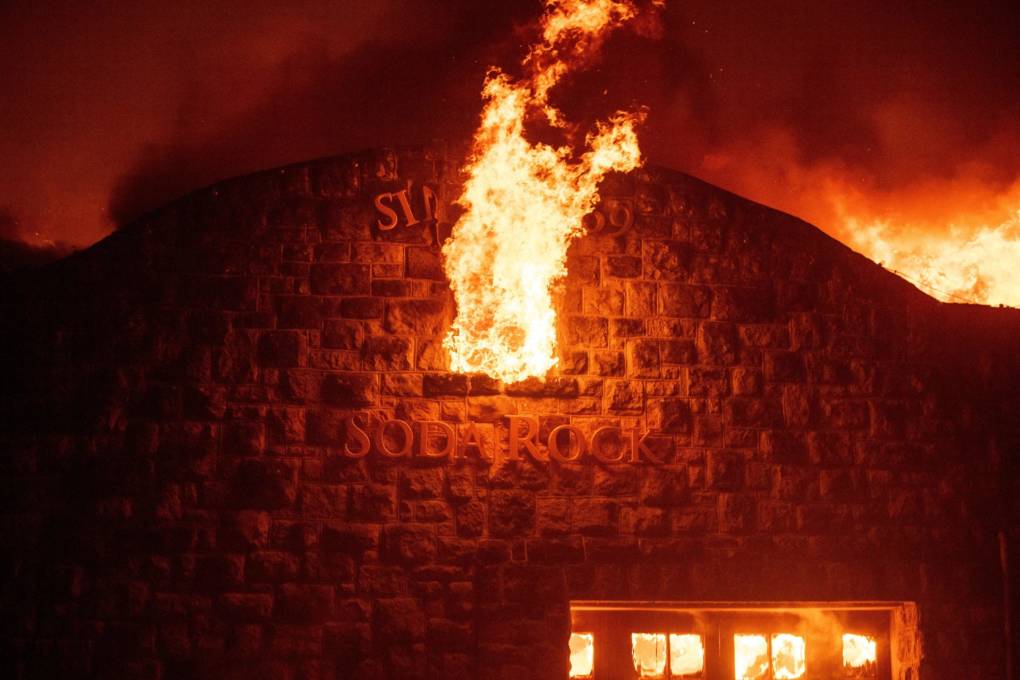
"caption": "The Soda Rock Winery burned in flames from the Kincade fire race through Healdsburg, California on October 27, 2019.",
"description": null,
"title": "US-CALIFORNIA-FIRE",
"credit": "Josh Edelson / AFP via Getty Images",
"status": "inherit",
"isLoading": false,
"fetchFailed": false
},
"news_11784140": {
"type": "attachments",
"id": "news_11784140",
"meta": {
"index": "attachments_1716263798",
"site": "news",
"id": "11784140",
"found": true
},
"parent": 11784042,
"imgSizes": {
"apple_news_ca_landscape_5_5": {
"file": "https://ww2.kqed.org/app/uploads/sites/10/2019/10/kincade-fire-inmates-1920-1044x783.jpg",
"width": 1044,
"mimeType": "image/jpeg",
"height": 783
},
"apple_news_ca_square_4_0": {
"file": "https://ww2.kqed.org/app/uploads/sites/10/2019/10/kincade-fire-inmates-1920-470x470.jpg",
"width": 470,
"mimeType": "image/jpeg",
"height": 470
},
"twentyfourteen-full-width": {
"file": "https://ww2.kqed.org/app/uploads/sites/10/2019/10/kincade-fire-inmates-1920-1038x576.jpg",
"width": 1038,
"mimeType": "image/jpeg",
"height": 576
},
"thumbnail": {
"file": "https://ww2.kqed.org/app/uploads/sites/10/2019/10/kincade-fire-inmates-1920-160x107.jpg",
"width": 160,
"mimeType": "image/jpeg",
"height": 107
},
"post-thumbnail": {
"file": "https://ww2.kqed.org/app/uploads/sites/10/2019/10/kincade-fire-inmates-1920-672x372.jpg",
"width": 672,
"mimeType": "image/jpeg",
"height": 372
},
"kqedFullSize": {
"file": "https://ww2.kqed.org/app/uploads/sites/10/2019/10/kincade-fire-inmates-1920.jpg",
"width": 1920,
"height": 1280
},
"apple_news_ca_landscape_4_7": {
"file": "https://ww2.kqed.org/app/uploads/sites/10/2019/10/kincade-fire-inmates-1920-632x474.jpg",
"width": 632,
"mimeType": "image/jpeg",
"height": 474
},
"large": {
"file": "https://ww2.kqed.org/app/uploads/sites/10/2019/10/kincade-fire-inmates-1920-1020x680.jpg",
"width": 1020,
"mimeType": "image/jpeg",
"height": 680
},
"complete_open_graph": {
"file": "https://ww2.kqed.org/app/uploads/sites/10/2019/10/kincade-fire-inmates-1920-1200x800.jpg",
"width": 1200,
"mimeType": "image/jpeg",
"height": 800
},
"apple_news_ca_landscape_4_0": {
"file": "https://ww2.kqed.org/app/uploads/sites/10/2019/10/kincade-fire-inmates-1920-536x402.jpg",
"width": 536,
"mimeType": "image/jpeg",
"height": 402
},
"apple_news_ca_portrait_12_9": {
"file": "https://ww2.kqed.org/app/uploads/sites/10/2019/10/kincade-fire-inmates-1920-1122x1280.jpg",
"width": 1122,
"mimeType": "image/jpeg",
"height": 1280
},
"medium": {
"file": "https://ww2.kqed.org/app/uploads/sites/10/2019/10/kincade-fire-inmates-1920-800x533.jpg",
"width": 800,
"mimeType": "image/jpeg",
"height": 533
},
"apple_news_ca_portrait_4_0": {
"file": "https://ww2.kqed.org/app/uploads/sites/10/2019/10/kincade-fire-inmates-1920-354x472.jpg",
"width": 354,
"mimeType": "image/jpeg",
"height": 472
},
"apple_news_ca_portrait_9_7": {
"file": "https://ww2.kqed.org/app/uploads/sites/10/2019/10/kincade-fire-inmates-1920-840x1120.jpg",
"width": 840,
"mimeType": "image/jpeg",
"height": 1120
},
"apple_news_ca_landscape_12_9": {
"file": "https://ww2.kqed.org/app/uploads/sites/10/2019/10/kincade-fire-inmates-1920-1832x1280.jpg",
"width": 1832,
"mimeType": "image/jpeg",
"height": 1280
},
"apple_news_ca_square_9_7": {
"file": "https://ww2.kqed.org/app/uploads/sites/10/2019/10/kincade-fire-inmates-1920-1104x1104.jpg",
"width": 1104,
"mimeType": "image/jpeg",
"height": 1104
},
"apple_news_ca_portrait_4_7": {
"file": "https://ww2.kqed.org/app/uploads/sites/10/2019/10/kincade-fire-inmates-1920-414x552.jpg",
"width": 414,
"mimeType": "image/jpeg",
"height": 552
},
"apple_news_ca_square_12_9": {
"file": "https://ww2.kqed.org/app/uploads/sites/10/2019/10/kincade-fire-inmates-1920-1472x1280.jpg",
"width": 1472,
"mimeType": "image/jpeg",
"height": 1280
},
"apple_news_ca_portrait_5_5": {
"file": "https://ww2.kqed.org/app/uploads/sites/10/2019/10/kincade-fire-inmates-1920-687x916.jpg",
"width": 687,
"mimeType": "image/jpeg",
"height": 916
},
"full-width": {
"file": "https://ww2.kqed.org/app/uploads/sites/10/2019/10/kincade-fire-inmates-1920-1920x1280.jpg",
"width": 1920,
"mimeType": "image/jpeg",
"height": 1280
},
"apple_news_ca_square_4_7": {
"file": "https://ww2.kqed.org/app/uploads/sites/10/2019/10/kincade-fire-inmates-1920-550x550.jpg",
"width": 550,
"mimeType": "image/jpeg",
"height": 550
},
"apple_news_ca_landscape_9_7": {
"file": "https://ww2.kqed.org/app/uploads/sites/10/2019/10/kincade-fire-inmates-1920-1376x1032.jpg",
"width": 1376,
"mimeType": "image/jpeg",
"height": 1032
},
"apple_news_ca_square_5_5": {
"file": "https://ww2.kqed.org/app/uploads/sites/10/2019/10/kincade-fire-inmates-1920-912x912.jpg",
"width": 912,
"mimeType": "image/jpeg",
"height": 912
}
},
"publishDate": 1572558937,
"modified": 1572558995,
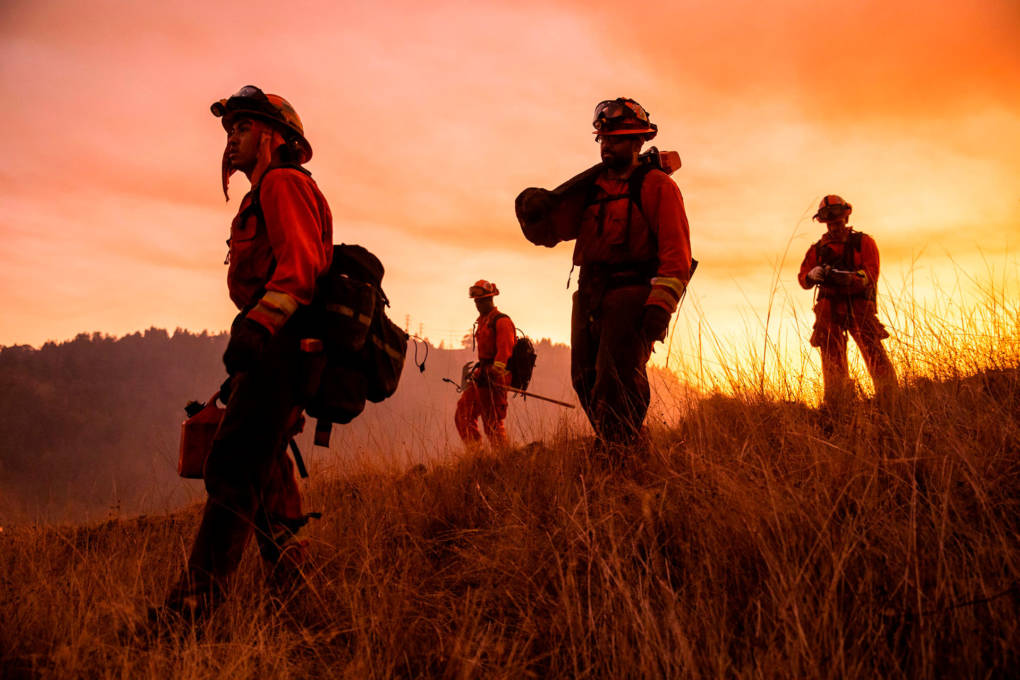
"caption": "A crew of inmate firefighters make their way to firefighting operations to battle the Kincade Fire in Healdsburg on Oct. 26, 2019.",
"description": "A crew of inmate firefighters make their way to firefighting operations to battle the Kincade Fire in Healdsburg on Oct. 26, 2019.",
"title": "kincade-fire-inmates-1920",
"credit": "Philip Pacheco/AFP via Getty Images",
"status": "inherit",
"isLoading": false,
"fetchFailed": false
},
"news_11784005": {
"type": "attachments",
"id": "news_11784005",
"meta": {
"index": "attachments_1716263798",
"site": "news",
"id": "11784005",
"found": true
},
"parent": 11784003,
"imgSizes": {
"apple_news_ca_landscape_5_5": {
"file": "https://ww2.kqed.org/app/uploads/sites/10/2019/10/kincade-fire-firefighter-1920-1044x783.jpg",
"width": 1044,
"mimeType": "image/jpeg",
"height": 783
},
"apple_news_ca_square_4_0": {
"file": "https://ww2.kqed.org/app/uploads/sites/10/2019/10/kincade-fire-firefighter-1920-470x470.jpg",
"width": 470,
"mimeType": "image/jpeg",
"height": 470
},
"twentyfourteen-full-width": {
"file": "https://ww2.kqed.org/app/uploads/sites/10/2019/10/kincade-fire-firefighter-1920-1038x576.jpg",
"width": 1038,
"mimeType": "image/jpeg",
"height": 576
},
"thumbnail": {
"file": "https://ww2.kqed.org/app/uploads/sites/10/2019/10/kincade-fire-firefighter-1920-160x104.jpg",
"width": 160,
"mimeType": "image/jpeg",
"height": 104
},
"post-thumbnail": {
"file": "https://ww2.kqed.org/app/uploads/sites/10/2019/10/kincade-fire-firefighter-1920-672x372.jpg",
"width": 672,
"mimeType": "image/jpeg",
"height": 372
},
"kqedFullSize": {
"file": "https://ww2.kqed.org/app/uploads/sites/10/2019/10/kincade-fire-firefighter-1920.jpg",
"width": 1920,
"height": 1252
},
"apple_news_ca_landscape_4_7": {
"file": "https://ww2.kqed.org/app/uploads/sites/10/2019/10/kincade-fire-firefighter-1920-632x474.jpg",
"width": 632,
"mimeType": "image/jpeg",
"height": 474
},
"large": {
"file": "https://ww2.kqed.org/app/uploads/sites/10/2019/10/kincade-fire-firefighter-1920-1020x665.jpg",
"width": 1020,
"mimeType": "image/jpeg",
"height": 665
},
"complete_open_graph": {
"file": "https://ww2.kqed.org/app/uploads/sites/10/2019/10/kincade-fire-firefighter-1920-1200x783.jpg",
"width": 1200,
"mimeType": "image/jpeg",
"height": 783
},
"apple_news_ca_landscape_4_0": {
"file": "https://ww2.kqed.org/app/uploads/sites/10/2019/10/kincade-fire-firefighter-1920-536x402.jpg",
"width": 536,
"mimeType": "image/jpeg",
"height": 402
},
"apple_news_ca_portrait_12_9": {
"file": "https://ww2.kqed.org/app/uploads/sites/10/2019/10/kincade-fire-firefighter-1920-1122x1252.jpg",
"width": 1122,
"mimeType": "image/jpeg",
"height": 1252
},
"medium": {
"file": "https://ww2.kqed.org/app/uploads/sites/10/2019/10/kincade-fire-firefighter-1920-800x522.jpg",
"width": 800,
"mimeType": "image/jpeg",
"height": 522
},
"apple_news_ca_portrait_4_0": {
"file": "https://ww2.kqed.org/app/uploads/sites/10/2019/10/kincade-fire-firefighter-1920-354x472.jpg",
"width": 354,
"mimeType": "image/jpeg",
"height": 472
},
"apple_news_ca_portrait_9_7": {
"file": "https://ww2.kqed.org/app/uploads/sites/10/2019/10/kincade-fire-firefighter-1920-840x1120.jpg",
"width": 840,
"mimeType": "image/jpeg",
"height": 1120
},
"apple_news_ca_landscape_12_9": {
"file": "https://ww2.kqed.org/app/uploads/sites/10/2019/10/kincade-fire-firefighter-1920-1832x1252.jpg",
"width": 1832,
"mimeType": "image/jpeg",
"height": 1252
},
"apple_news_ca_square_9_7": {
"file": "https://ww2.kqed.org/app/uploads/sites/10/2019/10/kincade-fire-firefighter-1920-1104x1104.jpg",
"width": 1104,
"mimeType": "image/jpeg",
"height": 1104
},
"apple_news_ca_portrait_4_7": {
"file": "https://ww2.kqed.org/app/uploads/sites/10/2019/10/kincade-fire-firefighter-1920-414x552.jpg",
"width": 414,
"mimeType": "image/jpeg",
"height": 552
},
"apple_news_ca_square_12_9": {
"file": "https://ww2.kqed.org/app/uploads/sites/10/2019/10/kincade-fire-firefighter-1920-1472x1252.jpg",
"width": 1472,
"mimeType": "image/jpeg",
"height": 1252
},
"apple_news_ca_portrait_5_5": {
"file": "https://ww2.kqed.org/app/uploads/sites/10/2019/10/kincade-fire-firefighter-1920-687x916.jpg",
"width": 687,
"mimeType": "image/jpeg",
"height": 916
},
"full-width": {
"file": "https://ww2.kqed.org/app/uploads/sites/10/2019/10/kincade-fire-firefighter-1920-1920x1252.jpg",
"width": 1920,
"mimeType": "image/jpeg",
"height": 1252
},
"apple_news_ca_square_4_7": {
"file": "https://ww2.kqed.org/app/uploads/sites/10/2019/10/kincade-fire-firefighter-1920-550x550.jpg",
"width": 550,
"mimeType": "image/jpeg",
"height": 550
},
"apple_news_ca_landscape_9_7": {
"file": "https://ww2.kqed.org/app/uploads/sites/10/2019/10/kincade-fire-firefighter-1920-1376x1032.jpg",
"width": 1376,
"mimeType": "image/jpeg",
"height": 1032
},
"apple_news_ca_square_5_5": {
"file": "https://ww2.kqed.org/app/uploads/sites/10/2019/10/kincade-fire-firefighter-1920-912x912.jpg",
"width": 912,
"mimeType": "image/jpeg",
"height": 912
}
},
"publishDate": 1572534547,
"modified": 1572534593,
"caption": "A firefighter monitors the Kincade Fire on Oct. 29, 2019, in Healdsburg.",
"description": "A firefighter monitors the Kincade Fire on Oct. 29, 2019, in Healdsburg.",
"title": "kincade-fire-firefighter-1920",
"credit": "Justin Sullivan/Getty Images",
"status": "inherit",
"isLoading": false,
"fetchFailed": false
},
"news_11784025": {
"type": "attachments",
"id": "news_11784025",
"meta": {
"index": "attachments_1716263798",
"site": "news",
"id": "11784025",
"found": true
},
"parent": 11784019,
"imgSizes": {
"apple_news_ca_landscape_5_5": {
"file": "https://ww2.kqed.org/app/uploads/sites/10/2019/10/RS39887__M6A1604-qut-1044x783.jpg",
"width": 1044,
"mimeType": "image/jpeg",
"height": 783
},
"apple_news_ca_square_4_0": {
"file": "https://ww2.kqed.org/app/uploads/sites/10/2019/10/RS39887__M6A1604-qut-470x470.jpg",
"width": 470,
"mimeType": "image/jpeg",
"height": 470
},
"twentyfourteen-full-width": {
"file": "https://ww2.kqed.org/app/uploads/sites/10/2019/10/RS39887__M6A1604-qut-1038x576.jpg",
"width": 1038,
"mimeType": "image/jpeg",
"height": 576
},
"thumbnail": {
"file": "https://ww2.kqed.org/app/uploads/sites/10/2019/10/RS39887__M6A1604-qut-160x107.jpg",
"width": 160,
"mimeType": "image/jpeg",
"height": 107
},
"post-thumbnail": {
"file": "https://ww2.kqed.org/app/uploads/sites/10/2019/10/RS39887__M6A1604-qut-672x372.jpg",
"width": 672,
"mimeType": "image/jpeg",
"height": 372
},
"kqedFullSize": {
"file": "https://ww2.kqed.org/app/uploads/sites/10/2019/10/RS39887__M6A1604-qut.jpg",
"width": 1920,
"height": 1280
},
"apple_news_ca_landscape_4_7": {
"file": "https://ww2.kqed.org/app/uploads/sites/10/2019/10/RS39887__M6A1604-qut-632x474.jpg",
"width": 632,
"mimeType": "image/jpeg",
"height": 474
},
"large": {
"file": "https://ww2.kqed.org/app/uploads/sites/10/2019/10/RS39887__M6A1604-qut-1020x680.jpg",
"width": 1020,
"mimeType": "image/jpeg",
"height": 680
},
"complete_open_graph": {
"file": "https://ww2.kqed.org/app/uploads/sites/10/2019/10/RS39887__M6A1604-qut-1200x800.jpg",
"width": 1200,
"mimeType": "image/jpeg",
"height": 800
},
"apple_news_ca_landscape_4_0": {
"file": "https://ww2.kqed.org/app/uploads/sites/10/2019/10/RS39887__M6A1604-qut-536x402.jpg",
"width": 536,
"mimeType": "image/jpeg",
"height": 402
},
"apple_news_ca_portrait_12_9": {
"file": "https://ww2.kqed.org/app/uploads/sites/10/2019/10/RS39887__M6A1604-qut-1122x1280.jpg",
"width": 1122,
"mimeType": "image/jpeg",
"height": 1280
},
"medium": {
"file": "https://ww2.kqed.org/app/uploads/sites/10/2019/10/RS39887__M6A1604-qut-800x533.jpg",
"width": 800,
"mimeType": "image/jpeg",
"height": 533
},
"apple_news_ca_portrait_4_0": {
"file": "https://ww2.kqed.org/app/uploads/sites/10/2019/10/RS39887__M6A1604-qut-354x472.jpg",
"width": 354,
"mimeType": "image/jpeg",
"height": 472
},
"apple_news_ca_portrait_9_7": {
"file": "https://ww2.kqed.org/app/uploads/sites/10/2019/10/RS39887__M6A1604-qut-840x1120.jpg",
"width": 840,
"mimeType": "image/jpeg",
"height": 1120
},
"apple_news_ca_landscape_12_9": {
"file": "https://ww2.kqed.org/app/uploads/sites/10/2019/10/RS39887__M6A1604-qut-1832x1280.jpg",
"width": 1832,
"mimeType": "image/jpeg",
"height": 1280
},
"apple_news_ca_square_9_7": {
"file": "https://ww2.kqed.org/app/uploads/sites/10/2019/10/RS39887__M6A1604-qut-1104x1104.jpg",
"width": 1104,
"mimeType": "image/jpeg",
"height": 1104
},
"apple_news_ca_portrait_4_7": {
"file": "https://ww2.kqed.org/app/uploads/sites/10/2019/10/RS39887__M6A1604-qut-414x552.jpg",
"width": 414,
"mimeType": "image/jpeg",
"height": 552
},
"apple_news_ca_square_12_9": {
"file": "https://ww2.kqed.org/app/uploads/sites/10/2019/10/RS39887__M6A1604-qut-1472x1280.jpg",
"width": 1472,
"mimeType": "image/jpeg",
"height": 1280
},
"apple_news_ca_portrait_5_5": {
"file": "https://ww2.kqed.org/app/uploads/sites/10/2019/10/RS39887__M6A1604-qut-687x916.jpg",
"width": 687,
"mimeType": "image/jpeg",
"height": 916
},
"full-width": {
"file": "https://ww2.kqed.org/app/uploads/sites/10/2019/10/RS39887__M6A1604-qut-1920x1280.jpg",
"width": 1920,
"mimeType": "image/jpeg",
"height": 1280
},
"apple_news_ca_square_4_7": {
"file": "https://ww2.kqed.org/app/uploads/sites/10/2019/10/RS39887__M6A1604-qut-550x550.jpg",
"width": 550,
"mimeType": "image/jpeg",
"height": 550
},
"apple_news_ca_landscape_9_7": {
"file": "https://ww2.kqed.org/app/uploads/sites/10/2019/10/RS39887__M6A1604-qut-1376x1032.jpg",
"width": 1376,
"mimeType": "image/jpeg",
"height": 1032
},
"apple_news_ca_square_5_5": {
"file": "https://ww2.kqed.org/app/uploads/sites/10/2019/10/RS39887__M6A1604-qut-912x912.jpg",
"width": 912,
"mimeType": "image/jpeg",
"height": 912
}
},
"publishDate": 1572543468,
"modified": 1572562683,
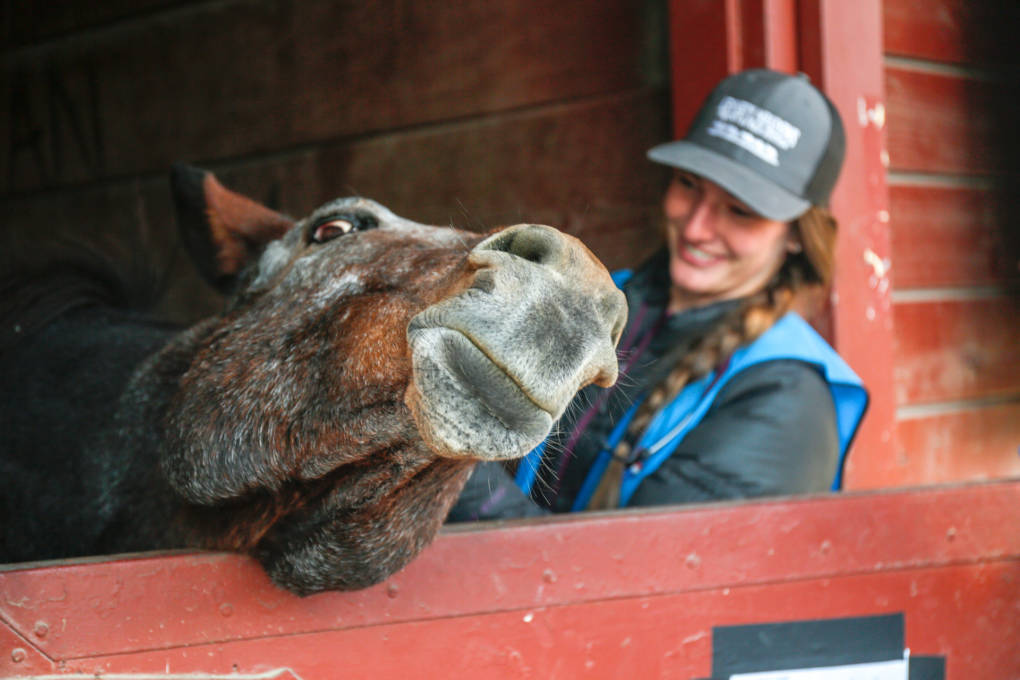
"caption": "The evacuation process from the Kincade Fire is stressful for both animals and owners. The UC Davis Veterinary Emergency Response Team provides medical assistance to the animals at the Sonoma County Fairgrounds' large animal evacuation shelter.",
"description": "The evacuation process from the Kincade Fire is stressful for both animals and owners. The UC Davis Veterinary Emergency Response Team provides medical assistance to the animals at the Sonoma County Fairgrounds large animal evacuation shelter.",
"title": "VERT-Kincade-Fire-horse",
"credit": "Sruti Mamidanna/KQED",
"status": "inherit",
"isLoading": false,
"fetchFailed": false
},
"news_11784001": {
"type": "attachments",
"id": "news_11784001",
"meta": {
"index": "attachments_1716263798",
"site": "news",
"id": "11784001",
"found": true
},
"parent": 11782314,
"imgSizes": {
"apple_news_ca_landscape_5_5": {
"file": "https://ww2.kqed.org/app/uploads/sites/10/2019/10/kincade-fire-1920a-3-1044x783.jpg",
"width": 1044,
"mimeType": "image/jpeg",
"height": 783
},
"apple_news_ca_square_4_0": {
"file": "https://ww2.kqed.org/app/uploads/sites/10/2019/10/kincade-fire-1920a-3-470x470.jpg",
"width": 470,
"mimeType": "image/jpeg",
"height": 470
},
"twentyfourteen-full-width": {
"file": "https://ww2.kqed.org/app/uploads/sites/10/2019/10/kincade-fire-1920a-3-1038x576.jpg",
"width": 1038,
"mimeType": "image/jpeg",
"height": 576
},
"thumbnail": {
"file": "https://ww2.kqed.org/app/uploads/sites/10/2019/10/kincade-fire-1920a-3-160x107.jpg",
"width": 160,
"mimeType": "image/jpeg",
"height": 107
},
"post-thumbnail": {
"file": "https://ww2.kqed.org/app/uploads/sites/10/2019/10/kincade-fire-1920a-3-672x372.jpg",
"width": 672,
"mimeType": "image/jpeg",
"height": 372
},
"kqedFullSize": {
"file": "https://ww2.kqed.org/app/uploads/sites/10/2019/10/kincade-fire-1920a-3.jpg",
"width": 1920,
"height": 1280
},
"apple_news_ca_landscape_4_7": {
"file": "https://ww2.kqed.org/app/uploads/sites/10/2019/10/kincade-fire-1920a-3-632x474.jpg",
"width": 632,
"mimeType": "image/jpeg",
"height": 474
},
"large": {
"file": "https://ww2.kqed.org/app/uploads/sites/10/2019/10/kincade-fire-1920a-3-1020x680.jpg",
"width": 1020,
"mimeType": "image/jpeg",
"height": 680
},
"complete_open_graph": {
"file": "https://ww2.kqed.org/app/uploads/sites/10/2019/10/kincade-fire-1920a-3-1200x800.jpg",
"width": 1200,
"mimeType": "image/jpeg",
"height": 800
},
"apple_news_ca_landscape_4_0": {
"file": "https://ww2.kqed.org/app/uploads/sites/10/2019/10/kincade-fire-1920a-3-536x402.jpg",
"width": 536,
"mimeType": "image/jpeg",
"height": 402
},
"apple_news_ca_portrait_12_9": {
"file": "https://ww2.kqed.org/app/uploads/sites/10/2019/10/kincade-fire-1920a-3-1122x1280.jpg",
"width": 1122,
"mimeType": "image/jpeg",
"height": 1280
},
"medium": {
"file": "https://ww2.kqed.org/app/uploads/sites/10/2019/10/kincade-fire-1920a-3-800x533.jpg",
"width": 800,
"mimeType": "image/jpeg",
"height": 533
},
"apple_news_ca_portrait_4_0": {
"file": "https://ww2.kqed.org/app/uploads/sites/10/2019/10/kincade-fire-1920a-3-354x472.jpg",
"width": 354,
"mimeType": "image/jpeg",
"height": 472
},
"apple_news_ca_portrait_9_7": {
"file": "https://ww2.kqed.org/app/uploads/sites/10/2019/10/kincade-fire-1920a-3-840x1120.jpg",
"width": 840,
"mimeType": "image/jpeg",
"height": 1120
},
"apple_news_ca_landscape_12_9": {
"file": "https://ww2.kqed.org/app/uploads/sites/10/2019/10/kincade-fire-1920a-3-1832x1280.jpg",
"width": 1832,
"mimeType": "image/jpeg",
"height": 1280
},
"apple_news_ca_square_9_7": {
"file": "https://ww2.kqed.org/app/uploads/sites/10/2019/10/kincade-fire-1920a-3-1104x1104.jpg",
"width": 1104,
"mimeType": "image/jpeg",
"height": 1104
},
"apple_news_ca_portrait_4_7": {
"file": "https://ww2.kqed.org/app/uploads/sites/10/2019/10/kincade-fire-1920a-3-414x552.jpg",
"width": 414,
"mimeType": "image/jpeg",
"height": 552
},
"apple_news_ca_square_12_9": {
"file": "https://ww2.kqed.org/app/uploads/sites/10/2019/10/kincade-fire-1920a-3-1472x1280.jpg",
"width": 1472,
"mimeType": "image/jpeg",
"height": 1280
},
"apple_news_ca_portrait_5_5": {
"file": "https://ww2.kqed.org/app/uploads/sites/10/2019/10/kincade-fire-1920a-3-687x916.jpg",
"width": 687,
"mimeType": "image/jpeg",
"height": 916
},
"full-width": {
"file": "https://ww2.kqed.org/app/uploads/sites/10/2019/10/kincade-fire-1920a-3-1920x1280.jpg",
"width": 1920,
"mimeType": "image/jpeg",
"height": 1280
},
"apple_news_ca_square_4_7": {
"file": "https://ww2.kqed.org/app/uploads/sites/10/2019/10/kincade-fire-1920a-3-550x550.jpg",
"width": 550,
"mimeType": "image/jpeg",
"height": 550
},
"apple_news_ca_landscape_9_7": {
"file": "https://ww2.kqed.org/app/uploads/sites/10/2019/10/kincade-fire-1920a-3-1376x1032.jpg",
"width": 1376,
"mimeType": "image/jpeg",
"height": 1032
},
"apple_news_ca_square_5_5": {
"file": "https://ww2.kqed.org/app/uploads/sites/10/2019/10/kincade-fire-1920a-3-912x912.jpg",
"width": 912,
"mimeType": "image/jpeg",
"height": 912
}
},
"publishDate": 1572532938,
"modified": 1572532995,
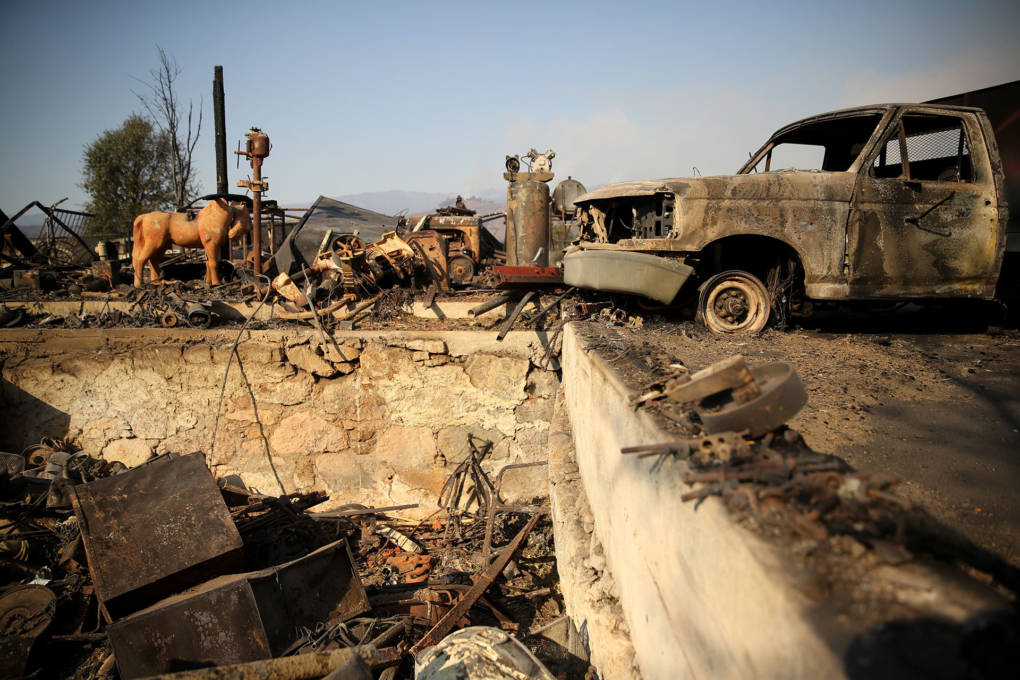
"caption": "A view of a building that was destroyed by the Kincade Fire at Oak Ridge Angus on Oct. 28, 2019, in Calistoga.",
"description": "A view of a building that was destroyed by the Kincade Fire at Oak Ridge Angus on Oct. 28, 2019, in Calistoga.",
"title": "kincade-fire-1920a",
"credit": "Justin Sullivan/Getty Images",
"status": "inherit",
"isLoading": false,
"fetchFailed": false
},
"news_11783337": {
"type": "attachments",
"id": "news_11783337",
"meta": {
"index": "attachments_1716263798",
"site": "news",
"id": "11783337",
"found": true
},
"parent": 11783333,
"imgSizes": {
"apple_news_ca_landscape_5_5": {
"file": "https://ww2.kqed.org/app/uploads/sites/10/2019/10/kincade-fire-1920a-2-1044x783.jpg",
"width": 1044,
"mimeType": "image/jpeg",
"height": 783
},
"apple_news_ca_square_4_0": {
"file": "https://ww2.kqed.org/app/uploads/sites/10/2019/10/kincade-fire-1920a-2-470x470.jpg",
"width": 470,
"mimeType": "image/jpeg",
"height": 470
},
"twentyfourteen-full-width": {
"file": "https://ww2.kqed.org/app/uploads/sites/10/2019/10/kincade-fire-1920a-2-1038x576.jpg",
"width": 1038,
"mimeType": "image/jpeg",
"height": 576
},
"thumbnail": {
"file": "https://ww2.kqed.org/app/uploads/sites/10/2019/10/kincade-fire-1920a-2-160x112.jpg",
"width": 160,
"mimeType": "image/jpeg",
"height": 112
},
"post-thumbnail": {
"file": "https://ww2.kqed.org/app/uploads/sites/10/2019/10/kincade-fire-1920a-2-672x372.jpg",
"width": 672,
"mimeType": "image/jpeg",
"height": 372
},
"kqedFullSize": {
"file": "https://ww2.kqed.org/app/uploads/sites/10/2019/10/kincade-fire-1920a-2.jpg",
"width": 1920,
"height": 1346
},
"apple_news_ca_landscape_4_7": {
"file": "https://ww2.kqed.org/app/uploads/sites/10/2019/10/kincade-fire-1920a-2-632x474.jpg",
"width": 632,
"mimeType": "image/jpeg",
"height": 474
},
"large": {
"file": "https://ww2.kqed.org/app/uploads/sites/10/2019/10/kincade-fire-1920a-2-1020x715.jpg",
"width": 1020,
"mimeType": "image/jpeg",
"height": 715
},
"complete_open_graph": {
"file": "https://ww2.kqed.org/app/uploads/sites/10/2019/10/kincade-fire-1920a-2-1200x841.jpg",
"width": 1200,
"mimeType": "image/jpeg",
"height": 841
},
"apple_news_ca_landscape_4_0": {
"file": "https://ww2.kqed.org/app/uploads/sites/10/2019/10/kincade-fire-1920a-2-536x402.jpg",
"width": 536,
"mimeType": "image/jpeg",
"height": 402
},
"apple_news_ca_portrait_12_9": {
"file": "https://ww2.kqed.org/app/uploads/sites/10/2019/10/kincade-fire-1920a-2-1122x1346.jpg",
"width": 1122,
"mimeType": "image/jpeg",
"height": 1346
},
"medium": {
"file": "https://ww2.kqed.org/app/uploads/sites/10/2019/10/kincade-fire-1920a-2-800x561.jpg",
"width": 800,
"mimeType": "image/jpeg",
"height": 561
},
"apple_news_ca_portrait_4_0": {
"file": "https://ww2.kqed.org/app/uploads/sites/10/2019/10/kincade-fire-1920a-2-354x472.jpg",
"width": 354,
"mimeType": "image/jpeg",
"height": 472
},
"apple_news_ca_portrait_9_7": {
"file": "https://ww2.kqed.org/app/uploads/sites/10/2019/10/kincade-fire-1920a-2-840x1120.jpg",
"width": 840,
"mimeType": "image/jpeg",
"height": 1120
},
"apple_news_ca_landscape_12_9": {
"file": "https://ww2.kqed.org/app/uploads/sites/10/2019/10/kincade-fire-1920a-2-1832x1346.jpg",
"width": 1832,
"mimeType": "image/jpeg",
"height": 1346
},
"apple_news_ca_square_9_7": {
"file": "https://ww2.kqed.org/app/uploads/sites/10/2019/10/kincade-fire-1920a-2-1104x1104.jpg",
"width": 1104,
"mimeType": "image/jpeg",
"height": 1104
},
"apple_news_ca_portrait_4_7": {
"file": "https://ww2.kqed.org/app/uploads/sites/10/2019/10/kincade-fire-1920a-2-414x552.jpg",
"width": 414,
"mimeType": "image/jpeg",
"height": 552
},
"apple_news_ca_square_12_9": {
"file": "https://ww2.kqed.org/app/uploads/sites/10/2019/10/kincade-fire-1920a-2-1472x1346.jpg",
"width": 1472,
"mimeType": "image/jpeg",
"height": 1346
},
"apple_news_ca_portrait_5_5": {
"file": "https://ww2.kqed.org/app/uploads/sites/10/2019/10/kincade-fire-1920a-2-687x916.jpg",
"width": 687,
"mimeType": "image/jpeg",
"height": 916
},
"full-width": {
"file": "https://ww2.kqed.org/app/uploads/sites/10/2019/10/kincade-fire-1920a-2-1920x1346.jpg",
"width": 1920,
"mimeType": "image/jpeg",
"height": 1346
},
"apple_news_ca_square_4_7": {
"file": "https://ww2.kqed.org/app/uploads/sites/10/2019/10/kincade-fire-1920a-2-550x550.jpg",
"width": 550,
"mimeType": "image/jpeg",
"height": 550
},
"apple_news_ca_landscape_9_7": {
"file": "https://ww2.kqed.org/app/uploads/sites/10/2019/10/kincade-fire-1920a-2-1376x1032.jpg",
"width": 1376,
"mimeType": "image/jpeg",
"height": 1032
},
"apple_news_ca_square_5_5": {
"file": "https://ww2.kqed.org/app/uploads/sites/10/2019/10/kincade-fire-1920a-2-912x912.jpg",
"width": 912,
"mimeType": "image/jpeg",
"height": 912
}
},
"publishDate": 1572282246,
"modified": 1572282303,
"caption": "Firefighters battle the Kincade Fire as it burns a barn on Oct. 27, 2019, in Santa Rosa.",
"description": "Firefighters battle the Kincade Fire as it burns a barn on Oct. 27, 2019, in Santa Rosa.",
"title": "kincade-fire-1920a",
"credit": "Justin Sullivan/Getty Images",
"status": "inherit",
"isLoading": false,
"fetchFailed": false
},
"news_11783138": {
"type": "attachments",
"id": "news_11783138",
"meta": {
"index": "attachments_1716263798",
"site": "news",
"id": "11783138",
"found": true
},
"parent": 11783135,
"imgSizes": {
"apple_news_ca_landscape_5_5": {
"file": "https://ww2.kqed.org/app/uploads/sites/10/2019/10/GettyImages-1178415570-1044x783.jpg",
"width": 1044,
"mimeType": "image/jpeg",
"height": 783
},
"apple_news_ca_square_4_0": {
"file": "https://ww2.kqed.org/app/uploads/sites/10/2019/10/GettyImages-1178415570-470x470.jpg",
"width": 470,
"mimeType": "image/jpeg",
"height": 470
},
"twentyfourteen-full-width": {
"file": "https://ww2.kqed.org/app/uploads/sites/10/2019/10/GettyImages-1178415570-1038x576.jpg",
"width": 1038,
"mimeType": "image/jpeg",
"height": 576
},
"thumbnail": {
"file": "https://ww2.kqed.org/app/uploads/sites/10/2019/10/GettyImages-1178415570-160x107.jpg",
"width": 160,
"mimeType": "image/jpeg",
"height": 107
},
"post-thumbnail": {
"file": "https://ww2.kqed.org/app/uploads/sites/10/2019/10/GettyImages-1178415570-672x372.jpg",
"width": 672,
"mimeType": "image/jpeg",
"height": 372
},
"kqedFullSize": {
"file": "https://ww2.kqed.org/app/uploads/sites/10/2019/10/GettyImages-1178415570-e1572186171139.jpg",
"width": 1920,
"height": 1280
},
"apple_news_ca_landscape_4_7": {
"file": "https://ww2.kqed.org/app/uploads/sites/10/2019/10/GettyImages-1178415570-632x474.jpg",
"width": 632,
"mimeType": "image/jpeg",
"height": 474
},
"large": {
"file": "https://ww2.kqed.org/app/uploads/sites/10/2019/10/GettyImages-1178415570-1020x680.jpg",
"width": 1020,
"mimeType": "image/jpeg",
"height": 680
},
"complete_open_graph": {
"file": "https://ww2.kqed.org/app/uploads/sites/10/2019/10/GettyImages-1178415570-1200x800.jpg",
"width": 1200,
"mimeType": "image/jpeg",
"height": 800
},
"apple_news_ca_landscape_4_0": {
"file": "https://ww2.kqed.org/app/uploads/sites/10/2019/10/GettyImages-1178415570-536x402.jpg",
"width": 536,
"mimeType": "image/jpeg",
"height": 402
},
"apple_news_ca_portrait_12_9": {
"file": "https://ww2.kqed.org/app/uploads/sites/10/2019/10/GettyImages-1178415570-1122x1496.jpg",
"width": 1122,
"mimeType": "image/jpeg",
"height": 1496
},
"medium": {
"file": "https://ww2.kqed.org/app/uploads/sites/10/2019/10/GettyImages-1178415570-800x533.jpg",
"width": 800,
"mimeType": "image/jpeg",
"height": 533
},
"apple_news_ca_portrait_4_0": {
"file": "https://ww2.kqed.org/app/uploads/sites/10/2019/10/GettyImages-1178415570-354x472.jpg",
"width": 354,
"mimeType": "image/jpeg",
"height": 472
},
"apple_news_ca_portrait_9_7": {
"file": "https://ww2.kqed.org/app/uploads/sites/10/2019/10/GettyImages-1178415570-840x1120.jpg",
"width": 840,
"mimeType": "image/jpeg",
"height": 1120
},
"apple_news_ca_landscape_12_9": {
"file": "https://ww2.kqed.org/app/uploads/sites/10/2019/10/GettyImages-1178415570-1832x1374.jpg",
"width": 1832,
"mimeType": "image/jpeg",
"height": 1374
},
"apple_news_ca_square_9_7": {
"file": "https://ww2.kqed.org/app/uploads/sites/10/2019/10/GettyImages-1178415570-1104x1104.jpg",
"width": 1104,
"mimeType": "image/jpeg",
"height": 1104
},
"apple_news_ca_portrait_4_7": {
"file": "https://ww2.kqed.org/app/uploads/sites/10/2019/10/GettyImages-1178415570-414x552.jpg",
"width": 414,
"mimeType": "image/jpeg",
"height": 552
},
"apple_news_ca_square_12_9": {
"file": "https://ww2.kqed.org/app/uploads/sites/10/2019/10/GettyImages-1178415570-1472x1472.jpg",
"width": 1472,
"mimeType": "image/jpeg",
"height": 1472
},
"apple_news_ca_portrait_5_5": {
"file": "https://ww2.kqed.org/app/uploads/sites/10/2019/10/GettyImages-1178415570-687x916.jpg",
"width": 687,
"mimeType": "image/jpeg",
"height": 916
},
"full-width": {
"file": "https://ww2.kqed.org/app/uploads/sites/10/2019/10/GettyImages-1178415570-1920x1280.jpg",
"width": 1920,
"mimeType": "image/jpeg",
"height": 1280
},
"apple_news_ca_square_4_7": {
"file": "https://ww2.kqed.org/app/uploads/sites/10/2019/10/GettyImages-1178415570-550x550.jpg",
"width": 550,
"mimeType": "image/jpeg",
"height": 550
},
"apple_news_ca_landscape_9_7": {
"file": "https://ww2.kqed.org/app/uploads/sites/10/2019/10/GettyImages-1178415570-1376x1032.jpg",
"width": 1376,
"mimeType": "image/jpeg",
"height": 1032
},
"apple_news_ca_square_5_5": {
"file": "https://ww2.kqed.org/app/uploads/sites/10/2019/10/GettyImages-1178415570-912x912.jpg",
"width": 912,
"mimeType": "image/jpeg",
"height": 912
}
},
"publishDate": 1572186144,
"modified": 1572186536,
"caption": "An air tanker drops fire retardant in the valley below during the firefighting operations to battle the Kincade Fire in Healdsburg, California on October 26, 2019. - US officials on October 26 ordered about 50,000 people to evacuate parts of the San Francisco Bay area in California as hot dry winds are forecast to fan raging wildfires. ",
"description": null,
"title": "US-CALIFORNIA-FIRE-EMERGENCY",
"credit": "Photo by Philip Pacheco / AFP",
"status": "inherit",
"isLoading": false,
"fetchFailed": false
},
"news_11783077": {
"type": "attachments",
"id": "news_11783077",
"meta": {
"index": "attachments_1716263798",
"site": "news",
"id": "11783077",
"found": true
},
"parent": 11783073,
"imgSizes": {
"apple_news_ca_landscape_5_5": {
"file": "https://ww2.kqed.org/app/uploads/sites/10/2019/10/RS39811_GettyImages-1183160371-qut-1044x783.jpg",
"width": 1044,
"mimeType": "image/jpeg",
"height": 783
},
"apple_news_ca_square_4_0": {
"file": "https://ww2.kqed.org/app/uploads/sites/10/2019/10/RS39811_GettyImages-1183160371-qut-470x470.jpg",
"width": 470,
"mimeType": "image/jpeg",
"height": 470
},
"twentyfourteen-full-width": {
"file": "https://ww2.kqed.org/app/uploads/sites/10/2019/10/RS39811_GettyImages-1183160371-qut-1038x576.jpg",
"width": 1038,
"mimeType": "image/jpeg",
"height": 576
},
"thumbnail": {
"file": "https://ww2.kqed.org/app/uploads/sites/10/2019/10/RS39811_GettyImages-1183160371-qut-160x107.jpg",
"width": 160,
"mimeType": "image/jpeg",
"height": 107
},
"post-thumbnail": {
"file": "https://ww2.kqed.org/app/uploads/sites/10/2019/10/RS39811_GettyImages-1183160371-qut-672x372.jpg",
"width": 672,
"mimeType": "image/jpeg",
"height": 372
},
"kqedFullSize": {
"file": "https://ww2.kqed.org/app/uploads/sites/10/2019/10/RS39811_GettyImages-1183160371-qut.jpg",
"width": 1920,
"height": 1280
},
"apple_news_ca_landscape_4_7": {
"file": "https://ww2.kqed.org/app/uploads/sites/10/2019/10/RS39811_GettyImages-1183160371-qut-632x474.jpg",
"width": 632,
"mimeType": "image/jpeg",
"height": 474
},
"large": {
"file": "https://ww2.kqed.org/app/uploads/sites/10/2019/10/RS39811_GettyImages-1183160371-qut-1020x680.jpg",
"width": 1020,
"mimeType": "image/jpeg",
"height": 680
},
"complete_open_graph": {
"file": "https://ww2.kqed.org/app/uploads/sites/10/2019/10/RS39811_GettyImages-1183160371-qut-1200x800.jpg",
"width": 1200,
"mimeType": "image/jpeg",
"height": 800
},
"apple_news_ca_landscape_4_0": {
"file": "https://ww2.kqed.org/app/uploads/sites/10/2019/10/RS39811_GettyImages-1183160371-qut-536x402.jpg",
"width": 536,
"mimeType": "image/jpeg",
"height": 402
},
"apple_news_ca_portrait_12_9": {
"file": "https://ww2.kqed.org/app/uploads/sites/10/2019/10/RS39811_GettyImages-1183160371-qut-1122x1280.jpg",
"width": 1122,
"mimeType": "image/jpeg",
"height": 1280
},
"medium": {
"file": "https://ww2.kqed.org/app/uploads/sites/10/2019/10/RS39811_GettyImages-1183160371-qut-800x533.jpg",
"width": 800,
"mimeType": "image/jpeg",
"height": 533
},
"apple_news_ca_portrait_4_0": {
"file": "https://ww2.kqed.org/app/uploads/sites/10/2019/10/RS39811_GettyImages-1183160371-qut-354x472.jpg",
"width": 354,
"mimeType": "image/jpeg",
"height": 472
},
"apple_news_ca_portrait_9_7": {
"file": "https://ww2.kqed.org/app/uploads/sites/10/2019/10/RS39811_GettyImages-1183160371-qut-840x1120.jpg",
"width": 840,
"mimeType": "image/jpeg",
"height": 1120
},
"apple_news_ca_landscape_12_9": {
"file": "https://ww2.kqed.org/app/uploads/sites/10/2019/10/RS39811_GettyImages-1183160371-qut-1832x1280.jpg",
"width": 1832,
"mimeType": "image/jpeg",
"height": 1280
},
"apple_news_ca_square_9_7": {
"file": "https://ww2.kqed.org/app/uploads/sites/10/2019/10/RS39811_GettyImages-1183160371-qut-1104x1104.jpg",
"width": 1104,
"mimeType": "image/jpeg",
"height": 1104
},
"apple_news_ca_portrait_4_7": {
"file": "https://ww2.kqed.org/app/uploads/sites/10/2019/10/RS39811_GettyImages-1183160371-qut-414x552.jpg",
"width": 414,
"mimeType": "image/jpeg",
"height": 552
},
"apple_news_ca_square_12_9": {
"file": "https://ww2.kqed.org/app/uploads/sites/10/2019/10/RS39811_GettyImages-1183160371-qut-1472x1280.jpg",
"width": 1472,
"mimeType": "image/jpeg",
"height": 1280
},
"apple_news_ca_portrait_5_5": {
"file": "https://ww2.kqed.org/app/uploads/sites/10/2019/10/RS39811_GettyImages-1183160371-qut-687x916.jpg",
"width": 687,
"mimeType": "image/jpeg",
"height": 916
},
"full-width": {
"file": "https://ww2.kqed.org/app/uploads/sites/10/2019/10/RS39811_GettyImages-1183160371-qut-1920x1280.jpg",
"width": 1920,
"mimeType": "image/jpeg",
"height": 1280
},
"apple_news_ca_square_4_7": {
"file": "https://ww2.kqed.org/app/uploads/sites/10/2019/10/RS39811_GettyImages-1183160371-qut-550x550.jpg",
"width": 550,
"mimeType": "image/jpeg",
"height": 550
},
"apple_news_ca_landscape_9_7": {
"file": "https://ww2.kqed.org/app/uploads/sites/10/2019/10/RS39811_GettyImages-1183160371-qut-1376x1032.jpg",
"width": 1376,
"mimeType": "image/jpeg",
"height": 1032
},
"apple_news_ca_square_5_5": {
"file": "https://ww2.kqed.org/app/uploads/sites/10/2019/10/RS39811_GettyImages-1183160371-qut-912x912.jpg",
"width": 912,
"mimeType": "image/jpeg",
"height": 912
}
},
"publishDate": 1572117706,
"modified": 1572117739,
"caption": " A home burns near a vineyard after the Kincade Fire burned through the area on October 24, 2019 in Geyserville, California. Fueled by high winds, the Kincade Fire has burned over 10,000 acres in a matter of hours and has prompted evacuations in the Geyserville area.",
"description": null,
"title": "Evacuations Issued For Parts of Sonoma County As Kincade Fire Spreads",
"credit": "Photo by Justin Sullivan/Getty Images",
"status": "inherit",
"isLoading": false,
"fetchFailed": false
},
"news_11782675": {
"type": "attachments",
"id": "news_11782675",
"meta": {
"index": "attachments_1716263798",
"site": "news",
"id": "11782675",
"found": true
},
"parent": 11782672,
"imgSizes": {
"apple_news_ca_landscape_5_5": {
"file": "https://ww2.kqed.org/app/uploads/sites/10/2019/10/RS39799_Image-from-iOS-qut-1044x783.jpg",
"width": 1044,
"mimeType": "image/jpeg",
"height": 783
},
"apple_news_ca_square_4_0": {
"file": "https://ww2.kqed.org/app/uploads/sites/10/2019/10/RS39799_Image-from-iOS-qut-470x470.jpg",
"width": 470,
"mimeType": "image/jpeg",
"height": 470
},
"twentyfourteen-full-width": {
"file": "https://ww2.kqed.org/app/uploads/sites/10/2019/10/RS39799_Image-from-iOS-qut-1038x576.jpg",
"width": 1038,
"mimeType": "image/jpeg",
"height": 576
},
"thumbnail": {
"file": "https://ww2.kqed.org/app/uploads/sites/10/2019/10/RS39799_Image-from-iOS-qut-160x120.jpg",
"width": 160,
"mimeType": "image/jpeg",
"height": 120
},
"post-thumbnail": {
"file": "https://ww2.kqed.org/app/uploads/sites/10/2019/10/RS39799_Image-from-iOS-qut-672x372.jpg",
"width": 672,
"mimeType": "image/jpeg",
"height": 372
},
"kqedFullSize": {
"file": "https://ww2.kqed.org/app/uploads/sites/10/2019/10/RS39799_Image-from-iOS-qut.jpg",
"width": 1920,
"height": 1440
},
"apple_news_ca_landscape_4_7": {
"file": "https://ww2.kqed.org/app/uploads/sites/10/2019/10/RS39799_Image-from-iOS-qut-632x474.jpg",
"width": 632,
"mimeType": "image/jpeg",
"height": 474
},
"large": {
"file": "https://ww2.kqed.org/app/uploads/sites/10/2019/10/RS39799_Image-from-iOS-qut-1020x765.jpg",
"width": 1020,
"mimeType": "image/jpeg",
"height": 765
},
"complete_open_graph": {
"file": "https://ww2.kqed.org/app/uploads/sites/10/2019/10/RS39799_Image-from-iOS-qut-1200x900.jpg",
"width": 1200,
"mimeType": "image/jpeg",
"height": 900
},
"apple_news_ca_landscape_4_0": {
"file": "https://ww2.kqed.org/app/uploads/sites/10/2019/10/RS39799_Image-from-iOS-qut-536x402.jpg",
"width": 536,
"mimeType": "image/jpeg",
"height": 402
},
"apple_news_ca_portrait_12_9": {
"file": "https://ww2.kqed.org/app/uploads/sites/10/2019/10/RS39799_Image-from-iOS-qut-1122x1440.jpg",
"width": 1122,
"mimeType": "image/jpeg",
"height": 1440
},
"medium": {
"file": "https://ww2.kqed.org/app/uploads/sites/10/2019/10/RS39799_Image-from-iOS-qut-800x600.jpg",
"width": 800,
"mimeType": "image/jpeg",
"height": 600
},
"apple_news_ca_portrait_4_0": {
"file": "https://ww2.kqed.org/app/uploads/sites/10/2019/10/RS39799_Image-from-iOS-qut-354x472.jpg",
"width": 354,
"mimeType": "image/jpeg",
"height": 472
},
"apple_news_ca_portrait_9_7": {
"file": "https://ww2.kqed.org/app/uploads/sites/10/2019/10/RS39799_Image-from-iOS-qut-840x1120.jpg",
"width": 840,
"mimeType": "image/jpeg",
"height": 1120
},
"apple_news_ca_landscape_12_9": {
"file": "https://ww2.kqed.org/app/uploads/sites/10/2019/10/RS39799_Image-from-iOS-qut-1832x1374.jpg",
"width": 1832,
"mimeType": "image/jpeg",
"height": 1374
},
"apple_news_ca_square_9_7": {
"file": "https://ww2.kqed.org/app/uploads/sites/10/2019/10/RS39799_Image-from-iOS-qut-1104x1104.jpg",
"width": 1104,
"mimeType": "image/jpeg",
"height": 1104
},
"apple_news_ca_portrait_4_7": {
"file": "https://ww2.kqed.org/app/uploads/sites/10/2019/10/RS39799_Image-from-iOS-qut-414x552.jpg",
"width": 414,
"mimeType": "image/jpeg",
"height": 552
},
"apple_news_ca_square_12_9": {
"file": "https://ww2.kqed.org/app/uploads/sites/10/2019/10/RS39799_Image-from-iOS-qut-1472x1440.jpg",
"width": 1472,
"mimeType": "image/jpeg",
"height": 1440
},
"apple_news_ca_portrait_5_5": {
"file": "https://ww2.kqed.org/app/uploads/sites/10/2019/10/RS39799_Image-from-iOS-qut-687x916.jpg",
"width": 687,
"mimeType": "image/jpeg",
"height": 916
},
"full-width": {
"file": "https://ww2.kqed.org/app/uploads/sites/10/2019/10/RS39799_Image-from-iOS-qut-1920x1440.jpg",
"width": 1920,
"mimeType": "image/jpeg",
"height": 1440
},
"apple_news_ca_square_4_7": {
"file": "https://ww2.kqed.org/app/uploads/sites/10/2019/10/RS39799_Image-from-iOS-qut-550x550.jpg",
"width": 550,
"mimeType": "image/jpeg",
"height": 550
},
"apple_news_ca_landscape_9_7": {
"file": "https://ww2.kqed.org/app/uploads/sites/10/2019/10/RS39799_Image-from-iOS-qut-1376x1032.jpg",
"width": 1376,
"mimeType": "image/jpeg",
"height": 1032
},
"apple_news_ca_square_5_5": {
"file": "https://ww2.kqed.org/app/uploads/sites/10/2019/10/RS39799_Image-from-iOS-qut-912x912.jpg",
"width": 912,
"mimeType": "image/jpeg",
"height": 912
}
},
"publishDate": 1571973014,
"modified": 1571973078,
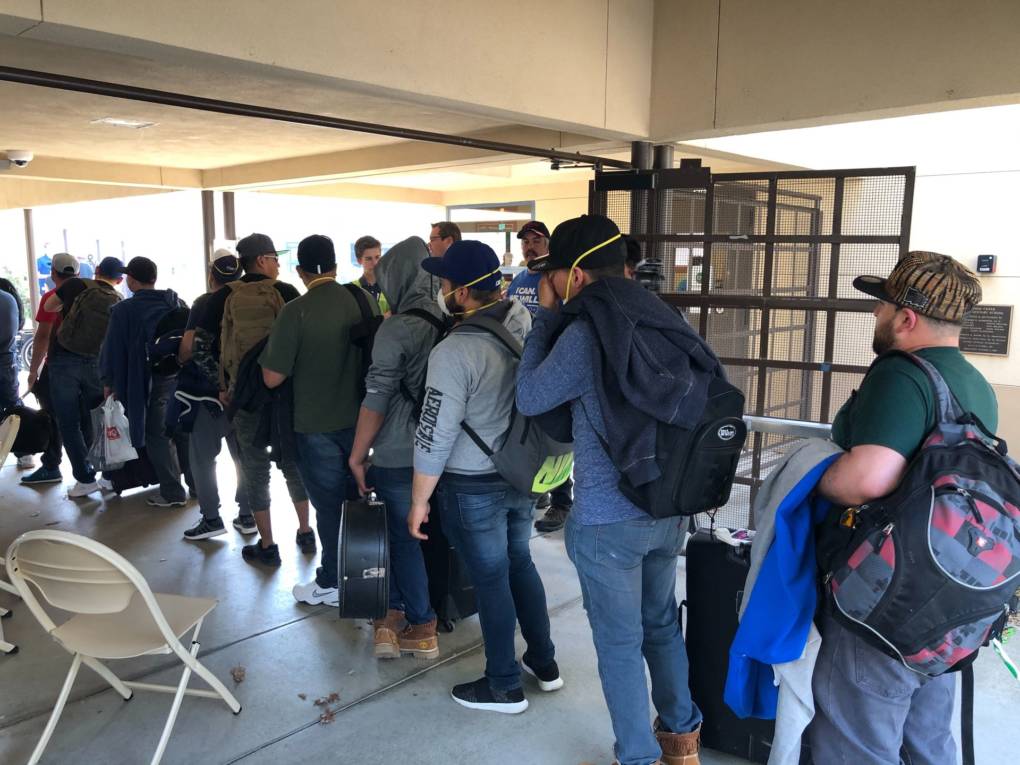
"caption": "Farmworkers line up to register at an evacuation site at the Healdsburg Community Center on Oct. 24, 2019.",
"description": null,
"title": "RS39799_Image from iOS-qut",
"credit": "Tiffany Camhi/KQED",
"status": "inherit",
"isLoading": false,
"fetchFailed": false
},
"news_11782704": {
"type": "attachments",
"id": "news_11782704",
"meta": {
"index": "attachments_1716263798",
"site": "news",
"id": "11782704",
"found": true
},
"parent": 11782701,
"imgSizes": {
"apple_news_ca_landscape_5_5": {
"file": "https://ww2.kqed.org/app/uploads/sites/10/2019/10/kincade-fire-1920a-1-1044x783.jpg",
"width": 1044,
"mimeType": "image/jpeg",
"height": 783
},
"apple_news_ca_square_4_0": {
"file": "https://ww2.kqed.org/app/uploads/sites/10/2019/10/kincade-fire-1920a-1-470x470.jpg",
"width": 470,
"mimeType": "image/jpeg",
"height": 470
},
"twentyfourteen-full-width": {
"file": "https://ww2.kqed.org/app/uploads/sites/10/2019/10/kincade-fire-1920a-1-1038x576.jpg",
"width": 1038,
"mimeType": "image/jpeg",
"height": 576
},
"thumbnail": {
"file": "https://ww2.kqed.org/app/uploads/sites/10/2019/10/kincade-fire-1920a-1-160x97.jpg",
"width": 160,
"mimeType": "image/jpeg",
"height": 97
},
"post-thumbnail": {
"file": "https://ww2.kqed.org/app/uploads/sites/10/2019/10/kincade-fire-1920a-1-672x372.jpg",
"width": 672,
"mimeType": "image/jpeg",
"height": 372
},
"kqedFullSize": {
"file": "https://ww2.kqed.org/app/uploads/sites/10/2019/10/kincade-fire-1920a-1.jpg",
"width": 1920,
"height": 1169
},
"apple_news_ca_landscape_4_7": {
"file": "https://ww2.kqed.org/app/uploads/sites/10/2019/10/kincade-fire-1920a-1-632x474.jpg",
"width": 632,
"mimeType": "image/jpeg",
"height": 474
},
"large": {
"file": "https://ww2.kqed.org/app/uploads/sites/10/2019/10/kincade-fire-1920a-1-1020x621.jpg",
"width": 1020,
"mimeType": "image/jpeg",
"height": 621
},
"complete_open_graph": {
"file": "https://ww2.kqed.org/app/uploads/sites/10/2019/10/kincade-fire-1920a-1-1200x731.jpg",
"width": 1200,
"mimeType": "image/jpeg",
"height": 731
},
"apple_news_ca_landscape_4_0": {
"file": "https://ww2.kqed.org/app/uploads/sites/10/2019/10/kincade-fire-1920a-1-536x402.jpg",
"width": 536,
"mimeType": "image/jpeg",
"height": 402
},
"apple_news_ca_portrait_12_9": {
"file": "https://ww2.kqed.org/app/uploads/sites/10/2019/10/kincade-fire-1920a-1-1122x1169.jpg",
"width": 1122,
"mimeType": "image/jpeg",
"height": 1169
},
"medium": {
"file": "https://ww2.kqed.org/app/uploads/sites/10/2019/10/kincade-fire-1920a-1-800x487.jpg",
"width": 800,
"mimeType": "image/jpeg",
"height": 487
},
"apple_news_ca_portrait_4_0": {
"file": "https://ww2.kqed.org/app/uploads/sites/10/2019/10/kincade-fire-1920a-1-354x472.jpg",
"width": 354,
"mimeType": "image/jpeg",
"height": 472
},
"apple_news_ca_portrait_9_7": {
"file": "https://ww2.kqed.org/app/uploads/sites/10/2019/10/kincade-fire-1920a-1-840x1120.jpg",
"width": 840,
"mimeType": "image/jpeg",
"height": 1120
},
"apple_news_ca_landscape_12_9": {
"file": "https://ww2.kqed.org/app/uploads/sites/10/2019/10/kincade-fire-1920a-1-1832x1169.jpg",
"width": 1832,
"mimeType": "image/jpeg",
"height": 1169
},
"apple_news_ca_square_9_7": {
"file": "https://ww2.kqed.org/app/uploads/sites/10/2019/10/kincade-fire-1920a-1-1104x1104.jpg",
"width": 1104,
"mimeType": "image/jpeg",
"height": 1104
},
"apple_news_ca_portrait_4_7": {
"file": "https://ww2.kqed.org/app/uploads/sites/10/2019/10/kincade-fire-1920a-1-414x552.jpg",
"width": 414,
"mimeType": "image/jpeg",
"height": 552
},
"apple_news_ca_square_12_9": {
"file": "https://ww2.kqed.org/app/uploads/sites/10/2019/10/kincade-fire-1920a-1-1472x1169.jpg",
"width": 1472,
"mimeType": "image/jpeg",
"height": 1169
},
"apple_news_ca_portrait_5_5": {
"file": "https://ww2.kqed.org/app/uploads/sites/10/2019/10/kincade-fire-1920a-1-687x916.jpg",
"width": 687,
"mimeType": "image/jpeg",
"height": 916
},
"full-width": {
"file": "https://ww2.kqed.org/app/uploads/sites/10/2019/10/kincade-fire-1920a-1-1920x1169.jpg",
"width": 1920,
"mimeType": "image/jpeg",
"height": 1169
},
"apple_news_ca_square_4_7": {
"file": "https://ww2.kqed.org/app/uploads/sites/10/2019/10/kincade-fire-1920a-1-550x550.jpg",
"width": 550,
"mimeType": "image/jpeg",
"height": 550
},
"apple_news_ca_landscape_9_7": {
"file": "https://ww2.kqed.org/app/uploads/sites/10/2019/10/kincade-fire-1920a-1-1376x1032.jpg",
"width": 1376,
"mimeType": "image/jpeg",
"height": 1032
},
"apple_news_ca_square_5_5": {
"file": "https://ww2.kqed.org/app/uploads/sites/10/2019/10/kincade-fire-1920a-1-912x912.jpg",
"width": 912,
"mimeType": "image/jpeg",
"height": 912
}
},
"publishDate": 1572016036,
"modified": 1572016116,
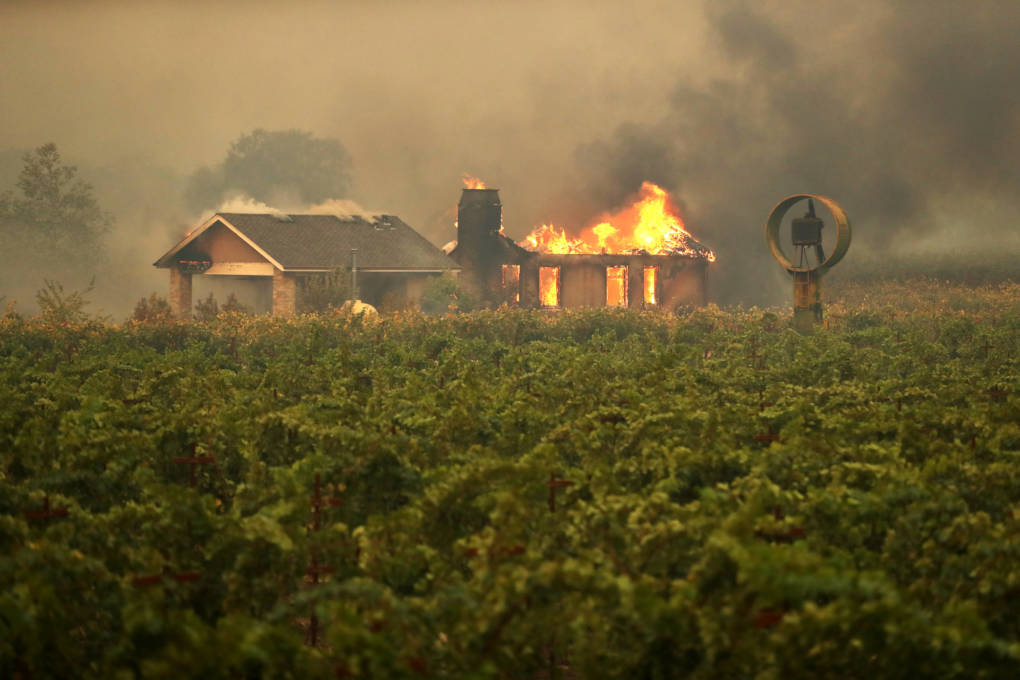
"caption": "A building is engulfed in flames at a vineyard during the Kincade fire near Geyserville on Oct. 24, 2019.",
"description": "A building is engulfed in flames at a vineyard during the Kincade fire near Geyserville on Oct. 24, 2019.",
"title": "kincade-fire-1920a",
"credit": "Josh Edelson/AFP via Getty Images",
"status": "inherit",
"isLoading": false,
"fetchFailed": false
}
},
"audioPlayerReducer": {
"postId": "stream_live",
"isPaused": true,
"isPlaying": false,
"pfsActive": false,
"pledgeModalIsOpen": true,
"playerDrawerIsOpen": false,
"liveAudioPlayStartedAt": 0,
"liveAudioPlayContext": ""
},
"authorsReducer": {
"byline_news_11795790": {
"type": "authors",
"id": "byline_news_11795790",
"meta": {
"override": true
},
"slug": "byline_news_11795790",
"name": "\u003ca href=\"https://www.npr.org/people/2101350/eric-westervelt\"> Eric Westervelt \u003ca />",
"isLoading": false
},
"byline_news_11785982": {
"type": "authors",
"id": "byline_news_11785982",
"meta": {
"override": true
},
"slug": "byline_news_11785982",
"name": "Rachel Lerman",
"isLoading": false
},
"byline_news_11783135": {
"type": "authors",
"id": "byline_news_11783135",
"meta": {
"override": true
},
"slug": "byline_news_11783135",
"name": "KQED News, Associated Press",
"isLoading": false
},
"byline_news_11783073": {
"type": "authors",
"id": "byline_news_11783073",
"meta": {
"override": true
},
"slug": "byline_news_11783073",
"name": "Julie Chang, KQED News",
"isLoading": false
},
"dclyde": {
"type": "authors",
"id": "104",
"meta": {
"index": "authors_1716337520",
"id": "104",
"found": true
},
"name": "Don Clyde",
"firstName": "Don",
"lastName": "Clyde",
"slug": "dclyde",
"email": "dclyde@kqed.org",
"display_author_email": false,
"staff_mastheads": [],
"title": "KQED Contributor",
"bio": "Don Clyde is an online producer, reporter and copy editor for KQED News. Before venturing into journalism, he worked as a medical device engineer and scientist for nearly a decade after earning a degree in physics from UC Berkeley. He loves travel, reading, living in Oakland, and most importantly, a good walk. Email him at dclyde@kqed.org or follow him @clydedon.",
"avatar": "https://secure.gravatar.com/avatar/decd3e640c3eedbd0a574275aebb2d19?s=600&d=blank&r=g",
"twitter": "clydedon",
"facebook": null,
"instagram": null,
"linkedin": null,
"sites": [
{
"site": "artschool",
"roles": [
"editor"
]
},
{
"site": "news",
"roles": [
"administrator"
]
},
{
"site": "futureofyou",
"roles": [
"editor"
]
},
{
"site": "about",
"roles": [
"editor"
]
},
{
"site": "mindshift",
"roles": [
"contributor"
]
},
{
"site": "bayareabites",
"roles": [
"contributor"
]
},
{
"site": "lowdown",
"roles": [
"editor"
]
},
{
"site": "stateofhealth",
"roles": [
"administrator"
]
},
{
"site": "spark",
"roles": [
"administrator"
]
},
{
"site": "trulyca",
"roles": [
"administrator"
]
},
{
"site": "imagemakers",
"roles": [
"administrator"
]
},
{
"site": "science",
"roles": []
},
{
"site": "education",
"roles": [
"editor"
]
},
{
"site": "quest",
"roles": [
"subscriber"
]
},
{
"site": "checkplease",
"roles": [
"subscriber"
]
},
{
"site": "forum",
"roles": [
"editor"
]
},
{
"site": "perspectives",
"roles": [
"editor"
]
}
],
"headData": {
"title": "Don Clyde | KQED",
"description": "KQED Contributor",
"ogImgSrc": "https://secure.gravatar.com/avatar/decd3e640c3eedbd0a574275aebb2d19?s=600&d=blank&r=g",
"twImgSrc": "https://secure.gravatar.com/avatar/decd3e640c3eedbd0a574275aebb2d19?s=600&d=blank&r=g"
},
"isLoading": false,
"link": "/author/dclyde"
},
"danbrekke": {
"type": "authors",
"id": "222",
"meta": {
"index": "authors_1716337520",
"id": "222",
"found": true
},
"name": "Dan Brekke",
"firstName": "Dan",
"lastName": "Brekke",
"slug": "danbrekke",
"email": "dbrekke@kqed.org",
"display_author_email": true,
"staff_mastheads": [
"news",
"science"
],
"title": "KQED Editor and Reporter",
"bio": "Dan Brekke is a reporter and editor for KQED News, responsible for coverage of topics ranging from California water issues to the Bay Area's transportation challenges. In a newsroom career that began in Chicago in 1972, Dan has worked for \u003cem>The San Francisco Examiner,\u003c/em> Wired and TechTV and has been published in The New York Times, The New York Times Magazine, Business 2.0, Salon and elsewhere.\r\n\r\nSince joining KQED in 2007, Dan has reported, edited and produced both radio and online features and breaking news pieces. He has shared as both editor and reporter in four Society of Professional Journalists Norcal Excellence in Journalism awards and one Edward R. Murrow regional award. He was chosen for a spring 2017 residency at the Mesa Refuge to advance his research on California salmon.\r\n\r\nEmail Dan at: \u003ca href=\"mailto:dbrekke@kqed.org\">dbrekke@kqed.org\u003c/a>\r\n\r\n\u003cstrong>Twitter:\u003c/strong> \u003ca href=\"https://twitter.com/danbrekke\" rel=\"noopener noreferrer\">twitter.com/danbrekke\u003c/a>\r\n\u003cstrong>Facebook:\u003c/strong> \u003ca href=\"https://www.facebook.com/danbrekke\" rel=\"noopener noreferrer\">www.facebook.com/danbrekke\u003c/a>\r\n\u003cstrong>LinkedIn:\u003c/strong> \u003ca href=\"https://www.linkedin.com/in/danbrekke\" rel=\"noopener noreferrer\">www.linkedin.com/in/danbrekke\u003c/a>",
"avatar": "https://secure.gravatar.com/avatar/c8126230345efca3f7aa89b1a402be45?s=600&d=mm&r=g",
"twitter": "danbrekke",
"facebook": null,
"instagram": "https://www.instagram.com/dan.brekke/",
"linkedin": "https://www.linkedin.com/in/danbrekke/",
"sites": [
{
"site": "news",
"roles": [
"administrator",
"create_posts"
]
},
{
"site": "stateofhealth",
"roles": [
"editor"
]
},
{
"site": "science",
"roles": [
"editor"
]
},
{
"site": "quest",
"roles": [
"contributor"
]
},
{
"site": "food",
"roles": [
"contributor"
]
},
{
"site": "forum",
"roles": [
"contributor"
]
},
{
"site": "liveblog",
"roles": [
"editor"
]
}
],
"headData": {
"title": "Dan Brekke | KQED",
"description": "KQED Editor and Reporter",
"ogImgSrc": "https://secure.gravatar.com/avatar/c8126230345efca3f7aa89b1a402be45?s=600&d=mm&r=g",
"twImgSrc": "https://secure.gravatar.com/avatar/c8126230345efca3f7aa89b1a402be45?s=600&d=mm&r=g"
},
"isLoading": false,
"link": "/author/danbrekke"
},
"kqed": {
"type": "authors",
"id": "236",
"meta": {
"index": "authors_1716337520",
"id": "236",
"found": true
},
"name": "KQED News Staff",
"firstName": "KQED News Staff",
"lastName": null,
"slug": "kqed",
"email": "faq@kqed.org",
"display_author_email": false,
"staff_mastheads": [],
"title": null,
"bio": null,
"avatar": "https://secure.gravatar.com/avatar/ef0e801a68c4c54afa9180db14084167?s=600&d=blank&r=g",
"twitter": null,
"facebook": null,
"instagram": null,
"linkedin": null,
"sites": [
{
"site": "arts",
"roles": [
"contributor"
]
},
{
"site": "news",
"roles": [
"editor"
]
},
{
"site": "futureofyou",
"roles": [
"author"
]
}
],
"headData": {
"title": "KQED News Staff | KQED",
"description": null,
"ogImgSrc": "https://secure.gravatar.com/avatar/ef0e801a68c4c54afa9180db14084167?s=600&d=blank&r=g",
"twImgSrc": "https://secure.gravatar.com/avatar/ef0e801a68c4c54afa9180db14084167?s=600&d=blank&r=g"
},
"isLoading": false,
"link": "/author/kqed"
},
"kqednewsstaffandwires": {
"type": "authors",
"id": "237",
"meta": {
"index": "authors_1716337520",
"id": "237",
"found": true
},
"name": "KQED News Staff and Wires",
"firstName": "KQED News Staff and Wires",
"lastName": null,
"slug": "kqednewsstaffandwires",
"email": "onlinenewsstaff@kqed.org",
"display_author_email": false,
"staff_mastheads": [],
"title": null,
"bio": null,
"avatar": "https://secure.gravatar.com/avatar/72295af8ebbfbd19a4948f5271285664?s=600&d=blank&r=g",
"twitter": null,
"facebook": null,
"instagram": null,
"linkedin": null,
"sites": [
{
"site": "arts",
"roles": [
"contributor"
]
},
{
"site": "news",
"roles": [
"contributor"
]
},
{
"site": "lowdown",
"roles": [
"author"
]
},
{
"site": "stateofhealth",
"roles": [
"contributor"
]
},
{
"site": "food",
"roles": [
"author"
]
}
],
"headData": {
"title": "KQED News Staff and Wires | KQED",
"description": null,
"ogImgSrc": "https://secure.gravatar.com/avatar/72295af8ebbfbd19a4948f5271285664?s=600&d=blank&r=g",
"twImgSrc": "https://secure.gravatar.com/avatar/72295af8ebbfbd19a4948f5271285664?s=600&d=blank&r=g"
},
"isLoading": false,
"link": "/author/kqednewsstaffandwires"
},
"mlam": {
"type": "authors",
"id": "244",
"meta": {
"index": "authors_1716337520",
"id": "244",
"found": true
},
"name": "Monica Lam",
"firstName": "Monica Z.",
"lastName": "Lam",
"slug": "mlam",
"email": "mlam@kqed.org",
"display_author_email": true,
"staff_mastheads": [
"news"
],
"title": "KQED Senior Producer",
"bio": "Monica is senior producer of the weekly current affairs program, \"KQED Newsroom.\" She's also served as senior editor of digital content at KQED. She likes to report and edit as well as produce video and take photos.\r\n\r\nBefore joining KQED, Monica worked at the Center for Investigative Reporting, where she examined conditions inside \u003cspan style=\"font-weight: 400;\">maximum security \u003c/span>prisons and abuse in state-run institutions for the developmentally disabled. Prior to that, she produced and directed \u003cem>Journey of the Bonesetter's Daughter,\u003c/em> a documentary that follows novelist Amy Tan as she creates an opera based on her family history.\r\n\r\nMonica's work has been honored with a duPont Award, five Emmys, regional and national Murrow Awards, and has been recognized by Investigative Reporters and Editors, the Society of Professional Journalists, Religion Newswriters Association and the San Francisco Peninsula Press Club. Monica studied urban studies at Stanford University and earned a master's in journalism at University of California at Berkeley. Follow her on twitter: @monicazlam",
"avatar": "https://secure.gravatar.com/avatar/018c474b2b71f43e0e6ca9b15a0ad36f?s=600&d=blank&r=g",
"twitter": "@monicazlam",
"facebook": null,
"instagram": null,
"linkedin": null,
"sites": [
{
"site": "arts",
"roles": [
"administrator"
]
},
{
"site": "news",
"roles": [
"editor"
]
},
{
"site": "trulyca",
"roles": [
"editor"
]
},
{
"site": "science",
"roles": [
"editor"
]
},
{
"site": "breakingnews",
"roles": [
"editor"
]
}
],
"headData": {
"title": "Monica Lam | KQED",
"description": "KQED Senior Producer",
"ogImgSrc": "https://secure.gravatar.com/avatar/018c474b2b71f43e0e6ca9b15a0ad36f?s=600&d=blank&r=g",
"twImgSrc": "https://secure.gravatar.com/avatar/018c474b2b71f43e0e6ca9b15a0ad36f?s=600&d=blank&r=g"
},
"isLoading": false,
"link": "/author/mlam"
},
"tgoldberg": {
"type": "authors",
"id": "258",
"meta": {
"index": "authors_1716337520",
"id": "258",
"found": true
},
"name": "Ted Goldberg",
"firstName": "Ted",
"lastName": "Goldberg",
"slug": "tgoldberg",
"email": "tgoldberg@kqed.org",
"display_author_email": true,
"staff_mastheads": [
"news"
],
"title": "KQED Managing Editor, News and Newscasts",
"bio": "Ted Goldberg is Managing Editor of News and Newscasts at KQED. His main reporting beat is the Bay Area's oil refining industry.\r\n\r\nPrior to joining KQED in 2014, Ted worked at CBS News and WCBS AM in New York and Bay City News and KCBS Radio in San Francisco. He graduated from Oberlin College in Ohio in 1998.",
"avatar": "https://secure.gravatar.com/avatar/30ce2e4fe89135e104f89be2394d16225b9d36c121b5b3cb7651ce642978b96f?s=600&d=blank&r=g",
"twitter": "TedrickG",
"bluesky": null,
"facebook": null,
"instagram": null,
"linkedin": null,
"sites": [
{
"site": "news",
"roles": [
"editor"
]
},
{
"site": "science",
"roles": [
"editor"
]
}
],
"headData": {
"title": "Ted Goldberg | KQED",
"description": "KQED Managing Editor, News and Newscasts",
"ogImgSrc": "https://secure.gravatar.com/avatar/30ce2e4fe89135e104f89be2394d16225b9d36c121b5b3cb7651ce642978b96f?s=600&d=blank&r=g",
"twImgSrc": "https://secure.gravatar.com/avatar/30ce2e4fe89135e104f89be2394d16225b9d36c121b5b3cb7651ce642978b96f?s=600&d=blank&r=g"
},
"isLoading": false,
"link": "/author/tgoldberg"
},
"aemslie": {
"type": "authors",
"id": "3206",
"meta": {
"index": "authors_1716337520",
"id": "3206",
"found": true
},
"name": "Alex Emslie",
"firstName": "Alex",
"lastName": "Emslie",
"slug": "aemslie",
"email": "aemslie@kqed.org",
"display_author_email": true,
"staff_mastheads": [
"news"
],
"title": "KQED Senior Editor",
"bio": "Alex Emslie is senior editor of talent and development at KQED, where he manages dozens of early career journalists and oversees news department internships.\r\n\r\nHe is a former carpenter and proud graduate of City College of San Francisco and San Francisco State University, where he studied journalism and criminal justice before joining KQED in 2013.\r\n\r\nAlex produced investigative journalism focused on \u003ca href=\"https://www.kqed.org/news/11667594/the-trials-of-marvin-mutch-video\">criminal justice\u003c/a> and policing for most of a decade. He has broken major stories about \u003ca href=\"https://www.kqed.org/news/135682/amid-a-series-of-vallejo-police-shootings-one-officers-name-stands-out\">police use of deadly force\u003c/a>, \u003ca href=\"https://www.kqed.org/news/10454955/racist-texts-prompt-sfpd-internal-investigation\">officer misconduct\u003c/a> and \u003ca href=\"https://www.kqed.org/news/11712239/terrorist-or-troll-judge-to-weigh-whether-oakland-man-really-intended-to-attack-bay-area\">other\u003c/a> \u003ca href=\"https://www.kqed.org/news/11221414/hayward-paid-159000-to-husband-of-retired-police-chief-documents-show\">high\u003c/a>-\u003ca href=\"https://www.kqed.org/news/10622762/the-forgotten-tracking-two-homicides-in-san-francisco-public-housing\">profile\u003c/a> \u003ca href=\"https://www.kqed.org/news/11624516/federal-agency-promoted-ranger-just-months-after-his-gun-was-stolen-and-used-in-steinle-killing\">cases\u003c/a>. He co-founded the \u003ca href=\"https://projects.scpr.org/california-reporting-project/\">California Reporting Project\u003c/a> in 2019 to obtain and report on previously confidential police internal investigations. The effort produced well over 100 original stories and changed the course of multiple criminal cases.\r\n\r\nHis work has been recognized with numerous journalism awards, including a national Edward R. Murrow award for several years of \u003ca href=\"https://www.kqed.org/news/11688481/sfpd-officers-in-mario-woods-case-recount-shooting-in-newly-filed-depositions\">reporting\u003c/a> on the San Francisco Police shooting of Mario Woods. His \u003ca href=\"https://www.kqed.org/news/147854/half-of-those-killed-by-san-francisco-police-are-mentally-ill\">reporting\u003c/a> on police killings of people in psychiatric crisis was cited in amicus briefs before the U.S. Supreme Court.\r\n\r\nAlex now enjoys mentoring the next generation of journalists at KQED.",
"avatar": "https://secure.gravatar.com/avatar/e691e65209f20e9da202bd730ead5663?s=600&d=blank&r=g",
"twitter": "SFNewsReporter",
"facebook": null,
"instagram": null,
"linkedin": null,
"sites": [
{
"site": "arts",
"roles": [
"editor"
]
},
{
"site": "news",
"roles": [
"editor"
]
},
{
"site": "mindshift",
"roles": [
"editor"
]
},
{
"site": "stateofhealth",
"roles": [
"editor"
]
},
{
"site": "science",
"roles": [
"administrator"
]
}
],
"headData": {
"title": "Alex Emslie | KQED",
"description": "KQED Senior Editor",
"ogImgSrc": "https://secure.gravatar.com/avatar/e691e65209f20e9da202bd730ead5663?s=600&d=blank&r=g",
"twImgSrc": "https://secure.gravatar.com/avatar/e691e65209f20e9da202bd730ead5663?s=600&d=blank&r=g"
},
"isLoading": false,
"link": "/author/aemslie"
},
"fjhabvala": {
"type": "authors",
"id": "8659",
"meta": {
"index": "authors_1716337520",
"id": "8659",
"found": true
},
"name": "Farida Jhabvala Romero",
"firstName": "Farida",
"lastName": "Jhabvala Romero",
"slug": "fjhabvala",
"email": "fjhabvala@kqed.org",
"display_author_email": true,
"staff_mastheads": [
"news"
],
"title": "KQED Contributor",
"bio": "Farida Jhabvala Romero is a Labor Correspondent for KQED. She previously covered immigration. Farida was \u003ca href=\"https://www.ccnma.org/2022-most-influential-latina-journalists\">named\u003c/a> one of the 10 Most Influential Latina Journalists in California in 2022 by the California Chicano News Media Association. Her work has won awards from the Society of Professional Journalists (Northern California), as well as a national and regional Edward M. Murrow Award for the collaborative reporting projects “Dangerous Air” and “Graying California.” Before joining KQED, Farida worked as a producer at Radio Bilingüe, a national public radio network. Farida earned her master’s degree in journalism from Stanford University.",
"avatar": "https://secure.gravatar.com/avatar/f9f022d4e2609741874222a1e9d41f48fea74011aa7c615eef91d9a50c944ebe?s=600&d=blank&r=g",
"twitter": "FaridaJhabvala",
"bluesky": null,
"facebook": null,
"instagram": null,
"linkedin": "https://www.linkedin.com/in/faridajhabvala/",
"sites": [
{
"site": "news",
"roles": [
"editor"
]
},
{
"site": "stateofhealth",
"roles": [
"author"
]
},
{
"site": "liveblog",
"roles": [
"author"
]
}
],
"headData": {
"title": "Farida Jhabvala Romero | KQED",
"description": "KQED Contributor",
"ogImgSrc": "https://secure.gravatar.com/avatar/f9f022d4e2609741874222a1e9d41f48fea74011aa7c615eef91d9a50c944ebe?s=600&d=blank&r=g",
"twImgSrc": "https://secure.gravatar.com/avatar/f9f022d4e2609741874222a1e9d41f48fea74011aa7c615eef91d9a50c944ebe?s=600&d=blank&r=g"
},
"isLoading": false,
"link": "/author/fjhabvala"
},
"smamidanna": {
"type": "authors",
"id": "11581",
"meta": {
"index": "authors_1716337520",
"id": "11581",
"found": true
},
"name": "Sruti Mamidanna",
"firstName": "Sruti",
"lastName": "Mamidanna",
"slug": "smamidanna",
"email": "smamidanna@kqed.org",
"display_author_email": false,
"staff_mastheads": [],
"title": null,
"bio": null,
"avatar": "https://secure.gravatar.com/avatar/b6365bcdef7e2060671a7124aa076048?s=600&d=blank&r=g",
"twitter": null,
"facebook": null,
"instagram": null,
"linkedin": null,
"sites": [
{
"site": "news",
"roles": [
"author"
]
}
],
"headData": {
"title": "Sruti Mamidanna | KQED",
"description": null,
"ogImgSrc": "https://secure.gravatar.com/avatar/b6365bcdef7e2060671a7124aa076048?s=600&d=blank&r=g",
"twImgSrc": "https://secure.gravatar.com/avatar/b6365bcdef7e2060671a7124aa076048?s=600&d=blank&r=g"
},
"isLoading": false,
"link": "/author/smamidanna"
},
"kevinstark": {
"type": "authors",
"id": "11608",
"meta": {
"index": "authors_1716337520",
"id": "11608",
"found": true
},
"name": "Kevin Stark",
"firstName": "Kevin",
"lastName": "Stark",
"slug": "kevinstark",
"email": "kstark@kqed.org",
"display_author_email": true,
"staff_mastheads": [
"science"
],
"title": "Senior Editor",
"bio": "Kevin is a senior editor for KQED Science, managing the station's health and climate desks. His journalism career began in the Pacific Northwest, and he later became a lead reporter for the San Francisco Public Press. His work has appeared in Pacific Standard magazine, the Energy News Network, the Center for Investigative Reporting's Reveal and WBEZ in Chicago. Kevin joined KQED in 2019, and has covered issues related to energy, wildfire, climate change and the environment.",
"avatar": "https://secure.gravatar.com/avatar/365aaa4b597d3a8374f67504ff0facd323d7906e8eb4be0a7efd2427408e802c?s=600&d=blank&r=g",
"twitter": "starkkev",
"bluesky": null,
"facebook": null,
"instagram": null,
"linkedin": null,
"sites": [
{
"site": "",
"roles": [
"editor"
]
},
{
"site": "news",
"roles": [
"editor"
]
},
{
"site": "science",
"roles": [
"administrator"
]
}
],
"headData": {
"title": "Kevin Stark | KQED",
"description": "Senior Editor",
"ogImgSrc": "https://secure.gravatar.com/avatar/365aaa4b597d3a8374f67504ff0facd323d7906e8eb4be0a7efd2427408e802c?s=600&d=blank&r=g",
"twImgSrc": "https://secure.gravatar.com/avatar/365aaa4b597d3a8374f67504ff0facd323d7906e8eb4be0a7efd2427408e802c?s=600&d=blank&r=g"
},
"isLoading": false,
"link": "/author/kevinstark"
},
"awoelfle": {
"type": "authors",
"id": "11630",
"meta": {
"index": "authors_1716337520",
"id": "11630",
"found": true
},
"name": "Alice Woelfle",
"firstName": "Alice",
"lastName": "Woelfle",
"slug": "awoelfle",
"email": "awoelfle@KQED.org",
"display_author_email": false,
"staff_mastheads": [],
"title": null,
"bio": null,
"avatar": "https://secure.gravatar.com/avatar/00e46668235dc71f4a7513cf5eb31df3?s=600&d=blank&r=g",
"twitter": null,
"facebook": null,
"instagram": null,
"linkedin": null,
"sites": [
{
"site": "news",
"roles": [
"subscriber"
]
}
],
"headData": {
"title": "Alice Woelfle | KQED",
"description": null,
"ogImgSrc": "https://secure.gravatar.com/avatar/00e46668235dc71f4a7513cf5eb31df3?s=600&d=blank&r=g",
"twImgSrc": "https://secure.gravatar.com/avatar/00e46668235dc71f4a7513cf5eb31df3?s=600&d=blank&r=g"
},
"isLoading": false,
"link": "/author/awoelfle"
}
},
"pagesReducer": {
"news_tag_sonoma-county": {
"type": "terms",
"id": "news_4981",
"meta": {
"index": "terms_1716263798",
"site": "news",
"id": "4981",
"score": 9.104049
},
"featImg": null,
"name": "Sonoma County",
"description": null,
"taxonomy": "tag",
"headData": {
"twImgId": null,
"twTitle": null,
"ogTitle": null,
"ogImgId": null,
"twDescription": null,
"description": null,
"title": "Sonoma County Archives | KQED News",
"ogDescription": null
},
"ttid": 5000,
"slug": "sonoma-county",
"isLoading": false,
"title": "Sonoma County",
"pageMeta": {
"site": "news",
"WpPageTemplate": "page-topic-editorial",
"currentPage": 10
},
"blocks": [
{
"blockName": "kqed/post-list",
"attrs": {
"layout": "cardArticle2",
"query": "posts/news?tag=sonoma-county",
"seeMore": false,
"paginated": true,
"page": 10
}
},
{
"blockName": "kqed/ad"
}
]
}
},
"pfsSessionReducer": {},
"postsReducer": {
"stream_live": {
"type": "live",
"id": "stream_live",
"audioUrl": "https://streams.kqed.org/kqedradio",
"title": "Live Stream",
"excerpt": "Live Stream information currently unavailable.",
"link": "/radio",
"featImg": "",
"label": {
"name": "KQED Live",
"link": "/"
}
},
"stream_kqedNewscast": {
"type": "posts",
"id": "stream_kqedNewscast",
"audioUrl": "https://www.kqed.org/.stream/anon/radio/RDnews/newscast.mp3?_=1",
"title": "KQED Newscast",
"featImg": "",
"label": {
"name": "88.5 FM",
"link": "/"
}
},
"news_11795790": {
"type": "posts",
"id": "news_11795790",
"meta": {
"index": "posts_1716263798",
"site": "news",
"id": "11795790",
"score": null,
"sort": [
1578957222000
]
},
"guestAuthors": [],
"slug": "sonoma-county-supes-to-consider-buying-houses-for-some-homeless-on-santa-rosa-trail",
"title": "Sonoma County Considers Buying Houses for Some Homeless on Santa Rosa Trail",
"publishDate": 1578957222,
"format": "standard",
"headTitle": "Sonoma County Considers Buying Houses for Some Homeless on Santa Rosa Trail | KQED",
"labelTerm": {},
"content": "\u003cp>Charles Gibson pushes a shopping cart towards his soggy tent on a tenuous patch of a grassy drainage ditch along a bike trail in Santa Rosa. He’s one of nearly 200 people living in a sprawling camp here that has sprung up along a popular recreation corridor. It’s a community, Gibson says, that often feels caught between opposing forces who aren’t always listening.\u003c/p>\n\u003cp>“I mean, they [local officials] want us to be able to govern ourselves, but they are not giving us the tools we need,” Gibson says. “They don’t want you hiding, but they don’t want you in their face, you know?”\u003c/p>\n\u003cp>[pullquote size=\"medium\" align=\"right\" citation=\"Sonoma County Supervisor Lynda Hopkins\"]‘I never thought that I would drive past a mile-long shantytown on my way to work. And yet, that’s the reality that we’re facing right now in Sonoma County.’[/pullquote]\u003c/p>\n\u003cp>Across California and other parts of the country, these growing homeless encampments evoke shantytown “Hoovervilles,” where hundreds of thousands of destitute Americans lived during the Great Depression. The encampments are frustrating residents, raising health and safety fears and fueling a debate over poverty and inequality in one of the nation’s wealthiest states.\u003c/p>\n\u003cp>The fight over the encampment in Sonoma County’s Santa Rosa underscores the challenges of finding a lasting solution to the growing crisis. Amid a growing chorus of outrage at filthy, unsanitary conditions and the presence of rats and used drug needles, the camp has divided locals and even prompted an effort to recall a local politician.\u003c/p>\n\u003cp>[ad fullwidth]\u003c/p>\n\u003cp>“I never thought that I would drive past a mile-long shantytown on my way to work. And yet, that’s the reality that we’re facing right now in Sonoma County\u003cstrong>,\u003c/strong>” said county \u003ca href=\"http://lyndaforsupervisor.com/\" target=\"_blank\" rel=\"noopener noreferrer\">Supervisor Lynda Hopkins\u003c/a>, whose district includes the encampment.\u003c/p>\n\u003cp>For months, makeshift tarp, tent and pallet “homes” have filled a stretch of the paved Joe Rodota bike trail that sides right next to Highway 12, a major commuter artery into Santa Rosa, the county seat. Now, the Sonoma County Board of Supervisors is considering purchasing three homes to house some of the people who live on the trail.\u003c/p>\n\u003cp>“It’s incredibly challenging,” Hopkins said, noting she gets scores of emails each day from frustrated, alarmed and angry constituents. “I also get emails of people who are just heartbroken at seeing the level of suffering — people freezing cold, living in a tent in the rain with no access to running water or electricity or sewer services.”\u003c/p>\n\u003cp>[aside postID=news_11794599 label='expanded statewide efforts' hero=\"https://cdn.kqed.org/wp-content/uploads/sites/10/2020/01/newsom-1020x681.jpg\"]\u003cbr>\nWhile homelessness is a hard-to-fix national problem, it is particularly severe in California. The state’s homeless population \u003ca href=\"https://www.kqed.org/news/11792743/hud-report-2-7-uptick-in-nations-homeless-population-due-to-california-spike\" target=\"_blank\" rel=\"noopener noreferrer\">jumped 16% in the last year\u003c/a>. California has the \u003ca href=\"https://nlchp.org/wp-content/uploads/2018/10/Tent_City_USA_2017.pdf\" target=\"_blank\" rel=\"noopener noreferrer\">highest number of tent cities\u003c/a>, according to a report by the National Law Center on Homelessness & Poverty. And according to a \u003ca href=\"https://files.hudexchange.info/resources/documents/2019-AHAR-Part-1.pdf\" target=\"_blank\" rel=\"noopener noreferrer\">new report \u003c/a>by the Department of Housing and Urban Development, California’s homeless population accounts for 53% of all unsheltered people in the country. Overall, the state has more than 150,000 people experiencing homelessness, according to the report.\u003c/p>\n\u003cp>Given the growing crisis, Gov. Gavin Newsom recently proposed more than $1.4 billion in his \u003ca href=\"https://www.kqed.org/news/11795344/newsom-zeroes-in-on-education-gaps-homelessness-and-wildfires-in-state-budget\" target=\"_blank\" rel=\"noopener noreferrer\">new budget \u003c/a>for expanded state and local efforts on immediate housing and services. Some $750 million of that would be placed in a \u003ca href=\"https://www.npr.org/2020/01/08/794687084/california-governor-pushes-1-4-billion-plan-to-tackle-homelessness\" target=\"_blank\" rel=\"noopener noreferrer\">special fund\u003c/a> to pay the rent of people facing homelessness and to jump-start the construction of more affordable housing. The first-term Democrat has also ordered state agencies to do more to help find temporary sites — including decommissioned hospitals or unused land — for the state’s expanding homeless encampments.\u003c/p>\n\u003cp>Across the state, residents are demanding robust coordinated action on what has now become a public health crisis. There are rising concerns about health and safety problems inside the encampments, including \u003ca href=\"https://www.cdph.ca.gov/Programs/CID/DCDC/CDPH%20Document%20Library/Immunization/2016-18CAOutbreakAssociatedDrugUseHomelessness.pdf\" target=\"_blank\" rel=\"noopener noreferrer\">disease\u003c/a>, open drug use, violence, crime and fire risks. In Los Angeles County alone, the death rate for homeless has risen steadily for years and\u003ca href=\"https://www.theguardian.com/us-news/2019/oct/30/homeless-deaths-los-angeles-county\" target=\"_blank\" rel=\"noopener noreferrer\"> in 2018 topped 1,000\u003c/a> — about three deaths a day.\u003c/p>\n\u003cfigure id=\"attachment_11795792\" class=\"wp-caption alignnone\" style=\"max-width: 1920px\">\u003cimg loading=\"lazy\" decoding=\"async\" class=\"size-full wp-image-11795792\" src=\"https://ww2.kqed.org/app/uploads/sites/10/2020/01/img_0429_wide-8877d569f0e7e253f13298d445a54627274c2c58-e1578950118769.jpg\" alt=\"\" width=\"1920\" height=\"1080\">\u003cfigcaption class=\"wp-caption-text\">Charles Gibson, who goes by the nickname “Cowboy,” lives at the tent city in Santa Rosa. “It’s a struggle for anybody to keep warm and keep your heart and head light and strong,” he says. “I’m doing the best I can.” \u003ccite>(Eric Westervelt/NPR)\u003c/cite>\u003c/figcaption>\u003c/figure>\n\u003ch3>\u003cstrong>Living on the Trail\u003c/strong>\u003c/h3>\n\u003cp>Wiry, frenzied and with a ready smile through some missing teeth, Gibson says he prefers the nickname “Cowboy.”\u003c/p>\n\u003cp>“Well, they call me cowboy,” Gibson says, “I always ‘cowboy up’ for other people because I take care of others when I have nothing and stretch myself thin. It’s very hard,” he says of life among broken pallets and ripped tarps. “It’s a struggle for anybody to keep warm and keep your heart and head light and strong. I’m doing the best I can.”\u003c/p>\n\u003cp>Gibson, who has lived here for nearly a year, says the camp has a haphazard sense of community. People watch out for each other. But he concedes the camp has serious problems with garbage, vermin, inadequate toilets and some drug use.\u003c/p>\n\u003cp>County and city agencies have tried to offer some services, including adding portable toilets and trash control. But camp residents say it’s not enough.\u003c/p>\n\u003cp>“If you don’t have someone taking out the trash, it’s gonna pile up,” Gibson says. “Some people are elderly and can’t really do a lot on their own. Some are young people that are very inexperienced with life. I try to a be a guiding light.”\u003c/p>\n\u003cp>At a nearby tent, an older woman pops her head out shouting obscenities at no one in particular.\u003c/p>\n\u003cp>“People need to open up their eyes and realize they could end up like this,” Gibson says. “A lot of people are one [pay]check away. Show some humanity.”\u003c/p>\n\u003cp>Soon a pickup truck pulls up with donations. Time to “cowboy up,” Gibson says, as he moves to help unload used warm clothes from a local resident.\u003c/p>\n\u003cp>“I drive by every morning and today I was just heartbroken,” says commuter Vania Supulveda. “My daughter complains, ‘Oh, it’s so cold out today’ when we see this. And we go back home to a nice warm home. It’s depressing. I grew up in Brazil, in a Third World country, and I’ve never seen something like this so close to me.”\u003c/p>\n\u003ch3>Exploring Solutions\u003c/h3>\n\u003cp>The Board of Supervisors will vote Tuesday on the purchase of three large homes — two in central Santa Rosa and one in Cotati — that would provide housing for some of the people living on the trail. If approved, Hopkins told KQED’s Forum that the homes could be operational as early as next month.\u003c/p>\n\u003cp>The state’s \u003ca href=\"https://www.hcd.ca.gov/grants-funding/active-funding/nplh.shtml\">“No Place Like Home” program \u003c/a>would fund the purchase of the three homes. Hopkins hopes an additional two homes will be purchased eventually, totaling a cost of $6 million that includes furnishings and supportive services.\u003c/p>\n\u003cp>“This is actually a model that … already is actually working in a lot of areas in Sonoma County,” Hopkins told Forum. “They have been very, very successful at getting people off the street and into housing.”\u003c/p>\n\u003cp>Some residents in similar models have even transitioned into renting their own apartments, Hopkins said.\u003c/p>\n\u003cp>“That’s always the goal, right? Is to get people back fully on their feet and able to be supporting themselves in a type of housing that is acceptable. What’s happening right now on the Joe Rodota Trail, we know is completely unacceptable,” Hopkins told Forum.\u003c/p>\n\u003cp>Additionally, Hopkins is exploring an outdoor shelter option that would still allow people to camp, but would provide a navigation trailer with supportive services. It would equip people with “fundamental human needs,” such as restrooms, electricity, water and, ideally, shower and laundry facilities, Hopkins said.\u003c/p>\n\u003cp>“When you talk about the encampment along the Joe Rodota Trail, it is actually very difficult to service because it’s actually spread out over about a mile and a half of linear trail,” Hopkins said. “So it’s tough for service workers to actually go out there … and actually provide people with a plan to get them off the trail and into housing.”\u003c/p>\n\u003ch3>\u003cstrong>Public Backlash in Sonoma County\u003c/strong>\u003c/h3>\n\u003cp>“It just showcases the failure of government at all levels to meaningfully have a safety net for human beings,” Hopkins said. “There’s just no room for error now, there’s no safety net.”\u003c/p>\n\u003cp>On Thursday, Sonoma County’s chief homelessness official, Geoffrey Ross, announced his resignation. The Board of Supervisors will vote Tuesday to confirm Barbie Robinson, the county health services director, as interim executive director of the Community Development Commission.\u003c/p>\n\u003cp>Robinson has drawn praise from supervisors, including Hopkins, for stepping into a leadership position and working alongside Ross to craft a plan to allocate \u003ca href=\"https://www.kqed.org/news/11792903/sonoma-county-approves-12-million-urgent-plan-for-homeless\" target=\"_blank\" rel=\"noopener noreferrer\">$12 million in emergency funds\u003c/a> for the encampment.\u003c/p>\n\u003cp>Hopkins has also helped lead efforts to find solutions for the camp, including working on the emergency funding plan and setting up an emergency \u003ca href=\"https://abc7news.com/society/sonoma-co-opens-eoc-for-first-time-in-response-to-homeless-crisis/5823059/\" target=\"_blank\" rel=\"noopener noreferrer\">operations center\u003c/a> to better coordinate responses to a complex problem with no easy fixes.\u003c/p>\n\u003cp>Still, the first-term politician is facing blowback over the camp. A handful of angry constituents started \u003ca href=\"https://www.pressdemocrat.com/news/10539186-181/recall-effort-targets-sonoma-county?sba=AAS\" target=\"_blank\" rel=\"noopener noreferrer\">an effort to recall Hopkins\u003c/a>, even though she faces an election in March. Their petition accuses Hopkins of failing to act — “her watch, her failure” — and calls the homeless encampment a “public cesspool” that’s undermining businesses, homes and quality of life.\u003c/p>\n\u003cp>The problem cuts across complex issues, including rising housing costs and skyrocketing rents, stagnant wages, poverty, addiction and mental health treatment.\u003c/p>\n\u003cp>Complicating attempts to find a solution in Sonoma is \u003ca href=\"https://sonomacounty.ca.gov/CAO/Agreement-with-Homeless-Advocates-on-Preliminary-Injunction/\" target=\"_blank\" rel=\"noopener noreferrer\">a local injunction\u003c/a> that says the county can’t arrest or fine its way out of the crisis.\u003c/p>\n\u003cp>\u003ca href=\"https://www.npr.org/2019/12/13/787861253/how-boises-fight-over-homelessness-is-rippling-across-the-west-coast\" target=\"_blank\" rel=\"noopener noreferrer\">A federal court ruling\u003c/a> carries even more weight. The 9th U.S. Circuit Court of Appeals ruled that homeless people essentially have a Constitutional right to camp on public property if local governments can’t provide enough shelter beds and services. The U.S. Supreme Court declined to hear an appeal in that case.\u003c/p>\n\u003cp>[pullquote size=\"medium\" align=\"right\" citation=\"Marcos Ramirez, co-founder of the Squeaky Wheel Bicycle Coalition\"]‘We know how to do this; we know how to take care of people. We’ve just seen it recently with the Kincade fire.’[/pullquote]\u003c/p>\n\u003cp>Those are services Hopkins said the county simply can’t afford now on its own.\u003c/p>\n\u003cp>“How can we provide alternatives when we don’t have enough money from the state or federal government to actually provide adequate mental health services, to actually provide adequate housing and shelter for these human beings?” she asked.\u003c/p>\n\u003cp>President Trump has repeatedly criticized the state response \u003ca href=\"https://www.whitehouse.gov/wp-content/uploads/2019/09/The-State-of-Homelessness-in-America.pdf\" target=\"_blank\" rel=\"noopener noreferrer\">to its homeless crisis\u003c/a>, painting it as a result of failed Democratic leadership. He has threatened federal intervention. “It’s a shame. The world is looking at it,” Trump said \u003ca href=\"https://www.npr.org/2019/09/11/759899416/los-angeles-has-a-homeless-problem-now-the-trump-administration-is-weighing-in\" target=\"_blank\" rel=\"noopener noreferrer\">in September\u003c/a>.\u003c/p>\n\u003cp>Hopkins and other politicians have also promised to relocate the camp within weeks – most likely to a parking lot area near the airport while they design a more permanent housing strategy.\u003c/p>\n\u003cp>But they conceded that a lasting fix could take at least two years.\u003c/p>\n\u003ch3>Volunteers Begin to Organize\u003c/h3>\n\u003cp>In the meantime, a new group of concerned citizens have said that the current situation is simply unacceptable. They’re asking: If the community can pull together during a wildfire crisis, why not a homeless crisis?\u003c/p>\n\u003cp>“We know how to do this; we know how to take care of people. We’ve just seen it recently with the Kincade Fire,” said artist and engineer Marcos Ramirez, one of the founders of the \u003ca href=\"https://www.facebook.com/SWBCSonoma/\" target=\"_blank\" rel=\"noopener noreferrer\">Squeaky Wheel Bicycle Coalition.\u003c/a> The volunteer group is trying to break the familiar pattern of political outrage, hand wringing, wrangling and inaction.\u003c/p>\n\u003cp>“If we can organize shelter support, huge amounts of response, emergency services and these kinds of things,” Ramirez said of the wildfires where thousands were temporarily displaced, “there’s no reason why we can’t do this for our unhoused neighbors. It’s the middle of winter and things are only getting colder. There’s no excuse for this.”\u003c/p>\n\u003cp>The size of the trail encampment decreased during the Kincade Fire, Hopkins told Forum, but residents of the trail returned once the fire was out and temporary shelters closed. The camp has continued to grow since.\u003c/p>\n\u003cp>[aside postID=\"forum_2010101875281,news_11792903,news_11679471\" label=\"Related coverage\"]\u003c/p>\n\u003cp>The coalition has drawn up a detailed proposal to retrofit an unused section of Sonoma County’s fairgrounds into a more permanent camp with onsite support, counseling and job services.\u003c/p>\n\u003cp>One key, coalition members said, has been spending time at the encampment to better understand the community living there.\u003c/p>\n\u003cp>“A friend of mind said, ‘You don’t know what’s going on down there.’ And I said, ‘You’re right,’ ” Ramirez said. “And so I went down. And so we’ve spent months down there on the trail and actually getting to know our neighbors. It should seem like a no-brainer that you would need to go talk to the people and ask them what they would like.”\u003c/p>\n\u003cp>These concerned bicyclists for social change hope their ideas gain more traction. And they hope to inspire the formation of more “squeaky wheel coalitions” in cities across California — and other states — facing the same kind of homeless camp crisis.\u003c/p>\n\u003cp>“I don’t like to use the term that we are trying to humanize these people because they’re people and we shouldn’t have to humanize them,” said another Squeaky Wheel activist, Miles Sarvis-Wilburn. “And yet, we’re in a position where that kind of feels like what we have to do now. It seems like that should be more normalized.”\u003c/p>\n\u003cp>\u003cem>KQED’s Forum contributed to this report.\u003c/em>\u003c/p>\n\u003cp>[ad floatright]\u003c/p>\n\u003cp>\u003cem>Copyright 2020 NPR. To see more, visit \u003ca href=\"https://www.npr.org\" target=\"_blank\" rel=\"noopener noreferrer\">NPR.org\u003c/a>.\u003c/em>\u003c/p>\n\n",
"blocks": [],
"excerpt": "The wrangling over what to do about a sprawling homeless camp on the Joe Rodota Trail in Santa Rosa highlights how hard it is to find answers for what is a growing crisis across California.",
"status": "publish",
"parent": 0,
"modified": 1721155453,
"stats": {
"hasAudio": false,
"hasVideo": false,
"hasChartOrMap": false,
"iframeSrcs": [],
"hasGoogleForm": false,
"hasGallery": false,
"hasHearkenModule": false,
"hasPolis": false,
"paragraphCount": 55,
"wordCount": 2472
},
"headData": {
"title": "Sonoma County Considers Buying Houses for Some Homeless on Santa Rosa Trail | KQED",
"description": "The wrangling over what to do about a sprawling homeless camp on the Joe Rodota Trail in Santa Rosa highlights how hard it is to find answers for what is a growing crisis across California.",
"ogTitle": "",
"ogDescription": "",
"ogImgId": "",
"twTitle": "",
"twDescription": "",
"twImgId": "",
"schema": {
"@context": "https://schema.org",
"@type": "NewsArticle",
"headline": "Sonoma County Considers Buying Houses for Some Homeless on Santa Rosa Trail",
"datePublished": "2020-01-13T15:13:42-08:00",
"dateModified": "2024-07-16T11:44:13-07:00",
"image": "https://cdn.kqed.org/wp-content/uploads/2020/02/KQED-OG-Image@1x.png",
"isAccessibleForFree": "True",
"publisher": {
"@type": "NewsMediaOrganization",
"@id": "https://www.kqed.org/#organization",
"name": "KQED",
"logo": "https://cdn.kqed.org/wp-content/uploads/2020/02/KQED-OG-Image@1x.png",
"url": "https://www.kqed.org",
"sameAs": [
"https://www.facebook.com/KQED",
"https://twitter.com/KQED",
"https://www.instagram.com/kqed/",
"https://www.tiktok.com/@kqedofficial",
"https://www.linkedin.com/company/kqed",
"https://www.youtube.com/channel/UCeC0IOo7i1P_61zVUWbJ4nw"
]
}
}
},
"source": "NPR",
"sourceUrl": "https://www.npr.org",
"sticky": false,
"nprImageCredit": "Eric Westervelt",
"nprByline": "\u003ca href=\"https://www.npr.org/people/2101350/eric-westervelt\"> Eric Westervelt \u003ca />",
"nprImageAgency": "NPR",
"nprStoryId": "795439405",
"nprApiLink": "http://api.npr.org/query?id=795439405&apiKey=MDAxOTAwOTE4MDEyMTkxMDAzNjczZDljZA004",
"nprHtmlLink": "https://www.npr.org/2020/01/13/795439405/sprawling-homeless-camps-modern-hoovervilles-vex-california?ft=nprml&f=795439405",
"nprRetrievedStory": "1",
"nprPubDate": "Mon, 13 Jan 2020 09:37:00 -0500",
"nprStoryDate": "Mon, 13 Jan 2020 05:04:00 -0500",
"nprLastModifiedDate": "Mon, 13 Jan 2020 09:37:22 -0500",
"nprAudio": "https://ondemand.npr.org/anon.npr-mp3/npr/me/2020/01/20200113_me_sprawling_homeless_camps_modern_hoovervilles_vex_california_.mp3?orgId=1&topicId=1003&d=295&p=3&story=795439405&ft=nprml&f=795439405",
"nprAudioM3u": "http://api.npr.org/m3u/1795829722-5742dc.m3u?orgId=1&topicId=1003&d=295&p=3&story=795439405&ft=nprml&f=795439405",
"audioTrackLength": 295,
"path": "/news/11795790/sonoma-county-supes-to-consider-buying-houses-for-some-homeless-on-santa-rosa-trail",
"audioUrl": "https://ondemand.npr.org/anon.npr-mp3/npr/me/2020/01/20200113_me_sprawling_homeless_camps_modern_hoovervilles_vex_california_.mp3?orgId=1&topicId=1003&d=295&p=3&story=795439405&ft=nprml&f=795439405",
"parsedContent": [
{
"type": "contentString",
"content": "\u003cdiv class=\"post-body\">\u003cp>\u003cp>Charles Gibson pushes a shopping cart towards his soggy tent on a tenuous patch of a grassy drainage ditch along a bike trail in Santa Rosa. He’s one of nearly 200 people living in a sprawling camp here that has sprung up along a popular recreation corridor. It’s a community, Gibson says, that often feels caught between opposing forces who aren’t always listening.\u003c/p>\n\u003cp>“I mean, they [local officials] want us to be able to govern ourselves, but they are not giving us the tools we need,” Gibson says. “They don’t want you hiding, but they don’t want you in their face, you know?”\u003c/p>\n\u003cp>\u003c/p>\u003c/div>",
"attributes": {
"named": {},
"numeric": []
}
},
{
"type": "component",
"content": "‘I never thought that I would drive past a mile-long shantytown on my way to work. And yet, that’s the reality that we’re facing right now in Sonoma County.’",
"name": "pullquote",
"attributes": {
"named": {
"size": "medium",
"align": "right",
"citation": "Sonoma County Supervisor Lynda Hopkins",
"label": ""
},
"numeric": []
}
},
{
"type": "contentString",
"content": "\u003cdiv class=\"post-body\">\u003cp>\u003c/p>\n\u003cp>Across California and other parts of the country, these growing homeless encampments evoke shantytown “Hoovervilles,” where hundreds of thousands of destitute Americans lived during the Great Depression. The encampments are frustrating residents, raising health and safety fears and fueling a debate over poverty and inequality in one of the nation’s wealthiest states.\u003c/p>\n\u003cp>The fight over the encampment in Sonoma County’s Santa Rosa underscores the challenges of finding a lasting solution to the growing crisis. Amid a growing chorus of outrage at filthy, unsanitary conditions and the presence of rats and used drug needles, the camp has divided locals and even prompted an effort to recall a local politician.\u003c/p>\n\u003cp>\u003c/p>\u003c/div>",
"attributes": {
"named": {},
"numeric": []
}
},
{
"type": "component",
"content": "",
"name": "ad",
"attributes": {
"named": {
"label": "fullwidth"
},
"numeric": [
"fullwidth"
]
}
},
{
"type": "contentString",
"content": "\u003cdiv class=\"post-body\">\u003cp>\u003c/p>\n\u003cp>“I never thought that I would drive past a mile-long shantytown on my way to work. And yet, that’s the reality that we’re facing right now in Sonoma County\u003cstrong>,\u003c/strong>” said county \u003ca href=\"http://lyndaforsupervisor.com/\" target=\"_blank\" rel=\"noopener noreferrer\">Supervisor Lynda Hopkins\u003c/a>, whose district includes the encampment.\u003c/p>\n\u003cp>For months, makeshift tarp, tent and pallet “homes” have filled a stretch of the paved Joe Rodota bike trail that sides right next to Highway 12, a major commuter artery into Santa Rosa, the county seat. Now, the Sonoma County Board of Supervisors is considering purchasing three homes to house some of the people who live on the trail.\u003c/p>\n\u003cp>“It’s incredibly challenging,” Hopkins said, noting she gets scores of emails each day from frustrated, alarmed and angry constituents. “I also get emails of people who are just heartbroken at seeing the level of suffering — people freezing cold, living in a tent in the rain with no access to running water or electricity or sewer services.”\u003c/p>\n\u003cp>\u003c/p>\u003c/div>",
"attributes": {
"named": {},
"numeric": []
}
},
{
"type": "component",
"content": "",
"name": "aside",
"attributes": {
"named": {
"postid": "news_11794599",
"label": "expanded statewide efforts ",
"hero": "https://cdn.kqed.org/wp-content/uploads/sites/10/2020/01/newsom-1020x681.jpg"
},
"numeric": []
}
},
{
"type": "contentString",
"content": "\u003cdiv class=\"post-body\">\u003cp>\u003cbr>\nWhile homelessness is a hard-to-fix national problem, it is particularly severe in California. The state’s homeless population \u003ca href=\"https://www.kqed.org/news/11792743/hud-report-2-7-uptick-in-nations-homeless-population-due-to-california-spike\" target=\"_blank\" rel=\"noopener noreferrer\">jumped 16% in the last year\u003c/a>. California has the \u003ca href=\"https://nlchp.org/wp-content/uploads/2018/10/Tent_City_USA_2017.pdf\" target=\"_blank\" rel=\"noopener noreferrer\">highest number of tent cities\u003c/a>, according to a report by the National Law Center on Homelessness & Poverty. And according to a \u003ca href=\"https://files.hudexchange.info/resources/documents/2019-AHAR-Part-1.pdf\" target=\"_blank\" rel=\"noopener noreferrer\">new report \u003c/a>by the Department of Housing and Urban Development, California’s homeless population accounts for 53% of all unsheltered people in the country. Overall, the state has more than 150,000 people experiencing homelessness, according to the report.\u003c/p>\n\u003cp>Given the growing crisis, Gov. Gavin Newsom recently proposed more than $1.4 billion in his \u003ca href=\"https://www.kqed.org/news/11795344/newsom-zeroes-in-on-education-gaps-homelessness-and-wildfires-in-state-budget\" target=\"_blank\" rel=\"noopener noreferrer\">new budget \u003c/a>for expanded state and local efforts on immediate housing and services. Some $750 million of that would be placed in a \u003ca href=\"https://www.npr.org/2020/01/08/794687084/california-governor-pushes-1-4-billion-plan-to-tackle-homelessness\" target=\"_blank\" rel=\"noopener noreferrer\">special fund\u003c/a> to pay the rent of people facing homelessness and to jump-start the construction of more affordable housing. The first-term Democrat has also ordered state agencies to do more to help find temporary sites — including decommissioned hospitals or unused land — for the state’s expanding homeless encampments.\u003c/p>\n\u003cp>Across the state, residents are demanding robust coordinated action on what has now become a public health crisis. There are rising concerns about health and safety problems inside the encampments, including \u003ca href=\"https://www.cdph.ca.gov/Programs/CID/DCDC/CDPH%20Document%20Library/Immunization/2016-18CAOutbreakAssociatedDrugUseHomelessness.pdf\" target=\"_blank\" rel=\"noopener noreferrer\">disease\u003c/a>, open drug use, violence, crime and fire risks. In Los Angeles County alone, the death rate for homeless has risen steadily for years and\u003ca href=\"https://www.theguardian.com/us-news/2019/oct/30/homeless-deaths-los-angeles-county\" target=\"_blank\" rel=\"noopener noreferrer\"> in 2018 topped 1,000\u003c/a> — about three deaths a day.\u003c/p>\n\u003cfigure id=\"attachment_11795792\" class=\"wp-caption alignnone\" style=\"max-width: 1920px\">\u003cimg loading=\"lazy\" decoding=\"async\" class=\"size-full wp-image-11795792\" src=\"https://ww2.kqed.org/app/uploads/sites/10/2020/01/img_0429_wide-8877d569f0e7e253f13298d445a54627274c2c58-e1578950118769.jpg\" alt=\"\" width=\"1920\" height=\"1080\">\u003cfigcaption class=\"wp-caption-text\">Charles Gibson, who goes by the nickname “Cowboy,” lives at the tent city in Santa Rosa. “It’s a struggle for anybody to keep warm and keep your heart and head light and strong,” he says. “I’m doing the best I can.” \u003ccite>(Eric Westervelt/NPR)\u003c/cite>\u003c/figcaption>\u003c/figure>\n\u003ch3>\u003cstrong>Living on the Trail\u003c/strong>\u003c/h3>\n\u003cp>Wiry, frenzied and with a ready smile through some missing teeth, Gibson says he prefers the nickname “Cowboy.”\u003c/p>\n\u003cp>“Well, they call me cowboy,” Gibson says, “I always ‘cowboy up’ for other people because I take care of others when I have nothing and stretch myself thin. It’s very hard,” he says of life among broken pallets and ripped tarps. “It’s a struggle for anybody to keep warm and keep your heart and head light and strong. I’m doing the best I can.”\u003c/p>\n\u003cp>Gibson, who has lived here for nearly a year, says the camp has a haphazard sense of community. People watch out for each other. But he concedes the camp has serious problems with garbage, vermin, inadequate toilets and some drug use.\u003c/p>\n\u003cp>County and city agencies have tried to offer some services, including adding portable toilets and trash control. But camp residents say it’s not enough.\u003c/p>\n\u003cp>“If you don’t have someone taking out the trash, it’s gonna pile up,” Gibson says. “Some people are elderly and can’t really do a lot on their own. Some are young people that are very inexperienced with life. I try to a be a guiding light.”\u003c/p>\n\u003cp>At a nearby tent, an older woman pops her head out shouting obscenities at no one in particular.\u003c/p>\n\u003cp>“People need to open up their eyes and realize they could end up like this,” Gibson says. “A lot of people are one [pay]check away. Show some humanity.”\u003c/p>\n\u003cp>Soon a pickup truck pulls up with donations. Time to “cowboy up,” Gibson says, as he moves to help unload used warm clothes from a local resident.\u003c/p>\n\u003cp>“I drive by every morning and today I was just heartbroken,” says commuter Vania Supulveda. “My daughter complains, ‘Oh, it’s so cold out today’ when we see this. And we go back home to a nice warm home. It’s depressing. I grew up in Brazil, in a Third World country, and I’ve never seen something like this so close to me.”\u003c/p>\n\u003ch3>Exploring Solutions\u003c/h3>\n\u003cp>The Board of Supervisors will vote Tuesday on the purchase of three large homes — two in central Santa Rosa and one in Cotati — that would provide housing for some of the people living on the trail. If approved, Hopkins told KQED’s Forum that the homes could be operational as early as next month.\u003c/p>\n\u003cp>The state’s \u003ca href=\"https://www.hcd.ca.gov/grants-funding/active-funding/nplh.shtml\">“No Place Like Home” program \u003c/a>would fund the purchase of the three homes. Hopkins hopes an additional two homes will be purchased eventually, totaling a cost of $6 million that includes furnishings and supportive services.\u003c/p>\n\u003cp>“This is actually a model that … already is actually working in a lot of areas in Sonoma County,” Hopkins told Forum. “They have been very, very successful at getting people off the street and into housing.”\u003c/p>\n\u003cp>Some residents in similar models have even transitioned into renting their own apartments, Hopkins said.\u003c/p>\n\u003cp>“That’s always the goal, right? Is to get people back fully on their feet and able to be supporting themselves in a type of housing that is acceptable. What’s happening right now on the Joe Rodota Trail, we know is completely unacceptable,” Hopkins told Forum.\u003c/p>\n\u003cp>Additionally, Hopkins is exploring an outdoor shelter option that would still allow people to camp, but would provide a navigation trailer with supportive services. It would equip people with “fundamental human needs,” such as restrooms, electricity, water and, ideally, shower and laundry facilities, Hopkins said.\u003c/p>\n\u003cp>“When you talk about the encampment along the Joe Rodota Trail, it is actually very difficult to service because it’s actually spread out over about a mile and a half of linear trail,” Hopkins said. “So it’s tough for service workers to actually go out there … and actually provide people with a plan to get them off the trail and into housing.”\u003c/p>\n\u003ch3>\u003cstrong>Public Backlash in Sonoma County\u003c/strong>\u003c/h3>\n\u003cp>“It just showcases the failure of government at all levels to meaningfully have a safety net for human beings,” Hopkins said. “There’s just no room for error now, there’s no safety net.”\u003c/p>\n\u003cp>On Thursday, Sonoma County’s chief homelessness official, Geoffrey Ross, announced his resignation. The Board of Supervisors will vote Tuesday to confirm Barbie Robinson, the county health services director, as interim executive director of the Community Development Commission.\u003c/p>\n\u003cp>Robinson has drawn praise from supervisors, including Hopkins, for stepping into a leadership position and working alongside Ross to craft a plan to allocate \u003ca href=\"https://www.kqed.org/news/11792903/sonoma-county-approves-12-million-urgent-plan-for-homeless\" target=\"_blank\" rel=\"noopener noreferrer\">$12 million in emergency funds\u003c/a> for the encampment.\u003c/p>\n\u003cp>Hopkins has also helped lead efforts to find solutions for the camp, including working on the emergency funding plan and setting up an emergency \u003ca href=\"https://abc7news.com/society/sonoma-co-opens-eoc-for-first-time-in-response-to-homeless-crisis/5823059/\" target=\"_blank\" rel=\"noopener noreferrer\">operations center\u003c/a> to better coordinate responses to a complex problem with no easy fixes.\u003c/p>\n\u003cp>Still, the first-term politician is facing blowback over the camp. A handful of angry constituents started \u003ca href=\"https://www.pressdemocrat.com/news/10539186-181/recall-effort-targets-sonoma-county?sba=AAS\" target=\"_blank\" rel=\"noopener noreferrer\">an effort to recall Hopkins\u003c/a>, even though she faces an election in March. Their petition accuses Hopkins of failing to act — “her watch, her failure” — and calls the homeless encampment a “public cesspool” that’s undermining businesses, homes and quality of life.\u003c/p>\n\u003cp>The problem cuts across complex issues, including rising housing costs and skyrocketing rents, stagnant wages, poverty, addiction and mental health treatment.\u003c/p>\n\u003cp>Complicating attempts to find a solution in Sonoma is \u003ca href=\"https://sonomacounty.ca.gov/CAO/Agreement-with-Homeless-Advocates-on-Preliminary-Injunction/\" target=\"_blank\" rel=\"noopener noreferrer\">a local injunction\u003c/a> that says the county can’t arrest or fine its way out of the crisis.\u003c/p>\n\u003cp>\u003ca href=\"https://www.npr.org/2019/12/13/787861253/how-boises-fight-over-homelessness-is-rippling-across-the-west-coast\" target=\"_blank\" rel=\"noopener noreferrer\">A federal court ruling\u003c/a> carries even more weight. The 9th U.S. Circuit Court of Appeals ruled that homeless people essentially have a Constitutional right to camp on public property if local governments can’t provide enough shelter beds and services. The U.S. Supreme Court declined to hear an appeal in that case.\u003c/p>\n\u003cp>\u003c/p>\u003c/div>",
"attributes": {
"named": {},
"numeric": []
}
},
{
"type": "component",
"content": "‘We know how to do this; we know how to take care of people. We’ve just seen it recently with the Kincade fire.’",
"name": "pullquote",
"attributes": {
"named": {
"size": "medium",
"align": "right",
"citation": "Marcos Ramirez, co-founder of the Squeaky Wheel Bicycle Coalition",
"label": ""
},
"numeric": []
}
},
{
"type": "contentString",
"content": "\u003cdiv class=\"post-body\">\u003cp>\u003c/p>\n\u003cp>Those are services Hopkins said the county simply can’t afford now on its own.\u003c/p>\n\u003cp>“How can we provide alternatives when we don’t have enough money from the state or federal government to actually provide adequate mental health services, to actually provide adequate housing and shelter for these human beings?” she asked.\u003c/p>\n\u003cp>President Trump has repeatedly criticized the state response \u003ca href=\"https://www.whitehouse.gov/wp-content/uploads/2019/09/The-State-of-Homelessness-in-America.pdf\" target=\"_blank\" rel=\"noopener noreferrer\">to its homeless crisis\u003c/a>, painting it as a result of failed Democratic leadership. He has threatened federal intervention. “It’s a shame. The world is looking at it,” Trump said \u003ca href=\"https://www.npr.org/2019/09/11/759899416/los-angeles-has-a-homeless-problem-now-the-trump-administration-is-weighing-in\" target=\"_blank\" rel=\"noopener noreferrer\">in September\u003c/a>.\u003c/p>\n\u003cp>Hopkins and other politicians have also promised to relocate the camp within weeks – most likely to a parking lot area near the airport while they design a more permanent housing strategy.\u003c/p>\n\u003cp>But they conceded that a lasting fix could take at least two years.\u003c/p>\n\u003ch3>Volunteers Begin to Organize\u003c/h3>\n\u003cp>In the meantime, a new group of concerned citizens have said that the current situation is simply unacceptable. They’re asking: If the community can pull together during a wildfire crisis, why not a homeless crisis?\u003c/p>\n\u003cp>“We know how to do this; we know how to take care of people. We’ve just seen it recently with the Kincade Fire,” said artist and engineer Marcos Ramirez, one of the founders of the \u003ca href=\"https://www.facebook.com/SWBCSonoma/\" target=\"_blank\" rel=\"noopener noreferrer\">Squeaky Wheel Bicycle Coalition.\u003c/a> The volunteer group is trying to break the familiar pattern of political outrage, hand wringing, wrangling and inaction.\u003c/p>\n\u003cp>“If we can organize shelter support, huge amounts of response, emergency services and these kinds of things,” Ramirez said of the wildfires where thousands were temporarily displaced, “there’s no reason why we can’t do this for our unhoused neighbors. It’s the middle of winter and things are only getting colder. There’s no excuse for this.”\u003c/p>\n\u003cp>The size of the trail encampment decreased during the Kincade Fire, Hopkins told Forum, but residents of the trail returned once the fire was out and temporary shelters closed. The camp has continued to grow since.\u003c/p>\n\u003cp>\u003c/p>\u003c/div>",
"attributes": {
"named": {},
"numeric": []
}
},
{
"type": "component",
"content": "",
"name": "aside",
"attributes": {
"named": {
"postid": "forum_2010101875281,news_11792903,news_11679471",
"label": "Related coverage "
},
"numeric": []
}
},
{
"type": "contentString",
"content": "\u003cdiv class=\"post-body\">\u003cp>\u003c/p>\n\u003cp>The coalition has drawn up a detailed proposal to retrofit an unused section of Sonoma County’s fairgrounds into a more permanent camp with onsite support, counseling and job services.\u003c/p>\n\u003cp>One key, coalition members said, has been spending time at the encampment to better understand the community living there.\u003c/p>\n\u003cp>“A friend of mind said, ‘You don’t know what’s going on down there.’ And I said, ‘You’re right,’ ” Ramirez said. “And so I went down. And so we’ve spent months down there on the trail and actually getting to know our neighbors. It should seem like a no-brainer that you would need to go talk to the people and ask them what they would like.”\u003c/p>\n\u003cp>These concerned bicyclists for social change hope their ideas gain more traction. And they hope to inspire the formation of more “squeaky wheel coalitions” in cities across California — and other states — facing the same kind of homeless camp crisis.\u003c/p>\n\u003cp>“I don’t like to use the term that we are trying to humanize these people because they’re people and we shouldn’t have to humanize them,” said another Squeaky Wheel activist, Miles Sarvis-Wilburn. “And yet, we’re in a position where that kind of feels like what we have to do now. It seems like that should be more normalized.”\u003c/p>\n\u003cp>\u003cem>KQED’s Forum contributed to this report.\u003c/em>\u003c/p>\n\u003cp>\u003c/p>\u003c/div>",
"attributes": {
"named": {},
"numeric": []
}
},
{
"type": "component",
"content": "",
"name": "ad",
"attributes": {
"named": {
"label": "floatright"
},
"numeric": [
"floatright"
]
}
},
{
"type": "contentString",
"content": "\u003cdiv class=\"post-body\">\u003cp>\u003c/p>\n\u003cp>\u003cem>Copyright 2020 NPR. To see more, visit \u003ca href=\"https://www.npr.org\" target=\"_blank\" rel=\"noopener noreferrer\">NPR.org\u003c/a>.\u003c/em>\u003c/p>\n\n\u003c/div>\u003c/p>",
"attributes": {
"named": {},
"numeric": []
}
}
],
"link": "/news/11795790/sonoma-county-supes-to-consider-buying-houses-for-some-homeless-on-santa-rosa-trail",
"authors": [
"byline_news_11795790"
],
"programs": [
"news_72"
],
"categories": [
"news_6266",
"news_6188",
"news_8",
"news_13"
],
"tags": [
"news_4020",
"news_1775",
"news_474",
"news_4981"
],
"affiliates": [
"news_253"
],
"featImg": "news_11795791",
"label": "source_news_11795790"
},
"news_11792485": {
"type": "posts",
"id": "news_11792485",
"meta": {
"index": "posts_1716263798",
"site": "news",
"id": "11792485",
"score": null,
"sort": [
1576885249000
]
},
"parent": 0,
"labelTerm": {
"site": "news"
},
"blocks": [],
"publishDate": 1576885249,
"format": "audio",
"disqusTitle": "Sonoma Sheriff Fires Deputy, Releases Graphic Video of Encounter That Led to Driver's Death",
"title": "Sonoma Sheriff Fires Deputy, Releases Graphic Video of Encounter That Led to Driver's Death",
"headTitle": "KQED News",
"content": "\u003cp>\u003cem>Updated 5:45 p.m. Friday\u003c/em>\u003c/p>\n\u003cp>\u003cem>Editor's note: The video embedded in this story depicts violence and contains profanity. Viewer discretion is advised.\u003c/em>\u003c/p>\n\u003cp>In a pair of extraordinary moves Friday, Sonoma County Sheriff Mark Essick released body-camera video of a fatal encounter between deputies and a man suspected of driving a stolen car, and at the same time announced that he's moving to fire a deputy shown in the video brutalizing the victim.\u003c/p>\n\u003cp>[pullquote size='medium' align='right' citation=\"Sonoma County Sheriff Mark Essick\"]'Instead of de-escalating the situation, Deputy Blount made a choice to escalate the situation, which resulted in what we have here.'[/pullquote]\u003c/p>\n\u003cp>The sheriff's office had \u003ca href=\"https://www.kqed.org/news/11789667/in-custody-death-sonoma-county-deputy-lied-in-court-about-past-carotid-hold\" target=\"_blank\" rel=\"noopener noreferrer\">previously reported\u003c/a> that Deputy Charles Blount had used a carotid hold to subdue David Glen Ward, 52, of Petaluma, early on the morning of Nov. 27 after a high-speed car chase in a rural area. But the video shows that after a struggle in which Blount and another deputy said Ward bit them, Blount grabbed Ward by the hair and violently smashed his head against the doorframe of his vehicle.\u003c/p>\n\u003cp>Ward lost consciousness minutes later and stopped breathing, prompting Blount's fellow deputies to attempt CPR before paramedics arrived on the scene. Ward was declared dead shortly afterward at a local hospital.\u003c/p>\n\u003cp>\"If you watch the body-worn camera video closely, you may be concerned by what you saw. So was I,\" Essick said in a statement at the end of the video. \"The way Deputy Blount handles the entire situation is extremely troubling.\"\u003c/p>\n\u003cp>Essick announced that he's served Blount, who has been on administrative leave since the incident, with a notice of termination. But the sheriff's office is not releasing documents on Blount's firing at this time, Essick said, citing several ongoing investigations.\u003c/p>\n\u003cp>\u003c!-- iframe plugin v.4.3 wordpress.org/plugins/iframe/ -->\u003cbr>\n\u003ciframe width=\"800\" height=\"450\" src=\"https://www.youtube.com/embed/az807R-35Vg\" frameborder=\"0\" allow=\"accelerometer; autoplay; encrypted-media; gyroscope; picture-in-picture\" scrolling=\"yes\" class=\"iframe-class\">\u003c/iframe>\u003c/p>\n\u003cp>The 12-minute video, recorded on a body camera worn by Deputy Jason Little, depicts a chase reaching speeds of more than 70 mph that began just before 6 a.m. on the day before Thanksgiving in rural western Sonoma County.\u003c/p>\n\u003cp>Little was pursuing the vehicle, driven by Ward, because it had been reported stolen in a carjacking several days earlier. Essick said in his Friday account of the incident that Santa Rosa police had alerted his office that the car had been located \"and was on the move.\"\u003c/p>\n\u003cp>Essick said that although Ward had initially pulled over when deputies tried to stop him, he drove away, prompting the pursuit.\u003c/p>\n\u003cp>\"What our deputies did not know at the time was that Mr. Ward was not only the owner of the car, but the victim of the earlier carjacking,\" Essick said. \"The suspect had pistol-whipped him and stole his car. Mr. Ward had recovered the car, but failed to report it.\"\u003c/p>\n\u003cp>\"It remains a mystery\" why Ward fled instead of stopping and cooperating with deputies, Essick said.\u003c/p>\n\u003cp>At the end of the chase, on a dead-end street in the community of Bloomfield, the video shows deputies confronting Ward.\u003c/p>\n\u003cp>In the video, Ward is initially slow in responding to orders to keep his hands in view and has difficulty unlocking the car. He then rolls down the driver's side window and says, \"I can't believe this. I'm the injured party here. ... Why are you f___ing harassing me all the time?\"\u003c/p>\n\u003cp>At that point, Blount moves to forcibly remove Ward from his vehicle through the open window. \"Give me your hands. Give me your f___ing hands. ... Get the f___ out of the car!\" Blount says.\u003c/p>\n\u003cp>But as Blount tries to drag Ward out of the car, Ward's legs are caught under his steering wheel. He cries out in pain, and both Blount and Little curse, saying Ward has bitten them.\u003c/p>\n\u003cp>As the struggle continues, Blount grabs Ward by the hair and forces his head against the forward frame of the car door as Ward moans. Seconds later, he pulls Ward's head back and forcefully slams it against the doorframe. At nearly the same moment, Little shocks Ward with a Taser.\u003c/p>\n\u003cp>Shortly afterwards, the deputies, assisted by a pair of Sebastopol police officers, manage to remove Ward from the car through the front passenger door. As other deputies arrive, one observes that Ward, who had been placed on the ground and handcuffed, is unconscious, prompting a call to paramedics to respond.\u003c/p>\n\u003cp>[aside postID=\"news_11789667\" hero='https://ww2.kqed.org/app/uploads/sites/10/2019/12/RS20565_alt_948-1020x672.jpg']\u003c/p>\n\u003cp>One of those arriving on the scene was Deputy Nick Jax, who had spoken to Ward about his stolen car just hours before the chase.\u003c/p>\n\u003cp>\"This is the owner of the car,\" Jax says. \"That's David Ward. He's the victim of the 215 (carjacking).\"\u003c/p>\n\u003cp>\"Then why did he run?\" Little asks.\u003c/p>\n\u003cp>\"I don't know why he ran,\" Jax responds. \"He had no reason to run. I was out with him like two hours ago at his house.\"\u003c/p>\n\u003cp>After hearing Jax's account, Blount says, in a nonchalant tone, \"Oh well.\"\u003c/p>\n\u003cp>Immediately after that exchange, officers say Ward is no longer breathing, and a deputy starts CPR. Paramedics transported Ward to a hospital, where he was pronounced dead. The cause of his death is still under investigation.\u003c/p>\n\u003cp>Essick told KQED he found Blount's \"oh well\" retort — made while the unconscious Ward lay nearby — \"very troubling. ... That does not reflect the values of me as the sheriff of this county, and it does not reflect the values of the 650 other employees that work here.\"\u003c/p>\n\u003cp>He said Blount's actions on the video \"really warranted a look right away\" and that the deputy's behavior raised a host of questions about his response.\u003c/p>\n\u003cp>“I think some people will look at that to say, wait a second, the guy’s engaging you in conversation, he’s attempting to explain the situation,\" Essick said. \"Why didn’t Deputy Blount take that as an indicator to ask more questions? To say, 'Hey, wait a minute, why are you saying you’re the injured party? Whose car is this? Who are you, why are you driving this car?' But none of those questions were asked. Instead of de-escalating the situation, Deputy Blount made a choice to escalate the situation, which resulted in what we have here.”\u003c/p>\n\u003cp>Essick said his agency's investigation found Blount had violated several department policies, including rules governing use of force, high-risk stops and use of firearms, and was guilty of conduct that brought discredit to the sheriff's office.\u003c/p>\n\u003cp>Sonoma County-based civil rights attorney Izaak Schwaiger is representing Ward's mother, who he says intends to file a lawsuit against Sonoma County and Blount.\u003c/p>\n\u003cp>\"David's mother is hurting, and she wants justice for her son,\" Schwaiger said.\u003c/p>\n\u003cp>He called the video \"frightening\" and said that he was \"somewhat encouraged\" by Essick's move to fire Blount. But Schwaiger added that Sonoma County law enforcement officials, including District Attorney Jill Ravitch, should have taken action against Blount years ago.\u003c/p>\n\u003cp>[ad fullwidth]\u003c/p>\n\u003cp>Schwaiger represented a woman whom Blount arrested in Jan. 2015 for jaywalking and resisting arrest. \u003ca href=\"https://youtu.be/FB3XTRP1kOs\" target=\"_blank\" rel=\"noopener noreferrer\">A video\u003c/a> of that encounter shows Blount grabbing the woman around the neck and throwing her to the ground.\u003c/p>\n\u003cp>The attorney said Ravitch should have taken action against Blount after Blount appeared to give false testimony by denying he had seized the woman by the neck. The judge in the case directed prosecutors to place Blount’s testimony in the district attorney’s files documenting officers with credibility issues.\u003c/p>\n\u003cp>“Jill Ravitch gave him a pass, despite video evidence and a court order regarding his perjurous testimony,” Schwaiger said. \"It was basically her [Ravitch's] exoneration of this very same deputy five years ago that kept him on the force and led to this man’s death today.”\u003c/p>\n\u003cp>The DA's office declined to comment on whether the video appears to show a crime committed by a sheriff's deputy. It is awaiting a complete criminal investigation by the Santa Rosa Police Department, which is ongoing, the office said.\u003c/p>\n\u003cp>The office has declined to say whether Blount ever ended up on the DA's Brady List — a record of officers who have committed misconduct. A spokeswoman said such a record of misconduct, however, \"would not prevent an officer from being on duty.\"\u003c/p>\n\u003cp>\u003cem>Sukey Lewis of KQED News contributed to this report.\u003c/em>\u003c/p>\n\u003cp>[ad floatright]\u003c/p>\n",
"disqusIdentifier": "11792485 https://ww2.kqed.org/news/?p=11792485",
"disqusUrl": "https://ww2.kqed.org/news/2019/12/20/sonoma-sheriff-fires-deputy-releases-graphic-video-of-encounter-that-led-to-drivers-death/",
"stats": {
"hasVideo": true,
"hasChartOrMap": false,
"hasAudio": false,
"hasPolis": false,
"wordCount": 1413,
"hasGoogleForm": false,
"hasGallery": false,
"hasHearkenModule": false,
"iframeSrcs": [],
"paragraphCount": 42
},
"modified": 1593132091,
"excerpt": "Body-camera footage shows a deputy violently smash David Glen Ward's head into his vehicle.",
"headData": {
"twImgId": "",
"twTitle": "",
"ogTitle": "",
"ogImgId": "",
"twDescription": "",
"description": "Body-camera footage shows a deputy violently smash David Glen Ward's head into his vehicle.",
"title": "Sonoma Sheriff Fires Deputy, Releases Graphic Video of Encounter That Led to Driver's Death | KQED",
"ogDescription": "",
"schema": {
"@context": "https://schema.org",
"@type": "NewsArticle",
"headline": "Sonoma Sheriff Fires Deputy, Releases Graphic Video of Encounter That Led to Driver's Death",
"datePublished": "2019-12-20T15:40:49-08:00",
"dateModified": "2020-06-25T17:41:31-07:00",
"image": "https://cdn.kqed.org/wp-content/uploads/2020/02/KQED-OG-Image@1x.png",
"isAccessibleForFree": "True",
"publisher": {
"@type": "NewsMediaOrganization",
"@id": "https://www.kqed.org/#organization",
"name": "KQED",
"logo": "https://cdn.kqed.org/wp-content/uploads/2020/02/KQED-OG-Image@1x.png",
"url": "https://www.kqed.org",
"sameAs": [
"https://www.facebook.com/KQED",
"https://twitter.com/KQED",
"https://www.instagram.com/kqed/",
"https://www.tiktok.com/@kqedofficial",
"https://www.linkedin.com/company/kqed",
"https://www.youtube.com/channel/UCeC0IOo7i1P_61zVUWbJ4nw"
]
}
}
},
"guestAuthors": [],
"slug": "sonoma-sheriff-fires-deputy-releases-graphic-video-of-encounter-that-led-to-drivers-death",
"status": "publish",
"audioUrl": "https://www.kqed.org/.stream/anon/radio/RDnews/2019/12/DillonEmslie2WaySonomaDeputyFired.mp3",
"audioTrackLength": 250,
"path": "/news/11792485/sonoma-sheriff-fires-deputy-releases-graphic-video-of-encounter-that-led-to-drivers-death",
"audioDuration": 252000,
"parsedContent": [
{
"type": "contentString",
"content": "\u003cdiv class=\"post-body\">\u003cp>\u003cp>\u003cem>Updated 5:45 p.m. Friday\u003c/em>\u003c/p>\n\u003cp>\u003cem>Editor's note: The video embedded in this story depicts violence and contains profanity. Viewer discretion is advised.\u003c/em>\u003c/p>\n\u003cp>In a pair of extraordinary moves Friday, Sonoma County Sheriff Mark Essick released body-camera video of a fatal encounter between deputies and a man suspected of driving a stolen car, and at the same time announced that he's moving to fire a deputy shown in the video brutalizing the victim.\u003c/p>\n\u003cp>\u003c/p>\u003c/div>",
"attributes": {
"named": {},
"numeric": []
}
},
{
"type": "component",
"content": "'Instead of de-escalating the situation, Deputy Blount made a choice to escalate the situation, which resulted in what we have here.'",
"name": "pullquote",
"attributes": {
"named": {
"size": "medium",
"align": "right",
"citation": "Sonoma County Sheriff Mark Essick",
"label": ""
},
"numeric": []
}
},
{
"type": "contentString",
"content": "\u003cdiv class=\"post-body\">\u003cp>\u003c/p>\n\u003cp>The sheriff's office had \u003ca href=\"https://www.kqed.org/news/11789667/in-custody-death-sonoma-county-deputy-lied-in-court-about-past-carotid-hold\" target=\"_blank\" rel=\"noopener noreferrer\">previously reported\u003c/a> that Deputy Charles Blount had used a carotid hold to subdue David Glen Ward, 52, of Petaluma, early on the morning of Nov. 27 after a high-speed car chase in a rural area. But the video shows that after a struggle in which Blount and another deputy said Ward bit them, Blount grabbed Ward by the hair and violently smashed his head against the doorframe of his vehicle.\u003c/p>\n\u003cp>Ward lost consciousness minutes later and stopped breathing, prompting Blount's fellow deputies to attempt CPR before paramedics arrived on the scene. Ward was declared dead shortly afterward at a local hospital.\u003c/p>\n\u003cp>\"If you watch the body-worn camera video closely, you may be concerned by what you saw. So was I,\" Essick said in a statement at the end of the video. \"The way Deputy Blount handles the entire situation is extremely troubling.\"\u003c/p>\n\u003cp>Essick announced that he's served Blount, who has been on administrative leave since the incident, with a notice of termination. But the sheriff's office is not releasing documents on Blount's firing at this time, Essick said, citing several ongoing investigations.\u003c/p>\n\u003cp>\u003c!-- iframe plugin v.4.3 wordpress.org/plugins/iframe/ -->\u003cbr>\n\u003ciframe width=\"800\" height=\"450\" src=\"https://www.youtube.com/embed/az807R-35Vg\" frameborder=\"0\" allow=\"accelerometer; autoplay; encrypted-media; gyroscope; picture-in-picture\" scrolling=\"yes\" class=\"iframe-class\">\u003c/iframe>\u003c/p>\n\u003cp>The 12-minute video, recorded on a body camera worn by Deputy Jason Little, depicts a chase reaching speeds of more than 70 mph that began just before 6 a.m. on the day before Thanksgiving in rural western Sonoma County.\u003c/p>\n\u003cp>Little was pursuing the vehicle, driven by Ward, because it had been reported stolen in a carjacking several days earlier. Essick said in his Friday account of the incident that Santa Rosa police had alerted his office that the car had been located \"and was on the move.\"\u003c/p>\n\u003cp>Essick said that although Ward had initially pulled over when deputies tried to stop him, he drove away, prompting the pursuit.\u003c/p>\n\u003cp>\"What our deputies did not know at the time was that Mr. Ward was not only the owner of the car, but the victim of the earlier carjacking,\" Essick said. \"The suspect had pistol-whipped him and stole his car. Mr. Ward had recovered the car, but failed to report it.\"\u003c/p>\n\u003cp>\"It remains a mystery\" why Ward fled instead of stopping and cooperating with deputies, Essick said.\u003c/p>\n\u003cp>At the end of the chase, on a dead-end street in the community of Bloomfield, the video shows deputies confronting Ward.\u003c/p>\n\u003cp>In the video, Ward is initially slow in responding to orders to keep his hands in view and has difficulty unlocking the car. He then rolls down the driver's side window and says, \"I can't believe this. I'm the injured party here. ... Why are you f___ing harassing me all the time?\"\u003c/p>\n\u003cp>At that point, Blount moves to forcibly remove Ward from his vehicle through the open window. \"Give me your hands. Give me your f___ing hands. ... Get the f___ out of the car!\" Blount says.\u003c/p>\n\u003cp>But as Blount tries to drag Ward out of the car, Ward's legs are caught under his steering wheel. He cries out in pain, and both Blount and Little curse, saying Ward has bitten them.\u003c/p>\n\u003cp>As the struggle continues, Blount grabs Ward by the hair and forces his head against the forward frame of the car door as Ward moans. Seconds later, he pulls Ward's head back and forcefully slams it against the doorframe. At nearly the same moment, Little shocks Ward with a Taser.\u003c/p>\n\u003cp>Shortly afterwards, the deputies, assisted by a pair of Sebastopol police officers, manage to remove Ward from the car through the front passenger door. As other deputies arrive, one observes that Ward, who had been placed on the ground and handcuffed, is unconscious, prompting a call to paramedics to respond.\u003c/p>\n\u003cp>\u003c/p>\u003c/div>",
"attributes": {
"named": {},
"numeric": []
}
},
{
"type": "component",
"content": "",
"name": "aside",
"attributes": {
"named": {
"postid": "news_11789667",
"hero": "https://ww2.kqed.org/app/uploads/sites/10/2019/12/RS20565_alt_948-1020x672.jpg",
"label": ""
},
"numeric": []
}
},
{
"type": "contentString",
"content": "\u003cdiv class=\"post-body\">\u003cp>\u003c/p>\n\u003cp>One of those arriving on the scene was Deputy Nick Jax, who had spoken to Ward about his stolen car just hours before the chase.\u003c/p>\n\u003cp>\"This is the owner of the car,\" Jax says. \"That's David Ward. He's the victim of the 215 (carjacking).\"\u003c/p>\n\u003cp>\"Then why did he run?\" Little asks.\u003c/p>\n\u003cp>\"I don't know why he ran,\" Jax responds. \"He had no reason to run. I was out with him like two hours ago at his house.\"\u003c/p>\n\u003cp>After hearing Jax's account, Blount says, in a nonchalant tone, \"Oh well.\"\u003c/p>\n\u003cp>Immediately after that exchange, officers say Ward is no longer breathing, and a deputy starts CPR. Paramedics transported Ward to a hospital, where he was pronounced dead. The cause of his death is still under investigation.\u003c/p>\n\u003cp>Essick told KQED he found Blount's \"oh well\" retort — made while the unconscious Ward lay nearby — \"very troubling. ... That does not reflect the values of me as the sheriff of this county, and it does not reflect the values of the 650 other employees that work here.\"\u003c/p>\n\u003cp>He said Blount's actions on the video \"really warranted a look right away\" and that the deputy's behavior raised a host of questions about his response.\u003c/p>\n\u003cp>“I think some people will look at that to say, wait a second, the guy’s engaging you in conversation, he’s attempting to explain the situation,\" Essick said. \"Why didn’t Deputy Blount take that as an indicator to ask more questions? To say, 'Hey, wait a minute, why are you saying you’re the injured party? Whose car is this? Who are you, why are you driving this car?' But none of those questions were asked. Instead of de-escalating the situation, Deputy Blount made a choice to escalate the situation, which resulted in what we have here.”\u003c/p>\n\u003cp>Essick said his agency's investigation found Blount had violated several department policies, including rules governing use of force, high-risk stops and use of firearms, and was guilty of conduct that brought discredit to the sheriff's office.\u003c/p>\n\u003cp>Sonoma County-based civil rights attorney Izaak Schwaiger is representing Ward's mother, who he says intends to file a lawsuit against Sonoma County and Blount.\u003c/p>\n\u003cp>\"David's mother is hurting, and she wants justice for her son,\" Schwaiger said.\u003c/p>\n\u003cp>He called the video \"frightening\" and said that he was \"somewhat encouraged\" by Essick's move to fire Blount. But Schwaiger added that Sonoma County law enforcement officials, including District Attorney Jill Ravitch, should have taken action against Blount years ago.\u003c/p>\n\u003cp>\u003c/p>\u003c/div>",
"attributes": {
"named": {},
"numeric": []
}
},
{
"type": "component",
"content": "",
"name": "ad",
"attributes": {
"named": {
"label": "fullwidth"
},
"numeric": [
"fullwidth"
]
}
},
{
"type": "contentString",
"content": "\u003cdiv class=\"post-body\">\u003cp>\u003c/p>\n\u003cp>Schwaiger represented a woman whom Blount arrested in Jan. 2015 for jaywalking and resisting arrest. \u003ca href=\"https://youtu.be/FB3XTRP1kOs\" target=\"_blank\" rel=\"noopener noreferrer\">A video\u003c/a> of that encounter shows Blount grabbing the woman around the neck and throwing her to the ground.\u003c/p>\n\u003cp>The attorney said Ravitch should have taken action against Blount after Blount appeared to give false testimony by denying he had seized the woman by the neck. The judge in the case directed prosecutors to place Blount’s testimony in the district attorney’s files documenting officers with credibility issues.\u003c/p>\n\u003cp>“Jill Ravitch gave him a pass, despite video evidence and a court order regarding his perjurous testimony,” Schwaiger said. \"It was basically her [Ravitch's] exoneration of this very same deputy five years ago that kept him on the force and led to this man’s death today.”\u003c/p>\n\u003cp>The DA's office declined to comment on whether the video appears to show a crime committed by a sheriff's deputy. It is awaiting a complete criminal investigation by the Santa Rosa Police Department, which is ongoing, the office said.\u003c/p>\n\u003cp>The office has declined to say whether Blount ever ended up on the DA's Brady List — a record of officers who have committed misconduct. A spokeswoman said such a record of misconduct, however, \"would not prevent an officer from being on duty.\"\u003c/p>\n\u003cp>\u003cem>Sukey Lewis of KQED News contributed to this report.\u003c/em>\u003c/p>\n\u003cp>\u003c/p>\u003c/div>",
"attributes": {
"named": {},
"numeric": []
}
},
{
"type": "component",
"content": "",
"name": "ad",
"attributes": {
"named": {
"label": "floatright"
},
"numeric": [
"floatright"
]
}
},
{
"type": "contentString",
"content": "\u003cdiv class=\"post-body\">\u003cp>\u003c/p>\n\u003c/div>\u003c/p>",
"attributes": {
"named": {},
"numeric": []
}
}
],
"link": "/news/11792485/sonoma-sheriff-fires-deputy-releases-graphic-video-of-encounter-that-led-to-drivers-death",
"authors": [
"222",
"3206"
],
"categories": [
"news_6188",
"news_8"
],
"tags": [
"news_17725",
"news_27949",
"news_20625",
"news_4981",
"news_4982"
],
"featImg": "news_11792507",
"label": "news"
},
"news_11785982": {
"type": "posts",
"id": "news_11785982",
"meta": {
"index": "posts_1716263798",
"site": "news",
"id": "11785982",
"score": null,
"sort": [
1573337318000
]
},
"parent": 0,
"labelTerm": {},
"blocks": [],
"publishDate": 1573337318,
"format": "standard",
"disqusTitle": "Surviving Sonoma Vineyards Figure Out How to Attract Tourists, Adjust to Environment After Wildfires ",
"title": "Surviving Sonoma Vineyards Figure Out How to Attract Tourists, Adjust to Environment After Wildfires ",
"headTitle": "KQED News",
"content": "\u003cp>If you're worried that \u003ca href=\"https://www.kqed.org/search?q=fires&site=news\" target=\"_blank\" rel=\"noopener\">wildfires\u003c/a> might have created shortages of Northern California's 2019 cabernet sauvignon, or even just imparted it with an undesirable smoky flavor, you can relax. The wine is just fine. For now.\u003c/p>\n\u003cp>Despite a late October blaze that raged through one of the world's best-known wine-growing regions, forcing evacuations in two mid-sized towns, wine production in Sonoma County escaped largely unscathed.\u003c/p>\n\u003cp>Limerick Lane Wines, for instance, avoided serious damage despite flames that licked at two sides of its property in the Russian River Valley just south of Healdsburg. Limerick's grapes were already harvested, crushed and stored in tanks and barrels.\u003c/p>\n\u003cp>[pullquote size='medium' align='left' citation='Jake Bilbro, Limerick Lane Wines']'Our buildings are all surrounded by vineyards, and vineyards are excellent fire breaks.'[/pullquote]\u003c/p>\n\u003cp>The winery's sealed cellar prevented smoke damage to its inventory, said owner Jake Bilbro, although its tasting room now has an acrid smell.\u003c/p>\n\u003cp>[ad fullwidth]\u003c/p>\n\u003cp>\"I have to thank the people who planted our vineyards and built our house 100 years ago,\" Bilbro said. \"Our buildings are all surrounded by vineyards, and vineyards are excellent fire breaks.\"\u003c/p>\n\u003cp>Overall, vintners estimate that the region lost only about five percent of its harvest to fire and smoke — not a perfect outcome, but better than in 2017, when wildfire struck with only about 90% of the harvest in. The remaining grapes weren't all lost, but that year's vintages were rumored to have a \"smoky\" taste, and winemakers were taking no chances this year.\u003c/p>\n\u003cp>Many in Sonoma, a sprawling county larger than Rhode Island located about an hour north of San Francisco, say they're hoping that fires don't become the new normal. But with the smell of smoke lingers in the air and the charred hills serving as a reminder, they're also making plans in case they do.\u003c/p>\n\u003cp>Fire season isn't over yet, of course, and the now largely contained \u003ca href=\"https://www.kqed.org/news/11782314/what-you-need-to-know-sonoma-countys-kincade-fire\" target=\"_blank\" rel=\"noopener\">Kincade fire\u003c/a> did incinerate the historic Soda Rock Winery, although most vineyards sustained no damage and lost no production. But the region has suffered a precipitous drop in fall tourism, which could undermine the economic health of its wineries and hospitality industry alike.\u003c/p>\n\u003cp>Bret Munselle lost about half of the young vines he had planted just two months before when a fire raged through the upper part of his ranch at Munselle Vineyards in Alexander Valley, between Healdsburg and Geyserville. The drainage below the plants was also damaged, and will probably cost $150,000 to repair, he said.\u003c/p>\n\u003cp>[aside tag='fire' label='Related Coverage']\u003c/p>\n\u003cp>It could have been much worse if mature vineyards were more appealing to fire. Water-rich vines and grapes planted in plowed rows don't offer them much fuel, he said.\u003c/p>\n\u003cp>\"My family has lived on this property for 130 years,\" Munselle said. \"We've never seen it burn from the tops of mountains to the valley floor.\"\u003c/p>\n\u003cp>Climate change is making summers warmer and drying out more forest brush, creating greater fuel reservoirs for wildfire, said Noah Diffenbaugh, a professor of earth system science at Stanford. The late-autumn rains that typically end fire season have started later in recent years, he said, although it's not yet clear whether that's also climate-related.\u003c/p>\n\u003cp>Oddly enough, those same effects can help protect the grape crop by accelerating ripening of the fruit and reducing the chance that unexpectedly early rains might damage it.\u003c/p>\n\u003cp>Wine researchers have suggested vineyards might need to adjust harvest times, evaluate what they plant, even possibly move to cooler areas over time.\u003c/p>\n\u003cp>Few grape growers are dramatically changing their practices yet. No one is talking about closing up shop or moving elsewhere. But winemakers are tinkering anyway — and everyone is buying backup generators.\u003c/p>\n\u003cp>Clay Mauritson of Mauritson Wines said he and his family are experimenting with different pruning methods to increase shade on the plants, although they don't see any need to shift to new growing areas.\u003c/p>\n\u003cp>\"We don't want to be too dramatic or reactionary,\" he said. \"We are going to take baby steps to make sure we're prepared for what comes down.\"\u003c/p>\n\u003cp>[pullquote size='medium' align='left' citation='Clay Mauritson, Mauritson Wines']'We are going to take baby steps to make sure we're prepared for what comes down.'[/pullquote]\u003c/p>\n\u003cp>Tourism, which is usually booming amid the fall colors and mild temperatures, has taken a serious blow. Evacuations of nearby Healdsburg and Windsor, along with planned blackouts by the region's utility, PG&E — plus, the widespread misperception that the vineyards themselves burned — led to a rash of cancellations for hotel, restaurant and tasting-room reservations.\u003c/p>\n\u003cp>Joe Bartolomei, owner of the upscale boutique hotel Farmhouse Inn in Forestville, said he would normally be sold out this time of year. But on Nov. 1, his inn had only two of 25 rooms filled. He's trying to get the message out that the county businesses are intact and open for visitors. But, he said, \"it's going to be a slow, gradual education.\"\u003c/p>\n\u003cp>Visitor numbers had just started recovering from a similar drop-off following the 2017 fires, said Sonoma County Tourism president Clauda Vecchio.\u003c/p>\n\u003cp>So the tourism bureau now plans to promote wine country as a spring destination rather than fall, and is devoting the bulk of its $750,000 advertising budget to that end. That means convincing visitors to come celebrate \"bud break,\" when green shoots make the vineyards colorful, rather than the harvest itself.\u003c/p>\n\u003cp>But to boost tourism numbers to a level she'd like, Vecchio says she would really need roughly ten times the budget. The good news, Diffenbaugh said, is that people have a long history of figuring out how to thrive in all kinds of environments.\u003c/p>\n\u003cp>\u003c/p>\n\u003cp>\"Humans are really good at dealing with a variety of different conditions,\" he said. \"What climate change is doing is changing which conditions occur where.\"\u003c/p>\n\n",
"disqusIdentifier": "11785982 https://ww2.kqed.org/news/?p=11785982",
"disqusUrl": "https://ww2.kqed.org/news/2019/11/09/surviving-sonoma-vineyards-figure-out-how-to-attract-tourists-adjust-to-environment-after-wildfires/",
"stats": {
"hasVideo": false,
"hasChartOrMap": false,
"hasAudio": false,
"hasPolis": false,
"wordCount": 993,
"hasGoogleForm": false,
"hasGallery": false,
"hasHearkenModule": false,
"iframeSrcs": [],
"paragraphCount": 28
},
"modified": 1573337318,
"excerpt": "Sonoma County vineyards learn to thrive past all kinds of environments in order to keep business afloat. ",
"headData": {
"twImgId": "",
"twTitle": "",
"ogTitle": "",
"ogImgId": "",
"twDescription": "",
"description": "Sonoma County vineyards learn to thrive past all kinds of environments in order to keep business afloat. ",
"title": "Surviving Sonoma Vineyards Figure Out How to Attract Tourists, Adjust to Environment After Wildfires | KQED",
"ogDescription": "",
"schema": {
"@context": "https://schema.org",
"@type": "NewsArticle",
"headline": "Surviving Sonoma Vineyards Figure Out How to Attract Tourists, Adjust to Environment After Wildfires ",
"datePublished": "2019-11-09T14:08:38-08:00",
"dateModified": "2019-11-09T14:08:38-08:00",
"image": "https://cdn.kqed.org/wp-content/uploads/2020/02/KQED-OG-Image@1x.png",
"isAccessibleForFree": "True",
"publisher": {
"@type": "NewsMediaOrganization",
"@id": "https://www.kqed.org/#organization",
"name": "KQED",
"logo": "https://cdn.kqed.org/wp-content/uploads/2020/02/KQED-OG-Image@1x.png",
"url": "https://www.kqed.org",
"sameAs": [
"https://www.facebook.com/KQED",
"https://twitter.com/KQED",
"https://www.instagram.com/kqed/",
"https://www.tiktok.com/@kqedofficial",
"https://www.linkedin.com/company/kqed",
"https://www.youtube.com/channel/UCeC0IOo7i1P_61zVUWbJ4nw"
]
}
}
},
"guestAuthors": [],
"slug": "surviving-sonoma-vineyards-figure-out-how-to-attract-tourists-adjust-to-environment-after-wildfires",
"status": "publish",
"nprByline": "Rachel Lerman",
"source": "ASSOCIATED PRESS",
"path": "/news/11785982/surviving-sonoma-vineyards-figure-out-how-to-attract-tourists-adjust-to-environment-after-wildfires",
"audioTrackLength": null,
"parsedContent": [
{
"type": "contentString",
"content": "\u003cdiv class=\"post-body\">\u003cp>\u003cp>If you're worried that \u003ca href=\"https://www.kqed.org/search?q=fires&site=news\" target=\"_blank\" rel=\"noopener\">wildfires\u003c/a> might have created shortages of Northern California's 2019 cabernet sauvignon, or even just imparted it with an undesirable smoky flavor, you can relax. The wine is just fine. For now.\u003c/p>\n\u003cp>Despite a late October blaze that raged through one of the world's best-known wine-growing regions, forcing evacuations in two mid-sized towns, wine production in Sonoma County escaped largely unscathed.\u003c/p>\n\u003cp>Limerick Lane Wines, for instance, avoided serious damage despite flames that licked at two sides of its property in the Russian River Valley just south of Healdsburg. Limerick's grapes were already harvested, crushed and stored in tanks and barrels.\u003c/p>\n\u003cp>\u003c/p>\u003c/div>",
"attributes": {
"named": {},
"numeric": []
}
},
{
"type": "component",
"content": "'Our buildings are all surrounded by vineyards, and vineyards are excellent fire breaks.'",
"name": "pullquote",
"attributes": {
"named": {
"size": "medium",
"align": "left",
"citation": "Jake Bilbro, Limerick Lane Wines",
"label": ""
},
"numeric": []
}
},
{
"type": "contentString",
"content": "\u003cdiv class=\"post-body\">\u003cp>\u003c/p>\n\u003cp>The winery's sealed cellar prevented smoke damage to its inventory, said owner Jake Bilbro, although its tasting room now has an acrid smell.\u003c/p>\n\u003cp>\u003c/p>\u003c/div>",
"attributes": {
"named": {},
"numeric": []
}
},
{
"type": "component",
"content": "",
"name": "ad",
"attributes": {
"named": {
"label": "fullwidth"
},
"numeric": [
"fullwidth"
]
}
},
{
"type": "contentString",
"content": "\u003cdiv class=\"post-body\">\u003cp>\u003c/p>\n\u003cp>\"I have to thank the people who planted our vineyards and built our house 100 years ago,\" Bilbro said. \"Our buildings are all surrounded by vineyards, and vineyards are excellent fire breaks.\"\u003c/p>\n\u003cp>Overall, vintners estimate that the region lost only about five percent of its harvest to fire and smoke — not a perfect outcome, but better than in 2017, when wildfire struck with only about 90% of the harvest in. The remaining grapes weren't all lost, but that year's vintages were rumored to have a \"smoky\" taste, and winemakers were taking no chances this year.\u003c/p>\n\u003cp>Many in Sonoma, a sprawling county larger than Rhode Island located about an hour north of San Francisco, say they're hoping that fires don't become the new normal. But with the smell of smoke lingers in the air and the charred hills serving as a reminder, they're also making plans in case they do.\u003c/p>\n\u003cp>Fire season isn't over yet, of course, and the now largely contained \u003ca href=\"https://www.kqed.org/news/11782314/what-you-need-to-know-sonoma-countys-kincade-fire\" target=\"_blank\" rel=\"noopener\">Kincade fire\u003c/a> did incinerate the historic Soda Rock Winery, although most vineyards sustained no damage and lost no production. But the region has suffered a precipitous drop in fall tourism, which could undermine the economic health of its wineries and hospitality industry alike.\u003c/p>\n\u003cp>Bret Munselle lost about half of the young vines he had planted just two months before when a fire raged through the upper part of his ranch at Munselle Vineyards in Alexander Valley, between Healdsburg and Geyserville. The drainage below the plants was also damaged, and will probably cost $150,000 to repair, he said.\u003c/p>\n\u003cp>\u003c/p>\u003c/div>",
"attributes": {
"named": {},
"numeric": []
}
},
{
"type": "component",
"content": "",
"name": "aside",
"attributes": {
"named": {
"tag": "fire",
"label": "Related Coverage "
},
"numeric": []
}
},
{
"type": "contentString",
"content": "\u003cdiv class=\"post-body\">\u003cp>\u003c/p>\n\u003cp>It could have been much worse if mature vineyards were more appealing to fire. Water-rich vines and grapes planted in plowed rows don't offer them much fuel, he said.\u003c/p>\n\u003cp>\"My family has lived on this property for 130 years,\" Munselle said. \"We've never seen it burn from the tops of mountains to the valley floor.\"\u003c/p>\n\u003cp>Climate change is making summers warmer and drying out more forest brush, creating greater fuel reservoirs for wildfire, said Noah Diffenbaugh, a professor of earth system science at Stanford. The late-autumn rains that typically end fire season have started later in recent years, he said, although it's not yet clear whether that's also climate-related.\u003c/p>\n\u003cp>Oddly enough, those same effects can help protect the grape crop by accelerating ripening of the fruit and reducing the chance that unexpectedly early rains might damage it.\u003c/p>\n\u003cp>Wine researchers have suggested vineyards might need to adjust harvest times, evaluate what they plant, even possibly move to cooler areas over time.\u003c/p>\n\u003cp>Few grape growers are dramatically changing their practices yet. No one is talking about closing up shop or moving elsewhere. But winemakers are tinkering anyway — and everyone is buying backup generators.\u003c/p>\n\u003cp>Clay Mauritson of Mauritson Wines said he and his family are experimenting with different pruning methods to increase shade on the plants, although they don't see any need to shift to new growing areas.\u003c/p>\n\u003cp>\"We don't want to be too dramatic or reactionary,\" he said. \"We are going to take baby steps to make sure we're prepared for what comes down.\"\u003c/p>\n\u003cp>\u003c/p>\u003c/div>",
"attributes": {
"named": {},
"numeric": []
}
},
{
"type": "component",
"content": "'We are going to take baby steps to make sure we're prepared for what comes down.'",
"name": "pullquote",
"attributes": {
"named": {
"size": "medium",
"align": "left",
"citation": "Clay Mauritson, Mauritson Wines",
"label": ""
},
"numeric": []
}
},
{
"type": "contentString",
"content": "\u003cdiv class=\"post-body\">\u003cp>\u003c/p>\n\u003cp>Tourism, which is usually booming amid the fall colors and mild temperatures, has taken a serious blow. Evacuations of nearby Healdsburg and Windsor, along with planned blackouts by the region's utility, PG&E — plus, the widespread misperception that the vineyards themselves burned — led to a rash of cancellations for hotel, restaurant and tasting-room reservations.\u003c/p>\n\u003cp>Joe Bartolomei, owner of the upscale boutique hotel Farmhouse Inn in Forestville, said he would normally be sold out this time of year. But on Nov. 1, his inn had only two of 25 rooms filled. He's trying to get the message out that the county businesses are intact and open for visitors. But, he said, \"it's going to be a slow, gradual education.\"\u003c/p>\n\u003cp>Visitor numbers had just started recovering from a similar drop-off following the 2017 fires, said Sonoma County Tourism president Clauda Vecchio.\u003c/p>\n\u003cp>So the tourism bureau now plans to promote wine country as a spring destination rather than fall, and is devoting the bulk of its $750,000 advertising budget to that end. That means convincing visitors to come celebrate \"bud break,\" when green shoots make the vineyards colorful, rather than the harvest itself.\u003c/p>\n\u003cp>But to boost tourism numbers to a level she'd like, Vecchio says she would really need roughly ten times the budget. The good news, Diffenbaugh said, is that people have a long history of figuring out how to thrive in all kinds of environments.\u003c/p>\n\u003cp>\u003c/p>\n\u003cp>\"Humans are really good at dealing with a variety of different conditions,\" he said. \"What climate change is doing is changing which conditions occur where.\"\u003c/p>\n\n\u003c/div>\u003c/p>",
"attributes": {
"named": {},
"numeric": []
}
}
],
"link": "/news/11785982/surviving-sonoma-vineyards-figure-out-how-to-attract-tourists-adjust-to-environment-after-wildfires",
"authors": [
"byline_news_11785982"
],
"categories": [
"news_8"
],
"tags": [
"news_26914",
"news_4981",
"news_21991"
],
"featImg": "news_11785999",
"label": "source_news_11785982"
},
"news_11784042": {
"type": "posts",
"id": "news_11784042",
"meta": {
"index": "posts_1716263798",
"site": "news",
"id": "11784042",
"score": null,
"sort": [
1572655409000
]
},
"parent": 0,
"labelTerm": {
"site": "news",
"term": 72
},
"blocks": [],
"publishDate": 1572655409,
"format": "image",
"disqusTitle": "Inmates Saved Homes in the Kincade Fire. They’ll Face an Uphill Battle Getting Firefighting Jobs After Release",
"title": "Inmates Saved Homes in the Kincade Fire. They’ll Face an Uphill Battle Getting Firefighting Jobs After Release",
"headTitle": "The California Report | KQED News",
"content": "\u003cp>More than 400 inmate firefighters helped California beat back the massive \u003ca href=\"https://www.kqed.org/news/11782314/what-you-need-to-know-sonoma-countys-kincade-fire\" rel=\"noopener\" target=\"_blank\">Kincade Fire\u003c/a> that destroyed scores of homes and charred tens of thousands of acres in Sonoma County over the last week.\u003c/p>\n\u003cp>Their work — which in one case helped save homes in and near the town of Windsor in a dramatic firefight as the blaze intensified — continues to stir debate over the use of cheap labor in battling California's largest wildfires.\u003c/p>\n\u003cp>For some of the inmates who traveled across the state to wage war on the Kincade Fire, it was an exhilarating experience.\u003c/p>\n\u003cp>\"I'll remember this for the rest of my life,\" said Gary Minnick, a 39-year-old inmate firefighter assigned to the Valley View Conservation Camp in Elk Creek (Glenn County). \u003c/p>\n\u003cp>The California Department of Corrections and Rehabilitation (CDCR) operates 44 Conservation Camps — commonly called fire camps — in partnership with Cal Fire and the L.A. County Fire Department in 27 counties across California. Approximately 3,700 inmates currently work at fire camps, according to CDCR.\u003c/p>\n\u003cfigure id=\"attachment_11784472\" class=\"wp-caption aligncenter\" style=\"max-width: 800px\">\u003cimg src=\"https://ww2.kqed.org/news/wp-content/uploads/sites/10/2019/11/Inmate-Firefighters-Kincade-Fire-800x530.jpg\" alt=\"Inmate firefighters take a break while battling the Kincade Fire on Oct. 29, 2019 near Healdsburg.\" width=\"800\" height=\"530\" class=\"size-medium wp-image-11784472\" srcset=\"https://ww2.kqed.org/app/uploads/sites/10/2019/11/Inmate-Firefighters-Kincade-Fire-800x530.jpg 800w, https://ww2.kqed.org/app/uploads/sites/10/2019/11/Inmate-Firefighters-Kincade-Fire-160x106.jpg 160w, https://ww2.kqed.org/app/uploads/sites/10/2019/11/Inmate-Firefighters-Kincade-Fire-1020x676.jpg 1020w, https://ww2.kqed.org/app/uploads/sites/10/2019/11/Inmate-Firefighters-Kincade-Fire-1200x796.jpg 1200w, https://ww2.kqed.org/app/uploads/sites/10/2019/11/Inmate-Firefighters-Kincade-Fire.jpg 1920w\" sizes=\"(max-width: 800px) 100vw, 800px\">\u003cfigcaption class=\"wp-caption-text\">Inmate firefighters take a break while battling the Kincade Fire on Oct. 29, 2019 near Healdsburg. \u003ccite>(Justin Sullivan/Getty Images)\u003c/cite>\u003c/figcaption>\u003c/figure>\n\u003cp>Minnick, who is serving four years on drug charges, was working the Kincade Fire with a team of fellow prisoners on Sunday when the severe winds fueling the Sonoma County blaze were reaching gusts of up to 80 mph.\u003c/p>\n\u003cp>Firefighters scrambled, and Minnick and the rest of his team had to protect residences.\u003c/p>\n\u003cp>\"They saved several homes that day,\" said Ben Ingwerson, a CDCR lieutenant and commander at the conservation camp. He said the inmates that waged war on the Kincade Fire were all convicted of low-level, non violent crimes.\u003c/p>\n\u003cp>That night, as the fire approached Shiloh Road, Minnick and other members of the inmate crew used saws and hand tools to hack a six-foot barrier around a home. Then the fire moved around the house and flames spread to shrubs.\u003c/p>\n\u003cp>\"We got trapped in the driveway,\" Minnick said. He sprayed water from a five gallon drum onto the encroaching flames.\u003c/p>\n\u003cp>\"We put a couple bushes around the back out, tried to save the house while we waited for the fire in the front to die down,\" Minnick said.\u003c/p>\n\u003cp>https://www.youtube.com/watch?v=mfTORgvMmm4\u003c/p>\n\u003cp>\u003cem>In the above video provided by CDCR's Ingwerson, a Cal Fire firefighter who was leading Minnick and the rest of the inmate crew puts out a spot fire in the backyard. The house did not burn down, and the crew made it out safety.\u003c/em>\u003c/p>\n\u003cp>The battle to save Windsor was heralded as a key one in Cal Fire's war against the Kincade blaze.\u003c/p>\n\u003cp>Christopher Jones, an inmate on the Valley View crew serving four years on burglary charges, has helped battle several wildfires. He said the Kincade blaze was different.\u003c/p>\n\u003cp>[aside label=\"The Kincade Fire\" tag=\"kincade-fire\"]\"A lot more direct attack, a lot more flames licking in your face in situations where you've got to get in and out quickly with no margin for error,\" said Jones.\u003c/p>\n\u003cp>He described the fire that approached the crew at Shiloh Ridge as \"a wall of flame that was literally eating houses as it came toward us.\"\u003c/p>\n\u003cp>In the Kincade Fire, inmate firefighters worked to construct firebreaks, which crews dig down to bare soil to try and keep a wildfire from spreading. Some inmates worked in mobile kitchen units to help feed firefighters at base camp in Santa Rosa, according to CDCR officials.\u003c/p>\n\u003cp>In recent days, dozens of inmate firefighters were sent to the Tick Fire and Getty fires in Southern California, and to the Burris Fire in Mendocino County, state prison officials said.\u003c/p>\n\u003cp>Every year, California sends inmate crews to help battle some of the state's largest blazes.\u003c/p>\n\u003cp>Close to \u003ca href=\"https://www.kqed.org/news/11706219/more-than-1000-inmate-firefighters-are-helping-battle-camp-woolsey-blazes\" target=\"_blank\" rel=\"noopener\">800 inmates were sent to the Camp Fire\u003c/a> in Butte County in 2018, and several were injured. Others were deployed to the Woolsey Fire in Southern California the same year.\u003c/p>\n\u003cp>In 2017 more than \u003ca href=\"https://www.kqed.org/news/11623289/hundreds-of-the-firefighters-battling-sonoma-fires-inmates\" target=\"_blank\" rel=\"noopener\">650 state inmates helped battle the North Bay\u003c/a> firestorm.\u003c/p>\n\u003cp>[ad fullwidth]\u003c/p>\n\u003ch3>Little Pay, Difficult Job Prospects\u003c/h3>\n\u003cp>Every fire season, as press reports emerge revealing the state's use of prisoners as members of its firefighter armies, criminal justice advocates point out how little inmates get paid to do the dangerous work.\u003c/p>\n\u003cp>They say it's unjust that prisoners, a vulnerable population of workers, can't unionize and lack some job protections.\u003c/p>\n\u003cp>In fact, \u003ca href=\"https://www.kqed.org/news/11686212/rare-honors-this-weekend-for-inmate-firefighters-killed-on-the-job\" target=\"_blank\" rel=\"noopener\">three inmate firefighters died on the job\u003c/a> between spring, 2017 and autumn, 2018.\u003c/p>\n\u003cp>[aside postID=news_11686212]Presidential candidate Julian Castro recently tweeted out an article about a legislative effort to help inmates get careers in firefighting after they finish their sentences.\u003c/p>\n\u003cp>\"In California incarcerated people are risking their lives battling wildfires for $1/hour. Yet these same people are barred from firefighting after release,\" Castro said. \"It's wrong. If you can save lives serving a sentence, you can save lives when you're released.\"\u003c/p>\n\u003cp>https://twitter.com/JulianCastro/status/1189040291283656705?s=20\u003c/p>\n\u003cp>But state prison officials say that's not true.\u003c/p>\n\u003cp>Depending on their skill level, inmate firefighters earn between $2.90 and $5.12 per day, according to Alexandra Powell, a CDCR spokeswoman. When prisoners are assigned to an active emergency, they earn an additional $1 per hour, Powell said.\u003c/p>\n\u003cp>Inmate firefighters also get two days off their prison sentence for every one day they serve.\u003c/p>\n\u003cp>\"Choosing to serve their prison sentence in a camp also provides inmates with the opportunity to gain valuable work experience while giving back to the community in a meaningful way,\" Powell said.\u003c/p>\n\u003cp>She emphasized that a felony conviction or prison sentence does not disqualify inmates to work for state and federal firefighting agencies.\u003c/p>\n\u003cp>\"Many fire camp firefighters have gone to gain employment with Cal Fire, the U.S. Forest Service and interagency hotshot crews,\" Powell said, pointing to a CDCR \u003ca href=\"https://www.cdcr.ca.gov/insidecdcr/2018/07/13/2-former-fenner-canyon-fire-camp-inmates-tell-of-success-in-finding-cal-fire-jobs/\" target=\"_blank\" rel=\"noopener\">press release\u003c/a> about two former inmates who went onto work for the state's firefighting force.\u003c/p>\n\u003cp>Powell said state officials developed a firefighter training and certification program last year aimed at helping expand job opportunities for inmates who parole from fire camps.\u003c/p>\n\u003cp>But inmate firefighters have been blocked from working for many city and county firefighting agencies because they must get EMT certifications. State law forbids people from such certifications if they are convicted of a felony, a policy the Los Angeles Times, in an \u003ca href=\"https://www.latimes.com/opinion/story/2019-11-01/california-inmate-firefighters\" target=\"_blank\" rel=\"noopener\">editorial\u003c/a>, recently called absurd.\u003c/p>\n\u003cfigure id=\"attachment_11784527\" class=\"wp-caption aligncenter\" style=\"max-width: 800px\">\u003cimg src=\"https://ww2.kqed.org/news/wp-content/uploads/sites/10/2019/11/Inmate-Firefighters-Simi-Reagan-fire-800x589.jpg\" alt=\"Inmate firefighters prepare to put out flames on the road leading to the Reagan Presidential Library during the Easy Fire in Simi Valley on Oct. 30, 2019.\" width=\"800\" height=\"589\" class=\"size-medium wp-image-11784527\" srcset=\"https://ww2.kqed.org/app/uploads/sites/10/2019/11/Inmate-Firefighters-Simi-Reagan-fire-800x589.jpg 800w, https://ww2.kqed.org/app/uploads/sites/10/2019/11/Inmate-Firefighters-Simi-Reagan-fire-160x118.jpg 160w, https://ww2.kqed.org/app/uploads/sites/10/2019/11/Inmate-Firefighters-Simi-Reagan-fire-1020x751.jpg 1020w, https://ww2.kqed.org/app/uploads/sites/10/2019/11/Inmate-Firefighters-Simi-Reagan-fire-1200x884.jpg 1200w, https://ww2.kqed.org/app/uploads/sites/10/2019/11/Inmate-Firefighters-Simi-Reagan-fire.jpg 1920w\" sizes=\"(max-width: 800px) 100vw, 800px\">\u003cfigcaption class=\"wp-caption-text\">Inmate firefighters prepare to put out flames on the road leading to the Reagan Presidential Library during the Easy Fire in Simi Valley on Oct. 30, 2019. \u003ccite>(MARK RALSTON/AFP via Getty Images)\u003c/cite>\u003c/figcaption>\u003c/figure>\n\u003cp>Jason Dixon, another inmate on the Valley View Conservation Camp crew, said he came face-to-face with the Kincade blaze.\u003c/p>\n\u003cp>\"I've been up close to the flames. Fought them hand to hand. Close to enough to singe your beard hairs,\" Dixon said.\u003c/p>\n\u003cp>He said working as a firefighter is better than living in a traditional state prison.\u003c/p>\n\u003cp>\"It's much better living out in the open doors. Not behind the bars with all the stuff going on there. You are out saving lives and homes,\" Dixon said.\u003c/p>\n\u003cp>Jones said when he gets out of prison he plans on applying to the state's firefighter training program.\u003c/p>\n\u003cp>\"I love what we are doing here. I feel like I've found my niche,\" he said. \"It has allowed me to pick the direction I want to go.\"\u003c/p>\n\u003cp>[ad floatright]\u003c/p>\n",
"disqusIdentifier": "11784042 https://ww2.kqed.org/news/?p=11784042",
"disqusUrl": "https://ww2.kqed.org/news/2019/11/01/inmates-saved-homes-in-the-kincade-fire-theyll-face-an-uphill-battle-getting-firefighting-jobs-after-release/",
"stats": {
"hasVideo": true,
"hasChartOrMap": false,
"hasAudio": false,
"hasPolis": false,
"wordCount": 1245,
"hasGoogleForm": false,
"hasGallery": false,
"hasHearkenModule": false,
"iframeSrcs": [],
"paragraphCount": 42
},
"modified": 1572655634,
"excerpt": "More than 400 inmate firefighters helped beat back the massive Sonoma County blaze. They're paid little for dangerous work, and are blocked from working for many city and county firefighting agencies upon release.",
"headData": {
"twImgId": "",
"twTitle": "",
"ogTitle": "",
"ogImgId": "",
"twDescription": "",
"description": "More than 400 inmate firefighters helped beat back the massive Sonoma County blaze. They're paid little for dangerous work, and are blocked from working for many city and county firefighting agencies upon release.",
"title": "Inmates Saved Homes in the Kincade Fire. They’ll Face an Uphill Battle Getting Firefighting Jobs After Release | KQED",
"ogDescription": "",
"schema": {
"@context": "https://schema.org",
"@type": "NewsArticle",
"headline": "Inmates Saved Homes in the Kincade Fire. They’ll Face an Uphill Battle Getting Firefighting Jobs After Release",
"datePublished": "2019-11-01T17:43:29-07:00",
"dateModified": "2019-11-01T17:47:14-07:00",
"image": "https://cdn.kqed.org/wp-content/uploads/2020/02/KQED-OG-Image@1x.png",
"isAccessibleForFree": "True",
"publisher": {
"@type": "NewsMediaOrganization",
"@id": "https://www.kqed.org/#organization",
"name": "KQED",
"logo": "https://cdn.kqed.org/wp-content/uploads/2020/02/KQED-OG-Image@1x.png",
"url": "https://www.kqed.org",
"sameAs": [
"https://www.facebook.com/KQED",
"https://twitter.com/KQED",
"https://www.instagram.com/kqed/",
"https://www.tiktok.com/@kqedofficial",
"https://www.linkedin.com/company/kqed",
"https://www.youtube.com/channel/UCeC0IOo7i1P_61zVUWbJ4nw"
]
}
}
},
"guestAuthors": [],
"slug": "inmates-saved-homes-in-the-kincade-fire-theyll-face-an-uphill-battle-getting-firefighting-jobs-after-release",
"status": "publish",
"path": "/news/11784042/inmates-saved-homes-in-the-kincade-fire-theyll-face-an-uphill-battle-getting-firefighting-jobs-after-release",
"audioTrackLength": null,
"parsedContent": [
{
"type": "contentString",
"content": "\u003cdiv class=\"post-body\">\u003cp>\u003cp>More than 400 inmate firefighters helped California beat back the massive \u003ca href=\"https://www.kqed.org/news/11782314/what-you-need-to-know-sonoma-countys-kincade-fire\" rel=\"noopener\" target=\"_blank\">Kincade Fire\u003c/a> that destroyed scores of homes and charred tens of thousands of acres in Sonoma County over the last week.\u003c/p>\n\u003cp>Their work — which in one case helped save homes in and near the town of Windsor in a dramatic firefight as the blaze intensified — continues to stir debate over the use of cheap labor in battling California's largest wildfires.\u003c/p>\n\u003cp>For some of the inmates who traveled across the state to wage war on the Kincade Fire, it was an exhilarating experience.\u003c/p>\n\u003cp>\"I'll remember this for the rest of my life,\" said Gary Minnick, a 39-year-old inmate firefighter assigned to the Valley View Conservation Camp in Elk Creek (Glenn County). \u003c/p>\n\u003cp>The California Department of Corrections and Rehabilitation (CDCR) operates 44 Conservation Camps — commonly called fire camps — in partnership with Cal Fire and the L.A. County Fire Department in 27 counties across California. Approximately 3,700 inmates currently work at fire camps, according to CDCR.\u003c/p>\n\u003cfigure id=\"attachment_11784472\" class=\"wp-caption aligncenter\" style=\"max-width: 800px\">\u003cimg src=\"https://ww2.kqed.org/news/wp-content/uploads/sites/10/2019/11/Inmate-Firefighters-Kincade-Fire-800x530.jpg\" alt=\"Inmate firefighters take a break while battling the Kincade Fire on Oct. 29, 2019 near Healdsburg.\" width=\"800\" height=\"530\" class=\"size-medium wp-image-11784472\" srcset=\"https://ww2.kqed.org/app/uploads/sites/10/2019/11/Inmate-Firefighters-Kincade-Fire-800x530.jpg 800w, https://ww2.kqed.org/app/uploads/sites/10/2019/11/Inmate-Firefighters-Kincade-Fire-160x106.jpg 160w, https://ww2.kqed.org/app/uploads/sites/10/2019/11/Inmate-Firefighters-Kincade-Fire-1020x676.jpg 1020w, https://ww2.kqed.org/app/uploads/sites/10/2019/11/Inmate-Firefighters-Kincade-Fire-1200x796.jpg 1200w, https://ww2.kqed.org/app/uploads/sites/10/2019/11/Inmate-Firefighters-Kincade-Fire.jpg 1920w\" sizes=\"(max-width: 800px) 100vw, 800px\">\u003cfigcaption class=\"wp-caption-text\">Inmate firefighters take a break while battling the Kincade Fire on Oct. 29, 2019 near Healdsburg. \u003ccite>(Justin Sullivan/Getty Images)\u003c/cite>\u003c/figcaption>\u003c/figure>\n\u003cp>Minnick, who is serving four years on drug charges, was working the Kincade Fire with a team of fellow prisoners on Sunday when the severe winds fueling the Sonoma County blaze were reaching gusts of up to 80 mph.\u003c/p>\n\u003cp>Firefighters scrambled, and Minnick and the rest of his team had to protect residences.\u003c/p>\n\u003cp>\"They saved several homes that day,\" said Ben Ingwerson, a CDCR lieutenant and commander at the conservation camp. He said the inmates that waged war on the Kincade Fire were all convicted of low-level, non violent crimes.\u003c/p>\n\u003cp>That night, as the fire approached Shiloh Road, Minnick and other members of the inmate crew used saws and hand tools to hack a six-foot barrier around a home. Then the fire moved around the house and flames spread to shrubs.\u003c/p>\n\u003cp>\"We got trapped in the driveway,\" Minnick said. He sprayed water from a five gallon drum onto the encroaching flames.\u003c/p>\n\u003cp>\"We put a couple bushes around the back out, tried to save the house while we waited for the fire in the front to die down,\" Minnick said.\u003c/p>\u003c/p>\u003cp>\u003cspan class='utils-parseShortcode-shortcodes-__youtubeShortcode__embedYoutube'>\n \u003cspan class='utils-parseShortcode-shortcodes-__youtubeShortcode__embedYoutubeInside'>\n \u003ciframe\n loading='lazy'\n class='utils-parseShortcode-shortcodes-__youtubeShortcode__youtubePlayer'\n type='text/html'\n src='//www.youtube.com/embed/mfTORgvMmm4'\n title='//www.youtube.com/embed/mfTORgvMmm4'\n allowfullscreen='true'\n style='border:0;'>\u003c/iframe>\n \u003c/span>\n \u003c/span>\u003c/p>\u003cp>\u003cp>\u003cem>In the above video provided by CDCR's Ingwerson, a Cal Fire firefighter who was leading Minnick and the rest of the inmate crew puts out a spot fire in the backyard. The house did not burn down, and the crew made it out safety.\u003c/em>\u003c/p>\n\u003cp>The battle to save Windsor was heralded as a key one in Cal Fire's war against the Kincade blaze.\u003c/p>\n\u003cp>Christopher Jones, an inmate on the Valley View crew serving four years on burglary charges, has helped battle several wildfires. He said the Kincade blaze was different.\u003c/p>\n\u003cp>\u003c/p>\u003c/div>",
"attributes": {
"named": {},
"numeric": []
}
},
{
"type": "component",
"content": "",
"name": "aside",
"attributes": {
"named": {
"label": "The Kincade Fire ",
"tag": "kincade-fire"
},
"numeric": []
}
},
{
"type": "contentString",
"content": "\u003cdiv class=\"post-body\">\u003cp>\"A lot more direct attack, a lot more flames licking in your face in situations where you've got to get in and out quickly with no margin for error,\" said Jones.\u003c/p>\n\u003cp>He described the fire that approached the crew at Shiloh Ridge as \"a wall of flame that was literally eating houses as it came toward us.\"\u003c/p>\n\u003cp>In the Kincade Fire, inmate firefighters worked to construct firebreaks, which crews dig down to bare soil to try and keep a wildfire from spreading. Some inmates worked in mobile kitchen units to help feed firefighters at base camp in Santa Rosa, according to CDCR officials.\u003c/p>\n\u003cp>In recent days, dozens of inmate firefighters were sent to the Tick Fire and Getty fires in Southern California, and to the Burris Fire in Mendocino County, state prison officials said.\u003c/p>\n\u003cp>Every year, California sends inmate crews to help battle some of the state's largest blazes.\u003c/p>\n\u003cp>Close to \u003ca href=\"https://www.kqed.org/news/11706219/more-than-1000-inmate-firefighters-are-helping-battle-camp-woolsey-blazes\" target=\"_blank\" rel=\"noopener\">800 inmates were sent to the Camp Fire\u003c/a> in Butte County in 2018, and several were injured. Others were deployed to the Woolsey Fire in Southern California the same year.\u003c/p>\n\u003cp>In 2017 more than \u003ca href=\"https://www.kqed.org/news/11623289/hundreds-of-the-firefighters-battling-sonoma-fires-inmates\" target=\"_blank\" rel=\"noopener\">650 state inmates helped battle the North Bay\u003c/a> firestorm.\u003c/p>\n\u003cp>\u003c/p>\u003c/div>",
"attributes": {
"named": {},
"numeric": []
}
},
{
"type": "component",
"content": "",
"name": "ad",
"attributes": {
"named": {
"label": "fullwidth"
},
"numeric": [
"fullwidth"
]
}
},
{
"type": "contentString",
"content": "\u003cdiv class=\"post-body\">\u003cp>\u003c/p>\n\u003ch3>Little Pay, Difficult Job Prospects\u003c/h3>\n\u003cp>Every fire season, as press reports emerge revealing the state's use of prisoners as members of its firefighter armies, criminal justice advocates point out how little inmates get paid to do the dangerous work.\u003c/p>\n\u003cp>They say it's unjust that prisoners, a vulnerable population of workers, can't unionize and lack some job protections.\u003c/p>\n\u003cp>In fact, \u003ca href=\"https://www.kqed.org/news/11686212/rare-honors-this-weekend-for-inmate-firefighters-killed-on-the-job\" target=\"_blank\" rel=\"noopener\">three inmate firefighters died on the job\u003c/a> between spring, 2017 and autumn, 2018.\u003c/p>\n\u003cp>\u003c/p>\u003c/div>",
"attributes": {
"named": {},
"numeric": []
}
},
{
"type": "component",
"content": "",
"name": "aside",
"attributes": {
"named": {
"postid": "news_11686212",
"label": ""
},
"numeric": []
}
},
{
"type": "contentString",
"content": "\u003cdiv class=\"post-body\">\u003cp>Presidential candidate Julian Castro recently tweeted out an article about a legislative effort to help inmates get careers in firefighting after they finish their sentences.\u003c/p>\n\u003cp>\"In California incarcerated people are risking their lives battling wildfires for $1/hour. Yet these same people are barred from firefighting after release,\" Castro said. \"It's wrong. If you can save lives serving a sentence, you can save lives when you're released.\"\u003c/p>\u003c/p>\u003c/div>",
"attributes": {
"named": {},
"numeric": []
}
},
{
"type": "component",
"content": "",
"name": "singleTwitterStatus",
"attributes": {
"named": {
"id": "1189040291283656705"
},
"numeric": []
}
},
{
"type": "contentString",
"content": "\u003cdiv class=\"post-body\">\u003cp>\n\u003cp>But state prison officials say that's not true.\u003c/p>\n\u003cp>Depending on their skill level, inmate firefighters earn between $2.90 and $5.12 per day, according to Alexandra Powell, a CDCR spokeswoman. When prisoners are assigned to an active emergency, they earn an additional $1 per hour, Powell said.\u003c/p>\n\u003cp>Inmate firefighters also get two days off their prison sentence for every one day they serve.\u003c/p>\n\u003cp>\"Choosing to serve their prison sentence in a camp also provides inmates with the opportunity to gain valuable work experience while giving back to the community in a meaningful way,\" Powell said.\u003c/p>\n\u003cp>She emphasized that a felony conviction or prison sentence does not disqualify inmates to work for state and federal firefighting agencies.\u003c/p>\n\u003cp>\"Many fire camp firefighters have gone to gain employment with Cal Fire, the U.S. Forest Service and interagency hotshot crews,\" Powell said, pointing to a CDCR \u003ca href=\"https://www.cdcr.ca.gov/insidecdcr/2018/07/13/2-former-fenner-canyon-fire-camp-inmates-tell-of-success-in-finding-cal-fire-jobs/\" target=\"_blank\" rel=\"noopener\">press release\u003c/a> about two former inmates who went onto work for the state's firefighting force.\u003c/p>\n\u003cp>Powell said state officials developed a firefighter training and certification program last year aimed at helping expand job opportunities for inmates who parole from fire camps.\u003c/p>\n\u003cp>But inmate firefighters have been blocked from working for many city and county firefighting agencies because they must get EMT certifications. State law forbids people from such certifications if they are convicted of a felony, a policy the Los Angeles Times, in an \u003ca href=\"https://www.latimes.com/opinion/story/2019-11-01/california-inmate-firefighters\" target=\"_blank\" rel=\"noopener\">editorial\u003c/a>, recently called absurd.\u003c/p>\n\u003cfigure id=\"attachment_11784527\" class=\"wp-caption aligncenter\" style=\"max-width: 800px\">\u003cimg src=\"https://ww2.kqed.org/news/wp-content/uploads/sites/10/2019/11/Inmate-Firefighters-Simi-Reagan-fire-800x589.jpg\" alt=\"Inmate firefighters prepare to put out flames on the road leading to the Reagan Presidential Library during the Easy Fire in Simi Valley on Oct. 30, 2019.\" width=\"800\" height=\"589\" class=\"size-medium wp-image-11784527\" srcset=\"https://ww2.kqed.org/app/uploads/sites/10/2019/11/Inmate-Firefighters-Simi-Reagan-fire-800x589.jpg 800w, https://ww2.kqed.org/app/uploads/sites/10/2019/11/Inmate-Firefighters-Simi-Reagan-fire-160x118.jpg 160w, https://ww2.kqed.org/app/uploads/sites/10/2019/11/Inmate-Firefighters-Simi-Reagan-fire-1020x751.jpg 1020w, https://ww2.kqed.org/app/uploads/sites/10/2019/11/Inmate-Firefighters-Simi-Reagan-fire-1200x884.jpg 1200w, https://ww2.kqed.org/app/uploads/sites/10/2019/11/Inmate-Firefighters-Simi-Reagan-fire.jpg 1920w\" sizes=\"(max-width: 800px) 100vw, 800px\">\u003cfigcaption class=\"wp-caption-text\">Inmate firefighters prepare to put out flames on the road leading to the Reagan Presidential Library during the Easy Fire in Simi Valley on Oct. 30, 2019. \u003ccite>(MARK RALSTON/AFP via Getty Images)\u003c/cite>\u003c/figcaption>\u003c/figure>\n\u003cp>Jason Dixon, another inmate on the Valley View Conservation Camp crew, said he came face-to-face with the Kincade blaze.\u003c/p>\n\u003cp>\"I've been up close to the flames. Fought them hand to hand. Close to enough to singe your beard hairs,\" Dixon said.\u003c/p>\n\u003cp>He said working as a firefighter is better than living in a traditional state prison.\u003c/p>\n\u003cp>\"It's much better living out in the open doors. Not behind the bars with all the stuff going on there. You are out saving lives and homes,\" Dixon said.\u003c/p>\n\u003cp>Jones said when he gets out of prison he plans on applying to the state's firefighter training program.\u003c/p>\n\u003cp>\"I love what we are doing here. I feel like I've found my niche,\" he said. \"It has allowed me to pick the direction I want to go.\"\u003c/p>\n\u003cp>\u003c/p>\u003c/div>",
"attributes": {
"named": {},
"numeric": []
}
},
{
"type": "component",
"content": "",
"name": "ad",
"attributes": {
"named": {
"label": "floatright"
},
"numeric": [
"floatright"
]
}
},
{
"type": "contentString",
"content": "\u003cdiv class=\"post-body\">\u003cp>\u003c/p>\n\u003c/div>\u003c/p>",
"attributes": {
"named": {},
"numeric": []
}
}
],
"link": "/news/11784042/inmates-saved-homes-in-the-kincade-fire-theyll-face-an-uphill-battle-getting-firefighting-jobs-after-release",
"authors": [
"11608",
"258"
],
"programs": [
"news_72"
],
"categories": [
"news_19906",
"news_6188",
"news_8",
"news_356"
],
"tags": [
"news_19542",
"news_18512",
"news_21241",
"news_26914",
"news_19904",
"news_4981",
"news_17041"
],
"featImg": "news_11784140",
"label": "news_72"
},
"news_11784003": {
"type": "posts",
"id": "news_11784003",
"meta": {
"index": "posts_1716263798",
"site": "news",
"id": "11784003",
"score": null,
"sort": [
1572552298000
]
},
"guestAuthors": [],
"slug": "most-evacuation-orders-lifted-as-kincade-fire-containment-grows-to-60",
"title": "Most Evacuation Orders Lifted as Kincade Fire Containment Grows to 65%",
"publishDate": 1572552298,
"format": "standard",
"headTitle": "Most Evacuation Orders Lifted as Kincade Fire Containment Grows to 65% | KQED",
"labelTerm": {
"term": 72,
"site": "news"
},
"content": "\u003cp>\u003cstrong>\u003cem>Updated Thursday, Oct. 31, at 7:25 p.m.\u003c/em>\u003c/strong>\u003c/p>\n\u003cp>The Sonoma County blaze that forced more than 180,000 to flee their homes has not grown in size since Wednesday — and firefighters were able to increase containment from 45% to 60% overnight, Cal Fire said Thursday.\u003c/p>\n\u003cp>Winds have died down since they peaked again Tuesday night following the weekend’s severe wind event, finally allowing fire crews working overnight to increase containment of the \u003ca href=\"https://www.kqed.org/news/11782314/what-you-need-to-know-sonoma-countys-kincade-fire\" target=\"_blank\" rel=\"noopener\">Kincade Fire\u003c/a> significantly, holding the burn area to 77,758 acres. The blaze has destroyed at least 349 structures, including 165 residential buildings, and still threatens 1,630 structures.\u003c/p>\n\u003cp>[aside postID='news_11782314' label='Kincade Fire Information and Resources']\u003c/p>\n\u003cp>State fire officials say while the conditions are still very dry, the forecast shows more favorable weather over the next week, making it easier to fight the blaze.\u003c/p>\n\u003cp>“Our biggest enemy is the wind. And there’s no wind in the next seven-to-10-day forecast,” Cal Fire Division Chief Jonathan Cox said Thursday. “So that really gives us the opportunity. We can get a lot of work done under normal conditions.”\u003c/p>\n\u003cp>Firefighters now plan to focus on reinforcing containment lines and scaling down operations in the area, which includes sending some firefighters home or to Southern California to help with fires there.\u003c/p>\n\u003cp>Cal Fire hopes to have the Kincade Fire fully contained by Nov. 7.\u003c/p>\n\u003cp>[ad fullwidth]\u003c/p>\n\u003cp>More than 5,200 personnel and nearly a dozen agencies are working the fire. Four first responders have been injured battling the blaze, including \u003ca href=\"https://www.kqed.org/news/11783857/firefighter-injured-in-kincade-blaze-was-working-for-a-private-company\" target=\"_blank\" rel=\"noopener\">a serious injury to a private wildland firefighter\u003c/a> that took place on Sunday.\u003c/p>\n\u003cp>[aside postID='news_11783843,news_11783857,news_11783696' label='Related Coverage']There have been no reported fatalities or civilian injuries.\u003c/p>\n\u003cp>Most residents in Sonoma County who had to flee their homes on Friday and Saturday were given the all-clear to go home Wednesday.\u003c/p>\n\u003cp>The Kincade Fire broke out just over a week ago on the night of Oct. 23 in The Geysers area of Sonoma County and was driven by wind gusts of up to 80 mph. The fire spread quickly and forced evacuation orders for Geyserville, Healdsburg and Windsor. On Sunday, evacuation orders were expanded to include parts of Santa Rosa and Sebastopol.\u003c/p>\n\u003cp>Some areas remain under evacuation orders and some under evacuation warnings. \u003ca href=\"https://www.kqed.org/news/11782314/what-you-need-to-know-sonoma-countys-kincade-fire\" target=\"_blank\" rel=\"noopener\">Check here for the latest updates on evacuation warnings and orders\u003c/a>.\u003c/p>\n\u003cp>Firefighters succeeded at keeping the blaze from engulfing the town of Windsor. Sonoma County Fire District Deputy Chief Matt Gustafson was part of a welcoming party for residents returning home Wednesday evening. Many in the community had already experienced the impact of the \u003ca href=\"https://www.kqed.org/news/11622421/video-santa-rosa-reeling-from-devastating-tubbs-fire\" target=\"_blank\" rel=\"noopener\">Tubbs Fire\u003c/a> two years ago.\u003c/p>\n\u003cp>“It’s just really important. A lot of people have been displaced from the Tubbs Fire … really their lives have changed. And so it’s just great to have some celebration that it’s not going to happen again,” Gustafson said.\u003c/p>\n\u003cp>“It’s real heartwarming to see that. Fire agencies from all over the state came up to help us. And their whole priority has been Sonoma County.”\u003c/p>\n\u003cfigure id=\"attachment_11783979\" class=\"wp-caption aligncright\" style=\"max-width: 800px\">\u003cimg loading=\"lazy\" decoding=\"async\" class=\"size-medium wp-image-11783979\" src=\"https://ww2.kqed.org/news/wp-content/uploads/sites/10/2019/10/RS39919_IMG_1552-qut-800x800.jpg\" alt=\"Residents of the town of Windsor were allowed to return to the area on the afternoon of Oct. 30, 2019, after mandatory evacuation orders due to the Kincade Fire were lifted.\" width=\"800\" height=\"800\" srcset=\"https://cdn.kqed.org/wp-content/uploads/sites/10/2019/10/RS39919_IMG_1552-qut-800x800.jpg 800w, https://cdn.kqed.org/wp-content/uploads/sites/10/2019/10/RS39919_IMG_1552-qut-160x160.jpg 160w, https://cdn.kqed.org/wp-content/uploads/sites/10/2019/10/RS39919_IMG_1552-qut-1020x1020.jpg 1020w, https://cdn.kqed.org/wp-content/uploads/sites/10/2019/10/RS39919_IMG_1552-qut-1200x1200.jpg 1200w, https://cdn.kqed.org/wp-content/uploads/sites/10/2019/10/RS39919_IMG_1552-qut-1472x1472.jpg 1472w, https://cdn.kqed.org/wp-content/uploads/sites/10/2019/10/RS39919_IMG_1552-qut-1104x1104.jpg 1104w, https://cdn.kqed.org/wp-content/uploads/sites/10/2019/10/RS39919_IMG_1552-qut-912x912.jpg 912w, https://cdn.kqed.org/wp-content/uploads/sites/10/2019/10/RS39919_IMG_1552-qut-550x550.jpg 550w, https://cdn.kqed.org/wp-content/uploads/sites/10/2019/10/RS39919_IMG_1552-qut-470x470.jpg 470w, https://cdn.kqed.org/wp-content/uploads/sites/10/2019/10/RS39919_IMG_1552-qut.jpg 1600w\" sizes=\"(max-width: 800px) 100vw, 800px\">\u003cfigcaption class=\"wp-caption-text\">Residents of the town of Windsor were allowed to return to the area on the afternoon of Oct. 30, 2019, after mandatory evacuation orders due to the Kincade Fire were lifted. \u003ccite>(Julie Small/KQED)\u003c/cite>\u003c/figcaption>\u003c/figure>\n\u003cp>The \u003ca href=\"https://www.kqed.org/news/tag/north-bay-fires/\" target=\"_blank\" rel=\"noopener\">North Bay fires\u003c/a> tore through wine country two years ago, killing 44 people and destroying more than 21,000 homes. The Tubbs Fire alone killed 22 of those people.\u003c/p>\n\u003cp>Meanwhile, PG&E says most of its 960,000 customers who lost electricity Saturday in the latest round of power shutoffs — undertaken by the utility to prevent its equipment from sparking wildfires — have since had it restored. Crews plan to inspect power lines and restore electricity to more customers Thursday.\u003c/p>\n\u003cp>PG&E equipment has been found responsible for sparking wildfires, \u003ca href=\"https://www.kqed.org/news/11747485/cal-fires-official-finding-pge-equipment-touched-off-camp-fire\" target=\"_blank\" rel=\"noopener\">including the 2018 Camp Fire in Butte County\u003c/a>. That blaze became the deadliest and most destructive in modern California history, killing 85 people and destroying nearly 14,000 homes.\u003c/p>\n\u003cp>\u003cem>KQED’s Ted Goldberg, Julie Small and Michelle Wiley contributed to this report.\u003c/em>\u003c/p>\n\u003cp>\u003c/p>\n",
"blocks": [],
"excerpt": "Fire crews were able to increase containment of Sonoma County's Kincade Fire significantly and keep the blaze from growing overnight, holding the wildfire to 77,758 acres.",
"status": "publish",
"parent": 0,
"modified": 1722638424,
"stats": {
"hasAudio": false,
"hasVideo": false,
"hasChartOrMap": false,
"iframeSrcs": [],
"hasGoogleForm": false,
"hasGallery": false,
"hasHearkenModule": false,
"hasPolis": false,
"paragraphCount": 22,
"wordCount": 695
},
"headData": {
"title": "Most Evacuation Orders Lifted as Kincade Fire Containment Grows to 65% | KQED",
"description": "Fire crews were able to increase containment of Sonoma County's Kincade Fire significantly and keep the blaze from growing overnight, holding the wildfire to 77,758 acres.",
"ogTitle": "",
"ogDescription": "",
"ogImgId": "",
"twTitle": "",
"twDescription": "",
"twImgId": "",
"schema": {
"@context": "https://schema.org",
"@type": "NewsArticle",
"headline": "Most Evacuation Orders Lifted as Kincade Fire Containment Grows to 65%",
"datePublished": "2019-10-31T13:04:58-07:00",
"dateModified": "2024-08-02T15:40:24-07:00",
"image": "https://cdn.kqed.org/wp-content/uploads/2020/02/KQED-OG-Image@1x.png",
"isAccessibleForFree": "True",
"publisher": {
"@type": "NewsMediaOrganization",
"@id": "https://www.kqed.org/#organization",
"name": "KQED",
"logo": "https://cdn.kqed.org/wp-content/uploads/2020/02/KQED-OG-Image@1x.png",
"url": "https://www.kqed.org",
"sameAs": [
"https://www.facebook.com/KQED",
"https://twitter.com/KQED",
"https://www.instagram.com/kqed/",
"https://www.tiktok.com/@kqedofficial",
"https://www.linkedin.com/company/kqed",
"https://www.youtube.com/channel/UCeC0IOo7i1P_61zVUWbJ4nw"
]
}
}
},
"sticky": false,
"path": "/news/11784003/most-evacuation-orders-lifted-as-kincade-fire-containment-grows-to-60",
"audioTrackLength": null,
"parsedContent": [
{
"type": "contentString",
"content": "\u003cdiv class=\"post-body\">\u003cp>\u003cp>\u003cstrong>\u003cem>Updated Thursday, Oct. 31, at 7:25 p.m.\u003c/em>\u003c/strong>\u003c/p>\n\u003cp>The Sonoma County blaze that forced more than 180,000 to flee their homes has not grown in size since Wednesday — and firefighters were able to increase containment from 45% to 60% overnight, Cal Fire said Thursday.\u003c/p>\n\u003cp>Winds have died down since they peaked again Tuesday night following the weekend’s severe wind event, finally allowing fire crews working overnight to increase containment of the \u003ca href=\"https://www.kqed.org/news/11782314/what-you-need-to-know-sonoma-countys-kincade-fire\" target=\"_blank\" rel=\"noopener\">Kincade Fire\u003c/a> significantly, holding the burn area to 77,758 acres. The blaze has destroyed at least 349 structures, including 165 residential buildings, and still threatens 1,630 structures.\u003c/p>\n\u003cp>\u003c/p>\u003c/div>",
"attributes": {
"named": {},
"numeric": []
}
},
{
"type": "component",
"content": "",
"name": "aside",
"attributes": {
"named": {
"postid": "news_11782314",
"label": "Kincade Fire Information and Resources "
},
"numeric": []
}
},
{
"type": "contentString",
"content": "\u003cdiv class=\"post-body\">\u003cp>\u003c/p>\n\u003cp>State fire officials say while the conditions are still very dry, the forecast shows more favorable weather over the next week, making it easier to fight the blaze.\u003c/p>\n\u003cp>“Our biggest enemy is the wind. And there’s no wind in the next seven-to-10-day forecast,” Cal Fire Division Chief Jonathan Cox said Thursday. “So that really gives us the opportunity. We can get a lot of work done under normal conditions.”\u003c/p>\n\u003cp>Firefighters now plan to focus on reinforcing containment lines and scaling down operations in the area, which includes sending some firefighters home or to Southern California to help with fires there.\u003c/p>\n\u003cp>Cal Fire hopes to have the Kincade Fire fully contained by Nov. 7.\u003c/p>\n\u003cp>\u003c/p>\u003c/div>",
"attributes": {
"named": {},
"numeric": []
}
},
{
"type": "component",
"content": "",
"name": "ad",
"attributes": {
"named": {
"label": "fullwidth"
},
"numeric": [
"fullwidth"
]
}
},
{
"type": "contentString",
"content": "\u003cdiv class=\"post-body\">\u003cp>\u003c/p>\n\u003cp>More than 5,200 personnel and nearly a dozen agencies are working the fire. Four first responders have been injured battling the blaze, including \u003ca href=\"https://www.kqed.org/news/11783857/firefighter-injured-in-kincade-blaze-was-working-for-a-private-company\" target=\"_blank\" rel=\"noopener\">a serious injury to a private wildland firefighter\u003c/a> that took place on Sunday.\u003c/p>\n\u003cp>\u003c/p>\u003c/div>",
"attributes": {
"named": {},
"numeric": []
}
},
{
"type": "component",
"content": "",
"name": "aside",
"attributes": {
"named": {
"postid": "news_11783843,news_11783857,news_11783696",
"label": "Related Coverage "
},
"numeric": []
}
},
{
"type": "contentString",
"content": "\u003cdiv class=\"post-body\">\u003cp>There have been no reported fatalities or civilian injuries.\u003c/p>\n\u003cp>Most residents in Sonoma County who had to flee their homes on Friday and Saturday were given the all-clear to go home Wednesday.\u003c/p>\n\u003cp>The Kincade Fire broke out just over a week ago on the night of Oct. 23 in The Geysers area of Sonoma County and was driven by wind gusts of up to 80 mph. The fire spread quickly and forced evacuation orders for Geyserville, Healdsburg and Windsor. On Sunday, evacuation orders were expanded to include parts of Santa Rosa and Sebastopol.\u003c/p>\n\u003cp>Some areas remain under evacuation orders and some under evacuation warnings. \u003ca href=\"https://www.kqed.org/news/11782314/what-you-need-to-know-sonoma-countys-kincade-fire\" target=\"_blank\" rel=\"noopener\">Check here for the latest updates on evacuation warnings and orders\u003c/a>.\u003c/p>\n\u003cp>Firefighters succeeded at keeping the blaze from engulfing the town of Windsor. Sonoma County Fire District Deputy Chief Matt Gustafson was part of a welcoming party for residents returning home Wednesday evening. Many in the community had already experienced the impact of the \u003ca href=\"https://www.kqed.org/news/11622421/video-santa-rosa-reeling-from-devastating-tubbs-fire\" target=\"_blank\" rel=\"noopener\">Tubbs Fire\u003c/a> two years ago.\u003c/p>\n\u003cp>“It’s just really important. A lot of people have been displaced from the Tubbs Fire … really their lives have changed. And so it’s just great to have some celebration that it’s not going to happen again,” Gustafson said.\u003c/p>\n\u003cp>“It’s real heartwarming to see that. Fire agencies from all over the state came up to help us. And their whole priority has been Sonoma County.”\u003c/p>\n\u003cfigure id=\"attachment_11783979\" class=\"wp-caption aligncright\" style=\"max-width: 800px\">\u003cimg loading=\"lazy\" decoding=\"async\" class=\"size-medium wp-image-11783979\" src=\"https://ww2.kqed.org/news/wp-content/uploads/sites/10/2019/10/RS39919_IMG_1552-qut-800x800.jpg\" alt=\"Residents of the town of Windsor were allowed to return to the area on the afternoon of Oct. 30, 2019, after mandatory evacuation orders due to the Kincade Fire were lifted.\" width=\"800\" height=\"800\" srcset=\"https://cdn.kqed.org/wp-content/uploads/sites/10/2019/10/RS39919_IMG_1552-qut-800x800.jpg 800w, https://cdn.kqed.org/wp-content/uploads/sites/10/2019/10/RS39919_IMG_1552-qut-160x160.jpg 160w, https://cdn.kqed.org/wp-content/uploads/sites/10/2019/10/RS39919_IMG_1552-qut-1020x1020.jpg 1020w, https://cdn.kqed.org/wp-content/uploads/sites/10/2019/10/RS39919_IMG_1552-qut-1200x1200.jpg 1200w, https://cdn.kqed.org/wp-content/uploads/sites/10/2019/10/RS39919_IMG_1552-qut-1472x1472.jpg 1472w, https://cdn.kqed.org/wp-content/uploads/sites/10/2019/10/RS39919_IMG_1552-qut-1104x1104.jpg 1104w, https://cdn.kqed.org/wp-content/uploads/sites/10/2019/10/RS39919_IMG_1552-qut-912x912.jpg 912w, https://cdn.kqed.org/wp-content/uploads/sites/10/2019/10/RS39919_IMG_1552-qut-550x550.jpg 550w, https://cdn.kqed.org/wp-content/uploads/sites/10/2019/10/RS39919_IMG_1552-qut-470x470.jpg 470w, https://cdn.kqed.org/wp-content/uploads/sites/10/2019/10/RS39919_IMG_1552-qut.jpg 1600w\" sizes=\"(max-width: 800px) 100vw, 800px\">\u003cfigcaption class=\"wp-caption-text\">Residents of the town of Windsor were allowed to return to the area on the afternoon of Oct. 30, 2019, after mandatory evacuation orders due to the Kincade Fire were lifted. \u003ccite>(Julie Small/KQED)\u003c/cite>\u003c/figcaption>\u003c/figure>\n\u003cp>The \u003ca href=\"https://www.kqed.org/news/tag/north-bay-fires/\" target=\"_blank\" rel=\"noopener\">North Bay fires\u003c/a> tore through wine country two years ago, killing 44 people and destroying more than 21,000 homes. The Tubbs Fire alone killed 22 of those people.\u003c/p>\n\u003cp>Meanwhile, PG&E says most of its 960,000 customers who lost electricity Saturday in the latest round of power shutoffs — undertaken by the utility to prevent its equipment from sparking wildfires — have since had it restored. Crews plan to inspect power lines and restore electricity to more customers Thursday.\u003c/p>\n\u003cp>PG&E equipment has been found responsible for sparking wildfires, \u003ca href=\"https://www.kqed.org/news/11747485/cal-fires-official-finding-pge-equipment-touched-off-camp-fire\" target=\"_blank\" rel=\"noopener\">including the 2018 Camp Fire in Butte County\u003c/a>. That blaze became the deadliest and most destructive in modern California history, killing 85 people and destroying nearly 14,000 homes.\u003c/p>\n\u003cp>\u003cem>KQED’s Ted Goldberg, Julie Small and Michelle Wiley contributed to this report.\u003c/em>\u003c/p>\n\u003cp>\u003c/p>\n\u003c/div>\u003c/p>",
"attributes": {
"named": {},
"numeric": []
}
}
],
"link": "/news/11784003/most-evacuation-orders-lifted-as-kincade-fire-containment-grows-to-60",
"authors": [
"104"
],
"programs": [
"news_72"
],
"categories": [
"news_19906",
"news_8",
"news_356"
],
"tags": [
"news_6383",
"news_26914",
"news_4981",
"news_4463"
],
"featImg": "news_11784005",
"label": "news_72"
},
"news_11784019": {
"type": "posts",
"id": "news_11784019",
"meta": {
"index": "posts_1716263798",
"site": "news",
"id": "11784019",
"score": null,
"sort": [
1572547954000
]
},
"guestAuthors": [],
"slug": "animals-evacuated-by-kincade-fire-find-shelter-and-expert-medical-care",
"title": "Animals Evacuated by Kincade Fire Find Shelter and Expert Medical Care",
"publishDate": 1572547954,
"format": "standard",
"headTitle": "Animals Evacuated by Kincade Fire Find Shelter and Expert Medical Care | KQED",
"labelTerm": {
"term": 72,
"site": "news"
},
"content": "\u003cp>At the Sonoma County Fairgrounds in Santa Rosa, where more than 100 evacuated animals were sheltering in stables, the mood was upbeat. The long rows of stalls were occupied by a motley menagerie of all shapes and sizes: Most of the animals were horses but there were also alpacas, goats, sheep, and surprisingly, a pair of emus.\u003c/p>\n\u003cfigure id=\"attachment_11784032\" class=\"wp-caption alignnone\" style=\"max-width: 800px\">\u003cimg loading=\"lazy\" decoding=\"async\" class=\"wp-image-11784032 size-medium\" src=\"https://ww2.kqed.org/news/wp-content/uploads/sites/10/2019/10/RS39912__M6A1849-qut-800x533.jpg\" alt=\"Yonder Hills Farm owner Kathy Jorgenson's barn burned down in the Kincade Fire. Nineteen of her horses were evacuated to Sonoma County Fairgrounds on Oct. 27, 2019.\" width=\"800\" height=\"533\" srcset=\"https://cdn.kqed.org/wp-content/uploads/sites/10/2019/10/RS39912__M6A1849-qut-800x533.jpg 800w, https://cdn.kqed.org/wp-content/uploads/sites/10/2019/10/RS39912__M6A1849-qut-160x107.jpg 160w, https://cdn.kqed.org/wp-content/uploads/sites/10/2019/10/RS39912__M6A1849-qut-1020x680.jpg 1020w, https://cdn.kqed.org/wp-content/uploads/sites/10/2019/10/RS39912__M6A1849-qut-1200x800.jpg 1200w, https://cdn.kqed.org/wp-content/uploads/sites/10/2019/10/RS39912__M6A1849-qut.jpg 1920w\" sizes=\"(max-width: 800px) 100vw, 800px\">\u003cfigcaption class=\"wp-caption-text\">Yonder Hills Farm owner Kathy Jorgenson’s barn burned down in the Kincade Fire. Nineteen of her horses were evacuated to Sonoma County Fairgrounds on Oct. 27, 2019. \u003ccite>(Sruti Mamidanna/KQED)\u003c/cite>\u003c/figcaption>\u003c/figure>\n\u003cp>Around 10 a.m., some animal owners began to arrive. They helped themselves to donated apples, carrots and hay and walked their animals around the yard.\u003c/p>\n\u003cfigure id=\"attachment_11784031\" class=\"wp-caption alignnone\" style=\"max-width: 800px\">\u003cimg loading=\"lazy\" decoding=\"async\" class=\"wp-image-11784031 size-medium\" src=\"https://ww2.kqed.org/news/wp-content/uploads/sites/10/2019/10/RS39910__M6A1831-qut-800x533.jpg\" alt=\"Yonder Hills Farm owner Kathy Jorgenson checks on her horses at the Sonoma County Fairgrounds evacuation shelter on Oct. 29, 2019.\" width=\"800\" height=\"533\" srcset=\"https://cdn.kqed.org/wp-content/uploads/sites/10/2019/10/RS39910__M6A1831-qut-800x533.jpg 800w, https://cdn.kqed.org/wp-content/uploads/sites/10/2019/10/RS39910__M6A1831-qut-160x107.jpg 160w, https://cdn.kqed.org/wp-content/uploads/sites/10/2019/10/RS39910__M6A1831-qut-1020x680.jpg 1020w, https://cdn.kqed.org/wp-content/uploads/sites/10/2019/10/RS39910__M6A1831-qut-1200x800.jpg 1200w, https://cdn.kqed.org/wp-content/uploads/sites/10/2019/10/RS39910__M6A1831-qut.jpg 1920w\" sizes=\"(max-width: 800px) 100vw, 800px\">\u003cfigcaption class=\"wp-caption-text\">Yonder Hills Farm owner Kathy Jorgenson checks on her horses at the Sonoma County Fairgrounds evacuation shelter on Oct. 29, 2019. \u003ccite>(Sruti Mamidanna/KQED)\u003c/cite>\u003c/figcaption>\u003c/figure>\n\u003cp>As flames from the \u003ca href=\"https://www.kqed.org/news/11782314/what-you-need-to-know-sonoma-countys-kincade-fire\">Kincade Fire\u003c/a> grew and evacuation orders began rolling out, some residents had to make the difficult decision to leave their animals behind as they fled their homes. That’s where Dr. John Madigan and his team stepped in.\u003c/p>\n\u003cp>Madigan founded and coordinates the UC Davis Veterinary Emergency Response Team (VERT), a group of volunteers who help rescue animals and provide medical care during disasters. VERT was started more than 20 years ago during a flood in the Central Valley.\u003c/p>\n\u003cp>“When we had a large scale emergency in 1997, because we were looked at as people that did things in emergencies, they gave us a call,” Madigan said. “Since then, we’ve been activated for different levels of emergency.”\u003c/p>\n\u003cfigure id=\"attachment_11784030\" class=\"wp-caption alignnone\" style=\"max-width: 800px\">\u003cimg loading=\"lazy\" decoding=\"async\" class=\"wp-image-11784030 size-medium\" src=\"https://ww2.kqed.org/news/wp-content/uploads/sites/10/2019/10/RS39906__M6A1792-qut-800x533.jpg\" alt=\"Dr. John Madigan founded and coordinates the UC Davis Veterinary Emergency Response Team. During evacuations due to the Kincade Fire, the team provided medical assistance to animals evacuated to Sonoma County Fairgrounds.\" width=\"800\" height=\"533\" srcset=\"https://cdn.kqed.org/wp-content/uploads/sites/10/2019/10/RS39906__M6A1792-qut-800x533.jpg 800w, https://cdn.kqed.org/wp-content/uploads/sites/10/2019/10/RS39906__M6A1792-qut-160x107.jpg 160w, https://cdn.kqed.org/wp-content/uploads/sites/10/2019/10/RS39906__M6A1792-qut-1020x680.jpg 1020w, https://cdn.kqed.org/wp-content/uploads/sites/10/2019/10/RS39906__M6A1792-qut-1200x800.jpg 1200w, https://cdn.kqed.org/wp-content/uploads/sites/10/2019/10/RS39906__M6A1792-qut.jpg 1920w\" sizes=\"(max-width: 800px) 100vw, 800px\">\u003cfigcaption class=\"wp-caption-text\">Dr. John Madigan founded and coordinates the UC Davis Veterinary Emergency Response Team. During evacuations due to the Kincade Fire, the team provided medical assistance to animals evacuated to Sonoma County Fairgrounds. \u003ccite>(Sruti Mamidanna/KQED)\u003c/cite>\u003c/figcaption>\u003c/figure>\n\u003cp>Madigan says the presence of veterinarians can help animals and their owners cope with the trauma of living through a wildfire. Most of the animals at this shelter were doing well, but when animals are moved to a new location, they often experience stress, he said.\u003c/p>\n\u003cp>“You just try to make them happy. Food, water and keep them with a friend,” said Madigan.”Feed is calming too, and then what happens is we feed him too much and they get a stomach ache and colic. So we actually have to be really careful about that.”\u003c/p>\n\u003cfigure id=\"attachment_11784029\" class=\"wp-caption alignnone\" style=\"max-width: 800px\">\u003cimg loading=\"lazy\" decoding=\"async\" class=\"wp-image-11784029 size-medium\" src=\"https://ww2.kqed.org/news/wp-content/uploads/sites/10/2019/10/RS39900__M6A1707-qut-800x533.jpg\" alt=\"This British Guernsey goat belonging to farm owners Catherine and Brian Shapiro was among many large animals evacuated during the Kincade Fire to the Sonoma County Fairgrounds on Oct. 27, 2019.\" width=\"800\" height=\"533\" srcset=\"https://cdn.kqed.org/wp-content/uploads/sites/10/2019/10/RS39900__M6A1707-qut-800x533.jpg 800w, https://cdn.kqed.org/wp-content/uploads/sites/10/2019/10/RS39900__M6A1707-qut-160x107.jpg 160w, https://cdn.kqed.org/wp-content/uploads/sites/10/2019/10/RS39900__M6A1707-qut-1020x680.jpg 1020w, https://cdn.kqed.org/wp-content/uploads/sites/10/2019/10/RS39900__M6A1707-qut-1200x800.jpg 1200w, https://cdn.kqed.org/wp-content/uploads/sites/10/2019/10/RS39900__M6A1707-qut.jpg 1920w\" sizes=\"(max-width: 800px) 100vw, 800px\">\u003cfigcaption class=\"wp-caption-text\">This British Guernsey goat belonging to farm owners Catherine and Brian Shapiro was among many large animals evacuated during the Kincade Fire to the Sonoma County Fairgrounds on Oct. 27, 2019. \u003ccite>(Sruti Mamidanna/KQED)\u003c/cite>\u003c/figcaption>\u003c/figure>\n\u003cp>Veterinary students are part of the team. Second-year UC Davis students Briana Hamamoto-Hardman and Grace Bloom checked on a mule who was evacuated over the weekend.\u003c/p>\n\u003cp>“We’re doing TPR’s — Temperature Pulse Respiration,” Hamamoto-Hardman said. “Grace is taking her pulse and I’m looking her over to see if I notice anything like scrapes.”\u003c/p>\n\u003cfigure id=\"attachment_11784024\" class=\"wp-caption alignnone\" style=\"max-width: 800px\">\u003cimg loading=\"lazy\" decoding=\"async\" class=\"wp-image-11784024 size-medium\" src=\"https://ww2.kqed.org/news/wp-content/uploads/sites/10/2019/10/RS39886__M6A1600-qut-800x573.jpg\" alt=\"UC Davis veterinary students Grace Bloom (L) and Briana Hamamoto-Hardman (R) do a medical checkup on horse Bella who was evacuated from the Kincade Fire.\" width=\"800\" height=\"573\" srcset=\"https://cdn.kqed.org/wp-content/uploads/sites/10/2019/10/RS39886__M6A1600-qut-800x573.jpg 800w, https://cdn.kqed.org/wp-content/uploads/sites/10/2019/10/RS39886__M6A1600-qut-160x115.jpg 160w, https://cdn.kqed.org/wp-content/uploads/sites/10/2019/10/RS39886__M6A1600-qut-1020x731.jpg 1020w, https://cdn.kqed.org/wp-content/uploads/sites/10/2019/10/RS39886__M6A1600-qut-1200x860.jpg 1200w, https://cdn.kqed.org/wp-content/uploads/sites/10/2019/10/RS39886__M6A1600-qut.jpg 1920w\" sizes=\"(max-width: 800px) 100vw, 800px\">\u003cfigcaption class=\"wp-caption-text\">UC Davis veterinary students Grace Bloom (L) and Briana Hamamoto-Hardman (R) do a medical checkup on horse Bella who was evacuated from the Kincade Fire. \u003ccite>(Sruti Mamidanna/KQED)\u003c/cite>\u003c/figcaption>\u003c/figure>\n\u003cp>Like all emergency responders, the VERT team sometimes arrives too late to help.\u003c/p>\n\u003cp>“This one house was completely burned to the ground and all the paddocks were leveled and melted,” Madigan recalled.”As we walked out further, we could see that there were burned animals of different species.They were basically cremated.”\u003c/p>\n\u003cfigure id=\"attachment_11784026\" class=\"wp-caption alignnone\" style=\"max-width: 800px\">\u003cimg loading=\"lazy\" decoding=\"async\" class=\"wp-image-11784026 size-medium\" src=\"https://ww2.kqed.org/news/wp-content/uploads/sites/10/2019/10/RS39890__M6A1634-qut-800x533.jpg\" alt=\"Livestock owner Moises Lopez had to evacuate his goats to the Sonoma County Fairgrounds on Oct. 27, 2019, to escape the encroaching Kincade Fire.\" width=\"800\" height=\"533\" srcset=\"https://cdn.kqed.org/wp-content/uploads/sites/10/2019/10/RS39890__M6A1634-qut-800x533.jpg 800w, https://cdn.kqed.org/wp-content/uploads/sites/10/2019/10/RS39890__M6A1634-qut-160x107.jpg 160w, https://cdn.kqed.org/wp-content/uploads/sites/10/2019/10/RS39890__M6A1634-qut-1020x680.jpg 1020w, https://cdn.kqed.org/wp-content/uploads/sites/10/2019/10/RS39890__M6A1634-qut-1200x800.jpg 1200w, https://cdn.kqed.org/wp-content/uploads/sites/10/2019/10/RS39890__M6A1634-qut.jpg 1920w\" sizes=\"(max-width: 800px) 100vw, 800px\">\u003cfigcaption class=\"wp-caption-text\">Livestock owner Moises Lopez had to evacuate his goats to the Sonoma County Fairgrounds on Oct. 27, 2019, to escape the encroaching Kincade Fire. \u003ccite>(Sruti Mamidanna/KQED)\u003c/cite>\u003c/figcaption>\u003c/figure>\n\u003cp>[ad fullwidth]\u003c/p>\n\u003cp>The training students receive working at shelters is invaluable, said Madigan. Hayley Dieckmann, a fourth-year veterinary student, has acted as a VERT coordinator for two years.\u003c/p>\n\u003cp>“Unfortunately, these incidents are happening more and more frequently, but it’s also allowing us to improve,” Dieckmann said. “We are forming teams that are not only trained, but also just so compassionate and dedicated to this field of work, that they are coming at it with empathy and a real drive to improve the situation for the animals here.”\u003c/p>\n\u003cp>\u003ciframe loading=\"lazy\" title=\"During the Fire - The Sonoma County Fairgrounds\" width=\"500\" height=\"281\" src=\"https://www.youtube.com/embed/By8iCU6uX1U?feature=oembed\" frameborder=\"0\" allow=\"accelerometer; autoplay; clipboard-write; encrypted-media; gyroscope; picture-in-picture; web-share\" referrerpolicy=\"strict-origin-when-cross-origin\" allowfullscreen>\u003c/iframe>\u003c/p>\n\u003cp>\u003c/p>\n",
"blocks": [],
"excerpt": "Staffed by volunteer faculty, staff and students, the UC Davis Veterinary Emergency Response Team assists with animal rescue and provides disaster medical care.",
"status": "publish",
"parent": 0,
"modified": 1721155278,
"stats": {
"hasAudio": false,
"hasVideo": true,
"hasChartOrMap": false,
"iframeSrcs": [],
"hasGoogleForm": false,
"hasGallery": false,
"hasHearkenModule": false,
"hasPolis": false,
"paragraphCount": 16,
"wordCount": 707
},
"headData": {
"title": "Animals Evacuated by Kincade Fire Find Shelter and Expert Medical Care | KQED",
"description": "Staffed by volunteer faculty, staff and students, the UC Davis Veterinary Emergency Response Team assists with animal rescue and provides disaster medical care.",
"ogTitle": "",
"ogDescription": "",
"ogImgId": "",
"twTitle": "",
"twDescription": "",
"twImgId": "",
"schema": {
"@context": "https://schema.org",
"@type": "NewsArticle",
"headline": "Animals Evacuated by Kincade Fire Find Shelter and Expert Medical Care",
"datePublished": "2019-10-31T11:52:34-07:00",
"dateModified": "2024-07-16T11:41:18-07:00",
"image": "https://cdn.kqed.org/wp-content/uploads/2020/02/KQED-OG-Image@1x.png",
"isAccessibleForFree": "True",
"publisher": {
"@type": "NewsMediaOrganization",
"@id": "https://www.kqed.org/#organization",
"name": "KQED",
"logo": "https://cdn.kqed.org/wp-content/uploads/2020/02/KQED-OG-Image@1x.png",
"url": "https://www.kqed.org",
"sameAs": [
"https://www.facebook.com/KQED",
"https://twitter.com/KQED",
"https://www.instagram.com/kqed/",
"https://www.tiktok.com/@kqedofficial",
"https://www.linkedin.com/company/kqed",
"https://www.youtube.com/channel/UCeC0IOo7i1P_61zVUWbJ4nw"
]
}
}
},
"sticky": false,
"path": "/news/11784019/animals-evacuated-by-kincade-fire-find-shelter-and-expert-medical-care",
"audioTrackLength": null,
"parsedContent": [
{
"type": "contentString",
"content": "\u003cdiv class=\"post-body\">\u003cp>\u003cp>At the Sonoma County Fairgrounds in Santa Rosa, where more than 100 evacuated animals were sheltering in stables, the mood was upbeat. The long rows of stalls were occupied by a motley menagerie of all shapes and sizes: Most of the animals were horses but there were also alpacas, goats, sheep, and surprisingly, a pair of emus.\u003c/p>\n\u003cfigure id=\"attachment_11784032\" class=\"wp-caption alignnone\" style=\"max-width: 800px\">\u003cimg loading=\"lazy\" decoding=\"async\" class=\"wp-image-11784032 size-medium\" src=\"https://ww2.kqed.org/news/wp-content/uploads/sites/10/2019/10/RS39912__M6A1849-qut-800x533.jpg\" alt=\"Yonder Hills Farm owner Kathy Jorgenson's barn burned down in the Kincade Fire. Nineteen of her horses were evacuated to Sonoma County Fairgrounds on Oct. 27, 2019.\" width=\"800\" height=\"533\" srcset=\"https://cdn.kqed.org/wp-content/uploads/sites/10/2019/10/RS39912__M6A1849-qut-800x533.jpg 800w, https://cdn.kqed.org/wp-content/uploads/sites/10/2019/10/RS39912__M6A1849-qut-160x107.jpg 160w, https://cdn.kqed.org/wp-content/uploads/sites/10/2019/10/RS39912__M6A1849-qut-1020x680.jpg 1020w, https://cdn.kqed.org/wp-content/uploads/sites/10/2019/10/RS39912__M6A1849-qut-1200x800.jpg 1200w, https://cdn.kqed.org/wp-content/uploads/sites/10/2019/10/RS39912__M6A1849-qut.jpg 1920w\" sizes=\"(max-width: 800px) 100vw, 800px\">\u003cfigcaption class=\"wp-caption-text\">Yonder Hills Farm owner Kathy Jorgenson’s barn burned down in the Kincade Fire. Nineteen of her horses were evacuated to Sonoma County Fairgrounds on Oct. 27, 2019. \u003ccite>(Sruti Mamidanna/KQED)\u003c/cite>\u003c/figcaption>\u003c/figure>\n\u003cp>Around 10 a.m., some animal owners began to arrive. They helped themselves to donated apples, carrots and hay and walked their animals around the yard.\u003c/p>\n\u003cfigure id=\"attachment_11784031\" class=\"wp-caption alignnone\" style=\"max-width: 800px\">\u003cimg loading=\"lazy\" decoding=\"async\" class=\"wp-image-11784031 size-medium\" src=\"https://ww2.kqed.org/news/wp-content/uploads/sites/10/2019/10/RS39910__M6A1831-qut-800x533.jpg\" alt=\"Yonder Hills Farm owner Kathy Jorgenson checks on her horses at the Sonoma County Fairgrounds evacuation shelter on Oct. 29, 2019.\" width=\"800\" height=\"533\" srcset=\"https://cdn.kqed.org/wp-content/uploads/sites/10/2019/10/RS39910__M6A1831-qut-800x533.jpg 800w, https://cdn.kqed.org/wp-content/uploads/sites/10/2019/10/RS39910__M6A1831-qut-160x107.jpg 160w, https://cdn.kqed.org/wp-content/uploads/sites/10/2019/10/RS39910__M6A1831-qut-1020x680.jpg 1020w, https://cdn.kqed.org/wp-content/uploads/sites/10/2019/10/RS39910__M6A1831-qut-1200x800.jpg 1200w, https://cdn.kqed.org/wp-content/uploads/sites/10/2019/10/RS39910__M6A1831-qut.jpg 1920w\" sizes=\"(max-width: 800px) 100vw, 800px\">\u003cfigcaption class=\"wp-caption-text\">Yonder Hills Farm owner Kathy Jorgenson checks on her horses at the Sonoma County Fairgrounds evacuation shelter on Oct. 29, 2019. \u003ccite>(Sruti Mamidanna/KQED)\u003c/cite>\u003c/figcaption>\u003c/figure>\n\u003cp>As flames from the \u003ca href=\"https://www.kqed.org/news/11782314/what-you-need-to-know-sonoma-countys-kincade-fire\">Kincade Fire\u003c/a> grew and evacuation orders began rolling out, some residents had to make the difficult decision to leave their animals behind as they fled their homes. That’s where Dr. John Madigan and his team stepped in.\u003c/p>\n\u003cp>Madigan founded and coordinates the UC Davis Veterinary Emergency Response Team (VERT), a group of volunteers who help rescue animals and provide medical care during disasters. VERT was started more than 20 years ago during a flood in the Central Valley.\u003c/p>\n\u003cp>“When we had a large scale emergency in 1997, because we were looked at as people that did things in emergencies, they gave us a call,” Madigan said. “Since then, we’ve been activated for different levels of emergency.”\u003c/p>\n\u003cfigure id=\"attachment_11784030\" class=\"wp-caption alignnone\" style=\"max-width: 800px\">\u003cimg loading=\"lazy\" decoding=\"async\" class=\"wp-image-11784030 size-medium\" src=\"https://ww2.kqed.org/news/wp-content/uploads/sites/10/2019/10/RS39906__M6A1792-qut-800x533.jpg\" alt=\"Dr. John Madigan founded and coordinates the UC Davis Veterinary Emergency Response Team. During evacuations due to the Kincade Fire, the team provided medical assistance to animals evacuated to Sonoma County Fairgrounds.\" width=\"800\" height=\"533\" srcset=\"https://cdn.kqed.org/wp-content/uploads/sites/10/2019/10/RS39906__M6A1792-qut-800x533.jpg 800w, https://cdn.kqed.org/wp-content/uploads/sites/10/2019/10/RS39906__M6A1792-qut-160x107.jpg 160w, https://cdn.kqed.org/wp-content/uploads/sites/10/2019/10/RS39906__M6A1792-qut-1020x680.jpg 1020w, https://cdn.kqed.org/wp-content/uploads/sites/10/2019/10/RS39906__M6A1792-qut-1200x800.jpg 1200w, https://cdn.kqed.org/wp-content/uploads/sites/10/2019/10/RS39906__M6A1792-qut.jpg 1920w\" sizes=\"(max-width: 800px) 100vw, 800px\">\u003cfigcaption class=\"wp-caption-text\">Dr. John Madigan founded and coordinates the UC Davis Veterinary Emergency Response Team. During evacuations due to the Kincade Fire, the team provided medical assistance to animals evacuated to Sonoma County Fairgrounds. \u003ccite>(Sruti Mamidanna/KQED)\u003c/cite>\u003c/figcaption>\u003c/figure>\n\u003cp>Madigan says the presence of veterinarians can help animals and their owners cope with the trauma of living through a wildfire. Most of the animals at this shelter were doing well, but when animals are moved to a new location, they often experience stress, he said.\u003c/p>\n\u003cp>“You just try to make them happy. Food, water and keep them with a friend,” said Madigan.”Feed is calming too, and then what happens is we feed him too much and they get a stomach ache and colic. So we actually have to be really careful about that.”\u003c/p>\n\u003cfigure id=\"attachment_11784029\" class=\"wp-caption alignnone\" style=\"max-width: 800px\">\u003cimg loading=\"lazy\" decoding=\"async\" class=\"wp-image-11784029 size-medium\" src=\"https://ww2.kqed.org/news/wp-content/uploads/sites/10/2019/10/RS39900__M6A1707-qut-800x533.jpg\" alt=\"This British Guernsey goat belonging to farm owners Catherine and Brian Shapiro was among many large animals evacuated during the Kincade Fire to the Sonoma County Fairgrounds on Oct. 27, 2019.\" width=\"800\" height=\"533\" srcset=\"https://cdn.kqed.org/wp-content/uploads/sites/10/2019/10/RS39900__M6A1707-qut-800x533.jpg 800w, https://cdn.kqed.org/wp-content/uploads/sites/10/2019/10/RS39900__M6A1707-qut-160x107.jpg 160w, https://cdn.kqed.org/wp-content/uploads/sites/10/2019/10/RS39900__M6A1707-qut-1020x680.jpg 1020w, https://cdn.kqed.org/wp-content/uploads/sites/10/2019/10/RS39900__M6A1707-qut-1200x800.jpg 1200w, https://cdn.kqed.org/wp-content/uploads/sites/10/2019/10/RS39900__M6A1707-qut.jpg 1920w\" sizes=\"(max-width: 800px) 100vw, 800px\">\u003cfigcaption class=\"wp-caption-text\">This British Guernsey goat belonging to farm owners Catherine and Brian Shapiro was among many large animals evacuated during the Kincade Fire to the Sonoma County Fairgrounds on Oct. 27, 2019. \u003ccite>(Sruti Mamidanna/KQED)\u003c/cite>\u003c/figcaption>\u003c/figure>\n\u003cp>Veterinary students are part of the team. Second-year UC Davis students Briana Hamamoto-Hardman and Grace Bloom checked on a mule who was evacuated over the weekend.\u003c/p>\n\u003cp>“We’re doing TPR’s — Temperature Pulse Respiration,” Hamamoto-Hardman said. “Grace is taking her pulse and I’m looking her over to see if I notice anything like scrapes.”\u003c/p>\n\u003cfigure id=\"attachment_11784024\" class=\"wp-caption alignnone\" style=\"max-width: 800px\">\u003cimg loading=\"lazy\" decoding=\"async\" class=\"wp-image-11784024 size-medium\" src=\"https://ww2.kqed.org/news/wp-content/uploads/sites/10/2019/10/RS39886__M6A1600-qut-800x573.jpg\" alt=\"UC Davis veterinary students Grace Bloom (L) and Briana Hamamoto-Hardman (R) do a medical checkup on horse Bella who was evacuated from the Kincade Fire.\" width=\"800\" height=\"573\" srcset=\"https://cdn.kqed.org/wp-content/uploads/sites/10/2019/10/RS39886__M6A1600-qut-800x573.jpg 800w, https://cdn.kqed.org/wp-content/uploads/sites/10/2019/10/RS39886__M6A1600-qut-160x115.jpg 160w, https://cdn.kqed.org/wp-content/uploads/sites/10/2019/10/RS39886__M6A1600-qut-1020x731.jpg 1020w, https://cdn.kqed.org/wp-content/uploads/sites/10/2019/10/RS39886__M6A1600-qut-1200x860.jpg 1200w, https://cdn.kqed.org/wp-content/uploads/sites/10/2019/10/RS39886__M6A1600-qut.jpg 1920w\" sizes=\"(max-width: 800px) 100vw, 800px\">\u003cfigcaption class=\"wp-caption-text\">UC Davis veterinary students Grace Bloom (L) and Briana Hamamoto-Hardman (R) do a medical checkup on horse Bella who was evacuated from the Kincade Fire. \u003ccite>(Sruti Mamidanna/KQED)\u003c/cite>\u003c/figcaption>\u003c/figure>\n\u003cp>Like all emergency responders, the VERT team sometimes arrives too late to help.\u003c/p>\n\u003cp>“This one house was completely burned to the ground and all the paddocks were leveled and melted,” Madigan recalled.”As we walked out further, we could see that there were burned animals of different species.They were basically cremated.”\u003c/p>\n\u003cfigure id=\"attachment_11784026\" class=\"wp-caption alignnone\" style=\"max-width: 800px\">\u003cimg loading=\"lazy\" decoding=\"async\" class=\"wp-image-11784026 size-medium\" src=\"https://ww2.kqed.org/news/wp-content/uploads/sites/10/2019/10/RS39890__M6A1634-qut-800x533.jpg\" alt=\"Livestock owner Moises Lopez had to evacuate his goats to the Sonoma County Fairgrounds on Oct. 27, 2019, to escape the encroaching Kincade Fire.\" width=\"800\" height=\"533\" srcset=\"https://cdn.kqed.org/wp-content/uploads/sites/10/2019/10/RS39890__M6A1634-qut-800x533.jpg 800w, https://cdn.kqed.org/wp-content/uploads/sites/10/2019/10/RS39890__M6A1634-qut-160x107.jpg 160w, https://cdn.kqed.org/wp-content/uploads/sites/10/2019/10/RS39890__M6A1634-qut-1020x680.jpg 1020w, https://cdn.kqed.org/wp-content/uploads/sites/10/2019/10/RS39890__M6A1634-qut-1200x800.jpg 1200w, https://cdn.kqed.org/wp-content/uploads/sites/10/2019/10/RS39890__M6A1634-qut.jpg 1920w\" sizes=\"(max-width: 800px) 100vw, 800px\">\u003cfigcaption class=\"wp-caption-text\">Livestock owner Moises Lopez had to evacuate his goats to the Sonoma County Fairgrounds on Oct. 27, 2019, to escape the encroaching Kincade Fire. \u003ccite>(Sruti Mamidanna/KQED)\u003c/cite>\u003c/figcaption>\u003c/figure>\n\u003cp>\u003c/p>\u003c/div>",
"attributes": {
"named": {},
"numeric": []
}
},
{
"type": "component",
"content": "",
"name": "ad",
"attributes": {
"named": {
"label": "fullwidth"
},
"numeric": [
"fullwidth"
]
}
},
{
"type": "contentString",
"content": "\u003cdiv class=\"post-body\">\u003cp>\u003c/p>\n\u003cp>The training students receive working at shelters is invaluable, said Madigan. Hayley Dieckmann, a fourth-year veterinary student, has acted as a VERT coordinator for two years.\u003c/p>\n\u003cp>“Unfortunately, these incidents are happening more and more frequently, but it’s also allowing us to improve,” Dieckmann said. “We are forming teams that are not only trained, but also just so compassionate and dedicated to this field of work, that they are coming at it with empathy and a real drive to improve the situation for the animals here.”\u003c/p>\n\u003cp>\u003ciframe loading=\"lazy\" title=\"During the Fire - The Sonoma County Fairgrounds\" width=\"500\" height=\"281\" src=\"https://www.youtube.com/embed/By8iCU6uX1U?feature=oembed\" frameborder=\"0\" allow=\"accelerometer; autoplay; clipboard-write; encrypted-media; gyroscope; picture-in-picture; web-share\" referrerpolicy=\"strict-origin-when-cross-origin\" allowfullscreen>\u003c/iframe>\u003c/p>\n\u003cp>\u003c/p>\n\u003c/div>\u003c/p>",
"attributes": {
"named": {},
"numeric": []
}
}
],
"link": "/news/11784019/animals-evacuated-by-kincade-fire-find-shelter-and-expert-medical-care",
"authors": [
"244",
"11581",
"11630"
],
"programs": [
"news_72"
],
"categories": [
"news_19906",
"news_8"
],
"tags": [
"news_18132",
"news_26914",
"news_4981",
"news_697",
"news_25347",
"news_4463"
],
"featImg": "news_11784025",
"label": "news_72"
},
"news_11782314": {
"type": "posts",
"id": "news_11782314",
"meta": {
"index": "posts_1716263798",
"site": "news",
"id": "11782314",
"score": null,
"sort": [
1572532987000
]
},
"guestAuthors": [],
"slug": "what-you-need-to-know-sonoma-countys-kincade-fire",
"title": "What You Need to Know: Sonoma County's Kincade Fire",
"publishDate": 1572532987,
"format": "image",
"headTitle": "What You Need to Know: Sonoma County’s Kincade Fire | KQED",
"labelTerm": {
"term": 72,
"site": "news"
},
"content": "\u003cp>\u003cstrong>\u003cem>Updated Thursday, Nov. 7, 7:50 a.m.\u003c/em>\u003c/strong>\u003c/p>\n\u003cp>The \u003ca href=\"https://www.kqed.org/news/11782251/kincade-fire-sonoma-county-geyserville-healdsburg\" target=\"_blank\" rel=\"noopener\">Kincade Fire\u003c/a> began just before 9:30 p.m. on Wednesday, Oct. 23, north of Healdsburg, forcing the evacuation of more than 180,000 Sonoma County residents.\u003c/p>\n\u003cp>[aside postID=\"science_1949669\"]\u003c/p>\n\u003cp>The \u003ca href=\"https://www.kqed.org/science/1949911/map-of-the-kincade-fire-in-sonoma-county\" target=\"_blank\" rel=\"noopener\">map\u003c/a> below, produced by several Sonoma County agencies, shows hot spots indicating where the fire is currently burning. It also highlights the evacuation zones and current road closures. The information on the map is continuously updated.\u003c/p>\n\u003cdiv style=\"width: 100%\">\n\u003c!-- iframe plugin v.4.3 wordpress.org/plugins/iframe/ -->\u003cbr>\n\u003ciframe loading=\"lazy\" src=\"https://sonomacounty.maps.arcgis.com/apps/webappviewer/index.html?id=2cb4401e1fc0494dbf9d9e22aa794617\" width=\"100%\" height=\"800\" scrolling=\"yes\" class=\"iframe-class\" frameborder=\"0\">\u003c/iframe>\n\u003c/div>\n\u003cp> \u003c/p>\n\u003cp>\u003cem>This post will be updated when new information is made available. Here’s the latest:\u003c/em>\u003c/p>\n\u003cp>\u003cstrong>Acreage and containment:\u003c/strong> The fire has consumed 77,758 acres and is 100% contained, according to Cal Fire.\u003c/p>\n\u003cp>\u003cstrong>Casualties:\u003c/strong> There are no reported missing persons or fatalities from the fire. Four first responders have been treated for non-life threatening injuries, according to Cal Fire.\u003c/p>\n\u003cp>\u003cstrong>Damage update:\u003c/strong> At least 374 structures have been destroyed, including at least 174 residential buildings, according to Cal Fire. An additional 60 structures have been damaged.\u003c/p>\n\u003cp>\u003cstrong>Evacuation Warnings: \u003c/strong>All evacuations have been lifted at this time. However, \u003ca href=\"https://socoemergency.org/wp-content/uploads/2019/11/Kincade-Health-Officer-Order-November-1-2019-ADA-1.pdf\" target=\"_blank\" rel=\"noopener\">the county public health order\u003c/a> is still in place, which notes there are hazardous conditions and caution should be taken on re-entering burned areas and structures.\u003c/p>\n\u003cfigure id=\"attachment_11783979\" class=\"wp-caption alignnone\" style=\"max-width: 800px\">\u003cimg loading=\"lazy\" decoding=\"async\" class=\"size-medium wp-image-11783979\" src=\"https://ww2.kqed.org/news/wp-content/uploads/sites/10/2019/10/RS39919_IMG_1552-qut-800x800.jpg\" alt=\"Residents of the town of Windsor were allowed to return to the area on the afternoon of Oct. 30, 2019, after mandatory evacuation orders due to the Kincade Fire were lifted.\" width=\"800\" height=\"800\" srcset=\"https://cdn.kqed.org/wp-content/uploads/sites/10/2019/10/RS39919_IMG_1552-qut-800x800.jpg 800w, https://cdn.kqed.org/wp-content/uploads/sites/10/2019/10/RS39919_IMG_1552-qut-160x160.jpg 160w, https://cdn.kqed.org/wp-content/uploads/sites/10/2019/10/RS39919_IMG_1552-qut-1020x1020.jpg 1020w, https://cdn.kqed.org/wp-content/uploads/sites/10/2019/10/RS39919_IMG_1552-qut-1200x1200.jpg 1200w, https://cdn.kqed.org/wp-content/uploads/sites/10/2019/10/RS39919_IMG_1552-qut-1472x1472.jpg 1472w, https://cdn.kqed.org/wp-content/uploads/sites/10/2019/10/RS39919_IMG_1552-qut-1104x1104.jpg 1104w, https://cdn.kqed.org/wp-content/uploads/sites/10/2019/10/RS39919_IMG_1552-qut-912x912.jpg 912w, https://cdn.kqed.org/wp-content/uploads/sites/10/2019/10/RS39919_IMG_1552-qut-550x550.jpg 550w, https://cdn.kqed.org/wp-content/uploads/sites/10/2019/10/RS39919_IMG_1552-qut-470x470.jpg 470w, https://cdn.kqed.org/wp-content/uploads/sites/10/2019/10/RS39919_IMG_1552-qut.jpg 1600w\" sizes=\"(max-width: 800px) 100vw, 800px\">\u003cfigcaption class=\"wp-caption-text\">Residents of the town of Windsor were allowed to return to the area on the afternoon of Oct. 30, 2019, after mandatory evacuation orders due to the Kincade Fire were lifted. \u003ccite>(Julie Small/KQED)\u003c/cite>\u003c/figcaption>\u003c/figure>\n\u003cp>\u003cstrong>Road closures:\u003c/strong> The most up-to-date road closures are shown on the map above.\u003c/p>\n\u003cp>\u003cstrong>School closures:\u003c/strong>\u003c/p>\n\u003cp>Refer to the Sonoma County Office of Education site for the list of \u003ca href=\"https://www.scoe.org/storm-update.html\" target=\"_blank\" rel=\"noopener\">school closures\u003c/a>.\u003c/p>\n\u003cp>\u003cstrong>Emergency shelters:\u003c/strong> All shelters are now closed.\u003c/p>\n\u003cp>[aside postID=\"science_1930023\" label=\"\"]\u003c/p>\n\u003cp>\u003cstrong>Air quality: \u003c/strong>The \u003ca href=\"http://www.baaqmd.gov/\" target=\"_blank\" rel=\"noopener\">Bay Area Air Quality Management District Air District\u003c/a> (BAAQMD) says it is closely monitoring smoke impacts from the fire.\u003c/p>\n\u003cp>\u003cstrong>Additional useful information\u003c/strong>:\u003c/p>\n\u003cp>Sonoma County is releasing fire \u003ca href=\"https://socoemergency.org/category/warnings-and-updates/\" target=\"_blank\" rel=\"noopener\">warnings and updates\u003c/a> in English and Spanish.\u003c/p>\n\u003cp>Receive updates from the Sonoma County Sheriff’s Office \u003ca href=\"http://nixle.us/sonoma-county-sheriffs-office/\" target=\"_blank\" rel=\"noopener\">Nixle page\u003c/a>. The Sheriff’s Office is also providing updates on \u003ca href=\"https://twitter.com/sonomasheriff?ref_src=twsrc%5Egoogle%7Ctwcamp%5Eserp%7Ctwgr%5Eauthor\" target=\"_blank\" rel=\"noopener\">Twitter\u003c/a> and \u003ca href=\"https://www.facebook.com/sonoma.sheriff/\" target=\"_blank\" rel=\"noopener\">Facebook\u003c/a>. You can \u003ca href=\"https://www.facebook.com/unitedwaywinecountry/photos/a.421271480490/10157403177960491/?type=3&theater\" target=\"_blank\" rel=\"noopener\">call or text 211\u003c/a> for free evacuation and shelter information.\u003c/p>\n\u003cp>Additional information can be found on the \u003ca href=\"https://www.fire.ca.gov/incidents/2019/10/24/kincade-fire/\" target=\"_blank\" rel=\"noopener\">Cal Fire incident page\u003c/a>.\u003c/p>\n\u003cp>\u003cem>KQED’s Vianey Alderete Contreras, Julie Chang, Don Clyde, Audrey Garces, Monica Lam and Miranda Leitsinger contributed to this posts.\u003c/em>\u003c/p>\n\u003cp>[ad fullwidth]\u003c/p>\n\u003cp>\u003c/p>\n",
"blocks": [],
"excerpt": "The Kincade Fire has burned 77,758 acres and is 100% contained. Check back here for useful information regarding evacuation centers, closures and other resources.",
"status": "publish",
"parent": 0,
"modified": 1722638430,
"stats": {
"hasAudio": false,
"hasVideo": false,
"hasChartOrMap": true,
"iframeSrcs": [
"https://sonomacounty.maps.arcgis.com/apps/webappviewer/index.html"
],
"hasGoogleForm": false,
"hasGallery": false,
"hasHearkenModule": false,
"hasPolis": false,
"paragraphCount": 22,
"wordCount": 398
},
"headData": {
"title": "What You Need to Know: Sonoma County's Kincade Fire | KQED",
"description": "The Kincade Fire has burned 77,758 acres and is 100% contained. Check back here for useful information regarding evacuation centers, closures and other resources.",
"ogTitle": "",
"ogDescription": "",
"ogImgId": "",
"twTitle": "",
"twDescription": "",
"twImgId": "",
"schema": {
"@context": "https://schema.org",
"@type": "NewsArticle",
"headline": "What You Need to Know: Sonoma County's Kincade Fire",
"datePublished": "2019-10-31T07:43:07-07:00",
"dateModified": "2024-08-02T15:40:30-07:00",
"image": "https://cdn.kqed.org/wp-content/uploads/2020/02/KQED-OG-Image@1x.png",
"isAccessibleForFree": "True",
"publisher": {
"@type": "NewsMediaOrganization",
"@id": "https://www.kqed.org/#organization",
"name": "KQED",
"logo": "https://cdn.kqed.org/wp-content/uploads/2020/02/KQED-OG-Image@1x.png",
"url": "https://www.kqed.org",
"sameAs": [
"https://www.facebook.com/KQED",
"https://twitter.com/KQED",
"https://www.instagram.com/kqed/",
"https://www.tiktok.com/@kqedofficial",
"https://www.linkedin.com/company/kqed",
"https://www.youtube.com/channel/UCeC0IOo7i1P_61zVUWbJ4nw"
]
}
}
},
"sticky": false,
"path": "/news/11782314/what-you-need-to-know-sonoma-countys-kincade-fire",
"audioTrackLength": null,
"parsedContent": [
{
"type": "contentString",
"content": "\u003cdiv class=\"post-body\">\u003cp>\u003cp>\u003cstrong>\u003cem>Updated Thursday, Nov. 7, 7:50 a.m.\u003c/em>\u003c/strong>\u003c/p>\n\u003cp>The \u003ca href=\"https://www.kqed.org/news/11782251/kincade-fire-sonoma-county-geyserville-healdsburg\" target=\"_blank\" rel=\"noopener\">Kincade Fire\u003c/a> began just before 9:30 p.m. on Wednesday, Oct. 23, north of Healdsburg, forcing the evacuation of more than 180,000 Sonoma County residents.\u003c/p>\n\u003cp>\u003c/p>\u003c/div>",
"attributes": {
"named": {},
"numeric": []
}
},
{
"type": "component",
"content": "",
"name": "aside",
"attributes": {
"named": {
"postid": "science_1949669",
"label": ""
},
"numeric": []
}
},
{
"type": "contentString",
"content": "\u003cdiv class=\"post-body\">\u003cp>\u003c/p>\n\u003cp>The \u003ca href=\"https://www.kqed.org/science/1949911/map-of-the-kincade-fire-in-sonoma-county\" target=\"_blank\" rel=\"noopener\">map\u003c/a> below, produced by several Sonoma County agencies, shows hot spots indicating where the fire is currently burning. It also highlights the evacuation zones and current road closures. The information on the map is continuously updated.\u003c/p>\n\u003cdiv style=\"width: 100%\">\n\u003c!-- iframe plugin v.4.3 wordpress.org/plugins/iframe/ -->\u003cbr>\n\u003ciframe loading=\"lazy\" src=\"https://sonomacounty.maps.arcgis.com/apps/webappviewer/index.html?id=2cb4401e1fc0494dbf9d9e22aa794617\" width=\"100%\" height=\"800\" scrolling=\"yes\" class=\"iframe-class\" frameborder=\"0\">\u003c/iframe>\n\u003c/div>\n\u003cp> \u003c/p>\n\u003cp>\u003cem>This post will be updated when new information is made available. Here’s the latest:\u003c/em>\u003c/p>\n\u003cp>\u003cstrong>Acreage and containment:\u003c/strong> The fire has consumed 77,758 acres and is 100% contained, according to Cal Fire.\u003c/p>\n\u003cp>\u003cstrong>Casualties:\u003c/strong> There are no reported missing persons or fatalities from the fire. Four first responders have been treated for non-life threatening injuries, according to Cal Fire.\u003c/p>\n\u003cp>\u003cstrong>Damage update:\u003c/strong> At least 374 structures have been destroyed, including at least 174 residential buildings, according to Cal Fire. An additional 60 structures have been damaged.\u003c/p>\n\u003cp>\u003cstrong>Evacuation Warnings: \u003c/strong>All evacuations have been lifted at this time. However, \u003ca href=\"https://socoemergency.org/wp-content/uploads/2019/11/Kincade-Health-Officer-Order-November-1-2019-ADA-1.pdf\" target=\"_blank\" rel=\"noopener\">the county public health order\u003c/a> is still in place, which notes there are hazardous conditions and caution should be taken on re-entering burned areas and structures.\u003c/p>\n\u003cfigure id=\"attachment_11783979\" class=\"wp-caption alignnone\" style=\"max-width: 800px\">\u003cimg loading=\"lazy\" decoding=\"async\" class=\"size-medium wp-image-11783979\" src=\"https://ww2.kqed.org/news/wp-content/uploads/sites/10/2019/10/RS39919_IMG_1552-qut-800x800.jpg\" alt=\"Residents of the town of Windsor were allowed to return to the area on the afternoon of Oct. 30, 2019, after mandatory evacuation orders due to the Kincade Fire were lifted.\" width=\"800\" height=\"800\" srcset=\"https://cdn.kqed.org/wp-content/uploads/sites/10/2019/10/RS39919_IMG_1552-qut-800x800.jpg 800w, https://cdn.kqed.org/wp-content/uploads/sites/10/2019/10/RS39919_IMG_1552-qut-160x160.jpg 160w, https://cdn.kqed.org/wp-content/uploads/sites/10/2019/10/RS39919_IMG_1552-qut-1020x1020.jpg 1020w, https://cdn.kqed.org/wp-content/uploads/sites/10/2019/10/RS39919_IMG_1552-qut-1200x1200.jpg 1200w, https://cdn.kqed.org/wp-content/uploads/sites/10/2019/10/RS39919_IMG_1552-qut-1472x1472.jpg 1472w, https://cdn.kqed.org/wp-content/uploads/sites/10/2019/10/RS39919_IMG_1552-qut-1104x1104.jpg 1104w, https://cdn.kqed.org/wp-content/uploads/sites/10/2019/10/RS39919_IMG_1552-qut-912x912.jpg 912w, https://cdn.kqed.org/wp-content/uploads/sites/10/2019/10/RS39919_IMG_1552-qut-550x550.jpg 550w, https://cdn.kqed.org/wp-content/uploads/sites/10/2019/10/RS39919_IMG_1552-qut-470x470.jpg 470w, https://cdn.kqed.org/wp-content/uploads/sites/10/2019/10/RS39919_IMG_1552-qut.jpg 1600w\" sizes=\"(max-width: 800px) 100vw, 800px\">\u003cfigcaption class=\"wp-caption-text\">Residents of the town of Windsor were allowed to return to the area on the afternoon of Oct. 30, 2019, after mandatory evacuation orders due to the Kincade Fire were lifted. \u003ccite>(Julie Small/KQED)\u003c/cite>\u003c/figcaption>\u003c/figure>\n\u003cp>\u003cstrong>Road closures:\u003c/strong> The most up-to-date road closures are shown on the map above.\u003c/p>\n\u003cp>\u003cstrong>School closures:\u003c/strong>\u003c/p>\n\u003cp>Refer to the Sonoma County Office of Education site for the list of \u003ca href=\"https://www.scoe.org/storm-update.html\" target=\"_blank\" rel=\"noopener\">school closures\u003c/a>.\u003c/p>\n\u003cp>\u003cstrong>Emergency shelters:\u003c/strong> All shelters are now closed.\u003c/p>\n\u003cp>\u003c/p>\u003c/div>",
"attributes": {
"named": {},
"numeric": []
}
},
{
"type": "component",
"content": "",
"name": "aside",
"attributes": {
"named": {
"postid": "science_1930023",
"label": ""
},
"numeric": []
}
},
{
"type": "contentString",
"content": "\u003cdiv class=\"post-body\">\u003cp>\u003c/p>\n\u003cp>\u003cstrong>Air quality: \u003c/strong>The \u003ca href=\"http://www.baaqmd.gov/\" target=\"_blank\" rel=\"noopener\">Bay Area Air Quality Management District Air District\u003c/a> (BAAQMD) says it is closely monitoring smoke impacts from the fire.\u003c/p>\n\u003cp>\u003cstrong>Additional useful information\u003c/strong>:\u003c/p>\n\u003cp>Sonoma County is releasing fire \u003ca href=\"https://socoemergency.org/category/warnings-and-updates/\" target=\"_blank\" rel=\"noopener\">warnings and updates\u003c/a> in English and Spanish.\u003c/p>\n\u003cp>Receive updates from the Sonoma County Sheriff’s Office \u003ca href=\"http://nixle.us/sonoma-county-sheriffs-office/\" target=\"_blank\" rel=\"noopener\">Nixle page\u003c/a>. The Sheriff’s Office is also providing updates on \u003ca href=\"https://twitter.com/sonomasheriff?ref_src=twsrc%5Egoogle%7Ctwcamp%5Eserp%7Ctwgr%5Eauthor\" target=\"_blank\" rel=\"noopener\">Twitter\u003c/a> and \u003ca href=\"https://www.facebook.com/sonoma.sheriff/\" target=\"_blank\" rel=\"noopener\">Facebook\u003c/a>. You can \u003ca href=\"https://www.facebook.com/unitedwaywinecountry/photos/a.421271480490/10157403177960491/?type=3&theater\" target=\"_blank\" rel=\"noopener\">call or text 211\u003c/a> for free evacuation and shelter information.\u003c/p>\n\u003cp>Additional information can be found on the \u003ca href=\"https://www.fire.ca.gov/incidents/2019/10/24/kincade-fire/\" target=\"_blank\" rel=\"noopener\">Cal Fire incident page\u003c/a>.\u003c/p>\n\u003cp>\u003cem>KQED’s Vianey Alderete Contreras, Julie Chang, Don Clyde, Audrey Garces, Monica Lam and Miranda Leitsinger contributed to this posts.\u003c/em>\u003c/p>\n\u003cp>\u003c/p>\u003c/div>",
"attributes": {
"named": {},
"numeric": []
}
},
{
"type": "component",
"content": "",
"name": "ad",
"attributes": {
"named": {
"label": "fullwidth"
},
"numeric": [
"fullwidth"
]
}
},
{
"type": "contentString",
"content": "\u003cdiv class=\"post-body\">\u003cp>\u003c/p>\n\u003cp>\u003c/p>\n\u003c/div>\u003c/p>",
"attributes": {
"named": {},
"numeric": []
}
}
],
"link": "/news/11782314/what-you-need-to-know-sonoma-countys-kincade-fire",
"authors": [
"236"
],
"programs": [
"news_72"
],
"categories": [
"news_19906",
"news_457",
"news_8",
"news_356"
],
"tags": [
"news_26914",
"news_4981",
"news_4463"
],
"featImg": "news_11784001",
"label": "news_72"
},
"news_11783333": {
"type": "posts",
"id": "news_11783333",
"meta": {
"index": "posts_1716263798",
"site": "news",
"id": "11783333",
"score": null,
"sort": [
1572298439000
]
},
"guestAuthors": [],
"slug": "firefighters-try-to-use-break-in-windy-weather-to-get-handle-on-sonoma-county-blaze",
"title": "Firefighters Try to Use Break in Windy Weather to Get Handle on Sonoma County Blaze",
"publishDate": 1572298439,
"format": "standard",
"headTitle": "Firefighters Try to Use Break in Windy Weather to Get Handle on Sonoma County Blaze | KQED",
"labelTerm": {
"term": 72,
"site": "news"
},
"content": "\u003cp>\u003cem>\u003cstrong>Updated Monday, Oct. 28, at 7:35 p.m.\u003c/strong>\u003c/em>\u003c/p>\n\u003cp>Firefighters continued their battle against the Kincade Fire in Sonoma County on Monday, trying to use a break in extreme winds to increase containment of a blaze that prompted \u003ca href=\"https://www.kqed.org/news/11782314/what-you-need-to-know-sonoma-countys-kincade-fire\" target=\"_blank\" rel=\"noopener\">evacuation orders\u003c/a> over the weekend for more than 180,000 people.\u003c/p>\n\u003cp>[aside postID='news_11782314,news_11783228' label='Related Coverage']\u003c/p>\n\u003cp>Winds that pushed the fire over the weekend – with a top gust of 102 mph recorded in The Geysers area of Sonoma County on Sunday morning – decreased dramatically Monday.\u003c/p>\n\u003cp>Cal Fire commanders said they hoped to use the period of relative calm to bolster containment lines on the northeast flank of the fire, near Mount St. Helena, and in the Shiloh Ridge and Mark West Springs area on the north side of Santa Rosa. On Monday, they performed further structure defense in the evacuated towns of Healdsburg and Windsor.\u003c/p>\n\u003cp>Cal Fire allowed residents to repopulate areas west of East Side Road throughout Russian River Valley and Bodega Bay, as well as areas south of Occidental Road on Monday evening. However, evacuation warnings for these areas remain in place.\u003c/p>\n\u003cp>The respite from hostile winds will be brief, with another episode of gusty weather likely to begin after sunrise Tuesday.\u003c/p>\n\u003cp>“We’re playing both offensive and defensive right now on two different sides of the fire, and we’re going to have to flip flop that tomorrow when that wind event comes through,” said Cal Fire division chief Jonathan Cox during a \u003ca href=\"https://www.facebook.com/CALFIRE/videos/984025265283631/\" target=\"_blank\" rel=\"noopener\">media briefing\u003c/a> Monday night.\u003c/p>\n\u003cp>That next windstorm has prompted PG&E to warn customers that it will once again cut power to an as yet unannounced number of customers in as many as 32 counties. It will be the utility’s third voluntary blackout in a week.\u003c/p>\n\u003cp>The Sonoma County conflagration, dubbed the Kincade Fire, broke out last Wednesday night in The Geysers area and quickly threatened Geyserville, Healdsburg and Windsor.\u003c/p>\n\u003cp>Cal Fire said that by late Monday, the blaze had burned 74,324 acres. The fire has destroyed 123 buildings, including at least 57 homes, and is threatening nearly 90,000 more structures, according to Cal Fire. More that 4,100 personnel are working the blaze. Two firefighters have been injured, with one being airlifted to UC Davis for burns.\u003c/p>\n\u003cp>National Weather Service meteorologist Ryan Walbrun said Monday the wind that pushed the fire hard over the weekend is slowing but that will change soon.\u003c/p>\n\u003cp>“It’s going to give us a good window of opportunity with some quieter weather this afternoon, overnight tonight and into Tuesday morning,” Walbrun said. “So we hope the firefighters can take advantage of those calmer weather conditions. What we’re starting to get ready for though is another red flag event. Right now it looks like that’s going to start some time Tuesday morning and push us into Wednesday morning.”\u003c/p>\n\u003cp>Cal Fire fire behavior analyst Steve Volmer said Monday the change in weather should reduce the fire intensity, but there were still “a lot of problems with the fire-weakened timber in the area.”\u003c/p>\n\u003cp>“It’s coming down across the roads, causing us issues getting to and from the area, as well as causing a lot of spot fires to roll out down those steep drainages in the northern portion of the incident,” Volmer said.\u003c/p>\n\u003cp>On Sunday, Sonoma County Sheriff Mark Essick also advised individuals to heed evacuation orders.\u003c/p>\n\u003cp>“You cannot win,” Essick said Sunday. “When this fire decides to make a run and the winds are pushing it, you can’t win and you’re really putting yourself at risk, and you’re putting those firefighters who are going to have to come in and rescue you at risk as well.”\u003c/p>\n\u003cp>In addition to Geyserville, Healdsburg and Windsor, portions of northern Santa Rosa and most of Sonoma County west of U.S. 101 to the coast are also under evacuation orders.\u003c/p>\n\u003cp>Evacuation warnings have been placed on the following: the city of Calistoga, Napa County north of Diamond Mountain Road to Dunaweal Lane; east of the Sonoma County/Napa County Line; south of the Lake County/Napa County line; parts of Lake County; areas west of Healdsburg and Windsor and south of Occidental Road.\u003c/p>\n\u003cp>Jonathan Cox, a division chief with Cal Fire, warned everyone in the region to be prepared.\u003c/p>\n\u003cp>“We ask that everybody who is outside of an evacuation zone have a plan,” Cox said Sunday. “This fire could change direction and activity at any moment and that could result in additional evacuations.”\u003c/p>\n\u003cp>Fire conditions statewide have made California a “tinderbox,” Cox said. Of the state’s 58 counties, 43 were under warnings for high fire danger Sunday.\u003c/p>\n\u003cp>The Sonoma County Office of Education announced all school districts in the county would shut down schools Monday and Tuesday, and would asses on a day-to-day basis when those schools would reopen. Schools were also closed in Marin County, which was almost 100% blacked out in the PG&E outage.\u003c/p>\n\u003cp>[aside postID='science_1950014' label='Bay Area Air Quality']\u003c/p>\n\u003cp>Gov. Gavin Newsom on Sunday declared a statewide \u003ca href=\"https://www.gov.ca.gov/2019/10/27/governor-newsom-declares-statewide-emergency-due-to-fires-extreme-weather-conditions/\" target=\"_blank\" rel=\"noopener\">emergency\u003c/a> “due to the effects of unprecedented high-wind events, which have resulted in fires and evacuations across the state.”\u003c/p>\n\u003cp>Newsom has launched a series of critiques against PG&E in recent weeks. In an interview with KQED News on Sunday, he challenged a recent \u003ca href=\"https://www.kqed.org/news/11781060/pge-power-safety-shutoffs-could-continue-for-10-years-says-ceo\" target=\"_blank\" rel=\"noopener\">assertion by PG&E executives\u003c/a> that the company may need to impose widespread preemptive power outages for as long as the next decade.\u003c/p>\n\u003cp>“This does not have to be the new normal,” Newsom said. “Those saying this will take 10 years to fix are telling you something that factually cannot be true. We will hit the ground running as soon as we deal with the Kincade Fire and deal with these flareups.”\u003c/p>\n\u003cp>At an evacuation center at Napa Valley College, Francisco Alvarado, 15, said he, two younger brothers and his parents decided to leave their Calistoga home in advance of evacuation orders. Two years ago, the family had to flee the deadly Tubbs Fire – in the middle of the night.\u003c/p>\n\u003cp>“I’m pretty mad that we have to keep evacuating,” he said. “I just want to be home. I’m trying to leave here tomorrow; I want to sleep in my bed.”\u003c/p>\n\u003cp>Hundreds of people arrived at the Sonoma County Fairgrounds in Santa Rosa by Sunday. Some came from nursing homes. More than 300 people slept in an auditorium filled with cots and wheeled beds. Scores of others stayed in a separate building with their pets.\u003c/p>\n\u003cp>https://twitter.com/StarkKev/status/1188897651036545025\u003c/p>\n\u003cp>Among them was Maribel Cruz, 19, who packed up her dog, four cats and fish as soon as she was told to flee her trailer in the town of Windsor, about 60 miles north of San Francisco. She also grabbed a neighbor’s cat.\u003c/p>\n\u003cp>“I’m just nervous since I grew up in Windsor,” she said. “I’m hoping the wind cooperates.”\u003c/p>\n\u003cp>A historic attraction outside Healdsburg was lost Sunday when wind-blown embers sparked a blaze that engulfed the Soda Rock Winery. The buildings included a general store and post office founded in 1869.\u003c/p>\n\u003cp>Elsewhere in the Bay Area on Sunday, firefighters rushed to contain a series of fires in Vallejo, Crockett, Martinez, Bethel Island, Clayton, Lafayette and on the outskirts of Orinda. Each other those fires briefly threatened residential areas and prompted evacuations, but each was stopped with little or no damage.\u003c/p>\n\u003cp>Also in Martinez Sunday, the relentlessly gusty winds knocked over a 30-foot tree at a farmers market, injuring nine people, including a toddler.\u003c/p>\n\u003cp>\u003cem>KQED’s Don Clyde, Ted Goldberg and Jeremy Siegel contributed to this post. Reporting from the Associated Press was also used in this post.\u003c/em>\u003c/p>\n\u003cp>[ad fullwidth]\u003c/p>\n\u003cp>[ad floatright]\u003c/p>\n",
"blocks": [],
"excerpt": "The Kincade Fire has grown to more than 74,324 acres and is 15% contained. Another round of high, dangerous winds is expected to begin Tuesday.",
"status": "publish",
"parent": 0,
"modified": 1722638443,
"stats": {
"hasAudio": false,
"hasVideo": false,
"hasChartOrMap": false,
"iframeSrcs": [],
"hasGoogleForm": false,
"hasGallery": false,
"hasHearkenModule": false,
"hasPolis": false,
"paragraphCount": 38,
"wordCount": 1346
},
"headData": {
"title": "Firefighters Try to Use Break in Windy Weather to Get Handle on Sonoma County Blaze | KQED",
"description": "The Kincade Fire has grown to more than 74,324 acres and is 15% contained. Another round of high, dangerous winds is expected to begin Tuesday.",
"ogTitle": "",
"ogDescription": "",
"ogImgId": "",
"twTitle": "",
"twDescription": "",
"twImgId": "",
"schema": {
"@context": "https://schema.org",
"@type": "NewsArticle",
"headline": "Firefighters Try to Use Break in Windy Weather to Get Handle on Sonoma County Blaze",
"datePublished": "2019-10-28T14:33:59-07:00",
"dateModified": "2024-08-02T15:40:43-07:00",
"image": "https://cdn.kqed.org/wp-content/uploads/2020/02/KQED-OG-Image@1x.png",
"isAccessibleForFree": "True",
"publisher": {
"@type": "NewsMediaOrganization",
"@id": "https://www.kqed.org/#organization",
"name": "KQED",
"logo": "https://cdn.kqed.org/wp-content/uploads/2020/02/KQED-OG-Image@1x.png",
"url": "https://www.kqed.org",
"sameAs": [
"https://www.facebook.com/KQED",
"https://twitter.com/KQED",
"https://www.instagram.com/kqed/",
"https://www.tiktok.com/@kqedofficial",
"https://www.linkedin.com/company/kqed",
"https://www.youtube.com/channel/UCeC0IOo7i1P_61zVUWbJ4nw"
]
}
}
},
"sticky": false,
"path": "/news/11783333/firefighters-try-to-use-break-in-windy-weather-to-get-handle-on-sonoma-county-blaze",
"audioTrackLength": null,
"parsedContent": [
{
"type": "contentString",
"content": "\u003cdiv class=\"post-body\">\u003cp>\u003cp>\u003cem>\u003cstrong>Updated Monday, Oct. 28, at 7:35 p.m.\u003c/strong>\u003c/em>\u003c/p>\n\u003cp>Firefighters continued their battle against the Kincade Fire in Sonoma County on Monday, trying to use a break in extreme winds to increase containment of a blaze that prompted \u003ca href=\"https://www.kqed.org/news/11782314/what-you-need-to-know-sonoma-countys-kincade-fire\" target=\"_blank\" rel=\"noopener\">evacuation orders\u003c/a> over the weekend for more than 180,000 people.\u003c/p>\n\u003cp>\u003c/p>\u003c/div>",
"attributes": {
"named": {},
"numeric": []
}
},
{
"type": "component",
"content": "",
"name": "aside",
"attributes": {
"named": {
"postid": "news_11782314,news_11783228",
"label": "Related Coverage "
},
"numeric": []
}
},
{
"type": "contentString",
"content": "\u003cdiv class=\"post-body\">\u003cp>\u003c/p>\n\u003cp>Winds that pushed the fire over the weekend – with a top gust of 102 mph recorded in The Geysers area of Sonoma County on Sunday morning – decreased dramatically Monday.\u003c/p>\n\u003cp>Cal Fire commanders said they hoped to use the period of relative calm to bolster containment lines on the northeast flank of the fire, near Mount St. Helena, and in the Shiloh Ridge and Mark West Springs area on the north side of Santa Rosa. On Monday, they performed further structure defense in the evacuated towns of Healdsburg and Windsor.\u003c/p>\n\u003cp>Cal Fire allowed residents to repopulate areas west of East Side Road throughout Russian River Valley and Bodega Bay, as well as areas south of Occidental Road on Monday evening. However, evacuation warnings for these areas remain in place.\u003c/p>\n\u003cp>The respite from hostile winds will be brief, with another episode of gusty weather likely to begin after sunrise Tuesday.\u003c/p>\n\u003cp>“We’re playing both offensive and defensive right now on two different sides of the fire, and we’re going to have to flip flop that tomorrow when that wind event comes through,” said Cal Fire division chief Jonathan Cox during a \u003ca href=\"https://www.facebook.com/CALFIRE/videos/984025265283631/\" target=\"_blank\" rel=\"noopener\">media briefing\u003c/a> Monday night.\u003c/p>\n\u003cp>That next windstorm has prompted PG&E to warn customers that it will once again cut power to an as yet unannounced number of customers in as many as 32 counties. It will be the utility’s third voluntary blackout in a week.\u003c/p>\n\u003cp>The Sonoma County conflagration, dubbed the Kincade Fire, broke out last Wednesday night in The Geysers area and quickly threatened Geyserville, Healdsburg and Windsor.\u003c/p>\n\u003cp>Cal Fire said that by late Monday, the blaze had burned 74,324 acres. The fire has destroyed 123 buildings, including at least 57 homes, and is threatening nearly 90,000 more structures, according to Cal Fire. More that 4,100 personnel are working the blaze. Two firefighters have been injured, with one being airlifted to UC Davis for burns.\u003c/p>\n\u003cp>National Weather Service meteorologist Ryan Walbrun said Monday the wind that pushed the fire hard over the weekend is slowing but that will change soon.\u003c/p>\n\u003cp>“It’s going to give us a good window of opportunity with some quieter weather this afternoon, overnight tonight and into Tuesday morning,” Walbrun said. “So we hope the firefighters can take advantage of those calmer weather conditions. What we’re starting to get ready for though is another red flag event. Right now it looks like that’s going to start some time Tuesday morning and push us into Wednesday morning.”\u003c/p>\n\u003cp>Cal Fire fire behavior analyst Steve Volmer said Monday the change in weather should reduce the fire intensity, but there were still “a lot of problems with the fire-weakened timber in the area.”\u003c/p>\n\u003cp>“It’s coming down across the roads, causing us issues getting to and from the area, as well as causing a lot of spot fires to roll out down those steep drainages in the northern portion of the incident,” Volmer said.\u003c/p>\n\u003cp>On Sunday, Sonoma County Sheriff Mark Essick also advised individuals to heed evacuation orders.\u003c/p>\n\u003cp>“You cannot win,” Essick said Sunday. “When this fire decides to make a run and the winds are pushing it, you can’t win and you’re really putting yourself at risk, and you’re putting those firefighters who are going to have to come in and rescue you at risk as well.”\u003c/p>\n\u003cp>In addition to Geyserville, Healdsburg and Windsor, portions of northern Santa Rosa and most of Sonoma County west of U.S. 101 to the coast are also under evacuation orders.\u003c/p>\n\u003cp>Evacuation warnings have been placed on the following: the city of Calistoga, Napa County north of Diamond Mountain Road to Dunaweal Lane; east of the Sonoma County/Napa County Line; south of the Lake County/Napa County line; parts of Lake County; areas west of Healdsburg and Windsor and south of Occidental Road.\u003c/p>\n\u003cp>Jonathan Cox, a division chief with Cal Fire, warned everyone in the region to be prepared.\u003c/p>\n\u003cp>“We ask that everybody who is outside of an evacuation zone have a plan,” Cox said Sunday. “This fire could change direction and activity at any moment and that could result in additional evacuations.”\u003c/p>\n\u003cp>Fire conditions statewide have made California a “tinderbox,” Cox said. Of the state’s 58 counties, 43 were under warnings for high fire danger Sunday.\u003c/p>\n\u003cp>The Sonoma County Office of Education announced all school districts in the county would shut down schools Monday and Tuesday, and would asses on a day-to-day basis when those schools would reopen. Schools were also closed in Marin County, which was almost 100% blacked out in the PG&E outage.\u003c/p>\n\u003cp>\u003c/p>\u003c/div>",
"attributes": {
"named": {},
"numeric": []
}
},
{
"type": "component",
"content": "",
"name": "aside",
"attributes": {
"named": {
"postid": "science_1950014",
"label": "Bay Area Air Quality "
},
"numeric": []
}
},
{
"type": "contentString",
"content": "\u003cdiv class=\"post-body\">\u003cp>\u003c/p>\n\u003cp>Gov. Gavin Newsom on Sunday declared a statewide \u003ca href=\"https://www.gov.ca.gov/2019/10/27/governor-newsom-declares-statewide-emergency-due-to-fires-extreme-weather-conditions/\" target=\"_blank\" rel=\"noopener\">emergency\u003c/a> “due to the effects of unprecedented high-wind events, which have resulted in fires and evacuations across the state.”\u003c/p>\n\u003cp>Newsom has launched a series of critiques against PG&E in recent weeks. In an interview with KQED News on Sunday, he challenged a recent \u003ca href=\"https://www.kqed.org/news/11781060/pge-power-safety-shutoffs-could-continue-for-10-years-says-ceo\" target=\"_blank\" rel=\"noopener\">assertion by PG&E executives\u003c/a> that the company may need to impose widespread preemptive power outages for as long as the next decade.\u003c/p>\n\u003cp>“This does not have to be the new normal,” Newsom said. “Those saying this will take 10 years to fix are telling you something that factually cannot be true. We will hit the ground running as soon as we deal with the Kincade Fire and deal with these flareups.”\u003c/p>\n\u003cp>At an evacuation center at Napa Valley College, Francisco Alvarado, 15, said he, two younger brothers and his parents decided to leave their Calistoga home in advance of evacuation orders. Two years ago, the family had to flee the deadly Tubbs Fire – in the middle of the night.\u003c/p>\n\u003cp>“I’m pretty mad that we have to keep evacuating,” he said. “I just want to be home. I’m trying to leave here tomorrow; I want to sleep in my bed.”\u003c/p>\n\u003cp>Hundreds of people arrived at the Sonoma County Fairgrounds in Santa Rosa by Sunday. Some came from nursing homes. More than 300 people slept in an auditorium filled with cots and wheeled beds. Scores of others stayed in a separate building with their pets.\u003c/p>\u003c/p>\u003c/div>",
"attributes": {
"named": {},
"numeric": []
}
},
{
"type": "component",
"content": "",
"name": "singleTwitterStatus",
"attributes": {
"named": {
"id": "1188897651036545025"
},
"numeric": []
}
},
{
"type": "contentString",
"content": "\u003cdiv class=\"post-body\">\u003cp>\n\u003cp>Among them was Maribel Cruz, 19, who packed up her dog, four cats and fish as soon as she was told to flee her trailer in the town of Windsor, about 60 miles north of San Francisco. She also grabbed a neighbor’s cat.\u003c/p>\n\u003cp>“I’m just nervous since I grew up in Windsor,” she said. “I’m hoping the wind cooperates.”\u003c/p>\n\u003cp>A historic attraction outside Healdsburg was lost Sunday when wind-blown embers sparked a blaze that engulfed the Soda Rock Winery. The buildings included a general store and post office founded in 1869.\u003c/p>\n\u003cp>Elsewhere in the Bay Area on Sunday, firefighters rushed to contain a series of fires in Vallejo, Crockett, Martinez, Bethel Island, Clayton, Lafayette and on the outskirts of Orinda. Each other those fires briefly threatened residential areas and prompted evacuations, but each was stopped with little or no damage.\u003c/p>\n\u003cp>Also in Martinez Sunday, the relentlessly gusty winds knocked over a 30-foot tree at a farmers market, injuring nine people, including a toddler.\u003c/p>\n\u003cp>\u003cem>KQED’s Don Clyde, Ted Goldberg and Jeremy Siegel contributed to this post. Reporting from the Associated Press was also used in this post.\u003c/em>\u003c/p>\n\u003cp>\u003c/p>\u003c/div>",
"attributes": {
"named": {},
"numeric": []
}
},
{
"type": "component",
"content": "",
"name": "ad",
"attributes": {
"named": {
"label": "fullwidth"
},
"numeric": [
"fullwidth"
]
}
},
{
"type": "contentString",
"content": "\u003cdiv class=\"post-body\">\u003cp>\u003c/p>\n\u003cp>\u003c/p>\u003c/div>",
"attributes": {
"named": {},
"numeric": []
}
},
{
"type": "component",
"content": "",
"name": "ad",
"attributes": {
"named": {
"label": "floatright"
},
"numeric": [
"floatright"
]
}
},
{
"type": "contentString",
"content": "\u003cdiv class=\"post-body\">\u003cp>\u003c/p>\n\u003c/div>\u003c/p>",
"attributes": {
"named": {},
"numeric": []
}
}
],
"link": "/news/11783333/firefighters-try-to-use-break-in-windy-weather-to-get-handle-on-sonoma-county-blaze",
"authors": [
"237"
],
"programs": [
"news_72"
],
"categories": [
"news_19906",
"news_8",
"news_356"
],
"tags": [
"news_26914",
"news_4981",
"news_4463"
],
"featImg": "news_11783337",
"label": "news_72"
},
"news_11783135": {
"type": "posts",
"id": "news_11783135",
"meta": {
"index": "posts_1716263798",
"site": "news",
"id": "11783135",
"score": null,
"sort": [
1572226243000
]
},
"parent": 0,
"labelTerm": {
"site": "news"
},
"blocks": [],
"publishDate": 1572226243,
"format": "standard",
"disqusTitle": "Kincade Fire Evacuations Remain In Effect, Crews Brace For More Unpredictable Weather",
"title": "Kincade Fire Evacuations Remain In Effect, Crews Brace For More Unpredictable Weather",
"headTitle": "KQED News",
"content": "\u003cp>\u003cem>Updated Sunday, Oct. 27, 6:30 p.m.\u003c/em>\u003c/p>\n\u003cp>All evacuation orders for the \u003ca href=\"https://www.kqed.org/news/11782314/what-you-need-to-know-sonoma-countys-kincade-fire\" target=\"_blank\" rel=\"noopener noreferrer\">Kincade Fire\u003c/a> remain in place Sunday evening. Authorities said conditions remained unpredictable and containment of the fire decreased from earlier in the day to 5%. \u003c/p>\n\u003cp>The fire has grown to more than 54,000 acres, and about 180,000 residents have been displaced from their homes.\u003c/p>\n\u003cp>Gov. Gavin Newsom declared a statewide \u003ca href=\"https://www.gov.ca.gov/2019/10/27/governor-newsom-declares-statewide-emergency-due-to-fires-extreme-weather-conditions/\" target=\"_blank\" rel=\"noopener noreferrer\">emergency\u003c/a> \"due to the effects of unprecedented high-wind events which have resulted in fires and evacuations across the state.\"\u003c/p>\n\u003cp>Authorities issued more evacuation orders Sunday as historic winds fueled the fire throughout the day. The National Weather Service said wind gusts topped 90 mph Sunday morning in Healdsburg Hills North.\u003c/p>\n\u003cp>At the Sunday evening \u003ca href=\"https://www.facebook.com/CountyofSonoma/videos/725885104561104/\" target=\"_blank\" rel=\"noopener noreferrer\">press conference\u003c/a>, authorities reported that the high wind event continues to challenge fire crews. Conditions are expected to improve Monday through Tuesday, but dry winds are expected to hit the area from Tuesday night into Wednesday.\u003c/p>\n\u003cp>https://twitter.com/CALFIRELNU/status/1188629752627654656\u003c/p>\n\u003cp>Two firefighters sustained burn injuries Sunday — one was transported by ambulance but another had to be airlifted to UC Davis Medical Center. \u003c/p>\n\u003cp>Sutter Santa Rosa Regional Hospital \u003ca href=\"https://abc7news.com/kincade-fire-sutter-hospital-in-santa-rosa-evacuated-due-to-threat-from-wildfire/5650368/\" target=\"_blank\" rel=\"noopener noreferrer\">evacuated\u003c/a> about 100 patients Saturday night out of “an abundance of caution”, according to \u003ca href=\"http://www.kgoradio.com/\" target=\"_blank\" rel=\"noopener noreferrer\">KGO\u003c/a>. Kaiser Permanente in Santa Rosa came under a \u003ca href=\"https://abc7news.com/watch-live-kincade-fire-triggers-new-mandatory-evacuations/5650559/\" target=\"_blank\" rel=\"noopener noreferrer\">mandatory evacuation\u003c/a> order early Sunday, affecting about 100 patients, KGO reported.\u003c/p>\n\u003cp>[aside postID='news_11782314,news_11782609,news_11783084' label='RELATED STORIES']\u003c/p>\n\u003cp>All 24 schools in the Santa Rosa City School District will be closed on Monday due to dangerous weather and fire conditions, power shutoffs and nearby evacuations, school officials said Saturday. Refer to the Sonoma County Office of Education site for a \u003ca href=\"https://www.scoe.org/storm-update.html\" target=\"_blank\" rel=\"noopener noreferrer\">list of school closures\u003c/a>.\u003c/p>\n\u003cp>Santa Rosa was hit hard by a wildfire that destroyed thousands of homes and killed 22 people two years ago.\u003c/p>\n\u003cp>California fire officials say the current wildfire, dubbed the Kincade Fire, that began Wednesday night has burned at least 40 square miles and is only 11% contained.\u003c/p>\n\u003cp>[ad fullwidth]\u003c/p>\n\u003cp>\u003c/p>\n",
"disqusIdentifier": "11783135 https://ww2.kqed.org/news/?p=11783135",
"disqusUrl": "https://ww2.kqed.org/news/2019/10/27/kincade-fire-evacuations-expand-to-santa-rosa/",
"stats": {
"hasVideo": false,
"hasChartOrMap": false,
"hasAudio": false,
"hasPolis": false,
"wordCount": 335,
"hasGoogleForm": false,
"hasGallery": false,
"hasHearkenModule": false,
"iframeSrcs": [],
"paragraphCount": 14
},
"modified": 1574106802,
"excerpt": "All evacuation orders for the Kincade Fire remain in place Sunday evening. Winds are expected to improve Monday. But more winds are expected Tuesday night into Wednesday. ",
"headData": {
"twImgId": "",
"twTitle": "",
"ogTitle": "",
"ogImgId": "",
"twDescription": "",
"description": "All evacuation orders for the Kincade Fire remain in place Sunday evening. Winds are expected to improve Monday. But more winds are expected Tuesday night into Wednesday. ",
"title": "Kincade Fire Evacuations Remain In Effect, Crews Brace For More Unpredictable Weather | KQED",
"ogDescription": "",
"schema": {
"@context": "https://schema.org",
"@type": "NewsArticle",
"headline": "Kincade Fire Evacuations Remain In Effect, Crews Brace For More Unpredictable Weather",
"datePublished": "2019-10-27T18:30:43-07:00",
"dateModified": "2019-11-18T11:53:22-08:00",
"image": "https://cdn.kqed.org/wp-content/uploads/2020/02/KQED-OG-Image@1x.png",
"isAccessibleForFree": "True",
"publisher": {
"@type": "NewsMediaOrganization",
"@id": "https://www.kqed.org/#organization",
"name": "KQED",
"logo": "https://cdn.kqed.org/wp-content/uploads/2020/02/KQED-OG-Image@1x.png",
"url": "https://www.kqed.org",
"sameAs": [
"https://www.facebook.com/KQED",
"https://twitter.com/KQED",
"https://www.instagram.com/kqed/",
"https://www.tiktok.com/@kqedofficial",
"https://www.linkedin.com/company/kqed",
"https://www.youtube.com/channel/UCeC0IOo7i1P_61zVUWbJ4nw"
]
}
}
},
"guestAuthors": [],
"slug": "kincade-fire-evacuations-expand-to-santa-rosa",
"status": "publish",
"templateType": "standard",
"nprByline": "KQED News, Associated Press",
"featuredImageType": "standard",
"path": "/news/11783135/kincade-fire-evacuations-expand-to-santa-rosa",
"audioTrackLength": null,
"parsedContent": [
{
"type": "contentString",
"content": "\u003cdiv class=\"post-body\">\u003cp>\u003cp>\u003cem>Updated Sunday, Oct. 27, 6:30 p.m.\u003c/em>\u003c/p>\n\u003cp>All evacuation orders for the \u003ca href=\"https://www.kqed.org/news/11782314/what-you-need-to-know-sonoma-countys-kincade-fire\" target=\"_blank\" rel=\"noopener noreferrer\">Kincade Fire\u003c/a> remain in place Sunday evening. Authorities said conditions remained unpredictable and containment of the fire decreased from earlier in the day to 5%. \u003c/p>\n\u003cp>The fire has grown to more than 54,000 acres, and about 180,000 residents have been displaced from their homes.\u003c/p>\n\u003cp>Gov. Gavin Newsom declared a statewide \u003ca href=\"https://www.gov.ca.gov/2019/10/27/governor-newsom-declares-statewide-emergency-due-to-fires-extreme-weather-conditions/\" target=\"_blank\" rel=\"noopener noreferrer\">emergency\u003c/a> \"due to the effects of unprecedented high-wind events which have resulted in fires and evacuations across the state.\"\u003c/p>\n\u003cp>Authorities issued more evacuation orders Sunday as historic winds fueled the fire throughout the day. The National Weather Service said wind gusts topped 90 mph Sunday morning in Healdsburg Hills North.\u003c/p>\n\u003cp>At the Sunday evening \u003ca href=\"https://www.facebook.com/CountyofSonoma/videos/725885104561104/\" target=\"_blank\" rel=\"noopener noreferrer\">press conference\u003c/a>, authorities reported that the high wind event continues to challenge fire crews. Conditions are expected to improve Monday through Tuesday, but dry winds are expected to hit the area from Tuesday night into Wednesday.\u003c/p>\u003c/p>\u003c/div>",
"attributes": {
"named": {},
"numeric": []
}
},
{
"type": "component",
"content": "",
"name": "singleTwitterStatus",
"attributes": {
"named": {
"id": "1188629752627654656"
},
"numeric": []
}
},
{
"type": "contentString",
"content": "\u003cdiv class=\"post-body\">\u003cp>\n\u003cp>Two firefighters sustained burn injuries Sunday — one was transported by ambulance but another had to be airlifted to UC Davis Medical Center. \u003c/p>\n\u003cp>Sutter Santa Rosa Regional Hospital \u003ca href=\"https://abc7news.com/kincade-fire-sutter-hospital-in-santa-rosa-evacuated-due-to-threat-from-wildfire/5650368/\" target=\"_blank\" rel=\"noopener noreferrer\">evacuated\u003c/a> about 100 patients Saturday night out of “an abundance of caution”, according to \u003ca href=\"http://www.kgoradio.com/\" target=\"_blank\" rel=\"noopener noreferrer\">KGO\u003c/a>. Kaiser Permanente in Santa Rosa came under a \u003ca href=\"https://abc7news.com/watch-live-kincade-fire-triggers-new-mandatory-evacuations/5650559/\" target=\"_blank\" rel=\"noopener noreferrer\">mandatory evacuation\u003c/a> order early Sunday, affecting about 100 patients, KGO reported.\u003c/p>\n\u003cp>\u003c/p>\u003c/div>",
"attributes": {
"named": {},
"numeric": []
}
},
{
"type": "component",
"content": "",
"name": "aside",
"attributes": {
"named": {
"postid": "news_11782314,news_11782609,news_11783084",
"label": "RELATED STORIES "
},
"numeric": []
}
},
{
"type": "contentString",
"content": "\u003cdiv class=\"post-body\">\u003cp>\u003c/p>\n\u003cp>All 24 schools in the Santa Rosa City School District will be closed on Monday due to dangerous weather and fire conditions, power shutoffs and nearby evacuations, school officials said Saturday. Refer to the Sonoma County Office of Education site for a \u003ca href=\"https://www.scoe.org/storm-update.html\" target=\"_blank\" rel=\"noopener noreferrer\">list of school closures\u003c/a>.\u003c/p>\n\u003cp>Santa Rosa was hit hard by a wildfire that destroyed thousands of homes and killed 22 people two years ago.\u003c/p>\n\u003cp>California fire officials say the current wildfire, dubbed the Kincade Fire, that began Wednesday night has burned at least 40 square miles and is only 11% contained.\u003c/p>\n\u003cp>\u003c/p>\u003c/div>",
"attributes": {
"named": {},
"numeric": []
}
},
{
"type": "component",
"content": "",
"name": "ad",
"attributes": {
"named": {
"label": "fullwidth"
},
"numeric": [
"fullwidth"
]
}
},
{
"type": "contentString",
"content": "\u003cdiv class=\"post-body\">\u003cp>\u003c/p>\n\u003cp>\u003c/p>\n\u003c/div>\u003c/p>",
"attributes": {
"named": {},
"numeric": []
}
}
],
"link": "/news/11783135/kincade-fire-evacuations-expand-to-santa-rosa",
"authors": [
"byline_news_11783135"
],
"categories": [
"news_19906",
"news_8"
],
"tags": [
"news_26914",
"news_474",
"news_4981"
],
"featImg": "news_11783138",
"label": "news"
},
"news_11783073": {
"type": "posts",
"id": "news_11783073",
"meta": {
"index": "posts_1716263798",
"site": "news",
"id": "11783073",
"score": null,
"sort": [
1572118026000
]
},
"parent": 0,
"labelTerm": {
"site": "news"
},
"blocks": [],
"publishDate": 1572118026,
"format": "standard",
"disqusTitle": "Officials Order 180,000 People to Evacuate Due to Kincade Fire in Sonoma County",
"title": "Officials Order 180,000 People to Evacuate Due to Kincade Fire in Sonoma County",
"headTitle": "KQED News",
"content": "\u003cp>\u003cstrong>\u003cem>Updated on Sunday at 8:35 a.m.\u003c/em>\u003c/strong>\u003c/p>\n\u003cp>\u003cspan style=\"font-weight: 400\">Evacuation orders for \u003ca href=\"https://www.kqed.org/news/11782314/what-you-need-to-know-sonoma-countys-kincade-fire\" target=\"_blank\" rel=\"noopener\">Kincade Fire\u003c/a> have expanded to include parts of Santa Rosa on Sunday morning, the number of residents being displaced from their home increased from \u003c/span>\u003cspan style=\"font-weight: 400\">90,000 to a total of\u003c/span>\u003cspan style=\"font-weight: 400\"> 180,000 residents.\u003c/span>\u003c/p>\n\u003cp>\u003cspan style=\"font-weight: 400\">Authorities issued the order early Sunday as historic winds fueled the fire overnight and prompted PG&E to shut power to 2.3 million people to prevent additional wildfires. The National Weather Service says wind gusts topped 90 mph Sunday morning near the fire.\u003c/span>\u003c/p>\n\u003cp>\u003cspan style=\"font-weight: 400\">The current evacuation maps can be found here and the Sonoma County incident map \u003ca href=\"https://sonomacounty.maps.arcgis.com/apps/webappviewer/index.html?id=2cb4401e1fc0494dbf9d9e22aa794617\" target=\"_blank\" rel=\"noopener\">here\u003c/a>.\u003c/span>\u003c/p>\n\u003cp>\u003cem>\u003cstrong>Previous coverage:\u003c/strong>\u003c/em>\u003c/p>\n\u003cp>Officials issued a mandatory evacuation on Saturday of up to 50,000 people due to strong winds expected this evening near the \u003ca href=\"https://www.kqed.org/news/11782314/what-you-need-to-know-sonoma-countys-kincade-fire\">Kincade Fire\u003c/a> in Sonoma County. Additional evacuations were announced during a CalFire \u003ca href=\"https://twitter.com/CALFIRELNU/status/1188267600582598659\" target=\"_blank\" rel=\"noopener\">press conference Saturday night\u003c/a>.\u003c/p>\n\u003cp>https://twitter.com/CALFIRELNU/status/1188270070864273408\u003c/p>\n\u003cp>Residents of Healdsburg and the town of Windsor have been ordered to flee their homes.\u003c/p>\n\u003cp>Meteorologists expect fierce winds — as fast as 60 to 80 miles per hour — to whip through Northern California tonight. The winds are expected to fuel the fire, making it behave erratically, and they could push the blaze into populated areas.\u003c/p>\n\u003cp>[aside postID='news_11782314,news_11783084,news_11782609' label='RELATED STORIES']\u003c/p>\n\u003cp>By Saturday night, the Kincade fire has consumed 25,955 acres and is 10% contained.\u003c/p>\n\u003cp>The entire community of Geyserville and the hills east of the area are under mandatory evacuation orders, according to the Sonoma County Sheriff's Office. Sonoma County Sheriff Mark Essick said the decision wasn’t made lightly and done in consultation with CalFire and meteorologists.\u003c/p>\n\u003cp>“We're evacuating because this fire is very dangerous, and it is expected to move towards Healdsburg in Windsor this evening,” Essick said. “The winds that we're going to experience will be much like what we experienced in October of 2017.”\u003c/p>\n\u003cp>The North Bay fires of October 2017 ravaged Sonoma, Napa and Mendocino Counties, leaving entire neighborhoods destroyed. Forty-four people were killed and 21,000 homes were either damaged or destroyed.\u003c/p>\n\u003cp>The \u003ca href=\"https://www.kqed.org/news/11654027/my-world-was-burning-the-north-bay-fires-and-what-went-wrong\">North Bay\u003c/a> fires broke out late at night and high winds carried them into populated areas leaving law enforcement officials flat footed. Officials weren’t able to warn residents in time and there was a breakdown in communication.\u003c/p>\n\u003cp>Officials on Saturday were clear they didn’t want to make the same mistake.\u003c/p>\n\u003cp>“We are in a position where we are reliving something, but we're ahead of it,” said Sonoma County Supervisor James Gore.\u003c/p>\n\u003cp>https://twitter.com/CALFIRELNU/status/1188139314376347649\u003c/p>\n\u003cp>During the North Bay fires emergency responders couldn’t evacuate people because the fires spread so quickly. Officials ordered Saturday’s mass evacuations knowing that some might consider it aggressive but Cal Fire Division Chief Jonathan Cox said it is essential in preventing the loss of life.\u003c/p>\n\u003cp>“We are really prioritizing safety right now for what is potentially the worst case scenario,” Cox said.\u003c/p>\n\u003cp>Law enforcement officials pleaded with residents to evacuate quickly rather than delaying and causing traffic jams. During last year’s Paradise fire, which killed 85 people, the roads got so congested that some residents were unable to leave as the fire descended on them.\u003c/p>\n\u003cp>Traffic jams also create a blockade for emergency response vehicles trying to get into the fire zone, said Gore.\u003c/p>\n\u003cp>“Everybody in our community needs us to get the heck out of the way of the first responder so they can do their job,” Gore said. “Two years ago, those first responders couldn't deal with a disaster because they had to evacuate people.”\u003c/p>\n\u003cp>\u003ci>\u003cspan style=\"font-weight: 400\">Information from The Associated Press contributed to this report.\u003c/span>\u003c/i>\u003c/p>\n\u003cp>[ad fullwidth]\u003c/p>\n\u003cp>\u003c/p>\n",
"disqusIdentifier": "11783073 https://ww2.kqed.org/news/?p=11783073",
"disqusUrl": "https://ww2.kqed.org/news/2019/10/26/officials-order-50000-people-to-evacuate-due-to-kincade-fire-in-sonoma-county/",
"stats": {
"hasVideo": false,
"hasChartOrMap": false,
"hasAudio": false,
"hasPolis": false,
"wordCount": 632,
"hasGoogleForm": false,
"hasGallery": false,
"hasHearkenModule": false,
"iframeSrcs": [],
"paragraphCount": 24
},
"modified": 1572191207,
"excerpt": "Residents are urged to evacuate as soon as possible since PG&E power outages may affect communication channels.",
"headData": {
"twImgId": "",
"twTitle": "",
"ogTitle": "",
"ogImgId": "",
"twDescription": "",
"description": "Residents are urged to evacuate as soon as possible since PG&E power outages may affect communication channels.",
"title": "Officials Order 180,000 People to Evacuate Due to Kincade Fire in Sonoma County | KQED",
"ogDescription": "",
"schema": {
"@context": "https://schema.org",
"@type": "NewsArticle",
"headline": "Officials Order 180,000 People to Evacuate Due to Kincade Fire in Sonoma County",
"datePublished": "2019-10-26T12:27:06-07:00",
"dateModified": "2019-10-27T08:46:47-07:00",
"image": "https://cdn.kqed.org/wp-content/uploads/2020/02/KQED-OG-Image@1x.png",
"isAccessibleForFree": "True",
"publisher": {
"@type": "NewsMediaOrganization",
"@id": "https://www.kqed.org/#organization",
"name": "KQED",
"logo": "https://cdn.kqed.org/wp-content/uploads/2020/02/KQED-OG-Image@1x.png",
"url": "https://www.kqed.org",
"sameAs": [
"https://www.facebook.com/KQED",
"https://twitter.com/KQED",
"https://www.instagram.com/kqed/",
"https://www.tiktok.com/@kqedofficial",
"https://www.linkedin.com/company/kqed",
"https://www.youtube.com/channel/UCeC0IOo7i1P_61zVUWbJ4nw"
]
}
}
},
"guestAuthors": [],
"slug": "officials-order-50000-people-to-evacuate-due-to-kincade-fire-in-sonoma-county",
"status": "publish",
"nprByline": "Julie Chang, KQED News",
"path": "/news/11783073/officials-order-50000-people-to-evacuate-due-to-kincade-fire-in-sonoma-county",
"audioTrackLength": null,
"parsedContent": [
{
"type": "contentString",
"content": "\u003cdiv class=\"post-body\">\u003cp>\u003cp>\u003cstrong>\u003cem>Updated on Sunday at 8:35 a.m.\u003c/em>\u003c/strong>\u003c/p>\n\u003cp>\u003cspan style=\"font-weight: 400\">Evacuation orders for \u003ca href=\"https://www.kqed.org/news/11782314/what-you-need-to-know-sonoma-countys-kincade-fire\" target=\"_blank\" rel=\"noopener\">Kincade Fire\u003c/a> have expanded to include parts of Santa Rosa on Sunday morning, the number of residents being displaced from their home increased from \u003c/span>\u003cspan style=\"font-weight: 400\">90,000 to a total of\u003c/span>\u003cspan style=\"font-weight: 400\"> 180,000 residents.\u003c/span>\u003c/p>\n\u003cp>\u003cspan style=\"font-weight: 400\">Authorities issued the order early Sunday as historic winds fueled the fire overnight and prompted PG&E to shut power to 2.3 million people to prevent additional wildfires. The National Weather Service says wind gusts topped 90 mph Sunday morning near the fire.\u003c/span>\u003c/p>\n\u003cp>\u003cspan style=\"font-weight: 400\">The current evacuation maps can be found here and the Sonoma County incident map \u003ca href=\"https://sonomacounty.maps.arcgis.com/apps/webappviewer/index.html?id=2cb4401e1fc0494dbf9d9e22aa794617\" target=\"_blank\" rel=\"noopener\">here\u003c/a>.\u003c/span>\u003c/p>\n\u003cp>\u003cem>\u003cstrong>Previous coverage:\u003c/strong>\u003c/em>\u003c/p>\n\u003cp>Officials issued a mandatory evacuation on Saturday of up to 50,000 people due to strong winds expected this evening near the \u003ca href=\"https://www.kqed.org/news/11782314/what-you-need-to-know-sonoma-countys-kincade-fire\">Kincade Fire\u003c/a> in Sonoma County. Additional evacuations were announced during a CalFire \u003ca href=\"https://twitter.com/CALFIRELNU/status/1188267600582598659\" target=\"_blank\" rel=\"noopener\">press conference Saturday night\u003c/a>.\u003c/p>\u003c/p>\u003c/div>",
"attributes": {
"named": {},
"numeric": []
}
},
{
"type": "component",
"content": "",
"name": "singleTwitterStatus",
"attributes": {
"named": {
"id": "1188270070864273408"
},
"numeric": []
}
},
{
"type": "contentString",
"content": "\u003cdiv class=\"post-body\">\u003cp>\n\u003cp>Residents of Healdsburg and the town of Windsor have been ordered to flee their homes.\u003c/p>\n\u003cp>Meteorologists expect fierce winds — as fast as 60 to 80 miles per hour — to whip through Northern California tonight. The winds are expected to fuel the fire, making it behave erratically, and they could push the blaze into populated areas.\u003c/p>\n\u003cp>\u003c/p>\u003c/div>",
"attributes": {
"named": {},
"numeric": []
}
},
{
"type": "component",
"content": "",
"name": "aside",
"attributes": {
"named": {
"postid": "news_11782314,news_11783084,news_11782609",
"label": "RELATED STORIES "
},
"numeric": []
}
},
{
"type": "contentString",
"content": "\u003cdiv class=\"post-body\">\u003cp>\u003c/p>\n\u003cp>By Saturday night, the Kincade fire has consumed 25,955 acres and is 10% contained.\u003c/p>\n\u003cp>The entire community of Geyserville and the hills east of the area are under mandatory evacuation orders, according to the Sonoma County Sheriff's Office. Sonoma County Sheriff Mark Essick said the decision wasn’t made lightly and done in consultation with CalFire and meteorologists.\u003c/p>\n\u003cp>“We're evacuating because this fire is very dangerous, and it is expected to move towards Healdsburg in Windsor this evening,” Essick said. “The winds that we're going to experience will be much like what we experienced in October of 2017.”\u003c/p>\n\u003cp>The North Bay fires of October 2017 ravaged Sonoma, Napa and Mendocino Counties, leaving entire neighborhoods destroyed. Forty-four people were killed and 21,000 homes were either damaged or destroyed.\u003c/p>\n\u003cp>The \u003ca href=\"https://www.kqed.org/news/11654027/my-world-was-burning-the-north-bay-fires-and-what-went-wrong\">North Bay\u003c/a> fires broke out late at night and high winds carried them into populated areas leaving law enforcement officials flat footed. Officials weren’t able to warn residents in time and there was a breakdown in communication.\u003c/p>\n\u003cp>Officials on Saturday were clear they didn’t want to make the same mistake.\u003c/p>\n\u003cp>“We are in a position where we are reliving something, but we're ahead of it,” said Sonoma County Supervisor James Gore.\u003c/p>\u003c/p>\u003c/div>",
"attributes": {
"named": {},
"numeric": []
}
},
{
"type": "component",
"content": "",
"name": "singleTwitterStatus",
"attributes": {
"named": {
"id": "1188139314376347649"
},
"numeric": []
}
},
{
"type": "contentString",
"content": "\u003cdiv class=\"post-body\">\u003cp>\n\u003cp>During the North Bay fires emergency responders couldn’t evacuate people because the fires spread so quickly. Officials ordered Saturday’s mass evacuations knowing that some might consider it aggressive but Cal Fire Division Chief Jonathan Cox said it is essential in preventing the loss of life.\u003c/p>\n\u003cp>“We are really prioritizing safety right now for what is potentially the worst case scenario,” Cox said.\u003c/p>\n\u003cp>Law enforcement officials pleaded with residents to evacuate quickly rather than delaying and causing traffic jams. During last year’s Paradise fire, which killed 85 people, the roads got so congested that some residents were unable to leave as the fire descended on them.\u003c/p>\n\u003cp>Traffic jams also create a blockade for emergency response vehicles trying to get into the fire zone, said Gore.\u003c/p>\n\u003cp>“Everybody in our community needs us to get the heck out of the way of the first responder so they can do their job,” Gore said. “Two years ago, those first responders couldn't deal with a disaster because they had to evacuate people.”\u003c/p>\n\u003cp>\u003ci>\u003cspan style=\"font-weight: 400\">Information from The Associated Press contributed to this report.\u003c/span>\u003c/i>\u003c/p>\n\u003cp>\u003c/p>\u003c/div>",
"attributes": {
"named": {},
"numeric": []
}
},
{
"type": "component",
"content": "",
"name": "ad",
"attributes": {
"named": {
"label": "fullwidth"
},
"numeric": [
"fullwidth"
]
}
},
{
"type": "contentString",
"content": "\u003cdiv class=\"post-body\">\u003cp>\u003c/p>\n\u003cp>\u003c/p>\n\u003c/div>\u003c/p>",
"attributes": {
"named": {},
"numeric": []
}
}
],
"link": "/news/11783073/officials-order-50000-people-to-evacuate-due-to-kincade-fire-in-sonoma-county",
"authors": [
"byline_news_11783073"
],
"categories": [
"news_8"
],
"tags": [
"news_20534",
"news_19542",
"news_212",
"news_26914",
"news_17827",
"news_4981"
],
"featImg": "news_11783077",
"label": "news"
},
"news_11782672": {
"type": "posts",
"id": "news_11782672",
"meta": {
"index": "posts_1716263798",
"site": "news",
"id": "11782672",
"score": null,
"sort": [
1572031213000
]
},
"parent": 0,
"labelTerm": {
"site": "news",
"term": 72
},
"blocks": [],
"publishDate": 1572031213,
"format": "standard",
"disqusTitle": "Kincade Fire Displaces Farmworkers, Disrupts Sonoma Grape Harvest",
"title": "Kincade Fire Displaces Farmworkers, Disrupts Sonoma Grape Harvest",
"headTitle": "The California Report | KQED News",
"content": "\u003cp>The \u003ca href=\"https://www.kqed.org/news/11782314/what-you-need-to-know-sonoma-countys-kincade-fire\" target=\"_blank\" rel=\"noopener\">fast-moving Kincade Fire\u003c/a> burning near the town of Geyserville erupted during grape harvesting season, causing havoc for vineyards and farmworkers in an area heavily dependent on the wine industry.\u003c/p>\n\u003cp>Vineyard management company owner Duff Bevill was out with dozens of workers picking grapes at a ranch in the Alexander Valley — an area that later became engulfed by flames — when he saw smoke approaching Wednesday night.\u003c/p>\n\u003cfigure id=\"attachment_11782676\" class=\"wp-caption alignnone\" style=\"max-width: 1920px\">\u003cimg class=\"size-full wp-image-11782676\" src=\"https://ww2.kqed.org/news/wp-content/uploads/sites/10/2019/10/RS39798_IMG_1382-qut.jpg\" alt=\"\" width=\"1920\" height=\"1280\" srcset=\"https://ww2.kqed.org/app/uploads/sites/10/2019/10/RS39798_IMG_1382-qut.jpg 1920w, https://ww2.kqed.org/app/uploads/sites/10/2019/10/RS39798_IMG_1382-qut-160x107.jpg 160w, https://ww2.kqed.org/app/uploads/sites/10/2019/10/RS39798_IMG_1382-qut-800x533.jpg 800w, https://ww2.kqed.org/app/uploads/sites/10/2019/10/RS39798_IMG_1382-qut-1020x680.jpg 1020w, https://ww2.kqed.org/app/uploads/sites/10/2019/10/RS39798_IMG_1382-qut-1200x800.jpg 1200w\" sizes=\"(max-width: 1920px) 100vw, 1920px\">\u003cfigcaption class=\"wp-caption-text\">Heavy smoke envelops vineyards that are partially charred along Highway 128, near Geyserville, on Oct. 24, 2019 \u003ccite>(Danielle Venton/KQED)\u003c/cite>\u003c/figcaption>\u003c/figure>\n\u003cp>His crew had to abandon the job, he said, as sheriff's deputies told them to evacuate. Bevill said they still have two more days of harvest, but whether they can finish it depends on how the fire progresses. He planned to move his crew to other vineyards that have not yet been affected by the fire.\u003c/p>\n\u003cp>“The same range east of Geyserville was burning last night [as] during the Tubbs Fire,” Bevill said Thursday, referring to the inferno that also destroyed parts of the city of Santa Rosa in 2017. “The same hills are burning.”\u003c/p>\n\u003cp>[aside postID=\"news_11782701,news_11782314\" label=\"More on the Kincade Fire\"]\u003c/p>\n\u003cp>He said the current fire had burned a friend’s home, built in the 1920s.\u003c/p>\n\u003cp>“We’ve got friends who’ve already been impacted, just like the Tubbs Fire,” said Bevill, as he hosed down the land surrounding his own home near Geyserville, to try to prevent any embers from lighting up his property. “It‘s very familiar. It’s heartbreaking what’s taking place right now.”\u003c/p>\n\u003cp>While Bevill’s crew is almost done with harvest season, others could still be picking grapes for two more weeks, depending on the grape variety, said Lauren Cartwright, with the Sonoma County Economic Development Board.\u003c/p>\n\u003cp>As sunset, about 90 farmworkers and half a dozen families camped out at the Healdsburg Community Center, which the city had turned into an evacuation center.\u003c/p>\n\u003cfigure id=\"attachment_11782797\" class=\"wp-caption alignright\" style=\"max-width: 1920px\">\u003cimg class=\"wp-image-11782797 size-full\" src=\"https://ww2.kqed.org/news/wp-content/uploads/sites/10/2019/10/Image-from-iOS-2-e1572027433273.jpg\" alt=\"\" width=\"1920\" height=\"1440\">\u003cfigcaption class=\"wp-caption-text\">Farmworkers arrive at the shelter from Ferrari-Carano Vineyards and Winery on Oct. 24, 2019. \u003ccite>(Tiffany Camhi/KQED)\u003c/cite>\u003c/figcaption>\u003c/figure>\n\u003cp>Those agricultural workers were brought or sent to the shelter by employers, because the vineyards where they are usually housed were enveloped in heavy smoke and had to be evacuated, said Leticia Romero, who directs community engagement for the nonprofit Corazon Healdsburg, which has offices at the Healdsburg Community Center.\u003c/p>\n\u003cp>She said the shelter is providing meals, while cots were set up so that people could spend the night there.\u003c/p>\n\u003cp>“The plan is to continue to keep the evacuation center open … depending on the air quality, and the containment of the fire,” said Romero, adding that the shelter was not at capacity at that point.\u003c/p>\n\u003cp>One of those agricultural workers is Adolfo Lopez, of Michoacan, Mexico, who is in the country on an H-2A guest worker visa. His employer at the Ferrari-Carano Vineyards and Winery drove him and other workers Thursday morning to the shelter, where he’s been ever since.\u003c/p>\n\u003cp>Lopez said in Spanish that two out of the three years he has picked grapes in Northern California, he has had to return to Mexico early because of wildfires.\u003c/p>\n\u003cp>“It’s kind of crazy,” said Lopez, who has a ticket to fly home this Sunday. “But if we have to leave early because of safety, I think that’s best.”\u003c/p>\n\u003cfigure id=\"attachment_11782793\" class=\"wp-caption aligncenter\" style=\"max-width: 1920px\">\u003cimg class=\"wp-image-11782793 size-full\" src=\"https://ww2.kqed.org/news/wp-content/uploads/sites/10/2019/10/Image-from-iOS-3-e1572027020828.jpg\" alt=\"\" width=\"1920\" height=\"1440\">\u003cfigcaption class=\"wp-caption-text\">Todd Clow (left), Ferrari-Carano operations manager, helped relocate farmworkers at the winery, including Adolfo Lopez (right), to an evacuation shelter on Oct. 24, 2019. \u003ccite>(Tiffany Camhi/KQED)\u003c/cite>\u003c/figcaption>\u003c/figure>\n\u003cp>Under new California \u003ca href=\"https://www.dir.ca.gov/dosh/wildfire/Worker-Protection-from-Wildfire-Smoke.html\" target=\"_blank\" rel=\"noopener\">regulations\u003c/a>, if outdoor workers are exposed to harmful wildfire smoke, their employer must provide them with free respirators, such as the N95 mask, and training on how to use those masks properly.\u003c/p>\n\u003cp>Alternatively, employers must try to change workers’ jobs to an indoor environment with better air quality.\u003c/p>\n\u003cp>An \u003ca href=\"https://airnow.gov/\" target=\"_blank\" rel=\"noopener\">air quality index\u003c/a> of 151 or greater indicates the harmful levels of particulate matter that can hurt the lungs — often released when fires burn structures, said Frank Polizzi, a spokesman with the California Division of Occupational Safety and Health, known as Cal/OSHA.\u003c/p>\n\u003cp>[aside tag=\"farmworkers\" label=\"Related coverage\"]“The onus in California is on the employer to protect the worker,” Polizzi said. “If workers are concerned, they should mention it to their supervisors.”\u003c/p>\n\u003cp>He added that employees should log complaints with the agency if employers don’t address their concerns.\u003c/p>\n\u003cp>“We never ask about the employee’s immigration status,” he said.\u003c/p>\n\u003cp>The emergency regulation went into effect this summer, after members of the public pushed the agency to adopt stricter rules, due to concerns for worker safety during the 2017 Tubbs Fire, said Polizzi.\u003c/p>\n\u003cp>He added that the agency is currently developing more permanent rules to protect outdoor workers from wildfire smoke.\u003c/p>\n\u003cp>\u003cem>Tiffany Camhi contributed to this report.\u003c/em>\u003c/p>\n\u003cp>[ad fullwidth]\u003c/p>\n\u003cp>\u003c/p>\n",
"disqusIdentifier": "11782672 https://ww2.kqed.org/news/?p=11782672",
"disqusUrl": "https://ww2.kqed.org/news/2019/10/25/kincade-fire-displaces-farmworkers-disrupts-sonoma-grape-harvest/",
"stats": {
"hasVideo": false,
"hasChartOrMap": false,
"hasAudio": false,
"hasPolis": false,
"wordCount": 830,
"hasGoogleForm": false,
"hasGallery": false,
"hasHearkenModule": false,
"iframeSrcs": [],
"paragraphCount": 26
},
"modified": 1572044054,
"excerpt": "The fast-moving Kincade Fire burning near the town of Geyserville erupted during grape harvesting season, causing havoc for vineyards and farmworkers in an area heavily dependent on the wine industry.",
"headData": {
"twImgId": "",
"twTitle": "",
"ogTitle": "",
"ogImgId": "",
"twDescription": "",
"description": "The fast-moving Kincade Fire burning near the town of Geyserville erupted during grape harvesting season, causing havoc for vineyards and farmworkers in an area heavily dependent on the wine industry.",
"title": "Kincade Fire Displaces Farmworkers, Disrupts Sonoma Grape Harvest | KQED",
"ogDescription": "",
"schema": {
"@context": "https://schema.org",
"@type": "NewsArticle",
"headline": "Kincade Fire Displaces Farmworkers, Disrupts Sonoma Grape Harvest",
"datePublished": "2019-10-25T12:20:13-07:00",
"dateModified": "2019-10-25T15:54:14-07:00",
"image": "https://cdn.kqed.org/wp-content/uploads/2020/02/KQED-OG-Image@1x.png",
"isAccessibleForFree": "True",
"publisher": {
"@type": "NewsMediaOrganization",
"@id": "https://www.kqed.org/#organization",
"name": "KQED",
"logo": "https://cdn.kqed.org/wp-content/uploads/2020/02/KQED-OG-Image@1x.png",
"url": "https://www.kqed.org",
"sameAs": [
"https://www.facebook.com/KQED",
"https://twitter.com/KQED",
"https://www.instagram.com/kqed/",
"https://www.tiktok.com/@kqedofficial",
"https://www.linkedin.com/company/kqed",
"https://www.youtube.com/channel/UCeC0IOo7i1P_61zVUWbJ4nw"
]
}
}
},
"guestAuthors": [],
"slug": "kincade-fire-displaces-farmworkers-disrupts-sonoma-grape-harvest",
"status": "publish",
"path": "/news/11782672/kincade-fire-displaces-farmworkers-disrupts-sonoma-grape-harvest",
"audioTrackLength": null,
"parsedContent": [
{
"type": "contentString",
"content": "\u003cdiv class=\"post-body\">\u003cp>\u003cp>The \u003ca href=\"https://www.kqed.org/news/11782314/what-you-need-to-know-sonoma-countys-kincade-fire\" target=\"_blank\" rel=\"noopener\">fast-moving Kincade Fire\u003c/a> burning near the town of Geyserville erupted during grape harvesting season, causing havoc for vineyards and farmworkers in an area heavily dependent on the wine industry.\u003c/p>\n\u003cp>Vineyard management company owner Duff Bevill was out with dozens of workers picking grapes at a ranch in the Alexander Valley — an area that later became engulfed by flames — when he saw smoke approaching Wednesday night.\u003c/p>\n\u003cfigure id=\"attachment_11782676\" class=\"wp-caption alignnone\" style=\"max-width: 1920px\">\u003cimg class=\"size-full wp-image-11782676\" src=\"https://ww2.kqed.org/news/wp-content/uploads/sites/10/2019/10/RS39798_IMG_1382-qut.jpg\" alt=\"\" width=\"1920\" height=\"1280\" srcset=\"https://ww2.kqed.org/app/uploads/sites/10/2019/10/RS39798_IMG_1382-qut.jpg 1920w, https://ww2.kqed.org/app/uploads/sites/10/2019/10/RS39798_IMG_1382-qut-160x107.jpg 160w, https://ww2.kqed.org/app/uploads/sites/10/2019/10/RS39798_IMG_1382-qut-800x533.jpg 800w, https://ww2.kqed.org/app/uploads/sites/10/2019/10/RS39798_IMG_1382-qut-1020x680.jpg 1020w, https://ww2.kqed.org/app/uploads/sites/10/2019/10/RS39798_IMG_1382-qut-1200x800.jpg 1200w\" sizes=\"(max-width: 1920px) 100vw, 1920px\">\u003cfigcaption class=\"wp-caption-text\">Heavy smoke envelops vineyards that are partially charred along Highway 128, near Geyserville, on Oct. 24, 2019 \u003ccite>(Danielle Venton/KQED)\u003c/cite>\u003c/figcaption>\u003c/figure>\n\u003cp>His crew had to abandon the job, he said, as sheriff's deputies told them to evacuate. Bevill said they still have two more days of harvest, but whether they can finish it depends on how the fire progresses. He planned to move his crew to other vineyards that have not yet been affected by the fire.\u003c/p>\n\u003cp>“The same range east of Geyserville was burning last night [as] during the Tubbs Fire,” Bevill said Thursday, referring to the inferno that also destroyed parts of the city of Santa Rosa in 2017. “The same hills are burning.”\u003c/p>\n\u003cp>\u003c/p>\u003c/div>",
"attributes": {
"named": {},
"numeric": []
}
},
{
"type": "component",
"content": "",
"name": "aside",
"attributes": {
"named": {
"postid": "news_11782701,news_11782314",
"label": "More on the Kincade Fire "
},
"numeric": []
}
},
{
"type": "contentString",
"content": "\u003cdiv class=\"post-body\">\u003cp>\u003c/p>\n\u003cp>He said the current fire had burned a friend’s home, built in the 1920s.\u003c/p>\n\u003cp>“We’ve got friends who’ve already been impacted, just like the Tubbs Fire,” said Bevill, as he hosed down the land surrounding his own home near Geyserville, to try to prevent any embers from lighting up his property. “It‘s very familiar. It’s heartbreaking what’s taking place right now.”\u003c/p>\n\u003cp>While Bevill’s crew is almost done with harvest season, others could still be picking grapes for two more weeks, depending on the grape variety, said Lauren Cartwright, with the Sonoma County Economic Development Board.\u003c/p>\n\u003cp>As sunset, about 90 farmworkers and half a dozen families camped out at the Healdsburg Community Center, which the city had turned into an evacuation center.\u003c/p>\n\u003cfigure id=\"attachment_11782797\" class=\"wp-caption alignright\" style=\"max-width: 1920px\">\u003cimg class=\"wp-image-11782797 size-full\" src=\"https://ww2.kqed.org/news/wp-content/uploads/sites/10/2019/10/Image-from-iOS-2-e1572027433273.jpg\" alt=\"\" width=\"1920\" height=\"1440\">\u003cfigcaption class=\"wp-caption-text\">Farmworkers arrive at the shelter from Ferrari-Carano Vineyards and Winery on Oct. 24, 2019. \u003ccite>(Tiffany Camhi/KQED)\u003c/cite>\u003c/figcaption>\u003c/figure>\n\u003cp>Those agricultural workers were brought or sent to the shelter by employers, because the vineyards where they are usually housed were enveloped in heavy smoke and had to be evacuated, said Leticia Romero, who directs community engagement for the nonprofit Corazon Healdsburg, which has offices at the Healdsburg Community Center.\u003c/p>\n\u003cp>She said the shelter is providing meals, while cots were set up so that people could spend the night there.\u003c/p>\n\u003cp>“The plan is to continue to keep the evacuation center open … depending on the air quality, and the containment of the fire,” said Romero, adding that the shelter was not at capacity at that point.\u003c/p>\n\u003cp>One of those agricultural workers is Adolfo Lopez, of Michoacan, Mexico, who is in the country on an H-2A guest worker visa. His employer at the Ferrari-Carano Vineyards and Winery drove him and other workers Thursday morning to the shelter, where he’s been ever since.\u003c/p>\n\u003cp>Lopez said in Spanish that two out of the three years he has picked grapes in Northern California, he has had to return to Mexico early because of wildfires.\u003c/p>\n\u003cp>“It’s kind of crazy,” said Lopez, who has a ticket to fly home this Sunday. “But if we have to leave early because of safety, I think that’s best.”\u003c/p>\n\u003cfigure id=\"attachment_11782793\" class=\"wp-caption aligncenter\" style=\"max-width: 1920px\">\u003cimg class=\"wp-image-11782793 size-full\" src=\"https://ww2.kqed.org/news/wp-content/uploads/sites/10/2019/10/Image-from-iOS-3-e1572027020828.jpg\" alt=\"\" width=\"1920\" height=\"1440\">\u003cfigcaption class=\"wp-caption-text\">Todd Clow (left), Ferrari-Carano operations manager, helped relocate farmworkers at the winery, including Adolfo Lopez (right), to an evacuation shelter on Oct. 24, 2019. \u003ccite>(Tiffany Camhi/KQED)\u003c/cite>\u003c/figcaption>\u003c/figure>\n\u003cp>Under new California \u003ca href=\"https://www.dir.ca.gov/dosh/wildfire/Worker-Protection-from-Wildfire-Smoke.html\" target=\"_blank\" rel=\"noopener\">regulations\u003c/a>, if outdoor workers are exposed to harmful wildfire smoke, their employer must provide them with free respirators, such as the N95 mask, and training on how to use those masks properly.\u003c/p>\n\u003cp>Alternatively, employers must try to change workers’ jobs to an indoor environment with better air quality.\u003c/p>\n\u003cp>An \u003ca href=\"https://airnow.gov/\" target=\"_blank\" rel=\"noopener\">air quality index\u003c/a> of 151 or greater indicates the harmful levels of particulate matter that can hurt the lungs — often released when fires burn structures, said Frank Polizzi, a spokesman with the California Division of Occupational Safety and Health, known as Cal/OSHA.\u003c/p>\n\u003cp>\u003c/p>\u003c/div>",
"attributes": {
"named": {},
"numeric": []
}
},
{
"type": "component",
"content": "",
"name": "aside",
"attributes": {
"named": {
"tag": "farmworkers",
"label": "Related coverage "
},
"numeric": []
}
},
{
"type": "contentString",
"content": "\u003cdiv class=\"post-body\">\u003cp>“The onus in California is on the employer to protect the worker,” Polizzi said. “If workers are concerned, they should mention it to their supervisors.”\u003c/p>\n\u003cp>He added that employees should log complaints with the agency if employers don’t address their concerns.\u003c/p>\n\u003cp>“We never ask about the employee’s immigration status,” he said.\u003c/p>\n\u003cp>The emergency regulation went into effect this summer, after members of the public pushed the agency to adopt stricter rules, due to concerns for worker safety during the 2017 Tubbs Fire, said Polizzi.\u003c/p>\n\u003cp>He added that the agency is currently developing more permanent rules to protect outdoor workers from wildfire smoke.\u003c/p>\n\u003cp>\u003cem>Tiffany Camhi contributed to this report.\u003c/em>\u003c/p>\n\u003cp>\u003c/p>\u003c/div>",
"attributes": {
"named": {},
"numeric": []
}
},
{
"type": "component",
"content": "",
"name": "ad",
"attributes": {
"named": {
"label": "fullwidth"
},
"numeric": [
"fullwidth"
]
}
},
{
"type": "contentString",
"content": "\u003cdiv class=\"post-body\">\u003cp>\u003c/p>\n\u003cp>\u003c/p>\n\u003c/div>\u003c/p>",
"attributes": {
"named": {},
"numeric": []
}
}
],
"link": "/news/11782672/kincade-fire-displaces-farmworkers-disrupts-sonoma-grape-harvest",
"authors": [
"8659"
],
"programs": [
"news_72"
],
"categories": [
"news_19906",
"news_24114",
"news_8"
],
"tags": [
"news_18269",
"news_26914",
"news_19904",
"news_21766",
"news_4981",
"news_17041",
"news_4463",
"news_1275"
],
"featImg": "news_11782675",
"label": "news_72"
},
"news_11782701": {
"type": "posts",
"id": "news_11782701",
"meta": {
"index": "posts_1716263798",
"site": "news",
"id": "11782701",
"score": null,
"sort": [
1572027312000
]
},
"parent": 0,
"labelTerm": {
"site": "news",
"term": 72
},
"blocks": [],
"publishDate": 1572027312,
"format": "standard",
"disqusTitle": "Firefighters Battling Sonoma County Blaze Face Major Weekend Winds",
"title": "Firefighters Battling Sonoma County Blaze Face Major Weekend Winds",
"headTitle": "The California Report | KQED News",
"content": "\u003cp>\u003cem>Updated 7:10 p.m.\u003c/em>\u003c/p>\n\u003cp>Firefighters battling a Sonoma County blaze that grew to 23,700 acres late Friday are trying to take advantage of a break in the region's windy weather to extend their containment of the blaze before another siege of dangerously gusty weather begins Saturday night.\u003c/p>\n\u003cp>[aside postID='news_11782609,news_11782367,science_1950014' label='Related Coverage']\u003c/p>\n\u003cp>Cal Fire incident commander Mike Parkes said Thursday the agency is adding more crews in an attempt to contain the blaze, dubbed the Kincade Fire, ahead of windy weather predicted to begin Saturday night that could last into Monday.\u003c/p>\n\u003cp>\"We are absolutely up against the clock,\" Parkes said. \"The winds that are predicted are expected to be worse than what we had just the other night.\"\u003c/p>\n\u003cp>\"This wind event is definitely one of the strongest that we've seen so far this season and likely the strongest since the North Bay fires in 2017,\" National Weather Service meteorologist Spencer Tangen said. The 2017 North Bay fires killed 44 and damaged or destroyed 21,000 homes.\u003c/p>\n\u003cp>The Kincade Fire began Wednesday in northeastern Sonoma County just after 9:30 p.m. and was fueled by wind gusts of up to 80 mph. The blaze, which has destroyed 49 structures and threatens another 600, is 5% contained, according to Cal Fire.\u003c/p>\n\u003cp>\"Really, we’re just prioritizing cooling the perimeter and getting some containment lines in, because all of this fire is going to be tested by that wind this weekend, and what we’re trying to prevent is anything getting over the line,\" Cal Fire division chief Jonathan Cox said Friday.\u003c/p>\n\u003cp>https://twitter.com/NWSSacramento/status/1187756139179429888\u003c/p>\n\u003cp>More than 1,300 personnel are working the blaze. The California Department of Corrections and Rehabilitation said 321 inmates were fighting the Kincade Fire on Friday.\u003c/p>\n\u003cp>Evacuations were ordered late Wednesday in the sparsely populated area in the hills east of Cloverdale. Mandatory evacuation orders expanded before dawn Thursday to include the town of Geyserville, a community of about 900 centered at the junction of U.S. 101 and Highway 128 about 20 miles north of Santa Rosa.\u003c/p>\n\u003cp>[aside postID='science_1949669' label='PG&E Power Shutoffs']\u003c/p>\n\u003cp>The Sonoma County Sheriff's Office has issued mandatory evacuation orders for a total of about 2,000 people. The sheriff has issued an evacuation warning – an advisory that people should be ready to leave – for those living in the unincorporated area between the fire and the north side of Healdsburg.\u003c/p>\n\u003cp>There have been no reported injuries or missing persons.\u003c/p>\n\u003cp>Gov. Gavin Newsom declared a state of emergency in Sonoma and Los Angeles counties Friday. The Tick Fire burning in Los Angeles County has forced the evacuation of up to 50,000 people.\u003c/p>\n\u003cfigure id=\"attachment_11782883\" class=\"wp-caption alignright\" style=\"max-width: 800px\">\u003cimg class=\"size-medium wp-image-11782883\" src=\"https://ww2.kqed.org/news/wp-content/uploads/sites/10/2019/10/gavin-newsom-1920-800x533.jpg\" alt=\"California Gov. Gavin Newsom holds a press conference at the Cal Fire Healdsburg station in Sonoma County on Oct. 25, 2019. He declared a state of emergency in Sonoma and Los Angeles counties earlier in the day.\" width=\"800\" height=\"533\" srcset=\"https://ww2.kqed.org/app/uploads/sites/10/2019/10/gavin-newsom-1920-800x533.jpg 800w, https://ww2.kqed.org/app/uploads/sites/10/2019/10/gavin-newsom-1920-160x107.jpg 160w, https://ww2.kqed.org/app/uploads/sites/10/2019/10/gavin-newsom-1920-1020x680.jpg 1020w, https://ww2.kqed.org/app/uploads/sites/10/2019/10/gavin-newsom-1920-1200x800.jpg 1200w, https://ww2.kqed.org/app/uploads/sites/10/2019/10/gavin-newsom-1920.jpg 1920w\" sizes=\"(max-width: 800px) 100vw, 800px\">\u003cfigcaption class=\"wp-caption-text\">California Gov. Gavin Newsom holds a press conference at the Cal Fire Healdsburg station in Sonoma County on Oct. 25, 2019. He declared a state of emergency in Sonoma and Los Angeles counties earlier in the day. \u003ccite>(Michelle Wiley/KQED)\u003c/cite>\u003c/figcaption>\u003c/figure>\n\u003cp>PG&E began preemptively shutting off power to approximately 179,000 customers Wednesday in 17 counties in an effort to prevent its equipment from sparking wildfires amid dry and gusty conditions. While power has been restored to most customers, PG&E said this weekend's winds could lead to power cuts similar in extent to those imposed in early October — \u003ca href=\"https://www.kqed.org/news/11778499/pge-eyeing-massive-power-shutoffs-across-northern-california-due-to-extreme-weather-concerns\" target=\"_blank\" rel=\"noopener\">an event that affected an estimated 2 million people\u003c/a>.\u003c/p>\n\u003cp>San Jose State University meteorology professor Alison Bridger said it’s not unusual to have a rapid sequence of dangerous fire weather events like those this month. And with PG&E and the state's other large utilities having adopted public safety power shutoffs as one of their principal tools to avoid sparking wildfires, that means customers are faced with a rapid sequence of blackouts, too.\u003c/p>\n\u003cp>\"There’s no reason why you can’t lose power and then lose power again and then lose power again and then have to be evacuated,\" Bridger said. \"It’s kind of a grim reality.”\u003c/p>\n\u003cp>\u003ca href=\"https://www.kqed.org/news/11782609/map-pge-transmission-lines-near-kincade-fire-ignition-point\" target=\"_blank\" rel=\"noopener\">PG&E reported Thursday\u003c/a> that a failure on one of its high-voltage transmission lines occurred Wednesday night — minutes before the reported start of a fire.\u003c/p>\n\u003cp>PG&E confirmed Thursday evening that while the utility shut off power to its lower-voltage distribution lines in that area, it did not turn off the power to high-voltage transmission lines.\u003c/p>\n\u003cp>A \u003ca href=\"https://www.kqed.org/news/11747485/cal-fires-official-finding-pge-equipment-touched-off-camp-fire\" target=\"_blank\" rel=\"noopener\">Cal Fire investigation\u003c/a> into last November's Camp Fire confirmed that a PG&E transmission line sparked the blaze that within hours became the deadliest and most destructive wildland conflagration in California history, killing 85 and destroying 14,000 homes.\u003c/p>\n\u003cp>\u003cem>KQED's Sonja Hutson, Michelle Wiley, Ted Goldberg and Peter Jon Shuler and contributed to this report.\u003c/em>\u003c/p>\n\u003cp>[ad fullwidth]\u003c/p>\n\u003cp>\u003c/p>\n",
"disqusIdentifier": "11782701 https://ww2.kqed.org/news/?p=11782701",
"disqusUrl": "https://ww2.kqed.org/news/2019/10/25/firefighters-battling-sonoma-county-blaze-face-major-weekend-winds/",
"stats": {
"hasVideo": false,
"hasChartOrMap": false,
"hasAudio": false,
"hasPolis": false,
"wordCount": 799,
"hasGoogleForm": false,
"hasGallery": false,
"hasHearkenModule": false,
"iframeSrcs": [],
"paragraphCount": 23
},
"modified": 1572055599,
"excerpt": "The Kincade Fire has burned 23,700 acres and is 5% contained.",
"headData": {
"twImgId": "",
"twTitle": "",
"ogTitle": "",
"ogImgId": "",
"twDescription": "",
"description": "The Kincade Fire has burned 23,700 acres and is 5% contained.",
"title": "Firefighters Battling Sonoma County Blaze Face Major Weekend Winds | KQED",
"ogDescription": "",
"schema": {
"@context": "https://schema.org",
"@type": "NewsArticle",
"headline": "Firefighters Battling Sonoma County Blaze Face Major Weekend Winds",
"datePublished": "2019-10-25T11:15:12-07:00",
"dateModified": "2019-10-25T19:06:39-07:00",
"image": "https://cdn.kqed.org/wp-content/uploads/2020/02/KQED-OG-Image@1x.png",
"isAccessibleForFree": "True",
"publisher": {
"@type": "NewsMediaOrganization",
"@id": "https://www.kqed.org/#organization",
"name": "KQED",
"logo": "https://cdn.kqed.org/wp-content/uploads/2020/02/KQED-OG-Image@1x.png",
"url": "https://www.kqed.org",
"sameAs": [
"https://www.facebook.com/KQED",
"https://twitter.com/KQED",
"https://www.instagram.com/kqed/",
"https://www.tiktok.com/@kqedofficial",
"https://www.linkedin.com/company/kqed",
"https://www.youtube.com/channel/UCeC0IOo7i1P_61zVUWbJ4nw"
]
}
}
},
"guestAuthors": [],
"slug": "firefighters-battling-sonoma-county-blaze-face-major-weekend-winds",
"status": "publish",
"path": "/news/11782701/firefighters-battling-sonoma-county-blaze-face-major-weekend-winds",
"audioTrackLength": null,
"parsedContent": [
{
"type": "contentString",
"content": "\u003cdiv class=\"post-body\">\u003cp>\u003cp>\u003cem>Updated 7:10 p.m.\u003c/em>\u003c/p>\n\u003cp>Firefighters battling a Sonoma County blaze that grew to 23,700 acres late Friday are trying to take advantage of a break in the region's windy weather to extend their containment of the blaze before another siege of dangerously gusty weather begins Saturday night.\u003c/p>\n\u003cp>\u003c/p>\u003c/div>",
"attributes": {
"named": {},
"numeric": []
}
},
{
"type": "component",
"content": "",
"name": "aside",
"attributes": {
"named": {
"postid": "news_11782609,news_11782367,science_1950014",
"label": "Related Coverage "
},
"numeric": []
}
},
{
"type": "contentString",
"content": "\u003cdiv class=\"post-body\">\u003cp>\u003c/p>\n\u003cp>Cal Fire incident commander Mike Parkes said Thursday the agency is adding more crews in an attempt to contain the blaze, dubbed the Kincade Fire, ahead of windy weather predicted to begin Saturday night that could last into Monday.\u003c/p>\n\u003cp>\"We are absolutely up against the clock,\" Parkes said. \"The winds that are predicted are expected to be worse than what we had just the other night.\"\u003c/p>\n\u003cp>\"This wind event is definitely one of the strongest that we've seen so far this season and likely the strongest since the North Bay fires in 2017,\" National Weather Service meteorologist Spencer Tangen said. The 2017 North Bay fires killed 44 and damaged or destroyed 21,000 homes.\u003c/p>\n\u003cp>The Kincade Fire began Wednesday in northeastern Sonoma County just after 9:30 p.m. and was fueled by wind gusts of up to 80 mph. The blaze, which has destroyed 49 structures and threatens another 600, is 5% contained, according to Cal Fire.\u003c/p>\n\u003cp>\"Really, we’re just prioritizing cooling the perimeter and getting some containment lines in, because all of this fire is going to be tested by that wind this weekend, and what we’re trying to prevent is anything getting over the line,\" Cal Fire division chief Jonathan Cox said Friday.\u003c/p>\u003c/p>\u003c/div>",
"attributes": {
"named": {},
"numeric": []
}
},
{
"type": "component",
"content": "",
"name": "singleTwitterStatus",
"attributes": {
"named": {
"id": "1187756139179429888"
},
"numeric": []
}
},
{
"type": "contentString",
"content": "\u003cdiv class=\"post-body\">\u003cp>\n\u003cp>More than 1,300 personnel are working the blaze. The California Department of Corrections and Rehabilitation said 321 inmates were fighting the Kincade Fire on Friday.\u003c/p>\n\u003cp>Evacuations were ordered late Wednesday in the sparsely populated area in the hills east of Cloverdale. Mandatory evacuation orders expanded before dawn Thursday to include the town of Geyserville, a community of about 900 centered at the junction of U.S. 101 and Highway 128 about 20 miles north of Santa Rosa.\u003c/p>\n\u003cp>\u003c/p>\u003c/div>",
"attributes": {
"named": {},
"numeric": []
}
},
{
"type": "component",
"content": "",
"name": "aside",
"attributes": {
"named": {
"postid": "science_1949669",
"label": "PG&E Power Shutoffs "
},
"numeric": []
}
},
{
"type": "contentString",
"content": "\u003cdiv class=\"post-body\">\u003cp>\u003c/p>\n\u003cp>The Sonoma County Sheriff's Office has issued mandatory evacuation orders for a total of about 2,000 people. The sheriff has issued an evacuation warning – an advisory that people should be ready to leave – for those living in the unincorporated area between the fire and the north side of Healdsburg.\u003c/p>\n\u003cp>There have been no reported injuries or missing persons.\u003c/p>\n\u003cp>Gov. Gavin Newsom declared a state of emergency in Sonoma and Los Angeles counties Friday. The Tick Fire burning in Los Angeles County has forced the evacuation of up to 50,000 people.\u003c/p>\n\u003cfigure id=\"attachment_11782883\" class=\"wp-caption alignright\" style=\"max-width: 800px\">\u003cimg class=\"size-medium wp-image-11782883\" src=\"https://ww2.kqed.org/news/wp-content/uploads/sites/10/2019/10/gavin-newsom-1920-800x533.jpg\" alt=\"California Gov. Gavin Newsom holds a press conference at the Cal Fire Healdsburg station in Sonoma County on Oct. 25, 2019. He declared a state of emergency in Sonoma and Los Angeles counties earlier in the day.\" width=\"800\" height=\"533\" srcset=\"https://ww2.kqed.org/app/uploads/sites/10/2019/10/gavin-newsom-1920-800x533.jpg 800w, https://ww2.kqed.org/app/uploads/sites/10/2019/10/gavin-newsom-1920-160x107.jpg 160w, https://ww2.kqed.org/app/uploads/sites/10/2019/10/gavin-newsom-1920-1020x680.jpg 1020w, https://ww2.kqed.org/app/uploads/sites/10/2019/10/gavin-newsom-1920-1200x800.jpg 1200w, https://ww2.kqed.org/app/uploads/sites/10/2019/10/gavin-newsom-1920.jpg 1920w\" sizes=\"(max-width: 800px) 100vw, 800px\">\u003cfigcaption class=\"wp-caption-text\">California Gov. Gavin Newsom holds a press conference at the Cal Fire Healdsburg station in Sonoma County on Oct. 25, 2019. He declared a state of emergency in Sonoma and Los Angeles counties earlier in the day. \u003ccite>(Michelle Wiley/KQED)\u003c/cite>\u003c/figcaption>\u003c/figure>\n\u003cp>PG&E began preemptively shutting off power to approximately 179,000 customers Wednesday in 17 counties in an effort to prevent its equipment from sparking wildfires amid dry and gusty conditions. While power has been restored to most customers, PG&E said this weekend's winds could lead to power cuts similar in extent to those imposed in early October — \u003ca href=\"https://www.kqed.org/news/11778499/pge-eyeing-massive-power-shutoffs-across-northern-california-due-to-extreme-weather-concerns\" target=\"_blank\" rel=\"noopener\">an event that affected an estimated 2 million people\u003c/a>.\u003c/p>\n\u003cp>San Jose State University meteorology professor Alison Bridger said it’s not unusual to have a rapid sequence of dangerous fire weather events like those this month. And with PG&E and the state's other large utilities having adopted public safety power shutoffs as one of their principal tools to avoid sparking wildfires, that means customers are faced with a rapid sequence of blackouts, too.\u003c/p>\n\u003cp>\"There’s no reason why you can’t lose power and then lose power again and then lose power again and then have to be evacuated,\" Bridger said. \"It’s kind of a grim reality.”\u003c/p>\n\u003cp>\u003ca href=\"https://www.kqed.org/news/11782609/map-pge-transmission-lines-near-kincade-fire-ignition-point\" target=\"_blank\" rel=\"noopener\">PG&E reported Thursday\u003c/a> that a failure on one of its high-voltage transmission lines occurred Wednesday night — minutes before the reported start of a fire.\u003c/p>\n\u003cp>PG&E confirmed Thursday evening that while the utility shut off power to its lower-voltage distribution lines in that area, it did not turn off the power to high-voltage transmission lines.\u003c/p>\n\u003cp>A \u003ca href=\"https://www.kqed.org/news/11747485/cal-fires-official-finding-pge-equipment-touched-off-camp-fire\" target=\"_blank\" rel=\"noopener\">Cal Fire investigation\u003c/a> into last November's Camp Fire confirmed that a PG&E transmission line sparked the blaze that within hours became the deadliest and most destructive wildland conflagration in California history, killing 85 and destroying 14,000 homes.\u003c/p>\n\u003cp>\u003cem>KQED's Sonja Hutson, Michelle Wiley, Ted Goldberg and Peter Jon Shuler and contributed to this report.\u003c/em>\u003c/p>\n\u003cp>\u003c/p>\u003c/div>",
"attributes": {
"named": {},
"numeric": []
}
},
{
"type": "component",
"content": "",
"name": "ad",
"attributes": {
"named": {
"label": "fullwidth"
},
"numeric": [
"fullwidth"
]
}
},
{
"type": "contentString",
"content": "\u003cdiv class=\"post-body\">\u003cp>\u003c/p>\n\u003cp>\u003c/p>\n\u003c/div>\u003c/p>",
"attributes": {
"named": {},
"numeric": []
}
}
],
"link": "/news/11782701/firefighters-battling-sonoma-county-blaze-face-major-weekend-winds",
"authors": [
"104"
],
"programs": [
"news_72"
],
"categories": [
"news_19906",
"news_8",
"news_356"
],
"tags": [
"news_26914",
"news_4981"
],
"featImg": "news_11782704",
"label": "news_72"
}
},
"podcastsReducer": {
"isFetching": false,
"fetchFailed": false,
"hasFetched": false,
"podcasts": {}
},
"radioProgramsReducer": {
"isFetching": false,
"fetchFailed": false,
"hasFetched": false,
"radioPrograms": {}
},
"radioSearchSegmentsReducer": {},
"programsReducer": {
"all-things-considered": {
"id": "all-things-considered",
"title": "All Things Considered",
"info": "Every weekday, \u003cem>All Things Considered\u003c/em> hosts Robert Siegel, Audie Cornish, Ari Shapiro, and Kelly McEvers present the program's trademark mix of news, interviews, commentaries, reviews, and offbeat features. Michel Martin hosts on the weekends.",
"airtime": "MON-FRI 1pm-2pm, 4:30pm-6:30pm\u003cbr />SAT-SUN 5pm-6pm",
"imageSrc": "https://cdn.kqed.org/wp-content/uploads/2024/04/All-Things-Considered-Podcast-Tile-360x360-1.jpg",
"officialWebsiteLink": "https://www.npr.org/programs/all-things-considered/",
"meta": {
"site": "news",
"source": "npr"
},
"link": "/radio/program/all-things-considered"
},
"american-suburb-podcast": {
"id": "american-suburb-podcast",
"title": "American Suburb: The Podcast",
"tagline": "The flip side of gentrification, told through one town",
"info": "Gentrification is changing cities across America, forcing people from neighborhoods they have long called home. Call them the displaced. Now those priced out of the Bay Area are looking for a better life in an unlikely place. American Suburb follows this migration to one California town along the Delta, 45 miles from San Francisco. But is this once sleepy suburb ready for them?",
"imageSrc": "https://cdn.kqed.org/wp-content/uploads/2024/04/American-Suburb-Podcast-Tile-703x703-1.jpg",
"officialWebsiteLink": "/news/series/american-suburb-podcast",
"meta": {
"site": "news",
"source": "kqed",
"order": 19
},
"link": "/news/series/american-suburb-podcast/",
"subscribe": {
"npr": "https://rpb3r.app.goo.gl/RBrW",
"apple": "https://itunes.apple.com/WebObjects/MZStore.woa/wa/viewPodcast?mt=2&id=1287748328",
"tuneIn": "https://tunein.com/radio/American-Suburb-p1086805/",
"rss": "https://ww2.kqed.org/news/series/american-suburb-podcast/feed/podcast",
"google": "https://podcasts.google.com/feed/aHR0cHM6Ly9mZWVkcy5tZWdhcGhvbmUuZm0vS1FJTkMzMDExODgxNjA5"
}
},
"baycurious": {
"id": "baycurious",
"title": "Bay Curious",
"tagline": "Exploring the Bay Area, one question at a time",
"info": "KQED’s new podcast, Bay Curious, gets to the bottom of the mysteries — both profound and peculiar — that give the Bay Area its unique identity. And we’ll do it with your help! You ask the questions. You decide what Bay Curious investigates. And you join us on the journey to find the answers.",
"imageSrc": "https://cdn.kqed.org/wp-content/uploads/2024/04/Bay-Curious-Podcast-Tile-703x703-1.jpg",
"imageAlt": "KQED Bay Curious",
"officialWebsiteLink": "/news/series/baycurious",
"meta": {
"site": "news",
"source": "kqed",
"order": 3
},
"link": "/podcasts/baycurious",
"subscribe": {
"apple": "https://podcasts.apple.com/us/podcast/bay-curious/id1172473406",
"npr": "https://www.npr.org/podcasts/500557090/bay-curious",
"rss": "https://ww2.kqed.org/news/category/bay-curious-podcast/feed/podcast",
"amazon": "https://music.amazon.com/podcasts/9a90d476-aa04-455d-9a4c-0871ed6216d4/bay-curious",
"stitcher": "https://www.stitcher.com/podcast/kqed/bay-curious",
"spotify": "https://open.spotify.com/show/6O76IdmhixfijmhTZLIJ8k"
}
},
"bbc-world-service": {
"id": "bbc-world-service",
"title": "BBC World Service",
"info": "The day's top stories from BBC News compiled twice daily in the week, once at weekends.",
"airtime": "MON-FRI 9pm-10pm, TUE-FRI 1am-2am",
"imageSrc": "https://cdn.kqed.org/wp-content/uploads/2024/04/BBC-World-Service-Podcast-Tile-360x360-1.jpg",
"officialWebsiteLink": "https://www.bbc.co.uk/sounds/play/live:bbc_world_service",
"meta": {
"site": "news",
"source": "BBC World Service"
},
"link": "/radio/program/bbc-world-service",
"subscribe": {
"apple": "https://itunes.apple.com/us/podcast/global-news-podcast/id135067274?mt=2",
"tuneIn": "https://tunein.com/radio/BBC-World-Service-p455581/",
"rss": "https://podcasts.files.bbci.co.uk/p02nq0gn.rss"
}
},
"californiareport": {
"id": "californiareport",
"title": "The California Report",
"tagline": "California, day by day",
"info": "KQED’s statewide radio news program providing daily coverage of issues, trends and public policy decisions.",
"imageSrc": "https://cdn.kqed.org/wp-content/uploads/2024/04/The-California-Report-Podcast-Tile-703x703-1.jpg",
"imageAlt": "KQED The California Report",
"officialWebsiteLink": "/californiareport",
"meta": {
"site": "news",
"source": "kqed",
"order": 8
},
"link": "/californiareport",
"subscribe": {
"apple": "https://podcasts.apple.com/us/podcast/kqeds-the-california-report/id79681292",
"amazon": "https://music.amazon.com/podcasts/26099305-72af-4542-9dde-ac1807fe36d5/kqed-s-the-california-report",
"npr": "https://www.npr.org/podcasts/432285393/the-california-report",
"stitcher": "https://www.stitcher.com/podcast/kqedfm-kqeds-the-california-report-podcast-8838",
"rss": "https://ww2.kqed.org/news/tag/tcram/feed/podcast"
}
},
"californiareportmagazine": {
"id": "californiareportmagazine",
"title": "The California Report Magazine",
"tagline": "Your state, your stories",
"info": "Every week, The California Report Magazine takes you on a road trip for the ears: to visit the places and meet the people who make California unique. The in-depth storytelling podcast from the California Report.",
"airtime": "FRI 4:30pm-5pm, 6:30pm-7pm, 11pm-11:30pm",
"imageSrc": "https://cdn.kqed.org/wp-content/uploads/2024/04/The-California-Report-Magazine-Podcast-Tile-703x703-1.jpg",
"imageAlt": "KQED The California Report Magazine",
"officialWebsiteLink": "/californiareportmagazine",
"meta": {
"site": "news",
"source": "kqed",
"order": 10
},
"link": "/californiareportmagazine",
"subscribe": {
"apple": "https://podcasts.apple.com/us/podcast/the-california-report-magazine/id1314750545",
"google": "https://podcasts.google.com/feed/aHR0cHM6Ly9mZWVkcy5tZWdhcGhvbmUuZm0vS1FJTkM3NjkwNjk1OTAz",
"npr": "https://www.npr.org/podcasts/564733126/the-california-report-magazine",
"stitcher": "https://www.stitcher.com/podcast/kqed/the-california-report-magazine",
"rss": "https://ww2.kqed.org/news/tag/tcrmag/feed/podcast"
}
},
"city-arts": {
"id": "city-arts",
"title": "City Arts & Lectures",
"info": "A one-hour radio program to hear celebrated writers, artists and thinkers address contemporary ideas and values, often discussing the creative process. Please note: tapes or transcripts are not available",
"imageSrc": "https://ww2.kqed.org/radio/wp-content/uploads/sites/50/2018/05/cityartsandlecture-300x300.jpg",
"officialWebsiteLink": "https://www.cityarts.net/",
"airtime": "SUN 1pm-2pm, TUE 10pm, WED 1am",
"meta": {
"site": "news",
"source": "City Arts & Lectures"
},
"link": "https://www.cityarts.net",
"subscribe": {
"tuneIn": "https://tunein.com/radio/City-Arts-and-Lectures-p692/",
"rss": "https://www.cityarts.net/feed/"
}
},
"closealltabs": {
"id": "closealltabs",
"title": "Close All Tabs",
"tagline": "Your irreverent guide to the trends redefining our world",
"info": "Close All Tabs breaks down how digital culture shapes our world through thoughtful insights and irreverent humor.",
"imageSrc": "https://cdn.kqed.org/wp-content/uploads/2025/02/CAT_2_Tile-scaled.jpg",
"imageAlt": "KQED Close All Tabs",
"officialWebsiteLink": "/podcasts/closealltabs",
"meta": {
"site": "news",
"source": "kqed",
"order": 1
},
"link": "/podcasts/closealltabs",
"subscribe": {
"apple": "https://podcasts.apple.com/us/podcast/close-all-tabs/id214663465",
"rss": "https://feeds.megaphone.fm/KQINC6993880386",
"amazon": "https://music.amazon.com/podcasts/92d9d4ac-67a3-4eed-b10a-fb45d45b1ef2/close-all-tabs",
"spotify": "https://open.spotify.com/show/6LAJFHnGK1pYXYzv6SIol6?si=deb0cae19813417c"
}
},
"code-switch-life-kit": {
"id": "code-switch-life-kit",
"title": "Code Switch / Life Kit",
"info": "\u003cem>Code Switch\u003c/em>, which listeners will hear in the first part of the hour, has fearless and much-needed conversations about race. Hosted by journalists of color, the show tackles the subject of race head-on, exploring how it impacts every part of society — from politics and pop culture to history, sports and more.\u003cbr />\u003cbr />\u003cem>Life Kit\u003c/em>, which will be in the second part of the hour, guides you through spaces and feelings no one prepares you for — from finances to mental health, from workplace microaggressions to imposter syndrome, from relationships to parenting. The show features experts with real world experience and shares their knowledge. Because everyone needs a little help being human.\u003cbr />\u003cbr />\u003ca href=\"https://www.npr.org/podcasts/510312/codeswitch\">\u003cem>Code Switch\u003c/em> offical site and podcast\u003c/a>\u003cbr />\u003ca href=\"https://www.npr.org/lifekit\">\u003cem>Life Kit\u003c/em> offical site and podcast\u003c/a>\u003cbr />",
"airtime": "SUN 9pm-10pm",
"imageSrc": "https://cdn.kqed.org/wp-content/uploads/2024/04/Code-Switch-Life-Kit-Podcast-Tile-360x360-1.jpg",
"meta": {
"site": "radio",
"source": "npr"
},
"link": "/radio/program/code-switch-life-kit",
"subscribe": {
"apple": "https://podcasts.apple.com/podcast/1112190608?mt=2&at=11l79Y&ct=nprdirectory",
"google": "https://podcasts.google.com/feed/aHR0cHM6Ly93d3cubnByLm9yZy9yc3MvcG9kY2FzdC5waHA_aWQ9NTEwMzEy",
"spotify": "https://open.spotify.com/show/3bExJ9JQpkwNhoHvaIIuyV",
"rss": "https://feeds.npr.org/510312/podcast.xml"
}
},
"commonwealth-club": {
"id": "commonwealth-club",
"title": "Commonwealth Club of California Podcast",
"info": "The Commonwealth Club of California is the nation's oldest and largest public affairs forum. As a non-partisan forum, The Club brings to the public airwaves diverse viewpoints on important topics. The Club's weekly radio broadcast - the oldest in the U.S., dating back to 1924 - is carried across the nation on public radio stations and is now podcasting. Our website archive features audio of our recent programs, as well as selected speeches from our long and distinguished history. This podcast feed is usually updated twice a week and is always un-edited.",
"airtime": "THU 10pm, FRI 1am",
"imageSrc": "https://cdn.kqed.org/wp-content/uploads/2024/04/Commonwealth-Club-Podcast-Tile-360x360-1.jpg",
"officialWebsiteLink": "https://www.commonwealthclub.org/podcasts",
"meta": {
"site": "news",
"source": "Commonwealth Club of California"
},
"link": "/radio/program/commonwealth-club",
"subscribe": {
"apple": "https://itunes.apple.com/us/podcast/commonwealth-club-of-california-podcast/id976334034?mt=2",
"google": "https://podcasts.google.com/feed/aHR0cDovL3d3dy5jb21tb253ZWFsdGhjbHViLm9yZy9hdWRpby9wb2RjYXN0L3dlZWtseS54bWw",
"tuneIn": "https://tunein.com/radio/Commonwealth-Club-of-California-p1060/"
}
},
"forum": {
"id": "forum",
"title": "Forum",
"tagline": "The conversation starts here",
"info": "KQED’s live call-in program discussing local, state, national and international issues, as well as in-depth interviews.",
"airtime": "MON-FRI 9am-11am, 10pm-11pm",
"imageSrc": "https://cdn.kqed.org/wp-content/uploads/2024/04/Forum-Podcast-Tile-703x703-1.jpg",
"imageAlt": "KQED Forum with Mina Kim and Alexis Madrigal",
"officialWebsiteLink": "/forum",
"meta": {
"site": "news",
"source": "kqed",
"order": 9
},
"link": "/forum",
"subscribe": {
"apple": "https://podcasts.apple.com/us/podcast/kqeds-forum/id73329719",
"google": "https://podcasts.google.com/feed/aHR0cHM6Ly9mZWVkcy5tZWdhcGhvbmUuZm0vS1FJTkM5NTU3MzgxNjMz",
"npr": "https://www.npr.org/podcasts/432307980/forum",
"stitcher": "https://www.stitcher.com/podcast/kqedfm-kqeds-forum-podcast",
"rss": "https://feeds.megaphone.fm/KQINC9557381633"
}
},
"freakonomics-radio": {
"id": "freakonomics-radio",
"title": "Freakonomics Radio",
"info": "Freakonomics Radio is a one-hour award-winning podcast and public-radio project hosted by Stephen Dubner, with co-author Steve Levitt as a regular guest. It is produced in partnership with WNYC.",
"imageSrc": "https://ww2.kqed.org/news/wp-content/uploads/sites/10/2018/05/freakonomicsRadio.png",
"officialWebsiteLink": "http://freakonomics.com/",
"airtime": "SUN 1am-2am, SAT 3pm-4pm",
"meta": {
"site": "radio",
"source": "WNYC"
},
"link": "/radio/program/freakonomics-radio",
"subscribe": {
"npr": "https://rpb3r.app.goo.gl/4s8b",
"apple": "https://itunes.apple.com/us/podcast/freakonomics-radio/id354668519",
"tuneIn": "https://tunein.com/podcasts/WNYC-Podcasts/Freakonomics-Radio-p272293/",
"rss": "https://feeds.feedburner.com/freakonomicsradio"
}
},
"fresh-air": {
"id": "fresh-air",
"title": "Fresh Air",
"info": "Hosted by Terry Gross, \u003cem>Fresh Air from WHYY\u003c/em> is the Peabody Award-winning weekday magazine of contemporary arts and issues. One of public radio's most popular programs, Fresh Air features intimate conversations with today's biggest luminaries.",
"airtime": "MON-FRI 7pm-8pm",
"imageSrc": "https://cdn.kqed.org/wp-content/uploads/2024/04/Fresh-Air-Podcast-Tile-360x360-1.jpg",
"officialWebsiteLink": "https://www.npr.org/programs/fresh-air/",
"meta": {
"site": "radio",
"source": "npr"
},
"link": "/radio/program/fresh-air",
"subscribe": {
"npr": "https://rpb3r.app.goo.gl/4s8b",
"apple": "https://itunes.apple.com/WebObjects/MZStore.woa/wa/viewPodcast?s=143441&mt=2&id=214089682&at=11l79Y&ct=nprdirectory",
"tuneIn": "https://tunein.com/radio/Fresh-Air-p17/",
"rss": "https://feeds.npr.org/381444908/podcast.xml"
}
},
"here-and-now": {
"id": "here-and-now",
"title": "Here & Now",
"info": "A live production of NPR and WBUR Boston, in collaboration with stations across the country, Here & Now reflects the fluid world of news as it's happening in the middle of the day, with timely, in-depth news, interviews and conversation. Hosted by Robin Young, Jeremy Hobson and Tonya Mosley.",
"airtime": "MON-THU 11am-12pm",
"imageSrc": "https://cdn.kqed.org/wp-content/uploads/2024/04/Here-And-Now-Podcast-Tile-360x360-1.jpg",
"officialWebsiteLink": "http://www.wbur.org/hereandnow",
"meta": {
"site": "news",
"source": "npr"
},
"link": "/radio/program/here-and-now",
"subsdcribe": {
"apple": "https://itunes.apple.com/WebObjects/MZStore.woa/wa/viewPodcast?mt=2&id=426698661",
"tuneIn": "https://tunein.com/radio/Here--Now-p211/",
"rss": "https://feeds.npr.org/510051/podcast.xml"
}
},
"hidden-brain": {
"id": "hidden-brain",
"title": "Hidden Brain",
"info": "Shankar Vedantam uses science and storytelling to reveal the unconscious patterns that drive human behavior, shape our choices and direct our relationships.",
"imageSrc": "https://ww2.kqed.org/radio/wp-content/uploads/sites/50/2018/05/hiddenbrain.jpg",
"officialWebsiteLink": "https://www.npr.org/series/423302056/hidden-brain",
"airtime": "SUN 7pm-8pm",
"meta": {
"site": "news",
"source": "NPR"
},
"link": "/radio/program/hidden-brain",
"subscribe": {
"apple": "https://itunes.apple.com/us/podcast/hidden-brain/id1028908750?mt=2",
"tuneIn": "https://tunein.com/podcasts/Science-Podcasts/Hidden-Brain-p787503/",
"rss": "https://feeds.npr.org/510308/podcast.xml"
}
},
"how-i-built-this": {
"id": "how-i-built-this",
"title": "How I Built This with Guy Raz",
"info": "Guy Raz dives into the stories behind some of the world's best known companies. How I Built This weaves a narrative journey about innovators, entrepreneurs and idealists—and the movements they built.",
"imageSrc": "https://ww2.kqed.org/news/wp-content/uploads/sites/10/2018/05/howIBuiltThis.png",
"officialWebsiteLink": "https://www.npr.org/podcasts/510313/how-i-built-this",
"airtime": "SUN 7:30pm-8pm",
"meta": {
"site": "news",
"source": "npr"
},
"link": "/radio/program/how-i-built-this",
"subscribe": {
"npr": "https://rpb3r.app.goo.gl/3zxy",
"apple": "https://itunes.apple.com/us/podcast/how-i-built-this-with-guy-raz/id1150510297?mt=2",
"tuneIn": "https://tunein.com/podcasts/Arts--Culture-Podcasts/How-I-Built-This-p910896/",
"rss": "https://feeds.npr.org/510313/podcast.xml"
}
},
"hyphenacion": {
"id": "hyphenacion",
"title": "Hyphenación",
"tagline": "Where conversation and cultura meet",
"info": "What kind of no sabo word is Hyphenación? For us, it’s about living within a hyphenation. Like being a third-gen Mexican-American from the Texas border now living that Bay Area Chicano life. Like Xorje! Each week we bring together a couple of hyphenated Latinos to talk all about personal life choices: family, careers, relationships, belonging … everything is on the table. ",
"imageSrc": "https://cdn.kqed.org/wp-content/uploads/2025/03/Hyphenacion_FinalAssets_PodcastTile.png",
"imageAlt": "KQED Hyphenación",
"officialWebsiteLink": "/podcasts/hyphenacion",
"meta": {
"site": "news",
"source": "kqed",
"order": 15
},
"link": "/podcasts/hyphenacion",
"subscribe": {
"apple": "https://podcasts.apple.com/us/podcast/hyphenaci%C3%B3n/id1191591838",
"spotify": "https://open.spotify.com/show/2p3Fifq96nw9BPcmFdIq0o?si=39209f7b25774f38",
"youtube": "https://www.youtube.com/c/kqedarts",
"amazon": "https://music.amazon.com/podcasts/6c3dd23c-93fb-4aab-97ba-1725fa6315f1/hyphenaci%C3%B3n",
"rss": "https://feeds.megaphone.fm/KQINC2275451163"
}
},
"jerrybrown": {
"id": "jerrybrown",
"title": "The Political Mind of Jerry Brown",
"tagline": "Lessons from a lifetime in politics",
"info": "The Political Mind of Jerry Brown brings listeners the wisdom of the former Governor, Mayor, and presidential candidate. Scott Shafer interviewed Brown for more than 40 hours, covering the former governor's life and half-century in the political game – and Brown has some lessons he'd like to share. ",
"imageSrc": "https://cdn.kqed.org/wp-content/uploads/2024/04/The-Political-Mind-of-Jerry-Brown-Podcast-Tile-703x703-1.jpg",
"imageAlt": "KQED The Political Mind of Jerry Brown",
"officialWebsiteLink": "/podcasts/jerrybrown",
"meta": {
"site": "news",
"source": "kqed",
"order": 18
},
"link": "/podcasts/jerrybrown",
"subscribe": {
"npr": "https://www.npr.org/podcasts/790253322/the-political-mind-of-jerry-brown",
"apple": "https://itunes.apple.com/us/podcast/id1492194549",
"rss": "https://ww2.kqed.org/news/series/jerrybrown/feed/podcast/",
"tuneIn": "http://tun.in/pjGcK",
"stitcher": "https://www.stitcher.com/podcast/kqed/the-political-mind-of-jerry-brown",
"spotify": "https://open.spotify.com/show/54C1dmuyFyKMFttY6X2j6r?si=K8SgRCoISNK6ZbjpXrX5-w",
"amazon": "https://music.amazon.com/podcasts/44420f75-3b0e-4301-ab3b-16da6b09e543/the-political-mind-of-jerry-brown"
}
},
"latino-usa": {
"id": "latino-usa",
"title": "Latino USA",
"airtime": "MON 1am-2am, SUN 6pm-7pm",
"info": "Latino USA, the radio journal of news and culture, is the only national, English-language radio program produced from a Latino perspective.",
"imageSrc": "https://ww2.kqed.org/radio/wp-content/uploads/sites/50/2018/04/latinoUsa.jpg",
"officialWebsiteLink": "http://latinousa.org/",
"meta": {
"site": "news",
"source": "npr"
},
"link": "/radio/program/latino-usa",
"subscribe": {
"npr": "https://rpb3r.app.goo.gl/xtTd",
"apple": "https://itunes.apple.com/WebObjects/MZStore.woa/wa/viewPodcast?s=143441&mt=2&id=79681317&at=11l79Y&ct=nprdirectory",
"tuneIn": "https://tunein.com/radio/Latino-USA-p621/",
"rss": "https://feeds.npr.org/510016/podcast.xml"
}
},
"marketplace": {
"id": "marketplace",
"title": "Marketplace",
"info": "Our flagship program, helmed by Kai Ryssdal, examines what the day in money delivered, through stories, conversations, newsworthy numbers and more. Updated Monday through Friday at about 3:30 p.m. PT.",
"airtime": "MON-FRI 4pm-4:30pm, MON-WED 6:30pm-7pm",
"imageSrc": "https://cdn.kqed.org/wp-content/uploads/2024/04/Marketplace-Podcast-Tile-360x360-1.jpg",
"officialWebsiteLink": "https://www.marketplace.org/",
"meta": {
"site": "news",
"source": "American Public Media"
},
"link": "/radio/program/marketplace",
"subscribe": {
"apple": "https://itunes.apple.com/WebObjects/MZStore.woa/wa/viewPodcast?s=143441&mt=2&id=201853034&at=11l79Y&ct=nprdirectory",
"tuneIn": "https://tunein.com/radio/APM-Marketplace-p88/",
"rss": "https://feeds.publicradio.org/public_feeds/marketplace-pm/rss/rss"
}
},
"masters-of-scale": {
"id": "masters-of-scale",
"title": "Masters of Scale",
"info": "Masters of Scale is an original podcast in which LinkedIn co-founder and Greylock Partner Reid Hoffman sets out to describe and prove theories that explain how great entrepreneurs take their companies from zero to a gazillion in ingenious fashion.",
"airtime": "Every other Wednesday June 12 through October 16 at 8pm (repeats Thursdays at 2am)",
"imageSrc": "https://cdn.kqed.org/wp-content/uploads/2024/04/Masters-of-Scale-Podcast-Tile-360x360-1.jpg",
"officialWebsiteLink": "https://mastersofscale.com/",
"meta": {
"site": "radio",
"source": "WaitWhat"
},
"link": "/radio/program/masters-of-scale",
"subscribe": {
"apple": "http://mastersofscale.app.link/",
"rss": "https://rss.art19.com/masters-of-scale"
}
},
"mindshift": {
"id": "mindshift",
"title": "MindShift",
"tagline": "A podcast about the future of learning and how we raise our kids",
"info": "The MindShift podcast explores the innovations in education that are shaping how kids learn. Hosts Ki Sung and Katrina Schwartz introduce listeners to educators, researchers, parents and students who are developing effective ways to improve how kids learn. We cover topics like how fed-up administrators are developing surprising tactics to deal with classroom disruptions; how listening to podcasts are helping kids develop reading skills; the consequences of overparenting; and why interdisciplinary learning can engage students on all ends of the traditional achievement spectrum. This podcast is part of the MindShift education site, a division of KQED News. KQED is an NPR/PBS member station based in San Francisco. You can also visit the MindShift website for episodes and supplemental blog posts or tweet us \u003ca href=\"https://twitter.com/MindShiftKQED\">@MindShiftKQED\u003c/a> or visit us at \u003ca href=\"/mindshift\">MindShift.KQED.org\u003c/a>",
"imageSrc": "https://cdn.kqed.org/wp-content/uploads/2024/04/Mindshift-Podcast-Tile-703x703-1.jpg",
"imageAlt": "KQED MindShift: How We Will Learn",
"officialWebsiteLink": "/mindshift/",
"meta": {
"site": "news",
"source": "kqed",
"order": 12
},
"link": "/podcasts/mindshift",
"subscribe": {
"apple": "https://podcasts.apple.com/us/podcast/mindshift-podcast/id1078765985",
"google": "https://podcasts.google.com/feed/aHR0cHM6Ly9mZWVkcy5tZWdhcGhvbmUuZm0vS1FJTkM1NzY0NjAwNDI5",
"npr": "https://www.npr.org/podcasts/464615685/mind-shift-podcast",
"stitcher": "https://www.stitcher.com/podcast/kqed/stories-teachers-share",
"spotify": "https://open.spotify.com/show/0MxSpNYZKNprFLCl7eEtyx"
}
},
"morning-edition": {
"id": "morning-edition",
"title": "Morning Edition",
"info": "\u003cem>Morning Edition\u003c/em> takes listeners around the country and the world with multi-faceted stories and commentaries every weekday. Hosts Steve Inskeep, David Greene and Rachel Martin bring you the latest breaking news and features to prepare you for the day.",
"airtime": "MON-FRI 3am-9am",
"imageSrc": "https://cdn.kqed.org/wp-content/uploads/2024/04/Morning-Edition-Podcast-Tile-360x360-1.jpg",
"officialWebsiteLink": "https://www.npr.org/programs/morning-edition/",
"meta": {
"site": "news",
"source": "npr"
},
"link": "/radio/program/morning-edition"
},
"onourwatch": {
"id": "onourwatch",
"title": "On Our Watch",
"tagline": "Deeply-reported investigative journalism",
"info": "For decades, the process for how police police themselves has been inconsistent – if not opaque. In some states, like California, these proceedings were completely hidden. After a new police transparency law unsealed scores of internal affairs files, our reporters set out to examine these cases and the shadow world of police discipline. On Our Watch brings listeners into the rooms where officers are questioned and witnesses are interrogated to find out who this system is really protecting. Is it the officers, or the public they've sworn to serve?",
"imageSrc": "https://cdn.kqed.org/wp-content/uploads/2024/04/On-Our-Watch-Podcast-Tile-703x703-1.jpg",
"imageAlt": "On Our Watch from NPR and KQED",
"officialWebsiteLink": "/podcasts/onourwatch",
"meta": {
"site": "news",
"source": "kqed",
"order": 11
},
"link": "/podcasts/onourwatch",
"subscribe": {
"apple": "https://podcasts.apple.com/podcast/id1567098962",
"google": "https://podcasts.google.com/feed/aHR0cHM6Ly9mZWVkcy5ucHIub3JnLzUxMDM2MC9wb2RjYXN0LnhtbD9zYz1nb29nbGVwb2RjYXN0cw",
"npr": "https://rpb3r.app.goo.gl/onourwatch",
"spotify": "https://open.spotify.com/show/0OLWoyizopu6tY1XiuX70x",
"tuneIn": "https://tunein.com/radio/On-Our-Watch-p1436229/",
"stitcher": "https://www.stitcher.com/show/on-our-watch",
"rss": "https://feeds.npr.org/510360/podcast.xml"
}
},
"on-the-media": {
"id": "on-the-media",
"title": "On The Media",
"info": "Our weekly podcast explores how the media 'sausage' is made, casts an incisive eye on fluctuations in the marketplace of ideas, and examines threats to the freedom of information and expression in America and abroad. For one hour a week, the show tries to lift the veil from the process of \"making media,\" especially news media, because it's through that lens that we see the world and the world sees us",
"airtime": "SUN 2pm-3pm, MON 12am-1am",
"imageSrc": "https://ww2.kqed.org/radio/wp-content/uploads/sites/50/2018/04/onTheMedia.png",
"officialWebsiteLink": "https://www.wnycstudios.org/shows/otm",
"meta": {
"site": "news",
"source": "wnyc"
},
"link": "/radio/program/on-the-media",
"subscribe": {
"apple": "https://itunes.apple.com/us/podcast/on-the-media/id73330715?mt=2",
"tuneIn": "https://tunein.com/radio/On-the-Media-p69/",
"rss": "http://feeds.wnyc.org/onthemedia"
}
},
"pbs-newshour": {
"id": "pbs-newshour",
"title": "PBS NewsHour",
"info": "Analysis, background reports and updates from the PBS NewsHour putting today's news in context.",
"airtime": "MON-FRI 3pm-4pm",
"imageSrc": "https://cdn.kqed.org/wp-content/uploads/2024/04/PBS-News-Hour-Podcast-Tile-360x360-1.jpg",
"officialWebsiteLink": "https://www.pbs.org/newshour/",
"meta": {
"site": "news",
"source": "pbs"
},
"link": "/radio/program/pbs-newshour",
"subscribe": {
"apple": "https://itunes.apple.com/us/podcast/pbs-newshour-full-show/id394432287?mt=2",
"tuneIn": "https://tunein.com/radio/PBS-NewsHour---Full-Show-p425698/",
"rss": "https://www.pbs.org/newshour/feeds/rss/podcasts/show"
}
},
"perspectives": {
"id": "perspectives",
"title": "Perspectives",
"tagline": "KQED's series of daily listener commentaries since 1991",
"info": "KQED's series of daily listener commentaries since 1991.",
"imageSrc": "https://cdn.kqed.org/wp-content/uploads/2025/01/Perspectives_Tile_Final.jpg",
"imageAlt": "KQED Perspectives",
"officialWebsiteLink": "/perspectives/",
"meta": {
"site": "radio",
"source": "kqed",
"order": 14
},
"link": "/perspectives",
"subscribe": {
"apple": "https://podcasts.apple.com/us/podcast/id73801135",
"npr": "https://www.npr.org/podcasts/432309616/perspectives",
"rss": "https://ww2.kqed.org/perspectives/category/perspectives/feed/",
"google": "https://podcasts.google.com/feed/aHR0cHM6Ly93dzIua3FlZC5vcmcvcGVyc3BlY3RpdmVzL2NhdGVnb3J5L3BlcnNwZWN0aXZlcy9mZWVkLw"
}
},
"planet-money": {
"id": "planet-money",
"title": "Planet Money",
"info": "The economy explained. Imagine you could call up a friend and say, Meet me at the bar and tell me what's going on with the economy. Now imagine that's actually a fun evening.",
"airtime": "SUN 3pm-4pm",
"imageSrc": "https://ww2.kqed.org/radio/wp-content/uploads/sites/50/2018/04/planetmoney.jpg",
"officialWebsiteLink": "https://www.npr.org/sections/money/",
"meta": {
"site": "news",
"source": "npr"
},
"link": "/radio/program/planet-money",
"subscribe": {
"npr": "https://rpb3r.app.goo.gl/M4f5",
"apple": "https://itunes.apple.com/us/podcast/planet-money/id290783428?mt=2",
"tuneIn": "https://tunein.com/podcasts/Business--Economics-Podcasts/Planet-Money-p164680/",
"rss": "https://feeds.npr.org/510289/podcast.xml"
}
},
"politicalbreakdown": {
"id": "politicalbreakdown",
"title": "Political Breakdown",
"tagline": "Politics from a personal perspective",
"info": "Political Breakdown is a new series that explores the political intersection of California and the nation. Each week hosts Scott Shafer and Marisa Lagos are joined with a new special guest to unpack politics -- with personality — and offer an insider’s glimpse at how politics happens.",
"airtime": "THU 6:30pm-7pm",
"imageSrc": "https://cdn.kqed.org/wp-content/uploads/2024/04/Political-Breakdown-2024-Podcast-Tile-703x703-1.jpg",
"imageAlt": "KQED Political Breakdown",
"officialWebsiteLink": "/podcasts/politicalbreakdown",
"meta": {
"site": "radio",
"source": "kqed",
"order": 5
},
"link": "/podcasts/politicalbreakdown",
"subscribe": {
"apple": "https://podcasts.apple.com/us/podcast/political-breakdown/id1327641087",
"amazon": "https://music.amazon.com/podcasts/e0c2d153-ad36-4c8d-901d-f1da6a724824/political-breakdown",
"npr": "https://www.npr.org/podcasts/572155894/political-breakdown",
"stitcher": "https://www.stitcher.com/podcast/kqed/political-breakdown",
"spotify": "https://open.spotify.com/show/07RVyIjIdk2WDuVehvBMoN",
"rss": "https://ww2.kqed.org/news/tag/political-breakdown/feed/podcast"
}
},
"possible": {
"id": "possible",
"title": "Possible",
"info": "Possible is hosted by entrepreneur Reid Hoffman and writer Aria Finger. Together in Possible, Hoffman and Finger lead enlightening discussions about building a brighter collective future. The show features interviews with visionary guests like Trevor Noah, Sam Altman and Janette Sadik-Khan. Possible paints an optimistic portrait of the world we can create through science, policy, business, art and our shared humanity. It asks: What if everything goes right for once? How can we get there? Each episode also includes a short fiction story generated by advanced AI GPT-4, serving as a thought-provoking springboard to speculate how humanity could leverage technology for good.",
"airtime": "SUN 2pm",
"imageSrc": "https://cdn.kqed.org/wp-content/uploads/2024/04/Possible-Podcast-Tile-360x360-1.jpg",
"officialWebsiteLink": "https://www.possible.fm/",
"meta": {
"site": "news",
"source": "Possible"
},
"link": "/radio/program/possible",
"subscribe": {
"apple": "https://podcasts.apple.com/us/podcast/possible/id1677184070",
"spotify": "https://open.spotify.com/show/730YpdUSNlMyPQwNnyjp4k"
}
},
"pri-the-world": {
"id": "pri-the-world",
"title": "PRI's The World: Latest Edition",
"info": "Each weekday, host Marco Werman and his team of producers bring you the world's most interesting stories in an hour of radio that reminds us just how small our planet really is.",
"airtime": "MON-FRI 2pm-3pm",
"imageSrc": "https://cdn.kqed.org/wp-content/uploads/2024/04/The-World-Podcast-Tile-360x360-1.jpg",
"officialWebsiteLink": "https://www.pri.org/programs/the-world",
"meta": {
"site": "news",
"source": "PRI"
},
"link": "/radio/program/pri-the-world",
"subscribe": {
"apple": "https://itunes.apple.com/us/podcast/pris-the-world-latest-edition/id278196007?mt=2",
"tuneIn": "https://tunein.com/podcasts/News--Politics-Podcasts/PRIs-The-World-p24/",
"rss": "http://feeds.feedburner.com/pri/theworld"
}
},
"radiolab": {
"id": "radiolab",
"title": "Radiolab",
"info": "A two-time Peabody Award-winner, Radiolab is an investigation told through sounds and stories, and centered around one big idea. In the Radiolab world, information sounds like music and science and culture collide. Hosted by Jad Abumrad and Robert Krulwich, the show is designed for listeners who demand skepticism, but appreciate wonder. WNYC Studios is the producer of other leading podcasts including Freakonomics Radio, Death, Sex & Money, On the Media and many more.",
"airtime": "SUN 12am-1am, SAT 2pm-3pm",
"imageSrc": "https://ww2.kqed.org/radio/wp-content/uploads/sites/50/2018/04/radiolab1400.png",
"officialWebsiteLink": "https://www.wnycstudios.org/shows/radiolab/",
"meta": {
"site": "science",
"source": "WNYC"
},
"link": "/radio/program/radiolab",
"subscribe": {
"apple": "https://itunes.apple.com/us/podcast/radiolab/id152249110?mt=2",
"tuneIn": "https://tunein.com/radio/RadioLab-p68032/",
"rss": "https://feeds.wnyc.org/radiolab"
}
},
"reveal": {
"id": "reveal",
"title": "Reveal",
"info": "Created by The Center for Investigative Reporting and PRX, Reveal is public radios first one-hour weekly radio show and podcast dedicated to investigative reporting. Credible, fact based and without a partisan agenda, Reveal combines the power and artistry of driveway moment storytelling with data-rich reporting on critically important issues. The result is stories that inform and inspire, arming our listeners with information to right injustices, hold the powerful accountable and improve lives.Reveal is hosted by Al Letson and showcases the award-winning work of CIR and newsrooms large and small across the nation. In a radio and podcast market crowded with choices, Reveal focuses on important and often surprising stories that illuminate the world for our listeners.",
"airtime": "SAT 4pm-5pm",
"imageSrc": "https://ww2.kqed.org/radio/wp-content/uploads/sites/50/2018/04/reveal300px.png",
"officialWebsiteLink": "https://www.revealnews.org/episodes/",
"meta": {
"site": "news",
"source": "npr"
},
"link": "/radio/program/reveal",
"subscribe": {
"apple": "https://itunes.apple.com/us/podcast/reveal/id886009669",
"tuneIn": "https://tunein.com/radio/Reveal-p679597/",
"rss": "http://feeds.revealradio.org/revealpodcast"
}
},
"rightnowish": {
"id": "rightnowish",
"title": "Rightnowish",
"tagline": "Art is where you find it",
"info": "Rightnowish digs into life in the Bay Area right now… ish. Journalist Pendarvis Harshaw takes us to galleries painted on the sides of liquor stores in West Oakland. We'll dance in warehouses in the Bayview, make smoothies with kids in South Berkeley, and listen to classical music in a 1984 Cutlass Supreme in Richmond. Every week, Pen talks to movers and shakers about how the Bay Area shapes what they create, and how they shape the place we call home.",
"imageSrc": "https://cdn.kqed.org/wp-content/uploads/2024/04/Rightnowish-Podcast-Tile-500x500-1.jpg",
"imageAlt": "KQED Rightnowish with Pendarvis Harshaw",
"officialWebsiteLink": "/podcasts/rightnowish",
"meta": {
"site": "arts",
"source": "kqed",
"order": 16
},
"link": "/podcasts/rightnowish",
"subscribe": {
"npr": "https://www.npr.org/podcasts/721590300/rightnowish",
"rss": "https://ww2.kqed.org/arts/programs/rightnowish/feed/podcast",
"apple": "https://podcasts.apple.com/us/podcast/rightnowish/id1482187648",
"stitcher": "https://www.stitcher.com/podcast/kqed/rightnowish",
"google": "https://podcasts.google.com/feed/aHR0cHM6Ly9mZWVkcy5tZWdhcGhvbmUuZm0vS1FJTkMxMjU5MTY3NDc4",
"spotify": "https://open.spotify.com/show/7kEJuafTzTVan7B78ttz1I"
}
},
"science-friday": {
"id": "science-friday",
"title": "Science Friday",
"info": "Science Friday is a weekly science talk show, broadcast live over public radio stations nationwide. Each week, the show focuses on science topics that are in the news and tries to bring an educated, balanced discussion to bear on the scientific issues at hand. Panels of expert guests join host Ira Flatow, a veteran science journalist, to discuss science and to take questions from listeners during the call-in portion of the program.",
"airtime": "FRI 11am-1pm",
"imageSrc": "https://cdn.kqed.org/wp-content/uploads/2024/04/Science-Friday-Podcast-Tile-360x360-1.jpg",
"officialWebsiteLink": "https://www.wnycstudios.org/shows/science-friday",
"meta": {
"site": "news",
"source": "npr"
},
"link": "/radio/program/science-friday",
"subscribe": {
"apple": "https://itunes.apple.com/WebObjects/MZStore.woa/wa/viewPodcast?s=143441&mt=2&id=73329284&at=11l79Y&ct=nprdirectory",
"tuneIn": "https://tunein.com/radio/Science-Friday-p394/",
"rss": "http://feeds.wnyc.org/science-friday"
}
},
"snap-judgment": {
"id": "snap-judgment",
"title": "Snap Judgment",
"tagline": "Real stories with killer beats",
"info": "The Snap Judgment radio show and podcast mixes real stories with killer beats to produce cinematic, dramatic radio. Snap's musical brand of storytelling dares listeners to see the world through the eyes of another. This is storytelling... with a BEAT!! Snap first aired on public radio stations nationwide in July 2010. Today, Snap Judgment airs on over 450 public radio stations and is brought to the airwaves by KQED & PRX.",
"airtime": "SAT 1pm-2pm, 9pm-10pm",
"imageSrc": "https://cdn.kqed.org/wp-content/uploads/2024/05/Snap-Judgment-Podcast-Tile-703x703-1.jpg",
"imageAlt": "KQED Snap Judgment",
"officialWebsiteLink": "https://snapjudgment.org",
"meta": {
"site": "arts",
"source": "kqed",
"order": 4
},
"link": "https://snapjudgment.org",
"subscribe": {
"apple": "https://podcasts.apple.com/us/podcast/snap-judgment/id283657561",
"npr": "https://www.npr.org/podcasts/449018144/snap-judgment",
"stitcher": "https://www.pandora.com/podcast/snap-judgment/PC:241?source=stitcher-sunset",
"spotify": "https://open.spotify.com/show/3Cct7ZWmxHNAtLgBTqjC5v",
"rss": "https://snap.feed.snapjudgment.org/"
}
},
"soldout": {
"id": "soldout",
"title": "SOLD OUT: Rethinking Housing in America",
"tagline": "A new future for housing",
"info": "Sold Out: Rethinking Housing in America",
"imageSrc": "https://cdn.kqed.org/wp-content/uploads/2024/04/Sold-Out-Podcast-Tile-703x703-1.jpg",
"imageAlt": "KQED Sold Out: Rethinking Housing in America",
"officialWebsiteLink": "/podcasts/soldout",
"meta": {
"site": "news",
"source": "kqed",
"order": 13
},
"link": "/podcasts/soldout",
"subscribe": {
"npr": "https://www.npr.org/podcasts/911586047/s-o-l-d-o-u-t-a-new-future-for-housing",
"apple": "https://podcasts.apple.com/us/podcast/introducing-sold-out-rethinking-housing-in-america/id1531354937",
"rss": "https://feeds.megaphone.fm/soldout",
"spotify": "https://open.spotify.com/show/38dTBSk2ISFoPiyYNoKn1X",
"stitcher": "https://www.stitcher.com/podcast/kqed/sold-out-rethinking-housing-in-america",
"tunein": "https://tunein.com/radio/SOLD-OUT-Rethinking-Housing-in-America-p1365871/"
}
},
"spooked": {
"id": "spooked",
"title": "Spooked",
"tagline": "True-life supernatural stories",
"info": "",
"imageSrc": "https://cdn.kqed.org/wp-content/uploads/2024/10/Spooked-Podcast-Tile-703x703-1.jpg",
"imageAlt": "KQED Spooked",
"officialWebsiteLink": "https://spookedpodcast.org/",
"meta": {
"site": "news",
"source": "kqed",
"order": 7
},
"link": "https://spookedpodcast.org/",
"subscribe": {
"apple": "https://podcasts.apple.com/us/podcast/spooked/id1279361017",
"npr": "https://www.npr.org/podcasts/549547848/snap-judgment-presents-spooked",
"spotify": "https://open.spotify.com/show/76571Rfl3m7PLJQZKQIGCT",
"rss": "https://feeds.simplecast.com/TBotaapn"
}
},
"tech-nation": {
"id": "tech-nation",
"title": "Tech Nation Radio Podcast",
"info": "Tech Nation is a weekly public radio program, hosted by Dr. Moira Gunn. Founded in 1993, it has grown from a simple interview show to a multi-faceted production, featuring conversations with noted technology and science leaders, and a weekly science and technology-related commentary.",
"airtime": "FRI 10pm",
"imageSrc": "https://cdn.kqed.org/wp-content/uploads/2024/04/Tech-Nation-Radio-Podcast-Tile-360x360-1.jpg",
"officialWebsiteLink": "http://technation.podomatic.com/",
"meta": {
"site": "science",
"source": "Tech Nation Media"
},
"link": "/radio/program/tech-nation",
"subscribe": {
"rss": "https://technation.podomatic.com/rss2.xml"
}
},
"ted-radio-hour": {
"id": "ted-radio-hour",
"title": "TED Radio Hour",
"info": "The TED Radio Hour is a journey through fascinating ideas, astonishing inventions, fresh approaches to old problems, and new ways to think and create.",
"airtime": "SUN 3pm-4pm, SAT 10pm-11pm",
"imageSrc": "https://ww2.kqed.org/radio/wp-content/uploads/sites/50/2018/04/tedRadioHour.jpg",
"officialWebsiteLink": "https://www.npr.org/programs/ted-radio-hour/?showDate=2018-06-22",
"meta": {
"site": "news",
"source": "npr"
},
"link": "/radio/program/ted-radio-hour",
"subscribe": {
"npr": "https://rpb3r.app.goo.gl/8vsS",
"apple": "https://itunes.apple.com/WebObjects/MZStore.woa/wa/viewPodcast?s=143441&mt=2&id=523121474&at=11l79Y&ct=nprdirectory",
"tuneIn": "https://tunein.com/radio/TED-Radio-Hour-p418021/",
"rss": "https://feeds.npr.org/510298/podcast.xml"
}
},
"thebay": {
"id": "thebay",
"title": "The Bay",
"tagline": "Local news to keep you rooted",
"info": "Host Devin Katayama walks you through the biggest story of the day with reporters and newsmakers.",
"imageSrc": "https://cdn.kqed.org/wp-content/uploads/2024/04/The-Bay-Podcast-Tile-703x703-1.jpg",
"imageAlt": "KQED The Bay",
"officialWebsiteLink": "/podcasts/thebay",
"meta": {
"site": "radio",
"source": "kqed",
"order": 2
},
"link": "/podcasts/thebay",
"subscribe": {
"apple": "https://podcasts.apple.com/us/podcast/the-bay/id1350043452",
"amazon": "https://music.amazon.com/podcasts/d800ea4c-7a2c-42f2-b861-edaf78a5db0b/the-bay",
"npr": "https://www.npr.org/podcasts/586725995/the-bay",
"stitcher": "https://www.stitcher.com/podcast/kqed/the-bay",
"spotify": "https://open.spotify.com/show/4BIKBKIujizLHlIlBNaAqQ",
"rss": "https://feeds.megaphone.fm/KQINC8259786327"
}
},
"thelatest": {
"id": "thelatest",
"title": "The Latest",
"tagline": "Trusted local news in real time",
"info": "",
"imageSrc": "https://cdn.kqed.org/wp-content/uploads/2025/05/The-Latest-2025-Podcast-Tile-703x703-1.jpg",
"imageAlt": "KQED The Latest",
"officialWebsiteLink": "/thelatest",
"meta": {
"site": "news",
"source": "kqed",
"order": 6
},
"link": "/thelatest",
"subscribe": {
"apple": "https://podcasts.apple.com/us/podcast/the-latest-from-kqed/id1197721799",
"npr": "https://www.npr.org/podcasts/1257949365/the-latest-from-k-q-e-d",
"spotify": "https://open.spotify.com/show/5KIIXMgM9GTi5AepwOYvIZ?si=bd3053fec7244dba",
"rss": "https://feeds.megaphone.fm/KQINC9137121918"
}
},
"theleap": {
"id": "theleap",
"title": "The Leap",
"tagline": "What if you closed your eyes, and jumped?",
"info": "Stories about people making dramatic, risky changes, told by award-winning public radio reporter Judy Campbell.",
"imageSrc": "https://cdn.kqed.org/wp-content/uploads/2024/04/The-Leap-Podcast-Tile-703x703-1.jpg",
"imageAlt": "KQED The Leap",
"officialWebsiteLink": "/podcasts/theleap",
"meta": {
"site": "news",
"source": "kqed",
"order": 17
},
"link": "/podcasts/theleap",
"subscribe": {
"apple": "https://podcasts.apple.com/us/podcast/the-leap/id1046668171",
"npr": "https://www.npr.org/podcasts/447248267/the-leap",
"stitcher": "https://www.stitcher.com/podcast/kqed/the-leap",
"spotify": "https://open.spotify.com/show/3sSlVHHzU0ytLwuGs1SD1U",
"rss": "https://ww2.kqed.org/news/programs/the-leap/feed/podcast"
}
},
"the-moth-radio-hour": {
"id": "the-moth-radio-hour",
"title": "The Moth Radio Hour",
"info": "Since its launch in 1997, The Moth has presented thousands of true stories, told live and without notes, to standing-room-only crowds worldwide. Moth storytellers stand alone, under a spotlight, with only a microphone and a roomful of strangers. The storyteller and the audience embark on a high-wire act of shared experience which is both terrifying and exhilarating. Since 2008, The Moth podcast has featured many of our favorite stories told live on Moth stages around the country. For information on all of our programs and live events, visit themoth.org.",
"airtime": "SAT 8pm-9pm and SUN 11am-12pm",
"imageSrc": "https://ww2.kqed.org/radio/wp-content/uploads/sites/50/2018/04/theMoth.jpg",
"officialWebsiteLink": "https://themoth.org/",
"meta": {
"site": "arts",
"source": "prx"
},
"link": "/radio/program/the-moth-radio-hour",
"subscribe": {
"apple": "https://itunes.apple.com/us/podcast/the-moth-podcast/id275699983?mt=2",
"tuneIn": "https://tunein.com/radio/The-Moth-p273888/",
"rss": "http://feeds.themoth.org/themothpodcast"
}
},
"the-new-yorker-radio-hour": {
"id": "the-new-yorker-radio-hour",
"title": "The New Yorker Radio Hour",
"info": "The New Yorker Radio Hour is a weekly program presented by the magazine's editor, David Remnick, and produced by WNYC Studios and The New Yorker. Each episode features a diverse mix of interviews, profiles, storytelling, and an occasional burst of humor inspired by the magazine, and shaped by its writers, artists, and editors. This isn't a radio version of a magazine, but something all its own, reflecting the rich possibilities of audio storytelling and conversation. Theme music for the show was composed and performed by Merrill Garbus of tUnE-YArDs.",
"airtime": "SAT 10am-11am",
"imageSrc": "https://cdn.kqed.org/wp-content/uploads/2024/04/The-New-Yorker-Podcast-Tile-360x360-1.jpg",
"officialWebsiteLink": "https://www.wnycstudios.org/shows/tnyradiohour",
"meta": {
"site": "arts",
"source": "WNYC"
},
"link": "/radio/program/the-new-yorker-radio-hour",
"subscribe": {
"apple": "https://itunes.apple.com/us/podcast/id1050430296",
"tuneIn": "https://tunein.com/podcasts/WNYC-Podcasts/New-Yorker-Radio-Hour-p803804/",
"rss": "https://feeds.feedburner.com/newyorkerradiohour"
}
},
"the-sam-sanders-show": {
"id": "the-sam-sanders-show",
"title": "The Sam Sanders Show",
"info": "One of public radio's most dynamic voices, Sam Sanders helped launch The NPR Politics Podcast and hosted NPR's hit show It's Been A Minute. Now, the award-winning host returns with something brand new, The Sam Sanders Show. Every week, Sam Sanders and friends dig into the culture that shapes our lives: what's driving the biggest trends, how artists really think, and even the memes you can't stop scrolling past. Sam is beloved for his way of unpacking the world and bringing you up close to fresh currents and engaging conversations. The Sam Sanders Show is smart, funny and always a good time.",
"airtime": "FRI 12-1pm AND SAT 11am-12pm",
"imageSrc": "https://cdn.kqed.org/wp-content/uploads/2025/11/The-Sam-Sanders-Show-Podcast-Tile-400x400-1.jpg",
"officialWebsiteLink": "https://www.kcrw.com/shows/the-sam-sanders-show/latest",
"meta": {
"site": "arts",
"source": "KCRW"
},
"link": "https://www.kcrw.com/shows/the-sam-sanders-show/latest",
"subscribe": {
"rss": "https://feed.cdnstream1.com/zjb/feed/download/ac/28/59/ac28594c-e1d0-4231-8728-61865cdc80e8.xml"
}
},
"the-splendid-table": {
"id": "the-splendid-table",
"title": "The Splendid Table",
"info": "\u003cem>The Splendid Table\u003c/em> hosts our nation's conversations about cooking, sustainability and food culture.",
"imageSrc": "https://cdn.kqed.org/wp-content/uploads/2024/04/The-Splendid-Table-Podcast-Tile-360x360-1.jpg",
"officialWebsiteLink": "https://www.splendidtable.org/",
"airtime": "SUN 10-11 pm",
"meta": {
"site": "radio",
"source": "npr"
},
"link": "/radio/program/the-splendid-table"
},
"this-american-life": {
"id": "this-american-life",
"title": "This American Life",
"info": "This American Life is a weekly public radio show, heard by 2.2 million people on more than 500 stations. Another 2.5 million people download the weekly podcast. It is hosted by Ira Glass, produced in collaboration with Chicago Public Media, delivered to stations by PRX The Public Radio Exchange, and has won all of the major broadcasting awards.",
"airtime": "SAT 12pm-1pm, 7pm-8pm",
"imageSrc": "https://ww2.kqed.org/radio/wp-content/uploads/sites/50/2018/04/thisAmericanLife.png",
"officialWebsiteLink": "https://www.thisamericanlife.org/",
"meta": {
"site": "news",
"source": "wbez"
},
"link": "/radio/program/this-american-life",
"subscribe": {
"apple": "https://itunes.apple.com/WebObjects/MZStore.woa/wa/viewPodcast?s=143441&mt=2&id=201671138&at=11l79Y&ct=nprdirectory",
"rss": "https://www.thisamericanlife.org/podcast/rss.xml"
}
},
"tinydeskradio": {
"id": "tinydeskradio",
"title": "Tiny Desk Radio",
"info": "We're bringing the best of Tiny Desk to the airwaves, only on public radio.",
"airtime": "SUN 8pm and SAT 9pm",
"imageSrc": "https://cdn.kqed.org/wp-content/uploads/2025/04/300x300-For-Member-Station-Logo-Tiny-Desk-Radio-@2x.png",
"officialWebsiteLink": "https://www.npr.org/series/g-s1-52030/tiny-desk-radio",
"meta": {
"site": "news",
"source": "npr"
},
"link": "/radio/program/tinydeskradio",
"subscribe": {
"rss": "https://feeds.npr.org/g-s1-52030/rss.xml"
}
},
"wait-wait-dont-tell-me": {
"id": "wait-wait-dont-tell-me",
"title": "Wait Wait... Don't Tell Me!",
"info": "Peter Sagal and Bill Kurtis host the weekly NPR News quiz show alongside some of the best and brightest news and entertainment personalities.",
"airtime": "SUN 10am-11am, SAT 11am-12pm, SAT 6pm-7pm",
"imageSrc": "https://cdn.kqed.org/wp-content/uploads/2024/04/Wait-Wait-Podcast-Tile-300x300-1.jpg",
"officialWebsiteLink": "https://www.npr.org/programs/wait-wait-dont-tell-me/",
"meta": {
"site": "news",
"source": "npr"
},
"link": "/radio/program/wait-wait-dont-tell-me",
"subscribe": {
"npr": "https://rpb3r.app.goo.gl/Xogv",
"apple": "https://itunes.apple.com/WebObjects/MZStore.woa/wa/viewPodcast?s=143441&mt=2&id=121493804&at=11l79Y&ct=nprdirectory",
"tuneIn": "https://tunein.com/radio/Wait-Wait-Dont-Tell-Me-p46/",
"rss": "https://feeds.npr.org/344098539/podcast.xml"
}
},
"weekend-edition-saturday": {
"id": "weekend-edition-saturday",
"title": "Weekend Edition Saturday",
"info": "Weekend Edition Saturday wraps up the week's news and offers a mix of analysis and features on a wide range of topics, including arts, sports, entertainment, and human interest stories. The two-hour program is hosted by NPR's Peabody Award-winning Scott Simon.",
"airtime": "SAT 5am-10am",
"imageSrc": "https://cdn.kqed.org/wp-content/uploads/2024/04/Weekend-Edition-Podcast-Tile-360x360-1.jpg",
"officialWebsiteLink": "https://www.npr.org/programs/weekend-edition-saturday/",
"meta": {
"site": "news",
"source": "npr"
},
"link": "/radio/program/weekend-edition-saturday"
},
"weekend-edition-sunday": {
"id": "weekend-edition-sunday",
"title": "Weekend Edition Sunday",
"info": "Weekend Edition Sunday features interviews with newsmakers, artists, scientists, politicians, musicians, writers, theologians and historians. The program has covered news events from Nelson Mandela's 1990 release from a South African prison to the capture of Saddam Hussein.",
"airtime": "SUN 5am-10am",
"imageSrc": "https://cdn.kqed.org/wp-content/uploads/2024/04/Weekend-Edition-Podcast-Tile-360x360-1.jpg",
"officialWebsiteLink": "https://www.npr.org/programs/weekend-edition-sunday/",
"meta": {
"site": "news",
"source": "npr"
},
"link": "/radio/program/weekend-edition-sunday"
}
},
"racesReducer": {},
"racesGenElectionReducer": {},
"racesGenElection2026Reducer": {},
"radioSchedulesReducer": {},
"listsReducer": {
"posts/news?tag=sonoma-county": {
"isFetching": false,
"latestQuery": {
"from": 108,
"size": 12
},
"vitalsOnly": false,
"totalRequested": 12,
"isLoading": false,
"isLoadingMore": true,
"total": {
"value": 232,
"relation": "eq"
},
"items": [
"news_11795790",
"news_11792485",
"news_11785982",
"news_11784042",
"news_11784003",
"news_11784019",
"news_11782314",
"news_11783333",
"news_11783135",
"news_11783073",
"news_11782672",
"news_11782701"
],
"complete": true
}
},
"recallGuideReducer": {
"intros": {},
"policy": {},
"candidates": {}
},
"savedArticleReducer": {
"articles": [],
"status": {}
},
"newslettersReducer": {
"isFetching": false,
"fetchFailed": false,
"hasFetched": false,
"newsletters": {},
"isSubscribing": false,
"isUnsubscribing": false,
"subscribedNewsletters": {}
},
"termsReducer": {
"about": {
"name": "About",
"type": "terms",
"id": "about",
"slug": "about",
"link": "/about",
"taxonomy": "site"
},
"arts": {
"name": "Arts & Culture",
"grouping": [
"arts",
"pop",
"trulyca"
],
"description": "KQED Arts provides daily in-depth coverage of the Bay Area's music, art, film, performing arts, literature and arts news, as well as cultural commentary and criticism.",
"type": "terms",
"id": "arts",
"slug": "arts",
"link": "/arts",
"taxonomy": "site"
},
"artschool": {
"name": "Art School",
"parent": "arts",
"type": "terms",
"id": "artschool",
"slug": "artschool",
"link": "/artschool",
"taxonomy": "site"
},
"bayareabites": {
"name": "KQED food",
"grouping": [
"food",
"bayareabites",
"checkplease"
],
"parent": "food",
"type": "terms",
"id": "bayareabites",
"slug": "bayareabites",
"link": "/food",
"taxonomy": "site"
},
"bayareahiphop": {
"name": "Bay Area Hiphop",
"type": "terms",
"id": "bayareahiphop",
"slug": "bayareahiphop",
"link": "/bayareahiphop",
"taxonomy": "site"
},
"campaign21": {
"name": "Campaign 21",
"type": "terms",
"id": "campaign21",
"slug": "campaign21",
"link": "/campaign21",
"taxonomy": "site"
},
"careers": {
"name": "Careers",
"type": "terms",
"id": "careers",
"slug": "careers",
"link": "/careers",
"taxonomy": "site"
},
"checkplease": {
"name": "KQED food",
"grouping": [
"food",
"bayareabites",
"checkplease"
],
"parent": "food",
"type": "terms",
"id": "checkplease",
"slug": "checkplease",
"link": "/food",
"taxonomy": "site"
},
"education": {
"name": "Education",
"grouping": [
"education"
],
"type": "terms",
"id": "education",
"slug": "education",
"link": "/education",
"taxonomy": "site"
},
"elections": {
"name": "Elections",
"type": "terms",
"id": "elections",
"slug": "elections",
"link": "/elections",
"taxonomy": "site"
},
"events": {
"name": "Events",
"type": "terms",
"id": "events",
"slug": "events",
"link": "/events",
"taxonomy": "site"
},
"event": {
"name": "Event",
"alias": "events",
"type": "terms",
"id": "event",
"slug": "event",
"link": "/event",
"taxonomy": "site"
},
"filmschoolshorts": {
"name": "Film School Shorts",
"type": "terms",
"id": "filmschoolshorts",
"slug": "filmschoolshorts",
"link": "/filmschoolshorts",
"taxonomy": "site"
},
"food": {
"name": "KQED food",
"grouping": [
"food",
"bayareabites",
"checkplease"
],
"type": "terms",
"id": "food",
"slug": "food",
"link": "/food",
"taxonomy": "site"
},
"forum": {
"name": "Forum",
"relatedContentQuery": "posts/forum?",
"parent": "news",
"type": "terms",
"id": "forum",
"slug": "forum",
"link": "/forum",
"taxonomy": "site"
},
"futureofyou": {
"name": "Future of You",
"grouping": [
"science",
"futureofyou"
],
"parent": "science",
"type": "terms",
"id": "futureofyou",
"slug": "futureofyou",
"link": "/futureofyou",
"taxonomy": "site"
},
"jpepinheart": {
"name": "KQED food",
"relatedContentQuery": "posts/food,bayareabites,checkplease",
"parent": "food",
"type": "terms",
"id": "jpepinheart",
"slug": "jpepinheart",
"link": "/food",
"taxonomy": "site"
},
"liveblog": {
"name": "Live Blog",
"type": "terms",
"id": "liveblog",
"slug": "liveblog",
"link": "/liveblog",
"taxonomy": "site"
},
"livetv": {
"name": "Live TV",
"parent": "tv",
"type": "terms",
"id": "livetv",
"slug": "livetv",
"link": "/livetv",
"taxonomy": "site"
},
"lowdown": {
"name": "The Lowdown",
"relatedContentQuery": "posts/lowdown?",
"parent": "news",
"type": "terms",
"id": "lowdown",
"slug": "lowdown",
"link": "/lowdown",
"taxonomy": "site"
},
"mindshift": {
"name": "Mindshift",
"parent": "news",
"description": "MindShift explores the future of education by highlighting the innovative – and sometimes counterintuitive – ways educators and parents are helping all children succeed.",
"type": "terms",
"id": "mindshift",
"slug": "mindshift",
"link": "/mindshift",
"taxonomy": "site"
},
"news": {
"name": "News",
"grouping": [
"news",
"forum"
],
"type": "terms",
"id": "news",
"slug": "news",
"link": "/news",
"taxonomy": "site"
},
"newsletters": {
"name": "newsletters",
"type": "terms",
"id": "newsletters",
"slug": "newsletters",
"link": "/newsletters",
"taxonomy": "site"
},
"perspectives": {
"name": "Perspectives",
"parent": "radio",
"type": "terms",
"id": "perspectives",
"slug": "perspectives",
"link": "/perspectives",
"taxonomy": "site"
},
"podcasts": {
"name": "Podcasts",
"type": "terms",
"id": "podcasts",
"slug": "podcasts",
"link": "/podcasts",
"taxonomy": "site"
},
"pop": {
"name": "Pop",
"parent": "arts",
"type": "terms",
"id": "pop",
"slug": "pop",
"link": "/pop",
"taxonomy": "site"
},
"pressroom": {
"name": "Pressroom",
"type": "terms",
"id": "pressroom",
"slug": "pressroom",
"link": "/pressroom",
"taxonomy": "site"
},
"quest": {
"name": "Quest",
"parent": "science",
"type": "terms",
"id": "quest",
"slug": "quest",
"link": "/quest",
"taxonomy": "site"
},
"radio": {
"name": "Radio",
"grouping": [
"forum",
"perspectives"
],
"description": "Listen to KQED Public Radio – home of Forum and The California Report – on 88.5 FM in San Francisco, 89.3 FM in Sacramento, 88.3 FM in Santa Rosa and 88.1 FM in Martinez.",
"type": "terms",
"id": "radio",
"slug": "radio",
"link": "/radio",
"taxonomy": "site"
},
"root": {
"name": "KQED",
"image": "https://ww2.kqed.org/app/uploads/2020/02/KQED-OG-Image@1x.png",
"imageWidth": 1200,
"imageHeight": 630,
"headData": {
"title": "KQED | News, Radio, Podcasts, TV | Public Media for Northern California",
"description": "KQED provides public radio, television, and independent reporting on issues that matter to the Bay Area. We’re the NPR and PBS member station for Northern California."
},
"type": "terms",
"id": "root",
"slug": "root",
"link": "/root",
"taxonomy": "site"
},
"science": {
"name": "Science",
"grouping": [
"science",
"futureofyou"
],
"description": "KQED Science brings you award-winning science and environment coverage from the Bay Area and beyond.",
"type": "terms",
"id": "science",
"slug": "science",
"link": "/science",
"taxonomy": "site"
},
"stateofhealth": {
"name": "State of Health",
"parent": "science",
"type": "terms",
"id": "stateofhealth",
"slug": "stateofhealth",
"link": "/stateofhealth",
"taxonomy": "site"
},
"support": {
"name": "Support",
"type": "terms",
"id": "support",
"slug": "support",
"link": "/support",
"taxonomy": "site"
},
"thedolist": {
"name": "The Do List",
"parent": "arts",
"type": "terms",
"id": "thedolist",
"slug": "thedolist",
"link": "/thedolist",
"taxonomy": "site"
},
"trulyca": {
"name": "Truly CA",
"grouping": [
"arts",
"pop",
"trulyca"
],
"parent": "arts",
"type": "terms",
"id": "trulyca",
"slug": "trulyca",
"link": "/trulyca",
"taxonomy": "site"
},
"tv": {
"name": "TV",
"type": "terms",
"id": "tv",
"slug": "tv",
"link": "/tv",
"taxonomy": "site"
},
"voterguide": {
"name": "Voter Guide",
"parent": "elections",
"alias": "elections",
"type": "terms",
"id": "voterguide",
"slug": "voterguide",
"link": "/voterguide",
"taxonomy": "site"
},
"guiaelectoral": {
"name": "Guia Electoral",
"parent": "elections",
"alias": "elections",
"type": "terms",
"id": "guiaelectoral",
"slug": "guiaelectoral",
"link": "/guiaelectoral",
"taxonomy": "site"
},
"news_tag_sonoma-county": {
"isLoading": true
},
"news_4981": {
"type": "terms",
"id": "news_4981",
"meta": {
"index": "terms_1716263798",
"site": "news",
"id": "4981",
"found": true
},
"relationships": {},
"featImg": null,
"name": "Sonoma County",
"description": null,
"taxonomy": "tag",
"headData": {
"twImgId": null,
"twTitle": null,
"ogTitle": null,
"ogImgId": null,
"twDescription": null,
"description": null,
"title": "Sonoma County Archives | KQED News",
"ogDescription": null
},
"ttid": 5000,
"slug": "sonoma-county",
"isLoading": false,
"link": "/news/tag/sonoma-county"
},
"source_news_11795790": {
"type": "terms",
"id": "source_news_11795790",
"meta": {
"override": true
},
"name": "NPR",
"link": "https://www.npr.org",
"isLoading": false
},
"source_news_11785982": {
"type": "terms",
"id": "source_news_11785982",
"meta": {
"override": true
},
"name": "ASSOCIATED PRESS",
"isLoading": false
},
"news_72": {
"type": "terms",
"id": "news_72",
"meta": {
"index": "terms_1716263798",
"site": "news",
"id": "72",
"found": true
},
"relationships": {},
"featImg": "https://ww2.kqed.org/app/uploads/sites/10/2014/10/TCR-2-Logo-Web-Banners-03.png",
"name": "The California Report",
"description": null,
"taxonomy": "program",
"headData": {
"twImgId": null,
"twTitle": null,
"ogTitle": null,
"ogImgId": null,
"twDescription": null,
"description": null,
"title": "The California Report Archives | KQED News",
"ogDescription": null
},
"ttid": 6969,
"slug": "the-california-report",
"isLoading": false,
"link": "/news/program/the-california-report"
},
"news_6266": {
"type": "terms",
"id": "news_6266",
"meta": {
"index": "terms_1716263798",
"site": "news",
"id": "6266",
"found": true
},
"relationships": {},
"featImg": null,
"name": "Housing",
"description": null,
"taxonomy": "category",
"headData": {
"twImgId": null,
"twTitle": null,
"ogTitle": null,
"ogImgId": null,
"twDescription": null,
"description": null,
"title": "Housing Archives | KQED News",
"ogDescription": null
},
"ttid": 6290,
"slug": "housing",
"isLoading": false,
"link": "/news/category/housing"
},
"news_6188": {
"type": "terms",
"id": "news_6188",
"meta": {
"index": "terms_1716263798",
"site": "news",
"id": "6188",
"found": true
},
"relationships": {},
"featImg": null,
"name": "Law and Justice",
"description": null,
"taxonomy": "category",
"headData": {
"twImgId": null,
"twTitle": null,
"ogTitle": null,
"ogImgId": null,
"twDescription": null,
"description": null,
"title": "Law and Justice Archives | KQED News",
"ogDescription": null
},
"ttid": 6212,
"slug": "law-and-justice",
"isLoading": false,
"link": "/news/category/law-and-justice"
},
"news_8": {
"type": "terms",
"id": "news_8",
"meta": {
"index": "terms_1716263798",
"site": "news",
"id": "8",
"found": true
},
"relationships": {},
"featImg": null,
"name": "News",
"description": null,
"taxonomy": "category",
"headData": {
"twImgId": null,
"twTitle": null,
"ogTitle": null,
"ogImgId": null,
"twDescription": null,
"description": null,
"title": "News Archives | KQED News",
"ogDescription": null
},
"ttid": 8,
"slug": "news",
"isLoading": false,
"link": "/news/category/news"
},
"news_13": {
"type": "terms",
"id": "news_13",
"meta": {
"index": "terms_1716263798",
"site": "news",
"id": "13",
"found": true
},
"relationships": {},
"name": "Politics",
"slug": "politics",
"taxonomy": "category",
"description": null,
"featImg": null,
"headData": {
"title": "Politics | KQED News",
"description": null,
"ogTitle": null,
"ogDescription": null,
"ogImgId": null,
"twTitle": null,
"twDescription": null,
"twImgId": null
},
"ttid": 13,
"isLoading": false,
"link": "/news/category/politics"
},
"news_4020": {
"type": "terms",
"id": "news_4020",
"meta": {
"index": "terms_1716263798",
"site": "news",
"id": "4020",
"found": true
},
"relationships": {},
"name": "Homelessness",
"slug": "homelessness",
"taxonomy": "tag",
"description": null,
"featImg": null,
"headData": {
"title": "Homelessness | KQED News",
"description": null,
"ogTitle": null,
"ogDescription": null,
"ogImgId": null,
"twTitle": null,
"twDescription": null,
"twImgId": null,
"metaRobotsNoIndex": "index"
},
"ttid": 4039,
"isLoading": false,
"link": "/news/tag/homelessness"
},
"news_1775": {
"type": "terms",
"id": "news_1775",
"meta": {
"index": "terms_1716263798",
"site": "news",
"id": "1775",
"found": true
},
"relationships": {},
"featImg": null,
"name": "housing",
"description": null,
"taxonomy": "tag",
"headData": {
"twImgId": null,
"twTitle": null,
"ogTitle": null,
"ogImgId": null,
"twDescription": null,
"description": null,
"title": "housing Archives | KQED News",
"ogDescription": null
},
"ttid": 1790,
"slug": "housing",
"isLoading": false,
"link": "/news/tag/housing"
},
"news_474": {
"type": "terms",
"id": "news_474",
"meta": {
"index": "terms_1716263798",
"site": "news",
"id": "474",
"found": true
},
"relationships": {},
"featImg": null,
"name": "Santa Rosa",
"description": null,
"taxonomy": "tag",
"headData": {
"twImgId": null,
"twTitle": null,
"ogTitle": null,
"ogImgId": null,
"twDescription": null,
"description": null,
"title": "Santa Rosa Archives | KQED News",
"ogDescription": null
},
"ttid": 483,
"slug": "santa-rosa",
"isLoading": false,
"link": "/news/tag/santa-rosa"
},
"news_253": {
"type": "terms",
"id": "news_253",
"meta": {
"index": "terms_1716263798",
"site": "news",
"id": "253",
"found": true
},
"relationships": {},
"featImg": null,
"name": "NPR",
"description": null,
"taxonomy": "affiliate",
"headData": {
"twImgId": null,
"twTitle": null,
"ogTitle": null,
"ogImgId": null,
"twDescription": null,
"description": "KQED is the NPR station for the Bay Area, providing award-winning news, programming, and community engagement.",
"title": "NPR Archives - Get the Latest News and Reports from California | KQED",
"ogDescription": null
},
"ttid": 7083,
"slug": "npr",
"isLoading": false,
"link": "/news/affiliate/npr"
},
"news_17725": {
"type": "terms",
"id": "news_17725",
"meta": {
"index": "terms_1716263798",
"site": "news",
"id": "17725",
"found": true
},
"relationships": {},
"featImg": null,
"name": "criminal justice",
"description": null,
"taxonomy": "tag",
"headData": {
"twImgId": null,
"twTitle": null,
"ogTitle": null,
"ogImgId": null,
"twDescription": null,
"description": null,
"title": "criminal justice Archives | KQED News",
"ogDescription": null
},
"ttid": 17759,
"slug": "criminal-justice",
"isLoading": false,
"link": "/news/tag/criminal-justice"
},
"news_27949": {
"type": "terms",
"id": "news_27949",
"meta": {
"index": "terms_1716263798",
"site": "news",
"id": "27949",
"found": true
},
"relationships": {},
"name": "David Glen Ward",
"slug": "david-glen-ward",
"taxonomy": "tag",
"description": null,
"featImg": null,
"headData": {
"title": "David Glen Ward | KQED News",
"description": null,
"ogTitle": null,
"ogDescription": null,
"ogImgId": null,
"twTitle": null,
"twDescription": null,
"twImgId": null,
"metaRobotsNoIndex": "noindex"
},
"ttid": 27966,
"isLoading": false,
"link": "/news/tag/david-glen-ward"
},
"news_20625": {
"type": "terms",
"id": "news_20625",
"meta": {
"index": "terms_1716263798",
"site": "news",
"id": "20625",
"found": true
},
"relationships": {},
"featImg": null,
"name": "policing",
"description": null,
"taxonomy": "tag",
"headData": {
"twImgId": null,
"twTitle": null,
"ogTitle": null,
"ogImgId": null,
"twDescription": null,
"description": null,
"title": "policing Archives | KQED News",
"ogDescription": null
},
"ttid": 20642,
"slug": "policing",
"isLoading": false,
"link": "/news/tag/policing"
},
"news_4982": {
"type": "terms",
"id": "news_4982",
"meta": {
"index": "terms_1716263798",
"site": "news",
"id": "4982",
"found": true
},
"relationships": {},
"featImg": null,
"name": "Sonoma County Sheriff's Office",
"description": null,
"taxonomy": "tag",
"headData": {
"twImgId": null,
"twTitle": null,
"ogTitle": null,
"ogImgId": null,
"twDescription": null,
"description": null,
"title": "Sonoma County Sheriff's Office Archives | KQED News",
"ogDescription": null
},
"ttid": 5001,
"slug": "sonoma-county-sheriffs-department",
"isLoading": false,
"link": "/news/tag/sonoma-county-sheriffs-department"
},
"news_26914": {
"type": "terms",
"id": "news_26914",
"meta": {
"index": "terms_1716263798",
"site": "news",
"id": "26914",
"found": true
},
"relationships": {},
"featImg": null,
"name": "Kincade Fire",
"description": null,
"taxonomy": "tag",
"headData": {
"twImgId": null,
"twTitle": null,
"ogTitle": null,
"ogImgId": null,
"twDescription": null,
"description": null,
"title": "Kincade Fire Archives | KQED News",
"ogDescription": null
},
"ttid": 26931,
"slug": "kincade-fire",
"isLoading": false,
"link": "/news/tag/kincade-fire"
},
"news_21991": {
"type": "terms",
"id": "news_21991",
"meta": {
"index": "terms_1716263798",
"site": "news",
"id": "21991",
"found": true
},
"relationships": {},
"featImg": null,
"name": "wineries",
"description": null,
"taxonomy": "tag",
"headData": {
"twImgId": null,
"twTitle": null,
"ogTitle": null,
"ogImgId": null,
"twDescription": null,
"description": null,
"title": "wineries Archives | KQED News",
"ogDescription": null
},
"ttid": 22008,
"slug": "wineries",
"isLoading": false,
"link": "/news/tag/wineries"
},
"news_19906": {
"type": "terms",
"id": "news_19906",
"meta": {
"index": "terms_1716263798",
"site": "news",
"id": "19906",
"found": true
},
"relationships": {},
"featImg": null,
"name": "Environment",
"description": null,
"taxonomy": "category",
"headData": {
"twImgId": null,
"twTitle": null,
"ogTitle": null,
"ogImgId": null,
"twDescription": null,
"description": null,
"title": "Environment Archives | KQED News",
"ogDescription": null
},
"ttid": 19923,
"slug": "environment",
"isLoading": false,
"link": "/news/category/environment"
},
"news_356": {
"type": "terms",
"id": "news_356",
"meta": {
"index": "terms_1716263798",
"site": "news",
"id": "356",
"found": true
},
"relationships": {},
"featImg": null,
"name": "Science",
"description": null,
"taxonomy": "category",
"headData": {
"twImgId": null,
"twTitle": null,
"ogTitle": null,
"ogImgId": null,
"twDescription": null,
"description": null,
"title": "Science Archives | KQED News",
"ogDescription": null
},
"ttid": 364,
"slug": "science",
"isLoading": false,
"link": "/news/category/science"
},
"news_19542": {
"type": "terms",
"id": "news_19542",
"meta": {
"index": "terms_1716263798",
"site": "news",
"id": "19542",
"found": true
},
"relationships": {},
"featImg": null,
"name": "featured",
"description": null,
"taxonomy": "tag",
"headData": {
"twImgId": null,
"twTitle": null,
"ogTitle": null,
"ogImgId": null,
"twDescription": null,
"description": null,
"title": "featured Archives | KQED News",
"ogDescription": null
},
"ttid": 19559,
"slug": "featured",
"isLoading": false,
"link": "/news/tag/featured"
},
"news_18512": {
"type": "terms",
"id": "news_18512",
"meta": {
"index": "terms_1716263798",
"site": "news",
"id": "18512",
"found": true
},
"relationships": {},
"featImg": null,
"name": "firefighters",
"description": null,
"taxonomy": "tag",
"headData": {
"twImgId": null,
"twTitle": null,
"ogTitle": null,
"ogImgId": null,
"twDescription": null,
"description": null,
"title": "firefighters Archives | KQED News",
"ogDescription": null
},
"ttid": 18546,
"slug": "firefighters",
"isLoading": false,
"link": "/news/tag/firefighters"
},
"news_21241": {
"type": "terms",
"id": "news_21241",
"meta": {
"index": "terms_1716263798",
"site": "news",
"id": "21241",
"found": true
},
"relationships": {},
"featImg": null,
"name": "Inmate firefighters",
"description": null,
"taxonomy": "tag",
"headData": {
"twImgId": null,
"twTitle": null,
"ogTitle": null,
"ogImgId": null,
"twDescription": null,
"description": null,
"title": "Inmate firefighters Archives | KQED News",
"ogDescription": null
},
"ttid": 21258,
"slug": "inmate-firefighters",
"isLoading": false,
"link": "/news/tag/inmate-firefighters"
},
"news_19904": {
"type": "terms",
"id": "news_19904",
"meta": {
"index": "terms_1716263798",
"site": "news",
"id": "19904",
"found": true
},
"relationships": {},
"name": "Labor",
"slug": "labor",
"taxonomy": "tag",
"description": null,
"featImg": null,
"headData": {
"title": "Labor | KQED News",
"description": null,
"ogTitle": null,
"ogDescription": null,
"ogImgId": null,
"twTitle": null,
"twDescription": null,
"twImgId": null
},
"ttid": 19921,
"isLoading": false,
"link": "/news/tag/labor"
},
"news_17041": {
"type": "terms",
"id": "news_17041",
"meta": {
"index": "terms_1716263798",
"site": "news",
"id": "17041",
"found": true
},
"relationships": {},
"featImg": null,
"name": "the-california-report-featured",
"description": null,
"taxonomy": "tag",
"headData": {
"twImgId": null,
"twTitle": null,
"ogTitle": null,
"ogImgId": null,
"twDescription": null,
"description": null,
"title": "the-california-report-featured Archives | KQED News",
"ogDescription": null
},
"ttid": 17067,
"slug": "the-california-report-featured",
"isLoading": false,
"link": "/news/tag/the-california-report-featured"
},
"news_6383": {
"type": "terms",
"id": "news_6383",
"meta": {
"index": "terms_1716263798",
"site": "news",
"id": "6383",
"found": true
},
"relationships": {},
"featImg": null,
"name": "Cal Fire",
"description": null,
"taxonomy": "tag",
"headData": {
"twImgId": null,
"twTitle": null,
"ogTitle": null,
"ogImgId": null,
"twDescription": null,
"description": null,
"title": "Cal Fire Archives | KQED News",
"ogDescription": null
},
"ttid": 6407,
"slug": "cal-fire",
"isLoading": false,
"link": "/news/tag/cal-fire"
},
"news_4463": {
"type": "terms",
"id": "news_4463",
"meta": {
"index": "terms_1716263798",
"site": "news",
"id": "4463",
"found": true
},
"relationships": {},
"featImg": null,
"name": "wildfires",
"description": null,
"taxonomy": "tag",
"headData": {
"twImgId": null,
"twTitle": null,
"ogTitle": null,
"ogImgId": null,
"twDescription": null,
"description": null,
"title": "wildfires Archives | KQED News",
"ogDescription": null
},
"ttid": 4482,
"slug": "wildfires",
"isLoading": false,
"link": "/news/tag/wildfires"
},
"news_18132": {
"type": "terms",
"id": "news_18132",
"meta": {
"index": "terms_1716263798",
"site": "news",
"id": "18132",
"found": true
},
"relationships": {},
"featImg": null,
"name": "animals",
"description": null,
"taxonomy": "tag",
"headData": {
"twImgId": null,
"twTitle": null,
"ogTitle": null,
"ogImgId": null,
"twDescription": null,
"description": null,
"title": "animals Archives | KQED News",
"ogDescription": null
},
"ttid": 18166,
"slug": "animals",
"isLoading": false,
"link": "/news/tag/animals"
},
"news_697": {
"type": "terms",
"id": "news_697",
"meta": {
"index": "terms_1716263798",
"site": "news",
"id": "697",
"found": true
},
"relationships": {},
"featImg": null,
"name": "UC Davis",
"description": null,
"taxonomy": "tag",
"headData": {
"twImgId": null,
"twTitle": null,
"ogTitle": null,
"ogImgId": null,
"twDescription": null,
"description": null,
"title": "UC Davis Archives | KQED News",
"ogDescription": null
},
"ttid": 706,
"slug": "uc-davis",
"isLoading": false,
"link": "/news/tag/uc-davis"
},
"news_25347": {
"type": "terms",
"id": "news_25347",
"meta": {
"index": "terms_1716263798",
"site": "news",
"id": "25347",
"found": true
},
"relationships": {},
"featImg": null,
"name": "wildfire evacuation",
"description": null,
"taxonomy": "tag",
"headData": {
"twImgId": null,
"twTitle": null,
"ogTitle": null,
"ogImgId": null,
"twDescription": null,
"description": null,
"title": "wildfire evacuation Archives | KQED News",
"ogDescription": null
},
"ttid": 25364,
"slug": "wildfire-evacuation",
"isLoading": false,
"link": "/news/tag/wildfire-evacuation"
},
"news_457": {
"type": "terms",
"id": "news_457",
"meta": {
"index": "terms_1716263798",
"site": "news",
"id": "457",
"found": true
},
"relationships": {},
"featImg": null,
"name": "Health",
"description": null,
"taxonomy": "category",
"headData": {
"twImgId": null,
"twTitle": null,
"ogTitle": null,
"ogImgId": null,
"twDescription": null,
"description": null,
"title": "Health Archives | KQED News",
"ogDescription": null
},
"ttid": 16998,
"slug": "health",
"isLoading": false,
"link": "/news/category/health"
},
"news_20534": {
"type": "terms",
"id": "news_20534",
"meta": {
"index": "terms_1716263798",
"site": "news",
"id": "20534",
"found": true
},
"relationships": {},
"featImg": null,
"name": "evacuations",
"description": null,
"taxonomy": "tag",
"headData": {
"twImgId": null,
"twTitle": null,
"ogTitle": null,
"ogImgId": null,
"twDescription": null,
"description": null,
"title": "evacuations Archives | KQED News",
"ogDescription": null
},
"ttid": 20551,
"slug": "evacuations",
"isLoading": false,
"link": "/news/tag/evacuations"
},
"news_212": {
"type": "terms",
"id": "news_212",
"meta": {
"index": "terms_1716263798",
"site": "news",
"id": "212",
"found": true
},
"relationships": {},
"featImg": null,
"name": "Fire",
"description": null,
"taxonomy": "tag",
"headData": {
"twImgId": null,
"twTitle": null,
"ogTitle": null,
"ogImgId": null,
"twDescription": null,
"description": null,
"title": "Fire Archives | KQED News",
"ogDescription": null
},
"ttid": 220,
"slug": "fire",
"isLoading": false,
"link": "/news/tag/fire"
},
"news_24114": {
"type": "terms",
"id": "news_24114",
"meta": {
"index": "terms_1716263798",
"site": "news",
"id": "24114",
"found": true
},
"relationships": {},
"featImg": null,
"name": "Food",
"description": null,
"taxonomy": "category",
"headData": {
"twImgId": null,
"twTitle": null,
"ogTitle": null,
"ogImgId": null,
"twDescription": null,
"description": null,
"title": "Food Archives | KQED News",
"ogDescription": null
},
"ttid": 24131,
"slug": "food",
"isLoading": false,
"link": "/news/category/food"
},
"news_18269": {
"type": "terms",
"id": "news_18269",
"meta": {
"index": "terms_1716263798",
"site": "news",
"id": "18269",
"found": true
},
"relationships": {},
"featImg": null,
"name": "farmworkers",
"description": null,
"taxonomy": "tag",
"headData": {
"twImgId": null,
"twTitle": null,
"ogTitle": null,
"ogImgId": null,
"twDescription": null,
"description": null,
"title": "farmworkers Archives | KQED News",
"ogDescription": null
},
"ttid": 18303,
"slug": "farmworkers",
"isLoading": false,
"link": "/news/tag/farmworkers"
},
"news_21766": {
"type": "terms",
"id": "news_21766",
"meta": {
"index": "terms_1716263798",
"site": "news",
"id": "21766",
"found": true
},
"relationships": {},
"featImg": null,
"name": "Sonoma",
"description": null,
"taxonomy": "tag",
"headData": {
"twImgId": null,
"twTitle": null,
"ogTitle": null,
"ogImgId": null,
"twDescription": null,
"description": null,
"title": "Sonoma Archives | KQED News",
"ogDescription": null
},
"ttid": 21783,
"slug": "sonoma",
"isLoading": false,
"link": "/news/tag/sonoma"
},
"news_1275": {
"type": "terms",
"id": "news_1275",
"meta": {
"index": "terms_1716263798",
"site": "news",
"id": "1275",
"found": true
},
"relationships": {},
"featImg": null,
"name": "wine",
"description": null,
"taxonomy": "tag",
"headData": {
"twImgId": null,
"twTitle": null,
"ogTitle": null,
"ogImgId": null,
"twDescription": null,
"description": null,
"title": "wine Archives | KQED News",
"ogDescription": null
},
"ttid": 1287,
"slug": "wine",
"isLoading": false,
"link": "/news/tag/wine"
}
},
"userPermissionsReducer": {
"wpLoggedIn": false
},
"eventsReducer": {},
"fssReducer": {},
"tvDailyScheduleReducer": {},
"tvWeeklyScheduleReducer": {},
"tvPrimetimeScheduleReducer": {},
"tvMonthlyScheduleReducer": {},
"userAccountReducer": {
"user": {
"email": null,
"emailStatus": "EMAIL_UNVALIDATED",
"loggedStatus": "LOGGED_OUT",
"loggingChecked": false,
"articles": [],
"firstName": null,
"lastName": null,
"phoneNumber": null,
"fetchingMembership": false,
"membershipError": false,
"memberships": [
{
"id": null,
"startDate": null,
"firstName": null,
"lastName": null,
"familyNumber": null,
"memberNumber": null,
"memberSince": null,
"expirationDate": null,
"pfsEligible": false,
"isSustaining": false,
"membershipLevel": "Prospect",
"membershipStatus": "Non Member",
"lastGiftDate": null,
"renewalDate": null,
"lastDonationAmount": null
}
]
},
"authModal": {
"isOpen": false,
"view": "LANDING_VIEW"
},
"error": null
},
"youthMediaReducer": {},
"checkPleaseReducer": {
"filterData": {
"region": {
"key": "Restaurant Region",
"filters": [
"Any Region"
]
},
"cuisine": {
"key": "Restaurant Cuisine",
"filters": [
"Any Cuisine"
]
}
},
"restaurantDataById": {},
"restaurantIdsSorted": [],
"error": null
},
"userAgentReducer": {
"userAgent": "Mozilla/5.0 AppleWebKit/537.36 (KHTML, like Gecko; compatible; ClaudeBot/1.0; +claudebot@anthropic.com)",
"isBot": true
},
"requestOutcomesReducer": {
"notFound": []
}
}