window.__IS_SSR__=true
window.__INITIAL_STATE__={
"attachmentsReducer": {
"audio_0": {
"type": "attachments",
"id": "audio_0",
"imgSizes": {
"kqedFullSize": {
"file": "https://ww2.kqed.org/news/wp-content/themes/KQED-unified/img/audio_bgs/background0.jpg"
}
}
},
"audio_1": {
"type": "attachments",
"id": "audio_1",
"imgSizes": {
"kqedFullSize": {
"file": "https://ww2.kqed.org/news/wp-content/themes/KQED-unified/img/audio_bgs/background1.jpg"
}
}
},
"audio_2": {
"type": "attachments",
"id": "audio_2",
"imgSizes": {
"kqedFullSize": {
"file": "https://ww2.kqed.org/news/wp-content/themes/KQED-unified/img/audio_bgs/background2.jpg"
}
}
},
"audio_3": {
"type": "attachments",
"id": "audio_3",
"imgSizes": {
"kqedFullSize": {
"file": "https://ww2.kqed.org/news/wp-content/themes/KQED-unified/img/audio_bgs/background3.jpg"
}
}
},
"audio_4": {
"type": "attachments",
"id": "audio_4",
"imgSizes": {
"kqedFullSize": {
"file": "https://ww2.kqed.org/news/wp-content/themes/KQED-unified/img/audio_bgs/background4.jpg"
}
}
},
"placeholder": {
"type": "attachments",
"id": "placeholder",
"imgSizes": {
"thumbnail": {
"file": "https://cdn.kqed.org/wp-content/uploads/2024/12/KQED-Default-Image-816638274-2000x1333-1-160x107.jpg",
"width": 160,
"height": 107,
"mimeType": "image/jpeg"
},
"medium": {
"file": "https://cdn.kqed.org/wp-content/uploads/2024/12/KQED-Default-Image-816638274-2000x1333-1-800x533.jpg",
"width": 800,
"height": 533,
"mimeType": "image/jpeg"
},
"medium_large": {
"file": "https://cdn.kqed.org/wp-content/uploads/2024/12/KQED-Default-Image-816638274-2000x1333-1-768x512.jpg",
"width": 768,
"height": 512,
"mimeType": "image/jpeg"
},
"large": {
"file": "https://cdn.kqed.org/wp-content/uploads/2024/12/KQED-Default-Image-816638274-2000x1333-1-1020x680.jpg",
"width": 1020,
"height": 680,
"mimeType": "image/jpeg"
},
"1536x1536": {
"file": "https://cdn.kqed.org/wp-content/uploads/2024/12/KQED-Default-Image-816638274-2000x1333-1-1536x1024.jpg",
"width": 1536,
"height": 1024,
"mimeType": "image/jpeg"
},
"fd-lrg": {
"file": "https://cdn.kqed.org/wp-content/uploads/2024/12/KQED-Default-Image-816638274-2000x1333-1-1536x1024.jpg",
"width": 1536,
"height": 1024,
"mimeType": "image/jpeg"
},
"fd-med": {
"file": "https://cdn.kqed.org/wp-content/uploads/2024/12/KQED-Default-Image-816638274-2000x1333-1-1020x680.jpg",
"width": 1020,
"height": 680,
"mimeType": "image/jpeg"
},
"fd-sm": {
"file": "https://cdn.kqed.org/wp-content/uploads/2024/12/KQED-Default-Image-816638274-2000x1333-1-800x533.jpg",
"width": 800,
"height": 533,
"mimeType": "image/jpeg"
},
"post-thumbnail": {
"file": "https://cdn.kqed.org/wp-content/uploads/2024/12/KQED-Default-Image-816638274-2000x1333-1-672x372.jpg",
"width": 672,
"height": 372,
"mimeType": "image/jpeg"
},
"twentyfourteen-full-width": {
"file": "https://cdn.kqed.org/wp-content/uploads/2024/12/KQED-Default-Image-816638274-2000x1333-1-1038x576.jpg",
"width": 1038,
"height": 576,
"mimeType": "image/jpeg"
},
"xxsmall": {
"file": "https://cdn.kqed.org/wp-content/uploads/2024/12/KQED-Default-Image-816638274-2000x1333-1-160x107.jpg",
"width": 160,
"height": 107,
"mimeType": "image/jpeg"
},
"xsmall": {
"file": "https://cdn.kqed.org/wp-content/uploads/2024/12/KQED-Default-Image-816638274-2000x1333-1-672x372.jpg",
"width": 672,
"height": 372,
"mimeType": "image/jpeg"
},
"small": {
"file": "https://cdn.kqed.org/wp-content/uploads/2024/12/KQED-Default-Image-816638274-2000x1333-1-672x372.jpg",
"width": 672,
"height": 372,
"mimeType": "image/jpeg"
},
"xlarge": {
"file": "https://cdn.kqed.org/wp-content/uploads/2024/12/KQED-Default-Image-816638274-2000x1333-1-1020x680.jpg",
"width": 1020,
"height": 680,
"mimeType": "image/jpeg"
},
"full-width": {
"file": "https://cdn.kqed.org/wp-content/uploads/2024/12/KQED-Default-Image-816638274-2000x1333-1-1920x1280.jpg",
"width": 1920,
"height": 1280,
"mimeType": "image/jpeg"
},
"guest-author-32": {
"file": "https://cdn.kqed.org/wp-content/uploads/2025/01/KQED-Default-Image-816638274-1333x1333-1-160x160.jpg",
"width": 32,
"height": 32,
"mimeType": "image/jpeg"
},
"guest-author-50": {
"file": "https://cdn.kqed.org/wp-content/uploads/2025/01/KQED-Default-Image-816638274-1333x1333-1-160x160.jpg",
"width": 50,
"height": 50,
"mimeType": "image/jpeg"
},
"guest-author-64": {
"file": "https://cdn.kqed.org/wp-content/uploads/2025/01/KQED-Default-Image-816638274-1333x1333-1-160x160.jpg",
"width": 64,
"height": 64,
"mimeType": "image/jpeg"
},
"guest-author-96": {
"file": "https://cdn.kqed.org/wp-content/uploads/2025/01/KQED-Default-Image-816638274-1333x1333-1-160x160.jpg",
"width": 96,
"height": 96,
"mimeType": "image/jpeg"
},
"guest-author-128": {
"file": "https://cdn.kqed.org/wp-content/uploads/2025/01/KQED-Default-Image-816638274-1333x1333-1-160x160.jpg",
"width": 128,
"height": 128,
"mimeType": "image/jpeg"
},
"detail": {
"file": "https://cdn.kqed.org/wp-content/uploads/2025/01/KQED-Default-Image-816638274-1333x1333-1-160x160.jpg",
"width": 160,
"height": 160,
"mimeType": "image/jpeg"
},
"kqedFullSize": {
"file": "https://cdn.kqed.org/wp-content/uploads/2024/12/KQED-Default-Image-816638274-2000x1333-1.jpg",
"width": 2000,
"height": 1333
}
}
},
"news_11782323": {
"type": "attachments",
"id": "news_11782323",
"meta": {
"index": "attachments_1716263798",
"site": "news",
"id": "11782323",
"found": true
},
"parent": 11782251,
"imgSizes": {
"apple_news_ca_landscape_5_5": {
"file": "https://ww2.kqed.org/app/uploads/sites/10/2019/10/GettyImages-1177894668-1044x783.jpg",
"width": 1044,
"mimeType": "image/jpeg",
"height": 783
},
"apple_news_ca_square_4_0": {
"file": "https://ww2.kqed.org/app/uploads/sites/10/2019/10/GettyImages-1177894668-470x470.jpg",
"width": 470,
"mimeType": "image/jpeg",
"height": 470
},
"twentyfourteen-full-width": {
"file": "https://ww2.kqed.org/app/uploads/sites/10/2019/10/GettyImages-1177894668-1038x576.jpg",
"width": 1038,
"mimeType": "image/jpeg",
"height": 576
},
"thumbnail": {
"file": "https://ww2.kqed.org/app/uploads/sites/10/2019/10/GettyImages-1177894668-160x100.jpg",
"width": 160,
"mimeType": "image/jpeg",
"height": 100
},
"post-thumbnail": {
"file": "https://ww2.kqed.org/app/uploads/sites/10/2019/10/GettyImages-1177894668-672x372.jpg",
"width": 672,
"mimeType": "image/jpeg",
"height": 372
},
"kqedFullSize": {
"file": "https://ww2.kqed.org/app/uploads/sites/10/2019/10/GettyImages-1177894668-e1571933148420.jpg",
"width": 1920,
"height": 1201
},
"apple_news_ca_landscape_4_7": {
"file": "https://ww2.kqed.org/app/uploads/sites/10/2019/10/GettyImages-1177894668-632x474.jpg",
"width": 632,
"mimeType": "image/jpeg",
"height": 474
},
"large": {
"file": "https://ww2.kqed.org/app/uploads/sites/10/2019/10/GettyImages-1177894668-1020x638.jpg",
"width": 1020,
"mimeType": "image/jpeg",
"height": 638
},
"complete_open_graph": {
"file": "https://ww2.kqed.org/app/uploads/sites/10/2019/10/GettyImages-1177894668-1200x751.jpg",
"width": 1200,
"mimeType": "image/jpeg",
"height": 751
},
"apple_news_ca_landscape_4_0": {
"file": "https://ww2.kqed.org/app/uploads/sites/10/2019/10/GettyImages-1177894668-536x402.jpg",
"width": 536,
"mimeType": "image/jpeg",
"height": 402
},
"apple_news_ca_portrait_12_9": {
"file": "https://ww2.kqed.org/app/uploads/sites/10/2019/10/GettyImages-1177894668-1122x1496.jpg",
"width": 1122,
"mimeType": "image/jpeg",
"height": 1496
},
"medium": {
"file": "https://ww2.kqed.org/app/uploads/sites/10/2019/10/GettyImages-1177894668-800x500.jpg",
"width": 800,
"mimeType": "image/jpeg",
"height": 500
},
"apple_news_ca_portrait_4_0": {
"file": "https://ww2.kqed.org/app/uploads/sites/10/2019/10/GettyImages-1177894668-354x472.jpg",
"width": 354,
"mimeType": "image/jpeg",
"height": 472
},
"apple_news_ca_portrait_9_7": {
"file": "https://ww2.kqed.org/app/uploads/sites/10/2019/10/GettyImages-1177894668-840x1120.jpg",
"width": 840,
"mimeType": "image/jpeg",
"height": 1120
},
"apple_news_ca_landscape_12_9": {
"file": "https://ww2.kqed.org/app/uploads/sites/10/2019/10/GettyImages-1177894668-1832x1374.jpg",
"width": 1832,
"mimeType": "image/jpeg",
"height": 1374
},
"apple_news_ca_square_9_7": {
"file": "https://ww2.kqed.org/app/uploads/sites/10/2019/10/GettyImages-1177894668-1104x1104.jpg",
"width": 1104,
"mimeType": "image/jpeg",
"height": 1104
},
"apple_news_ca_portrait_4_7": {
"file": "https://ww2.kqed.org/app/uploads/sites/10/2019/10/GettyImages-1177894668-414x552.jpg",
"width": 414,
"mimeType": "image/jpeg",
"height": 552
},
"apple_news_ca_square_12_9": {
"file": "https://ww2.kqed.org/app/uploads/sites/10/2019/10/GettyImages-1177894668-1472x1472.jpg",
"width": 1472,
"mimeType": "image/jpeg",
"height": 1472
},
"apple_news_ca_portrait_5_5": {
"file": "https://ww2.kqed.org/app/uploads/sites/10/2019/10/GettyImages-1177894668-687x916.jpg",
"width": 687,
"mimeType": "image/jpeg",
"height": 916
},
"full-width": {
"file": "https://ww2.kqed.org/app/uploads/sites/10/2019/10/GettyImages-1177894668-1920x1201.jpg",
"width": 1920,
"mimeType": "image/jpeg",
"height": 1201
},
"apple_news_ca_square_4_7": {
"file": "https://ww2.kqed.org/app/uploads/sites/10/2019/10/GettyImages-1177894668-550x550.jpg",
"width": 550,
"mimeType": "image/jpeg",
"height": 550
},
"apple_news_ca_landscape_9_7": {
"file": "https://ww2.kqed.org/app/uploads/sites/10/2019/10/GettyImages-1177894668-1376x1032.jpg",
"width": 1376,
"mimeType": "image/jpeg",
"height": 1032
},
"apple_news_ca_square_5_5": {
"file": "https://ww2.kqed.org/app/uploads/sites/10/2019/10/GettyImages-1177894668-912x912.jpg",
"width": 912,
"mimeType": "image/jpeg",
"height": 912
}
},
"publishDate": 1571932565,
"modified": 1571955416,
"caption": "Flames approach rolling hills of grapevines during the Kincade Fire near Geyserville early Thursday. ",
"description": "Flames approach rolling hills of grape vines during the Kincade fire near Geyserville early Thursday October 24, 2019. - The fire broke out in spite of rolling blackouts by utility companies in both northern and Southern California. (Photo by Josh Edelson / AFP) (Photo by JOSH EDELSON/AFP via Getty Images)",
"title": "Kincade Fire-Sonoma County",
"credit": "Josh Edelson/AFP-Getty Images",
"status": "inherit",
"isLoading": false,
"fetchFailed": false
},
"news_11753547": {
"type": "attachments",
"id": "news_11753547",
"meta": {
"index": "attachments_1716263798",
"site": "news",
"id": "11753547",
"found": true
},
"parent": 11753540,
"imgSizes": {
"apple_news_ca_landscape_5_5": {
"file": "https://ww2.kqed.org/app/uploads/sites/10/2019/06/RS37636_IMG_2382-qut-1044x783.jpg",
"width": 1044,
"mimeType": "image/jpeg",
"height": 783
},
"apple_news_ca_square_4_0": {
"file": "https://ww2.kqed.org/app/uploads/sites/10/2019/06/RS37636_IMG_2382-qut-470x470.jpg",
"width": 470,
"mimeType": "image/jpeg",
"height": 470
},
"twentyfourteen-full-width": {
"file": "https://ww2.kqed.org/app/uploads/sites/10/2019/06/RS37636_IMG_2382-qut-1038x576.jpg",
"width": 1038,
"mimeType": "image/jpeg",
"height": 576
},
"thumbnail": {
"file": "https://ww2.kqed.org/app/uploads/sites/10/2019/06/RS37636_IMG_2382-qut-160x120.jpg",
"width": 160,
"mimeType": "image/jpeg",
"height": 120
},
"post-thumbnail": {
"file": "https://ww2.kqed.org/app/uploads/sites/10/2019/06/RS37636_IMG_2382-qut-672x372.jpg",
"width": 672,
"mimeType": "image/jpeg",
"height": 372
},
"kqedFullSize": {
"file": "https://ww2.kqed.org/app/uploads/sites/10/2019/06/RS37636_IMG_2382-qut.jpg",
"width": 1920,
"height": 1440
},
"apple_news_ca_landscape_4_7": {
"file": "https://ww2.kqed.org/app/uploads/sites/10/2019/06/RS37636_IMG_2382-qut-632x474.jpg",
"width": 632,
"mimeType": "image/jpeg",
"height": 474
},
"large": {
"file": "https://ww2.kqed.org/app/uploads/sites/10/2019/06/RS37636_IMG_2382-qut-1020x765.jpg",
"width": 1020,
"mimeType": "image/jpeg",
"height": 765
},
"complete_open_graph": {
"file": "https://ww2.kqed.org/app/uploads/sites/10/2019/06/RS37636_IMG_2382-qut-1200x900.jpg",
"width": 1200,
"mimeType": "image/jpeg",
"height": 900
},
"apple_news_ca_landscape_4_0": {
"file": "https://ww2.kqed.org/app/uploads/sites/10/2019/06/RS37636_IMG_2382-qut-536x402.jpg",
"width": 536,
"mimeType": "image/jpeg",
"height": 402
},
"apple_news_ca_portrait_12_9": {
"file": "https://ww2.kqed.org/app/uploads/sites/10/2019/06/RS37636_IMG_2382-qut-1122x1440.jpg",
"width": 1122,
"mimeType": "image/jpeg",
"height": 1440
},
"medium": {
"file": "https://ww2.kqed.org/app/uploads/sites/10/2019/06/RS37636_IMG_2382-qut-800x600.jpg",
"width": 800,
"mimeType": "image/jpeg",
"height": 600
},
"apple_news_ca_portrait_4_0": {
"file": "https://ww2.kqed.org/app/uploads/sites/10/2019/06/RS37636_IMG_2382-qut-354x472.jpg",
"width": 354,
"mimeType": "image/jpeg",
"height": 472
},
"apple_news_ca_portrait_9_7": {
"file": "https://ww2.kqed.org/app/uploads/sites/10/2019/06/RS37636_IMG_2382-qut-840x1120.jpg",
"width": 840,
"mimeType": "image/jpeg",
"height": 1120
},
"apple_news_ca_landscape_12_9": {
"file": "https://ww2.kqed.org/app/uploads/sites/10/2019/06/RS37636_IMG_2382-qut-1832x1374.jpg",
"width": 1832,
"mimeType": "image/jpeg",
"height": 1374
},
"apple_news_ca_square_9_7": {
"file": "https://ww2.kqed.org/app/uploads/sites/10/2019/06/RS37636_IMG_2382-qut-1104x1104.jpg",
"width": 1104,
"mimeType": "image/jpeg",
"height": 1104
},
"apple_news_ca_portrait_4_7": {
"file": "https://ww2.kqed.org/app/uploads/sites/10/2019/06/RS37636_IMG_2382-qut-414x552.jpg",
"width": 414,
"mimeType": "image/jpeg",
"height": 552
},
"apple_news_ca_square_12_9": {
"file": "https://ww2.kqed.org/app/uploads/sites/10/2019/06/RS37636_IMG_2382-qut-1472x1440.jpg",
"width": 1472,
"mimeType": "image/jpeg",
"height": 1440
},
"apple_news_ca_portrait_5_5": {
"file": "https://ww2.kqed.org/app/uploads/sites/10/2019/06/RS37636_IMG_2382-qut-687x916.jpg",
"width": 687,
"mimeType": "image/jpeg",
"height": 916
},
"full-width": {
"file": "https://ww2.kqed.org/app/uploads/sites/10/2019/06/RS37636_IMG_2382-qut-1920x1440.jpg",
"width": 1920,
"mimeType": "image/jpeg",
"height": 1440
},
"apple_news_ca_square_4_7": {
"file": "https://ww2.kqed.org/app/uploads/sites/10/2019/06/RS37636_IMG_2382-qut-550x550.jpg",
"width": 550,
"mimeType": "image/jpeg",
"height": 550
},
"apple_news_ca_landscape_9_7": {
"file": "https://ww2.kqed.org/app/uploads/sites/10/2019/06/RS37636_IMG_2382-qut-1376x1032.jpg",
"width": 1376,
"mimeType": "image/jpeg",
"height": 1032
},
"apple_news_ca_square_5_5": {
"file": "https://ww2.kqed.org/app/uploads/sites/10/2019/06/RS37636_IMG_2382-qut-912x912.jpg",
"width": 912,
"mimeType": "image/jpeg",
"height": 912
}
},
"publishDate": 1560109644,
"modified": 1560109753,
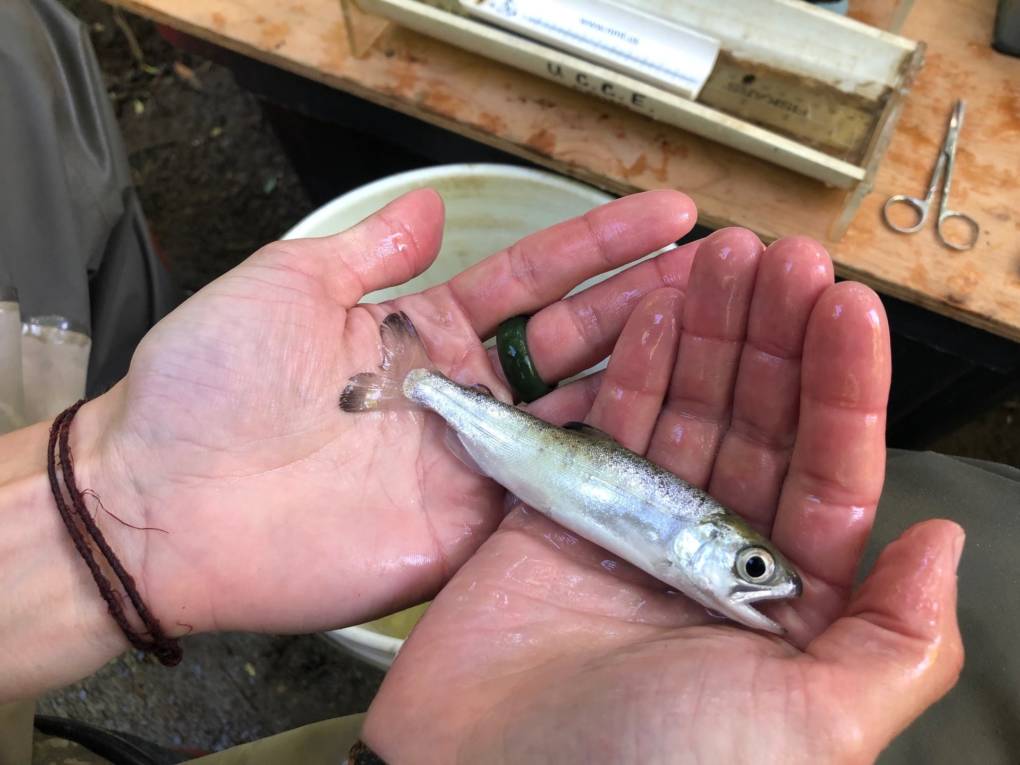
"caption": "This coho smolt spent the first year of its like at a hatchery in Sonoma County.",
"description": null,
"title": "RS37636_IMG_2382-qut",
"credit": "Tiffany Camhi/KQED",
"status": "inherit",
"isLoading": false,
"fetchFailed": false
},
"news_11737740": {
"type": "attachments",
"id": "news_11737740",
"meta": {
"index": "attachments_1716263798",
"site": "news",
"id": "11737740",
"found": true
},
"parent": 11737101,
"imgSizes": {
"apple_news_ca_landscape_5_5": {
"file": "https://ww2.kqed.org/app/uploads/sites/10/2019/04/capehorndam2-1024x783.jpg",
"width": 1024,
"mimeType": "image/jpeg",
"height": 783
},
"apple_news_ca_square_4_0": {
"file": "https://ww2.kqed.org/app/uploads/sites/10/2019/04/capehorndam2-470x470.jpg",
"width": 470,
"mimeType": "image/jpeg",
"height": 470
},
"twentyfourteen-full-width": {
"file": "https://ww2.kqed.org/app/uploads/sites/10/2019/04/capehorndam2-1024x576.jpg",
"width": 1024,
"mimeType": "image/jpeg",
"height": 576
},
"thumbnail": {
"file": "https://ww2.kqed.org/app/uploads/sites/10/2019/04/capehorndam2-160x127.jpg",
"width": 160,
"mimeType": "image/jpeg",
"height": 127
},
"post-thumbnail": {
"file": "https://ww2.kqed.org/app/uploads/sites/10/2019/04/capehorndam2-672x372.jpg",
"width": 672,
"mimeType": "image/jpeg",
"height": 372
},
"kqedFullSize": {
"file": "https://ww2.kqed.org/app/uploads/sites/10/2019/04/capehorndam2.jpg",
"width": 1024,
"height": 814
},
"apple_news_ca_landscape_4_7": {
"file": "https://ww2.kqed.org/app/uploads/sites/10/2019/04/capehorndam2-632x474.jpg",
"width": 632,
"mimeType": "image/jpeg",
"height": 474
},
"large": {
"file": "https://ww2.kqed.org/app/uploads/sites/10/2019/04/capehorndam2-1020x811.jpg",
"width": 1020,
"mimeType": "image/jpeg",
"height": 811
},
"guest-author-50": {
"file": "https://ww2.kqed.org/app/uploads/sites/10/2019/04/capehorndam2-50x50.jpg",
"width": 50,
"mimeType": "image/jpeg",
"height": 50
},
"guest-author-96": {
"file": "https://ww2.kqed.org/app/uploads/sites/10/2019/04/capehorndam2-96x96.jpg",
"width": 96,
"mimeType": "image/jpeg",
"height": 96
},
"apple_news_ca_landscape_4_0": {
"file": "https://ww2.kqed.org/app/uploads/sites/10/2019/04/capehorndam2-536x402.jpg",
"width": 536,
"mimeType": "image/jpeg",
"height": 402
},
"medium": {
"file": "https://ww2.kqed.org/app/uploads/sites/10/2019/04/capehorndam2-800x636.jpg",
"width": 800,
"mimeType": "image/jpeg",
"height": 636
},
"guest-author-64": {
"file": "https://ww2.kqed.org/app/uploads/sites/10/2019/04/capehorndam2-64x64.jpg",
"width": 64,
"mimeType": "image/jpeg",
"height": 64
},
"guest-author-32": {
"file": "https://ww2.kqed.org/app/uploads/sites/10/2019/04/capehorndam2-32x32.jpg",
"width": 32,
"mimeType": "image/jpeg",
"height": 32
},
"apple_news_ca_portrait_4_0": {
"file": "https://ww2.kqed.org/app/uploads/sites/10/2019/04/capehorndam2-354x472.jpg",
"width": 354,
"mimeType": "image/jpeg",
"height": 472
},
"apple_news_ca_portrait_9_7": {
"file": "https://ww2.kqed.org/app/uploads/sites/10/2019/04/capehorndam2-840x814.jpg",
"width": 840,
"mimeType": "image/jpeg",
"height": 814
},
"apple_news_ca_portrait_4_7": {
"file": "https://ww2.kqed.org/app/uploads/sites/10/2019/04/capehorndam2-414x552.jpg",
"width": 414,
"mimeType": "image/jpeg",
"height": 552
},
"apple_news_ca_portrait_5_5": {
"file": "https://ww2.kqed.org/app/uploads/sites/10/2019/04/capehorndam2-687x814.jpg",
"width": 687,
"mimeType": "image/jpeg",
"height": 814
},
"apple_news_ca_square_4_7": {
"file": "https://ww2.kqed.org/app/uploads/sites/10/2019/04/capehorndam2-550x550.jpg",
"width": 550,
"mimeType": "image/jpeg",
"height": 550
},
"guest-author-128": {
"file": "https://ww2.kqed.org/app/uploads/sites/10/2019/04/capehorndam2-128x128.jpg",
"width": 128,
"mimeType": "image/jpeg",
"height": 128
},
"apple_news_ca_square_5_5": {
"file": "https://ww2.kqed.org/app/uploads/sites/10/2019/04/capehorndam2-912x814.jpg",
"width": 912,
"mimeType": "image/jpeg",
"height": 814
}
},
"publishDate": 1554345494,
"modified": 1554345552,
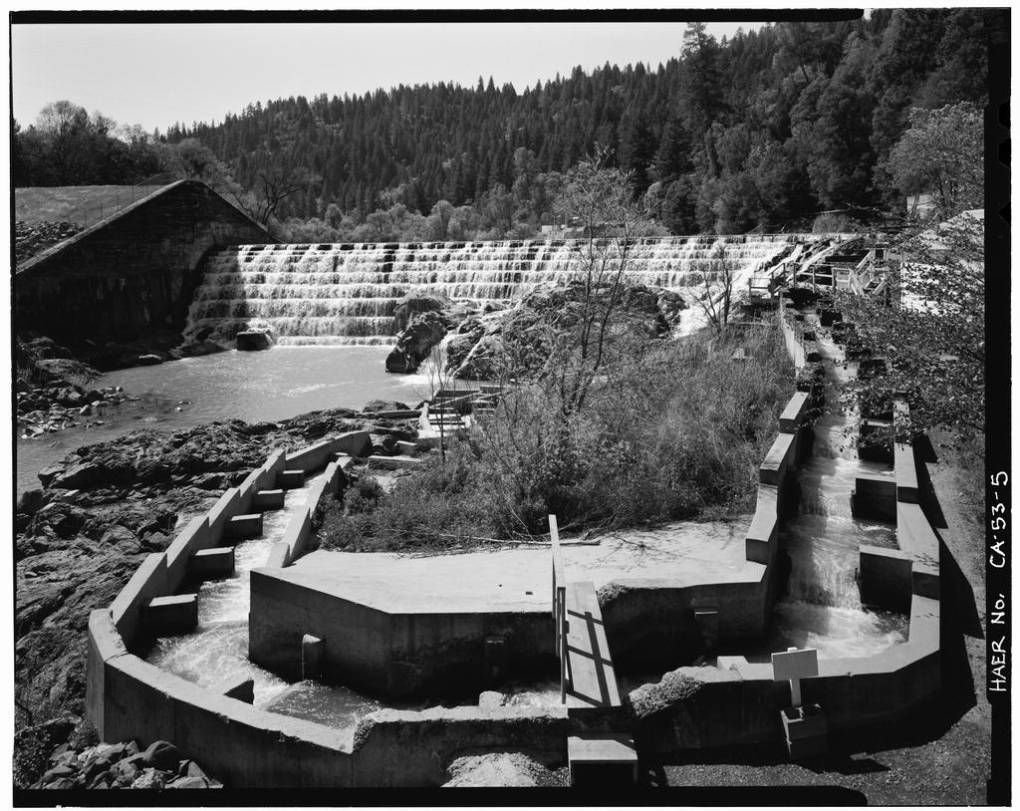
"caption": "A 1987 view of Cape Horn Dam and fish ladder, part of the Potter Valley Project that diverts water from the Eel River to the Russian River. ",
"description": null,
"title": "Potter Valley Project-Cape Horn Dam-1987",
"credit": "Jack W. Schaefer/Library of Congress",
"status": "inherit",
"isLoading": false,
"fetchFailed": false
},
"news_11730036": {
"type": "attachments",
"id": "news_11730036",
"meta": {
"index": "attachments_1716263798",
"site": "news",
"id": "11730036",
"found": true
},
"parent": 11728586,
"imgSizes": {
"twentyfourteen-full-width": {
"file": "https://ww2.kqed.org/app/uploads/sites/10/2019/02/GettyImages-1132881595-1038x576.jpg",
"width": 1038,
"mimeType": "image/jpeg",
"height": 576
},
"thumbnail": {
"file": "https://ww2.kqed.org/app/uploads/sites/10/2019/02/GettyImages-1132881595-160x107.jpg",
"width": 160,
"mimeType": "image/jpeg",
"height": 107
},
"post-thumbnail": {
"file": "https://ww2.kqed.org/app/uploads/sites/10/2019/02/GettyImages-1132881595-672x372.jpg",
"width": 672,
"mimeType": "image/jpeg",
"height": 372
},
"kqedFullSize": {
"file": "https://ww2.kqed.org/app/uploads/sites/10/2019/02/GettyImages-1132881595-e1551471354186.jpg",
"width": 1920,
"height": 1280
},
"large": {
"file": "https://ww2.kqed.org/app/uploads/sites/10/2019/02/GettyImages-1132881595-1020x680.jpg",
"width": 1020,
"mimeType": "image/jpeg",
"height": 680
},
"complete_open_graph": {
"file": "https://ww2.kqed.org/app/uploads/sites/10/2019/02/GettyImages-1132881595-1200x800.jpg",
"width": 1200,
"mimeType": "image/jpeg",
"height": 800
},
"guest-author-50": {
"file": "https://ww2.kqed.org/app/uploads/sites/10/2019/02/GettyImages-1132881595-50x50.jpg",
"width": 50,
"mimeType": "image/jpeg",
"height": 50
},
"guest-author-96": {
"file": "https://ww2.kqed.org/app/uploads/sites/10/2019/02/GettyImages-1132881595-96x96.jpg",
"width": 96,
"mimeType": "image/jpeg",
"height": 96
},
"medium": {
"file": "https://ww2.kqed.org/app/uploads/sites/10/2019/02/GettyImages-1132881595-800x533.jpg",
"width": 800,
"mimeType": "image/jpeg",
"height": 533
},
"guest-author-64": {
"file": "https://ww2.kqed.org/app/uploads/sites/10/2019/02/GettyImages-1132881595-64x64.jpg",
"width": 64,
"mimeType": "image/jpeg",
"height": 64
},
"guest-author-32": {
"file": "https://ww2.kqed.org/app/uploads/sites/10/2019/02/GettyImages-1132881595-32x32.jpg",
"width": 32,
"mimeType": "image/jpeg",
"height": 32
},
"full-width": {
"file": "https://ww2.kqed.org/app/uploads/sites/10/2019/02/GettyImages-1132881595-1920x1280.jpg",
"width": 1920,
"mimeType": "image/jpeg",
"height": 1280
},
"guest-author-128": {
"file": "https://ww2.kqed.org/app/uploads/sites/10/2019/02/GettyImages-1132881595-128x128.jpg",
"width": 128,
"mimeType": "image/jpeg",
"height": 128
}
},
"publishDate": 1551471293,
"modified": 1553804511,
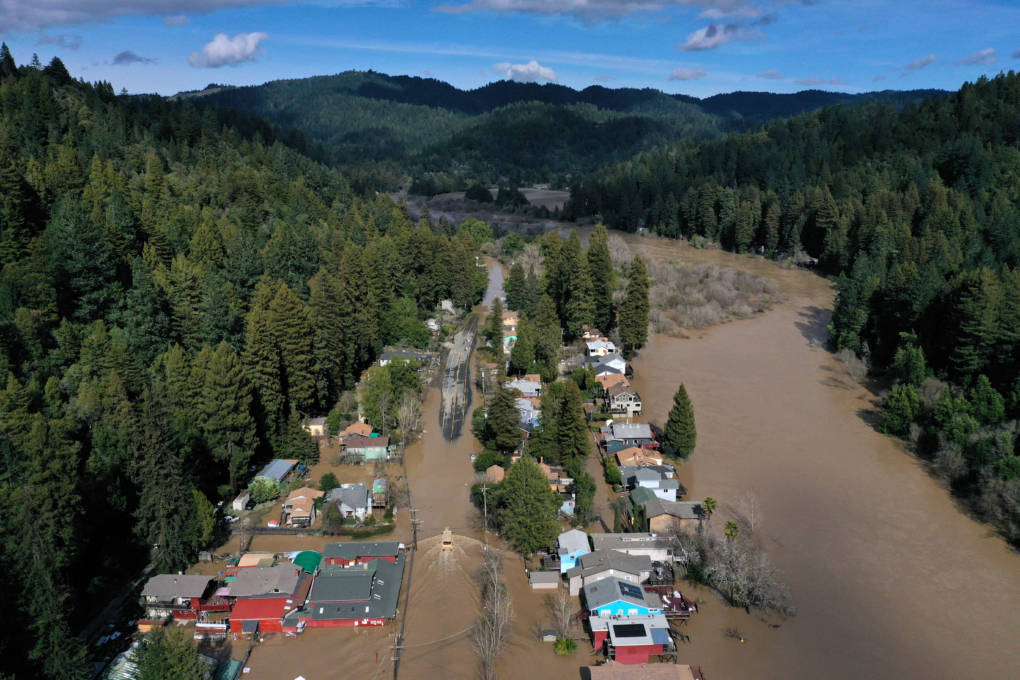
"caption": "An aerial view of a flooded neighborhood on Feb. 28, 2019, in Guerneville.",
"description": "An aerial view of a flooded neighborhood on Feb. 28, 2019, in Guerneville.",
"title": "Where’s Federal Help? Sonoma County Asks for Aid Dollars After Flooding",
"credit": "Justin Sullivan/Getty Images",
"status": "inherit",
"isLoading": false,
"fetchFailed": false
},
"news_11732500": {
"type": "attachments",
"id": "news_11732500",
"meta": {
"index": "attachments_1716263798",
"site": "news",
"id": "11732500",
"found": true
},
"parent": 11732483,
"imgSizes": {
"twentyfourteen-full-width": {
"file": "https://ww2.kqed.org/app/uploads/sites/10/2019/03/GettyImages-861748748-1038x576.jpg",
"width": 1038,
"mimeType": "image/jpeg",
"height": 576
},
"thumbnail": {
"file": "https://ww2.kqed.org/app/uploads/sites/10/2019/03/GettyImages-861748748-160x104.jpg",
"width": 160,
"mimeType": "image/jpeg",
"height": 104
},
"post-thumbnail": {
"file": "https://ww2.kqed.org/app/uploads/sites/10/2019/03/GettyImages-861748748-672x372.jpg",
"width": 672,
"mimeType": "image/jpeg",
"height": 372
},
"kqedFullSize": {
"file": "https://ww2.kqed.org/app/uploads/sites/10/2019/03/GettyImages-861748748-e1552435150710.jpg",
"width": 1920,
"height": 1253
},
"large": {
"file": "https://ww2.kqed.org/app/uploads/sites/10/2019/03/GettyImages-861748748-1020x666.jpg",
"width": 1020,
"mimeType": "image/jpeg",
"height": 666
},
"complete_open_graph": {
"file": "https://ww2.kqed.org/app/uploads/sites/10/2019/03/GettyImages-861748748-1200x783.jpg",
"width": 1200,
"mimeType": "image/jpeg",
"height": 783
},
"guest-author-50": {
"file": "https://ww2.kqed.org/app/uploads/sites/10/2019/03/GettyImages-861748748-50x50.jpg",
"width": 50,
"mimeType": "image/jpeg",
"height": 50
},
"guest-author-96": {
"file": "https://ww2.kqed.org/app/uploads/sites/10/2019/03/GettyImages-861748748-96x96.jpg",
"width": 96,
"mimeType": "image/jpeg",
"height": 96
},
"medium": {
"file": "https://ww2.kqed.org/app/uploads/sites/10/2019/03/GettyImages-861748748-800x522.jpg",
"width": 800,
"mimeType": "image/jpeg",
"height": 522
},
"guest-author-64": {
"file": "https://ww2.kqed.org/app/uploads/sites/10/2019/03/GettyImages-861748748-64x64.jpg",
"width": 64,
"mimeType": "image/jpeg",
"height": 64
},
"guest-author-32": {
"file": "https://ww2.kqed.org/app/uploads/sites/10/2019/03/GettyImages-861748748-32x32.jpg",
"width": 32,
"mimeType": "image/jpeg",
"height": 32
},
"full-width": {
"file": "https://ww2.kqed.org/app/uploads/sites/10/2019/03/GettyImages-861748748-1920x1253.jpg",
"width": 1920,
"mimeType": "image/jpeg",
"height": 1253
},
"guest-author-128": {
"file": "https://ww2.kqed.org/app/uploads/sites/10/2019/03/GettyImages-861748748-128x128.jpg",
"width": 128,
"mimeType": "image/jpeg",
"height": 128
}
},
"publishDate": 1552435081,
"modified": 1552435216,
"caption": "Mandi and Lane Summit embrace before their fire-destroyed home in Redwood Valley, north of Ukiah, in October 2017. \n",
"description": null,
"title": "Redwood Fire-Mendocino-20171015",
"credit": "Josh Edelson/AFP-Getty Images",
"status": "inherit",
"isLoading": false,
"fetchFailed": false
},
"news_11729636": {
"type": "attachments",
"id": "news_11729636",
"meta": {
"index": "attachments_1716263798",
"site": "news",
"id": "11729636",
"found": true
},
"parent": 11729618,
"imgSizes": {
"twentyfourteen-full-width": {
"file": "https://ww2.kqed.org/app/uploads/sites/10/2019/02/Screen-Shot-2019-02-27-at-5.05.41-PM-1038x576.png",
"width": 1038,
"mimeType": "image/png",
"height": 576
},
"thumbnail": {
"file": "https://ww2.kqed.org/app/uploads/sites/10/2019/02/Screen-Shot-2019-02-27-at-5.05.41-PM-160x81.png",
"width": 160,
"mimeType": "image/png",
"height": 81
},
"post-thumbnail": {
"file": "https://ww2.kqed.org/app/uploads/sites/10/2019/02/Screen-Shot-2019-02-27-at-5.05.41-PM-672x372.png",
"width": 672,
"mimeType": "image/png",
"height": 372
},
"kqedFullSize": {
"file": "https://ww2.kqed.org/app/uploads/sites/10/2019/02/Screen-Shot-2019-02-27-at-5.05.41-PM.png",
"width": 1566,
"height": 790
},
"large": {
"file": "https://ww2.kqed.org/app/uploads/sites/10/2019/02/Screen-Shot-2019-02-27-at-5.05.41-PM-1020x515.png",
"width": 1020,
"mimeType": "image/png",
"height": 515
},
"complete_open_graph": {
"file": "https://ww2.kqed.org/app/uploads/sites/10/2019/02/Screen-Shot-2019-02-27-at-5.05.41-PM-1200x605.png",
"width": 1200,
"mimeType": "image/png",
"height": 605
},
"guest-author-50": {
"file": "https://ww2.kqed.org/app/uploads/sites/10/2019/02/Screen-Shot-2019-02-27-at-5.05.41-PM-50x50.png",
"width": 50,
"mimeType": "image/png",
"height": 50
},
"guest-author-96": {
"file": "https://ww2.kqed.org/app/uploads/sites/10/2019/02/Screen-Shot-2019-02-27-at-5.05.41-PM-96x96.png",
"width": 96,
"mimeType": "image/png",
"height": 96
},
"medium": {
"file": "https://ww2.kqed.org/app/uploads/sites/10/2019/02/Screen-Shot-2019-02-27-at-5.05.41-PM-800x404.png",
"width": 800,
"mimeType": "image/png",
"height": 404
},
"guest-author-64": {
"file": "https://ww2.kqed.org/app/uploads/sites/10/2019/02/Screen-Shot-2019-02-27-at-5.05.41-PM-64x64.png",
"width": 64,
"mimeType": "image/png",
"height": 64
},
"guest-author-32": {
"file": "https://ww2.kqed.org/app/uploads/sites/10/2019/02/Screen-Shot-2019-02-27-at-5.05.41-PM-32x32.png",
"width": 32,
"mimeType": "image/png",
"height": 32
},
"guest-author-128": {
"file": "https://ww2.kqed.org/app/uploads/sites/10/2019/02/Screen-Shot-2019-02-27-at-5.05.41-PM-128x128.png",
"width": 128,
"mimeType": "image/png",
"height": 128
}
},
"publishDate": 1551315965,
"modified": 1551316056,
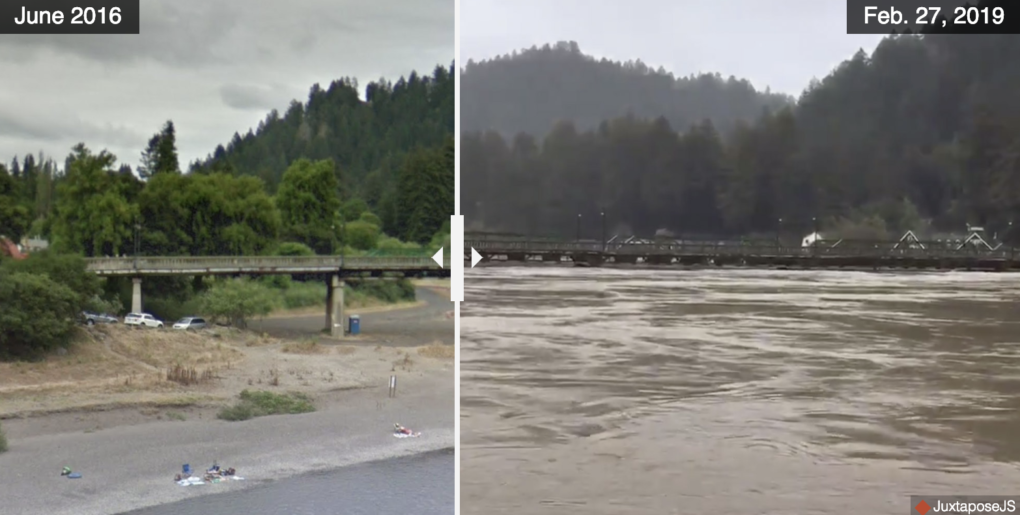
"caption": "A before-and-after view of the Russian River at Monte Rio, with the \"after\" view showing the river during the flooding of Feb. 27, 2019. ",
"description": null,
"title": "Russian River-Before and After",
"credit": "KQED",
"status": "inherit",
"isLoading": false,
"fetchFailed": false
},
"news_11729432": {
"type": "attachments",
"id": "news_11729432",
"meta": {
"index": "attachments_1716263798",
"site": "news",
"id": "11729432",
"found": true
},
"parent": 11729368,
"imgSizes": {
"twentyfourteen-full-width": {
"file": "https://ww2.kqed.org/app/uploads/sites/10/2019/02/RS35550_Russian-River-flooding-4-qut-1038x576.jpg",
"width": 1038,
"mimeType": "image/jpeg",
"height": 576
},
"thumbnail": {
"file": "https://ww2.kqed.org/app/uploads/sites/10/2019/02/RS35550_Russian-River-flooding-4-qut-160x107.jpg",
"width": 160,
"mimeType": "image/jpeg",
"height": 107
},
"post-thumbnail": {
"file": "https://ww2.kqed.org/app/uploads/sites/10/2019/02/RS35550_Russian-River-flooding-4-qut-672x372.jpg",
"width": 672,
"mimeType": "image/jpeg",
"height": 372
},
"kqedFullSize": {
"file": "https://ww2.kqed.org/app/uploads/sites/10/2019/02/RS35550_Russian-River-flooding-4-qut.jpg",
"width": 1920,
"height": 1280
},
"large": {
"file": "https://ww2.kqed.org/app/uploads/sites/10/2019/02/RS35550_Russian-River-flooding-4-qut-1020x680.jpg",
"width": 1020,
"mimeType": "image/jpeg",
"height": 680
},
"complete_open_graph": {
"file": "https://ww2.kqed.org/app/uploads/sites/10/2019/02/RS35550_Russian-River-flooding-4-qut-1200x800.jpg",
"width": 1200,
"mimeType": "image/jpeg",
"height": 800
},
"guest-author-50": {
"file": "https://ww2.kqed.org/app/uploads/sites/10/2019/02/RS35550_Russian-River-flooding-4-qut-50x50.jpg",
"width": 50,
"mimeType": "image/jpeg",
"height": 50
},
"guest-author-96": {
"file": "https://ww2.kqed.org/app/uploads/sites/10/2019/02/RS35550_Russian-River-flooding-4-qut-96x96.jpg",
"width": 96,
"mimeType": "image/jpeg",
"height": 96
},
"medium": {
"file": "https://ww2.kqed.org/app/uploads/sites/10/2019/02/RS35550_Russian-River-flooding-4-qut-800x533.jpg",
"width": 800,
"mimeType": "image/jpeg",
"height": 533
},
"guest-author-64": {
"file": "https://ww2.kqed.org/app/uploads/sites/10/2019/02/RS35550_Russian-River-flooding-4-qut-64x64.jpg",
"width": 64,
"mimeType": "image/jpeg",
"height": 64
},
"guest-author-32": {
"file": "https://ww2.kqed.org/app/uploads/sites/10/2019/02/RS35550_Russian-River-flooding-4-qut-32x32.jpg",
"width": 32,
"mimeType": "image/jpeg",
"height": 32
},
"full-width": {
"file": "https://ww2.kqed.org/app/uploads/sites/10/2019/02/RS35550_Russian-River-flooding-4-qut-1920x1280.jpg",
"width": 1920,
"mimeType": "image/jpeg",
"height": 1280
},
"guest-author-128": {
"file": "https://ww2.kqed.org/app/uploads/sites/10/2019/02/RS35550_Russian-River-flooding-4-qut-128x128.jpg",
"width": 128,
"mimeType": "image/jpeg",
"height": 128
}
},
"publishDate": 1551297592,
"modified": 1551297639,
"caption": "Wohler Road flooded and closed at River Road during Russian River flooding in Sonoma County on Feb. 27, 2019.",
"description": null,
"title": "RS35550_Russian River flooding-4-qut",
"credit": "Adam Grossberg/KQED",
"status": "inherit",
"isLoading": false,
"fetchFailed": false
},
"news_11713353": {
"type": "attachments",
"id": "news_11713353",
"meta": {
"index": "attachments_1716263798",
"site": "news",
"id": "11713353",
"found": true
},
"parent": 11713332,
"imgSizes": {
"twentyfourteen-full-width": {
"file": "https://ww2.kqed.org/app/uploads/sites/10/2018/12/RS20568_IMG_0284-qut-1038x576.jpg",
"width": 1038,
"mimeType": "image/jpeg",
"height": 576
},
"thumbnail": {
"file": "https://ww2.kqed.org/app/uploads/sites/10/2018/12/RS20568_IMG_0284-qut-160x107.jpg",
"width": 160,
"mimeType": "image/jpeg",
"height": 107
},
"post-thumbnail": {
"file": "https://ww2.kqed.org/app/uploads/sites/10/2018/12/RS20568_IMG_0284-qut-672x372.jpg",
"width": 672,
"mimeType": "image/jpeg",
"height": 372
},
"kqedFullSize": {
"file": "https://ww2.kqed.org/app/uploads/sites/10/2018/12/RS20568_IMG_0284-qut.jpg",
"width": 1920,
"height": 1280
},
"large": {
"file": "https://ww2.kqed.org/app/uploads/sites/10/2018/12/RS20568_IMG_0284-qut-1020x680.jpg",
"width": 1020,
"mimeType": "image/jpeg",
"height": 680
},
"complete_open_graph": {
"file": "https://ww2.kqed.org/app/uploads/sites/10/2018/12/RS20568_IMG_0284-qut-1200x800.jpg",
"width": 1200,
"mimeType": "image/jpeg",
"height": 800
},
"guest-author-50": {
"file": "https://ww2.kqed.org/app/uploads/sites/10/2018/12/RS20568_IMG_0284-qut-50x50.jpg",
"width": 50,
"mimeType": "image/jpeg",
"height": 50
},
"guest-author-96": {
"file": "https://ww2.kqed.org/app/uploads/sites/10/2018/12/RS20568_IMG_0284-qut-96x96.jpg",
"width": 96,
"mimeType": "image/jpeg",
"height": 96
},
"medium": {
"file": "https://ww2.kqed.org/app/uploads/sites/10/2018/12/RS20568_IMG_0284-qut-800x533.jpg",
"width": 800,
"mimeType": "image/jpeg",
"height": 533
},
"guest-author-64": {
"file": "https://ww2.kqed.org/app/uploads/sites/10/2018/12/RS20568_IMG_0284-qut-64x64.jpg",
"width": 64,
"mimeType": "image/jpeg",
"height": 64
},
"guest-author-32": {
"file": "https://ww2.kqed.org/app/uploads/sites/10/2018/12/RS20568_IMG_0284-qut-32x32.jpg",
"width": 32,
"mimeType": "image/jpeg",
"height": 32
},
"full-width": {
"file": "https://ww2.kqed.org/app/uploads/sites/10/2018/12/RS20568_IMG_0284-qut-1920x1280.jpg",
"width": 1920,
"mimeType": "image/jpeg",
"height": 1280
},
"detail": {
"file": "https://ww2.kqed.org/app/uploads/sites/10/2018/12/RS20568_IMG_0284-qut-150x150.jpg",
"width": 150,
"mimeType": "image/jpeg",
"height": 150
},
"guest-author-128": {
"file": "https://ww2.kqed.org/app/uploads/sites/10/2018/12/RS20568_IMG_0284-qut-128x128.jpg",
"width": 128,
"mimeType": "image/jpeg",
"height": 128
}
},
"publishDate": 1545163437,
"modified": 1545183216,
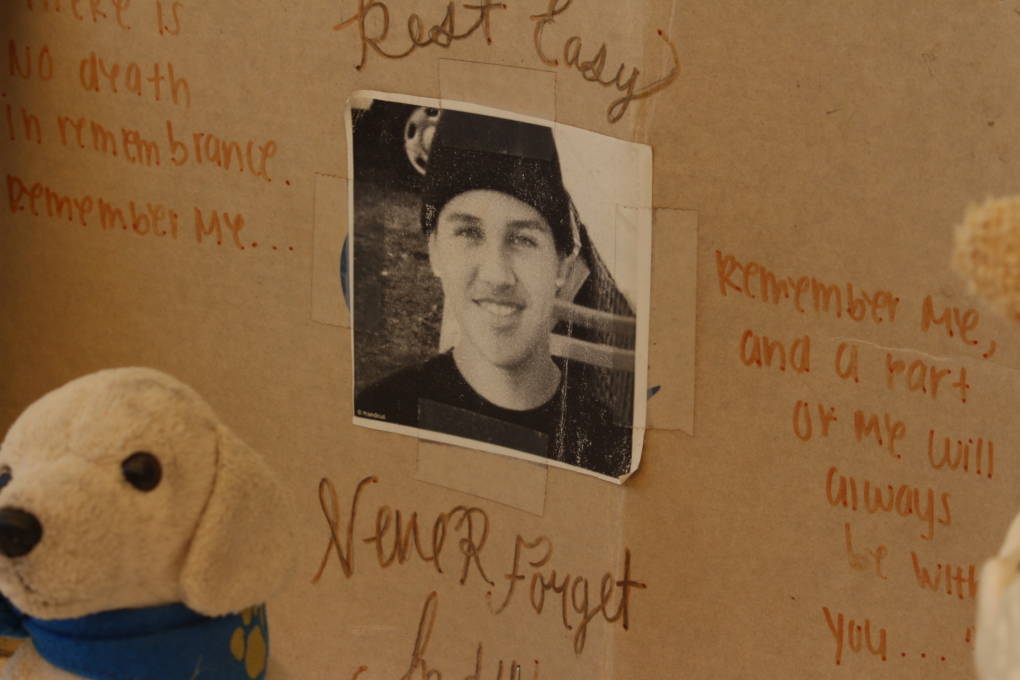
"caption": "Andy Lopez, 13, was shot seven times and killed by a Sonoma County sheriff's deputy in 2013. The county on Tuesday settled a federal excessive force lawsuit with his family for $3 million.",
"description": "Andy Lopez, 13, was shot seven times and killed by a Sonoma County deputy in 2013. The county on Tuesday settled a federal excessive force lawsuit with his family for $3 million.",
"title": "RS20568_IMG_0284-qut",
"credit": "Farida Jhabvala Romero/KQED",
"status": "inherit",
"isLoading": false,
"fetchFailed": false
},
"news_11707568": {
"type": "attachments",
"id": "news_11707568",
"meta": {
"index": "attachments_1716263798",
"site": "news",
"id": "11707568",
"found": true
},
"parent": 11707499,
"imgSizes": {
"twentyfourteen-full-width": {
"file": "https://ww2.kqed.org/app/uploads/sites/10/2018/11/IMG_2584-1038x576.jpg",
"width": 1038,
"mimeType": "image/jpeg",
"height": 576
},
"thumbnail": {
"file": "https://ww2.kqed.org/app/uploads/sites/10/2018/11/IMG_2584-160x120.jpg",
"width": 160,
"mimeType": "image/jpeg",
"height": 120
},
"post-thumbnail": {
"file": "https://ww2.kqed.org/app/uploads/sites/10/2018/11/IMG_2584-672x372.jpg",
"width": 672,
"mimeType": "image/jpeg",
"height": 372
},
"kqedFullSize": {
"file": "https://ww2.kqed.org/app/uploads/sites/10/2018/11/IMG_2584.jpg",
"width": 3264,
"height": 2448
},
"large": {
"file": "https://ww2.kqed.org/app/uploads/sites/10/2018/11/IMG_2584-1020x765.jpg",
"width": 1020,
"mimeType": "image/jpeg",
"height": 765
},
"complete_open_graph": {
"file": "https://ww2.kqed.org/app/uploads/sites/10/2018/11/IMG_2584-1200x900.jpg",
"width": 1200,
"mimeType": "image/jpeg",
"height": 900
},
"guest-author-50": {
"file": "https://ww2.kqed.org/app/uploads/sites/10/2018/11/IMG_2584-50x50.jpg",
"width": 50,
"mimeType": "image/jpeg",
"height": 50
},
"guest-author-96": {
"file": "https://ww2.kqed.org/app/uploads/sites/10/2018/11/IMG_2584-96x96.jpg",
"width": 96,
"mimeType": "image/jpeg",
"height": 96
},
"medium": {
"file": "https://ww2.kqed.org/app/uploads/sites/10/2018/11/IMG_2584-800x600.jpg",
"width": 800,
"mimeType": "image/jpeg",
"height": 600
},
"guest-author-64": {
"file": "https://ww2.kqed.org/app/uploads/sites/10/2018/11/IMG_2584-64x64.jpg",
"width": 64,
"mimeType": "image/jpeg",
"height": 64
},
"guest-author-32": {
"file": "https://ww2.kqed.org/app/uploads/sites/10/2018/11/IMG_2584-32x32.jpg",
"width": 32,
"mimeType": "image/jpeg",
"height": 32
},
"full-width": {
"file": "https://ww2.kqed.org/app/uploads/sites/10/2018/11/IMG_2584-1920x1440.jpg",
"width": 1920,
"mimeType": "image/jpeg",
"height": 1440
},
"detail": {
"file": "https://ww2.kqed.org/app/uploads/sites/10/2018/11/IMG_2584-150x150.jpg",
"width": 150,
"mimeType": "image/jpeg",
"height": 150
},
"guest-author-128": {
"file": "https://ww2.kqed.org/app/uploads/sites/10/2018/11/IMG_2584-128x128.jpg",
"width": 128,
"mimeType": "image/jpeg",
"height": 128
}
},
"publishDate": 1542743955,
"modified": 1542753579,
"caption": "A year ago Sonoma County Superintendent of Schools Steve Herrington was surveying his own fire disaster. Now he's helping Butte County school officials.",
"description": "Steve Herrington surveys school destroyed by North Bay fires in Oct 2017.",
"title": "IMG_2584",
"credit": "Julia McEvoy/KQED",
"status": "inherit",
"isLoading": false,
"fetchFailed": false
},
"news_11699950": {
"type": "attachments",
"id": "news_11699950",
"meta": {
"index": "attachments_1716263798",
"site": "news",
"id": "11699950",
"found": true
},
"parent": 0,
"imgSizes": {
"small": {
"file": "https://ww2.kqed.org/app/uploads/sites/10/2018/10/Geyserville-Fire-e1539974054224-520x284.png",
"width": 520,
"mimeType": "image/png",
"height": 284
},
"twentyfourteen-full-width": {
"file": "https://ww2.kqed.org/app/uploads/sites/10/2018/10/Geyserville-Fire-e1539974054224-1038x576.png",
"width": 1038,
"mimeType": "image/png",
"height": 576
},
"thumbnail": {
"file": "https://ww2.kqed.org/app/uploads/sites/10/2018/10/Geyserville-Fire-e1539974054224-160x87.png",
"width": 160,
"mimeType": "image/png",
"height": 87
},
"fd-sm": {
"file": "https://ww2.kqed.org/app/uploads/sites/10/2018/10/Geyserville-Fire-e1539974054224-960x525.png",
"width": 960,
"mimeType": "image/png",
"height": 525
},
"post-thumbnail": {
"file": "https://ww2.kqed.org/app/uploads/sites/10/2018/10/Geyserville-Fire-e1539974054224-672x372.png",
"width": 672,
"mimeType": "image/png",
"height": 372
},
"xsmall": {
"file": "https://ww2.kqed.org/app/uploads/sites/10/2018/10/Geyserville-Fire-e1539974054224-375x205.png",
"width": 375,
"mimeType": "image/png",
"height": 205
},
"kqedFullSize": {
"file": "https://ww2.kqed.org/app/uploads/sites/10/2018/10/Geyserville-Fire-e1539974054224.png",
"width": 3334,
"height": 1822
},
"large": {
"file": "https://ww2.kqed.org/app/uploads/sites/10/2018/10/Geyserville-Fire-e1539974054224-1020x557.png",
"width": 1020,
"mimeType": "image/png",
"height": 557
},
"xlarge": {
"file": "https://ww2.kqed.org/app/uploads/sites/10/2018/10/Geyserville-Fire-e1539974054224-1180x645.png",
"width": 1180,
"mimeType": "image/png",
"height": 645
},
"complete_open_graph": {
"file": "https://ww2.kqed.org/app/uploads/sites/10/2018/10/Geyserville-Fire-e1539974054224-1200x656.png",
"width": 1200,
"mimeType": "image/png",
"height": 656
},
"guest-author-50": {
"file": "https://ww2.kqed.org/app/uploads/sites/10/2018/10/Geyserville-Fire-e1539974054224-50x50.png",
"width": 50,
"mimeType": "image/png",
"height": 50
},
"guest-author-96": {
"file": "https://ww2.kqed.org/app/uploads/sites/10/2018/10/Geyserville-Fire-e1539974054224-96x96.png",
"width": 96,
"mimeType": "image/png",
"height": 96
},
"medium": {
"file": "https://ww2.kqed.org/app/uploads/sites/10/2018/10/Geyserville-Fire-e1539974054224-800x437.png",
"width": 800,
"mimeType": "image/png",
"height": 437
},
"guest-author-64": {
"file": "https://ww2.kqed.org/app/uploads/sites/10/2018/10/Geyserville-Fire-e1539974054224-64x64.png",
"width": 64,
"mimeType": "image/png",
"height": 64
},
"guest-author-32": {
"file": "https://ww2.kqed.org/app/uploads/sites/10/2018/10/Geyserville-Fire-e1539974054224-32x32.png",
"width": 32,
"mimeType": "image/png",
"height": 32
},
"fd-lrg": {
"file": "https://ww2.kqed.org/app/uploads/sites/10/2018/10/Geyserville-Fire-e1539974054224-1920x1049.png",
"width": 1920,
"mimeType": "image/png",
"height": 1049
},
"fd-med": {
"file": "https://ww2.kqed.org/app/uploads/sites/10/2018/10/Geyserville-Fire-e1539974054224-1180x645.png",
"width": 1180,
"mimeType": "image/png",
"height": 645
},
"full-width": {
"file": "https://ww2.kqed.org/app/uploads/sites/10/2018/10/Geyserville-Fire-e1539974054224-1920x1049.png",
"width": 1920,
"mimeType": "image/png",
"height": 1049
},
"detail": {
"file": "https://ww2.kqed.org/app/uploads/sites/10/2018/10/Geyserville-Fire-e1539974054224-150x150.png",
"width": 150,
"mimeType": "image/png",
"height": 150
},
"guest-author-128": {
"file": "https://ww2.kqed.org/app/uploads/sites/10/2018/10/Geyserville-Fire-e1539974054224-128x128.png",
"width": 128,
"mimeType": "image/png",
"height": 128
},
"xxsmall": {
"file": "https://ww2.kqed.org/app/uploads/sites/10/2018/10/Geyserville-Fire-e1539974054224-240x131.png",
"width": 240,
"mimeType": "image/png",
"height": 131
}
},
"publishDate": 1539973304,
"modified": 1539974345,
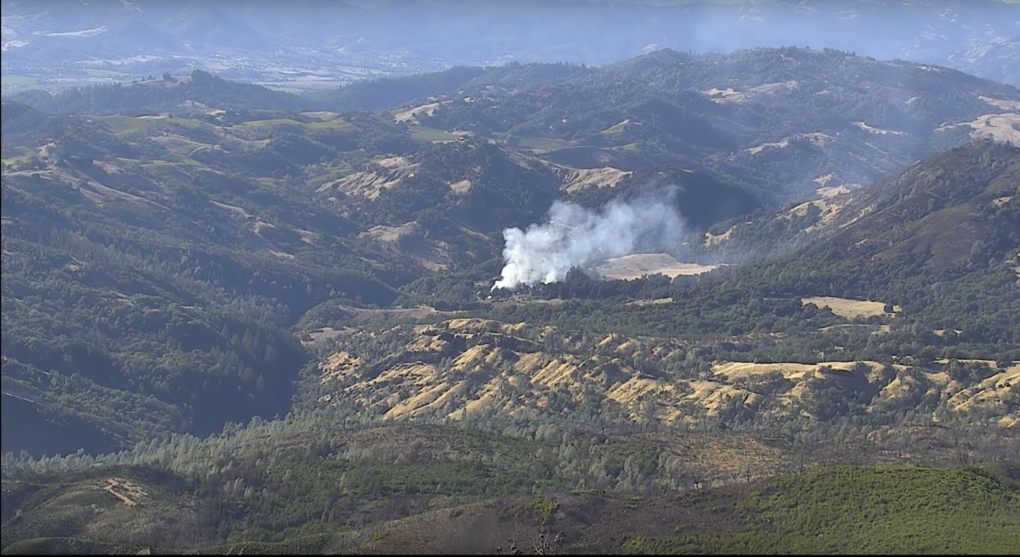
"caption": "The Coyote Fire in Sonoma County, as seen from a recently installed fire camera on Geyser Peak on Oct. 16, 2018.",
"description": null,
"title": "Geyserville Fire",
"credit": "Sonoma County Water Board",
"status": "inherit",
"isLoading": false,
"fetchFailed": false
},
"news_11697307": {
"type": "attachments",
"id": "news_11697307",
"meta": {
"index": "attachments_1716263798",
"site": "news",
"id": "11697307",
"found": true
},
"parent": 11697245,
"imgSizes": {
"small": {
"file": "https://ww2.kqed.org/app/uploads/sites/10/2018/10/RS27543_GettyImages-861028680-qut-520x347.jpg",
"width": 520,
"mimeType": "image/jpeg",
"height": 347
},
"twentyfourteen-full-width": {
"file": "https://ww2.kqed.org/app/uploads/sites/10/2018/10/RS27543_GettyImages-861028680-qut-1038x576.jpg",
"width": 1038,
"mimeType": "image/jpeg",
"height": 576
},
"thumbnail": {
"file": "https://ww2.kqed.org/app/uploads/sites/10/2018/10/RS27543_GettyImages-861028680-qut-160x107.jpg",
"width": 160,
"mimeType": "image/jpeg",
"height": 107
},
"fd-sm": {
"file": "https://ww2.kqed.org/app/uploads/sites/10/2018/10/RS27543_GettyImages-861028680-qut-960x640.jpg",
"width": 960,
"mimeType": "image/jpeg",
"height": 640
},
"post-thumbnail": {
"file": "https://ww2.kqed.org/app/uploads/sites/10/2018/10/RS27543_GettyImages-861028680-qut-672x372.jpg",
"width": 672,
"mimeType": "image/jpeg",
"height": 372
},
"xsmall": {
"file": "https://ww2.kqed.org/app/uploads/sites/10/2018/10/RS27543_GettyImages-861028680-qut-375x250.jpg",
"width": 375,
"mimeType": "image/jpeg",
"height": 250
},
"kqedFullSize": {
"file": "https://ww2.kqed.org/app/uploads/sites/10/2018/10/RS27543_GettyImages-861028680-qut.jpg",
"width": 1920,
"height": 1280
},
"large": {
"file": "https://ww2.kqed.org/app/uploads/sites/10/2018/10/RS27543_GettyImages-861028680-qut-1020x680.jpg",
"width": 1020,
"mimeType": "image/jpeg",
"height": 680
},
"xlarge": {
"file": "https://ww2.kqed.org/app/uploads/sites/10/2018/10/RS27543_GettyImages-861028680-qut-1180x787.jpg",
"width": 1180,
"mimeType": "image/jpeg",
"height": 787
},
"complete_open_graph": {
"file": "https://ww2.kqed.org/app/uploads/sites/10/2018/10/RS27543_GettyImages-861028680-qut-1200x800.jpg",
"width": 1200,
"mimeType": "image/jpeg",
"height": 800
},
"guest-author-50": {
"file": "https://ww2.kqed.org/app/uploads/sites/10/2018/10/RS27543_GettyImages-861028680-qut-50x50.jpg",
"width": 50,
"mimeType": "image/jpeg",
"height": 50
},
"guest-author-96": {
"file": "https://ww2.kqed.org/app/uploads/sites/10/2018/10/RS27543_GettyImages-861028680-qut-96x96.jpg",
"width": 96,
"mimeType": "image/jpeg",
"height": 96
},
"medium": {
"file": "https://ww2.kqed.org/app/uploads/sites/10/2018/10/RS27543_GettyImages-861028680-qut-800x533.jpg",
"width": 800,
"mimeType": "image/jpeg",
"height": 533
},
"guest-author-64": {
"file": "https://ww2.kqed.org/app/uploads/sites/10/2018/10/RS27543_GettyImages-861028680-qut-64x64.jpg",
"width": 64,
"mimeType": "image/jpeg",
"height": 64
},
"guest-author-32": {
"file": "https://ww2.kqed.org/app/uploads/sites/10/2018/10/RS27543_GettyImages-861028680-qut-32x32.jpg",
"width": 32,
"mimeType": "image/jpeg",
"height": 32
},
"fd-lrg": {
"file": "https://ww2.kqed.org/app/uploads/sites/10/2018/10/RS27543_GettyImages-861028680-qut-1920x1280.jpg",
"width": 1920,
"mimeType": "image/jpeg",
"height": 1280
},
"fd-med": {
"file": "https://ww2.kqed.org/app/uploads/sites/10/2018/10/RS27543_GettyImages-861028680-qut-1180x787.jpg",
"width": 1180,
"mimeType": "image/jpeg",
"height": 787
},
"full-width": {
"file": "https://ww2.kqed.org/app/uploads/sites/10/2018/10/RS27543_GettyImages-861028680-qut-1920x1280.jpg",
"width": 1920,
"mimeType": "image/jpeg",
"height": 1280
},
"detail": {
"file": "https://ww2.kqed.org/app/uploads/sites/10/2018/10/RS27543_GettyImages-861028680-qut-150x150.jpg",
"width": 150,
"mimeType": "image/jpeg",
"height": 150
},
"guest-author-128": {
"file": "https://ww2.kqed.org/app/uploads/sites/10/2018/10/RS27543_GettyImages-861028680-qut-128x128.jpg",
"width": 128,
"mimeType": "image/jpeg",
"height": 128
},
"xxsmall": {
"file": "https://ww2.kqed.org/app/uploads/sites/10/2018/10/RS27543_GettyImages-861028680-qut-240x160.jpg",
"width": 240,
"mimeType": "image/jpeg",
"height": 160
}
},
"publishDate": 1538960261,
"modified": 1539033431,
"caption": "A sign that was posted outside Cline Cellars on Oct. 13, 2017 in Sonoma. Oct. 8, 2018 marks one year since the North Bay fires broke out. ",
"description": "A sign that was posted outside Cline Cellars on Oct. 13, 2017 in Sonoma. Oct. 8, 2018 marks one year since the North Bay fires broke out. ",
"title": "Multiple Wildfires Destroy Homes, Threaten California Wine Country",
"credit": "Justin Sullivan/Getty Images",
"status": "inherit",
"isLoading": false,
"fetchFailed": false
}
},
"audioPlayerReducer": {
"postId": "stream_live",
"isPaused": true,
"isPlaying": false,
"pfsActive": false,
"pledgeModalIsOpen": true,
"playerDrawerIsOpen": false,
"liveAudioPlayStartedAt": 0,
"liveAudioPlayContext": ""
},
"authorsReducer": {
"danbrekke": {
"type": "authors",
"id": "222",
"meta": {
"index": "authors_1716337520",
"id": "222",
"found": true
},
"name": "Dan Brekke",
"firstName": "Dan",
"lastName": "Brekke",
"slug": "danbrekke",
"email": "dbrekke@kqed.org",
"display_author_email": true,
"staff_mastheads": [
"news",
"science"
],
"title": "KQED Editor and Reporter",
"bio": "Dan Brekke is a reporter and editor for KQED News, responsible for coverage of topics ranging from California water issues to the Bay Area's transportation challenges. In a newsroom career that began in Chicago in 1972, Dan has worked for \u003cem>The San Francisco Examiner,\u003c/em> Wired and TechTV and has been published in The New York Times, The New York Times Magazine, Business 2.0, Salon and elsewhere.\r\n\r\nSince joining KQED in 2007, Dan has reported, edited and produced both radio and online features and breaking news pieces. He has shared as both editor and reporter in four Society of Professional Journalists Norcal Excellence in Journalism awards and one Edward R. Murrow regional award. He was chosen for a spring 2017 residency at the Mesa Refuge to advance his research on California salmon.\r\n\r\nEmail Dan at: \u003ca href=\"mailto:dbrekke@kqed.org\">dbrekke@kqed.org\u003c/a>\r\n\r\n\u003cstrong>Twitter:\u003c/strong> \u003ca href=\"https://twitter.com/danbrekke\" rel=\"noopener noreferrer\">twitter.com/danbrekke\u003c/a>\r\n\u003cstrong>Facebook:\u003c/strong> \u003ca href=\"https://www.facebook.com/danbrekke\" rel=\"noopener noreferrer\">www.facebook.com/danbrekke\u003c/a>\r\n\u003cstrong>LinkedIn:\u003c/strong> \u003ca href=\"https://www.linkedin.com/in/danbrekke\" rel=\"noopener noreferrer\">www.linkedin.com/in/danbrekke\u003c/a>",
"avatar": "https://secure.gravatar.com/avatar/c8126230345efca3f7aa89b1a402be45?s=600&d=mm&r=g",
"twitter": "danbrekke",
"facebook": null,
"instagram": "https://www.instagram.com/dan.brekke/",
"linkedin": "https://www.linkedin.com/in/danbrekke/",
"sites": [
{
"site": "news",
"roles": [
"administrator",
"create_posts"
]
},
{
"site": "stateofhealth",
"roles": [
"editor"
]
},
{
"site": "science",
"roles": [
"editor"
]
},
{
"site": "quest",
"roles": [
"contributor"
]
},
{
"site": "food",
"roles": [
"contributor"
]
},
{
"site": "forum",
"roles": [
"contributor"
]
},
{
"site": "liveblog",
"roles": [
"editor"
]
}
],
"headData": {
"title": "Dan Brekke | KQED",
"description": "KQED Editor and Reporter",
"ogImgSrc": "https://secure.gravatar.com/avatar/c8126230345efca3f7aa89b1a402be45?s=600&d=mm&r=g",
"twImgSrc": "https://secure.gravatar.com/avatar/c8126230345efca3f7aa89b1a402be45?s=600&d=mm&r=g"
},
"isLoading": false,
"link": "/author/danbrekke"
},
"jmcevoy": {
"type": "authors",
"id": "231",
"meta": {
"index": "authors_1716337520",
"id": "231",
"found": true
},
"name": "Julia McEvoy",
"firstName": "Julia",
"lastName": "McEvoy",
"slug": "jmcevoy",
"email": "jmcevoy@KQED.org",
"display_author_email": true,
"staff_mastheads": [
"news"
],
"title": "KQED Senior Editor",
"bio": "Julia McEvoy is KQED's Senior Editor, Education Equity.\r\n\r\nJulia heads KQED’s education coverage examining inequities students face in Bay Area and California schools, and reports on what it will take to educate the next generation.\r\n\r\nJulia's editorial work has received a Peabody Award, a Casey Medal for Coverage of Children and Families, several Edward R. Murrow awards, as well as awards from the Public Radio News Directors Inc. and the Society for Professional Journalists.",
"avatar": "https://secure.gravatar.com/avatar/aec3ce21abe02b302fd33638abd56a22?s=600&d=blank&r=g",
"twitter": "juliamcevoy1",
"facebook": null,
"instagram": null,
"linkedin": null,
"sites": [
{
"site": "news",
"roles": []
},
{
"site": "stateofhealth",
"roles": [
"author"
]
}
],
"headData": {
"title": "Julia McEvoy | KQED",
"description": "KQED Senior Editor",
"ogImgSrc": "https://secure.gravatar.com/avatar/aec3ce21abe02b302fd33638abd56a22?s=600&d=blank&r=g",
"twImgSrc": "https://secure.gravatar.com/avatar/aec3ce21abe02b302fd33638abd56a22?s=600&d=blank&r=g"
},
"isLoading": false,
"link": "/author/jmcevoy"
},
"kqed": {
"type": "authors",
"id": "236",
"meta": {
"index": "authors_1716337520",
"id": "236",
"found": true
},
"name": "KQED News Staff",
"firstName": "KQED News Staff",
"lastName": null,
"slug": "kqed",
"email": "faq@kqed.org",
"display_author_email": false,
"staff_mastheads": [],
"title": null,
"bio": null,
"avatar": "https://secure.gravatar.com/avatar/ef0e801a68c4c54afa9180db14084167?s=600&d=blank&r=g",
"twitter": null,
"facebook": null,
"instagram": null,
"linkedin": null,
"sites": [
{
"site": "arts",
"roles": [
"contributor"
]
},
{
"site": "news",
"roles": [
"editor"
]
},
{
"site": "futureofyou",
"roles": [
"author"
]
}
],
"headData": {
"title": "KQED News Staff | KQED",
"description": null,
"ogImgSrc": "https://secure.gravatar.com/avatar/ef0e801a68c4c54afa9180db14084167?s=600&d=blank&r=g",
"twImgSrc": "https://secure.gravatar.com/avatar/ef0e801a68c4c54afa9180db14084167?s=600&d=blank&r=g"
},
"isLoading": false,
"link": "/author/kqed"
},
"tcamhi": {
"type": "authors",
"id": "3251",
"meta": {
"index": "authors_1716337520",
"id": "3251",
"found": true
},
"name": "Tiffany Camhi",
"firstName": "Tiffany",
"lastName": "Camhi",
"slug": "tcamhi",
"email": "tiffanycamhi@gmail.com",
"display_author_email": false,
"staff_mastheads": [],
"title": "KQED Contributor",
"bio": null,
"avatar": "https://secure.gravatar.com/avatar/f8204ce351139205d3b3dc1581016a5e30d7d8b38cb2c139348c151ec14b792e?s=600&d=blank&r=g",
"twitter": null,
"bluesky": null,
"facebook": null,
"instagram": null,
"linkedin": null,
"sites": [
{
"site": "arts",
"roles": [
"subscriber"
]
},
{
"site": "news",
"roles": [
"subscriber"
]
}
],
"headData": {
"title": "Tiffany Camhi | KQED",
"description": "KQED Contributor",
"ogImgSrc": "https://secure.gravatar.com/avatar/f8204ce351139205d3b3dc1581016a5e30d7d8b38cb2c139348c151ec14b792e?s=600&d=blank&r=g",
"twImgSrc": "https://secure.gravatar.com/avatar/f8204ce351139205d3b3dc1581016a5e30d7d8b38cb2c139348c151ec14b792e?s=600&d=blank&r=g"
},
"isLoading": false,
"link": "/author/tcamhi"
},
"shutson": {
"type": "authors",
"id": "11216",
"meta": {
"index": "authors_1716337520",
"id": "11216",
"found": true
},
"name": "Sonja Hutson",
"firstName": "Sonja",
"lastName": "Hutson",
"slug": "shutson",
"email": "shutson@kqed.org",
"display_author_email": false,
"staff_mastheads": [],
"title": "KQED Contributor",
"bio": "Sonja Hutson is a former reporter for KQED's Silicon Valley desk and weekend newscasts. She primarily covers tech and housing. Sonja is a Bay Area native and now lives in San Francisco. When she's not working, you can find her camping, skiing, scuba diving, and struggling with the New York Times Crossword. Email: \u003ca href=\"mailto:shutson@kqed.org\">shutson@kqed.org. \u003c/a>Twitter: \u003ca href=\"https://twitter.com/SonjaHutson\">@SonjaHutson\u003c/a>",
"avatar": "https://secure.gravatar.com/avatar/7537c5e36818614e599b6c0f41d72b7a?s=600&d=blank&r=g",
"twitter": "SonjaHutson",
"facebook": null,
"instagram": null,
"linkedin": null,
"sites": [
{
"site": "arts",
"roles": [
"author"
]
},
{
"site": "news",
"roles": [
"subscriber"
]
}
],
"headData": {
"title": "Sonja Hutson | KQED",
"description": "KQED Contributor",
"ogImgSrc": "https://secure.gravatar.com/avatar/7537c5e36818614e599b6c0f41d72b7a?s=600&d=blank&r=g",
"twImgSrc": "https://secure.gravatar.com/avatar/7537c5e36818614e599b6c0f41d72b7a?s=600&d=blank&r=g"
},
"isLoading": false,
"link": "/author/shutson"
},
"jeremysiegel": {
"type": "authors",
"id": "11258",
"meta": {
"index": "authors_1716337520",
"id": "11258",
"found": true
},
"name": "Jeremy Siegel",
"firstName": "Jeremy",
"lastName": "Siegel",
"slug": "jeremysiegel",
"email": "jsiegel@kqed.org",
"display_author_email": false,
"staff_mastheads": [],
"title": "KQED Contributor",
"bio": "Jeremy Siegel is is the weekend afternoon news anchor for KQED. His reporting can be heard on KQED News, Morning Edition, All Things Considered and The California Report. Jeremy's coverage of the Camp Fire in Butte County won the 2019 Society of Professional Journalists, Northern California Chapter, Excellence in Journalism Award for Breaking News. Jeremy grew up in Cincinnati, Ohio, and graduated from UC Berkeley.",
"avatar": "https://secure.gravatar.com/avatar/3921a64ceb9ed5d0ba47d9ae9782f1ab?s=600&d=blank&r=g",
"twitter": "jersiegel",
"facebook": null,
"instagram": null,
"linkedin": null,
"sites": [
{
"site": "arts",
"roles": []
},
{
"site": "news",
"roles": [
"subscriber"
]
},
{
"site": "science",
"roles": []
}
],
"headData": {
"title": "Jeremy Siegel | KQED",
"description": "KQED Contributor",
"ogImgSrc": "https://secure.gravatar.com/avatar/3921a64ceb9ed5d0ba47d9ae9782f1ab?s=600&d=blank&r=g",
"twImgSrc": "https://secure.gravatar.com/avatar/3921a64ceb9ed5d0ba47d9ae9782f1ab?s=600&d=blank&r=g"
},
"isLoading": false,
"link": "/author/jeremysiegel"
},
"rlevi": {
"type": "authors",
"id": "11260",
"meta": {
"index": "authors_1716337520",
"id": "11260",
"found": true
},
"name": "Ryan Levi",
"firstName": "Ryan",
"lastName": "Levi",
"slug": "rlevi",
"email": "rlevi@KQED.org",
"display_author_email": false,
"staff_mastheads": [],
"title": "KQED Contributor",
"bio": "Ryan Levi was a reporter and podcast producer at KQED News from 2016-2019. He worked on \u003ca href=\"https://www.kqed.org/news/series/baycurious\">Bay Curious\u003c/a>, \u003ca href=\"https://www.kqed.org/news/tag/the-bay/\">The Bay, \u003c/a>and \u003ca href=\"https://podcasts.apple.com/us/podcast/the-california-report-magazine/id1314750545\">The California Report Magazine\u003c/a>, as well as hosting and producing the weekly \u003ca href=\"https://www.kqed.org/news/program/qedup/\">Q'ed Up podcast. \u003c/a>He also helped inaugurate KQED's weekend news coverage in 2017 as one of two original digital producers. Ryan holds degrees in multimedia journalism and Spanish from the University of Missouri.",
"avatar": "https://secure.gravatar.com/avatar/4cb2ddd028ac8807d1adf09609c5555d?s=600&d=blank&r=g",
"twitter": "ryan_levi",
"facebook": null,
"instagram": null,
"linkedin": null,
"sites": [
{
"site": "arts",
"roles": [
"editor"
]
},
{
"site": "news",
"roles": [
"subscriber"
]
},
{
"site": "stateofhealth",
"roles": [
"editor"
]
},
{
"site": "science",
"roles": [
"editor"
]
},
{
"site": "forum",
"roles": [
"administrator"
]
},
{
"site": "perspectives",
"roles": [
"administrator"
]
}
],
"headData": {
"title": "Ryan Levi | KQED",
"description": "KQED Contributor",
"ogImgSrc": "https://secure.gravatar.com/avatar/4cb2ddd028ac8807d1adf09609c5555d?s=600&d=blank&r=g",
"twImgSrc": "https://secure.gravatar.com/avatar/4cb2ddd028ac8807d1adf09609c5555d?s=600&d=blank&r=g"
},
"isLoading": false,
"link": "/author/rlevi"
},
"mleitsinger": {
"type": "authors",
"id": "11310",
"meta": {
"index": "authors_1716337520",
"id": "11310",
"found": true
},
"name": "Miranda Leitsinger",
"firstName": "Miranda",
"lastName": "Leitsinger",
"slug": "mleitsinger",
"email": "mleitsinger@KQED.org",
"display_author_email": false,
"staff_mastheads": [
"news"
],
"title": "KQED Contributor",
"bio": "Miranda Leitsinger has worked in journalism as a reporter and editor since 2000, including seven years at The Associated Press in locales such as Cambodia and Puerto Rico, four years at NBC News Digital in New York and 2.5 years at CNN.com International in Hong Kong. Major stories she has covered included sexual abuse in the yoga community, the rise of women in local politics post-2016 election, the struggle over LGBTQ inclusion in the Boy Scouts, aftermath of the 2004 and 2011 tsunamis, the Aurora movie theater attack, the Newtown school shooting, Superstorm Sandy and the Boston Marathon bombing.",
"avatar": "https://secure.gravatar.com/avatar/cdd00de7be92aab3b7fd3d915e02033d?s=600&d=blank&r=g",
"twitter": "mimileitsinger",
"facebook": null,
"instagram": null,
"linkedin": null,
"sites": [
{
"site": "arts",
"roles": [
"author"
]
},
{
"site": "news",
"roles": [
"subscriber"
]
},
{
"site": "futureofyou",
"roles": [
"editor"
]
},
{
"site": "stateofhealth",
"roles": [
"editor"
]
}
],
"headData": {
"title": "Miranda Leitsinger | KQED",
"description": "KQED Contributor",
"ogImgSrc": "https://secure.gravatar.com/avatar/cdd00de7be92aab3b7fd3d915e02033d?s=600&d=blank&r=g",
"twImgSrc": "https://secure.gravatar.com/avatar/cdd00de7be92aab3b7fd3d915e02033d?s=600&d=blank&r=g"
},
"isLoading": false,
"link": "/author/mleitsinger"
},
"hmckenney": {
"type": "authors",
"id": "11560",
"meta": {
"index": "authors_1716337520",
"id": "11560",
"found": true
},
"name": "Hope McKenney",
"firstName": "Hope",
"lastName": "McKenney",
"slug": "hmckenney",
"email": "hmckenney@kqed.org",
"display_author_email": false,
"staff_mastheads": [],
"title": null,
"bio": null,
"avatar": "https://secure.gravatar.com/avatar/e1ad0a80c4d64be4937a42a5d59d53df?s=600&d=blank&r=g",
"twitter": null,
"facebook": null,
"instagram": null,
"linkedin": null,
"sites": [
{
"site": "news",
"roles": [
"author"
]
}
],
"headData": {
"title": "Hope McKenney | KQED",
"description": null,
"ogImgSrc": "https://secure.gravatar.com/avatar/e1ad0a80c4d64be4937a42a5d59d53df?s=600&d=blank&r=g",
"twImgSrc": "https://secure.gravatar.com/avatar/e1ad0a80c4d64be4937a42a5d59d53df?s=600&d=blank&r=g"
},
"isLoading": false,
"link": "/author/hmckenney"
}
},
"pagesReducer": {
"news_tag_sonoma-county": {
"type": "terms",
"id": "news_4981",
"meta": {
"index": "terms_1716263798",
"site": "news",
"id": "4981",
"score": 9.104049
},
"featImg": null,
"name": "Sonoma County",
"description": null,
"taxonomy": "tag",
"headData": {
"twImgId": null,
"twTitle": null,
"ogTitle": null,
"ogImgId": null,
"twDescription": null,
"description": null,
"title": "Sonoma County Archives | KQED News",
"ogDescription": null
},
"ttid": 5000,
"slug": "sonoma-county",
"isLoading": false,
"title": "Sonoma County",
"pageMeta": {
"site": "news",
"WpPageTemplate": "page-topic-editorial",
"currentPage": 11
},
"blocks": [
{
"blockName": "kqed/post-list",
"attrs": {
"layout": "cardArticle2",
"query": "posts/news?tag=sonoma-county",
"seeMore": false,
"paginated": true,
"page": 11
}
},
{
"blockName": "kqed/ad"
}
]
}
},
"pfsSessionReducer": {},
"postsReducer": {
"stream_live": {
"type": "live",
"id": "stream_live",
"audioUrl": "https://streams.kqed.org/kqedradio",
"title": "Live Stream",
"excerpt": "Live Stream information currently unavailable.",
"link": "/radio",
"featImg": "",
"label": {
"name": "KQED Live",
"link": "/"
}
},
"stream_kqedNewscast": {
"type": "posts",
"id": "stream_kqedNewscast",
"audioUrl": "https://www.kqed.org/.stream/anon/radio/RDnews/newscast.mp3?_=1",
"title": "KQED Newscast",
"featImg": "",
"label": {
"name": "88.5 FM",
"link": "/"
}
},
"news_11782251": {
"type": "posts",
"id": "news_11782251",
"meta": {
"index": "posts_1716263798",
"site": "news",
"id": "11782251",
"score": null,
"sort": [
1571926231000
]
},
"parent": 0,
"labelTerm": {
"site": "news",
"term": 72
},
"blocks": [],
"publishDate": 1571926231,
"format": "image",
"disqusTitle": "Wildfire Threatens Communities in Northern Sonoma County, Forces Evacuations",
"title": "Wildfire Threatens Communities in Northern Sonoma County, Forces Evacuations",
"headTitle": "The California Report | KQED News",
"content": "\u003cp>\u003cem>Updated 2:30 p.m. Thursday\u003c/em>\u003c/p>\n\u003cp>A wildfire driven by winds gusting up to 80 mph continued to burn through rugged terrain in northeastern Sonoma County Thursday, forcing up to 2,000 people from their homes and prompting warnings that many more should be ready to evacuate. An undetermined number of homes have been destroyed.\u003c/p>\n\u003cp>[aside postID=news_11782314]\u003c/p>\n\u003cp>Evacuations were ordered late Wednesday in the sparsely populated area in the hills east of Cloverdale. Mandatory evacuation orders expanded before dawn Thursday to include the town of Geyserville, a community of about 900 centered at the junction of U.S. 101 and Highway 128 about 20 miles north of Santa Rosa. Evacuation orders have been issued for approximately 2,000 people, Sonoma County Sheriff Mark Essick said during a noon press conference on Thursday.\u003c/p>\n\u003cp>\"This is not the time to stay. It's the time to leave,\" Essick said about residents resistant to the evacuation orders.\u003c/p>\n\u003cp>Essick said an evacuation warning has also been issued for the unincorporated area north of Healdsburg.\u003c/p>\n\u003cp>The blaze, dubbed the Kincade Fire, started just before 9:30 p.m. Wednesday and had consumed an estimated 10,000 acres on both sides of the Sonoma-Lake county line by 4 a.m. Thursday. It was 0% contained. Cal Fire incident commander Mike Parkes said the burn area is probably larger, but mapping of the fire had been difficult.\u003c/p>\n\u003cp>https://twitter.com/AndreaKPIX/status/1187278329918844928\u003c/p>\n\u003cp>There were varying reports on damage. Cal Fire said in a 7 a.m. update that the blaze, burning in an area where PG&E had shut off power Wednesday afternoon due to the onset of gusty winds and plummeting humidity, had damaged two structures. But social media posts from journalists in the area showed residences that had been destroyed in the fire. Parkes said at a noon press conference that an undetermined number of structures have been destroyed, but crews could not yet determine if they were residences or outbuildings.\u003c/p>\n\u003cp>Beverly Hansel, who evacuated her Alexander Valley home, said she heard news of the fire at about 10 p.m. while watching the news. She said she lost her home, which she shared with her daughter and daughter's boyfriend, to the fire.\u003c/p>\n\u003cp>\"And then as soon as we started packing our stuff, we realized we had to get out now,\" Hansel said. \"We didn't grab any of it. Some of it we got, but not very much. We just have a little vehicle. And we watched the rest of it burn down. It’s heartbreaking. It’s heartbreaking.\"\u003c/p>\n\u003cp>Hansel said she wants to leave Sonoma County, because she’s sick of wildfires after losing her home Wednesday night and after being evacuated two years ago, referring to the devastating 2017 North Bay fires that killed 44 and damaged or destroyed 21,000 homes.\u003c/p>\n\u003cfigure id=\"attachment_11782324\" class=\"wp-caption alignnone\" style=\"max-width: 800px\">\u003ca href=\"https://ww2.kqed.org/news/wp-content/uploads/sites/10/2019/10/GettyImages-1177950665-e1571933819891.jpg\">\u003cimg class=\"size-medium wp-image-11782324\" src=\"https://ww2.kqed.org/news/wp-content/uploads/sites/10/2019/10/GettyImages-1177950665-800x498.jpg\" alt=\"\" width=\"800\" height=\"498\">\u003c/a>\u003cfigcaption class=\"wp-caption-text\">Flames engulf a home as wind and embers rip through the area near Geyserville early Thursday. \u003ccite>(Josh Edelson/AFP-Getty Images)\u003c/cite>\u003c/figcaption>\u003c/figure>\n\u003cp>Cal Fire responded by rushing bulldozers and strike teams to the area and ordering crews to be held on duty as forces were marshaled to try to slow the spread of the blaze. After first light Thursday, the agency began deploying air tankers to drop fire retardant in an effort to protect structures and slow the fire's spread.\u003c/p>\n\u003cp>Parkes said approximately 500 personnel from several agencies are battling the blaze.\u003c/p>\n\u003cp>The Sonoma County Sheriff's Office ordered evacuations for:\u003c/p>\n\u003cul>\n\u003cli>All of the town of Geyserville\u003c/li>\n\u003cli>Pine Flat Road\u003c/li>\n\u003cli>Geysers Road to Highway 128\u003c/li>\n\u003cli>Red Winery Road\u003c/li>\n\u003cli>Alexander Mountain Road\u003c/li>\n\u003cli>Highway 128 from Geysers Road to River Road including, the River Rock Casino\u003c/li>\n\u003cli>All roads off River Road\u003c/li>\n\u003c/ul>\n\u003cp>Three evacuation centers were set up:\u003c/p>\n\u003cul>\n\u003cli>Healdsburg Community Center, 1557 Healdsburg Ave.\u003c/li>\n\u003cli>Santa Rosa Veterans Memorial Building, 1351 Maple Ave.\u003c/li>\n\u003cli>Sonoma County Fairgrounds, 1350 Bennett Valley Rd.\u003c/li>\n\u003c/ul>\n\u003cp>An evacuation center was initially established at Windsor High School, but the location was shut down early Thursday as the school day began and evacuees were sent to the Healdsburg site.\u003c/p>\n\u003cp>Healdsburg Mayor David Hagele said city officials are doing their best to provide support to residents who fled their homes.\u003c/p>\n\u003cp>\"What we have been trying to do here in Healdsburg is provide a welcoming spot for people that are displaced or that have to evacuate. You can come here and we will do our best to take care of you,\" Hagele said.\u003c/p>\n\u003cp>The fire reportedly started near an electrical generating facility near Kincade Road, about 13 miles east of the town of Cloverdale. No cause had been determined by early Thursday.\u003c/p>\n\u003cp>That area, known as The Geysers, is the site of numerous geothermal generating sites. Calpine, perhaps the biggest operator in the area, said in an email that the blaze had \"flashed\" through a portion of its facilities late Wednesday.\u003c/p>\n\u003cp>\"We believe there is relatively minor damage to our facilities and further threat has passed,\" the Calpine statement said. The company said that it had shut down its power lines in the area before the blaze started, \"consistent with our fire prevention protocols.\"\u003c/p>\n\u003cp>\"We do not believe our facilities caused the fire,\" Calpine said. \"There are power lines operated by third parties across The Geysers.\"\u003c/p>\n\u003cp>https://twitter.com/CphilpottCraig/status/1187268361899532288\u003c/p>\n\u003cp>After igniting, walls of flame were pushed through steep terrain by red-flag fire weather conditions that had been forecast for several days.\u003c/p>\n\u003cp>Remote weather stations in the vicinity — including several installed by PG&E as part of its fire weather forecasting effort — showed winds gusting over 70 mph in the area where the fire was burning. One, a PG&E weather station on Pine Flat Road in the fire area, recorded a gust of 80 mph around 10 p.m. At the same time, humidity in the area fell into the single digits.\u003c/p>\n\u003cp>https://twitter.com/NWSBayArea/status/1187368036967178240\u003c/p>\n\u003cp>The fire rattled many residents of the Santa Rosa area, who said on social media they were reminded of the early-morning arrival of the Tubbs Fire in October 2017, which started near Calistoga and raged more than 10 miles across the hills to incinerate whole neighborhoods.\u003c/p>\n\u003cp>https://twitter.com/bonhogue/status/1187250798658408448\u003c/p>\n\u003cp>https://twitter.com/gmeline/status/1187257556210610176\u003c/p>\n\u003cp>https://twitter.com/b0nesurf/status/1187270782382006272\u003c/p>\n\u003cp>\u003cem>KQED's Sonja Hutson and Don Clyde contributed to this post.\u003c/em>\u003c/p>\n\u003cp>[ad fullwidth]\u003c/p>\n\u003cp>[ad floatright]\u003c/p>\n",
"disqusIdentifier": "11782251 https://ww2.kqed.org/news/?p=11782251",
"disqusUrl": "https://ww2.kqed.org/news/2019/10/24/kincade-fire-sonoma-county-geyserville-healdsburg/",
"stats": {
"hasVideo": false,
"hasChartOrMap": false,
"hasAudio": false,
"hasPolis": false,
"wordCount": 1059,
"hasGoogleForm": false,
"hasGallery": false,
"hasHearkenModule": false,
"iframeSrcs": [],
"paragraphCount": 28
},
"modified": 1571955487,
"excerpt": "Whipped by high winds, the blaze burned 10,000 acres in just six hours and prompted evacuation orders for 2,000 residents of Geyserville and nearby areas.",
"headData": {
"twImgId": "",
"twTitle": "",
"ogTitle": "",
"ogImgId": "",
"twDescription": "",
"description": "Whipped by high winds, the blaze burned 10,000 acres in just six hours and prompted evacuation orders for 2,000 residents of Geyserville and nearby areas.",
"title": "Wildfire Threatens Communities in Northern Sonoma County, Forces Evacuations | KQED",
"ogDescription": "",
"schema": {
"@context": "https://schema.org",
"@type": "NewsArticle",
"headline": "Wildfire Threatens Communities in Northern Sonoma County, Forces Evacuations",
"datePublished": "2019-10-24T07:10:31-07:00",
"dateModified": "2019-10-24T15:18:07-07:00",
"image": "https://cdn.kqed.org/wp-content/uploads/2020/02/KQED-OG-Image@1x.png",
"isAccessibleForFree": "True",
"publisher": {
"@type": "NewsMediaOrganization",
"@id": "https://www.kqed.org/#organization",
"name": "KQED",
"logo": "https://cdn.kqed.org/wp-content/uploads/2020/02/KQED-OG-Image@1x.png",
"url": "https://www.kqed.org",
"sameAs": [
"https://www.facebook.com/KQED",
"https://twitter.com/KQED",
"https://www.instagram.com/kqed/",
"https://www.tiktok.com/@kqedofficial",
"https://www.linkedin.com/company/kqed",
"https://www.youtube.com/channel/UCeC0IOo7i1P_61zVUWbJ4nw"
]
}
}
},
"guestAuthors": [],
"slug": "kincade-fire-sonoma-county-geyserville-healdsburg",
"status": "publish",
"path": "/news/11782251/kincade-fire-sonoma-county-geyserville-healdsburg",
"audioTrackLength": null,
"parsedContent": [
{
"type": "contentString",
"content": "\u003cdiv class=\"post-body\">\u003cp>\u003cp>\u003cem>Updated 2:30 p.m. Thursday\u003c/em>\u003c/p>\n\u003cp>A wildfire driven by winds gusting up to 80 mph continued to burn through rugged terrain in northeastern Sonoma County Thursday, forcing up to 2,000 people from their homes and prompting warnings that many more should be ready to evacuate. An undetermined number of homes have been destroyed.\u003c/p>\n\u003cp>\u003c/p>\u003c/div>",
"attributes": {
"named": {},
"numeric": []
}
},
{
"type": "component",
"content": "",
"name": "aside",
"attributes": {
"named": {
"postid": "news_11782314",
"label": ""
},
"numeric": []
}
},
{
"type": "contentString",
"content": "\u003cdiv class=\"post-body\">\u003cp>\u003c/p>\n\u003cp>Evacuations were ordered late Wednesday in the sparsely populated area in the hills east of Cloverdale. Mandatory evacuation orders expanded before dawn Thursday to include the town of Geyserville, a community of about 900 centered at the junction of U.S. 101 and Highway 128 about 20 miles north of Santa Rosa. Evacuation orders have been issued for approximately 2,000 people, Sonoma County Sheriff Mark Essick said during a noon press conference on Thursday.\u003c/p>\n\u003cp>\"This is not the time to stay. It's the time to leave,\" Essick said about residents resistant to the evacuation orders.\u003c/p>\n\u003cp>Essick said an evacuation warning has also been issued for the unincorporated area north of Healdsburg.\u003c/p>\n\u003cp>The blaze, dubbed the Kincade Fire, started just before 9:30 p.m. Wednesday and had consumed an estimated 10,000 acres on both sides of the Sonoma-Lake county line by 4 a.m. Thursday. It was 0% contained. Cal Fire incident commander Mike Parkes said the burn area is probably larger, but mapping of the fire had been difficult.\u003c/p>\u003c/p>\u003c/div>",
"attributes": {
"named": {},
"numeric": []
}
},
{
"type": "component",
"content": "",
"name": "singleTwitterStatus",
"attributes": {
"named": {
"id": "1187278329918844928"
},
"numeric": []
}
},
{
"type": "contentString",
"content": "\u003cdiv class=\"post-body\">\u003cp>\n\u003cp>There were varying reports on damage. Cal Fire said in a 7 a.m. update that the blaze, burning in an area where PG&E had shut off power Wednesday afternoon due to the onset of gusty winds and plummeting humidity, had damaged two structures. But social media posts from journalists in the area showed residences that had been destroyed in the fire. Parkes said at a noon press conference that an undetermined number of structures have been destroyed, but crews could not yet determine if they were residences or outbuildings.\u003c/p>\n\u003cp>Beverly Hansel, who evacuated her Alexander Valley home, said she heard news of the fire at about 10 p.m. while watching the news. She said she lost her home, which she shared with her daughter and daughter's boyfriend, to the fire.\u003c/p>\n\u003cp>\"And then as soon as we started packing our stuff, we realized we had to get out now,\" Hansel said. \"We didn't grab any of it. Some of it we got, but not very much. We just have a little vehicle. And we watched the rest of it burn down. It’s heartbreaking. It’s heartbreaking.\"\u003c/p>\n\u003cp>Hansel said she wants to leave Sonoma County, because she’s sick of wildfires after losing her home Wednesday night and after being evacuated two years ago, referring to the devastating 2017 North Bay fires that killed 44 and damaged or destroyed 21,000 homes.\u003c/p>\n\u003cfigure id=\"attachment_11782324\" class=\"wp-caption alignnone\" style=\"max-width: 800px\">\u003ca href=\"https://ww2.kqed.org/news/wp-content/uploads/sites/10/2019/10/GettyImages-1177950665-e1571933819891.jpg\">\u003cimg class=\"size-medium wp-image-11782324\" src=\"https://ww2.kqed.org/news/wp-content/uploads/sites/10/2019/10/GettyImages-1177950665-800x498.jpg\" alt=\"\" width=\"800\" height=\"498\">\u003c/a>\u003cfigcaption class=\"wp-caption-text\">Flames engulf a home as wind and embers rip through the area near Geyserville early Thursday. \u003ccite>(Josh Edelson/AFP-Getty Images)\u003c/cite>\u003c/figcaption>\u003c/figure>\n\u003cp>Cal Fire responded by rushing bulldozers and strike teams to the area and ordering crews to be held on duty as forces were marshaled to try to slow the spread of the blaze. After first light Thursday, the agency began deploying air tankers to drop fire retardant in an effort to protect structures and slow the fire's spread.\u003c/p>\n\u003cp>Parkes said approximately 500 personnel from several agencies are battling the blaze.\u003c/p>\n\u003cp>The Sonoma County Sheriff's Office ordered evacuations for:\u003c/p>\n\u003cul>\n\u003cli>All of the town of Geyserville\u003c/li>\n\u003cli>Pine Flat Road\u003c/li>\n\u003cli>Geysers Road to Highway 128\u003c/li>\n\u003cli>Red Winery Road\u003c/li>\n\u003cli>Alexander Mountain Road\u003c/li>\n\u003cli>Highway 128 from Geysers Road to River Road including, the River Rock Casino\u003c/li>\n\u003cli>All roads off River Road\u003c/li>\n\u003c/ul>\n\u003cp>Three evacuation centers were set up:\u003c/p>\n\u003cul>\n\u003cli>Healdsburg Community Center, 1557 Healdsburg Ave.\u003c/li>\n\u003cli>Santa Rosa Veterans Memorial Building, 1351 Maple Ave.\u003c/li>\n\u003cli>Sonoma County Fairgrounds, 1350 Bennett Valley Rd.\u003c/li>\n\u003c/ul>\n\u003cp>An evacuation center was initially established at Windsor High School, but the location was shut down early Thursday as the school day began and evacuees were sent to the Healdsburg site.\u003c/p>\n\u003cp>Healdsburg Mayor David Hagele said city officials are doing their best to provide support to residents who fled their homes.\u003c/p>\n\u003cp>\"What we have been trying to do here in Healdsburg is provide a welcoming spot for people that are displaced or that have to evacuate. You can come here and we will do our best to take care of you,\" Hagele said.\u003c/p>\n\u003cp>The fire reportedly started near an electrical generating facility near Kincade Road, about 13 miles east of the town of Cloverdale. No cause had been determined by early Thursday.\u003c/p>\n\u003cp>That area, known as The Geysers, is the site of numerous geothermal generating sites. Calpine, perhaps the biggest operator in the area, said in an email that the blaze had \"flashed\" through a portion of its facilities late Wednesday.\u003c/p>\n\u003cp>\"We believe there is relatively minor damage to our facilities and further threat has passed,\" the Calpine statement said. The company said that it had shut down its power lines in the area before the blaze started, \"consistent with our fire prevention protocols.\"\u003c/p>\n\u003cp>\"We do not believe our facilities caused the fire,\" Calpine said. \"There are power lines operated by third parties across The Geysers.\"\u003c/p>\u003c/p>\u003c/div>",
"attributes": {
"named": {},
"numeric": []
}
},
{
"type": "component",
"content": "",
"name": "singleTwitterStatus",
"attributes": {
"named": {
"id": "1187268361899532288"
},
"numeric": []
}
},
{
"type": "contentString",
"content": "\u003cdiv class=\"post-body\">\u003cp>\n\u003cp>After igniting, walls of flame were pushed through steep terrain by red-flag fire weather conditions that had been forecast for several days.\u003c/p>\n\u003cp>Remote weather stations in the vicinity — including several installed by PG&E as part of its fire weather forecasting effort — showed winds gusting over 70 mph in the area where the fire was burning. One, a PG&E weather station on Pine Flat Road in the fire area, recorded a gust of 80 mph around 10 p.m. At the same time, humidity in the area fell into the single digits.\u003c/p>\u003c/p>\u003c/div>",
"attributes": {
"named": {},
"numeric": []
}
},
{
"type": "component",
"content": "",
"name": "singleTwitterStatus",
"attributes": {
"named": {
"id": "1187368036967178240"
},
"numeric": []
}
},
{
"type": "contentString",
"content": "\u003cdiv class=\"post-body\">\u003cp>\n\u003cp>The fire rattled many residents of the Santa Rosa area, who said on social media they were reminded of the early-morning arrival of the Tubbs Fire in October 2017, which started near Calistoga and raged more than 10 miles across the hills to incinerate whole neighborhoods.\u003c/p>\u003c/p>\u003c/div>",
"attributes": {
"named": {},
"numeric": []
}
},
{
"type": "component",
"content": "",
"name": "singleTwitterStatus",
"attributes": {
"named": {
"id": "1187250798658408448"
},
"numeric": []
}
},
{
"type": "contentString",
"content": "\u003cdiv class=\"post-body\">\u003cp>\u003c/p>\u003c/div>",
"attributes": {
"named": {},
"numeric": []
}
},
{
"type": "component",
"content": "",
"name": "singleTwitterStatus",
"attributes": {
"named": {
"id": "1187257556210610176"
},
"numeric": []
}
},
{
"type": "contentString",
"content": "\u003cdiv class=\"post-body\">\u003cp>\u003c/p>\u003c/div>",
"attributes": {
"named": {},
"numeric": []
}
},
{
"type": "component",
"content": "",
"name": "singleTwitterStatus",
"attributes": {
"named": {
"id": "1187270782382006272"
},
"numeric": []
}
},
{
"type": "contentString",
"content": "\u003cdiv class=\"post-body\">\u003cp>\n\u003cp>\u003cem>KQED's Sonja Hutson and Don Clyde contributed to this post.\u003c/em>\u003c/p>\n\u003cp>\u003c/p>\u003c/div>",
"attributes": {
"named": {},
"numeric": []
}
},
{
"type": "component",
"content": "",
"name": "ad",
"attributes": {
"named": {
"label": "fullwidth"
},
"numeric": [
"fullwidth"
]
}
},
{
"type": "contentString",
"content": "\u003cdiv class=\"post-body\">\u003cp>\u003c/p>\n\u003cp>\u003c/p>\u003c/div>",
"attributes": {
"named": {},
"numeric": []
}
},
{
"type": "component",
"content": "",
"name": "ad",
"attributes": {
"named": {
"label": "floatright"
},
"numeric": [
"floatright"
]
}
},
{
"type": "contentString",
"content": "\u003cdiv class=\"post-body\">\u003cp>\u003c/p>\n\u003c/div>\u003c/p>",
"attributes": {
"named": {},
"numeric": []
}
}
],
"link": "/news/11782251/kincade-fire-sonoma-county-geyserville-healdsburg",
"authors": [
"222"
],
"programs": [
"news_72"
],
"categories": [
"news_19906",
"news_8",
"news_356"
],
"tags": [
"news_19542",
"news_26914",
"news_4981",
"news_4463"
],
"featImg": "news_11782323",
"label": "news_72"
},
"news_11753540": {
"type": "posts",
"id": "news_11753540",
"meta": {
"index": "posts_1716263798",
"site": "news",
"id": "11753540",
"score": null,
"sort": [
1560124766000
]
},
"guestAuthors": [],
"slug": "hatchery-born-coho-save-species-extinction-russian-river",
"title": "Hatchery-Born Coho Salmon Are Helping Save the Species From Extinction in the Russian River",
"publishDate": 1560124766,
"format": "audio",
"headTitle": "Hatchery-Born Coho Salmon Are Helping Save the Species From Extinction in the Russian River | KQED",
"labelTerm": {
"term": 72,
"site": "news"
},
"content": "\u003cp>Right now, thousands of 1-year-old coho salmon, or smolts, are making their way to the Pacific Ocean from the Russian River in Sonoma County.\u003c/p>\n\u003cp>But most of these endangered fish weren’t actually born in the river’s tributaries. Instead, they were bred and raised at the \u003ca href=\"https://www.wildlife.ca.gov/Fishing/Hatcheries/Warm-Springs\" target=\"_blank\" rel=\"noopener\">Warm Springs Fish Hatchery\u003c/a> in Geyserville.\u003c/p>\n\u003cp>At the beginning of this century, the coho in the Russian River were almost completely eradicated.\u003c/p>\n\u003cp>“We were seeing less than 10 adults returning to the Russian River watershed, when years ago there were thousands of fish returning,” says Mariska Obedzinski, who helps run California Sea Grant’s \u003ca href=\"https://caseagrant.ucsd.edu/project/russian-river-salmon-and-steelhead-monitoring-program\" target=\"_blank\" rel=\"noopener\">Russian River Salmon and Steelhead Monitoring Program\u003c/a>.\u003c/p>\n\u003cp>The Russian River watershed was once a stronghold for Central California’s coho salmon population, but Obedzinski says things like extreme habitat loss and drought years have led to the downturn. According to California Sea Grant, the state’s coho has dwindled down to an estimated 15% of its population in the 1940s.\u003c/p>\n\u003cfigure id=\"attachment_11753545\" class=\"wp-caption alignnone\" style=\"max-width: 800px\">\u003cimg loading=\"lazy\" decoding=\"async\" class=\"size-medium wp-image-11753545\" src=\"https://ww2.kqed.org/news/wp-content/uploads/sites/10/2019/06/RS37633_IMG_2406-qut-800x600.jpg\" alt=\"\" width=\"800\" height=\"600\" srcset=\"https://cdn.kqed.org/wp-content/uploads/sites/10/2019/06/RS37633_IMG_2406-qut-800x600.jpg 800w, https://cdn.kqed.org/wp-content/uploads/sites/10/2019/06/RS37633_IMG_2406-qut-160x120.jpg 160w, https://cdn.kqed.org/wp-content/uploads/sites/10/2019/06/RS37633_IMG_2406-qut-1020x765.jpg 1020w, https://cdn.kqed.org/wp-content/uploads/sites/10/2019/06/RS37633_IMG_2406-qut-1200x900.jpg 1200w, https://cdn.kqed.org/wp-content/uploads/sites/10/2019/06/RS37633_IMG_2406-qut.jpg 1920w, https://cdn.kqed.org/wp-content/uploads/sites/10/2019/06/RS37633_IMG_2406-qut-1832x1374.jpg 1832w, https://cdn.kqed.org/wp-content/uploads/sites/10/2019/06/RS37633_IMG_2406-qut-1376x1032.jpg 1376w, https://cdn.kqed.org/wp-content/uploads/sites/10/2019/06/RS37633_IMG_2406-qut-1044x783.jpg 1044w, https://cdn.kqed.org/wp-content/uploads/sites/10/2019/06/RS37633_IMG_2406-qut-632x474.jpg 632w, https://cdn.kqed.org/wp-content/uploads/sites/10/2019/06/RS37633_IMG_2406-qut-536x402.jpg 536w\" sizes=\"(max-width: 800px) 100vw, 800px\">\u003cfigcaption class=\"wp-caption-text\">The smolt run in the Russian River lasts from March through the end of June. \u003ccite>(Tiffany Camhi/KQED)\u003c/cite>\u003c/figcaption>\u003c/figure>\n\u003cp>Obedzinski’s group, along with federal and local agencies, have been helping rebuild the coho population in Sonoma County through a combination of restoration efforts, monitoring and the hatchery program, which began in 2004. That was when some of the last handful of coho born in the watershed were captured and bred.\u003c/p>\n\u003cp>[ad fullwidth]\u003c/p>\n\u003cp>“It was a last attempt to really save the coho salmon in the Russian River watershed,” says Obedzinkski.\u003c/p>\n\u003cp>Now the program releases thousands of smolt, at different life stages, throughout the year in the Russian’s tributaries. More than 1.5 million smolt have been released since the program began. The fish are closely monitored to see how they’re surviving, but watching over these young fish after releasing them into the wild is no easy task.\u003c/p>\n\u003cp>Teams of biologists go out daily to check traps in five of the watershed’s creeks, hoping to find a mix of healthy hatchery-born and natural-born salmon.\u003c/p>\n\u003cfigure id=\"attachment_11753546\" class=\"wp-caption alignnone\" style=\"max-width: 800px\">\u003cimg loading=\"lazy\" decoding=\"async\" class=\"size-medium wp-image-11753546\" src=\"https://ww2.kqed.org/news/wp-content/uploads/sites/10/2019/06/RS37634_IMG_2370-qut-800x600.jpg\" alt=\"\" width=\"800\" height=\"600\" srcset=\"https://cdn.kqed.org/wp-content/uploads/sites/10/2019/06/RS37634_IMG_2370-qut-800x600.jpg 800w, https://cdn.kqed.org/wp-content/uploads/sites/10/2019/06/RS37634_IMG_2370-qut-160x120.jpg 160w, https://cdn.kqed.org/wp-content/uploads/sites/10/2019/06/RS37634_IMG_2370-qut-1020x765.jpg 1020w, https://cdn.kqed.org/wp-content/uploads/sites/10/2019/06/RS37634_IMG_2370-qut-1200x900.jpg 1200w, https://cdn.kqed.org/wp-content/uploads/sites/10/2019/06/RS37634_IMG_2370-qut.jpg 1920w, https://cdn.kqed.org/wp-content/uploads/sites/10/2019/06/RS37634_IMG_2370-qut-1832x1374.jpg 1832w, https://cdn.kqed.org/wp-content/uploads/sites/10/2019/06/RS37634_IMG_2370-qut-1376x1032.jpg 1376w, https://cdn.kqed.org/wp-content/uploads/sites/10/2019/06/RS37634_IMG_2370-qut-1044x783.jpg 1044w, https://cdn.kqed.org/wp-content/uploads/sites/10/2019/06/RS37634_IMG_2370-qut-632x474.jpg 632w, https://cdn.kqed.org/wp-content/uploads/sites/10/2019/06/RS37634_IMG_2370-qut-536x402.jpg 536w\" sizes=\"(max-width: 800px) 100vw, 800px\">\u003cfigcaption class=\"wp-caption-text\">This rig helps capture smolt that are swimming to the Russian River. \u003ccite>(Tiffany Camhi/KQED)\u003c/cite>\u003c/figcaption>\u003c/figure>\n\u003cp>A contraption, made up netting and pipes, funnels anything going downstream into a covered, wooden box. On any given day, anywhere from a handful to hundreds of smolt can be found inside. And sometimes, other aquatic animals get stuck in the trap too.\u003c/p>\n\u003cp>“If there’s something big, you can hear it splashing around in there,” says Nick Bauer, a fisheries biologist with California Sea Grant.\u003c/p>\n\u003cp>Bauer and his team count and scan every single coho they find before letting them go back downstream to the Russian River. A metal detector helps identify which fish have an implanted wire tag, which means they’re hatchery-born.\u003c/p>\n\u003cp>Then a portion are measured and weighed. An even smaller portion get trackers implanted in them, which help biologists monitor the migratory habits of the smolt and find out whether the fish come back to these creeks as adults to spawn.\u003c/p>\n\u003cfigure id=\"attachment_11753548\" class=\"wp-caption alignnone\" style=\"max-width: 800px\">\u003cimg loading=\"lazy\" decoding=\"async\" class=\"size-medium wp-image-11753548\" src=\"https://ww2.kqed.org/news/wp-content/uploads/sites/10/2019/06/RS37637_IMG_2384-qut-800x600.jpg\" alt=\"\" width=\"800\" height=\"600\" srcset=\"https://cdn.kqed.org/wp-content/uploads/sites/10/2019/06/RS37637_IMG_2384-qut-800x600.jpg 800w, https://cdn.kqed.org/wp-content/uploads/sites/10/2019/06/RS37637_IMG_2384-qut-160x120.jpg 160w, https://cdn.kqed.org/wp-content/uploads/sites/10/2019/06/RS37637_IMG_2384-qut-1020x765.jpg 1020w, https://cdn.kqed.org/wp-content/uploads/sites/10/2019/06/RS37637_IMG_2384-qut-1200x900.jpg 1200w, https://cdn.kqed.org/wp-content/uploads/sites/10/2019/06/RS37637_IMG_2384-qut.jpg 1920w, https://cdn.kqed.org/wp-content/uploads/sites/10/2019/06/RS37637_IMG_2384-qut-1832x1374.jpg 1832w, https://cdn.kqed.org/wp-content/uploads/sites/10/2019/06/RS37637_IMG_2384-qut-1376x1032.jpg 1376w, https://cdn.kqed.org/wp-content/uploads/sites/10/2019/06/RS37637_IMG_2384-qut-1044x783.jpg 1044w, https://cdn.kqed.org/wp-content/uploads/sites/10/2019/06/RS37637_IMG_2384-qut-632x474.jpg 632w, https://cdn.kqed.org/wp-content/uploads/sites/10/2019/06/RS37637_IMG_2384-qut-536x402.jpg 536w\" sizes=\"(max-width: 800px) 100vw, 800px\">\u003cfigcaption class=\"wp-caption-text\">The process of counting and scanning smolt can take a few hours or all day, depending on how many fish are caught. \u003ccite>(Tiffany Camhi/KQED)\u003c/cite>\u003c/figcaption>\u003c/figure>\n\u003cp>“We’d like to see wild fish being able to complete their life cycle in the streams on their own,” says Obedzinksi. “We ultimately would like to see the whole hatchery component go out of business.”\u003c/p>\n\u003cp>Obedzinksi says the program is making progress. About 1,200 natural-born smolt were recorded in the watershed in 2018, the second highest amount documented since the program began, according to a recent report from California Sea Grant.\u003c/p>\n\u003cp>“If this program wasn’t in place, coho salmon would pretty much be extinct in the watershed,” says Bauer.\u003c/p>\n\u003cp>But Bauer also says it’s not just about the coho. These fish are a cornerstone of a healthy ecosystem.\u003c/p>\n\u003cp>“Over 127 different species will feed on salmon,” says Bauer. “And they perform this function of bringing ocean derived nutrients back to our freshwater systems and increase the health of the whole system.”\u003c/p>\n\u003cp>\u003c/p>\n\u003cp>Now the smolt heading to the Pacific Ocean are on their own. They’re at the beginning of what can be a treacherous journey. Most will spend about a year and a half growing up in the ocean, facing all sorts of predators and possibly another drought, before attempting to make their way back to the Russian River to spawn.\u003c/p>\n\n",
"blocks": [],
"excerpt": "At the beginning of this century, the coho in the Russian River were almost completely gone.\r\n",
"status": "publish",
"parent": 0,
"modified": 1721121641,
"stats": {
"hasAudio": false,
"hasVideo": false,
"hasChartOrMap": false,
"iframeSrcs": [],
"hasGoogleForm": false,
"hasGallery": false,
"hasHearkenModule": false,
"hasPolis": false,
"paragraphCount": 21,
"wordCount": 765
},
"headData": {
"title": "Hatchery-Born Coho Salmon Are Helping Save the Species From Extinction in the Russian River | KQED",
"description": "At the beginning of this century, the coho in the Russian River were almost completely gone.\r\n",
"ogTitle": "",
"ogDescription": "",
"ogImgId": "",
"twTitle": "",
"twDescription": "",
"twImgId": "",
"schema": {
"@context": "https://schema.org",
"@type": "NewsArticle",
"headline": "Hatchery-Born Coho Salmon Are Helping Save the Species From Extinction in the Russian River",
"datePublished": "2019-06-09T16:59:26-07:00",
"dateModified": "2024-07-16T02:20:41-07:00",
"image": "https://cdn.kqed.org/wp-content/uploads/2020/02/KQED-OG-Image@1x.png",
"isAccessibleForFree": "True",
"publisher": {
"@type": "NewsMediaOrganization",
"@id": "https://www.kqed.org/#organization",
"name": "KQED",
"logo": "https://cdn.kqed.org/wp-content/uploads/2020/02/KQED-OG-Image@1x.png",
"url": "https://www.kqed.org",
"sameAs": [
"https://www.facebook.com/KQED",
"https://twitter.com/KQED",
"https://www.instagram.com/kqed/",
"https://www.tiktok.com/@kqedofficial",
"https://www.linkedin.com/company/kqed",
"https://www.youtube.com/channel/UCeC0IOo7i1P_61zVUWbJ4nw"
]
}
}
},
"audioUrl": "https://www.kqed.org/.stream/anon/radio/RDnews/2019/06/CamhiRussianRiverCoho190622.mp3",
"sticky": false,
"audioTrackLength": 232,
"path": "/news/11753540/hatchery-born-coho-save-species-extinction-russian-river",
"parsedContent": [
{
"type": "contentString",
"content": "\u003cdiv class=\"post-body\">\u003cp>\u003cp>Right now, thousands of 1-year-old coho salmon, or smolts, are making their way to the Pacific Ocean from the Russian River in Sonoma County.\u003c/p>\n\u003cp>But most of these endangered fish weren’t actually born in the river’s tributaries. Instead, they were bred and raised at the \u003ca href=\"https://www.wildlife.ca.gov/Fishing/Hatcheries/Warm-Springs\" target=\"_blank\" rel=\"noopener\">Warm Springs Fish Hatchery\u003c/a> in Geyserville.\u003c/p>\n\u003cp>At the beginning of this century, the coho in the Russian River were almost completely eradicated.\u003c/p>\n\u003cp>“We were seeing less than 10 adults returning to the Russian River watershed, when years ago there were thousands of fish returning,” says Mariska Obedzinski, who helps run California Sea Grant’s \u003ca href=\"https://caseagrant.ucsd.edu/project/russian-river-salmon-and-steelhead-monitoring-program\" target=\"_blank\" rel=\"noopener\">Russian River Salmon and Steelhead Monitoring Program\u003c/a>.\u003c/p>\n\u003cp>The Russian River watershed was once a stronghold for Central California’s coho salmon population, but Obedzinski says things like extreme habitat loss and drought years have led to the downturn. According to California Sea Grant, the state’s coho has dwindled down to an estimated 15% of its population in the 1940s.\u003c/p>\n\u003cfigure id=\"attachment_11753545\" class=\"wp-caption alignnone\" style=\"max-width: 800px\">\u003cimg loading=\"lazy\" decoding=\"async\" class=\"size-medium wp-image-11753545\" src=\"https://ww2.kqed.org/news/wp-content/uploads/sites/10/2019/06/RS37633_IMG_2406-qut-800x600.jpg\" alt=\"\" width=\"800\" height=\"600\" srcset=\"https://cdn.kqed.org/wp-content/uploads/sites/10/2019/06/RS37633_IMG_2406-qut-800x600.jpg 800w, https://cdn.kqed.org/wp-content/uploads/sites/10/2019/06/RS37633_IMG_2406-qut-160x120.jpg 160w, https://cdn.kqed.org/wp-content/uploads/sites/10/2019/06/RS37633_IMG_2406-qut-1020x765.jpg 1020w, https://cdn.kqed.org/wp-content/uploads/sites/10/2019/06/RS37633_IMG_2406-qut-1200x900.jpg 1200w, https://cdn.kqed.org/wp-content/uploads/sites/10/2019/06/RS37633_IMG_2406-qut.jpg 1920w, https://cdn.kqed.org/wp-content/uploads/sites/10/2019/06/RS37633_IMG_2406-qut-1832x1374.jpg 1832w, https://cdn.kqed.org/wp-content/uploads/sites/10/2019/06/RS37633_IMG_2406-qut-1376x1032.jpg 1376w, https://cdn.kqed.org/wp-content/uploads/sites/10/2019/06/RS37633_IMG_2406-qut-1044x783.jpg 1044w, https://cdn.kqed.org/wp-content/uploads/sites/10/2019/06/RS37633_IMG_2406-qut-632x474.jpg 632w, https://cdn.kqed.org/wp-content/uploads/sites/10/2019/06/RS37633_IMG_2406-qut-536x402.jpg 536w\" sizes=\"(max-width: 800px) 100vw, 800px\">\u003cfigcaption class=\"wp-caption-text\">The smolt run in the Russian River lasts from March through the end of June. \u003ccite>(Tiffany Camhi/KQED)\u003c/cite>\u003c/figcaption>\u003c/figure>\n\u003cp>Obedzinski’s group, along with federal and local agencies, have been helping rebuild the coho population in Sonoma County through a combination of restoration efforts, monitoring and the hatchery program, which began in 2004. That was when some of the last handful of coho born in the watershed were captured and bred.\u003c/p>\n\u003cp>\u003c/p>\u003c/div>",
"attributes": {
"named": {},
"numeric": []
}
},
{
"type": "component",
"content": "",
"name": "ad",
"attributes": {
"named": {
"label": "fullwidth"
},
"numeric": [
"fullwidth"
]
}
},
{
"type": "contentString",
"content": "\u003cdiv class=\"post-body\">\u003cp>\u003c/p>\n\u003cp>“It was a last attempt to really save the coho salmon in the Russian River watershed,” says Obedzinkski.\u003c/p>\n\u003cp>Now the program releases thousands of smolt, at different life stages, throughout the year in the Russian’s tributaries. More than 1.5 million smolt have been released since the program began. The fish are closely monitored to see how they’re surviving, but watching over these young fish after releasing them into the wild is no easy task.\u003c/p>\n\u003cp>Teams of biologists go out daily to check traps in five of the watershed’s creeks, hoping to find a mix of healthy hatchery-born and natural-born salmon.\u003c/p>\n\u003cfigure id=\"attachment_11753546\" class=\"wp-caption alignnone\" style=\"max-width: 800px\">\u003cimg loading=\"lazy\" decoding=\"async\" class=\"size-medium wp-image-11753546\" src=\"https://ww2.kqed.org/news/wp-content/uploads/sites/10/2019/06/RS37634_IMG_2370-qut-800x600.jpg\" alt=\"\" width=\"800\" height=\"600\" srcset=\"https://cdn.kqed.org/wp-content/uploads/sites/10/2019/06/RS37634_IMG_2370-qut-800x600.jpg 800w, https://cdn.kqed.org/wp-content/uploads/sites/10/2019/06/RS37634_IMG_2370-qut-160x120.jpg 160w, https://cdn.kqed.org/wp-content/uploads/sites/10/2019/06/RS37634_IMG_2370-qut-1020x765.jpg 1020w, https://cdn.kqed.org/wp-content/uploads/sites/10/2019/06/RS37634_IMG_2370-qut-1200x900.jpg 1200w, https://cdn.kqed.org/wp-content/uploads/sites/10/2019/06/RS37634_IMG_2370-qut.jpg 1920w, https://cdn.kqed.org/wp-content/uploads/sites/10/2019/06/RS37634_IMG_2370-qut-1832x1374.jpg 1832w, https://cdn.kqed.org/wp-content/uploads/sites/10/2019/06/RS37634_IMG_2370-qut-1376x1032.jpg 1376w, https://cdn.kqed.org/wp-content/uploads/sites/10/2019/06/RS37634_IMG_2370-qut-1044x783.jpg 1044w, https://cdn.kqed.org/wp-content/uploads/sites/10/2019/06/RS37634_IMG_2370-qut-632x474.jpg 632w, https://cdn.kqed.org/wp-content/uploads/sites/10/2019/06/RS37634_IMG_2370-qut-536x402.jpg 536w\" sizes=\"(max-width: 800px) 100vw, 800px\">\u003cfigcaption class=\"wp-caption-text\">This rig helps capture smolt that are swimming to the Russian River. \u003ccite>(Tiffany Camhi/KQED)\u003c/cite>\u003c/figcaption>\u003c/figure>\n\u003cp>A contraption, made up netting and pipes, funnels anything going downstream into a covered, wooden box. On any given day, anywhere from a handful to hundreds of smolt can be found inside. And sometimes, other aquatic animals get stuck in the trap too.\u003c/p>\n\u003cp>“If there’s something big, you can hear it splashing around in there,” says Nick Bauer, a fisheries biologist with California Sea Grant.\u003c/p>\n\u003cp>Bauer and his team count and scan every single coho they find before letting them go back downstream to the Russian River. A metal detector helps identify which fish have an implanted wire tag, which means they’re hatchery-born.\u003c/p>\n\u003cp>Then a portion are measured and weighed. An even smaller portion get trackers implanted in them, which help biologists monitor the migratory habits of the smolt and find out whether the fish come back to these creeks as adults to spawn.\u003c/p>\n\u003cfigure id=\"attachment_11753548\" class=\"wp-caption alignnone\" style=\"max-width: 800px\">\u003cimg loading=\"lazy\" decoding=\"async\" class=\"size-medium wp-image-11753548\" src=\"https://ww2.kqed.org/news/wp-content/uploads/sites/10/2019/06/RS37637_IMG_2384-qut-800x600.jpg\" alt=\"\" width=\"800\" height=\"600\" srcset=\"https://cdn.kqed.org/wp-content/uploads/sites/10/2019/06/RS37637_IMG_2384-qut-800x600.jpg 800w, https://cdn.kqed.org/wp-content/uploads/sites/10/2019/06/RS37637_IMG_2384-qut-160x120.jpg 160w, https://cdn.kqed.org/wp-content/uploads/sites/10/2019/06/RS37637_IMG_2384-qut-1020x765.jpg 1020w, https://cdn.kqed.org/wp-content/uploads/sites/10/2019/06/RS37637_IMG_2384-qut-1200x900.jpg 1200w, https://cdn.kqed.org/wp-content/uploads/sites/10/2019/06/RS37637_IMG_2384-qut.jpg 1920w, https://cdn.kqed.org/wp-content/uploads/sites/10/2019/06/RS37637_IMG_2384-qut-1832x1374.jpg 1832w, https://cdn.kqed.org/wp-content/uploads/sites/10/2019/06/RS37637_IMG_2384-qut-1376x1032.jpg 1376w, https://cdn.kqed.org/wp-content/uploads/sites/10/2019/06/RS37637_IMG_2384-qut-1044x783.jpg 1044w, https://cdn.kqed.org/wp-content/uploads/sites/10/2019/06/RS37637_IMG_2384-qut-632x474.jpg 632w, https://cdn.kqed.org/wp-content/uploads/sites/10/2019/06/RS37637_IMG_2384-qut-536x402.jpg 536w\" sizes=\"(max-width: 800px) 100vw, 800px\">\u003cfigcaption class=\"wp-caption-text\">The process of counting and scanning smolt can take a few hours or all day, depending on how many fish are caught. \u003ccite>(Tiffany Camhi/KQED)\u003c/cite>\u003c/figcaption>\u003c/figure>\n\u003cp>“We’d like to see wild fish being able to complete their life cycle in the streams on their own,” says Obedzinksi. “We ultimately would like to see the whole hatchery component go out of business.”\u003c/p>\n\u003cp>Obedzinksi says the program is making progress. About 1,200 natural-born smolt were recorded in the watershed in 2018, the second highest amount documented since the program began, according to a recent report from California Sea Grant.\u003c/p>\n\u003cp>“If this program wasn’t in place, coho salmon would pretty much be extinct in the watershed,” says Bauer.\u003c/p>\n\u003cp>But Bauer also says it’s not just about the coho. These fish are a cornerstone of a healthy ecosystem.\u003c/p>\n\u003cp>“Over 127 different species will feed on salmon,” says Bauer. “And they perform this function of bringing ocean derived nutrients back to our freshwater systems and increase the health of the whole system.”\u003c/p>\n\u003cp>\u003c/p>\n\u003cp>Now the smolt heading to the Pacific Ocean are on their own. They’re at the beginning of what can be a treacherous journey. Most will spend about a year and a half growing up in the ocean, facing all sorts of predators and possibly another drought, before attempting to make their way back to the Russian River to spawn.\u003c/p>\n\n\u003c/div>\u003c/p>",
"attributes": {
"named": {},
"numeric": []
}
}
],
"link": "/news/11753540/hatchery-born-coho-save-species-extinction-russian-river",
"authors": [
"3251"
],
"programs": [
"news_72"
],
"categories": [
"news_19906",
"news_8",
"news_356"
],
"tags": [
"news_18245",
"news_25105",
"news_3531",
"news_4981"
],
"featImg": "news_11753547",
"label": "news_72"
},
"news_11737101": {
"type": "posts",
"id": "news_11737101",
"meta": {
"index": "posts_1716263798",
"site": "news",
"id": "11737101",
"score": null,
"sort": [
1554382846000
]
},
"parent": 0,
"labelTerm": {
"site": "news",
"term": 72
},
"blocks": [],
"publishDate": 1554382846,
"format": "audio",
"disqusTitle": "Counties Scramble to Meet Deadline After PG&E Abandons Eel River Power and Water Project",
"title": "Counties Scramble to Meet Deadline After PG&E Abandons Eel River Power and Water Project",
"headTitle": "The California Report | KQED News",
"content": "\u003cp>In late January, PG&E was getting headlines everywhere for its \u003ca href=\"https://www.kqed.org/news/tag/pge\" rel=\"noopener\" target=\"_blank\">decision to seek Chapter 11 bankruptcy protection\u003c/a> — a move that could affect millions of California households. \u003c/p>\n\u003cp>But on Jan. 25, the company made an announcement that may have an even more dramatic effect on a swath of Northern California stretching from Humboldt County to northern Marin. \u003c/p>\n\u003cp>That was the day that the San Francisco-based utility announced with no warning that it was abandoning its effort to relicense the Potter Valley Project, a hydroelectric complex that not only generates power but provides a lifeline to communities along the Russian River with water diverted from the Eel River.\u003c/p>\n\u003cp>On its way from one river to the other, water flows through two dams, a diversion tunnel bored through a mountain and a powerhouse. Much of the flow winding up in Lake Mendocino, which supplies communities in the Russian River watershed.\u003c/p>\n\u003cp>Janet Pauli, chair of the \u003ca href=\"https://www.mendoiwpc.com/\">Inland Water and Power Commission of Mendocino County\u003c/a>, a joint powers authority concerned with the future of the Potter Valley Project, stressed the value of the water to those communities.\u003c/p>\n\u003cp>[ad fullwidth]\u003c/p>\n\u003cp>“The water supply that comes through that project is either used directly or indirectly by over half a million people,” Pauli said at a March 29 meeting of the \u003ca href=\"https://humboldtgov.org/2453/Eel-Russian-River-Commission\">Eel Russian River Commission\u003c/a>, made up of supervisors from Humboldt, Mendocino, Lake and Sonoma counties, whose sole focus is the Potter Valley project. “So, economies of Mendocino County, Sonoma County, and northern Marin County, absolutely impacted.”\u003c/p>\n\u003ch3>Path to Abandonment\u003c/h3>\n\u003cp>PG&E's path to its January announcement began two years ago.\u003c/p>\n\u003cp>In April 2017, PG&E filed paperwork with the Federal Energy Regulatory Commission starting the process of relicensing the Potter Valley Project. Then last year, PG&E said it intended to auction off the project.\u003c/p>\n\u003cp>PG&E's announcement it would no longer seek a new license to operate the complex set FERC's \"orphan project\" process in motion, with the commission issuing \u003ca href=\"https://www.federalregister.gov/documents/2019/03/07/2019-04150/pacific-gas-and-electric-company-notice-soliciting-applications\">a notice\u003c/a> in March soliciting applications for the Potter Valley Project.\u003c/p>\n\u003cp>Prospective licensees have until July 1 to file applications with FERC. If no new licensee appears and PG&E doesn't change its stance, FERC could decommission the project. \u003c/p>\n\u003cp>A new licensee must be able to pay for the continued maintenance and operation of all project facilities and be capable of monitoring and complying with regulatory requirements arising from the project's impacts. At this point, it's not known whether FERC has received applications to assume the Potter Valley license.\u003c/p>\n\u003caside class=\"pullquote alignright\">'We think that there could possibly be a solution that would bring us a free-flowing Eel River back, and still provide necessary winter water to the Russian River. But we need to get more serious about having some open and honest discussions about what that looks like.'\u003ccite>Stephanie Tidwell, Friends of the Eel River\u003c/cite>\u003c/aside>\n\u003cp>The project has been controversial for years, with a host of competing interests seeking to maintain the complex, dramatically alter it or shut it down, with debate centering on how water should be provided for Eel River salmon, Mendocino and Sonoma County agriculture, household water supplies, recreation and, lately, even fire suppression.\u003c/p>\n\u003cp>The issues raised by the project prompted Rep. Jared Huffman, who represents the North Coast, to form an \u003ca href=\"http://pottervalleyproject.org/overview/\">ad hoc working group\u003c/a> involving federal and state regulatory agencies, tribes, county governments, water agencies and advocacy groups at the start of the Potter Valley relicensing process two years ago.\u003c/p>\n\u003cp>The group is considering a broad range of scenarios for the project's future — trying to find a way to restore the Eel River while providing water security to Russian River communities. \u003c/p>\n\u003ch3>Conflicting Views on Display\u003c/h3>\n\u003cp>The conflicting views about the project's future were on full display at the Eel Russian River Commission meeting last week. \u003c/p>\n\u003cp>Native tribes and fisheries activists have lobbied for the removal of various components of the complex — its diversion tunnel, its two dams, or both — as a step toward restoring chinook salmon and steelhead trout to their historic spawning grounds on the upper Eel.\u003c/p>\n\u003cp>Tim Nelson, the Wiyot tribe's natural resources director, told commissioners \"all infrastructure\" related to the project must be removed \"to restore balance to the river.\" Doug Hutt, a member of the Round Valley Indian Tribes, said the tribal government opposes \"any diversion from the natural watershed at any point, in perpetuity.”\u003c/p>\n\u003cp>Stephanie Tidwell, executive director of \u003ca href=\"https://eelriver.org/\">Friends of the Eel River\u003c/a>, said the debate over the project's future and its impact has entered \"uncharted waters.\" \u003c/p>\n\u003cp>“It’s time for us to all hit the reset button, look at what’s possible, and get realistic about the fact that these dams have significant ecological and safety issues,\" Tidwell said. \"We think that there could possibly be a solution that would bring us a free-flowing Eel River back, and still provide necessary winter water to the Russian River. But we need to get more serious about having some open and honest discussions about what that looks like.”\u003c/p>\n\u003caside class=\"pullquote alignright\">'I don't think it's going to be shut down, because there's those of us who it's too vital of a resource to just go cold turkey. If you did this, you would have communities that would be dried out.' \u003ccite>Sonoma County Supervisor James Gore\u003c/cite>\u003c/aside>\n\u003cp>James Gore, a Sonoma County supervisor and vice chair of the river commission, said he doesn’t believe the solution is to decommission the Potter Valley Project.\u003c/p>\n\u003cp>“I don't think it's going to be shut down, because there's those of us who it's too vital of a resource to just go cold turkey,” said Gore. “If you did this, you would have communities that would be dried out. You basically turn an issue that needs to be resolved not just into a crisis, but into a nightmare.”\u003c/p>\n\u003cp>Still, Gore is optimistic that some entity will come forward and be approved to take over the project because it is vital to so many people.\u003c/p>\n\u003cp>“We need to make sure we make it right on both sides of the tunnel,” said Gore. “The reality is — like many of these issues in California, whether it's the Potter Valley Project ... whether it's the Delta, whether it's the aqueducts going down into Southern California — we live in a place where infrastructure was built and communities were built on top of it.”\u003c/p>\n\u003cp>Kyle Farmer, who works at Potter Valley's Magruder Ranch and spoke during public comment, said a solution is out there though time is short. \u003c/p>\n\u003cp>[ad floatright]\u003c/p>\n\u003cp>“We can live in a state that can pay for its water in a way that takes care of the environment and can do it all,\" Farmer said. \"We're capable of this stuff if we value it — we're capable of anything. But that train is leaving the station.”\u003c/p>\n\u003cfigure id=\"attachment_11737276\" class=\"wp-caption alignnone\" style=\"max-width: 800px\">\u003cimg class=\"size-medium wp-image-11737276\" src=\"https://ww2.kqed.org/news/wp-content/uploads/sites/10/2019/04/PVP-800x1236.jpg\" alt=\"\" width=\"800\" height=\"1236\" srcset=\"https://ww2.kqed.org/app/uploads/sites/10/2019/04/PVP-800x1236.jpg 800w, https://ww2.kqed.org/app/uploads/sites/10/2019/04/PVP-160x247.jpg 160w, https://ww2.kqed.org/app/uploads/sites/10/2019/04/PVP-1020x1576.jpg 1020w, https://ww2.kqed.org/app/uploads/sites/10/2019/04/PVP-776x1200.jpg 776w, https://ww2.kqed.org/app/uploads/sites/10/2019/04/PVP.jpg 1325w\" sizes=\"(max-width: 800px) 100vw, 800px\">\u003cfigcaption class=\"wp-caption-text\">Tribal lands in the Potter Valley Project vicinity. \u003ccite>(PG&E)\u003c/cite>\u003c/figcaption>\u003c/figure>\n\n",
"disqusIdentifier": "11737101 https://ww2.kqed.org/news/?p=11737101",
"disqusUrl": "https://ww2.kqed.org/news/2019/04/04/counties-scramble-to-meet-deadline-after-pge-abandons-eel-river-power-and-water-project/",
"stats": {
"hasVideo": false,
"hasChartOrMap": false,
"hasAudio": false,
"hasPolis": false,
"wordCount": 1186,
"hasGoogleForm": false,
"hasGallery": false,
"hasHearkenModule": false,
"iframeSrcs": [],
"paragraphCount": 27
},
"modified": 1554403318,
"excerpt": "The utility's January announcement that it won't seek a new license for the Potter Valley Project raises questions about the future of the controversial system of dams and water diversions. ",
"headData": {
"twImgId": "",
"twTitle": "",
"ogTitle": "",
"ogImgId": "",
"twDescription": "",
"description": "The utility's January announcement that it won't seek a new license for the Potter Valley Project raises questions about the future of the controversial system of dams and water diversions. ",
"title": "Counties Scramble to Meet Deadline After PG&E Abandons Eel River Power and Water Project | KQED",
"ogDescription": "",
"schema": {
"@context": "https://schema.org",
"@type": "NewsArticle",
"headline": "Counties Scramble to Meet Deadline After PG&E Abandons Eel River Power and Water Project",
"datePublished": "2019-04-04T06:00:46-07:00",
"dateModified": "2019-04-04T11:41:58-07:00",
"image": "https://cdn.kqed.org/wp-content/uploads/2020/02/KQED-OG-Image@1x.png",
"isAccessibleForFree": "True",
"publisher": {
"@type": "NewsMediaOrganization",
"@id": "https://www.kqed.org/#organization",
"name": "KQED",
"logo": "https://cdn.kqed.org/wp-content/uploads/2020/02/KQED-OG-Image@1x.png",
"url": "https://www.kqed.org",
"sameAs": [
"https://www.facebook.com/KQED",
"https://twitter.com/KQED",
"https://www.instagram.com/kqed/",
"https://www.tiktok.com/@kqedofficial",
"https://www.linkedin.com/company/kqed",
"https://www.youtube.com/channel/UCeC0IOo7i1P_61zVUWbJ4nw"
]
}
}
},
"guestAuthors": [],
"slug": "counties-scramble-to-meet-deadline-after-pge-abandons-eel-river-power-and-water-project",
"status": "publish",
"audioUrl": "https://www.kqed.org/.stream/anon/radio/tcr/2019/04/PotterValleyMcKenneytcram190404.mp3",
"audioTrackLength": 155,
"path": "/news/11737101/counties-scramble-to-meet-deadline-after-pge-abandons-eel-river-power-and-water-project",
"audioDuration": 155000,
"parsedContent": [
{
"type": "contentString",
"content": "\u003cdiv class=\"post-body\">\u003cp>\u003cp>In late January, PG&E was getting headlines everywhere for its \u003ca href=\"https://www.kqed.org/news/tag/pge\" rel=\"noopener\" target=\"_blank\">decision to seek Chapter 11 bankruptcy protection\u003c/a> — a move that could affect millions of California households. \u003c/p>\n\u003cp>But on Jan. 25, the company made an announcement that may have an even more dramatic effect on a swath of Northern California stretching from Humboldt County to northern Marin. \u003c/p>\n\u003cp>That was the day that the San Francisco-based utility announced with no warning that it was abandoning its effort to relicense the Potter Valley Project, a hydroelectric complex that not only generates power but provides a lifeline to communities along the Russian River with water diverted from the Eel River.\u003c/p>\n\u003cp>On its way from one river to the other, water flows through two dams, a diversion tunnel bored through a mountain and a powerhouse. Much of the flow winding up in Lake Mendocino, which supplies communities in the Russian River watershed.\u003c/p>\n\u003cp>Janet Pauli, chair of the \u003ca href=\"https://www.mendoiwpc.com/\">Inland Water and Power Commission of Mendocino County\u003c/a>, a joint powers authority concerned with the future of the Potter Valley Project, stressed the value of the water to those communities.\u003c/p>\n\u003cp>\u003c/p>\u003c/div>",
"attributes": {
"named": {},
"numeric": []
}
},
{
"type": "component",
"content": "",
"name": "ad",
"attributes": {
"named": {
"label": "fullwidth"
},
"numeric": [
"fullwidth"
]
}
},
{
"type": "contentString",
"content": "\u003cdiv class=\"post-body\">\u003cp>\u003c/p>\n\u003cp>“The water supply that comes through that project is either used directly or indirectly by over half a million people,” Pauli said at a March 29 meeting of the \u003ca href=\"https://humboldtgov.org/2453/Eel-Russian-River-Commission\">Eel Russian River Commission\u003c/a>, made up of supervisors from Humboldt, Mendocino, Lake and Sonoma counties, whose sole focus is the Potter Valley project. “So, economies of Mendocino County, Sonoma County, and northern Marin County, absolutely impacted.”\u003c/p>\n\u003ch3>Path to Abandonment\u003c/h3>\n\u003cp>PG&E's path to its January announcement began two years ago.\u003c/p>\n\u003cp>In April 2017, PG&E filed paperwork with the Federal Energy Regulatory Commission starting the process of relicensing the Potter Valley Project. Then last year, PG&E said it intended to auction off the project.\u003c/p>\n\u003cp>PG&E's announcement it would no longer seek a new license to operate the complex set FERC's \"orphan project\" process in motion, with the commission issuing \u003ca href=\"https://www.federalregister.gov/documents/2019/03/07/2019-04150/pacific-gas-and-electric-company-notice-soliciting-applications\">a notice\u003c/a> in March soliciting applications for the Potter Valley Project.\u003c/p>\n\u003cp>Prospective licensees have until July 1 to file applications with FERC. If no new licensee appears and PG&E doesn't change its stance, FERC could decommission the project. \u003c/p>\n\u003cp>A new licensee must be able to pay for the continued maintenance and operation of all project facilities and be capable of monitoring and complying with regulatory requirements arising from the project's impacts. At this point, it's not known whether FERC has received applications to assume the Potter Valley license.\u003c/p>\n\u003caside class=\"pullquote alignright\">'We think that there could possibly be a solution that would bring us a free-flowing Eel River back, and still provide necessary winter water to the Russian River. But we need to get more serious about having some open and honest discussions about what that looks like.'\u003ccite>Stephanie Tidwell, Friends of the Eel River\u003c/cite>\u003c/aside>\n\u003cp>The project has been controversial for years, with a host of competing interests seeking to maintain the complex, dramatically alter it or shut it down, with debate centering on how water should be provided for Eel River salmon, Mendocino and Sonoma County agriculture, household water supplies, recreation and, lately, even fire suppression.\u003c/p>\n\u003cp>The issues raised by the project prompted Rep. Jared Huffman, who represents the North Coast, to form an \u003ca href=\"http://pottervalleyproject.org/overview/\">ad hoc working group\u003c/a> involving federal and state regulatory agencies, tribes, county governments, water agencies and advocacy groups at the start of the Potter Valley relicensing process two years ago.\u003c/p>\n\u003cp>The group is considering a broad range of scenarios for the project's future — trying to find a way to restore the Eel River while providing water security to Russian River communities. \u003c/p>\n\u003ch3>Conflicting Views on Display\u003c/h3>\n\u003cp>The conflicting views about the project's future were on full display at the Eel Russian River Commission meeting last week. \u003c/p>\n\u003cp>Native tribes and fisheries activists have lobbied for the removal of various components of the complex — its diversion tunnel, its two dams, or both — as a step toward restoring chinook salmon and steelhead trout to their historic spawning grounds on the upper Eel.\u003c/p>\n\u003cp>Tim Nelson, the Wiyot tribe's natural resources director, told commissioners \"all infrastructure\" related to the project must be removed \"to restore balance to the river.\" Doug Hutt, a member of the Round Valley Indian Tribes, said the tribal government opposes \"any diversion from the natural watershed at any point, in perpetuity.”\u003c/p>\n\u003cp>Stephanie Tidwell, executive director of \u003ca href=\"https://eelriver.org/\">Friends of the Eel River\u003c/a>, said the debate over the project's future and its impact has entered \"uncharted waters.\" \u003c/p>\n\u003cp>“It’s time for us to all hit the reset button, look at what’s possible, and get realistic about the fact that these dams have significant ecological and safety issues,\" Tidwell said. \"We think that there could possibly be a solution that would bring us a free-flowing Eel River back, and still provide necessary winter water to the Russian River. But we need to get more serious about having some open and honest discussions about what that looks like.”\u003c/p>\n\u003caside class=\"pullquote alignright\">'I don't think it's going to be shut down, because there's those of us who it's too vital of a resource to just go cold turkey. If you did this, you would have communities that would be dried out.' \u003ccite>Sonoma County Supervisor James Gore\u003c/cite>\u003c/aside>\n\u003cp>James Gore, a Sonoma County supervisor and vice chair of the river commission, said he doesn’t believe the solution is to decommission the Potter Valley Project.\u003c/p>\n\u003cp>“I don't think it's going to be shut down, because there's those of us who it's too vital of a resource to just go cold turkey,” said Gore. “If you did this, you would have communities that would be dried out. You basically turn an issue that needs to be resolved not just into a crisis, but into a nightmare.”\u003c/p>\n\u003cp>Still, Gore is optimistic that some entity will come forward and be approved to take over the project because it is vital to so many people.\u003c/p>\n\u003cp>“We need to make sure we make it right on both sides of the tunnel,” said Gore. “The reality is — like many of these issues in California, whether it's the Potter Valley Project ... whether it's the Delta, whether it's the aqueducts going down into Southern California — we live in a place where infrastructure was built and communities were built on top of it.”\u003c/p>\n\u003cp>Kyle Farmer, who works at Potter Valley's Magruder Ranch and spoke during public comment, said a solution is out there though time is short. \u003c/p>\n\u003cp>\u003c/p>\u003c/div>",
"attributes": {
"named": {},
"numeric": []
}
},
{
"type": "component",
"content": "",
"name": "ad",
"attributes": {
"named": {
"label": "floatright"
},
"numeric": [
"floatright"
]
}
},
{
"type": "contentString",
"content": "\u003cdiv class=\"post-body\">\u003cp>\u003c/p>\n\u003cp>“We can live in a state that can pay for its water in a way that takes care of the environment and can do it all,\" Farmer said. \"We're capable of this stuff if we value it — we're capable of anything. But that train is leaving the station.”\u003c/p>\n\u003cfigure id=\"attachment_11737276\" class=\"wp-caption alignnone\" style=\"max-width: 800px\">\u003cimg class=\"size-medium wp-image-11737276\" src=\"https://ww2.kqed.org/news/wp-content/uploads/sites/10/2019/04/PVP-800x1236.jpg\" alt=\"\" width=\"800\" height=\"1236\" srcset=\"https://ww2.kqed.org/app/uploads/sites/10/2019/04/PVP-800x1236.jpg 800w, https://ww2.kqed.org/app/uploads/sites/10/2019/04/PVP-160x247.jpg 160w, https://ww2.kqed.org/app/uploads/sites/10/2019/04/PVP-1020x1576.jpg 1020w, https://ww2.kqed.org/app/uploads/sites/10/2019/04/PVP-776x1200.jpg 776w, https://ww2.kqed.org/app/uploads/sites/10/2019/04/PVP.jpg 1325w\" sizes=\"(max-width: 800px) 100vw, 800px\">\u003cfigcaption class=\"wp-caption-text\">Tribal lands in the Potter Valley Project vicinity. \u003ccite>(PG&E)\u003c/cite>\u003c/figcaption>\u003c/figure>\n\n\u003c/div>\u003c/p>",
"attributes": {
"named": {},
"numeric": []
}
}
],
"link": "/news/11737101/counties-scramble-to-meet-deadline-after-pge-abandons-eel-river-power-and-water-project",
"authors": [
"11560"
],
"programs": [
"news_72"
],
"categories": [
"news_19906",
"news_8",
"news_356"
],
"tags": [
"news_1982",
"news_140",
"news_25105",
"news_4981"
],
"featImg": "news_11737740",
"label": "news_72"
},
"news_11736187": {
"type": "posts",
"id": "news_11736187",
"meta": {
"index": "posts_1716263798",
"site": "news",
"id": "11736187",
"score": null,
"sort": [
1553815148000
]
},
"guestAuthors": [],
"slug": "sonoma-county-still-hoping-flooding-will-be-declared-federal-disaster",
"title": "Sonoma County Still Hoping Flooding Will Be Declared Federal Disaster",
"publishDate": 1553815148,
"format": "standard",
"headTitle": "Sonoma County Still Hoping Flooding Will Be Declared Federal Disaster | KQED",
"labelTerm": {
"term": 72,
"site": "news"
},
"content": "\u003cp>One month after destructive flooding tore through Sonoma County, residents are waiting for the state to decide if it will ask the federal government for a disaster declaration — a move that they say can bring them much-needed financial aid.\u003c/p>\n\u003cp>[aside tag='russian-river' label='Russian River flooding']\u003c/p>\n\u003cp>Funding to help with the recovery has come in from the county and the state, but not the federal government. The Governor’s Office of Emergency Services said it’s still assessing the damage, which will help it determine whether to seek a federal disaster declaration.\u003c/p>\n\u003cp>If the flooding is declared such a disaster, people could apply for individual aid from FEMA. That money could go toward temporary housing, home repairs or expenses incurred due to the disaster, like child care.\u003c/p>\n\u003cp>“Getting assistance from FEMA would be huge,” Sonoma County Supervisor Lynda Hopkins said in mid-March, as she stood next to a pile of water-logged debris outside a home in her neighborhood.\u003c/p>\n\u003cp>[ad fullwidth]\u003c/p>\n\u003cp>“People are hurting. Some people lost their homes and they also lost their jobs because the small business that they worked for closed up shop, and so these folks have literally no way to make ends meet,” she added. “They can’t even afford to go to the grocery store, let alone provide first-last deposit for a new rental.”\u003c/p>\n\u003cp>[aside tag='atmospheric-river' label='Atmospheric rivers in California']\u003c/p>\n\u003cp>In late February, an atmospheric river pummeled the area, causing the Russian River to break its banks and reach a high of nearly 46 feet — the highest in more than 20 years — filling the stores and homes in downtown Guerneville with muddy water. The town of Monte Rio was also cut off by flooded roads.\u003c/p>\n\u003cp>“It’s taking a long time,” Hopkins said. “And we sort of feel like the longer we wait, the less likely it is to happen.”\u003c/p>\n\u003cp>In Guerneville, residents don’t have a lot to fall back on: The economy is fueled by summer tourism, and in the winter, they rely mainly on summer savings.\u003c/p>\n\u003cp>The floods came at a time when people were least financially prepared, which is what happened to Tom Orr. Today, his apartment and the restaurant where he worked are gone; he is staying with family in Seattle while he picks up the pieces.\u003c/p>\n\u003cp>If he got FEMA aid, Orr said he could get a permanent roof over his head again.\u003c/p>\n\u003cp>\u003c/p>\n\u003cp>“I don’t have anything backed up in savings,” he said. “It takes $5,000 to move into a place that I just don’t have.”\u003c/p>\n\n",
"blocks": [],
"excerpt": "The state said it hasn't decided yet whether to seek a federal disaster declaration for the February flooding — a move residents say could bring them much-needed FEMA financial aid.",
"status": "publish",
"parent": 0,
"modified": 1738793973,
"stats": {
"hasAudio": false,
"hasVideo": false,
"hasChartOrMap": false,
"iframeSrcs": [],
"hasGoogleForm": false,
"hasGallery": false,
"hasHearkenModule": false,
"hasPolis": false,
"paragraphCount": 15,
"wordCount": 454
},
"headData": {
"title": "Sonoma County Still Hoping Flooding Will Be Declared Federal Disaster | KQED",
"description": "The state said it hasn't decided yet whether to seek a federal disaster declaration for the February flooding — a move residents say could bring them much-needed FEMA financial aid.",
"ogTitle": "",
"ogDescription": "",
"ogImgId": "",
"twTitle": "",
"twDescription": "",
"twImgId": "",
"schema": {
"@context": "https://schema.org",
"@type": "NewsArticle",
"headline": "Sonoma County Still Hoping Flooding Will Be Declared Federal Disaster",
"datePublished": "2019-03-28T16:19:08-07:00",
"dateModified": "2025-02-05T14:19:33-08:00",
"image": "https://cdn.kqed.org/wp-content/uploads/2020/02/KQED-OG-Image@1x.png",
"isAccessibleForFree": "True",
"publisher": {
"@type": "NewsMediaOrganization",
"@id": "https://www.kqed.org/#organization",
"name": "KQED",
"logo": "https://cdn.kqed.org/wp-content/uploads/2020/02/KQED-OG-Image@1x.png",
"url": "https://www.kqed.org",
"sameAs": [
"https://www.facebook.com/KQED",
"https://twitter.com/KQED",
"https://www.instagram.com/kqed/",
"https://www.tiktok.com/@kqedofficial",
"https://www.linkedin.com/company/kqed",
"https://www.youtube.com/channel/UCeC0IOo7i1P_61zVUWbJ4nw"
]
}
}
},
"sticky": false,
"audioTrackLength": 145,
"path": "/news/11736187/sonoma-county-still-hoping-flooding-will-be-declared-federal-disaster",
"parsedContent": [
{
"type": "contentString",
"content": "\u003cdiv class=\"post-body\">\u003cp>\u003cp>One month after destructive flooding tore through Sonoma County, residents are waiting for the state to decide if it will ask the federal government for a disaster declaration — a move that they say can bring them much-needed financial aid.\u003c/p>\n\u003cp>\u003c/p>\u003c/div>",
"attributes": {
"named": {},
"numeric": []
}
},
{
"type": "component",
"content": "",
"name": "aside",
"attributes": {
"named": {
"tag": "russian-river",
"label": "Russian River flooding "
},
"numeric": []
}
},
{
"type": "contentString",
"content": "\u003cdiv class=\"post-body\">\u003cp>\u003c/p>\n\u003cp>Funding to help with the recovery has come in from the county and the state, but not the federal government. The Governor’s Office of Emergency Services said it’s still assessing the damage, which will help it determine whether to seek a federal disaster declaration.\u003c/p>\n\u003cp>If the flooding is declared such a disaster, people could apply for individual aid from FEMA. That money could go toward temporary housing, home repairs or expenses incurred due to the disaster, like child care.\u003c/p>\n\u003cp>“Getting assistance from FEMA would be huge,” Sonoma County Supervisor Lynda Hopkins said in mid-March, as she stood next to a pile of water-logged debris outside a home in her neighborhood.\u003c/p>\n\u003cp>\u003c/p>\u003c/div>",
"attributes": {
"named": {},
"numeric": []
}
},
{
"type": "component",
"content": "",
"name": "ad",
"attributes": {
"named": {
"label": "fullwidth"
},
"numeric": [
"fullwidth"
]
}
},
{
"type": "contentString",
"content": "\u003cdiv class=\"post-body\">\u003cp>\u003c/p>\n\u003cp>“People are hurting. Some people lost their homes and they also lost their jobs because the small business that they worked for closed up shop, and so these folks have literally no way to make ends meet,” she added. “They can’t even afford to go to the grocery store, let alone provide first-last deposit for a new rental.”\u003c/p>\n\u003cp>\u003c/p>\u003c/div>",
"attributes": {
"named": {},
"numeric": []
}
},
{
"type": "component",
"content": "",
"name": "aside",
"attributes": {
"named": {
"tag": "atmospheric-river",
"label": "Atmospheric rivers in California "
},
"numeric": []
}
},
{
"type": "contentString",
"content": "\u003cdiv class=\"post-body\">\u003cp>\u003c/p>\n\u003cp>In late February, an atmospheric river pummeled the area, causing the Russian River to break its banks and reach a high of nearly 46 feet — the highest in more than 20 years — filling the stores and homes in downtown Guerneville with muddy water. The town of Monte Rio was also cut off by flooded roads.\u003c/p>\n\u003cp>“It’s taking a long time,” Hopkins said. “And we sort of feel like the longer we wait, the less likely it is to happen.”\u003c/p>\n\u003cp>In Guerneville, residents don’t have a lot to fall back on: The economy is fueled by summer tourism, and in the winter, they rely mainly on summer savings.\u003c/p>\n\u003cp>The floods came at a time when people were least financially prepared, which is what happened to Tom Orr. Today, his apartment and the restaurant where he worked are gone; he is staying with family in Seattle while he picks up the pieces.\u003c/p>\n\u003cp>If he got FEMA aid, Orr said he could get a permanent roof over his head again.\u003c/p>\n\u003cp>\u003c/p>\n\u003cp>“I don’t have anything backed up in savings,” he said. “It takes $5,000 to move into a place that I just don’t have.”\u003c/p>\n\n\u003c/div>\u003c/p>",
"attributes": {
"named": {},
"numeric": []
}
}
],
"link": "/news/11736187/sonoma-county-still-hoping-flooding-will-be-declared-federal-disaster",
"authors": [
"11216",
"11310"
],
"programs": [
"news_72"
],
"categories": [
"news_19906",
"news_8",
"news_33520",
"news_13",
"news_356"
],
"tags": [
"news_20061",
"news_3431",
"news_5522",
"news_25120",
"news_25105",
"news_4981",
"news_3"
],
"featImg": "news_11730036",
"label": "news_72"
},
"news_11732483": {
"type": "posts",
"id": "news_11732483",
"meta": {
"index": "posts_1716263798",
"site": "news",
"id": "11732483",
"score": null,
"sort": [
1552435482000
]
},
"parent": 0,
"labelTerm": {
"site": "news",
"term": 72
},
"blocks": [],
"publishDate": 1552435482,
"format": "standard",
"disqusTitle": "Counties Won't Press Charges Against PG&E for Series of October 2017 Fires",
"title": "Counties Won't Press Charges Against PG&E for Series of October 2017 Fires",
"headTitle": "The California Report | KQED News",
"content": "\u003cp>\u003cem>Updated 4:20 p.m. Wednesday\u003c/em>\u003c/p>\n\u003cp>District attorneys for four Northern California counties, including two in the Bay Area, announced Tuesday they will not file charges against PG&E in connection with a series of electrically sparked wildfires during the October 2017 fire siege that swept the region.\u003c/p>\n\u003cp>The prosecutors in Sonoma, Napa, Lake and Humboldt counties said that there was not enough evidence to win convictions against the electrical utility for violating state laws that require specified clearances between power lines and nearby trees and brush.\u003c/p>\n\u003cp>Cal Fire announced last year that PG&E equipment played a role in 18 of the more than 170 blazes that broke out beginning the evening of Oct. 8, 2017. Cal Fire referred 11 of those PG&E-related incidents to district attorneys in half a dozen counties for possible prosecution.\u003c/p>\n\u003cp>Those fires did not include the deadliest of the October 2017 disasters: the Tubbs Fire, which started just outside the northern Napa Valley town of Calistoga and burned across the hills to the west to ravage whole neighborhoods in Santa Rosa. The blaze killed 22 people.\u003c/p>\n\u003cp>[ad fullwidth]\u003c/p>\n\u003cp>Cal Fire \u003ca href=\"https://www.kqed.org/news/11720738/cal-fire-pge-not-at-fault-in-fire-that-destroyed-parts-of-santa-rosa\" target=\"_blank\" rel=\"noopener\">said in January\u003c/a> its investigation had found PG&E equipment did not cause the Tubbs Fire.\u003c/p>\n\u003cp>Wednesday's announcement -- announced by Sonoma County District Attorney Jill Ravitch -- appears to cover a total of eight fires: the Adobe, Norrbom, Pocket, and Pythian/Oakmont fires in Sonoma County; the Atlas and Partrick fires in Napa County; the Sulphur Fire in Lake County; and the Blue Fire in Humboldt County.\u003c/p>\n\u003cp>Ravitch's announcement said that prosecutors determined they could not meet the high bar needed to convict the company.\u003c/p>\n\u003cp>\"After an extensive review, each office determined that insufficient evidence exists to prove beyond a reasonable doubt that PG&E acted with a reckless disregard for human life in causing the fires, the standard necessary to sustain criminal charges,\" the statement said.\u003c/p>\n\u003cp>Ravitch's office further explained that the cases would require proof \"that PG&E acted with criminal negligence in failing to remove dead and dying trees. Under California law, criminal negligence requires proof of actions that are reckless and incompatible with a proper regard for human life, and any charges must be proven unanimously to a jury beyond a reasonable doubt.\u003c/p>\n\u003cp>The statement added that proving cases against PG&E was rendered more difficult because fires had \"decimated\" potential physical evidence.\u003c/p>\n\u003cp>The decision does not cover another deadly blaze that Cal Fire recommended for possible prosecution, the Redwood Fire in Mendocino County. That blaze, which broke out north of Ukiah, killed nine people.\u003c/p>\n\u003cp>\u003c/p>\n\u003cp>\u003cem>This story was updated to include Napa County's Atlas Fire, which killed six people, as one of those that will not be the subject of prosecution. \u003c/em>\u003c/p>\n\n",
"disqusIdentifier": "11732483 https://ww2.kqed.org/news/?p=11732483",
"disqusUrl": "https://ww2.kqed.org/news/2019/03/12/counties-wont-press-charges-against-pge-for-group-of-october-2017-fires/",
"stats": {
"hasVideo": false,
"hasChartOrMap": false,
"hasAudio": false,
"hasPolis": false,
"wordCount": 463,
"hasGoogleForm": false,
"hasGallery": false,
"hasHearkenModule": false,
"iframeSrcs": [],
"paragraphCount": 15
},
"modified": 1552523557,
"excerpt": "Prosecutors in four counties say that they don't have enough evidence to win convictions against utility. ",
"headData": {
"twImgId": "",
"twTitle": "",
"ogTitle": "",
"ogImgId": "",
"twDescription": "",
"description": "Prosecutors in four counties say that they don't have enough evidence to win convictions against utility. ",
"title": "Counties Won't Press Charges Against PG&E for Series of October 2017 Fires | KQED",
"ogDescription": "",
"schema": {
"@context": "https://schema.org",
"@type": "NewsArticle",
"headline": "Counties Won't Press Charges Against PG&E for Series of October 2017 Fires",
"datePublished": "2019-03-12T17:04:42-07:00",
"dateModified": "2019-03-13T17:32:37-07:00",
"image": "https://cdn.kqed.org/wp-content/uploads/2020/02/KQED-OG-Image@1x.png",
"isAccessibleForFree": "True",
"publisher": {
"@type": "NewsMediaOrganization",
"@id": "https://www.kqed.org/#organization",
"name": "KQED",
"logo": "https://cdn.kqed.org/wp-content/uploads/2020/02/KQED-OG-Image@1x.png",
"url": "https://www.kqed.org",
"sameAs": [
"https://www.facebook.com/KQED",
"https://twitter.com/KQED",
"https://www.instagram.com/kqed/",
"https://www.tiktok.com/@kqedofficial",
"https://www.linkedin.com/company/kqed",
"https://www.youtube.com/channel/UCeC0IOo7i1P_61zVUWbJ4nw"
]
}
}
},
"guestAuthors": [],
"slug": "counties-wont-press-charges-against-pge-for-group-of-october-2017-fires",
"status": "publish",
"path": "/news/11732483/counties-wont-press-charges-against-pge-for-group-of-october-2017-fires",
"audioTrackLength": null,
"parsedContent": [
{
"type": "contentString",
"content": "\u003cdiv class=\"post-body\">\u003cp>\u003cp>\u003cem>Updated 4:20 p.m. Wednesday\u003c/em>\u003c/p>\n\u003cp>District attorneys for four Northern California counties, including two in the Bay Area, announced Tuesday they will not file charges against PG&E in connection with a series of electrically sparked wildfires during the October 2017 fire siege that swept the region.\u003c/p>\n\u003cp>The prosecutors in Sonoma, Napa, Lake and Humboldt counties said that there was not enough evidence to win convictions against the electrical utility for violating state laws that require specified clearances between power lines and nearby trees and brush.\u003c/p>\n\u003cp>Cal Fire announced last year that PG&E equipment played a role in 18 of the more than 170 blazes that broke out beginning the evening of Oct. 8, 2017. Cal Fire referred 11 of those PG&E-related incidents to district attorneys in half a dozen counties for possible prosecution.\u003c/p>\n\u003cp>Those fires did not include the deadliest of the October 2017 disasters: the Tubbs Fire, which started just outside the northern Napa Valley town of Calistoga and burned across the hills to the west to ravage whole neighborhoods in Santa Rosa. The blaze killed 22 people.\u003c/p>\n\u003cp>\u003c/p>\u003c/div>",
"attributes": {
"named": {},
"numeric": []
}
},
{
"type": "component",
"content": "",
"name": "ad",
"attributes": {
"named": {
"label": "fullwidth"
},
"numeric": [
"fullwidth"
]
}
},
{
"type": "contentString",
"content": "\u003cdiv class=\"post-body\">\u003cp>\u003c/p>\n\u003cp>Cal Fire \u003ca href=\"https://www.kqed.org/news/11720738/cal-fire-pge-not-at-fault-in-fire-that-destroyed-parts-of-santa-rosa\" target=\"_blank\" rel=\"noopener\">said in January\u003c/a> its investigation had found PG&E equipment did not cause the Tubbs Fire.\u003c/p>\n\u003cp>Wednesday's announcement -- announced by Sonoma County District Attorney Jill Ravitch -- appears to cover a total of eight fires: the Adobe, Norrbom, Pocket, and Pythian/Oakmont fires in Sonoma County; the Atlas and Partrick fires in Napa County; the Sulphur Fire in Lake County; and the Blue Fire in Humboldt County.\u003c/p>\n\u003cp>Ravitch's announcement said that prosecutors determined they could not meet the high bar needed to convict the company.\u003c/p>\n\u003cp>\"After an extensive review, each office determined that insufficient evidence exists to prove beyond a reasonable doubt that PG&E acted with a reckless disregard for human life in causing the fires, the standard necessary to sustain criminal charges,\" the statement said.\u003c/p>\n\u003cp>Ravitch's office further explained that the cases would require proof \"that PG&E acted with criminal negligence in failing to remove dead and dying trees. Under California law, criminal negligence requires proof of actions that are reckless and incompatible with a proper regard for human life, and any charges must be proven unanimously to a jury beyond a reasonable doubt.\u003c/p>\n\u003cp>The statement added that proving cases against PG&E was rendered more difficult because fires had \"decimated\" potential physical evidence.\u003c/p>\n\u003cp>The decision does not cover another deadly blaze that Cal Fire recommended for possible prosecution, the Redwood Fire in Mendocino County. That blaze, which broke out north of Ukiah, killed nine people.\u003c/p>\n\u003cp>\u003c/p>\n\u003cp>\u003cem>This story was updated to include Napa County's Atlas Fire, which killed six people, as one of those that will not be the subject of prosecution. \u003c/em>\u003c/p>\n\n\u003c/div>\u003c/p>",
"attributes": {
"named": {},
"numeric": []
}
}
],
"link": "/news/11732483/counties-wont-press-charges-against-pge-for-group-of-october-2017-fires",
"authors": [
"222"
],
"programs": [
"news_72"
],
"categories": [
"news_6188",
"news_8"
],
"tags": [
"news_140",
"news_4981",
"news_4463"
],
"featImg": "news_11732500",
"label": "news_72"
},
"news_11728586": {
"type": "posts",
"id": "news_11728586",
"meta": {
"index": "posts_1716263798",
"site": "news",
"id": "11728586",
"score": null,
"sort": [
1551475855000
]
},
"parent": 0,
"labelTerm": {
"site": "news"
},
"blocks": [],
"publishDate": 1551475855,
"format": "image",
"disqusTitle": "Russian River Recedes, Residents Allowed to Return",
"title": "Russian River Recedes, Residents Allowed to Return",
"headTitle": "KQED News",
"content": "\u003cp>\u003cstrong>Update, 1:50 p.m. Friday:\u003c/strong>\u003c/p>\n\u003cp>Authorities have reopened the roads into Guerneville and Monte Rio and the Sonoma County Sheriff's Office said \u003ca href=\"http://nixle.us/ASLFL\" rel=\"noopener\" target=\"_blank\">in a statement\u003c/a> it has lifted evacuation orders for about 3,500 people. Residents of the two towns are now starting to return home and work crews are beginning to clean up after the flooding from the Russian River. \u003c/p>\n\u003cp>However, the Sheriff's Office is urging residents to be careful because crews are still in the processing of clearing the roads of debris. Although the roads have been reopened to the general public as well, officials also requested that only those with businesses in the area enter right now. \"If you do not have legitimate business in the flood areas, please do not go out there,\" said the statement.\u003c/p>\n\u003cp>The river broke its banks Wednesday and reached a high of nearly 46 feet that night — the highest in more than 20 years — filling the stores and homes in downtown Guerneville with muddy water. \u003c/p>\n\u003cp>\u003ca href=\"https://www.sonomanews.com/news/9339686-181/russian-river-residents-will-need?sba=AAS\" rel=\"noopener\" target=\"_blank\">The Press Democrat\u003c/a> spoke with Sonoma County Sheriff’s Sgt. Spencer Crum:\u003c/p>\n\u003cblockquote>\u003cp>Among the organizations making inspections in the flooded areas along the Russian River include PG&E, the Sonoma County Department of Health Services and the county’s road maintenance team, Crum said. Each group will be on the look out of hazards caused by the atmospheric river that began on Monday, which include downed power lines and blocked roadways, he said.\u003cbr>\n\u003cbr>\nEmployees from Permit Sonoma will also enter the communities along the Russian River, when the roads become passable, to check flood-affected buildings, Sonoma County Supervisor Lynda Hopkins said.\u003c/p>\u003c/blockquote>\n\u003cp>Gov. Gavin Newsom on Thursday declared a state of emergency in Sonoma County, which Supervisor Hopkins welcomed.\u003c/p>\n\u003cp>\"That was a critical step in allowing us to access additional resources that will help us to fund hopefully some of the major repairs,\" Hopkins said. \"Unfortunately, in addition to the direct impacts to the flooding, we've had a number of road slides and anticipate extensive road damage to our rural road network.\"\u003c/p>\n\u003cp>Hopkins expected to survey the area Friday morning and help put together preliminary damage estimates to present to the state on Monday.\u003c/p>\n\u003cp>The Guerneville School District, Monte Rio School District, Montgomery School District and West Sonoma County Union High School District all remained closed Friday due to flooding, according to the Sonoma County Office of Education.\u003c/p>\n\u003cp>\u003cstrong>Update, 8:30 a.m. Thursday:\u003c/strong> The Russian River crested late Wednesday and has begun the long, slow process of receding. Residents, businesses and Sonoma County officials are bracing for the first view of what the flood left behind -- and for the big cleanup to come.\u003c/p>\n\u003cp>According to data from \u003ca href=\"http://cdec.water.ca.gov/dynamicapp/QueryF?s=GVB&d=27-Feb-2019+23:22&span=25hours\" rel=\"noopener\" target=\"_blank\">a U.S. Geological Survey gauge\u003c/a> at Guerneville Bridge, the river hit 45.38 feet at 9 p.m. Wednesday and fluctuated within an inch or two of that level until midnight. \u003c/p>\n\u003cp>By 8 a.m. Thursday, the river had fallen to about 44 feet. It's expected to fall below flood stage about midnight Thursday. \u003c/p>\n\u003cp>[aside hero=\"https://ww2.kqed.org/news/wp-content/uploads/sites/10/2019/02/Russian-River-flooding-3.jpg\" label=\"Bay Area Storms\" link1=\"https://www.kqed.org/news/11729368/photos-rains-bring-floods-to-north-bay-communites,Photos: Deluge Triggers Flooding on Russian, Napa Rivers\"]\u003c/p>\n\u003cp>Sonoma County emergency officials are asking those who remained in the flood zone to continue to shelter in place. Those who left homes along the river before the area was cut off will be allowed to return Friday or Saturday, officials said. \u003c/p>\n\u003cp>Both those who left and those who stayed face a big job: Assessing damage to communities along the river inundated by the flood and to roads and other infrastructure that took a beating from the prolonged intense rain earlier this week. \u003c/p>\n\u003cp>Images from \u003ca href=\"https://twitter.com/kentphotos\" rel=\"noopener\" target=\"_blank\">Kent Porter\u003c/a>, a photographer for the Santa Rosa Press Democrat who has been in Guerneville during the flooding, give some idea of the task facing the river towns. \u003c/p>\n\u003cp>https://twitter.com/kentphotos/status/1101004731239944192\u003c/p>\n\u003cp>In the meantime, communities across the county are still dealing with the effects of this week's storm, which dumped more than 21 inches of rain in the hills of western Sonoma County and huge amounts in the valleys as well:\u003c/p>\n\u003cul>\n\u003cli>Although water has retreated from many flooded roads, dozens of other remain closed, with some suffering major damage. See the county's \u003ca href=\"http://roadconditions.sonoma-county.org/\" rel=\"noopener\" target=\"_blank\">road closure list\u003c/a>.\u003c/li>\n\u003cli>More than a dozen school districts, many in the heart of the Russian River flood zone, canceled classes again Thursday. See \u003ca href=\"https://www.scoe.org/storm-update.html\" rel=\"noopener\" target=\"_blank\">county school closure list\u003c/a>.\u003c/li>\n\u003cli>PG&E reports about 3,100 customers in western Sonoma County communities were without power early Thursday.\u003c/li>\n\u003c/ul>\n\u003cp>\u003cem>KQED's Danielle Venton contributed to this update.\u003c/em>\u003c/p>\n\u003cp>\u003cstrong>Update, 2:55 p.m. Wednesday:\u003c/strong> The worst of the storm is over. But the worst of its impacts, with communities along the lower reaches of the Russian River cut off by still-rising floodwaters, may still be ahead.\u003c/p>\n\u003cp>The storm system that had been pumping a nonstop river of moisture into the North Bay moved south and east of the Bay Area early Wednesday, leaving showery weather behind across the Bay Area.\u003c/p>\n\u003cp>In Sonoma County, however, the Russian River continues to rise to a level predicted to be the highest since flooding on New Year's Day 1997.\u003c/p>\n\u003cp>The Russian River at Guerneville is on track to reach a crest of 45.6 feet Wednesday night-- 13.6 feet over flood stage and a level high enough to prompt mandatory evacuation orders for an estimated 4,000 residents along the waterway.\u003c/p>\n\u003cp>Daylight Wednesday morning showed a wide area of Sonoma County inundated by water rising in both the Russian River and creeks draining into it.\u003c/p>\n\u003cp>Much of Guerneville was awash:\u003c/p>\n\u003cp>https://twitter.com/kentphotos/status/1100779726346510337\u003c/p>\n\u003cp>Santa Rosa Press Democrat photographer Kent Porter, who stayed in Guerneville overnight, captured one rescue early Wednesday as the river rose:\u003c/p>\n\u003cp>https://twitter.com/kentphotos/status/1100790459046158338\u003c/p>\n\u003cp>Like Guerneville, the town of Monte Rio, a couple of miles downstream, was also cut off by flooded roads:\u003c/p>\n\u003cp>https://twitter.com/sonomasheriff/status/1100844549243432961\u003c/p>\n\u003cp>Other major storm impacts:\u003c/p>\n\u003cul>\n\u003cli>Sonoma County says dozens of roads have been closed by flooding. See \u003ca href=\"http://roadconditions.sonoma-county.org/\" target=\"_blank\" rel=\"noopener\">list\u003c/a> and \u003ca href=\"http://sonomamap.maps.arcgis.com/apps/webappviewer/index.html?id=20e120cba30b4e39a343b858475eb8f2\" target=\"_blank\" rel=\"noopener\">interactive map\u003c/a>.\u003c/li>\n\u003cli>PG&E reports about 4,400 North Bay customers without power -- and about 6,000 in all throughout the Bay Area in the wake of the storm.\u003c/li>\n\u003cli>More than 20 Sonoma County school districts, mostly along the Russian River, canceled classes Wednesday. See \u003ca href=\"https://www.scoe.org/storm-update.html\" target=\"_blank\" rel=\"noopener\">full list\u003c/a>.\u003c/li>\n\u003c/ul>\n\u003cp>\u003cstrong>Update, 9:20 p.m. Tuesday:\u003c/strong> With the Russian River rising rapidly past flood stage, Sonoma County officials ordered mandatory evacuations for residents and businesses on a long stretch of the waterway from just below Cloverdale, through the Healdsburg and Guerneville areas, and all the way to the coastal community of Jenner.\u003c/p>\n\u003cp>[aside hero=\"https://ww2.kqed.org/news/wp-content/uploads/sites/10/2019/02/goes17-190212b.jpg\" label=\"Bay Area Storms\" link1=\"https://www.kqed.org/news/11729094/keeping-tabs-on-the-storm-a-brief-list-of-our-go-to-weather-information-sites,Keeping Tabs on the Storm: A Brief List of Our Go-To Weather Information Sites\"]\u003c/p>\n\u003cp>The notice was issued as a rich stream of atmospheric moisture remained nearly stationary, pointing a steady stream of heavy precipitation into the North Bay counties. The deluge, which has continued with only brief breaks since early Monday, is expected to continue into early Wednesday morning.\u003c/p>\n\u003cp>\"If you live in an evacuation area, we want you to leave now,\" Sonoma County Sheriff Mark Essick said at \u003ca href=\"https://www.facebook.com/sonoma.sheriff/videos/1313693102106662/\" target=\"_blank\" rel=\"noopener\">a 5:30 p.m. media briefing\u003c/a>. \"Please don't wait until 10 o'clock tomorrow night\" — when the river is expected to crest 14 feet above flood stage at Guerneville — \"please evacuate now.\"\u003c/p>\n\u003cp>The warning affects 25 communities in all, listed \u003ca href=\"https://socoemergency.org/\" target=\"_blank\" rel=\"noopener\">here\u003c/a>.\u003c/p>\n\u003cp>The county has set up evacuation centers at the Sebastopol Center for the Arts and at the Sonoma County fairgrounds in Santa Rosa. Free shuttle buses began running from the Guerneville Veterans Memorial Building to the centers Tuesday afternoon.\u003c/p>\n\u003cp>The sheriff said 25 extra deputies and two boats were being deployed to the lower Russian River area to help people leave an area where many roads were already inundated by Tuesday afternoon.\u003c/p>\n\u003cp>Sheriff's Office spokeswoman Misti Harris said that despite Essick's plea, compliance with the evacuation order was \"a mixed bag\" Tuesday evening.\u003c/p>\n\u003cp>\"We're getting mixed results from the public,\" Harris said. \"Some people are flat-out refusing to leave.\"\u003c/p>\n\u003cp>The evacuation order was issued as the National Weather Service forecast the worst flooding along the river in a generation — exceeding a storm crest of 45 feet reached in 1997 but below catastrophic surges seen during February onslaughts in 1986 and 1995.\u003c/p>\n\u003cp>The service's California-Nevada River Forecast Center \u003ca href=\"https://www.cnrfc.noaa.gov/graphicalRVF.php?id=GUEC1\" target=\"_blank\" rel=\"noopener\">predicted\u003c/a> the Russian River would exceed flood stage at Guerneville at 6 p.m. Tuesday and crest at 46.1 feet late Wednesday night before receding below flood level on Thursday night.\u003c/p>\n\u003cp>The flooding — which has closed \u003ca href=\"http://roadconditions.sonoma-county.org/\" target=\"_blank\" rel=\"noopener\">dozens of roads\u003c/a> across Sonoma County — is the result of the storm stalling and unleashing nearly nonstop downpours north of the Golden Gate.\u003c/p>\n\u003cp>That pummeling is expected to continue past midnight Tuesday before the storm shifts to the south and east. The National Weather Service's Weather Prediction Center, in College Park, Maryland, issued an advisory late Tuesday forecasting heavy rain across the entire region before the system passes. The center said rain rates as high as three-quarters of an inch per hour may occur in the Santa Cruz Mountains early Wednesday.\u003c/p>\n\u003cp>Daniel Swain, a climate scientist at UCLA, pointed to one factor above all for the soaking the North Bay has gotten from the second atmospheric river to come ashore in the North Bay this month.\u003c/p>\n\u003cp>\"What's interesting about this one is that it's not an extreme atmospheric river from an intensity perspective,\" Swain said. \"It's certainly wet, but if we had only a few hours of this in any one place it really wouldn't be any problem at all. But the main issue is that it's an atmospheric river of moderate intensity that's lasting for many, many hours in the same place, and the accumulation of water over that period is really quite substantial.\"\u003c/p>\n\u003cp>The rainiest locations in the Russian River watershed have received more than a foot of rain since the storm's onset early Monday, with the rain gauge at Venado, west of Healdsburg, recording a total of 16.16 inches through 7 p.m. Tuesday.\u003c/p>\n\u003cp>Similarly impressive amounts have been recorded throughout the area. Warm Springs Dam, on Dry Creek northwest of Healdsburg, has reported 7.94 inches during the storm. Santa Rosa has received 5.73 inches; Mount Veeder, west of the city of Napa, has recorded 10.12 inches; and Yountville, on the floor of the Napa Valley, has gotten 6.69 inches.\u003c/p>\n\u003cp>The heavy rainfall started rapid rises on the Napa River, which is forecast to reach flood stage at St. Helena and the city of Napa, though not to the potentially disastrous levels forecast for the Russian.\u003c/p>\n\u003cp>The river forecast center said the Napa would crest late tonight \u003ca href=\"https://www.cnrfc.noaa.gov/graphicalRVF.php?id=SHEC1\" target=\"_blank\" rel=\"noopener\">at St. Helena\u003c/a> at about 3 feet above flood stage. In the city of Napa, the river is expected \u003ca href=\"https://www.cnrfc.noaa.gov/graphicalRVF.php?id=APCC1\" target=\"_blank\" rel=\"noopener\">to reach its peak\u003c/a> about dawn Wednesday.\u003c/p>\n\u003cp>The rising water led to some road closures across the Napa Valley on Tuesday, but even with the river exceeding flood levels, major damage is not anticipated.\u003c/p>\n\u003cp>\"We have seen these river levels in Napa before and we generally know what to expect,\" said Rick Thomasser, flood control operations manager for Napa County.\u003c/p>\n\u003cp>The rainiest locations in the Russian River watershed have received more than a foot of rain since the storm's onset early Monday, with the rain gauge at Venado, west of Healdsburg, recording a total of 15.36 inches through 6 p.m. Tuesday.\u003c/p>\n\u003cp>Nine school districts in Sonoma County have canceled classes Wednesday due to the high water: Alexander Valley Union School District, Forestville Union School, Guerneville School District, Geyserville Unified School District, Harmony Union School District, Monte Rio School District, Montgomery Elementary School District, Oak Grove Union School District and El Molino High School and West County Charter Middle School, both in West Sonoma County Union High School District.\u003c/p>\n\u003cp>\u003cstrong>Update, 12:40 p.m. Tuesday:\u003c/strong> The deluge that has targeted Sonoma, Napa and Marin counties for more than a full day is now threatening to trigger a disaster along the lower reaches of the Russian River in western Sonoma County.\u003c/p>\n\u003cp>Sustained downpours have led to a sharp rise on the river, which is expected to begin inundating low-lying areas around Guerneville by early Tuesday evening. The river is \u003ca href=\"https://www.cnrfc.noaa.gov/graphicalRVF.php?id=GUEC1\" target=\"_blank\" rel=\"noopener\">forecast to crest\u003c/a> at 45.9 feet — nearly 14 feet above flood stage — late Wednesday.\u003c/p>\n\u003cp>If \u003ca href=\"https://www.cnrfc.noaa.gov/graphicalRVF.php?id=GUEC1\" target=\"_blank\" rel=\"noopener\">that outlook\u003c/a> from the California-Nevada River Forecast Center is accurate — and it's driven by the expectation of continued heavy rain north of the Golden Gate — much of Guerneville and the nearby communities of Rio Nido and Monte Rio will flood.\u003c/p>\n\u003cp>https://twitter.com/sonomasheriff/status/1100466091539628032\u003c/p>\n\u003cp>Sonoma County emergency officials issued an evacuation warning late Tuesday morning recommending those living near the river to evacuate. The county Sheriff's Office advised those who don't leave that they will be isolated as River Road — the main route into and out of the area — is expected to be flooded and impassable.\u003c/p>\n\u003cp>The county set up sandbag stations at the Forestville Fire Station, the Guerneville Safeway and at Main Street and Fir Road in Monte Rio.\u003c/p>\n\u003cp>The storm flooded roads across the North Bay — with Sonoma County reporting \u003ca href=\"http://roadconditions.sonoma-county.org/\" target=\"_blank\" rel=\"noopener\">more than two dozen closures\u003c/a> since midmorning Monday (see \u003ca href=\"http://sonomamap.maps.arcgis.com/apps/webappviewer/index.html?id=20e120cba30b4e39a343b858475eb8f2\" target=\"_blank\" rel=\"noopener\">closure map\u003c/a>).\u003c/p>\n\u003cp>https://twitter.com/BrendanNWeber/status/1100431198130597889\u003c/p>\n\u003cp>People in the West Marin communities of Point Reyes Station and Inverness were advised to stay off the roads until floodwaters recede from local highways. The Bolinas-Stinson Union School District canceled classes at its two schools due to roads closed by flooding and downed trees.\u003c/p>\n\u003cp>[aside label=\"More Storm Coverage\" hero=\"https://ww2.kqed.org/wp-content/uploads/sites/35/2019/01/ARstormcurrent-800x376.gif\" link1=\"https://www.kqed.org/science/1935067/rivers-in-the-sky-what-you-need-to-know-about-atmospheric-river-storms,Rivers in the Sky: What You Need to Know About Atmospheric River Storms\"]\u003c/p>\n\u003cp>The deluge was causing problems for sewer systems in the North Bay. One area of concern is the Sonoma Valley County Sanitation District, which experienced \u003ca href=\"https://www.kqed.org/news/11720294/sonoma-spills-spewed-nearly-3-million-gallons-of-sewage-into-creeks-and-bay\" target=\"_blank\" rel=\"noopener\">sewage overflow problems\u003c/a> after heavy rains in January.\u003c/p>\n\u003cp>\"Our crews were out all night responding to issues from the rain,\" said Ann DuBay of the Sonoma County Water Agency, which runs the sanitation district. \"It’s unbelievable how much water we're seeing.\"\u003c/p>\n\u003cp>The district reported late Tuesday morning it was contending with four ongoing wastewater overflows, with a total of about 159,000 gallons of sewage and stormwater released.\u003c/p>\n\u003cp>In Marin, the Ross Valley Sanitation District said it had contingency plans in place as the storm challenged its system's capacity.\u003c/p>\n\u003cp>\"This evening’s cloudbursts could push our ability to keep the wastewater in the sewers, and our crews are showing signs of fatigue,\" said Steve Moore, the district's general manager.\u003c/p>\n\u003cp>The Napa River is also expected to flood late Tuesday into Wednesday — though not to the disastrous extent predicted for the Russian River. Moderate flooding is forecast for areas along the river from St. Helena to the city of Napa.\u003c/p>\n\u003cp>The forecast flooding on the North Bay rivers is the result of an \u003ca href=\"https://www.kqed.org/science/1935067/rivers-in-the-sky-what-you-need-to-know-about-atmospheric-river-storms\">atmospheric river\u003c/a>-fed storm that has remained focused on a narrow area of the North Bay counties since early Monday.\u003c/p>\n\u003cp>That rich flow of moisture-laden air, coupled with a slow-moving cold front draped across the coast just to the north, has resulted in spectacular rainfall totals in the Russian River drainage.\u003c/p>\n\u003cp>The heaviest rainfall total in the current storm: 11.03 inches, recorded through 10 a.m. Tuesday at the northern Sonoma County rain gauge in Venado, west of Healdsburg.\u003c/p>\n\u003cp>Other notable totals include Mount Veeder, west of Napa, 7.83; Olema, 5.47; Kentfield, 4.93; Mount Tamalpais, 4.68; and Santa Rosa, 3.97.\u003c/p>\n\u003cp>More modest amounts fell to the south, including Richmond, 1.50; Vollmer Peak (Berkeley Hills), 1.32; San Francisco, .40; and Oakland, .34. Most Peninsula and East Bay locations have gotten just a few hundredths of an inch of rain from the storm. A rain gauge near Boulder Creek in the Santa Cruz Mountains — a dependably soggy spot — has gotten a scant .63 of an inch since the storm began. San Jose International Airport had recorded zero rainfall as of 10 a.m.\u003c/p>\n\u003cp>Gusty winds accompanying the storm have led to power outages around the region, with PG&E saying early Tuesday it was working to restore electricity to about 12,000 customers. The biggest outage, by far, was for a stretch of the San Mateo County coast outside the heavy rain zone, where the lights were out for about 9,400 customers.\u003c/p>\n\u003cp>Forecasters and weather models suggest that will change by Wednesday morning as the approaching cold front finally moves through the region and rainfall — heavy at times — is more evenly distributed. Showery weather is expected to continue into Thursday before a brief break on Friday. More rain is expected over the weekend.\u003c/p>\n\u003cp>\u003cstrong>Update 5:50 p.m. Monday:\u003c/strong> Rain has returned to the Bay Area — or part of it anyway, as our latest atmospheric river-fed storm pours most of its abundant supply of moisture on the North Bay.\u003c/p>\n\u003cp>The heaviest rainfall total in the current storm: 4.08 inches, recorded through 5 p.m. at the northern Sonoma County rain gauge in Venado, west of Healdsburg. Rainfall amounts fall off dramatically to the south, and include Mount Veeder, west of the Napa Valley, 1.50; Santa Rosa, 1.08; San Rafael (Marin Civic Center), .91; Mount Tamalpais, .78; Vollmer Peak (Berkeley Hills), .29; Richmond, .18; San Francisco, .11; and Oakland, .05.\u003c/p>\n\u003cp>Virtually no rain had been recorded by midafternoon Monday in bayside and valley locations south of a line from Daly City to Livermore, except for a few hundredths of an inch recorded at several stations in the Santa Cruz Mountains.\u003c/p>\n\u003cp>The National Weather Service says that through late Monday, heavy rainfall will be confined almost exclusively to the North Bay before moving slowly south early Tuesday.\u003c/p>\n\u003cp>The copious rainfall in Sonoma, Marin and Napa counties is forecast to cause a new round of flooding on the lower reaches of the Russian River. The normally sluggish stream is expected to reach flood stage at Guerneville before dawn Wednesday and to crest Wednesday evening at about 6.5 feet above flood stage.\u003c/p>\n\u003cp>The Napa River, too, is expected to overflow early Wednesday, reaching 2 feet above flood stage and inundating areas adjacent to the river on the northern and southern ends of the city.\u003c/p>\n\u003cp>\u003cem>Original post (last updated 8:40 a.m. Monday):\u003c/em>\u003c/p>\n\u003cp>Yet another winter storm fed by an \u003ca href=\"https://www.kqed.org/science/1935067/rivers-in-the-sky-what-you-need-to-know-about-atmospheric-river-storms\" target=\"_blank\" rel=\"noopener\">atmospheric river\u003c/a> is expected to bring 9 inches of rain or more to the wettest locations of the North Bay, triggering another round of flooding on the lower reaches of the Russian River.\u003c/p>\n\u003cp>The Sierra Nevada, which has already received an epic snowfall this season, could see another 10 feet at the highest elevations and 5 to 7 feet at pass levels by Thursday.\u003c/p>\n\u003cp>With the storm crawling south along the coast, the National Weather Service issued flood watches for most of the Bay Area. Those include \u003ca href=\"https://forecast.weather.gov/wwamap/wwatxtget.php?cwa=mtr&wwa=flash%20flood%20watch\" target=\"_blank\" rel=\"noopener\">a flash flood watch\u003c/a> for the central Bay Area and South Bay through late Tuesday night and \u003ca href=\"https://forecast.weather.gov/wwamap/wwatxtget.php?cwa=mtr&wwa=flood%20watch\" target=\"_blank\" rel=\"noopener\">a flood watch\u003c/a> for Sonoma, Napa and Marin counties.\u003c/p>\n\u003cp>https://twitter.com/NWSBayArea/status/1099648930965569542\u003c/p>\n\u003cp>\"The next few days are going to be rather hectic up in the North Bay,\" said National Weather Service meteorologist Steve Anderson. He says the rain will start in the North Bay Monday morning, with heavy rains showing up by the evening commute and continuing overnight into Tuesday.\u003c/p>\n\u003cp>The California Nevada River Forecast Center \u003ca href=\"https://www.cnrfc.noaa.gov/graphicalRVF.php?id=GUEC1\" target=\"_blank\" rel=\"noopener\">says\u003c/a> the Russian River will go above flood levels at Guerneville on Wednesday morning, before hitting its peak about 5 feet above flood stage late Wednesday evening. The Napa River on the north side of the city of Napa is predicted to top flood levels by just \u003ca href=\"https://www.cnrfc.noaa.gov/graphicalRVF.php?id=APCC1\" target=\"_blank\" rel=\"noopener\">over a foot\u003c/a> before dawn on Wednesday.\u003c/p>\n\u003cp>Both rivers flooded during storms \u003ca href=\"https://www.kqed.org/news/11725582/a-double-barreled-storm-gets-ready-to-blast-bay-area-northern-california\" target=\"_blank\" rel=\"noopener\">earlier this month\u003c/a>, leading to school closures. With the soil already saturated from those earlier storms, this week's deluge could also flood creeks and smaller rivers throughout the region.\u003c/p>\n\u003cp>Officials in Napa and Marin counties say they are monitoring the storm. A Marin spokesman said the county will consider increasing staff for both public works and fire departments around midday on Monday based on updated forecast information. The county will also be monitoring the levees around Highway 37 — which breached during the last wave of storms — and the levels of Corte Madera Creek.\u003c/p>\n\u003cfigure id=\"attachment_11728623\" class=\"wp-caption aligncenter\" style=\"max-width: 800px\">\u003cimg class=\"size-medium wp-image-11728623\" src=\"https://ww2.kqed.org/news/wp-content/uploads/sites/10/2019/02/GettyImages-1129696417-800x541.jpg\" alt=\"\" width=\"800\" height=\"541\">\u003cfigcaption class=\"wp-caption-text\">An aerial view of a levee that was breached during a storm on Feb. 14, 2019, in Novato, California. \u003ccite>(Justin Sullivan/Getty Images)\u003c/cite>\u003c/figcaption>\u003c/figure>\n\u003cp>Anderson said the rest of the Bay Area will also likely see some heavy rains, with 2 to 3 inches forecast for the central Bay Area and up to an inch in the South Bay. He said winds will also surge during the storm, starting Monday night and peaking on Tuesday between 30 and 40 mph.\u003c/p>\n\u003cp>\"We expect more trees to come down during those winds,\" Anderson said. A PG&E spokeswoman said the storm \"could cause trees and other debris to bring down power lines, damage equipment and interrupt electric service.\"\u003c/p>\n\u003ch3>Storm to Add Even More Snow to State's Snowpack\u003c/h3>\n\u003cfigure id=\"attachment_11728633\" class=\"wp-caption aligncenter\" style=\"max-width: 800px\">\u003cimg class=\"size-medium wp-image-11728633\" src=\"https://ww2.kqed.org/news/wp-content/uploads/sites/10/2019/02/Snowpack-800x450.jpg\" alt=\"\" width=\"800\" height=\"450\" srcset=\"https://ww2.kqed.org/app/uploads/sites/10/2019/02/Snowpack-800x450.jpg 800w, https://ww2.kqed.org/app/uploads/sites/10/2019/02/Snowpack-160x90.jpg 160w, https://ww2.kqed.org/app/uploads/sites/10/2019/02/Snowpack-1020x574.jpg 1020w, https://ww2.kqed.org/app/uploads/sites/10/2019/02/Snowpack-1200x675.jpg 1200w, https://ww2.kqed.org/app/uploads/sites/10/2019/02/Snowpack.jpg 1920w\" sizes=\"(max-width: 800px) 100vw, 800px\">\u003cfigcaption class=\"wp-caption-text\">Satellite view of the Sierra Nevada and western Nevada from Yosemite National Park, at lower left, to Walker Lake, at the top of the images toward the right. The 'before' image was taken Feb. 16, 2018; the 'after' image on Feb. 11, 2019. \u003ccite>(Planet)\u003c/cite>\u003c/figcaption>\u003c/figure>\n\u003cp>The storm is also expected to bring several inches of rain to the Sacramento Valley and 5 to 7 feet of snow to pass levels in the Sierra Nevada, according to National Weather Service meteorologist Cory Mueller.\u003c/p>\n\u003cp>\"It's going to be a pretty impactful storm system,\" Mueller said. \"We're also going to see some flooding concerns.\" He said both creeks and rivers are expected to rise with the potential for street flooding.\u003c/p>\n\u003cp>Like the Bay Area, heavy precipitation is expected to start Monday night and continue through Wednesday morning, \"but snow will continue in the mountains, and mountain travel will continue to be quite terrible into Thursday,\" Mueller said.\u003c/p>\n\u003cp>Mueller said snow is expected starting at 5,500 feet, and rain at lower elevations could melt some of the snow that fell there during earlier storms. The additional snow at high elevations should add onto a \u003ca href=\"https://www.kqed.org/science/1938157/before-and-after-check-out-californias-monster-snow-year-by-satellite\" target=\"_blank\" rel=\"noopener\">snowpack\u003c/a> that is currently 127 percent of average in the northern Sierra and 152 percent in the central Sierra, according to Mueller.\u003c/p>\n\u003cp>\"The main takeaway is our snowpack is well above average,\" he said.\u003c/p>\n\u003cp>[ad fullwidth]\u003c/p>\n\u003cp>\u003cem>KQED's Ted Goldberg and Marisol Medina contributed to this post.\u003c/em>\u003c/p>\n\u003cp>[ad floatright]\u003c/p>\n",
"disqusIdentifier": "11728586 https://ww2.kqed.org/news/?p=11728586",
"disqusUrl": "https://ww2.kqed.org/news/2019/03/01/another-winter-storm-set-to-soak-the-bay-area-starting-monday/",
"stats": {
"hasVideo": false,
"hasChartOrMap": false,
"hasAudio": false,
"hasPolis": false,
"wordCount": 3894,
"hasGoogleForm": false,
"hasGallery": false,
"hasHearkenModule": false,
"iframeSrcs": [],
"paragraphCount": 96
},
"modified": 1551477648,
"excerpt": " Residents, businesses and Sonoma County officials are bracing for the first view of what the flood left behind -- and for the big cleanup to come.",
"headData": {
"twImgId": "",
"twTitle": "",
"ogTitle": "",
"ogImgId": "",
"twDescription": "",
"description": " Residents, businesses and Sonoma County officials are bracing for the first view of what the flood left behind -- and for the big cleanup to come.",
"title": "Russian River Recedes, Residents Allowed to Return | KQED",
"ogDescription": "",
"schema": {
"@context": "https://schema.org",
"@type": "NewsArticle",
"headline": "Russian River Recedes, Residents Allowed to Return",
"datePublished": "2019-03-01T13:30:55-08:00",
"dateModified": "2019-03-01T14:00:48-08:00",
"image": "https://cdn.kqed.org/wp-content/uploads/2020/02/KQED-OG-Image@1x.png",
"isAccessibleForFree": "True",
"publisher": {
"@type": "NewsMediaOrganization",
"@id": "https://www.kqed.org/#organization",
"name": "KQED",
"logo": "https://cdn.kqed.org/wp-content/uploads/2020/02/KQED-OG-Image@1x.png",
"url": "https://www.kqed.org",
"sameAs": [
"https://www.facebook.com/KQED",
"https://twitter.com/KQED",
"https://www.instagram.com/kqed/",
"https://www.tiktok.com/@kqedofficial",
"https://www.linkedin.com/company/kqed",
"https://www.youtube.com/channel/UCeC0IOo7i1P_61zVUWbJ4nw"
]
}
}
},
"guestAuthors": [],
"slug": "another-winter-storm-set-to-soak-the-bay-area-starting-monday",
"status": "publish",
"templateType": "standard",
"featuredImageType": "standard",
"path": "/news/11728586/another-winter-storm-set-to-soak-the-bay-area-starting-monday",
"audioTrackLength": null,
"parsedContent": [
{
"type": "contentString",
"content": "\u003cdiv class=\"post-body\">\u003cp>\u003cp>\u003cstrong>Update, 1:50 p.m. Friday:\u003c/strong>\u003c/p>\n\u003cp>Authorities have reopened the roads into Guerneville and Monte Rio and the Sonoma County Sheriff's Office said \u003ca href=\"http://nixle.us/ASLFL\" rel=\"noopener\" target=\"_blank\">in a statement\u003c/a> it has lifted evacuation orders for about 3,500 people. Residents of the two towns are now starting to return home and work crews are beginning to clean up after the flooding from the Russian River. \u003c/p>\n\u003cp>However, the Sheriff's Office is urging residents to be careful because crews are still in the processing of clearing the roads of debris. Although the roads have been reopened to the general public as well, officials also requested that only those with businesses in the area enter right now. \"If you do not have legitimate business in the flood areas, please do not go out there,\" said the statement.\u003c/p>\n\u003cp>The river broke its banks Wednesday and reached a high of nearly 46 feet that night — the highest in more than 20 years — filling the stores and homes in downtown Guerneville with muddy water. \u003c/p>\n\u003cp>\u003ca href=\"https://www.sonomanews.com/news/9339686-181/russian-river-residents-will-need?sba=AAS\" rel=\"noopener\" target=\"_blank\">The Press Democrat\u003c/a> spoke with Sonoma County Sheriff’s Sgt. Spencer Crum:\u003c/p>\n\u003cblockquote>\u003cp>Among the organizations making inspections in the flooded areas along the Russian River include PG&E, the Sonoma County Department of Health Services and the county’s road maintenance team, Crum said. Each group will be on the look out of hazards caused by the atmospheric river that began on Monday, which include downed power lines and blocked roadways, he said.\u003cbr>\n\u003cbr>\nEmployees from Permit Sonoma will also enter the communities along the Russian River, when the roads become passable, to check flood-affected buildings, Sonoma County Supervisor Lynda Hopkins said.\u003c/p>\u003c/blockquote>\n\u003cp>Gov. Gavin Newsom on Thursday declared a state of emergency in Sonoma County, which Supervisor Hopkins welcomed.\u003c/p>\n\u003cp>\"That was a critical step in allowing us to access additional resources that will help us to fund hopefully some of the major repairs,\" Hopkins said. \"Unfortunately, in addition to the direct impacts to the flooding, we've had a number of road slides and anticipate extensive road damage to our rural road network.\"\u003c/p>\n\u003cp>Hopkins expected to survey the area Friday morning and help put together preliminary damage estimates to present to the state on Monday.\u003c/p>\n\u003cp>The Guerneville School District, Monte Rio School District, Montgomery School District and West Sonoma County Union High School District all remained closed Friday due to flooding, according to the Sonoma County Office of Education.\u003c/p>\n\u003cp>\u003cstrong>Update, 8:30 a.m. Thursday:\u003c/strong> The Russian River crested late Wednesday and has begun the long, slow process of receding. Residents, businesses and Sonoma County officials are bracing for the first view of what the flood left behind -- and for the big cleanup to come.\u003c/p>\n\u003cp>According to data from \u003ca href=\"http://cdec.water.ca.gov/dynamicapp/QueryF?s=GVB&d=27-Feb-2019+23:22&span=25hours\" rel=\"noopener\" target=\"_blank\">a U.S. Geological Survey gauge\u003c/a> at Guerneville Bridge, the river hit 45.38 feet at 9 p.m. Wednesday and fluctuated within an inch or two of that level until midnight. \u003c/p>\n\u003cp>By 8 a.m. Thursday, the river had fallen to about 44 feet. It's expected to fall below flood stage about midnight Thursday. \u003c/p>\n\u003cp>\u003c/p>\u003c/div>",
"attributes": {
"named": {},
"numeric": []
}
},
{
"type": "component",
"content": "",
"name": "aside",
"attributes": {
"named": {
"hero": "https://ww2.kqed.org/news/wp-content/uploads/sites/10/2019/02/Russian-River-flooding-3.jpg",
"label": "Bay Area Storms ",
"link1": "https://www.kqed.org/news/11729368/photos-rains-bring-floods-to-north-bay-communites,Photos: Deluge Triggers Flooding on Russian, Napa Rivers"
},
"numeric": []
}
},
{
"type": "contentString",
"content": "\u003cdiv class=\"post-body\">\u003cp>\u003c/p>\n\u003cp>Sonoma County emergency officials are asking those who remained in the flood zone to continue to shelter in place. Those who left homes along the river before the area was cut off will be allowed to return Friday or Saturday, officials said. \u003c/p>\n\u003cp>Both those who left and those who stayed face a big job: Assessing damage to communities along the river inundated by the flood and to roads and other infrastructure that took a beating from the prolonged intense rain earlier this week. \u003c/p>\n\u003cp>Images from \u003ca href=\"https://twitter.com/kentphotos\" rel=\"noopener\" target=\"_blank\">Kent Porter\u003c/a>, a photographer for the Santa Rosa Press Democrat who has been in Guerneville during the flooding, give some idea of the task facing the river towns. \u003c/p>\u003c/p>\u003c/div>",
"attributes": {
"named": {},
"numeric": []
}
},
{
"type": "component",
"content": "",
"name": "singleTwitterStatus",
"attributes": {
"named": {
"id": "1101004731239944192"
},
"numeric": []
}
},
{
"type": "contentString",
"content": "\u003cdiv class=\"post-body\">\u003cp>\n\u003cp>In the meantime, communities across the county are still dealing with the effects of this week's storm, which dumped more than 21 inches of rain in the hills of western Sonoma County and huge amounts in the valleys as well:\u003c/p>\n\u003cul>\n\u003cli>Although water has retreated from many flooded roads, dozens of other remain closed, with some suffering major damage. See the county's \u003ca href=\"http://roadconditions.sonoma-county.org/\" rel=\"noopener\" target=\"_blank\">road closure list\u003c/a>.\u003c/li>\n\u003cli>More than a dozen school districts, many in the heart of the Russian River flood zone, canceled classes again Thursday. See \u003ca href=\"https://www.scoe.org/storm-update.html\" rel=\"noopener\" target=\"_blank\">county school closure list\u003c/a>.\u003c/li>\n\u003cli>PG&E reports about 3,100 customers in western Sonoma County communities were without power early Thursday.\u003c/li>\n\u003c/ul>\n\u003cp>\u003cem>KQED's Danielle Venton contributed to this update.\u003c/em>\u003c/p>\n\u003cp>\u003cstrong>Update, 2:55 p.m. Wednesday:\u003c/strong> The worst of the storm is over. But the worst of its impacts, with communities along the lower reaches of the Russian River cut off by still-rising floodwaters, may still be ahead.\u003c/p>\n\u003cp>The storm system that had been pumping a nonstop river of moisture into the North Bay moved south and east of the Bay Area early Wednesday, leaving showery weather behind across the Bay Area.\u003c/p>\n\u003cp>In Sonoma County, however, the Russian River continues to rise to a level predicted to be the highest since flooding on New Year's Day 1997.\u003c/p>\n\u003cp>The Russian River at Guerneville is on track to reach a crest of 45.6 feet Wednesday night-- 13.6 feet over flood stage and a level high enough to prompt mandatory evacuation orders for an estimated 4,000 residents along the waterway.\u003c/p>\n\u003cp>Daylight Wednesday morning showed a wide area of Sonoma County inundated by water rising in both the Russian River and creeks draining into it.\u003c/p>\n\u003cp>Much of Guerneville was awash:\u003c/p>\u003c/p>\u003c/div>",
"attributes": {
"named": {},
"numeric": []
}
},
{
"type": "component",
"content": "",
"name": "singleTwitterStatus",
"attributes": {
"named": {
"id": "1100779726346510337"
},
"numeric": []
}
},
{
"type": "contentString",
"content": "\u003cdiv class=\"post-body\">\u003cp>\n\u003cp>Santa Rosa Press Democrat photographer Kent Porter, who stayed in Guerneville overnight, captured one rescue early Wednesday as the river rose:\u003c/p>\u003c/p>\u003c/div>",
"attributes": {
"named": {},
"numeric": []
}
},
{
"type": "component",
"content": "",
"name": "singleTwitterStatus",
"attributes": {
"named": {
"id": "1100790459046158338"
},
"numeric": []
}
},
{
"type": "contentString",
"content": "\u003cdiv class=\"post-body\">\u003cp>\n\u003cp>Like Guerneville, the town of Monte Rio, a couple of miles downstream, was also cut off by flooded roads:\u003c/p>\u003c/p>\u003c/div>",
"attributes": {
"named": {},
"numeric": []
}
},
{
"type": "component",
"content": "",
"name": "singleTwitterStatus",
"attributes": {
"named": {
"id": "1100844549243432961"
},
"numeric": []
}
},
{
"type": "contentString",
"content": "\u003cdiv class=\"post-body\">\u003cp>\n\u003cp>Other major storm impacts:\u003c/p>\n\u003cul>\n\u003cli>Sonoma County says dozens of roads have been closed by flooding. See \u003ca href=\"http://roadconditions.sonoma-county.org/\" target=\"_blank\" rel=\"noopener\">list\u003c/a> and \u003ca href=\"http://sonomamap.maps.arcgis.com/apps/webappviewer/index.html?id=20e120cba30b4e39a343b858475eb8f2\" target=\"_blank\" rel=\"noopener\">interactive map\u003c/a>.\u003c/li>\n\u003cli>PG&E reports about 4,400 North Bay customers without power -- and about 6,000 in all throughout the Bay Area in the wake of the storm.\u003c/li>\n\u003cli>More than 20 Sonoma County school districts, mostly along the Russian River, canceled classes Wednesday. See \u003ca href=\"https://www.scoe.org/storm-update.html\" target=\"_blank\" rel=\"noopener\">full list\u003c/a>.\u003c/li>\n\u003c/ul>\n\u003cp>\u003cstrong>Update, 9:20 p.m. Tuesday:\u003c/strong> With the Russian River rising rapidly past flood stage, Sonoma County officials ordered mandatory evacuations for residents and businesses on a long stretch of the waterway from just below Cloverdale, through the Healdsburg and Guerneville areas, and all the way to the coastal community of Jenner.\u003c/p>\n\u003cp>\u003c/p>\u003c/div>",
"attributes": {
"named": {},
"numeric": []
}
},
{
"type": "component",
"content": "",
"name": "aside",
"attributes": {
"named": {
"hero": "https://ww2.kqed.org/news/wp-content/uploads/sites/10/2019/02/goes17-190212b.jpg",
"label": "Bay Area Storms ",
"link1": "https://www.kqed.org/news/11729094/keeping-tabs-on-the-storm-a-brief-list-of-our-go-to-weather-information-sites,Keeping Tabs on the Storm: A Brief List of Our Go-To Weather Information Sites"
},
"numeric": []
}
},
{
"type": "contentString",
"content": "\u003cdiv class=\"post-body\">\u003cp>\u003c/p>\n\u003cp>The notice was issued as a rich stream of atmospheric moisture remained nearly stationary, pointing a steady stream of heavy precipitation into the North Bay counties. The deluge, which has continued with only brief breaks since early Monday, is expected to continue into early Wednesday morning.\u003c/p>\n\u003cp>\"If you live in an evacuation area, we want you to leave now,\" Sonoma County Sheriff Mark Essick said at \u003ca href=\"https://www.facebook.com/sonoma.sheriff/videos/1313693102106662/\" target=\"_blank\" rel=\"noopener\">a 5:30 p.m. media briefing\u003c/a>. \"Please don't wait until 10 o'clock tomorrow night\" — when the river is expected to crest 14 feet above flood stage at Guerneville — \"please evacuate now.\"\u003c/p>\n\u003cp>The warning affects 25 communities in all, listed \u003ca href=\"https://socoemergency.org/\" target=\"_blank\" rel=\"noopener\">here\u003c/a>.\u003c/p>\n\u003cp>The county has set up evacuation centers at the Sebastopol Center for the Arts and at the Sonoma County fairgrounds in Santa Rosa. Free shuttle buses began running from the Guerneville Veterans Memorial Building to the centers Tuesday afternoon.\u003c/p>\n\u003cp>The sheriff said 25 extra deputies and two boats were being deployed to the lower Russian River area to help people leave an area where many roads were already inundated by Tuesday afternoon.\u003c/p>\n\u003cp>Sheriff's Office spokeswoman Misti Harris said that despite Essick's plea, compliance with the evacuation order was \"a mixed bag\" Tuesday evening.\u003c/p>\n\u003cp>\"We're getting mixed results from the public,\" Harris said. \"Some people are flat-out refusing to leave.\"\u003c/p>\n\u003cp>The evacuation order was issued as the National Weather Service forecast the worst flooding along the river in a generation — exceeding a storm crest of 45 feet reached in 1997 but below catastrophic surges seen during February onslaughts in 1986 and 1995.\u003c/p>\n\u003cp>The service's California-Nevada River Forecast Center \u003ca href=\"https://www.cnrfc.noaa.gov/graphicalRVF.php?id=GUEC1\" target=\"_blank\" rel=\"noopener\">predicted\u003c/a> the Russian River would exceed flood stage at Guerneville at 6 p.m. Tuesday and crest at 46.1 feet late Wednesday night before receding below flood level on Thursday night.\u003c/p>\n\u003cp>The flooding — which has closed \u003ca href=\"http://roadconditions.sonoma-county.org/\" target=\"_blank\" rel=\"noopener\">dozens of roads\u003c/a> across Sonoma County — is the result of the storm stalling and unleashing nearly nonstop downpours north of the Golden Gate.\u003c/p>\n\u003cp>That pummeling is expected to continue past midnight Tuesday before the storm shifts to the south and east. The National Weather Service's Weather Prediction Center, in College Park, Maryland, issued an advisory late Tuesday forecasting heavy rain across the entire region before the system passes. The center said rain rates as high as three-quarters of an inch per hour may occur in the Santa Cruz Mountains early Wednesday.\u003c/p>\n\u003cp>Daniel Swain, a climate scientist at UCLA, pointed to one factor above all for the soaking the North Bay has gotten from the second atmospheric river to come ashore in the North Bay this month.\u003c/p>\n\u003cp>\"What's interesting about this one is that it's not an extreme atmospheric river from an intensity perspective,\" Swain said. \"It's certainly wet, but if we had only a few hours of this in any one place it really wouldn't be any problem at all. But the main issue is that it's an atmospheric river of moderate intensity that's lasting for many, many hours in the same place, and the accumulation of water over that period is really quite substantial.\"\u003c/p>\n\u003cp>The rainiest locations in the Russian River watershed have received more than a foot of rain since the storm's onset early Monday, with the rain gauge at Venado, west of Healdsburg, recording a total of 16.16 inches through 7 p.m. Tuesday.\u003c/p>\n\u003cp>Similarly impressive amounts have been recorded throughout the area. Warm Springs Dam, on Dry Creek northwest of Healdsburg, has reported 7.94 inches during the storm. Santa Rosa has received 5.73 inches; Mount Veeder, west of the city of Napa, has recorded 10.12 inches; and Yountville, on the floor of the Napa Valley, has gotten 6.69 inches.\u003c/p>\n\u003cp>The heavy rainfall started rapid rises on the Napa River, which is forecast to reach flood stage at St. Helena and the city of Napa, though not to the potentially disastrous levels forecast for the Russian.\u003c/p>\n\u003cp>The river forecast center said the Napa would crest late tonight \u003ca href=\"https://www.cnrfc.noaa.gov/graphicalRVF.php?id=SHEC1\" target=\"_blank\" rel=\"noopener\">at St. Helena\u003c/a> at about 3 feet above flood stage. In the city of Napa, the river is expected \u003ca href=\"https://www.cnrfc.noaa.gov/graphicalRVF.php?id=APCC1\" target=\"_blank\" rel=\"noopener\">to reach its peak\u003c/a> about dawn Wednesday.\u003c/p>\n\u003cp>The rising water led to some road closures across the Napa Valley on Tuesday, but even with the river exceeding flood levels, major damage is not anticipated.\u003c/p>\n\u003cp>\"We have seen these river levels in Napa before and we generally know what to expect,\" said Rick Thomasser, flood control operations manager for Napa County.\u003c/p>\n\u003cp>The rainiest locations in the Russian River watershed have received more than a foot of rain since the storm's onset early Monday, with the rain gauge at Venado, west of Healdsburg, recording a total of 15.36 inches through 6 p.m. Tuesday.\u003c/p>\n\u003cp>Nine school districts in Sonoma County have canceled classes Wednesday due to the high water: Alexander Valley Union School District, Forestville Union School, Guerneville School District, Geyserville Unified School District, Harmony Union School District, Monte Rio School District, Montgomery Elementary School District, Oak Grove Union School District and El Molino High School and West County Charter Middle School, both in West Sonoma County Union High School District.\u003c/p>\n\u003cp>\u003cstrong>Update, 12:40 p.m. Tuesday:\u003c/strong> The deluge that has targeted Sonoma, Napa and Marin counties for more than a full day is now threatening to trigger a disaster along the lower reaches of the Russian River in western Sonoma County.\u003c/p>\n\u003cp>Sustained downpours have led to a sharp rise on the river, which is expected to begin inundating low-lying areas around Guerneville by early Tuesday evening. The river is \u003ca href=\"https://www.cnrfc.noaa.gov/graphicalRVF.php?id=GUEC1\" target=\"_blank\" rel=\"noopener\">forecast to crest\u003c/a> at 45.9 feet — nearly 14 feet above flood stage — late Wednesday.\u003c/p>\n\u003cp>If \u003ca href=\"https://www.cnrfc.noaa.gov/graphicalRVF.php?id=GUEC1\" target=\"_blank\" rel=\"noopener\">that outlook\u003c/a> from the California-Nevada River Forecast Center is accurate — and it's driven by the expectation of continued heavy rain north of the Golden Gate — much of Guerneville and the nearby communities of Rio Nido and Monte Rio will flood.\u003c/p>\u003c/p>\u003c/div>",
"attributes": {
"named": {},
"numeric": []
}
},
{
"type": "component",
"content": "",
"name": "singleTwitterStatus",
"attributes": {
"named": {
"id": "1100466091539628032"
},
"numeric": []
}
},
{
"type": "contentString",
"content": "\u003cdiv class=\"post-body\">\u003cp>\n\u003cp>Sonoma County emergency officials issued an evacuation warning late Tuesday morning recommending those living near the river to evacuate. The county Sheriff's Office advised those who don't leave that they will be isolated as River Road — the main route into and out of the area — is expected to be flooded and impassable.\u003c/p>\n\u003cp>The county set up sandbag stations at the Forestville Fire Station, the Guerneville Safeway and at Main Street and Fir Road in Monte Rio.\u003c/p>\n\u003cp>The storm flooded roads across the North Bay — with Sonoma County reporting \u003ca href=\"http://roadconditions.sonoma-county.org/\" target=\"_blank\" rel=\"noopener\">more than two dozen closures\u003c/a> since midmorning Monday (see \u003ca href=\"http://sonomamap.maps.arcgis.com/apps/webappviewer/index.html?id=20e120cba30b4e39a343b858475eb8f2\" target=\"_blank\" rel=\"noopener\">closure map\u003c/a>).\u003c/p>\u003c/p>\u003c/div>",
"attributes": {
"named": {},
"numeric": []
}
},
{
"type": "component",
"content": "",
"name": "singleTwitterStatus",
"attributes": {
"named": {
"id": "1100431198130597889"
},
"numeric": []
}
},
{
"type": "contentString",
"content": "\u003cdiv class=\"post-body\">\u003cp>\n\u003cp>People in the West Marin communities of Point Reyes Station and Inverness were advised to stay off the roads until floodwaters recede from local highways. The Bolinas-Stinson Union School District canceled classes at its two schools due to roads closed by flooding and downed trees.\u003c/p>\n\u003cp>\u003c/p>\u003c/div>",
"attributes": {
"named": {},
"numeric": []
}
},
{
"type": "component",
"content": "",
"name": "aside",
"attributes": {
"named": {
"label": "More Storm Coverage ",
"hero": "https://ww2.kqed.org/wp-content/uploads/sites/35/2019/01/ARstormcurrent-800x376.gif",
"link1": "https://www.kqed.org/science/1935067/rivers-in-the-sky-what-you-need-to-know-about-atmospheric-river-storms,Rivers in the Sky: What You Need to Know About Atmospheric River Storms"
},
"numeric": []
}
},
{
"type": "contentString",
"content": "\u003cdiv class=\"post-body\">\u003cp>\u003c/p>\n\u003cp>The deluge was causing problems for sewer systems in the North Bay. One area of concern is the Sonoma Valley County Sanitation District, which experienced \u003ca href=\"https://www.kqed.org/news/11720294/sonoma-spills-spewed-nearly-3-million-gallons-of-sewage-into-creeks-and-bay\" target=\"_blank\" rel=\"noopener\">sewage overflow problems\u003c/a> after heavy rains in January.\u003c/p>\n\u003cp>\"Our crews were out all night responding to issues from the rain,\" said Ann DuBay of the Sonoma County Water Agency, which runs the sanitation district. \"It’s unbelievable how much water we're seeing.\"\u003c/p>\n\u003cp>The district reported late Tuesday morning it was contending with four ongoing wastewater overflows, with a total of about 159,000 gallons of sewage and stormwater released.\u003c/p>\n\u003cp>In Marin, the Ross Valley Sanitation District said it had contingency plans in place as the storm challenged its system's capacity.\u003c/p>\n\u003cp>\"This evening’s cloudbursts could push our ability to keep the wastewater in the sewers, and our crews are showing signs of fatigue,\" said Steve Moore, the district's general manager.\u003c/p>\n\u003cp>The Napa River is also expected to flood late Tuesday into Wednesday — though not to the disastrous extent predicted for the Russian River. Moderate flooding is forecast for areas along the river from St. Helena to the city of Napa.\u003c/p>\n\u003cp>The forecast flooding on the North Bay rivers is the result of an \u003ca href=\"https://www.kqed.org/science/1935067/rivers-in-the-sky-what-you-need-to-know-about-atmospheric-river-storms\">atmospheric river\u003c/a>-fed storm that has remained focused on a narrow area of the North Bay counties since early Monday.\u003c/p>\n\u003cp>That rich flow of moisture-laden air, coupled with a slow-moving cold front draped across the coast just to the north, has resulted in spectacular rainfall totals in the Russian River drainage.\u003c/p>\n\u003cp>The heaviest rainfall total in the current storm: 11.03 inches, recorded through 10 a.m. Tuesday at the northern Sonoma County rain gauge in Venado, west of Healdsburg.\u003c/p>\n\u003cp>Other notable totals include Mount Veeder, west of Napa, 7.83; Olema, 5.47; Kentfield, 4.93; Mount Tamalpais, 4.68; and Santa Rosa, 3.97.\u003c/p>\n\u003cp>More modest amounts fell to the south, including Richmond, 1.50; Vollmer Peak (Berkeley Hills), 1.32; San Francisco, .40; and Oakland, .34. Most Peninsula and East Bay locations have gotten just a few hundredths of an inch of rain from the storm. A rain gauge near Boulder Creek in the Santa Cruz Mountains — a dependably soggy spot — has gotten a scant .63 of an inch since the storm began. San Jose International Airport had recorded zero rainfall as of 10 a.m.\u003c/p>\n\u003cp>Gusty winds accompanying the storm have led to power outages around the region, with PG&E saying early Tuesday it was working to restore electricity to about 12,000 customers. The biggest outage, by far, was for a stretch of the San Mateo County coast outside the heavy rain zone, where the lights were out for about 9,400 customers.\u003c/p>\n\u003cp>Forecasters and weather models suggest that will change by Wednesday morning as the approaching cold front finally moves through the region and rainfall — heavy at times — is more evenly distributed. Showery weather is expected to continue into Thursday before a brief break on Friday. More rain is expected over the weekend.\u003c/p>\n\u003cp>\u003cstrong>Update 5:50 p.m. Monday:\u003c/strong> Rain has returned to the Bay Area — or part of it anyway, as our latest atmospheric river-fed storm pours most of its abundant supply of moisture on the North Bay.\u003c/p>\n\u003cp>The heaviest rainfall total in the current storm: 4.08 inches, recorded through 5 p.m. at the northern Sonoma County rain gauge in Venado, west of Healdsburg. Rainfall amounts fall off dramatically to the south, and include Mount Veeder, west of the Napa Valley, 1.50; Santa Rosa, 1.08; San Rafael (Marin Civic Center), .91; Mount Tamalpais, .78; Vollmer Peak (Berkeley Hills), .29; Richmond, .18; San Francisco, .11; and Oakland, .05.\u003c/p>\n\u003cp>Virtually no rain had been recorded by midafternoon Monday in bayside and valley locations south of a line from Daly City to Livermore, except for a few hundredths of an inch recorded at several stations in the Santa Cruz Mountains.\u003c/p>\n\u003cp>The National Weather Service says that through late Monday, heavy rainfall will be confined almost exclusively to the North Bay before moving slowly south early Tuesday.\u003c/p>\n\u003cp>The copious rainfall in Sonoma, Marin and Napa counties is forecast to cause a new round of flooding on the lower reaches of the Russian River. The normally sluggish stream is expected to reach flood stage at Guerneville before dawn Wednesday and to crest Wednesday evening at about 6.5 feet above flood stage.\u003c/p>\n\u003cp>The Napa River, too, is expected to overflow early Wednesday, reaching 2 feet above flood stage and inundating areas adjacent to the river on the northern and southern ends of the city.\u003c/p>\n\u003cp>\u003cem>Original post (last updated 8:40 a.m. Monday):\u003c/em>\u003c/p>\n\u003cp>Yet another winter storm fed by an \u003ca href=\"https://www.kqed.org/science/1935067/rivers-in-the-sky-what-you-need-to-know-about-atmospheric-river-storms\" target=\"_blank\" rel=\"noopener\">atmospheric river\u003c/a> is expected to bring 9 inches of rain or more to the wettest locations of the North Bay, triggering another round of flooding on the lower reaches of the Russian River.\u003c/p>\n\u003cp>The Sierra Nevada, which has already received an epic snowfall this season, could see another 10 feet at the highest elevations and 5 to 7 feet at pass levels by Thursday.\u003c/p>\n\u003cp>With the storm crawling south along the coast, the National Weather Service issued flood watches for most of the Bay Area. Those include \u003ca href=\"https://forecast.weather.gov/wwamap/wwatxtget.php?cwa=mtr&wwa=flash%20flood%20watch\" target=\"_blank\" rel=\"noopener\">a flash flood watch\u003c/a> for the central Bay Area and South Bay through late Tuesday night and \u003ca href=\"https://forecast.weather.gov/wwamap/wwatxtget.php?cwa=mtr&wwa=flood%20watch\" target=\"_blank\" rel=\"noopener\">a flood watch\u003c/a> for Sonoma, Napa and Marin counties.\u003c/p>\u003c/p>\u003c/div>",
"attributes": {
"named": {},
"numeric": []
}
},
{
"type": "component",
"content": "",
"name": "singleTwitterStatus",
"attributes": {
"named": {
"id": "1099648930965569542"
},
"numeric": []
}
},
{
"type": "contentString",
"content": "\u003cdiv class=\"post-body\">\u003cp>\n\u003cp>\"The next few days are going to be rather hectic up in the North Bay,\" said National Weather Service meteorologist Steve Anderson. He says the rain will start in the North Bay Monday morning, with heavy rains showing up by the evening commute and continuing overnight into Tuesday.\u003c/p>\n\u003cp>The California Nevada River Forecast Center \u003ca href=\"https://www.cnrfc.noaa.gov/graphicalRVF.php?id=GUEC1\" target=\"_blank\" rel=\"noopener\">says\u003c/a> the Russian River will go above flood levels at Guerneville on Wednesday morning, before hitting its peak about 5 feet above flood stage late Wednesday evening. The Napa River on the north side of the city of Napa is predicted to top flood levels by just \u003ca href=\"https://www.cnrfc.noaa.gov/graphicalRVF.php?id=APCC1\" target=\"_blank\" rel=\"noopener\">over a foot\u003c/a> before dawn on Wednesday.\u003c/p>\n\u003cp>Both rivers flooded during storms \u003ca href=\"https://www.kqed.org/news/11725582/a-double-barreled-storm-gets-ready-to-blast-bay-area-northern-california\" target=\"_blank\" rel=\"noopener\">earlier this month\u003c/a>, leading to school closures. With the soil already saturated from those earlier storms, this week's deluge could also flood creeks and smaller rivers throughout the region.\u003c/p>\n\u003cp>Officials in Napa and Marin counties say they are monitoring the storm. A Marin spokesman said the county will consider increasing staff for both public works and fire departments around midday on Monday based on updated forecast information. The county will also be monitoring the levees around Highway 37 — which breached during the last wave of storms — and the levels of Corte Madera Creek.\u003c/p>\n\u003cfigure id=\"attachment_11728623\" class=\"wp-caption aligncenter\" style=\"max-width: 800px\">\u003cimg class=\"size-medium wp-image-11728623\" src=\"https://ww2.kqed.org/news/wp-content/uploads/sites/10/2019/02/GettyImages-1129696417-800x541.jpg\" alt=\"\" width=\"800\" height=\"541\">\u003cfigcaption class=\"wp-caption-text\">An aerial view of a levee that was breached during a storm on Feb. 14, 2019, in Novato, California. \u003ccite>(Justin Sullivan/Getty Images)\u003c/cite>\u003c/figcaption>\u003c/figure>\n\u003cp>Anderson said the rest of the Bay Area will also likely see some heavy rains, with 2 to 3 inches forecast for the central Bay Area and up to an inch in the South Bay. He said winds will also surge during the storm, starting Monday night and peaking on Tuesday between 30 and 40 mph.\u003c/p>\n\u003cp>\"We expect more trees to come down during those winds,\" Anderson said. A PG&E spokeswoman said the storm \"could cause trees and other debris to bring down power lines, damage equipment and interrupt electric service.\"\u003c/p>\n\u003ch3>Storm to Add Even More Snow to State's Snowpack\u003c/h3>\n\u003cfigure id=\"attachment_11728633\" class=\"wp-caption aligncenter\" style=\"max-width: 800px\">\u003cimg class=\"size-medium wp-image-11728633\" src=\"https://ww2.kqed.org/news/wp-content/uploads/sites/10/2019/02/Snowpack-800x450.jpg\" alt=\"\" width=\"800\" height=\"450\" srcset=\"https://ww2.kqed.org/app/uploads/sites/10/2019/02/Snowpack-800x450.jpg 800w, https://ww2.kqed.org/app/uploads/sites/10/2019/02/Snowpack-160x90.jpg 160w, https://ww2.kqed.org/app/uploads/sites/10/2019/02/Snowpack-1020x574.jpg 1020w, https://ww2.kqed.org/app/uploads/sites/10/2019/02/Snowpack-1200x675.jpg 1200w, https://ww2.kqed.org/app/uploads/sites/10/2019/02/Snowpack.jpg 1920w\" sizes=\"(max-width: 800px) 100vw, 800px\">\u003cfigcaption class=\"wp-caption-text\">Satellite view of the Sierra Nevada and western Nevada from Yosemite National Park, at lower left, to Walker Lake, at the top of the images toward the right. The 'before' image was taken Feb. 16, 2018; the 'after' image on Feb. 11, 2019. \u003ccite>(Planet)\u003c/cite>\u003c/figcaption>\u003c/figure>\n\u003cp>The storm is also expected to bring several inches of rain to the Sacramento Valley and 5 to 7 feet of snow to pass levels in the Sierra Nevada, according to National Weather Service meteorologist Cory Mueller.\u003c/p>\n\u003cp>\"It's going to be a pretty impactful storm system,\" Mueller said. \"We're also going to see some flooding concerns.\" He said both creeks and rivers are expected to rise with the potential for street flooding.\u003c/p>\n\u003cp>Like the Bay Area, heavy precipitation is expected to start Monday night and continue through Wednesday morning, \"but snow will continue in the mountains, and mountain travel will continue to be quite terrible into Thursday,\" Mueller said.\u003c/p>\n\u003cp>Mueller said snow is expected starting at 5,500 feet, and rain at lower elevations could melt some of the snow that fell there during earlier storms. The additional snow at high elevations should add onto a \u003ca href=\"https://www.kqed.org/science/1938157/before-and-after-check-out-californias-monster-snow-year-by-satellite\" target=\"_blank\" rel=\"noopener\">snowpack\u003c/a> that is currently 127 percent of average in the northern Sierra and 152 percent in the central Sierra, according to Mueller.\u003c/p>\n\u003cp>\"The main takeaway is our snowpack is well above average,\" he said.\u003c/p>\n\u003cp>\u003c/p>\u003c/div>",
"attributes": {
"named": {},
"numeric": []
}
},
{
"type": "component",
"content": "",
"name": "ad",
"attributes": {
"named": {
"label": "fullwidth"
},
"numeric": [
"fullwidth"
]
}
},
{
"type": "contentString",
"content": "\u003cdiv class=\"post-body\">\u003cp>\u003c/p>\n\u003cp>\u003cem>KQED's Ted Goldberg and Marisol Medina contributed to this post.\u003c/em>\u003c/p>\n\u003cp>\u003c/p>\u003c/div>",
"attributes": {
"named": {},
"numeric": []
}
},
{
"type": "component",
"content": "",
"name": "ad",
"attributes": {
"named": {
"label": "floatright"
},
"numeric": [
"floatright"
]
}
},
{
"type": "contentString",
"content": "\u003cdiv class=\"post-body\">\u003cp>\u003c/p>\n\u003c/div>\u003c/p>",
"attributes": {
"named": {},
"numeric": []
}
}
],
"link": "/news/11728586/another-winter-storm-set-to-soak-the-bay-area-starting-monday",
"authors": [
"222",
"11260"
],
"categories": [
"news_19906",
"news_8",
"news_356"
],
"tags": [
"news_3431",
"news_5522",
"news_465",
"news_25105",
"news_467",
"news_4981",
"news_3"
],
"featImg": "news_11730036",
"label": "news"
},
"news_11729618": {
"type": "posts",
"id": "news_11729618",
"meta": {
"index": "posts_1716263798",
"site": "news",
"id": "11729618",
"score": null,
"sort": [
1551316495000
]
},
"guestAuthors": [],
"slug": "before-and-after-the-russian-river-floods-at-monte-rio",
"title": "Before and After: The Russian River Floods at Monte Rio",
"publishDate": 1551316495,
"format": "aside",
"headTitle": "Before and After: The Russian River Floods at Monte Rio | KQED",
"labelTerm": {
"site": "news"
},
"content": "\u003cp>\u003c!-- iframe plugin v.4.3 wordpress.org/plugins/iframe/ -->\u003cbr>\n\u003ciframe loading=\"lazy\" frameborder=\"0\" class=\"juxtapose\" width=\"100%\" height=\"440\" src=\"https://cdn.knightlab.com/libs/juxtapose/latest/embed/index.html?uid=f5ccbfdc-3aee-11e9-9dba-0edaf8f81e27\" scrolling=\"yes\">\u003c/iframe>\u003c/p>\n\u003cp>KQED reporter Molly Peterson made her way past flooded roads and slides to make it to the Russian River town of Monte Rio early Wednesday afternoon. Her mission was to talk to the town’s longtime fire chief and get an on-the-ground look at a town that was more or less isolated by the river’s rapid rise. \u003c/p>\n\u003cp>“The people I talked to, this wasn’t their first rodeo,” Molly told KQED host Mina Kim later. “They’ve got some experience preparing for floods and digging themselves out. … It was a nonchalant atmosphere, frankly, in downtown Monte Rio.”\u003c/p>\n\u003cp>But the rest of us may not be old hands at having a river rise up and take over your community. High water running fast? It’s impressive. \u003c/p>\n\u003cp>Before she left town, Molly stopped to shoot a short video of the flood from Moscow Road, a little ways off Main Street, on the river’s south bank.\u003c/p>\n\u003cp>[ad fullwidth]\u003c/p>\n\u003cp>Her viewpoint of the turbulent current nearly perfectly matched one depicted in a Google Streetview image taken in June 2016. That older image shows the river in the aspect that’s familiar to summertime visitors — a rather placid stream that invites people to hang out on the beach.\u003c/p>\n\u003cp>Above, the before and after. Below, the video version of what she saw:\u003c/p>\n\u003cp>\u003c/p>\n\u003cp>https://twitter.com/danbrekke/status/1100902185653624832\u003c/p>\n\n",
"blocks": [],
"excerpt": "Two faces of the Russian River: its placid summertime current and its turbulent wintertime floodwaters.",
"status": "publish",
"parent": 0,
"modified": 1738793977,
"stats": {
"hasAudio": false,
"hasVideo": false,
"hasChartOrMap": true,
"iframeSrcs": [
"https://cdn.knightlab.com/libs/juxtapose/latest/embed/index.html"
],
"hasGoogleForm": false,
"hasGallery": false,
"hasHearkenModule": false,
"hasPolis": false,
"paragraphCount": 9,
"wordCount": 239
},
"headData": {
"title": "Before and After: The Russian River Floods at Monte Rio | KQED",
"description": "Two faces of the Russian River: its placid summertime current and its turbulent wintertime floodwaters.",
"ogTitle": "",
"ogDescription": "",
"ogImgId": "",
"twTitle": "",
"twDescription": "",
"twImgId": "",
"schema": {
"@context": "https://schema.org",
"@type": "NewsArticle",
"headline": "Before and After: The Russian River Floods at Monte Rio",
"datePublished": "2019-02-27T17:14:55-08:00",
"dateModified": "2025-02-05T14:19:37-08:00",
"image": "https://cdn.kqed.org/wp-content/uploads/2020/02/KQED-OG-Image@1x.png",
"isAccessibleForFree": "True",
"publisher": {
"@type": "NewsMediaOrganization",
"@id": "https://www.kqed.org/#organization",
"name": "KQED",
"logo": "https://cdn.kqed.org/wp-content/uploads/2020/02/KQED-OG-Image@1x.png",
"url": "https://www.kqed.org",
"sameAs": [
"https://www.facebook.com/KQED",
"https://twitter.com/KQED",
"https://www.instagram.com/kqed/",
"https://www.tiktok.com/@kqedofficial",
"https://www.linkedin.com/company/kqed",
"https://www.youtube.com/channel/UCeC0IOo7i1P_61zVUWbJ4nw"
]
}
}
},
"sticky": false,
"path": "/news/11729618/before-and-after-the-russian-river-floods-at-monte-rio",
"audioTrackLength": null,
"parsedContent": [
{
"type": "contentString",
"content": "\u003cdiv class=\"post-body\">\u003cp>\u003cp>\u003c!-- iframe plugin v.4.3 wordpress.org/plugins/iframe/ -->\u003cbr>\n\u003ciframe loading=\"lazy\" frameborder=\"0\" class=\"juxtapose\" width=\"100%\" height=\"440\" src=\"https://cdn.knightlab.com/libs/juxtapose/latest/embed/index.html?uid=f5ccbfdc-3aee-11e9-9dba-0edaf8f81e27\" scrolling=\"yes\">\u003c/iframe>\u003c/p>\n\u003cp>KQED reporter Molly Peterson made her way past flooded roads and slides to make it to the Russian River town of Monte Rio early Wednesday afternoon. Her mission was to talk to the town’s longtime fire chief and get an on-the-ground look at a town that was more or less isolated by the river’s rapid rise. \u003c/p>\n\u003cp>“The people I talked to, this wasn’t their first rodeo,” Molly told KQED host Mina Kim later. “They’ve got some experience preparing for floods and digging themselves out. … It was a nonchalant atmosphere, frankly, in downtown Monte Rio.”\u003c/p>\n\u003cp>But the rest of us may not be old hands at having a river rise up and take over your community. High water running fast? It’s impressive. \u003c/p>\n\u003cp>Before she left town, Molly stopped to shoot a short video of the flood from Moscow Road, a little ways off Main Street, on the river’s south bank.\u003c/p>\n\u003cp>\u003c/p>\u003c/div>",
"attributes": {
"named": {},
"numeric": []
}
},
{
"type": "component",
"content": "",
"name": "ad",
"attributes": {
"named": {
"label": "fullwidth"
},
"numeric": [
"fullwidth"
]
}
},
{
"type": "contentString",
"content": "\u003cdiv class=\"post-body\">\u003cp>\u003c/p>\n\u003cp>Her viewpoint of the turbulent current nearly perfectly matched one depicted in a Google Streetview image taken in June 2016. That older image shows the river in the aspect that’s familiar to summertime visitors — a rather placid stream that invites people to hang out on the beach.\u003c/p>\n\u003cp>Above, the before and after. Below, the video version of what she saw:\u003c/p>\n\u003cp>\u003c/p>\u003c/p>\u003c/div>",
"attributes": {
"named": {},
"numeric": []
}
},
{
"type": "component",
"content": "",
"name": "singleTwitterStatus",
"attributes": {
"named": {
"id": "1100902185653624832"
},
"numeric": []
}
},
{
"type": "contentString",
"content": "\u003cdiv class=\"post-body\">\u003cp>\n\n\u003c/div>\u003c/p>",
"attributes": {
"named": {},
"numeric": []
}
}
],
"link": "/news/11729618/before-and-after-the-russian-river-floods-at-monte-rio",
"authors": [
"222"
],
"categories": [
"news_8",
"news_356"
],
"tags": [
"news_3431",
"news_25120",
"news_25105",
"news_4981",
"news_3"
],
"featImg": "news_11729636",
"label": "news"
},
"news_11729368": {
"type": "posts",
"id": "news_11729368",
"meta": {
"index": "posts_1716263798",
"site": "news",
"id": "11729368",
"score": null,
"sort": [
1551303105000
]
},
"parent": 0,
"labelTerm": {
"site": "news"
},
"blocks": [],
"publishDate": 1551303105,
"format": "image",
"disqusTitle": "PHOTOS: Deluge Triggers Flooding Along Russian, Napa Rivers",
"title": "PHOTOS: Deluge Triggers Flooding Along Russian, Napa Rivers",
"headTitle": "KQED News",
"content": "\u003cp>[dropcap]C[/dropcap]ommunities along the Russian River in western Sonoma County are contending with one of the worst floods the overflow-prone stream has seen in a generation. Some views from along the river and elsewhere in the North Bay after the area suffered nearly two full days of nonstop rain.\u003c/p>\n\u003cfigure id=\"attachment_11729355\" class=\"wp-caption aligncenter\" style=\"max-width: 800px\">\u003cimg class=\"size-medium wp-image-11729355\" src=\"https://ww2.kqed.org/news/wp-content/uploads/sites/10/2019/02/Image-from-iOS-1-1-800x600.jpg\" alt=\"\" width=\"800\" height=\"600\">\u003cfigcaption class=\"wp-caption-text\">Water from Mark West Creek and the Russian River inundated the Mirabel Trailer Park and Campground, about 10 miles northwest of Santa Rosa. \u003ccite>(Adam Grossberg/KQED)\u003c/cite>\u003c/figcaption>\u003c/figure>\n\u003cp>[aside hero=\"https://ww2.kqed.org/news/wp-content/uploads/sites/10/2019/02/Image-from-iOS-2-e1551290903254.jpg\" label=\"Bay Area Storms\" link1=\"https://www.kqed.org/news/11728586/another-winter-storm-set-to-soak-the-bay-area-starting-monday,Worst of the Storm Has Passed, But Russian River Continues to Rise\"]The Russian River is forecast to rise to 46 feet, some 14 feet above flood stage. The California-Nevada River Forecast Center has estimated the river will reach its crest late Wednesday night. It should recede below flood state late Thursday, forecasters say.\u003c/p>\n\u003cp>The forecast 46-foot crest is a foot above the level recorded on New Year's Day 1997 and at least several feet higher than floods that have been seen since then. But Wednesday's peak is below the catastrophic flood levels seen in February 1986 and February 1995.\u003c/p>\n\u003cfigure id=\"attachment_11729479\" class=\"wp-caption alignnone\" style=\"max-width: 800px\">\u003ca href=\"https://ww2.kqed.org/news/wp-content/uploads/sites/10/2019/02/monterio190227.jpg\">\u003cimg class=\"size-medium wp-image-11729479\" src=\"https://ww2.kqed.org/news/wp-content/uploads/sites/10/2019/02/monterio190227-800x600.jpg\" alt=\"\" width=\"800\" height=\"600\" srcset=\"https://ww2.kqed.org/app/uploads/sites/10/2019/02/monterio190227-800x600.jpg 800w, https://ww2.kqed.org/app/uploads/sites/10/2019/02/monterio190227-160x120.jpg 160w, https://ww2.kqed.org/app/uploads/sites/10/2019/02/monterio190227-1020x765.jpg 1020w, https://ww2.kqed.org/app/uploads/sites/10/2019/02/monterio190227.jpg 1024w\" sizes=\"(max-width: 800px) 100vw, 800px\">\u003c/a>\u003cfigcaption class=\"wp-caption-text\">The aftermath of a slide on Moscow Road near Monte Rio. \u003ccite>(Molly Peterson/KQED)\u003c/cite>\u003c/figcaption>\u003c/figure>\n\u003cfigure id=\"attachment_11729598\" class=\"wp-caption alignnone\" style=\"max-width: 800px\">\u003ca href=\"https://ww2.kqed.org/news/wp-content/uploads/sites/10/2019/02/IMG_7366-e1551311697254.jpg\">\u003cimg class=\"size-medium wp-image-11729598\" src=\"https://ww2.kqed.org/news/wp-content/uploads/sites/10/2019/02/IMG_7366-800x600.jpg\" alt=\"\" width=\"800\" height=\"600\">\u003c/a>\u003cfigcaption class=\"wp-caption-text\">A road crew at a slide that closed Moscow Road just outside Monte Rio during storm that slammed Russian River area. \u003ccite>(Molly Peterson/KQED)\u003c/cite>\u003c/figcaption>\u003c/figure>\n\u003cp>https://twitter.com/danbrekke/status/1100902185653624832\u003c/p>\n\u003cfigure id=\"attachment_11729373\" class=\"wp-caption aligncenter\" style=\"max-width: 800px\">\u003cimg class=\"size-medium wp-image-11729373\" src=\"https://ww2.kqed.org/news/wp-content/uploads/sites/10/2019/02/Image-from-iOS-3-800x600.jpg\" alt=\"\" width=\"800\" height=\"600\">\u003cfigcaption class=\"wp-caption-text\">The Mark West Creek at River Road at Wohler Road near the Mirabel RV Park and Campground northwest of Santa Rosa. \u003ccite>(Adam Grossberg/KQED)\u003c/cite>\u003c/figcaption>\u003c/figure>\n\u003cfigure id=\"attachment_11729401\" class=\"wp-caption aligncenter\" style=\"max-width: 800px\">\u003cimg class=\"size-medium wp-image-11729401\" src=\"https://ww2.kqed.org/news/wp-content/uploads/sites/10/2019/02/RS35564_Russian-River-flooding-18-qut-800x533.jpg\" alt=\"\" width=\"800\" height=\"533\" srcset=\"https://ww2.kqed.org/app/uploads/sites/10/2019/02/RS35564_Russian-River-flooding-18-qut-800x533.jpg 800w, https://ww2.kqed.org/app/uploads/sites/10/2019/02/RS35564_Russian-River-flooding-18-qut-160x107.jpg 160w, https://ww2.kqed.org/app/uploads/sites/10/2019/02/RS35564_Russian-River-flooding-18-qut-1020x680.jpg 1020w, https://ww2.kqed.org/app/uploads/sites/10/2019/02/RS35564_Russian-River-flooding-18-qut-1200x800.jpg 1200w, https://ww2.kqed.org/app/uploads/sites/10/2019/02/RS35564_Russian-River-flooding-18-qut.jpg 1920w\" sizes=\"(max-width: 800px) 100vw, 800px\">\u003cfigcaption class=\"wp-caption-text\">The Russian River flooding in Healdsburg. \u003ccite>(Adam Grossberg/KQED)\u003c/cite>\u003c/figcaption>\u003c/figure>\n\u003cfigure id=\"attachment_11729421\" class=\"wp-caption aligncenter\" style=\"max-width: 800px\">\u003cimg class=\"size-medium wp-image-11729421\" src=\"https://ww2.kqed.org/news/wp-content/uploads/sites/10/2019/02/RS35560_Russian-River-flooding-14-qut-800x533.jpg\" alt=\"\" width=\"800\" height=\"533\" srcset=\"https://ww2.kqed.org/app/uploads/sites/10/2019/02/RS35560_Russian-River-flooding-14-qut-800x533.jpg 800w, https://ww2.kqed.org/app/uploads/sites/10/2019/02/RS35560_Russian-River-flooding-14-qut-160x107.jpg 160w, https://ww2.kqed.org/app/uploads/sites/10/2019/02/RS35560_Russian-River-flooding-14-qut-1020x680.jpg 1020w, https://ww2.kqed.org/app/uploads/sites/10/2019/02/RS35560_Russian-River-flooding-14-qut-1200x800.jpg 1200w, https://ww2.kqed.org/app/uploads/sites/10/2019/02/RS35560_Russian-River-flooding-14-qut.jpg 1920w\" sizes=\"(max-width: 800px) 100vw, 800px\">\u003cfigcaption class=\"wp-caption-text\">A man walks a dog on the Healdsburg Avenue Bridge. \u003ccite>(Adam Grossberg/KQED)\u003c/cite>\u003c/figcaption>\u003c/figure>\n\u003cfigure id=\"attachment_11729407\" class=\"wp-caption aligncenter\" style=\"max-width: 800px\">\u003cimg class=\"size-medium wp-image-11729407\" src=\"https://ww2.kqed.org/news/wp-content/uploads/sites/10/2019/02/RS35559_Russian-River-flooding-13-qut-800x533.jpg\" alt=\"\" width=\"800\" height=\"533\" srcset=\"https://ww2.kqed.org/app/uploads/sites/10/2019/02/RS35559_Russian-River-flooding-13-qut-800x533.jpg 800w, https://ww2.kqed.org/app/uploads/sites/10/2019/02/RS35559_Russian-River-flooding-13-qut-160x107.jpg 160w, https://ww2.kqed.org/app/uploads/sites/10/2019/02/RS35559_Russian-River-flooding-13-qut-1020x680.jpg 1020w, https://ww2.kqed.org/app/uploads/sites/10/2019/02/RS35559_Russian-River-flooding-13-qut-1200x800.jpg 1200w, https://ww2.kqed.org/app/uploads/sites/10/2019/02/RS35559_Russian-River-flooding-13-qut.jpg 1920w\" sizes=\"(max-width: 800px) 100vw, 800px\">\u003cfigcaption class=\"wp-caption-text\">Oakwild Lane in Santa Rosa is flooded. \u003ccite>(Adam Grossberg/KQED)\u003c/cite>\u003c/figcaption>\u003c/figure>\n\u003cfigure id=\"attachment_11729412\" class=\"wp-caption aligncenter\" style=\"max-width: 800px\">\u003cimg class=\"size-medium wp-image-11729412\" src=\"https://ww2.kqed.org/news/wp-content/uploads/sites/10/2019/02/Russian-River-flooding-3-800x533.jpg\" alt=\"\" width=\"800\" height=\"533\" srcset=\"https://ww2.kqed.org/app/uploads/sites/10/2019/02/Russian-River-flooding-3-800x533.jpg 800w, https://ww2.kqed.org/app/uploads/sites/10/2019/02/Russian-River-flooding-3-160x107.jpg 160w, https://ww2.kqed.org/app/uploads/sites/10/2019/02/Russian-River-flooding-3-1020x680.jpg 1020w, https://ww2.kqed.org/app/uploads/sites/10/2019/02/Russian-River-flooding-3-1200x800.jpg 1200w, https://ww2.kqed.org/app/uploads/sites/10/2019/02/Russian-River-flooding-3-1920x1280.jpg 1920w, https://ww2.kqed.org/app/uploads/sites/10/2019/02/Russian-River-flooding-3.jpg 2048w\" sizes=\"(max-width: 800px) 100vw, 800px\">\u003cfigcaption class=\"wp-caption-text\">Slusser Road, just off River Road, in the town of Woolsey. \u003ccite>(Adam Grossberg/KQED)\u003c/cite>\u003c/figcaption>\u003c/figure>\n\u003cfigure id=\"attachment_11729703\" class=\"wp-caption aligncenter\" style=\"max-width: 800px\">\u003cimg src=\"https://ww2.kqed.org/news/wp-content/uploads/sites/10/2019/02/cuerneville2-800x533.jpg\" alt=\"\" width=\"800\" height=\"533\" class=\"size-medium wp-image-11729703\" srcset=\"https://ww2.kqed.org/app/uploads/sites/10/2019/02/cuerneville2-800x533.jpg 800w, https://ww2.kqed.org/app/uploads/sites/10/2019/02/cuerneville2-160x107.jpg 160w, https://ww2.kqed.org/app/uploads/sites/10/2019/02/cuerneville2-1020x680.jpg 1020w, https://ww2.kqed.org/app/uploads/sites/10/2019/02/cuerneville2-1200x800.jpg 1200w, https://ww2.kqed.org/app/uploads/sites/10/2019/02/cuerneville2.jpg 1920w\" sizes=\"(max-width: 800px) 100vw, 800px\">\u003cfigcaption class=\"wp-caption-text\">Homes and businesses sit under water in a flooded neighborhood on Feb. 27, 2019 in Guerneville. \u003ccite>(Justin Sullivan/Getty Images)\u003c/cite>\u003c/figcaption>\u003c/figure>\n\u003cfigure id=\"attachment_11729708\" class=\"wp-caption aligncenter\" style=\"max-width: 800px\">\u003cimg src=\"https://ww2.kqed.org/news/wp-content/uploads/sites/10/2019/02/guerneville1-800x533.jpg\" alt=\"\" width=\"800\" height=\"533\" class=\"size-medium wp-image-11729708\" srcset=\"https://ww2.kqed.org/app/uploads/sites/10/2019/02/guerneville1-800x533.jpg 800w, https://ww2.kqed.org/app/uploads/sites/10/2019/02/guerneville1-160x107.jpg 160w, https://ww2.kqed.org/app/uploads/sites/10/2019/02/guerneville1-1020x680.jpg 1020w, https://ww2.kqed.org/app/uploads/sites/10/2019/02/guerneville1-1200x800.jpg 1200w, https://ww2.kqed.org/app/uploads/sites/10/2019/02/guerneville1.jpg 1920w\" sizes=\"(max-width: 800px) 100vw, 800px\">\u003cfigcaption class=\"wp-caption-text\">Ari Herman (L) and Lea Herman embrace as they look at a flooded section of highway 116 on Feb. 27, 2019 in Guerneville. \u003ccite>(Justin Sullivan/Getty Images)\u003c/cite>\u003c/figcaption>\u003c/figure>\n\u003cfigure id=\"attachment_11729704\" class=\"wp-caption aligncenter\" style=\"max-width: 800px\">\u003cimg src=\"https://ww2.kqed.org/news/wp-content/uploads/sites/10/2019/02/forestvile1-800x533.jpg\" alt=\"\" width=\"800\" height=\"533\" class=\"size-medium wp-image-11729704\" srcset=\"https://ww2.kqed.org/app/uploads/sites/10/2019/02/forestvile1-800x533.jpg 800w, https://ww2.kqed.org/app/uploads/sites/10/2019/02/forestvile1-160x107.jpg 160w, https://ww2.kqed.org/app/uploads/sites/10/2019/02/forestvile1-1020x680.jpg 1020w, https://ww2.kqed.org/app/uploads/sites/10/2019/02/forestvile1-1200x800.jpg 1200w, https://ww2.kqed.org/app/uploads/sites/10/2019/02/forestvile1.jpg 1920w\" sizes=\"(max-width: 800px) 100vw, 800px\">\u003cfigcaption class=\"wp-caption-text\">A car sits underwater in a flooded neighborhood on Feb. 27, 2019 in Forestville. \u003ccite>(Justin Sullivan/Getty Images)\u003c/cite>\u003c/figcaption>\u003c/figure>\n\u003cfigure id=\"attachment_11729706\" class=\"wp-caption aligncenter\" style=\"max-width: 800px\">\u003cimg src=\"https://ww2.kqed.org/news/wp-content/uploads/sites/10/2019/02/forestville3-800x537.jpg\" alt=\"\" width=\"800\" height=\"537\" class=\"size-medium wp-image-11729706\" srcset=\"https://ww2.kqed.org/app/uploads/sites/10/2019/02/forestville3-800x537.jpg 800w, https://ww2.kqed.org/app/uploads/sites/10/2019/02/forestville3-160x107.jpg 160w, https://ww2.kqed.org/app/uploads/sites/10/2019/02/forestville3-1020x684.jpg 1020w, https://ww2.kqed.org/app/uploads/sites/10/2019/02/forestville3-1200x805.jpg 1200w, https://ww2.kqed.org/app/uploads/sites/10/2019/02/forestville3.jpg 1920w\" sizes=\"(max-width: 800px) 100vw, 800px\">\u003cfigcaption class=\"wp-caption-text\">Forestville firefighters Mike Pierson (L) and James Deurloo patrol a flooded neighborhood on Feb. 27, 2019 in Forestville. \u003ccite>(Justin Sullivan/Getty Images)\u003c/cite>\u003c/figcaption>\u003c/figure>\n\u003cp>Rivers and creeks continued to rise in Napa Wednesday — Napa River had risen to about 18 feet by noon Wednesday, according to a bridge marking.\u003c/p>\n\u003cfigure id=\"attachment_11729410\" class=\"wp-caption aligncenter\" style=\"max-width: 800px\">\u003cimg class=\"size-medium wp-image-11729410\" src=\"https://ww2.kqed.org/news/wp-content/uploads/sites/10/2019/02/Image-from-iOS-4-800x600.jpg\" alt=\"\" width=\"800\" height=\"600\">\u003cfigcaption class=\"wp-caption-text\">Corner of Silverado Trail and Trancas Street in Napa. \u003ccite>(Stephanie Lister/KQED)\u003c/cite>\u003c/figcaption>\u003c/figure>\n\u003cfigure id=\"attachment_11729424\" class=\"wp-caption aligncenter\" style=\"max-width: 800px\">\u003cimg class=\"size-medium wp-image-11729424\" src=\"https://ww2.kqed.org/news/wp-content/uploads/sites/10/2019/02/Image-from-iOS-5-800x600.jpg\" alt=\"\" width=\"800\" height=\"600\">\u003cfigcaption class=\"wp-caption-text\">A woman snaps a photo of the Napa River at Trancas Street. \u003ccite>(Stephanie LIster/KQED)\u003c/cite>\u003c/figcaption>\u003c/figure>\n\u003cfigure id=\"attachment_11729429\" class=\"wp-caption aligncenter\" style=\"max-width: 800px\">\u003cimg class=\"size-medium wp-image-11729429\" src=\"https://ww2.kqed.org/news/wp-content/uploads/sites/10/2019/02/Image-from-iOS-6-800x600.jpg\" alt=\"\" width=\"800\" height=\"600\">\u003cfigcaption class=\"wp-caption-text\">The Napa River flows under Lincoln Avenue. \u003ccite>(Stephanie Lister/KQED)\u003c/cite>\u003c/figcaption>\u003c/figure>\n\u003cfigure id=\"attachment_11729716\" class=\"wp-caption aligncenter\" style=\"max-width: 800px\">\u003cimg src=\"https://ww2.kqed.org/news/wp-content/uploads/sites/10/2019/02/RS35584_IMG_1602-qut-800x600.jpg\" alt=\"\" width=\"800\" height=\"600\" class=\"size-medium wp-image-11729716\" srcset=\"https://ww2.kqed.org/app/uploads/sites/10/2019/02/RS35584_IMG_1602-qut-800x600.jpg 800w, https://ww2.kqed.org/app/uploads/sites/10/2019/02/RS35584_IMG_1602-qut-160x120.jpg 160w, https://ww2.kqed.org/app/uploads/sites/10/2019/02/RS35584_IMG_1602-qut-1020x765.jpg 1020w, https://ww2.kqed.org/app/uploads/sites/10/2019/02/RS35584_IMG_1602-qut-1200x900.jpg 1200w, https://ww2.kqed.org/app/uploads/sites/10/2019/02/RS35584_IMG_1602-qut.jpg 1920w\" sizes=\"(max-width: 800px) 100vw, 800px\">\u003cfigcaption class=\"wp-caption-text\">The corner of Silverado Trail and Trancas Street in Napa on Feb.27, 2019. \u003ccite>(Stephanie Lister/KQED)\u003c/cite>\u003c/figcaption>\u003c/figure>\n\u003cp>[ad fullwidth]\u003c/p>\n\u003cp>\u003c/p>\n",
"disqusIdentifier": "11729368 https://ww2.kqed.org/news/?p=11729368",
"disqusUrl": "https://ww2.kqed.org/news/2019/02/27/photos-rains-bring-floods-to-north-bay-communites/",
"stats": {
"hasVideo": false,
"hasChartOrMap": false,
"hasAudio": false,
"hasPolis": false,
"wordCount": 507,
"hasGoogleForm": false,
"hasGallery": false,
"hasHearkenModule": false,
"iframeSrcs": [],
"paragraphCount": 6
},
"modified": 1551379225,
"excerpt": "In Sonoma County, the Russian River continues to rise to a level predicted to be the highest since catastrophic levels recorded in the 1980s and '90s.",
"headData": {
"twImgId": "",
"twTitle": "",
"ogTitle": "",
"ogImgId": "",
"twDescription": "",
"description": "In Sonoma County, the Russian River continues to rise to a level predicted to be the highest since catastrophic levels recorded in the 1980s and '90s.",
"title": "PHOTOS: Deluge Triggers Flooding Along Russian, Napa Rivers | KQED",
"ogDescription": "",
"schema": {
"@context": "https://schema.org",
"@type": "NewsArticle",
"headline": "PHOTOS: Deluge Triggers Flooding Along Russian, Napa Rivers",
"datePublished": "2019-02-27T13:31:45-08:00",
"dateModified": "2019-02-28T10:40:25-08:00",
"image": "https://cdn.kqed.org/wp-content/uploads/2020/02/KQED-OG-Image@1x.png",
"isAccessibleForFree": "True",
"publisher": {
"@type": "NewsMediaOrganization",
"@id": "https://www.kqed.org/#organization",
"name": "KQED",
"logo": "https://cdn.kqed.org/wp-content/uploads/2020/02/KQED-OG-Image@1x.png",
"url": "https://www.kqed.org",
"sameAs": [
"https://www.facebook.com/KQED",
"https://twitter.com/KQED",
"https://www.instagram.com/kqed/",
"https://www.tiktok.com/@kqedofficial",
"https://www.linkedin.com/company/kqed",
"https://www.youtube.com/channel/UCeC0IOo7i1P_61zVUWbJ4nw"
]
}
}
},
"guestAuthors": [],
"slug": "photos-rains-bring-floods-to-north-bay-communites",
"status": "publish",
"path": "/news/11729368/photos-rains-bring-floods-to-north-bay-communites",
"audioTrackLength": null,
"parsedContent": [
{
"type": "contentString",
"content": "\u003cdiv class=\"post-body\">\u003cp>\u003cp>\u003c/p>\u003cp>\u003cspan class=\"utils-parseShortcode-shortcodes-__dropcapShortcode__dropcap\">C\u003c/span>\u003c/p>\u003cp>ommunities along the Russian River in western Sonoma County are contending with one of the worst floods the overflow-prone stream has seen in a generation. Some views from along the river and elsewhere in the North Bay after the area suffered nearly two full days of nonstop rain.\u003c/p>\n\u003cfigure id=\"attachment_11729355\" class=\"wp-caption aligncenter\" style=\"max-width: 800px\">\u003cimg class=\"size-medium wp-image-11729355\" src=\"https://ww2.kqed.org/news/wp-content/uploads/sites/10/2019/02/Image-from-iOS-1-1-800x600.jpg\" alt=\"\" width=\"800\" height=\"600\">\u003cfigcaption class=\"wp-caption-text\">Water from Mark West Creek and the Russian River inundated the Mirabel Trailer Park and Campground, about 10 miles northwest of Santa Rosa. \u003ccite>(Adam Grossberg/KQED)\u003c/cite>\u003c/figcaption>\u003c/figure>\n\u003cp>\u003c/p>\u003c/div>",
"attributes": {
"named": {},
"numeric": []
}
},
{
"type": "component",
"content": "",
"name": "aside",
"attributes": {
"named": {
"hero": "https://ww2.kqed.org/news/wp-content/uploads/sites/10/2019/02/Image-from-iOS-2-e1551290903254.jpg",
"label": "Bay Area Storms ",
"link1": "https://www.kqed.org/news/11728586/another-winter-storm-set-to-soak-the-bay-area-starting-monday,Worst of the Storm Has Passed, But Russian River Continues to Rise"
},
"numeric": []
}
},
{
"type": "contentString",
"content": "\u003cdiv class=\"post-body\">\u003cp>The Russian River is forecast to rise to 46 feet, some 14 feet above flood stage. The California-Nevada River Forecast Center has estimated the river will reach its crest late Wednesday night. It should recede below flood state late Thursday, forecasters say.\u003c/p>\n\u003cp>The forecast 46-foot crest is a foot above the level recorded on New Year's Day 1997 and at least several feet higher than floods that have been seen since then. But Wednesday's peak is below the catastrophic flood levels seen in February 1986 and February 1995.\u003c/p>\n\u003cfigure id=\"attachment_11729479\" class=\"wp-caption alignnone\" style=\"max-width: 800px\">\u003ca href=\"https://ww2.kqed.org/news/wp-content/uploads/sites/10/2019/02/monterio190227.jpg\">\u003cimg class=\"size-medium wp-image-11729479\" src=\"https://ww2.kqed.org/news/wp-content/uploads/sites/10/2019/02/monterio190227-800x600.jpg\" alt=\"\" width=\"800\" height=\"600\" srcset=\"https://ww2.kqed.org/app/uploads/sites/10/2019/02/monterio190227-800x600.jpg 800w, https://ww2.kqed.org/app/uploads/sites/10/2019/02/monterio190227-160x120.jpg 160w, https://ww2.kqed.org/app/uploads/sites/10/2019/02/monterio190227-1020x765.jpg 1020w, https://ww2.kqed.org/app/uploads/sites/10/2019/02/monterio190227.jpg 1024w\" sizes=\"(max-width: 800px) 100vw, 800px\">\u003c/a>\u003cfigcaption class=\"wp-caption-text\">The aftermath of a slide on Moscow Road near Monte Rio. \u003ccite>(Molly Peterson/KQED)\u003c/cite>\u003c/figcaption>\u003c/figure>\n\u003cfigure id=\"attachment_11729598\" class=\"wp-caption alignnone\" style=\"max-width: 800px\">\u003ca href=\"https://ww2.kqed.org/news/wp-content/uploads/sites/10/2019/02/IMG_7366-e1551311697254.jpg\">\u003cimg class=\"size-medium wp-image-11729598\" src=\"https://ww2.kqed.org/news/wp-content/uploads/sites/10/2019/02/IMG_7366-800x600.jpg\" alt=\"\" width=\"800\" height=\"600\">\u003c/a>\u003cfigcaption class=\"wp-caption-text\">A road crew at a slide that closed Moscow Road just outside Monte Rio during storm that slammed Russian River area. \u003ccite>(Molly Peterson/KQED)\u003c/cite>\u003c/figcaption>\u003c/figure>\u003c/p>\u003c/div>",
"attributes": {
"named": {},
"numeric": []
}
},
{
"type": "component",
"content": "",
"name": "singleTwitterStatus",
"attributes": {
"named": {
"id": "1100902185653624832"
},
"numeric": []
}
},
{
"type": "contentString",
"content": "\u003cdiv class=\"post-body\">\u003cp>\n\u003cfigure id=\"attachment_11729373\" class=\"wp-caption aligncenter\" style=\"max-width: 800px\">\u003cimg class=\"size-medium wp-image-11729373\" src=\"https://ww2.kqed.org/news/wp-content/uploads/sites/10/2019/02/Image-from-iOS-3-800x600.jpg\" alt=\"\" width=\"800\" height=\"600\">\u003cfigcaption class=\"wp-caption-text\">The Mark West Creek at River Road at Wohler Road near the Mirabel RV Park and Campground northwest of Santa Rosa. \u003ccite>(Adam Grossberg/KQED)\u003c/cite>\u003c/figcaption>\u003c/figure>\n\u003cfigure id=\"attachment_11729401\" class=\"wp-caption aligncenter\" style=\"max-width: 800px\">\u003cimg class=\"size-medium wp-image-11729401\" src=\"https://ww2.kqed.org/news/wp-content/uploads/sites/10/2019/02/RS35564_Russian-River-flooding-18-qut-800x533.jpg\" alt=\"\" width=\"800\" height=\"533\" srcset=\"https://ww2.kqed.org/app/uploads/sites/10/2019/02/RS35564_Russian-River-flooding-18-qut-800x533.jpg 800w, https://ww2.kqed.org/app/uploads/sites/10/2019/02/RS35564_Russian-River-flooding-18-qut-160x107.jpg 160w, https://ww2.kqed.org/app/uploads/sites/10/2019/02/RS35564_Russian-River-flooding-18-qut-1020x680.jpg 1020w, https://ww2.kqed.org/app/uploads/sites/10/2019/02/RS35564_Russian-River-flooding-18-qut-1200x800.jpg 1200w, https://ww2.kqed.org/app/uploads/sites/10/2019/02/RS35564_Russian-River-flooding-18-qut.jpg 1920w\" sizes=\"(max-width: 800px) 100vw, 800px\">\u003cfigcaption class=\"wp-caption-text\">The Russian River flooding in Healdsburg. \u003ccite>(Adam Grossberg/KQED)\u003c/cite>\u003c/figcaption>\u003c/figure>\n\u003cfigure id=\"attachment_11729421\" class=\"wp-caption aligncenter\" style=\"max-width: 800px\">\u003cimg class=\"size-medium wp-image-11729421\" src=\"https://ww2.kqed.org/news/wp-content/uploads/sites/10/2019/02/RS35560_Russian-River-flooding-14-qut-800x533.jpg\" alt=\"\" width=\"800\" height=\"533\" srcset=\"https://ww2.kqed.org/app/uploads/sites/10/2019/02/RS35560_Russian-River-flooding-14-qut-800x533.jpg 800w, https://ww2.kqed.org/app/uploads/sites/10/2019/02/RS35560_Russian-River-flooding-14-qut-160x107.jpg 160w, https://ww2.kqed.org/app/uploads/sites/10/2019/02/RS35560_Russian-River-flooding-14-qut-1020x680.jpg 1020w, https://ww2.kqed.org/app/uploads/sites/10/2019/02/RS35560_Russian-River-flooding-14-qut-1200x800.jpg 1200w, https://ww2.kqed.org/app/uploads/sites/10/2019/02/RS35560_Russian-River-flooding-14-qut.jpg 1920w\" sizes=\"(max-width: 800px) 100vw, 800px\">\u003cfigcaption class=\"wp-caption-text\">A man walks a dog on the Healdsburg Avenue Bridge. \u003ccite>(Adam Grossberg/KQED)\u003c/cite>\u003c/figcaption>\u003c/figure>\n\u003cfigure id=\"attachment_11729407\" class=\"wp-caption aligncenter\" style=\"max-width: 800px\">\u003cimg class=\"size-medium wp-image-11729407\" src=\"https://ww2.kqed.org/news/wp-content/uploads/sites/10/2019/02/RS35559_Russian-River-flooding-13-qut-800x533.jpg\" alt=\"\" width=\"800\" height=\"533\" srcset=\"https://ww2.kqed.org/app/uploads/sites/10/2019/02/RS35559_Russian-River-flooding-13-qut-800x533.jpg 800w, https://ww2.kqed.org/app/uploads/sites/10/2019/02/RS35559_Russian-River-flooding-13-qut-160x107.jpg 160w, https://ww2.kqed.org/app/uploads/sites/10/2019/02/RS35559_Russian-River-flooding-13-qut-1020x680.jpg 1020w, https://ww2.kqed.org/app/uploads/sites/10/2019/02/RS35559_Russian-River-flooding-13-qut-1200x800.jpg 1200w, https://ww2.kqed.org/app/uploads/sites/10/2019/02/RS35559_Russian-River-flooding-13-qut.jpg 1920w\" sizes=\"(max-width: 800px) 100vw, 800px\">\u003cfigcaption class=\"wp-caption-text\">Oakwild Lane in Santa Rosa is flooded. \u003ccite>(Adam Grossberg/KQED)\u003c/cite>\u003c/figcaption>\u003c/figure>\n\u003cfigure id=\"attachment_11729412\" class=\"wp-caption aligncenter\" style=\"max-width: 800px\">\u003cimg class=\"size-medium wp-image-11729412\" src=\"https://ww2.kqed.org/news/wp-content/uploads/sites/10/2019/02/Russian-River-flooding-3-800x533.jpg\" alt=\"\" width=\"800\" height=\"533\" srcset=\"https://ww2.kqed.org/app/uploads/sites/10/2019/02/Russian-River-flooding-3-800x533.jpg 800w, https://ww2.kqed.org/app/uploads/sites/10/2019/02/Russian-River-flooding-3-160x107.jpg 160w, https://ww2.kqed.org/app/uploads/sites/10/2019/02/Russian-River-flooding-3-1020x680.jpg 1020w, https://ww2.kqed.org/app/uploads/sites/10/2019/02/Russian-River-flooding-3-1200x800.jpg 1200w, https://ww2.kqed.org/app/uploads/sites/10/2019/02/Russian-River-flooding-3-1920x1280.jpg 1920w, https://ww2.kqed.org/app/uploads/sites/10/2019/02/Russian-River-flooding-3.jpg 2048w\" sizes=\"(max-width: 800px) 100vw, 800px\">\u003cfigcaption class=\"wp-caption-text\">Slusser Road, just off River Road, in the town of Woolsey. \u003ccite>(Adam Grossberg/KQED)\u003c/cite>\u003c/figcaption>\u003c/figure>\n\u003cfigure id=\"attachment_11729703\" class=\"wp-caption aligncenter\" style=\"max-width: 800px\">\u003cimg src=\"https://ww2.kqed.org/news/wp-content/uploads/sites/10/2019/02/cuerneville2-800x533.jpg\" alt=\"\" width=\"800\" height=\"533\" class=\"size-medium wp-image-11729703\" srcset=\"https://ww2.kqed.org/app/uploads/sites/10/2019/02/cuerneville2-800x533.jpg 800w, https://ww2.kqed.org/app/uploads/sites/10/2019/02/cuerneville2-160x107.jpg 160w, https://ww2.kqed.org/app/uploads/sites/10/2019/02/cuerneville2-1020x680.jpg 1020w, https://ww2.kqed.org/app/uploads/sites/10/2019/02/cuerneville2-1200x800.jpg 1200w, https://ww2.kqed.org/app/uploads/sites/10/2019/02/cuerneville2.jpg 1920w\" sizes=\"(max-width: 800px) 100vw, 800px\">\u003cfigcaption class=\"wp-caption-text\">Homes and businesses sit under water in a flooded neighborhood on Feb. 27, 2019 in Guerneville. \u003ccite>(Justin Sullivan/Getty Images)\u003c/cite>\u003c/figcaption>\u003c/figure>\n\u003cfigure id=\"attachment_11729708\" class=\"wp-caption aligncenter\" style=\"max-width: 800px\">\u003cimg src=\"https://ww2.kqed.org/news/wp-content/uploads/sites/10/2019/02/guerneville1-800x533.jpg\" alt=\"\" width=\"800\" height=\"533\" class=\"size-medium wp-image-11729708\" srcset=\"https://ww2.kqed.org/app/uploads/sites/10/2019/02/guerneville1-800x533.jpg 800w, https://ww2.kqed.org/app/uploads/sites/10/2019/02/guerneville1-160x107.jpg 160w, https://ww2.kqed.org/app/uploads/sites/10/2019/02/guerneville1-1020x680.jpg 1020w, https://ww2.kqed.org/app/uploads/sites/10/2019/02/guerneville1-1200x800.jpg 1200w, https://ww2.kqed.org/app/uploads/sites/10/2019/02/guerneville1.jpg 1920w\" sizes=\"(max-width: 800px) 100vw, 800px\">\u003cfigcaption class=\"wp-caption-text\">Ari Herman (L) and Lea Herman embrace as they look at a flooded section of highway 116 on Feb. 27, 2019 in Guerneville. \u003ccite>(Justin Sullivan/Getty Images)\u003c/cite>\u003c/figcaption>\u003c/figure>\n\u003cfigure id=\"attachment_11729704\" class=\"wp-caption aligncenter\" style=\"max-width: 800px\">\u003cimg src=\"https://ww2.kqed.org/news/wp-content/uploads/sites/10/2019/02/forestvile1-800x533.jpg\" alt=\"\" width=\"800\" height=\"533\" class=\"size-medium wp-image-11729704\" srcset=\"https://ww2.kqed.org/app/uploads/sites/10/2019/02/forestvile1-800x533.jpg 800w, https://ww2.kqed.org/app/uploads/sites/10/2019/02/forestvile1-160x107.jpg 160w, https://ww2.kqed.org/app/uploads/sites/10/2019/02/forestvile1-1020x680.jpg 1020w, https://ww2.kqed.org/app/uploads/sites/10/2019/02/forestvile1-1200x800.jpg 1200w, https://ww2.kqed.org/app/uploads/sites/10/2019/02/forestvile1.jpg 1920w\" sizes=\"(max-width: 800px) 100vw, 800px\">\u003cfigcaption class=\"wp-caption-text\">A car sits underwater in a flooded neighborhood on Feb. 27, 2019 in Forestville. \u003ccite>(Justin Sullivan/Getty Images)\u003c/cite>\u003c/figcaption>\u003c/figure>\n\u003cfigure id=\"attachment_11729706\" class=\"wp-caption aligncenter\" style=\"max-width: 800px\">\u003cimg src=\"https://ww2.kqed.org/news/wp-content/uploads/sites/10/2019/02/forestville3-800x537.jpg\" alt=\"\" width=\"800\" height=\"537\" class=\"size-medium wp-image-11729706\" srcset=\"https://ww2.kqed.org/app/uploads/sites/10/2019/02/forestville3-800x537.jpg 800w, https://ww2.kqed.org/app/uploads/sites/10/2019/02/forestville3-160x107.jpg 160w, https://ww2.kqed.org/app/uploads/sites/10/2019/02/forestville3-1020x684.jpg 1020w, https://ww2.kqed.org/app/uploads/sites/10/2019/02/forestville3-1200x805.jpg 1200w, https://ww2.kqed.org/app/uploads/sites/10/2019/02/forestville3.jpg 1920w\" sizes=\"(max-width: 800px) 100vw, 800px\">\u003cfigcaption class=\"wp-caption-text\">Forestville firefighters Mike Pierson (L) and James Deurloo patrol a flooded neighborhood on Feb. 27, 2019 in Forestville. \u003ccite>(Justin Sullivan/Getty Images)\u003c/cite>\u003c/figcaption>\u003c/figure>\n\u003cp>Rivers and creeks continued to rise in Napa Wednesday — Napa River had risen to about 18 feet by noon Wednesday, according to a bridge marking.\u003c/p>\n\u003cfigure id=\"attachment_11729410\" class=\"wp-caption aligncenter\" style=\"max-width: 800px\">\u003cimg class=\"size-medium wp-image-11729410\" src=\"https://ww2.kqed.org/news/wp-content/uploads/sites/10/2019/02/Image-from-iOS-4-800x600.jpg\" alt=\"\" width=\"800\" height=\"600\">\u003cfigcaption class=\"wp-caption-text\">Corner of Silverado Trail and Trancas Street in Napa. \u003ccite>(Stephanie Lister/KQED)\u003c/cite>\u003c/figcaption>\u003c/figure>\n\u003cfigure id=\"attachment_11729424\" class=\"wp-caption aligncenter\" style=\"max-width: 800px\">\u003cimg class=\"size-medium wp-image-11729424\" src=\"https://ww2.kqed.org/news/wp-content/uploads/sites/10/2019/02/Image-from-iOS-5-800x600.jpg\" alt=\"\" width=\"800\" height=\"600\">\u003cfigcaption class=\"wp-caption-text\">A woman snaps a photo of the Napa River at Trancas Street. \u003ccite>(Stephanie LIster/KQED)\u003c/cite>\u003c/figcaption>\u003c/figure>\n\u003cfigure id=\"attachment_11729429\" class=\"wp-caption aligncenter\" style=\"max-width: 800px\">\u003cimg class=\"size-medium wp-image-11729429\" src=\"https://ww2.kqed.org/news/wp-content/uploads/sites/10/2019/02/Image-from-iOS-6-800x600.jpg\" alt=\"\" width=\"800\" height=\"600\">\u003cfigcaption class=\"wp-caption-text\">The Napa River flows under Lincoln Avenue. \u003ccite>(Stephanie Lister/KQED)\u003c/cite>\u003c/figcaption>\u003c/figure>\n\u003cfigure id=\"attachment_11729716\" class=\"wp-caption aligncenter\" style=\"max-width: 800px\">\u003cimg src=\"https://ww2.kqed.org/news/wp-content/uploads/sites/10/2019/02/RS35584_IMG_1602-qut-800x600.jpg\" alt=\"\" width=\"800\" height=\"600\" class=\"size-medium wp-image-11729716\" srcset=\"https://ww2.kqed.org/app/uploads/sites/10/2019/02/RS35584_IMG_1602-qut-800x600.jpg 800w, https://ww2.kqed.org/app/uploads/sites/10/2019/02/RS35584_IMG_1602-qut-160x120.jpg 160w, https://ww2.kqed.org/app/uploads/sites/10/2019/02/RS35584_IMG_1602-qut-1020x765.jpg 1020w, https://ww2.kqed.org/app/uploads/sites/10/2019/02/RS35584_IMG_1602-qut-1200x900.jpg 1200w, https://ww2.kqed.org/app/uploads/sites/10/2019/02/RS35584_IMG_1602-qut.jpg 1920w\" sizes=\"(max-width: 800px) 100vw, 800px\">\u003cfigcaption class=\"wp-caption-text\">The corner of Silverado Trail and Trancas Street in Napa on Feb.27, 2019. \u003ccite>(Stephanie Lister/KQED)\u003c/cite>\u003c/figcaption>\u003c/figure>\n\u003cp>\u003c/p>\u003c/div>",
"attributes": {
"named": {},
"numeric": []
}
},
{
"type": "component",
"content": "",
"name": "ad",
"attributes": {
"named": {
"label": "fullwidth"
},
"numeric": [
"fullwidth"
]
}
},
{
"type": "contentString",
"content": "\u003cdiv class=\"post-body\">\u003cp>\u003c/p>\n\u003cp>\u003c/p>\n\u003c/div>\u003c/p>",
"attributes": {
"named": {},
"numeric": []
}
}
],
"link": "/news/11729368/photos-rains-bring-floods-to-north-bay-communites",
"authors": [
"236"
],
"categories": [
"news_19906",
"news_8",
"news_356"
],
"tags": [
"news_19542",
"news_3431",
"news_6565",
"news_4981",
"news_19097",
"news_3"
],
"featImg": "news_11729432",
"label": "news"
},
"news_11713332": {
"type": "posts",
"id": "news_11713332",
"meta": {
"index": "posts_1716263798",
"site": "news",
"id": "11713332",
"score": null,
"sort": [
1545164929000
]
},
"parent": 0,
"labelTerm": {
"site": "news"
},
"blocks": [],
"publishDate": 1545164929,
"format": "audio",
"disqusTitle": "Sonoma County to Pay $3 Million Settlement in Andy Lopez Shooting",
"title": "Sonoma County to Pay $3 Million Settlement in Andy Lopez Shooting",
"headTitle": "KQED News",
"content": "\u003cp>\u003cem>Updated Wednesday, 1:50 p.m.\u003c/em>\u003c/p>\n\u003cp>The Sonoma County Board of Supervisors on Tuesday settled a federal excessive force lawsuit filed by the family of 13-year-old Andy Lopez, who was fatally shot by a sheriff's deputy in 2013.\u003c/p>\n\u003cp>A county spokeswoman said the $3 million settlement, which the board unanimously approved in a closed-door session, includes legal fees but does not admit liability or fault on behalf of the county.\u003c/p>\n\u003cp>\"A 13-year-old is dead, and the right thing to do for the community to start moving forward was to settle the case,\" said Sonoma County Sheriff Rob Giordano.\u003c/p>\n\u003cp>Lopez was shot seven times on Oct. 22, 2013, by then-Deputy Erick Gelhaus as he walked along Moorland Avenue south of Santa Rosa with a pellet gun that was designed to look like an AK-47 assault rifle. Gelhaus said he believed the rifle was real and that the barrel was raised upward as Lopez turned toward him.\u003c/p>\n\u003cp>[ad fullwidth]\u003c/p>\n\u003cp>The killing \u003ca href=\"https://www.kqed.org/news/115840/sonoma-county-deputies-kill-13-year-old-carrying-replica-ak-47\" target=\"_blank\" rel=\"noopener\">sparked outrage\u003c/a> from the community, as did Gelhaus' \u003ca href=\"https://www.kqed.org/news/11053590/santa-rosa-residents-wonder-why-promote-deputy-who-shot-13-year-old\" target=\"_blank\" rel=\"noopener\">promotion to sergeant\u003c/a> in 2016.\u003c/p>\n\u003cp>It also sparked local and federal investigations into Gelhaus' actions. He was \u003ca href=\"https://www.kqed.org/news/10586864/doj-clears-sheriffs-deputy-in-andy-lopez-death\" target=\"_blank\" rel=\"noopener\">cleared of criminal wrongdoing\u003c/a> by the Sonoma County District Attorney's Office in 2014 and the U.S. Department of Justice a year later.\u003c/p>\n\u003cp>Lopez's family filed a federal civil rights lawsuit against Gelhaus and Sonoma County in November 2013. The county had tried to get the suit thrown out, but a federal appeals court ruled in September 2017 that it could \u003ca href=\"https://www.kqed.org/news/11618652/jury-could-find-deputy-wrongfully-killed-13-year-old-andy-lopez-court-rules\" target=\"_blank\" rel=\"noopener\">proceed to a trial\u003c/a>.\u003c/p>\n\u003cp>Giordano said the case has changed the way his department interacts with the community.\u003c/p>\n\u003cp>\"We needed to be out in the community right away in that event and talking to people and educating people and working with people,\" he said. \"We've really moved in the last five years to truly engaging with the community. We're not just talking to the community; we're listening to the community.\"\u003c/p>\n\u003cp>Giordano repeatedly pointed to the dangers of fake firearms like the one Lopez was carrying when he was killed.\u003c/p>\n\u003cp>\"The reality is our deputy was faced with a weapon that looked like a real weapon, and we can't change that fact,\" he said. \"We reduced smoking by education. I hope at one point we reduce fake guns by education.\"\u003c/p>\n\u003cp>Arnoldo Casillas is an attorney representing Lopez's parents, Sujey Cruz and Rodrigo Lopez. Casillas said the settlement puts an end only to the litigation.\u003c/p>\n\u003cp>\"The pain and the suffering that both Rodrigo and Sujey feel and will always feel isn't going to change and hasn't change,\" Casillas said. \"The settlement itself puts an end to the litigation and it doesn't put an end to the suffering.\"\u003c/p>\n\u003cp>Casillas said Lopez's parents also take comfort in the fact that their son's case has become a precedent in incidents where police officers claim immunity after a fatal shooting. He pointed to the ruling by \u003ca href=\"https://www.kqed.org/news/11618652/jury-could-find-deputy-wrongfully-killed-13-year-old-andy-lopez-court-rules\">the 9th U.S. Circuit Court of Appeals\u003c/a>, which the U.S. Supreme Court chose not to review on appeal from the county.\u003c/p>\n\u003cp>\"It lays out the law, it lays out the circumstances where a police officer is entitled to immunity and, as in Andy's case, where a police officer is not entitled to immunity,\" he said.\u003c/p>\n\u003cp>Robert Weisberg, a criminal law expert at Stanford Law School, said the case could be a precedent for future cases in the \u003ca href=\"https://www.ca9.uscourts.gov/judicial_council/what_is_the_ninth_circuit.php\" rel=\"noopener\" target=\"_blank\">9th Circuit\u003c/a> \"because it could suggest less deference to police,\" but those cases will still be decided on the specific facts of the case, so it's hard to predict how much impact the Lopez case will have.\u003c/p>\n\u003cp>\"The key to this decision was its effect on this case,\" Weisberg said, and that it portends a \"mildly encouraging but uncertain future for new plaintiffs.\"\u003c/p>\n\u003cp>\u003c/p>\n\u003cp>He also said that while the Supreme Court chose not to review this case, it could review a future case that is similarly favorable to plaintiffs and potentially rule against it, creating a true national precedent.\u003c/p>\n\n",
"disqusIdentifier": "11713332 https://ww2.kqed.org/news/?p=11713332",
"disqusUrl": "https://ww2.kqed.org/news/2018/12/18/sonoma-county-to-pay-3-million-settlement-in-andy-lopez-shooting/",
"stats": {
"hasVideo": false,
"hasChartOrMap": false,
"hasAudio": false,
"hasPolis": false,
"wordCount": 675,
"hasGoogleForm": false,
"hasGallery": false,
"hasHearkenModule": false,
"iframeSrcs": [],
"paragraphCount": 21
},
"modified": 1545256383,
"excerpt": "Lopez was killed after being shot seven times by then-Deputy Erick Gelhaus in 2013, in a case that sparked outrage and multiple investigations.",
"headData": {
"twImgId": "",
"twTitle": "",
"ogTitle": "",
"ogImgId": "",
"twDescription": "",
"description": "Lopez was killed after being shot seven times by then-Deputy Erick Gelhaus in 2013, in a case that sparked outrage and multiple investigations.",
"title": "Sonoma County to Pay $3 Million Settlement in Andy Lopez Shooting | KQED",
"ogDescription": "",
"schema": {
"@context": "https://schema.org",
"@type": "NewsArticle",
"headline": "Sonoma County to Pay $3 Million Settlement in Andy Lopez Shooting",
"datePublished": "2018-12-18T12:28:49-08:00",
"dateModified": "2018-12-19T13:53:03-08:00",
"image": "https://cdn.kqed.org/wp-content/uploads/2020/02/KQED-OG-Image@1x.png",
"isAccessibleForFree": "True",
"publisher": {
"@type": "NewsMediaOrganization",
"@id": "https://www.kqed.org/#organization",
"name": "KQED",
"logo": "https://cdn.kqed.org/wp-content/uploads/2020/02/KQED-OG-Image@1x.png",
"url": "https://www.kqed.org",
"sameAs": [
"https://www.facebook.com/KQED",
"https://twitter.com/KQED",
"https://www.instagram.com/kqed/",
"https://www.tiktok.com/@kqedofficial",
"https://www.linkedin.com/company/kqed",
"https://www.youtube.com/channel/UCeC0IOo7i1P_61zVUWbJ4nw"
]
}
}
},
"guestAuthors": [],
"slug": "sonoma-county-to-pay-3-million-settlement-in-andy-lopez-shooting",
"status": "publish",
"audioUrl": "https://www.kqed.org/.stream/anon/radio/RDnews/2018/12/LeviLopezSettlement.mp3",
"audioTrackLength": 101,
"path": "/news/11713332/sonoma-county-to-pay-3-million-settlement-in-andy-lopez-shooting",
"audioDuration": 87000,
"parsedContent": [
{
"type": "contentString",
"content": "\u003cdiv class=\"post-body\">\u003cp>\u003cp>\u003cem>Updated Wednesday, 1:50 p.m.\u003c/em>\u003c/p>\n\u003cp>The Sonoma County Board of Supervisors on Tuesday settled a federal excessive force lawsuit filed by the family of 13-year-old Andy Lopez, who was fatally shot by a sheriff's deputy in 2013.\u003c/p>\n\u003cp>A county spokeswoman said the $3 million settlement, which the board unanimously approved in a closed-door session, includes legal fees but does not admit liability or fault on behalf of the county.\u003c/p>\n\u003cp>\"A 13-year-old is dead, and the right thing to do for the community to start moving forward was to settle the case,\" said Sonoma County Sheriff Rob Giordano.\u003c/p>\n\u003cp>Lopez was shot seven times on Oct. 22, 2013, by then-Deputy Erick Gelhaus as he walked along Moorland Avenue south of Santa Rosa with a pellet gun that was designed to look like an AK-47 assault rifle. Gelhaus said he believed the rifle was real and that the barrel was raised upward as Lopez turned toward him.\u003c/p>\n\u003cp>\u003c/p>\u003c/div>",
"attributes": {
"named": {},
"numeric": []
}
},
{
"type": "component",
"content": "",
"name": "ad",
"attributes": {
"named": {
"label": "fullwidth"
},
"numeric": [
"fullwidth"
]
}
},
{
"type": "contentString",
"content": "\u003cdiv class=\"post-body\">\u003cp>\u003c/p>\n\u003cp>The killing \u003ca href=\"https://www.kqed.org/news/115840/sonoma-county-deputies-kill-13-year-old-carrying-replica-ak-47\" target=\"_blank\" rel=\"noopener\">sparked outrage\u003c/a> from the community, as did Gelhaus' \u003ca href=\"https://www.kqed.org/news/11053590/santa-rosa-residents-wonder-why-promote-deputy-who-shot-13-year-old\" target=\"_blank\" rel=\"noopener\">promotion to sergeant\u003c/a> in 2016.\u003c/p>\n\u003cp>It also sparked local and federal investigations into Gelhaus' actions. He was \u003ca href=\"https://www.kqed.org/news/10586864/doj-clears-sheriffs-deputy-in-andy-lopez-death\" target=\"_blank\" rel=\"noopener\">cleared of criminal wrongdoing\u003c/a> by the Sonoma County District Attorney's Office in 2014 and the U.S. Department of Justice a year later.\u003c/p>\n\u003cp>Lopez's family filed a federal civil rights lawsuit against Gelhaus and Sonoma County in November 2013. The county had tried to get the suit thrown out, but a federal appeals court ruled in September 2017 that it could \u003ca href=\"https://www.kqed.org/news/11618652/jury-could-find-deputy-wrongfully-killed-13-year-old-andy-lopez-court-rules\" target=\"_blank\" rel=\"noopener\">proceed to a trial\u003c/a>.\u003c/p>\n\u003cp>Giordano said the case has changed the way his department interacts with the community.\u003c/p>\n\u003cp>\"We needed to be out in the community right away in that event and talking to people and educating people and working with people,\" he said. \"We've really moved in the last five years to truly engaging with the community. We're not just talking to the community; we're listening to the community.\"\u003c/p>\n\u003cp>Giordano repeatedly pointed to the dangers of fake firearms like the one Lopez was carrying when he was killed.\u003c/p>\n\u003cp>\"The reality is our deputy was faced with a weapon that looked like a real weapon, and we can't change that fact,\" he said. \"We reduced smoking by education. I hope at one point we reduce fake guns by education.\"\u003c/p>\n\u003cp>Arnoldo Casillas is an attorney representing Lopez's parents, Sujey Cruz and Rodrigo Lopez. Casillas said the settlement puts an end only to the litigation.\u003c/p>\n\u003cp>\"The pain and the suffering that both Rodrigo and Sujey feel and will always feel isn't going to change and hasn't change,\" Casillas said. \"The settlement itself puts an end to the litigation and it doesn't put an end to the suffering.\"\u003c/p>\n\u003cp>Casillas said Lopez's parents also take comfort in the fact that their son's case has become a precedent in incidents where police officers claim immunity after a fatal shooting. He pointed to the ruling by \u003ca href=\"https://www.kqed.org/news/11618652/jury-could-find-deputy-wrongfully-killed-13-year-old-andy-lopez-court-rules\">the 9th U.S. Circuit Court of Appeals\u003c/a>, which the U.S. Supreme Court chose not to review on appeal from the county.\u003c/p>\n\u003cp>\"It lays out the law, it lays out the circumstances where a police officer is entitled to immunity and, as in Andy's case, where a police officer is not entitled to immunity,\" he said.\u003c/p>\n\u003cp>Robert Weisberg, a criminal law expert at Stanford Law School, said the case could be a precedent for future cases in the \u003ca href=\"https://www.ca9.uscourts.gov/judicial_council/what_is_the_ninth_circuit.php\" rel=\"noopener\" target=\"_blank\">9th Circuit\u003c/a> \"because it could suggest less deference to police,\" but those cases will still be decided on the specific facts of the case, so it's hard to predict how much impact the Lopez case will have.\u003c/p>\n\u003cp>\"The key to this decision was its effect on this case,\" Weisberg said, and that it portends a \"mildly encouraging but uncertain future for new plaintiffs.\"\u003c/p>\n\u003cp>\u003c/p>\n\u003cp>He also said that while the Supreme Court chose not to review this case, it could review a future case that is similarly favorable to plaintiffs and potentially rule against it, creating a true national precedent.\u003c/p>\n\n\u003c/div>\u003c/p>",
"attributes": {
"named": {},
"numeric": []
}
}
],
"link": "/news/11713332/sonoma-county-to-pay-3-million-settlement-in-andy-lopez-shooting",
"authors": [
"11260"
],
"categories": [
"news_6188",
"news_8"
],
"tags": [
"news_4983",
"news_5017",
"news_19542",
"news_4379",
"news_4981"
],
"featImg": "news_11713353",
"label": "news"
},
"news_11707499": {
"type": "posts",
"id": "news_11707499",
"meta": {
"index": "posts_1716263798",
"site": "news",
"id": "11707499",
"score": null,
"sort": [
1542758132000
]
},
"parent": 0,
"labelTerm": {
"site": "news",
"term": 72
},
"blocks": [],
"publishDate": 1542758132,
"format": "audio",
"disqusTitle": "Sonoma County Schools Relay Help to Butte and Other Fire-Ravaged Districts",
"title": "Sonoma County Schools Relay Help to Butte and Other Fire-Ravaged Districts",
"headTitle": "The California Report | KQED News",
"content": "\u003cp>Steve Herrington, Sonoma County's top schools official, walked out of a meeting on Nov. 9 when he noticed a huge plume of smoke heading directly for Santa Rosa.\u003c/p>\n\u003cp>\"I saw this big cloud coming in and I was like, ‘Whoa, there is a big fire coming in,' \" Herrington said.\u003c/p>\n\u003cp>The Sonoma County superintendent of schools had good reason to pay attention. Just over a year ago his county experienced massive devastation from the \u003ca href=\"http://cdfdata.fire.ca.gov/incidents/incidents_details_info?incident_id=1867\" target=\"_blank\" rel=\"noopener\">Tubbs Fire\u003c/a>, which destroyed 5,636 structures and killed 22 people.\u003c/p>\n\u003cp>This time, though, the smoke was coming from 150 miles away, a blaze that would become California's most destructive wildfire on record and its deadliest, the \u003ca href=\"https://www.kqed.org/news/11705243/california-wildfires-what-you-need-to-know\" target=\"_blank\" rel=\"noopener\">Camp Fire\u003c/a> in Butte County.\u003c/p>\n\u003cp>Sonoma County is still feeling the effects of entire schools having been ruined by fire and the trauma of staff and students losing their homes overnight.\u003c/p>\n\u003cp>[ad fullwidth]\u003c/p>\n\u003cp>That plume of smoke earlier this month triggered a flash of anxiety, Herrington said.\u003c/p>\n\u003cp>He got a call that night from his counterpart in the county that was being ravaged by fire, Tim Taylor, Butte County's superintendent of schools.\u003c/p>\n\u003cp>\"When he called me at home and told me the situation they were going through, I advised him on what he needed to do next,\" Herrington said. \"We have developed a resource packet that has gone out to all these counties.\" He calls it the \"\u003ca href=\"/Users/jmcevoy/AppData/Local/Microsoft/Windows/INetCache/Content.Outlook/LIH4IIE1/County%20Superintendent%20Emergency%20To-Do%20List.pdf\">To-Do List.\u003c/a>\"\u003c/p>\n\u003cp>Sonoma County education officials are also helping school districts in Ventura, Santa Barbara, Lake and Shasta counties -- all areas hit hard by fire in the last year.\u003c/p>\n\u003cp>Herrington said his office has advised districts on how to handle logistics and communication issues after fire sweeps through communities.\u003c/p>\n\u003cp>Get funding for teachers to find new homes, make sure displaced families know their children can go to any school closest to them and lobby the state to keep funding steady even if district attendance drops off, he emphasized.\u003c/p>\n\u003cp>Sonoma County lost approximately 1,600 students who never returned after the 2017 fires, according to Harrington.\u003c/p>\n\u003cp>\"I thought we were an anomaly. But it doesn’t look that way,\" Herrington said. \"Any one of your districts could have this happen to them, and now we’re seeing it.\"\u003c/p>\n\u003cp>On top of those practical lessons, Herrington said he has offered tips on more complex problems: how to help students and teachers deal with the emotional trauma that lands in class after a major blaze.\u003c/p>\n\u003cp>Mandy Corbin, Sonoma County's interim assistant superintendent, oversees support for the mental health of the county's teachers and students affected by last year's fires.\u003c/p>\n\u003cfigure id=\"attachment_11707666\" class=\"wp-caption aligncenter\" style=\"max-width: 800px\">\u003cimg class=\"wp-image-11707666 size-medium\" src=\"https://ww2.kqed.org/news/wp-content/uploads/sites/10/2018/11/RS33915_111318_AW_CampFire_03-qut-800x533.jpg\" alt=\"\" width=\"800\" height=\"533\" srcset=\"https://ww2.kqed.org/app/uploads/sites/10/2018/11/RS33915_111318_AW_CampFire_03-qut-800x533.jpg 800w, https://ww2.kqed.org/app/uploads/sites/10/2018/11/RS33915_111318_AW_CampFire_03-qut-160x107.jpg 160w, https://ww2.kqed.org/app/uploads/sites/10/2018/11/RS33915_111318_AW_CampFire_03-qut-1020x680.jpg 1020w, https://ww2.kqed.org/app/uploads/sites/10/2018/11/RS33915_111318_AW_CampFire_03-qut-1200x800.jpg 1200w, https://ww2.kqed.org/app/uploads/sites/10/2018/11/RS33915_111318_AW_CampFire_03-qut.jpg 1920w\" sizes=\"(max-width: 800px) 100vw, 800px\">\u003cfigcaption class=\"wp-caption-text\">Cal Fire firefighters and volunteer search-and-rescue crews look through the rubble for remains of Paradise residents that have been reported missing or unaccounted for on Nov. 13, 2018. \u003ccite>(Anne Wernikoff/KQED)\u003c/cite>\u003c/figcaption>\u003c/figure>\n\u003cp>\"I remember thinking there has got to be somebody out there who knows how to do all this and knows what we should be doing,\" Corbin said.\u003c/p>\n\u003cp>She had to get herself up to speed quickly last year after the Tubbs Fire. \"What we experienced, there’s nothing quite like that,\" Corbin said. \"We lost so many homes in such a short period of time.\"\u003c/p>\n\u003cp>Corbin found a resource at the University of Southern California's \u003ca href=\"https://www.schoolcrisiscenter.org/\" target=\"_blank\" rel=\"noopener\">National Center for School Crisis and Bereavement\u003c/a> and began to tailor materials for teachers and school leaders specifically about fire-related trauma. A year later, she shares that information with other districts.\u003c/p>\n\u003cp>Taylor, Butte County's superintendent of schools, said he was grateful for Sonoma County's help. Still in the midst of a crisis, he is trying to gather his staff.\u003c/p>\n\u003cp>One of his first priorities is to find students from the Paradise Unified School District and figure out where they can attend school next. Taylor emphasized that even before the Camp Fire, many of the students in the largely rural county moved around frequently.\u003c/p>\n\u003cp>The county's homeless coordinator for schools is now in charge of tracking down students from Paradise, according to Taylor.\u003c/p>\n\u003cp>\"This is the toughest job here right now,\" Taylor said.\u003c/p>\n\u003cp>State education officials say the constant threat of wildfires has them rethinking how they can help strengthen assistance to districts.\u003c/p>\n\u003cp>\"What we need is a better \u003ca href=\"http://wildfirerecovery.org/wp-content/uploads/2018/08/CDE-FAQ-Sheet-Wildfires-8.3.2018.pdf\">communication tool kit\u003c/a> and landing page for handling disasters,\" said Scott Roark, a spokesman for the California Department of Education.\u003c/p>\n\u003cp>The state may need to permanently staff a team of people who can arrive and give guidance on how to put districts back together again after a fire disaster, according to Roark.\u003c/p>\n\u003cp>\u003c/p>\n\u003cp>\"Last year was the first year for us\" on dealing with this level of disaster, Roark said. \"Now, it's one after the other.\"\u003c/p>\n\n",
"disqusIdentifier": "11707499 https://ww2.kqed.org/news/?p=11707499",
"disqusUrl": "https://ww2.kqed.org/news/2018/11/20/sonoma-county-schools-pay-it-forward-to-butte-and-other-fire-ravaged-districts/",
"stats": {
"hasVideo": false,
"hasChartOrMap": false,
"hasAudio": false,
"hasPolis": false,
"wordCount": 789,
"hasGoogleForm": false,
"hasGallery": false,
"hasHearkenModule": false,
"iframeSrcs": [],
"paragraphCount": 28
},
"modified": 1542759349,
"excerpt": "Sonoma County school officials step forward to share information with Butte County schools on how to recover from the ravages of a wildfire disaster. ",
"headData": {
"twImgId": "",
"twTitle": "",
"ogTitle": "",
"ogImgId": "",
"twDescription": "",
"description": "Sonoma County school officials step forward to share information with Butte County schools on how to recover from the ravages of a wildfire disaster. ",
"title": "Sonoma County Schools Relay Help to Butte and Other Fire-Ravaged Districts | KQED",
"ogDescription": "",
"schema": {
"@context": "https://schema.org",
"@type": "NewsArticle",
"headline": "Sonoma County Schools Relay Help to Butte and Other Fire-Ravaged Districts",
"datePublished": "2018-11-20T15:55:32-08:00",
"dateModified": "2018-11-20T16:15:49-08:00",
"image": "https://cdn.kqed.org/wp-content/uploads/2020/02/KQED-OG-Image@1x.png",
"isAccessibleForFree": "True",
"publisher": {
"@type": "NewsMediaOrganization",
"@id": "https://www.kqed.org/#organization",
"name": "KQED",
"logo": "https://cdn.kqed.org/wp-content/uploads/2020/02/KQED-OG-Image@1x.png",
"url": "https://www.kqed.org",
"sameAs": [
"https://www.facebook.com/KQED",
"https://twitter.com/KQED",
"https://www.instagram.com/kqed/",
"https://www.tiktok.com/@kqedofficial",
"https://www.linkedin.com/company/kqed",
"https://www.youtube.com/channel/UCeC0IOo7i1P_61zVUWbJ4nw"
]
}
}
},
"guestAuthors": [],
"slug": "sonoma-county-schools-pay-it-forward-to-butte-and-other-fire-ravaged-districts",
"status": "publish",
"audioUrl": "https://www.kqed.org/.stream/anon/radio/RDnews/2018/11/McEvoySonomaButteSchools.mp3",
"audioTrackLength": 163,
"path": "/news/11707499/sonoma-county-schools-pay-it-forward-to-butte-and-other-fire-ravaged-districts",
"audioDuration": 149000,
"parsedContent": [
{
"type": "contentString",
"content": "\u003cdiv class=\"post-body\">\u003cp>\u003cp>Steve Herrington, Sonoma County's top schools official, walked out of a meeting on Nov. 9 when he noticed a huge plume of smoke heading directly for Santa Rosa.\u003c/p>\n\u003cp>\"I saw this big cloud coming in and I was like, ‘Whoa, there is a big fire coming in,' \" Herrington said.\u003c/p>\n\u003cp>The Sonoma County superintendent of schools had good reason to pay attention. Just over a year ago his county experienced massive devastation from the \u003ca href=\"http://cdfdata.fire.ca.gov/incidents/incidents_details_info?incident_id=1867\" target=\"_blank\" rel=\"noopener\">Tubbs Fire\u003c/a>, which destroyed 5,636 structures and killed 22 people.\u003c/p>\n\u003cp>This time, though, the smoke was coming from 150 miles away, a blaze that would become California's most destructive wildfire on record and its deadliest, the \u003ca href=\"https://www.kqed.org/news/11705243/california-wildfires-what-you-need-to-know\" target=\"_blank\" rel=\"noopener\">Camp Fire\u003c/a> in Butte County.\u003c/p>\n\u003cp>Sonoma County is still feeling the effects of entire schools having been ruined by fire and the trauma of staff and students losing their homes overnight.\u003c/p>\n\u003cp>\u003c/p>\u003c/div>",
"attributes": {
"named": {},
"numeric": []
}
},
{
"type": "component",
"content": "",
"name": "ad",
"attributes": {
"named": {
"label": "fullwidth"
},
"numeric": [
"fullwidth"
]
}
},
{
"type": "contentString",
"content": "\u003cdiv class=\"post-body\">\u003cp>\u003c/p>\n\u003cp>That plume of smoke earlier this month triggered a flash of anxiety, Herrington said.\u003c/p>\n\u003cp>He got a call that night from his counterpart in the county that was being ravaged by fire, Tim Taylor, Butte County's superintendent of schools.\u003c/p>\n\u003cp>\"When he called me at home and told me the situation they were going through, I advised him on what he needed to do next,\" Herrington said. \"We have developed a resource packet that has gone out to all these counties.\" He calls it the \"\u003ca href=\"/Users/jmcevoy/AppData/Local/Microsoft/Windows/INetCache/Content.Outlook/LIH4IIE1/County%20Superintendent%20Emergency%20To-Do%20List.pdf\">To-Do List.\u003c/a>\"\u003c/p>\n\u003cp>Sonoma County education officials are also helping school districts in Ventura, Santa Barbara, Lake and Shasta counties -- all areas hit hard by fire in the last year.\u003c/p>\n\u003cp>Herrington said his office has advised districts on how to handle logistics and communication issues after fire sweeps through communities.\u003c/p>\n\u003cp>Get funding for teachers to find new homes, make sure displaced families know their children can go to any school closest to them and lobby the state to keep funding steady even if district attendance drops off, he emphasized.\u003c/p>\n\u003cp>Sonoma County lost approximately 1,600 students who never returned after the 2017 fires, according to Harrington.\u003c/p>\n\u003cp>\"I thought we were an anomaly. But it doesn’t look that way,\" Herrington said. \"Any one of your districts could have this happen to them, and now we’re seeing it.\"\u003c/p>\n\u003cp>On top of those practical lessons, Herrington said he has offered tips on more complex problems: how to help students and teachers deal with the emotional trauma that lands in class after a major blaze.\u003c/p>\n\u003cp>Mandy Corbin, Sonoma County's interim assistant superintendent, oversees support for the mental health of the county's teachers and students affected by last year's fires.\u003c/p>\n\u003cfigure id=\"attachment_11707666\" class=\"wp-caption aligncenter\" style=\"max-width: 800px\">\u003cimg class=\"wp-image-11707666 size-medium\" src=\"https://ww2.kqed.org/news/wp-content/uploads/sites/10/2018/11/RS33915_111318_AW_CampFire_03-qut-800x533.jpg\" alt=\"\" width=\"800\" height=\"533\" srcset=\"https://ww2.kqed.org/app/uploads/sites/10/2018/11/RS33915_111318_AW_CampFire_03-qut-800x533.jpg 800w, https://ww2.kqed.org/app/uploads/sites/10/2018/11/RS33915_111318_AW_CampFire_03-qut-160x107.jpg 160w, https://ww2.kqed.org/app/uploads/sites/10/2018/11/RS33915_111318_AW_CampFire_03-qut-1020x680.jpg 1020w, https://ww2.kqed.org/app/uploads/sites/10/2018/11/RS33915_111318_AW_CampFire_03-qut-1200x800.jpg 1200w, https://ww2.kqed.org/app/uploads/sites/10/2018/11/RS33915_111318_AW_CampFire_03-qut.jpg 1920w\" sizes=\"(max-width: 800px) 100vw, 800px\">\u003cfigcaption class=\"wp-caption-text\">Cal Fire firefighters and volunteer search-and-rescue crews look through the rubble for remains of Paradise residents that have been reported missing or unaccounted for on Nov. 13, 2018. \u003ccite>(Anne Wernikoff/KQED)\u003c/cite>\u003c/figcaption>\u003c/figure>\n\u003cp>\"I remember thinking there has got to be somebody out there who knows how to do all this and knows what we should be doing,\" Corbin said.\u003c/p>\n\u003cp>She had to get herself up to speed quickly last year after the Tubbs Fire. \"What we experienced, there’s nothing quite like that,\" Corbin said. \"We lost so many homes in such a short period of time.\"\u003c/p>\n\u003cp>Corbin found a resource at the University of Southern California's \u003ca href=\"https://www.schoolcrisiscenter.org/\" target=\"_blank\" rel=\"noopener\">National Center for School Crisis and Bereavement\u003c/a> and began to tailor materials for teachers and school leaders specifically about fire-related trauma. A year later, she shares that information with other districts.\u003c/p>\n\u003cp>Taylor, Butte County's superintendent of schools, said he was grateful for Sonoma County's help. Still in the midst of a crisis, he is trying to gather his staff.\u003c/p>\n\u003cp>One of his first priorities is to find students from the Paradise Unified School District and figure out where they can attend school next. Taylor emphasized that even before the Camp Fire, many of the students in the largely rural county moved around frequently.\u003c/p>\n\u003cp>The county's homeless coordinator for schools is now in charge of tracking down students from Paradise, according to Taylor.\u003c/p>\n\u003cp>\"This is the toughest job here right now,\" Taylor said.\u003c/p>\n\u003cp>State education officials say the constant threat of wildfires has them rethinking how they can help strengthen assistance to districts.\u003c/p>\n\u003cp>\"What we need is a better \u003ca href=\"http://wildfirerecovery.org/wp-content/uploads/2018/08/CDE-FAQ-Sheet-Wildfires-8.3.2018.pdf\">communication tool kit\u003c/a> and landing page for handling disasters,\" said Scott Roark, a spokesman for the California Department of Education.\u003c/p>\n\u003cp>The state may need to permanently staff a team of people who can arrive and give guidance on how to put districts back together again after a fire disaster, according to Roark.\u003c/p>\n\u003cp>\u003c/p>\n\u003cp>\"Last year was the first year for us\" on dealing with this level of disaster, Roark said. \"Now, it's one after the other.\"\u003c/p>\n\n\u003c/div>\u003c/p>",
"attributes": {
"named": {},
"numeric": []
}
}
],
"link": "/news/11707499/sonoma-county-schools-pay-it-forward-to-butte-and-other-fire-ravaged-districts",
"authors": [
"231"
],
"programs": [
"news_72"
],
"categories": [
"news_18540",
"news_8"
],
"tags": [
"news_22754",
"news_24483",
"news_24539",
"news_4981",
"news_21760",
"news_4463"
],
"featImg": "news_11707568",
"label": "news_72"
},
"news_11699935": {
"type": "posts",
"id": "news_11699935",
"meta": {
"index": "posts_1716263798",
"site": "news",
"id": "11699935",
"score": null,
"sort": [
1539982839000
]
},
"guestAuthors": [],
"slug": "video-fire-camera-detects-wildland-blaze-east-of-geyserville",
"title": "VIDEO: Fire Camera Detects Wildland Blaze East of Geyserville",
"publishDate": 1539982839,
"format": "standard",
"headTitle": "VIDEO: Fire Camera Detects Wildland Blaze East of Geyserville | KQED",
"labelTerm": {
"term": 72,
"site": "news"
},
"content": "\u003cp>Newly installed wildfire cameras in Sonoma County helped firefighters quickly spot and suppress a fire burning east of Geyserville this week, county officials said.\u003c/p>\n\u003cp>After receiving 911 reports of smoke coming from near Pine Mountain, east of Cloverdale, around 4 p.m. on Tuesday, officials from Cal Fire say they checked a camera on Pine Mountain to see if they could spot the blaze but saw nothing.\u003c/p>\n\u003cp>Next, they checked a second camera on Geyser Peak and spotted the blaze on Pocket Ranch Road. Officials then dispatched fire personnel to the wildfire, and crews were able to contain the blaze — dubbed the Coyote Fire — at one acre.\u003c/p>\n\u003cp>In a time lapse recorded by the camera atop Geyser Peak, a helicopter can be seen flying over the blaze as personnel drop water on it. According to county officials, firefighters were able to use a nearby pond to douse the fire.\u003c/p>\n\u003cp>[youtube https://www.youtube.com/watch?v=-rgsj3WbPbI]\u003c/p>\n\u003cp>“This was really the perfect-case scenario for the use of these cameras to locate fires,” said Barry Dugan, senior programs specialist for the Sonoma County Water Agency.\u003c/p>\n\u003cp>[ad fullwidth]\u003c/p>\n\u003cp>“It was very clear that it would have taken firefighters a lot longer to locate this fire without the fire cameras,” Dugan said.\u003c/p>\n\u003cp>Ben Nicholls, Cal Fire division chief for Sonoma, Lake and Napa counties, echoed that sentiment in a statement. “This was critical in terms of saving time by not committing resources to the wrong location and being out of position,” he said.\u003c/p>\n\u003cp>The camera on Geyser Peak is one of five that were installed around Sonoma County this fall. The Board of Supervisors in August \u003ca href=\"https://www.kqed.org/news/11685747/high-definition-fire-detection-cameras-could-change-the-game-in-sonoma\" target=\"_blank\" rel=\"noopener\">approved a proposal\u003c/a> to spend $477,000 on eight cameras around the Lake Sonoma watershed in the northern part of the county. Officials hope to have the remaining three installed by the end of the year.\u003c/p>\n\u003cp>According to Dugan, the county decided to move forward with the fire camera program as a result of the devastating North Bay fires in October 2017.\u003c/p>\n\u003cp>“The North Bay fires last October were really the starting point for this project,” he said. “Immediately after the fires, we realized that our largest water supply [Lake Sonoma] was vulnerable to catastrophic wildfire. We’ve known this, but the North Bay fires really brought it home.”\u003c/p>\n\u003cp>In the event of a large-scale wildfire, Lake Sonoma could be subject to sedimentation, causing complications with the region’s water supply system, Dugan said.\u003c/p>\n\u003cp>A spokeswoman for Pacific Gas and Electric Co. said in a statement that the utility is also committed to funding nine additional fire cameras throughout Sonoma, Napa and Marin counties. PG&E hopes to have three installed in each county before the end of the year.\u003c/p>\n\u003cp>These aren’t the first fire cameras to be installed in California. There are cameras around Lake Tahoe, San Diego, Orange County and other areas in Southern California. They’re all part of the ALERTWildfire camera network, a collaboration between experts at the University of Nevada, Reno, University of California San Diego and the University of Oregon.\u003c/p>\n\u003cp>\u003c/p>\n\u003cp>Footage from all of the ALERTWildfire cameras — including the newly installed ones in the North Bay — can be streamed at the \u003ca href=\"http://www.alertwildfire.org/\" target=\"_blank\" rel=\"noopener\">ALERTWildfire website\u003c/a>.\u003c/p>\n\n",
"blocks": [],
"excerpt": "Newly installed wildfire cameras in Sonoma County helped firefighters quickly spot and suppress a fire burning east of Geyserville this week, county officials said.",
"status": "publish",
"parent": 0,
"modified": 1722632890,
"stats": {
"hasAudio": false,
"hasVideo": true,
"hasChartOrMap": false,
"iframeSrcs": [],
"hasGoogleForm": false,
"hasGallery": false,
"hasHearkenModule": false,
"hasPolis": false,
"paragraphCount": 17,
"wordCount": 554
},
"headData": {
"title": "VIDEO: Fire Camera Detects Wildland Blaze East of Geyserville | KQED",
"description": "Newly installed wildfire cameras in Sonoma County helped firefighters quickly spot and suppress a fire burning east of Geyserville this week, county officials said.",
"ogTitle": "",
"ogDescription": "",
"ogImgId": "",
"twTitle": "",
"twDescription": "",
"twImgId": "",
"schema": {
"@context": "https://schema.org",
"@type": "NewsArticle",
"headline": "VIDEO: Fire Camera Detects Wildland Blaze East of Geyserville",
"datePublished": "2018-10-19T14:00:39-07:00",
"dateModified": "2024-08-02T14:08:10-07:00",
"image": "https://cdn.kqed.org/wp-content/uploads/2020/02/KQED-OG-Image@1x.png",
"isAccessibleForFree": "True",
"publisher": {
"@type": "NewsMediaOrganization",
"@id": "https://www.kqed.org/#organization",
"name": "KQED",
"logo": "https://cdn.kqed.org/wp-content/uploads/2020/02/KQED-OG-Image@1x.png",
"url": "https://www.kqed.org",
"sameAs": [
"https://www.facebook.com/KQED",
"https://twitter.com/KQED",
"https://www.instagram.com/kqed/",
"https://www.tiktok.com/@kqedofficial",
"https://www.linkedin.com/company/kqed",
"https://www.youtube.com/channel/UCeC0IOo7i1P_61zVUWbJ4nw"
]
}
}
},
"sticky": false,
"path": "/news/11699935/video-fire-camera-detects-wildland-blaze-east-of-geyserville",
"audioTrackLength": null,
"parsedContent": [
{
"type": "contentString",
"content": "\u003cdiv class=\"post-body\">\u003cp>\u003cp>Newly installed wildfire cameras in Sonoma County helped firefighters quickly spot and suppress a fire burning east of Geyserville this week, county officials said.\u003c/p>\n\u003cp>After receiving 911 reports of smoke coming from near Pine Mountain, east of Cloverdale, around 4 p.m. on Tuesday, officials from Cal Fire say they checked a camera on Pine Mountain to see if they could spot the blaze but saw nothing.\u003c/p>\n\u003cp>Next, they checked a second camera on Geyser Peak and spotted the blaze on Pocket Ranch Road. Officials then dispatched fire personnel to the wildfire, and crews were able to contain the blaze — dubbed the Coyote Fire — at one acre.\u003c/p>\n\u003cp>In a time lapse recorded by the camera atop Geyser Peak, a helicopter can be seen flying over the blaze as personnel drop water on it. According to county officials, firefighters were able to use a nearby pond to douse the fire.\u003c/p>\n\u003cp>\u003c/p>\u003cp>\u003cspan class='utils-parseShortcode-shortcodes-__youtubeShortcode__embedYoutube'>\n \u003cspan class='utils-parseShortcode-shortcodes-__youtubeShortcode__embedYoutubeInside'>\n \u003ciframe\n loading='lazy'\n class='utils-parseShortcode-shortcodes-__youtubeShortcode__youtubePlayer'\n type='text/html'\n src='//www.youtube.com/embed/-rgsj3WbPbI'\n title='//www.youtube.com/embed/-rgsj3WbPbI'\n allowfullscreen='true'\n style='border:0;'>\u003c/iframe>\n \u003c/span>\n \u003c/span>\u003c/p>\u003cp>\u003c/p>\n\u003cp>“This was really the perfect-case scenario for the use of these cameras to locate fires,” said Barry Dugan, senior programs specialist for the Sonoma County Water Agency.\u003c/p>\n\u003cp>\u003c/p>\u003c/div>",
"attributes": {
"named": {},
"numeric": []
}
},
{
"type": "component",
"content": "",
"name": "ad",
"attributes": {
"named": {
"label": "fullwidth"
},
"numeric": [
"fullwidth"
]
}
},
{
"type": "contentString",
"content": "\u003cdiv class=\"post-body\">\u003cp>\u003c/p>\n\u003cp>“It was very clear that it would have taken firefighters a lot longer to locate this fire without the fire cameras,” Dugan said.\u003c/p>\n\u003cp>Ben Nicholls, Cal Fire division chief for Sonoma, Lake and Napa counties, echoed that sentiment in a statement. “This was critical in terms of saving time by not committing resources to the wrong location and being out of position,” he said.\u003c/p>\n\u003cp>The camera on Geyser Peak is one of five that were installed around Sonoma County this fall. The Board of Supervisors in August \u003ca href=\"https://www.kqed.org/news/11685747/high-definition-fire-detection-cameras-could-change-the-game-in-sonoma\" target=\"_blank\" rel=\"noopener\">approved a proposal\u003c/a> to spend $477,000 on eight cameras around the Lake Sonoma watershed in the northern part of the county. Officials hope to have the remaining three installed by the end of the year.\u003c/p>\n\u003cp>According to Dugan, the county decided to move forward with the fire camera program as a result of the devastating North Bay fires in October 2017.\u003c/p>\n\u003cp>“The North Bay fires last October were really the starting point for this project,” he said. “Immediately after the fires, we realized that our largest water supply [Lake Sonoma] was vulnerable to catastrophic wildfire. We’ve known this, but the North Bay fires really brought it home.”\u003c/p>\n\u003cp>In the event of a large-scale wildfire, Lake Sonoma could be subject to sedimentation, causing complications with the region’s water supply system, Dugan said.\u003c/p>\n\u003cp>A spokeswoman for Pacific Gas and Electric Co. said in a statement that the utility is also committed to funding nine additional fire cameras throughout Sonoma, Napa and Marin counties. PG&E hopes to have three installed in each county before the end of the year.\u003c/p>\n\u003cp>These aren’t the first fire cameras to be installed in California. There are cameras around Lake Tahoe, San Diego, Orange County and other areas in Southern California. They’re all part of the ALERTWildfire camera network, a collaboration between experts at the University of Nevada, Reno, University of California San Diego and the University of Oregon.\u003c/p>\n\u003cp>\u003c/p>\n\u003cp>Footage from all of the ALERTWildfire cameras — including the newly installed ones in the North Bay — can be streamed at the \u003ca href=\"http://www.alertwildfire.org/\" target=\"_blank\" rel=\"noopener\">ALERTWildfire website\u003c/a>.\u003c/p>\n\n\u003c/div>\u003c/p>",
"attributes": {
"named": {},
"numeric": []
}
}
],
"link": "/news/11699935/video-fire-camera-detects-wildland-blaze-east-of-geyserville",
"authors": [
"11258"
],
"programs": [
"news_72"
],
"categories": [
"news_8",
"news_356"
],
"tags": [
"news_19956",
"news_6615",
"news_4981",
"news_4463"
],
"featImg": "news_11699950",
"label": "news_72"
},
"news_11697245": {
"type": "posts",
"id": "news_11697245",
"meta": {
"index": "posts_1716263798",
"site": "news",
"id": "11697245",
"score": null,
"sort": [
1538983803000
]
},
"guestAuthors": [],
"slug": "santa-rosa-symphony-performs-wildfire-inspired-piece-on-one-year-anniversary-of-fires",
"title": "Santa Rosa Symphony Performs Wildfire-Inspired Piece on One Year Anniversary of Fires",
"publishDate": 1538983803,
"format": "audio",
"headTitle": "Santa Rosa Symphony Performs Wildfire-Inspired Piece on One Year Anniversary of Fires | KQED",
"labelTerm": {
"term": 72,
"site": "news"
},
"content": "\u003cp>If you were in the North Bay exactly one year ago, you probably remember the wind. Powerful gusts of nearly 80 miles per hour helped fuel some of the deadliest and most destructive fires in state history as they burned at a rate of more than a football field every minute.\u003c/p>\n\u003cp>For composer \u003ca href=\"https://www.pauldooley.net/\" target=\"_blank\" rel=\"noopener\">Paul Dooley \u003c/a>that was the starting point for “Sonoma Strong,” an original composition commissioned by the Santa Rosa Symphony. The symphony debuted the work at a free concert this summer and has decided to \u003ca href=\"https://www.sonomacounty.com/sonoma-events/santa-rosa-symphony-passion-and-power-1\" target=\"_blank\" rel=\"noopener\">perform it again\u003c/a> for its season opener on Oct. 6, 7 and 8.\u003c/p>\n\u003cp>“I wanted to capture some of the wind and some of the energy from that night [on Oct. 8 last year],” said Dooley, a Santa Rosa native who teaches at the University of Michigan.\u003c/p>\n\u003cp>To do that he used something you won’t typically find in a symphony: massive musical tubes called whirlies. You swing them around over your head and they make a soft whistling sound.\u003c/p>\n\u003cp>“The swirling of the whirlies sort of looks a little bit like a siren — it can kind of evoke that feeling,” he said. “But it’s also a very beautiful sound, so I figured it might be an elegant way to capture some of the energy from that night.”\u003c/p>\n\u003cp>[ad fullwidth]\u003c/p>\n\u003cp>The whirlies are set to multiple trumpet solos. After a while, the strings come in and the piece begins to build.\u003c/p>\n\u003cp>“And that transforms into a sort of ominous climax, marking the halfway point of the piece,” Dooley said.\u003c/p>\n\u003cp>That climax evokes the devastation of the October fires, which destroyed thousands of homes and killed 44 people — devastation that was certainly felt by the Santa Rosa Symphony. According to Santa Rosa Symphony President and CEO Alan Silow, 22 families closely connected to the symphony lost their homes in the fires, including members of the board, musicians and staff. A number of the organizations’ major donors and subscribers also lost their homes.\u003c/p>\n\u003cp>The symphony had to cancel and postpone concerts and call off their annual donation campaign, as many of the symphony’s staff were forced to evacuate from their homes.\u003c/p>\n\u003cp>“We still paid our staff for the time they had to miss, we still paid our musicians for the concerts we had to cancel, because we thought that was the right thing to do,” Silow said. “But obviously that also impacted us, fiscally speaking, as well.”\u003c/p>\n\u003cp>But now, Silow said, they’re beginning to move toward recovery.\u003c/p>\n\u003cp>“I don’t know if I would say it’s triumph, but we’re definitely in recovery,” he said. “And I think whenever tragedies hit like that, the silver lining is it brings out the best of people. It has definitely brought out the best of people in Sonoma County.”\u003c/p>\n\u003cp>That’s a sentiment that Dooley worked to capture in “Sonoma Strong.” After the piece’s ominous climax, there’s a marked change in tone.\u003c/p>\n\u003cp>New instruments enter. The key changes.\u003c/p>\n\u003cp>“The piece transitions to what I would call the rebirth,” he said. “And it’s the first entrance of the woodwinds: the flutes, the oboes, the clarinets and the bassoons.”\u003c/p>\n\u003cp>During the “rebirth” portion, Dooley builds off of the themes he established at the beginning of the piece but with new instruments and a different tone, giving it a “more heroic and celebratory fashion and feel,” according to Dooley.\u003c/p>\n\u003cp>That heroism and celebration — the feeling of triumph that comes along with rebuilding — is what Dooley hopes sticks with the audience.\u003c/p>\n\u003cp>“I’m hoping that through the transformation of the piece, people are somewhat reminded of what happened last year, but are given a new outlook. Or the piece helps them transform their view of the horror of [the wildfires] into something positive and something that can bring the community together, as the construction and rebuilding continues,” he said.\u003c/p>\n\u003cp>\u003c/p>\n\u003cp>\u003cem>The Santa Rosa Symphony will perform “Sonoma Strong” on Monday, Oct. 8 at 6:30 pm at the Green Music Center at Sonoma State University.\u003c/em>\u003c/p>\n\n",
"blocks": [],
"excerpt": "Composer and Santa Rosa-native Paul Dooley said he 'wanted to capture some of the wind and some of the energy' from the night the deadly Northern California wildfires broke out.",
"status": "publish",
"parent": 0,
"modified": 1722634500,
"stats": {
"hasAudio": false,
"hasVideo": false,
"hasChartOrMap": false,
"iframeSrcs": [],
"hasGoogleForm": false,
"hasGallery": false,
"hasHearkenModule": false,
"hasPolis": false,
"paragraphCount": 21,
"wordCount": 720
},
"headData": {
"title": "Santa Rosa Symphony Performs Wildfire-Inspired Piece on One Year Anniversary of Fires | KQED",
"description": "Composer and Santa Rosa-native Paul Dooley said he 'wanted to capture some of the wind and some of the energy' from the night the deadly Northern California wildfires broke out.",
"ogTitle": "",
"ogDescription": "",
"ogImgId": "",
"twTitle": "",
"twDescription": "",
"twImgId": "",
"schema": {
"@context": "https://schema.org",
"@type": "NewsArticle",
"headline": "Santa Rosa Symphony Performs Wildfire-Inspired Piece on One Year Anniversary of Fires",
"datePublished": "2018-10-08T00:30:03-07:00",
"dateModified": "2024-08-02T14:35:00-07:00",
"image": "https://cdn.kqed.org/wp-content/uploads/2020/02/KQED-OG-Image@1x.png",
"isAccessibleForFree": "True",
"publisher": {
"@type": "NewsMediaOrganization",
"@id": "https://www.kqed.org/#organization",
"name": "KQED",
"logo": "https://cdn.kqed.org/wp-content/uploads/2020/02/KQED-OG-Image@1x.png",
"url": "https://www.kqed.org",
"sameAs": [
"https://www.facebook.com/KQED",
"https://twitter.com/KQED",
"https://www.instagram.com/kqed/",
"https://www.tiktok.com/@kqedofficial",
"https://www.linkedin.com/company/kqed",
"https://www.youtube.com/channel/UCeC0IOo7i1P_61zVUWbJ4nw"
]
}
}
},
"audioUrl": "https://www.kqed.org/.stream/anon/radio/RDnews/2018/10/SiegelSonomaStrong.mp3",
"sticky": false,
"path": "/news/11697245/santa-rosa-symphony-performs-wildfire-inspired-piece-on-one-year-anniversary-of-fires",
"audioTrackLength": null,
"parsedContent": [
{
"type": "contentString",
"content": "\u003cdiv class=\"post-body\">\u003cp>\u003cp>If you were in the North Bay exactly one year ago, you probably remember the wind. Powerful gusts of nearly 80 miles per hour helped fuel some of the deadliest and most destructive fires in state history as they burned at a rate of more than a football field every minute.\u003c/p>\n\u003cp>For composer \u003ca href=\"https://www.pauldooley.net/\" target=\"_blank\" rel=\"noopener\">Paul Dooley \u003c/a>that was the starting point for “Sonoma Strong,” an original composition commissioned by the Santa Rosa Symphony. The symphony debuted the work at a free concert this summer and has decided to \u003ca href=\"https://www.sonomacounty.com/sonoma-events/santa-rosa-symphony-passion-and-power-1\" target=\"_blank\" rel=\"noopener\">perform it again\u003c/a> for its season opener on Oct. 6, 7 and 8.\u003c/p>\n\u003cp>“I wanted to capture some of the wind and some of the energy from that night [on Oct. 8 last year],” said Dooley, a Santa Rosa native who teaches at the University of Michigan.\u003c/p>\n\u003cp>To do that he used something you won’t typically find in a symphony: massive musical tubes called whirlies. You swing them around over your head and they make a soft whistling sound.\u003c/p>\n\u003cp>“The swirling of the whirlies sort of looks a little bit like a siren — it can kind of evoke that feeling,” he said. “But it’s also a very beautiful sound, so I figured it might be an elegant way to capture some of the energy from that night.”\u003c/p>\n\u003cp>\u003c/p>\u003c/div>",
"attributes": {
"named": {},
"numeric": []
}
},
{
"type": "component",
"content": "",
"name": "ad",
"attributes": {
"named": {
"label": "fullwidth"
},
"numeric": [
"fullwidth"
]
}
},
{
"type": "contentString",
"content": "\u003cdiv class=\"post-body\">\u003cp>\u003c/p>\n\u003cp>The whirlies are set to multiple trumpet solos. After a while, the strings come in and the piece begins to build.\u003c/p>\n\u003cp>“And that transforms into a sort of ominous climax, marking the halfway point of the piece,” Dooley said.\u003c/p>\n\u003cp>That climax evokes the devastation of the October fires, which destroyed thousands of homes and killed 44 people — devastation that was certainly felt by the Santa Rosa Symphony. According to Santa Rosa Symphony President and CEO Alan Silow, 22 families closely connected to the symphony lost their homes in the fires, including members of the board, musicians and staff. A number of the organizations’ major donors and subscribers also lost their homes.\u003c/p>\n\u003cp>The symphony had to cancel and postpone concerts and call off their annual donation campaign, as many of the symphony’s staff were forced to evacuate from their homes.\u003c/p>\n\u003cp>“We still paid our staff for the time they had to miss, we still paid our musicians for the concerts we had to cancel, because we thought that was the right thing to do,” Silow said. “But obviously that also impacted us, fiscally speaking, as well.”\u003c/p>\n\u003cp>But now, Silow said, they’re beginning to move toward recovery.\u003c/p>\n\u003cp>“I don’t know if I would say it’s triumph, but we’re definitely in recovery,” he said. “And I think whenever tragedies hit like that, the silver lining is it brings out the best of people. It has definitely brought out the best of people in Sonoma County.”\u003c/p>\n\u003cp>That’s a sentiment that Dooley worked to capture in “Sonoma Strong.” After the piece’s ominous climax, there’s a marked change in tone.\u003c/p>\n\u003cp>New instruments enter. The key changes.\u003c/p>\n\u003cp>“The piece transitions to what I would call the rebirth,” he said. “And it’s the first entrance of the woodwinds: the flutes, the oboes, the clarinets and the bassoons.”\u003c/p>\n\u003cp>During the “rebirth” portion, Dooley builds off of the themes he established at the beginning of the piece but with new instruments and a different tone, giving it a “more heroic and celebratory fashion and feel,” according to Dooley.\u003c/p>\n\u003cp>That heroism and celebration — the feeling of triumph that comes along with rebuilding — is what Dooley hopes sticks with the audience.\u003c/p>\n\u003cp>“I’m hoping that through the transformation of the piece, people are somewhat reminded of what happened last year, but are given a new outlook. Or the piece helps them transform their view of the horror of [the wildfires] into something positive and something that can bring the community together, as the construction and rebuilding continues,” he said.\u003c/p>\n\u003cp>\u003c/p>\n\u003cp>\u003cem>The Santa Rosa Symphony will perform “Sonoma Strong” on Monday, Oct. 8 at 6:30 pm at the Green Music Center at Sonoma State University.\u003c/em>\u003c/p>\n\n\u003c/div>\u003c/p>",
"attributes": {
"named": {},
"numeric": []
}
}
],
"link": "/news/11697245/santa-rosa-symphony-performs-wildfire-inspired-piece-on-one-year-anniversary-of-fires",
"authors": [
"11258"
],
"programs": [
"news_72"
],
"categories": [
"news_223",
"news_8"
],
"tags": [
"news_474",
"news_4981",
"news_4463"
],
"featImg": "news_11697307",
"label": "news_72"
}
},
"podcastsReducer": {
"isFetching": false,
"fetchFailed": false,
"hasFetched": false,
"podcasts": {}
},
"radioProgramsReducer": {
"isFetching": false,
"fetchFailed": false,
"hasFetched": false,
"radioPrograms": {}
},
"radioSearchSegmentsReducer": {},
"programsReducer": {
"all-things-considered": {
"id": "all-things-considered",
"title": "All Things Considered",
"info": "Every weekday, \u003cem>All Things Considered\u003c/em> hosts Robert Siegel, Audie Cornish, Ari Shapiro, and Kelly McEvers present the program's trademark mix of news, interviews, commentaries, reviews, and offbeat features. Michel Martin hosts on the weekends.",
"airtime": "MON-FRI 1pm-2pm, 4:30pm-6:30pm\u003cbr />SAT-SUN 5pm-6pm",
"imageSrc": "https://cdn.kqed.org/wp-content/uploads/2024/04/All-Things-Considered-Podcast-Tile-360x360-1.jpg",
"officialWebsiteLink": "https://www.npr.org/programs/all-things-considered/",
"meta": {
"site": "news",
"source": "npr"
},
"link": "/radio/program/all-things-considered"
},
"american-suburb-podcast": {
"id": "american-suburb-podcast",
"title": "American Suburb: The Podcast",
"tagline": "The flip side of gentrification, told through one town",
"info": "Gentrification is changing cities across America, forcing people from neighborhoods they have long called home. Call them the displaced. Now those priced out of the Bay Area are looking for a better life in an unlikely place. American Suburb follows this migration to one California town along the Delta, 45 miles from San Francisco. But is this once sleepy suburb ready for them?",
"imageSrc": "https://cdn.kqed.org/wp-content/uploads/2024/04/American-Suburb-Podcast-Tile-703x703-1.jpg",
"officialWebsiteLink": "/news/series/american-suburb-podcast",
"meta": {
"site": "news",
"source": "kqed",
"order": 19
},
"link": "/news/series/american-suburb-podcast/",
"subscribe": {
"npr": "https://rpb3r.app.goo.gl/RBrW",
"apple": "https://itunes.apple.com/WebObjects/MZStore.woa/wa/viewPodcast?mt=2&id=1287748328",
"tuneIn": "https://tunein.com/radio/American-Suburb-p1086805/",
"rss": "https://ww2.kqed.org/news/series/american-suburb-podcast/feed/podcast",
"google": "https://podcasts.google.com/feed/aHR0cHM6Ly9mZWVkcy5tZWdhcGhvbmUuZm0vS1FJTkMzMDExODgxNjA5"
}
},
"baycurious": {
"id": "baycurious",
"title": "Bay Curious",
"tagline": "Exploring the Bay Area, one question at a time",
"info": "KQED’s new podcast, Bay Curious, gets to the bottom of the mysteries — both profound and peculiar — that give the Bay Area its unique identity. And we’ll do it with your help! You ask the questions. You decide what Bay Curious investigates. And you join us on the journey to find the answers.",
"imageSrc": "https://cdn.kqed.org/wp-content/uploads/2024/04/Bay-Curious-Podcast-Tile-703x703-1.jpg",
"imageAlt": "KQED Bay Curious",
"officialWebsiteLink": "/news/series/baycurious",
"meta": {
"site": "news",
"source": "kqed",
"order": 3
},
"link": "/podcasts/baycurious",
"subscribe": {
"apple": "https://podcasts.apple.com/us/podcast/bay-curious/id1172473406",
"npr": "https://www.npr.org/podcasts/500557090/bay-curious",
"rss": "https://ww2.kqed.org/news/category/bay-curious-podcast/feed/podcast",
"amazon": "https://music.amazon.com/podcasts/9a90d476-aa04-455d-9a4c-0871ed6216d4/bay-curious",
"stitcher": "https://www.stitcher.com/podcast/kqed/bay-curious",
"spotify": "https://open.spotify.com/show/6O76IdmhixfijmhTZLIJ8k"
}
},
"bbc-world-service": {
"id": "bbc-world-service",
"title": "BBC World Service",
"info": "The day's top stories from BBC News compiled twice daily in the week, once at weekends.",
"airtime": "MON-FRI 9pm-10pm, TUE-FRI 1am-2am",
"imageSrc": "https://cdn.kqed.org/wp-content/uploads/2024/04/BBC-World-Service-Podcast-Tile-360x360-1.jpg",
"officialWebsiteLink": "https://www.bbc.co.uk/sounds/play/live:bbc_world_service",
"meta": {
"site": "news",
"source": "BBC World Service"
},
"link": "/radio/program/bbc-world-service",
"subscribe": {
"apple": "https://itunes.apple.com/us/podcast/global-news-podcast/id135067274?mt=2",
"tuneIn": "https://tunein.com/radio/BBC-World-Service-p455581/",
"rss": "https://podcasts.files.bbci.co.uk/p02nq0gn.rss"
}
},
"californiareport": {
"id": "californiareport",
"title": "The California Report",
"tagline": "California, day by day",
"info": "KQED’s statewide radio news program providing daily coverage of issues, trends and public policy decisions.",
"imageSrc": "https://cdn.kqed.org/wp-content/uploads/2024/04/The-California-Report-Podcast-Tile-703x703-1.jpg",
"imageAlt": "KQED The California Report",
"officialWebsiteLink": "/californiareport",
"meta": {
"site": "news",
"source": "kqed",
"order": 8
},
"link": "/californiareport",
"subscribe": {
"apple": "https://podcasts.apple.com/us/podcast/kqeds-the-california-report/id79681292",
"amazon": "https://music.amazon.com/podcasts/26099305-72af-4542-9dde-ac1807fe36d5/kqed-s-the-california-report",
"npr": "https://www.npr.org/podcasts/432285393/the-california-report",
"stitcher": "https://www.stitcher.com/podcast/kqedfm-kqeds-the-california-report-podcast-8838",
"rss": "https://ww2.kqed.org/news/tag/tcram/feed/podcast"
}
},
"californiareportmagazine": {
"id": "californiareportmagazine",
"title": "The California Report Magazine",
"tagline": "Your state, your stories",
"info": "Every week, The California Report Magazine takes you on a road trip for the ears: to visit the places and meet the people who make California unique. The in-depth storytelling podcast from the California Report.",
"airtime": "FRI 4:30pm-5pm, 6:30pm-7pm, 11pm-11:30pm",
"imageSrc": "https://cdn.kqed.org/wp-content/uploads/2024/04/The-California-Report-Magazine-Podcast-Tile-703x703-1.jpg",
"imageAlt": "KQED The California Report Magazine",
"officialWebsiteLink": "/californiareportmagazine",
"meta": {
"site": "news",
"source": "kqed",
"order": 10
},
"link": "/californiareportmagazine",
"subscribe": {
"apple": "https://podcasts.apple.com/us/podcast/the-california-report-magazine/id1314750545",
"google": "https://podcasts.google.com/feed/aHR0cHM6Ly9mZWVkcy5tZWdhcGhvbmUuZm0vS1FJTkM3NjkwNjk1OTAz",
"npr": "https://www.npr.org/podcasts/564733126/the-california-report-magazine",
"stitcher": "https://www.stitcher.com/podcast/kqed/the-california-report-magazine",
"rss": "https://ww2.kqed.org/news/tag/tcrmag/feed/podcast"
}
},
"city-arts": {
"id": "city-arts",
"title": "City Arts & Lectures",
"info": "A one-hour radio program to hear celebrated writers, artists and thinkers address contemporary ideas and values, often discussing the creative process. Please note: tapes or transcripts are not available",
"imageSrc": "https://ww2.kqed.org/radio/wp-content/uploads/sites/50/2018/05/cityartsandlecture-300x300.jpg",
"officialWebsiteLink": "https://www.cityarts.net/",
"airtime": "SUN 1pm-2pm, TUE 10pm, WED 1am",
"meta": {
"site": "news",
"source": "City Arts & Lectures"
},
"link": "https://www.cityarts.net",
"subscribe": {
"tuneIn": "https://tunein.com/radio/City-Arts-and-Lectures-p692/",
"rss": "https://www.cityarts.net/feed/"
}
},
"closealltabs": {
"id": "closealltabs",
"title": "Close All Tabs",
"tagline": "Your irreverent guide to the trends redefining our world",
"info": "Close All Tabs breaks down how digital culture shapes our world through thoughtful insights and irreverent humor.",
"imageSrc": "https://cdn.kqed.org/wp-content/uploads/2025/02/CAT_2_Tile-scaled.jpg",
"imageAlt": "KQED Close All Tabs",
"officialWebsiteLink": "/podcasts/closealltabs",
"meta": {
"site": "news",
"source": "kqed",
"order": 1
},
"link": "/podcasts/closealltabs",
"subscribe": {
"apple": "https://podcasts.apple.com/us/podcast/close-all-tabs/id214663465",
"rss": "https://feeds.megaphone.fm/KQINC6993880386",
"amazon": "https://music.amazon.com/podcasts/92d9d4ac-67a3-4eed-b10a-fb45d45b1ef2/close-all-tabs",
"spotify": "https://open.spotify.com/show/6LAJFHnGK1pYXYzv6SIol6?si=deb0cae19813417c"
}
},
"code-switch-life-kit": {
"id": "code-switch-life-kit",
"title": "Code Switch / Life Kit",
"info": "\u003cem>Code Switch\u003c/em>, which listeners will hear in the first part of the hour, has fearless and much-needed conversations about race. Hosted by journalists of color, the show tackles the subject of race head-on, exploring how it impacts every part of society — from politics and pop culture to history, sports and more.\u003cbr />\u003cbr />\u003cem>Life Kit\u003c/em>, which will be in the second part of the hour, guides you through spaces and feelings no one prepares you for — from finances to mental health, from workplace microaggressions to imposter syndrome, from relationships to parenting. The show features experts with real world experience and shares their knowledge. Because everyone needs a little help being human.\u003cbr />\u003cbr />\u003ca href=\"https://www.npr.org/podcasts/510312/codeswitch\">\u003cem>Code Switch\u003c/em> offical site and podcast\u003c/a>\u003cbr />\u003ca href=\"https://www.npr.org/lifekit\">\u003cem>Life Kit\u003c/em> offical site and podcast\u003c/a>\u003cbr />",
"airtime": "SUN 9pm-10pm",
"imageSrc": "https://cdn.kqed.org/wp-content/uploads/2024/04/Code-Switch-Life-Kit-Podcast-Tile-360x360-1.jpg",
"meta": {
"site": "radio",
"source": "npr"
},
"link": "/radio/program/code-switch-life-kit",
"subscribe": {
"apple": "https://podcasts.apple.com/podcast/1112190608?mt=2&at=11l79Y&ct=nprdirectory",
"google": "https://podcasts.google.com/feed/aHR0cHM6Ly93d3cubnByLm9yZy9yc3MvcG9kY2FzdC5waHA_aWQ9NTEwMzEy",
"spotify": "https://open.spotify.com/show/3bExJ9JQpkwNhoHvaIIuyV",
"rss": "https://feeds.npr.org/510312/podcast.xml"
}
},
"commonwealth-club": {
"id": "commonwealth-club",
"title": "Commonwealth Club of California Podcast",
"info": "The Commonwealth Club of California is the nation's oldest and largest public affairs forum. As a non-partisan forum, The Club brings to the public airwaves diverse viewpoints on important topics. The Club's weekly radio broadcast - the oldest in the U.S., dating back to 1924 - is carried across the nation on public radio stations and is now podcasting. Our website archive features audio of our recent programs, as well as selected speeches from our long and distinguished history. This podcast feed is usually updated twice a week and is always un-edited.",
"airtime": "THU 10pm, FRI 1am",
"imageSrc": "https://cdn.kqed.org/wp-content/uploads/2024/04/Commonwealth-Club-Podcast-Tile-360x360-1.jpg",
"officialWebsiteLink": "https://www.commonwealthclub.org/podcasts",
"meta": {
"site": "news",
"source": "Commonwealth Club of California"
},
"link": "/radio/program/commonwealth-club",
"subscribe": {
"apple": "https://itunes.apple.com/us/podcast/commonwealth-club-of-california-podcast/id976334034?mt=2",
"google": "https://podcasts.google.com/feed/aHR0cDovL3d3dy5jb21tb253ZWFsdGhjbHViLm9yZy9hdWRpby9wb2RjYXN0L3dlZWtseS54bWw",
"tuneIn": "https://tunein.com/radio/Commonwealth-Club-of-California-p1060/"
}
},
"forum": {
"id": "forum",
"title": "Forum",
"tagline": "The conversation starts here",
"info": "KQED’s live call-in program discussing local, state, national and international issues, as well as in-depth interviews.",
"airtime": "MON-FRI 9am-11am, 10pm-11pm",
"imageSrc": "https://cdn.kqed.org/wp-content/uploads/2024/04/Forum-Podcast-Tile-703x703-1.jpg",
"imageAlt": "KQED Forum with Mina Kim and Alexis Madrigal",
"officialWebsiteLink": "/forum",
"meta": {
"site": "news",
"source": "kqed",
"order": 9
},
"link": "/forum",
"subscribe": {
"apple": "https://podcasts.apple.com/us/podcast/kqeds-forum/id73329719",
"google": "https://podcasts.google.com/feed/aHR0cHM6Ly9mZWVkcy5tZWdhcGhvbmUuZm0vS1FJTkM5NTU3MzgxNjMz",
"npr": "https://www.npr.org/podcasts/432307980/forum",
"stitcher": "https://www.stitcher.com/podcast/kqedfm-kqeds-forum-podcast",
"rss": "https://feeds.megaphone.fm/KQINC9557381633"
}
},
"freakonomics-radio": {
"id": "freakonomics-radio",
"title": "Freakonomics Radio",
"info": "Freakonomics Radio is a one-hour award-winning podcast and public-radio project hosted by Stephen Dubner, with co-author Steve Levitt as a regular guest. It is produced in partnership with WNYC.",
"imageSrc": "https://ww2.kqed.org/news/wp-content/uploads/sites/10/2018/05/freakonomicsRadio.png",
"officialWebsiteLink": "http://freakonomics.com/",
"airtime": "SUN 1am-2am, SAT 3pm-4pm",
"meta": {
"site": "radio",
"source": "WNYC"
},
"link": "/radio/program/freakonomics-radio",
"subscribe": {
"npr": "https://rpb3r.app.goo.gl/4s8b",
"apple": "https://itunes.apple.com/us/podcast/freakonomics-radio/id354668519",
"tuneIn": "https://tunein.com/podcasts/WNYC-Podcasts/Freakonomics-Radio-p272293/",
"rss": "https://feeds.feedburner.com/freakonomicsradio"
}
},
"fresh-air": {
"id": "fresh-air",
"title": "Fresh Air",
"info": "Hosted by Terry Gross, \u003cem>Fresh Air from WHYY\u003c/em> is the Peabody Award-winning weekday magazine of contemporary arts and issues. One of public radio's most popular programs, Fresh Air features intimate conversations with today's biggest luminaries.",
"airtime": "MON-FRI 7pm-8pm",
"imageSrc": "https://cdn.kqed.org/wp-content/uploads/2024/04/Fresh-Air-Podcast-Tile-360x360-1.jpg",
"officialWebsiteLink": "https://www.npr.org/programs/fresh-air/",
"meta": {
"site": "radio",
"source": "npr"
},
"link": "/radio/program/fresh-air",
"subscribe": {
"npr": "https://rpb3r.app.goo.gl/4s8b",
"apple": "https://itunes.apple.com/WebObjects/MZStore.woa/wa/viewPodcast?s=143441&mt=2&id=214089682&at=11l79Y&ct=nprdirectory",
"tuneIn": "https://tunein.com/radio/Fresh-Air-p17/",
"rss": "https://feeds.npr.org/381444908/podcast.xml"
}
},
"here-and-now": {
"id": "here-and-now",
"title": "Here & Now",
"info": "A live production of NPR and WBUR Boston, in collaboration with stations across the country, Here & Now reflects the fluid world of news as it's happening in the middle of the day, with timely, in-depth news, interviews and conversation. Hosted by Robin Young, Jeremy Hobson and Tonya Mosley.",
"airtime": "MON-THU 11am-12pm",
"imageSrc": "https://cdn.kqed.org/wp-content/uploads/2024/04/Here-And-Now-Podcast-Tile-360x360-1.jpg",
"officialWebsiteLink": "http://www.wbur.org/hereandnow",
"meta": {
"site": "news",
"source": "npr"
},
"link": "/radio/program/here-and-now",
"subsdcribe": {
"apple": "https://itunes.apple.com/WebObjects/MZStore.woa/wa/viewPodcast?mt=2&id=426698661",
"tuneIn": "https://tunein.com/radio/Here--Now-p211/",
"rss": "https://feeds.npr.org/510051/podcast.xml"
}
},
"hidden-brain": {
"id": "hidden-brain",
"title": "Hidden Brain",
"info": "Shankar Vedantam uses science and storytelling to reveal the unconscious patterns that drive human behavior, shape our choices and direct our relationships.",
"imageSrc": "https://ww2.kqed.org/radio/wp-content/uploads/sites/50/2018/05/hiddenbrain.jpg",
"officialWebsiteLink": "https://www.npr.org/series/423302056/hidden-brain",
"airtime": "SUN 7pm-8pm",
"meta": {
"site": "news",
"source": "NPR"
},
"link": "/radio/program/hidden-brain",
"subscribe": {
"apple": "https://itunes.apple.com/us/podcast/hidden-brain/id1028908750?mt=2",
"tuneIn": "https://tunein.com/podcasts/Science-Podcasts/Hidden-Brain-p787503/",
"rss": "https://feeds.npr.org/510308/podcast.xml"
}
},
"how-i-built-this": {
"id": "how-i-built-this",
"title": "How I Built This with Guy Raz",
"info": "Guy Raz dives into the stories behind some of the world's best known companies. How I Built This weaves a narrative journey about innovators, entrepreneurs and idealists—and the movements they built.",
"imageSrc": "https://ww2.kqed.org/news/wp-content/uploads/sites/10/2018/05/howIBuiltThis.png",
"officialWebsiteLink": "https://www.npr.org/podcasts/510313/how-i-built-this",
"airtime": "SUN 7:30pm-8pm",
"meta": {
"site": "news",
"source": "npr"
},
"link": "/radio/program/how-i-built-this",
"subscribe": {
"npr": "https://rpb3r.app.goo.gl/3zxy",
"apple": "https://itunes.apple.com/us/podcast/how-i-built-this-with-guy-raz/id1150510297?mt=2",
"tuneIn": "https://tunein.com/podcasts/Arts--Culture-Podcasts/How-I-Built-This-p910896/",
"rss": "https://feeds.npr.org/510313/podcast.xml"
}
},
"hyphenacion": {
"id": "hyphenacion",
"title": "Hyphenación",
"tagline": "Where conversation and cultura meet",
"info": "What kind of no sabo word is Hyphenación? For us, it’s about living within a hyphenation. Like being a third-gen Mexican-American from the Texas border now living that Bay Area Chicano life. Like Xorje! Each week we bring together a couple of hyphenated Latinos to talk all about personal life choices: family, careers, relationships, belonging … everything is on the table. ",
"imageSrc": "https://cdn.kqed.org/wp-content/uploads/2025/03/Hyphenacion_FinalAssets_PodcastTile.png",
"imageAlt": "KQED Hyphenación",
"officialWebsiteLink": "/podcasts/hyphenacion",
"meta": {
"site": "news",
"source": "kqed",
"order": 15
},
"link": "/podcasts/hyphenacion",
"subscribe": {
"apple": "https://podcasts.apple.com/us/podcast/hyphenaci%C3%B3n/id1191591838",
"spotify": "https://open.spotify.com/show/2p3Fifq96nw9BPcmFdIq0o?si=39209f7b25774f38",
"youtube": "https://www.youtube.com/c/kqedarts",
"amazon": "https://music.amazon.com/podcasts/6c3dd23c-93fb-4aab-97ba-1725fa6315f1/hyphenaci%C3%B3n",
"rss": "https://feeds.megaphone.fm/KQINC2275451163"
}
},
"jerrybrown": {
"id": "jerrybrown",
"title": "The Political Mind of Jerry Brown",
"tagline": "Lessons from a lifetime in politics",
"info": "The Political Mind of Jerry Brown brings listeners the wisdom of the former Governor, Mayor, and presidential candidate. Scott Shafer interviewed Brown for more than 40 hours, covering the former governor's life and half-century in the political game – and Brown has some lessons he'd like to share. ",
"imageSrc": "https://cdn.kqed.org/wp-content/uploads/2024/04/The-Political-Mind-of-Jerry-Brown-Podcast-Tile-703x703-1.jpg",
"imageAlt": "KQED The Political Mind of Jerry Brown",
"officialWebsiteLink": "/podcasts/jerrybrown",
"meta": {
"site": "news",
"source": "kqed",
"order": 18
},
"link": "/podcasts/jerrybrown",
"subscribe": {
"npr": "https://www.npr.org/podcasts/790253322/the-political-mind-of-jerry-brown",
"apple": "https://itunes.apple.com/us/podcast/id1492194549",
"rss": "https://ww2.kqed.org/news/series/jerrybrown/feed/podcast/",
"tuneIn": "http://tun.in/pjGcK",
"stitcher": "https://www.stitcher.com/podcast/kqed/the-political-mind-of-jerry-brown",
"spotify": "https://open.spotify.com/show/54C1dmuyFyKMFttY6X2j6r?si=K8SgRCoISNK6ZbjpXrX5-w",
"amazon": "https://music.amazon.com/podcasts/44420f75-3b0e-4301-ab3b-16da6b09e543/the-political-mind-of-jerry-brown"
}
},
"latino-usa": {
"id": "latino-usa",
"title": "Latino USA",
"airtime": "MON 1am-2am, SUN 6pm-7pm",
"info": "Latino USA, the radio journal of news and culture, is the only national, English-language radio program produced from a Latino perspective.",
"imageSrc": "https://ww2.kqed.org/radio/wp-content/uploads/sites/50/2018/04/latinoUsa.jpg",
"officialWebsiteLink": "http://latinousa.org/",
"meta": {
"site": "news",
"source": "npr"
},
"link": "/radio/program/latino-usa",
"subscribe": {
"npr": "https://rpb3r.app.goo.gl/xtTd",
"apple": "https://itunes.apple.com/WebObjects/MZStore.woa/wa/viewPodcast?s=143441&mt=2&id=79681317&at=11l79Y&ct=nprdirectory",
"tuneIn": "https://tunein.com/radio/Latino-USA-p621/",
"rss": "https://feeds.npr.org/510016/podcast.xml"
}
},
"marketplace": {
"id": "marketplace",
"title": "Marketplace",
"info": "Our flagship program, helmed by Kai Ryssdal, examines what the day in money delivered, through stories, conversations, newsworthy numbers and more. Updated Monday through Friday at about 3:30 p.m. PT.",
"airtime": "MON-FRI 4pm-4:30pm, MON-WED 6:30pm-7pm",
"imageSrc": "https://cdn.kqed.org/wp-content/uploads/2024/04/Marketplace-Podcast-Tile-360x360-1.jpg",
"officialWebsiteLink": "https://www.marketplace.org/",
"meta": {
"site": "news",
"source": "American Public Media"
},
"link": "/radio/program/marketplace",
"subscribe": {
"apple": "https://itunes.apple.com/WebObjects/MZStore.woa/wa/viewPodcast?s=143441&mt=2&id=201853034&at=11l79Y&ct=nprdirectory",
"tuneIn": "https://tunein.com/radio/APM-Marketplace-p88/",
"rss": "https://feeds.publicradio.org/public_feeds/marketplace-pm/rss/rss"
}
},
"masters-of-scale": {
"id": "masters-of-scale",
"title": "Masters of Scale",
"info": "Masters of Scale is an original podcast in which LinkedIn co-founder and Greylock Partner Reid Hoffman sets out to describe and prove theories that explain how great entrepreneurs take their companies from zero to a gazillion in ingenious fashion.",
"airtime": "Every other Wednesday June 12 through October 16 at 8pm (repeats Thursdays at 2am)",
"imageSrc": "https://cdn.kqed.org/wp-content/uploads/2024/04/Masters-of-Scale-Podcast-Tile-360x360-1.jpg",
"officialWebsiteLink": "https://mastersofscale.com/",
"meta": {
"site": "radio",
"source": "WaitWhat"
},
"link": "/radio/program/masters-of-scale",
"subscribe": {
"apple": "http://mastersofscale.app.link/",
"rss": "https://rss.art19.com/masters-of-scale"
}
},
"mindshift": {
"id": "mindshift",
"title": "MindShift",
"tagline": "A podcast about the future of learning and how we raise our kids",
"info": "The MindShift podcast explores the innovations in education that are shaping how kids learn. Hosts Ki Sung and Katrina Schwartz introduce listeners to educators, researchers, parents and students who are developing effective ways to improve how kids learn. We cover topics like how fed-up administrators are developing surprising tactics to deal with classroom disruptions; how listening to podcasts are helping kids develop reading skills; the consequences of overparenting; and why interdisciplinary learning can engage students on all ends of the traditional achievement spectrum. This podcast is part of the MindShift education site, a division of KQED News. KQED is an NPR/PBS member station based in San Francisco. You can also visit the MindShift website for episodes and supplemental blog posts or tweet us \u003ca href=\"https://twitter.com/MindShiftKQED\">@MindShiftKQED\u003c/a> or visit us at \u003ca href=\"/mindshift\">MindShift.KQED.org\u003c/a>",
"imageSrc": "https://cdn.kqed.org/wp-content/uploads/2024/04/Mindshift-Podcast-Tile-703x703-1.jpg",
"imageAlt": "KQED MindShift: How We Will Learn",
"officialWebsiteLink": "/mindshift/",
"meta": {
"site": "news",
"source": "kqed",
"order": 12
},
"link": "/podcasts/mindshift",
"subscribe": {
"apple": "https://podcasts.apple.com/us/podcast/mindshift-podcast/id1078765985",
"google": "https://podcasts.google.com/feed/aHR0cHM6Ly9mZWVkcy5tZWdhcGhvbmUuZm0vS1FJTkM1NzY0NjAwNDI5",
"npr": "https://www.npr.org/podcasts/464615685/mind-shift-podcast",
"stitcher": "https://www.stitcher.com/podcast/kqed/stories-teachers-share",
"spotify": "https://open.spotify.com/show/0MxSpNYZKNprFLCl7eEtyx"
}
},
"morning-edition": {
"id": "morning-edition",
"title": "Morning Edition",
"info": "\u003cem>Morning Edition\u003c/em> takes listeners around the country and the world with multi-faceted stories and commentaries every weekday. Hosts Steve Inskeep, David Greene and Rachel Martin bring you the latest breaking news and features to prepare you for the day.",
"airtime": "MON-FRI 3am-9am",
"imageSrc": "https://cdn.kqed.org/wp-content/uploads/2024/04/Morning-Edition-Podcast-Tile-360x360-1.jpg",
"officialWebsiteLink": "https://www.npr.org/programs/morning-edition/",
"meta": {
"site": "news",
"source": "npr"
},
"link": "/radio/program/morning-edition"
},
"onourwatch": {
"id": "onourwatch",
"title": "On Our Watch",
"tagline": "Deeply-reported investigative journalism",
"info": "For decades, the process for how police police themselves has been inconsistent – if not opaque. In some states, like California, these proceedings were completely hidden. After a new police transparency law unsealed scores of internal affairs files, our reporters set out to examine these cases and the shadow world of police discipline. On Our Watch brings listeners into the rooms where officers are questioned and witnesses are interrogated to find out who this system is really protecting. Is it the officers, or the public they've sworn to serve?",
"imageSrc": "https://cdn.kqed.org/wp-content/uploads/2024/04/On-Our-Watch-Podcast-Tile-703x703-1.jpg",
"imageAlt": "On Our Watch from NPR and KQED",
"officialWebsiteLink": "/podcasts/onourwatch",
"meta": {
"site": "news",
"source": "kqed",
"order": 11
},
"link": "/podcasts/onourwatch",
"subscribe": {
"apple": "https://podcasts.apple.com/podcast/id1567098962",
"google": "https://podcasts.google.com/feed/aHR0cHM6Ly9mZWVkcy5ucHIub3JnLzUxMDM2MC9wb2RjYXN0LnhtbD9zYz1nb29nbGVwb2RjYXN0cw",
"npr": "https://rpb3r.app.goo.gl/onourwatch",
"spotify": "https://open.spotify.com/show/0OLWoyizopu6tY1XiuX70x",
"tuneIn": "https://tunein.com/radio/On-Our-Watch-p1436229/",
"stitcher": "https://www.stitcher.com/show/on-our-watch",
"rss": "https://feeds.npr.org/510360/podcast.xml"
}
},
"on-the-media": {
"id": "on-the-media",
"title": "On The Media",
"info": "Our weekly podcast explores how the media 'sausage' is made, casts an incisive eye on fluctuations in the marketplace of ideas, and examines threats to the freedom of information and expression in America and abroad. For one hour a week, the show tries to lift the veil from the process of \"making media,\" especially news media, because it's through that lens that we see the world and the world sees us",
"airtime": "SUN 2pm-3pm, MON 12am-1am",
"imageSrc": "https://ww2.kqed.org/radio/wp-content/uploads/sites/50/2018/04/onTheMedia.png",
"officialWebsiteLink": "https://www.wnycstudios.org/shows/otm",
"meta": {
"site": "news",
"source": "wnyc"
},
"link": "/radio/program/on-the-media",
"subscribe": {
"apple": "https://itunes.apple.com/us/podcast/on-the-media/id73330715?mt=2",
"tuneIn": "https://tunein.com/radio/On-the-Media-p69/",
"rss": "http://feeds.wnyc.org/onthemedia"
}
},
"pbs-newshour": {
"id": "pbs-newshour",
"title": "PBS NewsHour",
"info": "Analysis, background reports and updates from the PBS NewsHour putting today's news in context.",
"airtime": "MON-FRI 3pm-4pm",
"imageSrc": "https://cdn.kqed.org/wp-content/uploads/2024/04/PBS-News-Hour-Podcast-Tile-360x360-1.jpg",
"officialWebsiteLink": "https://www.pbs.org/newshour/",
"meta": {
"site": "news",
"source": "pbs"
},
"link": "/radio/program/pbs-newshour",
"subscribe": {
"apple": "https://itunes.apple.com/us/podcast/pbs-newshour-full-show/id394432287?mt=2",
"tuneIn": "https://tunein.com/radio/PBS-NewsHour---Full-Show-p425698/",
"rss": "https://www.pbs.org/newshour/feeds/rss/podcasts/show"
}
},
"perspectives": {
"id": "perspectives",
"title": "Perspectives",
"tagline": "KQED's series of daily listener commentaries since 1991",
"info": "KQED's series of daily listener commentaries since 1991.",
"imageSrc": "https://cdn.kqed.org/wp-content/uploads/2025/01/Perspectives_Tile_Final.jpg",
"imageAlt": "KQED Perspectives",
"officialWebsiteLink": "/perspectives/",
"meta": {
"site": "radio",
"source": "kqed",
"order": 14
},
"link": "/perspectives",
"subscribe": {
"apple": "https://podcasts.apple.com/us/podcast/id73801135",
"npr": "https://www.npr.org/podcasts/432309616/perspectives",
"rss": "https://ww2.kqed.org/perspectives/category/perspectives/feed/",
"google": "https://podcasts.google.com/feed/aHR0cHM6Ly93dzIua3FlZC5vcmcvcGVyc3BlY3RpdmVzL2NhdGVnb3J5L3BlcnNwZWN0aXZlcy9mZWVkLw"
}
},
"planet-money": {
"id": "planet-money",
"title": "Planet Money",
"info": "The economy explained. Imagine you could call up a friend and say, Meet me at the bar and tell me what's going on with the economy. Now imagine that's actually a fun evening.",
"airtime": "SUN 3pm-4pm",
"imageSrc": "https://ww2.kqed.org/radio/wp-content/uploads/sites/50/2018/04/planetmoney.jpg",
"officialWebsiteLink": "https://www.npr.org/sections/money/",
"meta": {
"site": "news",
"source": "npr"
},
"link": "/radio/program/planet-money",
"subscribe": {
"npr": "https://rpb3r.app.goo.gl/M4f5",
"apple": "https://itunes.apple.com/us/podcast/planet-money/id290783428?mt=2",
"tuneIn": "https://tunein.com/podcasts/Business--Economics-Podcasts/Planet-Money-p164680/",
"rss": "https://feeds.npr.org/510289/podcast.xml"
}
},
"politicalbreakdown": {
"id": "politicalbreakdown",
"title": "Political Breakdown",
"tagline": "Politics from a personal perspective",
"info": "Political Breakdown is a new series that explores the political intersection of California and the nation. Each week hosts Scott Shafer and Marisa Lagos are joined with a new special guest to unpack politics -- with personality — and offer an insider’s glimpse at how politics happens.",
"airtime": "THU 6:30pm-7pm",
"imageSrc": "https://cdn.kqed.org/wp-content/uploads/2024/04/Political-Breakdown-2024-Podcast-Tile-703x703-1.jpg",
"imageAlt": "KQED Political Breakdown",
"officialWebsiteLink": "/podcasts/politicalbreakdown",
"meta": {
"site": "radio",
"source": "kqed",
"order": 5
},
"link": "/podcasts/politicalbreakdown",
"subscribe": {
"apple": "https://podcasts.apple.com/us/podcast/political-breakdown/id1327641087",
"amazon": "https://music.amazon.com/podcasts/e0c2d153-ad36-4c8d-901d-f1da6a724824/political-breakdown",
"npr": "https://www.npr.org/podcasts/572155894/political-breakdown",
"stitcher": "https://www.stitcher.com/podcast/kqed/political-breakdown",
"spotify": "https://open.spotify.com/show/07RVyIjIdk2WDuVehvBMoN",
"rss": "https://ww2.kqed.org/news/tag/political-breakdown/feed/podcast"
}
},
"possible": {
"id": "possible",
"title": "Possible",
"info": "Possible is hosted by entrepreneur Reid Hoffman and writer Aria Finger. Together in Possible, Hoffman and Finger lead enlightening discussions about building a brighter collective future. The show features interviews with visionary guests like Trevor Noah, Sam Altman and Janette Sadik-Khan. Possible paints an optimistic portrait of the world we can create through science, policy, business, art and our shared humanity. It asks: What if everything goes right for once? How can we get there? Each episode also includes a short fiction story generated by advanced AI GPT-4, serving as a thought-provoking springboard to speculate how humanity could leverage technology for good.",
"airtime": "SUN 2pm",
"imageSrc": "https://cdn.kqed.org/wp-content/uploads/2024/04/Possible-Podcast-Tile-360x360-1.jpg",
"officialWebsiteLink": "https://www.possible.fm/",
"meta": {
"site": "news",
"source": "Possible"
},
"link": "/radio/program/possible",
"subscribe": {
"apple": "https://podcasts.apple.com/us/podcast/possible/id1677184070",
"spotify": "https://open.spotify.com/show/730YpdUSNlMyPQwNnyjp4k"
}
},
"pri-the-world": {
"id": "pri-the-world",
"title": "PRI's The World: Latest Edition",
"info": "Each weekday, host Marco Werman and his team of producers bring you the world's most interesting stories in an hour of radio that reminds us just how small our planet really is.",
"airtime": "MON-FRI 2pm-3pm",
"imageSrc": "https://cdn.kqed.org/wp-content/uploads/2024/04/The-World-Podcast-Tile-360x360-1.jpg",
"officialWebsiteLink": "https://www.pri.org/programs/the-world",
"meta": {
"site": "news",
"source": "PRI"
},
"link": "/radio/program/pri-the-world",
"subscribe": {
"apple": "https://itunes.apple.com/us/podcast/pris-the-world-latest-edition/id278196007?mt=2",
"tuneIn": "https://tunein.com/podcasts/News--Politics-Podcasts/PRIs-The-World-p24/",
"rss": "http://feeds.feedburner.com/pri/theworld"
}
},
"radiolab": {
"id": "radiolab",
"title": "Radiolab",
"info": "A two-time Peabody Award-winner, Radiolab is an investigation told through sounds and stories, and centered around one big idea. In the Radiolab world, information sounds like music and science and culture collide. Hosted by Jad Abumrad and Robert Krulwich, the show is designed for listeners who demand skepticism, but appreciate wonder. WNYC Studios is the producer of other leading podcasts including Freakonomics Radio, Death, Sex & Money, On the Media and many more.",
"airtime": "SUN 12am-1am, SAT 2pm-3pm",
"imageSrc": "https://ww2.kqed.org/radio/wp-content/uploads/sites/50/2018/04/radiolab1400.png",
"officialWebsiteLink": "https://www.wnycstudios.org/shows/radiolab/",
"meta": {
"site": "science",
"source": "WNYC"
},
"link": "/radio/program/radiolab",
"subscribe": {
"apple": "https://itunes.apple.com/us/podcast/radiolab/id152249110?mt=2",
"tuneIn": "https://tunein.com/radio/RadioLab-p68032/",
"rss": "https://feeds.wnyc.org/radiolab"
}
},
"reveal": {
"id": "reveal",
"title": "Reveal",
"info": "Created by The Center for Investigative Reporting and PRX, Reveal is public radios first one-hour weekly radio show and podcast dedicated to investigative reporting. Credible, fact based and without a partisan agenda, Reveal combines the power and artistry of driveway moment storytelling with data-rich reporting on critically important issues. The result is stories that inform and inspire, arming our listeners with information to right injustices, hold the powerful accountable and improve lives.Reveal is hosted by Al Letson and showcases the award-winning work of CIR and newsrooms large and small across the nation. In a radio and podcast market crowded with choices, Reveal focuses on important and often surprising stories that illuminate the world for our listeners.",
"airtime": "SAT 4pm-5pm",
"imageSrc": "https://ww2.kqed.org/radio/wp-content/uploads/sites/50/2018/04/reveal300px.png",
"officialWebsiteLink": "https://www.revealnews.org/episodes/",
"meta": {
"site": "news",
"source": "npr"
},
"link": "/radio/program/reveal",
"subscribe": {
"apple": "https://itunes.apple.com/us/podcast/reveal/id886009669",
"tuneIn": "https://tunein.com/radio/Reveal-p679597/",
"rss": "http://feeds.revealradio.org/revealpodcast"
}
},
"rightnowish": {
"id": "rightnowish",
"title": "Rightnowish",
"tagline": "Art is where you find it",
"info": "Rightnowish digs into life in the Bay Area right now… ish. Journalist Pendarvis Harshaw takes us to galleries painted on the sides of liquor stores in West Oakland. We'll dance in warehouses in the Bayview, make smoothies with kids in South Berkeley, and listen to classical music in a 1984 Cutlass Supreme in Richmond. Every week, Pen talks to movers and shakers about how the Bay Area shapes what they create, and how they shape the place we call home.",
"imageSrc": "https://cdn.kqed.org/wp-content/uploads/2024/04/Rightnowish-Podcast-Tile-500x500-1.jpg",
"imageAlt": "KQED Rightnowish with Pendarvis Harshaw",
"officialWebsiteLink": "/podcasts/rightnowish",
"meta": {
"site": "arts",
"source": "kqed",
"order": 16
},
"link": "/podcasts/rightnowish",
"subscribe": {
"npr": "https://www.npr.org/podcasts/721590300/rightnowish",
"rss": "https://ww2.kqed.org/arts/programs/rightnowish/feed/podcast",
"apple": "https://podcasts.apple.com/us/podcast/rightnowish/id1482187648",
"stitcher": "https://www.stitcher.com/podcast/kqed/rightnowish",
"google": "https://podcasts.google.com/feed/aHR0cHM6Ly9mZWVkcy5tZWdhcGhvbmUuZm0vS1FJTkMxMjU5MTY3NDc4",
"spotify": "https://open.spotify.com/show/7kEJuafTzTVan7B78ttz1I"
}
},
"science-friday": {
"id": "science-friday",
"title": "Science Friday",
"info": "Science Friday is a weekly science talk show, broadcast live over public radio stations nationwide. Each week, the show focuses on science topics that are in the news and tries to bring an educated, balanced discussion to bear on the scientific issues at hand. Panels of expert guests join host Ira Flatow, a veteran science journalist, to discuss science and to take questions from listeners during the call-in portion of the program.",
"airtime": "FRI 11am-1pm",
"imageSrc": "https://cdn.kqed.org/wp-content/uploads/2024/04/Science-Friday-Podcast-Tile-360x360-1.jpg",
"officialWebsiteLink": "https://www.wnycstudios.org/shows/science-friday",
"meta": {
"site": "news",
"source": "npr"
},
"link": "/radio/program/science-friday",
"subscribe": {
"apple": "https://itunes.apple.com/WebObjects/MZStore.woa/wa/viewPodcast?s=143441&mt=2&id=73329284&at=11l79Y&ct=nprdirectory",
"tuneIn": "https://tunein.com/radio/Science-Friday-p394/",
"rss": "http://feeds.wnyc.org/science-friday"
}
},
"snap-judgment": {
"id": "snap-judgment",
"title": "Snap Judgment",
"tagline": "Real stories with killer beats",
"info": "The Snap Judgment radio show and podcast mixes real stories with killer beats to produce cinematic, dramatic radio. Snap's musical brand of storytelling dares listeners to see the world through the eyes of another. This is storytelling... with a BEAT!! Snap first aired on public radio stations nationwide in July 2010. Today, Snap Judgment airs on over 450 public radio stations and is brought to the airwaves by KQED & PRX.",
"airtime": "SAT 1pm-2pm, 9pm-10pm",
"imageSrc": "https://cdn.kqed.org/wp-content/uploads/2024/05/Snap-Judgment-Podcast-Tile-703x703-1.jpg",
"imageAlt": "KQED Snap Judgment",
"officialWebsiteLink": "https://snapjudgment.org",
"meta": {
"site": "arts",
"source": "kqed",
"order": 4
},
"link": "https://snapjudgment.org",
"subscribe": {
"apple": "https://podcasts.apple.com/us/podcast/snap-judgment/id283657561",
"npr": "https://www.npr.org/podcasts/449018144/snap-judgment",
"stitcher": "https://www.pandora.com/podcast/snap-judgment/PC:241?source=stitcher-sunset",
"spotify": "https://open.spotify.com/show/3Cct7ZWmxHNAtLgBTqjC5v",
"rss": "https://snap.feed.snapjudgment.org/"
}
},
"soldout": {
"id": "soldout",
"title": "SOLD OUT: Rethinking Housing in America",
"tagline": "A new future for housing",
"info": "Sold Out: Rethinking Housing in America",
"imageSrc": "https://cdn.kqed.org/wp-content/uploads/2024/04/Sold-Out-Podcast-Tile-703x703-1.jpg",
"imageAlt": "KQED Sold Out: Rethinking Housing in America",
"officialWebsiteLink": "/podcasts/soldout",
"meta": {
"site": "news",
"source": "kqed",
"order": 13
},
"link": "/podcasts/soldout",
"subscribe": {
"npr": "https://www.npr.org/podcasts/911586047/s-o-l-d-o-u-t-a-new-future-for-housing",
"apple": "https://podcasts.apple.com/us/podcast/introducing-sold-out-rethinking-housing-in-america/id1531354937",
"rss": "https://feeds.megaphone.fm/soldout",
"spotify": "https://open.spotify.com/show/38dTBSk2ISFoPiyYNoKn1X",
"stitcher": "https://www.stitcher.com/podcast/kqed/sold-out-rethinking-housing-in-america",
"tunein": "https://tunein.com/radio/SOLD-OUT-Rethinking-Housing-in-America-p1365871/"
}
},
"spooked": {
"id": "spooked",
"title": "Spooked",
"tagline": "True-life supernatural stories",
"info": "",
"imageSrc": "https://cdn.kqed.org/wp-content/uploads/2024/10/Spooked-Podcast-Tile-703x703-1.jpg",
"imageAlt": "KQED Spooked",
"officialWebsiteLink": "https://spookedpodcast.org/",
"meta": {
"site": "news",
"source": "kqed",
"order": 7
},
"link": "https://spookedpodcast.org/",
"subscribe": {
"apple": "https://podcasts.apple.com/us/podcast/spooked/id1279361017",
"npr": "https://www.npr.org/podcasts/549547848/snap-judgment-presents-spooked",
"spotify": "https://open.spotify.com/show/76571Rfl3m7PLJQZKQIGCT",
"rss": "https://feeds.simplecast.com/TBotaapn"
}
},
"tech-nation": {
"id": "tech-nation",
"title": "Tech Nation Radio Podcast",
"info": "Tech Nation is a weekly public radio program, hosted by Dr. Moira Gunn. Founded in 1993, it has grown from a simple interview show to a multi-faceted production, featuring conversations with noted technology and science leaders, and a weekly science and technology-related commentary.",
"airtime": "FRI 10pm",
"imageSrc": "https://cdn.kqed.org/wp-content/uploads/2024/04/Tech-Nation-Radio-Podcast-Tile-360x360-1.jpg",
"officialWebsiteLink": "http://technation.podomatic.com/",
"meta": {
"site": "science",
"source": "Tech Nation Media"
},
"link": "/radio/program/tech-nation",
"subscribe": {
"rss": "https://technation.podomatic.com/rss2.xml"
}
},
"ted-radio-hour": {
"id": "ted-radio-hour",
"title": "TED Radio Hour",
"info": "The TED Radio Hour is a journey through fascinating ideas, astonishing inventions, fresh approaches to old problems, and new ways to think and create.",
"airtime": "SUN 3pm-4pm, SAT 10pm-11pm",
"imageSrc": "https://ww2.kqed.org/radio/wp-content/uploads/sites/50/2018/04/tedRadioHour.jpg",
"officialWebsiteLink": "https://www.npr.org/programs/ted-radio-hour/?showDate=2018-06-22",
"meta": {
"site": "news",
"source": "npr"
},
"link": "/radio/program/ted-radio-hour",
"subscribe": {
"npr": "https://rpb3r.app.goo.gl/8vsS",
"apple": "https://itunes.apple.com/WebObjects/MZStore.woa/wa/viewPodcast?s=143441&mt=2&id=523121474&at=11l79Y&ct=nprdirectory",
"tuneIn": "https://tunein.com/radio/TED-Radio-Hour-p418021/",
"rss": "https://feeds.npr.org/510298/podcast.xml"
}
},
"thebay": {
"id": "thebay",
"title": "The Bay",
"tagline": "Local news to keep you rooted",
"info": "Host Devin Katayama walks you through the biggest story of the day with reporters and newsmakers.",
"imageSrc": "https://cdn.kqed.org/wp-content/uploads/2024/04/The-Bay-Podcast-Tile-703x703-1.jpg",
"imageAlt": "KQED The Bay",
"officialWebsiteLink": "/podcasts/thebay",
"meta": {
"site": "radio",
"source": "kqed",
"order": 2
},
"link": "/podcasts/thebay",
"subscribe": {
"apple": "https://podcasts.apple.com/us/podcast/the-bay/id1350043452",
"amazon": "https://music.amazon.com/podcasts/d800ea4c-7a2c-42f2-b861-edaf78a5db0b/the-bay",
"npr": "https://www.npr.org/podcasts/586725995/the-bay",
"stitcher": "https://www.stitcher.com/podcast/kqed/the-bay",
"spotify": "https://open.spotify.com/show/4BIKBKIujizLHlIlBNaAqQ",
"rss": "https://feeds.megaphone.fm/KQINC8259786327"
}
},
"thelatest": {
"id": "thelatest",
"title": "The Latest",
"tagline": "Trusted local news in real time",
"info": "",
"imageSrc": "https://cdn.kqed.org/wp-content/uploads/2025/05/The-Latest-2025-Podcast-Tile-703x703-1.jpg",
"imageAlt": "KQED The Latest",
"officialWebsiteLink": "/thelatest",
"meta": {
"site": "news",
"source": "kqed",
"order": 6
},
"link": "/thelatest",
"subscribe": {
"apple": "https://podcasts.apple.com/us/podcast/the-latest-from-kqed/id1197721799",
"npr": "https://www.npr.org/podcasts/1257949365/the-latest-from-k-q-e-d",
"spotify": "https://open.spotify.com/show/5KIIXMgM9GTi5AepwOYvIZ?si=bd3053fec7244dba",
"rss": "https://feeds.megaphone.fm/KQINC9137121918"
}
},
"theleap": {
"id": "theleap",
"title": "The Leap",
"tagline": "What if you closed your eyes, and jumped?",
"info": "Stories about people making dramatic, risky changes, told by award-winning public radio reporter Judy Campbell.",
"imageSrc": "https://cdn.kqed.org/wp-content/uploads/2024/04/The-Leap-Podcast-Tile-703x703-1.jpg",
"imageAlt": "KQED The Leap",
"officialWebsiteLink": "/podcasts/theleap",
"meta": {
"site": "news",
"source": "kqed",
"order": 17
},
"link": "/podcasts/theleap",
"subscribe": {
"apple": "https://podcasts.apple.com/us/podcast/the-leap/id1046668171",
"npr": "https://www.npr.org/podcasts/447248267/the-leap",
"stitcher": "https://www.stitcher.com/podcast/kqed/the-leap",
"spotify": "https://open.spotify.com/show/3sSlVHHzU0ytLwuGs1SD1U",
"rss": "https://ww2.kqed.org/news/programs/the-leap/feed/podcast"
}
},
"the-moth-radio-hour": {
"id": "the-moth-radio-hour",
"title": "The Moth Radio Hour",
"info": "Since its launch in 1997, The Moth has presented thousands of true stories, told live and without notes, to standing-room-only crowds worldwide. Moth storytellers stand alone, under a spotlight, with only a microphone and a roomful of strangers. The storyteller and the audience embark on a high-wire act of shared experience which is both terrifying and exhilarating. Since 2008, The Moth podcast has featured many of our favorite stories told live on Moth stages around the country. For information on all of our programs and live events, visit themoth.org.",
"airtime": "SAT 8pm-9pm and SUN 11am-12pm",
"imageSrc": "https://ww2.kqed.org/radio/wp-content/uploads/sites/50/2018/04/theMoth.jpg",
"officialWebsiteLink": "https://themoth.org/",
"meta": {
"site": "arts",
"source": "prx"
},
"link": "/radio/program/the-moth-radio-hour",
"subscribe": {
"apple": "https://itunes.apple.com/us/podcast/the-moth-podcast/id275699983?mt=2",
"tuneIn": "https://tunein.com/radio/The-Moth-p273888/",
"rss": "http://feeds.themoth.org/themothpodcast"
}
},
"the-new-yorker-radio-hour": {
"id": "the-new-yorker-radio-hour",
"title": "The New Yorker Radio Hour",
"info": "The New Yorker Radio Hour is a weekly program presented by the magazine's editor, David Remnick, and produced by WNYC Studios and The New Yorker. Each episode features a diverse mix of interviews, profiles, storytelling, and an occasional burst of humor inspired by the magazine, and shaped by its writers, artists, and editors. This isn't a radio version of a magazine, but something all its own, reflecting the rich possibilities of audio storytelling and conversation. Theme music for the show was composed and performed by Merrill Garbus of tUnE-YArDs.",
"airtime": "SAT 10am-11am",
"imageSrc": "https://cdn.kqed.org/wp-content/uploads/2024/04/The-New-Yorker-Podcast-Tile-360x360-1.jpg",
"officialWebsiteLink": "https://www.wnycstudios.org/shows/tnyradiohour",
"meta": {
"site": "arts",
"source": "WNYC"
},
"link": "/radio/program/the-new-yorker-radio-hour",
"subscribe": {
"apple": "https://itunes.apple.com/us/podcast/id1050430296",
"tuneIn": "https://tunein.com/podcasts/WNYC-Podcasts/New-Yorker-Radio-Hour-p803804/",
"rss": "https://feeds.feedburner.com/newyorkerradiohour"
}
},
"the-sam-sanders-show": {
"id": "the-sam-sanders-show",
"title": "The Sam Sanders Show",
"info": "One of public radio's most dynamic voices, Sam Sanders helped launch The NPR Politics Podcast and hosted NPR's hit show It's Been A Minute. Now, the award-winning host returns with something brand new, The Sam Sanders Show. Every week, Sam Sanders and friends dig into the culture that shapes our lives: what's driving the biggest trends, how artists really think, and even the memes you can't stop scrolling past. Sam is beloved for his way of unpacking the world and bringing you up close to fresh currents and engaging conversations. The Sam Sanders Show is smart, funny and always a good time.",
"airtime": "FRI 12-1pm AND SAT 11am-12pm",
"imageSrc": "https://cdn.kqed.org/wp-content/uploads/2025/11/The-Sam-Sanders-Show-Podcast-Tile-400x400-1.jpg",
"officialWebsiteLink": "https://www.kcrw.com/shows/the-sam-sanders-show/latest",
"meta": {
"site": "arts",
"source": "KCRW"
},
"link": "https://www.kcrw.com/shows/the-sam-sanders-show/latest",
"subscribe": {
"rss": "https://feed.cdnstream1.com/zjb/feed/download/ac/28/59/ac28594c-e1d0-4231-8728-61865cdc80e8.xml"
}
},
"the-splendid-table": {
"id": "the-splendid-table",
"title": "The Splendid Table",
"info": "\u003cem>The Splendid Table\u003c/em> hosts our nation's conversations about cooking, sustainability and food culture.",
"imageSrc": "https://cdn.kqed.org/wp-content/uploads/2024/04/The-Splendid-Table-Podcast-Tile-360x360-1.jpg",
"officialWebsiteLink": "https://www.splendidtable.org/",
"airtime": "SUN 10-11 pm",
"meta": {
"site": "radio",
"source": "npr"
},
"link": "/radio/program/the-splendid-table"
},
"this-american-life": {
"id": "this-american-life",
"title": "This American Life",
"info": "This American Life is a weekly public radio show, heard by 2.2 million people on more than 500 stations. Another 2.5 million people download the weekly podcast. It is hosted by Ira Glass, produced in collaboration with Chicago Public Media, delivered to stations by PRX The Public Radio Exchange, and has won all of the major broadcasting awards.",
"airtime": "SAT 12pm-1pm, 7pm-8pm",
"imageSrc": "https://ww2.kqed.org/radio/wp-content/uploads/sites/50/2018/04/thisAmericanLife.png",
"officialWebsiteLink": "https://www.thisamericanlife.org/",
"meta": {
"site": "news",
"source": "wbez"
},
"link": "/radio/program/this-american-life",
"subscribe": {
"apple": "https://itunes.apple.com/WebObjects/MZStore.woa/wa/viewPodcast?s=143441&mt=2&id=201671138&at=11l79Y&ct=nprdirectory",
"rss": "https://www.thisamericanlife.org/podcast/rss.xml"
}
},
"tinydeskradio": {
"id": "tinydeskradio",
"title": "Tiny Desk Radio",
"info": "We're bringing the best of Tiny Desk to the airwaves, only on public radio.",
"airtime": "SUN 8pm and SAT 9pm",
"imageSrc": "https://cdn.kqed.org/wp-content/uploads/2025/04/300x300-For-Member-Station-Logo-Tiny-Desk-Radio-@2x.png",
"officialWebsiteLink": "https://www.npr.org/series/g-s1-52030/tiny-desk-radio",
"meta": {
"site": "news",
"source": "npr"
},
"link": "/radio/program/tinydeskradio",
"subscribe": {
"rss": "https://feeds.npr.org/g-s1-52030/rss.xml"
}
},
"wait-wait-dont-tell-me": {
"id": "wait-wait-dont-tell-me",
"title": "Wait Wait... Don't Tell Me!",
"info": "Peter Sagal and Bill Kurtis host the weekly NPR News quiz show alongside some of the best and brightest news and entertainment personalities.",
"airtime": "SUN 10am-11am, SAT 11am-12pm, SAT 6pm-7pm",
"imageSrc": "https://cdn.kqed.org/wp-content/uploads/2024/04/Wait-Wait-Podcast-Tile-300x300-1.jpg",
"officialWebsiteLink": "https://www.npr.org/programs/wait-wait-dont-tell-me/",
"meta": {
"site": "news",
"source": "npr"
},
"link": "/radio/program/wait-wait-dont-tell-me",
"subscribe": {
"npr": "https://rpb3r.app.goo.gl/Xogv",
"apple": "https://itunes.apple.com/WebObjects/MZStore.woa/wa/viewPodcast?s=143441&mt=2&id=121493804&at=11l79Y&ct=nprdirectory",
"tuneIn": "https://tunein.com/radio/Wait-Wait-Dont-Tell-Me-p46/",
"rss": "https://feeds.npr.org/344098539/podcast.xml"
}
},
"weekend-edition-saturday": {
"id": "weekend-edition-saturday",
"title": "Weekend Edition Saturday",
"info": "Weekend Edition Saturday wraps up the week's news and offers a mix of analysis and features on a wide range of topics, including arts, sports, entertainment, and human interest stories. The two-hour program is hosted by NPR's Peabody Award-winning Scott Simon.",
"airtime": "SAT 5am-10am",
"imageSrc": "https://cdn.kqed.org/wp-content/uploads/2024/04/Weekend-Edition-Podcast-Tile-360x360-1.jpg",
"officialWebsiteLink": "https://www.npr.org/programs/weekend-edition-saturday/",
"meta": {
"site": "news",
"source": "npr"
},
"link": "/radio/program/weekend-edition-saturday"
},
"weekend-edition-sunday": {
"id": "weekend-edition-sunday",
"title": "Weekend Edition Sunday",
"info": "Weekend Edition Sunday features interviews with newsmakers, artists, scientists, politicians, musicians, writers, theologians and historians. The program has covered news events from Nelson Mandela's 1990 release from a South African prison to the capture of Saddam Hussein.",
"airtime": "SUN 5am-10am",
"imageSrc": "https://cdn.kqed.org/wp-content/uploads/2024/04/Weekend-Edition-Podcast-Tile-360x360-1.jpg",
"officialWebsiteLink": "https://www.npr.org/programs/weekend-edition-sunday/",
"meta": {
"site": "news",
"source": "npr"
},
"link": "/radio/program/weekend-edition-sunday"
}
},
"racesReducer": {},
"racesGenElectionReducer": {},
"racesGenElection2026Reducer": {},
"radioSchedulesReducer": {},
"listsReducer": {
"posts/news?tag=sonoma-county": {
"isFetching": false,
"latestQuery": {
"from": 120,
"size": 12
},
"vitalsOnly": false,
"totalRequested": 12,
"isLoading": false,
"isLoadingMore": true,
"total": {
"value": 232,
"relation": "eq"
},
"items": [
"news_11782251",
"news_11753540",
"news_11737101",
"news_11736187",
"news_11732483",
"news_11728586",
"news_11729618",
"news_11729368",
"news_11713332",
"news_11707499",
"news_11699935",
"news_11697245"
],
"complete": true
}
},
"recallGuideReducer": {
"intros": {},
"policy": {},
"candidates": {}
},
"savedArticleReducer": {
"articles": [],
"status": {}
},
"newslettersReducer": {
"isFetching": false,
"fetchFailed": false,
"hasFetched": false,
"newsletters": {},
"isSubscribing": false,
"isUnsubscribing": false,
"subscribedNewsletters": {}
},
"termsReducer": {
"about": {
"name": "About",
"type": "terms",
"id": "about",
"slug": "about",
"link": "/about",
"taxonomy": "site"
},
"arts": {
"name": "Arts & Culture",
"grouping": [
"arts",
"pop",
"trulyca"
],
"description": "KQED Arts provides daily in-depth coverage of the Bay Area's music, art, film, performing arts, literature and arts news, as well as cultural commentary and criticism.",
"type": "terms",
"id": "arts",
"slug": "arts",
"link": "/arts",
"taxonomy": "site"
},
"artschool": {
"name": "Art School",
"parent": "arts",
"type": "terms",
"id": "artschool",
"slug": "artschool",
"link": "/artschool",
"taxonomy": "site"
},
"bayareabites": {
"name": "KQED food",
"grouping": [
"food",
"bayareabites",
"checkplease"
],
"parent": "food",
"type": "terms",
"id": "bayareabites",
"slug": "bayareabites",
"link": "/food",
"taxonomy": "site"
},
"bayareahiphop": {
"name": "Bay Area Hiphop",
"type": "terms",
"id": "bayareahiphop",
"slug": "bayareahiphop",
"link": "/bayareahiphop",
"taxonomy": "site"
},
"campaign21": {
"name": "Campaign 21",
"type": "terms",
"id": "campaign21",
"slug": "campaign21",
"link": "/campaign21",
"taxonomy": "site"
},
"careers": {
"name": "Careers",
"type": "terms",
"id": "careers",
"slug": "careers",
"link": "/careers",
"taxonomy": "site"
},
"checkplease": {
"name": "KQED food",
"grouping": [
"food",
"bayareabites",
"checkplease"
],
"parent": "food",
"type": "terms",
"id": "checkplease",
"slug": "checkplease",
"link": "/food",
"taxonomy": "site"
},
"education": {
"name": "Education",
"grouping": [
"education"
],
"type": "terms",
"id": "education",
"slug": "education",
"link": "/education",
"taxonomy": "site"
},
"elections": {
"name": "Elections",
"type": "terms",
"id": "elections",
"slug": "elections",
"link": "/elections",
"taxonomy": "site"
},
"events": {
"name": "Events",
"type": "terms",
"id": "events",
"slug": "events",
"link": "/events",
"taxonomy": "site"
},
"event": {
"name": "Event",
"alias": "events",
"type": "terms",
"id": "event",
"slug": "event",
"link": "/event",
"taxonomy": "site"
},
"filmschoolshorts": {
"name": "Film School Shorts",
"type": "terms",
"id": "filmschoolshorts",
"slug": "filmschoolshorts",
"link": "/filmschoolshorts",
"taxonomy": "site"
},
"food": {
"name": "KQED food",
"grouping": [
"food",
"bayareabites",
"checkplease"
],
"type": "terms",
"id": "food",
"slug": "food",
"link": "/food",
"taxonomy": "site"
},
"forum": {
"name": "Forum",
"relatedContentQuery": "posts/forum?",
"parent": "news",
"type": "terms",
"id": "forum",
"slug": "forum",
"link": "/forum",
"taxonomy": "site"
},
"futureofyou": {
"name": "Future of You",
"grouping": [
"science",
"futureofyou"
],
"parent": "science",
"type": "terms",
"id": "futureofyou",
"slug": "futureofyou",
"link": "/futureofyou",
"taxonomy": "site"
},
"jpepinheart": {
"name": "KQED food",
"relatedContentQuery": "posts/food,bayareabites,checkplease",
"parent": "food",
"type": "terms",
"id": "jpepinheart",
"slug": "jpepinheart",
"link": "/food",
"taxonomy": "site"
},
"liveblog": {
"name": "Live Blog",
"type": "terms",
"id": "liveblog",
"slug": "liveblog",
"link": "/liveblog",
"taxonomy": "site"
},
"livetv": {
"name": "Live TV",
"parent": "tv",
"type": "terms",
"id": "livetv",
"slug": "livetv",
"link": "/livetv",
"taxonomy": "site"
},
"lowdown": {
"name": "The Lowdown",
"relatedContentQuery": "posts/lowdown?",
"parent": "news",
"type": "terms",
"id": "lowdown",
"slug": "lowdown",
"link": "/lowdown",
"taxonomy": "site"
},
"mindshift": {
"name": "Mindshift",
"parent": "news",
"description": "MindShift explores the future of education by highlighting the innovative – and sometimes counterintuitive – ways educators and parents are helping all children succeed.",
"type": "terms",
"id": "mindshift",
"slug": "mindshift",
"link": "/mindshift",
"taxonomy": "site"
},
"news": {
"name": "News",
"grouping": [
"news",
"forum"
],
"type": "terms",
"id": "news",
"slug": "news",
"link": "/news",
"taxonomy": "site"
},
"newsletters": {
"name": "newsletters",
"type": "terms",
"id": "newsletters",
"slug": "newsletters",
"link": "/newsletters",
"taxonomy": "site"
},
"perspectives": {
"name": "Perspectives",
"parent": "radio",
"type": "terms",
"id": "perspectives",
"slug": "perspectives",
"link": "/perspectives",
"taxonomy": "site"
},
"podcasts": {
"name": "Podcasts",
"type": "terms",
"id": "podcasts",
"slug": "podcasts",
"link": "/podcasts",
"taxonomy": "site"
},
"pop": {
"name": "Pop",
"parent": "arts",
"type": "terms",
"id": "pop",
"slug": "pop",
"link": "/pop",
"taxonomy": "site"
},
"pressroom": {
"name": "Pressroom",
"type": "terms",
"id": "pressroom",
"slug": "pressroom",
"link": "/pressroom",
"taxonomy": "site"
},
"quest": {
"name": "Quest",
"parent": "science",
"type": "terms",
"id": "quest",
"slug": "quest",
"link": "/quest",
"taxonomy": "site"
},
"radio": {
"name": "Radio",
"grouping": [
"forum",
"perspectives"
],
"description": "Listen to KQED Public Radio – home of Forum and The California Report – on 88.5 FM in San Francisco, 89.3 FM in Sacramento, 88.3 FM in Santa Rosa and 88.1 FM in Martinez.",
"type": "terms",
"id": "radio",
"slug": "radio",
"link": "/radio",
"taxonomy": "site"
},
"root": {
"name": "KQED",
"image": "https://ww2.kqed.org/app/uploads/2020/02/KQED-OG-Image@1x.png",
"imageWidth": 1200,
"imageHeight": 630,
"headData": {
"title": "KQED | News, Radio, Podcasts, TV | Public Media for Northern California",
"description": "KQED provides public radio, television, and independent reporting on issues that matter to the Bay Area. We’re the NPR and PBS member station for Northern California."
},
"type": "terms",
"id": "root",
"slug": "root",
"link": "/root",
"taxonomy": "site"
},
"science": {
"name": "Science",
"grouping": [
"science",
"futureofyou"
],
"description": "KQED Science brings you award-winning science and environment coverage from the Bay Area and beyond.",
"type": "terms",
"id": "science",
"slug": "science",
"link": "/science",
"taxonomy": "site"
},
"stateofhealth": {
"name": "State of Health",
"parent": "science",
"type": "terms",
"id": "stateofhealth",
"slug": "stateofhealth",
"link": "/stateofhealth",
"taxonomy": "site"
},
"support": {
"name": "Support",
"type": "terms",
"id": "support",
"slug": "support",
"link": "/support",
"taxonomy": "site"
},
"thedolist": {
"name": "The Do List",
"parent": "arts",
"type": "terms",
"id": "thedolist",
"slug": "thedolist",
"link": "/thedolist",
"taxonomy": "site"
},
"trulyca": {
"name": "Truly CA",
"grouping": [
"arts",
"pop",
"trulyca"
],
"parent": "arts",
"type": "terms",
"id": "trulyca",
"slug": "trulyca",
"link": "/trulyca",
"taxonomy": "site"
},
"tv": {
"name": "TV",
"type": "terms",
"id": "tv",
"slug": "tv",
"link": "/tv",
"taxonomy": "site"
},
"voterguide": {
"name": "Voter Guide",
"parent": "elections",
"alias": "elections",
"type": "terms",
"id": "voterguide",
"slug": "voterguide",
"link": "/voterguide",
"taxonomy": "site"
},
"guiaelectoral": {
"name": "Guia Electoral",
"parent": "elections",
"alias": "elections",
"type": "terms",
"id": "guiaelectoral",
"slug": "guiaelectoral",
"link": "/guiaelectoral",
"taxonomy": "site"
},
"news_tag_sonoma-county": {
"isLoading": true
},
"news_4981": {
"type": "terms",
"id": "news_4981",
"meta": {
"index": "terms_1716263798",
"site": "news",
"id": "4981",
"found": true
},
"relationships": {},
"featImg": null,
"name": "Sonoma County",
"description": null,
"taxonomy": "tag",
"headData": {
"twImgId": null,
"twTitle": null,
"ogTitle": null,
"ogImgId": null,
"twDescription": null,
"description": null,
"title": "Sonoma County Archives | KQED News",
"ogDescription": null
},
"ttid": 5000,
"slug": "sonoma-county",
"isLoading": false,
"link": "/news/tag/sonoma-county"
},
"news_72": {
"type": "terms",
"id": "news_72",
"meta": {
"index": "terms_1716263798",
"site": "news",
"id": "72",
"found": true
},
"relationships": {},
"featImg": "https://ww2.kqed.org/app/uploads/sites/10/2014/10/TCR-2-Logo-Web-Banners-03.png",
"name": "The California Report",
"description": null,
"taxonomy": "program",
"headData": {
"twImgId": null,
"twTitle": null,
"ogTitle": null,
"ogImgId": null,
"twDescription": null,
"description": null,
"title": "The California Report Archives | KQED News",
"ogDescription": null
},
"ttid": 6969,
"slug": "the-california-report",
"isLoading": false,
"link": "/news/program/the-california-report"
},
"news_19906": {
"type": "terms",
"id": "news_19906",
"meta": {
"index": "terms_1716263798",
"site": "news",
"id": "19906",
"found": true
},
"relationships": {},
"featImg": null,
"name": "Environment",
"description": null,
"taxonomy": "category",
"headData": {
"twImgId": null,
"twTitle": null,
"ogTitle": null,
"ogImgId": null,
"twDescription": null,
"description": null,
"title": "Environment Archives | KQED News",
"ogDescription": null
},
"ttid": 19923,
"slug": "environment",
"isLoading": false,
"link": "/news/category/environment"
},
"news_8": {
"type": "terms",
"id": "news_8",
"meta": {
"index": "terms_1716263798",
"site": "news",
"id": "8",
"found": true
},
"relationships": {},
"featImg": null,
"name": "News",
"description": null,
"taxonomy": "category",
"headData": {
"twImgId": null,
"twTitle": null,
"ogTitle": null,
"ogImgId": null,
"twDescription": null,
"description": null,
"title": "News Archives | KQED News",
"ogDescription": null
},
"ttid": 8,
"slug": "news",
"isLoading": false,
"link": "/news/category/news"
},
"news_356": {
"type": "terms",
"id": "news_356",
"meta": {
"index": "terms_1716263798",
"site": "news",
"id": "356",
"found": true
},
"relationships": {},
"featImg": null,
"name": "Science",
"description": null,
"taxonomy": "category",
"headData": {
"twImgId": null,
"twTitle": null,
"ogTitle": null,
"ogImgId": null,
"twDescription": null,
"description": null,
"title": "Science Archives | KQED News",
"ogDescription": null
},
"ttid": 364,
"slug": "science",
"isLoading": false,
"link": "/news/category/science"
},
"news_19542": {
"type": "terms",
"id": "news_19542",
"meta": {
"index": "terms_1716263798",
"site": "news",
"id": "19542",
"found": true
},
"relationships": {},
"featImg": null,
"name": "featured",
"description": null,
"taxonomy": "tag",
"headData": {
"twImgId": null,
"twTitle": null,
"ogTitle": null,
"ogImgId": null,
"twDescription": null,
"description": null,
"title": "featured Archives | KQED News",
"ogDescription": null
},
"ttid": 19559,
"slug": "featured",
"isLoading": false,
"link": "/news/tag/featured"
},
"news_26914": {
"type": "terms",
"id": "news_26914",
"meta": {
"index": "terms_1716263798",
"site": "news",
"id": "26914",
"found": true
},
"relationships": {},
"featImg": null,
"name": "Kincade Fire",
"description": null,
"taxonomy": "tag",
"headData": {
"twImgId": null,
"twTitle": null,
"ogTitle": null,
"ogImgId": null,
"twDescription": null,
"description": null,
"title": "Kincade Fire Archives | KQED News",
"ogDescription": null
},
"ttid": 26931,
"slug": "kincade-fire",
"isLoading": false,
"link": "/news/tag/kincade-fire"
},
"news_4463": {
"type": "terms",
"id": "news_4463",
"meta": {
"index": "terms_1716263798",
"site": "news",
"id": "4463",
"found": true
},
"relationships": {},
"featImg": null,
"name": "wildfires",
"description": null,
"taxonomy": "tag",
"headData": {
"twImgId": null,
"twTitle": null,
"ogTitle": null,
"ogImgId": null,
"twDescription": null,
"description": null,
"title": "wildfires Archives | KQED News",
"ogDescription": null
},
"ttid": 4482,
"slug": "wildfires",
"isLoading": false,
"link": "/news/tag/wildfires"
},
"news_18245": {
"type": "terms",
"id": "news_18245",
"meta": {
"index": "terms_1716263798",
"site": "news",
"id": "18245",
"found": true
},
"relationships": {},
"featImg": null,
"name": "endangered species",
"description": null,
"taxonomy": "tag",
"headData": {
"twImgId": null,
"twTitle": null,
"ogTitle": null,
"ogImgId": null,
"twDescription": null,
"description": null,
"title": "endangered species Archives | KQED News",
"ogDescription": null
},
"ttid": 18279,
"slug": "endangered-species",
"isLoading": false,
"link": "/news/tag/endangered-species"
},
"news_25105": {
"type": "terms",
"id": "news_25105",
"meta": {
"index": "terms_1716263798",
"site": "news",
"id": "25105",
"found": true
},
"relationships": {},
"featImg": null,
"name": "Russian River",
"description": null,
"taxonomy": "tag",
"headData": {
"twImgId": null,
"twTitle": null,
"ogTitle": null,
"ogImgId": null,
"twDescription": null,
"description": null,
"title": "Russian River Archives | KQED News",
"ogDescription": null
},
"ttid": 25122,
"slug": "russian-river",
"isLoading": false,
"link": "/news/tag/russian-river"
},
"news_3531": {
"type": "terms",
"id": "news_3531",
"meta": {
"index": "terms_1716263798",
"site": "news",
"id": "3531",
"found": true
},
"relationships": {},
"featImg": null,
"name": "salmon",
"description": null,
"taxonomy": "tag",
"headData": {
"twImgId": null,
"twTitle": null,
"ogTitle": null,
"ogImgId": null,
"twDescription": null,
"description": null,
"title": "salmon Archives | KQED News",
"ogDescription": null
},
"ttid": 3549,
"slug": "salmon",
"isLoading": false,
"link": "/news/tag/salmon"
},
"news_1982": {
"type": "terms",
"id": "news_1982",
"meta": {
"index": "terms_1716263798",
"site": "news",
"id": "1982",
"found": true
},
"relationships": {},
"featImg": null,
"name": "Mendocino County",
"description": null,
"taxonomy": "tag",
"headData": {
"twImgId": null,
"twTitle": null,
"ogTitle": null,
"ogImgId": null,
"twDescription": null,
"description": null,
"title": "Mendocino County Archives | KQED News",
"ogDescription": null
},
"ttid": 1997,
"slug": "mendocino-county",
"isLoading": false,
"link": "/news/tag/mendocino-county"
},
"news_140": {
"type": "terms",
"id": "news_140",
"meta": {
"index": "terms_1716263798",
"site": "news",
"id": "140",
"found": true
},
"relationships": {},
"featImg": null,
"name": "PG&E",
"description": null,
"taxonomy": "tag",
"headData": {
"twImgId": null,
"twTitle": null,
"ogTitle": null,
"ogImgId": null,
"twDescription": null,
"description": null,
"title": "PG&E Archives | KQED News",
"ogDescription": null
},
"ttid": 144,
"slug": "pge",
"isLoading": false,
"link": "/news/tag/pge"
},
"news_33520": {
"type": "terms",
"id": "news_33520",
"meta": {
"index": "terms_1716263798",
"site": "news",
"id": "33520",
"found": true
},
"relationships": {},
"featImg": null,
"name": "Podcast",
"description": null,
"taxonomy": "category",
"headData": {
"twImgId": null,
"twTitle": null,
"ogTitle": null,
"ogImgId": null,
"twDescription": null,
"description": null,
"title": "Podcast Archives | KQED News",
"ogDescription": null
},
"ttid": 33537,
"slug": "podcast",
"isLoading": false,
"link": "/news/category/podcast"
},
"news_13": {
"type": "terms",
"id": "news_13",
"meta": {
"index": "terms_1716263798",
"site": "news",
"id": "13",
"found": true
},
"relationships": {},
"name": "Politics",
"slug": "politics",
"taxonomy": "category",
"description": null,
"featImg": null,
"headData": {
"title": "Politics | KQED News",
"description": null,
"ogTitle": null,
"ogDescription": null,
"ogImgId": null,
"twTitle": null,
"twDescription": null,
"twImgId": null
},
"ttid": 13,
"isLoading": false,
"link": "/news/category/politics"
},
"news_20061": {
"type": "terms",
"id": "news_20061",
"meta": {
"index": "terms_1716263798",
"site": "news",
"id": "20061",
"found": true
},
"relationships": {},
"featImg": null,
"name": "Atmospheric River",
"description": null,
"taxonomy": "tag",
"headData": {
"twImgId": null,
"twTitle": null,
"ogTitle": null,
"ogImgId": null,
"twDescription": null,
"description": null,
"title": "Atmospheric River Archives | KQED News",
"ogDescription": null
},
"ttid": 20078,
"slug": "atmospheric-river",
"isLoading": false,
"link": "/news/tag/atmospheric-river"
},
"news_3431": {
"type": "terms",
"id": "news_3431",
"meta": {
"index": "terms_1716263798",
"site": "news",
"id": "3431",
"found": true
},
"relationships": {},
"name": "Flooding",
"slug": "flooding",
"taxonomy": "tag",
"description": null,
"featImg": null,
"headData": {
"title": "Flooding | KQED News",
"description": null,
"ogTitle": null,
"ogDescription": null,
"ogImgId": null,
"twTitle": null,
"twDescription": null,
"twImgId": null
},
"ttid": 3449,
"isLoading": false,
"link": "/news/tag/flooding"
},
"news_5522": {
"type": "terms",
"id": "news_5522",
"meta": {
"index": "terms_1716263798",
"site": "news",
"id": "5522",
"found": true
},
"relationships": {},
"name": "Guerneville",
"slug": "guerneville",
"taxonomy": "tag",
"description": null,
"featImg": null,
"headData": {
"title": "Guerneville | KQED News",
"description": null,
"ogTitle": null,
"ogDescription": null,
"ogImgId": null,
"twTitle": null,
"twDescription": null,
"twImgId": null,
"metaRobotsNoIndex": "noindex"
},
"ttid": 5545,
"isLoading": false,
"link": "/news/tag/guerneville"
},
"news_25120": {
"type": "terms",
"id": "news_25120",
"meta": {
"index": "terms_1716263798",
"site": "news",
"id": "25120",
"found": true
},
"relationships": {},
"featImg": null,
"name": "Monte Rio",
"description": null,
"taxonomy": "tag",
"headData": {
"twImgId": null,
"twTitle": null,
"ogTitle": null,
"ogImgId": null,
"twDescription": null,
"description": null,
"title": "Monte Rio Archives | KQED News",
"ogDescription": null
},
"ttid": 25137,
"slug": "monte-rio",
"isLoading": false,
"link": "/news/tag/monte-rio"
},
"news_3": {
"type": "terms",
"id": "news_3",
"meta": {
"index": "terms_1716263798",
"site": "news",
"id": "3",
"found": true
},
"relationships": {},
"featImg": null,
"name": "weather",
"description": null,
"taxonomy": "tag",
"headData": {
"twImgId": null,
"twTitle": null,
"ogTitle": null,
"ogImgId": null,
"twDescription": null,
"description": null,
"title": "weather Archives | KQED News",
"ogDescription": null
},
"ttid": 3,
"slug": "weather",
"isLoading": false,
"link": "/news/tag/weather"
},
"news_6188": {
"type": "terms",
"id": "news_6188",
"meta": {
"index": "terms_1716263798",
"site": "news",
"id": "6188",
"found": true
},
"relationships": {},
"featImg": null,
"name": "Law and Justice",
"description": null,
"taxonomy": "category",
"headData": {
"twImgId": null,
"twTitle": null,
"ogTitle": null,
"ogImgId": null,
"twDescription": null,
"description": null,
"title": "Law and Justice Archives | KQED News",
"ogDescription": null
},
"ttid": 6212,
"slug": "law-and-justice",
"isLoading": false,
"link": "/news/category/law-and-justice"
},
"news_465": {
"type": "terms",
"id": "news_465",
"meta": {
"index": "terms_1716263798",
"site": "news",
"id": "465",
"found": true
},
"relationships": {},
"featImg": null,
"name": "rain",
"description": null,
"taxonomy": "tag",
"headData": {
"twImgId": null,
"twTitle": null,
"ogTitle": null,
"ogImgId": null,
"twDescription": null,
"description": null,
"title": "rain Archives | KQED News",
"ogDescription": null
},
"ttid": 474,
"slug": "rain",
"isLoading": false,
"link": "/news/tag/rain"
},
"news_467": {
"type": "terms",
"id": "news_467",
"meta": {
"index": "terms_1716263798",
"site": "news",
"id": "467",
"found": true
},
"relationships": {},
"featImg": null,
"name": "snowpack",
"description": null,
"taxonomy": "tag",
"headData": {
"twImgId": null,
"twTitle": null,
"ogTitle": null,
"ogImgId": null,
"twDescription": null,
"description": null,
"title": "snowpack Archives | KQED News",
"ogDescription": null
},
"ttid": 476,
"slug": "snowpack",
"isLoading": false,
"link": "/news/tag/snowpack"
},
"news_6565": {
"type": "terms",
"id": "news_6565",
"meta": {
"index": "terms_1716263798",
"site": "news",
"id": "6565",
"found": true
},
"relationships": {},
"featImg": null,
"name": "Napa County",
"description": null,
"taxonomy": "tag",
"headData": {
"twImgId": null,
"twTitle": null,
"ogTitle": null,
"ogImgId": null,
"twDescription": null,
"description": null,
"title": "Napa County Archives | KQED News",
"ogDescription": null
},
"ttid": 6589,
"slug": "napa-county",
"isLoading": false,
"link": "/news/tag/napa-county"
},
"news_4983": {
"type": "terms",
"id": "news_4983",
"meta": {
"index": "terms_1716263798",
"site": "news",
"id": "4983",
"found": true
},
"relationships": {},
"featImg": null,
"name": "Andy Lopez",
"description": null,
"taxonomy": "tag",
"headData": {
"twImgId": null,
"twTitle": null,
"ogTitle": null,
"ogImgId": null,
"twDescription": null,
"description": null,
"title": "Andy Lopez Archives | KQED News",
"ogDescription": null
},
"ttid": 5002,
"slug": "andy-lopez",
"isLoading": false,
"link": "/news/tag/andy-lopez"
},
"news_5017": {
"type": "terms",
"id": "news_5017",
"meta": {
"index": "terms_1716263798",
"site": "news",
"id": "5017",
"found": true
},
"relationships": {},
"featImg": null,
"name": "Erick Gelhaus",
"description": null,
"taxonomy": "tag",
"headData": {
"twImgId": null,
"twTitle": null,
"ogTitle": null,
"ogImgId": null,
"twDescription": null,
"description": null,
"title": "Erick Gelhaus Archives | KQED News",
"ogDescription": null
},
"ttid": 5036,
"slug": "erick-gelhaus",
"isLoading": false,
"link": "/news/tag/erick-gelhaus"
},
"news_4379": {
"type": "terms",
"id": "news_4379",
"meta": {
"index": "terms_1716263798",
"site": "news",
"id": "4379",
"found": true
},
"relationships": {},
"featImg": null,
"name": "police shootings",
"description": null,
"taxonomy": "tag",
"headData": {
"twImgId": null,
"twTitle": null,
"ogTitle": null,
"ogImgId": null,
"twDescription": null,
"description": null,
"title": "police shootings Archives | KQED News",
"ogDescription": null
},
"ttid": 4398,
"slug": "police-shootings",
"isLoading": false,
"link": "/news/tag/police-shootings"
},
"news_18540": {
"type": "terms",
"id": "news_18540",
"meta": {
"index": "terms_1716263798",
"site": "news",
"id": "18540",
"found": true
},
"relationships": {},
"featImg": null,
"name": "Education",
"description": null,
"taxonomy": "category",
"headData": {
"twImgId": null,
"twTitle": null,
"ogTitle": null,
"ogImgId": null,
"twDescription": null,
"description": null,
"title": "Education Archives | KQED News",
"ogDescription": null
},
"ttid": 2595,
"slug": "education",
"isLoading": false,
"link": "/news/category/education"
},
"news_22754": {
"type": "terms",
"id": "news_22754",
"meta": {
"index": "terms_1716263798",
"site": "news",
"id": "22754",
"found": true
},
"relationships": {},
"featImg": null,
"name": "Butte County",
"description": null,
"taxonomy": "tag",
"headData": {
"twImgId": null,
"twTitle": null,
"ogTitle": null,
"ogImgId": null,
"twDescription": null,
"description": null,
"title": "Butte County Archives | KQED News",
"ogDescription": null
},
"ttid": 22771,
"slug": "butte-county",
"isLoading": false,
"link": "/news/tag/butte-county"
},
"news_24483": {
"type": "terms",
"id": "news_24483",
"meta": {
"index": "terms_1716263798",
"site": "news",
"id": "24483",
"found": true
},
"relationships": {},
"featImg": null,
"name": "Camp Fire",
"description": null,
"taxonomy": "tag",
"headData": {
"twImgId": null,
"twTitle": null,
"ogTitle": null,
"ogImgId": null,
"twDescription": null,
"description": null,
"title": "Camp Fire Archives | KQED News",
"ogDescription": null
},
"ttid": 24500,
"slug": "camp-fire",
"isLoading": false,
"link": "/news/tag/camp-fire"
},
"news_24539": {
"type": "terms",
"id": "news_24539",
"meta": {
"index": "terms_1716263798",
"site": "news",
"id": "24539",
"found": true
},
"relationships": {},
"featImg": null,
"name": "Julia McEvoy",
"description": null,
"taxonomy": "tag",
"headData": {
"twImgId": null,
"twTitle": null,
"ogTitle": null,
"ogImgId": null,
"twDescription": null,
"description": null,
"title": "Julia McEvoy Archives | KQED News",
"ogDescription": null
},
"ttid": 24556,
"slug": "julia-mcevoy",
"isLoading": false,
"link": "/news/tag/julia-mcevoy"
},
"news_21760": {
"type": "terms",
"id": "news_21760",
"meta": {
"index": "terms_1716263798",
"site": "news",
"id": "21760",
"found": true
},
"relationships": {},
"featImg": null,
"name": "Tubbs Fire",
"description": null,
"taxonomy": "tag",
"headData": {
"twImgId": null,
"twTitle": null,
"ogTitle": null,
"ogImgId": null,
"twDescription": null,
"description": null,
"title": "Tubbs Fire Archives | KQED News",
"ogDescription": null
},
"ttid": 21777,
"slug": "tubbs-fire",
"isLoading": false,
"link": "/news/tag/tubbs-fire"
},
"news_19956": {
"type": "terms",
"id": "news_19956",
"meta": {
"index": "terms_1716263798",
"site": "news",
"id": "19956",
"found": true
},
"relationships": {},
"featImg": null,
"name": "kqedscience",
"description": null,
"taxonomy": "tag",
"headData": {
"twImgId": null,
"twTitle": null,
"ogTitle": null,
"ogImgId": null,
"twDescription": null,
"description": null,
"title": "kqedscience Archives | KQED News",
"ogDescription": null
},
"ttid": 19973,
"slug": "kqedscience",
"isLoading": false,
"link": "/news/tag/kqedscience"
},
"news_6615": {
"type": "terms",
"id": "news_6615",
"meta": {
"index": "terms_1716263798",
"site": "news",
"id": "6615",
"found": true
},
"relationships": {},
"featImg": null,
"name": "North Bay",
"description": null,
"taxonomy": "tag",
"headData": {
"twImgId": null,
"twTitle": null,
"ogTitle": null,
"ogImgId": null,
"twDescription": null,
"description": null,
"title": "North Bay Archives | KQED News",
"ogDescription": null
},
"ttid": 6639,
"slug": "north-bay",
"isLoading": false,
"link": "/news/tag/north-bay"
},
"news_223": {
"type": "terms",
"id": "news_223",
"meta": {
"index": "terms_1716263798",
"site": "news",
"id": "223",
"found": true
},
"relationships": {},
"featImg": null,
"name": "Arts and Culture",
"description": null,
"taxonomy": "category",
"headData": {
"twImgId": null,
"twTitle": null,
"ogTitle": null,
"ogImgId": null,
"twDescription": null,
"description": null,
"title": "Arts and Culture Archives | KQED News",
"ogDescription": null
},
"ttid": 231,
"slug": "arts-and-culture",
"isLoading": false,
"link": "/news/category/arts-and-culture"
},
"news_474": {
"type": "terms",
"id": "news_474",
"meta": {
"index": "terms_1716263798",
"site": "news",
"id": "474",
"found": true
},
"relationships": {},
"featImg": null,
"name": "Santa Rosa",
"description": null,
"taxonomy": "tag",
"headData": {
"twImgId": null,
"twTitle": null,
"ogTitle": null,
"ogImgId": null,
"twDescription": null,
"description": null,
"title": "Santa Rosa Archives | KQED News",
"ogDescription": null
},
"ttid": 483,
"slug": "santa-rosa",
"isLoading": false,
"link": "/news/tag/santa-rosa"
}
},
"userPermissionsReducer": {
"wpLoggedIn": false
},
"eventsReducer": {},
"fssReducer": {},
"tvDailyScheduleReducer": {},
"tvWeeklyScheduleReducer": {},
"tvPrimetimeScheduleReducer": {},
"tvMonthlyScheduleReducer": {},
"userAccountReducer": {
"user": {
"email": null,
"emailStatus": "EMAIL_UNVALIDATED",
"loggedStatus": "LOGGED_OUT",
"loggingChecked": false,
"articles": [],
"firstName": null,
"lastName": null,
"phoneNumber": null,
"fetchingMembership": false,
"membershipError": false,
"memberships": [
{
"id": null,
"startDate": null,
"firstName": null,
"lastName": null,
"familyNumber": null,
"memberNumber": null,
"memberSince": null,
"expirationDate": null,
"pfsEligible": false,
"isSustaining": false,
"membershipLevel": "Prospect",
"membershipStatus": "Non Member",
"lastGiftDate": null,
"renewalDate": null,
"lastDonationAmount": null
}
]
},
"authModal": {
"isOpen": false,
"view": "LANDING_VIEW"
},
"error": null
},
"youthMediaReducer": {},
"checkPleaseReducer": {
"filterData": {
"region": {
"key": "Restaurant Region",
"filters": [
"Any Region"
]
},
"cuisine": {
"key": "Restaurant Cuisine",
"filters": [
"Any Cuisine"
]
}
},
"restaurantDataById": {},
"restaurantIdsSorted": [],
"error": null
},
"userAgentReducer": {
"userAgent": "Mozilla/5.0 AppleWebKit/537.36 (KHTML, like Gecko; compatible; ClaudeBot/1.0; +claudebot@anthropic.com)",
"isBot": true
},
"requestOutcomesReducer": {
"notFound": []
}
}