window.__IS_SSR__=true
window.__INITIAL_STATE__={
"attachmentsReducer": {
"audio_0": {
"type": "attachments",
"id": "audio_0",
"imgSizes": {
"kqedFullSize": {
"file": "https://ww2.kqed.org/news/wp-content/themes/KQED-unified/img/audio_bgs/background0.jpg"
}
}
},
"audio_1": {
"type": "attachments",
"id": "audio_1",
"imgSizes": {
"kqedFullSize": {
"file": "https://ww2.kqed.org/news/wp-content/themes/KQED-unified/img/audio_bgs/background1.jpg"
}
}
},
"audio_2": {
"type": "attachments",
"id": "audio_2",
"imgSizes": {
"kqedFullSize": {
"file": "https://ww2.kqed.org/news/wp-content/themes/KQED-unified/img/audio_bgs/background2.jpg"
}
}
},
"audio_3": {
"type": "attachments",
"id": "audio_3",
"imgSizes": {
"kqedFullSize": {
"file": "https://ww2.kqed.org/news/wp-content/themes/KQED-unified/img/audio_bgs/background3.jpg"
}
}
},
"audio_4": {
"type": "attachments",
"id": "audio_4",
"imgSizes": {
"kqedFullSize": {
"file": "https://ww2.kqed.org/news/wp-content/themes/KQED-unified/img/audio_bgs/background4.jpg"
}
}
},
"placeholder": {
"type": "attachments",
"id": "placeholder",
"imgSizes": {
"thumbnail": {
"file": "https://cdn.kqed.org/wp-content/uploads/2024/12/KQED-Default-Image-816638274-2000x1333-1-160x107.jpg",
"width": 160,
"height": 107,
"mimeType": "image/jpeg"
},
"medium": {
"file": "https://cdn.kqed.org/wp-content/uploads/2024/12/KQED-Default-Image-816638274-2000x1333-1-800x533.jpg",
"width": 800,
"height": 533,
"mimeType": "image/jpeg"
},
"medium_large": {
"file": "https://cdn.kqed.org/wp-content/uploads/2024/12/KQED-Default-Image-816638274-2000x1333-1-768x512.jpg",
"width": 768,
"height": 512,
"mimeType": "image/jpeg"
},
"large": {
"file": "https://cdn.kqed.org/wp-content/uploads/2024/12/KQED-Default-Image-816638274-2000x1333-1-1020x680.jpg",
"width": 1020,
"height": 680,
"mimeType": "image/jpeg"
},
"1536x1536": {
"file": "https://cdn.kqed.org/wp-content/uploads/2024/12/KQED-Default-Image-816638274-2000x1333-1-1536x1024.jpg",
"width": 1536,
"height": 1024,
"mimeType": "image/jpeg"
},
"fd-lrg": {
"file": "https://cdn.kqed.org/wp-content/uploads/2024/12/KQED-Default-Image-816638274-2000x1333-1-1536x1024.jpg",
"width": 1536,
"height": 1024,
"mimeType": "image/jpeg"
},
"fd-med": {
"file": "https://cdn.kqed.org/wp-content/uploads/2024/12/KQED-Default-Image-816638274-2000x1333-1-1020x680.jpg",
"width": 1020,
"height": 680,
"mimeType": "image/jpeg"
},
"fd-sm": {
"file": "https://cdn.kqed.org/wp-content/uploads/2024/12/KQED-Default-Image-816638274-2000x1333-1-800x533.jpg",
"width": 800,
"height": 533,
"mimeType": "image/jpeg"
},
"post-thumbnail": {
"file": "https://cdn.kqed.org/wp-content/uploads/2024/12/KQED-Default-Image-816638274-2000x1333-1-672x372.jpg",
"width": 672,
"height": 372,
"mimeType": "image/jpeg"
},
"twentyfourteen-full-width": {
"file": "https://cdn.kqed.org/wp-content/uploads/2024/12/KQED-Default-Image-816638274-2000x1333-1-1038x576.jpg",
"width": 1038,
"height": 576,
"mimeType": "image/jpeg"
},
"xxsmall": {
"file": "https://cdn.kqed.org/wp-content/uploads/2024/12/KQED-Default-Image-816638274-2000x1333-1-160x107.jpg",
"width": 160,
"height": 107,
"mimeType": "image/jpeg"
},
"xsmall": {
"file": "https://cdn.kqed.org/wp-content/uploads/2024/12/KQED-Default-Image-816638274-2000x1333-1-672x372.jpg",
"width": 672,
"height": 372,
"mimeType": "image/jpeg"
},
"small": {
"file": "https://cdn.kqed.org/wp-content/uploads/2024/12/KQED-Default-Image-816638274-2000x1333-1-672x372.jpg",
"width": 672,
"height": 372,
"mimeType": "image/jpeg"
},
"xlarge": {
"file": "https://cdn.kqed.org/wp-content/uploads/2024/12/KQED-Default-Image-816638274-2000x1333-1-1020x680.jpg",
"width": 1020,
"height": 680,
"mimeType": "image/jpeg"
},
"full-width": {
"file": "https://cdn.kqed.org/wp-content/uploads/2024/12/KQED-Default-Image-816638274-2000x1333-1-1920x1280.jpg",
"width": 1920,
"height": 1280,
"mimeType": "image/jpeg"
},
"guest-author-32": {
"file": "https://cdn.kqed.org/wp-content/uploads/2025/01/KQED-Default-Image-816638274-1333x1333-1-160x160.jpg",
"width": 32,
"height": 32,
"mimeType": "image/jpeg"
},
"guest-author-50": {
"file": "https://cdn.kqed.org/wp-content/uploads/2025/01/KQED-Default-Image-816638274-1333x1333-1-160x160.jpg",
"width": 50,
"height": 50,
"mimeType": "image/jpeg"
},
"guest-author-64": {
"file": "https://cdn.kqed.org/wp-content/uploads/2025/01/KQED-Default-Image-816638274-1333x1333-1-160x160.jpg",
"width": 64,
"height": 64,
"mimeType": "image/jpeg"
},
"guest-author-96": {
"file": "https://cdn.kqed.org/wp-content/uploads/2025/01/KQED-Default-Image-816638274-1333x1333-1-160x160.jpg",
"width": 96,
"height": 96,
"mimeType": "image/jpeg"
},
"guest-author-128": {
"file": "https://cdn.kqed.org/wp-content/uploads/2025/01/KQED-Default-Image-816638274-1333x1333-1-160x160.jpg",
"width": 128,
"height": 128,
"mimeType": "image/jpeg"
},
"detail": {
"file": "https://cdn.kqed.org/wp-content/uploads/2025/01/KQED-Default-Image-816638274-1333x1333-1-160x160.jpg",
"width": 160,
"height": 160,
"mimeType": "image/jpeg"
},
"kqedFullSize": {
"file": "https://cdn.kqed.org/wp-content/uploads/2024/12/KQED-Default-Image-816638274-2000x1333-1.jpg",
"width": 2000,
"height": 1333
}
}
},
"news_11728828": {
"type": "attachments",
"id": "news_11728828",
"meta": {
"index": "attachments_1716263798",
"site": "news",
"id": "11728828",
"found": true
},
"parent": 11728824,
"imgSizes": {
"twentyfourteen-full-width": {
"file": "https://ww2.kqed.org/app/uploads/sites/10/2019/02/GettyImages-1174640-1038x576.jpg",
"width": 1038,
"mimeType": "image/jpeg",
"height": 576
},
"thumbnail": {
"file": "https://ww2.kqed.org/app/uploads/sites/10/2019/02/GettyImages-1174640-160x104.jpg",
"width": 160,
"mimeType": "image/jpeg",
"height": 104
},
"post-thumbnail": {
"file": "https://ww2.kqed.org/app/uploads/sites/10/2019/02/GettyImages-1174640-672x372.jpg",
"width": 672,
"mimeType": "image/jpeg",
"height": 372
},
"kqedFullSize": {
"file": "https://ww2.kqed.org/app/uploads/sites/10/2019/02/GettyImages-1174640-e1551131132984.jpg",
"width": 1920,
"height": 1243
},
"large": {
"file": "https://ww2.kqed.org/app/uploads/sites/10/2019/02/GettyImages-1174640-1020x660.jpg",
"width": 1020,
"mimeType": "image/jpeg",
"height": 660
},
"complete_open_graph": {
"file": "https://ww2.kqed.org/app/uploads/sites/10/2019/02/GettyImages-1174640-1200x777.jpg",
"width": 1200,
"mimeType": "image/jpeg",
"height": 777
},
"guest-author-50": {
"file": "https://ww2.kqed.org/app/uploads/sites/10/2019/02/GettyImages-1174640-50x50.jpg",
"width": 50,
"mimeType": "image/jpeg",
"height": 50
},
"guest-author-96": {
"file": "https://ww2.kqed.org/app/uploads/sites/10/2019/02/GettyImages-1174640-96x96.jpg",
"width": 96,
"mimeType": "image/jpeg",
"height": 96
},
"medium": {
"file": "https://ww2.kqed.org/app/uploads/sites/10/2019/02/GettyImages-1174640-800x518.jpg",
"width": 800,
"mimeType": "image/jpeg",
"height": 518
},
"guest-author-64": {
"file": "https://ww2.kqed.org/app/uploads/sites/10/2019/02/GettyImages-1174640-64x64.jpg",
"width": 64,
"mimeType": "image/jpeg",
"height": 64
},
"guest-author-32": {
"file": "https://ww2.kqed.org/app/uploads/sites/10/2019/02/GettyImages-1174640-32x32.jpg",
"width": 32,
"mimeType": "image/jpeg",
"height": 32
},
"full-width": {
"file": "https://ww2.kqed.org/app/uploads/sites/10/2019/02/GettyImages-1174640-1920x1243.jpg",
"width": 1920,
"mimeType": "image/jpeg",
"height": 1243
},
"detail": {
"file": "https://ww2.kqed.org/app/uploads/sites/10/2019/02/GettyImages-1174640-150x150.jpg",
"width": 150,
"mimeType": "image/jpeg",
"height": 150
},
"guest-author-128": {
"file": "https://ww2.kqed.org/app/uploads/sites/10/2019/02/GettyImages-1174640-128x128.jpg",
"width": 128,
"mimeType": "image/jpeg",
"height": 128
}
},
"publishDate": 1551131036,
"modified": 1560231395,
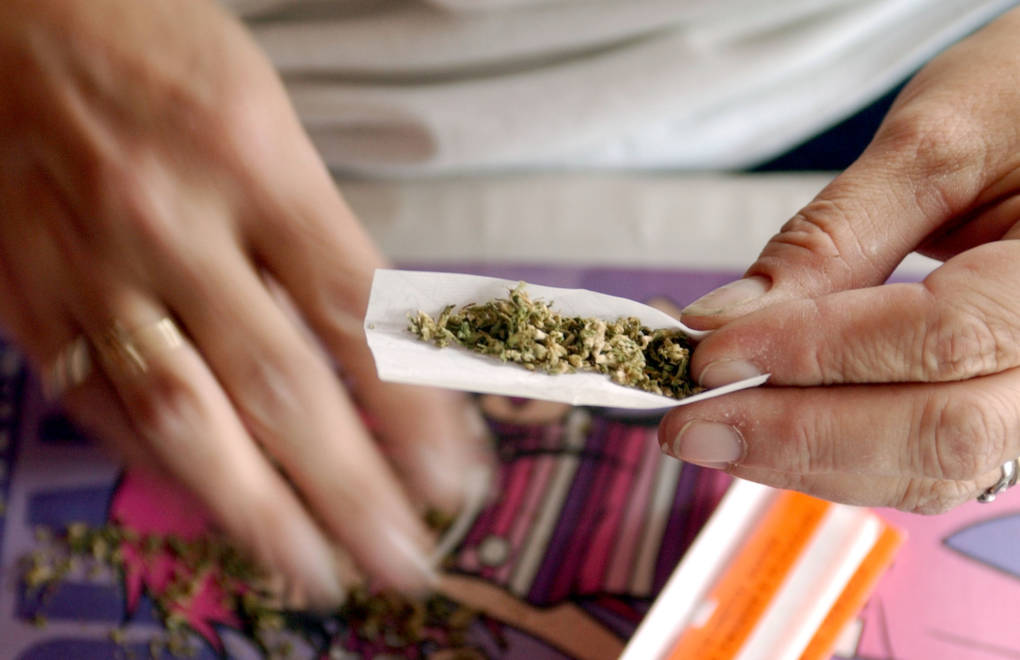
"caption": "Medical marijuana is now legal in 33 states. ",
"description": null,
"title": "Cannabis Club Operates in San Francisco",
"credit": "Justin Sullivan/Getty Images",
"status": "inherit",
"isLoading": false,
"fetchFailed": false
},
"news_11770841": {
"type": "attachments",
"id": "news_11770841",
"meta": {
"index": "attachments_1716263798",
"site": "news",
"id": "11770841",
"found": true
},
"parent": 11725622,
"imgSizes": {
"apple_news_ca_landscape_5_5": {
"file": "https://ww2.kqed.org/app/uploads/sites/10/2019/02/Gas-Explosion-San-Francisco-Digger-1044x783.jpg",
"width": 1044,
"mimeType": "image/jpeg",
"height": 783
},
"apple_news_ca_square_4_0": {
"file": "https://ww2.kqed.org/app/uploads/sites/10/2019/02/Gas-Explosion-San-Francisco-Digger-470x470.jpg",
"width": 470,
"mimeType": "image/jpeg",
"height": 470
},
"twentyfourteen-full-width": {
"file": "https://ww2.kqed.org/app/uploads/sites/10/2019/02/Gas-Explosion-San-Francisco-Digger-1038x576.jpg",
"width": 1038,
"mimeType": "image/jpeg",
"height": 576
},
"thumbnail": {
"file": "https://ww2.kqed.org/app/uploads/sites/10/2019/02/Gas-Explosion-San-Francisco-Digger-160x107.jpg",
"width": 160,
"mimeType": "image/jpeg",
"height": 107
},
"post-thumbnail": {
"file": "https://ww2.kqed.org/app/uploads/sites/10/2019/02/Gas-Explosion-San-Francisco-Digger-672x372.jpg",
"width": 672,
"mimeType": "image/jpeg",
"height": 372
},
"kqedFullSize": {
"file": "https://ww2.kqed.org/app/uploads/sites/10/2019/02/Gas-Explosion-San-Francisco-Digger.jpg",
"width": 1920,
"height": 1280
},
"apple_news_ca_landscape_4_7": {
"file": "https://ww2.kqed.org/app/uploads/sites/10/2019/02/Gas-Explosion-San-Francisco-Digger-632x474.jpg",
"width": 632,
"mimeType": "image/jpeg",
"height": 474
},
"large": {
"file": "https://ww2.kqed.org/app/uploads/sites/10/2019/02/Gas-Explosion-San-Francisco-Digger-1020x680.jpg",
"width": 1020,
"mimeType": "image/jpeg",
"height": 680
},
"complete_open_graph": {
"file": "https://ww2.kqed.org/app/uploads/sites/10/2019/02/Gas-Explosion-San-Francisco-Digger-1200x800.jpg",
"width": 1200,
"mimeType": "image/jpeg",
"height": 800
},
"apple_news_ca_landscape_4_0": {
"file": "https://ww2.kqed.org/app/uploads/sites/10/2019/02/Gas-Explosion-San-Francisco-Digger-536x402.jpg",
"width": 536,
"mimeType": "image/jpeg",
"height": 402
},
"apple_news_ca_portrait_12_9": {
"file": "https://ww2.kqed.org/app/uploads/sites/10/2019/02/Gas-Explosion-San-Francisco-Digger-1122x1280.jpg",
"width": 1122,
"mimeType": "image/jpeg",
"height": 1280
},
"medium": {
"file": "https://ww2.kqed.org/app/uploads/sites/10/2019/02/Gas-Explosion-San-Francisco-Digger-800x533.jpg",
"width": 800,
"mimeType": "image/jpeg",
"height": 533
},
"apple_news_ca_portrait_4_0": {
"file": "https://ww2.kqed.org/app/uploads/sites/10/2019/02/Gas-Explosion-San-Francisco-Digger-354x472.jpg",
"width": 354,
"mimeType": "image/jpeg",
"height": 472
},
"apple_news_ca_portrait_9_7": {
"file": "https://ww2.kqed.org/app/uploads/sites/10/2019/02/Gas-Explosion-San-Francisco-Digger-840x1120.jpg",
"width": 840,
"mimeType": "image/jpeg",
"height": 1120
},
"apple_news_ca_landscape_12_9": {
"file": "https://ww2.kqed.org/app/uploads/sites/10/2019/02/Gas-Explosion-San-Francisco-Digger-1832x1280.jpg",
"width": 1832,
"mimeType": "image/jpeg",
"height": 1280
},
"apple_news_ca_square_9_7": {
"file": "https://ww2.kqed.org/app/uploads/sites/10/2019/02/Gas-Explosion-San-Francisco-Digger-1104x1104.jpg",
"width": 1104,
"mimeType": "image/jpeg",
"height": 1104
},
"apple_news_ca_portrait_4_7": {
"file": "https://ww2.kqed.org/app/uploads/sites/10/2019/02/Gas-Explosion-San-Francisco-Digger-414x552.jpg",
"width": 414,
"mimeType": "image/jpeg",
"height": 552
},
"apple_news_ca_square_12_9": {
"file": "https://ww2.kqed.org/app/uploads/sites/10/2019/02/Gas-Explosion-San-Francisco-Digger-1472x1280.jpg",
"width": 1472,
"mimeType": "image/jpeg",
"height": 1280
},
"apple_news_ca_portrait_5_5": {
"file": "https://ww2.kqed.org/app/uploads/sites/10/2019/02/Gas-Explosion-San-Francisco-Digger-687x916.jpg",
"width": 687,
"mimeType": "image/jpeg",
"height": 916
},
"full-width": {
"file": "https://ww2.kqed.org/app/uploads/sites/10/2019/02/Gas-Explosion-San-Francisco-Digger-1920x1280.jpg",
"width": 1920,
"mimeType": "image/jpeg",
"height": 1280
},
"apple_news_ca_square_4_7": {
"file": "https://ww2.kqed.org/app/uploads/sites/10/2019/02/Gas-Explosion-San-Francisco-Digger-550x550.jpg",
"width": 550,
"mimeType": "image/jpeg",
"height": 550
},
"apple_news_ca_landscape_9_7": {
"file": "https://ww2.kqed.org/app/uploads/sites/10/2019/02/Gas-Explosion-San-Francisco-Digger-1376x1032.jpg",
"width": 1376,
"mimeType": "image/jpeg",
"height": 1032
},
"apple_news_ca_square_5_5": {
"file": "https://ww2.kqed.org/app/uploads/sites/10/2019/02/Gas-Explosion-San-Francisco-Digger-912x912.jpg",
"width": 912,
"mimeType": "image/jpeg",
"height": 912
}
},
"publishDate": 1567033705,
"modified": 1567033762,
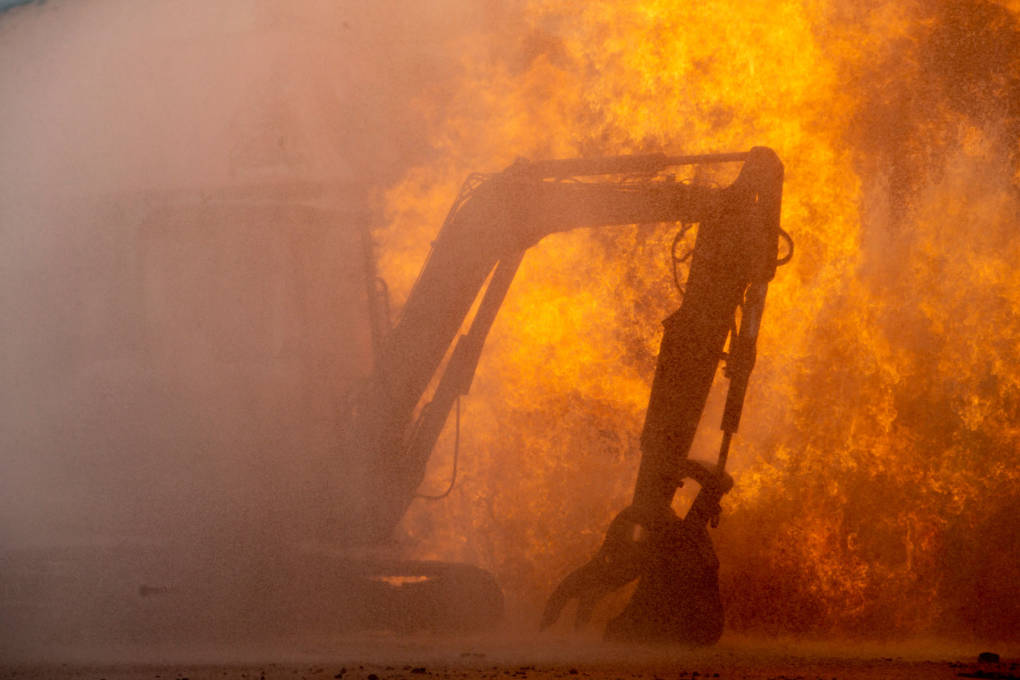
"caption": "Construction equipment catches fire from a blaze following an explosion of a gas line on Feb. 6, 2019 in San Francisco's Richmond District.",
"description": "Construction equipment catches fire from a blaze following an explosion of a gas line on Feb. 6, 2019 in San Francisco's Richmond District.",
"title": "Gas-Explosion-San-Francisco-Digger",
"credit": "Santiago Mejia-Pool/Getty Images",
"status": "inherit",
"isLoading": false,
"fetchFailed": false
},
"news_11723603": {
"type": "attachments",
"id": "news_11723603",
"meta": {
"index": "attachments_1716263798",
"site": "news",
"id": "11723603",
"found": true
},
"parent": 11723530,
"imgSizes": {
"thumbnail": {
"file": "https://ww2.kqed.org/app/uploads/sites/10/2019/02/TreatmentPlant-160x106.jpg",
"width": 160,
"mimeType": "image/jpeg",
"height": 106
},
"post-thumbnail": {
"file": "https://ww2.kqed.org/app/uploads/sites/10/2019/02/TreatmentPlant-672x372.jpg",
"width": 672,
"mimeType": "image/jpeg",
"height": 372
},
"kqedFullSize": {
"file": "https://ww2.kqed.org/app/uploads/sites/10/2019/02/TreatmentPlant.jpg",
"width": 800,
"height": 532
},
"guest-author-50": {
"file": "https://ww2.kqed.org/app/uploads/sites/10/2019/02/TreatmentPlant-50x50.jpg",
"width": 50,
"mimeType": "image/jpeg",
"height": 50
},
"guest-author-96": {
"file": "https://ww2.kqed.org/app/uploads/sites/10/2019/02/TreatmentPlant-96x96.jpg",
"width": 96,
"mimeType": "image/jpeg",
"height": 96
},
"medium": {
"file": "https://ww2.kqed.org/app/uploads/sites/10/2019/02/TreatmentPlant-800x532.jpg",
"width": 800,
"mimeType": "image/jpeg",
"height": 532
},
"guest-author-64": {
"file": "https://ww2.kqed.org/app/uploads/sites/10/2019/02/TreatmentPlant-64x64.jpg",
"width": 64,
"mimeType": "image/jpeg",
"height": 64
},
"detail": {
"file": "https://ww2.kqed.org/app/uploads/sites/10/2019/02/TreatmentPlant-150x150.jpg",
"width": 150,
"mimeType": "image/jpeg",
"height": 150
},
"guest-author-32": {
"file": "https://ww2.kqed.org/app/uploads/sites/10/2019/02/TreatmentPlant-32x32.jpg",
"width": 32,
"mimeType": "image/jpeg",
"height": 32
},
"guest-author-128": {
"file": "https://ww2.kqed.org/app/uploads/sites/10/2019/02/TreatmentPlant-128x128.jpg",
"width": 128,
"mimeType": "image/jpeg",
"height": 128
}
},
"publishDate": 1549402994,
"modified": 1549924655,
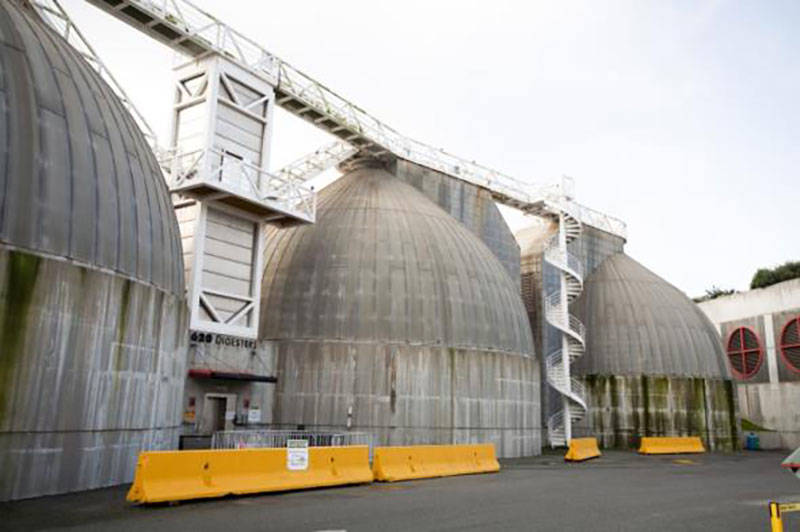
"caption": "The Oceanside Treatment Plant is located near the San Francisco Zoo. ",
"description": "The Oceanside Treatment Plant near the San Francisco Zoo. ",
"title": "TreatmentPlant",
"credit": "Courtesy of SFPUC",
"status": "inherit",
"isLoading": false,
"fetchFailed": false
},
"news_11724205": {
"type": "attachments",
"id": "news_11724205",
"meta": {
"index": "attachments_1716263798",
"site": "news",
"id": "11724205",
"found": true
},
"parent": 11723887,
"imgSizes": {
"twentyfourteen-full-width": {
"file": "https://ww2.kqed.org/app/uploads/sites/10/2019/02/IMG_1599-1038x576.jpg",
"width": 1038,
"mimeType": "image/jpeg",
"height": 576
},
"thumbnail": {
"file": "https://ww2.kqed.org/app/uploads/sites/10/2019/02/IMG_1599-160x120.jpg",
"width": 160,
"mimeType": "image/jpeg",
"height": 120
},
"post-thumbnail": {
"file": "https://ww2.kqed.org/app/uploads/sites/10/2019/02/IMG_1599-672x372.jpg",
"width": 672,
"mimeType": "image/jpeg",
"height": 372
},
"kqedFullSize": {
"file": "https://ww2.kqed.org/app/uploads/sites/10/2019/02/IMG_1599-e1549494871907.jpg",
"width": 1920,
"height": 1440
},
"large": {
"file": "https://ww2.kqed.org/app/uploads/sites/10/2019/02/IMG_1599-1020x765.jpg",
"width": 1020,
"mimeType": "image/jpeg",
"height": 765
},
"complete_open_graph": {
"file": "https://ww2.kqed.org/app/uploads/sites/10/2019/02/IMG_1599-1200x900.jpg",
"width": 1200,
"mimeType": "image/jpeg",
"height": 900
},
"guest-author-50": {
"file": "https://ww2.kqed.org/app/uploads/sites/10/2019/02/IMG_1599-50x50.jpg",
"width": 50,
"mimeType": "image/jpeg",
"height": 50
},
"guest-author-96": {
"file": "https://ww2.kqed.org/app/uploads/sites/10/2019/02/IMG_1599-96x96.jpg",
"width": 96,
"mimeType": "image/jpeg",
"height": 96
},
"medium": {
"file": "https://ww2.kqed.org/app/uploads/sites/10/2019/02/IMG_1599-800x600.jpg",
"width": 800,
"mimeType": "image/jpeg",
"height": 600
},
"guest-author-64": {
"file": "https://ww2.kqed.org/app/uploads/sites/10/2019/02/IMG_1599-64x64.jpg",
"width": 64,
"mimeType": "image/jpeg",
"height": 64
},
"guest-author-32": {
"file": "https://ww2.kqed.org/app/uploads/sites/10/2019/02/IMG_1599-32x32.jpg",
"width": 32,
"mimeType": "image/jpeg",
"height": 32
},
"full-width": {
"file": "https://ww2.kqed.org/app/uploads/sites/10/2019/02/IMG_1599-1920x1440.jpg",
"width": 1920,
"mimeType": "image/jpeg",
"height": 1440
},
"detail": {
"file": "https://ww2.kqed.org/app/uploads/sites/10/2019/02/IMG_1599-150x150.jpg",
"width": 150,
"mimeType": "image/jpeg",
"height": 150
},
"guest-author-128": {
"file": "https://ww2.kqed.org/app/uploads/sites/10/2019/02/IMG_1599-128x128.jpg",
"width": 128,
"mimeType": "image/jpeg",
"height": 128
}
},
"publishDate": 1549494760,
"modified": 1550195660,
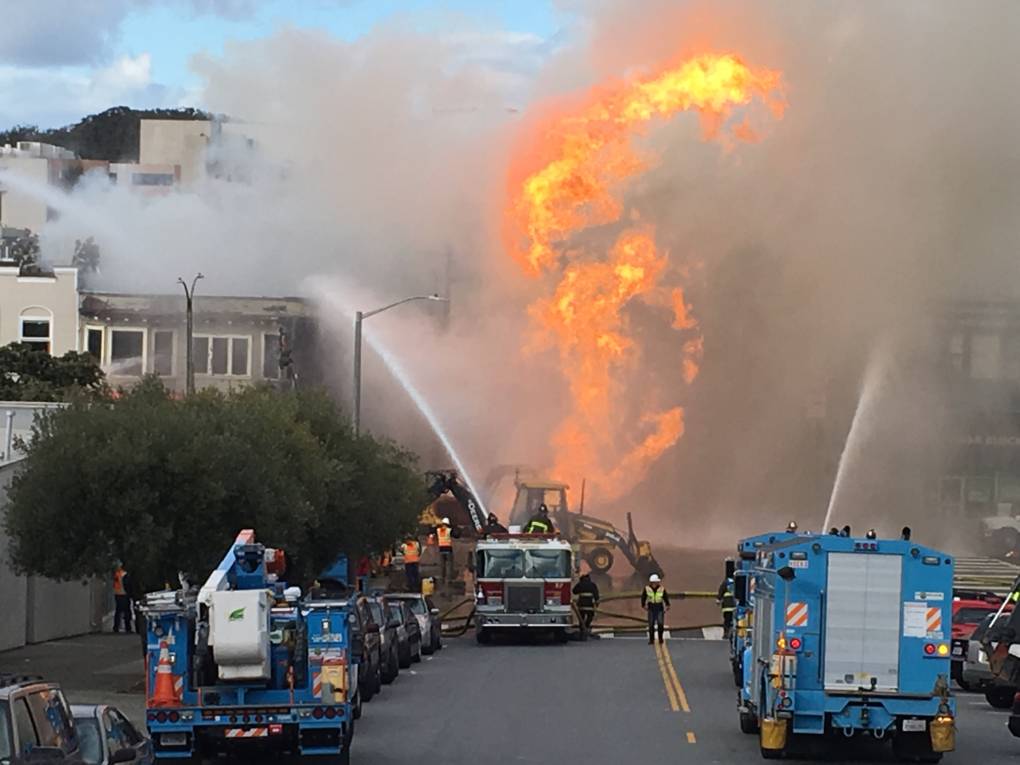
"caption": "Crews from PG&E and the San Francisco Fire Department at the scene of a natural gas blast and fire on Geary Boulevard in the city's Inner Richmond neighborhood.",
"description": "Crews from PG&E and the San Francisco Fire Department at the scene of a natural gas blast and fire on Geary Boulevard in the city's Inner Richmond neighborhood.",
"title": "S.F. -- Geary Boulevard Fire",
"credit": "Raquel Maria Dillon/KQED",
"status": "inherit",
"isLoading": false,
"fetchFailed": false
},
"news_11723517": {
"type": "attachments",
"id": "news_11723517",
"meta": {
"index": "attachments_1716263798",
"site": "news",
"id": "11723517",
"found": true
},
"parent": 11723370,
"imgSizes": {
"twentyfourteen-full-width": {
"file": "https://ww2.kqed.org/app/uploads/sites/10/2019/02/Screen-Shot-2019-02-05-at-10.19.21-AM-1038x576.png",
"width": 1038,
"mimeType": "image/png",
"height": 576
},
"thumbnail": {
"file": "https://ww2.kqed.org/app/uploads/sites/10/2019/02/Screen-Shot-2019-02-05-at-10.19.21-AM-160x120.png",
"width": 160,
"mimeType": "image/png",
"height": 120
},
"post-thumbnail": {
"file": "https://ww2.kqed.org/app/uploads/sites/10/2019/02/Screen-Shot-2019-02-05-at-10.19.21-AM-672x372.png",
"width": 672,
"mimeType": "image/png",
"height": 372
},
"kqedFullSize": {
"file": "https://ww2.kqed.org/app/uploads/sites/10/2019/02/Screen-Shot-2019-02-05-at-10.19.21-AM.png",
"width": 1079,
"height": 811
},
"large": {
"file": "https://ww2.kqed.org/app/uploads/sites/10/2019/02/Screen-Shot-2019-02-05-at-10.19.21-AM-1020x767.png",
"width": 1020,
"mimeType": "image/png",
"height": 767
},
"guest-author-50": {
"file": "https://ww2.kqed.org/app/uploads/sites/10/2019/02/Screen-Shot-2019-02-05-at-10.19.21-AM-50x50.png",
"width": 50,
"mimeType": "image/png",
"height": 50
},
"guest-author-96": {
"file": "https://ww2.kqed.org/app/uploads/sites/10/2019/02/Screen-Shot-2019-02-05-at-10.19.21-AM-96x96.png",
"width": 96,
"mimeType": "image/png",
"height": 96
},
"medium": {
"file": "https://ww2.kqed.org/app/uploads/sites/10/2019/02/Screen-Shot-2019-02-05-at-10.19.21-AM-800x601.png",
"width": 800,
"mimeType": "image/png",
"height": 601
},
"guest-author-64": {
"file": "https://ww2.kqed.org/app/uploads/sites/10/2019/02/Screen-Shot-2019-02-05-at-10.19.21-AM-64x64.png",
"width": 64,
"mimeType": "image/png",
"height": 64
},
"detail": {
"file": "https://ww2.kqed.org/app/uploads/sites/10/2019/02/Screen-Shot-2019-02-05-at-10.19.21-AM-150x150.png",
"width": 150,
"mimeType": "image/png",
"height": 150
},
"guest-author-32": {
"file": "https://ww2.kqed.org/app/uploads/sites/10/2019/02/Screen-Shot-2019-02-05-at-10.19.21-AM-32x32.png",
"width": 32,
"mimeType": "image/png",
"height": 32
},
"guest-author-128": {
"file": "https://ww2.kqed.org/app/uploads/sites/10/2019/02/Screen-Shot-2019-02-05-at-10.19.21-AM-128x128.png",
"width": 128,
"mimeType": "image/png",
"height": 128
}
},
"publishDate": 1549393123,
"modified": 1549393191,
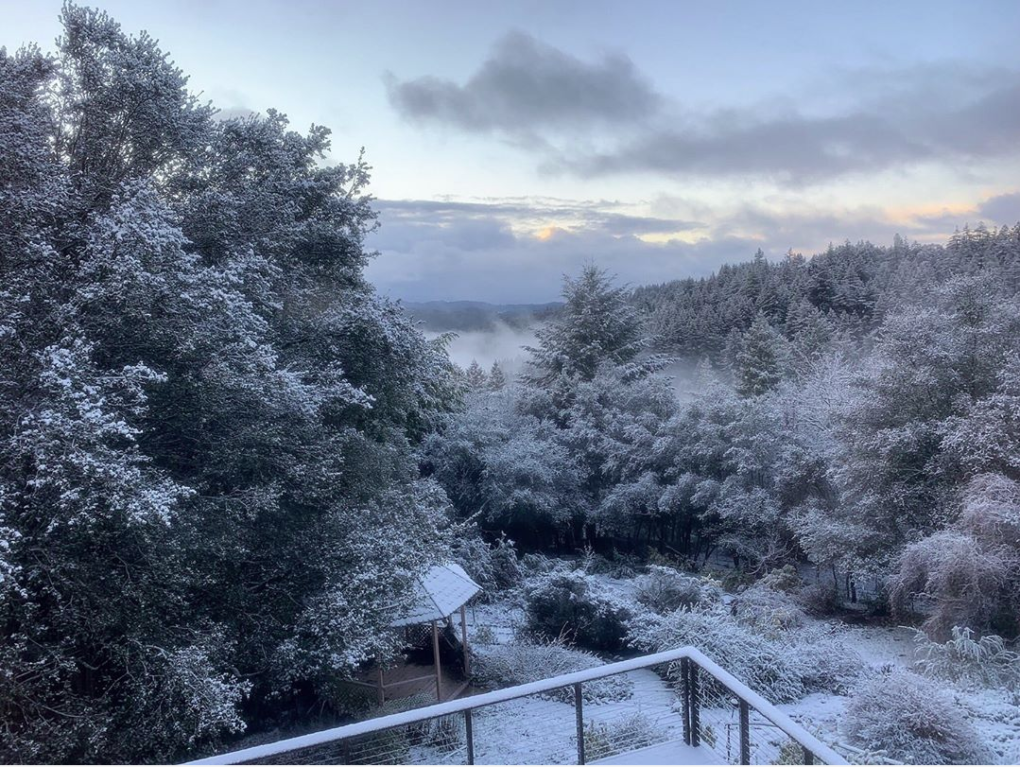
"caption": "Snow in the Santa Cruz Mountains on Feb. 5, 2019.",
"description": null,
"title": "Screen Shot 2019-02-05 at 10.19.21 AM",
"credit": "Courtesy of Rich Goldberg",
"status": "inherit",
"isLoading": false,
"fetchFailed": false
},
"news_11722942": {
"type": "attachments",
"id": "news_11722942",
"meta": {
"index": "attachments_1716263798",
"site": "news",
"id": "11722942",
"found": true
},
"parent": 11722940,
"imgSizes": {
"twentyfourteen-full-width": {
"file": "https://ww2.kqed.org/app/uploads/sites/10/2019/02/RS35080_alt_823-e1549093862289-1038x576.jpg",
"width": 1038,
"mimeType": "image/jpeg",
"height": 576
},
"thumbnail": {
"file": "https://ww2.kqed.org/app/uploads/sites/10/2019/02/RS35080_alt_823-e1549093862289-160x107.jpg",
"width": 160,
"mimeType": "image/jpeg",
"height": 107
},
"post-thumbnail": {
"file": "https://ww2.kqed.org/app/uploads/sites/10/2019/02/RS35080_alt_823-e1549093862289-672x372.jpg",
"width": 672,
"mimeType": "image/jpeg",
"height": 372
},
"kqedFullSize": {
"file": "https://ww2.kqed.org/app/uploads/sites/10/2019/02/RS35080_alt_823-e1549322326589.jpg",
"width": 1920,
"height": 1285
},
"large": {
"file": "https://ww2.kqed.org/app/uploads/sites/10/2019/02/RS35080_alt_823-e1549093862289-1020x683.jpg",
"width": 1020,
"mimeType": "image/jpeg",
"height": 683
},
"complete_open_graph": {
"file": "https://ww2.kqed.org/app/uploads/sites/10/2019/02/RS35080_alt_823-e1549093862289-1200x803.jpg",
"width": 1200,
"mimeType": "image/jpeg",
"height": 803
},
"guest-author-50": {
"file": "https://ww2.kqed.org/app/uploads/sites/10/2019/02/RS35080_alt_823-e1549093862289-50x50.jpg",
"width": 50,
"mimeType": "image/jpeg",
"height": 50
},
"guest-author-96": {
"file": "https://ww2.kqed.org/app/uploads/sites/10/2019/02/RS35080_alt_823-e1549093862289-96x96.jpg",
"width": 96,
"mimeType": "image/jpeg",
"height": 96
},
"medium": {
"file": "https://ww2.kqed.org/app/uploads/sites/10/2019/02/RS35080_alt_823-e1549093862289-800x535.jpg",
"width": 800,
"mimeType": "image/jpeg",
"height": 535
},
"guest-author-64": {
"file": "https://ww2.kqed.org/app/uploads/sites/10/2019/02/RS35080_alt_823-e1549093862289-64x64.jpg",
"width": 64,
"mimeType": "image/jpeg",
"height": 64
},
"guest-author-32": {
"file": "https://ww2.kqed.org/app/uploads/sites/10/2019/02/RS35080_alt_823-e1549093862289-32x32.jpg",
"width": 32,
"mimeType": "image/jpeg",
"height": 32
},
"full-width": {
"file": "https://ww2.kqed.org/app/uploads/sites/10/2019/02/RS35080_alt_823-e1549093862289-1920x1285.jpg",
"width": 1920,
"mimeType": "image/jpeg",
"height": 1285
},
"detail": {
"file": "https://ww2.kqed.org/app/uploads/sites/10/2019/02/RS35080_alt_823-e1549093862289-150x150.jpg",
"width": 150,
"mimeType": "image/jpeg",
"height": 150
},
"guest-author-128": {
"file": "https://ww2.kqed.org/app/uploads/sites/10/2019/02/RS35080_alt_823-e1549093862289-128x128.jpg",
"width": 128,
"mimeType": "image/jpeg",
"height": 128
}
},
"publishDate": 1549088553,
"modified": 1549088581,
"caption": "The San Francisco Hall of Justice.",
"description": "The San Francisco Hall of Justice.",
"title": "RS35080_alt_823",
"credit": "Alex Emslie/KQED",
"status": "inherit",
"isLoading": false,
"fetchFailed": false
},
"news_11722520": {
"type": "attachments",
"id": "news_11722520",
"meta": {
"index": "attachments_1716263798",
"site": "news",
"id": "11722520",
"found": true
},
"title": "PowerPGEMissionDist",
"publishDate": 1548969534,
"status": "inherit",
"parent": 11721965,
"modified": 1732658729,
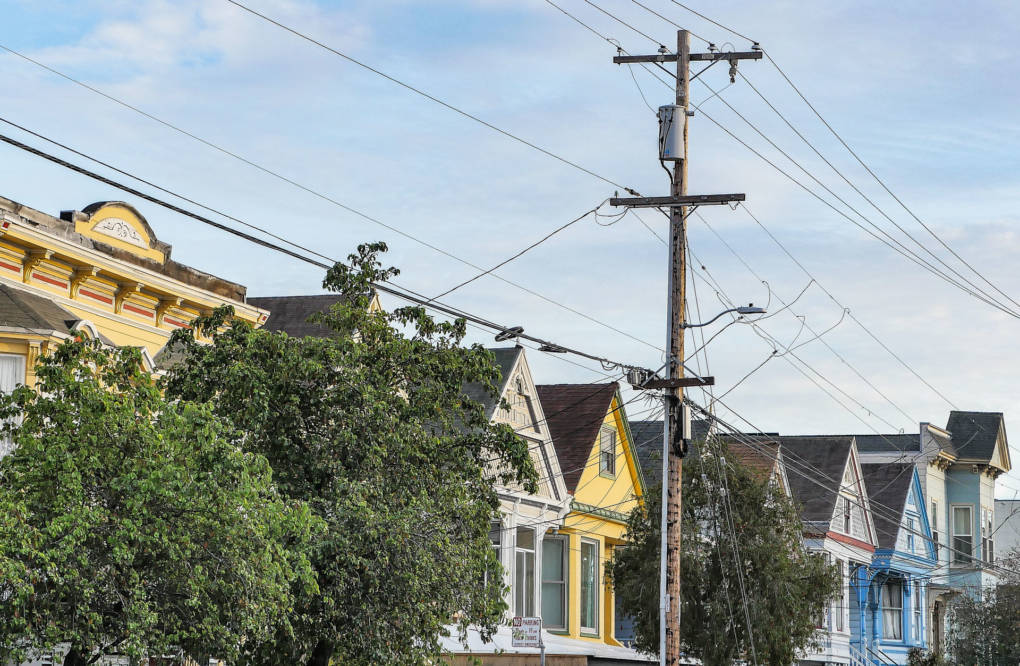
"caption": "PG&E utility poles in San Francisco's Mission District.",
"credit": "Sheraz Sadiq/KQED",
"altTag": "A photo of a telephone pole and its wires with different colored homes in the background.",
"description": "PG&E utility poles in San Francisco's Mission District.",
"imgSizes": {
"thumbnail": {
"file": "https://cdn.kqed.org/wp-content/uploads/sites/10/2019/01/PowerPGEMissionDist-160x104.jpg",
"width": 160,
"height": 104,
"mimeType": "image/jpeg"
},
"medium": {
"file": "https://cdn.kqed.org/wp-content/uploads/sites/10/2019/01/PowerPGEMissionDist-800x522.jpg",
"width": 800,
"height": 522,
"mimeType": "image/jpeg"
},
"large": {
"file": "https://cdn.kqed.org/wp-content/uploads/sites/10/2019/01/PowerPGEMissionDist-1020x666.jpg",
"width": 1020,
"height": 666,
"mimeType": "image/jpeg"
},
"complete_open_graph": {
"file": "https://cdn.kqed.org/wp-content/uploads/sites/10/2019/01/PowerPGEMissionDist-1200x783.jpg",
"width": 1200,
"height": 783,
"mimeType": "image/jpeg"
},
"post-thumbnail": {
"file": "https://cdn.kqed.org/wp-content/uploads/sites/10/2019/01/PowerPGEMissionDist-672x372.jpg",
"width": 672,
"height": 372,
"mimeType": "image/jpeg"
},
"twentyfourteen-full-width": {
"file": "https://cdn.kqed.org/wp-content/uploads/sites/10/2019/01/PowerPGEMissionDist-1038x576.jpg",
"width": 1038,
"height": 576,
"mimeType": "image/jpeg"
},
"full-width": {
"file": "https://cdn.kqed.org/wp-content/uploads/sites/10/2019/01/PowerPGEMissionDist-1920x1253.jpg",
"width": 1920,
"height": 1253,
"mimeType": "image/jpeg"
},
"guest-author-32": {
"file": "https://cdn.kqed.org/wp-content/uploads/sites/10/2019/01/PowerPGEMissionDist-32x32.jpg",
"width": 32,
"height": 32,
"mimeType": "image/jpeg"
},
"guest-author-50": {
"file": "https://cdn.kqed.org/wp-content/uploads/sites/10/2019/01/PowerPGEMissionDist-50x50.jpg",
"width": 50,
"height": 50,
"mimeType": "image/jpeg"
},
"guest-author-64": {
"file": "https://cdn.kqed.org/wp-content/uploads/sites/10/2019/01/PowerPGEMissionDist-64x64.jpg",
"width": 64,
"height": 64,
"mimeType": "image/jpeg"
},
"guest-author-96": {
"file": "https://cdn.kqed.org/wp-content/uploads/sites/10/2019/01/PowerPGEMissionDist-96x96.jpg",
"width": 96,
"height": 96,
"mimeType": "image/jpeg"
},
"guest-author-128": {
"file": "https://cdn.kqed.org/wp-content/uploads/sites/10/2019/01/PowerPGEMissionDist-128x128.jpg",
"width": 128,
"height": 128,
"mimeType": "image/jpeg"
},
"detail": {
"file": "https://cdn.kqed.org/wp-content/uploads/sites/10/2019/01/PowerPGEMissionDist-150x150.jpg",
"width": 150,
"height": 150,
"mimeType": "image/jpeg"
},
"kqedFullSize": {
"file": "https://cdn.kqed.org/wp-content/uploads/sites/10/2019/01/PowerPGEMissionDist.jpg",
"width": 1920,
"height": 1253
}
},
"isLoading": false,
"fetchFailed": false
},
"news_11721304": {
"type": "attachments",
"id": "news_11721304",
"meta": {
"index": "attachments_1716263798",
"site": "news",
"id": "11721304",
"found": true
},
"parent": 11721246,
"imgSizes": {
"twentyfourteen-full-width": {
"file": "https://ww2.kqed.org/app/uploads/sites/10/2019/01/RS34846_IMG_9423-qut-1038x576.jpg",
"width": 1038,
"mimeType": "image/jpeg",
"height": 576
},
"thumbnail": {
"file": "https://ww2.kqed.org/app/uploads/sites/10/2019/01/RS34846_IMG_9423-qut-160x102.jpg",
"width": 160,
"mimeType": "image/jpeg",
"height": 102
},
"post-thumbnail": {
"file": "https://ww2.kqed.org/app/uploads/sites/10/2019/01/RS34846_IMG_9423-qut-672x372.jpg",
"width": 672,
"mimeType": "image/jpeg",
"height": 372
},
"kqedFullSize": {
"file": "https://ww2.kqed.org/app/uploads/sites/10/2019/01/RS34846_IMG_9423-qut.jpg",
"width": 1920,
"height": 1228
},
"large": {
"file": "https://ww2.kqed.org/app/uploads/sites/10/2019/01/RS34846_IMG_9423-qut-1020x652.jpg",
"width": 1020,
"mimeType": "image/jpeg",
"height": 652
},
"complete_open_graph": {
"file": "https://ww2.kqed.org/app/uploads/sites/10/2019/01/RS34846_IMG_9423-qut-1200x768.jpg",
"width": 1200,
"mimeType": "image/jpeg",
"height": 768
},
"guest-author-50": {
"file": "https://ww2.kqed.org/app/uploads/sites/10/2019/01/RS34846_IMG_9423-qut-50x50.jpg",
"width": 50,
"mimeType": "image/jpeg",
"height": 50
},
"guest-author-96": {
"file": "https://ww2.kqed.org/app/uploads/sites/10/2019/01/RS34846_IMG_9423-qut-96x96.jpg",
"width": 96,
"mimeType": "image/jpeg",
"height": 96
},
"medium": {
"file": "https://ww2.kqed.org/app/uploads/sites/10/2019/01/RS34846_IMG_9423-qut-800x512.jpg",
"width": 800,
"mimeType": "image/jpeg",
"height": 512
},
"guest-author-64": {
"file": "https://ww2.kqed.org/app/uploads/sites/10/2019/01/RS34846_IMG_9423-qut-64x64.jpg",
"width": 64,
"mimeType": "image/jpeg",
"height": 64
},
"guest-author-32": {
"file": "https://ww2.kqed.org/app/uploads/sites/10/2019/01/RS34846_IMG_9423-qut-32x32.jpg",
"width": 32,
"mimeType": "image/jpeg",
"height": 32
},
"full-width": {
"file": "https://ww2.kqed.org/app/uploads/sites/10/2019/01/RS34846_IMG_9423-qut-1920x1228.jpg",
"width": 1920,
"mimeType": "image/jpeg",
"height": 1228
},
"detail": {
"file": "https://ww2.kqed.org/app/uploads/sites/10/2019/01/RS34846_IMG_9423-qut-150x150.jpg",
"width": 150,
"mimeType": "image/jpeg",
"height": 150
},
"guest-author-128": {
"file": "https://ww2.kqed.org/app/uploads/sites/10/2019/01/RS34846_IMG_9423-qut-128x128.jpg",
"width": 128,
"mimeType": "image/jpeg",
"height": 128
}
},
"publishDate": 1548470643,
"modified": 1576884764,
"caption": "Therapist Chris Mullen speaks with father and son from Guatemala seeking asylum.",
"description": null,
"title": "ICE family detention",
"credit": "Julie Small/KQED",
"status": "inherit",
"isLoading": false,
"fetchFailed": false
},
"news_11720629": {
"type": "attachments",
"id": "news_11720629",
"meta": {
"index": "attachments_1716263798",
"site": "news",
"id": "11720629",
"found": true
},
"parent": 11720617,
"imgSizes": {
"twentyfourteen-full-width": {
"file": "https://ww2.kqed.org/app/uploads/sites/10/2019/01/RS34810_DSC_1228-qut-1038x576.jpg",
"width": 1038,
"mimeType": "image/jpeg",
"height": 576
},
"thumbnail": {
"file": "https://ww2.kqed.org/app/uploads/sites/10/2019/01/RS34810_DSC_1228-qut-160x107.jpg",
"width": 160,
"mimeType": "image/jpeg",
"height": 107
},
"post-thumbnail": {
"file": "https://ww2.kqed.org/app/uploads/sites/10/2019/01/RS34810_DSC_1228-qut-672x372.jpg",
"width": 672,
"mimeType": "image/jpeg",
"height": 372
},
"kqedFullSize": {
"file": "https://ww2.kqed.org/app/uploads/sites/10/2019/01/RS34810_DSC_1228-qut.jpg",
"width": 1920,
"height": 1280
},
"large": {
"file": "https://ww2.kqed.org/app/uploads/sites/10/2019/01/RS34810_DSC_1228-qut-1020x680.jpg",
"width": 1020,
"mimeType": "image/jpeg",
"height": 680
},
"complete_open_graph": {
"file": "https://ww2.kqed.org/app/uploads/sites/10/2019/01/RS34810_DSC_1228-qut-1200x800.jpg",
"width": 1200,
"mimeType": "image/jpeg",
"height": 800
},
"guest-author-50": {
"file": "https://ww2.kqed.org/app/uploads/sites/10/2019/01/RS34810_DSC_1228-qut-50x50.jpg",
"width": 50,
"mimeType": "image/jpeg",
"height": 50
},
"guest-author-96": {
"file": "https://ww2.kqed.org/app/uploads/sites/10/2019/01/RS34810_DSC_1228-qut-96x96.jpg",
"width": 96,
"mimeType": "image/jpeg",
"height": 96
},
"medium": {
"file": "https://ww2.kqed.org/app/uploads/sites/10/2019/01/RS34810_DSC_1228-qut-800x533.jpg",
"width": 800,
"mimeType": "image/jpeg",
"height": 533
},
"guest-author-64": {
"file": "https://ww2.kqed.org/app/uploads/sites/10/2019/01/RS34810_DSC_1228-qut-64x64.jpg",
"width": 64,
"mimeType": "image/jpeg",
"height": 64
},
"guest-author-32": {
"file": "https://ww2.kqed.org/app/uploads/sites/10/2019/01/RS34810_DSC_1228-qut-32x32.jpg",
"width": 32,
"mimeType": "image/jpeg",
"height": 32
},
"full-width": {
"file": "https://ww2.kqed.org/app/uploads/sites/10/2019/01/RS34810_DSC_1228-qut-1920x1280.jpg",
"width": 1920,
"mimeType": "image/jpeg",
"height": 1280
},
"detail": {
"file": "https://ww2.kqed.org/app/uploads/sites/10/2019/01/RS34810_DSC_1228-qut-150x150.jpg",
"width": 150,
"mimeType": "image/jpeg",
"height": 150
},
"guest-author-128": {
"file": "https://ww2.kqed.org/app/uploads/sites/10/2019/01/RS34810_DSC_1228-qut-128x128.jpg",
"width": 128,
"mimeType": "image/jpeg",
"height": 128
}
},
"publishDate": 1548307176,
"modified": 1548460576,
"caption": "A Pisco Punch made at San Francisco's Comstock Saloon",
"description": "A Pisco Punch made at San Francisco's Comstock Saloon",
"title": "RS34810_DSC_1228-qut",
"credit": "Carly Severn/KQED",
"status": "inherit",
"isLoading": false,
"fetchFailed": false
},
"news_11694426": {
"type": "attachments",
"id": "news_11694426",
"meta": {
"index": "attachments_1716263798",
"site": "news",
"id": "11694426",
"found": true
},
"parent": 11694401,
"imgSizes": {
"small": {
"file": "https://ww2.kqed.org/app/uploads/sites/10/2018/09/Circle-of-drivers-520x390.jpg",
"width": 520,
"mimeType": "image/jpeg",
"height": 390
},
"twentyfourteen-full-width": {
"file": "https://ww2.kqed.org/app/uploads/sites/10/2018/09/Circle-of-drivers-1038x576.jpg",
"width": 1038,
"mimeType": "image/jpeg",
"height": 576
},
"thumbnail": {
"file": "https://ww2.kqed.org/app/uploads/sites/10/2018/09/Circle-of-drivers-160x120.jpg",
"width": 160,
"mimeType": "image/jpeg",
"height": 120
},
"fd-sm": {
"file": "https://ww2.kqed.org/app/uploads/sites/10/2018/09/Circle-of-drivers-960x720.jpg",
"width": 960,
"mimeType": "image/jpeg",
"height": 720
},
"post-thumbnail": {
"file": "https://ww2.kqed.org/app/uploads/sites/10/2018/09/Circle-of-drivers-672x372.jpg",
"width": 672,
"mimeType": "image/jpeg",
"height": 372
},
"xsmall": {
"file": "https://ww2.kqed.org/app/uploads/sites/10/2018/09/Circle-of-drivers-375x281.jpg",
"width": 375,
"mimeType": "image/jpeg",
"height": 281
},
"kqedFullSize": {
"file": "https://ww2.kqed.org/app/uploads/sites/10/2018/09/Circle-of-drivers-e1538082779288.jpg",
"width": 1920,
"height": 1440
},
"large": {
"file": "https://ww2.kqed.org/app/uploads/sites/10/2018/09/Circle-of-drivers-1020x765.jpg",
"width": 1020,
"mimeType": "image/jpeg",
"height": 765
},
"xlarge": {
"file": "https://ww2.kqed.org/app/uploads/sites/10/2018/09/Circle-of-drivers-1180x885.jpg",
"width": 1180,
"mimeType": "image/jpeg",
"height": 885
},
"complete_open_graph": {
"file": "https://ww2.kqed.org/app/uploads/sites/10/2018/09/Circle-of-drivers-1200x900.jpg",
"width": 1200,
"mimeType": "image/jpeg",
"height": 900
},
"guest-author-50": {
"file": "https://ww2.kqed.org/app/uploads/sites/10/2018/09/Circle-of-drivers-50x50.jpg",
"width": 50,
"mimeType": "image/jpeg",
"height": 50
},
"guest-author-96": {
"file": "https://ww2.kqed.org/app/uploads/sites/10/2018/09/Circle-of-drivers-96x96.jpg",
"width": 96,
"mimeType": "image/jpeg",
"height": 96
},
"medium": {
"file": "https://ww2.kqed.org/app/uploads/sites/10/2018/09/Circle-of-drivers-800x600.jpg",
"width": 800,
"mimeType": "image/jpeg",
"height": 600
},
"guest-author-64": {
"file": "https://ww2.kqed.org/app/uploads/sites/10/2018/09/Circle-of-drivers-64x64.jpg",
"width": 64,
"mimeType": "image/jpeg",
"height": 64
},
"guest-author-32": {
"file": "https://ww2.kqed.org/app/uploads/sites/10/2018/09/Circle-of-drivers-32x32.jpg",
"width": 32,
"mimeType": "image/jpeg",
"height": 32
},
"fd-lrg": {
"file": "https://ww2.kqed.org/app/uploads/sites/10/2018/09/Circle-of-drivers-1920x1440.jpg",
"width": 1920,
"mimeType": "image/jpeg",
"height": 1440
},
"fd-med": {
"file": "https://ww2.kqed.org/app/uploads/sites/10/2018/09/Circle-of-drivers-1180x885.jpg",
"width": 1180,
"mimeType": "image/jpeg",
"height": 885
},
"full-width": {
"file": "https://ww2.kqed.org/app/uploads/sites/10/2018/09/Circle-of-drivers-1920x1440.jpg",
"width": 1920,
"mimeType": "image/jpeg",
"height": 1440
},
"detail": {
"file": "https://ww2.kqed.org/app/uploads/sites/10/2018/09/Circle-of-drivers-150x150.jpg",
"width": 150,
"mimeType": "image/jpeg",
"height": 150
},
"guest-author-128": {
"file": "https://ww2.kqed.org/app/uploads/sites/10/2018/09/Circle-of-drivers-128x128.jpg",
"width": 128,
"mimeType": "image/jpeg",
"height": 128
},
"xxsmall": {
"file": "https://ww2.kqed.org/app/uploads/sites/10/2018/09/Circle-of-drivers-240x180.jpg",
"width": 240,
"mimeType": "image/jpeg",
"height": 180
}
},
"publishDate": 1537831509,
"modified": 1537833918,
"caption": "At a recent SFMTA meeting, taxi drivers surrounded Kate Toran, who heads the city's taxi program.",
"description": null,
"title": "Circle of drivers",
"credit": "Sam Harnett/KQED",
"status": "inherit",
"isLoading": false,
"fetchFailed": false
},
"news_11718162": {
"type": "attachments",
"id": "news_11718162",
"meta": {
"index": "attachments_1716263798",
"site": "news",
"id": "11718162",
"found": true
},
"parent": 11718123,
"imgSizes": {
"twentyfourteen-full-width": {
"file": "https://ww2.kqed.org/app/uploads/sites/10/2019/01/PGETrucksSF-1038x576.jpg",
"width": 1038,
"mimeType": "image/jpeg",
"height": 576
},
"thumbnail": {
"file": "https://ww2.kqed.org/app/uploads/sites/10/2019/01/PGETrucksSF-160x107.jpg",
"width": 160,
"mimeType": "image/jpeg",
"height": 107
},
"post-thumbnail": {
"file": "https://ww2.kqed.org/app/uploads/sites/10/2019/01/PGETrucksSF-672x372.jpg",
"width": 672,
"mimeType": "image/jpeg",
"height": 372
},
"kqedFullSize": {
"file": "https://ww2.kqed.org/app/uploads/sites/10/2019/01/PGETrucksSF.jpg",
"width": 1920,
"height": 1280
},
"large": {
"file": "https://ww2.kqed.org/app/uploads/sites/10/2019/01/PGETrucksSF-1020x680.jpg",
"width": 1020,
"mimeType": "image/jpeg",
"height": 680
},
"complete_open_graph": {
"file": "https://ww2.kqed.org/app/uploads/sites/10/2019/01/PGETrucksSF-1200x800.jpg",
"width": 1200,
"mimeType": "image/jpeg",
"height": 800
},
"guest-author-50": {
"file": "https://ww2.kqed.org/app/uploads/sites/10/2019/01/PGETrucksSF-50x50.jpg",
"width": 50,
"mimeType": "image/jpeg",
"height": 50
},
"guest-author-96": {
"file": "https://ww2.kqed.org/app/uploads/sites/10/2019/01/PGETrucksSF-96x96.jpg",
"width": 96,
"mimeType": "image/jpeg",
"height": 96
},
"medium": {
"file": "https://ww2.kqed.org/app/uploads/sites/10/2019/01/PGETrucksSF-800x533.jpg",
"width": 800,
"mimeType": "image/jpeg",
"height": 533
},
"guest-author-64": {
"file": "https://ww2.kqed.org/app/uploads/sites/10/2019/01/PGETrucksSF-64x64.jpg",
"width": 64,
"mimeType": "image/jpeg",
"height": 64
},
"guest-author-32": {
"file": "https://ww2.kqed.org/app/uploads/sites/10/2019/01/PGETrucksSF-32x32.jpg",
"width": 32,
"mimeType": "image/jpeg",
"height": 32
},
"full-width": {
"file": "https://ww2.kqed.org/app/uploads/sites/10/2019/01/PGETrucksSF-1920x1280.jpg",
"width": 1920,
"mimeType": "image/jpeg",
"height": 1280
},
"detail": {
"file": "https://ww2.kqed.org/app/uploads/sites/10/2019/01/PGETrucksSF-150x150.jpg",
"width": 150,
"mimeType": "image/jpeg",
"height": 150
},
"guest-author-128": {
"file": "https://ww2.kqed.org/app/uploads/sites/10/2019/01/PGETrucksSF-128x128.jpg",
"width": 128,
"mimeType": "image/jpeg",
"height": 128
}
},
"publishDate": 1547503706,
"modified": 1547509167,
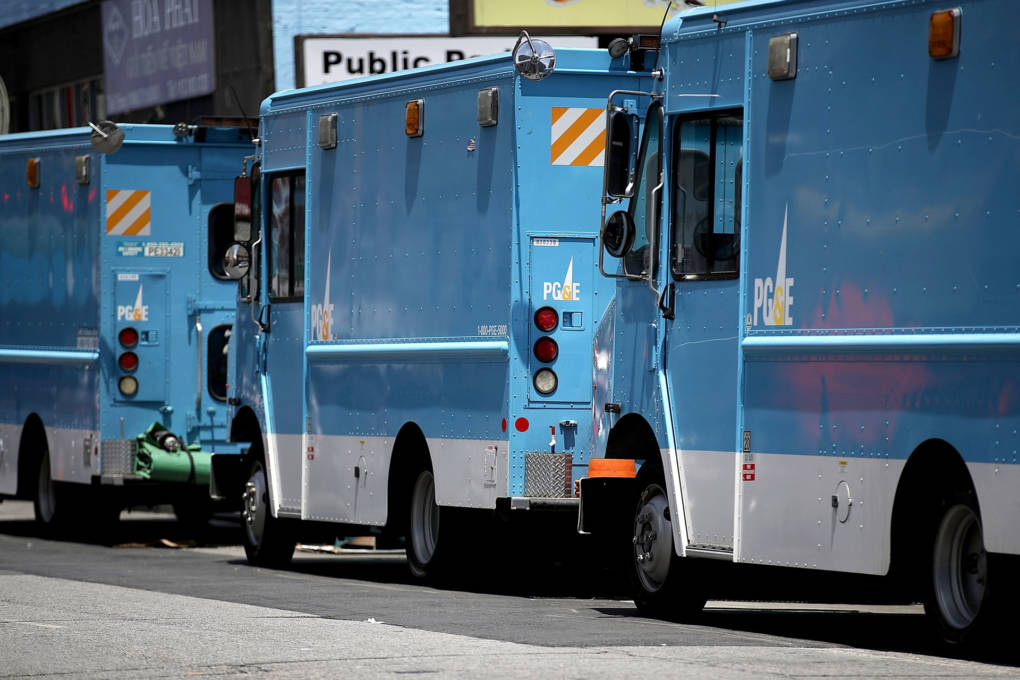
"caption": "Pacific Gas and Electric trucks sit parked on a street on June 18, 2018, in San Francisco.",
"description": "Pacific Gas and Electric trucks sit parked on a street on June 18, 2018 in San Francisco.",
"title": "PGETrucksSF",
"credit": "Justin Sullivan/Getty Images",
"status": "inherit",
"isLoading": false,
"fetchFailed": false
}
},
"audioPlayerReducer": {
"postId": "stream_live",
"isPaused": true,
"isPlaying": false,
"pfsActive": false,
"pledgeModalIsOpen": true,
"playerDrawerIsOpen": false,
"liveAudioPlayStartedAt": 0,
"liveAudioPlayContext": ""
},
"authorsReducer": {
"byline_news_11728824": {
"type": "authors",
"id": "byline_news_11728824",
"meta": {
"override": true
},
"slug": "byline_news_11728824",
"name": "Paul Elias \u003cbr> Associated Press",
"isLoading": false
},
"dclyde": {
"type": "authors",
"id": "104",
"meta": {
"index": "authors_1716337520",
"id": "104",
"found": true
},
"name": "Don Clyde",
"firstName": "Don",
"lastName": "Clyde",
"slug": "dclyde",
"email": "dclyde@kqed.org",
"display_author_email": false,
"staff_mastheads": [],
"title": "KQED Contributor",
"bio": "Don Clyde is an online producer, reporter and copy editor for KQED News. Before venturing into journalism, he worked as a medical device engineer and scientist for nearly a decade after earning a degree in physics from UC Berkeley. He loves travel, reading, living in Oakland, and most importantly, a good walk. Email him at dclyde@kqed.org or follow him @clydedon.",
"avatar": "https://secure.gravatar.com/avatar/decd3e640c3eedbd0a574275aebb2d19?s=600&d=blank&r=g",
"twitter": "clydedon",
"facebook": null,
"instagram": null,
"linkedin": null,
"sites": [
{
"site": "artschool",
"roles": [
"editor"
]
},
{
"site": "news",
"roles": [
"administrator"
]
},
{
"site": "futureofyou",
"roles": [
"editor"
]
},
{
"site": "about",
"roles": [
"editor"
]
},
{
"site": "mindshift",
"roles": [
"contributor"
]
},
{
"site": "bayareabites",
"roles": [
"contributor"
]
},
{
"site": "lowdown",
"roles": [
"editor"
]
},
{
"site": "stateofhealth",
"roles": [
"administrator"
]
},
{
"site": "spark",
"roles": [
"administrator"
]
},
{
"site": "trulyca",
"roles": [
"administrator"
]
},
{
"site": "imagemakers",
"roles": [
"administrator"
]
},
{
"site": "science",
"roles": []
},
{
"site": "education",
"roles": [
"editor"
]
},
{
"site": "quest",
"roles": [
"subscriber"
]
},
{
"site": "checkplease",
"roles": [
"subscriber"
]
},
{
"site": "forum",
"roles": [
"editor"
]
},
{
"site": "perspectives",
"roles": [
"editor"
]
}
],
"headData": {
"title": "Don Clyde | KQED",
"description": "KQED Contributor",
"ogImgSrc": "https://secure.gravatar.com/avatar/decd3e640c3eedbd0a574275aebb2d19?s=600&d=blank&r=g",
"twImgSrc": "https://secure.gravatar.com/avatar/decd3e640c3eedbd0a574275aebb2d19?s=600&d=blank&r=g"
},
"isLoading": false,
"link": "/author/dclyde"
},
"danbrekke": {
"type": "authors",
"id": "222",
"meta": {
"index": "authors_1716337520",
"id": "222",
"found": true
},
"name": "Dan Brekke",
"firstName": "Dan",
"lastName": "Brekke",
"slug": "danbrekke",
"email": "dbrekke@kqed.org",
"display_author_email": true,
"staff_mastheads": [
"news",
"science"
],
"title": "KQED Editor and Reporter",
"bio": "Dan Brekke is a reporter and editor for KQED News, responsible for coverage of topics ranging from California water issues to the Bay Area's transportation challenges. In a newsroom career that began in Chicago in 1972, Dan has worked for \u003cem>The San Francisco Examiner,\u003c/em> Wired and TechTV and has been published in The New York Times, The New York Times Magazine, Business 2.0, Salon and elsewhere.\r\n\r\nSince joining KQED in 2007, Dan has reported, edited and produced both radio and online features and breaking news pieces. He has shared as both editor and reporter in four Society of Professional Journalists Norcal Excellence in Journalism awards and one Edward R. Murrow regional award. He was chosen for a spring 2017 residency at the Mesa Refuge to advance his research on California salmon.\r\n\r\nEmail Dan at: \u003ca href=\"mailto:dbrekke@kqed.org\">dbrekke@kqed.org\u003c/a>\r\n\r\n\u003cstrong>Twitter:\u003c/strong> \u003ca href=\"https://twitter.com/danbrekke\" rel=\"noopener noreferrer\">twitter.com/danbrekke\u003c/a>\r\n\u003cstrong>Facebook:\u003c/strong> \u003ca href=\"https://www.facebook.com/danbrekke\" rel=\"noopener noreferrer\">www.facebook.com/danbrekke\u003c/a>\r\n\u003cstrong>LinkedIn:\u003c/strong> \u003ca href=\"https://www.linkedin.com/in/danbrekke\" rel=\"noopener noreferrer\">www.linkedin.com/in/danbrekke\u003c/a>",
"avatar": "https://secure.gravatar.com/avatar/c8126230345efca3f7aa89b1a402be45?s=600&d=mm&r=g",
"twitter": "danbrekke",
"facebook": null,
"instagram": "https://www.instagram.com/dan.brekke/",
"linkedin": "https://www.linkedin.com/in/danbrekke/",
"sites": [
{
"site": "news",
"roles": [
"administrator",
"create_posts"
]
},
{
"site": "stateofhealth",
"roles": [
"editor"
]
},
{
"site": "science",
"roles": [
"editor"
]
},
{
"site": "quest",
"roles": [
"contributor"
]
},
{
"site": "food",
"roles": [
"contributor"
]
},
{
"site": "forum",
"roles": [
"contributor"
]
},
{
"site": "liveblog",
"roles": [
"editor"
]
}
],
"headData": {
"title": "Dan Brekke | KQED",
"description": "KQED Editor and Reporter",
"ogImgSrc": "https://secure.gravatar.com/avatar/c8126230345efca3f7aa89b1a402be45?s=600&d=mm&r=g",
"twImgSrc": "https://secure.gravatar.com/avatar/c8126230345efca3f7aa89b1a402be45?s=600&d=mm&r=g"
},
"isLoading": false,
"link": "/author/danbrekke"
},
"kqed": {
"type": "authors",
"id": "236",
"meta": {
"index": "authors_1716337520",
"id": "236",
"found": true
},
"name": "KQED News Staff",
"firstName": "KQED News Staff",
"lastName": null,
"slug": "kqed",
"email": "faq@kqed.org",
"display_author_email": false,
"staff_mastheads": [],
"title": null,
"bio": null,
"avatar": "https://secure.gravatar.com/avatar/ef0e801a68c4c54afa9180db14084167?s=600&d=blank&r=g",
"twitter": null,
"facebook": null,
"instagram": null,
"linkedin": null,
"sites": [
{
"site": "arts",
"roles": [
"contributor"
]
},
{
"site": "news",
"roles": [
"editor"
]
},
{
"site": "futureofyou",
"roles": [
"author"
]
}
],
"headData": {
"title": "KQED News Staff | KQED",
"description": null,
"ogImgSrc": "https://secure.gravatar.com/avatar/ef0e801a68c4c54afa9180db14084167?s=600&d=blank&r=g",
"twImgSrc": "https://secure.gravatar.com/avatar/ef0e801a68c4c54afa9180db14084167?s=600&d=blank&r=g"
},
"isLoading": false,
"link": "/author/kqed"
},
"samharnett": {
"type": "authors",
"id": "253",
"meta": {
"index": "authors_1716337520",
"id": "253",
"found": true
},
"name": "Sam Harnett",
"firstName": "Sam",
"lastName": "Harnett",
"slug": "samharnett",
"email": "samharnett@gmail.com",
"display_author_email": false,
"staff_mastheads": [],
"title": "KQED Contributor",
"bio": "Sam Harnett covered tech and work at KQED. He is the co-creator of \u003cem>\u003ca href=\"http://www.theworldaccordingtosound.org\">The World According to Sound\u003c/a>,\u003c/em> a 90-second podcast that features different sounds and the stories behind them.\r\n\r\nBefore coming to KQED, Sam worked as an independent reporter who contributed regularly to \u003cem>The California Report, Marketplace,\u003c/em> \u003cem>The World \u003c/em>and NPR.",
"avatar": "https://secure.gravatar.com/avatar/2538b972ac02f2b9546c7a6c59a0f3d0?s=600&d=blank&r=g",
"twitter": "Samwharnett",
"facebook": null,
"instagram": null,
"linkedin": null,
"sites": [
{
"site": "news",
"roles": [
"edit_others_posts",
"subscriber"
]
},
{
"site": "stateofhealth",
"roles": [
"author"
]
},
{
"site": "science",
"roles": [
"editor"
]
},
{
"site": "quest",
"roles": [
"subscriber"
]
}
],
"headData": {
"title": "Sam Harnett | KQED",
"description": "KQED Contributor",
"ogImgSrc": "https://secure.gravatar.com/avatar/2538b972ac02f2b9546c7a6c59a0f3d0?s=600&d=blank&r=g",
"twImgSrc": "https://secure.gravatar.com/avatar/2538b972ac02f2b9546c7a6c59a0f3d0?s=600&d=blank&r=g"
},
"isLoading": false,
"link": "/author/samharnett"
},
"tgoldberg": {
"type": "authors",
"id": "258",
"meta": {
"index": "authors_1716337520",
"id": "258",
"found": true
},
"name": "Ted Goldberg",
"firstName": "Ted",
"lastName": "Goldberg",
"slug": "tgoldberg",
"email": "tgoldberg@kqed.org",
"display_author_email": true,
"staff_mastheads": [
"news"
],
"title": "KQED Managing Editor, News and Newscasts",
"bio": "Ted Goldberg is Managing Editor of News and Newscasts at KQED. His main reporting beat is the Bay Area's oil refining industry.\r\n\r\nPrior to joining KQED in 2014, Ted worked at CBS News and WCBS AM in New York and Bay City News and KCBS Radio in San Francisco. He graduated from Oberlin College in Ohio in 1998.",
"avatar": "https://secure.gravatar.com/avatar/30ce2e4fe89135e104f89be2394d16225b9d36c121b5b3cb7651ce642978b96f?s=600&d=blank&r=g",
"twitter": "TedrickG",
"bluesky": null,
"facebook": null,
"instagram": null,
"linkedin": null,
"sites": [
{
"site": "news",
"roles": [
"editor"
]
},
{
"site": "science",
"roles": [
"editor"
]
}
],
"headData": {
"title": "Ted Goldberg | KQED",
"description": "KQED Managing Editor, News and Newscasts",
"ogImgSrc": "https://secure.gravatar.com/avatar/30ce2e4fe89135e104f89be2394d16225b9d36c121b5b3cb7651ce642978b96f?s=600&d=blank&r=g",
"twImgSrc": "https://secure.gravatar.com/avatar/30ce2e4fe89135e104f89be2394d16225b9d36c121b5b3cb7651ce642978b96f?s=600&d=blank&r=g"
},
"isLoading": false,
"link": "/author/tgoldberg"
},
"aemslie": {
"type": "authors",
"id": "3206",
"meta": {
"index": "authors_1716337520",
"id": "3206",
"found": true
},
"name": "Alex Emslie",
"firstName": "Alex",
"lastName": "Emslie",
"slug": "aemslie",
"email": "aemslie@kqed.org",
"display_author_email": true,
"staff_mastheads": [
"news"
],
"title": "KQED Senior Editor",
"bio": "Alex Emslie is senior editor of talent and development at KQED, where he manages dozens of early career journalists and oversees news department internships.\r\n\r\nHe is a former carpenter and proud graduate of City College of San Francisco and San Francisco State University, where he studied journalism and criminal justice before joining KQED in 2013.\r\n\r\nAlex produced investigative journalism focused on \u003ca href=\"https://www.kqed.org/news/11667594/the-trials-of-marvin-mutch-video\">criminal justice\u003c/a> and policing for most of a decade. He has broken major stories about \u003ca href=\"https://www.kqed.org/news/135682/amid-a-series-of-vallejo-police-shootings-one-officers-name-stands-out\">police use of deadly force\u003c/a>, \u003ca href=\"https://www.kqed.org/news/10454955/racist-texts-prompt-sfpd-internal-investigation\">officer misconduct\u003c/a> and \u003ca href=\"https://www.kqed.org/news/11712239/terrorist-or-troll-judge-to-weigh-whether-oakland-man-really-intended-to-attack-bay-area\">other\u003c/a> \u003ca href=\"https://www.kqed.org/news/11221414/hayward-paid-159000-to-husband-of-retired-police-chief-documents-show\">high\u003c/a>-\u003ca href=\"https://www.kqed.org/news/10622762/the-forgotten-tracking-two-homicides-in-san-francisco-public-housing\">profile\u003c/a> \u003ca href=\"https://www.kqed.org/news/11624516/federal-agency-promoted-ranger-just-months-after-his-gun-was-stolen-and-used-in-steinle-killing\">cases\u003c/a>. He co-founded the \u003ca href=\"https://projects.scpr.org/california-reporting-project/\">California Reporting Project\u003c/a> in 2019 to obtain and report on previously confidential police internal investigations. The effort produced well over 100 original stories and changed the course of multiple criminal cases.\r\n\r\nHis work has been recognized with numerous journalism awards, including a national Edward R. Murrow award for several years of \u003ca href=\"https://www.kqed.org/news/11688481/sfpd-officers-in-mario-woods-case-recount-shooting-in-newly-filed-depositions\">reporting\u003c/a> on the San Francisco Police shooting of Mario Woods. His \u003ca href=\"https://www.kqed.org/news/147854/half-of-those-killed-by-san-francisco-police-are-mentally-ill\">reporting\u003c/a> on police killings of people in psychiatric crisis was cited in amicus briefs before the U.S. Supreme Court.\r\n\r\nAlex now enjoys mentoring the next generation of journalists at KQED.",
"avatar": "https://secure.gravatar.com/avatar/e691e65209f20e9da202bd730ead5663?s=600&d=blank&r=g",
"twitter": "SFNewsReporter",
"facebook": null,
"instagram": null,
"linkedin": null,
"sites": [
{
"site": "arts",
"roles": [
"editor"
]
},
{
"site": "news",
"roles": [
"editor"
]
},
{
"site": "mindshift",
"roles": [
"editor"
]
},
{
"site": "stateofhealth",
"roles": [
"editor"
]
},
{
"site": "science",
"roles": [
"administrator"
]
}
],
"headData": {
"title": "Alex Emslie | KQED",
"description": "KQED Senior Editor",
"ogImgSrc": "https://secure.gravatar.com/avatar/e691e65209f20e9da202bd730ead5663?s=600&d=blank&r=g",
"twImgSrc": "https://secure.gravatar.com/avatar/e691e65209f20e9da202bd730ead5663?s=600&d=blank&r=g"
},
"isLoading": false,
"link": "/author/aemslie"
},
"carlysevern": {
"type": "authors",
"id": "3243",
"meta": {
"index": "authors_1716337520",
"id": "3243",
"found": true
},
"name": "Carly Severn",
"firstName": "Carly",
"lastName": "Severn",
"slug": "carlysevern",
"email": "csevern@kqed.org",
"display_author_email": false,
"staff_mastheads": [
"news"
],
"title": "Senior Editor, Audience News ",
"bio": "Carly is KQED's Senior Editor of Audience News on the Digital News team, and has reported for the California Report Magazine, Bay Curious and KQED Arts. She's formerly the host of \u003ca href=\"http://ww2.kqed.org/pop/category/the-cooler/\" rel=\"noopener noreferrer\">The Cooler\u003c/a> podcast.",
"avatar": "https://secure.gravatar.com/avatar/54037bf5c128fe678f0ef26cec97a93f2e7f220a22d7285703328f12c42c1b1d?s=600&d=blank&r=g",
"twitter": "teacupinthebay",
"bluesky": null,
"facebook": null,
"instagram": null,
"linkedin": null,
"sites": [
{
"site": "",
"roles": [
"editor"
]
},
{
"site": "arts",
"roles": [
"editor"
]
},
{
"site": "news",
"roles": [
"administrator"
]
},
{
"site": "pop",
"roles": [
"editor"
]
},
{
"site": "futureofyou",
"roles": [
"editor"
]
},
{
"site": "about",
"roles": [
"administrator"
]
},
{
"site": "mindshift",
"roles": [
"editor"
]
},
{
"site": "bayareabites",
"roles": [
"editor"
]
},
{
"site": "stateofhealth",
"roles": [
"editor"
]
},
{
"site": "science",
"roles": [
"editor"
]
},
{
"site": "food",
"roles": [
"contributor"
]
},
{
"site": "forum",
"roles": [
"editor"
]
},
{
"site": "perspectives",
"roles": [
"administrator"
]
},
{
"site": "liveblog",
"roles": [
"editor"
]
}
],
"headData": {
"title": "Carly Severn | KQED",
"description": "Senior Editor, Audience News ",
"ogImgSrc": "https://secure.gravatar.com/avatar/54037bf5c128fe678f0ef26cec97a93f2e7f220a22d7285703328f12c42c1b1d?s=600&d=blank&r=g",
"twImgSrc": "https://secure.gravatar.com/avatar/54037bf5c128fe678f0ef26cec97a93f2e7f220a22d7285703328f12c42c1b1d?s=600&d=blank&r=g"
},
"isLoading": false,
"link": "/author/carlysevern"
},
"jsmall": {
"type": "authors",
"id": "6625",
"meta": {
"index": "authors_1716337520",
"id": "6625",
"found": true
},
"name": "Julie Small",
"firstName": "Julie",
"lastName": "Small",
"slug": "jsmall",
"email": "jsmall@kqed.org",
"display_author_email": true,
"staff_mastheads": [
"news"
],
"title": "KQED Contributor",
"bio": "Julie Small reports on criminal justice and immigration.\r\n\r\nShe was part of a team at KQED awarded a regional 2019 Edward R. Murrow award for continuing coverage of the Trump Administration's family separation policy.\r\n\r\nThe Society for Professional Journalists recognized Julie's 2018 \u003ca href=\"https://www.kqed.org/news/11636262/the-officer-tased-him-31-times-the-sheriff-called-his-death-an-accident\">reporting\u003c/a> on the San Joaquin County Sheriff's \u003ca href=\"https://www.kqed.org/news/11634689/autopsy-doctors-sheriff-overrode-death-findings-to-protect-law-enforcement\">interference\u003c/a> in death investigations with an Excellence in Journalism Award for Ongoing Coverage.\r\n\r\nJulie's\u003ca href=\"https://www.kqed.org/news/11039666/two-mentally-ill-inmates-died-one-month-in-santa-clara\"> reporting\u003c/a> with Lisa Pickoff-White on the treatment of mentally ill offenders in California jails earned a 2017 regional Edward R. Murrow Award for news reporting and an investigative reporting award from the SPJ of Northern California.\r\n\r\nBefore joining KQED, Julie covered government and politics in Sacramento for Southern California Public Radio (SCPR). Her 2010 \u003ca href=\"https://www.scpr.org/specials/prisonmedical/\">series\u003c/a> on lapses in California’s prison medical care also won a regional Edward R. Murrow Award for investigative reporting and a Golden Mic Award from the RTNDA of Southern California.\r\n\r\nJulie began her career in journalism in 2000 as the deputy foreign editor for public radio's \u003cem>Marketplace, \u003c/em>while earning her master's degree in journalism from USC’s Annenberg School of Communication.",
"avatar": "https://secure.gravatar.com/avatar/4baedf201468df97be97c2a9dd7585d0?s=600&d=blank&r=g",
"twitter": "@SmallRadio2",
"facebook": null,
"instagram": null,
"linkedin": null,
"sites": [
{
"site": "news",
"roles": [
"editor"
]
},
{
"site": "stateofhealth",
"roles": [
"author"
]
},
{
"site": "science",
"roles": [
"author"
]
}
],
"headData": {
"title": "Julie Small | KQED",
"description": "KQED Contributor",
"ogImgSrc": "https://secure.gravatar.com/avatar/4baedf201468df97be97c2a9dd7585d0?s=600&d=blank&r=g",
"twImgSrc": "https://secure.gravatar.com/avatar/4baedf201468df97be97c2a9dd7585d0?s=600&d=blank&r=g"
},
"isLoading": false,
"link": "/author/jsmall"
},
"bhernandez": {
"type": "authors",
"id": "11359",
"meta": {
"index": "authors_1716337520",
"id": "11359",
"found": true
},
"name": "Bianca Hernandez",
"firstName": "Bianca",
"lastName": "Hernandez",
"slug": "bhernandez",
"email": "bhernandez@kqed.org",
"display_author_email": false,
"staff_mastheads": [],
"title": "KQED Contributor",
"bio": "Bianca Hernandez is a former Interactive Producer for KQED. She has produced at KGPE, KSEE24 and Sierra Magazine. In 2011 she received an undergraduate degree in Journalism and Anthropology from CSU, Chico . She earned a Master's from the University of Southern California in 2013, where she completed a documentary on teenage farmworkers. She is an avid Jane Austen fan and takes lightsaber combat class for fun.",
"avatar": "https://secure.gravatar.com/avatar/75b3424851e2f9fa131f2cb6a051aeac?s=600&d=blank&r=g",
"twitter": "bookhoarding",
"facebook": null,
"instagram": null,
"linkedin": null,
"sites": [
{
"site": "arts",
"roles": []
},
{
"site": "news",
"roles": []
},
{
"site": "science",
"roles": []
},
{
"site": "forum",
"roles": []
}
],
"headData": {
"title": "Bianca Hernandez | KQED",
"description": "KQED Contributor",
"ogImgSrc": "https://secure.gravatar.com/avatar/75b3424851e2f9fa131f2cb6a051aeac?s=600&d=blank&r=g",
"twImgSrc": "https://secure.gravatar.com/avatar/75b3424851e2f9fa131f2cb6a051aeac?s=600&d=blank&r=g"
},
"isLoading": false,
"link": "/author/bhernandez"
}
},
"pagesReducer": {
"news_tag_san-francisco": {
"type": "terms",
"id": "news_38",
"meta": {
"index": "terms_1716263798",
"site": "news",
"id": "38",
"score": 6.723227
},
"featImg": null,
"name": "San Francisco",
"description": null,
"taxonomy": "tag",
"headData": {
"twImgId": null,
"twTitle": null,
"ogTitle": null,
"ogImgId": null,
"twDescription": null,
"description": null,
"title": "San Francisco Archives | KQED News",
"ogDescription": null
},
"ttid": 58,
"slug": "san-francisco",
"isLoading": false,
"title": "San Francisco",
"pageMeta": {
"site": "news",
"WpPageTemplate": "page-topic-editorial",
"currentPage": 152
},
"blocks": [
{
"blockName": "kqed/post-list",
"attrs": {
"layout": "cardArticle2",
"query": "posts/news?tag=san-francisco",
"seeMore": false,
"paginated": true,
"page": 152
}
},
{
"blockName": "kqed/ad"
}
]
}
},
"pfsSessionReducer": {},
"postsReducer": {
"stream_live": {
"type": "live",
"id": "stream_live",
"audioUrl": "https://streams.kqed.org/kqedradio",
"title": "Live Stream",
"excerpt": "Live Stream information currently unavailable.",
"link": "/radio",
"featImg": "",
"label": {
"name": "KQED Live",
"link": "/"
}
},
"stream_kqedNewscast": {
"type": "posts",
"id": "stream_kqedNewscast",
"audioUrl": "https://www.kqed.org/.stream/anon/radio/RDnews/newscast.mp3?_=1",
"title": "KQED Newscast",
"featImg": "",
"label": {
"name": "88.5 FM",
"link": "/"
}
},
"news_11728824": {
"type": "posts",
"id": "news_11728824",
"meta": {
"index": "posts_1716263798",
"site": "news",
"id": "11728824",
"score": null,
"sort": [
1551147574000
]
},
"guestAuthors": [],
"slug": "san-francisco-will-wipe-away-more-than-9300-marijuana-convictions",
"title": "San Francisco Will Wipe Away More Than 9,300 Marijuana Convictions",
"publishDate": 1551147574,
"format": "standard",
"headTitle": "San Francisco Will Wipe Away More Than 9,300 Marijuana Convictions | KQED",
"labelTerm": {
"term": 72,
"site": "news"
},
"content": "\u003cp>More than 8,000 marijuana-related convictions will be erased or reduced using a technological approach that prosecutors nationwide should adopt to address a growing backlog of criminal cases eligible for modification, San Francisco’s district attorney announced Monday.\u003c/p>\n\u003cp>San Francisco is the first California county to announce full compliance with the state’s broad legalization of marijuana, which also made an estimated 200,000 past pot convictions eligible for erasure or reduction.\u003c/p>\n\u003cp>San Francisco District Attorney George Gascón credited the nonprofit technology organization \u003ca href=\"https://www.codeforamerica.org\">Code for America\u003c/a> for solving the biggest hurdle to identifying eligible cases dating back decades.\u003c/p>\n\u003cp>In May, when Gascón announced a partnership with Code for America, his office managed to identify and dismiss a little more than 1,000 eligible misdemeanor cases. Since then, an additional 8,132 cases have been identified. Gascón said more than 9,300 cases dating back to 1975 will be dropped or reduced without cost, active participation and, in many cases, the knowledge of the defendants.\u003c/p>\n\u003cp>“We don’t have to do it,” Gascón said Monday. “It was just a matter of dignity.”\u003c/p>\n\u003caside class=\"alignright\">\n\u003ch3>\u003ca href=\"https://www.kqed.org/news/11632477/as-weed-is-legalized-are-marijuana-reparations-possible\">As Weed Is Legalized, Are Marijuana Reparations Possible?\u003c/a>\u003c/h3>\n\u003cfigure>\u003ca href=\"https://www.kqed.org/news/11632477/as-weed-is-legalized-are-marijuana-reparations-possible\">\u003cimg decoding=\"async\" src=\"https://ww2.kqed.org/wp-content/uploads/sites/10/2016/09/120618-full.jpg\" alt=\"\">\u003c/a>\u003c/figure>\n\u003c/aside>\n\u003cp>When voters \u003ca href=\"https://www.kqed.org/news/11638056/everything-you-want-to-know-about-legal-weed-in-california-2\" target=\"_blank\" rel=\"noopener\">passed Proposition 64\u003c/a> in 2016 to allow adult use of marijuana, they also eliminated several pot-related crimes. The proposition also applied retroactively, but provided no mechanism or guidance on how those eligible could erase their convictions or have felonies reduced to misdemeanors.\u003c/p>\n\u003cp>[ad fullwidth]\u003c/p>\n\u003cp>A few hundred people hired attorneys, paid court fees and filed petitions to modify their records since November 2016, but the vast majority of convictions still remain untouched. Many district attorneys throughout the state said they lack the resources to sift through and review decades’ worth of criminal cases to identify eligible convictions.\u003c/p>\n\u003cp>In January 2018, Gascón announced his office would take on the time-consuming task of sifting through many thousands of criminal cases to identify eligible marijuana convictions. Until then, only 23 people who hired lawyers and paid court fees took advantage of the new law in San Francisco.\u003c/p>\n\u003cp>“Drug use in this country occurs across economic and racial lines, but the people that end up being the subjects of the criminal justice system’s attention are poor people and people of color,” Gascón said. “And there’s nothing just about that.”\u003c/p>\n\u003cp>Though African-Americans make up less than 5 percent of the population in San Francisco, they account for 33 percent of marijuana-related convictions, Gascón said.\u003c/p>\n\u003caside class=\"alignright\">\n\u003ch3>\u003ca href=\"https://www.kqed.org/news/11637989/how-much-marijuana-is-too-much-to-drive\">How Much Marijuana Is Too Much to Drive?\u003c/a>\u003c/h3>\n\u003cfigure>\u003ca href=\"https://www.kqed.org/news/11637989/how-much-marijuana-is-too-much-to-drive\">\u003cimg decoding=\"async\" src=\"https://ww2.kqed.org/wp-content/uploads/sites/10/2017/12/RS28661_Mike-Lynn-of-Hound-Labs-qut-1180x667.jpg\" alt=\"\">\u003c/a>\u003c/figure>\n\u003c/aside>\n\u003cp>Code for America is a San Francisco-based nonprofit that seeks to use technology to make government more efficient.\u003c/p>\n\u003cp>Director Jennifer Pahlka said coders developed a “lightweight” and simple computer-based algorithm dubbed “Clear My Record” to quickly identify eligible cases. The program automatically fills out forms to be filed with the courts.\u003c/p>\n\u003cp>Pahlka said Monday that Code for America was working with several other California district attorneys to identify eligible marijuana cases in their counties.\u003c/p>\n\u003cp>“We believe that the work that’s happened over the past several months creates a real blueprint for the future,” Pahlka said. “We have the power to provide automatic records clearance to millions, and paired with a targeted set of policy actions, technology will make this possible.”\u003c/p>\n\u003cp>In December, Michigan became \u003ca href=\"https://www.npr.org/2018/11/07/665161814/3-more-states-ok-easing-their-marijuana-laws-michigan-utah-missouri\" target=\"_blank\" rel=\"noopener\">the latest state\u003c/a> to broadly legalize marijuana, eliminate pot crimes and allow past convictions to be erased or reduced. Meanwhile, prosecutors in Baltimore, Seattle, Chicago and multiple others across the country followed Gascón’s lead and announced their intentions to clear eligible marijuana convictions in their jurisdictions.\u003c/p>\n\u003cp>Gascón and Pahlka called on prosecutors across the country to adopt Code for America’s technology.\u003c/p>\n\u003cp>\u003c/p>\n\u003cp>“I want to continue to evangelize, if you will, to get others around the country and the state to do the same things and push the envelope to continue to reduce the impacts of criminal convictions when we can,” Gascón said.\u003c/p>\n\n",
"blocks": [],
"excerpt": "Code for America developed a computer-based algorithm to quickly identify cases eligible for erasure or reduction. The program automatically fills out forms to be filed with the courts.",
"status": "publish",
"parent": 0,
"modified": 1721104827,
"stats": {
"hasAudio": false,
"hasVideo": false,
"hasChartOrMap": false,
"iframeSrcs": [],
"hasGoogleForm": false,
"hasGallery": false,
"hasHearkenModule": false,
"hasPolis": false,
"paragraphCount": 19,
"wordCount": 701
},
"headData": {
"title": "San Francisco Will Wipe Away More Than 9,300 Marijuana Convictions | KQED",
"description": "Code for America developed a computer-based algorithm to quickly identify cases eligible for erasure or reduction. The program automatically fills out forms to be filed with the courts.",
"ogTitle": "",
"ogDescription": "",
"ogImgId": "",
"twTitle": "",
"twDescription": "",
"twImgId": "",
"schema": {
"@context": "https://schema.org",
"@type": "NewsArticle",
"headline": "San Francisco Will Wipe Away More Than 9,300 Marijuana Convictions",
"datePublished": "2019-02-25T18:19:34-08:00",
"dateModified": "2024-07-15T21:40:27-07:00",
"image": "https://cdn.kqed.org/wp-content/uploads/2020/02/KQED-OG-Image@1x.png",
"isAccessibleForFree": "True",
"publisher": {
"@type": "NewsMediaOrganization",
"@id": "https://www.kqed.org/#organization",
"name": "KQED",
"logo": "https://cdn.kqed.org/wp-content/uploads/2020/02/KQED-OG-Image@1x.png",
"url": "https://www.kqed.org",
"sameAs": [
"https://www.facebook.com/KQED",
"https://twitter.com/KQED",
"https://www.instagram.com/kqed/",
"https://www.tiktok.com/@kqedofficial",
"https://www.linkedin.com/company/kqed",
"https://www.youtube.com/channel/UCeC0IOo7i1P_61zVUWbJ4nw"
]
}
}
},
"sticky": false,
"nprByline": "Paul Elias \u003cbr> Associated Press",
"path": "/news/11728824/san-francisco-will-wipe-away-more-than-9300-marijuana-convictions",
"audioTrackLength": null,
"parsedContent": [
{
"type": "contentString",
"content": "\u003cdiv class=\"post-body\">\u003cp>\u003cp>More than 8,000 marijuana-related convictions will be erased or reduced using a technological approach that prosecutors nationwide should adopt to address a growing backlog of criminal cases eligible for modification, San Francisco’s district attorney announced Monday.\u003c/p>\n\u003cp>San Francisco is the first California county to announce full compliance with the state’s broad legalization of marijuana, which also made an estimated 200,000 past pot convictions eligible for erasure or reduction.\u003c/p>\n\u003cp>San Francisco District Attorney George Gascón credited the nonprofit technology organization \u003ca href=\"https://www.codeforamerica.org\">Code for America\u003c/a> for solving the biggest hurdle to identifying eligible cases dating back decades.\u003c/p>\n\u003cp>In May, when Gascón announced a partnership with Code for America, his office managed to identify and dismiss a little more than 1,000 eligible misdemeanor cases. Since then, an additional 8,132 cases have been identified. Gascón said more than 9,300 cases dating back to 1975 will be dropped or reduced without cost, active participation and, in many cases, the knowledge of the defendants.\u003c/p>\n\u003cp>“We don’t have to do it,” Gascón said Monday. “It was just a matter of dignity.”\u003c/p>\n\u003caside class=\"alignright\">\n\u003ch3>\u003ca href=\"https://www.kqed.org/news/11632477/as-weed-is-legalized-are-marijuana-reparations-possible\">As Weed Is Legalized, Are Marijuana Reparations Possible?\u003c/a>\u003c/h3>\n\u003cfigure>\u003ca href=\"https://www.kqed.org/news/11632477/as-weed-is-legalized-are-marijuana-reparations-possible\">\u003cimg decoding=\"async\" src=\"https://ww2.kqed.org/wp-content/uploads/sites/10/2016/09/120618-full.jpg\" alt=\"\">\u003c/a>\u003c/figure>\n\u003c/aside>\n\u003cp>When voters \u003ca href=\"https://www.kqed.org/news/11638056/everything-you-want-to-know-about-legal-weed-in-california-2\" target=\"_blank\" rel=\"noopener\">passed Proposition 64\u003c/a> in 2016 to allow adult use of marijuana, they also eliminated several pot-related crimes. The proposition also applied retroactively, but provided no mechanism or guidance on how those eligible could erase their convictions or have felonies reduced to misdemeanors.\u003c/p>\n\u003cp>\u003c/p>\u003c/div>",
"attributes": {
"named": {},
"numeric": []
}
},
{
"type": "component",
"content": "",
"name": "ad",
"attributes": {
"named": {
"label": "fullwidth"
},
"numeric": [
"fullwidth"
]
}
},
{
"type": "contentString",
"content": "\u003cdiv class=\"post-body\">\u003cp>\u003c/p>\n\u003cp>A few hundred people hired attorneys, paid court fees and filed petitions to modify their records since November 2016, but the vast majority of convictions still remain untouched. Many district attorneys throughout the state said they lack the resources to sift through and review decades’ worth of criminal cases to identify eligible convictions.\u003c/p>\n\u003cp>In January 2018, Gascón announced his office would take on the time-consuming task of sifting through many thousands of criminal cases to identify eligible marijuana convictions. Until then, only 23 people who hired lawyers and paid court fees took advantage of the new law in San Francisco.\u003c/p>\n\u003cp>“Drug use in this country occurs across economic and racial lines, but the people that end up being the subjects of the criminal justice system’s attention are poor people and people of color,” Gascón said. “And there’s nothing just about that.”\u003c/p>\n\u003cp>Though African-Americans make up less than 5 percent of the population in San Francisco, they account for 33 percent of marijuana-related convictions, Gascón said.\u003c/p>\n\u003caside class=\"alignright\">\n\u003ch3>\u003ca href=\"https://www.kqed.org/news/11637989/how-much-marijuana-is-too-much-to-drive\">How Much Marijuana Is Too Much to Drive?\u003c/a>\u003c/h3>\n\u003cfigure>\u003ca href=\"https://www.kqed.org/news/11637989/how-much-marijuana-is-too-much-to-drive\">\u003cimg decoding=\"async\" src=\"https://ww2.kqed.org/wp-content/uploads/sites/10/2017/12/RS28661_Mike-Lynn-of-Hound-Labs-qut-1180x667.jpg\" alt=\"\">\u003c/a>\u003c/figure>\n\u003c/aside>\n\u003cp>Code for America is a San Francisco-based nonprofit that seeks to use technology to make government more efficient.\u003c/p>\n\u003cp>Director Jennifer Pahlka said coders developed a “lightweight” and simple computer-based algorithm dubbed “Clear My Record” to quickly identify eligible cases. The program automatically fills out forms to be filed with the courts.\u003c/p>\n\u003cp>Pahlka said Monday that Code for America was working with several other California district attorneys to identify eligible marijuana cases in their counties.\u003c/p>\n\u003cp>“We believe that the work that’s happened over the past several months creates a real blueprint for the future,” Pahlka said. “We have the power to provide automatic records clearance to millions, and paired with a targeted set of policy actions, technology will make this possible.”\u003c/p>\n\u003cp>In December, Michigan became \u003ca href=\"https://www.npr.org/2018/11/07/665161814/3-more-states-ok-easing-their-marijuana-laws-michigan-utah-missouri\" target=\"_blank\" rel=\"noopener\">the latest state\u003c/a> to broadly legalize marijuana, eliminate pot crimes and allow past convictions to be erased or reduced. Meanwhile, prosecutors in Baltimore, Seattle, Chicago and multiple others across the country followed Gascón’s lead and announced their intentions to clear eligible marijuana convictions in their jurisdictions.\u003c/p>\n\u003cp>Gascón and Pahlka called on prosecutors across the country to adopt Code for America’s technology.\u003c/p>\n\u003cp>\u003c/p>\n\u003cp>“I want to continue to evangelize, if you will, to get others around the country and the state to do the same things and push the envelope to continue to reduce the impacts of criminal convictions when we can,” Gascón said.\u003c/p>\n\n\u003c/div>\u003c/p>",
"attributes": {
"named": {},
"numeric": []
}
}
],
"link": "/news/11728824/san-francisco-will-wipe-away-more-than-9300-marijuana-convictions",
"authors": [
"byline_news_11728824"
],
"programs": [
"news_72"
],
"categories": [
"news_6188",
"news_8",
"news_13"
],
"tags": [
"news_19963",
"news_17725",
"news_546",
"news_102",
"news_18584",
"news_19895",
"news_38",
"news_1631"
],
"featImg": "news_11728828",
"label": "news_72"
},
"news_11725622": {
"type": "posts",
"id": "news_11725622",
"meta": {
"index": "posts_1716263798",
"site": "news",
"id": "11725622",
"score": null,
"sort": [
1550217669000
]
},
"guestAuthors": [],
"slug": "contractor-tied-to-san-francisco-pipeline-explosion-didnt-have-a-license",
"title": "Contractor Tied to San Francisco Pipeline Explosion Didn’t Have a License",
"publishDate": 1550217669,
"format": "image",
"headTitle": "Contractor Tied to San Francisco Pipeline Explosion Didn’t Have a License | KQED",
"labelTerm": {
"site": "news"
},
"content": "\u003cp>California regulators say a New Jersey telecommunications company tasked with installing fiber optic cables in San Francisco’s Inner Richmond neighborhood — a job linked to a \u003ca href=\"https://www.kqed.org/news/11723887/s-f-firefighters-battle-3-alarm-natural-gas-blaze-on-geary-boulevard\" target=\"_blank\" rel=\"noopener\">natural gas pipeline explosion\u003c/a> last week — did not have a state contractor’s license.\u003c/p>\n\u003cp>Advanced Fiber Works, a subcontractor on the project, specializes in fiber optics construction and activation. However, it does not have a license in California and there’s no record that it has applied for one, according Rick Lopes, a spokesman for the Contractors State License Board.\u003c/p>\n\u003cp>The company was granted a \u003ca href=\"https://businesssearch.sos.ca.gov/Document/RetrievePDF?Id=04233536-25545873\" target=\"_blank\" rel=\"noopener\">business license\u003c/a> by the California Secretary of State’s office on Jan. 29. Verizon’s permit from San Francisco Public Works indicated the Geary Boulevard project was to begin on that date.\u003c/p>\n\u003cp>Several days later Advanced Fiber Works notified merchants and residents in the area that it was preparing to do work at the site and that they should get ready for noise and other disruptions from the project.\u003c/p>\n\u003cp>“Please be advised that we will be starting some excavation work in the road outside your building. We are installing fiber optic conduit,” states the flier written with Advanced Fiber Works letterhead but with the contact information for another subcontractor on the job.\u003c/p>\n\u003cp>Many of the people who received those notices had to evacuate from their stores and homes on Feb. 6, when crews dug into a four-inch PG&E pipeline at Geary Boulevard and Parker Avenue.\u003c/p>\n\u003cp>The highly flammable gas burst from the rupture, \u003ca href=\"https://www.kqed.org/news/11723887/s-f-firefighters-battle-3-alarm-natural-gas-blaze-on-geary-boulevard\" target=\"_blank\" rel=\"noopener\">caught fire\u003c/a> and sent a column of flames soaring 50 feet into the air.\u003c/p>\n\u003cp>[ad fullwidth]\u003c/p>\n\u003cp>The three-alarm blaze burned for more than two hours as PG&E crews struggled to cut off the flow of gas at the site. The fire gutted a restaurant, damaged several other buildings and prompted investigations by the National Transportation Safety Board, the California Public Utilities Commission, California’s Division of Occupational Safety and Health and the San Francisco Fire Department.\u003c/p>\n\u003cp>On Tuesday, Supervisors Catherine Stefani and Sandra Lee Fewer called for a hearing to review the incident and asked that representatives of several agencies speak before the Board of Supervisors.\u003c/p>\n\u003cp>“We want to ensure that contractors conducting work on our streets maintain the highest standards and meet all safety requirements at the federal, state and local level,” Stefani said before the board.\u003c/p>\n\u003caside class=\"alignright\">\n\u003ch2>Learn More\u003c/h2>\n\u003cfigure>\u003cimg loading=\"lazy\" decoding=\"async\" width=\"5395\" height=\"3540\" class=\"size-thumbnail wp-image-11724415\" src=\"https://ww2.kqed.org/news/wp-content/uploads/sites/10/2019/02/GettyImages-1095654954.jpg\" srcset=\"https://cdn.kqed.org/wp-content/uploads/sites/10/2019/02/GettyImages-1095654954.jpg 5395w, https://cdn.kqed.org/wp-content/uploads/sites/10/2019/02/GettyImages-1095654954-160x105.jpg 160w, https://cdn.kqed.org/wp-content/uploads/sites/10/2019/02/GettyImages-1095654954-800x525.jpg 800w, https://cdn.kqed.org/wp-content/uploads/sites/10/2019/02/GettyImages-1095654954-1020x669.jpg 1020w, https://cdn.kqed.org/wp-content/uploads/sites/10/2019/02/GettyImages-1095654954-1200x787.jpg 1200w, https://cdn.kqed.org/wp-content/uploads/sites/10/2019/02/GettyImages-1095654954-1920x1260.jpg 1920w\" sizes=\"(max-width: 5395px) 100vw, 5395px\">\u003c/figure>\n\u003cul>\n\u003cli>\n\u003ch4>\u003ca href=\"https://www.kqed.org/news/10829492/s-f-officials-upheld-in-firing-of-construction-firm-involved-in-gas-line-breaks\">S.F. Officials Upheld in Firing of Construction Firm Involved in Gas Line Breaks\u003c/a>\u003c/h4>\n\u003c/li>\n\u003cli>\n\u003ch4>\u003ca href=\"https://www.kqed.org/news/10543975/state-investigating-whisteblower-report-of-potentially-explosive-pipeline-errors\">State Probing PG&E Safety Program After Concerns Raised About Potential Explosions\u003c/a>\u003c/h4>\n\u003c/li>\n\u003c/ul>\n\u003c/aside>\n\u003cp>Part of the investigations into the explosion will be aimed at determining the plans and delegation of work for the fiber optic installation that spanned six blocks of Geary between Parker Avenue and Emerson Street.\u003c/p>\n\u003cp>The project involved several companies in four states. Telecommunications giant Verizon applied for and received a permit from the city for the installation. Verizon then hired MasTec, a Florida infrastructure engineering firm, as its main contractor.\u003c/p>\n\u003cp>MasTec, in turn, contracted with Advanced Fiber Works, which hired a recently created San Francisco company — Kilford Engineering — for part of the construction.\u003c/p>\n\u003cp>In a statement, Advanced Fiber Works disputed the idea that it was doing physical work on the project.\u003c/p>\n\u003cp>“The work being performed at the job-site had been subcontracted to Kilford Engineering, a state- and city-licensed contractor with many years of experience in underground cable installation. AFW had no employees on site at the time of the incident nor was it performing any physical work associated with the project. At no point was AFW responsible for assigning or providing employees to the job site,” the statement said.\u003c/p>\n\u003cp>Joshua Weiner, a representative for Advanced Fiber Works, said the project was the first the two firms had worked together.\u003c/p>\n\u003cp>Weiner did not answer repeated questions about what actual work AFW was tasked with on the project.\u003c/p>\n\u003cfigure id=\"attachment_11724205\" class=\"wp-caption aligncenter\" style=\"max-width: 800px\">\u003cimg loading=\"lazy\" decoding=\"async\" class=\"size-medium wp-image-11724205\" src=\"https://ww2.kqed.org/news/wp-content/uploads/sites/10/2019/02/IMG_1599-800x600.jpg\" alt=\"Crews from PG&E and the San Francisco Fire Department at the scene of a natural gas blast and fire on Geary Boulevard in the city's Inner Richmond neighborhood.\" width=\"800\" height=\"600\">\u003cfigcaption class=\"wp-caption-text\">Crews from PG&E and the San Francisco Fire Department at the scene of a natural gas blast and fire on Geary Boulevard in the city’s Inner Richmond neighborhood. \u003ccite>(Raquel Maria Dillon/KQED)\u003c/cite>\u003c/figcaption>\u003c/figure>\n\u003cp>An employee for Kilford Engineering was driving the excavator that struck the underground natural gas pipeline that ruptured, according to Frank Polizzi, a spokesman for Cal/OSHA.\u003c/p>\n\u003cp>Polizzi said Kilford was hired to dig a trench, install conduit and seal up the excavation. AFW was supposed to eventually snake cables through the conduit, he said.\u003c/p>\n\u003cp>Cal/OSHA is currently investigating Kilford Engineering in connection with the explosion — not the other firms involved in the work, Polizzi said.\u003c/p>\n\u003cp>Kilford Engineering, which obtained its state business and contractors licenses late last year, issued a statement through a communications firm in Cleveland, Ohio.\u003c/p>\n\u003cp>“It is important to note that no cause of the fire has been established and any speculation to the contrary undermines the integrity of this investigation, which must be given time to reveal answers as to what occurred,” the statement said.\u003c/p>\n\u003cp>Lopes, the spokesman for the contractors board, said if AFW was involved in physically installing communication lines, the contractor would be in violation of state regulations requiring a \u003ca href=\"http://www.cslb.ca.gov/About_Us/Library/Licensing_Classifications/C-7_-_Low_Voltage_Systems_Contractor.aspx\" target=\"_blank\" rel=\"noopener\">C-7\u003c/a> license to do the work.\u003c/p>\n\u003cp>Verizon has not answered questions about the incident since it issued a statement hours after the explosion.\u003c/p>\n\u003cp>A representative for MasTec has not answered questions about the role AFW played on the project.\u003c/p>\n\u003cp>So far, NTSB investigators have focused on PG&E’s actions. Last Friday, officials with the federal agency said they were trying to find out how long it took PG&E to shut off the gas after the line was broken. Federal investigators planned to secure several feet of the ruptured pipeline and possibly send it to a lab for more analysis.\u003c/p>\n\u003cp>A PG&E spokeswoman declined to name the contractor that contacted the utility to determine where gas lines were in the area. PG&E has said that it marked the location of the lines before work began.\u003c/p>\n\u003cp>Eric Weiss, a spokesman for the NTSB, said the agency expects to release a preliminary report on the case in the coming days.\u003c/p>\n\u003cp>\u003c/p>\n",
"blocks": [],
"excerpt": "Four government agencies are investigating last week’s pipeline rupture and fire in the city’s Inner Richmond neighborhood.",
"status": "publish",
"parent": 0,
"modified": 1721111403,
"stats": {
"hasAudio": false,
"hasVideo": false,
"hasChartOrMap": false,
"iframeSrcs": [],
"hasGoogleForm": false,
"hasGallery": false,
"hasHearkenModule": false,
"hasPolis": false,
"paragraphCount": 30,
"wordCount": 1030
},
"headData": {
"title": "Contractor Tied to San Francisco Pipeline Explosion Didn’t Have a License | KQED",
"description": "Four government agencies are investigating last week’s pipeline rupture and fire in the city’s Inner Richmond neighborhood.",
"ogTitle": "",
"ogDescription": "",
"ogImgId": "",
"twTitle": "",
"twDescription": "",
"twImgId": "",
"schema": {
"@context": "https://schema.org",
"@type": "NewsArticle",
"headline": "Contractor Tied to San Francisco Pipeline Explosion Didn’t Have a License",
"datePublished": "2019-02-15T00:01:09-08:00",
"dateModified": "2024-07-15T23:30:03-07:00",
"image": "https://cdn.kqed.org/wp-content/uploads/2020/02/KQED-OG-Image@1x.png",
"isAccessibleForFree": "True",
"publisher": {
"@type": "NewsMediaOrganization",
"@id": "https://www.kqed.org/#organization",
"name": "KQED",
"logo": "https://cdn.kqed.org/wp-content/uploads/2020/02/KQED-OG-Image@1x.png",
"url": "https://www.kqed.org",
"sameAs": [
"https://www.facebook.com/KQED",
"https://twitter.com/KQED",
"https://www.instagram.com/kqed/",
"https://www.tiktok.com/@kqedofficial",
"https://www.linkedin.com/company/kqed",
"https://www.youtube.com/channel/UCeC0IOo7i1P_61zVUWbJ4nw"
]
}
}
},
"sticky": false,
"path": "/news/11725622/contractor-tied-to-san-francisco-pipeline-explosion-didnt-have-a-license",
"audioTrackLength": null,
"parsedContent": [
{
"type": "contentString",
"content": "\u003cdiv class=\"post-body\">\u003cp>\u003cp>California regulators say a New Jersey telecommunications company tasked with installing fiber optic cables in San Francisco’s Inner Richmond neighborhood — a job linked to a \u003ca href=\"https://www.kqed.org/news/11723887/s-f-firefighters-battle-3-alarm-natural-gas-blaze-on-geary-boulevard\" target=\"_blank\" rel=\"noopener\">natural gas pipeline explosion\u003c/a> last week — did not have a state contractor’s license.\u003c/p>\n\u003cp>Advanced Fiber Works, a subcontractor on the project, specializes in fiber optics construction and activation. However, it does not have a license in California and there’s no record that it has applied for one, according Rick Lopes, a spokesman for the Contractors State License Board.\u003c/p>\n\u003cp>The company was granted a \u003ca href=\"https://businesssearch.sos.ca.gov/Document/RetrievePDF?Id=04233536-25545873\" target=\"_blank\" rel=\"noopener\">business license\u003c/a> by the California Secretary of State’s office on Jan. 29. Verizon’s permit from San Francisco Public Works indicated the Geary Boulevard project was to begin on that date.\u003c/p>\n\u003cp>Several days later Advanced Fiber Works notified merchants and residents in the area that it was preparing to do work at the site and that they should get ready for noise and other disruptions from the project.\u003c/p>\n\u003cp>“Please be advised that we will be starting some excavation work in the road outside your building. We are installing fiber optic conduit,” states the flier written with Advanced Fiber Works letterhead but with the contact information for another subcontractor on the job.\u003c/p>\n\u003cp>Many of the people who received those notices had to evacuate from their stores and homes on Feb. 6, when crews dug into a four-inch PG&E pipeline at Geary Boulevard and Parker Avenue.\u003c/p>\n\u003cp>The highly flammable gas burst from the rupture, \u003ca href=\"https://www.kqed.org/news/11723887/s-f-firefighters-battle-3-alarm-natural-gas-blaze-on-geary-boulevard\" target=\"_blank\" rel=\"noopener\">caught fire\u003c/a> and sent a column of flames soaring 50 feet into the air.\u003c/p>\n\u003cp>\u003c/p>\u003c/div>",
"attributes": {
"named": {},
"numeric": []
}
},
{
"type": "component",
"content": "",
"name": "ad",
"attributes": {
"named": {
"label": "fullwidth"
},
"numeric": [
"fullwidth"
]
}
},
{
"type": "contentString",
"content": "\u003cdiv class=\"post-body\">\u003cp>\u003c/p>\n\u003cp>The three-alarm blaze burned for more than two hours as PG&E crews struggled to cut off the flow of gas at the site. The fire gutted a restaurant, damaged several other buildings and prompted investigations by the National Transportation Safety Board, the California Public Utilities Commission, California’s Division of Occupational Safety and Health and the San Francisco Fire Department.\u003c/p>\n\u003cp>On Tuesday, Supervisors Catherine Stefani and Sandra Lee Fewer called for a hearing to review the incident and asked that representatives of several agencies speak before the Board of Supervisors.\u003c/p>\n\u003cp>“We want to ensure that contractors conducting work on our streets maintain the highest standards and meet all safety requirements at the federal, state and local level,” Stefani said before the board.\u003c/p>\n\u003caside class=\"alignright\">\n\u003ch2>Learn More\u003c/h2>\n\u003cfigure>\u003cimg loading=\"lazy\" decoding=\"async\" width=\"5395\" height=\"3540\" class=\"size-thumbnail wp-image-11724415\" src=\"https://ww2.kqed.org/news/wp-content/uploads/sites/10/2019/02/GettyImages-1095654954.jpg\" srcset=\"https://cdn.kqed.org/wp-content/uploads/sites/10/2019/02/GettyImages-1095654954.jpg 5395w, https://cdn.kqed.org/wp-content/uploads/sites/10/2019/02/GettyImages-1095654954-160x105.jpg 160w, https://cdn.kqed.org/wp-content/uploads/sites/10/2019/02/GettyImages-1095654954-800x525.jpg 800w, https://cdn.kqed.org/wp-content/uploads/sites/10/2019/02/GettyImages-1095654954-1020x669.jpg 1020w, https://cdn.kqed.org/wp-content/uploads/sites/10/2019/02/GettyImages-1095654954-1200x787.jpg 1200w, https://cdn.kqed.org/wp-content/uploads/sites/10/2019/02/GettyImages-1095654954-1920x1260.jpg 1920w\" sizes=\"(max-width: 5395px) 100vw, 5395px\">\u003c/figure>\n\u003cul>\n\u003cli>\n\u003ch4>\u003ca href=\"https://www.kqed.org/news/10829492/s-f-officials-upheld-in-firing-of-construction-firm-involved-in-gas-line-breaks\">S.F. Officials Upheld in Firing of Construction Firm Involved in Gas Line Breaks\u003c/a>\u003c/h4>\n\u003c/li>\n\u003cli>\n\u003ch4>\u003ca href=\"https://www.kqed.org/news/10543975/state-investigating-whisteblower-report-of-potentially-explosive-pipeline-errors\">State Probing PG&E Safety Program After Concerns Raised About Potential Explosions\u003c/a>\u003c/h4>\n\u003c/li>\n\u003c/ul>\n\u003c/aside>\n\u003cp>Part of the investigations into the explosion will be aimed at determining the plans and delegation of work for the fiber optic installation that spanned six blocks of Geary between Parker Avenue and Emerson Street.\u003c/p>\n\u003cp>The project involved several companies in four states. Telecommunications giant Verizon applied for and received a permit from the city for the installation. Verizon then hired MasTec, a Florida infrastructure engineering firm, as its main contractor.\u003c/p>\n\u003cp>MasTec, in turn, contracted with Advanced Fiber Works, which hired a recently created San Francisco company — Kilford Engineering — for part of the construction.\u003c/p>\n\u003cp>In a statement, Advanced Fiber Works disputed the idea that it was doing physical work on the project.\u003c/p>\n\u003cp>“The work being performed at the job-site had been subcontracted to Kilford Engineering, a state- and city-licensed contractor with many years of experience in underground cable installation. AFW had no employees on site at the time of the incident nor was it performing any physical work associated with the project. At no point was AFW responsible for assigning or providing employees to the job site,” the statement said.\u003c/p>\n\u003cp>Joshua Weiner, a representative for Advanced Fiber Works, said the project was the first the two firms had worked together.\u003c/p>\n\u003cp>Weiner did not answer repeated questions about what actual work AFW was tasked with on the project.\u003c/p>\n\u003cfigure id=\"attachment_11724205\" class=\"wp-caption aligncenter\" style=\"max-width: 800px\">\u003cimg loading=\"lazy\" decoding=\"async\" class=\"size-medium wp-image-11724205\" src=\"https://ww2.kqed.org/news/wp-content/uploads/sites/10/2019/02/IMG_1599-800x600.jpg\" alt=\"Crews from PG&E and the San Francisco Fire Department at the scene of a natural gas blast and fire on Geary Boulevard in the city's Inner Richmond neighborhood.\" width=\"800\" height=\"600\">\u003cfigcaption class=\"wp-caption-text\">Crews from PG&E and the San Francisco Fire Department at the scene of a natural gas blast and fire on Geary Boulevard in the city’s Inner Richmond neighborhood. \u003ccite>(Raquel Maria Dillon/KQED)\u003c/cite>\u003c/figcaption>\u003c/figure>\n\u003cp>An employee for Kilford Engineering was driving the excavator that struck the underground natural gas pipeline that ruptured, according to Frank Polizzi, a spokesman for Cal/OSHA.\u003c/p>\n\u003cp>Polizzi said Kilford was hired to dig a trench, install conduit and seal up the excavation. AFW was supposed to eventually snake cables through the conduit, he said.\u003c/p>\n\u003cp>Cal/OSHA is currently investigating Kilford Engineering in connection with the explosion — not the other firms involved in the work, Polizzi said.\u003c/p>\n\u003cp>Kilford Engineering, which obtained its state business and contractors licenses late last year, issued a statement through a communications firm in Cleveland, Ohio.\u003c/p>\n\u003cp>“It is important to note that no cause of the fire has been established and any speculation to the contrary undermines the integrity of this investigation, which must be given time to reveal answers as to what occurred,” the statement said.\u003c/p>\n\u003cp>Lopes, the spokesman for the contractors board, said if AFW was involved in physically installing communication lines, the contractor would be in violation of state regulations requiring a \u003ca href=\"http://www.cslb.ca.gov/About_Us/Library/Licensing_Classifications/C-7_-_Low_Voltage_Systems_Contractor.aspx\" target=\"_blank\" rel=\"noopener\">C-7\u003c/a> license to do the work.\u003c/p>\n\u003cp>Verizon has not answered questions about the incident since it issued a statement hours after the explosion.\u003c/p>\n\u003cp>A representative for MasTec has not answered questions about the role AFW played on the project.\u003c/p>\n\u003cp>So far, NTSB investigators have focused on PG&E’s actions. Last Friday, officials with the federal agency said they were trying to find out how long it took PG&E to shut off the gas after the line was broken. Federal investigators planned to secure several feet of the ruptured pipeline and possibly send it to a lab for more analysis.\u003c/p>\n\u003cp>A PG&E spokeswoman declined to name the contractor that contacted the utility to determine where gas lines were in the area. PG&E has said that it marked the location of the lines before work began.\u003c/p>\n\u003cp>Eric Weiss, a spokesman for the NTSB, said the agency expects to release a preliminary report on the case in the coming days.\u003c/p>\n\u003cp>\u003c/p>\n\u003c/div>\u003c/p>",
"attributes": {
"named": {},
"numeric": []
}
}
],
"link": "/news/11725622/contractor-tied-to-san-francisco-pipeline-explosion-didnt-have-a-license",
"authors": [
"258"
],
"categories": [
"news_19906",
"news_6188",
"news_8"
],
"tags": [
"news_20023",
"news_19542",
"news_19436",
"news_140",
"news_950",
"news_38",
"news_1513"
],
"featImg": "news_11770841",
"label": "news"
},
"news_11725387": {
"type": "posts",
"id": "news_11725387",
"meta": {
"index": "posts_1716263798",
"site": "news",
"id": "11725387",
"score": null,
"sort": [
1549932024000
]
},
"guestAuthors": [],
"slug": "proposed-bill-would-protect-sex-workers-are-victims-of-a-serious-crime",
"title": "Proposed Bill Would Protect Sex Workers Who Are Victims of a Serious Crime",
"publishDate": 1549932024,
"format": "standard",
"headTitle": "Proposed Bill Would Protect Sex Workers Who Are Victims of a Serious Crime | KQED",
"labelTerm": {
"term": 72,
"site": "news"
},
"content": "\u003cp>A new bill aims to prevent state law enforcement from arresting sex workers who come forward as a witness or victim of a serious crime.\u003c/p>\n\u003cp>The crimes include sexual assault, human trafficking, stalking, robbery, assault, kidnapping, threats, blackmail, extortion and burglary. The bill would also prevent law enforcement officers to use possession of condoms as probable cause for arrest for a crime.\u003c/p>\n\u003cp>Proponents of the measure, SB 233, say sex workers are more likely to experience violence while on the job. But they often do not come forward, fearing it would make them vulnerable to arrest for prostitution.\u003c/p>\n\u003cp>California state Sen. Scott Wiener, who authored the new bill, wants to change that.\u003c/p>\n\u003cp>“We can either bury our heads in the sand and pretend like sex work is going to go away, which it won’t, or we can look at the reality that sex workers exist and we want them to be safe and healthy,” Wiener says.\u003c/p>\n\u003cp>[ad fullwidth]\u003c/p>\n\u003cp>The law is in line with existing San Francisco policies that aim to help victims of human trafficking victims.\u003c/p>\n\u003cp>San Francisco’s District Attorney \u003ca href=\"https://sfgov.org/dosw/san-francisco-announces-prioritizing-safety-sex-worker-policies\">de-prioritized the prosecution\u003c/a> of those involved in the sex trade who have seen or survived a serious crime.\u003c/p>\n\u003cp>The San Francisco Police Department also \u003ca href=\"https://sfgov.org/dosw/sites/default/files/department%20bulletin%2017-249.pdf\">bars officers\u003c/a> from arresting sex workers who have been victims of crimes such as rape, assault, robbery and extortion. \u003c/p>\n\u003cp>\u003c/p>\n\u003cp>\u003cem> Sara Hossaini contributed to this report.\u003c/em>\u003c/p>\n\n",
"blocks": [],
"excerpt": "Proponents of the measure say sex workers are more likely to experience violence while on the job. Even so, many don't come forward, fearing that reporting such crimes would make them vulnerable to arrest for prostitution.",
"status": "publish",
"parent": 0,
"modified": 1721116311,
"stats": {
"hasAudio": false,
"hasVideo": false,
"hasChartOrMap": false,
"iframeSrcs": [],
"hasGoogleForm": false,
"hasGallery": false,
"hasHearkenModule": false,
"hasPolis": false,
"paragraphCount": 11,
"wordCount": 237
},
"headData": {
"title": "Proposed Bill Would Protect Sex Workers Who Are Victims of a Serious Crime | KQED",
"description": "Proponents of the measure say sex workers are more likely to experience violence while on the job. Even so, many don't come forward, fearing that reporting such crimes would make them vulnerable to arrest for prostitution.",
"ogTitle": "",
"ogDescription": "",
"ogImgId": "",
"twTitle": "",
"twDescription": "",
"twImgId": "",
"schema": {
"@context": "https://schema.org",
"@type": "NewsArticle",
"headline": "Proposed Bill Would Protect Sex Workers Who Are Victims of a Serious Crime",
"datePublished": "2019-02-11T16:40:24-08:00",
"dateModified": "2024-07-16T00:51:51-07:00",
"image": "https://cdn.kqed.org/wp-content/uploads/2020/02/KQED-OG-Image@1x.png",
"isAccessibleForFree": "True",
"publisher": {
"@type": "NewsMediaOrganization",
"@id": "https://www.kqed.org/#organization",
"name": "KQED",
"logo": "https://cdn.kqed.org/wp-content/uploads/2020/02/KQED-OG-Image@1x.png",
"url": "https://www.kqed.org",
"sameAs": [
"https://www.facebook.com/KQED",
"https://twitter.com/KQED",
"https://www.instagram.com/kqed/",
"https://www.tiktok.com/@kqedofficial",
"https://www.linkedin.com/company/kqed",
"https://www.youtube.com/channel/UCeC0IOo7i1P_61zVUWbJ4nw"
]
}
}
},
"sticky": false,
"path": "/news/11725387/proposed-bill-would-protect-sex-workers-are-victims-of-a-serious-crime",
"audioTrackLength": null,
"parsedContent": [
{
"type": "contentString",
"content": "\u003cdiv class=\"post-body\">\u003cp>\u003cp>A new bill aims to prevent state law enforcement from arresting sex workers who come forward as a witness or victim of a serious crime.\u003c/p>\n\u003cp>The crimes include sexual assault, human trafficking, stalking, robbery, assault, kidnapping, threats, blackmail, extortion and burglary. The bill would also prevent law enforcement officers to use possession of condoms as probable cause for arrest for a crime.\u003c/p>\n\u003cp>Proponents of the measure, SB 233, say sex workers are more likely to experience violence while on the job. But they often do not come forward, fearing it would make them vulnerable to arrest for prostitution.\u003c/p>\n\u003cp>California state Sen. Scott Wiener, who authored the new bill, wants to change that.\u003c/p>\n\u003cp>“We can either bury our heads in the sand and pretend like sex work is going to go away, which it won’t, or we can look at the reality that sex workers exist and we want them to be safe and healthy,” Wiener says.\u003c/p>\n\u003cp>\u003c/p>\u003c/div>",
"attributes": {
"named": {},
"numeric": []
}
},
{
"type": "component",
"content": "",
"name": "ad",
"attributes": {
"named": {
"label": "fullwidth"
},
"numeric": [
"fullwidth"
]
}
},
{
"type": "contentString",
"content": "\u003cdiv class=\"post-body\">\u003cp>\u003c/p>\n\u003cp>The law is in line with existing San Francisco policies that aim to help victims of human trafficking victims.\u003c/p>\n\u003cp>San Francisco’s District Attorney \u003ca href=\"https://sfgov.org/dosw/san-francisco-announces-prioritizing-safety-sex-worker-policies\">de-prioritized the prosecution\u003c/a> of those involved in the sex trade who have seen or survived a serious crime.\u003c/p>\n\u003cp>The San Francisco Police Department also \u003ca href=\"https://sfgov.org/dosw/sites/default/files/department%20bulletin%2017-249.pdf\">bars officers\u003c/a> from arresting sex workers who have been victims of crimes such as rape, assault, robbery and extortion. \u003c/p>\n\u003cp>\u003c/p>\n\u003cp>\u003cem> Sara Hossaini contributed to this report.\u003c/em>\u003c/p>\n\n\u003c/div>\u003c/p>",
"attributes": {
"named": {},
"numeric": []
}
}
],
"link": "/news/11725387/proposed-bill-would-protect-sex-workers-are-victims-of-a-serious-crime",
"authors": [
"236"
],
"programs": [
"news_72"
],
"categories": [
"news_6188",
"news_8"
],
"tags": [
"news_38",
"news_1217",
"news_23282",
"news_4569"
],
"label": "news_72"
},
"news_11723530": {
"type": "posts",
"id": "news_11723530",
"meta": {
"index": "posts_1716263798",
"site": "news",
"id": "11723530",
"score": null,
"sort": [
1549914041000
]
},
"guestAuthors": [],
"slug": "state-raises-safety-concerns-at-s-f-ocean-beach-wastewater-treatment-plant",
"title": "State Raises Safety Concerns at S.F. Sewage Treatment Plant Near Ocean",
"publishDate": 1549914041,
"format": "audio",
"headTitle": "State Raises Safety Concerns at S.F. Sewage Treatment Plant Near Ocean | KQED",
"labelTerm": {
"term": 72,
"site": "news"
},
"content": "\u003cp>The San Francisco Public Utilities Commission says it has made safety improvements at the sewage plant that serves the west side of the city after state workplace regulators issued penalties against the agency following an inspection that uncovered potentially dangerous conditions there.\u003c/p>\n\u003cp>In late August, the California Department of Occupational Safety and Health (Cal/OSHA) handed down four fines against the SFPUC over safety violations at the Oceanside Treatment Plant, a facility that treats about 6.6 billion gallons of sewage and stormwater annually.\u003c/p>\n\u003cp>“The employer failed to correct unsafe and unhealthy conditions at site location 3500 Great Highway in a timely manner,” Cal/OSHA wrote in one of its citations.\u003c/p>\n\u003cp>The state agency found that a system was not working that is designed to prevent workers from inhaling exhaust that arises when sludge moves through the plant, located on the Great Highway near the San Francisco Zoo.\u003c/p>\n\u003cp>Agency inspectors concluded that the commission failed to train its staff to properly test safety instruments that measure for hydrogen sulfide and methane inside tanks, pits and sewers — spaces that don’t have ventilation.\u003c/p>\n\u003cp>[ad fullwidth]\u003c/p>\n\u003cp>And the agency found that the commission did not conduct annual testing of the respirators that its employees at the plant are supposed to wear.\u003c/p>\n\u003cp>The penalty amounts were not big. The state issued close to $20,000 in fines against the SFPUC. But state officials deemed two of the violations serious.\u003c/p>\n\u003cp>The SFPUC is appealing all of them.\u003c/p>\n\u003cp>“The safety order was not violated, the classification is incorrect, the abatement requirements are unreasonable, (and) the proposed penalty is unreasonable,” SFPUC spokesman Will Reisman wrote in an email.\u003c/p>\n\u003cp>Representatives for the two agencies plan to meet on March 4 to see if a settlement can be reached in the case.\u003c/p>\n\u003cp>Still, the Cal/OSHA citations prompted the SFPUC to make a series of safety improvements at the plant, according to Reisman.\u003c/p>\n\u003cp>The agency has developed new training material for the safety devices worn to detect gases inside wastewater plants. It has made a series of repairs to an exhaust system inside its gravity belt thickener, a facility in the sewage plant that filters out water.\u003c/p>\n\u003cp>The Oceanside plant serves San Francisco’s Richmond and Sunset neighborhoods as well as the Lake Merced urban watershed. On average, 16 million gallons of wastewater travel through the plant per day during dry weather. City officials said that on rainy days it deals with an average of 65 million gallons a day of wastewater.\u003c/p>\n\u003cp>The plant is one of three wastewater facilities run by the commission: The other two are the Southeast Treatment Plant, which treats 80 percent of the city’s flow, and the North Point Wet Weather Facility, which operates when the Southeast plant approaches capacity.\u003c/p>\n\u003cp>In the last five years, four workers employed at the plants were injured in incidents that resulted in emergency room visits, according to Reisman. Three of those incidents took place at the Southeast facility and one took place at North Point.\u003c/p>\n\u003cp>The injury at the North Point facility led to a Cal/OSHA fine.\u003c/p>\n\u003cp>\u003c/p>\n\u003cp>More than two dozen engineers operate the Oceanside plant. Electricians, maintenance, laboratory technicians and control room staff are also employed there.\u003c/p>\n\n",
"blocks": [],
"excerpt": "An investigation by Cal/OSHA prompted safety changes at one of San Francisco's major wastewater plants, on west side of town.",
"status": "publish",
"parent": 0,
"modified": 1721153278,
"stats": {
"hasAudio": false,
"hasVideo": false,
"hasChartOrMap": false,
"iframeSrcs": [],
"hasGoogleForm": false,
"hasGallery": false,
"hasHearkenModule": false,
"hasPolis": false,
"paragraphCount": 19,
"wordCount": 545
},
"headData": {
"title": "State Raises Safety Concerns at S.F. Sewage Treatment Plant Near Ocean | KQED",
"description": "An investigation by Cal/OSHA prompted safety changes at one of San Francisco's major wastewater plants, on west side of town.",
"ogTitle": "",
"ogDescription": "",
"ogImgId": "",
"twTitle": "",
"twDescription": "",
"twImgId": "",
"schema": {
"@context": "https://schema.org",
"@type": "NewsArticle",
"headline": "State Raises Safety Concerns at S.F. Sewage Treatment Plant Near Ocean",
"datePublished": "2019-02-11T11:40:41-08:00",
"dateModified": "2024-07-16T11:07:58-07:00",
"image": "https://cdn.kqed.org/wp-content/uploads/2020/02/KQED-OG-Image@1x.png",
"isAccessibleForFree": "True",
"publisher": {
"@type": "NewsMediaOrganization",
"@id": "https://www.kqed.org/#organization",
"name": "KQED",
"logo": "https://cdn.kqed.org/wp-content/uploads/2020/02/KQED-OG-Image@1x.png",
"url": "https://www.kqed.org",
"sameAs": [
"https://www.facebook.com/KQED",
"https://twitter.com/KQED",
"https://www.instagram.com/kqed/",
"https://www.tiktok.com/@kqedofficial",
"https://www.linkedin.com/company/kqed",
"https://www.youtube.com/channel/UCeC0IOo7i1P_61zVUWbJ4nw"
]
}
}
},
"audioUrl": "https://www.kqed.org/.stream/anon/radio/RDnews/2019/02/20190211goldberg.mp3",
"sticky": false,
"audioTrackLength": 67,
"path": "/news/11723530/state-raises-safety-concerns-at-s-f-ocean-beach-wastewater-treatment-plant",
"audioDuration": 85000,
"parsedContent": [
{
"type": "contentString",
"content": "\u003cdiv class=\"post-body\">\u003cp>\u003cp>The San Francisco Public Utilities Commission says it has made safety improvements at the sewage plant that serves the west side of the city after state workplace regulators issued penalties against the agency following an inspection that uncovered potentially dangerous conditions there.\u003c/p>\n\u003cp>In late August, the California Department of Occupational Safety and Health (Cal/OSHA) handed down four fines against the SFPUC over safety violations at the Oceanside Treatment Plant, a facility that treats about 6.6 billion gallons of sewage and stormwater annually.\u003c/p>\n\u003cp>“The employer failed to correct unsafe and unhealthy conditions at site location 3500 Great Highway in a timely manner,” Cal/OSHA wrote in one of its citations.\u003c/p>\n\u003cp>The state agency found that a system was not working that is designed to prevent workers from inhaling exhaust that arises when sludge moves through the plant, located on the Great Highway near the San Francisco Zoo.\u003c/p>\n\u003cp>Agency inspectors concluded that the commission failed to train its staff to properly test safety instruments that measure for hydrogen sulfide and methane inside tanks, pits and sewers — spaces that don’t have ventilation.\u003c/p>\n\u003cp>\u003c/p>\u003c/div>",
"attributes": {
"named": {},
"numeric": []
}
},
{
"type": "component",
"content": "",
"name": "ad",
"attributes": {
"named": {
"label": "fullwidth"
},
"numeric": [
"fullwidth"
]
}
},
{
"type": "contentString",
"content": "\u003cdiv class=\"post-body\">\u003cp>\u003c/p>\n\u003cp>And the agency found that the commission did not conduct annual testing of the respirators that its employees at the plant are supposed to wear.\u003c/p>\n\u003cp>The penalty amounts were not big. The state issued close to $20,000 in fines against the SFPUC. But state officials deemed two of the violations serious.\u003c/p>\n\u003cp>The SFPUC is appealing all of them.\u003c/p>\n\u003cp>“The safety order was not violated, the classification is incorrect, the abatement requirements are unreasonable, (and) the proposed penalty is unreasonable,” SFPUC spokesman Will Reisman wrote in an email.\u003c/p>\n\u003cp>Representatives for the two agencies plan to meet on March 4 to see if a settlement can be reached in the case.\u003c/p>\n\u003cp>Still, the Cal/OSHA citations prompted the SFPUC to make a series of safety improvements at the plant, according to Reisman.\u003c/p>\n\u003cp>The agency has developed new training material for the safety devices worn to detect gases inside wastewater plants. It has made a series of repairs to an exhaust system inside its gravity belt thickener, a facility in the sewage plant that filters out water.\u003c/p>\n\u003cp>The Oceanside plant serves San Francisco’s Richmond and Sunset neighborhoods as well as the Lake Merced urban watershed. On average, 16 million gallons of wastewater travel through the plant per day during dry weather. City officials said that on rainy days it deals with an average of 65 million gallons a day of wastewater.\u003c/p>\n\u003cp>The plant is one of three wastewater facilities run by the commission: The other two are the Southeast Treatment Plant, which treats 80 percent of the city’s flow, and the North Point Wet Weather Facility, which operates when the Southeast plant approaches capacity.\u003c/p>\n\u003cp>In the last five years, four workers employed at the plants were injured in incidents that resulted in emergency room visits, according to Reisman. Three of those incidents took place at the Southeast facility and one took place at North Point.\u003c/p>\n\u003cp>The injury at the North Point facility led to a Cal/OSHA fine.\u003c/p>\n\u003cp>\u003c/p>\n\u003cp>More than two dozen engineers operate the Oceanside plant. Electricians, maintenance, laboratory technicians and control room staff are also employed there.\u003c/p>\n\n\u003c/div>\u003c/p>",
"attributes": {
"named": {},
"numeric": []
}
}
],
"link": "/news/11723530/state-raises-safety-concerns-at-s-f-ocean-beach-wastewater-treatment-plant",
"authors": [
"258"
],
"programs": [
"news_72"
],
"categories": [
"news_19906",
"news_457",
"news_8"
],
"tags": [
"news_38"
],
"featImg": "news_11723603",
"label": "news_72"
},
"news_11723887": {
"type": "posts",
"id": "news_11723887",
"meta": {
"index": "posts_1716263798",
"site": "news",
"id": "11723887",
"score": null,
"sort": [
1549568752000
]
},
"parent": 0,
"labelTerm": {
"site": "news",
"term": 72
},
"blocks": [],
"publishDate": 1549568752,
"format": "standard",
"disqusTitle": "Feds, State Investigating 3-Alarm Natural Gas Blast and Blaze in San Francisco",
"title": "Feds, State Investigating 3-Alarm Natural Gas Blast and Blaze in San Francisco",
"headTitle": "The California Report | KQED News",
"content": "\u003cp>\u003cem>Updated Friday, Feb. 8, 4:30 p.m.:\u003c/em>\u003c/p>\n\u003cp>In a press conference on Friday afternoon, an NTSB official told reporters that the investigative team will be working on the timeline of events surrounding the incident. Tomorrow the team plans to conduct more interviews and visit the pipeline control center. \u003c/p>\n\u003cp>With the help of the FBI, the NTSB is working to secure a 3-4 foot length of the pipeline that may be sent to Washington, D.C. for testing. \u003c/p>\n\u003cp>\u003cstrong>Original Post Feb. 7:\u003c/strong> State and federal officials have launched an investigation into a fire sparked by a ruptured high-pressure gas line in San Francisco's Inner Richmond neighborhood Wednesday afternoon — an incident that featured a two-hour struggle by PG&E crews to shut off the flow of highly flammable natural gas.\u003c/p>\n\u003cp>Despite the spectacular nature of the blast and fire, no injuries were reported.\u003c/p>\n\u003cp>An unknown number of people were displaced from up to seven residential units because of the fire. PG&E said about 300 gas customers and 2,500 electric customers lost service because of the blaze.\u003c/p>\n\u003cp>J.D. Guidi, a PG&E spokesman, said electricity was restored to all of the affected customers early Thursday morning. PG&E crews were working to remove water left over from the firefight in order to introduce gas back into the area's system.\u003c/p>\n\u003cp>Speaking to reporters as the fire roared nearby, San Francisco Fire Chief Joanne Hayes-White said a construction crew installing underground fiber-optic equipment touched off the fire by hitting the natural gas line.\u003c/p>\n\u003cp>The incident involved a worker using an excavator to dig a trench, according to Frank Polizzi, a spokesman for California's Division of Occupational Safety and Health.\u003c/p>\n\u003cp>A Verizon spokeswoman confirmed Thursday morning that one of its contractors was working in the area of the blast.\u003c/p>\n\u003caside class=\"alignright\">\n\u003ch2>Learn More\u003c/h2>\n\u003cfigure>\u003cimg class=\"size-thumbnail wp-image-11724415\" src=\"https://ww2.kqed.org/news/wp-content/uploads/sites/10/2019/02/GettyImages-1095654954.jpg\" srcset=\"https://ww2.kqed.org/app/uploads/sites/10/2019/02/GettyImages-1095654954.jpg 5395w, https://ww2.kqed.org/app/uploads/sites/10/2019/02/GettyImages-1095654954-160x105.jpg 160w, https://ww2.kqed.org/app/uploads/sites/10/2019/02/GettyImages-1095654954-800x525.jpg 800w, https://ww2.kqed.org/app/uploads/sites/10/2019/02/GettyImages-1095654954-1020x669.jpg 1020w, https://ww2.kqed.org/app/uploads/sites/10/2019/02/GettyImages-1095654954-1200x787.jpg 1200w, https://ww2.kqed.org/app/uploads/sites/10/2019/02/GettyImages-1095654954-1920x1260.jpg 1920w\" sizes=\"(max-width: 5395px) 100vw, 5395px\">\u003c/figure>\n\u003cul>\n\u003cli>\n\u003ch4>\u003ca href=\"https://www.kqed.org/news/10829492/s-f-officials-upheld-in-firing-of-construction-firm-involved-in-gas-line-breaks\">S.F. Officials Upheld in Firing of Construction Firm Involved in Gas Line Breaks\u003c/a>\u003c/h4>\n\u003c/li>\n\u003cli>\n\u003ch4>\u003ca href=\"https://www.kqed.org/news/10543975/state-investigating-whisteblower-report-of-potentially-explosive-pipeline-errors\">State Probing PG&E Safety Program After Concerns Raised About Potential Explosions\u003c/a>\u003c/h4>\n\u003c/li>\n\u003c/ul>\n\u003c/aside>\n\u003cp>\"Yesterday's fire in San Francisco's Inner Richmond District is tragic for the people impacted by the incident and resulting power outage,\" said Heidi Flato, a company representative, in a statement.\u003c/p>\n\u003cp>\"MasTec, a vendor contracted by Verizon, was working at that location yesterday. We understand that MasTec is cooperating with investigators as they determine the root cause of the incident. The fiber installation has been halted pending the outcome of the investigation by local authorities,\" Flato said.\u003c/p>\n\u003cp>A top executive for MasTec, an infrastructure construction company based in Florida, expressed concern about the incident and said the company was conducting its own probe of the explosion.\u003c/p>\n\u003cp>\"We want to express our deep concern for those affected by the gas line rupture,\" said John Higgins, president of MasTec's Utility Services Group, in a statement.\u003c/p>\n\u003cp>MasTec has been the subject of three previous Cal/OSHA inspections and two citations, according to Polizzi.\u003c/p>\n\u003cp>One of those infractions included a serious citation involving an incident in Concord in 2015. MasTec and other companies were working on a site to demolish high voltage overhead power lines when an employee of another firm \"suffered an electric shock\" as he cut into a riser that housed a live power line, Polizzi said in an email Thursday.\u003c/p>\n\u003cp>Polizzi said Cal/OSHA launched an investigation into the incident on Thursday. MasTec and two of its subcontractors, Advanced Fiber Works and Kilford Engineering, are the subject of that probe.\u003c/p>\n\u003cp>In Wednesday's incident contractors had called to determine where the gas lines where in the area, and PG&E marked where the lines were, according to PG&E spokeswoman Andrea Menniti. However, that does not indicate whether PG&E correctly marked the lines. Marking errors have caused serious problems in the past, including an explosion that \u003ca href=\"https://www.sfgate.com/news/article/PG-amp-E-Carmel-home-explosion-blamed-on-bad-5316064.php\" target=\"_blank\" rel=\"noopener\">destroyed a home in Carmel\u003c/a> in 2014.\u003c/p>\n\u003cp>The California Public Utilities Commission is also investigating the incident, commission spokeswoman Terrie Prosper said in an email Thursday morning.\u003c/p>\n\u003cp>The National Transportation Safety Board plans to send a team to the area to investigate as well.\u003c/p>\n\u003cp>https://twitter.com/NTSB_Newsroom/status/1093563726756831237\u003c/p>\n\u003cp>San Francisco Supervisor Catherine Stefani, who represents the district where the blaze occurred, said on Thursday that she plans to call for a hearing on the incident.\u003c/p>\n\u003cp>\"I want to have [an] understanding of why this happened and how we can prevent it in the future,\" Stefani said.\u003c/p>\n\u003cp>\"People want to understand. How could this happen? How could someone break into a line? ... Why did it take so long? [It took] two and a half hours ... people are very concerned about that. Those are two of the main things we’ll be looking at.\"\u003c/p>\n\u003cp>The San Francisco Fire Department said that it was alerted to the initial blast at 1:18 p.m. Wednesday. Flames continued to leap from the breached line for about two hours and 20 minutes until PG&E crews finally managed to stop the flow of gas fueling the blaze.\u003c/p>\n\u003cp>https://twitter.com/SFFDPIO/status/1093293926302212097\u003c/p>\n\u003cp>Firefighters then turned their attention to nearby buildings that had caught fire during the 140 minutes the flames roared from the rupture.\u003cbr>\n[ad fullwidth]\u003cbr>\nCrews from the utility used heavy equipment and hand tools in a frantic effort that involved digging into two locations in the street.\u003c/p>\n\u003cp>As crews excavated craters in the pavement nearby, PG&E spokesman Paul Doherty said the fire was caused \"by third-party dig-in that had nothing to do\" with the company.\u003c/p>\n\u003cfigure id=\"attachment_11724207\" class=\"wp-caption aligncenter\" style=\"max-width: 800px\">\u003ca href=\"https://ww2.kqed.org/news/wp-content/uploads/sites/10/2019/02/IMG_1596.jpg\">\u003cimg class=\"size-medium wp-image-11724207\" src=\"https://ww2.kqed.org/news/wp-content/uploads/sites/10/2019/02/IMG_1596-800x600.jpg\" alt=\"\" width=\"800\" height=\"600\" srcset=\"https://ww2.kqed.org/app/uploads/sites/10/2019/02/IMG_1596-800x600.jpg 800w, https://ww2.kqed.org/app/uploads/sites/10/2019/02/IMG_1596-160x120.jpg 160w, https://ww2.kqed.org/app/uploads/sites/10/2019/02/IMG_1596-1020x765.jpg 1020w, https://ww2.kqed.org/app/uploads/sites/10/2019/02/IMG_1596-1200x900.jpg 1200w, https://ww2.kqed.org/app/uploads/sites/10/2019/02/IMG_1596-1920x1440.jpg 1920w, https://ww2.kqed.org/app/uploads/sites/10/2019/02/IMG_1596.jpg 2016w\" sizes=\"(max-width: 800px) 100vw, 800px\">\u003c/a>\u003cfigcaption class=\"wp-caption-text\">Media crews set up Wednesday afternoon as emergency crews struggled to contain a fire caused by a ruptured PG&E gas line. \u003ccite>(Raquel Maria Dillon/)\u003c/cite>\u003c/figcaption>\u003c/figure>\n\u003cp>Blair Jones, another PG&E spokesman, said it took time to shut off the gas because of \"a complex array of utilities,\" including a 12-inch gas line, a 2-inch gas line, electrical lines and water mains, at the incident site.\u003c/p>\n\u003cp>Crews needed to proceed cautiously, Jones said, to avoid inadvertently disrupting gas and electric service over a wider area.\u003c/p>\n\u003cp>At least five buildings suffered damage in the blast and fire, Chief Hayes-White said, and firefighters continued to direct jets of water onto nearby buildings attempting to limit the spread of flames.\u003c/p>\n\u003cp>\"Our job will become easier once PG&E does theirs,\" Hayes-White said before the gas stopped flowing, adding that it would be a complex task to shut down the gas line.\u003c/p>\n\u003cfigure id=\"attachment_11724501\" class=\"wp-caption aligncenter\" style=\"max-width: 800px\">\u003cimg class=\"size-medium wp-image-11724501\" src=\"https://ww2.kqed.org/news/wp-content/uploads/sites/10/2019/02/KH2Lounge-800x555.jpg\" alt=\"The charred exterior of the Hong Kong Lounge II pictured on Feb. 7, the day after the blast.\" width=\"800\" height=\"555\" srcset=\"https://ww2.kqed.org/app/uploads/sites/10/2019/02/KH2Lounge-800x555.jpg 800w, https://ww2.kqed.org/app/uploads/sites/10/2019/02/KH2Lounge-160x111.jpg 160w, https://ww2.kqed.org/app/uploads/sites/10/2019/02/KH2Lounge-1020x708.jpg 1020w, https://ww2.kqed.org/app/uploads/sites/10/2019/02/KH2Lounge-1200x833.jpg 1200w, https://ww2.kqed.org/app/uploads/sites/10/2019/02/KH2Lounge.jpg 1920w\" sizes=\"(max-width: 800px) 100vw, 800px\">\u003cfigcaption class=\"wp-caption-text\">The charred exterior of the Hong Kong Lounge II pictured on Feb. 7, the day after the blast. \u003ccite>(Kate Wolffe/KQED)\u003c/cite>\u003c/figcaption>\u003c/figure>\n\u003cp>The main building involved in the blaze was Hong Kong Lounge II, a popular dim sum restaurant and night spot that appeared to have been gutted.\u003c/p>\n\u003cp>\"This was an iconic restaurant, so many people have been very sad to see the damage done,\" said Supervisor Stefani of the lounge. \"I let [the owners] know the city is here for them and we’re going to do whatever we can to help them.\"\u003c/p>\n\u003cp>Two other buildings are currently deemed uninhabitable, according to a statement from Stefani and San Francisco Mayor London Breed. And the city is working to help residents and businesses impacted by the blast.\u003c/p>\n\u003cp>\u003c!--Hayes-White said there had been eight workers at the scene, all of whom had been accounted for. She said there were no reports of injuries.-->\u003c/p>\n\u003cp>\u003c!--The Fire Department, which had about 120 firefighters on the scene, said that a mandatory evacuation was initially ordered within one block of the blaze.-->\u003c/p>\n\u003cp>\"Thankfully no one was hurt as a result of this fire and our focus remains helping the people affected get back on their feet and connected with housing and services. I am working with our City departments to make sure that we provide every available resource at our disposal,” said Breed in the statement.\u003c/p>\n\u003cp>Residents could be eligible for assistance through the San Francisco Human Services Agency.\u003c/p>\n\u003cp>“We are here for the people who have been displaced and facing hardship because of this fire,” stated Trent Rhorer, Executive Director, San Francisco Human Services Agency. “People who have been affected by the fire are encouraged to take advantage of our City assistance programs, such as those that help renters find replacement housing while their homes are being repaired. Our hearts go out to these families.”\u003c/p>\n\u003cp>Impacted businesses may also tap into a Small Business Disaster Relief Fund through the Office of Economic and Workforce Development.\u003c/p>\n\u003cp>\u003cem>This post includes reporting from KQED's Raquel Maria Dillon and Kate Wolffe.\u003c/em>\u003c/p>\n\u003cp>[ad floatright]\u003c/p>\n",
"disqusIdentifier": "11723887 https://ww2.kqed.org/news/?p=11723887",
"disqusUrl": "https://ww2.kqed.org/news/2019/02/07/s-f-firefighters-battle-3-alarm-natural-gas-blaze-on-geary-boulevard/",
"stats": {
"hasVideo": false,
"hasChartOrMap": false,
"hasAudio": false,
"hasPolis": false,
"wordCount": 1378,
"hasGoogleForm": false,
"hasGallery": false,
"hasHearkenModule": false,
"iframeSrcs": [],
"paragraphCount": 41
},
"modified": 1549672162,
"excerpt": "The CPUC and NTSB are looking into the fire, which was sparked by a ruptured gas line on Wednesday. S.F. Supervisor Catherine Stefani has also called for a hearing.\r\n",
"headData": {
"twImgId": "",
"twTitle": "",
"ogTitle": "",
"ogImgId": "",
"twDescription": "",
"description": "The CPUC and NTSB are looking into the fire, which was sparked by a ruptured gas line on Wednesday. S.F. Supervisor Catherine Stefani has also called for a hearing.\r\n",
"title": "Feds, State Investigating 3-Alarm Natural Gas Blast and Blaze in San Francisco | KQED",
"ogDescription": "",
"schema": {
"@context": "https://schema.org",
"@type": "NewsArticle",
"headline": "Feds, State Investigating 3-Alarm Natural Gas Blast and Blaze in San Francisco",
"datePublished": "2019-02-07T11:45:52-08:00",
"dateModified": "2019-02-08T16:29:22-08:00",
"image": "https://cdn.kqed.org/wp-content/uploads/2020/02/KQED-OG-Image@1x.png",
"isAccessibleForFree": "True",
"publisher": {
"@type": "NewsMediaOrganization",
"@id": "https://www.kqed.org/#organization",
"name": "KQED",
"logo": "https://cdn.kqed.org/wp-content/uploads/2020/02/KQED-OG-Image@1x.png",
"url": "https://www.kqed.org",
"sameAs": [
"https://www.facebook.com/KQED",
"https://twitter.com/KQED",
"https://www.instagram.com/kqed/",
"https://www.tiktok.com/@kqedofficial",
"https://www.linkedin.com/company/kqed",
"https://www.youtube.com/channel/UCeC0IOo7i1P_61zVUWbJ4nw"
]
}
}
},
"guestAuthors": [],
"slug": "s-f-firefighters-battle-3-alarm-natural-gas-blaze-on-geary-boulevard",
"status": "publish",
"path": "/news/11723887/s-f-firefighters-battle-3-alarm-natural-gas-blaze-on-geary-boulevard",
"audioTrackLength": null,
"parsedContent": [
{
"type": "contentString",
"content": "\u003cdiv class=\"post-body\">\u003cp>\u003cp>\u003cem>Updated Friday, Feb. 8, 4:30 p.m.:\u003c/em>\u003c/p>\n\u003cp>In a press conference on Friday afternoon, an NTSB official told reporters that the investigative team will be working on the timeline of events surrounding the incident. Tomorrow the team plans to conduct more interviews and visit the pipeline control center. \u003c/p>\n\u003cp>With the help of the FBI, the NTSB is working to secure a 3-4 foot length of the pipeline that may be sent to Washington, D.C. for testing. \u003c/p>\n\u003cp>\u003cstrong>Original Post Feb. 7:\u003c/strong> State and federal officials have launched an investigation into a fire sparked by a ruptured high-pressure gas line in San Francisco's Inner Richmond neighborhood Wednesday afternoon — an incident that featured a two-hour struggle by PG&E crews to shut off the flow of highly flammable natural gas.\u003c/p>\n\u003cp>Despite the spectacular nature of the blast and fire, no injuries were reported.\u003c/p>\n\u003cp>An unknown number of people were displaced from up to seven residential units because of the fire. PG&E said about 300 gas customers and 2,500 electric customers lost service because of the blaze.\u003c/p>\n\u003cp>J.D. Guidi, a PG&E spokesman, said electricity was restored to all of the affected customers early Thursday morning. PG&E crews were working to remove water left over from the firefight in order to introduce gas back into the area's system.\u003c/p>\n\u003cp>Speaking to reporters as the fire roared nearby, San Francisco Fire Chief Joanne Hayes-White said a construction crew installing underground fiber-optic equipment touched off the fire by hitting the natural gas line.\u003c/p>\n\u003cp>The incident involved a worker using an excavator to dig a trench, according to Frank Polizzi, a spokesman for California's Division of Occupational Safety and Health.\u003c/p>\n\u003cp>A Verizon spokeswoman confirmed Thursday morning that one of its contractors was working in the area of the blast.\u003c/p>\n\u003caside class=\"alignright\">\n\u003ch2>Learn More\u003c/h2>\n\u003cfigure>\u003cimg class=\"size-thumbnail wp-image-11724415\" src=\"https://ww2.kqed.org/news/wp-content/uploads/sites/10/2019/02/GettyImages-1095654954.jpg\" srcset=\"https://ww2.kqed.org/app/uploads/sites/10/2019/02/GettyImages-1095654954.jpg 5395w, https://ww2.kqed.org/app/uploads/sites/10/2019/02/GettyImages-1095654954-160x105.jpg 160w, https://ww2.kqed.org/app/uploads/sites/10/2019/02/GettyImages-1095654954-800x525.jpg 800w, https://ww2.kqed.org/app/uploads/sites/10/2019/02/GettyImages-1095654954-1020x669.jpg 1020w, https://ww2.kqed.org/app/uploads/sites/10/2019/02/GettyImages-1095654954-1200x787.jpg 1200w, https://ww2.kqed.org/app/uploads/sites/10/2019/02/GettyImages-1095654954-1920x1260.jpg 1920w\" sizes=\"(max-width: 5395px) 100vw, 5395px\">\u003c/figure>\n\u003cul>\n\u003cli>\n\u003ch4>\u003ca href=\"https://www.kqed.org/news/10829492/s-f-officials-upheld-in-firing-of-construction-firm-involved-in-gas-line-breaks\">S.F. Officials Upheld in Firing of Construction Firm Involved in Gas Line Breaks\u003c/a>\u003c/h4>\n\u003c/li>\n\u003cli>\n\u003ch4>\u003ca href=\"https://www.kqed.org/news/10543975/state-investigating-whisteblower-report-of-potentially-explosive-pipeline-errors\">State Probing PG&E Safety Program After Concerns Raised About Potential Explosions\u003c/a>\u003c/h4>\n\u003c/li>\n\u003c/ul>\n\u003c/aside>\n\u003cp>\"Yesterday's fire in San Francisco's Inner Richmond District is tragic for the people impacted by the incident and resulting power outage,\" said Heidi Flato, a company representative, in a statement.\u003c/p>\n\u003cp>\"MasTec, a vendor contracted by Verizon, was working at that location yesterday. We understand that MasTec is cooperating with investigators as they determine the root cause of the incident. The fiber installation has been halted pending the outcome of the investigation by local authorities,\" Flato said.\u003c/p>\n\u003cp>A top executive for MasTec, an infrastructure construction company based in Florida, expressed concern about the incident and said the company was conducting its own probe of the explosion.\u003c/p>\n\u003cp>\"We want to express our deep concern for those affected by the gas line rupture,\" said John Higgins, president of MasTec's Utility Services Group, in a statement.\u003c/p>\n\u003cp>MasTec has been the subject of three previous Cal/OSHA inspections and two citations, according to Polizzi.\u003c/p>\n\u003cp>One of those infractions included a serious citation involving an incident in Concord in 2015. MasTec and other companies were working on a site to demolish high voltage overhead power lines when an employee of another firm \"suffered an electric shock\" as he cut into a riser that housed a live power line, Polizzi said in an email Thursday.\u003c/p>\n\u003cp>Polizzi said Cal/OSHA launched an investigation into the incident on Thursday. MasTec and two of its subcontractors, Advanced Fiber Works and Kilford Engineering, are the subject of that probe.\u003c/p>\n\u003cp>In Wednesday's incident contractors had called to determine where the gas lines where in the area, and PG&E marked where the lines were, according to PG&E spokeswoman Andrea Menniti. However, that does not indicate whether PG&E correctly marked the lines. Marking errors have caused serious problems in the past, including an explosion that \u003ca href=\"https://www.sfgate.com/news/article/PG-amp-E-Carmel-home-explosion-blamed-on-bad-5316064.php\" target=\"_blank\" rel=\"noopener\">destroyed a home in Carmel\u003c/a> in 2014.\u003c/p>\n\u003cp>The California Public Utilities Commission is also investigating the incident, commission spokeswoman Terrie Prosper said in an email Thursday morning.\u003c/p>\n\u003cp>The National Transportation Safety Board plans to send a team to the area to investigate as well.\u003c/p>\u003c/p>\u003c/div>",
"attributes": {
"named": {},
"numeric": []
}
},
{
"type": "component",
"content": "",
"name": "singleTwitterStatus",
"attributes": {
"named": {
"id": "1093563726756831237"
},
"numeric": []
}
},
{
"type": "contentString",
"content": "\u003cdiv class=\"post-body\">\u003cp>\n\u003cp>San Francisco Supervisor Catherine Stefani, who represents the district where the blaze occurred, said on Thursday that she plans to call for a hearing on the incident.\u003c/p>\n\u003cp>\"I want to have [an] understanding of why this happened and how we can prevent it in the future,\" Stefani said.\u003c/p>\n\u003cp>\"People want to understand. How could this happen? How could someone break into a line? ... Why did it take so long? [It took] two and a half hours ... people are very concerned about that. Those are two of the main things we’ll be looking at.\"\u003c/p>\n\u003cp>The San Francisco Fire Department said that it was alerted to the initial blast at 1:18 p.m. Wednesday. Flames continued to leap from the breached line for about two hours and 20 minutes until PG&E crews finally managed to stop the flow of gas fueling the blaze.\u003c/p>\u003c/p>\u003c/div>",
"attributes": {
"named": {},
"numeric": []
}
},
{
"type": "component",
"content": "",
"name": "singleTwitterStatus",
"attributes": {
"named": {
"id": "1093293926302212097"
},
"numeric": []
}
},
{
"type": "contentString",
"content": "\u003cdiv class=\"post-body\">\u003cp>\n\u003cp>Firefighters then turned their attention to nearby buildings that had caught fire during the 140 minutes the flames roared from the rupture.\u003cbr>\n\u003c/p>\u003c/div>",
"attributes": {
"named": {},
"numeric": []
}
},
{
"type": "component",
"content": "",
"name": "ad",
"attributes": {
"named": {
"label": "fullwidth"
},
"numeric": [
"fullwidth"
]
}
},
{
"type": "contentString",
"content": "\u003cdiv class=\"post-body\">\u003cp>\u003cbr>\nCrews from the utility used heavy equipment and hand tools in a frantic effort that involved digging into two locations in the street.\u003c/p>\n\u003cp>As crews excavated craters in the pavement nearby, PG&E spokesman Paul Doherty said the fire was caused \"by third-party dig-in that had nothing to do\" with the company.\u003c/p>\n\u003cfigure id=\"attachment_11724207\" class=\"wp-caption aligncenter\" style=\"max-width: 800px\">\u003ca href=\"https://ww2.kqed.org/news/wp-content/uploads/sites/10/2019/02/IMG_1596.jpg\">\u003cimg class=\"size-medium wp-image-11724207\" src=\"https://ww2.kqed.org/news/wp-content/uploads/sites/10/2019/02/IMG_1596-800x600.jpg\" alt=\"\" width=\"800\" height=\"600\" srcset=\"https://ww2.kqed.org/app/uploads/sites/10/2019/02/IMG_1596-800x600.jpg 800w, https://ww2.kqed.org/app/uploads/sites/10/2019/02/IMG_1596-160x120.jpg 160w, https://ww2.kqed.org/app/uploads/sites/10/2019/02/IMG_1596-1020x765.jpg 1020w, https://ww2.kqed.org/app/uploads/sites/10/2019/02/IMG_1596-1200x900.jpg 1200w, https://ww2.kqed.org/app/uploads/sites/10/2019/02/IMG_1596-1920x1440.jpg 1920w, https://ww2.kqed.org/app/uploads/sites/10/2019/02/IMG_1596.jpg 2016w\" sizes=\"(max-width: 800px) 100vw, 800px\">\u003c/a>\u003cfigcaption class=\"wp-caption-text\">Media crews set up Wednesday afternoon as emergency crews struggled to contain a fire caused by a ruptured PG&E gas line. \u003ccite>(Raquel Maria Dillon/)\u003c/cite>\u003c/figcaption>\u003c/figure>\n\u003cp>Blair Jones, another PG&E spokesman, said it took time to shut off the gas because of \"a complex array of utilities,\" including a 12-inch gas line, a 2-inch gas line, electrical lines and water mains, at the incident site.\u003c/p>\n\u003cp>Crews needed to proceed cautiously, Jones said, to avoid inadvertently disrupting gas and electric service over a wider area.\u003c/p>\n\u003cp>At least five buildings suffered damage in the blast and fire, Chief Hayes-White said, and firefighters continued to direct jets of water onto nearby buildings attempting to limit the spread of flames.\u003c/p>\n\u003cp>\"Our job will become easier once PG&E does theirs,\" Hayes-White said before the gas stopped flowing, adding that it would be a complex task to shut down the gas line.\u003c/p>\n\u003cfigure id=\"attachment_11724501\" class=\"wp-caption aligncenter\" style=\"max-width: 800px\">\u003cimg class=\"size-medium wp-image-11724501\" src=\"https://ww2.kqed.org/news/wp-content/uploads/sites/10/2019/02/KH2Lounge-800x555.jpg\" alt=\"The charred exterior of the Hong Kong Lounge II pictured on Feb. 7, the day after the blast.\" width=\"800\" height=\"555\" srcset=\"https://ww2.kqed.org/app/uploads/sites/10/2019/02/KH2Lounge-800x555.jpg 800w, https://ww2.kqed.org/app/uploads/sites/10/2019/02/KH2Lounge-160x111.jpg 160w, https://ww2.kqed.org/app/uploads/sites/10/2019/02/KH2Lounge-1020x708.jpg 1020w, https://ww2.kqed.org/app/uploads/sites/10/2019/02/KH2Lounge-1200x833.jpg 1200w, https://ww2.kqed.org/app/uploads/sites/10/2019/02/KH2Lounge.jpg 1920w\" sizes=\"(max-width: 800px) 100vw, 800px\">\u003cfigcaption class=\"wp-caption-text\">The charred exterior of the Hong Kong Lounge II pictured on Feb. 7, the day after the blast. \u003ccite>(Kate Wolffe/KQED)\u003c/cite>\u003c/figcaption>\u003c/figure>\n\u003cp>The main building involved in the blaze was Hong Kong Lounge II, a popular dim sum restaurant and night spot that appeared to have been gutted.\u003c/p>\n\u003cp>\"This was an iconic restaurant, so many people have been very sad to see the damage done,\" said Supervisor Stefani of the lounge. \"I let [the owners] know the city is here for them and we’re going to do whatever we can to help them.\"\u003c/p>\n\u003cp>Two other buildings are currently deemed uninhabitable, according to a statement from Stefani and San Francisco Mayor London Breed. And the city is working to help residents and businesses impacted by the blast.\u003c/p>\n\u003cp>\u003c!--Hayes-White said there had been eight workers at the scene, all of whom had been accounted for. She said there were no reports of injuries.-->\u003c/p>\n\u003cp>\u003c!--The Fire Department, which had about 120 firefighters on the scene, said that a mandatory evacuation was initially ordered within one block of the blaze.-->\u003c/p>\n\u003cp>\"Thankfully no one was hurt as a result of this fire and our focus remains helping the people affected get back on their feet and connected with housing and services. I am working with our City departments to make sure that we provide every available resource at our disposal,” said Breed in the statement.\u003c/p>\n\u003cp>Residents could be eligible for assistance through the San Francisco Human Services Agency.\u003c/p>\n\u003cp>“We are here for the people who have been displaced and facing hardship because of this fire,” stated Trent Rhorer, Executive Director, San Francisco Human Services Agency. “People who have been affected by the fire are encouraged to take advantage of our City assistance programs, such as those that help renters find replacement housing while their homes are being repaired. Our hearts go out to these families.”\u003c/p>\n\u003cp>Impacted businesses may also tap into a Small Business Disaster Relief Fund through the Office of Economic and Workforce Development.\u003c/p>\n\u003cp>\u003cem>This post includes reporting from KQED's Raquel Maria Dillon and Kate Wolffe.\u003c/em>\u003c/p>\n\u003cp>\u003c/p>\u003c/div>",
"attributes": {
"named": {},
"numeric": []
}
},
{
"type": "component",
"content": "",
"name": "ad",
"attributes": {
"named": {
"label": "floatright"
},
"numeric": [
"floatright"
]
}
},
{
"type": "contentString",
"content": "\u003cdiv class=\"post-body\">\u003cp>\u003c/p>\n\u003c/div>\u003c/p>",
"attributes": {
"named": {},
"numeric": []
}
}
],
"link": "/news/11723887/s-f-firefighters-battle-3-alarm-natural-gas-blaze-on-geary-boulevard",
"authors": [
"222",
"258"
],
"programs": [
"news_72"
],
"categories": [
"news_19906",
"news_8"
],
"tags": [
"news_19542",
"news_140",
"news_38",
"news_1513"
],
"featImg": "news_11724205",
"label": "news_72"
},
"news_11723370": {
"type": "posts",
"id": "news_11723370",
"meta": {
"index": "posts_1716263798",
"site": "news",
"id": "11723370",
"score": null,
"sort": [
1549397570000
]
},
"guestAuthors": [],
"slug": "bay-area-peaks-could-get-some-snow-overnight",
"title": "Bay Area Peaks, Surrounding Mountains Get Dusting of Snow",
"publishDate": 1549397570,
"format": "standard",
"headTitle": "Bay Area Peaks, Surrounding Mountains Get Dusting of Snow | KQED",
"labelTerm": {
"term": 72,
"site": "news"
},
"content": "\u003cp>\u003cem>Updated Feb. 5, 12 p.m.\u003c/em>\u003c/p>\n\u003cp>Bay Area residents woke Tuesday morning to find snow dusting hilltops and mountains following a rare combination of cold temperatures and precipitation that hit the region Monday. Snow fell on Mount Hamilton, Mount Diablo, Mount Tamalpais, on hills surrounding San Jose, across the Santa Cruz Mountains and a portion of Upper Skyline Boulevard in San Mateo County.\u003c/p>\n\u003cp>The National Weather Service even reported a slight dusting of snow on Twin Peaks in San Francisco at approximately 3 a.m. on Tuesday.\u003c/p>\n\u003cp>https://twitter.com/NWSBayArea/status/1092787665638957057\u003c/p>\n\u003cp>The snow caused some road closures overnight. Highway 17 between Santa Clara and Santa Cruz counties was closed for about an hour early Tuesday. Northbound lanes of U.S. Highway 101 in unincorporated Marin County were temporarily closed Monday night into early Tuesday morning due to icy conditions, according to the California Highway Patrol.\u003c/p>\n\u003cp>Folks took to social media, posting their photos of the rare event. Philip Klotzbach posted to Twitter Tuesday morning that about 3 inches of snow had fallen on the summit of Mount Diablo.\u003c/p>\n\u003cp>https://twitter.com/KQED/status/1092867994839969792\u003c/p>\n\u003cp>https://twitter.com/SarRavani/status/1092812346853011456\u003c/p>\n\u003cp>Newly installed cameras used to \u003ca href=\"http://www.firesafemarin.org/remote-fire-detection-cameras/view\" target=\"_blank\" rel=\"noopener\">scan for wildfires in Marin County\u003c/a> allowed for online views of snow-dusted peaks, such as on Mt. Tamalpais.\u003c/p>\n\u003cp>https://twitter.com/marincountyfire/status/1092621471157866497\u003c/p>\n\u003cp>And enough snow fell in the Santa Cruz mountains to build a snowman, albeit a small one.\u003c/p>\n\u003cp> \u003c/p>\n\u003cp>The National Weather Service reports there will be a slight chance of showers Tuesday afternoon. Highs will be near 50 with winds gusting to 20 to 30 mph in the afternoon.\u003c/p>\n\u003cp>Tuesday night will be partly cloudy in the evening, then becoming mostly clear. Lows will be in the upper 30s to mid 40s.\u003c/p>\n\u003cp>Wednesday’s forecast calls for sunny skies with high temps the lower 50s.\u003c/p>\n\u003cblockquote class=\"twitter-tweet\" data-width=\"500\" data-dnt=\"true\">\n\u003cp lang=\"en\" dir=\"ltr\">❄️\u003cbr>❄️❄️\u003cbr>❄️❄️❄️\u003c/p>\n\u003cp>Here’s some \u003ca href=\"https://twitter.com/hashtag/SantaCruz?src=hash&ref_src=twsrc%5Etfw\">#SantaCruz\u003c/a> kids playing in the \u003ca href=\"https://twitter.com/hashtag/BayAreaSnow?src=hash&ref_src=twsrc%5Etfw\">#BayAreaSnow\u003c/a> in \u003ca href=\"https://twitter.com/hashtag/BonnyDoon?src=hash&ref_src=twsrc%5Etfw\">#BonnyDoon\u003c/a>!\u003c/p>\n\u003cp> Acacia Kautz via Instagram \u003c/p>\n\u003cp>❄️❄️❄️\u003cbr>❄️❄️\u003cbr>❄️ \u003ca href=\"https://t.co/CQfvzuFNWa\">pic.twitter.com/CQfvzuFNWa\u003c/a>\u003c/p>\n\u003cp>— KQED (@KQED) \u003ca href=\"https://twitter.com/KQED/status/1093229227954954241?ref_src=twsrc%5Etfw\">February 6, 2019\u003c/a>\u003c/p>\u003c/blockquote>\n\u003cp>\u003cscript async src=\"https://platform.twitter.com/widgets.js\" charset=\"utf-8\">\u003c/script>\u003c/p>\n\u003cblockquote class=\"twitter-tweet\" data-width=\"500\" data-dnt=\"true\">\n\u003cp lang=\"en\" dir=\"ltr\">❄️\u003cbr>❄️❄️\u003cbr>❄️❄️❄️\u003c/p>\n\u003cp>Ok, it’s not the \u003ca href=\"https://twitter.com/hashtag/PolarVortex?src=hash&ref_src=twsrc%5Etfw\">#PolarVortex\u003c/a>, but dusting of \u003ca href=\"https://twitter.com/hashtag/BayAreaSnow?src=hash&ref_src=twsrc%5Etfw\">#BayAreaSnow\u003c/a> can still be beautiful. Here’s a shot up \u003ca href=\"https://twitter.com/hashtag/Berkeley?src=hash&ref_src=twsrc%5Etfw\">#Berkeley\u003c/a>’s Grizzly Peak, from Noah Starr on Instagram \u003c/p>\n\u003cp>❄️❄️❄️\u003cbr>❄️❄️\u003cbr>❄️ \u003ca href=\"https://t.co/GgA7tEbM9d\">pic.twitter.com/GgA7tEbM9d\u003c/a>\u003c/p>\n\u003cp>— KQED (@KQED) \u003ca href=\"https://twitter.com/KQED/status/1093229240777039872?ref_src=twsrc%5Etfw\">February 6, 2019\u003c/a>\u003c/p>\u003c/blockquote>\n\u003cp>\u003cscript async src=\"https://platform.twitter.com/widgets.js\" charset=\"utf-8\">\u003c/script>\u003c/p>\n\u003cblockquote class=\"twitter-tweet\" data-width=\"500\" data-dnt=\"true\">\n\u003cp lang=\"en\" dir=\"ltr\">A winter wonderland on the summit of Mount Diablo (3849 feet) in the East Bay this morning. About 3 inches of snow at the summit. \u003ca href=\"https://twitter.com/hashtag/snow?src=hash&ref_src=twsrc%5Etfw\">#snow\u003c/a> \u003ca href=\"https://twitter.com/hashtag/MtDiablo?src=hash&ref_src=twsrc%5Etfw\">#MtDiablo\u003c/a> \u003ca href=\"https://t.co/X4GQlnP1Ds\">pic.twitter.com/X4GQlnP1Ds\u003c/a>\u003c/p>\n\u003cp>— Philip Klotzbach (@philklotzbach) \u003ca href=\"https://twitter.com/philklotzbach/status/1092828606907084801?ref_src=twsrc%5Etfw\">February 5, 2019\u003c/a>\u003c/p>\u003c/blockquote>\n\u003cp>\u003cscript async src=\"https://platform.twitter.com/widgets.js\" charset=\"utf-8\">\u003c/script>\u003c/p>\n\u003cp>\u003cem>Bay City News contributed to this update.\u003c/em>\u003c/p>\n\u003cp>\u003cstrong>Original Post Feb. 4:\u003c/strong> After the National Weather Service’s \u003ca href=\"https://forecast.weather.gov/wwamap/wwatxtget.php?cwa=mtr&wwa=winter%20weather%20advisory\" target=\"_blank\" rel=\"noopener\">prediction\u003c/a> of snow at its lowest levels \u003ca href=\"https://www.kqed.org/news/17464/snow-in-san-francisco-the-photos\" target=\"_blank\" rel=\"noopener\">since 2011\u003c/a>, the flurry of tweets about #BayAreaSnow was thick enough to blanket Bay Area newsfeeds in two feet of weather-related hype.\u003c/p>\n\u003cp>https://twitter.com/NWSBayArea/status/1092552890626048000\u003c/p>\n\u003cp>What \u003ca href=\"https://www.wpc.ncep.noaa.gov/discussions/hpcdiscussions.php?disc=pmdspd\" target=\"_blank\" rel=\"noopener\">the report\u003c/a> itself actually predicts is the potential for snow accumulation at lower levels than usual in the Bay Area, starting Monday afternoon and lasting until Tuesday morning.\u003c/p>\n\u003cp>Let’s break it down by region:\u003c/p>\n\u003cul>\n\u003cli>North Bay: Snow mixed with rain could occur lower than 1,000 feet.\u003c/li>\n\u003cli>Santa Cruz and East Bay: Snow levels predicted at above 1,000 feet.\u003c/li>\n\u003cli>Santa Lucia Mountains and Southern Gabilan Range: Snow levels anticipated about 1,500 feet.\u003c/li>\n\u003c/ul>\n\u003cp>“It’s definitely rare, though not unprecedented,” said Ryan Walbrun, a meteorologist with the National Weather Service.\u003c/p>\n\u003cp>The Bay Area is experiencing a rare (for the area) combination of cold temperatures and precipitation and, as of Monday afternoon, there were already confirmed reports of snow in the hills. Walbrun said the lowest confirmed snow was in Lake County at 1,300 feet, while hills around Livermore also had reports of the white stuff.\u003c/p>\n\u003cp>But Walbrun said he wouldn’t be surprised if they got reports of snow at lower elevations, though San Francisco itself shouldn’t be as hopeful.\u003c/p>\n\u003cp>“It’s even harder to get it in the city just because it’s surrounded by water on all three sides,” Walbrun said. The only places in San Francisco with even the smallest potential for snow sightings would be Twin Peaks or Mount Davidson.\u003c/p>\n\u003cp>The places with a much higher likelihood of accumulation are going to be the peaks in other parts of the Bay Area. Mount Tam, Mount Saint Helena, Mount Diablo and even Skyline Boulevard in the Santa Cruz mountains could see some snow. The best times for the combination of cold and wet weather to bring snow would be between 12 a.m. and 6 a.m Tuesday morning.\u003c/p>\n\u003cp>“Be smart in the morning if there’s ice or snow,” Walbrun warned. “Delay your time because it won’t take much to cause accidents.”\u003c/p>\n\u003cp>Here’s a handy map from the \u003ca href=\"https://www.weather.gov/mtr/\" target=\"_blank\" rel=\"noopener\">National Weather Service\u003c/a> that highlights their Winter Weather Advisory.\u003c/p>\n\u003cp>\u003cimg loading=\"lazy\" decoding=\"async\" class=\"aligncenter size-medium wp-image-11723388\" src=\"https://ww2.kqed.org/news/wp-content/uploads/sites/10/2019/02/WeatherStory2-800x600.png\" alt=\"\" width=\"800\" height=\"600\" srcset=\"https://cdn.kqed.org/wp-content/uploads/sites/10/2019/02/WeatherStory2-800x600.png 800w, https://cdn.kqed.org/wp-content/uploads/sites/10/2019/02/WeatherStory2-160x120.png 160w, https://cdn.kqed.org/wp-content/uploads/sites/10/2019/02/WeatherStory2.png 960w\" sizes=\"(max-width: 800px) 100vw, 800px\">\u003c/p>\n\u003cp>People took to social media to share photos and videos of the unusual Bay Area weather.\u003c/p>\n\u003cp>https://twitter.com/MarinSheriff/status/1092510391836467201\u003c/p>\n\u003cp>https://twitter.com/chuckclifford/status/1092490797545472000\u003c/p>\n\u003cp>https://twitter.com/codeuncommenter/status/1092532867001798657\u003c/p>\n\u003cp>While we eagerly await snowy photos in our newsfeeds tonight, let’s take a wintery stroll through the history of notable Bay Area snowfall.\u003c/p>\n\u003cp>\u003cstrong>1962\u003c/strong>\u003c/p>\n\u003cfigure id=\"attachment_11723418\" class=\"wp-caption aligncenter\" style=\"max-width: 573px\">\u003cimg loading=\"lazy\" decoding=\"async\" class=\"size-full wp-image-11723418\" src=\"https://ww2.kqed.org/news/wp-content/uploads/sites/10/2019/02/1962.jpg\" alt=\"\" width=\"573\" height=\"400\" srcset=\"https://cdn.kqed.org/wp-content/uploads/sites/10/2019/02/1962.jpg 573w, https://cdn.kqed.org/wp-content/uploads/sites/10/2019/02/1962-160x112.jpg 160w\" sizes=\"(max-width: 573px) 100vw, 573px\">\u003cfigcaption class=\"wp-caption-text\">Children playing in the snow at Westmore High School. \u003ccite>(SAN FRANCISCO HISTORY CENTER, SAN FRANCISCO PUBLIC LIBRARY)\u003c/cite>\u003c/figcaption>\u003c/figure>\n\u003cp>\u003cstrong>1939\u003c/strong>\u003c/p>\n\u003cfigure id=\"attachment_11723427\" class=\"wp-caption aligncenter\" style=\"max-width: 449px\">\u003cimg loading=\"lazy\" decoding=\"async\" class=\"size-full wp-image-11723427\" src=\"https://ww2.kqed.org/news/wp-content/uploads/sites/10/2019/02/AAB-8572.jpg\" alt=\"\" width=\"449\" height=\"400\" srcset=\"https://cdn.kqed.org/wp-content/uploads/sites/10/2019/02/AAB-8572.jpg 449w, https://cdn.kqed.org/wp-content/uploads/sites/10/2019/02/AAB-8572-160x143.jpg 160w\" sizes=\"(max-width: 449px) 100vw, 449px\">\u003cfigcaption class=\"wp-caption-text\">Fisherman’s Wharf after a snow fall. (1939) \u003ccite>(SAN FRANCISCO HISTORY CENTER, SAN FRANCISCO PUBLIC LIBRARY)\u003c/cite>\u003c/figcaption>\u003c/figure>\n\u003cp>\u003cstrong>1932\u003c/strong>\u003c/p>\n\u003cfigure id=\"attachment_11723432\" class=\"wp-caption aligncenter\" style=\"max-width: 544px\">\u003cimg loading=\"lazy\" decoding=\"async\" class=\"size-full wp-image-11723432\" src=\"https://ww2.kqed.org/news/wp-content/uploads/sites/10/2019/02/AAZ-0836.jpg\" alt=\"Cows in the snow on Twin Peaks, houses in background.\" width=\"544\" height=\"400\" srcset=\"https://cdn.kqed.org/wp-content/uploads/sites/10/2019/02/AAZ-0836.jpg 544w, https://cdn.kqed.org/wp-content/uploads/sites/10/2019/02/AAZ-0836-160x118.jpg 160w\" sizes=\"(max-width: 544px) 100vw, 544px\">\u003cfigcaption class=\"wp-caption-text\">Cows in the snow on Twin Peaks, houses in background. (1932) \u003ccite>(SAN FRANCISCO HISTORY CENTER, SAN FRANCISCO PUBLIC LIBRARY)\u003c/cite>\u003c/figcaption>\u003c/figure>\n\u003cp>\u003cstrong>1882\u003c/strong>\u003c/p>\n\u003cfigure id=\"attachment_11723438\" class=\"wp-caption aligncenter\" style=\"max-width: 540px\">\u003cimg loading=\"lazy\" decoding=\"async\" class=\"size-full wp-image-11723438\" src=\"https://ww2.kqed.org/news/wp-content/uploads/sites/10/2019/02/AAA-7124.jpg\" alt=\"\" width=\"540\" height=\"400\" srcset=\"https://cdn.kqed.org/wp-content/uploads/sites/10/2019/02/AAA-7124.jpg 540w, https://cdn.kqed.org/wp-content/uploads/sites/10/2019/02/AAA-7124-160x119.jpg 160w\" sizes=\"(max-width: 540px) 100vw, 540px\">\u003cfigcaption class=\"wp-caption-text\">Union Square, San Francisco, snow storm. (1882) \u003ccite>(SAN FRANCISCO HISTORY CENTER, SAN FRANCISCO PUBLIC LIBRARY.)\u003c/cite>\u003c/figcaption>\u003c/figure>\n\u003cp>[ad fullwidth]\u003c/p>\n\u003cp>\u003c/p>\n",
"blocks": [],
"excerpt": "Bay Area residents woke Tuesday morning to find snow dusting hilltops and mountains following a rare combination of cold temperatures and precipitation that hit the region Monday.",
"status": "publish",
"parent": 0,
"modified": 1721106917,
"stats": {
"hasAudio": false,
"hasVideo": false,
"hasChartOrMap": false,
"iframeSrcs": [],
"hasGoogleForm": false,
"hasGallery": false,
"hasHearkenModule": false,
"hasPolis": false,
"paragraphCount": 41,
"wordCount": 993
},
"headData": {
"title": "Bay Area Peaks, Surrounding Mountains Get Dusting of Snow | KQED",
"description": "Bay Area residents woke Tuesday morning to find snow dusting hilltops and mountains following a rare combination of cold temperatures and precipitation that hit the region Monday.",
"ogTitle": "",
"ogDescription": "",
"ogImgId": "",
"twTitle": "",
"twDescription": "",
"twImgId": "",
"schema": {
"@context": "https://schema.org",
"@type": "NewsArticle",
"headline": "Bay Area Peaks, Surrounding Mountains Get Dusting of Snow",
"datePublished": "2019-02-05T12:12:50-08:00",
"dateModified": "2024-07-15T22:15:17-07:00",
"image": "https://cdn.kqed.org/wp-content/uploads/2020/02/KQED-OG-Image@1x.png",
"isAccessibleForFree": "True",
"publisher": {
"@type": "NewsMediaOrganization",
"@id": "https://www.kqed.org/#organization",
"name": "KQED",
"logo": "https://cdn.kqed.org/wp-content/uploads/2020/02/KQED-OG-Image@1x.png",
"url": "https://www.kqed.org",
"sameAs": [
"https://www.facebook.com/KQED",
"https://twitter.com/KQED",
"https://www.instagram.com/kqed/",
"https://www.tiktok.com/@kqedofficial",
"https://www.linkedin.com/company/kqed",
"https://www.youtube.com/channel/UCeC0IOo7i1P_61zVUWbJ4nw"
]
}
}
},
"sticky": false,
"path": "/news/11723370/bay-area-peaks-could-get-some-snow-overnight",
"audioTrackLength": null,
"parsedContent": [
{
"type": "contentString",
"content": "\u003cdiv class=\"post-body\">\u003cp>\u003cp>\u003cem>Updated Feb. 5, 12 p.m.\u003c/em>\u003c/p>\n\u003cp>Bay Area residents woke Tuesday morning to find snow dusting hilltops and mountains following a rare combination of cold temperatures and precipitation that hit the region Monday. Snow fell on Mount Hamilton, Mount Diablo, Mount Tamalpais, on hills surrounding San Jose, across the Santa Cruz Mountains and a portion of Upper Skyline Boulevard in San Mateo County.\u003c/p>\n\u003cp>The National Weather Service even reported a slight dusting of snow on Twin Peaks in San Francisco at approximately 3 a.m. on Tuesday.\u003c/p>\u003c/p>\u003c/div>",
"attributes": {
"named": {},
"numeric": []
}
},
{
"type": "component",
"content": "",
"name": "singleTwitterStatus",
"attributes": {
"named": {
"id": "1092787665638957057"
},
"numeric": []
}
},
{
"type": "contentString",
"content": "\u003cdiv class=\"post-body\">\u003cp>\n\u003cp>The snow caused some road closures overnight. Highway 17 between Santa Clara and Santa Cruz counties was closed for about an hour early Tuesday. Northbound lanes of U.S. Highway 101 in unincorporated Marin County were temporarily closed Monday night into early Tuesday morning due to icy conditions, according to the California Highway Patrol.\u003c/p>\n\u003cp>Folks took to social media, posting their photos of the rare event. Philip Klotzbach posted to Twitter Tuesday morning that about 3 inches of snow had fallen on the summit of Mount Diablo.\u003c/p>\u003c/p>\u003c/div>",
"attributes": {
"named": {},
"numeric": []
}
},
{
"type": "component",
"content": "",
"name": "singleTwitterStatus",
"attributes": {
"named": {
"id": "1092867994839969792"
},
"numeric": []
}
},
{
"type": "contentString",
"content": "\u003cdiv class=\"post-body\">\u003cp>\u003c/p>\u003c/div>",
"attributes": {
"named": {},
"numeric": []
}
},
{
"type": "component",
"content": "",
"name": "singleTwitterStatus",
"attributes": {
"named": {
"id": "1092812346853011456"
},
"numeric": []
}
},
{
"type": "contentString",
"content": "\u003cdiv class=\"post-body\">\u003cp>\n\u003cp>Newly installed cameras used to \u003ca href=\"http://www.firesafemarin.org/remote-fire-detection-cameras/view\" target=\"_blank\" rel=\"noopener\">scan for wildfires in Marin County\u003c/a> allowed for online views of snow-dusted peaks, such as on Mt. Tamalpais.\u003c/p>\u003c/p>\u003c/div>",
"attributes": {
"named": {},
"numeric": []
}
},
{
"type": "component",
"content": "",
"name": "singleTwitterStatus",
"attributes": {
"named": {
"id": "1092621471157866497"
},
"numeric": []
}
},
{
"type": "contentString",
"content": "\u003cdiv class=\"post-body\">\u003cp>\n\u003cp>And enough snow fell in the Santa Cruz mountains to build a snowman, albeit a small one.\u003c/p>\n\u003cp> \u003c/p>\n\u003cp>The National Weather Service reports there will be a slight chance of showers Tuesday afternoon. Highs will be near 50 with winds gusting to 20 to 30 mph in the afternoon.\u003c/p>\n\u003cp>Tuesday night will be partly cloudy in the evening, then becoming mostly clear. Lows will be in the upper 30s to mid 40s.\u003c/p>\n\u003cp>Wednesday’s forecast calls for sunny skies with high temps the lower 50s.\u003c/p>\n\u003cblockquote class=\"twitter-tweet\" data-width=\"500\" data-dnt=\"true\">\n\u003cp lang=\"en\" dir=\"ltr\">❄️\u003cbr>❄️❄️\u003cbr>❄️❄️❄️\u003c/p>\n\u003cp>Here’s some \u003ca href=\"https://twitter.com/hashtag/SantaCruz?src=hash&ref_src=twsrc%5Etfw\">#SantaCruz\u003c/a> kids playing in the \u003ca href=\"https://twitter.com/hashtag/BayAreaSnow?src=hash&ref_src=twsrc%5Etfw\">#BayAreaSnow\u003c/a> in \u003ca href=\"https://twitter.com/hashtag/BonnyDoon?src=hash&ref_src=twsrc%5Etfw\">#BonnyDoon\u003c/a>!\u003c/p>\n\u003cp> Acacia Kautz via Instagram \u003c/p>\n\u003cp>❄️❄️❄️\u003cbr>❄️❄️\u003cbr>❄️ \u003ca href=\"https://t.co/CQfvzuFNWa\">pic.twitter.com/CQfvzuFNWa\u003c/a>\u003c/p>\n\u003cp>— KQED (@KQED) \u003ca href=\"https://twitter.com/KQED/status/1093229227954954241?ref_src=twsrc%5Etfw\">February 6, 2019\u003c/a>\u003c/p>\u003c/blockquote>\n\u003cp>\u003cscript async src=\"https://platform.twitter.com/widgets.js\" charset=\"utf-8\">\u003c/script>\u003c/p>\n\u003cblockquote class=\"twitter-tweet\" data-width=\"500\" data-dnt=\"true\">\n\u003cp lang=\"en\" dir=\"ltr\">❄️\u003cbr>❄️❄️\u003cbr>❄️❄️❄️\u003c/p>\n\u003cp>Ok, it’s not the \u003ca href=\"https://twitter.com/hashtag/PolarVortex?src=hash&ref_src=twsrc%5Etfw\">#PolarVortex\u003c/a>, but dusting of \u003ca href=\"https://twitter.com/hashtag/BayAreaSnow?src=hash&ref_src=twsrc%5Etfw\">#BayAreaSnow\u003c/a> can still be beautiful. Here’s a shot up \u003ca href=\"https://twitter.com/hashtag/Berkeley?src=hash&ref_src=twsrc%5Etfw\">#Berkeley\u003c/a>’s Grizzly Peak, from Noah Starr on Instagram \u003c/p>\n\u003cp>❄️❄️❄️\u003cbr>❄️❄️\u003cbr>❄️ \u003ca href=\"https://t.co/GgA7tEbM9d\">pic.twitter.com/GgA7tEbM9d\u003c/a>\u003c/p>\n\u003cp>— KQED (@KQED) \u003ca href=\"https://twitter.com/KQED/status/1093229240777039872?ref_src=twsrc%5Etfw\">February 6, 2019\u003c/a>\u003c/p>\u003c/blockquote>\n\u003cp>\u003cscript async src=\"https://platform.twitter.com/widgets.js\" charset=\"utf-8\">\u003c/script>\u003c/p>\n\u003cblockquote class=\"twitter-tweet\" data-width=\"500\" data-dnt=\"true\">\n\u003cp lang=\"en\" dir=\"ltr\">A winter wonderland on the summit of Mount Diablo (3849 feet) in the East Bay this morning. About 3 inches of snow at the summit. \u003ca href=\"https://twitter.com/hashtag/snow?src=hash&ref_src=twsrc%5Etfw\">#snow\u003c/a> \u003ca href=\"https://twitter.com/hashtag/MtDiablo?src=hash&ref_src=twsrc%5Etfw\">#MtDiablo\u003c/a> \u003ca href=\"https://t.co/X4GQlnP1Ds\">pic.twitter.com/X4GQlnP1Ds\u003c/a>\u003c/p>\n\u003cp>— Philip Klotzbach (@philklotzbach) \u003ca href=\"https://twitter.com/philklotzbach/status/1092828606907084801?ref_src=twsrc%5Etfw\">February 5, 2019\u003c/a>\u003c/p>\u003c/blockquote>\n\u003cp>\u003cscript async src=\"https://platform.twitter.com/widgets.js\" charset=\"utf-8\">\u003c/script>\u003c/p>\n\u003cp>\u003cem>Bay City News contributed to this update.\u003c/em>\u003c/p>\n\u003cp>\u003cstrong>Original Post Feb. 4:\u003c/strong> After the National Weather Service’s \u003ca href=\"https://forecast.weather.gov/wwamap/wwatxtget.php?cwa=mtr&wwa=winter%20weather%20advisory\" target=\"_blank\" rel=\"noopener\">prediction\u003c/a> of snow at its lowest levels \u003ca href=\"https://www.kqed.org/news/17464/snow-in-san-francisco-the-photos\" target=\"_blank\" rel=\"noopener\">since 2011\u003c/a>, the flurry of tweets about #BayAreaSnow was thick enough to blanket Bay Area newsfeeds in two feet of weather-related hype.\u003c/p>\u003c/p>\u003c/div>",
"attributes": {
"named": {},
"numeric": []
}
},
{
"type": "component",
"content": "",
"name": "singleTwitterStatus",
"attributes": {
"named": {
"id": "1092552890626048000"
},
"numeric": []
}
},
{
"type": "contentString",
"content": "\u003cdiv class=\"post-body\">\u003cp>\n\u003cp>What \u003ca href=\"https://www.wpc.ncep.noaa.gov/discussions/hpcdiscussions.php?disc=pmdspd\" target=\"_blank\" rel=\"noopener\">the report\u003c/a> itself actually predicts is the potential for snow accumulation at lower levels than usual in the Bay Area, starting Monday afternoon and lasting until Tuesday morning.\u003c/p>\n\u003cp>Let’s break it down by region:\u003c/p>\n\u003cul>\n\u003cli>North Bay: Snow mixed with rain could occur lower than 1,000 feet.\u003c/li>\n\u003cli>Santa Cruz and East Bay: Snow levels predicted at above 1,000 feet.\u003c/li>\n\u003cli>Santa Lucia Mountains and Southern Gabilan Range: Snow levels anticipated about 1,500 feet.\u003c/li>\n\u003c/ul>\n\u003cp>“It’s definitely rare, though not unprecedented,” said Ryan Walbrun, a meteorologist with the National Weather Service.\u003c/p>\n\u003cp>The Bay Area is experiencing a rare (for the area) combination of cold temperatures and precipitation and, as of Monday afternoon, there were already confirmed reports of snow in the hills. Walbrun said the lowest confirmed snow was in Lake County at 1,300 feet, while hills around Livermore also had reports of the white stuff.\u003c/p>\n\u003cp>But Walbrun said he wouldn’t be surprised if they got reports of snow at lower elevations, though San Francisco itself shouldn’t be as hopeful.\u003c/p>\n\u003cp>“It’s even harder to get it in the city just because it’s surrounded by water on all three sides,” Walbrun said. The only places in San Francisco with even the smallest potential for snow sightings would be Twin Peaks or Mount Davidson.\u003c/p>\n\u003cp>The places with a much higher likelihood of accumulation are going to be the peaks in other parts of the Bay Area. Mount Tam, Mount Saint Helena, Mount Diablo and even Skyline Boulevard in the Santa Cruz mountains could see some snow. The best times for the combination of cold and wet weather to bring snow would be between 12 a.m. and 6 a.m Tuesday morning.\u003c/p>\n\u003cp>“Be smart in the morning if there’s ice or snow,” Walbrun warned. “Delay your time because it won’t take much to cause accidents.”\u003c/p>\n\u003cp>Here’s a handy map from the \u003ca href=\"https://www.weather.gov/mtr/\" target=\"_blank\" rel=\"noopener\">National Weather Service\u003c/a> that highlights their Winter Weather Advisory.\u003c/p>\n\u003cp>\u003cimg loading=\"lazy\" decoding=\"async\" class=\"aligncenter size-medium wp-image-11723388\" src=\"https://ww2.kqed.org/news/wp-content/uploads/sites/10/2019/02/WeatherStory2-800x600.png\" alt=\"\" width=\"800\" height=\"600\" srcset=\"https://cdn.kqed.org/wp-content/uploads/sites/10/2019/02/WeatherStory2-800x600.png 800w, https://cdn.kqed.org/wp-content/uploads/sites/10/2019/02/WeatherStory2-160x120.png 160w, https://cdn.kqed.org/wp-content/uploads/sites/10/2019/02/WeatherStory2.png 960w\" sizes=\"(max-width: 800px) 100vw, 800px\">\u003c/p>\n\u003cp>People took to social media to share photos and videos of the unusual Bay Area weather.\u003c/p>\u003c/p>\u003c/div>",
"attributes": {
"named": {},
"numeric": []
}
},
{
"type": "component",
"content": "",
"name": "singleTwitterStatus",
"attributes": {
"named": {
"id": "1092510391836467201"
},
"numeric": []
}
},
{
"type": "contentString",
"content": "\u003cdiv class=\"post-body\">\u003cp>\u003c/p>\u003c/div>",
"attributes": {
"named": {},
"numeric": []
}
},
{
"type": "component",
"content": "",
"name": "singleTwitterStatus",
"attributes": {
"named": {
"id": "1092490797545472000"
},
"numeric": []
}
},
{
"type": "contentString",
"content": "\u003cdiv class=\"post-body\">\u003cp>\u003c/p>\u003c/div>",
"attributes": {
"named": {},
"numeric": []
}
},
{
"type": "component",
"content": "",
"name": "singleTwitterStatus",
"attributes": {
"named": {
"id": "1092532867001798657"
},
"numeric": []
}
},
{
"type": "contentString",
"content": "\u003cdiv class=\"post-body\">\u003cp>\n\u003cp>While we eagerly await snowy photos in our newsfeeds tonight, let’s take a wintery stroll through the history of notable Bay Area snowfall.\u003c/p>\n\u003cp>\u003cstrong>1962\u003c/strong>\u003c/p>\n\u003cfigure id=\"attachment_11723418\" class=\"wp-caption aligncenter\" style=\"max-width: 573px\">\u003cimg loading=\"lazy\" decoding=\"async\" class=\"size-full wp-image-11723418\" src=\"https://ww2.kqed.org/news/wp-content/uploads/sites/10/2019/02/1962.jpg\" alt=\"\" width=\"573\" height=\"400\" srcset=\"https://cdn.kqed.org/wp-content/uploads/sites/10/2019/02/1962.jpg 573w, https://cdn.kqed.org/wp-content/uploads/sites/10/2019/02/1962-160x112.jpg 160w\" sizes=\"(max-width: 573px) 100vw, 573px\">\u003cfigcaption class=\"wp-caption-text\">Children playing in the snow at Westmore High School. \u003ccite>(SAN FRANCISCO HISTORY CENTER, SAN FRANCISCO PUBLIC LIBRARY)\u003c/cite>\u003c/figcaption>\u003c/figure>\n\u003cp>\u003cstrong>1939\u003c/strong>\u003c/p>\n\u003cfigure id=\"attachment_11723427\" class=\"wp-caption aligncenter\" style=\"max-width: 449px\">\u003cimg loading=\"lazy\" decoding=\"async\" class=\"size-full wp-image-11723427\" src=\"https://ww2.kqed.org/news/wp-content/uploads/sites/10/2019/02/AAB-8572.jpg\" alt=\"\" width=\"449\" height=\"400\" srcset=\"https://cdn.kqed.org/wp-content/uploads/sites/10/2019/02/AAB-8572.jpg 449w, https://cdn.kqed.org/wp-content/uploads/sites/10/2019/02/AAB-8572-160x143.jpg 160w\" sizes=\"(max-width: 449px) 100vw, 449px\">\u003cfigcaption class=\"wp-caption-text\">Fisherman’s Wharf after a snow fall. (1939) \u003ccite>(SAN FRANCISCO HISTORY CENTER, SAN FRANCISCO PUBLIC LIBRARY)\u003c/cite>\u003c/figcaption>\u003c/figure>\n\u003cp>\u003cstrong>1932\u003c/strong>\u003c/p>\n\u003cfigure id=\"attachment_11723432\" class=\"wp-caption aligncenter\" style=\"max-width: 544px\">\u003cimg loading=\"lazy\" decoding=\"async\" class=\"size-full wp-image-11723432\" src=\"https://ww2.kqed.org/news/wp-content/uploads/sites/10/2019/02/AAZ-0836.jpg\" alt=\"Cows in the snow on Twin Peaks, houses in background.\" width=\"544\" height=\"400\" srcset=\"https://cdn.kqed.org/wp-content/uploads/sites/10/2019/02/AAZ-0836.jpg 544w, https://cdn.kqed.org/wp-content/uploads/sites/10/2019/02/AAZ-0836-160x118.jpg 160w\" sizes=\"(max-width: 544px) 100vw, 544px\">\u003cfigcaption class=\"wp-caption-text\">Cows in the snow on Twin Peaks, houses in background. (1932) \u003ccite>(SAN FRANCISCO HISTORY CENTER, SAN FRANCISCO PUBLIC LIBRARY)\u003c/cite>\u003c/figcaption>\u003c/figure>\n\u003cp>\u003cstrong>1882\u003c/strong>\u003c/p>\n\u003cfigure id=\"attachment_11723438\" class=\"wp-caption aligncenter\" style=\"max-width: 540px\">\u003cimg loading=\"lazy\" decoding=\"async\" class=\"size-full wp-image-11723438\" src=\"https://ww2.kqed.org/news/wp-content/uploads/sites/10/2019/02/AAA-7124.jpg\" alt=\"\" width=\"540\" height=\"400\" srcset=\"https://cdn.kqed.org/wp-content/uploads/sites/10/2019/02/AAA-7124.jpg 540w, https://cdn.kqed.org/wp-content/uploads/sites/10/2019/02/AAA-7124-160x119.jpg 160w\" sizes=\"(max-width: 540px) 100vw, 540px\">\u003cfigcaption class=\"wp-caption-text\">Union Square, San Francisco, snow storm. (1882) \u003ccite>(SAN FRANCISCO HISTORY CENTER, SAN FRANCISCO PUBLIC LIBRARY.)\u003c/cite>\u003c/figcaption>\u003c/figure>\n\u003cp>\u003c/p>\u003c/div>",
"attributes": {
"named": {},
"numeric": []
}
},
{
"type": "component",
"content": "",
"name": "ad",
"attributes": {
"named": {
"label": "fullwidth"
},
"numeric": [
"fullwidth"
]
}
},
{
"type": "contentString",
"content": "\u003cdiv class=\"post-body\">\u003cp>\u003c/p>\n\u003cp>\u003c/p>\n\u003c/div>\u003c/p>",
"attributes": {
"named": {},
"numeric": []
}
}
],
"link": "/news/11723370/bay-area-peaks-could-get-some-snow-overnight",
"authors": [
"11359"
],
"programs": [
"news_72"
],
"categories": [
"news_19906",
"news_8",
"news_356"
],
"tags": [
"news_5718",
"news_4831",
"news_461",
"news_38",
"news_466",
"news_3"
],
"featImg": "news_11723517",
"label": "news_72"
},
"news_11722940": {
"type": "posts",
"id": "news_11722940",
"meta": {
"index": "posts_1716263798",
"site": "news",
"id": "11722940",
"score": null,
"sort": [
1549323385000
]
},
"parent": 0,
"labelTerm": {
"site": "news",
"term": 72
},
"blocks": [],
"publishDate": 1549323385,
"format": "standard",
"disqusTitle": "San Francisco Investigator Disciplined for Issuing Subpoena 'Under False Pretenses'",
"title": "San Francisco Investigator Disciplined for Issuing Subpoena 'Under False Pretenses'",
"headTitle": "The California Report | KQED News",
"content": "\u003cp>An investigator for the San Francisco District Attorney's Office was admonished in June 2016 for issuing a faulty subpoena, according to the first such peace officer disciplinary records released by city agencies under a \u003ca href=\"https://www.kqed.org/news/tag/police-records\" rel=\"noopener\" target=\"_blank\">new state transparency law\u003c/a>.\u003c/p>\n\u003cp>The documents were provided in response to a public records request by KQED and the Bay Area News Group. The DA's office is still reviewing records and may produce more misconduct cases, according to a response issued Friday evening.\u003c/p>\n\u003cp>Inspector Steve Harris wrote an April 20, 2016 subpoena to a Georgia-based sales company demanding personnel files for a defendant facing grand theft and embezzlement charges for allegedly stealing from the Target store where he worked.\u003c/p>\n\u003caside class=\"alignright\">\n\u003ch3>\u003ca href=\"https://www.kqed.org/news/tag/police-records\">Police Secrets Revealed\u003c/a>\u003c/h3>\n\u003cp>Records of police misconduct and use of deadly force have been kept secret in California for decades. That changed Jan. 1.\u003c/p>\n\u003cfigure>\u003ca href=\"https://www.kqed.org/news/tag/police-records\">\u003cimg src=\"https://ww2.kqed.org/news/wp-content/uploads/sites/10/2019/01/RS27057_20170927_Uc-Berkeley-Free-Speech_Credit_Adam-Grossberg-9-qut.jpg\" alt=\"\">\u003c/a>\u003c/figure>\n\u003c/aside>\n\u003cp>But the case wasn't active at the time — the prosecution had been diverted to a \u003ca href=\"https://sfdistrictattorney.org/neighborhood-courts\" rel=\"noopener\" target=\"_blank\">neighborhood court\u003c/a>, which the defendant allegedly skipped — and Harris had been directed only to issue a misdemeanor arrest warrant, according to the written admonishment.\u003c/p>\n\u003cp>Attempts to reach Harris Monday were unsuccessful.\u003c/p>\n\u003cp>The misconduct investigation found that Harris wrote a police report number on the subpoena instead of a court number, and he wrote his own office number as the court presiding over the case.\u003c/p>\n\u003cp>\"The issued DA subpoena was incorrect ... and presented in an effort to gain documents under false pretenses,\" the admonishment says.\u003c/p>\n\u003cp>According to testimony in an unrelated criminal case, Harris was on thin ice at the time he was disciplined.\u003c/p>\n\u003cp>[ad fullwidth]\u003c/p>\n\u003cp>Another district attorney's inspector \u003ca href=\"https://www.kqed.org/news/11657584/fired-alameda-county-deputies-will-stand-trial-for-s-f-alley-beating\" rel=\"noopener\" target=\"_blank\">testified that Harris was removed\u003c/a> in early 2016 from the high-profile criminal investigation of two former Alameda County sheriff's deputies who were captured on surveillance video savagely beating an apparently surrendering suspect who'd led them on a high-speed chase into San Francisco.\u003c/p>\n\u003cp>The deputies, Luis Santamaria and Paul Wieber, were later fired and now face felony assault and battery charges.\u003c/p>\n\u003cp>Inspector Paul Tejada testified in March that Harris had made statements about never wanting to pursue a case against a police officer, and added that Harris no longer worked for the DA's office.\u003c/p>\n\u003cp>Attorney Michael Rains, who represents Santamaria, read from an internal DA's office memo during the hearing: \"Steve seemed to me to suffer from an insurmountable pro-police bias,\" it said.\u003c/p>\n\u003cp>The DA's office did not provide any records related to Harris' removal from the Santamaria and Wieber investigation.\u003c/p>\n\u003cp>His employment with the DA's office ended in May 2017, according to state peace officer certification records.\u003c/p>\n\u003cp>\u003c/p>\n",
"disqusIdentifier": "11722940 https://ww2.kqed.org/news/?p=11722940",
"disqusUrl": "https://ww2.kqed.org/news/2019/02/04/san-francisco-investigator-disciplined-for-issuing-subpoena-under-false-pretenses/",
"stats": {
"hasVideo": false,
"hasChartOrMap": false,
"hasAudio": false,
"hasPolis": false,
"wordCount": 434,
"hasGoogleForm": false,
"hasGallery": false,
"hasHearkenModule": false,
"iframeSrcs": [],
"paragraphCount": 17
},
"modified": 1552187229,
"excerpt": "According to testimony in an unrelated case, the district attorney’s inspector was on thin ice at the time he was disciplined. It’s the first such case released by a San Francisco agency under a new state transparency law.",
"headData": {
"twImgId": "",
"twTitle": "",
"ogTitle": "",
"ogImgId": "",
"twDescription": "",
"description": "According to testimony in an unrelated case, the district attorney’s inspector was on thin ice at the time he was disciplined. It’s the first such case released by a San Francisco agency under a new state transparency law.",
"title": "San Francisco Investigator Disciplined for Issuing Subpoena 'Under False Pretenses' | KQED",
"ogDescription": "",
"schema": {
"@context": "https://schema.org",
"@type": "NewsArticle",
"headline": "San Francisco Investigator Disciplined for Issuing Subpoena 'Under False Pretenses'",
"datePublished": "2019-02-04T15:36:25-08:00",
"dateModified": "2019-03-09T19:07:09-08:00",
"image": "https://cdn.kqed.org/wp-content/uploads/2020/02/KQED-OG-Image@1x.png",
"isAccessibleForFree": "True",
"publisher": {
"@type": "NewsMediaOrganization",
"@id": "https://www.kqed.org/#organization",
"name": "KQED",
"logo": "https://cdn.kqed.org/wp-content/uploads/2020/02/KQED-OG-Image@1x.png",
"url": "https://www.kqed.org",
"sameAs": [
"https://www.facebook.com/KQED",
"https://twitter.com/KQED",
"https://www.instagram.com/kqed/",
"https://www.tiktok.com/@kqedofficial",
"https://www.linkedin.com/company/kqed",
"https://www.youtube.com/channel/UCeC0IOo7i1P_61zVUWbJ4nw"
]
}
}
},
"guestAuthors": [],
"slug": "san-francisco-investigator-disciplined-for-issuing-subpoena-under-false-pretenses",
"status": "publish",
"path": "/news/11722940/san-francisco-investigator-disciplined-for-issuing-subpoena-under-false-pretenses",
"audioTrackLength": null,
"parsedContent": [
{
"type": "contentString",
"content": "\u003cdiv class=\"post-body\">\u003cp>\u003cp>An investigator for the San Francisco District Attorney's Office was admonished in June 2016 for issuing a faulty subpoena, according to the first such peace officer disciplinary records released by city agencies under a \u003ca href=\"https://www.kqed.org/news/tag/police-records\" rel=\"noopener\" target=\"_blank\">new state transparency law\u003c/a>.\u003c/p>\n\u003cp>The documents were provided in response to a public records request by KQED and the Bay Area News Group. The DA's office is still reviewing records and may produce more misconduct cases, according to a response issued Friday evening.\u003c/p>\n\u003cp>Inspector Steve Harris wrote an April 20, 2016 subpoena to a Georgia-based sales company demanding personnel files for a defendant facing grand theft and embezzlement charges for allegedly stealing from the Target store where he worked.\u003c/p>\n\u003caside class=\"alignright\">\n\u003ch3>\u003ca href=\"https://www.kqed.org/news/tag/police-records\">Police Secrets Revealed\u003c/a>\u003c/h3>\n\u003cp>Records of police misconduct and use of deadly force have been kept secret in California for decades. That changed Jan. 1.\u003c/p>\n\u003cfigure>\u003ca href=\"https://www.kqed.org/news/tag/police-records\">\u003cimg src=\"https://ww2.kqed.org/news/wp-content/uploads/sites/10/2019/01/RS27057_20170927_Uc-Berkeley-Free-Speech_Credit_Adam-Grossberg-9-qut.jpg\" alt=\"\">\u003c/a>\u003c/figure>\n\u003c/aside>\n\u003cp>But the case wasn't active at the time — the prosecution had been diverted to a \u003ca href=\"https://sfdistrictattorney.org/neighborhood-courts\" rel=\"noopener\" target=\"_blank\">neighborhood court\u003c/a>, which the defendant allegedly skipped — and Harris had been directed only to issue a misdemeanor arrest warrant, according to the written admonishment.\u003c/p>\n\u003cp>Attempts to reach Harris Monday were unsuccessful.\u003c/p>\n\u003cp>The misconduct investigation found that Harris wrote a police report number on the subpoena instead of a court number, and he wrote his own office number as the court presiding over the case.\u003c/p>\n\u003cp>\"The issued DA subpoena was incorrect ... and presented in an effort to gain documents under false pretenses,\" the admonishment says.\u003c/p>\n\u003cp>According to testimony in an unrelated criminal case, Harris was on thin ice at the time he was disciplined.\u003c/p>\n\u003cp>\u003c/p>\u003c/div>",
"attributes": {
"named": {},
"numeric": []
}
},
{
"type": "component",
"content": "",
"name": "ad",
"attributes": {
"named": {
"label": "fullwidth"
},
"numeric": [
"fullwidth"
]
}
},
{
"type": "contentString",
"content": "\u003cdiv class=\"post-body\">\u003cp>\u003c/p>\n\u003cp>Another district attorney's inspector \u003ca href=\"https://www.kqed.org/news/11657584/fired-alameda-county-deputies-will-stand-trial-for-s-f-alley-beating\" rel=\"noopener\" target=\"_blank\">testified that Harris was removed\u003c/a> in early 2016 from the high-profile criminal investigation of two former Alameda County sheriff's deputies who were captured on surveillance video savagely beating an apparently surrendering suspect who'd led them on a high-speed chase into San Francisco.\u003c/p>\n\u003cp>The deputies, Luis Santamaria and Paul Wieber, were later fired and now face felony assault and battery charges.\u003c/p>\n\u003cp>Inspector Paul Tejada testified in March that Harris had made statements about never wanting to pursue a case against a police officer, and added that Harris no longer worked for the DA's office.\u003c/p>\n\u003cp>Attorney Michael Rains, who represents Santamaria, read from an internal DA's office memo during the hearing: \"Steve seemed to me to suffer from an insurmountable pro-police bias,\" it said.\u003c/p>\n\u003cp>The DA's office did not provide any records related to Harris' removal from the Santamaria and Wieber investigation.\u003c/p>\n\u003cp>His employment with the DA's office ended in May 2017, according to state peace officer certification records.\u003c/p>\n\u003cp>\u003c/p>\n\u003c/div>\u003c/p>",
"attributes": {
"named": {},
"numeric": []
}
}
],
"link": "/news/11722940/san-francisco-investigator-disciplined-for-issuing-subpoena-under-false-pretenses",
"authors": [
"3206"
],
"programs": [
"news_72"
],
"categories": [
"news_6188",
"news_8"
],
"tags": [
"news_25303",
"news_24767",
"news_24725",
"news_38",
"news_559"
],
"featImg": "news_11722942",
"label": "news_72"
},
"news_11721965": {
"type": "posts",
"id": "news_11721965",
"meta": {
"index": "posts_1716263798",
"site": "news",
"id": "11721965",
"score": null,
"sort": [
1548898137000
]
},
"parent": 0,
"labelTerm": {
"site": "news",
"term": 72
},
"blocks": [],
"publishDate": 1548898137,
"format": "image",
"disqusTitle": "Should S.F. Buy PG&E Infrastructure? Supervisor Says Yes, But Union Wary",
"title": "Should S.F. Buy PG&E Infrastructure? Supervisor Says Yes, But Union Wary",
"headTitle": "The California Report | KQED News",
"content": "\u003cp>San Francisco Supervisor Hillary Ronen introduced legislation Tuesday that would create what she is calling a Green New Deal Fund to speed the city's efforts to potentially buy Pacific Gas & Electric Co. infrastructure and develop its own municipal utility.\u003c/p>\n\u003cp>The legislation was introduced after PG&E and its parent company \u003ca href=\"https://www.kqed.org/news/11721861/pge-files-for-chapter-11-bankruptcy-protection\" target=\"_blank\" rel=\"noopener\">filed for Chapter 11 bankruptcy protection early Tuesday morning\u003c/a>, a move the company insists is necessary to contend with tens of billions of dollars in potential liabilities growing out of the calamitous wildfire seasons of 2017 and 2018. PG&E estimated its liabilities at about $51 billion and its assets at more than $71 billion.\u003c/p>\n\u003caside class=\"pullquote alignright\">'With the clock ticking on climate change and PG&E's abysmal safety record, we must take urgent action.'\u003ccite>San Francisco Supervisor Hillary Ronen\u003c/cite>\u003c/aside>\n\u003cp>Ronen said the fund would be a place to put revenue earmarked for a city-owned utility that would not be bound by shareholder profits and executive bonuses.\u003c/p>\n\u003cp>\"The priorities when a utility is municipally run is that you’re providing a safe, reliable, cost-effective system that provides an excellent service to its customers,\" Ronen said.\u003c/p>\n\u003cp>She said the time to split from the company is now.\u003c/p>\n\u003cp>\"For years, we have been struggling to take incremental steps to deliver clean, green power to San Franciscans, while PG&E has spent millions trying to block us,\" Ronen said. \"Against all odds, we created CleanPowerSF in 2016, but the program still relies on PG&E's existing grid for transmission and distribution. With the clock ticking on climate change and PG&E's abysmal safety record, we must take urgent action.\"\u003c/p>\n\u003cp>[ad fullwidth]\u003c/p>\n\u003cp>Ronen's Green New Deal legislation seeks to secure $15.6 million from the excess windfall of $181 million in property taxes to kick-start the study, purchase and construction of a publicly owned grid. \u003c/p>\n\u003cp>CleanPowerSF generates electricity from renewable sources such as wind, solar, hydroelectric, biogas and small-hydro. Ronen said the goal of the fund is also to convert the city as quickly as possible to green and renewable energy.\u003c/p>\n\u003caside class=\"pullquote alignright\">'Whatever direction it goes, it’s a disruption.'\u003ccite>Tom Dalzell, International Brotherhood of Electrical Workers Local 1245\u003c/cite>\u003c/aside>\n\u003cp>Tom Dalzell, business manager of International Brotherhood of Electrical Workers Local 1245 — which represents approximately 17,000 PG&E employees and contractors — said the union does not support breaking up and selling the utility or making it city-owned.\u003c/p>\n\u003cp>He said the union opposed San Francisco's efforts to create a municipal utility in 2001 and 2003, and suspected the union would oppose current efforts because of potential disruptions to workers' mobility and existing benefits, seniority, pensions and medical coverage.\u003c/p>\n\u003cp>\"Whatever direction it goes, it’s a disruption,\" Dalzell said. \"It’s not that private is better than public. It’s the change from private to public, or public to private, or even from one private to another private we’re really wary of ... San Francisco is a progressive, good employer, and I’m sure they would do everything to mitigate. But there is no way you can mitigate the mobility, and there’s no way you can mitigate the disruption of the pension.\"\u003c/p>\n\u003caside class=\"alignright\">\n\u003ch3>\u003ca href=\"https://www.kqed.org/news/tag/pge\">PG&E Bankruptcy: How We Got Here\u003c/a>\u003c/h3>\n\u003cfigure>\u003ca href=\"https://www.kqed.org/news/tag/pge\">\u003cimg src=\"https://u.s.kqed.net/2019/01/14/PGEWorkersLift.jpg\" alt=\"\">\u003c/a>\u003c/figure>\n\u003c/aside>\n\u003cp>Ronen responded to union concerns, saying she would do everything in her power to minimize disruptions to workers' lives under her plan.\u003c/p>\n\u003cp>\"I’m committed to making sure that the workers land as unharmed as possible and that the city works with the union in order to transition workers to becoming city employees with the least bit of disruption to their lives and their planned retirement and their wages,\" Ronen said.\u003c/p>\n\u003cp>San Francisco Public Utilities Commission General Manager Harlan Kelly said on Jan. 14 that PG&E's bankruptcy protection announcement \u003ca href=\"https://www.kqed.org/news/11718123/s-f-considers-buying-some-of-pges-infrastructure-in-wake-of-bankruptcy-plans\" rel=\"noopener\" target=\"_blank\">led the city to consider buying some of PG&E's electricity distribution system\u003c/a>.\u003c/p>\n\u003cp>\"The SFPUC is studying the near- and long-term impacts of a PG&E bankruptcy and identifying all possible options to ensure continuity for all San Francisco power customers — including the possibility of acquiring or building electrical infrastructure assets,\" Kelly said.\u003c/p>\n\u003cp>Those comments came after San Francisco Mayor London Breed reassured residents in the city — where PG&E is headquartered — that their gas and electric service would not be affected by the company's financial problems.\u003c/p>\n\u003cp>SFPUC officials said in mid-January that, within the next three months, their agency will release findings that will include recommendations and an analysis of the current health of the city's electrical network.\u003c/p>\n\u003cp>\u003cem>KQED's Peter Jon Shuler and Bay City News contributed to this report.\u003c/em>\u003c/p>\n\u003cp>\u003c/p>\n",
"disqusIdentifier": "11721965 https://ww2.kqed.org/news/?p=11721965",
"disqusUrl": "https://ww2.kqed.org/news/2019/01/30/should-s-f-buy-pge-infrastructure-supervisor-says-yes-but-union-wary/",
"stats": {
"hasVideo": false,
"hasChartOrMap": false,
"hasAudio": false,
"hasPolis": false,
"wordCount": 787,
"hasGoogleForm": false,
"hasGallery": false,
"hasHearkenModule": false,
"iframeSrcs": [],
"paragraphCount": 20
},
"modified": 1548969608,
"excerpt": "Hillary Ronen’s proposal would earmark revenue for a city-owned utility that wouldn’t be bound by shareholder profits. But the union representing 17,000 PG&E employees and contractors is worried about disruption to workers.",
"headData": {
"twImgId": "",
"twTitle": "",
"ogTitle": "",
"ogImgId": "",
"twDescription": "",
"description": "Hillary Ronen’s proposal would earmark revenue for a city-owned utility that wouldn’t be bound by shareholder profits. But the union representing 17,000 PG&E employees and contractors is worried about disruption to workers.",
"title": "Should S.F. Buy PG&E Infrastructure? Supervisor Says Yes, But Union Wary | KQED",
"ogDescription": "",
"schema": {
"@context": "https://schema.org",
"@type": "NewsArticle",
"headline": "Should S.F. Buy PG&E Infrastructure? Supervisor Says Yes, But Union Wary",
"datePublished": "2019-01-30T17:28:57-08:00",
"dateModified": "2019-01-31T13:20:08-08:00",
"image": "https://cdn.kqed.org/wp-content/uploads/2020/02/KQED-OG-Image@1x.png",
"isAccessibleForFree": "True",
"publisher": {
"@type": "NewsMediaOrganization",
"@id": "https://www.kqed.org/#organization",
"name": "KQED",
"logo": "https://cdn.kqed.org/wp-content/uploads/2020/02/KQED-OG-Image@1x.png",
"url": "https://www.kqed.org",
"sameAs": [
"https://www.facebook.com/KQED",
"https://twitter.com/KQED",
"https://www.instagram.com/kqed/",
"https://www.tiktok.com/@kqedofficial",
"https://www.linkedin.com/company/kqed",
"https://www.youtube.com/channel/UCeC0IOo7i1P_61zVUWbJ4nw"
]
}
}
},
"guestAuthors": [],
"slug": "should-s-f-buy-pge-infrastructure-supervisor-says-yes-but-union-wary",
"status": "publish",
"path": "/news/11721965/should-s-f-buy-pge-infrastructure-supervisor-says-yes-but-union-wary",
"audioTrackLength": null,
"parsedContent": [
{
"type": "contentString",
"content": "\u003cdiv class=\"post-body\">\u003cp>\u003cp>San Francisco Supervisor Hillary Ronen introduced legislation Tuesday that would create what she is calling a Green New Deal Fund to speed the city's efforts to potentially buy Pacific Gas & Electric Co. infrastructure and develop its own municipal utility.\u003c/p>\n\u003cp>The legislation was introduced after PG&E and its parent company \u003ca href=\"https://www.kqed.org/news/11721861/pge-files-for-chapter-11-bankruptcy-protection\" target=\"_blank\" rel=\"noopener\">filed for Chapter 11 bankruptcy protection early Tuesday morning\u003c/a>, a move the company insists is necessary to contend with tens of billions of dollars in potential liabilities growing out of the calamitous wildfire seasons of 2017 and 2018. PG&E estimated its liabilities at about $51 billion and its assets at more than $71 billion.\u003c/p>\n\u003caside class=\"pullquote alignright\">'With the clock ticking on climate change and PG&E's abysmal safety record, we must take urgent action.'\u003ccite>San Francisco Supervisor Hillary Ronen\u003c/cite>\u003c/aside>\n\u003cp>Ronen said the fund would be a place to put revenue earmarked for a city-owned utility that would not be bound by shareholder profits and executive bonuses.\u003c/p>\n\u003cp>\"The priorities when a utility is municipally run is that you’re providing a safe, reliable, cost-effective system that provides an excellent service to its customers,\" Ronen said.\u003c/p>\n\u003cp>She said the time to split from the company is now.\u003c/p>\n\u003cp>\"For years, we have been struggling to take incremental steps to deliver clean, green power to San Franciscans, while PG&E has spent millions trying to block us,\" Ronen said. \"Against all odds, we created CleanPowerSF in 2016, but the program still relies on PG&E's existing grid for transmission and distribution. With the clock ticking on climate change and PG&E's abysmal safety record, we must take urgent action.\"\u003c/p>\n\u003cp>\u003c/p>\u003c/div>",
"attributes": {
"named": {},
"numeric": []
}
},
{
"type": "component",
"content": "",
"name": "ad",
"attributes": {
"named": {
"label": "fullwidth"
},
"numeric": [
"fullwidth"
]
}
},
{
"type": "contentString",
"content": "\u003cdiv class=\"post-body\">\u003cp>\u003c/p>\n\u003cp>Ronen's Green New Deal legislation seeks to secure $15.6 million from the excess windfall of $181 million in property taxes to kick-start the study, purchase and construction of a publicly owned grid. \u003c/p>\n\u003cp>CleanPowerSF generates electricity from renewable sources such as wind, solar, hydroelectric, biogas and small-hydro. Ronen said the goal of the fund is also to convert the city as quickly as possible to green and renewable energy.\u003c/p>\n\u003caside class=\"pullquote alignright\">'Whatever direction it goes, it’s a disruption.'\u003ccite>Tom Dalzell, International Brotherhood of Electrical Workers Local 1245\u003c/cite>\u003c/aside>\n\u003cp>Tom Dalzell, business manager of International Brotherhood of Electrical Workers Local 1245 — which represents approximately 17,000 PG&E employees and contractors — said the union does not support breaking up and selling the utility or making it city-owned.\u003c/p>\n\u003cp>He said the union opposed San Francisco's efforts to create a municipal utility in 2001 and 2003, and suspected the union would oppose current efforts because of potential disruptions to workers' mobility and existing benefits, seniority, pensions and medical coverage.\u003c/p>\n\u003cp>\"Whatever direction it goes, it’s a disruption,\" Dalzell said. \"It’s not that private is better than public. It’s the change from private to public, or public to private, or even from one private to another private we’re really wary of ... San Francisco is a progressive, good employer, and I’m sure they would do everything to mitigate. But there is no way you can mitigate the mobility, and there’s no way you can mitigate the disruption of the pension.\"\u003c/p>\n\u003caside class=\"alignright\">\n\u003ch3>\u003ca href=\"https://www.kqed.org/news/tag/pge\">PG&E Bankruptcy: How We Got Here\u003c/a>\u003c/h3>\n\u003cfigure>\u003ca href=\"https://www.kqed.org/news/tag/pge\">\u003cimg src=\"https://u.s.kqed.net/2019/01/14/PGEWorkersLift.jpg\" alt=\"\">\u003c/a>\u003c/figure>\n\u003c/aside>\n\u003cp>Ronen responded to union concerns, saying she would do everything in her power to minimize disruptions to workers' lives under her plan.\u003c/p>\n\u003cp>\"I’m committed to making sure that the workers land as unharmed as possible and that the city works with the union in order to transition workers to becoming city employees with the least bit of disruption to their lives and their planned retirement and their wages,\" Ronen said.\u003c/p>\n\u003cp>San Francisco Public Utilities Commission General Manager Harlan Kelly said on Jan. 14 that PG&E's bankruptcy protection announcement \u003ca href=\"https://www.kqed.org/news/11718123/s-f-considers-buying-some-of-pges-infrastructure-in-wake-of-bankruptcy-plans\" rel=\"noopener\" target=\"_blank\">led the city to consider buying some of PG&E's electricity distribution system\u003c/a>.\u003c/p>\n\u003cp>\"The SFPUC is studying the near- and long-term impacts of a PG&E bankruptcy and identifying all possible options to ensure continuity for all San Francisco power customers — including the possibility of acquiring or building electrical infrastructure assets,\" Kelly said.\u003c/p>\n\u003cp>Those comments came after San Francisco Mayor London Breed reassured residents in the city — where PG&E is headquartered — that their gas and electric service would not be affected by the company's financial problems.\u003c/p>\n\u003cp>SFPUC officials said in mid-January that, within the next three months, their agency will release findings that will include recommendations and an analysis of the current health of the city's electrical network.\u003c/p>\n\u003cp>\u003cem>KQED's Peter Jon Shuler and Bay City News contributed to this report.\u003c/em>\u003c/p>\n\u003cp>\u003c/p>\n\u003c/div>\u003c/p>",
"attributes": {
"named": {},
"numeric": []
}
}
],
"link": "/news/11721965/should-s-f-buy-pge-infrastructure-supervisor-says-yes-but-union-wary",
"authors": [
"104"
],
"programs": [
"news_72"
],
"categories": [
"news_1758",
"news_19906",
"news_6188",
"news_8",
"news_356"
],
"tags": [
"news_19542",
"news_24298",
"news_19904",
"news_1092",
"news_140",
"news_38",
"news_794"
],
"featImg": "news_11722520",
"label": "news_72"
},
"news_11721246": {
"type": "posts",
"id": "news_11721246",
"meta": {
"index": "posts_1716263798",
"site": "news",
"id": "11721246",
"score": null,
"sort": [
1548538840000
]
},
"guestAuthors": [],
"slug": "san-francisco-therapists-help-migrant-families-cope-with-trauma",
"title": "San Francisco Therapists Help Migrant Families Cope With Trauma",
"publishDate": 1548538840,
"format": "audio",
"headTitle": "San Francisco Therapists Help Migrant Families Cope With Trauma | KQED",
"labelTerm": {
"site": "news"
},
"content": "\u003cp>On a chilly January morning, two psychotherapists from the Bay Area arrived at the Greyhound bus station in San Antonio, Texas to meet with dozens of migrant families who had just been dropped off by Immigration and Customs Enforcement officials.\u003c/p>\n\u003cp>The two bilingual therapists, Alicia Cruz and Chris Mullen, have worked together for a decade at Kaiser in San Francisco and see clients in offices right next to each other. They were prepared to put their therapeutic skills to use in the most unlikely place: the waiting area inside the bus station.\u003c/p>\n\u003cp>It was easy for the women to spot the parents and children just released from detention: They were wearing brightly colored sweatsuits, parkas and brandless tennis shoes issued to them by ICE. The families were delivered there from the country’s two largest ICE family detention centers, each about an hour away, and issued one-way tickets to travel on to relatives or sponsors around the country.\u003c/p>\n\u003cp>The families crammed onto metal benches, with bags of belongings stuffed under their feet. Several nuns and volunteers from local churches handed out box lunches and backpacks containing toiletries and stuffed animals for the kids.\u003c/p>\n\u003cp>Clipboards in hand, Cruz and Mullen worked their way down the rows of benches, offering legal information. They also asked parents if they were willing to talk about their experiences crossing the border.\u003c/p>\n\u003cfigure id=\"attachment_11721291\" class=\"wp-caption aligncenter\" style=\"max-width: 800px\">\u003cimg loading=\"lazy\" decoding=\"async\" class=\"wp-image-11721291 size-medium\" src=\"https://ww2.kqed.org/news/wp-content/uploads/sites/10/2019/01/RS34822_IMG_9264-qut-e1548469438640-800x600.jpg\" alt=\"Bay Area therapists, Chris Mullen and Alicia Cruz counsel asylum seekers released from detention in Texas\" width=\"800\" height=\"600\" srcset=\"https://cdn.kqed.org/wp-content/uploads/sites/10/2019/01/RS34822_IMG_9264-qut-e1548469438640-800x600.jpg 800w, https://cdn.kqed.org/wp-content/uploads/sites/10/2019/01/RS34822_IMG_9264-qut-e1548469438640-160x120.jpg 160w, https://cdn.kqed.org/wp-content/uploads/sites/10/2019/01/RS34822_IMG_9264-qut-e1548469438640-1020x765.jpg 1020w, https://cdn.kqed.org/wp-content/uploads/sites/10/2019/01/RS34822_IMG_9264-qut-e1548469438640-1200x900.jpg 1200w, https://cdn.kqed.org/wp-content/uploads/sites/10/2019/01/RS34822_IMG_9264-qut-e1548469438640.jpg 1920w\" sizes=\"auto, (max-width: 800px) 100vw, 800px\">\u003cfigcaption class=\"wp-caption-text\">San Francisco therapists Chris Mullen (left) and Alicia Cruz speak with a migrant mother just released from detention. \u003ccite>(Julie Small/KQED)\u003c/cite>\u003c/figcaption>\u003c/figure>\n\u003cp>Mullen and Cruz were so moved by news accounts of migrant families being detained at the border, that they used vacation days for the trip, working with \u003ca href=\"https://www.raicestexas.org/\" target=\"_blank\" rel=\"noopener\">RAICES\u003c/a>, a Texas nonprofit that provides legal help to asylum seekers.\u003c/p>\n\u003cp>[ad fullwidth]\u003c/p>\n\u003cp>“I told my boys, ‘It’s not a choice for me. I’ve got to go help,’” said Cruz, whose two sons, ages 7 and 11, have helped collect toys to donate to the children in Texas. “It was an immense pull that I couldn’t really explain.”\u003c/p>\n\u003ch3>More Central American Families Seek Asylum in the U.S.\u003c/h3>\n\u003cp>Although the total number of people apprehended crossing the U.S.-Mexico border has dropped significantly in recent years, the number of families has grown dramatically, from \u003ca href=\"https://www.cbp.gov/sites/default/files/assets/documents/2017-Dec/BP%20Total%20Monthly%20Family%20Units%20by%20Sector%2C%20FY13-FY17.pdf\" target=\"_blank\" rel=\"noopener\">15,000\u003c/a> people traveling in families in 2013 to \u003ca href=\"https://www.cbp.gov/newsroom/stats/sw-border-migration/fy-2018\" target=\"_blank\" rel=\"noopener\">107,000\u003c/a> last year. Most are fleeing gang violence, government corruption or extreme poverty in their home countries in Central America.\u003c/p>\n\u003cp>Last year, after a controversial family separation policy was struck down by the courts, the Trump Administration proposed a \u003ca href=\"https://www.migrationpolicy.org/article/trump-administration-new-indefinite-family-detention-policy\" target=\"_blank\" rel=\"noopener\">plan\u003c/a> to hold parents and children indefinitely in ICE custody — part of an effort to terminate a longstanding legal agreement that limits ICE detention of children. But ICE has space for about 3,600 people in its three family facilities and advocates in Texas say the families released at the bus station have typically been held by ICE for a week or two.\u003c/p>\n\u003cfigure id=\"attachment_11721299\" class=\"wp-caption alignright\" style=\"max-width: 800px\">\u003cimg loading=\"lazy\" decoding=\"async\" class=\"wp-image-11721299 size-medium\" src=\"https://ww2.kqed.org/news/wp-content/uploads/sites/10/2019/01/RS34845_IMG_9403-qut-800x600.jpg\" alt=\"Asylum seeking families take Greyhound buses to family and sponsor across the country.\" width=\"800\" height=\"600\" srcset=\"https://cdn.kqed.org/wp-content/uploads/sites/10/2019/01/RS34845_IMG_9403-qut-800x600.jpg 800w, https://cdn.kqed.org/wp-content/uploads/sites/10/2019/01/RS34845_IMG_9403-qut-160x120.jpg 160w, https://cdn.kqed.org/wp-content/uploads/sites/10/2019/01/RS34845_IMG_9403-qut-1020x765.jpg 1020w, https://cdn.kqed.org/wp-content/uploads/sites/10/2019/01/RS34845_IMG_9403-qut-1200x900.jpg 1200w, https://cdn.kqed.org/wp-content/uploads/sites/10/2019/01/RS34845_IMG_9403-qut.jpg 1920w\" sizes=\"auto, (max-width: 800px) 100vw, 800px\">\u003cfigcaption class=\"wp-caption-text\">ICE releases dozens of migrant families a day to the Greyhound Station in San Antonio, Texas. \u003ccite>(Julie Small/KQED)\u003c/cite>\u003c/figcaption>\u003c/figure>\n\u003cp>Many of the families Cruz and Mullen met at the Greyhound station were coughing and had fevers, looking dazed in their first moments of freedom.\u003c/p>\n\u003cp>Cruz said these families have been through a lot. After surviving violence in their home countries, she said, they are often re-traumatized by the dangerous journey here and their time in U.S. detention.\u003c/p>\n\u003cp>Cruz and Mullen handed out plastic bags of Legos to the children so they can play while their parents talk. Most of the migrants don’t want their names used because they fear for the safety of their families. Mullen sat down with a man from Guatemala while his 9-year-old son drew in a coloring book nearby. Mullen asked him why they left home.\u003c/p>\n\u003cp>“Honestly, I had never thought of leaving,” the 29-year-old father replied, “because everything I have is there.”\u003c/p>\n\u003cp>The father told Mullen that drug traffickers had built landing strips in the jungle near his town and he saw local police driving back and forth each time airplanes landed. One day a friend told him his name was on a government official’s hit list. The next day, that friend disappeared and that’s when he knew he had to leave.\u003c/p>\n\u003cp>As the man spoke, tears dropped steadily onto the sleeve of his jacket. He told Mullen he crossed the border into California last month by climbing a tree with his son clinging to his back and leaping onto the wall, then down onto U.S. soil.\u003c/p>\n\u003cp>“I told my son to grab my neck and hold on really tight because I was going to jump,” he said. “I told him, ‘You have to hold on so you don’t fall.’”\u003c/p>\n\u003cp>The man said he and his son spent six days in a Border Patrol station, where they were given cold bean burritos for every meal, before they were transferred to an ICE facility for fathers and sons in Karnes City, Texas. Now they are heading to the East Coast to stay with relatives while their asylum claim is adjudicated.\u003c/p>\n\u003ch3>Limits to Detention\u003c/h3>\n\u003cp>Under a 1997 legal settlement known as Flores, unaccompanied migrant children are not supposed to be held in US Customs and Border Protection facilities for longer than 72 hours except in “exceptional circumstances,” and they must be provided adequate food and shelter during their stay.\u003c/p>\n\u003cp>Last year, attorneys for migrant children filed affidavits with a federal judge documenting numerous violations of the settlement. These included migrants’ lack of access to clean drinking water, being fed inadequate or inedible food, and being subject to unsanitary conditions, extreme cold and sleep deprivation. \u003c/p>\n\u003cp>But after two children died in CBP custody in December, officials indicated they would work to transfer parents and children to ICE family detention centers more quickly.\u003c/p>\n\u003caside class=\"pullquote alignright\">\u003cspan style=\"font-size: x-large\">‘You could see sometimes how intense and overwhelmed they are when they’re reliving their trauma because it’s still very raw and fresh.’\u003c/span>\u003ccite>Alicia Cruz\u003c/cite>\u003c/aside>\n\u003cp>Earlier this month, the Department of Homeland Security declined to confirm whether that has occurred.\u003c/p>\n\u003cp>In an email to KQED, DHS spokeswoman Katie Waldman called the current situation “an immigration crisis,” and blamed the federal courts for creating a “loophole that rewards parents for bringing their children with them to the United States.”\u003c/p>\n\u003cp>“As long as activist judges continue to set national immigration policy they continue to put family units and innocent children in harm’s way,” she added.\u003c/p>\n\u003cp>In dozens of interviews in the Greyhound station, parents from Central American countries described dire conditions they endured.\u003c/p>\n\u003cp>One young mother, also from Guatemala, told Cruz she fled because a gang tried to extort money from her and threatened to kill her family when she did not pay up. As she described crossing the Rio Grande with her 10-year-old daughter and 4-year-old son, she started to cry, remembering her fear that they might die.\u003c/p>\n\u003cp>“When we crossed the river, we got lost,” she said. “We didn’t have any water to drink. We spent four, five hours lost before we got picked up by immigration.”\u003c/p>\n\u003cp>The mother told Cruz that Border Patrol agents locked the family in a cold, windowless room for four days, and only gave them one sandwich and one juice box a day. When her children cried, she said, agents told her to shut them up. “’This isn’t your country’,” she said they told her.\u003c/p>\n\u003cp>After the family was transferred to ICE, the mother said they were given enough food to eat and access to showers, but she told Cruz she regrets putting her children through the experience.\u003c/p>\n\u003cp>“I thought it would be easy to come here,” she said. “People told me, ‘Just turn yourself in to immigration!’ But no, it’s very difficult.”\u003c/p>\n\u003cp>Cruz listened attentively and reflected back what she’d heard: that the mother made the only choice she could.\u003c/p>\n\u003cp>“The truth is you didn’t come because you wanted to, you came because you had to,” Cruz said. “It’s important to remember that even though your children suffered, you had to come to survive.”\u003c/p>\n\u003cp>The woman nodded and wiped away her tears.\u003c/p>\n\u003cp>A couple of hours later, she and her kids boarded a bus to San Francisco, a trip that takes 39 hours. In her pocket was some cash Cruz gave her for meals, along with the name of a trauma recovery center in San Francisco that works with asylum seekers.\u003c/p>\n\u003caside class=\"alignright\">\n\u003cul>\n\u003cli>\u003ca href=\"https://www.kqed.org/news/11714666/migrant-boy-8-dies-in-government-custody-in-new-mexico-hospital\" target=\"_blank\" rel=\"noopener\">Migrant Boy, 8, Dies in Government Custody in New Mexico Hospital\u003c/a>\u003c/li>\n\u003cli>\u003ca href=\"https://www.kqed.org/news/11712244/judges-ask-ice-to-make-courts-off-limits-to-immigration-arrests\" target=\"_blank\" rel=\"noopener\">Judges Ask ICE to Make Courts Off Limits to Immigration Arrests\u003cbr>\n\u003c/a>\u003c/li>\n\u003cli>\u003ca href=\"https://www.kqed.org/news/11718987/thousands-more-migrant-children-may-have-been-separated-from-families\" target=\"_blank\" rel=\"noopener\">Thousands More Migrant Children May Have Been Separated From Families\u003c/a>\u003c/li>\n\u003c/ul>\n\u003c/aside>\n\u003cp>Cruz said many of these families will need ongoing help to recover from what they’ve gone through.\u003c/p>\n\u003cp>“You could see sometimes how intense and overwhelmed they are when they’re reliving their trauma,” she said, “because it’s still very raw and fresh.”\u003c/p>\n\u003cp>She and Mullen also know that the migrants will need to be able to talk about their experiences in a coherent and compelling way when it comes time for an interview with an asylum officer.\u003c/p>\n\u003cp>Mullen said when someone is in a state of shock, they don’t always sound convincing.\u003c/p>\n\u003cp>“When you’re really disconnected — and that’s often the case with PTSD — it sounds insincere and also it can be very vague,” she said.\u003c/p>\n\u003cp>The two women spent five long days counseling migrants at the bus station. After flying home to her own children, Cruz said she struggled to process what she heard from parents about the mistreatment of children in Border Patrol custody.\u003c/p>\n\u003cp>“How they were being yelled at for crying, or manhandled,” Cruz said. “I can’t imagine how their brain makes sense of that — because they are so little. As someone in the mental health field, that really worries me how this is all going to manifest itself in this child as he grows up.”\u003c/p>\n\u003cp>Cruz plans to return to San Antonio as often as she can. Her family and other parents at her son’s school have already donated enough money and frequent flyer miles for her next trip.\u003c/p>\n\u003cp>[ad floatright]\u003c/p>\n\u003cp>This story was reported in collaboration with Public Radio International’s \u003ca href=\"https://www.pri.org/programs/the-world\" rel=\"noopener\" target=\"_blank\">The World\u003c/a>.\u003c/p>\n\n",
"blocks": [],
"excerpt": "Two California psychotherapists travel to Texas to aid families released from ICE detention at a Greyhound bus station.",
"status": "publish",
"parent": 0,
"modified": 1738716003,
"stats": {
"hasAudio": false,
"hasVideo": false,
"hasChartOrMap": false,
"iframeSrcs": [],
"hasGoogleForm": false,
"hasGallery": false,
"hasHearkenModule": false,
"hasPolis": false,
"paragraphCount": 44,
"wordCount": 1791
},
"headData": {
"title": "San Francisco Therapists Help Migrant Families Cope With Trauma | KQED",
"description": "Two California psychotherapists travel to Texas to aid families released from ICE detention at a Greyhound bus station.",
"ogTitle": "",
"ogDescription": "",
"ogImgId": "",
"twTitle": "",
"twDescription": "",
"twImgId": "",
"schema": {
"@context": "https://schema.org",
"@type": "NewsArticle",
"headline": "San Francisco Therapists Help Migrant Families Cope With Trauma",
"datePublished": "2019-01-26T13:40:40-08:00",
"dateModified": "2025-02-04T16:40:03-08:00",
"image": "https://cdn.kqed.org/wp-content/uploads/2020/02/KQED-OG-Image@1x.png",
"isAccessibleForFree": "True",
"publisher": {
"@type": "NewsMediaOrganization",
"@id": "https://www.kqed.org/#organization",
"name": "KQED",
"logo": "https://cdn.kqed.org/wp-content/uploads/2020/02/KQED-OG-Image@1x.png",
"url": "https://www.kqed.org",
"sameAs": [
"https://www.facebook.com/KQED",
"https://twitter.com/KQED",
"https://www.instagram.com/kqed/",
"https://www.tiktok.com/@kqedofficial",
"https://www.linkedin.com/company/kqed",
"https://www.youtube.com/channel/UCeC0IOo7i1P_61zVUWbJ4nw"
]
}
}
},
"audioUrl": "https://www.kqed.org/.stream/anon/radio/tcrmag/2019/01/SmallBorderTherapistsFinal.mp3",
"sticky": false,
"audioTrackLength": 412,
"path": "/news/11721246/san-francisco-therapists-help-migrant-families-cope-with-trauma",
"audioDuration": 424000,
"parsedContent": [
{
"type": "contentString",
"content": "\u003cdiv class=\"post-body\">\u003cp>\u003cp>On a chilly January morning, two psychotherapists from the Bay Area arrived at the Greyhound bus station in San Antonio, Texas to meet with dozens of migrant families who had just been dropped off by Immigration and Customs Enforcement officials.\u003c/p>\n\u003cp>The two bilingual therapists, Alicia Cruz and Chris Mullen, have worked together for a decade at Kaiser in San Francisco and see clients in offices right next to each other. They were prepared to put their therapeutic skills to use in the most unlikely place: the waiting area inside the bus station.\u003c/p>\n\u003cp>It was easy for the women to spot the parents and children just released from detention: They were wearing brightly colored sweatsuits, parkas and brandless tennis shoes issued to them by ICE. The families were delivered there from the country’s two largest ICE family detention centers, each about an hour away, and issued one-way tickets to travel on to relatives or sponsors around the country.\u003c/p>\n\u003cp>The families crammed onto metal benches, with bags of belongings stuffed under their feet. Several nuns and volunteers from local churches handed out box lunches and backpacks containing toiletries and stuffed animals for the kids.\u003c/p>\n\u003cp>Clipboards in hand, Cruz and Mullen worked their way down the rows of benches, offering legal information. They also asked parents if they were willing to talk about their experiences crossing the border.\u003c/p>\n\u003cfigure id=\"attachment_11721291\" class=\"wp-caption aligncenter\" style=\"max-width: 800px\">\u003cimg loading=\"lazy\" decoding=\"async\" class=\"wp-image-11721291 size-medium\" src=\"https://ww2.kqed.org/news/wp-content/uploads/sites/10/2019/01/RS34822_IMG_9264-qut-e1548469438640-800x600.jpg\" alt=\"Bay Area therapists, Chris Mullen and Alicia Cruz counsel asylum seekers released from detention in Texas\" width=\"800\" height=\"600\" srcset=\"https://cdn.kqed.org/wp-content/uploads/sites/10/2019/01/RS34822_IMG_9264-qut-e1548469438640-800x600.jpg 800w, https://cdn.kqed.org/wp-content/uploads/sites/10/2019/01/RS34822_IMG_9264-qut-e1548469438640-160x120.jpg 160w, https://cdn.kqed.org/wp-content/uploads/sites/10/2019/01/RS34822_IMG_9264-qut-e1548469438640-1020x765.jpg 1020w, https://cdn.kqed.org/wp-content/uploads/sites/10/2019/01/RS34822_IMG_9264-qut-e1548469438640-1200x900.jpg 1200w, https://cdn.kqed.org/wp-content/uploads/sites/10/2019/01/RS34822_IMG_9264-qut-e1548469438640.jpg 1920w\" sizes=\"auto, (max-width: 800px) 100vw, 800px\">\u003cfigcaption class=\"wp-caption-text\">San Francisco therapists Chris Mullen (left) and Alicia Cruz speak with a migrant mother just released from detention. \u003ccite>(Julie Small/KQED)\u003c/cite>\u003c/figcaption>\u003c/figure>\n\u003cp>Mullen and Cruz were so moved by news accounts of migrant families being detained at the border, that they used vacation days for the trip, working with \u003ca href=\"https://www.raicestexas.org/\" target=\"_blank\" rel=\"noopener\">RAICES\u003c/a>, a Texas nonprofit that provides legal help to asylum seekers.\u003c/p>\n\u003cp>\u003c/p>\u003c/div>",
"attributes": {
"named": {},
"numeric": []
}
},
{
"type": "component",
"content": "",
"name": "ad",
"attributes": {
"named": {
"label": "fullwidth"
},
"numeric": [
"fullwidth"
]
}
},
{
"type": "contentString",
"content": "\u003cdiv class=\"post-body\">\u003cp>\u003c/p>\n\u003cp>“I told my boys, ‘It’s not a choice for me. I’ve got to go help,’” said Cruz, whose two sons, ages 7 and 11, have helped collect toys to donate to the children in Texas. “It was an immense pull that I couldn’t really explain.”\u003c/p>\n\u003ch3>More Central American Families Seek Asylum in the U.S.\u003c/h3>\n\u003cp>Although the total number of people apprehended crossing the U.S.-Mexico border has dropped significantly in recent years, the number of families has grown dramatically, from \u003ca href=\"https://www.cbp.gov/sites/default/files/assets/documents/2017-Dec/BP%20Total%20Monthly%20Family%20Units%20by%20Sector%2C%20FY13-FY17.pdf\" target=\"_blank\" rel=\"noopener\">15,000\u003c/a> people traveling in families in 2013 to \u003ca href=\"https://www.cbp.gov/newsroom/stats/sw-border-migration/fy-2018\" target=\"_blank\" rel=\"noopener\">107,000\u003c/a> last year. Most are fleeing gang violence, government corruption or extreme poverty in their home countries in Central America.\u003c/p>\n\u003cp>Last year, after a controversial family separation policy was struck down by the courts, the Trump Administration proposed a \u003ca href=\"https://www.migrationpolicy.org/article/trump-administration-new-indefinite-family-detention-policy\" target=\"_blank\" rel=\"noopener\">plan\u003c/a> to hold parents and children indefinitely in ICE custody — part of an effort to terminate a longstanding legal agreement that limits ICE detention of children. But ICE has space for about 3,600 people in its three family facilities and advocates in Texas say the families released at the bus station have typically been held by ICE for a week or two.\u003c/p>\n\u003cfigure id=\"attachment_11721299\" class=\"wp-caption alignright\" style=\"max-width: 800px\">\u003cimg loading=\"lazy\" decoding=\"async\" class=\"wp-image-11721299 size-medium\" src=\"https://ww2.kqed.org/news/wp-content/uploads/sites/10/2019/01/RS34845_IMG_9403-qut-800x600.jpg\" alt=\"Asylum seeking families take Greyhound buses to family and sponsor across the country.\" width=\"800\" height=\"600\" srcset=\"https://cdn.kqed.org/wp-content/uploads/sites/10/2019/01/RS34845_IMG_9403-qut-800x600.jpg 800w, https://cdn.kqed.org/wp-content/uploads/sites/10/2019/01/RS34845_IMG_9403-qut-160x120.jpg 160w, https://cdn.kqed.org/wp-content/uploads/sites/10/2019/01/RS34845_IMG_9403-qut-1020x765.jpg 1020w, https://cdn.kqed.org/wp-content/uploads/sites/10/2019/01/RS34845_IMG_9403-qut-1200x900.jpg 1200w, https://cdn.kqed.org/wp-content/uploads/sites/10/2019/01/RS34845_IMG_9403-qut.jpg 1920w\" sizes=\"auto, (max-width: 800px) 100vw, 800px\">\u003cfigcaption class=\"wp-caption-text\">ICE releases dozens of migrant families a day to the Greyhound Station in San Antonio, Texas. \u003ccite>(Julie Small/KQED)\u003c/cite>\u003c/figcaption>\u003c/figure>\n\u003cp>Many of the families Cruz and Mullen met at the Greyhound station were coughing and had fevers, looking dazed in their first moments of freedom.\u003c/p>\n\u003cp>Cruz said these families have been through a lot. After surviving violence in their home countries, she said, they are often re-traumatized by the dangerous journey here and their time in U.S. detention.\u003c/p>\n\u003cp>Cruz and Mullen handed out plastic bags of Legos to the children so they can play while their parents talk. Most of the migrants don’t want their names used because they fear for the safety of their families. Mullen sat down with a man from Guatemala while his 9-year-old son drew in a coloring book nearby. Mullen asked him why they left home.\u003c/p>\n\u003cp>“Honestly, I had never thought of leaving,” the 29-year-old father replied, “because everything I have is there.”\u003c/p>\n\u003cp>The father told Mullen that drug traffickers had built landing strips in the jungle near his town and he saw local police driving back and forth each time airplanes landed. One day a friend told him his name was on a government official’s hit list. The next day, that friend disappeared and that’s when he knew he had to leave.\u003c/p>\n\u003cp>As the man spoke, tears dropped steadily onto the sleeve of his jacket. He told Mullen he crossed the border into California last month by climbing a tree with his son clinging to his back and leaping onto the wall, then down onto U.S. soil.\u003c/p>\n\u003cp>“I told my son to grab my neck and hold on really tight because I was going to jump,” he said. “I told him, ‘You have to hold on so you don’t fall.’”\u003c/p>\n\u003cp>The man said he and his son spent six days in a Border Patrol station, where they were given cold bean burritos for every meal, before they were transferred to an ICE facility for fathers and sons in Karnes City, Texas. Now they are heading to the East Coast to stay with relatives while their asylum claim is adjudicated.\u003c/p>\n\u003ch3>Limits to Detention\u003c/h3>\n\u003cp>Under a 1997 legal settlement known as Flores, unaccompanied migrant children are not supposed to be held in US Customs and Border Protection facilities for longer than 72 hours except in “exceptional circumstances,” and they must be provided adequate food and shelter during their stay.\u003c/p>\n\u003cp>Last year, attorneys for migrant children filed affidavits with a federal judge documenting numerous violations of the settlement. These included migrants’ lack of access to clean drinking water, being fed inadequate or inedible food, and being subject to unsanitary conditions, extreme cold and sleep deprivation. \u003c/p>\n\u003cp>But after two children died in CBP custody in December, officials indicated they would work to transfer parents and children to ICE family detention centers more quickly.\u003c/p>\n\u003caside class=\"pullquote alignright\">\u003cspan style=\"font-size: x-large\">‘You could see sometimes how intense and overwhelmed they are when they’re reliving their trauma because it’s still very raw and fresh.’\u003c/span>\u003ccite>Alicia Cruz\u003c/cite>\u003c/aside>\n\u003cp>Earlier this month, the Department of Homeland Security declined to confirm whether that has occurred.\u003c/p>\n\u003cp>In an email to KQED, DHS spokeswoman Katie Waldman called the current situation “an immigration crisis,” and blamed the federal courts for creating a “loophole that rewards parents for bringing their children with them to the United States.”\u003c/p>\n\u003cp>“As long as activist judges continue to set national immigration policy they continue to put family units and innocent children in harm’s way,” she added.\u003c/p>\n\u003cp>In dozens of interviews in the Greyhound station, parents from Central American countries described dire conditions they endured.\u003c/p>\n\u003cp>One young mother, also from Guatemala, told Cruz she fled because a gang tried to extort money from her and threatened to kill her family when she did not pay up. As she described crossing the Rio Grande with her 10-year-old daughter and 4-year-old son, she started to cry, remembering her fear that they might die.\u003c/p>\n\u003cp>“When we crossed the river, we got lost,” she said. “We didn’t have any water to drink. We spent four, five hours lost before we got picked up by immigration.”\u003c/p>\n\u003cp>The mother told Cruz that Border Patrol agents locked the family in a cold, windowless room for four days, and only gave them one sandwich and one juice box a day. When her children cried, she said, agents told her to shut them up. “’This isn’t your country’,” she said they told her.\u003c/p>\n\u003cp>After the family was transferred to ICE, the mother said they were given enough food to eat and access to showers, but she told Cruz she regrets putting her children through the experience.\u003c/p>\n\u003cp>“I thought it would be easy to come here,” she said. “People told me, ‘Just turn yourself in to immigration!’ But no, it’s very difficult.”\u003c/p>\n\u003cp>Cruz listened attentively and reflected back what she’d heard: that the mother made the only choice she could.\u003c/p>\n\u003cp>“The truth is you didn’t come because you wanted to, you came because you had to,” Cruz said. “It’s important to remember that even though your children suffered, you had to come to survive.”\u003c/p>\n\u003cp>The woman nodded and wiped away her tears.\u003c/p>\n\u003cp>A couple of hours later, she and her kids boarded a bus to San Francisco, a trip that takes 39 hours. In her pocket was some cash Cruz gave her for meals, along with the name of a trauma recovery center in San Francisco that works with asylum seekers.\u003c/p>\n\u003caside class=\"alignright\">\n\u003cul>\n\u003cli>\u003ca href=\"https://www.kqed.org/news/11714666/migrant-boy-8-dies-in-government-custody-in-new-mexico-hospital\" target=\"_blank\" rel=\"noopener\">Migrant Boy, 8, Dies in Government Custody in New Mexico Hospital\u003c/a>\u003c/li>\n\u003cli>\u003ca href=\"https://www.kqed.org/news/11712244/judges-ask-ice-to-make-courts-off-limits-to-immigration-arrests\" target=\"_blank\" rel=\"noopener\">Judges Ask ICE to Make Courts Off Limits to Immigration Arrests\u003cbr>\n\u003c/a>\u003c/li>\n\u003cli>\u003ca href=\"https://www.kqed.org/news/11718987/thousands-more-migrant-children-may-have-been-separated-from-families\" target=\"_blank\" rel=\"noopener\">Thousands More Migrant Children May Have Been Separated From Families\u003c/a>\u003c/li>\n\u003c/ul>\n\u003c/aside>\n\u003cp>Cruz said many of these families will need ongoing help to recover from what they’ve gone through.\u003c/p>\n\u003cp>“You could see sometimes how intense and overwhelmed they are when they’re reliving their trauma,” she said, “because it’s still very raw and fresh.”\u003c/p>\n\u003cp>She and Mullen also know that the migrants will need to be able to talk about their experiences in a coherent and compelling way when it comes time for an interview with an asylum officer.\u003c/p>\n\u003cp>Mullen said when someone is in a state of shock, they don’t always sound convincing.\u003c/p>\n\u003cp>“When you’re really disconnected — and that’s often the case with PTSD — it sounds insincere and also it can be very vague,” she said.\u003c/p>\n\u003cp>The two women spent five long days counseling migrants at the bus station. After flying home to her own children, Cruz said she struggled to process what she heard from parents about the mistreatment of children in Border Patrol custody.\u003c/p>\n\u003cp>“How they were being yelled at for crying, or manhandled,” Cruz said. “I can’t imagine how their brain makes sense of that — because they are so little. As someone in the mental health field, that really worries me how this is all going to manifest itself in this child as he grows up.”\u003c/p>\n\u003cp>Cruz plans to return to San Antonio as often as she can. Her family and other parents at her son’s school have already donated enough money and frequent flyer miles for her next trip.\u003c/p>\n\u003cp>\u003c/p>\u003c/div>",
"attributes": {
"named": {},
"numeric": []
}
},
{
"type": "component",
"content": "",
"name": "ad",
"attributes": {
"named": {
"label": "floatright"
},
"numeric": [
"floatright"
]
}
},
{
"type": "contentString",
"content": "\u003cdiv class=\"post-body\">\u003cp>\u003c/p>\n\u003cp>This story was reported in collaboration with Public Radio International’s \u003ca href=\"https://www.pri.org/programs/the-world\" rel=\"noopener\" target=\"_blank\">The World\u003c/a>.\u003c/p>\n\n\u003c/div>\u003c/p>",
"attributes": {
"named": {},
"numeric": []
}
}
],
"link": "/news/11721246/san-francisco-therapists-help-migrant-families-cope-with-trauma",
"authors": [
"6625"
],
"categories": [
"news_1169",
"news_8",
"news_13"
],
"tags": [
"news_20595",
"news_21027",
"news_6884",
"news_24906",
"news_38",
"news_20529",
"news_244"
],
"featImg": "news_11721304",
"label": "news"
},
"news_11720617": {
"type": "posts",
"id": "news_11720617",
"meta": {
"index": "posts_1716263798",
"site": "news",
"id": "11720617",
"score": null,
"sort": [
1548464596000
]
},
"parent": 0,
"labelTerm": {},
"blocks": [],
"publishDate": 1548464596,
"format": "image",
"title": "Pisco Punch: The Pricey San Francisco Cocktail That Was a Gold Rush Knockout",
"headTitle": "Pisco Punch: The Pricey San Francisco Cocktail That Was a Gold Rush Knockout | KQED",
"content": "\u003cp>\u003cem>\u003ca href=\"http://itunes.apple.com/us/podcast/the-california-report-magazine/id1314750545?mt=2\" target=\"_blank\" rel=\"noopener\">Listen to this and more in-depth storytelling by subscribing to The California Report Magazine podcast.\u003c/a> Find the full Golden State Plate series \u003ca href=\"https://www.kqed.org/news/series/golden-state-plate/\" target=\"_blank\" rel=\"noopener\">here\u003c/a>.\u003c/em>\u003c/p>\n\u003cp>[dropcap]I[/dropcap]f you’re a cocktail drinker, you’ve no doubt tasted a few Pisco Sours in your time. It’s that pale, frothy drink made with pisco — a highly potent Peruvian brandy. The Pisco Sour was invented in Peru, with the first printed recipe appearing in the 1940s. But many, many years before that, 19th century San Francisco was gripped by a craze for another pisco concoction. They called it the “Pisco Punch” — and by all accounts, this singular beverage should have come with a health warning.\u003c/p>\n\u003ch3>Era of Excess\u003c/h3>\n\u003cp>You won’t \u003cem>see\u003c/em> Pisco Punches on many menus in 2019. Only a handful of places in San Francisco — like North Beach’s \u003ca href=\"https://comstocksaloon.com/\" target=\"_blank\" rel=\"noopener\">Comstock Saloon\u003c/a> — serve these gold-colored, citrusy concoctions anymore.\u003c/p>\n\u003cfigure id=\"attachment_11720631\" class=\"wp-caption alignnone\" style=\"max-width: 1920px\">\u003cimg loading=\"lazy\" decoding=\"async\" class=\"size-full wp-image-11720631\" src=\"https://ww2.kqed.org/news/wp-content/uploads/sites/10/2019/01/RS34806_DSC_1217-qut.jpg\" alt=\"\" width=\"1920\" height=\"1280\" srcset=\"https://cdn.kqed.org/wp-content/uploads/sites/10/2019/01/RS34806_DSC_1217-qut.jpg 1920w, https://cdn.kqed.org/wp-content/uploads/sites/10/2019/01/RS34806_DSC_1217-qut-160x107.jpg 160w, https://cdn.kqed.org/wp-content/uploads/sites/10/2019/01/RS34806_DSC_1217-qut-800x533.jpg 800w, https://cdn.kqed.org/wp-content/uploads/sites/10/2019/01/RS34806_DSC_1217-qut-1020x680.jpg 1020w, https://cdn.kqed.org/wp-content/uploads/sites/10/2019/01/RS34806_DSC_1217-qut-1200x800.jpg 1200w\" sizes=\"(max-width: 1920px) 100vw, 1920px\">\u003cfigcaption class=\"wp-caption-text\">Bar manager Anthony Cozeck prepares a Pisco Punch at San Francisco’s Comstock Saloon. \u003ccite>(Carly Severn / KQED)\u003c/cite>\u003c/figcaption>\u003c/figure>\n\u003cp>Yet in the late 1800s, Pisco Punch wasn’t \u003cem>just\u003c/em> a drink. Ordering a glass was a status symbol — and it said everything about the newfound wealth and ambition of Gold Rush San Francisco.\u003c/p>\n\u003cp>Prospectors streamed into the city with money to burn and tastes to be satisfied. In prodigiously prosperous early San Francisco, those buyers found a mixology culture that wouldn’t be out of place today, says cocktail historian Duggan McDonnell.\u003c/p>\n\u003cp>[ad fullwidth]\u003c/p>\n\u003cp>“It was a port city, and it had access to so many amazing, wonderful ingredients,” McDonnell points out. “And when you have wealth, what do you spend it on, but amazing things to put on your body and in your mouth?”\u003c/p>\n\u003cfigure id=\"attachment_11720626\" class=\"wp-caption alignnone\" style=\"max-width: 1920px\">\u003cimg loading=\"lazy\" decoding=\"async\" class=\"size-full wp-image-11720626\" src=\"https://ww2.kqed.org/news/wp-content/uploads/sites/10/2019/01/RS34798_DSC_1171-qut.jpg\" alt=\"\" width=\"1920\" height=\"1280\" srcset=\"https://cdn.kqed.org/wp-content/uploads/sites/10/2019/01/RS34798_DSC_1171-qut.jpg 1920w, https://cdn.kqed.org/wp-content/uploads/sites/10/2019/01/RS34798_DSC_1171-qut-160x107.jpg 160w, https://cdn.kqed.org/wp-content/uploads/sites/10/2019/01/RS34798_DSC_1171-qut-800x533.jpg 800w, https://cdn.kqed.org/wp-content/uploads/sites/10/2019/01/RS34798_DSC_1171-qut-1020x680.jpg 1020w, https://cdn.kqed.org/wp-content/uploads/sites/10/2019/01/RS34798_DSC_1171-qut-1200x800.jpg 1200w\" sizes=\"(max-width: 1920px) 100vw, 1920px\">\u003cfigcaption class=\"wp-caption-text\">San Francisco cocktail historian Duggan McDonnell \u003ccite>(Carly Severn/KQED)\u003c/cite>\u003c/figcaption>\u003c/figure>\n\u003cp>Every scene needs its headquarters, and in 1880s San Francisco, that place was a bar called the Bank Exchange and Billiard Saloon — just steps from where the Comstock Saloon does business today. Here, on the site where the Transamerica Pyramid now stretches into the San Francisco sky, the Pisco Punch was born.\u003c/p>\n\u003cp>The Bank Exchange may have been a saloon — but with its marble bar and ornate chandeliers, it was no dive. “It opened up in 1853 frankly as a testament to the West — that the West was going to make it,” says McDonnell.\u003c/p>\n\u003cfigure id=\"attachment_11720625\" class=\"wp-caption alignnone\" style=\"max-width: 800px\">\u003cimg loading=\"lazy\" decoding=\"async\" class=\"size-full wp-image-11720625\" src=\"https://ww2.kqed.org/news/wp-content/uploads/sites/10/2019/01/800px-G._R._Fardon_British_-_Montgomery_Block_Montgomery_Street_-_Google_Art_Project.jpg\" alt=\"\" width=\"800\" height=\"600\" srcset=\"https://cdn.kqed.org/wp-content/uploads/sites/10/2019/01/800px-G._R._Fardon_British_-_Montgomery_Block_Montgomery_Street_-_Google_Art_Project.jpg 800w, https://cdn.kqed.org/wp-content/uploads/sites/10/2019/01/800px-G._R._Fardon_British_-_Montgomery_Block_Montgomery_Street_-_Google_Art_Project-160x120.jpg 160w\" sizes=\"(max-width: 800px) 100vw, 800px\">\u003cfigcaption class=\"wp-caption-text\">The Montgomery Block building that housed the Bank Exchange and Billiard Saloon, photographed in 1856 by G. R. Fardon (1807-1886) \u003ccite>(Wikimedia Commons)\u003c/cite>\u003c/figcaption>\u003c/figure>\n\u003cp>The huge building that housed the Bank Exchange was called the Montgomery Block — \u003ca href=\"https://sf.curbed.com/2017/1/3/14156812/transamerica-pyramid-montgomery-block-sf-artists\">a sprawling hub of movers and shakers\u003c/a>. Artists and writers, including Jack London and Ambrose Bierce, lived and worked above the saloon. Even Mark Twain was a regular, and was said to have drunk Pisco Punches there with the local man who inspired the character of Tom Sawyer.\u003c/p>\n\u003cp>Behind that marble bar was the Bank’s very own celebrity bartender: a Scotsman named Duncan Nichol (also spelled elsewhere as “Nicol.”) He was the tastemaker serving Pisco Punch to San Francisco’s well-to-do — for an eye-watering price. In today’s money, estimates McDonnell, a single order of Pisco Punch would set you back a cool $25.\u003c/p>\n\u003cfigure id=\"attachment_11721024\" class=\"wp-caption alignnone\" style=\"max-width: 637px\">\u003cimg loading=\"lazy\" decoding=\"async\" class=\"size-full wp-image-11721024\" src=\"https://ww2.kqed.org/news/wp-content/uploads/sites/10/2019/01/AAB-1782.jpg\" alt=\"\" width=\"637\" height=\"400\" srcset=\"https://cdn.kqed.org/wp-content/uploads/sites/10/2019/01/AAB-1782.jpg 637w, https://cdn.kqed.org/wp-content/uploads/sites/10/2019/01/AAB-1782-160x100.jpg 160w\" sizes=\"(max-width: 637px) 100vw, 637px\">\u003cfigcaption class=\"wp-caption-text\">Duncan Nichol (on the left) inside the Bank Exchange \u003ccite>(San Francisco History Center, SF Public Library)\u003c/cite>\u003c/figcaption>\u003c/figure>\n\u003cp>Today, CEOs battle over technology patents. In 1887, Duncan Nichol’s big triumph — the move that secured his fame, and his legacy — was acquiring the intellectual property rights to the Bank’s Pisco Punch recipe when he bought the bar, promoting himself from bartender to owner. This drink was simply \u003cem>that\u003c/em> big of a deal in San Francisco.\u003c/p>\n\u003cp>If you’re wondering what on earth could be so special about a single cocktail, take a look at what was actually in it.\u003c/p>\n\u003ch3>Anatomy of an ‘It’ Drink\u003c/h3>\n\u003cp>There was, of course, the pisco itself. Pisco is a distilled, fermented grape juice from Peru with extreme potency. So potent, says Peru-born \u003ca href=\"https://www.piscotrail.com/\">pisco expert Nico Vera\u003c/a>, that “one bottle of pisco is the equivalent of about 10 bottles of wine.”\u003c/p>\n\u003cfigure id=\"attachment_11720630\" class=\"wp-caption alignnone\" style=\"max-width: 1920px\">\u003cimg loading=\"lazy\" decoding=\"async\" class=\"size-full wp-image-11720630\" src=\"https://ww2.kqed.org/news/wp-content/uploads/sites/10/2019/01/RS34807_DSC_1219-qut.jpg\" alt=\"\" width=\"1920\" height=\"1280\" srcset=\"https://cdn.kqed.org/wp-content/uploads/sites/10/2019/01/RS34807_DSC_1219-qut.jpg 1920w, https://cdn.kqed.org/wp-content/uploads/sites/10/2019/01/RS34807_DSC_1219-qut-160x107.jpg 160w, https://cdn.kqed.org/wp-content/uploads/sites/10/2019/01/RS34807_DSC_1219-qut-800x533.jpg 800w, https://cdn.kqed.org/wp-content/uploads/sites/10/2019/01/RS34807_DSC_1219-qut-1020x680.jpg 1020w, https://cdn.kqed.org/wp-content/uploads/sites/10/2019/01/RS34807_DSC_1219-qut-1200x800.jpg 1200w\" sizes=\"(max-width: 1920px) 100vw, 1920px\">\u003cfigcaption class=\"wp-caption-text\">A Pisco Punch is strained into its antique glass at San Francisco’s Comstock Saloon. \u003ccite>(Carly Severn / KQED)\u003c/cite>\u003c/figcaption>\u003c/figure>\n\u003cp>Pisco was born, says Vera, when Peruvian vintners working with the grapes brought over by the Spanish 400 years earlier found their wine banned by the King of Spain — for competing a little too much with their European equivalents. Peru’s winemakers, he says, “had to embrace distillation as an alternative.”\u003c/p>\n\u003cp>Peruvian traders had long been bringing pisco up to the San Francisco Bay (then part of Mexico). With the discovery of gold in this region, more and more Peruvians made the journey to leverage their expertise in mining, and brought even more of their national brandy with them.\u003c/p>\n\u003cfigure id=\"attachment_11720633\" class=\"wp-caption alignnone\" style=\"max-width: 1920px\">\u003cimg loading=\"lazy\" decoding=\"async\" class=\"size-full wp-image-11720633\" src=\"https://ww2.kqed.org/news/wp-content/uploads/sites/10/2019/01/RS34812_DSC_1239-qut.jpg\" alt=\"\" width=\"1920\" height=\"1280\" srcset=\"https://cdn.kqed.org/wp-content/uploads/sites/10/2019/01/RS34812_DSC_1239-qut.jpg 1920w, https://cdn.kqed.org/wp-content/uploads/sites/10/2019/01/RS34812_DSC_1239-qut-160x107.jpg 160w, https://cdn.kqed.org/wp-content/uploads/sites/10/2019/01/RS34812_DSC_1239-qut-800x533.jpg 800w, https://cdn.kqed.org/wp-content/uploads/sites/10/2019/01/RS34812_DSC_1239-qut-1020x680.jpg 1020w, https://cdn.kqed.org/wp-content/uploads/sites/10/2019/01/RS34812_DSC_1239-qut-1200x800.jpg 1200w\" sizes=\"(max-width: 1920px) 100vw, 1920px\">\u003cfigcaption class=\"wp-caption-text\">Looking out toward the former site of the Bank Exchange and Billard Saloon — now where the Transamerica Pyramid stands — from San Francisco’s Comstock Saloon. \u003ccite>(Carly Severn / KQED)\u003c/cite>\u003c/figcaption>\u003c/figure>\n\u003cp>Once San Francisco got a taste for pisco, the city was wild for it, says Vera, comparing the vogue for pisco to the gin craze that swept 18th century London. “It’s 38 to 48 percent alcohol by volume, and is very clean when it is single distillation and nothing gets added. So in theory, you don’t get a hangover,” he says.\u003c/p>\n\u003cp>Or as historian McDonnell puts it, “That kind of pisco is more concentrated than anything else on this planet. I mean, it gets into your \u003cem>bones\u003c/em>.”\u003c/p>\n\u003cp>Another key ingredient? Pineapple. These fruits arrived into San Francisco on many of the same ships that brought the pisco, becoming another luxury item for a luxury-obsessed town.\u003c/p>\n\u003cfigure id=\"attachment_11720635\" class=\"wp-caption alignnone\" style=\"max-width: 1920px\">\u003cimg loading=\"lazy\" decoding=\"async\" class=\"size-full wp-image-11720635\" src=\"https://ww2.kqed.org/news/wp-content/uploads/sites/10/2019/01/RS34811_DSC_1236-qut.jpg\" alt=\"\" width=\"1920\" height=\"1280\" srcset=\"https://cdn.kqed.org/wp-content/uploads/sites/10/2019/01/RS34811_DSC_1236-qut.jpg 1920w, https://cdn.kqed.org/wp-content/uploads/sites/10/2019/01/RS34811_DSC_1236-qut-160x107.jpg 160w, https://cdn.kqed.org/wp-content/uploads/sites/10/2019/01/RS34811_DSC_1236-qut-800x533.jpg 800w, https://cdn.kqed.org/wp-content/uploads/sites/10/2019/01/RS34811_DSC_1236-qut-1020x680.jpg 1020w, https://cdn.kqed.org/wp-content/uploads/sites/10/2019/01/RS34811_DSC_1236-qut-1200x800.jpg 1200w\" sizes=\"(max-width: 1920px) 100vw, 1920px\">\u003cfigcaption class=\"wp-caption-text\">Bar manager Anthony Cozeck speaks to customers at San Francisco’s Comstock Saloon.\u003c/figcaption>\u003c/figure>\n\u003cp>As McDonnell puts it knowingly: “Only in the richest city in the world would you then take that sweet magical fruit and put it in a cocktail, for God’s sake.” He also says that San Francisco store owners would take whole pineapples straight from the docks and place them in their windows — the tradition that turned the pineapple into “the international symbol of hospitality and luxury.”\u003c/p>\n\u003ch3>The Mixologist’s Mystery\u003c/h3>\n\u003cp>Along with some lime and syrup, the Bank’s Pisco Punch also boasted a mystery ingredient that Duncan Nichol would never divulge. Along with the pisco, this secret made the cocktail so mythically strong that the Saloon apparently only allowed two per customer.\u003c/p>\n\u003cp>“No man but one knows what is in it,” wrote author \u003ca href=\"https://en.wikipedia.org/wiki/Rudyard_Kipling\">Rudyard Kipling\u003c/a> in \u003ca href=\"http://www.gutenberg.org/ebooks/32977\">“From Sea to Sea: Letters of Travel”\u003c/a> — just one of Pisco Punch’s literary fans. “I have a theory it is compounded of the shavings of cherubs’ wings, the glory of a tropical dawn, the red clouds of sunset, and fragments of lost epics by dead masters.”\u003c/p>\n\u003cfigure id=\"attachment_11720638\" class=\"wp-caption alignnone\" style=\"max-width: 1920px\">\u003cimg loading=\"lazy\" decoding=\"async\" class=\"size-full wp-image-11720638\" src=\"https://ww2.kqed.org/news/wp-content/uploads/sites/10/2019/01/RS34808_DSC_1223-qut.jpg\" alt=\"\" width=\"1920\" height=\"1280\" srcset=\"https://cdn.kqed.org/wp-content/uploads/sites/10/2019/01/RS34808_DSC_1223-qut.jpg 1920w, https://cdn.kqed.org/wp-content/uploads/sites/10/2019/01/RS34808_DSC_1223-qut-160x107.jpg 160w, https://cdn.kqed.org/wp-content/uploads/sites/10/2019/01/RS34808_DSC_1223-qut-800x533.jpg 800w, https://cdn.kqed.org/wp-content/uploads/sites/10/2019/01/RS34808_DSC_1223-qut-1020x680.jpg 1020w, https://cdn.kqed.org/wp-content/uploads/sites/10/2019/01/RS34808_DSC_1223-qut-1200x800.jpg 1200w\" sizes=\"(max-width: 1920px) 100vw, 1920px\">\u003cfigcaption class=\"wp-caption-text\">A lemon twist is added to a Pisco Punch at the Comstock Saloon. \u003ccite>(Carly Severn / KQED)\u003c/cite>\u003c/figcaption>\u003c/figure>\n\u003cp>Another (anonymous) contemporary wrote, with a shot more brevity, that “it makes a gnat fight an elephant.”\u003c/p>\n\u003cp>That mystery ingredient itself, says Duggan McDonnell, might explain why writers were so effusive in their love for it. That special something, he believes, might have been \u003ca href=\"https://en.wikipedia.org/wiki/Vin_Mariani\">Vin Marani\u003c/a>: a fortified wine from Bordeaux. The principal ingredient in that, until it got banned, was coca leaves from Peru. In essence: cocaine.\u003c/p>\n\u003cp>In “19th century California, specifically San Francisco writing,” says McDonnell, “you look at Twain and Kipling and all these guys and there’s a lot… of \u003cem>energy\u003c/em> in their prose? A lot of \u003cem>hyperbole,\u003c/em> shall we say? So I’m not surprised that these guys had a few Pisco Punches with their coca leaves in them.”\u003c/p>\n\u003ch3>One Era Ends, Another Begins\u003c/h3>\n\u003cp>But as with all crazes, things come to an end. In the case of Pisco Punch, that end was Prohibition, with the \u003ca href=\"https://en.wikipedia.org/wiki/Prohibition_in_the_United_States\">passing of the Volstead Act in 1919. \u003c/a>\u003c/p>\n\u003cp>Like so many bar owners, Duncan Nichol was forced to closed his Bank Exchange Saloon — and not long after, he took his mystery Pisco Punch recipe to the grave.\u003c/p>\n\u003cfigure id=\"attachment_11721040\" class=\"wp-caption alignnone\" style=\"max-width: 613px\">\u003cimg loading=\"lazy\" decoding=\"async\" class=\"size-full wp-image-11721040\" src=\"https://ww2.kqed.org/news/wp-content/uploads/sites/10/2019/01/CHS-screenshot.png\" alt=\"\" width=\"613\" height=\"934\" srcset=\"https://cdn.kqed.org/wp-content/uploads/sites/10/2019/01/CHS-screenshot.png 613w, https://cdn.kqed.org/wp-content/uploads/sites/10/2019/01/CHS-screenshot-160x244.png 160w\" sizes=\"(max-width: 613px) 100vw, 613px\">\u003cfigcaption class=\"wp-caption-text\">The 1973 California Historical Society Quarterly (Vol. 52) that revealed the Pisco Punch recipe allegedly used by Duncan Nichol himself. \u003ccite>(California Historical Society)\u003c/cite>\u003c/figcaption>\u003c/figure>\n\u003cp>San Francisco’s hottest cocktail became a forgotten legend until decades later, when in 1973 a version of the Bank’s original recipe was \u003ca href=\"https://www.jstor.org/stable/25157448?seq=1#page_scan_tab_contents\">unearthed by the California Historical Society and published\u003c/a>. Places like the Comstock Saloon began bringing it back — with a spot of guesswork around that secret ingredient.\u003c/p>\n\u003cp>Here, just down the street from where the Bank once stood, the Comstock is still serving up several Pisco Punches a night. Yet like Duncan Nichol over a century ago, they still can’t resist a little mystery.\u003c/p>\n\u003cfigure id=\"attachment_11720628\" class=\"wp-caption alignnone\" style=\"max-width: 1920px\">\u003cimg loading=\"lazy\" decoding=\"async\" class=\"size-full wp-image-11720628\" src=\"https://ww2.kqed.org/news/wp-content/uploads/sites/10/2019/01/RS34803_DSC_1209-qut.jpg\" alt=\"\" width=\"1920\" height=\"1280\" srcset=\"https://cdn.kqed.org/wp-content/uploads/sites/10/2019/01/RS34803_DSC_1209-qut.jpg 1920w, https://cdn.kqed.org/wp-content/uploads/sites/10/2019/01/RS34803_DSC_1209-qut-160x107.jpg 160w, https://cdn.kqed.org/wp-content/uploads/sites/10/2019/01/RS34803_DSC_1209-qut-800x533.jpg 800w, https://cdn.kqed.org/wp-content/uploads/sites/10/2019/01/RS34803_DSC_1209-qut-1020x680.jpg 1020w, https://cdn.kqed.org/wp-content/uploads/sites/10/2019/01/RS34803_DSC_1209-qut-1200x800.jpg 1200w\" sizes=\"(max-width: 1920px) 100vw, 1920px\">\u003cfigcaption class=\"wp-caption-text\">Anthony Cozeck holds the Comstock Saloon’s secret Pisco Punch ingredient. \u003ccite>(Carly Severn / KQED)\u003c/cite>\u003c/figcaption>\u003c/figure>\n\u003cp>Shaking up his Pisco Punch, Comstock bartender Anthony Cozeck says their version also features a “a secret proprietary ingredient” — that they keep in a bottle labeled “Nichol.” “You can tell me which you think it is,” Cozeck says. “But I won’t tell you if you got it right.”\u003c/p>\n\u003cp>[ad floatright]\u003c/p>\n\u003cp>If you hear a challenge here, you’re right. Just … go easy.\u003c/p>\n\n",
"stats": {
"hasVideo": false,
"hasChartOrMap": false,
"hasAudio": false,
"hasPolis": false,
"wordCount": 1616,
"hasGoogleForm": false,
"hasGallery": false,
"hasHearkenModule": false,
"iframeSrcs": [],
"paragraphCount": 32
},
"modified": 1711754064,
"excerpt": "This mysterious (and super-strong) cocktail cost $25 — and drove 19th century San Francisco wild. Why?",
"headData": {
"twImgId": "",
"twTitle": "",
"ogTitle": "",
"ogImgId": "",
"twDescription": "",
"description": "This mysterious (and super-strong) cocktail cost $25 — and drove 19th century San Francisco wild. Why?",
"title": "Pisco Punch: The Pricey San Francisco Cocktail That Was a Gold Rush Knockout | KQED",
"ogDescription": "",
"schema": {
"@context": "https://schema.org",
"@type": "NewsArticle",
"headline": "Pisco Punch: The Pricey San Francisco Cocktail That Was a Gold Rush Knockout",
"datePublished": "2019-01-25T17:03:16-08:00",
"dateModified": "2024-03-29T16:14:24-07:00",
"image": "https://cdn.kqed.org/wp-content/uploads/2020/02/KQED-OG-Image@1x.png",
"isAccessibleForFree": "True",
"publisher": {
"@type": "NewsMediaOrganization",
"@id": "https://www.kqed.org/#organization",
"name": "KQED",
"logo": "https://cdn.kqed.org/wp-content/uploads/2020/02/KQED-OG-Image@1x.png",
"url": "https://www.kqed.org",
"sameAs": [
"https://www.facebook.com/KQED",
"https://twitter.com/KQED",
"https://www.instagram.com/kqed/",
"https://www.tiktok.com/@kqedofficial",
"https://www.linkedin.com/company/kqed",
"https://www.youtube.com/channel/UCeC0IOo7i1P_61zVUWbJ4nw"
]
}
}
},
"guestAuthors": [],
"slug": "pisco-punch-the-pricey-san-francisco-cocktail-that-was-a-gold-rush-knock-out",
"status": "publish",
"sourceUrl": "https://www.kqed.org/food",
"templateType": "standard",
"audioUrl": "https://www.kqed.org/.stream/anon/radio/tcrmag/2019/01/SevernPisco.mp3",
"excludeFromSiteSearch": "Include",
"featuredImageType": "standard",
"sticky": false,
"audioTrackLength": 469,
"source": "Food",
"articleAge": "0",
"path": "/news/11720617/pisco-punch-the-pricey-san-francisco-cocktail-that-was-a-gold-rush-knock-out",
"audioDuration": 481000,
"parsedContent": [
{
"type": "contentString",
"content": "\u003cdiv class=\"post-body\">\u003cp>\u003cp>\u003cem>\u003ca href=\"http://itunes.apple.com/us/podcast/the-california-report-magazine/id1314750545?mt=2\" target=\"_blank\" rel=\"noopener\">Listen to this and more in-depth storytelling by subscribing to The California Report Magazine podcast.\u003c/a> Find the full Golden State Plate series \u003ca href=\"https://www.kqed.org/news/series/golden-state-plate/\" target=\"_blank\" rel=\"noopener\">here\u003c/a>.\u003c/em>\u003c/p>\n\u003cp>\u003c/p>\u003cp>\u003cspan class=\"utils-parseShortcode-shortcodes-__dropcapShortcode__dropcap\">I\u003c/span>\u003c/p>\u003cp>f you’re a cocktail drinker, you’ve no doubt tasted a few Pisco Sours in your time. It’s that pale, frothy drink made with pisco — a highly potent Peruvian brandy. The Pisco Sour was invented in Peru, with the first printed recipe appearing in the 1940s. But many, many years before that, 19th century San Francisco was gripped by a craze for another pisco concoction. They called it the “Pisco Punch” — and by all accounts, this singular beverage should have come with a health warning.\u003c/p>\n\u003ch3>Era of Excess\u003c/h3>\n\u003cp>You won’t \u003cem>see\u003c/em> Pisco Punches on many menus in 2019. Only a handful of places in San Francisco — like North Beach’s \u003ca href=\"https://comstocksaloon.com/\" target=\"_blank\" rel=\"noopener\">Comstock Saloon\u003c/a> — serve these gold-colored, citrusy concoctions anymore.\u003c/p>\n\u003cfigure id=\"attachment_11720631\" class=\"wp-caption alignnone\" style=\"max-width: 1920px\">\u003cimg loading=\"lazy\" decoding=\"async\" class=\"size-full wp-image-11720631\" src=\"https://ww2.kqed.org/news/wp-content/uploads/sites/10/2019/01/RS34806_DSC_1217-qut.jpg\" alt=\"\" width=\"1920\" height=\"1280\" srcset=\"https://cdn.kqed.org/wp-content/uploads/sites/10/2019/01/RS34806_DSC_1217-qut.jpg 1920w, https://cdn.kqed.org/wp-content/uploads/sites/10/2019/01/RS34806_DSC_1217-qut-160x107.jpg 160w, https://cdn.kqed.org/wp-content/uploads/sites/10/2019/01/RS34806_DSC_1217-qut-800x533.jpg 800w, https://cdn.kqed.org/wp-content/uploads/sites/10/2019/01/RS34806_DSC_1217-qut-1020x680.jpg 1020w, https://cdn.kqed.org/wp-content/uploads/sites/10/2019/01/RS34806_DSC_1217-qut-1200x800.jpg 1200w\" sizes=\"(max-width: 1920px) 100vw, 1920px\">\u003cfigcaption class=\"wp-caption-text\">Bar manager Anthony Cozeck prepares a Pisco Punch at San Francisco’s Comstock Saloon. \u003ccite>(Carly Severn / KQED)\u003c/cite>\u003c/figcaption>\u003c/figure>\n\u003cp>Yet in the late 1800s, Pisco Punch wasn’t \u003cem>just\u003c/em> a drink. Ordering a glass was a status symbol — and it said everything about the newfound wealth and ambition of Gold Rush San Francisco.\u003c/p>\n\u003cp>Prospectors streamed into the city with money to burn and tastes to be satisfied. In prodigiously prosperous early San Francisco, those buyers found a mixology culture that wouldn’t be out of place today, says cocktail historian Duggan McDonnell.\u003c/p>\n\u003cp>\u003c/p>\u003c/div>",
"attributes": {
"named": {},
"numeric": []
}
},
{
"type": "component",
"content": "",
"name": "ad",
"attributes": {
"named": {
"label": "fullwidth"
},
"numeric": [
"fullwidth"
]
}
},
{
"type": "contentString",
"content": "\u003cdiv class=\"post-body\">\u003cp>\u003c/p>\n\u003cp>“It was a port city, and it had access to so many amazing, wonderful ingredients,” McDonnell points out. “And when you have wealth, what do you spend it on, but amazing things to put on your body and in your mouth?”\u003c/p>\n\u003cfigure id=\"attachment_11720626\" class=\"wp-caption alignnone\" style=\"max-width: 1920px\">\u003cimg loading=\"lazy\" decoding=\"async\" class=\"size-full wp-image-11720626\" src=\"https://ww2.kqed.org/news/wp-content/uploads/sites/10/2019/01/RS34798_DSC_1171-qut.jpg\" alt=\"\" width=\"1920\" height=\"1280\" srcset=\"https://cdn.kqed.org/wp-content/uploads/sites/10/2019/01/RS34798_DSC_1171-qut.jpg 1920w, https://cdn.kqed.org/wp-content/uploads/sites/10/2019/01/RS34798_DSC_1171-qut-160x107.jpg 160w, https://cdn.kqed.org/wp-content/uploads/sites/10/2019/01/RS34798_DSC_1171-qut-800x533.jpg 800w, https://cdn.kqed.org/wp-content/uploads/sites/10/2019/01/RS34798_DSC_1171-qut-1020x680.jpg 1020w, https://cdn.kqed.org/wp-content/uploads/sites/10/2019/01/RS34798_DSC_1171-qut-1200x800.jpg 1200w\" sizes=\"(max-width: 1920px) 100vw, 1920px\">\u003cfigcaption class=\"wp-caption-text\">San Francisco cocktail historian Duggan McDonnell \u003ccite>(Carly Severn/KQED)\u003c/cite>\u003c/figcaption>\u003c/figure>\n\u003cp>Every scene needs its headquarters, and in 1880s San Francisco, that place was a bar called the Bank Exchange and Billiard Saloon — just steps from where the Comstock Saloon does business today. Here, on the site where the Transamerica Pyramid now stretches into the San Francisco sky, the Pisco Punch was born.\u003c/p>\n\u003cp>The Bank Exchange may have been a saloon — but with its marble bar and ornate chandeliers, it was no dive. “It opened up in 1853 frankly as a testament to the West — that the West was going to make it,” says McDonnell.\u003c/p>\n\u003cfigure id=\"attachment_11720625\" class=\"wp-caption alignnone\" style=\"max-width: 800px\">\u003cimg loading=\"lazy\" decoding=\"async\" class=\"size-full wp-image-11720625\" src=\"https://ww2.kqed.org/news/wp-content/uploads/sites/10/2019/01/800px-G._R._Fardon_British_-_Montgomery_Block_Montgomery_Street_-_Google_Art_Project.jpg\" alt=\"\" width=\"800\" height=\"600\" srcset=\"https://cdn.kqed.org/wp-content/uploads/sites/10/2019/01/800px-G._R._Fardon_British_-_Montgomery_Block_Montgomery_Street_-_Google_Art_Project.jpg 800w, https://cdn.kqed.org/wp-content/uploads/sites/10/2019/01/800px-G._R._Fardon_British_-_Montgomery_Block_Montgomery_Street_-_Google_Art_Project-160x120.jpg 160w\" sizes=\"(max-width: 800px) 100vw, 800px\">\u003cfigcaption class=\"wp-caption-text\">The Montgomery Block building that housed the Bank Exchange and Billiard Saloon, photographed in 1856 by G. R. Fardon (1807-1886) \u003ccite>(Wikimedia Commons)\u003c/cite>\u003c/figcaption>\u003c/figure>\n\u003cp>The huge building that housed the Bank Exchange was called the Montgomery Block — \u003ca href=\"https://sf.curbed.com/2017/1/3/14156812/transamerica-pyramid-montgomery-block-sf-artists\">a sprawling hub of movers and shakers\u003c/a>. Artists and writers, including Jack London and Ambrose Bierce, lived and worked above the saloon. Even Mark Twain was a regular, and was said to have drunk Pisco Punches there with the local man who inspired the character of Tom Sawyer.\u003c/p>\n\u003cp>Behind that marble bar was the Bank’s very own celebrity bartender: a Scotsman named Duncan Nichol (also spelled elsewhere as “Nicol.”) He was the tastemaker serving Pisco Punch to San Francisco’s well-to-do — for an eye-watering price. In today’s money, estimates McDonnell, a single order of Pisco Punch would set you back a cool $25.\u003c/p>\n\u003cfigure id=\"attachment_11721024\" class=\"wp-caption alignnone\" style=\"max-width: 637px\">\u003cimg loading=\"lazy\" decoding=\"async\" class=\"size-full wp-image-11721024\" src=\"https://ww2.kqed.org/news/wp-content/uploads/sites/10/2019/01/AAB-1782.jpg\" alt=\"\" width=\"637\" height=\"400\" srcset=\"https://cdn.kqed.org/wp-content/uploads/sites/10/2019/01/AAB-1782.jpg 637w, https://cdn.kqed.org/wp-content/uploads/sites/10/2019/01/AAB-1782-160x100.jpg 160w\" sizes=\"(max-width: 637px) 100vw, 637px\">\u003cfigcaption class=\"wp-caption-text\">Duncan Nichol (on the left) inside the Bank Exchange \u003ccite>(San Francisco History Center, SF Public Library)\u003c/cite>\u003c/figcaption>\u003c/figure>\n\u003cp>Today, CEOs battle over technology patents. In 1887, Duncan Nichol’s big triumph — the move that secured his fame, and his legacy — was acquiring the intellectual property rights to the Bank’s Pisco Punch recipe when he bought the bar, promoting himself from bartender to owner. This drink was simply \u003cem>that\u003c/em> big of a deal in San Francisco.\u003c/p>\n\u003cp>If you’re wondering what on earth could be so special about a single cocktail, take a look at what was actually in it.\u003c/p>\n\u003ch3>Anatomy of an ‘It’ Drink\u003c/h3>\n\u003cp>There was, of course, the pisco itself. Pisco is a distilled, fermented grape juice from Peru with extreme potency. So potent, says Peru-born \u003ca href=\"https://www.piscotrail.com/\">pisco expert Nico Vera\u003c/a>, that “one bottle of pisco is the equivalent of about 10 bottles of wine.”\u003c/p>\n\u003cfigure id=\"attachment_11720630\" class=\"wp-caption alignnone\" style=\"max-width: 1920px\">\u003cimg loading=\"lazy\" decoding=\"async\" class=\"size-full wp-image-11720630\" src=\"https://ww2.kqed.org/news/wp-content/uploads/sites/10/2019/01/RS34807_DSC_1219-qut.jpg\" alt=\"\" width=\"1920\" height=\"1280\" srcset=\"https://cdn.kqed.org/wp-content/uploads/sites/10/2019/01/RS34807_DSC_1219-qut.jpg 1920w, https://cdn.kqed.org/wp-content/uploads/sites/10/2019/01/RS34807_DSC_1219-qut-160x107.jpg 160w, https://cdn.kqed.org/wp-content/uploads/sites/10/2019/01/RS34807_DSC_1219-qut-800x533.jpg 800w, https://cdn.kqed.org/wp-content/uploads/sites/10/2019/01/RS34807_DSC_1219-qut-1020x680.jpg 1020w, https://cdn.kqed.org/wp-content/uploads/sites/10/2019/01/RS34807_DSC_1219-qut-1200x800.jpg 1200w\" sizes=\"(max-width: 1920px) 100vw, 1920px\">\u003cfigcaption class=\"wp-caption-text\">A Pisco Punch is strained into its antique glass at San Francisco’s Comstock Saloon. \u003ccite>(Carly Severn / KQED)\u003c/cite>\u003c/figcaption>\u003c/figure>\n\u003cp>Pisco was born, says Vera, when Peruvian vintners working with the grapes brought over by the Spanish 400 years earlier found their wine banned by the King of Spain — for competing a little too much with their European equivalents. Peru’s winemakers, he says, “had to embrace distillation as an alternative.”\u003c/p>\n\u003cp>Peruvian traders had long been bringing pisco up to the San Francisco Bay (then part of Mexico). With the discovery of gold in this region, more and more Peruvians made the journey to leverage their expertise in mining, and brought even more of their national brandy with them.\u003c/p>\n\u003cfigure id=\"attachment_11720633\" class=\"wp-caption alignnone\" style=\"max-width: 1920px\">\u003cimg loading=\"lazy\" decoding=\"async\" class=\"size-full wp-image-11720633\" src=\"https://ww2.kqed.org/news/wp-content/uploads/sites/10/2019/01/RS34812_DSC_1239-qut.jpg\" alt=\"\" width=\"1920\" height=\"1280\" srcset=\"https://cdn.kqed.org/wp-content/uploads/sites/10/2019/01/RS34812_DSC_1239-qut.jpg 1920w, https://cdn.kqed.org/wp-content/uploads/sites/10/2019/01/RS34812_DSC_1239-qut-160x107.jpg 160w, https://cdn.kqed.org/wp-content/uploads/sites/10/2019/01/RS34812_DSC_1239-qut-800x533.jpg 800w, https://cdn.kqed.org/wp-content/uploads/sites/10/2019/01/RS34812_DSC_1239-qut-1020x680.jpg 1020w, https://cdn.kqed.org/wp-content/uploads/sites/10/2019/01/RS34812_DSC_1239-qut-1200x800.jpg 1200w\" sizes=\"(max-width: 1920px) 100vw, 1920px\">\u003cfigcaption class=\"wp-caption-text\">Looking out toward the former site of the Bank Exchange and Billard Saloon — now where the Transamerica Pyramid stands — from San Francisco’s Comstock Saloon. \u003ccite>(Carly Severn / KQED)\u003c/cite>\u003c/figcaption>\u003c/figure>\n\u003cp>Once San Francisco got a taste for pisco, the city was wild for it, says Vera, comparing the vogue for pisco to the gin craze that swept 18th century London. “It’s 38 to 48 percent alcohol by volume, and is very clean when it is single distillation and nothing gets added. So in theory, you don’t get a hangover,” he says.\u003c/p>\n\u003cp>Or as historian McDonnell puts it, “That kind of pisco is more concentrated than anything else on this planet. I mean, it gets into your \u003cem>bones\u003c/em>.”\u003c/p>\n\u003cp>Another key ingredient? Pineapple. These fruits arrived into San Francisco on many of the same ships that brought the pisco, becoming another luxury item for a luxury-obsessed town.\u003c/p>\n\u003cfigure id=\"attachment_11720635\" class=\"wp-caption alignnone\" style=\"max-width: 1920px\">\u003cimg loading=\"lazy\" decoding=\"async\" class=\"size-full wp-image-11720635\" src=\"https://ww2.kqed.org/news/wp-content/uploads/sites/10/2019/01/RS34811_DSC_1236-qut.jpg\" alt=\"\" width=\"1920\" height=\"1280\" srcset=\"https://cdn.kqed.org/wp-content/uploads/sites/10/2019/01/RS34811_DSC_1236-qut.jpg 1920w, https://cdn.kqed.org/wp-content/uploads/sites/10/2019/01/RS34811_DSC_1236-qut-160x107.jpg 160w, https://cdn.kqed.org/wp-content/uploads/sites/10/2019/01/RS34811_DSC_1236-qut-800x533.jpg 800w, https://cdn.kqed.org/wp-content/uploads/sites/10/2019/01/RS34811_DSC_1236-qut-1020x680.jpg 1020w, https://cdn.kqed.org/wp-content/uploads/sites/10/2019/01/RS34811_DSC_1236-qut-1200x800.jpg 1200w\" sizes=\"(max-width: 1920px) 100vw, 1920px\">\u003cfigcaption class=\"wp-caption-text\">Bar manager Anthony Cozeck speaks to customers at San Francisco’s Comstock Saloon.\u003c/figcaption>\u003c/figure>\n\u003cp>As McDonnell puts it knowingly: “Only in the richest city in the world would you then take that sweet magical fruit and put it in a cocktail, for God’s sake.” He also says that San Francisco store owners would take whole pineapples straight from the docks and place them in their windows — the tradition that turned the pineapple into “the international symbol of hospitality and luxury.”\u003c/p>\n\u003ch3>The Mixologist’s Mystery\u003c/h3>\n\u003cp>Along with some lime and syrup, the Bank’s Pisco Punch also boasted a mystery ingredient that Duncan Nichol would never divulge. Along with the pisco, this secret made the cocktail so mythically strong that the Saloon apparently only allowed two per customer.\u003c/p>\n\u003cp>“No man but one knows what is in it,” wrote author \u003ca href=\"https://en.wikipedia.org/wiki/Rudyard_Kipling\">Rudyard Kipling\u003c/a> in \u003ca href=\"http://www.gutenberg.org/ebooks/32977\">“From Sea to Sea: Letters of Travel”\u003c/a> — just one of Pisco Punch’s literary fans. “I have a theory it is compounded of the shavings of cherubs’ wings, the glory of a tropical dawn, the red clouds of sunset, and fragments of lost epics by dead masters.”\u003c/p>\n\u003cfigure id=\"attachment_11720638\" class=\"wp-caption alignnone\" style=\"max-width: 1920px\">\u003cimg loading=\"lazy\" decoding=\"async\" class=\"size-full wp-image-11720638\" src=\"https://ww2.kqed.org/news/wp-content/uploads/sites/10/2019/01/RS34808_DSC_1223-qut.jpg\" alt=\"\" width=\"1920\" height=\"1280\" srcset=\"https://cdn.kqed.org/wp-content/uploads/sites/10/2019/01/RS34808_DSC_1223-qut.jpg 1920w, https://cdn.kqed.org/wp-content/uploads/sites/10/2019/01/RS34808_DSC_1223-qut-160x107.jpg 160w, https://cdn.kqed.org/wp-content/uploads/sites/10/2019/01/RS34808_DSC_1223-qut-800x533.jpg 800w, https://cdn.kqed.org/wp-content/uploads/sites/10/2019/01/RS34808_DSC_1223-qut-1020x680.jpg 1020w, https://cdn.kqed.org/wp-content/uploads/sites/10/2019/01/RS34808_DSC_1223-qut-1200x800.jpg 1200w\" sizes=\"(max-width: 1920px) 100vw, 1920px\">\u003cfigcaption class=\"wp-caption-text\">A lemon twist is added to a Pisco Punch at the Comstock Saloon. \u003ccite>(Carly Severn / KQED)\u003c/cite>\u003c/figcaption>\u003c/figure>\n\u003cp>Another (anonymous) contemporary wrote, with a shot more brevity, that “it makes a gnat fight an elephant.”\u003c/p>\n\u003cp>That mystery ingredient itself, says Duggan McDonnell, might explain why writers were so effusive in their love for it. That special something, he believes, might have been \u003ca href=\"https://en.wikipedia.org/wiki/Vin_Mariani\">Vin Marani\u003c/a>: a fortified wine from Bordeaux. The principal ingredient in that, until it got banned, was coca leaves from Peru. In essence: cocaine.\u003c/p>\n\u003cp>In “19th century California, specifically San Francisco writing,” says McDonnell, “you look at Twain and Kipling and all these guys and there’s a lot… of \u003cem>energy\u003c/em> in their prose? A lot of \u003cem>hyperbole,\u003c/em> shall we say? So I’m not surprised that these guys had a few Pisco Punches with their coca leaves in them.”\u003c/p>\n\u003ch3>One Era Ends, Another Begins\u003c/h3>\n\u003cp>But as with all crazes, things come to an end. In the case of Pisco Punch, that end was Prohibition, with the \u003ca href=\"https://en.wikipedia.org/wiki/Prohibition_in_the_United_States\">passing of the Volstead Act in 1919. \u003c/a>\u003c/p>\n\u003cp>Like so many bar owners, Duncan Nichol was forced to closed his Bank Exchange Saloon — and not long after, he took his mystery Pisco Punch recipe to the grave.\u003c/p>\n\u003cfigure id=\"attachment_11721040\" class=\"wp-caption alignnone\" style=\"max-width: 613px\">\u003cimg loading=\"lazy\" decoding=\"async\" class=\"size-full wp-image-11721040\" src=\"https://ww2.kqed.org/news/wp-content/uploads/sites/10/2019/01/CHS-screenshot.png\" alt=\"\" width=\"613\" height=\"934\" srcset=\"https://cdn.kqed.org/wp-content/uploads/sites/10/2019/01/CHS-screenshot.png 613w, https://cdn.kqed.org/wp-content/uploads/sites/10/2019/01/CHS-screenshot-160x244.png 160w\" sizes=\"(max-width: 613px) 100vw, 613px\">\u003cfigcaption class=\"wp-caption-text\">The 1973 California Historical Society Quarterly (Vol. 52) that revealed the Pisco Punch recipe allegedly used by Duncan Nichol himself. \u003ccite>(California Historical Society)\u003c/cite>\u003c/figcaption>\u003c/figure>\n\u003cp>San Francisco’s hottest cocktail became a forgotten legend until decades later, when in 1973 a version of the Bank’s original recipe was \u003ca href=\"https://www.jstor.org/stable/25157448?seq=1#page_scan_tab_contents\">unearthed by the California Historical Society and published\u003c/a>. Places like the Comstock Saloon began bringing it back — with a spot of guesswork around that secret ingredient.\u003c/p>\n\u003cp>Here, just down the street from where the Bank once stood, the Comstock is still serving up several Pisco Punches a night. Yet like Duncan Nichol over a century ago, they still can’t resist a little mystery.\u003c/p>\n\u003cfigure id=\"attachment_11720628\" class=\"wp-caption alignnone\" style=\"max-width: 1920px\">\u003cimg loading=\"lazy\" decoding=\"async\" class=\"size-full wp-image-11720628\" src=\"https://ww2.kqed.org/news/wp-content/uploads/sites/10/2019/01/RS34803_DSC_1209-qut.jpg\" alt=\"\" width=\"1920\" height=\"1280\" srcset=\"https://cdn.kqed.org/wp-content/uploads/sites/10/2019/01/RS34803_DSC_1209-qut.jpg 1920w, https://cdn.kqed.org/wp-content/uploads/sites/10/2019/01/RS34803_DSC_1209-qut-160x107.jpg 160w, https://cdn.kqed.org/wp-content/uploads/sites/10/2019/01/RS34803_DSC_1209-qut-800x533.jpg 800w, https://cdn.kqed.org/wp-content/uploads/sites/10/2019/01/RS34803_DSC_1209-qut-1020x680.jpg 1020w, https://cdn.kqed.org/wp-content/uploads/sites/10/2019/01/RS34803_DSC_1209-qut-1200x800.jpg 1200w\" sizes=\"(max-width: 1920px) 100vw, 1920px\">\u003cfigcaption class=\"wp-caption-text\">Anthony Cozeck holds the Comstock Saloon’s secret Pisco Punch ingredient. \u003ccite>(Carly Severn / KQED)\u003c/cite>\u003c/figcaption>\u003c/figure>\n\u003cp>Shaking up his Pisco Punch, Comstock bartender Anthony Cozeck says their version also features a “a secret proprietary ingredient” — that they keep in a bottle labeled “Nichol.” “You can tell me which you think it is,” Cozeck says. “But I won’t tell you if you got it right.”\u003c/p>\n\u003cp>\u003c/p>\u003c/div>",
"attributes": {
"named": {},
"numeric": []
}
},
{
"type": "component",
"content": "",
"name": "ad",
"attributes": {
"named": {
"label": "floatright"
},
"numeric": [
"floatright"
]
}
},
{
"type": "contentString",
"content": "\u003cdiv class=\"post-body\">\u003cp>\u003c/p>\n\u003cp>If you hear a challenge here, you’re right. Just … go easy.\u003c/p>\n\n\u003c/div>\u003c/p>",
"attributes": {
"named": {},
"numeric": []
}
}
],
"link": "/news/11720617/pisco-punch-the-pricey-san-francisco-cocktail-that-was-a-gold-rush-knock-out",
"authors": [
"3243"
],
"programs": [
"news_72"
],
"series": [
"news_24115"
],
"categories": [
"news_223",
"news_24114",
"news_8"
],
"tags": [
"news_20397",
"news_18607",
"news_24116",
"news_38",
"news_17041"
],
"featImg": "news_11720629",
"label": "source_news_11720617"
},
"news_11694401": {
"type": "posts",
"id": "news_11694401",
"meta": {
"index": "posts_1716263798",
"site": "news",
"id": "11694401",
"score": null,
"sort": [
1547859662000
]
},
"parent": 0,
"labelTerm": {
"site": "news",
"term": 72
},
"blocks": [],
"publishDate": 1547859662,
"format": "image",
"disqusTitle": "San Francisco Made Millions Selling Taxi Medallions. Now Drivers Are Paying the Price",
"title": "San Francisco Made Millions Selling Taxi Medallions. Now Drivers Are Paying the Price",
"headTitle": "The California Report | KQED News",
"content": "\u003cp>\u003cem>Originally published Sep. 27, 2018.\u003c/em>\u003c/p>\n\u003cp>[dropcap]Y[/dropcap]ana Kiziryan has two children. The youngest, Eddy, looks just like his grandfather, Edward Agababian. Yana’s family is Armenian. They emigrated from Baku, Azerbaijan, during the pogroms in 1991. As the Soviet Union was crumbling, Azerbaijan’s government was rounding up and killing Armenians.\u003c/p>\n\u003cp>Yana’s family feared for their lives. Her dad, Edward, filed for refugee status. “We’re really lucky America took us in,” Yana says.\u003c/p>\n\u003cp>Yana’s father was 32 when the family arrived in the U.S. He didn’t speak English well, but he was determined to make a middle-class life for his family. In San Francisco, he found out he could make OK money driving a taxi. So, he started driving a cab. And he loved it.\u003c/p>\n\u003cfigure id=\"attachment_11695025\" class=\"wp-caption aligncenter\" style=\"max-width: 800px\">\u003cimg class=\"wp-image-11695025 size-medium\" src=\"https://ww2.kqed.org/news/wp-content/uploads/sites/10/2018/09/ed_car-800x600.png\" alt=\"\" width=\"800\" height=\"600\" srcset=\"https://ww2.kqed.org/app/uploads/sites/10/2018/09/ed_car-800x600.png 800w, https://ww2.kqed.org/app/uploads/sites/10/2018/09/ed_car-160x120.png 160w, https://ww2.kqed.org/app/uploads/sites/10/2018/09/ed_car-240x180.png 240w, https://ww2.kqed.org/app/uploads/sites/10/2018/09/ed_car-375x281.png 375w, https://ww2.kqed.org/app/uploads/sites/10/2018/09/ed_car-520x390.png 520w, https://ww2.kqed.org/app/uploads/sites/10/2018/09/ed_car.png 871w\" sizes=\"(max-width: 800px) 100vw, 800px\">\u003cfigcaption class=\"wp-caption-text\">Edward Agababian inspects a car engine. \u003ccite>(Courtesy of Yana Kiziryan)\u003c/cite>\u003c/figcaption>\u003c/figure>\n\u003cp>Edward liked meeting new people. He liked the community of other cabbies. And he loved all the driving. Whenever the family took trips, he insisted they drive instead of fly. He was a driver by nature, Yana says. He was also competitive by nature. A trait that really came out whenever he went to work at the airport.\u003c/p>\n\u003cp>A bunch of taxi drivers at San Francisco International Airport used to play chess. Back when Edward started driving, they never had to wait that long for a fare. So they played speed games. Yana said Edward never lost. After his shifts, Edward would come home and play against Yana. To make it easier on her, he would play without his queen. Then, when she was about to lose, he’d turn the board around and play as her. No matter the odds, he’d still find a way to win.\u003c/p>\n\u003cp>Driving a cab was helping the family get by, but Edward wanted to ensure a secure future after he was gone. So Yana says he invested in the stock market. Twice he took a huge hit. Once in the dot-com boom. Then again in the 2008 financial crisis. His last big play was buying a taxi medallion.\u003c/p>\n\u003cp>\u003cstrong>A Safe Bet and a Retirement Plan\u003c/strong>\u003c/p>\n\u003cp>Before Uber and Lyft, the \u003ca href=\"https://www.kqed.org/news/10693923/for-san-francisco-cab-drivers-once-treasured-medallions-now-a-burden\" target=\"_blank\" rel=\"noopener\">medallion was extremely desirable\u003c/a> for taxi drivers. A driver could lease the medallion to other drivers and make passive income on the medallion. Between that and driving the cab themselves, a taxi driver could make somewhere between $5,000 and $7,000 a month. Medallions were the de facto retirement plan for drivers. That’s exactly how Edward thought of it.\u003c/p>\n\u003cp>“He thought if anything ever happens to me,” Yana says, “if I were to die, the family would be set. It was his insurance plan and his retirement plan.”\u003c/p>\n\u003cp>San Francisco taxi medallions used to be awarded to drivers on a seniority basis. Drivers would wait on a list for their chance to get one. It could take 10 or even 15 years for your name to come up.\u003c/p>\n\u003cp>[audio src=\"https://www.kqed.org/.stream/anon/radio/RDnews/2018/09/HarnettTaxiMedallionsfull.mp3\" title=\"San Francisco Made Millions Selling Taxi Medallions. Now Drivers Are Paying the Price\" program=\"KQED News\" image=\"https://ww2.kqed.org/news/wp-content/uploads/sites/10/2018/09/Circle-of-drivers-e1538082779288.jpg\"]\u003c/p>\n\u003cp>Then in 2010, amid transit budget shortfalls, then-Mayor Gavin Newsom took a page out of the New York City playbook. He encouraged the San Francisco Municipal Transportation Authority (Muni) to “monetize” the medallions.\u003c/p>\n\u003cp>The SFMTA started selling medallions for $250,000 a pop. The city needed a lender to provide low-interest loans to cab drivers, many of whom were immigrants with limited credit history. So, it turned to the San Francisco Federal Credit Union, a local institution that usually lends its money in the community.\u003c/p>\n\u003cp>Since 2010, the SFMTA has sold around 700 medallions to drivers. The credit union, which financed almost all of these medallions, estimates that the city brought in $64 million from selling them. That money helped alleviate budget deficits that had accumulated after the 2008 financial crisis.\u003c/p>\n\u003cp>The medallions were a boon for the city, but they quickly became toxic for the credit union and the drivers who bought them.\u003c/p>\n\u003cp>\u003cstrong>The Destruction of an Industry and a Way of Life\u003c/strong>\u003c/p>\n\u003cp>Edward was one of those roughly 700 drivers who bought a medallion. He made a down payment and took out a loan with the credit union to get his in 2011. At first it was great. But then Lyft and Uber really started taking off.\u003c/p>\n\u003cp>The SFMTA did not require Lyft and Uber to buy medallions for their drivers. Unlike taxis, there was no cap on the amount of vehicles these venture-backed companies could put on the road. And they took advantage of that.\u003c/p>\n\u003cp>A spokesperson for the SFMTA says it did not have the authority to require Uber and Lyft to purchase medallions. It categorizes the companies at TNCs (Transportation Network Companies) instead of taxi companies. TNCs are regulated by the California Public Utilities Commission (CPUC). The TNC classification is controversial. Taxi drivers argue the city could have pushed back harder against the CPUC and taken more of a charge in regulating Uber and Lyft.\u003c/p>\n\u003cp>Uber and Lyft burned billions of dollars in venture capital to grow quickly. They put thousands and thousands of drivers on the road, which allowed them to offer cheap rides and quick pickups. The number of taxis meanwhile were capped by the medallion program, and the fare rates fixed, which ensured steady pay for the drivers. Lyft and Uber completely undercut the industry.\u003c/p>\n\u003cp>Uber and Lyft engaged in a price war to gain customers, and as the cost of their rides went down, so did driver earnings. While customers were enjoying the ability to zip cheaply around the city on low prices subsidized by investment capital, drivers for taxis, Ubers and Lyfts were making less and less and less.\u003c/p>\n\u003cp>Those who bought medallions were trapped in the industry. They had to make those loan payments. So even though his earnings were plummeting, Edward kept driving. Soon he was going out on the road, logging eight, 10 or 12 hours just to break even on the loan for his medallion.\u003c/p>\n\u003cp>“Edward became increasingly restless and nervous,” Yana says. “There were months were they didn’t have quite enough to make all their bills.” Sometimes she had to chip in to help out her parents. Yana said Edward even signed up to drive Uber and Lyft, just to try and get some extra rides.\u003c/p>\n\u003cp>Yana started worrying about her father’s health. “He internalized everything,” Yana says, “and I am sure it did not help with his blood pressure problem, and just overall health.” But Edward kept driving.\u003c/p>\n\u003cp>\u003cstrong>Persistence and Loss\u003c/strong>\u003c/p>\n\u003cp>About two years ago, Yana and her whole family left for a short trip to the East Coast. Edward stayed home to drive. He went to the airport, like he did every day. There were so few fares at that point, drivers could sit for hours in their car waiting for a passenger. That’s where Edward’s friends found him.\u003c/p>\n\u003cp>“His friends at the airport right away noticed something was wrong,” Yana says. “They looked at him and he was green.” Edward said he wanted to go home. “They were like, 'no',” Yana says. “'You’re going to the hospital.'”\u003c/p>\n\u003cp>An ambulance came and rushed him to the hospital. Edward’s aorta had torn. He was bleeding internally. Soon after getting to the hospital, he passed away.\u003c/p>\n\u003caside class=\"pullquote alignright\">'We didn’t even get to say goodbye.'\u003ccite> Yana Kiziryan\u003c/cite>\u003c/aside>\n\u003cp>“The doctor told us that when he got to the hospital, they asked him if he wanted to call his family,” Yana says, “and apparently he said, ‘I don’t want to make them nervous.’ And so we didn’t even get to say goodbye or anything.”\u003c/p>\n\u003cp>\u003cstrong>A Toxic Asset and Family Debt\u003c/strong>\u003c/p>\n\u003cp>Edward was 59 when he died. Even though he was gone, the family was still burdened by the medallion debt. The loan for the medallion was outstanding and would be counted against any inheritance. The family wanted to sell the medallion to recoup their losses, but there were no buyers. The market was totally frozen.\u003c/p>\n\u003cfigure id=\"attachment_11695028\" class=\"wp-caption alignright\" style=\"max-width: 800px\">\u003cimg class=\"size-medium wp-image-11695028\" src=\"https://ww2.kqed.org/news/wp-content/uploads/sites/10/2018/09/ed_fam3-800x602.png\" alt=\"\" width=\"800\" height=\"602\" srcset=\"https://ww2.kqed.org/app/uploads/sites/10/2018/09/ed_fam3-800x602.png 800w, https://ww2.kqed.org/app/uploads/sites/10/2018/09/ed_fam3-160x120.png 160w, https://ww2.kqed.org/app/uploads/sites/10/2018/09/ed_fam3-1020x767.png 1020w, https://ww2.kqed.org/app/uploads/sites/10/2018/09/ed_fam3-1200x903.png 1200w, https://ww2.kqed.org/app/uploads/sites/10/2018/09/ed_fam3-1180x888.png 1180w, https://ww2.kqed.org/app/uploads/sites/10/2018/09/ed_fam3-960x722.png 960w, https://ww2.kqed.org/app/uploads/sites/10/2018/09/ed_fam3-240x181.png 240w, https://ww2.kqed.org/app/uploads/sites/10/2018/09/ed_fam3-375x282.png 375w, https://ww2.kqed.org/app/uploads/sites/10/2018/09/ed_fam3-520x391.png 520w, https://ww2.kqed.org/app/uploads/sites/10/2018/09/ed_fam3.png 1514w\" sizes=\"(max-width: 800px) 100vw, 800px\">\u003cfigcaption class=\"wp-caption-text\">Edward Agababian's family. \u003ccite>(Courtesy of Yana Kiziryan)\u003c/cite>\u003c/figcaption>\u003c/figure>\n\u003cp>Yana could not believe her family was still being plagued by this medallion that they could not get rid of it. “For a while we kept calling the SFMTA and sending them emails and trying to understand what was going to happen,” Yana said.\u003c/p>\n\u003cp>Under SFMTA rules, the medallion is inoperable after its owner dies. That means the family couldn't even lease out or drive on the medallion.\u003c/p>\n\u003cp>Yana said the family felt they had no options except to stop making the loan payments. So they defaulted, taking a hit on their credit score. “We’d never not paid for something when it was due,” Yana said. “It was a very uncomfortable feeling to know that you’re neglecting a payment.”\u003c/p>\n\u003cp>\u003cstrong>A Frozen Market and a Slow-Moving Lawsuit\u003c/strong>\u003c/p>\n\u003cp>The San Francisco Federal Credit Union, which financed almost every one of these medallions, is relatively small, handling around just $1 billion in assets. It mostly invests locally, and the medallions seemed, at the time, like a great partnership with the city.\u003c/p>\n\u003cp>Jonathan Oliver is the CEO of the credit union. He said the credit union agreed to give low-interest loans to taxi drivers with limited credit history because the city assured that it would maintain the viability of the medallion market.\u003c/p>\n\u003cp>Oliver says the SFMTA wrote both in its transportation code and the agreement with the credit union that it would buy back the medallions if it ended the program — if it stopped allowing medallions to be sold. \"Prohibited the retransfer,\" \u003ca href=\"http://library.amlegal.com/nxt/gateway.dll/California/transportation/divisionii/article1100regulationofmotorvehiclesforh?f=templates%24fn=default.htm%243.0%24vid=amlegal:sanfrancisco_ca\" target=\"_blank\" rel=\"noopener\">is the exact language in the transportation code\u003c/a>.\u003c/p>\n\u003cp>No one has bought a taxi medallion since 2016. The market is totally frozen. This is the central piece of a lawsuit the San Francisco Federal Credit Union has filed against the SFMTA.\u003c/p>\n\u003cp>The credit union is arguing that the SFMTA has failed to maintain a viable market for medallions, effectively putting an end to the program. The SFMTA is arguing that it hasn't officially ended the program, and therefore doesn't have to buy back the medallions.\u003c/p>\n\u003cp>The lawsuit is in the discovery phase, and the credit union expects it will take until next summer for some action on the suit. That is a long way off for drivers who are struggling every month to make their loan payments.\u003c/p>\n\u003cp>Even if the credit union wins or the city settles, it is unclear what will happen to the drivers and their individual debts. Or all the millions they have already paid into the loans.\u003c/p>\n\u003cp>\u003cstrong>No Relief in Sight\u003c/strong>\u003c/p>\n\u003cfigure id=\"attachment_11694430\" class=\"wp-caption alignright\" style=\"max-width: 800px\">\u003cimg class=\"size-medium wp-image-11694430\" src=\"https://ww2.kqed.org/news/wp-content/uploads/sites/10/2018/09/Driver-e1537831866926-800x1067.jpg\" alt=\"\" width=\"800\" height=\"1067\" srcset=\"https://ww2.kqed.org/app/uploads/sites/10/2018/09/Driver-e1537831866926-800x1067.jpg 800w, https://ww2.kqed.org/app/uploads/sites/10/2018/09/Driver-e1537831866926-160x213.jpg 160w, https://ww2.kqed.org/app/uploads/sites/10/2018/09/Driver-e1537831866926-1020x1360.jpg 1020w, https://ww2.kqed.org/app/uploads/sites/10/2018/09/Driver-e1537831866926-900x1200.jpg 900w, https://ww2.kqed.org/app/uploads/sites/10/2018/09/Driver-e1537831866926-1920x2560.jpg 1920w, https://ww2.kqed.org/app/uploads/sites/10/2018/09/Driver-e1537831866926-1180x1573.jpg 1180w, https://ww2.kqed.org/app/uploads/sites/10/2018/09/Driver-e1537831866926-960x1280.jpg 960w, https://ww2.kqed.org/app/uploads/sites/10/2018/09/Driver-e1537831866926-240x320.jpg 240w, https://ww2.kqed.org/app/uploads/sites/10/2018/09/Driver-e1537831866926-375x500.jpg 375w, https://ww2.kqed.org/app/uploads/sites/10/2018/09/Driver-e1537831866926-520x693.jpg 520w\" sizes=\"(max-width: 800px) 100vw, 800px\">\u003cfigcaption class=\"wp-caption-text\">Inderjit Ghotra's family purchased six medallions. Now he's underwater on all of them. \u003ccite>(Sam Harnett/KQED)\u003c/cite>\u003c/figcaption>\u003c/figure>\n\u003cp>Yana's family is not alone. Over 150 families have defaulted on taxi medallions, and \u003ca href=\"https://www.kqed.org/news/11651103/the-human-cost-of-uber-and-lyft-life-in-the-dying-taxi-industry\" target=\"_blank\" rel=\"noopener\">more taxi-driving families are defaulting every month\u003c/a>. The head of the taxi program for the SFMTA, Kate Toran, said if she could wave a magic wand, buy back the medallions and make this problem all go away, she would.\u003c/p>\n\u003cp>Toran estimates that it would take $160 million to buy back all of the medallions. That’s probably not going to happen, she says. The SFMTA has been having meetings to discuss ways to make the taxi industry more viable. Nowhere has it discussed buying back the medallions.\u003c/p>\n\u003cp>At a meeting last fall, the city proposed six reforms. Things like allowing corporations to buy medallions, which the city hopes would unfreeze the market. Right now, only licensed cab drivers can buy one.\u003c/p>\n\u003cp>Cab drivers who attended the meeting were supposed to stick up post-it notes with their comments on each reform. Almost all of them said the same thing: Please buy back our medallions.\u003c/p>\n\u003cp>In the end, the city decided to explore limiting the number of taxis which could pick up passengers at the airport. The hope is to help out those who spent the most on their medallions, but many drivers are upset at a plan that would divide drivers.\u003c/p>\n\u003cp>Since that meeting last fall, no move has been made to buy back the medallions sold to drivers.\u003c/p>\n\u003cfigure id=\"attachment_11694428\" class=\"wp-caption alignright\" style=\"max-width: 800px\">\u003cimg class=\"size-medium wp-image-11694428\" src=\"https://ww2.kqed.org/news/wp-content/uploads/sites/10/2018/09/Post-it-notes-800x600.jpg\" alt=\"\" width=\"800\" height=\"600\" srcset=\"https://ww2.kqed.org/app/uploads/sites/10/2018/09/Post-it-notes-800x600.jpg 800w, https://ww2.kqed.org/app/uploads/sites/10/2018/09/Post-it-notes-160x120.jpg 160w, https://ww2.kqed.org/app/uploads/sites/10/2018/09/Post-it-notes-1020x765.jpg 1020w, https://ww2.kqed.org/app/uploads/sites/10/2018/09/Post-it-notes-1200x900.jpg 1200w, https://ww2.kqed.org/app/uploads/sites/10/2018/09/Post-it-notes-1920x1440.jpg 1920w, https://ww2.kqed.org/app/uploads/sites/10/2018/09/Post-it-notes-1180x885.jpg 1180w, https://ww2.kqed.org/app/uploads/sites/10/2018/09/Post-it-notes-960x720.jpg 960w, https://ww2.kqed.org/app/uploads/sites/10/2018/09/Post-it-notes-240x180.jpg 240w, https://ww2.kqed.org/app/uploads/sites/10/2018/09/Post-it-notes-375x281.jpg 375w, https://ww2.kqed.org/app/uploads/sites/10/2018/09/Post-it-notes-520x390.jpg 520w\" sizes=\"(max-width: 800px) 100vw, 800px\">\u003cfigcaption class=\"wp-caption-text\">Taxi drivers just want one thing from the city: for it to buy back their medallions. \u003ccite>(Sam Harnett/KQED)\u003c/cite>\u003c/figcaption>\u003c/figure>\n\u003cp>Yana’s family has struggled for years with this medallion. Her father died. The family defaulted on their loan. They lost all the money they sunk into the medallion. What Yana wants now from the city is just some accountability, some admission that the program failed.\u003c/p>\n\u003cp>It is too late for her father, but she hopes something will be done for all the other families and drivers who are still on the hook for their loans.\u003c/p>\n\u003cp>\u003cem>This post has been updated.\u003c/em>\u003c/p>\n\u003cp>[ad fullwidth]\u003c/p>\n\u003cp>[ad floatright]\u003c/p>\n",
"disqusIdentifier": "11694401 https://ww2.kqed.org/news/?p=11694401",
"disqusUrl": "https://ww2.kqed.org/news/2019/01/18/san-francisco-made-millions-selling-taxi-medallions-now-drivers-are-paying-the-price/",
"stats": {
"hasVideo": false,
"hasChartOrMap": false,
"hasAudio": true,
"hasPolis": false,
"wordCount": 2216,
"hasGoogleForm": false,
"hasGallery": false,
"hasHearkenModule": false,
"iframeSrcs": [],
"paragraphCount": 54
},
"modified": 1547860594,
"excerpt": "Around 700 drivers bought medallions. They're defaulting every month. And no one is helping.",
"headData": {
"twImgId": "",
"twTitle": "",
"ogTitle": "",
"ogImgId": "",
"twDescription": "",
"description": "Around 700 drivers bought medallions. They're defaulting every month. And no one is helping.",
"title": "San Francisco Made Millions Selling Taxi Medallions. Now Drivers Are Paying the Price | KQED",
"ogDescription": "",
"schema": {
"@context": "https://schema.org",
"@type": "NewsArticle",
"headline": "San Francisco Made Millions Selling Taxi Medallions. Now Drivers Are Paying the Price",
"datePublished": "2019-01-18T17:01:02-08:00",
"dateModified": "2019-01-18T17:16:34-08:00",
"image": "https://cdn.kqed.org/wp-content/uploads/2020/02/KQED-OG-Image@1x.png",
"isAccessibleForFree": "True",
"publisher": {
"@type": "NewsMediaOrganization",
"@id": "https://www.kqed.org/#organization",
"name": "KQED",
"logo": "https://cdn.kqed.org/wp-content/uploads/2020/02/KQED-OG-Image@1x.png",
"url": "https://www.kqed.org",
"sameAs": [
"https://www.facebook.com/KQED",
"https://twitter.com/KQED",
"https://www.instagram.com/kqed/",
"https://www.tiktok.com/@kqedofficial",
"https://www.linkedin.com/company/kqed",
"https://www.youtube.com/channel/UCeC0IOo7i1P_61zVUWbJ4nw"
]
}
}
},
"guestAuthors": [],
"slug": "san-francisco-made-millions-selling-taxi-medallions-now-drivers-are-paying-the-price",
"status": "publish",
"audioTrackLength": 737,
"path": "/news/11694401/san-francisco-made-millions-selling-taxi-medallions-now-drivers-are-paying-the-price",
"audioUrl": "https://od1.kqed.org/anon.kqed/radio/thebay/2018/09/TaxiMedallionsMIX1MASTER.mp3",
"audioDuration": 736000,
"parsedContent": [
{
"type": "contentString",
"content": "\u003cdiv class=\"post-body\">\u003cp>\u003cp>\u003cem>Originally published Sep. 27, 2018.\u003c/em>\u003c/p>\n\u003cp>\u003c/p>\u003cp>\u003cspan class=\"utils-parseShortcode-shortcodes-__dropcapShortcode__dropcap\">Y\u003c/span>\u003c/p>\u003cp>ana Kiziryan has two children. The youngest, Eddy, looks just like his grandfather, Edward Agababian. Yana’s family is Armenian. They emigrated from Baku, Azerbaijan, during the pogroms in 1991. As the Soviet Union was crumbling, Azerbaijan’s government was rounding up and killing Armenians.\u003c/p>\n\u003cp>Yana’s family feared for their lives. Her dad, Edward, filed for refugee status. “We’re really lucky America took us in,” Yana says.\u003c/p>\n\u003cp>Yana’s father was 32 when the family arrived in the U.S. He didn’t speak English well, but he was determined to make a middle-class life for his family. In San Francisco, he found out he could make OK money driving a taxi. So, he started driving a cab. And he loved it.\u003c/p>\n\u003cfigure id=\"attachment_11695025\" class=\"wp-caption aligncenter\" style=\"max-width: 800px\">\u003cimg class=\"wp-image-11695025 size-medium\" src=\"https://ww2.kqed.org/news/wp-content/uploads/sites/10/2018/09/ed_car-800x600.png\" alt=\"\" width=\"800\" height=\"600\" srcset=\"https://ww2.kqed.org/app/uploads/sites/10/2018/09/ed_car-800x600.png 800w, https://ww2.kqed.org/app/uploads/sites/10/2018/09/ed_car-160x120.png 160w, https://ww2.kqed.org/app/uploads/sites/10/2018/09/ed_car-240x180.png 240w, https://ww2.kqed.org/app/uploads/sites/10/2018/09/ed_car-375x281.png 375w, https://ww2.kqed.org/app/uploads/sites/10/2018/09/ed_car-520x390.png 520w, https://ww2.kqed.org/app/uploads/sites/10/2018/09/ed_car.png 871w\" sizes=\"(max-width: 800px) 100vw, 800px\">\u003cfigcaption class=\"wp-caption-text\">Edward Agababian inspects a car engine. \u003ccite>(Courtesy of Yana Kiziryan)\u003c/cite>\u003c/figcaption>\u003c/figure>\n\u003cp>Edward liked meeting new people. He liked the community of other cabbies. And he loved all the driving. Whenever the family took trips, he insisted they drive instead of fly. He was a driver by nature, Yana says. He was also competitive by nature. A trait that really came out whenever he went to work at the airport.\u003c/p>\n\u003cp>A bunch of taxi drivers at San Francisco International Airport used to play chess. Back when Edward started driving, they never had to wait that long for a fare. So they played speed games. Yana said Edward never lost. After his shifts, Edward would come home and play against Yana. To make it easier on her, he would play without his queen. Then, when she was about to lose, he’d turn the board around and play as her. No matter the odds, he’d still find a way to win.\u003c/p>\n\u003cp>Driving a cab was helping the family get by, but Edward wanted to ensure a secure future after he was gone. So Yana says he invested in the stock market. Twice he took a huge hit. Once in the dot-com boom. Then again in the 2008 financial crisis. His last big play was buying a taxi medallion.\u003c/p>\n\u003cp>\u003cstrong>A Safe Bet and a Retirement Plan\u003c/strong>\u003c/p>\n\u003cp>Before Uber and Lyft, the \u003ca href=\"https://www.kqed.org/news/10693923/for-san-francisco-cab-drivers-once-treasured-medallions-now-a-burden\" target=\"_blank\" rel=\"noopener\">medallion was extremely desirable\u003c/a> for taxi drivers. A driver could lease the medallion to other drivers and make passive income on the medallion. Between that and driving the cab themselves, a taxi driver could make somewhere between $5,000 and $7,000 a month. Medallions were the de facto retirement plan for drivers. That’s exactly how Edward thought of it.\u003c/p>\n\u003cp>“He thought if anything ever happens to me,” Yana says, “if I were to die, the family would be set. It was his insurance plan and his retirement plan.”\u003c/p>\n\u003cp>San Francisco taxi medallions used to be awarded to drivers on a seniority basis. Drivers would wait on a list for their chance to get one. It could take 10 or even 15 years for your name to come up.\u003c/p>\n\u003cp>\u003c/p>\u003c/div>",
"attributes": {
"named": {},
"numeric": []
}
},
{
"type": "component",
"content": "",
"name": "audio",
"attributes": {
"named": {
"src": "https://www.kqed.org/.stream/anon/radio/RDnews/2018/09/HarnettTaxiMedallionsfull.mp3",
"title": "San Francisco Made Millions Selling Taxi Medallions. Now Drivers Are Paying the Price",
"program": "KQED News",
"image": "https://ww2.kqed.org/news/wp-content/uploads/sites/10/2018/09/Circle-of-drivers-e1538082779288.jpg",
"label": ""
},
"numeric": []
}
},
{
"type": "contentString",
"content": "\u003cdiv class=\"post-body\">\u003cp>\u003c/p>\n\u003cp>Then in 2010, amid transit budget shortfalls, then-Mayor Gavin Newsom took a page out of the New York City playbook. He encouraged the San Francisco Municipal Transportation Authority (Muni) to “monetize” the medallions.\u003c/p>\n\u003cp>The SFMTA started selling medallions for $250,000 a pop. The city needed a lender to provide low-interest loans to cab drivers, many of whom were immigrants with limited credit history. So, it turned to the San Francisco Federal Credit Union, a local institution that usually lends its money in the community.\u003c/p>\n\u003cp>Since 2010, the SFMTA has sold around 700 medallions to drivers. The credit union, which financed almost all of these medallions, estimates that the city brought in $64 million from selling them. That money helped alleviate budget deficits that had accumulated after the 2008 financial crisis.\u003c/p>\n\u003cp>The medallions were a boon for the city, but they quickly became toxic for the credit union and the drivers who bought them.\u003c/p>\n\u003cp>\u003cstrong>The Destruction of an Industry and a Way of Life\u003c/strong>\u003c/p>\n\u003cp>Edward was one of those roughly 700 drivers who bought a medallion. He made a down payment and took out a loan with the credit union to get his in 2011. At first it was great. But then Lyft and Uber really started taking off.\u003c/p>\n\u003cp>The SFMTA did not require Lyft and Uber to buy medallions for their drivers. Unlike taxis, there was no cap on the amount of vehicles these venture-backed companies could put on the road. And they took advantage of that.\u003c/p>\n\u003cp>A spokesperson for the SFMTA says it did not have the authority to require Uber and Lyft to purchase medallions. It categorizes the companies at TNCs (Transportation Network Companies) instead of taxi companies. TNCs are regulated by the California Public Utilities Commission (CPUC). The TNC classification is controversial. Taxi drivers argue the city could have pushed back harder against the CPUC and taken more of a charge in regulating Uber and Lyft.\u003c/p>\n\u003cp>Uber and Lyft burned billions of dollars in venture capital to grow quickly. They put thousands and thousands of drivers on the road, which allowed them to offer cheap rides and quick pickups. The number of taxis meanwhile were capped by the medallion program, and the fare rates fixed, which ensured steady pay for the drivers. Lyft and Uber completely undercut the industry.\u003c/p>\n\u003cp>Uber and Lyft engaged in a price war to gain customers, and as the cost of their rides went down, so did driver earnings. While customers were enjoying the ability to zip cheaply around the city on low prices subsidized by investment capital, drivers for taxis, Ubers and Lyfts were making less and less and less.\u003c/p>\n\u003cp>Those who bought medallions were trapped in the industry. They had to make those loan payments. So even though his earnings were plummeting, Edward kept driving. Soon he was going out on the road, logging eight, 10 or 12 hours just to break even on the loan for his medallion.\u003c/p>\n\u003cp>“Edward became increasingly restless and nervous,” Yana says. “There were months were they didn’t have quite enough to make all their bills.” Sometimes she had to chip in to help out her parents. Yana said Edward even signed up to drive Uber and Lyft, just to try and get some extra rides.\u003c/p>\n\u003cp>Yana started worrying about her father’s health. “He internalized everything,” Yana says, “and I am sure it did not help with his blood pressure problem, and just overall health.” But Edward kept driving.\u003c/p>\n\u003cp>\u003cstrong>Persistence and Loss\u003c/strong>\u003c/p>\n\u003cp>About two years ago, Yana and her whole family left for a short trip to the East Coast. Edward stayed home to drive. He went to the airport, like he did every day. There were so few fares at that point, drivers could sit for hours in their car waiting for a passenger. That’s where Edward’s friends found him.\u003c/p>\n\u003cp>“His friends at the airport right away noticed something was wrong,” Yana says. “They looked at him and he was green.” Edward said he wanted to go home. “They were like, 'no',” Yana says. “'You’re going to the hospital.'”\u003c/p>\n\u003cp>An ambulance came and rushed him to the hospital. Edward’s aorta had torn. He was bleeding internally. Soon after getting to the hospital, he passed away.\u003c/p>\n\u003caside class=\"pullquote alignright\">'We didn’t even get to say goodbye.'\u003ccite> Yana Kiziryan\u003c/cite>\u003c/aside>\n\u003cp>“The doctor told us that when he got to the hospital, they asked him if he wanted to call his family,” Yana says, “and apparently he said, ‘I don’t want to make them nervous.’ And so we didn’t even get to say goodbye or anything.”\u003c/p>\n\u003cp>\u003cstrong>A Toxic Asset and Family Debt\u003c/strong>\u003c/p>\n\u003cp>Edward was 59 when he died. Even though he was gone, the family was still burdened by the medallion debt. The loan for the medallion was outstanding and would be counted against any inheritance. The family wanted to sell the medallion to recoup their losses, but there were no buyers. The market was totally frozen.\u003c/p>\n\u003cfigure id=\"attachment_11695028\" class=\"wp-caption alignright\" style=\"max-width: 800px\">\u003cimg class=\"size-medium wp-image-11695028\" src=\"https://ww2.kqed.org/news/wp-content/uploads/sites/10/2018/09/ed_fam3-800x602.png\" alt=\"\" width=\"800\" height=\"602\" srcset=\"https://ww2.kqed.org/app/uploads/sites/10/2018/09/ed_fam3-800x602.png 800w, https://ww2.kqed.org/app/uploads/sites/10/2018/09/ed_fam3-160x120.png 160w, https://ww2.kqed.org/app/uploads/sites/10/2018/09/ed_fam3-1020x767.png 1020w, https://ww2.kqed.org/app/uploads/sites/10/2018/09/ed_fam3-1200x903.png 1200w, https://ww2.kqed.org/app/uploads/sites/10/2018/09/ed_fam3-1180x888.png 1180w, https://ww2.kqed.org/app/uploads/sites/10/2018/09/ed_fam3-960x722.png 960w, https://ww2.kqed.org/app/uploads/sites/10/2018/09/ed_fam3-240x181.png 240w, https://ww2.kqed.org/app/uploads/sites/10/2018/09/ed_fam3-375x282.png 375w, https://ww2.kqed.org/app/uploads/sites/10/2018/09/ed_fam3-520x391.png 520w, https://ww2.kqed.org/app/uploads/sites/10/2018/09/ed_fam3.png 1514w\" sizes=\"(max-width: 800px) 100vw, 800px\">\u003cfigcaption class=\"wp-caption-text\">Edward Agababian's family. \u003ccite>(Courtesy of Yana Kiziryan)\u003c/cite>\u003c/figcaption>\u003c/figure>\n\u003cp>Yana could not believe her family was still being plagued by this medallion that they could not get rid of it. “For a while we kept calling the SFMTA and sending them emails and trying to understand what was going to happen,” Yana said.\u003c/p>\n\u003cp>Under SFMTA rules, the medallion is inoperable after its owner dies. That means the family couldn't even lease out or drive on the medallion.\u003c/p>\n\u003cp>Yana said the family felt they had no options except to stop making the loan payments. So they defaulted, taking a hit on their credit score. “We’d never not paid for something when it was due,” Yana said. “It was a very uncomfortable feeling to know that you’re neglecting a payment.”\u003c/p>\n\u003cp>\u003cstrong>A Frozen Market and a Slow-Moving Lawsuit\u003c/strong>\u003c/p>\n\u003cp>The San Francisco Federal Credit Union, which financed almost every one of these medallions, is relatively small, handling around just $1 billion in assets. It mostly invests locally, and the medallions seemed, at the time, like a great partnership with the city.\u003c/p>\n\u003cp>Jonathan Oliver is the CEO of the credit union. He said the credit union agreed to give low-interest loans to taxi drivers with limited credit history because the city assured that it would maintain the viability of the medallion market.\u003c/p>\n\u003cp>Oliver says the SFMTA wrote both in its transportation code and the agreement with the credit union that it would buy back the medallions if it ended the program — if it stopped allowing medallions to be sold. \"Prohibited the retransfer,\" \u003ca href=\"http://library.amlegal.com/nxt/gateway.dll/California/transportation/divisionii/article1100regulationofmotorvehiclesforh?f=templates%24fn=default.htm%243.0%24vid=amlegal:sanfrancisco_ca\" target=\"_blank\" rel=\"noopener\">is the exact language in the transportation code\u003c/a>.\u003c/p>\n\u003cp>No one has bought a taxi medallion since 2016. The market is totally frozen. This is the central piece of a lawsuit the San Francisco Federal Credit Union has filed against the SFMTA.\u003c/p>\n\u003cp>The credit union is arguing that the SFMTA has failed to maintain a viable market for medallions, effectively putting an end to the program. The SFMTA is arguing that it hasn't officially ended the program, and therefore doesn't have to buy back the medallions.\u003c/p>\n\u003cp>The lawsuit is in the discovery phase, and the credit union expects it will take until next summer for some action on the suit. That is a long way off for drivers who are struggling every month to make their loan payments.\u003c/p>\n\u003cp>Even if the credit union wins or the city settles, it is unclear what will happen to the drivers and their individual debts. Or all the millions they have already paid into the loans.\u003c/p>\n\u003cp>\u003cstrong>No Relief in Sight\u003c/strong>\u003c/p>\n\u003cfigure id=\"attachment_11694430\" class=\"wp-caption alignright\" style=\"max-width: 800px\">\u003cimg class=\"size-medium wp-image-11694430\" src=\"https://ww2.kqed.org/news/wp-content/uploads/sites/10/2018/09/Driver-e1537831866926-800x1067.jpg\" alt=\"\" width=\"800\" height=\"1067\" srcset=\"https://ww2.kqed.org/app/uploads/sites/10/2018/09/Driver-e1537831866926-800x1067.jpg 800w, https://ww2.kqed.org/app/uploads/sites/10/2018/09/Driver-e1537831866926-160x213.jpg 160w, https://ww2.kqed.org/app/uploads/sites/10/2018/09/Driver-e1537831866926-1020x1360.jpg 1020w, https://ww2.kqed.org/app/uploads/sites/10/2018/09/Driver-e1537831866926-900x1200.jpg 900w, https://ww2.kqed.org/app/uploads/sites/10/2018/09/Driver-e1537831866926-1920x2560.jpg 1920w, https://ww2.kqed.org/app/uploads/sites/10/2018/09/Driver-e1537831866926-1180x1573.jpg 1180w, https://ww2.kqed.org/app/uploads/sites/10/2018/09/Driver-e1537831866926-960x1280.jpg 960w, https://ww2.kqed.org/app/uploads/sites/10/2018/09/Driver-e1537831866926-240x320.jpg 240w, https://ww2.kqed.org/app/uploads/sites/10/2018/09/Driver-e1537831866926-375x500.jpg 375w, https://ww2.kqed.org/app/uploads/sites/10/2018/09/Driver-e1537831866926-520x693.jpg 520w\" sizes=\"(max-width: 800px) 100vw, 800px\">\u003cfigcaption class=\"wp-caption-text\">Inderjit Ghotra's family purchased six medallions. Now he's underwater on all of them. \u003ccite>(Sam Harnett/KQED)\u003c/cite>\u003c/figcaption>\u003c/figure>\n\u003cp>Yana's family is not alone. Over 150 families have defaulted on taxi medallions, and \u003ca href=\"https://www.kqed.org/news/11651103/the-human-cost-of-uber-and-lyft-life-in-the-dying-taxi-industry\" target=\"_blank\" rel=\"noopener\">more taxi-driving families are defaulting every month\u003c/a>. The head of the taxi program for the SFMTA, Kate Toran, said if she could wave a magic wand, buy back the medallions and make this problem all go away, she would.\u003c/p>\n\u003cp>Toran estimates that it would take $160 million to buy back all of the medallions. That’s probably not going to happen, she says. The SFMTA has been having meetings to discuss ways to make the taxi industry more viable. Nowhere has it discussed buying back the medallions.\u003c/p>\n\u003cp>At a meeting last fall, the city proposed six reforms. Things like allowing corporations to buy medallions, which the city hopes would unfreeze the market. Right now, only licensed cab drivers can buy one.\u003c/p>\n\u003cp>Cab drivers who attended the meeting were supposed to stick up post-it notes with their comments on each reform. Almost all of them said the same thing: Please buy back our medallions.\u003c/p>\n\u003cp>In the end, the city decided to explore limiting the number of taxis which could pick up passengers at the airport. The hope is to help out those who spent the most on their medallions, but many drivers are upset at a plan that would divide drivers.\u003c/p>\n\u003cp>Since that meeting last fall, no move has been made to buy back the medallions sold to drivers.\u003c/p>\n\u003cfigure id=\"attachment_11694428\" class=\"wp-caption alignright\" style=\"max-width: 800px\">\u003cimg class=\"size-medium wp-image-11694428\" src=\"https://ww2.kqed.org/news/wp-content/uploads/sites/10/2018/09/Post-it-notes-800x600.jpg\" alt=\"\" width=\"800\" height=\"600\" srcset=\"https://ww2.kqed.org/app/uploads/sites/10/2018/09/Post-it-notes-800x600.jpg 800w, https://ww2.kqed.org/app/uploads/sites/10/2018/09/Post-it-notes-160x120.jpg 160w, https://ww2.kqed.org/app/uploads/sites/10/2018/09/Post-it-notes-1020x765.jpg 1020w, https://ww2.kqed.org/app/uploads/sites/10/2018/09/Post-it-notes-1200x900.jpg 1200w, https://ww2.kqed.org/app/uploads/sites/10/2018/09/Post-it-notes-1920x1440.jpg 1920w, https://ww2.kqed.org/app/uploads/sites/10/2018/09/Post-it-notes-1180x885.jpg 1180w, https://ww2.kqed.org/app/uploads/sites/10/2018/09/Post-it-notes-960x720.jpg 960w, https://ww2.kqed.org/app/uploads/sites/10/2018/09/Post-it-notes-240x180.jpg 240w, https://ww2.kqed.org/app/uploads/sites/10/2018/09/Post-it-notes-375x281.jpg 375w, https://ww2.kqed.org/app/uploads/sites/10/2018/09/Post-it-notes-520x390.jpg 520w\" sizes=\"(max-width: 800px) 100vw, 800px\">\u003cfigcaption class=\"wp-caption-text\">Taxi drivers just want one thing from the city: for it to buy back their medallions. \u003ccite>(Sam Harnett/KQED)\u003c/cite>\u003c/figcaption>\u003c/figure>\n\u003cp>Yana’s family has struggled for years with this medallion. Her father died. The family defaulted on their loan. They lost all the money they sunk into the medallion. What Yana wants now from the city is just some accountability, some admission that the program failed.\u003c/p>\n\u003cp>It is too late for her father, but she hopes something will be done for all the other families and drivers who are still on the hook for their loans.\u003c/p>\n\u003cp>\u003cem>This post has been updated.\u003c/em>\u003c/p>\n\u003cp>\u003c/p>\u003c/div>",
"attributes": {
"named": {},
"numeric": []
}
},
{
"type": "component",
"content": "",
"name": "ad",
"attributes": {
"named": {
"label": "fullwidth"
},
"numeric": [
"fullwidth"
]
}
},
{
"type": "contentString",
"content": "\u003cdiv class=\"post-body\">\u003cp>\u003c/p>\n\u003cp>\u003c/p>\u003c/div>",
"attributes": {
"named": {},
"numeric": []
}
},
{
"type": "component",
"content": "",
"name": "ad",
"attributes": {
"named": {
"label": "floatright"
},
"numeric": [
"floatright"
]
}
},
{
"type": "contentString",
"content": "\u003cdiv class=\"post-body\">\u003cp>\u003c/p>\n\u003c/div>\u003c/p>",
"attributes": {
"named": {},
"numeric": []
}
}
],
"link": "/news/11694401/san-francisco-made-millions-selling-taxi-medallions-now-drivers-are-paying-the-price",
"authors": [
"253"
],
"programs": [
"news_72"
],
"categories": [
"news_8",
"news_248",
"news_1397"
],
"tags": [
"news_22800",
"news_38"
],
"featImg": "news_11694426",
"label": "news_72"
},
"news_11718123": {
"type": "posts",
"id": "news_11718123",
"meta": {
"index": "posts_1716263798",
"site": "news",
"id": "11718123",
"score": null,
"sort": [
1547504875000
]
},
"parent": 0,
"labelTerm": {
"site": "news",
"term": 72
},
"blocks": [],
"publishDate": 1547504875,
"format": "standard",
"disqusTitle": "S.F. Considers Buying Some of PG&E’s Infrastructure in Wake of Bankruptcy Plans",
"title": "S.F. Considers Buying Some of PG&E’s Infrastructure in Wake of Bankruptcy Plans",
"headTitle": "The California Report | KQED News",
"content": "\u003cp>The head of the San Francisco Public Utilities Commission says Monday's announcement by Pacific Gas & Electric \u003ca href=\"https://www.kqed.org/news/11717965/pge-announces-plans-for-bankruptcy-protection\" target=\"_blank\" rel=\"noopener\">that it plans to file for bankruptcy protection\u003c/a> has led the city to consider buying some of PG&E's electricity distribution system.\u003c/p>\n\u003caside class=\"alignright\">\n\u003ch3>\u003ca href=\"https://www.kqed.org/news/tag/pge\">PG&E Bankruptcy: How We Got Here\u003c/a>\u003c/h3>\n\u003cfigure>\u003ca href=\"https://www.kqed.org/news/tag/pge\">\u003cimg src=\"https://u.s.kqed.net/2019/01/14/PGEWorkersLift.jpg\" alt=\"\">\u003c/a>\u003c/figure>\n\u003c/aside>\n\u003cp>The comments by SFPUC General Manager Harlan Kelly came after Mayor London Breed reassured residents in the city — where PG&E is headquartered — that their gas and electric service will not be affected by the company's financial problems.\u003c/p>\n\u003cp>\"People will still have complete access to power in their homes, their businesses, and throughout the city,\" Breed said in a statement.\u003c/p>\n\u003cp>PG&E said it plans to file for bankruptcy protection because it's facing potentially vast liabilities resulting from wildfires that devastated parts of Northern California in 2017 and 2018.\u003c/p>\n\u003cp>The move came after the utility announced that its CEO, Geisha Williams, has resigned.\u003c/p>\n\u003cfigure id=\"attachment_11718166\" class=\"wp-caption aligncenter\" style=\"max-width: 800px\">\u003cimg class=\"size-medium wp-image-11718166\" src=\"https://ww2.kqed.org/news/wp-content/uploads/sites/10/2019/01/PGEBarrier-1-800x538.jpg\" alt=\"A barricade stood in front of PG&E's San Francisco headquarters on Jan. 14, 2019, the day the company announced it plans to file for bankruptcy protection.\" width=\"800\" height=\"538\" srcset=\"https://ww2.kqed.org/app/uploads/sites/10/2019/01/PGEBarrier-1-800x538.jpg 800w, https://ww2.kqed.org/app/uploads/sites/10/2019/01/PGEBarrier-1-160x108.jpg 160w, https://ww2.kqed.org/app/uploads/sites/10/2019/01/PGEBarrier-1-1020x686.jpg 1020w, https://ww2.kqed.org/app/uploads/sites/10/2019/01/PGEBarrier-1-1200x807.jpg 1200w, https://ww2.kqed.org/app/uploads/sites/10/2019/01/PGEBarrier-1.jpg 1920w\" sizes=\"(max-width: 800px) 100vw, 800px\">\u003cfigcaption class=\"wp-caption-text\">A barricade stood in front of PG&E's San Francisco headquarters on Jan. 14, 2019, the day the company announced it plans to file for bankruptcy protection. \u003ccite>(Michelle Wiley/KQED)\u003c/cite>\u003c/figcaption>\u003c/figure>\n\u003cp>Mayor Breed said she has directed the SFPUC to study any impacts the PG&E bankruptcy will have on the city, and to identify options the city has \"to ensure that everyone in San Francisco has access to clean, safe, and reliable power.\"\u003c/p>\n\u003cp>https://twitter.com/LondonBreed/status/1084839081165578240\u003c/p>\n\u003cp>SFPUC officials say that, within the next three months, their agency will release findings that will include recommendations and an analysis of the current health of the city's electrical network.\u003c/p>\n\u003cp>https://twitter.com/SFWater/status/1084845889728860160\u003c/p>\n\u003cp>\"The SFPUC is studying the near- and long-term impacts of a PG&E bankruptcy and identifying all possible options to ensure continuity for all San Francisco power customers — including the possibility of acquiring or building electrical infrastructure assets,\" Kelly said.\u003c/p>\n\u003cp>The agency relies on PG&E to deliver clean energy to its CleanPowerSF customers. The commission and Breed both said there should be no impact to that service.\u003c/p>\n\u003cp>\"San Francisco will continue to invest in our ability to deliver clean power for our residents,\" the mayor said.\u003c/p>\n\u003cp>Members of the Board of Supervisors are expected to ask SFPUC officials about the PG&E bankruptcy filing at Tuesday's board meeting.\u003c/p>\n\u003cp>[ad fullwidth]\u003c/p>\n\u003cp>\u003c/p>\n",
"disqusIdentifier": "11718123 https://ww2.kqed.org/news/?p=11718123",
"disqusUrl": "https://ww2.kqed.org/news/2019/01/14/s-f-considers-buying-some-of-pges-infrastructure-in-wake-of-bankruptcy-plans/",
"stats": {
"hasVideo": false,
"hasChartOrMap": false,
"hasAudio": false,
"hasPolis": false,
"wordCount": 395,
"hasGoogleForm": false,
"hasGallery": false,
"hasHearkenModule": false,
"iframeSrcs": [],
"paragraphCount": 13
},
"modified": 1547509644,
"excerpt": "'The San Francisco PUC is studying ... the possibility of acquiring or building electrical infrastructure assets,’ said commission General Manager Harlan Kelly.",
"headData": {
"twImgId": "",
"twTitle": "",
"ogTitle": "",
"ogImgId": "",
"twDescription": "",
"description": "'The San Francisco PUC is studying ... the possibility of acquiring or building electrical infrastructure assets,’ said commission General Manager Harlan Kelly.",
"title": "S.F. Considers Buying Some of PG&E’s Infrastructure in Wake of Bankruptcy Plans | KQED",
"ogDescription": "",
"schema": {
"@context": "https://schema.org",
"@type": "NewsArticle",
"headline": "S.F. Considers Buying Some of PG&E’s Infrastructure in Wake of Bankruptcy Plans",
"datePublished": "2019-01-14T14:27:55-08:00",
"dateModified": "2019-01-14T15:47:24-08:00",
"image": "https://cdn.kqed.org/wp-content/uploads/2020/02/KQED-OG-Image@1x.png",
"isAccessibleForFree": "True",
"publisher": {
"@type": "NewsMediaOrganization",
"@id": "https://www.kqed.org/#organization",
"name": "KQED",
"logo": "https://cdn.kqed.org/wp-content/uploads/2020/02/KQED-OG-Image@1x.png",
"url": "https://www.kqed.org",
"sameAs": [
"https://www.facebook.com/KQED",
"https://twitter.com/KQED",
"https://www.instagram.com/kqed/",
"https://www.tiktok.com/@kqedofficial",
"https://www.linkedin.com/company/kqed",
"https://www.youtube.com/channel/UCeC0IOo7i1P_61zVUWbJ4nw"
]
}
}
},
"guestAuthors": [],
"slug": "s-f-considers-buying-some-of-pges-infrastructure-in-wake-of-bankruptcy-plans",
"status": "publish",
"path": "/news/11718123/s-f-considers-buying-some-of-pges-infrastructure-in-wake-of-bankruptcy-plans",
"audioTrackLength": null,
"parsedContent": [
{
"type": "contentString",
"content": "\u003cdiv class=\"post-body\">\u003cp>\u003cp>The head of the San Francisco Public Utilities Commission says Monday's announcement by Pacific Gas & Electric \u003ca href=\"https://www.kqed.org/news/11717965/pge-announces-plans-for-bankruptcy-protection\" target=\"_blank\" rel=\"noopener\">that it plans to file for bankruptcy protection\u003c/a> has led the city to consider buying some of PG&E's electricity distribution system.\u003c/p>\n\u003caside class=\"alignright\">\n\u003ch3>\u003ca href=\"https://www.kqed.org/news/tag/pge\">PG&E Bankruptcy: How We Got Here\u003c/a>\u003c/h3>\n\u003cfigure>\u003ca href=\"https://www.kqed.org/news/tag/pge\">\u003cimg src=\"https://u.s.kqed.net/2019/01/14/PGEWorkersLift.jpg\" alt=\"\">\u003c/a>\u003c/figure>\n\u003c/aside>\n\u003cp>The comments by SFPUC General Manager Harlan Kelly came after Mayor London Breed reassured residents in the city — where PG&E is headquartered — that their gas and electric service will not be affected by the company's financial problems.\u003c/p>\n\u003cp>\"People will still have complete access to power in their homes, their businesses, and throughout the city,\" Breed said in a statement.\u003c/p>\n\u003cp>PG&E said it plans to file for bankruptcy protection because it's facing potentially vast liabilities resulting from wildfires that devastated parts of Northern California in 2017 and 2018.\u003c/p>\n\u003cp>The move came after the utility announced that its CEO, Geisha Williams, has resigned.\u003c/p>\n\u003cfigure id=\"attachment_11718166\" class=\"wp-caption aligncenter\" style=\"max-width: 800px\">\u003cimg class=\"size-medium wp-image-11718166\" src=\"https://ww2.kqed.org/news/wp-content/uploads/sites/10/2019/01/PGEBarrier-1-800x538.jpg\" alt=\"A barricade stood in front of PG&E's San Francisco headquarters on Jan. 14, 2019, the day the company announced it plans to file for bankruptcy protection.\" width=\"800\" height=\"538\" srcset=\"https://ww2.kqed.org/app/uploads/sites/10/2019/01/PGEBarrier-1-800x538.jpg 800w, https://ww2.kqed.org/app/uploads/sites/10/2019/01/PGEBarrier-1-160x108.jpg 160w, https://ww2.kqed.org/app/uploads/sites/10/2019/01/PGEBarrier-1-1020x686.jpg 1020w, https://ww2.kqed.org/app/uploads/sites/10/2019/01/PGEBarrier-1-1200x807.jpg 1200w, https://ww2.kqed.org/app/uploads/sites/10/2019/01/PGEBarrier-1.jpg 1920w\" sizes=\"(max-width: 800px) 100vw, 800px\">\u003cfigcaption class=\"wp-caption-text\">A barricade stood in front of PG&E's San Francisco headquarters on Jan. 14, 2019, the day the company announced it plans to file for bankruptcy protection. \u003ccite>(Michelle Wiley/KQED)\u003c/cite>\u003c/figcaption>\u003c/figure>\n\u003cp>Mayor Breed said she has directed the SFPUC to study any impacts the PG&E bankruptcy will have on the city, and to identify options the city has \"to ensure that everyone in San Francisco has access to clean, safe, and reliable power.\"\u003c/p>\u003c/p>\u003c/div>",
"attributes": {
"named": {},
"numeric": []
}
},
{
"type": "component",
"content": "",
"name": "singleTwitterStatus",
"attributes": {
"named": {
"id": "1084839081165578240"
},
"numeric": []
}
},
{
"type": "contentString",
"content": "\u003cdiv class=\"post-body\">\u003cp>\n\u003cp>SFPUC officials say that, within the next three months, their agency will release findings that will include recommendations and an analysis of the current health of the city's electrical network.\u003c/p>\u003c/p>\u003c/div>",
"attributes": {
"named": {},
"numeric": []
}
},
{
"type": "component",
"content": "",
"name": "singleTwitterStatus",
"attributes": {
"named": {
"id": "1084845889728860160"
},
"numeric": []
}
},
{
"type": "contentString",
"content": "\u003cdiv class=\"post-body\">\u003cp>\n\u003cp>\"The SFPUC is studying the near- and long-term impacts of a PG&E bankruptcy and identifying all possible options to ensure continuity for all San Francisco power customers — including the possibility of acquiring or building electrical infrastructure assets,\" Kelly said.\u003c/p>\n\u003cp>The agency relies on PG&E to deliver clean energy to its CleanPowerSF customers. The commission and Breed both said there should be no impact to that service.\u003c/p>\n\u003cp>\"San Francisco will continue to invest in our ability to deliver clean power for our residents,\" the mayor said.\u003c/p>\n\u003cp>Members of the Board of Supervisors are expected to ask SFPUC officials about the PG&E bankruptcy filing at Tuesday's board meeting.\u003c/p>\n\u003cp>\u003c/p>\u003c/div>",
"attributes": {
"named": {},
"numeric": []
}
},
{
"type": "component",
"content": "",
"name": "ad",
"attributes": {
"named": {
"label": "fullwidth"
},
"numeric": [
"fullwidth"
]
}
},
{
"type": "contentString",
"content": "\u003cdiv class=\"post-body\">\u003cp>\u003c/p>\n\u003cp>\u003c/p>\n\u003c/div>\u003c/p>",
"attributes": {
"named": {},
"numeric": []
}
}
],
"link": "/news/11718123/s-f-considers-buying-some-of-pges-infrastructure-in-wake-of-bankruptcy-plans",
"authors": [
"258"
],
"programs": [
"news_72"
],
"categories": [
"news_1758",
"news_19906",
"news_8",
"news_13",
"news_248"
],
"tags": [
"news_6931",
"news_140",
"news_24802",
"news_38",
"news_3870"
],
"featImg": "news_11718162",
"label": "news_72"
}
},
"podcastsReducer": {
"isFetching": false,
"fetchFailed": false,
"hasFetched": false,
"podcasts": {}
},
"radioProgramsReducer": {
"isFetching": false,
"fetchFailed": false,
"hasFetched": false,
"radioPrograms": {}
},
"radioSearchSegmentsReducer": {},
"programsReducer": {
"all-things-considered": {
"id": "all-things-considered",
"title": "All Things Considered",
"info": "Every weekday, \u003cem>All Things Considered\u003c/em> hosts Robert Siegel, Audie Cornish, Ari Shapiro, and Kelly McEvers present the program's trademark mix of news, interviews, commentaries, reviews, and offbeat features. Michel Martin hosts on the weekends.",
"airtime": "MON-FRI 1pm-2pm, 4:30pm-6:30pm\u003cbr />SAT-SUN 5pm-6pm",
"imageSrc": "https://cdn.kqed.org/wp-content/uploads/2024/04/All-Things-Considered-Podcast-Tile-360x360-1.jpg",
"officialWebsiteLink": "https://www.npr.org/programs/all-things-considered/",
"meta": {
"site": "news",
"source": "npr"
},
"link": "/radio/program/all-things-considered"
},
"american-suburb-podcast": {
"id": "american-suburb-podcast",
"title": "American Suburb: The Podcast",
"tagline": "The flip side of gentrification, told through one town",
"info": "Gentrification is changing cities across America, forcing people from neighborhoods they have long called home. Call them the displaced. Now those priced out of the Bay Area are looking for a better life in an unlikely place. American Suburb follows this migration to one California town along the Delta, 45 miles from San Francisco. But is this once sleepy suburb ready for them?",
"imageSrc": "https://cdn.kqed.org/wp-content/uploads/2024/04/American-Suburb-Podcast-Tile-703x703-1.jpg",
"officialWebsiteLink": "/news/series/american-suburb-podcast",
"meta": {
"site": "news",
"source": "kqed",
"order": 19
},
"link": "/news/series/american-suburb-podcast/",
"subscribe": {
"npr": "https://rpb3r.app.goo.gl/RBrW",
"apple": "https://itunes.apple.com/WebObjects/MZStore.woa/wa/viewPodcast?mt=2&id=1287748328",
"tuneIn": "https://tunein.com/radio/American-Suburb-p1086805/",
"rss": "https://ww2.kqed.org/news/series/american-suburb-podcast/feed/podcast",
"google": "https://podcasts.google.com/feed/aHR0cHM6Ly9mZWVkcy5tZWdhcGhvbmUuZm0vS1FJTkMzMDExODgxNjA5"
}
},
"baycurious": {
"id": "baycurious",
"title": "Bay Curious",
"tagline": "Exploring the Bay Area, one question at a time",
"info": "KQED’s new podcast, Bay Curious, gets to the bottom of the mysteries — both profound and peculiar — that give the Bay Area its unique identity. And we’ll do it with your help! You ask the questions. You decide what Bay Curious investigates. And you join us on the journey to find the answers.",
"imageSrc": "https://cdn.kqed.org/wp-content/uploads/2024/04/Bay-Curious-Podcast-Tile-703x703-1.jpg",
"imageAlt": "KQED Bay Curious",
"officialWebsiteLink": "/news/series/baycurious",
"meta": {
"site": "news",
"source": "kqed",
"order": 3
},
"link": "/podcasts/baycurious",
"subscribe": {
"apple": "https://podcasts.apple.com/us/podcast/bay-curious/id1172473406",
"npr": "https://www.npr.org/podcasts/500557090/bay-curious",
"rss": "https://ww2.kqed.org/news/category/bay-curious-podcast/feed/podcast",
"amazon": "https://music.amazon.com/podcasts/9a90d476-aa04-455d-9a4c-0871ed6216d4/bay-curious",
"stitcher": "https://www.stitcher.com/podcast/kqed/bay-curious",
"spotify": "https://open.spotify.com/show/6O76IdmhixfijmhTZLIJ8k"
}
},
"bbc-world-service": {
"id": "bbc-world-service",
"title": "BBC World Service",
"info": "The day's top stories from BBC News compiled twice daily in the week, once at weekends.",
"airtime": "MON-FRI 9pm-10pm, TUE-FRI 1am-2am",
"imageSrc": "https://cdn.kqed.org/wp-content/uploads/2024/04/BBC-World-Service-Podcast-Tile-360x360-1.jpg",
"officialWebsiteLink": "https://www.bbc.co.uk/sounds/play/live:bbc_world_service",
"meta": {
"site": "news",
"source": "BBC World Service"
},
"link": "/radio/program/bbc-world-service",
"subscribe": {
"apple": "https://itunes.apple.com/us/podcast/global-news-podcast/id135067274?mt=2",
"tuneIn": "https://tunein.com/radio/BBC-World-Service-p455581/",
"rss": "https://podcasts.files.bbci.co.uk/p02nq0gn.rss"
}
},
"californiareport": {
"id": "californiareport",
"title": "The California Report",
"tagline": "California, day by day",
"info": "KQED’s statewide radio news program providing daily coverage of issues, trends and public policy decisions.",
"imageSrc": "https://cdn.kqed.org/wp-content/uploads/2024/04/The-California-Report-Podcast-Tile-703x703-1.jpg",
"imageAlt": "KQED The California Report",
"officialWebsiteLink": "/californiareport",
"meta": {
"site": "news",
"source": "kqed",
"order": 8
},
"link": "/californiareport",
"subscribe": {
"apple": "https://podcasts.apple.com/us/podcast/kqeds-the-california-report/id79681292",
"amazon": "https://music.amazon.com/podcasts/26099305-72af-4542-9dde-ac1807fe36d5/kqed-s-the-california-report",
"npr": "https://www.npr.org/podcasts/432285393/the-california-report",
"stitcher": "https://www.stitcher.com/podcast/kqedfm-kqeds-the-california-report-podcast-8838",
"rss": "https://ww2.kqed.org/news/tag/tcram/feed/podcast"
}
},
"californiareportmagazine": {
"id": "californiareportmagazine",
"title": "The California Report Magazine",
"tagline": "Your state, your stories",
"info": "Every week, The California Report Magazine takes you on a road trip for the ears: to visit the places and meet the people who make California unique. The in-depth storytelling podcast from the California Report.",
"airtime": "FRI 4:30pm-5pm, 6:30pm-7pm, 11pm-11:30pm",
"imageSrc": "https://cdn.kqed.org/wp-content/uploads/2024/04/The-California-Report-Magazine-Podcast-Tile-703x703-1.jpg",
"imageAlt": "KQED The California Report Magazine",
"officialWebsiteLink": "/californiareportmagazine",
"meta": {
"site": "news",
"source": "kqed",
"order": 10
},
"link": "/californiareportmagazine",
"subscribe": {
"apple": "https://podcasts.apple.com/us/podcast/the-california-report-magazine/id1314750545",
"google": "https://podcasts.google.com/feed/aHR0cHM6Ly9mZWVkcy5tZWdhcGhvbmUuZm0vS1FJTkM3NjkwNjk1OTAz",
"npr": "https://www.npr.org/podcasts/564733126/the-california-report-magazine",
"stitcher": "https://www.stitcher.com/podcast/kqed/the-california-report-magazine",
"rss": "https://ww2.kqed.org/news/tag/tcrmag/feed/podcast"
}
},
"city-arts": {
"id": "city-arts",
"title": "City Arts & Lectures",
"info": "A one-hour radio program to hear celebrated writers, artists and thinkers address contemporary ideas and values, often discussing the creative process. Please note: tapes or transcripts are not available",
"imageSrc": "https://ww2.kqed.org/radio/wp-content/uploads/sites/50/2018/05/cityartsandlecture-300x300.jpg",
"officialWebsiteLink": "https://www.cityarts.net/",
"airtime": "SUN 1pm-2pm, TUE 10pm, WED 1am",
"meta": {
"site": "news",
"source": "City Arts & Lectures"
},
"link": "https://www.cityarts.net",
"subscribe": {
"tuneIn": "https://tunein.com/radio/City-Arts-and-Lectures-p692/",
"rss": "https://www.cityarts.net/feed/"
}
},
"closealltabs": {
"id": "closealltabs",
"title": "Close All Tabs",
"tagline": "Your irreverent guide to the trends redefining our world",
"info": "Close All Tabs breaks down how digital culture shapes our world through thoughtful insights and irreverent humor.",
"imageSrc": "https://cdn.kqed.org/wp-content/uploads/2025/02/CAT_2_Tile-scaled.jpg",
"imageAlt": "KQED Close All Tabs",
"officialWebsiteLink": "/podcasts/closealltabs",
"meta": {
"site": "news",
"source": "kqed",
"order": 1
},
"link": "/podcasts/closealltabs",
"subscribe": {
"apple": "https://podcasts.apple.com/us/podcast/close-all-tabs/id214663465",
"rss": "https://feeds.megaphone.fm/KQINC6993880386",
"amazon": "https://music.amazon.com/podcasts/92d9d4ac-67a3-4eed-b10a-fb45d45b1ef2/close-all-tabs",
"spotify": "https://open.spotify.com/show/6LAJFHnGK1pYXYzv6SIol6?si=deb0cae19813417c"
}
},
"code-switch-life-kit": {
"id": "code-switch-life-kit",
"title": "Code Switch / Life Kit",
"info": "\u003cem>Code Switch\u003c/em>, which listeners will hear in the first part of the hour, has fearless and much-needed conversations about race. Hosted by journalists of color, the show tackles the subject of race head-on, exploring how it impacts every part of society — from politics and pop culture to history, sports and more.\u003cbr />\u003cbr />\u003cem>Life Kit\u003c/em>, which will be in the second part of the hour, guides you through spaces and feelings no one prepares you for — from finances to mental health, from workplace microaggressions to imposter syndrome, from relationships to parenting. The show features experts with real world experience and shares their knowledge. Because everyone needs a little help being human.\u003cbr />\u003cbr />\u003ca href=\"https://www.npr.org/podcasts/510312/codeswitch\">\u003cem>Code Switch\u003c/em> offical site and podcast\u003c/a>\u003cbr />\u003ca href=\"https://www.npr.org/lifekit\">\u003cem>Life Kit\u003c/em> offical site and podcast\u003c/a>\u003cbr />",
"airtime": "SUN 9pm-10pm",
"imageSrc": "https://cdn.kqed.org/wp-content/uploads/2024/04/Code-Switch-Life-Kit-Podcast-Tile-360x360-1.jpg",
"meta": {
"site": "radio",
"source": "npr"
},
"link": "/radio/program/code-switch-life-kit",
"subscribe": {
"apple": "https://podcasts.apple.com/podcast/1112190608?mt=2&at=11l79Y&ct=nprdirectory",
"google": "https://podcasts.google.com/feed/aHR0cHM6Ly93d3cubnByLm9yZy9yc3MvcG9kY2FzdC5waHA_aWQ9NTEwMzEy",
"spotify": "https://open.spotify.com/show/3bExJ9JQpkwNhoHvaIIuyV",
"rss": "https://feeds.npr.org/510312/podcast.xml"
}
},
"commonwealth-club": {
"id": "commonwealth-club",
"title": "Commonwealth Club of California Podcast",
"info": "The Commonwealth Club of California is the nation's oldest and largest public affairs forum. As a non-partisan forum, The Club brings to the public airwaves diverse viewpoints on important topics. The Club's weekly radio broadcast - the oldest in the U.S., dating back to 1924 - is carried across the nation on public radio stations and is now podcasting. Our website archive features audio of our recent programs, as well as selected speeches from our long and distinguished history. This podcast feed is usually updated twice a week and is always un-edited.",
"airtime": "THU 10pm, FRI 1am",
"imageSrc": "https://cdn.kqed.org/wp-content/uploads/2024/04/Commonwealth-Club-Podcast-Tile-360x360-1.jpg",
"officialWebsiteLink": "https://www.commonwealthclub.org/podcasts",
"meta": {
"site": "news",
"source": "Commonwealth Club of California"
},
"link": "/radio/program/commonwealth-club",
"subscribe": {
"apple": "https://itunes.apple.com/us/podcast/commonwealth-club-of-california-podcast/id976334034?mt=2",
"google": "https://podcasts.google.com/feed/aHR0cDovL3d3dy5jb21tb253ZWFsdGhjbHViLm9yZy9hdWRpby9wb2RjYXN0L3dlZWtseS54bWw",
"tuneIn": "https://tunein.com/radio/Commonwealth-Club-of-California-p1060/"
}
},
"forum": {
"id": "forum",
"title": "Forum",
"tagline": "The conversation starts here",
"info": "KQED’s live call-in program discussing local, state, national and international issues, as well as in-depth interviews.",
"airtime": "MON-FRI 9am-11am, 10pm-11pm",
"imageSrc": "https://cdn.kqed.org/wp-content/uploads/2024/04/Forum-Podcast-Tile-703x703-1.jpg",
"imageAlt": "KQED Forum with Mina Kim and Alexis Madrigal",
"officialWebsiteLink": "/forum",
"meta": {
"site": "news",
"source": "kqed",
"order": 9
},
"link": "/forum",
"subscribe": {
"apple": "https://podcasts.apple.com/us/podcast/kqeds-forum/id73329719",
"google": "https://podcasts.google.com/feed/aHR0cHM6Ly9mZWVkcy5tZWdhcGhvbmUuZm0vS1FJTkM5NTU3MzgxNjMz",
"npr": "https://www.npr.org/podcasts/432307980/forum",
"stitcher": "https://www.stitcher.com/podcast/kqedfm-kqeds-forum-podcast",
"rss": "https://feeds.megaphone.fm/KQINC9557381633"
}
},
"freakonomics-radio": {
"id": "freakonomics-radio",
"title": "Freakonomics Radio",
"info": "Freakonomics Radio is a one-hour award-winning podcast and public-radio project hosted by Stephen Dubner, with co-author Steve Levitt as a regular guest. It is produced in partnership with WNYC.",
"imageSrc": "https://ww2.kqed.org/news/wp-content/uploads/sites/10/2018/05/freakonomicsRadio.png",
"officialWebsiteLink": "http://freakonomics.com/",
"airtime": "SUN 1am-2am, SAT 3pm-4pm",
"meta": {
"site": "radio",
"source": "WNYC"
},
"link": "/radio/program/freakonomics-radio",
"subscribe": {
"npr": "https://rpb3r.app.goo.gl/4s8b",
"apple": "https://itunes.apple.com/us/podcast/freakonomics-radio/id354668519",
"tuneIn": "https://tunein.com/podcasts/WNYC-Podcasts/Freakonomics-Radio-p272293/",
"rss": "https://feeds.feedburner.com/freakonomicsradio"
}
},
"fresh-air": {
"id": "fresh-air",
"title": "Fresh Air",
"info": "Hosted by Terry Gross, \u003cem>Fresh Air from WHYY\u003c/em> is the Peabody Award-winning weekday magazine of contemporary arts and issues. One of public radio's most popular programs, Fresh Air features intimate conversations with today's biggest luminaries.",
"airtime": "MON-FRI 7pm-8pm",
"imageSrc": "https://cdn.kqed.org/wp-content/uploads/2024/04/Fresh-Air-Podcast-Tile-360x360-1.jpg",
"officialWebsiteLink": "https://www.npr.org/programs/fresh-air/",
"meta": {
"site": "radio",
"source": "npr"
},
"link": "/radio/program/fresh-air",
"subscribe": {
"npr": "https://rpb3r.app.goo.gl/4s8b",
"apple": "https://itunes.apple.com/WebObjects/MZStore.woa/wa/viewPodcast?s=143441&mt=2&id=214089682&at=11l79Y&ct=nprdirectory",
"tuneIn": "https://tunein.com/radio/Fresh-Air-p17/",
"rss": "https://feeds.npr.org/381444908/podcast.xml"
}
},
"here-and-now": {
"id": "here-and-now",
"title": "Here & Now",
"info": "A live production of NPR and WBUR Boston, in collaboration with stations across the country, Here & Now reflects the fluid world of news as it's happening in the middle of the day, with timely, in-depth news, interviews and conversation. Hosted by Robin Young, Jeremy Hobson and Tonya Mosley.",
"airtime": "MON-THU 11am-12pm",
"imageSrc": "https://cdn.kqed.org/wp-content/uploads/2024/04/Here-And-Now-Podcast-Tile-360x360-1.jpg",
"officialWebsiteLink": "http://www.wbur.org/hereandnow",
"meta": {
"site": "news",
"source": "npr"
},
"link": "/radio/program/here-and-now",
"subsdcribe": {
"apple": "https://itunes.apple.com/WebObjects/MZStore.woa/wa/viewPodcast?mt=2&id=426698661",
"tuneIn": "https://tunein.com/radio/Here--Now-p211/",
"rss": "https://feeds.npr.org/510051/podcast.xml"
}
},
"hidden-brain": {
"id": "hidden-brain",
"title": "Hidden Brain",
"info": "Shankar Vedantam uses science and storytelling to reveal the unconscious patterns that drive human behavior, shape our choices and direct our relationships.",
"imageSrc": "https://ww2.kqed.org/radio/wp-content/uploads/sites/50/2018/05/hiddenbrain.jpg",
"officialWebsiteLink": "https://www.npr.org/series/423302056/hidden-brain",
"airtime": "SUN 7pm-8pm",
"meta": {
"site": "news",
"source": "NPR"
},
"link": "/radio/program/hidden-brain",
"subscribe": {
"apple": "https://itunes.apple.com/us/podcast/hidden-brain/id1028908750?mt=2",
"tuneIn": "https://tunein.com/podcasts/Science-Podcasts/Hidden-Brain-p787503/",
"rss": "https://feeds.npr.org/510308/podcast.xml"
}
},
"how-i-built-this": {
"id": "how-i-built-this",
"title": "How I Built This with Guy Raz",
"info": "Guy Raz dives into the stories behind some of the world's best known companies. How I Built This weaves a narrative journey about innovators, entrepreneurs and idealists—and the movements they built.",
"imageSrc": "https://ww2.kqed.org/news/wp-content/uploads/sites/10/2018/05/howIBuiltThis.png",
"officialWebsiteLink": "https://www.npr.org/podcasts/510313/how-i-built-this",
"airtime": "SUN 7:30pm-8pm",
"meta": {
"site": "news",
"source": "npr"
},
"link": "/radio/program/how-i-built-this",
"subscribe": {
"npr": "https://rpb3r.app.goo.gl/3zxy",
"apple": "https://itunes.apple.com/us/podcast/how-i-built-this-with-guy-raz/id1150510297?mt=2",
"tuneIn": "https://tunein.com/podcasts/Arts--Culture-Podcasts/How-I-Built-This-p910896/",
"rss": "https://feeds.npr.org/510313/podcast.xml"
}
},
"hyphenacion": {
"id": "hyphenacion",
"title": "Hyphenación",
"tagline": "Where conversation and cultura meet",
"info": "What kind of no sabo word is Hyphenación? For us, it’s about living within a hyphenation. Like being a third-gen Mexican-American from the Texas border now living that Bay Area Chicano life. Like Xorje! Each week we bring together a couple of hyphenated Latinos to talk all about personal life choices: family, careers, relationships, belonging … everything is on the table. ",
"imageSrc": "https://cdn.kqed.org/wp-content/uploads/2025/03/Hyphenacion_FinalAssets_PodcastTile.png",
"imageAlt": "KQED Hyphenación",
"officialWebsiteLink": "/podcasts/hyphenacion",
"meta": {
"site": "news",
"source": "kqed",
"order": 15
},
"link": "/podcasts/hyphenacion",
"subscribe": {
"apple": "https://podcasts.apple.com/us/podcast/hyphenaci%C3%B3n/id1191591838",
"spotify": "https://open.spotify.com/show/2p3Fifq96nw9BPcmFdIq0o?si=39209f7b25774f38",
"youtube": "https://www.youtube.com/c/kqedarts",
"amazon": "https://music.amazon.com/podcasts/6c3dd23c-93fb-4aab-97ba-1725fa6315f1/hyphenaci%C3%B3n",
"rss": "https://feeds.megaphone.fm/KQINC2275451163"
}
},
"jerrybrown": {
"id": "jerrybrown",
"title": "The Political Mind of Jerry Brown",
"tagline": "Lessons from a lifetime in politics",
"info": "The Political Mind of Jerry Brown brings listeners the wisdom of the former Governor, Mayor, and presidential candidate. Scott Shafer interviewed Brown for more than 40 hours, covering the former governor's life and half-century in the political game – and Brown has some lessons he'd like to share. ",
"imageSrc": "https://cdn.kqed.org/wp-content/uploads/2024/04/The-Political-Mind-of-Jerry-Brown-Podcast-Tile-703x703-1.jpg",
"imageAlt": "KQED The Political Mind of Jerry Brown",
"officialWebsiteLink": "/podcasts/jerrybrown",
"meta": {
"site": "news",
"source": "kqed",
"order": 18
},
"link": "/podcasts/jerrybrown",
"subscribe": {
"npr": "https://www.npr.org/podcasts/790253322/the-political-mind-of-jerry-brown",
"apple": "https://itunes.apple.com/us/podcast/id1492194549",
"rss": "https://ww2.kqed.org/news/series/jerrybrown/feed/podcast/",
"tuneIn": "http://tun.in/pjGcK",
"stitcher": "https://www.stitcher.com/podcast/kqed/the-political-mind-of-jerry-brown",
"spotify": "https://open.spotify.com/show/54C1dmuyFyKMFttY6X2j6r?si=K8SgRCoISNK6ZbjpXrX5-w",
"amazon": "https://music.amazon.com/podcasts/44420f75-3b0e-4301-ab3b-16da6b09e543/the-political-mind-of-jerry-brown"
}
},
"latino-usa": {
"id": "latino-usa",
"title": "Latino USA",
"airtime": "MON 1am-2am, SUN 6pm-7pm",
"info": "Latino USA, the radio journal of news and culture, is the only national, English-language radio program produced from a Latino perspective.",
"imageSrc": "https://ww2.kqed.org/radio/wp-content/uploads/sites/50/2018/04/latinoUsa.jpg",
"officialWebsiteLink": "http://latinousa.org/",
"meta": {
"site": "news",
"source": "npr"
},
"link": "/radio/program/latino-usa",
"subscribe": {
"npr": "https://rpb3r.app.goo.gl/xtTd",
"apple": "https://itunes.apple.com/WebObjects/MZStore.woa/wa/viewPodcast?s=143441&mt=2&id=79681317&at=11l79Y&ct=nprdirectory",
"tuneIn": "https://tunein.com/radio/Latino-USA-p621/",
"rss": "https://feeds.npr.org/510016/podcast.xml"
}
},
"marketplace": {
"id": "marketplace",
"title": "Marketplace",
"info": "Our flagship program, helmed by Kai Ryssdal, examines what the day in money delivered, through stories, conversations, newsworthy numbers and more. Updated Monday through Friday at about 3:30 p.m. PT.",
"airtime": "MON-FRI 4pm-4:30pm, MON-WED 6:30pm-7pm",
"imageSrc": "https://cdn.kqed.org/wp-content/uploads/2024/04/Marketplace-Podcast-Tile-360x360-1.jpg",
"officialWebsiteLink": "https://www.marketplace.org/",
"meta": {
"site": "news",
"source": "American Public Media"
},
"link": "/radio/program/marketplace",
"subscribe": {
"apple": "https://itunes.apple.com/WebObjects/MZStore.woa/wa/viewPodcast?s=143441&mt=2&id=201853034&at=11l79Y&ct=nprdirectory",
"tuneIn": "https://tunein.com/radio/APM-Marketplace-p88/",
"rss": "https://feeds.publicradio.org/public_feeds/marketplace-pm/rss/rss"
}
},
"masters-of-scale": {
"id": "masters-of-scale",
"title": "Masters of Scale",
"info": "Masters of Scale is an original podcast in which LinkedIn co-founder and Greylock Partner Reid Hoffman sets out to describe and prove theories that explain how great entrepreneurs take their companies from zero to a gazillion in ingenious fashion.",
"airtime": "Every other Wednesday June 12 through October 16 at 8pm (repeats Thursdays at 2am)",
"imageSrc": "https://cdn.kqed.org/wp-content/uploads/2024/04/Masters-of-Scale-Podcast-Tile-360x360-1.jpg",
"officialWebsiteLink": "https://mastersofscale.com/",
"meta": {
"site": "radio",
"source": "WaitWhat"
},
"link": "/radio/program/masters-of-scale",
"subscribe": {
"apple": "http://mastersofscale.app.link/",
"rss": "https://rss.art19.com/masters-of-scale"
}
},
"mindshift": {
"id": "mindshift",
"title": "MindShift",
"tagline": "A podcast about the future of learning and how we raise our kids",
"info": "The MindShift podcast explores the innovations in education that are shaping how kids learn. Hosts Ki Sung and Katrina Schwartz introduce listeners to educators, researchers, parents and students who are developing effective ways to improve how kids learn. We cover topics like how fed-up administrators are developing surprising tactics to deal with classroom disruptions; how listening to podcasts are helping kids develop reading skills; the consequences of overparenting; and why interdisciplinary learning can engage students on all ends of the traditional achievement spectrum. This podcast is part of the MindShift education site, a division of KQED News. KQED is an NPR/PBS member station based in San Francisco. You can also visit the MindShift website for episodes and supplemental blog posts or tweet us \u003ca href=\"https://twitter.com/MindShiftKQED\">@MindShiftKQED\u003c/a> or visit us at \u003ca href=\"/mindshift\">MindShift.KQED.org\u003c/a>",
"imageSrc": "https://cdn.kqed.org/wp-content/uploads/2024/04/Mindshift-Podcast-Tile-703x703-1.jpg",
"imageAlt": "KQED MindShift: How We Will Learn",
"officialWebsiteLink": "/mindshift/",
"meta": {
"site": "news",
"source": "kqed",
"order": 12
},
"link": "/podcasts/mindshift",
"subscribe": {
"apple": "https://podcasts.apple.com/us/podcast/mindshift-podcast/id1078765985",
"google": "https://podcasts.google.com/feed/aHR0cHM6Ly9mZWVkcy5tZWdhcGhvbmUuZm0vS1FJTkM1NzY0NjAwNDI5",
"npr": "https://www.npr.org/podcasts/464615685/mind-shift-podcast",
"stitcher": "https://www.stitcher.com/podcast/kqed/stories-teachers-share",
"spotify": "https://open.spotify.com/show/0MxSpNYZKNprFLCl7eEtyx"
}
},
"morning-edition": {
"id": "morning-edition",
"title": "Morning Edition",
"info": "\u003cem>Morning Edition\u003c/em> takes listeners around the country and the world with multi-faceted stories and commentaries every weekday. Hosts Steve Inskeep, David Greene and Rachel Martin bring you the latest breaking news and features to prepare you for the day.",
"airtime": "MON-FRI 3am-9am",
"imageSrc": "https://cdn.kqed.org/wp-content/uploads/2024/04/Morning-Edition-Podcast-Tile-360x360-1.jpg",
"officialWebsiteLink": "https://www.npr.org/programs/morning-edition/",
"meta": {
"site": "news",
"source": "npr"
},
"link": "/radio/program/morning-edition"
},
"onourwatch": {
"id": "onourwatch",
"title": "On Our Watch",
"tagline": "Deeply-reported investigative journalism",
"info": "For decades, the process for how police police themselves has been inconsistent – if not opaque. In some states, like California, these proceedings were completely hidden. After a new police transparency law unsealed scores of internal affairs files, our reporters set out to examine these cases and the shadow world of police discipline. On Our Watch brings listeners into the rooms where officers are questioned and witnesses are interrogated to find out who this system is really protecting. Is it the officers, or the public they've sworn to serve?",
"imageSrc": "https://cdn.kqed.org/wp-content/uploads/2024/04/On-Our-Watch-Podcast-Tile-703x703-1.jpg",
"imageAlt": "On Our Watch from NPR and KQED",
"officialWebsiteLink": "/podcasts/onourwatch",
"meta": {
"site": "news",
"source": "kqed",
"order": 11
},
"link": "/podcasts/onourwatch",
"subscribe": {
"apple": "https://podcasts.apple.com/podcast/id1567098962",
"google": "https://podcasts.google.com/feed/aHR0cHM6Ly9mZWVkcy5ucHIub3JnLzUxMDM2MC9wb2RjYXN0LnhtbD9zYz1nb29nbGVwb2RjYXN0cw",
"npr": "https://rpb3r.app.goo.gl/onourwatch",
"spotify": "https://open.spotify.com/show/0OLWoyizopu6tY1XiuX70x",
"tuneIn": "https://tunein.com/radio/On-Our-Watch-p1436229/",
"stitcher": "https://www.stitcher.com/show/on-our-watch",
"rss": "https://feeds.npr.org/510360/podcast.xml"
}
},
"on-the-media": {
"id": "on-the-media",
"title": "On The Media",
"info": "Our weekly podcast explores how the media 'sausage' is made, casts an incisive eye on fluctuations in the marketplace of ideas, and examines threats to the freedom of information and expression in America and abroad. For one hour a week, the show tries to lift the veil from the process of \"making media,\" especially news media, because it's through that lens that we see the world and the world sees us",
"airtime": "SUN 2pm-3pm, MON 12am-1am",
"imageSrc": "https://ww2.kqed.org/radio/wp-content/uploads/sites/50/2018/04/onTheMedia.png",
"officialWebsiteLink": "https://www.wnycstudios.org/shows/otm",
"meta": {
"site": "news",
"source": "wnyc"
},
"link": "/radio/program/on-the-media",
"subscribe": {
"apple": "https://itunes.apple.com/us/podcast/on-the-media/id73330715?mt=2",
"tuneIn": "https://tunein.com/radio/On-the-Media-p69/",
"rss": "http://feeds.wnyc.org/onthemedia"
}
},
"pbs-newshour": {
"id": "pbs-newshour",
"title": "PBS NewsHour",
"info": "Analysis, background reports and updates from the PBS NewsHour putting today's news in context.",
"airtime": "MON-FRI 3pm-4pm",
"imageSrc": "https://cdn.kqed.org/wp-content/uploads/2024/04/PBS-News-Hour-Podcast-Tile-360x360-1.jpg",
"officialWebsiteLink": "https://www.pbs.org/newshour/",
"meta": {
"site": "news",
"source": "pbs"
},
"link": "/radio/program/pbs-newshour",
"subscribe": {
"apple": "https://itunes.apple.com/us/podcast/pbs-newshour-full-show/id394432287?mt=2",
"tuneIn": "https://tunein.com/radio/PBS-NewsHour---Full-Show-p425698/",
"rss": "https://www.pbs.org/newshour/feeds/rss/podcasts/show"
}
},
"perspectives": {
"id": "perspectives",
"title": "Perspectives",
"tagline": "KQED's series of daily listener commentaries since 1991",
"info": "KQED's series of daily listener commentaries since 1991.",
"imageSrc": "https://cdn.kqed.org/wp-content/uploads/2025/01/Perspectives_Tile_Final.jpg",
"imageAlt": "KQED Perspectives",
"officialWebsiteLink": "/perspectives/",
"meta": {
"site": "radio",
"source": "kqed",
"order": 14
},
"link": "/perspectives",
"subscribe": {
"apple": "https://podcasts.apple.com/us/podcast/id73801135",
"npr": "https://www.npr.org/podcasts/432309616/perspectives",
"rss": "https://ww2.kqed.org/perspectives/category/perspectives/feed/",
"google": "https://podcasts.google.com/feed/aHR0cHM6Ly93dzIua3FlZC5vcmcvcGVyc3BlY3RpdmVzL2NhdGVnb3J5L3BlcnNwZWN0aXZlcy9mZWVkLw"
}
},
"planet-money": {
"id": "planet-money",
"title": "Planet Money",
"info": "The economy explained. Imagine you could call up a friend and say, Meet me at the bar and tell me what's going on with the economy. Now imagine that's actually a fun evening.",
"airtime": "SUN 3pm-4pm",
"imageSrc": "https://ww2.kqed.org/radio/wp-content/uploads/sites/50/2018/04/planetmoney.jpg",
"officialWebsiteLink": "https://www.npr.org/sections/money/",
"meta": {
"site": "news",
"source": "npr"
},
"link": "/radio/program/planet-money",
"subscribe": {
"npr": "https://rpb3r.app.goo.gl/M4f5",
"apple": "https://itunes.apple.com/us/podcast/planet-money/id290783428?mt=2",
"tuneIn": "https://tunein.com/podcasts/Business--Economics-Podcasts/Planet-Money-p164680/",
"rss": "https://feeds.npr.org/510289/podcast.xml"
}
},
"politicalbreakdown": {
"id": "politicalbreakdown",
"title": "Political Breakdown",
"tagline": "Politics from a personal perspective",
"info": "Political Breakdown is a new series that explores the political intersection of California and the nation. Each week hosts Scott Shafer and Marisa Lagos are joined with a new special guest to unpack politics -- with personality — and offer an insider’s glimpse at how politics happens.",
"airtime": "THU 6:30pm-7pm",
"imageSrc": "https://cdn.kqed.org/wp-content/uploads/2024/04/Political-Breakdown-2024-Podcast-Tile-703x703-1.jpg",
"imageAlt": "KQED Political Breakdown",
"officialWebsiteLink": "/podcasts/politicalbreakdown",
"meta": {
"site": "radio",
"source": "kqed",
"order": 5
},
"link": "/podcasts/politicalbreakdown",
"subscribe": {
"apple": "https://podcasts.apple.com/us/podcast/political-breakdown/id1327641087",
"amazon": "https://music.amazon.com/podcasts/e0c2d153-ad36-4c8d-901d-f1da6a724824/political-breakdown",
"npr": "https://www.npr.org/podcasts/572155894/political-breakdown",
"stitcher": "https://www.stitcher.com/podcast/kqed/political-breakdown",
"spotify": "https://open.spotify.com/show/07RVyIjIdk2WDuVehvBMoN",
"rss": "https://ww2.kqed.org/news/tag/political-breakdown/feed/podcast"
}
},
"possible": {
"id": "possible",
"title": "Possible",
"info": "Possible is hosted by entrepreneur Reid Hoffman and writer Aria Finger. Together in Possible, Hoffman and Finger lead enlightening discussions about building a brighter collective future. The show features interviews with visionary guests like Trevor Noah, Sam Altman and Janette Sadik-Khan. Possible paints an optimistic portrait of the world we can create through science, policy, business, art and our shared humanity. It asks: What if everything goes right for once? How can we get there? Each episode also includes a short fiction story generated by advanced AI GPT-4, serving as a thought-provoking springboard to speculate how humanity could leverage technology for good.",
"airtime": "SUN 2pm",
"imageSrc": "https://cdn.kqed.org/wp-content/uploads/2024/04/Possible-Podcast-Tile-360x360-1.jpg",
"officialWebsiteLink": "https://www.possible.fm/",
"meta": {
"site": "news",
"source": "Possible"
},
"link": "/radio/program/possible",
"subscribe": {
"apple": "https://podcasts.apple.com/us/podcast/possible/id1677184070",
"spotify": "https://open.spotify.com/show/730YpdUSNlMyPQwNnyjp4k"
}
},
"pri-the-world": {
"id": "pri-the-world",
"title": "PRI's The World: Latest Edition",
"info": "Each weekday, host Marco Werman and his team of producers bring you the world's most interesting stories in an hour of radio that reminds us just how small our planet really is.",
"airtime": "MON-FRI 2pm-3pm",
"imageSrc": "https://cdn.kqed.org/wp-content/uploads/2024/04/The-World-Podcast-Tile-360x360-1.jpg",
"officialWebsiteLink": "https://www.pri.org/programs/the-world",
"meta": {
"site": "news",
"source": "PRI"
},
"link": "/radio/program/pri-the-world",
"subscribe": {
"apple": "https://itunes.apple.com/us/podcast/pris-the-world-latest-edition/id278196007?mt=2",
"tuneIn": "https://tunein.com/podcasts/News--Politics-Podcasts/PRIs-The-World-p24/",
"rss": "http://feeds.feedburner.com/pri/theworld"
}
},
"radiolab": {
"id": "radiolab",
"title": "Radiolab",
"info": "A two-time Peabody Award-winner, Radiolab is an investigation told through sounds and stories, and centered around one big idea. In the Radiolab world, information sounds like music and science and culture collide. Hosted by Jad Abumrad and Robert Krulwich, the show is designed for listeners who demand skepticism, but appreciate wonder. WNYC Studios is the producer of other leading podcasts including Freakonomics Radio, Death, Sex & Money, On the Media and many more.",
"airtime": "SUN 12am-1am, SAT 2pm-3pm",
"imageSrc": "https://ww2.kqed.org/radio/wp-content/uploads/sites/50/2018/04/radiolab1400.png",
"officialWebsiteLink": "https://www.wnycstudios.org/shows/radiolab/",
"meta": {
"site": "science",
"source": "WNYC"
},
"link": "/radio/program/radiolab",
"subscribe": {
"apple": "https://itunes.apple.com/us/podcast/radiolab/id152249110?mt=2",
"tuneIn": "https://tunein.com/radio/RadioLab-p68032/",
"rss": "https://feeds.wnyc.org/radiolab"
}
},
"reveal": {
"id": "reveal",
"title": "Reveal",
"info": "Created by The Center for Investigative Reporting and PRX, Reveal is public radios first one-hour weekly radio show and podcast dedicated to investigative reporting. Credible, fact based and without a partisan agenda, Reveal combines the power and artistry of driveway moment storytelling with data-rich reporting on critically important issues. The result is stories that inform and inspire, arming our listeners with information to right injustices, hold the powerful accountable and improve lives.Reveal is hosted by Al Letson and showcases the award-winning work of CIR and newsrooms large and small across the nation. In a radio and podcast market crowded with choices, Reveal focuses on important and often surprising stories that illuminate the world for our listeners.",
"airtime": "SAT 4pm-5pm",
"imageSrc": "https://ww2.kqed.org/radio/wp-content/uploads/sites/50/2018/04/reveal300px.png",
"officialWebsiteLink": "https://www.revealnews.org/episodes/",
"meta": {
"site": "news",
"source": "npr"
},
"link": "/radio/program/reveal",
"subscribe": {
"apple": "https://itunes.apple.com/us/podcast/reveal/id886009669",
"tuneIn": "https://tunein.com/radio/Reveal-p679597/",
"rss": "http://feeds.revealradio.org/revealpodcast"
}
},
"rightnowish": {
"id": "rightnowish",
"title": "Rightnowish",
"tagline": "Art is where you find it",
"info": "Rightnowish digs into life in the Bay Area right now… ish. Journalist Pendarvis Harshaw takes us to galleries painted on the sides of liquor stores in West Oakland. We'll dance in warehouses in the Bayview, make smoothies with kids in South Berkeley, and listen to classical music in a 1984 Cutlass Supreme in Richmond. Every week, Pen talks to movers and shakers about how the Bay Area shapes what they create, and how they shape the place we call home.",
"imageSrc": "https://cdn.kqed.org/wp-content/uploads/2024/04/Rightnowish-Podcast-Tile-500x500-1.jpg",
"imageAlt": "KQED Rightnowish with Pendarvis Harshaw",
"officialWebsiteLink": "/podcasts/rightnowish",
"meta": {
"site": "arts",
"source": "kqed",
"order": 16
},
"link": "/podcasts/rightnowish",
"subscribe": {
"npr": "https://www.npr.org/podcasts/721590300/rightnowish",
"rss": "https://ww2.kqed.org/arts/programs/rightnowish/feed/podcast",
"apple": "https://podcasts.apple.com/us/podcast/rightnowish/id1482187648",
"stitcher": "https://www.stitcher.com/podcast/kqed/rightnowish",
"google": "https://podcasts.google.com/feed/aHR0cHM6Ly9mZWVkcy5tZWdhcGhvbmUuZm0vS1FJTkMxMjU5MTY3NDc4",
"spotify": "https://open.spotify.com/show/7kEJuafTzTVan7B78ttz1I"
}
},
"science-friday": {
"id": "science-friday",
"title": "Science Friday",
"info": "Science Friday is a weekly science talk show, broadcast live over public radio stations nationwide. Each week, the show focuses on science topics that are in the news and tries to bring an educated, balanced discussion to bear on the scientific issues at hand. Panels of expert guests join host Ira Flatow, a veteran science journalist, to discuss science and to take questions from listeners during the call-in portion of the program.",
"airtime": "FRI 11am-1pm",
"imageSrc": "https://cdn.kqed.org/wp-content/uploads/2024/04/Science-Friday-Podcast-Tile-360x360-1.jpg",
"officialWebsiteLink": "https://www.wnycstudios.org/shows/science-friday",
"meta": {
"site": "news",
"source": "npr"
},
"link": "/radio/program/science-friday",
"subscribe": {
"apple": "https://itunes.apple.com/WebObjects/MZStore.woa/wa/viewPodcast?s=143441&mt=2&id=73329284&at=11l79Y&ct=nprdirectory",
"tuneIn": "https://tunein.com/radio/Science-Friday-p394/",
"rss": "http://feeds.wnyc.org/science-friday"
}
},
"snap-judgment": {
"id": "snap-judgment",
"title": "Snap Judgment",
"tagline": "Real stories with killer beats",
"info": "The Snap Judgment radio show and podcast mixes real stories with killer beats to produce cinematic, dramatic radio. Snap's musical brand of storytelling dares listeners to see the world through the eyes of another. This is storytelling... with a BEAT!! Snap first aired on public radio stations nationwide in July 2010. Today, Snap Judgment airs on over 450 public radio stations and is brought to the airwaves by KQED & PRX.",
"airtime": "SAT 1pm-2pm, 9pm-10pm",
"imageSrc": "https://cdn.kqed.org/wp-content/uploads/2024/05/Snap-Judgment-Podcast-Tile-703x703-1.jpg",
"imageAlt": "KQED Snap Judgment",
"officialWebsiteLink": "https://snapjudgment.org",
"meta": {
"site": "arts",
"source": "kqed",
"order": 4
},
"link": "https://snapjudgment.org",
"subscribe": {
"apple": "https://podcasts.apple.com/us/podcast/snap-judgment/id283657561",
"npr": "https://www.npr.org/podcasts/449018144/snap-judgment",
"stitcher": "https://www.pandora.com/podcast/snap-judgment/PC:241?source=stitcher-sunset",
"spotify": "https://open.spotify.com/show/3Cct7ZWmxHNAtLgBTqjC5v",
"rss": "https://snap.feed.snapjudgment.org/"
}
},
"soldout": {
"id": "soldout",
"title": "SOLD OUT: Rethinking Housing in America",
"tagline": "A new future for housing",
"info": "Sold Out: Rethinking Housing in America",
"imageSrc": "https://cdn.kqed.org/wp-content/uploads/2024/04/Sold-Out-Podcast-Tile-703x703-1.jpg",
"imageAlt": "KQED Sold Out: Rethinking Housing in America",
"officialWebsiteLink": "/podcasts/soldout",
"meta": {
"site": "news",
"source": "kqed",
"order": 13
},
"link": "/podcasts/soldout",
"subscribe": {
"npr": "https://www.npr.org/podcasts/911586047/s-o-l-d-o-u-t-a-new-future-for-housing",
"apple": "https://podcasts.apple.com/us/podcast/introducing-sold-out-rethinking-housing-in-america/id1531354937",
"rss": "https://feeds.megaphone.fm/soldout",
"spotify": "https://open.spotify.com/show/38dTBSk2ISFoPiyYNoKn1X",
"stitcher": "https://www.stitcher.com/podcast/kqed/sold-out-rethinking-housing-in-america",
"tunein": "https://tunein.com/radio/SOLD-OUT-Rethinking-Housing-in-America-p1365871/"
}
},
"spooked": {
"id": "spooked",
"title": "Spooked",
"tagline": "True-life supernatural stories",
"info": "",
"imageSrc": "https://cdn.kqed.org/wp-content/uploads/2024/10/Spooked-Podcast-Tile-703x703-1.jpg",
"imageAlt": "KQED Spooked",
"officialWebsiteLink": "https://spookedpodcast.org/",
"meta": {
"site": "news",
"source": "kqed",
"order": 7
},
"link": "https://spookedpodcast.org/",
"subscribe": {
"apple": "https://podcasts.apple.com/us/podcast/spooked/id1279361017",
"npr": "https://www.npr.org/podcasts/549547848/snap-judgment-presents-spooked",
"spotify": "https://open.spotify.com/show/76571Rfl3m7PLJQZKQIGCT",
"rss": "https://feeds.simplecast.com/TBotaapn"
}
},
"tech-nation": {
"id": "tech-nation",
"title": "Tech Nation Radio Podcast",
"info": "Tech Nation is a weekly public radio program, hosted by Dr. Moira Gunn. Founded in 1993, it has grown from a simple interview show to a multi-faceted production, featuring conversations with noted technology and science leaders, and a weekly science and technology-related commentary.",
"airtime": "FRI 10pm",
"imageSrc": "https://cdn.kqed.org/wp-content/uploads/2024/04/Tech-Nation-Radio-Podcast-Tile-360x360-1.jpg",
"officialWebsiteLink": "http://technation.podomatic.com/",
"meta": {
"site": "science",
"source": "Tech Nation Media"
},
"link": "/radio/program/tech-nation",
"subscribe": {
"rss": "https://technation.podomatic.com/rss2.xml"
}
},
"ted-radio-hour": {
"id": "ted-radio-hour",
"title": "TED Radio Hour",
"info": "The TED Radio Hour is a journey through fascinating ideas, astonishing inventions, fresh approaches to old problems, and new ways to think and create.",
"airtime": "SUN 3pm-4pm, SAT 10pm-11pm",
"imageSrc": "https://ww2.kqed.org/radio/wp-content/uploads/sites/50/2018/04/tedRadioHour.jpg",
"officialWebsiteLink": "https://www.npr.org/programs/ted-radio-hour/?showDate=2018-06-22",
"meta": {
"site": "news",
"source": "npr"
},
"link": "/radio/program/ted-radio-hour",
"subscribe": {
"npr": "https://rpb3r.app.goo.gl/8vsS",
"apple": "https://itunes.apple.com/WebObjects/MZStore.woa/wa/viewPodcast?s=143441&mt=2&id=523121474&at=11l79Y&ct=nprdirectory",
"tuneIn": "https://tunein.com/radio/TED-Radio-Hour-p418021/",
"rss": "https://feeds.npr.org/510298/podcast.xml"
}
},
"thebay": {
"id": "thebay",
"title": "The Bay",
"tagline": "Local news to keep you rooted",
"info": "Host Devin Katayama walks you through the biggest story of the day with reporters and newsmakers.",
"imageSrc": "https://cdn.kqed.org/wp-content/uploads/2024/04/The-Bay-Podcast-Tile-703x703-1.jpg",
"imageAlt": "KQED The Bay",
"officialWebsiteLink": "/podcasts/thebay",
"meta": {
"site": "radio",
"source": "kqed",
"order": 2
},
"link": "/podcasts/thebay",
"subscribe": {
"apple": "https://podcasts.apple.com/us/podcast/the-bay/id1350043452",
"amazon": "https://music.amazon.com/podcasts/d800ea4c-7a2c-42f2-b861-edaf78a5db0b/the-bay",
"npr": "https://www.npr.org/podcasts/586725995/the-bay",
"stitcher": "https://www.stitcher.com/podcast/kqed/the-bay",
"spotify": "https://open.spotify.com/show/4BIKBKIujizLHlIlBNaAqQ",
"rss": "https://feeds.megaphone.fm/KQINC8259786327"
}
},
"thelatest": {
"id": "thelatest",
"title": "The Latest",
"tagline": "Trusted local news in real time",
"info": "",
"imageSrc": "https://cdn.kqed.org/wp-content/uploads/2025/05/The-Latest-2025-Podcast-Tile-703x703-1.jpg",
"imageAlt": "KQED The Latest",
"officialWebsiteLink": "/thelatest",
"meta": {
"site": "news",
"source": "kqed",
"order": 6
},
"link": "/thelatest",
"subscribe": {
"apple": "https://podcasts.apple.com/us/podcast/the-latest-from-kqed/id1197721799",
"npr": "https://www.npr.org/podcasts/1257949365/the-latest-from-k-q-e-d",
"spotify": "https://open.spotify.com/show/5KIIXMgM9GTi5AepwOYvIZ?si=bd3053fec7244dba",
"rss": "https://feeds.megaphone.fm/KQINC9137121918"
}
},
"theleap": {
"id": "theleap",
"title": "The Leap",
"tagline": "What if you closed your eyes, and jumped?",
"info": "Stories about people making dramatic, risky changes, told by award-winning public radio reporter Judy Campbell.",
"imageSrc": "https://cdn.kqed.org/wp-content/uploads/2024/04/The-Leap-Podcast-Tile-703x703-1.jpg",
"imageAlt": "KQED The Leap",
"officialWebsiteLink": "/podcasts/theleap",
"meta": {
"site": "news",
"source": "kqed",
"order": 17
},
"link": "/podcasts/theleap",
"subscribe": {
"apple": "https://podcasts.apple.com/us/podcast/the-leap/id1046668171",
"npr": "https://www.npr.org/podcasts/447248267/the-leap",
"stitcher": "https://www.stitcher.com/podcast/kqed/the-leap",
"spotify": "https://open.spotify.com/show/3sSlVHHzU0ytLwuGs1SD1U",
"rss": "https://ww2.kqed.org/news/programs/the-leap/feed/podcast"
}
},
"the-moth-radio-hour": {
"id": "the-moth-radio-hour",
"title": "The Moth Radio Hour",
"info": "Since its launch in 1997, The Moth has presented thousands of true stories, told live and without notes, to standing-room-only crowds worldwide. Moth storytellers stand alone, under a spotlight, with only a microphone and a roomful of strangers. The storyteller and the audience embark on a high-wire act of shared experience which is both terrifying and exhilarating. Since 2008, The Moth podcast has featured many of our favorite stories told live on Moth stages around the country. For information on all of our programs and live events, visit themoth.org.",
"airtime": "SAT 8pm-9pm and SUN 11am-12pm",
"imageSrc": "https://ww2.kqed.org/radio/wp-content/uploads/sites/50/2018/04/theMoth.jpg",
"officialWebsiteLink": "https://themoth.org/",
"meta": {
"site": "arts",
"source": "prx"
},
"link": "/radio/program/the-moth-radio-hour",
"subscribe": {
"apple": "https://itunes.apple.com/us/podcast/the-moth-podcast/id275699983?mt=2",
"tuneIn": "https://tunein.com/radio/The-Moth-p273888/",
"rss": "http://feeds.themoth.org/themothpodcast"
}
},
"the-new-yorker-radio-hour": {
"id": "the-new-yorker-radio-hour",
"title": "The New Yorker Radio Hour",
"info": "The New Yorker Radio Hour is a weekly program presented by the magazine's editor, David Remnick, and produced by WNYC Studios and The New Yorker. Each episode features a diverse mix of interviews, profiles, storytelling, and an occasional burst of humor inspired by the magazine, and shaped by its writers, artists, and editors. This isn't a radio version of a magazine, but something all its own, reflecting the rich possibilities of audio storytelling and conversation. Theme music for the show was composed and performed by Merrill Garbus of tUnE-YArDs.",
"airtime": "SAT 10am-11am",
"imageSrc": "https://cdn.kqed.org/wp-content/uploads/2024/04/The-New-Yorker-Podcast-Tile-360x360-1.jpg",
"officialWebsiteLink": "https://www.wnycstudios.org/shows/tnyradiohour",
"meta": {
"site": "arts",
"source": "WNYC"
},
"link": "/radio/program/the-new-yorker-radio-hour",
"subscribe": {
"apple": "https://itunes.apple.com/us/podcast/id1050430296",
"tuneIn": "https://tunein.com/podcasts/WNYC-Podcasts/New-Yorker-Radio-Hour-p803804/",
"rss": "https://feeds.feedburner.com/newyorkerradiohour"
}
},
"the-sam-sanders-show": {
"id": "the-sam-sanders-show",
"title": "The Sam Sanders Show",
"info": "One of public radio's most dynamic voices, Sam Sanders helped launch The NPR Politics Podcast and hosted NPR's hit show It's Been A Minute. Now, the award-winning host returns with something brand new, The Sam Sanders Show. Every week, Sam Sanders and friends dig into the culture that shapes our lives: what's driving the biggest trends, how artists really think, and even the memes you can't stop scrolling past. Sam is beloved for his way of unpacking the world and bringing you up close to fresh currents and engaging conversations. The Sam Sanders Show is smart, funny and always a good time.",
"airtime": "FRI 12-1pm AND SAT 11am-12pm",
"imageSrc": "https://cdn.kqed.org/wp-content/uploads/2025/11/The-Sam-Sanders-Show-Podcast-Tile-400x400-1.jpg",
"officialWebsiteLink": "https://www.kcrw.com/shows/the-sam-sanders-show/latest",
"meta": {
"site": "arts",
"source": "KCRW"
},
"link": "https://www.kcrw.com/shows/the-sam-sanders-show/latest",
"subscribe": {
"rss": "https://feed.cdnstream1.com/zjb/feed/download/ac/28/59/ac28594c-e1d0-4231-8728-61865cdc80e8.xml"
}
},
"the-splendid-table": {
"id": "the-splendid-table",
"title": "The Splendid Table",
"info": "\u003cem>The Splendid Table\u003c/em> hosts our nation's conversations about cooking, sustainability and food culture.",
"imageSrc": "https://cdn.kqed.org/wp-content/uploads/2024/04/The-Splendid-Table-Podcast-Tile-360x360-1.jpg",
"officialWebsiteLink": "https://www.splendidtable.org/",
"airtime": "SUN 10-11 pm",
"meta": {
"site": "radio",
"source": "npr"
},
"link": "/radio/program/the-splendid-table"
},
"this-american-life": {
"id": "this-american-life",
"title": "This American Life",
"info": "This American Life is a weekly public radio show, heard by 2.2 million people on more than 500 stations. Another 2.5 million people download the weekly podcast. It is hosted by Ira Glass, produced in collaboration with Chicago Public Media, delivered to stations by PRX The Public Radio Exchange, and has won all of the major broadcasting awards.",
"airtime": "SAT 12pm-1pm, 7pm-8pm",
"imageSrc": "https://ww2.kqed.org/radio/wp-content/uploads/sites/50/2018/04/thisAmericanLife.png",
"officialWebsiteLink": "https://www.thisamericanlife.org/",
"meta": {
"site": "news",
"source": "wbez"
},
"link": "/radio/program/this-american-life",
"subscribe": {
"apple": "https://itunes.apple.com/WebObjects/MZStore.woa/wa/viewPodcast?s=143441&mt=2&id=201671138&at=11l79Y&ct=nprdirectory",
"rss": "https://www.thisamericanlife.org/podcast/rss.xml"
}
},
"tinydeskradio": {
"id": "tinydeskradio",
"title": "Tiny Desk Radio",
"info": "We're bringing the best of Tiny Desk to the airwaves, only on public radio.",
"airtime": "SUN 8pm and SAT 9pm",
"imageSrc": "https://cdn.kqed.org/wp-content/uploads/2025/04/300x300-For-Member-Station-Logo-Tiny-Desk-Radio-@2x.png",
"officialWebsiteLink": "https://www.npr.org/series/g-s1-52030/tiny-desk-radio",
"meta": {
"site": "news",
"source": "npr"
},
"link": "/radio/program/tinydeskradio",
"subscribe": {
"rss": "https://feeds.npr.org/g-s1-52030/rss.xml"
}
},
"wait-wait-dont-tell-me": {
"id": "wait-wait-dont-tell-me",
"title": "Wait Wait... Don't Tell Me!",
"info": "Peter Sagal and Bill Kurtis host the weekly NPR News quiz show alongside some of the best and brightest news and entertainment personalities.",
"airtime": "SUN 10am-11am, SAT 11am-12pm, SAT 6pm-7pm",
"imageSrc": "https://cdn.kqed.org/wp-content/uploads/2024/04/Wait-Wait-Podcast-Tile-300x300-1.jpg",
"officialWebsiteLink": "https://www.npr.org/programs/wait-wait-dont-tell-me/",
"meta": {
"site": "news",
"source": "npr"
},
"link": "/radio/program/wait-wait-dont-tell-me",
"subscribe": {
"npr": "https://rpb3r.app.goo.gl/Xogv",
"apple": "https://itunes.apple.com/WebObjects/MZStore.woa/wa/viewPodcast?s=143441&mt=2&id=121493804&at=11l79Y&ct=nprdirectory",
"tuneIn": "https://tunein.com/radio/Wait-Wait-Dont-Tell-Me-p46/",
"rss": "https://feeds.npr.org/344098539/podcast.xml"
}
},
"weekend-edition-saturday": {
"id": "weekend-edition-saturday",
"title": "Weekend Edition Saturday",
"info": "Weekend Edition Saturday wraps up the week's news and offers a mix of analysis and features on a wide range of topics, including arts, sports, entertainment, and human interest stories. The two-hour program is hosted by NPR's Peabody Award-winning Scott Simon.",
"airtime": "SAT 5am-10am",
"imageSrc": "https://cdn.kqed.org/wp-content/uploads/2024/04/Weekend-Edition-Podcast-Tile-360x360-1.jpg",
"officialWebsiteLink": "https://www.npr.org/programs/weekend-edition-saturday/",
"meta": {
"site": "news",
"source": "npr"
},
"link": "/radio/program/weekend-edition-saturday"
},
"weekend-edition-sunday": {
"id": "weekend-edition-sunday",
"title": "Weekend Edition Sunday",
"info": "Weekend Edition Sunday features interviews with newsmakers, artists, scientists, politicians, musicians, writers, theologians and historians. The program has covered news events from Nelson Mandela's 1990 release from a South African prison to the capture of Saddam Hussein.",
"airtime": "SUN 5am-10am",
"imageSrc": "https://cdn.kqed.org/wp-content/uploads/2024/04/Weekend-Edition-Podcast-Tile-360x360-1.jpg",
"officialWebsiteLink": "https://www.npr.org/programs/weekend-edition-sunday/",
"meta": {
"site": "news",
"source": "npr"
},
"link": "/radio/program/weekend-edition-sunday"
}
},
"racesReducer": {},
"racesGenElectionReducer": {},
"racesGenElection2026Reducer": {},
"radioSchedulesReducer": {},
"listsReducer": {
"posts/news?tag=san-francisco": {
"isFetching": false,
"latestQuery": {
"from": 1812,
"size": 12
},
"vitalsOnly": false,
"totalRequested": 12,
"isLoading": false,
"isLoadingMore": true,
"total": {
"value": 3226,
"relation": "eq"
},
"items": [
"news_11728824",
"news_11725622",
"news_11725387",
"news_11723530",
"news_11723887",
"news_11723370",
"news_11722940",
"news_11721965",
"news_11721246",
"news_11720617",
"news_11694401",
"news_11718123"
],
"complete": true
}
},
"recallGuideReducer": {
"intros": {},
"policy": {},
"candidates": {}
},
"savedArticleReducer": {
"articles": [],
"status": {}
},
"newslettersReducer": {
"isFetching": false,
"fetchFailed": false,
"hasFetched": false,
"newsletters": {},
"isSubscribing": false,
"isUnsubscribing": false,
"subscribedNewsletters": {}
},
"termsReducer": {
"about": {
"name": "About",
"type": "terms",
"id": "about",
"slug": "about",
"link": "/about",
"taxonomy": "site"
},
"arts": {
"name": "Arts & Culture",
"grouping": [
"arts",
"pop",
"trulyca"
],
"description": "KQED Arts provides daily in-depth coverage of the Bay Area's music, art, film, performing arts, literature and arts news, as well as cultural commentary and criticism.",
"type": "terms",
"id": "arts",
"slug": "arts",
"link": "/arts",
"taxonomy": "site"
},
"artschool": {
"name": "Art School",
"parent": "arts",
"type": "terms",
"id": "artschool",
"slug": "artschool",
"link": "/artschool",
"taxonomy": "site"
},
"bayareabites": {
"name": "KQED food",
"grouping": [
"food",
"bayareabites",
"checkplease"
],
"parent": "food",
"type": "terms",
"id": "bayareabites",
"slug": "bayareabites",
"link": "/food",
"taxonomy": "site"
},
"bayareahiphop": {
"name": "Bay Area Hiphop",
"type": "terms",
"id": "bayareahiphop",
"slug": "bayareahiphop",
"link": "/bayareahiphop",
"taxonomy": "site"
},
"campaign21": {
"name": "Campaign 21",
"type": "terms",
"id": "campaign21",
"slug": "campaign21",
"link": "/campaign21",
"taxonomy": "site"
},
"careers": {
"name": "Careers",
"type": "terms",
"id": "careers",
"slug": "careers",
"link": "/careers",
"taxonomy": "site"
},
"checkplease": {
"name": "KQED food",
"grouping": [
"food",
"bayareabites",
"checkplease"
],
"parent": "food",
"type": "terms",
"id": "checkplease",
"slug": "checkplease",
"link": "/food",
"taxonomy": "site"
},
"education": {
"name": "Education",
"grouping": [
"education"
],
"type": "terms",
"id": "education",
"slug": "education",
"link": "/education",
"taxonomy": "site"
},
"elections": {
"name": "Elections",
"type": "terms",
"id": "elections",
"slug": "elections",
"link": "/elections",
"taxonomy": "site"
},
"events": {
"name": "Events",
"type": "terms",
"id": "events",
"slug": "events",
"link": "/events",
"taxonomy": "site"
},
"event": {
"name": "Event",
"alias": "events",
"type": "terms",
"id": "event",
"slug": "event",
"link": "/event",
"taxonomy": "site"
},
"filmschoolshorts": {
"name": "Film School Shorts",
"type": "terms",
"id": "filmschoolshorts",
"slug": "filmschoolshorts",
"link": "/filmschoolshorts",
"taxonomy": "site"
},
"food": {
"name": "KQED food",
"grouping": [
"food",
"bayareabites",
"checkplease"
],
"type": "terms",
"id": "food",
"slug": "food",
"link": "/food",
"taxonomy": "site"
},
"forum": {
"name": "Forum",
"relatedContentQuery": "posts/forum?",
"parent": "news",
"type": "terms",
"id": "forum",
"slug": "forum",
"link": "/forum",
"taxonomy": "site"
},
"futureofyou": {
"name": "Future of You",
"grouping": [
"science",
"futureofyou"
],
"parent": "science",
"type": "terms",
"id": "futureofyou",
"slug": "futureofyou",
"link": "/futureofyou",
"taxonomy": "site"
},
"jpepinheart": {
"name": "KQED food",
"relatedContentQuery": "posts/food,bayareabites,checkplease",
"parent": "food",
"type": "terms",
"id": "jpepinheart",
"slug": "jpepinheart",
"link": "/food",
"taxonomy": "site"
},
"liveblog": {
"name": "Live Blog",
"type": "terms",
"id": "liveblog",
"slug": "liveblog",
"link": "/liveblog",
"taxonomy": "site"
},
"livetv": {
"name": "Live TV",
"parent": "tv",
"type": "terms",
"id": "livetv",
"slug": "livetv",
"link": "/livetv",
"taxonomy": "site"
},
"lowdown": {
"name": "The Lowdown",
"relatedContentQuery": "posts/lowdown?",
"parent": "news",
"type": "terms",
"id": "lowdown",
"slug": "lowdown",
"link": "/lowdown",
"taxonomy": "site"
},
"mindshift": {
"name": "Mindshift",
"parent": "news",
"description": "MindShift explores the future of education by highlighting the innovative – and sometimes counterintuitive – ways educators and parents are helping all children succeed.",
"type": "terms",
"id": "mindshift",
"slug": "mindshift",
"link": "/mindshift",
"taxonomy": "site"
},
"news": {
"name": "News",
"grouping": [
"news",
"forum"
],
"type": "terms",
"id": "news",
"slug": "news",
"link": "/news",
"taxonomy": "site"
},
"newsletters": {
"name": "newsletters",
"type": "terms",
"id": "newsletters",
"slug": "newsletters",
"link": "/newsletters",
"taxonomy": "site"
},
"perspectives": {
"name": "Perspectives",
"parent": "radio",
"type": "terms",
"id": "perspectives",
"slug": "perspectives",
"link": "/perspectives",
"taxonomy": "site"
},
"podcasts": {
"name": "Podcasts",
"type": "terms",
"id": "podcasts",
"slug": "podcasts",
"link": "/podcasts",
"taxonomy": "site"
},
"pop": {
"name": "Pop",
"parent": "arts",
"type": "terms",
"id": "pop",
"slug": "pop",
"link": "/pop",
"taxonomy": "site"
},
"pressroom": {
"name": "Pressroom",
"type": "terms",
"id": "pressroom",
"slug": "pressroom",
"link": "/pressroom",
"taxonomy": "site"
},
"quest": {
"name": "Quest",
"parent": "science",
"type": "terms",
"id": "quest",
"slug": "quest",
"link": "/quest",
"taxonomy": "site"
},
"radio": {
"name": "Radio",
"grouping": [
"forum",
"perspectives"
],
"description": "Listen to KQED Public Radio – home of Forum and The California Report – on 88.5 FM in San Francisco, 89.3 FM in Sacramento, 88.3 FM in Santa Rosa and 88.1 FM in Martinez.",
"type": "terms",
"id": "radio",
"slug": "radio",
"link": "/radio",
"taxonomy": "site"
},
"root": {
"name": "KQED",
"image": "https://ww2.kqed.org/app/uploads/2020/02/KQED-OG-Image@1x.png",
"imageWidth": 1200,
"imageHeight": 630,
"headData": {
"title": "KQED | News, Radio, Podcasts, TV | Public Media for Northern California",
"description": "KQED provides public radio, television, and independent reporting on issues that matter to the Bay Area. We’re the NPR and PBS member station for Northern California."
},
"type": "terms",
"id": "root",
"slug": "root",
"link": "/root",
"taxonomy": "site"
},
"science": {
"name": "Science",
"grouping": [
"science",
"futureofyou"
],
"description": "KQED Science brings you award-winning science and environment coverage from the Bay Area and beyond.",
"type": "terms",
"id": "science",
"slug": "science",
"link": "/science",
"taxonomy": "site"
},
"stateofhealth": {
"name": "State of Health",
"parent": "science",
"type": "terms",
"id": "stateofhealth",
"slug": "stateofhealth",
"link": "/stateofhealth",
"taxonomy": "site"
},
"support": {
"name": "Support",
"type": "terms",
"id": "support",
"slug": "support",
"link": "/support",
"taxonomy": "site"
},
"thedolist": {
"name": "The Do List",
"parent": "arts",
"type": "terms",
"id": "thedolist",
"slug": "thedolist",
"link": "/thedolist",
"taxonomy": "site"
},
"trulyca": {
"name": "Truly CA",
"grouping": [
"arts",
"pop",
"trulyca"
],
"parent": "arts",
"type": "terms",
"id": "trulyca",
"slug": "trulyca",
"link": "/trulyca",
"taxonomy": "site"
},
"tv": {
"name": "TV",
"type": "terms",
"id": "tv",
"slug": "tv",
"link": "/tv",
"taxonomy": "site"
},
"voterguide": {
"name": "Voter Guide",
"parent": "elections",
"alias": "elections",
"type": "terms",
"id": "voterguide",
"slug": "voterguide",
"link": "/voterguide",
"taxonomy": "site"
},
"guiaelectoral": {
"name": "Guia Electoral",
"parent": "elections",
"alias": "elections",
"type": "terms",
"id": "guiaelectoral",
"slug": "guiaelectoral",
"link": "/guiaelectoral",
"taxonomy": "site"
},
"news_tag_san-francisco": {
"isLoading": true
},
"news_38": {
"type": "terms",
"id": "news_38",
"meta": {
"index": "terms_1716263798",
"site": "news",
"id": "38",
"found": true
},
"relationships": {},
"featImg": null,
"name": "San Francisco",
"description": null,
"taxonomy": "tag",
"headData": {
"twImgId": null,
"twTitle": null,
"ogTitle": null,
"ogImgId": null,
"twDescription": null,
"description": null,
"title": "San Francisco Archives | KQED News",
"ogDescription": null
},
"ttid": 58,
"slug": "san-francisco",
"isLoading": false,
"link": "/news/tag/san-francisco"
},
"source_news_11720617": {
"type": "terms",
"id": "source_news_11720617",
"meta": {
"override": true
},
"name": "Food",
"link": "https://www.kqed.org/food",
"isLoading": false
},
"news_72": {
"type": "terms",
"id": "news_72",
"meta": {
"index": "terms_1716263798",
"site": "news",
"id": "72",
"found": true
},
"relationships": {},
"featImg": "https://ww2.kqed.org/app/uploads/sites/10/2014/10/TCR-2-Logo-Web-Banners-03.png",
"name": "The California Report",
"description": null,
"taxonomy": "program",
"headData": {
"twImgId": null,
"twTitle": null,
"ogTitle": null,
"ogImgId": null,
"twDescription": null,
"description": null,
"title": "The California Report Archives | KQED News",
"ogDescription": null
},
"ttid": 6969,
"slug": "the-california-report",
"isLoading": false,
"link": "/news/program/the-california-report"
},
"news_6188": {
"type": "terms",
"id": "news_6188",
"meta": {
"index": "terms_1716263798",
"site": "news",
"id": "6188",
"found": true
},
"relationships": {},
"featImg": null,
"name": "Law and Justice",
"description": null,
"taxonomy": "category",
"headData": {
"twImgId": null,
"twTitle": null,
"ogTitle": null,
"ogImgId": null,
"twDescription": null,
"description": null,
"title": "Law and Justice Archives | KQED News",
"ogDescription": null
},
"ttid": 6212,
"slug": "law-and-justice",
"isLoading": false,
"link": "/news/category/law-and-justice"
},
"news_8": {
"type": "terms",
"id": "news_8",
"meta": {
"index": "terms_1716263798",
"site": "news",
"id": "8",
"found": true
},
"relationships": {},
"featImg": null,
"name": "News",
"description": null,
"taxonomy": "category",
"headData": {
"twImgId": null,
"twTitle": null,
"ogTitle": null,
"ogImgId": null,
"twDescription": null,
"description": null,
"title": "News Archives | KQED News",
"ogDescription": null
},
"ttid": 8,
"slug": "news",
"isLoading": false,
"link": "/news/category/news"
},
"news_13": {
"type": "terms",
"id": "news_13",
"meta": {
"index": "terms_1716263798",
"site": "news",
"id": "13",
"found": true
},
"relationships": {},
"name": "Politics",
"slug": "politics",
"taxonomy": "category",
"description": null,
"featImg": null,
"headData": {
"title": "Politics | KQED News",
"description": null,
"ogTitle": null,
"ogDescription": null,
"ogImgId": null,
"twTitle": null,
"twDescription": null,
"twImgId": null
},
"ttid": 13,
"isLoading": false,
"link": "/news/category/politics"
},
"news_19963": {
"type": "terms",
"id": "news_19963",
"meta": {
"index": "terms_1716263798",
"site": "news",
"id": "19963",
"found": true
},
"relationships": {},
"featImg": null,
"name": "Cannabis",
"description": null,
"taxonomy": "tag",
"headData": {
"twImgId": null,
"twTitle": null,
"ogTitle": null,
"ogImgId": null,
"twDescription": null,
"description": null,
"title": "Cannabis Archives | KQED News",
"ogDescription": null
},
"ttid": 19980,
"slug": "cannabis",
"isLoading": false,
"link": "/news/tag/cannabis"
},
"news_17725": {
"type": "terms",
"id": "news_17725",
"meta": {
"index": "terms_1716263798",
"site": "news",
"id": "17725",
"found": true
},
"relationships": {},
"featImg": null,
"name": "criminal justice",
"description": null,
"taxonomy": "tag",
"headData": {
"twImgId": null,
"twTitle": null,
"ogTitle": null,
"ogImgId": null,
"twDescription": null,
"description": null,
"title": "criminal justice Archives | KQED News",
"ogDescription": null
},
"ttid": 17759,
"slug": "criminal-justice",
"isLoading": false,
"link": "/news/tag/criminal-justice"
},
"news_546": {
"type": "terms",
"id": "news_546",
"meta": {
"index": "terms_1716263798",
"site": "news",
"id": "546",
"found": true
},
"relationships": {},
"featImg": null,
"name": "George Gascon",
"description": null,
"taxonomy": "tag",
"headData": {
"twImgId": null,
"twTitle": null,
"ogTitle": null,
"ogImgId": null,
"twDescription": null,
"description": null,
"title": "George Gascon Archives | KQED News",
"ogDescription": null
},
"ttid": 555,
"slug": "george-gascon",
"isLoading": false,
"link": "/news/tag/george-gascon"
},
"news_102": {
"type": "terms",
"id": "news_102",
"meta": {
"index": "terms_1716263798",
"site": "news",
"id": "102",
"found": true
},
"relationships": {},
"featImg": null,
"name": "marijuana",
"description": null,
"taxonomy": "tag",
"headData": {
"twImgId": null,
"twTitle": null,
"ogTitle": null,
"ogImgId": null,
"twDescription": null,
"description": null,
"title": "marijuana Archives | KQED News",
"ogDescription": null
},
"ttid": 106,
"slug": "marijuana",
"isLoading": false,
"link": "/news/tag/marijuana"
},
"news_18584": {
"type": "terms",
"id": "news_18584",
"meta": {
"index": "terms_1716263798",
"site": "news",
"id": "18584",
"found": true
},
"relationships": {},
"featImg": null,
"name": "marijuana legalization",
"description": null,
"taxonomy": "tag",
"headData": {
"twImgId": null,
"twTitle": null,
"ogTitle": null,
"ogImgId": null,
"twDescription": null,
"description": null,
"title": "marijuana legalization Archives | KQED News",
"ogDescription": null
},
"ttid": 18601,
"slug": "marijuana-legalization",
"isLoading": false,
"link": "/news/tag/marijuana-legalization"
},
"news_19895": {
"type": "terms",
"id": "news_19895",
"meta": {
"index": "terms_1716263798",
"site": "news",
"id": "19895",
"found": true
},
"relationships": {},
"featImg": null,
"name": "Proposition 64",
"description": null,
"taxonomy": "tag",
"headData": {
"twImgId": null,
"twTitle": null,
"ogTitle": null,
"ogImgId": null,
"twDescription": null,
"description": null,
"title": "Proposition 64 Archives | KQED News",
"ogDescription": null
},
"ttid": 19912,
"slug": "proposition-64",
"isLoading": false,
"link": "/news/tag/proposition-64"
},
"news_1631": {
"type": "terms",
"id": "news_1631",
"meta": {
"index": "terms_1716263798",
"site": "news",
"id": "1631",
"found": true
},
"relationships": {},
"name": "Technology",
"slug": "technology",
"taxonomy": "tag",
"description": null,
"featImg": null,
"headData": {
"title": "Technology | KQED News",
"description": null,
"ogTitle": null,
"ogDescription": null,
"ogImgId": null,
"twTitle": null,
"twDescription": null,
"twImgId": null
},
"ttid": 1643,
"isLoading": false,
"link": "/news/tag/technology"
},
"news_19906": {
"type": "terms",
"id": "news_19906",
"meta": {
"index": "terms_1716263798",
"site": "news",
"id": "19906",
"found": true
},
"relationships": {},
"featImg": null,
"name": "Environment",
"description": null,
"taxonomy": "category",
"headData": {
"twImgId": null,
"twTitle": null,
"ogTitle": null,
"ogImgId": null,
"twDescription": null,
"description": null,
"title": "Environment Archives | KQED News",
"ogDescription": null
},
"ttid": 19923,
"slug": "environment",
"isLoading": false,
"link": "/news/category/environment"
},
"news_20023": {
"type": "terms",
"id": "news_20023",
"meta": {
"index": "terms_1716263798",
"site": "news",
"id": "20023",
"found": true
},
"relationships": {},
"featImg": null,
"name": "environment",
"description": null,
"taxonomy": "tag",
"headData": {
"twImgId": null,
"twTitle": null,
"ogTitle": null,
"ogImgId": null,
"twDescription": null,
"description": null,
"title": "environment Archives | KQED News",
"ogDescription": null
},
"ttid": 20040,
"slug": "environment",
"isLoading": false,
"link": "/news/tag/environment"
},
"news_19542": {
"type": "terms",
"id": "news_19542",
"meta": {
"index": "terms_1716263798",
"site": "news",
"id": "19542",
"found": true
},
"relationships": {},
"featImg": null,
"name": "featured",
"description": null,
"taxonomy": "tag",
"headData": {
"twImgId": null,
"twTitle": null,
"ogTitle": null,
"ogImgId": null,
"twDescription": null,
"description": null,
"title": "featured Archives | KQED News",
"ogDescription": null
},
"ttid": 19559,
"slug": "featured",
"isLoading": false,
"link": "/news/tag/featured"
},
"news_19436": {
"type": "terms",
"id": "news_19436",
"meta": {
"index": "terms_1716263798",
"site": "news",
"id": "19436",
"found": true
},
"relationships": {},
"featImg": null,
"name": "natural gas",
"description": null,
"taxonomy": "tag",
"headData": {
"twImgId": null,
"twTitle": null,
"ogTitle": null,
"ogImgId": null,
"twDescription": null,
"description": null,
"title": "natural gas Archives | KQED News",
"ogDescription": null
},
"ttid": 19453,
"slug": "natural-gas",
"isLoading": false,
"link": "/news/tag/natural-gas"
},
"news_140": {
"type": "terms",
"id": "news_140",
"meta": {
"index": "terms_1716263798",
"site": "news",
"id": "140",
"found": true
},
"relationships": {},
"featImg": null,
"name": "PG&E",
"description": null,
"taxonomy": "tag",
"headData": {
"twImgId": null,
"twTitle": null,
"ogTitle": null,
"ogImgId": null,
"twDescription": null,
"description": null,
"title": "PG&E Archives | KQED News",
"ogDescription": null
},
"ttid": 144,
"slug": "pge",
"isLoading": false,
"link": "/news/tag/pge"
},
"news_950": {
"type": "terms",
"id": "news_950",
"meta": {
"index": "terms_1716263798",
"site": "news",
"id": "950",
"found": true
},
"relationships": {},
"featImg": null,
"name": "pipelines",
"description": null,
"taxonomy": "tag",
"headData": {
"twImgId": null,
"twTitle": null,
"ogTitle": null,
"ogImgId": null,
"twDescription": null,
"description": null,
"title": "pipelines Archives | KQED News",
"ogDescription": null
},
"ttid": 960,
"slug": "pipelines",
"isLoading": false,
"link": "/news/tag/pipelines"
},
"news_1513": {
"type": "terms",
"id": "news_1513",
"meta": {
"index": "terms_1716263798",
"site": "news",
"id": "1513",
"found": true
},
"relationships": {},
"featImg": null,
"name": "San Francisco Fire Department",
"description": null,
"taxonomy": "tag",
"headData": {
"twImgId": null,
"twTitle": null,
"ogTitle": null,
"ogImgId": null,
"twDescription": null,
"description": null,
"title": "San Francisco Fire Department Archives | KQED News",
"ogDescription": null
},
"ttid": 1525,
"slug": "san-francisco-fire-department",
"isLoading": false,
"link": "/news/tag/san-francisco-fire-department"
},
"news_1217": {
"type": "terms",
"id": "news_1217",
"meta": {
"index": "terms_1716263798",
"site": "news",
"id": "1217",
"found": true
},
"relationships": {},
"featImg": null,
"name": "Scott Wiener",
"description": null,
"taxonomy": "tag",
"headData": {
"twImgId": null,
"twTitle": null,
"ogTitle": null,
"ogImgId": null,
"twDescription": null,
"description": null,
"title": "Scott Wiener Archives | KQED News",
"ogDescription": null
},
"ttid": 1229,
"slug": "scott-wiener",
"isLoading": false,
"link": "/news/tag/scott-wiener"
},
"news_23282": {
"type": "terms",
"id": "news_23282",
"meta": {
"index": "terms_1716263798",
"site": "news",
"id": "23282",
"found": true
},
"relationships": {},
"featImg": null,
"name": "Sen. Scott Wiener",
"description": null,
"taxonomy": "tag",
"headData": {
"twImgId": null,
"twTitle": null,
"ogTitle": null,
"ogImgId": null,
"twDescription": null,
"description": null,
"title": "Sen. Scott Wiener Archives | KQED News",
"ogDescription": null
},
"ttid": 23299,
"slug": "sen-scott-wiener",
"isLoading": false,
"link": "/news/tag/sen-scott-wiener"
},
"news_4569": {
"type": "terms",
"id": "news_4569",
"meta": {
"index": "terms_1716263798",
"site": "news",
"id": "4569",
"found": true
},
"relationships": {},
"featImg": null,
"name": "Workers",
"description": null,
"taxonomy": "tag",
"headData": {
"twImgId": null,
"twTitle": null,
"ogTitle": null,
"ogImgId": null,
"twDescription": null,
"description": null,
"title": "Workers Archives | KQED News",
"ogDescription": null
},
"ttid": 4588,
"slug": "workers",
"isLoading": false,
"link": "/news/tag/workers"
},
"news_457": {
"type": "terms",
"id": "news_457",
"meta": {
"index": "terms_1716263798",
"site": "news",
"id": "457",
"found": true
},
"relationships": {},
"featImg": null,
"name": "Health",
"description": null,
"taxonomy": "category",
"headData": {
"twImgId": null,
"twTitle": null,
"ogTitle": null,
"ogImgId": null,
"twDescription": null,
"description": null,
"title": "Health Archives | KQED News",
"ogDescription": null
},
"ttid": 16998,
"slug": "health",
"isLoading": false,
"link": "/news/category/health"
},
"news_356": {
"type": "terms",
"id": "news_356",
"meta": {
"index": "terms_1716263798",
"site": "news",
"id": "356",
"found": true
},
"relationships": {},
"featImg": null,
"name": "Science",
"description": null,
"taxonomy": "category",
"headData": {
"twImgId": null,
"twTitle": null,
"ogTitle": null,
"ogImgId": null,
"twDescription": null,
"description": null,
"title": "Science Archives | KQED News",
"ogDescription": null
},
"ttid": 364,
"slug": "science",
"isLoading": false,
"link": "/news/category/science"
},
"news_5718": {
"type": "terms",
"id": "news_5718",
"meta": {
"index": "terms_1716263798",
"site": "news",
"id": "5718",
"found": true
},
"relationships": {},
"featImg": null,
"name": "Mount Tamalpais",
"description": null,
"taxonomy": "tag",
"headData": {
"twImgId": null,
"twTitle": null,
"ogTitle": null,
"ogImgId": null,
"twDescription": null,
"description": null,
"title": "Mount Tamalpais Archives | KQED News",
"ogDescription": null
},
"ttid": 5742,
"slug": "mount-tamalpais",
"isLoading": false,
"link": "/news/tag/mount-tamalpais"
},
"news_4831": {
"type": "terms",
"id": "news_4831",
"meta": {
"index": "terms_1716263798",
"site": "news",
"id": "4831",
"found": true
},
"relationships": {},
"name": "Mt. Diablo",
"slug": "mt-diablo",
"taxonomy": "tag",
"description": null,
"featImg": null,
"headData": {
"title": "Mt. Diablo | KQED News",
"description": null,
"ogTitle": null,
"ogDescription": null,
"ogImgId": null,
"twTitle": null,
"twDescription": null,
"twImgId": null,
"metaRobotsNoIndex": "noindex"
},
"ttid": 4850,
"isLoading": false,
"link": "/news/tag/mt-diablo"
},
"news_461": {
"type": "terms",
"id": "news_461",
"meta": {
"index": "terms_1716263798",
"site": "news",
"id": "461",
"found": true
},
"relationships": {},
"featImg": null,
"name": "National Weather Service",
"description": null,
"taxonomy": "tag",
"headData": {
"twImgId": null,
"twTitle": null,
"ogTitle": null,
"ogImgId": null,
"twDescription": null,
"description": null,
"title": "National Weather Service Archives | KQED News",
"ogDescription": null
},
"ttid": 470,
"slug": "national-weather-service",
"isLoading": false,
"link": "/news/tag/national-weather-service"
},
"news_466": {
"type": "terms",
"id": "news_466",
"meta": {
"index": "terms_1716263798",
"site": "news",
"id": "466",
"found": true
},
"relationships": {},
"featImg": null,
"name": "snow",
"description": null,
"taxonomy": "tag",
"headData": {
"twImgId": null,
"twTitle": null,
"ogTitle": null,
"ogImgId": null,
"twDescription": null,
"description": null,
"title": "snow Archives | KQED News",
"ogDescription": null
},
"ttid": 475,
"slug": "snow",
"isLoading": false,
"link": "/news/tag/snow"
},
"news_3": {
"type": "terms",
"id": "news_3",
"meta": {
"index": "terms_1716263798",
"site": "news",
"id": "3",
"found": true
},
"relationships": {},
"featImg": null,
"name": "weather",
"description": null,
"taxonomy": "tag",
"headData": {
"twImgId": null,
"twTitle": null,
"ogTitle": null,
"ogImgId": null,
"twDescription": null,
"description": null,
"title": "weather Archives | KQED News",
"ogDescription": null
},
"ttid": 3,
"slug": "weather",
"isLoading": false,
"link": "/news/tag/weather"
},
"news_25303": {
"type": "terms",
"id": "news_25303",
"meta": {
"index": "terms_1716263798",
"site": "news",
"id": "25303",
"found": true
},
"relationships": {},
"featImg": null,
"name": "californiareportingproject",
"description": null,
"taxonomy": "tag",
"headData": {
"twImgId": null,
"twTitle": null,
"ogTitle": null,
"ogImgId": null,
"twDescription": null,
"description": null,
"title": "californiareportingproject Archives | KQED News",
"ogDescription": null
},
"ttid": 25320,
"slug": "californiareportingproject",
"isLoading": false,
"link": "/news/tag/californiareportingproject"
},
"news_24767": {
"type": "terms",
"id": "news_24767",
"meta": {
"index": "terms_1716263798",
"site": "news",
"id": "24767",
"found": true
},
"relationships": {},
"featImg": null,
"name": "police records",
"description": null,
"taxonomy": "tag",
"headData": {
"twImgId": null,
"twTitle": null,
"ogTitle": null,
"ogImgId": null,
"twDescription": null,
"description": null,
"title": "police records Archives | KQED News",
"ogDescription": null
},
"ttid": 24784,
"slug": "police-records",
"isLoading": false,
"link": "/news/tag/police-records"
},
"news_24725": {
"type": "terms",
"id": "news_24725",
"meta": {
"index": "terms_1716263798",
"site": "news",
"id": "24725",
"found": true
},
"relationships": {},
"featImg": null,
"name": "Police Records Project",
"description": null,
"taxonomy": "tag",
"headData": {
"twImgId": null,
"twTitle": null,
"ogTitle": null,
"ogImgId": null,
"twDescription": null,
"description": null,
"title": "Police Records Project Archives | KQED News",
"ogDescription": null
},
"ttid": 24742,
"slug": "police-records-project",
"isLoading": false,
"link": "/news/tag/police-records-project"
},
"news_559": {
"type": "terms",
"id": "news_559",
"meta": {
"index": "terms_1716263798",
"site": "news",
"id": "559",
"found": true
},
"relationships": {},
"featImg": null,
"name": "San Francisco District Attorney",
"description": null,
"taxonomy": "tag",
"headData": {
"twImgId": null,
"twTitle": null,
"ogTitle": null,
"ogImgId": null,
"twDescription": null,
"description": null,
"title": "San Francisco District Attorney Archives | KQED News",
"ogDescription": null
},
"ttid": 568,
"slug": "san-francisco-district-attorney",
"isLoading": false,
"link": "/news/tag/san-francisco-district-attorney"
},
"news_1758": {
"type": "terms",
"id": "news_1758",
"meta": {
"index": "terms_1716263798",
"site": "news",
"id": "1758",
"found": true
},
"relationships": {},
"featImg": null,
"name": "Economy",
"description": null,
"taxonomy": "category",
"headData": {
"twImgId": null,
"twTitle": null,
"ogTitle": null,
"ogImgId": null,
"twDescription": null,
"description": "Full coverage of the economy",
"title": "Economy Archives | KQED News",
"ogDescription": null
},
"ttid": 2648,
"slug": "economy",
"isLoading": false,
"link": "/news/category/economy"
},
"news_24298": {
"type": "terms",
"id": "news_24298",
"meta": {
"index": "terms_1716263798",
"site": "news",
"id": "24298",
"found": true
},
"relationships": {},
"featImg": null,
"name": "hillary ronen",
"description": null,
"taxonomy": "tag",
"headData": {
"twImgId": null,
"twTitle": null,
"ogTitle": null,
"ogImgId": null,
"twDescription": null,
"description": null,
"title": "hillary ronen Archives | KQED News",
"ogDescription": null
},
"ttid": 24315,
"slug": "hillary-ronen",
"isLoading": false,
"link": "/news/tag/hillary-ronen"
},
"news_19904": {
"type": "terms",
"id": "news_19904",
"meta": {
"index": "terms_1716263798",
"site": "news",
"id": "19904",
"found": true
},
"relationships": {},
"name": "Labor",
"slug": "labor",
"taxonomy": "tag",
"description": null,
"featImg": null,
"headData": {
"title": "Labor | KQED News",
"description": null,
"ogTitle": null,
"ogDescription": null,
"ogImgId": null,
"twTitle": null,
"twDescription": null,
"twImgId": null
},
"ttid": 19921,
"isLoading": false,
"link": "/news/tag/labor"
},
"news_1092": {
"type": "terms",
"id": "news_1092",
"meta": {
"index": "terms_1716263798",
"site": "news",
"id": "1092",
"found": true
},
"relationships": {},
"featImg": null,
"name": "pacific gas and electric",
"description": null,
"taxonomy": "tag",
"headData": {
"twImgId": null,
"twTitle": null,
"ogTitle": null,
"ogImgId": null,
"twDescription": null,
"description": null,
"title": "pacific gas and electric Archives | KQED News",
"ogDescription": null
},
"ttid": 1103,
"slug": "pacific-gas-and-electric",
"isLoading": false,
"link": "/news/tag/pacific-gas-and-electric"
},
"news_794": {
"type": "terms",
"id": "news_794",
"meta": {
"index": "terms_1716263798",
"site": "news",
"id": "794",
"found": true
},
"relationships": {},
"name": "Unions",
"slug": "unions",
"taxonomy": "tag",
"description": null,
"featImg": null,
"headData": {
"title": "Unions | KQED News",
"description": null,
"ogTitle": null,
"ogDescription": null,
"ogImgId": null,
"twTitle": null,
"twDescription": null,
"twImgId": null
},
"ttid": 804,
"isLoading": false,
"link": "/news/tag/unions"
},
"news_1169": {
"type": "terms",
"id": "news_1169",
"meta": {
"index": "terms_1716263798",
"site": "news",
"id": "1169",
"found": true
},
"relationships": {},
"featImg": null,
"name": "Immigration",
"description": null,
"taxonomy": "category",
"headData": {
"twImgId": null,
"twTitle": null,
"ogTitle": null,
"ogImgId": null,
"twDescription": null,
"description": null,
"title": "Immigration Archives | KQED News",
"ogDescription": null
},
"ttid": 1180,
"slug": "immigration",
"isLoading": false,
"link": "/news/category/immigration"
},
"news_20595": {
"type": "terms",
"id": "news_20595",
"meta": {
"index": "terms_1716263798",
"site": "news",
"id": "20595",
"found": true
},
"relationships": {},
"featImg": null,
"name": "border patrol",
"description": null,
"taxonomy": "tag",
"headData": {
"twImgId": null,
"twTitle": null,
"ogTitle": null,
"ogImgId": null,
"twDescription": null,
"description": null,
"title": "border patrol Archives | KQED News",
"ogDescription": null
},
"ttid": 20612,
"slug": "border-patrol",
"isLoading": false,
"link": "/news/tag/border-patrol"
},
"news_21027": {
"type": "terms",
"id": "news_21027",
"meta": {
"index": "terms_1716263798",
"site": "news",
"id": "21027",
"found": true
},
"relationships": {},
"featImg": null,
"name": "ICE",
"description": null,
"taxonomy": "tag",
"headData": {
"twImgId": null,
"twTitle": null,
"ogTitle": null,
"ogImgId": null,
"twDescription": null,
"description": null,
"title": "ICE Archives | KQED News",
"ogDescription": null
},
"ttid": 21044,
"slug": "ice",
"isLoading": false,
"link": "/news/tag/ice"
},
"news_6884": {
"type": "terms",
"id": "news_6884",
"meta": {
"index": "terms_1716263798",
"site": "news",
"id": "6884",
"found": true
},
"relationships": {},
"featImg": null,
"name": "ICE detention",
"description": null,
"taxonomy": "tag",
"headData": {
"twImgId": null,
"twTitle": null,
"ogTitle": null,
"ogImgId": null,
"twDescription": null,
"description": null,
"title": "ICE detention Archives | KQED News",
"ogDescription": null
},
"ttid": 6908,
"slug": "ice-detention",
"isLoading": false,
"link": "/news/tag/ice-detention"
},
"news_24906": {
"type": "terms",
"id": "news_24906",
"meta": {
"index": "terms_1716263798",
"site": "news",
"id": "24906",
"found": true
},
"relationships": {},
"name": "san antonio",
"slug": "san-antonio",
"taxonomy": "tag",
"description": null,
"featImg": null,
"headData": {
"title": "san antonio | KQED News",
"description": null,
"ogTitle": null,
"ogDescription": null,
"ogImgId": null,
"twTitle": null,
"twDescription": null,
"twImgId": null,
"metaRobotsNoIndex": "noindex"
},
"ttid": 24923,
"isLoading": false,
"link": "/news/tag/san-antonio"
},
"news_20529": {
"type": "terms",
"id": "news_20529",
"meta": {
"index": "terms_1716263798",
"site": "news",
"id": "20529",
"found": true
},
"relationships": {},
"featImg": null,
"name": "U.S. Immigration and Customs Enforcement",
"description": null,
"taxonomy": "tag",
"headData": {
"twImgId": null,
"twTitle": null,
"ogTitle": null,
"ogImgId": null,
"twDescription": null,
"description": null,
"title": "U.S. Immigration and Customs Enforcement Archives | KQED News",
"ogDescription": null
},
"ttid": 20546,
"slug": "u-s-immigration-and-customs-enforcement",
"isLoading": false,
"link": "/news/tag/u-s-immigration-and-customs-enforcement"
},
"news_244": {
"type": "terms",
"id": "news_244",
"meta": {
"index": "terms_1716263798",
"site": "news",
"id": "244",
"found": true
},
"relationships": {},
"featImg": null,
"name": "undocumented immigrants",
"description": null,
"taxonomy": "tag",
"headData": {
"twImgId": null,
"twTitle": null,
"ogTitle": null,
"ogImgId": null,
"twDescription": null,
"description": null,
"title": "undocumented immigrants Archives | KQED News",
"ogDescription": null
},
"ttid": 252,
"slug": "undocumented-immigrants",
"isLoading": false,
"link": "/news/tag/undocumented-immigrants"
},
"news_24115": {
"type": "terms",
"id": "news_24115",
"meta": {
"index": "terms_1716263798",
"site": "news",
"id": "24115",
"found": true
},
"relationships": {},
"featImg": null,
"name": "Golden State Plate",
"description": null,
"taxonomy": "series",
"headData": {
"twImgId": null,
"twTitle": null,
"ogTitle": null,
"ogImgId": null,
"twDescription": null,
"description": null,
"title": "Golden State Plate Archives | KQED News",
"ogDescription": null
},
"ttid": 24132,
"slug": "golden-state-plate",
"isLoading": false,
"link": "/news/series/golden-state-plate"
},
"news_223": {
"type": "terms",
"id": "news_223",
"meta": {
"index": "terms_1716263798",
"site": "news",
"id": "223",
"found": true
},
"relationships": {},
"featImg": null,
"name": "Arts and Culture",
"description": null,
"taxonomy": "category",
"headData": {
"twImgId": null,
"twTitle": null,
"ogTitle": null,
"ogImgId": null,
"twDescription": null,
"description": null,
"title": "Arts and Culture Archives | KQED News",
"ogDescription": null
},
"ttid": 231,
"slug": "arts-and-culture",
"isLoading": false,
"link": "/news/category/arts-and-culture"
},
"news_24114": {
"type": "terms",
"id": "news_24114",
"meta": {
"index": "terms_1716263798",
"site": "news",
"id": "24114",
"found": true
},
"relationships": {},
"featImg": null,
"name": "Food",
"description": null,
"taxonomy": "category",
"headData": {
"twImgId": null,
"twTitle": null,
"ogTitle": null,
"ogImgId": null,
"twDescription": null,
"description": null,
"title": "Food Archives | KQED News",
"ogDescription": null
},
"ttid": 24131,
"slug": "food",
"isLoading": false,
"link": "/news/category/food"
},
"news_20397": {
"type": "terms",
"id": "news_20397",
"meta": {
"index": "terms_1716263798",
"site": "news",
"id": "20397",
"found": true
},
"relationships": {},
"featImg": null,
"name": "California history",
"description": null,
"taxonomy": "tag",
"headData": {
"twImgId": null,
"twTitle": null,
"ogTitle": null,
"ogImgId": null,
"twDescription": null,
"description": null,
"title": "California history Archives | KQED News",
"ogDescription": null
},
"ttid": 20414,
"slug": "california-history",
"isLoading": false,
"link": "/news/tag/california-history"
},
"news_18607": {
"type": "terms",
"id": "news_18607",
"meta": {
"index": "terms_1716263798",
"site": "news",
"id": "18607",
"found": true
},
"relationships": {},
"featImg": null,
"name": "Gold rush",
"description": null,
"taxonomy": "tag",
"headData": {
"twImgId": null,
"twTitle": null,
"ogTitle": null,
"ogImgId": null,
"twDescription": null,
"description": null,
"title": "Gold rush Archives | KQED News",
"ogDescription": null
},
"ttid": 18624,
"slug": "gold-rush",
"isLoading": false,
"link": "/news/tag/gold-rush"
},
"news_24116": {
"type": "terms",
"id": "news_24116",
"meta": {
"index": "terms_1716263798",
"site": "news",
"id": "24116",
"found": true
},
"relationships": {},
"featImg": null,
"name": "Golden State Plate",
"description": null,
"taxonomy": "tag",
"headData": {
"twImgId": null,
"twTitle": null,
"ogTitle": null,
"ogImgId": null,
"twDescription": null,
"description": null,
"title": "Golden State Plate Archives | KQED News",
"ogDescription": null
},
"ttid": 24133,
"slug": "golden-state-plate",
"isLoading": false,
"link": "/news/tag/golden-state-plate"
},
"news_17041": {
"type": "terms",
"id": "news_17041",
"meta": {
"index": "terms_1716263798",
"site": "news",
"id": "17041",
"found": true
},
"relationships": {},
"featImg": null,
"name": "the-california-report-featured",
"description": null,
"taxonomy": "tag",
"headData": {
"twImgId": null,
"twTitle": null,
"ogTitle": null,
"ogImgId": null,
"twDescription": null,
"description": null,
"title": "the-california-report-featured Archives | KQED News",
"ogDescription": null
},
"ttid": 17067,
"slug": "the-california-report-featured",
"isLoading": false,
"link": "/news/tag/the-california-report-featured"
},
"news_248": {
"type": "terms",
"id": "news_248",
"meta": {
"index": "terms_1716263798",
"site": "news",
"id": "248",
"found": true
},
"relationships": {},
"featImg": null,
"name": "Technology",
"description": null,
"taxonomy": "category",
"headData": {
"twImgId": null,
"twTitle": null,
"ogTitle": null,
"ogImgId": null,
"twDescription": null,
"description": null,
"title": "Technology Archives | KQED News",
"ogDescription": null
},
"ttid": 256,
"slug": "technology",
"isLoading": false,
"link": "/news/category/technology"
},
"news_1397": {
"type": "terms",
"id": "news_1397",
"meta": {
"index": "terms_1716263798",
"site": "news",
"id": "1397",
"found": true
},
"relationships": {},
"featImg": null,
"name": "Transportation",
"description": null,
"taxonomy": "category",
"headData": {
"twImgId": null,
"twTitle": null,
"ogTitle": null,
"ogImgId": null,
"twDescription": null,
"description": null,
"title": "Transportation Archives | KQED News",
"ogDescription": null
},
"ttid": 1409,
"slug": "transportation",
"isLoading": false,
"link": "/news/category/transportation"
},
"news_22800": {
"type": "terms",
"id": "news_22800",
"meta": {
"index": "terms_1716263798",
"site": "news",
"id": "22800",
"found": true
},
"relationships": {},
"featImg": null,
"name": "Sam Harnett",
"description": null,
"taxonomy": "tag",
"headData": {
"twImgId": null,
"twTitle": null,
"ogTitle": null,
"ogImgId": null,
"twDescription": null,
"description": null,
"title": "Sam Harnett Archives | KQED News",
"ogDescription": null
},
"ttid": 22817,
"slug": "sam-harnett",
"isLoading": false,
"link": "/news/tag/sam-harnett"
},
"news_6931": {
"type": "terms",
"id": "news_6931",
"meta": {
"index": "terms_1716263798",
"site": "news",
"id": "6931",
"found": true
},
"relationships": {},
"featImg": null,
"name": "London Breed",
"description": null,
"taxonomy": "tag",
"headData": {
"twImgId": null,
"twTitle": null,
"ogTitle": null,
"ogImgId": null,
"twDescription": null,
"description": null,
"title": "London Breed Archives | KQED News",
"ogDescription": null
},
"ttid": 6955,
"slug": "london-breed",
"isLoading": false,
"link": "/news/tag/london-breed"
},
"news_24802": {
"type": "terms",
"id": "news_24802",
"meta": {
"index": "terms_1716263798",
"site": "news",
"id": "24802",
"found": true
},
"relationships": {},
"featImg": null,
"name": "PG&E bankruptcy",
"description": null,
"taxonomy": "tag",
"headData": {
"twImgId": null,
"twTitle": null,
"ogTitle": null,
"ogImgId": null,
"twDescription": null,
"description": null,
"title": "PG&E bankruptcy Archives | KQED News",
"ogDescription": null
},
"ttid": 24819,
"slug": "pge-bankruptcy",
"isLoading": false,
"link": "/news/tag/pge-bankruptcy"
},
"news_3870": {
"type": "terms",
"id": "news_3870",
"meta": {
"index": "terms_1716263798",
"site": "news",
"id": "3870",
"found": true
},
"relationships": {},
"featImg": null,
"name": "SFPUC",
"description": null,
"taxonomy": "tag",
"headData": {
"twImgId": null,
"twTitle": null,
"ogTitle": null,
"ogImgId": null,
"twDescription": null,
"description": null,
"title": "SFPUC Archives | KQED News",
"ogDescription": null
},
"ttid": 3889,
"slug": "sfpuc",
"isLoading": false,
"link": "/news/tag/sfpuc"
}
},
"userPermissionsReducer": {
"wpLoggedIn": false
},
"eventsReducer": {},
"fssReducer": {},
"tvDailyScheduleReducer": {},
"tvWeeklyScheduleReducer": {},
"tvPrimetimeScheduleReducer": {},
"tvMonthlyScheduleReducer": {},
"userAccountReducer": {
"user": {
"email": null,
"emailStatus": "EMAIL_UNVALIDATED",
"loggedStatus": "LOGGED_OUT",
"loggingChecked": false,
"articles": [],
"firstName": null,
"lastName": null,
"phoneNumber": null,
"fetchingMembership": false,
"membershipError": false,
"memberships": [
{
"id": null,
"startDate": null,
"firstName": null,
"lastName": null,
"familyNumber": null,
"memberNumber": null,
"memberSince": null,
"expirationDate": null,
"pfsEligible": false,
"isSustaining": false,
"membershipLevel": "Prospect",
"membershipStatus": "Non Member",
"lastGiftDate": null,
"renewalDate": null,
"lastDonationAmount": null
}
]
},
"authModal": {
"isOpen": false,
"view": "LANDING_VIEW"
},
"error": null
},
"youthMediaReducer": {},
"checkPleaseReducer": {
"filterData": {
"region": {
"key": "Restaurant Region",
"filters": [
"Any Region"
]
},
"cuisine": {
"key": "Restaurant Cuisine",
"filters": [
"Any Cuisine"
]
}
},
"restaurantDataById": {},
"restaurantIdsSorted": [],
"error": null
},
"userAgentReducer": {
"userAgent": "Mozilla/5.0 AppleWebKit/537.36 (KHTML, like Gecko; compatible; ClaudeBot/1.0; +claudebot@anthropic.com)",
"isBot": true
},
"requestOutcomesReducer": {
"notFound": []
}
}