window.__IS_SSR__=true
window.__INITIAL_STATE__={
"attachmentsReducer": {
"audio_0": {
"type": "attachments",
"id": "audio_0",
"imgSizes": {
"kqedFullSize": {
"file": "https://ww2.kqed.org/news/wp-content/themes/KQED-unified/img/audio_bgs/background0.jpg"
}
}
},
"audio_1": {
"type": "attachments",
"id": "audio_1",
"imgSizes": {
"kqedFullSize": {
"file": "https://ww2.kqed.org/news/wp-content/themes/KQED-unified/img/audio_bgs/background1.jpg"
}
}
},
"audio_2": {
"type": "attachments",
"id": "audio_2",
"imgSizes": {
"kqedFullSize": {
"file": "https://ww2.kqed.org/news/wp-content/themes/KQED-unified/img/audio_bgs/background2.jpg"
}
}
},
"audio_3": {
"type": "attachments",
"id": "audio_3",
"imgSizes": {
"kqedFullSize": {
"file": "https://ww2.kqed.org/news/wp-content/themes/KQED-unified/img/audio_bgs/background3.jpg"
}
}
},
"audio_4": {
"type": "attachments",
"id": "audio_4",
"imgSizes": {
"kqedFullSize": {
"file": "https://ww2.kqed.org/news/wp-content/themes/KQED-unified/img/audio_bgs/background4.jpg"
}
}
},
"placeholder": {
"type": "attachments",
"id": "placeholder",
"imgSizes": {
"thumbnail": {
"file": "https://cdn.kqed.org/wp-content/uploads/2024/12/KQED-Default-Image-816638274-2000x1333-1-160x107.jpg",
"width": 160,
"height": 107,
"mimeType": "image/jpeg"
},
"medium": {
"file": "https://cdn.kqed.org/wp-content/uploads/2024/12/KQED-Default-Image-816638274-2000x1333-1-800x533.jpg",
"width": 800,
"height": 533,
"mimeType": "image/jpeg"
},
"medium_large": {
"file": "https://cdn.kqed.org/wp-content/uploads/2024/12/KQED-Default-Image-816638274-2000x1333-1-768x512.jpg",
"width": 768,
"height": 512,
"mimeType": "image/jpeg"
},
"large": {
"file": "https://cdn.kqed.org/wp-content/uploads/2024/12/KQED-Default-Image-816638274-2000x1333-1-1020x680.jpg",
"width": 1020,
"height": 680,
"mimeType": "image/jpeg"
},
"1536x1536": {
"file": "https://cdn.kqed.org/wp-content/uploads/2024/12/KQED-Default-Image-816638274-2000x1333-1-1536x1024.jpg",
"width": 1536,
"height": 1024,
"mimeType": "image/jpeg"
},
"fd-lrg": {
"file": "https://cdn.kqed.org/wp-content/uploads/2024/12/KQED-Default-Image-816638274-2000x1333-1-1536x1024.jpg",
"width": 1536,
"height": 1024,
"mimeType": "image/jpeg"
},
"fd-med": {
"file": "https://cdn.kqed.org/wp-content/uploads/2024/12/KQED-Default-Image-816638274-2000x1333-1-1020x680.jpg",
"width": 1020,
"height": 680,
"mimeType": "image/jpeg"
},
"fd-sm": {
"file": "https://cdn.kqed.org/wp-content/uploads/2024/12/KQED-Default-Image-816638274-2000x1333-1-800x533.jpg",
"width": 800,
"height": 533,
"mimeType": "image/jpeg"
},
"post-thumbnail": {
"file": "https://cdn.kqed.org/wp-content/uploads/2024/12/KQED-Default-Image-816638274-2000x1333-1-672x372.jpg",
"width": 672,
"height": 372,
"mimeType": "image/jpeg"
},
"twentyfourteen-full-width": {
"file": "https://cdn.kqed.org/wp-content/uploads/2024/12/KQED-Default-Image-816638274-2000x1333-1-1038x576.jpg",
"width": 1038,
"height": 576,
"mimeType": "image/jpeg"
},
"xxsmall": {
"file": "https://cdn.kqed.org/wp-content/uploads/2024/12/KQED-Default-Image-816638274-2000x1333-1-160x107.jpg",
"width": 160,
"height": 107,
"mimeType": "image/jpeg"
},
"xsmall": {
"file": "https://cdn.kqed.org/wp-content/uploads/2024/12/KQED-Default-Image-816638274-2000x1333-1-672x372.jpg",
"width": 672,
"height": 372,
"mimeType": "image/jpeg"
},
"small": {
"file": "https://cdn.kqed.org/wp-content/uploads/2024/12/KQED-Default-Image-816638274-2000x1333-1-672x372.jpg",
"width": 672,
"height": 372,
"mimeType": "image/jpeg"
},
"xlarge": {
"file": "https://cdn.kqed.org/wp-content/uploads/2024/12/KQED-Default-Image-816638274-2000x1333-1-1020x680.jpg",
"width": 1020,
"height": 680,
"mimeType": "image/jpeg"
},
"full-width": {
"file": "https://cdn.kqed.org/wp-content/uploads/2024/12/KQED-Default-Image-816638274-2000x1333-1-1920x1280.jpg",
"width": 1920,
"height": 1280,
"mimeType": "image/jpeg"
},
"guest-author-32": {
"file": "https://cdn.kqed.org/wp-content/uploads/2025/01/KQED-Default-Image-816638274-1333x1333-1-160x160.jpg",
"width": 32,
"height": 32,
"mimeType": "image/jpeg"
},
"guest-author-50": {
"file": "https://cdn.kqed.org/wp-content/uploads/2025/01/KQED-Default-Image-816638274-1333x1333-1-160x160.jpg",
"width": 50,
"height": 50,
"mimeType": "image/jpeg"
},
"guest-author-64": {
"file": "https://cdn.kqed.org/wp-content/uploads/2025/01/KQED-Default-Image-816638274-1333x1333-1-160x160.jpg",
"width": 64,
"height": 64,
"mimeType": "image/jpeg"
},
"guest-author-96": {
"file": "https://cdn.kqed.org/wp-content/uploads/2025/01/KQED-Default-Image-816638274-1333x1333-1-160x160.jpg",
"width": 96,
"height": 96,
"mimeType": "image/jpeg"
},
"guest-author-128": {
"file": "https://cdn.kqed.org/wp-content/uploads/2025/01/KQED-Default-Image-816638274-1333x1333-1-160x160.jpg",
"width": 128,
"height": 128,
"mimeType": "image/jpeg"
},
"detail": {
"file": "https://cdn.kqed.org/wp-content/uploads/2025/01/KQED-Default-Image-816638274-1333x1333-1-160x160.jpg",
"width": 160,
"height": 160,
"mimeType": "image/jpeg"
},
"kqedFullSize": {
"file": "https://cdn.kqed.org/wp-content/uploads/2024/12/KQED-Default-Image-816638274-2000x1333-1.jpg",
"width": 2000,
"height": 1333
}
}
},
"news_11701433": {
"type": "attachments",
"id": "news_11701433",
"meta": {
"index": "attachments_1716263798",
"site": "news",
"id": "11701433",
"found": true
},
"parent": 11701126,
"imgSizes": {
"small": {
"file": "https://ww2.kqed.org/app/uploads/sites/10/2018/10/Chron-3-bigger-520x281.png",
"width": 520,
"mimeType": "image/png",
"height": 281
},
"twentyfourteen-full-width": {
"file": "https://ww2.kqed.org/app/uploads/sites/10/2018/10/Chron-3-bigger-1038x576.png",
"width": 1038,
"mimeType": "image/png",
"height": 576
},
"thumbnail": {
"file": "https://ww2.kqed.org/app/uploads/sites/10/2018/10/Chron-3-bigger-160x86.png",
"width": 160,
"mimeType": "image/png",
"height": 86
},
"fd-sm": {
"file": "https://ww2.kqed.org/app/uploads/sites/10/2018/10/Chron-3-bigger-960x519.png",
"width": 960,
"mimeType": "image/png",
"height": 519
},
"post-thumbnail": {
"file": "https://ww2.kqed.org/app/uploads/sites/10/2018/10/Chron-3-bigger-672x372.png",
"width": 672,
"mimeType": "image/png",
"height": 372
},
"xsmall": {
"file": "https://ww2.kqed.org/app/uploads/sites/10/2018/10/Chron-3-bigger-375x203.png",
"width": 375,
"mimeType": "image/png",
"height": 203
},
"kqedFullSize": {
"file": "https://ww2.kqed.org/app/uploads/sites/10/2018/10/Chron-3-bigger.png",
"width": 1083,
"height": 585
},
"large": {
"file": "https://ww2.kqed.org/app/uploads/sites/10/2018/10/Chron-3-bigger-1020x551.png",
"width": 1020,
"mimeType": "image/png",
"height": 551
},
"guest-author-50": {
"file": "https://ww2.kqed.org/app/uploads/sites/10/2018/10/Chron-3-bigger-50x50.png",
"width": 50,
"mimeType": "image/png",
"height": 50
},
"guest-author-96": {
"file": "https://ww2.kqed.org/app/uploads/sites/10/2018/10/Chron-3-bigger-96x96.png",
"width": 96,
"mimeType": "image/png",
"height": 96
},
"medium": {
"file": "https://ww2.kqed.org/app/uploads/sites/10/2018/10/Chron-3-bigger-800x432.png",
"width": 800,
"mimeType": "image/png",
"height": 432
},
"guest-author-64": {
"file": "https://ww2.kqed.org/app/uploads/sites/10/2018/10/Chron-3-bigger-64x64.png",
"width": 64,
"mimeType": "image/png",
"height": 64
},
"guest-author-32": {
"file": "https://ww2.kqed.org/app/uploads/sites/10/2018/10/Chron-3-bigger-32x32.png",
"width": 32,
"mimeType": "image/png",
"height": 32
},
"detail": {
"file": "https://ww2.kqed.org/app/uploads/sites/10/2018/10/Chron-3-bigger-150x150.png",
"width": 150,
"mimeType": "image/png",
"height": 150
},
"guest-author-128": {
"file": "https://ww2.kqed.org/app/uploads/sites/10/2018/10/Chron-3-bigger-128x128.png",
"width": 128,
"mimeType": "image/png",
"height": 128
},
"xxsmall": {
"file": "https://ww2.kqed.org/app/uploads/sites/10/2018/10/Chron-3-bigger-240x130.png",
"width": 240,
"mimeType": "image/png",
"height": 130
}
},
"publishDate": 1540572060,
"modified": 1540582696,
"caption": "Mary Ellen Pleasant pictured in the San Francisco Chronicle in 1899.",
"description": "Mary Ellen Pleasant pictured in the San Francisco Chronicle, 1899",
"title": "Chron 3-bigger",
"credit": "Courtesy of the San Francisco Chronicle",
"status": "inherit",
"isLoading": false,
"fetchFailed": false
},
"news_11714212": {
"type": "attachments",
"id": "news_11714212",
"meta": {
"index": "attachments_1716263798",
"site": "news",
"id": "11714212",
"found": true
},
"parent": 11714185,
"imgSizes": {
"twentyfourteen-full-width": {
"file": "https://ww2.kqed.org/app/uploads/sites/10/2018/12/RainDaugherty-800x576.jpg",
"width": 800,
"mimeType": "image/jpeg",
"height": 576
},
"thumbnail": {
"file": "https://ww2.kqed.org/app/uploads/sites/10/2018/12/RainDaugherty-160x170.jpg",
"width": 160,
"mimeType": "image/jpeg",
"height": 170
},
"post-thumbnail": {
"file": "https://ww2.kqed.org/app/uploads/sites/10/2018/12/RainDaugherty-672x372.jpg",
"width": 672,
"mimeType": "image/jpeg",
"height": 372
},
"kqedFullSize": {
"file": "https://ww2.kqed.org/app/uploads/sites/10/2018/12/RainDaugherty.jpg",
"width": 800,
"height": 852
},
"guest-author-50": {
"file": "https://ww2.kqed.org/app/uploads/sites/10/2018/12/RainDaugherty-50x50.jpg",
"width": 50,
"mimeType": "image/jpeg",
"height": 50
},
"guest-author-96": {
"file": "https://ww2.kqed.org/app/uploads/sites/10/2018/12/RainDaugherty-96x96.jpg",
"width": 96,
"mimeType": "image/jpeg",
"height": 96
},
"medium": {
"file": "https://ww2.kqed.org/app/uploads/sites/10/2018/12/RainDaugherty-800x852.jpg",
"width": 800,
"mimeType": "image/jpeg",
"height": 852
},
"guest-author-64": {
"file": "https://ww2.kqed.org/app/uploads/sites/10/2018/12/RainDaugherty-64x64.jpg",
"width": 64,
"mimeType": "image/jpeg",
"height": 64
},
"detail": {
"file": "https://ww2.kqed.org/app/uploads/sites/10/2018/12/RainDaugherty-150x150.jpg",
"width": 150,
"mimeType": "image/jpeg",
"height": 150
},
"guest-author-32": {
"file": "https://ww2.kqed.org/app/uploads/sites/10/2018/12/RainDaugherty-32x32.jpg",
"width": 32,
"mimeType": "image/jpeg",
"height": 32
},
"guest-author-128": {
"file": "https://ww2.kqed.org/app/uploads/sites/10/2018/12/RainDaugherty-128x128.jpg",
"width": 128,
"mimeType": "image/jpeg",
"height": 128
}
},
"publishDate": 1545350935,
"modified": 1545350952,
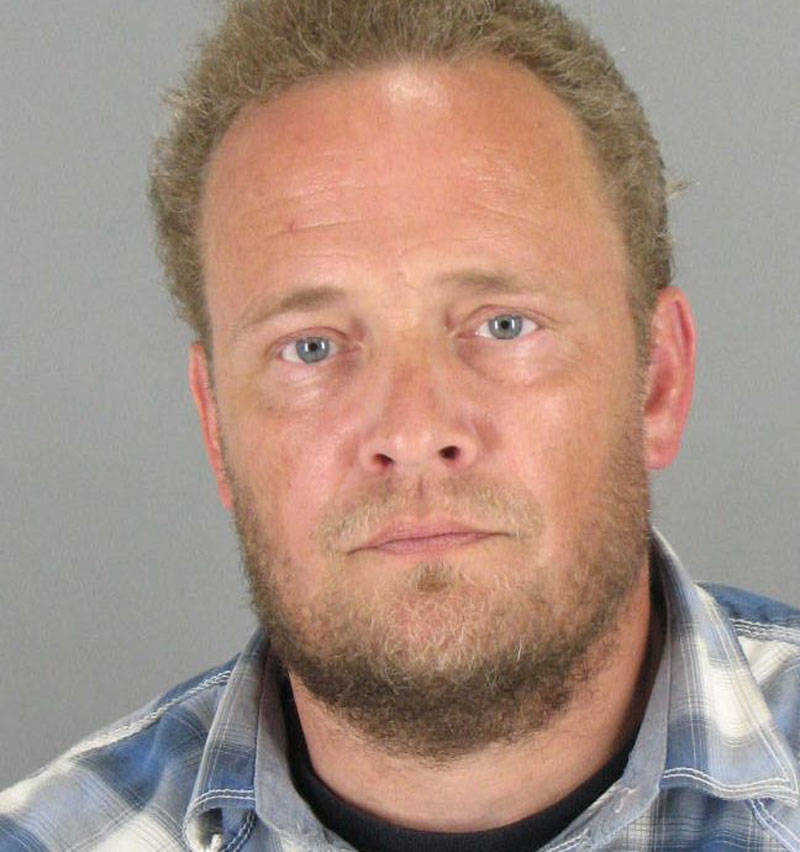
"caption": "Rain Daugherty was arrested this week for allegedly robbing a bank in the Sunset neighborhood, the latest in a string of charges against the suspended police officer.",
"description": "Rain Daugherty was arrested this week for allegedly robbing a bank in the Sunset neighborhood, the latest in a string of charges against the suspended police officer.",
"title": "RainDaugherty",
"credit": "Courtesy of San Mateo County District Attorney's Office",
"status": "inherit",
"isLoading": false,
"fetchFailed": false
},
"news_11713028": {
"type": "attachments",
"id": "news_11713028",
"meta": {
"index": "attachments_1716263798",
"site": "news",
"id": "11713028",
"found": true
},
"parent": 11712953,
"imgSizes": {
"twentyfourteen-full-width": {
"file": "https://ww2.kqed.org/app/uploads/sites/10/2018/12/RS34480_MeRedwoodsCrop-qut-995x576.jpg",
"width": 995,
"mimeType": "image/jpeg",
"height": 576
},
"thumbnail": {
"file": "https://ww2.kqed.org/app/uploads/sites/10/2018/12/RS34480_MeRedwoodsCrop-qut-160x112.jpg",
"width": 160,
"mimeType": "image/jpeg",
"height": 112
},
"post-thumbnail": {
"file": "https://ww2.kqed.org/app/uploads/sites/10/2018/12/RS34480_MeRedwoodsCrop-qut-672x372.jpg",
"width": 672,
"mimeType": "image/jpeg",
"height": 372
},
"kqedFullSize": {
"file": "https://ww2.kqed.org/app/uploads/sites/10/2018/12/RS34480_MeRedwoodsCrop-qut.jpg",
"width": 995,
"height": 695
},
"guest-author-50": {
"file": "https://ww2.kqed.org/app/uploads/sites/10/2018/12/RS34480_MeRedwoodsCrop-qut-50x50.jpg",
"width": 50,
"mimeType": "image/jpeg",
"height": 50
},
"guest-author-96": {
"file": "https://ww2.kqed.org/app/uploads/sites/10/2018/12/RS34480_MeRedwoodsCrop-qut-96x96.jpg",
"width": 96,
"mimeType": "image/jpeg",
"height": 96
},
"medium": {
"file": "https://ww2.kqed.org/app/uploads/sites/10/2018/12/RS34480_MeRedwoodsCrop-qut-800x559.jpg",
"width": 800,
"mimeType": "image/jpeg",
"height": 559
},
"guest-author-64": {
"file": "https://ww2.kqed.org/app/uploads/sites/10/2018/12/RS34480_MeRedwoodsCrop-qut-64x64.jpg",
"width": 64,
"mimeType": "image/jpeg",
"height": 64
},
"detail": {
"file": "https://ww2.kqed.org/app/uploads/sites/10/2018/12/RS34480_MeRedwoodsCrop-qut-150x150.jpg",
"width": 150,
"mimeType": "image/jpeg",
"height": 150
},
"guest-author-32": {
"file": "https://ww2.kqed.org/app/uploads/sites/10/2018/12/RS34480_MeRedwoodsCrop-qut-32x32.jpg",
"width": 32,
"mimeType": "image/jpeg",
"height": 32
},
"guest-author-128": {
"file": "https://ww2.kqed.org/app/uploads/sites/10/2018/12/RS34480_MeRedwoodsCrop-qut-128x128.jpg",
"width": 128,
"mimeType": "image/jpeg",
"height": 128
}
},
"publishDate": 1545011480,
"modified": 1545011502,
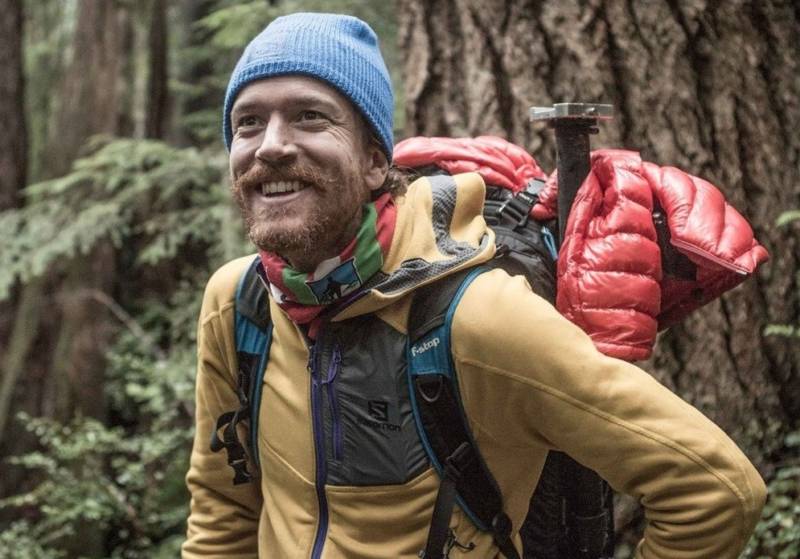
"caption": "San Francisco-based ultrarunner Rickey Gates.",
"description": "San Francisco-based ultrarunner Rickey Gates.",
"title": "RS34480_Me+RedwoodsCrop-qut",
"credit": "Courtesy of Rickey Gates ",
"status": "inherit",
"isLoading": false,
"fetchFailed": false
},
"news_11708773": {
"type": "attachments",
"id": "news_11708773",
"meta": {
"index": "attachments_1716263798",
"site": "news",
"id": "11708773",
"found": true
},
"parent": 11708498,
"imgSizes": {
"small": {
"file": "https://ww2.kqed.org/app/uploads/sites/10/2018/11/bikes-520x293.jpg",
"width": 520,
"mimeType": "image/jpeg",
"height": 293
},
"twentyfourteen-full-width": {
"file": "https://ww2.kqed.org/app/uploads/sites/10/2018/11/bikes-1038x576.jpg",
"width": 1038,
"mimeType": "image/jpeg",
"height": 576
},
"thumbnail": {
"file": "https://ww2.kqed.org/app/uploads/sites/10/2018/11/bikes-160x90.jpg",
"width": 160,
"mimeType": "image/jpeg",
"height": 90
},
"fd-sm": {
"file": "https://ww2.kqed.org/app/uploads/sites/10/2018/11/bikes-960x540.jpg",
"width": 960,
"mimeType": "image/jpeg",
"height": 540
},
"post-thumbnail": {
"file": "https://ww2.kqed.org/app/uploads/sites/10/2018/11/bikes-672x372.jpg",
"width": 672,
"mimeType": "image/jpeg",
"height": 372
},
"xsmall": {
"file": "https://ww2.kqed.org/app/uploads/sites/10/2018/11/bikes-375x211.jpg",
"width": 375,
"mimeType": "image/jpeg",
"height": 211
},
"kqedFullSize": {
"file": "https://ww2.kqed.org/app/uploads/sites/10/2018/11/bikes.jpg",
"width": 1080,
"height": 608
},
"large": {
"file": "https://ww2.kqed.org/app/uploads/sites/10/2018/11/bikes-1020x574.jpg",
"width": 1020,
"mimeType": "image/jpeg",
"height": 574
},
"guest-author-50": {
"file": "https://ww2.kqed.org/app/uploads/sites/10/2018/11/bikes-50x50.jpg",
"width": 50,
"mimeType": "image/jpeg",
"height": 50
},
"guest-author-96": {
"file": "https://ww2.kqed.org/app/uploads/sites/10/2018/11/bikes-96x96.jpg",
"width": 96,
"mimeType": "image/jpeg",
"height": 96
},
"medium": {
"file": "https://ww2.kqed.org/app/uploads/sites/10/2018/11/bikes-800x450.jpg",
"width": 800,
"mimeType": "image/jpeg",
"height": 450
},
"guest-author-64": {
"file": "https://ww2.kqed.org/app/uploads/sites/10/2018/11/bikes-64x64.jpg",
"width": 64,
"mimeType": "image/jpeg",
"height": 64
},
"guest-author-32": {
"file": "https://ww2.kqed.org/app/uploads/sites/10/2018/11/bikes-32x32.jpg",
"width": 32,
"mimeType": "image/jpeg",
"height": 32
},
"detail": {
"file": "https://ww2.kqed.org/app/uploads/sites/10/2018/11/bikes-150x150.jpg",
"width": 150,
"mimeType": "image/jpeg",
"height": 150
},
"guest-author-128": {
"file": "https://ww2.kqed.org/app/uploads/sites/10/2018/11/bikes-128x128.jpg",
"width": 128,
"mimeType": "image/jpeg",
"height": 128
},
"xxsmall": {
"file": "https://ww2.kqed.org/app/uploads/sites/10/2018/11/bikes-240x135.jpg",
"width": 240,
"mimeType": "image/jpeg",
"height": 135
}
},
"publishDate": 1543434561,
"modified": 1543435021,
"caption": "Box Dog Bikes in San Francisco was burglarized in August 2017, and dozens of bicycles were taken. ",
"description": "Box Dog Bikes in San Francisco was burglarized in August 2017, and dozens of bicycles were taken. ",
"title": "bikes",
"credit": "Courtesy of Box Dog Bikes",
"status": "inherit",
"isLoading": false,
"fetchFailed": false
},
"news_11705846": {
"type": "attachments",
"id": "news_11705846",
"meta": {
"index": "attachments_1716263798",
"site": "news",
"id": "11705846",
"found": true
},
"parent": 11702189,
"imgSizes": {
"small": {
"file": "https://ww2.kqed.org/app/uploads/sites/10/2018/11/4297636129_6cb9f9483f_o-520x348.jpg",
"width": 520,
"mimeType": "image/jpeg",
"height": 348
},
"twentyfourteen-full-width": {
"file": "https://ww2.kqed.org/app/uploads/sites/10/2018/11/4297636129_6cb9f9483f_o-1038x576.jpg",
"width": 1038,
"mimeType": "image/jpeg",
"height": 576
},
"thumbnail": {
"file": "https://ww2.kqed.org/app/uploads/sites/10/2018/11/4297636129_6cb9f9483f_o-160x107.jpg",
"width": 160,
"mimeType": "image/jpeg",
"height": 107
},
"fd-sm": {
"file": "https://ww2.kqed.org/app/uploads/sites/10/2018/11/4297636129_6cb9f9483f_o-960x643.jpg",
"width": 960,
"mimeType": "image/jpeg",
"height": 643
},
"post-thumbnail": {
"file": "https://ww2.kqed.org/app/uploads/sites/10/2018/11/4297636129_6cb9f9483f_o-672x372.jpg",
"width": 672,
"mimeType": "image/jpeg",
"height": 372
},
"xsmall": {
"file": "https://ww2.kqed.org/app/uploads/sites/10/2018/11/4297636129_6cb9f9483f_o-375x251.jpg",
"width": 375,
"mimeType": "image/jpeg",
"height": 251
},
"kqedFullSize": {
"file": "https://ww2.kqed.org/app/uploads/sites/10/2018/11/4297636129_6cb9f9483f_o-e1542055675997.jpg",
"width": 1920,
"height": 1285
},
"large": {
"file": "https://ww2.kqed.org/app/uploads/sites/10/2018/11/4297636129_6cb9f9483f_o-1020x683.jpg",
"width": 1020,
"mimeType": "image/jpeg",
"height": 683
},
"xlarge": {
"file": "https://ww2.kqed.org/app/uploads/sites/10/2018/11/4297636129_6cb9f9483f_o-1180x790.jpg",
"width": 1180,
"mimeType": "image/jpeg",
"height": 790
},
"complete_open_graph": {
"file": "https://ww2.kqed.org/app/uploads/sites/10/2018/11/4297636129_6cb9f9483f_o-1200x803.jpg",
"width": 1200,
"mimeType": "image/jpeg",
"height": 803
},
"guest-author-50": {
"file": "https://ww2.kqed.org/app/uploads/sites/10/2018/11/4297636129_6cb9f9483f_o-50x50.jpg",
"width": 50,
"mimeType": "image/jpeg",
"height": 50
},
"guest-author-96": {
"file": "https://ww2.kqed.org/app/uploads/sites/10/2018/11/4297636129_6cb9f9483f_o-96x96.jpg",
"width": 96,
"mimeType": "image/jpeg",
"height": 96
},
"medium": {
"file": "https://ww2.kqed.org/app/uploads/sites/10/2018/11/4297636129_6cb9f9483f_o-800x536.jpg",
"width": 800,
"mimeType": "image/jpeg",
"height": 536
},
"guest-author-64": {
"file": "https://ww2.kqed.org/app/uploads/sites/10/2018/11/4297636129_6cb9f9483f_o-64x64.jpg",
"width": 64,
"mimeType": "image/jpeg",
"height": 64
},
"guest-author-32": {
"file": "https://ww2.kqed.org/app/uploads/sites/10/2018/11/4297636129_6cb9f9483f_o-32x32.jpg",
"width": 32,
"mimeType": "image/jpeg",
"height": 32
},
"fd-lrg": {
"file": "https://ww2.kqed.org/app/uploads/sites/10/2018/11/4297636129_6cb9f9483f_o-1920x1285.jpg",
"width": 1920,
"mimeType": "image/jpeg",
"height": 1285
},
"fd-med": {
"file": "https://ww2.kqed.org/app/uploads/sites/10/2018/11/4297636129_6cb9f9483f_o-1180x790.jpg",
"width": 1180,
"mimeType": "image/jpeg",
"height": 790
},
"full-width": {
"file": "https://ww2.kqed.org/app/uploads/sites/10/2018/11/4297636129_6cb9f9483f_o-1920x1285.jpg",
"width": 1920,
"mimeType": "image/jpeg",
"height": 1285
},
"detail": {
"file": "https://ww2.kqed.org/app/uploads/sites/10/2018/11/4297636129_6cb9f9483f_o-150x150.jpg",
"width": 150,
"mimeType": "image/jpeg",
"height": 150
},
"guest-author-128": {
"file": "https://ww2.kqed.org/app/uploads/sites/10/2018/11/4297636129_6cb9f9483f_o-128x128.jpg",
"width": 128,
"mimeType": "image/jpeg",
"height": 128
},
"xxsmall": {
"file": "https://ww2.kqed.org/app/uploads/sites/10/2018/11/4297636129_6cb9f9483f_o-240x161.jpg",
"width": 240,
"mimeType": "image/jpeg",
"height": 161
}
},
"publishDate": 1542055635,
"modified": 1542056096,
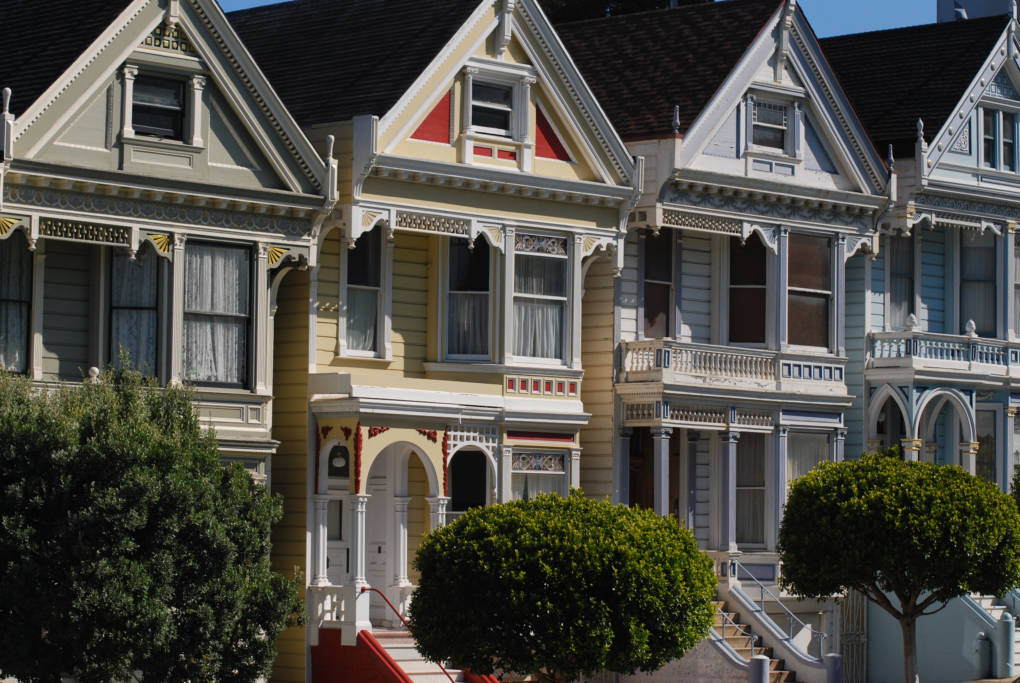
"caption": "San Francisco was originally laid out on a grid system. Many of the city's houses were built so close together because housing lots were subdivided into plots as little as 25 feet wide -- just enough room for a parlor and a staircase. ",
"description": "San Francisco was originally laid out on a grid system. Many of the city's houses were built so close together because housing lots were subdivided into plots as little as 25 feet wide -- just enough room for a parlor and a staircase. ",
"title": "4297636129_6cb9f9483f_o",
"credit": "Santiago La Rotta via \u003ca href=\"https://www.flickr.com/photos/troskiller/4297636129/in/photolist-7xLvuD-8bLoiE-24KMtSQ-7zcvWN-2bXwEoR-Bv4pa-ozZGgG-jinuJt-fTEsK-79ueYU-23hiF7E-23nEnib-a4ykn-58GTuY-9tZ5NA-dTbea7-2369bhG-HoP9N7-bo2ESn-2mAgDM-fceMGM-iv265T-bVhQMM-pxT7wC-eh77vs-pb68z7-4CPmo6-apXKpj-Egdjv-6bTNua-dH4Tyh-99sP3N-bM1BQk-Q6pA-dcrqoy-228oEgf-eNkTfL-kmwscx-HbZCi3-DQEcC6-53SjPN-mk1Ykq-2mA4fX-4NH9BY-nGoBo1-HJUpTb-eCCp-f6o6hM-2Pukk7-Ey6aeY\" target=\"_blank\" rel=\"noopener\">Flickr\u003c/a>",
"status": "inherit",
"isLoading": false,
"fetchFailed": false
},
"news_11706405": {
"type": "attachments",
"id": "news_11706405",
"meta": {
"index": "attachments_1716263798",
"site": "news",
"id": "11706405",
"found": true
},
"parent": 11706335,
"imgSizes": {
"twentyfourteen-full-width": {
"file": "https://ww2.kqed.org/app/uploads/sites/10/2018/11/Counterpulse-e1542239024370-1038x576.jpg",
"width": 1038,
"mimeType": "image/jpeg",
"height": 576
},
"thumbnail": {
"file": "https://ww2.kqed.org/app/uploads/sites/10/2018/11/Counterpulse-e1542239024370-160x90.jpg",
"width": 160,
"mimeType": "image/jpeg",
"height": 90
},
"post-thumbnail": {
"file": "https://ww2.kqed.org/app/uploads/sites/10/2018/11/Counterpulse-e1542239024370-672x372.jpg",
"width": 672,
"mimeType": "image/jpeg",
"height": 372
},
"kqedFullSize": {
"file": "https://ww2.kqed.org/app/uploads/sites/10/2018/11/Counterpulse-e1542239024370.jpg",
"width": 1840,
"height": 1035
},
"large": {
"file": "https://ww2.kqed.org/app/uploads/sites/10/2018/11/Counterpulse-e1542239024370-1020x574.jpg",
"width": 1020,
"mimeType": "image/jpeg",
"height": 574
},
"complete_open_graph": {
"file": "https://ww2.kqed.org/app/uploads/sites/10/2018/11/Counterpulse-e1542239024370-1200x675.jpg",
"width": 1200,
"mimeType": "image/jpeg",
"height": 675
},
"guest-author-50": {
"file": "https://ww2.kqed.org/app/uploads/sites/10/2018/11/Counterpulse-e1542239024370-50x50.jpg",
"width": 50,
"mimeType": "image/jpeg",
"height": 50
},
"guest-author-96": {
"file": "https://ww2.kqed.org/app/uploads/sites/10/2018/11/Counterpulse-e1542239024370-96x96.jpg",
"width": 96,
"mimeType": "image/jpeg",
"height": 96
},
"medium": {
"file": "https://ww2.kqed.org/app/uploads/sites/10/2018/11/Counterpulse-e1542239024370-800x450.jpg",
"width": 800,
"mimeType": "image/jpeg",
"height": 450
},
"guest-author-64": {
"file": "https://ww2.kqed.org/app/uploads/sites/10/2018/11/Counterpulse-e1542239024370-64x64.jpg",
"width": 64,
"mimeType": "image/jpeg",
"height": 64
},
"guest-author-32": {
"file": "https://ww2.kqed.org/app/uploads/sites/10/2018/11/Counterpulse-e1542239024370-32x32.jpg",
"width": 32,
"mimeType": "image/jpeg",
"height": 32
},
"detail": {
"file": "https://ww2.kqed.org/app/uploads/sites/10/2018/11/Counterpulse-e1542239024370-150x150.jpg",
"width": 150,
"mimeType": "image/jpeg",
"height": 150
},
"guest-author-128": {
"file": "https://ww2.kqed.org/app/uploads/sites/10/2018/11/Counterpulse-e1542239024370-128x128.jpg",
"width": 128,
"mimeType": "image/jpeg",
"height": 128
}
},
"publishDate": 1542238834,
"modified": 1542756705,
"caption": "Performing Arts presenter CounterPulse's space at 80 Turk St. in San Francisco's Tenderloin. The arts nonprofit was able to secure a permanent home for itself with help from the Community Arts Stabilization Trust (CAST). Building by Jensen Architects.",
"description": "Performing Arts presenter CounterPulse's space at 80 Turk Street in San Francisco's Tenderloin. The arts non-profit was able to secure a permanent home for itself with help from the Community Arts Stabilization Trust (CAST). Building by Jensen Architects.",
"title": "Counterpulse",
"credit": "Courtesy of Cesar Rubio/CounterPulse",
"status": "inherit",
"isLoading": false,
"fetchFailed": false
},
"news_11707336": {
"type": "attachments",
"id": "news_11707336",
"meta": {
"index": "attachments_1716263798",
"site": "news",
"id": "11707336",
"found": true
},
"parent": 11707333,
"imgSizes": {
"twentyfourteen-full-width": {
"file": "https://ww2.kqed.org/app/uploads/sites/10/2018/11/mos2-1038x576.jpg",
"width": 1038,
"mimeType": "image/jpeg",
"height": 576
},
"thumbnail": {
"file": "https://ww2.kqed.org/app/uploads/sites/10/2018/11/mos2-160x89.jpg",
"width": 160,
"mimeType": "image/jpeg",
"height": 89
},
"post-thumbnail": {
"file": "https://ww2.kqed.org/app/uploads/sites/10/2018/11/mos2-672x372.jpg",
"width": 672,
"mimeType": "image/jpeg",
"height": 372
},
"kqedFullSize": {
"file": "https://ww2.kqed.org/app/uploads/sites/10/2018/11/mos2.jpg",
"width": 1667,
"height": 925
},
"large": {
"file": "https://ww2.kqed.org/app/uploads/sites/10/2018/11/mos2-1020x566.jpg",
"width": 1020,
"mimeType": "image/jpeg",
"height": 566
},
"complete_open_graph": {
"file": "https://ww2.kqed.org/app/uploads/sites/10/2018/11/mos2-1200x666.jpg",
"width": 1200,
"mimeType": "image/jpeg",
"height": 666
},
"guest-author-50": {
"file": "https://ww2.kqed.org/app/uploads/sites/10/2018/11/mos2-50x50.jpg",
"width": 50,
"mimeType": "image/jpeg",
"height": 50
},
"guest-author-96": {
"file": "https://ww2.kqed.org/app/uploads/sites/10/2018/11/mos2-96x96.jpg",
"width": 96,
"mimeType": "image/jpeg",
"height": 96
},
"medium": {
"file": "https://ww2.kqed.org/app/uploads/sites/10/2018/11/mos2-800x444.jpg",
"width": 800,
"mimeType": "image/jpeg",
"height": 444
},
"guest-author-64": {
"file": "https://ww2.kqed.org/app/uploads/sites/10/2018/11/mos2-64x64.jpg",
"width": 64,
"mimeType": "image/jpeg",
"height": 64
},
"guest-author-32": {
"file": "https://ww2.kqed.org/app/uploads/sites/10/2018/11/mos2-32x32.jpg",
"width": 32,
"mimeType": "image/jpeg",
"height": 32
},
"detail": {
"file": "https://ww2.kqed.org/app/uploads/sites/10/2018/11/mos2-150x150.jpg",
"width": 150,
"mimeType": "image/jpeg",
"height": 150
},
"guest-author-128": {
"file": "https://ww2.kqed.org/app/uploads/sites/10/2018/11/mos2-128x128.jpg",
"width": 128,
"mimeType": "image/jpeg",
"height": 128
}
},
"publishDate": 1542659948,
"modified": 1542659948,
"caption": null,
"description": null,
"title": "mos2",
"credit": null,
"status": "inherit",
"isLoading": false,
"fetchFailed": false
},
"news_11707206": {
"type": "attachments",
"id": "news_11707206",
"meta": {
"index": "attachments_1716263798",
"site": "news",
"id": "11707206",
"found": true
},
"parent": 11707200,
"imgSizes": {
"twentyfourteen-full-width": {
"file": "https://ww2.kqed.org/app/uploads/sites/10/2018/11/IMG_7096-1038x576.jpg",
"width": 1038,
"mimeType": "image/jpeg",
"height": 576
},
"thumbnail": {
"file": "https://ww2.kqed.org/app/uploads/sites/10/2018/11/IMG_7096-160x107.jpg",
"width": 160,
"mimeType": "image/jpeg",
"height": 107
},
"post-thumbnail": {
"file": "https://ww2.kqed.org/app/uploads/sites/10/2018/11/IMG_7096-672x372.jpg",
"width": 672,
"mimeType": "image/jpeg",
"height": 372
},
"kqedFullSize": {
"file": "https://ww2.kqed.org/app/uploads/sites/10/2018/11/IMG_7096.jpg",
"width": 5184,
"height": 3456
},
"large": {
"file": "https://ww2.kqed.org/app/uploads/sites/10/2018/11/IMG_7096-1020x680.jpg",
"width": 1020,
"mimeType": "image/jpeg",
"height": 680
},
"complete_open_graph": {
"file": "https://ww2.kqed.org/app/uploads/sites/10/2018/11/IMG_7096-1200x800.jpg",
"width": 1200,
"mimeType": "image/jpeg",
"height": 800
},
"guest-author-50": {
"file": "https://ww2.kqed.org/app/uploads/sites/10/2018/11/IMG_7096-50x50.jpg",
"width": 50,
"mimeType": "image/jpeg",
"height": 50
},
"guest-author-96": {
"file": "https://ww2.kqed.org/app/uploads/sites/10/2018/11/IMG_7096-96x96.jpg",
"width": 96,
"mimeType": "image/jpeg",
"height": 96
},
"medium": {
"file": "https://ww2.kqed.org/app/uploads/sites/10/2018/11/IMG_7096-800x533.jpg",
"width": 800,
"mimeType": "image/jpeg",
"height": 533
},
"guest-author-64": {
"file": "https://ww2.kqed.org/app/uploads/sites/10/2018/11/IMG_7096-64x64.jpg",
"width": 64,
"mimeType": "image/jpeg",
"height": 64
},
"guest-author-32": {
"file": "https://ww2.kqed.org/app/uploads/sites/10/2018/11/IMG_7096-32x32.jpg",
"width": 32,
"mimeType": "image/jpeg",
"height": 32
},
"full-width": {
"file": "https://ww2.kqed.org/app/uploads/sites/10/2018/11/IMG_7096-1920x1280.jpg",
"width": 1920,
"mimeType": "image/jpeg",
"height": 1280
},
"detail": {
"file": "https://ww2.kqed.org/app/uploads/sites/10/2018/11/IMG_7096-150x150.jpg",
"width": 150,
"mimeType": "image/jpeg",
"height": 150
},
"guest-author-128": {
"file": "https://ww2.kqed.org/app/uploads/sites/10/2018/11/IMG_7096-128x128.jpg",
"width": 128,
"mimeType": "image/jpeg",
"height": 128
}
},
"publishDate": 1542575436,
"modified": 1542575436,
"caption": null,
"description": null,
"title": "IMG_7096",
"credit": null,
"status": "inherit",
"isLoading": false,
"fetchFailed": false
},
"news_11707100": {
"type": "attachments",
"id": "news_11707100",
"meta": {
"index": "attachments_1716263798",
"site": "news",
"id": "11707100",
"found": true
},
"parent": 11707098,
"imgSizes": {
"twentyfourteen-full-width": {
"file": "https://ww2.kqed.org/app/uploads/sites/10/2018/11/RS33891_SFBridge-1-1038x576.jpg",
"width": 1038,
"mimeType": "image/jpeg",
"height": 576
},
"thumbnail": {
"file": "https://ww2.kqed.org/app/uploads/sites/10/2018/11/RS33891_SFBridge-1-160x107.jpg",
"width": 160,
"mimeType": "image/jpeg",
"height": 107
},
"post-thumbnail": {
"file": "https://ww2.kqed.org/app/uploads/sites/10/2018/11/RS33891_SFBridge-1-672x372.jpg",
"width": 672,
"mimeType": "image/jpeg",
"height": 372
},
"kqedFullSize": {
"file": "https://ww2.kqed.org/app/uploads/sites/10/2018/11/RS33891_SFBridge-1.jpg",
"width": 1920,
"height": 1279
},
"large": {
"file": "https://ww2.kqed.org/app/uploads/sites/10/2018/11/RS33891_SFBridge-1-1020x679.jpg",
"width": 1020,
"mimeType": "image/jpeg",
"height": 679
},
"complete_open_graph": {
"file": "https://ww2.kqed.org/app/uploads/sites/10/2018/11/RS33891_SFBridge-1-1200x799.jpg",
"width": 1200,
"mimeType": "image/jpeg",
"height": 799
},
"guest-author-50": {
"file": "https://ww2.kqed.org/app/uploads/sites/10/2018/11/RS33891_SFBridge-1-50x50.jpg",
"width": 50,
"mimeType": "image/jpeg",
"height": 50
},
"guest-author-96": {
"file": "https://ww2.kqed.org/app/uploads/sites/10/2018/11/RS33891_SFBridge-1-96x96.jpg",
"width": 96,
"mimeType": "image/jpeg",
"height": 96
},
"medium": {
"file": "https://ww2.kqed.org/app/uploads/sites/10/2018/11/RS33891_SFBridge-1-800x533.jpg",
"width": 800,
"mimeType": "image/jpeg",
"height": 533
},
"guest-author-64": {
"file": "https://ww2.kqed.org/app/uploads/sites/10/2018/11/RS33891_SFBridge-1-64x64.jpg",
"width": 64,
"mimeType": "image/jpeg",
"height": 64
},
"guest-author-32": {
"file": "https://ww2.kqed.org/app/uploads/sites/10/2018/11/RS33891_SFBridge-1-32x32.jpg",
"width": 32,
"mimeType": "image/jpeg",
"height": 32
},
"full-width": {
"file": "https://ww2.kqed.org/app/uploads/sites/10/2018/11/RS33891_SFBridge-1-1920x1279.jpg",
"width": 1920,
"mimeType": "image/jpeg",
"height": 1279
},
"detail": {
"file": "https://ww2.kqed.org/app/uploads/sites/10/2018/11/RS33891_SFBridge-1-150x150.jpg",
"width": 150,
"mimeType": "image/jpeg",
"height": 150
},
"guest-author-128": {
"file": "https://ww2.kqed.org/app/uploads/sites/10/2018/11/RS33891_SFBridge-1-128x128.jpg",
"width": 128,
"mimeType": "image/jpeg",
"height": 128
}
},
"publishDate": 1542474513,
"modified": 1545184381,
"caption": "Smoke from the Camp Fire blankets the Bay Bridge and the city of San Francisco on Nov. 13, 2018.",
"description": "Smoke from the Camp Fire blankets the Bay Bridge and the city of San Francisco on November 13, 2018.",
"title": "RS33891_SFBridge",
"credit": "Samantha Shanahan/KQED",
"status": "inherit",
"isLoading": false,
"fetchFailed": false
},
"news_11706428": {
"type": "attachments",
"id": "news_11706428",
"meta": {
"index": "attachments_1716263798",
"site": "news",
"id": "11706428",
"found": true
},
"parent": 11706407,
"imgSizes": {
"twentyfourteen-full-width": {
"file": "https://ww2.kqed.org/app/uploads/sites/10/2018/11/RS22139_161021_FriscoTattoo_bhs01-1038x576.jpg",
"width": 1038,
"mimeType": "image/jpeg",
"height": 576
},
"thumbnail": {
"file": "https://ww2.kqed.org/app/uploads/sites/10/2018/11/RS22139_161021_FriscoTattoo_bhs01-160x94.jpg",
"width": 160,
"mimeType": "image/jpeg",
"height": 94
},
"post-thumbnail": {
"file": "https://ww2.kqed.org/app/uploads/sites/10/2018/11/RS22139_161021_FriscoTattoo_bhs01-672x372.jpg",
"width": 672,
"mimeType": "image/jpeg",
"height": 372
},
"kqedFullSize": {
"file": "https://ww2.kqed.org/app/uploads/sites/10/2018/11/RS22139_161021_FriscoTattoo_bhs01.jpg",
"width": 1920,
"height": 1128
},
"large": {
"file": "https://ww2.kqed.org/app/uploads/sites/10/2018/11/RS22139_161021_FriscoTattoo_bhs01-1020x599.jpg",
"width": 1020,
"mimeType": "image/jpeg",
"height": 599
},
"complete_open_graph": {
"file": "https://ww2.kqed.org/app/uploads/sites/10/2018/11/RS22139_161021_FriscoTattoo_bhs01-1200x705.jpg",
"width": 1200,
"mimeType": "image/jpeg",
"height": 705
},
"guest-author-50": {
"file": "https://ww2.kqed.org/app/uploads/sites/10/2018/11/RS22139_161021_FriscoTattoo_bhs01-50x50.jpg",
"width": 50,
"mimeType": "image/jpeg",
"height": 50
},
"guest-author-96": {
"file": "https://ww2.kqed.org/app/uploads/sites/10/2018/11/RS22139_161021_FriscoTattoo_bhs01-96x96.jpg",
"width": 96,
"mimeType": "image/jpeg",
"height": 96
},
"medium": {
"file": "https://ww2.kqed.org/app/uploads/sites/10/2018/11/RS22139_161021_FriscoTattoo_bhs01-800x470.jpg",
"width": 800,
"mimeType": "image/jpeg",
"height": 470
},
"guest-author-64": {
"file": "https://ww2.kqed.org/app/uploads/sites/10/2018/11/RS22139_161021_FriscoTattoo_bhs01-64x64.jpg",
"width": 64,
"mimeType": "image/jpeg",
"height": 64
},
"guest-author-32": {
"file": "https://ww2.kqed.org/app/uploads/sites/10/2018/11/RS22139_161021_FriscoTattoo_bhs01-32x32.jpg",
"width": 32,
"mimeType": "image/jpeg",
"height": 32
},
"full-width": {
"file": "https://ww2.kqed.org/app/uploads/sites/10/2018/11/RS22139_161021_FriscoTattoo_bhs01-1920x1128.jpg",
"width": 1920,
"mimeType": "image/jpeg",
"height": 1128
},
"detail": {
"file": "https://ww2.kqed.org/app/uploads/sites/10/2018/11/RS22139_161021_FriscoTattoo_bhs01-150x150.jpg",
"width": 150,
"mimeType": "image/jpeg",
"height": 150
},
"guest-author-128": {
"file": "https://ww2.kqed.org/app/uploads/sites/10/2018/11/RS22139_161021_FriscoTattoo_bhs01-128x128.jpg",
"width": 128,
"mimeType": "image/jpeg",
"height": 128
}
},
"publishDate": 1542240203,
"modified": 1542240236,
"caption": "Brian Wall, a tattoo artist at Frisco Tattoo, stands in front of the shop on 25th Street in San Francisco.",
"description": "Brian Wall, a tattoo artist at Frisco Tattoo, stands in front of the shop on 25th Street in San Francisco.",
"title": "RS22139_161021_FriscoTattoo_bhs01",
"credit": "(Brittany Hosea-Small/KQED)",
"status": "inherit",
"isLoading": false,
"fetchFailed": false
},
"news_11704734": {
"type": "attachments",
"id": "news_11704734",
"meta": {
"index": "attachments_1716263798",
"site": "news",
"id": "11704734",
"found": true
},
"parent": 11704700,
"imgSizes": {
"small": {
"file": "https://ww2.kqed.org/app/uploads/sites/10/2018/11/Compton27s-Anniversary-e1541631904297-520x293.jpg",
"width": 520,
"mimeType": "image/jpeg",
"height": 293
},
"twentyfourteen-full-width": {
"file": "https://ww2.kqed.org/app/uploads/sites/10/2018/11/Compton27s-Anniversary-960x576.jpg",
"width": 960,
"mimeType": "image/jpeg",
"height": 576
},
"thumbnail": {
"file": "https://ww2.kqed.org/app/uploads/sites/10/2018/11/Compton27s-Anniversary-e1541631904297-160x90.jpg",
"width": 160,
"mimeType": "image/jpeg",
"height": 90
},
"fd-sm": {
"file": "https://ww2.kqed.org/app/uploads/sites/10/2018/11/Compton27s-Anniversary-960x720.jpg",
"width": 960,
"mimeType": "image/jpeg",
"height": 720
},
"post-thumbnail": {
"file": "https://ww2.kqed.org/app/uploads/sites/10/2018/11/Compton27s-Anniversary-e1541631904297-672x372.jpg",
"width": 672,
"mimeType": "image/jpeg",
"height": 372
},
"xsmall": {
"file": "https://ww2.kqed.org/app/uploads/sites/10/2018/11/Compton27s-Anniversary-e1541631904297-375x211.jpg",
"width": 375,
"mimeType": "image/jpeg",
"height": 211
},
"kqedFullSize": {
"file": "https://ww2.kqed.org/app/uploads/sites/10/2018/11/Compton27s-Anniversary-e1541631904297.jpg",
"width": 804,
"height": 453
},
"guest-author-50": {
"file": "https://ww2.kqed.org/app/uploads/sites/10/2018/11/Compton27s-Anniversary-e1541631904297-50x50.jpg",
"width": 50,
"mimeType": "image/jpeg",
"height": 50
},
"guest-author-96": {
"file": "https://ww2.kqed.org/app/uploads/sites/10/2018/11/Compton27s-Anniversary-e1541631904297-96x96.jpg",
"width": 96,
"mimeType": "image/jpeg",
"height": 96
},
"medium": {
"file": "https://ww2.kqed.org/app/uploads/sites/10/2018/11/Compton27s-Anniversary-e1541631904297-800x451.jpg",
"width": 800,
"mimeType": "image/jpeg",
"height": 451
},
"guest-author-64": {
"file": "https://ww2.kqed.org/app/uploads/sites/10/2018/11/Compton27s-Anniversary-e1541631904297-64x64.jpg",
"width": 64,
"mimeType": "image/jpeg",
"height": 64
},
"guest-author-32": {
"file": "https://ww2.kqed.org/app/uploads/sites/10/2018/11/Compton27s-Anniversary-e1541631904297-32x32.jpg",
"width": 32,
"mimeType": "image/jpeg",
"height": 32
},
"detail": {
"file": "https://ww2.kqed.org/app/uploads/sites/10/2018/11/Compton27s-Anniversary-e1541631904297-150x150.jpg",
"width": 150,
"mimeType": "image/jpeg",
"height": 150
},
"guest-author-128": {
"file": "https://ww2.kqed.org/app/uploads/sites/10/2018/11/Compton27s-Anniversary-e1541631904297-128x128.jpg",
"width": 128,
"mimeType": "image/jpeg",
"height": 128
},
"xxsmall": {
"file": "https://ww2.kqed.org/app/uploads/sites/10/2018/11/Compton27s-Anniversary-e1541631904297-240x135.jpg",
"width": 240,
"mimeType": "image/jpeg",
"height": 135
}
},
"publishDate": 1541631631,
"modified": 1541640505,
"caption": "Members of the Compton Transgender Cultural District community gather to commemorate the anniversary of the Compton Cafeteria Riot in 1966. Cultural districts will receive funding from San Francisco for the first time as a result of the passage of Proposition E.",
"description": "Members of the Compton Transgender Cultural District community gather to commemorate the anniversary of the Compton Cafeteria Riot. Cultural Districts will receive funding from the city for the first time as a result of the passing of Prop E.",
"title": "Comptons Anniversary",
"credit": "Courtesy of Sister Roma",
"status": "inherit",
"isLoading": false,
"fetchFailed": false
},
"news_11704683": {
"type": "attachments",
"id": "news_11704683",
"meta": {
"index": "attachments_1716263798",
"site": "news",
"id": "11704683",
"found": true
},
"parent": 11704234,
"imgSizes": {
"twentyfourteen-full-width": {
"file": "https://ww2.kqed.org/app/uploads/sites/10/2018/11/vanlifedone-1038x576.png",
"width": 1038,
"mimeType": "image/png",
"height": 576
},
"thumbnail": {
"file": "https://ww2.kqed.org/app/uploads/sites/10/2018/11/vanlifedone-160x115.png",
"width": 160,
"mimeType": "image/png",
"height": 115
},
"post-thumbnail": {
"file": "https://ww2.kqed.org/app/uploads/sites/10/2018/11/vanlifedone-672x372.png",
"width": 672,
"mimeType": "image/png",
"height": 372
},
"kqedFullSize": {
"file": "https://ww2.kqed.org/app/uploads/sites/10/2018/11/vanlifedone.png",
"width": 1736,
"height": 1244
},
"large": {
"file": "https://ww2.kqed.org/app/uploads/sites/10/2018/11/vanlifedone-1020x731.png",
"width": 1020,
"mimeType": "image/png",
"height": 731
},
"complete_open_graph": {
"file": "https://ww2.kqed.org/app/uploads/sites/10/2018/11/vanlifedone-1200x860.png",
"width": 1200,
"mimeType": "image/png",
"height": 860
},
"guest-author-50": {
"file": "https://ww2.kqed.org/app/uploads/sites/10/2018/11/vanlifedone-50x50.png",
"width": 50,
"mimeType": "image/png",
"height": 50
},
"guest-author-96": {
"file": "https://ww2.kqed.org/app/uploads/sites/10/2018/11/vanlifedone-96x96.png",
"width": 96,
"mimeType": "image/png",
"height": 96
},
"medium": {
"file": "https://ww2.kqed.org/app/uploads/sites/10/2018/11/vanlifedone-800x573.png",
"width": 800,
"mimeType": "image/png",
"height": 573
},
"guest-author-64": {
"file": "https://ww2.kqed.org/app/uploads/sites/10/2018/11/vanlifedone-64x64.png",
"width": 64,
"mimeType": "image/png",
"height": 64
},
"guest-author-32": {
"file": "https://ww2.kqed.org/app/uploads/sites/10/2018/11/vanlifedone-32x32.png",
"width": 32,
"mimeType": "image/png",
"height": 32
},
"detail": {
"file": "https://ww2.kqed.org/app/uploads/sites/10/2018/11/vanlifedone-150x150.png",
"width": 150,
"mimeType": "image/png",
"height": 150
},
"guest-author-128": {
"file": "https://ww2.kqed.org/app/uploads/sites/10/2018/11/vanlifedone-128x128.png",
"width": 128,
"mimeType": "image/png",
"height": 128
}
},
"publishDate": 1541626571,
"modified": 1541717673,
"caption": "An RV parked on Florida Street near 17th Street in San Francisco.",
"description": null,
"title": "Van",
"credit": "Katie Tandy / KQED",
"status": "inherit",
"isLoading": false,
"fetchFailed": false
}
},
"audioPlayerReducer": {
"postId": "stream_live",
"isPaused": true,
"isPlaying": false,
"pfsActive": false,
"pledgeModalIsOpen": true,
"playerDrawerIsOpen": false,
"liveAudioPlayStartedAt": 0,
"liveAudioPlayContext": ""
},
"authorsReducer": {
"byline_news_11708498": {
"type": "authors",
"id": "byline_news_11708498",
"meta": {
"override": true
},
"slug": "byline_news_11708498",
"name": "Daniel Potter",
"isLoading": false
},
"kqed": {
"type": "authors",
"id": "236",
"meta": {
"index": "authors_1716337520",
"id": "236",
"found": true
},
"name": "KQED News Staff",
"firstName": "KQED News Staff",
"lastName": null,
"slug": "kqed",
"email": "faq@kqed.org",
"display_author_email": false,
"staff_mastheads": [],
"title": null,
"bio": null,
"avatar": "https://secure.gravatar.com/avatar/ef0e801a68c4c54afa9180db14084167?s=600&d=blank&r=g",
"twitter": null,
"facebook": null,
"instagram": null,
"linkedin": null,
"sites": [
{
"site": "arts",
"roles": [
"contributor"
]
},
{
"site": "news",
"roles": [
"editor"
]
},
{
"site": "futureofyou",
"roles": [
"author"
]
}
],
"headData": {
"title": "KQED News Staff | KQED",
"description": null,
"ogImgSrc": "https://secure.gravatar.com/avatar/ef0e801a68c4c54afa9180db14084167?s=600&d=blank&r=g",
"twImgSrc": "https://secure.gravatar.com/avatar/ef0e801a68c4c54afa9180db14084167?s=600&d=blank&r=g"
},
"isLoading": false,
"link": "/author/kqed"
},
"vinneetong": {
"type": "authors",
"id": "260",
"meta": {
"index": "authors_1716337520",
"id": "260",
"found": true
},
"name": "Vinnee Tong",
"firstName": "Vinnee",
"lastName": "Tong",
"slug": "vinneetong",
"email": "vtong@kqed.org",
"display_author_email": false,
"staff_mastheads": [
"news"
],
"title": "KQED Contributor",
"bio": "\u003cspan style=\"font-weight: 400;\">Vinnee Tong is the managing editor of news at KQED. She oversees editorial standards \u003cspan class=\"s2\">and works to highlight underrepresented voices and perspectives\u003c/span>\u003cspan class=\"s3\">.\u003c/span>\u003cspan class=\"s2\"> She was founding editor\u003c/span>\u003c/span>\u003cspan style=\"font-weight: 400;\"> of \u003ca href=\"http://bit.ly/thebaykqed\">\u003cem>The Bay,\u003c/em>\u003c/a> a storytelling news podcast from KQED\u003c/span>\u003cspan style=\"font-weight: 400;\">. Previously, she was a producer on the \u003ca href=\"http://baycurious.org\">\u003cem>Bay Curious\u003c/em> podcast\u003c/a> and the lead producer of \u003c/span>\u003cspan style=\"font-weight: 400;\">\u003cem>Truth Be Told,\u003c/em> an award-winning KQED series on race and identity distributed nationally by Public Radio International. \u003c/span>\u003cspan style=\"font-weight: 400;\">Before KQED, Vinnee was a print reporter at the Associated Press and newspapers. \u003cspan class=\"s4\">She covered local news from city hall and planning commission hearings as well as business news from New York, like the financial meltdown of 2008. \u003c/span>She has won a\u003c/span>\u003cspan style=\"font-weight: 400;\">wards for her reporting including an RTNDA Edward R. Murrow Award, as well as awards from the New York Press Club and the Society of American Business Editors and Writers. She is a graduate of the Columbia University Graduate School of Journalism and the University of California at Berkeley, \u003cspan class=\"s4\">where she was editor-in-chief of \u003ci>The Daily Californian\u003c/i>.\u003c/span>\u003c/span>",
"avatar": "https://secure.gravatar.com/avatar/02245596ef0333bf29265e2fd547f108?s=600&d=blank&r=g",
"twitter": "vinneetong",
"facebook": null,
"instagram": null,
"linkedin": null,
"sites": [
{
"site": "news",
"roles": [
"editor",
"edit_others_pages",
"edit_others_posts"
]
},
{
"site": "stateofhealth",
"roles": [
"author"
]
}
],
"headData": {
"title": "Vinnee Tong | KQED",
"description": "KQED Contributor",
"ogImgSrc": "https://secure.gravatar.com/avatar/02245596ef0333bf29265e2fd547f108?s=600&d=blank&r=g",
"twImgSrc": "https://secure.gravatar.com/avatar/02245596ef0333bf29265e2fd547f108?s=600&d=blank&r=g"
},
"isLoading": false,
"link": "/author/vinneetong"
},
"shossaini": {
"type": "authors",
"id": "3214",
"meta": {
"index": "authors_1716337520",
"id": "3214",
"found": true
},
"name": "Sara Hossaini",
"firstName": "Sara",
"lastName": "Hossaini",
"slug": "shossaini",
"email": "shossaini@kqed.org",
"display_author_email": true,
"staff_mastheads": [
"news"
],
"title": "KQED Reporter",
"bio": "Sara Hossaini came to general assignment reporting at KQED in 2013 after two winters reporting at Wyoming Public Radio. She holds a bachelor's degree in broadcast journalism from the University of Nebraska-Lincoln. Her radio romance began after a bitter breakup with documentary film (Ok, maybe it's still complicated). Her first simultaneous jobs in San Francisco were as Associate Producer on a PBS film series through the Center for Asian American Media and as a butler. She likes to trot, plot and make things with her hands.",
"avatar": "https://secure.gravatar.com/avatar/060e9f56b9554e17942e89f413242774?s=600&d=blank&r=g",
"twitter": "mshossaini",
"facebook": null,
"instagram": null,
"linkedin": null,
"sites": [
{
"site": "news",
"roles": [
"author"
]
},
{
"site": "stateofhealth",
"roles": [
"author"
]
}
],
"headData": {
"title": "Sara Hossaini | KQED",
"description": "KQED Reporter",
"ogImgSrc": "https://secure.gravatar.com/avatar/060e9f56b9554e17942e89f413242774?s=600&d=blank&r=g",
"twImgSrc": "https://secure.gravatar.com/avatar/060e9f56b9554e17942e89f413242774?s=600&d=blank&r=g"
},
"isLoading": false,
"link": "/author/shossaini"
},
"carlysevern": {
"type": "authors",
"id": "3243",
"meta": {
"index": "authors_1716337520",
"id": "3243",
"found": true
},
"name": "Carly Severn",
"firstName": "Carly",
"lastName": "Severn",
"slug": "carlysevern",
"email": "csevern@kqed.org",
"display_author_email": false,
"staff_mastheads": [
"news"
],
"title": "Senior Editor, Audience News ",
"bio": "Carly is KQED's Senior Editor of Audience News on the Digital News team, and has reported for the California Report Magazine, Bay Curious and KQED Arts. She's formerly the host of \u003ca href=\"http://ww2.kqed.org/pop/category/the-cooler/\" rel=\"noopener noreferrer\">The Cooler\u003c/a> podcast.",
"avatar": "https://secure.gravatar.com/avatar/54037bf5c128fe678f0ef26cec97a93f2e7f220a22d7285703328f12c42c1b1d?s=600&d=blank&r=g",
"twitter": "teacupinthebay",
"bluesky": null,
"facebook": null,
"instagram": null,
"linkedin": null,
"sites": [
{
"site": "",
"roles": [
"editor"
]
},
{
"site": "arts",
"roles": [
"editor"
]
},
{
"site": "news",
"roles": [
"administrator"
]
},
{
"site": "pop",
"roles": [
"editor"
]
},
{
"site": "futureofyou",
"roles": [
"editor"
]
},
{
"site": "about",
"roles": [
"administrator"
]
},
{
"site": "mindshift",
"roles": [
"editor"
]
},
{
"site": "bayareabites",
"roles": [
"editor"
]
},
{
"site": "stateofhealth",
"roles": [
"editor"
]
},
{
"site": "science",
"roles": [
"editor"
]
},
{
"site": "food",
"roles": [
"contributor"
]
},
{
"site": "forum",
"roles": [
"editor"
]
},
{
"site": "perspectives",
"roles": [
"administrator"
]
},
{
"site": "liveblog",
"roles": [
"editor"
]
}
],
"headData": {
"title": "Carly Severn | KQED",
"description": "Senior Editor, Audience News ",
"ogImgSrc": "https://secure.gravatar.com/avatar/54037bf5c128fe678f0ef26cec97a93f2e7f220a22d7285703328f12c42c1b1d?s=600&d=blank&r=g",
"twImgSrc": "https://secure.gravatar.com/avatar/54037bf5c128fe678f0ef26cec97a93f2e7f220a22d7285703328f12c42c1b1d?s=600&d=blank&r=g"
},
"isLoading": false,
"link": "/author/carlysevern"
},
"cveltman": {
"type": "authors",
"id": "8608",
"meta": {
"index": "authors_1716337520",
"id": "8608",
"found": true
},
"name": "Chloe Veltman",
"firstName": "Chloe",
"lastName": "Veltman",
"slug": "cveltman",
"email": "cveltman@kqed.org",
"display_author_email": true,
"staff_mastheads": [],
"title": "Arts and Culture Reporter",
"bio": "Chloe Veltman is a former arts and culture reporter for KQED. Prior to joining the organization, she launched and led the arts bureau at Colorado Public Radio, served as the Bay Area's culture columnist for the New York Times, and was the founder, host and executive producer of VoiceBox, a national award-winning weekly podcast/radio show and live events series all about the human voice. Chloe is the recipient of numerous prizes, grants and fellowships including a Webby Award for her work on interactive storytelling, both the John S Knight Journalism Fellowship and Humanities Center Fellowship at Stanford University, the Sundance Arts Writing Fellowship and a Library of Congress Research Fellowship. She is the author of the book \"On Acting\" and has appeared as a guest lecturer at Yale University and the San Francisco Conservatory of Music among other institutions. She holds a BA in english literature from King's College, Cambridge, and a Masters in Dramaturgy from the Central School of Speech and Drama/Harvard Institute for Advanced Theater Training.\r\n\u003ca href=\"https://www.chloeveltman.com\">www.chloeveltman.com\u003c/a>",
"avatar": "https://secure.gravatar.com/avatar/55403394b00a1ddab683952c2eb2cf85?s=600&d=blank&r=g",
"twitter": "chloeveltman",
"facebook": null,
"instagram": null,
"linkedin": null,
"sites": [
{
"site": "arts",
"roles": []
},
{
"site": "news",
"roles": [
"author"
]
},
{
"site": "pop",
"roles": [
"editor"
]
},
{
"site": "science",
"roles": []
}
],
"headData": {
"title": "Chloe Veltman | KQED",
"description": "Arts and Culture Reporter",
"ogImgSrc": "https://secure.gravatar.com/avatar/55403394b00a1ddab683952c2eb2cf85?s=600&d=blank&r=g",
"twImgSrc": "https://secure.gravatar.com/avatar/55403394b00a1ddab683952c2eb2cf85?s=600&d=blank&r=g"
},
"isLoading": false,
"link": "/author/cveltman"
},
"jeremysiegel": {
"type": "authors",
"id": "11258",
"meta": {
"index": "authors_1716337520",
"id": "11258",
"found": true
},
"name": "Jeremy Siegel",
"firstName": "Jeremy",
"lastName": "Siegel",
"slug": "jeremysiegel",
"email": "jsiegel@kqed.org",
"display_author_email": false,
"staff_mastheads": [],
"title": "KQED Contributor",
"bio": "Jeremy Siegel is is the weekend afternoon news anchor for KQED. His reporting can be heard on KQED News, Morning Edition, All Things Considered and The California Report. Jeremy's coverage of the Camp Fire in Butte County won the 2019 Society of Professional Journalists, Northern California Chapter, Excellence in Journalism Award for Breaking News. Jeremy grew up in Cincinnati, Ohio, and graduated from UC Berkeley.",
"avatar": "https://secure.gravatar.com/avatar/3921a64ceb9ed5d0ba47d9ae9782f1ab?s=600&d=blank&r=g",
"twitter": "jersiegel",
"facebook": null,
"instagram": null,
"linkedin": null,
"sites": [
{
"site": "arts",
"roles": []
},
{
"site": "news",
"roles": [
"subscriber"
]
},
{
"site": "science",
"roles": []
}
],
"headData": {
"title": "Jeremy Siegel | KQED",
"description": "KQED Contributor",
"ogImgSrc": "https://secure.gravatar.com/avatar/3921a64ceb9ed5d0ba47d9ae9782f1ab?s=600&d=blank&r=g",
"twImgSrc": "https://secure.gravatar.com/avatar/3921a64ceb9ed5d0ba47d9ae9782f1ab?s=600&d=blank&r=g"
},
"isLoading": false,
"link": "/author/jeremysiegel"
},
"scraig": {
"type": "authors",
"id": "11327",
"meta": {
"index": "authors_1716337520",
"id": "11327",
"found": true
},
"name": "Sarah Craig",
"firstName": "Sarah",
"lastName": "Craig",
"slug": "scraig",
"email": "scraig@KQED.org",
"display_author_email": false,
"staff_mastheads": [],
"title": "KQED Contributor",
"bio": "Sarah Craig is a freelance radio reporter and documentary photographer. She is currently working on \u003cem>Dreams of Dust\u003c/em>, @dreamsofdust, a multimedia project that documents stories of climate migration in California’s Central Valley, previously funded by the California Humanities. Her completed projects include \u003cem>\u003ca href=\"http://www.facesoffracking.org/\" target=\"_blank\" rel=\"nofollow noopener noreferrer\">Faces of Fracking\u003c/a>,\u003c/em> an investigation into the impact of fracking on the people and places of California, and \u003cem>\u003ca href=\"http://sarahcraig.visura.co/gulf-disaster-2\" target=\"_blank\" rel=\"nofollow noopener noreferrer\">The Gulf Disaster\u003c/a>,\u003c/em> stories on the lives of fishermen in the aftermath of the BP spill. Her work has been published by Marketplace, KQED's Bay Curious and Q'ed Up podcasts, KQED's California Report Magazine, KALW's Crosscurrents, Grist.org, High Country News, Earth Island Journal, and others. Sarah received a B.A. in Geography at Vassar College and attended the \u003ca href=\"http://www.salt.edu/\" target=\"_blank\" rel=\"nofollow noopener noreferrer\">Salt Institute of Documentary Studies\u003c/a> in Portland, ME. She recently received an Excellence in Journalism Award from the NorCal Society of Professional Journalists for her documentary radio piece, \u003ca href=\"http://kalw.org/post/215-will-water-come#stream/0\">\"Will the Water Come.\"\u003c/a> Email: scraig@kqed.org Twitter: @sarahcraigmedia Website: sarahcraigmedia.com",
"avatar": "https://secure.gravatar.com/avatar/97f17950c828429d3df9f2907412a50b?s=600&d=blank&r=g",
"twitter": null,
"facebook": null,
"instagram": null,
"linkedin": null,
"sites": [
{
"site": "news",
"roles": [
"subscriber"
]
},
{
"site": "science",
"roles": [
"editor"
]
}
],
"headData": {
"title": "Sarah Craig | KQED",
"description": "KQED Contributor",
"ogImgSrc": "https://secure.gravatar.com/avatar/97f17950c828429d3df9f2907412a50b?s=600&d=blank&r=g",
"twImgSrc": "https://secure.gravatar.com/avatar/97f17950c828429d3df9f2907412a50b?s=600&d=blank&r=g"
},
"isLoading": false,
"link": "/author/scraig"
},
"mshieh": {
"type": "authors",
"id": "11527",
"meta": {
"index": "authors_1716337520",
"id": "11527",
"found": true
},
"name": "Marissa Shieh",
"firstName": "Marissa",
"lastName": "Shieh",
"slug": "mshieh",
"email": "mshieh@kqed.org",
"display_author_email": false,
"staff_mastheads": [],
"title": null,
"bio": null,
"avatar": "https://secure.gravatar.com/avatar/4828e5ea53953052aedfca196384e8aa?s=600&d=blank&r=g",
"twitter": null,
"facebook": null,
"instagram": null,
"linkedin": null,
"sites": [
{
"site": "news",
"roles": [
"author"
]
}
],
"headData": {
"title": "Marissa Shieh | KQED",
"description": null,
"ogImgSrc": "https://secure.gravatar.com/avatar/4828e5ea53953052aedfca196384e8aa?s=600&d=blank&r=g",
"twImgSrc": "https://secure.gravatar.com/avatar/4828e5ea53953052aedfca196384e8aa?s=600&d=blank&r=g"
},
"isLoading": false,
"link": "/author/mshieh"
},
"hmckenney": {
"type": "authors",
"id": "11560",
"meta": {
"index": "authors_1716337520",
"id": "11560",
"found": true
},
"name": "Hope McKenney",
"firstName": "Hope",
"lastName": "McKenney",
"slug": "hmckenney",
"email": "hmckenney@kqed.org",
"display_author_email": false,
"staff_mastheads": [],
"title": null,
"bio": null,
"avatar": "https://secure.gravatar.com/avatar/e1ad0a80c4d64be4937a42a5d59d53df?s=600&d=blank&r=g",
"twitter": null,
"facebook": null,
"instagram": null,
"linkedin": null,
"sites": [
{
"site": "news",
"roles": [
"author"
]
}
],
"headData": {
"title": "Hope McKenney | KQED",
"description": null,
"ogImgSrc": "https://secure.gravatar.com/avatar/e1ad0a80c4d64be4937a42a5d59d53df?s=600&d=blank&r=g",
"twImgSrc": "https://secure.gravatar.com/avatar/e1ad0a80c4d64be4937a42a5d59d53df?s=600&d=blank&r=g"
},
"isLoading": false,
"link": "/author/hmckenney"
}
},
"pagesReducer": {
"news_tag_san-francisco": {
"type": "terms",
"id": "news_38",
"meta": {
"index": "terms_1716263798",
"site": "news",
"id": "38",
"score": 6.723328
},
"featImg": null,
"name": "San Francisco",
"description": null,
"taxonomy": "tag",
"headData": {
"twImgId": null,
"twTitle": null,
"ogTitle": null,
"ogImgId": null,
"twDescription": null,
"description": null,
"title": "San Francisco Archives | KQED News",
"ogDescription": null
},
"ttid": 58,
"slug": "san-francisco",
"isLoading": false,
"title": "San Francisco",
"pageMeta": {
"site": "news",
"WpPageTemplate": "page-topic-editorial",
"currentPage": 153
},
"blocks": [
{
"blockName": "kqed/post-list",
"attrs": {
"layout": "cardArticle2",
"query": "posts/news?tag=san-francisco",
"seeMore": false,
"paginated": true,
"page": 153
}
},
{
"blockName": "kqed/ad"
}
]
}
},
"pfsSessionReducer": {},
"postsReducer": {
"stream_live": {
"type": "live",
"id": "stream_live",
"audioUrl": "https://streams.kqed.org/kqedradio",
"title": "Live Stream",
"excerpt": "Live Stream information currently unavailable.",
"link": "/radio",
"featImg": "",
"label": {
"name": "KQED Live",
"link": "/"
}
},
"stream_kqedNewscast": {
"type": "posts",
"id": "stream_kqedNewscast",
"audioUrl": "https://www.kqed.org/.stream/anon/radio/RDnews/newscast.mp3?_=1",
"title": "KQED Newscast",
"featImg": "",
"label": {
"name": "88.5 FM",
"link": "/"
}
},
"news_11701126": {
"type": "posts",
"id": "news_11701126",
"meta": {
"index": "posts_1716263798",
"site": "news",
"id": "11701126",
"score": null,
"sort": [
1546043730000
]
},
"guestAuthors": [],
"slug": "how-a-heroine-became-a-demon-in-victorian-san-francisco",
"title": "How a Heroine Became a ‘Demon’ in Victorian San Francisco",
"publishDate": 1546043730,
"format": "audio",
"headTitle": "How a Heroine Became a ‘Demon’ in Victorian San Francisco | KQED",
"labelTerm": {
"term": 72,
"site": "news"
},
"content": "\u003cp>\u003cem>\u003cstrong>This was originally published Oct. 26, 2018.\u003c/strong>\u003c/em>\u003c/p>\n\u003cp>\u003cem>\u003ca href=\"http://itunes.apple.com/us/podcast/the-california-report-magazine/id1314750545?mt=2\" target=\"_blank\" rel=\"noopener\">Listen to this and more in-depth storytelling by subscribing to The California Report Magazine podcast.\u003c/a>\u003c/em>\u003c/p>\n\u003cp>The corner of Bush and Octavia streets in San Francisco’s Pacific Heights neighborhood is poorly lit — made darker still by the canopy of eucalyptus trees overhead. This is where the \u003ca href=\"https://www.sfghosthunt.com/\">San Francisco Ghost Hunt\u003c/a> begins.\u003c/p>\n\u003cp>This tour is led most nights by performer Christian Cagigal, who leads his flock through these steep streets in full 19th century dress, top hat and clacking cane. From tales of ghostly apparitions to aristocrats meeting grisly ends, every corner brings another ghoulish story from San Francisco history.\u003c/p>\n\u003cfigure id=\"attachment_11700255\" class=\"wp-caption alignnone\" style=\"max-width: 1920px\">\u003cimg loading=\"lazy\" decoding=\"async\" class=\"size-full wp-image-11700255\" src=\"https://ww2.kqed.org/news/wp-content/uploads/sites/10/2018/10/10062018_AW_GhostStory_102-e1540151451936.jpg\" alt=\"\" width=\"1920\" height=\"1280\">\u003cfigcaption class=\"wp-caption-text\">The crowd listens to Christian Cagigal telling the story of Mary Ellen Pleasant on the San Francisco Ghost Hunt tour \u003ccite>(Anne Wernikoff / KQED)\u003c/cite>\u003c/figcaption>\u003c/figure>\n\u003cp>The first stop on the tour, at Bush and Octavia, holds a real-life story stranger than any Halloween legend. This unlit corner is said to be haunted by the ghost of Mary Ellen Pleasant, a 19th century entrepreneur who once lived in a now-vanished mansion nearby, and who actually planted these eucalyptus trees. Her spirit, Cagigal tells the assembled ghost hunters, is said to summon chills, frighten dogs and even throw nuts from the nearby eucalyptus trees at passers-by.\u003c/p>\n\u003cp>[ad fullwidth]\u003c/p>\n\u003cp>The story Cagigal tells our group under those trees is instantly captivating: how Pleasant, a black woman, came to San Francisco in the mid-1800s and defied white society’s constraints and prejudices to not only amass great wealth, but to also use her power to immeasurably advance the cause of civil rights in the city.\u003c/p>\n\u003cp>Yet, he says, she was also described as a witch, a “voodoo queen” and even a murderer. So who was the \u003ci>real\u003c/i> Mary Ellen Pleasant?\u003c/p>\n\u003ch3>“Rather be a Corpse than a Coward”\u003c/h3>\n\u003cp>“Her life is so enshrouded in mystery because she was her own spin doctor,” says Sacramento writer and performer Susheel Bibbs, who has studied Pleasant’s story for decades.\u003c/p>\n\u003cfigure id=\"attachment_11700604\" class=\"wp-caption alignnone\" style=\"max-width: 1007px\">\u003cimg loading=\"lazy\" decoding=\"async\" class=\"size-full wp-image-11700604\" src=\"https://ww2.kqed.org/news/wp-content/uploads/sites/10/2018/10/Chron-3.png\" alt=\"\" width=\"1007\" height=\"565\" srcset=\"https://cdn.kqed.org/wp-content/uploads/sites/10/2018/10/Chron-3.png 1007w, https://cdn.kqed.org/wp-content/uploads/sites/10/2018/10/Chron-3-160x90.png 160w, https://cdn.kqed.org/wp-content/uploads/sites/10/2018/10/Chron-3-800x449.png 800w, https://cdn.kqed.org/wp-content/uploads/sites/10/2018/10/Chron-3-960x539.png 960w, https://cdn.kqed.org/wp-content/uploads/sites/10/2018/10/Chron-3-240x135.png 240w, https://cdn.kqed.org/wp-content/uploads/sites/10/2018/10/Chron-3-375x210.png 375w, https://cdn.kqed.org/wp-content/uploads/sites/10/2018/10/Chron-3-520x292.png 520w\" sizes=\"(max-width: 1007px) 100vw, 1007px\">\u003cfigcaption class=\"wp-caption-text\">Mary Ellen Pleasant pictured in the San Francisco Chronicle in the 1890s \u003ccite>(Courtesy San Francisco Chronicle)\u003c/cite>\u003c/figcaption>\u003c/figure>\n\u003cp>Pleasant wrote three autobiographies — but each one contradicts the other on basic facts, such as the year of her birth. We do know that she was born into slavery in Georgia, and was raised in Nantucket, Massachusetts, “in indenture,” says Bibbs.\u003c/p>\n\u003cp>There on the East Coast, the young Pleasant became a crucial figure in the civil rights fight, secretly teaming up with abolitionists and rescuing escaped slaves on the Underground Railroad. In this world, nothing could ever be as it seemed — and concealment, disguise and duality were weapons in Pleasant’s armory from the start.\u003c/p>\n\u003cp>That double life included presenting as a white woman when she could. “She was very used to being covert,” says Bibbs. “She often said that words were made to conceal feelings — and that she was good at it.”\u003c/p>\n\u003cfigure id=\"attachment_11700259\" class=\"wp-caption alignnone\" style=\"max-width: 1920px\">\u003cimg loading=\"lazy\" decoding=\"async\" class=\"size-full wp-image-11700259\" src=\"https://ww2.kqed.org/news/wp-content/uploads/sites/10/2018/10/RS33344_DSC_1169-qut.jpg\" alt=\"\" width=\"1920\" height=\"1280\" srcset=\"https://cdn.kqed.org/wp-content/uploads/sites/10/2018/10/RS33344_DSC_1169-qut.jpg 1920w, https://cdn.kqed.org/wp-content/uploads/sites/10/2018/10/RS33344_DSC_1169-qut-160x107.jpg 160w, https://cdn.kqed.org/wp-content/uploads/sites/10/2018/10/RS33344_DSC_1169-qut-800x533.jpg 800w, https://cdn.kqed.org/wp-content/uploads/sites/10/2018/10/RS33344_DSC_1169-qut-1020x680.jpg 1020w, https://cdn.kqed.org/wp-content/uploads/sites/10/2018/10/RS33344_DSC_1169-qut-1200x800.jpg 1200w, https://cdn.kqed.org/wp-content/uploads/sites/10/2018/10/RS33344_DSC_1169-qut-1180x787.jpg 1180w, https://cdn.kqed.org/wp-content/uploads/sites/10/2018/10/RS33344_DSC_1169-qut-960x640.jpg 960w, https://cdn.kqed.org/wp-content/uploads/sites/10/2018/10/RS33344_DSC_1169-qut-240x160.jpg 240w, https://cdn.kqed.org/wp-content/uploads/sites/10/2018/10/RS33344_DSC_1169-qut-375x250.jpg 375w, https://cdn.kqed.org/wp-content/uploads/sites/10/2018/10/RS33344_DSC_1169-qut-520x347.jpg 520w\" sizes=\"(max-width: 1920px) 100vw, 1920px\">\u003cfigcaption class=\"wp-caption-text\">Sacramento writer and performer Susheel Bibbs. \u003ccite>(Carly Severn / KQED)\u003c/cite>\u003c/figcaption>\u003c/figure>\n\u003cp>After her first husband died, Pleasant took the $45,000 in gold she now had from his estate and arrived by steamer in San Francisco in 1852 — still passing as white. She found a town filled with men come to make their Gold Rush fortunes, far from home and in need of lodging, food and domestic services.\u003c/p>\n\u003cp>So Pleasant invested her sizable wealth in property, establishing boardinghouses and laundries — anything and everything she correctly thought would “be a niche in San Francisco to make \u003ci>more\u003c/i> money,” says Bibbs.\u003c/p>\n\u003cp>Pleasant deliberately stayed close to the action in the boardinghouses she ran and later owned, learning a \u003cem>lot\u003c/em> of private things about the influential men who stayed there. She used them as another kind of currency, not just to rise in society but to further her \u003ci>real\u003c/i> cause: bringing the Underground Railroad out West.\u003c/p>\n\u003cfigure id=\"attachment_11701133\" class=\"wp-caption alignnone\" style=\"max-width: 1920px\">\u003cimg loading=\"lazy\" decoding=\"async\" class=\"wp-image-11701133 size-full\" src=\"https://ww2.kqed.org/news/wp-content/uploads/sites/10/2018/10/RS33247_10062018_AW_GhostStory_80-qut-1.jpg\" alt=\"\" width=\"1920\" height=\"1277\" srcset=\"https://cdn.kqed.org/wp-content/uploads/sites/10/2018/10/RS33247_10062018_AW_GhostStory_80-qut-1.jpg 1920w, https://cdn.kqed.org/wp-content/uploads/sites/10/2018/10/RS33247_10062018_AW_GhostStory_80-qut-1-160x106.jpg 160w, https://cdn.kqed.org/wp-content/uploads/sites/10/2018/10/RS33247_10062018_AW_GhostStory_80-qut-1-800x532.jpg 800w, https://cdn.kqed.org/wp-content/uploads/sites/10/2018/10/RS33247_10062018_AW_GhostStory_80-qut-1-1020x678.jpg 1020w, https://cdn.kqed.org/wp-content/uploads/sites/10/2018/10/RS33247_10062018_AW_GhostStory_80-qut-1-1200x798.jpg 1200w, https://cdn.kqed.org/wp-content/uploads/sites/10/2018/10/RS33247_10062018_AW_GhostStory_80-qut-1-1180x785.jpg 1180w, https://cdn.kqed.org/wp-content/uploads/sites/10/2018/10/RS33247_10062018_AW_GhostStory_80-qut-1-960x639.jpg 960w, https://cdn.kqed.org/wp-content/uploads/sites/10/2018/10/RS33247_10062018_AW_GhostStory_80-qut-1-240x160.jpg 240w, https://cdn.kqed.org/wp-content/uploads/sites/10/2018/10/RS33247_10062018_AW_GhostStory_80-qut-1-375x249.jpg 375w, https://cdn.kqed.org/wp-content/uploads/sites/10/2018/10/RS33247_10062018_AW_GhostStory_80-qut-1-520x346.jpg 520w\" sizes=\"(max-width: 1920px) 100vw, 1920px\">\u003cfigcaption class=\"wp-caption-text\">A plaque commemorates Mary Ellen Pleasant’s civil rights achievements in Pacific Heights, placed by the San Francisco African American Historical & Cultural Society. \u003ccite>(Anne Wernikoff / KQED)\u003c/cite>\u003c/figcaption>\u003c/figure>\n\u003cp>While the wealthy white people of San Francisco society knew her as the white boardinghouse proprietress, San Francisco’s growing black community knew her real identity. She was known as “The Black City Hall” — the place you go to get what you need — who helped black people get jobs on steamers, in white homes and in her own businesses.\u003c/p>\n\u003cp>Almost a century before Rosa Parks, she challenged San Francisco’s segregated transit system in court, winning the right for black people to ride the streetcars without being thrown off.\u003c/p>\n\u003cp>“My cause,” Pleasant wrote in one of her memoirs, “was the cause of freedom and equality for myself and for my people. And I’d rather be a corpse than a coward.”\u003c/p>\n\u003cp>After the Civil War — over a decade after she arrived in the city — Pleasant finally checked the box that said “Black” on the census of 1865. While this undoubtedly caused a stir among the wealthy white people who’d thought her one of their own, Pleasant continued to move in their circles. The tide, however, was about to turn — and a heroine became a villain.\u003c/p>\n\u003ch3>\u003cstrong>“Queen of the Voodoos”\u003c/strong>\u003c/h3>\n\u003cp>By the 1880s, the wild, mud-caked San Francisco that Mary Ellen Pleasant, the capitalist, had carved her way into had itself transformed into a “very much more overtly racist” city, says Bibbs.\u003c/p>\n\u003cfigure id=\"attachment_11700602\" class=\"wp-caption alignright\" style=\"max-width: 291px\">\u003cimg loading=\"lazy\" decoding=\"async\" class=\"size-full wp-image-11700602\" src=\"https://ww2.kqed.org/news/wp-content/uploads/sites/10/2018/10/AAD-2997.jpg\" alt=\"\" width=\"291\" height=\"400\" srcset=\"https://cdn.kqed.org/wp-content/uploads/sites/10/2018/10/AAD-2997.jpg 291w, https://cdn.kqed.org/wp-content/uploads/sites/10/2018/10/AAD-2997-160x220.jpg 160w, https://cdn.kqed.org/wp-content/uploads/sites/10/2018/10/AAD-2997-240x330.jpg 240w\" sizes=\"(max-width: 291px) 100vw, 291px\">\u003cfigcaption class=\"wp-caption-text\">Photograph of Mary Ellen Pleasant aged 87. \u003ccite>(Courtesy San Francisco Public Library History Center)\u003c/cite>\u003c/figcaption>\u003c/figure>\n\u003cp>Across the nation, emancipated slaves became convenient scapegoats for the economy’s woes — and as a wealthy older black woman, Pleasant now inspired suspicion, even fear.\u003c/p>\n\u003cp>The press coined a nickname intended to diminish her power with the racist image it conjured: “Mammy Pleasant.” Unsurprisingly, she loathed it. “It gives me the suspirations,” she wrote.\u003c/p>\n\u003cp>She’d always been a figure of fascination in San Francisco, but now whispers grew that she had some otherworldly hold over the wealthy white people she was close to. People like Thomas Bell, her white business partner and friend with whom she shared her vast mansion — along with the wife she’d found for him, Teresa. One headline in the San Francisco Call asked: “Mammy Pleasant: Angel or Arch Fiend in the House of Mystery?”\u003c/p>\n\u003cfigure id=\"attachment_11701128\" class=\"wp-caption aligncenter\" style=\"max-width: 1920px\">\u003cimg loading=\"lazy\" decoding=\"async\" class=\"size-full wp-image-11701128\" src=\"https://ww2.kqed.org/news/wp-content/uploads/sites/10/2018/10/AAC-5932.jpg\" alt=\"\" width=\"1920\" height=\"1343\">\u003cfigcaption class=\"wp-caption-text\">The mansion Mary Ellen Pleasant shared with Thomas and Teresa Bell — the house in which he’d later be found dead. The writing on the back of this photograph in the San Francisco Public Library’s collection reads: “Torn down in 1927. Ghost of Mammy Pleasant.” \u003ccite>(Courtesy San Francisco History Center, SF Public Library)\u003c/cite>\u003c/figcaption>\u003c/figure>\n\u003cp>Then in 1883, Pleasant became entangled in the scandalous trial of Nevada Sen. William Sharon, who was accused of seducing and then abandoning, a young woman, Sarah Althea Hill.\u003c/p>\n\u003cp>Bibbs describes it as the O.J. Simpson trial of its day in how this case obsessed the press and public alike — “reported everywhere, every day” across the nation, says Bibbs.\u003c/p>\n\u003cp>Pleasant wasn’t on trial herself, but she was the young Hill’s friend — and lawyers for Sharon painted Pleasant as a sinister crone. They claimed she’d used dark forces to manipulate her friend into entrapping a senator.\u003c/p>\n\u003cp>Yet rather than rejecting the rumors, she defied them — encouraged them, even, during the senator’s trial. She carried a voodoo doll in court, claiming she would use it to bring about his death — and die he did, before the trial ended.\u003c/p>\n\u003cfigure id=\"attachment_11700253\" class=\"wp-caption alignnone\" style=\"max-width: 1920px\">\u003cimg loading=\"lazy\" decoding=\"async\" class=\"size-full wp-image-11700253\" src=\"https://ww2.kqed.org/news/wp-content/uploads/sites/10/2018/10/10062018_AW_GhostStory_100-e1540151423725.jpg\" alt=\"\" width=\"1920\" height=\"1343\">\u003cfigcaption class=\"wp-caption-text\">Christian Cagigal holds up a photograph of 19th century San Francisco on his Ghost Hunt tour, at Mary Ellen Memorial Park \u003ccite>(Anne Wernikoff)\u003c/cite>\u003c/figcaption>\u003c/figure>\n\u003cp>While her behavior might strike us now as self-defeating, Pleasant had always employed misdirection to confound expectations and control her narrative. Pleasant’s status as a “voodoo queen” grew, cementing her reputation as a quasi-mystical figure in San Francisco. To the public, voodoo meant blood magic and malevolent intent.\u003c/p>\n\u003cp>To Mary Ellen Pleasant, however, the \u003ci>real\u003c/i> voodoo — vodoun or vodun — was actually her religion from her ancestral homeland.\u003c/p>\n\u003cp>“She was born the daughter of a voodoo priestess and the granddaughter of a voodoo priestess from Haiti,” explains Bibbs. She believes there’s strong evidence to suggest that Pleasant had studied in New Orleans with legendary vodoun practitioner Marie Laveau (also spelled elsewhere as Laveaux or LaVeaux) before coming to San Francisco — and learned particularly from Laveau’s emphasis on using one’s power to serve the community.\u003c/p>\n\u003cp>Scandal followed scandal. When her business partner, Thomas Bell, was found dead in her mansion, his widow, Teresa, collaborated on a full-page smear piece in the San Francisco Chronicle with the headline “The Queen of the Voodoos.”\u003c/p>\n\u003cfigure id=\"attachment_11700490\" class=\"wp-caption alignnone\" style=\"max-width: 1359px\">\u003cimg loading=\"lazy\" decoding=\"async\" class=\"size-full wp-image-11700490\" src=\"https://ww2.kqed.org/news/wp-content/uploads/sites/10/2018/10/Chron-2.png\" alt=\"\" width=\"1359\" height=\"867\" srcset=\"https://cdn.kqed.org/wp-content/uploads/sites/10/2018/10/Chron-2.png 1359w, https://cdn.kqed.org/wp-content/uploads/sites/10/2018/10/Chron-2-160x102.png 160w, https://cdn.kqed.org/wp-content/uploads/sites/10/2018/10/Chron-2-800x510.png 800w, https://cdn.kqed.org/wp-content/uploads/sites/10/2018/10/Chron-2-1020x651.png 1020w, https://cdn.kqed.org/wp-content/uploads/sites/10/2018/10/Chron-2-1200x766.png 1200w, https://cdn.kqed.org/wp-content/uploads/sites/10/2018/10/Chron-2-1180x753.png 1180w, https://cdn.kqed.org/wp-content/uploads/sites/10/2018/10/Chron-2-960x612.png 960w, https://cdn.kqed.org/wp-content/uploads/sites/10/2018/10/Chron-2-240x153.png 240w, https://cdn.kqed.org/wp-content/uploads/sites/10/2018/10/Chron-2-375x239.png 375w, https://cdn.kqed.org/wp-content/uploads/sites/10/2018/10/Chron-2-520x332.png 520w\" sizes=\"(max-width: 1359px) 100vw, 1359px\">\u003cfigcaption class=\"wp-caption-text\">The “Queen of the Voodoos” article about Mary Ellen Pleasant in the San Francisco Chronicle. \u003ccite>(Courtesy San Francisco Chronicle )\u003c/cite>\u003c/figcaption>\u003c/figure>\n\u003cp>The press had used the language of the supernatural to describe her for years — but now, they made her into a flat-out monster, accusing her of witchcraft and implying she murdered Bell. This article ignited a public wave against Mary Ellen Pleasant from the powers-that-be, for whom she’d become too powerful, too loud, almost diabolical — fueled by “hate, revenge and racism,” says Bibbs.\u003c/p>\n\u003ch3>\u003cstrong>“We Forget Your Story”\u003c/strong>\u003c/h3>\n\u003cp>It’s telling who gets a legend — and who gets a ghost story. Mary Ellen Pleasant was demonized in her own lifetime, yet in a system so loaded against a black woman in the public eye, playing with rumor like she did was perhaps the only way to play the game, even if it was ultimately her undoing.\u003c/p>\n\u003cp>Mary Ellen Pleasant died in 1904 in her 90s, with her fortunes greatly diminished by scandal. Her obituary in the San Francisco Examiner was titled: “Mammy Pleasant Will Work Weird Spells No More.” In her own writings, Teresa Bell defined Pleasant as “a demon from first to last.”\u003c/p>\n\u003cp>Learning the details of her extraordinary life, it’s hard to imagine how Mary Ellen Pleasant isn’t a towering figure in San Francisco’s history. Yet how we’re remembered depends on who’s telling your story. From those newspapers to her early biographers, Pleasant’s life has been so mangled. As Bibbs says: “One could not tell \u003ci>who\u003c/i> she was.” Was she the […] mother of civil rights, or was she a murderess?”\u003c/p>\n\u003cfigure id=\"attachment_11700254\" class=\"wp-caption alignnone\" style=\"max-width: 1920px\">\u003cimg loading=\"lazy\" decoding=\"async\" class=\"size-full wp-image-11700254\" src=\"https://ww2.kqed.org/news/wp-content/uploads/sites/10/2018/10/10062018_AW_GhostStory_103-e1540151366310.jpg\" alt=\"\" width=\"1920\" height=\"1280\">\u003cfigcaption class=\"wp-caption-text\">A lantern illuminates the sidewalk plaque dedicated to Mary Ellen Pleasant on the San Francisco Ghost Hunt tour \u003ccite>(Anne Wernikoff / KQED)\u003c/cite>\u003c/figcaption>\u003c/figure>\n\u003cp>Or as Christian Cagigal puts it during the San Francisco Ghost Hunt, under those eucalyptus trees Pleasant is said to haunt: “When there’s three versions of your life story, we don’t know what to \u003cem>do\u003c/em> with your life story… and we forget your story.”\u003c/p>\n\u003cp>[ad floatright]\u003c/p>\n\u003cp>He keeps Mary Ellen Pleasant on his ghost hunt, he says, “so we might start to remember.”\u003c/p>\n\n",
"blocks": [],
"excerpt": "We take a San Francisco Ghost Hunt tour, and learn about the life of Mary Ellen Pleasant, an African-American woman and 19th century entrepreneur who lived in a now-vanished mansion in the Pacific Heights neighborhood.",
"status": "publish",
"parent": 0,
"modified": 1721118719,
"stats": {
"hasAudio": false,
"hasVideo": false,
"hasChartOrMap": false,
"iframeSrcs": [],
"hasGoogleForm": false,
"hasGallery": false,
"hasHearkenModule": false,
"hasPolis": false,
"paragraphCount": 38,
"wordCount": 1897
},
"headData": {
"title": "How a Heroine Became a ‘Demon’ in Victorian San Francisco | KQED",
"description": "We take a San Francisco Ghost Hunt tour, and learn about the life of Mary Ellen Pleasant, an African-American woman and 19th century entrepreneur who lived in a now-vanished mansion in the Pacific Heights neighborhood.",
"ogTitle": "",
"ogDescription": "",
"ogImgId": "",
"twTitle": "",
"twDescription": "",
"twImgId": "",
"schema": {
"@context": "https://schema.org",
"@type": "NewsArticle",
"headline": "How a Heroine Became a ‘Demon’ in Victorian San Francisco",
"datePublished": "2018-12-28T16:35:30-08:00",
"dateModified": "2024-07-16T01:31:59-07:00",
"image": "https://cdn.kqed.org/wp-content/uploads/2020/02/KQED-OG-Image@1x.png",
"isAccessibleForFree": "True",
"publisher": {
"@type": "NewsMediaOrganization",
"@id": "https://www.kqed.org/#organization",
"name": "KQED",
"logo": "https://cdn.kqed.org/wp-content/uploads/2020/02/KQED-OG-Image@1x.png",
"url": "https://www.kqed.org",
"sameAs": [
"https://www.facebook.com/KQED",
"https://twitter.com/KQED",
"https://www.instagram.com/kqed/",
"https://www.tiktok.com/@kqedofficial",
"https://www.linkedin.com/company/kqed",
"https://www.youtube.com/channel/UCeC0IOo7i1P_61zVUWbJ4nw"
]
}
}
},
"audioUrl": "https://www.kqed.org/.stream/anon/radio/tcrmag/2018/10/SevernHeroineGhost.mp3",
"sticky": false,
"audioTrackLength": 485,
"path": "/news/11701126/how-a-heroine-became-a-demon-in-victorian-san-francisco",
"audioDuration": 501000,
"parsedContent": [
{
"type": "contentString",
"content": "\u003cdiv class=\"post-body\">\u003cp>\u003cp>\u003cem>\u003cstrong>This was originally published Oct. 26, 2018.\u003c/strong>\u003c/em>\u003c/p>\n\u003cp>\u003cem>\u003ca href=\"http://itunes.apple.com/us/podcast/the-california-report-magazine/id1314750545?mt=2\" target=\"_blank\" rel=\"noopener\">Listen to this and more in-depth storytelling by subscribing to The California Report Magazine podcast.\u003c/a>\u003c/em>\u003c/p>\n\u003cp>The corner of Bush and Octavia streets in San Francisco’s Pacific Heights neighborhood is poorly lit — made darker still by the canopy of eucalyptus trees overhead. This is where the \u003ca href=\"https://www.sfghosthunt.com/\">San Francisco Ghost Hunt\u003c/a> begins.\u003c/p>\n\u003cp>This tour is led most nights by performer Christian Cagigal, who leads his flock through these steep streets in full 19th century dress, top hat and clacking cane. From tales of ghostly apparitions to aristocrats meeting grisly ends, every corner brings another ghoulish story from San Francisco history.\u003c/p>\n\u003cfigure id=\"attachment_11700255\" class=\"wp-caption alignnone\" style=\"max-width: 1920px\">\u003cimg loading=\"lazy\" decoding=\"async\" class=\"size-full wp-image-11700255\" src=\"https://ww2.kqed.org/news/wp-content/uploads/sites/10/2018/10/10062018_AW_GhostStory_102-e1540151451936.jpg\" alt=\"\" width=\"1920\" height=\"1280\">\u003cfigcaption class=\"wp-caption-text\">The crowd listens to Christian Cagigal telling the story of Mary Ellen Pleasant on the San Francisco Ghost Hunt tour \u003ccite>(Anne Wernikoff / KQED)\u003c/cite>\u003c/figcaption>\u003c/figure>\n\u003cp>The first stop on the tour, at Bush and Octavia, holds a real-life story stranger than any Halloween legend. This unlit corner is said to be haunted by the ghost of Mary Ellen Pleasant, a 19th century entrepreneur who once lived in a now-vanished mansion nearby, and who actually planted these eucalyptus trees. Her spirit, Cagigal tells the assembled ghost hunters, is said to summon chills, frighten dogs and even throw nuts from the nearby eucalyptus trees at passers-by.\u003c/p>\n\u003cp>\u003c/p>\u003c/div>",
"attributes": {
"named": {},
"numeric": []
}
},
{
"type": "component",
"content": "",
"name": "ad",
"attributes": {
"named": {
"label": "fullwidth"
},
"numeric": [
"fullwidth"
]
}
},
{
"type": "contentString",
"content": "\u003cdiv class=\"post-body\">\u003cp>\u003c/p>\n\u003cp>The story Cagigal tells our group under those trees is instantly captivating: how Pleasant, a black woman, came to San Francisco in the mid-1800s and defied white society’s constraints and prejudices to not only amass great wealth, but to also use her power to immeasurably advance the cause of civil rights in the city.\u003c/p>\n\u003cp>Yet, he says, she was also described as a witch, a “voodoo queen” and even a murderer. So who was the \u003ci>real\u003c/i> Mary Ellen Pleasant?\u003c/p>\n\u003ch3>“Rather be a Corpse than a Coward”\u003c/h3>\n\u003cp>“Her life is so enshrouded in mystery because she was her own spin doctor,” says Sacramento writer and performer Susheel Bibbs, who has studied Pleasant’s story for decades.\u003c/p>\n\u003cfigure id=\"attachment_11700604\" class=\"wp-caption alignnone\" style=\"max-width: 1007px\">\u003cimg loading=\"lazy\" decoding=\"async\" class=\"size-full wp-image-11700604\" src=\"https://ww2.kqed.org/news/wp-content/uploads/sites/10/2018/10/Chron-3.png\" alt=\"\" width=\"1007\" height=\"565\" srcset=\"https://cdn.kqed.org/wp-content/uploads/sites/10/2018/10/Chron-3.png 1007w, https://cdn.kqed.org/wp-content/uploads/sites/10/2018/10/Chron-3-160x90.png 160w, https://cdn.kqed.org/wp-content/uploads/sites/10/2018/10/Chron-3-800x449.png 800w, https://cdn.kqed.org/wp-content/uploads/sites/10/2018/10/Chron-3-960x539.png 960w, https://cdn.kqed.org/wp-content/uploads/sites/10/2018/10/Chron-3-240x135.png 240w, https://cdn.kqed.org/wp-content/uploads/sites/10/2018/10/Chron-3-375x210.png 375w, https://cdn.kqed.org/wp-content/uploads/sites/10/2018/10/Chron-3-520x292.png 520w\" sizes=\"(max-width: 1007px) 100vw, 1007px\">\u003cfigcaption class=\"wp-caption-text\">Mary Ellen Pleasant pictured in the San Francisco Chronicle in the 1890s \u003ccite>(Courtesy San Francisco Chronicle)\u003c/cite>\u003c/figcaption>\u003c/figure>\n\u003cp>Pleasant wrote three autobiographies — but each one contradicts the other on basic facts, such as the year of her birth. We do know that she was born into slavery in Georgia, and was raised in Nantucket, Massachusetts, “in indenture,” says Bibbs.\u003c/p>\n\u003cp>There on the East Coast, the young Pleasant became a crucial figure in the civil rights fight, secretly teaming up with abolitionists and rescuing escaped slaves on the Underground Railroad. In this world, nothing could ever be as it seemed — and concealment, disguise and duality were weapons in Pleasant’s armory from the start.\u003c/p>\n\u003cp>That double life included presenting as a white woman when she could. “She was very used to being covert,” says Bibbs. “She often said that words were made to conceal feelings — and that she was good at it.”\u003c/p>\n\u003cfigure id=\"attachment_11700259\" class=\"wp-caption alignnone\" style=\"max-width: 1920px\">\u003cimg loading=\"lazy\" decoding=\"async\" class=\"size-full wp-image-11700259\" src=\"https://ww2.kqed.org/news/wp-content/uploads/sites/10/2018/10/RS33344_DSC_1169-qut.jpg\" alt=\"\" width=\"1920\" height=\"1280\" srcset=\"https://cdn.kqed.org/wp-content/uploads/sites/10/2018/10/RS33344_DSC_1169-qut.jpg 1920w, https://cdn.kqed.org/wp-content/uploads/sites/10/2018/10/RS33344_DSC_1169-qut-160x107.jpg 160w, https://cdn.kqed.org/wp-content/uploads/sites/10/2018/10/RS33344_DSC_1169-qut-800x533.jpg 800w, https://cdn.kqed.org/wp-content/uploads/sites/10/2018/10/RS33344_DSC_1169-qut-1020x680.jpg 1020w, https://cdn.kqed.org/wp-content/uploads/sites/10/2018/10/RS33344_DSC_1169-qut-1200x800.jpg 1200w, https://cdn.kqed.org/wp-content/uploads/sites/10/2018/10/RS33344_DSC_1169-qut-1180x787.jpg 1180w, https://cdn.kqed.org/wp-content/uploads/sites/10/2018/10/RS33344_DSC_1169-qut-960x640.jpg 960w, https://cdn.kqed.org/wp-content/uploads/sites/10/2018/10/RS33344_DSC_1169-qut-240x160.jpg 240w, https://cdn.kqed.org/wp-content/uploads/sites/10/2018/10/RS33344_DSC_1169-qut-375x250.jpg 375w, https://cdn.kqed.org/wp-content/uploads/sites/10/2018/10/RS33344_DSC_1169-qut-520x347.jpg 520w\" sizes=\"(max-width: 1920px) 100vw, 1920px\">\u003cfigcaption class=\"wp-caption-text\">Sacramento writer and performer Susheel Bibbs. \u003ccite>(Carly Severn / KQED)\u003c/cite>\u003c/figcaption>\u003c/figure>\n\u003cp>After her first husband died, Pleasant took the $45,000 in gold she now had from his estate and arrived by steamer in San Francisco in 1852 — still passing as white. She found a town filled with men come to make their Gold Rush fortunes, far from home and in need of lodging, food and domestic services.\u003c/p>\n\u003cp>So Pleasant invested her sizable wealth in property, establishing boardinghouses and laundries — anything and everything she correctly thought would “be a niche in San Francisco to make \u003ci>more\u003c/i> money,” says Bibbs.\u003c/p>\n\u003cp>Pleasant deliberately stayed close to the action in the boardinghouses she ran and later owned, learning a \u003cem>lot\u003c/em> of private things about the influential men who stayed there. She used them as another kind of currency, not just to rise in society but to further her \u003ci>real\u003c/i> cause: bringing the Underground Railroad out West.\u003c/p>\n\u003cfigure id=\"attachment_11701133\" class=\"wp-caption alignnone\" style=\"max-width: 1920px\">\u003cimg loading=\"lazy\" decoding=\"async\" class=\"wp-image-11701133 size-full\" src=\"https://ww2.kqed.org/news/wp-content/uploads/sites/10/2018/10/RS33247_10062018_AW_GhostStory_80-qut-1.jpg\" alt=\"\" width=\"1920\" height=\"1277\" srcset=\"https://cdn.kqed.org/wp-content/uploads/sites/10/2018/10/RS33247_10062018_AW_GhostStory_80-qut-1.jpg 1920w, https://cdn.kqed.org/wp-content/uploads/sites/10/2018/10/RS33247_10062018_AW_GhostStory_80-qut-1-160x106.jpg 160w, https://cdn.kqed.org/wp-content/uploads/sites/10/2018/10/RS33247_10062018_AW_GhostStory_80-qut-1-800x532.jpg 800w, https://cdn.kqed.org/wp-content/uploads/sites/10/2018/10/RS33247_10062018_AW_GhostStory_80-qut-1-1020x678.jpg 1020w, https://cdn.kqed.org/wp-content/uploads/sites/10/2018/10/RS33247_10062018_AW_GhostStory_80-qut-1-1200x798.jpg 1200w, https://cdn.kqed.org/wp-content/uploads/sites/10/2018/10/RS33247_10062018_AW_GhostStory_80-qut-1-1180x785.jpg 1180w, https://cdn.kqed.org/wp-content/uploads/sites/10/2018/10/RS33247_10062018_AW_GhostStory_80-qut-1-960x639.jpg 960w, https://cdn.kqed.org/wp-content/uploads/sites/10/2018/10/RS33247_10062018_AW_GhostStory_80-qut-1-240x160.jpg 240w, https://cdn.kqed.org/wp-content/uploads/sites/10/2018/10/RS33247_10062018_AW_GhostStory_80-qut-1-375x249.jpg 375w, https://cdn.kqed.org/wp-content/uploads/sites/10/2018/10/RS33247_10062018_AW_GhostStory_80-qut-1-520x346.jpg 520w\" sizes=\"(max-width: 1920px) 100vw, 1920px\">\u003cfigcaption class=\"wp-caption-text\">A plaque commemorates Mary Ellen Pleasant’s civil rights achievements in Pacific Heights, placed by the San Francisco African American Historical & Cultural Society. \u003ccite>(Anne Wernikoff / KQED)\u003c/cite>\u003c/figcaption>\u003c/figure>\n\u003cp>While the wealthy white people of San Francisco society knew her as the white boardinghouse proprietress, San Francisco’s growing black community knew her real identity. She was known as “The Black City Hall” — the place you go to get what you need — who helped black people get jobs on steamers, in white homes and in her own businesses.\u003c/p>\n\u003cp>Almost a century before Rosa Parks, she challenged San Francisco’s segregated transit system in court, winning the right for black people to ride the streetcars without being thrown off.\u003c/p>\n\u003cp>“My cause,” Pleasant wrote in one of her memoirs, “was the cause of freedom and equality for myself and for my people. And I’d rather be a corpse than a coward.”\u003c/p>\n\u003cp>After the Civil War — over a decade after she arrived in the city — Pleasant finally checked the box that said “Black” on the census of 1865. While this undoubtedly caused a stir among the wealthy white people who’d thought her one of their own, Pleasant continued to move in their circles. The tide, however, was about to turn — and a heroine became a villain.\u003c/p>\n\u003ch3>\u003cstrong>“Queen of the Voodoos”\u003c/strong>\u003c/h3>\n\u003cp>By the 1880s, the wild, mud-caked San Francisco that Mary Ellen Pleasant, the capitalist, had carved her way into had itself transformed into a “very much more overtly racist” city, says Bibbs.\u003c/p>\n\u003cfigure id=\"attachment_11700602\" class=\"wp-caption alignright\" style=\"max-width: 291px\">\u003cimg loading=\"lazy\" decoding=\"async\" class=\"size-full wp-image-11700602\" src=\"https://ww2.kqed.org/news/wp-content/uploads/sites/10/2018/10/AAD-2997.jpg\" alt=\"\" width=\"291\" height=\"400\" srcset=\"https://cdn.kqed.org/wp-content/uploads/sites/10/2018/10/AAD-2997.jpg 291w, https://cdn.kqed.org/wp-content/uploads/sites/10/2018/10/AAD-2997-160x220.jpg 160w, https://cdn.kqed.org/wp-content/uploads/sites/10/2018/10/AAD-2997-240x330.jpg 240w\" sizes=\"(max-width: 291px) 100vw, 291px\">\u003cfigcaption class=\"wp-caption-text\">Photograph of Mary Ellen Pleasant aged 87. \u003ccite>(Courtesy San Francisco Public Library History Center)\u003c/cite>\u003c/figcaption>\u003c/figure>\n\u003cp>Across the nation, emancipated slaves became convenient scapegoats for the economy’s woes — and as a wealthy older black woman, Pleasant now inspired suspicion, even fear.\u003c/p>\n\u003cp>The press coined a nickname intended to diminish her power with the racist image it conjured: “Mammy Pleasant.” Unsurprisingly, she loathed it. “It gives me the suspirations,” she wrote.\u003c/p>\n\u003cp>She’d always been a figure of fascination in San Francisco, but now whispers grew that she had some otherworldly hold over the wealthy white people she was close to. People like Thomas Bell, her white business partner and friend with whom she shared her vast mansion — along with the wife she’d found for him, Teresa. One headline in the San Francisco Call asked: “Mammy Pleasant: Angel or Arch Fiend in the House of Mystery?”\u003c/p>\n\u003cfigure id=\"attachment_11701128\" class=\"wp-caption aligncenter\" style=\"max-width: 1920px\">\u003cimg loading=\"lazy\" decoding=\"async\" class=\"size-full wp-image-11701128\" src=\"https://ww2.kqed.org/news/wp-content/uploads/sites/10/2018/10/AAC-5932.jpg\" alt=\"\" width=\"1920\" height=\"1343\">\u003cfigcaption class=\"wp-caption-text\">The mansion Mary Ellen Pleasant shared with Thomas and Teresa Bell — the house in which he’d later be found dead. The writing on the back of this photograph in the San Francisco Public Library’s collection reads: “Torn down in 1927. Ghost of Mammy Pleasant.” \u003ccite>(Courtesy San Francisco History Center, SF Public Library)\u003c/cite>\u003c/figcaption>\u003c/figure>\n\u003cp>Then in 1883, Pleasant became entangled in the scandalous trial of Nevada Sen. William Sharon, who was accused of seducing and then abandoning, a young woman, Sarah Althea Hill.\u003c/p>\n\u003cp>Bibbs describes it as the O.J. Simpson trial of its day in how this case obsessed the press and public alike — “reported everywhere, every day” across the nation, says Bibbs.\u003c/p>\n\u003cp>Pleasant wasn’t on trial herself, but she was the young Hill’s friend — and lawyers for Sharon painted Pleasant as a sinister crone. They claimed she’d used dark forces to manipulate her friend into entrapping a senator.\u003c/p>\n\u003cp>Yet rather than rejecting the rumors, she defied them — encouraged them, even, during the senator’s trial. She carried a voodoo doll in court, claiming she would use it to bring about his death — and die he did, before the trial ended.\u003c/p>\n\u003cfigure id=\"attachment_11700253\" class=\"wp-caption alignnone\" style=\"max-width: 1920px\">\u003cimg loading=\"lazy\" decoding=\"async\" class=\"size-full wp-image-11700253\" src=\"https://ww2.kqed.org/news/wp-content/uploads/sites/10/2018/10/10062018_AW_GhostStory_100-e1540151423725.jpg\" alt=\"\" width=\"1920\" height=\"1343\">\u003cfigcaption class=\"wp-caption-text\">Christian Cagigal holds up a photograph of 19th century San Francisco on his Ghost Hunt tour, at Mary Ellen Memorial Park \u003ccite>(Anne Wernikoff)\u003c/cite>\u003c/figcaption>\u003c/figure>\n\u003cp>While her behavior might strike us now as self-defeating, Pleasant had always employed misdirection to confound expectations and control her narrative. Pleasant’s status as a “voodoo queen” grew, cementing her reputation as a quasi-mystical figure in San Francisco. To the public, voodoo meant blood magic and malevolent intent.\u003c/p>\n\u003cp>To Mary Ellen Pleasant, however, the \u003ci>real\u003c/i> voodoo — vodoun or vodun — was actually her religion from her ancestral homeland.\u003c/p>\n\u003cp>“She was born the daughter of a voodoo priestess and the granddaughter of a voodoo priestess from Haiti,” explains Bibbs. She believes there’s strong evidence to suggest that Pleasant had studied in New Orleans with legendary vodoun practitioner Marie Laveau (also spelled elsewhere as Laveaux or LaVeaux) before coming to San Francisco — and learned particularly from Laveau’s emphasis on using one’s power to serve the community.\u003c/p>\n\u003cp>Scandal followed scandal. When her business partner, Thomas Bell, was found dead in her mansion, his widow, Teresa, collaborated on a full-page smear piece in the San Francisco Chronicle with the headline “The Queen of the Voodoos.”\u003c/p>\n\u003cfigure id=\"attachment_11700490\" class=\"wp-caption alignnone\" style=\"max-width: 1359px\">\u003cimg loading=\"lazy\" decoding=\"async\" class=\"size-full wp-image-11700490\" src=\"https://ww2.kqed.org/news/wp-content/uploads/sites/10/2018/10/Chron-2.png\" alt=\"\" width=\"1359\" height=\"867\" srcset=\"https://cdn.kqed.org/wp-content/uploads/sites/10/2018/10/Chron-2.png 1359w, https://cdn.kqed.org/wp-content/uploads/sites/10/2018/10/Chron-2-160x102.png 160w, https://cdn.kqed.org/wp-content/uploads/sites/10/2018/10/Chron-2-800x510.png 800w, https://cdn.kqed.org/wp-content/uploads/sites/10/2018/10/Chron-2-1020x651.png 1020w, https://cdn.kqed.org/wp-content/uploads/sites/10/2018/10/Chron-2-1200x766.png 1200w, https://cdn.kqed.org/wp-content/uploads/sites/10/2018/10/Chron-2-1180x753.png 1180w, https://cdn.kqed.org/wp-content/uploads/sites/10/2018/10/Chron-2-960x612.png 960w, https://cdn.kqed.org/wp-content/uploads/sites/10/2018/10/Chron-2-240x153.png 240w, https://cdn.kqed.org/wp-content/uploads/sites/10/2018/10/Chron-2-375x239.png 375w, https://cdn.kqed.org/wp-content/uploads/sites/10/2018/10/Chron-2-520x332.png 520w\" sizes=\"(max-width: 1359px) 100vw, 1359px\">\u003cfigcaption class=\"wp-caption-text\">The “Queen of the Voodoos” article about Mary Ellen Pleasant in the San Francisco Chronicle. \u003ccite>(Courtesy San Francisco Chronicle )\u003c/cite>\u003c/figcaption>\u003c/figure>\n\u003cp>The press had used the language of the supernatural to describe her for years — but now, they made her into a flat-out monster, accusing her of witchcraft and implying she murdered Bell. This article ignited a public wave against Mary Ellen Pleasant from the powers-that-be, for whom she’d become too powerful, too loud, almost diabolical — fueled by “hate, revenge and racism,” says Bibbs.\u003c/p>\n\u003ch3>\u003cstrong>“We Forget Your Story”\u003c/strong>\u003c/h3>\n\u003cp>It’s telling who gets a legend — and who gets a ghost story. Mary Ellen Pleasant was demonized in her own lifetime, yet in a system so loaded against a black woman in the public eye, playing with rumor like she did was perhaps the only way to play the game, even if it was ultimately her undoing.\u003c/p>\n\u003cp>Mary Ellen Pleasant died in 1904 in her 90s, with her fortunes greatly diminished by scandal. Her obituary in the San Francisco Examiner was titled: “Mammy Pleasant Will Work Weird Spells No More.” In her own writings, Teresa Bell defined Pleasant as “a demon from first to last.”\u003c/p>\n\u003cp>Learning the details of her extraordinary life, it’s hard to imagine how Mary Ellen Pleasant isn’t a towering figure in San Francisco’s history. Yet how we’re remembered depends on who’s telling your story. From those newspapers to her early biographers, Pleasant’s life has been so mangled. As Bibbs says: “One could not tell \u003ci>who\u003c/i> she was.” Was she the […] mother of civil rights, or was she a murderess?”\u003c/p>\n\u003cfigure id=\"attachment_11700254\" class=\"wp-caption alignnone\" style=\"max-width: 1920px\">\u003cimg loading=\"lazy\" decoding=\"async\" class=\"size-full wp-image-11700254\" src=\"https://ww2.kqed.org/news/wp-content/uploads/sites/10/2018/10/10062018_AW_GhostStory_103-e1540151366310.jpg\" alt=\"\" width=\"1920\" height=\"1280\">\u003cfigcaption class=\"wp-caption-text\">A lantern illuminates the sidewalk plaque dedicated to Mary Ellen Pleasant on the San Francisco Ghost Hunt tour \u003ccite>(Anne Wernikoff / KQED)\u003c/cite>\u003c/figcaption>\u003c/figure>\n\u003cp>Or as Christian Cagigal puts it during the San Francisco Ghost Hunt, under those eucalyptus trees Pleasant is said to haunt: “When there’s three versions of your life story, we don’t know what to \u003cem>do\u003c/em> with your life story… and we forget your story.”\u003c/p>\n\u003cp>\u003c/p>\u003c/div>",
"attributes": {
"named": {},
"numeric": []
}
},
{
"type": "component",
"content": "",
"name": "ad",
"attributes": {
"named": {
"label": "floatright"
},
"numeric": [
"floatright"
]
}
},
{
"type": "contentString",
"content": "\u003cdiv class=\"post-body\">\u003cp>\u003c/p>\n\u003cp>He keeps Mary Ellen Pleasant on his ghost hunt, he says, “so we might start to remember.”\u003c/p>\n\n\u003c/div>\u003c/p>",
"attributes": {
"named": {},
"numeric": []
}
}
],
"link": "/news/11701126/how-a-heroine-became-a-demon-in-victorian-san-francisco",
"authors": [
"3243"
],
"programs": [
"news_72"
],
"categories": [
"news_223",
"news_8"
],
"tags": [
"news_4750",
"news_18816",
"news_160",
"news_38"
],
"featImg": "news_11701433",
"label": "news_72"
},
"news_11714185": {
"type": "posts",
"id": "news_11714185",
"meta": {
"index": "posts_1716263798",
"site": "news",
"id": "11714185",
"score": null,
"sort": [
1545353360000
]
},
"guestAuthors": [],
"slug": "bank-robbery-the-latest-in-series-of-charges-against-sfpd-officer",
"title": "Bank Robbery the Latest in Series of Charges Against SFPD Officer",
"publishDate": 1545353360,
"format": "audio",
"headTitle": "Bank Robbery the Latest in Series of Charges Against SFPD Officer | KQED",
"labelTerm": {
"site": "news"
},
"content": "\u003cp>A San Francisco police officer arrested and charged by federal prosecutors earlier this week with robbing a bank in the city’s Sunset neighborhood was already under investigation for multiple crimes.\u003c/p>\n\u003cp>Long before Officer Rain Daugherty allegedly got away with $9,050 in cash from the East West Bank on Irving Street on Nov. 29, he was under investigation for \u003ca href=\"https://www.kqed.org/news/11671641/appellate-court-rules-against-s-f-officers-in-racist-texting-case\" target=\"_blank\" rel=\"noopener\">trading racist text messages\u003c/a> with fellow members of the San Francisco Police Department. That case is ongoing.\u003c/p>\n\u003caside class=\"alignright\">\n\u003ch3>\u003ca href=\"https://www.kqed.org/news/11671641/appellate-court-rules-against-s-f-officers-in-racist-texting-case\">Appellate Court Rules Against S.F. Officers in Racist Texting Case\u003c/a>\u003c/h3>\n\u003cfigure>\u003ca href=\"https://www.kqed.org/news/11671641/appellate-court-rules-against-s-f-officers-in-racist-texting-case\">\u003cimg decoding=\"async\" src=\"https://ww2.kqed.org/news/wp-content/uploads/sites/10/2018/05/RS30856_alt_720-1-1180x910.jpg\" alt=\"\">\u003c/a>\u003c/figure>\n\u003c/aside>\n\u003cp>More recently, the 44-year-old was arrested in San Mateo County for drug possession and stealing $24,000 from an elderly neighbor in Burlingame for whom he was running occasional errands.\u003c/p>\n\u003cp>According to the San Mateo County District Attorney’s Office, Daugherty posted $100,000 in bail in August, and has a preliminary hearing scheduled for February 2019.\u003c/p>\n\u003cp>Attorney Alison Berry Wilkinson has been representing Daugherty on the text message case since 2015. She’s one of three lawyers working with the currently suspended police officer on these three separate cases.\u003c/p>\n\u003cp>[ad fullwidth]\u003c/p>\n\u003cp>Daugherty could face up to 20 years in prison if convicted of the bank robbery charges.\u003c/p>\n\u003cp>Wilkinson said the latest allegations against her client took her by surprise.\u003c/p>\n\u003cp>“He was an excellent police officer,” Wilkinson said. “And the types of things that he is alleged to have done were inconsistent with the information I had about his dedication to law enforcement.”\u003c/p>\n\u003cp>Daugherty has been on “unpaid status” with the police force since July. Police chief Bill Scott said Daugherty hasn’t yet been fired because he has the right to due process.\u003c/p>\n\u003cp>“We just can’t arbitrarily release people without due process,” Scott said.\u003c/p>\n\u003cp>Scott also expressed sadness at the latest allegations against Daugherty.\u003c/p>\n\u003cp>\u003c/p>\n\u003cp>“Just like we say of anybody that we have to deal with who has committed a crime, these are all human beings we’re talking about,” Scott said. “There is a human component to this, and it’s really heartbreaking to see a police officer be in that position.”\u003c/p>\n\n",
"blocks": [],
"excerpt": "Long before Rain Daugherty allegedly got away with $9,050 in cash from the East West Bank on Irving Street, he was under investigation for trading racist text messages with fellow officers.",
"status": "publish",
"parent": 0,
"modified": 1721154345,
"stats": {
"hasAudio": false,
"hasVideo": false,
"hasChartOrMap": false,
"iframeSrcs": [],
"hasGoogleForm": false,
"hasGallery": false,
"hasHearkenModule": false,
"hasPolis": false,
"paragraphCount": 14,
"wordCount": 366
},
"headData": {
"title": "Bank Robbery the Latest in Series of Charges Against SFPD Officer | KQED",
"description": "Long before Rain Daugherty allegedly got away with $9,050 in cash from the East West Bank on Irving Street, he was under investigation for trading racist text messages with fellow officers.",
"ogTitle": "",
"ogDescription": "",
"ogImgId": "",
"twTitle": "",
"twDescription": "",
"twImgId": "",
"schema": {
"@context": "https://schema.org",
"@type": "NewsArticle",
"headline": "Bank Robbery the Latest in Series of Charges Against SFPD Officer",
"datePublished": "2018-12-20T16:49:20-08:00",
"dateModified": "2024-07-16T11:25:45-07:00",
"image": "https://cdn.kqed.org/wp-content/uploads/2020/02/KQED-OG-Image@1x.png",
"isAccessibleForFree": "True",
"publisher": {
"@type": "NewsMediaOrganization",
"@id": "https://www.kqed.org/#organization",
"name": "KQED",
"logo": "https://cdn.kqed.org/wp-content/uploads/2020/02/KQED-OG-Image@1x.png",
"url": "https://www.kqed.org",
"sameAs": [
"https://www.facebook.com/KQED",
"https://twitter.com/KQED",
"https://www.instagram.com/kqed/",
"https://www.tiktok.com/@kqedofficial",
"https://www.linkedin.com/company/kqed",
"https://www.youtube.com/channel/UCeC0IOo7i1P_61zVUWbJ4nw"
]
}
}
},
"audioUrl": "https://www.kqed.org/.stream/anon/radio/RDnews/2018/12/VeltmanSFPDDaughertyFolo.mp3",
"sticky": false,
"audioTrackLength": 80,
"path": "/news/11714185/bank-robbery-the-latest-in-series-of-charges-against-sfpd-officer",
"audioDuration": 67000,
"parsedContent": [
{
"type": "contentString",
"content": "\u003cdiv class=\"post-body\">\u003cp>\u003cp>A San Francisco police officer arrested and charged by federal prosecutors earlier this week with robbing a bank in the city’s Sunset neighborhood was already under investigation for multiple crimes.\u003c/p>\n\u003cp>Long before Officer Rain Daugherty allegedly got away with $9,050 in cash from the East West Bank on Irving Street on Nov. 29, he was under investigation for \u003ca href=\"https://www.kqed.org/news/11671641/appellate-court-rules-against-s-f-officers-in-racist-texting-case\" target=\"_blank\" rel=\"noopener\">trading racist text messages\u003c/a> with fellow members of the San Francisco Police Department. That case is ongoing.\u003c/p>\n\u003caside class=\"alignright\">\n\u003ch3>\u003ca href=\"https://www.kqed.org/news/11671641/appellate-court-rules-against-s-f-officers-in-racist-texting-case\">Appellate Court Rules Against S.F. Officers in Racist Texting Case\u003c/a>\u003c/h3>\n\u003cfigure>\u003ca href=\"https://www.kqed.org/news/11671641/appellate-court-rules-against-s-f-officers-in-racist-texting-case\">\u003cimg decoding=\"async\" src=\"https://ww2.kqed.org/news/wp-content/uploads/sites/10/2018/05/RS30856_alt_720-1-1180x910.jpg\" alt=\"\">\u003c/a>\u003c/figure>\n\u003c/aside>\n\u003cp>More recently, the 44-year-old was arrested in San Mateo County for drug possession and stealing $24,000 from an elderly neighbor in Burlingame for whom he was running occasional errands.\u003c/p>\n\u003cp>According to the San Mateo County District Attorney’s Office, Daugherty posted $100,000 in bail in August, and has a preliminary hearing scheduled for February 2019.\u003c/p>\n\u003cp>Attorney Alison Berry Wilkinson has been representing Daugherty on the text message case since 2015. She’s one of three lawyers working with the currently suspended police officer on these three separate cases.\u003c/p>\n\u003cp>\u003c/p>\u003c/div>",
"attributes": {
"named": {},
"numeric": []
}
},
{
"type": "component",
"content": "",
"name": "ad",
"attributes": {
"named": {
"label": "fullwidth"
},
"numeric": [
"fullwidth"
]
}
},
{
"type": "contentString",
"content": "\u003cdiv class=\"post-body\">\u003cp>\u003c/p>\n\u003cp>Daugherty could face up to 20 years in prison if convicted of the bank robbery charges.\u003c/p>\n\u003cp>Wilkinson said the latest allegations against her client took her by surprise.\u003c/p>\n\u003cp>“He was an excellent police officer,” Wilkinson said. “And the types of things that he is alleged to have done were inconsistent with the information I had about his dedication to law enforcement.”\u003c/p>\n\u003cp>Daugherty has been on “unpaid status” with the police force since July. Police chief Bill Scott said Daugherty hasn’t yet been fired because he has the right to due process.\u003c/p>\n\u003cp>“We just can’t arbitrarily release people without due process,” Scott said.\u003c/p>\n\u003cp>Scott also expressed sadness at the latest allegations against Daugherty.\u003c/p>\n\u003cp>\u003c/p>\n\u003cp>“Just like we say of anybody that we have to deal with who has committed a crime, these are all human beings we’re talking about,” Scott said. “There is a human component to this, and it’s really heartbreaking to see a police officer be in that position.”\u003c/p>\n\n\u003c/div>\u003c/p>",
"attributes": {
"named": {},
"numeric": []
}
}
],
"link": "/news/11714185/bank-robbery-the-latest-in-series-of-charges-against-sfpd-officer",
"authors": [
"8608"
],
"categories": [
"news_6188",
"news_8"
],
"tags": [
"news_38",
"news_20331",
"news_17945"
],
"featImg": "news_11714212",
"label": "news"
},
"news_11712953": {
"type": "posts",
"id": "news_11712953",
"meta": {
"index": "posts_1716263798",
"site": "news",
"id": "11712953",
"score": null,
"sort": [
1545012559000
]
},
"parent": 0,
"labelTerm": {
"site": "news"
},
"blocks": [],
"publishDate": 1545012559,
"format": "image",
"disqusTitle": "This Guy Just Ran Every Single Street in San Francisco",
"title": "This Guy Just Ran Every Single Street in San Francisco",
"headTitle": "KQED News",
"content": "\u003cp>Days: 46. Miles: 1,303.\u003c/p>\n\u003cp>Those are the (intimidating) numbers behind ultrarunner \u003ca href=\"http://www.rickeygates.com/bio/\" target=\"_blank\" rel=\"noopener\">Rickey Gates\u003c/a>' latest project, \"Every Single Street,\" which, well, is almost exactly what it sounds like: Starting at the beginning of November, he ran every single street in San Francisco.\u003c/p>\n\u003cp>\"It feels really good to be done,\" Gates said on Sunday just after his final run through Twin Peaks.\u003c/p>\n\u003cp>If running every street of San Francisco sounds like a ridiculous idea to you, Gates agrees. \"I'm kind of a master of ridiculous projects,\" he said.\u003c/p>\n\u003cp>And he's no stranger to ambitious runs. Last year, Gates ran from South Carolina to California — about 4,000 miles in all — over the course of five months.\u003c/p>\n\u003cp>[ad fullwidth]\u003c/p>\n\u003cp>\"The goal of that trip was to get to know my country a bit better,\" he said. And he did — not just the landscapes, but also the people he met along the way. But Gates said he mostly got to know rural areas on that trip, and something about applying the same idea to a city excited him.\u003c/p>\n\u003cp>\"And then I was sitting here in San Francisco ... kind of looking at this massive population below me,\" he said. \"It came to me that without really knowing a city, you can't really know a country. And that's where the idea began.\"\u003c/p>\n\u003cp>https://twitter.com/rickeygates/status/1073068114634395650\u003c/p>\n\u003cp>His first run started on the Golden Gate Bridge, and from there the project took him just about everywhere else you can go in the city — including up a lot of grueling hills.\u003c/p>\n\u003cp>If his calculations are correct, Gates did about 147,000 feet of climbing over the course of the project. For reference, that's about five times up Mount Everest.\u003c/p>\n\u003cp>Gates said the project has given him a unique understanding of the city by \"chatting with as many people as I can and listening to the birds.\"\u003c/p>\n\u003cfigure id=\"attachment_11713027\" class=\"wp-caption aligncenter\" style=\"max-width: 800px\">\u003cimg class=\"wp-image-11713027 size-medium\" src=\"https://ww2.kqed.org/news/wp-content/uploads/sites/10/2018/12/RS34482_RickeyDone-qut-800x535.jpg\" alt=\"San Francisco-based ultrarunner Rickey Gates at the end of his 'Every Single Street' project where he ran all of San Francisco's streets in 46 days.\" width=\"800\" height=\"535\" srcset=\"https://ww2.kqed.org/app/uploads/sites/10/2018/12/RS34482_RickeyDone-qut-800x535.jpg 800w, https://ww2.kqed.org/app/uploads/sites/10/2018/12/RS34482_RickeyDone-qut-160x107.jpg 160w, https://ww2.kqed.org/app/uploads/sites/10/2018/12/RS34482_RickeyDone-qut-1020x682.jpg 1020w, https://ww2.kqed.org/app/uploads/sites/10/2018/12/RS34482_RickeyDone-qut-1200x802.jpg 1200w, https://ww2.kqed.org/app/uploads/sites/10/2018/12/RS34482_RickeyDone-qut.jpg 1678w\" sizes=\"(max-width: 800px) 100vw, 800px\">\u003cfigcaption class=\"wp-caption-text\">San Francisco-based ultrarunner Rickey Gates at the end of his 'Every Single Street' project, where he ran all of San Francisco's streets in 46 days. \u003ccite>(Dean Leslie/The Wandering Fever)\u003c/cite>\u003c/figcaption>\u003c/figure>\n\u003cp>That experience, the perspective running gives him on a place, is Gates' primary focus, not the running itself. \"It just really requires being out there all day, every day for an extended period of time to really get a sense of it,\" he said.\u003c/p>\n\u003cp>Similar projects have been done before. San Francisco resident Tom Graham completed a walk of every street in the city eight years ago. It took him more than 500 hours during a seven-year period. Graham wrote about his experience for the \u003ca href=\"https://www.sfgate.com/entertainment/article/Tom-Graham-walks-every-street-in-San-Francisco-3182272.php\" target=\"_blank\" rel=\"noopener\">San Francisco Chronicle\u003c/a> in 2010:\u003c/p>\n\u003cblockquote>\u003cp>I chased my shadow all over San Francisco. Watched it cast down hillsides on sunny days ... against the gray concrete sidewalk, the asphalt street, stucco and brick houses, on the sands of Ocean, China and Baker beaches.\u003c/p>\u003c/blockquote>\n\u003cp>Gates' project took a lot less time than Graham's walk, but he also concedes that he might have missed a couple of areas here and there. \"I think there's probably 2 or 3 miles of little blocks that I missed,\" he said.\u003c/p>\n\u003cp>In the grand scheme of more than 1,300 miles, one or two missed is almost nothing, but Gates said he plans to go back over the next couple of days and try to fill in the blanks.\u003c/p>\n\u003cp>\"I don't think anybody really cares about that except for myself,\" he said. \"You come up with this project called 'Every Single Street,' and that has a little asterisk for me until I'm able to click off those last little blocks there.\"\u003c/p>\n\u003cp>As for what's next, Gates said he plans to get some much needed rest, but he'll likely be off on another ambitious expedition sometime soon.\u003c/p>\n\u003cp>After 1,300 miles in San Francisco, Gates said he's looking beyond the city limits. \"I'm a trail runner at heart,\" he said. \"My next project will likely take me back to the trails.\"\u003c/p>\n\u003cp>\u003c/p>\n\u003cp>\u003cem>To listen to KQED's full interview with Rickey Gates, press the red play button at the top of this post.\u003c/em>\u003c/p>\n\n",
"disqusIdentifier": "11712953 https://ww2.kqed.org/news/?p=11712953",
"disqusUrl": "https://ww2.kqed.org/news/2018/12/16/this-guy-just-ran-every-single-street-in-san-francisco/",
"stats": {
"hasVideo": false,
"hasChartOrMap": false,
"hasAudio": false,
"hasPolis": false,
"wordCount": 691,
"hasGoogleForm": false,
"hasGallery": false,
"hasHearkenModule": false,
"iframeSrcs": [],
"paragraphCount": 21
},
"modified": 1545091051,
"excerpt": "Ultrarunner Rickey Gates covered more than 1,300 miles over 46 days.",
"headData": {
"twImgId": "",
"twTitle": "",
"ogTitle": "",
"ogImgId": "",
"twDescription": "",
"description": "Ultrarunner Rickey Gates covered more than 1,300 miles over 46 days.",
"title": "This Guy Just Ran Every Single Street in San Francisco | KQED",
"ogDescription": "",
"schema": {
"@context": "https://schema.org",
"@type": "NewsArticle",
"headline": "This Guy Just Ran Every Single Street in San Francisco",
"datePublished": "2018-12-16T18:09:19-08:00",
"dateModified": "2018-12-17T15:57:31-08:00",
"image": "https://cdn.kqed.org/wp-content/uploads/2020/02/KQED-OG-Image@1x.png",
"isAccessibleForFree": "True",
"publisher": {
"@type": "NewsMediaOrganization",
"@id": "https://www.kqed.org/#organization",
"name": "KQED",
"logo": "https://cdn.kqed.org/wp-content/uploads/2020/02/KQED-OG-Image@1x.png",
"url": "https://www.kqed.org",
"sameAs": [
"https://www.facebook.com/KQED",
"https://twitter.com/KQED",
"https://www.instagram.com/kqed/",
"https://www.tiktok.com/@kqedofficial",
"https://www.linkedin.com/company/kqed",
"https://www.youtube.com/channel/UCeC0IOo7i1P_61zVUWbJ4nw"
]
}
}
},
"guestAuthors": [],
"slug": "this-guy-just-ran-every-single-street-in-san-francisco",
"status": "publish",
"audioTrackLength": 744,
"path": "/news/11712953/this-guy-just-ran-every-single-street-in-san-francisco",
"audioUrl": "https://www.kqed.org/.stream/anon/radio/RDnews/2018/12/RickeyGatesforweb.mp3",
"audioDuration": 731000,
"parsedContent": [
{
"type": "contentString",
"content": "\u003cdiv class=\"post-body\">\u003cp>\u003cp>Days: 46. Miles: 1,303.\u003c/p>\n\u003cp>Those are the (intimidating) numbers behind ultrarunner \u003ca href=\"http://www.rickeygates.com/bio/\" target=\"_blank\" rel=\"noopener\">Rickey Gates\u003c/a>' latest project, \"Every Single Street,\" which, well, is almost exactly what it sounds like: Starting at the beginning of November, he ran every single street in San Francisco.\u003c/p>\n\u003cp>\"It feels really good to be done,\" Gates said on Sunday just after his final run through Twin Peaks.\u003c/p>\n\u003cp>If running every street of San Francisco sounds like a ridiculous idea to you, Gates agrees. \"I'm kind of a master of ridiculous projects,\" he said.\u003c/p>\n\u003cp>And he's no stranger to ambitious runs. Last year, Gates ran from South Carolina to California — about 4,000 miles in all — over the course of five months.\u003c/p>\n\u003cp>\u003c/p>\u003c/div>",
"attributes": {
"named": {},
"numeric": []
}
},
{
"type": "component",
"content": "",
"name": "ad",
"attributes": {
"named": {
"label": "fullwidth"
},
"numeric": [
"fullwidth"
]
}
},
{
"type": "contentString",
"content": "\u003cdiv class=\"post-body\">\u003cp>\u003c/p>\n\u003cp>\"The goal of that trip was to get to know my country a bit better,\" he said. And he did — not just the landscapes, but also the people he met along the way. But Gates said he mostly got to know rural areas on that trip, and something about applying the same idea to a city excited him.\u003c/p>\n\u003cp>\"And then I was sitting here in San Francisco ... kind of looking at this massive population below me,\" he said. \"It came to me that without really knowing a city, you can't really know a country. And that's where the idea began.\"\u003c/p>\u003c/p>\u003c/div>",
"attributes": {
"named": {},
"numeric": []
}
},
{
"type": "component",
"content": "",
"name": "singleTwitterStatus",
"attributes": {
"named": {
"id": "1073068114634395650"
},
"numeric": []
}
},
{
"type": "contentString",
"content": "\u003cdiv class=\"post-body\">\u003cp>\n\u003cp>His first run started on the Golden Gate Bridge, and from there the project took him just about everywhere else you can go in the city — including up a lot of grueling hills.\u003c/p>\n\u003cp>If his calculations are correct, Gates did about 147,000 feet of climbing over the course of the project. For reference, that's about five times up Mount Everest.\u003c/p>\n\u003cp>Gates said the project has given him a unique understanding of the city by \"chatting with as many people as I can and listening to the birds.\"\u003c/p>\n\u003cfigure id=\"attachment_11713027\" class=\"wp-caption aligncenter\" style=\"max-width: 800px\">\u003cimg class=\"wp-image-11713027 size-medium\" src=\"https://ww2.kqed.org/news/wp-content/uploads/sites/10/2018/12/RS34482_RickeyDone-qut-800x535.jpg\" alt=\"San Francisco-based ultrarunner Rickey Gates at the end of his 'Every Single Street' project where he ran all of San Francisco's streets in 46 days.\" width=\"800\" height=\"535\" srcset=\"https://ww2.kqed.org/app/uploads/sites/10/2018/12/RS34482_RickeyDone-qut-800x535.jpg 800w, https://ww2.kqed.org/app/uploads/sites/10/2018/12/RS34482_RickeyDone-qut-160x107.jpg 160w, https://ww2.kqed.org/app/uploads/sites/10/2018/12/RS34482_RickeyDone-qut-1020x682.jpg 1020w, https://ww2.kqed.org/app/uploads/sites/10/2018/12/RS34482_RickeyDone-qut-1200x802.jpg 1200w, https://ww2.kqed.org/app/uploads/sites/10/2018/12/RS34482_RickeyDone-qut.jpg 1678w\" sizes=\"(max-width: 800px) 100vw, 800px\">\u003cfigcaption class=\"wp-caption-text\">San Francisco-based ultrarunner Rickey Gates at the end of his 'Every Single Street' project, where he ran all of San Francisco's streets in 46 days. \u003ccite>(Dean Leslie/The Wandering Fever)\u003c/cite>\u003c/figcaption>\u003c/figure>\n\u003cp>That experience, the perspective running gives him on a place, is Gates' primary focus, not the running itself. \"It just really requires being out there all day, every day for an extended period of time to really get a sense of it,\" he said.\u003c/p>\n\u003cp>Similar projects have been done before. San Francisco resident Tom Graham completed a walk of every street in the city eight years ago. It took him more than 500 hours during a seven-year period. Graham wrote about his experience for the \u003ca href=\"https://www.sfgate.com/entertainment/article/Tom-Graham-walks-every-street-in-San-Francisco-3182272.php\" target=\"_blank\" rel=\"noopener\">San Francisco Chronicle\u003c/a> in 2010:\u003c/p>\n\u003cblockquote>\u003cp>I chased my shadow all over San Francisco. Watched it cast down hillsides on sunny days ... against the gray concrete sidewalk, the asphalt street, stucco and brick houses, on the sands of Ocean, China and Baker beaches.\u003c/p>\u003c/blockquote>\n\u003cp>Gates' project took a lot less time than Graham's walk, but he also concedes that he might have missed a couple of areas here and there. \"I think there's probably 2 or 3 miles of little blocks that I missed,\" he said.\u003c/p>\n\u003cp>In the grand scheme of more than 1,300 miles, one or two missed is almost nothing, but Gates said he plans to go back over the next couple of days and try to fill in the blanks.\u003c/p>\n\u003cp>\"I don't think anybody really cares about that except for myself,\" he said. \"You come up with this project called 'Every Single Street,' and that has a little asterisk for me until I'm able to click off those last little blocks there.\"\u003c/p>\n\u003cp>As for what's next, Gates said he plans to get some much needed rest, but he'll likely be off on another ambitious expedition sometime soon.\u003c/p>\n\u003cp>After 1,300 miles in San Francisco, Gates said he's looking beyond the city limits. \"I'm a trail runner at heart,\" he said. \"My next project will likely take me back to the trails.\"\u003c/p>\n\u003cp>\u003c/p>\n\u003cp>\u003cem>To listen to KQED's full interview with Rickey Gates, press the red play button at the top of this post.\u003c/em>\u003c/p>\n\n\u003c/div>\u003c/p>",
"attributes": {
"named": {},
"numeric": []
}
}
],
"link": "/news/11712953/this-guy-just-ran-every-single-street-in-san-francisco",
"authors": [
"11258"
],
"categories": [
"news_8",
"news_10"
],
"tags": [
"news_1426",
"news_38"
],
"featImg": "news_11713028",
"label": "news"
},
"news_11708498": {
"type": "posts",
"id": "news_11708498",
"meta": {
"index": "posts_1716263798",
"site": "news",
"id": "11708498",
"score": null,
"sort": [
1543490146000
]
},
"guestAuthors": [],
"slug": "10-things-to-know-about-bike-theft-in-san-francisco",
"title": "Bike Theft: How It Works, and What Police Are Doing in San Francisco",
"publishDate": 1543490146,
"format": "standard",
"headTitle": "Bike Theft: How It Works, and What Police Are Doing in San Francisco | KQED",
"labelTerm": {
"site": "news"
},
"content": "\u003cp>You don’t have to be a cyclist in the Bay Area to appreciate that bike theft is rampant. Walking around, you might notice broken U-locks next to bike racks where someone’s ride vanished. Or skeletal bike frames that are still locked up, but the wheels, seat, and anything else that wasn’t welded in place have all been picked clean.\u003c/p>\n\u003cp>An \u003ca href=\"https://sfbos.org/sites/default/files/FileCenter/Documents/46121-BLA.BikeTheft.052413.pdf\">analysis\u003c/a> estimated that in 2012 there were more than 4,000 actual, attempted or unreported bike thefts in San Francisco, with some $4.6 million worth of bikes taken.\u003c/p>\n\u003cp>[baycuriouspodcastinfo]\u003c/p>\n\u003cp>In this episode of Bay Curious (listen using the play button above), we unpack two questions — what the San Francisco Police Department is doing about bike theft, and what happens after bikes or bicycle parts are stolen. \u003ca href=\"https://www.kqed.org/news/11708992/10-things-to-know-about-bike-theft-in-san-francisco-2\" target=\"_blank\" rel=\"noopener\">Click here\u003c/a> to learn more about bike theft in San Francisco.\u003c/p>\n\u003cp>[ad fullwidth]\u003c/p>\u003cp>\u003c/p>\n",
"blocks": [],
"excerpt": "Thousands of bikes are stolen in San Francisco every year. What are police doing about it? And how does this crime operation work?",
"status": "publish",
"parent": 0,
"modified": 1721119006,
"stats": {
"hasAudio": false,
"hasVideo": false,
"hasChartOrMap": false,
"iframeSrcs": [],
"hasGoogleForm": false,
"hasGallery": false,
"hasHearkenModule": false,
"hasPolis": false,
"paragraphCount": 6,
"wordCount": 148
},
"headData": {
"title": "Bike Theft: How It Works, and What Police Are Doing in San Francisco | KQED",
"description": "Thousands of bikes are stolen in San Francisco every year. What are police doing about it? And how does this crime operation work?",
"ogTitle": "",
"ogDescription": "",
"ogImgId": "",
"twTitle": "",
"twDescription": "",
"twImgId": "",
"schema": {
"@context": "https://schema.org",
"@type": "NewsArticle",
"headline": "Bike Theft: How It Works, and What Police Are Doing in San Francisco",
"datePublished": "2018-11-29T03:15:46-08:00",
"dateModified": "2024-07-16T01:36:46-07:00",
"image": "https://cdn.kqed.org/wp-content/uploads/2020/02/KQED-OG-Image@1x.png",
"isAccessibleForFree": "True",
"publisher": {
"@type": "NewsMediaOrganization",
"@id": "https://www.kqed.org/#organization",
"name": "KQED",
"logo": "https://cdn.kqed.org/wp-content/uploads/2020/02/KQED-OG-Image@1x.png",
"url": "https://www.kqed.org",
"sameAs": [
"https://www.facebook.com/KQED",
"https://twitter.com/KQED",
"https://www.instagram.com/kqed/",
"https://www.tiktok.com/@kqedofficial",
"https://www.linkedin.com/company/kqed",
"https://www.youtube.com/channel/UCeC0IOo7i1P_61zVUWbJ4nw"
]
}
}
},
"sticky": false,
"nprByline": "Daniel Potter",
"audioTrackLength": 681,
"excludeFromSiteSearch": "Include",
"showOnAuthorArchivePages": "No",
"articleAge": "0",
"path": "/news/11708498/10-things-to-know-about-bike-theft-in-san-francisco",
"parsedContent": [
{
"type": "contentString",
"content": "\u003cdiv class=\"post-body\">\u003cp>\u003cp>You don’t have to be a cyclist in the Bay Area to appreciate that bike theft is rampant. Walking around, you might notice broken U-locks next to bike racks where someone’s ride vanished. Or skeletal bike frames that are still locked up, but the wheels, seat, and anything else that wasn’t welded in place have all been picked clean.\u003c/p>\n\u003cp>An \u003ca href=\"https://sfbos.org/sites/default/files/FileCenter/Documents/46121-BLA.BikeTheft.052413.pdf\">analysis\u003c/a> estimated that in 2012 there were more than 4,000 actual, attempted or unreported bike thefts in San Francisco, with some $4.6 million worth of bikes taken.\u003c/p>\n\u003cp>\u003c/p>\u003cp>\u003caside class=\"alignleft utils-parseShortcode-shortcodes-__bayCuriousPodcastShortcode__bayCurious\">\u003cimg src=https://cdn.kqed.org/wp-content/uploads/2023/02/bayCuriousLogo.png alt=\"Bay Curious Podcast\" loading=\"lazy\" />\n \u003ca href=\"/news/series/baycurious\">Bay Curious\u003c/a> is a podcast that answers your questions about the Bay Area.\n Subscribe on \u003ca href=\"https://itunes.apple.com/us/podcast/bay-curious/id1172473406\" target=\"_blank\" rel=\"noopener noreferrer\">Apple Podcasts\u003c/a>,\n \u003ca href=\"http://www.npr.org/podcasts/500557090/bay-curious\" target=\"_blank\" rel=\"noopener noreferrer\">NPR One\u003c/a> or your favorite podcast platform.\u003c/aside>\u003c/p>\u003cp>\u003c/p>\n\u003cp>In this episode of Bay Curious (listen using the play button above), we unpack two questions — what the San Francisco Police Department is doing about bike theft, and what happens after bikes or bicycle parts are stolen. \u003ca href=\"https://www.kqed.org/news/11708992/10-things-to-know-about-bike-theft-in-san-francisco-2\" target=\"_blank\" rel=\"noopener\">Click here\u003c/a> to learn more about bike theft in San Francisco.\u003c/p>\n\u003cp>\u003c/p>\u003c/div>",
"attributes": {
"named": {},
"numeric": []
}
},
{
"type": "component",
"content": "",
"name": "ad",
"attributes": {
"named": {
"label": "fullwidth"
},
"numeric": [
"fullwidth"
]
}
},
{
"type": "contentString",
"content": "\u003cdiv class=\"post-body\">\u003cp>\u003c/p>\u003cp>\u003c/p>\n\u003c/div>\u003c/p>",
"attributes": {
"named": {},
"numeric": []
}
}
],
"link": "/news/11708498/10-things-to-know-about-bike-theft-in-san-francisco",
"authors": [
"byline_news_11708498"
],
"categories": [
"news_8"
],
"tags": [
"news_17725",
"news_20150",
"news_38"
],
"featImg": "news_11708773",
"label": "news"
},
"news_11702189": {
"type": "posts",
"id": "news_11702189",
"meta": {
"index": "posts_1716263798",
"site": "news",
"id": "11702189",
"score": null,
"sort": [
1542884425000
]
},
"guestAuthors": [],
"slug": "why-are-san-francisco-houses-so-close-together",
"title": "Why Are San Francisco Houses So Close Together?",
"publishDate": 1542884425,
"format": "audio",
"headTitle": "Why Are San Francisco Houses So Close Together? | KQED",
"labelTerm": {},
"content": "\u003cp>In San Francisco, the houses are quite cozy — sometimes mere inches apart. We can hear our neighbors’ wailing babies, their band practice and even their showers.\u003c/p>\n\u003cp>This design is pretty common in cities across the country, but Friedel Pretorius, this week’s Bay Curious question asker, couldn’t help noticing it here.\u003c/p>\n\u003cp>[baycuriouspodcastinfo]\u003c/p>\n\u003cp>“I like walking around San Francisco and just observing all the different houses,” says Friedel. “And I noticed that a lot of the buildings in San Francisco are really close together, like less than a foot.”\u003c/p>\n\u003cp>She wants to know why they are so close and how they ended up this way.\u003c/p>\n\u003cp>[ad fullwidth]\u003c/p>\n\u003cp>“There’s always rot and maintenance that old houses need, and I just wonder how are they built and how are they maintained,” Friedel says.\u003c/p>\n\u003cp>\u003ca href=\"https://sfhistory.org/board-of-directors/#c-fracchia\" target=\"_blank\" rel=\"noopener\">Charles Fracchia\u003c/a> has the answer. He’s the founder of the\u003ca href=\"https://sfhistory.org/about/\" target=\"_blank\" rel=\"noopener\"> San Francisco Museum and Historical Society, \u003c/a>and has written several books on San Francisco history.\u003c/p>\n\u003cp>I meet him in the Jackson Square area, just north of the Transamerica Pyramid, where some of the city’s oldest buildings still stand. His bushy white eyebrows peek out from circular rimmed glasses that give him a scholarly look.\u003c/p>\n\u003cfigure id=\"attachment_11705856\" class=\"wp-caption alignright\" style=\"max-width: 800px\">\u003cimg loading=\"lazy\" decoding=\"async\" class=\"wp-image-11705856 size-medium\" src=\"https://ww2.kqed.org/news/wp-content/uploads/sites/10/2018/11/IMG_0366-1-e1542057208808-800x1067.jpg\" alt=\"This house once stood at 1916 Sacramento Street and was built in 1878. The parlors on each floor were 15 and a half feet wide and the staircase was about five feet wide. Today, apartments occupy this lot.\" width=\"800\" height=\"1067\" srcset=\"https://cdn.kqed.org/wp-content/uploads/sites/10/2018/11/IMG_0366-1-e1542057208808-800x1067.jpg 800w, https://cdn.kqed.org/wp-content/uploads/sites/10/2018/11/IMG_0366-1-e1542057208808-160x213.jpg 160w, https://cdn.kqed.org/wp-content/uploads/sites/10/2018/11/IMG_0366-1-e1542057208808-1020x1360.jpg 1020w, https://cdn.kqed.org/wp-content/uploads/sites/10/2018/11/IMG_0366-1-e1542057208808-900x1200.jpg 900w, https://cdn.kqed.org/wp-content/uploads/sites/10/2018/11/IMG_0366-1-e1542057208808.jpg 1224w\" sizes=\"(max-width: 800px) 100vw, 800px\">\u003cfigcaption class=\"wp-caption-text\">This house, called the H. W. Newbauer House, once stood at 1916 Sacramento St. and was built in 1878. The parlors on each floor were 15 and a half feet wide and the staircase was about 5 feet wide. Today, apartments occupy this lot. \u003ccite>(Quarterly Architectural News, October 1879)\u003c/cite>\u003c/figcaption>\u003c/figure>\n\u003cp>“So you notice every one of these is on a lot next to each other, basically back to back,” says Fracchia. “There are no side yards or gardens.”\u003c/p>\n\u003cp>We’re looking at a series of brick buildings, two to three stories tall, very plain. He tells me this tight style of building was common in old European settlements, too.\u003c/p>\n\u003cp>“Ancient towns and cities had a wall around them. So you wanted to compress your real estate as much as you can,” says Fracchia, offering Paris in the Middle Ages as an example.\u003c/p>\n\u003cp>He tells me cities were designed this way to protect against invaders.\u003c/p>\n\u003cp>I ask him how San Francisco made this idea its own, and he ushers me into a nearby private dining club he’s a member of, to show me some framed paintings of what the city looked like before it was a city … before it became squished together.\u003c/p>\n\u003cp>“Here’s the one I really wanted to show you,” he says. “You notice there are just a handful of buildings over here. So very few buildings.”\u003c/p>\n\u003cfigure id=\"attachment_11702207\" class=\"wp-caption aligncenter\" style=\"max-width: 800px\">\u003cimg loading=\"lazy\" decoding=\"async\" class=\"wp-image-11702207 size-medium\" src=\"https://ww2.kqed.org/news/wp-content/uploads/sites/10/2018/10/Close1-800x541.jpg\" alt=\"\" width=\"800\" height=\"541\">\u003cfigcaption class=\"wp-caption-text\">Charles Fracchia points to a drawing of San Francisco before the Gold Rush. \u003ccite>(Sarah Craig/KQED)\u003c/cite>\u003c/figcaption>\u003c/figure>\n\u003cp>We are looking at a painting dated from 1846 to 1847. It’s right before the Gold Rush and right after the U.S. took over California from Mexico. At that point, there’s not really much to the city — it’s mostly sand dunes and it looks like peaceful, rolling countryside.\u003c/p>\n\u003cp>But even with so few people, there was a city council. They convinced the federal government to give them the land San Francisco sits on. And then, Fracchia says, they started divvying that land up.\u003c/p>\n\u003cp>“They did this late in 1846, when they hired O’Farrell to do the survey,” he says.\u003c/p>\n\u003cp>Jasper O’Farrell was an Irish-born surveyor. \u003ca href=\"https://www.revolvy.com/page/Jasper-O%27Farrell\" target=\"_blank\" rel=\"noopener\">O’Farrell Street in San Francisco is named after him.\u003c/a> He designed ranchos and other towns in California.\u003c/p>\n\u003cp>“When he was given the job, there are about, let’s say, 500 people in the settlement of Yerba Buena,” says Fracchia.\u003c/p>\n\u003cfigure id=\"attachment_11702219\" class=\"wp-caption aligncenter\" style=\"max-width: 800px\">\u003cimg loading=\"lazy\" decoding=\"async\" class=\"wp-image-11702219 size-medium\" src=\"https://ww2.kqed.org/news/wp-content/uploads/sites/10/2018/10/Close2-800x533.jpg\" alt=\"\" width=\"800\" height=\"533\">\u003cfigcaption class=\"wp-caption-text\">Charles Fracchia in front of a photo of San Francisco’s original waterfront. \u003ccite>(Sarah Craig/KQED)\u003c/cite>\u003c/figcaption>\u003c/figure>\n\u003cp>O’Farrell had no idea what the future held for this little settlement and he had to guess how big the city would become. With little direction from the city council, he was given free rein to design it however he fancied. He started with a grid — a format already in place by the Mexican settlers.\u003c/p>\n\u003cp>Fracchia then points out another drawing of an early map of the city with streets running perpendicular to one another.\u003c/p>\n\u003cp>The map has a bunch of teeny boxes, and each box represents a city block. Each of those blocks is divided into six smaller lots called varas — a Spanish unit of measurement.\u003c/p>\n\u003cp>After O’Farrell finalized his map, the city started auctioning off these varas. The ones South of Market were going for cheap: $12.67. But those close to downtown were pricey: $50 to $100 per vara.\u003c/p>\n\u003cp>And as they are auctioning them off, the Gold Rush happens.\u003c/p>\n\u003cp>All of a sudden, there’s a huge demand to cram together an exploding population. A lot of people need to fit into not much space.\u003c/p>\n\u003cp>[baycuriousbug]\u003c/p>\n\u003cp>The varas got subdivided into smaller lots, some less than 25 feet wide.\u003c/p>\n\u003cp>“It’s a very typical real estate operation in large U.S. cities,” says Fracchia. “You can get more money by splitting the lots up.”\u003c/p>\n\u003cp>But 25 feet is not that much space. Another local historian, William Kostura, says that it was just enough room for a parlor and a staircase. So in most cases, houses were built to take up the entire lot.\u003c/p>\n\u003cp>To build these houses, the walls had to be built first, on the ground, and then lifted into place using a system of levers and pulleys. This still happens.\u003c/p>\n\u003cp>In addition to the unique building techniques, Fracchia says the small lots also influenced the architecture of the buildings.\u003c/p>\n\u003cp>“That gave way to the shape of San Francisco flats or houses. You know, a long narrow corridor called a railroad flat. Little rooms off that. You don’t have any kind of expansion,” he says.\u003c/p>\n\u003cfigure id=\"attachment_11705855\" class=\"wp-caption alignright\" style=\"max-width: 800px\">\u003cimg loading=\"lazy\" decoding=\"async\" class=\"wp-image-11705855 size-medium\" src=\"https://ww2.kqed.org/news/wp-content/uploads/sites/10/2018/11/IMG_0367-1-e1542057187557-800x1067.jpg\" alt=\"\" width=\"800\" height=\"1067\" srcset=\"https://cdn.kqed.org/wp-content/uploads/sites/10/2018/11/IMG_0367-1-e1542057187557-800x1067.jpg 800w, https://cdn.kqed.org/wp-content/uploads/sites/10/2018/11/IMG_0367-1-e1542057187557-160x213.jpg 160w, https://cdn.kqed.org/wp-content/uploads/sites/10/2018/11/IMG_0367-1-e1542057187557-1020x1360.jpg 1020w, https://cdn.kqed.org/wp-content/uploads/sites/10/2018/11/IMG_0367-1-e1542057187557-900x1200.jpg 900w, https://cdn.kqed.org/wp-content/uploads/sites/10/2018/11/IMG_0367-1-e1542057187557.jpg 1224w\" sizes=\"(max-width: 800px) 100vw, 800px\">\u003cfigcaption class=\"wp-caption-text\">This house once stood at 1916 Sacramento St. and was built in 1878. The parlors on each floor were 15½ feet wide and the staircase was about 5 feet wide. Today, apartments occupy this lot. \u003ccite>(Quarterly Architectural News, October 1879)\u003c/cite>\u003c/figcaption>\u003c/figure>\n\u003cp>A lot of these houses were often built with small gaps separating them — like 1 or 2 feet — to allow light to come in through the side walls.\u003c/p>\n\u003cp>Maintaining those walls can get tricky.\u003c/p>\n\u003ch2>How do you fix a house when you can’t get to the side?\u003c/h2>\n\u003cp>Ben Ladomirak from\u003ca href=\"http://www.teevan.com/about-us/team/\" target=\"_blank\" rel=\"noopener\"> Teevan \u003c/a>works on all sorts of houses in San Francisco, and he tells me he’s done everything imaginable.\u003c/p>\n\u003cp>“There is nothing that exists on a home that we haven’t done,” he says.\u003c/p>\n\u003cp>He comes across houses that are super close together all the time, but he says “none are wide enough that you could get a person in there. I mean, I might be able to get a tiny person that’s not me. But all jokes aside, you can’t get in there.”\u003c/p>\n\u003cp>And that means that he can’t paint them — which causes problems.\u003c/p>\n\u003cp>“UV damages the paint, which then makes the paint peel, which then makes the wood split and crack, which lets the water in, and it’s really water that does the damage,” he says.\u003c/p>\n\u003cp>This doesn’t happen that often because most walls are shaded from the sun. But when it does happen, it’s a big deal. If Ben thinks the wall is rotted out and the building might fall down, he has to do something.\u003c/p>\n\u003cp>“The only way we’ll be able to deal with it is from the inside of your house. We cannot get to it from the outside,” he says.\u003c/p>\n\u003cp>“Imagine everything on the wall being stripped down, all the sheetrock out, and you have the vertical studs that you can see. If they are damaged, you are doing the best you can from the inside of your house.”\u003c/p>\n\u003cp>So he fixes the wall from the inside, but Ben also needs to protect the outside. He does this by connecting the roofs of the two buildings, or by making sure one roof overlaps the other.\u003c/p>\n\u003cp>[ad floatright]\u003c/p>\n\u003cp>Then, you just have to hope that your roof keeps the water out.\u003c/p>\n\n",
"blocks": [],
"excerpt": "Early on, housing lots in San Francisco were subdivided into plots as little as 25 feet wide, just enough room for a parlor and a staircase. ",
"status": "publish",
"parent": 0,
"modified": 1721147459,
"stats": {
"hasAudio": false,
"hasVideo": false,
"hasChartOrMap": false,
"iframeSrcs": [],
"hasGoogleForm": false,
"hasGallery": false,
"hasHearkenModule": false,
"hasPolis": false,
"paragraphCount": 46,
"wordCount": 1420
},
"headData": {
"title": "Why Are San Francisco Houses So Close Together? | KQED",
"description": "Early on, housing lots in San Francisco were subdivided into plots as little as 25 feet wide, just enough room for a parlor and a staircase. ",
"ogTitle": "",
"ogDescription": "",
"ogImgId": "",
"twTitle": "",
"twDescription": "",
"twImgId": "",
"schema": {
"@context": "https://schema.org",
"@type": "NewsArticle",
"headline": "Why Are San Francisco Houses So Close Together?",
"datePublished": "2018-11-22T03:00:25-08:00",
"dateModified": "2024-07-16T09:30:59-07:00",
"image": "https://cdn.kqed.org/wp-content/uploads/2020/02/KQED-OG-Image@1x.png",
"isAccessibleForFree": "True",
"publisher": {
"@type": "NewsMediaOrganization",
"@id": "https://www.kqed.org/#organization",
"name": "KQED",
"logo": "https://cdn.kqed.org/wp-content/uploads/2020/02/KQED-OG-Image@1x.png",
"url": "https://www.kqed.org",
"sameAs": [
"https://www.facebook.com/KQED",
"https://twitter.com/KQED",
"https://www.instagram.com/kqed/",
"https://www.tiktok.com/@kqedofficial",
"https://www.linkedin.com/company/kqed",
"https://www.youtube.com/channel/UCeC0IOo7i1P_61zVUWbJ4nw"
]
}
}
},
"source": "Food",
"sourceUrl": "/food/",
"audioUrl": "https://www.kqed.org/.stream/anon/radio/new-bay-curious/2018/11/CloseHouses.mp3",
"sticky": false,
"audioTrackLength": 519,
"path": "/news/11702189/why-are-san-francisco-houses-so-close-together",
"audioDuration": 531000,
"parsedContent": [
{
"type": "contentString",
"content": "\u003cdiv class=\"post-body\">\u003cp>\u003cp>In San Francisco, the houses are quite cozy — sometimes mere inches apart. We can hear our neighbors’ wailing babies, their band practice and even their showers.\u003c/p>\n\u003cp>This design is pretty common in cities across the country, but Friedel Pretorius, this week’s Bay Curious question asker, couldn’t help noticing it here.\u003c/p>\n\u003cp>\u003c/p>\u003cp>\u003caside class=\"alignleft utils-parseShortcode-shortcodes-__bayCuriousPodcastShortcode__bayCurious\">\u003cimg src=https://cdn.kqed.org/wp-content/uploads/2023/02/bayCuriousLogo.png alt=\"Bay Curious Podcast\" loading=\"lazy\" />\n \u003ca href=\"/news/series/baycurious\">Bay Curious\u003c/a> is a podcast that answers your questions about the Bay Area.\n Subscribe on \u003ca href=\"https://itunes.apple.com/us/podcast/bay-curious/id1172473406\" target=\"_blank\" rel=\"noopener noreferrer\">Apple Podcasts\u003c/a>,\n \u003ca href=\"http://www.npr.org/podcasts/500557090/bay-curious\" target=\"_blank\" rel=\"noopener noreferrer\">NPR One\u003c/a> or your favorite podcast platform.\u003c/aside>\u003c/p>\u003cp>\u003c/p>\n\u003cp>“I like walking around San Francisco and just observing all the different houses,” says Friedel. “And I noticed that a lot of the buildings in San Francisco are really close together, like less than a foot.”\u003c/p>\n\u003cp>She wants to know why they are so close and how they ended up this way.\u003c/p>\n\u003cp>\u003c/p>\u003c/div>",
"attributes": {
"named": {},
"numeric": []
}
},
{
"type": "component",
"content": "",
"name": "ad",
"attributes": {
"named": {
"label": "fullwidth"
},
"numeric": [
"fullwidth"
]
}
},
{
"type": "contentString",
"content": "\u003cdiv class=\"post-body\">\u003cp>\u003c/p>\n\u003cp>“There’s always rot and maintenance that old houses need, and I just wonder how are they built and how are they maintained,” Friedel says.\u003c/p>\n\u003cp>\u003ca href=\"https://sfhistory.org/board-of-directors/#c-fracchia\" target=\"_blank\" rel=\"noopener\">Charles Fracchia\u003c/a> has the answer. He’s the founder of the\u003ca href=\"https://sfhistory.org/about/\" target=\"_blank\" rel=\"noopener\"> San Francisco Museum and Historical Society, \u003c/a>and has written several books on San Francisco history.\u003c/p>\n\u003cp>I meet him in the Jackson Square area, just north of the Transamerica Pyramid, where some of the city’s oldest buildings still stand. His bushy white eyebrows peek out from circular rimmed glasses that give him a scholarly look.\u003c/p>\n\u003cfigure id=\"attachment_11705856\" class=\"wp-caption alignright\" style=\"max-width: 800px\">\u003cimg loading=\"lazy\" decoding=\"async\" class=\"wp-image-11705856 size-medium\" src=\"https://ww2.kqed.org/news/wp-content/uploads/sites/10/2018/11/IMG_0366-1-e1542057208808-800x1067.jpg\" alt=\"This house once stood at 1916 Sacramento Street and was built in 1878. The parlors on each floor were 15 and a half feet wide and the staircase was about five feet wide. Today, apartments occupy this lot.\" width=\"800\" height=\"1067\" srcset=\"https://cdn.kqed.org/wp-content/uploads/sites/10/2018/11/IMG_0366-1-e1542057208808-800x1067.jpg 800w, https://cdn.kqed.org/wp-content/uploads/sites/10/2018/11/IMG_0366-1-e1542057208808-160x213.jpg 160w, https://cdn.kqed.org/wp-content/uploads/sites/10/2018/11/IMG_0366-1-e1542057208808-1020x1360.jpg 1020w, https://cdn.kqed.org/wp-content/uploads/sites/10/2018/11/IMG_0366-1-e1542057208808-900x1200.jpg 900w, https://cdn.kqed.org/wp-content/uploads/sites/10/2018/11/IMG_0366-1-e1542057208808.jpg 1224w\" sizes=\"(max-width: 800px) 100vw, 800px\">\u003cfigcaption class=\"wp-caption-text\">This house, called the H. W. Newbauer House, once stood at 1916 Sacramento St. and was built in 1878. The parlors on each floor were 15 and a half feet wide and the staircase was about 5 feet wide. Today, apartments occupy this lot. \u003ccite>(Quarterly Architectural News, October 1879)\u003c/cite>\u003c/figcaption>\u003c/figure>\n\u003cp>“So you notice every one of these is on a lot next to each other, basically back to back,” says Fracchia. “There are no side yards or gardens.”\u003c/p>\n\u003cp>We’re looking at a series of brick buildings, two to three stories tall, very plain. He tells me this tight style of building was common in old European settlements, too.\u003c/p>\n\u003cp>“Ancient towns and cities had a wall around them. So you wanted to compress your real estate as much as you can,” says Fracchia, offering Paris in the Middle Ages as an example.\u003c/p>\n\u003cp>He tells me cities were designed this way to protect against invaders.\u003c/p>\n\u003cp>I ask him how San Francisco made this idea its own, and he ushers me into a nearby private dining club he’s a member of, to show me some framed paintings of what the city looked like before it was a city … before it became squished together.\u003c/p>\n\u003cp>“Here’s the one I really wanted to show you,” he says. “You notice there are just a handful of buildings over here. So very few buildings.”\u003c/p>\n\u003cfigure id=\"attachment_11702207\" class=\"wp-caption aligncenter\" style=\"max-width: 800px\">\u003cimg loading=\"lazy\" decoding=\"async\" class=\"wp-image-11702207 size-medium\" src=\"https://ww2.kqed.org/news/wp-content/uploads/sites/10/2018/10/Close1-800x541.jpg\" alt=\"\" width=\"800\" height=\"541\">\u003cfigcaption class=\"wp-caption-text\">Charles Fracchia points to a drawing of San Francisco before the Gold Rush. \u003ccite>(Sarah Craig/KQED)\u003c/cite>\u003c/figcaption>\u003c/figure>\n\u003cp>We are looking at a painting dated from 1846 to 1847. It’s right before the Gold Rush and right after the U.S. took over California from Mexico. At that point, there’s not really much to the city — it’s mostly sand dunes and it looks like peaceful, rolling countryside.\u003c/p>\n\u003cp>But even with so few people, there was a city council. They convinced the federal government to give them the land San Francisco sits on. And then, Fracchia says, they started divvying that land up.\u003c/p>\n\u003cp>“They did this late in 1846, when they hired O’Farrell to do the survey,” he says.\u003c/p>\n\u003cp>Jasper O’Farrell was an Irish-born surveyor. \u003ca href=\"https://www.revolvy.com/page/Jasper-O%27Farrell\" target=\"_blank\" rel=\"noopener\">O’Farrell Street in San Francisco is named after him.\u003c/a> He designed ranchos and other towns in California.\u003c/p>\n\u003cp>“When he was given the job, there are about, let’s say, 500 people in the settlement of Yerba Buena,” says Fracchia.\u003c/p>\n\u003cfigure id=\"attachment_11702219\" class=\"wp-caption aligncenter\" style=\"max-width: 800px\">\u003cimg loading=\"lazy\" decoding=\"async\" class=\"wp-image-11702219 size-medium\" src=\"https://ww2.kqed.org/news/wp-content/uploads/sites/10/2018/10/Close2-800x533.jpg\" alt=\"\" width=\"800\" height=\"533\">\u003cfigcaption class=\"wp-caption-text\">Charles Fracchia in front of a photo of San Francisco’s original waterfront. \u003ccite>(Sarah Craig/KQED)\u003c/cite>\u003c/figcaption>\u003c/figure>\n\u003cp>O’Farrell had no idea what the future held for this little settlement and he had to guess how big the city would become. With little direction from the city council, he was given free rein to design it however he fancied. He started with a grid — a format already in place by the Mexican settlers.\u003c/p>\n\u003cp>Fracchia then points out another drawing of an early map of the city with streets running perpendicular to one another.\u003c/p>\n\u003cp>The map has a bunch of teeny boxes, and each box represents a city block. Each of those blocks is divided into six smaller lots called varas — a Spanish unit of measurement.\u003c/p>\n\u003cp>After O’Farrell finalized his map, the city started auctioning off these varas. The ones South of Market were going for cheap: $12.67. But those close to downtown were pricey: $50 to $100 per vara.\u003c/p>\n\u003cp>And as they are auctioning them off, the Gold Rush happens.\u003c/p>\n\u003cp>All of a sudden, there’s a huge demand to cram together an exploding population. A lot of people need to fit into not much space.\u003c/p>\n\u003cp>\u003c/p>\u003cp>\u003caside class=\"alignleft utils-parseShortcode-shortcodes-__bayCuriousPodcastShortcode__bayCurious\">\u003cimg src=https://cdn.kqed.org/wp-content/uploads/2023/02/bayCuriousLogo.png alt=\"Bay Curious Podcast\" loading=\"lazy\" />\n What do you wonder about the Bay Area, its culture or people that you want KQED to investigate?\n \u003ca href=\"/news/series/baycurious\">Ask Bay Curious.\u003c/a>\u003c/aside>\u003c/p>\u003cp>\u003c/p>\n\u003cp>The varas got subdivided into smaller lots, some less than 25 feet wide.\u003c/p>\n\u003cp>“It’s a very typical real estate operation in large U.S. cities,” says Fracchia. “You can get more money by splitting the lots up.”\u003c/p>\n\u003cp>But 25 feet is not that much space. Another local historian, William Kostura, says that it was just enough room for a parlor and a staircase. So in most cases, houses were built to take up the entire lot.\u003c/p>\n\u003cp>To build these houses, the walls had to be built first, on the ground, and then lifted into place using a system of levers and pulleys. This still happens.\u003c/p>\n\u003cp>In addition to the unique building techniques, Fracchia says the small lots also influenced the architecture of the buildings.\u003c/p>\n\u003cp>“That gave way to the shape of San Francisco flats or houses. You know, a long narrow corridor called a railroad flat. Little rooms off that. You don’t have any kind of expansion,” he says.\u003c/p>\n\u003cfigure id=\"attachment_11705855\" class=\"wp-caption alignright\" style=\"max-width: 800px\">\u003cimg loading=\"lazy\" decoding=\"async\" class=\"wp-image-11705855 size-medium\" src=\"https://ww2.kqed.org/news/wp-content/uploads/sites/10/2018/11/IMG_0367-1-e1542057187557-800x1067.jpg\" alt=\"\" width=\"800\" height=\"1067\" srcset=\"https://cdn.kqed.org/wp-content/uploads/sites/10/2018/11/IMG_0367-1-e1542057187557-800x1067.jpg 800w, https://cdn.kqed.org/wp-content/uploads/sites/10/2018/11/IMG_0367-1-e1542057187557-160x213.jpg 160w, https://cdn.kqed.org/wp-content/uploads/sites/10/2018/11/IMG_0367-1-e1542057187557-1020x1360.jpg 1020w, https://cdn.kqed.org/wp-content/uploads/sites/10/2018/11/IMG_0367-1-e1542057187557-900x1200.jpg 900w, https://cdn.kqed.org/wp-content/uploads/sites/10/2018/11/IMG_0367-1-e1542057187557.jpg 1224w\" sizes=\"(max-width: 800px) 100vw, 800px\">\u003cfigcaption class=\"wp-caption-text\">This house once stood at 1916 Sacramento St. and was built in 1878. The parlors on each floor were 15½ feet wide and the staircase was about 5 feet wide. Today, apartments occupy this lot. \u003ccite>(Quarterly Architectural News, October 1879)\u003c/cite>\u003c/figcaption>\u003c/figure>\n\u003cp>A lot of these houses were often built with small gaps separating them — like 1 or 2 feet — to allow light to come in through the side walls.\u003c/p>\n\u003cp>Maintaining those walls can get tricky.\u003c/p>\n\u003ch2>How do you fix a house when you can’t get to the side?\u003c/h2>\n\u003cp>Ben Ladomirak from\u003ca href=\"http://www.teevan.com/about-us/team/\" target=\"_blank\" rel=\"noopener\"> Teevan \u003c/a>works on all sorts of houses in San Francisco, and he tells me he’s done everything imaginable.\u003c/p>\n\u003cp>“There is nothing that exists on a home that we haven’t done,” he says.\u003c/p>\n\u003cp>He comes across houses that are super close together all the time, but he says “none are wide enough that you could get a person in there. I mean, I might be able to get a tiny person that’s not me. But all jokes aside, you can’t get in there.”\u003c/p>\n\u003cp>And that means that he can’t paint them — which causes problems.\u003c/p>\n\u003cp>“UV damages the paint, which then makes the paint peel, which then makes the wood split and crack, which lets the water in, and it’s really water that does the damage,” he says.\u003c/p>\n\u003cp>This doesn’t happen that often because most walls are shaded from the sun. But when it does happen, it’s a big deal. If Ben thinks the wall is rotted out and the building might fall down, he has to do something.\u003c/p>\n\u003cp>“The only way we’ll be able to deal with it is from the inside of your house. We cannot get to it from the outside,” he says.\u003c/p>\n\u003cp>“Imagine everything on the wall being stripped down, all the sheetrock out, and you have the vertical studs that you can see. If they are damaged, you are doing the best you can from the inside of your house.”\u003c/p>\n\u003cp>So he fixes the wall from the inside, but Ben also needs to protect the outside. He does this by connecting the roofs of the two buildings, or by making sure one roof overlaps the other.\u003c/p>\n\u003cp>\u003c/p>\u003c/div>",
"attributes": {
"named": {},
"numeric": []
}
},
{
"type": "component",
"content": "",
"name": "ad",
"attributes": {
"named": {
"label": "floatright"
},
"numeric": [
"floatright"
]
}
},
{
"type": "contentString",
"content": "\u003cdiv class=\"post-body\">\u003cp>\u003c/p>\n\u003cp>Then, you just have to hope that your roof keeps the water out.\u003c/p>\n\n\u003c/div>\u003c/p>",
"attributes": {
"named": {},
"numeric": []
}
}
],
"link": "/news/11702189/why-are-san-francisco-houses-so-close-together",
"authors": [
"11327"
],
"programs": [
"news_33523"
],
"series": [
"news_17986"
],
"categories": [
"news_8",
"news_33520"
],
"tags": [
"news_17657",
"news_18426",
"news_24211",
"news_38"
],
"featImg": "news_11705846",
"label": "source_news_11702189"
},
"news_11706335": {
"type": "posts",
"id": "news_11706335",
"meta": {
"index": "posts_1716263798",
"site": "news",
"id": "11706335",
"score": null,
"sort": [
1542810651000
]
},
"guestAuthors": [],
"slug": "london-steals-san-francisco-cultural-anti-displacement-idea",
"title": "London 'Steals' San Francisco Cultural Anti-Displacement Idea",
"publishDate": 1542810651,
"format": "audio",
"headTitle": "London ‘Steals’ San Francisco Cultural Anti-Displacement Idea | KQED",
"labelTerm": {
"term": 72,
"site": "news"
},
"content": "\u003cp>If you’ve watched with dismay as San Francisco’s sky-high rents push out yet another favorite music venue, gallery or indie movie theater, take heart: There’s a homegrown solution at hand. And other cities around the world, like London, are starting to look to San Francisco for inspiration when it comes to helping artists and creative organizations stay put.\u003c/p>\n\u003cp>Most people think of London as a huge city with a monumental cultural legacy, stretching from Shakespeare to Adele.\u003c/p>\n\u003cp>But it’s also a city facing a cultural crisis, says \u003ca href=\"https://www.london.gov.uk/people/mayoral/justine-simons-obe\" target=\"_blank\" rel=\"noopener\">Justine Simons\u003c/a>, London’s deputy mayor for culture and the creative industries. And that is one of the things London and San Francisco have in common.\u003c/p>\n\u003cp>“Unaffordability is a big issue for London and San Francisco,” Simons said. “And we both have issues around the protection and the retention of creative workspace and artists studios. The whole creative infrastructure is under a lot of pressure.”\u003c/p>\n\u003cfigure id=\"attachment_11706395\" class=\"wp-caption alignright\" style=\"max-width: 490px\">\u003cimg loading=\"lazy\" decoding=\"async\" class=\"size-full wp-image-11706395\" src=\"https://ww2.kqed.org/news/wp-content/uploads/sites/10/2018/11/JUstine-Simons.jpg\" alt=\"Justine Simons, London's deputy mayor of culture and creative industries.\" width=\"490\" height=\"245\" srcset=\"https://cdn.kqed.org/wp-content/uploads/sites/10/2018/11/JUstine-Simons.jpg 490w, https://cdn.kqed.org/wp-content/uploads/sites/10/2018/11/JUstine-Simons-160x80.jpg 160w\" sizes=\"(max-width: 490px) 100vw, 490px\">\u003cfigcaption class=\"wp-caption-text\">Justine Simons, London’s deputy mayor of culture and the creative industries. \u003ccite>(Courtesy of Mayor of London website)\u003c/cite>\u003c/figcaption>\u003c/figure>\n\u003cp>Simons was in San Francisco recently presiding over the \u003ca href=\"http://www.worldcitiescultureforum.com/events/world-cities-culture-summit-san-francisco-2018\" target=\"_blank\" rel=\"noopener\">World Cities Culture Summit\u003c/a> — an annual gathering of 40 or so cultural leaders from across the globe.\u003c/p>\n\u003cp>[ad fullwidth]\u003c/p>\n\u003cp>“We get together and share our ideas,” Simons said. “And we also steal the best ideas from each other.”\u003c/p>\n\u003cp>Like an idea London recently stole from San Francisco to reduce cultural displacement — \u003ca href=\"https://cast-sf.org/\" target=\"_blank\" rel=\"noopener\">Community Arts Stabilization Trust\u003c/a> — or CAST for short.\u003c/p>\n\u003cp>“London has been completely inspired by the San Francisco CAST model, to the extent that we are setting up our own version of it,” Simons said.\u003c/p>\n\u003cp>CAST is a nonprofit real estate development and holding company that helps arts groups secure space through long-term below-market leases and a lease-to-own model funded by philanthropy and other sources. It has raised $36 million to support a handful of projects since 2013.\u003c/p>\n\u003cp>The company has also helped nonprofit cultural groups keep the lights on in the shorter term, through providing $1.8 million in grants and technical assistance to date.\u003c/p>\n\u003cp>CAST projects at various stages of development include helping performing arts presenter \u003ca href=\"http://counterpulse.org/\" target=\"_blank\" rel=\"noopener\">CounterPulse\u003c/a> and the \u003ca href=\"http://www.luggagestoregallery.org/\" target=\"_blank\" rel=\"noopener\">Luggage Store Gallery\u003c/a> secure permanent spaces in the Tenderloin and mid-Market areas respectively, as well as working on plans to restore the Geneva Car Barn in the Excelsior neighborhood and create an arts and culture center as part of the 5M development in downtown San Francisco.\u003c/p>\n\u003cfigure id=\"attachment_11706400\" class=\"wp-caption alignright\" style=\"max-width: 800px\">\u003cimg loading=\"lazy\" decoding=\"async\" class=\"wp-image-11706400 size-medium\" src=\"https://ww2.kqed.org/news/wp-content/uploads/sites/10/2018/11/Moy-Eng-800x600.jpg\" alt=\"CAST executive director, Moy Eng.\" width=\"800\" height=\"600\" srcset=\"https://cdn.kqed.org/wp-content/uploads/sites/10/2018/11/Moy-Eng-800x600.jpg 800w, https://cdn.kqed.org/wp-content/uploads/sites/10/2018/11/Moy-Eng-160x120.jpg 160w, https://cdn.kqed.org/wp-content/uploads/sites/10/2018/11/Moy-Eng-1020x765.jpg 1020w, https://cdn.kqed.org/wp-content/uploads/sites/10/2018/11/Moy-Eng-1200x900.jpg 1200w, https://cdn.kqed.org/wp-content/uploads/sites/10/2018/11/Moy-Eng-1920x1440.jpg 1920w\" sizes=\"(max-width: 800px) 100vw, 800px\">\u003cfigcaption class=\"wp-caption-text\">Moy Eng, CAST executive director \u003ccite>(Chloe Veltman/KQED)\u003c/cite>\u003c/figcaption>\u003c/figure>\n\u003cp>“The elements that are really critical to having creatives in our city are leadership, financial resources and space,” said CAST’s executive director, Moy Eng. “As the space has gotten increasingly expensive, we purchase property through subsidy and low-interest financing to make it possible for arts groups to stay here in our city.”\u003c/p>\n\u003cp>Eng said CounterPulse received $6 million in financing from CAST and has seven years to raise the money needed to purchase its premises at 80 Turk St. from her company at a cost frozen in 2015. “That’s well below market,” Eng said.\u003c/p>\n\u003cp>The Luggage Store Gallery has a similar lease-to-own arrangement with CAST.\u003c/p>\n\u003cp>CounterPulse artistic and executive director Julie Phelps said her organization has raised $4 million of the $7 million it needs to buy CAST out in 2023. She said helping to stabilize a couple of cultural groups might be a drop in the bucket when so many are desperate for affordable space.\u003c/p>\n\u003cp>Yet, she said, the model is powerful, because it not only secures a future for her own organization, but also helps stabilize the futures of other individual artists and groups working in CounterPulse’s orbit.\u003c/p>\n\u003cfigure id=\"attachment_11706401\" class=\"wp-caption alignright\" style=\"max-width: 800px\">\u003cimg loading=\"lazy\" decoding=\"async\" class=\"wp-image-11706401 size-medium\" src=\"https://ww2.kqed.org/news/wp-content/uploads/sites/10/2018/11/Justine-Simons-and-Julie-Phelps-800x1067.jpg\" alt=\"London deputy mayor for culture and the creative industries Justine Simons and CounterPulse executive and artistic director Julie Phelps pictured at CounterPulse. November 13, 2018.\" width=\"800\" height=\"1067\" srcset=\"https://cdn.kqed.org/wp-content/uploads/sites/10/2018/11/Justine-Simons-and-Julie-Phelps-800x1067.jpg 800w, https://cdn.kqed.org/wp-content/uploads/sites/10/2018/11/Justine-Simons-and-Julie-Phelps-160x213.jpg 160w, https://cdn.kqed.org/wp-content/uploads/sites/10/2018/11/Justine-Simons-and-Julie-Phelps-1020x1360.jpg 1020w, https://cdn.kqed.org/wp-content/uploads/sites/10/2018/11/Justine-Simons-and-Julie-Phelps-900x1200.jpg 900w, https://cdn.kqed.org/wp-content/uploads/sites/10/2018/11/Justine-Simons-and-Julie-Phelps-1920x2560.jpg 1920w\" sizes=\"(max-width: 800px) 100vw, 800px\">\u003cfigcaption class=\"wp-caption-text\">Justin Simons, left, London deputy mayor for culture and the creative industries, and CounterPulse executive and artistic director Julie Phelps, at CounterPulse on Nov. 13, 2018. \u003ccite>(Kate Patterson)\u003c/cite>\u003c/figcaption>\u003c/figure>\n\u003cp>“Having a permanent facility doesn’t just benefit CounterPulse because we serve countless artists and small companies every year,” Phelps said. “So those artists are also all stabilized by way of CounterPulse being stabilized.”\u003c/p>\n\u003cp>London’s version of CAST is expected to launch next year. But the UK capital isn’t the only city to come calling: Auckland, Tel Aviv and Amsterdam, among other urban centers, are also seeking anti-cultural displacement advice from San Francisco, as are several other cities around the United States, like Seattle, Austin and Denver.\u003c/p>\n\u003cp>“That the model is being applied to cities around the world is really where the broad impact is coming,” Phelps said.\u003c/p>\n\u003cp>Eng said she’s thrilled so many urban centers are hoping to replicate San Francisco’s CAST model. But she said each has to come up with its own take on the idea.\u003c/p>\n\u003cp>\u003c/p>\n\u003cp>“We don’t think we’re the silver bullet,” Eng said. “What we can present is an illustration of what could work in a major city, and it will take its own form and set of nuances in each particular city.”\u003c/p>\n\n",
"blocks": [],
"excerpt": "Cities around the world, like London, are starting to look to San Francisco for inspiration when it comes to helping artists and creative organizations stay put.",
"status": "publish",
"parent": 0,
"modified": 1721152461,
"stats": {
"hasAudio": false,
"hasVideo": false,
"hasChartOrMap": false,
"iframeSrcs": [],
"hasGoogleForm": false,
"hasGallery": false,
"hasHearkenModule": false,
"hasPolis": false,
"paragraphCount": 23,
"wordCount": 870
},
"headData": {
"title": "London 'Steals' San Francisco Cultural Anti-Displacement Idea | KQED",
"description": "Cities around the world, like London, are starting to look to San Francisco for inspiration when it comes to helping artists and creative organizations stay put.",
"ogTitle": "",
"ogDescription": "",
"ogImgId": "",
"twTitle": "",
"twDescription": "",
"twImgId": "",
"schema": {
"@context": "https://schema.org",
"@type": "NewsArticle",
"headline": "London 'Steals' San Francisco Cultural Anti-Displacement Idea",
"datePublished": "2018-11-21T06:30:51-08:00",
"dateModified": "2024-07-16T10:54:21-07:00",
"image": "https://cdn.kqed.org/wp-content/uploads/2020/02/KQED-OG-Image@1x.png",
"isAccessibleForFree": "True",
"publisher": {
"@type": "NewsMediaOrganization",
"@id": "https://www.kqed.org/#organization",
"name": "KQED",
"logo": "https://cdn.kqed.org/wp-content/uploads/2020/02/KQED-OG-Image@1x.png",
"url": "https://www.kqed.org",
"sameAs": [
"https://www.facebook.com/KQED",
"https://twitter.com/KQED",
"https://www.instagram.com/kqed/",
"https://www.tiktok.com/@kqedofficial",
"https://www.linkedin.com/company/kqed",
"https://www.youtube.com/channel/UCeC0IOo7i1P_61zVUWbJ4nw"
]
}
}
},
"audioUrl": "https://www.kqed.org/.stream/anon/radio/RDnews/2018/11/VeltmanLondonArtsCopy.mp3",
"sticky": false,
"audioTrackLength": 155,
"path": "/news/11706335/london-steals-san-francisco-cultural-anti-displacement-idea",
"audioDuration": 141000,
"parsedContent": [
{
"type": "contentString",
"content": "\u003cdiv class=\"post-body\">\u003cp>\u003cp>If you’ve watched with dismay as San Francisco’s sky-high rents push out yet another favorite music venue, gallery or indie movie theater, take heart: There’s a homegrown solution at hand. And other cities around the world, like London, are starting to look to San Francisco for inspiration when it comes to helping artists and creative organizations stay put.\u003c/p>\n\u003cp>Most people think of London as a huge city with a monumental cultural legacy, stretching from Shakespeare to Adele.\u003c/p>\n\u003cp>But it’s also a city facing a cultural crisis, says \u003ca href=\"https://www.london.gov.uk/people/mayoral/justine-simons-obe\" target=\"_blank\" rel=\"noopener\">Justine Simons\u003c/a>, London’s deputy mayor for culture and the creative industries. And that is one of the things London and San Francisco have in common.\u003c/p>\n\u003cp>“Unaffordability is a big issue for London and San Francisco,” Simons said. “And we both have issues around the protection and the retention of creative workspace and artists studios. The whole creative infrastructure is under a lot of pressure.”\u003c/p>\n\u003cfigure id=\"attachment_11706395\" class=\"wp-caption alignright\" style=\"max-width: 490px\">\u003cimg loading=\"lazy\" decoding=\"async\" class=\"size-full wp-image-11706395\" src=\"https://ww2.kqed.org/news/wp-content/uploads/sites/10/2018/11/JUstine-Simons.jpg\" alt=\"Justine Simons, London's deputy mayor of culture and creative industries.\" width=\"490\" height=\"245\" srcset=\"https://cdn.kqed.org/wp-content/uploads/sites/10/2018/11/JUstine-Simons.jpg 490w, https://cdn.kqed.org/wp-content/uploads/sites/10/2018/11/JUstine-Simons-160x80.jpg 160w\" sizes=\"(max-width: 490px) 100vw, 490px\">\u003cfigcaption class=\"wp-caption-text\">Justine Simons, London’s deputy mayor of culture and the creative industries. \u003ccite>(Courtesy of Mayor of London website)\u003c/cite>\u003c/figcaption>\u003c/figure>\n\u003cp>Simons was in San Francisco recently presiding over the \u003ca href=\"http://www.worldcitiescultureforum.com/events/world-cities-culture-summit-san-francisco-2018\" target=\"_blank\" rel=\"noopener\">World Cities Culture Summit\u003c/a> — an annual gathering of 40 or so cultural leaders from across the globe.\u003c/p>\n\u003cp>\u003c/p>\u003c/div>",
"attributes": {
"named": {},
"numeric": []
}
},
{
"type": "component",
"content": "",
"name": "ad",
"attributes": {
"named": {
"label": "fullwidth"
},
"numeric": [
"fullwidth"
]
}
},
{
"type": "contentString",
"content": "\u003cdiv class=\"post-body\">\u003cp>\u003c/p>\n\u003cp>“We get together and share our ideas,” Simons said. “And we also steal the best ideas from each other.”\u003c/p>\n\u003cp>Like an idea London recently stole from San Francisco to reduce cultural displacement — \u003ca href=\"https://cast-sf.org/\" target=\"_blank\" rel=\"noopener\">Community Arts Stabilization Trust\u003c/a> — or CAST for short.\u003c/p>\n\u003cp>“London has been completely inspired by the San Francisco CAST model, to the extent that we are setting up our own version of it,” Simons said.\u003c/p>\n\u003cp>CAST is a nonprofit real estate development and holding company that helps arts groups secure space through long-term below-market leases and a lease-to-own model funded by philanthropy and other sources. It has raised $36 million to support a handful of projects since 2013.\u003c/p>\n\u003cp>The company has also helped nonprofit cultural groups keep the lights on in the shorter term, through providing $1.8 million in grants and technical assistance to date.\u003c/p>\n\u003cp>CAST projects at various stages of development include helping performing arts presenter \u003ca href=\"http://counterpulse.org/\" target=\"_blank\" rel=\"noopener\">CounterPulse\u003c/a> and the \u003ca href=\"http://www.luggagestoregallery.org/\" target=\"_blank\" rel=\"noopener\">Luggage Store Gallery\u003c/a> secure permanent spaces in the Tenderloin and mid-Market areas respectively, as well as working on plans to restore the Geneva Car Barn in the Excelsior neighborhood and create an arts and culture center as part of the 5M development in downtown San Francisco.\u003c/p>\n\u003cfigure id=\"attachment_11706400\" class=\"wp-caption alignright\" style=\"max-width: 800px\">\u003cimg loading=\"lazy\" decoding=\"async\" class=\"wp-image-11706400 size-medium\" src=\"https://ww2.kqed.org/news/wp-content/uploads/sites/10/2018/11/Moy-Eng-800x600.jpg\" alt=\"CAST executive director, Moy Eng.\" width=\"800\" height=\"600\" srcset=\"https://cdn.kqed.org/wp-content/uploads/sites/10/2018/11/Moy-Eng-800x600.jpg 800w, https://cdn.kqed.org/wp-content/uploads/sites/10/2018/11/Moy-Eng-160x120.jpg 160w, https://cdn.kqed.org/wp-content/uploads/sites/10/2018/11/Moy-Eng-1020x765.jpg 1020w, https://cdn.kqed.org/wp-content/uploads/sites/10/2018/11/Moy-Eng-1200x900.jpg 1200w, https://cdn.kqed.org/wp-content/uploads/sites/10/2018/11/Moy-Eng-1920x1440.jpg 1920w\" sizes=\"(max-width: 800px) 100vw, 800px\">\u003cfigcaption class=\"wp-caption-text\">Moy Eng, CAST executive director \u003ccite>(Chloe Veltman/KQED)\u003c/cite>\u003c/figcaption>\u003c/figure>\n\u003cp>“The elements that are really critical to having creatives in our city are leadership, financial resources and space,” said CAST’s executive director, Moy Eng. “As the space has gotten increasingly expensive, we purchase property through subsidy and low-interest financing to make it possible for arts groups to stay here in our city.”\u003c/p>\n\u003cp>Eng said CounterPulse received $6 million in financing from CAST and has seven years to raise the money needed to purchase its premises at 80 Turk St. from her company at a cost frozen in 2015. “That’s well below market,” Eng said.\u003c/p>\n\u003cp>The Luggage Store Gallery has a similar lease-to-own arrangement with CAST.\u003c/p>\n\u003cp>CounterPulse artistic and executive director Julie Phelps said her organization has raised $4 million of the $7 million it needs to buy CAST out in 2023. She said helping to stabilize a couple of cultural groups might be a drop in the bucket when so many are desperate for affordable space.\u003c/p>\n\u003cp>Yet, she said, the model is powerful, because it not only secures a future for her own organization, but also helps stabilize the futures of other individual artists and groups working in CounterPulse’s orbit.\u003c/p>\n\u003cfigure id=\"attachment_11706401\" class=\"wp-caption alignright\" style=\"max-width: 800px\">\u003cimg loading=\"lazy\" decoding=\"async\" class=\"wp-image-11706401 size-medium\" src=\"https://ww2.kqed.org/news/wp-content/uploads/sites/10/2018/11/Justine-Simons-and-Julie-Phelps-800x1067.jpg\" alt=\"London deputy mayor for culture and the creative industries Justine Simons and CounterPulse executive and artistic director Julie Phelps pictured at CounterPulse. November 13, 2018.\" width=\"800\" height=\"1067\" srcset=\"https://cdn.kqed.org/wp-content/uploads/sites/10/2018/11/Justine-Simons-and-Julie-Phelps-800x1067.jpg 800w, https://cdn.kqed.org/wp-content/uploads/sites/10/2018/11/Justine-Simons-and-Julie-Phelps-160x213.jpg 160w, https://cdn.kqed.org/wp-content/uploads/sites/10/2018/11/Justine-Simons-and-Julie-Phelps-1020x1360.jpg 1020w, https://cdn.kqed.org/wp-content/uploads/sites/10/2018/11/Justine-Simons-and-Julie-Phelps-900x1200.jpg 900w, https://cdn.kqed.org/wp-content/uploads/sites/10/2018/11/Justine-Simons-and-Julie-Phelps-1920x2560.jpg 1920w\" sizes=\"(max-width: 800px) 100vw, 800px\">\u003cfigcaption class=\"wp-caption-text\">Justin Simons, left, London deputy mayor for culture and the creative industries, and CounterPulse executive and artistic director Julie Phelps, at CounterPulse on Nov. 13, 2018. \u003ccite>(Kate Patterson)\u003c/cite>\u003c/figcaption>\u003c/figure>\n\u003cp>“Having a permanent facility doesn’t just benefit CounterPulse because we serve countless artists and small companies every year,” Phelps said. “So those artists are also all stabilized by way of CounterPulse being stabilized.”\u003c/p>\n\u003cp>London’s version of CAST is expected to launch next year. But the UK capital isn’t the only city to come calling: Auckland, Tel Aviv and Amsterdam, among other urban centers, are also seeking anti-cultural displacement advice from San Francisco, as are several other cities around the United States, like Seattle, Austin and Denver.\u003c/p>\n\u003cp>“That the model is being applied to cities around the world is really where the broad impact is coming,” Phelps said.\u003c/p>\n\u003cp>Eng said she’s thrilled so many urban centers are hoping to replicate San Francisco’s CAST model. But she said each has to come up with its own take on the idea.\u003c/p>\n\u003cp>\u003c/p>\n\u003cp>“We don’t think we’re the silver bullet,” Eng said. “What we can present is an illustration of what could work in a major city, and it will take its own form and set of nuances in each particular city.”\u003c/p>\n\n\u003c/div>\u003c/p>",
"attributes": {
"named": {},
"numeric": []
}
}
],
"link": "/news/11706335/london-steals-san-francisco-cultural-anti-displacement-idea",
"authors": [
"8608"
],
"programs": [
"news_72"
],
"categories": [
"news_223",
"news_8"
],
"tags": [
"news_38"
],
"featImg": "news_11706405",
"label": "news_72"
},
"news_11707333": {
"type": "posts",
"id": "news_11707333",
"meta": {
"index": "posts_1716263798",
"site": "news",
"id": "11707333",
"score": null,
"sort": [
1542660095000
]
},
"parent": 0,
"labelTerm": {
"site": "news",
"term": 7052
},
"blocks": [],
"publishDate": 1542660095,
"format": "video",
"disqusTitle": "Remembering George Moscone's Legacy",
"title": "Remembering George Moscone's Legacy",
"headTitle": "KQED Newsroom | KQED News",
"content": "\u003cp>On the 40th anniversary of his death, the life and leadership of former San Francisco mayor George Moscone is the subject of a new documentary, \u003ci>Moscone: A Legacy of Change\u003c/i>. The film follows Moscone’s life, from a child coming of age in 1940s San Francisco, to his pioneering leadership in the state Senate, to his days as a beloved “mayor of the people,” which ended abruptly when he was assassinated by city supervisor Dan White. Featuring anecdotes from former colleagues like Sen. Dianne Feinstein and the Honorable Willie Brown, as well as from his youngest child, Jonathan Moscone, the documentary is a revealing portrait of a transformational leader. \u003ci>Moscone: A Legacy of Change \u003c/i>airs Friday, Nov. 23, at 8 p.m. on KQED.\u003c/p>\n\u003cp>Guests:\u003c/p>\n\u003cul>\n\u003cli> Nat Katzman, \u003ci>Moscone: A Legacy of Change \u003c/i>producer and director\u003c/li>\n\u003cli> Jonathan Moscone, George Moscone’s son\u003c/li>\n\u003c/ul>\n\u003cp>[ad fullwidth]\u003c/p>\u003cp>\u003c/p>\n",
"disqusIdentifier": "11707333 https://ww2.kqed.org/news/?p=11707333",
"disqusUrl": "https://ww2.kqed.org/news/2018/11/19/remembering-george-moscones-legacy/",
"stats": {
"hasVideo": false,
"hasChartOrMap": false,
"hasAudio": false,
"hasPolis": false,
"wordCount": 168,
"hasGoogleForm": false,
"hasGallery": false,
"hasHearkenModule": false,
"iframeSrcs": [],
"paragraphCount": 4
},
"modified": 1543366857,
"excerpt": "On the 40th anniversary of his death, the life and leadership of former San Francisco mayor George Moscone is the subject of a new documentary, Moscone: A Legacy of Change. ",
"headData": {
"twImgId": "",
"twTitle": "",
"ogTitle": "",
"ogImgId": "",
"twDescription": "",
"description": "On the 40th anniversary of his death, the life and leadership of former San Francisco mayor George Moscone is the subject of a new documentary, Moscone: A Legacy of Change. ",
"title": "Remembering George Moscone's Legacy | KQED",
"ogDescription": "",
"schema": {
"@context": "https://schema.org",
"@type": "NewsArticle",
"headline": "Remembering George Moscone's Legacy",
"datePublished": "2018-11-19T12:41:35-08:00",
"dateModified": "2018-11-27T17:00:57-08:00",
"image": "https://cdn.kqed.org/wp-content/uploads/2020/02/KQED-OG-Image@1x.png",
"isAccessibleForFree": "True",
"publisher": {
"@type": "NewsMediaOrganization",
"@id": "https://www.kqed.org/#organization",
"name": "KQED",
"logo": "https://cdn.kqed.org/wp-content/uploads/2020/02/KQED-OG-Image@1x.png",
"url": "https://www.kqed.org",
"sameAs": [
"https://www.facebook.com/KQED",
"https://twitter.com/KQED",
"https://www.instagram.com/kqed/",
"https://www.tiktok.com/@kqedofficial",
"https://www.linkedin.com/company/kqed",
"https://www.youtube.com/channel/UCeC0IOo7i1P_61zVUWbJ4nw"
]
}
}
},
"guestAuthors": [],
"slug": "remembering-george-moscones-legacy",
"status": "publish",
"videoEmbed": "https://youtu.be/erFZzKBlI8s",
"path": "/news/11707333/remembering-george-moscones-legacy",
"audioTrackLength": null,
"parsedContent": [
{
"type": "contentString",
"content": "\u003cdiv class=\"post-body\">\u003cp>\u003cp>On the 40th anniversary of his death, the life and leadership of former San Francisco mayor George Moscone is the subject of a new documentary, \u003ci>Moscone: A Legacy of Change\u003c/i>. The film follows Moscone’s life, from a child coming of age in 1940s San Francisco, to his pioneering leadership in the state Senate, to his days as a beloved “mayor of the people,” which ended abruptly when he was assassinated by city supervisor Dan White. Featuring anecdotes from former colleagues like Sen. Dianne Feinstein and the Honorable Willie Brown, as well as from his youngest child, Jonathan Moscone, the documentary is a revealing portrait of a transformational leader. \u003ci>Moscone: A Legacy of Change \u003c/i>airs Friday, Nov. 23, at 8 p.m. on KQED.\u003c/p>\n\u003cp>Guests:\u003c/p>\n\u003cul>\n\u003cli> Nat Katzman, \u003ci>Moscone: A Legacy of Change \u003c/i>producer and director\u003c/li>\n\u003cli> Jonathan Moscone, George Moscone’s son\u003c/li>\n\u003c/ul>\n\u003cp>\u003c/p>\u003c/div>",
"attributes": {
"named": {},
"numeric": []
}
},
{
"type": "component",
"content": "",
"name": "ad",
"attributes": {
"named": {
"label": "fullwidth"
},
"numeric": [
"fullwidth"
]
}
},
{
"type": "contentString",
"content": "\u003cdiv class=\"post-body\">\u003cp>\u003c/p>\u003cp>\u003c/p>\n\u003c/div>\u003c/p>",
"attributes": {
"named": {},
"numeric": []
}
}
],
"link": "/news/11707333/remembering-george-moscones-legacy",
"authors": [
"236"
],
"programs": [
"news_7052"
],
"categories": [
"news_6188",
"news_13"
],
"tags": [
"news_1681",
"news_20052",
"news_24543",
"news_38"
],
"featImg": "news_11707336",
"label": "news_7052"
},
"news_11707200": {
"type": "posts",
"id": "news_11707200",
"meta": {
"index": "posts_1716263798",
"site": "news",
"id": "11707200",
"score": null,
"sort": [
1542594923000
]
},
"guestAuthors": [],
"slug": "farmers-face-thanksgiving-losses-as-some-bay-area-farmers-markets-close-due-to-smoke",
"title": "Farmers Face Thanksgiving Losses as Some Bay Area Farmers Markets Close Due to Smoke",
"publishDate": 1542594923,
"format": "standard",
"headTitle": "Farmers Face Thanksgiving Losses as Some Bay Area Farmers Markets Close Due to Smoke | KQED",
"labelTerm": {
"site": "news"
},
"content": "\u003cp>The weekend before Thanksgiving is typically one of the biggest moneymakers all year for farmers who sell their produce at Bay Area farmers markets. But those farmers say they’re facing thousands of dollars in losses this week due to several smoke-related closures caused by the \u003ca href=\"https://www.kqed.org/news/11705243/california-wildfires-what-you-need-to-know\" rel=\"noopener\" target=\"_blank\">Camp Fire\u003c/a>.\u003c/p>\n\u003cp>Farmers markets are run by \u003ca href=\"https://www.slumbr.com/blog/slumbrs-guide-bay-area-san-francisco-farmers-market/\" rel=\"noopener\" target=\"_blank\">associations\u003c/a> that make the decision about whether or not to shut down. At least four markets in the Bay Area chose to shut down on Sunday, including the one in Walnut Creek where Lupe Valencia of \u003ca href=\"https://agriculturalinstitute.org/vendors/listing/hamlow-ranches\" rel=\"noopener\" target=\"_blank\">Hamlow Ranches\u003c/a> usually sells her uncle’s produce.\u003c/p>\n\u003cp>“That’s usually when we sell a lot of our winter crop, like the sweet potatoes and walnuts,” Valencia said. “People go crazy for them during this week for Thanksgiving.”\u003c/p>\n\u003cfigure id=\"attachment_11707207\" class=\"wp-caption alignnone\" style=\"max-width: 800px\">\u003cimg loading=\"lazy\" decoding=\"async\" class=\"wp-image-11707207 size-medium\" src=\"https://ww2.kqed.org/news/wp-content/uploads/sites/10/2018/11/IMG_7098-800x533.jpg\" alt=\"\" width=\"800\" height=\"533\" srcset=\"https://cdn.kqed.org/wp-content/uploads/sites/10/2018/11/IMG_7098-800x533.jpg 800w, https://cdn.kqed.org/wp-content/uploads/sites/10/2018/11/IMG_7098-160x107.jpg 160w, https://cdn.kqed.org/wp-content/uploads/sites/10/2018/11/IMG_7098-1020x680.jpg 1020w, https://cdn.kqed.org/wp-content/uploads/sites/10/2018/11/IMG_7098-1200x800.jpg 1200w, https://cdn.kqed.org/wp-content/uploads/sites/10/2018/11/IMG_7098-1920x1280.jpg 1920w\" sizes=\"(max-width: 800px) 100vw, 800px\">\u003cfigcaption class=\"wp-caption-text\">Fort Mason Farmers Market crowds were thinner due to unhealthy air conditions on Sunday November 18, 2018, but many still came out to buy produce for Thanksgiving week.\u003c/figcaption>\u003c/figure>\n\u003cp>Hamlow Ranches was able to find a spot at \u003ca href=\"http://www.cafarmersmkts.com/fort-mason-center-farmers-market/\" rel=\"noopener\" target=\"_blank\">San Francisco’s Fort Mason Center market\u003c/a>, which decided to stay open, but the crowd was smaller due to the bad air.\u003c/p>\n\u003cp>Organic artisan mushroom vendor Levi Tull of \u003ca href=\"https://eandhfarms.com/\" rel=\"noopener\" target=\"_blank\">E&H Farm\u003c/a> says a week of smaller crowds and closures are hitting farmers hard. He says he didn’t find out until Saturday morning that Oakland’s large Saturday market at Grand Lake where he normally sells his mushrooms was shutting down.\u003c/p>\n\u003cfigure id=\"attachment_11707205\" class=\"wp-caption alignnone\" style=\"max-width: 800px\">\u003cimg loading=\"lazy\" decoding=\"async\" class=\"wp-image-11707205 size-medium\" src=\"https://ww2.kqed.org/news/wp-content/uploads/sites/10/2018/11/IMG_7095-800x533.jpg\" alt=\"\" width=\"800\" height=\"533\" srcset=\"https://cdn.kqed.org/wp-content/uploads/sites/10/2018/11/IMG_7095-800x533.jpg 800w, https://cdn.kqed.org/wp-content/uploads/sites/10/2018/11/IMG_7095-160x107.jpg 160w, https://cdn.kqed.org/wp-content/uploads/sites/10/2018/11/IMG_7095-1020x680.jpg 1020w, https://cdn.kqed.org/wp-content/uploads/sites/10/2018/11/IMG_7095-1200x800.jpg 1200w, https://cdn.kqed.org/wp-content/uploads/sites/10/2018/11/IMG_7095-1920x1280.jpg 1920w\" sizes=\"(max-width: 800px) 100vw, 800px\">\u003cfigcaption class=\"wp-caption-text\">Levi Tull of E&H Farms sells organic artisanal mushrooms at the Fort Mason Farmers Market in San Francisco on Sunday. He says a week of smaller crowds and smoke-related closures has put a dent in a typically very busy pre-Thanksgiving season at the market.\u003c/figcaption>\u003c/figure>\n\u003cp>“I was packing up the van at five in the morning about to leave and then had to change my shipment because we were going to somewhere else,” Tull said.\u003c/p>\n\u003cp>Despite saying that she’s facing thousands of dollars in losses after market closures both Friday and Saturday, Heather Griffith of vegetable vendor \u003ca href=\"http://www.happyboyfarms.com/\" rel=\"noopener\" target=\"_blank\">Happy Boy Farms\u003c/a> says her mind is focused more on people than profit, especially the fieldworkers who continue to harvest in unhealthy conditions.\u003c/p>\n\u003cp>“I just hope they are getting masks and wearing them in areas where they’re really getting affected,” Griffith said.\u003c/p>\n\u003cp>[ad fullwidth]\u003c/p>\n\u003cp>\u003c/p>\n",
"blocks": [],
"excerpt": "The weekend before Thanksgiving is usually one of the biggest moneymakers for people at farmers markets.",
"status": "publish",
"parent": 0,
"modified": 1721111251,
"stats": {
"hasAudio": false,
"hasVideo": false,
"hasChartOrMap": false,
"iframeSrcs": [],
"hasGoogleForm": false,
"hasGallery": false,
"hasHearkenModule": false,
"hasPolis": false,
"paragraphCount": 10,
"wordCount": 400
},
"headData": {
"title": "Farmers Face Thanksgiving Losses as Some Bay Area Farmers Markets Close Due to Smoke | KQED",
"description": "The weekend before Thanksgiving is usually one of the biggest moneymakers for people at farmers markets.",
"ogTitle": "",
"ogDescription": "",
"ogImgId": "",
"twTitle": "",
"twDescription": "",
"twImgId": "",
"schema": {
"@context": "https://schema.org",
"@type": "NewsArticle",
"headline": "Farmers Face Thanksgiving Losses as Some Bay Area Farmers Markets Close Due to Smoke",
"datePublished": "2018-11-18T18:35:23-08:00",
"dateModified": "2024-07-15T23:27:31-07:00",
"image": "https://cdn.kqed.org/wp-content/uploads/2020/02/KQED-OG-Image@1x.png",
"isAccessibleForFree": "True",
"publisher": {
"@type": "NewsMediaOrganization",
"@id": "https://www.kqed.org/#organization",
"name": "KQED",
"logo": "https://cdn.kqed.org/wp-content/uploads/2020/02/KQED-OG-Image@1x.png",
"url": "https://www.kqed.org",
"sameAs": [
"https://www.facebook.com/KQED",
"https://twitter.com/KQED",
"https://www.instagram.com/kqed/",
"https://www.tiktok.com/@kqedofficial",
"https://www.linkedin.com/company/kqed",
"https://www.youtube.com/channel/UCeC0IOo7i1P_61zVUWbJ4nw"
]
}
}
},
"sticky": false,
"path": "/news/11707200/farmers-face-thanksgiving-losses-as-some-bay-area-farmers-markets-close-due-to-smoke",
"audioTrackLength": null,
"parsedContent": [
{
"type": "contentString",
"content": "\u003cdiv class=\"post-body\">\u003cp>\u003cp>The weekend before Thanksgiving is typically one of the biggest moneymakers all year for farmers who sell their produce at Bay Area farmers markets. But those farmers say they’re facing thousands of dollars in losses this week due to several smoke-related closures caused by the \u003ca href=\"https://www.kqed.org/news/11705243/california-wildfires-what-you-need-to-know\" rel=\"noopener\" target=\"_blank\">Camp Fire\u003c/a>.\u003c/p>\n\u003cp>Farmers markets are run by \u003ca href=\"https://www.slumbr.com/blog/slumbrs-guide-bay-area-san-francisco-farmers-market/\" rel=\"noopener\" target=\"_blank\">associations\u003c/a> that make the decision about whether or not to shut down. At least four markets in the Bay Area chose to shut down on Sunday, including the one in Walnut Creek where Lupe Valencia of \u003ca href=\"https://agriculturalinstitute.org/vendors/listing/hamlow-ranches\" rel=\"noopener\" target=\"_blank\">Hamlow Ranches\u003c/a> usually sells her uncle’s produce.\u003c/p>\n\u003cp>“That’s usually when we sell a lot of our winter crop, like the sweet potatoes and walnuts,” Valencia said. “People go crazy for them during this week for Thanksgiving.”\u003c/p>\n\u003cfigure id=\"attachment_11707207\" class=\"wp-caption alignnone\" style=\"max-width: 800px\">\u003cimg loading=\"lazy\" decoding=\"async\" class=\"wp-image-11707207 size-medium\" src=\"https://ww2.kqed.org/news/wp-content/uploads/sites/10/2018/11/IMG_7098-800x533.jpg\" alt=\"\" width=\"800\" height=\"533\" srcset=\"https://cdn.kqed.org/wp-content/uploads/sites/10/2018/11/IMG_7098-800x533.jpg 800w, https://cdn.kqed.org/wp-content/uploads/sites/10/2018/11/IMG_7098-160x107.jpg 160w, https://cdn.kqed.org/wp-content/uploads/sites/10/2018/11/IMG_7098-1020x680.jpg 1020w, https://cdn.kqed.org/wp-content/uploads/sites/10/2018/11/IMG_7098-1200x800.jpg 1200w, https://cdn.kqed.org/wp-content/uploads/sites/10/2018/11/IMG_7098-1920x1280.jpg 1920w\" sizes=\"(max-width: 800px) 100vw, 800px\">\u003cfigcaption class=\"wp-caption-text\">Fort Mason Farmers Market crowds were thinner due to unhealthy air conditions on Sunday November 18, 2018, but many still came out to buy produce for Thanksgiving week.\u003c/figcaption>\u003c/figure>\n\u003cp>Hamlow Ranches was able to find a spot at \u003ca href=\"http://www.cafarmersmkts.com/fort-mason-center-farmers-market/\" rel=\"noopener\" target=\"_blank\">San Francisco’s Fort Mason Center market\u003c/a>, which decided to stay open, but the crowd was smaller due to the bad air.\u003c/p>\n\u003cp>Organic artisan mushroom vendor Levi Tull of \u003ca href=\"https://eandhfarms.com/\" rel=\"noopener\" target=\"_blank\">E&H Farm\u003c/a> says a week of smaller crowds and closures are hitting farmers hard. He says he didn’t find out until Saturday morning that Oakland’s large Saturday market at Grand Lake where he normally sells his mushrooms was shutting down.\u003c/p>\n\u003cfigure id=\"attachment_11707205\" class=\"wp-caption alignnone\" style=\"max-width: 800px\">\u003cimg loading=\"lazy\" decoding=\"async\" class=\"wp-image-11707205 size-medium\" src=\"https://ww2.kqed.org/news/wp-content/uploads/sites/10/2018/11/IMG_7095-800x533.jpg\" alt=\"\" width=\"800\" height=\"533\" srcset=\"https://cdn.kqed.org/wp-content/uploads/sites/10/2018/11/IMG_7095-800x533.jpg 800w, https://cdn.kqed.org/wp-content/uploads/sites/10/2018/11/IMG_7095-160x107.jpg 160w, https://cdn.kqed.org/wp-content/uploads/sites/10/2018/11/IMG_7095-1020x680.jpg 1020w, https://cdn.kqed.org/wp-content/uploads/sites/10/2018/11/IMG_7095-1200x800.jpg 1200w, https://cdn.kqed.org/wp-content/uploads/sites/10/2018/11/IMG_7095-1920x1280.jpg 1920w\" sizes=\"(max-width: 800px) 100vw, 800px\">\u003cfigcaption class=\"wp-caption-text\">Levi Tull of E&H Farms sells organic artisanal mushrooms at the Fort Mason Farmers Market in San Francisco on Sunday. He says a week of smaller crowds and smoke-related closures has put a dent in a typically very busy pre-Thanksgiving season at the market.\u003c/figcaption>\u003c/figure>\n\u003cp>“I was packing up the van at five in the morning about to leave and then had to change my shipment because we were going to somewhere else,” Tull said.\u003c/p>\n\u003cp>Despite saying that she’s facing thousands of dollars in losses after market closures both Friday and Saturday, Heather Griffith of vegetable vendor \u003ca href=\"http://www.happyboyfarms.com/\" rel=\"noopener\" target=\"_blank\">Happy Boy Farms\u003c/a> says her mind is focused more on people than profit, especially the fieldworkers who continue to harvest in unhealthy conditions.\u003c/p>\n\u003cp>“I just hope they are getting masks and wearing them in areas where they’re really getting affected,” Griffith said.\u003c/p>\n\u003cp>\u003c/p>\u003c/div>",
"attributes": {
"named": {},
"numeric": []
}
},
{
"type": "component",
"content": "",
"name": "ad",
"attributes": {
"named": {
"label": "fullwidth"
},
"numeric": [
"fullwidth"
]
}
},
{
"type": "contentString",
"content": "\u003cdiv class=\"post-body\">\u003cp>\u003c/p>\n\u003cp>\u003c/p>\n\u003c/div>\u003c/p>",
"attributes": {
"named": {},
"numeric": []
}
}
],
"link": "/news/11707200/farmers-face-thanksgiving-losses-as-some-bay-area-farmers-markets-close-due-to-smoke",
"authors": [
"3214"
],
"categories": [
"news_8"
],
"tags": [
"news_18163",
"news_38",
"news_293",
"news_4463"
],
"featImg": "news_11707206",
"label": "news"
},
"news_11707098": {
"type": "posts",
"id": "news_11707098",
"meta": {
"index": "posts_1716263798",
"site": "news",
"id": "11707098",
"score": null,
"sort": [
1542475125000
]
},
"guestAuthors": [],
"slug": "san-francisco-expands-homeless-outreach-services-in-response-to-unhealthy-air",
"title": "San Francisco Expands Homeless Outreach Services in Response to Unhealthy Air",
"publishDate": 1542475125,
"format": "image",
"headTitle": "San Francisco Expands Homeless Outreach Services in Response to Unhealthy Air | KQED",
"labelTerm": {
"term": 72,
"site": "news"
},
"content": "\u003cp>Local Bay Area governments and advocates are concerned about homeless people dealing with \u003ca href=\"https://www.kqed.org/science/1930023/map-heres-your-daily-air-quality-report-for-the-bay-area\" rel=\"noopener\" target=\"_blank\">the unhealthy air quality\u003c/a> caused by the Camp Fire. \u003c/p>\n\u003cp>Impacts are being felt across the region \u003ca href=\"https://www.kqed.org/science/1934155/smoke-from-camp-fire-blankets-bay-area\" rel=\"noopener\" target=\"_blank\">as air quality has worsened\u003c/a>, fluctuating between “unhealthy” and “very unhealthy.” \u003c/p>\n\u003cp>In response, a number of homeless advocacy groups are expanding homeless outreach services. \u003c/p>\n\u003cp>The Department of Homelessness and Supportive Housing in San Francisco—which combines key homeless serving programs and contracts from the Department of Public Health (DPH), the Human Services Agency (HSA), the Mayor’s Office of Housing and Community Development (MOHCD), and the Department of Children Youth and Their Families (DCYF)—is expanding shelter space and checking on people in the streets. \u003c/p>\n\u003cp>Randy Quezada, the department’s Communications and Community Relations Manager, says they have expanded their shelter to include 75 additional mats, and are performing wellness checks, offering masks, water and transport to the shelter for unsheltered people.\u003c/p>\n\u003cp>[ad fullwidth]\u003c/p>\n\u003cp>“We’re concerned about unsheltered people, because the best advice we’ve been getting from the Department of Public Health is to try to be indoors,” Quezada said. “So we are trying to create opportunities for people to come indoors through our expanded shelter. And for those people who cannot come in, we have been offering masks. At this point we’ve distributed 1,400 masks and almost 700 bottles of water, but our goal is to get as many people in as we can.”\u003c/p>\n\u003cp>Jennifer Friedenbach is Executive Director of the Coalition on Homelessness, a homeless advocacy group in San Francisco that is coordinating with local government and civic organizations to ensure they are distributing masks, providing shelter, and getting the word out to homeless people about the various resources available to them.\u003c/p>\n\u003cp>She says there are anywhere between 7,000 and 10,000 people homeless on the streets of San Francisco at any given time. \u003c/p>\n\u003cp>“You know, the health warnings coming down are telling folks to go inside. And all these folks are outside 24/7 and already have compromised health situations as a result, because human beings are not meant to live outdoors,” Friedenbach said. “So they’re at particular risk. Many of them are elderly, and there’s also a lot of homeless children. We have about 3,300 homeless children in San Francisco, and the schools are now closed and they don’t have the school to go to to get out from sleeping in their cars or where they might be staying. So they are at particular vulnerability for the poor air quality and its negative health impacts.” \u003c/p>\n\u003cp>The San Francisco Human Services Agency, along with Episcopal Community Services and the San Francisco Interfaith Council, will be opening the Interfaith Winter Shelter this Sunday to provide up to 100 additional beds. \u003c/p>\n\u003cp>To find out more about shelters, go to the \u003ca href=\"http://hsh.sfgov.org/\" rel=\"noopener\" target=\"_blank\">Department of Homelessness and Supportive Housing website\u003c/a>.\u003c/p>\n\u003cp>\u003c/p>\n\u003cp>The San Francisco Department of Emergency Management has \u003ca href=\"https://www.sf72.org/\" rel=\"noopener\" target=\"_blank\">an extensive list of indoor spaces\u003c/a> that the public can escape the smoke in and KQED Arts has \u003ca href=\"https://www.kqed.org/arts/13845085/escape-the-smoke-these-san-francisco-museums-are-free-this-weekend\" rel=\"noopener\" target=\"_blank\">a list of museums offering free admission\u003c/a> so people can stay indoors as well. \u003c/p>\n\n",
"blocks": [],
"excerpt": "San Francisco city officials are expanding the number of shelter beds open so homeless people to get out of the smoky conditions.",
"status": "publish",
"parent": 0,
"modified": 1740517597,
"stats": {
"hasAudio": false,
"hasVideo": false,
"hasChartOrMap": false,
"iframeSrcs": [],
"hasGoogleForm": false,
"hasGallery": false,
"hasHearkenModule": false,
"hasPolis": false,
"paragraphCount": 14,
"wordCount": 538
},
"headData": {
"title": "San Francisco Expands Homeless Outreach Services in Response to Unhealthy Air | KQED",
"description": "San Francisco city officials are expanding the number of shelter beds open so homeless people to get out of the smoky conditions.",
"ogTitle": "",
"ogDescription": "",
"ogImgId": "",
"twTitle": "",
"twDescription": "",
"twImgId": "",
"schema": {
"@context": "https://schema.org",
"@type": "NewsArticle",
"headline": "San Francisco Expands Homeless Outreach Services in Response to Unhealthy Air",
"datePublished": "2018-11-17T09:18:45-08:00",
"dateModified": "2025-02-25T13:06:37-08:00",
"image": "https://cdn.kqed.org/wp-content/uploads/2020/02/KQED-OG-Image@1x.png",
"isAccessibleForFree": "True",
"publisher": {
"@type": "NewsMediaOrganization",
"@id": "https://www.kqed.org/#organization",
"name": "KQED",
"logo": "https://cdn.kqed.org/wp-content/uploads/2020/02/KQED-OG-Image@1x.png",
"url": "https://www.kqed.org",
"sameAs": [
"https://www.facebook.com/KQED",
"https://twitter.com/KQED",
"https://www.instagram.com/kqed/",
"https://www.tiktok.com/@kqedofficial",
"https://www.linkedin.com/company/kqed",
"https://www.youtube.com/channel/UCeC0IOo7i1P_61zVUWbJ4nw"
]
}
}
},
"sticky": false,
"path": "/news/11707098/san-francisco-expands-homeless-outreach-services-in-response-to-unhealthy-air",
"audioTrackLength": null,
"parsedContent": [
{
"type": "contentString",
"content": "\u003cdiv class=\"post-body\">\u003cp>\u003cp>Local Bay Area governments and advocates are concerned about homeless people dealing with \u003ca href=\"https://www.kqed.org/science/1930023/map-heres-your-daily-air-quality-report-for-the-bay-area\" rel=\"noopener\" target=\"_blank\">the unhealthy air quality\u003c/a> caused by the Camp Fire. \u003c/p>\n\u003cp>Impacts are being felt across the region \u003ca href=\"https://www.kqed.org/science/1934155/smoke-from-camp-fire-blankets-bay-area\" rel=\"noopener\" target=\"_blank\">as air quality has worsened\u003c/a>, fluctuating between “unhealthy” and “very unhealthy.” \u003c/p>\n\u003cp>In response, a number of homeless advocacy groups are expanding homeless outreach services. \u003c/p>\n\u003cp>The Department of Homelessness and Supportive Housing in San Francisco—which combines key homeless serving programs and contracts from the Department of Public Health (DPH), the Human Services Agency (HSA), the Mayor’s Office of Housing and Community Development (MOHCD), and the Department of Children Youth and Their Families (DCYF)—is expanding shelter space and checking on people in the streets. \u003c/p>\n\u003cp>Randy Quezada, the department’s Communications and Community Relations Manager, says they have expanded their shelter to include 75 additional mats, and are performing wellness checks, offering masks, water and transport to the shelter for unsheltered people.\u003c/p>\n\u003cp>\u003c/p>\u003c/div>",
"attributes": {
"named": {},
"numeric": []
}
},
{
"type": "component",
"content": "",
"name": "ad",
"attributes": {
"named": {
"label": "fullwidth"
},
"numeric": [
"fullwidth"
]
}
},
{
"type": "contentString",
"content": "\u003cdiv class=\"post-body\">\u003cp>\u003c/p>\n\u003cp>“We’re concerned about unsheltered people, because the best advice we’ve been getting from the Department of Public Health is to try to be indoors,” Quezada said. “So we are trying to create opportunities for people to come indoors through our expanded shelter. And for those people who cannot come in, we have been offering masks. At this point we’ve distributed 1,400 masks and almost 700 bottles of water, but our goal is to get as many people in as we can.”\u003c/p>\n\u003cp>Jennifer Friedenbach is Executive Director of the Coalition on Homelessness, a homeless advocacy group in San Francisco that is coordinating with local government and civic organizations to ensure they are distributing masks, providing shelter, and getting the word out to homeless people about the various resources available to them.\u003c/p>\n\u003cp>She says there are anywhere between 7,000 and 10,000 people homeless on the streets of San Francisco at any given time. \u003c/p>\n\u003cp>“You know, the health warnings coming down are telling folks to go inside. And all these folks are outside 24/7 and already have compromised health situations as a result, because human beings are not meant to live outdoors,” Friedenbach said. “So they’re at particular risk. Many of them are elderly, and there’s also a lot of homeless children. We have about 3,300 homeless children in San Francisco, and the schools are now closed and they don’t have the school to go to to get out from sleeping in their cars or where they might be staying. So they are at particular vulnerability for the poor air quality and its negative health impacts.” \u003c/p>\n\u003cp>The San Francisco Human Services Agency, along with Episcopal Community Services and the San Francisco Interfaith Council, will be opening the Interfaith Winter Shelter this Sunday to provide up to 100 additional beds. \u003c/p>\n\u003cp>To find out more about shelters, go to the \u003ca href=\"http://hsh.sfgov.org/\" rel=\"noopener\" target=\"_blank\">Department of Homelessness and Supportive Housing website\u003c/a>.\u003c/p>\n\u003cp>\u003c/p>\n\u003cp>The San Francisco Department of Emergency Management has \u003ca href=\"https://www.sf72.org/\" rel=\"noopener\" target=\"_blank\">an extensive list of indoor spaces\u003c/a> that the public can escape the smoke in and KQED Arts has \u003ca href=\"https://www.kqed.org/arts/13845085/escape-the-smoke-these-san-francisco-museums-are-free-this-weekend\" rel=\"noopener\" target=\"_blank\">a list of museums offering free admission\u003c/a> so people can stay indoors as well. \u003c/p>\n\n\u003c/div>\u003c/p>",
"attributes": {
"named": {},
"numeric": []
}
}
],
"link": "/news/11707098/san-francisco-expands-homeless-outreach-services-in-response-to-unhealthy-air",
"authors": [
"11560"
],
"programs": [
"news_72"
],
"categories": [
"news_19906",
"news_457",
"news_8",
"news_33520"
],
"tags": [
"news_2928",
"news_24483",
"news_19542",
"news_4020",
"news_38",
"news_2936",
"news_4463"
],
"featImg": "news_11707100",
"label": "news_72"
},
"news_11706407": {
"type": "posts",
"id": "news_11706407",
"meta": {
"index": "posts_1716263798",
"site": "news",
"id": "11706407",
"score": null,
"sort": [
1542279642000
]
},
"parent": 0,
"labelTerm": {
"site": "news",
"term": 33523
},
"blocks": [],
"publishDate": 1542279642,
"format": "audio",
"title": "'Frisco': It's Not Just for Tourists",
"headTitle": "‘Frisco’: It’s Not Just for Tourists | KQED",
"content": "\u003cp>FRISCO.\u003c/p>\n\u003cp>Just try dropping that word into conversation these days and see what kind of response you get. Chances are good the nickname will be met with a healthy dose of side-eye, a grimace or even a slap on the wrist.\u003c/p>\n\u003cp>Frisco is the nickname we love to hate.\u003c/p>\n\u003cp>Oakland native Rena Yang wanted to know: why?\u003c/p>\n\u003cp>Listen to the story above, or read the web version: \u003ca href=\"https://www.kqed.org/news/11339599/why-do-some-hate-the-nickname-frisco\" target=\"_blank\" rel=\"noopener\">Why Do Some Hate the Nickname ‘Frisco’?\u003c/a>\u003c/p>\n\u003cp>[ad fullwidth]\u003c/p>\u003cp>\u003c/p>\n",
"stats": {
"hasVideo": false,
"hasChartOrMap": false,
"hasAudio": false,
"hasPolis": false,
"wordCount": 79,
"hasGoogleForm": false,
"hasGallery": false,
"hasHearkenModule": false,
"iframeSrcs": [],
"paragraphCount": 7
},
"modified": 1700591537,
"excerpt": "Frisco is the nickname we love to hate. How did this once widely-used name fall out of favor?",
"headData": {
"twImgId": "",
"twTitle": "",
"ogTitle": "",
"ogImgId": "",
"twDescription": "",
"description": "Frisco is the nickname we love to hate. How did this once widely-used name fall out of favor?",
"title": "'Frisco': It's Not Just for Tourists | KQED",
"ogDescription": "",
"schema": {
"@context": "https://schema.org",
"@type": "NewsArticle",
"headline": "'Frisco': It's Not Just for Tourists",
"datePublished": "2018-11-15T03:00:42-08:00",
"dateModified": "2023-11-21T10:32:17-08:00",
"image": "https://cdn.kqed.org/wp-content/uploads/2020/02/KQED-OG-Image@1x.png",
"isAccessibleForFree": "True",
"publisher": {
"@type": "NewsMediaOrganization",
"@id": "https://www.kqed.org/#organization",
"name": "KQED",
"logo": "https://cdn.kqed.org/wp-content/uploads/2020/02/KQED-OG-Image@1x.png",
"url": "https://www.kqed.org",
"sameAs": [
"https://www.facebook.com/KQED",
"https://twitter.com/KQED",
"https://www.instagram.com/kqed/",
"https://www.tiktok.com/@kqedofficial",
"https://www.linkedin.com/company/kqed",
"https://www.youtube.com/channel/UCeC0IOo7i1P_61zVUWbJ4nw"
]
}
}
},
"guestAuthors": [],
"slug": "frisco-its-not-just-for-tourists",
"status": "publish",
"audioUrl": "https://www.kqed.org/.stream/anon/radio/new-bay-curious/2018/11/Frisco.mp3",
"audioTrackLength": 620,
"path": "/news/11706407/frisco-its-not-just-for-tourists",
"audioDuration": 637000,
"parsedContent": [
{
"type": "contentString",
"content": "\u003cdiv class=\"post-body\">\u003cp>\u003cp>FRISCO.\u003c/p>\n\u003cp>Just try dropping that word into conversation these days and see what kind of response you get. Chances are good the nickname will be met with a healthy dose of side-eye, a grimace or even a slap on the wrist.\u003c/p>\n\u003cp>Frisco is the nickname we love to hate.\u003c/p>\n\u003cp>Oakland native Rena Yang wanted to know: why?\u003c/p>\n\u003cp>Listen to the story above, or read the web version: \u003ca href=\"https://www.kqed.org/news/11339599/why-do-some-hate-the-nickname-frisco\" target=\"_blank\" rel=\"noopener\">Why Do Some Hate the Nickname ‘Frisco’?\u003c/a>\u003c/p>\n\u003cp>\u003c/p>\u003c/div>",
"attributes": {
"named": {},
"numeric": []
}
},
{
"type": "component",
"content": "",
"name": "ad",
"attributes": {
"named": {
"label": "fullwidth"
},
"numeric": [
"fullwidth"
]
}
},
{
"type": "contentString",
"content": "\u003cdiv class=\"post-body\">\u003cp>\u003c/p>\u003cp>\u003c/p>\n\u003c/div>\u003c/p>",
"attributes": {
"named": {},
"numeric": []
}
}
],
"link": "/news/11706407/frisco-its-not-just-for-tourists",
"authors": [
"260"
],
"programs": [
"news_33523"
],
"series": [
"news_17986"
],
"categories": [
"news_8",
"news_33520"
],
"tags": [
"news_18426",
"news_24211",
"news_24509",
"news_38"
],
"featImg": "news_11706428",
"label": "news_33523"
},
"news_11704700": {
"type": "posts",
"id": "news_11704700",
"meta": {
"index": "posts_1716263798",
"site": "news",
"id": "11704700",
"score": null,
"sort": [
1541642024000
]
},
"parent": 0,
"labelTerm": {
"site": "news"
},
"blocks": [],
"publishDate": 1541642024,
"format": "audio",
"disqusTitle": "S.F. Voters Say Yes to Restoring Hotel Tax Funding for Arts and Culture",
"title": "S.F. Voters Say Yes to Restoring Hotel Tax Funding for Arts and Culture",
"headTitle": "KQED News",
"content": "\u003cp>San Francisco voters have overwhelmingly come out in support of a measure that will boost the city's arts and culture scene. Artists and arts organizations are among those that have suffered at the hands of gentrification and the skyrocketing rents in San Francisco in recent decades.\u003c/p>\n\u003cp>But a sweeping \u003ca href=\"https://sfelections.sfgov.org/november-6-2018-election-results-summary\" target=\"_blank\" rel=\"noopener\">three-quarters of voters\u003c/a> approved \u003ca href=\"https://sfelections.sfgov.org/sites/default/files/Documents/Voting/2018/N18_VIP_EN.pdf\" target=\"_blank\" rel=\"noopener\">Proposition E, \u003c/a>which seeks to dedicate 1.5 percent of the base hotel tax — a 14 percent tax levied on hotel stays in the city — to support arts and culture programs. The city estimates this could add more than $15 million in funding over the next two years.\u003c/p>\n\u003cfigure id=\"attachment_11704737\" class=\"wp-caption alignleft\" style=\"max-width: 800px\">\u003cimg class=\"wp-image-11704737 size-medium\" src=\"https://ww2.kqed.org/news/wp-content/uploads/sites/10/2018/11/Prop-E-poster-800x600.jpg\" alt=\"Prop E posters appeared all over the city, including on the side of beat-up vans, like this one.\" width=\"800\" height=\"600\" srcset=\"https://ww2.kqed.org/app/uploads/sites/10/2018/11/Prop-E-poster-800x600.jpg 800w, https://ww2.kqed.org/app/uploads/sites/10/2018/11/Prop-E-poster-160x120.jpg 160w, https://ww2.kqed.org/app/uploads/sites/10/2018/11/Prop-E-poster-1020x765.jpg 1020w, https://ww2.kqed.org/app/uploads/sites/10/2018/11/Prop-E-poster-1200x900.jpg 1200w, https://ww2.kqed.org/app/uploads/sites/10/2018/11/Prop-E-poster-1920x1440.jpg 1920w\" sizes=\"(max-width: 800px) 100vw, 800px\">\u003cfigcaption class=\"wp-caption-text\">Proposition E posters appeared all over the city, including on the side of beat-up vans like this one. \u003ccite>(Chloe Veltman/KQED)\u003c/cite>\u003c/figcaption>\u003c/figure>\n\u003cp>\"San Francisco voters have clearly spoken and said that keeping artists in our city and keeping our neighborhoods unique and special are important investments for public dollars,\" said San Francisco's director of cultural affairs, Tom DeCaigny.\u003c/p>\n\u003cp>The cash injection will support a number of existing and new initiatives. These include providing operating support to nonprofit arts groups of all budget sizes, increasing\u003cb>\u003c/b> funding to the city's cultural equity endowment, and allocating funding for the first time to the city's cultural districts.\u003c/p>\n\u003cp>\u003cb>\u003c/b>\"I am incredibly excited to finally have funding for the Compton\u003cbr>\nTransgender Cultural District,\" said Honey Mahogany, a San Francisco drag performer, queer rights activist and e\u003cb>\u003c/b>xecutive director of the district, one of a growing number of areas in the city to have received official designation as locations of distinct cultural identity and importance.\u003c/p>\n\u003cp>\"What this really does is it helps build capacity for cultural districts by guaranteeing a stable source of funding so that the core needs of the district can be met: The rent can be paid, staff can be hired and the work of the district can truly begin.\"\u003c/p>\n\u003cp>Proposition E isn't a brand-new piece of legislation. Rather, it restores an allocation originally created in 1961 to support the city’s cultural industries. The move turned San Francisco into an arts and culture-funding trailblazer for several decades.\u003c/p>\n\u003caside class=\"pullquote alignright\">\"It will mean that San Francisco can resume pride of place as a national model for enlightened arts support.\"\u003ccite>Kary Schulman, director of Grants for the Arts\u003c/cite>\u003c/aside>\n\u003cp>But starting in the early 2000s, owing to financial issues, the city gradually reduced the hotel tax funding allocation for the arts, ultimately repealing specific allocations altogether in 2013.\u003c/p>\n\u003cp>A couple of years ago, a coalition of more than 30 arts and homeless service organizations came together to try to restore the hotel tax funding allocation in a joint measure. But that bid\u003cstrong> — \u003ca href=\"https://www.kqed.org/arts/11622460/sf-arts-and-homeless-organizations-join-forces-to-secure-more-city-funding\">Proposition S\u003c/a> —\u003c/strong> failed to attract the necessary support from voters in the November 2016 election.\u003c/p>\n\u003cp>This election, more than 100 cultural organizations across the city of all scopes and sizes united to spread the word about Proposition E. And unlike Proposition S, the new measure garnered the support of the city's entire Board of Supervisors.\u003c/p>\n\u003cp>[ad fullwidth]\u003c/p>\n\u003cp>\"T\u003cb>\u003c/b>he two-thirds majority vote is difficult for anyone to achieve,\" said Mahogany. \"So I'm really proud of this coalition, that so many different organizations were able to come together to support this cause and get to a victory\u003ci>.\"\u003c/i>\u003c/p>\n\u003cp>“The passage of Prop. E will mean that Grants for the Arts can again fulfill its longtime pledge to give ongoing general operating support to the broadest array of arts organizations of all disciplines, cultures and budget sizes in all neighborhoods,\" said Kary Schulman, the longtime director of Grants for the Arts, the main city body that distributes hotel tax funds to cultural groups.\u003c/p>\n\u003caside class=\"alignright\">\n\u003ch3>\u003ca href=\"https://www.kqed.org/arts/13809520/honey-mahogany-black-friday-stud-bar-san-francisco\">Honey Mahogany's Queer Black Variety Show for Everyone\u003c/a>\u003c/h3>\n\u003cfigure>\u003ca href=\"https://www.kqed.org/arts/13809520/honey-mahogany-black-friday-stud-bar-san-francisco\">\u003cimg src=\"https://ww2.kqed.org/wp-content/uploads/sites/2/2017/09/fullsizeoutput_15e4-768x512.jpeg\" alt=\"\">\u003c/a>\u003c/figure>\n\u003c/aside>\n\u003cp>\"It will mean that San Francisco can resume pride of place as a national model for enlightened arts support. And for residents and visitors it will go a long way toward assuring access to arts and culture as creators, students, volunteers and audience members.\"\u003c/p>\n\u003cp>Tom DeCaigny said some of the new funding will start to come online as early as next spring.\u003c/p>\n\u003cp>Before then, he said, the city plans to conduct community meetings and focus groups to figure out how best to use the increased resources.\u003c/p>\n\u003cp>\"We want to \u003cb>\u003c/b>ensure that these resources are invested in a way that is responsive not just to the needs of artists, but also to neighbors and residents who are experiencing the wonderful arts and cultural offerings in our neighborhoods,\" DeCaigny said.\u003c/p>\n\u003cp>\u003c/p>\n",
"disqusIdentifier": "11704700 https://ww2.kqed.org/news/?p=11704700",
"disqusUrl": "https://ww2.kqed.org/news/2018/11/07/s-f-voters-say-yes-to-restoring-hotel-tax-funding-for-arts-and-culture/",
"stats": {
"hasVideo": false,
"hasChartOrMap": false,
"hasAudio": false,
"hasPolis": false,
"wordCount": 755,
"hasGoogleForm": false,
"hasGallery": false,
"hasHearkenModule": false,
"iframeSrcs": [],
"paragraphCount": 18
},
"modified": 1541703592,
"excerpt": "The city estimates Proposition E could add more than $15 million in arts and culture funding over the next two years.",
"headData": {
"twImgId": "",
"twTitle": "",
"ogTitle": "",
"ogImgId": "",
"twDescription": "",
"description": "The city estimates Proposition E could add more than $15 million in arts and culture funding over the next two years.",
"title": "S.F. Voters Say Yes to Restoring Hotel Tax Funding for Arts and Culture | KQED",
"ogDescription": "",
"schema": {
"@context": "https://schema.org",
"@type": "NewsArticle",
"headline": "S.F. Voters Say Yes to Restoring Hotel Tax Funding for Arts and Culture",
"datePublished": "2018-11-07T17:53:44-08:00",
"dateModified": "2018-11-08T10:59:52-08:00",
"image": "https://cdn.kqed.org/wp-content/uploads/2020/02/KQED-OG-Image@1x.png",
"isAccessibleForFree": "True",
"publisher": {
"@type": "NewsMediaOrganization",
"@id": "https://www.kqed.org/#organization",
"name": "KQED",
"logo": "https://cdn.kqed.org/wp-content/uploads/2020/02/KQED-OG-Image@1x.png",
"url": "https://www.kqed.org",
"sameAs": [
"https://www.facebook.com/KQED",
"https://twitter.com/KQED",
"https://www.instagram.com/kqed/",
"https://www.tiktok.com/@kqedofficial",
"https://www.linkedin.com/company/kqed",
"https://www.youtube.com/channel/UCeC0IOo7i1P_61zVUWbJ4nw"
]
}
}
},
"guestAuthors": [],
"slug": "s-f-voters-say-yes-to-restoring-hotel-tax-funding-for-arts-and-culture",
"status": "publish",
"audioUrl": "https://www.kqed.org/.stream/anon/radio/RDnews/2018/11/VeltmanPropE.mp3",
"audioTrackLength": 60,
"path": "/news/11704700/s-f-voters-say-yes-to-restoring-hotel-tax-funding-for-arts-and-culture",
"audioDuration": 46000,
"parsedContent": [
{
"type": "contentString",
"content": "\u003cdiv class=\"post-body\">\u003cp>\u003cp>San Francisco voters have overwhelmingly come out in support of a measure that will boost the city's arts and culture scene. Artists and arts organizations are among those that have suffered at the hands of gentrification and the skyrocketing rents in San Francisco in recent decades.\u003c/p>\n\u003cp>But a sweeping \u003ca href=\"https://sfelections.sfgov.org/november-6-2018-election-results-summary\" target=\"_blank\" rel=\"noopener\">three-quarters of voters\u003c/a> approved \u003ca href=\"https://sfelections.sfgov.org/sites/default/files/Documents/Voting/2018/N18_VIP_EN.pdf\" target=\"_blank\" rel=\"noopener\">Proposition E, \u003c/a>which seeks to dedicate 1.5 percent of the base hotel tax — a 14 percent tax levied on hotel stays in the city — to support arts and culture programs. The city estimates this could add more than $15 million in funding over the next two years.\u003c/p>\n\u003cfigure id=\"attachment_11704737\" class=\"wp-caption alignleft\" style=\"max-width: 800px\">\u003cimg class=\"wp-image-11704737 size-medium\" src=\"https://ww2.kqed.org/news/wp-content/uploads/sites/10/2018/11/Prop-E-poster-800x600.jpg\" alt=\"Prop E posters appeared all over the city, including on the side of beat-up vans, like this one.\" width=\"800\" height=\"600\" srcset=\"https://ww2.kqed.org/app/uploads/sites/10/2018/11/Prop-E-poster-800x600.jpg 800w, https://ww2.kqed.org/app/uploads/sites/10/2018/11/Prop-E-poster-160x120.jpg 160w, https://ww2.kqed.org/app/uploads/sites/10/2018/11/Prop-E-poster-1020x765.jpg 1020w, https://ww2.kqed.org/app/uploads/sites/10/2018/11/Prop-E-poster-1200x900.jpg 1200w, https://ww2.kqed.org/app/uploads/sites/10/2018/11/Prop-E-poster-1920x1440.jpg 1920w\" sizes=\"(max-width: 800px) 100vw, 800px\">\u003cfigcaption class=\"wp-caption-text\">Proposition E posters appeared all over the city, including on the side of beat-up vans like this one. \u003ccite>(Chloe Veltman/KQED)\u003c/cite>\u003c/figcaption>\u003c/figure>\n\u003cp>\"San Francisco voters have clearly spoken and said that keeping artists in our city and keeping our neighborhoods unique and special are important investments for public dollars,\" said San Francisco's director of cultural affairs, Tom DeCaigny.\u003c/p>\n\u003cp>The cash injection will support a number of existing and new initiatives. These include providing operating support to nonprofit arts groups of all budget sizes, increasing\u003cb>\u003c/b> funding to the city's cultural equity endowment, and allocating funding for the first time to the city's cultural districts.\u003c/p>\n\u003cp>\u003cb>\u003c/b>\"I am incredibly excited to finally have funding for the Compton\u003cbr>\nTransgender Cultural District,\" said Honey Mahogany, a San Francisco drag performer, queer rights activist and e\u003cb>\u003c/b>xecutive director of the district, one of a growing number of areas in the city to have received official designation as locations of distinct cultural identity and importance.\u003c/p>\n\u003cp>\"What this really does is it helps build capacity for cultural districts by guaranteeing a stable source of funding so that the core needs of the district can be met: The rent can be paid, staff can be hired and the work of the district can truly begin.\"\u003c/p>\n\u003cp>Proposition E isn't a brand-new piece of legislation. Rather, it restores an allocation originally created in 1961 to support the city’s cultural industries. The move turned San Francisco into an arts and culture-funding trailblazer for several decades.\u003c/p>\n\u003caside class=\"pullquote alignright\">\"It will mean that San Francisco can resume pride of place as a national model for enlightened arts support.\"\u003ccite>Kary Schulman, director of Grants for the Arts\u003c/cite>\u003c/aside>\n\u003cp>But starting in the early 2000s, owing to financial issues, the city gradually reduced the hotel tax funding allocation for the arts, ultimately repealing specific allocations altogether in 2013.\u003c/p>\n\u003cp>A couple of years ago, a coalition of more than 30 arts and homeless service organizations came together to try to restore the hotel tax funding allocation in a joint measure. But that bid\u003cstrong> — \u003ca href=\"https://www.kqed.org/arts/11622460/sf-arts-and-homeless-organizations-join-forces-to-secure-more-city-funding\">Proposition S\u003c/a> —\u003c/strong> failed to attract the necessary support from voters in the November 2016 election.\u003c/p>\n\u003cp>This election, more than 100 cultural organizations across the city of all scopes and sizes united to spread the word about Proposition E. And unlike Proposition S, the new measure garnered the support of the city's entire Board of Supervisors.\u003c/p>\n\u003cp>\u003c/p>\u003c/div>",
"attributes": {
"named": {},
"numeric": []
}
},
{
"type": "component",
"content": "",
"name": "ad",
"attributes": {
"named": {
"label": "fullwidth"
},
"numeric": [
"fullwidth"
]
}
},
{
"type": "contentString",
"content": "\u003cdiv class=\"post-body\">\u003cp>\u003c/p>\n\u003cp>\"T\u003cb>\u003c/b>he two-thirds majority vote is difficult for anyone to achieve,\" said Mahogany. \"So I'm really proud of this coalition, that so many different organizations were able to come together to support this cause and get to a victory\u003ci>.\"\u003c/i>\u003c/p>\n\u003cp>“The passage of Prop. E will mean that Grants for the Arts can again fulfill its longtime pledge to give ongoing general operating support to the broadest array of arts organizations of all disciplines, cultures and budget sizes in all neighborhoods,\" said Kary Schulman, the longtime director of Grants for the Arts, the main city body that distributes hotel tax funds to cultural groups.\u003c/p>\n\u003caside class=\"alignright\">\n\u003ch3>\u003ca href=\"https://www.kqed.org/arts/13809520/honey-mahogany-black-friday-stud-bar-san-francisco\">Honey Mahogany's Queer Black Variety Show for Everyone\u003c/a>\u003c/h3>\n\u003cfigure>\u003ca href=\"https://www.kqed.org/arts/13809520/honey-mahogany-black-friday-stud-bar-san-francisco\">\u003cimg src=\"https://ww2.kqed.org/wp-content/uploads/sites/2/2017/09/fullsizeoutput_15e4-768x512.jpeg\" alt=\"\">\u003c/a>\u003c/figure>\n\u003c/aside>\n\u003cp>\"It will mean that San Francisco can resume pride of place as a national model for enlightened arts support. And for residents and visitors it will go a long way toward assuring access to arts and culture as creators, students, volunteers and audience members.\"\u003c/p>\n\u003cp>Tom DeCaigny said some of the new funding will start to come online as early as next spring.\u003c/p>\n\u003cp>Before then, he said, the city plans to conduct community meetings and focus groups to figure out how best to use the increased resources.\u003c/p>\n\u003cp>\"We want to \u003cb>\u003c/b>ensure that these resources are invested in a way that is responsive not just to the needs of artists, but also to neighbors and residents who are experiencing the wonderful arts and cultural offerings in our neighborhoods,\" DeCaigny said.\u003c/p>\n\u003cp>\u003c/p>\n\u003c/div>\u003c/p>",
"attributes": {
"named": {},
"numeric": []
}
}
],
"link": "/news/11704700/s-f-voters-say-yes-to-restoring-hotel-tax-funding-for-arts-and-culture",
"authors": [
"8608"
],
"categories": [
"news_223",
"news_8"
],
"tags": [
"news_20191",
"news_23246",
"news_38"
],
"featImg": "news_11704734",
"label": "news"
},
"news_11704234": {
"type": "posts",
"id": "news_11704234",
"meta": {
"index": "posts_1716263798",
"site": "news",
"id": "11704234",
"score": null,
"sort": [
1541627583000
]
},
"guestAuthors": [],
"slug": "sfmta-to-revisit-policy-on-overnight-parking-for-oversized-vehicles",
"title": "SFMTA to Revisit Policy on Overnight Parking for Oversized Vehicles",
"publishDate": 1541627583,
"format": "standard",
"headTitle": "SFMTA to Revisit Policy on Overnight Parking for Oversized Vehicles | KQED",
"labelTerm": {
"site": "news"
},
"content": "\u003cp>The San Francisco Municipal Transportation Agency Board of Directors has called for changes in a proposal that would regulate overnight parking of oversize vehicles on city streets. The policy was introduced by SFMTA’s lead on the project, senior analyst Andy Thornley at the regular Board of Directors’ meeting on Nov. 6.\u003c/p>\n\u003cp>\u003ca href=\"https://www.sfmta.com/sites/default/files/reports-and-documents/2018/11/11-6-18_item_11_policy_guidelines_-_oversize_vehicle_parking.pdf\">The proposed regulations\u003c/a> would have formalized board guidelines on parking for vehicles more than 22 feet long or 7 feet tall. The rules would cover RVs, boats, moving trucks, landscaping trucks and food trucks.\u003c/p>\n\u003caside class=\"pullquote alignright\">‘The MTA is not equipped to deal with homelessness, which is really what this issue is about.’\u003ccite>Supervisor Hillary Ronen\u003c/cite>\u003c/aside>\n\n\u003cp>However, upon discussing the proposal, the board directed the transportation agency’s staff to revise the proposed policy.\u003c/p>\n\u003cp>At the board’s request, the revisions will include input from the city’s \u003ca href=\"http://hsh.sfgov.org/\">Department of Homelessness and Supportive Housing\u003c/a>.\u003c/p>\n\u003cp>“I think there’s a lot that can be done without displacing people experiencing homelessness,” said the director of the Department of Homelessness and Supportive Housing, Jeff Kositsky. He said the agency has been considering approaches like designated safe parking or storing vehicles for people who have been moved into housing.\u003c/p>\n\u003cp>“I have to admit, I feel hopeful about this situation for the first time since we’re started discussing it,” said SFMTA board member Cristina Rubke, a sentiment echoed by several other members of the Board.\u003c/p>\n\u003cp>The proposed change to formally incorporate homeless services in the SFMTA’s policy addresses a concern voiced by Supervisor Hillary Ronen. She noted in a recent interview with KQED that the SFMTA “is not equipped to deal with homelessness, which is really what this issue is about.”\u003c/p>\n\u003cp>A city ordinance currently prohibits human habitation of a vehicle on any street between 10 p.m. and 6 a.m. The law has been on the books since 1971, but it has been difficult to enforce, Thornley said.\u003c/p>\n\u003cp>A 2017 count conducted by the Department of Homelessness and Supportive Housing found that roughly 1,200 people, including children, live in cars, vans, buses or RVs parked on city streets.\u003c/p>\n\u003cp>The MTA currently enforces rules using parking meters, Residential Parking Permits, and street sweeping — among other ordinances.\u003c/p>\n\u003cp>[ad fullwidth]\u003c/p>\n\u003cp>But while restrictions encourage vehicles to leave certain streets, this has not resolved the issue on a city level.\u003c/p>\n\u003cp> “Pretty much any tool that we will use to manage the curb has the potential to push parkers from one place to another,” said Thornley. “This is a puzzle that the agency wrestles with.”\u003c/p>\n\u003cp>The board did not give agency staff a timetable for the revised policy.\u003c/p>\n\u003cp>\u003c/p>\n",
"blocks": [],
"excerpt": "Agency board directs staff to incorporate input from city homelessness agency. ",
"status": "publish",
"parent": 0,
"modified": 1725926321,
"stats": {
"hasAudio": false,
"hasVideo": false,
"hasChartOrMap": false,
"iframeSrcs": [],
"hasGoogleForm": false,
"hasGallery": false,
"hasHearkenModule": false,
"hasPolis": false,
"paragraphCount": 15,
"wordCount": 454
},
"headData": {
"title": "SFMTA to Revisit Policy on Overnight Parking for Oversized Vehicles | KQED",
"description": "Agency board directs staff to incorporate input from city homelessness agency. ",
"ogTitle": "",
"ogDescription": "",
"ogImgId": "",
"twTitle": "",
"twDescription": "",
"twImgId": "",
"schema": {
"@context": "https://schema.org",
"@type": "NewsArticle",
"headline": "SFMTA to Revisit Policy on Overnight Parking for Oversized Vehicles",
"datePublished": "2018-11-07T13:53:03-08:00",
"dateModified": "2024-09-09T16:58:41-07:00",
"image": "https://cdn.kqed.org/wp-content/uploads/2020/02/KQED-OG-Image@1x.png",
"isAccessibleForFree": "True",
"publisher": {
"@type": "NewsMediaOrganization",
"@id": "https://www.kqed.org/#organization",
"name": "KQED",
"logo": "https://cdn.kqed.org/wp-content/uploads/2020/02/KQED-OG-Image@1x.png",
"url": "https://www.kqed.org",
"sameAs": [
"https://www.facebook.com/KQED",
"https://twitter.com/KQED",
"https://www.instagram.com/kqed/",
"https://www.tiktok.com/@kqedofficial",
"https://www.linkedin.com/company/kqed",
"https://www.youtube.com/channel/UCeC0IOo7i1P_61zVUWbJ4nw"
]
}
}
},
"sticky": false,
"path": "/news/11704234/sfmta-to-revisit-policy-on-overnight-parking-for-oversized-vehicles",
"audioTrackLength": null,
"parsedContent": [
{
"type": "contentString",
"content": "\u003cdiv class=\"post-body\">\u003cp>\u003cp>The San Francisco Municipal Transportation Agency Board of Directors has called for changes in a proposal that would regulate overnight parking of oversize vehicles on city streets. The policy was introduced by SFMTA’s lead on the project, senior analyst Andy Thornley at the regular Board of Directors’ meeting on Nov. 6.\u003c/p>\n\u003cp>\u003ca href=\"https://www.sfmta.com/sites/default/files/reports-and-documents/2018/11/11-6-18_item_11_policy_guidelines_-_oversize_vehicle_parking.pdf\">The proposed regulations\u003c/a> would have formalized board guidelines on parking for vehicles more than 22 feet long or 7 feet tall. The rules would cover RVs, boats, moving trucks, landscaping trucks and food trucks.\u003c/p>\n\u003caside class=\"pullquote alignright\">‘The MTA is not equipped to deal with homelessness, which is really what this issue is about.’\u003ccite>Supervisor Hillary Ronen\u003c/cite>\u003c/aside>\n\n\u003cp>However, upon discussing the proposal, the board directed the transportation agency’s staff to revise the proposed policy.\u003c/p>\n\u003cp>At the board’s request, the revisions will include input from the city’s \u003ca href=\"http://hsh.sfgov.org/\">Department of Homelessness and Supportive Housing\u003c/a>.\u003c/p>\n\u003cp>“I think there’s a lot that can be done without displacing people experiencing homelessness,” said the director of the Department of Homelessness and Supportive Housing, Jeff Kositsky. He said the agency has been considering approaches like designated safe parking or storing vehicles for people who have been moved into housing.\u003c/p>\n\u003cp>“I have to admit, I feel hopeful about this situation for the first time since we’re started discussing it,” said SFMTA board member Cristina Rubke, a sentiment echoed by several other members of the Board.\u003c/p>\n\u003cp>The proposed change to formally incorporate homeless services in the SFMTA’s policy addresses a concern voiced by Supervisor Hillary Ronen. She noted in a recent interview with KQED that the SFMTA “is not equipped to deal with homelessness, which is really what this issue is about.”\u003c/p>\n\u003cp>A city ordinance currently prohibits human habitation of a vehicle on any street between 10 p.m. and 6 a.m. The law has been on the books since 1971, but it has been difficult to enforce, Thornley said.\u003c/p>\n\u003cp>A 2017 count conducted by the Department of Homelessness and Supportive Housing found that roughly 1,200 people, including children, live in cars, vans, buses or RVs parked on city streets.\u003c/p>\n\u003cp>The MTA currently enforces rules using parking meters, Residential Parking Permits, and street sweeping — among other ordinances.\u003c/p>\n\u003cp>\u003c/p>\u003c/div>",
"attributes": {
"named": {},
"numeric": []
}
},
{
"type": "component",
"content": "",
"name": "ad",
"attributes": {
"named": {
"label": "fullwidth"
},
"numeric": [
"fullwidth"
]
}
},
{
"type": "contentString",
"content": "\u003cdiv class=\"post-body\">\u003cp>\u003c/p>\n\u003cp>But while restrictions encourage vehicles to leave certain streets, this has not resolved the issue on a city level.\u003c/p>\n\u003cp> “Pretty much any tool that we will use to manage the curb has the potential to push parkers from one place to another,” said Thornley. “This is a puzzle that the agency wrestles with.”\u003c/p>\n\u003cp>The board did not give agency staff a timetable for the revised policy.\u003c/p>\n\u003cp>\u003c/p>\n\u003c/div>\u003c/p>",
"attributes": {
"named": {},
"numeric": []
}
}
],
"link": "/news/11704234/sfmta-to-revisit-policy-on-overnight-parking-for-oversized-vehicles",
"authors": [
"11527"
],
"categories": [
"news_6266",
"news_6188",
"news_8",
"news_1397"
],
"tags": [
"news_4020",
"news_38",
"news_1334"
],
"featImg": "news_11704683",
"label": "news"
}
},
"podcastsReducer": {
"isFetching": false,
"fetchFailed": false,
"hasFetched": false,
"podcasts": {}
},
"radioProgramsReducer": {
"isFetching": false,
"fetchFailed": false,
"hasFetched": false,
"radioPrograms": {}
},
"radioSearchSegmentsReducer": {},
"programsReducer": {
"all-things-considered": {
"id": "all-things-considered",
"title": "All Things Considered",
"info": "Every weekday, \u003cem>All Things Considered\u003c/em> hosts Robert Siegel, Audie Cornish, Ari Shapiro, and Kelly McEvers present the program's trademark mix of news, interviews, commentaries, reviews, and offbeat features. Michel Martin hosts on the weekends.",
"airtime": "MON-FRI 1pm-2pm, 4:30pm-6:30pm\u003cbr />SAT-SUN 5pm-6pm",
"imageSrc": "https://cdn.kqed.org/wp-content/uploads/2024/04/All-Things-Considered-Podcast-Tile-360x360-1.jpg",
"officialWebsiteLink": "https://www.npr.org/programs/all-things-considered/",
"meta": {
"site": "news",
"source": "npr"
},
"link": "/radio/program/all-things-considered"
},
"american-suburb-podcast": {
"id": "american-suburb-podcast",
"title": "American Suburb: The Podcast",
"tagline": "The flip side of gentrification, told through one town",
"info": "Gentrification is changing cities across America, forcing people from neighborhoods they have long called home. Call them the displaced. Now those priced out of the Bay Area are looking for a better life in an unlikely place. American Suburb follows this migration to one California town along the Delta, 45 miles from San Francisco. But is this once sleepy suburb ready for them?",
"imageSrc": "https://cdn.kqed.org/wp-content/uploads/2024/04/American-Suburb-Podcast-Tile-703x703-1.jpg",
"officialWebsiteLink": "/news/series/american-suburb-podcast",
"meta": {
"site": "news",
"source": "kqed",
"order": 19
},
"link": "/news/series/american-suburb-podcast/",
"subscribe": {
"npr": "https://rpb3r.app.goo.gl/RBrW",
"apple": "https://itunes.apple.com/WebObjects/MZStore.woa/wa/viewPodcast?mt=2&id=1287748328",
"tuneIn": "https://tunein.com/radio/American-Suburb-p1086805/",
"rss": "https://ww2.kqed.org/news/series/american-suburb-podcast/feed/podcast",
"google": "https://podcasts.google.com/feed/aHR0cHM6Ly9mZWVkcy5tZWdhcGhvbmUuZm0vS1FJTkMzMDExODgxNjA5"
}
},
"baycurious": {
"id": "baycurious",
"title": "Bay Curious",
"tagline": "Exploring the Bay Area, one question at a time",
"info": "KQED’s new podcast, Bay Curious, gets to the bottom of the mysteries — both profound and peculiar — that give the Bay Area its unique identity. And we’ll do it with your help! You ask the questions. You decide what Bay Curious investigates. And you join us on the journey to find the answers.",
"imageSrc": "https://cdn.kqed.org/wp-content/uploads/2024/04/Bay-Curious-Podcast-Tile-703x703-1.jpg",
"imageAlt": "KQED Bay Curious",
"officialWebsiteLink": "/news/series/baycurious",
"meta": {
"site": "news",
"source": "kqed",
"order": 3
},
"link": "/podcasts/baycurious",
"subscribe": {
"apple": "https://podcasts.apple.com/us/podcast/bay-curious/id1172473406",
"npr": "https://www.npr.org/podcasts/500557090/bay-curious",
"rss": "https://ww2.kqed.org/news/category/bay-curious-podcast/feed/podcast",
"amazon": "https://music.amazon.com/podcasts/9a90d476-aa04-455d-9a4c-0871ed6216d4/bay-curious",
"stitcher": "https://www.stitcher.com/podcast/kqed/bay-curious",
"spotify": "https://open.spotify.com/show/6O76IdmhixfijmhTZLIJ8k"
}
},
"bbc-world-service": {
"id": "bbc-world-service",
"title": "BBC World Service",
"info": "The day's top stories from BBC News compiled twice daily in the week, once at weekends.",
"airtime": "MON-FRI 9pm-10pm, TUE-FRI 1am-2am",
"imageSrc": "https://cdn.kqed.org/wp-content/uploads/2024/04/BBC-World-Service-Podcast-Tile-360x360-1.jpg",
"officialWebsiteLink": "https://www.bbc.co.uk/sounds/play/live:bbc_world_service",
"meta": {
"site": "news",
"source": "BBC World Service"
},
"link": "/radio/program/bbc-world-service",
"subscribe": {
"apple": "https://itunes.apple.com/us/podcast/global-news-podcast/id135067274?mt=2",
"tuneIn": "https://tunein.com/radio/BBC-World-Service-p455581/",
"rss": "https://podcasts.files.bbci.co.uk/p02nq0gn.rss"
}
},
"californiareport": {
"id": "californiareport",
"title": "The California Report",
"tagline": "California, day by day",
"info": "KQED’s statewide radio news program providing daily coverage of issues, trends and public policy decisions.",
"imageSrc": "https://cdn.kqed.org/wp-content/uploads/2024/04/The-California-Report-Podcast-Tile-703x703-1.jpg",
"imageAlt": "KQED The California Report",
"officialWebsiteLink": "/californiareport",
"meta": {
"site": "news",
"source": "kqed",
"order": 8
},
"link": "/californiareport",
"subscribe": {
"apple": "https://podcasts.apple.com/us/podcast/kqeds-the-california-report/id79681292",
"amazon": "https://music.amazon.com/podcasts/26099305-72af-4542-9dde-ac1807fe36d5/kqed-s-the-california-report",
"npr": "https://www.npr.org/podcasts/432285393/the-california-report",
"stitcher": "https://www.stitcher.com/podcast/kqedfm-kqeds-the-california-report-podcast-8838",
"rss": "https://ww2.kqed.org/news/tag/tcram/feed/podcast"
}
},
"californiareportmagazine": {
"id": "californiareportmagazine",
"title": "The California Report Magazine",
"tagline": "Your state, your stories",
"info": "Every week, The California Report Magazine takes you on a road trip for the ears: to visit the places and meet the people who make California unique. The in-depth storytelling podcast from the California Report.",
"airtime": "FRI 4:30pm-5pm, 6:30pm-7pm, 11pm-11:30pm",
"imageSrc": "https://cdn.kqed.org/wp-content/uploads/2024/04/The-California-Report-Magazine-Podcast-Tile-703x703-1.jpg",
"imageAlt": "KQED The California Report Magazine",
"officialWebsiteLink": "/californiareportmagazine",
"meta": {
"site": "news",
"source": "kqed",
"order": 10
},
"link": "/californiareportmagazine",
"subscribe": {
"apple": "https://podcasts.apple.com/us/podcast/the-california-report-magazine/id1314750545",
"google": "https://podcasts.google.com/feed/aHR0cHM6Ly9mZWVkcy5tZWdhcGhvbmUuZm0vS1FJTkM3NjkwNjk1OTAz",
"npr": "https://www.npr.org/podcasts/564733126/the-california-report-magazine",
"stitcher": "https://www.stitcher.com/podcast/kqed/the-california-report-magazine",
"rss": "https://ww2.kqed.org/news/tag/tcrmag/feed/podcast"
}
},
"city-arts": {
"id": "city-arts",
"title": "City Arts & Lectures",
"info": "A one-hour radio program to hear celebrated writers, artists and thinkers address contemporary ideas and values, often discussing the creative process. Please note: tapes or transcripts are not available",
"imageSrc": "https://ww2.kqed.org/radio/wp-content/uploads/sites/50/2018/05/cityartsandlecture-300x300.jpg",
"officialWebsiteLink": "https://www.cityarts.net/",
"airtime": "SUN 1pm-2pm, TUE 10pm, WED 1am",
"meta": {
"site": "news",
"source": "City Arts & Lectures"
},
"link": "https://www.cityarts.net",
"subscribe": {
"tuneIn": "https://tunein.com/radio/City-Arts-and-Lectures-p692/",
"rss": "https://www.cityarts.net/feed/"
}
},
"closealltabs": {
"id": "closealltabs",
"title": "Close All Tabs",
"tagline": "Your irreverent guide to the trends redefining our world",
"info": "Close All Tabs breaks down how digital culture shapes our world through thoughtful insights and irreverent humor.",
"imageSrc": "https://cdn.kqed.org/wp-content/uploads/2025/02/CAT_2_Tile-scaled.jpg",
"imageAlt": "KQED Close All Tabs",
"officialWebsiteLink": "/podcasts/closealltabs",
"meta": {
"site": "news",
"source": "kqed",
"order": 1
},
"link": "/podcasts/closealltabs",
"subscribe": {
"apple": "https://podcasts.apple.com/us/podcast/close-all-tabs/id214663465",
"rss": "https://feeds.megaphone.fm/KQINC6993880386",
"amazon": "https://music.amazon.com/podcasts/92d9d4ac-67a3-4eed-b10a-fb45d45b1ef2/close-all-tabs",
"spotify": "https://open.spotify.com/show/6LAJFHnGK1pYXYzv6SIol6?si=deb0cae19813417c"
}
},
"code-switch-life-kit": {
"id": "code-switch-life-kit",
"title": "Code Switch / Life Kit",
"info": "\u003cem>Code Switch\u003c/em>, which listeners will hear in the first part of the hour, has fearless and much-needed conversations about race. Hosted by journalists of color, the show tackles the subject of race head-on, exploring how it impacts every part of society — from politics and pop culture to history, sports and more.\u003cbr />\u003cbr />\u003cem>Life Kit\u003c/em>, which will be in the second part of the hour, guides you through spaces and feelings no one prepares you for — from finances to mental health, from workplace microaggressions to imposter syndrome, from relationships to parenting. The show features experts with real world experience and shares their knowledge. Because everyone needs a little help being human.\u003cbr />\u003cbr />\u003ca href=\"https://www.npr.org/podcasts/510312/codeswitch\">\u003cem>Code Switch\u003c/em> offical site and podcast\u003c/a>\u003cbr />\u003ca href=\"https://www.npr.org/lifekit\">\u003cem>Life Kit\u003c/em> offical site and podcast\u003c/a>\u003cbr />",
"airtime": "SUN 9pm-10pm",
"imageSrc": "https://cdn.kqed.org/wp-content/uploads/2024/04/Code-Switch-Life-Kit-Podcast-Tile-360x360-1.jpg",
"meta": {
"site": "radio",
"source": "npr"
},
"link": "/radio/program/code-switch-life-kit",
"subscribe": {
"apple": "https://podcasts.apple.com/podcast/1112190608?mt=2&at=11l79Y&ct=nprdirectory",
"google": "https://podcasts.google.com/feed/aHR0cHM6Ly93d3cubnByLm9yZy9yc3MvcG9kY2FzdC5waHA_aWQ9NTEwMzEy",
"spotify": "https://open.spotify.com/show/3bExJ9JQpkwNhoHvaIIuyV",
"rss": "https://feeds.npr.org/510312/podcast.xml"
}
},
"commonwealth-club": {
"id": "commonwealth-club",
"title": "Commonwealth Club of California Podcast",
"info": "The Commonwealth Club of California is the nation's oldest and largest public affairs forum. As a non-partisan forum, The Club brings to the public airwaves diverse viewpoints on important topics. The Club's weekly radio broadcast - the oldest in the U.S., dating back to 1924 - is carried across the nation on public radio stations and is now podcasting. Our website archive features audio of our recent programs, as well as selected speeches from our long and distinguished history. This podcast feed is usually updated twice a week and is always un-edited.",
"airtime": "THU 10pm, FRI 1am",
"imageSrc": "https://cdn.kqed.org/wp-content/uploads/2024/04/Commonwealth-Club-Podcast-Tile-360x360-1.jpg",
"officialWebsiteLink": "https://www.commonwealthclub.org/podcasts",
"meta": {
"site": "news",
"source": "Commonwealth Club of California"
},
"link": "/radio/program/commonwealth-club",
"subscribe": {
"apple": "https://itunes.apple.com/us/podcast/commonwealth-club-of-california-podcast/id976334034?mt=2",
"google": "https://podcasts.google.com/feed/aHR0cDovL3d3dy5jb21tb253ZWFsdGhjbHViLm9yZy9hdWRpby9wb2RjYXN0L3dlZWtseS54bWw",
"tuneIn": "https://tunein.com/radio/Commonwealth-Club-of-California-p1060/"
}
},
"forum": {
"id": "forum",
"title": "Forum",
"tagline": "The conversation starts here",
"info": "KQED’s live call-in program discussing local, state, national and international issues, as well as in-depth interviews.",
"airtime": "MON-FRI 9am-11am, 10pm-11pm",
"imageSrc": "https://cdn.kqed.org/wp-content/uploads/2024/04/Forum-Podcast-Tile-703x703-1.jpg",
"imageAlt": "KQED Forum with Mina Kim and Alexis Madrigal",
"officialWebsiteLink": "/forum",
"meta": {
"site": "news",
"source": "kqed",
"order": 9
},
"link": "/forum",
"subscribe": {
"apple": "https://podcasts.apple.com/us/podcast/kqeds-forum/id73329719",
"google": "https://podcasts.google.com/feed/aHR0cHM6Ly9mZWVkcy5tZWdhcGhvbmUuZm0vS1FJTkM5NTU3MzgxNjMz",
"npr": "https://www.npr.org/podcasts/432307980/forum",
"stitcher": "https://www.stitcher.com/podcast/kqedfm-kqeds-forum-podcast",
"rss": "https://feeds.megaphone.fm/KQINC9557381633"
}
},
"freakonomics-radio": {
"id": "freakonomics-radio",
"title": "Freakonomics Radio",
"info": "Freakonomics Radio is a one-hour award-winning podcast and public-radio project hosted by Stephen Dubner, with co-author Steve Levitt as a regular guest. It is produced in partnership with WNYC.",
"imageSrc": "https://ww2.kqed.org/news/wp-content/uploads/sites/10/2018/05/freakonomicsRadio.png",
"officialWebsiteLink": "http://freakonomics.com/",
"airtime": "SUN 1am-2am, SAT 3pm-4pm",
"meta": {
"site": "radio",
"source": "WNYC"
},
"link": "/radio/program/freakonomics-radio",
"subscribe": {
"npr": "https://rpb3r.app.goo.gl/4s8b",
"apple": "https://itunes.apple.com/us/podcast/freakonomics-radio/id354668519",
"tuneIn": "https://tunein.com/podcasts/WNYC-Podcasts/Freakonomics-Radio-p272293/",
"rss": "https://feeds.feedburner.com/freakonomicsradio"
}
},
"fresh-air": {
"id": "fresh-air",
"title": "Fresh Air",
"info": "Hosted by Terry Gross, \u003cem>Fresh Air from WHYY\u003c/em> is the Peabody Award-winning weekday magazine of contemporary arts and issues. One of public radio's most popular programs, Fresh Air features intimate conversations with today's biggest luminaries.",
"airtime": "MON-FRI 7pm-8pm",
"imageSrc": "https://cdn.kqed.org/wp-content/uploads/2024/04/Fresh-Air-Podcast-Tile-360x360-1.jpg",
"officialWebsiteLink": "https://www.npr.org/programs/fresh-air/",
"meta": {
"site": "radio",
"source": "npr"
},
"link": "/radio/program/fresh-air",
"subscribe": {
"npr": "https://rpb3r.app.goo.gl/4s8b",
"apple": "https://itunes.apple.com/WebObjects/MZStore.woa/wa/viewPodcast?s=143441&mt=2&id=214089682&at=11l79Y&ct=nprdirectory",
"tuneIn": "https://tunein.com/radio/Fresh-Air-p17/",
"rss": "https://feeds.npr.org/381444908/podcast.xml"
}
},
"here-and-now": {
"id": "here-and-now",
"title": "Here & Now",
"info": "A live production of NPR and WBUR Boston, in collaboration with stations across the country, Here & Now reflects the fluid world of news as it's happening in the middle of the day, with timely, in-depth news, interviews and conversation. Hosted by Robin Young, Jeremy Hobson and Tonya Mosley.",
"airtime": "MON-THU 11am-12pm",
"imageSrc": "https://cdn.kqed.org/wp-content/uploads/2024/04/Here-And-Now-Podcast-Tile-360x360-1.jpg",
"officialWebsiteLink": "http://www.wbur.org/hereandnow",
"meta": {
"site": "news",
"source": "npr"
},
"link": "/radio/program/here-and-now",
"subsdcribe": {
"apple": "https://itunes.apple.com/WebObjects/MZStore.woa/wa/viewPodcast?mt=2&id=426698661",
"tuneIn": "https://tunein.com/radio/Here--Now-p211/",
"rss": "https://feeds.npr.org/510051/podcast.xml"
}
},
"hidden-brain": {
"id": "hidden-brain",
"title": "Hidden Brain",
"info": "Shankar Vedantam uses science and storytelling to reveal the unconscious patterns that drive human behavior, shape our choices and direct our relationships.",
"imageSrc": "https://ww2.kqed.org/radio/wp-content/uploads/sites/50/2018/05/hiddenbrain.jpg",
"officialWebsiteLink": "https://www.npr.org/series/423302056/hidden-brain",
"airtime": "SUN 7pm-8pm",
"meta": {
"site": "news",
"source": "NPR"
},
"link": "/radio/program/hidden-brain",
"subscribe": {
"apple": "https://itunes.apple.com/us/podcast/hidden-brain/id1028908750?mt=2",
"tuneIn": "https://tunein.com/podcasts/Science-Podcasts/Hidden-Brain-p787503/",
"rss": "https://feeds.npr.org/510308/podcast.xml"
}
},
"how-i-built-this": {
"id": "how-i-built-this",
"title": "How I Built This with Guy Raz",
"info": "Guy Raz dives into the stories behind some of the world's best known companies. How I Built This weaves a narrative journey about innovators, entrepreneurs and idealists—and the movements they built.",
"imageSrc": "https://ww2.kqed.org/news/wp-content/uploads/sites/10/2018/05/howIBuiltThis.png",
"officialWebsiteLink": "https://www.npr.org/podcasts/510313/how-i-built-this",
"airtime": "SUN 7:30pm-8pm",
"meta": {
"site": "news",
"source": "npr"
},
"link": "/radio/program/how-i-built-this",
"subscribe": {
"npr": "https://rpb3r.app.goo.gl/3zxy",
"apple": "https://itunes.apple.com/us/podcast/how-i-built-this-with-guy-raz/id1150510297?mt=2",
"tuneIn": "https://tunein.com/podcasts/Arts--Culture-Podcasts/How-I-Built-This-p910896/",
"rss": "https://feeds.npr.org/510313/podcast.xml"
}
},
"hyphenacion": {
"id": "hyphenacion",
"title": "Hyphenación",
"tagline": "Where conversation and cultura meet",
"info": "What kind of no sabo word is Hyphenación? For us, it’s about living within a hyphenation. Like being a third-gen Mexican-American from the Texas border now living that Bay Area Chicano life. Like Xorje! Each week we bring together a couple of hyphenated Latinos to talk all about personal life choices: family, careers, relationships, belonging … everything is on the table. ",
"imageSrc": "https://cdn.kqed.org/wp-content/uploads/2025/03/Hyphenacion_FinalAssets_PodcastTile.png",
"imageAlt": "KQED Hyphenación",
"officialWebsiteLink": "/podcasts/hyphenacion",
"meta": {
"site": "news",
"source": "kqed",
"order": 15
},
"link": "/podcasts/hyphenacion",
"subscribe": {
"apple": "https://podcasts.apple.com/us/podcast/hyphenaci%C3%B3n/id1191591838",
"spotify": "https://open.spotify.com/show/2p3Fifq96nw9BPcmFdIq0o?si=39209f7b25774f38",
"youtube": "https://www.youtube.com/c/kqedarts",
"amazon": "https://music.amazon.com/podcasts/6c3dd23c-93fb-4aab-97ba-1725fa6315f1/hyphenaci%C3%B3n",
"rss": "https://feeds.megaphone.fm/KQINC2275451163"
}
},
"jerrybrown": {
"id": "jerrybrown",
"title": "The Political Mind of Jerry Brown",
"tagline": "Lessons from a lifetime in politics",
"info": "The Political Mind of Jerry Brown brings listeners the wisdom of the former Governor, Mayor, and presidential candidate. Scott Shafer interviewed Brown for more than 40 hours, covering the former governor's life and half-century in the political game – and Brown has some lessons he'd like to share. ",
"imageSrc": "https://cdn.kqed.org/wp-content/uploads/2024/04/The-Political-Mind-of-Jerry-Brown-Podcast-Tile-703x703-1.jpg",
"imageAlt": "KQED The Political Mind of Jerry Brown",
"officialWebsiteLink": "/podcasts/jerrybrown",
"meta": {
"site": "news",
"source": "kqed",
"order": 18
},
"link": "/podcasts/jerrybrown",
"subscribe": {
"npr": "https://www.npr.org/podcasts/790253322/the-political-mind-of-jerry-brown",
"apple": "https://itunes.apple.com/us/podcast/id1492194549",
"rss": "https://ww2.kqed.org/news/series/jerrybrown/feed/podcast/",
"tuneIn": "http://tun.in/pjGcK",
"stitcher": "https://www.stitcher.com/podcast/kqed/the-political-mind-of-jerry-brown",
"spotify": "https://open.spotify.com/show/54C1dmuyFyKMFttY6X2j6r?si=K8SgRCoISNK6ZbjpXrX5-w",
"amazon": "https://music.amazon.com/podcasts/44420f75-3b0e-4301-ab3b-16da6b09e543/the-political-mind-of-jerry-brown"
}
},
"latino-usa": {
"id": "latino-usa",
"title": "Latino USA",
"airtime": "MON 1am-2am, SUN 6pm-7pm",
"info": "Latino USA, the radio journal of news and culture, is the only national, English-language radio program produced from a Latino perspective.",
"imageSrc": "https://ww2.kqed.org/radio/wp-content/uploads/sites/50/2018/04/latinoUsa.jpg",
"officialWebsiteLink": "http://latinousa.org/",
"meta": {
"site": "news",
"source": "npr"
},
"link": "/radio/program/latino-usa",
"subscribe": {
"npr": "https://rpb3r.app.goo.gl/xtTd",
"apple": "https://itunes.apple.com/WebObjects/MZStore.woa/wa/viewPodcast?s=143441&mt=2&id=79681317&at=11l79Y&ct=nprdirectory",
"tuneIn": "https://tunein.com/radio/Latino-USA-p621/",
"rss": "https://feeds.npr.org/510016/podcast.xml"
}
},
"marketplace": {
"id": "marketplace",
"title": "Marketplace",
"info": "Our flagship program, helmed by Kai Ryssdal, examines what the day in money delivered, through stories, conversations, newsworthy numbers and more. Updated Monday through Friday at about 3:30 p.m. PT.",
"airtime": "MON-FRI 4pm-4:30pm, MON-WED 6:30pm-7pm",
"imageSrc": "https://cdn.kqed.org/wp-content/uploads/2024/04/Marketplace-Podcast-Tile-360x360-1.jpg",
"officialWebsiteLink": "https://www.marketplace.org/",
"meta": {
"site": "news",
"source": "American Public Media"
},
"link": "/radio/program/marketplace",
"subscribe": {
"apple": "https://itunes.apple.com/WebObjects/MZStore.woa/wa/viewPodcast?s=143441&mt=2&id=201853034&at=11l79Y&ct=nprdirectory",
"tuneIn": "https://tunein.com/radio/APM-Marketplace-p88/",
"rss": "https://feeds.publicradio.org/public_feeds/marketplace-pm/rss/rss"
}
},
"masters-of-scale": {
"id": "masters-of-scale",
"title": "Masters of Scale",
"info": "Masters of Scale is an original podcast in which LinkedIn co-founder and Greylock Partner Reid Hoffman sets out to describe and prove theories that explain how great entrepreneurs take their companies from zero to a gazillion in ingenious fashion.",
"airtime": "Every other Wednesday June 12 through October 16 at 8pm (repeats Thursdays at 2am)",
"imageSrc": "https://cdn.kqed.org/wp-content/uploads/2024/04/Masters-of-Scale-Podcast-Tile-360x360-1.jpg",
"officialWebsiteLink": "https://mastersofscale.com/",
"meta": {
"site": "radio",
"source": "WaitWhat"
},
"link": "/radio/program/masters-of-scale",
"subscribe": {
"apple": "http://mastersofscale.app.link/",
"rss": "https://rss.art19.com/masters-of-scale"
}
},
"mindshift": {
"id": "mindshift",
"title": "MindShift",
"tagline": "A podcast about the future of learning and how we raise our kids",
"info": "The MindShift podcast explores the innovations in education that are shaping how kids learn. Hosts Ki Sung and Katrina Schwartz introduce listeners to educators, researchers, parents and students who are developing effective ways to improve how kids learn. We cover topics like how fed-up administrators are developing surprising tactics to deal with classroom disruptions; how listening to podcasts are helping kids develop reading skills; the consequences of overparenting; and why interdisciplinary learning can engage students on all ends of the traditional achievement spectrum. This podcast is part of the MindShift education site, a division of KQED News. KQED is an NPR/PBS member station based in San Francisco. You can also visit the MindShift website for episodes and supplemental blog posts or tweet us \u003ca href=\"https://twitter.com/MindShiftKQED\">@MindShiftKQED\u003c/a> or visit us at \u003ca href=\"/mindshift\">MindShift.KQED.org\u003c/a>",
"imageSrc": "https://cdn.kqed.org/wp-content/uploads/2024/04/Mindshift-Podcast-Tile-703x703-1.jpg",
"imageAlt": "KQED MindShift: How We Will Learn",
"officialWebsiteLink": "/mindshift/",
"meta": {
"site": "news",
"source": "kqed",
"order": 12
},
"link": "/podcasts/mindshift",
"subscribe": {
"apple": "https://podcasts.apple.com/us/podcast/mindshift-podcast/id1078765985",
"google": "https://podcasts.google.com/feed/aHR0cHM6Ly9mZWVkcy5tZWdhcGhvbmUuZm0vS1FJTkM1NzY0NjAwNDI5",
"npr": "https://www.npr.org/podcasts/464615685/mind-shift-podcast",
"stitcher": "https://www.stitcher.com/podcast/kqed/stories-teachers-share",
"spotify": "https://open.spotify.com/show/0MxSpNYZKNprFLCl7eEtyx"
}
},
"morning-edition": {
"id": "morning-edition",
"title": "Morning Edition",
"info": "\u003cem>Morning Edition\u003c/em> takes listeners around the country and the world with multi-faceted stories and commentaries every weekday. Hosts Steve Inskeep, David Greene and Rachel Martin bring you the latest breaking news and features to prepare you for the day.",
"airtime": "MON-FRI 3am-9am",
"imageSrc": "https://cdn.kqed.org/wp-content/uploads/2024/04/Morning-Edition-Podcast-Tile-360x360-1.jpg",
"officialWebsiteLink": "https://www.npr.org/programs/morning-edition/",
"meta": {
"site": "news",
"source": "npr"
},
"link": "/radio/program/morning-edition"
},
"onourwatch": {
"id": "onourwatch",
"title": "On Our Watch",
"tagline": "Deeply-reported investigative journalism",
"info": "For decades, the process for how police police themselves has been inconsistent – if not opaque. In some states, like California, these proceedings were completely hidden. After a new police transparency law unsealed scores of internal affairs files, our reporters set out to examine these cases and the shadow world of police discipline. On Our Watch brings listeners into the rooms where officers are questioned and witnesses are interrogated to find out who this system is really protecting. Is it the officers, or the public they've sworn to serve?",
"imageSrc": "https://cdn.kqed.org/wp-content/uploads/2024/04/On-Our-Watch-Podcast-Tile-703x703-1.jpg",
"imageAlt": "On Our Watch from NPR and KQED",
"officialWebsiteLink": "/podcasts/onourwatch",
"meta": {
"site": "news",
"source": "kqed",
"order": 11
},
"link": "/podcasts/onourwatch",
"subscribe": {
"apple": "https://podcasts.apple.com/podcast/id1567098962",
"google": "https://podcasts.google.com/feed/aHR0cHM6Ly9mZWVkcy5ucHIub3JnLzUxMDM2MC9wb2RjYXN0LnhtbD9zYz1nb29nbGVwb2RjYXN0cw",
"npr": "https://rpb3r.app.goo.gl/onourwatch",
"spotify": "https://open.spotify.com/show/0OLWoyizopu6tY1XiuX70x",
"tuneIn": "https://tunein.com/radio/On-Our-Watch-p1436229/",
"stitcher": "https://www.stitcher.com/show/on-our-watch",
"rss": "https://feeds.npr.org/510360/podcast.xml"
}
},
"on-the-media": {
"id": "on-the-media",
"title": "On The Media",
"info": "Our weekly podcast explores how the media 'sausage' is made, casts an incisive eye on fluctuations in the marketplace of ideas, and examines threats to the freedom of information and expression in America and abroad. For one hour a week, the show tries to lift the veil from the process of \"making media,\" especially news media, because it's through that lens that we see the world and the world sees us",
"airtime": "SUN 2pm-3pm, MON 12am-1am",
"imageSrc": "https://ww2.kqed.org/radio/wp-content/uploads/sites/50/2018/04/onTheMedia.png",
"officialWebsiteLink": "https://www.wnycstudios.org/shows/otm",
"meta": {
"site": "news",
"source": "wnyc"
},
"link": "/radio/program/on-the-media",
"subscribe": {
"apple": "https://itunes.apple.com/us/podcast/on-the-media/id73330715?mt=2",
"tuneIn": "https://tunein.com/radio/On-the-Media-p69/",
"rss": "http://feeds.wnyc.org/onthemedia"
}
},
"pbs-newshour": {
"id": "pbs-newshour",
"title": "PBS NewsHour",
"info": "Analysis, background reports and updates from the PBS NewsHour putting today's news in context.",
"airtime": "MON-FRI 3pm-4pm",
"imageSrc": "https://cdn.kqed.org/wp-content/uploads/2024/04/PBS-News-Hour-Podcast-Tile-360x360-1.jpg",
"officialWebsiteLink": "https://www.pbs.org/newshour/",
"meta": {
"site": "news",
"source": "pbs"
},
"link": "/radio/program/pbs-newshour",
"subscribe": {
"apple": "https://itunes.apple.com/us/podcast/pbs-newshour-full-show/id394432287?mt=2",
"tuneIn": "https://tunein.com/radio/PBS-NewsHour---Full-Show-p425698/",
"rss": "https://www.pbs.org/newshour/feeds/rss/podcasts/show"
}
},
"perspectives": {
"id": "perspectives",
"title": "Perspectives",
"tagline": "KQED's series of daily listener commentaries since 1991",
"info": "KQED's series of daily listener commentaries since 1991.",
"imageSrc": "https://cdn.kqed.org/wp-content/uploads/2025/01/Perspectives_Tile_Final.jpg",
"imageAlt": "KQED Perspectives",
"officialWebsiteLink": "/perspectives/",
"meta": {
"site": "radio",
"source": "kqed",
"order": 14
},
"link": "/perspectives",
"subscribe": {
"apple": "https://podcasts.apple.com/us/podcast/id73801135",
"npr": "https://www.npr.org/podcasts/432309616/perspectives",
"rss": "https://ww2.kqed.org/perspectives/category/perspectives/feed/",
"google": "https://podcasts.google.com/feed/aHR0cHM6Ly93dzIua3FlZC5vcmcvcGVyc3BlY3RpdmVzL2NhdGVnb3J5L3BlcnNwZWN0aXZlcy9mZWVkLw"
}
},
"planet-money": {
"id": "planet-money",
"title": "Planet Money",
"info": "The economy explained. Imagine you could call up a friend and say, Meet me at the bar and tell me what's going on with the economy. Now imagine that's actually a fun evening.",
"airtime": "SUN 3pm-4pm",
"imageSrc": "https://ww2.kqed.org/radio/wp-content/uploads/sites/50/2018/04/planetmoney.jpg",
"officialWebsiteLink": "https://www.npr.org/sections/money/",
"meta": {
"site": "news",
"source": "npr"
},
"link": "/radio/program/planet-money",
"subscribe": {
"npr": "https://rpb3r.app.goo.gl/M4f5",
"apple": "https://itunes.apple.com/us/podcast/planet-money/id290783428?mt=2",
"tuneIn": "https://tunein.com/podcasts/Business--Economics-Podcasts/Planet-Money-p164680/",
"rss": "https://feeds.npr.org/510289/podcast.xml"
}
},
"politicalbreakdown": {
"id": "politicalbreakdown",
"title": "Political Breakdown",
"tagline": "Politics from a personal perspective",
"info": "Political Breakdown is a new series that explores the political intersection of California and the nation. Each week hosts Scott Shafer and Marisa Lagos are joined with a new special guest to unpack politics -- with personality — and offer an insider’s glimpse at how politics happens.",
"airtime": "THU 6:30pm-7pm",
"imageSrc": "https://cdn.kqed.org/wp-content/uploads/2024/04/Political-Breakdown-2024-Podcast-Tile-703x703-1.jpg",
"imageAlt": "KQED Political Breakdown",
"officialWebsiteLink": "/podcasts/politicalbreakdown",
"meta": {
"site": "radio",
"source": "kqed",
"order": 5
},
"link": "/podcasts/politicalbreakdown",
"subscribe": {
"apple": "https://podcasts.apple.com/us/podcast/political-breakdown/id1327641087",
"amazon": "https://music.amazon.com/podcasts/e0c2d153-ad36-4c8d-901d-f1da6a724824/political-breakdown",
"npr": "https://www.npr.org/podcasts/572155894/political-breakdown",
"stitcher": "https://www.stitcher.com/podcast/kqed/political-breakdown",
"spotify": "https://open.spotify.com/show/07RVyIjIdk2WDuVehvBMoN",
"rss": "https://ww2.kqed.org/news/tag/political-breakdown/feed/podcast"
}
},
"possible": {
"id": "possible",
"title": "Possible",
"info": "Possible is hosted by entrepreneur Reid Hoffman and writer Aria Finger. Together in Possible, Hoffman and Finger lead enlightening discussions about building a brighter collective future. The show features interviews with visionary guests like Trevor Noah, Sam Altman and Janette Sadik-Khan. Possible paints an optimistic portrait of the world we can create through science, policy, business, art and our shared humanity. It asks: What if everything goes right for once? How can we get there? Each episode also includes a short fiction story generated by advanced AI GPT-4, serving as a thought-provoking springboard to speculate how humanity could leverage technology for good.",
"airtime": "SUN 2pm",
"imageSrc": "https://cdn.kqed.org/wp-content/uploads/2024/04/Possible-Podcast-Tile-360x360-1.jpg",
"officialWebsiteLink": "https://www.possible.fm/",
"meta": {
"site": "news",
"source": "Possible"
},
"link": "/radio/program/possible",
"subscribe": {
"apple": "https://podcasts.apple.com/us/podcast/possible/id1677184070",
"spotify": "https://open.spotify.com/show/730YpdUSNlMyPQwNnyjp4k"
}
},
"pri-the-world": {
"id": "pri-the-world",
"title": "PRI's The World: Latest Edition",
"info": "Each weekday, host Marco Werman and his team of producers bring you the world's most interesting stories in an hour of radio that reminds us just how small our planet really is.",
"airtime": "MON-FRI 2pm-3pm",
"imageSrc": "https://cdn.kqed.org/wp-content/uploads/2024/04/The-World-Podcast-Tile-360x360-1.jpg",
"officialWebsiteLink": "https://www.pri.org/programs/the-world",
"meta": {
"site": "news",
"source": "PRI"
},
"link": "/radio/program/pri-the-world",
"subscribe": {
"apple": "https://itunes.apple.com/us/podcast/pris-the-world-latest-edition/id278196007?mt=2",
"tuneIn": "https://tunein.com/podcasts/News--Politics-Podcasts/PRIs-The-World-p24/",
"rss": "http://feeds.feedburner.com/pri/theworld"
}
},
"radiolab": {
"id": "radiolab",
"title": "Radiolab",
"info": "A two-time Peabody Award-winner, Radiolab is an investigation told through sounds and stories, and centered around one big idea. In the Radiolab world, information sounds like music and science and culture collide. Hosted by Jad Abumrad and Robert Krulwich, the show is designed for listeners who demand skepticism, but appreciate wonder. WNYC Studios is the producer of other leading podcasts including Freakonomics Radio, Death, Sex & Money, On the Media and many more.",
"airtime": "SUN 12am-1am, SAT 2pm-3pm",
"imageSrc": "https://ww2.kqed.org/radio/wp-content/uploads/sites/50/2018/04/radiolab1400.png",
"officialWebsiteLink": "https://www.wnycstudios.org/shows/radiolab/",
"meta": {
"site": "science",
"source": "WNYC"
},
"link": "/radio/program/radiolab",
"subscribe": {
"apple": "https://itunes.apple.com/us/podcast/radiolab/id152249110?mt=2",
"tuneIn": "https://tunein.com/radio/RadioLab-p68032/",
"rss": "https://feeds.wnyc.org/radiolab"
}
},
"reveal": {
"id": "reveal",
"title": "Reveal",
"info": "Created by The Center for Investigative Reporting and PRX, Reveal is public radios first one-hour weekly radio show and podcast dedicated to investigative reporting. Credible, fact based and without a partisan agenda, Reveal combines the power and artistry of driveway moment storytelling with data-rich reporting on critically important issues. The result is stories that inform and inspire, arming our listeners with information to right injustices, hold the powerful accountable and improve lives.Reveal is hosted by Al Letson and showcases the award-winning work of CIR and newsrooms large and small across the nation. In a radio and podcast market crowded with choices, Reveal focuses on important and often surprising stories that illuminate the world for our listeners.",
"airtime": "SAT 4pm-5pm",
"imageSrc": "https://ww2.kqed.org/radio/wp-content/uploads/sites/50/2018/04/reveal300px.png",
"officialWebsiteLink": "https://www.revealnews.org/episodes/",
"meta": {
"site": "news",
"source": "npr"
},
"link": "/radio/program/reveal",
"subscribe": {
"apple": "https://itunes.apple.com/us/podcast/reveal/id886009669",
"tuneIn": "https://tunein.com/radio/Reveal-p679597/",
"rss": "http://feeds.revealradio.org/revealpodcast"
}
},
"rightnowish": {
"id": "rightnowish",
"title": "Rightnowish",
"tagline": "Art is where you find it",
"info": "Rightnowish digs into life in the Bay Area right now… ish. Journalist Pendarvis Harshaw takes us to galleries painted on the sides of liquor stores in West Oakland. We'll dance in warehouses in the Bayview, make smoothies with kids in South Berkeley, and listen to classical music in a 1984 Cutlass Supreme in Richmond. Every week, Pen talks to movers and shakers about how the Bay Area shapes what they create, and how they shape the place we call home.",
"imageSrc": "https://cdn.kqed.org/wp-content/uploads/2024/04/Rightnowish-Podcast-Tile-500x500-1.jpg",
"imageAlt": "KQED Rightnowish with Pendarvis Harshaw",
"officialWebsiteLink": "/podcasts/rightnowish",
"meta": {
"site": "arts",
"source": "kqed",
"order": 16
},
"link": "/podcasts/rightnowish",
"subscribe": {
"npr": "https://www.npr.org/podcasts/721590300/rightnowish",
"rss": "https://ww2.kqed.org/arts/programs/rightnowish/feed/podcast",
"apple": "https://podcasts.apple.com/us/podcast/rightnowish/id1482187648",
"stitcher": "https://www.stitcher.com/podcast/kqed/rightnowish",
"google": "https://podcasts.google.com/feed/aHR0cHM6Ly9mZWVkcy5tZWdhcGhvbmUuZm0vS1FJTkMxMjU5MTY3NDc4",
"spotify": "https://open.spotify.com/show/7kEJuafTzTVan7B78ttz1I"
}
},
"science-friday": {
"id": "science-friday",
"title": "Science Friday",
"info": "Science Friday is a weekly science talk show, broadcast live over public radio stations nationwide. Each week, the show focuses on science topics that are in the news and tries to bring an educated, balanced discussion to bear on the scientific issues at hand. Panels of expert guests join host Ira Flatow, a veteran science journalist, to discuss science and to take questions from listeners during the call-in portion of the program.",
"airtime": "FRI 11am-1pm",
"imageSrc": "https://cdn.kqed.org/wp-content/uploads/2024/04/Science-Friday-Podcast-Tile-360x360-1.jpg",
"officialWebsiteLink": "https://www.wnycstudios.org/shows/science-friday",
"meta": {
"site": "news",
"source": "npr"
},
"link": "/radio/program/science-friday",
"subscribe": {
"apple": "https://itunes.apple.com/WebObjects/MZStore.woa/wa/viewPodcast?s=143441&mt=2&id=73329284&at=11l79Y&ct=nprdirectory",
"tuneIn": "https://tunein.com/radio/Science-Friday-p394/",
"rss": "http://feeds.wnyc.org/science-friday"
}
},
"snap-judgment": {
"id": "snap-judgment",
"title": "Snap Judgment",
"tagline": "Real stories with killer beats",
"info": "The Snap Judgment radio show and podcast mixes real stories with killer beats to produce cinematic, dramatic radio. Snap's musical brand of storytelling dares listeners to see the world through the eyes of another. This is storytelling... with a BEAT!! Snap first aired on public radio stations nationwide in July 2010. Today, Snap Judgment airs on over 450 public radio stations and is brought to the airwaves by KQED & PRX.",
"airtime": "SAT 1pm-2pm, 9pm-10pm",
"imageSrc": "https://cdn.kqed.org/wp-content/uploads/2024/05/Snap-Judgment-Podcast-Tile-703x703-1.jpg",
"imageAlt": "KQED Snap Judgment",
"officialWebsiteLink": "https://snapjudgment.org",
"meta": {
"site": "arts",
"source": "kqed",
"order": 4
},
"link": "https://snapjudgment.org",
"subscribe": {
"apple": "https://podcasts.apple.com/us/podcast/snap-judgment/id283657561",
"npr": "https://www.npr.org/podcasts/449018144/snap-judgment",
"stitcher": "https://www.pandora.com/podcast/snap-judgment/PC:241?source=stitcher-sunset",
"spotify": "https://open.spotify.com/show/3Cct7ZWmxHNAtLgBTqjC5v",
"rss": "https://snap.feed.snapjudgment.org/"
}
},
"soldout": {
"id": "soldout",
"title": "SOLD OUT: Rethinking Housing in America",
"tagline": "A new future for housing",
"info": "Sold Out: Rethinking Housing in America",
"imageSrc": "https://cdn.kqed.org/wp-content/uploads/2024/04/Sold-Out-Podcast-Tile-703x703-1.jpg",
"imageAlt": "KQED Sold Out: Rethinking Housing in America",
"officialWebsiteLink": "/podcasts/soldout",
"meta": {
"site": "news",
"source": "kqed",
"order": 13
},
"link": "/podcasts/soldout",
"subscribe": {
"npr": "https://www.npr.org/podcasts/911586047/s-o-l-d-o-u-t-a-new-future-for-housing",
"apple": "https://podcasts.apple.com/us/podcast/introducing-sold-out-rethinking-housing-in-america/id1531354937",
"rss": "https://feeds.megaphone.fm/soldout",
"spotify": "https://open.spotify.com/show/38dTBSk2ISFoPiyYNoKn1X",
"stitcher": "https://www.stitcher.com/podcast/kqed/sold-out-rethinking-housing-in-america",
"tunein": "https://tunein.com/radio/SOLD-OUT-Rethinking-Housing-in-America-p1365871/"
}
},
"spooked": {
"id": "spooked",
"title": "Spooked",
"tagline": "True-life supernatural stories",
"info": "",
"imageSrc": "https://cdn.kqed.org/wp-content/uploads/2024/10/Spooked-Podcast-Tile-703x703-1.jpg",
"imageAlt": "KQED Spooked",
"officialWebsiteLink": "https://spookedpodcast.org/",
"meta": {
"site": "news",
"source": "kqed",
"order": 7
},
"link": "https://spookedpodcast.org/",
"subscribe": {
"apple": "https://podcasts.apple.com/us/podcast/spooked/id1279361017",
"npr": "https://www.npr.org/podcasts/549547848/snap-judgment-presents-spooked",
"spotify": "https://open.spotify.com/show/76571Rfl3m7PLJQZKQIGCT",
"rss": "https://feeds.simplecast.com/TBotaapn"
}
},
"tech-nation": {
"id": "tech-nation",
"title": "Tech Nation Radio Podcast",
"info": "Tech Nation is a weekly public radio program, hosted by Dr. Moira Gunn. Founded in 1993, it has grown from a simple interview show to a multi-faceted production, featuring conversations with noted technology and science leaders, and a weekly science and technology-related commentary.",
"airtime": "FRI 10pm",
"imageSrc": "https://cdn.kqed.org/wp-content/uploads/2024/04/Tech-Nation-Radio-Podcast-Tile-360x360-1.jpg",
"officialWebsiteLink": "http://technation.podomatic.com/",
"meta": {
"site": "science",
"source": "Tech Nation Media"
},
"link": "/radio/program/tech-nation",
"subscribe": {
"rss": "https://technation.podomatic.com/rss2.xml"
}
},
"ted-radio-hour": {
"id": "ted-radio-hour",
"title": "TED Radio Hour",
"info": "The TED Radio Hour is a journey through fascinating ideas, astonishing inventions, fresh approaches to old problems, and new ways to think and create.",
"airtime": "SUN 3pm-4pm, SAT 10pm-11pm",
"imageSrc": "https://ww2.kqed.org/radio/wp-content/uploads/sites/50/2018/04/tedRadioHour.jpg",
"officialWebsiteLink": "https://www.npr.org/programs/ted-radio-hour/?showDate=2018-06-22",
"meta": {
"site": "news",
"source": "npr"
},
"link": "/radio/program/ted-radio-hour",
"subscribe": {
"npr": "https://rpb3r.app.goo.gl/8vsS",
"apple": "https://itunes.apple.com/WebObjects/MZStore.woa/wa/viewPodcast?s=143441&mt=2&id=523121474&at=11l79Y&ct=nprdirectory",
"tuneIn": "https://tunein.com/radio/TED-Radio-Hour-p418021/",
"rss": "https://feeds.npr.org/510298/podcast.xml"
}
},
"thebay": {
"id": "thebay",
"title": "The Bay",
"tagline": "Local news to keep you rooted",
"info": "Host Devin Katayama walks you through the biggest story of the day with reporters and newsmakers.",
"imageSrc": "https://cdn.kqed.org/wp-content/uploads/2024/04/The-Bay-Podcast-Tile-703x703-1.jpg",
"imageAlt": "KQED The Bay",
"officialWebsiteLink": "/podcasts/thebay",
"meta": {
"site": "radio",
"source": "kqed",
"order": 2
},
"link": "/podcasts/thebay",
"subscribe": {
"apple": "https://podcasts.apple.com/us/podcast/the-bay/id1350043452",
"amazon": "https://music.amazon.com/podcasts/d800ea4c-7a2c-42f2-b861-edaf78a5db0b/the-bay",
"npr": "https://www.npr.org/podcasts/586725995/the-bay",
"stitcher": "https://www.stitcher.com/podcast/kqed/the-bay",
"spotify": "https://open.spotify.com/show/4BIKBKIujizLHlIlBNaAqQ",
"rss": "https://feeds.megaphone.fm/KQINC8259786327"
}
},
"thelatest": {
"id": "thelatest",
"title": "The Latest",
"tagline": "Trusted local news in real time",
"info": "",
"imageSrc": "https://cdn.kqed.org/wp-content/uploads/2025/05/The-Latest-2025-Podcast-Tile-703x703-1.jpg",
"imageAlt": "KQED The Latest",
"officialWebsiteLink": "/thelatest",
"meta": {
"site": "news",
"source": "kqed",
"order": 6
},
"link": "/thelatest",
"subscribe": {
"apple": "https://podcasts.apple.com/us/podcast/the-latest-from-kqed/id1197721799",
"npr": "https://www.npr.org/podcasts/1257949365/the-latest-from-k-q-e-d",
"spotify": "https://open.spotify.com/show/5KIIXMgM9GTi5AepwOYvIZ?si=bd3053fec7244dba",
"rss": "https://feeds.megaphone.fm/KQINC9137121918"
}
},
"theleap": {
"id": "theleap",
"title": "The Leap",
"tagline": "What if you closed your eyes, and jumped?",
"info": "Stories about people making dramatic, risky changes, told by award-winning public radio reporter Judy Campbell.",
"imageSrc": "https://cdn.kqed.org/wp-content/uploads/2024/04/The-Leap-Podcast-Tile-703x703-1.jpg",
"imageAlt": "KQED The Leap",
"officialWebsiteLink": "/podcasts/theleap",
"meta": {
"site": "news",
"source": "kqed",
"order": 17
},
"link": "/podcasts/theleap",
"subscribe": {
"apple": "https://podcasts.apple.com/us/podcast/the-leap/id1046668171",
"npr": "https://www.npr.org/podcasts/447248267/the-leap",
"stitcher": "https://www.stitcher.com/podcast/kqed/the-leap",
"spotify": "https://open.spotify.com/show/3sSlVHHzU0ytLwuGs1SD1U",
"rss": "https://ww2.kqed.org/news/programs/the-leap/feed/podcast"
}
},
"the-moth-radio-hour": {
"id": "the-moth-radio-hour",
"title": "The Moth Radio Hour",
"info": "Since its launch in 1997, The Moth has presented thousands of true stories, told live and without notes, to standing-room-only crowds worldwide. Moth storytellers stand alone, under a spotlight, with only a microphone and a roomful of strangers. The storyteller and the audience embark on a high-wire act of shared experience which is both terrifying and exhilarating. Since 2008, The Moth podcast has featured many of our favorite stories told live on Moth stages around the country. For information on all of our programs and live events, visit themoth.org.",
"airtime": "SAT 8pm-9pm and SUN 11am-12pm",
"imageSrc": "https://ww2.kqed.org/radio/wp-content/uploads/sites/50/2018/04/theMoth.jpg",
"officialWebsiteLink": "https://themoth.org/",
"meta": {
"site": "arts",
"source": "prx"
},
"link": "/radio/program/the-moth-radio-hour",
"subscribe": {
"apple": "https://itunes.apple.com/us/podcast/the-moth-podcast/id275699983?mt=2",
"tuneIn": "https://tunein.com/radio/The-Moth-p273888/",
"rss": "http://feeds.themoth.org/themothpodcast"
}
},
"the-new-yorker-radio-hour": {
"id": "the-new-yorker-radio-hour",
"title": "The New Yorker Radio Hour",
"info": "The New Yorker Radio Hour is a weekly program presented by the magazine's editor, David Remnick, and produced by WNYC Studios and The New Yorker. Each episode features a diverse mix of interviews, profiles, storytelling, and an occasional burst of humor inspired by the magazine, and shaped by its writers, artists, and editors. This isn't a radio version of a magazine, but something all its own, reflecting the rich possibilities of audio storytelling and conversation. Theme music for the show was composed and performed by Merrill Garbus of tUnE-YArDs.",
"airtime": "SAT 10am-11am",
"imageSrc": "https://cdn.kqed.org/wp-content/uploads/2024/04/The-New-Yorker-Podcast-Tile-360x360-1.jpg",
"officialWebsiteLink": "https://www.wnycstudios.org/shows/tnyradiohour",
"meta": {
"site": "arts",
"source": "WNYC"
},
"link": "/radio/program/the-new-yorker-radio-hour",
"subscribe": {
"apple": "https://itunes.apple.com/us/podcast/id1050430296",
"tuneIn": "https://tunein.com/podcasts/WNYC-Podcasts/New-Yorker-Radio-Hour-p803804/",
"rss": "https://feeds.feedburner.com/newyorkerradiohour"
}
},
"the-sam-sanders-show": {
"id": "the-sam-sanders-show",
"title": "The Sam Sanders Show",
"info": "One of public radio's most dynamic voices, Sam Sanders helped launch The NPR Politics Podcast and hosted NPR's hit show It's Been A Minute. Now, the award-winning host returns with something brand new, The Sam Sanders Show. Every week, Sam Sanders and friends dig into the culture that shapes our lives: what's driving the biggest trends, how artists really think, and even the memes you can't stop scrolling past. Sam is beloved for his way of unpacking the world and bringing you up close to fresh currents and engaging conversations. The Sam Sanders Show is smart, funny and always a good time.",
"airtime": "FRI 12-1pm AND SAT 11am-12pm",
"imageSrc": "https://cdn.kqed.org/wp-content/uploads/2025/11/The-Sam-Sanders-Show-Podcast-Tile-400x400-1.jpg",
"officialWebsiteLink": "https://www.kcrw.com/shows/the-sam-sanders-show/latest",
"meta": {
"site": "arts",
"source": "KCRW"
},
"link": "https://www.kcrw.com/shows/the-sam-sanders-show/latest",
"subscribe": {
"rss": "https://feed.cdnstream1.com/zjb/feed/download/ac/28/59/ac28594c-e1d0-4231-8728-61865cdc80e8.xml"
}
},
"the-splendid-table": {
"id": "the-splendid-table",
"title": "The Splendid Table",
"info": "\u003cem>The Splendid Table\u003c/em> hosts our nation's conversations about cooking, sustainability and food culture.",
"imageSrc": "https://cdn.kqed.org/wp-content/uploads/2024/04/The-Splendid-Table-Podcast-Tile-360x360-1.jpg",
"officialWebsiteLink": "https://www.splendidtable.org/",
"airtime": "SUN 10-11 pm",
"meta": {
"site": "radio",
"source": "npr"
},
"link": "/radio/program/the-splendid-table"
},
"this-american-life": {
"id": "this-american-life",
"title": "This American Life",
"info": "This American Life is a weekly public radio show, heard by 2.2 million people on more than 500 stations. Another 2.5 million people download the weekly podcast. It is hosted by Ira Glass, produced in collaboration with Chicago Public Media, delivered to stations by PRX The Public Radio Exchange, and has won all of the major broadcasting awards.",
"airtime": "SAT 12pm-1pm, 7pm-8pm",
"imageSrc": "https://ww2.kqed.org/radio/wp-content/uploads/sites/50/2018/04/thisAmericanLife.png",
"officialWebsiteLink": "https://www.thisamericanlife.org/",
"meta": {
"site": "news",
"source": "wbez"
},
"link": "/radio/program/this-american-life",
"subscribe": {
"apple": "https://itunes.apple.com/WebObjects/MZStore.woa/wa/viewPodcast?s=143441&mt=2&id=201671138&at=11l79Y&ct=nprdirectory",
"rss": "https://www.thisamericanlife.org/podcast/rss.xml"
}
},
"tinydeskradio": {
"id": "tinydeskradio",
"title": "Tiny Desk Radio",
"info": "We're bringing the best of Tiny Desk to the airwaves, only on public radio.",
"airtime": "SUN 8pm and SAT 9pm",
"imageSrc": "https://cdn.kqed.org/wp-content/uploads/2025/04/300x300-For-Member-Station-Logo-Tiny-Desk-Radio-@2x.png",
"officialWebsiteLink": "https://www.npr.org/series/g-s1-52030/tiny-desk-radio",
"meta": {
"site": "news",
"source": "npr"
},
"link": "/radio/program/tinydeskradio",
"subscribe": {
"rss": "https://feeds.npr.org/g-s1-52030/rss.xml"
}
},
"wait-wait-dont-tell-me": {
"id": "wait-wait-dont-tell-me",
"title": "Wait Wait... Don't Tell Me!",
"info": "Peter Sagal and Bill Kurtis host the weekly NPR News quiz show alongside some of the best and brightest news and entertainment personalities.",
"airtime": "SUN 10am-11am, SAT 11am-12pm, SAT 6pm-7pm",
"imageSrc": "https://cdn.kqed.org/wp-content/uploads/2024/04/Wait-Wait-Podcast-Tile-300x300-1.jpg",
"officialWebsiteLink": "https://www.npr.org/programs/wait-wait-dont-tell-me/",
"meta": {
"site": "news",
"source": "npr"
},
"link": "/radio/program/wait-wait-dont-tell-me",
"subscribe": {
"npr": "https://rpb3r.app.goo.gl/Xogv",
"apple": "https://itunes.apple.com/WebObjects/MZStore.woa/wa/viewPodcast?s=143441&mt=2&id=121493804&at=11l79Y&ct=nprdirectory",
"tuneIn": "https://tunein.com/radio/Wait-Wait-Dont-Tell-Me-p46/",
"rss": "https://feeds.npr.org/344098539/podcast.xml"
}
},
"weekend-edition-saturday": {
"id": "weekend-edition-saturday",
"title": "Weekend Edition Saturday",
"info": "Weekend Edition Saturday wraps up the week's news and offers a mix of analysis and features on a wide range of topics, including arts, sports, entertainment, and human interest stories. The two-hour program is hosted by NPR's Peabody Award-winning Scott Simon.",
"airtime": "SAT 5am-10am",
"imageSrc": "https://cdn.kqed.org/wp-content/uploads/2024/04/Weekend-Edition-Podcast-Tile-360x360-1.jpg",
"officialWebsiteLink": "https://www.npr.org/programs/weekend-edition-saturday/",
"meta": {
"site": "news",
"source": "npr"
},
"link": "/radio/program/weekend-edition-saturday"
},
"weekend-edition-sunday": {
"id": "weekend-edition-sunday",
"title": "Weekend Edition Sunday",
"info": "Weekend Edition Sunday features interviews with newsmakers, artists, scientists, politicians, musicians, writers, theologians and historians. The program has covered news events from Nelson Mandela's 1990 release from a South African prison to the capture of Saddam Hussein.",
"airtime": "SUN 5am-10am",
"imageSrc": "https://cdn.kqed.org/wp-content/uploads/2024/04/Weekend-Edition-Podcast-Tile-360x360-1.jpg",
"officialWebsiteLink": "https://www.npr.org/programs/weekend-edition-sunday/",
"meta": {
"site": "news",
"source": "npr"
},
"link": "/radio/program/weekend-edition-sunday"
}
},
"racesReducer": {},
"racesGenElectionReducer": {},
"racesGenElection2026Reducer": {},
"radioSchedulesReducer": {},
"listsReducer": {
"posts/news?tag=san-francisco": {
"isFetching": false,
"latestQuery": {
"from": 1824,
"size": 12
},
"vitalsOnly": false,
"totalRequested": 12,
"isLoading": false,
"isLoadingMore": true,
"total": {
"value": 3226,
"relation": "eq"
},
"items": [
"news_11701126",
"news_11714185",
"news_11712953",
"news_11708498",
"news_11702189",
"news_11706335",
"news_11707333",
"news_11707200",
"news_11707098",
"news_11706407",
"news_11704700",
"news_11704234"
],
"complete": true
}
},
"recallGuideReducer": {
"intros": {},
"policy": {},
"candidates": {}
},
"savedArticleReducer": {
"articles": [],
"status": {}
},
"newslettersReducer": {
"isFetching": false,
"fetchFailed": false,
"hasFetched": false,
"newsletters": {},
"isSubscribing": false,
"isUnsubscribing": false,
"subscribedNewsletters": {}
},
"termsReducer": {
"about": {
"name": "About",
"type": "terms",
"id": "about",
"slug": "about",
"link": "/about",
"taxonomy": "site"
},
"arts": {
"name": "Arts & Culture",
"grouping": [
"arts",
"pop",
"trulyca"
],
"description": "KQED Arts provides daily in-depth coverage of the Bay Area's music, art, film, performing arts, literature and arts news, as well as cultural commentary and criticism.",
"type": "terms",
"id": "arts",
"slug": "arts",
"link": "/arts",
"taxonomy": "site"
},
"artschool": {
"name": "Art School",
"parent": "arts",
"type": "terms",
"id": "artschool",
"slug": "artschool",
"link": "/artschool",
"taxonomy": "site"
},
"bayareabites": {
"name": "KQED food",
"grouping": [
"food",
"bayareabites",
"checkplease"
],
"parent": "food",
"type": "terms",
"id": "bayareabites",
"slug": "bayareabites",
"link": "/food",
"taxonomy": "site"
},
"bayareahiphop": {
"name": "Bay Area Hiphop",
"type": "terms",
"id": "bayareahiphop",
"slug": "bayareahiphop",
"link": "/bayareahiphop",
"taxonomy": "site"
},
"campaign21": {
"name": "Campaign 21",
"type": "terms",
"id": "campaign21",
"slug": "campaign21",
"link": "/campaign21",
"taxonomy": "site"
},
"careers": {
"name": "Careers",
"type": "terms",
"id": "careers",
"slug": "careers",
"link": "/careers",
"taxonomy": "site"
},
"checkplease": {
"name": "KQED food",
"grouping": [
"food",
"bayareabites",
"checkplease"
],
"parent": "food",
"type": "terms",
"id": "checkplease",
"slug": "checkplease",
"link": "/food",
"taxonomy": "site"
},
"education": {
"name": "Education",
"grouping": [
"education"
],
"type": "terms",
"id": "education",
"slug": "education",
"link": "/education",
"taxonomy": "site"
},
"elections": {
"name": "Elections",
"type": "terms",
"id": "elections",
"slug": "elections",
"link": "/elections",
"taxonomy": "site"
},
"events": {
"name": "Events",
"type": "terms",
"id": "events",
"slug": "events",
"link": "/events",
"taxonomy": "site"
},
"event": {
"name": "Event",
"alias": "events",
"type": "terms",
"id": "event",
"slug": "event",
"link": "/event",
"taxonomy": "site"
},
"filmschoolshorts": {
"name": "Film School Shorts",
"type": "terms",
"id": "filmschoolshorts",
"slug": "filmschoolshorts",
"link": "/filmschoolshorts",
"taxonomy": "site"
},
"food": {
"name": "KQED food",
"grouping": [
"food",
"bayareabites",
"checkplease"
],
"type": "terms",
"id": "food",
"slug": "food",
"link": "/food",
"taxonomy": "site"
},
"forum": {
"name": "Forum",
"relatedContentQuery": "posts/forum?",
"parent": "news",
"type": "terms",
"id": "forum",
"slug": "forum",
"link": "/forum",
"taxonomy": "site"
},
"futureofyou": {
"name": "Future of You",
"grouping": [
"science",
"futureofyou"
],
"parent": "science",
"type": "terms",
"id": "futureofyou",
"slug": "futureofyou",
"link": "/futureofyou",
"taxonomy": "site"
},
"jpepinheart": {
"name": "KQED food",
"relatedContentQuery": "posts/food,bayareabites,checkplease",
"parent": "food",
"type": "terms",
"id": "jpepinheart",
"slug": "jpepinheart",
"link": "/food",
"taxonomy": "site"
},
"liveblog": {
"name": "Live Blog",
"type": "terms",
"id": "liveblog",
"slug": "liveblog",
"link": "/liveblog",
"taxonomy": "site"
},
"livetv": {
"name": "Live TV",
"parent": "tv",
"type": "terms",
"id": "livetv",
"slug": "livetv",
"link": "/livetv",
"taxonomy": "site"
},
"lowdown": {
"name": "The Lowdown",
"relatedContentQuery": "posts/lowdown?",
"parent": "news",
"type": "terms",
"id": "lowdown",
"slug": "lowdown",
"link": "/lowdown",
"taxonomy": "site"
},
"mindshift": {
"name": "Mindshift",
"parent": "news",
"description": "MindShift explores the future of education by highlighting the innovative – and sometimes counterintuitive – ways educators and parents are helping all children succeed.",
"type": "terms",
"id": "mindshift",
"slug": "mindshift",
"link": "/mindshift",
"taxonomy": "site"
},
"news": {
"name": "News",
"grouping": [
"news",
"forum"
],
"type": "terms",
"id": "news",
"slug": "news",
"link": "/news",
"taxonomy": "site"
},
"newsletters": {
"name": "newsletters",
"type": "terms",
"id": "newsletters",
"slug": "newsletters",
"link": "/newsletters",
"taxonomy": "site"
},
"perspectives": {
"name": "Perspectives",
"parent": "radio",
"type": "terms",
"id": "perspectives",
"slug": "perspectives",
"link": "/perspectives",
"taxonomy": "site"
},
"podcasts": {
"name": "Podcasts",
"type": "terms",
"id": "podcasts",
"slug": "podcasts",
"link": "/podcasts",
"taxonomy": "site"
},
"pop": {
"name": "Pop",
"parent": "arts",
"type": "terms",
"id": "pop",
"slug": "pop",
"link": "/pop",
"taxonomy": "site"
},
"pressroom": {
"name": "Pressroom",
"type": "terms",
"id": "pressroom",
"slug": "pressroom",
"link": "/pressroom",
"taxonomy": "site"
},
"quest": {
"name": "Quest",
"parent": "science",
"type": "terms",
"id": "quest",
"slug": "quest",
"link": "/quest",
"taxonomy": "site"
},
"radio": {
"name": "Radio",
"grouping": [
"forum",
"perspectives"
],
"description": "Listen to KQED Public Radio – home of Forum and The California Report – on 88.5 FM in San Francisco, 89.3 FM in Sacramento, 88.3 FM in Santa Rosa and 88.1 FM in Martinez.",
"type": "terms",
"id": "radio",
"slug": "radio",
"link": "/radio",
"taxonomy": "site"
},
"root": {
"name": "KQED",
"image": "https://ww2.kqed.org/app/uploads/2020/02/KQED-OG-Image@1x.png",
"imageWidth": 1200,
"imageHeight": 630,
"headData": {
"title": "KQED | News, Radio, Podcasts, TV | Public Media for Northern California",
"description": "KQED provides public radio, television, and independent reporting on issues that matter to the Bay Area. We’re the NPR and PBS member station for Northern California."
},
"type": "terms",
"id": "root",
"slug": "root",
"link": "/root",
"taxonomy": "site"
},
"science": {
"name": "Science",
"grouping": [
"science",
"futureofyou"
],
"description": "KQED Science brings you award-winning science and environment coverage from the Bay Area and beyond.",
"type": "terms",
"id": "science",
"slug": "science",
"link": "/science",
"taxonomy": "site"
},
"stateofhealth": {
"name": "State of Health",
"parent": "science",
"type": "terms",
"id": "stateofhealth",
"slug": "stateofhealth",
"link": "/stateofhealth",
"taxonomy": "site"
},
"support": {
"name": "Support",
"type": "terms",
"id": "support",
"slug": "support",
"link": "/support",
"taxonomy": "site"
},
"thedolist": {
"name": "The Do List",
"parent": "arts",
"type": "terms",
"id": "thedolist",
"slug": "thedolist",
"link": "/thedolist",
"taxonomy": "site"
},
"trulyca": {
"name": "Truly CA",
"grouping": [
"arts",
"pop",
"trulyca"
],
"parent": "arts",
"type": "terms",
"id": "trulyca",
"slug": "trulyca",
"link": "/trulyca",
"taxonomy": "site"
},
"tv": {
"name": "TV",
"type": "terms",
"id": "tv",
"slug": "tv",
"link": "/tv",
"taxonomy": "site"
},
"voterguide": {
"name": "Voter Guide",
"parent": "elections",
"alias": "elections",
"type": "terms",
"id": "voterguide",
"slug": "voterguide",
"link": "/voterguide",
"taxonomy": "site"
},
"guiaelectoral": {
"name": "Guia Electoral",
"parent": "elections",
"alias": "elections",
"type": "terms",
"id": "guiaelectoral",
"slug": "guiaelectoral",
"link": "/guiaelectoral",
"taxonomy": "site"
},
"news_tag_san-francisco": {
"isLoading": true
},
"news_38": {
"type": "terms",
"id": "news_38",
"meta": {
"index": "terms_1716263798",
"site": "news",
"id": "38",
"found": true
},
"relationships": {},
"featImg": null,
"name": "San Francisco",
"description": null,
"taxonomy": "tag",
"headData": {
"twImgId": null,
"twTitle": null,
"ogTitle": null,
"ogImgId": null,
"twDescription": null,
"description": null,
"title": "San Francisco Archives | KQED News",
"ogDescription": null
},
"ttid": 58,
"slug": "san-francisco",
"isLoading": false,
"link": "/news/tag/san-francisco"
},
"source_news_11702189": {
"type": "terms",
"id": "source_news_11702189",
"meta": {
"override": true
},
"name": "Food",
"link": "/food/",
"isLoading": false
},
"news_72": {
"type": "terms",
"id": "news_72",
"meta": {
"index": "terms_1716263798",
"site": "news",
"id": "72",
"found": true
},
"relationships": {},
"featImg": "https://ww2.kqed.org/app/uploads/sites/10/2014/10/TCR-2-Logo-Web-Banners-03.png",
"name": "The California Report",
"description": null,
"taxonomy": "program",
"headData": {
"twImgId": null,
"twTitle": null,
"ogTitle": null,
"ogImgId": null,
"twDescription": null,
"description": null,
"title": "The California Report Archives | KQED News",
"ogDescription": null
},
"ttid": 6969,
"slug": "the-california-report",
"isLoading": false,
"link": "/news/program/the-california-report"
},
"news_223": {
"type": "terms",
"id": "news_223",
"meta": {
"index": "terms_1716263798",
"site": "news",
"id": "223",
"found": true
},
"relationships": {},
"featImg": null,
"name": "Arts and Culture",
"description": null,
"taxonomy": "category",
"headData": {
"twImgId": null,
"twTitle": null,
"ogTitle": null,
"ogImgId": null,
"twDescription": null,
"description": null,
"title": "Arts and Culture Archives | KQED News",
"ogDescription": null
},
"ttid": 231,
"slug": "arts-and-culture",
"isLoading": false,
"link": "/news/category/arts-and-culture"
},
"news_8": {
"type": "terms",
"id": "news_8",
"meta": {
"index": "terms_1716263798",
"site": "news",
"id": "8",
"found": true
},
"relationships": {},
"featImg": null,
"name": "News",
"description": null,
"taxonomy": "category",
"headData": {
"twImgId": null,
"twTitle": null,
"ogTitle": null,
"ogImgId": null,
"twDescription": null,
"description": null,
"title": "News Archives | KQED News",
"ogDescription": null
},
"ttid": 8,
"slug": "news",
"isLoading": false,
"link": "/news/category/news"
},
"news_4750": {
"type": "terms",
"id": "news_4750",
"meta": {
"index": "terms_1716263798",
"site": "news",
"id": "4750",
"found": true
},
"relationships": {},
"featImg": null,
"name": "civil rights",
"description": null,
"taxonomy": "tag",
"headData": {
"twImgId": null,
"twTitle": null,
"ogTitle": null,
"ogImgId": null,
"twDescription": null,
"description": null,
"title": "civil rights Archives | KQED News",
"ogDescription": null
},
"ttid": 4769,
"slug": "civil-rights",
"isLoading": false,
"link": "/news/tag/civil-rights"
},
"news_18816": {
"type": "terms",
"id": "news_18816",
"meta": {
"index": "terms_1716263798",
"site": "news",
"id": "18816",
"found": true
},
"relationships": {},
"featImg": null,
"name": "Halloween",
"description": null,
"taxonomy": "tag",
"headData": {
"twImgId": null,
"twTitle": null,
"ogTitle": null,
"ogImgId": null,
"twDescription": null,
"description": null,
"title": "Halloween Archives | KQED News",
"ogDescription": null
},
"ttid": 18833,
"slug": "halloween",
"isLoading": false,
"link": "/news/tag/halloween"
},
"news_160": {
"type": "terms",
"id": "news_160",
"meta": {
"index": "terms_1716263798",
"site": "news",
"id": "160",
"found": true
},
"relationships": {},
"featImg": null,
"name": "history",
"description": null,
"taxonomy": "tag",
"headData": {
"twImgId": null,
"twTitle": null,
"ogTitle": null,
"ogImgId": null,
"twDescription": null,
"description": null,
"title": "history Archives | KQED News",
"ogDescription": null
},
"ttid": 167,
"slug": "history",
"isLoading": false,
"link": "/news/tag/history"
},
"news_6188": {
"type": "terms",
"id": "news_6188",
"meta": {
"index": "terms_1716263798",
"site": "news",
"id": "6188",
"found": true
},
"relationships": {},
"featImg": null,
"name": "Law and Justice",
"description": null,
"taxonomy": "category",
"headData": {
"twImgId": null,
"twTitle": null,
"ogTitle": null,
"ogImgId": null,
"twDescription": null,
"description": null,
"title": "Law and Justice Archives | KQED News",
"ogDescription": null
},
"ttid": 6212,
"slug": "law-and-justice",
"isLoading": false,
"link": "/news/category/law-and-justice"
},
"news_20331": {
"type": "terms",
"id": "news_20331",
"meta": {
"index": "terms_1716263798",
"site": "news",
"id": "20331",
"found": true
},
"relationships": {},
"featImg": null,
"name": "SFPD",
"description": null,
"taxonomy": "tag",
"headData": {
"twImgId": null,
"twTitle": null,
"ogTitle": null,
"ogImgId": null,
"twDescription": null,
"description": null,
"title": "SFPD Archives | KQED News",
"ogDescription": null
},
"ttid": 20348,
"slug": "sfpd",
"isLoading": false,
"link": "/news/tag/sfpd"
},
"news_17945": {
"type": "terms",
"id": "news_17945",
"meta": {
"index": "terms_1716263798",
"site": "news",
"id": "17945",
"found": true
},
"relationships": {},
"featImg": null,
"name": "SFPD text messaging scandal",
"description": null,
"taxonomy": "tag",
"headData": {
"twImgId": null,
"twTitle": null,
"ogTitle": null,
"ogImgId": null,
"twDescription": null,
"description": null,
"title": "SFPD text messaging scandal Archives | KQED News",
"ogDescription": null
},
"ttid": 17979,
"slug": "sfpd-text-messaging-scandal",
"isLoading": false,
"link": "/news/tag/sfpd-text-messaging-scandal"
},
"news_10": {
"type": "terms",
"id": "news_10",
"meta": {
"index": "terms_1716263798",
"site": "news",
"id": "10",
"found": true
},
"relationships": {},
"featImg": null,
"name": "Sports",
"description": null,
"taxonomy": "category",
"headData": {
"twImgId": null,
"twTitle": null,
"ogTitle": null,
"ogImgId": null,
"twDescription": null,
"description": null,
"title": "Sports Archives | KQED News",
"ogDescription": null
},
"ttid": 10,
"slug": "sports",
"isLoading": false,
"link": "/news/category/sports"
},
"news_1426": {
"type": "terms",
"id": "news_1426",
"meta": {
"index": "terms_1716263798",
"site": "news",
"id": "1426",
"found": true
},
"relationships": {},
"featImg": null,
"name": "running",
"description": null,
"taxonomy": "tag",
"headData": {
"twImgId": null,
"twTitle": null,
"ogTitle": null,
"ogImgId": null,
"twDescription": null,
"description": null,
"title": "running Archives | KQED News",
"ogDescription": null
},
"ttid": 1438,
"slug": "running",
"isLoading": false,
"link": "/news/tag/running"
},
"news_17725": {
"type": "terms",
"id": "news_17725",
"meta": {
"index": "terms_1716263798",
"site": "news",
"id": "17725",
"found": true
},
"relationships": {},
"featImg": null,
"name": "criminal justice",
"description": null,
"taxonomy": "tag",
"headData": {
"twImgId": null,
"twTitle": null,
"ogTitle": null,
"ogImgId": null,
"twDescription": null,
"description": null,
"title": "criminal justice Archives | KQED News",
"ogDescription": null
},
"ttid": 17759,
"slug": "criminal-justice",
"isLoading": false,
"link": "/news/tag/criminal-justice"
},
"news_20150": {
"type": "terms",
"id": "news_20150",
"meta": {
"index": "terms_1716263798",
"site": "news",
"id": "20150",
"found": true
},
"relationships": {},
"featImg": null,
"name": "exclude",
"description": null,
"taxonomy": "tag",
"headData": {
"twImgId": null,
"twTitle": null,
"ogTitle": null,
"ogImgId": null,
"twDescription": null,
"description": null,
"title": "exclude Archives | KQED News",
"ogDescription": null
},
"ttid": 20167,
"slug": "exclude",
"isLoading": false,
"link": "/news/tag/exclude"
},
"news_33523": {
"type": "terms",
"id": "news_33523",
"meta": {
"index": "terms_1716263798",
"site": "news",
"id": "33523",
"found": true
},
"relationships": {},
"featImg": null,
"name": "Bay Curious",
"description": null,
"taxonomy": "program",
"headData": {
"twImgId": null,
"twTitle": null,
"ogTitle": null,
"ogImgId": null,
"twDescription": null,
"description": null,
"title": "Bay Curious Archives | KQED News",
"ogDescription": null
},
"ttid": 33540,
"slug": "bay-curious",
"isLoading": false,
"link": "/news/program/bay-curious"
},
"news_17986": {
"type": "terms",
"id": "news_17986",
"meta": {
"index": "terms_1716263798",
"site": "news",
"id": "17986",
"found": true
},
"relationships": {},
"featImg": "https://ww2.kqed.org/app/uploads/sites/10/2016/11/BayCuriousLogoFinal01-e1493662037229.png",
"name": "Bay Curious",
"description": "\u003ch2>A podcast exploring the Bay Area one question at a time\u003c/h2>\r\n\r\n\u003caside>\r\n\u003cdiv style=\"width: 100%; padding-right: 20px;\">\r\n\r\nKQED’s \u003cstrong>Bay Curious\u003c/strong> gets to the bottom of the mysteries — both profound and peculiar — that give the Bay Area its unique identity. And we’ll do it with your help! You ask the questions. You decide what Bay Curious investigates. And you join us on the journey to find the answers.\r\n\u003cbr />\r\n\u003cspan class=\"alignleft\">\u003ca href=\"https://itunes.apple.com/us/podcast/id1172473406\">\u003cimg width=\"75px\" src=\"https://ww2.kqed.org/news/wp-content/uploads/sites/10/2016/11/DownloadOniTunes_100x100.png\">\u003c/a> \u003ca href=\"https://goo.gl/app/playmusic?ibi=com.google.PlayMusic&isi=691797987&ius=googleplaymusic&link=https://play.google.com/music/m/Ipi2mc5aqfen4nr2daayiziiyuy?t%3DBay_Curious\">\u003cimg width=\"75px\" src=\"https://ww2.kqed.org/news/wp-content/uploads/sites/10/2016/11/Google_Play_100x100.png\">\u003c/a>\u003c/span>\u003c/div>\r\n\u003c/aside> \r\n\u003ch2>What's your question?\u003c/h2>\r\n\u003cdiv id=\"huxq6\" class=\"curiosity-module\" data-pym-src=\"//modules.wearehearken.com/kqed/curiosity_modules/133\">\u003c/div>\r\n\u003cscript src=\"//assets.wearehearken.com/production/thirdparty/p.m.js\">\u003c/script>\r\n\u003ch2>Bay Curious monthly newsletter\u003c/h2>\r\nWe're launching it soon! \u003ca href=\"https://docs.google.com/forms/d/e/1FAIpQLSdEtzbyNbSQkRHCCAkKhoGiAl3Bd0zWxhk0ZseJ1KH_o_ZDjQ/viewform\" target=\"_blank\">Sign up\u003c/a> so you don't miss it when it drops.\r\n",
"taxonomy": "series",
"headData": {
"twImgId": null,
"twTitle": null,
"ogTitle": null,
"ogImgId": null,
"twDescription": null,
"description": "A podcast exploring the Bay Area one question at a time KQED’s Bay Curious gets to the bottom of the mysteries — both profound and peculiar — that give the Bay Area its unique identity. And we’ll do it with your help! You ask the questions. You decide what Bay Curious investigates. And you join us on the journey to find the answers. What's your question? Bay Curious monthly newsletter We're launching it soon! Sign up so you don't miss it when it drops.",
"title": "Bay Curious Archives | KQED News",
"ogDescription": null
},
"ttid": 18020,
"slug": "baycurious",
"isLoading": false,
"link": "/news/series/baycurious"
},
"news_33520": {
"type": "terms",
"id": "news_33520",
"meta": {
"index": "terms_1716263798",
"site": "news",
"id": "33520",
"found": true
},
"relationships": {},
"featImg": null,
"name": "Podcast",
"description": null,
"taxonomy": "category",
"headData": {
"twImgId": null,
"twTitle": null,
"ogTitle": null,
"ogImgId": null,
"twDescription": null,
"description": null,
"title": "Podcast Archives | KQED News",
"ogDescription": null
},
"ttid": 33537,
"slug": "podcast",
"isLoading": false,
"link": "/news/category/podcast"
},
"news_17657": {
"type": "terms",
"id": "news_17657",
"meta": {
"index": "terms_1716263798",
"site": "news",
"id": "17657",
"found": true
},
"relationships": {},
"featImg": null,
"name": "architecture",
"description": null,
"taxonomy": "tag",
"headData": {
"twImgId": null,
"twTitle": null,
"ogTitle": null,
"ogImgId": null,
"twDescription": null,
"description": null,
"title": "architecture Archives | KQED News",
"ogDescription": null
},
"ttid": 17691,
"slug": "architecture",
"isLoading": false,
"link": "/news/tag/architecture"
},
"news_18426": {
"type": "terms",
"id": "news_18426",
"meta": {
"index": "terms_1716263798",
"site": "news",
"id": "18426",
"found": true
},
"relationships": {},
"featImg": null,
"name": "Bay Curious",
"description": null,
"taxonomy": "tag",
"headData": {
"twImgId": null,
"twTitle": null,
"ogTitle": null,
"ogImgId": null,
"twDescription": null,
"description": null,
"title": "Bay Curious Archives | KQED News",
"ogDescription": null
},
"ttid": 18460,
"slug": "bay-curious",
"isLoading": false,
"link": "/news/tag/bay-curious"
},
"news_24211": {
"type": "terms",
"id": "news_24211",
"meta": {
"index": "terms_1716263798",
"site": "news",
"id": "24211",
"found": true
},
"relationships": {},
"featImg": null,
"name": "BayCurious",
"description": null,
"taxonomy": "tag",
"headData": {
"twImgId": null,
"twTitle": null,
"ogTitle": null,
"ogImgId": null,
"twDescription": null,
"description": null,
"title": "BayCurious Archives | KQED News",
"ogDescription": null
},
"ttid": 24228,
"slug": "baycurious",
"isLoading": false,
"link": "/news/tag/baycurious"
},
"news_7052": {
"type": "terms",
"id": "news_7052",
"meta": {
"index": "terms_1716263798",
"site": "news",
"id": "7052",
"found": true
},
"relationships": {
"ogImgId": {
"data": {
"type": "attachments",
"id": "news_117396"
}
}
},
"featImg": "https://ww2.kqed.org/app/uploads/sites/10/2014/10/KQED-Newsroom-Logo-Web-Banners-051.png",
"name": "KQED Newsroom",
"description": null,
"taxonomy": "program",
"headData": {
"twImgId": null,
"twTitle": null,
"ogTitle": "KQED Newsroom",
"ogImgId": "news_117396",
"twDescription": null,
"description": "KQED Newsroom airs every Friday on KQED-9",
"title": "KQED Newsroom | KQED Arts",
"ogDescription": "KQED Newsroom is our weekly show highlighting the issues that matter most to the people of Northern California."
},
"ttid": 7078,
"slug": "kqed-newsroom",
"isLoading": false,
"link": "/news/program/kqed-newsroom"
},
"news_13": {
"type": "terms",
"id": "news_13",
"meta": {
"index": "terms_1716263798",
"site": "news",
"id": "13",
"found": true
},
"relationships": {},
"name": "Politics",
"slug": "politics",
"taxonomy": "category",
"description": null,
"featImg": null,
"headData": {
"title": "Politics | KQED News",
"description": null,
"ogTitle": null,
"ogDescription": null,
"ogImgId": null,
"twTitle": null,
"twDescription": null,
"twImgId": null
},
"ttid": 13,
"isLoading": false,
"link": "/news/category/politics"
},
"news_1681": {
"type": "terms",
"id": "news_1681",
"meta": {
"index": "terms_1716263798",
"site": "news",
"id": "1681",
"found": true
},
"relationships": {},
"featImg": null,
"name": "George Moscone",
"description": null,
"taxonomy": "tag",
"headData": {
"twImgId": null,
"twTitle": null,
"ogTitle": null,
"ogImgId": null,
"twDescription": null,
"description": null,
"title": "George Moscone Archives | KQED News",
"ogDescription": null
},
"ttid": 1693,
"slug": "george-moscone",
"isLoading": false,
"link": "/news/tag/george-moscone"
},
"news_20052": {
"type": "terms",
"id": "news_20052",
"meta": {
"index": "terms_1716263798",
"site": "news",
"id": "20052",
"found": true
},
"relationships": {},
"featImg": null,
"name": "KQED Newsroom Segments",
"description": null,
"taxonomy": "tag",
"headData": {
"twImgId": null,
"twTitle": null,
"ogTitle": null,
"ogImgId": null,
"twDescription": null,
"description": null,
"title": "KQED Newsroom Segments Archives | KQED News",
"ogDescription": null
},
"ttid": 20069,
"slug": "kqed-newsroom-video",
"isLoading": false,
"link": "/news/tag/kqed-newsroom-video"
},
"news_24543": {
"type": "terms",
"id": "news_24543",
"meta": {
"index": "terms_1716263798",
"site": "news",
"id": "24543",
"found": true
},
"relationships": {},
"featImg": null,
"name": "Milk Moscone 40",
"description": null,
"taxonomy": "tag",
"headData": {
"twImgId": null,
"twTitle": null,
"ogTitle": null,
"ogImgId": null,
"twDescription": null,
"description": null,
"title": "Milk Moscone 40 Archives | KQED News",
"ogDescription": null
},
"ttid": 24560,
"slug": "milk-moscone-40",
"isLoading": false,
"link": "/news/tag/milk-moscone-40"
},
"news_18163": {
"type": "terms",
"id": "news_18163",
"meta": {
"index": "terms_1716263798",
"site": "news",
"id": "18163",
"found": true
},
"relationships": {},
"featImg": null,
"name": "Farmers",
"description": null,
"taxonomy": "tag",
"headData": {
"twImgId": null,
"twTitle": null,
"ogTitle": null,
"ogImgId": null,
"twDescription": null,
"description": null,
"title": "Farmers Archives | KQED News",
"ogDescription": null
},
"ttid": 18197,
"slug": "farmers",
"isLoading": false,
"link": "/news/tag/farmers"
},
"news_293": {
"type": "terms",
"id": "news_293",
"meta": {
"index": "terms_1716263798",
"site": "news",
"id": "293",
"found": true
},
"relationships": {},
"featImg": null,
"name": "Thanksgiving",
"description": null,
"taxonomy": "tag",
"headData": {
"twImgId": null,
"twTitle": null,
"ogTitle": null,
"ogImgId": null,
"twDescription": null,
"description": null,
"title": "Thanksgiving Archives | KQED News",
"ogDescription": null
},
"ttid": 301,
"slug": "thanksgiving",
"isLoading": false,
"link": "/news/tag/thanksgiving"
},
"news_4463": {
"type": "terms",
"id": "news_4463",
"meta": {
"index": "terms_1716263798",
"site": "news",
"id": "4463",
"found": true
},
"relationships": {},
"featImg": null,
"name": "wildfires",
"description": null,
"taxonomy": "tag",
"headData": {
"twImgId": null,
"twTitle": null,
"ogTitle": null,
"ogImgId": null,
"twDescription": null,
"description": null,
"title": "wildfires Archives | KQED News",
"ogDescription": null
},
"ttid": 4482,
"slug": "wildfires",
"isLoading": false,
"link": "/news/tag/wildfires"
},
"news_19906": {
"type": "terms",
"id": "news_19906",
"meta": {
"index": "terms_1716263798",
"site": "news",
"id": "19906",
"found": true
},
"relationships": {},
"featImg": null,
"name": "Environment",
"description": null,
"taxonomy": "category",
"headData": {
"twImgId": null,
"twTitle": null,
"ogTitle": null,
"ogImgId": null,
"twDescription": null,
"description": null,
"title": "Environment Archives | KQED News",
"ogDescription": null
},
"ttid": 19923,
"slug": "environment",
"isLoading": false,
"link": "/news/category/environment"
},
"news_457": {
"type": "terms",
"id": "news_457",
"meta": {
"index": "terms_1716263798",
"site": "news",
"id": "457",
"found": true
},
"relationships": {},
"featImg": null,
"name": "Health",
"description": null,
"taxonomy": "category",
"headData": {
"twImgId": null,
"twTitle": null,
"ogTitle": null,
"ogImgId": null,
"twDescription": null,
"description": null,
"title": "Health Archives | KQED News",
"ogDescription": null
},
"ttid": 16998,
"slug": "health",
"isLoading": false,
"link": "/news/category/health"
},
"news_2928": {
"type": "terms",
"id": "news_2928",
"meta": {
"index": "terms_1716263798",
"site": "news",
"id": "2928",
"found": true
},
"relationships": {},
"featImg": null,
"name": "air quality",
"description": null,
"taxonomy": "tag",
"headData": {
"twImgId": null,
"twTitle": null,
"ogTitle": null,
"ogImgId": null,
"twDescription": null,
"description": null,
"title": "air quality Archives | KQED News",
"ogDescription": null
},
"ttid": 2946,
"slug": "air-quality",
"isLoading": false,
"link": "/news/tag/air-quality"
},
"news_24483": {
"type": "terms",
"id": "news_24483",
"meta": {
"index": "terms_1716263798",
"site": "news",
"id": "24483",
"found": true
},
"relationships": {},
"featImg": null,
"name": "Camp Fire",
"description": null,
"taxonomy": "tag",
"headData": {
"twImgId": null,
"twTitle": null,
"ogTitle": null,
"ogImgId": null,
"twDescription": null,
"description": null,
"title": "Camp Fire Archives | KQED News",
"ogDescription": null
},
"ttid": 24500,
"slug": "camp-fire",
"isLoading": false,
"link": "/news/tag/camp-fire"
},
"news_19542": {
"type": "terms",
"id": "news_19542",
"meta": {
"index": "terms_1716263798",
"site": "news",
"id": "19542",
"found": true
},
"relationships": {},
"featImg": null,
"name": "featured",
"description": null,
"taxonomy": "tag",
"headData": {
"twImgId": null,
"twTitle": null,
"ogTitle": null,
"ogImgId": null,
"twDescription": null,
"description": null,
"title": "featured Archives | KQED News",
"ogDescription": null
},
"ttid": 19559,
"slug": "featured",
"isLoading": false,
"link": "/news/tag/featured"
},
"news_4020": {
"type": "terms",
"id": "news_4020",
"meta": {
"index": "terms_1716263798",
"site": "news",
"id": "4020",
"found": true
},
"relationships": {},
"name": "Homelessness",
"slug": "homelessness",
"taxonomy": "tag",
"description": null,
"featImg": null,
"headData": {
"title": "Homelessness | KQED News",
"description": null,
"ogTitle": null,
"ogDescription": null,
"ogImgId": null,
"twTitle": null,
"twDescription": null,
"twImgId": null,
"metaRobotsNoIndex": "index"
},
"ttid": 4039,
"isLoading": false,
"link": "/news/tag/homelessness"
},
"news_2936": {
"type": "terms",
"id": "news_2936",
"meta": {
"index": "terms_1716263798",
"site": "news",
"id": "2936",
"found": true
},
"relationships": {},
"featImg": null,
"name": "smoke",
"description": null,
"taxonomy": "tag",
"headData": {
"twImgId": null,
"twTitle": null,
"ogTitle": null,
"ogImgId": null,
"twDescription": null,
"description": null,
"title": "smoke Archives | KQED News",
"ogDescription": null
},
"ttid": 2954,
"slug": "smoke",
"isLoading": false,
"link": "/news/tag/smoke"
},
"news_24509": {
"type": "terms",
"id": "news_24509",
"meta": {
"index": "terms_1716263798",
"site": "news",
"id": "24509",
"found": true
},
"relationships": {},
"name": "linguistics",
"slug": "linguistics",
"taxonomy": "tag",
"description": null,
"featImg": null,
"headData": {
"title": "linguistics | KQED News",
"description": null,
"ogTitle": null,
"ogDescription": null,
"ogImgId": null,
"twTitle": null,
"twDescription": null,
"twImgId": null,
"metaRobotsNoIndex": "noindex"
},
"ttid": 24526,
"isLoading": false,
"link": "/news/tag/linguistics"
},
"news_20191": {
"type": "terms",
"id": "news_20191",
"meta": {
"index": "terms_1716263798",
"site": "news",
"id": "20191",
"found": true
},
"relationships": {},
"featImg": null,
"name": "election 2018",
"description": null,
"taxonomy": "tag",
"headData": {
"twImgId": null,
"twTitle": null,
"ogTitle": null,
"ogImgId": null,
"twDescription": null,
"description": null,
"title": "election 2018 Archives | KQED News",
"ogDescription": null
},
"ttid": 20208,
"slug": "election-2018",
"isLoading": false,
"link": "/news/tag/election-2018"
},
"news_23246": {
"type": "terms",
"id": "news_23246",
"meta": {
"index": "terms_1716263798",
"site": "news",
"id": "23246",
"found": true
},
"relationships": {},
"featImg": null,
"name": "Proposition E",
"description": null,
"taxonomy": "tag",
"headData": {
"twImgId": null,
"twTitle": null,
"ogTitle": null,
"ogImgId": null,
"twDescription": null,
"description": null,
"title": "Proposition E Archives | KQED News",
"ogDescription": null
},
"ttid": 23263,
"slug": "proposition-e",
"isLoading": false,
"link": "/news/tag/proposition-e"
},
"news_6266": {
"type": "terms",
"id": "news_6266",
"meta": {
"index": "terms_1716263798",
"site": "news",
"id": "6266",
"found": true
},
"relationships": {},
"featImg": null,
"name": "Housing",
"description": null,
"taxonomy": "category",
"headData": {
"twImgId": null,
"twTitle": null,
"ogTitle": null,
"ogImgId": null,
"twDescription": null,
"description": null,
"title": "Housing Archives | KQED News",
"ogDescription": null
},
"ttid": 6290,
"slug": "housing",
"isLoading": false,
"link": "/news/category/housing"
},
"news_1397": {
"type": "terms",
"id": "news_1397",
"meta": {
"index": "terms_1716263798",
"site": "news",
"id": "1397",
"found": true
},
"relationships": {},
"featImg": null,
"name": "Transportation",
"description": null,
"taxonomy": "category",
"headData": {
"twImgId": null,
"twTitle": null,
"ogTitle": null,
"ogImgId": null,
"twDescription": null,
"description": null,
"title": "Transportation Archives | KQED News",
"ogDescription": null
},
"ttid": 1409,
"slug": "transportation",
"isLoading": false,
"link": "/news/category/transportation"
},
"news_1334": {
"type": "terms",
"id": "news_1334",
"meta": {
"index": "terms_1716263798",
"site": "news",
"id": "1334",
"found": true
},
"relationships": {},
"featImg": null,
"name": "SFMTA",
"description": null,
"taxonomy": "tag",
"headData": {
"twImgId": null,
"twTitle": null,
"ogTitle": null,
"ogImgId": null,
"twDescription": null,
"description": null,
"title": "SFMTA Archives | KQED News",
"ogDescription": null
},
"ttid": 1346,
"slug": "sfmta",
"isLoading": false,
"link": "/news/tag/sfmta"
}
},
"userPermissionsReducer": {
"wpLoggedIn": false
},
"eventsReducer": {},
"fssReducer": {},
"tvDailyScheduleReducer": {},
"tvWeeklyScheduleReducer": {},
"tvPrimetimeScheduleReducer": {},
"tvMonthlyScheduleReducer": {},
"userAccountReducer": {
"user": {
"email": null,
"emailStatus": "EMAIL_UNVALIDATED",
"loggedStatus": "LOGGED_OUT",
"loggingChecked": false,
"articles": [],
"firstName": null,
"lastName": null,
"phoneNumber": null,
"fetchingMembership": false,
"membershipError": false,
"memberships": [
{
"id": null,
"startDate": null,
"firstName": null,
"lastName": null,
"familyNumber": null,
"memberNumber": null,
"memberSince": null,
"expirationDate": null,
"pfsEligible": false,
"isSustaining": false,
"membershipLevel": "Prospect",
"membershipStatus": "Non Member",
"lastGiftDate": null,
"renewalDate": null,
"lastDonationAmount": null
}
]
},
"authModal": {
"isOpen": false,
"view": "LANDING_VIEW"
},
"error": null
},
"youthMediaReducer": {},
"checkPleaseReducer": {
"filterData": {
"region": {
"key": "Restaurant Region",
"filters": [
"Any Region"
]
},
"cuisine": {
"key": "Restaurant Cuisine",
"filters": [
"Any Cuisine"
]
}
},
"restaurantDataById": {},
"restaurantIdsSorted": [],
"error": null
},
"userAgentReducer": {
"userAgent": "Mozilla/5.0 AppleWebKit/537.36 (KHTML, like Gecko; compatible; ClaudeBot/1.0; +claudebot@anthropic.com)",
"isBot": true
},
"requestOutcomesReducer": {
"notFound": []
}
}