window.__IS_SSR__=true
window.__INITIAL_STATE__={
"attachmentsReducer": {
"audio_0": {
"type": "attachments",
"id": "audio_0",
"imgSizes": {
"kqedFullSize": {
"file": "https://ww2.kqed.org/news/wp-content/themes/KQED-unified/img/audio_bgs/background0.jpg"
}
}
},
"audio_1": {
"type": "attachments",
"id": "audio_1",
"imgSizes": {
"kqedFullSize": {
"file": "https://ww2.kqed.org/news/wp-content/themes/KQED-unified/img/audio_bgs/background1.jpg"
}
}
},
"audio_2": {
"type": "attachments",
"id": "audio_2",
"imgSizes": {
"kqedFullSize": {
"file": "https://ww2.kqed.org/news/wp-content/themes/KQED-unified/img/audio_bgs/background2.jpg"
}
}
},
"audio_3": {
"type": "attachments",
"id": "audio_3",
"imgSizes": {
"kqedFullSize": {
"file": "https://ww2.kqed.org/news/wp-content/themes/KQED-unified/img/audio_bgs/background3.jpg"
}
}
},
"audio_4": {
"type": "attachments",
"id": "audio_4",
"imgSizes": {
"kqedFullSize": {
"file": "https://ww2.kqed.org/news/wp-content/themes/KQED-unified/img/audio_bgs/background4.jpg"
}
}
},
"placeholder": {
"type": "attachments",
"id": "placeholder",
"imgSizes": {
"thumbnail": {
"file": "https://cdn.kqed.org/wp-content/uploads/2024/12/KQED-Default-Image-816638274-2000x1333-1-160x107.jpg",
"width": 160,
"height": 107,
"mimeType": "image/jpeg"
},
"medium": {
"file": "https://cdn.kqed.org/wp-content/uploads/2024/12/KQED-Default-Image-816638274-2000x1333-1-800x533.jpg",
"width": 800,
"height": 533,
"mimeType": "image/jpeg"
},
"medium_large": {
"file": "https://cdn.kqed.org/wp-content/uploads/2024/12/KQED-Default-Image-816638274-2000x1333-1-768x512.jpg",
"width": 768,
"height": 512,
"mimeType": "image/jpeg"
},
"large": {
"file": "https://cdn.kqed.org/wp-content/uploads/2024/12/KQED-Default-Image-816638274-2000x1333-1-1020x680.jpg",
"width": 1020,
"height": 680,
"mimeType": "image/jpeg"
},
"1536x1536": {
"file": "https://cdn.kqed.org/wp-content/uploads/2024/12/KQED-Default-Image-816638274-2000x1333-1-1536x1024.jpg",
"width": 1536,
"height": 1024,
"mimeType": "image/jpeg"
},
"fd-lrg": {
"file": "https://cdn.kqed.org/wp-content/uploads/2024/12/KQED-Default-Image-816638274-2000x1333-1-1536x1024.jpg",
"width": 1536,
"height": 1024,
"mimeType": "image/jpeg"
},
"fd-med": {
"file": "https://cdn.kqed.org/wp-content/uploads/2024/12/KQED-Default-Image-816638274-2000x1333-1-1020x680.jpg",
"width": 1020,
"height": 680,
"mimeType": "image/jpeg"
},
"fd-sm": {
"file": "https://cdn.kqed.org/wp-content/uploads/2024/12/KQED-Default-Image-816638274-2000x1333-1-800x533.jpg",
"width": 800,
"height": 533,
"mimeType": "image/jpeg"
},
"post-thumbnail": {
"file": "https://cdn.kqed.org/wp-content/uploads/2024/12/KQED-Default-Image-816638274-2000x1333-1-672x372.jpg",
"width": 672,
"height": 372,
"mimeType": "image/jpeg"
},
"twentyfourteen-full-width": {
"file": "https://cdn.kqed.org/wp-content/uploads/2024/12/KQED-Default-Image-816638274-2000x1333-1-1038x576.jpg",
"width": 1038,
"height": 576,
"mimeType": "image/jpeg"
},
"xxsmall": {
"file": "https://cdn.kqed.org/wp-content/uploads/2024/12/KQED-Default-Image-816638274-2000x1333-1-160x107.jpg",
"width": 160,
"height": 107,
"mimeType": "image/jpeg"
},
"xsmall": {
"file": "https://cdn.kqed.org/wp-content/uploads/2024/12/KQED-Default-Image-816638274-2000x1333-1-672x372.jpg",
"width": 672,
"height": 372,
"mimeType": "image/jpeg"
},
"small": {
"file": "https://cdn.kqed.org/wp-content/uploads/2024/12/KQED-Default-Image-816638274-2000x1333-1-672x372.jpg",
"width": 672,
"height": 372,
"mimeType": "image/jpeg"
},
"xlarge": {
"file": "https://cdn.kqed.org/wp-content/uploads/2024/12/KQED-Default-Image-816638274-2000x1333-1-1020x680.jpg",
"width": 1020,
"height": 680,
"mimeType": "image/jpeg"
},
"full-width": {
"file": "https://cdn.kqed.org/wp-content/uploads/2024/12/KQED-Default-Image-816638274-2000x1333-1-1920x1280.jpg",
"width": 1920,
"height": 1280,
"mimeType": "image/jpeg"
},
"guest-author-32": {
"file": "https://cdn.kqed.org/wp-content/uploads/2025/01/KQED-Default-Image-816638274-1333x1333-1-160x160.jpg",
"width": 32,
"height": 32,
"mimeType": "image/jpeg"
},
"guest-author-50": {
"file": "https://cdn.kqed.org/wp-content/uploads/2025/01/KQED-Default-Image-816638274-1333x1333-1-160x160.jpg",
"width": 50,
"height": 50,
"mimeType": "image/jpeg"
},
"guest-author-64": {
"file": "https://cdn.kqed.org/wp-content/uploads/2025/01/KQED-Default-Image-816638274-1333x1333-1-160x160.jpg",
"width": 64,
"height": 64,
"mimeType": "image/jpeg"
},
"guest-author-96": {
"file": "https://cdn.kqed.org/wp-content/uploads/2025/01/KQED-Default-Image-816638274-1333x1333-1-160x160.jpg",
"width": 96,
"height": 96,
"mimeType": "image/jpeg"
},
"guest-author-128": {
"file": "https://cdn.kqed.org/wp-content/uploads/2025/01/KQED-Default-Image-816638274-1333x1333-1-160x160.jpg",
"width": 128,
"height": 128,
"mimeType": "image/jpeg"
},
"detail": {
"file": "https://cdn.kqed.org/wp-content/uploads/2025/01/KQED-Default-Image-816638274-1333x1333-1-160x160.jpg",
"width": 160,
"height": 160,
"mimeType": "image/jpeg"
},
"kqedFullSize": {
"file": "https://cdn.kqed.org/wp-content/uploads/2024/12/KQED-Default-Image-816638274-2000x1333-1.jpg",
"width": 2000,
"height": 1333
}
}
},
"news_11842412": {
"type": "attachments",
"id": "news_11842412",
"meta": {
"index": "attachments_1716263798",
"site": "news",
"id": "11842412",
"found": true
},
"parent": 11842295,
"imgSizes": {
"apple_news_ca_landscape_5_5": {
"file": "https://ww2.kqed.org/app/uploads/sites/10/2020/10/Stow-Lake-1044x783.png",
"width": 1044,
"mimeType": "image/png",
"height": 783
},
"apple_news_ca_square_4_0": {
"file": "https://ww2.kqed.org/app/uploads/sites/10/2020/10/Stow-Lake-470x470.png",
"width": 470,
"mimeType": "image/png",
"height": 470
},
"twentyfourteen-full-width": {
"file": "https://ww2.kqed.org/app/uploads/sites/10/2020/10/Stow-Lake-1038x576.png",
"width": 1038,
"mimeType": "image/png",
"height": 576
},
"thumbnail": {
"file": "https://ww2.kqed.org/app/uploads/sites/10/2020/10/Stow-Lake-160x107.png",
"width": 160,
"mimeType": "image/png",
"height": 107
},
"post-thumbnail": {
"file": "https://ww2.kqed.org/app/uploads/sites/10/2020/10/Stow-Lake-672x372.png",
"width": 672,
"mimeType": "image/png",
"height": 372
},
"kqedFullSize": {
"file": "https://ww2.kqed.org/app/uploads/sites/10/2020/10/Stow-Lake.png",
"width": 1920,
"height": 1280
},
"apple_news_ca_landscape_4_7": {
"file": "https://ww2.kqed.org/app/uploads/sites/10/2020/10/Stow-Lake-632x474.png",
"width": 632,
"mimeType": "image/png",
"height": 474
},
"large": {
"file": "https://ww2.kqed.org/app/uploads/sites/10/2020/10/Stow-Lake-1020x680.png",
"width": 1020,
"mimeType": "image/png",
"height": 680
},
"apple_news_ca_landscape_4_0": {
"file": "https://ww2.kqed.org/app/uploads/sites/10/2020/10/Stow-Lake-536x402.png",
"width": 536,
"mimeType": "image/png",
"height": 402
},
"apple_news_ca_portrait_12_9": {
"file": "https://ww2.kqed.org/app/uploads/sites/10/2020/10/Stow-Lake-1122x1280.png",
"width": 1122,
"mimeType": "image/png",
"height": 1280
},
"medium": {
"file": "https://ww2.kqed.org/app/uploads/sites/10/2020/10/Stow-Lake-800x533.png",
"width": 800,
"mimeType": "image/png",
"height": 533
},
"apple_news_ca_portrait_4_0": {
"file": "https://ww2.kqed.org/app/uploads/sites/10/2020/10/Stow-Lake-354x472.png",
"width": 354,
"mimeType": "image/png",
"height": 472
},
"apple_news_ca_portrait_9_7": {
"file": "https://ww2.kqed.org/app/uploads/sites/10/2020/10/Stow-Lake-840x1120.png",
"width": 840,
"mimeType": "image/png",
"height": 1120
},
"apple_news_ca_landscape_12_9": {
"file": "https://ww2.kqed.org/app/uploads/sites/10/2020/10/Stow-Lake-1832x1280.png",
"width": 1832,
"mimeType": "image/png",
"height": 1280
},
"apple_news_ca_square_9_7": {
"file": "https://ww2.kqed.org/app/uploads/sites/10/2020/10/Stow-Lake-1104x1104.png",
"width": 1104,
"mimeType": "image/png",
"height": 1104
},
"1536x1536": {
"file": "https://ww2.kqed.org/app/uploads/sites/10/2020/10/Stow-Lake-1536x1024.png",
"width": 1536,
"mimeType": "image/png",
"height": 1024
},
"apple_news_ca_portrait_4_7": {
"file": "https://ww2.kqed.org/app/uploads/sites/10/2020/10/Stow-Lake-414x552.png",
"width": 414,
"mimeType": "image/png",
"height": 552
},
"apple_news_ca_square_12_9": {
"file": "https://ww2.kqed.org/app/uploads/sites/10/2020/10/Stow-Lake-1472x1280.png",
"width": 1472,
"mimeType": "image/png",
"height": 1280
},
"apple_news_ca_portrait_5_5": {
"file": "https://ww2.kqed.org/app/uploads/sites/10/2020/10/Stow-Lake-687x916.png",
"width": 687,
"mimeType": "image/png",
"height": 916
},
"apple_news_ca_square_4_7": {
"file": "https://ww2.kqed.org/app/uploads/sites/10/2020/10/Stow-Lake-550x550.png",
"width": 550,
"mimeType": "image/png",
"height": 550
},
"apple_news_ca_landscape_9_7": {
"file": "https://ww2.kqed.org/app/uploads/sites/10/2020/10/Stow-Lake-1376x1032.png",
"width": 1376,
"mimeType": "image/png",
"height": 1032
},
"apple_news_ca_square_5_5": {
"file": "https://ww2.kqed.org/app/uploads/sites/10/2020/10/Stow-Lake-912x912.png",
"width": 912,
"mimeType": "image/png",
"height": 912
}
},
"publishDate": 1602779674,
"modified": 1632442833,
"caption": "Stow Lake in San Francisco's Golden Gate Park offers a variety of fall colors.",
"description": null,
"title": "fall-foliage",
"credit": "Jen Holmes",
"status": "inherit",
"altTag": "The Stow Lake waterfall in Golden Gate Park, surrounded by colorful autumnal foliage on all sides.",
"isLoading": false,
"fetchFailed": false
},
"news_11841734": {
"type": "attachments",
"id": "news_11841734",
"meta": {
"index": "attachments_1716263798",
"site": "news",
"id": "11841734",
"found": true
},
"parent": 11841065,
"imgSizes": {
"apple_news_ca_landscape_5_5": {
"file": "https://ww2.kqed.org/app/uploads/sites/10/2020/10/RS45262_Atash_table_edited-qut-1044x783.jpg",
"width": 1044,
"mimeType": "image/jpeg",
"height": 783
},
"apple_news_ca_square_4_0": {
"file": "https://ww2.kqed.org/app/uploads/sites/10/2020/10/RS45262_Atash_table_edited-qut-470x470.jpg",
"width": 470,
"mimeType": "image/jpeg",
"height": 470
},
"twentyfourteen-full-width": {
"file": "https://ww2.kqed.org/app/uploads/sites/10/2020/10/RS45262_Atash_table_edited-qut-1038x576.jpg",
"width": 1038,
"mimeType": "image/jpeg",
"height": 576
},
"thumbnail": {
"file": "https://ww2.kqed.org/app/uploads/sites/10/2020/10/RS45262_Atash_table_edited-qut-160x90.jpg",
"width": 160,
"mimeType": "image/jpeg",
"height": 90
},
"post-thumbnail": {
"file": "https://ww2.kqed.org/app/uploads/sites/10/2020/10/RS45262_Atash_table_edited-qut-672x372.jpg",
"width": 672,
"mimeType": "image/jpeg",
"height": 372
},
"kqedFullSize": {
"file": "https://ww2.kqed.org/app/uploads/sites/10/2020/10/RS45262_Atash_table_edited-qut.jpg",
"width": 1920,
"height": 1080
},
"apple_news_ca_landscape_4_7": {
"file": "https://ww2.kqed.org/app/uploads/sites/10/2020/10/RS45262_Atash_table_edited-qut-632x474.jpg",
"width": 632,
"mimeType": "image/jpeg",
"height": 474
},
"large": {
"file": "https://ww2.kqed.org/app/uploads/sites/10/2020/10/RS45262_Atash_table_edited-qut-1020x574.jpg",
"width": 1020,
"mimeType": "image/jpeg",
"height": 574
},
"apple_news_ca_landscape_4_0": {
"file": "https://ww2.kqed.org/app/uploads/sites/10/2020/10/RS45262_Atash_table_edited-qut-536x402.jpg",
"width": 536,
"mimeType": "image/jpeg",
"height": 402
},
"apple_news_ca_portrait_12_9": {
"file": "https://ww2.kqed.org/app/uploads/sites/10/2020/10/RS45262_Atash_table_edited-qut-1122x1080.jpg",
"width": 1122,
"mimeType": "image/jpeg",
"height": 1080
},
"medium": {
"file": "https://ww2.kqed.org/app/uploads/sites/10/2020/10/RS45262_Atash_table_edited-qut-800x450.jpg",
"width": 800,
"mimeType": "image/jpeg",
"height": 450
},
"apple_news_ca_portrait_4_0": {
"file": "https://ww2.kqed.org/app/uploads/sites/10/2020/10/RS45262_Atash_table_edited-qut-354x472.jpg",
"width": 354,
"mimeType": "image/jpeg",
"height": 472
},
"apple_news_ca_portrait_9_7": {
"file": "https://ww2.kqed.org/app/uploads/sites/10/2020/10/RS45262_Atash_table_edited-qut-840x1080.jpg",
"width": 840,
"mimeType": "image/jpeg",
"height": 1080
},
"apple_news_ca_landscape_12_9": {
"file": "https://ww2.kqed.org/app/uploads/sites/10/2020/10/RS45262_Atash_table_edited-qut-1832x1080.jpg",
"width": 1832,
"mimeType": "image/jpeg",
"height": 1080
},
"apple_news_ca_square_9_7": {
"file": "https://ww2.kqed.org/app/uploads/sites/10/2020/10/RS45262_Atash_table_edited-qut-1104x1080.jpg",
"width": 1104,
"mimeType": "image/jpeg",
"height": 1080
},
"1536x1536": {
"file": "https://ww2.kqed.org/app/uploads/sites/10/2020/10/RS45262_Atash_table_edited-qut-1536x864.jpg",
"width": 1536,
"mimeType": "image/jpeg",
"height": 864
},
"apple_news_ca_portrait_4_7": {
"file": "https://ww2.kqed.org/app/uploads/sites/10/2020/10/RS45262_Atash_table_edited-qut-414x552.jpg",
"width": 414,
"mimeType": "image/jpeg",
"height": 552
},
"apple_news_ca_square_12_9": {
"file": "https://ww2.kqed.org/app/uploads/sites/10/2020/10/RS45262_Atash_table_edited-qut-1472x1080.jpg",
"width": 1472,
"mimeType": "image/jpeg",
"height": 1080
},
"apple_news_ca_portrait_5_5": {
"file": "https://ww2.kqed.org/app/uploads/sites/10/2020/10/RS45262_Atash_table_edited-qut-687x916.jpg",
"width": 687,
"mimeType": "image/jpeg",
"height": 916
},
"apple_news_ca_square_4_7": {
"file": "https://ww2.kqed.org/app/uploads/sites/10/2020/10/RS45262_Atash_table_edited-qut-550x550.jpg",
"width": 550,
"mimeType": "image/jpeg",
"height": 550
},
"apple_news_ca_landscape_9_7": {
"file": "https://ww2.kqed.org/app/uploads/sites/10/2020/10/RS45262_Atash_table_edited-qut-1376x1032.jpg",
"width": 1376,
"mimeType": "image/jpeg",
"height": 1032
},
"apple_news_ca_square_5_5": {
"file": "https://ww2.kqed.org/app/uploads/sites/10/2020/10/RS45262_Atash_table_edited-qut-912x912.jpg",
"width": 912,
"mimeType": "image/jpeg",
"height": 912
}
},
"publishDate": 1602276831,
"modified": 1602277058,
"caption": "David Atash worked as a wellness ambassador for the Foundation for California Community Colleges before transferring to University of Southern California earlier this year.",
"description": "David Atash worked as a wellness ambassador for the Foundation for California Community Colleges before transferring to University of Southern California earlier this year.",
"title": "RS45262_Atash_table_edited-qut",
"credit": "Courtesy of David Atash",
"status": "inherit",
"isLoading": false,
"fetchFailed": false
},
"news_11840563": {
"type": "attachments",
"id": "news_11840563",
"meta": {
"index": "attachments_1716263798",
"site": "news",
"id": "11840563",
"found": true
},
"parent": 11840071,
"imgSizes": {
"apple_news_ca_landscape_5_5": {
"file": "https://ww2.kqed.org/app/uploads/sites/10/2020/10/RS43756_035_KQED_Oakland_Juneteenth_06192020-qut-1044x783.jpg",
"width": 1044,
"mimeType": "image/jpeg",
"height": 783
},
"apple_news_ca_square_4_0": {
"file": "https://ww2.kqed.org/app/uploads/sites/10/2020/10/RS43756_035_KQED_Oakland_Juneteenth_06192020-qut-470x470.jpg",
"width": 470,
"mimeType": "image/jpeg",
"height": 470
},
"twentyfourteen-full-width": {
"file": "https://ww2.kqed.org/app/uploads/sites/10/2020/10/RS43756_035_KQED_Oakland_Juneteenth_06192020-qut-1038x576.jpg",
"width": 1038,
"mimeType": "image/jpeg",
"height": 576
},
"thumbnail": {
"file": "https://ww2.kqed.org/app/uploads/sites/10/2020/10/RS43756_035_KQED_Oakland_Juneteenth_06192020-qut-160x107.jpg",
"width": 160,
"mimeType": "image/jpeg",
"height": 107
},
"post-thumbnail": {
"file": "https://ww2.kqed.org/app/uploads/sites/10/2020/10/RS43756_035_KQED_Oakland_Juneteenth_06192020-qut-672x372.jpg",
"width": 672,
"mimeType": "image/jpeg",
"height": 372
},
"kqedFullSize": {
"file": "https://ww2.kqed.org/app/uploads/sites/10/2020/10/RS43756_035_KQED_Oakland_Juneteenth_06192020-qut.jpg",
"width": 1920,
"height": 1278
},
"apple_news_ca_landscape_4_7": {
"file": "https://ww2.kqed.org/app/uploads/sites/10/2020/10/RS43756_035_KQED_Oakland_Juneteenth_06192020-qut-632x474.jpg",
"width": 632,
"mimeType": "image/jpeg",
"height": 474
},
"large": {
"file": "https://ww2.kqed.org/app/uploads/sites/10/2020/10/RS43756_035_KQED_Oakland_Juneteenth_06192020-qut-1020x679.jpg",
"width": 1020,
"mimeType": "image/jpeg",
"height": 679
},
"apple_news_ca_landscape_4_0": {
"file": "https://ww2.kqed.org/app/uploads/sites/10/2020/10/RS43756_035_KQED_Oakland_Juneteenth_06192020-qut-536x402.jpg",
"width": 536,
"mimeType": "image/jpeg",
"height": 402
},
"apple_news_ca_portrait_12_9": {
"file": "https://ww2.kqed.org/app/uploads/sites/10/2020/10/RS43756_035_KQED_Oakland_Juneteenth_06192020-qut-1122x1278.jpg",
"width": 1122,
"mimeType": "image/jpeg",
"height": 1278
},
"medium": {
"file": "https://ww2.kqed.org/app/uploads/sites/10/2020/10/RS43756_035_KQED_Oakland_Juneteenth_06192020-qut-800x533.jpg",
"width": 800,
"mimeType": "image/jpeg",
"height": 533
},
"apple_news_ca_portrait_4_0": {
"file": "https://ww2.kqed.org/app/uploads/sites/10/2020/10/RS43756_035_KQED_Oakland_Juneteenth_06192020-qut-354x472.jpg",
"width": 354,
"mimeType": "image/jpeg",
"height": 472
},
"apple_news_ca_portrait_9_7": {
"file": "https://ww2.kqed.org/app/uploads/sites/10/2020/10/RS43756_035_KQED_Oakland_Juneteenth_06192020-qut-840x1120.jpg",
"width": 840,
"mimeType": "image/jpeg",
"height": 1120
},
"apple_news_ca_landscape_12_9": {
"file": "https://ww2.kqed.org/app/uploads/sites/10/2020/10/RS43756_035_KQED_Oakland_Juneteenth_06192020-qut-1832x1278.jpg",
"width": 1832,
"mimeType": "image/jpeg",
"height": 1278
},
"apple_news_ca_square_9_7": {
"file": "https://ww2.kqed.org/app/uploads/sites/10/2020/10/RS43756_035_KQED_Oakland_Juneteenth_06192020-qut-1104x1104.jpg",
"width": 1104,
"mimeType": "image/jpeg",
"height": 1104
},
"1536x1536": {
"file": "https://ww2.kqed.org/app/uploads/sites/10/2020/10/RS43756_035_KQED_Oakland_Juneteenth_06192020-qut-1536x1022.jpg",
"width": 1536,
"mimeType": "image/jpeg",
"height": 1022
},
"apple_news_ca_portrait_4_7": {
"file": "https://ww2.kqed.org/app/uploads/sites/10/2020/10/RS43756_035_KQED_Oakland_Juneteenth_06192020-qut-414x552.jpg",
"width": 414,
"mimeType": "image/jpeg",
"height": 552
},
"apple_news_ca_square_12_9": {
"file": "https://ww2.kqed.org/app/uploads/sites/10/2020/10/RS43756_035_KQED_Oakland_Juneteenth_06192020-qut-1472x1278.jpg",
"width": 1472,
"mimeType": "image/jpeg",
"height": 1278
},
"apple_news_ca_portrait_5_5": {
"file": "https://ww2.kqed.org/app/uploads/sites/10/2020/10/RS43756_035_KQED_Oakland_Juneteenth_06192020-qut-687x916.jpg",
"width": 687,
"mimeType": "image/jpeg",
"height": 916
},
"apple_news_ca_square_4_7": {
"file": "https://ww2.kqed.org/app/uploads/sites/10/2020/10/RS43756_035_KQED_Oakland_Juneteenth_06192020-qut-550x550.jpg",
"width": 550,
"mimeType": "image/jpeg",
"height": 550
},
"apple_news_ca_landscape_9_7": {
"file": "https://ww2.kqed.org/app/uploads/sites/10/2020/10/RS43756_035_KQED_Oakland_Juneteenth_06192020-qut-1376x1032.jpg",
"width": 1376,
"mimeType": "image/jpeg",
"height": 1032
},
"apple_news_ca_square_5_5": {
"file": "https://ww2.kqed.org/app/uploads/sites/10/2020/10/RS43756_035_KQED_Oakland_Juneteenth_06192020-qut-912x912.jpg",
"width": 912,
"mimeType": "image/jpeg",
"height": 912
}
},
"publishDate": 1601579082,
"modified": 1601579198,
"caption": "A Juneteenth march stops in front of the Oakland Police Station on June 19, 2020.",
"description": "A Juneteenth march stops in front of the Oakland Police Station on June 19, 2020.",
"title": "RS43756_035_KQED_Oakland_Juneteenth_06192020-qut",
"credit": "Beth LaBerge/KQED",
"status": "inherit",
"isLoading": false,
"fetchFailed": false
},
"news_11837599": {
"type": "attachments",
"id": "news_11837599",
"meta": {
"index": "attachments_1716263798",
"site": "news",
"id": "11837599",
"found": true
},
"parent": 11837358,
"imgSizes": {
"apple_news_ca_landscape_5_5": {
"file": "https://ww2.kqed.org/app/uploads/sites/10/2020/09/hard-1044x783.png",
"width": 1044,
"mimeType": "image/png",
"height": 783
},
"apple_news_ca_square_4_0": {
"file": "https://ww2.kqed.org/app/uploads/sites/10/2020/09/hard-470x470.png",
"width": 470,
"mimeType": "image/png",
"height": 470
},
"twentyfourteen-full-width": {
"file": "https://ww2.kqed.org/app/uploads/sites/10/2020/09/hard-1038x576.png",
"width": 1038,
"mimeType": "image/png",
"height": 576
},
"thumbnail": {
"file": "https://ww2.kqed.org/app/uploads/sites/10/2020/09/hard-160x108.png",
"width": 160,
"mimeType": "image/png",
"height": 108
},
"post-thumbnail": {
"file": "https://ww2.kqed.org/app/uploads/sites/10/2020/09/hard-672x372.png",
"width": 672,
"mimeType": "image/png",
"height": 372
},
"kqedFullSize": {
"file": "https://ww2.kqed.org/app/uploads/sites/10/2020/09/hard.png",
"width": 1900,
"height": 1280
},
"apple_news_ca_landscape_4_7": {
"file": "https://ww2.kqed.org/app/uploads/sites/10/2020/09/hard-632x474.png",
"width": 632,
"mimeType": "image/png",
"height": 474
},
"large": {
"file": "https://ww2.kqed.org/app/uploads/sites/10/2020/09/hard-1020x687.png",
"width": 1020,
"mimeType": "image/png",
"height": 687
},
"apple_news_ca_landscape_4_0": {
"file": "https://ww2.kqed.org/app/uploads/sites/10/2020/09/hard-536x402.png",
"width": 536,
"mimeType": "image/png",
"height": 402
},
"apple_news_ca_portrait_12_9": {
"file": "https://ww2.kqed.org/app/uploads/sites/10/2020/09/hard-1122x1280.png",
"width": 1122,
"mimeType": "image/png",
"height": 1280
},
"medium": {
"file": "https://ww2.kqed.org/app/uploads/sites/10/2020/09/hard-800x539.png",
"width": 800,
"mimeType": "image/png",
"height": 539
},
"apple_news_ca_portrait_4_0": {
"file": "https://ww2.kqed.org/app/uploads/sites/10/2020/09/hard-354x472.png",
"width": 354,
"mimeType": "image/png",
"height": 472
},
"apple_news_ca_portrait_9_7": {
"file": "https://ww2.kqed.org/app/uploads/sites/10/2020/09/hard-840x1120.png",
"width": 840,
"mimeType": "image/png",
"height": 1120
},
"apple_news_ca_landscape_12_9": {
"file": "https://ww2.kqed.org/app/uploads/sites/10/2020/09/hard-1832x1280.png",
"width": 1832,
"mimeType": "image/png",
"height": 1280
},
"apple_news_ca_square_9_7": {
"file": "https://ww2.kqed.org/app/uploads/sites/10/2020/09/hard-1104x1104.png",
"width": 1104,
"mimeType": "image/png",
"height": 1104
},
"1536x1536": {
"file": "https://ww2.kqed.org/app/uploads/sites/10/2020/09/hard-1536x1035.png",
"width": 1536,
"mimeType": "image/png",
"height": 1035
},
"apple_news_ca_portrait_4_7": {
"file": "https://ww2.kqed.org/app/uploads/sites/10/2020/09/hard-414x552.png",
"width": 414,
"mimeType": "image/png",
"height": 552
},
"apple_news_ca_square_12_9": {
"file": "https://ww2.kqed.org/app/uploads/sites/10/2020/09/hard-1472x1280.png",
"width": 1472,
"mimeType": "image/png",
"height": 1280
},
"apple_news_ca_portrait_5_5": {
"file": "https://ww2.kqed.org/app/uploads/sites/10/2020/09/hard-687x916.png",
"width": 687,
"mimeType": "image/png",
"height": 916
},
"apple_news_ca_square_4_7": {
"file": "https://ww2.kqed.org/app/uploads/sites/10/2020/09/hard-550x550.png",
"width": 550,
"mimeType": "image/png",
"height": 550
},
"apple_news_ca_landscape_9_7": {
"file": "https://ww2.kqed.org/app/uploads/sites/10/2020/09/hard-1376x1032.png",
"width": 1376,
"mimeType": "image/png",
"height": 1032
},
"apple_news_ca_square_5_5": {
"file": "https://ww2.kqed.org/app/uploads/sites/10/2020/09/hard-912x912.png",
"width": 912,
"mimeType": "image/png",
"height": 912
}
},
"publishDate": 1599854852,
"modified": 1599854942,
"caption": "With air quality so unhealthy with wildfire smoke, and a continuing pandemic, how can you cope?",
"description": null,
"title": "airquality",
"credit": "mikito.raw/Pexels",
"status": "inherit",
"isLoading": false,
"fetchFailed": false
},
"news_11899886": {
"type": "attachments",
"id": "news_11899886",
"meta": {
"index": "attachments_1716263798",
"site": "news",
"id": "11899886",
"found": true
},
"parent": 11899873,
"imgSizes": {
"twentyfourteen-full-width": {
"file": "https://ww2.kqed.org/app/uploads/sites/10/2021/12/pexels-mental-health-america-mha-5543174-1-1038x576.jpg",
"width": 1038,
"mimeType": "image/jpeg",
"height": 576
},
"thumbnail": {
"file": "https://ww2.kqed.org/app/uploads/sites/10/2021/12/pexels-mental-health-america-mha-5543174-1-160x107.jpg",
"width": 160,
"mimeType": "image/jpeg",
"height": 107
},
"post-thumbnail": {
"file": "https://ww2.kqed.org/app/uploads/sites/10/2021/12/pexels-mental-health-america-mha-5543174-1-672x372.jpg",
"width": 672,
"mimeType": "image/jpeg",
"height": 372
},
"kqedFullSize": {
"file": "https://ww2.kqed.org/app/uploads/sites/10/2021/12/pexels-mental-health-america-mha-5543174-1.jpg",
"width": 1920,
"height": 1280
},
"large": {
"file": "https://ww2.kqed.org/app/uploads/sites/10/2021/12/pexels-mental-health-america-mha-5543174-1-1020x680.jpg",
"width": 1020,
"mimeType": "image/jpeg",
"height": 680
},
"1536x1536": {
"file": "https://ww2.kqed.org/app/uploads/sites/10/2021/12/pexels-mental-health-america-mha-5543174-1-1536x1024.jpg",
"width": 1536,
"mimeType": "image/jpeg",
"height": 1024
},
"medium": {
"file": "https://ww2.kqed.org/app/uploads/sites/10/2021/12/pexels-mental-health-america-mha-5543174-1-800x533.jpg",
"width": 800,
"mimeType": "image/jpeg",
"height": 533
}
},
"publishDate": 1640047608,
"modified": 1640118850,
"caption": "Amid so many stressors, how can you safeguard your mental health?",
"description": null,
"title": "pexels-mental-health-america-(mha)-5543174 (1)",
"credit": "Mental Health America",
"status": "inherit",
"altTag": "Two friends sitting on a park bench, one with their arm wrapped around the other to comfort them.",
"isLoading": false,
"fetchFailed": false
},
"news_11832656": {
"type": "attachments",
"id": "news_11832656",
"meta": {
"index": "attachments_1716263798",
"site": "news",
"id": "11832656",
"found": true
},
"parent": 11832459,
"imgSizes": {
"apple_news_ca_landscape_5_5": {
"file": "https://ww2.kqed.org/app/uploads/sites/10/2020/08/KQED-education-special-1044x720.jpg",
"width": 1044,
"mimeType": "image/jpeg",
"height": 720
},
"apple_news_ca_square_4_0": {
"file": "https://ww2.kqed.org/app/uploads/sites/10/2020/08/KQED-education-special-470x470.jpg",
"width": 470,
"mimeType": "image/jpeg",
"height": 470
},
"twentyfourteen-full-width": {
"file": "https://ww2.kqed.org/app/uploads/sites/10/2020/08/KQED-education-special-1038x576.jpg",
"width": 1038,
"mimeType": "image/jpeg",
"height": 576
},
"thumbnail": {
"file": "https://ww2.kqed.org/app/uploads/sites/10/2020/08/KQED-education-special-160x90.jpg",
"width": 160,
"mimeType": "image/jpeg",
"height": 90
},
"post-thumbnail": {
"file": "https://ww2.kqed.org/app/uploads/sites/10/2020/08/KQED-education-special-672x372.jpg",
"width": 672,
"mimeType": "image/jpeg",
"height": 372
},
"kqedFullSize": {
"file": "https://ww2.kqed.org/app/uploads/sites/10/2020/08/KQED-education-special.jpg",
"width": 1280,
"height": 720
},
"apple_news_ca_landscape_4_7": {
"file": "https://ww2.kqed.org/app/uploads/sites/10/2020/08/KQED-education-special-632x474.jpg",
"width": 632,
"mimeType": "image/jpeg",
"height": 474
},
"large": {
"file": "https://ww2.kqed.org/app/uploads/sites/10/2020/08/KQED-education-special-1020x574.jpg",
"width": 1020,
"mimeType": "image/jpeg",
"height": 574
},
"apple_news_ca_landscape_4_0": {
"file": "https://ww2.kqed.org/app/uploads/sites/10/2020/08/KQED-education-special-536x402.jpg",
"width": 536,
"mimeType": "image/jpeg",
"height": 402
},
"apple_news_ca_portrait_12_9": {
"file": "https://ww2.kqed.org/app/uploads/sites/10/2020/08/KQED-education-special-1122x720.jpg",
"width": 1122,
"mimeType": "image/jpeg",
"height": 720
},
"medium": {
"file": "https://ww2.kqed.org/app/uploads/sites/10/2020/08/KQED-education-special-800x450.jpg",
"width": 800,
"mimeType": "image/jpeg",
"height": 450
},
"apple_news_ca_portrait_4_0": {
"file": "https://ww2.kqed.org/app/uploads/sites/10/2020/08/KQED-education-special-354x472.jpg",
"width": 354,
"mimeType": "image/jpeg",
"height": 472
},
"apple_news_ca_portrait_9_7": {
"file": "https://ww2.kqed.org/app/uploads/sites/10/2020/08/KQED-education-special-840x720.jpg",
"width": 840,
"mimeType": "image/jpeg",
"height": 720
},
"apple_news_ca_square_9_7": {
"file": "https://ww2.kqed.org/app/uploads/sites/10/2020/08/KQED-education-special-1104x720.jpg",
"width": 1104,
"mimeType": "image/jpeg",
"height": 720
},
"apple_news_ca_portrait_4_7": {
"file": "https://ww2.kqed.org/app/uploads/sites/10/2020/08/KQED-education-special-414x552.jpg",
"width": 414,
"mimeType": "image/jpeg",
"height": 552
},
"apple_news_ca_portrait_5_5": {
"file": "https://ww2.kqed.org/app/uploads/sites/10/2020/08/KQED-education-special-687x720.jpg",
"width": 687,
"mimeType": "image/jpeg",
"height": 720
},
"apple_news_ca_square_4_7": {
"file": "https://ww2.kqed.org/app/uploads/sites/10/2020/08/KQED-education-special-550x550.jpg",
"width": 550,
"mimeType": "image/jpeg",
"height": 550
},
"apple_news_ca_square_5_5": {
"file": "https://ww2.kqed.org/app/uploads/sites/10/2020/08/KQED-education-special-912x720.jpg",
"width": 912,
"mimeType": "image/jpeg",
"height": 720
}
},
"publishDate": 1596845238,
"modified": 1596845238,
"caption": null,
"description": null,
"title": "KQED education special",
"credit": null,
"status": "inherit",
"isLoading": false,
"fetchFailed": false
},
"news_11825939": {
"type": "attachments",
"id": "news_11825939",
"meta": {
"index": "attachments_1716263798",
"site": "news",
"id": "11825939",
"found": true
},
"parent": 11825898,
"imgSizes": {
"apple_news_ca_landscape_5_5": {
"file": "https://ww2.kqed.org/app/uploads/sites/10/2020/06/RS43675_003_KQED_Emeryville_TiffanyChiomaAnaebere_06172020-qut-1044x783.jpg",
"width": 1044,
"mimeType": "image/jpeg",
"height": 783
},
"apple_news_ca_square_4_0": {
"file": "https://ww2.kqed.org/app/uploads/sites/10/2020/06/RS43675_003_KQED_Emeryville_TiffanyChiomaAnaebere_06172020-qut-470x470.jpg",
"width": 470,
"mimeType": "image/jpeg",
"height": 470
},
"twentyfourteen-full-width": {
"file": "https://ww2.kqed.org/app/uploads/sites/10/2020/06/RS43675_003_KQED_Emeryville_TiffanyChiomaAnaebere_06172020-qut-1038x576.jpg",
"width": 1038,
"mimeType": "image/jpeg",
"height": 576
},
"thumbnail": {
"file": "https://ww2.kqed.org/app/uploads/sites/10/2020/06/RS43675_003_KQED_Emeryville_TiffanyChiomaAnaebere_06172020-qut-160x107.jpg",
"width": 160,
"mimeType": "image/jpeg",
"height": 107
},
"post-thumbnail": {
"file": "https://ww2.kqed.org/app/uploads/sites/10/2020/06/RS43675_003_KQED_Emeryville_TiffanyChiomaAnaebere_06172020-qut-672x372.jpg",
"width": 672,
"mimeType": "image/jpeg",
"height": 372
},
"kqedFullSize": {
"file": "https://ww2.kqed.org/app/uploads/sites/10/2020/06/RS43675_003_KQED_Emeryville_TiffanyChiomaAnaebere_06172020-qut.jpg",
"width": 1920,
"height": 1280
},
"apple_news_ca_landscape_4_7": {
"file": "https://ww2.kqed.org/app/uploads/sites/10/2020/06/RS43675_003_KQED_Emeryville_TiffanyChiomaAnaebere_06172020-qut-632x474.jpg",
"width": 632,
"mimeType": "image/jpeg",
"height": 474
},
"large": {
"file": "https://ww2.kqed.org/app/uploads/sites/10/2020/06/RS43675_003_KQED_Emeryville_TiffanyChiomaAnaebere_06172020-qut-1020x680.jpg",
"width": 1020,
"mimeType": "image/jpeg",
"height": 680
},
"apple_news_ca_landscape_4_0": {
"file": "https://ww2.kqed.org/app/uploads/sites/10/2020/06/RS43675_003_KQED_Emeryville_TiffanyChiomaAnaebere_06172020-qut-536x402.jpg",
"width": 536,
"mimeType": "image/jpeg",
"height": 402
},
"apple_news_ca_portrait_12_9": {
"file": "https://ww2.kqed.org/app/uploads/sites/10/2020/06/RS43675_003_KQED_Emeryville_TiffanyChiomaAnaebere_06172020-qut-1122x1280.jpg",
"width": 1122,
"mimeType": "image/jpeg",
"height": 1280
},
"medium": {
"file": "https://ww2.kqed.org/app/uploads/sites/10/2020/06/RS43675_003_KQED_Emeryville_TiffanyChiomaAnaebere_06172020-qut-800x533.jpg",
"width": 800,
"mimeType": "image/jpeg",
"height": 533
},
"apple_news_ca_portrait_4_0": {
"file": "https://ww2.kqed.org/app/uploads/sites/10/2020/06/RS43675_003_KQED_Emeryville_TiffanyChiomaAnaebere_06172020-qut-354x472.jpg",
"width": 354,
"mimeType": "image/jpeg",
"height": 472
},
"apple_news_ca_portrait_9_7": {
"file": "https://ww2.kqed.org/app/uploads/sites/10/2020/06/RS43675_003_KQED_Emeryville_TiffanyChiomaAnaebere_06172020-qut-840x1120.jpg",
"width": 840,
"mimeType": "image/jpeg",
"height": 1120
},
"apple_news_ca_landscape_12_9": {
"file": "https://ww2.kqed.org/app/uploads/sites/10/2020/06/RS43675_003_KQED_Emeryville_TiffanyChiomaAnaebere_06172020-qut-1832x1280.jpg",
"width": 1832,
"mimeType": "image/jpeg",
"height": 1280
},
"apple_news_ca_square_9_7": {
"file": "https://ww2.kqed.org/app/uploads/sites/10/2020/06/RS43675_003_KQED_Emeryville_TiffanyChiomaAnaebere_06172020-qut-1104x1104.jpg",
"width": 1104,
"mimeType": "image/jpeg",
"height": 1104
},
"1536x1536": {
"file": "https://ww2.kqed.org/app/uploads/sites/10/2020/06/RS43675_003_KQED_Emeryville_TiffanyChiomaAnaebere_06172020-qut-1536x1024.jpg",
"width": 1536,
"mimeType": "image/jpeg",
"height": 1024
},
"apple_news_ca_portrait_4_7": {
"file": "https://ww2.kqed.org/app/uploads/sites/10/2020/06/RS43675_003_KQED_Emeryville_TiffanyChiomaAnaebere_06172020-qut-414x552.jpg",
"width": 414,
"mimeType": "image/jpeg",
"height": 552
},
"apple_news_ca_square_12_9": {
"file": "https://ww2.kqed.org/app/uploads/sites/10/2020/06/RS43675_003_KQED_Emeryville_TiffanyChiomaAnaebere_06172020-qut-1472x1280.jpg",
"width": 1472,
"mimeType": "image/jpeg",
"height": 1280
},
"apple_news_ca_portrait_5_5": {
"file": "https://ww2.kqed.org/app/uploads/sites/10/2020/06/RS43675_003_KQED_Emeryville_TiffanyChiomaAnaebere_06172020-qut-687x916.jpg",
"width": 687,
"mimeType": "image/jpeg",
"height": 916
},
"apple_news_ca_square_4_7": {
"file": "https://ww2.kqed.org/app/uploads/sites/10/2020/06/RS43675_003_KQED_Emeryville_TiffanyChiomaAnaebere_06172020-qut-550x550.jpg",
"width": 550,
"mimeType": "image/jpeg",
"height": 550
},
"apple_news_ca_landscape_9_7": {
"file": "https://ww2.kqed.org/app/uploads/sites/10/2020/06/RS43675_003_KQED_Emeryville_TiffanyChiomaAnaebere_06172020-qut-1376x1032.jpg",
"width": 1376,
"mimeType": "image/jpeg",
"height": 1032
},
"apple_news_ca_square_5_5": {
"file": "https://ww2.kqed.org/app/uploads/sites/10/2020/06/RS43675_003_KQED_Emeryville_TiffanyChiomaAnaebere_06172020-qut-912x912.jpg",
"width": 912,
"mimeType": "image/jpeg",
"height": 912
}
},
"publishDate": 1592974271,
"modified": 1592976961,
"caption": "Dr. Tiffany Chioma Anaebere near her home in Emeryville. She said after watching the video of George Floyd being killed, she felt \"debilitatingly depressed.\"",
"description": "Dr. Tiffany Chioma Anaebere near her home in Emeryville. She said after watching the video of George Floyd being killed, she felt \"debilitatingly depressed.\"",
"title": "Tiffany Chioma Anaebere near her home in Emeryville on June 17, 2020.",
"credit": "Beth LaBerge/KQED",
"status": "inherit",
"isLoading": false,
"fetchFailed": false
},
"news_11820767": {
"type": "attachments",
"id": "news_11820767",
"meta": {
"index": "attachments_1716263798",
"site": "news",
"id": "11820767",
"found": true
},
"parent": 11820290,
"imgSizes": {
"apple_news_ca_landscape_5_5": {
"file": "https://ww2.kqed.org/app/uploads/sites/10/2020/05/RS42903_018_KQED_SanFrancisco_Mission_04232020-qut-1044x783.jpg",
"width": 1044,
"mimeType": "image/jpeg",
"height": 783
},
"apple_news_ca_square_4_0": {
"file": "https://ww2.kqed.org/app/uploads/sites/10/2020/05/RS42903_018_KQED_SanFrancisco_Mission_04232020-qut-470x470.jpg",
"width": 470,
"mimeType": "image/jpeg",
"height": 470
},
"twentyfourteen-full-width": {
"file": "https://ww2.kqed.org/app/uploads/sites/10/2020/05/RS42903_018_KQED_SanFrancisco_Mission_04232020-qut-1038x576.jpg",
"width": 1038,
"mimeType": "image/jpeg",
"height": 576
},
"thumbnail": {
"file": "https://ww2.kqed.org/app/uploads/sites/10/2020/05/RS42903_018_KQED_SanFrancisco_Mission_04232020-qut-160x107.jpg",
"width": 160,
"mimeType": "image/jpeg",
"height": 107
},
"post-thumbnail": {
"file": "https://ww2.kqed.org/app/uploads/sites/10/2020/05/RS42903_018_KQED_SanFrancisco_Mission_04232020-qut-672x372.jpg",
"width": 672,
"mimeType": "image/jpeg",
"height": 372
},
"kqedFullSize": {
"file": "https://ww2.kqed.org/app/uploads/sites/10/2020/05/RS42903_018_KQED_SanFrancisco_Mission_04232020-qut.jpg",
"width": 1920,
"height": 1280
},
"apple_news_ca_landscape_4_7": {
"file": "https://ww2.kqed.org/app/uploads/sites/10/2020/05/RS42903_018_KQED_SanFrancisco_Mission_04232020-qut-632x474.jpg",
"width": 632,
"mimeType": "image/jpeg",
"height": 474
},
"large": {
"file": "https://ww2.kqed.org/app/uploads/sites/10/2020/05/RS42903_018_KQED_SanFrancisco_Mission_04232020-qut-1020x680.jpg",
"width": 1020,
"mimeType": "image/jpeg",
"height": 680
},
"apple_news_ca_landscape_4_0": {
"file": "https://ww2.kqed.org/app/uploads/sites/10/2020/05/RS42903_018_KQED_SanFrancisco_Mission_04232020-qut-536x402.jpg",
"width": 536,
"mimeType": "image/jpeg",
"height": 402
},
"apple_news_ca_portrait_12_9": {
"file": "https://ww2.kqed.org/app/uploads/sites/10/2020/05/RS42903_018_KQED_SanFrancisco_Mission_04232020-qut-1122x1280.jpg",
"width": 1122,
"mimeType": "image/jpeg",
"height": 1280
},
"medium": {
"file": "https://ww2.kqed.org/app/uploads/sites/10/2020/05/RS42903_018_KQED_SanFrancisco_Mission_04232020-qut-800x533.jpg",
"width": 800,
"mimeType": "image/jpeg",
"height": 533
},
"apple_news_ca_portrait_4_0": {
"file": "https://ww2.kqed.org/app/uploads/sites/10/2020/05/RS42903_018_KQED_SanFrancisco_Mission_04232020-qut-354x472.jpg",
"width": 354,
"mimeType": "image/jpeg",
"height": 472
},
"apple_news_ca_portrait_9_7": {
"file": "https://ww2.kqed.org/app/uploads/sites/10/2020/05/RS42903_018_KQED_SanFrancisco_Mission_04232020-qut-840x1120.jpg",
"width": 840,
"mimeType": "image/jpeg",
"height": 1120
},
"apple_news_ca_landscape_12_9": {
"file": "https://ww2.kqed.org/app/uploads/sites/10/2020/05/RS42903_018_KQED_SanFrancisco_Mission_04232020-qut-1832x1280.jpg",
"width": 1832,
"mimeType": "image/jpeg",
"height": 1280
},
"apple_news_ca_square_9_7": {
"file": "https://ww2.kqed.org/app/uploads/sites/10/2020/05/RS42903_018_KQED_SanFrancisco_Mission_04232020-qut-1104x1104.jpg",
"width": 1104,
"mimeType": "image/jpeg",
"height": 1104
},
"apple_news_ca_portrait_4_7": {
"file": "https://ww2.kqed.org/app/uploads/sites/10/2020/05/RS42903_018_KQED_SanFrancisco_Mission_04232020-qut-414x552.jpg",
"width": 414,
"mimeType": "image/jpeg",
"height": 552
},
"apple_news_ca_square_12_9": {
"file": "https://ww2.kqed.org/app/uploads/sites/10/2020/05/RS42903_018_KQED_SanFrancisco_Mission_04232020-qut-1472x1280.jpg",
"width": 1472,
"mimeType": "image/jpeg",
"height": 1280
},
"apple_news_ca_portrait_5_5": {
"file": "https://ww2.kqed.org/app/uploads/sites/10/2020/05/RS42903_018_KQED_SanFrancisco_Mission_04232020-qut-687x916.jpg",
"width": 687,
"mimeType": "image/jpeg",
"height": 916
},
"full-width": {
"file": "https://ww2.kqed.org/app/uploads/sites/10/2020/05/RS42903_018_KQED_SanFrancisco_Mission_04232020-qut-1920x1280.jpg",
"width": 1920,
"mimeType": "image/jpeg",
"height": 1280
},
"apple_news_ca_square_4_7": {
"file": "https://ww2.kqed.org/app/uploads/sites/10/2020/05/RS42903_018_KQED_SanFrancisco_Mission_04232020-qut-550x550.jpg",
"width": 550,
"mimeType": "image/jpeg",
"height": 550
},
"apple_news_ca_landscape_9_7": {
"file": "https://ww2.kqed.org/app/uploads/sites/10/2020/05/RS42903_018_KQED_SanFrancisco_Mission_04232020-qut-1376x1032.jpg",
"width": 1376,
"mimeType": "image/jpeg",
"height": 1032
},
"apple_news_ca_square_5_5": {
"file": "https://ww2.kqed.org/app/uploads/sites/10/2020/05/RS42903_018_KQED_SanFrancisco_Mission_04232020-qut-912x912.jpg",
"width": 912,
"mimeType": "image/jpeg",
"height": 912
}
},
"publishDate": 1590525085,
"modified": 1590534804,
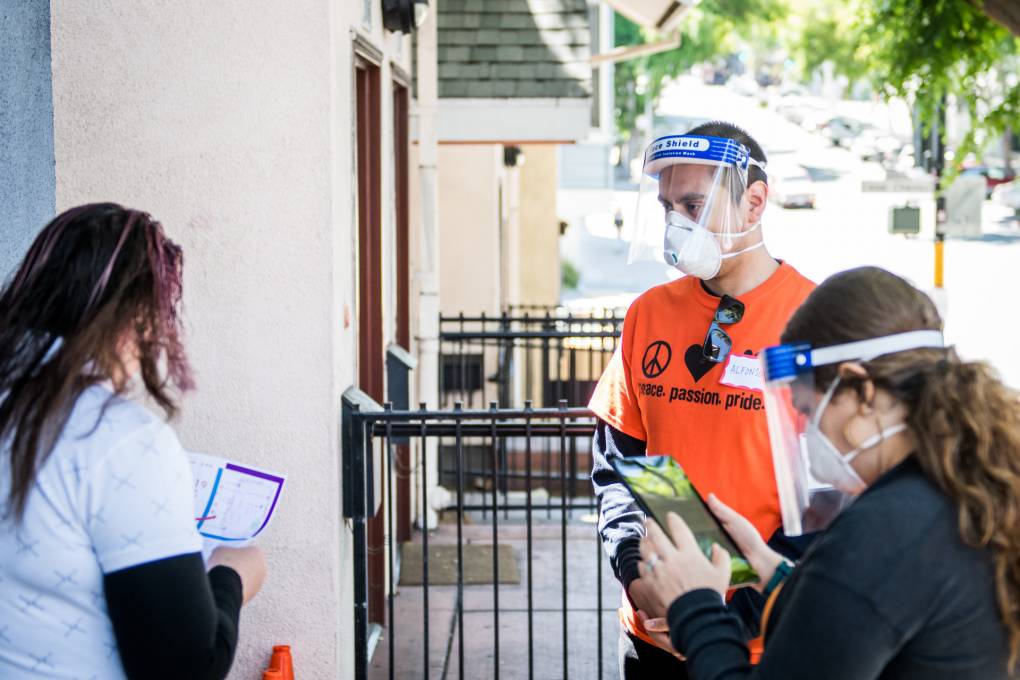
"caption": "Aliza Zenilman (right) and Alfonso Buenas, volunteers with United In Health, speak with a San Francisco Mission resident about getting tested for COVID-19 during a community testing study taking place April 25 - 28 supported by UCSF Labs. Latinos represent more than half of all confirmed coronavirus cases in California.",
"description": null,
"title": "RS42903_018_KQED_SanFrancisco_Mission_04232020-qut",
"credit": "Beth LaBerge/KQED",
"status": "inherit",
"isLoading": false,
"fetchFailed": false
},
"news_11818851": {
"type": "attachments",
"id": "news_11818851",
"meta": {
"index": "attachments_1716263798",
"site": "news",
"id": "11818851",
"found": true
},
"parent": 11818800,
"imgSizes": {
"apple_news_ca_landscape_5_5": {
"file": "https://ww2.kqed.org/app/uploads/sites/10/2020/05/1920iStock-1190098713-1044x783.jpg",
"width": 1044,
"mimeType": "image/jpeg",
"height": 783
},
"apple_news_ca_square_4_0": {
"file": "https://ww2.kqed.org/app/uploads/sites/10/2020/05/1920iStock-1190098713-470x470.jpg",
"width": 470,
"mimeType": "image/jpeg",
"height": 470
},
"twentyfourteen-full-width": {
"file": "https://ww2.kqed.org/app/uploads/sites/10/2020/05/1920iStock-1190098713-1038x576.jpg",
"width": 1038,
"mimeType": "image/jpeg",
"height": 576
},
"thumbnail": {
"file": "https://ww2.kqed.org/app/uploads/sites/10/2020/05/1920iStock-1190098713-160x90.jpg",
"width": 160,
"mimeType": "image/jpeg",
"height": 90
},
"post-thumbnail": {
"file": "https://ww2.kqed.org/app/uploads/sites/10/2020/05/1920iStock-1190098713-672x372.jpg",
"width": 672,
"mimeType": "image/jpeg",
"height": 372
},
"kqedFullSize": {
"file": "https://ww2.kqed.org/app/uploads/sites/10/2020/05/1920iStock-1190098713.jpg",
"width": 10170,
"height": 5721
},
"apple_news_ca_landscape_4_7": {
"file": "https://ww2.kqed.org/app/uploads/sites/10/2020/05/1920iStock-1190098713-632x474.jpg",
"width": 632,
"mimeType": "image/jpeg",
"height": 474
},
"large": {
"file": "https://ww2.kqed.org/app/uploads/sites/10/2020/05/1920iStock-1190098713-1020x574.jpg",
"width": 1020,
"mimeType": "image/jpeg",
"height": 574
},
"apple_news_ca_landscape_4_0": {
"file": "https://ww2.kqed.org/app/uploads/sites/10/2020/05/1920iStock-1190098713-536x402.jpg",
"width": 536,
"mimeType": "image/jpeg",
"height": 402
},
"apple_news_ca_portrait_12_9": {
"file": "https://ww2.kqed.org/app/uploads/sites/10/2020/05/1920iStock-1190098713-1122x1496.jpg",
"width": 1122,
"mimeType": "image/jpeg",
"height": 1496
},
"medium": {
"file": "https://ww2.kqed.org/app/uploads/sites/10/2020/05/1920iStock-1190098713-800x450.jpg",
"width": 800,
"mimeType": "image/jpeg",
"height": 450
},
"apple_news_ca_portrait_4_0": {
"file": "https://ww2.kqed.org/app/uploads/sites/10/2020/05/1920iStock-1190098713-354x472.jpg",
"width": 354,
"mimeType": "image/jpeg",
"height": 472
},
"apple_news_ca_portrait_9_7": {
"file": "https://ww2.kqed.org/app/uploads/sites/10/2020/05/1920iStock-1190098713-840x1120.jpg",
"width": 840,
"mimeType": "image/jpeg",
"height": 1120
},
"apple_news_ca_landscape_12_9": {
"file": "https://ww2.kqed.org/app/uploads/sites/10/2020/05/1920iStock-1190098713-1832x1374.jpg",
"width": 1832,
"mimeType": "image/jpeg",
"height": 1374
},
"apple_news_ca_square_9_7": {
"file": "https://ww2.kqed.org/app/uploads/sites/10/2020/05/1920iStock-1190098713-1104x1104.jpg",
"width": 1104,
"mimeType": "image/jpeg",
"height": 1104
},
"apple_news_ca_portrait_4_7": {
"file": "https://ww2.kqed.org/app/uploads/sites/10/2020/05/1920iStock-1190098713-414x552.jpg",
"width": 414,
"mimeType": "image/jpeg",
"height": 552
},
"apple_news_ca_square_12_9": {
"file": "https://ww2.kqed.org/app/uploads/sites/10/2020/05/1920iStock-1190098713-1472x1472.jpg",
"width": 1472,
"mimeType": "image/jpeg",
"height": 1472
},
"apple_news_ca_portrait_5_5": {
"file": "https://ww2.kqed.org/app/uploads/sites/10/2020/05/1920iStock-1190098713-687x916.jpg",
"width": 687,
"mimeType": "image/jpeg",
"height": 916
},
"full-width": {
"file": "https://ww2.kqed.org/app/uploads/sites/10/2020/05/1920iStock-1190098713-1920x1080.jpg",
"width": 1920,
"mimeType": "image/jpeg",
"height": 1080
},
"apple_news_ca_square_4_7": {
"file": "https://ww2.kqed.org/app/uploads/sites/10/2020/05/1920iStock-1190098713-550x550.jpg",
"width": 550,
"mimeType": "image/jpeg",
"height": 550
},
"apple_news_ca_landscape_9_7": {
"file": "https://ww2.kqed.org/app/uploads/sites/10/2020/05/1920iStock-1190098713-1376x1032.jpg",
"width": 1376,
"mimeType": "image/jpeg",
"height": 1032
},
"apple_news_ca_square_5_5": {
"file": "https://ww2.kqed.org/app/uploads/sites/10/2020/05/1920iStock-1190098713-912x912.jpg",
"width": 912,
"mimeType": "image/jpeg",
"height": 912
}
},
"publishDate": 1589596866,
"modified": 1589597069,
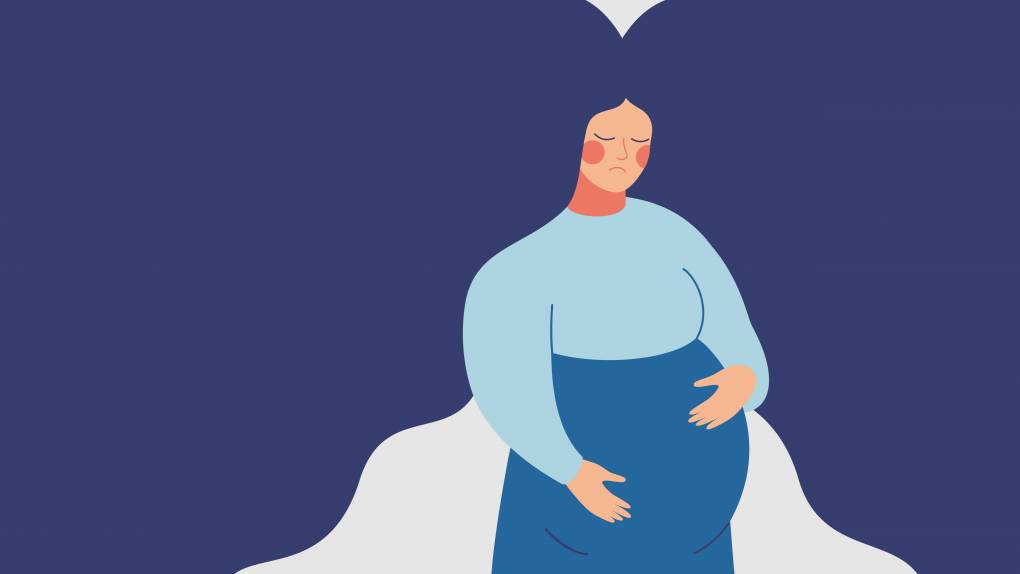
"caption": "Last year, Newsom allotted $34 million for the 2020 fiscal year budget so women diagnosed with a maternal mental health disorder could stay on Medi-Cal for up to 12 months to get treated. Now he’s taking it back.",
"description": null,
"title": "1920iStock-1190098713",
"credit": "iStock Ponomariova_Maria",
"status": "inherit",
"isLoading": false,
"fetchFailed": false
},
"news_11811146": {
"type": "attachments",
"id": "news_11811146",
"meta": {
"index": "attachments_1716263798",
"site": "news",
"id": "11811146",
"found": true
},
"parent": 11811110,
"imgSizes": {
"apple_news_ca_landscape_5_5": {
"file": "https://ww2.kqed.org/app/uploads/sites/10/2020/04/Golden-Gate-Park-Walk-Social-Distancing-1044x783.jpg",
"width": 1044,
"mimeType": "image/jpeg",
"height": 783
},
"apple_news_ca_square_4_0": {
"file": "https://ww2.kqed.org/app/uploads/sites/10/2020/04/Golden-Gate-Park-Walk-Social-Distancing-470x470.jpg",
"width": 470,
"mimeType": "image/jpeg",
"height": 470
},
"twentyfourteen-full-width": {
"file": "https://ww2.kqed.org/app/uploads/sites/10/2020/04/Golden-Gate-Park-Walk-Social-Distancing-1038x576.jpg",
"width": 1038,
"mimeType": "image/jpeg",
"height": 576
},
"thumbnail": {
"file": "https://ww2.kqed.org/app/uploads/sites/10/2020/04/Golden-Gate-Park-Walk-Social-Distancing-160x107.jpg",
"width": 160,
"mimeType": "image/jpeg",
"height": 107
},
"post-thumbnail": {
"file": "https://ww2.kqed.org/app/uploads/sites/10/2020/04/Golden-Gate-Park-Walk-Social-Distancing-672x372.jpg",
"width": 672,
"mimeType": "image/jpeg",
"height": 372
},
"kqedFullSize": {
"file": "https://ww2.kqed.org/app/uploads/sites/10/2020/04/Golden-Gate-Park-Walk-Social-Distancing.jpg",
"width": 1920,
"height": 1280
},
"apple_news_ca_landscape_4_7": {
"file": "https://ww2.kqed.org/app/uploads/sites/10/2020/04/Golden-Gate-Park-Walk-Social-Distancing-632x474.jpg",
"width": 632,
"mimeType": "image/jpeg",
"height": 474
},
"large": {
"file": "https://ww2.kqed.org/app/uploads/sites/10/2020/04/Golden-Gate-Park-Walk-Social-Distancing-1020x680.jpg",
"width": 1020,
"mimeType": "image/jpeg",
"height": 680
},
"apple_news_ca_landscape_4_0": {
"file": "https://ww2.kqed.org/app/uploads/sites/10/2020/04/Golden-Gate-Park-Walk-Social-Distancing-536x402.jpg",
"width": 536,
"mimeType": "image/jpeg",
"height": 402
},
"apple_news_ca_portrait_12_9": {
"file": "https://ww2.kqed.org/app/uploads/sites/10/2020/04/Golden-Gate-Park-Walk-Social-Distancing-1122x1280.jpg",
"width": 1122,
"mimeType": "image/jpeg",
"height": 1280
},
"medium": {
"file": "https://ww2.kqed.org/app/uploads/sites/10/2020/04/Golden-Gate-Park-Walk-Social-Distancing-800x533.jpg",
"width": 800,
"mimeType": "image/jpeg",
"height": 533
},
"apple_news_ca_portrait_4_0": {
"file": "https://ww2.kqed.org/app/uploads/sites/10/2020/04/Golden-Gate-Park-Walk-Social-Distancing-354x472.jpg",
"width": 354,
"mimeType": "image/jpeg",
"height": 472
},
"apple_news_ca_portrait_9_7": {
"file": "https://ww2.kqed.org/app/uploads/sites/10/2020/04/Golden-Gate-Park-Walk-Social-Distancing-840x1120.jpg",
"width": 840,
"mimeType": "image/jpeg",
"height": 1120
},
"apple_news_ca_landscape_12_9": {
"file": "https://ww2.kqed.org/app/uploads/sites/10/2020/04/Golden-Gate-Park-Walk-Social-Distancing-1832x1280.jpg",
"width": 1832,
"mimeType": "image/jpeg",
"height": 1280
},
"apple_news_ca_square_9_7": {
"file": "https://ww2.kqed.org/app/uploads/sites/10/2020/04/Golden-Gate-Park-Walk-Social-Distancing-1104x1104.jpg",
"width": 1104,
"mimeType": "image/jpeg",
"height": 1104
},
"apple_news_ca_portrait_4_7": {
"file": "https://ww2.kqed.org/app/uploads/sites/10/2020/04/Golden-Gate-Park-Walk-Social-Distancing-414x552.jpg",
"width": 414,
"mimeType": "image/jpeg",
"height": 552
},
"apple_news_ca_square_12_9": {
"file": "https://ww2.kqed.org/app/uploads/sites/10/2020/04/Golden-Gate-Park-Walk-Social-Distancing-1472x1280.jpg",
"width": 1472,
"mimeType": "image/jpeg",
"height": 1280
},
"apple_news_ca_portrait_5_5": {
"file": "https://ww2.kqed.org/app/uploads/sites/10/2020/04/Golden-Gate-Park-Walk-Social-Distancing-687x916.jpg",
"width": 687,
"mimeType": "image/jpeg",
"height": 916
},
"full-width": {
"file": "https://ww2.kqed.org/app/uploads/sites/10/2020/04/Golden-Gate-Park-Walk-Social-Distancing-1920x1280.jpg",
"width": 1920,
"mimeType": "image/jpeg",
"height": 1280
},
"apple_news_ca_square_4_7": {
"file": "https://ww2.kqed.org/app/uploads/sites/10/2020/04/Golden-Gate-Park-Walk-Social-Distancing-550x550.jpg",
"width": 550,
"mimeType": "image/jpeg",
"height": 550
},
"apple_news_ca_landscape_9_7": {
"file": "https://ww2.kqed.org/app/uploads/sites/10/2020/04/Golden-Gate-Park-Walk-Social-Distancing-1376x1032.jpg",
"width": 1376,
"mimeType": "image/jpeg",
"height": 1032
},
"apple_news_ca_square_5_5": {
"file": "https://ww2.kqed.org/app/uploads/sites/10/2020/04/Golden-Gate-Park-Walk-Social-Distancing-912x912.jpg",
"width": 912,
"mimeType": "image/jpeg",
"height": 912
}
},
"publishDate": 1586298387,
"modified": 1586298625,
"caption": "State Surgeon General Nadine Burke Harris urged Californians to eat right and get some outdoor exercise to reduce mental stress - while practicing good social distancing, of course.",
"description": "State Surgeon General Nadine Burke Harris urged Californians to eat right and get some outdoor exercise to reduce mental stress - while practicing good social distancing, of course.",
"title": "Golden-Gate-Park-Walk-Social-Distancing",
"credit": "Beth LaBerge/KQED",
"status": "inherit",
"isLoading": false,
"fetchFailed": false
},
"news_11809625": {
"type": "attachments",
"id": "news_11809625",
"meta": {
"index": "attachments_1716263798",
"site": "news",
"id": "11809625",
"found": true
},
"parent": 11808968,
"imgSizes": {
"apple_news_ca_landscape_5_5": {
"file": "https://ww2.kqed.org/app/uploads/sites/10/2020/03/GettyImages-1207534648_1920x-1044x783.jpg",
"width": 1044,
"mimeType": "image/jpeg",
"height": 783
},
"apple_news_ca_square_4_0": {
"file": "https://ww2.kqed.org/app/uploads/sites/10/2020/03/GettyImages-1207534648_1920x-470x470.jpg",
"width": 470,
"mimeType": "image/jpeg",
"height": 470
},
"twentyfourteen-full-width": {
"file": "https://ww2.kqed.org/app/uploads/sites/10/2020/03/GettyImages-1207534648_1920x-1038x576.jpg",
"width": 1038,
"mimeType": "image/jpeg",
"height": 576
},
"thumbnail": {
"file": "https://ww2.kqed.org/app/uploads/sites/10/2020/03/GettyImages-1207534648_1920x-160x102.jpg",
"width": 160,
"mimeType": "image/jpeg",
"height": 102
},
"post-thumbnail": {
"file": "https://ww2.kqed.org/app/uploads/sites/10/2020/03/GettyImages-1207534648_1920x-672x372.jpg",
"width": 672,
"mimeType": "image/jpeg",
"height": 372
},
"kqedFullSize": {
"file": "https://ww2.kqed.org/app/uploads/sites/10/2020/03/GettyImages-1207534648_1920x.jpg",
"width": 1920,
"height": 1219
},
"apple_news_ca_landscape_4_7": {
"file": "https://ww2.kqed.org/app/uploads/sites/10/2020/03/GettyImages-1207534648_1920x-632x474.jpg",
"width": 632,
"mimeType": "image/jpeg",
"height": 474
},
"large": {
"file": "https://ww2.kqed.org/app/uploads/sites/10/2020/03/GettyImages-1207534648_1920x-1020x648.jpg",
"width": 1020,
"mimeType": "image/jpeg",
"height": 648
},
"apple_news_ca_landscape_4_0": {
"file": "https://ww2.kqed.org/app/uploads/sites/10/2020/03/GettyImages-1207534648_1920x-536x402.jpg",
"width": 536,
"mimeType": "image/jpeg",
"height": 402
},
"apple_news_ca_portrait_12_9": {
"file": "https://ww2.kqed.org/app/uploads/sites/10/2020/03/GettyImages-1207534648_1920x-1122x1219.jpg",
"width": 1122,
"mimeType": "image/jpeg",
"height": 1219
},
"medium": {
"file": "https://ww2.kqed.org/app/uploads/sites/10/2020/03/GettyImages-1207534648_1920x-800x508.jpg",
"width": 800,
"mimeType": "image/jpeg",
"height": 508
},
"apple_news_ca_portrait_4_0": {
"file": "https://ww2.kqed.org/app/uploads/sites/10/2020/03/GettyImages-1207534648_1920x-354x472.jpg",
"width": 354,
"mimeType": "image/jpeg",
"height": 472
},
"apple_news_ca_portrait_9_7": {
"file": "https://ww2.kqed.org/app/uploads/sites/10/2020/03/GettyImages-1207534648_1920x-840x1120.jpg",
"width": 840,
"mimeType": "image/jpeg",
"height": 1120
},
"apple_news_ca_landscape_12_9": {
"file": "https://ww2.kqed.org/app/uploads/sites/10/2020/03/GettyImages-1207534648_1920x-1832x1219.jpg",
"width": 1832,
"mimeType": "image/jpeg",
"height": 1219
},
"apple_news_ca_square_9_7": {
"file": "https://ww2.kqed.org/app/uploads/sites/10/2020/03/GettyImages-1207534648_1920x-1104x1104.jpg",
"width": 1104,
"mimeType": "image/jpeg",
"height": 1104
},
"apple_news_ca_portrait_4_7": {
"file": "https://ww2.kqed.org/app/uploads/sites/10/2020/03/GettyImages-1207534648_1920x-414x552.jpg",
"width": 414,
"mimeType": "image/jpeg",
"height": 552
},
"apple_news_ca_square_12_9": {
"file": "https://ww2.kqed.org/app/uploads/sites/10/2020/03/GettyImages-1207534648_1920x-1472x1219.jpg",
"width": 1472,
"mimeType": "image/jpeg",
"height": 1219
},
"apple_news_ca_portrait_5_5": {
"file": "https://ww2.kqed.org/app/uploads/sites/10/2020/03/GettyImages-1207534648_1920x-687x916.jpg",
"width": 687,
"mimeType": "image/jpeg",
"height": 916
},
"full-width": {
"file": "https://ww2.kqed.org/app/uploads/sites/10/2020/03/GettyImages-1207534648_1920x-1920x1219.jpg",
"width": 1920,
"mimeType": "image/jpeg",
"height": 1219
},
"apple_news_ca_square_4_7": {
"file": "https://ww2.kqed.org/app/uploads/sites/10/2020/03/GettyImages-1207534648_1920x-550x550.jpg",
"width": 550,
"mimeType": "image/jpeg",
"height": 550
},
"apple_news_ca_landscape_9_7": {
"file": "https://ww2.kqed.org/app/uploads/sites/10/2020/03/GettyImages-1207534648_1920x-1376x1032.jpg",
"width": 1376,
"mimeType": "image/jpeg",
"height": 1032
},
"apple_news_ca_square_5_5": {
"file": "https://ww2.kqed.org/app/uploads/sites/10/2020/03/GettyImages-1207534648_1920x-912x912.jpg",
"width": 912,
"mimeType": "image/jpeg",
"height": 912
}
},
"publishDate": 1585608056,
"modified": 1585697308,
"caption": "A woman walks by a boarded-up shop with a supportive message painted on it in the Haight Ashbury are of San Francisco, California on March 17, 2020. ",
"description": "A woman walks by a boarded-up shop with a supportive message painted on it in the Haight Ashbury area of San Francisco, California on March 17, 2020. ",
"title": "US-VIRUS-HEALTH-EPIDEMIC",
"credit": "Josh Edelson/AFP via Getty Images",
"status": "inherit",
"isLoading": false,
"fetchFailed": false
},
"news_11809226": {
"type": "attachments",
"id": "news_11809226",
"meta": {
"index": "attachments_1716263798",
"site": "news",
"id": "11809226",
"found": true
},
"parent": 11809225,
"imgSizes": {
"apple_news_ca_landscape_5_5": {
"file": "https://ww2.kqed.org/app/uploads/sites/10/2020/03/npr_communal-grief_custom-1fb3c28e50047a8b0ae3cb545d3515e92bfdb134-1044x783.jpg",
"width": 1044,
"mimeType": "image/jpeg",
"height": 783
},
"apple_news_ca_square_4_0": {
"file": "https://ww2.kqed.org/app/uploads/sites/10/2020/03/npr_communal-grief_custom-1fb3c28e50047a8b0ae3cb545d3515e92bfdb134-470x470.jpg",
"width": 470,
"mimeType": "image/jpeg",
"height": 470
},
"twentyfourteen-full-width": {
"file": "https://ww2.kqed.org/app/uploads/sites/10/2020/03/npr_communal-grief_custom-1fb3c28e50047a8b0ae3cb545d3515e92bfdb134-1038x576.jpg",
"width": 1038,
"mimeType": "image/jpeg",
"height": 576
},
"thumbnail": {
"file": "https://ww2.kqed.org/app/uploads/sites/10/2020/03/npr_communal-grief_custom-1fb3c28e50047a8b0ae3cb545d3515e92bfdb134-160x90.jpg",
"width": 160,
"mimeType": "image/jpeg",
"height": 90
},
"post-thumbnail": {
"file": "https://ww2.kqed.org/app/uploads/sites/10/2020/03/npr_communal-grief_custom-1fb3c28e50047a8b0ae3cb545d3515e92bfdb134-672x372.jpg",
"width": 672,
"mimeType": "image/jpeg",
"height": 372
},
"kqedFullSize": {
"file": "https://ww2.kqed.org/app/uploads/sites/10/2020/03/npr_communal-grief_custom-1fb3c28e50047a8b0ae3cb545d3515e92bfdb134-e1585346595610.jpg",
"width": 1920,
"height": 1080
},
"apple_news_ca_landscape_4_7": {
"file": "https://ww2.kqed.org/app/uploads/sites/10/2020/03/npr_communal-grief_custom-1fb3c28e50047a8b0ae3cb545d3515e92bfdb134-632x474.jpg",
"width": 632,
"mimeType": "image/jpeg",
"height": 474
},
"large": {
"file": "https://ww2.kqed.org/app/uploads/sites/10/2020/03/npr_communal-grief_custom-1fb3c28e50047a8b0ae3cb545d3515e92bfdb134-1020x574.jpg",
"width": 1020,
"mimeType": "image/jpeg",
"height": 574
},
"apple_news_ca_landscape_4_0": {
"file": "https://ww2.kqed.org/app/uploads/sites/10/2020/03/npr_communal-grief_custom-1fb3c28e50047a8b0ae3cb545d3515e92bfdb134-536x402.jpg",
"width": 536,
"mimeType": "image/jpeg",
"height": 402
},
"apple_news_ca_portrait_12_9": {
"file": "https://ww2.kqed.org/app/uploads/sites/10/2020/03/npr_communal-grief_custom-1fb3c28e50047a8b0ae3cb545d3515e92bfdb134-1122x1496.jpg",
"width": 1122,
"mimeType": "image/jpeg",
"height": 1496
},
"medium": {
"file": "https://ww2.kqed.org/app/uploads/sites/10/2020/03/npr_communal-grief_custom-1fb3c28e50047a8b0ae3cb545d3515e92bfdb134-800x450.jpg",
"width": 800,
"mimeType": "image/jpeg",
"height": 450
},
"apple_news_ca_portrait_4_0": {
"file": "https://ww2.kqed.org/app/uploads/sites/10/2020/03/npr_communal-grief_custom-1fb3c28e50047a8b0ae3cb545d3515e92bfdb134-354x472.jpg",
"width": 354,
"mimeType": "image/jpeg",
"height": 472
},
"apple_news_ca_portrait_9_7": {
"file": "https://ww2.kqed.org/app/uploads/sites/10/2020/03/npr_communal-grief_custom-1fb3c28e50047a8b0ae3cb545d3515e92bfdb134-840x1120.jpg",
"width": 840,
"mimeType": "image/jpeg",
"height": 1120
},
"apple_news_ca_landscape_12_9": {
"file": "https://ww2.kqed.org/app/uploads/sites/10/2020/03/npr_communal-grief_custom-1fb3c28e50047a8b0ae3cb545d3515e92bfdb134-1832x1374.jpg",
"width": 1832,
"mimeType": "image/jpeg",
"height": 1374
},
"apple_news_ca_square_9_7": {
"file": "https://ww2.kqed.org/app/uploads/sites/10/2020/03/npr_communal-grief_custom-1fb3c28e50047a8b0ae3cb545d3515e92bfdb134-1104x1104.jpg",
"width": 1104,
"mimeType": "image/jpeg",
"height": 1104
},
"apple_news_ca_portrait_4_7": {
"file": "https://ww2.kqed.org/app/uploads/sites/10/2020/03/npr_communal-grief_custom-1fb3c28e50047a8b0ae3cb545d3515e92bfdb134-414x552.jpg",
"width": 414,
"mimeType": "image/jpeg",
"height": 552
},
"apple_news_ca_square_12_9": {
"file": "https://ww2.kqed.org/app/uploads/sites/10/2020/03/npr_communal-grief_custom-1fb3c28e50047a8b0ae3cb545d3515e92bfdb134-1472x1472.jpg",
"width": 1472,
"mimeType": "image/jpeg",
"height": 1472
},
"apple_news_ca_portrait_5_5": {
"file": "https://ww2.kqed.org/app/uploads/sites/10/2020/03/npr_communal-grief_custom-1fb3c28e50047a8b0ae3cb545d3515e92bfdb134-687x916.jpg",
"width": 687,
"mimeType": "image/jpeg",
"height": 916
},
"full-width": {
"file": "https://ww2.kqed.org/app/uploads/sites/10/2020/03/npr_communal-grief_custom-1fb3c28e50047a8b0ae3cb545d3515e92bfdb134-1920x1080.jpg",
"width": 1920,
"mimeType": "image/jpeg",
"height": 1080
},
"apple_news_ca_square_4_7": {
"file": "https://ww2.kqed.org/app/uploads/sites/10/2020/03/npr_communal-grief_custom-1fb3c28e50047a8b0ae3cb545d3515e92bfdb134-550x550.jpg",
"width": 550,
"mimeType": "image/jpeg",
"height": 550
},
"apple_news_ca_landscape_9_7": {
"file": "https://ww2.kqed.org/app/uploads/sites/10/2020/03/npr_communal-grief_custom-1fb3c28e50047a8b0ae3cb545d3515e92bfdb134-1376x1032.jpg",
"width": 1376,
"mimeType": "image/jpeg",
"height": 1032
},
"apple_news_ca_square_5_5": {
"file": "https://ww2.kqed.org/app/uploads/sites/10/2020/03/npr_communal-grief_custom-1fb3c28e50047a8b0ae3cb545d3515e92bfdb134-912x912.jpg",
"width": 912,
"mimeType": "image/jpeg",
"height": 912
}
},
"publishDate": 1585343476,
"modified": 1585346588,
"caption": null,
"description": "Grief and trauma experts say we need to be aware of the grief caused by the current pandemic and take care of ourselves as we would in the face of any other loss.",
"title": "Grief and trauma experts say we need to be aware of the grief caused by the current pandemic and take care of ourselves as we would in the face of any other loss.",
"credit": "Tracy Lee/NPR",
"status": "inherit",
"isLoading": false,
"fetchFailed": false
}
},
"audioPlayerReducer": {
"postId": "stream_live",
"isPaused": true,
"isPlaying": false,
"pfsActive": false,
"pledgeModalIsOpen": true,
"playerDrawerIsOpen": false,
"liveAudioPlayStartedAt": 0,
"liveAudioPlayContext": ""
},
"authorsReducer": {
"byline_news_11809225": {
"type": "authors",
"id": "byline_news_11809225",
"meta": {
"override": true
},
"slug": "byline_news_11809225",
"name": "Stephanie O'Neill",
"isLoading": false
},
"kqed": {
"type": "authors",
"id": "236",
"meta": {
"index": "authors_1716337520",
"id": "236",
"found": true
},
"name": "KQED News Staff",
"firstName": "KQED News Staff",
"lastName": null,
"slug": "kqed",
"email": "faq@kqed.org",
"display_author_email": false,
"staff_mastheads": [],
"title": null,
"bio": null,
"avatar": "https://secure.gravatar.com/avatar/ef0e801a68c4c54afa9180db14084167?s=600&d=blank&r=g",
"twitter": null,
"facebook": null,
"instagram": null,
"linkedin": null,
"sites": [
{
"site": "arts",
"roles": [
"contributor"
]
},
{
"site": "news",
"roles": [
"editor"
]
},
{
"site": "futureofyou",
"roles": [
"author"
]
}
],
"headData": {
"title": "KQED News Staff | KQED",
"description": null,
"ogImgSrc": "https://secure.gravatar.com/avatar/ef0e801a68c4c54afa9180db14084167?s=600&d=blank&r=g",
"twImgSrc": "https://secure.gravatar.com/avatar/ef0e801a68c4c54afa9180db14084167?s=600&d=blank&r=g"
},
"isLoading": false,
"link": "/author/kqed"
},
"adembosky": {
"type": "authors",
"id": "3205",
"meta": {
"index": "authors_1716337520",
"id": "3205",
"found": true
},
"name": "April Dembosky",
"firstName": "April",
"lastName": "Dembosky",
"slug": "adembosky",
"email": "adembosky@kqed.org",
"display_author_email": false,
"staff_mastheads": [
"news",
"science"
],
"title": "KQED Health Correspondent",
"bio": "April Dembosky is the health correspondent for KQED News and a regular contributor to NPR. She specializes in covering altered states of mind, from postpartum depression to methamphetamine-induced psychosis to the insanity defense. Her investigative series on insurance companies sidestepping mental health laws won multiple awards, including first place in beat reporting from the national Association of Health Care Journalists. She is the recipient of numerous other prizes and fellowships, including a national Edward R. Murrow award for investigative reporting, a Society of Professional Journalists award for long-form storytelling, and a Carter Center Fellowship for Mental Health Journalism.\r\n\r\nDembosky reported and produced \u003cem>Soundtrack of Silence\u003c/em>, an audio documentary about music and memory that is currently being made into a feature film by Paramount Pictures.\r\n\r\nBefore joining KQED in 2013, Dembosky covered technology and Silicon Valley for \u003cem>The Financial Times of London,\u003c/em> and contributed business and arts stories to \u003cem>Marketplace \u003c/em>and \u003cem>The New York Times.\u003c/em> She got her undergraduate degree in philosophy from Smith College and her master's in journalism from the University of California, Berkeley. She is a classically trained violinist and proud alum of the first symphony orchestra at Burning Man.",
"avatar": "https://secure.gravatar.com/avatar/ef92999be4ceb9ea60701e7dc276f813?s=600&d=blank&r=g",
"twitter": "adembosky",
"facebook": null,
"instagram": null,
"linkedin": null,
"sites": [
{
"site": "arts",
"roles": [
"author"
]
},
{
"site": "news",
"roles": [
"editor"
]
},
{
"site": "futureofyou",
"roles": [
"author"
]
},
{
"site": "stateofhealth",
"roles": [
"editor"
]
},
{
"site": "science",
"roles": [
"editor"
]
},
{
"site": "forum",
"roles": [
"editor"
]
}
],
"headData": {
"title": "April Dembosky | KQED",
"description": "KQED Health Correspondent",
"ogImgSrc": "https://secure.gravatar.com/avatar/ef92999be4ceb9ea60701e7dc276f813?s=600&d=blank&r=g",
"twImgSrc": "https://secure.gravatar.com/avatar/ef92999be4ceb9ea60701e7dc276f813?s=600&d=blank&r=g"
},
"isLoading": false,
"link": "/author/adembosky"
},
"mlagos": {
"type": "authors",
"id": "3239",
"meta": {
"index": "authors_1716337520",
"id": "3239",
"found": true
},
"name": "Marisa Lagos",
"firstName": "Marisa",
"lastName": "Lagos",
"slug": "mlagos",
"email": "mlagos@kqed.org",
"display_author_email": false,
"staff_mastheads": [
"news"
],
"title": "KQED Contributor",
"bio": "Marisa Lagos is a correspondent for KQED’s California Politics and Government Desk and co-hosts the award-winning show and podcast, Political Breakdown. At KQED, Lagos also conducts reporting, analysis and investigations into state, local and national politics for radio, TV, online and onstage. In 2022, she and co-host, Scott Shafer, moderated the only gubernatorial debate in California. In 2020, the \u003ci>Washington Post\u003c/i> named her one of the top political journalists in California; she was nominated for a Peabody and won several other awards for her work investigating the 2017 California wildfires. She has worked at the \u003ci>San Francisco Chronicle\u003c/i>, \u003ci>San Francisco Examiner\u003c/i> and \u003ci>Los Angeles Times\u003c/i>. A UC Santa Barbara graduate, she lives in San Francisco with her two sons and husband.",
"avatar": "https://secure.gravatar.com/avatar/a261a0d3696fc066871ef96b85b5e7d2?s=600&d=blank&r=g",
"twitter": "@mlagos",
"facebook": null,
"instagram": null,
"linkedin": null,
"sites": [
{
"site": "arts",
"roles": [
"author"
]
},
{
"site": "news",
"roles": [
"editor"
]
},
{
"site": "science",
"roles": [
"editor"
]
},
{
"site": "forum",
"roles": [
"author"
]
},
{
"site": "liveblog",
"roles": [
"author"
]
}
],
"headData": {
"title": "Marisa Lagos | KQED",
"description": "KQED Contributor",
"ogImgSrc": "https://secure.gravatar.com/avatar/a261a0d3696fc066871ef96b85b5e7d2?s=600&d=blank&r=g",
"twImgSrc": "https://secure.gravatar.com/avatar/a261a0d3696fc066871ef96b85b5e7d2?s=600&d=blank&r=g"
},
"isLoading": false,
"link": "/author/mlagos"
},
"carlysevern": {
"type": "authors",
"id": "3243",
"meta": {
"index": "authors_1716337520",
"id": "3243",
"found": true
},
"name": "Carly Severn",
"firstName": "Carly",
"lastName": "Severn",
"slug": "carlysevern",
"email": "csevern@kqed.org",
"display_author_email": false,
"staff_mastheads": [
"news"
],
"title": "Senior Editor, Audience News ",
"bio": "Carly is KQED's Senior Editor of Audience News on the Digital News team, and has reported for the California Report Magazine, Bay Curious and KQED Arts. She's formerly the host of \u003ca href=\"http://ww2.kqed.org/pop/category/the-cooler/\" rel=\"noopener noreferrer\">The Cooler\u003c/a> podcast.",
"avatar": "https://secure.gravatar.com/avatar/54037bf5c128fe678f0ef26cec97a93f2e7f220a22d7285703328f12c42c1b1d?s=600&d=blank&r=g",
"twitter": "teacupinthebay",
"bluesky": null,
"facebook": null,
"instagram": null,
"linkedin": null,
"sites": [
{
"site": "",
"roles": [
"editor"
]
},
{
"site": "arts",
"roles": [
"editor"
]
},
{
"site": "news",
"roles": [
"administrator"
]
},
{
"site": "pop",
"roles": [
"editor"
]
},
{
"site": "futureofyou",
"roles": [
"editor"
]
},
{
"site": "about",
"roles": [
"administrator"
]
},
{
"site": "mindshift",
"roles": [
"editor"
]
},
{
"site": "bayareabites",
"roles": [
"editor"
]
},
{
"site": "stateofhealth",
"roles": [
"editor"
]
},
{
"site": "science",
"roles": [
"editor"
]
},
{
"site": "food",
"roles": [
"contributor"
]
},
{
"site": "forum",
"roles": [
"editor"
]
},
{
"site": "perspectives",
"roles": [
"administrator"
]
},
{
"site": "liveblog",
"roles": [
"editor"
]
}
],
"headData": {
"title": "Carly Severn | KQED",
"description": "Senior Editor, Audience News ",
"ogImgSrc": "https://secure.gravatar.com/avatar/54037bf5c128fe678f0ef26cec97a93f2e7f220a22d7285703328f12c42c1b1d?s=600&d=blank&r=g",
"twImgSrc": "https://secure.gravatar.com/avatar/54037bf5c128fe678f0ef26cec97a93f2e7f220a22d7285703328f12c42c1b1d?s=600&d=blank&r=g"
},
"isLoading": false,
"link": "/author/carlysevern"
},
"lklivans": {
"type": "authors",
"id": "8648",
"meta": {
"index": "authors_1716337520",
"id": "8648",
"found": true
},
"name": "Laura Klivans",
"firstName": "Laura",
"lastName": "Klivans",
"slug": "lklivans",
"email": "lklivans@kqed.org",
"display_author_email": true,
"staff_mastheads": [
"news",
"science"
],
"title": "Reporter",
"bio": "Laura Klivans is an award-winning science reporter for KQED News, where she covers climate change with an eye on both groundbreaking progress and gaps in action. She is the former host of KQED's blockbuster video series about tiny, amazing animals, \u003cem>Deep Look\u003c/em>. Her work reaches national audiences through NPR, \u003cem>Here & Now, \u003c/em>PRI, and other major outlets. \r\n\r\nLaura’s won five Northern California Area Emmy Awards for Deep Look and First Place in the Greater Bay Area Journalism Awards for a podcast exploring how one Oakland neighborhood teamed up to reduce planet-heating pollution.\r\n\r\nBeyond her reporting, she hosts and moderates events. In the past, she taught audio storytelling at the UC Berkeley Graduate School of Journalism, led international education programs, worked with immigrants and refugees along the Thai-Burmese border, taught high schoolers sex ed, and was an actress. \r\n\r\nShe's a former UC Berkeley Human Rights Fellow, USC Center for Health Journalism's California Fellow and Coro Fellow in Public Affairs. Laura has a master’s in journalism from UC Berkeley, a master’s in education from Harvard, and an undergraduate degree from Northwestern University.\r\n\r\nShe loves trying to riddle the meaning out of vanity license plates.",
"avatar": "https://secure.gravatar.com/avatar/2d2ecd1550a494cc10ad4a503406965585902124739e775a9b3817eebf1d88be?s=600&d=blank&r=g",
"twitter": "lauraklivans",
"bluesky": null,
"facebook": null,
"instagram": null,
"linkedin": null,
"sites": [
{
"site": "news",
"roles": [
"editor"
]
},
{
"site": "stateofhealth",
"roles": [
"contributor",
"editor"
]
},
{
"site": "science",
"roles": [
"editor"
]
},
{
"site": "forum",
"roles": [
"editor"
]
}
],
"headData": {
"title": "Laura Klivans | KQED",
"description": "Reporter",
"ogImgSrc": "https://secure.gravatar.com/avatar/2d2ecd1550a494cc10ad4a503406965585902124739e775a9b3817eebf1d88be?s=600&d=blank&r=g",
"twImgSrc": "https://secure.gravatar.com/avatar/2d2ecd1550a494cc10ad4a503406965585902124739e775a9b3817eebf1d88be?s=600&d=blank&r=g"
},
"isLoading": false,
"link": "/author/lklivans"
},
"fjhabvala": {
"type": "authors",
"id": "8659",
"meta": {
"index": "authors_1716337520",
"id": "8659",
"found": true
},
"name": "Farida Jhabvala Romero",
"firstName": "Farida",
"lastName": "Jhabvala Romero",
"slug": "fjhabvala",
"email": "fjhabvala@kqed.org",
"display_author_email": true,
"staff_mastheads": [
"news"
],
"title": "KQED Contributor",
"bio": "Farida Jhabvala Romero is a Labor Correspondent for KQED. She previously covered immigration. Farida was \u003ca href=\"https://www.ccnma.org/2022-most-influential-latina-journalists\">named\u003c/a> one of the 10 Most Influential Latina Journalists in California in 2022 by the California Chicano News Media Association. Her work has won awards from the Society of Professional Journalists (Northern California), as well as a national and regional Edward M. Murrow Award for the collaborative reporting projects “Dangerous Air” and “Graying California.” Before joining KQED, Farida worked as a producer at Radio Bilingüe, a national public radio network. Farida earned her master’s degree in journalism from Stanford University.",
"avatar": "https://secure.gravatar.com/avatar/f9f022d4e2609741874222a1e9d41f48fea74011aa7c615eef91d9a50c944ebe?s=600&d=blank&r=g",
"twitter": "FaridaJhabvala",
"bluesky": null,
"facebook": null,
"instagram": null,
"linkedin": "https://www.linkedin.com/in/faridajhabvala/",
"sites": [
{
"site": "news",
"roles": [
"editor"
]
},
{
"site": "stateofhealth",
"roles": [
"author"
]
},
{
"site": "liveblog",
"roles": [
"author"
]
}
],
"headData": {
"title": "Farida Jhabvala Romero | KQED",
"description": "KQED Contributor",
"ogImgSrc": "https://secure.gravatar.com/avatar/f9f022d4e2609741874222a1e9d41f48fea74011aa7c615eef91d9a50c944ebe?s=600&d=blank&r=g",
"twImgSrc": "https://secure.gravatar.com/avatar/f9f022d4e2609741874222a1e9d41f48fea74011aa7c615eef91d9a50c944ebe?s=600&d=blank&r=g"
},
"isLoading": false,
"link": "/author/fjhabvala"
},
"mwiley": {
"type": "authors",
"id": "11526",
"meta": {
"index": "authors_1716337520",
"id": "11526",
"found": true
},
"name": "Michelle Wiley",
"firstName": "Michelle",
"lastName": "Wiley",
"slug": "mwiley",
"email": "mwiley@KQED.org",
"display_author_email": true,
"staff_mastheads": [],
"title": null,
"bio": "Michelle Wiley was the senior editor of weekends.",
"avatar": "https://secure.gravatar.com/avatar/3b897d82a09e8587e8e73fa69fbcc635?s=600&d=blank&r=g",
"twitter": "michelleewiley",
"facebook": null,
"instagram": null,
"linkedin": null,
"sites": [
{
"site": "",
"roles": [
"editor"
]
},
{
"site": "arts",
"roles": [
"editor"
]
},
{
"site": "news",
"roles": [
"subscriber"
]
},
{
"site": "lowdown",
"roles": [
"editor"
]
},
{
"site": "science",
"roles": [
"editor"
]
},
{
"site": "podcasts",
"roles": [
"editor"
]
}
],
"headData": {
"title": "Michelle Wiley | KQED",
"description": null,
"ogImgSrc": "https://secure.gravatar.com/avatar/3b897d82a09e8587e8e73fa69fbcc635?s=600&d=blank&r=g",
"twImgSrc": "https://secure.gravatar.com/avatar/3b897d82a09e8587e8e73fa69fbcc635?s=600&d=blank&r=g"
},
"isLoading": false,
"link": "/author/mwiley"
},
"awoelfle": {
"type": "authors",
"id": "11630",
"meta": {
"index": "authors_1716337520",
"id": "11630",
"found": true
},
"name": "Alice Woelfle",
"firstName": "Alice",
"lastName": "Woelfle",
"slug": "awoelfle",
"email": "awoelfle@KQED.org",
"display_author_email": false,
"staff_mastheads": [],
"title": null,
"bio": null,
"avatar": "https://secure.gravatar.com/avatar/00e46668235dc71f4a7513cf5eb31df3?s=600&d=blank&r=g",
"twitter": null,
"facebook": null,
"instagram": null,
"linkedin": null,
"sites": [
{
"site": "news",
"roles": [
"subscriber"
]
}
],
"headData": {
"title": "Alice Woelfle | KQED",
"description": null,
"ogImgSrc": "https://secure.gravatar.com/avatar/00e46668235dc71f4a7513cf5eb31df3?s=600&d=blank&r=g",
"twImgSrc": "https://secure.gravatar.com/avatar/00e46668235dc71f4a7513cf5eb31df3?s=600&d=blank&r=g"
},
"isLoading": false,
"link": "/author/awoelfle"
}
},
"pagesReducer": {
"news_tag_mental-health": {
"type": "terms",
"id": "news_2109",
"meta": {
"index": "terms_1716263798",
"site": "news",
"id": "2109",
"score": 8.282905
},
"featImg": null,
"name": "mental health",
"description": null,
"taxonomy": "tag",
"headData": {
"twImgId": null,
"twTitle": null,
"ogTitle": null,
"ogImgId": null,
"twDescription": null,
"description": null,
"title": "mental health Archives | KQED News",
"ogDescription": null
},
"ttid": 2124,
"slug": "mental-health",
"isLoading": false,
"title": "mental health",
"pageMeta": {
"site": "news",
"WpPageTemplate": "page-topic-editorial",
"currentPage": 13
},
"blocks": [
{
"blockName": "kqed/post-list",
"attrs": {
"layout": "cardArticle2",
"query": "posts/news?tag=mental-health",
"seeMore": false,
"paginated": true,
"page": 13
}
},
{
"blockName": "kqed/ad"
}
]
}
},
"pfsSessionReducer": {},
"postsReducer": {
"stream_live": {
"type": "live",
"id": "stream_live",
"audioUrl": "https://streams.kqed.org/kqedradio",
"title": "Live Stream",
"excerpt": "Live Stream information currently unavailable.",
"link": "/radio",
"featImg": "",
"label": {
"name": "KQED Live",
"link": "/"
}
},
"stream_kqedNewscast": {
"type": "posts",
"id": "stream_kqedNewscast",
"audioUrl": "https://www.kqed.org/.stream/anon/radio/RDnews/newscast.mp3?_=1",
"title": "KQED Newscast",
"featImg": "",
"label": {
"name": "88.5 FM",
"link": "/"
}
},
"news_11842295": {
"type": "posts",
"id": "news_11842295",
"meta": {
"index": "posts_1716263798",
"site": "news",
"id": "11842295",
"score": null,
"sort": [
1602804956000
]
},
"guestAuthors": [],
"slug": "where-to-see-fall-foliage-in-the-bay-area",
"title": "Where to See Fall Foliage in the Bay Area",
"publishDate": 1602804956,
"format": "image",
"headTitle": "Where to See Fall Foliage in the Bay Area | KQED",
"labelTerm": {
"site": "news"
},
"content": "\u003cul>\n\u003cli>\u003cstrong>MAP: \u003ca href=\"#map\">Where to see fall foliage all around California\u003c/a>\u003c/strong>\u003c/li>\n\u003c/ul>\n\u003cp>It’s an intense moment in time. And finding ways to take breaks — and to get safely outdoors — is more important than ever for \u003ca href=\"https://www.kqed.org/mindshift/50949/suffering-from-nature-deficit-disorder-try-forest-bathing\">our collective health, both mental and physical\u003c/a>.\u003c/p>\n\u003cp>With an ongoing pandemic and the ever-present threat of wildfires, it can be easy to forget about the changing of the seasons. But if you \u003cem>can\u003c/em> find time to get into nature right now, there’s a wealth of gorgeous fall colors out there in the Bay Area to see and explore, without having to drive all the way to the Eastern Sierra.\u003c/p>\n\u003cp>We asked local experts who work to make the outdoors accessible and inclusive for all for their favorite spots around the Bay Area and beyond — places to enjoy fall foliage, bask in some autumnal vibes and generally find some much-needed solace in nature right now. Read on for their tips.\u003c/p>\n\u003cp>[aside postID=\"arts_13868460\"]And remember: As needed as outdoor air and exercise is for us all, there’s still a pandemic raging. Bring your mask and wear it whenever you’re indoors around other nature lovers even if you’re fully vaccinated, carry sanitizer if using public bathrooms and share the trails safely by making space for passers-by — to maintain social distancing. And if it’s a popular place, consider planning your visit to ensure you won’t run any risk of encountering a crowd.\u003c/p>\n\u003cp>With most of Northern California still in extreme wildfire danger, it’s advisable to \u003ca href=\"https://www.kqed.org/news/11834132/see-where-wildfires-are-burning-in-california\">check our map of where wildfires are burning\u003c/a> across the state before heading out on a longer trip.\u003c/p>\n\u003cul>\n\u003cli>\u003cstrong>\u003ca href=\"#howto\">Skip to: How to find your own fall foliage spots\u003c/a>\u003c/strong>\u003c/li>\n\u003c/ul>\n\u003cfigure id=\"attachment_11842420\" class=\"wp-caption alignnone\" style=\"max-width: 1920px\">\u003cimg loading=\"lazy\" decoding=\"async\" class=\"wp-image-11842420 size-full\" src=\"https://ww2.kqed.org/app/uploads/sites/10/2020/10/JOse-feet.png\" alt=\"The toes of a pair of shoes poke into a pile of dead leaves.\" width=\"1920\" height=\"1280\" srcset=\"https://cdn.kqed.org/wp-content/uploads/sites/10/2020/10/JOse-feet.png 1920w, https://cdn.kqed.org/wp-content/uploads/sites/10/2020/10/JOse-feet-800x533.png 800w, https://cdn.kqed.org/wp-content/uploads/sites/10/2020/10/JOse-feet-1020x680.png 1020w, https://cdn.kqed.org/wp-content/uploads/sites/10/2020/10/JOse-feet-160x107.png 160w, https://cdn.kqed.org/wp-content/uploads/sites/10/2020/10/JOse-feet-1536x1024.png 1536w\" sizes=\"(max-width: 1920px) 100vw, 1920px\">\u003cfigcaption class=\"wp-caption-text\">Fall is the perfect time to get outdoors in the Bay Area. \u003ccite>(José G. González)\u003c/cite>\u003c/figcaption>\u003c/figure>\n\u003cp>\u003cstrong>Elm Tunnel outside St. Helena, Napa County\u003c/strong>\u003c/p>\n\u003cp>\u003ca href=\"https://www.ruemapp.com/\">Rue Mapp\u003c/a> is the founder and CEO of \u003ca href=\"https://outdoorafro.com/\">Outdoor Afro\u003c/a>, an Oakland-born organization that celebrates and inspires Black connections and leadership in nature nationally. She says Elm Tunnel is “one of my favorite places” to see fall foliage in the Bay Area.\u003c/p>\n\u003cp>Driving through this North Bay spot “always helped me know what season we were in while headed to the family ranch,” Mapp says.\u003c/p>\n\u003cp>\u003cem>How to get there: Travel north just out of St. Helena on Highway 29.\u003c/em>\u003c/p>\n\u003cp>\u003cstrong>Hayward Regional Shoreline, Alameda County\u003c/strong>\u003c/p>\n\u003cp>[aside postID=\"news_11830597\"]Francis Mendoza is a naturalist and park ranger with the East Bay Regional Parks District, and says this local stretch of marshes and seasonal wetlands is one of his favorite places to see the changing seasons in action.\u003c/p>\n\u003cp>Why? Look for its “swaths of pickleweed that turn red, rivaling eastern forests in its changing foliage,” Mendoza advises — and migrating shorebirds, too.\u003c/p>\n\u003cp>\u003ca href=\"https://www.ebparks.org/parks/hayward/\">\u003cem>How to get to Hayward Regional Shoreline\u003c/em>\u003c/a>\u003c/p>\n\u003cfigure id=\"attachment_11842373\" class=\"wp-caption alignnone\" style=\"max-width: 1920px\">\u003cimg loading=\"lazy\" decoding=\"async\" class=\"wp-image-11842373 size-full\" src=\"https://ww2.kqed.org/app/uploads/sites/10/2020/10/6937439237_b998d49f26_k.png\" alt=\"Brown, grassy hillsides under blue skies.\" width=\"1920\" height=\"1280\" srcset=\"https://cdn.kqed.org/wp-content/uploads/sites/10/2020/10/6937439237_b998d49f26_k.png 1920w, https://cdn.kqed.org/wp-content/uploads/sites/10/2020/10/6937439237_b998d49f26_k-800x533.png 800w, https://cdn.kqed.org/wp-content/uploads/sites/10/2020/10/6937439237_b998d49f26_k-1020x680.png 1020w, https://cdn.kqed.org/wp-content/uploads/sites/10/2020/10/6937439237_b998d49f26_k-160x107.png 160w, https://cdn.kqed.org/wp-content/uploads/sites/10/2020/10/6937439237_b998d49f26_k-1536x1024.png 1536w\" sizes=\"(max-width: 1920px) 100vw, 1920px\">\u003cfigcaption class=\"wp-caption-text\">Golden spaces in Rancho San Antonio County Park and Open Space Preserve \u003ccite>(Samuel Jacob/Flickr)\u003c/cite>\u003c/figcaption>\u003c/figure>\n\u003cp>\u003cstrong>Rancho San Antonio Preserve, Santa Clara County\u003c/strong>\u003c/p>\n\u003cp>José González is the founder of Latino Outdoors, which aims to inspire, connect and engage Latino communities in the outdoors. For foliage hunting in the South Bay, he particularly recommends this colorful spot in the Midpeninsula Regional Open Space.\u003c/p>\n\u003cp>Rancho San Antonio also offers a visit to \u003ca href=\"https://www.openspace.org/what-to-do/education/deer-hollow-farm\">Deer Hollow Farm\u003c/a>, a working farm with historic buildings and farmyard animals that was closed during the first months of the pandemic, but now has reopened. (\u003ca href=\"https://www.openspace.org/what-to-do/education/deer-hollow-farm\">See Deer Hollow Farm’s opening hours.\u003c/a>)\u003c/p>\n\u003cp>\u003ca href=\"https://www.openspace.org/preserves/rancho-san-antonio\">\u003cem>How to get to Rancho San Antonio Preserve\u003c/em>\u003c/a>\u003c/p>\n\u003cp>\u003cstrong>Mt. Tamalpais State Park, Marin County\u003c/strong>\u003c/p>\n\u003cp>\u003cspan style=\"font-weight: 400\">[aside postID=\"mindshift_50949\"]\u003c/span>Mt. Tam is an all-year-round treasure, but it shines in the mild, cool season of fall, says Cori Coccia, program director at GirlVentures, a Bay Area nonprofit that combines outdoor adventure with social-emotional learning for female-identified youth.\u003c/p>\n\u003cp>Coccia particularly recommends the Matt Davis Trail along the west side for its “gorgeous ocean views and the beautiful oak, madrone and Bay laurel forests along Rock Springs trail.” Just be careful, she says, of another plant that pops with “vibrant red color amidst all the green”: poison oak.\u003c/p>\n\u003cp>\u003ca href=\"https://www.parks.ca.gov/?page_id=471\">\u003cem>How to get to Mt. Tamalpais State Park\u003c/em>\u003c/a>\u003c/p>\n\u003cfigure id=\"attachment_11842416\" class=\"wp-caption alignnone\" style=\"max-width: 1920px\">\u003cimg loading=\"lazy\" decoding=\"async\" class=\"wp-image-11842416 size-full\" src=\"https://ww2.kqed.org/app/uploads/sites/10/2020/10/Tam-OAP.png\" alt=\"The sun sets over the ocean from a steep hillside.\" width=\"1920\" height=\"1280\" srcset=\"https://cdn.kqed.org/wp-content/uploads/sites/10/2020/10/Tam-OAP.png 1920w, https://cdn.kqed.org/wp-content/uploads/sites/10/2020/10/Tam-OAP-800x533.png 800w, https://cdn.kqed.org/wp-content/uploads/sites/10/2020/10/Tam-OAP-1020x680.png 1020w, https://cdn.kqed.org/wp-content/uploads/sites/10/2020/10/Tam-OAP-160x107.png 160w, https://cdn.kqed.org/wp-content/uploads/sites/10/2020/10/Tam-OAP-1536x1024.png 1536w\" sizes=\"(max-width: 1920px) 100vw, 1920px\">\u003cfigcaption class=\"wp-caption-text\">Mt. Tamalpais at sunset \u003ccite>(Olivia Allen-Price/KQED)\u003c/cite>\u003c/figcaption>\u003c/figure>\n\u003cp>\u003cstrong>Santa Teresa Blvd. and Monterey Rd., San San José\u003c/strong>\u003c/p>\n\u003cp>Sometimes, you don’t even have to get out of the car to appreciate some fall foliage — and if wildfire smoke is making it unhealthy to be outside, a driving tour is a good way to at least escape the house.\u003c/p>\n\u003cp>Latino Outdoors founder José González recommends a “fun” drive south down Santa Teresa Blvd. in San San José, leading onto Monterey Rd., to see some autumnal hues.\u003c/p>\n\u003cp>\u003ca href=\"https://www.google.com/maps/dir/Santa+Teresa+Blvd,+California/Monterey+Road,+California/@37.131011,-121.71189,12z/data=!4m14!4m13!1m5!1m1!1s0x808e2fc67fd8da0b:0x3cbd1a3b9aac27ff!2m2!1d-121.7804165!2d37.228898!1m5!1m1!1s0x8091e37287fd319f:0xd93fa759a4171ca2!2m2!1d-121.6893628!2d37.1678517!3e0\">\u003cem>How to get to Santa Teresa Blvd. and Monterey Rd. \u003c/em>\u003c/a>\u003cem>(link opens Google Maps)\u003c/em>\u003c/p>\n\u003cp>\u003cstrong>Golden Gate Park, San Francisco\u003c/strong>\u003c/p>\n\u003cp>[aside postID=\"news_11835324\"]When it comes to fall sights, GirlVentures’s Cori Coccia hails Golden Gate Park as an often-overlooked gem right under San Francisco’s nose.\u003c/p>\n\u003cp>Coccia says the park “offers everything from misty redwood groves, to lakes with turtles in them, to the biodiversity of every continent thriving in the botanical garden.” Just make sure to still maintain social distancing on popular days, especially weekends.\u003c/p>\n\u003cp>\u003ca href=\"https://goldengatepark.com/\">\u003cem>How to get to Golden Gate Park\u003c/em>\u003c/a>\u003c/p>\n\u003cp>[ad fullwidth]\u003c/p>\n\u003ch3>\u003ca id=\"howto\">\u003c/a>How to find your own fall foliage gem\u003c/h3>\n\u003cp>Relying on expert recommendations is one thing. But what if the spots you want to visit are just too crowded right now — or you want to strike out and discover your own havens for fall foliage?\u003c/p>\n\u003cp>If that’s you, Latino Outdoors founder José González has two big recommendations: think about the types of trees that are likely to deliver you a riot of beautiful autumnal color, then consider locations in which you could see them.\u003c/p>\n\u003cfigure id=\"attachment_11842421\" class=\"wp-caption alignnone\" style=\"max-width: 1900px\">\u003cimg loading=\"lazy\" decoding=\"async\" class=\"wp-image-11842421 size-full\" src=\"https://ww2.kqed.org/app/uploads/sites/10/2020/10/jose-selfie.png\" alt=\"A smiling man wearing sunglasses squats in fallen leaves.\" width=\"1900\" height=\"2906\" srcset=\"https://cdn.kqed.org/wp-content/uploads/sites/10/2020/10/jose-selfie.png 1900w, https://cdn.kqed.org/wp-content/uploads/sites/10/2020/10/jose-selfie-800x1224.png 800w, https://cdn.kqed.org/wp-content/uploads/sites/10/2020/10/jose-selfie-1020x1560.png 1020w, https://cdn.kqed.org/wp-content/uploads/sites/10/2020/10/jose-selfie-160x245.png 160w, https://cdn.kqed.org/wp-content/uploads/sites/10/2020/10/jose-selfie-1004x1536.png 1004w, https://cdn.kqed.org/wp-content/uploads/sites/10/2020/10/jose-selfie-1339x2048.png 1339w\" sizes=\"(max-width: 1900px) 100vw, 1900px\">\u003cfigcaption class=\"wp-caption-text\">José González from Latino Outdoors \u003ccite>(José González)\u003c/cite>\u003c/figcaption>\u003c/figure>\n\u003cp>To start with the trees themselves, ginkgos are a great bet for colorful branches, González says, and they can be found in many neighborhoods. “Their yellow pop, much like aspens in the Sierra, are noticeable,” he says.\u003c/p>\n\u003cp>As for locations, for a variety of non-native trees your best options might be in arboretums and on college campuses, González advises. But you might also consider trying to find them in particular neighborhoods within your city, “if you’re up for a fun urban hike.”\u003c/p>\n\u003cp>“Otherwise, you need to look for locations that provide variability like riparian zones [like creeks], and that experience temperature variation, like an actual winter,” González says — so think: gains in elevation. This, he says, is why he likes to take a look at what the Bay Area Ridge Trail offers in terms of foliage.\u003c/p>\n\u003cp>And if it’s safe to visit wine country, i.e. wildfire isn’t a current threat? González reminds you that several vineyards can really “pop with color” at this time of year.\u003c/p>\n\u003ch3>\u003ca id=\"map\">\u003c/a>Fall foliage around California\u003c/h3>\n\u003cp>The \u003ca href=\"https://www.californiafallcolor.com/\">California Fall Color \u003c/a>project (which bears the tagline “Dude, autumn happens here too”) offers not only peak foliage dates and photos online, but \u003ca href=\"https://www.californiafallcolor.com/map/\">a crowdsourced California Fall Color map\u003c/a> that shows the spots where fall foliage can be glimpsed \u003cem>right\u003c/em> \u003cem>now \u003c/em>— and where it’s about to peak.\u003c/p>\n\u003cp>Take a look:\u003c/p>\n\u003cp>[googlemaps https://www.google.com/maps/d/embed?mid=12FSQxbVe9CedswOvJaWaeI5vvYU&w=800&h=600]\u003c/p>\n\u003cp>\u003cem>This story has been updated for 2021.\u003c/em>\u003c/p>\n\u003cp>[ad floatright]\u003c/p>\n",
"blocks": [],
"excerpt": "Local experts offer their tips on where to see beautiful autumnal colors around the Bay Area.",
"status": "publish",
"parent": 0,
"modified": 1721125787,
"stats": {
"hasAudio": false,
"hasVideo": false,
"hasChartOrMap": true,
"iframeSrcs": [
"https://www.google.com/maps/d/embed"
],
"hasGoogleForm": false,
"hasGallery": false,
"hasHearkenModule": false,
"hasPolis": false,
"paragraphCount": 41,
"wordCount": 1283
},
"headData": {
"title": "Where to See Fall Foliage in the Bay Area | KQED",
"description": "Local experts offer their tips on where to see beautiful autumnal colors around the Bay Area.",
"ogTitle": "",
"ogDescription": "",
"ogImgId": "",
"twTitle": "",
"twDescription": "",
"twImgId": "",
"schema": {
"@context": "https://schema.org",
"@type": "NewsArticle",
"headline": "Where to See Fall Foliage in the Bay Area",
"datePublished": "2020-10-15T16:35:56-07:00",
"dateModified": "2024-07-16T03:29:47-07:00",
"image": "https://cdn.kqed.org/wp-content/uploads/2020/02/KQED-OG-Image@1x.png",
"isAccessibleForFree": "True",
"publisher": {
"@type": "NewsMediaOrganization",
"@id": "https://www.kqed.org/#organization",
"name": "KQED",
"logo": "https://cdn.kqed.org/wp-content/uploads/2020/02/KQED-OG-Image@1x.png",
"url": "https://www.kqed.org",
"sameAs": [
"https://www.facebook.com/KQED",
"https://twitter.com/KQED",
"https://www.instagram.com/kqed/",
"https://www.tiktok.com/@kqedofficial",
"https://www.linkedin.com/company/kqed",
"https://www.youtube.com/channel/UCeC0IOo7i1P_61zVUWbJ4nw"
]
}
}
},
"sticky": false,
"path": "/news/11842295/where-to-see-fall-foliage-in-the-bay-area",
"audioTrackLength": null,
"parsedContent": [
{
"type": "contentString",
"content": "\u003cdiv class=\"post-body\">\u003cp>\u003cul>\n\u003cli>\u003cstrong>MAP: \u003ca href=\"#map\">Where to see fall foliage all around California\u003c/a>\u003c/strong>\u003c/li>\n\u003c/ul>\n\u003cp>It’s an intense moment in time. And finding ways to take breaks — and to get safely outdoors — is more important than ever for \u003ca href=\"https://www.kqed.org/mindshift/50949/suffering-from-nature-deficit-disorder-try-forest-bathing\">our collective health, both mental and physical\u003c/a>.\u003c/p>\n\u003cp>With an ongoing pandemic and the ever-present threat of wildfires, it can be easy to forget about the changing of the seasons. But if you \u003cem>can\u003c/em> find time to get into nature right now, there’s a wealth of gorgeous fall colors out there in the Bay Area to see and explore, without having to drive all the way to the Eastern Sierra.\u003c/p>\n\u003cp>We asked local experts who work to make the outdoors accessible and inclusive for all for their favorite spots around the Bay Area and beyond — places to enjoy fall foliage, bask in some autumnal vibes and generally find some much-needed solace in nature right now. Read on for their tips.\u003c/p>\n\u003cp>\u003c/p>\u003c/div>",
"attributes": {
"named": {},
"numeric": []
}
},
{
"type": "component",
"content": "",
"name": "aside",
"attributes": {
"named": {
"postid": "arts_13868460",
"label": ""
},
"numeric": []
}
},
{
"type": "contentString",
"content": "\u003cdiv class=\"post-body\">\u003cp>And remember: As needed as outdoor air and exercise is for us all, there’s still a pandemic raging. Bring your mask and wear it whenever you’re indoors around other nature lovers even if you’re fully vaccinated, carry sanitizer if using public bathrooms and share the trails safely by making space for passers-by — to maintain social distancing. And if it’s a popular place, consider planning your visit to ensure you won’t run any risk of encountering a crowd.\u003c/p>\n\u003cp>With most of Northern California still in extreme wildfire danger, it’s advisable to \u003ca href=\"https://www.kqed.org/news/11834132/see-where-wildfires-are-burning-in-california\">check our map of where wildfires are burning\u003c/a> across the state before heading out on a longer trip.\u003c/p>\n\u003cul>\n\u003cli>\u003cstrong>\u003ca href=\"#howto\">Skip to: How to find your own fall foliage spots\u003c/a>\u003c/strong>\u003c/li>\n\u003c/ul>\n\u003cfigure id=\"attachment_11842420\" class=\"wp-caption alignnone\" style=\"max-width: 1920px\">\u003cimg loading=\"lazy\" decoding=\"async\" class=\"wp-image-11842420 size-full\" src=\"https://ww2.kqed.org/app/uploads/sites/10/2020/10/JOse-feet.png\" alt=\"The toes of a pair of shoes poke into a pile of dead leaves.\" width=\"1920\" height=\"1280\" srcset=\"https://cdn.kqed.org/wp-content/uploads/sites/10/2020/10/JOse-feet.png 1920w, https://cdn.kqed.org/wp-content/uploads/sites/10/2020/10/JOse-feet-800x533.png 800w, https://cdn.kqed.org/wp-content/uploads/sites/10/2020/10/JOse-feet-1020x680.png 1020w, https://cdn.kqed.org/wp-content/uploads/sites/10/2020/10/JOse-feet-160x107.png 160w, https://cdn.kqed.org/wp-content/uploads/sites/10/2020/10/JOse-feet-1536x1024.png 1536w\" sizes=\"(max-width: 1920px) 100vw, 1920px\">\u003cfigcaption class=\"wp-caption-text\">Fall is the perfect time to get outdoors in the Bay Area. \u003ccite>(José G. González)\u003c/cite>\u003c/figcaption>\u003c/figure>\n\u003cp>\u003cstrong>Elm Tunnel outside St. Helena, Napa County\u003c/strong>\u003c/p>\n\u003cp>\u003ca href=\"https://www.ruemapp.com/\">Rue Mapp\u003c/a> is the founder and CEO of \u003ca href=\"https://outdoorafro.com/\">Outdoor Afro\u003c/a>, an Oakland-born organization that celebrates and inspires Black connections and leadership in nature nationally. She says Elm Tunnel is “one of my favorite places” to see fall foliage in the Bay Area.\u003c/p>\n\u003cp>Driving through this North Bay spot “always helped me know what season we were in while headed to the family ranch,” Mapp says.\u003c/p>\n\u003cp>\u003cem>How to get there: Travel north just out of St. Helena on Highway 29.\u003c/em>\u003c/p>\n\u003cp>\u003cstrong>Hayward Regional Shoreline, Alameda County\u003c/strong>\u003c/p>\n\u003cp>\u003c/p>\u003c/div>",
"attributes": {
"named": {},
"numeric": []
}
},
{
"type": "component",
"content": "",
"name": "aside",
"attributes": {
"named": {
"postid": "news_11830597",
"label": ""
},
"numeric": []
}
},
{
"type": "contentString",
"content": "\u003cdiv class=\"post-body\">\u003cp>Francis Mendoza is a naturalist and park ranger with the East Bay Regional Parks District, and says this local stretch of marshes and seasonal wetlands is one of his favorite places to see the changing seasons in action.\u003c/p>\n\u003cp>Why? Look for its “swaths of pickleweed that turn red, rivaling eastern forests in its changing foliage,” Mendoza advises — and migrating shorebirds, too.\u003c/p>\n\u003cp>\u003ca href=\"https://www.ebparks.org/parks/hayward/\">\u003cem>How to get to Hayward Regional Shoreline\u003c/em>\u003c/a>\u003c/p>\n\u003cfigure id=\"attachment_11842373\" class=\"wp-caption alignnone\" style=\"max-width: 1920px\">\u003cimg loading=\"lazy\" decoding=\"async\" class=\"wp-image-11842373 size-full\" src=\"https://ww2.kqed.org/app/uploads/sites/10/2020/10/6937439237_b998d49f26_k.png\" alt=\"Brown, grassy hillsides under blue skies.\" width=\"1920\" height=\"1280\" srcset=\"https://cdn.kqed.org/wp-content/uploads/sites/10/2020/10/6937439237_b998d49f26_k.png 1920w, https://cdn.kqed.org/wp-content/uploads/sites/10/2020/10/6937439237_b998d49f26_k-800x533.png 800w, https://cdn.kqed.org/wp-content/uploads/sites/10/2020/10/6937439237_b998d49f26_k-1020x680.png 1020w, https://cdn.kqed.org/wp-content/uploads/sites/10/2020/10/6937439237_b998d49f26_k-160x107.png 160w, https://cdn.kqed.org/wp-content/uploads/sites/10/2020/10/6937439237_b998d49f26_k-1536x1024.png 1536w\" sizes=\"(max-width: 1920px) 100vw, 1920px\">\u003cfigcaption class=\"wp-caption-text\">Golden spaces in Rancho San Antonio County Park and Open Space Preserve \u003ccite>(Samuel Jacob/Flickr)\u003c/cite>\u003c/figcaption>\u003c/figure>\n\u003cp>\u003cstrong>Rancho San Antonio Preserve, Santa Clara County\u003c/strong>\u003c/p>\n\u003cp>José González is the founder of Latino Outdoors, which aims to inspire, connect and engage Latino communities in the outdoors. For foliage hunting in the South Bay, he particularly recommends this colorful spot in the Midpeninsula Regional Open Space.\u003c/p>\n\u003cp>Rancho San Antonio also offers a visit to \u003ca href=\"https://www.openspace.org/what-to-do/education/deer-hollow-farm\">Deer Hollow Farm\u003c/a>, a working farm with historic buildings and farmyard animals that was closed during the first months of the pandemic, but now has reopened. (\u003ca href=\"https://www.openspace.org/what-to-do/education/deer-hollow-farm\">See Deer Hollow Farm’s opening hours.\u003c/a>)\u003c/p>\n\u003cp>\u003ca href=\"https://www.openspace.org/preserves/rancho-san-antonio\">\u003cem>How to get to Rancho San Antonio Preserve\u003c/em>\u003c/a>\u003c/p>\n\u003cp>\u003cstrong>Mt. Tamalpais State Park, Marin County\u003c/strong>\u003c/p>\n\u003cp>\u003cspan style=\"font-weight: 400\">\u003c/p>\u003c/div>",
"attributes": {
"named": {},
"numeric": []
}
},
{
"type": "component",
"content": "",
"name": "aside",
"attributes": {
"named": {
"postid": "mindshift_50949",
"label": ""
},
"numeric": []
}
},
{
"type": "contentString",
"content": "\u003cdiv class=\"post-body\">\u003cp>\u003c/span>Mt. Tam is an all-year-round treasure, but it shines in the mild, cool season of fall, says Cori Coccia, program director at GirlVentures, a Bay Area nonprofit that combines outdoor adventure with social-emotional learning for female-identified youth.\u003c/p>\n\u003cp>Coccia particularly recommends the Matt Davis Trail along the west side for its “gorgeous ocean views and the beautiful oak, madrone and Bay laurel forests along Rock Springs trail.” Just be careful, she says, of another plant that pops with “vibrant red color amidst all the green”: poison oak.\u003c/p>\n\u003cp>\u003ca href=\"https://www.parks.ca.gov/?page_id=471\">\u003cem>How to get to Mt. Tamalpais State Park\u003c/em>\u003c/a>\u003c/p>\n\u003cfigure id=\"attachment_11842416\" class=\"wp-caption alignnone\" style=\"max-width: 1920px\">\u003cimg loading=\"lazy\" decoding=\"async\" class=\"wp-image-11842416 size-full\" src=\"https://ww2.kqed.org/app/uploads/sites/10/2020/10/Tam-OAP.png\" alt=\"The sun sets over the ocean from a steep hillside.\" width=\"1920\" height=\"1280\" srcset=\"https://cdn.kqed.org/wp-content/uploads/sites/10/2020/10/Tam-OAP.png 1920w, https://cdn.kqed.org/wp-content/uploads/sites/10/2020/10/Tam-OAP-800x533.png 800w, https://cdn.kqed.org/wp-content/uploads/sites/10/2020/10/Tam-OAP-1020x680.png 1020w, https://cdn.kqed.org/wp-content/uploads/sites/10/2020/10/Tam-OAP-160x107.png 160w, https://cdn.kqed.org/wp-content/uploads/sites/10/2020/10/Tam-OAP-1536x1024.png 1536w\" sizes=\"(max-width: 1920px) 100vw, 1920px\">\u003cfigcaption class=\"wp-caption-text\">Mt. Tamalpais at sunset \u003ccite>(Olivia Allen-Price/KQED)\u003c/cite>\u003c/figcaption>\u003c/figure>\n\u003cp>\u003cstrong>Santa Teresa Blvd. and Monterey Rd., San San José\u003c/strong>\u003c/p>\n\u003cp>Sometimes, you don’t even have to get out of the car to appreciate some fall foliage — and if wildfire smoke is making it unhealthy to be outside, a driving tour is a good way to at least escape the house.\u003c/p>\n\u003cp>Latino Outdoors founder José González recommends a “fun” drive south down Santa Teresa Blvd. in San San José, leading onto Monterey Rd., to see some autumnal hues.\u003c/p>\n\u003cp>\u003ca href=\"https://www.google.com/maps/dir/Santa+Teresa+Blvd,+California/Monterey+Road,+California/@37.131011,-121.71189,12z/data=!4m14!4m13!1m5!1m1!1s0x808e2fc67fd8da0b:0x3cbd1a3b9aac27ff!2m2!1d-121.7804165!2d37.228898!1m5!1m1!1s0x8091e37287fd319f:0xd93fa759a4171ca2!2m2!1d-121.6893628!2d37.1678517!3e0\">\u003cem>How to get to Santa Teresa Blvd. and Monterey Rd. \u003c/em>\u003c/a>\u003cem>(link opens Google Maps)\u003c/em>\u003c/p>\n\u003cp>\u003cstrong>Golden Gate Park, San Francisco\u003c/strong>\u003c/p>\n\u003cp>\u003c/p>\u003c/div>",
"attributes": {
"named": {},
"numeric": []
}
},
{
"type": "component",
"content": "",
"name": "aside",
"attributes": {
"named": {
"postid": "news_11835324",
"label": ""
},
"numeric": []
}
},
{
"type": "contentString",
"content": "\u003cdiv class=\"post-body\">\u003cp>When it comes to fall sights, GirlVentures’s Cori Coccia hails Golden Gate Park as an often-overlooked gem right under San Francisco’s nose.\u003c/p>\n\u003cp>Coccia says the park “offers everything from misty redwood groves, to lakes with turtles in them, to the biodiversity of every continent thriving in the botanical garden.” Just make sure to still maintain social distancing on popular days, especially weekends.\u003c/p>\n\u003cp>\u003ca href=\"https://goldengatepark.com/\">\u003cem>How to get to Golden Gate Park\u003c/em>\u003c/a>\u003c/p>\n\u003cp>\u003c/p>\u003c/div>",
"attributes": {
"named": {},
"numeric": []
}
},
{
"type": "component",
"content": "",
"name": "ad",
"attributes": {
"named": {
"label": "fullwidth"
},
"numeric": [
"fullwidth"
]
}
},
{
"type": "contentString",
"content": "\u003cdiv class=\"post-body\">\u003cp>\u003c/p>\n\u003ch3>\u003ca id=\"howto\">\u003c/a>How to find your own fall foliage gem\u003c/h3>\n\u003cp>Relying on expert recommendations is one thing. But what if the spots you want to visit are just too crowded right now — or you want to strike out and discover your own havens for fall foliage?\u003c/p>\n\u003cp>If that’s you, Latino Outdoors founder José González has two big recommendations: think about the types of trees that are likely to deliver you a riot of beautiful autumnal color, then consider locations in which you could see them.\u003c/p>\n\u003cfigure id=\"attachment_11842421\" class=\"wp-caption alignnone\" style=\"max-width: 1900px\">\u003cimg loading=\"lazy\" decoding=\"async\" class=\"wp-image-11842421 size-full\" src=\"https://ww2.kqed.org/app/uploads/sites/10/2020/10/jose-selfie.png\" alt=\"A smiling man wearing sunglasses squats in fallen leaves.\" width=\"1900\" height=\"2906\" srcset=\"https://cdn.kqed.org/wp-content/uploads/sites/10/2020/10/jose-selfie.png 1900w, https://cdn.kqed.org/wp-content/uploads/sites/10/2020/10/jose-selfie-800x1224.png 800w, https://cdn.kqed.org/wp-content/uploads/sites/10/2020/10/jose-selfie-1020x1560.png 1020w, https://cdn.kqed.org/wp-content/uploads/sites/10/2020/10/jose-selfie-160x245.png 160w, https://cdn.kqed.org/wp-content/uploads/sites/10/2020/10/jose-selfie-1004x1536.png 1004w, https://cdn.kqed.org/wp-content/uploads/sites/10/2020/10/jose-selfie-1339x2048.png 1339w\" sizes=\"(max-width: 1900px) 100vw, 1900px\">\u003cfigcaption class=\"wp-caption-text\">José González from Latino Outdoors \u003ccite>(José González)\u003c/cite>\u003c/figcaption>\u003c/figure>\n\u003cp>To start with the trees themselves, ginkgos are a great bet for colorful branches, González says, and they can be found in many neighborhoods. “Their yellow pop, much like aspens in the Sierra, are noticeable,” he says.\u003c/p>\n\u003cp>As for locations, for a variety of non-native trees your best options might be in arboretums and on college campuses, González advises. But you might also consider trying to find them in particular neighborhoods within your city, “if you’re up for a fun urban hike.”\u003c/p>\n\u003cp>“Otherwise, you need to look for locations that provide variability like riparian zones [like creeks], and that experience temperature variation, like an actual winter,” González says — so think: gains in elevation. This, he says, is why he likes to take a look at what the Bay Area Ridge Trail offers in terms of foliage.\u003c/p>\n\u003cp>And if it’s safe to visit wine country, i.e. wildfire isn’t a current threat? González reminds you that several vineyards can really “pop with color” at this time of year.\u003c/p>\n\u003ch3>\u003ca id=\"map\">\u003c/a>Fall foliage around California\u003c/h3>\n\u003cp>The \u003ca href=\"https://www.californiafallcolor.com/\">California Fall Color \u003c/a>project (which bears the tagline “Dude, autumn happens here too”) offers not only peak foliage dates and photos online, but \u003ca href=\"https://www.californiafallcolor.com/map/\">a crowdsourced California Fall Color map\u003c/a> that shows the spots where fall foliage can be glimpsed \u003cem>right\u003c/em> \u003cem>now \u003c/em>— and where it’s about to peak.\u003c/p>\n\u003cp>Take a look:\u003c/p>\n\u003cp>\u003c/p>\u003cp>\u003ciframe\n src='https://www.google.com/maps/d/embed?mid=12FSQxbVe9CedswOvJaWaeI5vvYU&w=800&h=600'\n title='https://www.google.com/maps/d/embed?mid=12FSQxbVe9CedswOvJaWaeI5vvYU&w=800&h=600'\n width='800'\n height='600'\n scrolling='no'\n frameborder='no'>\u003c/iframe>\u003c/p>\u003cp>\u003c/p>\n\u003cp>\u003cem>This story has been updated for 2021.\u003c/em>\u003c/p>\n\u003cp>\u003c/p>\u003c/div>",
"attributes": {
"named": {},
"numeric": []
}
},
{
"type": "component",
"content": "",
"name": "ad",
"attributes": {
"named": {
"label": "floatright"
},
"numeric": [
"floatright"
]
}
},
{
"type": "contentString",
"content": "\u003cdiv class=\"post-body\">\u003cp>\u003c/p>\n\u003c/div>\u003c/p>",
"attributes": {
"named": {},
"numeric": []
}
}
],
"link": "/news/11842295/where-to-see-fall-foliage-in-the-bay-area",
"authors": [
"3243"
],
"categories": [
"news_19906",
"news_8"
],
"tags": [
"news_20023",
"news_17925",
"news_2109",
"news_21950",
"news_3958"
],
"featImg": "news_11842412",
"label": "news"
},
"news_11841065": {
"type": "posts",
"id": "news_11841065",
"meta": {
"index": "posts_1716263798",
"site": "news",
"id": "11841065",
"score": null,
"sort": [
1602277658000
]
},
"guestAuthors": [],
"slug": "its-ok-to-not-be-ok-college-students-tackle-mental-health-challenges-during-the-pandemic",
"title": "It's OK to Not Be OK: College Students Tackle Mental Health Challenges During the Pandemic",
"publishDate": 1602277658,
"format": "audio",
"headTitle": "It’s OK to Not Be OK: College Students Tackle Mental Health Challenges During the Pandemic | KQED",
"labelTerm": {
"site": "news"
},
"content": "\u003cp>Last winter, Jada Ross had “40 reasons to wake up in the morning.” The college sophomore would wipe sleep from her eyes, knowing she could look forward to a discussion in her African and Caribbean Literatures class. She knew she could count on seeing her co-workers at the campus IT department where she worked or the energetic middle school students she mentored in an after-school program.\u003c/p>\n\u003cp>“I had struggled with mental health before the pandemic started,” Ross said. “So I literally had all of these systems set in place so I felt motivated to get up in the morning.”\u003c/p>\n\u003cp>Sometimes she was tired and it would take an extra push, like from her blue nose pitbull pawing her face, forcing her up for their morning walk. He lived with her as her emotional support animal.\u003c/p>\n\u003cp>But like most people, the tightly woven fabric of Ross’s days began fraying as the coronavirus pandemic burgeoned.\u003c/p>\n\u003cp>The virus put a halt to her jobs at both the middle school and the Mills College IT department. Ross said she felt too anxious about COVID-19 to continue her side job as a driver for DoorDash. Her beloved dog died in February and, on top of it all, she was going through a break up.\u003c/p>\n\u003cp>[ad fullwidth]\u003c/p>\n\u003cp>“With COVID, it was like everything was amplified times ten,” Ross said.\u003c/p>\n\u003cp>[pullquote size=\"medium\" align=\"right\" citation=\"Jada Ross, Mills College student\"]‘I cried for days. I felt like I was at rock bottom, like my lowest point ever.’[/pullquote]\u003c/p>\n\u003cp>She is not alone. College presents a host of new challenges for young people: demanding academics with steep competition, discovering new aspects of one’s identity and often living independently for the first time. There’s been an \u003ca href=\"https://news.psu.edu/story/554203/2019/01/16/academics/annual-collegiate-mental-health-report-examines-trends-and-policy\" target=\"_blank\" rel=\"noopener noreferrer\">uptick in mental health conditions like anxiety and depression\u003c/a> in \u003ca href=\"https://www.apa.org/monitor/2019/01/gen-z#:~:text=They%20are%20also%20more%20likely,15%20percent%20of%20older%20adults.\" target=\"_blank\" rel=\"noopener noreferrer\">college students\u003c/a> over the past several years, and the pandemic is adding yet another layer of challenge.\u003c/p>\n\u003cp>\u003ca href=\"https://escholarship.org/uc/item/80k5d5hw\" target=\"_blank\" rel=\"noopener noreferrer\">A recent survey of tens of thousands of students\u003c/a> showed significant jumps in undergraduate and graduate students who screened positive for both depression and anxiety during the pandemic as compared to rates measured before the pandemic. While screening positively for these mental health conditions is not the same as actually having them, survey authors said the findings were “unprecedented.”\u003c/p>\n\u003cp>By mid-March, Ross said the dizzying line-up of challenges felt like too much.\u003c/p>\n\u003cp>“I cried for days,” Ross said. “I felt like I was at rock bottom, like my lowest point ever.”\u003c/p>\n\u003cp>Eventually, Ross approached one of the resident assistants in her dorm, asking them to take her to the hospital. She said she was admitted to the Fremont Hospital psychiatric unit, where she stayed for two weeks.\u003c/p>\n\u003cp>Elsewhere on the Mills College campus, junior Alondra Rios also faced tests of her resilience. After leaving campus to move back in with family in Los Angeles, she found it easier to slip into depression.\u003c/p>\n\u003cp>“One of the things that I’ve had to deal with has been learning to sit with my thoughts,” Rios said, who grappled with anxiety even before the pandemic.\u003c/p>\n\u003cp>At University of California, Riverside, junior Marissa Howdershelt, who uses they/them pronouns, felt similarly.\u003c/p>\n\u003cp>“About a month into it, I definitely started slipping into a depression,” they said. “Being removed from my campus community was a shock.”\u003c/p>\n\u003cp>Before the pandemic, Howdershelt would spend most of their days on campus, involved in student groups and serving on the Collegiate Mental Health Innovation Council for the nonprofit Mental Health America.\u003c/p>\n\u003cp>After the pandemic shut down most college campuses, they found it much harder to suddenly spend their days on Zoom, at home, where they felt they could be their “most genuine self” in terms of gender identity and sexuality.\u003c/p>\n\u003ch3>\u003cstrong>Campuses Respond\u003c/strong>\u003c/h3>\n\u003cp>Leaders of counseling and psychological services at California’s colleges and universities say they are up against many hurdles, too. Getting the word out about services must now happen online for the most part. Some students who are able to access services nevertheless lack a private space where they can speak candidly with a counselor. It is harder to offer traditional one-on-one or group counseling to out-of-state students, as state licensing laws largely do not permit work across state lines.\u003c/p>\n\u003cp>Counselors are seeing a lot of the same challenges they typically see, like anxiety, depression, trauma, and relationship stressors, only amplified, said Aviva Wilcox, assistant vice president of counseling, health and wellness at Mills College.\u003c/p>\n\u003cp>[pullquote size=\"medium\" align=\"right\" citation=\"David Atash, University of Southern California student\"]‘You throw 30 things at the wall and the two things that stick could really help.’[/pullquote]\u003c/p>\n\u003cp>Many stressors go beyond the pandemic, she said.\u003c/p>\n\u003cp>“For example, our Black students on campus have been impacted by anti-Blackness long before there was increased national attention to anti-Blackness and the movement for Black lives. But there’s an increased intensity,” Wilcox said.\u003c/p>\n\u003cp>In response, colleges and universities are trying to get creative.\u003c/p>\n\u003cp>University counseling staff are looking for new ways to inform students of resources available to them, including popping into zoom lectures to let students know about counseling and workshops, or asking professors to embed information about campus mental health services in their syllabi.\u003c/p>\n\u003cp>For in-state students who choose to access remote counseling, there have been some unexpected advantages.\u003c/p>\n\u003cp>“Before the pandemic, we saw a lot of disparity among students,” said Laura Horne, chief program officer at Active Minds, a nonprofit that focuses on mental health in young adults. “LGBTQ students, students of color are less likely to get the help that they need for mental health.”\u003c/p>\n\u003cp>She said much of this can be attributed to the fact that the field has struggled to innovate beyond in-person therapy, which can be intimidating to students who have never engaged in this before. Affordable and culturally sensitive mental health care \u003ca href=\"https://www.mhanational.org/issues/black-and-african-american-communities-and-mental-health\" target=\"_blank\" rel=\"noopener noreferrer\">can often be less available to Black students\u003c/a>.\u003c/p>\n\u003cp>“Virtual therapy, I think, is an example of how we can get a little bit more innovative and meet students where they are and make it a little bit easier for them to try it without feeling like they have to commit right away,” Horne said.\u003c/p>\n\u003cp>[aside tag=\"mental-health\" label=\"related stories\"]\u003c/p>\n\u003cp>Lea Jarnagin, interim director for student wellness and basic needs initiatives for the California State University (CSU) system, said some CSUs are offering workshops that are specifically geared towards addressing the uncertainty of the pandemic.\u003c/p>\n\u003cp>Jarnagin says the CSUs have partnered with a few local public health departments in recent years around student mental health, and that “this pandemic has really provided an opportunity to expand those partnerships.” The hope is that university staff can facilitate a “warm hand off” between the university and community based organizations when the university cannot provide services students need.\u003c/p>\n\u003cp>Counseling staff are finding nontraditional ways to serve out-of-state students, too, since they cannot legally offer them ongoing individual or group therapy.\u003c/p>\n\u003cp>Barbara Thomas, senior director of counseling and psychological services at the University of San Francisco (USF), said her team has developed mental health workshops to help out-of-state students, of which there are roughly 1500 at her university.\u003c/p>\n\u003cp>“We’re not making these people a client,” she said, as someone would be considered if they were accessing therapy sessions.\u003c/p>\n\u003cp>This allows the team to provide offerings like “Mindful Monday” or “Anxiety Tool Box,” to any students who are interested, regardless of their location. USF has tripled the number of such workshops this year.\u003c/p>\n\u003cp>Thomas said her staff has also expanded what she calls “consultation services,” in which they help recommend local counseling services for out-of-state students.\u003c/p>\n\u003cp>“If you were residing in Iowa, you could call us and we could help you determine, given your insurance, what are local resources,” she said.\u003c/p>\n\u003ch3>\u003cstrong>Students Find Their Own Solutions\u003c/strong>\u003c/h3>\n\u003cp>In recent months, Rios, now a senior at Mills, identified key practices to keep her afloat in a time characterized by change. She sought out on-campus therapy, committed to working out virtually with her soccer teammates each morning, and got comfortable with solo dance parties in her dorm room.\u003c/p>\n\u003cfigure id=\"attachment_11841732\" class=\"wp-caption alignnone\" style=\"max-width: 800px\">\u003cimg loading=\"lazy\" decoding=\"async\" class=\"size-medium wp-image-11841732\" src=\"https://ww2.kqed.org/app/uploads/sites/10/2020/10/RS45260_rios_soccer_edited-qut-800x449.jpg\" alt=\"Before the pandemic, Alondra Rios (center, with ball) played soccer for Mills College. While she can no longer do that in person, she wakes up most mornings to work out with her teammates virtually.\" width=\"800\" height=\"449\" srcset=\"https://cdn.kqed.org/wp-content/uploads/sites/10/2020/10/RS45260_rios_soccer_edited-qut-800x449.jpg 800w, https://cdn.kqed.org/wp-content/uploads/sites/10/2020/10/RS45260_rios_soccer_edited-qut-160x90.jpg 160w, https://cdn.kqed.org/wp-content/uploads/sites/10/2020/10/RS45260_rios_soccer_edited-qut.jpg 828w\" sizes=\"auto, (max-width: 800px) 100vw, 800px\">\u003cfigcaption class=\"wp-caption-text\">Before the pandemic, Alondra Rios (center, with ball) played soccer for Mills College. While she can no longer do that in person, she wakes up most mornings to work out with her teammates virtually. \u003ccite>(Courtesy of Alondra Rios)\u003c/cite>\u003c/figcaption>\u003c/figure>\n\u003cp>Howdershelt, now a senior at UC Riverside, is getting engaged in the community beyond campus, helping to set up food donations in low-income neighborhoods. They also found solace in “cleansing” their social media accounts: unfollowing the people or groups that gave them anxiety and following others that focus on mental health and mindfulness.\u003c/p>\n\u003cp>When Ross returned to campus after being hospitalized, the pressure didn’t let up much. Her time away meant she had a backlog of school work. And housing became a huge stress — she spent time in on-campus emergency housing until advisors and mentors helped her set up a gofundme campaign to collect money for rent.\u003c/p>\n\u003cp>After the killing of George Floyd, she leapt into the movement for racial justice. “Obviously I want to be a part of that,” she said.\u003c/p>\n\u003cp>But it took a toll, too. “Just the weight of even participating in that really hit me,” she said.\u003c/p>\n\u003cp>To get back on her feet, she said, “I was just like, wow, I really have to tap into myself.”\u003c/p>\n\u003cp>She started with routine, hanging a whiteboard in her dorm room to help maintain her schedule. On it, she scrawls reminders: eat three times a day, practice gratitude, do your homework assignments. She plans socially distanced meet-ups with friends, she goes to therapy at school and she takes regular walks through Mills College’s leafy campus.\u003c/p>\n\u003cp>She’s also found alternative forms of activism, becoming a representative of the Black Student Collective where she advocates for more annual therapy sessions for BIPOC students (Mills students are currently offered eight individual therapy sessions a year).\u003c/p>\n\u003cp>“When I wake up in the morning, I set a routine for myself,” Ross said. “But if I get to a really low point, none of that gets done, you know?”\u003c/p>\n\u003cp>When this happens, Ross said, she’s learning to ask for help.\u003c/p>\n\u003cp>On particularly hard days, she has another reason to get up too: a new blue nose pitbull, licking her face, goading her for a walk. She’s named him Blue.\u003c/p>\n\u003cfigure id=\"attachment_11841730\" class=\"wp-caption alignnone\" style=\"max-width: 800px\">\u003cimg loading=\"lazy\" decoding=\"async\" class=\"size-medium wp-image-11841730\" src=\"https://ww2.kqed.org/app/uploads/sites/10/2020/10/RS45258_Ross_dog_edited-qut-800x800.jpg\" alt=\"Jada Ross with her dog Blue. "He's just very attention seeking. And I need that sometimes," Ross said.\" width=\"800\" height=\"800\" srcset=\"https://cdn.kqed.org/wp-content/uploads/sites/10/2020/10/RS45258_Ross_dog_edited-qut-800x800.jpg 800w, https://cdn.kqed.org/wp-content/uploads/sites/10/2020/10/RS45258_Ross_dog_edited-qut-1020x1020.jpg 1020w, https://cdn.kqed.org/wp-content/uploads/sites/10/2020/10/RS45258_Ross_dog_edited-qut-160x160.jpg 160w, https://cdn.kqed.org/wp-content/uploads/sites/10/2020/10/RS45258_Ross_dog_edited-qut-1536x1536.jpg 1536w, https://cdn.kqed.org/wp-content/uploads/sites/10/2020/10/RS45258_Ross_dog_edited-qut-1472x1472.jpg 1472w, https://cdn.kqed.org/wp-content/uploads/sites/10/2020/10/RS45258_Ross_dog_edited-qut-1104x1104.jpg 1104w, https://cdn.kqed.org/wp-content/uploads/sites/10/2020/10/RS45258_Ross_dog_edited-qut-912x912.jpg 912w, https://cdn.kqed.org/wp-content/uploads/sites/10/2020/10/RS45258_Ross_dog_edited-qut-550x550.jpg 550w, https://cdn.kqed.org/wp-content/uploads/sites/10/2020/10/RS45258_Ross_dog_edited-qut-470x470.jpg 470w, https://cdn.kqed.org/wp-content/uploads/sites/10/2020/10/RS45258_Ross_dog_edited-qut.jpg 1920w\" sizes=\"auto, (max-width: 800px) 100vw, 800px\">\u003cfigcaption class=\"wp-caption-text\">Jada Ross with her dog Blue. “He’s just very attention seeking. And I need that sometimes,” Ross said. \u003ccite>(Courtesy of Jada Ross)\u003c/cite>\u003c/figcaption>\u003c/figure>\n\u003ch3>\u003cstrong>A Few More Ideas for How to Get Help\u003c/strong>\u003c/h3>\n\u003cp>KQED spoke with many students across California, from a range of colleges and universities, to hear about how they are taking care of themselves. Luckily, even during a pandemic, a movement for racial justice and a turbulent election year, there are many ways to get help. Here are some of their approaches, in addition to tips we heard from mental health staff at universities, colleges and nonprofits that work with young adults.\u003c/p>\n\u003cp>Students can reach out to counseling services on campus to see what they are offering — there may be more and different options than previously available. On some campuses, faculty are playing a greater role than usual, and some students report chatting with their professors not only about their academics, but their wellbeing overall.\u003c/p>\n\u003cp>University of Southern California junior David Atash said it’s clear different things work for different people.\u003c/p>\n\u003cp>“You throw 30 things at the wall and the two things that stick could really help,” he said.\u003c/p>\n\u003cp>He said he meditates briefly each morning and goes on long walks near campus.\u003c/p>\n\u003cfigure id=\"attachment_11841731\" class=\"wp-caption alignnone\" style=\"max-width: 800px\">\u003cimg loading=\"lazy\" decoding=\"async\" class=\"size-medium wp-image-11841731\" src=\"https://ww2.kqed.org/app/uploads/sites/10/2020/10/RS45259_Atash_hiking_edited-qut-800x450.jpg\" alt=\"University of Southern California student David Atash says walking helps him manage his anxiety.\" width=\"800\" height=\"450\" srcset=\"https://cdn.kqed.org/wp-content/uploads/sites/10/2020/10/RS45259_Atash_hiking_edited-qut-800x450.jpg 800w, https://cdn.kqed.org/wp-content/uploads/sites/10/2020/10/RS45259_Atash_hiking_edited-qut-1020x574.jpg 1020w, https://cdn.kqed.org/wp-content/uploads/sites/10/2020/10/RS45259_Atash_hiking_edited-qut-160x90.jpg 160w, https://cdn.kqed.org/wp-content/uploads/sites/10/2020/10/RS45259_Atash_hiking_edited-qut-1536x864.jpg 1536w, https://cdn.kqed.org/wp-content/uploads/sites/10/2020/10/RS45259_Atash_hiking_edited-qut.jpg 1920w\" sizes=\"auto, (max-width: 800px) 100vw, 800px\">\u003cfigcaption class=\"wp-caption-text\">University of Southern California student David Atash says walking helps him manage his anxiety. \u003ccite>(Courtesy of David Atash)\u003c/cite>\u003c/figcaption>\u003c/figure>\n\u003cp>Amrita Bhasin, a sophomore at UC Berkeley, has started doing digital art and drawing on her iPad. If she wants to relax, she’s also found comfort in watching movies, which she said helps her avoid spending excessive time on social media.\u003c/p>\n\u003cp>“There’s a starting and ending time, versus if I go in TikTok, there’s no ending point,” she said. “There is physically no ending point on social media.”\u003c/p>\n\u003cp>Occidental College junior Liz Frissell said she’s getting through by moving her laptop outside for some of her online classes and meetings. She schedules time to connect with friends online through Facetime, games, and Netflix parties, where watchers can synchronize media with friends and chat at the same time.\u003c/p>\n\u003cp>USF’s Thomas says there is no one-size-fits-all approach to self care. In fact, really exploring what works for you can be overwhelming.\u003c/p>\n\u003cp>“I talk a lot about baby steps,” she said.\u003c/p>\n\u003cp>She advises students to add one change, then see how that works before trying another.\u003c/p>\n\u003cp>One unexpected outcome of the pandemic, said Active Minds’ Horne, is \u003ca href=\"https://healthymindsnetwork.org/wp-content/uploads/2020/07/Healthy_Minds_NCHA_COVID_Survey_Report_FINAL.pdf\" target=\"_blank\" rel=\"noopener noreferrer\">resilience\u003c/a>.\u003c/p>\n\u003cp>“Often when we talk about young adults I think we all worry about them,” Horne said. “We worry about how they’re adapting to social media and these other large societal issues that are new for humans, much less for this generation.”\u003c/p>\n\u003cp>“But we do see tremendous resilience among students,” Horne continued. “One of the things that really surprised us in looking at our data from students and what they were experiencing during the pandemic is just how optimistic and hopeful they remain, despite all the challenges that we are all experiencing.”\u003c/p>\n\u003ch3>Resources and Suggestions\u003c/h3>\n\u003cp>[ad floatright]\u003c/p>\n\u003cp>Here are some suggestions from mental health professionals and students:\u003c/p>\n\u003cul>\n\u003cli>Reach out to others, schedule connection time virtually or safely in person\u003c/li>\n\u003cli>Seek support from family or peers\u003c/li>\n\u003cli>Start or continue individual or group therapy virtually (\u003ca href=\"https://www.activeminds.org/blog/teletherapy-during-stay-at-home-orders/\" target=\"_blank\" rel=\"noopener noreferrer\">here\u003c/a> are some pointers if it’s hard to find private space where you live)\u003c/li>\n\u003cli>Explore resources from nonprofits that completely or partially focus on mental health in young adults: \u003ca href=\"https://www.activeminds.org/\" target=\"_blank\" rel=\"noopener noreferrer\">Active Minds\u003c/a>, \u003ca href=\"https://www.mhanational.org/life-campus\" target=\"_blank\" rel=\"noopener noreferrer\">Mental Health America\u003c/a>, \u003ca href=\"https://www.jedfoundation.org/\" target=\"_blank\" rel=\"noopener noreferrer\">The JED Foundation\u003c/a>\u003c/li>\n\u003cli>Increase the amount you sleep\u003c/li>\n\u003cli>Adjust your diet, even slightly, towards healthier foods\u003c/li>\n\u003cli>Decrease substance use\u003c/li>\n\u003cli>Improve screen time\n\u003cul>\n\u003cli>Give your social media a “cleanse” — how can you follow more positive accounts and unfollow ones that cause anxiety or depression?\u003c/li>\n\u003cli>Avoid scrolling and instead relax with something with a clear endpoint, like a movie.\u003c/li>\n\u003c/ul>\n\u003c/li>\n\u003cli>Limit news consumption\u003c/li>\n\u003cli>Start a journal or continue journaling\u003c/li>\n\u003cli>Practice \u003ca href=\"https://www.uofmhealth.org/health-library/uz2255\" target=\"_blank\" rel=\"noopener noreferrer\">breathing exercises \u003c/a>\u003c/li>\n\u003cli>Meditate\u003c/li>\n\u003cli>Exercise\u003c/li>\n\u003cli>Listen to music\u003c/li>\n\u003cli>Dance\u003c/li>\n\u003cli>Get out into green or outdoor spaces\u003c/li>\n\u003cli>Garden\u003c/li>\n\u003cli>Spend time with your pet/get a pet\u003c/li>\n\u003cli>Make art\u003c/li>\n\u003cli>Use technology to help you, such as apps like \u003ca href=\"https://www.stopbreathethink.com/meditations/\" target=\"_blank\" rel=\"noopener noreferrer\">Stop, Breathe and Think\u003c/a>\u003c/li>\n\u003c/ul>\n\n",
"blocks": [],
"excerpt": "Anxiety and depression are rising among college students, but there's help available. Here are some ideas and resources.",
"status": "publish",
"parent": 0,
"modified": 1740612882,
"stats": {
"hasAudio": false,
"hasVideo": false,
"hasChartOrMap": false,
"iframeSrcs": [],
"hasGoogleForm": false,
"hasGallery": false,
"hasHearkenModule": false,
"hasPolis": false,
"paragraphCount": 66,
"wordCount": 2525
},
"headData": {
"title": "It's OK to Not Be OK: College Students Tackle Mental Health Challenges During the Pandemic | KQED",
"description": "Anxiety and depression are rising among college students, but there's help available. Here are some ideas and resources.",
"ogTitle": "",
"ogDescription": "",
"ogImgId": "",
"twTitle": "",
"twDescription": "",
"twImgId": "",
"schema": {
"@context": "https://schema.org",
"@type": "NewsArticle",
"headline": "It's OK to Not Be OK: College Students Tackle Mental Health Challenges During the Pandemic",
"datePublished": "2020-10-09T14:07:38-07:00",
"dateModified": "2025-02-26T15:34:42-08:00",
"image": "https://cdn.kqed.org/wp-content/uploads/2020/02/KQED-OG-Image@1x.png",
"isAccessibleForFree": "True",
"publisher": {
"@type": "NewsMediaOrganization",
"@id": "https://www.kqed.org/#organization",
"name": "KQED",
"logo": "https://cdn.kqed.org/wp-content/uploads/2020/02/KQED-OG-Image@1x.png",
"url": "https://www.kqed.org",
"sameAs": [
"https://www.facebook.com/KQED",
"https://twitter.com/KQED",
"https://www.instagram.com/kqed/",
"https://www.tiktok.com/@kqedofficial",
"https://www.linkedin.com/company/kqed",
"https://www.youtube.com/channel/UCeC0IOo7i1P_61zVUWbJ4nw"
]
}
}
},
"audioUrl": "https://traffic.omny.fm/d/clips/0af137ef-751e-4b19-a055-aaef00d2d578/ffca7e9f-6831-41c5-bcaf-aaef00f5a073/9a5beec2-813f-476a-a781-ac4701275e34/audio.mp3",
"sticky": false,
"path": "/news/11841065/its-ok-to-not-be-ok-college-students-tackle-mental-health-challenges-during-the-pandemic",
"audioDuration": 424000,
"audioTrackLength": null,
"parsedContent": [
{
"type": "contentString",
"content": "\u003cdiv class=\"post-body\">\u003cp>\u003cp>Last winter, Jada Ross had “40 reasons to wake up in the morning.” The college sophomore would wipe sleep from her eyes, knowing she could look forward to a discussion in her African and Caribbean Literatures class. She knew she could count on seeing her co-workers at the campus IT department where she worked or the energetic middle school students she mentored in an after-school program.\u003c/p>\n\u003cp>“I had struggled with mental health before the pandemic started,” Ross said. “So I literally had all of these systems set in place so I felt motivated to get up in the morning.”\u003c/p>\n\u003cp>Sometimes she was tired and it would take an extra push, like from her blue nose pitbull pawing her face, forcing her up for their morning walk. He lived with her as her emotional support animal.\u003c/p>\n\u003cp>But like most people, the tightly woven fabric of Ross’s days began fraying as the coronavirus pandemic burgeoned.\u003c/p>\n\u003cp>The virus put a halt to her jobs at both the middle school and the Mills College IT department. Ross said she felt too anxious about COVID-19 to continue her side job as a driver for DoorDash. Her beloved dog died in February and, on top of it all, she was going through a break up.\u003c/p>\n\u003cp>\u003c/p>\u003c/div>",
"attributes": {
"named": {},
"numeric": []
}
},
{
"type": "component",
"content": "",
"name": "ad",
"attributes": {
"named": {
"label": "fullwidth"
},
"numeric": [
"fullwidth"
]
}
},
{
"type": "contentString",
"content": "\u003cdiv class=\"post-body\">\u003cp>\u003c/p>\n\u003cp>“With COVID, it was like everything was amplified times ten,” Ross said.\u003c/p>\n\u003cp>\u003c/p>\u003c/div>",
"attributes": {
"named": {},
"numeric": []
}
},
{
"type": "component",
"content": "‘I cried for days. I felt like I was at rock bottom, like my lowest point ever.’",
"name": "pullquote",
"attributes": {
"named": {
"size": "medium",
"align": "right",
"citation": "Jada Ross, Mills College student",
"label": ""
},
"numeric": []
}
},
{
"type": "contentString",
"content": "\u003cdiv class=\"post-body\">\u003cp>\u003c/p>\n\u003cp>She is not alone. College presents a host of new challenges for young people: demanding academics with steep competition, discovering new aspects of one’s identity and often living independently for the first time. There’s been an \u003ca href=\"https://news.psu.edu/story/554203/2019/01/16/academics/annual-collegiate-mental-health-report-examines-trends-and-policy\" target=\"_blank\" rel=\"noopener noreferrer\">uptick in mental health conditions like anxiety and depression\u003c/a> in \u003ca href=\"https://www.apa.org/monitor/2019/01/gen-z#:~:text=They%20are%20also%20more%20likely,15%20percent%20of%20older%20adults.\" target=\"_blank\" rel=\"noopener noreferrer\">college students\u003c/a> over the past several years, and the pandemic is adding yet another layer of challenge.\u003c/p>\n\u003cp>\u003ca href=\"https://escholarship.org/uc/item/80k5d5hw\" target=\"_blank\" rel=\"noopener noreferrer\">A recent survey of tens of thousands of students\u003c/a> showed significant jumps in undergraduate and graduate students who screened positive for both depression and anxiety during the pandemic as compared to rates measured before the pandemic. While screening positively for these mental health conditions is not the same as actually having them, survey authors said the findings were “unprecedented.”\u003c/p>\n\u003cp>By mid-March, Ross said the dizzying line-up of challenges felt like too much.\u003c/p>\n\u003cp>“I cried for days,” Ross said. “I felt like I was at rock bottom, like my lowest point ever.”\u003c/p>\n\u003cp>Eventually, Ross approached one of the resident assistants in her dorm, asking them to take her to the hospital. She said she was admitted to the Fremont Hospital psychiatric unit, where she stayed for two weeks.\u003c/p>\n\u003cp>Elsewhere on the Mills College campus, junior Alondra Rios also faced tests of her resilience. After leaving campus to move back in with family in Los Angeles, she found it easier to slip into depression.\u003c/p>\n\u003cp>“One of the things that I’ve had to deal with has been learning to sit with my thoughts,” Rios said, who grappled with anxiety even before the pandemic.\u003c/p>\n\u003cp>At University of California, Riverside, junior Marissa Howdershelt, who uses they/them pronouns, felt similarly.\u003c/p>\n\u003cp>“About a month into it, I definitely started slipping into a depression,” they said. “Being removed from my campus community was a shock.”\u003c/p>\n\u003cp>Before the pandemic, Howdershelt would spend most of their days on campus, involved in student groups and serving on the Collegiate Mental Health Innovation Council for the nonprofit Mental Health America.\u003c/p>\n\u003cp>After the pandemic shut down most college campuses, they found it much harder to suddenly spend their days on Zoom, at home, where they felt they could be their “most genuine self” in terms of gender identity and sexuality.\u003c/p>\n\u003ch3>\u003cstrong>Campuses Respond\u003c/strong>\u003c/h3>\n\u003cp>Leaders of counseling and psychological services at California’s colleges and universities say they are up against many hurdles, too. Getting the word out about services must now happen online for the most part. Some students who are able to access services nevertheless lack a private space where they can speak candidly with a counselor. It is harder to offer traditional one-on-one or group counseling to out-of-state students, as state licensing laws largely do not permit work across state lines.\u003c/p>\n\u003cp>Counselors are seeing a lot of the same challenges they typically see, like anxiety, depression, trauma, and relationship stressors, only amplified, said Aviva Wilcox, assistant vice president of counseling, health and wellness at Mills College.\u003c/p>\n\u003cp>\u003c/p>\u003c/div>",
"attributes": {
"named": {},
"numeric": []
}
},
{
"type": "component",
"content": "‘You throw 30 things at the wall and the two things that stick could really help.’",
"name": "pullquote",
"attributes": {
"named": {
"size": "medium",
"align": "right",
"citation": "David Atash, University of Southern California student",
"label": ""
},
"numeric": []
}
},
{
"type": "contentString",
"content": "\u003cdiv class=\"post-body\">\u003cp>\u003c/p>\n\u003cp>Many stressors go beyond the pandemic, she said.\u003c/p>\n\u003cp>“For example, our Black students on campus have been impacted by anti-Blackness long before there was increased national attention to anti-Blackness and the movement for Black lives. But there’s an increased intensity,” Wilcox said.\u003c/p>\n\u003cp>In response, colleges and universities are trying to get creative.\u003c/p>\n\u003cp>University counseling staff are looking for new ways to inform students of resources available to them, including popping into zoom lectures to let students know about counseling and workshops, or asking professors to embed information about campus mental health services in their syllabi.\u003c/p>\n\u003cp>For in-state students who choose to access remote counseling, there have been some unexpected advantages.\u003c/p>\n\u003cp>“Before the pandemic, we saw a lot of disparity among students,” said Laura Horne, chief program officer at Active Minds, a nonprofit that focuses on mental health in young adults. “LGBTQ students, students of color are less likely to get the help that they need for mental health.”\u003c/p>\n\u003cp>She said much of this can be attributed to the fact that the field has struggled to innovate beyond in-person therapy, which can be intimidating to students who have never engaged in this before. Affordable and culturally sensitive mental health care \u003ca href=\"https://www.mhanational.org/issues/black-and-african-american-communities-and-mental-health\" target=\"_blank\" rel=\"noopener noreferrer\">can often be less available to Black students\u003c/a>.\u003c/p>\n\u003cp>“Virtual therapy, I think, is an example of how we can get a little bit more innovative and meet students where they are and make it a little bit easier for them to try it without feeling like they have to commit right away,” Horne said.\u003c/p>\n\u003cp>\u003c/p>\u003c/div>",
"attributes": {
"named": {},
"numeric": []
}
},
{
"type": "component",
"content": "",
"name": "aside",
"attributes": {
"named": {
"tag": "mental-health",
"label": "related stories "
},
"numeric": []
}
},
{
"type": "contentString",
"content": "\u003cdiv class=\"post-body\">\u003cp>\u003c/p>\n\u003cp>Lea Jarnagin, interim director for student wellness and basic needs initiatives for the California State University (CSU) system, said some CSUs are offering workshops that are specifically geared towards addressing the uncertainty of the pandemic.\u003c/p>\n\u003cp>Jarnagin says the CSUs have partnered with a few local public health departments in recent years around student mental health, and that “this pandemic has really provided an opportunity to expand those partnerships.” The hope is that university staff can facilitate a “warm hand off” between the university and community based organizations when the university cannot provide services students need.\u003c/p>\n\u003cp>Counseling staff are finding nontraditional ways to serve out-of-state students, too, since they cannot legally offer them ongoing individual or group therapy.\u003c/p>\n\u003cp>Barbara Thomas, senior director of counseling and psychological services at the University of San Francisco (USF), said her team has developed mental health workshops to help out-of-state students, of which there are roughly 1500 at her university.\u003c/p>\n\u003cp>“We’re not making these people a client,” she said, as someone would be considered if they were accessing therapy sessions.\u003c/p>\n\u003cp>This allows the team to provide offerings like “Mindful Monday” or “Anxiety Tool Box,” to any students who are interested, regardless of their location. USF has tripled the number of such workshops this year.\u003c/p>\n\u003cp>Thomas said her staff has also expanded what she calls “consultation services,” in which they help recommend local counseling services for out-of-state students.\u003c/p>\n\u003cp>“If you were residing in Iowa, you could call us and we could help you determine, given your insurance, what are local resources,” she said.\u003c/p>\n\u003ch3>\u003cstrong>Students Find Their Own Solutions\u003c/strong>\u003c/h3>\n\u003cp>In recent months, Rios, now a senior at Mills, identified key practices to keep her afloat in a time characterized by change. She sought out on-campus therapy, committed to working out virtually with her soccer teammates each morning, and got comfortable with solo dance parties in her dorm room.\u003c/p>\n\u003cfigure id=\"attachment_11841732\" class=\"wp-caption alignnone\" style=\"max-width: 800px\">\u003cimg loading=\"lazy\" decoding=\"async\" class=\"size-medium wp-image-11841732\" src=\"https://ww2.kqed.org/app/uploads/sites/10/2020/10/RS45260_rios_soccer_edited-qut-800x449.jpg\" alt=\"Before the pandemic, Alondra Rios (center, with ball) played soccer for Mills College. While she can no longer do that in person, she wakes up most mornings to work out with her teammates virtually.\" width=\"800\" height=\"449\" srcset=\"https://cdn.kqed.org/wp-content/uploads/sites/10/2020/10/RS45260_rios_soccer_edited-qut-800x449.jpg 800w, https://cdn.kqed.org/wp-content/uploads/sites/10/2020/10/RS45260_rios_soccer_edited-qut-160x90.jpg 160w, https://cdn.kqed.org/wp-content/uploads/sites/10/2020/10/RS45260_rios_soccer_edited-qut.jpg 828w\" sizes=\"auto, (max-width: 800px) 100vw, 800px\">\u003cfigcaption class=\"wp-caption-text\">Before the pandemic, Alondra Rios (center, with ball) played soccer for Mills College. While she can no longer do that in person, she wakes up most mornings to work out with her teammates virtually. \u003ccite>(Courtesy of Alondra Rios)\u003c/cite>\u003c/figcaption>\u003c/figure>\n\u003cp>Howdershelt, now a senior at UC Riverside, is getting engaged in the community beyond campus, helping to set up food donations in low-income neighborhoods. They also found solace in “cleansing” their social media accounts: unfollowing the people or groups that gave them anxiety and following others that focus on mental health and mindfulness.\u003c/p>\n\u003cp>When Ross returned to campus after being hospitalized, the pressure didn’t let up much. Her time away meant she had a backlog of school work. And housing became a huge stress — she spent time in on-campus emergency housing until advisors and mentors helped her set up a gofundme campaign to collect money for rent.\u003c/p>\n\u003cp>After the killing of George Floyd, she leapt into the movement for racial justice. “Obviously I want to be a part of that,” she said.\u003c/p>\n\u003cp>But it took a toll, too. “Just the weight of even participating in that really hit me,” she said.\u003c/p>\n\u003cp>To get back on her feet, she said, “I was just like, wow, I really have to tap into myself.”\u003c/p>\n\u003cp>She started with routine, hanging a whiteboard in her dorm room to help maintain her schedule. On it, she scrawls reminders: eat three times a day, practice gratitude, do your homework assignments. She plans socially distanced meet-ups with friends, she goes to therapy at school and she takes regular walks through Mills College’s leafy campus.\u003c/p>\n\u003cp>She’s also found alternative forms of activism, becoming a representative of the Black Student Collective where she advocates for more annual therapy sessions for BIPOC students (Mills students are currently offered eight individual therapy sessions a year).\u003c/p>\n\u003cp>“When I wake up in the morning, I set a routine for myself,” Ross said. “But if I get to a really low point, none of that gets done, you know?”\u003c/p>\n\u003cp>When this happens, Ross said, she’s learning to ask for help.\u003c/p>\n\u003cp>On particularly hard days, she has another reason to get up too: a new blue nose pitbull, licking her face, goading her for a walk. She’s named him Blue.\u003c/p>\n\u003cfigure id=\"attachment_11841730\" class=\"wp-caption alignnone\" style=\"max-width: 800px\">\u003cimg loading=\"lazy\" decoding=\"async\" class=\"size-medium wp-image-11841730\" src=\"https://ww2.kqed.org/app/uploads/sites/10/2020/10/RS45258_Ross_dog_edited-qut-800x800.jpg\" alt=\"Jada Ross with her dog Blue. "He's just very attention seeking. And I need that sometimes," Ross said.\" width=\"800\" height=\"800\" srcset=\"https://cdn.kqed.org/wp-content/uploads/sites/10/2020/10/RS45258_Ross_dog_edited-qut-800x800.jpg 800w, https://cdn.kqed.org/wp-content/uploads/sites/10/2020/10/RS45258_Ross_dog_edited-qut-1020x1020.jpg 1020w, https://cdn.kqed.org/wp-content/uploads/sites/10/2020/10/RS45258_Ross_dog_edited-qut-160x160.jpg 160w, https://cdn.kqed.org/wp-content/uploads/sites/10/2020/10/RS45258_Ross_dog_edited-qut-1536x1536.jpg 1536w, https://cdn.kqed.org/wp-content/uploads/sites/10/2020/10/RS45258_Ross_dog_edited-qut-1472x1472.jpg 1472w, https://cdn.kqed.org/wp-content/uploads/sites/10/2020/10/RS45258_Ross_dog_edited-qut-1104x1104.jpg 1104w, https://cdn.kqed.org/wp-content/uploads/sites/10/2020/10/RS45258_Ross_dog_edited-qut-912x912.jpg 912w, https://cdn.kqed.org/wp-content/uploads/sites/10/2020/10/RS45258_Ross_dog_edited-qut-550x550.jpg 550w, https://cdn.kqed.org/wp-content/uploads/sites/10/2020/10/RS45258_Ross_dog_edited-qut-470x470.jpg 470w, https://cdn.kqed.org/wp-content/uploads/sites/10/2020/10/RS45258_Ross_dog_edited-qut.jpg 1920w\" sizes=\"auto, (max-width: 800px) 100vw, 800px\">\u003cfigcaption class=\"wp-caption-text\">Jada Ross with her dog Blue. “He’s just very attention seeking. And I need that sometimes,” Ross said. \u003ccite>(Courtesy of Jada Ross)\u003c/cite>\u003c/figcaption>\u003c/figure>\n\u003ch3>\u003cstrong>A Few More Ideas for How to Get Help\u003c/strong>\u003c/h3>\n\u003cp>KQED spoke with many students across California, from a range of colleges and universities, to hear about how they are taking care of themselves. Luckily, even during a pandemic, a movement for racial justice and a turbulent election year, there are many ways to get help. Here are some of their approaches, in addition to tips we heard from mental health staff at universities, colleges and nonprofits that work with young adults.\u003c/p>\n\u003cp>Students can reach out to counseling services on campus to see what they are offering — there may be more and different options than previously available. On some campuses, faculty are playing a greater role than usual, and some students report chatting with their professors not only about their academics, but their wellbeing overall.\u003c/p>\n\u003cp>University of Southern California junior David Atash said it’s clear different things work for different people.\u003c/p>\n\u003cp>“You throw 30 things at the wall and the two things that stick could really help,” he said.\u003c/p>\n\u003cp>He said he meditates briefly each morning and goes on long walks near campus.\u003c/p>\n\u003cfigure id=\"attachment_11841731\" class=\"wp-caption alignnone\" style=\"max-width: 800px\">\u003cimg loading=\"lazy\" decoding=\"async\" class=\"size-medium wp-image-11841731\" src=\"https://ww2.kqed.org/app/uploads/sites/10/2020/10/RS45259_Atash_hiking_edited-qut-800x450.jpg\" alt=\"University of Southern California student David Atash says walking helps him manage his anxiety.\" width=\"800\" height=\"450\" srcset=\"https://cdn.kqed.org/wp-content/uploads/sites/10/2020/10/RS45259_Atash_hiking_edited-qut-800x450.jpg 800w, https://cdn.kqed.org/wp-content/uploads/sites/10/2020/10/RS45259_Atash_hiking_edited-qut-1020x574.jpg 1020w, https://cdn.kqed.org/wp-content/uploads/sites/10/2020/10/RS45259_Atash_hiking_edited-qut-160x90.jpg 160w, https://cdn.kqed.org/wp-content/uploads/sites/10/2020/10/RS45259_Atash_hiking_edited-qut-1536x864.jpg 1536w, https://cdn.kqed.org/wp-content/uploads/sites/10/2020/10/RS45259_Atash_hiking_edited-qut.jpg 1920w\" sizes=\"auto, (max-width: 800px) 100vw, 800px\">\u003cfigcaption class=\"wp-caption-text\">University of Southern California student David Atash says walking helps him manage his anxiety. \u003ccite>(Courtesy of David Atash)\u003c/cite>\u003c/figcaption>\u003c/figure>\n\u003cp>Amrita Bhasin, a sophomore at UC Berkeley, has started doing digital art and drawing on her iPad. If she wants to relax, she’s also found comfort in watching movies, which she said helps her avoid spending excessive time on social media.\u003c/p>\n\u003cp>“There’s a starting and ending time, versus if I go in TikTok, there’s no ending point,” she said. “There is physically no ending point on social media.”\u003c/p>\n\u003cp>Occidental College junior Liz Frissell said she’s getting through by moving her laptop outside for some of her online classes and meetings. She schedules time to connect with friends online through Facetime, games, and Netflix parties, where watchers can synchronize media with friends and chat at the same time.\u003c/p>\n\u003cp>USF’s Thomas says there is no one-size-fits-all approach to self care. In fact, really exploring what works for you can be overwhelming.\u003c/p>\n\u003cp>“I talk a lot about baby steps,” she said.\u003c/p>\n\u003cp>She advises students to add one change, then see how that works before trying another.\u003c/p>\n\u003cp>One unexpected outcome of the pandemic, said Active Minds’ Horne, is \u003ca href=\"https://healthymindsnetwork.org/wp-content/uploads/2020/07/Healthy_Minds_NCHA_COVID_Survey_Report_FINAL.pdf\" target=\"_blank\" rel=\"noopener noreferrer\">resilience\u003c/a>.\u003c/p>\n\u003cp>“Often when we talk about young adults I think we all worry about them,” Horne said. “We worry about how they’re adapting to social media and these other large societal issues that are new for humans, much less for this generation.”\u003c/p>\n\u003cp>“But we do see tremendous resilience among students,” Horne continued. “One of the things that really surprised us in looking at our data from students and what they were experiencing during the pandemic is just how optimistic and hopeful they remain, despite all the challenges that we are all experiencing.”\u003c/p>\n\u003ch3>Resources and Suggestions\u003c/h3>\n\u003cp>\u003c/p>\u003c/div>",
"attributes": {
"named": {},
"numeric": []
}
},
{
"type": "component",
"content": "",
"name": "ad",
"attributes": {
"named": {
"label": "floatright"
},
"numeric": [
"floatright"
]
}
},
{
"type": "contentString",
"content": "\u003cdiv class=\"post-body\">\u003cp>\u003c/p>\n\u003cp>Here are some suggestions from mental health professionals and students:\u003c/p>\n\u003cul>\n\u003cli>Reach out to others, schedule connection time virtually or safely in person\u003c/li>\n\u003cli>Seek support from family or peers\u003c/li>\n\u003cli>Start or continue individual or group therapy virtually (\u003ca href=\"https://www.activeminds.org/blog/teletherapy-during-stay-at-home-orders/\" target=\"_blank\" rel=\"noopener noreferrer\">here\u003c/a> are some pointers if it’s hard to find private space where you live)\u003c/li>\n\u003cli>Explore resources from nonprofits that completely or partially focus on mental health in young adults: \u003ca href=\"https://www.activeminds.org/\" target=\"_blank\" rel=\"noopener noreferrer\">Active Minds\u003c/a>, \u003ca href=\"https://www.mhanational.org/life-campus\" target=\"_blank\" rel=\"noopener noreferrer\">Mental Health America\u003c/a>, \u003ca href=\"https://www.jedfoundation.org/\" target=\"_blank\" rel=\"noopener noreferrer\">The JED Foundation\u003c/a>\u003c/li>\n\u003cli>Increase the amount you sleep\u003c/li>\n\u003cli>Adjust your diet, even slightly, towards healthier foods\u003c/li>\n\u003cli>Decrease substance use\u003c/li>\n\u003cli>Improve screen time\n\u003cul>\n\u003cli>Give your social media a “cleanse” — how can you follow more positive accounts and unfollow ones that cause anxiety or depression?\u003c/li>\n\u003cli>Avoid scrolling and instead relax with something with a clear endpoint, like a movie.\u003c/li>\n\u003c/ul>\n\u003c/li>\n\u003cli>Limit news consumption\u003c/li>\n\u003cli>Start a journal or continue journaling\u003c/li>\n\u003cli>Practice \u003ca href=\"https://www.uofmhealth.org/health-library/uz2255\" target=\"_blank\" rel=\"noopener noreferrer\">breathing exercises \u003c/a>\u003c/li>\n\u003cli>Meditate\u003c/li>\n\u003cli>Exercise\u003c/li>\n\u003cli>Listen to music\u003c/li>\n\u003cli>Dance\u003c/li>\n\u003cli>Get out into green or outdoor spaces\u003c/li>\n\u003cli>Garden\u003c/li>\n\u003cli>Spend time with your pet/get a pet\u003c/li>\n\u003cli>Make art\u003c/li>\n\u003cli>Use technology to help you, such as apps like \u003ca href=\"https://www.stopbreathethink.com/meditations/\" target=\"_blank\" rel=\"noopener noreferrer\">Stop, Breathe and Think\u003c/a>\u003c/li>\n\u003c/ul>\n\n\u003c/div>\u003c/p>",
"attributes": {
"named": {},
"numeric": []
}
}
],
"link": "/news/11841065/its-ok-to-not-be-ok-college-students-tackle-mental-health-challenges-during-the-pandemic",
"authors": [
"8648"
],
"categories": [
"news_18540",
"news_457",
"news_8"
],
"tags": [
"news_27350",
"news_27504",
"news_4843",
"news_2109",
"news_3457"
],
"featImg": "news_11841734",
"label": "news"
},
"news_11840071": {
"type": "posts",
"id": "news_11840071",
"meta": {
"index": "posts_1716263798",
"site": "news",
"id": "11840071",
"score": null,
"sort": [
1601581722000
]
},
"parent": 0,
"labelTerm": {
"site": "news"
},
"blocks": [],
"publishDate": 1601581722,
"format": "standard",
"disqusTitle": "Mental Health and Racial Justice: Why Advocates Want to Get Police Out of Crisis Responses",
"title": "Mental Health and Racial Justice: Why Advocates Want to Get Police Out of Crisis Responses",
"headTitle": "KQED News",
"content": "\u003cp>On April 18, San Leandro police officer Jason Fletcher \u003ca href=\"https://www.mercurynews.com/2020/09/15/san-leandro-police-officer-charged-with-steven-taylors-death-appears-in-court/\">shot and killed\u003c/a> 33-year-old Steven Taylor, who was carrying a baseball bat around a local Walmart. The lawyer for Taylor's family says he lived with schizophrenia and bipolar depression and was mentally unwell the day he died. Taylor’s encounter with police lasted 40 seconds.\u003c/p>\n\u003cp>As nationwide debate grows over racial bias in cases of police violence, mental health advocates around the country are calling attention to police killings of people suffering from mental illnesses. \u003ca href=\"https://www.washingtonpost.com/graphics/investigations/police-shootings-database/\">A report by the Washington Post\u003c/a>, which has been tracking police use of deadly force since 2015, found that at least 25% of people shot and killed by police displayed signs of mental illness. It also found that people who are experiencing mental illness or a disability are 16 times more likely to die during an encounter with police.\u003c/p>\n\u003cp>[aside tag=\"mental-health\" label=\"related coverage\"]\u003c/p>\n\u003cp>People who are in an altered mental state may interact with police differently, and many police departments \u003ca href=\"https://www.theatlantic.com/health/archive/2013/10/how-police-officers-are-or-aren-t-trained-in-mental-health/280485/\">do not provide sufficient training\u003c/a> on how to respectfully and safely interact with people in crisis.\u003c/p>\n\u003cp>Cat Brooks, co-founder of the Anti Police-Terror Project, says police often escalate situations, as happened with Steven Taylor.\u003c/p>\n\u003cp>“What should have happened is that officer Fletcher should have cleared the Walmart, and then he should have allowed Steven Taylor to run around with that bat as long as he wanted to run around with that bat, and they should have called in a mental health professional who knew how to talk to someone in Stevens’ condition,\" Brooks said.\u003c/p>\n\u003cp>Brooks and her APTP co-founder, Asantewaa Boykin, are advocating for community-based resources to help people who are experiencing altered mental states — regardless of whether that is caused by mental illness or substance use.\u003c/p>\n\u003ch3>Mental Health First\u003c/h3>\n\u003cp>This summer, APTP launched \u003ca href=\"https://www.antipoliceterrorproject.org/new-events/mh-first-062720\">Mental Health First Oakland\u003c/a>, a mobile crisis response unit that provides assistance and resources, and puts callers' needs first. Brooks says the program is based on a culture of solidarity and mutual aid that already exists in communities of color as a result of police brutality and harassment.\u003c/p>\n\u003cp>[pullquote size=\"medium\" align=\"right\" citation=\"Asantewaa Boykin, a Sacramento-based ER nurse and co-founder of APTP\"]'Our framework doesn’t swoop in and tell people what they need or how they need it, we call it self-determined crisis management.'[/pullquote]\u003c/p>\n\u003cp>“It's work that Black and brown and Indigenous people were already doing naturally in our communities because so many of us don’t call the police for anything ever,” Brooks said.\u003c/p>\n\u003cp>The hotline is staffed on Friday and Saturday nights when other mental health services typically aren’t available. Volunteers are trained in non-punitive deescalation techniques based on consent. Boykin is a Sacramento-based ER nurse and has previously worked with psychiatric patients. She says the primary goal of Mental Health First is to mitigate the immediate crisis and help people decide their own next step.\u003c/p>\n\u003cp>“Our framework doesn’t swoop in and tell people what they need or how they need it, we call it self-determined crisis management. Things as simple as getting people from a place where they feel unsafe, to a place where they feel safe,\" Boykin said.\u003c/p>\n\u003cp>Mental Health First operates with the understanding that people in crisis often know what they need, but may not have the resources to access it. It is one of many community-based programs in place across the country that is seeking to transform public perception of mental illness and the mental health care system as a whole.\u003c/p>\n\u003ch3>Searching for Solutions\u003c/h3>\n\u003cp>Ideas around mental health services centered around patient needs and consent are gaining momentum as the high-profile police killings of George Floyd, Breonna Taylor and others burst into the national conversation this year, forcing organizations and public institutions to examine the ways many of our systems don’t serve and protect everyone.\u003c/p>\n\u003cp>During a recent \u003ca href=\"https://www.idha-nyc.org/decarcerating-care\">panel discussion\u003c/a> hosted by the \u003ca href=\"https://www.idha-nyc.org/who-is-idha\">Institute for the Development of Human Arts\u003c/a>, which provides training and resources for shifting policy and practice in mental health care, experts from all over the country shared strategies and successes around eliminating law enforcement from crisis care.\u003c/p>\n\u003cp>[pullquote size=\"medium\" align=\"right\" citation=\"Asantewaa Boykin, a Sacramento-based ER nurse and co-founder of APTP\"]'Understand that these systems were built for white land-owning males, and what we’re gonna have to do is deconstruct them and rebuild them absent from the roots that are steeped in white supremacy.'[/pullquote]\u003c/p>\n\u003cp>Traditional mental health treatment has historically been based on the idea that people experiencing mental illness are a danger to their communities and need to be restrained and controlled, the panelists discussed. Though patients do have rights within these frameworks, the ability to protect these rights may be diminished by the altered mental state the patient is experiencing.\u003c/p>\n\u003cp>One solution that has gained attention is the practice of integrating social workers into police work involving mental health care. Boykin rejects this solution, pointing out that the social workers involved are sometimes indistinguishable from police officers.\u003c/p>\n\u003cp>“These social worker models need to be divorced from police and policing,\" Boykin said, \"here in Sacramento we have a social worker that wears a police uniform that literally has the word social worker on the back. Someone who is not experiencing our shared reality can’t tell the difference between one person in a bulletproof vest and another.\"\u003c/p>\n\u003cp>Boykin said social work is inherently tied to law enforcement, and that deeper transformation is needed to rebuild trust with communities of color.\u003c/p>\n\u003cp>“Understand that these systems were built for white land-owning males, and what we’re gonna have to do is deconstruct them and rebuild them absent from the roots that are steeped in white supremacy,\" Boykin said. [ad fullwidth]\u003c/p>\n\u003cp>During the discussion, panelist Neil Gong — a sociologist who studies inequality in mental health care — acknowledged that in reimagining a new system, it's important that people still have access to existing tools that are useful.\u003c/p>\n\u003cp>“If a person wants access to a social worker to help them navigate whatever system is in front of them, or therapists of different sorts, or medication, we want them to have access to someone who can meet them in an egalitarian manner,\" he explained.\u003c/p>\n\u003cp>[pullquote size=\"medium\" align=\"right\" citation=\"Neil Gong, a sociologist who studies inequality in mental health care\"]'We need to prepare for problems with new systems we build, especially in a bad economy like this, and we have to have real answers if people do demand a return to harsh enforcement.'[/pullquote]\u003c/p>\n\u003cp>\u003ca href=\"https://lareviewofbooks.org/article/how-defunding-abusive-institutions-goes-wrong-and-how-we-can-do-it-right/\">He also cautioned\u003c/a> that calls to defund police and transform health care eerily reflect the 1950s movement to close down oppressive state hospitals that violated human rights and involuntarily held some patients indefinitely. Gong says defunding those institutions was co-opted by politicians during a period of fiscal crisis, and that when the money wasn’t reinvested in alternatives, city streets and jails began to be filled by people with psychiatric disabilities, which resulted in public backlash and calls to \"bring back the asylum.\"\u003c/p>\n\u003cp>“We need to prepare for problems with new systems we build, especially in a bad economy like this, and we have to have real answers if people do demand a return to harsh enforcement,\" Gong said.\u003c/p>\n\u003cp>It seems that people are looking for real answers and solutions: More than 4,000 people registered for the discussion via Zoom, and the recording of the panel has since been viewed thousands of times.\u003c/p>\n\u003cp>In Oakland, the city council has responded to calls to defund the police by passing a revised city \u003ca href=\"https://www.oaklandca.gov/news/2020/oaklands-mid-cycle-budget-cuts-14-3-million-from-police-budget-invests-additional-50-million-to-address-racial-disparities\">budget in June\u003c/a>, which allocates $1.85 million to create a Mobile Assistance Community Responders of Oakland, or MACRO, which is intended to remove police from some 911 calls related to mental health.\u003c/p>\n\u003cp>But APTP has criticized the program’s white leadership as out of touch, and said MACRO was developed without adequate community input. Boykin says practical community solutions are what will make a difference in the future of mental healthcare, and that those solutions start with small steps.\u003c/p>\n\u003cp>“Talk to your neighbors, say hi, get to know them. One of our best tools is relationships,\" Boykin said. \"If we begin to build those relationships across the fence eventually we will not need outside intervention.\"\u003c/p>\n\u003ch3>Resources\u003c/h3>\n\u003cul>\n\u003cli>\u003cspan style=\"font-weight: 400\">The \u003ca href=\"https://www.idha-nyc.org/decarcerating-care\">Institute for the Development of Human Arts\u003c/a> is a mental health advocacy organization that advances holistic, transformative mental health practices rooted in the lived experience of people with mental illness. Their training and events value lived experience as highly as professional training and seek to advance alternatives to policing, criminal justice, and mental health care.\u003c/span>\u003c/li>\n\u003cli>\u003cspan style=\"font-weight: 400\">\u003ca href=\"https://www.antipoliceterrorproject.org/mh-first-oakland\">Mental Health First Oakland\u003c/a> is a new model for non-police response to mental health crisis. Their goal is to provide telephone and mobile assistance to crisis including psychiatric emergencies, substance use support, and domestic violence. They can be reached Friday and Saturday Nights from 8pm-8am at (510) 999-9MH1.\u003c/span>\u003c/li>\n\u003cli>\u003cspan style=\"font-weight: 400\">\u003ca href=\"https://tmapscommunity.net/\">Transformative Mutual Aid Practices\u003c/a> is a guide for building personal wellness strategies, communication tools, and resilience practices to help individuals navigate challenging times and build support within their communities.\u003c/span>\u003c/li>\n\u003cli>\u003ca href=\"https://www.kqed.org/arts/13881725/where-to-find-affordable-culturally-competent-therapy-in-bay-area-and-beyond\">Here's KQED's guide\u003c/a> to finding affordable, culturally competent therapy in the Bay Area.\u003c/li>\n\u003c/ul>\n\u003cp>[ad floatright]\u003c/p>\n",
"disqusIdentifier": "11840071 https://ww2.kqed.org/news/?p=11840071",
"disqusUrl": "https://ww2.kqed.org/news/2020/10/01/mental-health-and-racial-justice-why-advocates-want-to-get-police-out-of-crisis-responses/",
"stats": {
"hasVideo": false,
"hasChartOrMap": false,
"hasAudio": false,
"hasPolis": false,
"wordCount": 1572,
"hasGoogleForm": false,
"hasGallery": false,
"hasHearkenModule": false,
"iframeSrcs": [],
"paragraphCount": 31
},
"modified": 1601581722,
"excerpt": "As nationwide debate grows over racial bias in cases of police violence, mental health advocates around the country are calling attention to police killings of people suffering from mental illnesses.",
"headData": {
"twImgId": "",
"twTitle": "",
"ogTitle": "",
"ogImgId": "",
"twDescription": "",
"description": "As nationwide debate grows over racial bias in cases of police violence, mental health advocates around the country are calling attention to police killings of people suffering from mental illnesses.",
"title": "Mental Health and Racial Justice: Why Advocates Want to Get Police Out of Crisis Responses | KQED",
"ogDescription": "",
"schema": {
"@context": "https://schema.org",
"@type": "NewsArticle",
"headline": "Mental Health and Racial Justice: Why Advocates Want to Get Police Out of Crisis Responses",
"datePublished": "2020-10-01T12:48:42-07:00",
"dateModified": "2020-10-01T12:48:42-07:00",
"image": "https://cdn.kqed.org/wp-content/uploads/2020/02/KQED-OG-Image@1x.png",
"isAccessibleForFree": "True",
"publisher": {
"@type": "NewsMediaOrganization",
"@id": "https://www.kqed.org/#organization",
"name": "KQED",
"logo": "https://cdn.kqed.org/wp-content/uploads/2020/02/KQED-OG-Image@1x.png",
"url": "https://www.kqed.org",
"sameAs": [
"https://www.facebook.com/KQED",
"https://twitter.com/KQED",
"https://www.instagram.com/kqed/",
"https://www.tiktok.com/@kqedofficial",
"https://www.linkedin.com/company/kqed",
"https://www.youtube.com/channel/UCeC0IOo7i1P_61zVUWbJ4nw"
]
}
}
},
"guestAuthors": [],
"slug": "mental-health-and-racial-justice-why-advocates-want-to-get-police-out-of-crisis-responses",
"status": "publish",
"audioUrl": "https://traffic.omny.fm/d/clips/0af137ef-751e-4b19-a055-aaef00d2d578/ffca7e9f-6831-41c5-bcaf-aaef00f5a073/31246641-c521-4af1-bedd-ac3f012cdd6b/audio.mp3",
"path": "/news/11840071/mental-health-and-racial-justice-why-advocates-want-to-get-police-out-of-crisis-responses",
"audioDuration": 192000,
"audioTrackLength": null,
"parsedContent": [
{
"type": "contentString",
"content": "\u003cdiv class=\"post-body\">\u003cp>\u003cp>On April 18, San Leandro police officer Jason Fletcher \u003ca href=\"https://www.mercurynews.com/2020/09/15/san-leandro-police-officer-charged-with-steven-taylors-death-appears-in-court/\">shot and killed\u003c/a> 33-year-old Steven Taylor, who was carrying a baseball bat around a local Walmart. The lawyer for Taylor's family says he lived with schizophrenia and bipolar depression and was mentally unwell the day he died. Taylor’s encounter with police lasted 40 seconds.\u003c/p>\n\u003cp>As nationwide debate grows over racial bias in cases of police violence, mental health advocates around the country are calling attention to police killings of people suffering from mental illnesses. \u003ca href=\"https://www.washingtonpost.com/graphics/investigations/police-shootings-database/\">A report by the Washington Post\u003c/a>, which has been tracking police use of deadly force since 2015, found that at least 25% of people shot and killed by police displayed signs of mental illness. It also found that people who are experiencing mental illness or a disability are 16 times more likely to die during an encounter with police.\u003c/p>\n\u003cp>\u003c/p>\u003c/div>",
"attributes": {
"named": {},
"numeric": []
}
},
{
"type": "component",
"content": "",
"name": "aside",
"attributes": {
"named": {
"tag": "mental-health",
"label": "related coverage "
},
"numeric": []
}
},
{
"type": "contentString",
"content": "\u003cdiv class=\"post-body\">\u003cp>\u003c/p>\n\u003cp>People who are in an altered mental state may interact with police differently, and many police departments \u003ca href=\"https://www.theatlantic.com/health/archive/2013/10/how-police-officers-are-or-aren-t-trained-in-mental-health/280485/\">do not provide sufficient training\u003c/a> on how to respectfully and safely interact with people in crisis.\u003c/p>\n\u003cp>Cat Brooks, co-founder of the Anti Police-Terror Project, says police often escalate situations, as happened with Steven Taylor.\u003c/p>\n\u003cp>“What should have happened is that officer Fletcher should have cleared the Walmart, and then he should have allowed Steven Taylor to run around with that bat as long as he wanted to run around with that bat, and they should have called in a mental health professional who knew how to talk to someone in Stevens’ condition,\" Brooks said.\u003c/p>\n\u003cp>Brooks and her APTP co-founder, Asantewaa Boykin, are advocating for community-based resources to help people who are experiencing altered mental states — regardless of whether that is caused by mental illness or substance use.\u003c/p>\n\u003ch3>Mental Health First\u003c/h3>\n\u003cp>This summer, APTP launched \u003ca href=\"https://www.antipoliceterrorproject.org/new-events/mh-first-062720\">Mental Health First Oakland\u003c/a>, a mobile crisis response unit that provides assistance and resources, and puts callers' needs first. Brooks says the program is based on a culture of solidarity and mutual aid that already exists in communities of color as a result of police brutality and harassment.\u003c/p>\n\u003cp>\u003c/p>\u003c/div>",
"attributes": {
"named": {},
"numeric": []
}
},
{
"type": "component",
"content": "'Our framework doesn’t swoop in and tell people what they need or how they need it, we call it self-determined crisis management.'",
"name": "pullquote",
"attributes": {
"named": {
"size": "medium",
"align": "right",
"citation": "Asantewaa Boykin, a Sacramento-based ER nurse and co-founder of APTP",
"label": ""
},
"numeric": []
}
},
{
"type": "contentString",
"content": "\u003cdiv class=\"post-body\">\u003cp>\u003c/p>\n\u003cp>“It's work that Black and brown and Indigenous people were already doing naturally in our communities because so many of us don’t call the police for anything ever,” Brooks said.\u003c/p>\n\u003cp>The hotline is staffed on Friday and Saturday nights when other mental health services typically aren’t available. Volunteers are trained in non-punitive deescalation techniques based on consent. Boykin is a Sacramento-based ER nurse and has previously worked with psychiatric patients. She says the primary goal of Mental Health First is to mitigate the immediate crisis and help people decide their own next step.\u003c/p>\n\u003cp>“Our framework doesn’t swoop in and tell people what they need or how they need it, we call it self-determined crisis management. Things as simple as getting people from a place where they feel unsafe, to a place where they feel safe,\" Boykin said.\u003c/p>\n\u003cp>Mental Health First operates with the understanding that people in crisis often know what they need, but may not have the resources to access it. It is one of many community-based programs in place across the country that is seeking to transform public perception of mental illness and the mental health care system as a whole.\u003c/p>\n\u003ch3>Searching for Solutions\u003c/h3>\n\u003cp>Ideas around mental health services centered around patient needs and consent are gaining momentum as the high-profile police killings of George Floyd, Breonna Taylor and others burst into the national conversation this year, forcing organizations and public institutions to examine the ways many of our systems don’t serve and protect everyone.\u003c/p>\n\u003cp>During a recent \u003ca href=\"https://www.idha-nyc.org/decarcerating-care\">panel discussion\u003c/a> hosted by the \u003ca href=\"https://www.idha-nyc.org/who-is-idha\">Institute for the Development of Human Arts\u003c/a>, which provides training and resources for shifting policy and practice in mental health care, experts from all over the country shared strategies and successes around eliminating law enforcement from crisis care.\u003c/p>\n\u003cp>\u003c/p>\u003c/div>",
"attributes": {
"named": {},
"numeric": []
}
},
{
"type": "component",
"content": "'Understand that these systems were built for white land-owning males, and what we’re gonna have to do is deconstruct them and rebuild them absent from the roots that are steeped in white supremacy.'",
"name": "pullquote",
"attributes": {
"named": {
"size": "medium",
"align": "right",
"citation": "Asantewaa Boykin, a Sacramento-based ER nurse and co-founder of APTP",
"label": ""
},
"numeric": []
}
},
{
"type": "contentString",
"content": "\u003cdiv class=\"post-body\">\u003cp>\u003c/p>\n\u003cp>Traditional mental health treatment has historically been based on the idea that people experiencing mental illness are a danger to their communities and need to be restrained and controlled, the panelists discussed. Though patients do have rights within these frameworks, the ability to protect these rights may be diminished by the altered mental state the patient is experiencing.\u003c/p>\n\u003cp>One solution that has gained attention is the practice of integrating social workers into police work involving mental health care. Boykin rejects this solution, pointing out that the social workers involved are sometimes indistinguishable from police officers.\u003c/p>\n\u003cp>“These social worker models need to be divorced from police and policing,\" Boykin said, \"here in Sacramento we have a social worker that wears a police uniform that literally has the word social worker on the back. Someone who is not experiencing our shared reality can’t tell the difference between one person in a bulletproof vest and another.\"\u003c/p>\n\u003cp>Boykin said social work is inherently tied to law enforcement, and that deeper transformation is needed to rebuild trust with communities of color.\u003c/p>\n\u003cp>“Understand that these systems were built for white land-owning males, and what we’re gonna have to do is deconstruct them and rebuild them absent from the roots that are steeped in white supremacy,\" Boykin said. \u003c/p>\u003c/div>",
"attributes": {
"named": {},
"numeric": []
}
},
{
"type": "component",
"content": "",
"name": "ad",
"attributes": {
"named": {
"label": "fullwidth"
},
"numeric": [
"fullwidth"
]
}
},
{
"type": "contentString",
"content": "\u003cdiv class=\"post-body\">\u003cp>\u003c/p>\n\u003cp>During the discussion, panelist Neil Gong — a sociologist who studies inequality in mental health care — acknowledged that in reimagining a new system, it's important that people still have access to existing tools that are useful.\u003c/p>\n\u003cp>“If a person wants access to a social worker to help them navigate whatever system is in front of them, or therapists of different sorts, or medication, we want them to have access to someone who can meet them in an egalitarian manner,\" he explained.\u003c/p>\n\u003cp>\u003c/p>\u003c/div>",
"attributes": {
"named": {},
"numeric": []
}
},
{
"type": "component",
"content": "'We need to prepare for problems with new systems we build, especially in a bad economy like this, and we have to have real answers if people do demand a return to harsh enforcement.'",
"name": "pullquote",
"attributes": {
"named": {
"size": "medium",
"align": "right",
"citation": "Neil Gong, a sociologist who studies inequality in mental health care",
"label": ""
},
"numeric": []
}
},
{
"type": "contentString",
"content": "\u003cdiv class=\"post-body\">\u003cp>\u003c/p>\n\u003cp>\u003ca href=\"https://lareviewofbooks.org/article/how-defunding-abusive-institutions-goes-wrong-and-how-we-can-do-it-right/\">He also cautioned\u003c/a> that calls to defund police and transform health care eerily reflect the 1950s movement to close down oppressive state hospitals that violated human rights and involuntarily held some patients indefinitely. Gong says defunding those institutions was co-opted by politicians during a period of fiscal crisis, and that when the money wasn’t reinvested in alternatives, city streets and jails began to be filled by people with psychiatric disabilities, which resulted in public backlash and calls to \"bring back the asylum.\"\u003c/p>\n\u003cp>“We need to prepare for problems with new systems we build, especially in a bad economy like this, and we have to have real answers if people do demand a return to harsh enforcement,\" Gong said.\u003c/p>\n\u003cp>It seems that people are looking for real answers and solutions: More than 4,000 people registered for the discussion via Zoom, and the recording of the panel has since been viewed thousands of times.\u003c/p>\n\u003cp>In Oakland, the city council has responded to calls to defund the police by passing a revised city \u003ca href=\"https://www.oaklandca.gov/news/2020/oaklands-mid-cycle-budget-cuts-14-3-million-from-police-budget-invests-additional-50-million-to-address-racial-disparities\">budget in June\u003c/a>, which allocates $1.85 million to create a Mobile Assistance Community Responders of Oakland, or MACRO, which is intended to remove police from some 911 calls related to mental health.\u003c/p>\n\u003cp>But APTP has criticized the program’s white leadership as out of touch, and said MACRO was developed without adequate community input. Boykin says practical community solutions are what will make a difference in the future of mental healthcare, and that those solutions start with small steps.\u003c/p>\n\u003cp>“Talk to your neighbors, say hi, get to know them. One of our best tools is relationships,\" Boykin said. \"If we begin to build those relationships across the fence eventually we will not need outside intervention.\"\u003c/p>\n\u003ch3>Resources\u003c/h3>\n\u003cul>\n\u003cli>\u003cspan style=\"font-weight: 400\">The \u003ca href=\"https://www.idha-nyc.org/decarcerating-care\">Institute for the Development of Human Arts\u003c/a> is a mental health advocacy organization that advances holistic, transformative mental health practices rooted in the lived experience of people with mental illness. Their training and events value lived experience as highly as professional training and seek to advance alternatives to policing, criminal justice, and mental health care.\u003c/span>\u003c/li>\n\u003cli>\u003cspan style=\"font-weight: 400\">\u003ca href=\"https://www.antipoliceterrorproject.org/mh-first-oakland\">Mental Health First Oakland\u003c/a> is a new model for non-police response to mental health crisis. Their goal is to provide telephone and mobile assistance to crisis including psychiatric emergencies, substance use support, and domestic violence. They can be reached Friday and Saturday Nights from 8pm-8am at (510) 999-9MH1.\u003c/span>\u003c/li>\n\u003cli>\u003cspan style=\"font-weight: 400\">\u003ca href=\"https://tmapscommunity.net/\">Transformative Mutual Aid Practices\u003c/a> is a guide for building personal wellness strategies, communication tools, and resilience practices to help individuals navigate challenging times and build support within their communities.\u003c/span>\u003c/li>\n\u003cli>\u003ca href=\"https://www.kqed.org/arts/13881725/where-to-find-affordable-culturally-competent-therapy-in-bay-area-and-beyond\">Here's KQED's guide\u003c/a> to finding affordable, culturally competent therapy in the Bay Area.\u003c/li>\n\u003c/ul>\n\u003cp>\u003c/p>\u003c/div>",
"attributes": {
"named": {},
"numeric": []
}
},
{
"type": "component",
"content": "",
"name": "ad",
"attributes": {
"named": {
"label": "floatright"
},
"numeric": [
"floatright"
]
}
},
{
"type": "contentString",
"content": "\u003cdiv class=\"post-body\">\u003cp>\u003c/p>\n\u003c/div>\u003c/p>",
"attributes": {
"named": {},
"numeric": []
}
}
],
"link": "/news/11840071/mental-health-and-racial-justice-why-advocates-want-to-get-police-out-of-crisis-responses",
"authors": [
"11630"
],
"categories": [
"news_457",
"news_6188",
"news_8"
],
"tags": [
"news_28615",
"news_2109",
"news_28089",
"news_18046"
],
"featImg": "news_11840563",
"label": "news"
},
"news_11837358": {
"type": "posts",
"id": "news_11837358",
"meta": {
"index": "posts_1716263798",
"site": "news",
"id": "11837358",
"score": null,
"sort": [
1599857201000
]
},
"guestAuthors": [],
"slug": "it-was-already-hard-then-it-got-worse-resources-for-coping-right-now",
"title": "It Was Already Hard, Then it Got Worse: Resources for Coping Right Now",
"publishDate": 1599857201,
"format": "standard",
"headTitle": "It Was Already Hard, Then it Got Worse: Resources for Coping Right Now | KQED",
"labelTerm": {
"site": "news"
},
"content": "\u003cp>\u003ca href=\"https://www.kqed.org/news/11838360/recursos-para-cuidar-su-salud-mental-durante-la-situacion-actual\">\u003cem>Leer en español\u003c/em>\u003c/a>\u003c/p>\n\u003cp>It’s been a week. A month. A year.\u003c/p>\n\u003cp>Even before wildfires devastated large parts of our home state, we were all dealing with a lot.\u003c/p>\n\u003cp>Most notably, a pandemic that continues to kill and sicken so many nationwide, and that’s turned our lives upside down. And much more besides.\u003c/p>\n\u003cp>If you’re feeling the strain right now, you’re in no way alone. So we compiled a list of KQED’s most useful, expert-verified resources and advice posts, for you to use and potentially share with your community.\u003c/p>\n\u003cp>Don’t find what you’re looking for? \u003ca href=\"#tellus\">Tell us what we can do to support you right now.\u003c/a>\u003c/p>\n\u003ch3>\u003ca href=\"https://www.kqed.org/arts/13881725/where-to-find-affordable-culturally-competent-therapy-in-bay-area-and-beyond\">Where to Find Affordable, Culturally Competent Therapy in Bay Area and Beyond\u003c/a>\u003c/h3>\n\u003cfigure id=\"attachment_11837589\" class=\"wp-caption alignnone\" style=\"max-width: 1900px\">\u003cimg loading=\"lazy\" decoding=\"async\" class=\"size-full wp-image-11837589\" src=\"https://ww2.kqed.org/app/uploads/sites/10/2020/09/therapy.png\" alt=\"\" width=\"1900\" height=\"1280\" srcset=\"https://cdn.kqed.org/wp-content/uploads/sites/10/2020/09/therapy.png 1900w, https://cdn.kqed.org/wp-content/uploads/sites/10/2020/09/therapy-800x539.png 800w, https://cdn.kqed.org/wp-content/uploads/sites/10/2020/09/therapy-1020x687.png 1020w, https://cdn.kqed.org/wp-content/uploads/sites/10/2020/09/therapy-160x108.png 160w, https://cdn.kqed.org/wp-content/uploads/sites/10/2020/09/therapy-1536x1035.png 1536w\" sizes=\"(max-width: 1900px) 100vw, 1900px\">\u003cfigcaption class=\"wp-caption-text\">We have resources on finding culturally competent therapy that’s affordable \u003ccite>(Gender Spectrum Collection/Broadly)\u003c/cite>\u003c/figcaption>\u003c/figure>\n\u003cp>As KQED’s Nastia Voynovskaya writes in \u003ca href=\"https://www.kqed.org/arts/13881725/where-to-find-affordable-culturally-competent-therapy-in-bay-area-and-beyond\">this guide\u003c/a>, “As if being human in a world rife with systemic racism, patriarchy, homophobia, transphobia, ableism, environmental destruction and labor exploitation wasn’t already hard enough, the global pandemic and attendant economic crisis are making things that much more difficult for everyone, especially the most vulnerable among us.”\u003c/p>\n\u003cp>If you’re seeking professional support, or need extra assistance right now, consult the \u003ca href=\"https://www.kqed.org/arts/13881725/where-to-find-affordable-culturally-competent-therapy-in-bay-area-and-beyond\">list\u003c/a> of affordable and culturally competent therapy services and directories, as well as crisis hotlines. This guide focuses on low-cost and sliding scale practices, and how to find a therapist of color.\u003c/p>\n\u003cp>\u003cem>For further reading/listening: “\u003ca href=\"https://www.kqed.org/podcasts/461/youre-ok-im-not-black-men-and-therapy\">You’re OK, I’m Not: Black Men and Therapy\u003c/a>” from podcast Truth Be Told.\u003c/em>\u003c/p>\n\u003ch3>\u003ca href=\"https://www.kqed.org/news/11835324/managing-anxiety-in-the-age-of-everything\">Specific Advice for Managing Anxiety in the Age of… Well, Everything\u003c/a>\u003c/h3>\n\u003cfigure id=\"attachment_11835622\" class=\"wp-caption alignnone\" style=\"max-width: 1900px\">\u003cimg loading=\"lazy\" decoding=\"async\" class=\"size-full wp-image-11835622\" src=\"https://ww2.kqed.org/app/uploads/sites/10/2020/08/Anxiety.png\" alt=\"\" width=\"1900\" height=\"1280\" srcset=\"https://cdn.kqed.org/wp-content/uploads/sites/10/2020/08/Anxiety.png 1900w, https://cdn.kqed.org/wp-content/uploads/sites/10/2020/08/Anxiety-800x539.png 800w, https://cdn.kqed.org/wp-content/uploads/sites/10/2020/08/Anxiety-1020x687.png 1020w, https://cdn.kqed.org/wp-content/uploads/sites/10/2020/08/Anxiety-160x108.png 160w, https://cdn.kqed.org/wp-content/uploads/sites/10/2020/08/Anxiety-1536x1035.png 1536w\" sizes=\"(max-width: 1900px) 100vw, 1900px\">\u003cfigcaption class=\"wp-caption-text\">Amid so many stressors, how can you safeguard your mental health? \u003ccite>(Loannes Marc/Pexels)\u003c/cite>\u003c/figcaption>\u003c/figure>\n\u003cp>We consulted experts on anxiety and stress management for these \u003ca href=\"https://www.kqed.org/news/11835324/managing-anxiety-in-the-age-of-everything\">concrete tips\u003c/a> on how to cope when it feels like you can’t take any more of what 2020 has to throw at you. Everyone’s situation and personal stressors are different, of course. But hopefully these ideas can provide at least some ways of working with your experiences and emotions, including:\u003c/p>\n\u003cul>\n\u003cli>Why it’s actively harmful to “put on a brave face”\u003c/li>\n\u003cli>Why you should learn to talk to yourself in the same voice you talk to friends with\u003c/li>\n\u003cli>How to channel positivity in a way that doesn’t feel fake\u003c/li>\n\u003c/ul>\n\u003cp>\u003cem>Further reading/listening: “\u003ca href=\"https://www.kqed.org/podcasts/521/holding-on-to-joy\">Holding on to Joy\u003c/a>” from podcast Truth Be Told.\u003c/em>\u003c/p>\n\u003cp>[ad fullwidth]\u003c/p>\n\u003ch3>Be Sure to Protect Your Body From Wildfire Smoke\u003c/h3>\n\u003cfigure id=\"attachment_11834613\" class=\"wp-caption alignnone\" style=\"max-width: 1920px\">\u003cimg loading=\"lazy\" decoding=\"async\" class=\"size-full wp-image-11834613\" src=\"https://ww2.kqed.org/app/uploads/sites/10/2020/08/RS44514_GettyImages-1261921915-qut.jpg\" alt=\"3M brand N95 particulate respirators are displayed on a table on July 28, 2020 in San Anselmo, California.\" width=\"1920\" height=\"1280\" srcset=\"https://cdn.kqed.org/wp-content/uploads/sites/10/2020/08/RS44514_GettyImages-1261921915-qut.jpg 1920w, https://cdn.kqed.org/wp-content/uploads/sites/10/2020/08/RS44514_GettyImages-1261921915-qut-800x533.jpg 800w, https://cdn.kqed.org/wp-content/uploads/sites/10/2020/08/RS44514_GettyImages-1261921915-qut-1020x680.jpg 1020w, https://cdn.kqed.org/wp-content/uploads/sites/10/2020/08/RS44514_GettyImages-1261921915-qut-160x107.jpg 160w, https://cdn.kqed.org/wp-content/uploads/sites/10/2020/08/RS44514_GettyImages-1261921915-qut-1536x1024.jpg 1536w\" sizes=\"(max-width: 1920px) 100vw, 1920px\">\u003cfigcaption class=\"wp-caption-text\">3M brand N95 particulate respirators are displayed on a table on July 28, 2020 in San Anselmo, California. \u003ccite>(Justin Sullivan/Getty Images)\u003c/cite>\u003c/figcaption>\u003c/figure>\n\u003cdiv>As if working to reduce your personal risk of transmitting or contracting COVID-19 wasn’t enough to preoccupy you, you’ve now got another very real threat to your lungs to consider: Wildfire smoke. The danger that unhealthy air quality poses to everyone affects everyone, so take the necessary steps protect your body’s health while you’re taking care of your mental wellbeing:\u003c/div>\n\u003cdiv>\u003c/div>\n\u003cul>\n\u003cli>Check the air quality near you with \u003ca href=\"https://www.kqed.org/science/1930023/map-heres-your-daily-air-quality-report-for-the-bay-area\">our map\u003c/a>\u003c/li>\n\u003cli>See how to \u003ca href=\"https://www.kqed.org/science/1926793/protecting-your-health-from-toxic-wildfire-smoke\">protect your home’s interior\u003c/a> from wildfire smoke\u003c/li>\n\u003cli>Check which \u003ca href=\"https://www.kqed.org/news/11834305/masks-for-smoke-and-covid-19-what-kind-is-best\">masks are best for smoke\u003c/a> and which are most effective at reducing the risk of transmitting COVID-19\u003c/li>\n\u003c/ul>\n\u003cp>\u003cem>Further reading: \u003ca href=\"https://www.kqed.org/news/11837317/not-everyone-can-escape-the-smoke-inside-heres-how-to-support-them\">How you can directly support \u003c/a>vulnerable groups that can’t escape the smoke outside right now, including unhoused people.\u003c/em>\u003c/p>\n\u003ch3>Find Resources (and Comfort) for Parents and Caregivers\u003c/h3>\n\u003cfigure id=\"attachment_11837561\" class=\"wp-caption alignnone\" style=\"max-width: 797px\">\u003cimg loading=\"lazy\" decoding=\"async\" class=\"size-full wp-image-11837561\" src=\"https://ww2.kqed.org/app/uploads/sites/10/2020/09/Motion-Light-Lab.png\" alt=\"\" width=\"797\" height=\"550\" srcset=\"https://cdn.kqed.org/wp-content/uploads/sites/10/2020/09/Motion-Light-Lab.png 797w, https://cdn.kqed.org/wp-content/uploads/sites/10/2020/09/Motion-Light-Lab-160x110.png 160w\" sizes=\"(max-width: 797px) 100vw, 797px\">\u003cfigcaption class=\"wp-caption-text\">Find a wealth of educational support from Mindshift, including ASL resources for Deaf students \u003ccite>(Motion Light Lab/YouTube)\u003c/cite>\u003c/figcaption>\u003c/figure>\n\u003cp>With the start of the school year and the demands of supporting kids through remote, parents and caregivers are stretched beyond belief right now. And that’s not even \u003cem>including\u003c/em> how to explain to a child why the sky being smoky and dark doesn’t mean the world is ending. If that’s you, you might find the following helpful:\u003c/p>\n\u003cul>\n\u003cli>\u003ca href=\"https://www.kqed.org/podcasts/564/under-one-roof-doing-the-best-we-can\">Hear or read this episode\u003c/a> on “Doing the Best We Can” when you’re living, working and schooling under one roof during a pandemic, from our podcast Truth Be Told (and while you’re at it, take a look at the wisdom in their \u003ca href=\"https://www.kqed.org/podcasts/truthbetold\">archives\u003c/a>)\u003c/li>\n\u003cli>Check out \u003ca href=\"https://www.kqed.org/mindshift\">this wealth\u003c/a> of educational resources from our \u003ca href=\"https://www.kqed.org/mindshift\">Mindshift\u003c/a> team, from \u003ca href=\"https://www.kqed.org/mindshift/56220/why-deaf-students-need-access-to-asl-stories-during-distance-learning\">ASL resources\u003c/a> for Deaf students to \u003ca href=\"https://www.kqed.org/mindshift/56580/how-fan-fiction-inspires-kids-to-read-and-write-and-write-and-write\">how to use fan fiction\u003c/a> to encourage kids to write. (Mindshift also has a \u003ca href=\"https://www.kqed.org/podcasts/mindshift\">podcast\u003c/a>.)\u003c/li>\n\u003c/ul>\n\u003ch3>\u003ca id=\"tellus\">\u003c/a>Tell Us: How Can We Further Support You?\u003c/h3>\n\u003cp>[hearken id=\"5870\" src=\"https://modules.wearehearken.com/kqed/embed/5870.js\"]\u003c/p>\n\u003cp>\u003cem>This post has been updated.\u003c/em>\u003c/p>\n\u003cp>\u003c/p>\n",
"blocks": [],
"excerpt": "Wildfires and choking smoke outside, during a pandemic. If you're feeling the strain right now, you're not alone. Here are some of our most useful resources.",
"status": "publish",
"parent": 0,
"modified": 1726006875,
"stats": {
"hasAudio": false,
"hasVideo": false,
"hasChartOrMap": false,
"iframeSrcs": [],
"hasGoogleForm": false,
"hasGallery": false,
"hasHearkenModule": true,
"hasPolis": false,
"paragraphCount": 17,
"wordCount": 792
},
"headData": {
"title": "It Was Already Hard, Then it Got Worse: Resources for Coping Right Now | KQED",
"description": "Wildfires and choking smoke outside, during a pandemic: If you're feeling the strain right now, you're not alone. Here are our expert-verified resources.",
"ogTitle": "",
"ogDescription": "",
"ogImgId": "",
"twTitle": "",
"twDescription": "",
"twImgId": "",
"socialDescription": "Wildfires and choking smoke outside, during a pandemic: If you're feeling the strain right now, you're not alone. Here are our expert-verified resources.",
"schema": {
"@context": "https://schema.org",
"@type": "NewsArticle",
"headline": "It Was Already Hard, Then it Got Worse: Resources for Coping Right Now",
"datePublished": "2020-09-11T13:46:41-07:00",
"dateModified": "2024-09-10T15:21:15-07:00",
"image": "https://cdn.kqed.org/wp-content/uploads/2020/02/KQED-OG-Image@1x.png",
"isAccessibleForFree": "True",
"publisher": {
"@type": "NewsMediaOrganization",
"@id": "https://www.kqed.org/#organization",
"name": "KQED",
"logo": "https://cdn.kqed.org/wp-content/uploads/2020/02/KQED-OG-Image@1x.png",
"url": "https://www.kqed.org",
"sameAs": [
"https://www.facebook.com/KQED",
"https://twitter.com/KQED",
"https://www.instagram.com/kqed/",
"https://www.tiktok.com/@kqedofficial",
"https://www.linkedin.com/company/kqed",
"https://www.youtube.com/channel/UCeC0IOo7i1P_61zVUWbJ4nw"
]
}
}
},
"sticky": false,
"path": "/news/11837358/it-was-already-hard-then-it-got-worse-resources-for-coping-right-now",
"audioTrackLength": null,
"parsedContent": [
{
"type": "contentString",
"content": "\u003cdiv class=\"post-body\">\u003cp>\u003cp>\u003ca href=\"https://www.kqed.org/news/11838360/recursos-para-cuidar-su-salud-mental-durante-la-situacion-actual\">\u003cem>Leer en español\u003c/em>\u003c/a>\u003c/p>\n\u003cp>It’s been a week. A month. A year.\u003c/p>\n\u003cp>Even before wildfires devastated large parts of our home state, we were all dealing with a lot.\u003c/p>\n\u003cp>Most notably, a pandemic that continues to kill and sicken so many nationwide, and that’s turned our lives upside down. And much more besides.\u003c/p>\n\u003cp>If you’re feeling the strain right now, you’re in no way alone. So we compiled a list of KQED’s most useful, expert-verified resources and advice posts, for you to use and potentially share with your community.\u003c/p>\n\u003cp>Don’t find what you’re looking for? \u003ca href=\"#tellus\">Tell us what we can do to support you right now.\u003c/a>\u003c/p>\n\u003ch3>\u003ca href=\"https://www.kqed.org/arts/13881725/where-to-find-affordable-culturally-competent-therapy-in-bay-area-and-beyond\">Where to Find Affordable, Culturally Competent Therapy in Bay Area and Beyond\u003c/a>\u003c/h3>\n\u003cfigure id=\"attachment_11837589\" class=\"wp-caption alignnone\" style=\"max-width: 1900px\">\u003cimg loading=\"lazy\" decoding=\"async\" class=\"size-full wp-image-11837589\" src=\"https://ww2.kqed.org/app/uploads/sites/10/2020/09/therapy.png\" alt=\"\" width=\"1900\" height=\"1280\" srcset=\"https://cdn.kqed.org/wp-content/uploads/sites/10/2020/09/therapy.png 1900w, https://cdn.kqed.org/wp-content/uploads/sites/10/2020/09/therapy-800x539.png 800w, https://cdn.kqed.org/wp-content/uploads/sites/10/2020/09/therapy-1020x687.png 1020w, https://cdn.kqed.org/wp-content/uploads/sites/10/2020/09/therapy-160x108.png 160w, https://cdn.kqed.org/wp-content/uploads/sites/10/2020/09/therapy-1536x1035.png 1536w\" sizes=\"(max-width: 1900px) 100vw, 1900px\">\u003cfigcaption class=\"wp-caption-text\">We have resources on finding culturally competent therapy that’s affordable \u003ccite>(Gender Spectrum Collection/Broadly)\u003c/cite>\u003c/figcaption>\u003c/figure>\n\u003cp>As KQED’s Nastia Voynovskaya writes in \u003ca href=\"https://www.kqed.org/arts/13881725/where-to-find-affordable-culturally-competent-therapy-in-bay-area-and-beyond\">this guide\u003c/a>, “As if being human in a world rife with systemic racism, patriarchy, homophobia, transphobia, ableism, environmental destruction and labor exploitation wasn’t already hard enough, the global pandemic and attendant economic crisis are making things that much more difficult for everyone, especially the most vulnerable among us.”\u003c/p>\n\u003cp>If you’re seeking professional support, or need extra assistance right now, consult the \u003ca href=\"https://www.kqed.org/arts/13881725/where-to-find-affordable-culturally-competent-therapy-in-bay-area-and-beyond\">list\u003c/a> of affordable and culturally competent therapy services and directories, as well as crisis hotlines. This guide focuses on low-cost and sliding scale practices, and how to find a therapist of color.\u003c/p>\n\u003cp>\u003cem>For further reading/listening: “\u003ca href=\"https://www.kqed.org/podcasts/461/youre-ok-im-not-black-men-and-therapy\">You’re OK, I’m Not: Black Men and Therapy\u003c/a>” from podcast Truth Be Told.\u003c/em>\u003c/p>\n\u003ch3>\u003ca href=\"https://www.kqed.org/news/11835324/managing-anxiety-in-the-age-of-everything\">Specific Advice for Managing Anxiety in the Age of… Well, Everything\u003c/a>\u003c/h3>\n\u003cfigure id=\"attachment_11835622\" class=\"wp-caption alignnone\" style=\"max-width: 1900px\">\u003cimg loading=\"lazy\" decoding=\"async\" class=\"size-full wp-image-11835622\" src=\"https://ww2.kqed.org/app/uploads/sites/10/2020/08/Anxiety.png\" alt=\"\" width=\"1900\" height=\"1280\" srcset=\"https://cdn.kqed.org/wp-content/uploads/sites/10/2020/08/Anxiety.png 1900w, https://cdn.kqed.org/wp-content/uploads/sites/10/2020/08/Anxiety-800x539.png 800w, https://cdn.kqed.org/wp-content/uploads/sites/10/2020/08/Anxiety-1020x687.png 1020w, https://cdn.kqed.org/wp-content/uploads/sites/10/2020/08/Anxiety-160x108.png 160w, https://cdn.kqed.org/wp-content/uploads/sites/10/2020/08/Anxiety-1536x1035.png 1536w\" sizes=\"(max-width: 1900px) 100vw, 1900px\">\u003cfigcaption class=\"wp-caption-text\">Amid so many stressors, how can you safeguard your mental health? \u003ccite>(Loannes Marc/Pexels)\u003c/cite>\u003c/figcaption>\u003c/figure>\n\u003cp>We consulted experts on anxiety and stress management for these \u003ca href=\"https://www.kqed.org/news/11835324/managing-anxiety-in-the-age-of-everything\">concrete tips\u003c/a> on how to cope when it feels like you can’t take any more of what 2020 has to throw at you. Everyone’s situation and personal stressors are different, of course. But hopefully these ideas can provide at least some ways of working with your experiences and emotions, including:\u003c/p>\n\u003cul>\n\u003cli>Why it’s actively harmful to “put on a brave face”\u003c/li>\n\u003cli>Why you should learn to talk to yourself in the same voice you talk to friends with\u003c/li>\n\u003cli>How to channel positivity in a way that doesn’t feel fake\u003c/li>\n\u003c/ul>\n\u003cp>\u003cem>Further reading/listening: “\u003ca href=\"https://www.kqed.org/podcasts/521/holding-on-to-joy\">Holding on to Joy\u003c/a>” from podcast Truth Be Told.\u003c/em>\u003c/p>\n\u003cp>\u003c/p>\u003c/div>",
"attributes": {
"named": {},
"numeric": []
}
},
{
"type": "component",
"content": "",
"name": "ad",
"attributes": {
"named": {
"label": "fullwidth"
},
"numeric": [
"fullwidth"
]
}
},
{
"type": "contentString",
"content": "\u003cdiv class=\"post-body\">\u003cp>\u003c/p>\n\u003ch3>Be Sure to Protect Your Body From Wildfire Smoke\u003c/h3>\n\u003cfigure id=\"attachment_11834613\" class=\"wp-caption alignnone\" style=\"max-width: 1920px\">\u003cimg loading=\"lazy\" decoding=\"async\" class=\"size-full wp-image-11834613\" src=\"https://ww2.kqed.org/app/uploads/sites/10/2020/08/RS44514_GettyImages-1261921915-qut.jpg\" alt=\"3M brand N95 particulate respirators are displayed on a table on July 28, 2020 in San Anselmo, California.\" width=\"1920\" height=\"1280\" srcset=\"https://cdn.kqed.org/wp-content/uploads/sites/10/2020/08/RS44514_GettyImages-1261921915-qut.jpg 1920w, https://cdn.kqed.org/wp-content/uploads/sites/10/2020/08/RS44514_GettyImages-1261921915-qut-800x533.jpg 800w, https://cdn.kqed.org/wp-content/uploads/sites/10/2020/08/RS44514_GettyImages-1261921915-qut-1020x680.jpg 1020w, https://cdn.kqed.org/wp-content/uploads/sites/10/2020/08/RS44514_GettyImages-1261921915-qut-160x107.jpg 160w, https://cdn.kqed.org/wp-content/uploads/sites/10/2020/08/RS44514_GettyImages-1261921915-qut-1536x1024.jpg 1536w\" sizes=\"(max-width: 1920px) 100vw, 1920px\">\u003cfigcaption class=\"wp-caption-text\">3M brand N95 particulate respirators are displayed on a table on July 28, 2020 in San Anselmo, California. \u003ccite>(Justin Sullivan/Getty Images)\u003c/cite>\u003c/figcaption>\u003c/figure>\n\u003cdiv>As if working to reduce your personal risk of transmitting or contracting COVID-19 wasn’t enough to preoccupy you, you’ve now got another very real threat to your lungs to consider: Wildfire smoke. The danger that unhealthy air quality poses to everyone affects everyone, so take the necessary steps protect your body’s health while you’re taking care of your mental wellbeing:\u003c/div>\n\u003cdiv>\u003c/div>\n\u003cul>\n\u003cli>Check the air quality near you with \u003ca href=\"https://www.kqed.org/science/1930023/map-heres-your-daily-air-quality-report-for-the-bay-area\">our map\u003c/a>\u003c/li>\n\u003cli>See how to \u003ca href=\"https://www.kqed.org/science/1926793/protecting-your-health-from-toxic-wildfire-smoke\">protect your home’s interior\u003c/a> from wildfire smoke\u003c/li>\n\u003cli>Check which \u003ca href=\"https://www.kqed.org/news/11834305/masks-for-smoke-and-covid-19-what-kind-is-best\">masks are best for smoke\u003c/a> and which are most effective at reducing the risk of transmitting COVID-19\u003c/li>\n\u003c/ul>\n\u003cp>\u003cem>Further reading: \u003ca href=\"https://www.kqed.org/news/11837317/not-everyone-can-escape-the-smoke-inside-heres-how-to-support-them\">How you can directly support \u003c/a>vulnerable groups that can’t escape the smoke outside right now, including unhoused people.\u003c/em>\u003c/p>\n\u003ch3>Find Resources (and Comfort) for Parents and Caregivers\u003c/h3>\n\u003cfigure id=\"attachment_11837561\" class=\"wp-caption alignnone\" style=\"max-width: 797px\">\u003cimg loading=\"lazy\" decoding=\"async\" class=\"size-full wp-image-11837561\" src=\"https://ww2.kqed.org/app/uploads/sites/10/2020/09/Motion-Light-Lab.png\" alt=\"\" width=\"797\" height=\"550\" srcset=\"https://cdn.kqed.org/wp-content/uploads/sites/10/2020/09/Motion-Light-Lab.png 797w, https://cdn.kqed.org/wp-content/uploads/sites/10/2020/09/Motion-Light-Lab-160x110.png 160w\" sizes=\"(max-width: 797px) 100vw, 797px\">\u003cfigcaption class=\"wp-caption-text\">Find a wealth of educational support from Mindshift, including ASL resources for Deaf students \u003ccite>(Motion Light Lab/YouTube)\u003c/cite>\u003c/figcaption>\u003c/figure>\n\u003cp>With the start of the school year and the demands of supporting kids through remote, parents and caregivers are stretched beyond belief right now. And that’s not even \u003cem>including\u003c/em> how to explain to a child why the sky being smoky and dark doesn’t mean the world is ending. If that’s you, you might find the following helpful:\u003c/p>\n\u003cul>\n\u003cli>\u003ca href=\"https://www.kqed.org/podcasts/564/under-one-roof-doing-the-best-we-can\">Hear or read this episode\u003c/a> on “Doing the Best We Can” when you’re living, working and schooling under one roof during a pandemic, from our podcast Truth Be Told (and while you’re at it, take a look at the wisdom in their \u003ca href=\"https://www.kqed.org/podcasts/truthbetold\">archives\u003c/a>)\u003c/li>\n\u003cli>Check out \u003ca href=\"https://www.kqed.org/mindshift\">this wealth\u003c/a> of educational resources from our \u003ca href=\"https://www.kqed.org/mindshift\">Mindshift\u003c/a> team, from \u003ca href=\"https://www.kqed.org/mindshift/56220/why-deaf-students-need-access-to-asl-stories-during-distance-learning\">ASL resources\u003c/a> for Deaf students to \u003ca href=\"https://www.kqed.org/mindshift/56580/how-fan-fiction-inspires-kids-to-read-and-write-and-write-and-write\">how to use fan fiction\u003c/a> to encourage kids to write. (Mindshift also has a \u003ca href=\"https://www.kqed.org/podcasts/mindshift\">podcast\u003c/a>.)\u003c/li>\n\u003c/ul>\n\u003ch3>\u003ca id=\"tellus\">\u003c/a>Tell Us: How Can We Further Support You?\u003c/h3>\n\u003cp>\u003c/p>\u003c/div>",
"attributes": {
"named": {},
"numeric": []
}
},
{
"type": "component",
"content": "",
"name": "hearken",
"attributes": {
"named": {
"id": "5870",
"src": "https://modules.wearehearken.com/kqed/embed/5870.js",
"label": ""
},
"numeric": []
}
},
{
"type": "contentString",
"content": "\u003cdiv class=\"post-body\">\u003cp>\u003c/p>\n\u003cp>\u003cem>This post has been updated.\u003c/em>\u003c/p>\n\u003cp>\u003c/p>\n\u003c/div>\u003c/p>",
"attributes": {
"named": {},
"numeric": []
}
}
],
"link": "/news/11837358/it-was-already-hard-then-it-got-worse-resources-for-coping-right-now",
"authors": [
"3243"
],
"categories": [
"news_19906",
"news_457",
"news_8"
],
"tags": [
"news_2928",
"news_27504",
"news_18543",
"news_2109",
"news_27660",
"news_689",
"news_28211",
"news_28515",
"news_20782",
"news_4463"
],
"featImg": "news_11837599",
"label": "news"
},
"news_11835324": {
"type": "posts",
"id": "news_11835324",
"meta": {
"index": "posts_1716263798",
"site": "news",
"id": "11835324",
"score": null,
"sort": [
1598901560000
]
},
"parent": 0,
"labelTerm": {
"site": "news"
},
"blocks": [],
"publishDate": 1598901560,
"format": "image",
"disqusTitle": "Managing Anxiety in the Age of Everything",
"title": "Managing Anxiety in the Age of Everything",
"headTitle": "KQED News",
"content": "\u003cp>\u003cem>Editor's Note: A previous version of this story was published on August 31, 2020. \u003c/em>\u003c/p>\n\u003cp>The ongoing COVID pandemic. A deepening climate catastrophe. An international refugee crisis. Widespread racial injustice. Extreme wealth inequality. Financial distress. Social isolation.\u003c/p>\n\u003cp>It's beyond doubt: We're up against a long list of stressful realities playing havoc with our individual mental health right now.\u003c/p>\n\u003cp>[aside postID=\"arts_13881725\" label=\"Local resources\"]\u003c/p>\n\u003cp>As \u003ca href=\"https://www.washingtonpost.com/politics/2021/12/20/pandemic-mental-health-crisis-gao-report/\" target=\"_blank\" rel=\"noopener noreferrer\">The Washington Post reported in December\u003c/a>, more than four out of 10 adults — or 43% — said they suffered from anxiety or depression according to a Census Bureau pulse survey in November 2020. The pandemic's prolonged impact on youth mental health has also proved \"devastating\" according to \u003ca href=\"https://www.nytimes.com/2021/12/07/science/pandemic-adolescents-depression-anxiety.html\" target=\"_blank\" rel=\"noopener noreferrer\">a public advisory from the U.S. surgeon general.\u003c/a>\u003c/p>\n\u003cp>There's also the sheer number of ongoing stories detailing the graphic deaths and attacks on people of color — particularly on Black and Asian communities across the U.S. From 2019 to 2020, \u003ca href=\"https://www.kqed.org/news/11880068/as-hate-crime-reports-rise-attorney-general-bonta-offers-multilingual-support\" target=\"_blank\" rel=\"noopener noreferrer\">crimes targeting the Asian community in California increased by 107 percent\u003c/a>. Such stories can reignite trauma and disproportionately weigh on people of color.\u003c/p>\n\u003cp>Individually and collectively, we're \u003cem>not\u003c/em> OK right now. \u003ca href=\"https://www.kqed.org/forum/2010101879345/how-to-cope-in-a-time-of-cumulative-stress-and-anxiety\">KQED Forum spoke\u003c/a> to experts about how you might personally manage what seems like an unmanageable amount of stressors:\u003c/p>\n\u003cul>\n\u003cli>\u003cstrong>Tracy Foose\u003c/strong>, psychiatrist with a focus on anxiety disorders and associate clinical professor of psychiatry, UCSF School of Medicine\u003c/li>\n\u003cli>\u003cstrong>Spring Washam\u003c/strong>, author of \"A Fierce Heart: Finding Strength, Courage, and Wisdom in Any Moment\", and meditation teacher and co-founder, East Bay Meditation Center in Oakland\u003c/li>\n\u003cli>\u003cstrong>Emiliana Simon-Thomas\u003c/strong>, science director of the Greater Good Science Center, UC Berkeley\u003c/li>\n\u003c/ul>\n\u003ch3>If it feels especially difficult right now, there's a \u003cem>really\u003c/em> good reason\u003c/h3>\n\u003cp>The world seems overwhelming right now ... because it is.\u003c/p>\n\u003cp>A pandemic, racial injustice, wildfires, family lives turned upside down: What these things have in common, says psychiatrist Tracy Foose, is \"a kind of cumulative uncertainty.\"\u003c/p>\n\u003cp>[pullquote size='medium' align='right' citation='Psychiatrist Tracy Foose']'We're going through a lot of unresolved, unfinished, un-closed traumatic experiences.'[/pullquote]\u003c/p>\n\u003cp>Each one of these individual stressors, things \"that we have no ability to predict and no ability to control at the individual level,\" she says, are momentous in their own right. But put them all together, and the challenge can feel insurmountable.\u003c/p>\n\u003cp>All of this at once can also make you feel like you're getting \"compassion fatigue\": an inability to \u003cem>keep\u003c/em> caring, to \u003cem>keep\u003c/em> feeling loss and grief as more terrible things keep happening in the world.\u003c/p>\n\u003cp>This can lead to a person feeling a state of \"just feeling exhausted,\" says Emiliana Simon-Thomas of the Greater Good Science Center. \"Feeling disconnected and hopeless, or what some might call callous, about the possibility of anything ever changing.\"\u003c/p>\n\u003cp>[aside tag=\"mental-health\" label=\"more coverage\"]\u003c/p>\n\u003cp>If this description is reminding you of your own feelings right now, you're not alone.\u003c/p>\n\u003cp>And it's not just the number of things that are happening right now, Foose says, but the fact that they're taking place on a global scale and just don't seem like they'll stop any time soon.\u003c/p>\n\u003cp>When we compare current events to previous traumatic historical periods, with the benefit of hindsight we can see both how those events started \u003cem>and \u003c/em>when they ended. But we can't foresee the end of our own traumatic experiences right now.\u003c/p>\n\u003cp>It's something she calls \"trauma limbo.\" That, collectively, \"we're going through a lot of unresolved, unfinished, un-closed traumatic experiences,\" and have no way of knowing what we — and the world — will look like on the other side.\u003c/p>\n\u003ch3>You're going to need to approach your problems in a new way\u003c/h3>\n\u003cp>Another thing that makes all of this seem so much bigger: the fact that the pandemic means we can't manage these stresses in the usual ways.\u003c/p>\n\u003cp>We normally cope with stress in three basic ways, says Tracy Foose: connection to other human beings, physical activity and what she calls \"meaningful, purposeful, intentional activity\" — the sort of \"solvable problems that we look for in our life.\" (Solvable problems, she explains, are the kind of challenges that you can be \u003cem>pretty\u003c/em> sure your skills can overcome if you have enough time: like work tasks, or baking, or gardening.)\u003c/p>\n\u003cp>But right now, you might not be able to see all your loved ones like you usually would, because of the risk of new COVID-19 variants. And the kinds of problems you're faced with are huge, and just aren't solvable in the ways you'd normally recognize.\u003c/p>\n\u003cfigure id=\"attachment_11899883\" class=\"wp-caption aligncenter\" style=\"max-width: 800px\">\u003cimg class=\"size-medium wp-image-11899883\" src=\"https://ww2.kqed.org/app/uploads/sites/10/2021/12/Three-friends-with-painted-nails-sitting-on-a-couch-800x533.jpg\" alt=\"Three friends with painted nails sitting on a couch\" width=\"800\" height=\"533\" srcset=\"https://ww2.kqed.org/app/uploads/sites/10/2021/12/Three-friends-with-painted-nails-sitting-on-a-couch-800x533.jpg 800w, https://ww2.kqed.org/app/uploads/sites/10/2021/12/Three-friends-with-painted-nails-sitting-on-a-couch-1020x680.jpg 1020w, https://ww2.kqed.org/app/uploads/sites/10/2021/12/Three-friends-with-painted-nails-sitting-on-a-couch-160x107.jpg 160w, https://ww2.kqed.org/app/uploads/sites/10/2021/12/Three-friends-with-painted-nails-sitting-on-a-couch.jpg 1200w\" sizes=\"(max-width: 800px) 100vw, 800px\">\u003cfigcaption class=\"wp-caption-text\">Listen to how you speak to yourself. Are you showing the same understanding and compassion that you'd extend to a friend? \u003ccite>(Gender Spectrum Collection)\u003c/cite>\u003c/figcaption>\u003c/figure>\n\u003cp>So what do you do about that? First off, accept the truth that you \"really do need these three things for wellness,\" Foose advises, and then get into the idea of \"some pursuit of adaptation.\" How are you going to get physical activity? How will you find social connection? And how might you take a situation that \"feels so out of control and uncertain\" and break it up into a kind of solvable problem that you can, in Foose's words, \"chew on every day\"?\u003c/p>\n\u003cp>Breaking down the issues at hand into manageable parts and attacking them from new angles — while recognizing that you've never really had to \u003cem>do\u003c/em> it like this before, without your usual coping methods — is \"the inevitable path to wellness, even during all of this uncertainty,\" she says.\u003c/p>\n\u003ch3>Stop judging yourself and expecting perfection ...\u003c/h3>\n\u003cp>The East Bay Meditation Center's Spring Washam advises that self-compassion is \"an ingredient that you could really cultivate right now.\"\u003c/p>\n\u003cp>We're all \"kind of hanging on,\" she reminds us. So acknowledging that you'll have good days and bad days amid it all — \"that you're going to experience these highs and lows\" — is surprisingly crucial, so you're not blindsided when the bad days hit.\u003c/p>\n\u003cp>[pullquote size='medium' align='right' citation='Spring Washam, East Bay Meditation Center']'I think we need to just make space for that with each other and be really honest when we need support.'[/pullquote]\u003c/p>\n\u003cp>That's because our emotions \"are really triggered or activated where we're experiencing things that we haven't before,\" Washam says — but knowing that the harder days are inevitable can soften the blow when they arrive.\u003c/p>\n\u003cp>\"We may need a moment to fall apart a little bit or take a break or pull out,\" she says, and we shouldn't be shy about asking for help when it happens. \"I think we need to just make space for that with each other and be really honest when we need support,\" Washam says. \"Like, 'Hey, I can't do this right now! Can you come over? Can you help, or can I call you?'\"\u003c/p>\n\u003ch3>... and start talking more nicely to yourself\u003c/h3>\n\u003cp>We often criticize ourselves in ways we'd never direct at anyone else. Emiliana Simon-Thomas recommends \"giving yourself that same supportive inner voice that you would give a neighbor or a friend who might tell you that they're also struggling with this challenge.\"\u003c/p>\n\u003cp>\"We're actually pretty good at supporting each \u003cem>other\u003c/em>, but oftentimes adopt a much more critical inner voice towards ourselves. And this really just worsens the problem,\" Simon-Thomas says.\u003c/p>\n\u003cfigure id=\"attachment_11899882\" class=\"wp-caption aligncenter\" style=\"max-width: 800px\">\u003cimg class=\"size-medium wp-image-11899882\" src=\"https://ww2.kqed.org/app/uploads/sites/10/2021/12/pexels-mental-health-america-mha-5543538-1-800x533.jpg\" alt=\"Smiling person in a white floral shirt smiles at themself in a mirror next to a bush filled with red flowers. \" width=\"800\" height=\"533\" srcset=\"https://ww2.kqed.org/app/uploads/sites/10/2021/12/pexels-mental-health-america-mha-5543538-1-800x533.jpg 800w, https://ww2.kqed.org/app/uploads/sites/10/2021/12/pexels-mental-health-america-mha-5543538-1-1020x680.jpg 1020w, https://ww2.kqed.org/app/uploads/sites/10/2021/12/pexels-mental-health-america-mha-5543538-1-160x107.jpg 160w, https://ww2.kqed.org/app/uploads/sites/10/2021/12/pexels-mental-health-america-mha-5543538-1.jpg 1280w\" sizes=\"(max-width: 800px) 100vw, 800px\">\u003cfigcaption class=\"wp-caption-text\">Listen to how you speak to yourself. Are you showing the same understanding and compassion that you'd extend to a friend \u003ccite>(Mental Health America)\u003c/cite>\u003c/figcaption>\u003c/figure>\n\u003cp>And the thing about this \"enduring, hyper-critical self-talk,\" she says, is how it can make the challenges you're experiencing feel exaggerated beyond proportion and, accordingly, can make your supposed failures feel huge.\u003c/p>\n\u003cp>So the next time you catch yourself using a harsh tone inward, remember: by doing that, you're not seeing things for what they really are.\u003c/p>\n\u003ch3>Don't pretend you're fine when you're not\u003c/h3>\n\u003cp>Many of us have a tendency to \"mask a lot of things,\" Spring Washam says. That is, to reflexively say we're doing fine and \"hide the levels of stress that we really experience.\" And that's not actually helpful right now, she says.\u003c/p>\n\u003cp>\"I think really it's a time to be very real with yourself, with our families and come together,\" and to not attempt to shoulder your emotional burdens solo, Washam advises. \"It's too much for any one person,\" she says. \"We need to be more real about what's happening.\"\u003c/p>\n\u003cp>So if you're struggling, don't keep it to yourself: Speak up and call on your support networks. Putting a brave face on things won't help, and might actually be harmful to your well-being.\u003c/p>\n\u003ch3>Try to find the positive (even when it seems impossible)\u003c/h3>\n\u003cp>This one might sound like it contradicts the idea of feeling your feelings. But at the Greater Good Science Center, Emiliana Simon-Thomas says staff encourage folks there with practices and exercises that \"enable a different emotional profile.\"\u003c/p>\n\u003cp>[pullquote size='medium' align='right' citation='Spring Washam, East Bay Meditation Center']'It's too much for any one person ... We need to be more real about what's happening.'[/pullquote]\u003c/p>\n\u003cp>\"So instead of getting kind of lost in that downward spiral of negative self-talk, or complaining or worrying or feeling anxious about all the things that could go wrong,\" she advises, be intentional about the kinds of thoughts and reflexive judgments that you're making in each moment.\u003c/p>\n\u003cp>That means that if you have the possibility of engaging in a conversation with a friend about what's going well in life — rather than badly — you might find you're able to \"just shift the balance a little bit and bring yourself moments of levity,\" Simon-Thomas says.\u003c/p>\n\u003cp>It's not about putting a \"brave face\" on things or straining for a falsely positive spin. It's about finding some feeling of safety, she says, to \"balance the scales, so that you're not always in fight or flight mode.\"\u003c/p>\n\u003cp>\u003cem>\u003cstrong>Find more tips for managing stress and anxiety, including advice on mindfulness and resentment, in \u003ca href=\"https://www.kqed.org/forum/2010101879345/how-to-cope-in-a-time-of-cumulative-stress-and-anxiety\">the full KQED Forum show\u003c/a>.\u003c/strong>\u003c/em>\u003c/p>\n\u003cp>[ad fullwidth]\u003c/p>\n\u003cp>[ad floatright]\u003c/p>\n",
"disqusIdentifier": "11835324 https://ww2.kqed.org/news/?p=11835324",
"disqusUrl": "https://ww2.kqed.org/news/2020/08/31/managing-anxiety-in-the-age-of-everything/",
"stats": {
"hasVideo": false,
"hasChartOrMap": false,
"hasAudio": false,
"hasPolis": false,
"wordCount": 1715,
"hasGoogleForm": false,
"hasGallery": false,
"hasHearkenModule": false,
"iframeSrcs": [],
"paragraphCount": 43
},
"modified": 1640108331,
"excerpt": "How can you manage anxiety and stress right now, at a time when so much is happening to us all? We spoke to the experts.",
"headData": {
"twImgId": "",
"twTitle": "",
"ogTitle": "",
"ogImgId": "",
"twDescription": "",
"description": "How can you manage anxiety and stress right now, at a time when so much is happening to us all? We spoke to the experts.",
"title": "Managing Anxiety in the Age of Everything | KQED",
"ogDescription": "",
"schema": {
"@context": "https://schema.org",
"@type": "NewsArticle",
"headline": "Managing Anxiety in the Age of Everything",
"datePublished": "2020-08-31T12:19:20-07:00",
"dateModified": "2021-12-21T09:38:51-08:00",
"image": "https://cdn.kqed.org/wp-content/uploads/2020/02/KQED-OG-Image@1x.png",
"isAccessibleForFree": "True",
"publisher": {
"@type": "NewsMediaOrganization",
"@id": "https://www.kqed.org/#organization",
"name": "KQED",
"logo": "https://cdn.kqed.org/wp-content/uploads/2020/02/KQED-OG-Image@1x.png",
"url": "https://www.kqed.org",
"sameAs": [
"https://www.facebook.com/KQED",
"https://twitter.com/KQED",
"https://www.instagram.com/kqed/",
"https://www.tiktok.com/@kqedofficial",
"https://www.linkedin.com/company/kqed",
"https://www.youtube.com/channel/UCeC0IOo7i1P_61zVUWbJ4nw"
]
}
}
},
"guestAuthors": [],
"slug": "managing-anxiety-in-the-age-of-everything",
"status": "publish",
"excludeFromSiteSearch": "Include",
"path": "/news/11835324/managing-anxiety-in-the-age-of-everything",
"audioTrackLength": null,
"parsedContent": [
{
"type": "contentString",
"content": "\u003cdiv class=\"post-body\">\u003cp>\u003cp>\u003cem>Editor's Note: A previous version of this story was published on August 31, 2020. \u003c/em>\u003c/p>\n\u003cp>The ongoing COVID pandemic. A deepening climate catastrophe. An international refugee crisis. Widespread racial injustice. Extreme wealth inequality. Financial distress. Social isolation.\u003c/p>\n\u003cp>It's beyond doubt: We're up against a long list of stressful realities playing havoc with our individual mental health right now.\u003c/p>\n\u003cp>\u003c/p>\u003c/div>",
"attributes": {
"named": {},
"numeric": []
}
},
{
"type": "component",
"content": "",
"name": "aside",
"attributes": {
"named": {
"postid": "arts_13881725",
"label": "Local resources "
},
"numeric": []
}
},
{
"type": "contentString",
"content": "\u003cdiv class=\"post-body\">\u003cp>\u003c/p>\n\u003cp>As \u003ca href=\"https://www.washingtonpost.com/politics/2021/12/20/pandemic-mental-health-crisis-gao-report/\" target=\"_blank\" rel=\"noopener noreferrer\">The Washington Post reported in December\u003c/a>, more than four out of 10 adults — or 43% — said they suffered from anxiety or depression according to a Census Bureau pulse survey in November 2020. The pandemic's prolonged impact on youth mental health has also proved \"devastating\" according to \u003ca href=\"https://www.nytimes.com/2021/12/07/science/pandemic-adolescents-depression-anxiety.html\" target=\"_blank\" rel=\"noopener noreferrer\">a public advisory from the U.S. surgeon general.\u003c/a>\u003c/p>\n\u003cp>There's also the sheer number of ongoing stories detailing the graphic deaths and attacks on people of color — particularly on Black and Asian communities across the U.S. From 2019 to 2020, \u003ca href=\"https://www.kqed.org/news/11880068/as-hate-crime-reports-rise-attorney-general-bonta-offers-multilingual-support\" target=\"_blank\" rel=\"noopener noreferrer\">crimes targeting the Asian community in California increased by 107 percent\u003c/a>. Such stories can reignite trauma and disproportionately weigh on people of color.\u003c/p>\n\u003cp>Individually and collectively, we're \u003cem>not\u003c/em> OK right now. \u003ca href=\"https://www.kqed.org/forum/2010101879345/how-to-cope-in-a-time-of-cumulative-stress-and-anxiety\">KQED Forum spoke\u003c/a> to experts about how you might personally manage what seems like an unmanageable amount of stressors:\u003c/p>\n\u003cul>\n\u003cli>\u003cstrong>Tracy Foose\u003c/strong>, psychiatrist with a focus on anxiety disorders and associate clinical professor of psychiatry, UCSF School of Medicine\u003c/li>\n\u003cli>\u003cstrong>Spring Washam\u003c/strong>, author of \"A Fierce Heart: Finding Strength, Courage, and Wisdom in Any Moment\", and meditation teacher and co-founder, East Bay Meditation Center in Oakland\u003c/li>\n\u003cli>\u003cstrong>Emiliana Simon-Thomas\u003c/strong>, science director of the Greater Good Science Center, UC Berkeley\u003c/li>\n\u003c/ul>\n\u003ch3>If it feels especially difficult right now, there's a \u003cem>really\u003c/em> good reason\u003c/h3>\n\u003cp>The world seems overwhelming right now ... because it is.\u003c/p>\n\u003cp>A pandemic, racial injustice, wildfires, family lives turned upside down: What these things have in common, says psychiatrist Tracy Foose, is \"a kind of cumulative uncertainty.\"\u003c/p>\n\u003cp>\u003c/p>\u003c/div>",
"attributes": {
"named": {},
"numeric": []
}
},
{
"type": "component",
"content": "'We're going through a lot of unresolved, unfinished, un-closed traumatic experiences.'",
"name": "pullquote",
"attributes": {
"named": {
"size": "medium",
"align": "right",
"citation": "Psychiatrist Tracy Foose",
"label": ""
},
"numeric": []
}
},
{
"type": "contentString",
"content": "\u003cdiv class=\"post-body\">\u003cp>\u003c/p>\n\u003cp>Each one of these individual stressors, things \"that we have no ability to predict and no ability to control at the individual level,\" she says, are momentous in their own right. But put them all together, and the challenge can feel insurmountable.\u003c/p>\n\u003cp>All of this at once can also make you feel like you're getting \"compassion fatigue\": an inability to \u003cem>keep\u003c/em> caring, to \u003cem>keep\u003c/em> feeling loss and grief as more terrible things keep happening in the world.\u003c/p>\n\u003cp>This can lead to a person feeling a state of \"just feeling exhausted,\" says Emiliana Simon-Thomas of the Greater Good Science Center. \"Feeling disconnected and hopeless, or what some might call callous, about the possibility of anything ever changing.\"\u003c/p>\n\u003cp>\u003c/p>\u003c/div>",
"attributes": {
"named": {},
"numeric": []
}
},
{
"type": "component",
"content": "",
"name": "aside",
"attributes": {
"named": {
"tag": "mental-health",
"label": "more coverage "
},
"numeric": []
}
},
{
"type": "contentString",
"content": "\u003cdiv class=\"post-body\">\u003cp>\u003c/p>\n\u003cp>If this description is reminding you of your own feelings right now, you're not alone.\u003c/p>\n\u003cp>And it's not just the number of things that are happening right now, Foose says, but the fact that they're taking place on a global scale and just don't seem like they'll stop any time soon.\u003c/p>\n\u003cp>When we compare current events to previous traumatic historical periods, with the benefit of hindsight we can see both how those events started \u003cem>and \u003c/em>when they ended. But we can't foresee the end of our own traumatic experiences right now.\u003c/p>\n\u003cp>It's something she calls \"trauma limbo.\" That, collectively, \"we're going through a lot of unresolved, unfinished, un-closed traumatic experiences,\" and have no way of knowing what we — and the world — will look like on the other side.\u003c/p>\n\u003ch3>You're going to need to approach your problems in a new way\u003c/h3>\n\u003cp>Another thing that makes all of this seem so much bigger: the fact that the pandemic means we can't manage these stresses in the usual ways.\u003c/p>\n\u003cp>We normally cope with stress in three basic ways, says Tracy Foose: connection to other human beings, physical activity and what she calls \"meaningful, purposeful, intentional activity\" — the sort of \"solvable problems that we look for in our life.\" (Solvable problems, she explains, are the kind of challenges that you can be \u003cem>pretty\u003c/em> sure your skills can overcome if you have enough time: like work tasks, or baking, or gardening.)\u003c/p>\n\u003cp>But right now, you might not be able to see all your loved ones like you usually would, because of the risk of new COVID-19 variants. And the kinds of problems you're faced with are huge, and just aren't solvable in the ways you'd normally recognize.\u003c/p>\n\u003cfigure id=\"attachment_11899883\" class=\"wp-caption aligncenter\" style=\"max-width: 800px\">\u003cimg class=\"size-medium wp-image-11899883\" src=\"https://ww2.kqed.org/app/uploads/sites/10/2021/12/Three-friends-with-painted-nails-sitting-on-a-couch-800x533.jpg\" alt=\"Three friends with painted nails sitting on a couch\" width=\"800\" height=\"533\" srcset=\"https://ww2.kqed.org/app/uploads/sites/10/2021/12/Three-friends-with-painted-nails-sitting-on-a-couch-800x533.jpg 800w, https://ww2.kqed.org/app/uploads/sites/10/2021/12/Three-friends-with-painted-nails-sitting-on-a-couch-1020x680.jpg 1020w, https://ww2.kqed.org/app/uploads/sites/10/2021/12/Three-friends-with-painted-nails-sitting-on-a-couch-160x107.jpg 160w, https://ww2.kqed.org/app/uploads/sites/10/2021/12/Three-friends-with-painted-nails-sitting-on-a-couch.jpg 1200w\" sizes=\"(max-width: 800px) 100vw, 800px\">\u003cfigcaption class=\"wp-caption-text\">Listen to how you speak to yourself. Are you showing the same understanding and compassion that you'd extend to a friend? \u003ccite>(Gender Spectrum Collection)\u003c/cite>\u003c/figcaption>\u003c/figure>\n\u003cp>So what do you do about that? First off, accept the truth that you \"really do need these three things for wellness,\" Foose advises, and then get into the idea of \"some pursuit of adaptation.\" How are you going to get physical activity? How will you find social connection? And how might you take a situation that \"feels so out of control and uncertain\" and break it up into a kind of solvable problem that you can, in Foose's words, \"chew on every day\"?\u003c/p>\n\u003cp>Breaking down the issues at hand into manageable parts and attacking them from new angles — while recognizing that you've never really had to \u003cem>do\u003c/em> it like this before, without your usual coping methods — is \"the inevitable path to wellness, even during all of this uncertainty,\" she says.\u003c/p>\n\u003ch3>Stop judging yourself and expecting perfection ...\u003c/h3>\n\u003cp>The East Bay Meditation Center's Spring Washam advises that self-compassion is \"an ingredient that you could really cultivate right now.\"\u003c/p>\n\u003cp>We're all \"kind of hanging on,\" she reminds us. So acknowledging that you'll have good days and bad days amid it all — \"that you're going to experience these highs and lows\" — is surprisingly crucial, so you're not blindsided when the bad days hit.\u003c/p>\n\u003cp>\u003c/p>\u003c/div>",
"attributes": {
"named": {},
"numeric": []
}
},
{
"type": "component",
"content": "'I think we need to just make space for that with each other and be really honest when we need support.'",
"name": "pullquote",
"attributes": {
"named": {
"size": "medium",
"align": "right",
"citation": "Spring Washam, East Bay Meditation Center",
"label": ""
},
"numeric": []
}
},
{
"type": "contentString",
"content": "\u003cdiv class=\"post-body\">\u003cp>\u003c/p>\n\u003cp>That's because our emotions \"are really triggered or activated where we're experiencing things that we haven't before,\" Washam says — but knowing that the harder days are inevitable can soften the blow when they arrive.\u003c/p>\n\u003cp>\"We may need a moment to fall apart a little bit or take a break or pull out,\" she says, and we shouldn't be shy about asking for help when it happens. \"I think we need to just make space for that with each other and be really honest when we need support,\" Washam says. \"Like, 'Hey, I can't do this right now! Can you come over? Can you help, or can I call you?'\"\u003c/p>\n\u003ch3>... and start talking more nicely to yourself\u003c/h3>\n\u003cp>We often criticize ourselves in ways we'd never direct at anyone else. Emiliana Simon-Thomas recommends \"giving yourself that same supportive inner voice that you would give a neighbor or a friend who might tell you that they're also struggling with this challenge.\"\u003c/p>\n\u003cp>\"We're actually pretty good at supporting each \u003cem>other\u003c/em>, but oftentimes adopt a much more critical inner voice towards ourselves. And this really just worsens the problem,\" Simon-Thomas says.\u003c/p>\n\u003cfigure id=\"attachment_11899882\" class=\"wp-caption aligncenter\" style=\"max-width: 800px\">\u003cimg class=\"size-medium wp-image-11899882\" src=\"https://ww2.kqed.org/app/uploads/sites/10/2021/12/pexels-mental-health-america-mha-5543538-1-800x533.jpg\" alt=\"Smiling person in a white floral shirt smiles at themself in a mirror next to a bush filled with red flowers. \" width=\"800\" height=\"533\" srcset=\"https://ww2.kqed.org/app/uploads/sites/10/2021/12/pexels-mental-health-america-mha-5543538-1-800x533.jpg 800w, https://ww2.kqed.org/app/uploads/sites/10/2021/12/pexels-mental-health-america-mha-5543538-1-1020x680.jpg 1020w, https://ww2.kqed.org/app/uploads/sites/10/2021/12/pexels-mental-health-america-mha-5543538-1-160x107.jpg 160w, https://ww2.kqed.org/app/uploads/sites/10/2021/12/pexels-mental-health-america-mha-5543538-1.jpg 1280w\" sizes=\"(max-width: 800px) 100vw, 800px\">\u003cfigcaption class=\"wp-caption-text\">Listen to how you speak to yourself. Are you showing the same understanding and compassion that you'd extend to a friend \u003ccite>(Mental Health America)\u003c/cite>\u003c/figcaption>\u003c/figure>\n\u003cp>And the thing about this \"enduring, hyper-critical self-talk,\" she says, is how it can make the challenges you're experiencing feel exaggerated beyond proportion and, accordingly, can make your supposed failures feel huge.\u003c/p>\n\u003cp>So the next time you catch yourself using a harsh tone inward, remember: by doing that, you're not seeing things for what they really are.\u003c/p>\n\u003ch3>Don't pretend you're fine when you're not\u003c/h3>\n\u003cp>Many of us have a tendency to \"mask a lot of things,\" Spring Washam says. That is, to reflexively say we're doing fine and \"hide the levels of stress that we really experience.\" And that's not actually helpful right now, she says.\u003c/p>\n\u003cp>\"I think really it's a time to be very real with yourself, with our families and come together,\" and to not attempt to shoulder your emotional burdens solo, Washam advises. \"It's too much for any one person,\" she says. \"We need to be more real about what's happening.\"\u003c/p>\n\u003cp>So if you're struggling, don't keep it to yourself: Speak up and call on your support networks. Putting a brave face on things won't help, and might actually be harmful to your well-being.\u003c/p>\n\u003ch3>Try to find the positive (even when it seems impossible)\u003c/h3>\n\u003cp>This one might sound like it contradicts the idea of feeling your feelings. But at the Greater Good Science Center, Emiliana Simon-Thomas says staff encourage folks there with practices and exercises that \"enable a different emotional profile.\"\u003c/p>\n\u003cp>\u003c/p>\u003c/div>",
"attributes": {
"named": {},
"numeric": []
}
},
{
"type": "component",
"content": "'It's too much for any one person ... We need to be more real about what's happening.'",
"name": "pullquote",
"attributes": {
"named": {
"size": "medium",
"align": "right",
"citation": "Spring Washam, East Bay Meditation Center",
"label": ""
},
"numeric": []
}
},
{
"type": "contentString",
"content": "\u003cdiv class=\"post-body\">\u003cp>\u003c/p>\n\u003cp>\"So instead of getting kind of lost in that downward spiral of negative self-talk, or complaining or worrying or feeling anxious about all the things that could go wrong,\" she advises, be intentional about the kinds of thoughts and reflexive judgments that you're making in each moment.\u003c/p>\n\u003cp>That means that if you have the possibility of engaging in a conversation with a friend about what's going well in life — rather than badly — you might find you're able to \"just shift the balance a little bit and bring yourself moments of levity,\" Simon-Thomas says.\u003c/p>\n\u003cp>It's not about putting a \"brave face\" on things or straining for a falsely positive spin. It's about finding some feeling of safety, she says, to \"balance the scales, so that you're not always in fight or flight mode.\"\u003c/p>\n\u003cp>\u003cem>\u003cstrong>Find more tips for managing stress and anxiety, including advice on mindfulness and resentment, in \u003ca href=\"https://www.kqed.org/forum/2010101879345/how-to-cope-in-a-time-of-cumulative-stress-and-anxiety\">the full KQED Forum show\u003c/a>.\u003c/strong>\u003c/em>\u003c/p>\n\u003cp>\u003c/p>\u003c/div>",
"attributes": {
"named": {},
"numeric": []
}
},
{
"type": "component",
"content": "",
"name": "ad",
"attributes": {
"named": {
"label": "fullwidth"
},
"numeric": [
"fullwidth"
]
}
},
{
"type": "contentString",
"content": "\u003cdiv class=\"post-body\">\u003cp>\u003c/p>\n\u003cp>\u003c/p>\u003c/div>",
"attributes": {
"named": {},
"numeric": []
}
},
{
"type": "component",
"content": "",
"name": "ad",
"attributes": {
"named": {
"label": "floatright"
},
"numeric": [
"floatright"
]
}
},
{
"type": "contentString",
"content": "\u003cdiv class=\"post-body\">\u003cp>\u003c/p>\n\u003c/div>\u003c/p>",
"attributes": {
"named": {},
"numeric": []
}
}
],
"link": "/news/11835324/managing-anxiety-in-the-age-of-everything",
"authors": [
"3243"
],
"categories": [
"news_457",
"news_8"
],
"tags": [
"news_25806",
"news_2109",
"news_24739"
],
"featImg": "news_11899886",
"label": "news"
},
"news_11832459": {
"type": "posts",
"id": "news_11832459",
"meta": {
"index": "posts_1716263798",
"site": "news",
"id": "11832459",
"score": null,
"sort": [
1596845278000
]
},
"parent": 0,
"labelTerm": {
"site": "news",
"term": 7052
},
"blocks": [],
"publishDate": 1596845278,
"format": "video",
"disqusTitle": "KQED Newsroom Education Special",
"title": "KQED Newsroom Education Special",
"headTitle": "KQED Newsroom | KQED News",
"content": "\u003cp>\u003cb>New School Year Tests Teachers, Students and Parents Like Never Before\u003cbr>\n\u003c/b>\u003cspan style=\"font-weight: 400\">As classes resume throughout the state, one thing is clear: This academic year will be unlike any before, as the pandemic shuttered classrooms and forced most of the state’s school districts to instruct more than 6 million K-12 students remotely. Despite a complex waiver process for elementary schools, most students will be getting and completing assignments online. But distance learning is fraught with challenges, as teachers, students and parents learned this past spring when school districts abruptly closed to comply with state and local public health orders. Some of those challenges remain, including technological barriers for low-income students and English learners, along with concerns teachers have about engaging and retaining students in a virtual setting. \u003c/span>\u003c/p>\n\u003cp>\u003cb>Guests:\u003c/b>\u003c/p>\n\u003cul>\n\u003cli style=\"font-weight: 400\">\u003cspan style=\"font-weight: 400\">Julia McEvoy, senior editor of education and equity, KQED\u003c/span>\u003c/li>\n\u003cli style=\"font-weight: 400\">\u003cspan style=\"font-weight: 400\">Elisha Smith Arrillaga, PhD, executive director, The Education Trust-West\u003c/span>\u003c/li>\n\u003c/ul>\n\u003cp>\u003cb>Pandemic Exposes Race and Equity Gaps in Education\u003cbr>\n\u003c/b>\u003cspan style=\"font-weight: 400\">This week, state education officials announced a plan to purchase up to 1 million internet-connected tablets for public school children. Although the digital divide existed before the pandemic, the public health crisis has exposed growing race and equity disparities between communities in school districts, especially for parents who are essential workers and can’t work remotely. This week, 29 teacher unions representing more than 300,000 students in Alameda and Contra Costa counties wrote a letter urging local health officials to use ZIP code data instead of county-wide averages of coronavirus cases to determine when it would be safe for in-person instruction and that currently “no schools should open until it is safe for all schools in the county to open.”\u003c/span>\u003c/p>\n\u003cp>\u003cb>Guests:\u003c/b>\u003c/p>\n\u003cul>\n\u003cli style=\"font-weight: 400\">\u003cspan style=\"font-weight: 400\">Marissa Glidden, president, United Teachers of Richmond\u003c/span>\u003c/li>\n\u003cli style=\"font-weight: 400\">\u003cspan style=\"font-weight: 400\">Shakira W. Reynolds, co-founder, Parent Leadership Council, West Contra Costa Unified School District\u003c/span>\u003c/li>\n\u003c/ul>\n\u003cp>\u003cb>Mental Health Struggles for Parents and Children\u003cbr>\n\u003c/b>\u003cspan style=\"font-weight: 400\">We hear from a clinical psychologist about how the pandemic is exacerbating the mental health struggles of parents and students alike as they grapple with uncertainty, upended routines, and for essential workers, the ever-present fear of contracting the virus and spreading it to their families. \u003c/span>\u003c/p>\n\u003cp>[ad fullwidth]\u003c/p>\n\u003cp>\u003c/p>\n\u003cp>\u003cb>Guest:\u003c/b>\u003c/p>\n\u003cul>\n\u003cli style=\"font-weight: 400\">\u003cspan style=\"font-weight: 400\">William Martinez, PhD, assistant professor of psychiatry, UCSF\u003c/span>\u003c/li>\n\u003c/ul>\n\n",
"disqusIdentifier": "11832459 https://ww2.kqed.org/news/?p=11832459",
"disqusUrl": "https://ww2.kqed.org/news/2020/08/07/kqed-newsroom-education-special/",
"stats": {
"hasVideo": false,
"hasChartOrMap": false,
"hasAudio": false,
"hasPolis": false,
"wordCount": 373,
"hasGoogleForm": false,
"hasGallery": false,
"hasHearkenModule": false,
"iframeSrcs": [],
"paragraphCount": 8
},
"modified": 1596845278,
"excerpt": null,
"headData": {
"twImgId": "",
"twTitle": "",
"ogTitle": "",
"ogImgId": "",
"twDescription": "",
"description": "New School Year Tests Teachers, Students and Parents Like Never Before As classes resume throughout the state, one thing is clear: This academic year will be unlike any before, as the pandemic shuttered classrooms and forced most of the state’s school districts to instruct more than 6 million K-12 students remotely. Despite a complex waiver",
"title": "KQED Newsroom Education Special | KQED",
"ogDescription": "",
"schema": {
"@context": "https://schema.org",
"@type": "NewsArticle",
"headline": "KQED Newsroom Education Special",
"datePublished": "2020-08-07T17:07:58-07:00",
"dateModified": "2020-08-07T17:07:58-07:00",
"image": "https://cdn.kqed.org/wp-content/uploads/2020/02/KQED-OG-Image@1x.png",
"isAccessibleForFree": "True",
"publisher": {
"@type": "NewsMediaOrganization",
"@id": "https://www.kqed.org/#organization",
"name": "KQED",
"logo": "https://cdn.kqed.org/wp-content/uploads/2020/02/KQED-OG-Image@1x.png",
"url": "https://www.kqed.org",
"sameAs": [
"https://www.facebook.com/KQED",
"https://twitter.com/KQED",
"https://www.instagram.com/kqed/",
"https://www.tiktok.com/@kqedofficial",
"https://www.linkedin.com/company/kqed",
"https://www.youtube.com/channel/UCeC0IOo7i1P_61zVUWbJ4nw"
]
}
}
},
"guestAuthors": [],
"slug": "kqed-newsroom-education-special",
"status": "publish",
"videoEmbed": "https://youtu.be/tqvMEtGtJPI ",
"path": "/news/11832459/kqed-newsroom-education-special",
"audioTrackLength": null,
"parsedContent": [
{
"type": "contentString",
"content": "\u003cdiv class=\"post-body\">\u003cp>\u003cp>\u003cb>New School Year Tests Teachers, Students and Parents Like Never Before\u003cbr>\n\u003c/b>\u003cspan style=\"font-weight: 400\">As classes resume throughout the state, one thing is clear: This academic year will be unlike any before, as the pandemic shuttered classrooms and forced most of the state’s school districts to instruct more than 6 million K-12 students remotely. Despite a complex waiver process for elementary schools, most students will be getting and completing assignments online. But distance learning is fraught with challenges, as teachers, students and parents learned this past spring when school districts abruptly closed to comply with state and local public health orders. Some of those challenges remain, including technological barriers for low-income students and English learners, along with concerns teachers have about engaging and retaining students in a virtual setting. \u003c/span>\u003c/p>\n\u003cp>\u003cb>Guests:\u003c/b>\u003c/p>\n\u003cul>\n\u003cli style=\"font-weight: 400\">\u003cspan style=\"font-weight: 400\">Julia McEvoy, senior editor of education and equity, KQED\u003c/span>\u003c/li>\n\u003cli style=\"font-weight: 400\">\u003cspan style=\"font-weight: 400\">Elisha Smith Arrillaga, PhD, executive director, The Education Trust-West\u003c/span>\u003c/li>\n\u003c/ul>\n\u003cp>\u003cb>Pandemic Exposes Race and Equity Gaps in Education\u003cbr>\n\u003c/b>\u003cspan style=\"font-weight: 400\">This week, state education officials announced a plan to purchase up to 1 million internet-connected tablets for public school children. Although the digital divide existed before the pandemic, the public health crisis has exposed growing race and equity disparities between communities in school districts, especially for parents who are essential workers and can’t work remotely. This week, 29 teacher unions representing more than 300,000 students in Alameda and Contra Costa counties wrote a letter urging local health officials to use ZIP code data instead of county-wide averages of coronavirus cases to determine when it would be safe for in-person instruction and that currently “no schools should open until it is safe for all schools in the county to open.”\u003c/span>\u003c/p>\n\u003cp>\u003cb>Guests:\u003c/b>\u003c/p>\n\u003cul>\n\u003cli style=\"font-weight: 400\">\u003cspan style=\"font-weight: 400\">Marissa Glidden, president, United Teachers of Richmond\u003c/span>\u003c/li>\n\u003cli style=\"font-weight: 400\">\u003cspan style=\"font-weight: 400\">Shakira W. Reynolds, co-founder, Parent Leadership Council, West Contra Costa Unified School District\u003c/span>\u003c/li>\n\u003c/ul>\n\u003cp>\u003cb>Mental Health Struggles for Parents and Children\u003cbr>\n\u003c/b>\u003cspan style=\"font-weight: 400\">We hear from a clinical psychologist about how the pandemic is exacerbating the mental health struggles of parents and students alike as they grapple with uncertainty, upended routines, and for essential workers, the ever-present fear of contracting the virus and spreading it to their families. \u003c/span>\u003c/p>\n\u003cp>\u003c/p>\u003c/div>",
"attributes": {
"named": {},
"numeric": []
}
},
{
"type": "component",
"content": "",
"name": "ad",
"attributes": {
"named": {
"label": "fullwidth"
},
"numeric": [
"fullwidth"
]
}
},
{
"type": "contentString",
"content": "\u003cdiv class=\"post-body\">\u003cp>\u003c/p>\n\u003cp>\u003c/p>\n\u003cp>\u003cb>Guest:\u003c/b>\u003c/p>\n\u003cul>\n\u003cli style=\"font-weight: 400\">\u003cspan style=\"font-weight: 400\">William Martinez, PhD, assistant professor of psychiatry, UCSF\u003c/span>\u003c/li>\n\u003c/ul>\n\n\u003c/div>\u003c/p>",
"attributes": {
"named": {},
"numeric": []
}
}
],
"link": "/news/11832459/kqed-newsroom-education-special",
"authors": [
"236"
],
"programs": [
"news_7052"
],
"categories": [
"news_18540",
"news_457",
"news_28250",
"news_8",
"news_13"
],
"tags": [
"news_27504",
"news_27666",
"news_20013",
"news_28374",
"news_21405",
"news_24539",
"news_20297",
"news_19177",
"news_28375",
"news_2109",
"news_28373",
"news_28376",
"news_922",
"news_28377"
],
"featImg": "news_11832656",
"label": "news_7052"
},
"news_11825898": {
"type": "posts",
"id": "news_11825898",
"meta": {
"index": "posts_1716263798",
"site": "news",
"id": "11825898",
"score": null,
"sort": [
1593007241000
]
},
"guestAuthors": [],
"slug": "i-feel-so-overwhelmed-covid-19-and-police-violence-takes-a-toll-on-black-health-care-workers",
"title": "'I Feel So Overwhelmed': COVID-19 and Police Violence Takes a Toll on Black Health Care Workers",
"publishDate": 1593007241,
"format": "audio",
"headTitle": "‘I Feel So Overwhelmed’: COVID-19 and Police Violence Takes a Toll on Black Health Care Workers | KQED",
"labelTerm": {
"site": "news"
},
"content": "\u003cp>Dr. Tiffany Chioma Anaebere doesn’t remember where she was when she heard about George Floyd’s death.\u003c/p>\n\u003cp>She could’ve been at her home in Emeryville, where she lives with her fiance. Or in the car, during one of her many commutes between Stockton and Modesto, where she works in two different hospitals as an emergency medicine physician on the frontlines of the coronavirus pandemic.\u003c/p>\n\u003cp>All she knows is that, at first, she avoided watching the video.\u003c/p>\n\u003cp>“I refused to. Like, I cannot see anything right now. And I’m normally the person that’s like, ‘Girl, did you see this video?’” she said. “I was like ‘No, no, no, no, no, I’m not watching anything.’”\u003c/p>\n\u003cp>But eventually, days after the story of Floyd’s death had permeated the national consciousness and tens of thousands took to the streets to demand justice, Chioma Anaebere finally sat down and watched it.\u003c/p>\n\u003cp>“I remember watching it and just being like, ‘OK, well, I am now debilitatingly depressed,’” she said. “I was already teetering on the edge. And… it was over after that.”\u003c/p>\n\u003cfigure id=\"attachment_11825940\" class=\"wp-caption aligncenter\" style=\"max-width: 1920px\">\u003cimg loading=\"lazy\" decoding=\"async\" class=\"size-full wp-image-11825940\" src=\"https://ww2.kqed.org/app/uploads/sites/10/2020/06/RS43685_013_KQED_Emeryville_TiffanyChiomaAnaebere_06172020-qut.jpg\" alt=\"\" width=\"1920\" height=\"1280\" srcset=\"https://cdn.kqed.org/wp-content/uploads/sites/10/2020/06/RS43685_013_KQED_Emeryville_TiffanyChiomaAnaebere_06172020-qut.jpg 1920w, https://cdn.kqed.org/wp-content/uploads/sites/10/2020/06/RS43685_013_KQED_Emeryville_TiffanyChiomaAnaebere_06172020-qut-800x533.jpg 800w, https://cdn.kqed.org/wp-content/uploads/sites/10/2020/06/RS43685_013_KQED_Emeryville_TiffanyChiomaAnaebere_06172020-qut-1020x680.jpg 1020w, https://cdn.kqed.org/wp-content/uploads/sites/10/2020/06/RS43685_013_KQED_Emeryville_TiffanyChiomaAnaebere_06172020-qut-160x107.jpg 160w, https://cdn.kqed.org/wp-content/uploads/sites/10/2020/06/RS43685_013_KQED_Emeryville_TiffanyChiomaAnaebere_06172020-qut-1536x1024.jpg 1536w\" sizes=\"(max-width: 1920px) 100vw, 1920px\">\u003cfigcaption class=\"wp-caption-text\">Dr. Tiffany Chioma Anaebere removes the medical gear that she uses as an emergency room doctor. \u003ccite>(Beth LaBerge/KQED)\u003c/cite>\u003c/figcaption>\u003c/figure>\n\u003ch3>‘Depression, Anxiety, Insomnia, Distress’\u003c/h3>\n\u003cp>Across the United States, and the world, health care workers are experiencing high levels of anxiety and stress due to the overwhelming workload of the COVID-19 pandemic. \u003ca href=\"https://jamanetwork.com/journals/jamanetworkopen/fullarticle/2763229\">A March study\u003c/a> of over 1,200 health care workers in China found that a large proportion experienced symptoms of “depression, anxiety, insomnia and distress.”\u003c/p>\n\u003cp>And those feelings of stress and anxiety can be compounded for Black health care workers, who make up more than 11% of these types of workers in the United States.\u003c/p>\n\u003cp>Along with reports showing that the coronavirus \u003ca href=\"https://www.npr.org/sections/health-shots/2020/05/30/865413079/what-do-coronavirus-racial-disparities-look-like-state-by-state\">disproportionately impacts\u003c/a> Black, Latino and Indigenous people, workers also leave their long, grueling shifts only to experience racism in many aspects of their daily life — including coming home to news reports and videos of violence. [pullquote size='medium' align='right' citation='Dr. Tiffany Chioma Anaebere, after seeing the video of George Floyd being killed']”OK, well, I am now debilitatingly depressed.’ I was already teetering on the edge. And… it was over after that.’[/pullquote]\u003c/p>\n\u003cp>Dr. Georgia Davies is an emergency medicine physician currently wrapping up her residency at Rutgers Medical School. Davies said she felt the same depression and sadness as her colleagues in the medical field due to COVID-19. But it wasn’t until news about the deaths of George Floyd, Breonna Taylor and numerous others came out that she started noticing the effects on her mental health.\u003c/p>\n\u003cp>“I’m the type of person that, when I’m tired, I can go to sleep immediately. And for the first time ever in my life, like, last week and the week before, I’ve not really been able to,” Davies said.\u003c/p>\n\u003cp>“You have fathers, your brothers, your uncles, you have nephews, … you have significant others that look like someone like George Floyd. And just, getting scared for them and scared for yourself,” she added.\u003c/p>\n\u003cp>“The racism, the police brutality, the [pandemic], the poverty, the inequities and injustices—all of those things are creating this hurricane of violence that’s out there in the community,” said Deborah Burger, president of the California Nurses Association.\u003c/p>\n\u003cp>Burger said health care workers need “some kind of outlet” to help deal with both their stressful work environment and the stressors they’re experiencing every day.\u003c/p>\n\u003ch3>A Crisis Line for Health Care Workers\u003c/h3>\n\u003cp>It was in that spirit that Alameda County mental health workers and advocates began developing a crisis line for health care workers. The line \u003ca href=\"https://sites.google.com/crisissupport.org/ssac19/home\">launched in May\u003c/a> and is designed to encompass workers from all sectors of the health care — including janitorial and maintenance staff.\u003c/p>\n\u003cp>Alice LoCicero, president-elect of the Alameda County Psychological Association, helped craft the program.\u003c/p>\n\u003cp>“Some of the least well-served and most stressed people in the health care settings are not only the health care workers themselves … but all the other workers,” LoCicero said. “Sanitation crews and maintenance people and food service employees and others who are really often unseen, but are having the same kinds of stresses.” [pullquote size='medium' align='right' citation='Binh Au, Crisis Line Program Director']‘Everyday they’re holding a trauma and they’re holding these experiences and grief. And COVID-19 has exacerbated that trauma, has exacerbated that grief’[/pullquote]\u003c/p>\n\u003cp>The line currently has 100 volunteers and 20 paid staff. Workers at the crisis line say callers are expressing feelings of compassion-fatigue and burnout.\u003c/p>\n\u003cp>“When you’re in the helping profession, one way of self care is to have a distance between yourself and the person you’re helping,” said Binh Au, the crisis line program director at Crisis Support Services of Alameda County.\u003c/p>\n\u003cp>But, Au said, during a pandemic it’s difficult to get that distance because workers are experiencing the same conditions as the people they’re serving. And that includes experiencing racism firsthand as well as the secondary trauma of seeing Black people killed by police officers.\u003c/p>\n\u003cp>“Everyday they’re holding a trauma and they’re holding these experiences and grief. And COVID-19 has exacerbated that trauma, has exacerbated that grief,” Au explained.\u003c/p>\n\u003cfigure id=\"attachment_11825941\" class=\"wp-caption aligncenter\" style=\"max-width: 1912px\">\u003cimg loading=\"lazy\" decoding=\"async\" class=\"size-full wp-image-11825941\" src=\"https://ww2.kqed.org/app/uploads/sites/10/2020/06/RS43682_010_KQED_Emeryville_TiffanyChiomaAnaebere_06172020-qut.jpg\" alt=\"\" width=\"1912\" height=\"1403\">\u003cfigcaption class=\"wp-caption-text\">“We’re not getting any reprieve,” Dr. Tiffany Chioma Anaebere said. “We’re not getting any sort of respite from the pandemic. And you’re putting this on our communities as well. Like… have some empathy, have some mercy.” \u003ccite>(Beth LaBerge/KQED)\u003c/cite>\u003c/figcaption>\u003c/figure>\n\u003ch3>Coping with Additive Stress\u003c/h3>\n\u003cp>After watching the video of George Floyd, Chioma Anaebere said she stayed in bed, in the dark, for days. At one point, she considered calling out sick from work.\u003c/p>\n\u003cp>“I feel so overwhelmed and almost as if I can’t pay attention,” she said. “And I don’t want to, you know, put patients at risk cause I literally cannot focus. But then having to [say] like, ‘OK, I need to block this out.’”\u003c/p>\n\u003cfigure id=\"attachment_11825943\" class=\"wp-caption alignright\" style=\"max-width: 1920px\">\u003cimg loading=\"lazy\" decoding=\"async\" class=\"wp-image-11825943 size-full\" src=\"https://ww2.kqed.org/app/uploads/sites/10/2020/06/123_1.jpeg\" alt=\"Dr. Jessica Edwards of Texas said she's been spending even more time with her patients, talking through their feelings in this moment.\" width=\"1920\" height=\"2560\" srcset=\"https://cdn.kqed.org/wp-content/uploads/sites/10/2020/06/123_1.jpeg 1920w, https://cdn.kqed.org/wp-content/uploads/sites/10/2020/06/123_1-800x1067.jpeg 800w, https://cdn.kqed.org/wp-content/uploads/sites/10/2020/06/123_1-1020x1360.jpeg 1020w, https://cdn.kqed.org/wp-content/uploads/sites/10/2020/06/123_1-160x213.jpeg 160w, https://cdn.kqed.org/wp-content/uploads/sites/10/2020/06/123_1-1152x1536.jpeg 1152w, https://cdn.kqed.org/wp-content/uploads/sites/10/2020/06/123_1-1536x2048.jpeg 1536w, https://cdn.kqed.org/wp-content/uploads/sites/10/2020/06/123_1-1122x1496.jpeg 1122w, https://cdn.kqed.org/wp-content/uploads/sites/10/2020/06/123_1-840x1120.jpeg 840w, https://cdn.kqed.org/wp-content/uploads/sites/10/2020/06/123_1-687x916.jpeg 687w, https://cdn.kqed.org/wp-content/uploads/sites/10/2020/06/123_1-414x552.jpeg 414w, https://cdn.kqed.org/wp-content/uploads/sites/10/2020/06/123_1-354x472.jpeg 354w\" sizes=\"(max-width: 1920px) 100vw, 1920px\">\u003cfigcaption class=\"wp-caption-text\">Dr. Jessica Edwards of Texas said she’s been spending even more time with her patients, talking through their feelings in this moment. \u003ccite>(Courtesy of Dr. Jessica Edwards)\u003c/cite>\u003c/figcaption>\u003c/figure>\n\u003cp>But the video sat in the back of her mind. In order to help process what she’d seen, Chioma Anaebere started writing.\u003c/p>\n\u003cp>She drafted an article on the lessons police can learn from health care practitioners, which was recently published in \u003ca href=\"https://www.scientificamerican.com/article/policing-can-take-a-lesson-from-health-care/\">Scientific American\u003c/a>. Finishing it, she said, was the first time she felt “a huge sigh of relief” because it allowed her to work her thoughts and feelings out on the page.\u003c/p>\n\u003cp>Dr. Jessica Edwards, a family physician in Texas, also said writing has helped her process her feelings. She’s written several \u003ca href=\"https://www.straightfactsnochaserpodcast.com/blog\">blog posts\u003c/a> and dedicated an episode of \u003ca href=\"https://www.straightfactsnochaserpodcast.com/podcastepisodes\">her podcast\u003c/a> to social determinants of health and how they impact Black Americans.\u003c/p>\n\u003cp>“For me, those things have been really important for my mental health,” Edwards said.\u003c/p>\n\u003cp>Edwards has also been spending even more time with her patients, talking through their feelings in this moment.\u003c/p>\n\u003cp>But between a pandemic that disproportionately impacts communities of color and ongoing police violence, it’s a lot of weight to carry.\u003c/p>\n\u003cp>“We’re not getting any reprieve,” Chioma Anaebere said. “We’re not getting any sort of respite from the pandemic. And you’re putting this on our communities as well. Like… have some empathy, have some mercy.”\u003c/p>\n\u003cp>And while protesting in a pandemic may be dangerous, Chioma Anaebere says that, for many, this issue is more important than their own personal health. [ad fullwidth]\u003c/p>\n\u003ch3>Other Ways to Cope\u003c/h3>\n\u003cp>Here are some other techniques health care workers recommended for taking care of one’s mental health during this challenging time:\u003c/p>\n\u003cp>\u003cstrong>Dr. Tiffany Chioma Anaebere, Emeryville:\u003c/strong> “Talking to friends and family helps a lot as well. And hearing people feel the same way that you do, and know that you’re not isolated in your own experience.”\u003c/p>\n\u003cp>\u003cstrong>Dr. Georgia Davies, New Jersey:\u003c/strong> “I’m really big on my mental health and physical fitness, and I feel like physical being physically fit kind of helps with your mental health.\u003c/p>\n\u003cp>“One thing I had to do in the last two weeks is, I don’t turn on the TV anymore to really watch the news at all, because I think I was also making me very anxious. … [I]t’s always something new. It’s always something different. So I think shutting that off is, kind of, helping me cope as well.”\u003c/p>\n\u003cp>\u003cstrong>Dr. Jessica Edwards, Texas:\u003c/strong> “…Being able to, you know, donate to an action PAC … volunteering with my local democratic society as a physician, volunteering and, you know, going door to door, knocking on doors … it’s not always a fun experience, but that’s the way that I can sort of get my emotions out now.”\u003c/p>\n\u003cp>\u003cstrong>President-Elect of the Alameda County Psychological Association Alice LoCicero:\u003c/strong> “The big four are: sleep, nutrition, exercise and social connection.”\u003c/p>\n\u003cp>\u003cstrong>Crisis Support Services of Alameda County Director Binh Au:\u003c/strong> “The message that we want to send our workers is that: please reach out for help. Treat yourself with the kindness and care that you would treat your patients, your colleagues, your clients. And think about self care as a necessary part of your job.”\u003c/p>\n\u003ch3>More Resources\u003c/h3>\n\u003cul>\n\u003cli>\u003ca href=\"https://sites.google.com/crisissupport.org/ssac19/home\">Staying Strong Against COVID-19\u003c/a>: The Alameda County Crisis Line for Health Care Workers, 510-420-3222\u003c/li>\n\u003cli>\u003ca href=\"https://www.kqed.org/arts/13881725/where-to-find-affordable-culturally-competent-therapy-in-bay-area-and-beyond\">Where to Find Affordable, Culturally Competent Therapy in Bay Area and Beyond\u003c/a>\u003c/li>\n\u003cli>\u003ca href=\"https://www.kqed.org/news/11808968/coronavirus-is-impacting-the-bay-areas-mental-health-where-can-you-find-help#resources\">Coronavirus Is Impacting the Bay Area’s Mental Health. Where Can You Find Help?\u003c/a>\u003c/li>\n\u003c/ul>\n\u003cp>California state officials also compiled a list of mental health resources \u003ca href=\"https://covid19.ca.gov/resources-for-emotional-support-and-well-being/#top\">here\u003c/a>.\u003c/p>\n\u003cp>[ad floatright]\u003c/p>\n",
"blocks": [],
"excerpt": "Across the United States, and the world, health care workers are experiencing high levels of anxiety and stress due to the overwhelming workload of the COVID-19 pandemic. And those feelings of stress and anxiety can be compounded for Black health care workers. ",
"status": "publish",
"parent": 0,
"modified": 1726006932,
"stats": {
"hasAudio": false,
"hasVideo": false,
"hasChartOrMap": false,
"iframeSrcs": [],
"hasGoogleForm": false,
"hasGallery": false,
"hasHearkenModule": false,
"hasPolis": false,
"paragraphCount": 40,
"wordCount": 1719
},
"headData": {
"title": "'I Feel So Overwhelmed': COVID-19 and Police Violence Takes a Toll on Black Health Care Workers | KQED",
"description": "Across the United States, and the world, health care workers are experiencing high levels of anxiety and stress due to the overwhelming workload of the COVID-19 pandemic. And those feelings of stress and anxiety can be compounded for Black health care workers. ",
"ogTitle": "",
"ogDescription": "",
"ogImgId": "",
"twTitle": "",
"twDescription": "",
"twImgId": "",
"schema": {
"@context": "https://schema.org",
"@type": "NewsArticle",
"headline": "'I Feel So Overwhelmed': COVID-19 and Police Violence Takes a Toll on Black Health Care Workers",
"datePublished": "2020-06-24T07:00:41-07:00",
"dateModified": "2024-09-10T15:22:12-07:00",
"image": "https://cdn.kqed.org/wp-content/uploads/2020/02/KQED-OG-Image@1x.png",
"isAccessibleForFree": "True",
"publisher": {
"@type": "NewsMediaOrganization",
"@id": "https://www.kqed.org/#organization",
"name": "KQED",
"logo": "https://cdn.kqed.org/wp-content/uploads/2020/02/KQED-OG-Image@1x.png",
"url": "https://www.kqed.org",
"sameAs": [
"https://www.facebook.com/KQED",
"https://twitter.com/KQED",
"https://www.instagram.com/kqed/",
"https://www.tiktok.com/@kqedofficial",
"https://www.linkedin.com/company/kqed",
"https://www.youtube.com/channel/UCeC0IOo7i1P_61zVUWbJ4nw"
]
}
}
},
"audioUrl": "https://traffic.omny.fm/d/clips/0af137ef-751e-4b19-a055-aaef00d2d578/ffca7e9f-6831-41c5-bcaf-aaef00f5a073/42722567-4b40-452a-86aa-abe30106e296/audio.mp3",
"sticky": false,
"path": "/news/11825898/i-feel-so-overwhelmed-covid-19-and-police-violence-takes-a-toll-on-black-health-care-workers",
"audioTrackLength": null,
"parsedContent": [
{
"type": "contentString",
"content": "\u003cdiv class=\"post-body\">\u003cp>\u003cp>Dr. Tiffany Chioma Anaebere doesn’t remember where she was when she heard about George Floyd’s death.\u003c/p>\n\u003cp>She could’ve been at her home in Emeryville, where she lives with her fiance. Or in the car, during one of her many commutes between Stockton and Modesto, where she works in two different hospitals as an emergency medicine physician on the frontlines of the coronavirus pandemic.\u003c/p>\n\u003cp>All she knows is that, at first, she avoided watching the video.\u003c/p>\n\u003cp>“I refused to. Like, I cannot see anything right now. And I’m normally the person that’s like, ‘Girl, did you see this video?’” she said. “I was like ‘No, no, no, no, no, I’m not watching anything.’”\u003c/p>\n\u003cp>But eventually, days after the story of Floyd’s death had permeated the national consciousness and tens of thousands took to the streets to demand justice, Chioma Anaebere finally sat down and watched it.\u003c/p>\n\u003cp>“I remember watching it and just being like, ‘OK, well, I am now debilitatingly depressed,’” she said. “I was already teetering on the edge. And… it was over after that.”\u003c/p>\n\u003cfigure id=\"attachment_11825940\" class=\"wp-caption aligncenter\" style=\"max-width: 1920px\">\u003cimg loading=\"lazy\" decoding=\"async\" class=\"size-full wp-image-11825940\" src=\"https://ww2.kqed.org/app/uploads/sites/10/2020/06/RS43685_013_KQED_Emeryville_TiffanyChiomaAnaebere_06172020-qut.jpg\" alt=\"\" width=\"1920\" height=\"1280\" srcset=\"https://cdn.kqed.org/wp-content/uploads/sites/10/2020/06/RS43685_013_KQED_Emeryville_TiffanyChiomaAnaebere_06172020-qut.jpg 1920w, https://cdn.kqed.org/wp-content/uploads/sites/10/2020/06/RS43685_013_KQED_Emeryville_TiffanyChiomaAnaebere_06172020-qut-800x533.jpg 800w, https://cdn.kqed.org/wp-content/uploads/sites/10/2020/06/RS43685_013_KQED_Emeryville_TiffanyChiomaAnaebere_06172020-qut-1020x680.jpg 1020w, https://cdn.kqed.org/wp-content/uploads/sites/10/2020/06/RS43685_013_KQED_Emeryville_TiffanyChiomaAnaebere_06172020-qut-160x107.jpg 160w, https://cdn.kqed.org/wp-content/uploads/sites/10/2020/06/RS43685_013_KQED_Emeryville_TiffanyChiomaAnaebere_06172020-qut-1536x1024.jpg 1536w\" sizes=\"(max-width: 1920px) 100vw, 1920px\">\u003cfigcaption class=\"wp-caption-text\">Dr. Tiffany Chioma Anaebere removes the medical gear that she uses as an emergency room doctor. \u003ccite>(Beth LaBerge/KQED)\u003c/cite>\u003c/figcaption>\u003c/figure>\n\u003ch3>‘Depression, Anxiety, Insomnia, Distress’\u003c/h3>\n\u003cp>Across the United States, and the world, health care workers are experiencing high levels of anxiety and stress due to the overwhelming workload of the COVID-19 pandemic. \u003ca href=\"https://jamanetwork.com/journals/jamanetworkopen/fullarticle/2763229\">A March study\u003c/a> of over 1,200 health care workers in China found that a large proportion experienced symptoms of “depression, anxiety, insomnia and distress.”\u003c/p>\n\u003cp>And those feelings of stress and anxiety can be compounded for Black health care workers, who make up more than 11% of these types of workers in the United States.\u003c/p>\n\u003cp>Along with reports showing that the coronavirus \u003ca href=\"https://www.npr.org/sections/health-shots/2020/05/30/865413079/what-do-coronavirus-racial-disparities-look-like-state-by-state\">disproportionately impacts\u003c/a> Black, Latino and Indigenous people, workers also leave their long, grueling shifts only to experience racism in many aspects of their daily life — including coming home to news reports and videos of violence. \u003c/p>\u003c/div>",
"attributes": {
"named": {},
"numeric": []
}
},
{
"type": "component",
"content": "”OK, well, I am now debilitatingly depressed.’ I was already teetering on the edge. And… it was over after that.’",
"name": "pullquote",
"attributes": {
"named": {
"size": "medium",
"align": "right",
"citation": "Dr. Tiffany Chioma Anaebere, after seeing the video of George Floyd being killed",
"label": ""
},
"numeric": []
}
},
{
"type": "contentString",
"content": "\u003cdiv class=\"post-body\">\u003cp>\u003c/p>\n\u003cp>Dr. Georgia Davies is an emergency medicine physician currently wrapping up her residency at Rutgers Medical School. Davies said she felt the same depression and sadness as her colleagues in the medical field due to COVID-19. But it wasn’t until news about the deaths of George Floyd, Breonna Taylor and numerous others came out that she started noticing the effects on her mental health.\u003c/p>\n\u003cp>“I’m the type of person that, when I’m tired, I can go to sleep immediately. And for the first time ever in my life, like, last week and the week before, I’ve not really been able to,” Davies said.\u003c/p>\n\u003cp>“You have fathers, your brothers, your uncles, you have nephews, … you have significant others that look like someone like George Floyd. And just, getting scared for them and scared for yourself,” she added.\u003c/p>\n\u003cp>“The racism, the police brutality, the [pandemic], the poverty, the inequities and injustices—all of those things are creating this hurricane of violence that’s out there in the community,” said Deborah Burger, president of the California Nurses Association.\u003c/p>\n\u003cp>Burger said health care workers need “some kind of outlet” to help deal with both their stressful work environment and the stressors they’re experiencing every day.\u003c/p>\n\u003ch3>A Crisis Line for Health Care Workers\u003c/h3>\n\u003cp>It was in that spirit that Alameda County mental health workers and advocates began developing a crisis line for health care workers. The line \u003ca href=\"https://sites.google.com/crisissupport.org/ssac19/home\">launched in May\u003c/a> and is designed to encompass workers from all sectors of the health care — including janitorial and maintenance staff.\u003c/p>\n\u003cp>Alice LoCicero, president-elect of the Alameda County Psychological Association, helped craft the program.\u003c/p>\n\u003cp>“Some of the least well-served and most stressed people in the health care settings are not only the health care workers themselves … but all the other workers,” LoCicero said. “Sanitation crews and maintenance people and food service employees and others who are really often unseen, but are having the same kinds of stresses.” \u003c/p>\u003c/div>",
"attributes": {
"named": {},
"numeric": []
}
},
{
"type": "component",
"content": "‘Everyday they’re holding a trauma and they’re holding these experiences and grief. And COVID-19 has exacerbated that trauma, has exacerbated that grief’",
"name": "pullquote",
"attributes": {
"named": {
"size": "medium",
"align": "right",
"citation": "Binh Au, Crisis Line Program Director",
"label": ""
},
"numeric": []
}
},
{
"type": "contentString",
"content": "\u003cdiv class=\"post-body\">\u003cp>\u003c/p>\n\u003cp>The line currently has 100 volunteers and 20 paid staff. Workers at the crisis line say callers are expressing feelings of compassion-fatigue and burnout.\u003c/p>\n\u003cp>“When you’re in the helping profession, one way of self care is to have a distance between yourself and the person you’re helping,” said Binh Au, the crisis line program director at Crisis Support Services of Alameda County.\u003c/p>\n\u003cp>But, Au said, during a pandemic it’s difficult to get that distance because workers are experiencing the same conditions as the people they’re serving. And that includes experiencing racism firsthand as well as the secondary trauma of seeing Black people killed by police officers.\u003c/p>\n\u003cp>“Everyday they’re holding a trauma and they’re holding these experiences and grief. And COVID-19 has exacerbated that trauma, has exacerbated that grief,” Au explained.\u003c/p>\n\u003cfigure id=\"attachment_11825941\" class=\"wp-caption aligncenter\" style=\"max-width: 1912px\">\u003cimg loading=\"lazy\" decoding=\"async\" class=\"size-full wp-image-11825941\" src=\"https://ww2.kqed.org/app/uploads/sites/10/2020/06/RS43682_010_KQED_Emeryville_TiffanyChiomaAnaebere_06172020-qut.jpg\" alt=\"\" width=\"1912\" height=\"1403\">\u003cfigcaption class=\"wp-caption-text\">“We’re not getting any reprieve,” Dr. Tiffany Chioma Anaebere said. “We’re not getting any sort of respite from the pandemic. And you’re putting this on our communities as well. Like… have some empathy, have some mercy.” \u003ccite>(Beth LaBerge/KQED)\u003c/cite>\u003c/figcaption>\u003c/figure>\n\u003ch3>Coping with Additive Stress\u003c/h3>\n\u003cp>After watching the video of George Floyd, Chioma Anaebere said she stayed in bed, in the dark, for days. At one point, she considered calling out sick from work.\u003c/p>\n\u003cp>“I feel so overwhelmed and almost as if I can’t pay attention,” she said. “And I don’t want to, you know, put patients at risk cause I literally cannot focus. But then having to [say] like, ‘OK, I need to block this out.’”\u003c/p>\n\u003cfigure id=\"attachment_11825943\" class=\"wp-caption alignright\" style=\"max-width: 1920px\">\u003cimg loading=\"lazy\" decoding=\"async\" class=\"wp-image-11825943 size-full\" src=\"https://ww2.kqed.org/app/uploads/sites/10/2020/06/123_1.jpeg\" alt=\"Dr. Jessica Edwards of Texas said she's been spending even more time with her patients, talking through their feelings in this moment.\" width=\"1920\" height=\"2560\" srcset=\"https://cdn.kqed.org/wp-content/uploads/sites/10/2020/06/123_1.jpeg 1920w, https://cdn.kqed.org/wp-content/uploads/sites/10/2020/06/123_1-800x1067.jpeg 800w, https://cdn.kqed.org/wp-content/uploads/sites/10/2020/06/123_1-1020x1360.jpeg 1020w, https://cdn.kqed.org/wp-content/uploads/sites/10/2020/06/123_1-160x213.jpeg 160w, https://cdn.kqed.org/wp-content/uploads/sites/10/2020/06/123_1-1152x1536.jpeg 1152w, https://cdn.kqed.org/wp-content/uploads/sites/10/2020/06/123_1-1536x2048.jpeg 1536w, https://cdn.kqed.org/wp-content/uploads/sites/10/2020/06/123_1-1122x1496.jpeg 1122w, https://cdn.kqed.org/wp-content/uploads/sites/10/2020/06/123_1-840x1120.jpeg 840w, https://cdn.kqed.org/wp-content/uploads/sites/10/2020/06/123_1-687x916.jpeg 687w, https://cdn.kqed.org/wp-content/uploads/sites/10/2020/06/123_1-414x552.jpeg 414w, https://cdn.kqed.org/wp-content/uploads/sites/10/2020/06/123_1-354x472.jpeg 354w\" sizes=\"(max-width: 1920px) 100vw, 1920px\">\u003cfigcaption class=\"wp-caption-text\">Dr. Jessica Edwards of Texas said she’s been spending even more time with her patients, talking through their feelings in this moment. \u003ccite>(Courtesy of Dr. Jessica Edwards)\u003c/cite>\u003c/figcaption>\u003c/figure>\n\u003cp>But the video sat in the back of her mind. In order to help process what she’d seen, Chioma Anaebere started writing.\u003c/p>\n\u003cp>She drafted an article on the lessons police can learn from health care practitioners, which was recently published in \u003ca href=\"https://www.scientificamerican.com/article/policing-can-take-a-lesson-from-health-care/\">Scientific American\u003c/a>. Finishing it, she said, was the first time she felt “a huge sigh of relief” because it allowed her to work her thoughts and feelings out on the page.\u003c/p>\n\u003cp>Dr. Jessica Edwards, a family physician in Texas, also said writing has helped her process her feelings. She’s written several \u003ca href=\"https://www.straightfactsnochaserpodcast.com/blog\">blog posts\u003c/a> and dedicated an episode of \u003ca href=\"https://www.straightfactsnochaserpodcast.com/podcastepisodes\">her podcast\u003c/a> to social determinants of health and how they impact Black Americans.\u003c/p>\n\u003cp>“For me, those things have been really important for my mental health,” Edwards said.\u003c/p>\n\u003cp>Edwards has also been spending even more time with her patients, talking through their feelings in this moment.\u003c/p>\n\u003cp>But between a pandemic that disproportionately impacts communities of color and ongoing police violence, it’s a lot of weight to carry.\u003c/p>\n\u003cp>“We’re not getting any reprieve,” Chioma Anaebere said. “We’re not getting any sort of respite from the pandemic. And you’re putting this on our communities as well. Like… have some empathy, have some mercy.”\u003c/p>\n\u003cp>And while protesting in a pandemic may be dangerous, Chioma Anaebere says that, for many, this issue is more important than their own personal health. \u003c/p>\u003c/div>",
"attributes": {
"named": {},
"numeric": []
}
},
{
"type": "component",
"content": "",
"name": "ad",
"attributes": {
"named": {
"label": "fullwidth"
},
"numeric": [
"fullwidth"
]
}
},
{
"type": "contentString",
"content": "\u003cdiv class=\"post-body\">\u003cp>\u003c/p>\n\u003ch3>Other Ways to Cope\u003c/h3>\n\u003cp>Here are some other techniques health care workers recommended for taking care of one’s mental health during this challenging time:\u003c/p>\n\u003cp>\u003cstrong>Dr. Tiffany Chioma Anaebere, Emeryville:\u003c/strong> “Talking to friends and family helps a lot as well. And hearing people feel the same way that you do, and know that you’re not isolated in your own experience.”\u003c/p>\n\u003cp>\u003cstrong>Dr. Georgia Davies, New Jersey:\u003c/strong> “I’m really big on my mental health and physical fitness, and I feel like physical being physically fit kind of helps with your mental health.\u003c/p>\n\u003cp>“One thing I had to do in the last two weeks is, I don’t turn on the TV anymore to really watch the news at all, because I think I was also making me very anxious. … [I]t’s always something new. It’s always something different. So I think shutting that off is, kind of, helping me cope as well.”\u003c/p>\n\u003cp>\u003cstrong>Dr. Jessica Edwards, Texas:\u003c/strong> “…Being able to, you know, donate to an action PAC … volunteering with my local democratic society as a physician, volunteering and, you know, going door to door, knocking on doors … it’s not always a fun experience, but that’s the way that I can sort of get my emotions out now.”\u003c/p>\n\u003cp>\u003cstrong>President-Elect of the Alameda County Psychological Association Alice LoCicero:\u003c/strong> “The big four are: sleep, nutrition, exercise and social connection.”\u003c/p>\n\u003cp>\u003cstrong>Crisis Support Services of Alameda County Director Binh Au:\u003c/strong> “The message that we want to send our workers is that: please reach out for help. Treat yourself with the kindness and care that you would treat your patients, your colleagues, your clients. And think about self care as a necessary part of your job.”\u003c/p>\n\u003ch3>More Resources\u003c/h3>\n\u003cul>\n\u003cli>\u003ca href=\"https://sites.google.com/crisissupport.org/ssac19/home\">Staying Strong Against COVID-19\u003c/a>: The Alameda County Crisis Line for Health Care Workers, 510-420-3222\u003c/li>\n\u003cli>\u003ca href=\"https://www.kqed.org/arts/13881725/where-to-find-affordable-culturally-competent-therapy-in-bay-area-and-beyond\">Where to Find Affordable, Culturally Competent Therapy in Bay Area and Beyond\u003c/a>\u003c/li>\n\u003cli>\u003ca href=\"https://www.kqed.org/news/11808968/coronavirus-is-impacting-the-bay-areas-mental-health-where-can-you-find-help#resources\">Coronavirus Is Impacting the Bay Area’s Mental Health. Where Can You Find Help?\u003c/a>\u003c/li>\n\u003c/ul>\n\u003cp>California state officials also compiled a list of mental health resources \u003ca href=\"https://covid19.ca.gov/resources-for-emotional-support-and-well-being/#top\">here\u003c/a>.\u003c/p>\n\u003cp>\u003c/p>\u003c/div>",
"attributes": {
"named": {},
"numeric": []
}
},
{
"type": "component",
"content": "",
"name": "ad",
"attributes": {
"named": {
"label": "floatright"
},
"numeric": [
"floatright"
]
}
},
{
"type": "contentString",
"content": "\u003cdiv class=\"post-body\">\u003cp>\u003c/p>\n\u003c/div>\u003c/p>",
"attributes": {
"named": {},
"numeric": []
}
}
],
"link": "/news/11825898/i-feel-so-overwhelmed-covid-19-and-police-violence-takes-a-toll-on-black-health-care-workers",
"authors": [
"11526"
],
"categories": [
"news_457",
"news_8"
],
"tags": [
"news_27350",
"news_27504",
"news_17606",
"news_27626",
"news_18543",
"news_2109"
],
"featImg": "news_11825939",
"label": "news"
},
"news_11820290": {
"type": "posts",
"id": "news_11820290",
"meta": {
"index": "posts_1716263798",
"site": "news",
"id": "11820290",
"score": null,
"sort": [
1590529514000
]
},
"parent": 0,
"labelTerm": {},
"blocks": [],
"publishDate": 1590529514,
"format": "standard",
"disqusTitle": "'It Was Hell': When Both Parents Get COVID-19",
"title": "'It Was Hell': When Both Parents Get COVID-19",
"headTitle": "KQED News",
"content": "\u003cp>In early April, as coronavirus outbreaks spread rapidly across the San Francisco Bay Area, Lorena found herself trapped in her apartment obsessively disinfecting surfaces, wearing gloves to cook meals and abstaining from holding her own two children.\u003c/p>\n\u003cp>Both Lorena and her husband, Jorge, had tested positive for COVID-19.\u003c/p>\n\u003cp>“It was hell, to be honest with you,” said Lorena, 30, who works as a receptionist at a doctor’s office.\u003c/p>\n\u003cp>KQED is only using Lorena's first name because she worries her daughter will be bullied if classmates learn both of her parents were diagnosed with the disease.\u003c/p>\n\u003cp>Lorena was terrified of transmitting the coronavirus to their 1-year-old son, who wheezes and needs an inhaler if he gets sick with a simple cold.\u003c/p>\n\u003cp>[ad fullwidth]\u003c/p>\n\u003cp>But a doctor told Lorena and Jorge that their baby and 8-year-old daughter had likely already been exposed to the virus and they must quarantine together. The normally active family who loves spending weekends at parks suddenly found themselves confined to their three-bedroom apartment in Richmond.\u003c/p>\n\u003cp>The pandemic’s toll has disproportionately impacted Latinos statewide, who comprise more than half of all confirmed COVID-19 cases, according to the \u003ca href=\"https://www.cdph.ca.gov/Programs/CID/DCDC/Pages/COVID-19/Race-Ethnicity.aspx\" target=\"_blank\" rel=\"noopener noreferrer\">California Department of Public Health\u003c/a>. Lorena’s story is one family’s nightmarish experience with recovering from the disease. But it also points to vulnerabilities many Latinos and others face as they get sick with the coronavirus.\u003c/p>\n\u003cp>\u003cstrong>The Ordeal Begins\u003c/strong>\u003c/p>\n\u003cp>On March 21, Jorge came down with a bad cough, high fever and intense headaches. His sweat soaked through the bed sheets at night. Lorena's worry for her husband grew. [pullquote size=\"medium\" align=\"right\" citation=\"Lorena\"]\"It was hell, to be honest with you.\"[/pullquote]\u003c/p>\n\u003cp>Doctors at Kaiser Permanente initially declined to test Jorge, 34, for COVID-19. At the time only a limited number of test kits were available in the Bay Area, and Contra Costa County public health officials \u003ca href=\"https://cchealth.org/coronavirus/pdf/Health-Alert-Coronavirus-2020-0320.pdf\" target=\"_blank\" rel=\"noopener noreferrer\">recommended\u003c/a> tests be prioritized for the most vulnerable symptomatic patients, including those who were hospitalized.\u003c/p>\n\u003cp>Six days later, Jorge’s symptoms worsened. He landed in the emergency room at the Kaiser Permanente Richmond Medical Center. He was tested and confirmed positive for COVID-19. But doctors believed Jorge would recover on his own and sent him home.\u003c/p>\n\u003cp>“I did worry a lot because he had to sleep almost sitting down, he couldn't breathe when he would lay on his back,” said Lorena, a legal permanent resident originally from Mexico. “He'd cough so much that his chest wouldn't stop hurting all day.”\u003c/p>\n\u003cp>Lorena’s symptoms were relatively mild compared to her husband’s: light headaches, exhaustion and a loss of sense of smell and taste. She was able to cook and keep an eye on her kids at home. And she avoided hospitalization, as well as a potentially costly health care bill down the road.\u003c/p>\n\u003cp>Unlike her husband, Lorena doesn’t have health insurance. Her employer, a workers' compensation doctor, doesn’t offer the benefit to her 12 employees, Lorena said. Under the Affordable Care Act, only businesses with 50 or more full-time employees may be \u003ca href=\"https://www.coveredca.com/forsmallbusiness/mandate/\" target=\"_blank\" rel=\"noopener noreferrer\">financially penalized\u003c/a> if they don’t offer health coverage.[aside tag=\"coronavirus,covid-19\" label=\"More coronavirus coverage\"]\u003c/p>\n\u003cp>While Jorge has insurance through his maintenance job at a seniors apartment complex in San Francisco, Lorena is not on his plan because the premiums are too expensive, she said.\u003c/p>\n\u003cp>But her family’s income, about $60,000 per year, means Lorena earns too much to qualify for Medi-Cal, the state’s coverage for low-income people.\u003c/p>\n\u003cp>\u003cstrong>Latinos Have Highest Uninsured Rates\u003c/strong>\u003c/p>\n\u003cp>Lorena's story is not uncommon. Latinos are more than twice as likely to be uninsured than other racial or ethnic groups in the state, according to a \u003ca href=\"https://healthpolicy.ucla.edu/publications/Documents/PDF/2019/LatinoInsurance-policybrief-aug2019.pdf\" target=\"_blank\" rel=\"noopener noreferrer\">study\u003c/a> by the UCLA Center for Health Policy Research. That’s in part because only about a third of Latinos get their health coverage through an employer, the lowest job-based coverage of all racial or ethnic groups.\u003c/p>\n\u003cp>As the pandemic continues, the state has committed to covering the cost of COVID-19 testing and treatment for uninsured Californians who need it. The demand for that safety net may increase as the pandemic ravages the economy, and millions of Californians lose their jobs and health coverage for themselves, their \u003ca href=\"http://laborcenter.berkeley.edu/health-coverage-ca-workers-at-risk-of-job-loss-covid-19/\" target=\"_blank\" rel=\"noopener noreferrer\">spouses and their children\u003c/a>.\u003c/p>\n\u003cp>Still, it’s unclear how much medical treatment related to COVID-19 the state would ultimately pay for those who lack full coverage, said Anthony Wright, executive director of the consumer advocacy coalition \u003ca href=\"https://health-access.org/\" target=\"_blank\" rel=\"noopener noreferrer\">Health Access California\u003c/a>.\u003c/p>\n\u003cp>“Frankly, if you end up in the ICU on a ventilator for a week, it may not cover the follow-up care afterwards,” Wright said.\u003c/p>\n\u003cp>Lorena said she used to be covered by Medi-Cal in the past. She has received medical care for years at the Lifelong Brookside \u003ca href=\"https://www.lifelongmedical.org/locations/our-locations/brookside-san-pablo-health-center.html\" target=\"_blank\" rel=\"noopener noreferrer\">San Pablo Health Center\u003c/a>. Now that she’s uninsured, she pays for medical visits at the community clinic on a sliding scale. That's where she, and eventually her children, were tested for COVID-19 free of charge.\u003c/p>\n\u003cp>In retrospect, Lorena said the risks of being uninsured weren’t top of mind while she was sick with the coronavirus, as her symptoms didn’t deteriorate.\u003c/p>\n\u003cp>During the nearly three weeks it took for Lorena and Jorge to recover, they tried to stay away from their kids at home to avoid getting them infected. Their 8-year-old girl took on more responsibilities, helping to feed the baby, change his diapers and carry him.\u003c/p>\n\u003cp>“Having to do things that she shouldn't be doing ‘cause she's a kid,” Lorena said.\u003c/p>\n\u003cp>Lorena said she was overcome with sadness as the baby would stare out of the window and then come towards her and ask to be picked up, holding his little arms up. She told herself, as emotionally hurtful as it may be, she would not touch or hold her children, even when they were afraid, sad or worried.[pullquote size=\"medium\" align=\"right\" citation=\"Anthony Wright, executive director of Health Access California\"]\"Frankly, if you end up in the ICU on a ventilator for a week, it may not cover the follow-up care afterwards.\"[/pullquote]\u003c/p>\n\u003cp>“My daughter was scared when she heard that I was positive, too. And of course, she needed a hug,” she said. As she spoke, Lorena started to cry, and said, “We couldn’t give it to her. Not being able to hold the baby, it was just ... bad.”\u003c/p>\n\u003cp>The family got by with Jorge’s paid leave from work. Lorena filed for disability. Her parents, both diabetics in their 50s, left bags of groceries at her door. While grateful for the help, she worried her mom and dad would contract the virus while at grocery stores or streets.\u003c/p>\n\u003cp>“This whole experience drains you mentally,” she said.\u003c/p>\n\u003cp>\u003cstrong>Recovered and Relieved\u003c/strong>\u003c/p>\n\u003cp>Lorena and Jorge are back at work. Both kids tested negative for COVID-19, Lorena said with relief.\u003c/p>\n\u003cp>But in some ways, the family is still dealing with the trauma of their experience. When Lorena and Jorge were finally able to touch their children without fear of getting them sick, their son wouldn’t let his parents hug him.\u003c/p>\n\u003cp>“I don’t know if the baby was mad, but he wouldn't want to come to us,” Lorena said. “I felt so bad. Like, ‘Hey, it wasn’t our fault.' \"\u003c/p>\n\u003cp>Their daughter is recovering emotionally from her fear her dad wasn’t going to make it. She recently told Lorena that she’d stay up at night, hearing her father’s labored breathing and coughing fits.\u003c/p>\n\u003cp>[ad floatright]\u003c/p>\n\u003cp>“I'm so happy my dad got better because I was really scared,” Lorena's daughter said.\u003c/p>\n\n",
"disqusIdentifier": "11820290 https://ww2.kqed.org/news/?p=11820290",
"disqusUrl": "https://ww2.kqed.org/news/2020/05/26/it-was-hell-when-both-parents-get-covid-19/",
"stats": {
"hasVideo": false,
"hasChartOrMap": false,
"hasAudio": false,
"hasPolis": false,
"wordCount": 1337,
"hasGoogleForm": false,
"hasGallery": false,
"hasHearkenModule": false,
"iframeSrcs": [],
"paragraphCount": 37
},
"modified": 1590771787,
"excerpt": "Latinos represent more than half of California's confirmed COVID-19 cases. One family shares their nightmarish experience recovering from the disease.\r\n",
"headData": {
"twImgId": "",
"twTitle": "",
"ogTitle": "",
"ogImgId": "",
"twDescription": "",
"description": "Latinos represent more than half of California's confirmed COVID-19 cases. One family shares their nightmarish experience recovering from the disease.\r\n",
"title": "'It Was Hell': When Both Parents Get COVID-19 | KQED",
"ogDescription": "",
"schema": {
"@context": "https://schema.org",
"@type": "NewsArticle",
"headline": "'It Was Hell': When Both Parents Get COVID-19",
"datePublished": "2020-05-26T14:45:14-07:00",
"dateModified": "2020-05-29T10:03:07-07:00",
"image": "https://cdn.kqed.org/wp-content/uploads/2020/02/KQED-OG-Image@1x.png",
"isAccessibleForFree": "True",
"publisher": {
"@type": "NewsMediaOrganization",
"@id": "https://www.kqed.org/#organization",
"name": "KQED",
"logo": "https://cdn.kqed.org/wp-content/uploads/2020/02/KQED-OG-Image@1x.png",
"url": "https://www.kqed.org",
"sameAs": [
"https://www.facebook.com/KQED",
"https://twitter.com/KQED",
"https://www.instagram.com/kqed/",
"https://www.tiktok.com/@kqedofficial",
"https://www.linkedin.com/company/kqed",
"https://www.youtube.com/channel/UCeC0IOo7i1P_61zVUWbJ4nw"
]
}
}
},
"guestAuthors": [],
"slug": "it-was-hell-when-both-parents-get-covid-19",
"status": "publish",
"templateType": "standard",
"audioUrl": "https://traffic.omny.fm/d/clips/0af137ef-751e-4b19-a055-aaef00d2d578/ffca7e9f-6831-41c5-bcaf-aaef00f5a073/720c3136-2581-4431-bfbb-abc701265828/audio.mp3",
"featuredImageType": "standard",
"source": "Coronavirus",
"path": "/news/11820290/it-was-hell-when-both-parents-get-covid-19",
"audioTrackLength": null,
"parsedContent": [
{
"type": "contentString",
"content": "\u003cdiv class=\"post-body\">\u003cp>\u003cp>In early April, as coronavirus outbreaks spread rapidly across the San Francisco Bay Area, Lorena found herself trapped in her apartment obsessively disinfecting surfaces, wearing gloves to cook meals and abstaining from holding her own two children.\u003c/p>\n\u003cp>Both Lorena and her husband, Jorge, had tested positive for COVID-19.\u003c/p>\n\u003cp>“It was hell, to be honest with you,” said Lorena, 30, who works as a receptionist at a doctor’s office.\u003c/p>\n\u003cp>KQED is only using Lorena's first name because she worries her daughter will be bullied if classmates learn both of her parents were diagnosed with the disease.\u003c/p>\n\u003cp>Lorena was terrified of transmitting the coronavirus to their 1-year-old son, who wheezes and needs an inhaler if he gets sick with a simple cold.\u003c/p>\n\u003cp>\u003c/p>\u003c/div>",
"attributes": {
"named": {},
"numeric": []
}
},
{
"type": "component",
"content": "",
"name": "ad",
"attributes": {
"named": {
"label": "fullwidth"
},
"numeric": [
"fullwidth"
]
}
},
{
"type": "contentString",
"content": "\u003cdiv class=\"post-body\">\u003cp>\u003c/p>\n\u003cp>But a doctor told Lorena and Jorge that their baby and 8-year-old daughter had likely already been exposed to the virus and they must quarantine together. The normally active family who loves spending weekends at parks suddenly found themselves confined to their three-bedroom apartment in Richmond.\u003c/p>\n\u003cp>The pandemic’s toll has disproportionately impacted Latinos statewide, who comprise more than half of all confirmed COVID-19 cases, according to the \u003ca href=\"https://www.cdph.ca.gov/Programs/CID/DCDC/Pages/COVID-19/Race-Ethnicity.aspx\" target=\"_blank\" rel=\"noopener noreferrer\">California Department of Public Health\u003c/a>. Lorena’s story is one family’s nightmarish experience with recovering from the disease. But it also points to vulnerabilities many Latinos and others face as they get sick with the coronavirus.\u003c/p>\n\u003cp>\u003cstrong>The Ordeal Begins\u003c/strong>\u003c/p>\n\u003cp>On March 21, Jorge came down with a bad cough, high fever and intense headaches. His sweat soaked through the bed sheets at night. Lorena's worry for her husband grew. \u003c/p>\u003c/div>",
"attributes": {
"named": {},
"numeric": []
}
},
{
"type": "component",
"content": "\"It was hell, to be honest with you.\"",
"name": "pullquote",
"attributes": {
"named": {
"size": "medium",
"align": "right",
"citation": "Lorena",
"label": ""
},
"numeric": []
}
},
{
"type": "contentString",
"content": "\u003cdiv class=\"post-body\">\u003cp>\u003c/p>\n\u003cp>Doctors at Kaiser Permanente initially declined to test Jorge, 34, for COVID-19. At the time only a limited number of test kits were available in the Bay Area, and Contra Costa County public health officials \u003ca href=\"https://cchealth.org/coronavirus/pdf/Health-Alert-Coronavirus-2020-0320.pdf\" target=\"_blank\" rel=\"noopener noreferrer\">recommended\u003c/a> tests be prioritized for the most vulnerable symptomatic patients, including those who were hospitalized.\u003c/p>\n\u003cp>Six days later, Jorge’s symptoms worsened. He landed in the emergency room at the Kaiser Permanente Richmond Medical Center. He was tested and confirmed positive for COVID-19. But doctors believed Jorge would recover on his own and sent him home.\u003c/p>\n\u003cp>“I did worry a lot because he had to sleep almost sitting down, he couldn't breathe when he would lay on his back,” said Lorena, a legal permanent resident originally from Mexico. “He'd cough so much that his chest wouldn't stop hurting all day.”\u003c/p>\n\u003cp>Lorena’s symptoms were relatively mild compared to her husband’s: light headaches, exhaustion and a loss of sense of smell and taste. She was able to cook and keep an eye on her kids at home. And she avoided hospitalization, as well as a potentially costly health care bill down the road.\u003c/p>\n\u003cp>Unlike her husband, Lorena doesn’t have health insurance. Her employer, a workers' compensation doctor, doesn’t offer the benefit to her 12 employees, Lorena said. Under the Affordable Care Act, only businesses with 50 or more full-time employees may be \u003ca href=\"https://www.coveredca.com/forsmallbusiness/mandate/\" target=\"_blank\" rel=\"noopener noreferrer\">financially penalized\u003c/a> if they don’t offer health coverage.\u003c/p>\u003c/div>",
"attributes": {
"named": {},
"numeric": []
}
},
{
"type": "component",
"content": "",
"name": "aside",
"attributes": {
"named": {
"tag": "coronavirus,covid-19",
"label": "More coronavirus coverage "
},
"numeric": []
}
},
{
"type": "contentString",
"content": "\u003cdiv class=\"post-body\">\u003cp>\u003c/p>\n\u003cp>While Jorge has insurance through his maintenance job at a seniors apartment complex in San Francisco, Lorena is not on his plan because the premiums are too expensive, she said.\u003c/p>\n\u003cp>But her family’s income, about $60,000 per year, means Lorena earns too much to qualify for Medi-Cal, the state’s coverage for low-income people.\u003c/p>\n\u003cp>\u003cstrong>Latinos Have Highest Uninsured Rates\u003c/strong>\u003c/p>\n\u003cp>Lorena's story is not uncommon. Latinos are more than twice as likely to be uninsured than other racial or ethnic groups in the state, according to a \u003ca href=\"https://healthpolicy.ucla.edu/publications/Documents/PDF/2019/LatinoInsurance-policybrief-aug2019.pdf\" target=\"_blank\" rel=\"noopener noreferrer\">study\u003c/a> by the UCLA Center for Health Policy Research. That’s in part because only about a third of Latinos get their health coverage through an employer, the lowest job-based coverage of all racial or ethnic groups.\u003c/p>\n\u003cp>As the pandemic continues, the state has committed to covering the cost of COVID-19 testing and treatment for uninsured Californians who need it. The demand for that safety net may increase as the pandemic ravages the economy, and millions of Californians lose their jobs and health coverage for themselves, their \u003ca href=\"http://laborcenter.berkeley.edu/health-coverage-ca-workers-at-risk-of-job-loss-covid-19/\" target=\"_blank\" rel=\"noopener noreferrer\">spouses and their children\u003c/a>.\u003c/p>\n\u003cp>Still, it’s unclear how much medical treatment related to COVID-19 the state would ultimately pay for those who lack full coverage, said Anthony Wright, executive director of the consumer advocacy coalition \u003ca href=\"https://health-access.org/\" target=\"_blank\" rel=\"noopener noreferrer\">Health Access California\u003c/a>.\u003c/p>\n\u003cp>“Frankly, if you end up in the ICU on a ventilator for a week, it may not cover the follow-up care afterwards,” Wright said.\u003c/p>\n\u003cp>Lorena said she used to be covered by Medi-Cal in the past. She has received medical care for years at the Lifelong Brookside \u003ca href=\"https://www.lifelongmedical.org/locations/our-locations/brookside-san-pablo-health-center.html\" target=\"_blank\" rel=\"noopener noreferrer\">San Pablo Health Center\u003c/a>. Now that she’s uninsured, she pays for medical visits at the community clinic on a sliding scale. That's where she, and eventually her children, were tested for COVID-19 free of charge.\u003c/p>\n\u003cp>In retrospect, Lorena said the risks of being uninsured weren’t top of mind while she was sick with the coronavirus, as her symptoms didn’t deteriorate.\u003c/p>\n\u003cp>During the nearly three weeks it took for Lorena and Jorge to recover, they tried to stay away from their kids at home to avoid getting them infected. Their 8-year-old girl took on more responsibilities, helping to feed the baby, change his diapers and carry him.\u003c/p>\n\u003cp>“Having to do things that she shouldn't be doing ‘cause she's a kid,” Lorena said.\u003c/p>\n\u003cp>Lorena said she was overcome with sadness as the baby would stare out of the window and then come towards her and ask to be picked up, holding his little arms up. She told herself, as emotionally hurtful as it may be, she would not touch or hold her children, even when they were afraid, sad or worried.\u003c/p>\u003c/div>",
"attributes": {
"named": {},
"numeric": []
}
},
{
"type": "component",
"content": "\"Frankly, if you end up in the ICU on a ventilator for a week, it may not cover the follow-up care afterwards.\"",
"name": "pullquote",
"attributes": {
"named": {
"size": "medium",
"align": "right",
"citation": "Anthony Wright, executive director of Health Access California",
"label": ""
},
"numeric": []
}
},
{
"type": "contentString",
"content": "\u003cdiv class=\"post-body\">\u003cp>\u003c/p>\n\u003cp>“My daughter was scared when she heard that I was positive, too. And of course, she needed a hug,” she said. As she spoke, Lorena started to cry, and said, “We couldn’t give it to her. Not being able to hold the baby, it was just ... bad.”\u003c/p>\n\u003cp>The family got by with Jorge’s paid leave from work. Lorena filed for disability. Her parents, both diabetics in their 50s, left bags of groceries at her door. While grateful for the help, she worried her mom and dad would contract the virus while at grocery stores or streets.\u003c/p>\n\u003cp>“This whole experience drains you mentally,” she said.\u003c/p>\n\u003cp>\u003cstrong>Recovered and Relieved\u003c/strong>\u003c/p>\n\u003cp>Lorena and Jorge are back at work. Both kids tested negative for COVID-19, Lorena said with relief.\u003c/p>\n\u003cp>But in some ways, the family is still dealing with the trauma of their experience. When Lorena and Jorge were finally able to touch their children without fear of getting them sick, their son wouldn’t let his parents hug him.\u003c/p>\n\u003cp>“I don’t know if the baby was mad, but he wouldn't want to come to us,” Lorena said. “I felt so bad. Like, ‘Hey, it wasn’t our fault.' \"\u003c/p>\n\u003cp>Their daughter is recovering emotionally from her fear her dad wasn’t going to make it. She recently told Lorena that she’d stay up at night, hearing her father’s labored breathing and coughing fits.\u003c/p>\n\u003cp>\u003c/p>\u003c/div>",
"attributes": {
"named": {},
"numeric": []
}
},
{
"type": "component",
"content": "",
"name": "ad",
"attributes": {
"named": {
"label": "floatright"
},
"numeric": [
"floatright"
]
}
},
{
"type": "contentString",
"content": "\u003cdiv class=\"post-body\">\u003cp>\u003c/p>\n\u003cp>“I'm so happy my dad got better because I was really scared,” Lorena's daughter said.\u003c/p>\n\n\u003c/div>\u003c/p>",
"attributes": {
"named": {},
"numeric": []
}
}
],
"link": "/news/11820290/it-was-hell-when-both-parents-get-covid-19",
"authors": [
"8659"
],
"categories": [
"news_457",
"news_8"
],
"tags": [
"news_27350",
"news_27989",
"news_27504",
"news_18143",
"news_20605",
"news_2109"
],
"featImg": "news_11820767",
"label": "source_news_11820290"
},
"news_11818800": {
"type": "posts",
"id": "news_11818800",
"meta": {
"index": "posts_1716263798",
"site": "news",
"id": "11818800",
"score": null,
"sort": [
1589597540000
]
},
"guestAuthors": [],
"slug": "doctors-urge-governor-to-reconsider-cuts-to-maternal-mental-health-care",
"title": "Doctors Urge Governor to Reconsider Cuts to Maternal Mental Health Care",
"publishDate": 1589597540,
"format": "standard",
"headTitle": "Doctors Urge Governor to Reconsider Cuts to Maternal Mental Health Care | KQED",
"labelTerm": {},
"content": "\u003cp>Doctors and women’s health advocates say they are “alarmed” and “disheartened” by Gov. Gavin Newsom’s decision to rollback his promise of health coverage for low-income women who are diagnosed with postpartum depression or anxiety.\u003c/p>\n\u003cp>It was one of many cuts to mental health funding the governor proposed in his \u003ca href=\"http://www.ebudget.ca.gov/2020-21/pdf/Revised/BudgetSummary/HealthandHumanServices.pdf\" target=\"_blank\" rel=\"noopener noreferrer\">revised budget\u003c/a> to close the $54 billion shortfall created by the coronavirus pandemic, which psychologists now say will likely be followed by a mental health pandemic.\u003c/p>\n\u003cp>“Two-thirds of minimum wage jobs are held by women, who are at risk of losing those jobs and childcare and are under enormous distress,” said Joy Burkhard, executive director of \u003ca href=\"https://www.2020mom.org/\" target=\"_blank\" rel=\"noopener noreferrer\">2020 Mom\u003c/a>, an advocacy group for maternal mental health. “We know that this population is at extreme risk for maternal mental health disorders.”\u003c/p>\n\u003cp>Burkhard’s group helped pass a state law in 2018 that now requires doctors to \u003ca href=\"https://www.kqed.org/stateofhealth/362850/to-screen-or-not-to-screen-doctors-debate-post-partum-depression-testing\" target=\"_blank\" rel=\"noopener noreferrer\">screen new moms\u003c/a> for postpartum depression and anxiety. Obstetricians soon noticed that the moms who were most vulnerable to the conditions were low-income women covered by Medi-Cal – \u003ca href=\"https://www.chcf.org/publication/2019-medi-cal-facts-figures-crucial-coverage/\" target=\"_blank\" rel=\"noopener noreferrer\">half of all births\u003c/a> in California are covered by the state’s Medicaid program.\u003c/p>\n\u003cp>But pregnancy-related Medicaid coverage ends six weeks after the baby is born.\u003c/p>\n\u003cp>[ad fullwidth]\u003c/p>\n\u003cp>“Doctors were left in a precarious position to not be able to treat the disorder that they were identifying,” Burkhard said. [pullquote size=\"medium\" align=\"right\" citation=\"Michelle Doty Cabrera, executive director of the County Behavioral Health Directors Association\"]“With all the signs of a behavioral health pandemic now on the horizon, our state must summon the resources and the resolve to ensure the very same vulnerable Californians we spared from the coronavirus now have our support to recover from its emotional aftermath.”[/pullquote] \u003c/p>\n\u003cp>Last year, Governor Gavin Newsom agreed to change that. He allotted $34 million for the 2020 fiscal year budget so that women who were diagnosed with a maternal mental health disorder could stay on Medi-Cal for up to 12 months to get treated.\u003c/p>\n\u003cp>Now he’s taking it back.\u003c/p>\n\u003cp>“Nothing breaks my heart more than making budget cuts,” Newsom said at a press conference discussing his revised budget proposal on Thursday. “Because one thing I know about cuts: there’s a human being behind every single number.”\u003c/p>\n\u003cp>Legislators will now negotiate with the governor on how to balance the state’s finances, with a final budget due in June.\u003c/p>\n\u003cp>Doctors who lobbied for the extended Medi-Cal benefits are already urging the governor to reconsider the cuts, particularly in light of the nation’s longstanding and “unacceptable” maternal mortality crisis.\u003c/p>\n\u003cp>“Denying postpartum Medicaid coverage to new moms who face mental health concerns will exacerbate that crisis,” said Dr. Laura Sirott, state chair of the American College of Obstetricians and Gynecologists, or ACOG.\u003c/p>\n\u003cp>“With all the signs of a behavioral health pandemic now on the horizon, our state must summon the resources and the resolve to ensure the very same vulnerable Californians we spared from the coronavirus now have our support to recover from its emotional aftermath.” [aside tag=\"health, coronavirus\" label=\"More Related Coverage\"]\u003c/p>\n\u003cp>Mental health problems are one of the \u003ca href=\"https://www.kqed.org/news/11710961/she-strived-to-be-the-perfect-mom-and-landed-in-the-psych-ward\" target=\"_blank\" rel=\"noopener noreferrer\">leading causes of maternal mortality\u003c/a>. Sirott points to CDC data that shows all pregnancy-related suicides and unintentional drug overdoses were deemed preventable.\u003c/p>\n\u003cp>The looming mental health crisis is preventable, too, advocates say, if the state is willing to ensure safety net programs can meet the increased demand for depression, anxiety and substance abuse treatment.\u003c/p>\n\u003cp>\u003c/p>\n\u003cp>“To get ready for the COVID-19 pandemic, California took unprecedented action to prepare our hospitals, shelter in place, and mobilize a massive public health response,” said Michelle Doty Cabrera, executive director of the County Behavioral Health Directors Association. “With all the signs of a behavioral health pandemic now on the horizon, our state must summon the resources and the resolve to ensure the very same vulnerable Californians we spared from the coronavirus now have our support to recover from its emotional aftermath.”\u003c/p>\n\n",
"blocks": [],
"excerpt": "Gov. Gavin Newsom is withdrawing a budget promise to allow women diagnosed with postpartum depression to keep their Medi-Cal benefits so they can get treated.",
"status": "publish",
"parent": 0,
"modified": 1726006956,
"stats": {
"hasAudio": false,
"hasVideo": false,
"hasChartOrMap": false,
"iframeSrcs": [],
"hasGoogleForm": false,
"hasGallery": false,
"hasHearkenModule": false,
"hasPolis": false,
"paragraphCount": 18,
"wordCount": 697
},
"headData": {
"title": "Doctors Urge Governor to Reconsider Cuts to Maternal Mental Health Care | KQED",
"description": "Gov. Gavin Newsom is withdrawing a budget promise to allow women diagnosed with postpartum depression to keep their Medi-Cal benefits so they can get treated.",
"ogTitle": "",
"ogDescription": "",
"ogImgId": "",
"twTitle": "",
"twDescription": "",
"twImgId": "",
"schema": {
"@context": "https://schema.org",
"@type": "NewsArticle",
"headline": "Doctors Urge Governor to Reconsider Cuts to Maternal Mental Health Care",
"datePublished": "2020-05-15T19:52:20-07:00",
"dateModified": "2024-09-10T15:22:36-07:00",
"image": "https://cdn.kqed.org/wp-content/uploads/2020/02/KQED-OG-Image@1x.png",
"isAccessibleForFree": "True",
"publisher": {
"@type": "NewsMediaOrganization",
"@id": "https://www.kqed.org/#organization",
"name": "KQED",
"logo": "https://cdn.kqed.org/wp-content/uploads/2020/02/KQED-OG-Image@1x.png",
"url": "https://www.kqed.org",
"sameAs": [
"https://www.facebook.com/KQED",
"https://twitter.com/KQED",
"https://www.instagram.com/kqed/",
"https://www.tiktok.com/@kqedofficial",
"https://www.linkedin.com/company/kqed",
"https://www.youtube.com/channel/UCeC0IOo7i1P_61zVUWbJ4nw"
]
}
}
},
"source": "Coronavirus",
"sourceUrl": "https://www.kqed.org/coronavirus",
"sticky": false,
"path": "/news/11818800/doctors-urge-governor-to-reconsider-cuts-to-maternal-mental-health-care",
"audioTrackLength": null,
"parsedContent": [
{
"type": "contentString",
"content": "\u003cdiv class=\"post-body\">\u003cp>\u003cp>Doctors and women’s health advocates say they are “alarmed” and “disheartened” by Gov. Gavin Newsom’s decision to rollback his promise of health coverage for low-income women who are diagnosed with postpartum depression or anxiety.\u003c/p>\n\u003cp>It was one of many cuts to mental health funding the governor proposed in his \u003ca href=\"http://www.ebudget.ca.gov/2020-21/pdf/Revised/BudgetSummary/HealthandHumanServices.pdf\" target=\"_blank\" rel=\"noopener noreferrer\">revised budget\u003c/a> to close the $54 billion shortfall created by the coronavirus pandemic, which psychologists now say will likely be followed by a mental health pandemic.\u003c/p>\n\u003cp>“Two-thirds of minimum wage jobs are held by women, who are at risk of losing those jobs and childcare and are under enormous distress,” said Joy Burkhard, executive director of \u003ca href=\"https://www.2020mom.org/\" target=\"_blank\" rel=\"noopener noreferrer\">2020 Mom\u003c/a>, an advocacy group for maternal mental health. “We know that this population is at extreme risk for maternal mental health disorders.”\u003c/p>\n\u003cp>Burkhard’s group helped pass a state law in 2018 that now requires doctors to \u003ca href=\"https://www.kqed.org/stateofhealth/362850/to-screen-or-not-to-screen-doctors-debate-post-partum-depression-testing\" target=\"_blank\" rel=\"noopener noreferrer\">screen new moms\u003c/a> for postpartum depression and anxiety. Obstetricians soon noticed that the moms who were most vulnerable to the conditions were low-income women covered by Medi-Cal – \u003ca href=\"https://www.chcf.org/publication/2019-medi-cal-facts-figures-crucial-coverage/\" target=\"_blank\" rel=\"noopener noreferrer\">half of all births\u003c/a> in California are covered by the state’s Medicaid program.\u003c/p>\n\u003cp>But pregnancy-related Medicaid coverage ends six weeks after the baby is born.\u003c/p>\n\u003cp>\u003c/p>\u003c/div>",
"attributes": {
"named": {},
"numeric": []
}
},
{
"type": "component",
"content": "",
"name": "ad",
"attributes": {
"named": {
"label": "fullwidth"
},
"numeric": [
"fullwidth"
]
}
},
{
"type": "contentString",
"content": "\u003cdiv class=\"post-body\">\u003cp>\u003c/p>\n\u003cp>“Doctors were left in a precarious position to not be able to treat the disorder that they were identifying,” Burkhard said. \u003c/p>\u003c/div>",
"attributes": {
"named": {},
"numeric": []
}
},
{
"type": "component",
"content": "“With all the signs of a behavioral health pandemic now on the horizon, our state must summon the resources and the resolve to ensure the very same vulnerable Californians we spared from the coronavirus now have our support to recover from its emotional aftermath.”",
"name": "pullquote",
"attributes": {
"named": {
"size": "medium",
"align": "right",
"citation": "Michelle Doty Cabrera, executive director of the County Behavioral Health Directors Association",
"label": ""
},
"numeric": []
}
},
{
"type": "contentString",
"content": "\u003cdiv class=\"post-body\">\u003cp> \u003c/p>\n\u003cp>Last year, Governor Gavin Newsom agreed to change that. He allotted $34 million for the 2020 fiscal year budget so that women who were diagnosed with a maternal mental health disorder could stay on Medi-Cal for up to 12 months to get treated.\u003c/p>\n\u003cp>Now he’s taking it back.\u003c/p>\n\u003cp>“Nothing breaks my heart more than making budget cuts,” Newsom said at a press conference discussing his revised budget proposal on Thursday. “Because one thing I know about cuts: there’s a human being behind every single number.”\u003c/p>\n\u003cp>Legislators will now negotiate with the governor on how to balance the state’s finances, with a final budget due in June.\u003c/p>\n\u003cp>Doctors who lobbied for the extended Medi-Cal benefits are already urging the governor to reconsider the cuts, particularly in light of the nation’s longstanding and “unacceptable” maternal mortality crisis.\u003c/p>\n\u003cp>“Denying postpartum Medicaid coverage to new moms who face mental health concerns will exacerbate that crisis,” said Dr. Laura Sirott, state chair of the American College of Obstetricians and Gynecologists, or ACOG.\u003c/p>\n\u003cp>“With all the signs of a behavioral health pandemic now on the horizon, our state must summon the resources and the resolve to ensure the very same vulnerable Californians we spared from the coronavirus now have our support to recover from its emotional aftermath.” \u003c/p>\u003c/div>",
"attributes": {
"named": {},
"numeric": []
}
},
{
"type": "component",
"content": "",
"name": "aside",
"attributes": {
"named": {
"tag": "health, coronavirus",
"label": "More Related Coverage "
},
"numeric": []
}
},
{
"type": "contentString",
"content": "\u003cdiv class=\"post-body\">\u003cp>\u003c/p>\n\u003cp>Mental health problems are one of the \u003ca href=\"https://www.kqed.org/news/11710961/she-strived-to-be-the-perfect-mom-and-landed-in-the-psych-ward\" target=\"_blank\" rel=\"noopener noreferrer\">leading causes of maternal mortality\u003c/a>. Sirott points to CDC data that shows all pregnancy-related suicides and unintentional drug overdoses were deemed preventable.\u003c/p>\n\u003cp>The looming mental health crisis is preventable, too, advocates say, if the state is willing to ensure safety net programs can meet the increased demand for depression, anxiety and substance abuse treatment.\u003c/p>\n\u003cp>\u003c/p>\n\u003cp>“To get ready for the COVID-19 pandemic, California took unprecedented action to prepare our hospitals, shelter in place, and mobilize a massive public health response,” said Michelle Doty Cabrera, executive director of the County Behavioral Health Directors Association. “With all the signs of a behavioral health pandemic now on the horizon, our state must summon the resources and the resolve to ensure the very same vulnerable Californians we spared from the coronavirus now have our support to recover from its emotional aftermath.”\u003c/p>\n\n\u003c/div>\u003c/p>",
"attributes": {
"named": {},
"numeric": []
}
}
],
"link": "/news/11818800/doctors-urge-governor-to-reconsider-cuts-to-maternal-mental-health-care",
"authors": [
"3205"
],
"categories": [
"news_1758",
"news_457",
"news_8",
"news_13"
],
"tags": [
"news_1759",
"news_20634",
"news_18543",
"news_2109"
],
"featImg": "news_11818851",
"label": "source_news_11818800"
},
"news_11811110": {
"type": "posts",
"id": "news_11811110",
"meta": {
"index": "posts_1716263798",
"site": "news",
"id": "11811110",
"score": null,
"sort": [
1586299661000
]
},
"guestAuthors": [],
"slug": "not-just-in-your-head-california-rolls-out-mental-health-guides-for-coping-with-coronavirus",
"title": "Not 'Just in Your Head': California Rolls Out Mental Health Guides for Coping With Coronavirus",
"publishDate": 1586299661,
"format": "standard",
"headTitle": "Not ‘Just in Your Head’: California Rolls Out Mental Health Guides for Coping With Coronavirus | KQED",
"labelTerm": {},
"content": "\u003cp>Gov. Gavin Newsom opened his daily briefing Tuesday on the status of the coronavirus pandemic in California a bit differently than normal: With a mantra he says his mother used to repeat.\u003c/p>\n\u003cp>“She said, ‘Stand guard at the door of your mind,'” Newsom said.\u003c/p>\n\u003cp>“Honestly, it took me a decade-plus to figure out what she was ultimately saying. But she was focused on, more than anything else, our capacity to be resilient and to meet challenges head-on, our capacity as human beings to refocus our energies, a sense of purpose, and a sense of optimism and faith that will get through times of challenges — times like today.”\u003c/p>\n\u003cp>[pullquote size=\"medium\" align=\"right\" citation=\"California Surgeon General Nadine Burke Harris\"]‘The health impacts of coronavirus go beyond infection and COVID disease.’[/pullquote]\u003c/p>\n\u003cp>But Newsom said he knows that Californians can’t do it alone. So he asked California’s Surgeon General, Dr. Nadine Burke Harris, to create a \u003ca href=\"https://covid19.ca.gov/manage-stress-for-health/#top\">series of guides to help people manage stress\u003c/a> during this time of crisis.\u003c/p>\n\u003cp>Burke Harris said millions of Californians who aren’t sick with COVID-19 are still managing a ton of stress — and that stress can manifest in real, physical pain.\u003c/p>\n\u003cp>“The health impacts of coronavirus go beyond infection and COVID disease,” she said. “It’s important to know that these changes aren’t just in your head, and to begin to identify how stress shows up for you — physically, emotionally and behaviorally.”\u003c/p>\n\u003cp>[ad fullwidth]\u003c/p>\n\u003cp>Burke Harris, whose expertise is in childhood trauma and its long-term health impacts, said the way people manifest this stress is different for everyone. Some people drink too much. Some can’t sleep. Some get headaches or other physical symptoms. And some may get violent, or be the victim of violence.\u003c/p>\n\u003cp>The state’s website includes \u003ca href=\"https://covid19.ca.gov/resources-for-emotional-support-and-well-being/#top\">a series of hotlines people can call\u003c/a> — including for people who are struggling with depression and suicidal thoughts, are victims of violence, or if they are worried about the safety of a child.\u003c/p>\n\u003cp>Additionally, Burke Harris said, there are things people can do at home to help manage this difficult period.\u003c/p>\n\u003cp>“While we keep our physical distance, our social supports to maintain emotional and spiritual connection are more important than ever for our physical and mental health,” she said.\u003c/p>\n\u003cp>[aside postID=news_11808968,news_11807639 label='More Resources']Burke Harris urged Californians to exercise, eat right, get enough sleep and try to still connect — albeit virtually — to their social support networks.\u003c/p>\n\u003cp>“Safe, stable and nurturing relationships help to protect our brains and bodies from the harmful effects of stress and adversity,” she said.\u003c/p>\n\u003cp>She announced two “\u003ca href=\"https://covid19.ca.gov/manage-stress-for-health/#top\">playbooks\u003c/a>” that rely on evidence-based guidance for how to relieve stress. One is for everyone; the second is for parents and caregivers.\u003c/p>\n\u003cul>\n\u003cli>\u003ca href=\"https://covid19.ca.gov/img/wp/california-surgeon-general_stress-busting-playbook_draft-v2clean_ada-04072020.pdf\">Stress Relief During COVID-19\u003c/a>\u003c/li>\n\u003cli>\u003ca href=\"https://covid19.ca.gov/pdf/caregivers_and_kids_california_surgeon_general_stress_busting_playbook_draft_v2_clean_ada_04072020v2.pdf\">Stress Relief for Caregivers and Kids During COVID-19\u003c/a>\u003c/li>\n\u003c/ul>\n\u003cp>Newsom urged Californians to stay optimistic — and to help themselves by helping others.\u003c/p>\n\u003cp>“Reach out to people. If there was ever a time when you wanted to call Aunt Margie — you hadn’t called her in two years, this is the time,” he said.\u003c/p>\n\u003cp>“I had a beautiful letter … it was sitting there at the gate of my home, right outside, and a note attached from a neighbor down the block, who just wanted to put in a good word,” Newsom added.\u003c/p>\n\u003cp>“Just dropping a note by — it made my day, look at me, it made my week. You can do the same, reach out to neighbors, reach out to loved ones, reach out to strangers.”\u003c/p>\n\u003cp>\u003cem>\u003ca href=\"https://www.kqed.org/education/collection/above-the-noise\">Above the Noise\u003c/a>, KQED Education’s video series, talks to a UCSF psychologist about coping tips for teenagers:\u003c/em>\u003c/p>\n\u003cp>https://www.youtube.com/watch?v=cT77fQ57IP4&feature=youtu.be\u003c/p>\n\u003cp>\u003c/p>\n",
"blocks": [],
"excerpt": "Gov. Gavin Newsom asked California's surgeon general to create a series of guides to help people manage stress during the coronavirus pandemic.",
"status": "publish",
"parent": 0,
"modified": 1721149711,
"stats": {
"hasAudio": false,
"hasVideo": true,
"hasChartOrMap": false,
"iframeSrcs": [],
"hasGoogleForm": false,
"hasGallery": false,
"hasHearkenModule": false,
"hasPolis": false,
"paragraphCount": 21,
"wordCount": 662
},
"headData": {
"title": "Not 'Just in Your Head': California Rolls Out Mental Health Guides for Coping With Coronavirus | KQED",
"description": "Gov. Gavin Newsom asked California's surgeon general to create a series of guides to help people manage stress during the coronavirus pandemic.",
"ogTitle": "",
"ogDescription": "",
"ogImgId": "",
"twTitle": "",
"twDescription": "",
"twImgId": "",
"socialDescription": "Gov. Gavin Newsom asked California's surgeon general to create a series of guides to help people manage stress during the coronavirus pandemic.",
"schema": {
"@context": "https://schema.org",
"@type": "NewsArticle",
"headline": "Not 'Just in Your Head': California Rolls Out Mental Health Guides for Coping With Coronavirus",
"datePublished": "2020-04-07T15:47:41-07:00",
"dateModified": "2024-07-16T10:08:31-07:00",
"image": "https://cdn.kqed.org/wp-content/uploads/2020/02/KQED-OG-Image@1x.png",
"isAccessibleForFree": "True",
"publisher": {
"@type": "NewsMediaOrganization",
"@id": "https://www.kqed.org/#organization",
"name": "KQED",
"logo": "https://cdn.kqed.org/wp-content/uploads/2020/02/KQED-OG-Image@1x.png",
"url": "https://www.kqed.org",
"sameAs": [
"https://www.facebook.com/KQED",
"https://twitter.com/KQED",
"https://www.instagram.com/kqed/",
"https://www.tiktok.com/@kqedofficial",
"https://www.linkedin.com/company/kqed",
"https://www.youtube.com/channel/UCeC0IOo7i1P_61zVUWbJ4nw"
]
}
}
},
"source": "Coronavirus",
"sourceUrl": "https://www.kqed.org/coronavirus",
"sticky": false,
"path": "/news/11811110/not-just-in-your-head-california-rolls-out-mental-health-guides-for-coping-with-coronavirus",
"audioTrackLength": null,
"parsedContent": [
{
"type": "contentString",
"content": "\u003cdiv class=\"post-body\">\u003cp>\u003cp>Gov. Gavin Newsom opened his daily briefing Tuesday on the status of the coronavirus pandemic in California a bit differently than normal: With a mantra he says his mother used to repeat.\u003c/p>\n\u003cp>“She said, ‘Stand guard at the door of your mind,'” Newsom said.\u003c/p>\n\u003cp>“Honestly, it took me a decade-plus to figure out what she was ultimately saying. But she was focused on, more than anything else, our capacity to be resilient and to meet challenges head-on, our capacity as human beings to refocus our energies, a sense of purpose, and a sense of optimism and faith that will get through times of challenges — times like today.”\u003c/p>\n\u003cp>\u003c/p>\u003c/div>",
"attributes": {
"named": {},
"numeric": []
}
},
{
"type": "component",
"content": "‘The health impacts of coronavirus go beyond infection and COVID disease.’",
"name": "pullquote",
"attributes": {
"named": {
"size": "medium",
"align": "right",
"citation": "California Surgeon General Nadine Burke Harris",
"label": ""
},
"numeric": []
}
},
{
"type": "contentString",
"content": "\u003cdiv class=\"post-body\">\u003cp>\u003c/p>\n\u003cp>But Newsom said he knows that Californians can’t do it alone. So he asked California’s Surgeon General, Dr. Nadine Burke Harris, to create a \u003ca href=\"https://covid19.ca.gov/manage-stress-for-health/#top\">series of guides to help people manage stress\u003c/a> during this time of crisis.\u003c/p>\n\u003cp>Burke Harris said millions of Californians who aren’t sick with COVID-19 are still managing a ton of stress — and that stress can manifest in real, physical pain.\u003c/p>\n\u003cp>“The health impacts of coronavirus go beyond infection and COVID disease,” she said. “It’s important to know that these changes aren’t just in your head, and to begin to identify how stress shows up for you — physically, emotionally and behaviorally.”\u003c/p>\n\u003cp>\u003c/p>\u003c/div>",
"attributes": {
"named": {},
"numeric": []
}
},
{
"type": "component",
"content": "",
"name": "ad",
"attributes": {
"named": {
"label": "fullwidth"
},
"numeric": [
"fullwidth"
]
}
},
{
"type": "contentString",
"content": "\u003cdiv class=\"post-body\">\u003cp>\u003c/p>\n\u003cp>Burke Harris, whose expertise is in childhood trauma and its long-term health impacts, said the way people manifest this stress is different for everyone. Some people drink too much. Some can’t sleep. Some get headaches or other physical symptoms. And some may get violent, or be the victim of violence.\u003c/p>\n\u003cp>The state’s website includes \u003ca href=\"https://covid19.ca.gov/resources-for-emotional-support-and-well-being/#top\">a series of hotlines people can call\u003c/a> — including for people who are struggling with depression and suicidal thoughts, are victims of violence, or if they are worried about the safety of a child.\u003c/p>\n\u003cp>Additionally, Burke Harris said, there are things people can do at home to help manage this difficult period.\u003c/p>\n\u003cp>“While we keep our physical distance, our social supports to maintain emotional and spiritual connection are more important than ever for our physical and mental health,” she said.\u003c/p>\n\u003cp>\u003c/p>\u003c/div>",
"attributes": {
"named": {},
"numeric": []
}
},
{
"type": "component",
"content": "",
"name": "aside",
"attributes": {
"named": {
"postid": "news_11808968,news_11807639",
"label": "More Resources "
},
"numeric": []
}
},
{
"type": "contentString",
"content": "\u003cdiv class=\"post-body\">\u003cp>Burke Harris urged Californians to exercise, eat right, get enough sleep and try to still connect — albeit virtually — to their social support networks.\u003c/p>\n\u003cp>“Safe, stable and nurturing relationships help to protect our brains and bodies from the harmful effects of stress and adversity,” she said.\u003c/p>\n\u003cp>She announced two “\u003ca href=\"https://covid19.ca.gov/manage-stress-for-health/#top\">playbooks\u003c/a>” that rely on evidence-based guidance for how to relieve stress. One is for everyone; the second is for parents and caregivers.\u003c/p>\n\u003cul>\n\u003cli>\u003ca href=\"https://covid19.ca.gov/img/wp/california-surgeon-general_stress-busting-playbook_draft-v2clean_ada-04072020.pdf\">Stress Relief During COVID-19\u003c/a>\u003c/li>\n\u003cli>\u003ca href=\"https://covid19.ca.gov/pdf/caregivers_and_kids_california_surgeon_general_stress_busting_playbook_draft_v2_clean_ada_04072020v2.pdf\">Stress Relief for Caregivers and Kids During COVID-19\u003c/a>\u003c/li>\n\u003c/ul>\n\u003cp>Newsom urged Californians to stay optimistic — and to help themselves by helping others.\u003c/p>\n\u003cp>“Reach out to people. If there was ever a time when you wanted to call Aunt Margie — you hadn’t called her in two years, this is the time,” he said.\u003c/p>\n\u003cp>“I had a beautiful letter … it was sitting there at the gate of my home, right outside, and a note attached from a neighbor down the block, who just wanted to put in a good word,” Newsom added.\u003c/p>\n\u003cp>“Just dropping a note by — it made my day, look at me, it made my week. You can do the same, reach out to neighbors, reach out to loved ones, reach out to strangers.”\u003c/p>\n\u003cp>\u003cem>\u003ca href=\"https://www.kqed.org/education/collection/above-the-noise\">Above the Noise\u003c/a>, KQED Education’s video series, talks to a UCSF psychologist about coping tips for teenagers:\u003c/em>\u003c/p>\u003c/p>\u003cp>\u003cspan class='utils-parseShortcode-shortcodes-__youtubeShortcode__embedYoutube'>\n \u003cspan class='utils-parseShortcode-shortcodes-__youtubeShortcode__embedYoutubeInside'>\n \u003ciframe\n loading='lazy'\n class='utils-parseShortcode-shortcodes-__youtubeShortcode__youtubePlayer'\n type='text/html'\n src='//www.youtube.com/embed/cT77fQ57IP4'\n title='//www.youtube.com/embed/cT77fQ57IP4'\n allowfullscreen='true'\n style='border:0;'>\u003c/iframe>\n \u003c/span>\n \u003c/span>\u003c/p>\u003cp>\u003cp>\u003c/p>\n\u003c/div>\u003c/p>",
"attributes": {
"named": {},
"numeric": []
}
}
],
"link": "/news/11811110/not-just-in-your-head-california-rolls-out-mental-health-guides-for-coping-with-coronavirus",
"authors": [
"3239"
],
"categories": [
"news_457",
"news_8",
"news_13"
],
"tags": [
"news_18538",
"news_27350",
"news_27504",
"news_16",
"news_2109",
"news_17968",
"news_24739"
],
"featImg": "news_11811146",
"label": "source_news_11811110"
},
"news_11808968": {
"type": "posts",
"id": "news_11808968",
"meta": {
"index": "posts_1716263798",
"site": "news",
"id": "11808968",
"score": null,
"sort": [
1585749610000
]
},
"parent": 0,
"labelTerm": {},
"blocks": [],
"publishDate": 1585749610,
"format": "standard",
"disqusTitle": "Coronavirus Is Impacting the Bay Area's Mental Health. Where Can You Find Help?",
"title": "Coronavirus Is Impacting the Bay Area's Mental Health. Where Can You Find Help?",
"headTitle": "KQED News",
"content": "\u003cp>\u003ci>This post has been updated\u003c/i>\u003c/p>\n\u003cp>\u003cem>For a list of resources and who to contact if you're in crisis, \u003ca href=\"#resources\">jump to the bottom of this story.\u003c/a> \u003c/em>\u003c/p>\n\u003cp>On an average day, workers staffing the phones at Crisis Support Services of Alameda County (CSS) might receive around 100 calls. But on March 16, the day Bay Area officials announced that shelter-in-place orders would be issued, those calls jumped by 50%.\u003c/p>\n\u003cp>The agency's executive director, Narges Zohoury Dillon, said many of the people calling in aren't necessarily experiencing suicidal ideation but, instead, anxiety.\u003c/p>\n\u003cp>\"We're getting a lot more folks who are in a lot of distress and have a lot of anxiety about what this means — especially considering the fact that it's open-ended,\" said Dillon. \"We really don't know what it's going to look like in a few weeks.\"\u003c/p>\n\u003cp>[ad fullwidth]\u003c/p>\n\u003cp>Crisis centers often take calls from people struggling with mental health issues, from anxiety to depression to suicidal ideation. And across the United States, calls from people in crisis have risen, including reported increases in \u003ca href=\"https://www.portlandmercury.com/blogtown/2020/03/26/28196873/portland-clinicians-prepare-for-uptick-in-mental-health-crises-due-to-covid-19\">Oregon\u003c/a>, \u003ca href=\"https://www.bostonglobe.com/2020/03/24/metro/amid-coronavirus-surge-calls-massachusetts-suicide-prevention-hotline/\">Massachusetts\u003c/a> and \u003ca href=\"https://wskg.org/news/crisis-line-calls-soar-as-coronavirus-spreads/\">New York\u003c/a>.\u003c/p>\n\u003cp>Since California's shelter-in-place order took effect, the calls to CSS have remained around 120 to 130 calls daily.\u003c/p>\n\u003cp>For some, the isolation and uncertainly of COVID-19 can exacerbate existing mental health issues, and some people are even experiencing virus-like symptoms induced by their anxiety.\u003c/p>\n\u003cp>Daniella Bermudez, a crisis counselor at CSS, said helping callers determine if they are experiencing symptoms is the first step.\u003c/p>\n\u003cp>\"Are they feeling very winded, like they just sprinted and even at rest, they can't catch their breath? — which is, you know, a good way to tell if somebody is having difficulty breathing. Or is the breathing connected to anxiety? Are they getting more anxiety from feeling like they can't breathe?\" she said.\u003c/p>\n\u003cp>The next step is helping a caller figure out what to do next.\u003c/p>\n\u003cp>\"Some people are like, 'Should I go to the hospital?' And right now we know that we don't want to put more people at risk by going to the hospital. So, what are the alternatives?\" said Bermudez. \"Who else can they involve in their care right now?\"\u003c/p>\n\u003cp>Bermudez said she tries to refer callers to speak with an advice nurse, family members or friends — essentially, people who can help make choices about health care. She also provides them with factual information from the Centers for Disease Control and Prevention, which can help put their minds at ease.\u003c/p>\n\u003cp>Other organizations in the Bay Area say they haven't seen the same uptick in people reaching out for help, but they expect that as people continue sheltering in place, those numbers will rise.\u003c/p>\n\u003ch3>Danger at Home\u003c/h3>\n\u003cp>Some providers said one reason calls may not yet have increased is that people could be afraid to call from where they're sheltering, which may not be a safe or accepting place.\u003c/p>\n\u003cp>Aaron Almanza is the executive director of the San Francisco-based Lesbian, Gay, Bisexual and Transgender National Help Center. He said they've seen an uptick in online chats since the outbreak — about 55 to 60 per day, up from an average of 40 — but not yet an increase in calls. Almanza theorized that may be due, in part, to the nature of his organization's call center, where a lot of callers are closeted or in the process of coming out.\u003c/p>\n\u003cp>\"They're stuck at home with people who are transphobic, biphobic, homophobic,\" Almanza explained. \"So they can't really call us and talk to us on the phone like they normally can.\"\u003c/p>\n\u003cp>Some may even be experiencing \u003ca href=\"https://www.kqed.org/news/11807639/how-to-shelter-in-place-if-you-live-with-domestic-abuse\">domestic violence\u003c/a> and are unable to make calls safely.\u003c/p>\n\u003cp>The Trevor Project, a nationwide suicide prevention and crisis intervention nonprofit focused on LGBTQ youth, reported increased mentions of COVID-19 from the youth who have reached out for support.\u003c/p>\n\u003cp>\"For LGBTQ young people, many of whom already face unique mental health challenges due to increased experiences with discrimination and harassment, social isolation can mean being forced back into the closet or unsupportive, even abusive home environments,\" said Tia Dole, chief clinical operations officer for the nonprofit.\u003c/p>\n\u003ch3>Finding Ways to Cope\u003c/h3>\n\u003cp>It can be hard to emotionally navigate an unprecedented event like the COVID-19 pandemic. And Bermudez, who works the night shift for Alameda County's CSS, said she tries to remind callers that there's no \"right\" way to react.\u003c/p>\n\u003cp>\"Really, all responses are OK and valid and appropriate,\" said Bermudez. \"We're having our valid, true, genuine, appropriate responses to a very atypical, not-expected situation.\"\u003c/p>\n\u003cp>https://www.youtube.com/watch?v=cT77fQ57IP4&feature=youtu.be\u003c/p>\n\u003cp>During his daily briefing on April 7, Gov. Gavin Newsom announced a \u003ca href=\"https://www.kqed.org/news/11811110/not-just-in-your-head-california-rolls-out-mental-health-guides-for-coping-with-coronavirus\">series of guides\u003c/a> to help people manage stress during the pandemic.\u003c/p>\n\u003cp>\"The health impacts of coronavirus go beyond infection and COVID disease,\" said California Surgeon General, Dr. Nadine Burke Harris. \"It’s important to know that these changes aren't just in your head, and to begin to identify how stress shows up for you – physically, emotionally and behaviorally.\"\u003c/p>\n\u003cp>The two \"playbooks\" rely on evidence-based guidance for how to relieve stress. One is for everyone; the other is specifically designed for parents and caregivers.\u003c/p>\n\u003cul>\n\u003cli>\u003ca href=\"https://covid19.ca.gov/img/wp/california-surgeon-general_stress-busting-playbook_draft-v2clean_ada-04072020.pdf\">Stress Relief During COVID-19\u003c/a>\u003c/li>\n\u003cli>\u003ca href=\"https://covid19.ca.gov/pdf/caregivers_and_kids_california_surgeon_general_stress_busting_playbook_draft_v2_clean_ada_04072020v2.pdf\">Stress Relief for Caregivers and Kids During COVID-19\u003c/a>\u003c/li>\n\u003c/ul>\n\u003cp>Here are a few other things you can do to help address the anxiety:\u003c/p>\n\u003cp>\u003cstrong>Acknowledge your feelings \u003c/strong>\u003c/p>\n\u003cp>Be it a loss of our jobs, routines or just a feeling of normalcy, CSS's Dillon said it's important to set aside some intentional time to identify and acknowledge our feelings.\u003c/p>\n\u003cp>\"[To] actually name that, and give it space and allow ourselves to be upset as opposed to try and put on a brave face can actually help the negative feelings pass with less pain, as opposed to when we're trying to hold everything and pretend that we're going to get through this strongly,\" said Dillon.\u003c/p>\n\u003cp>\u003cstrong>Reduce your news consumption\u003c/strong>\u003c/p>\n\u003cp>\"One of the ways that people can manage their anxiety would be to give themselves an allotment, [like]: 'I will check in X amount of times per day for X amount of minutes' so I can stay informed without becoming overwhelmed,\" Dillon said.\u003c/p>\n\u003cp>\u003cstrong>Connect with loved ones\u003c/strong>\u003c/p>\n\u003cp>Whether it's a phone call or FaceTime, finding ways to connect with friends and family can help alleviate moments of crisis.\u003c/p>\n\u003cp>\"Even if you can't talk to people face to face, [it's] finding those different routes to finding the support that you deserve to have in your life,\" said LGBT National Help Center's Almanza.\u003c/p>\n\u003cp>\u003cstrong>Find ways to spend your time\u003c/strong>\u003c/p>\n\u003cp>Whether it's going for a walk, watching a movie, practicing yoga or meditation, or just listening to music — finding a way to get your mind off what's going on can help you mitigate your stress.\u003c/p>\n\u003cp>\u003ca id=\"#resources\">\u003c/a>\u003cstrong>Reach out\u003c/strong>\u003c/p>\n\u003cp>Whether you're in crisis, or just feeling anxious and overwhelmed, you can reach out for help.\u003c/p>\n\u003cp>\"You don't have to be in crisis to call us,\" said Dillon. \"We want people to call us when they're having a bad day as a way for us to \u003cem>prevent\u003c/em> them ultimately being in crisis.\"\u003c/p>\n\u003cp>Here's a few organizations you can reach out to:\u003c/p>\n\u003cul>\n\u003cli>\u003cstrong>\u003ca href=\"https://suicidepreventionlifeline.org\">The National Suicide Prevention Lifeline\u003c/a>: \u003c/strong>Call 1-800-273-8255 or chat online with a counselor \u003ca href=\"https://suicidepreventionlifeline.org/chat/\">here\u003c/a>. They've also compiled ways to care for your emotional well-being \u003ca href=\"https://suicidepreventionlifeline.org/current-events/supporting-your-emotional-well-being-during-the-covid-19-outbreak/\">here\u003c/a>.\u003c/li>\n\u003cli>\u003cstrong>\u003ca href=\"https://www.thetrevorproject.org\">The Trevor Project\u003c/a>:\u003c/strong> Call the TrevorLifeline at 1-866-488-7386, chat online \u003ca href=\"https://www.thetrevorproject.org/get-help-now/\">here,\u003c/a> or send a text to 678-678. They've also compiled tips on how to cope with stress and anxiety during the outbreak \u003ca href=\"https://www.thetrevorproject.org/2020/03/26/how-lgbtq-youth-can-cope-with-anxiety-and-stress-during-covid-19/\">here\u003c/a>.\u003c/li>\n\u003cli>\u003ca href=\"https://www.glbthotline.org\">\u003cstrong>LGBT National Help Center\u003c/strong>\u003c/a>: You can call the national hotline at 888-843-4564, the youth talkline at 800-246-7743 or the senior hotline at 888-234-7243. You can also chat online via their homepage.\u003c/li>\n\u003cli>\u003ca href=\"https://www.crisissupport.org\">\u003cstrong>Crisis Support Services of Alameda County\u003c/strong>\u003c/a>: Call the 24-hour crisis line at 1-800-309-2131. The organization is also taking applications for call center volunteers \u003ca href=\"https://www.crisissupport.org/get-involved/volunteering/online-volunteer-application/\">here\u003c/a>.\u003c/li>\n\u003cli>\u003ca href=\"https://www.sfsuicide.org\">\u003cstrong>San Francisco Suicide Prevention\u003c/strong>\u003c/a>: You can call the crisis hotline at 415-781-0500 or text 'MYLIFE' to 741-741\u003c/li>\n\u003cli>\u003cstrong>\u003ca href=\"https://www.crisis-center.org\">Contra Costa Crisis Center\u003c/a>\u003c/strong>: Area residents can call 211 or 800-833-2900. You can also text 'HOPE' to 20121.\u003c/li>\n\u003cli>\u003ca href=\"https://namisonomacounty.org\">\u003cstrong>National Alliance on Mental Illness (NAMI) Sonoma County\u003c/strong>\u003c/a>: To be connected with the emotional support hotline, or \"warmline,\" call or text 866-960-6264. They've also compiled a guide of what to do \u003ca href=\"https://static1.squarespace.com/static/5c410dd5f407b4f80cdb4afd/t/5e751d5e1bb0c10992c334af/1584733534920/COVID-19-Updated-Guide-1.pdf\">here\u003c/a>.\u003c/li>\n\u003cli>\u003ca href=\"https://namisantaclara.org\">\u003cstrong>NAMI Santa Clara\u003c/strong>\u003c/a>: Connect with the warm line at 1-408-453-0400, option 1.\u003c/li>\n\u003c/ul>\n\u003cp>[ad floatright]\u003c/p>\n\u003cp>The state has also compiled a list of mental health resources, which you can find \u003ca href=\"https://covid19.ca.gov/resources-for-emotional-support-and-well-being/#top\">here\u003c/a>.\u003c/p>\n\n",
"disqusIdentifier": "11808968 https://ww2.kqed.org/news/?p=11808968",
"disqusUrl": "https://ww2.kqed.org/news/2020/04/01/coronavirus-is-impacting-the-bay-areas-mental-health-where-can-you-find-help/",
"stats": {
"hasVideo": true,
"hasChartOrMap": false,
"hasAudio": false,
"hasPolis": false,
"wordCount": 1473,
"hasGoogleForm": false,
"hasGallery": false,
"hasHearkenModule": false,
"iframeSrcs": [],
"paragraphCount": 43
},
"modified": 1610570594,
"excerpt": "Some Bay Area organizations are already seeing increased calls, while others say they expect numbers to rise as people continue sheltering in place. ",
"headData": {
"twImgId": "",
"twTitle": "",
"ogTitle": "",
"ogImgId": "",
"twDescription": "",
"description": "Some Bay Area organizations are already seeing increased calls, while others say they expect numbers to rise as people continue sheltering in place. ",
"title": "Coronavirus Is Impacting the Bay Area's Mental Health. Where Can You Find Help? | KQED",
"ogDescription": "",
"schema": {
"@context": "https://schema.org",
"@type": "NewsArticle",
"headline": "Coronavirus Is Impacting the Bay Area's Mental Health. Where Can You Find Help?",
"datePublished": "2020-04-01T07:00:10-07:00",
"dateModified": "2021-01-13T12:43:14-08:00",
"image": "https://cdn.kqed.org/wp-content/uploads/2020/02/KQED-OG-Image@1x.png",
"isAccessibleForFree": "True",
"publisher": {
"@type": "NewsMediaOrganization",
"@id": "https://www.kqed.org/#organization",
"name": "KQED",
"logo": "https://cdn.kqed.org/wp-content/uploads/2020/02/KQED-OG-Image@1x.png",
"url": "https://www.kqed.org",
"sameAs": [
"https://www.facebook.com/KQED",
"https://twitter.com/KQED",
"https://www.instagram.com/kqed/",
"https://www.tiktok.com/@kqedofficial",
"https://www.linkedin.com/company/kqed",
"https://www.youtube.com/channel/UCeC0IOo7i1P_61zVUWbJ4nw"
]
}
}
},
"guestAuthors": [],
"slug": "coronavirus-is-impacting-the-bay-areas-mental-health-where-can-you-find-help",
"status": "publish",
"sourceUrl": "https://www.kqed.org/coronavirus",
"audioUrl": "https://www.kqed.org/.stream/anon/radio/RDnews/2020/03/WileyCrisisCenterCalls.mp3",
"source": "Coronavirus",
"path": "/news/11808968/coronavirus-is-impacting-the-bay-areas-mental-health-where-can-you-find-help",
"audioTrackLength": null,
"parsedContent": [
{
"type": "contentString",
"content": "\u003cdiv class=\"post-body\">\u003cp>\u003cp>\u003ci>This post has been updated\u003c/i>\u003c/p>\n\u003cp>\u003cem>For a list of resources and who to contact if you're in crisis, \u003ca href=\"#resources\">jump to the bottom of this story.\u003c/a> \u003c/em>\u003c/p>\n\u003cp>On an average day, workers staffing the phones at Crisis Support Services of Alameda County (CSS) might receive around 100 calls. But on March 16, the day Bay Area officials announced that shelter-in-place orders would be issued, those calls jumped by 50%.\u003c/p>\n\u003cp>The agency's executive director, Narges Zohoury Dillon, said many of the people calling in aren't necessarily experiencing suicidal ideation but, instead, anxiety.\u003c/p>\n\u003cp>\"We're getting a lot more folks who are in a lot of distress and have a lot of anxiety about what this means — especially considering the fact that it's open-ended,\" said Dillon. \"We really don't know what it's going to look like in a few weeks.\"\u003c/p>\n\u003cp>\u003c/p>\u003c/div>",
"attributes": {
"named": {},
"numeric": []
}
},
{
"type": "component",
"content": "",
"name": "ad",
"attributes": {
"named": {
"label": "fullwidth"
},
"numeric": [
"fullwidth"
]
}
},
{
"type": "contentString",
"content": "\u003cdiv class=\"post-body\">\u003cp>\u003c/p>\n\u003cp>Crisis centers often take calls from people struggling with mental health issues, from anxiety to depression to suicidal ideation. And across the United States, calls from people in crisis have risen, including reported increases in \u003ca href=\"https://www.portlandmercury.com/blogtown/2020/03/26/28196873/portland-clinicians-prepare-for-uptick-in-mental-health-crises-due-to-covid-19\">Oregon\u003c/a>, \u003ca href=\"https://www.bostonglobe.com/2020/03/24/metro/amid-coronavirus-surge-calls-massachusetts-suicide-prevention-hotline/\">Massachusetts\u003c/a> and \u003ca href=\"https://wskg.org/news/crisis-line-calls-soar-as-coronavirus-spreads/\">New York\u003c/a>.\u003c/p>\n\u003cp>Since California's shelter-in-place order took effect, the calls to CSS have remained around 120 to 130 calls daily.\u003c/p>\n\u003cp>For some, the isolation and uncertainly of COVID-19 can exacerbate existing mental health issues, and some people are even experiencing virus-like symptoms induced by their anxiety.\u003c/p>\n\u003cp>Daniella Bermudez, a crisis counselor at CSS, said helping callers determine if they are experiencing symptoms is the first step.\u003c/p>\n\u003cp>\"Are they feeling very winded, like they just sprinted and even at rest, they can't catch their breath? — which is, you know, a good way to tell if somebody is having difficulty breathing. Or is the breathing connected to anxiety? Are they getting more anxiety from feeling like they can't breathe?\" she said.\u003c/p>\n\u003cp>The next step is helping a caller figure out what to do next.\u003c/p>\n\u003cp>\"Some people are like, 'Should I go to the hospital?' And right now we know that we don't want to put more people at risk by going to the hospital. So, what are the alternatives?\" said Bermudez. \"Who else can they involve in their care right now?\"\u003c/p>\n\u003cp>Bermudez said she tries to refer callers to speak with an advice nurse, family members or friends — essentially, people who can help make choices about health care. She also provides them with factual information from the Centers for Disease Control and Prevention, which can help put their minds at ease.\u003c/p>\n\u003cp>Other organizations in the Bay Area say they haven't seen the same uptick in people reaching out for help, but they expect that as people continue sheltering in place, those numbers will rise.\u003c/p>\n\u003ch3>Danger at Home\u003c/h3>\n\u003cp>Some providers said one reason calls may not yet have increased is that people could be afraid to call from where they're sheltering, which may not be a safe or accepting place.\u003c/p>\n\u003cp>Aaron Almanza is the executive director of the San Francisco-based Lesbian, Gay, Bisexual and Transgender National Help Center. He said they've seen an uptick in online chats since the outbreak — about 55 to 60 per day, up from an average of 40 — but not yet an increase in calls. Almanza theorized that may be due, in part, to the nature of his organization's call center, where a lot of callers are closeted or in the process of coming out.\u003c/p>\n\u003cp>\"They're stuck at home with people who are transphobic, biphobic, homophobic,\" Almanza explained. \"So they can't really call us and talk to us on the phone like they normally can.\"\u003c/p>\n\u003cp>Some may even be experiencing \u003ca href=\"https://www.kqed.org/news/11807639/how-to-shelter-in-place-if-you-live-with-domestic-abuse\">domestic violence\u003c/a> and are unable to make calls safely.\u003c/p>\n\u003cp>The Trevor Project, a nationwide suicide prevention and crisis intervention nonprofit focused on LGBTQ youth, reported increased mentions of COVID-19 from the youth who have reached out for support.\u003c/p>\n\u003cp>\"For LGBTQ young people, many of whom already face unique mental health challenges due to increased experiences with discrimination and harassment, social isolation can mean being forced back into the closet or unsupportive, even abusive home environments,\" said Tia Dole, chief clinical operations officer for the nonprofit.\u003c/p>\n\u003ch3>Finding Ways to Cope\u003c/h3>\n\u003cp>It can be hard to emotionally navigate an unprecedented event like the COVID-19 pandemic. And Bermudez, who works the night shift for Alameda County's CSS, said she tries to remind callers that there's no \"right\" way to react.\u003c/p>\n\u003cp>\"Really, all responses are OK and valid and appropriate,\" said Bermudez. \"We're having our valid, true, genuine, appropriate responses to a very atypical, not-expected situation.\"\u003c/p>\u003c/p>\u003cp>\u003cspan class='utils-parseShortcode-shortcodes-__youtubeShortcode__embedYoutube'>\n \u003cspan class='utils-parseShortcode-shortcodes-__youtubeShortcode__embedYoutubeInside'>\n \u003ciframe\n loading='lazy'\n class='utils-parseShortcode-shortcodes-__youtubeShortcode__youtubePlayer'\n type='text/html'\n src='//www.youtube.com/embed/cT77fQ57IP4'\n title='//www.youtube.com/embed/cT77fQ57IP4'\n allowfullscreen='true'\n style='border:0;'>\u003c/iframe>\n \u003c/span>\n \u003c/span>\u003c/p>\u003cp>\u003cp>During his daily briefing on April 7, Gov. Gavin Newsom announced a \u003ca href=\"https://www.kqed.org/news/11811110/not-just-in-your-head-california-rolls-out-mental-health-guides-for-coping-with-coronavirus\">series of guides\u003c/a> to help people manage stress during the pandemic.\u003c/p>\n\u003cp>\"The health impacts of coronavirus go beyond infection and COVID disease,\" said California Surgeon General, Dr. Nadine Burke Harris. \"It’s important to know that these changes aren't just in your head, and to begin to identify how stress shows up for you – physically, emotionally and behaviorally.\"\u003c/p>\n\u003cp>The two \"playbooks\" rely on evidence-based guidance for how to relieve stress. One is for everyone; the other is specifically designed for parents and caregivers.\u003c/p>\n\u003cul>\n\u003cli>\u003ca href=\"https://covid19.ca.gov/img/wp/california-surgeon-general_stress-busting-playbook_draft-v2clean_ada-04072020.pdf\">Stress Relief During COVID-19\u003c/a>\u003c/li>\n\u003cli>\u003ca href=\"https://covid19.ca.gov/pdf/caregivers_and_kids_california_surgeon_general_stress_busting_playbook_draft_v2_clean_ada_04072020v2.pdf\">Stress Relief for Caregivers and Kids During COVID-19\u003c/a>\u003c/li>\n\u003c/ul>\n\u003cp>Here are a few other things you can do to help address the anxiety:\u003c/p>\n\u003cp>\u003cstrong>Acknowledge your feelings \u003c/strong>\u003c/p>\n\u003cp>Be it a loss of our jobs, routines or just a feeling of normalcy, CSS's Dillon said it's important to set aside some intentional time to identify and acknowledge our feelings.\u003c/p>\n\u003cp>\"[To] actually name that, and give it space and allow ourselves to be upset as opposed to try and put on a brave face can actually help the negative feelings pass with less pain, as opposed to when we're trying to hold everything and pretend that we're going to get through this strongly,\" said Dillon.\u003c/p>\n\u003cp>\u003cstrong>Reduce your news consumption\u003c/strong>\u003c/p>\n\u003cp>\"One of the ways that people can manage their anxiety would be to give themselves an allotment, [like]: 'I will check in X amount of times per day for X amount of minutes' so I can stay informed without becoming overwhelmed,\" Dillon said.\u003c/p>\n\u003cp>\u003cstrong>Connect with loved ones\u003c/strong>\u003c/p>\n\u003cp>Whether it's a phone call or FaceTime, finding ways to connect with friends and family can help alleviate moments of crisis.\u003c/p>\n\u003cp>\"Even if you can't talk to people face to face, [it's] finding those different routes to finding the support that you deserve to have in your life,\" said LGBT National Help Center's Almanza.\u003c/p>\n\u003cp>\u003cstrong>Find ways to spend your time\u003c/strong>\u003c/p>\n\u003cp>Whether it's going for a walk, watching a movie, practicing yoga or meditation, or just listening to music — finding a way to get your mind off what's going on can help you mitigate your stress.\u003c/p>\n\u003cp>\u003ca id=\"#resources\">\u003c/a>\u003cstrong>Reach out\u003c/strong>\u003c/p>\n\u003cp>Whether you're in crisis, or just feeling anxious and overwhelmed, you can reach out for help.\u003c/p>\n\u003cp>\"You don't have to be in crisis to call us,\" said Dillon. \"We want people to call us when they're having a bad day as a way for us to \u003cem>prevent\u003c/em> them ultimately being in crisis.\"\u003c/p>\n\u003cp>Here's a few organizations you can reach out to:\u003c/p>\n\u003cul>\n\u003cli>\u003cstrong>\u003ca href=\"https://suicidepreventionlifeline.org\">The National Suicide Prevention Lifeline\u003c/a>: \u003c/strong>Call 1-800-273-8255 or chat online with a counselor \u003ca href=\"https://suicidepreventionlifeline.org/chat/\">here\u003c/a>. They've also compiled ways to care for your emotional well-being \u003ca href=\"https://suicidepreventionlifeline.org/current-events/supporting-your-emotional-well-being-during-the-covid-19-outbreak/\">here\u003c/a>.\u003c/li>\n\u003cli>\u003cstrong>\u003ca href=\"https://www.thetrevorproject.org\">The Trevor Project\u003c/a>:\u003c/strong> Call the TrevorLifeline at 1-866-488-7386, chat online \u003ca href=\"https://www.thetrevorproject.org/get-help-now/\">here,\u003c/a> or send a text to 678-678. They've also compiled tips on how to cope with stress and anxiety during the outbreak \u003ca href=\"https://www.thetrevorproject.org/2020/03/26/how-lgbtq-youth-can-cope-with-anxiety-and-stress-during-covid-19/\">here\u003c/a>.\u003c/li>\n\u003cli>\u003ca href=\"https://www.glbthotline.org\">\u003cstrong>LGBT National Help Center\u003c/strong>\u003c/a>: You can call the national hotline at 888-843-4564, the youth talkline at 800-246-7743 or the senior hotline at 888-234-7243. You can also chat online via their homepage.\u003c/li>\n\u003cli>\u003ca href=\"https://www.crisissupport.org\">\u003cstrong>Crisis Support Services of Alameda County\u003c/strong>\u003c/a>: Call the 24-hour crisis line at 1-800-309-2131. The organization is also taking applications for call center volunteers \u003ca href=\"https://www.crisissupport.org/get-involved/volunteering/online-volunteer-application/\">here\u003c/a>.\u003c/li>\n\u003cli>\u003ca href=\"https://www.sfsuicide.org\">\u003cstrong>San Francisco Suicide Prevention\u003c/strong>\u003c/a>: You can call the crisis hotline at 415-781-0500 or text 'MYLIFE' to 741-741\u003c/li>\n\u003cli>\u003cstrong>\u003ca href=\"https://www.crisis-center.org\">Contra Costa Crisis Center\u003c/a>\u003c/strong>: Area residents can call 211 or 800-833-2900. You can also text 'HOPE' to 20121.\u003c/li>\n\u003cli>\u003ca href=\"https://namisonomacounty.org\">\u003cstrong>National Alliance on Mental Illness (NAMI) Sonoma County\u003c/strong>\u003c/a>: To be connected with the emotional support hotline, or \"warmline,\" call or text 866-960-6264. They've also compiled a guide of what to do \u003ca href=\"https://static1.squarespace.com/static/5c410dd5f407b4f80cdb4afd/t/5e751d5e1bb0c10992c334af/1584733534920/COVID-19-Updated-Guide-1.pdf\">here\u003c/a>.\u003c/li>\n\u003cli>\u003ca href=\"https://namisantaclara.org\">\u003cstrong>NAMI Santa Clara\u003c/strong>\u003c/a>: Connect with the warm line at 1-408-453-0400, option 1.\u003c/li>\n\u003c/ul>\n\u003cp>\u003c/p>\u003c/div>",
"attributes": {
"named": {},
"numeric": []
}
},
{
"type": "component",
"content": "",
"name": "ad",
"attributes": {
"named": {
"label": "floatright"
},
"numeric": [
"floatright"
]
}
},
{
"type": "contentString",
"content": "\u003cdiv class=\"post-body\">\u003cp>\u003c/p>\n\u003cp>The state has also compiled a list of mental health resources, which you can find \u003ca href=\"https://covid19.ca.gov/resources-for-emotional-support-and-well-being/#top\">here\u003c/a>.\u003c/p>\n\n\u003c/div>\u003c/p>",
"attributes": {
"named": {},
"numeric": []
}
}
],
"link": "/news/11808968/coronavirus-is-impacting-the-bay-areas-mental-health-where-can-you-find-help",
"authors": [
"11526"
],
"categories": [
"news_8"
],
"tags": [
"news_27350",
"news_29029",
"news_27504",
"news_27645",
"news_2109",
"news_27808",
"news_2883"
],
"featImg": "news_11809625",
"label": "source_news_11808968"
},
"news_11809225": {
"type": "posts",
"id": "news_11809225",
"meta": {
"index": "posts_1716263798",
"site": "news",
"id": "11809225",
"score": null,
"sort": [
1585348833000
]
},
"parent": 0,
"labelTerm": {},
"blocks": [],
"publishDate": 1585348833,
"format": "standard",
"disqusTitle": "Coronavirus Has Upended Our World. It's OK to Grieve",
"title": "Coronavirus Has Upended Our World. It's OK to Grieve",
"headTitle": "NPR | KQED News",
"content": "\u003cp>On weekday evenings, sisters Lesley Laine and Lisa Ingle stage online happy hours from the Southern California home they share. It's something they've been enjoying with local and faraway friends during this period of social distancing and self-isolation. And on a recent evening, I shared a toast with them.\u003c/p>\n\u003cp>We laughed and had fun during our half-hour Facetime meetup. But unlike our pre-pandemic visits, we now worried out loud about a lot of things – like our millennial-aged kids: their health and jobs. And what about the fragile elders, the economy? Will life ever return to \"normal?\"\u003c/p>\n\u003cp>\"It feels like a free-fall,\" says \u003ca href=\"https://www.francisweller.net/\">Francis Weller\u003c/a>, a Santa Rosa psychotherapist. \"What we once held as solid is no longer something we can rely upon.\"\u003c/p>\n\u003cp>The coronavirus pandemic sweeping the globe has not only left many anxious about life and death issues, it's also left people struggling with a host of less obvious, existential losses as they heed stay-home warnings and wonder how bad all of this is going to get.\u003c/p>\n\u003cp>To weather these uncertain times, it's important to acknowledge and grieve lost routines, social connections, family structures and our sense of security — and then create new ways to move forward — says interfaith chaplain and trauma counselor \u003ca href=\"https://www.spiritualityandgrief.com/\">Terri Daniel\u003c/a>.\u003c/p>\n\u003cp>[pullquote size=\"medium\" align=\"right\" citation=\" Francis Weller, a Santa Rosa psychotherapist\"]'Grief is not a problem to be solved. It's a presence in the psyche awaiting, witnessing.'[/pullquote]\u003c/p>\n\u003cp>\"We need to recognize that mixed in with all the feelings we're having of anger, disappointment, perhaps rage, blame and powerlessness — is grief,\" says Daniel, who works with the dying and bereaved.\u003c/p>\n\u003cp>Left unrecognized and unattended, grief can negatively impact \"every aspect of our being — physically, cognitively, emotionally spiritually,\" says \u003ca href=\"https://drsonyalott.com/\">Sonya Lott\u003c/a>, a Philadelphia-based psychologist specializing in grief counseling.\u003c/p>\n\u003cp>Yet with our national focus on the daily turn of events as the coronavirus spreads and with the chaos it's brought, these underlying or secondary losses may escape us. People who are physically well may not feel entitled to their emotional upset over the disruption of normal life. Yet, Lott argues, it's important to honor our own losses even if those losses seem small compared to others.\u003c/p>\n\u003cp>\"We can't heal what we don't have an awareness of,\" says Lott.\u003c/p>\n\u003cp>[ad fullwidth]\u003c/p>\n\u003ch3>Recognize Our Losses\u003c/h3>\n\u003cp>Whether we've named them are not, these are some of the community-wide losses many of us are grieving. Consider how you feel when you think of these.\u003c/p>\n\u003cp>\u003cstrong>Social Connections \u003c/strong>\u003c/p>\n\u003cp>Perhaps the most impactful of the immediate losses as we hunker down at home is the separation from close friends and family. \"Children aren't able to play together. There's no in-person social engagement, no hugging, no touching which is disruptive to our emotional well-being,\" says Daniel.\u003c/p>\n\u003cp>Separation from our colleagues and officemates also creates significant loss. \"Our work environment is like a second family. Even if we don't love all the people we work with, we still depend on each other,\" says Lott.\u003c/p>\n\u003cp>\u003cstrong>Habits and Habitat\u003c/strong>\u003c/p>\n\u003cp>\u003cstrong> \u003c/strong>With the world outside our homes no longer safe to inhabit the way we once did, Daniel says we've lost our \"habits and habitats,\" as we can no longer engage in our usual routines and rituals. And no matter how mundane they may have seemed — whether grabbing a morning coffee at the local café, driving to work or picking up the kids from school — routines help define your sense of self in the world. Losing them, Daniel says, \"shocks your system.\"\u003c/p>\n\u003cp>\u003cstrong>Assumptions and Security\u003c/strong>\u003c/p>\n\u003cp>We go to sleep assuming we'll wake up the next morning, \"that the sun will be there and your friends will all be alive and you'll be healthy,\" Weller says. But the spread of the virus has shaken nearly every assumption we once counted on. \"And so we're losing our sense of safety in the world and our assumptions about ourselves,\" he says.\u003c/p>\n\u003cp>\u003cstrong>Trust in Our Systems\u003c/strong>\u003c/p>\n\u003cp>When government leaders, government agencies, medical systems, religious bodies, the stock market and corporations fail to meet public expectations, it can leave citizens feeling betrayed and emotionally unmoored. \"We are all grieving this loss,\" Daniel says.\u003c/p>\n\u003cp>\u003cstrong>Sympathetic Loss for Others\u003c/strong>\u003c/p>\n\u003cp>Even if you're not directly affected by a particular loss, you may be feeling the grief of others, including those of displaced workers, of health care workers on the frontlines, of people barred from visiting elderly relatives in nursing homes, of those who have already lost friends and family to the virus and to those who will.\u003c/p>\n\u003ch3>4 Ways to Honor Your Grief\u003c/h3>\n\u003cp>Once you identify the losses you're feeling, look for ways to honor the grief surrounding you, grief experts urge.\u003c/p>\n\u003cp>\u003cstrong>Bear Witness and Communicate\u003c/strong>\u003c/p>\n\u003cp>Sharing our stories is an essential step, Daniel says.\u003c/p>\n\u003cp>\"If you can't talk about what's happened to you and you can't share it, you can't really start working on it,\" Daniel says. \"So, communicate with your friends and family about your experience.\"\u003c/p>\n\u003cp>It can be as simple as picking up the phone and calling a friend or family member, says Weller. He suggests simply asking for and offering a space in which to share your feelings without either of you offering advice or trying to fix anything for the other.\u003c/p>\n\u003cp>\"Grief is not a problem to be solved,\" he says. \"It's a presence in the psyche awaiting, witnessing.\"\u003c/p>\n\u003cp>For those with robust social networks, Daniel suggests gathering a group of friends virtually to share these losses together. Using apps, such as Zoom, Skype, FaceTime or Facebook Live, virtual meetups are easy to set up on a daily or weekly basis.\u003c/p>\n\u003cp>\u003cstrong>Write, Create, Express \u003c/strong>\u003c/p>\n\u003cp>Whether you're an extrovert or introvert, keeping a written or recorded journal of these days offers another way to express, to identify and to acknowledge loss and grief.\u003c/p>\n\u003cp>[aside postID=\"news_11807751\" label=\"Self-Care During Coronavirus\" hero=\"https://cdn.kqed.org/wp-content/uploads/sites/10/2020/03/not-today-covid19-sign-on-wooden-stool-3952231-1020x657.jpg\"]\u003c/p>\n\u003cp>And then there's art therapy, which can be especially helpful for children unable to express well with words, for teens and even for many adults.\u003c/p>\n\u003cp>\"Make a sculpture, draw a picture or create a ceremonial object,\" says Daniel, who often incorporates shamanic ceremonies into grief workshops she conducts.\u003c/p>\n\u003cp>Another exercise she often uses in grief workshops is a simple one in which participants use their breath to blow their sadness, fear and anger into a rock that they then throw away.\u003c/p>\n\u003cp>\"What this does is takes all that intense, painful energy out of your body and into an inanimate object that they symbolically throw far away from themselves,\" Daniel says.\u003c/p>\n\u003cp>\u003cstrong>Meditate \u003c/strong>\u003c/p>\n\u003cp>Regular meditation and just taking time to slow down and take several deep, calming breaths throughout the day also works to lower stress and is available to everyone, Lott says. For beginners who want guidance she suggests downloading a meditation app onto your smart phone or computer.\u003c/p>\n\u003cp>\u003cstrong>Be Open to Joy\u003c/strong>\u003c/p>\n\u003cp>And finally, Lott urges, make sure to let joy and gratitude into your life during these challenging times. Whether it's a virtual happy hour, tea time or dance party, reach out to others, she says.\u003c/p>\n\u003cp>\"If we can find gratitude in the creative ways that we connect with each other and help somebody,\" she says, \"then we can hold our grief better and move through it with less difficulty and more grace.\"\u003c/p>\n\u003cp>\u003cem>This story was produced in partnership with Kaiser Health News.\u003c/em>\u003c/p>\n\u003cdiv class=\"fullattribution\">\u003cem>Copyright 2020 NPR. To see more, visit\u003ca href=\"https://www.npr.org\"> npr.org\u003c/a>.\u003cimg src=\"https://www.google-analytics.com/__utm.gif?utmac=UA-5828686-4&utmdt=Coronavirus+Has+Upended+Our+World.+It%27s+OK+To+Grieve&utme=8(APIKey)9(MDAxOTAwOTE4MDEyMTkxMDAzNjczZDljZA004)\">\u003c/em>\u003c/div>\n\u003cp>[ad floatright]\u003c/p>\n",
"disqusIdentifier": "11809225 https://ww2.kqed.org/news/?p=11809225",
"disqusUrl": "https://ww2.kqed.org/news/2020/03/27/coronavirus-has-upended-our-world-its-ok-to-grieve/",
"stats": {
"hasVideo": false,
"hasChartOrMap": false,
"hasAudio": false,
"hasPolis": false,
"wordCount": 1284,
"hasGoogleForm": false,
"hasGallery": false,
"hasHearkenModule": false,
"iframeSrcs": [],
"paragraphCount": 43
},
"modified": 1587494694,
"excerpt": "Psychologists say that what a lot of us are feeling these days is, in fact, a form of grief. Here's how to honor that feeling and regain equilibrium as we face an unknown future.",
"headData": {
"twImgId": "",
"twTitle": "",
"ogTitle": "",
"ogImgId": "",
"twDescription": "",
"description": "Psychologists say that what a lot of us are feeling these days is, in fact, a form of grief. Here's how to honor that feeling and regain equilibrium as we face an unknown future.",
"title": "Coronavirus Has Upended Our World. It's OK to Grieve | KQED",
"ogDescription": "",
"schema": {
"@context": "https://schema.org",
"@type": "NewsArticle",
"headline": "Coronavirus Has Upended Our World. It's OK to Grieve",
"datePublished": "2020-03-27T15:40:33-07:00",
"dateModified": "2020-04-21T11:44:54-07:00",
"image": "https://cdn.kqed.org/wp-content/uploads/2020/02/KQED-OG-Image@1x.png",
"isAccessibleForFree": "True",
"publisher": {
"@type": "NewsMediaOrganization",
"@id": "https://www.kqed.org/#organization",
"name": "KQED",
"logo": "https://cdn.kqed.org/wp-content/uploads/2020/02/KQED-OG-Image@1x.png",
"url": "https://www.kqed.org",
"sameAs": [
"https://www.facebook.com/KQED",
"https://twitter.com/KQED",
"https://www.instagram.com/kqed/",
"https://www.tiktok.com/@kqedofficial",
"https://www.linkedin.com/company/kqed",
"https://www.youtube.com/channel/UCeC0IOo7i1P_61zVUWbJ4nw"
]
}
}
},
"guestAuthors": [],
"slug": "coronavirus-has-upended-our-world-its-ok-to-grieve",
"status": "publish",
"sourceUrl": "npr.org",
"nprApiLink": "http://api.npr.org/query?id=820304899&apiKey=MDAxOTAwOTE4MDEyMTkxMDAzNjczZDljZA004",
"nprByline": "Stephanie O'Neill",
"nprStoryDate": "Thu, 26 Mar 2020 17:08:00 -0400",
"nprLastModifiedDate": "Fri, 27 Mar 2020 11:12:18 -0400",
"nprHtmlLink": "https://www.npr.org/sections/health-shots/2020/03/26/820304899/coronavirus-has-upended-our-world-its-ok-to-grieve?ft=nprml&f=820304899",
"nprImageAgency": "Tracy Lee for NPR",
"source": "NPR",
"nprStoryId": "820304899",
"nprRetrievedStory": "1",
"nprPubDate": "Fri, 27 Mar 2020 11:12:00 -0400",
"path": "/news/11809225/coronavirus-has-upended-our-world-its-ok-to-grieve",
"audioTrackLength": null,
"parsedContent": [
{
"type": "contentString",
"content": "\u003cdiv class=\"post-body\">\u003cp>\u003cp>On weekday evenings, sisters Lesley Laine and Lisa Ingle stage online happy hours from the Southern California home they share. It's something they've been enjoying with local and faraway friends during this period of social distancing and self-isolation. And on a recent evening, I shared a toast with them.\u003c/p>\n\u003cp>We laughed and had fun during our half-hour Facetime meetup. But unlike our pre-pandemic visits, we now worried out loud about a lot of things – like our millennial-aged kids: their health and jobs. And what about the fragile elders, the economy? Will life ever return to \"normal?\"\u003c/p>\n\u003cp>\"It feels like a free-fall,\" says \u003ca href=\"https://www.francisweller.net/\">Francis Weller\u003c/a>, a Santa Rosa psychotherapist. \"What we once held as solid is no longer something we can rely upon.\"\u003c/p>\n\u003cp>The coronavirus pandemic sweeping the globe has not only left many anxious about life and death issues, it's also left people struggling with a host of less obvious, existential losses as they heed stay-home warnings and wonder how bad all of this is going to get.\u003c/p>\n\u003cp>To weather these uncertain times, it's important to acknowledge and grieve lost routines, social connections, family structures and our sense of security — and then create new ways to move forward — says interfaith chaplain and trauma counselor \u003ca href=\"https://www.spiritualityandgrief.com/\">Terri Daniel\u003c/a>.\u003c/p>\n\u003cp>\u003c/p>\u003c/div>",
"attributes": {
"named": {},
"numeric": []
}
},
{
"type": "component",
"content": "'Grief is not a problem to be solved. It's a presence in the psyche awaiting, witnessing.'",
"name": "pullquote",
"attributes": {
"named": {
"size": "medium",
"align": "right",
"citation": " Francis Weller, a Santa Rosa psychotherapist",
"label": ""
},
"numeric": []
}
},
{
"type": "contentString",
"content": "\u003cdiv class=\"post-body\">\u003cp>\u003c/p>\n\u003cp>\"We need to recognize that mixed in with all the feelings we're having of anger, disappointment, perhaps rage, blame and powerlessness — is grief,\" says Daniel, who works with the dying and bereaved.\u003c/p>\n\u003cp>Left unrecognized and unattended, grief can negatively impact \"every aspect of our being — physically, cognitively, emotionally spiritually,\" says \u003ca href=\"https://drsonyalott.com/\">Sonya Lott\u003c/a>, a Philadelphia-based psychologist specializing in grief counseling.\u003c/p>\n\u003cp>Yet with our national focus on the daily turn of events as the coronavirus spreads and with the chaos it's brought, these underlying or secondary losses may escape us. People who are physically well may not feel entitled to their emotional upset over the disruption of normal life. Yet, Lott argues, it's important to honor our own losses even if those losses seem small compared to others.\u003c/p>\n\u003cp>\"We can't heal what we don't have an awareness of,\" says Lott.\u003c/p>\n\u003cp>\u003c/p>\u003c/div>",
"attributes": {
"named": {},
"numeric": []
}
},
{
"type": "component",
"content": "",
"name": "ad",
"attributes": {
"named": {
"label": "fullwidth"
},
"numeric": [
"fullwidth"
]
}
},
{
"type": "contentString",
"content": "\u003cdiv class=\"post-body\">\u003cp>\u003c/p>\n\u003ch3>Recognize Our Losses\u003c/h3>\n\u003cp>Whether we've named them are not, these are some of the community-wide losses many of us are grieving. Consider how you feel when you think of these.\u003c/p>\n\u003cp>\u003cstrong>Social Connections \u003c/strong>\u003c/p>\n\u003cp>Perhaps the most impactful of the immediate losses as we hunker down at home is the separation from close friends and family. \"Children aren't able to play together. There's no in-person social engagement, no hugging, no touching which is disruptive to our emotional well-being,\" says Daniel.\u003c/p>\n\u003cp>Separation from our colleagues and officemates also creates significant loss. \"Our work environment is like a second family. Even if we don't love all the people we work with, we still depend on each other,\" says Lott.\u003c/p>\n\u003cp>\u003cstrong>Habits and Habitat\u003c/strong>\u003c/p>\n\u003cp>\u003cstrong> \u003c/strong>With the world outside our homes no longer safe to inhabit the way we once did, Daniel says we've lost our \"habits and habitats,\" as we can no longer engage in our usual routines and rituals. And no matter how mundane they may have seemed — whether grabbing a morning coffee at the local café, driving to work or picking up the kids from school — routines help define your sense of self in the world. Losing them, Daniel says, \"shocks your system.\"\u003c/p>\n\u003cp>\u003cstrong>Assumptions and Security\u003c/strong>\u003c/p>\n\u003cp>We go to sleep assuming we'll wake up the next morning, \"that the sun will be there and your friends will all be alive and you'll be healthy,\" Weller says. But the spread of the virus has shaken nearly every assumption we once counted on. \"And so we're losing our sense of safety in the world and our assumptions about ourselves,\" he says.\u003c/p>\n\u003cp>\u003cstrong>Trust in Our Systems\u003c/strong>\u003c/p>\n\u003cp>When government leaders, government agencies, medical systems, religious bodies, the stock market and corporations fail to meet public expectations, it can leave citizens feeling betrayed and emotionally unmoored. \"We are all grieving this loss,\" Daniel says.\u003c/p>\n\u003cp>\u003cstrong>Sympathetic Loss for Others\u003c/strong>\u003c/p>\n\u003cp>Even if you're not directly affected by a particular loss, you may be feeling the grief of others, including those of displaced workers, of health care workers on the frontlines, of people barred from visiting elderly relatives in nursing homes, of those who have already lost friends and family to the virus and to those who will.\u003c/p>\n\u003ch3>4 Ways to Honor Your Grief\u003c/h3>\n\u003cp>Once you identify the losses you're feeling, look for ways to honor the grief surrounding you, grief experts urge.\u003c/p>\n\u003cp>\u003cstrong>Bear Witness and Communicate\u003c/strong>\u003c/p>\n\u003cp>Sharing our stories is an essential step, Daniel says.\u003c/p>\n\u003cp>\"If you can't talk about what's happened to you and you can't share it, you can't really start working on it,\" Daniel says. \"So, communicate with your friends and family about your experience.\"\u003c/p>\n\u003cp>It can be as simple as picking up the phone and calling a friend or family member, says Weller. He suggests simply asking for and offering a space in which to share your feelings without either of you offering advice or trying to fix anything for the other.\u003c/p>\n\u003cp>\"Grief is not a problem to be solved,\" he says. \"It's a presence in the psyche awaiting, witnessing.\"\u003c/p>\n\u003cp>For those with robust social networks, Daniel suggests gathering a group of friends virtually to share these losses together. Using apps, such as Zoom, Skype, FaceTime or Facebook Live, virtual meetups are easy to set up on a daily or weekly basis.\u003c/p>\n\u003cp>\u003cstrong>Write, Create, Express \u003c/strong>\u003c/p>\n\u003cp>Whether you're an extrovert or introvert, keeping a written or recorded journal of these days offers another way to express, to identify and to acknowledge loss and grief.\u003c/p>\n\u003cp>\u003c/p>\u003c/div>",
"attributes": {
"named": {},
"numeric": []
}
},
{
"type": "component",
"content": "",
"name": "aside",
"attributes": {
"named": {
"postid": "news_11807751",
"label": "Self-Care During Coronavirus ",
"hero": "https://cdn.kqed.org/wp-content/uploads/sites/10/2020/03/not-today-covid19-sign-on-wooden-stool-3952231-1020x657.jpg"
},
"numeric": []
}
},
{
"type": "contentString",
"content": "\u003cdiv class=\"post-body\">\u003cp>\u003c/p>\n\u003cp>And then there's art therapy, which can be especially helpful for children unable to express well with words, for teens and even for many adults.\u003c/p>\n\u003cp>\"Make a sculpture, draw a picture or create a ceremonial object,\" says Daniel, who often incorporates shamanic ceremonies into grief workshops she conducts.\u003c/p>\n\u003cp>Another exercise she often uses in grief workshops is a simple one in which participants use their breath to blow their sadness, fear and anger into a rock that they then throw away.\u003c/p>\n\u003cp>\"What this does is takes all that intense, painful energy out of your body and into an inanimate object that they symbolically throw far away from themselves,\" Daniel says.\u003c/p>\n\u003cp>\u003cstrong>Meditate \u003c/strong>\u003c/p>\n\u003cp>Regular meditation and just taking time to slow down and take several deep, calming breaths throughout the day also works to lower stress and is available to everyone, Lott says. For beginners who want guidance she suggests downloading a meditation app onto your smart phone or computer.\u003c/p>\n\u003cp>\u003cstrong>Be Open to Joy\u003c/strong>\u003c/p>\n\u003cp>And finally, Lott urges, make sure to let joy and gratitude into your life during these challenging times. Whether it's a virtual happy hour, tea time or dance party, reach out to others, she says.\u003c/p>\n\u003cp>\"If we can find gratitude in the creative ways that we connect with each other and help somebody,\" she says, \"then we can hold our grief better and move through it with less difficulty and more grace.\"\u003c/p>\n\u003cp>\u003cem>This story was produced in partnership with Kaiser Health News.\u003c/em>\u003c/p>\n\u003cdiv class=\"fullattribution\">\u003cem>Copyright 2020 NPR. To see more, visit\u003ca href=\"https://www.npr.org\"> npr.org\u003c/a>.\u003cimg src=\"https://www.google-analytics.com/__utm.gif?utmac=UA-5828686-4&utmdt=Coronavirus+Has+Upended+Our+World.+It%27s+OK+To+Grieve&utme=8(APIKey)9(MDAxOTAwOTE4MDEyMTkxMDAzNjczZDljZA004)\">\u003c/em>\u003c/div>\n\u003cp>\u003c/p>\u003c/div>",
"attributes": {
"named": {},
"numeric": []
}
},
{
"type": "component",
"content": "",
"name": "ad",
"attributes": {
"named": {
"label": "floatright"
},
"numeric": [
"floatright"
]
}
},
{
"type": "contentString",
"content": "\u003cdiv class=\"post-body\">\u003cp>\u003c/p>\n\u003c/div>\u003c/p>",
"attributes": {
"named": {},
"numeric": []
}
}
],
"link": "/news/11809225/coronavirus-has-upended-our-world-its-ok-to-grieve",
"authors": [
"byline_news_11809225"
],
"categories": [
"news_457",
"news_8"
],
"tags": [
"news_27350",
"news_2109",
"news_21423",
"news_27808"
],
"affiliates": [
"news_253"
],
"featImg": "news_11809226",
"label": "source_news_11809225"
}
},
"podcastsReducer": {
"isFetching": false,
"fetchFailed": false,
"hasFetched": false,
"podcasts": {}
},
"radioProgramsReducer": {
"isFetching": false,
"fetchFailed": false,
"hasFetched": false,
"radioPrograms": {}
},
"radioSearchSegmentsReducer": {},
"programsReducer": {
"all-things-considered": {
"id": "all-things-considered",
"title": "All Things Considered",
"info": "Every weekday, \u003cem>All Things Considered\u003c/em> hosts Robert Siegel, Audie Cornish, Ari Shapiro, and Kelly McEvers present the program's trademark mix of news, interviews, commentaries, reviews, and offbeat features. Michel Martin hosts on the weekends.",
"airtime": "MON-FRI 1pm-2pm, 4:30pm-6:30pm\u003cbr />SAT-SUN 5pm-6pm",
"imageSrc": "https://cdn.kqed.org/wp-content/uploads/2024/04/All-Things-Considered-Podcast-Tile-360x360-1.jpg",
"officialWebsiteLink": "https://www.npr.org/programs/all-things-considered/",
"meta": {
"site": "news",
"source": "npr"
},
"link": "/radio/program/all-things-considered"
},
"american-suburb-podcast": {
"id": "american-suburb-podcast",
"title": "American Suburb: The Podcast",
"tagline": "The flip side of gentrification, told through one town",
"info": "Gentrification is changing cities across America, forcing people from neighborhoods they have long called home. Call them the displaced. Now those priced out of the Bay Area are looking for a better life in an unlikely place. American Suburb follows this migration to one California town along the Delta, 45 miles from San Francisco. But is this once sleepy suburb ready for them?",
"imageSrc": "https://cdn.kqed.org/wp-content/uploads/2024/04/American-Suburb-Podcast-Tile-703x703-1.jpg",
"officialWebsiteLink": "/news/series/american-suburb-podcast",
"meta": {
"site": "news",
"source": "kqed",
"order": 19
},
"link": "/news/series/american-suburb-podcast/",
"subscribe": {
"npr": "https://rpb3r.app.goo.gl/RBrW",
"apple": "https://itunes.apple.com/WebObjects/MZStore.woa/wa/viewPodcast?mt=2&id=1287748328",
"tuneIn": "https://tunein.com/radio/American-Suburb-p1086805/",
"rss": "https://ww2.kqed.org/news/series/american-suburb-podcast/feed/podcast",
"google": "https://podcasts.google.com/feed/aHR0cHM6Ly9mZWVkcy5tZWdhcGhvbmUuZm0vS1FJTkMzMDExODgxNjA5"
}
},
"baycurious": {
"id": "baycurious",
"title": "Bay Curious",
"tagline": "Exploring the Bay Area, one question at a time",
"info": "KQED’s new podcast, Bay Curious, gets to the bottom of the mysteries — both profound and peculiar — that give the Bay Area its unique identity. And we’ll do it with your help! You ask the questions. You decide what Bay Curious investigates. And you join us on the journey to find the answers.",
"imageSrc": "https://cdn.kqed.org/wp-content/uploads/2024/04/Bay-Curious-Podcast-Tile-703x703-1.jpg",
"imageAlt": "KQED Bay Curious",
"officialWebsiteLink": "/news/series/baycurious",
"meta": {
"site": "news",
"source": "kqed",
"order": 3
},
"link": "/podcasts/baycurious",
"subscribe": {
"apple": "https://podcasts.apple.com/us/podcast/bay-curious/id1172473406",
"npr": "https://www.npr.org/podcasts/500557090/bay-curious",
"rss": "https://ww2.kqed.org/news/category/bay-curious-podcast/feed/podcast",
"amazon": "https://music.amazon.com/podcasts/9a90d476-aa04-455d-9a4c-0871ed6216d4/bay-curious",
"stitcher": "https://www.stitcher.com/podcast/kqed/bay-curious",
"spotify": "https://open.spotify.com/show/6O76IdmhixfijmhTZLIJ8k"
}
},
"bbc-world-service": {
"id": "bbc-world-service",
"title": "BBC World Service",
"info": "The day's top stories from BBC News compiled twice daily in the week, once at weekends.",
"airtime": "MON-FRI 9pm-10pm, TUE-FRI 1am-2am",
"imageSrc": "https://cdn.kqed.org/wp-content/uploads/2024/04/BBC-World-Service-Podcast-Tile-360x360-1.jpg",
"officialWebsiteLink": "https://www.bbc.co.uk/sounds/play/live:bbc_world_service",
"meta": {
"site": "news",
"source": "BBC World Service"
},
"link": "/radio/program/bbc-world-service",
"subscribe": {
"apple": "https://itunes.apple.com/us/podcast/global-news-podcast/id135067274?mt=2",
"tuneIn": "https://tunein.com/radio/BBC-World-Service-p455581/",
"rss": "https://podcasts.files.bbci.co.uk/p02nq0gn.rss"
}
},
"californiareport": {
"id": "californiareport",
"title": "The California Report",
"tagline": "California, day by day",
"info": "KQED’s statewide radio news program providing daily coverage of issues, trends and public policy decisions.",
"imageSrc": "https://cdn.kqed.org/wp-content/uploads/2024/04/The-California-Report-Podcast-Tile-703x703-1.jpg",
"imageAlt": "KQED The California Report",
"officialWebsiteLink": "/californiareport",
"meta": {
"site": "news",
"source": "kqed",
"order": 8
},
"link": "/californiareport",
"subscribe": {
"apple": "https://podcasts.apple.com/us/podcast/kqeds-the-california-report/id79681292",
"amazon": "https://music.amazon.com/podcasts/26099305-72af-4542-9dde-ac1807fe36d5/kqed-s-the-california-report",
"npr": "https://www.npr.org/podcasts/432285393/the-california-report",
"stitcher": "https://www.stitcher.com/podcast/kqedfm-kqeds-the-california-report-podcast-8838",
"rss": "https://ww2.kqed.org/news/tag/tcram/feed/podcast"
}
},
"californiareportmagazine": {
"id": "californiareportmagazine",
"title": "The California Report Magazine",
"tagline": "Your state, your stories",
"info": "Every week, The California Report Magazine takes you on a road trip for the ears: to visit the places and meet the people who make California unique. The in-depth storytelling podcast from the California Report.",
"airtime": "FRI 4:30pm-5pm, 6:30pm-7pm, 11pm-11:30pm",
"imageSrc": "https://cdn.kqed.org/wp-content/uploads/2024/04/The-California-Report-Magazine-Podcast-Tile-703x703-1.jpg",
"imageAlt": "KQED The California Report Magazine",
"officialWebsiteLink": "/californiareportmagazine",
"meta": {
"site": "news",
"source": "kqed",
"order": 10
},
"link": "/californiareportmagazine",
"subscribe": {
"apple": "https://podcasts.apple.com/us/podcast/the-california-report-magazine/id1314750545",
"google": "https://podcasts.google.com/feed/aHR0cHM6Ly9mZWVkcy5tZWdhcGhvbmUuZm0vS1FJTkM3NjkwNjk1OTAz",
"npr": "https://www.npr.org/podcasts/564733126/the-california-report-magazine",
"stitcher": "https://www.stitcher.com/podcast/kqed/the-california-report-magazine",
"rss": "https://ww2.kqed.org/news/tag/tcrmag/feed/podcast"
}
},
"city-arts": {
"id": "city-arts",
"title": "City Arts & Lectures",
"info": "A one-hour radio program to hear celebrated writers, artists and thinkers address contemporary ideas and values, often discussing the creative process. Please note: tapes or transcripts are not available",
"imageSrc": "https://ww2.kqed.org/radio/wp-content/uploads/sites/50/2018/05/cityartsandlecture-300x300.jpg",
"officialWebsiteLink": "https://www.cityarts.net/",
"airtime": "SUN 1pm-2pm, TUE 10pm, WED 1am",
"meta": {
"site": "news",
"source": "City Arts & Lectures"
},
"link": "https://www.cityarts.net",
"subscribe": {
"tuneIn": "https://tunein.com/radio/City-Arts-and-Lectures-p692/",
"rss": "https://www.cityarts.net/feed/"
}
},
"closealltabs": {
"id": "closealltabs",
"title": "Close All Tabs",
"tagline": "Your irreverent guide to the trends redefining our world",
"info": "Close All Tabs breaks down how digital culture shapes our world through thoughtful insights and irreverent humor.",
"imageSrc": "https://cdn.kqed.org/wp-content/uploads/2025/02/CAT_2_Tile-scaled.jpg",
"imageAlt": "KQED Close All Tabs",
"officialWebsiteLink": "/podcasts/closealltabs",
"meta": {
"site": "news",
"source": "kqed",
"order": 1
},
"link": "/podcasts/closealltabs",
"subscribe": {
"apple": "https://podcasts.apple.com/us/podcast/close-all-tabs/id214663465",
"rss": "https://feeds.megaphone.fm/KQINC6993880386",
"amazon": "https://music.amazon.com/podcasts/92d9d4ac-67a3-4eed-b10a-fb45d45b1ef2/close-all-tabs",
"spotify": "https://open.spotify.com/show/6LAJFHnGK1pYXYzv6SIol6?si=deb0cae19813417c"
}
},
"code-switch-life-kit": {
"id": "code-switch-life-kit",
"title": "Code Switch / Life Kit",
"info": "\u003cem>Code Switch\u003c/em>, which listeners will hear in the first part of the hour, has fearless and much-needed conversations about race. Hosted by journalists of color, the show tackles the subject of race head-on, exploring how it impacts every part of society — from politics and pop culture to history, sports and more.\u003cbr />\u003cbr />\u003cem>Life Kit\u003c/em>, which will be in the second part of the hour, guides you through spaces and feelings no one prepares you for — from finances to mental health, from workplace microaggressions to imposter syndrome, from relationships to parenting. The show features experts with real world experience and shares their knowledge. Because everyone needs a little help being human.\u003cbr />\u003cbr />\u003ca href=\"https://www.npr.org/podcasts/510312/codeswitch\">\u003cem>Code Switch\u003c/em> offical site and podcast\u003c/a>\u003cbr />\u003ca href=\"https://www.npr.org/lifekit\">\u003cem>Life Kit\u003c/em> offical site and podcast\u003c/a>\u003cbr />",
"airtime": "SUN 9pm-10pm",
"imageSrc": "https://cdn.kqed.org/wp-content/uploads/2024/04/Code-Switch-Life-Kit-Podcast-Tile-360x360-1.jpg",
"meta": {
"site": "radio",
"source": "npr"
},
"link": "/radio/program/code-switch-life-kit",
"subscribe": {
"apple": "https://podcasts.apple.com/podcast/1112190608?mt=2&at=11l79Y&ct=nprdirectory",
"google": "https://podcasts.google.com/feed/aHR0cHM6Ly93d3cubnByLm9yZy9yc3MvcG9kY2FzdC5waHA_aWQ9NTEwMzEy",
"spotify": "https://open.spotify.com/show/3bExJ9JQpkwNhoHvaIIuyV",
"rss": "https://feeds.npr.org/510312/podcast.xml"
}
},
"commonwealth-club": {
"id": "commonwealth-club",
"title": "Commonwealth Club of California Podcast",
"info": "The Commonwealth Club of California is the nation's oldest and largest public affairs forum. As a non-partisan forum, The Club brings to the public airwaves diverse viewpoints on important topics. The Club's weekly radio broadcast - the oldest in the U.S., dating back to 1924 - is carried across the nation on public radio stations and is now podcasting. Our website archive features audio of our recent programs, as well as selected speeches from our long and distinguished history. This podcast feed is usually updated twice a week and is always un-edited.",
"airtime": "THU 10pm, FRI 1am",
"imageSrc": "https://cdn.kqed.org/wp-content/uploads/2024/04/Commonwealth-Club-Podcast-Tile-360x360-1.jpg",
"officialWebsiteLink": "https://www.commonwealthclub.org/podcasts",
"meta": {
"site": "news",
"source": "Commonwealth Club of California"
},
"link": "/radio/program/commonwealth-club",
"subscribe": {
"apple": "https://itunes.apple.com/us/podcast/commonwealth-club-of-california-podcast/id976334034?mt=2",
"google": "https://podcasts.google.com/feed/aHR0cDovL3d3dy5jb21tb253ZWFsdGhjbHViLm9yZy9hdWRpby9wb2RjYXN0L3dlZWtseS54bWw",
"tuneIn": "https://tunein.com/radio/Commonwealth-Club-of-California-p1060/"
}
},
"forum": {
"id": "forum",
"title": "Forum",
"tagline": "The conversation starts here",
"info": "KQED’s live call-in program discussing local, state, national and international issues, as well as in-depth interviews.",
"airtime": "MON-FRI 9am-11am, 10pm-11pm",
"imageSrc": "https://cdn.kqed.org/wp-content/uploads/2024/04/Forum-Podcast-Tile-703x703-1.jpg",
"imageAlt": "KQED Forum with Mina Kim and Alexis Madrigal",
"officialWebsiteLink": "/forum",
"meta": {
"site": "news",
"source": "kqed",
"order": 9
},
"link": "/forum",
"subscribe": {
"apple": "https://podcasts.apple.com/us/podcast/kqeds-forum/id73329719",
"google": "https://podcasts.google.com/feed/aHR0cHM6Ly9mZWVkcy5tZWdhcGhvbmUuZm0vS1FJTkM5NTU3MzgxNjMz",
"npr": "https://www.npr.org/podcasts/432307980/forum",
"stitcher": "https://www.stitcher.com/podcast/kqedfm-kqeds-forum-podcast",
"rss": "https://feeds.megaphone.fm/KQINC9557381633"
}
},
"freakonomics-radio": {
"id": "freakonomics-radio",
"title": "Freakonomics Radio",
"info": "Freakonomics Radio is a one-hour award-winning podcast and public-radio project hosted by Stephen Dubner, with co-author Steve Levitt as a regular guest. It is produced in partnership with WNYC.",
"imageSrc": "https://ww2.kqed.org/news/wp-content/uploads/sites/10/2018/05/freakonomicsRadio.png",
"officialWebsiteLink": "http://freakonomics.com/",
"airtime": "SUN 1am-2am, SAT 3pm-4pm",
"meta": {
"site": "radio",
"source": "WNYC"
},
"link": "/radio/program/freakonomics-radio",
"subscribe": {
"npr": "https://rpb3r.app.goo.gl/4s8b",
"apple": "https://itunes.apple.com/us/podcast/freakonomics-radio/id354668519",
"tuneIn": "https://tunein.com/podcasts/WNYC-Podcasts/Freakonomics-Radio-p272293/",
"rss": "https://feeds.feedburner.com/freakonomicsradio"
}
},
"fresh-air": {
"id": "fresh-air",
"title": "Fresh Air",
"info": "Hosted by Terry Gross, \u003cem>Fresh Air from WHYY\u003c/em> is the Peabody Award-winning weekday magazine of contemporary arts and issues. One of public radio's most popular programs, Fresh Air features intimate conversations with today's biggest luminaries.",
"airtime": "MON-FRI 7pm-8pm",
"imageSrc": "https://cdn.kqed.org/wp-content/uploads/2024/04/Fresh-Air-Podcast-Tile-360x360-1.jpg",
"officialWebsiteLink": "https://www.npr.org/programs/fresh-air/",
"meta": {
"site": "radio",
"source": "npr"
},
"link": "/radio/program/fresh-air",
"subscribe": {
"npr": "https://rpb3r.app.goo.gl/4s8b",
"apple": "https://itunes.apple.com/WebObjects/MZStore.woa/wa/viewPodcast?s=143441&mt=2&id=214089682&at=11l79Y&ct=nprdirectory",
"tuneIn": "https://tunein.com/radio/Fresh-Air-p17/",
"rss": "https://feeds.npr.org/381444908/podcast.xml"
}
},
"here-and-now": {
"id": "here-and-now",
"title": "Here & Now",
"info": "A live production of NPR and WBUR Boston, in collaboration with stations across the country, Here & Now reflects the fluid world of news as it's happening in the middle of the day, with timely, in-depth news, interviews and conversation. Hosted by Robin Young, Jeremy Hobson and Tonya Mosley.",
"airtime": "MON-THU 11am-12pm",
"imageSrc": "https://cdn.kqed.org/wp-content/uploads/2024/04/Here-And-Now-Podcast-Tile-360x360-1.jpg",
"officialWebsiteLink": "http://www.wbur.org/hereandnow",
"meta": {
"site": "news",
"source": "npr"
},
"link": "/radio/program/here-and-now",
"subsdcribe": {
"apple": "https://itunes.apple.com/WebObjects/MZStore.woa/wa/viewPodcast?mt=2&id=426698661",
"tuneIn": "https://tunein.com/radio/Here--Now-p211/",
"rss": "https://feeds.npr.org/510051/podcast.xml"
}
},
"hidden-brain": {
"id": "hidden-brain",
"title": "Hidden Brain",
"info": "Shankar Vedantam uses science and storytelling to reveal the unconscious patterns that drive human behavior, shape our choices and direct our relationships.",
"imageSrc": "https://ww2.kqed.org/radio/wp-content/uploads/sites/50/2018/05/hiddenbrain.jpg",
"officialWebsiteLink": "https://www.npr.org/series/423302056/hidden-brain",
"airtime": "SUN 7pm-8pm",
"meta": {
"site": "news",
"source": "NPR"
},
"link": "/radio/program/hidden-brain",
"subscribe": {
"apple": "https://itunes.apple.com/us/podcast/hidden-brain/id1028908750?mt=2",
"tuneIn": "https://tunein.com/podcasts/Science-Podcasts/Hidden-Brain-p787503/",
"rss": "https://feeds.npr.org/510308/podcast.xml"
}
},
"how-i-built-this": {
"id": "how-i-built-this",
"title": "How I Built This with Guy Raz",
"info": "Guy Raz dives into the stories behind some of the world's best known companies. How I Built This weaves a narrative journey about innovators, entrepreneurs and idealists—and the movements they built.",
"imageSrc": "https://ww2.kqed.org/news/wp-content/uploads/sites/10/2018/05/howIBuiltThis.png",
"officialWebsiteLink": "https://www.npr.org/podcasts/510313/how-i-built-this",
"airtime": "SUN 7:30pm-8pm",
"meta": {
"site": "news",
"source": "npr"
},
"link": "/radio/program/how-i-built-this",
"subscribe": {
"npr": "https://rpb3r.app.goo.gl/3zxy",
"apple": "https://itunes.apple.com/us/podcast/how-i-built-this-with-guy-raz/id1150510297?mt=2",
"tuneIn": "https://tunein.com/podcasts/Arts--Culture-Podcasts/How-I-Built-This-p910896/",
"rss": "https://feeds.npr.org/510313/podcast.xml"
}
},
"hyphenacion": {
"id": "hyphenacion",
"title": "Hyphenación",
"tagline": "Where conversation and cultura meet",
"info": "What kind of no sabo word is Hyphenación? For us, it’s about living within a hyphenation. Like being a third-gen Mexican-American from the Texas border now living that Bay Area Chicano life. Like Xorje! Each week we bring together a couple of hyphenated Latinos to talk all about personal life choices: family, careers, relationships, belonging … everything is on the table. ",
"imageSrc": "https://cdn.kqed.org/wp-content/uploads/2025/03/Hyphenacion_FinalAssets_PodcastTile.png",
"imageAlt": "KQED Hyphenación",
"officialWebsiteLink": "/podcasts/hyphenacion",
"meta": {
"site": "news",
"source": "kqed",
"order": 15
},
"link": "/podcasts/hyphenacion",
"subscribe": {
"apple": "https://podcasts.apple.com/us/podcast/hyphenaci%C3%B3n/id1191591838",
"spotify": "https://open.spotify.com/show/2p3Fifq96nw9BPcmFdIq0o?si=39209f7b25774f38",
"youtube": "https://www.youtube.com/c/kqedarts",
"amazon": "https://music.amazon.com/podcasts/6c3dd23c-93fb-4aab-97ba-1725fa6315f1/hyphenaci%C3%B3n",
"rss": "https://feeds.megaphone.fm/KQINC2275451163"
}
},
"jerrybrown": {
"id": "jerrybrown",
"title": "The Political Mind of Jerry Brown",
"tagline": "Lessons from a lifetime in politics",
"info": "The Political Mind of Jerry Brown brings listeners the wisdom of the former Governor, Mayor, and presidential candidate. Scott Shafer interviewed Brown for more than 40 hours, covering the former governor's life and half-century in the political game – and Brown has some lessons he'd like to share. ",
"imageSrc": "https://cdn.kqed.org/wp-content/uploads/2024/04/The-Political-Mind-of-Jerry-Brown-Podcast-Tile-703x703-1.jpg",
"imageAlt": "KQED The Political Mind of Jerry Brown",
"officialWebsiteLink": "/podcasts/jerrybrown",
"meta": {
"site": "news",
"source": "kqed",
"order": 18
},
"link": "/podcasts/jerrybrown",
"subscribe": {
"npr": "https://www.npr.org/podcasts/790253322/the-political-mind-of-jerry-brown",
"apple": "https://itunes.apple.com/us/podcast/id1492194549",
"rss": "https://ww2.kqed.org/news/series/jerrybrown/feed/podcast/",
"tuneIn": "http://tun.in/pjGcK",
"stitcher": "https://www.stitcher.com/podcast/kqed/the-political-mind-of-jerry-brown",
"spotify": "https://open.spotify.com/show/54C1dmuyFyKMFttY6X2j6r?si=K8SgRCoISNK6ZbjpXrX5-w",
"amazon": "https://music.amazon.com/podcasts/44420f75-3b0e-4301-ab3b-16da6b09e543/the-political-mind-of-jerry-brown"
}
},
"latino-usa": {
"id": "latino-usa",
"title": "Latino USA",
"airtime": "MON 1am-2am, SUN 6pm-7pm",
"info": "Latino USA, the radio journal of news and culture, is the only national, English-language radio program produced from a Latino perspective.",
"imageSrc": "https://ww2.kqed.org/radio/wp-content/uploads/sites/50/2018/04/latinoUsa.jpg",
"officialWebsiteLink": "http://latinousa.org/",
"meta": {
"site": "news",
"source": "npr"
},
"link": "/radio/program/latino-usa",
"subscribe": {
"npr": "https://rpb3r.app.goo.gl/xtTd",
"apple": "https://itunes.apple.com/WebObjects/MZStore.woa/wa/viewPodcast?s=143441&mt=2&id=79681317&at=11l79Y&ct=nprdirectory",
"tuneIn": "https://tunein.com/radio/Latino-USA-p621/",
"rss": "https://feeds.npr.org/510016/podcast.xml"
}
},
"marketplace": {
"id": "marketplace",
"title": "Marketplace",
"info": "Our flagship program, helmed by Kai Ryssdal, examines what the day in money delivered, through stories, conversations, newsworthy numbers and more. Updated Monday through Friday at about 3:30 p.m. PT.",
"airtime": "MON-FRI 4pm-4:30pm, MON-WED 6:30pm-7pm",
"imageSrc": "https://cdn.kqed.org/wp-content/uploads/2024/04/Marketplace-Podcast-Tile-360x360-1.jpg",
"officialWebsiteLink": "https://www.marketplace.org/",
"meta": {
"site": "news",
"source": "American Public Media"
},
"link": "/radio/program/marketplace",
"subscribe": {
"apple": "https://itunes.apple.com/WebObjects/MZStore.woa/wa/viewPodcast?s=143441&mt=2&id=201853034&at=11l79Y&ct=nprdirectory",
"tuneIn": "https://tunein.com/radio/APM-Marketplace-p88/",
"rss": "https://feeds.publicradio.org/public_feeds/marketplace-pm/rss/rss"
}
},
"masters-of-scale": {
"id": "masters-of-scale",
"title": "Masters of Scale",
"info": "Masters of Scale is an original podcast in which LinkedIn co-founder and Greylock Partner Reid Hoffman sets out to describe and prove theories that explain how great entrepreneurs take their companies from zero to a gazillion in ingenious fashion.",
"airtime": "Every other Wednesday June 12 through October 16 at 8pm (repeats Thursdays at 2am)",
"imageSrc": "https://cdn.kqed.org/wp-content/uploads/2024/04/Masters-of-Scale-Podcast-Tile-360x360-1.jpg",
"officialWebsiteLink": "https://mastersofscale.com/",
"meta": {
"site": "radio",
"source": "WaitWhat"
},
"link": "/radio/program/masters-of-scale",
"subscribe": {
"apple": "http://mastersofscale.app.link/",
"rss": "https://rss.art19.com/masters-of-scale"
}
},
"mindshift": {
"id": "mindshift",
"title": "MindShift",
"tagline": "A podcast about the future of learning and how we raise our kids",
"info": "The MindShift podcast explores the innovations in education that are shaping how kids learn. Hosts Ki Sung and Katrina Schwartz introduce listeners to educators, researchers, parents and students who are developing effective ways to improve how kids learn. We cover topics like how fed-up administrators are developing surprising tactics to deal with classroom disruptions; how listening to podcasts are helping kids develop reading skills; the consequences of overparenting; and why interdisciplinary learning can engage students on all ends of the traditional achievement spectrum. This podcast is part of the MindShift education site, a division of KQED News. KQED is an NPR/PBS member station based in San Francisco. You can also visit the MindShift website for episodes and supplemental blog posts or tweet us \u003ca href=\"https://twitter.com/MindShiftKQED\">@MindShiftKQED\u003c/a> or visit us at \u003ca href=\"/mindshift\">MindShift.KQED.org\u003c/a>",
"imageSrc": "https://cdn.kqed.org/wp-content/uploads/2024/04/Mindshift-Podcast-Tile-703x703-1.jpg",
"imageAlt": "KQED MindShift: How We Will Learn",
"officialWebsiteLink": "/mindshift/",
"meta": {
"site": "news",
"source": "kqed",
"order": 12
},
"link": "/podcasts/mindshift",
"subscribe": {
"apple": "https://podcasts.apple.com/us/podcast/mindshift-podcast/id1078765985",
"google": "https://podcasts.google.com/feed/aHR0cHM6Ly9mZWVkcy5tZWdhcGhvbmUuZm0vS1FJTkM1NzY0NjAwNDI5",
"npr": "https://www.npr.org/podcasts/464615685/mind-shift-podcast",
"stitcher": "https://www.stitcher.com/podcast/kqed/stories-teachers-share",
"spotify": "https://open.spotify.com/show/0MxSpNYZKNprFLCl7eEtyx"
}
},
"morning-edition": {
"id": "morning-edition",
"title": "Morning Edition",
"info": "\u003cem>Morning Edition\u003c/em> takes listeners around the country and the world with multi-faceted stories and commentaries every weekday. Hosts Steve Inskeep, David Greene and Rachel Martin bring you the latest breaking news and features to prepare you for the day.",
"airtime": "MON-FRI 3am-9am",
"imageSrc": "https://cdn.kqed.org/wp-content/uploads/2024/04/Morning-Edition-Podcast-Tile-360x360-1.jpg",
"officialWebsiteLink": "https://www.npr.org/programs/morning-edition/",
"meta": {
"site": "news",
"source": "npr"
},
"link": "/radio/program/morning-edition"
},
"onourwatch": {
"id": "onourwatch",
"title": "On Our Watch",
"tagline": "Deeply-reported investigative journalism",
"info": "For decades, the process for how police police themselves has been inconsistent – if not opaque. In some states, like California, these proceedings were completely hidden. After a new police transparency law unsealed scores of internal affairs files, our reporters set out to examine these cases and the shadow world of police discipline. On Our Watch brings listeners into the rooms where officers are questioned and witnesses are interrogated to find out who this system is really protecting. Is it the officers, or the public they've sworn to serve?",
"imageSrc": "https://cdn.kqed.org/wp-content/uploads/2024/04/On-Our-Watch-Podcast-Tile-703x703-1.jpg",
"imageAlt": "On Our Watch from NPR and KQED",
"officialWebsiteLink": "/podcasts/onourwatch",
"meta": {
"site": "news",
"source": "kqed",
"order": 11
},
"link": "/podcasts/onourwatch",
"subscribe": {
"apple": "https://podcasts.apple.com/podcast/id1567098962",
"google": "https://podcasts.google.com/feed/aHR0cHM6Ly9mZWVkcy5ucHIub3JnLzUxMDM2MC9wb2RjYXN0LnhtbD9zYz1nb29nbGVwb2RjYXN0cw",
"npr": "https://rpb3r.app.goo.gl/onourwatch",
"spotify": "https://open.spotify.com/show/0OLWoyizopu6tY1XiuX70x",
"tuneIn": "https://tunein.com/radio/On-Our-Watch-p1436229/",
"stitcher": "https://www.stitcher.com/show/on-our-watch",
"rss": "https://feeds.npr.org/510360/podcast.xml"
}
},
"on-the-media": {
"id": "on-the-media",
"title": "On The Media",
"info": "Our weekly podcast explores how the media 'sausage' is made, casts an incisive eye on fluctuations in the marketplace of ideas, and examines threats to the freedom of information and expression in America and abroad. For one hour a week, the show tries to lift the veil from the process of \"making media,\" especially news media, because it's through that lens that we see the world and the world sees us",
"airtime": "SUN 2pm-3pm, MON 12am-1am",
"imageSrc": "https://ww2.kqed.org/radio/wp-content/uploads/sites/50/2018/04/onTheMedia.png",
"officialWebsiteLink": "https://www.wnycstudios.org/shows/otm",
"meta": {
"site": "news",
"source": "wnyc"
},
"link": "/radio/program/on-the-media",
"subscribe": {
"apple": "https://itunes.apple.com/us/podcast/on-the-media/id73330715?mt=2",
"tuneIn": "https://tunein.com/radio/On-the-Media-p69/",
"rss": "http://feeds.wnyc.org/onthemedia"
}
},
"pbs-newshour": {
"id": "pbs-newshour",
"title": "PBS NewsHour",
"info": "Analysis, background reports and updates from the PBS NewsHour putting today's news in context.",
"airtime": "MON-FRI 3pm-4pm",
"imageSrc": "https://cdn.kqed.org/wp-content/uploads/2024/04/PBS-News-Hour-Podcast-Tile-360x360-1.jpg",
"officialWebsiteLink": "https://www.pbs.org/newshour/",
"meta": {
"site": "news",
"source": "pbs"
},
"link": "/radio/program/pbs-newshour",
"subscribe": {
"apple": "https://itunes.apple.com/us/podcast/pbs-newshour-full-show/id394432287?mt=2",
"tuneIn": "https://tunein.com/radio/PBS-NewsHour---Full-Show-p425698/",
"rss": "https://www.pbs.org/newshour/feeds/rss/podcasts/show"
}
},
"perspectives": {
"id": "perspectives",
"title": "Perspectives",
"tagline": "KQED's series of daily listener commentaries since 1991",
"info": "KQED's series of daily listener commentaries since 1991.",
"imageSrc": "https://cdn.kqed.org/wp-content/uploads/2025/01/Perspectives_Tile_Final.jpg",
"imageAlt": "KQED Perspectives",
"officialWebsiteLink": "/perspectives/",
"meta": {
"site": "radio",
"source": "kqed",
"order": 14
},
"link": "/perspectives",
"subscribe": {
"apple": "https://podcasts.apple.com/us/podcast/id73801135",
"npr": "https://www.npr.org/podcasts/432309616/perspectives",
"rss": "https://ww2.kqed.org/perspectives/category/perspectives/feed/",
"google": "https://podcasts.google.com/feed/aHR0cHM6Ly93dzIua3FlZC5vcmcvcGVyc3BlY3RpdmVzL2NhdGVnb3J5L3BlcnNwZWN0aXZlcy9mZWVkLw"
}
},
"planet-money": {
"id": "planet-money",
"title": "Planet Money",
"info": "The economy explained. Imagine you could call up a friend and say, Meet me at the bar and tell me what's going on with the economy. Now imagine that's actually a fun evening.",
"airtime": "SUN 3pm-4pm",
"imageSrc": "https://ww2.kqed.org/radio/wp-content/uploads/sites/50/2018/04/planetmoney.jpg",
"officialWebsiteLink": "https://www.npr.org/sections/money/",
"meta": {
"site": "news",
"source": "npr"
},
"link": "/radio/program/planet-money",
"subscribe": {
"npr": "https://rpb3r.app.goo.gl/M4f5",
"apple": "https://itunes.apple.com/us/podcast/planet-money/id290783428?mt=2",
"tuneIn": "https://tunein.com/podcasts/Business--Economics-Podcasts/Planet-Money-p164680/",
"rss": "https://feeds.npr.org/510289/podcast.xml"
}
},
"politicalbreakdown": {
"id": "politicalbreakdown",
"title": "Political Breakdown",
"tagline": "Politics from a personal perspective",
"info": "Political Breakdown is a new series that explores the political intersection of California and the nation. Each week hosts Scott Shafer and Marisa Lagos are joined with a new special guest to unpack politics -- with personality — and offer an insider’s glimpse at how politics happens.",
"airtime": "THU 6:30pm-7pm",
"imageSrc": "https://cdn.kqed.org/wp-content/uploads/2024/04/Political-Breakdown-2024-Podcast-Tile-703x703-1.jpg",
"imageAlt": "KQED Political Breakdown",
"officialWebsiteLink": "/podcasts/politicalbreakdown",
"meta": {
"site": "radio",
"source": "kqed",
"order": 5
},
"link": "/podcasts/politicalbreakdown",
"subscribe": {
"apple": "https://podcasts.apple.com/us/podcast/political-breakdown/id1327641087",
"amazon": "https://music.amazon.com/podcasts/e0c2d153-ad36-4c8d-901d-f1da6a724824/political-breakdown",
"npr": "https://www.npr.org/podcasts/572155894/political-breakdown",
"stitcher": "https://www.stitcher.com/podcast/kqed/political-breakdown",
"spotify": "https://open.spotify.com/show/07RVyIjIdk2WDuVehvBMoN",
"rss": "https://ww2.kqed.org/news/tag/political-breakdown/feed/podcast"
}
},
"possible": {
"id": "possible",
"title": "Possible",
"info": "Possible is hosted by entrepreneur Reid Hoffman and writer Aria Finger. Together in Possible, Hoffman and Finger lead enlightening discussions about building a brighter collective future. The show features interviews with visionary guests like Trevor Noah, Sam Altman and Janette Sadik-Khan. Possible paints an optimistic portrait of the world we can create through science, policy, business, art and our shared humanity. It asks: What if everything goes right for once? How can we get there? Each episode also includes a short fiction story generated by advanced AI GPT-4, serving as a thought-provoking springboard to speculate how humanity could leverage technology for good.",
"airtime": "SUN 2pm",
"imageSrc": "https://cdn.kqed.org/wp-content/uploads/2024/04/Possible-Podcast-Tile-360x360-1.jpg",
"officialWebsiteLink": "https://www.possible.fm/",
"meta": {
"site": "news",
"source": "Possible"
},
"link": "/radio/program/possible",
"subscribe": {
"apple": "https://podcasts.apple.com/us/podcast/possible/id1677184070",
"spotify": "https://open.spotify.com/show/730YpdUSNlMyPQwNnyjp4k"
}
},
"pri-the-world": {
"id": "pri-the-world",
"title": "PRI's The World: Latest Edition",
"info": "Each weekday, host Marco Werman and his team of producers bring you the world's most interesting stories in an hour of radio that reminds us just how small our planet really is.",
"airtime": "MON-FRI 2pm-3pm",
"imageSrc": "https://cdn.kqed.org/wp-content/uploads/2024/04/The-World-Podcast-Tile-360x360-1.jpg",
"officialWebsiteLink": "https://www.pri.org/programs/the-world",
"meta": {
"site": "news",
"source": "PRI"
},
"link": "/radio/program/pri-the-world",
"subscribe": {
"apple": "https://itunes.apple.com/us/podcast/pris-the-world-latest-edition/id278196007?mt=2",
"tuneIn": "https://tunein.com/podcasts/News--Politics-Podcasts/PRIs-The-World-p24/",
"rss": "http://feeds.feedburner.com/pri/theworld"
}
},
"radiolab": {
"id": "radiolab",
"title": "Radiolab",
"info": "A two-time Peabody Award-winner, Radiolab is an investigation told through sounds and stories, and centered around one big idea. In the Radiolab world, information sounds like music and science and culture collide. Hosted by Jad Abumrad and Robert Krulwich, the show is designed for listeners who demand skepticism, but appreciate wonder. WNYC Studios is the producer of other leading podcasts including Freakonomics Radio, Death, Sex & Money, On the Media and many more.",
"airtime": "SUN 12am-1am, SAT 2pm-3pm",
"imageSrc": "https://ww2.kqed.org/radio/wp-content/uploads/sites/50/2018/04/radiolab1400.png",
"officialWebsiteLink": "https://www.wnycstudios.org/shows/radiolab/",
"meta": {
"site": "science",
"source": "WNYC"
},
"link": "/radio/program/radiolab",
"subscribe": {
"apple": "https://itunes.apple.com/us/podcast/radiolab/id152249110?mt=2",
"tuneIn": "https://tunein.com/radio/RadioLab-p68032/",
"rss": "https://feeds.wnyc.org/radiolab"
}
},
"reveal": {
"id": "reveal",
"title": "Reveal",
"info": "Created by The Center for Investigative Reporting and PRX, Reveal is public radios first one-hour weekly radio show and podcast dedicated to investigative reporting. Credible, fact based and without a partisan agenda, Reveal combines the power and artistry of driveway moment storytelling with data-rich reporting on critically important issues. The result is stories that inform and inspire, arming our listeners with information to right injustices, hold the powerful accountable and improve lives.Reveal is hosted by Al Letson and showcases the award-winning work of CIR and newsrooms large and small across the nation. In a radio and podcast market crowded with choices, Reveal focuses on important and often surprising stories that illuminate the world for our listeners.",
"airtime": "SAT 4pm-5pm",
"imageSrc": "https://ww2.kqed.org/radio/wp-content/uploads/sites/50/2018/04/reveal300px.png",
"officialWebsiteLink": "https://www.revealnews.org/episodes/",
"meta": {
"site": "news",
"source": "npr"
},
"link": "/radio/program/reveal",
"subscribe": {
"apple": "https://itunes.apple.com/us/podcast/reveal/id886009669",
"tuneIn": "https://tunein.com/radio/Reveal-p679597/",
"rss": "http://feeds.revealradio.org/revealpodcast"
}
},
"rightnowish": {
"id": "rightnowish",
"title": "Rightnowish",
"tagline": "Art is where you find it",
"info": "Rightnowish digs into life in the Bay Area right now… ish. Journalist Pendarvis Harshaw takes us to galleries painted on the sides of liquor stores in West Oakland. We'll dance in warehouses in the Bayview, make smoothies with kids in South Berkeley, and listen to classical music in a 1984 Cutlass Supreme in Richmond. Every week, Pen talks to movers and shakers about how the Bay Area shapes what they create, and how they shape the place we call home.",
"imageSrc": "https://cdn.kqed.org/wp-content/uploads/2024/04/Rightnowish-Podcast-Tile-500x500-1.jpg",
"imageAlt": "KQED Rightnowish with Pendarvis Harshaw",
"officialWebsiteLink": "/podcasts/rightnowish",
"meta": {
"site": "arts",
"source": "kqed",
"order": 16
},
"link": "/podcasts/rightnowish",
"subscribe": {
"npr": "https://www.npr.org/podcasts/721590300/rightnowish",
"rss": "https://ww2.kqed.org/arts/programs/rightnowish/feed/podcast",
"apple": "https://podcasts.apple.com/us/podcast/rightnowish/id1482187648",
"stitcher": "https://www.stitcher.com/podcast/kqed/rightnowish",
"google": "https://podcasts.google.com/feed/aHR0cHM6Ly9mZWVkcy5tZWdhcGhvbmUuZm0vS1FJTkMxMjU5MTY3NDc4",
"spotify": "https://open.spotify.com/show/7kEJuafTzTVan7B78ttz1I"
}
},
"science-friday": {
"id": "science-friday",
"title": "Science Friday",
"info": "Science Friday is a weekly science talk show, broadcast live over public radio stations nationwide. Each week, the show focuses on science topics that are in the news and tries to bring an educated, balanced discussion to bear on the scientific issues at hand. Panels of expert guests join host Ira Flatow, a veteran science journalist, to discuss science and to take questions from listeners during the call-in portion of the program.",
"airtime": "FRI 11am-1pm",
"imageSrc": "https://cdn.kqed.org/wp-content/uploads/2024/04/Science-Friday-Podcast-Tile-360x360-1.jpg",
"officialWebsiteLink": "https://www.wnycstudios.org/shows/science-friday",
"meta": {
"site": "news",
"source": "npr"
},
"link": "/radio/program/science-friday",
"subscribe": {
"apple": "https://itunes.apple.com/WebObjects/MZStore.woa/wa/viewPodcast?s=143441&mt=2&id=73329284&at=11l79Y&ct=nprdirectory",
"tuneIn": "https://tunein.com/radio/Science-Friday-p394/",
"rss": "http://feeds.wnyc.org/science-friday"
}
},
"snap-judgment": {
"id": "snap-judgment",
"title": "Snap Judgment",
"tagline": "Real stories with killer beats",
"info": "The Snap Judgment radio show and podcast mixes real stories with killer beats to produce cinematic, dramatic radio. Snap's musical brand of storytelling dares listeners to see the world through the eyes of another. This is storytelling... with a BEAT!! Snap first aired on public radio stations nationwide in July 2010. Today, Snap Judgment airs on over 450 public radio stations and is brought to the airwaves by KQED & PRX.",
"airtime": "SAT 1pm-2pm, 9pm-10pm",
"imageSrc": "https://cdn.kqed.org/wp-content/uploads/2024/05/Snap-Judgment-Podcast-Tile-703x703-1.jpg",
"imageAlt": "KQED Snap Judgment",
"officialWebsiteLink": "https://snapjudgment.org",
"meta": {
"site": "arts",
"source": "kqed",
"order": 4
},
"link": "https://snapjudgment.org",
"subscribe": {
"apple": "https://podcasts.apple.com/us/podcast/snap-judgment/id283657561",
"npr": "https://www.npr.org/podcasts/449018144/snap-judgment",
"stitcher": "https://www.pandora.com/podcast/snap-judgment/PC:241?source=stitcher-sunset",
"spotify": "https://open.spotify.com/show/3Cct7ZWmxHNAtLgBTqjC5v",
"rss": "https://snap.feed.snapjudgment.org/"
}
},
"soldout": {
"id": "soldout",
"title": "SOLD OUT: Rethinking Housing in America",
"tagline": "A new future for housing",
"info": "Sold Out: Rethinking Housing in America",
"imageSrc": "https://cdn.kqed.org/wp-content/uploads/2024/04/Sold-Out-Podcast-Tile-703x703-1.jpg",
"imageAlt": "KQED Sold Out: Rethinking Housing in America",
"officialWebsiteLink": "/podcasts/soldout",
"meta": {
"site": "news",
"source": "kqed",
"order": 13
},
"link": "/podcasts/soldout",
"subscribe": {
"npr": "https://www.npr.org/podcasts/911586047/s-o-l-d-o-u-t-a-new-future-for-housing",
"apple": "https://podcasts.apple.com/us/podcast/introducing-sold-out-rethinking-housing-in-america/id1531354937",
"rss": "https://feeds.megaphone.fm/soldout",
"spotify": "https://open.spotify.com/show/38dTBSk2ISFoPiyYNoKn1X",
"stitcher": "https://www.stitcher.com/podcast/kqed/sold-out-rethinking-housing-in-america",
"tunein": "https://tunein.com/radio/SOLD-OUT-Rethinking-Housing-in-America-p1365871/"
}
},
"spooked": {
"id": "spooked",
"title": "Spooked",
"tagline": "True-life supernatural stories",
"info": "",
"imageSrc": "https://cdn.kqed.org/wp-content/uploads/2024/10/Spooked-Podcast-Tile-703x703-1.jpg",
"imageAlt": "KQED Spooked",
"officialWebsiteLink": "https://spookedpodcast.org/",
"meta": {
"site": "news",
"source": "kqed",
"order": 7
},
"link": "https://spookedpodcast.org/",
"subscribe": {
"apple": "https://podcasts.apple.com/us/podcast/spooked/id1279361017",
"npr": "https://www.npr.org/podcasts/549547848/snap-judgment-presents-spooked",
"spotify": "https://open.spotify.com/show/76571Rfl3m7PLJQZKQIGCT",
"rss": "https://feeds.simplecast.com/TBotaapn"
}
},
"tech-nation": {
"id": "tech-nation",
"title": "Tech Nation Radio Podcast",
"info": "Tech Nation is a weekly public radio program, hosted by Dr. Moira Gunn. Founded in 1993, it has grown from a simple interview show to a multi-faceted production, featuring conversations with noted technology and science leaders, and a weekly science and technology-related commentary.",
"airtime": "FRI 10pm",
"imageSrc": "https://cdn.kqed.org/wp-content/uploads/2024/04/Tech-Nation-Radio-Podcast-Tile-360x360-1.jpg",
"officialWebsiteLink": "http://technation.podomatic.com/",
"meta": {
"site": "science",
"source": "Tech Nation Media"
},
"link": "/radio/program/tech-nation",
"subscribe": {
"rss": "https://technation.podomatic.com/rss2.xml"
}
},
"ted-radio-hour": {
"id": "ted-radio-hour",
"title": "TED Radio Hour",
"info": "The TED Radio Hour is a journey through fascinating ideas, astonishing inventions, fresh approaches to old problems, and new ways to think and create.",
"airtime": "SUN 3pm-4pm, SAT 10pm-11pm",
"imageSrc": "https://ww2.kqed.org/radio/wp-content/uploads/sites/50/2018/04/tedRadioHour.jpg",
"officialWebsiteLink": "https://www.npr.org/programs/ted-radio-hour/?showDate=2018-06-22",
"meta": {
"site": "news",
"source": "npr"
},
"link": "/radio/program/ted-radio-hour",
"subscribe": {
"npr": "https://rpb3r.app.goo.gl/8vsS",
"apple": "https://itunes.apple.com/WebObjects/MZStore.woa/wa/viewPodcast?s=143441&mt=2&id=523121474&at=11l79Y&ct=nprdirectory",
"tuneIn": "https://tunein.com/radio/TED-Radio-Hour-p418021/",
"rss": "https://feeds.npr.org/510298/podcast.xml"
}
},
"thebay": {
"id": "thebay",
"title": "The Bay",
"tagline": "Local news to keep you rooted",
"info": "Host Devin Katayama walks you through the biggest story of the day with reporters and newsmakers.",
"imageSrc": "https://cdn.kqed.org/wp-content/uploads/2024/04/The-Bay-Podcast-Tile-703x703-1.jpg",
"imageAlt": "KQED The Bay",
"officialWebsiteLink": "/podcasts/thebay",
"meta": {
"site": "radio",
"source": "kqed",
"order": 2
},
"link": "/podcasts/thebay",
"subscribe": {
"apple": "https://podcasts.apple.com/us/podcast/the-bay/id1350043452",
"amazon": "https://music.amazon.com/podcasts/d800ea4c-7a2c-42f2-b861-edaf78a5db0b/the-bay",
"npr": "https://www.npr.org/podcasts/586725995/the-bay",
"stitcher": "https://www.stitcher.com/podcast/kqed/the-bay",
"spotify": "https://open.spotify.com/show/4BIKBKIujizLHlIlBNaAqQ",
"rss": "https://feeds.megaphone.fm/KQINC8259786327"
}
},
"thelatest": {
"id": "thelatest",
"title": "The Latest",
"tagline": "Trusted local news in real time",
"info": "",
"imageSrc": "https://cdn.kqed.org/wp-content/uploads/2025/05/The-Latest-2025-Podcast-Tile-703x703-1.jpg",
"imageAlt": "KQED The Latest",
"officialWebsiteLink": "/thelatest",
"meta": {
"site": "news",
"source": "kqed",
"order": 6
},
"link": "/thelatest",
"subscribe": {
"apple": "https://podcasts.apple.com/us/podcast/the-latest-from-kqed/id1197721799",
"npr": "https://www.npr.org/podcasts/1257949365/the-latest-from-k-q-e-d",
"spotify": "https://open.spotify.com/show/5KIIXMgM9GTi5AepwOYvIZ?si=bd3053fec7244dba",
"rss": "https://feeds.megaphone.fm/KQINC9137121918"
}
},
"theleap": {
"id": "theleap",
"title": "The Leap",
"tagline": "What if you closed your eyes, and jumped?",
"info": "Stories about people making dramatic, risky changes, told by award-winning public radio reporter Judy Campbell.",
"imageSrc": "https://cdn.kqed.org/wp-content/uploads/2024/04/The-Leap-Podcast-Tile-703x703-1.jpg",
"imageAlt": "KQED The Leap",
"officialWebsiteLink": "/podcasts/theleap",
"meta": {
"site": "news",
"source": "kqed",
"order": 17
},
"link": "/podcasts/theleap",
"subscribe": {
"apple": "https://podcasts.apple.com/us/podcast/the-leap/id1046668171",
"npr": "https://www.npr.org/podcasts/447248267/the-leap",
"stitcher": "https://www.stitcher.com/podcast/kqed/the-leap",
"spotify": "https://open.spotify.com/show/3sSlVHHzU0ytLwuGs1SD1U",
"rss": "https://ww2.kqed.org/news/programs/the-leap/feed/podcast"
}
},
"the-moth-radio-hour": {
"id": "the-moth-radio-hour",
"title": "The Moth Radio Hour",
"info": "Since its launch in 1997, The Moth has presented thousands of true stories, told live and without notes, to standing-room-only crowds worldwide. Moth storytellers stand alone, under a spotlight, with only a microphone and a roomful of strangers. The storyteller and the audience embark on a high-wire act of shared experience which is both terrifying and exhilarating. Since 2008, The Moth podcast has featured many of our favorite stories told live on Moth stages around the country. For information on all of our programs and live events, visit themoth.org.",
"airtime": "SAT 8pm-9pm and SUN 11am-12pm",
"imageSrc": "https://ww2.kqed.org/radio/wp-content/uploads/sites/50/2018/04/theMoth.jpg",
"officialWebsiteLink": "https://themoth.org/",
"meta": {
"site": "arts",
"source": "prx"
},
"link": "/radio/program/the-moth-radio-hour",
"subscribe": {
"apple": "https://itunes.apple.com/us/podcast/the-moth-podcast/id275699983?mt=2",
"tuneIn": "https://tunein.com/radio/The-Moth-p273888/",
"rss": "http://feeds.themoth.org/themothpodcast"
}
},
"the-new-yorker-radio-hour": {
"id": "the-new-yorker-radio-hour",
"title": "The New Yorker Radio Hour",
"info": "The New Yorker Radio Hour is a weekly program presented by the magazine's editor, David Remnick, and produced by WNYC Studios and The New Yorker. Each episode features a diverse mix of interviews, profiles, storytelling, and an occasional burst of humor inspired by the magazine, and shaped by its writers, artists, and editors. This isn't a radio version of a magazine, but something all its own, reflecting the rich possibilities of audio storytelling and conversation. Theme music for the show was composed and performed by Merrill Garbus of tUnE-YArDs.",
"airtime": "SAT 10am-11am",
"imageSrc": "https://cdn.kqed.org/wp-content/uploads/2024/04/The-New-Yorker-Podcast-Tile-360x360-1.jpg",
"officialWebsiteLink": "https://www.wnycstudios.org/shows/tnyradiohour",
"meta": {
"site": "arts",
"source": "WNYC"
},
"link": "/radio/program/the-new-yorker-radio-hour",
"subscribe": {
"apple": "https://itunes.apple.com/us/podcast/id1050430296",
"tuneIn": "https://tunein.com/podcasts/WNYC-Podcasts/New-Yorker-Radio-Hour-p803804/",
"rss": "https://feeds.feedburner.com/newyorkerradiohour"
}
},
"the-sam-sanders-show": {
"id": "the-sam-sanders-show",
"title": "The Sam Sanders Show",
"info": "One of public radio's most dynamic voices, Sam Sanders helped launch The NPR Politics Podcast and hosted NPR's hit show It's Been A Minute. Now, the award-winning host returns with something brand new, The Sam Sanders Show. Every week, Sam Sanders and friends dig into the culture that shapes our lives: what's driving the biggest trends, how artists really think, and even the memes you can't stop scrolling past. Sam is beloved for his way of unpacking the world and bringing you up close to fresh currents and engaging conversations. The Sam Sanders Show is smart, funny and always a good time.",
"airtime": "FRI 12-1pm AND SAT 11am-12pm",
"imageSrc": "https://cdn.kqed.org/wp-content/uploads/2025/11/The-Sam-Sanders-Show-Podcast-Tile-400x400-1.jpg",
"officialWebsiteLink": "https://www.kcrw.com/shows/the-sam-sanders-show/latest",
"meta": {
"site": "arts",
"source": "KCRW"
},
"link": "https://www.kcrw.com/shows/the-sam-sanders-show/latest",
"subscribe": {
"rss": "https://feed.cdnstream1.com/zjb/feed/download/ac/28/59/ac28594c-e1d0-4231-8728-61865cdc80e8.xml"
}
},
"the-splendid-table": {
"id": "the-splendid-table",
"title": "The Splendid Table",
"info": "\u003cem>The Splendid Table\u003c/em> hosts our nation's conversations about cooking, sustainability and food culture.",
"imageSrc": "https://cdn.kqed.org/wp-content/uploads/2024/04/The-Splendid-Table-Podcast-Tile-360x360-1.jpg",
"officialWebsiteLink": "https://www.splendidtable.org/",
"airtime": "SUN 10-11 pm",
"meta": {
"site": "radio",
"source": "npr"
},
"link": "/radio/program/the-splendid-table"
},
"this-american-life": {
"id": "this-american-life",
"title": "This American Life",
"info": "This American Life is a weekly public radio show, heard by 2.2 million people on more than 500 stations. Another 2.5 million people download the weekly podcast. It is hosted by Ira Glass, produced in collaboration with Chicago Public Media, delivered to stations by PRX The Public Radio Exchange, and has won all of the major broadcasting awards.",
"airtime": "SAT 12pm-1pm, 7pm-8pm",
"imageSrc": "https://ww2.kqed.org/radio/wp-content/uploads/sites/50/2018/04/thisAmericanLife.png",
"officialWebsiteLink": "https://www.thisamericanlife.org/",
"meta": {
"site": "news",
"source": "wbez"
},
"link": "/radio/program/this-american-life",
"subscribe": {
"apple": "https://itunes.apple.com/WebObjects/MZStore.woa/wa/viewPodcast?s=143441&mt=2&id=201671138&at=11l79Y&ct=nprdirectory",
"rss": "https://www.thisamericanlife.org/podcast/rss.xml"
}
},
"tinydeskradio": {
"id": "tinydeskradio",
"title": "Tiny Desk Radio",
"info": "We're bringing the best of Tiny Desk to the airwaves, only on public radio.",
"airtime": "SUN 8pm and SAT 9pm",
"imageSrc": "https://cdn.kqed.org/wp-content/uploads/2025/04/300x300-For-Member-Station-Logo-Tiny-Desk-Radio-@2x.png",
"officialWebsiteLink": "https://www.npr.org/series/g-s1-52030/tiny-desk-radio",
"meta": {
"site": "news",
"source": "npr"
},
"link": "/radio/program/tinydeskradio",
"subscribe": {
"rss": "https://feeds.npr.org/g-s1-52030/rss.xml"
}
},
"wait-wait-dont-tell-me": {
"id": "wait-wait-dont-tell-me",
"title": "Wait Wait... Don't Tell Me!",
"info": "Peter Sagal and Bill Kurtis host the weekly NPR News quiz show alongside some of the best and brightest news and entertainment personalities.",
"airtime": "SUN 10am-11am, SAT 11am-12pm, SAT 6pm-7pm",
"imageSrc": "https://cdn.kqed.org/wp-content/uploads/2024/04/Wait-Wait-Podcast-Tile-300x300-1.jpg",
"officialWebsiteLink": "https://www.npr.org/programs/wait-wait-dont-tell-me/",
"meta": {
"site": "news",
"source": "npr"
},
"link": "/radio/program/wait-wait-dont-tell-me",
"subscribe": {
"npr": "https://rpb3r.app.goo.gl/Xogv",
"apple": "https://itunes.apple.com/WebObjects/MZStore.woa/wa/viewPodcast?s=143441&mt=2&id=121493804&at=11l79Y&ct=nprdirectory",
"tuneIn": "https://tunein.com/radio/Wait-Wait-Dont-Tell-Me-p46/",
"rss": "https://feeds.npr.org/344098539/podcast.xml"
}
},
"weekend-edition-saturday": {
"id": "weekend-edition-saturday",
"title": "Weekend Edition Saturday",
"info": "Weekend Edition Saturday wraps up the week's news and offers a mix of analysis and features on a wide range of topics, including arts, sports, entertainment, and human interest stories. The two-hour program is hosted by NPR's Peabody Award-winning Scott Simon.",
"airtime": "SAT 5am-10am",
"imageSrc": "https://cdn.kqed.org/wp-content/uploads/2024/04/Weekend-Edition-Podcast-Tile-360x360-1.jpg",
"officialWebsiteLink": "https://www.npr.org/programs/weekend-edition-saturday/",
"meta": {
"site": "news",
"source": "npr"
},
"link": "/radio/program/weekend-edition-saturday"
},
"weekend-edition-sunday": {
"id": "weekend-edition-sunday",
"title": "Weekend Edition Sunday",
"info": "Weekend Edition Sunday features interviews with newsmakers, artists, scientists, politicians, musicians, writers, theologians and historians. The program has covered news events from Nelson Mandela's 1990 release from a South African prison to the capture of Saddam Hussein.",
"airtime": "SUN 5am-10am",
"imageSrc": "https://cdn.kqed.org/wp-content/uploads/2024/04/Weekend-Edition-Podcast-Tile-360x360-1.jpg",
"officialWebsiteLink": "https://www.npr.org/programs/weekend-edition-sunday/",
"meta": {
"site": "news",
"source": "npr"
},
"link": "/radio/program/weekend-edition-sunday"
}
},
"racesReducer": {},
"racesGenElectionReducer": {},
"racesGenElection2026Reducer": {},
"radioSchedulesReducer": {},
"listsReducer": {
"posts/news?tag=mental-health": {
"isFetching": false,
"latestQuery": {
"from": 144,
"size": 12
},
"vitalsOnly": false,
"totalRequested": 12,
"isLoading": false,
"isLoadingMore": true,
"total": {
"value": 249,
"relation": "eq"
},
"items": [
"news_11842295",
"news_11841065",
"news_11840071",
"news_11837358",
"news_11835324",
"news_11832459",
"news_11825898",
"news_11820290",
"news_11818800",
"news_11811110",
"news_11808968",
"news_11809225"
],
"complete": true
}
},
"recallGuideReducer": {
"intros": {},
"policy": {},
"candidates": {}
},
"savedArticleReducer": {
"articles": [],
"status": {}
},
"newslettersReducer": {
"isFetching": false,
"fetchFailed": false,
"hasFetched": false,
"newsletters": {},
"isSubscribing": false,
"isUnsubscribing": false,
"subscribedNewsletters": {}
},
"termsReducer": {
"about": {
"name": "About",
"type": "terms",
"id": "about",
"slug": "about",
"link": "/about",
"taxonomy": "site"
},
"arts": {
"name": "Arts & Culture",
"grouping": [
"arts",
"pop",
"trulyca"
],
"description": "KQED Arts provides daily in-depth coverage of the Bay Area's music, art, film, performing arts, literature and arts news, as well as cultural commentary and criticism.",
"type": "terms",
"id": "arts",
"slug": "arts",
"link": "/arts",
"taxonomy": "site"
},
"artschool": {
"name": "Art School",
"parent": "arts",
"type": "terms",
"id": "artschool",
"slug": "artschool",
"link": "/artschool",
"taxonomy": "site"
},
"bayareabites": {
"name": "KQED food",
"grouping": [
"food",
"bayareabites",
"checkplease"
],
"parent": "food",
"type": "terms",
"id": "bayareabites",
"slug": "bayareabites",
"link": "/food",
"taxonomy": "site"
},
"bayareahiphop": {
"name": "Bay Area Hiphop",
"type": "terms",
"id": "bayareahiphop",
"slug": "bayareahiphop",
"link": "/bayareahiphop",
"taxonomy": "site"
},
"campaign21": {
"name": "Campaign 21",
"type": "terms",
"id": "campaign21",
"slug": "campaign21",
"link": "/campaign21",
"taxonomy": "site"
},
"careers": {
"name": "Careers",
"type": "terms",
"id": "careers",
"slug": "careers",
"link": "/careers",
"taxonomy": "site"
},
"checkplease": {
"name": "KQED food",
"grouping": [
"food",
"bayareabites",
"checkplease"
],
"parent": "food",
"type": "terms",
"id": "checkplease",
"slug": "checkplease",
"link": "/food",
"taxonomy": "site"
},
"education": {
"name": "Education",
"grouping": [
"education"
],
"type": "terms",
"id": "education",
"slug": "education",
"link": "/education",
"taxonomy": "site"
},
"elections": {
"name": "Elections",
"type": "terms",
"id": "elections",
"slug": "elections",
"link": "/elections",
"taxonomy": "site"
},
"events": {
"name": "Events",
"type": "terms",
"id": "events",
"slug": "events",
"link": "/events",
"taxonomy": "site"
},
"event": {
"name": "Event",
"alias": "events",
"type": "terms",
"id": "event",
"slug": "event",
"link": "/event",
"taxonomy": "site"
},
"filmschoolshorts": {
"name": "Film School Shorts",
"type": "terms",
"id": "filmschoolshorts",
"slug": "filmschoolshorts",
"link": "/filmschoolshorts",
"taxonomy": "site"
},
"food": {
"name": "KQED food",
"grouping": [
"food",
"bayareabites",
"checkplease"
],
"type": "terms",
"id": "food",
"slug": "food",
"link": "/food",
"taxonomy": "site"
},
"forum": {
"name": "Forum",
"relatedContentQuery": "posts/forum?",
"parent": "news",
"type": "terms",
"id": "forum",
"slug": "forum",
"link": "/forum",
"taxonomy": "site"
},
"futureofyou": {
"name": "Future of You",
"grouping": [
"science",
"futureofyou"
],
"parent": "science",
"type": "terms",
"id": "futureofyou",
"slug": "futureofyou",
"link": "/futureofyou",
"taxonomy": "site"
},
"jpepinheart": {
"name": "KQED food",
"relatedContentQuery": "posts/food,bayareabites,checkplease",
"parent": "food",
"type": "terms",
"id": "jpepinheart",
"slug": "jpepinheart",
"link": "/food",
"taxonomy": "site"
},
"liveblog": {
"name": "Live Blog",
"type": "terms",
"id": "liveblog",
"slug": "liveblog",
"link": "/liveblog",
"taxonomy": "site"
},
"livetv": {
"name": "Live TV",
"parent": "tv",
"type": "terms",
"id": "livetv",
"slug": "livetv",
"link": "/livetv",
"taxonomy": "site"
},
"lowdown": {
"name": "The Lowdown",
"relatedContentQuery": "posts/lowdown?",
"parent": "news",
"type": "terms",
"id": "lowdown",
"slug": "lowdown",
"link": "/lowdown",
"taxonomy": "site"
},
"mindshift": {
"name": "Mindshift",
"parent": "news",
"description": "MindShift explores the future of education by highlighting the innovative – and sometimes counterintuitive – ways educators and parents are helping all children succeed.",
"type": "terms",
"id": "mindshift",
"slug": "mindshift",
"link": "/mindshift",
"taxonomy": "site"
},
"news": {
"name": "News",
"grouping": [
"news",
"forum"
],
"type": "terms",
"id": "news",
"slug": "news",
"link": "/news",
"taxonomy": "site"
},
"newsletters": {
"name": "newsletters",
"type": "terms",
"id": "newsletters",
"slug": "newsletters",
"link": "/newsletters",
"taxonomy": "site"
},
"perspectives": {
"name": "Perspectives",
"parent": "radio",
"type": "terms",
"id": "perspectives",
"slug": "perspectives",
"link": "/perspectives",
"taxonomy": "site"
},
"podcasts": {
"name": "Podcasts",
"type": "terms",
"id": "podcasts",
"slug": "podcasts",
"link": "/podcasts",
"taxonomy": "site"
},
"pop": {
"name": "Pop",
"parent": "arts",
"type": "terms",
"id": "pop",
"slug": "pop",
"link": "/pop",
"taxonomy": "site"
},
"pressroom": {
"name": "Pressroom",
"type": "terms",
"id": "pressroom",
"slug": "pressroom",
"link": "/pressroom",
"taxonomy": "site"
},
"quest": {
"name": "Quest",
"parent": "science",
"type": "terms",
"id": "quest",
"slug": "quest",
"link": "/quest",
"taxonomy": "site"
},
"radio": {
"name": "Radio",
"grouping": [
"forum",
"perspectives"
],
"description": "Listen to KQED Public Radio – home of Forum and The California Report – on 88.5 FM in San Francisco, 89.3 FM in Sacramento, 88.3 FM in Santa Rosa and 88.1 FM in Martinez.",
"type": "terms",
"id": "radio",
"slug": "radio",
"link": "/radio",
"taxonomy": "site"
},
"root": {
"name": "KQED",
"image": "https://ww2.kqed.org/app/uploads/2020/02/KQED-OG-Image@1x.png",
"imageWidth": 1200,
"imageHeight": 630,
"headData": {
"title": "KQED | News, Radio, Podcasts, TV | Public Media for Northern California",
"description": "KQED provides public radio, television, and independent reporting on issues that matter to the Bay Area. We’re the NPR and PBS member station for Northern California."
},
"type": "terms",
"id": "root",
"slug": "root",
"link": "/root",
"taxonomy": "site"
},
"science": {
"name": "Science",
"grouping": [
"science",
"futureofyou"
],
"description": "KQED Science brings you award-winning science and environment coverage from the Bay Area and beyond.",
"type": "terms",
"id": "science",
"slug": "science",
"link": "/science",
"taxonomy": "site"
},
"stateofhealth": {
"name": "State of Health",
"parent": "science",
"type": "terms",
"id": "stateofhealth",
"slug": "stateofhealth",
"link": "/stateofhealth",
"taxonomy": "site"
},
"support": {
"name": "Support",
"type": "terms",
"id": "support",
"slug": "support",
"link": "/support",
"taxonomy": "site"
},
"thedolist": {
"name": "The Do List",
"parent": "arts",
"type": "terms",
"id": "thedolist",
"slug": "thedolist",
"link": "/thedolist",
"taxonomy": "site"
},
"trulyca": {
"name": "Truly CA",
"grouping": [
"arts",
"pop",
"trulyca"
],
"parent": "arts",
"type": "terms",
"id": "trulyca",
"slug": "trulyca",
"link": "/trulyca",
"taxonomy": "site"
},
"tv": {
"name": "TV",
"type": "terms",
"id": "tv",
"slug": "tv",
"link": "/tv",
"taxonomy": "site"
},
"voterguide": {
"name": "Voter Guide",
"parent": "elections",
"alias": "elections",
"type": "terms",
"id": "voterguide",
"slug": "voterguide",
"link": "/voterguide",
"taxonomy": "site"
},
"guiaelectoral": {
"name": "Guia Electoral",
"parent": "elections",
"alias": "elections",
"type": "terms",
"id": "guiaelectoral",
"slug": "guiaelectoral",
"link": "/guiaelectoral",
"taxonomy": "site"
},
"news_tag_mental-health": {
"isLoading": true
},
"news_2109": {
"type": "terms",
"id": "news_2109",
"meta": {
"index": "terms_1716263798",
"site": "news",
"id": "2109",
"found": true
},
"relationships": {},
"featImg": null,
"name": "mental health",
"description": null,
"taxonomy": "tag",
"headData": {
"twImgId": null,
"twTitle": null,
"ogTitle": null,
"ogImgId": null,
"twDescription": null,
"description": null,
"title": "mental health Archives | KQED News",
"ogDescription": null
},
"ttid": 2124,
"slug": "mental-health",
"isLoading": false,
"link": "/news/tag/mental-health"
},
"source_news_11820290": {
"type": "terms",
"id": "source_news_11820290",
"meta": {
"override": true
},
"name": "Coronavirus",
"isLoading": false
},
"source_news_11818800": {
"type": "terms",
"id": "source_news_11818800",
"meta": {
"override": true
},
"name": "Coronavirus",
"link": "https://www.kqed.org/coronavirus",
"isLoading": false
},
"source_news_11811110": {
"type": "terms",
"id": "source_news_11811110",
"meta": {
"override": true
},
"name": "Coronavirus",
"link": "https://www.kqed.org/coronavirus",
"isLoading": false
},
"source_news_11808968": {
"type": "terms",
"id": "source_news_11808968",
"meta": {
"override": true
},
"name": "Coronavirus",
"link": "https://www.kqed.org/coronavirus",
"isLoading": false
},
"source_news_11809225": {
"type": "terms",
"id": "source_news_11809225",
"meta": {
"override": true
},
"name": "NPR",
"link": "npr.org",
"isLoading": false
},
"news_19906": {
"type": "terms",
"id": "news_19906",
"meta": {
"index": "terms_1716263798",
"site": "news",
"id": "19906",
"found": true
},
"relationships": {},
"featImg": null,
"name": "Environment",
"description": null,
"taxonomy": "category",
"headData": {
"twImgId": null,
"twTitle": null,
"ogTitle": null,
"ogImgId": null,
"twDescription": null,
"description": null,
"title": "Environment Archives | KQED News",
"ogDescription": null
},
"ttid": 19923,
"slug": "environment",
"isLoading": false,
"link": "/news/category/environment"
},
"news_8": {
"type": "terms",
"id": "news_8",
"meta": {
"index": "terms_1716263798",
"site": "news",
"id": "8",
"found": true
},
"relationships": {},
"featImg": null,
"name": "News",
"description": null,
"taxonomy": "category",
"headData": {
"twImgId": null,
"twTitle": null,
"ogTitle": null,
"ogImgId": null,
"twDescription": null,
"description": null,
"title": "News Archives | KQED News",
"ogDescription": null
},
"ttid": 8,
"slug": "news",
"isLoading": false,
"link": "/news/category/news"
},
"news_20023": {
"type": "terms",
"id": "news_20023",
"meta": {
"index": "terms_1716263798",
"site": "news",
"id": "20023",
"found": true
},
"relationships": {},
"featImg": null,
"name": "environment",
"description": null,
"taxonomy": "tag",
"headData": {
"twImgId": null,
"twTitle": null,
"ogTitle": null,
"ogImgId": null,
"twDescription": null,
"description": null,
"title": "environment Archives | KQED News",
"ogDescription": null
},
"ttid": 20040,
"slug": "environment",
"isLoading": false,
"link": "/news/tag/environment"
},
"news_17925": {
"type": "terms",
"id": "news_17925",
"meta": {
"index": "terms_1716263798",
"site": "news",
"id": "17925",
"found": true
},
"relationships": {},
"featImg": null,
"name": "hiking",
"description": null,
"taxonomy": "tag",
"headData": {
"twImgId": null,
"twTitle": null,
"ogTitle": null,
"ogImgId": null,
"twDescription": null,
"description": null,
"title": "hiking Archives | KQED News",
"ogDescription": null
},
"ttid": 17959,
"slug": "hiking",
"isLoading": false,
"link": "/news/tag/hiking"
},
"news_21950": {
"type": "terms",
"id": "news_21950",
"meta": {
"index": "terms_1716263798",
"site": "news",
"id": "21950",
"found": true
},
"relationships": {},
"featImg": null,
"name": "nature",
"description": null,
"taxonomy": "tag",
"headData": {
"twImgId": null,
"twTitle": null,
"ogTitle": null,
"ogImgId": null,
"twDescription": null,
"description": null,
"title": "nature Archives | KQED News",
"ogDescription": null
},
"ttid": 21967,
"slug": "nature",
"isLoading": false,
"link": "/news/tag/nature"
},
"news_3958": {
"type": "terms",
"id": "news_3958",
"meta": {
"index": "terms_1716263798",
"site": "news",
"id": "3958",
"found": true
},
"relationships": {},
"featImg": null,
"name": "rainfall",
"description": null,
"taxonomy": "tag",
"headData": {
"twImgId": null,
"twTitle": null,
"ogTitle": null,
"ogImgId": null,
"twDescription": null,
"description": null,
"title": "rainfall Archives | KQED News",
"ogDescription": null
},
"ttid": 3977,
"slug": "rainfall",
"isLoading": false,
"link": "/news/tag/rainfall"
},
"news_18540": {
"type": "terms",
"id": "news_18540",
"meta": {
"index": "terms_1716263798",
"site": "news",
"id": "18540",
"found": true
},
"relationships": {},
"featImg": null,
"name": "Education",
"description": null,
"taxonomy": "category",
"headData": {
"twImgId": null,
"twTitle": null,
"ogTitle": null,
"ogImgId": null,
"twDescription": null,
"description": null,
"title": "Education Archives | KQED News",
"ogDescription": null
},
"ttid": 2595,
"slug": "education",
"isLoading": false,
"link": "/news/category/education"
},
"news_457": {
"type": "terms",
"id": "news_457",
"meta": {
"index": "terms_1716263798",
"site": "news",
"id": "457",
"found": true
},
"relationships": {},
"featImg": null,
"name": "Health",
"description": null,
"taxonomy": "category",
"headData": {
"twImgId": null,
"twTitle": null,
"ogTitle": null,
"ogImgId": null,
"twDescription": null,
"description": null,
"title": "Health Archives | KQED News",
"ogDescription": null
},
"ttid": 16998,
"slug": "health",
"isLoading": false,
"link": "/news/category/health"
},
"news_27350": {
"type": "terms",
"id": "news_27350",
"meta": {
"index": "terms_1716263798",
"site": "news",
"id": "27350",
"found": true
},
"relationships": {},
"featImg": null,
"name": "coronavirus",
"description": null,
"taxonomy": "tag",
"headData": {
"twImgId": null,
"twTitle": null,
"ogTitle": null,
"ogImgId": null,
"twDescription": null,
"description": null,
"title": "coronavirus Archives | KQED News",
"ogDescription": null
},
"ttid": 27367,
"slug": "coronavirus",
"isLoading": false,
"link": "/news/tag/coronavirus"
},
"news_27504": {
"type": "terms",
"id": "news_27504",
"meta": {
"index": "terms_1716263798",
"site": "news",
"id": "27504",
"found": true
},
"relationships": {},
"featImg": null,
"name": "covid-19",
"description": null,
"taxonomy": "tag",
"headData": {
"twImgId": null,
"twTitle": null,
"ogTitle": null,
"ogImgId": null,
"twDescription": null,
"description": null,
"title": "covid-19 Archives | KQED News",
"ogDescription": null
},
"ttid": 27521,
"slug": "covid-19",
"isLoading": false,
"link": "/news/tag/covid-19"
},
"news_4843": {
"type": "terms",
"id": "news_4843",
"meta": {
"index": "terms_1716263798",
"site": "news",
"id": "4843",
"found": true
},
"relationships": {},
"featImg": null,
"name": "higher education",
"description": null,
"taxonomy": "tag",
"headData": {
"twImgId": null,
"twTitle": null,
"ogTitle": null,
"ogImgId": null,
"twDescription": null,
"description": null,
"title": "higher education Archives | KQED News",
"ogDescription": null
},
"ttid": 4862,
"slug": "higher-education",
"isLoading": false,
"link": "/news/tag/higher-education"
},
"news_3457": {
"type": "terms",
"id": "news_3457",
"meta": {
"index": "terms_1716263798",
"site": "news",
"id": "3457",
"found": true
},
"relationships": {},
"name": "Students",
"slug": "students",
"taxonomy": "tag",
"description": null,
"featImg": null,
"headData": {
"title": "Students | KQED News",
"description": null,
"ogTitle": null,
"ogDescription": null,
"ogImgId": null,
"twTitle": null,
"twDescription": null,
"twImgId": null
},
"ttid": 3475,
"isLoading": false,
"link": "/news/tag/students"
},
"news_6188": {
"type": "terms",
"id": "news_6188",
"meta": {
"index": "terms_1716263798",
"site": "news",
"id": "6188",
"found": true
},
"relationships": {},
"featImg": null,
"name": "Law and Justice",
"description": null,
"taxonomy": "category",
"headData": {
"twImgId": null,
"twTitle": null,
"ogTitle": null,
"ogImgId": null,
"twDescription": null,
"description": null,
"title": "Law and Justice Archives | KQED News",
"ogDescription": null
},
"ttid": 6212,
"slug": "law-and-justice",
"isLoading": false,
"link": "/news/category/law-and-justice"
},
"news_28615": {
"type": "terms",
"id": "news_28615",
"meta": {
"index": "terms_1716263798",
"site": "news",
"id": "28615",
"found": true
},
"relationships": {},
"featImg": null,
"name": "anti police-terror project",
"description": null,
"taxonomy": "tag",
"headData": {
"twImgId": null,
"twTitle": null,
"ogTitle": null,
"ogImgId": null,
"twDescription": null,
"description": null,
"title": "anti police-terror project Archives | KQED News",
"ogDescription": null
},
"ttid": 28632,
"slug": "anti-police-terror-project",
"isLoading": false,
"link": "/news/tag/anti-police-terror-project"
},
"news_28089": {
"type": "terms",
"id": "news_28089",
"meta": {
"index": "terms_1716263798",
"site": "news",
"id": "28089",
"found": true
},
"relationships": {},
"featImg": null,
"name": "police killings",
"description": null,
"taxonomy": "tag",
"headData": {
"twImgId": null,
"twTitle": null,
"ogTitle": null,
"ogImgId": null,
"twDescription": null,
"description": null,
"title": "police killings Archives | KQED News",
"ogDescription": null
},
"ttid": 28106,
"slug": "police-killings",
"isLoading": false,
"link": "/news/tag/police-killings"
},
"news_18046": {
"type": "terms",
"id": "news_18046",
"meta": {
"index": "terms_1716263798",
"site": "news",
"id": "18046",
"found": true
},
"relationships": {},
"featImg": null,
"name": "police violence",
"description": null,
"taxonomy": "tag",
"headData": {
"twImgId": null,
"twTitle": null,
"ogTitle": null,
"ogImgId": null,
"twDescription": null,
"description": null,
"title": "police violence Archives | KQED News",
"ogDescription": null
},
"ttid": 18080,
"slug": "police-violence",
"isLoading": false,
"link": "/news/tag/police-violence"
},
"news_2928": {
"type": "terms",
"id": "news_2928",
"meta": {
"index": "terms_1716263798",
"site": "news",
"id": "2928",
"found": true
},
"relationships": {},
"featImg": null,
"name": "air quality",
"description": null,
"taxonomy": "tag",
"headData": {
"twImgId": null,
"twTitle": null,
"ogTitle": null,
"ogImgId": null,
"twDescription": null,
"description": null,
"title": "air quality Archives | KQED News",
"ogDescription": null
},
"ttid": 2946,
"slug": "air-quality",
"isLoading": false,
"link": "/news/tag/air-quality"
},
"news_18543": {
"type": "terms",
"id": "news_18543",
"meta": {
"index": "terms_1716263798",
"site": "news",
"id": "18543",
"found": true
},
"relationships": {},
"featImg": null,
"name": "Health",
"description": null,
"taxonomy": "tag",
"headData": {
"twImgId": null,
"twTitle": null,
"ogTitle": null,
"ogImgId": null,
"twDescription": null,
"description": null,
"title": "Health Archives | KQED News",
"ogDescription": null
},
"ttid": 466,
"slug": "health",
"isLoading": false,
"link": "/news/tag/health"
},
"news_27660": {
"type": "terms",
"id": "news_27660",
"meta": {
"index": "terms_1716263798",
"site": "news",
"id": "27660",
"found": true
},
"relationships": {},
"featImg": null,
"name": "pandemic",
"description": null,
"taxonomy": "tag",
"headData": {
"twImgId": null,
"twTitle": null,
"ogTitle": null,
"ogImgId": null,
"twDescription": null,
"description": null,
"title": "pandemic Archives | KQED News",
"ogDescription": null
},
"ttid": 27677,
"slug": "pandemic",
"isLoading": false,
"link": "/news/tag/pandemic"
},
"news_689": {
"type": "terms",
"id": "news_689",
"meta": {
"index": "terms_1716263798",
"site": "news",
"id": "689",
"found": true
},
"relationships": {},
"featImg": null,
"name": "Parenting",
"description": null,
"taxonomy": "tag",
"headData": {
"twImgId": null,
"twTitle": null,
"ogTitle": null,
"ogImgId": null,
"twDescription": null,
"description": null,
"title": "Parenting Archives | KQED News",
"ogDescription": null
},
"ttid": 698,
"slug": "parenting",
"isLoading": false,
"link": "/news/tag/parenting"
},
"news_28211": {
"type": "terms",
"id": "news_28211",
"meta": {
"index": "terms_1716263798",
"site": "news",
"id": "28211",
"found": true
},
"relationships": {},
"featImg": null,
"name": "racial justice",
"description": null,
"taxonomy": "tag",
"headData": {
"twImgId": null,
"twTitle": null,
"ogTitle": null,
"ogImgId": null,
"twDescription": null,
"description": null,
"title": "racial justice Archives | KQED News",
"ogDescription": null
},
"ttid": 28228,
"slug": "racial-justice",
"isLoading": false,
"link": "/news/tag/racial-justice"
},
"news_28515": {
"type": "terms",
"id": "news_28515",
"meta": {
"index": "terms_1716263798",
"site": "news",
"id": "28515",
"found": true
},
"relationships": {},
"featImg": null,
"name": "remote learning",
"description": null,
"taxonomy": "tag",
"headData": {
"twImgId": null,
"twTitle": null,
"ogTitle": null,
"ogImgId": null,
"twDescription": null,
"description": null,
"title": "remote learning Archives | KQED News",
"ogDescription": null
},
"ttid": 28532,
"slug": "remote-learning",
"isLoading": false,
"link": "/news/tag/remote-learning"
},
"news_20782": {
"type": "terms",
"id": "news_20782",
"meta": {
"index": "terms_1716263798",
"site": "news",
"id": "20782",
"found": true
},
"relationships": {},
"featImg": null,
"name": "therapy",
"description": null,
"taxonomy": "tag",
"headData": {
"twImgId": null,
"twTitle": null,
"ogTitle": null,
"ogImgId": null,
"twDescription": null,
"description": null,
"title": "therapy Archives | KQED News",
"ogDescription": null
},
"ttid": 20799,
"slug": "therapy",
"isLoading": false,
"link": "/news/tag/therapy"
},
"news_4463": {
"type": "terms",
"id": "news_4463",
"meta": {
"index": "terms_1716263798",
"site": "news",
"id": "4463",
"found": true
},
"relationships": {},
"featImg": null,
"name": "wildfires",
"description": null,
"taxonomy": "tag",
"headData": {
"twImgId": null,
"twTitle": null,
"ogTitle": null,
"ogImgId": null,
"twDescription": null,
"description": null,
"title": "wildfires Archives | KQED News",
"ogDescription": null
},
"ttid": 4482,
"slug": "wildfires",
"isLoading": false,
"link": "/news/tag/wildfires"
},
"news_25806": {
"type": "terms",
"id": "news_25806",
"meta": {
"index": "terms_1716263798",
"site": "news",
"id": "25806",
"found": true
},
"relationships": {},
"featImg": null,
"name": "anxiety",
"description": null,
"taxonomy": "tag",
"headData": {
"twImgId": null,
"twTitle": null,
"ogTitle": null,
"ogImgId": null,
"twDescription": null,
"description": null,
"title": "anxiety Archives | KQED News",
"ogDescription": null
},
"ttid": 25823,
"slug": "anxiety",
"isLoading": false,
"link": "/news/tag/anxiety"
},
"news_24739": {
"type": "terms",
"id": "news_24739",
"meta": {
"index": "terms_1716263798",
"site": "news",
"id": "24739",
"found": true
},
"relationships": {},
"featImg": null,
"name": "stress",
"description": null,
"taxonomy": "tag",
"headData": {
"twImgId": null,
"twTitle": null,
"ogTitle": null,
"ogImgId": null,
"twDescription": null,
"description": null,
"title": "stress Archives | KQED News",
"ogDescription": null
},
"ttid": 24756,
"slug": "stress",
"isLoading": false,
"link": "/news/tag/stress"
},
"news_7052": {
"type": "terms",
"id": "news_7052",
"meta": {
"index": "terms_1716263798",
"site": "news",
"id": "7052",
"found": true
},
"relationships": {
"ogImgId": {
"data": {
"type": "attachments",
"id": "news_117396"
}
}
},
"featImg": "https://ww2.kqed.org/app/uploads/sites/10/2014/10/KQED-Newsroom-Logo-Web-Banners-051.png",
"name": "KQED Newsroom",
"description": null,
"taxonomy": "program",
"headData": {
"twImgId": null,
"twTitle": null,
"ogTitle": "KQED Newsroom",
"ogImgId": "news_117396",
"twDescription": null,
"description": "KQED Newsroom airs every Friday on KQED-9",
"title": "KQED Newsroom | KQED Arts",
"ogDescription": "KQED Newsroom is our weekly show highlighting the issues that matter most to the people of Northern California."
},
"ttid": 7078,
"slug": "kqed-newsroom",
"isLoading": false,
"link": "/news/program/kqed-newsroom"
},
"news_28250": {
"type": "terms",
"id": "news_28250",
"meta": {
"index": "terms_1716263798",
"site": "news",
"id": "28250",
"found": true
},
"relationships": {},
"featImg": null,
"name": "Local",
"description": null,
"taxonomy": "category",
"headData": {
"twImgId": null,
"twTitle": null,
"ogTitle": null,
"ogImgId": null,
"twDescription": null,
"description": null,
"title": "Local Archives | KQED News",
"ogDescription": null
},
"ttid": 28267,
"slug": "local",
"isLoading": false,
"link": "/news/category/local"
},
"news_13": {
"type": "terms",
"id": "news_13",
"meta": {
"index": "terms_1716263798",
"site": "news",
"id": "13",
"found": true
},
"relationships": {},
"name": "Politics",
"slug": "politics",
"taxonomy": "category",
"description": null,
"featImg": null,
"headData": {
"title": "Politics | KQED News",
"description": null,
"ogTitle": null,
"ogDescription": null,
"ogImgId": null,
"twTitle": null,
"twDescription": null,
"twImgId": null
},
"ttid": 13,
"isLoading": false,
"link": "/news/category/politics"
},
"news_27666": {
"type": "terms",
"id": "news_27666",
"meta": {
"index": "terms_1716263798",
"site": "news",
"id": "27666",
"found": true
},
"relationships": {},
"featImg": null,
"name": "distance learning",
"description": null,
"taxonomy": "tag",
"headData": {
"twImgId": null,
"twTitle": null,
"ogTitle": null,
"ogImgId": null,
"twDescription": null,
"description": null,
"title": "distance learning Archives | KQED News",
"ogDescription": null
},
"ttid": 27683,
"slug": "distance-learning",
"isLoading": false,
"link": "/news/tag/distance-learning"
},
"news_20013": {
"type": "terms",
"id": "news_20013",
"meta": {
"index": "terms_1716263798",
"site": "news",
"id": "20013",
"found": true
},
"relationships": {},
"featImg": null,
"name": "education",
"description": null,
"taxonomy": "tag",
"headData": {
"twImgId": null,
"twTitle": null,
"ogTitle": null,
"ogImgId": null,
"twDescription": null,
"description": null,
"title": "education Archives | KQED News",
"ogDescription": null
},
"ttid": 20030,
"slug": "education",
"isLoading": false,
"link": "/news/tag/education"
},
"news_21405": {
"type": "terms",
"id": "news_21405",
"meta": {
"index": "terms_1716263798",
"site": "news",
"id": "21405",
"found": true
},
"relationships": {},
"featImg": null,
"name": "equity",
"description": null,
"taxonomy": "tag",
"headData": {
"twImgId": null,
"twTitle": null,
"ogTitle": null,
"ogImgId": null,
"twDescription": null,
"description": null,
"title": "equity Archives | KQED News",
"ogDescription": null
},
"ttid": 21422,
"slug": "equity",
"isLoading": false,
"link": "/news/tag/equity"
},
"news_24539": {
"type": "terms",
"id": "news_24539",
"meta": {
"index": "terms_1716263798",
"site": "news",
"id": "24539",
"found": true
},
"relationships": {},
"featImg": null,
"name": "Julia McEvoy",
"description": null,
"taxonomy": "tag",
"headData": {
"twImgId": null,
"twTitle": null,
"ogTitle": null,
"ogImgId": null,
"twDescription": null,
"description": null,
"title": "Julia McEvoy Archives | KQED News",
"ogDescription": null
},
"ttid": 24556,
"slug": "julia-mcevoy",
"isLoading": false,
"link": "/news/tag/julia-mcevoy"
},
"news_20297": {
"type": "terms",
"id": "news_20297",
"meta": {
"index": "terms_1716263798",
"site": "news",
"id": "20297",
"found": true
},
"relationships": {},
"featImg": "https://ww2.kqed.org/app/uploads/sites/10/2014/10/KQED-Newsroom-Logo-Web-Banners-051.png",
"name": "KQED Newsroom Full Episodes",
"description": null,
"taxonomy": "tag",
"headData": {
"twImgId": null,
"twTitle": null,
"ogTitle": null,
"ogImgId": null,
"twDescription": null,
"description": null,
"title": "KQED Newsroom Full Episodes Archives | KQED News",
"ogDescription": null
},
"ttid": 20314,
"slug": "kqed-newsroom-episode",
"isLoading": false,
"link": "/news/tag/kqed-newsroom-episode"
},
"news_19177": {
"type": "terms",
"id": "news_19177",
"meta": {
"index": "terms_1716263798",
"site": "news",
"id": "19177",
"found": true
},
"relationships": {},
"featImg": null,
"name": "kqed-newsroom-featured",
"description": null,
"taxonomy": "tag",
"headData": {
"twImgId": null,
"twTitle": null,
"ogTitle": null,
"ogImgId": null,
"twDescription": null,
"description": null,
"title": "kqed-newsroom-featured Archives | KQED News",
"ogDescription": null
},
"ttid": 19194,
"slug": "kqed-newsroom-featured",
"isLoading": false,
"link": "/news/tag/kqed-newsroom-featured"
},
"news_28373": {
"type": "terms",
"id": "news_28373",
"meta": {
"index": "terms_1716263798",
"site": "news",
"id": "28373",
"found": true
},
"relationships": {},
"featImg": null,
"name": "parents",
"description": null,
"taxonomy": "tag",
"headData": {
"twImgId": null,
"twTitle": null,
"ogTitle": null,
"ogImgId": null,
"twDescription": null,
"description": null,
"title": "parents Archives | KQED News",
"ogDescription": null
},
"ttid": 28390,
"slug": "parents",
"isLoading": false,
"link": "/news/tag/parents"
},
"news_922": {
"type": "terms",
"id": "news_922",
"meta": {
"index": "terms_1716263798",
"site": "news",
"id": "922",
"found": true
},
"relationships": {},
"featImg": null,
"name": "ucsf",
"description": null,
"taxonomy": "tag",
"headData": {
"twImgId": null,
"twTitle": null,
"ogTitle": null,
"ogImgId": null,
"twDescription": null,
"description": null,
"title": "ucsf Archives | KQED News",
"ogDescription": null
},
"ttid": 932,
"slug": "ucsf",
"isLoading": false,
"link": "/news/tag/ucsf"
},
"news_17606": {
"type": "terms",
"id": "news_17606",
"meta": {
"index": "terms_1716263798",
"site": "news",
"id": "17606",
"found": true
},
"relationships": {},
"featImg": null,
"name": "doctors",
"description": null,
"taxonomy": "tag",
"headData": {
"twImgId": null,
"twTitle": null,
"ogTitle": null,
"ogImgId": null,
"twDescription": null,
"description": null,
"title": "doctors Archives | KQED News",
"ogDescription": null
},
"ttid": 17640,
"slug": "doctors",
"isLoading": false,
"link": "/news/tag/doctors"
},
"news_27626": {
"type": "terms",
"id": "news_27626",
"meta": {
"index": "terms_1716263798",
"site": "news",
"id": "27626",
"found": true
},
"relationships": {},
"featImg": null,
"name": "featured-news",
"description": null,
"taxonomy": "tag",
"headData": {
"twImgId": null,
"twTitle": null,
"ogTitle": null,
"ogImgId": null,
"twDescription": null,
"description": null,
"title": "featured-news Archives | KQED News",
"ogDescription": null
},
"ttid": 27643,
"slug": "featured-news",
"isLoading": false,
"link": "/news/tag/featured-news"
},
"news_27989": {
"type": "terms",
"id": "news_27989",
"meta": {
"index": "terms_1716263798",
"site": "news",
"id": "27989",
"found": true
},
"relationships": {},
"featImg": null,
"name": "covid",
"description": null,
"taxonomy": "tag",
"headData": {
"twImgId": null,
"twTitle": null,
"ogTitle": null,
"ogImgId": null,
"twDescription": null,
"description": null,
"title": "covid Archives | KQED News",
"ogDescription": null
},
"ttid": 28006,
"slug": "covid",
"isLoading": false,
"link": "/news/tag/covid"
},
"news_18143": {
"type": "terms",
"id": "news_18143",
"meta": {
"index": "terms_1716263798",
"site": "news",
"id": "18143",
"found": true
},
"relationships": {},
"featImg": null,
"name": "family",
"description": null,
"taxonomy": "tag",
"headData": {
"twImgId": null,
"twTitle": null,
"ogTitle": null,
"ogImgId": null,
"twDescription": null,
"description": null,
"title": "family Archives | KQED News",
"ogDescription": null
},
"ttid": 18177,
"slug": "family",
"isLoading": false,
"link": "/news/tag/family"
},
"news_20605": {
"type": "terms",
"id": "news_20605",
"meta": {
"index": "terms_1716263798",
"site": "news",
"id": "20605",
"found": true
},
"relationships": {},
"featImg": null,
"name": "Latino",
"description": null,
"taxonomy": "tag",
"headData": {
"twImgId": null,
"twTitle": null,
"ogTitle": null,
"ogImgId": null,
"twDescription": null,
"description": null,
"title": "Latino Archives | KQED News",
"ogDescription": null
},
"ttid": 20622,
"slug": "latino",
"isLoading": false,
"link": "/news/tag/latino"
},
"news_1758": {
"type": "terms",
"id": "news_1758",
"meta": {
"index": "terms_1716263798",
"site": "news",
"id": "1758",
"found": true
},
"relationships": {},
"featImg": null,
"name": "Economy",
"description": null,
"taxonomy": "category",
"headData": {
"twImgId": null,
"twTitle": null,
"ogTitle": null,
"ogImgId": null,
"twDescription": null,
"description": "Full coverage of the economy",
"title": "Economy Archives | KQED News",
"ogDescription": null
},
"ttid": 2648,
"slug": "economy",
"isLoading": false,
"link": "/news/category/economy"
},
"news_1759": {
"type": "terms",
"id": "news_1759",
"meta": {
"index": "terms_1716263798",
"site": "news",
"id": "1759",
"found": true
},
"relationships": {},
"featImg": null,
"name": "budget",
"description": null,
"taxonomy": "tag",
"headData": {
"twImgId": null,
"twTitle": null,
"ogTitle": null,
"ogImgId": null,
"twDescription": null,
"description": null,
"title": "budget Archives | KQED News",
"ogDescription": null
},
"ttid": 1772,
"slug": "budget",
"isLoading": false,
"link": "/news/tag/budget"
},
"news_20634": {
"type": "terms",
"id": "news_20634",
"meta": {
"index": "terms_1716263798",
"site": "news",
"id": "20634",
"found": true
},
"relationships": {},
"featImg": null,
"name": "Depression",
"description": null,
"taxonomy": "tag",
"headData": {
"twImgId": null,
"twTitle": null,
"ogTitle": null,
"ogImgId": null,
"twDescription": null,
"description": null,
"title": "Depression Archives | KQED News",
"ogDescription": null
},
"ttid": 20651,
"slug": "depression",
"isLoading": false,
"link": "/news/tag/depression"
},
"news_18538": {
"type": "terms",
"id": "news_18538",
"meta": {
"index": "terms_1716263798",
"site": "news",
"id": "18538",
"found": true
},
"relationships": {},
"featImg": null,
"name": "California",
"description": null,
"taxonomy": "tag",
"headData": {
"twImgId": null,
"twTitle": null,
"ogTitle": null,
"ogImgId": null,
"twDescription": null,
"description": null,
"title": "California Archives | KQED News",
"ogDescription": null
},
"ttid": 31,
"slug": "california",
"isLoading": false,
"link": "/news/tag/california"
},
"news_16": {
"type": "terms",
"id": "news_16",
"meta": {
"index": "terms_1716263798",
"site": "news",
"id": "16",
"found": true
},
"relationships": {},
"featImg": null,
"name": "Gavin Newsom",
"description": null,
"taxonomy": "tag",
"headData": {
"twImgId": null,
"twTitle": null,
"ogTitle": null,
"ogImgId": null,
"twDescription": null,
"description": null,
"title": "Gavin Newsom Archives | KQED News",
"ogDescription": null
},
"ttid": 16,
"slug": "gavin-newsom",
"isLoading": false,
"link": "/news/tag/gavin-newsom"
},
"news_17968": {
"type": "terms",
"id": "news_17968",
"meta": {
"index": "terms_1716263798",
"site": "news",
"id": "17968",
"found": true
},
"relationships": {},
"name": "Politics",
"slug": "politics",
"taxonomy": "tag",
"description": null,
"featImg": null,
"headData": {
"title": "Politics | KQED News",
"description": null,
"ogTitle": null,
"ogDescription": null,
"ogImgId": null,
"twTitle": null,
"twDescription": null,
"twImgId": null
},
"ttid": 18002,
"isLoading": false,
"link": "/news/tag/politics"
},
"news_29029": {
"type": "terms",
"id": "news_29029",
"meta": {
"index": "terms_1716263798",
"site": "news",
"id": "29029",
"found": true
},
"relationships": {},
"featImg": null,
"name": "Coronavirus Resources and Explainers",
"description": null,
"taxonomy": "tag",
"headData": {
"twImgId": null,
"twTitle": null,
"ogTitle": null,
"ogImgId": null,
"twDescription": null,
"description": null,
"title": "Coronavirus Resources and Explainers Archives | KQED News",
"ogDescription": null
},
"ttid": 29046,
"slug": "coronavirus-resources-and-explainers",
"isLoading": false,
"link": "/news/tag/coronavirus-resources-and-explainers"
},
"news_27808": {
"type": "terms",
"id": "news_27808",
"meta": {
"index": "terms_1716263798",
"site": "news",
"id": "27808",
"found": true
},
"relationships": {},
"featImg": null,
"name": "resource",
"description": null,
"taxonomy": "tag",
"headData": {
"twImgId": null,
"twTitle": null,
"ogTitle": null,
"ogImgId": null,
"twDescription": null,
"description": null,
"title": "resource Archives | KQED News",
"ogDescription": null
},
"ttid": 27825,
"slug": "resource",
"isLoading": false,
"link": "/news/tag/resource"
},
"news_2883": {
"type": "terms",
"id": "news_2883",
"meta": {
"index": "terms_1716263798",
"site": "news",
"id": "2883",
"found": true
},
"relationships": {},
"featImg": null,
"name": "suicide",
"description": null,
"taxonomy": "tag",
"headData": {
"twImgId": null,
"twTitle": null,
"ogTitle": null,
"ogImgId": null,
"twDescription": null,
"description": null,
"title": "suicide Archives | KQED News",
"ogDescription": null
},
"ttid": 2901,
"slug": "suicide",
"isLoading": false,
"link": "/news/tag/suicide"
},
"news_21423": {
"type": "terms",
"id": "news_21423",
"meta": {
"index": "terms_1716263798",
"site": "news",
"id": "21423",
"found": true
},
"relationships": {},
"featImg": null,
"name": "psychology",
"description": null,
"taxonomy": "tag",
"headData": {
"twImgId": null,
"twTitle": null,
"ogTitle": null,
"ogImgId": null,
"twDescription": null,
"description": null,
"title": "psychology Archives | KQED News",
"ogDescription": null
},
"ttid": 21440,
"slug": "psychology",
"isLoading": false,
"link": "/news/tag/psychology"
},
"news_253": {
"type": "terms",
"id": "news_253",
"meta": {
"index": "terms_1716263798",
"site": "news",
"id": "253",
"found": true
},
"relationships": {},
"featImg": null,
"name": "NPR",
"description": null,
"taxonomy": "affiliate",
"headData": {
"twImgId": null,
"twTitle": null,
"ogTitle": null,
"ogImgId": null,
"twDescription": null,
"description": "KQED is the NPR station for the Bay Area, providing award-winning news, programming, and community engagement.",
"title": "NPR Archives - Get the Latest News and Reports from California | KQED",
"ogDescription": null
},
"ttid": 7083,
"slug": "npr",
"isLoading": false,
"link": "/news/affiliate/npr"
}
},
"userPermissionsReducer": {
"wpLoggedIn": false
},
"eventsReducer": {},
"fssReducer": {},
"tvDailyScheduleReducer": {},
"tvWeeklyScheduleReducer": {},
"tvPrimetimeScheduleReducer": {},
"tvMonthlyScheduleReducer": {},
"userAccountReducer": {
"user": {
"email": null,
"emailStatus": "EMAIL_UNVALIDATED",
"loggedStatus": "LOGGED_OUT",
"loggingChecked": false,
"articles": [],
"firstName": null,
"lastName": null,
"phoneNumber": null,
"fetchingMembership": false,
"membershipError": false,
"memberships": [
{
"id": null,
"startDate": null,
"firstName": null,
"lastName": null,
"familyNumber": null,
"memberNumber": null,
"memberSince": null,
"expirationDate": null,
"pfsEligible": false,
"isSustaining": false,
"membershipLevel": "Prospect",
"membershipStatus": "Non Member",
"lastGiftDate": null,
"renewalDate": null,
"lastDonationAmount": null
}
]
},
"authModal": {
"isOpen": false,
"view": "LANDING_VIEW"
},
"error": null
},
"youthMediaReducer": {},
"checkPleaseReducer": {
"filterData": {
"region": {
"key": "Restaurant Region",
"filters": [
"Any Region"
]
},
"cuisine": {
"key": "Restaurant Cuisine",
"filters": [
"Any Cuisine"
]
}
},
"restaurantDataById": {},
"restaurantIdsSorted": [],
"error": null
},
"userAgentReducer": {
"userAgent": "Mozilla/5.0 AppleWebKit/537.36 (KHTML, like Gecko; compatible; ClaudeBot/1.0; +claudebot@anthropic.com)",
"isBot": true
},
"requestOutcomesReducer": {
"notFound": []
}
}