window.__IS_SSR__=true
window.__INITIAL_STATE__={
"attachmentsReducer": {
"audio_0": {
"type": "attachments",
"id": "audio_0",
"imgSizes": {
"kqedFullSize": {
"file": "https://ww2.kqed.org/news/wp-content/themes/KQED-unified/img/audio_bgs/background0.jpg"
}
}
},
"audio_1": {
"type": "attachments",
"id": "audio_1",
"imgSizes": {
"kqedFullSize": {
"file": "https://ww2.kqed.org/news/wp-content/themes/KQED-unified/img/audio_bgs/background1.jpg"
}
}
},
"audio_2": {
"type": "attachments",
"id": "audio_2",
"imgSizes": {
"kqedFullSize": {
"file": "https://ww2.kqed.org/news/wp-content/themes/KQED-unified/img/audio_bgs/background2.jpg"
}
}
},
"audio_3": {
"type": "attachments",
"id": "audio_3",
"imgSizes": {
"kqedFullSize": {
"file": "https://ww2.kqed.org/news/wp-content/themes/KQED-unified/img/audio_bgs/background3.jpg"
}
}
},
"audio_4": {
"type": "attachments",
"id": "audio_4",
"imgSizes": {
"kqedFullSize": {
"file": "https://ww2.kqed.org/news/wp-content/themes/KQED-unified/img/audio_bgs/background4.jpg"
}
}
},
"placeholder": {
"type": "attachments",
"id": "placeholder",
"imgSizes": {
"thumbnail": {
"file": "https://cdn.kqed.org/wp-content/uploads/2024/12/KQED-Default-Image-816638274-2000x1333-1-160x107.jpg",
"width": 160,
"height": 107,
"mimeType": "image/jpeg"
},
"medium": {
"file": "https://cdn.kqed.org/wp-content/uploads/2024/12/KQED-Default-Image-816638274-2000x1333-1-800x533.jpg",
"width": 800,
"height": 533,
"mimeType": "image/jpeg"
},
"medium_large": {
"file": "https://cdn.kqed.org/wp-content/uploads/2024/12/KQED-Default-Image-816638274-2000x1333-1-768x512.jpg",
"width": 768,
"height": 512,
"mimeType": "image/jpeg"
},
"large": {
"file": "https://cdn.kqed.org/wp-content/uploads/2024/12/KQED-Default-Image-816638274-2000x1333-1-1020x680.jpg",
"width": 1020,
"height": 680,
"mimeType": "image/jpeg"
},
"1536x1536": {
"file": "https://cdn.kqed.org/wp-content/uploads/2024/12/KQED-Default-Image-816638274-2000x1333-1-1536x1024.jpg",
"width": 1536,
"height": 1024,
"mimeType": "image/jpeg"
},
"fd-lrg": {
"file": "https://cdn.kqed.org/wp-content/uploads/2024/12/KQED-Default-Image-816638274-2000x1333-1-1536x1024.jpg",
"width": 1536,
"height": 1024,
"mimeType": "image/jpeg"
},
"fd-med": {
"file": "https://cdn.kqed.org/wp-content/uploads/2024/12/KQED-Default-Image-816638274-2000x1333-1-1020x680.jpg",
"width": 1020,
"height": 680,
"mimeType": "image/jpeg"
},
"fd-sm": {
"file": "https://cdn.kqed.org/wp-content/uploads/2024/12/KQED-Default-Image-816638274-2000x1333-1-800x533.jpg",
"width": 800,
"height": 533,
"mimeType": "image/jpeg"
},
"post-thumbnail": {
"file": "https://cdn.kqed.org/wp-content/uploads/2024/12/KQED-Default-Image-816638274-2000x1333-1-672x372.jpg",
"width": 672,
"height": 372,
"mimeType": "image/jpeg"
},
"twentyfourteen-full-width": {
"file": "https://cdn.kqed.org/wp-content/uploads/2024/12/KQED-Default-Image-816638274-2000x1333-1-1038x576.jpg",
"width": 1038,
"height": 576,
"mimeType": "image/jpeg"
},
"xxsmall": {
"file": "https://cdn.kqed.org/wp-content/uploads/2024/12/KQED-Default-Image-816638274-2000x1333-1-160x107.jpg",
"width": 160,
"height": 107,
"mimeType": "image/jpeg"
},
"xsmall": {
"file": "https://cdn.kqed.org/wp-content/uploads/2024/12/KQED-Default-Image-816638274-2000x1333-1-672x372.jpg",
"width": 672,
"height": 372,
"mimeType": "image/jpeg"
},
"small": {
"file": "https://cdn.kqed.org/wp-content/uploads/2024/12/KQED-Default-Image-816638274-2000x1333-1-672x372.jpg",
"width": 672,
"height": 372,
"mimeType": "image/jpeg"
},
"xlarge": {
"file": "https://cdn.kqed.org/wp-content/uploads/2024/12/KQED-Default-Image-816638274-2000x1333-1-1020x680.jpg",
"width": 1020,
"height": 680,
"mimeType": "image/jpeg"
},
"full-width": {
"file": "https://cdn.kqed.org/wp-content/uploads/2024/12/KQED-Default-Image-816638274-2000x1333-1-1920x1280.jpg",
"width": 1920,
"height": 1280,
"mimeType": "image/jpeg"
},
"guest-author-32": {
"file": "https://cdn.kqed.org/wp-content/uploads/2025/01/KQED-Default-Image-816638274-1333x1333-1-160x160.jpg",
"width": 32,
"height": 32,
"mimeType": "image/jpeg"
},
"guest-author-50": {
"file": "https://cdn.kqed.org/wp-content/uploads/2025/01/KQED-Default-Image-816638274-1333x1333-1-160x160.jpg",
"width": 50,
"height": 50,
"mimeType": "image/jpeg"
},
"guest-author-64": {
"file": "https://cdn.kqed.org/wp-content/uploads/2025/01/KQED-Default-Image-816638274-1333x1333-1-160x160.jpg",
"width": 64,
"height": 64,
"mimeType": "image/jpeg"
},
"guest-author-96": {
"file": "https://cdn.kqed.org/wp-content/uploads/2025/01/KQED-Default-Image-816638274-1333x1333-1-160x160.jpg",
"width": 96,
"height": 96,
"mimeType": "image/jpeg"
},
"guest-author-128": {
"file": "https://cdn.kqed.org/wp-content/uploads/2025/01/KQED-Default-Image-816638274-1333x1333-1-160x160.jpg",
"width": 128,
"height": 128,
"mimeType": "image/jpeg"
},
"detail": {
"file": "https://cdn.kqed.org/wp-content/uploads/2025/01/KQED-Default-Image-816638274-1333x1333-1-160x160.jpg",
"width": 160,
"height": 160,
"mimeType": "image/jpeg"
},
"kqedFullSize": {
"file": "https://cdn.kqed.org/wp-content/uploads/2024/12/KQED-Default-Image-816638274-2000x1333-1.jpg",
"width": 2000,
"height": 1333
}
}
},
"news_11782675": {
"type": "attachments",
"id": "news_11782675",
"meta": {
"index": "attachments_1716263798",
"site": "news",
"id": "11782675",
"found": true
},
"parent": 11782672,
"imgSizes": {
"apple_news_ca_landscape_5_5": {
"file": "https://ww2.kqed.org/app/uploads/sites/10/2019/10/RS39799_Image-from-iOS-qut-1044x783.jpg",
"width": 1044,
"mimeType": "image/jpeg",
"height": 783
},
"apple_news_ca_square_4_0": {
"file": "https://ww2.kqed.org/app/uploads/sites/10/2019/10/RS39799_Image-from-iOS-qut-470x470.jpg",
"width": 470,
"mimeType": "image/jpeg",
"height": 470
},
"twentyfourteen-full-width": {
"file": "https://ww2.kqed.org/app/uploads/sites/10/2019/10/RS39799_Image-from-iOS-qut-1038x576.jpg",
"width": 1038,
"mimeType": "image/jpeg",
"height": 576
},
"thumbnail": {
"file": "https://ww2.kqed.org/app/uploads/sites/10/2019/10/RS39799_Image-from-iOS-qut-160x120.jpg",
"width": 160,
"mimeType": "image/jpeg",
"height": 120
},
"post-thumbnail": {
"file": "https://ww2.kqed.org/app/uploads/sites/10/2019/10/RS39799_Image-from-iOS-qut-672x372.jpg",
"width": 672,
"mimeType": "image/jpeg",
"height": 372
},
"kqedFullSize": {
"file": "https://ww2.kqed.org/app/uploads/sites/10/2019/10/RS39799_Image-from-iOS-qut.jpg",
"width": 1920,
"height": 1440
},
"apple_news_ca_landscape_4_7": {
"file": "https://ww2.kqed.org/app/uploads/sites/10/2019/10/RS39799_Image-from-iOS-qut-632x474.jpg",
"width": 632,
"mimeType": "image/jpeg",
"height": 474
},
"large": {
"file": "https://ww2.kqed.org/app/uploads/sites/10/2019/10/RS39799_Image-from-iOS-qut-1020x765.jpg",
"width": 1020,
"mimeType": "image/jpeg",
"height": 765
},
"complete_open_graph": {
"file": "https://ww2.kqed.org/app/uploads/sites/10/2019/10/RS39799_Image-from-iOS-qut-1200x900.jpg",
"width": 1200,
"mimeType": "image/jpeg",
"height": 900
},
"apple_news_ca_landscape_4_0": {
"file": "https://ww2.kqed.org/app/uploads/sites/10/2019/10/RS39799_Image-from-iOS-qut-536x402.jpg",
"width": 536,
"mimeType": "image/jpeg",
"height": 402
},
"apple_news_ca_portrait_12_9": {
"file": "https://ww2.kqed.org/app/uploads/sites/10/2019/10/RS39799_Image-from-iOS-qut-1122x1440.jpg",
"width": 1122,
"mimeType": "image/jpeg",
"height": 1440
},
"medium": {
"file": "https://ww2.kqed.org/app/uploads/sites/10/2019/10/RS39799_Image-from-iOS-qut-800x600.jpg",
"width": 800,
"mimeType": "image/jpeg",
"height": 600
},
"apple_news_ca_portrait_4_0": {
"file": "https://ww2.kqed.org/app/uploads/sites/10/2019/10/RS39799_Image-from-iOS-qut-354x472.jpg",
"width": 354,
"mimeType": "image/jpeg",
"height": 472
},
"apple_news_ca_portrait_9_7": {
"file": "https://ww2.kqed.org/app/uploads/sites/10/2019/10/RS39799_Image-from-iOS-qut-840x1120.jpg",
"width": 840,
"mimeType": "image/jpeg",
"height": 1120
},
"apple_news_ca_landscape_12_9": {
"file": "https://ww2.kqed.org/app/uploads/sites/10/2019/10/RS39799_Image-from-iOS-qut-1832x1374.jpg",
"width": 1832,
"mimeType": "image/jpeg",
"height": 1374
},
"apple_news_ca_square_9_7": {
"file": "https://ww2.kqed.org/app/uploads/sites/10/2019/10/RS39799_Image-from-iOS-qut-1104x1104.jpg",
"width": 1104,
"mimeType": "image/jpeg",
"height": 1104
},
"apple_news_ca_portrait_4_7": {
"file": "https://ww2.kqed.org/app/uploads/sites/10/2019/10/RS39799_Image-from-iOS-qut-414x552.jpg",
"width": 414,
"mimeType": "image/jpeg",
"height": 552
},
"apple_news_ca_square_12_9": {
"file": "https://ww2.kqed.org/app/uploads/sites/10/2019/10/RS39799_Image-from-iOS-qut-1472x1440.jpg",
"width": 1472,
"mimeType": "image/jpeg",
"height": 1440
},
"apple_news_ca_portrait_5_5": {
"file": "https://ww2.kqed.org/app/uploads/sites/10/2019/10/RS39799_Image-from-iOS-qut-687x916.jpg",
"width": 687,
"mimeType": "image/jpeg",
"height": 916
},
"full-width": {
"file": "https://ww2.kqed.org/app/uploads/sites/10/2019/10/RS39799_Image-from-iOS-qut-1920x1440.jpg",
"width": 1920,
"mimeType": "image/jpeg",
"height": 1440
},
"apple_news_ca_square_4_7": {
"file": "https://ww2.kqed.org/app/uploads/sites/10/2019/10/RS39799_Image-from-iOS-qut-550x550.jpg",
"width": 550,
"mimeType": "image/jpeg",
"height": 550
},
"apple_news_ca_landscape_9_7": {
"file": "https://ww2.kqed.org/app/uploads/sites/10/2019/10/RS39799_Image-from-iOS-qut-1376x1032.jpg",
"width": 1376,
"mimeType": "image/jpeg",
"height": 1032
},
"apple_news_ca_square_5_5": {
"file": "https://ww2.kqed.org/app/uploads/sites/10/2019/10/RS39799_Image-from-iOS-qut-912x912.jpg",
"width": 912,
"mimeType": "image/jpeg",
"height": 912
}
},
"publishDate": 1571973014,
"modified": 1571973078,
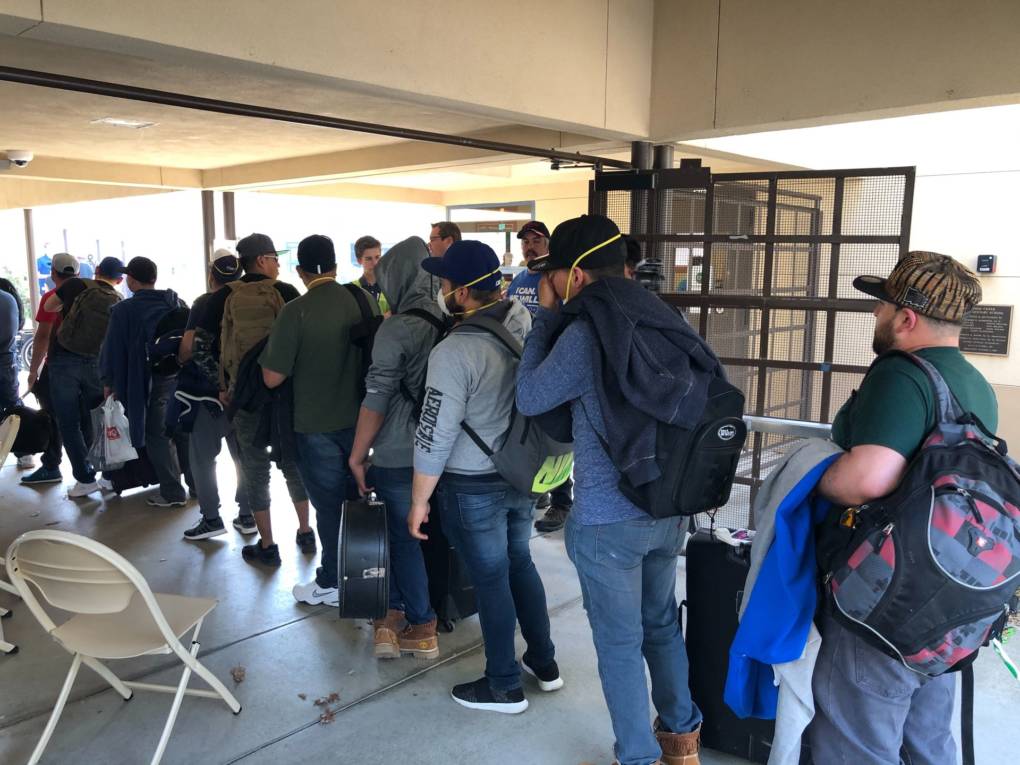
"caption": "Farmworkers line up to register at an evacuation site at the Healdsburg Community Center on Oct. 24, 2019.",
"description": null,
"title": "RS39799_Image from iOS-qut",
"credit": "Tiffany Camhi/KQED",
"status": "inherit",
"isLoading": false,
"fetchFailed": false
},
"news_11781801": {
"type": "attachments",
"id": "news_11781801",
"meta": {
"index": "attachments_1716263798",
"site": "news",
"id": "11781801",
"found": true
},
"parent": 11778033,
"imgSizes": {
"apple_news_ca_landscape_5_5": {
"file": "https://ww2.kqed.org/app/uploads/sites/10/2019/10/IMG_7077-1-1044x783.jpg",
"width": 1044,
"mimeType": "image/jpeg",
"height": 783
},
"apple_news_ca_square_4_0": {
"file": "https://ww2.kqed.org/app/uploads/sites/10/2019/10/IMG_7077-1-470x470.jpg",
"width": 470,
"mimeType": "image/jpeg",
"height": 470
},
"twentyfourteen-full-width": {
"file": "https://ww2.kqed.org/app/uploads/sites/10/2019/10/IMG_7077-1-1038x576.jpg",
"width": 1038,
"mimeType": "image/jpeg",
"height": 576
},
"thumbnail": {
"file": "https://ww2.kqed.org/app/uploads/sites/10/2019/10/IMG_7077-1-160x120.jpg",
"width": 160,
"mimeType": "image/jpeg",
"height": 120
},
"post-thumbnail": {
"file": "https://ww2.kqed.org/app/uploads/sites/10/2019/10/IMG_7077-1-672x372.jpg",
"width": 672,
"mimeType": "image/jpeg",
"height": 372
},
"kqedFullSize": {
"file": "https://ww2.kqed.org/app/uploads/sites/10/2019/10/IMG_7077-1-e1571854504431.jpg",
"width": 1920,
"height": 1440
},
"apple_news_ca_landscape_4_7": {
"file": "https://ww2.kqed.org/app/uploads/sites/10/2019/10/IMG_7077-1-632x474.jpg",
"width": 632,
"mimeType": "image/jpeg",
"height": 474
},
"large": {
"file": "https://ww2.kqed.org/app/uploads/sites/10/2019/10/IMG_7077-1-1020x765.jpg",
"width": 1020,
"mimeType": "image/jpeg",
"height": 765
},
"complete_open_graph": {
"file": "https://ww2.kqed.org/app/uploads/sites/10/2019/10/IMG_7077-1-1200x900.jpg",
"width": 1200,
"mimeType": "image/jpeg",
"height": 900
},
"apple_news_ca_landscape_4_0": {
"file": "https://ww2.kqed.org/app/uploads/sites/10/2019/10/IMG_7077-1-536x402.jpg",
"width": 536,
"mimeType": "image/jpeg",
"height": 402
},
"apple_news_ca_portrait_12_9": {
"file": "https://ww2.kqed.org/app/uploads/sites/10/2019/10/IMG_7077-1-1122x1496.jpg",
"width": 1122,
"mimeType": "image/jpeg",
"height": 1496
},
"medium": {
"file": "https://ww2.kqed.org/app/uploads/sites/10/2019/10/IMG_7077-1-800x600.jpg",
"width": 800,
"mimeType": "image/jpeg",
"height": 600
},
"apple_news_ca_portrait_4_0": {
"file": "https://ww2.kqed.org/app/uploads/sites/10/2019/10/IMG_7077-1-354x472.jpg",
"width": 354,
"mimeType": "image/jpeg",
"height": 472
},
"apple_news_ca_portrait_9_7": {
"file": "https://ww2.kqed.org/app/uploads/sites/10/2019/10/IMG_7077-1-840x1120.jpg",
"width": 840,
"mimeType": "image/jpeg",
"height": 1120
},
"apple_news_ca_landscape_12_9": {
"file": "https://ww2.kqed.org/app/uploads/sites/10/2019/10/IMG_7077-1-1832x1374.jpg",
"width": 1832,
"mimeType": "image/jpeg",
"height": 1374
},
"apple_news_ca_square_9_7": {
"file": "https://ww2.kqed.org/app/uploads/sites/10/2019/10/IMG_7077-1-1104x1104.jpg",
"width": 1104,
"mimeType": "image/jpeg",
"height": 1104
},
"apple_news_ca_portrait_4_7": {
"file": "https://ww2.kqed.org/app/uploads/sites/10/2019/10/IMG_7077-1-414x552.jpg",
"width": 414,
"mimeType": "image/jpeg",
"height": 552
},
"apple_news_ca_square_12_9": {
"file": "https://ww2.kqed.org/app/uploads/sites/10/2019/10/IMG_7077-1-1472x1472.jpg",
"width": 1472,
"mimeType": "image/jpeg",
"height": 1472
},
"apple_news_ca_portrait_5_5": {
"file": "https://ww2.kqed.org/app/uploads/sites/10/2019/10/IMG_7077-1-687x916.jpg",
"width": 687,
"mimeType": "image/jpeg",
"height": 916
},
"full-width": {
"file": "https://ww2.kqed.org/app/uploads/sites/10/2019/10/IMG_7077-1-1920x1440.jpg",
"width": 1920,
"mimeType": "image/jpeg",
"height": 1440
},
"apple_news_ca_square_4_7": {
"file": "https://ww2.kqed.org/app/uploads/sites/10/2019/10/IMG_7077-1-550x550.jpg",
"width": 550,
"mimeType": "image/jpeg",
"height": 550
},
"apple_news_ca_landscape_9_7": {
"file": "https://ww2.kqed.org/app/uploads/sites/10/2019/10/IMG_7077-1-1376x1032.jpg",
"width": 1376,
"mimeType": "image/jpeg",
"height": 1032
},
"apple_news_ca_square_5_5": {
"file": "https://ww2.kqed.org/app/uploads/sites/10/2019/10/IMG_7077-1-912x912.jpg",
"width": 912,
"mimeType": "image/jpeg",
"height": 912
}
},
"publishDate": 1571780843,
"modified": 1571854494,
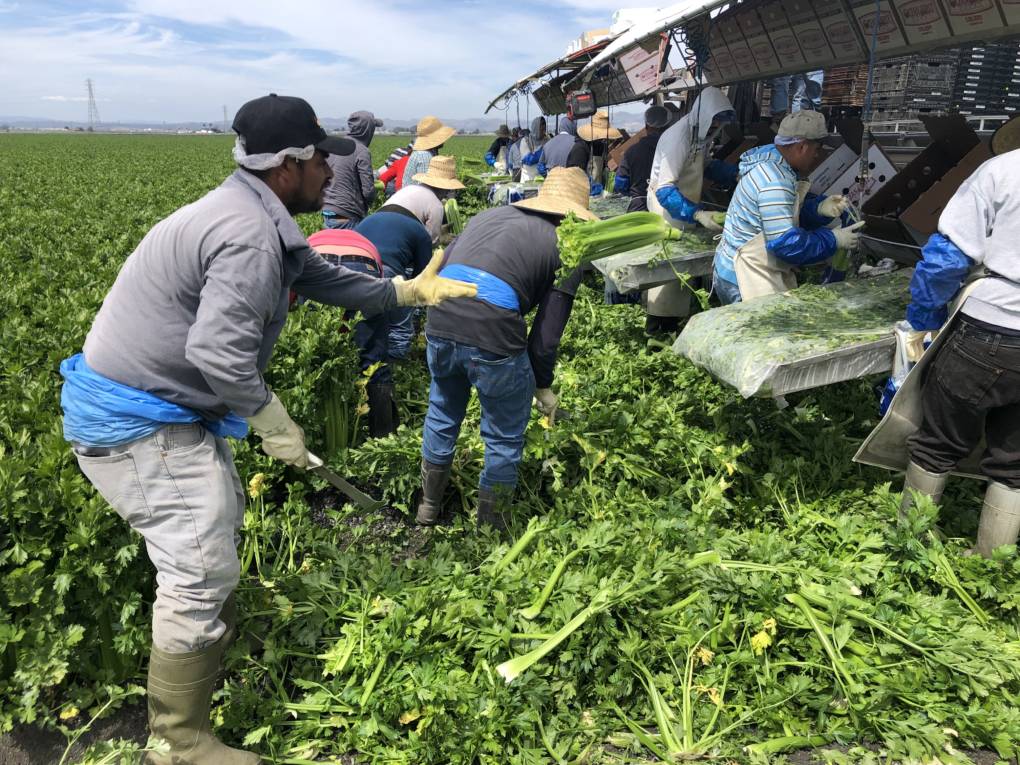
"caption": "A crew of migrant farmworkers harvest celery just outside Salinas. ",
"description": "A crew of migrant farmworkers harvest celery just outside Salinas. ",
"title": "IMG_7077",
"credit": "Alex Hall/KQED",
"status": "inherit",
"isLoading": false,
"fetchFailed": false
},
"news_11780792": {
"type": "attachments",
"id": "news_11780792",
"meta": {
"index": "attachments_1716263798",
"site": "news",
"id": "11780792",
"found": true
},
"parent": 11780752,
"imgSizes": {
"apple_news_ca_landscape_5_5": {
"file": "https://ww2.kqed.org/app/uploads/sites/10/2019/10/RS18893_GettyImages-453973236-1044x783.jpg",
"width": 1044,
"mimeType": "image/jpeg",
"height": 783
},
"apple_news_ca_square_4_0": {
"file": "https://ww2.kqed.org/app/uploads/sites/10/2019/10/RS18893_GettyImages-453973236-470x470.jpg",
"width": 470,
"mimeType": "image/jpeg",
"height": 470
},
"twentyfourteen-full-width": {
"file": "https://ww2.kqed.org/app/uploads/sites/10/2019/10/RS18893_GettyImages-453973236-1038x576.jpg",
"width": 1038,
"mimeType": "image/jpeg",
"height": 576
},
"thumbnail": {
"file": "https://ww2.kqed.org/app/uploads/sites/10/2019/10/RS18893_GettyImages-453973236-160x106.jpg",
"width": 160,
"mimeType": "image/jpeg",
"height": 106
},
"post-thumbnail": {
"file": "https://ww2.kqed.org/app/uploads/sites/10/2019/10/RS18893_GettyImages-453973236-672x372.jpg",
"width": 672,
"mimeType": "image/jpeg",
"height": 372
},
"kqedFullSize": {
"file": "https://ww2.kqed.org/app/uploads/sites/10/2019/10/RS18893_GettyImages-453973236-e1571349162302.jpg",
"width": 1920,
"height": 1274
},
"apple_news_ca_landscape_4_7": {
"file": "https://ww2.kqed.org/app/uploads/sites/10/2019/10/RS18893_GettyImages-453973236-632x474.jpg",
"width": 632,
"mimeType": "image/jpeg",
"height": 474
},
"large": {
"file": "https://ww2.kqed.org/app/uploads/sites/10/2019/10/RS18893_GettyImages-453973236-1020x677.jpg",
"width": 1020,
"mimeType": "image/jpeg",
"height": 677
},
"complete_open_graph": {
"file": "https://ww2.kqed.org/app/uploads/sites/10/2019/10/RS18893_GettyImages-453973236-1200x796.jpg",
"width": 1200,
"mimeType": "image/jpeg",
"height": 796
},
"apple_news_ca_landscape_4_0": {
"file": "https://ww2.kqed.org/app/uploads/sites/10/2019/10/RS18893_GettyImages-453973236-536x402.jpg",
"width": 536,
"mimeType": "image/jpeg",
"height": 402
},
"apple_news_ca_portrait_12_9": {
"file": "https://ww2.kqed.org/app/uploads/sites/10/2019/10/RS18893_GettyImages-453973236-1122x1496.jpg",
"width": 1122,
"mimeType": "image/jpeg",
"height": 1496
},
"medium": {
"file": "https://ww2.kqed.org/app/uploads/sites/10/2019/10/RS18893_GettyImages-453973236-800x531.jpg",
"width": 800,
"mimeType": "image/jpeg",
"height": 531
},
"apple_news_ca_portrait_4_0": {
"file": "https://ww2.kqed.org/app/uploads/sites/10/2019/10/RS18893_GettyImages-453973236-354x472.jpg",
"width": 354,
"mimeType": "image/jpeg",
"height": 472
},
"apple_news_ca_portrait_9_7": {
"file": "https://ww2.kqed.org/app/uploads/sites/10/2019/10/RS18893_GettyImages-453973236-840x1120.jpg",
"width": 840,
"mimeType": "image/jpeg",
"height": 1120
},
"apple_news_ca_landscape_12_9": {
"file": "https://ww2.kqed.org/app/uploads/sites/10/2019/10/RS18893_GettyImages-453973236-1832x1374.jpg",
"width": 1832,
"mimeType": "image/jpeg",
"height": 1374
},
"apple_news_ca_square_9_7": {
"file": "https://ww2.kqed.org/app/uploads/sites/10/2019/10/RS18893_GettyImages-453973236-1104x1104.jpg",
"width": 1104,
"mimeType": "image/jpeg",
"height": 1104
},
"apple_news_ca_portrait_4_7": {
"file": "https://ww2.kqed.org/app/uploads/sites/10/2019/10/RS18893_GettyImages-453973236-414x552.jpg",
"width": 414,
"mimeType": "image/jpeg",
"height": 552
},
"apple_news_ca_square_12_9": {
"file": "https://ww2.kqed.org/app/uploads/sites/10/2019/10/RS18893_GettyImages-453973236-1472x1472.jpg",
"width": 1472,
"mimeType": "image/jpeg",
"height": 1472
},
"apple_news_ca_portrait_5_5": {
"file": "https://ww2.kqed.org/app/uploads/sites/10/2019/10/RS18893_GettyImages-453973236-687x916.jpg",
"width": 687,
"mimeType": "image/jpeg",
"height": 916
},
"full-width": {
"file": "https://ww2.kqed.org/app/uploads/sites/10/2019/10/RS18893_GettyImages-453973236-1920x1274.jpg",
"width": 1920,
"mimeType": "image/jpeg",
"height": 1274
},
"apple_news_ca_square_4_7": {
"file": "https://ww2.kqed.org/app/uploads/sites/10/2019/10/RS18893_GettyImages-453973236-550x550.jpg",
"width": 550,
"mimeType": "image/jpeg",
"height": 550
},
"apple_news_ca_landscape_9_7": {
"file": "https://ww2.kqed.org/app/uploads/sites/10/2019/10/RS18893_GettyImages-453973236-1376x1032.jpg",
"width": 1376,
"mimeType": "image/jpeg",
"height": 1032
},
"apple_news_ca_square_5_5": {
"file": "https://ww2.kqed.org/app/uploads/sites/10/2019/10/RS18893_GettyImages-453973236-912x912.jpg",
"width": 912,
"mimeType": "image/jpeg",
"height": 912
}
},
"publishDate": 1571341488,
"modified": 1585093562,
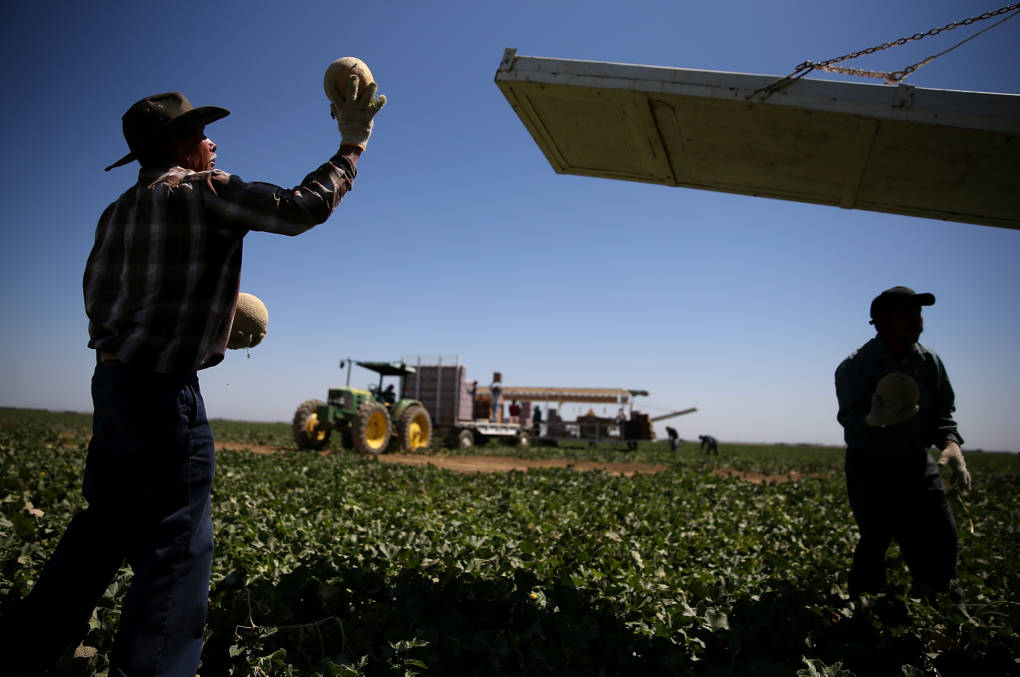
"caption": "A worker harvests cantaloupes on a farm near Firebaugh, California, on August 22, 2014.",
"description": "A worker harvests cantaloupes on a farm near Firebaugh, California, on August 22, 2014.",
"title": "California Central Valley Farming Communities Struggle With Drought",
"credit": "Justin Sullivan/Getty Images",
"status": "inherit",
"isLoading": false,
"fetchFailed": false
},
"news_11042174": {
"type": "attachments",
"id": "news_11042174",
"meta": {
"index": "attachments_1716263798",
"site": "news",
"id": "11042174",
"found": true
},
"parent": 11042061,
"imgSizes": {
"jmtc-small-thumb": {
"file": "https://ww2.kqed.org/app/uploads/sites/10/2016/08/Screenshot-2016-08-05-09.33.35-280x150.png",
"width": 280,
"mimeType": "image/png",
"height": 150
},
"thumbnail": {
"file": "https://ww2.kqed.org/app/uploads/sites/10/2016/08/Screenshot-2016-08-05-09.33.35-400x225.png",
"width": 400,
"mimeType": "image/png",
"height": 225
},
"post-thumbnail": {
"file": "https://ww2.kqed.org/app/uploads/sites/10/2016/08/Screenshot-2016-08-05-09.33.35-672x372.png",
"width": 672,
"mimeType": "image/png",
"height": 372
},
"kqedFullSize": {
"file": "https://ww2.kqed.org/app/uploads/sites/10/2016/08/Screenshot-2016-08-05-09.33.35.png",
"width": 935,
"height": 525
},
"guest-author-50": {
"file": "https://ww2.kqed.org/app/uploads/sites/10/2016/08/Screenshot-2016-08-05-09.33.35-50x50.png",
"width": 50,
"mimeType": "image/png",
"height": 50
},
"guest-author-96": {
"file": "https://ww2.kqed.org/app/uploads/sites/10/2016/08/Screenshot-2016-08-05-09.33.35-96x96.png",
"width": 96,
"mimeType": "image/png",
"height": 96
},
"medium": {
"file": "https://ww2.kqed.org/app/uploads/sites/10/2016/08/Screenshot-2016-08-05-09.33.35-800x449.png",
"width": 800,
"mimeType": "image/png",
"height": 449
},
"guest-author-64": {
"file": "https://ww2.kqed.org/app/uploads/sites/10/2016/08/Screenshot-2016-08-05-09.33.35-64x64.png",
"width": 64,
"mimeType": "image/png",
"height": 64
},
"detail": {
"file": "https://ww2.kqed.org/app/uploads/sites/10/2016/08/Screenshot-2016-08-05-09.33.35-150x150.png",
"width": 150,
"mimeType": "image/png",
"height": 150
},
"guest-author-32": {
"file": "https://ww2.kqed.org/app/uploads/sites/10/2016/08/Screenshot-2016-08-05-09.33.35-32x32.png",
"width": 32,
"mimeType": "image/png",
"height": 32
},
"guest-author-128": {
"file": "https://ww2.kqed.org/app/uploads/sites/10/2016/08/Screenshot-2016-08-05-09.33.35-128x128.png",
"width": 128,
"mimeType": "image/png",
"height": 128
}
},
"publishDate": 1470414862,
"modified": 1571266750,
"caption": "Robert Reagan, 35, of Fresno County, died July 26, 2016, when his bulldozer overturned while trying to access a proposed fire line near Big Sur in the course of fighting the Soberanes Fire.",
"description": "Robert Reagan, 35, of Fresno County, died July 26, 2016, when his bulldozer overturned while trying to access a proposed fire line near Big Sur in the course of fighting the Soberanes Fire.",
"title": "Soberanes Bulldozer",
"credit": "Cal Fire",
"status": "inherit",
"isLoading": false,
"fetchFailed": false
},
"news_11780367": {
"type": "attachments",
"id": "news_11780367",
"meta": {
"index": "attachments_1716263798",
"site": "news",
"id": "11780367",
"found": true
},
"parent": 11780059,
"imgSizes": {
"apple_news_ca_landscape_5_5": {
"file": "https://ww2.kqed.org/app/uploads/sites/10/2019/10/RS14857_IMG_0439.JPG-qut-1044x783.jpg",
"width": 1044,
"mimeType": "image/jpeg",
"height": 783
},
"apple_news_ca_square_4_0": {
"file": "https://ww2.kqed.org/app/uploads/sites/10/2019/10/RS14857_IMG_0439.JPG-qut-470x470.jpg",
"width": 470,
"mimeType": "image/jpeg",
"height": 470
},
"twentyfourteen-full-width": {
"file": "https://ww2.kqed.org/app/uploads/sites/10/2019/10/RS14857_IMG_0439.JPG-qut-1038x576.jpg",
"width": 1038,
"mimeType": "image/jpeg",
"height": 576
},
"thumbnail": {
"file": "https://ww2.kqed.org/app/uploads/sites/10/2019/10/RS14857_IMG_0439.JPG-qut-160x120.jpg",
"width": 160,
"mimeType": "image/jpeg",
"height": 120
},
"post-thumbnail": {
"file": "https://ww2.kqed.org/app/uploads/sites/10/2019/10/RS14857_IMG_0439.JPG-qut-672x372.jpg",
"width": 672,
"mimeType": "image/jpeg",
"height": 372
},
"kqedFullSize": {
"file": "https://ww2.kqed.org/app/uploads/sites/10/2019/10/RS14857_IMG_0439.JPG-qut.jpg",
"width": 1920,
"height": 1440
},
"apple_news_ca_landscape_4_7": {
"file": "https://ww2.kqed.org/app/uploads/sites/10/2019/10/RS14857_IMG_0439.JPG-qut-632x474.jpg",
"width": 632,
"mimeType": "image/jpeg",
"height": 474
},
"large": {
"file": "https://ww2.kqed.org/app/uploads/sites/10/2019/10/RS14857_IMG_0439.JPG-qut-1020x765.jpg",
"width": 1020,
"mimeType": "image/jpeg",
"height": 765
},
"complete_open_graph": {
"file": "https://ww2.kqed.org/app/uploads/sites/10/2019/10/RS14857_IMG_0439.JPG-qut-1200x900.jpg",
"width": 1200,
"mimeType": "image/jpeg",
"height": 900
},
"apple_news_ca_landscape_4_0": {
"file": "https://ww2.kqed.org/app/uploads/sites/10/2019/10/RS14857_IMG_0439.JPG-qut-536x402.jpg",
"width": 536,
"mimeType": "image/jpeg",
"height": 402
},
"apple_news_ca_portrait_12_9": {
"file": "https://ww2.kqed.org/app/uploads/sites/10/2019/10/RS14857_IMG_0439.JPG-qut-1122x1440.jpg",
"width": 1122,
"mimeType": "image/jpeg",
"height": 1440
},
"medium": {
"file": "https://ww2.kqed.org/app/uploads/sites/10/2019/10/RS14857_IMG_0439.JPG-qut-800x600.jpg",
"width": 800,
"mimeType": "image/jpeg",
"height": 600
},
"apple_news_ca_portrait_4_0": {
"file": "https://ww2.kqed.org/app/uploads/sites/10/2019/10/RS14857_IMG_0439.JPG-qut-354x472.jpg",
"width": 354,
"mimeType": "image/jpeg",
"height": 472
},
"apple_news_ca_portrait_9_7": {
"file": "https://ww2.kqed.org/app/uploads/sites/10/2019/10/RS14857_IMG_0439.JPG-qut-840x1120.jpg",
"width": 840,
"mimeType": "image/jpeg",
"height": 1120
},
"apple_news_ca_landscape_12_9": {
"file": "https://ww2.kqed.org/app/uploads/sites/10/2019/10/RS14857_IMG_0439.JPG-qut-1832x1374.jpg",
"width": 1832,
"mimeType": "image/jpeg",
"height": 1374
},
"apple_news_ca_square_9_7": {
"file": "https://ww2.kqed.org/app/uploads/sites/10/2019/10/RS14857_IMG_0439.JPG-qut-1104x1104.jpg",
"width": 1104,
"mimeType": "image/jpeg",
"height": 1104
},
"apple_news_ca_portrait_4_7": {
"file": "https://ww2.kqed.org/app/uploads/sites/10/2019/10/RS14857_IMG_0439.JPG-qut-414x552.jpg",
"width": 414,
"mimeType": "image/jpeg",
"height": 552
},
"apple_news_ca_square_12_9": {
"file": "https://ww2.kqed.org/app/uploads/sites/10/2019/10/RS14857_IMG_0439.JPG-qut-1472x1440.jpg",
"width": 1472,
"mimeType": "image/jpeg",
"height": 1440
},
"apple_news_ca_portrait_5_5": {
"file": "https://ww2.kqed.org/app/uploads/sites/10/2019/10/RS14857_IMG_0439.JPG-qut-687x916.jpg",
"width": 687,
"mimeType": "image/jpeg",
"height": 916
},
"full-width": {
"file": "https://ww2.kqed.org/app/uploads/sites/10/2019/10/RS14857_IMG_0439.JPG-qut-1920x1440.jpg",
"width": 1920,
"mimeType": "image/jpeg",
"height": 1440
},
"apple_news_ca_square_4_7": {
"file": "https://ww2.kqed.org/app/uploads/sites/10/2019/10/RS14857_IMG_0439.JPG-qut-550x550.jpg",
"width": 550,
"mimeType": "image/jpeg",
"height": 550
},
"apple_news_ca_landscape_9_7": {
"file": "https://ww2.kqed.org/app/uploads/sites/10/2019/10/RS14857_IMG_0439.JPG-qut-1376x1032.jpg",
"width": 1376,
"mimeType": "image/jpeg",
"height": 1032
},
"apple_news_ca_square_5_5": {
"file": "https://ww2.kqed.org/app/uploads/sites/10/2019/10/RS14857_IMG_0439.JPG-qut-912x912.jpg",
"width": 912,
"mimeType": "image/jpeg",
"height": 912
}
},
"publishDate": 1571204210,
"modified": 1571204357,
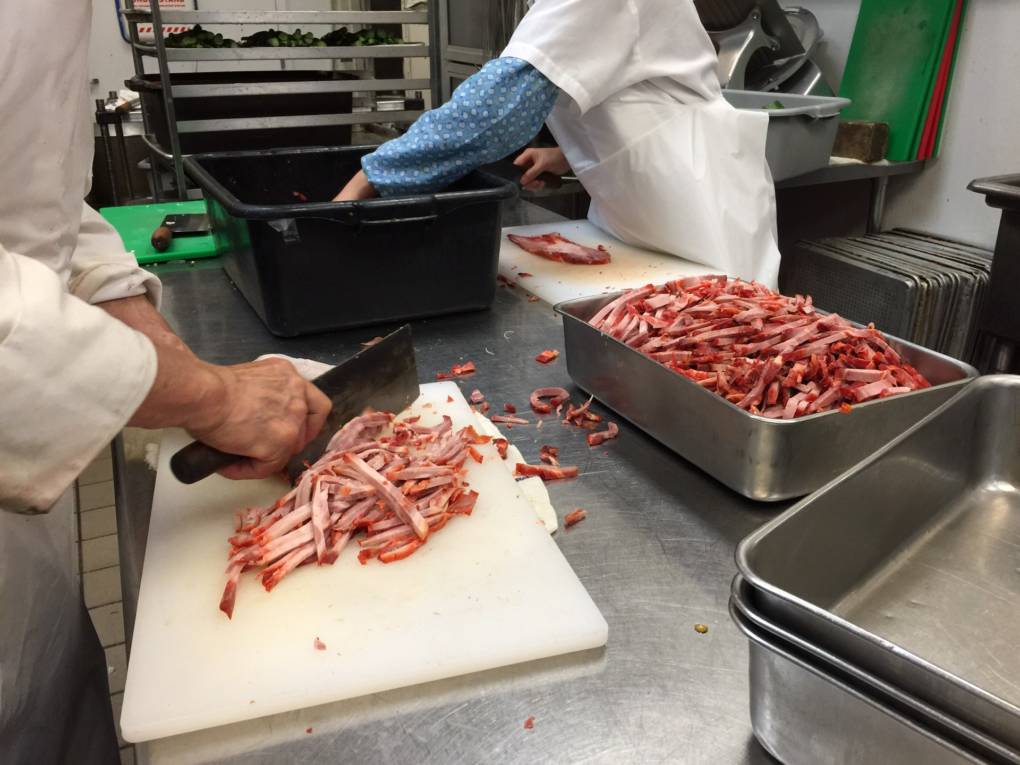
"caption": "Prep chefs in the kitchen at Yank Sing dim sum restaurant in San Francisco's Financial District, where workers won a $4 million wage theft settlement in 2014.",
"description": null,
"title": "RS14857_IMG_0439.JPG-qut",
"credit": "Vinnee Tong/KQED",
"status": "inherit",
"isLoading": false,
"fetchFailed": false
},
"news_11777163": {
"type": "attachments",
"id": "news_11777163",
"meta": {
"index": "attachments_1716263798",
"site": "news",
"id": "11777163",
"found": true
},
"parent": 11776602,
"imgSizes": {
"apple_news_ca_landscape_5_5": {
"file": "https://ww2.kqed.org/app/uploads/sites/10/2019/09/ElderlyWoman-1044x783.jpg",
"width": 1044,
"mimeType": "image/jpeg",
"height": 783
},
"apple_news_ca_square_4_0": {
"file": "https://ww2.kqed.org/app/uploads/sites/10/2019/09/ElderlyWoman-470x470.jpg",
"width": 470,
"mimeType": "image/jpeg",
"height": 470
},
"twentyfourteen-full-width": {
"file": "https://ww2.kqed.org/app/uploads/sites/10/2019/09/ElderlyWoman-1038x576.jpg",
"width": 1038,
"mimeType": "image/jpeg",
"height": 576
},
"thumbnail": {
"file": "https://ww2.kqed.org/app/uploads/sites/10/2019/09/ElderlyWoman-160x107.jpg",
"width": 160,
"mimeType": "image/jpeg",
"height": 107
},
"post-thumbnail": {
"file": "https://ww2.kqed.org/app/uploads/sites/10/2019/09/ElderlyWoman-672x372.jpg",
"width": 672,
"mimeType": "image/jpeg",
"height": 372
},
"kqedFullSize": {
"file": "https://ww2.kqed.org/app/uploads/sites/10/2019/09/ElderlyWoman.jpg",
"width": 1920,
"height": 1280
},
"apple_news_ca_landscape_4_7": {
"file": "https://ww2.kqed.org/app/uploads/sites/10/2019/09/ElderlyWoman-632x474.jpg",
"width": 632,
"mimeType": "image/jpeg",
"height": 474
},
"large": {
"file": "https://ww2.kqed.org/app/uploads/sites/10/2019/09/ElderlyWoman-1020x680.jpg",
"width": 1020,
"mimeType": "image/jpeg",
"height": 680
},
"complete_open_graph": {
"file": "https://ww2.kqed.org/app/uploads/sites/10/2019/09/ElderlyWoman-1200x800.jpg",
"width": 1200,
"mimeType": "image/jpeg",
"height": 800
},
"apple_news_ca_landscape_4_0": {
"file": "https://ww2.kqed.org/app/uploads/sites/10/2019/09/ElderlyWoman-536x402.jpg",
"width": 536,
"mimeType": "image/jpeg",
"height": 402
},
"apple_news_ca_portrait_12_9": {
"file": "https://ww2.kqed.org/app/uploads/sites/10/2019/09/ElderlyWoman-1122x1280.jpg",
"width": 1122,
"mimeType": "image/jpeg",
"height": 1280
},
"medium": {
"file": "https://ww2.kqed.org/app/uploads/sites/10/2019/09/ElderlyWoman-800x533.jpg",
"width": 800,
"mimeType": "image/jpeg",
"height": 533
},
"apple_news_ca_portrait_4_0": {
"file": "https://ww2.kqed.org/app/uploads/sites/10/2019/09/ElderlyWoman-354x472.jpg",
"width": 354,
"mimeType": "image/jpeg",
"height": 472
},
"apple_news_ca_portrait_9_7": {
"file": "https://ww2.kqed.org/app/uploads/sites/10/2019/09/ElderlyWoman-840x1120.jpg",
"width": 840,
"mimeType": "image/jpeg",
"height": 1120
},
"apple_news_ca_landscape_12_9": {
"file": "https://ww2.kqed.org/app/uploads/sites/10/2019/09/ElderlyWoman-1832x1280.jpg",
"width": 1832,
"mimeType": "image/jpeg",
"height": 1280
},
"apple_news_ca_square_9_7": {
"file": "https://ww2.kqed.org/app/uploads/sites/10/2019/09/ElderlyWoman-1104x1104.jpg",
"width": 1104,
"mimeType": "image/jpeg",
"height": 1104
},
"apple_news_ca_portrait_4_7": {
"file": "https://ww2.kqed.org/app/uploads/sites/10/2019/09/ElderlyWoman-414x552.jpg",
"width": 414,
"mimeType": "image/jpeg",
"height": 552
},
"apple_news_ca_square_12_9": {
"file": "https://ww2.kqed.org/app/uploads/sites/10/2019/09/ElderlyWoman-1472x1280.jpg",
"width": 1472,
"mimeType": "image/jpeg",
"height": 1280
},
"apple_news_ca_portrait_5_5": {
"file": "https://ww2.kqed.org/app/uploads/sites/10/2019/09/ElderlyWoman-687x916.jpg",
"width": 687,
"mimeType": "image/jpeg",
"height": 916
},
"full-width": {
"file": "https://ww2.kqed.org/app/uploads/sites/10/2019/09/ElderlyWoman-1920x1280.jpg",
"width": 1920,
"mimeType": "image/jpeg",
"height": 1280
},
"apple_news_ca_square_4_7": {
"file": "https://ww2.kqed.org/app/uploads/sites/10/2019/09/ElderlyWoman-550x550.jpg",
"width": 550,
"mimeType": "image/jpeg",
"height": 550
},
"apple_news_ca_landscape_9_7": {
"file": "https://ww2.kqed.org/app/uploads/sites/10/2019/09/ElderlyWoman-1376x1032.jpg",
"width": 1376,
"mimeType": "image/jpeg",
"height": 1032
},
"apple_news_ca_square_5_5": {
"file": "https://ww2.kqed.org/app/uploads/sites/10/2019/09/ElderlyWoman-912x912.jpg",
"width": 912,
"mimeType": "image/jpeg",
"height": 912
}
},
"publishDate": 1569630657,
"modified": 1569630718,
"caption": "Elderly Californians who live in homes without air conditioning are at risk from rising temperatures.",
"description": "Elderly Californians who live in homes without air conditioning are at risk from rising temperatures.",
"title": "ElderlyWoman",
"credit": "Getty Images",
"status": "inherit",
"isLoading": false,
"fetchFailed": false
},
"news_11776871": {
"type": "attachments",
"id": "news_11776871",
"meta": {
"index": "attachments_1716263798",
"site": "news",
"id": "11776871",
"found": true
},
"parent": 11776854,
"imgSizes": {
"apple_news_ca_landscape_5_5": {
"file": "https://ww2.kqed.org/app/uploads/sites/10/2019/09/GGT_TMC_RTS-1044x783.jpg",
"width": 1044,
"mimeType": "image/jpeg",
"height": 783
},
"apple_news_ca_square_4_0": {
"file": "https://ww2.kqed.org/app/uploads/sites/10/2019/09/GGT_TMC_RTS-470x470.jpg",
"width": 470,
"mimeType": "image/jpeg",
"height": 470
},
"twentyfourteen-full-width": {
"file": "https://ww2.kqed.org/app/uploads/sites/10/2019/09/GGT_TMC_RTS-1038x576.jpg",
"width": 1038,
"mimeType": "image/jpeg",
"height": 576
},
"thumbnail": {
"file": "https://ww2.kqed.org/app/uploads/sites/10/2019/09/GGT_TMC_RTS-160x120.jpg",
"width": 160,
"mimeType": "image/jpeg",
"height": 120
},
"post-thumbnail": {
"file": "https://ww2.kqed.org/app/uploads/sites/10/2019/09/GGT_TMC_RTS-672x372.jpg",
"width": 672,
"mimeType": "image/jpeg",
"height": 372
},
"kqedFullSize": {
"file": "https://ww2.kqed.org/app/uploads/sites/10/2019/09/GGT_TMC_RTS-e1569535657534.jpg",
"width": 1920,
"height": 1440
},
"apple_news_ca_landscape_4_7": {
"file": "https://ww2.kqed.org/app/uploads/sites/10/2019/09/GGT_TMC_RTS-632x474.jpg",
"width": 632,
"mimeType": "image/jpeg",
"height": 474
},
"large": {
"file": "https://ww2.kqed.org/app/uploads/sites/10/2019/09/GGT_TMC_RTS-1020x765.jpg",
"width": 1020,
"mimeType": "image/jpeg",
"height": 765
},
"complete_open_graph": {
"file": "https://ww2.kqed.org/app/uploads/sites/10/2019/09/GGT_TMC_RTS-1200x900.jpg",
"width": 1200,
"mimeType": "image/jpeg",
"height": 900
},
"apple_news_ca_landscape_4_0": {
"file": "https://ww2.kqed.org/app/uploads/sites/10/2019/09/GGT_TMC_RTS-536x402.jpg",
"width": 536,
"mimeType": "image/jpeg",
"height": 402
},
"apple_news_ca_portrait_12_9": {
"file": "https://ww2.kqed.org/app/uploads/sites/10/2019/09/GGT_TMC_RTS-1122x1496.jpg",
"width": 1122,
"mimeType": "image/jpeg",
"height": 1496
},
"medium": {
"file": "https://ww2.kqed.org/app/uploads/sites/10/2019/09/GGT_TMC_RTS-800x600.jpg",
"width": 800,
"mimeType": "image/jpeg",
"height": 600
},
"apple_news_ca_portrait_4_0": {
"file": "https://ww2.kqed.org/app/uploads/sites/10/2019/09/GGT_TMC_RTS-354x472.jpg",
"width": 354,
"mimeType": "image/jpeg",
"height": 472
},
"apple_news_ca_portrait_9_7": {
"file": "https://ww2.kqed.org/app/uploads/sites/10/2019/09/GGT_TMC_RTS-840x1120.jpg",
"width": 840,
"mimeType": "image/jpeg",
"height": 1120
},
"apple_news_ca_landscape_12_9": {
"file": "https://ww2.kqed.org/app/uploads/sites/10/2019/09/GGT_TMC_RTS-1832x1374.jpg",
"width": 1832,
"mimeType": "image/jpeg",
"height": 1374
},
"apple_news_ca_square_9_7": {
"file": "https://ww2.kqed.org/app/uploads/sites/10/2019/09/GGT_TMC_RTS-1104x1104.jpg",
"width": 1104,
"mimeType": "image/jpeg",
"height": 1104
},
"apple_news_ca_portrait_4_7": {
"file": "https://ww2.kqed.org/app/uploads/sites/10/2019/09/GGT_TMC_RTS-414x552.jpg",
"width": 414,
"mimeType": "image/jpeg",
"height": 552
},
"apple_news_ca_square_12_9": {
"file": "https://ww2.kqed.org/app/uploads/sites/10/2019/09/GGT_TMC_RTS-1472x1472.jpg",
"width": 1472,
"mimeType": "image/jpeg",
"height": 1472
},
"apple_news_ca_portrait_5_5": {
"file": "https://ww2.kqed.org/app/uploads/sites/10/2019/09/GGT_TMC_RTS-687x916.jpg",
"width": 687,
"mimeType": "image/jpeg",
"height": 916
},
"full-width": {
"file": "https://ww2.kqed.org/app/uploads/sites/10/2019/09/GGT_TMC_RTS-1920x1440.jpg",
"width": 1920,
"mimeType": "image/jpeg",
"height": 1440
},
"apple_news_ca_square_4_7": {
"file": "https://ww2.kqed.org/app/uploads/sites/10/2019/09/GGT_TMC_RTS-550x550.jpg",
"width": 550,
"mimeType": "image/jpeg",
"height": 550
},
"apple_news_ca_landscape_9_7": {
"file": "https://ww2.kqed.org/app/uploads/sites/10/2019/09/GGT_TMC_RTS-1376x1032.jpg",
"width": 1376,
"mimeType": "image/jpeg",
"height": 1032
},
"apple_news_ca_square_5_5": {
"file": "https://ww2.kqed.org/app/uploads/sites/10/2019/09/GGT_TMC_RTS-912x912.jpg",
"width": 912,
"mimeType": "image/jpeg",
"height": 912
}
},
"publishDate": 1569531916,
"modified": 1569535647,
"caption": "A Golden Gate Transit bus. ",
"description": null,
"title": "Golden Gate Transit Bus",
"credit": "DavDaven/Wikimedia Commons",
"status": "inherit",
"isLoading": false,
"fetchFailed": false
},
"news_11773130": {
"type": "attachments",
"id": "news_11773130",
"meta": {
"index": "attachments_1716263798",
"site": "news",
"id": "11773130",
"found": true
},
"parent": 11773127,
"imgSizes": {
"apple_news_ca_landscape_5_5": {
"file": "https://ww2.kqed.org/app/uploads/sites/10/2019/09/Keith-Cooney-photo-1044x783.jpg",
"width": 1044,
"mimeType": "image/jpeg",
"height": 783
},
"apple_news_ca_square_4_0": {
"file": "https://ww2.kqed.org/app/uploads/sites/10/2019/09/Keith-Cooney-photo-470x470.jpg",
"width": 470,
"mimeType": "image/jpeg",
"height": 470
},
"twentyfourteen-full-width": {
"file": "https://ww2.kqed.org/app/uploads/sites/10/2019/09/Keith-Cooney-photo-1038x576.jpg",
"width": 1038,
"mimeType": "image/jpeg",
"height": 576
},
"thumbnail": {
"file": "https://ww2.kqed.org/app/uploads/sites/10/2019/09/Keith-Cooney-photo-160x120.jpg",
"width": 160,
"mimeType": "image/jpeg",
"height": 120
},
"post-thumbnail": {
"file": "https://ww2.kqed.org/app/uploads/sites/10/2019/09/Keith-Cooney-photo-672x372.jpg",
"width": 672,
"mimeType": "image/jpeg",
"height": 372
},
"kqedFullSize": {
"file": "https://ww2.kqed.org/app/uploads/sites/10/2019/09/Keith-Cooney-photo-e1568051969156.jpg",
"width": 1920,
"height": 1440
},
"apple_news_ca_landscape_4_7": {
"file": "https://ww2.kqed.org/app/uploads/sites/10/2019/09/Keith-Cooney-photo-632x474.jpg",
"width": 632,
"mimeType": "image/jpeg",
"height": 474
},
"large": {
"file": "https://ww2.kqed.org/app/uploads/sites/10/2019/09/Keith-Cooney-photo-1020x765.jpg",
"width": 1020,
"mimeType": "image/jpeg",
"height": 765
},
"complete_open_graph": {
"file": "https://ww2.kqed.org/app/uploads/sites/10/2019/09/Keith-Cooney-photo-1200x900.jpg",
"width": 1200,
"mimeType": "image/jpeg",
"height": 900
},
"apple_news_ca_landscape_4_0": {
"file": "https://ww2.kqed.org/app/uploads/sites/10/2019/09/Keith-Cooney-photo-536x402.jpg",
"width": 536,
"mimeType": "image/jpeg",
"height": 402
},
"apple_news_ca_portrait_12_9": {
"file": "https://ww2.kqed.org/app/uploads/sites/10/2019/09/Keith-Cooney-photo-1122x1496.jpg",
"width": 1122,
"mimeType": "image/jpeg",
"height": 1496
},
"medium": {
"file": "https://ww2.kqed.org/app/uploads/sites/10/2019/09/Keith-Cooney-photo-800x600.jpg",
"width": 800,
"mimeType": "image/jpeg",
"height": 600
},
"apple_news_ca_portrait_4_0": {
"file": "https://ww2.kqed.org/app/uploads/sites/10/2019/09/Keith-Cooney-photo-354x472.jpg",
"width": 354,
"mimeType": "image/jpeg",
"height": 472
},
"apple_news_ca_portrait_9_7": {
"file": "https://ww2.kqed.org/app/uploads/sites/10/2019/09/Keith-Cooney-photo-840x1120.jpg",
"width": 840,
"mimeType": "image/jpeg",
"height": 1120
},
"apple_news_ca_landscape_12_9": {
"file": "https://ww2.kqed.org/app/uploads/sites/10/2019/09/Keith-Cooney-photo-1832x1374.jpg",
"width": 1832,
"mimeType": "image/jpeg",
"height": 1374
},
"apple_news_ca_square_9_7": {
"file": "https://ww2.kqed.org/app/uploads/sites/10/2019/09/Keith-Cooney-photo-1104x1104.jpg",
"width": 1104,
"mimeType": "image/jpeg",
"height": 1104
},
"apple_news_ca_portrait_4_7": {
"file": "https://ww2.kqed.org/app/uploads/sites/10/2019/09/Keith-Cooney-photo-414x552.jpg",
"width": 414,
"mimeType": "image/jpeg",
"height": 552
},
"apple_news_ca_square_12_9": {
"file": "https://ww2.kqed.org/app/uploads/sites/10/2019/09/Keith-Cooney-photo-1472x1472.jpg",
"width": 1472,
"mimeType": "image/jpeg",
"height": 1472
},
"apple_news_ca_portrait_5_5": {
"file": "https://ww2.kqed.org/app/uploads/sites/10/2019/09/Keith-Cooney-photo-687x916.jpg",
"width": 687,
"mimeType": "image/jpeg",
"height": 916
},
"full-width": {
"file": "https://ww2.kqed.org/app/uploads/sites/10/2019/09/Keith-Cooney-photo-1920x1440.jpg",
"width": 1920,
"mimeType": "image/jpeg",
"height": 1440
},
"apple_news_ca_square_4_7": {
"file": "https://ww2.kqed.org/app/uploads/sites/10/2019/09/Keith-Cooney-photo-550x550.jpg",
"width": 550,
"mimeType": "image/jpeg",
"height": 550
},
"apple_news_ca_landscape_9_7": {
"file": "https://ww2.kqed.org/app/uploads/sites/10/2019/09/Keith-Cooney-photo-1376x1032.jpg",
"width": 1376,
"mimeType": "image/jpeg",
"height": 1032
},
"apple_news_ca_square_5_5": {
"file": "https://ww2.kqed.org/app/uploads/sites/10/2019/09/Keith-Cooney-photo-912x912.jpg",
"width": 912,
"mimeType": "image/jpeg",
"height": 912
}
},
"publishDate": 1568051943,
"modified": 1568068442,
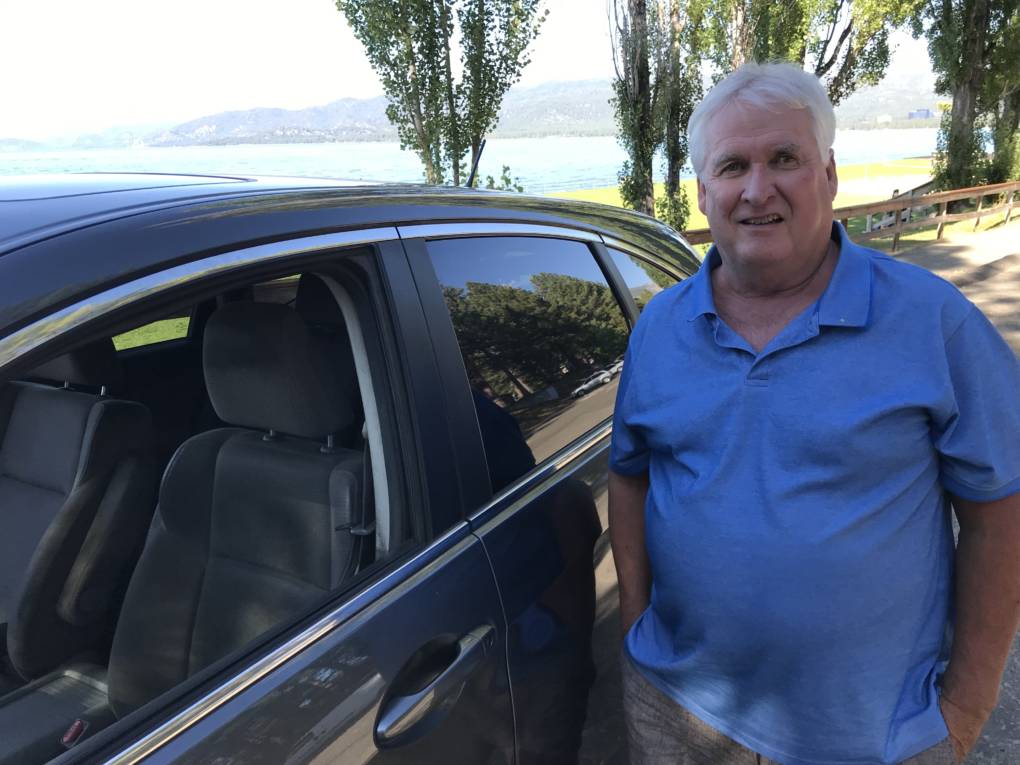
"caption": "Keith Cooney, seen here on Aug. 26, 2019, has been driving for Uber in South Lake Tahoe for more than three years.",
"description": null,
"title": "Keith Cooney photo",
"credit": "David Wagner/KPCC",
"status": "inherit",
"isLoading": false,
"fetchFailed": false
},
"news_11772795": {
"type": "attachments",
"id": "news_11772795",
"meta": {
"index": "attachments_1716263798",
"site": "news",
"id": "11772795",
"found": true
},
"parent": 11772787,
"imgSizes": {
"apple_news_ca_landscape_5_5": {
"file": "https://ww2.kqed.org/app/uploads/sites/10/2019/09/RIDESHARE-DRIVERS-photo-1-1044x783.jpg",
"width": 1044,
"mimeType": "image/jpeg",
"height": 783
},
"apple_news_ca_square_4_0": {
"file": "https://ww2.kqed.org/app/uploads/sites/10/2019/09/RIDESHARE-DRIVERS-photo-1-470x470.jpg",
"width": 470,
"mimeType": "image/jpeg",
"height": 470
},
"twentyfourteen-full-width": {
"file": "https://ww2.kqed.org/app/uploads/sites/10/2019/09/RIDESHARE-DRIVERS-photo-1-1038x576.jpg",
"width": 1038,
"mimeType": "image/jpeg",
"height": 576
},
"thumbnail": {
"file": "https://ww2.kqed.org/app/uploads/sites/10/2019/09/RIDESHARE-DRIVERS-photo-1-160x107.jpg",
"width": 160,
"mimeType": "image/jpeg",
"height": 107
},
"post-thumbnail": {
"file": "https://ww2.kqed.org/app/uploads/sites/10/2019/09/RIDESHARE-DRIVERS-photo-1-672x372.jpg",
"width": 672,
"mimeType": "image/jpeg",
"height": 372
},
"kqedFullSize": {
"file": "https://ww2.kqed.org/app/uploads/sites/10/2019/09/RIDESHARE-DRIVERS-photo-1-e1567814789902.jpg",
"width": 1920,
"height": 1280
},
"apple_news_ca_landscape_4_7": {
"file": "https://ww2.kqed.org/app/uploads/sites/10/2019/09/RIDESHARE-DRIVERS-photo-1-632x474.jpg",
"width": 632,
"mimeType": "image/jpeg",
"height": 474
},
"large": {
"file": "https://ww2.kqed.org/app/uploads/sites/10/2019/09/RIDESHARE-DRIVERS-photo-1-1020x680.jpg",
"width": 1020,
"mimeType": "image/jpeg",
"height": 680
},
"complete_open_graph": {
"file": "https://ww2.kqed.org/app/uploads/sites/10/2019/09/RIDESHARE-DRIVERS-photo-1-1200x800.jpg",
"width": 1200,
"mimeType": "image/jpeg",
"height": 800
},
"apple_news_ca_landscape_4_0": {
"file": "https://ww2.kqed.org/app/uploads/sites/10/2019/09/RIDESHARE-DRIVERS-photo-1-536x402.jpg",
"width": 536,
"mimeType": "image/jpeg",
"height": 402
},
"apple_news_ca_portrait_12_9": {
"file": "https://ww2.kqed.org/app/uploads/sites/10/2019/09/RIDESHARE-DRIVERS-photo-1-1122x1333.jpg",
"width": 1122,
"mimeType": "image/jpeg",
"height": 1333
},
"medium": {
"file": "https://ww2.kqed.org/app/uploads/sites/10/2019/09/RIDESHARE-DRIVERS-photo-1-800x533.jpg",
"width": 800,
"mimeType": "image/jpeg",
"height": 533
},
"apple_news_ca_portrait_4_0": {
"file": "https://ww2.kqed.org/app/uploads/sites/10/2019/09/RIDESHARE-DRIVERS-photo-1-354x472.jpg",
"width": 354,
"mimeType": "image/jpeg",
"height": 472
},
"apple_news_ca_portrait_9_7": {
"file": "https://ww2.kqed.org/app/uploads/sites/10/2019/09/RIDESHARE-DRIVERS-photo-1-840x1120.jpg",
"width": 840,
"mimeType": "image/jpeg",
"height": 1120
},
"apple_news_ca_landscape_12_9": {
"file": "https://ww2.kqed.org/app/uploads/sites/10/2019/09/RIDESHARE-DRIVERS-photo-1-1832x1333.jpg",
"width": 1832,
"mimeType": "image/jpeg",
"height": 1333
},
"apple_news_ca_square_9_7": {
"file": "https://ww2.kqed.org/app/uploads/sites/10/2019/09/RIDESHARE-DRIVERS-photo-1-1104x1104.jpg",
"width": 1104,
"mimeType": "image/jpeg",
"height": 1104
},
"apple_news_ca_portrait_4_7": {
"file": "https://ww2.kqed.org/app/uploads/sites/10/2019/09/RIDESHARE-DRIVERS-photo-1-414x552.jpg",
"width": 414,
"mimeType": "image/jpeg",
"height": 552
},
"apple_news_ca_square_12_9": {
"file": "https://ww2.kqed.org/app/uploads/sites/10/2019/09/RIDESHARE-DRIVERS-photo-1-1472x1333.jpg",
"width": 1472,
"mimeType": "image/jpeg",
"height": 1333
},
"apple_news_ca_portrait_5_5": {
"file": "https://ww2.kqed.org/app/uploads/sites/10/2019/09/RIDESHARE-DRIVERS-photo-1-687x916.jpg",
"width": 687,
"mimeType": "image/jpeg",
"height": 916
},
"full-width": {
"file": "https://ww2.kqed.org/app/uploads/sites/10/2019/09/RIDESHARE-DRIVERS-photo-1-1920x1280.jpg",
"width": 1920,
"mimeType": "image/jpeg",
"height": 1280
},
"apple_news_ca_square_4_7": {
"file": "https://ww2.kqed.org/app/uploads/sites/10/2019/09/RIDESHARE-DRIVERS-photo-1-550x550.jpg",
"width": 550,
"mimeType": "image/jpeg",
"height": 550
},
"apple_news_ca_landscape_9_7": {
"file": "https://ww2.kqed.org/app/uploads/sites/10/2019/09/RIDESHARE-DRIVERS-photo-1-1376x1032.jpg",
"width": 1376,
"mimeType": "image/jpeg",
"height": 1032
},
"apple_news_ca_square_5_5": {
"file": "https://ww2.kqed.org/app/uploads/sites/10/2019/09/RIDESHARE-DRIVERS-photo-1-912x912.jpg",
"width": 912,
"mimeType": "image/jpeg",
"height": 912
}
},
"publishDate": 1567802746,
"modified": 1567814803,
"caption": "A caravan of Uber and Left drivers passes by the capitol Sacramento while honking and waving flags before a rally in support of AB 5, a bill that would change employment classification for on-demand workers such as Lyft and Uber drivers, on August 28, 2019. Drivers caravanned for three days from Los Angeles through the Central Valley and the Bay Area to Sacramento to show their support for the bill.",
"description": "A caravan of Uber and Left drivers passes by the capitol Sacramento while honking and waving flags before a rally in support of AB 5, a bill that would change employment classification for on-demand workers such as Lyft and Uber drivers, on August 28, 2019. Drivers caravanned for three days from Los Angeles through the Central Valley and the Bay Area to Sacramento to show their support for the bill.",
"title": "RIDESHARE DRIVERS photo 1",
"credit": "Anne Wernikoff/CalMatters",
"status": "inherit",
"isLoading": false,
"fetchFailed": false
},
"news_11772401": {
"type": "attachments",
"id": "news_11772401",
"meta": {
"index": "attachments_1716263798",
"site": "news",
"id": "11772401",
"found": true
},
"parent": 11772395,
"imgSizes": {
"apple_news_ca_square_4_0": {
"file": "https://ww2.kqed.org/app/uploads/sites/10/2019/09/SFVets-470x470.jpg",
"width": 470,
"mimeType": "image/jpeg",
"height": 470
},
"twentyfourteen-full-width": {
"file": "https://ww2.kqed.org/app/uploads/sites/10/2019/09/SFVets-1024x576.jpg",
"width": 1024,
"mimeType": "image/jpeg",
"height": 576
},
"thumbnail": {
"file": "https://ww2.kqed.org/app/uploads/sites/10/2019/09/SFVets-160x120.jpg",
"width": 160,
"mimeType": "image/jpeg",
"height": 120
},
"post-thumbnail": {
"file": "https://ww2.kqed.org/app/uploads/sites/10/2019/09/SFVets-672x372.jpg",
"width": 672,
"mimeType": "image/jpeg",
"height": 372
},
"kqedFullSize": {
"file": "https://ww2.kqed.org/app/uploads/sites/10/2019/09/SFVets.jpg",
"width": 1024,
"height": 768
},
"apple_news_ca_landscape_4_7": {
"file": "https://ww2.kqed.org/app/uploads/sites/10/2019/09/SFVets-632x474.jpg",
"width": 632,
"mimeType": "image/jpeg",
"height": 474
},
"large": {
"file": "https://ww2.kqed.org/app/uploads/sites/10/2019/09/SFVets-1020x765.jpg",
"width": 1020,
"mimeType": "image/jpeg",
"height": 765
},
"apple_news_ca_landscape_4_0": {
"file": "https://ww2.kqed.org/app/uploads/sites/10/2019/09/SFVets-536x402.jpg",
"width": 536,
"mimeType": "image/jpeg",
"height": 402
},
"medium": {
"file": "https://ww2.kqed.org/app/uploads/sites/10/2019/09/SFVets-800x600.jpg",
"width": 800,
"mimeType": "image/jpeg",
"height": 600
},
"apple_news_ca_portrait_4_0": {
"file": "https://ww2.kqed.org/app/uploads/sites/10/2019/09/SFVets-354x472.jpg",
"width": 354,
"mimeType": "image/jpeg",
"height": 472
},
"apple_news_ca_portrait_9_7": {
"file": "https://ww2.kqed.org/app/uploads/sites/10/2019/09/SFVets-840x768.jpg",
"width": 840,
"mimeType": "image/jpeg",
"height": 768
},
"apple_news_ca_portrait_4_7": {
"file": "https://ww2.kqed.org/app/uploads/sites/10/2019/09/SFVets-414x552.jpg",
"width": 414,
"mimeType": "image/jpeg",
"height": 552
},
"apple_news_ca_portrait_5_5": {
"file": "https://ww2.kqed.org/app/uploads/sites/10/2019/09/SFVets-687x768.jpg",
"width": 687,
"mimeType": "image/jpeg",
"height": 768
},
"apple_news_ca_square_4_7": {
"file": "https://ww2.kqed.org/app/uploads/sites/10/2019/09/SFVets-550x550.jpg",
"width": 550,
"mimeType": "image/jpeg",
"height": 550
},
"apple_news_ca_square_5_5": {
"file": "https://ww2.kqed.org/app/uploads/sites/10/2019/09/SFVets-912x768.jpg",
"width": 912,
"mimeType": "image/jpeg",
"height": 768
}
},
"publishDate": 1567716239,
"modified": 1567745309,
"caption": "Supervisor Hillary Ronen spoke in support of veterinarians and other employees of VCA San Francisco Veterinary Specialists, San Francisco’s largest animal hospital, who walked off the job Thursday over allegedly unfair labor practices. ",
"description": null,
"title": "SFVetsn",
"credit": "Kate Wolffe/KQED",
"status": "inherit",
"isLoading": false,
"fetchFailed": false
},
"news_11772511": {
"type": "attachments",
"id": "news_11772511",
"meta": {
"index": "attachments_1716263798",
"site": "news",
"id": "11772511",
"found": true
},
"parent": 0,
"imgSizes": {
"apple_news_ca_landscape_5_5": {
"file": "https://ww2.kqed.org/app/uploads/sites/10/2019/09/M6A0116-1044x783.jpg",
"width": 1044,
"mimeType": "image/jpeg",
"height": 783
},
"apple_news_ca_square_4_0": {
"file": "https://ww2.kqed.org/app/uploads/sites/10/2019/09/M6A0116-470x470.jpg",
"width": 470,
"mimeType": "image/jpeg",
"height": 470
},
"twentyfourteen-full-width": {
"file": "https://ww2.kqed.org/app/uploads/sites/10/2019/09/M6A0116-1038x576.jpg",
"width": 1038,
"mimeType": "image/jpeg",
"height": 576
},
"thumbnail": {
"file": "https://ww2.kqed.org/app/uploads/sites/10/2019/09/M6A0116-160x107.jpg",
"width": 160,
"mimeType": "image/jpeg",
"height": 107
},
"post-thumbnail": {
"file": "https://ww2.kqed.org/app/uploads/sites/10/2019/09/M6A0116-672x372.jpg",
"width": 672,
"mimeType": "image/jpeg",
"height": 372
},
"kqedFullSize": {
"file": "https://ww2.kqed.org/app/uploads/sites/10/2019/09/M6A0116.jpg",
"width": 2048,
"height": 1365
},
"apple_news_ca_landscape_4_7": {
"file": "https://ww2.kqed.org/app/uploads/sites/10/2019/09/M6A0116-632x474.jpg",
"width": 632,
"mimeType": "image/jpeg",
"height": 474
},
"large": {
"file": "https://ww2.kqed.org/app/uploads/sites/10/2019/09/M6A0116-1020x680.jpg",
"width": 1020,
"mimeType": "image/jpeg",
"height": 680
},
"complete_open_graph": {
"file": "https://ww2.kqed.org/app/uploads/sites/10/2019/09/M6A0116-1200x800.jpg",
"width": 1200,
"mimeType": "image/jpeg",
"height": 800
},
"apple_news_ca_landscape_4_0": {
"file": "https://ww2.kqed.org/app/uploads/sites/10/2019/09/M6A0116-536x402.jpg",
"width": 536,
"mimeType": "image/jpeg",
"height": 402
},
"apple_news_ca_portrait_12_9": {
"file": "https://ww2.kqed.org/app/uploads/sites/10/2019/09/M6A0116-1122x1496.jpg",
"width": 1122,
"mimeType": "image/jpeg",
"height": 1496
},
"medium": {
"file": "https://ww2.kqed.org/app/uploads/sites/10/2019/09/M6A0116-800x533.jpg",
"width": 800,
"mimeType": "image/jpeg",
"height": 533
},
"apple_news_ca_portrait_4_0": {
"file": "https://ww2.kqed.org/app/uploads/sites/10/2019/09/M6A0116-354x472.jpg",
"width": 354,
"mimeType": "image/jpeg",
"height": 472
},
"apple_news_ca_portrait_9_7": {
"file": "https://ww2.kqed.org/app/uploads/sites/10/2019/09/M6A0116-840x1120.jpg",
"width": 840,
"mimeType": "image/jpeg",
"height": 1120
},
"apple_news_ca_landscape_12_9": {
"file": "https://ww2.kqed.org/app/uploads/sites/10/2019/09/M6A0116-1832x1374.jpg",
"width": 1832,
"mimeType": "image/jpeg",
"height": 1374
},
"apple_news_ca_square_9_7": {
"file": "https://ww2.kqed.org/app/uploads/sites/10/2019/09/M6A0116-1104x1104.jpg",
"width": 1104,
"mimeType": "image/jpeg",
"height": 1104
},
"apple_news_ca_portrait_4_7": {
"file": "https://ww2.kqed.org/app/uploads/sites/10/2019/09/M6A0116-414x552.jpg",
"width": 414,
"mimeType": "image/jpeg",
"height": 552
},
"apple_news_ca_square_12_9": {
"file": "https://ww2.kqed.org/app/uploads/sites/10/2019/09/M6A0116-1472x1472.jpg",
"width": 1472,
"mimeType": "image/jpeg",
"height": 1472
},
"apple_news_ca_portrait_5_5": {
"file": "https://ww2.kqed.org/app/uploads/sites/10/2019/09/M6A0116-687x916.jpg",
"width": 687,
"mimeType": "image/jpeg",
"height": 916
},
"full-width": {
"file": "https://ww2.kqed.org/app/uploads/sites/10/2019/09/M6A0116-1920x1280.jpg",
"width": 1920,
"mimeType": "image/jpeg",
"height": 1280
},
"apple_news_ca_square_4_7": {
"file": "https://ww2.kqed.org/app/uploads/sites/10/2019/09/M6A0116-550x550.jpg",
"width": 550,
"mimeType": "image/jpeg",
"height": 550
},
"apple_news_ca_landscape_9_7": {
"file": "https://ww2.kqed.org/app/uploads/sites/10/2019/09/M6A0116-1376x1032.jpg",
"width": 1376,
"mimeType": "image/jpeg",
"height": 1032
},
"apple_news_ca_square_5_5": {
"file": "https://ww2.kqed.org/app/uploads/sites/10/2019/09/M6A0116-912x912.jpg",
"width": 912,
"mimeType": "image/jpeg",
"height": 912
}
},
"publishDate": 1567727650,
"modified": 1567728977,
"caption": "Protesters with the gig worker advocacy campaign #PayUp stand in front of Instacart headquarters in San Francisco on September 5, 2019.",
"description": null,
"title": "_M6A0116",
"credit": "Stephanie Lister/KQED",
"status": "inherit",
"isLoading": false,
"fetchFailed": false
},
"news_11766302": {
"type": "attachments",
"id": "news_11766302",
"meta": {
"index": "attachments_1716263798",
"site": "news",
"id": "11766302",
"found": true
},
"parent": 11765631,
"imgSizes": {
"apple_news_ca_landscape_5_5": {
"file": "https://ww2.kqed.org/app/uploads/sites/10/2019/08/Lyft-Driver-San-Francisco-1044x783.jpg",
"width": 1044,
"mimeType": "image/jpeg",
"height": 783
},
"apple_news_ca_square_4_0": {
"file": "https://ww2.kqed.org/app/uploads/sites/10/2019/08/Lyft-Driver-San-Francisco-470x470.jpg",
"width": 470,
"mimeType": "image/jpeg",
"height": 470
},
"twentyfourteen-full-width": {
"file": "https://ww2.kqed.org/app/uploads/sites/10/2019/08/Lyft-Driver-San-Francisco-1038x576.jpg",
"width": 1038,
"mimeType": "image/jpeg",
"height": 576
},
"thumbnail": {
"file": "https://ww2.kqed.org/app/uploads/sites/10/2019/08/Lyft-Driver-San-Francisco-160x107.jpg",
"width": 160,
"mimeType": "image/jpeg",
"height": 107
},
"post-thumbnail": {
"file": "https://ww2.kqed.org/app/uploads/sites/10/2019/08/Lyft-Driver-San-Francisco-672x372.jpg",
"width": 672,
"mimeType": "image/jpeg",
"height": 372
},
"kqedFullSize": {
"file": "https://ww2.kqed.org/app/uploads/sites/10/2019/08/Lyft-Driver-San-Francisco.jpg",
"width": 1920,
"height": 1280
},
"apple_news_ca_landscape_4_7": {
"file": "https://ww2.kqed.org/app/uploads/sites/10/2019/08/Lyft-Driver-San-Francisco-632x474.jpg",
"width": 632,
"mimeType": "image/jpeg",
"height": 474
},
"large": {
"file": "https://ww2.kqed.org/app/uploads/sites/10/2019/08/Lyft-Driver-San-Francisco-1020x680.jpg",
"width": 1020,
"mimeType": "image/jpeg",
"height": 680
},
"complete_open_graph": {
"file": "https://ww2.kqed.org/app/uploads/sites/10/2019/08/Lyft-Driver-San-Francisco-1200x800.jpg",
"width": 1200,
"mimeType": "image/jpeg",
"height": 800
},
"apple_news_ca_landscape_4_0": {
"file": "https://ww2.kqed.org/app/uploads/sites/10/2019/08/Lyft-Driver-San-Francisco-536x402.jpg",
"width": 536,
"mimeType": "image/jpeg",
"height": 402
},
"apple_news_ca_portrait_12_9": {
"file": "https://ww2.kqed.org/app/uploads/sites/10/2019/08/Lyft-Driver-San-Francisco-1122x1280.jpg",
"width": 1122,
"mimeType": "image/jpeg",
"height": 1280
},
"medium": {
"file": "https://ww2.kqed.org/app/uploads/sites/10/2019/08/Lyft-Driver-San-Francisco-800x533.jpg",
"width": 800,
"mimeType": "image/jpeg",
"height": 533
},
"apple_news_ca_portrait_4_0": {
"file": "https://ww2.kqed.org/app/uploads/sites/10/2019/08/Lyft-Driver-San-Francisco-354x472.jpg",
"width": 354,
"mimeType": "image/jpeg",
"height": 472
},
"apple_news_ca_portrait_9_7": {
"file": "https://ww2.kqed.org/app/uploads/sites/10/2019/08/Lyft-Driver-San-Francisco-840x1120.jpg",
"width": 840,
"mimeType": "image/jpeg",
"height": 1120
},
"apple_news_ca_landscape_12_9": {
"file": "https://ww2.kqed.org/app/uploads/sites/10/2019/08/Lyft-Driver-San-Francisco-1832x1280.jpg",
"width": 1832,
"mimeType": "image/jpeg",
"height": 1280
},
"apple_news_ca_square_9_7": {
"file": "https://ww2.kqed.org/app/uploads/sites/10/2019/08/Lyft-Driver-San-Francisco-1104x1104.jpg",
"width": 1104,
"mimeType": "image/jpeg",
"height": 1104
},
"apple_news_ca_portrait_4_7": {
"file": "https://ww2.kqed.org/app/uploads/sites/10/2019/08/Lyft-Driver-San-Francisco-414x552.jpg",
"width": 414,
"mimeType": "image/jpeg",
"height": 552
},
"apple_news_ca_square_12_9": {
"file": "https://ww2.kqed.org/app/uploads/sites/10/2019/08/Lyft-Driver-San-Francisco-1472x1280.jpg",
"width": 1472,
"mimeType": "image/jpeg",
"height": 1280
},
"apple_news_ca_portrait_5_5": {
"file": "https://ww2.kqed.org/app/uploads/sites/10/2019/08/Lyft-Driver-San-Francisco-687x916.jpg",
"width": 687,
"mimeType": "image/jpeg",
"height": 916
},
"full-width": {
"file": "https://ww2.kqed.org/app/uploads/sites/10/2019/08/Lyft-Driver-San-Francisco-1920x1280.jpg",
"width": 1920,
"mimeType": "image/jpeg",
"height": 1280
},
"apple_news_ca_square_4_7": {
"file": "https://ww2.kqed.org/app/uploads/sites/10/2019/08/Lyft-Driver-San-Francisco-550x550.jpg",
"width": 550,
"mimeType": "image/jpeg",
"height": 550
},
"apple_news_ca_landscape_9_7": {
"file": "https://ww2.kqed.org/app/uploads/sites/10/2019/08/Lyft-Driver-San-Francisco-1376x1032.jpg",
"width": 1376,
"mimeType": "image/jpeg",
"height": 1032
},
"apple_news_ca_square_5_5": {
"file": "https://ww2.kqed.org/app/uploads/sites/10/2019/08/Lyft-Driver-San-Francisco-912x912.jpg",
"width": 912,
"mimeType": "image/jpeg",
"height": 912
}
},
"publishDate": 1565220941,
"modified": 1565221024,
"caption": "A Lyft driver in San Francisco.",
"description": "A Lyft driver in San Francisco.",
"title": "Lyft-Driver-San-Francisco",
"credit": "Kelly Sullivan/Getty Images",
"status": "inherit",
"isLoading": false,
"fetchFailed": false
}
},
"audioPlayerReducer": {
"postId": "stream_live",
"isPaused": true,
"isPlaying": false,
"pfsActive": false,
"pledgeModalIsOpen": true,
"playerDrawerIsOpen": false,
"liveAudioPlayStartedAt": 0,
"liveAudioPlayContext": ""
},
"authorsReducer": {
"byline_news_11780752": {
"type": "authors",
"id": "byline_news_11780752",
"meta": {
"override": true
},
"slug": "byline_news_11780752",
"name": "\u003cstrong>\u003ca href=\"https://calmatters.org/author/kate-cimini/\">Kate Cimini\u003c/a>\u003cbr />CalMatters\u003c/strong>",
"isLoading": false
},
"byline_news_11780059": {
"type": "authors",
"id": "byline_news_11780059",
"meta": {
"override": true
},
"slug": "byline_news_11780059",
"name": "Eli Wolfe\u003cbr>FairWarning",
"isLoading": false
},
"byline_news_11773127": {
"type": "authors",
"id": "byline_news_11773127",
"meta": {
"override": true
},
"slug": "byline_news_11773127",
"name": "\u003ca href= \"https://www.scpr.org/about/people/staff/david-wagner\"> David Wagner \u003ca/>",
"isLoading": false
},
"byline_news_11772787": {
"type": "authors",
"id": "byline_news_11772787",
"meta": {
"override": true
},
"slug": "byline_news_11772787",
"name": "\u003ca href=\"https://calmatters.org/author/judy-lin/\">Judy Lin\u003c/a>\u003cbr>CalMatters",
"isLoading": false
},
"byline_news_11772467": {
"type": "authors",
"id": "byline_news_11772467",
"meta": {
"override": true
},
"slug": "byline_news_11772467",
"name": "Mary Franklin Harvin and Stephanie Lister",
"isLoading": false
},
"gmarzorati": {
"type": "authors",
"id": "227",
"meta": {
"index": "authors_1716337520",
"id": "227",
"found": true
},
"name": "Guy Marzorati",
"firstName": "Guy",
"lastName": "Marzorati",
"slug": "gmarzorati",
"email": "gmarzorati@KQED.org",
"display_author_email": true,
"staff_mastheads": [
"news"
],
"title": "Correspondent",
"bio": "Guy Marzorati is a correspondent on KQED's California Politics and Government Desk, based in San Jose. A graduate of Santa Clara University, Guy joined KQED in 2013. He reports on state and local politics and produces KQED's digital voter guide.",
"avatar": "https://secure.gravatar.com/avatar/e7038b8dbfd55b104369b76b1cd0b9de?s=600&d=blank&r=g",
"twitter": "guymarzorati",
"facebook": null,
"instagram": null,
"linkedin": null,
"sites": [
{
"site": "",
"roles": [
"editor"
]
},
{
"site": "news",
"roles": [
"editor"
]
},
{
"site": "science",
"roles": [
"editor"
]
},
{
"site": "forum",
"roles": [
"editor"
]
},
{
"site": "elections",
"roles": [
"editor"
]
},
{
"site": "liveblog",
"roles": [
"editor"
]
}
],
"headData": {
"title": "Guy Marzorati | KQED",
"description": "Correspondent",
"ogImgSrc": "https://secure.gravatar.com/avatar/e7038b8dbfd55b104369b76b1cd0b9de?s=600&d=blank&r=g",
"twImgSrc": "https://secure.gravatar.com/avatar/e7038b8dbfd55b104369b76b1cd0b9de?s=600&d=blank&r=g"
},
"isLoading": false,
"link": "/author/gmarzorati"
},
"kqed": {
"type": "authors",
"id": "236",
"meta": {
"index": "authors_1716337520",
"id": "236",
"found": true
},
"name": "KQED News Staff",
"firstName": "KQED News Staff",
"lastName": null,
"slug": "kqed",
"email": "faq@kqed.org",
"display_author_email": false,
"staff_mastheads": [],
"title": null,
"bio": null,
"avatar": "https://secure.gravatar.com/avatar/ef0e801a68c4c54afa9180db14084167?s=600&d=blank&r=g",
"twitter": null,
"facebook": null,
"instagram": null,
"linkedin": null,
"sites": [
{
"site": "arts",
"roles": [
"contributor"
]
},
{
"site": "news",
"roles": [
"editor"
]
},
{
"site": "futureofyou",
"roles": [
"author"
]
}
],
"headData": {
"title": "KQED News Staff | KQED",
"description": null,
"ogImgSrc": "https://secure.gravatar.com/avatar/ef0e801a68c4c54afa9180db14084167?s=600&d=blank&r=g",
"twImgSrc": "https://secure.gravatar.com/avatar/ef0e801a68c4c54afa9180db14084167?s=600&d=blank&r=g"
},
"isLoading": false,
"link": "/author/kqed"
},
"tgoldberg": {
"type": "authors",
"id": "258",
"meta": {
"index": "authors_1716337520",
"id": "258",
"found": true
},
"name": "Ted Goldberg",
"firstName": "Ted",
"lastName": "Goldberg",
"slug": "tgoldberg",
"email": "tgoldberg@kqed.org",
"display_author_email": true,
"staff_mastheads": [
"news"
],
"title": "KQED Managing Editor, News and Newscasts",
"bio": "Ted Goldberg is Managing Editor of News and Newscasts at KQED. His main reporting beat is the Bay Area's oil refining industry.\r\n\r\nPrior to joining KQED in 2014, Ted worked at CBS News and WCBS AM in New York and Bay City News and KCBS Radio in San Francisco. He graduated from Oberlin College in Ohio in 1998.",
"avatar": "https://secure.gravatar.com/avatar/30ce2e4fe89135e104f89be2394d16225b9d36c121b5b3cb7651ce642978b96f?s=600&d=blank&r=g",
"twitter": "TedrickG",
"bluesky": null,
"facebook": null,
"instagram": null,
"linkedin": null,
"sites": [
{
"site": "news",
"roles": [
"editor"
]
},
{
"site": "science",
"roles": [
"editor"
]
}
],
"headData": {
"title": "Ted Goldberg | KQED",
"description": "KQED Managing Editor, News and Newscasts",
"ogImgSrc": "https://secure.gravatar.com/avatar/30ce2e4fe89135e104f89be2394d16225b9d36c121b5b3cb7651ce642978b96f?s=600&d=blank&r=g",
"twImgSrc": "https://secure.gravatar.com/avatar/30ce2e4fe89135e104f89be2394d16225b9d36c121b5b3cb7651ce642978b96f?s=600&d=blank&r=g"
},
"isLoading": false,
"link": "/author/tgoldberg"
},
"fjhabvala": {
"type": "authors",
"id": "8659",
"meta": {
"index": "authors_1716337520",
"id": "8659",
"found": true
},
"name": "Farida Jhabvala Romero",
"firstName": "Farida",
"lastName": "Jhabvala Romero",
"slug": "fjhabvala",
"email": "fjhabvala@kqed.org",
"display_author_email": true,
"staff_mastheads": [
"news"
],
"title": "KQED Contributor",
"bio": "Farida Jhabvala Romero is a Labor Correspondent for KQED. She previously covered immigration. Farida was \u003ca href=\"https://www.ccnma.org/2022-most-influential-latina-journalists\">named\u003c/a> one of the 10 Most Influential Latina Journalists in California in 2022 by the California Chicano News Media Association. Her work has won awards from the Society of Professional Journalists (Northern California), as well as a national and regional Edward M. Murrow Award for the collaborative reporting projects “Dangerous Air” and “Graying California.” Before joining KQED, Farida worked as a producer at Radio Bilingüe, a national public radio network. Farida earned her master’s degree in journalism from Stanford University.",
"avatar": "https://secure.gravatar.com/avatar/f9f022d4e2609741874222a1e9d41f48fea74011aa7c615eef91d9a50c944ebe?s=600&d=blank&r=g",
"twitter": "FaridaJhabvala",
"bluesky": null,
"facebook": null,
"instagram": null,
"linkedin": "https://www.linkedin.com/in/faridajhabvala/",
"sites": [
{
"site": "news",
"roles": [
"editor"
]
},
{
"site": "stateofhealth",
"roles": [
"author"
]
},
{
"site": "liveblog",
"roles": [
"author"
]
}
],
"headData": {
"title": "Farida Jhabvala Romero | KQED",
"description": "KQED Contributor",
"ogImgSrc": "https://secure.gravatar.com/avatar/f9f022d4e2609741874222a1e9d41f48fea74011aa7c615eef91d9a50c944ebe?s=600&d=blank&r=g",
"twImgSrc": "https://secure.gravatar.com/avatar/f9f022d4e2609741874222a1e9d41f48fea74011aa7c615eef91d9a50c944ebe?s=600&d=blank&r=g"
},
"isLoading": false,
"link": "/author/fjhabvala"
},
"korr": {
"type": "authors",
"id": "11200",
"meta": {
"index": "authors_1716337520",
"id": "11200",
"found": true
},
"name": "Katie Orr",
"firstName": "Katie",
"lastName": "Orr",
"slug": "korr",
"email": "korr@kqed.org",
"display_author_email": false,
"staff_mastheads": [],
"title": "KQED Contributor",
"bio": "Katie Orr was a Sacramento-based reporter for KQED's Politics and Government Desk, covering the state Capitol and a variety of issues including women in politics, voting and elections and legislation. Prior to joining KQED in 2016, Katie was state government reporter for Capital Public Radio in Sacramento. She's also worked for KPBS in San Diego, where she covered City Hall.\r\n\r\nKatie received her masters degree in political science from San Diego State University and holds a Bachelors degree in broadcast journalism from Arizona State University.\r\n\r\nIn 2015 Katie won a national Clarion Award for a series of stories she did on women in California politics. She's been honored by the Society for Professional Journalists and, in 2013, was named by \u003cem>The Washington Post\u003c/em> as one of the country's top state Capitol reporters. She's also reported for the award-winning documentary series \u003cem>The View from Here \u003c/em>and was part of the team that won national PRNDI and Gabriel Awards in 2015. She lives in Sacramento with her husband. Twitter: @1KatieOrr",
"avatar": "https://secure.gravatar.com/avatar/41a40b25845adc78f50808670860449e?s=600&d=blank&r=g",
"twitter": "1katieorr",
"facebook": null,
"instagram": null,
"linkedin": null,
"sites": [
{
"site": "news",
"roles": [
"subscriber"
]
},
{
"site": "stateofhealth",
"roles": [
"author"
]
},
{
"site": "forum",
"roles": [
"author"
]
}
],
"headData": {
"title": "Katie Orr | KQED",
"description": "KQED Contributor",
"ogImgSrc": "https://secure.gravatar.com/avatar/41a40b25845adc78f50808670860449e?s=600&d=blank&r=g",
"twImgSrc": "https://secure.gravatar.com/avatar/41a40b25845adc78f50808670860449e?s=600&d=blank&r=g"
},
"isLoading": false,
"link": "/author/korr"
},
"ahall": {
"type": "authors",
"id": "11490",
"meta": {
"index": "authors_1716337520",
"id": "11490",
"found": true
},
"name": "Alex Hall",
"firstName": "Alex",
"lastName": "Hall",
"slug": "ahall",
"email": "ahall@kqed.org",
"display_author_email": false,
"staff_mastheads": [
"news"
],
"title": "KQED Enterprise & Accountability Reporter",
"bio": "Alex Hall is KQED's Enterprise and Accountability Reporter. She previously covered the Central Valley for five years from KQED's bureau in Fresno. Before joining KQED, Alex was an investigative reporting fellow at Wisconsin Public Radio and the Wisconsin Center for Investigative Journalism. She has also worked as a bilingual producer for NPR's investigative unit and freelance video producer for Reuters TV on the Latin America desk. She got her start in journalism in South America, where she worked as a radio producer and Spanish-English translator for CNN Chile. Her documentary and investigation into the series of deadly COVID-19 outbreaks at Foster Farms won a national Edward R. Murrow award and was named an Investigative Reporters & Editors award finalist. Alex's reporting for Reveal on the Wisconsin dairy industry's reliance on undocumented immigrant labor was made into a film, Los Lecheros, which won a regional Edward R. Murrow award for best news documentary.",
"avatar": "https://secure.gravatar.com/avatar/defcbeb88b0bf591ff9af41f22644051?s=600&d=blank&r=g",
"twitter": "@chalexhall",
"facebook": null,
"instagram": null,
"linkedin": null,
"sites": [
{
"site": "news",
"roles": [
"editor"
]
},
{
"site": "liveblog",
"roles": [
"author"
]
}
],
"headData": {
"title": "Alex Hall | KQED",
"description": "KQED Enterprise & Accountability Reporter",
"ogImgSrc": "https://secure.gravatar.com/avatar/defcbeb88b0bf591ff9af41f22644051?s=600&d=blank&r=g",
"twImgSrc": "https://secure.gravatar.com/avatar/defcbeb88b0bf591ff9af41f22644051?s=600&d=blank&r=g"
},
"isLoading": false,
"link": "/author/ahall"
},
"katewolffe": {
"type": "authors",
"id": "11523",
"meta": {
"index": "authors_1716337520",
"id": "11523",
"found": true
},
"name": "Kate Wolffe",
"firstName": "Kate",
"lastName": "Wolffe",
"slug": "katewolffe",
"email": "kwolffe@kqed.org",
"display_author_email": true,
"staff_mastheads": [
"news"
],
"title": "KQED Reporter + Weekend Host",
"bio": "Kate Wolffe reports on local Bay Area happenings for KQED, and hosts the news on weekend afternoons. She joined KQED in 2018 as an intern on the Forum team, before moving to cover topics ranging from politics to criminal justice to homelessness. A Bay Area native and UC Berkeley graduate, Kate loves to discover new corners of the region.",
"avatar": "https://secure.gravatar.com/avatar/22455f14db824a03ee252f73052fe939?s=600&d=blank&r=g",
"twitter": "katewolffe",
"facebook": null,
"instagram": null,
"linkedin": null,
"sites": [
{
"site": "arts",
"roles": [
"editor"
]
},
{
"site": "news",
"roles": [
"author",
"edit_others_posts"
]
},
{
"site": "forum",
"roles": [
"editor"
]
}
],
"headData": {
"title": "Kate Wolffe | KQED",
"description": "KQED Reporter + Weekend Host",
"ogImgSrc": "https://secure.gravatar.com/avatar/22455f14db824a03ee252f73052fe939?s=600&d=blank&r=g",
"twImgSrc": "https://secure.gravatar.com/avatar/22455f14db824a03ee252f73052fe939?s=600&d=blank&r=g"
},
"isLoading": false,
"link": "/author/katewolffe"
}
},
"pagesReducer": {
"news_tag_labor": {
"type": "terms",
"id": "news_19904",
"meta": {
"index": "terms_1716263798",
"site": "news",
"id": "19904",
"score": 8.558133
},
"name": "Labor",
"slug": "labor",
"taxonomy": "tag",
"description": null,
"featImg": null,
"headData": {
"title": "Labor | KQED News",
"description": null,
"ogTitle": null,
"ogDescription": null,
"ogImgId": null,
"twTitle": null,
"twDescription": null,
"twImgId": null
},
"ttid": 19921,
"isLoading": false,
"title": "Labor",
"pageMeta": {
"site": "news",
"WpPageTemplate": "page-topic-editorial",
"currentPage": 55
},
"blocks": [
{
"blockName": "kqed/post-list",
"attrs": {
"layout": "cardArticle2",
"query": "posts/news?tag=labor",
"seeMore": false,
"paginated": true,
"page": 55
}
},
{
"blockName": "kqed/ad"
}
]
}
},
"pfsSessionReducer": {},
"postsReducer": {
"stream_live": {
"type": "live",
"id": "stream_live",
"audioUrl": "https://streams.kqed.org/kqedradio",
"title": "Live Stream",
"excerpt": "Live Stream information currently unavailable.",
"link": "/radio",
"featImg": "",
"label": {
"name": "KQED Live",
"link": "/"
}
},
"stream_kqedNewscast": {
"type": "posts",
"id": "stream_kqedNewscast",
"audioUrl": "https://www.kqed.org/.stream/anon/radio/RDnews/newscast.mp3?_=1",
"title": "KQED Newscast",
"featImg": "",
"label": {
"name": "88.5 FM",
"link": "/"
}
},
"news_11782672": {
"type": "posts",
"id": "news_11782672",
"meta": {
"index": "posts_1716263798",
"site": "news",
"id": "11782672",
"score": null,
"sort": [
1572031213000
]
},
"parent": 0,
"labelTerm": {
"site": "news",
"term": 72
},
"blocks": [],
"publishDate": 1572031213,
"format": "standard",
"disqusTitle": "Kincade Fire Displaces Farmworkers, Disrupts Sonoma Grape Harvest",
"title": "Kincade Fire Displaces Farmworkers, Disrupts Sonoma Grape Harvest",
"headTitle": "The California Report | KQED News",
"content": "\u003cp>The \u003ca href=\"https://www.kqed.org/news/11782314/what-you-need-to-know-sonoma-countys-kincade-fire\" target=\"_blank\" rel=\"noopener\">fast-moving Kincade Fire\u003c/a> burning near the town of Geyserville erupted during grape harvesting season, causing havoc for vineyards and farmworkers in an area heavily dependent on the wine industry.\u003c/p>\n\u003cp>Vineyard management company owner Duff Bevill was out with dozens of workers picking grapes at a ranch in the Alexander Valley — an area that later became engulfed by flames — when he saw smoke approaching Wednesday night.\u003c/p>\n\u003cfigure id=\"attachment_11782676\" class=\"wp-caption alignnone\" style=\"max-width: 1920px\">\u003cimg class=\"size-full wp-image-11782676\" src=\"https://ww2.kqed.org/news/wp-content/uploads/sites/10/2019/10/RS39798_IMG_1382-qut.jpg\" alt=\"\" width=\"1920\" height=\"1280\" srcset=\"https://ww2.kqed.org/app/uploads/sites/10/2019/10/RS39798_IMG_1382-qut.jpg 1920w, https://ww2.kqed.org/app/uploads/sites/10/2019/10/RS39798_IMG_1382-qut-160x107.jpg 160w, https://ww2.kqed.org/app/uploads/sites/10/2019/10/RS39798_IMG_1382-qut-800x533.jpg 800w, https://ww2.kqed.org/app/uploads/sites/10/2019/10/RS39798_IMG_1382-qut-1020x680.jpg 1020w, https://ww2.kqed.org/app/uploads/sites/10/2019/10/RS39798_IMG_1382-qut-1200x800.jpg 1200w\" sizes=\"(max-width: 1920px) 100vw, 1920px\">\u003cfigcaption class=\"wp-caption-text\">Heavy smoke envelops vineyards that are partially charred along Highway 128, near Geyserville, on Oct. 24, 2019 \u003ccite>(Danielle Venton/KQED)\u003c/cite>\u003c/figcaption>\u003c/figure>\n\u003cp>His crew had to abandon the job, he said, as sheriff's deputies told them to evacuate. Bevill said they still have two more days of harvest, but whether they can finish it depends on how the fire progresses. He planned to move his crew to other vineyards that have not yet been affected by the fire.\u003c/p>\n\u003cp>“The same range east of Geyserville was burning last night [as] during the Tubbs Fire,” Bevill said Thursday, referring to the inferno that also destroyed parts of the city of Santa Rosa in 2017. “The same hills are burning.”\u003c/p>\n\u003cp>[aside postID=\"news_11782701,news_11782314\" label=\"More on the Kincade Fire\"]\u003c/p>\n\u003cp>He said the current fire had burned a friend’s home, built in the 1920s.\u003c/p>\n\u003cp>“We’ve got friends who’ve already been impacted, just like the Tubbs Fire,” said Bevill, as he hosed down the land surrounding his own home near Geyserville, to try to prevent any embers from lighting up his property. “It‘s very familiar. It’s heartbreaking what’s taking place right now.”\u003c/p>\n\u003cp>While Bevill’s crew is almost done with harvest season, others could still be picking grapes for two more weeks, depending on the grape variety, said Lauren Cartwright, with the Sonoma County Economic Development Board.\u003c/p>\n\u003cp>As sunset, about 90 farmworkers and half a dozen families camped out at the Healdsburg Community Center, which the city had turned into an evacuation center.\u003c/p>\n\u003cfigure id=\"attachment_11782797\" class=\"wp-caption alignright\" style=\"max-width: 1920px\">\u003cimg class=\"wp-image-11782797 size-full\" src=\"https://ww2.kqed.org/news/wp-content/uploads/sites/10/2019/10/Image-from-iOS-2-e1572027433273.jpg\" alt=\"\" width=\"1920\" height=\"1440\">\u003cfigcaption class=\"wp-caption-text\">Farmworkers arrive at the shelter from Ferrari-Carano Vineyards and Winery on Oct. 24, 2019. \u003ccite>(Tiffany Camhi/KQED)\u003c/cite>\u003c/figcaption>\u003c/figure>\n\u003cp>Those agricultural workers were brought or sent to the shelter by employers, because the vineyards where they are usually housed were enveloped in heavy smoke and had to be evacuated, said Leticia Romero, who directs community engagement for the nonprofit Corazon Healdsburg, which has offices at the Healdsburg Community Center.\u003c/p>\n\u003cp>She said the shelter is providing meals, while cots were set up so that people could spend the night there.\u003c/p>\n\u003cp>“The plan is to continue to keep the evacuation center open … depending on the air quality, and the containment of the fire,” said Romero, adding that the shelter was not at capacity at that point.\u003c/p>\n\u003cp>One of those agricultural workers is Adolfo Lopez, of Michoacan, Mexico, who is in the country on an H-2A guest worker visa. His employer at the Ferrari-Carano Vineyards and Winery drove him and other workers Thursday morning to the shelter, where he’s been ever since.\u003c/p>\n\u003cp>Lopez said in Spanish that two out of the three years he has picked grapes in Northern California, he has had to return to Mexico early because of wildfires.\u003c/p>\n\u003cp>“It’s kind of crazy,” said Lopez, who has a ticket to fly home this Sunday. “But if we have to leave early because of safety, I think that’s best.”\u003c/p>\n\u003cfigure id=\"attachment_11782793\" class=\"wp-caption aligncenter\" style=\"max-width: 1920px\">\u003cimg class=\"wp-image-11782793 size-full\" src=\"https://ww2.kqed.org/news/wp-content/uploads/sites/10/2019/10/Image-from-iOS-3-e1572027020828.jpg\" alt=\"\" width=\"1920\" height=\"1440\">\u003cfigcaption class=\"wp-caption-text\">Todd Clow (left), Ferrari-Carano operations manager, helped relocate farmworkers at the winery, including Adolfo Lopez (right), to an evacuation shelter on Oct. 24, 2019. \u003ccite>(Tiffany Camhi/KQED)\u003c/cite>\u003c/figcaption>\u003c/figure>\n\u003cp>Under new California \u003ca href=\"https://www.dir.ca.gov/dosh/wildfire/Worker-Protection-from-Wildfire-Smoke.html\" target=\"_blank\" rel=\"noopener\">regulations\u003c/a>, if outdoor workers are exposed to harmful wildfire smoke, their employer must provide them with free respirators, such as the N95 mask, and training on how to use those masks properly.\u003c/p>\n\u003cp>Alternatively, employers must try to change workers’ jobs to an indoor environment with better air quality.\u003c/p>\n\u003cp>An \u003ca href=\"https://airnow.gov/\" target=\"_blank\" rel=\"noopener\">air quality index\u003c/a> of 151 or greater indicates the harmful levels of particulate matter that can hurt the lungs — often released when fires burn structures, said Frank Polizzi, a spokesman with the California Division of Occupational Safety and Health, known as Cal/OSHA.\u003c/p>\n\u003cp>[aside tag=\"farmworkers\" label=\"Related coverage\"]“The onus in California is on the employer to protect the worker,” Polizzi said. “If workers are concerned, they should mention it to their supervisors.”\u003c/p>\n\u003cp>He added that employees should log complaints with the agency if employers don’t address their concerns.\u003c/p>\n\u003cp>“We never ask about the employee’s immigration status,” he said.\u003c/p>\n\u003cp>The emergency regulation went into effect this summer, after members of the public pushed the agency to adopt stricter rules, due to concerns for worker safety during the 2017 Tubbs Fire, said Polizzi.\u003c/p>\n\u003cp>He added that the agency is currently developing more permanent rules to protect outdoor workers from wildfire smoke.\u003c/p>\n\u003cp>\u003cem>Tiffany Camhi contributed to this report.\u003c/em>\u003c/p>\n\u003cp>[ad fullwidth]\u003c/p>\n\u003cp>\u003c/p>\n",
"disqusIdentifier": "11782672 https://ww2.kqed.org/news/?p=11782672",
"disqusUrl": "https://ww2.kqed.org/news/2019/10/25/kincade-fire-displaces-farmworkers-disrupts-sonoma-grape-harvest/",
"stats": {
"hasVideo": false,
"hasChartOrMap": false,
"hasAudio": false,
"hasPolis": false,
"wordCount": 830,
"hasGoogleForm": false,
"hasGallery": false,
"hasHearkenModule": false,
"iframeSrcs": [],
"paragraphCount": 26
},
"modified": 1572044054,
"excerpt": "The fast-moving Kincade Fire burning near the town of Geyserville erupted during grape harvesting season, causing havoc for vineyards and farmworkers in an area heavily dependent on the wine industry.",
"headData": {
"twImgId": "",
"twTitle": "",
"ogTitle": "",
"ogImgId": "",
"twDescription": "",
"description": "The fast-moving Kincade Fire burning near the town of Geyserville erupted during grape harvesting season, causing havoc for vineyards and farmworkers in an area heavily dependent on the wine industry.",
"title": "Kincade Fire Displaces Farmworkers, Disrupts Sonoma Grape Harvest | KQED",
"ogDescription": "",
"schema": {
"@context": "https://schema.org",
"@type": "NewsArticle",
"headline": "Kincade Fire Displaces Farmworkers, Disrupts Sonoma Grape Harvest",
"datePublished": "2019-10-25T12:20:13-07:00",
"dateModified": "2019-10-25T15:54:14-07:00",
"image": "https://cdn.kqed.org/wp-content/uploads/2020/02/KQED-OG-Image@1x.png",
"isAccessibleForFree": "True",
"publisher": {
"@type": "NewsMediaOrganization",
"@id": "https://www.kqed.org/#organization",
"name": "KQED",
"logo": "https://cdn.kqed.org/wp-content/uploads/2020/02/KQED-OG-Image@1x.png",
"url": "https://www.kqed.org",
"sameAs": [
"https://www.facebook.com/KQED",
"https://twitter.com/KQED",
"https://www.instagram.com/kqed/",
"https://www.tiktok.com/@kqedofficial",
"https://www.linkedin.com/company/kqed",
"https://www.youtube.com/channel/UCeC0IOo7i1P_61zVUWbJ4nw"
]
}
}
},
"guestAuthors": [],
"slug": "kincade-fire-displaces-farmworkers-disrupts-sonoma-grape-harvest",
"status": "publish",
"path": "/news/11782672/kincade-fire-displaces-farmworkers-disrupts-sonoma-grape-harvest",
"audioTrackLength": null,
"parsedContent": [
{
"type": "contentString",
"content": "\u003cdiv class=\"post-body\">\u003cp>\u003cp>The \u003ca href=\"https://www.kqed.org/news/11782314/what-you-need-to-know-sonoma-countys-kincade-fire\" target=\"_blank\" rel=\"noopener\">fast-moving Kincade Fire\u003c/a> burning near the town of Geyserville erupted during grape harvesting season, causing havoc for vineyards and farmworkers in an area heavily dependent on the wine industry.\u003c/p>\n\u003cp>Vineyard management company owner Duff Bevill was out with dozens of workers picking grapes at a ranch in the Alexander Valley — an area that later became engulfed by flames — when he saw smoke approaching Wednesday night.\u003c/p>\n\u003cfigure id=\"attachment_11782676\" class=\"wp-caption alignnone\" style=\"max-width: 1920px\">\u003cimg class=\"size-full wp-image-11782676\" src=\"https://ww2.kqed.org/news/wp-content/uploads/sites/10/2019/10/RS39798_IMG_1382-qut.jpg\" alt=\"\" width=\"1920\" height=\"1280\" srcset=\"https://ww2.kqed.org/app/uploads/sites/10/2019/10/RS39798_IMG_1382-qut.jpg 1920w, https://ww2.kqed.org/app/uploads/sites/10/2019/10/RS39798_IMG_1382-qut-160x107.jpg 160w, https://ww2.kqed.org/app/uploads/sites/10/2019/10/RS39798_IMG_1382-qut-800x533.jpg 800w, https://ww2.kqed.org/app/uploads/sites/10/2019/10/RS39798_IMG_1382-qut-1020x680.jpg 1020w, https://ww2.kqed.org/app/uploads/sites/10/2019/10/RS39798_IMG_1382-qut-1200x800.jpg 1200w\" sizes=\"(max-width: 1920px) 100vw, 1920px\">\u003cfigcaption class=\"wp-caption-text\">Heavy smoke envelops vineyards that are partially charred along Highway 128, near Geyserville, on Oct. 24, 2019 \u003ccite>(Danielle Venton/KQED)\u003c/cite>\u003c/figcaption>\u003c/figure>\n\u003cp>His crew had to abandon the job, he said, as sheriff's deputies told them to evacuate. Bevill said they still have two more days of harvest, but whether they can finish it depends on how the fire progresses. He planned to move his crew to other vineyards that have not yet been affected by the fire.\u003c/p>\n\u003cp>“The same range east of Geyserville was burning last night [as] during the Tubbs Fire,” Bevill said Thursday, referring to the inferno that also destroyed parts of the city of Santa Rosa in 2017. “The same hills are burning.”\u003c/p>\n\u003cp>\u003c/p>\u003c/div>",
"attributes": {
"named": {},
"numeric": []
}
},
{
"type": "component",
"content": "",
"name": "aside",
"attributes": {
"named": {
"postid": "news_11782701,news_11782314",
"label": "More on the Kincade Fire "
},
"numeric": []
}
},
{
"type": "contentString",
"content": "\u003cdiv class=\"post-body\">\u003cp>\u003c/p>\n\u003cp>He said the current fire had burned a friend’s home, built in the 1920s.\u003c/p>\n\u003cp>“We’ve got friends who’ve already been impacted, just like the Tubbs Fire,” said Bevill, as he hosed down the land surrounding his own home near Geyserville, to try to prevent any embers from lighting up his property. “It‘s very familiar. It’s heartbreaking what’s taking place right now.”\u003c/p>\n\u003cp>While Bevill’s crew is almost done with harvest season, others could still be picking grapes for two more weeks, depending on the grape variety, said Lauren Cartwright, with the Sonoma County Economic Development Board.\u003c/p>\n\u003cp>As sunset, about 90 farmworkers and half a dozen families camped out at the Healdsburg Community Center, which the city had turned into an evacuation center.\u003c/p>\n\u003cfigure id=\"attachment_11782797\" class=\"wp-caption alignright\" style=\"max-width: 1920px\">\u003cimg class=\"wp-image-11782797 size-full\" src=\"https://ww2.kqed.org/news/wp-content/uploads/sites/10/2019/10/Image-from-iOS-2-e1572027433273.jpg\" alt=\"\" width=\"1920\" height=\"1440\">\u003cfigcaption class=\"wp-caption-text\">Farmworkers arrive at the shelter from Ferrari-Carano Vineyards and Winery on Oct. 24, 2019. \u003ccite>(Tiffany Camhi/KQED)\u003c/cite>\u003c/figcaption>\u003c/figure>\n\u003cp>Those agricultural workers were brought or sent to the shelter by employers, because the vineyards where they are usually housed were enveloped in heavy smoke and had to be evacuated, said Leticia Romero, who directs community engagement for the nonprofit Corazon Healdsburg, which has offices at the Healdsburg Community Center.\u003c/p>\n\u003cp>She said the shelter is providing meals, while cots were set up so that people could spend the night there.\u003c/p>\n\u003cp>“The plan is to continue to keep the evacuation center open … depending on the air quality, and the containment of the fire,” said Romero, adding that the shelter was not at capacity at that point.\u003c/p>\n\u003cp>One of those agricultural workers is Adolfo Lopez, of Michoacan, Mexico, who is in the country on an H-2A guest worker visa. His employer at the Ferrari-Carano Vineyards and Winery drove him and other workers Thursday morning to the shelter, where he’s been ever since.\u003c/p>\n\u003cp>Lopez said in Spanish that two out of the three years he has picked grapes in Northern California, he has had to return to Mexico early because of wildfires.\u003c/p>\n\u003cp>“It’s kind of crazy,” said Lopez, who has a ticket to fly home this Sunday. “But if we have to leave early because of safety, I think that’s best.”\u003c/p>\n\u003cfigure id=\"attachment_11782793\" class=\"wp-caption aligncenter\" style=\"max-width: 1920px\">\u003cimg class=\"wp-image-11782793 size-full\" src=\"https://ww2.kqed.org/news/wp-content/uploads/sites/10/2019/10/Image-from-iOS-3-e1572027020828.jpg\" alt=\"\" width=\"1920\" height=\"1440\">\u003cfigcaption class=\"wp-caption-text\">Todd Clow (left), Ferrari-Carano operations manager, helped relocate farmworkers at the winery, including Adolfo Lopez (right), to an evacuation shelter on Oct. 24, 2019. \u003ccite>(Tiffany Camhi/KQED)\u003c/cite>\u003c/figcaption>\u003c/figure>\n\u003cp>Under new California \u003ca href=\"https://www.dir.ca.gov/dosh/wildfire/Worker-Protection-from-Wildfire-Smoke.html\" target=\"_blank\" rel=\"noopener\">regulations\u003c/a>, if outdoor workers are exposed to harmful wildfire smoke, their employer must provide them with free respirators, such as the N95 mask, and training on how to use those masks properly.\u003c/p>\n\u003cp>Alternatively, employers must try to change workers’ jobs to an indoor environment with better air quality.\u003c/p>\n\u003cp>An \u003ca href=\"https://airnow.gov/\" target=\"_blank\" rel=\"noopener\">air quality index\u003c/a> of 151 or greater indicates the harmful levels of particulate matter that can hurt the lungs — often released when fires burn structures, said Frank Polizzi, a spokesman with the California Division of Occupational Safety and Health, known as Cal/OSHA.\u003c/p>\n\u003cp>\u003c/p>\u003c/div>",
"attributes": {
"named": {},
"numeric": []
}
},
{
"type": "component",
"content": "",
"name": "aside",
"attributes": {
"named": {
"tag": "farmworkers",
"label": "Related coverage "
},
"numeric": []
}
},
{
"type": "contentString",
"content": "\u003cdiv class=\"post-body\">\u003cp>“The onus in California is on the employer to protect the worker,” Polizzi said. “If workers are concerned, they should mention it to their supervisors.”\u003c/p>\n\u003cp>He added that employees should log complaints with the agency if employers don’t address their concerns.\u003c/p>\n\u003cp>“We never ask about the employee’s immigration status,” he said.\u003c/p>\n\u003cp>The emergency regulation went into effect this summer, after members of the public pushed the agency to adopt stricter rules, due to concerns for worker safety during the 2017 Tubbs Fire, said Polizzi.\u003c/p>\n\u003cp>He added that the agency is currently developing more permanent rules to protect outdoor workers from wildfire smoke.\u003c/p>\n\u003cp>\u003cem>Tiffany Camhi contributed to this report.\u003c/em>\u003c/p>\n\u003cp>\u003c/p>\u003c/div>",
"attributes": {
"named": {},
"numeric": []
}
},
{
"type": "component",
"content": "",
"name": "ad",
"attributes": {
"named": {
"label": "fullwidth"
},
"numeric": [
"fullwidth"
]
}
},
{
"type": "contentString",
"content": "\u003cdiv class=\"post-body\">\u003cp>\u003c/p>\n\u003cp>\u003c/p>\n\u003c/div>\u003c/p>",
"attributes": {
"named": {},
"numeric": []
}
}
],
"link": "/news/11782672/kincade-fire-displaces-farmworkers-disrupts-sonoma-grape-harvest",
"authors": [
"8659"
],
"programs": [
"news_72"
],
"categories": [
"news_19906",
"news_24114",
"news_8"
],
"tags": [
"news_18269",
"news_26914",
"news_19904",
"news_21766",
"news_4981",
"news_17041",
"news_4463",
"news_1275"
],
"featImg": "news_11782675",
"label": "news_72"
},
"news_11778033": {
"type": "posts",
"id": "news_11778033",
"meta": {
"index": "posts_1716263798",
"site": "news",
"id": "11778033",
"score": null,
"sort": [
1571835640000
]
},
"guestAuthors": [],
"slug": "can-a-costly-guest-worker-program-meet-californias-need-for-farm-labor",
"title": "Can a Costly Guest Worker Program Meet California’s Need for Farm Labor?",
"publishDate": 1571835640,
"format": "audio",
"headTitle": "Can a Costly Guest Worker Program Meet California’s Need for Farm Labor? | KQED",
"labelTerm": {
"term": 72,
"site": "news"
},
"content": "\u003cp>Driving up and down the roads just outside downtown Salinas, you’re likely to spot crews of farmworkers in the fields, moving swiftly in an ocean of green.\u003c/p>\n\u003cp>On a recent afternoon, Jesús Alba, a work crew supervisor, was watching over one group of men and women as they harvested celery.\u003c/p>\n\u003cp>[pullquote size='medium' align='right' citation=\"Jesús Alba, farmworker supervisor\"]‘Before, people crossed the border a lot. And now, people can’t cross. For the people who go home to their country, it’s difficult to return. They go, but then they don’t come back.’[/pullquote]\u003c/p>\n\u003cp>“There are a lot of farmers, a lot of crops, that don’t have enough people,” Alba said, as the workers around him bent down to chop celery stalks and toss them onto washing stations. “Before, a lot of people went back and forth across the border. Now, people can’t cross. For the people who go home to their country, it’s difficult to return. They go, but then they don’t come back.”\u003c/p>\n\u003cp>\u003ca href=\"https://www.cdfa.ca.gov/statistics/\" target=\"_blank\" rel=\"noopener\">California grows\u003c/a> over a third of the country’s vegetables and two-thirds of its fruits and nuts, and \u003ca href=\"https://arefiles.ucdavis.edu/uploads/filer_public/0b/1a/0b1a6c3a-b166-4131-b8e9-78ba62754df7/carroll.pdf\" target=\"_blank\" rel=\"noopener\">a majority\u003c/a> of the workers who tend to those crops are undocumented immigrants. But increased enforcement, coupled with an aging population of U.S.-based farmworkers, has diminished the supply of California agricultural labor in recent years.\u003c/p>\n\u003cp>That availability of farm labor was the number one concern growers shared with U.S. Agriculture Secretary Sonny Perdue during his June tour of Northern California farming communities. Purdue’s visit came about a week after President Trump \u003ca href=\"https://www.kqed.org/news/11756670/trump-delays-nationwide-ice-raids-including-san-francisco\">delayed plans\u003c/a> for nationwide deportations of undocumented families. But when asked whether the planned crackdown would exacerbate farm labor issues, Perdue told reporters he didn’t think so.\u003c/p>\n\u003cp>“We’re not talking about immigration when we talk about a legal, reliable workforce,” he said. “We’re talking about people who want to come and provide for their families on a temporary basis, on a seasonal basis, in the H-2A program.”\u003c/p>\n\u003cp>Perdue was referring to a decades-old\u003ca href=\"https://www.uscis.gov/working-united-states/temporary-workers/h-2a-temporary-agricultural-workers\" target=\"_blank\" rel=\"noopener\"> temporary agricultural visa program\u003c/a> that enables farmers to hire laborers from other countries. Soon after Perdue’s visit, the Department of Labor announced \u003ca href=\"https://www.federalregister.gov/documents/2019/07/26/2019-15307/temporary-agricultural-employment-of-h-2a-nonimmigrants-in-the-united-states\">proposed reforms\u003c/a> that the agency said would “modernize” and “improve” the H-2A process. If approved, the changes would allow employers to stagger workers’ start dates on a single application, modify how workers’ wages are determined, require online applications and allow for e-signatures, among other reforms.\u003c/p>\n\u003ch3>\u003cstrong>Slow Growth in California \u003c/strong>\u003c/h3>\n\u003cp>Use of the H-2A visa program has risen steadily in recent years. But the growth in California has been gradual\u003cb>. \u003c/b>This year, over \u003ca href=\"https://www.foreignlaborcert.doleta.gov/pdf/PerformanceData/2019/H-2A_Selected_Statistics_FY2019_Q3.pdf\">19,000\u003c/a> H-2A positions requested by California ranchers, farm labor contractors and other employers have been certified — the highest to date — but that’s a tiny small slice of the \u003ca href=\"https://s.giannini.ucop.edu/uploads/giannini_public/b0/21/b0219b84-4333-4fec-9111-eff182da42a8/v21n5_1.pdf\" target=\"_blank\" rel=\"noopener\">massive migrant worker population\u003c/a> California farmers rely on each year.\u003c/p>\n\u003cp>Because the H-2A program can be costly, time-consuming and cumbersome — the program is managed by three separate federal government agencies — many California growers instead prefer to enlist the help of farm labor contractors to find and hire local farmworkers, most of whom are immigrants without legal status.\u003c/p>\n\u003cp>\u003c!-- iframe plugin v.4.3 wordpress.org/plugins/iframe/ -->\u003cbr>\n\u003ciframe loading=\"lazy\" src=\"https://e.infogram.com/17a74978-c3b6-413b-8d05-84c015c4d7f7?src=embed\" title=\"H2A Visas CA\" width=\"800\" height=\"630\" scrolling=\"no\" frameborder=\"0\" style=\"border:none;\" allowfullscreen=\"allowfullscreen\" class=\"iframe-class\">\u003c/iframe>\u003c/p>\n\u003cp>But traditional hiring methods have also proved challenging of late.\u003c/p>\n\u003cp>A recent\u003ca href=\"https://www.cfbf.com/storage/app/media/documents/LaborScarcity.pdf\" target=\"_blank\" rel=\"noopener\"> California Farm Bureau Federation/UC Davis survey\u003c/a> of more than 1,000 California farmers found that over 70% said they had trouble hiring workers in 2017 and 2018. And 86% of respondents said they had raised wages in an effort to attract and keep workers.\u003c/p>\n\u003cp>“That workforce is getting older, and there are fewer of them than there used to be,” said Bryan Little, CFBF’s employment policy director. “Their kids, by and large, aren’t going into agriculture in much the same way that a lot of farmers’ kids aren’t staying in agriculture.”\u003c/p>\n\u003ch3>\u003cstrong>‘Lengthy’ but ‘Worth it’\u003c/strong>\u003c/h3>\n\u003cp>Central Valley farm labor contractor Ileana Arvizu, who over the last three years has brought workers from southern Mexico to California through the H-2A program, said the process was “lengthy” but “worth it.”\u003c/p>\n\u003cfigure id=\"attachment_11781814\" class=\"wp-caption alignnone\" style=\"max-width: 1920px\">\u003ca href=\"https://ww2.kqed.org/news/2019/10/23/can-a-costly-guest-worker-program-meet-californias-need-for-farm-labor/img_5729-3/\" rel=\"attachment wp-att-11781814\">\u003cimg loading=\"lazy\" decoding=\"async\" class=\"wp-image-11781814 size-full\" src=\"https://ww2.kqed.org/news/wp-content/uploads/sites/10/2019/10/IMG_5729-2.jpg\" alt=\"\" width=\"1920\" height=\"1280\" srcset=\"https://cdn.kqed.org/wp-content/uploads/sites/10/2019/10/IMG_5729-2.jpg 1920w, https://cdn.kqed.org/wp-content/uploads/sites/10/2019/10/IMG_5729-2-160x107.jpg 160w, https://cdn.kqed.org/wp-content/uploads/sites/10/2019/10/IMG_5729-2-800x533.jpg 800w, https://cdn.kqed.org/wp-content/uploads/sites/10/2019/10/IMG_5729-2-1020x680.jpg 1020w, https://cdn.kqed.org/wp-content/uploads/sites/10/2019/10/IMG_5729-2-1200x800.jpg 1200w\" sizes=\"(max-width: 1920px) 100vw, 1920px\">\u003c/a>\u003cfigcaption class=\"wp-caption-text\">Ileana Arvizu, a Central Valley farm labor contractor who uses the H-2A program. \u003ccite>(Alex Hall/KQED)\u003c/cite>\u003c/figcaption>\u003c/figure>\n\u003cp>One requirement of the program is to provide housing for guest workers, a deterrent for many growers in California, where housing is particularly expensive. In order to make the program work for her, Arvizu made an upfront investment that not all employers can, or are willing to, afford: She bought and renovated a hotel in Merced where workers stay while they pick tomatoes on various farms for several months during the year.\u003c/p>\n\u003cp>On a recent warm evening, Arvizu stood in the parking lot of her hotel, where rows of picnic tables were arranged beneath a large tent. The newest group of workers, having just returned from the day’s harvest in the tomato fields, were preparing to sit down for a dinner of chicken mole and red rice.\u003c/p>\n\u003cp>“Once upon a time, being a farm labor contractor was like a no-brainer. Like, labor was no issue,” Arvizu said.\u003c/p>\n\u003cp>This year, she said, a group of workers from Mexico she had hired through the H-2A program ended up arriving in California a month late because the paperwork was still being processed.\u003c/p>\n\u003cp>“I had to tell the growers that I’m still in the process,” she said. “So we just kinda scrambled to grab whoever was willing to come and help us.”\u003c/p>\n\u003cfigure id=\"attachment_11781819\" class=\"wp-caption alignnone\" style=\"max-width: 1920px\">\u003ca href=\"https://ww2.kqed.org/news/2019/10/23/can-a-costly-guest-worker-program-meet-californias-need-for-farm-labor/img_5630-1/\" rel=\"attachment wp-att-11781819\">\u003cimg loading=\"lazy\" decoding=\"async\" class=\"wp-image-11781819 size-full\" src=\"https://ww2.kqed.org/news/wp-content/uploads/sites/10/2019/10/IMG_5630-1.jpg\" alt=\"\" width=\"1920\" height=\"1280\" srcset=\"https://cdn.kqed.org/wp-content/uploads/sites/10/2019/10/IMG_5630-1.jpg 1920w, https://cdn.kqed.org/wp-content/uploads/sites/10/2019/10/IMG_5630-1-160x107.jpg 160w, https://cdn.kqed.org/wp-content/uploads/sites/10/2019/10/IMG_5630-1-800x533.jpg 800w, https://cdn.kqed.org/wp-content/uploads/sites/10/2019/10/IMG_5630-1-1020x680.jpg 1020w, https://cdn.kqed.org/wp-content/uploads/sites/10/2019/10/IMG_5630-1-1200x800.jpg 1200w\" sizes=\"(max-width: 1920px) 100vw, 1920px\">\u003c/a>\u003cfigcaption class=\"wp-caption-text\">A new group of workers, hired by Ileana Arvizu, sit down for a dinner of chicken mole and red rice after a day of harvesting tomatoes. \u003ccite>(Alex Hall/KQED)\u003c/cite>\u003c/figcaption>\u003c/figure>\n\u003ch3>\u003cstrong>Farmworkers With Deep Roots\u003c/strong>\u003c/h3>\n\u003cp>California’s large population of undocumented farmworkers with deep roots in the state is another reason the H-2A program has been slow to catch on here.[aside label=\"related stories\" tag=\"farmworkers\"]\u003c/p>\n\u003cp>“The mayors of communities that I’ve talked to on an annual basis in this valley want to take care of the people of their communities,” said Manuel Cunha Jr., president of the Nisei Farmers League in Fresno.\u003c/p>\n\u003cp>“Why bring in new people and bust the people that are in your community? Go in and raid them? I think it’s immoral,” Cunha said.\u003c/p>\n\u003cp>Most farmers, he added, cannot afford to pay the expenses associated with bringing H-2A workers into the country.\u003c/p>\n\u003cp>The United Farm Workers Foundation and the UFW union submitted over 80,000 individual public comments to the Department of Labor opposing the changes to the visa program.\u003c/p>\n\u003cp>Among the UFW’s concerns: that the proposed changes would result in domestic workers losing jobs to H-2A workers because growers wouldn’t be required to give hiring preference to domestic workers.\u003c/p>\n\u003cp>“The proposed changes to the H-2A program will not only have harmful impacts on the domestic farmworkers who are currently working in America’s fields but also the foreign guest workers who participate in the program,” said National Field Coordinator Marichel Mejia.\u003c/p>\n\u003cp>“We must protect the farmworkers who have been integral members of our communities and who have years of experience as skilled laborers,” Mejia said. “The Trump administration needs to recognize the hard work farmworkers do to feed the country and not implement these changes.”\u003c/p>\n\u003cp>Ryan Jacobsen, CEO of the Fresno County Farm Bureau, said that many farmers and contractors would much rather obtain legal status for their existing workers, as opposed to bringing in new seasonal crews. And because the H-2A visa allows only for seasonal work, the program does not fulfill the need that many producers, like dairy farmers, have for a year-round workforce.\u003c/p>\n\u003cp>“This is a temporary patch that may work better for other states,” Jacobsen said.\u003c/p>\n\u003cp>[ad fullwidth]\u003c/p>\n\u003cp>[ad floatright]\u003c/p>\n",
"blocks": [],
"excerpt": "The Trump administration is cracking down on border enforcement, but says enough farmworkers will still be available through proposed changes to the H-2A temporary agricultural worker visa program. Many California farmers, though, are dubious.",
"status": "publish",
"parent": 0,
"modified": 1721152524,
"stats": {
"hasAudio": false,
"hasVideo": false,
"hasChartOrMap": true,
"iframeSrcs": [
"https://e.infogram.com/17a74978-c3b6-413b-8d05-84c015c4d7f7"
],
"hasGoogleForm": false,
"hasGallery": false,
"hasHearkenModule": false,
"hasPolis": false,
"paragraphCount": 32,
"wordCount": 1376
},
"headData": {
"title": "Can a Costly Guest Worker Program Meet California’s Need for Farm Labor? | KQED",
"description": "The Trump administration is cracking down on border enforcement, but says enough farmworkers will still be available through proposed changes to the H-2A temporary agricultural worker visa program. Many California farmers, though, are dubious.",
"ogTitle": "",
"ogDescription": "",
"ogImgId": "",
"twTitle": "",
"twDescription": "",
"twImgId": "",
"schema": {
"@context": "https://schema.org",
"@type": "NewsArticle",
"headline": "Can a Costly Guest Worker Program Meet California’s Need for Farm Labor?",
"datePublished": "2019-10-23T06:00:40-07:00",
"dateModified": "2024-07-16T10:55:24-07:00",
"image": "https://cdn.kqed.org/wp-content/uploads/2020/02/KQED-OG-Image@1x.png",
"isAccessibleForFree": "True",
"publisher": {
"@type": "NewsMediaOrganization",
"@id": "https://www.kqed.org/#organization",
"name": "KQED",
"logo": "https://cdn.kqed.org/wp-content/uploads/2020/02/KQED-OG-Image@1x.png",
"url": "https://www.kqed.org",
"sameAs": [
"https://www.facebook.com/KQED",
"https://twitter.com/KQED",
"https://www.instagram.com/kqed/",
"https://www.tiktok.com/@kqedofficial",
"https://www.linkedin.com/company/kqed",
"https://www.youtube.com/channel/UCeC0IOo7i1P_61zVUWbJ4nw"
]
}
}
},
"audioUrl": "https://www.kqed.org/.stream/anon/radio/RDnews/2019/10/HallH2AVisas.mp3",
"sticky": false,
"audioTrackLength": 319,
"path": "/news/11778033/can-a-costly-guest-worker-program-meet-californias-need-for-farm-labor",
"audioDuration": 319000,
"parsedContent": [
{
"type": "contentString",
"content": "\u003cdiv class=\"post-body\">\u003cp>\u003cp>Driving up and down the roads just outside downtown Salinas, you’re likely to spot crews of farmworkers in the fields, moving swiftly in an ocean of green.\u003c/p>\n\u003cp>On a recent afternoon, Jesús Alba, a work crew supervisor, was watching over one group of men and women as they harvested celery.\u003c/p>\n\u003cp>\u003c/p>\u003c/div>",
"attributes": {
"named": {},
"numeric": []
}
},
{
"type": "component",
"content": "‘Before, people crossed the border a lot. And now, people can’t cross. For the people who go home to their country, it’s difficult to return. They go, but then they don’t come back.’",
"name": "pullquote",
"attributes": {
"named": {
"size": "medium",
"align": "right",
"citation": "Jesús Alba, farmworker supervisor",
"label": ""
},
"numeric": []
}
},
{
"type": "contentString",
"content": "\u003cdiv class=\"post-body\">\u003cp>\u003c/p>\n\u003cp>“There are a lot of farmers, a lot of crops, that don’t have enough people,” Alba said, as the workers around him bent down to chop celery stalks and toss them onto washing stations. “Before, a lot of people went back and forth across the border. Now, people can’t cross. For the people who go home to their country, it’s difficult to return. They go, but then they don’t come back.”\u003c/p>\n\u003cp>\u003ca href=\"https://www.cdfa.ca.gov/statistics/\" target=\"_blank\" rel=\"noopener\">California grows\u003c/a> over a third of the country’s vegetables and two-thirds of its fruits and nuts, and \u003ca href=\"https://arefiles.ucdavis.edu/uploads/filer_public/0b/1a/0b1a6c3a-b166-4131-b8e9-78ba62754df7/carroll.pdf\" target=\"_blank\" rel=\"noopener\">a majority\u003c/a> of the workers who tend to those crops are undocumented immigrants. But increased enforcement, coupled with an aging population of U.S.-based farmworkers, has diminished the supply of California agricultural labor in recent years.\u003c/p>\n\u003cp>That availability of farm labor was the number one concern growers shared with U.S. Agriculture Secretary Sonny Perdue during his June tour of Northern California farming communities. Purdue’s visit came about a week after President Trump \u003ca href=\"https://www.kqed.org/news/11756670/trump-delays-nationwide-ice-raids-including-san-francisco\">delayed plans\u003c/a> for nationwide deportations of undocumented families. But when asked whether the planned crackdown would exacerbate farm labor issues, Perdue told reporters he didn’t think so.\u003c/p>\n\u003cp>“We’re not talking about immigration when we talk about a legal, reliable workforce,” he said. “We’re talking about people who want to come and provide for their families on a temporary basis, on a seasonal basis, in the H-2A program.”\u003c/p>\n\u003cp>Perdue was referring to a decades-old\u003ca href=\"https://www.uscis.gov/working-united-states/temporary-workers/h-2a-temporary-agricultural-workers\" target=\"_blank\" rel=\"noopener\"> temporary agricultural visa program\u003c/a> that enables farmers to hire laborers from other countries. Soon after Perdue’s visit, the Department of Labor announced \u003ca href=\"https://www.federalregister.gov/documents/2019/07/26/2019-15307/temporary-agricultural-employment-of-h-2a-nonimmigrants-in-the-united-states\">proposed reforms\u003c/a> that the agency said would “modernize” and “improve” the H-2A process. If approved, the changes would allow employers to stagger workers’ start dates on a single application, modify how workers’ wages are determined, require online applications and allow for e-signatures, among other reforms.\u003c/p>\n\u003ch3>\u003cstrong>Slow Growth in California \u003c/strong>\u003c/h3>\n\u003cp>Use of the H-2A visa program has risen steadily in recent years. But the growth in California has been gradual\u003cb>. \u003c/b>This year, over \u003ca href=\"https://www.foreignlaborcert.doleta.gov/pdf/PerformanceData/2019/H-2A_Selected_Statistics_FY2019_Q3.pdf\">19,000\u003c/a> H-2A positions requested by California ranchers, farm labor contractors and other employers have been certified — the highest to date — but that’s a tiny small slice of the \u003ca href=\"https://s.giannini.ucop.edu/uploads/giannini_public/b0/21/b0219b84-4333-4fec-9111-eff182da42a8/v21n5_1.pdf\" target=\"_blank\" rel=\"noopener\">massive migrant worker population\u003c/a> California farmers rely on each year.\u003c/p>\n\u003cp>Because the H-2A program can be costly, time-consuming and cumbersome — the program is managed by three separate federal government agencies — many California growers instead prefer to enlist the help of farm labor contractors to find and hire local farmworkers, most of whom are immigrants without legal status.\u003c/p>\n\u003cp>\u003c!-- iframe plugin v.4.3 wordpress.org/plugins/iframe/ -->\u003cbr>\n\u003ciframe loading=\"lazy\" src=\"https://e.infogram.com/17a74978-c3b6-413b-8d05-84c015c4d7f7?src=embed\" title=\"H2A Visas CA\" width=\"800\" height=\"630\" scrolling=\"no\" frameborder=\"0\" style=\"border:none;\" allowfullscreen=\"allowfullscreen\" class=\"iframe-class\">\u003c/iframe>\u003c/p>\n\u003cp>But traditional hiring methods have also proved challenging of late.\u003c/p>\n\u003cp>A recent\u003ca href=\"https://www.cfbf.com/storage/app/media/documents/LaborScarcity.pdf\" target=\"_blank\" rel=\"noopener\"> California Farm Bureau Federation/UC Davis survey\u003c/a> of more than 1,000 California farmers found that over 70% said they had trouble hiring workers in 2017 and 2018. And 86% of respondents said they had raised wages in an effort to attract and keep workers.\u003c/p>\n\u003cp>“That workforce is getting older, and there are fewer of them than there used to be,” said Bryan Little, CFBF’s employment policy director. “Their kids, by and large, aren’t going into agriculture in much the same way that a lot of farmers’ kids aren’t staying in agriculture.”\u003c/p>\n\u003ch3>\u003cstrong>‘Lengthy’ but ‘Worth it’\u003c/strong>\u003c/h3>\n\u003cp>Central Valley farm labor contractor Ileana Arvizu, who over the last three years has brought workers from southern Mexico to California through the H-2A program, said the process was “lengthy” but “worth it.”\u003c/p>\n\u003cfigure id=\"attachment_11781814\" class=\"wp-caption alignnone\" style=\"max-width: 1920px\">\u003ca href=\"https://ww2.kqed.org/news/2019/10/23/can-a-costly-guest-worker-program-meet-californias-need-for-farm-labor/img_5729-3/\" rel=\"attachment wp-att-11781814\">\u003cimg loading=\"lazy\" decoding=\"async\" class=\"wp-image-11781814 size-full\" src=\"https://ww2.kqed.org/news/wp-content/uploads/sites/10/2019/10/IMG_5729-2.jpg\" alt=\"\" width=\"1920\" height=\"1280\" srcset=\"https://cdn.kqed.org/wp-content/uploads/sites/10/2019/10/IMG_5729-2.jpg 1920w, https://cdn.kqed.org/wp-content/uploads/sites/10/2019/10/IMG_5729-2-160x107.jpg 160w, https://cdn.kqed.org/wp-content/uploads/sites/10/2019/10/IMG_5729-2-800x533.jpg 800w, https://cdn.kqed.org/wp-content/uploads/sites/10/2019/10/IMG_5729-2-1020x680.jpg 1020w, https://cdn.kqed.org/wp-content/uploads/sites/10/2019/10/IMG_5729-2-1200x800.jpg 1200w\" sizes=\"(max-width: 1920px) 100vw, 1920px\">\u003c/a>\u003cfigcaption class=\"wp-caption-text\">Ileana Arvizu, a Central Valley farm labor contractor who uses the H-2A program. \u003ccite>(Alex Hall/KQED)\u003c/cite>\u003c/figcaption>\u003c/figure>\n\u003cp>One requirement of the program is to provide housing for guest workers, a deterrent for many growers in California, where housing is particularly expensive. In order to make the program work for her, Arvizu made an upfront investment that not all employers can, or are willing to, afford: She bought and renovated a hotel in Merced where workers stay while they pick tomatoes on various farms for several months during the year.\u003c/p>\n\u003cp>On a recent warm evening, Arvizu stood in the parking lot of her hotel, where rows of picnic tables were arranged beneath a large tent. The newest group of workers, having just returned from the day’s harvest in the tomato fields, were preparing to sit down for a dinner of chicken mole and red rice.\u003c/p>\n\u003cp>“Once upon a time, being a farm labor contractor was like a no-brainer. Like, labor was no issue,” Arvizu said.\u003c/p>\n\u003cp>This year, she said, a group of workers from Mexico she had hired through the H-2A program ended up arriving in California a month late because the paperwork was still being processed.\u003c/p>\n\u003cp>“I had to tell the growers that I’m still in the process,” she said. “So we just kinda scrambled to grab whoever was willing to come and help us.”\u003c/p>\n\u003cfigure id=\"attachment_11781819\" class=\"wp-caption alignnone\" style=\"max-width: 1920px\">\u003ca href=\"https://ww2.kqed.org/news/2019/10/23/can-a-costly-guest-worker-program-meet-californias-need-for-farm-labor/img_5630-1/\" rel=\"attachment wp-att-11781819\">\u003cimg loading=\"lazy\" decoding=\"async\" class=\"wp-image-11781819 size-full\" src=\"https://ww2.kqed.org/news/wp-content/uploads/sites/10/2019/10/IMG_5630-1.jpg\" alt=\"\" width=\"1920\" height=\"1280\" srcset=\"https://cdn.kqed.org/wp-content/uploads/sites/10/2019/10/IMG_5630-1.jpg 1920w, https://cdn.kqed.org/wp-content/uploads/sites/10/2019/10/IMG_5630-1-160x107.jpg 160w, https://cdn.kqed.org/wp-content/uploads/sites/10/2019/10/IMG_5630-1-800x533.jpg 800w, https://cdn.kqed.org/wp-content/uploads/sites/10/2019/10/IMG_5630-1-1020x680.jpg 1020w, https://cdn.kqed.org/wp-content/uploads/sites/10/2019/10/IMG_5630-1-1200x800.jpg 1200w\" sizes=\"(max-width: 1920px) 100vw, 1920px\">\u003c/a>\u003cfigcaption class=\"wp-caption-text\">A new group of workers, hired by Ileana Arvizu, sit down for a dinner of chicken mole and red rice after a day of harvesting tomatoes. \u003ccite>(Alex Hall/KQED)\u003c/cite>\u003c/figcaption>\u003c/figure>\n\u003ch3>\u003cstrong>Farmworkers With Deep Roots\u003c/strong>\u003c/h3>\n\u003cp>California’s large population of undocumented farmworkers with deep roots in the state is another reason the H-2A program has been slow to catch on here.\u003c/p>\u003c/div>",
"attributes": {
"named": {},
"numeric": []
}
},
{
"type": "component",
"content": "",
"name": "aside",
"attributes": {
"named": {
"label": "related stories ",
"tag": "farmworkers"
},
"numeric": []
}
},
{
"type": "contentString",
"content": "\u003cdiv class=\"post-body\">\u003cp>\u003c/p>\n\u003cp>“The mayors of communities that I’ve talked to on an annual basis in this valley want to take care of the people of their communities,” said Manuel Cunha Jr., president of the Nisei Farmers League in Fresno.\u003c/p>\n\u003cp>“Why bring in new people and bust the people that are in your community? Go in and raid them? I think it’s immoral,” Cunha said.\u003c/p>\n\u003cp>Most farmers, he added, cannot afford to pay the expenses associated with bringing H-2A workers into the country.\u003c/p>\n\u003cp>The United Farm Workers Foundation and the UFW union submitted over 80,000 individual public comments to the Department of Labor opposing the changes to the visa program.\u003c/p>\n\u003cp>Among the UFW’s concerns: that the proposed changes would result in domestic workers losing jobs to H-2A workers because growers wouldn’t be required to give hiring preference to domestic workers.\u003c/p>\n\u003cp>“The proposed changes to the H-2A program will not only have harmful impacts on the domestic farmworkers who are currently working in America’s fields but also the foreign guest workers who participate in the program,” said National Field Coordinator Marichel Mejia.\u003c/p>\n\u003cp>“We must protect the farmworkers who have been integral members of our communities and who have years of experience as skilled laborers,” Mejia said. “The Trump administration needs to recognize the hard work farmworkers do to feed the country and not implement these changes.”\u003c/p>\n\u003cp>Ryan Jacobsen, CEO of the Fresno County Farm Bureau, said that many farmers and contractors would much rather obtain legal status for their existing workers, as opposed to bringing in new seasonal crews. And because the H-2A visa allows only for seasonal work, the program does not fulfill the need that many producers, like dairy farmers, have for a year-round workforce.\u003c/p>\n\u003cp>“This is a temporary patch that may work better for other states,” Jacobsen said.\u003c/p>\n\u003cp>\u003c/p>\u003c/div>",
"attributes": {
"named": {},
"numeric": []
}
},
{
"type": "component",
"content": "",
"name": "ad",
"attributes": {
"named": {
"label": "fullwidth"
},
"numeric": [
"fullwidth"
]
}
},
{
"type": "contentString",
"content": "\u003cdiv class=\"post-body\">\u003cp>\u003c/p>\n\u003cp>\u003c/p>\u003c/div>",
"attributes": {
"named": {},
"numeric": []
}
},
{
"type": "component",
"content": "",
"name": "ad",
"attributes": {
"named": {
"label": "floatright"
},
"numeric": [
"floatright"
]
}
},
{
"type": "contentString",
"content": "\u003cdiv class=\"post-body\">\u003cp>\u003c/p>\n\u003c/div>\u003c/p>",
"attributes": {
"named": {},
"numeric": []
}
}
],
"link": "/news/11778033/can-a-costly-guest-worker-program-meet-californias-need-for-farm-labor",
"authors": [
"11490"
],
"programs": [
"news_72"
],
"categories": [
"news_1758",
"news_1169",
"news_8"
],
"tags": [
"news_4092",
"news_18269",
"news_19904",
"news_26775",
"news_17041"
],
"featImg": "news_11781801",
"label": "news_72"
},
"news_11780752": {
"type": "posts",
"id": "news_11780752",
"meta": {
"index": "posts_1716263798",
"site": "news",
"id": "11780752",
"score": null,
"sort": [
1571352659000
]
},
"parent": 0,
"labelTerm": {},
"blocks": [],
"publishDate": 1571352659,
"format": "standard",
"disqusTitle": "This Trump Rule Change Will Mean Lower Wages for Farmworkers",
"title": "This Trump Rule Change Will Mean Lower Wages for Farmworkers",
"headTitle": "The California Report | KQED News",
"content": "\u003cp>Temporary seasonal farmworkers will see wages decrease if a visa rule change proposed by the Trump administration goes through, and labor advocates worry that it also could lead to pay cuts for other domestic farmworkers.\u003c/p>\n\u003cp>Agriculture industry experts say the decreased costs will provide some much-needed relief for growers. The H-2A program allows agricultural employers to temporarily employ guest workers from other countries if there is a shortage of workers willing to take the jobs they offer. Some H-2A workers said they would still participate in the program even if they saw their wages go down, as they would make far more in six months as H-2A workers than they would doing the same work at home in Mexico.\u003c/p>\n\u003cp>[pullquote size=\"medium\", citation=\"Michael Marsh, president and CEO of the National Council of Agricultural Employers\"]'This will continue to erode domestic farmers' profitability while continuing to press upward domestic workers' wages unsustainably.'[/pullquote]Orlando, who declined to give his last name for fear of losing his job, came to the Salinas Valley on an H-2A visa to pick strawberries. Picking strawberries is particularly difficult as it requires the picker to spend the day bent at the waist, gently twisting ripe strawberries off each bush.\u003c/p>\n\u003cp>Speaking in Spanish, Orlando said he sent the majority of his money home to his family in Michoacán, so his children could afford clothes and books for school. He supported his entire family, he said, and even if the wages in the U.S. dropped, he would still reapply for a job as an H-2A worker. The money was too good to pass up.\u003c/p>\n\u003cp>His roommate, César, who would only his first name for the same reason, agreed with Orlando. “It’s the reason why we come,” he added in Spanish.\u003c/p>\n\u003cp>Announced in July, the Trump administration’s proposed changes to the H-2A visa came shortly after the Adverse Effect Wage Rate (AEWR) increased across the U.S. The changes would alter how the AEWR, which is the minimum hourly wage needed to attract noncitizen, seasonal workers, is calculated, lowering the hourly wage to benefit growers.\u003c/p>\n\u003cp>The Department of Labor calculates the AEWR annually, and each state has a different one that employers must meet. Growers who employ H-2A workers have the option to pay workers whichever is higher: the AEWR, the agreed-upon amount set in a collective bargaining agreement, or the state or federal minimum wage. In some states, that list also includes the prevailing wage, based upon surveys of employees in similar positions within the same field.\u003c/p>\n\u003cfigure id=\"attachment_11780833\" class=\"wp-caption aligncenter\" style=\"max-width: 800px\">\u003cimg src=\"https://ww2.kqed.org/news/wp-content/uploads/sites/10/2019/10/GettyImages-164224998-800x551.jpg\" alt=\"Migrant workers harvest strawberries at a farm March 13, 2013 near Oxnard, California. \" width=\"800\" height=\"551\" class=\"size-medium wp-image-11780833\">\u003cfigcaption class=\"wp-caption-text\">Migrant workers harvest strawberries at a farm March 13, 2013 near Oxnard, California. \u003ccite>(Joe Klamar/Getty Images)\u003c/cite>\u003c/figcaption>\u003c/figure>\n\u003cp>From 2018 to 2019, California saw an increase of 6% in its AEWR, according to the Farm Bureau, driving the hourly wage from $13.18 to $13.92. Other states, such as Colorado, saw their AEWR increase by as much as 23%. Farmer advocates say growers and employers cannot sustain the pace of pay growth, which rarely drops. Between 2009 and 2014, the AEWR increased from $10.16 to just over $11, data from the Department of Labor shows. Today, it stands at just under $14 in California. Other states, including Washington, pay just over $15 an hour.\u003c/p>\n\u003cp>“This will continue to erode domestic farmers’ profitability while continuing to press upward domestic workers’ wages unsustainably,” said President and CEO of the National Council of Agricultural Employers, Michael Marsh. “You’ll see farmers expanding fruit and vegetable production in Canada and Mexico, where the wage rates are significantly lower than they have to pay in the U.S. About half the fresh fruit in the U.S. is produced in a foreign country, and about a third of the vegetables.”\u003c/p>\n\u003cp>[ad fullwidth]\u003c/p>\n\u003cp>And others say the wage rate is not just unsustainable, but unfairly calculated in the first place, and badly in need of a fix.\u003c/p>\n\u003cp>“We believe the AEWR is skewed, because that is based on regions of the United States,” said Sara Neagu-Reed, associate director of Federal Policy for the California Farm Bureau. “So you’re comparing a combine driver in Idaho to a blueberry picker in Salinas Valley. That’s why we think it’s flawed, and it’s better to go with the proposed rule, so you’re looking at calculations by job categories, and individuals who are all in the table grape or berry-picking category.”\u003c/p>\n\u003cp>[aside tag=\"farmworkers\" label=\"Related Content\"]\u003c/p>\n\u003cp>In the “Salad Bowl of the World,” Monterey County Farm Bureau Executive Director Norm Groot argued that revamping the AEWR calculation model, resulting in a lower hourly wage for H-2A workers, would help farmers significantly.\u003c/p>\n\u003cp>“You have temporary workers who are being paid more and domestic workers who technically could be paid less, but they have to be paid the same anyway, and so it has this wage inflation proponent in it,” Groot said. “What we’re trying to do is get that to tied not only to the inflation index, but also to the economy. If the economy goes down, then the adverse wage rate also goes down. Currently, it doesn’t get adjusted down, so you have an economy that’s slumping and you’re still paying those high wages.”\u003c/p>\n\u003cp>However, the proposed H-2A guidelines also fail to take into account year-round agriculture, as takes place in the Salinas Valley, Groot added. He said that problem could be solved by simply increasing the number of green cards with an agriculture or horticultural preference, or adding an at-will provision so H-2A workers are tied to an area, and not one specific grower. That would help growers and farmworkers, Groot said, as growers don’t always have fields that need picking and H-2A workers only get paid for the days they work.\u003c/p>\n\u003cp>If wages lower, it could put added pressure on an already struggling population.\u003c/p>\n\u003cp>Salinas tops the list of places in the U.S. with the highest concentration of farmworkers. According to the Department of Labor, 31,700 people worked as farmworkers in Salinas in 2018. In the Salinas and Pajaro valleys combined, just over 4,000 farmworkers were H-2A workers in 2017. The mean wage drawn by a farmworker in Salinas in 2018 was $28,940, statistics from the Department of Labor showed.\u003c/p>\n\u003cfigure id=\"attachment_11780790\" class=\"wp-caption aligncenter\" style=\"max-width: 800px\">\u003cimg src=\"https://ww2.kqed.org/news/wp-content/uploads/sites/10/2019/10/RS8926_Drought_JoshC-4394-800x450.jpg\" alt=\"Farm fields outside of Los Banos, California.\" width=\"800\" height=\"450\" class=\"size-medium wp-image-11780790\">\u003cfigcaption class=\"wp-caption-text\">Farm fields outside of Los Banos, California. \u003ccite>(Josh Cassidy/KQED)\u003c/cite>\u003c/figcaption>\u003c/figure>\n\u003cp>Salinas is also one of the most expensive places in the U.S. to live, with rent prices sitting at about double the national average.\u003c/p>\n\u003cp>The vast majority of farmworkers are Latino, and a new report from Oakland’s Insight Center for Community Development found 52% of Latino households have trouble paying for basic expenses, such as housing, food or electricity. The number of Latino households struggling increased from 49% in 2014, the report showed.\u003c/p>\n\u003cp>This is due, in part, to Latinos often making a lower wage. The median income for Latino households in 2016 was $56,200, far lower than the statewide average of $78,000.\u003c/p>\n\u003cp>Farmworker advocates worry the Trump administration’s proposal to drop the wages paid to H-2A workers will adversely affect domestic farmworkers.\u003c/p>\n\u003cp>“What the proposed regulation seeks to do is change the formula for how it’s calculated,” said Marichel Mejia, national field coordinator for the United Farm Workers Foundation. “One of the ways that they are adjusting this formula is basing wages based on a survey on farm labor contractors and the wages they pay. Farm labor contractors notoriously pay way less versus farmworkers who are direct hires from the company.”\u003c/p>\n\u003cp>Pay for domestic farmworkers is tied legally to H-2A pay; the hourly wage H-2A workers receive must be higher than the wages domestic workers receive. Some growers compensate domestic workers at the same rate as H-2A workers, or pay domestic workers a piece rate on top of a lower hourly wage that can help them earn higher wages overall.\u003c/p>\n\u003cp>[pullquote size=\"medium\", citation=\"Marichel Mejia, national field coordinator for the United Farm Workers Foundation\"]'Farmworkers are hardworking people who do some of the most difficult jobs in this country and they bring food to all of our tables. It’s hard, difficult work that’s dignified, so they should not have their wages going down.'[/pullquote]Advocates such as the United Farm Workers Foundation worry that when noncitizen workers are paid less under the Trump administration proposal, all farmworkers will likely see their earnings decrease. Growers may hire farm labor contractors, as opposed to hiring workers, directly in order to reduce their paperwork, cut down on worker recruitment efforts, reduce legal liability, avoid unionization or labor management disputes and cut their own costs, a 2010 report out of the California Institute for Rural Studies shows.\u003c/p>\n\u003cp>However, the same report shows abuses have been reported against farm labor contractors since the earliest days of the system in 1928. Those abuses continue to this day as wage and labor violations as well as retaliatory actions, like firing workers for complaining about being sprayed with pesticides. The administration’s proposal also would require employers to pay less for transportation of the H-2A farmworkers from their native country to their place of work as well as decrease annual housing inspections of H-2A housing, carried out by federal inspectors, to once every two years. Employers would also have the option to self-certify that housing meets H-2A standards instead of undergoing a government inspection.\u003c/p>\n\u003cp>This in particular rang alarm bells at the UFW, Mejia said. \u003c/p>\n\u003cp>“Farmworkers are hardworking people who do some of the most difficult jobs in this country and they bring food to all of our tables,” said Mejia. “It’s hard, difficult work that’s dignified, so they should not have their wages going down. There are farmworkers that have been working in this country for decades and their job security should not be threatened by being potentially displaced by H-2A guest workers.\u003c/p>\n\u003cp>“The H-2A worker program is notorious to have a lot of abuse of these guest workers coming in because they don’t have a lot of labor rights. The idea of removing some of their housing safeguards, we are against that.”\u003c/p>\n\u003cp>A decision on the proposal is expected within the next year.\u003c/p>\n\u003cp>\u003cem>Kate Cimini is a multimedia journalist for The Californian. This article is part of the California Divide project, a collaboration among newsrooms examining income inequality and economic survival in California.\u003c/em>\u003c/p>\n\u003cp>[ad floatright]\u003c/p>\n",
"disqusIdentifier": "11780752 https://ww2.kqed.org/news/?p=11780752",
"disqusUrl": "https://ww2.kqed.org/news/2019/10/17/this-trump-rule-change-will-mean-lower-wages-for-farmworkers/",
"stats": {
"hasVideo": false,
"hasChartOrMap": false,
"hasAudio": false,
"hasPolis": false,
"wordCount": 1803,
"hasGoogleForm": false,
"hasGallery": false,
"hasHearkenModule": false,
"iframeSrcs": [],
"paragraphCount": 32
},
"modified": 1571417849,
"excerpt": "The Trump administration's proposal to change the H-2A visa will lower temporary farmworker's wages, decrease their housing security rights and could potentially affect domestic farmworkers as well. ",
"headData": {
"twImgId": "",
"twTitle": "",
"ogTitle": "",
"ogImgId": "",
"twDescription": "",
"description": "The Trump administration's proposal to change the H-2A visa will lower temporary farmworker's wages, decrease their housing security rights and could potentially affect domestic farmworkers as well. ",
"title": "This Trump Rule Change Will Mean Lower Wages for Farmworkers | KQED",
"ogDescription": "",
"schema": {
"@context": "https://schema.org",
"@type": "NewsArticle",
"headline": "This Trump Rule Change Will Mean Lower Wages for Farmworkers",
"datePublished": "2019-10-17T15:50:59-07:00",
"dateModified": "2019-10-18T09:57:29-07:00",
"image": "https://cdn.kqed.org/wp-content/uploads/2020/02/KQED-OG-Image@1x.png",
"isAccessibleForFree": "True",
"publisher": {
"@type": "NewsMediaOrganization",
"@id": "https://www.kqed.org/#organization",
"name": "KQED",
"logo": "https://cdn.kqed.org/wp-content/uploads/2020/02/KQED-OG-Image@1x.png",
"url": "https://www.kqed.org",
"sameAs": [
"https://www.facebook.com/KQED",
"https://twitter.com/KQED",
"https://www.instagram.com/kqed/",
"https://www.tiktok.com/@kqedofficial",
"https://www.linkedin.com/company/kqed",
"https://www.youtube.com/channel/UCeC0IOo7i1P_61zVUWbJ4nw"
]
}
}
},
"guestAuthors": [],
"slug": "this-trump-rule-change-will-mean-lower-wages-for-farmworkers",
"status": "publish",
"sourceUrl": "https://calmatters.org/",
"nprByline": "\u003cstrong>\u003ca href=\"https://calmatters.org/author/kate-cimini/\">Kate Cimini\u003c/a>\u003cbr />CalMatters\u003c/strong>",
"source": "CaLMatters",
"path": "/news/11780752/this-trump-rule-change-will-mean-lower-wages-for-farmworkers",
"audioTrackLength": null,
"parsedContent": [
{
"type": "contentString",
"content": "\u003cdiv class=\"post-body\">\u003cp>\u003cp>Temporary seasonal farmworkers will see wages decrease if a visa rule change proposed by the Trump administration goes through, and labor advocates worry that it also could lead to pay cuts for other domestic farmworkers.\u003c/p>\n\u003cp>Agriculture industry experts say the decreased costs will provide some much-needed relief for growers. The H-2A program allows agricultural employers to temporarily employ guest workers from other countries if there is a shortage of workers willing to take the jobs they offer. Some H-2A workers said they would still participate in the program even if they saw their wages go down, as they would make far more in six months as H-2A workers than they would doing the same work at home in Mexico.\u003c/p>\n\u003cp>\u003c/p>\u003c/div>",
"attributes": {
"named": {},
"numeric": []
}
},
{
"type": "component",
"content": "'This will continue to erode domestic farmers' profitability while continuing to press upward domestic workers' wages unsustainably.'",
"name": "pullquote",
"attributes": {
"named": {
"citation": "Michael Marsh, president and CEO of the National Council of Agricultural Employers",
"label": "size=\"medium\","
},
"numeric": [
"size=\"medium\","
]
}
},
{
"type": "contentString",
"content": "\u003cdiv class=\"post-body\">\u003cp>Orlando, who declined to give his last name for fear of losing his job, came to the Salinas Valley on an H-2A visa to pick strawberries. Picking strawberries is particularly difficult as it requires the picker to spend the day bent at the waist, gently twisting ripe strawberries off each bush.\u003c/p>\n\u003cp>Speaking in Spanish, Orlando said he sent the majority of his money home to his family in Michoacán, so his children could afford clothes and books for school. He supported his entire family, he said, and even if the wages in the U.S. dropped, he would still reapply for a job as an H-2A worker. The money was too good to pass up.\u003c/p>\n\u003cp>His roommate, César, who would only his first name for the same reason, agreed with Orlando. “It’s the reason why we come,” he added in Spanish.\u003c/p>\n\u003cp>Announced in July, the Trump administration’s proposed changes to the H-2A visa came shortly after the Adverse Effect Wage Rate (AEWR) increased across the U.S. The changes would alter how the AEWR, which is the minimum hourly wage needed to attract noncitizen, seasonal workers, is calculated, lowering the hourly wage to benefit growers.\u003c/p>\n\u003cp>The Department of Labor calculates the AEWR annually, and each state has a different one that employers must meet. Growers who employ H-2A workers have the option to pay workers whichever is higher: the AEWR, the agreed-upon amount set in a collective bargaining agreement, or the state or federal minimum wage. In some states, that list also includes the prevailing wage, based upon surveys of employees in similar positions within the same field.\u003c/p>\n\u003cfigure id=\"attachment_11780833\" class=\"wp-caption aligncenter\" style=\"max-width: 800px\">\u003cimg src=\"https://ww2.kqed.org/news/wp-content/uploads/sites/10/2019/10/GettyImages-164224998-800x551.jpg\" alt=\"Migrant workers harvest strawberries at a farm March 13, 2013 near Oxnard, California. \" width=\"800\" height=\"551\" class=\"size-medium wp-image-11780833\">\u003cfigcaption class=\"wp-caption-text\">Migrant workers harvest strawberries at a farm March 13, 2013 near Oxnard, California. \u003ccite>(Joe Klamar/Getty Images)\u003c/cite>\u003c/figcaption>\u003c/figure>\n\u003cp>From 2018 to 2019, California saw an increase of 6% in its AEWR, according to the Farm Bureau, driving the hourly wage from $13.18 to $13.92. Other states, such as Colorado, saw their AEWR increase by as much as 23%. Farmer advocates say growers and employers cannot sustain the pace of pay growth, which rarely drops. Between 2009 and 2014, the AEWR increased from $10.16 to just over $11, data from the Department of Labor shows. Today, it stands at just under $14 in California. Other states, including Washington, pay just over $15 an hour.\u003c/p>\n\u003cp>“This will continue to erode domestic farmers’ profitability while continuing to press upward domestic workers’ wages unsustainably,” said President and CEO of the National Council of Agricultural Employers, Michael Marsh. “You’ll see farmers expanding fruit and vegetable production in Canada and Mexico, where the wage rates are significantly lower than they have to pay in the U.S. About half the fresh fruit in the U.S. is produced in a foreign country, and about a third of the vegetables.”\u003c/p>\n\u003cp>\u003c/p>\u003c/div>",
"attributes": {
"named": {},
"numeric": []
}
},
{
"type": "component",
"content": "",
"name": "ad",
"attributes": {
"named": {
"label": "fullwidth"
},
"numeric": [
"fullwidth"
]
}
},
{
"type": "contentString",
"content": "\u003cdiv class=\"post-body\">\u003cp>\u003c/p>\n\u003cp>And others say the wage rate is not just unsustainable, but unfairly calculated in the first place, and badly in need of a fix.\u003c/p>\n\u003cp>“We believe the AEWR is skewed, because that is based on regions of the United States,” said Sara Neagu-Reed, associate director of Federal Policy for the California Farm Bureau. “So you’re comparing a combine driver in Idaho to a blueberry picker in Salinas Valley. That’s why we think it’s flawed, and it’s better to go with the proposed rule, so you’re looking at calculations by job categories, and individuals who are all in the table grape or berry-picking category.”\u003c/p>\n\u003cp>\u003c/p>\u003c/div>",
"attributes": {
"named": {},
"numeric": []
}
},
{
"type": "component",
"content": "",
"name": "aside",
"attributes": {
"named": {
"tag": "farmworkers",
"label": "Related Content "
},
"numeric": []
}
},
{
"type": "contentString",
"content": "\u003cdiv class=\"post-body\">\u003cp>\u003c/p>\n\u003cp>In the “Salad Bowl of the World,” Monterey County Farm Bureau Executive Director Norm Groot argued that revamping the AEWR calculation model, resulting in a lower hourly wage for H-2A workers, would help farmers significantly.\u003c/p>\n\u003cp>“You have temporary workers who are being paid more and domestic workers who technically could be paid less, but they have to be paid the same anyway, and so it has this wage inflation proponent in it,” Groot said. “What we’re trying to do is get that to tied not only to the inflation index, but also to the economy. If the economy goes down, then the adverse wage rate also goes down. Currently, it doesn’t get adjusted down, so you have an economy that’s slumping and you’re still paying those high wages.”\u003c/p>\n\u003cp>However, the proposed H-2A guidelines also fail to take into account year-round agriculture, as takes place in the Salinas Valley, Groot added. He said that problem could be solved by simply increasing the number of green cards with an agriculture or horticultural preference, or adding an at-will provision so H-2A workers are tied to an area, and not one specific grower. That would help growers and farmworkers, Groot said, as growers don’t always have fields that need picking and H-2A workers only get paid for the days they work.\u003c/p>\n\u003cp>If wages lower, it could put added pressure on an already struggling population.\u003c/p>\n\u003cp>Salinas tops the list of places in the U.S. with the highest concentration of farmworkers. According to the Department of Labor, 31,700 people worked as farmworkers in Salinas in 2018. In the Salinas and Pajaro valleys combined, just over 4,000 farmworkers were H-2A workers in 2017. The mean wage drawn by a farmworker in Salinas in 2018 was $28,940, statistics from the Department of Labor showed.\u003c/p>\n\u003cfigure id=\"attachment_11780790\" class=\"wp-caption aligncenter\" style=\"max-width: 800px\">\u003cimg src=\"https://ww2.kqed.org/news/wp-content/uploads/sites/10/2019/10/RS8926_Drought_JoshC-4394-800x450.jpg\" alt=\"Farm fields outside of Los Banos, California.\" width=\"800\" height=\"450\" class=\"size-medium wp-image-11780790\">\u003cfigcaption class=\"wp-caption-text\">Farm fields outside of Los Banos, California. \u003ccite>(Josh Cassidy/KQED)\u003c/cite>\u003c/figcaption>\u003c/figure>\n\u003cp>Salinas is also one of the most expensive places in the U.S. to live, with rent prices sitting at about double the national average.\u003c/p>\n\u003cp>The vast majority of farmworkers are Latino, and a new report from Oakland’s Insight Center for Community Development found 52% of Latino households have trouble paying for basic expenses, such as housing, food or electricity. The number of Latino households struggling increased from 49% in 2014, the report showed.\u003c/p>\n\u003cp>This is due, in part, to Latinos often making a lower wage. The median income for Latino households in 2016 was $56,200, far lower than the statewide average of $78,000.\u003c/p>\n\u003cp>Farmworker advocates worry the Trump administration’s proposal to drop the wages paid to H-2A workers will adversely affect domestic farmworkers.\u003c/p>\n\u003cp>“What the proposed regulation seeks to do is change the formula for how it’s calculated,” said Marichel Mejia, national field coordinator for the United Farm Workers Foundation. “One of the ways that they are adjusting this formula is basing wages based on a survey on farm labor contractors and the wages they pay. Farm labor contractors notoriously pay way less versus farmworkers who are direct hires from the company.”\u003c/p>\n\u003cp>Pay for domestic farmworkers is tied legally to H-2A pay; the hourly wage H-2A workers receive must be higher than the wages domestic workers receive. Some growers compensate domestic workers at the same rate as H-2A workers, or pay domestic workers a piece rate on top of a lower hourly wage that can help them earn higher wages overall.\u003c/p>\n\u003cp>\u003c/p>\u003c/div>",
"attributes": {
"named": {},
"numeric": []
}
},
{
"type": "component",
"content": "'Farmworkers are hardworking people who do some of the most difficult jobs in this country and they bring food to all of our tables. It’s hard, difficult work that’s dignified, so they should not have their wages going down.'",
"name": "pullquote",
"attributes": {
"named": {
"citation": "Marichel Mejia, national field coordinator for the United Farm Workers Foundation",
"label": "size=\"medium\","
},
"numeric": [
"size=\"medium\","
]
}
},
{
"type": "contentString",
"content": "\u003cdiv class=\"post-body\">\u003cp>Advocates such as the United Farm Workers Foundation worry that when noncitizen workers are paid less under the Trump administration proposal, all farmworkers will likely see their earnings decrease. Growers may hire farm labor contractors, as opposed to hiring workers, directly in order to reduce their paperwork, cut down on worker recruitment efforts, reduce legal liability, avoid unionization or labor management disputes and cut their own costs, a 2010 report out of the California Institute for Rural Studies shows.\u003c/p>\n\u003cp>However, the same report shows abuses have been reported against farm labor contractors since the earliest days of the system in 1928. Those abuses continue to this day as wage and labor violations as well as retaliatory actions, like firing workers for complaining about being sprayed with pesticides. The administration’s proposal also would require employers to pay less for transportation of the H-2A farmworkers from their native country to their place of work as well as decrease annual housing inspections of H-2A housing, carried out by federal inspectors, to once every two years. Employers would also have the option to self-certify that housing meets H-2A standards instead of undergoing a government inspection.\u003c/p>\n\u003cp>This in particular rang alarm bells at the UFW, Mejia said. \u003c/p>\n\u003cp>“Farmworkers are hardworking people who do some of the most difficult jobs in this country and they bring food to all of our tables,” said Mejia. “It’s hard, difficult work that’s dignified, so they should not have their wages going down. There are farmworkers that have been working in this country for decades and their job security should not be threatened by being potentially displaced by H-2A guest workers.\u003c/p>\n\u003cp>“The H-2A worker program is notorious to have a lot of abuse of these guest workers coming in because they don’t have a lot of labor rights. The idea of removing some of their housing safeguards, we are against that.”\u003c/p>\n\u003cp>A decision on the proposal is expected within the next year.\u003c/p>\n\u003cp>\u003cem>Kate Cimini is a multimedia journalist for The Californian. This article is part of the California Divide project, a collaboration among newsrooms examining income inequality and economic survival in California.\u003c/em>\u003c/p>\n\u003cp>\u003c/p>\u003c/div>",
"attributes": {
"named": {},
"numeric": []
}
},
{
"type": "component",
"content": "",
"name": "ad",
"attributes": {
"named": {
"label": "floatright"
},
"numeric": [
"floatright"
]
}
},
{
"type": "contentString",
"content": "\u003cdiv class=\"post-body\">\u003cp>\u003c/p>\n\u003c/div>\u003c/p>",
"attributes": {
"named": {},
"numeric": []
}
}
],
"link": "/news/11780752/this-trump-rule-change-will-mean-lower-wages-for-farmworkers",
"authors": [
"byline_news_11780752"
],
"programs": [
"news_72"
],
"categories": [
"news_24114",
"news_1169",
"news_6188",
"news_8",
"news_13"
],
"tags": [
"news_4092",
"news_18269",
"news_19904",
"news_4889",
"news_17041"
],
"affiliates": [
"news_18481"
],
"featImg": "news_11780792",
"label": "source_news_11780752"
},
"news_11780384": {
"type": "posts",
"id": "news_11780384",
"meta": {
"index": "posts_1716263798",
"site": "news",
"id": "11780384",
"score": null,
"sort": [
1571269087000
]
},
"guestAuthors": [],
"slug": "employer-in-key-wildfire-gig-economy-trial-from-soberanes-blaze-found-guilty",
"title": "A Contractor Died Fighting a 2016 Wildfire – His Employer Was Just Convicted of Violating Labor Laws",
"publishDate": 1571269087,
"format": "standard",
"headTitle": "A Contractor Died Fighting a 2016 Wildfire – His Employer Was Just Convicted of Violating Labor Laws | KQED",
"labelTerm": {
"term": 72,
"site": "news"
},
"content": "\u003cp>A Monterey County Superior Court judge found the employer of the only person to die in the massive 2016 Soberanes Fire criminally guilty of violating several labor laws in a case that debated whether heavy equipment operators hired to help the state battle wildfires are independent contractors or employees.\u003c/p>\n\u003cp>Judge Andrew Liu announced the verdict in a Salinas courtroom on Wednesday afternoon for Ian Czirban, who employed Robert Reagan, a contract bulldozer operator killed while fighting the blaze that grew to more than 130,000 acres near Big Sur.\u003c/p>\n\u003cp>[pullquote size='medium' align='right' citation=\"Morgan Kemple, widow of Robert Reagan, killed fighting the Soberanes Fire\"]‘[Cal Fire] contractors are repetitively claiming to have no employees. There needs to be a change.’[/pullquote]\u003c/p>\n\u003cp>Liu ruled that Czirban was guilty of two counts of willfully failing to file a payroll tax return, one count of not having workers’ comp and one count of filing a false document.\u003c/p>\n\u003cp>“My biggest hope is that this opens Cal Fire’s eyes,” said Morgan Kemple, Reagan’s widow, in a text message after the verdict. \u003c/p>\n\u003cp>After Reagan died, two other heavy equipment contractors were killed helping state fire crews battle large blazes whose employers also did not have workers’ comp.\u003c/p>\n\u003cp>“Their contractors are repetitively claiming to have no employees. There needs to be a change and I sincerely hope this creates needed change,” Kemple said.\u003c/p>\n\u003cp>Reagan, 35, of Fresno County died after the dozer he was operating \u003ca href=\"https://www.kqed.org/news/11042061/cal-fire-probe-details-death-of-dozer-driver-in-big-sur-blaze\" rel=\"noopener\" target=\"_blank\">toppled down an embankment\u003c/a> on July 26, 2016, several days after what was once the most expensive wildfire in U.S. history to fight began.\u003c/p>\n\u003cp>Reagan left behind Kemple and two children. They \u003ca href=\"https://www.kqed.org/news/11405049/widow-of-bulldozer-operator-killed-in-soberanes-fire-struggles-to-get-by\" target=\"_blank\" rel=\"noopener\">struggled in the aftermath of his death\u003c/a>, in part, because the company he worked for, Madera County-based Czirban Concrete Construction, did not have a valid workers’ comp policy.\u003c/p>\n\u003cp>[aside postID=news_11367902 label='No Workers Comp in a Dangerous Line of Work' hero='https://ww2.kqed.org/wp-content/uploads/sites/10/2017/04/2016_09_20-16.07.59.194-CDT-1180x885.jpeg']Heavy equipment firms that contract with Cal Fire and the U.S. Forest Service are required to have workers’ comp. After state regulators determined the company lacked the benefit, Monterey County prosecutors charged Czirban with insurance and workers’ compensation fraud and failure to pay taxes, among other counts.\u003c/p>\n\u003cp>Czirban pleaded not guilty. More than three years after the fire and Reagan’s death, the \u003ca href=\"https://www.kqed.org/news/11749704/trial-to-shed-light-on-status-of-workers-hired-to-fight-california-wildfires\" target=\"_blank\" rel=\"noopener\">case\u003c/a> has come to a close.\u003c/p>\n\u003cp>In each of the next two years following Reagan’s death, heavy equipment operators employed by small firms who contract with Cal Fire died helping battle some of California’s worst fires.\u003c/p>\n\u003cp>In fact, the verdict comes two years to the day after Garrett Paiz, a private contractor helping firefighters battle the Nuns Fire, was \u003ca href=\"https://www.kqed.org/news/11636192/chp-blames-bad-brakes-for-crash-that-killed-water-tender-driver-in-north-bay-fires\" rel=\"noopener\" target=\"_blank\">killed after the water tanker he was driving crashed\u003c/a> in Napa County on Oct. 16 2017.\u003c/p>\n\u003cp>State regulators determined that his employer, Red Bluff-based Tehama Transport, did not have workers’ comp. The state Labor Commissioner’s Office \u003ca href=\"https://www.kqed.org/news/11702314/state-penalizes-firm-that-employed-dozer-operator-killed-in-carr-fire\" rel=\"noopener\" target=\"_blank\">fined the firm\u003c/a> and shut it down.\u003c/p>\n\u003cp>Two years to the day after Reagan died, bulldozer operator Donald Ray Smith, 81, of Pollock Pines in El Dorado County, was killed during the Carr Fire near Redding when the rapidly growing fire overtook him. The company he worked for, Robert Dominikus General Engineering, did not have workers’ comp either. State officials cited the company.\u003c/p>\n\u003cp>The verdict sends a message to heavy equipment contractors, according to Veena Dubal, an associate professor at UC Hastings College of the Law, who specializes in employment and has followed cases involving heavy equipment contractors in California’s wildfire gig economy.\u003c/p>\n\u003cp>“If they continue to misclassify their workers and fail to provide the required workers’ compensation insurance, as required by law, then they are taking a huge personal risk,” Dubal said in an email.\u003c/p>\n\u003cp>[ad fullwidth]\u003c/p>\n\u003cp>Monterey County’s successful prosecution could prompt district attorneys in other jurisdictions to prosecute similar cases, she said.\u003c/p>\n\u003cp>“Cal Fire should also be on notice. They need to do more than require that contractors say they carry workers’ compensation,” Dubal said, adding that the agency should do a better job of vetting their contractors documentation.\u003c/p>\n\u003cp>A Cal Fire spokesman has yet to comment on the ruling.\u003c/p>\n\u003cp>Kemple, Reagan’s widow, said prosecutors in Napa and Shasta counties should pursue similar cases.\u003c/p>\n\u003cp>“I hope this gives those counties motivation to file on those families’ behalf’s as well,” Reagan said.\u003c/p>\n\u003cp>[aside postID=news_11405049 label='Online Fundraising Where Workers Comp Should Be' hero='https://ww2.kqed.org/wp-content/uploads/sites/10/2017/04/reagan-family-photo-1180x1476.jpg']At the crux of the prosecution’s argument was what’s become a familiar one in California’s wars over workers’ rights — that Czirban was Reagan’s employer.\u003c/p>\n\u003cp>“We are aware of the underground economy. That was a theme in this case,” said John Hubanks, Monterey County deputy district attorney, in a courthouse interview after the verdict was read.\u003c/p>\n\u003cp>“We felt pretty clearly that he was the employer. The law, under the facts in this case, was very clear,” Hubanks said, adding that Czirban owned the bulldozer that Reagan was driving when he died, he paid people to drive it and he signed a contract for his company to do business with Cal Fire.\u003c/p>\n\u003cp>In court arguments, Hubanks argued that Czirban filed a false workers’ comp insurance certificate, leading Cal Fire officials to believe they were hiring a firm abiding by the rules.\u003c/p>\n\u003cp>Hubanks said the fact that Czirban was convicted of not having workers comp means that he may have to pay restitution to Kemple and her two children.\u003c/p>\n\u003cp>“To me that was the crux of the case,” Hubanks said. “I’m hoping the court will do the right thing and grant restitution.”\u003c/p>\n\u003cp>The judge found Czirban not guilty of insurance fraud and filing a false workers’ compensation exemption.\u003c/p>\n\u003cp>Czirban is due to be sentenced Dec. 13. Along with restitution, he faces the possibility of time behind bars in the county jail and probation, according to Hubanks.\u003c/p>\n\u003cp>Czirban’s attorney argued that Reagan was not a traditional employee, but instead a contractor and that Czirban did not file false information or mislead anyone.\u003c/p>\n\u003cp>His attorney, Daniel Olmos, declined to comment after the hearing.\u003c/p>\n\u003cp>[ad floatright]\u003c/p>\n",
"blocks": [],
"excerpt": "Wednesday’s ruling may impact an aspect of the gig economy you don't hear much about - firefighting contractors - and could provide restitution to relatives of Robert Reagan, a bulldozer operator killed in a massive 2016 Big Sur blaze.",
"status": "publish",
"parent": 0,
"modified": 1721123490,
"stats": {
"hasAudio": false,
"hasVideo": false,
"hasChartOrMap": false,
"iframeSrcs": [],
"hasGoogleForm": false,
"hasGallery": false,
"hasHearkenModule": false,
"hasPolis": false,
"paragraphCount": 34,
"wordCount": 1097
},
"headData": {
"title": "A Contractor Died Fighting a 2016 Wildfire – His Employer Was Just Convicted of Violating Labor Laws | KQED",
"description": "Wednesday’s ruling may impact an aspect of the gig economy you don't hear much about - firefighting contractors - and could provide restitution to relatives of Robert Reagan, a bulldozer operator killed in a massive 2016 Big Sur blaze.",
"ogTitle": "",
"ogDescription": "",
"ogImgId": "",
"twTitle": "",
"twDescription": "",
"twImgId": "",
"schema": {
"@context": "https://schema.org",
"@type": "NewsArticle",
"headline": "A Contractor Died Fighting a 2016 Wildfire – His Employer Was Just Convicted of Violating Labor Laws",
"datePublished": "2019-10-16T16:38:07-07:00",
"dateModified": "2024-07-16T02:51:30-07:00",
"image": "https://cdn.kqed.org/wp-content/uploads/2020/02/KQED-OG-Image@1x.png",
"isAccessibleForFree": "True",
"publisher": {
"@type": "NewsMediaOrganization",
"@id": "https://www.kqed.org/#organization",
"name": "KQED",
"logo": "https://cdn.kqed.org/wp-content/uploads/2020/02/KQED-OG-Image@1x.png",
"url": "https://www.kqed.org",
"sameAs": [
"https://www.facebook.com/KQED",
"https://twitter.com/KQED",
"https://www.instagram.com/kqed/",
"https://www.tiktok.com/@kqedofficial",
"https://www.linkedin.com/company/kqed",
"https://www.youtube.com/channel/UCeC0IOo7i1P_61zVUWbJ4nw"
]
}
}
},
"sticky": false,
"path": "/news/11780384/employer-in-key-wildfire-gig-economy-trial-from-soberanes-blaze-found-guilty",
"audioTrackLength": null,
"parsedContent": [
{
"type": "contentString",
"content": "\u003cdiv class=\"post-body\">\u003cp>\u003cp>A Monterey County Superior Court judge found the employer of the only person to die in the massive 2016 Soberanes Fire criminally guilty of violating several labor laws in a case that debated whether heavy equipment operators hired to help the state battle wildfires are independent contractors or employees.\u003c/p>\n\u003cp>Judge Andrew Liu announced the verdict in a Salinas courtroom on Wednesday afternoon for Ian Czirban, who employed Robert Reagan, a contract bulldozer operator killed while fighting the blaze that grew to more than 130,000 acres near Big Sur.\u003c/p>\n\u003cp>\u003c/p>\u003c/div>",
"attributes": {
"named": {},
"numeric": []
}
},
{
"type": "component",
"content": "‘[Cal Fire] contractors are repetitively claiming to have no employees. There needs to be a change.’",
"name": "pullquote",
"attributes": {
"named": {
"size": "medium",
"align": "right",
"citation": "Morgan Kemple, widow of Robert Reagan, killed fighting the Soberanes Fire",
"label": ""
},
"numeric": []
}
},
{
"type": "contentString",
"content": "\u003cdiv class=\"post-body\">\u003cp>\u003c/p>\n\u003cp>Liu ruled that Czirban was guilty of two counts of willfully failing to file a payroll tax return, one count of not having workers’ comp and one count of filing a false document.\u003c/p>\n\u003cp>“My biggest hope is that this opens Cal Fire’s eyes,” said Morgan Kemple, Reagan’s widow, in a text message after the verdict. \u003c/p>\n\u003cp>After Reagan died, two other heavy equipment contractors were killed helping state fire crews battle large blazes whose employers also did not have workers’ comp.\u003c/p>\n\u003cp>“Their contractors are repetitively claiming to have no employees. There needs to be a change and I sincerely hope this creates needed change,” Kemple said.\u003c/p>\n\u003cp>Reagan, 35, of Fresno County died after the dozer he was operating \u003ca href=\"https://www.kqed.org/news/11042061/cal-fire-probe-details-death-of-dozer-driver-in-big-sur-blaze\" rel=\"noopener\" target=\"_blank\">toppled down an embankment\u003c/a> on July 26, 2016, several days after what was once the most expensive wildfire in U.S. history to fight began.\u003c/p>\n\u003cp>Reagan left behind Kemple and two children. They \u003ca href=\"https://www.kqed.org/news/11405049/widow-of-bulldozer-operator-killed-in-soberanes-fire-struggles-to-get-by\" target=\"_blank\" rel=\"noopener\">struggled in the aftermath of his death\u003c/a>, in part, because the company he worked for, Madera County-based Czirban Concrete Construction, did not have a valid workers’ comp policy.\u003c/p>\n\u003cp>\u003c/p>\u003c/div>",
"attributes": {
"named": {},
"numeric": []
}
},
{
"type": "component",
"content": "",
"name": "aside",
"attributes": {
"named": {
"postid": "news_11367902",
"label": "No Workers Comp in a Dangerous Line of Work ",
"hero": "https://ww2.kqed.org/wp-content/uploads/sites/10/2017/04/2016_09_20-16.07.59.194-CDT-1180x885.jpeg"
},
"numeric": []
}
},
{
"type": "contentString",
"content": "\u003cdiv class=\"post-body\">\u003cp>Heavy equipment firms that contract with Cal Fire and the U.S. Forest Service are required to have workers’ comp. After state regulators determined the company lacked the benefit, Monterey County prosecutors charged Czirban with insurance and workers’ compensation fraud and failure to pay taxes, among other counts.\u003c/p>\n\u003cp>Czirban pleaded not guilty. More than three years after the fire and Reagan’s death, the \u003ca href=\"https://www.kqed.org/news/11749704/trial-to-shed-light-on-status-of-workers-hired-to-fight-california-wildfires\" target=\"_blank\" rel=\"noopener\">case\u003c/a> has come to a close.\u003c/p>\n\u003cp>In each of the next two years following Reagan’s death, heavy equipment operators employed by small firms who contract with Cal Fire died helping battle some of California’s worst fires.\u003c/p>\n\u003cp>In fact, the verdict comes two years to the day after Garrett Paiz, a private contractor helping firefighters battle the Nuns Fire, was \u003ca href=\"https://www.kqed.org/news/11636192/chp-blames-bad-brakes-for-crash-that-killed-water-tender-driver-in-north-bay-fires\" rel=\"noopener\" target=\"_blank\">killed after the water tanker he was driving crashed\u003c/a> in Napa County on Oct. 16 2017.\u003c/p>\n\u003cp>State regulators determined that his employer, Red Bluff-based Tehama Transport, did not have workers’ comp. The state Labor Commissioner’s Office \u003ca href=\"https://www.kqed.org/news/11702314/state-penalizes-firm-that-employed-dozer-operator-killed-in-carr-fire\" rel=\"noopener\" target=\"_blank\">fined the firm\u003c/a> and shut it down.\u003c/p>\n\u003cp>Two years to the day after Reagan died, bulldozer operator Donald Ray Smith, 81, of Pollock Pines in El Dorado County, was killed during the Carr Fire near Redding when the rapidly growing fire overtook him. The company he worked for, Robert Dominikus General Engineering, did not have workers’ comp either. State officials cited the company.\u003c/p>\n\u003cp>The verdict sends a message to heavy equipment contractors, according to Veena Dubal, an associate professor at UC Hastings College of the Law, who specializes in employment and has followed cases involving heavy equipment contractors in California’s wildfire gig economy.\u003c/p>\n\u003cp>“If they continue to misclassify their workers and fail to provide the required workers’ compensation insurance, as required by law, then they are taking a huge personal risk,” Dubal said in an email.\u003c/p>\n\u003cp>\u003c/p>\u003c/div>",
"attributes": {
"named": {},
"numeric": []
}
},
{
"type": "component",
"content": "",
"name": "ad",
"attributes": {
"named": {
"label": "fullwidth"
},
"numeric": [
"fullwidth"
]
}
},
{
"type": "contentString",
"content": "\u003cdiv class=\"post-body\">\u003cp>\u003c/p>\n\u003cp>Monterey County’s successful prosecution could prompt district attorneys in other jurisdictions to prosecute similar cases, she said.\u003c/p>\n\u003cp>“Cal Fire should also be on notice. They need to do more than require that contractors say they carry workers’ compensation,” Dubal said, adding that the agency should do a better job of vetting their contractors documentation.\u003c/p>\n\u003cp>A Cal Fire spokesman has yet to comment on the ruling.\u003c/p>\n\u003cp>Kemple, Reagan’s widow, said prosecutors in Napa and Shasta counties should pursue similar cases.\u003c/p>\n\u003cp>“I hope this gives those counties motivation to file on those families’ behalf’s as well,” Reagan said.\u003c/p>\n\u003cp>\u003c/p>\u003c/div>",
"attributes": {
"named": {},
"numeric": []
}
},
{
"type": "component",
"content": "",
"name": "aside",
"attributes": {
"named": {
"postid": "news_11405049",
"label": "Online Fundraising Where Workers Comp Should Be ",
"hero": "https://ww2.kqed.org/wp-content/uploads/sites/10/2017/04/reagan-family-photo-1180x1476.jpg"
},
"numeric": []
}
},
{
"type": "contentString",
"content": "\u003cdiv class=\"post-body\">\u003cp>At the crux of the prosecution’s argument was what’s become a familiar one in California’s wars over workers’ rights — that Czirban was Reagan’s employer.\u003c/p>\n\u003cp>“We are aware of the underground economy. That was a theme in this case,” said John Hubanks, Monterey County deputy district attorney, in a courthouse interview after the verdict was read.\u003c/p>\n\u003cp>“We felt pretty clearly that he was the employer. The law, under the facts in this case, was very clear,” Hubanks said, adding that Czirban owned the bulldozer that Reagan was driving when he died, he paid people to drive it and he signed a contract for his company to do business with Cal Fire.\u003c/p>\n\u003cp>In court arguments, Hubanks argued that Czirban filed a false workers’ comp insurance certificate, leading Cal Fire officials to believe they were hiring a firm abiding by the rules.\u003c/p>\n\u003cp>Hubanks said the fact that Czirban was convicted of not having workers comp means that he may have to pay restitution to Kemple and her two children.\u003c/p>\n\u003cp>“To me that was the crux of the case,” Hubanks said. “I’m hoping the court will do the right thing and grant restitution.”\u003c/p>\n\u003cp>The judge found Czirban not guilty of insurance fraud and filing a false workers’ compensation exemption.\u003c/p>\n\u003cp>Czirban is due to be sentenced Dec. 13. Along with restitution, he faces the possibility of time behind bars in the county jail and probation, according to Hubanks.\u003c/p>\n\u003cp>Czirban’s attorney argued that Reagan was not a traditional employee, but instead a contractor and that Czirban did not file false information or mislead anyone.\u003c/p>\n\u003cp>His attorney, Daniel Olmos, declined to comment after the hearing.\u003c/p>\n\u003cp>\u003c/p>\u003c/div>",
"attributes": {
"named": {},
"numeric": []
}
},
{
"type": "component",
"content": "",
"name": "ad",
"attributes": {
"named": {
"label": "floatright"
},
"numeric": [
"floatright"
]
}
},
{
"type": "contentString",
"content": "\u003cdiv class=\"post-body\">\u003cp>\u003c/p>\n\u003c/div>\u003c/p>",
"attributes": {
"named": {},
"numeric": []
}
}
],
"link": "/news/11780384/employer-in-key-wildfire-gig-economy-trial-from-soberanes-blaze-found-guilty",
"authors": [
"258"
],
"programs": [
"news_72"
],
"categories": [
"news_19906",
"news_6188",
"news_8",
"news_356"
],
"tags": [
"news_6383",
"news_19542",
"news_18512",
"news_17994",
"news_19904",
"news_17968",
"news_19724",
"news_17041",
"news_4463"
],
"featImg": "news_11042174",
"label": "news_72"
},
"news_11780059": {
"type": "posts",
"id": "news_11780059",
"meta": {
"index": "posts_1716263798",
"site": "news",
"id": "11780059",
"score": null,
"sort": [
1571232685000
]
},
"parent": 0,
"labelTerm": {},
"blocks": [],
"publishDate": 1571232685,
"format": "audio",
"disqusTitle": "'We’re Being Robbed': Wage Theft in California Often Goes Unpunished by State",
"title": "'We’re Being Robbed': Wage Theft in California Often Goes Unpunished by State",
"headTitle": "The California Report | KQED News",
"content": "\u003cp>In February, when California labor officials announced the biggest wage theft case against a private company in state history, they included a warning for all bosses:\u003c/p>\n\u003cp>“Stealing earned wages from workers’ pockets is illegal in California and this case shows that employers who steal from their workers will end up paying for it in the end,” Julie Su, head of the state’s Labor and Workforce Development Agency, said in a press release announcing \u003ca href=\"https://www.dir.ca.gov/DIRNews/2019/2019-16.pdf\" target=\"_blank\" rel=\"noopener\">nearly $12 million in citations\u003c/a> against RDV Construction, Inc.\u003c/p>\n\u003cp>RDV has appealed the penalties.\u003c/p>\n\u003cp>But her message didn’t include a timeline for when RDV will pay; nor do any of the other announcements from the Labor Commissioner's Office about wage theft citations. There’s good reason for this: In many cases, it takes years before workers receive even a portion of the money they’re owed. Sometimes they receive nothing at all.\u003c/p>\n\u003cp>[pullquote size='medium' align='right' citation=\"Jose Herrera\"]'Once you get to a point where nothing is going your way and you have no money to pay [bills], that’s when it gets to you and you feel like, what am I going to do now?'[/pullquote]\u003c/p>\n\u003cp>Last week, Gov. Gavin Newsom signed a series of worker protection bills, including \u003ca href=\"http://leginfo.legislature.ca.gov/faces/billTextClient.xhtml?bill_id=201920200AB51\" target=\"_blank\" rel=\"noopener\">Assembly Bill 51\u003c/a>, which bans forced arbitration, a business practice commonly used by employers to prevent workers from suing them for sexual harassment, discrimination or wage theft. Another new law extends the amount of time employees have to file civil rights complaints against their employers.\u003c/p>\n\u003cp>“We’re being robbed,” said Georgina Hernandez, a janitorial worker whose former employer was cited for multiple wage violations in 2014 and ordered to pay workers over $1.7 million. Five years later, Hernandez and dozens of other employees haven’t received a dime, according to labor organizers.\u003c/p>\n\u003cp>Wage theft — a term that covers various types of pay violations — occurs with alarming frequency in California. Many employers, large and small, shortchange their workers by not paying them the minimum wage or required overtime, making improper deductions or refusing to pay them altogether. According to the U.S. Department of Labor, minimum wage violations in California alone occur approximately \u003ca href=\"https://www.dir.ca.gov/dlse/BOFE_LegReport2018.pdf\" target=\"_blank\" rel=\"noopener\">372,000 times each week\u003c/a>.\u003c/p>\n\u003cp>Low-income workers (those paid less than $14.35 per hour in 2017), who make up \u003ca href=\"http://laborcenter.berkeley.edu/low-wage-work-in-california/#the-numbers\" target=\"_blank\" rel=\"noopener\">about a third\u003c/a> of California’s workforce, are especially vulnerable, and can suffer severe hardship when shorted on their pay. Every year, tens of millions of dollars are siphoned from workers like Hernandez, who clean restaurants, pick fruit, wait tables, repair cars, stock warehouses, sew clothes and care for the sick and elderly.\u003c/p>\n\u003cp>Risking retaliation, many workers seek help from the government. In California, the U.S. Department of Labor’s Wage and Hour Division enforces federal pay rules. But to add muscle to its efforts, the state Labor Commissioner's Office runs a parallel enforcement program. It allows workers to pursue unpaid wages through hearings, where administrative officers award or reject their claims.\u003c/p>\n\u003cp>In the majority of cases — roughly 80% — employers pay at least a portion of the claim before any judgment can be issued, said Matthew Sirolly, an attorney with the Labor Commissioner’s Office.\u003c/p>\n\u003cp>But when workers don’t reach a settlement, they rarely get their money. A landmark study of California wage claims between 2008 and 2011 found that \u003ca href=\"https://www.labor.ucla.edu/wp-content/uploads/2018/06/HollowVictories.pdf\" target=\"_blank\" rel=\"noopener\">just 17% of workers\u003c/a> who won a Labor Commission judgment received even some of their pay. To avoid paying up, many of these employers shuttered their companies or hid assets, leaving workers nothing.\u003c/p>\n\u003cp>“Some person of authority — a judge or an administrative hearing officer — says this particular employer has broken the law and owes you money for your wages. But all it means is you get a piece of paper that they don’t have to pay,” said Matthew DeCarolis, an attorney at Bet Tzedek, a nonprofit legal aid firm in Los Angeles.\u003c/p>\n\u003cp>The press releases suggesting victories for underpaid workers do not hint at the years-long struggles that may lie ahead. For this story, FairWarning conducted more than 20 interviews and reviewed hundreds of pages of documents obtained under the California Public Records Act and from court files, to determine the actual outcome of these cases. In some instances, workers ultimately got nothing or, years later, are still waiting.\u003c/p>\n\u003cfigure id=\"attachment_11780074\" class=\"wp-caption alignleft\" style=\"max-width: 354px\">\u003ca href=\"https://ww2.kqed.org/news/wp-content/uploads/sites/10/2019/10/Herrera2-e1570561110272.jpg\">\u003cimg class=\" wp-image-11780074\" src=\"https://ww2.kqed.org/news/wp-content/uploads/sites/10/2019/10/Herrera2-e1570561110272.jpg\" alt=\"\" width=\"354\" height=\"266\" srcset=\"https://ww2.kqed.org/app/uploads/sites/10/2019/10/Herrera2-e1570561110272.jpg 550w, https://ww2.kqed.org/app/uploads/sites/10/2019/10/Herrera2-e1570561110272-160x120.jpg 160w, https://ww2.kqed.org/app/uploads/sites/10/2019/10/Herrera2-e1570561110272-536x402.jpg 536w\" sizes=\"(max-width: 354px) 100vw, 354px\">\u003c/a>\u003cfigcaption class=\"wp-caption-text\">Jose Herrera is owed over $200,000 by his former employer, the transportation firm XPO Logistics. Herrera, who is unemployed and fighting cancer, said he’s barely getting by on his social security income. \u003ccite>(Eli Wolfe/FairWarning)\u003c/cite>\u003c/figcaption>\u003c/figure>\n\u003cp>Take the seemingly endless saga of American Airporter Shuttle Inc. In April 2012, a van driver named Bin Wu filed an administrative claim with the Labor Commissioner that accused the San Francisco-based shuttle business of \u003ca href=\"https://qhi7a3oj76cn9awl3qcqrh3o-wpengine.netdna-ssl.com/wp-content/uploads/2019/08/DLSE-v.-American-Airporter-Shuttle-Notice-of-Findings-and-Order-5.6.16.pdf\" target=\"_blank\" rel=\"noopener\">numerous violations\u003c/a>.\u003c/p>\n\u003cp>Wu testified that he usually worked 13-hour days, and that the company asked him to work through meal breaks. He also wasn’t allowed to refuse assignments, but the shuttle firm classified him as an independent contractor, which would exempt them from wage regulations.\u003c/p>\n\u003cp>According to his testimony, Wu didn’t understand his contractor agreement because he received a copy in English, even though he speaks only Mandarin Chinese. Five other drivers subsequently filed similar claims.\u003c/p>\n\u003cp>In 2013, following an investigation, the Labor Commissioner issued citations to American Airporter and its owner, Phillip Achilles, saying the they illegally misclassified its drivers as contractors. The company appealed, a new hearing was held, and in May 2016 an administrative officer \u003ca href=\"https://www.dir.ca.gov/DIRNews/2016/2016-53.pdf\" target=\"_blank\" rel=\"noopener\">affirmed the citations\u003c/a>.\u003c/p>\n\u003cp>What happened next highlights the lengths some employers will go to fight citations, and the difficulty of recovering stolen wages through the legal system.\u003c/p>\n\u003cp>On June 16, 2016, after the state Labor Commissioner affirmed American Airporter’s citations, the company \u003ca href=\"https://qhi7a3oj76cn9awl3qcqrh3o-wpengine.netdna-ssl.com/wp-content/uploads/2019/08/Achilles-Writ-of-Mandate.pdf\" target=\"_blank\" rel=\"noopener\">contested the findings\u003c/a> in San Francisco Superior Court. But for the next two years, Achilles did nothing to advance his plea. In court briefs, the Labor Commissioner asserted that he had instead worked secretly to hide his assets. FairWarning was unable to reach Achilles. An attorney who represents the drivers declined to speak on record.\u003c/p>\n\u003cp>In October 2017, the Labor Commissioner discovered that Achilles was \u003ca href=\"https://qhi7a3oj76cn9awl3qcqrh3o-wpengine.netdna-ssl.com/wp-content/uploads/2019/08/Achilles-Demand-Letter-Fraudulent-Transfer.pdf\" target=\"_blank\" rel=\"noopener\">trying to sell\u003c/a> a building he owned in downtown San Francisco. The state moved to put a lien on his commercial property, allegedly worth over $5 million, but Achilles transferred the building to a shell company, rendering himself insolvent, according to court records. The Labor Commissioner \u003ca href=\"https://qhi7a3oj76cn9awl3qcqrh3o-wpengine.netdna-ssl.com/wp-content/uploads/2019/08/Phillip-Achilles-Complaint-CONFORMED.pdf\" target=\"_blank\" rel=\"noopener\">sued Achilles\u003c/a> to undo the allegedly fraudulent transfer.\u003c/p>\n\u003cp>In January 2019, nearly seven years after Bin Wu filed his wage claim, the Labor Commissioner and Achilles finally \u003ca href=\"https://qhi7a3oj76cn9awl3qcqrh3o-wpengine.netdna-ssl.com/wp-content/uploads/2019/08/Achilles-mediation-discussion.pdf\" target=\"_blank\" rel=\"noopener\">agreed to sit down\u003c/a> for mediation and, according to court records, \u003ca href=\"https://qhi7a3oj76cn9awl3qcqrh3o-wpengine.netdna-ssl.com/wp-content/uploads/2019/08/Achilles-case-management-statement.pdf\" target=\"_blank\" rel=\"noopener\">hammered out a settlement\u003c/a> in February.\u003c/p>\n\u003cfigure id=\"attachment_11780075\" class=\"wp-caption alignright\" style=\"max-width: 300px\">\u003ca href=\"https://ww2.kqed.org/news/wp-content/uploads/sites/10/2019/10/Hilaria-e1570561014802.jpg\">\u003cimg class=\"size-full wp-image-11780075\" src=\"https://ww2.kqed.org/news/wp-content/uploads/sites/10/2019/10/Hilaria-e1570561014802.jpg\" alt=\"\" width=\"300\" height=\"533\" srcset=\"https://ww2.kqed.org/app/uploads/sites/10/2019/10/Hilaria-e1570561014802.jpg 300w, https://ww2.kqed.org/app/uploads/sites/10/2019/10/Hilaria-e1570561014802-160x284.jpg 160w\" sizes=\"(max-width: 300px) 100vw, 300px\">\u003c/a>\u003cfigcaption class=\"wp-caption-text\">Hilaria Corral’s former employer, Spirit Airport Services, was cited for wage violations in 2014. The company left California without paying her back wages. \u003ccite>(Photo courtesy of Corral)\u003c/cite>\u003c/figcaption>\u003c/figure>\n\u003cp>But it was short-lived: In May, the Labor Commissioner accused Achilles of breaching their agreement. A \u003ca href=\"https://qhi7a3oj76cn9awl3qcqrh3o-wpengine.netdna-ssl.com/wp-content/uploads/2019/08/Achilles-Trial-Date.pdf\" target=\"_blank\" rel=\"noopener\">trial date\u003c/a> has been set for Dec. 16, but Matthew Sirolly, the Labor Commissioner attorney, said it’s unlikely the case will reach this stage because the agency has asked the court to enforce a sheriff’s sale of Achilles’ real estate.\u003c/p>\n\u003cp>But, he noted, the legal system can move at a “glacial” pace, which means an immediate sale of the property is unlikely. Sirolly said the hope is for a sale by early 2020.\u003c/p>\n\u003cp>Even in less extreme cases, hurdles for underpaid workers remain high. They need to identify their employer’s bank account or real property, which can be difficult if the information on their pay stubs is missing or incorrect. Some bosses close their companies and reopen under different names. In 50% of cases where the Labor Commissioner found that an employer owed wages, the employer \u003ca href=\"https://www.labor.ucla.edu/wp-content/uploads/2018/06/HollowVictories.pdf\" target=\"_blank\" rel=\"noopener\">sold, transferred or abandoned their business\u003c/a> before the judgment was even delivered, according to a joint study by the UCLA Labor Center and National Employment Law Project.\u003c/p>\n\u003cp>“It really is a structural problem within these industries where it’s really difficult to be able to collect those wages,” said Jennifer Lin, of the employment law project.\u003c/p>\n\u003cp>In May 2014, the Labor Commissioner announced citations over $1.5 million against two janitorial companies in Southern California — NLP Janitorial and Coast to Coast West — for \u003ca href=\"https://www.dir.ca.gov/DIRNews/2014/2014-42.pdf\" target=\"_blank\" rel=\"noopener\">failing to pay\u003c/a> their workers minimum wage or overtime.\u003c/p>\n\u003cp>Georgina Hernandez, one of the former employees, told FairWarning that she worked 12-hour days cleaning movie theaters and restaurants without overtime or breaks. She said she and her coworkers finally went to the Labor Commissioner after her boss laid them off without paying for their last month of work.\u003c/p>\n\u003cp>The loss of a month’s pay had life-altering consequences for Hernandez.\u003c/p>\n\u003cp>Speaking through a translator, she explained that she lost her apartment and spent two days sleeping on the street before finding a place to stay. For a while, she said, she couldn’t afford to feed her daughter. Others were in similar straits — at one point, Hernandez shared $10 with a former co-worker who couldn’t afford basic necessities like milk or tortillas.\u003c/p>\n\u003cp>[aside label=\"related coverage\" tag=\"wage-theft\"]Following the citations, NLP and Coast to Coast negotiated with state labor officials and agreed to pay a settlement to their former workers. But before paying up, both companies shut down and the owners disappeared, according to an organizer with the Maintenance Cooperation Trust Fund, an advocacy group for janitorial employees, that assisted the workers with their wage claims.\u003c/p>\n\u003cp>The Labor Commissioner got a court order to stop both companies from operating in California as long as they had unpaid judgments, Sirolly said. But NLP and Coast to Coast escaped the state’s jurisdiction by moving to Texas.\u003c/p>\n\u003cp>Sirolly said the office reached out to its counterpart in Texas to enforce the judgments, only to learn that the Texas was struggling to collect its own wage claims against the companies. He added that it’s unlikely payments will ever be made to workers in either state.\u003c/p>\n\u003cp>A similar thing happened to Southern California custodial worker Hilaria Corral. In 2014, the Labor Commissioner \u003ca href=\"https://www.dir.ca.gov/DIRNews/2014/2014-98.pdf\" target=\"_blank\" rel=\"noopener\">cited her employer\u003c/a>, Spirit Airport Services, for failing to pay overtime and minimum wage.\u003c/p>\n\u003cp>Corral said she had expected it would take time to get her back wages—perhaps as long as a year. But the company left California without paying anything to Corral, according to an organizer with the Maintenance Cooperation Trust Fund.\u003c/p>\n\u003cp>“[I’ve] suffered greatly,” Corral said through a translator, adding that she’s worried something like this will happen to her again.\u003c/p>\n\u003cp>If enforcing wage claims against fly-by-night operators is difficult, it's equally hard against powerful companies with seemingly limitless resources to stall wage theft cases.\u003c/p>\n\u003cp>In April 2017, a Los Angeles County truck driver named Jose Herrera \u003ca href=\"https://qhi7a3oj76cn9awl3qcqrh3o-wpengine.netdna-ssl.com/wp-content/uploads/2019/08/XPO-Cartage-DLSE-ODAs-1.pdf\" target=\"_blank\" rel=\"noopener\">won an award\u003c/a> of nearly $280,000 from his employer XPO Logistics Inc., a multinational transportation and logistics company headquartered in Greenwich, Connecticut, that reported \u003ca href=\"https://news.xpo.com/en-us/news/1910/xpo-logistics-announces-fourth-quarter-and-full-year-2018-results/\" target=\"_blank\" rel=\"noopener\">more than $17 billion in revenue\u003c/a> last year.\u003c/p>\n\u003cp>Herrera had filed a claim in March 2016 with the Labor Commissioner that accused XPO of misclassifying him as an independent contractor. Today, Herrera’s judgment remains just a piece of paper. For the past two years, XPO has fought the judgment in an appeal that is still pending in Long Beach Superior Court.\u003c/p>\n\u003cp>XPO did not respond to requests for comment.\u003c/p>\n\u003cp>Julie Dickinson, an attorney who has represented XPO workers in a different wage case, said the transportation company’s active wage and hour liability, both from private litigation and state claims, is estimated at over $185 million. With a hefty litigation budget, she said, XPO can fight these battles for years.\u003c/p>\n\u003cp>“The delays are astronomical,” Dickinson said.\u003c/p>\n\u003cp>In Herrera’s case, the delay is potentially life threatening. In 2018, he was diagnosed with prostate cancer. In quick succession, he lost his job and his health insurance. Even though he’s owed more than $200,000, according to court records, Herrera said he has to live on a small social security income that leaves him with about $200 each month after he pays for his housing.\u003c/p>\n\u003cp>“It’s really bad,” Herrera said. “Now that I’m not working and don’t have any income coming in, it’s hard because I have to watch everything I spend, everything I eat.” In September, a Long Beach Superior Court affirmed the Labor Commissioner’s 2017 decision. XPO is expected to appeal the ruling.\u003c/p>\n\u003cp>Manuel Martinez, a driver who works for XPO, spent seven years fighting the company for unpaid wages. After winning a settlement for a confidential sum earlier this year, Martinez visited family in Guatemala, taking his first vacation in five years.\u003c/p>\n\u003cp>Martinez said he was stunned to find that while he was away, XPO deducted hundreds of dollars for insurance, gas and administrative costs as if he had been working.\u003c/p>\n\u003cp>“[I] felt absolutely frustrated because I had made so little on that paycheck,” Martinez said through a translator. Martinez added that he had to dip into his settlement money to pay for maintenance to his truck, and he fears that he’ll ultimately have to file for bankruptcy.\u003c/p>\n\u003cp>[ad fullwidth]\u003c/p>\n\u003cp>“[I] thought the company was going to make a change — [I] thought they were going to stop,” he said. “But at this point they’re doing it again, and it feels like XPO’s treatment is a laugh in the face of justice.”\u003c/p>\n\u003cp>There are some signs that post-judgment collections are improving in California. Last year, the Bureau of Field Enforcement recovered nearly $10.5 million in unpaid wage judgments — \u003ca href=\"https://www.dir.ca.gov/dlse/BOFE_LegReport2018.pdf\" target=\"_blank\" rel=\"noopener\">more than double\u003c/a> the previous year. Tia Koonse, a staff attorney with the UCLA Labor Center, said Julie Su, who served as Labor Commissioner office from 2011 through 2018, improved enforcement by focusing on investigations of California’s underground economy and strengthening partnerships with community groups.\u003c/p>\n\u003cp>Su was tapped earlier this year by Gov. Gavin Newsom to head the California Labor and Workforce Development Agency. The Labor Commissioner’s Office refused FairWarning's request to interview Lilia Garcia-Brower, Su’s replacement.\u003c/p>\n\u003cp>A recent law, SB 588, gives the agency new powers to collect post-judgment money. According to Sirolly, the agency has also started to sue companies to prevent fraudulent transfers and bankruptcies designed to hide their assets. In Los Angeles, a pilot program to help day laborers file a measure known as a mechanics' lien boasts a nearly 100% collection rate, he added.\u003c/p>\n\u003cp>Meanwhile, the parade of news releases from the Labor Commissioner’s Office continues to announce its citations and the big dollars attached: $631,000 against a Daly City residential care facility in July; over$2.36 million against a Culver City car wash in April.\u003c/p>\n\u003cp>Sirolly said the office has done a lot of work to hold these sorts of employers accountable. But this isn’t much comfort to a worker like Jose Herrera, who says he sometimes wakes up in the night wondering if he’ll ever see a nickel of his wages.\u003c/p>\n\u003cp>“Once you get to a point where nothing is going your way and you have no money to pay [bills], that’s when it gets to you and you feel like ‘what am I going to do now?’ ”\u003c/p>\n\u003cp>\u003cem>\u003ca href=\"https://www.fairwarning.org/2019/10/clawing-back-stolen-wages/\" target=\"_blank\" rel=\"noopener\">This story\u003c/a> was produced by \u003ca href=\"http://www.fairwarning.org\" target=\"_blank\" rel=\"noopener\">FairWarning\u003c/a>, a nonprofit news organization based in Southern California that focuses on public health, consumer, workplace and environmental issues.\u003c/em>\u003c/p>\n\u003cp>[ad floatright]\u003c/p>\n",
"disqusIdentifier": "11780059 https://ww2.kqed.org/news/?p=11780059",
"disqusUrl": "https://ww2.kqed.org/news/2019/10/16/were-being-robbed-california-employers-who-cheat-workers-often-not-held-accountable-by-state/",
"stats": {
"hasVideo": false,
"hasChartOrMap": false,
"hasAudio": false,
"hasPolis": false,
"wordCount": 2652,
"hasGoogleForm": false,
"hasGallery": false,
"hasHearkenModule": false,
"iframeSrcs": [],
"paragraphCount": 57
},
"modified": 1571262962,
"excerpt": "Wage theft occurs with alarming frequency in California, and workers often never see any money from settlements.",
"headData": {
"twImgId": "",
"twTitle": "",
"ogTitle": "",
"ogImgId": "",
"twDescription": "",
"description": "Wage theft occurs with alarming frequency in California, and workers often never see any money from settlements.",
"title": "'We’re Being Robbed': Wage Theft in California Often Goes Unpunished by State | KQED",
"ogDescription": "",
"schema": {
"@context": "https://schema.org",
"@type": "NewsArticle",
"headline": "'We’re Being Robbed': Wage Theft in California Often Goes Unpunished by State",
"datePublished": "2019-10-16T06:31:25-07:00",
"dateModified": "2019-10-16T14:56:02-07:00",
"image": "https://cdn.kqed.org/wp-content/uploads/2020/02/KQED-OG-Image@1x.png",
"isAccessibleForFree": "True",
"publisher": {
"@type": "NewsMediaOrganization",
"@id": "https://www.kqed.org/#organization",
"name": "KQED",
"logo": "https://cdn.kqed.org/wp-content/uploads/2020/02/KQED-OG-Image@1x.png",
"url": "https://www.kqed.org",
"sameAs": [
"https://www.facebook.com/KQED",
"https://twitter.com/KQED",
"https://www.instagram.com/kqed/",
"https://www.tiktok.com/@kqedofficial",
"https://www.linkedin.com/company/kqed",
"https://www.youtube.com/channel/UCeC0IOo7i1P_61zVUWbJ4nw"
]
}
}
},
"guestAuthors": [],
"slug": "were-being-robbed-california-employers-who-cheat-workers-often-not-held-accountable-by-state",
"status": "publish",
"sourceUrl": "https://www.fairwarning.org/",
"audioUrl": "https://www.kqed.org/.stream/anon/radio/tcr/2019/10/WolfeGonzalez.mp3",
"nprByline": "Eli Wolfe\u003cbr>FairWarning",
"audioTrackLength": 195,
"source": "FairWarning",
"path": "/news/11780059/were-being-robbed-california-employers-who-cheat-workers-often-not-held-accountable-by-state",
"audioDuration": 196000,
"parsedContent": [
{
"type": "contentString",
"content": "\u003cdiv class=\"post-body\">\u003cp>\u003cp>In February, when California labor officials announced the biggest wage theft case against a private company in state history, they included a warning for all bosses:\u003c/p>\n\u003cp>“Stealing earned wages from workers’ pockets is illegal in California and this case shows that employers who steal from their workers will end up paying for it in the end,” Julie Su, head of the state’s Labor and Workforce Development Agency, said in a press release announcing \u003ca href=\"https://www.dir.ca.gov/DIRNews/2019/2019-16.pdf\" target=\"_blank\" rel=\"noopener\">nearly $12 million in citations\u003c/a> against RDV Construction, Inc.\u003c/p>\n\u003cp>RDV has appealed the penalties.\u003c/p>\n\u003cp>But her message didn’t include a timeline for when RDV will pay; nor do any of the other announcements from the Labor Commissioner's Office about wage theft citations. There’s good reason for this: In many cases, it takes years before workers receive even a portion of the money they’re owed. Sometimes they receive nothing at all.\u003c/p>\n\u003cp>\u003c/p>\u003c/div>",
"attributes": {
"named": {},
"numeric": []
}
},
{
"type": "component",
"content": "'Once you get to a point where nothing is going your way and you have no money to pay [bills], that’s when it gets to you and you feel like, what am I going to do now?'",
"name": "pullquote",
"attributes": {
"named": {
"size": "medium",
"align": "right",
"citation": "Jose Herrera",
"label": ""
},
"numeric": []
}
},
{
"type": "contentString",
"content": "\u003cdiv class=\"post-body\">\u003cp>\u003c/p>\n\u003cp>Last week, Gov. Gavin Newsom signed a series of worker protection bills, including \u003ca href=\"http://leginfo.legislature.ca.gov/faces/billTextClient.xhtml?bill_id=201920200AB51\" target=\"_blank\" rel=\"noopener\">Assembly Bill 51\u003c/a>, which bans forced arbitration, a business practice commonly used by employers to prevent workers from suing them for sexual harassment, discrimination or wage theft. Another new law extends the amount of time employees have to file civil rights complaints against their employers.\u003c/p>\n\u003cp>“We’re being robbed,” said Georgina Hernandez, a janitorial worker whose former employer was cited for multiple wage violations in 2014 and ordered to pay workers over $1.7 million. Five years later, Hernandez and dozens of other employees haven’t received a dime, according to labor organizers.\u003c/p>\n\u003cp>Wage theft — a term that covers various types of pay violations — occurs with alarming frequency in California. Many employers, large and small, shortchange their workers by not paying them the minimum wage or required overtime, making improper deductions or refusing to pay them altogether. According to the U.S. Department of Labor, minimum wage violations in California alone occur approximately \u003ca href=\"https://www.dir.ca.gov/dlse/BOFE_LegReport2018.pdf\" target=\"_blank\" rel=\"noopener\">372,000 times each week\u003c/a>.\u003c/p>\n\u003cp>Low-income workers (those paid less than $14.35 per hour in 2017), who make up \u003ca href=\"http://laborcenter.berkeley.edu/low-wage-work-in-california/#the-numbers\" target=\"_blank\" rel=\"noopener\">about a third\u003c/a> of California’s workforce, are especially vulnerable, and can suffer severe hardship when shorted on their pay. Every year, tens of millions of dollars are siphoned from workers like Hernandez, who clean restaurants, pick fruit, wait tables, repair cars, stock warehouses, sew clothes and care for the sick and elderly.\u003c/p>\n\u003cp>Risking retaliation, many workers seek help from the government. In California, the U.S. Department of Labor’s Wage and Hour Division enforces federal pay rules. But to add muscle to its efforts, the state Labor Commissioner's Office runs a parallel enforcement program. It allows workers to pursue unpaid wages through hearings, where administrative officers award or reject their claims.\u003c/p>\n\u003cp>In the majority of cases — roughly 80% — employers pay at least a portion of the claim before any judgment can be issued, said Matthew Sirolly, an attorney with the Labor Commissioner’s Office.\u003c/p>\n\u003cp>But when workers don’t reach a settlement, they rarely get their money. A landmark study of California wage claims between 2008 and 2011 found that \u003ca href=\"https://www.labor.ucla.edu/wp-content/uploads/2018/06/HollowVictories.pdf\" target=\"_blank\" rel=\"noopener\">just 17% of workers\u003c/a> who won a Labor Commission judgment received even some of their pay. To avoid paying up, many of these employers shuttered their companies or hid assets, leaving workers nothing.\u003c/p>\n\u003cp>“Some person of authority — a judge or an administrative hearing officer — says this particular employer has broken the law and owes you money for your wages. But all it means is you get a piece of paper that they don’t have to pay,” said Matthew DeCarolis, an attorney at Bet Tzedek, a nonprofit legal aid firm in Los Angeles.\u003c/p>\n\u003cp>The press releases suggesting victories for underpaid workers do not hint at the years-long struggles that may lie ahead. For this story, FairWarning conducted more than 20 interviews and reviewed hundreds of pages of documents obtained under the California Public Records Act and from court files, to determine the actual outcome of these cases. In some instances, workers ultimately got nothing or, years later, are still waiting.\u003c/p>\n\u003cfigure id=\"attachment_11780074\" class=\"wp-caption alignleft\" style=\"max-width: 354px\">\u003ca href=\"https://ww2.kqed.org/news/wp-content/uploads/sites/10/2019/10/Herrera2-e1570561110272.jpg\">\u003cimg class=\" wp-image-11780074\" src=\"https://ww2.kqed.org/news/wp-content/uploads/sites/10/2019/10/Herrera2-e1570561110272.jpg\" alt=\"\" width=\"354\" height=\"266\" srcset=\"https://ww2.kqed.org/app/uploads/sites/10/2019/10/Herrera2-e1570561110272.jpg 550w, https://ww2.kqed.org/app/uploads/sites/10/2019/10/Herrera2-e1570561110272-160x120.jpg 160w, https://ww2.kqed.org/app/uploads/sites/10/2019/10/Herrera2-e1570561110272-536x402.jpg 536w\" sizes=\"(max-width: 354px) 100vw, 354px\">\u003c/a>\u003cfigcaption class=\"wp-caption-text\">Jose Herrera is owed over $200,000 by his former employer, the transportation firm XPO Logistics. Herrera, who is unemployed and fighting cancer, said he’s barely getting by on his social security income. \u003ccite>(Eli Wolfe/FairWarning)\u003c/cite>\u003c/figcaption>\u003c/figure>\n\u003cp>Take the seemingly endless saga of American Airporter Shuttle Inc. In April 2012, a van driver named Bin Wu filed an administrative claim with the Labor Commissioner that accused the San Francisco-based shuttle business of \u003ca href=\"https://qhi7a3oj76cn9awl3qcqrh3o-wpengine.netdna-ssl.com/wp-content/uploads/2019/08/DLSE-v.-American-Airporter-Shuttle-Notice-of-Findings-and-Order-5.6.16.pdf\" target=\"_blank\" rel=\"noopener\">numerous violations\u003c/a>.\u003c/p>\n\u003cp>Wu testified that he usually worked 13-hour days, and that the company asked him to work through meal breaks. He also wasn’t allowed to refuse assignments, but the shuttle firm classified him as an independent contractor, which would exempt them from wage regulations.\u003c/p>\n\u003cp>According to his testimony, Wu didn’t understand his contractor agreement because he received a copy in English, even though he speaks only Mandarin Chinese. Five other drivers subsequently filed similar claims.\u003c/p>\n\u003cp>In 2013, following an investigation, the Labor Commissioner issued citations to American Airporter and its owner, Phillip Achilles, saying the they illegally misclassified its drivers as contractors. The company appealed, a new hearing was held, and in May 2016 an administrative officer \u003ca href=\"https://www.dir.ca.gov/DIRNews/2016/2016-53.pdf\" target=\"_blank\" rel=\"noopener\">affirmed the citations\u003c/a>.\u003c/p>\n\u003cp>What happened next highlights the lengths some employers will go to fight citations, and the difficulty of recovering stolen wages through the legal system.\u003c/p>\n\u003cp>On June 16, 2016, after the state Labor Commissioner affirmed American Airporter’s citations, the company \u003ca href=\"https://qhi7a3oj76cn9awl3qcqrh3o-wpengine.netdna-ssl.com/wp-content/uploads/2019/08/Achilles-Writ-of-Mandate.pdf\" target=\"_blank\" rel=\"noopener\">contested the findings\u003c/a> in San Francisco Superior Court. But for the next two years, Achilles did nothing to advance his plea. In court briefs, the Labor Commissioner asserted that he had instead worked secretly to hide his assets. FairWarning was unable to reach Achilles. An attorney who represents the drivers declined to speak on record.\u003c/p>\n\u003cp>In October 2017, the Labor Commissioner discovered that Achilles was \u003ca href=\"https://qhi7a3oj76cn9awl3qcqrh3o-wpengine.netdna-ssl.com/wp-content/uploads/2019/08/Achilles-Demand-Letter-Fraudulent-Transfer.pdf\" target=\"_blank\" rel=\"noopener\">trying to sell\u003c/a> a building he owned in downtown San Francisco. The state moved to put a lien on his commercial property, allegedly worth over $5 million, but Achilles transferred the building to a shell company, rendering himself insolvent, according to court records. The Labor Commissioner \u003ca href=\"https://qhi7a3oj76cn9awl3qcqrh3o-wpengine.netdna-ssl.com/wp-content/uploads/2019/08/Phillip-Achilles-Complaint-CONFORMED.pdf\" target=\"_blank\" rel=\"noopener\">sued Achilles\u003c/a> to undo the allegedly fraudulent transfer.\u003c/p>\n\u003cp>In January 2019, nearly seven years after Bin Wu filed his wage claim, the Labor Commissioner and Achilles finally \u003ca href=\"https://qhi7a3oj76cn9awl3qcqrh3o-wpengine.netdna-ssl.com/wp-content/uploads/2019/08/Achilles-mediation-discussion.pdf\" target=\"_blank\" rel=\"noopener\">agreed to sit down\u003c/a> for mediation and, according to court records, \u003ca href=\"https://qhi7a3oj76cn9awl3qcqrh3o-wpengine.netdna-ssl.com/wp-content/uploads/2019/08/Achilles-case-management-statement.pdf\" target=\"_blank\" rel=\"noopener\">hammered out a settlement\u003c/a> in February.\u003c/p>\n\u003cfigure id=\"attachment_11780075\" class=\"wp-caption alignright\" style=\"max-width: 300px\">\u003ca href=\"https://ww2.kqed.org/news/wp-content/uploads/sites/10/2019/10/Hilaria-e1570561014802.jpg\">\u003cimg class=\"size-full wp-image-11780075\" src=\"https://ww2.kqed.org/news/wp-content/uploads/sites/10/2019/10/Hilaria-e1570561014802.jpg\" alt=\"\" width=\"300\" height=\"533\" srcset=\"https://ww2.kqed.org/app/uploads/sites/10/2019/10/Hilaria-e1570561014802.jpg 300w, https://ww2.kqed.org/app/uploads/sites/10/2019/10/Hilaria-e1570561014802-160x284.jpg 160w\" sizes=\"(max-width: 300px) 100vw, 300px\">\u003c/a>\u003cfigcaption class=\"wp-caption-text\">Hilaria Corral’s former employer, Spirit Airport Services, was cited for wage violations in 2014. The company left California without paying her back wages. \u003ccite>(Photo courtesy of Corral)\u003c/cite>\u003c/figcaption>\u003c/figure>\n\u003cp>But it was short-lived: In May, the Labor Commissioner accused Achilles of breaching their agreement. A \u003ca href=\"https://qhi7a3oj76cn9awl3qcqrh3o-wpengine.netdna-ssl.com/wp-content/uploads/2019/08/Achilles-Trial-Date.pdf\" target=\"_blank\" rel=\"noopener\">trial date\u003c/a> has been set for Dec. 16, but Matthew Sirolly, the Labor Commissioner attorney, said it’s unlikely the case will reach this stage because the agency has asked the court to enforce a sheriff’s sale of Achilles’ real estate.\u003c/p>\n\u003cp>But, he noted, the legal system can move at a “glacial” pace, which means an immediate sale of the property is unlikely. Sirolly said the hope is for a sale by early 2020.\u003c/p>\n\u003cp>Even in less extreme cases, hurdles for underpaid workers remain high. They need to identify their employer’s bank account or real property, which can be difficult if the information on their pay stubs is missing or incorrect. Some bosses close their companies and reopen under different names. In 50% of cases where the Labor Commissioner found that an employer owed wages, the employer \u003ca href=\"https://www.labor.ucla.edu/wp-content/uploads/2018/06/HollowVictories.pdf\" target=\"_blank\" rel=\"noopener\">sold, transferred or abandoned their business\u003c/a> before the judgment was even delivered, according to a joint study by the UCLA Labor Center and National Employment Law Project.\u003c/p>\n\u003cp>“It really is a structural problem within these industries where it’s really difficult to be able to collect those wages,” said Jennifer Lin, of the employment law project.\u003c/p>\n\u003cp>In May 2014, the Labor Commissioner announced citations over $1.5 million against two janitorial companies in Southern California — NLP Janitorial and Coast to Coast West — for \u003ca href=\"https://www.dir.ca.gov/DIRNews/2014/2014-42.pdf\" target=\"_blank\" rel=\"noopener\">failing to pay\u003c/a> their workers minimum wage or overtime.\u003c/p>\n\u003cp>Georgina Hernandez, one of the former employees, told FairWarning that she worked 12-hour days cleaning movie theaters and restaurants without overtime or breaks. She said she and her coworkers finally went to the Labor Commissioner after her boss laid them off without paying for their last month of work.\u003c/p>\n\u003cp>The loss of a month’s pay had life-altering consequences for Hernandez.\u003c/p>\n\u003cp>Speaking through a translator, she explained that she lost her apartment and spent two days sleeping on the street before finding a place to stay. For a while, she said, she couldn’t afford to feed her daughter. Others were in similar straits — at one point, Hernandez shared $10 with a former co-worker who couldn’t afford basic necessities like milk or tortillas.\u003c/p>\n\u003cp>\u003c/p>\u003c/div>",
"attributes": {
"named": {},
"numeric": []
}
},
{
"type": "component",
"content": "",
"name": "aside",
"attributes": {
"named": {
"label": "related coverage ",
"tag": "wage-theft"
},
"numeric": []
}
},
{
"type": "contentString",
"content": "\u003cdiv class=\"post-body\">\u003cp>Following the citations, NLP and Coast to Coast negotiated with state labor officials and agreed to pay a settlement to their former workers. But before paying up, both companies shut down and the owners disappeared, according to an organizer with the Maintenance Cooperation Trust Fund, an advocacy group for janitorial employees, that assisted the workers with their wage claims.\u003c/p>\n\u003cp>The Labor Commissioner got a court order to stop both companies from operating in California as long as they had unpaid judgments, Sirolly said. But NLP and Coast to Coast escaped the state’s jurisdiction by moving to Texas.\u003c/p>\n\u003cp>Sirolly said the office reached out to its counterpart in Texas to enforce the judgments, only to learn that the Texas was struggling to collect its own wage claims against the companies. He added that it’s unlikely payments will ever be made to workers in either state.\u003c/p>\n\u003cp>A similar thing happened to Southern California custodial worker Hilaria Corral. In 2014, the Labor Commissioner \u003ca href=\"https://www.dir.ca.gov/DIRNews/2014/2014-98.pdf\" target=\"_blank\" rel=\"noopener\">cited her employer\u003c/a>, Spirit Airport Services, for failing to pay overtime and minimum wage.\u003c/p>\n\u003cp>Corral said she had expected it would take time to get her back wages—perhaps as long as a year. But the company left California without paying anything to Corral, according to an organizer with the Maintenance Cooperation Trust Fund.\u003c/p>\n\u003cp>“[I’ve] suffered greatly,” Corral said through a translator, adding that she’s worried something like this will happen to her again.\u003c/p>\n\u003cp>If enforcing wage claims against fly-by-night operators is difficult, it's equally hard against powerful companies with seemingly limitless resources to stall wage theft cases.\u003c/p>\n\u003cp>In April 2017, a Los Angeles County truck driver named Jose Herrera \u003ca href=\"https://qhi7a3oj76cn9awl3qcqrh3o-wpengine.netdna-ssl.com/wp-content/uploads/2019/08/XPO-Cartage-DLSE-ODAs-1.pdf\" target=\"_blank\" rel=\"noopener\">won an award\u003c/a> of nearly $280,000 from his employer XPO Logistics Inc., a multinational transportation and logistics company headquartered in Greenwich, Connecticut, that reported \u003ca href=\"https://news.xpo.com/en-us/news/1910/xpo-logistics-announces-fourth-quarter-and-full-year-2018-results/\" target=\"_blank\" rel=\"noopener\">more than $17 billion in revenue\u003c/a> last year.\u003c/p>\n\u003cp>Herrera had filed a claim in March 2016 with the Labor Commissioner that accused XPO of misclassifying him as an independent contractor. Today, Herrera’s judgment remains just a piece of paper. For the past two years, XPO has fought the judgment in an appeal that is still pending in Long Beach Superior Court.\u003c/p>\n\u003cp>XPO did not respond to requests for comment.\u003c/p>\n\u003cp>Julie Dickinson, an attorney who has represented XPO workers in a different wage case, said the transportation company’s active wage and hour liability, both from private litigation and state claims, is estimated at over $185 million. With a hefty litigation budget, she said, XPO can fight these battles for years.\u003c/p>\n\u003cp>“The delays are astronomical,” Dickinson said.\u003c/p>\n\u003cp>In Herrera’s case, the delay is potentially life threatening. In 2018, he was diagnosed with prostate cancer. In quick succession, he lost his job and his health insurance. Even though he’s owed more than $200,000, according to court records, Herrera said he has to live on a small social security income that leaves him with about $200 each month after he pays for his housing.\u003c/p>\n\u003cp>“It’s really bad,” Herrera said. “Now that I’m not working and don’t have any income coming in, it’s hard because I have to watch everything I spend, everything I eat.” In September, a Long Beach Superior Court affirmed the Labor Commissioner’s 2017 decision. XPO is expected to appeal the ruling.\u003c/p>\n\u003cp>Manuel Martinez, a driver who works for XPO, spent seven years fighting the company for unpaid wages. After winning a settlement for a confidential sum earlier this year, Martinez visited family in Guatemala, taking his first vacation in five years.\u003c/p>\n\u003cp>Martinez said he was stunned to find that while he was away, XPO deducted hundreds of dollars for insurance, gas and administrative costs as if he had been working.\u003c/p>\n\u003cp>“[I] felt absolutely frustrated because I had made so little on that paycheck,” Martinez said through a translator. Martinez added that he had to dip into his settlement money to pay for maintenance to his truck, and he fears that he’ll ultimately have to file for bankruptcy.\u003c/p>\n\u003cp>\u003c/p>\u003c/div>",
"attributes": {
"named": {},
"numeric": []
}
},
{
"type": "component",
"content": "",
"name": "ad",
"attributes": {
"named": {
"label": "fullwidth"
},
"numeric": [
"fullwidth"
]
}
},
{
"type": "contentString",
"content": "\u003cdiv class=\"post-body\">\u003cp>\u003c/p>\n\u003cp>“[I] thought the company was going to make a change — [I] thought they were going to stop,” he said. “But at this point they’re doing it again, and it feels like XPO’s treatment is a laugh in the face of justice.”\u003c/p>\n\u003cp>There are some signs that post-judgment collections are improving in California. Last year, the Bureau of Field Enforcement recovered nearly $10.5 million in unpaid wage judgments — \u003ca href=\"https://www.dir.ca.gov/dlse/BOFE_LegReport2018.pdf\" target=\"_blank\" rel=\"noopener\">more than double\u003c/a> the previous year. Tia Koonse, a staff attorney with the UCLA Labor Center, said Julie Su, who served as Labor Commissioner office from 2011 through 2018, improved enforcement by focusing on investigations of California’s underground economy and strengthening partnerships with community groups.\u003c/p>\n\u003cp>Su was tapped earlier this year by Gov. Gavin Newsom to head the California Labor and Workforce Development Agency. The Labor Commissioner’s Office refused FairWarning's request to interview Lilia Garcia-Brower, Su’s replacement.\u003c/p>\n\u003cp>A recent law, SB 588, gives the agency new powers to collect post-judgment money. According to Sirolly, the agency has also started to sue companies to prevent fraudulent transfers and bankruptcies designed to hide their assets. In Los Angeles, a pilot program to help day laborers file a measure known as a mechanics' lien boasts a nearly 100% collection rate, he added.\u003c/p>\n\u003cp>Meanwhile, the parade of news releases from the Labor Commissioner’s Office continues to announce its citations and the big dollars attached: $631,000 against a Daly City residential care facility in July; over$2.36 million against a Culver City car wash in April.\u003c/p>\n\u003cp>Sirolly said the office has done a lot of work to hold these sorts of employers accountable. But this isn’t much comfort to a worker like Jose Herrera, who says he sometimes wakes up in the night wondering if he’ll ever see a nickel of his wages.\u003c/p>\n\u003cp>“Once you get to a point where nothing is going your way and you have no money to pay [bills], that’s when it gets to you and you feel like ‘what am I going to do now?’ ”\u003c/p>\n\u003cp>\u003cem>\u003ca href=\"https://www.fairwarning.org/2019/10/clawing-back-stolen-wages/\" target=\"_blank\" rel=\"noopener\">This story\u003c/a> was produced by \u003ca href=\"http://www.fairwarning.org\" target=\"_blank\" rel=\"noopener\">FairWarning\u003c/a>, a nonprofit news organization based in Southern California that focuses on public health, consumer, workplace and environmental issues.\u003c/em>\u003c/p>\n\u003cp>\u003c/p>\u003c/div>",
"attributes": {
"named": {},
"numeric": []
}
},
{
"type": "component",
"content": "",
"name": "ad",
"attributes": {
"named": {
"label": "floatright"
},
"numeric": [
"floatright"
]
}
},
{
"type": "contentString",
"content": "\u003cdiv class=\"post-body\">\u003cp>\u003c/p>\n\u003c/div>\u003c/p>",
"attributes": {
"named": {},
"numeric": []
}
}
],
"link": "/news/11780059/were-being-robbed-california-employers-who-cheat-workers-often-not-held-accountable-by-state",
"authors": [
"byline_news_11780059"
],
"programs": [
"news_72"
],
"categories": [
"news_6188",
"news_8"
],
"tags": [
"news_20546",
"news_19904",
"news_24863",
"news_17041",
"news_18208"
],
"featImg": "news_11780367",
"label": "source_news_11780059"
},
"news_11776602": {
"type": "posts",
"id": "news_11776602",
"meta": {
"index": "posts_1716263798",
"site": "news",
"id": "11776602",
"score": null,
"sort": [
1569631097000
]
},
"guestAuthors": [],
"slug": "how-heat-threatens-californias-most-vulnerable",
"title": "How Heat Threatens California's Most Vulnerable",
"publishDate": 1569631097,
"format": "audio",
"headTitle": "How Heat Threatens California’s Most Vulnerable | KQED",
"labelTerm": {},
"content": "\u003cp>\u003cem>\u003ca href=\"http://itunes.apple.com/us/podcast/the-california-report-magazine/id1314750545?mt=2\" target=\"_blank\" rel=\"noopener noreferrer\">Listen to this and more in-depth storytelling by subscribing to The California Report Magazine podcast.\u003c/a>\u003c/em>\u003c/p>\n\u003cp>Climate change means it’s getting hotter everywhere in California, making it feel like summer for more of the year.\u003ca href=\"https://ww2.kqed.org/science/wp-content/uploads/sites/35/2019/09/Covering-Climate-Now-Logo.png\">\u003cimg loading=\"lazy\" decoding=\"async\" class=\"alignright wp-image-1947420\" src=\"https://ww2.kqed.org/science/wp-content/uploads/sites/35/2019/09/Covering-Climate-Now-Logo-1020x1019.png\" alt=\"\" width=\"219\" height=\"219\">\u003c/a>\u003c/p>\n\u003cp>But heat can be a sneaky threat to our health and safety. You might think of it as a party crasher. But heat isn’t leaving. In fact, it’s getting more dangerous and deadly — even in parts of California you wouldn’t expect, like the coast.\u003c/p>\n\u003cp>From Inland Empire distribution warehouses to genteel homes in San Francisco’s nook-and-cranny neighborhoods, heat creeps in and harms anyone in the way.\u003c/p>\n\u003cp>For the last three years, KQED Science reporter \u003ca href=\"https://www.kqed.org/author/mpeterson\" target=\"_blank\" rel=\"noopener noreferrer\">Molly Peterson\u003c/a> has been chasing heat here in California.\u003c/p>\n\u003cp>[aside postID=science_1934110,science_1932692,science_1932903,science_1933237,science_1933708 label='Read The Full Heat Series' \u003ci>\u003cspan style=\"font-weight: 400\">heroURL=\u003c/span>\u003c/i>\u003cspan style=\"font-weight: 400\">'https://www.kqed.org/heat'\u003c/span>]\u003c/p>\n\u003cp>She’s found it in homes, schools and workplaces. She’s talked to more than 100 Californians living and working where it gets too hot, to chart some of the ways this unwanted visitor affects the most vulnerable people — laborers, elders and those with high blood pressure and respiratory ailments.\u003c/p>\n\u003cp>To illuminate how high temperatures affect indoor workers’ ability to function, think and stay healthy, Peterson sent small heat index sensors into places a journalist couldn’t go.\u003c/p>\n\u003cp>People who clean office buildings after the air conditioning shuts off, or attach security tags on fast-fashion apparel draped in plastic hanger bags carried those sensors to their workplaces, where they routinely recorded indoor temperatures in the 90s, even at night.\u003c/p>\n\u003cp>They also described how hard it is to cool down, take breaks or get other relief on the job.\u003c/p>\n\u003cp>No federal or state laws regulate heat exposure for people who work indoors.\u003c/p>\n\u003cp>Heat also lurks where people least expect it, defying the old adage that the coldest winter can be a summer in San Francisco. During Labor Day weekend in 2017, a heat wave killed more than a dozen people in three Bay Area counties.\u003c/p>\n\u003cfigure id=\"attachment_11776830\" class=\"wp-caption alignleft\" style=\"max-width: 272px\">\u003cimg loading=\"lazy\" decoding=\"async\" class=\" wp-image-11776830\" src=\"https://ww2.kqed.org/news/wp-content/uploads/sites/10/2019/09/RS33116_IMG_6270-qut-800x1067.jpg\" alt=\"\" width=\"272\" height=\"363\" srcset=\"https://cdn.kqed.org/wp-content/uploads/sites/10/2019/09/RS33116_IMG_6270-qut-800x1067.jpg 800w, https://cdn.kqed.org/wp-content/uploads/sites/10/2019/09/RS33116_IMG_6270-qut-160x213.jpg 160w, https://cdn.kqed.org/wp-content/uploads/sites/10/2019/09/RS33116_IMG_6270-qut-840x1120.jpg 840w, https://cdn.kqed.org/wp-content/uploads/sites/10/2019/09/RS33116_IMG_6270-qut-687x916.jpg 687w, https://cdn.kqed.org/wp-content/uploads/sites/10/2019/09/RS33116_IMG_6270-qut-414x552.jpg 414w, https://cdn.kqed.org/wp-content/uploads/sites/10/2019/09/RS33116_IMG_6270-qut-354x472.jpg 354w, https://cdn.kqed.org/wp-content/uploads/sites/10/2019/09/RS33116_IMG_6270-qut.jpg 864w\" sizes=\"(max-width: 272px) 100vw, 272px\">\u003cfigcaption class=\"wp-caption-text\">Colleen Loughman lived alone much of her life, in temperate San Francisco. Then a heat wave brought 100-degree temperatures to the city for two straight days in 2017. Loughman was an enthusiastic godmother to Claudia Hernandez and Hernandez’s children. \u003ccite>(Molly Peterson/KQED)\u003c/cite>\u003c/figcaption>\u003c/figure>\n\u003cp>The average age of the victims was 78, and some succumbed in homes without air conditioning. One woman died inside the place she’d called home all her life, flanked by neighbors she no longer knew.\u003c/p>\n\u003cp>Like the United Kingdom, where the government includes a cabinet-level Minister for Loneliness, the city of San Francisco recognizes that social isolation can jeopardize health.\u003c/p>\n\u003cp>That’s why organizers promote block parties and other activities that encourage neighbors to meet one another and band together during emergencies including power outages, earthquakes and extreme heat episodes.\u003c/p>\n\u003cp>The California Report Magazine devotes its whole show this week to stories about heat, and about ways we can protect ourselves from it.\u003c/p>\n\u003cp>\u003cspan style=\"color: black;font-family: -webkit-standard,serif\">\u003ci>This documentary was reported and written by Molly Peterson, with grant support \u003c/i>\u003c/span>\u003cspan style=\"color: black;font-family: -webkit-standard,serif\">\u003ci>from the USC Annenberg Center for Health Journalism Impact Fund.\u003c/i>\u003c/span>\u003cspan style=\"color: black;font-family: -webkit-standard,serif\">\u003ci> It’s part of KQED Science’s partnership with Covering Climate Now, a global collaboration of more than 250 news outlets to strengthen coverage of the climate story.\u003c/i>\u003c/span>\u003c/p>\n\u003cp>[ad fullwidth]\u003c/p>\n\u003cp>\u003c/p>\n",
"blocks": [],
"excerpt": "Climate change is making it hotter everywhere in California. And heat can be a sneaky threat to our health and safety. It’s getting more dangerous, and deadly - even in parts of California you wouldn’t expect.",
"status": "publish",
"parent": 0,
"modified": 1726007512,
"stats": {
"hasAudio": false,
"hasVideo": false,
"hasChartOrMap": false,
"iframeSrcs": [],
"hasGoogleForm": false,
"hasGallery": false,
"hasHearkenModule": false,
"hasPolis": false,
"paragraphCount": 19,
"wordCount": 569
},
"headData": {
"title": "How Heat Threatens California's Most Vulnerable | KQED",
"description": "Climate change is making it hotter everywhere in California. And heat can be a sneaky threat to our health and safety. It’s getting more dangerous, and deadly - even in parts of California you wouldn’t expect.",
"ogTitle": "",
"ogDescription": "",
"ogImgId": "",
"twTitle": "",
"twDescription": "",
"twImgId": "",
"schema": {
"@context": "https://schema.org",
"@type": "NewsArticle",
"headline": "How Heat Threatens California's Most Vulnerable",
"datePublished": "2019-09-27T17:38:17-07:00",
"dateModified": "2024-09-10T15:31:52-07:00",
"image": "https://cdn.kqed.org/wp-content/uploads/2020/02/KQED-OG-Image@1x.png",
"isAccessibleForFree": "True",
"publisher": {
"@type": "NewsMediaOrganization",
"@id": "https://www.kqed.org/#organization",
"name": "KQED",
"logo": "https://cdn.kqed.org/wp-content/uploads/2020/02/KQED-OG-Image@1x.png",
"url": "https://www.kqed.org",
"sameAs": [
"https://www.facebook.com/KQED",
"https://twitter.com/KQED",
"https://www.instagram.com/kqed/",
"https://www.tiktok.com/@kqedofficial",
"https://www.linkedin.com/company/kqed",
"https://www.youtube.com/channel/UCeC0IOo7i1P_61zVUWbJ4nw"
]
}
}
},
"source": "The California Report Magazine",
"sourceUrl": "https://www.kqed.org/news/tag/tcrmag/",
"audioUrl": "https://www.kqed.org/.stream/anon/radio/tcrmag/2019/09/TCRMAG20190927.mp3",
"sticky": false,
"audioTrackLength": 1727,
"path": "/news/11776602/how-heat-threatens-californias-most-vulnerable",
"audioDuration": 1725000,
"parsedContent": [
{
"type": "contentString",
"content": "\u003cdiv class=\"post-body\">\u003cp>\u003cp>\u003cem>\u003ca href=\"http://itunes.apple.com/us/podcast/the-california-report-magazine/id1314750545?mt=2\" target=\"_blank\" rel=\"noopener noreferrer\">Listen to this and more in-depth storytelling by subscribing to The California Report Magazine podcast.\u003c/a>\u003c/em>\u003c/p>\n\u003cp>Climate change means it’s getting hotter everywhere in California, making it feel like summer for more of the year.\u003ca href=\"https://ww2.kqed.org/science/wp-content/uploads/sites/35/2019/09/Covering-Climate-Now-Logo.png\">\u003cimg loading=\"lazy\" decoding=\"async\" class=\"alignright wp-image-1947420\" src=\"https://ww2.kqed.org/science/wp-content/uploads/sites/35/2019/09/Covering-Climate-Now-Logo-1020x1019.png\" alt=\"\" width=\"219\" height=\"219\">\u003c/a>\u003c/p>\n\u003cp>But heat can be a sneaky threat to our health and safety. You might think of it as a party crasher. But heat isn’t leaving. In fact, it’s getting more dangerous and deadly — even in parts of California you wouldn’t expect, like the coast.\u003c/p>\n\u003cp>From Inland Empire distribution warehouses to genteel homes in San Francisco’s nook-and-cranny neighborhoods, heat creeps in and harms anyone in the way.\u003c/p>\n\u003cp>For the last three years, KQED Science reporter \u003ca href=\"https://www.kqed.org/author/mpeterson\" target=\"_blank\" rel=\"noopener noreferrer\">Molly Peterson\u003c/a> has been chasing heat here in California.\u003c/p>\n\u003cp>\u003c/p>\u003c/div>",
"attributes": {
"named": {},
"numeric": []
}
},
{
"type": "component",
"content": "",
"name": "aside",
"attributes": {
"named": {
"postid": "science_1934110,science_1932692,science_1932903,science_1933237,science_1933708",
"label": "Read The Full Heat Series \u003ci>\u003cspan style=\"font-weight: 400\">heroURL=\u003c/span>\u003c/i>\u003cspan style=\"font-weight: 400\">'https://www.kqed.org/heat'\u003c/span>"
},
"numeric": [
"\u003ci>\u003cspan",
"style=\"font-weight:",
"400\">heroURL=\u003c/span>\u003c/i>\u003cspan",
"style=\"font-weight:",
"400\">'https://www.kqed.org/heat'\u003c/span>"
]
}
},
{
"type": "contentString",
"content": "\u003cdiv class=\"post-body\">\u003cp>\u003c/p>\n\u003cp>She’s found it in homes, schools and workplaces. She’s talked to more than 100 Californians living and working where it gets too hot, to chart some of the ways this unwanted visitor affects the most vulnerable people — laborers, elders and those with high blood pressure and respiratory ailments.\u003c/p>\n\u003cp>To illuminate how high temperatures affect indoor workers’ ability to function, think and stay healthy, Peterson sent small heat index sensors into places a journalist couldn’t go.\u003c/p>\n\u003cp>People who clean office buildings after the air conditioning shuts off, or attach security tags on fast-fashion apparel draped in plastic hanger bags carried those sensors to their workplaces, where they routinely recorded indoor temperatures in the 90s, even at night.\u003c/p>\n\u003cp>They also described how hard it is to cool down, take breaks or get other relief on the job.\u003c/p>\n\u003cp>No federal or state laws regulate heat exposure for people who work indoors.\u003c/p>\n\u003cp>Heat also lurks where people least expect it, defying the old adage that the coldest winter can be a summer in San Francisco. During Labor Day weekend in 2017, a heat wave killed more than a dozen people in three Bay Area counties.\u003c/p>\n\u003cfigure id=\"attachment_11776830\" class=\"wp-caption alignleft\" style=\"max-width: 272px\">\u003cimg loading=\"lazy\" decoding=\"async\" class=\" wp-image-11776830\" src=\"https://ww2.kqed.org/news/wp-content/uploads/sites/10/2019/09/RS33116_IMG_6270-qut-800x1067.jpg\" alt=\"\" width=\"272\" height=\"363\" srcset=\"https://cdn.kqed.org/wp-content/uploads/sites/10/2019/09/RS33116_IMG_6270-qut-800x1067.jpg 800w, https://cdn.kqed.org/wp-content/uploads/sites/10/2019/09/RS33116_IMG_6270-qut-160x213.jpg 160w, https://cdn.kqed.org/wp-content/uploads/sites/10/2019/09/RS33116_IMG_6270-qut-840x1120.jpg 840w, https://cdn.kqed.org/wp-content/uploads/sites/10/2019/09/RS33116_IMG_6270-qut-687x916.jpg 687w, https://cdn.kqed.org/wp-content/uploads/sites/10/2019/09/RS33116_IMG_6270-qut-414x552.jpg 414w, https://cdn.kqed.org/wp-content/uploads/sites/10/2019/09/RS33116_IMG_6270-qut-354x472.jpg 354w, https://cdn.kqed.org/wp-content/uploads/sites/10/2019/09/RS33116_IMG_6270-qut.jpg 864w\" sizes=\"(max-width: 272px) 100vw, 272px\">\u003cfigcaption class=\"wp-caption-text\">Colleen Loughman lived alone much of her life, in temperate San Francisco. Then a heat wave brought 100-degree temperatures to the city for two straight days in 2017. Loughman was an enthusiastic godmother to Claudia Hernandez and Hernandez’s children. \u003ccite>(Molly Peterson/KQED)\u003c/cite>\u003c/figcaption>\u003c/figure>\n\u003cp>The average age of the victims was 78, and some succumbed in homes without air conditioning. One woman died inside the place she’d called home all her life, flanked by neighbors she no longer knew.\u003c/p>\n\u003cp>Like the United Kingdom, where the government includes a cabinet-level Minister for Loneliness, the city of San Francisco recognizes that social isolation can jeopardize health.\u003c/p>\n\u003cp>That’s why organizers promote block parties and other activities that encourage neighbors to meet one another and band together during emergencies including power outages, earthquakes and extreme heat episodes.\u003c/p>\n\u003cp>The California Report Magazine devotes its whole show this week to stories about heat, and about ways we can protect ourselves from it.\u003c/p>\n\u003cp>\u003cspan style=\"color: black;font-family: -webkit-standard,serif\">\u003ci>This documentary was reported and written by Molly Peterson, with grant support \u003c/i>\u003c/span>\u003cspan style=\"color: black;font-family: -webkit-standard,serif\">\u003ci>from the USC Annenberg Center for Health Journalism Impact Fund.\u003c/i>\u003c/span>\u003cspan style=\"color: black;font-family: -webkit-standard,serif\">\u003ci> It’s part of KQED Science’s partnership with Covering Climate Now, a global collaboration of more than 250 news outlets to strengthen coverage of the climate story.\u003c/i>\u003c/span>\u003c/p>\n\u003cp>\u003c/p>\u003c/div>",
"attributes": {
"named": {},
"numeric": []
}
},
{
"type": "component",
"content": "",
"name": "ad",
"attributes": {
"named": {
"label": "fullwidth"
},
"numeric": [
"fullwidth"
]
}
},
{
"type": "contentString",
"content": "\u003cdiv class=\"post-body\">\u003cp>\u003c/p>\n\u003cp>\u003c/p>\n\u003c/div>\u003c/p>",
"attributes": {
"named": {},
"numeric": []
}
}
],
"link": "/news/11776602/how-heat-threatens-californias-most-vulnerable",
"authors": [
"236"
],
"programs": [
"news_26731"
],
"categories": [
"news_19906",
"news_457",
"news_8",
"news_356"
],
"tags": [
"news_255",
"news_18543",
"news_2929",
"news_18180",
"news_19904",
"news_38",
"news_21268",
"news_22018",
"news_28233"
],
"featImg": "news_11777163",
"label": "source_news_11776602"
},
"news_11776854": {
"type": "posts",
"id": "news_11776854",
"meta": {
"index": "posts_1716263798",
"site": "news",
"id": "11776854",
"score": null,
"sort": [
1569537271000
]
},
"guestAuthors": [],
"slug": "golden-gate-transit-bus-runs-delayed-or-canceled-amid-contract-battle-with-drivers",
"title": "Golden Gate Transit Bus Runs Delayed or Canceled Amid Contract Dispute With Drivers",
"publishDate": 1569537271,
"format": "standard",
"headTitle": "Golden Gate Transit Bus Runs Delayed or Canceled Amid Contract Dispute With Drivers | KQED",
"labelTerm": {
"site": "news"
},
"content": "\u003cp>Long, drawn-out contract talks between Golden Gate Transit and its bus operators union have come to a head, with the agency saying it has been forced to cancel more than 100 runs in the past week because of what it’s calling an informal labor action.\u003c/p>\n\u003cp>The transit system, which carries commuters between Marin and Sonoma counties and San Francisco, says the runs have been scratched as the result of a spike in the number of drivers taking unscheduled time off.\u003c/p>\n\u003cp>Amalgamated Transit Union Local 1575, which has been negotiating a new agreement with the Golden Gate Bridge, Highway and Transportation District for more than a year, says drivers are taking scheduled time off and not working “volunteer” overtime shifts.\u003c/p>\n\u003cp>The union, which did not respond to requests for comment, said on social media the district depends on that voluntary extra work to meet its schedule.\u003c/p>\n\u003cp>In \u003ca href=\"https://www.facebook.com/atulocal1575/posts/3010646035629241\" target=\"_blank\" rel=\"noopener\">a “dear valued passengers” statement\u003c/a> posted to Facebook, the union said, “Operators have been working their days off, working extended hours, volunteering to do alternative shifts, which covers routes that would otherwise be canceled.”\u003c/p>\n\u003cp>[ad fullwidth]\u003c/p>\n\u003cp>Golden Gate spokeswoman Priya Clemens says drivers not coming in as expected amounts to an informal labor action.\u003c/p>\n\u003cp>“Forty-two drivers called in and said, ‘I’m not coming to work,’ ” she said. “We simply cannot get service on the road when the drivers don’t come to work.”\u003c/p>\n\u003cp>Clemens said that since last Thursday, the agency has had to cancel about 16 trips a day and has begun to update the \u003ca href=\"https://twitter.com/GoldenGateBus\" target=\"_blank\" rel=\"noopener\">@GoldenGateBus\u003c/a> Twitter feed with cancellation notices. The agency is suggesting commuters consider taking the ferries into San Francisco while the dispute continues.\u003c/p>\n\u003cp>“We’re really working to balance the needs of our ratepayers — who pay to get on Golden Gate Transit, Golden Gate Ferry, drive across the Bridge — and the needs of our employees,” she said.\u003c/p>\n\u003cp>The Golden Gate Bridge District, which operates the transit service, raised tolls in March to cover a deficit projected at $74 million over the next five years. In 2023, the cost of crossing the bridge will hit $8.75 for FasTrak users and $9.75 for drivers who pay by invoice.\u003c/p>\n\u003cp>Without offering details, Clemens said the contract battle has come down to a handful of familiar issues: wages, pension contributions and work rules.\u003c/p>\n\u003cp>“These are issues that have been entrenched for many, many years and are difficult to solve,” she said.\u003c/p>\n\u003cp>Under their current contract, bus drivers make about $24.50 per hour, and after a year can earn up to $28.80 per hour. In a region with a soaring cost of living, the ATU argues that’s hardly a living wage.\u003c/p>\n\u003cp>\u003c/p>\n\u003cp>“We hope to serve you, however, what would you have us do?” the union said in its Facebook statement to riders. “We must have respect and security for ourselves and our families.”\u003c/p>\n\n",
"blocks": [],
"excerpt": "Agency blames missed runs on spike in unscheduled absences. Drivers union says drivers are declining 'voluntary' overtime work that district depends on. ",
"status": "publish",
"parent": 0,
"modified": 1721105208,
"stats": {
"hasAudio": false,
"hasVideo": false,
"hasChartOrMap": false,
"iframeSrcs": [],
"hasGoogleForm": false,
"hasGallery": false,
"hasHearkenModule": false,
"hasPolis": false,
"paragraphCount": 16,
"wordCount": 505
},
"headData": {
"title": "Golden Gate Transit Bus Runs Delayed or Canceled Amid Contract Dispute With Drivers | KQED",
"description": "Agency blames missed runs on spike in unscheduled absences. Drivers union says drivers are declining 'voluntary' overtime work that district depends on. ",
"ogTitle": "",
"ogDescription": "",
"ogImgId": "",
"twTitle": "",
"twDescription": "",
"twImgId": "",
"schema": {
"@context": "https://schema.org",
"@type": "NewsArticle",
"headline": "Golden Gate Transit Bus Runs Delayed or Canceled Amid Contract Dispute With Drivers",
"datePublished": "2019-09-26T15:34:31-07:00",
"dateModified": "2024-07-15T21:46:48-07:00",
"image": "https://cdn.kqed.org/wp-content/uploads/2020/02/KQED-OG-Image@1x.png",
"isAccessibleForFree": "True",
"publisher": {
"@type": "NewsMediaOrganization",
"@id": "https://www.kqed.org/#organization",
"name": "KQED",
"logo": "https://cdn.kqed.org/wp-content/uploads/2020/02/KQED-OG-Image@1x.png",
"url": "https://www.kqed.org",
"sameAs": [
"https://www.facebook.com/KQED",
"https://twitter.com/KQED",
"https://www.instagram.com/kqed/",
"https://www.tiktok.com/@kqedofficial",
"https://www.linkedin.com/company/kqed",
"https://www.youtube.com/channel/UCeC0IOo7i1P_61zVUWbJ4nw"
]
}
}
},
"sticky": false,
"path": "/news/11776854/golden-gate-transit-bus-runs-delayed-or-canceled-amid-contract-battle-with-drivers",
"audioTrackLength": null,
"parsedContent": [
{
"type": "contentString",
"content": "\u003cdiv class=\"post-body\">\u003cp>\u003cp>Long, drawn-out contract talks between Golden Gate Transit and its bus operators union have come to a head, with the agency saying it has been forced to cancel more than 100 runs in the past week because of what it’s calling an informal labor action.\u003c/p>\n\u003cp>The transit system, which carries commuters between Marin and Sonoma counties and San Francisco, says the runs have been scratched as the result of a spike in the number of drivers taking unscheduled time off.\u003c/p>\n\u003cp>Amalgamated Transit Union Local 1575, which has been negotiating a new agreement with the Golden Gate Bridge, Highway and Transportation District for more than a year, says drivers are taking scheduled time off and not working “volunteer” overtime shifts.\u003c/p>\n\u003cp>The union, which did not respond to requests for comment, said on social media the district depends on that voluntary extra work to meet its schedule.\u003c/p>\n\u003cp>In \u003ca href=\"https://www.facebook.com/atulocal1575/posts/3010646035629241\" target=\"_blank\" rel=\"noopener\">a “dear valued passengers” statement\u003c/a> posted to Facebook, the union said, “Operators have been working their days off, working extended hours, volunteering to do alternative shifts, which covers routes that would otherwise be canceled.”\u003c/p>\n\u003cp>\u003c/p>\u003c/div>",
"attributes": {
"named": {},
"numeric": []
}
},
{
"type": "component",
"content": "",
"name": "ad",
"attributes": {
"named": {
"label": "fullwidth"
},
"numeric": [
"fullwidth"
]
}
},
{
"type": "contentString",
"content": "\u003cdiv class=\"post-body\">\u003cp>\u003c/p>\n\u003cp>Golden Gate spokeswoman Priya Clemens says drivers not coming in as expected amounts to an informal labor action.\u003c/p>\n\u003cp>“Forty-two drivers called in and said, ‘I’m not coming to work,’ ” she said. “We simply cannot get service on the road when the drivers don’t come to work.”\u003c/p>\n\u003cp>Clemens said that since last Thursday, the agency has had to cancel about 16 trips a day and has begun to update the \u003ca href=\"https://twitter.com/GoldenGateBus\" target=\"_blank\" rel=\"noopener\">@GoldenGateBus\u003c/a> Twitter feed with cancellation notices. The agency is suggesting commuters consider taking the ferries into San Francisco while the dispute continues.\u003c/p>\n\u003cp>“We’re really working to balance the needs of our ratepayers — who pay to get on Golden Gate Transit, Golden Gate Ferry, drive across the Bridge — and the needs of our employees,” she said.\u003c/p>\n\u003cp>The Golden Gate Bridge District, which operates the transit service, raised tolls in March to cover a deficit projected at $74 million over the next five years. In 2023, the cost of crossing the bridge will hit $8.75 for FasTrak users and $9.75 for drivers who pay by invoice.\u003c/p>\n\u003cp>Without offering details, Clemens said the contract battle has come down to a handful of familiar issues: wages, pension contributions and work rules.\u003c/p>\n\u003cp>“These are issues that have been entrenched for many, many years and are difficult to solve,” she said.\u003c/p>\n\u003cp>Under their current contract, bus drivers make about $24.50 per hour, and after a year can earn up to $28.80 per hour. In a region with a soaring cost of living, the ATU argues that’s hardly a living wage.\u003c/p>\n\u003cp>\u003c/p>\n\u003cp>“We hope to serve you, however, what would you have us do?” the union said in its Facebook statement to riders. “We must have respect and security for ourselves and our families.”\u003c/p>\n\n\u003c/div>\u003c/p>",
"attributes": {
"named": {},
"numeric": []
}
}
],
"link": "/news/11776854/golden-gate-transit-bus-runs-delayed-or-canceled-amid-contract-battle-with-drivers",
"authors": [
"11523"
],
"categories": [
"news_8",
"news_1397"
],
"tags": [
"news_21010",
"news_19904",
"news_6615",
"news_2684",
"news_794"
],
"featImg": "news_11776871",
"label": "news"
},
"news_11773127": {
"type": "posts",
"id": "news_11773127",
"meta": {
"index": "posts_1716263798",
"site": "news",
"id": "11773127",
"score": null,
"sort": [
1568058843000
]
},
"parent": 0,
"labelTerm": {},
"blocks": [],
"publishDate": 1568058843,
"format": "standard",
"disqusTitle": "Why Older Uber Drivers Earn Less Than Younger Ones",
"title": "Why Older Uber Drivers Earn Less Than Younger Ones",
"headTitle": "The California Dream | The California Report | KQED News",
"content": "\u003cp>Older workers have been tapping into the gig economy in California. Some aren’t ready to retire. Others may face age discrimination when looking for other jobs.\u003c/p>\n\u003cp>Gig platforms can be fairly easy for many older workers to join. But research shows that on certain apps, they’re earning less than younger workers.\u003c/p>\n\u003cp>“There could be a very substantial pay cut per hour, when moving from a career job to something like the gig economy,” said Rebecca Diamond, a Stanford University economist who has done research on platforms like Uber.\u003c/p>\n\u003cp>[aside postID=\"news_11772787,news_11771412,news_11770427\" label=\"Regulating the Gig Economy\"]\u003c/p>\n\u003cp>Big changes could be ahead for gig workers in California. This week, state lawmakers are preparing to vote on \u003ca href=\"https://legiscan.com/CA/bill/AB5/2019\" target=\"_blank\" rel=\"noopener\">Assembly Bill 5,\u003c/a> a bill that would reclassify many independent contractors as employees, with the aim of providing greater protections to workers who currently don’t receive the benefits of more traditional employment.\u003c/p>\n\u003cp>Despite the lack of benefits, plugging into the gig economy has been an attractive option for some older job seekers, because the barriers to entry on many apps have been low.\u003c/p>\n\u003cp>Keith Cooney, who turns 65 in October, is an Uber driver in South Lake Tahoe. He usually leaves the windows down when he drives, letting his passengers enjoy the crisp mountain breeze and the scent of pine trees.\u003c/p>\n\u003cp>\"They love the fresh air,” Cooney said. “I say, 'Is that too much wind on you?' 'No, we love it.' So I say, 'OK!' \"\u003c/p>\n\u003cp>Driving for Uber gives Cooney a chance to meet riders from all over the country. He said a typical ride lasts about 10 to 15 minutes, long enough to strike up a conversation about where people are from.\u003c/p>\n\u003cp>\"I tell them I've been here about 20 years, I'm originally from New Orleans,” he said, his accent starting to come through. “They want to talk about the restaurants, the music, the food. So we carry on a conversation.\"\u003c/p>\n\u003cp>[ad fullwidth]\u003c/p>\n\u003cp>Cooney may be reaching an age when workers in previous eras would consider retirement. But he said he has no plans to stop driving anytime soon.\u003c/p>\n\u003cp>He previously worked as a concierge at a local timeshare, but he said his boss was pushy. So in 2016, he switched to Uber. It was easy to sign up, and he liked the idea of not having a boss at all.\u003c/p>\n\u003cp>\"I set my own hours,” Cooney said. “I work when I want to work. And so far it's been working for me. I've been able to pay my bills.\"\u003c/p>\n\u003cp>But Cooney said Uber drivers in South Lake Tahoe have to deal with one major challenge: Demand is highly seasonal. Tourists swarm this resort town in the summer, and they come to hit the slopes in the winter.\u003c/p>\n\u003cp>During the offseasons, Cooney will have long dry spells when he hardly gets any riders. This past May, \"I was lucky to make $20 or $30 a day,” he said.\u003c/p>\n\u003cp>He has just entered another down spell. “After Labor Day, it will start slowing down and it will be slow until Thanksgiving,” Cooney said.\u003c/p>\n\u003cfigure id=\"attachment_11773131\" class=\"wp-caption aligncenter\" style=\"max-width: 1920px\">\u003cimg class=\"size-full wp-image-11773131\" src=\"https://ww2.kqed.org/news/wp-content/uploads/sites/10/2019/09/Tahoe-Uber-Car-e1568052171231.jpg\" alt=\"\" width=\"1920\" height=\"1440\">\u003cfigcaption class=\"wp-caption-text\">Uber drivers in South Lake Tahoe see demand spike during tourist seasons, and plummet at other times of year. \u003ccite>(David Wagner/KPCC)\u003c/cite>\u003c/figcaption>\u003c/figure>\n\u003cp>Still, Cooney thinks the flexibility of driving for Uber makes it a pretty good job for older people. This part of California has a high percentage of seniors. El Dorado County’s median age of nearly 46 is the fourth highest in the state.\u003c/p>\n\u003cp>The gig economy can be a fallback for those struggling to find other employment, but gig jobs are not always lucrative for older workers.\u003c/p>\n\u003cp>Diamond, the Stanford economist, co-authored \u003ca href=\"https://web.stanford.edu/~diamondr/OldUberPP.pdf\" target=\"_blank\" rel=\"noopener\">a recent study\u003c/a> that broke down earnings for Uber drivers by age. The researchers found that 60-year-old drivers earn nearly 10% less per hour than 30-year-old drivers on average.\u003c/p>\n\u003cp>That’s not because Uber pays younger and older drivers differently.\u003c/p>\n\u003cp>“Obviously, the Uber formula for pay is the same for all workers,” Diamond said.\u003c/p>\n\u003cp>[pullquote size=\"medium\" align=\"right\" citation=\"Rebecca Diamond, a Stanford University economist\"]'It could have a lot of beneficial job characteristics. But the pay may be very different than what the workers had been experiencing in their longer-term jobs.'[/pullquote]\u003c/p>\n\u003cp>A large part of that gap can be explained by where older drivers live.\u003c/p>\n\u003cp>“Older workers live in the suburbs more than younger workers do,” Diamond said. “If the suburbs pay less, they're going to sort of have to just accept that.”\u003c/p>\n\u003cp>Suburbs and rural areas typically do pay less, because there’s less demand from riders. Younger drivers are more concentrated in cities, where demand is higher.\u003c/p>\n\u003cp>Timing is important too. Older drivers tend to avoid working late at night, when demand can peak with people hailing rides home from bars.\u003c/p>\n\u003cp>Diamond said these pay disparities make sense, based on where and when older drivers tend to work. But the gap is still notable, because it’s the exact opposite of what happens in more traditional jobs, where there’s a norm that older employees earn more than younger workers.\u003c/p>\n\u003cp>Older drivers get no such premium on Uber.\u003c/p>\n\u003cp>\"It could have a lot of beneficial job characteristics,” Diamond said. “But the pay may be very different than what the workers had been experiencing in their longer-term jobs.”\u003c/p>\n\u003cp>Khymberleigh Levin, 58, said she was surprised to hear that younger drivers out-earn older ones on Uber.\u003c/p>\n\u003cp>\"I think I drive just as much as a young driver does,\" said Levin.\u003c/p>\n\u003cp>She drives part time in South Lake Tahoe, but said she focuses on times with high demand, often driving until 2 a.m. on the weekends. She doesn't feel like she's putting in less effort than younger drivers.\u003c/p>\n\u003cp>Levin said it would be impractical to chase higher demand by driving all the way to a larger city, such as Sacramento or San Francisco.\u003c/p>\n\u003cp>[aside postID=\"news_11719321,news_11660885,news_11508374\" label=\"Challenges for drivers\"]\u003c/p>\n\u003cp>\"Would it really pay?\" Levin asked. \"You're paying for your gas there, wear and tear on your car, and a hotel there because you can't drive back. So I haven't really thought of it. Also, to be honest, I feel a lot safer here than I would in a big city.\"\u003c/p>\n\u003cp>Uber declined to comment for this story. But in the past, the company has pitched itself to older workers as a great way to make extra money, stay socially engaged and control your own schedule.\u003c/p>\n\u003cp>It once \u003ca href=\"https://press.aarp.org/2015-07-30-Life-Reimagined-Announces-Collaboration-with-Uber-to-Offer-New-Income-Opportunities-to-Members\" target=\"_blank\" rel=\"noopener\">directly recruited older drivers\u003c/a>, offering a $35 incentive to new drivers who signed up through an AARP subsidiary.\u003c/p>\n\u003cp>Keith Cooney said he understands why older drivers like him can end up earning less.\u003c/p>\n\u003cp>“I know that if I were to work from midnight to 3 in the morning, that's when people really make a lot of money,” Cooney said.\u003c/p>\n\u003cp>He used to work that late when he first started driving. But now, he’s just not willing to put up with drunken passengers in the middle of the night.\u003c/p>\n\u003cp>“I've never had anybody throw up in my car,” he said. “They've come close, but they never have.”\u003c/p>\n\u003cp>Cooney said in a bigger city, he’d be able to get rides year-round. And he might earn more. But he’s not about to move out of South Lake Tahoe in order to find out.\u003c/p>\n\u003cp>\u003cem>The California Dream series is a statewide media collaboration of CalMatters, KPBS, KPCC, KQED and Capital Public Radio with support from the Corporation for Public Broadcasting and the James Irvine Foundation.\u003c/em>\u003c/p>\n\u003cp>\u003cimg class=\"alignnone size-full wp-image-11768052\" src=\"https://ww2.kqed.org/news/wp-content/uploads/sites/10/2019/08/CADreamBanner-1-800x219.jpg\" alt=\"\" width=\"800\" height=\"219\" srcset=\"https://ww2.kqed.org/app/uploads/sites/10/2019/08/CADreamBanner-1-800x219.jpg 800w, https://ww2.kqed.org/app/uploads/sites/10/2019/08/CADreamBanner-1-800x219-160x44.jpg 160w\" sizes=\"(max-width: 800px) 100vw, 800px\">\u003c/p>\n\u003cp>[ad floatright]\u003c/p>\n",
"disqusIdentifier": "11773127 https://ww2.kqed.org/news/?p=11773127",
"disqusUrl": "https://ww2.kqed.org/news/2019/09/09/why-older-uber-drivers-earn-less-than-younger-ones/",
"stats": {
"hasVideo": false,
"hasChartOrMap": false,
"hasAudio": false,
"hasPolis": false,
"wordCount": 1307,
"hasGoogleForm": false,
"hasGallery": false,
"hasHearkenModule": false,
"iframeSrcs": [],
"paragraphCount": 46
},
"modified": 1568214191,
"excerpt": "Older workers may be able to find new opportunities in the gig economy. But research shows that on certain platforms, they’re making less than younger workers. ",
"headData": {
"twImgId": "",
"twTitle": "",
"ogTitle": "",
"ogImgId": "",
"twDescription": "",
"description": "Older workers may be able to find new opportunities in the gig economy. But research shows that on certain platforms, they’re making less than younger workers. ",
"title": "Why Older Uber Drivers Earn Less Than Younger Ones | KQED",
"ogDescription": "",
"schema": {
"@context": "https://schema.org",
"@type": "NewsArticle",
"headline": "Why Older Uber Drivers Earn Less Than Younger Ones",
"datePublished": "2019-09-09T12:54:03-07:00",
"dateModified": "2019-09-11T08:03:11-07:00",
"image": "https://cdn.kqed.org/wp-content/uploads/2020/02/KQED-OG-Image@1x.png",
"isAccessibleForFree": "True",
"publisher": {
"@type": "NewsMediaOrganization",
"@id": "https://www.kqed.org/#organization",
"name": "KQED",
"logo": "https://cdn.kqed.org/wp-content/uploads/2020/02/KQED-OG-Image@1x.png",
"url": "https://www.kqed.org",
"sameAs": [
"https://www.facebook.com/KQED",
"https://twitter.com/KQED",
"https://www.instagram.com/kqed/",
"https://www.tiktok.com/@kqedofficial",
"https://www.linkedin.com/company/kqed",
"https://www.youtube.com/channel/UCeC0IOo7i1P_61zVUWbJ4nw"
]
}
}
},
"guestAuthors": [],
"slug": "why-older-uber-drivers-earn-less-than-younger-ones",
"status": "publish",
"sourceUrl": "https://www.scpr.org",
"nprByline": "\u003ca href= \"https://www.scpr.org/about/people/staff/david-wagner\"> David Wagner \u003ca/>",
"source": "KPCC",
"path": "/news/11773127/why-older-uber-drivers-earn-less-than-younger-ones",
"audioTrackLength": null,
"parsedContent": [
{
"type": "contentString",
"content": "\u003cdiv class=\"post-body\">\u003cp>\u003cp>Older workers have been tapping into the gig economy in California. Some aren’t ready to retire. Others may face age discrimination when looking for other jobs.\u003c/p>\n\u003cp>Gig platforms can be fairly easy for many older workers to join. But research shows that on certain apps, they’re earning less than younger workers.\u003c/p>\n\u003cp>“There could be a very substantial pay cut per hour, when moving from a career job to something like the gig economy,” said Rebecca Diamond, a Stanford University economist who has done research on platforms like Uber.\u003c/p>\n\u003cp>\u003c/p>\u003c/div>",
"attributes": {
"named": {},
"numeric": []
}
},
{
"type": "component",
"content": "",
"name": "aside",
"attributes": {
"named": {
"postid": "news_11772787,news_11771412,news_11770427",
"label": "Regulating the Gig Economy "
},
"numeric": []
}
},
{
"type": "contentString",
"content": "\u003cdiv class=\"post-body\">\u003cp>\u003c/p>\n\u003cp>Big changes could be ahead for gig workers in California. This week, state lawmakers are preparing to vote on \u003ca href=\"https://legiscan.com/CA/bill/AB5/2019\" target=\"_blank\" rel=\"noopener\">Assembly Bill 5,\u003c/a> a bill that would reclassify many independent contractors as employees, with the aim of providing greater protections to workers who currently don’t receive the benefits of more traditional employment.\u003c/p>\n\u003cp>Despite the lack of benefits, plugging into the gig economy has been an attractive option for some older job seekers, because the barriers to entry on many apps have been low.\u003c/p>\n\u003cp>Keith Cooney, who turns 65 in October, is an Uber driver in South Lake Tahoe. He usually leaves the windows down when he drives, letting his passengers enjoy the crisp mountain breeze and the scent of pine trees.\u003c/p>\n\u003cp>\"They love the fresh air,” Cooney said. “I say, 'Is that too much wind on you?' 'No, we love it.' So I say, 'OK!' \"\u003c/p>\n\u003cp>Driving for Uber gives Cooney a chance to meet riders from all over the country. He said a typical ride lasts about 10 to 15 minutes, long enough to strike up a conversation about where people are from.\u003c/p>\n\u003cp>\"I tell them I've been here about 20 years, I'm originally from New Orleans,” he said, his accent starting to come through. “They want to talk about the restaurants, the music, the food. So we carry on a conversation.\"\u003c/p>\n\u003cp>\u003c/p>\u003c/div>",
"attributes": {
"named": {},
"numeric": []
}
},
{
"type": "component",
"content": "",
"name": "ad",
"attributes": {
"named": {
"label": "fullwidth"
},
"numeric": [
"fullwidth"
]
}
},
{
"type": "contentString",
"content": "\u003cdiv class=\"post-body\">\u003cp>\u003c/p>\n\u003cp>Cooney may be reaching an age when workers in previous eras would consider retirement. But he said he has no plans to stop driving anytime soon.\u003c/p>\n\u003cp>He previously worked as a concierge at a local timeshare, but he said his boss was pushy. So in 2016, he switched to Uber. It was easy to sign up, and he liked the idea of not having a boss at all.\u003c/p>\n\u003cp>\"I set my own hours,” Cooney said. “I work when I want to work. And so far it's been working for me. I've been able to pay my bills.\"\u003c/p>\n\u003cp>But Cooney said Uber drivers in South Lake Tahoe have to deal with one major challenge: Demand is highly seasonal. Tourists swarm this resort town in the summer, and they come to hit the slopes in the winter.\u003c/p>\n\u003cp>During the offseasons, Cooney will have long dry spells when he hardly gets any riders. This past May, \"I was lucky to make $20 or $30 a day,” he said.\u003c/p>\n\u003cp>He has just entered another down spell. “After Labor Day, it will start slowing down and it will be slow until Thanksgiving,” Cooney said.\u003c/p>\n\u003cfigure id=\"attachment_11773131\" class=\"wp-caption aligncenter\" style=\"max-width: 1920px\">\u003cimg class=\"size-full wp-image-11773131\" src=\"https://ww2.kqed.org/news/wp-content/uploads/sites/10/2019/09/Tahoe-Uber-Car-e1568052171231.jpg\" alt=\"\" width=\"1920\" height=\"1440\">\u003cfigcaption class=\"wp-caption-text\">Uber drivers in South Lake Tahoe see demand spike during tourist seasons, and plummet at other times of year. \u003ccite>(David Wagner/KPCC)\u003c/cite>\u003c/figcaption>\u003c/figure>\n\u003cp>Still, Cooney thinks the flexibility of driving for Uber makes it a pretty good job for older people. This part of California has a high percentage of seniors. El Dorado County’s median age of nearly 46 is the fourth highest in the state.\u003c/p>\n\u003cp>The gig economy can be a fallback for those struggling to find other employment, but gig jobs are not always lucrative for older workers.\u003c/p>\n\u003cp>Diamond, the Stanford economist, co-authored \u003ca href=\"https://web.stanford.edu/~diamondr/OldUberPP.pdf\" target=\"_blank\" rel=\"noopener\">a recent study\u003c/a> that broke down earnings for Uber drivers by age. The researchers found that 60-year-old drivers earn nearly 10% less per hour than 30-year-old drivers on average.\u003c/p>\n\u003cp>That’s not because Uber pays younger and older drivers differently.\u003c/p>\n\u003cp>“Obviously, the Uber formula for pay is the same for all workers,” Diamond said.\u003c/p>\n\u003cp>\u003c/p>\u003c/div>",
"attributes": {
"named": {},
"numeric": []
}
},
{
"type": "component",
"content": "'It could have a lot of beneficial job characteristics. But the pay may be very different than what the workers had been experiencing in their longer-term jobs.'",
"name": "pullquote",
"attributes": {
"named": {
"size": "medium",
"align": "right",
"citation": "Rebecca Diamond, a Stanford University economist",
"label": ""
},
"numeric": []
}
},
{
"type": "contentString",
"content": "\u003cdiv class=\"post-body\">\u003cp>\u003c/p>\n\u003cp>A large part of that gap can be explained by where older drivers live.\u003c/p>\n\u003cp>“Older workers live in the suburbs more than younger workers do,” Diamond said. “If the suburbs pay less, they're going to sort of have to just accept that.”\u003c/p>\n\u003cp>Suburbs and rural areas typically do pay less, because there’s less demand from riders. Younger drivers are more concentrated in cities, where demand is higher.\u003c/p>\n\u003cp>Timing is important too. Older drivers tend to avoid working late at night, when demand can peak with people hailing rides home from bars.\u003c/p>\n\u003cp>Diamond said these pay disparities make sense, based on where and when older drivers tend to work. But the gap is still notable, because it’s the exact opposite of what happens in more traditional jobs, where there’s a norm that older employees earn more than younger workers.\u003c/p>\n\u003cp>Older drivers get no such premium on Uber.\u003c/p>\n\u003cp>\"It could have a lot of beneficial job characteristics,” Diamond said. “But the pay may be very different than what the workers had been experiencing in their longer-term jobs.”\u003c/p>\n\u003cp>Khymberleigh Levin, 58, said she was surprised to hear that younger drivers out-earn older ones on Uber.\u003c/p>\n\u003cp>\"I think I drive just as much as a young driver does,\" said Levin.\u003c/p>\n\u003cp>She drives part time in South Lake Tahoe, but said she focuses on times with high demand, often driving until 2 a.m. on the weekends. She doesn't feel like she's putting in less effort than younger drivers.\u003c/p>\n\u003cp>Levin said it would be impractical to chase higher demand by driving all the way to a larger city, such as Sacramento or San Francisco.\u003c/p>\n\u003cp>\u003c/p>\u003c/div>",
"attributes": {
"named": {},
"numeric": []
}
},
{
"type": "component",
"content": "",
"name": "aside",
"attributes": {
"named": {
"postid": "news_11719321,news_11660885,news_11508374",
"label": "Challenges for drivers "
},
"numeric": []
}
},
{
"type": "contentString",
"content": "\u003cdiv class=\"post-body\">\u003cp>\u003c/p>\n\u003cp>\"Would it really pay?\" Levin asked. \"You're paying for your gas there, wear and tear on your car, and a hotel there because you can't drive back. So I haven't really thought of it. Also, to be honest, I feel a lot safer here than I would in a big city.\"\u003c/p>\n\u003cp>Uber declined to comment for this story. But in the past, the company has pitched itself to older workers as a great way to make extra money, stay socially engaged and control your own schedule.\u003c/p>\n\u003cp>It once \u003ca href=\"https://press.aarp.org/2015-07-30-Life-Reimagined-Announces-Collaboration-with-Uber-to-Offer-New-Income-Opportunities-to-Members\" target=\"_blank\" rel=\"noopener\">directly recruited older drivers\u003c/a>, offering a $35 incentive to new drivers who signed up through an AARP subsidiary.\u003c/p>\n\u003cp>Keith Cooney said he understands why older drivers like him can end up earning less.\u003c/p>\n\u003cp>“I know that if I were to work from midnight to 3 in the morning, that's when people really make a lot of money,” Cooney said.\u003c/p>\n\u003cp>He used to work that late when he first started driving. But now, he’s just not willing to put up with drunken passengers in the middle of the night.\u003c/p>\n\u003cp>“I've never had anybody throw up in my car,” he said. “They've come close, but they never have.”\u003c/p>\n\u003cp>Cooney said in a bigger city, he’d be able to get rides year-round. And he might earn more. But he’s not about to move out of South Lake Tahoe in order to find out.\u003c/p>\n\u003cp>\u003cem>The California Dream series is a statewide media collaboration of CalMatters, KPBS, KPCC, KQED and Capital Public Radio with support from the Corporation for Public Broadcasting and the James Irvine Foundation.\u003c/em>\u003c/p>\n\u003cp>\u003cimg class=\"alignnone size-full wp-image-11768052\" src=\"https://ww2.kqed.org/news/wp-content/uploads/sites/10/2019/08/CADreamBanner-1-800x219.jpg\" alt=\"\" width=\"800\" height=\"219\" srcset=\"https://ww2.kqed.org/app/uploads/sites/10/2019/08/CADreamBanner-1-800x219.jpg 800w, https://ww2.kqed.org/app/uploads/sites/10/2019/08/CADreamBanner-1-800x219-160x44.jpg 160w\" sizes=\"(max-width: 800px) 100vw, 800px\">\u003c/p>\n\u003cp>\u003c/p>\u003c/div>",
"attributes": {
"named": {},
"numeric": []
}
},
{
"type": "component",
"content": "",
"name": "ad",
"attributes": {
"named": {
"label": "floatright"
},
"numeric": [
"floatright"
]
}
},
{
"type": "contentString",
"content": "\u003cdiv class=\"post-body\">\u003cp>\u003c/p>\n\u003c/div>\u003c/p>",
"attributes": {
"named": {},
"numeric": []
}
}
],
"link": "/news/11773127/why-older-uber-drivers-earn-less-than-younger-ones",
"authors": [
"byline_news_11773127"
],
"programs": [
"news_72"
],
"series": [
"news_21879"
],
"categories": [
"news_1758",
"news_8",
"news_13",
"news_248"
],
"tags": [
"news_26117",
"news_26512",
"news_2814",
"news_21840",
"news_24822",
"news_17994",
"news_19904",
"news_23667",
"news_25259",
"news_26543",
"news_4523"
],
"affiliates": [
"news_7055"
],
"featImg": "news_11773130",
"label": "source_news_11773127"
},
"news_11772787": {
"type": "posts",
"id": "news_11772787",
"meta": {
"index": "posts_1716263798",
"site": "news",
"id": "11772787",
"score": null,
"sort": [
1567814371000
]
},
"guestAuthors": [],
"slug": "what-happens-to-uber-and-lyft-drivers-if-ab-5-passes",
"title": "What Happens to Uber and Lyft Drivers If AB 5 Becomes Law?",
"publishDate": 1567814371,
"format": "standard",
"headTitle": "What Happens to Uber and Lyft Drivers If AB 5 Becomes Law? | KQED",
"labelTerm": {},
"content": "\u003cp>Over Labor Day, Gov. Gavin Newsom declared his \u003ca href=\"https://www.sacbee.com/opinion/article234624897.html\" target=\"_blank\" rel=\"noopener\">support\u003c/a> for a bill that would reclassify an estimated \u003ca href=\"https://calmatters.org/economy/2019/06/california-dynamex-gig-worker-classification-independent-contractors-uber-lyft-strippers-truckers-freelancers/\" target=\"_blank\" rel=\"noopener\">2 million\u003c/a> California workers as employees instead of independent contractors.\u003c/p>\n\u003cp>Powerful unions view \u003ca href=\"https://leginfo.legislature.ca.gov/faces/billNavClient.xhtml?bill_id=201920200AB5\" target=\"_blank\" rel=\"noopener\">AB 5\u003c/a> as the year’s signature labor achievement, and the bill is expected to pass the state Senate next week – its last stop before heading to the governor’s desk.\u003c/p>\n\u003cp>But while \u003ca href=\"https://calmatters.org/blogs/california-election-2020/2019/08/elizabeth-warren-dynamex-califronia-gig-economy-presidential-primary/\">Democratic presidential candidates\u003c/a> have seized on labor standards of gig workers as a campaign issue, many questions remain about the bill’s implications, particularly for Uber and Lyft drivers in California, who number in the hundreds of thousands. Will they become employees when AB 5 becomes law? Will their pay go up? Will they lose flexibility?\u003c/p>\n\u003cp>Much of this remains in flux. Uber and Lyft say today’s on-demand economy calls for a new, first-in-the-nation framework, and they want California to forge it. Last week, major gig employers seeded \u003ca href=\"https://calmatters.org/economy/2019/08/with-no-carveout-in-hand-uber-lyft-doordash-pledge-90-million-to-california-ballot-fight/\">$90 million\u003c/a> for a new ballot measure unless lawmakers find a way to protect their business model. At the same time, the companies acknowledged their drivers deserve better pay, more benefits and \u003ca href=\"https://medium.com/uber-under-the-hood/moving-work-forward-in-california-7de60b6827b4\">greater representation\u003c/a>.\u003c/p>\n\u003cp>Democrats and labor leaders are working their way through this issue, which means even if AB 5 passes, negotiations will continue. On Wednesday, \u003ca href=\"https://www.politicopro.com/\">Politico\u003c/a> reported California Labor Federation Chief Officer Art Pulaski has been sharing a road map for how unions might cut through legal uncertainty in order to unionize gig workers. Newsom also says he’d like to craft something new, which would burnish his reputation as a friend to both tech and labor.\u003c/p>\n\u003cp>[pullquote size='medium' align='right' citation=\"Harry Campbell\"]‘It doesn’t take a rocket scientist to realize that if drivers were guaranteed a minimum wage, you wouldn’t be able to just flip the app on anytime from 10 a.m. to 3 p.m. because there would be way too many drivers and not enough rides.’[/pullquote]\u003c/p>\n\u003cp>But with days left in the current legislative session, political rhetoric continues to build. Here is what we know (and don’t know) so far about where things stand:\u003c/p>\n\u003cp>\u003cstrong>What happens to Uber and Lyft drivers if they are categorized as employees?\u003c/strong>\u003c/p>\n\u003cp>Depends on whom you ask. The companies say it would fundamentally change the ride-service industry’s hiring practices, forcing them to move to “on demand employment,” which has never been done.\u003c/p>\n\u003cp>It would likely mean the companies would take on fewer drivers and assign shifts much as a restaurant or retailer might schedule workers. The companies say that drivers would lose a primary attraction of the gig – flexibility.\u003c/p>\n\u003cp>“We would likely have to exert more control over drivers, telling them where to work, how to work and who they can work for,” Uber \u003ca href=\"https://medium.com/uber-under-the-hood/moving-work-forward-in-california-7de60b6827b4\">wrote recently\u003c/a>. “Uber would likely hire far fewer drivers than we currently support, and we’d likely have to require a minimum number of hours per week. Scheduling and rigid shifts would become the norm, and Uber would likely prevent drivers from working for other ride-share companies.”\u003c/p>\n\u003cp>The company says it would block drivers from signing on when the number of drivers outstrips demand, for example in a quiet neighborhood during off-peak hours. Uber and Lyft warn that riders could see higher costs and longer wait times. Riders in transit deserts, they warn, could lose service entirely.\u003c/p>\n\u003cp>Steve Smith, a spokesman for the \u003ca href=\"https://calaborfed.org/\">California Labor Federation\u003c/a>, called these scenarios a “corporate scare tactic” and said nothing prevents companies from maintaining flexibility.\u003c/p>\n\u003cfigure id=\"attachment_11772796\" class=\"wp-caption alignnone\" style=\"max-width: 1382px\">\u003ca href=\"https://ww2.kqed.org/news/wp-content/uploads/sites/10/2019/09/RIDESHARE-DRIVERS-photo-2.jpg\">\u003cimg loading=\"lazy\" decoding=\"async\" class=\"size-full wp-image-11772796\" src=\"https://ww2.kqed.org/news/wp-content/uploads/sites/10/2019/09/RIDESHARE-DRIVERS-photo-2.jpg\" alt=\"\" width=\"1382\" height=\"922\" srcset=\"https://cdn.kqed.org/wp-content/uploads/sites/10/2019/09/RIDESHARE-DRIVERS-photo-2.jpg 1382w, https://cdn.kqed.org/wp-content/uploads/sites/10/2019/09/RIDESHARE-DRIVERS-photo-2-160x107.jpg 160w, https://cdn.kqed.org/wp-content/uploads/sites/10/2019/09/RIDESHARE-DRIVERS-photo-2-800x534.jpg 800w, https://cdn.kqed.org/wp-content/uploads/sites/10/2019/09/RIDESHARE-DRIVERS-photo-2-1020x680.jpg 1020w, https://cdn.kqed.org/wp-content/uploads/sites/10/2019/09/RIDESHARE-DRIVERS-photo-2-1200x801.jpg 1200w\" sizes=\"(max-width: 1382px) 100vw, 1382px\">\u003c/a>\u003cfigcaption class=\"wp-caption-text\">A man holds up a sign that says, ‘I don’t need a job, I just need customers,’ during a rally on on July 9, 2019, in opposition to AB 5. The bill that would change the way independent contractors are classified by their employers. \u003ccite>(Anne Wernikoff/CalMatters)\u003c/cite>\u003c/figcaption>\u003c/figure>\n\u003cp>In shifting to employee status, companies would have to offer basic worker protections such as guaranteed minimum wage, overtime pay, contributions to Social Security and Medicare, unemployment and disability insurance as well as workers’ compensation, sick leave and family leave. Workers could also get reimbursed for mileage and maintenance of their vehicles, which doesn’t currently happen.\u003c/p>\n\u003cp>Most likely there would be tradeoffs, wrote Harry Campbell, a Long Beach-based driver who authors \u003ca href=\"https://therideshareguy.com/ab5-end-of-rideshare/\">The Rideshare Guy\u003c/a> blog and podcast. Drivers, he predicts, will lose some flexibility and be prevented from driving more than 40 hours a week to avoid overtime, or even 30 hours a week to avoid healthcare benefits. There would be less incentive for Uber and Lyft to offer surge or dynamic pricing, which is now used as a financial incentive to encourage drivers to go where demand is high.\u003c/p>\n\u003cp>On the flip side, drivers would get at least the minimum wage plus mileage reimbursement. Another perk would be getting paid whether or not there’s a passenger in the vehicle, which doesn’t happen now.\u003c/p>\n\u003cp>“It doesn’t take a rocket scientist to realize that if drivers were guaranteed a minimum wage, you wouldn’t be able to just flip the app on anytime from 10 a.m. to 3 p.m.,” wrote Campbell, “because there would be way too many drivers and not enough rides.”\u003c/p>\n\u003cp>\u003cstrong>Remind me, what is the Dynamex decision?\u003c/strong>\u003c/p>\n\u003cp>Gig companies have been in a legal gray zone since the California Supreme Court issued the so-called \u003ca href=\"https://www.courts.ca.gov/opinions/archive/S222732.PDF\">Dynamex decision\u003c/a> last year making it harder to classify workers as independent contractors. The ruling established a three-part test, or ABC test, for certifying contractors, with the highest hurdle that the work performed must be outside the company’s core business.\u003c/p>\n\u003cp>AB 5 by Assemblywoman Lorena Gonzalez, a former labor organizer and a Democrat from San Diego, would codify the court’s decision into state law. From labor’s perspective, this forces gig companies to start paying their fair share of payroll taxes and contribute to disability and unemployment insurance funds for workers. If they don’t, AB 5 would allow state agencies, such as the Labor Commissioner, Franchise Tax Board and Employment Development Department, to enforce misclassification.\u003c/p>\n\u003cp>[aside label=\"related stories\" tag=\"dynamex\"]\u003c/p>\n\u003cp>Workers would also still be able to file their own lawsuits.\u003c/p>\n\u003cp>\u003cstrong>How soon might the shift happen?\u003c/strong>\u003c/p>\n\u003cp>Although AB 5 would take effect Jan. 1, 2020, don’t expect any immediate changes. Since the inception of Uber and Lyft, ride-hailing companies have spent millions in litigation and on settlements to try to keep drivers from being classified as employees. This fight is no different.\u003c/p>\n\u003cp>“If AB 5 passes, it’ll simply be a qualification of existing law,” \u003ca href=\"https://www.theverge.com/2019/9/2/20841070/uber-lyft-ab5-california-bill-drivers-labor\">said\u003c/a> Uber CEO Dara Khosrowshahi when asked during an earnings call about California’s effort to reclassify drivers. “It doesn’t immediately transform drivers into employees.”\u003c/p>\n\u003cp>In other words, expect the legal challenges and political haranguing to continue.\u003c/p>\n\u003cp>\u003cstrong>Is there a third way?\u003c/strong>\u003c/p>\n\u003cp>This is something to watch for. In the final week of session, Uber and Lyft are lobbying hard to get some kind of carve-out, and they are pitching a new construct as a win-win-win for the drivers, the gig employers and the state.\u003c/p>\n\u003cp>Letting gig workers remain independent contractors would end the costly legal battles Uber and Lyft have been waging for years over classification and let them work around AB 5. Allowing drivers the right to collective bargaining would, overnight, let unions add more than 200,000 members. And by crafting a third way, California would get to be a trailblazer in fighting for workers in the new economy.\u003c/p>\n\u003cp>\u003cstrong>How would gig workers unionize if they remain freelancers?\u003c/strong>\u003c/p>\n\u003cp>Good question. Right now there’s a discrepancy between the state’s Dynamex decision, which presumably would shift drivers from freelancers to employees, and the federal government’s treatment of gig workers as contractors, which makes them ineligible for the right to form a union.\u003c/p>\n\u003cp>In a confusing twist, Newsom says California could take advantage of this inconsistency.\u003c/p>\n\u003cp>“Only when the National Labor Relations Act does not cover workers may states act to provide the right to organize a union, allowing workers to bargain for better pay, benefits and working conditions,” he wrote.\u003c/p>\n\u003cp>Details are scarce but this follows the same logic Pulaski outlined, which calls for gig economy workers to be placed in a new category where they can remain freelancers but access collective bargaining powers.\u003c/p>\n\u003cp>[ad fullwidth]\u003c/p>\n\u003cp>\u003cstrong>Would everyone go for this?\u003c/strong>\u003c/p>\n\u003cp>Unclear. Labor unions have been split over whether gig companies should even get a carve-out. On one side, the Service Employees International Union and Teamsters have been willing \u003ca href=\"https://www.latimes.com/business/technology/la-fi-tn-dynamex-contractors-ab5-20190623-story.html\">to negotiate\u003c/a> an alternative in addition to AB 5, an acknowledgement that unions have to evolve with the changing economy.\u003c/p>\n\u003cp>But the \u003ca href=\"https://cabuildingtrades.org/\">State Building and Construction Trades Council of California\u003c/a> is refusing any concessions. Its leader, Robbie Hunter, was \u003ca href=\"https://calmatters.org/newsletter/fair-pay-pge-lobby-fight-dim-disclosure-death-on-the-streets-and-delta-tunnel/\">removed\u003c/a> from Newsom’s Future of Work Commission over the disagreement.\u003c/p>\n\u003cp>It’s easy to see why: The building trades is an umbrella organization that represents electricians, roofers, painters and a host of other skilled construction workers who currently enjoy prevailing wage, training and job protections. If those companies were allowed a carve-out, it could threaten to turn those careers into gigs.\u003c/p>\n\u003cp>\u003cstrong>What about everyone else impacted by AB 5?\u003c/strong>\u003c/p>\n\u003cp>With so much talk about Uber and Lyft, it’s worth remembering that AB 5 impacts more than gig workers. The bill would \u003ca href=\"https://calmatters.org/economy/2019/06/california-dynamex-gig-worker-classification-independent-contractors-uber-lyft-strippers-truckers-freelancers/\">sweep up\u003c/a> some workers across industries, from truck drivers and nail technicians to musicians and strippers.\u003c/p>\n\u003cp>Gonzalez has agreed to leave many workers out. Notably, she has granted exemptions to doctors, insurance agents, real estate agents, hair stylists, dentists, architects, engineers, accountants and barbers who hold booth rental permits.\u003c/p>\n\u003cp>She also has been making case-by-case concessions for travel agents, graphic designers, grant writers and marketing professionals. Newspaper publishers also have sought an industry exemption since many use freelance writers, photographers, editors and newspaper carriers. The latest version of AB 5 includes an exemption for freelancers as long as they contribute no more than 35 submissions a year.\u003c/p>\n\u003cp>\u003cem>\u003ca href=\"http://calmatters.org/\">CalMatters.org\u003c/a> is a nonprofit, nonpartisan media venture explaining California policies and politics.\u003c/em>\u003c/p>\n\u003cp>[ad floatright]\u003c/p>\n",
"blocks": [],
"excerpt": "California is poised to pass a sweeping labor bill that would turn drivers into employees. But gig companies are concerned about the implications and are demanding that lawmakers forge a new path.\r\n",
"status": "publish",
"parent": 0,
"modified": 1721122560,
"stats": {
"hasAudio": false,
"hasVideo": false,
"hasChartOrMap": false,
"iframeSrcs": [],
"hasGoogleForm": false,
"hasGallery": false,
"hasHearkenModule": false,
"hasPolis": false,
"paragraphCount": 45,
"wordCount": 1758
},
"headData": {
"title": "What Happens to Uber and Lyft Drivers If AB 5 Becomes Law? | KQED",
"description": "California is poised to pass a sweeping labor bill that would turn drivers into employees. But gig companies are concerned about the implications and are demanding that lawmakers forge a new path.\r\n",
"ogTitle": "",
"ogDescription": "",
"ogImgId": "",
"twTitle": "",
"twDescription": "",
"twImgId": "",
"schema": {
"@context": "https://schema.org",
"@type": "NewsArticle",
"headline": "What Happens to Uber and Lyft Drivers If AB 5 Becomes Law?",
"datePublished": "2019-09-06T16:59:31-07:00",
"dateModified": "2024-07-16T02:36:00-07:00",
"image": "https://cdn.kqed.org/wp-content/uploads/2020/02/KQED-OG-Image@1x.png",
"isAccessibleForFree": "True",
"publisher": {
"@type": "NewsMediaOrganization",
"@id": "https://www.kqed.org/#organization",
"name": "KQED",
"logo": "https://cdn.kqed.org/wp-content/uploads/2020/02/KQED-OG-Image@1x.png",
"url": "https://www.kqed.org",
"sameAs": [
"https://www.facebook.com/KQED",
"https://twitter.com/KQED",
"https://www.instagram.com/kqed/",
"https://www.tiktok.com/@kqedofficial",
"https://www.linkedin.com/company/kqed",
"https://www.youtube.com/channel/UCeC0IOo7i1P_61zVUWbJ4nw"
]
}
}
},
"source": "CalMatters",
"sourceUrl": "https://calmatters.org/",
"sticky": false,
"nprByline": "\u003ca href=\"https://calmatters.org/author/judy-lin/\">Judy Lin\u003c/a>\u003cbr>CalMatters",
"path": "/news/11772787/what-happens-to-uber-and-lyft-drivers-if-ab-5-passes",
"audioTrackLength": null,
"parsedContent": [
{
"type": "contentString",
"content": "\u003cdiv class=\"post-body\">\u003cp>\u003cp>Over Labor Day, Gov. Gavin Newsom declared his \u003ca href=\"https://www.sacbee.com/opinion/article234624897.html\" target=\"_blank\" rel=\"noopener\">support\u003c/a> for a bill that would reclassify an estimated \u003ca href=\"https://calmatters.org/economy/2019/06/california-dynamex-gig-worker-classification-independent-contractors-uber-lyft-strippers-truckers-freelancers/\" target=\"_blank\" rel=\"noopener\">2 million\u003c/a> California workers as employees instead of independent contractors.\u003c/p>\n\u003cp>Powerful unions view \u003ca href=\"https://leginfo.legislature.ca.gov/faces/billNavClient.xhtml?bill_id=201920200AB5\" target=\"_blank\" rel=\"noopener\">AB 5\u003c/a> as the year’s signature labor achievement, and the bill is expected to pass the state Senate next week – its last stop before heading to the governor’s desk.\u003c/p>\n\u003cp>But while \u003ca href=\"https://calmatters.org/blogs/california-election-2020/2019/08/elizabeth-warren-dynamex-califronia-gig-economy-presidential-primary/\">Democratic presidential candidates\u003c/a> have seized on labor standards of gig workers as a campaign issue, many questions remain about the bill’s implications, particularly for Uber and Lyft drivers in California, who number in the hundreds of thousands. Will they become employees when AB 5 becomes law? Will their pay go up? Will they lose flexibility?\u003c/p>\n\u003cp>Much of this remains in flux. Uber and Lyft say today’s on-demand economy calls for a new, first-in-the-nation framework, and they want California to forge it. Last week, major gig employers seeded \u003ca href=\"https://calmatters.org/economy/2019/08/with-no-carveout-in-hand-uber-lyft-doordash-pledge-90-million-to-california-ballot-fight/\">$90 million\u003c/a> for a new ballot measure unless lawmakers find a way to protect their business model. At the same time, the companies acknowledged their drivers deserve better pay, more benefits and \u003ca href=\"https://medium.com/uber-under-the-hood/moving-work-forward-in-california-7de60b6827b4\">greater representation\u003c/a>.\u003c/p>\n\u003cp>Democrats and labor leaders are working their way through this issue, which means even if AB 5 passes, negotiations will continue. On Wednesday, \u003ca href=\"https://www.politicopro.com/\">Politico\u003c/a> reported California Labor Federation Chief Officer Art Pulaski has been sharing a road map for how unions might cut through legal uncertainty in order to unionize gig workers. Newsom also says he’d like to craft something new, which would burnish his reputation as a friend to both tech and labor.\u003c/p>\n\u003cp>\u003c/p>\u003c/div>",
"attributes": {
"named": {},
"numeric": []
}
},
{
"type": "component",
"content": "‘It doesn’t take a rocket scientist to realize that if drivers were guaranteed a minimum wage, you wouldn’t be able to just flip the app on anytime from 10 a.m. to 3 p.m. because there would be way too many drivers and not enough rides.’",
"name": "pullquote",
"attributes": {
"named": {
"size": "medium",
"align": "right",
"citation": "Harry Campbell",
"label": ""
},
"numeric": []
}
},
{
"type": "contentString",
"content": "\u003cdiv class=\"post-body\">\u003cp>\u003c/p>\n\u003cp>But with days left in the current legislative session, political rhetoric continues to build. Here is what we know (and don’t know) so far about where things stand:\u003c/p>\n\u003cp>\u003cstrong>What happens to Uber and Lyft drivers if they are categorized as employees?\u003c/strong>\u003c/p>\n\u003cp>Depends on whom you ask. The companies say it would fundamentally change the ride-service industry’s hiring practices, forcing them to move to “on demand employment,” which has never been done.\u003c/p>\n\u003cp>It would likely mean the companies would take on fewer drivers and assign shifts much as a restaurant or retailer might schedule workers. The companies say that drivers would lose a primary attraction of the gig – flexibility.\u003c/p>\n\u003cp>“We would likely have to exert more control over drivers, telling them where to work, how to work and who they can work for,” Uber \u003ca href=\"https://medium.com/uber-under-the-hood/moving-work-forward-in-california-7de60b6827b4\">wrote recently\u003c/a>. “Uber would likely hire far fewer drivers than we currently support, and we’d likely have to require a minimum number of hours per week. Scheduling and rigid shifts would become the norm, and Uber would likely prevent drivers from working for other ride-share companies.”\u003c/p>\n\u003cp>The company says it would block drivers from signing on when the number of drivers outstrips demand, for example in a quiet neighborhood during off-peak hours. Uber and Lyft warn that riders could see higher costs and longer wait times. Riders in transit deserts, they warn, could lose service entirely.\u003c/p>\n\u003cp>Steve Smith, a spokesman for the \u003ca href=\"https://calaborfed.org/\">California Labor Federation\u003c/a>, called these scenarios a “corporate scare tactic” and said nothing prevents companies from maintaining flexibility.\u003c/p>\n\u003cfigure id=\"attachment_11772796\" class=\"wp-caption alignnone\" style=\"max-width: 1382px\">\u003ca href=\"https://ww2.kqed.org/news/wp-content/uploads/sites/10/2019/09/RIDESHARE-DRIVERS-photo-2.jpg\">\u003cimg loading=\"lazy\" decoding=\"async\" class=\"size-full wp-image-11772796\" src=\"https://ww2.kqed.org/news/wp-content/uploads/sites/10/2019/09/RIDESHARE-DRIVERS-photo-2.jpg\" alt=\"\" width=\"1382\" height=\"922\" srcset=\"https://cdn.kqed.org/wp-content/uploads/sites/10/2019/09/RIDESHARE-DRIVERS-photo-2.jpg 1382w, https://cdn.kqed.org/wp-content/uploads/sites/10/2019/09/RIDESHARE-DRIVERS-photo-2-160x107.jpg 160w, https://cdn.kqed.org/wp-content/uploads/sites/10/2019/09/RIDESHARE-DRIVERS-photo-2-800x534.jpg 800w, https://cdn.kqed.org/wp-content/uploads/sites/10/2019/09/RIDESHARE-DRIVERS-photo-2-1020x680.jpg 1020w, https://cdn.kqed.org/wp-content/uploads/sites/10/2019/09/RIDESHARE-DRIVERS-photo-2-1200x801.jpg 1200w\" sizes=\"(max-width: 1382px) 100vw, 1382px\">\u003c/a>\u003cfigcaption class=\"wp-caption-text\">A man holds up a sign that says, ‘I don’t need a job, I just need customers,’ during a rally on on July 9, 2019, in opposition to AB 5. The bill that would change the way independent contractors are classified by their employers. \u003ccite>(Anne Wernikoff/CalMatters)\u003c/cite>\u003c/figcaption>\u003c/figure>\n\u003cp>In shifting to employee status, companies would have to offer basic worker protections such as guaranteed minimum wage, overtime pay, contributions to Social Security and Medicare, unemployment and disability insurance as well as workers’ compensation, sick leave and family leave. Workers could also get reimbursed for mileage and maintenance of their vehicles, which doesn’t currently happen.\u003c/p>\n\u003cp>Most likely there would be tradeoffs, wrote Harry Campbell, a Long Beach-based driver who authors \u003ca href=\"https://therideshareguy.com/ab5-end-of-rideshare/\">The Rideshare Guy\u003c/a> blog and podcast. Drivers, he predicts, will lose some flexibility and be prevented from driving more than 40 hours a week to avoid overtime, or even 30 hours a week to avoid healthcare benefits. There would be less incentive for Uber and Lyft to offer surge or dynamic pricing, which is now used as a financial incentive to encourage drivers to go where demand is high.\u003c/p>\n\u003cp>On the flip side, drivers would get at least the minimum wage plus mileage reimbursement. Another perk would be getting paid whether or not there’s a passenger in the vehicle, which doesn’t happen now.\u003c/p>\n\u003cp>“It doesn’t take a rocket scientist to realize that if drivers were guaranteed a minimum wage, you wouldn’t be able to just flip the app on anytime from 10 a.m. to 3 p.m.,” wrote Campbell, “because there would be way too many drivers and not enough rides.”\u003c/p>\n\u003cp>\u003cstrong>Remind me, what is the Dynamex decision?\u003c/strong>\u003c/p>\n\u003cp>Gig companies have been in a legal gray zone since the California Supreme Court issued the so-called \u003ca href=\"https://www.courts.ca.gov/opinions/archive/S222732.PDF\">Dynamex decision\u003c/a> last year making it harder to classify workers as independent contractors. The ruling established a three-part test, or ABC test, for certifying contractors, with the highest hurdle that the work performed must be outside the company’s core business.\u003c/p>\n\u003cp>AB 5 by Assemblywoman Lorena Gonzalez, a former labor organizer and a Democrat from San Diego, would codify the court’s decision into state law. From labor’s perspective, this forces gig companies to start paying their fair share of payroll taxes and contribute to disability and unemployment insurance funds for workers. If they don’t, AB 5 would allow state agencies, such as the Labor Commissioner, Franchise Tax Board and Employment Development Department, to enforce misclassification.\u003c/p>\n\u003cp>\u003c/p>\u003c/div>",
"attributes": {
"named": {},
"numeric": []
}
},
{
"type": "component",
"content": "",
"name": "aside",
"attributes": {
"named": {
"label": "related stories ",
"tag": "dynamex"
},
"numeric": []
}
},
{
"type": "contentString",
"content": "\u003cdiv class=\"post-body\">\u003cp>\u003c/p>\n\u003cp>Workers would also still be able to file their own lawsuits.\u003c/p>\n\u003cp>\u003cstrong>How soon might the shift happen?\u003c/strong>\u003c/p>\n\u003cp>Although AB 5 would take effect Jan. 1, 2020, don’t expect any immediate changes. Since the inception of Uber and Lyft, ride-hailing companies have spent millions in litigation and on settlements to try to keep drivers from being classified as employees. This fight is no different.\u003c/p>\n\u003cp>“If AB 5 passes, it’ll simply be a qualification of existing law,” \u003ca href=\"https://www.theverge.com/2019/9/2/20841070/uber-lyft-ab5-california-bill-drivers-labor\">said\u003c/a> Uber CEO Dara Khosrowshahi when asked during an earnings call about California’s effort to reclassify drivers. “It doesn’t immediately transform drivers into employees.”\u003c/p>\n\u003cp>In other words, expect the legal challenges and political haranguing to continue.\u003c/p>\n\u003cp>\u003cstrong>Is there a third way?\u003c/strong>\u003c/p>\n\u003cp>This is something to watch for. In the final week of session, Uber and Lyft are lobbying hard to get some kind of carve-out, and they are pitching a new construct as a win-win-win for the drivers, the gig employers and the state.\u003c/p>\n\u003cp>Letting gig workers remain independent contractors would end the costly legal battles Uber and Lyft have been waging for years over classification and let them work around AB 5. Allowing drivers the right to collective bargaining would, overnight, let unions add more than 200,000 members. And by crafting a third way, California would get to be a trailblazer in fighting for workers in the new economy.\u003c/p>\n\u003cp>\u003cstrong>How would gig workers unionize if they remain freelancers?\u003c/strong>\u003c/p>\n\u003cp>Good question. Right now there’s a discrepancy between the state’s Dynamex decision, which presumably would shift drivers from freelancers to employees, and the federal government’s treatment of gig workers as contractors, which makes them ineligible for the right to form a union.\u003c/p>\n\u003cp>In a confusing twist, Newsom says California could take advantage of this inconsistency.\u003c/p>\n\u003cp>“Only when the National Labor Relations Act does not cover workers may states act to provide the right to organize a union, allowing workers to bargain for better pay, benefits and working conditions,” he wrote.\u003c/p>\n\u003cp>Details are scarce but this follows the same logic Pulaski outlined, which calls for gig economy workers to be placed in a new category where they can remain freelancers but access collective bargaining powers.\u003c/p>\n\u003cp>\u003c/p>\u003c/div>",
"attributes": {
"named": {},
"numeric": []
}
},
{
"type": "component",
"content": "",
"name": "ad",
"attributes": {
"named": {
"label": "fullwidth"
},
"numeric": [
"fullwidth"
]
}
},
{
"type": "contentString",
"content": "\u003cdiv class=\"post-body\">\u003cp>\u003c/p>\n\u003cp>\u003cstrong>Would everyone go for this?\u003c/strong>\u003c/p>\n\u003cp>Unclear. Labor unions have been split over whether gig companies should even get a carve-out. On one side, the Service Employees International Union and Teamsters have been willing \u003ca href=\"https://www.latimes.com/business/technology/la-fi-tn-dynamex-contractors-ab5-20190623-story.html\">to negotiate\u003c/a> an alternative in addition to AB 5, an acknowledgement that unions have to evolve with the changing economy.\u003c/p>\n\u003cp>But the \u003ca href=\"https://cabuildingtrades.org/\">State Building and Construction Trades Council of California\u003c/a> is refusing any concessions. Its leader, Robbie Hunter, was \u003ca href=\"https://calmatters.org/newsletter/fair-pay-pge-lobby-fight-dim-disclosure-death-on-the-streets-and-delta-tunnel/\">removed\u003c/a> from Newsom’s Future of Work Commission over the disagreement.\u003c/p>\n\u003cp>It’s easy to see why: The building trades is an umbrella organization that represents electricians, roofers, painters and a host of other skilled construction workers who currently enjoy prevailing wage, training and job protections. If those companies were allowed a carve-out, it could threaten to turn those careers into gigs.\u003c/p>\n\u003cp>\u003cstrong>What about everyone else impacted by AB 5?\u003c/strong>\u003c/p>\n\u003cp>With so much talk about Uber and Lyft, it’s worth remembering that AB 5 impacts more than gig workers. The bill would \u003ca href=\"https://calmatters.org/economy/2019/06/california-dynamex-gig-worker-classification-independent-contractors-uber-lyft-strippers-truckers-freelancers/\">sweep up\u003c/a> some workers across industries, from truck drivers and nail technicians to musicians and strippers.\u003c/p>\n\u003cp>Gonzalez has agreed to leave many workers out. Notably, she has granted exemptions to doctors, insurance agents, real estate agents, hair stylists, dentists, architects, engineers, accountants and barbers who hold booth rental permits.\u003c/p>\n\u003cp>She also has been making case-by-case concessions for travel agents, graphic designers, grant writers and marketing professionals. Newspaper publishers also have sought an industry exemption since many use freelance writers, photographers, editors and newspaper carriers. The latest version of AB 5 includes an exemption for freelancers as long as they contribute no more than 35 submissions a year.\u003c/p>\n\u003cp>\u003cem>\u003ca href=\"http://calmatters.org/\">CalMatters.org\u003c/a> is a nonprofit, nonpartisan media venture explaining California policies and politics.\u003c/em>\u003c/p>\n\u003cp>\u003c/p>\u003c/div>",
"attributes": {
"named": {},
"numeric": []
}
},
{
"type": "component",
"content": "",
"name": "ad",
"attributes": {
"named": {
"label": "floatright"
},
"numeric": [
"floatright"
]
}
},
{
"type": "contentString",
"content": "\u003cdiv class=\"post-body\">\u003cp>\u003c/p>\n\u003c/div>\u003c/p>",
"attributes": {
"named": {},
"numeric": []
}
}
],
"link": "/news/11772787/what-happens-to-uber-and-lyft-drivers-if-ab-5-passes",
"authors": [
"byline_news_11772787"
],
"programs": [
"news_72"
],
"categories": [
"news_8",
"news_13",
"news_248",
"news_1397"
],
"tags": [
"news_26117",
"news_24822",
"news_17994",
"news_24862",
"news_19904",
"news_26062",
"news_4524",
"news_4523"
],
"featImg": "news_11772795",
"label": "source_news_11772787"
},
"news_11772395": {
"type": "posts",
"id": "news_11772395",
"meta": {
"index": "posts_1716263798",
"site": "news",
"id": "11772395",
"score": null,
"sort": [
1567774858000
]
},
"guestAuthors": [],
"slug": "vets-at-s-f-animal-hospital-walk-off-job-amid-ongoing-contract-negotiations",
"title": "Staff at S.F. Animal Hospital Walk Off Job Amid Ongoing Contract Negotiations",
"publishDate": 1567774858,
"format": "standard",
"headTitle": "Staff at S.F. Animal Hospital Walk Off Job Amid Ongoing Contract Negotiations | KQED",
"labelTerm": {
"site": "news"
},
"content": "\u003cp>Employees of San Francisco’s largest animal hospital walked off the job Thursday over allegations of unfair labor practices.\u003c/p>\n\u003cp>The action, which included technicians, assistants, coordinators and facilities personnel, but not veterinarians\u003cem>, \u003c/em>marks the second walkout in three months at VCA San Francisco Veterinary Specialists, located in the Mission District. It comes amid increasingly tense contract negotiations between employees and management that have dragged on for roughly 18 months.\u003c/p>\n\u003cp>In August, the National Labor Relations Board issued a complaint against VCA, which owns some 750 animal hospitals nationwide, determining that it had violated labor laws by not engaging in good-faith bargaining. The agency also called for a federal court hearing in late September to further investigate the issue. In the meantime, bargaining sessions will continue on Friday with a federal mediator.\u003c/p>\n\u003cp>VCA was purchased in 2017 by Mars Inc. Known principally as a candy company, Mars has in recent years acquired roughly 2,000 veterinary clinics in the United States, in addition to about 400 more globally.\u003c/p>\n\u003cp>Soon after the acquisition, hospital staff voted to unionize, joining the International Longshore and Warehouse Union (ILWU). Staff now claim that hospital management, in addition to prolonging negotiations, is also assigning union work to non-union staff.\u003c/p>\n\u003cp>[ad fullwidth]\u003c/p>\n\u003cp>Katie Bradley, who has been a veterinary assistant at the hospital for seven years, said hospital staff feel demoralized by stalled contract negotiations.\u003c/p>\n\u003cp>“We can’t give as good care as we want to give because we’re stretched so thin, and it’s not fair to our patients and it’s not fair to our clients,” said Bradley. “A lot of us really love what we do and they’re drowning us out.”\u003c/p>\n\u003cp>The roughly 30 protesting workers were joined by several city officials, including Supervisors Hillary Ronen and Rafael Mandelman.\u003c/p>\n\u003cp>https://twitter.com/katewolffe/status/1169639771355803648\u003c/p>\n\u003cp>Ronen, who represents the district the hospital is in and attended a recent negotiating session, said VCA and its parent company, Mars, is eroding workers’ rights, offering meager wages and short-staffing its hospitals.\u003c/p>\n\u003cp>“We’ve got to fight against this corporation that is eroding care not just here but all across the country,” she said. “They are doing every sneaky tactic to stall the negotiation of the first contract,” Ronen added. “It’s disgusting, it’s illegal and it needs to stop,” she said.\u003c/p>\n\u003cp>A Mars spokeswoman said that the company remains committed to reaching a fair contract for employees and cooperating with the federal mediator.\u003c/p>\n\u003cp>\u003c/p>\n\u003cp>\u003cem>Correction: The original headline of this article, which stated that veterinarians participated in the walkout, was inaccurate. No veterinarians were involved. The labor action included technicians, assistants, coordinators and facilities personnel. \u003c/em>\u003c/p>\n\n",
"blocks": [],
"excerpt": "The action by veterinarians and other staff marks the second walkout in three months at VCA San Francisco Veterinary Specialists. ",
"status": "publish",
"parent": 0,
"modified": 1721115210,
"stats": {
"hasAudio": false,
"hasVideo": false,
"hasChartOrMap": false,
"iframeSrcs": [],
"hasGoogleForm": false,
"hasGallery": false,
"hasHearkenModule": false,
"hasPolis": false,
"paragraphCount": 14,
"wordCount": 472
},
"headData": {
"title": "Staff at S.F. Animal Hospital Walk Off Job Amid Ongoing Contract Negotiations | KQED",
"description": "The action by veterinarians and other staff marks the second walkout in three months at VCA San Francisco Veterinary Specialists. ",
"ogTitle": "",
"ogDescription": "",
"ogImgId": "",
"twTitle": "",
"twDescription": "",
"twImgId": "",
"schema": {
"@context": "https://schema.org",
"@type": "NewsArticle",
"headline": "Staff at S.F. Animal Hospital Walk Off Job Amid Ongoing Contract Negotiations",
"datePublished": "2019-09-06T06:00:58-07:00",
"dateModified": "2024-07-16T00:33:30-07:00",
"image": "https://cdn.kqed.org/wp-content/uploads/2020/02/KQED-OG-Image@1x.png",
"isAccessibleForFree": "True",
"publisher": {
"@type": "NewsMediaOrganization",
"@id": "https://www.kqed.org/#organization",
"name": "KQED",
"logo": "https://cdn.kqed.org/wp-content/uploads/2020/02/KQED-OG-Image@1x.png",
"url": "https://www.kqed.org",
"sameAs": [
"https://www.facebook.com/KQED",
"https://twitter.com/KQED",
"https://www.instagram.com/kqed/",
"https://www.tiktok.com/@kqedofficial",
"https://www.linkedin.com/company/kqed",
"https://www.youtube.com/channel/UCeC0IOo7i1P_61zVUWbJ4nw"
]
}
}
},
"sticky": false,
"path": "/news/11772395/vets-at-s-f-animal-hospital-walk-off-job-amid-ongoing-contract-negotiations",
"audioTrackLength": null,
"parsedContent": [
{
"type": "contentString",
"content": "\u003cdiv class=\"post-body\">\u003cp>\u003cp>Employees of San Francisco’s largest animal hospital walked off the job Thursday over allegations of unfair labor practices.\u003c/p>\n\u003cp>The action, which included technicians, assistants, coordinators and facilities personnel, but not veterinarians\u003cem>, \u003c/em>marks the second walkout in three months at VCA San Francisco Veterinary Specialists, located in the Mission District. It comes amid increasingly tense contract negotiations between employees and management that have dragged on for roughly 18 months.\u003c/p>\n\u003cp>In August, the National Labor Relations Board issued a complaint against VCA, which owns some 750 animal hospitals nationwide, determining that it had violated labor laws by not engaging in good-faith bargaining. The agency also called for a federal court hearing in late September to further investigate the issue. In the meantime, bargaining sessions will continue on Friday with a federal mediator.\u003c/p>\n\u003cp>VCA was purchased in 2017 by Mars Inc. Known principally as a candy company, Mars has in recent years acquired roughly 2,000 veterinary clinics in the United States, in addition to about 400 more globally.\u003c/p>\n\u003cp>Soon after the acquisition, hospital staff voted to unionize, joining the International Longshore and Warehouse Union (ILWU). Staff now claim that hospital management, in addition to prolonging negotiations, is also assigning union work to non-union staff.\u003c/p>\n\u003cp>\u003c/p>\u003c/div>",
"attributes": {
"named": {},
"numeric": []
}
},
{
"type": "component",
"content": "",
"name": "ad",
"attributes": {
"named": {
"label": "fullwidth"
},
"numeric": [
"fullwidth"
]
}
},
{
"type": "contentString",
"content": "\u003cdiv class=\"post-body\">\u003cp>\u003c/p>\n\u003cp>Katie Bradley, who has been a veterinary assistant at the hospital for seven years, said hospital staff feel demoralized by stalled contract negotiations.\u003c/p>\n\u003cp>“We can’t give as good care as we want to give because we’re stretched so thin, and it’s not fair to our patients and it’s not fair to our clients,” said Bradley. “A lot of us really love what we do and they’re drowning us out.”\u003c/p>\n\u003cp>The roughly 30 protesting workers were joined by several city officials, including Supervisors Hillary Ronen and Rafael Mandelman.\u003c/p>\u003c/p>\u003c/div>",
"attributes": {
"named": {},
"numeric": []
}
},
{
"type": "component",
"content": "",
"name": "singleTwitterStatus",
"attributes": {
"named": {
"id": "1169639771355803648"
},
"numeric": []
}
},
{
"type": "contentString",
"content": "\u003cdiv class=\"post-body\">\u003cp>\n\u003cp>Ronen, who represents the district the hospital is in and attended a recent negotiating session, said VCA and its parent company, Mars, is eroding workers’ rights, offering meager wages and short-staffing its hospitals.\u003c/p>\n\u003cp>“We’ve got to fight against this corporation that is eroding care not just here but all across the country,” she said. “They are doing every sneaky tactic to stall the negotiation of the first contract,” Ronen added. “It’s disgusting, it’s illegal and it needs to stop,” she said.\u003c/p>\n\u003cp>A Mars spokeswoman said that the company remains committed to reaching a fair contract for employees and cooperating with the federal mediator.\u003c/p>\n\u003cp>\u003c/p>\n\u003cp>\u003cem>Correction: The original headline of this article, which stated that veterinarians participated in the walkout, was inaccurate. No veterinarians were involved. The labor action included technicians, assistants, coordinators and facilities personnel. \u003c/em>\u003c/p>\n\n\u003c/div>\u003c/p>",
"attributes": {
"named": {},
"numeric": []
}
}
],
"link": "/news/11772395/vets-at-s-f-animal-hospital-walk-off-job-amid-ongoing-contract-negotiations",
"authors": [
"11523"
],
"categories": [
"news_8"
],
"tags": [
"news_24298",
"news_19904",
"news_25113"
],
"featImg": "news_11772401",
"label": "news"
},
"news_11772467": {
"type": "posts",
"id": "news_11772467",
"meta": {
"index": "posts_1716263798",
"site": "news",
"id": "11772467",
"score": null,
"sort": [
1567773329000
]
},
"guestAuthors": [],
"slug": "gig-workers-air-grievances-at-delivery-service-hqs-in-san-francisco",
"title": "Gig Workers Air Grievances at Delivery Service HQs in San Francisco",
"publishDate": 1567773329,
"format": "audio",
"headTitle": "Gig Workers Air Grievances at Delivery Service HQs in San Francisco | KQED",
"labelTerm": {
"term": 72,
"site": "news"
},
"content": "\u003cp>Gig workers in San Francisco Thursday joined the ongoing protests against what they say are unfair labor practices at the app-based service providers who contract them.\u003c/p>\n\u003cp>The protesters who gathered were part of the \u003ca href=\"https://payup.wtf/\">#PayUp\u003c/a> campaign, which advocates for: a $15 an hour minimum pay, plus reimbursements for expenses incurred on-the-job, “tips on top,” meaning tips aren’t just used to fill gaps in wages but truly supplement income, and for companies to provide transparent, line-item breakdown of earnings and expenses.\u003c/p>\n\u003cp>Protests began at the headquarters of the grocery delivery company, Instacart, at 50 Beale St., a high-rise on the border of the Financial District. The participants spoke about their experiences trying to make ends meet in the Bay Area working both full-time and part-time in the gig economy.\u003c/p>\n\u003cfigure id=\"attachment_11772535\" class=\"wp-caption alignnone\" style=\"max-width: 800px\">\u003cimg loading=\"lazy\" decoding=\"async\" class=\"size-medium wp-image-11772535\" src=\"https://ww2.kqed.org/news/wp-content/uploads/sites/10/2019/09/M6A0034-2-800x533.jpg\" alt=\"\" width=\"800\" height=\"533\" srcset=\"https://cdn.kqed.org/wp-content/uploads/sites/10/2019/09/M6A0034-2-800x533.jpg 800w, https://cdn.kqed.org/wp-content/uploads/sites/10/2019/09/M6A0034-2-160x107.jpg 160w, https://cdn.kqed.org/wp-content/uploads/sites/10/2019/09/M6A0034-2-1020x680.jpg 1020w, https://cdn.kqed.org/wp-content/uploads/sites/10/2019/09/M6A0034-2-1200x800.jpg 1200w, https://cdn.kqed.org/wp-content/uploads/sites/10/2019/09/M6A0034-2-1920x1280.jpg 1920w, https://cdn.kqed.org/wp-content/uploads/sites/10/2019/09/M6A0034-2.jpg 2048w\" sizes=\"(max-width: 800px) 100vw, 800px\">\u003cfigcaption class=\"wp-caption-text\">“There is nothing flexible about being trapped in cyclical poverty and earning poverty wages. There is nothing flexible about working 60 plus hours a week and still not making ends meet. There is nothing flexible about absorbing your operating costs and risks. There is nothing flexible about having to return to work against medical advice because you can’t afford to take time off. And, lastly, flexibility does not pay my bills,” said Vanessa Bain of Menlo Park. \u003ccite>(Stephanie Lister/KQED)\u003c/cite>\u003c/figcaption>\u003c/figure>\n\u003cp>Vanessa Bain, one of the speakers, delivers for Instacart, DoorDash and Caviar. She says she slipped and split her head open out on a delivery and was back to work within an hour. \u003c/p>\n\u003cp>“I was bleeding, and I had to drive myself to the emergency room. I was in shock. I was in pain. And all I could think about [was] how I would ever be able to pay for the bill,” Bain said.\u003c/p>\n\u003cfigure id=\"attachment_11772510\" class=\"wp-caption alignnone\" style=\"max-width: 800px\">\u003cimg loading=\"lazy\" decoding=\"async\" class=\"size-medium wp-image-11772510\" src=\"https://ww2.kqed.org/news/wp-content/uploads/sites/10/2019/09/M6A0087-800x533.jpg\" alt=\"\" width=\"800\" height=\"533\" srcset=\"https://cdn.kqed.org/wp-content/uploads/sites/10/2019/09/M6A0087-800x533.jpg 800w, https://cdn.kqed.org/wp-content/uploads/sites/10/2019/09/M6A0087-160x107.jpg 160w, https://cdn.kqed.org/wp-content/uploads/sites/10/2019/09/M6A0087-1020x680.jpg 1020w, https://cdn.kqed.org/wp-content/uploads/sites/10/2019/09/M6A0087-1200x800.jpg 1200w, https://cdn.kqed.org/wp-content/uploads/sites/10/2019/09/M6A0087-1920x1280.jpg 1920w, https://cdn.kqed.org/wp-content/uploads/sites/10/2019/09/M6A0087.jpg 2048w\" sizes=\"(max-width: 800px) 100vw, 800px\">\u003cfigcaption class=\"wp-caption-text\">Schana Cummings (right) describes her experience as a gig worker: “Me, personally, I can’t hold a traditional job… I used to be able to support myself with [gig] jobs but no longer can.” She explains that she works gig jobs because she suffers from mental illness and now the stress of gig jobs is exacerbating that illness. \u003ccite>(Stephanie Lister/KQED)\u003c/cite>\u003c/figcaption>\u003c/figure>\n\u003cp>Schana Cummings said she used to be able to support herself working gig jobs for companies like Instacart, DoorDash and Amazon Flex, but can no longer meet her living expenses with what she earns. She says she can’t hold down a traditional job because she struggles with mental illness and the instability of gig work is adding to her anxiety.\u003c/p>\n\u003cfigure id=\"attachment_11772554\" class=\"wp-caption alignnone\" style=\"max-width: 800px\">\u003cimg loading=\"lazy\" decoding=\"async\" class=\"size-medium wp-image-11772554\" src=\"https://ww2.kqed.org/news/wp-content/uploads/sites/10/2019/09/M6A0111-800x533.jpg\" alt=\"\" width=\"800\" height=\"533\" srcset=\"https://cdn.kqed.org/wp-content/uploads/sites/10/2019/09/M6A0111-800x533.jpg 800w, https://cdn.kqed.org/wp-content/uploads/sites/10/2019/09/M6A0111-160x107.jpg 160w, https://cdn.kqed.org/wp-content/uploads/sites/10/2019/09/M6A0111-1020x680.jpg 1020w, https://cdn.kqed.org/wp-content/uploads/sites/10/2019/09/M6A0111-1200x800.jpg 1200w, https://cdn.kqed.org/wp-content/uploads/sites/10/2019/09/M6A0111-1920x1280.jpg 1920w, https://cdn.kqed.org/wp-content/uploads/sites/10/2019/09/M6A0111.jpg 2048w\" sizes=\"(max-width: 800px) 100vw, 800px\">\u003cfigcaption class=\"wp-caption-text\">Bags full of peanuts reading “Pay Up” in front of Instacart headquarters. Protesters were unable to bring them up to the office in San Francisco on September 5, 2019. \u003ccite>(Stephanie Lister/KQED)\u003c/cite>\u003c/figcaption>\u003c/figure>\n\u003cp>The protesters came armed with bags of peanuts to deliver to the headquarters because, they say, \u003cem>that’s what these companies are paying us\u003c/em>. They were unable to get through security to deliver the bags directly to Instacart’s office, so they left them outside and continued their march to Postmates and then DoorDash.\u003c/p>\n\u003cp>KQED reached out to Instacart, Postmates and DoorDash for comment. In a statement, Instacart said, “We respect the voices of all Instacart [workers], including those here today, and will continue to work closely with local legislators as we push to modernize laws in a way that allows [workers] to reach their personal and financial goals, while maintaining the flexibility they enjoy as part of the Instacart platform.”\u003c/p>\n\u003cp>https://twitter.com/workingwa/status/1169754518390599680?s=20\u003c/p>\n\u003cp>Postmates wrote they are committed to higher earnings for their fleet and say on job pay-out averages in San Francisco have increased to $21.50 an hour before tips. They also said that, since Labor Day, more than 6,000 delivery gig workers have reached out to lawmakers asking to preserve the flexibility they have through their work.\u003c/p>\n\u003cp>DoorDash and Postmates also said they are working with lawmakers and a DoorDash spokesperson said that it is the first national gig economy company to offer occupational accident insurance at no cost to their delivery staff.\u003c/p>\n\u003cp>[ad fullwidth]\u003c/p>\n\u003cp>\u003c/p>\n",
"blocks": [],
"excerpt": "Gig workers want $15 an hour minimum pay plus reimbursements for their expenses, tips that supplements wages and more transparency from companies on how they pay workers. \r\n",
"status": "publish",
"parent": 0,
"modified": 1729028788,
"stats": {
"hasAudio": false,
"hasVideo": false,
"hasChartOrMap": false,
"iframeSrcs": [],
"hasGoogleForm": false,
"hasGallery": false,
"hasHearkenModule": false,
"hasPolis": false,
"paragraphCount": 12,
"wordCount": 691
},
"headData": {
"title": "Gig Workers Air Grievances at Delivery Service HQs in San Francisco | KQED",
"description": "Gig workers want $15 an hour minimum pay plus reimbursements for their expenses, tips that supplements wages and more transparency from companies on how they pay workers. \r\n",
"ogTitle": "",
"ogDescription": "",
"ogImgId": "",
"twTitle": "",
"twDescription": "",
"twImgId": "",
"schema": {
"@context": "https://schema.org",
"@type": "NewsArticle",
"headline": "Gig Workers Air Grievances at Delivery Service HQs in San Francisco",
"datePublished": "2019-09-06T05:35:29-07:00",
"dateModified": "2024-10-15T14:46:28-07:00",
"image": "https://cdn.kqed.org/wp-content/uploads/2020/02/KQED-OG-Image@1x.png",
"isAccessibleForFree": "True",
"publisher": {
"@type": "NewsMediaOrganization",
"@id": "https://www.kqed.org/#organization",
"name": "KQED",
"logo": "https://cdn.kqed.org/wp-content/uploads/2020/02/KQED-OG-Image@1x.png",
"url": "https://www.kqed.org",
"sameAs": [
"https://www.facebook.com/KQED",
"https://twitter.com/KQED",
"https://www.instagram.com/kqed/",
"https://www.tiktok.com/@kqedofficial",
"https://www.linkedin.com/company/kqed",
"https://www.youtube.com/channel/UCeC0IOo7i1P_61zVUWbJ4nw"
]
}
}
},
"audioUrl": "https://www.kqed.org/.stream/anon/radio/tcr/2019/09/299806JamaliAB5Protest.mp3",
"sticky": false,
"nprByline": "Mary Franklin Harvin and Stephanie Lister",
"audioTrackLength": 69,
"path": "/news/11772467/gig-workers-air-grievances-at-delivery-service-hqs-in-san-francisco",
"parsedContent": [
{
"type": "contentString",
"content": "\u003cdiv class=\"post-body\">\u003cp>\u003cp>Gig workers in San Francisco Thursday joined the ongoing protests against what they say are unfair labor practices at the app-based service providers who contract them.\u003c/p>\n\u003cp>The protesters who gathered were part of the \u003ca href=\"https://payup.wtf/\">#PayUp\u003c/a> campaign, which advocates for: a $15 an hour minimum pay, plus reimbursements for expenses incurred on-the-job, “tips on top,” meaning tips aren’t just used to fill gaps in wages but truly supplement income, and for companies to provide transparent, line-item breakdown of earnings and expenses.\u003c/p>\n\u003cp>Protests began at the headquarters of the grocery delivery company, Instacart, at 50 Beale St., a high-rise on the border of the Financial District. The participants spoke about their experiences trying to make ends meet in the Bay Area working both full-time and part-time in the gig economy.\u003c/p>\n\u003cfigure id=\"attachment_11772535\" class=\"wp-caption alignnone\" style=\"max-width: 800px\">\u003cimg loading=\"lazy\" decoding=\"async\" class=\"size-medium wp-image-11772535\" src=\"https://ww2.kqed.org/news/wp-content/uploads/sites/10/2019/09/M6A0034-2-800x533.jpg\" alt=\"\" width=\"800\" height=\"533\" srcset=\"https://cdn.kqed.org/wp-content/uploads/sites/10/2019/09/M6A0034-2-800x533.jpg 800w, https://cdn.kqed.org/wp-content/uploads/sites/10/2019/09/M6A0034-2-160x107.jpg 160w, https://cdn.kqed.org/wp-content/uploads/sites/10/2019/09/M6A0034-2-1020x680.jpg 1020w, https://cdn.kqed.org/wp-content/uploads/sites/10/2019/09/M6A0034-2-1200x800.jpg 1200w, https://cdn.kqed.org/wp-content/uploads/sites/10/2019/09/M6A0034-2-1920x1280.jpg 1920w, https://cdn.kqed.org/wp-content/uploads/sites/10/2019/09/M6A0034-2.jpg 2048w\" sizes=\"(max-width: 800px) 100vw, 800px\">\u003cfigcaption class=\"wp-caption-text\">“There is nothing flexible about being trapped in cyclical poverty and earning poverty wages. There is nothing flexible about working 60 plus hours a week and still not making ends meet. There is nothing flexible about absorbing your operating costs and risks. There is nothing flexible about having to return to work against medical advice because you can’t afford to take time off. And, lastly, flexibility does not pay my bills,” said Vanessa Bain of Menlo Park. \u003ccite>(Stephanie Lister/KQED)\u003c/cite>\u003c/figcaption>\u003c/figure>\n\u003cp>Vanessa Bain, one of the speakers, delivers for Instacart, DoorDash and Caviar. She says she slipped and split her head open out on a delivery and was back to work within an hour. \u003c/p>\n\u003cp>“I was bleeding, and I had to drive myself to the emergency room. I was in shock. I was in pain. And all I could think about [was] how I would ever be able to pay for the bill,” Bain said.\u003c/p>\n\u003cfigure id=\"attachment_11772510\" class=\"wp-caption alignnone\" style=\"max-width: 800px\">\u003cimg loading=\"lazy\" decoding=\"async\" class=\"size-medium wp-image-11772510\" src=\"https://ww2.kqed.org/news/wp-content/uploads/sites/10/2019/09/M6A0087-800x533.jpg\" alt=\"\" width=\"800\" height=\"533\" srcset=\"https://cdn.kqed.org/wp-content/uploads/sites/10/2019/09/M6A0087-800x533.jpg 800w, https://cdn.kqed.org/wp-content/uploads/sites/10/2019/09/M6A0087-160x107.jpg 160w, https://cdn.kqed.org/wp-content/uploads/sites/10/2019/09/M6A0087-1020x680.jpg 1020w, https://cdn.kqed.org/wp-content/uploads/sites/10/2019/09/M6A0087-1200x800.jpg 1200w, https://cdn.kqed.org/wp-content/uploads/sites/10/2019/09/M6A0087-1920x1280.jpg 1920w, https://cdn.kqed.org/wp-content/uploads/sites/10/2019/09/M6A0087.jpg 2048w\" sizes=\"(max-width: 800px) 100vw, 800px\">\u003cfigcaption class=\"wp-caption-text\">Schana Cummings (right) describes her experience as a gig worker: “Me, personally, I can’t hold a traditional job… I used to be able to support myself with [gig] jobs but no longer can.” She explains that she works gig jobs because she suffers from mental illness and now the stress of gig jobs is exacerbating that illness. \u003ccite>(Stephanie Lister/KQED)\u003c/cite>\u003c/figcaption>\u003c/figure>\n\u003cp>Schana Cummings said she used to be able to support herself working gig jobs for companies like Instacart, DoorDash and Amazon Flex, but can no longer meet her living expenses with what she earns. She says she can’t hold down a traditional job because she struggles with mental illness and the instability of gig work is adding to her anxiety.\u003c/p>\n\u003cfigure id=\"attachment_11772554\" class=\"wp-caption alignnone\" style=\"max-width: 800px\">\u003cimg loading=\"lazy\" decoding=\"async\" class=\"size-medium wp-image-11772554\" src=\"https://ww2.kqed.org/news/wp-content/uploads/sites/10/2019/09/M6A0111-800x533.jpg\" alt=\"\" width=\"800\" height=\"533\" srcset=\"https://cdn.kqed.org/wp-content/uploads/sites/10/2019/09/M6A0111-800x533.jpg 800w, https://cdn.kqed.org/wp-content/uploads/sites/10/2019/09/M6A0111-160x107.jpg 160w, https://cdn.kqed.org/wp-content/uploads/sites/10/2019/09/M6A0111-1020x680.jpg 1020w, https://cdn.kqed.org/wp-content/uploads/sites/10/2019/09/M6A0111-1200x800.jpg 1200w, https://cdn.kqed.org/wp-content/uploads/sites/10/2019/09/M6A0111-1920x1280.jpg 1920w, https://cdn.kqed.org/wp-content/uploads/sites/10/2019/09/M6A0111.jpg 2048w\" sizes=\"(max-width: 800px) 100vw, 800px\">\u003cfigcaption class=\"wp-caption-text\">Bags full of peanuts reading “Pay Up” in front of Instacart headquarters. Protesters were unable to bring them up to the office in San Francisco on September 5, 2019. \u003ccite>(Stephanie Lister/KQED)\u003c/cite>\u003c/figcaption>\u003c/figure>\n\u003cp>The protesters came armed with bags of peanuts to deliver to the headquarters because, they say, \u003cem>that’s what these companies are paying us\u003c/em>. They were unable to get through security to deliver the bags directly to Instacart’s office, so they left them outside and continued their march to Postmates and then DoorDash.\u003c/p>\n\u003cp>KQED reached out to Instacart, Postmates and DoorDash for comment. In a statement, Instacart said, “We respect the voices of all Instacart [workers], including those here today, and will continue to work closely with local legislators as we push to modernize laws in a way that allows [workers] to reach their personal and financial goals, while maintaining the flexibility they enjoy as part of the Instacart platform.”\u003c/p>\u003c/p>\u003c/div>",
"attributes": {
"named": {},
"numeric": []
}
},
{
"type": "component",
"content": "",
"name": "singleTwitterStatus",
"attributes": {
"named": {
"id": "1169754518390599680"
},
"numeric": []
}
},
{
"type": "contentString",
"content": "\u003cdiv class=\"post-body\">\u003cp>\n\u003cp>Postmates wrote they are committed to higher earnings for their fleet and say on job pay-out averages in San Francisco have increased to $21.50 an hour before tips. They also said that, since Labor Day, more than 6,000 delivery gig workers have reached out to lawmakers asking to preserve the flexibility they have through their work.\u003c/p>\n\u003cp>DoorDash and Postmates also said they are working with lawmakers and a DoorDash spokesperson said that it is the first national gig economy company to offer occupational accident insurance at no cost to their delivery staff.\u003c/p>\n\u003cp>\u003c/p>\u003c/div>",
"attributes": {
"named": {},
"numeric": []
}
},
{
"type": "component",
"content": "",
"name": "ad",
"attributes": {
"named": {
"label": "fullwidth"
},
"numeric": [
"fullwidth"
]
}
},
{
"type": "contentString",
"content": "\u003cdiv class=\"post-body\">\u003cp>\u003c/p>\n\u003cp>\u003c/p>\n\u003c/div>\u003c/p>",
"attributes": {
"named": {},
"numeric": []
}
}
],
"link": "/news/11772467/gig-workers-air-grievances-at-delivery-service-hqs-in-san-francisco",
"authors": [
"byline_news_11772467"
],
"programs": [
"news_72"
],
"categories": [
"news_1758",
"news_34551",
"news_8",
"news_33520",
"news_13",
"news_248",
"news_1397"
],
"tags": [
"news_26117",
"news_26532",
"news_333",
"news_17994",
"news_26585",
"news_25039",
"news_19904",
"news_1631"
],
"featImg": "news_11772511",
"label": "news_72"
},
"news_11771412": {
"type": "posts",
"id": "news_11771412",
"meta": {
"index": "posts_1716263798",
"site": "news",
"id": "11771412",
"score": null,
"sort": [
1567205634000
]
},
"parent": 0,
"labelTerm": {
"site": "news",
"term": 72
},
"blocks": [],
"publishDate": 1567205634,
"format": "standard",
"disqusTitle": "Bill That Could Upend Gig Economy Moves Forward in California Senate",
"title": "Bill That Could Upend Gig Economy Moves Forward in California Senate",
"headTitle": "The California Report | KQED News",
"content": "\u003cp>A bill that would change the nature of work in California cleared a key hurdle on Friday, when it passed off the Senate Appropriations Committee suspense file and moved to the Senate floor. [aside label=\"The wide ramifications of AB 5\" link1=\"https://www.kqed.org/news/11769741/is-the-gig-up-what-dynamex-means-for-the-future-of-contracting-in-california,What Dynamex Means for the Future of Contracting in California\" hero=\"https://ww2.kqed.org/news/wp-content/uploads/sites/10/2019/08/AB-5-Dynamex-1020x690.jpg\"]\u003c/p>\n\u003cp>\u003ca href=\"http://leginfo.legislature.ca.gov/faces/billNavClient.xhtml?bill_id=201920200AB5\">Assembly Bill 5\u003c/a> codifies a \u003ca href=\"https://scocal.stanford.edu/opinion/dynamex-operations-west-inc-v-superior-court-34584\">2018 California Supreme Court decision\u003c/a> that found workers who are performing core services of a business — like driving for Uber — must be classified as employees rather than contractors. That change would make them eligible not just for higher pay but for benefits, including disability and workers' compensation.\u003c/p>\n\u003cp>AB 5 now exempts numerous professions from the requirement, including doctors, dentists, hairdressers and barbers. Ride-hailing companies Uber and Lyft are calling for separate legislation to deal with workers in the gig economy.\u003c/p>\n\u003cp>If that doesn't happen, they are warning that they may \u003ca href=\"https://www.kqed.org/news/11771081/uber-lyft-funding-possible-2020-ballot-initiative-to-regulate-gig-workers\">pursue a ballot initiative\u003c/a> for California's 2020 ballot. The two transportation platform companies, along with the delivery service DoorDash, on Thursday pledged a combined $90 million to fund that potential initiative.\u003c/p>\n\u003cp>Friday was the deadline for legislation to clear fiscal committees in the Senate and Assembly. Bills that didn't make it through cannot be considered until next year.\u003c/p>\n\u003cp>\u003cb>Vaccine Exemption Oversight Passes Committee\u003c/b>\u003c/p>\n\u003cfigure id=\"attachment_11771519\" class=\"wp-caption aligncenter\" style=\"max-width: 800px\">\u003cimg class=\"size-medium wp-image-11771519\" src=\"https://ww2.kqed.org/news/wp-content/uploads/sites/10/2019/08/RS16169_JV0A7575-qut-800x533.jpg\" alt=\"Alexis Tjian holds her 5-year-old daughter as she receives a vaccination from Etzel Rubio at Berkeley Pediatrics. Senate Bill 276 would bar physicians from charging for vaccine exemptions, and allow the state to review certain exemptions that have been granted.\" width=\"800\" height=\"533\" srcset=\"https://ww2.kqed.org/app/uploads/sites/10/2019/08/RS16169_JV0A7575-qut-800x533.jpg 800w, https://ww2.kqed.org/app/uploads/sites/10/2019/08/RS16169_JV0A7575-qut-160x107.jpg 160w, https://ww2.kqed.org/app/uploads/sites/10/2019/08/RS16169_JV0A7575-qut-1020x680.jpg 1020w, https://ww2.kqed.org/app/uploads/sites/10/2019/08/RS16169_JV0A7575-qut-1200x800.jpg 1200w, https://ww2.kqed.org/app/uploads/sites/10/2019/08/RS16169_JV0A7575-qut.jpg 1920w\" sizes=\"(max-width: 800px) 100vw, 800px\">\u003cfigcaption class=\"wp-caption-text\">Alexis Tjian holds her 5-year-old daughter as she receives a vaccination from Etzel Rubio at Berkeley Pediatrics. Senate Bill 276 would bar physicians from charging for vaccine exemptions, and allow the state to review certain exemptions that have already been granted. \u003ccite>(Jeremy Raff/KQED)\u003c/cite>\u003c/figcaption>\u003c/figure>\n\u003cp>In the Assembly on Friday, the Appropriations Committee hearing was briefly interrupted by protesters of a bill that would add state oversight to vaccine exemptions.\u003c/p>\n\u003cp>That legislation, \u003ca href=\"http://leginfo.legislature.ca.gov/faces/billNavClient.xhtml?bill_id=201920200SB276\">Senate Bill 276\u003c/a>, passed the committee, but opponents continued their protest for the rest of the meeting — forcing chair Lorena Gonzalez to read the fate of dozens of other bills over their chants of disapproval.\u003c/p>\n\u003cp>Currently, schoolchildren are only allowed an exemption from vaccinations if approved by a physician.\u003c/p>\n\u003cp>SB 276 would bar physicians from charging for these exemptions, and allow the state to review certain exemptions that have been granted. The vaccine legislation has led to contentious hearings throughout its legislative journey, and last week an opponent was \u003ca href=\"https://www.kqed.org/news/11768991/anti-vaccine-activist-assaults-state-sen-richard-pan-posts-video-to-facebook\" target=\"_blank\" rel=\"noopener\">arrested for assaulting bill author Richard Pan\u003c/a>, D-Sacramento.\u003c/p>\n\u003cp>\u003cstrong>Paper Receipt Ban Was a Step Too Far\u003c/strong>\u003c/p>\n\u003cfigure id=\"attachment_11771594\" class=\"wp-caption aligncenter\" style=\"max-width: 800px\">\u003cimg class=\"size-medium wp-image-11771594\" src=\"https://ww2.kqed.org/news/wp-content/uploads/sites/10/2019/08/kevin-eckery-calmatters-800x566.jpg\" alt=\"Carol Dahmen poses with a receipt that's more than 4 feet long — for the purchase of a single item. \" width=\"800\" height=\"566\" srcset=\"https://ww2.kqed.org/app/uploads/sites/10/2019/08/kevin-eckery-calmatters-800x566.jpg 800w, https://ww2.kqed.org/app/uploads/sites/10/2019/08/kevin-eckery-calmatters-160x113.jpg 160w, https://ww2.kqed.org/app/uploads/sites/10/2019/08/kevin-eckery-calmatters.jpg 1020w\" sizes=\"(max-width: 800px) 100vw, 800px\">\u003cfigcaption class=\"wp-caption-text\">Carol Dahmen poses with a receipt that's more than 4 feet long — for the purchase of a single item. \u003ccite>(Kevin Eckery/CALmatters)\u003c/cite>\u003c/figcaption>\u003c/figure>\n\u003cp>Body-length receipts have come out on top ― for now. A Legislative committee voted against sending to the Senate floor \u003ca href=\"https://www.kqed.org/news/11734654/skip-the-slip-california-lawmaker-wants-email-receipts-to-replace-paper-ones\" target=\"_blank\" rel=\"noopener\">a bill that would have banned paper receipts unless requested by a customer\u003c/a>.\u003c/p>\n\u003cp>Democratic Sen. Anthony Portantino, chairman of the legislative committee that blocked AB 161 on Friday, said some retailers use the receipts for quality control, and he noted people like to get the coupons that sometimes come with their purchase.\u003c/p>\n\u003cp>The Legislature will consider hundreds of bills before it adjourns for the year on Sept. 13.\u003c/p>\n\u003cp>[ad fullwidth]\u003c/p>\n\u003cp>\u003c/p>\n",
"disqusIdentifier": "11771412 https://ww2.kqed.org/news/?p=11771412",
"disqusUrl": "https://ww2.kqed.org/news/2019/08/30/bill-that-could-upend-gig-economy-moves-forward-in-california-senate/",
"stats": {
"hasVideo": false,
"hasChartOrMap": false,
"hasAudio": false,
"hasPolis": false,
"wordCount": 554,
"hasGoogleForm": false,
"hasGallery": false,
"hasHearkenModule": false,
"iframeSrcs": [],
"paragraphCount": 16
},
"modified": 1567214860,
"excerpt": "AB 5, a bill that would change the nature of work in California, could still see changes in the final weeks of the current Legislature.",
"headData": {
"twImgId": "",
"twTitle": "",
"ogTitle": "",
"ogImgId": "",
"twDescription": "",
"description": "AB 5, a bill that would change the nature of work in California, could still see changes in the final weeks of the current Legislature.",
"title": "Bill That Could Upend Gig Economy Moves Forward in California Senate | KQED",
"ogDescription": "",
"schema": {
"@context": "https://schema.org",
"@type": "NewsArticle",
"headline": "Bill That Could Upend Gig Economy Moves Forward in California Senate",
"datePublished": "2019-08-30T15:53:54-07:00",
"dateModified": "2019-08-30T18:27:40-07:00",
"image": "https://cdn.kqed.org/wp-content/uploads/2020/02/KQED-OG-Image@1x.png",
"isAccessibleForFree": "True",
"publisher": {
"@type": "NewsMediaOrganization",
"@id": "https://www.kqed.org/#organization",
"name": "KQED",
"logo": "https://cdn.kqed.org/wp-content/uploads/2020/02/KQED-OG-Image@1x.png",
"url": "https://www.kqed.org",
"sameAs": [
"https://www.facebook.com/KQED",
"https://twitter.com/KQED",
"https://www.instagram.com/kqed/",
"https://www.tiktok.com/@kqedofficial",
"https://www.linkedin.com/company/kqed",
"https://www.youtube.com/channel/UCeC0IOo7i1P_61zVUWbJ4nw"
]
}
}
},
"guestAuthors": [],
"slug": "bill-that-could-upend-gig-economy-moves-forward-in-california-senate",
"status": "publish",
"path": "/news/11771412/bill-that-could-upend-gig-economy-moves-forward-in-california-senate",
"audioTrackLength": null,
"parsedContent": [
{
"type": "contentString",
"content": "\u003cdiv class=\"post-body\">\u003cp>\u003cp>A bill that would change the nature of work in California cleared a key hurdle on Friday, when it passed off the Senate Appropriations Committee suspense file and moved to the Senate floor. \u003c/p>\u003c/div>",
"attributes": {
"named": {},
"numeric": []
}
},
{
"type": "component",
"content": "",
"name": "aside",
"attributes": {
"named": {
"label": "The wide ramifications of AB 5 ",
"link1": "https://www.kqed.org/news/11769741/is-the-gig-up-what-dynamex-means-for-the-future-of-contracting-in-california,What Dynamex Means for the Future of Contracting in California",
"hero": "https://ww2.kqed.org/news/wp-content/uploads/sites/10/2019/08/AB-5-Dynamex-1020x690.jpg"
},
"numeric": []
}
},
{
"type": "contentString",
"content": "\u003cdiv class=\"post-body\">\u003cp>\u003c/p>\n\u003cp>\u003ca href=\"http://leginfo.legislature.ca.gov/faces/billNavClient.xhtml?bill_id=201920200AB5\">Assembly Bill 5\u003c/a> codifies a \u003ca href=\"https://scocal.stanford.edu/opinion/dynamex-operations-west-inc-v-superior-court-34584\">2018 California Supreme Court decision\u003c/a> that found workers who are performing core services of a business — like driving for Uber — must be classified as employees rather than contractors. That change would make them eligible not just for higher pay but for benefits, including disability and workers' compensation.\u003c/p>\n\u003cp>AB 5 now exempts numerous professions from the requirement, including doctors, dentists, hairdressers and barbers. Ride-hailing companies Uber and Lyft are calling for separate legislation to deal with workers in the gig economy.\u003c/p>\n\u003cp>If that doesn't happen, they are warning that they may \u003ca href=\"https://www.kqed.org/news/11771081/uber-lyft-funding-possible-2020-ballot-initiative-to-regulate-gig-workers\">pursue a ballot initiative\u003c/a> for California's 2020 ballot. The two transportation platform companies, along with the delivery service DoorDash, on Thursday pledged a combined $90 million to fund that potential initiative.\u003c/p>\n\u003cp>Friday was the deadline for legislation to clear fiscal committees in the Senate and Assembly. Bills that didn't make it through cannot be considered until next year.\u003c/p>\n\u003cp>\u003cb>Vaccine Exemption Oversight Passes Committee\u003c/b>\u003c/p>\n\u003cfigure id=\"attachment_11771519\" class=\"wp-caption aligncenter\" style=\"max-width: 800px\">\u003cimg class=\"size-medium wp-image-11771519\" src=\"https://ww2.kqed.org/news/wp-content/uploads/sites/10/2019/08/RS16169_JV0A7575-qut-800x533.jpg\" alt=\"Alexis Tjian holds her 5-year-old daughter as she receives a vaccination from Etzel Rubio at Berkeley Pediatrics. Senate Bill 276 would bar physicians from charging for vaccine exemptions, and allow the state to review certain exemptions that have been granted.\" width=\"800\" height=\"533\" srcset=\"https://ww2.kqed.org/app/uploads/sites/10/2019/08/RS16169_JV0A7575-qut-800x533.jpg 800w, https://ww2.kqed.org/app/uploads/sites/10/2019/08/RS16169_JV0A7575-qut-160x107.jpg 160w, https://ww2.kqed.org/app/uploads/sites/10/2019/08/RS16169_JV0A7575-qut-1020x680.jpg 1020w, https://ww2.kqed.org/app/uploads/sites/10/2019/08/RS16169_JV0A7575-qut-1200x800.jpg 1200w, https://ww2.kqed.org/app/uploads/sites/10/2019/08/RS16169_JV0A7575-qut.jpg 1920w\" sizes=\"(max-width: 800px) 100vw, 800px\">\u003cfigcaption class=\"wp-caption-text\">Alexis Tjian holds her 5-year-old daughter as she receives a vaccination from Etzel Rubio at Berkeley Pediatrics. Senate Bill 276 would bar physicians from charging for vaccine exemptions, and allow the state to review certain exemptions that have already been granted. \u003ccite>(Jeremy Raff/KQED)\u003c/cite>\u003c/figcaption>\u003c/figure>\n\u003cp>In the Assembly on Friday, the Appropriations Committee hearing was briefly interrupted by protesters of a bill that would add state oversight to vaccine exemptions.\u003c/p>\n\u003cp>That legislation, \u003ca href=\"http://leginfo.legislature.ca.gov/faces/billNavClient.xhtml?bill_id=201920200SB276\">Senate Bill 276\u003c/a>, passed the committee, but opponents continued their protest for the rest of the meeting — forcing chair Lorena Gonzalez to read the fate of dozens of other bills over their chants of disapproval.\u003c/p>\n\u003cp>Currently, schoolchildren are only allowed an exemption from vaccinations if approved by a physician.\u003c/p>\n\u003cp>SB 276 would bar physicians from charging for these exemptions, and allow the state to review certain exemptions that have been granted. The vaccine legislation has led to contentious hearings throughout its legislative journey, and last week an opponent was \u003ca href=\"https://www.kqed.org/news/11768991/anti-vaccine-activist-assaults-state-sen-richard-pan-posts-video-to-facebook\" target=\"_blank\" rel=\"noopener\">arrested for assaulting bill author Richard Pan\u003c/a>, D-Sacramento.\u003c/p>\n\u003cp>\u003cstrong>Paper Receipt Ban Was a Step Too Far\u003c/strong>\u003c/p>\n\u003cfigure id=\"attachment_11771594\" class=\"wp-caption aligncenter\" style=\"max-width: 800px\">\u003cimg class=\"size-medium wp-image-11771594\" src=\"https://ww2.kqed.org/news/wp-content/uploads/sites/10/2019/08/kevin-eckery-calmatters-800x566.jpg\" alt=\"Carol Dahmen poses with a receipt that's more than 4 feet long — for the purchase of a single item. \" width=\"800\" height=\"566\" srcset=\"https://ww2.kqed.org/app/uploads/sites/10/2019/08/kevin-eckery-calmatters-800x566.jpg 800w, https://ww2.kqed.org/app/uploads/sites/10/2019/08/kevin-eckery-calmatters-160x113.jpg 160w, https://ww2.kqed.org/app/uploads/sites/10/2019/08/kevin-eckery-calmatters.jpg 1020w\" sizes=\"(max-width: 800px) 100vw, 800px\">\u003cfigcaption class=\"wp-caption-text\">Carol Dahmen poses with a receipt that's more than 4 feet long — for the purchase of a single item. \u003ccite>(Kevin Eckery/CALmatters)\u003c/cite>\u003c/figcaption>\u003c/figure>\n\u003cp>Body-length receipts have come out on top ― for now. A Legislative committee voted against sending to the Senate floor \u003ca href=\"https://www.kqed.org/news/11734654/skip-the-slip-california-lawmaker-wants-email-receipts-to-replace-paper-ones\" target=\"_blank\" rel=\"noopener\">a bill that would have banned paper receipts unless requested by a customer\u003c/a>.\u003c/p>\n\u003cp>Democratic Sen. Anthony Portantino, chairman of the legislative committee that blocked AB 161 on Friday, said some retailers use the receipts for quality control, and he noted people like to get the coupons that sometimes come with their purchase.\u003c/p>\n\u003cp>The Legislature will consider hundreds of bills before it adjourns for the year on Sept. 13.\u003c/p>\n\u003cp>\u003c/p>\u003c/div>",
"attributes": {
"named": {},
"numeric": []
}
},
{
"type": "component",
"content": "",
"name": "ad",
"attributes": {
"named": {
"label": "fullwidth"
},
"numeric": [
"fullwidth"
]
}
},
{
"type": "contentString",
"content": "\u003cdiv class=\"post-body\">\u003cp>\u003c/p>\n\u003cp>\u003c/p>\n\u003c/div>\u003c/p>",
"attributes": {
"named": {},
"numeric": []
}
}
],
"link": "/news/11771412/bill-that-could-upend-gig-economy-moves-forward-in-california-senate",
"authors": [
"11200",
"227"
],
"programs": [
"news_72"
],
"categories": [
"news_1758",
"news_6188",
"news_8",
"news_13"
],
"tags": [
"news_26117",
"news_26542",
"news_25537",
"news_24822",
"news_17994",
"news_19904",
"news_4524",
"news_23667",
"news_17041",
"news_4523"
],
"featImg": "news_11766302",
"label": "news_72"
}
},
"podcastsReducer": {
"isFetching": false,
"fetchFailed": false,
"hasFetched": false,
"podcasts": {}
},
"radioProgramsReducer": {
"isFetching": false,
"fetchFailed": false,
"hasFetched": false,
"radioPrograms": {}
},
"radioSearchSegmentsReducer": {},
"programsReducer": {
"all-things-considered": {
"id": "all-things-considered",
"title": "All Things Considered",
"info": "Every weekday, \u003cem>All Things Considered\u003c/em> hosts Robert Siegel, Audie Cornish, Ari Shapiro, and Kelly McEvers present the program's trademark mix of news, interviews, commentaries, reviews, and offbeat features. Michel Martin hosts on the weekends.",
"airtime": "MON-FRI 1pm-2pm, 4:30pm-6:30pm\u003cbr />SAT-SUN 5pm-6pm",
"imageSrc": "https://cdn.kqed.org/wp-content/uploads/2024/04/All-Things-Considered-Podcast-Tile-360x360-1.jpg",
"officialWebsiteLink": "https://www.npr.org/programs/all-things-considered/",
"meta": {
"site": "news",
"source": "npr"
},
"link": "/radio/program/all-things-considered"
},
"american-suburb-podcast": {
"id": "american-suburb-podcast",
"title": "American Suburb: The Podcast",
"tagline": "The flip side of gentrification, told through one town",
"info": "Gentrification is changing cities across America, forcing people from neighborhoods they have long called home. Call them the displaced. Now those priced out of the Bay Area are looking for a better life in an unlikely place. American Suburb follows this migration to one California town along the Delta, 45 miles from San Francisco. But is this once sleepy suburb ready for them?",
"imageSrc": "https://cdn.kqed.org/wp-content/uploads/2024/04/American-Suburb-Podcast-Tile-703x703-1.jpg",
"officialWebsiteLink": "/news/series/american-suburb-podcast",
"meta": {
"site": "news",
"source": "kqed",
"order": 19
},
"link": "/news/series/american-suburb-podcast/",
"subscribe": {
"npr": "https://rpb3r.app.goo.gl/RBrW",
"apple": "https://itunes.apple.com/WebObjects/MZStore.woa/wa/viewPodcast?mt=2&id=1287748328",
"tuneIn": "https://tunein.com/radio/American-Suburb-p1086805/",
"rss": "https://ww2.kqed.org/news/series/american-suburb-podcast/feed/podcast",
"google": "https://podcasts.google.com/feed/aHR0cHM6Ly9mZWVkcy5tZWdhcGhvbmUuZm0vS1FJTkMzMDExODgxNjA5"
}
},
"baycurious": {
"id": "baycurious",
"title": "Bay Curious",
"tagline": "Exploring the Bay Area, one question at a time",
"info": "KQED’s new podcast, Bay Curious, gets to the bottom of the mysteries — both profound and peculiar — that give the Bay Area its unique identity. And we’ll do it with your help! You ask the questions. You decide what Bay Curious investigates. And you join us on the journey to find the answers.",
"imageSrc": "https://cdn.kqed.org/wp-content/uploads/2024/04/Bay-Curious-Podcast-Tile-703x703-1.jpg",
"imageAlt": "KQED Bay Curious",
"officialWebsiteLink": "/news/series/baycurious",
"meta": {
"site": "news",
"source": "kqed",
"order": 3
},
"link": "/podcasts/baycurious",
"subscribe": {
"apple": "https://podcasts.apple.com/us/podcast/bay-curious/id1172473406",
"npr": "https://www.npr.org/podcasts/500557090/bay-curious",
"rss": "https://ww2.kqed.org/news/category/bay-curious-podcast/feed/podcast",
"amazon": "https://music.amazon.com/podcasts/9a90d476-aa04-455d-9a4c-0871ed6216d4/bay-curious",
"stitcher": "https://www.stitcher.com/podcast/kqed/bay-curious",
"spotify": "https://open.spotify.com/show/6O76IdmhixfijmhTZLIJ8k"
}
},
"bbc-world-service": {
"id": "bbc-world-service",
"title": "BBC World Service",
"info": "The day's top stories from BBC News compiled twice daily in the week, once at weekends.",
"airtime": "MON-FRI 9pm-10pm, TUE-FRI 1am-2am",
"imageSrc": "https://cdn.kqed.org/wp-content/uploads/2024/04/BBC-World-Service-Podcast-Tile-360x360-1.jpg",
"officialWebsiteLink": "https://www.bbc.co.uk/sounds/play/live:bbc_world_service",
"meta": {
"site": "news",
"source": "BBC World Service"
},
"link": "/radio/program/bbc-world-service",
"subscribe": {
"apple": "https://itunes.apple.com/us/podcast/global-news-podcast/id135067274?mt=2",
"tuneIn": "https://tunein.com/radio/BBC-World-Service-p455581/",
"rss": "https://podcasts.files.bbci.co.uk/p02nq0gn.rss"
}
},
"californiareport": {
"id": "californiareport",
"title": "The California Report",
"tagline": "California, day by day",
"info": "KQED’s statewide radio news program providing daily coverage of issues, trends and public policy decisions.",
"imageSrc": "https://cdn.kqed.org/wp-content/uploads/2024/04/The-California-Report-Podcast-Tile-703x703-1.jpg",
"imageAlt": "KQED The California Report",
"officialWebsiteLink": "/californiareport",
"meta": {
"site": "news",
"source": "kqed",
"order": 8
},
"link": "/californiareport",
"subscribe": {
"apple": "https://podcasts.apple.com/us/podcast/kqeds-the-california-report/id79681292",
"amazon": "https://music.amazon.com/podcasts/26099305-72af-4542-9dde-ac1807fe36d5/kqed-s-the-california-report",
"npr": "https://www.npr.org/podcasts/432285393/the-california-report",
"stitcher": "https://www.stitcher.com/podcast/kqedfm-kqeds-the-california-report-podcast-8838",
"rss": "https://ww2.kqed.org/news/tag/tcram/feed/podcast"
}
},
"californiareportmagazine": {
"id": "californiareportmagazine",
"title": "The California Report Magazine",
"tagline": "Your state, your stories",
"info": "Every week, The California Report Magazine takes you on a road trip for the ears: to visit the places and meet the people who make California unique. The in-depth storytelling podcast from the California Report.",
"airtime": "FRI 4:30pm-5pm, 6:30pm-7pm, 11pm-11:30pm",
"imageSrc": "https://cdn.kqed.org/wp-content/uploads/2024/04/The-California-Report-Magazine-Podcast-Tile-703x703-1.jpg",
"imageAlt": "KQED The California Report Magazine",
"officialWebsiteLink": "/californiareportmagazine",
"meta": {
"site": "news",
"source": "kqed",
"order": 10
},
"link": "/californiareportmagazine",
"subscribe": {
"apple": "https://podcasts.apple.com/us/podcast/the-california-report-magazine/id1314750545",
"google": "https://podcasts.google.com/feed/aHR0cHM6Ly9mZWVkcy5tZWdhcGhvbmUuZm0vS1FJTkM3NjkwNjk1OTAz",
"npr": "https://www.npr.org/podcasts/564733126/the-california-report-magazine",
"stitcher": "https://www.stitcher.com/podcast/kqed/the-california-report-magazine",
"rss": "https://ww2.kqed.org/news/tag/tcrmag/feed/podcast"
}
},
"city-arts": {
"id": "city-arts",
"title": "City Arts & Lectures",
"info": "A one-hour radio program to hear celebrated writers, artists and thinkers address contemporary ideas and values, often discussing the creative process. Please note: tapes or transcripts are not available",
"imageSrc": "https://ww2.kqed.org/radio/wp-content/uploads/sites/50/2018/05/cityartsandlecture-300x300.jpg",
"officialWebsiteLink": "https://www.cityarts.net/",
"airtime": "SUN 1pm-2pm, TUE 10pm, WED 1am",
"meta": {
"site": "news",
"source": "City Arts & Lectures"
},
"link": "https://www.cityarts.net",
"subscribe": {
"tuneIn": "https://tunein.com/radio/City-Arts-and-Lectures-p692/",
"rss": "https://www.cityarts.net/feed/"
}
},
"closealltabs": {
"id": "closealltabs",
"title": "Close All Tabs",
"tagline": "Your irreverent guide to the trends redefining our world",
"info": "Close All Tabs breaks down how digital culture shapes our world through thoughtful insights and irreverent humor.",
"imageSrc": "https://cdn.kqed.org/wp-content/uploads/2025/02/CAT_2_Tile-scaled.jpg",
"imageAlt": "KQED Close All Tabs",
"officialWebsiteLink": "/podcasts/closealltabs",
"meta": {
"site": "news",
"source": "kqed",
"order": 1
},
"link": "/podcasts/closealltabs",
"subscribe": {
"apple": "https://podcasts.apple.com/us/podcast/close-all-tabs/id214663465",
"rss": "https://feeds.megaphone.fm/KQINC6993880386",
"amazon": "https://music.amazon.com/podcasts/92d9d4ac-67a3-4eed-b10a-fb45d45b1ef2/close-all-tabs",
"spotify": "https://open.spotify.com/show/6LAJFHnGK1pYXYzv6SIol6?si=deb0cae19813417c"
}
},
"code-switch-life-kit": {
"id": "code-switch-life-kit",
"title": "Code Switch / Life Kit",
"info": "\u003cem>Code Switch\u003c/em>, which listeners will hear in the first part of the hour, has fearless and much-needed conversations about race. Hosted by journalists of color, the show tackles the subject of race head-on, exploring how it impacts every part of society — from politics and pop culture to history, sports and more.\u003cbr />\u003cbr />\u003cem>Life Kit\u003c/em>, which will be in the second part of the hour, guides you through spaces and feelings no one prepares you for — from finances to mental health, from workplace microaggressions to imposter syndrome, from relationships to parenting. The show features experts with real world experience and shares their knowledge. Because everyone needs a little help being human.\u003cbr />\u003cbr />\u003ca href=\"https://www.npr.org/podcasts/510312/codeswitch\">\u003cem>Code Switch\u003c/em> offical site and podcast\u003c/a>\u003cbr />\u003ca href=\"https://www.npr.org/lifekit\">\u003cem>Life Kit\u003c/em> offical site and podcast\u003c/a>\u003cbr />",
"airtime": "SUN 9pm-10pm",
"imageSrc": "https://cdn.kqed.org/wp-content/uploads/2024/04/Code-Switch-Life-Kit-Podcast-Tile-360x360-1.jpg",
"meta": {
"site": "radio",
"source": "npr"
},
"link": "/radio/program/code-switch-life-kit",
"subscribe": {
"apple": "https://podcasts.apple.com/podcast/1112190608?mt=2&at=11l79Y&ct=nprdirectory",
"google": "https://podcasts.google.com/feed/aHR0cHM6Ly93d3cubnByLm9yZy9yc3MvcG9kY2FzdC5waHA_aWQ9NTEwMzEy",
"spotify": "https://open.spotify.com/show/3bExJ9JQpkwNhoHvaIIuyV",
"rss": "https://feeds.npr.org/510312/podcast.xml"
}
},
"commonwealth-club": {
"id": "commonwealth-club",
"title": "Commonwealth Club of California Podcast",
"info": "The Commonwealth Club of California is the nation's oldest and largest public affairs forum. As a non-partisan forum, The Club brings to the public airwaves diverse viewpoints on important topics. The Club's weekly radio broadcast - the oldest in the U.S., dating back to 1924 - is carried across the nation on public radio stations and is now podcasting. Our website archive features audio of our recent programs, as well as selected speeches from our long and distinguished history. This podcast feed is usually updated twice a week and is always un-edited.",
"airtime": "THU 10pm, FRI 1am",
"imageSrc": "https://cdn.kqed.org/wp-content/uploads/2024/04/Commonwealth-Club-Podcast-Tile-360x360-1.jpg",
"officialWebsiteLink": "https://www.commonwealthclub.org/podcasts",
"meta": {
"site": "news",
"source": "Commonwealth Club of California"
},
"link": "/radio/program/commonwealth-club",
"subscribe": {
"apple": "https://itunes.apple.com/us/podcast/commonwealth-club-of-california-podcast/id976334034?mt=2",
"google": "https://podcasts.google.com/feed/aHR0cDovL3d3dy5jb21tb253ZWFsdGhjbHViLm9yZy9hdWRpby9wb2RjYXN0L3dlZWtseS54bWw",
"tuneIn": "https://tunein.com/radio/Commonwealth-Club-of-California-p1060/"
}
},
"forum": {
"id": "forum",
"title": "Forum",
"tagline": "The conversation starts here",
"info": "KQED’s live call-in program discussing local, state, national and international issues, as well as in-depth interviews.",
"airtime": "MON-FRI 9am-11am, 10pm-11pm",
"imageSrc": "https://cdn.kqed.org/wp-content/uploads/2024/04/Forum-Podcast-Tile-703x703-1.jpg",
"imageAlt": "KQED Forum with Mina Kim and Alexis Madrigal",
"officialWebsiteLink": "/forum",
"meta": {
"site": "news",
"source": "kqed",
"order": 9
},
"link": "/forum",
"subscribe": {
"apple": "https://podcasts.apple.com/us/podcast/kqeds-forum/id73329719",
"google": "https://podcasts.google.com/feed/aHR0cHM6Ly9mZWVkcy5tZWdhcGhvbmUuZm0vS1FJTkM5NTU3MzgxNjMz",
"npr": "https://www.npr.org/podcasts/432307980/forum",
"stitcher": "https://www.stitcher.com/podcast/kqedfm-kqeds-forum-podcast",
"rss": "https://feeds.megaphone.fm/KQINC9557381633"
}
},
"freakonomics-radio": {
"id": "freakonomics-radio",
"title": "Freakonomics Radio",
"info": "Freakonomics Radio is a one-hour award-winning podcast and public-radio project hosted by Stephen Dubner, with co-author Steve Levitt as a regular guest. It is produced in partnership with WNYC.",
"imageSrc": "https://ww2.kqed.org/news/wp-content/uploads/sites/10/2018/05/freakonomicsRadio.png",
"officialWebsiteLink": "http://freakonomics.com/",
"airtime": "SUN 1am-2am, SAT 3pm-4pm",
"meta": {
"site": "radio",
"source": "WNYC"
},
"link": "/radio/program/freakonomics-radio",
"subscribe": {
"npr": "https://rpb3r.app.goo.gl/4s8b",
"apple": "https://itunes.apple.com/us/podcast/freakonomics-radio/id354668519",
"tuneIn": "https://tunein.com/podcasts/WNYC-Podcasts/Freakonomics-Radio-p272293/",
"rss": "https://feeds.feedburner.com/freakonomicsradio"
}
},
"fresh-air": {
"id": "fresh-air",
"title": "Fresh Air",
"info": "Hosted by Terry Gross, \u003cem>Fresh Air from WHYY\u003c/em> is the Peabody Award-winning weekday magazine of contemporary arts and issues. One of public radio's most popular programs, Fresh Air features intimate conversations with today's biggest luminaries.",
"airtime": "MON-FRI 7pm-8pm",
"imageSrc": "https://cdn.kqed.org/wp-content/uploads/2024/04/Fresh-Air-Podcast-Tile-360x360-1.jpg",
"officialWebsiteLink": "https://www.npr.org/programs/fresh-air/",
"meta": {
"site": "radio",
"source": "npr"
},
"link": "/radio/program/fresh-air",
"subscribe": {
"npr": "https://rpb3r.app.goo.gl/4s8b",
"apple": "https://itunes.apple.com/WebObjects/MZStore.woa/wa/viewPodcast?s=143441&mt=2&id=214089682&at=11l79Y&ct=nprdirectory",
"tuneIn": "https://tunein.com/radio/Fresh-Air-p17/",
"rss": "https://feeds.npr.org/381444908/podcast.xml"
}
},
"here-and-now": {
"id": "here-and-now",
"title": "Here & Now",
"info": "A live production of NPR and WBUR Boston, in collaboration with stations across the country, Here & Now reflects the fluid world of news as it's happening in the middle of the day, with timely, in-depth news, interviews and conversation. Hosted by Robin Young, Jeremy Hobson and Tonya Mosley.",
"airtime": "MON-THU 11am-12pm",
"imageSrc": "https://cdn.kqed.org/wp-content/uploads/2024/04/Here-And-Now-Podcast-Tile-360x360-1.jpg",
"officialWebsiteLink": "http://www.wbur.org/hereandnow",
"meta": {
"site": "news",
"source": "npr"
},
"link": "/radio/program/here-and-now",
"subsdcribe": {
"apple": "https://itunes.apple.com/WebObjects/MZStore.woa/wa/viewPodcast?mt=2&id=426698661",
"tuneIn": "https://tunein.com/radio/Here--Now-p211/",
"rss": "https://feeds.npr.org/510051/podcast.xml"
}
},
"hidden-brain": {
"id": "hidden-brain",
"title": "Hidden Brain",
"info": "Shankar Vedantam uses science and storytelling to reveal the unconscious patterns that drive human behavior, shape our choices and direct our relationships.",
"imageSrc": "https://ww2.kqed.org/radio/wp-content/uploads/sites/50/2018/05/hiddenbrain.jpg",
"officialWebsiteLink": "https://www.npr.org/series/423302056/hidden-brain",
"airtime": "SUN 7pm-8pm",
"meta": {
"site": "news",
"source": "NPR"
},
"link": "/radio/program/hidden-brain",
"subscribe": {
"apple": "https://itunes.apple.com/us/podcast/hidden-brain/id1028908750?mt=2",
"tuneIn": "https://tunein.com/podcasts/Science-Podcasts/Hidden-Brain-p787503/",
"rss": "https://feeds.npr.org/510308/podcast.xml"
}
},
"how-i-built-this": {
"id": "how-i-built-this",
"title": "How I Built This with Guy Raz",
"info": "Guy Raz dives into the stories behind some of the world's best known companies. How I Built This weaves a narrative journey about innovators, entrepreneurs and idealists—and the movements they built.",
"imageSrc": "https://ww2.kqed.org/news/wp-content/uploads/sites/10/2018/05/howIBuiltThis.png",
"officialWebsiteLink": "https://www.npr.org/podcasts/510313/how-i-built-this",
"airtime": "SUN 7:30pm-8pm",
"meta": {
"site": "news",
"source": "npr"
},
"link": "/radio/program/how-i-built-this",
"subscribe": {
"npr": "https://rpb3r.app.goo.gl/3zxy",
"apple": "https://itunes.apple.com/us/podcast/how-i-built-this-with-guy-raz/id1150510297?mt=2",
"tuneIn": "https://tunein.com/podcasts/Arts--Culture-Podcasts/How-I-Built-This-p910896/",
"rss": "https://feeds.npr.org/510313/podcast.xml"
}
},
"hyphenacion": {
"id": "hyphenacion",
"title": "Hyphenación",
"tagline": "Where conversation and cultura meet",
"info": "What kind of no sabo word is Hyphenación? For us, it’s about living within a hyphenation. Like being a third-gen Mexican-American from the Texas border now living that Bay Area Chicano life. Like Xorje! Each week we bring together a couple of hyphenated Latinos to talk all about personal life choices: family, careers, relationships, belonging … everything is on the table. ",
"imageSrc": "https://cdn.kqed.org/wp-content/uploads/2025/03/Hyphenacion_FinalAssets_PodcastTile.png",
"imageAlt": "KQED Hyphenación",
"officialWebsiteLink": "/podcasts/hyphenacion",
"meta": {
"site": "news",
"source": "kqed",
"order": 15
},
"link": "/podcasts/hyphenacion",
"subscribe": {
"apple": "https://podcasts.apple.com/us/podcast/hyphenaci%C3%B3n/id1191591838",
"spotify": "https://open.spotify.com/show/2p3Fifq96nw9BPcmFdIq0o?si=39209f7b25774f38",
"youtube": "https://www.youtube.com/c/kqedarts",
"amazon": "https://music.amazon.com/podcasts/6c3dd23c-93fb-4aab-97ba-1725fa6315f1/hyphenaci%C3%B3n",
"rss": "https://feeds.megaphone.fm/KQINC2275451163"
}
},
"jerrybrown": {
"id": "jerrybrown",
"title": "The Political Mind of Jerry Brown",
"tagline": "Lessons from a lifetime in politics",
"info": "The Political Mind of Jerry Brown brings listeners the wisdom of the former Governor, Mayor, and presidential candidate. Scott Shafer interviewed Brown for more than 40 hours, covering the former governor's life and half-century in the political game – and Brown has some lessons he'd like to share. ",
"imageSrc": "https://cdn.kqed.org/wp-content/uploads/2024/04/The-Political-Mind-of-Jerry-Brown-Podcast-Tile-703x703-1.jpg",
"imageAlt": "KQED The Political Mind of Jerry Brown",
"officialWebsiteLink": "/podcasts/jerrybrown",
"meta": {
"site": "news",
"source": "kqed",
"order": 18
},
"link": "/podcasts/jerrybrown",
"subscribe": {
"npr": "https://www.npr.org/podcasts/790253322/the-political-mind-of-jerry-brown",
"apple": "https://itunes.apple.com/us/podcast/id1492194549",
"rss": "https://ww2.kqed.org/news/series/jerrybrown/feed/podcast/",
"tuneIn": "http://tun.in/pjGcK",
"stitcher": "https://www.stitcher.com/podcast/kqed/the-political-mind-of-jerry-brown",
"spotify": "https://open.spotify.com/show/54C1dmuyFyKMFttY6X2j6r?si=K8SgRCoISNK6ZbjpXrX5-w",
"amazon": "https://music.amazon.com/podcasts/44420f75-3b0e-4301-ab3b-16da6b09e543/the-political-mind-of-jerry-brown"
}
},
"latino-usa": {
"id": "latino-usa",
"title": "Latino USA",
"airtime": "MON 1am-2am, SUN 6pm-7pm",
"info": "Latino USA, the radio journal of news and culture, is the only national, English-language radio program produced from a Latino perspective.",
"imageSrc": "https://ww2.kqed.org/radio/wp-content/uploads/sites/50/2018/04/latinoUsa.jpg",
"officialWebsiteLink": "http://latinousa.org/",
"meta": {
"site": "news",
"source": "npr"
},
"link": "/radio/program/latino-usa",
"subscribe": {
"npr": "https://rpb3r.app.goo.gl/xtTd",
"apple": "https://itunes.apple.com/WebObjects/MZStore.woa/wa/viewPodcast?s=143441&mt=2&id=79681317&at=11l79Y&ct=nprdirectory",
"tuneIn": "https://tunein.com/radio/Latino-USA-p621/",
"rss": "https://feeds.npr.org/510016/podcast.xml"
}
},
"marketplace": {
"id": "marketplace",
"title": "Marketplace",
"info": "Our flagship program, helmed by Kai Ryssdal, examines what the day in money delivered, through stories, conversations, newsworthy numbers and more. Updated Monday through Friday at about 3:30 p.m. PT.",
"airtime": "MON-FRI 4pm-4:30pm, MON-WED 6:30pm-7pm",
"imageSrc": "https://cdn.kqed.org/wp-content/uploads/2024/04/Marketplace-Podcast-Tile-360x360-1.jpg",
"officialWebsiteLink": "https://www.marketplace.org/",
"meta": {
"site": "news",
"source": "American Public Media"
},
"link": "/radio/program/marketplace",
"subscribe": {
"apple": "https://itunes.apple.com/WebObjects/MZStore.woa/wa/viewPodcast?s=143441&mt=2&id=201853034&at=11l79Y&ct=nprdirectory",
"tuneIn": "https://tunein.com/radio/APM-Marketplace-p88/",
"rss": "https://feeds.publicradio.org/public_feeds/marketplace-pm/rss/rss"
}
},
"masters-of-scale": {
"id": "masters-of-scale",
"title": "Masters of Scale",
"info": "Masters of Scale is an original podcast in which LinkedIn co-founder and Greylock Partner Reid Hoffman sets out to describe and prove theories that explain how great entrepreneurs take their companies from zero to a gazillion in ingenious fashion.",
"airtime": "Every other Wednesday June 12 through October 16 at 8pm (repeats Thursdays at 2am)",
"imageSrc": "https://cdn.kqed.org/wp-content/uploads/2024/04/Masters-of-Scale-Podcast-Tile-360x360-1.jpg",
"officialWebsiteLink": "https://mastersofscale.com/",
"meta": {
"site": "radio",
"source": "WaitWhat"
},
"link": "/radio/program/masters-of-scale",
"subscribe": {
"apple": "http://mastersofscale.app.link/",
"rss": "https://rss.art19.com/masters-of-scale"
}
},
"mindshift": {
"id": "mindshift",
"title": "MindShift",
"tagline": "A podcast about the future of learning and how we raise our kids",
"info": "The MindShift podcast explores the innovations in education that are shaping how kids learn. Hosts Ki Sung and Katrina Schwartz introduce listeners to educators, researchers, parents and students who are developing effective ways to improve how kids learn. We cover topics like how fed-up administrators are developing surprising tactics to deal with classroom disruptions; how listening to podcasts are helping kids develop reading skills; the consequences of overparenting; and why interdisciplinary learning can engage students on all ends of the traditional achievement spectrum. This podcast is part of the MindShift education site, a division of KQED News. KQED is an NPR/PBS member station based in San Francisco. You can also visit the MindShift website for episodes and supplemental blog posts or tweet us \u003ca href=\"https://twitter.com/MindShiftKQED\">@MindShiftKQED\u003c/a> or visit us at \u003ca href=\"/mindshift\">MindShift.KQED.org\u003c/a>",
"imageSrc": "https://cdn.kqed.org/wp-content/uploads/2024/04/Mindshift-Podcast-Tile-703x703-1.jpg",
"imageAlt": "KQED MindShift: How We Will Learn",
"officialWebsiteLink": "/mindshift/",
"meta": {
"site": "news",
"source": "kqed",
"order": 12
},
"link": "/podcasts/mindshift",
"subscribe": {
"apple": "https://podcasts.apple.com/us/podcast/mindshift-podcast/id1078765985",
"google": "https://podcasts.google.com/feed/aHR0cHM6Ly9mZWVkcy5tZWdhcGhvbmUuZm0vS1FJTkM1NzY0NjAwNDI5",
"npr": "https://www.npr.org/podcasts/464615685/mind-shift-podcast",
"stitcher": "https://www.stitcher.com/podcast/kqed/stories-teachers-share",
"spotify": "https://open.spotify.com/show/0MxSpNYZKNprFLCl7eEtyx"
}
},
"morning-edition": {
"id": "morning-edition",
"title": "Morning Edition",
"info": "\u003cem>Morning Edition\u003c/em> takes listeners around the country and the world with multi-faceted stories and commentaries every weekday. Hosts Steve Inskeep, David Greene and Rachel Martin bring you the latest breaking news and features to prepare you for the day.",
"airtime": "MON-FRI 3am-9am",
"imageSrc": "https://cdn.kqed.org/wp-content/uploads/2024/04/Morning-Edition-Podcast-Tile-360x360-1.jpg",
"officialWebsiteLink": "https://www.npr.org/programs/morning-edition/",
"meta": {
"site": "news",
"source": "npr"
},
"link": "/radio/program/morning-edition"
},
"onourwatch": {
"id": "onourwatch",
"title": "On Our Watch",
"tagline": "Deeply-reported investigative journalism",
"info": "For decades, the process for how police police themselves has been inconsistent – if not opaque. In some states, like California, these proceedings were completely hidden. After a new police transparency law unsealed scores of internal affairs files, our reporters set out to examine these cases and the shadow world of police discipline. On Our Watch brings listeners into the rooms where officers are questioned and witnesses are interrogated to find out who this system is really protecting. Is it the officers, or the public they've sworn to serve?",
"imageSrc": "https://cdn.kqed.org/wp-content/uploads/2024/04/On-Our-Watch-Podcast-Tile-703x703-1.jpg",
"imageAlt": "On Our Watch from NPR and KQED",
"officialWebsiteLink": "/podcasts/onourwatch",
"meta": {
"site": "news",
"source": "kqed",
"order": 11
},
"link": "/podcasts/onourwatch",
"subscribe": {
"apple": "https://podcasts.apple.com/podcast/id1567098962",
"google": "https://podcasts.google.com/feed/aHR0cHM6Ly9mZWVkcy5ucHIub3JnLzUxMDM2MC9wb2RjYXN0LnhtbD9zYz1nb29nbGVwb2RjYXN0cw",
"npr": "https://rpb3r.app.goo.gl/onourwatch",
"spotify": "https://open.spotify.com/show/0OLWoyizopu6tY1XiuX70x",
"tuneIn": "https://tunein.com/radio/On-Our-Watch-p1436229/",
"stitcher": "https://www.stitcher.com/show/on-our-watch",
"rss": "https://feeds.npr.org/510360/podcast.xml"
}
},
"on-the-media": {
"id": "on-the-media",
"title": "On The Media",
"info": "Our weekly podcast explores how the media 'sausage' is made, casts an incisive eye on fluctuations in the marketplace of ideas, and examines threats to the freedom of information and expression in America and abroad. For one hour a week, the show tries to lift the veil from the process of \"making media,\" especially news media, because it's through that lens that we see the world and the world sees us",
"airtime": "SUN 2pm-3pm, MON 12am-1am",
"imageSrc": "https://ww2.kqed.org/radio/wp-content/uploads/sites/50/2018/04/onTheMedia.png",
"officialWebsiteLink": "https://www.wnycstudios.org/shows/otm",
"meta": {
"site": "news",
"source": "wnyc"
},
"link": "/radio/program/on-the-media",
"subscribe": {
"apple": "https://itunes.apple.com/us/podcast/on-the-media/id73330715?mt=2",
"tuneIn": "https://tunein.com/radio/On-the-Media-p69/",
"rss": "http://feeds.wnyc.org/onthemedia"
}
},
"pbs-newshour": {
"id": "pbs-newshour",
"title": "PBS NewsHour",
"info": "Analysis, background reports and updates from the PBS NewsHour putting today's news in context.",
"airtime": "MON-FRI 3pm-4pm",
"imageSrc": "https://cdn.kqed.org/wp-content/uploads/2024/04/PBS-News-Hour-Podcast-Tile-360x360-1.jpg",
"officialWebsiteLink": "https://www.pbs.org/newshour/",
"meta": {
"site": "news",
"source": "pbs"
},
"link": "/radio/program/pbs-newshour",
"subscribe": {
"apple": "https://itunes.apple.com/us/podcast/pbs-newshour-full-show/id394432287?mt=2",
"tuneIn": "https://tunein.com/radio/PBS-NewsHour---Full-Show-p425698/",
"rss": "https://www.pbs.org/newshour/feeds/rss/podcasts/show"
}
},
"perspectives": {
"id": "perspectives",
"title": "Perspectives",
"tagline": "KQED's series of daily listener commentaries since 1991",
"info": "KQED's series of daily listener commentaries since 1991.",
"imageSrc": "https://cdn.kqed.org/wp-content/uploads/2025/01/Perspectives_Tile_Final.jpg",
"imageAlt": "KQED Perspectives",
"officialWebsiteLink": "/perspectives/",
"meta": {
"site": "radio",
"source": "kqed",
"order": 14
},
"link": "/perspectives",
"subscribe": {
"apple": "https://podcasts.apple.com/us/podcast/id73801135",
"npr": "https://www.npr.org/podcasts/432309616/perspectives",
"rss": "https://ww2.kqed.org/perspectives/category/perspectives/feed/",
"google": "https://podcasts.google.com/feed/aHR0cHM6Ly93dzIua3FlZC5vcmcvcGVyc3BlY3RpdmVzL2NhdGVnb3J5L3BlcnNwZWN0aXZlcy9mZWVkLw"
}
},
"planet-money": {
"id": "planet-money",
"title": "Planet Money",
"info": "The economy explained. Imagine you could call up a friend and say, Meet me at the bar and tell me what's going on with the economy. Now imagine that's actually a fun evening.",
"airtime": "SUN 3pm-4pm",
"imageSrc": "https://ww2.kqed.org/radio/wp-content/uploads/sites/50/2018/04/planetmoney.jpg",
"officialWebsiteLink": "https://www.npr.org/sections/money/",
"meta": {
"site": "news",
"source": "npr"
},
"link": "/radio/program/planet-money",
"subscribe": {
"npr": "https://rpb3r.app.goo.gl/M4f5",
"apple": "https://itunes.apple.com/us/podcast/planet-money/id290783428?mt=2",
"tuneIn": "https://tunein.com/podcasts/Business--Economics-Podcasts/Planet-Money-p164680/",
"rss": "https://feeds.npr.org/510289/podcast.xml"
}
},
"politicalbreakdown": {
"id": "politicalbreakdown",
"title": "Political Breakdown",
"tagline": "Politics from a personal perspective",
"info": "Political Breakdown is a new series that explores the political intersection of California and the nation. Each week hosts Scott Shafer and Marisa Lagos are joined with a new special guest to unpack politics -- with personality — and offer an insider’s glimpse at how politics happens.",
"airtime": "THU 6:30pm-7pm",
"imageSrc": "https://cdn.kqed.org/wp-content/uploads/2024/04/Political-Breakdown-2024-Podcast-Tile-703x703-1.jpg",
"imageAlt": "KQED Political Breakdown",
"officialWebsiteLink": "/podcasts/politicalbreakdown",
"meta": {
"site": "radio",
"source": "kqed",
"order": 5
},
"link": "/podcasts/politicalbreakdown",
"subscribe": {
"apple": "https://podcasts.apple.com/us/podcast/political-breakdown/id1327641087",
"amazon": "https://music.amazon.com/podcasts/e0c2d153-ad36-4c8d-901d-f1da6a724824/political-breakdown",
"npr": "https://www.npr.org/podcasts/572155894/political-breakdown",
"stitcher": "https://www.stitcher.com/podcast/kqed/political-breakdown",
"spotify": "https://open.spotify.com/show/07RVyIjIdk2WDuVehvBMoN",
"rss": "https://ww2.kqed.org/news/tag/political-breakdown/feed/podcast"
}
},
"possible": {
"id": "possible",
"title": "Possible",
"info": "Possible is hosted by entrepreneur Reid Hoffman and writer Aria Finger. Together in Possible, Hoffman and Finger lead enlightening discussions about building a brighter collective future. The show features interviews with visionary guests like Trevor Noah, Sam Altman and Janette Sadik-Khan. Possible paints an optimistic portrait of the world we can create through science, policy, business, art and our shared humanity. It asks: What if everything goes right for once? How can we get there? Each episode also includes a short fiction story generated by advanced AI GPT-4, serving as a thought-provoking springboard to speculate how humanity could leverage technology for good.",
"airtime": "SUN 2pm",
"imageSrc": "https://cdn.kqed.org/wp-content/uploads/2024/04/Possible-Podcast-Tile-360x360-1.jpg",
"officialWebsiteLink": "https://www.possible.fm/",
"meta": {
"site": "news",
"source": "Possible"
},
"link": "/radio/program/possible",
"subscribe": {
"apple": "https://podcasts.apple.com/us/podcast/possible/id1677184070",
"spotify": "https://open.spotify.com/show/730YpdUSNlMyPQwNnyjp4k"
}
},
"pri-the-world": {
"id": "pri-the-world",
"title": "PRI's The World: Latest Edition",
"info": "Each weekday, host Marco Werman and his team of producers bring you the world's most interesting stories in an hour of radio that reminds us just how small our planet really is.",
"airtime": "MON-FRI 2pm-3pm",
"imageSrc": "https://cdn.kqed.org/wp-content/uploads/2024/04/The-World-Podcast-Tile-360x360-1.jpg",
"officialWebsiteLink": "https://www.pri.org/programs/the-world",
"meta": {
"site": "news",
"source": "PRI"
},
"link": "/radio/program/pri-the-world",
"subscribe": {
"apple": "https://itunes.apple.com/us/podcast/pris-the-world-latest-edition/id278196007?mt=2",
"tuneIn": "https://tunein.com/podcasts/News--Politics-Podcasts/PRIs-The-World-p24/",
"rss": "http://feeds.feedburner.com/pri/theworld"
}
},
"radiolab": {
"id": "radiolab",
"title": "Radiolab",
"info": "A two-time Peabody Award-winner, Radiolab is an investigation told through sounds and stories, and centered around one big idea. In the Radiolab world, information sounds like music and science and culture collide. Hosted by Jad Abumrad and Robert Krulwich, the show is designed for listeners who demand skepticism, but appreciate wonder. WNYC Studios is the producer of other leading podcasts including Freakonomics Radio, Death, Sex & Money, On the Media and many more.",
"airtime": "SUN 12am-1am, SAT 2pm-3pm",
"imageSrc": "https://ww2.kqed.org/radio/wp-content/uploads/sites/50/2018/04/radiolab1400.png",
"officialWebsiteLink": "https://www.wnycstudios.org/shows/radiolab/",
"meta": {
"site": "science",
"source": "WNYC"
},
"link": "/radio/program/radiolab",
"subscribe": {
"apple": "https://itunes.apple.com/us/podcast/radiolab/id152249110?mt=2",
"tuneIn": "https://tunein.com/radio/RadioLab-p68032/",
"rss": "https://feeds.wnyc.org/radiolab"
}
},
"reveal": {
"id": "reveal",
"title": "Reveal",
"info": "Created by The Center for Investigative Reporting and PRX, Reveal is public radios first one-hour weekly radio show and podcast dedicated to investigative reporting. Credible, fact based and without a partisan agenda, Reveal combines the power and artistry of driveway moment storytelling with data-rich reporting on critically important issues. The result is stories that inform and inspire, arming our listeners with information to right injustices, hold the powerful accountable and improve lives.Reveal is hosted by Al Letson and showcases the award-winning work of CIR and newsrooms large and small across the nation. In a radio and podcast market crowded with choices, Reveal focuses on important and often surprising stories that illuminate the world for our listeners.",
"airtime": "SAT 4pm-5pm",
"imageSrc": "https://ww2.kqed.org/radio/wp-content/uploads/sites/50/2018/04/reveal300px.png",
"officialWebsiteLink": "https://www.revealnews.org/episodes/",
"meta": {
"site": "news",
"source": "npr"
},
"link": "/radio/program/reveal",
"subscribe": {
"apple": "https://itunes.apple.com/us/podcast/reveal/id886009669",
"tuneIn": "https://tunein.com/radio/Reveal-p679597/",
"rss": "http://feeds.revealradio.org/revealpodcast"
}
},
"rightnowish": {
"id": "rightnowish",
"title": "Rightnowish",
"tagline": "Art is where you find it",
"info": "Rightnowish digs into life in the Bay Area right now… ish. Journalist Pendarvis Harshaw takes us to galleries painted on the sides of liquor stores in West Oakland. We'll dance in warehouses in the Bayview, make smoothies with kids in South Berkeley, and listen to classical music in a 1984 Cutlass Supreme in Richmond. Every week, Pen talks to movers and shakers about how the Bay Area shapes what they create, and how they shape the place we call home.",
"imageSrc": "https://cdn.kqed.org/wp-content/uploads/2024/04/Rightnowish-Podcast-Tile-500x500-1.jpg",
"imageAlt": "KQED Rightnowish with Pendarvis Harshaw",
"officialWebsiteLink": "/podcasts/rightnowish",
"meta": {
"site": "arts",
"source": "kqed",
"order": 16
},
"link": "/podcasts/rightnowish",
"subscribe": {
"npr": "https://www.npr.org/podcasts/721590300/rightnowish",
"rss": "https://ww2.kqed.org/arts/programs/rightnowish/feed/podcast",
"apple": "https://podcasts.apple.com/us/podcast/rightnowish/id1482187648",
"stitcher": "https://www.stitcher.com/podcast/kqed/rightnowish",
"google": "https://podcasts.google.com/feed/aHR0cHM6Ly9mZWVkcy5tZWdhcGhvbmUuZm0vS1FJTkMxMjU5MTY3NDc4",
"spotify": "https://open.spotify.com/show/7kEJuafTzTVan7B78ttz1I"
}
},
"science-friday": {
"id": "science-friday",
"title": "Science Friday",
"info": "Science Friday is a weekly science talk show, broadcast live over public radio stations nationwide. Each week, the show focuses on science topics that are in the news and tries to bring an educated, balanced discussion to bear on the scientific issues at hand. Panels of expert guests join host Ira Flatow, a veteran science journalist, to discuss science and to take questions from listeners during the call-in portion of the program.",
"airtime": "FRI 11am-1pm",
"imageSrc": "https://cdn.kqed.org/wp-content/uploads/2024/04/Science-Friday-Podcast-Tile-360x360-1.jpg",
"officialWebsiteLink": "https://www.wnycstudios.org/shows/science-friday",
"meta": {
"site": "news",
"source": "npr"
},
"link": "/radio/program/science-friday",
"subscribe": {
"apple": "https://itunes.apple.com/WebObjects/MZStore.woa/wa/viewPodcast?s=143441&mt=2&id=73329284&at=11l79Y&ct=nprdirectory",
"tuneIn": "https://tunein.com/radio/Science-Friday-p394/",
"rss": "http://feeds.wnyc.org/science-friday"
}
},
"snap-judgment": {
"id": "snap-judgment",
"title": "Snap Judgment",
"tagline": "Real stories with killer beats",
"info": "The Snap Judgment radio show and podcast mixes real stories with killer beats to produce cinematic, dramatic radio. Snap's musical brand of storytelling dares listeners to see the world through the eyes of another. This is storytelling... with a BEAT!! Snap first aired on public radio stations nationwide in July 2010. Today, Snap Judgment airs on over 450 public radio stations and is brought to the airwaves by KQED & PRX.",
"airtime": "SAT 1pm-2pm, 9pm-10pm",
"imageSrc": "https://cdn.kqed.org/wp-content/uploads/2024/05/Snap-Judgment-Podcast-Tile-703x703-1.jpg",
"imageAlt": "KQED Snap Judgment",
"officialWebsiteLink": "https://snapjudgment.org",
"meta": {
"site": "arts",
"source": "kqed",
"order": 4
},
"link": "https://snapjudgment.org",
"subscribe": {
"apple": "https://podcasts.apple.com/us/podcast/snap-judgment/id283657561",
"npr": "https://www.npr.org/podcasts/449018144/snap-judgment",
"stitcher": "https://www.pandora.com/podcast/snap-judgment/PC:241?source=stitcher-sunset",
"spotify": "https://open.spotify.com/show/3Cct7ZWmxHNAtLgBTqjC5v",
"rss": "https://snap.feed.snapjudgment.org/"
}
},
"soldout": {
"id": "soldout",
"title": "SOLD OUT: Rethinking Housing in America",
"tagline": "A new future for housing",
"info": "Sold Out: Rethinking Housing in America",
"imageSrc": "https://cdn.kqed.org/wp-content/uploads/2024/04/Sold-Out-Podcast-Tile-703x703-1.jpg",
"imageAlt": "KQED Sold Out: Rethinking Housing in America",
"officialWebsiteLink": "/podcasts/soldout",
"meta": {
"site": "news",
"source": "kqed",
"order": 13
},
"link": "/podcasts/soldout",
"subscribe": {
"npr": "https://www.npr.org/podcasts/911586047/s-o-l-d-o-u-t-a-new-future-for-housing",
"apple": "https://podcasts.apple.com/us/podcast/introducing-sold-out-rethinking-housing-in-america/id1531354937",
"rss": "https://feeds.megaphone.fm/soldout",
"spotify": "https://open.spotify.com/show/38dTBSk2ISFoPiyYNoKn1X",
"stitcher": "https://www.stitcher.com/podcast/kqed/sold-out-rethinking-housing-in-america",
"tunein": "https://tunein.com/radio/SOLD-OUT-Rethinking-Housing-in-America-p1365871/"
}
},
"spooked": {
"id": "spooked",
"title": "Spooked",
"tagline": "True-life supernatural stories",
"info": "",
"imageSrc": "https://cdn.kqed.org/wp-content/uploads/2024/10/Spooked-Podcast-Tile-703x703-1.jpg",
"imageAlt": "KQED Spooked",
"officialWebsiteLink": "https://spookedpodcast.org/",
"meta": {
"site": "news",
"source": "kqed",
"order": 7
},
"link": "https://spookedpodcast.org/",
"subscribe": {
"apple": "https://podcasts.apple.com/us/podcast/spooked/id1279361017",
"npr": "https://www.npr.org/podcasts/549547848/snap-judgment-presents-spooked",
"spotify": "https://open.spotify.com/show/76571Rfl3m7PLJQZKQIGCT",
"rss": "https://feeds.simplecast.com/TBotaapn"
}
},
"tech-nation": {
"id": "tech-nation",
"title": "Tech Nation Radio Podcast",
"info": "Tech Nation is a weekly public radio program, hosted by Dr. Moira Gunn. Founded in 1993, it has grown from a simple interview show to a multi-faceted production, featuring conversations with noted technology and science leaders, and a weekly science and technology-related commentary.",
"airtime": "FRI 10pm",
"imageSrc": "https://cdn.kqed.org/wp-content/uploads/2024/04/Tech-Nation-Radio-Podcast-Tile-360x360-1.jpg",
"officialWebsiteLink": "http://technation.podomatic.com/",
"meta": {
"site": "science",
"source": "Tech Nation Media"
},
"link": "/radio/program/tech-nation",
"subscribe": {
"rss": "https://technation.podomatic.com/rss2.xml"
}
},
"ted-radio-hour": {
"id": "ted-radio-hour",
"title": "TED Radio Hour",
"info": "The TED Radio Hour is a journey through fascinating ideas, astonishing inventions, fresh approaches to old problems, and new ways to think and create.",
"airtime": "SUN 3pm-4pm, SAT 10pm-11pm",
"imageSrc": "https://ww2.kqed.org/radio/wp-content/uploads/sites/50/2018/04/tedRadioHour.jpg",
"officialWebsiteLink": "https://www.npr.org/programs/ted-radio-hour/?showDate=2018-06-22",
"meta": {
"site": "news",
"source": "npr"
},
"link": "/radio/program/ted-radio-hour",
"subscribe": {
"npr": "https://rpb3r.app.goo.gl/8vsS",
"apple": "https://itunes.apple.com/WebObjects/MZStore.woa/wa/viewPodcast?s=143441&mt=2&id=523121474&at=11l79Y&ct=nprdirectory",
"tuneIn": "https://tunein.com/radio/TED-Radio-Hour-p418021/",
"rss": "https://feeds.npr.org/510298/podcast.xml"
}
},
"thebay": {
"id": "thebay",
"title": "The Bay",
"tagline": "Local news to keep you rooted",
"info": "Host Devin Katayama walks you through the biggest story of the day with reporters and newsmakers.",
"imageSrc": "https://cdn.kqed.org/wp-content/uploads/2024/04/The-Bay-Podcast-Tile-703x703-1.jpg",
"imageAlt": "KQED The Bay",
"officialWebsiteLink": "/podcasts/thebay",
"meta": {
"site": "radio",
"source": "kqed",
"order": 2
},
"link": "/podcasts/thebay",
"subscribe": {
"apple": "https://podcasts.apple.com/us/podcast/the-bay/id1350043452",
"amazon": "https://music.amazon.com/podcasts/d800ea4c-7a2c-42f2-b861-edaf78a5db0b/the-bay",
"npr": "https://www.npr.org/podcasts/586725995/the-bay",
"stitcher": "https://www.stitcher.com/podcast/kqed/the-bay",
"spotify": "https://open.spotify.com/show/4BIKBKIujizLHlIlBNaAqQ",
"rss": "https://feeds.megaphone.fm/KQINC8259786327"
}
},
"thelatest": {
"id": "thelatest",
"title": "The Latest",
"tagline": "Trusted local news in real time",
"info": "",
"imageSrc": "https://cdn.kqed.org/wp-content/uploads/2025/05/The-Latest-2025-Podcast-Tile-703x703-1.jpg",
"imageAlt": "KQED The Latest",
"officialWebsiteLink": "/thelatest",
"meta": {
"site": "news",
"source": "kqed",
"order": 6
},
"link": "/thelatest",
"subscribe": {
"apple": "https://podcasts.apple.com/us/podcast/the-latest-from-kqed/id1197721799",
"npr": "https://www.npr.org/podcasts/1257949365/the-latest-from-k-q-e-d",
"spotify": "https://open.spotify.com/show/5KIIXMgM9GTi5AepwOYvIZ?si=bd3053fec7244dba",
"rss": "https://feeds.megaphone.fm/KQINC9137121918"
}
},
"theleap": {
"id": "theleap",
"title": "The Leap",
"tagline": "What if you closed your eyes, and jumped?",
"info": "Stories about people making dramatic, risky changes, told by award-winning public radio reporter Judy Campbell.",
"imageSrc": "https://cdn.kqed.org/wp-content/uploads/2024/04/The-Leap-Podcast-Tile-703x703-1.jpg",
"imageAlt": "KQED The Leap",
"officialWebsiteLink": "/podcasts/theleap",
"meta": {
"site": "news",
"source": "kqed",
"order": 17
},
"link": "/podcasts/theleap",
"subscribe": {
"apple": "https://podcasts.apple.com/us/podcast/the-leap/id1046668171",
"npr": "https://www.npr.org/podcasts/447248267/the-leap",
"stitcher": "https://www.stitcher.com/podcast/kqed/the-leap",
"spotify": "https://open.spotify.com/show/3sSlVHHzU0ytLwuGs1SD1U",
"rss": "https://ww2.kqed.org/news/programs/the-leap/feed/podcast"
}
},
"the-moth-radio-hour": {
"id": "the-moth-radio-hour",
"title": "The Moth Radio Hour",
"info": "Since its launch in 1997, The Moth has presented thousands of true stories, told live and without notes, to standing-room-only crowds worldwide. Moth storytellers stand alone, under a spotlight, with only a microphone and a roomful of strangers. The storyteller and the audience embark on a high-wire act of shared experience which is both terrifying and exhilarating. Since 2008, The Moth podcast has featured many of our favorite stories told live on Moth stages around the country. For information on all of our programs and live events, visit themoth.org.",
"airtime": "SAT 8pm-9pm and SUN 11am-12pm",
"imageSrc": "https://ww2.kqed.org/radio/wp-content/uploads/sites/50/2018/04/theMoth.jpg",
"officialWebsiteLink": "https://themoth.org/",
"meta": {
"site": "arts",
"source": "prx"
},
"link": "/radio/program/the-moth-radio-hour",
"subscribe": {
"apple": "https://itunes.apple.com/us/podcast/the-moth-podcast/id275699983?mt=2",
"tuneIn": "https://tunein.com/radio/The-Moth-p273888/",
"rss": "http://feeds.themoth.org/themothpodcast"
}
},
"the-new-yorker-radio-hour": {
"id": "the-new-yorker-radio-hour",
"title": "The New Yorker Radio Hour",
"info": "The New Yorker Radio Hour is a weekly program presented by the magazine's editor, David Remnick, and produced by WNYC Studios and The New Yorker. Each episode features a diverse mix of interviews, profiles, storytelling, and an occasional burst of humor inspired by the magazine, and shaped by its writers, artists, and editors. This isn't a radio version of a magazine, but something all its own, reflecting the rich possibilities of audio storytelling and conversation. Theme music for the show was composed and performed by Merrill Garbus of tUnE-YArDs.",
"airtime": "SAT 10am-11am",
"imageSrc": "https://cdn.kqed.org/wp-content/uploads/2024/04/The-New-Yorker-Podcast-Tile-360x360-1.jpg",
"officialWebsiteLink": "https://www.wnycstudios.org/shows/tnyradiohour",
"meta": {
"site": "arts",
"source": "WNYC"
},
"link": "/radio/program/the-new-yorker-radio-hour",
"subscribe": {
"apple": "https://itunes.apple.com/us/podcast/id1050430296",
"tuneIn": "https://tunein.com/podcasts/WNYC-Podcasts/New-Yorker-Radio-Hour-p803804/",
"rss": "https://feeds.feedburner.com/newyorkerradiohour"
}
},
"the-sam-sanders-show": {
"id": "the-sam-sanders-show",
"title": "The Sam Sanders Show",
"info": "One of public radio's most dynamic voices, Sam Sanders helped launch The NPR Politics Podcast and hosted NPR's hit show It's Been A Minute. Now, the award-winning host returns with something brand new, The Sam Sanders Show. Every week, Sam Sanders and friends dig into the culture that shapes our lives: what's driving the biggest trends, how artists really think, and even the memes you can't stop scrolling past. Sam is beloved for his way of unpacking the world and bringing you up close to fresh currents and engaging conversations. The Sam Sanders Show is smart, funny and always a good time.",
"airtime": "FRI 12-1pm AND SAT 11am-12pm",
"imageSrc": "https://cdn.kqed.org/wp-content/uploads/2025/11/The-Sam-Sanders-Show-Podcast-Tile-400x400-1.jpg",
"officialWebsiteLink": "https://www.kcrw.com/shows/the-sam-sanders-show/latest",
"meta": {
"site": "arts",
"source": "KCRW"
},
"link": "https://www.kcrw.com/shows/the-sam-sanders-show/latest",
"subscribe": {
"rss": "https://feed.cdnstream1.com/zjb/feed/download/ac/28/59/ac28594c-e1d0-4231-8728-61865cdc80e8.xml"
}
},
"the-splendid-table": {
"id": "the-splendid-table",
"title": "The Splendid Table",
"info": "\u003cem>The Splendid Table\u003c/em> hosts our nation's conversations about cooking, sustainability and food culture.",
"imageSrc": "https://cdn.kqed.org/wp-content/uploads/2024/04/The-Splendid-Table-Podcast-Tile-360x360-1.jpg",
"officialWebsiteLink": "https://www.splendidtable.org/",
"airtime": "SUN 10-11 pm",
"meta": {
"site": "radio",
"source": "npr"
},
"link": "/radio/program/the-splendid-table"
},
"this-american-life": {
"id": "this-american-life",
"title": "This American Life",
"info": "This American Life is a weekly public radio show, heard by 2.2 million people on more than 500 stations. Another 2.5 million people download the weekly podcast. It is hosted by Ira Glass, produced in collaboration with Chicago Public Media, delivered to stations by PRX The Public Radio Exchange, and has won all of the major broadcasting awards.",
"airtime": "SAT 12pm-1pm, 7pm-8pm",
"imageSrc": "https://ww2.kqed.org/radio/wp-content/uploads/sites/50/2018/04/thisAmericanLife.png",
"officialWebsiteLink": "https://www.thisamericanlife.org/",
"meta": {
"site": "news",
"source": "wbez"
},
"link": "/radio/program/this-american-life",
"subscribe": {
"apple": "https://itunes.apple.com/WebObjects/MZStore.woa/wa/viewPodcast?s=143441&mt=2&id=201671138&at=11l79Y&ct=nprdirectory",
"rss": "https://www.thisamericanlife.org/podcast/rss.xml"
}
},
"tinydeskradio": {
"id": "tinydeskradio",
"title": "Tiny Desk Radio",
"info": "We're bringing the best of Tiny Desk to the airwaves, only on public radio.",
"airtime": "SUN 8pm and SAT 9pm",
"imageSrc": "https://cdn.kqed.org/wp-content/uploads/2025/04/300x300-For-Member-Station-Logo-Tiny-Desk-Radio-@2x.png",
"officialWebsiteLink": "https://www.npr.org/series/g-s1-52030/tiny-desk-radio",
"meta": {
"site": "news",
"source": "npr"
},
"link": "/radio/program/tinydeskradio",
"subscribe": {
"rss": "https://feeds.npr.org/g-s1-52030/rss.xml"
}
},
"wait-wait-dont-tell-me": {
"id": "wait-wait-dont-tell-me",
"title": "Wait Wait... Don't Tell Me!",
"info": "Peter Sagal and Bill Kurtis host the weekly NPR News quiz show alongside some of the best and brightest news and entertainment personalities.",
"airtime": "SUN 10am-11am, SAT 11am-12pm, SAT 6pm-7pm",
"imageSrc": "https://cdn.kqed.org/wp-content/uploads/2024/04/Wait-Wait-Podcast-Tile-300x300-1.jpg",
"officialWebsiteLink": "https://www.npr.org/programs/wait-wait-dont-tell-me/",
"meta": {
"site": "news",
"source": "npr"
},
"link": "/radio/program/wait-wait-dont-tell-me",
"subscribe": {
"npr": "https://rpb3r.app.goo.gl/Xogv",
"apple": "https://itunes.apple.com/WebObjects/MZStore.woa/wa/viewPodcast?s=143441&mt=2&id=121493804&at=11l79Y&ct=nprdirectory",
"tuneIn": "https://tunein.com/radio/Wait-Wait-Dont-Tell-Me-p46/",
"rss": "https://feeds.npr.org/344098539/podcast.xml"
}
},
"weekend-edition-saturday": {
"id": "weekend-edition-saturday",
"title": "Weekend Edition Saturday",
"info": "Weekend Edition Saturday wraps up the week's news and offers a mix of analysis and features on a wide range of topics, including arts, sports, entertainment, and human interest stories. The two-hour program is hosted by NPR's Peabody Award-winning Scott Simon.",
"airtime": "SAT 5am-10am",
"imageSrc": "https://cdn.kqed.org/wp-content/uploads/2024/04/Weekend-Edition-Podcast-Tile-360x360-1.jpg",
"officialWebsiteLink": "https://www.npr.org/programs/weekend-edition-saturday/",
"meta": {
"site": "news",
"source": "npr"
},
"link": "/radio/program/weekend-edition-saturday"
},
"weekend-edition-sunday": {
"id": "weekend-edition-sunday",
"title": "Weekend Edition Sunday",
"info": "Weekend Edition Sunday features interviews with newsmakers, artists, scientists, politicians, musicians, writers, theologians and historians. The program has covered news events from Nelson Mandela's 1990 release from a South African prison to the capture of Saddam Hussein.",
"airtime": "SUN 5am-10am",
"imageSrc": "https://cdn.kqed.org/wp-content/uploads/2024/04/Weekend-Edition-Podcast-Tile-360x360-1.jpg",
"officialWebsiteLink": "https://www.npr.org/programs/weekend-edition-sunday/",
"meta": {
"site": "news",
"source": "npr"
},
"link": "/radio/program/weekend-edition-sunday"
}
},
"racesReducer": {},
"racesGenElectionReducer": {},
"racesGenElection2026Reducer": {},
"radioSchedulesReducer": {},
"listsReducer": {
"posts/news?tag=labor": {
"isFetching": false,
"latestQuery": {
"from": 648,
"size": 12
},
"vitalsOnly": false,
"totalRequested": 12,
"isLoading": false,
"isLoadingMore": true,
"total": {
"value": 1073,
"relation": "eq"
},
"items": [
"news_11782672",
"news_11778033",
"news_11780752",
"news_11780384",
"news_11780059",
"news_11776602",
"news_11776854",
"news_11773127",
"news_11772787",
"news_11772395",
"news_11772467",
"news_11771412"
],
"complete": true
}
},
"recallGuideReducer": {
"intros": {},
"policy": {},
"candidates": {}
},
"savedArticleReducer": {
"articles": [],
"status": {}
},
"newslettersReducer": {
"isFetching": false,
"fetchFailed": false,
"hasFetched": false,
"newsletters": {},
"isSubscribing": false,
"isUnsubscribing": false,
"subscribedNewsletters": {}
},
"termsReducer": {
"about": {
"name": "About",
"type": "terms",
"id": "about",
"slug": "about",
"link": "/about",
"taxonomy": "site"
},
"arts": {
"name": "Arts & Culture",
"grouping": [
"arts",
"pop",
"trulyca"
],
"description": "KQED Arts provides daily in-depth coverage of the Bay Area's music, art, film, performing arts, literature and arts news, as well as cultural commentary and criticism.",
"type": "terms",
"id": "arts",
"slug": "arts",
"link": "/arts",
"taxonomy": "site"
},
"artschool": {
"name": "Art School",
"parent": "arts",
"type": "terms",
"id": "artschool",
"slug": "artschool",
"link": "/artschool",
"taxonomy": "site"
},
"bayareabites": {
"name": "KQED food",
"grouping": [
"food",
"bayareabites",
"checkplease"
],
"parent": "food",
"type": "terms",
"id": "bayareabites",
"slug": "bayareabites",
"link": "/food",
"taxonomy": "site"
},
"bayareahiphop": {
"name": "Bay Area Hiphop",
"type": "terms",
"id": "bayareahiphop",
"slug": "bayareahiphop",
"link": "/bayareahiphop",
"taxonomy": "site"
},
"campaign21": {
"name": "Campaign 21",
"type": "terms",
"id": "campaign21",
"slug": "campaign21",
"link": "/campaign21",
"taxonomy": "site"
},
"careers": {
"name": "Careers",
"type": "terms",
"id": "careers",
"slug": "careers",
"link": "/careers",
"taxonomy": "site"
},
"checkplease": {
"name": "KQED food",
"grouping": [
"food",
"bayareabites",
"checkplease"
],
"parent": "food",
"type": "terms",
"id": "checkplease",
"slug": "checkplease",
"link": "/food",
"taxonomy": "site"
},
"education": {
"name": "Education",
"grouping": [
"education"
],
"type": "terms",
"id": "education",
"slug": "education",
"link": "/education",
"taxonomy": "site"
},
"elections": {
"name": "Elections",
"type": "terms",
"id": "elections",
"slug": "elections",
"link": "/elections",
"taxonomy": "site"
},
"events": {
"name": "Events",
"type": "terms",
"id": "events",
"slug": "events",
"link": "/events",
"taxonomy": "site"
},
"event": {
"name": "Event",
"alias": "events",
"type": "terms",
"id": "event",
"slug": "event",
"link": "/event",
"taxonomy": "site"
},
"filmschoolshorts": {
"name": "Film School Shorts",
"type": "terms",
"id": "filmschoolshorts",
"slug": "filmschoolshorts",
"link": "/filmschoolshorts",
"taxonomy": "site"
},
"food": {
"name": "KQED food",
"grouping": [
"food",
"bayareabites",
"checkplease"
],
"type": "terms",
"id": "food",
"slug": "food",
"link": "/food",
"taxonomy": "site"
},
"forum": {
"name": "Forum",
"relatedContentQuery": "posts/forum?",
"parent": "news",
"type": "terms",
"id": "forum",
"slug": "forum",
"link": "/forum",
"taxonomy": "site"
},
"futureofyou": {
"name": "Future of You",
"grouping": [
"science",
"futureofyou"
],
"parent": "science",
"type": "terms",
"id": "futureofyou",
"slug": "futureofyou",
"link": "/futureofyou",
"taxonomy": "site"
},
"jpepinheart": {
"name": "KQED food",
"relatedContentQuery": "posts/food,bayareabites,checkplease",
"parent": "food",
"type": "terms",
"id": "jpepinheart",
"slug": "jpepinheart",
"link": "/food",
"taxonomy": "site"
},
"liveblog": {
"name": "Live Blog",
"type": "terms",
"id": "liveblog",
"slug": "liveblog",
"link": "/liveblog",
"taxonomy": "site"
},
"livetv": {
"name": "Live TV",
"parent": "tv",
"type": "terms",
"id": "livetv",
"slug": "livetv",
"link": "/livetv",
"taxonomy": "site"
},
"lowdown": {
"name": "The Lowdown",
"relatedContentQuery": "posts/lowdown?",
"parent": "news",
"type": "terms",
"id": "lowdown",
"slug": "lowdown",
"link": "/lowdown",
"taxonomy": "site"
},
"mindshift": {
"name": "Mindshift",
"parent": "news",
"description": "MindShift explores the future of education by highlighting the innovative – and sometimes counterintuitive – ways educators and parents are helping all children succeed.",
"type": "terms",
"id": "mindshift",
"slug": "mindshift",
"link": "/mindshift",
"taxonomy": "site"
},
"news": {
"name": "News",
"grouping": [
"news",
"forum"
],
"type": "terms",
"id": "news",
"slug": "news",
"link": "/news",
"taxonomy": "site"
},
"newsletters": {
"name": "newsletters",
"type": "terms",
"id": "newsletters",
"slug": "newsletters",
"link": "/newsletters",
"taxonomy": "site"
},
"perspectives": {
"name": "Perspectives",
"parent": "radio",
"type": "terms",
"id": "perspectives",
"slug": "perspectives",
"link": "/perspectives",
"taxonomy": "site"
},
"podcasts": {
"name": "Podcasts",
"type": "terms",
"id": "podcasts",
"slug": "podcasts",
"link": "/podcasts",
"taxonomy": "site"
},
"pop": {
"name": "Pop",
"parent": "arts",
"type": "terms",
"id": "pop",
"slug": "pop",
"link": "/pop",
"taxonomy": "site"
},
"pressroom": {
"name": "Pressroom",
"type": "terms",
"id": "pressroom",
"slug": "pressroom",
"link": "/pressroom",
"taxonomy": "site"
},
"quest": {
"name": "Quest",
"parent": "science",
"type": "terms",
"id": "quest",
"slug": "quest",
"link": "/quest",
"taxonomy": "site"
},
"radio": {
"name": "Radio",
"grouping": [
"forum",
"perspectives"
],
"description": "Listen to KQED Public Radio – home of Forum and The California Report – on 88.5 FM in San Francisco, 89.3 FM in Sacramento, 88.3 FM in Santa Rosa and 88.1 FM in Martinez.",
"type": "terms",
"id": "radio",
"slug": "radio",
"link": "/radio",
"taxonomy": "site"
},
"root": {
"name": "KQED",
"image": "https://ww2.kqed.org/app/uploads/2020/02/KQED-OG-Image@1x.png",
"imageWidth": 1200,
"imageHeight": 630,
"headData": {
"title": "KQED | News, Radio, Podcasts, TV | Public Media for Northern California",
"description": "KQED provides public radio, television, and independent reporting on issues that matter to the Bay Area. We’re the NPR and PBS member station for Northern California."
},
"type": "terms",
"id": "root",
"slug": "root",
"link": "/root",
"taxonomy": "site"
},
"science": {
"name": "Science",
"grouping": [
"science",
"futureofyou"
],
"description": "KQED Science brings you award-winning science and environment coverage from the Bay Area and beyond.",
"type": "terms",
"id": "science",
"slug": "science",
"link": "/science",
"taxonomy": "site"
},
"stateofhealth": {
"name": "State of Health",
"parent": "science",
"type": "terms",
"id": "stateofhealth",
"slug": "stateofhealth",
"link": "/stateofhealth",
"taxonomy": "site"
},
"support": {
"name": "Support",
"type": "terms",
"id": "support",
"slug": "support",
"link": "/support",
"taxonomy": "site"
},
"thedolist": {
"name": "The Do List",
"parent": "arts",
"type": "terms",
"id": "thedolist",
"slug": "thedolist",
"link": "/thedolist",
"taxonomy": "site"
},
"trulyca": {
"name": "Truly CA",
"grouping": [
"arts",
"pop",
"trulyca"
],
"parent": "arts",
"type": "terms",
"id": "trulyca",
"slug": "trulyca",
"link": "/trulyca",
"taxonomy": "site"
},
"tv": {
"name": "TV",
"type": "terms",
"id": "tv",
"slug": "tv",
"link": "/tv",
"taxonomy": "site"
},
"voterguide": {
"name": "Voter Guide",
"parent": "elections",
"alias": "elections",
"type": "terms",
"id": "voterguide",
"slug": "voterguide",
"link": "/voterguide",
"taxonomy": "site"
},
"guiaelectoral": {
"name": "Guia Electoral",
"parent": "elections",
"alias": "elections",
"type": "terms",
"id": "guiaelectoral",
"slug": "guiaelectoral",
"link": "/guiaelectoral",
"taxonomy": "site"
},
"news_tag_labor": {
"isLoading": true
},
"news_19904": {
"type": "terms",
"id": "news_19904",
"meta": {
"index": "terms_1716263798",
"site": "news",
"id": "19904",
"found": true
},
"relationships": {},
"name": "Labor",
"slug": "labor",
"taxonomy": "tag",
"description": null,
"featImg": null,
"headData": {
"title": "Labor | KQED News",
"description": null,
"ogTitle": null,
"ogDescription": null,
"ogImgId": null,
"twTitle": null,
"twDescription": null,
"twImgId": null
},
"ttid": 19921,
"isLoading": false,
"link": "/news/tag/labor"
},
"source_news_11780752": {
"type": "terms",
"id": "source_news_11780752",
"meta": {
"override": true
},
"name": "CaLMatters",
"link": "https://calmatters.org/",
"isLoading": false
},
"source_news_11780059": {
"type": "terms",
"id": "source_news_11780059",
"meta": {
"override": true
},
"name": "FairWarning",
"link": "https://www.fairwarning.org/",
"isLoading": false
},
"source_news_11776602": {
"type": "terms",
"id": "source_news_11776602",
"meta": {
"override": true
},
"name": "The California Report Magazine",
"link": "https://www.kqed.org/news/tag/tcrmag/",
"isLoading": false
},
"source_news_11773127": {
"type": "terms",
"id": "source_news_11773127",
"meta": {
"override": true
},
"name": "KPCC",
"link": "https://www.scpr.org",
"isLoading": false
},
"source_news_11772787": {
"type": "terms",
"id": "source_news_11772787",
"meta": {
"override": true
},
"name": "CalMatters",
"link": "https://calmatters.org/",
"isLoading": false
},
"news_72": {
"type": "terms",
"id": "news_72",
"meta": {
"index": "terms_1716263798",
"site": "news",
"id": "72",
"found": true
},
"relationships": {},
"featImg": "https://ww2.kqed.org/app/uploads/sites/10/2014/10/TCR-2-Logo-Web-Banners-03.png",
"name": "The California Report",
"description": null,
"taxonomy": "program",
"headData": {
"twImgId": null,
"twTitle": null,
"ogTitle": null,
"ogImgId": null,
"twDescription": null,
"description": null,
"title": "The California Report Archives | KQED News",
"ogDescription": null
},
"ttid": 6969,
"slug": "the-california-report",
"isLoading": false,
"link": "/news/program/the-california-report"
},
"news_19906": {
"type": "terms",
"id": "news_19906",
"meta": {
"index": "terms_1716263798",
"site": "news",
"id": "19906",
"found": true
},
"relationships": {},
"featImg": null,
"name": "Environment",
"description": null,
"taxonomy": "category",
"headData": {
"twImgId": null,
"twTitle": null,
"ogTitle": null,
"ogImgId": null,
"twDescription": null,
"description": null,
"title": "Environment Archives | KQED News",
"ogDescription": null
},
"ttid": 19923,
"slug": "environment",
"isLoading": false,
"link": "/news/category/environment"
},
"news_24114": {
"type": "terms",
"id": "news_24114",
"meta": {
"index": "terms_1716263798",
"site": "news",
"id": "24114",
"found": true
},
"relationships": {},
"featImg": null,
"name": "Food",
"description": null,
"taxonomy": "category",
"headData": {
"twImgId": null,
"twTitle": null,
"ogTitle": null,
"ogImgId": null,
"twDescription": null,
"description": null,
"title": "Food Archives | KQED News",
"ogDescription": null
},
"ttid": 24131,
"slug": "food",
"isLoading": false,
"link": "/news/category/food"
},
"news_8": {
"type": "terms",
"id": "news_8",
"meta": {
"index": "terms_1716263798",
"site": "news",
"id": "8",
"found": true
},
"relationships": {},
"featImg": null,
"name": "News",
"description": null,
"taxonomy": "category",
"headData": {
"twImgId": null,
"twTitle": null,
"ogTitle": null,
"ogImgId": null,
"twDescription": null,
"description": null,
"title": "News Archives | KQED News",
"ogDescription": null
},
"ttid": 8,
"slug": "news",
"isLoading": false,
"link": "/news/category/news"
},
"news_18269": {
"type": "terms",
"id": "news_18269",
"meta": {
"index": "terms_1716263798",
"site": "news",
"id": "18269",
"found": true
},
"relationships": {},
"featImg": null,
"name": "farmworkers",
"description": null,
"taxonomy": "tag",
"headData": {
"twImgId": null,
"twTitle": null,
"ogTitle": null,
"ogImgId": null,
"twDescription": null,
"description": null,
"title": "farmworkers Archives | KQED News",
"ogDescription": null
},
"ttid": 18303,
"slug": "farmworkers",
"isLoading": false,
"link": "/news/tag/farmworkers"
},
"news_26914": {
"type": "terms",
"id": "news_26914",
"meta": {
"index": "terms_1716263798",
"site": "news",
"id": "26914",
"found": true
},
"relationships": {},
"featImg": null,
"name": "Kincade Fire",
"description": null,
"taxonomy": "tag",
"headData": {
"twImgId": null,
"twTitle": null,
"ogTitle": null,
"ogImgId": null,
"twDescription": null,
"description": null,
"title": "Kincade Fire Archives | KQED News",
"ogDescription": null
},
"ttid": 26931,
"slug": "kincade-fire",
"isLoading": false,
"link": "/news/tag/kincade-fire"
},
"news_21766": {
"type": "terms",
"id": "news_21766",
"meta": {
"index": "terms_1716263798",
"site": "news",
"id": "21766",
"found": true
},
"relationships": {},
"featImg": null,
"name": "Sonoma",
"description": null,
"taxonomy": "tag",
"headData": {
"twImgId": null,
"twTitle": null,
"ogTitle": null,
"ogImgId": null,
"twDescription": null,
"description": null,
"title": "Sonoma Archives | KQED News",
"ogDescription": null
},
"ttid": 21783,
"slug": "sonoma",
"isLoading": false,
"link": "/news/tag/sonoma"
},
"news_4981": {
"type": "terms",
"id": "news_4981",
"meta": {
"index": "terms_1716263798",
"site": "news",
"id": "4981",
"found": true
},
"relationships": {},
"featImg": null,
"name": "Sonoma County",
"description": null,
"taxonomy": "tag",
"headData": {
"twImgId": null,
"twTitle": null,
"ogTitle": null,
"ogImgId": null,
"twDescription": null,
"description": null,
"title": "Sonoma County Archives | KQED News",
"ogDescription": null
},
"ttid": 5000,
"slug": "sonoma-county",
"isLoading": false,
"link": "/news/tag/sonoma-county"
},
"news_17041": {
"type": "terms",
"id": "news_17041",
"meta": {
"index": "terms_1716263798",
"site": "news",
"id": "17041",
"found": true
},
"relationships": {},
"featImg": null,
"name": "the-california-report-featured",
"description": null,
"taxonomy": "tag",
"headData": {
"twImgId": null,
"twTitle": null,
"ogTitle": null,
"ogImgId": null,
"twDescription": null,
"description": null,
"title": "the-california-report-featured Archives | KQED News",
"ogDescription": null
},
"ttid": 17067,
"slug": "the-california-report-featured",
"isLoading": false,
"link": "/news/tag/the-california-report-featured"
},
"news_4463": {
"type": "terms",
"id": "news_4463",
"meta": {
"index": "terms_1716263798",
"site": "news",
"id": "4463",
"found": true
},
"relationships": {},
"featImg": null,
"name": "wildfires",
"description": null,
"taxonomy": "tag",
"headData": {
"twImgId": null,
"twTitle": null,
"ogTitle": null,
"ogImgId": null,
"twDescription": null,
"description": null,
"title": "wildfires Archives | KQED News",
"ogDescription": null
},
"ttid": 4482,
"slug": "wildfires",
"isLoading": false,
"link": "/news/tag/wildfires"
},
"news_1275": {
"type": "terms",
"id": "news_1275",
"meta": {
"index": "terms_1716263798",
"site": "news",
"id": "1275",
"found": true
},
"relationships": {},
"featImg": null,
"name": "wine",
"description": null,
"taxonomy": "tag",
"headData": {
"twImgId": null,
"twTitle": null,
"ogTitle": null,
"ogImgId": null,
"twDescription": null,
"description": null,
"title": "wine Archives | KQED News",
"ogDescription": null
},
"ttid": 1287,
"slug": "wine",
"isLoading": false,
"link": "/news/tag/wine"
},
"news_1758": {
"type": "terms",
"id": "news_1758",
"meta": {
"index": "terms_1716263798",
"site": "news",
"id": "1758",
"found": true
},
"relationships": {},
"featImg": null,
"name": "Economy",
"description": null,
"taxonomy": "category",
"headData": {
"twImgId": null,
"twTitle": null,
"ogTitle": null,
"ogImgId": null,
"twDescription": null,
"description": "Full coverage of the economy",
"title": "Economy Archives | KQED News",
"ogDescription": null
},
"ttid": 2648,
"slug": "economy",
"isLoading": false,
"link": "/news/category/economy"
},
"news_1169": {
"type": "terms",
"id": "news_1169",
"meta": {
"index": "terms_1716263798",
"site": "news",
"id": "1169",
"found": true
},
"relationships": {},
"featImg": null,
"name": "Immigration",
"description": null,
"taxonomy": "category",
"headData": {
"twImgId": null,
"twTitle": null,
"ogTitle": null,
"ogImgId": null,
"twDescription": null,
"description": null,
"title": "Immigration Archives | KQED News",
"ogDescription": null
},
"ttid": 1180,
"slug": "immigration",
"isLoading": false,
"link": "/news/category/immigration"
},
"news_4092": {
"type": "terms",
"id": "news_4092",
"meta": {
"index": "terms_1716263798",
"site": "news",
"id": "4092",
"found": true
},
"relationships": {},
"featImg": null,
"name": "agriculture",
"description": null,
"taxonomy": "tag",
"headData": {
"twImgId": null,
"twTitle": null,
"ogTitle": null,
"ogImgId": null,
"twDescription": null,
"description": null,
"title": "agriculture Archives | KQED News",
"ogDescription": null
},
"ttid": 4111,
"slug": "agriculture-2",
"isLoading": false,
"link": "/news/tag/agriculture-2"
},
"news_26775": {
"type": "terms",
"id": "news_26775",
"meta": {
"index": "terms_1716263798",
"site": "news",
"id": "26775",
"found": true
},
"relationships": {},
"featImg": null,
"name": "SEG_TS",
"description": null,
"taxonomy": "tag",
"headData": {
"twImgId": null,
"twTitle": null,
"ogTitle": null,
"ogImgId": null,
"twDescription": null,
"description": null,
"title": "SEG_TS Archives | KQED News",
"ogDescription": null
},
"ttid": 26792,
"slug": "seg_ts",
"isLoading": false,
"link": "/news/tag/seg_ts"
},
"news_6188": {
"type": "terms",
"id": "news_6188",
"meta": {
"index": "terms_1716263798",
"site": "news",
"id": "6188",
"found": true
},
"relationships": {},
"featImg": null,
"name": "Law and Justice",
"description": null,
"taxonomy": "category",
"headData": {
"twImgId": null,
"twTitle": null,
"ogTitle": null,
"ogImgId": null,
"twDescription": null,
"description": null,
"title": "Law and Justice Archives | KQED News",
"ogDescription": null
},
"ttid": 6212,
"slug": "law-and-justice",
"isLoading": false,
"link": "/news/category/law-and-justice"
},
"news_13": {
"type": "terms",
"id": "news_13",
"meta": {
"index": "terms_1716263798",
"site": "news",
"id": "13",
"found": true
},
"relationships": {},
"name": "Politics",
"slug": "politics",
"taxonomy": "category",
"description": null,
"featImg": null,
"headData": {
"title": "Politics | KQED News",
"description": null,
"ogTitle": null,
"ogDescription": null,
"ogImgId": null,
"twTitle": null,
"twDescription": null,
"twImgId": null
},
"ttid": 13,
"isLoading": false,
"link": "/news/category/politics"
},
"news_4889": {
"type": "terms",
"id": "news_4889",
"meta": {
"index": "terms_1716263798",
"site": "news",
"id": "4889",
"found": true
},
"relationships": {},
"featImg": null,
"name": "Salinas",
"description": null,
"taxonomy": "tag",
"headData": {
"twImgId": null,
"twTitle": null,
"ogTitle": null,
"ogImgId": null,
"twDescription": null,
"description": null,
"title": "Salinas Archives | KQED News",
"ogDescription": null
},
"ttid": 4908,
"slug": "salinas",
"isLoading": false,
"link": "/news/tag/salinas"
},
"news_18481": {
"type": "terms",
"id": "news_18481",
"meta": {
"index": "terms_1716263798",
"site": "news",
"id": "18481",
"found": true
},
"relationships": {},
"featImg": null,
"name": "CALmatters",
"description": null,
"taxonomy": "affiliate",
"headData": {
"twImgId": null,
"twTitle": null,
"ogTitle": null,
"ogImgId": null,
"twDescription": null,
"description": null,
"title": "CALmatters Archives | KQED Arts",
"ogDescription": null
},
"ttid": 18515,
"slug": "calmatters",
"isLoading": false,
"link": "/news/affiliate/calmatters"
},
"news_356": {
"type": "terms",
"id": "news_356",
"meta": {
"index": "terms_1716263798",
"site": "news",
"id": "356",
"found": true
},
"relationships": {},
"featImg": null,
"name": "Science",
"description": null,
"taxonomy": "category",
"headData": {
"twImgId": null,
"twTitle": null,
"ogTitle": null,
"ogImgId": null,
"twDescription": null,
"description": null,
"title": "Science Archives | KQED News",
"ogDescription": null
},
"ttid": 364,
"slug": "science",
"isLoading": false,
"link": "/news/category/science"
},
"news_6383": {
"type": "terms",
"id": "news_6383",
"meta": {
"index": "terms_1716263798",
"site": "news",
"id": "6383",
"found": true
},
"relationships": {},
"featImg": null,
"name": "Cal Fire",
"description": null,
"taxonomy": "tag",
"headData": {
"twImgId": null,
"twTitle": null,
"ogTitle": null,
"ogImgId": null,
"twDescription": null,
"description": null,
"title": "Cal Fire Archives | KQED News",
"ogDescription": null
},
"ttid": 6407,
"slug": "cal-fire",
"isLoading": false,
"link": "/news/tag/cal-fire"
},
"news_19542": {
"type": "terms",
"id": "news_19542",
"meta": {
"index": "terms_1716263798",
"site": "news",
"id": "19542",
"found": true
},
"relationships": {},
"featImg": null,
"name": "featured",
"description": null,
"taxonomy": "tag",
"headData": {
"twImgId": null,
"twTitle": null,
"ogTitle": null,
"ogImgId": null,
"twDescription": null,
"description": null,
"title": "featured Archives | KQED News",
"ogDescription": null
},
"ttid": 19559,
"slug": "featured",
"isLoading": false,
"link": "/news/tag/featured"
},
"news_18512": {
"type": "terms",
"id": "news_18512",
"meta": {
"index": "terms_1716263798",
"site": "news",
"id": "18512",
"found": true
},
"relationships": {},
"featImg": null,
"name": "firefighters",
"description": null,
"taxonomy": "tag",
"headData": {
"twImgId": null,
"twTitle": null,
"ogTitle": null,
"ogImgId": null,
"twDescription": null,
"description": null,
"title": "firefighters Archives | KQED News",
"ogDescription": null
},
"ttid": 18546,
"slug": "firefighters",
"isLoading": false,
"link": "/news/tag/firefighters"
},
"news_17994": {
"type": "terms",
"id": "news_17994",
"meta": {
"index": "terms_1716263798",
"site": "news",
"id": "17994",
"found": true
},
"relationships": {},
"featImg": null,
"name": "gig economy",
"description": null,
"taxonomy": "tag",
"headData": {
"twImgId": null,
"twTitle": null,
"ogTitle": null,
"ogImgId": null,
"twDescription": null,
"description": null,
"title": "gig economy Archives | KQED News",
"ogDescription": null
},
"ttid": 18028,
"slug": "gig-economy",
"isLoading": false,
"link": "/news/tag/gig-economy"
},
"news_17968": {
"type": "terms",
"id": "news_17968",
"meta": {
"index": "terms_1716263798",
"site": "news",
"id": "17968",
"found": true
},
"relationships": {},
"name": "Politics",
"slug": "politics",
"taxonomy": "tag",
"description": null,
"featImg": null,
"headData": {
"title": "Politics | KQED News",
"description": null,
"ogTitle": null,
"ogDescription": null,
"ogImgId": null,
"twTitle": null,
"twDescription": null,
"twImgId": null
},
"ttid": 18002,
"isLoading": false,
"link": "/news/tag/politics"
},
"news_19724": {
"type": "terms",
"id": "news_19724",
"meta": {
"index": "terms_1716263798",
"site": "news",
"id": "19724",
"found": true
},
"relationships": {},
"featImg": null,
"name": "Soberanes Fire",
"description": null,
"taxonomy": "tag",
"headData": {
"twImgId": null,
"twTitle": null,
"ogTitle": null,
"ogImgId": null,
"twDescription": null,
"description": null,
"title": "Soberanes Fire Archives | KQED News",
"ogDescription": null
},
"ttid": 19741,
"slug": "soberanes-fire",
"isLoading": false,
"link": "/news/tag/soberanes-fire"
},
"news_20546": {
"type": "terms",
"id": "news_20546",
"meta": {
"index": "terms_1716263798",
"site": "news",
"id": "20546",
"found": true
},
"relationships": {},
"featImg": null,
"name": "Department of Labor",
"description": null,
"taxonomy": "tag",
"headData": {
"twImgId": null,
"twTitle": null,
"ogTitle": null,
"ogImgId": null,
"twDescription": null,
"description": null,
"title": "Department of Labor Archives | KQED News",
"ogDescription": null
},
"ttid": 20563,
"slug": "department-of-labor",
"isLoading": false,
"link": "/news/tag/department-of-labor"
},
"news_24863": {
"type": "terms",
"id": "news_24863",
"meta": {
"index": "terms_1716263798",
"site": "news",
"id": "24863",
"found": true
},
"relationships": {},
"featImg": null,
"name": "labor disputes",
"description": null,
"taxonomy": "tag",
"headData": {
"twImgId": null,
"twTitle": null,
"ogTitle": null,
"ogImgId": null,
"twDescription": null,
"description": null,
"title": "labor disputes Archives | KQED News",
"ogDescription": null
},
"ttid": 24880,
"slug": "labor-disputes",
"isLoading": false,
"link": "/news/tag/labor-disputes"
},
"news_18208": {
"type": "terms",
"id": "news_18208",
"meta": {
"index": "terms_1716263798",
"site": "news",
"id": "18208",
"found": true
},
"relationships": {},
"featImg": null,
"name": "wage theft",
"description": null,
"taxonomy": "tag",
"headData": {
"twImgId": null,
"twTitle": null,
"ogTitle": null,
"ogImgId": null,
"twDescription": null,
"description": null,
"title": "wage theft Archives | KQED News",
"ogDescription": null
},
"ttid": 18242,
"slug": "wage-theft",
"isLoading": false,
"link": "/news/tag/wage-theft"
},
"news_26731": {
"type": "terms",
"id": "news_26731",
"meta": {
"index": "terms_1716263798",
"site": "news",
"id": "26731",
"found": true
},
"relationships": {},
"featImg": null,
"name": "The California Report Magazine",
"description": null,
"taxonomy": "program",
"headData": {
"twImgId": null,
"twTitle": null,
"ogTitle": null,
"ogImgId": null,
"twDescription": null,
"description": null,
"title": "The California Report Magazine Archives | KQED News",
"ogDescription": null
},
"ttid": 26748,
"slug": "the-california-report-magazine",
"isLoading": false,
"link": "/news/program/the-california-report-magazine"
},
"news_457": {
"type": "terms",
"id": "news_457",
"meta": {
"index": "terms_1716263798",
"site": "news",
"id": "457",
"found": true
},
"relationships": {},
"featImg": null,
"name": "Health",
"description": null,
"taxonomy": "category",
"headData": {
"twImgId": null,
"twTitle": null,
"ogTitle": null,
"ogImgId": null,
"twDescription": null,
"description": null,
"title": "Health Archives | KQED News",
"ogDescription": null
},
"ttid": 16998,
"slug": "health",
"isLoading": false,
"link": "/news/category/health"
},
"news_255": {
"type": "terms",
"id": "news_255",
"meta": {
"index": "terms_1716263798",
"site": "news",
"id": "255",
"found": true
},
"relationships": {},
"featImg": null,
"name": "climate change",
"description": null,
"taxonomy": "tag",
"headData": {
"twImgId": null,
"twTitle": null,
"ogTitle": null,
"ogImgId": null,
"twDescription": null,
"description": null,
"title": "climate change Archives | KQED News",
"ogDescription": null
},
"ttid": 263,
"slug": "climate-change",
"isLoading": false,
"link": "/news/tag/climate-change"
},
"news_18543": {
"type": "terms",
"id": "news_18543",
"meta": {
"index": "terms_1716263798",
"site": "news",
"id": "18543",
"found": true
},
"relationships": {},
"featImg": null,
"name": "Health",
"description": null,
"taxonomy": "tag",
"headData": {
"twImgId": null,
"twTitle": null,
"ogTitle": null,
"ogImgId": null,
"twDescription": null,
"description": null,
"title": "Health Archives | KQED News",
"ogDescription": null
},
"ttid": 466,
"slug": "health",
"isLoading": false,
"link": "/news/tag/health"
},
"news_2929": {
"type": "terms",
"id": "news_2929",
"meta": {
"index": "terms_1716263798",
"site": "news",
"id": "2929",
"found": true
},
"relationships": {},
"featImg": null,
"name": "heat",
"description": null,
"taxonomy": "tag",
"headData": {
"twImgId": null,
"twTitle": null,
"ogTitle": null,
"ogImgId": null,
"twDescription": null,
"description": null,
"title": "heat Archives | KQED News",
"ogDescription": null
},
"ttid": 2947,
"slug": "heat",
"isLoading": false,
"link": "/news/tag/heat"
},
"news_18180": {
"type": "terms",
"id": "news_18180",
"meta": {
"index": "terms_1716263798",
"site": "news",
"id": "18180",
"found": true
},
"relationships": {},
"featImg": null,
"name": "Inland Empire",
"description": null,
"taxonomy": "tag",
"headData": {
"twImgId": null,
"twTitle": null,
"ogTitle": null,
"ogImgId": null,
"twDescription": null,
"description": null,
"title": "Inland Empire Archives | KQED News",
"ogDescription": null
},
"ttid": 18214,
"slug": "inland-empire",
"isLoading": false,
"link": "/news/tag/inland-empire"
},
"news_38": {
"type": "terms",
"id": "news_38",
"meta": {
"index": "terms_1716263798",
"site": "news",
"id": "38",
"found": true
},
"relationships": {},
"featImg": null,
"name": "San Francisco",
"description": null,
"taxonomy": "tag",
"headData": {
"twImgId": null,
"twTitle": null,
"ogTitle": null,
"ogImgId": null,
"twDescription": null,
"description": null,
"title": "San Francisco Archives | KQED News",
"ogDescription": null
},
"ttid": 58,
"slug": "san-francisco",
"isLoading": false,
"link": "/news/tag/san-francisco"
},
"news_21268": {
"type": "terms",
"id": "news_21268",
"meta": {
"index": "terms_1716263798",
"site": "news",
"id": "21268",
"found": true
},
"relationships": {},
"featImg": null,
"name": "tcrarchive",
"description": null,
"taxonomy": "tag",
"headData": {
"twImgId": null,
"twTitle": null,
"ogTitle": null,
"ogImgId": null,
"twDescription": null,
"description": null,
"title": "tcrarchive Archives | KQED News",
"ogDescription": null
},
"ttid": 21285,
"slug": "tcrarchive",
"isLoading": false,
"link": "/news/tag/tcrarchive"
},
"news_22018": {
"type": "terms",
"id": "news_22018",
"meta": {
"index": "terms_1716263798",
"site": "news",
"id": "22018",
"found": true
},
"relationships": {},
"featImg": null,
"name": "TCRMag",
"description": null,
"taxonomy": "tag",
"headData": {
"twImgId": null,
"twTitle": null,
"ogTitle": null,
"ogImgId": null,
"twDescription": null,
"description": null,
"title": "TCRMag Archives | KQED News",
"ogDescription": null
},
"ttid": 22035,
"slug": "tcrmag",
"isLoading": false,
"link": "/news/tag/tcrmag"
},
"news_28233": {
"type": "terms",
"id": "news_28233",
"meta": {
"index": "terms_1716263798",
"site": "news",
"id": "28233",
"found": true
},
"relationships": {},
"featImg": null,
"name": "tcrmag2",
"description": null,
"taxonomy": "tag",
"headData": {
"twImgId": null,
"twTitle": null,
"ogTitle": null,
"ogImgId": null,
"twDescription": null,
"description": null,
"title": "tcrmag2 Archives | KQED News",
"ogDescription": null
},
"ttid": 28250,
"slug": "tcrmag2",
"isLoading": false,
"link": "/news/tag/tcrmag2"
},
"news_1397": {
"type": "terms",
"id": "news_1397",
"meta": {
"index": "terms_1716263798",
"site": "news",
"id": "1397",
"found": true
},
"relationships": {},
"featImg": null,
"name": "Transportation",
"description": null,
"taxonomy": "category",
"headData": {
"twImgId": null,
"twTitle": null,
"ogTitle": null,
"ogImgId": null,
"twDescription": null,
"description": null,
"title": "Transportation Archives | KQED News",
"ogDescription": null
},
"ttid": 1409,
"slug": "transportation",
"isLoading": false,
"link": "/news/category/transportation"
},
"news_21010": {
"type": "terms",
"id": "news_21010",
"meta": {
"index": "terms_1716263798",
"site": "news",
"id": "21010",
"found": true
},
"relationships": {},
"name": "Golden Gate Transit",
"slug": "golden-gate-transit",
"taxonomy": "tag",
"description": null,
"featImg": null,
"headData": {
"title": "Golden Gate Transit | KQED News",
"description": null,
"ogTitle": null,
"ogDescription": null,
"ogImgId": null,
"twTitle": null,
"twDescription": null,
"twImgId": null,
"metaRobotsNoIndex": "noindex"
},
"ttid": 21027,
"isLoading": false,
"link": "/news/tag/golden-gate-transit"
},
"news_6615": {
"type": "terms",
"id": "news_6615",
"meta": {
"index": "terms_1716263798",
"site": "news",
"id": "6615",
"found": true
},
"relationships": {},
"featImg": null,
"name": "North Bay",
"description": null,
"taxonomy": "tag",
"headData": {
"twImgId": null,
"twTitle": null,
"ogTitle": null,
"ogImgId": null,
"twDescription": null,
"description": null,
"title": "North Bay Archives | KQED News",
"ogDescription": null
},
"ttid": 6639,
"slug": "north-bay",
"isLoading": false,
"link": "/news/tag/north-bay"
},
"news_2684": {
"type": "terms",
"id": "news_2684",
"meta": {
"index": "terms_1716263798",
"site": "news",
"id": "2684",
"found": true
},
"relationships": {},
"featImg": null,
"name": "transit",
"description": null,
"taxonomy": "tag",
"headData": {
"twImgId": null,
"twTitle": null,
"ogTitle": null,
"ogImgId": null,
"twDescription": null,
"description": null,
"title": "transit Archives | KQED News",
"ogDescription": null
},
"ttid": 2701,
"slug": "transit",
"isLoading": false,
"link": "/news/tag/transit"
},
"news_794": {
"type": "terms",
"id": "news_794",
"meta": {
"index": "terms_1716263798",
"site": "news",
"id": "794",
"found": true
},
"relationships": {},
"name": "Unions",
"slug": "unions",
"taxonomy": "tag",
"description": null,
"featImg": null,
"headData": {
"title": "Unions | KQED News",
"description": null,
"ogTitle": null,
"ogDescription": null,
"ogImgId": null,
"twTitle": null,
"twDescription": null,
"twImgId": null
},
"ttid": 804,
"isLoading": false,
"link": "/news/tag/unions"
},
"news_21879": {
"type": "terms",
"id": "news_21879",
"meta": {
"index": "terms_1716263798",
"site": "news",
"id": "21879",
"found": true
},
"relationships": {},
"featImg": "https://ww2.kqed.org/app/uploads/sites/10/2017/10/interstate-1920x1080-tight-crop.jpg",
"name": "The California Dream",
"description": "\u003ch1>The California Dream\u003c/h1>\r\nYou became a Californian because someone in your family believed in a dream. A strong public education. The promise of a job. The weather. (Ahhh, the weather.) In its long history, the California Dream has meant different things to different people. Today, the state’s identity is in marked contrast to the rest of the country. The dream may still be alive, but it’s challenged at every corner.\r\n\r\nWhat does it mean today?\r\n\r\nKQED and mission-driven media organizations around the state will explore the California Dream starting this year. Reporters and producers will tell the personal stories and discuss the ideas that make up the history, future and current state of the California Dream.\r\n\r\nIs the dream still attainable for most people who live here? \u003ca href=\"https://www.kqed.org/news/11671006/what-was-your-familys-california-dream\">\u003cstrong>Tell us your California Dream story\u003c/strong>\u003c/a>.\r\n\r\n\u003ca href=\"https://www.kqed.org/news/11671006/what-was-your-familys-california-dream\">\u003cimg class=\"aligncenter size-medium wp-image-11660152\" src=\"https://ww2.kqed.org/news/wp-content/uploads/sites/10/2018/04/CADreamBanner-1-800x219.jpg\" alt=\"\" width=\"800\" height=\"219\" />\u003c/a>",
"taxonomy": "series",
"headData": {
"twImgId": null,
"twTitle": null,
"ogTitle": null,
"ogImgId": null,
"twDescription": null,
"description": "The California Dream You became a Californian because someone in your family believed in a dream. A strong public education. The promise of a job. The weather. (Ahhh, the weather.) In its long history, the California Dream has meant different things to different people. Today, the state’s identity is in marked contrast to the rest of the country. The dream may still be alive, but it’s challenged at every corner. What does it mean today? KQED and mission-driven media organizations around the state will explore the California Dream starting this year. Reporters and producers will tell the personal stories and discuss the ideas that make up the history, future and current state of the California Dream. Is the dream still attainable for most people who live here? Tell us your California Dream story.",
"title": "The California Dream Archives | KQED News",
"ogDescription": null
},
"ttid": 21896,
"slug": "californiadream",
"isLoading": false,
"link": "/news/series/californiadream"
},
"news_248": {
"type": "terms",
"id": "news_248",
"meta": {
"index": "terms_1716263798",
"site": "news",
"id": "248",
"found": true
},
"relationships": {},
"featImg": null,
"name": "Technology",
"description": null,
"taxonomy": "category",
"headData": {
"twImgId": null,
"twTitle": null,
"ogTitle": null,
"ogImgId": null,
"twDescription": null,
"description": null,
"title": "Technology Archives | KQED News",
"ogDescription": null
},
"ttid": 256,
"slug": "technology",
"isLoading": false,
"link": "/news/category/technology"
},
"news_26117": {
"type": "terms",
"id": "news_26117",
"meta": {
"index": "terms_1716263798",
"site": "news",
"id": "26117",
"found": true
},
"relationships": {},
"name": "AB 5",
"slug": "ab-5",
"taxonomy": "tag",
"description": null,
"featImg": null,
"headData": {
"title": "AB 5 | KQED News",
"description": null,
"ogTitle": null,
"ogDescription": null,
"ogImgId": null,
"twTitle": null,
"twDescription": null,
"twImgId": null,
"metaRobotsNoIndex": "noindex"
},
"ttid": 26134,
"isLoading": false,
"link": "/news/tag/ab-5"
},
"news_26512": {
"type": "terms",
"id": "news_26512",
"meta": {
"index": "terms_1716263798",
"site": "news",
"id": "26512",
"found": true
},
"relationships": {},
"name": "AB5",
"slug": "ab5",
"taxonomy": "tag",
"description": null,
"featImg": null,
"headData": {
"title": "AB5 | KQED News",
"description": null,
"ogTitle": null,
"ogDescription": null,
"ogImgId": null,
"twTitle": null,
"twDescription": null,
"twImgId": null,
"metaRobotsNoIndex": "noindex"
},
"ttid": 26529,
"isLoading": false,
"link": "/news/tag/ab5"
},
"news_2814": {
"type": "terms",
"id": "news_2814",
"meta": {
"index": "terms_1716263798",
"site": "news",
"id": "2814",
"found": true
},
"relationships": {},
"name": "aging",
"slug": "aging",
"taxonomy": "tag",
"description": null,
"featImg": null,
"headData": {
"title": "aging | KQED News",
"description": null,
"ogTitle": null,
"ogDescription": null,
"ogImgId": null,
"twTitle": null,
"twDescription": null,
"twImgId": null,
"metaRobotsNoIndex": "noindex"
},
"ttid": 2832,
"isLoading": false,
"link": "/news/tag/aging"
},
"news_21840": {
"type": "terms",
"id": "news_21840",
"meta": {
"index": "terms_1716263798",
"site": "news",
"id": "21840",
"found": true
},
"relationships": {},
"featImg": null,
"name": "California Dream",
"description": null,
"taxonomy": "tag",
"headData": {
"twImgId": null,
"twTitle": null,
"ogTitle": null,
"ogImgId": null,
"twDescription": null,
"description": null,
"title": "California Dream Archives | KQED News",
"ogDescription": null
},
"ttid": 21857,
"slug": "california-dream",
"isLoading": false,
"link": "/news/tag/california-dream"
},
"news_24822": {
"type": "terms",
"id": "news_24822",
"meta": {
"index": "terms_1716263798",
"site": "news",
"id": "24822",
"found": true
},
"relationships": {},
"featImg": null,
"name": "Dynamex",
"description": null,
"taxonomy": "tag",
"headData": {
"twImgId": null,
"twTitle": null,
"ogTitle": null,
"ogImgId": null,
"twDescription": null,
"description": null,
"title": "Dynamex Archives | KQED News",
"ogDescription": null
},
"ttid": 24839,
"slug": "dynamex",
"isLoading": false,
"link": "/news/tag/dynamex"
},
"news_23667": {
"type": "terms",
"id": "news_23667",
"meta": {
"index": "terms_1716263798",
"site": "news",
"id": "23667",
"found": true
},
"relationships": {},
"featImg": null,
"name": "ride-hailing",
"description": null,
"taxonomy": "tag",
"headData": {
"twImgId": null,
"twTitle": null,
"ogTitle": null,
"ogImgId": null,
"twDescription": null,
"description": null,
"title": "ride-hailing Archives | KQED News",
"ogDescription": null
},
"ttid": 23684,
"slug": "ride-hailing",
"isLoading": false,
"link": "/news/tag/ride-hailing"
},
"news_25259": {
"type": "terms",
"id": "news_25259",
"meta": {
"index": "terms_1716263798",
"site": "news",
"id": "25259",
"found": true
},
"relationships": {},
"featImg": null,
"name": "South Lake Tahoe",
"description": null,
"taxonomy": "tag",
"headData": {
"twImgId": null,
"twTitle": null,
"ogTitle": null,
"ogImgId": null,
"twDescription": null,
"description": null,
"title": "South Lake Tahoe Archives | KQED News",
"ogDescription": null
},
"ttid": 25276,
"slug": "south-lake-tahoe",
"isLoading": false,
"link": "/news/tag/south-lake-tahoe"
},
"news_26543": {
"type": "terms",
"id": "news_26543",
"meta": {
"index": "terms_1716263798",
"site": "news",
"id": "26543",
"found": true
},
"relationships": {},
"featImg": null,
"name": "the California dream",
"description": null,
"taxonomy": "tag",
"headData": {
"twImgId": null,
"twTitle": null,
"ogTitle": null,
"ogImgId": null,
"twDescription": null,
"description": null,
"title": "the California dream Archives | KQED News",
"ogDescription": null
},
"ttid": 26560,
"slug": "the-california-dream",
"isLoading": false,
"link": "/news/tag/the-california-dream"
},
"news_4523": {
"type": "terms",
"id": "news_4523",
"meta": {
"index": "terms_1716263798",
"site": "news",
"id": "4523",
"found": true
},
"relationships": {},
"featImg": null,
"name": "Uber",
"description": null,
"taxonomy": "tag",
"headData": {
"twImgId": null,
"twTitle": null,
"ogTitle": null,
"ogImgId": null,
"twDescription": null,
"description": null,
"title": "Uber Archives | KQED News",
"ogDescription": null
},
"ttid": 4542,
"slug": "uber",
"isLoading": false,
"link": "/news/tag/uber"
},
"news_7055": {
"type": "terms",
"id": "news_7055",
"meta": {
"index": "terms_1716263798",
"site": "news",
"id": "7055",
"found": true
},
"relationships": {},
"featImg": null,
"name": "KPCC",
"description": null,
"taxonomy": "affiliate",
"headData": {
"twImgId": null,
"twTitle": null,
"ogTitle": null,
"ogImgId": null,
"twDescription": null,
"description": null,
"title": "KPCC Archives | KQED Arts",
"ogDescription": null
},
"ttid": 7082,
"slug": "kpcc",
"isLoading": false,
"link": "/news/affiliate/kpcc"
},
"news_24862": {
"type": "terms",
"id": "news_24862",
"meta": {
"index": "terms_1716263798",
"site": "news",
"id": "24862",
"found": true
},
"relationships": {},
"featImg": null,
"name": "independent contractors",
"description": null,
"taxonomy": "tag",
"headData": {
"twImgId": null,
"twTitle": null,
"ogTitle": null,
"ogImgId": null,
"twDescription": null,
"description": null,
"title": "independent contractors Archives | KQED News",
"ogDescription": null
},
"ttid": 24879,
"slug": "independent-contractors",
"isLoading": false,
"link": "/news/tag/independent-contractors"
},
"news_26062": {
"type": "terms",
"id": "news_26062",
"meta": {
"index": "terms_1716263798",
"site": "news",
"id": "26062",
"found": true
},
"relationships": {},
"featImg": null,
"name": "lorena gonzalez",
"description": null,
"taxonomy": "tag",
"headData": {
"twImgId": null,
"twTitle": null,
"ogTitle": null,
"ogImgId": null,
"twDescription": null,
"description": null,
"title": "lorena gonzalez Archives | KQED News",
"ogDescription": null
},
"ttid": 26079,
"slug": "lorena-gonzalez",
"isLoading": false,
"link": "/news/tag/lorena-gonzalez"
},
"news_4524": {
"type": "terms",
"id": "news_4524",
"meta": {
"index": "terms_1716263798",
"site": "news",
"id": "4524",
"found": true
},
"relationships": {},
"featImg": null,
"name": "Lyft",
"description": null,
"taxonomy": "tag",
"headData": {
"twImgId": null,
"twTitle": null,
"ogTitle": null,
"ogImgId": null,
"twDescription": null,
"description": null,
"title": "Lyft Archives | KQED News",
"ogDescription": null
},
"ttid": 4543,
"slug": "lyft",
"isLoading": false,
"link": "/news/tag/lyft"
},
"news_24298": {
"type": "terms",
"id": "news_24298",
"meta": {
"index": "terms_1716263798",
"site": "news",
"id": "24298",
"found": true
},
"relationships": {},
"featImg": null,
"name": "hillary ronen",
"description": null,
"taxonomy": "tag",
"headData": {
"twImgId": null,
"twTitle": null,
"ogTitle": null,
"ogImgId": null,
"twDescription": null,
"description": null,
"title": "hillary ronen Archives | KQED News",
"ogDescription": null
},
"ttid": 24315,
"slug": "hillary-ronen",
"isLoading": false,
"link": "/news/tag/hillary-ronen"
},
"news_25113": {
"type": "terms",
"id": "news_25113",
"meta": {
"index": "terms_1716263798",
"site": "news",
"id": "25113",
"found": true
},
"relationships": {},
"featImg": null,
"name": "Rafael Mandelman",
"description": null,
"taxonomy": "tag",
"headData": {
"twImgId": null,
"twTitle": null,
"ogTitle": null,
"ogImgId": null,
"twDescription": null,
"description": null,
"title": "Rafael Mandelman Archives | KQED News",
"ogDescription": null
},
"ttid": 25130,
"slug": "rafael-mandelman",
"isLoading": false,
"link": "/news/tag/rafael-mandelman"
},
"news_34551": {
"type": "terms",
"id": "news_34551",
"meta": {
"index": "terms_1716263798",
"site": "news",
"id": "34551",
"found": true
},
"relationships": {},
"name": "Labor",
"slug": "labor",
"taxonomy": "category",
"description": "We examine worker safety, workplace regulation, employment trends and union organizing.",
"featImg": null,
"headData": {
"title": "Labor | KQED News",
"description": "We examine worker safety, workplace regulation, employment trends and union organizing.",
"ogTitle": null,
"ogDescription": null,
"ogImgId": null,
"twTitle": null,
"twDescription": null,
"twImgId": null
},
"ttid": 34568,
"isLoading": false,
"link": "/news/category/labor"
},
"news_33520": {
"type": "terms",
"id": "news_33520",
"meta": {
"index": "terms_1716263798",
"site": "news",
"id": "33520",
"found": true
},
"relationships": {},
"featImg": null,
"name": "Podcast",
"description": null,
"taxonomy": "category",
"headData": {
"twImgId": null,
"twTitle": null,
"ogTitle": null,
"ogImgId": null,
"twDescription": null,
"description": null,
"title": "Podcast Archives | KQED News",
"ogDescription": null
},
"ttid": 33537,
"slug": "podcast",
"isLoading": false,
"link": "/news/category/podcast"
},
"news_26532": {
"type": "terms",
"id": "news_26532",
"meta": {
"index": "terms_1716263798",
"site": "news",
"id": "26532",
"found": true
},
"relationships": {},
"featImg": null,
"name": "doordash",
"description": null,
"taxonomy": "tag",
"headData": {
"twImgId": null,
"twTitle": null,
"ogTitle": null,
"ogImgId": null,
"twDescription": null,
"description": null,
"title": "doordash Archives | KQED News",
"ogDescription": null
},
"ttid": 26549,
"slug": "doordash",
"isLoading": false,
"link": "/news/tag/doordash"
},
"news_333": {
"type": "terms",
"id": "news_333",
"meta": {
"index": "terms_1716263798",
"site": "news",
"id": "333",
"found": true
},
"relationships": {},
"featImg": null,
"name": "Food",
"description": null,
"taxonomy": "tag",
"headData": {
"twImgId": null,
"twTitle": null,
"ogTitle": null,
"ogImgId": null,
"twDescription": null,
"description": null,
"title": "Food Archives | KQED News",
"ogDescription": null
},
"ttid": 341,
"slug": "food",
"isLoading": false,
"link": "/news/tag/food"
},
"news_26585": {
"type": "terms",
"id": "news_26585",
"meta": {
"index": "terms_1716263798",
"site": "news",
"id": "26585",
"found": true
},
"relationships": {},
"featImg": null,
"name": "gig workers",
"description": null,
"taxonomy": "tag",
"headData": {
"twImgId": null,
"twTitle": null,
"ogTitle": null,
"ogImgId": null,
"twDescription": null,
"description": null,
"title": "gig workers Archives | KQED News",
"ogDescription": null
},
"ttid": 26602,
"slug": "gig-workers",
"isLoading": false,
"link": "/news/tag/gig-workers"
},
"news_25039": {
"type": "terms",
"id": "news_25039",
"meta": {
"index": "terms_1716263798",
"site": "news",
"id": "25039",
"found": true
},
"relationships": {},
"featImg": null,
"name": "Instacart",
"description": null,
"taxonomy": "tag",
"headData": {
"twImgId": null,
"twTitle": null,
"ogTitle": null,
"ogImgId": null,
"twDescription": null,
"description": null,
"title": "Instacart Archives | KQED News",
"ogDescription": null
},
"ttid": 25056,
"slug": "instacart",
"isLoading": false,
"link": "/news/tag/instacart"
},
"news_1631": {
"type": "terms",
"id": "news_1631",
"meta": {
"index": "terms_1716263798",
"site": "news",
"id": "1631",
"found": true
},
"relationships": {},
"name": "Technology",
"slug": "technology",
"taxonomy": "tag",
"description": null,
"featImg": null,
"headData": {
"title": "Technology | KQED News",
"description": null,
"ogTitle": null,
"ogDescription": null,
"ogImgId": null,
"twTitle": null,
"twDescription": null,
"twImgId": null
},
"ttid": 1643,
"isLoading": false,
"link": "/news/tag/technology"
},
"news_26542": {
"type": "terms",
"id": "news_26542",
"meta": {
"index": "terms_1716263798",
"site": "news",
"id": "26542",
"found": true
},
"relationships": {},
"featImg": null,
"name": "CA Legislature",
"description": null,
"taxonomy": "tag",
"headData": {
"twImgId": null,
"twTitle": null,
"ogTitle": null,
"ogImgId": null,
"twDescription": null,
"description": null,
"title": "CA Legislature Archives | KQED News",
"ogDescription": null
},
"ttid": 26559,
"slug": "ca-legislature",
"isLoading": false,
"link": "/news/tag/ca-legislature"
},
"news_25537": {
"type": "terms",
"id": "news_25537",
"meta": {
"index": "terms_1716263798",
"site": "news",
"id": "25537",
"found": true
},
"relationships": {},
"featImg": null,
"name": "childhood vaccinations",
"description": null,
"taxonomy": "tag",
"headData": {
"twImgId": null,
"twTitle": null,
"ogTitle": null,
"ogImgId": null,
"twDescription": null,
"description": null,
"title": "childhood vaccinations Archives | KQED News",
"ogDescription": null
},
"ttid": 25554,
"slug": "childhood-vaccinations",
"isLoading": false,
"link": "/news/tag/childhood-vaccinations"
}
},
"userPermissionsReducer": {
"wpLoggedIn": false
},
"eventsReducer": {},
"fssReducer": {},
"tvDailyScheduleReducer": {},
"tvWeeklyScheduleReducer": {},
"tvPrimetimeScheduleReducer": {},
"tvMonthlyScheduleReducer": {},
"userAccountReducer": {
"user": {
"email": null,
"emailStatus": "EMAIL_UNVALIDATED",
"loggedStatus": "LOGGED_OUT",
"loggingChecked": false,
"articles": [],
"firstName": null,
"lastName": null,
"phoneNumber": null,
"fetchingMembership": false,
"membershipError": false,
"memberships": [
{
"id": null,
"startDate": null,
"firstName": null,
"lastName": null,
"familyNumber": null,
"memberNumber": null,
"memberSince": null,
"expirationDate": null,
"pfsEligible": false,
"isSustaining": false,
"membershipLevel": "Prospect",
"membershipStatus": "Non Member",
"lastGiftDate": null,
"renewalDate": null,
"lastDonationAmount": null
}
]
},
"authModal": {
"isOpen": false,
"view": "LANDING_VIEW"
},
"error": null
},
"youthMediaReducer": {},
"checkPleaseReducer": {
"filterData": {
"region": {
"key": "Restaurant Region",
"filters": [
"Any Region"
]
},
"cuisine": {
"key": "Restaurant Cuisine",
"filters": [
"Any Cuisine"
]
}
},
"restaurantDataById": {},
"restaurantIdsSorted": [],
"error": null
},
"userAgentReducer": {
"userAgent": "Mozilla/5.0 AppleWebKit/537.36 (KHTML, like Gecko; compatible; ClaudeBot/1.0; +claudebot@anthropic.com)",
"isBot": true
},
"requestOutcomesReducer": {
"notFound": []
}
}