window.__IS_SSR__=true
window.__INITIAL_STATE__={
"attachmentsReducer": {
"audio_0": {
"type": "attachments",
"id": "audio_0",
"imgSizes": {
"kqedFullSize": {
"file": "https://ww2.kqed.org/news/wp-content/themes/KQED-unified/img/audio_bgs/background0.jpg"
}
}
},
"audio_1": {
"type": "attachments",
"id": "audio_1",
"imgSizes": {
"kqedFullSize": {
"file": "https://ww2.kqed.org/news/wp-content/themes/KQED-unified/img/audio_bgs/background1.jpg"
}
}
},
"audio_2": {
"type": "attachments",
"id": "audio_2",
"imgSizes": {
"kqedFullSize": {
"file": "https://ww2.kqed.org/news/wp-content/themes/KQED-unified/img/audio_bgs/background2.jpg"
}
}
},
"audio_3": {
"type": "attachments",
"id": "audio_3",
"imgSizes": {
"kqedFullSize": {
"file": "https://ww2.kqed.org/news/wp-content/themes/KQED-unified/img/audio_bgs/background3.jpg"
}
}
},
"audio_4": {
"type": "attachments",
"id": "audio_4",
"imgSizes": {
"kqedFullSize": {
"file": "https://ww2.kqed.org/news/wp-content/themes/KQED-unified/img/audio_bgs/background4.jpg"
}
}
},
"placeholder": {
"type": "attachments",
"id": "placeholder",
"imgSizes": {
"thumbnail": {
"file": "https://cdn.kqed.org/wp-content/uploads/2024/12/KQED-Default-Image-816638274-2000x1333-1-160x107.jpg",
"width": 160,
"height": 107,
"mimeType": "image/jpeg"
},
"medium": {
"file": "https://cdn.kqed.org/wp-content/uploads/2024/12/KQED-Default-Image-816638274-2000x1333-1-800x533.jpg",
"width": 800,
"height": 533,
"mimeType": "image/jpeg"
},
"medium_large": {
"file": "https://cdn.kqed.org/wp-content/uploads/2024/12/KQED-Default-Image-816638274-2000x1333-1-768x512.jpg",
"width": 768,
"height": 512,
"mimeType": "image/jpeg"
},
"large": {
"file": "https://cdn.kqed.org/wp-content/uploads/2024/12/KQED-Default-Image-816638274-2000x1333-1-1020x680.jpg",
"width": 1020,
"height": 680,
"mimeType": "image/jpeg"
},
"1536x1536": {
"file": "https://cdn.kqed.org/wp-content/uploads/2024/12/KQED-Default-Image-816638274-2000x1333-1-1536x1024.jpg",
"width": 1536,
"height": 1024,
"mimeType": "image/jpeg"
},
"fd-lrg": {
"file": "https://cdn.kqed.org/wp-content/uploads/2024/12/KQED-Default-Image-816638274-2000x1333-1-1536x1024.jpg",
"width": 1536,
"height": 1024,
"mimeType": "image/jpeg"
},
"fd-med": {
"file": "https://cdn.kqed.org/wp-content/uploads/2024/12/KQED-Default-Image-816638274-2000x1333-1-1020x680.jpg",
"width": 1020,
"height": 680,
"mimeType": "image/jpeg"
},
"fd-sm": {
"file": "https://cdn.kqed.org/wp-content/uploads/2024/12/KQED-Default-Image-816638274-2000x1333-1-800x533.jpg",
"width": 800,
"height": 533,
"mimeType": "image/jpeg"
},
"post-thumbnail": {
"file": "https://cdn.kqed.org/wp-content/uploads/2024/12/KQED-Default-Image-816638274-2000x1333-1-672x372.jpg",
"width": 672,
"height": 372,
"mimeType": "image/jpeg"
},
"twentyfourteen-full-width": {
"file": "https://cdn.kqed.org/wp-content/uploads/2024/12/KQED-Default-Image-816638274-2000x1333-1-1038x576.jpg",
"width": 1038,
"height": 576,
"mimeType": "image/jpeg"
},
"xxsmall": {
"file": "https://cdn.kqed.org/wp-content/uploads/2024/12/KQED-Default-Image-816638274-2000x1333-1-160x107.jpg",
"width": 160,
"height": 107,
"mimeType": "image/jpeg"
},
"xsmall": {
"file": "https://cdn.kqed.org/wp-content/uploads/2024/12/KQED-Default-Image-816638274-2000x1333-1-672x372.jpg",
"width": 672,
"height": 372,
"mimeType": "image/jpeg"
},
"small": {
"file": "https://cdn.kqed.org/wp-content/uploads/2024/12/KQED-Default-Image-816638274-2000x1333-1-672x372.jpg",
"width": 672,
"height": 372,
"mimeType": "image/jpeg"
},
"xlarge": {
"file": "https://cdn.kqed.org/wp-content/uploads/2024/12/KQED-Default-Image-816638274-2000x1333-1-1020x680.jpg",
"width": 1020,
"height": 680,
"mimeType": "image/jpeg"
},
"full-width": {
"file": "https://cdn.kqed.org/wp-content/uploads/2024/12/KQED-Default-Image-816638274-2000x1333-1-1920x1280.jpg",
"width": 1920,
"height": 1280,
"mimeType": "image/jpeg"
},
"guest-author-32": {
"file": "https://cdn.kqed.org/wp-content/uploads/2025/01/KQED-Default-Image-816638274-1333x1333-1-160x160.jpg",
"width": 32,
"height": 32,
"mimeType": "image/jpeg"
},
"guest-author-50": {
"file": "https://cdn.kqed.org/wp-content/uploads/2025/01/KQED-Default-Image-816638274-1333x1333-1-160x160.jpg",
"width": 50,
"height": 50,
"mimeType": "image/jpeg"
},
"guest-author-64": {
"file": "https://cdn.kqed.org/wp-content/uploads/2025/01/KQED-Default-Image-816638274-1333x1333-1-160x160.jpg",
"width": 64,
"height": 64,
"mimeType": "image/jpeg"
},
"guest-author-96": {
"file": "https://cdn.kqed.org/wp-content/uploads/2025/01/KQED-Default-Image-816638274-1333x1333-1-160x160.jpg",
"width": 96,
"height": 96,
"mimeType": "image/jpeg"
},
"guest-author-128": {
"file": "https://cdn.kqed.org/wp-content/uploads/2025/01/KQED-Default-Image-816638274-1333x1333-1-160x160.jpg",
"width": 128,
"height": 128,
"mimeType": "image/jpeg"
},
"detail": {
"file": "https://cdn.kqed.org/wp-content/uploads/2025/01/KQED-Default-Image-816638274-1333x1333-1-160x160.jpg",
"width": 160,
"height": 160,
"mimeType": "image/jpeg"
},
"kqedFullSize": {
"file": "https://cdn.kqed.org/wp-content/uploads/2024/12/KQED-Default-Image-816638274-2000x1333-1.jpg",
"width": 2000,
"height": 1333
}
}
},
"news_11770893": {
"type": "attachments",
"id": "news_11770893",
"meta": {
"index": "attachments_1716263798",
"site": "news",
"id": "11770893",
"found": true
},
"parent": 11769741,
"imgSizes": {
"apple_news_ca_landscape_5_5": {
"file": "https://ww2.kqed.org/app/uploads/sites/10/2019/08/AB-5-Dynamex-1044x783.jpg",
"width": 1044,
"mimeType": "image/jpeg",
"height": 783
},
"apple_news_ca_square_4_0": {
"file": "https://ww2.kqed.org/app/uploads/sites/10/2019/08/AB-5-Dynamex-470x470.jpg",
"width": 470,
"mimeType": "image/jpeg",
"height": 470
},
"twentyfourteen-full-width": {
"file": "https://ww2.kqed.org/app/uploads/sites/10/2019/08/AB-5-Dynamex-1038x576.jpg",
"width": 1038,
"mimeType": "image/jpeg",
"height": 576
},
"thumbnail": {
"file": "https://ww2.kqed.org/app/uploads/sites/10/2019/08/AB-5-Dynamex-160x108.jpg",
"width": 160,
"mimeType": "image/jpeg",
"height": 108
},
"post-thumbnail": {
"file": "https://ww2.kqed.org/app/uploads/sites/10/2019/08/AB-5-Dynamex-672x372.jpg",
"width": 672,
"mimeType": "image/jpeg",
"height": 372
},
"kqedFullSize": {
"file": "https://ww2.kqed.org/app/uploads/sites/10/2019/08/AB-5-Dynamex.jpg",
"width": 1920,
"height": 1298
},
"apple_news_ca_landscape_4_7": {
"file": "https://ww2.kqed.org/app/uploads/sites/10/2019/08/AB-5-Dynamex-632x474.jpg",
"width": 632,
"mimeType": "image/jpeg",
"height": 474
},
"large": {
"file": "https://ww2.kqed.org/app/uploads/sites/10/2019/08/AB-5-Dynamex-1020x690.jpg",
"width": 1020,
"mimeType": "image/jpeg",
"height": 690
},
"complete_open_graph": {
"file": "https://ww2.kqed.org/app/uploads/sites/10/2019/08/AB-5-Dynamex-1200x811.jpg",
"width": 1200,
"mimeType": "image/jpeg",
"height": 811
},
"apple_news_ca_landscape_4_0": {
"file": "https://ww2.kqed.org/app/uploads/sites/10/2019/08/AB-5-Dynamex-536x402.jpg",
"width": 536,
"mimeType": "image/jpeg",
"height": 402
},
"apple_news_ca_portrait_12_9": {
"file": "https://ww2.kqed.org/app/uploads/sites/10/2019/08/AB-5-Dynamex-1122x1298.jpg",
"width": 1122,
"mimeType": "image/jpeg",
"height": 1298
},
"medium": {
"file": "https://ww2.kqed.org/app/uploads/sites/10/2019/08/AB-5-Dynamex-800x541.jpg",
"width": 800,
"mimeType": "image/jpeg",
"height": 541
},
"apple_news_ca_portrait_4_0": {
"file": "https://ww2.kqed.org/app/uploads/sites/10/2019/08/AB-5-Dynamex-354x472.jpg",
"width": 354,
"mimeType": "image/jpeg",
"height": 472
},
"apple_news_ca_portrait_9_7": {
"file": "https://ww2.kqed.org/app/uploads/sites/10/2019/08/AB-5-Dynamex-840x1120.jpg",
"width": 840,
"mimeType": "image/jpeg",
"height": 1120
},
"apple_news_ca_landscape_12_9": {
"file": "https://ww2.kqed.org/app/uploads/sites/10/2019/08/AB-5-Dynamex-1832x1298.jpg",
"width": 1832,
"mimeType": "image/jpeg",
"height": 1298
},
"apple_news_ca_square_9_7": {
"file": "https://ww2.kqed.org/app/uploads/sites/10/2019/08/AB-5-Dynamex-1104x1104.jpg",
"width": 1104,
"mimeType": "image/jpeg",
"height": 1104
},
"apple_news_ca_portrait_4_7": {
"file": "https://ww2.kqed.org/app/uploads/sites/10/2019/08/AB-5-Dynamex-414x552.jpg",
"width": 414,
"mimeType": "image/jpeg",
"height": 552
},
"apple_news_ca_square_12_9": {
"file": "https://ww2.kqed.org/app/uploads/sites/10/2019/08/AB-5-Dynamex-1472x1298.jpg",
"width": 1472,
"mimeType": "image/jpeg",
"height": 1298
},
"apple_news_ca_portrait_5_5": {
"file": "https://ww2.kqed.org/app/uploads/sites/10/2019/08/AB-5-Dynamex-687x916.jpg",
"width": 687,
"mimeType": "image/jpeg",
"height": 916
},
"full-width": {
"file": "https://ww2.kqed.org/app/uploads/sites/10/2019/08/AB-5-Dynamex-1920x1298.jpg",
"width": 1920,
"mimeType": "image/jpeg",
"height": 1298
},
"apple_news_ca_square_4_7": {
"file": "https://ww2.kqed.org/app/uploads/sites/10/2019/08/AB-5-Dynamex-550x550.jpg",
"width": 550,
"mimeType": "image/jpeg",
"height": 550
},
"apple_news_ca_landscape_9_7": {
"file": "https://ww2.kqed.org/app/uploads/sites/10/2019/08/AB-5-Dynamex-1376x1032.jpg",
"width": 1376,
"mimeType": "image/jpeg",
"height": 1032
},
"apple_news_ca_square_5_5": {
"file": "https://ww2.kqed.org/app/uploads/sites/10/2019/08/AB-5-Dynamex-912x912.jpg",
"width": 912,
"mimeType": "image/jpeg",
"height": 912
}
},
"publishDate": 1567039306,
"modified": 1568208709,
"caption": "Supporters of Assembly Bill 5, the so-called Dynamex bill, rallied in San Francisco outside of Uber's headquarters on Aug. 27 as part of a drivers' caravan across the state.",
"description": "Supporters of Assembly Bill 5, the so-called Dynamex bill, rallied in San Francisco outside of Uber's headquarters on Aug. 27 as part of a drivers' caravan across the state.",
"title": "AB-5-Dynamex",
"credit": "Sruti Mamidanna/KQED",
"status": "inherit",
"isLoading": false,
"fetchFailed": false
},
"news_11767857": {
"type": "attachments",
"id": "news_11767857",
"meta": {
"index": "attachments_1716263798",
"site": "news",
"id": "11767857",
"found": true
},
"parent": 11767839,
"imgSizes": {
"apple_news_ca_landscape_5_5": {
"file": "https://ww2.kqed.org/app/uploads/sites/10/2019/08/RS13988_iStock_000016287227_Large-1044x783.jpg",
"width": 1044,
"mimeType": "image/jpeg",
"height": 783
},
"apple_news_ca_square_4_0": {
"file": "https://ww2.kqed.org/app/uploads/sites/10/2019/08/RS13988_iStock_000016287227_Large-470x470.jpg",
"width": 470,
"mimeType": "image/jpeg",
"height": 470
},
"twentyfourteen-full-width": {
"file": "https://ww2.kqed.org/app/uploads/sites/10/2019/08/RS13988_iStock_000016287227_Large-1038x576.jpg",
"width": 1038,
"mimeType": "image/jpeg",
"height": 576
},
"thumbnail": {
"file": "https://ww2.kqed.org/app/uploads/sites/10/2019/08/RS13988_iStock_000016287227_Large-160x106.jpg",
"width": 160,
"mimeType": "image/jpeg",
"height": 106
},
"post-thumbnail": {
"file": "https://ww2.kqed.org/app/uploads/sites/10/2019/08/RS13988_iStock_000016287227_Large-672x372.jpg",
"width": 672,
"mimeType": "image/jpeg",
"height": 372
},
"kqedFullSize": {
"file": "https://ww2.kqed.org/app/uploads/sites/10/2019/08/RS13988_iStock_000016287227_Large-e1565907652467.jpg",
"width": 1920,
"height": 1275
},
"apple_news_ca_landscape_4_7": {
"file": "https://ww2.kqed.org/app/uploads/sites/10/2019/08/RS13988_iStock_000016287227_Large-632x474.jpg",
"width": 632,
"mimeType": "image/jpeg",
"height": 474
},
"large": {
"file": "https://ww2.kqed.org/app/uploads/sites/10/2019/08/RS13988_iStock_000016287227_Large-1020x677.jpg",
"width": 1020,
"mimeType": "image/jpeg",
"height": 677
},
"complete_open_graph": {
"file": "https://ww2.kqed.org/app/uploads/sites/10/2019/08/RS13988_iStock_000016287227_Large-1200x797.jpg",
"width": 1200,
"mimeType": "image/jpeg",
"height": 797
},
"apple_news_ca_landscape_4_0": {
"file": "https://ww2.kqed.org/app/uploads/sites/10/2019/08/RS13988_iStock_000016287227_Large-536x402.jpg",
"width": 536,
"mimeType": "image/jpeg",
"height": 402
},
"apple_news_ca_portrait_12_9": {
"file": "https://ww2.kqed.org/app/uploads/sites/10/2019/08/RS13988_iStock_000016287227_Large-1122x1496.jpg",
"width": 1122,
"mimeType": "image/jpeg",
"height": 1496
},
"medium": {
"file": "https://ww2.kqed.org/app/uploads/sites/10/2019/08/RS13988_iStock_000016287227_Large-800x531.jpg",
"width": 800,
"mimeType": "image/jpeg",
"height": 531
},
"apple_news_ca_portrait_4_0": {
"file": "https://ww2.kqed.org/app/uploads/sites/10/2019/08/RS13988_iStock_000016287227_Large-354x472.jpg",
"width": 354,
"mimeType": "image/jpeg",
"height": 472
},
"apple_news_ca_portrait_9_7": {
"file": "https://ww2.kqed.org/app/uploads/sites/10/2019/08/RS13988_iStock_000016287227_Large-840x1120.jpg",
"width": 840,
"mimeType": "image/jpeg",
"height": 1120
},
"apple_news_ca_landscape_12_9": {
"file": "https://ww2.kqed.org/app/uploads/sites/10/2019/08/RS13988_iStock_000016287227_Large-1832x1374.jpg",
"width": 1832,
"mimeType": "image/jpeg",
"height": 1374
},
"apple_news_ca_square_9_7": {
"file": "https://ww2.kqed.org/app/uploads/sites/10/2019/08/RS13988_iStock_000016287227_Large-1104x1104.jpg",
"width": 1104,
"mimeType": "image/jpeg",
"height": 1104
},
"apple_news_ca_portrait_4_7": {
"file": "https://ww2.kqed.org/app/uploads/sites/10/2019/08/RS13988_iStock_000016287227_Large-414x552.jpg",
"width": 414,
"mimeType": "image/jpeg",
"height": 552
},
"apple_news_ca_square_12_9": {
"file": "https://ww2.kqed.org/app/uploads/sites/10/2019/08/RS13988_iStock_000016287227_Large-1472x1472.jpg",
"width": 1472,
"mimeType": "image/jpeg",
"height": 1472
},
"apple_news_ca_portrait_5_5": {
"file": "https://ww2.kqed.org/app/uploads/sites/10/2019/08/RS13988_iStock_000016287227_Large-687x916.jpg",
"width": 687,
"mimeType": "image/jpeg",
"height": 916
},
"full-width": {
"file": "https://ww2.kqed.org/app/uploads/sites/10/2019/08/RS13988_iStock_000016287227_Large-1920x1275.jpg",
"width": 1920,
"mimeType": "image/jpeg",
"height": 1275
},
"apple_news_ca_square_4_7": {
"file": "https://ww2.kqed.org/app/uploads/sites/10/2019/08/RS13988_iStock_000016287227_Large-550x550.jpg",
"width": 550,
"mimeType": "image/jpeg",
"height": 550
},
"apple_news_ca_landscape_9_7": {
"file": "https://ww2.kqed.org/app/uploads/sites/10/2019/08/RS13988_iStock_000016287227_Large-1376x1032.jpg",
"width": 1376,
"mimeType": "image/jpeg",
"height": 1032
},
"apple_news_ca_square_5_5": {
"file": "https://ww2.kqed.org/app/uploads/sites/10/2019/08/RS13988_iStock_000016287227_Large-912x912.jpg",
"width": 912,
"mimeType": "image/jpeg",
"height": 912
}
},
"publishDate": 1565907615,
"modified": 1565907867,
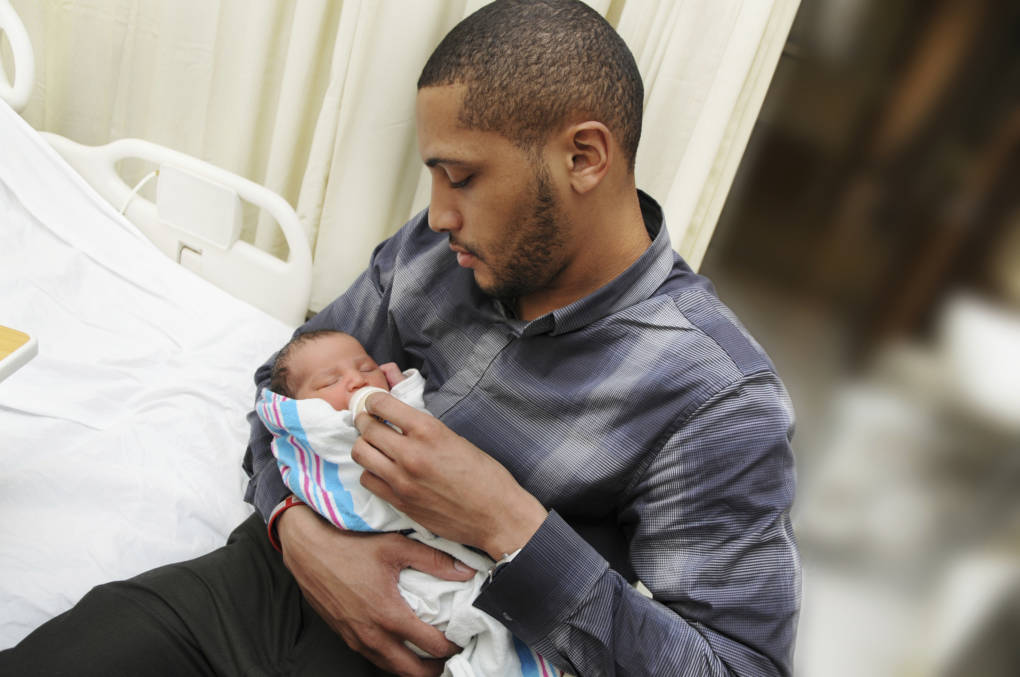
"caption": "A father with his newborn baby. Under an expansion of California's paid family leave law, which goes into effect July 1, 2020, workers will be able to take up to eight weeks off with partial pay to bond with a new baby. ",
"description": null,
"title": "RS13988_iStock_000016287227_Large",
"credit": "iStock",
"status": "inherit",
"isLoading": false,
"fetchFailed": false
},
"news_11767311": {
"type": "attachments",
"id": "news_11767311",
"meta": {
"index": "attachments_1716263798",
"site": "news",
"id": "11767311",
"found": true
},
"parent": 11767220,
"imgSizes": {
"apple_news_ca_landscape_5_5": {
"file": "https://ww2.kqed.org/app/uploads/sites/10/2019/08/Roberto-Alvarez-1044x783.jpg",
"width": 1044,
"mimeType": "image/jpeg",
"height": 783
},
"apple_news_ca_square_4_0": {
"file": "https://ww2.kqed.org/app/uploads/sites/10/2019/08/Roberto-Alvarez-470x470.jpg",
"width": 470,
"mimeType": "image/jpeg",
"height": 470
},
"twentyfourteen-full-width": {
"file": "https://ww2.kqed.org/app/uploads/sites/10/2019/08/Roberto-Alvarez-1038x576.jpg",
"width": 1038,
"mimeType": "image/jpeg",
"height": 576
},
"thumbnail": {
"file": "https://ww2.kqed.org/app/uploads/sites/10/2019/08/Roberto-Alvarez-160x97.jpg",
"width": 160,
"mimeType": "image/jpeg",
"height": 97
},
"post-thumbnail": {
"file": "https://ww2.kqed.org/app/uploads/sites/10/2019/08/Roberto-Alvarez-672x372.jpg",
"width": 672,
"mimeType": "image/jpeg",
"height": 372
},
"kqedFullSize": {
"file": "https://ww2.kqed.org/app/uploads/sites/10/2019/08/Roberto-Alvarez.jpg",
"width": 1906,
"height": 1152
},
"apple_news_ca_landscape_4_7": {
"file": "https://ww2.kqed.org/app/uploads/sites/10/2019/08/Roberto-Alvarez-632x474.jpg",
"width": 632,
"mimeType": "image/jpeg",
"height": 474
},
"large": {
"file": "https://ww2.kqed.org/app/uploads/sites/10/2019/08/Roberto-Alvarez-1020x616.jpg",
"width": 1020,
"mimeType": "image/jpeg",
"height": 616
},
"complete_open_graph": {
"file": "https://ww2.kqed.org/app/uploads/sites/10/2019/08/Roberto-Alvarez-1200x725.jpg",
"width": 1200,
"mimeType": "image/jpeg",
"height": 725
},
"apple_news_ca_landscape_4_0": {
"file": "https://ww2.kqed.org/app/uploads/sites/10/2019/08/Roberto-Alvarez-536x402.jpg",
"width": 536,
"mimeType": "image/jpeg",
"height": 402
},
"apple_news_ca_portrait_12_9": {
"file": "https://ww2.kqed.org/app/uploads/sites/10/2019/08/Roberto-Alvarez-1122x1152.jpg",
"width": 1122,
"mimeType": "image/jpeg",
"height": 1152
},
"medium": {
"file": "https://ww2.kqed.org/app/uploads/sites/10/2019/08/Roberto-Alvarez-800x484.jpg",
"width": 800,
"mimeType": "image/jpeg",
"height": 484
},
"apple_news_ca_portrait_4_0": {
"file": "https://ww2.kqed.org/app/uploads/sites/10/2019/08/Roberto-Alvarez-354x472.jpg",
"width": 354,
"mimeType": "image/jpeg",
"height": 472
},
"apple_news_ca_portrait_9_7": {
"file": "https://ww2.kqed.org/app/uploads/sites/10/2019/08/Roberto-Alvarez-840x1120.jpg",
"width": 840,
"mimeType": "image/jpeg",
"height": 1120
},
"apple_news_ca_landscape_12_9": {
"file": "https://ww2.kqed.org/app/uploads/sites/10/2019/08/Roberto-Alvarez-1832x1152.jpg",
"width": 1832,
"mimeType": "image/jpeg",
"height": 1152
},
"apple_news_ca_square_9_7": {
"file": "https://ww2.kqed.org/app/uploads/sites/10/2019/08/Roberto-Alvarez-1104x1104.jpg",
"width": 1104,
"mimeType": "image/jpeg",
"height": 1104
},
"apple_news_ca_portrait_4_7": {
"file": "https://ww2.kqed.org/app/uploads/sites/10/2019/08/Roberto-Alvarez-414x552.jpg",
"width": 414,
"mimeType": "image/jpeg",
"height": 552
},
"apple_news_ca_square_12_9": {
"file": "https://ww2.kqed.org/app/uploads/sites/10/2019/08/Roberto-Alvarez-1472x1152.jpg",
"width": 1472,
"mimeType": "image/jpeg",
"height": 1152
},
"apple_news_ca_portrait_5_5": {
"file": "https://ww2.kqed.org/app/uploads/sites/10/2019/08/Roberto-Alvarez-687x916.jpg",
"width": 687,
"mimeType": "image/jpeg",
"height": 916
},
"apple_news_ca_square_4_7": {
"file": "https://ww2.kqed.org/app/uploads/sites/10/2019/08/Roberto-Alvarez-550x550.jpg",
"width": 550,
"mimeType": "image/jpeg",
"height": 550
},
"apple_news_ca_landscape_9_7": {
"file": "https://ww2.kqed.org/app/uploads/sites/10/2019/08/Roberto-Alvarez-1376x1032.jpg",
"width": 1376,
"mimeType": "image/jpeg",
"height": 1032
},
"apple_news_ca_square_5_5": {
"file": "https://ww2.kqed.org/app/uploads/sites/10/2019/08/Roberto-Alvarez-912x912.jpg",
"width": 912,
"mimeType": "image/jpeg",
"height": 912
}
},
"publishDate": 1565727239,
"modified": 1565727404,
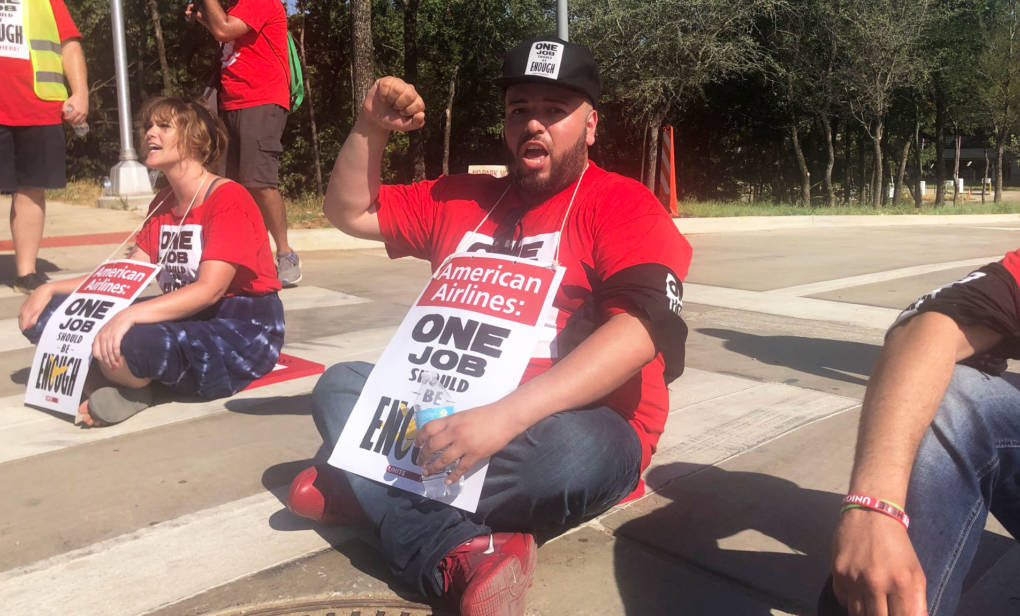
"caption": "SFO loader Roberto Alvarez joins a union protest blocking an entrance to American Airlines' headquarters on Tuesday. Four SFO workers, including Alvarez, were arrested.",
"description": "SFO loader Roberto Alvarez joins a union protest blocking an entrance to American Airlines' headquarters on Tuesday. Four SFO workers, including Alvarez, were arrested.",
"title": "Roberto-Alvarez",
"credit": "Courtesy Unite Here Local 2",
"status": "inherit",
"isLoading": false,
"fetchFailed": false
},
"news_11764867": {
"type": "attachments",
"id": "news_11764867",
"meta": {
"index": "attachments_1716263798",
"site": "news",
"id": "11764867",
"found": true
},
"parent": 11764846,
"imgSizes": {
"apple_news_ca_landscape_5_5": {
"file": "https://ww2.kqed.org/app/uploads/sites/10/2019/08/RS14834_iStock_000047219414_Large-qut-1044x783.jpg",
"width": 1044,
"mimeType": "image/jpeg",
"height": 783
},
"apple_news_ca_square_4_0": {
"file": "https://ww2.kqed.org/app/uploads/sites/10/2019/08/RS14834_iStock_000047219414_Large-qut-470x470.jpg",
"width": 470,
"mimeType": "image/jpeg",
"height": 470
},
"twentyfourteen-full-width": {
"file": "https://ww2.kqed.org/app/uploads/sites/10/2019/08/RS14834_iStock_000047219414_Large-qut-1038x576.jpg",
"width": 1038,
"mimeType": "image/jpeg",
"height": 576
},
"thumbnail": {
"file": "https://ww2.kqed.org/app/uploads/sites/10/2019/08/RS14834_iStock_000047219414_Large-qut-160x107.jpg",
"width": 160,
"mimeType": "image/jpeg",
"height": 107
},
"post-thumbnail": {
"file": "https://ww2.kqed.org/app/uploads/sites/10/2019/08/RS14834_iStock_000047219414_Large-qut-672x372.jpg",
"width": 672,
"mimeType": "image/jpeg",
"height": 372
},
"kqedFullSize": {
"file": "https://ww2.kqed.org/app/uploads/sites/10/2019/08/RS14834_iStock_000047219414_Large-qut.jpg",
"width": 1920,
"height": 1280
},
"apple_news_ca_landscape_4_7": {
"file": "https://ww2.kqed.org/app/uploads/sites/10/2019/08/RS14834_iStock_000047219414_Large-qut-632x474.jpg",
"width": 632,
"mimeType": "image/jpeg",
"height": 474
},
"large": {
"file": "https://ww2.kqed.org/app/uploads/sites/10/2019/08/RS14834_iStock_000047219414_Large-qut-1020x680.jpg",
"width": 1020,
"mimeType": "image/jpeg",
"height": 680
},
"complete_open_graph": {
"file": "https://ww2.kqed.org/app/uploads/sites/10/2019/08/RS14834_iStock_000047219414_Large-qut-1200x800.jpg",
"width": 1200,
"mimeType": "image/jpeg",
"height": 800
},
"apple_news_ca_landscape_4_0": {
"file": "https://ww2.kqed.org/app/uploads/sites/10/2019/08/RS14834_iStock_000047219414_Large-qut-536x402.jpg",
"width": 536,
"mimeType": "image/jpeg",
"height": 402
},
"apple_news_ca_portrait_12_9": {
"file": "https://ww2.kqed.org/app/uploads/sites/10/2019/08/RS14834_iStock_000047219414_Large-qut-1122x1280.jpg",
"width": 1122,
"mimeType": "image/jpeg",
"height": 1280
},
"medium": {
"file": "https://ww2.kqed.org/app/uploads/sites/10/2019/08/RS14834_iStock_000047219414_Large-qut-800x533.jpg",
"width": 800,
"mimeType": "image/jpeg",
"height": 533
},
"apple_news_ca_portrait_4_0": {
"file": "https://ww2.kqed.org/app/uploads/sites/10/2019/08/RS14834_iStock_000047219414_Large-qut-354x472.jpg",
"width": 354,
"mimeType": "image/jpeg",
"height": 472
},
"apple_news_ca_portrait_9_7": {
"file": "https://ww2.kqed.org/app/uploads/sites/10/2019/08/RS14834_iStock_000047219414_Large-qut-840x1120.jpg",
"width": 840,
"mimeType": "image/jpeg",
"height": 1120
},
"apple_news_ca_landscape_12_9": {
"file": "https://ww2.kqed.org/app/uploads/sites/10/2019/08/RS14834_iStock_000047219414_Large-qut-1832x1280.jpg",
"width": 1832,
"mimeType": "image/jpeg",
"height": 1280
},
"apple_news_ca_square_9_7": {
"file": "https://ww2.kqed.org/app/uploads/sites/10/2019/08/RS14834_iStock_000047219414_Large-qut-1104x1104.jpg",
"width": 1104,
"mimeType": "image/jpeg",
"height": 1104
},
"apple_news_ca_portrait_4_7": {
"file": "https://ww2.kqed.org/app/uploads/sites/10/2019/08/RS14834_iStock_000047219414_Large-qut-414x552.jpg",
"width": 414,
"mimeType": "image/jpeg",
"height": 552
},
"apple_news_ca_square_12_9": {
"file": "https://ww2.kqed.org/app/uploads/sites/10/2019/08/RS14834_iStock_000047219414_Large-qut-1472x1280.jpg",
"width": 1472,
"mimeType": "image/jpeg",
"height": 1280
},
"apple_news_ca_portrait_5_5": {
"file": "https://ww2.kqed.org/app/uploads/sites/10/2019/08/RS14834_iStock_000047219414_Large-qut-687x916.jpg",
"width": 687,
"mimeType": "image/jpeg",
"height": 916
},
"full-width": {
"file": "https://ww2.kqed.org/app/uploads/sites/10/2019/08/RS14834_iStock_000047219414_Large-qut-1920x1280.jpg",
"width": 1920,
"mimeType": "image/jpeg",
"height": 1280
},
"apple_news_ca_square_4_7": {
"file": "https://ww2.kqed.org/app/uploads/sites/10/2019/08/RS14834_iStock_000047219414_Large-qut-550x550.jpg",
"width": 550,
"mimeType": "image/jpeg",
"height": 550
},
"apple_news_ca_landscape_9_7": {
"file": "https://ww2.kqed.org/app/uploads/sites/10/2019/08/RS14834_iStock_000047219414_Large-qut-1376x1032.jpg",
"width": 1376,
"mimeType": "image/jpeg",
"height": 1032
},
"apple_news_ca_square_5_5": {
"file": "https://ww2.kqed.org/app/uploads/sites/10/2019/08/RS14834_iStock_000047219414_Large-qut-912x912.jpg",
"width": 912,
"mimeType": "image/jpeg",
"height": 912
}
},
"publishDate": 1564644124,
"modified": 1564700487,
"caption": "A new report from UC Berkeley found that most private sector employees in California are not prepared for retirement.",
"description": null,
"title": "RS14834_iStock_000047219414_Large-qut",
"credit": "Getty Images",
"status": "inherit",
"isLoading": false,
"fetchFailed": false
},
"news_11763858": {
"type": "attachments",
"id": "news_11763858",
"meta": {
"index": "attachments_1716263798",
"site": "news",
"id": "11763858",
"found": true
},
"parent": 11763856,
"imgSizes": {
"apple_news_ca_landscape_5_5": {
"file": "https://ww2.kqed.org/app/uploads/sites/10/2019/07/RS34402_GettyImages-1080389244-qut-1044x783.jpg",
"width": 1044,
"mimeType": "image/jpeg",
"height": 783
},
"apple_news_ca_square_4_0": {
"file": "https://ww2.kqed.org/app/uploads/sites/10/2019/07/RS34402_GettyImages-1080389244-qut-470x470.jpg",
"width": 470,
"mimeType": "image/jpeg",
"height": 470
},
"twentyfourteen-full-width": {
"file": "https://ww2.kqed.org/app/uploads/sites/10/2019/07/RS34402_GettyImages-1080389244-qut-1038x576.jpg",
"width": 1038,
"mimeType": "image/jpeg",
"height": 576
},
"thumbnail": {
"file": "https://ww2.kqed.org/app/uploads/sites/10/2019/07/RS34402_GettyImages-1080389244-qut-160x107.jpg",
"width": 160,
"mimeType": "image/jpeg",
"height": 107
},
"post-thumbnail": {
"file": "https://ww2.kqed.org/app/uploads/sites/10/2019/07/RS34402_GettyImages-1080389244-qut-672x372.jpg",
"width": 672,
"mimeType": "image/jpeg",
"height": 372
},
"kqedFullSize": {
"file": "https://ww2.kqed.org/app/uploads/sites/10/2019/07/RS34402_GettyImages-1080389244-qut.jpg",
"width": 1920,
"height": 1280
},
"apple_news_ca_landscape_4_7": {
"file": "https://ww2.kqed.org/app/uploads/sites/10/2019/07/RS34402_GettyImages-1080389244-qut-632x474.jpg",
"width": 632,
"mimeType": "image/jpeg",
"height": 474
},
"large": {
"file": "https://ww2.kqed.org/app/uploads/sites/10/2019/07/RS34402_GettyImages-1080389244-qut-1020x680.jpg",
"width": 1020,
"mimeType": "image/jpeg",
"height": 680
},
"complete_open_graph": {
"file": "https://ww2.kqed.org/app/uploads/sites/10/2019/07/RS34402_GettyImages-1080389244-qut-1200x800.jpg",
"width": 1200,
"mimeType": "image/jpeg",
"height": 800
},
"apple_news_ca_landscape_4_0": {
"file": "https://ww2.kqed.org/app/uploads/sites/10/2019/07/RS34402_GettyImages-1080389244-qut-536x402.jpg",
"width": 536,
"mimeType": "image/jpeg",
"height": 402
},
"apple_news_ca_portrait_12_9": {
"file": "https://ww2.kqed.org/app/uploads/sites/10/2019/07/RS34402_GettyImages-1080389244-qut-1122x1280.jpg",
"width": 1122,
"mimeType": "image/jpeg",
"height": 1280
},
"medium": {
"file": "https://ww2.kqed.org/app/uploads/sites/10/2019/07/RS34402_GettyImages-1080389244-qut-800x533.jpg",
"width": 800,
"mimeType": "image/jpeg",
"height": 533
},
"apple_news_ca_portrait_4_0": {
"file": "https://ww2.kqed.org/app/uploads/sites/10/2019/07/RS34402_GettyImages-1080389244-qut-354x472.jpg",
"width": 354,
"mimeType": "image/jpeg",
"height": 472
},
"apple_news_ca_portrait_9_7": {
"file": "https://ww2.kqed.org/app/uploads/sites/10/2019/07/RS34402_GettyImages-1080389244-qut-840x1120.jpg",
"width": 840,
"mimeType": "image/jpeg",
"height": 1120
},
"apple_news_ca_landscape_12_9": {
"file": "https://ww2.kqed.org/app/uploads/sites/10/2019/07/RS34402_GettyImages-1080389244-qut-1832x1280.jpg",
"width": 1832,
"mimeType": "image/jpeg",
"height": 1280
},
"apple_news_ca_square_9_7": {
"file": "https://ww2.kqed.org/app/uploads/sites/10/2019/07/RS34402_GettyImages-1080389244-qut-1104x1104.jpg",
"width": 1104,
"mimeType": "image/jpeg",
"height": 1104
},
"apple_news_ca_portrait_4_7": {
"file": "https://ww2.kqed.org/app/uploads/sites/10/2019/07/RS34402_GettyImages-1080389244-qut-414x552.jpg",
"width": 414,
"mimeType": "image/jpeg",
"height": 552
},
"apple_news_ca_square_12_9": {
"file": "https://ww2.kqed.org/app/uploads/sites/10/2019/07/RS34402_GettyImages-1080389244-qut-1472x1280.jpg",
"width": 1472,
"mimeType": "image/jpeg",
"height": 1280
},
"apple_news_ca_portrait_5_5": {
"file": "https://ww2.kqed.org/app/uploads/sites/10/2019/07/RS34402_GettyImages-1080389244-qut-687x916.jpg",
"width": 687,
"mimeType": "image/jpeg",
"height": 916
},
"full-width": {
"file": "https://ww2.kqed.org/app/uploads/sites/10/2019/07/RS34402_GettyImages-1080389244-qut-1920x1280.jpg",
"width": 1920,
"mimeType": "image/jpeg",
"height": 1280
},
"apple_news_ca_square_4_7": {
"file": "https://ww2.kqed.org/app/uploads/sites/10/2019/07/RS34402_GettyImages-1080389244-qut-550x550.jpg",
"width": 550,
"mimeType": "image/jpeg",
"height": 550
},
"apple_news_ca_landscape_9_7": {
"file": "https://ww2.kqed.org/app/uploads/sites/10/2019/07/RS34402_GettyImages-1080389244-qut-1376x1032.jpg",
"width": 1376,
"mimeType": "image/jpeg",
"height": 1032
},
"apple_news_ca_square_5_5": {
"file": "https://ww2.kqed.org/app/uploads/sites/10/2019/07/RS34402_GettyImages-1080389244-qut-912x912.jpg",
"width": 912,
"mimeType": "image/jpeg",
"height": 912
}
},
"publishDate": 1564327373,
"modified": 1564327406,
"caption": "Kaiser Permanente mental health workers carry signs as they march in front of Kaiser Permanente San Francisco Medical Center on December 10, 2018 in San Francisco, California. Nearly 4,000 Kaiser Permanente mental health workers with the National Union of Healthcare Workers union kicked off a five-day strike at Kaiser facilities throughout California. The union says that they are protesting the lack of staffing that forces many patients to wait for a month or more for appointments.",
"description": "Kaiser Permanente mental health workers carry signs as they march in front of Kaiser Permanente San Francisco Medical Center on December 10, 2018 in San Francisco, California. Nearly 4,000 Kaiser Permanente mental health workers with the National Union of Healthcare Workers union kicked off a five-day strike at Kaiser facilities throughout California. The union says that they are protesting the lack of staffing that forces many patients to wait for a month or more for appointments.",
"title": "Thousands Of Mental Health Workers go On Strike In CA To Protest Kaiser Permanente",
"credit": "Photo by Justin Sullivan/Getty Images",
"status": "inherit",
"isLoading": false,
"fetchFailed": false
},
"news_11756893": {
"type": "attachments",
"id": "news_11756893",
"meta": {
"index": "attachments_1716263798",
"site": "news",
"id": "11756893",
"found": true
},
"parent": 11756875,
"imgSizes": {
"apple_news_ca_landscape_5_5": {
"file": "https://ww2.kqed.org/app/uploads/sites/10/2019/06/Emmert-1044x783.jpg",
"width": 1044,
"mimeType": "image/jpeg",
"height": 783
},
"apple_news_ca_square_4_0": {
"file": "https://ww2.kqed.org/app/uploads/sites/10/2019/06/Emmert-470x470.jpg",
"width": 470,
"mimeType": "image/jpeg",
"height": 470
},
"twentyfourteen-full-width": {
"file": "https://ww2.kqed.org/app/uploads/sites/10/2019/06/Emmert-1038x576.jpg",
"width": 1038,
"mimeType": "image/jpeg",
"height": 576
},
"thumbnail": {
"file": "https://ww2.kqed.org/app/uploads/sites/10/2019/06/Emmert-160x107.jpg",
"width": 160,
"mimeType": "image/jpeg",
"height": 107
},
"post-thumbnail": {
"file": "https://ww2.kqed.org/app/uploads/sites/10/2019/06/Emmert-672x372.jpg",
"width": 672,
"mimeType": "image/jpeg",
"height": 372
},
"kqedFullSize": {
"file": "https://ww2.kqed.org/app/uploads/sites/10/2019/06/Emmert-e1561408401489.jpg",
"width": 1920,
"height": 1280
},
"apple_news_ca_landscape_4_7": {
"file": "https://ww2.kqed.org/app/uploads/sites/10/2019/06/Emmert-632x474.jpg",
"width": 632,
"mimeType": "image/jpeg",
"height": 474
},
"large": {
"file": "https://ww2.kqed.org/app/uploads/sites/10/2019/06/Emmert-1020x680.jpg",
"width": 1020,
"mimeType": "image/jpeg",
"height": 680
},
"complete_open_graph": {
"file": "https://ww2.kqed.org/app/uploads/sites/10/2019/06/Emmert-1200x800.jpg",
"width": 1200,
"mimeType": "image/jpeg",
"height": 800
},
"apple_news_ca_landscape_4_0": {
"file": "https://ww2.kqed.org/app/uploads/sites/10/2019/06/Emmert-536x402.jpg",
"width": 536,
"mimeType": "image/jpeg",
"height": 402
},
"apple_news_ca_portrait_12_9": {
"file": "https://ww2.kqed.org/app/uploads/sites/10/2019/06/Emmert-1122x1496.jpg",
"width": 1122,
"mimeType": "image/jpeg",
"height": 1496
},
"medium": {
"file": "https://ww2.kqed.org/app/uploads/sites/10/2019/06/Emmert-800x533.jpg",
"width": 800,
"mimeType": "image/jpeg",
"height": 533
},
"apple_news_ca_portrait_4_0": {
"file": "https://ww2.kqed.org/app/uploads/sites/10/2019/06/Emmert-354x472.jpg",
"width": 354,
"mimeType": "image/jpeg",
"height": 472
},
"apple_news_ca_portrait_9_7": {
"file": "https://ww2.kqed.org/app/uploads/sites/10/2019/06/Emmert-840x1120.jpg",
"width": 840,
"mimeType": "image/jpeg",
"height": 1120
},
"apple_news_ca_landscape_12_9": {
"file": "https://ww2.kqed.org/app/uploads/sites/10/2019/06/Emmert-1832x1374.jpg",
"width": 1832,
"mimeType": "image/jpeg",
"height": 1374
},
"apple_news_ca_square_9_7": {
"file": "https://ww2.kqed.org/app/uploads/sites/10/2019/06/Emmert-1104x1104.jpg",
"width": 1104,
"mimeType": "image/jpeg",
"height": 1104
},
"apple_news_ca_portrait_4_7": {
"file": "https://ww2.kqed.org/app/uploads/sites/10/2019/06/Emmert-414x552.jpg",
"width": 414,
"mimeType": "image/jpeg",
"height": 552
},
"apple_news_ca_square_12_9": {
"file": "https://ww2.kqed.org/app/uploads/sites/10/2019/06/Emmert-1472x1472.jpg",
"width": 1472,
"mimeType": "image/jpeg",
"height": 1472
},
"apple_news_ca_portrait_5_5": {
"file": "https://ww2.kqed.org/app/uploads/sites/10/2019/06/Emmert-687x916.jpg",
"width": 687,
"mimeType": "image/jpeg",
"height": 916
},
"full-width": {
"file": "https://ww2.kqed.org/app/uploads/sites/10/2019/06/Emmert-1920x1280.jpg",
"width": 1920,
"mimeType": "image/jpeg",
"height": 1280
},
"apple_news_ca_square_4_7": {
"file": "https://ww2.kqed.org/app/uploads/sites/10/2019/06/Emmert-550x550.jpg",
"width": 550,
"mimeType": "image/jpeg",
"height": 550
},
"apple_news_ca_landscape_9_7": {
"file": "https://ww2.kqed.org/app/uploads/sites/10/2019/06/Emmert-1376x1032.jpg",
"width": 1376,
"mimeType": "image/jpeg",
"height": 1032
},
"apple_news_ca_square_5_5": {
"file": "https://ww2.kqed.org/app/uploads/sites/10/2019/06/Emmert-912x912.jpg",
"width": 912,
"mimeType": "image/jpeg",
"height": 912
}
},
"publishDate": 1561408123,
"modified": 1561420141,
"caption": "President of the National Collegiate Athletic Association Mark Emmert speaks to the media ahead of the Men's Final Four at U.S. Bank Stadium on April 4, 2019, in Minneapolis, Minnesota.",
"description": "President of the National Collegiate Athletic Association Mark Emmert speaks to the media ahead of the Men's Final Four at U.S. Bank Stadium on April 04, 2019 in Minneapolis, Minnesota.",
"title": "NCAA Men's Final Four - Previews",
"credit": "Maxx Wolfson/Getty Images",
"status": "inherit",
"isLoading": false,
"fetchFailed": false
},
"news_11753602": {
"type": "attachments",
"id": "news_11753602",
"meta": {
"index": "attachments_1716263798",
"site": "news",
"id": "11753602",
"found": true
},
"parent": 11753600,
"imgSizes": {
"apple_news_ca_landscape_5_5": {
"file": "https://ww2.kqed.org/app/uploads/sites/10/2019/06/RS37432_IMG_8309-qut-1044x783.jpg",
"width": 1044,
"mimeType": "image/jpeg",
"height": 783
},
"apple_news_ca_square_4_0": {
"file": "https://ww2.kqed.org/app/uploads/sites/10/2019/06/RS37432_IMG_8309-qut-470x470.jpg",
"width": 470,
"mimeType": "image/jpeg",
"height": 470
},
"twentyfourteen-full-width": {
"file": "https://ww2.kqed.org/app/uploads/sites/10/2019/06/RS37432_IMG_8309-qut-1038x576.jpg",
"width": 1038,
"mimeType": "image/jpeg",
"height": 576
},
"thumbnail": {
"file": "https://ww2.kqed.org/app/uploads/sites/10/2019/06/RS37432_IMG_8309-qut-160x104.jpg",
"width": 160,
"mimeType": "image/jpeg",
"height": 104
},
"post-thumbnail": {
"file": "https://ww2.kqed.org/app/uploads/sites/10/2019/06/RS37432_IMG_8309-qut-672x372.jpg",
"width": 672,
"mimeType": "image/jpeg",
"height": 372
},
"kqedFullSize": {
"file": "https://ww2.kqed.org/app/uploads/sites/10/2019/06/RS37432_IMG_8309-qut.jpg",
"width": 1920,
"height": 1253
},
"apple_news_ca_landscape_4_7": {
"file": "https://ww2.kqed.org/app/uploads/sites/10/2019/06/RS37432_IMG_8309-qut-632x474.jpg",
"width": 632,
"mimeType": "image/jpeg",
"height": 474
},
"large": {
"file": "https://ww2.kqed.org/app/uploads/sites/10/2019/06/RS37432_IMG_8309-qut-1020x666.jpg",
"width": 1020,
"mimeType": "image/jpeg",
"height": 666
},
"complete_open_graph": {
"file": "https://ww2.kqed.org/app/uploads/sites/10/2019/06/RS37432_IMG_8309-qut-1200x783.jpg",
"width": 1200,
"mimeType": "image/jpeg",
"height": 783
},
"apple_news_ca_landscape_4_0": {
"file": "https://ww2.kqed.org/app/uploads/sites/10/2019/06/RS37432_IMG_8309-qut-536x402.jpg",
"width": 536,
"mimeType": "image/jpeg",
"height": 402
},
"apple_news_ca_portrait_12_9": {
"file": "https://ww2.kqed.org/app/uploads/sites/10/2019/06/RS37432_IMG_8309-qut-1122x1253.jpg",
"width": 1122,
"mimeType": "image/jpeg",
"height": 1253
},
"medium": {
"file": "https://ww2.kqed.org/app/uploads/sites/10/2019/06/RS37432_IMG_8309-qut-800x522.jpg",
"width": 800,
"mimeType": "image/jpeg",
"height": 522
},
"apple_news_ca_portrait_4_0": {
"file": "https://ww2.kqed.org/app/uploads/sites/10/2019/06/RS37432_IMG_8309-qut-354x472.jpg",
"width": 354,
"mimeType": "image/jpeg",
"height": 472
},
"apple_news_ca_portrait_9_7": {
"file": "https://ww2.kqed.org/app/uploads/sites/10/2019/06/RS37432_IMG_8309-qut-840x1120.jpg",
"width": 840,
"mimeType": "image/jpeg",
"height": 1120
},
"apple_news_ca_landscape_12_9": {
"file": "https://ww2.kqed.org/app/uploads/sites/10/2019/06/RS37432_IMG_8309-qut-1832x1253.jpg",
"width": 1832,
"mimeType": "image/jpeg",
"height": 1253
},
"apple_news_ca_square_9_7": {
"file": "https://ww2.kqed.org/app/uploads/sites/10/2019/06/RS37432_IMG_8309-qut-1104x1104.jpg",
"width": 1104,
"mimeType": "image/jpeg",
"height": 1104
},
"apple_news_ca_portrait_4_7": {
"file": "https://ww2.kqed.org/app/uploads/sites/10/2019/06/RS37432_IMG_8309-qut-414x552.jpg",
"width": 414,
"mimeType": "image/jpeg",
"height": 552
},
"apple_news_ca_square_12_9": {
"file": "https://ww2.kqed.org/app/uploads/sites/10/2019/06/RS37432_IMG_8309-qut-1472x1253.jpg",
"width": 1472,
"mimeType": "image/jpeg",
"height": 1253
},
"apple_news_ca_portrait_5_5": {
"file": "https://ww2.kqed.org/app/uploads/sites/10/2019/06/RS37432_IMG_8309-qut-687x916.jpg",
"width": 687,
"mimeType": "image/jpeg",
"height": 916
},
"full-width": {
"file": "https://ww2.kqed.org/app/uploads/sites/10/2019/06/RS37432_IMG_8309-qut-1920x1253.jpg",
"width": 1920,
"mimeType": "image/jpeg",
"height": 1253
},
"apple_news_ca_square_4_7": {
"file": "https://ww2.kqed.org/app/uploads/sites/10/2019/06/RS37432_IMG_8309-qut-550x550.jpg",
"width": 550,
"mimeType": "image/jpeg",
"height": 550
},
"apple_news_ca_landscape_9_7": {
"file": "https://ww2.kqed.org/app/uploads/sites/10/2019/06/RS37432_IMG_8309-qut-1376x1032.jpg",
"width": 1376,
"mimeType": "image/jpeg",
"height": 1032
},
"apple_news_ca_square_5_5": {
"file": "https://ww2.kqed.org/app/uploads/sites/10/2019/06/RS37432_IMG_8309-qut-912x912.jpg",
"width": 912,
"mimeType": "image/jpeg",
"height": 912
}
},
"publishDate": 1560136278,
"modified": 1560136338,
"caption": "Students stand alongside teachers at the picket line during the ninth day of the strike on May 31, 2019.",
"description": "Students stand alongside teachers at the picket line during the ninth day of the strike on May 31, 2019.",
"title": "RS37432_IMG_8309-qut",
"credit": "Sruti Mamidanna/KQED",
"status": "inherit",
"isLoading": false,
"fetchFailed": false
},
"news_11752933": {
"type": "attachments",
"id": "news_11752933",
"meta": {
"index": "attachments_1716263798",
"site": "news",
"id": "11752933",
"found": true
},
"parent": 11752930,
"imgSizes": {
"apple_news_ca_landscape_5_5": {
"file": "https://ww2.kqed.org/app/uploads/sites/10/2019/06/Image-from-iOS-3-1044x783.jpg",
"width": 1044,
"mimeType": "image/jpeg",
"height": 783
},
"apple_news_ca_square_4_0": {
"file": "https://ww2.kqed.org/app/uploads/sites/10/2019/06/Image-from-iOS-3-470x470.jpg",
"width": 470,
"mimeType": "image/jpeg",
"height": 470
},
"twentyfourteen-full-width": {
"file": "https://ww2.kqed.org/app/uploads/sites/10/2019/06/Image-from-iOS-3-1038x576.jpg",
"width": 1038,
"mimeType": "image/jpeg",
"height": 576
},
"thumbnail": {
"file": "https://ww2.kqed.org/app/uploads/sites/10/2019/06/Image-from-iOS-3-160x120.jpg",
"width": 160,
"mimeType": "image/jpeg",
"height": 120
},
"post-thumbnail": {
"file": "https://ww2.kqed.org/app/uploads/sites/10/2019/06/Image-from-iOS-3-672x372.jpg",
"width": 672,
"mimeType": "image/jpeg",
"height": 372
},
"kqedFullSize": {
"file": "https://ww2.kqed.org/app/uploads/sites/10/2019/06/Image-from-iOS-3-e1559955286259.jpg",
"width": 1920,
"height": 1440
},
"apple_news_ca_landscape_4_7": {
"file": "https://ww2.kqed.org/app/uploads/sites/10/2019/06/Image-from-iOS-3-632x474.jpg",
"width": 632,
"mimeType": "image/jpeg",
"height": 474
},
"large": {
"file": "https://ww2.kqed.org/app/uploads/sites/10/2019/06/Image-from-iOS-3-1020x765.jpg",
"width": 1020,
"mimeType": "image/jpeg",
"height": 765
},
"complete_open_graph": {
"file": "https://ww2.kqed.org/app/uploads/sites/10/2019/06/Image-from-iOS-3-1200x900.jpg",
"width": 1200,
"mimeType": "image/jpeg",
"height": 900
},
"apple_news_ca_landscape_4_0": {
"file": "https://ww2.kqed.org/app/uploads/sites/10/2019/06/Image-from-iOS-3-536x402.jpg",
"width": 536,
"mimeType": "image/jpeg",
"height": 402
},
"apple_news_ca_portrait_12_9": {
"file": "https://ww2.kqed.org/app/uploads/sites/10/2019/06/Image-from-iOS-3-1122x1496.jpg",
"width": 1122,
"mimeType": "image/jpeg",
"height": 1496
},
"medium": {
"file": "https://ww2.kqed.org/app/uploads/sites/10/2019/06/Image-from-iOS-3-800x600.jpg",
"width": 800,
"mimeType": "image/jpeg",
"height": 600
},
"apple_news_ca_portrait_4_0": {
"file": "https://ww2.kqed.org/app/uploads/sites/10/2019/06/Image-from-iOS-3-354x472.jpg",
"width": 354,
"mimeType": "image/jpeg",
"height": 472
},
"apple_news_ca_portrait_9_7": {
"file": "https://ww2.kqed.org/app/uploads/sites/10/2019/06/Image-from-iOS-3-840x1120.jpg",
"width": 840,
"mimeType": "image/jpeg",
"height": 1120
},
"apple_news_ca_landscape_12_9": {
"file": "https://ww2.kqed.org/app/uploads/sites/10/2019/06/Image-from-iOS-3-1832x1374.jpg",
"width": 1832,
"mimeType": "image/jpeg",
"height": 1374
},
"apple_news_ca_square_9_7": {
"file": "https://ww2.kqed.org/app/uploads/sites/10/2019/06/Image-from-iOS-3-1104x1104.jpg",
"width": 1104,
"mimeType": "image/jpeg",
"height": 1104
},
"apple_news_ca_portrait_4_7": {
"file": "https://ww2.kqed.org/app/uploads/sites/10/2019/06/Image-from-iOS-3-414x552.jpg",
"width": 414,
"mimeType": "image/jpeg",
"height": 552
},
"apple_news_ca_square_12_9": {
"file": "https://ww2.kqed.org/app/uploads/sites/10/2019/06/Image-from-iOS-3-1472x1472.jpg",
"width": 1472,
"mimeType": "image/jpeg",
"height": 1472
},
"apple_news_ca_portrait_5_5": {
"file": "https://ww2.kqed.org/app/uploads/sites/10/2019/06/Image-from-iOS-3-687x916.jpg",
"width": 687,
"mimeType": "image/jpeg",
"height": 916
},
"full-width": {
"file": "https://ww2.kqed.org/app/uploads/sites/10/2019/06/Image-from-iOS-3-1920x1440.jpg",
"width": 1920,
"mimeType": "image/jpeg",
"height": 1440
},
"apple_news_ca_square_4_7": {
"file": "https://ww2.kqed.org/app/uploads/sites/10/2019/06/Image-from-iOS-3-550x550.jpg",
"width": 550,
"mimeType": "image/jpeg",
"height": 550
},
"apple_news_ca_landscape_9_7": {
"file": "https://ww2.kqed.org/app/uploads/sites/10/2019/06/Image-from-iOS-3-1376x1032.jpg",
"width": 1376,
"mimeType": "image/jpeg",
"height": 1032
},
"apple_news_ca_square_5_5": {
"file": "https://ww2.kqed.org/app/uploads/sites/10/2019/06/Image-from-iOS-3-912x912.jpg",
"width": 912,
"mimeType": "image/jpeg",
"height": 912
}
},
"publishDate": 1559863379,
"modified": 1559955276,
"caption": "New Haven teachers on the picket line on Thursday, June 6, well into the third week of a districtwide strike.",
"description": null,
"title": "Image from iOS (3)",
"credit": "Ericka Cruz Guevarra/KQED",
"status": "inherit",
"isLoading": false,
"fetchFailed": false
},
"news_11751683": {
"type": "attachments",
"id": "news_11751683",
"meta": {
"index": "attachments_1716263798",
"site": "news",
"id": "11751683",
"found": true
},
"parent": 11751677,
"imgSizes": {
"apple_news_ca_landscape_5_5": {
"file": "https://ww2.kqed.org/app/uploads/sites/10/2019/05/RS37430_IMG_8301-qut-1044x783.jpg",
"width": 1044,
"mimeType": "image/jpeg",
"height": 783
},
"apple_news_ca_square_4_0": {
"file": "https://ww2.kqed.org/app/uploads/sites/10/2019/05/RS37430_IMG_8301-qut-470x470.jpg",
"width": 470,
"mimeType": "image/jpeg",
"height": 470
},
"twentyfourteen-full-width": {
"file": "https://ww2.kqed.org/app/uploads/sites/10/2019/05/RS37430_IMG_8301-qut-1038x576.jpg",
"width": 1038,
"mimeType": "image/jpeg",
"height": 576
},
"thumbnail": {
"file": "https://ww2.kqed.org/app/uploads/sites/10/2019/05/RS37430_IMG_8301-qut-160x113.jpg",
"width": 160,
"mimeType": "image/jpeg",
"height": 113
},
"post-thumbnail": {
"file": "https://ww2.kqed.org/app/uploads/sites/10/2019/05/RS37430_IMG_8301-qut-672x372.jpg",
"width": 672,
"mimeType": "image/jpeg",
"height": 372
},
"kqedFullSize": {
"file": "https://ww2.kqed.org/app/uploads/sites/10/2019/05/RS37430_IMG_8301-qut.jpg",
"width": 1920,
"height": 1361
},
"apple_news_ca_landscape_4_7": {
"file": "https://ww2.kqed.org/app/uploads/sites/10/2019/05/RS37430_IMG_8301-qut-632x474.jpg",
"width": 632,
"mimeType": "image/jpeg",
"height": 474
},
"large": {
"file": "https://ww2.kqed.org/app/uploads/sites/10/2019/05/RS37430_IMG_8301-qut-1020x723.jpg",
"width": 1020,
"mimeType": "image/jpeg",
"height": 723
},
"complete_open_graph": {
"file": "https://ww2.kqed.org/app/uploads/sites/10/2019/05/RS37430_IMG_8301-qut-1200x851.jpg",
"width": 1200,
"mimeType": "image/jpeg",
"height": 851
},
"apple_news_ca_landscape_4_0": {
"file": "https://ww2.kqed.org/app/uploads/sites/10/2019/05/RS37430_IMG_8301-qut-536x402.jpg",
"width": 536,
"mimeType": "image/jpeg",
"height": 402
},
"apple_news_ca_portrait_12_9": {
"file": "https://ww2.kqed.org/app/uploads/sites/10/2019/05/RS37430_IMG_8301-qut-1122x1361.jpg",
"width": 1122,
"mimeType": "image/jpeg",
"height": 1361
},
"medium": {
"file": "https://ww2.kqed.org/app/uploads/sites/10/2019/05/RS37430_IMG_8301-qut-800x567.jpg",
"width": 800,
"mimeType": "image/jpeg",
"height": 567
},
"apple_news_ca_portrait_4_0": {
"file": "https://ww2.kqed.org/app/uploads/sites/10/2019/05/RS37430_IMG_8301-qut-354x472.jpg",
"width": 354,
"mimeType": "image/jpeg",
"height": 472
},
"apple_news_ca_portrait_9_7": {
"file": "https://ww2.kqed.org/app/uploads/sites/10/2019/05/RS37430_IMG_8301-qut-840x1120.jpg",
"width": 840,
"mimeType": "image/jpeg",
"height": 1120
},
"apple_news_ca_landscape_12_9": {
"file": "https://ww2.kqed.org/app/uploads/sites/10/2019/05/RS37430_IMG_8301-qut-1832x1361.jpg",
"width": 1832,
"mimeType": "image/jpeg",
"height": 1361
},
"apple_news_ca_square_9_7": {
"file": "https://ww2.kqed.org/app/uploads/sites/10/2019/05/RS37430_IMG_8301-qut-1104x1104.jpg",
"width": 1104,
"mimeType": "image/jpeg",
"height": 1104
},
"apple_news_ca_portrait_4_7": {
"file": "https://ww2.kqed.org/app/uploads/sites/10/2019/05/RS37430_IMG_8301-qut-414x552.jpg",
"width": 414,
"mimeType": "image/jpeg",
"height": 552
},
"apple_news_ca_square_12_9": {
"file": "https://ww2.kqed.org/app/uploads/sites/10/2019/05/RS37430_IMG_8301-qut-1472x1361.jpg",
"width": 1472,
"mimeType": "image/jpeg",
"height": 1361
},
"apple_news_ca_portrait_5_5": {
"file": "https://ww2.kqed.org/app/uploads/sites/10/2019/05/RS37430_IMG_8301-qut-687x916.jpg",
"width": 687,
"mimeType": "image/jpeg",
"height": 916
},
"full-width": {
"file": "https://ww2.kqed.org/app/uploads/sites/10/2019/05/RS37430_IMG_8301-qut-1920x1361.jpg",
"width": 1920,
"mimeType": "image/jpeg",
"height": 1361
},
"apple_news_ca_square_4_7": {
"file": "https://ww2.kqed.org/app/uploads/sites/10/2019/05/RS37430_IMG_8301-qut-550x550.jpg",
"width": 550,
"mimeType": "image/jpeg",
"height": 550
},
"apple_news_ca_landscape_9_7": {
"file": "https://ww2.kqed.org/app/uploads/sites/10/2019/05/RS37430_IMG_8301-qut-1376x1032.jpg",
"width": 1376,
"mimeType": "image/jpeg",
"height": 1032
},
"apple_news_ca_square_5_5": {
"file": "https://ww2.kqed.org/app/uploads/sites/10/2019/05/RS37430_IMG_8301-qut-912x912.jpg",
"width": 912,
"mimeType": "image/jpeg",
"height": 912
}
},
"publishDate": 1559354569,
"modified": 1559605790,
"caption": "Mike Isenberg is a history teacher at James Logan High School in Union City. \"We all hope that [the strike] is going to end every day. Even [senior] graduation is in question right now.”",
"description": "Mike Isenberg is a history teacher at James Logan High School. \"We all hope that [the strike] is going to end every day. Even graduation is in question right now.”",
"title": "New-Haven-Teachers-Strike-1",
"credit": "Sruti Mamidanna/KQED",
"status": "inherit",
"isLoading": false,
"fetchFailed": false
},
"news_11751684": {
"type": "attachments",
"id": "news_11751684",
"meta": {
"index": "attachments_1716263798",
"site": "news",
"id": "11751684",
"found": true
},
"parent": 11751677,
"imgSizes": {
"apple_news_ca_landscape_5_5": {
"file": "https://ww2.kqed.org/app/uploads/sites/10/2019/05/RS37432_IMG_8309-qut-1044x783.jpg",
"width": 1044,
"mimeType": "image/jpeg",
"height": 783
},
"apple_news_ca_square_4_0": {
"file": "https://ww2.kqed.org/app/uploads/sites/10/2019/05/RS37432_IMG_8309-qut-470x470.jpg",
"width": 470,
"mimeType": "image/jpeg",
"height": 470
},
"twentyfourteen-full-width": {
"file": "https://ww2.kqed.org/app/uploads/sites/10/2019/05/RS37432_IMG_8309-qut-1038x576.jpg",
"width": 1038,
"mimeType": "image/jpeg",
"height": 576
},
"thumbnail": {
"file": "https://ww2.kqed.org/app/uploads/sites/10/2019/05/RS37432_IMG_8309-qut-160x104.jpg",
"width": 160,
"mimeType": "image/jpeg",
"height": 104
},
"post-thumbnail": {
"file": "https://ww2.kqed.org/app/uploads/sites/10/2019/05/RS37432_IMG_8309-qut-672x372.jpg",
"width": 672,
"mimeType": "image/jpeg",
"height": 372
},
"kqedFullSize": {
"file": "https://ww2.kqed.org/app/uploads/sites/10/2019/05/RS37432_IMG_8309-qut.jpg",
"width": 1920,
"height": 1253
},
"apple_news_ca_landscape_4_7": {
"file": "https://ww2.kqed.org/app/uploads/sites/10/2019/05/RS37432_IMG_8309-qut-632x474.jpg",
"width": 632,
"mimeType": "image/jpeg",
"height": 474
},
"large": {
"file": "https://ww2.kqed.org/app/uploads/sites/10/2019/05/RS37432_IMG_8309-qut-1020x666.jpg",
"width": 1020,
"mimeType": "image/jpeg",
"height": 666
},
"complete_open_graph": {
"file": "https://ww2.kqed.org/app/uploads/sites/10/2019/05/RS37432_IMG_8309-qut-1200x783.jpg",
"width": 1200,
"mimeType": "image/jpeg",
"height": 783
},
"apple_news_ca_landscape_4_0": {
"file": "https://ww2.kqed.org/app/uploads/sites/10/2019/05/RS37432_IMG_8309-qut-536x402.jpg",
"width": 536,
"mimeType": "image/jpeg",
"height": 402
},
"apple_news_ca_portrait_12_9": {
"file": "https://ww2.kqed.org/app/uploads/sites/10/2019/05/RS37432_IMG_8309-qut-1122x1253.jpg",
"width": 1122,
"mimeType": "image/jpeg",
"height": 1253
},
"medium": {
"file": "https://ww2.kqed.org/app/uploads/sites/10/2019/05/RS37432_IMG_8309-qut-800x522.jpg",
"width": 800,
"mimeType": "image/jpeg",
"height": 522
},
"apple_news_ca_portrait_4_0": {
"file": "https://ww2.kqed.org/app/uploads/sites/10/2019/05/RS37432_IMG_8309-qut-354x472.jpg",
"width": 354,
"mimeType": "image/jpeg",
"height": 472
},
"apple_news_ca_portrait_9_7": {
"file": "https://ww2.kqed.org/app/uploads/sites/10/2019/05/RS37432_IMG_8309-qut-840x1120.jpg",
"width": 840,
"mimeType": "image/jpeg",
"height": 1120
},
"apple_news_ca_landscape_12_9": {
"file": "https://ww2.kqed.org/app/uploads/sites/10/2019/05/RS37432_IMG_8309-qut-1832x1253.jpg",
"width": 1832,
"mimeType": "image/jpeg",
"height": 1253
},
"apple_news_ca_square_9_7": {
"file": "https://ww2.kqed.org/app/uploads/sites/10/2019/05/RS37432_IMG_8309-qut-1104x1104.jpg",
"width": 1104,
"mimeType": "image/jpeg",
"height": 1104
},
"apple_news_ca_portrait_4_7": {
"file": "https://ww2.kqed.org/app/uploads/sites/10/2019/05/RS37432_IMG_8309-qut-414x552.jpg",
"width": 414,
"mimeType": "image/jpeg",
"height": 552
},
"apple_news_ca_square_12_9": {
"file": "https://ww2.kqed.org/app/uploads/sites/10/2019/05/RS37432_IMG_8309-qut-1472x1253.jpg",
"width": 1472,
"mimeType": "image/jpeg",
"height": 1253
},
"apple_news_ca_portrait_5_5": {
"file": "https://ww2.kqed.org/app/uploads/sites/10/2019/05/RS37432_IMG_8309-qut-687x916.jpg",
"width": 687,
"mimeType": "image/jpeg",
"height": 916
},
"full-width": {
"file": "https://ww2.kqed.org/app/uploads/sites/10/2019/05/RS37432_IMG_8309-qut-1920x1253.jpg",
"width": 1920,
"mimeType": "image/jpeg",
"height": 1253
},
"apple_news_ca_square_4_7": {
"file": "https://ww2.kqed.org/app/uploads/sites/10/2019/05/RS37432_IMG_8309-qut-550x550.jpg",
"width": 550,
"mimeType": "image/jpeg",
"height": 550
},
"apple_news_ca_landscape_9_7": {
"file": "https://ww2.kqed.org/app/uploads/sites/10/2019/05/RS37432_IMG_8309-qut-1376x1032.jpg",
"width": 1376,
"mimeType": "image/jpeg",
"height": 1032
},
"apple_news_ca_square_5_5": {
"file": "https://ww2.kqed.org/app/uploads/sites/10/2019/05/RS37432_IMG_8309-qut-912x912.jpg",
"width": 912,
"mimeType": "image/jpeg",
"height": 912
}
},
"publishDate": 1559354581,
"modified": 1559583261,
"caption": "With final exams slated to start Monday, students stood alongside teachers at the picket line during the ninth day of the strike on May 31, 2019.",
"description": "With final exams slated to start Monday, students stood alongside teachers at the picket line during the ninth day of the strike, May 31, 2019.",
"title": "New-Haven-Teachers-Strike-2",
"credit": "Sruti Mamidanna/KQED",
"status": "inherit",
"isLoading": false,
"fetchFailed": false
},
"news_11747379": {
"type": "attachments",
"id": "news_11747379",
"meta": {
"index": "attachments_1716263798",
"site": "news",
"id": "11747379",
"found": true
},
"parent": 11747373,
"imgSizes": {
"apple_news_ca_landscape_5_5": {
"file": "https://ww2.kqed.org/app/uploads/sites/10/2019/05/Tesla-Fremont-Factory-1044x783.jpg",
"width": 1044,
"mimeType": "image/jpeg",
"height": 783
},
"apple_news_ca_square_4_0": {
"file": "https://ww2.kqed.org/app/uploads/sites/10/2019/05/Tesla-Fremont-Factory-470x470.jpg",
"width": 470,
"mimeType": "image/jpeg",
"height": 470
},
"twentyfourteen-full-width": {
"file": "https://ww2.kqed.org/app/uploads/sites/10/2019/05/Tesla-Fremont-Factory-1038x576.jpg",
"width": 1038,
"mimeType": "image/jpeg",
"height": 576
},
"thumbnail": {
"file": "https://ww2.kqed.org/app/uploads/sites/10/2019/05/Tesla-Fremont-Factory-160x103.jpg",
"width": 160,
"mimeType": "image/jpeg",
"height": 103
},
"post-thumbnail": {
"file": "https://ww2.kqed.org/app/uploads/sites/10/2019/05/Tesla-Fremont-Factory-672x372.jpg",
"width": 672,
"mimeType": "image/jpeg",
"height": 372
},
"kqedFullSize": {
"file": "https://ww2.kqed.org/app/uploads/sites/10/2019/05/Tesla-Fremont-Factory.jpg",
"width": 1920,
"height": 1231
},
"apple_news_ca_landscape_4_7": {
"file": "https://ww2.kqed.org/app/uploads/sites/10/2019/05/Tesla-Fremont-Factory-632x474.jpg",
"width": 632,
"mimeType": "image/jpeg",
"height": 474
},
"large": {
"file": "https://ww2.kqed.org/app/uploads/sites/10/2019/05/Tesla-Fremont-Factory-1020x654.jpg",
"width": 1020,
"mimeType": "image/jpeg",
"height": 654
},
"complete_open_graph": {
"file": "https://ww2.kqed.org/app/uploads/sites/10/2019/05/Tesla-Fremont-Factory-1200x769.jpg",
"width": 1200,
"mimeType": "image/jpeg",
"height": 769
},
"apple_news_ca_landscape_4_0": {
"file": "https://ww2.kqed.org/app/uploads/sites/10/2019/05/Tesla-Fremont-Factory-536x402.jpg",
"width": 536,
"mimeType": "image/jpeg",
"height": 402
},
"apple_news_ca_portrait_12_9": {
"file": "https://ww2.kqed.org/app/uploads/sites/10/2019/05/Tesla-Fremont-Factory-1122x1231.jpg",
"width": 1122,
"mimeType": "image/jpeg",
"height": 1231
},
"medium": {
"file": "https://ww2.kqed.org/app/uploads/sites/10/2019/05/Tesla-Fremont-Factory-800x513.jpg",
"width": 800,
"mimeType": "image/jpeg",
"height": 513
},
"apple_news_ca_portrait_4_0": {
"file": "https://ww2.kqed.org/app/uploads/sites/10/2019/05/Tesla-Fremont-Factory-354x472.jpg",
"width": 354,
"mimeType": "image/jpeg",
"height": 472
},
"apple_news_ca_portrait_9_7": {
"file": "https://ww2.kqed.org/app/uploads/sites/10/2019/05/Tesla-Fremont-Factory-840x1120.jpg",
"width": 840,
"mimeType": "image/jpeg",
"height": 1120
},
"apple_news_ca_landscape_12_9": {
"file": "https://ww2.kqed.org/app/uploads/sites/10/2019/05/Tesla-Fremont-Factory-1832x1231.jpg",
"width": 1832,
"mimeType": "image/jpeg",
"height": 1231
},
"apple_news_ca_square_9_7": {
"file": "https://ww2.kqed.org/app/uploads/sites/10/2019/05/Tesla-Fremont-Factory-1104x1104.jpg",
"width": 1104,
"mimeType": "image/jpeg",
"height": 1104
},
"apple_news_ca_portrait_4_7": {
"file": "https://ww2.kqed.org/app/uploads/sites/10/2019/05/Tesla-Fremont-Factory-414x552.jpg",
"width": 414,
"mimeType": "image/jpeg",
"height": 552
},
"apple_news_ca_square_12_9": {
"file": "https://ww2.kqed.org/app/uploads/sites/10/2019/05/Tesla-Fremont-Factory-1472x1231.jpg",
"width": 1472,
"mimeType": "image/jpeg",
"height": 1231
},
"apple_news_ca_portrait_5_5": {
"file": "https://ww2.kqed.org/app/uploads/sites/10/2019/05/Tesla-Fremont-Factory-687x916.jpg",
"width": 687,
"mimeType": "image/jpeg",
"height": 916
},
"full-width": {
"file": "https://ww2.kqed.org/app/uploads/sites/10/2019/05/Tesla-Fremont-Factory-1920x1231.jpg",
"width": 1920,
"mimeType": "image/jpeg",
"height": 1231
},
"apple_news_ca_square_4_7": {
"file": "https://ww2.kqed.org/app/uploads/sites/10/2019/05/Tesla-Fremont-Factory-550x550.jpg",
"width": 550,
"mimeType": "image/jpeg",
"height": 550
},
"apple_news_ca_landscape_9_7": {
"file": "https://ww2.kqed.org/app/uploads/sites/10/2019/05/Tesla-Fremont-Factory-1376x1032.jpg",
"width": 1376,
"mimeType": "image/jpeg",
"height": 1032
},
"apple_news_ca_square_5_5": {
"file": "https://ww2.kqed.org/app/uploads/sites/10/2019/05/Tesla-Fremont-Factory-912x912.jpg",
"width": 912,
"mimeType": "image/jpeg",
"height": 912
}
},
"publishDate": 1557946164,
"modified": 1557946214,
"caption": "The Tesla Factory in Fremont, pictured in 2013.",
"description": "The Tesla Factory in Fremont, pictured in 2013.",
"title": "Tesla-Fremont-Factory",
"credit": "Justin Sullivan/Getty Images",
"status": "inherit",
"isLoading": false,
"fetchFailed": false
},
"news_11741379": {
"type": "attachments",
"id": "news_11741379",
"meta": {
"index": "attachments_1716263798",
"site": "news",
"id": "11741379",
"found": true
},
"parent": 11741371,
"imgSizes": {
"twentyfourteen-full-width": {
"file": "https://ww2.kqed.org/app/uploads/sites/10/2019/04/04182019_Google-qut-1038x576.jpg",
"width": 1038,
"mimeType": "image/jpeg",
"height": 576
},
"thumbnail": {
"file": "https://ww2.kqed.org/app/uploads/sites/10/2019/04/04182019_Google-qut-160x109.jpg",
"width": 160,
"mimeType": "image/jpeg",
"height": 109
},
"post-thumbnail": {
"file": "https://ww2.kqed.org/app/uploads/sites/10/2019/04/04182019_Google-qut-672x372.jpg",
"width": 672,
"mimeType": "image/jpeg",
"height": 372
},
"kqedFullSize": {
"file": "https://ww2.kqed.org/app/uploads/sites/10/2019/04/04182019_Google-qut.jpg",
"width": 1920,
"height": 1312
},
"large": {
"file": "https://ww2.kqed.org/app/uploads/sites/10/2019/04/04182019_Google-qut-1020x697.jpg",
"width": 1020,
"mimeType": "image/jpeg",
"height": 697
},
"complete_open_graph": {
"file": "https://ww2.kqed.org/app/uploads/sites/10/2019/04/04182019_Google-qut-1200x820.jpg",
"width": 1200,
"mimeType": "image/jpeg",
"height": 820
},
"full-width": {
"file": "https://ww2.kqed.org/app/uploads/sites/10/2019/04/04182019_Google-qut-1920x1312.jpg",
"width": 1920,
"mimeType": "image/jpeg",
"height": 1312
},
"medium": {
"file": "https://ww2.kqed.org/app/uploads/sites/10/2019/04/04182019_Google-qut-800x547.jpg",
"width": 800,
"mimeType": "image/jpeg",
"height": 547
}
},
"publishDate": 1555630680,
"modified": 1555632681,
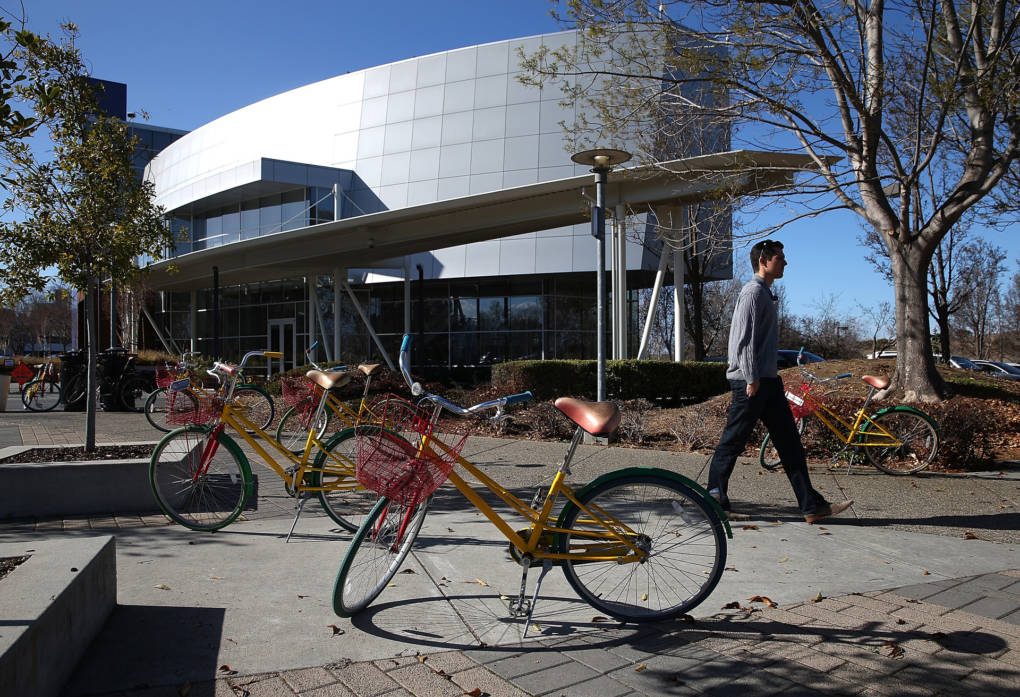
"caption": "In response to a letter demanding equal treatment for contractors signed by Google employees, the company said it will require staffing firms to provide health insurance, 12 hours of paid parental leave and at least $15 an hour. Staffing agencies must comply by 2022. Pictured: Google headquarters on Jan. 30, 2014, in Mountain View.",
"description": "In response to a letter demanding equal treatment for contractors signed by Google employees, the company said it will require staffing firms to provide health insurance, 12 hours of paid parental leave and at least $15 an hour. Staffing agencies must comply by 2022. Pictured: Google headquarters on Jan. 30, 2014 in Mountain View.",
"title": "Google contract workers contractors",
"credit": "Justin Sullivan/Getty Images",
"status": "inherit",
"isLoading": false,
"fetchFailed": false
}
},
"audioPlayerReducer": {
"postId": "stream_live",
"isPaused": true,
"isPlaying": false,
"pfsActive": false,
"pledgeModalIsOpen": true,
"playerDrawerIsOpen": false,
"liveAudioPlayStartedAt": 0,
"liveAudioPlayContext": ""
},
"authorsReducer": {
"byline_news_11769741": {
"type": "authors",
"id": "byline_news_11769741",
"meta": {
"override": true
},
"slug": "byline_news_11769741",
"name": "\u003ca href=\"https://calmatters.org/author/judy-lin/\">Judy Lin\u003c/a>\u003cbr>CalMatters",
"isLoading": false
},
"byline_news_11767839": {
"type": "authors",
"id": "byline_news_11767839",
"meta": {
"override": true
},
"slug": "byline_news_11767839",
"name": "\u003ca href=\"https://calmatters.org/author/laurel-rosenhall/\">Lauren Rosenhall\u003c/a>\u003cbr>CalMatters",
"isLoading": false
},
"byline_news_11763856": {
"type": "authors",
"id": "byline_news_11763856",
"meta": {
"override": true
},
"slug": "byline_news_11763856",
"name": "Bay City News Service",
"isLoading": false
},
"samharnett": {
"type": "authors",
"id": "253",
"meta": {
"index": "authors_1716337520",
"id": "253",
"found": true
},
"name": "Sam Harnett",
"firstName": "Sam",
"lastName": "Harnett",
"slug": "samharnett",
"email": "samharnett@gmail.com",
"display_author_email": false,
"staff_mastheads": [],
"title": "KQED Contributor",
"bio": "Sam Harnett covered tech and work at KQED. He is the co-creator of \u003cem>\u003ca href=\"http://www.theworldaccordingtosound.org\">The World According to Sound\u003c/a>,\u003c/em> a 90-second podcast that features different sounds and the stories behind them.\r\n\r\nBefore coming to KQED, Sam worked as an independent reporter who contributed regularly to \u003cem>The California Report, Marketplace,\u003c/em> \u003cem>The World \u003c/em>and NPR.",
"avatar": "https://secure.gravatar.com/avatar/2538b972ac02f2b9546c7a6c59a0f3d0?s=600&d=blank&r=g",
"twitter": "Samwharnett",
"facebook": null,
"instagram": null,
"linkedin": null,
"sites": [
{
"site": "news",
"roles": [
"edit_others_posts",
"subscriber"
]
},
{
"site": "stateofhealth",
"roles": [
"author"
]
},
{
"site": "science",
"roles": [
"editor"
]
},
{
"site": "quest",
"roles": [
"subscriber"
]
}
],
"headData": {
"title": "Sam Harnett | KQED",
"description": "KQED Contributor",
"ogImgSrc": "https://secure.gravatar.com/avatar/2538b972ac02f2b9546c7a6c59a0f3d0?s=600&d=blank&r=g",
"twImgSrc": "https://secure.gravatar.com/avatar/2538b972ac02f2b9546c7a6c59a0f3d0?s=600&d=blank&r=g"
},
"isLoading": false,
"link": "/author/samharnett"
},
"tgoldberg": {
"type": "authors",
"id": "258",
"meta": {
"index": "authors_1716337520",
"id": "258",
"found": true
},
"name": "Ted Goldberg",
"firstName": "Ted",
"lastName": "Goldberg",
"slug": "tgoldberg",
"email": "tgoldberg@kqed.org",
"display_author_email": true,
"staff_mastheads": [
"news"
],
"title": "KQED Managing Editor, News and Newscasts",
"bio": "Ted Goldberg is Managing Editor of News and Newscasts at KQED. His main reporting beat is the Bay Area's oil refining industry.\r\n\r\nPrior to joining KQED in 2014, Ted worked at CBS News and WCBS AM in New York and Bay City News and KCBS Radio in San Francisco. He graduated from Oberlin College in Ohio in 1998.",
"avatar": "https://secure.gravatar.com/avatar/30ce2e4fe89135e104f89be2394d16225b9d36c121b5b3cb7651ce642978b96f?s=600&d=blank&r=g",
"twitter": "TedrickG",
"bluesky": null,
"facebook": null,
"instagram": null,
"linkedin": null,
"sites": [
{
"site": "news",
"roles": [
"editor"
]
},
{
"site": "science",
"roles": [
"editor"
]
}
],
"headData": {
"title": "Ted Goldberg | KQED",
"description": "KQED Managing Editor, News and Newscasts",
"ogImgSrc": "https://secure.gravatar.com/avatar/30ce2e4fe89135e104f89be2394d16225b9d36c121b5b3cb7651ce642978b96f?s=600&d=blank&r=g",
"twImgSrc": "https://secure.gravatar.com/avatar/30ce2e4fe89135e104f89be2394d16225b9d36c121b5b3cb7651ce642978b96f?s=600&d=blank&r=g"
},
"isLoading": false,
"link": "/author/tgoldberg"
},
"matthewgreen": {
"type": "authors",
"id": "1263",
"meta": {
"index": "authors_1716337520",
"id": "1263",
"found": true
},
"name": "Matthew Green",
"firstName": "Matthew",
"lastName": "Green",
"slug": "matthewgreen",
"email": "mgreen@kqed.org",
"display_author_email": false,
"staff_mastheads": [],
"title": "KQED Editor/Reporter",
"bio": "Matthew Green is a digital media producer for KQED News. He previously produced \u003ca href=\"http://www.kqed.org/lowdown\">The Lowdown\u003c/a>, KQED’s multimedia news education blog. Matthew's written for numerous Bay Area publications, including the Oakland Tribune and San Francisco Chronicle. He also taught journalism classes at Fremont High School in East Oakland.\r\n\r\nEmail: mgreen@kqed.org; Twitter: @MGreenKQED",
"avatar": "https://secure.gravatar.com/avatar/3bf498d1267ca02c8494f33d8cfc575e?s=600&d=blank&r=g",
"twitter": "MGreenKQED",
"facebook": null,
"instagram": null,
"linkedin": null,
"sites": [
{
"site": "news",
"roles": []
},
{
"site": "lowdown",
"roles": []
},
{
"site": "science",
"roles": []
},
{
"site": "education",
"roles": []
},
{
"site": "quest",
"roles": []
},
{
"site": "liveblog",
"roles": []
}
],
"headData": {
"title": "Matthew Green | KQED",
"description": "KQED Editor/Reporter",
"ogImgSrc": "https://secure.gravatar.com/avatar/3bf498d1267ca02c8494f33d8cfc575e?s=600&d=blank&r=g",
"twImgSrc": "https://secure.gravatar.com/avatar/3bf498d1267ca02c8494f33d8cfc575e?s=600&d=blank&r=g"
},
"isLoading": false,
"link": "/author/matthewgreen"
},
"jeremysiegel": {
"type": "authors",
"id": "11258",
"meta": {
"index": "authors_1716337520",
"id": "11258",
"found": true
},
"name": "Jeremy Siegel",
"firstName": "Jeremy",
"lastName": "Siegel",
"slug": "jeremysiegel",
"email": "jsiegel@kqed.org",
"display_author_email": false,
"staff_mastheads": [],
"title": "KQED Contributor",
"bio": "Jeremy Siegel is is the weekend afternoon news anchor for KQED. His reporting can be heard on KQED News, Morning Edition, All Things Considered and The California Report. Jeremy's coverage of the Camp Fire in Butte County won the 2019 Society of Professional Journalists, Northern California Chapter, Excellence in Journalism Award for Breaking News. Jeremy grew up in Cincinnati, Ohio, and graduated from UC Berkeley.",
"avatar": "https://secure.gravatar.com/avatar/3921a64ceb9ed5d0ba47d9ae9782f1ab?s=600&d=blank&r=g",
"twitter": "jersiegel",
"facebook": null,
"instagram": null,
"linkedin": null,
"sites": [
{
"site": "arts",
"roles": []
},
{
"site": "news",
"roles": [
"subscriber"
]
},
{
"site": "science",
"roles": []
}
],
"headData": {
"title": "Jeremy Siegel | KQED",
"description": "KQED Contributor",
"ogImgSrc": "https://secure.gravatar.com/avatar/3921a64ceb9ed5d0ba47d9ae9782f1ab?s=600&d=blank&r=g",
"twImgSrc": "https://secure.gravatar.com/avatar/3921a64ceb9ed5d0ba47d9ae9782f1ab?s=600&d=blank&r=g"
},
"isLoading": false,
"link": "/author/jeremysiegel"
},
"rlevi": {
"type": "authors",
"id": "11260",
"meta": {
"index": "authors_1716337520",
"id": "11260",
"found": true
},
"name": "Ryan Levi",
"firstName": "Ryan",
"lastName": "Levi",
"slug": "rlevi",
"email": "rlevi@KQED.org",
"display_author_email": false,
"staff_mastheads": [],
"title": "KQED Contributor",
"bio": "Ryan Levi was a reporter and podcast producer at KQED News from 2016-2019. He worked on \u003ca href=\"https://www.kqed.org/news/series/baycurious\">Bay Curious\u003c/a>, \u003ca href=\"https://www.kqed.org/news/tag/the-bay/\">The Bay, \u003c/a>and \u003ca href=\"https://podcasts.apple.com/us/podcast/the-california-report-magazine/id1314750545\">The California Report Magazine\u003c/a>, as well as hosting and producing the weekly \u003ca href=\"https://www.kqed.org/news/program/qedup/\">Q'ed Up podcast. \u003c/a>He also helped inaugurate KQED's weekend news coverage in 2017 as one of two original digital producers. Ryan holds degrees in multimedia journalism and Spanish from the University of Missouri.",
"avatar": "https://secure.gravatar.com/avatar/4cb2ddd028ac8807d1adf09609c5555d?s=600&d=blank&r=g",
"twitter": "ryan_levi",
"facebook": null,
"instagram": null,
"linkedin": null,
"sites": [
{
"site": "arts",
"roles": [
"editor"
]
},
{
"site": "news",
"roles": [
"subscriber"
]
},
{
"site": "stateofhealth",
"roles": [
"editor"
]
},
{
"site": "science",
"roles": [
"editor"
]
},
{
"site": "forum",
"roles": [
"administrator"
]
},
{
"site": "perspectives",
"roles": [
"administrator"
]
}
],
"headData": {
"title": "Ryan Levi | KQED",
"description": "KQED Contributor",
"ogImgSrc": "https://secure.gravatar.com/avatar/4cb2ddd028ac8807d1adf09609c5555d?s=600&d=blank&r=g",
"twImgSrc": "https://secure.gravatar.com/avatar/4cb2ddd028ac8807d1adf09609c5555d?s=600&d=blank&r=g"
},
"isLoading": false,
"link": "/author/rlevi"
},
"ajperry": {
"type": "authors",
"id": "11334",
"meta": {
"index": "authors_1716337520",
"id": "11334",
"found": true
},
"name": "Alyssa Jeong Perry",
"firstName": "Alyssa",
"lastName": "Perry",
"slug": "ajperry",
"email": "AlyssaPerry@KQED.org",
"display_author_email": false,
"staff_mastheads": [],
"title": "KQED Contributor",
"bio": "Alyssa Jeong Perry is a on-call reporter at KQED. She's had stories air on NPR and WBUR's \u003cem>Here & Now,\u003c/em> PRI's The World and WNYC's \u003cem>The Takeaway.\u003c/em> And her written stories have been published in \u003cem>The Guardian \u003c/em>and \u003cem>The Nation. \u003c/em> For her reporting on immigration, Alyssa was honored as a 2015 Ford Foundation fellow through International Center for Journalists and a 2016 Mark Felt fellow with the UC Berkeley's Investigative Reporting Program. She's also interned at \u003cem>Oregon Public Broadcasting \u003c/em>and has her masters in journalism from the UC Berkeley. Before diving deep into journalism, she lived in Korea for almost four years and traveled extensively through Central America and Asia.",
"avatar": "https://secure.gravatar.com/avatar/8601b3e2995177110a6b5beb3aaea2f3?s=600&d=blank&r=g",
"twitter": "alyssajperry",
"facebook": null,
"instagram": null,
"linkedin": null,
"sites": [
{
"site": "news",
"roles": [
"author"
]
}
],
"headData": {
"title": "Alyssa Jeong Perry | KQED",
"description": "KQED Contributor",
"ogImgSrc": "https://secure.gravatar.com/avatar/8601b3e2995177110a6b5beb3aaea2f3?s=600&d=blank&r=g",
"twImgSrc": "https://secure.gravatar.com/avatar/8601b3e2995177110a6b5beb3aaea2f3?s=600&d=blank&r=g"
},
"isLoading": false,
"link": "/author/ajperry"
},
"mwiley": {
"type": "authors",
"id": "11526",
"meta": {
"index": "authors_1716337520",
"id": "11526",
"found": true
},
"name": "Michelle Wiley",
"firstName": "Michelle",
"lastName": "Wiley",
"slug": "mwiley",
"email": "mwiley@KQED.org",
"display_author_email": true,
"staff_mastheads": [],
"title": null,
"bio": "Michelle Wiley was the senior editor of weekends.",
"avatar": "https://secure.gravatar.com/avatar/3b897d82a09e8587e8e73fa69fbcc635?s=600&d=blank&r=g",
"twitter": "michelleewiley",
"facebook": null,
"instagram": null,
"linkedin": null,
"sites": [
{
"site": "",
"roles": [
"editor"
]
},
{
"site": "arts",
"roles": [
"editor"
]
},
{
"site": "news",
"roles": [
"subscriber"
]
},
{
"site": "lowdown",
"roles": [
"editor"
]
},
{
"site": "science",
"roles": [
"editor"
]
},
{
"site": "podcasts",
"roles": [
"editor"
]
}
],
"headData": {
"title": "Michelle Wiley | KQED",
"description": null,
"ogImgSrc": "https://secure.gravatar.com/avatar/3b897d82a09e8587e8e73fa69fbcc635?s=600&d=blank&r=g",
"twImgSrc": "https://secure.gravatar.com/avatar/3b897d82a09e8587e8e73fa69fbcc635?s=600&d=blank&r=g"
},
"isLoading": false,
"link": "/author/mwiley"
},
"smamidanna": {
"type": "authors",
"id": "11581",
"meta": {
"index": "authors_1716337520",
"id": "11581",
"found": true
},
"name": "Sruti Mamidanna",
"firstName": "Sruti",
"lastName": "Mamidanna",
"slug": "smamidanna",
"email": "smamidanna@kqed.org",
"display_author_email": false,
"staff_mastheads": [],
"title": null,
"bio": null,
"avatar": "https://secure.gravatar.com/avatar/b6365bcdef7e2060671a7124aa076048?s=600&d=blank&r=g",
"twitter": null,
"facebook": null,
"instagram": null,
"linkedin": null,
"sites": [
{
"site": "news",
"roles": [
"author"
]
}
],
"headData": {
"title": "Sruti Mamidanna | KQED",
"description": null,
"ogImgSrc": "https://secure.gravatar.com/avatar/b6365bcdef7e2060671a7124aa076048?s=600&d=blank&r=g",
"twImgSrc": "https://secure.gravatar.com/avatar/b6365bcdef7e2060671a7124aa076048?s=600&d=blank&r=g"
},
"isLoading": false,
"link": "/author/smamidanna"
}
},
"pagesReducer": {
"news_tag_labor": {
"type": "terms",
"id": "news_19904",
"meta": {
"index": "terms_1716263798",
"site": "news",
"id": "19904",
"score": 8.558133
},
"name": "Labor",
"slug": "labor",
"taxonomy": "tag",
"description": null,
"featImg": null,
"headData": {
"title": "Labor | KQED News",
"description": null,
"ogTitle": null,
"ogDescription": null,
"ogImgId": null,
"twTitle": null,
"twDescription": null,
"twImgId": null
},
"ttid": 19921,
"isLoading": false,
"title": "Labor",
"pageMeta": {
"site": "news",
"WpPageTemplate": "page-topic-editorial",
"currentPage": 56
},
"blocks": [
{
"blockName": "kqed/post-list",
"attrs": {
"layout": "cardArticle2",
"query": "posts/news?tag=labor",
"seeMore": false,
"paginated": true,
"page": 56
}
},
{
"blockName": "kqed/ad"
}
]
}
},
"pfsSessionReducer": {},
"postsReducer": {
"stream_live": {
"type": "live",
"id": "stream_live",
"audioUrl": "https://streams.kqed.org/kqedradio",
"title": "Live Stream",
"excerpt": "Live Stream information currently unavailable.",
"link": "/radio",
"featImg": "",
"label": {
"name": "KQED Live",
"link": "/"
}
},
"stream_kqedNewscast": {
"type": "posts",
"id": "stream_kqedNewscast",
"audioUrl": "https://www.kqed.org/.stream/anon/radio/RDnews/newscast.mp3?_=1",
"title": "KQED Newscast",
"featImg": "",
"label": {
"name": "88.5 FM",
"link": "/"
}
},
"news_11769741": {
"type": "posts",
"id": "news_11769741",
"meta": {
"index": "posts_1716263798",
"site": "news",
"id": "11769741",
"score": null,
"sort": [
1567034932000
]
},
"guestAuthors": [],
"slug": "is-the-gig-up-what-dynamex-means-for-the-future-of-contracting-in-california",
"title": "Is the 'Gig' Up? What Dynamex Means for the Future of Contracting in California",
"publishDate": 1567034932,
"format": "standard",
"headTitle": "Is the ‘Gig’ Up? What Dynamex Means for the Future of Contracting in California | KQED",
"labelTerm": {},
"content": "\u003cp>[dropcap]D[/dropcap]o you freelance in California? Have a side hustle? Drive trucks? Work on political campaigns? Then you may want to pay attention to a major employment fight coming to a head in Sacramento.\u003c/p>\n\u003cp>The state Legislature is currently considering \u003ca href=\"https://leginfo.legislature.ca.gov/faces/billNavClient.xhtml?bill_id=201920200AB5\" target=\"_blank\" rel=\"noopener\">Assembly Bill 5\u003c/a>, which would make it harder to classify workers as independent contractors, officially codifying a sweeping 2018 California Supreme Court decision. The so-called \u003ca href=\"https://calmatters.org/articles/companies-beg-for-relief-from-pro-labor-gig-worker-ruling/\" target=\"_blank\" rel=\"noopener\">Dynamex bill\u003c/a>, supported by organized labor and named for the court case, has made headlines for threatening on-demand business models made popular by the likes of Uber, DoorDash and Postmates.\u003c/p>\n\u003cp>[pullquote size='medium' align='right' citation=\"Veena Dubal, UC Hastings law professor\"]‘It’s pretty clear that most workers in the gig economy need labor and employment law protections under California law.’[/pullquote]\u003c/p>\n\u003cp>Earlier this week, Lyft and Uber drivers caravaned across the state to show their support for the bill, \u003ca href=\"https://www.kqed.org/news/11770427/uber-lyft-drivers-rally-in-s-f-in-support-of-controversial-gig-employee-bill\">rallying\u003c/a> in front of Uber headquarters in San Francisco and calling for the right to unionize.\u003c/p>\n\u003cp>This Friday, the Senate Appropriations Committee is expected to decide whether the bill will advance further through the Legislature and face a vote on the Senate floor.\u003c/p>\n\u003cp>AB 5 could affect some 2 million workers in industries far from the so-called gig economy or the tech sector, from general contractors to \u003ca href=\"https://www.kqed.org/news/11737567/strippers-clash-over-employment-status-in-dueling-l-a-protests\" target=\"_blank\" rel=\"noopener\">strippers\u003c/a>. The proposed legislation would rewrite the rules not just for workers, but also for employers, like media outlets (including KQED), winemakers, private investigators or music schools.\u003c/p>\n\u003cp>“Does AB 5 have very wide repercussions? Yes, that’s what makes the negotiations very complicated,” said labor rights attorney Bill Sokol, who teaches employment law at San Francisco State University and is not a part of the negotiations.\u003c/p>\n\u003cp>[aside label=\"related stories\" tag=\"gig-economy\"]\u003c/p>\n\u003cp>AB 5 has put Gov. Gavin Newsom, who wants to be viewed as an ally to both labor and tech, \u003ca href=\"https://www.sfchronicle.com/politics/article/Gavin-Newsom-dodges-taking-a-stand-on-14047109.php?psid=4CZ4T\" target=\"_blank\" rel=\"noopener\">in an awkward position.\u003c/a>\u003c/p>\n\u003cp>Opposing the bill are mainstream businesses that have banded together with some in the gig economy to wage an \u003ca href=\"https://imindependent.co/\" target=\"_blank\" rel=\"noopener\">“I’m Independent”\u003c/a> campaign against it.\u003c/p>\n\u003cp>Lobbying heavily in favor of the bill is organized labor, which wants to see gig economy workers get workplace protections, including the right to collective bargaining.\u003c/p>\n\u003cp>California has long led the nation on employment practices, and the Dynamex bill may be just the beginning as policymakers wrestle with updating labor codes for a changing workplace.\u003c/p>\n\u003cp>“Everything is up for grabs,” Sokol said. “There’s no way to predict who’s going to end up with what. But labor recognizes that the American workplace they have traditionally organized — those worker relationships — have changed, and the laws have not kept up with them.”\u003c/p>\n\u003ch3>What was the Dynamex decision all about?\u003c/h3>\n\u003cp>The state Supreme Court decision in \u003ca href=\"https://www.courts.ca.gov/opinions/archive/S222732.PDF\" target=\"_blank\" rel=\"noopener\">Dynamex Operations West, Inc. v. Superior Court of Los Angeles\u003c/a> dealt with a same-day courier service that, to save money, had converted all its employees into independent contractors. A former employee claimed the shift was a state Labor Code violation, and the litigation that ensued ended up reinterpreting how workers are classified. The ruling established a three-part test for certifying independent contractors.\u003c/p>\n\u003caside class=\"alignright\">\n\u003ch4>The Dynamex ABC Test\u003cbr>\n\u003cbr>\u003c/h4>\n\u003cp>A) The worker is free from the control and direction of the hiring entity in connection with the performance of the work, both under the contract for the performance of the work and in fact; \u003cem>and\u003c/em>\u003c/p>\n\u003cp>B) The worker performs work that is outside the usual course of the hiring entity’s business; \u003cem>and\u003c/em>\u003c/p>\n\u003cp>C) The worker is customarily engaged in an independently established trade, occupation, or business of the same nature as the work performed for the hirer.\u003c/p>\n\u003c/aside>\n\u003cp>Even though the Dynamex decision is already law, labor representatives say many companies have been flouting it. AB 5 would ensure that workers would not have to file suit on a case-by-case basis to seek enforcement.\u003c/p>\n\u003cp>“There’s a whole bunch of things that they’re currently being cheated out of, frankly,” said Steve Smith with the Labor Federation. “With respect to Uber and Lyft, it’s the exploitation they subject their workers to on a daily basis. Many of these workers are not receiving minimum wage. They are misclassified as contractors when they actually should be considered employees, meaning there’s a whole host of benefits they’re not getting that they should get like everyone else.”\u003c/p>\n\u003cp>In steering more workers to employee status, the bill would force companies to offer basic worker protections that contractors don’t currently receive, such as guaranteed minimum wage, overtime pay, contributions to Social Security and Medicare, and unemployment and disability insurance. Those workers would also be eligible for workers’ compensation, sick and family leave and would be protected from discrimination at work, none of which are currently afforded to contractors.\u003c/p>\n\u003cp>“It’s a really important bill. States all over the country are watching to see what happens,” said Veena Dubal, a UC Hastings employment law professor, who spent several years representing San Francisco taxi drivers. “It’s pretty clear that most workers in the gig economy need labor and employment law protections under California law. … It’s vital that we have legal analysis that is clear both to businesses and workers so there’s less ambiguity.”\u003c/p>\n\u003cp>[pullquote size='medium' align='right' citation=\"Jennifer Barrera, California Chamber of Commerce\"]‘We have a huge group of individuals who really value their flexibility and control over their own schedule and I don’t think it has to be one or the other.’[/pullquote]\u003c/p>\n\u003cp>The state estimates it loses about \u003ca href=\"https://doc-0o-2c-apps-viewer.googleusercontent.com/viewer/secure/pdf/5kl0815j43d7pmccu5rm1nkdu5n97vtk/k78ohtjvmpriqu94toehk5vasugk1or8/1561398375000/gmail/12954669112312320069/ACFrOgCqTnPx2m9ygcyL_K7HjnqRWqbcoV4Y7z8aWyyKuEzX_tSdhj74hCCpDeNj8FN7h9FivoRreI\" target=\"_blank\" rel=\"noopener\">$7 billion\u003c/a> a year in payroll tax revenue due to worker misclassification — money that could be supporting schools, roads and other public services. And by avoiding unemployment insurance taxes and workers’ compensation premiums, businesses shift the burden to the state when workers get laid off, sick or injured on the job.\u003c/p>\n\u003cp>“These billion dollar companies can complain, but we have to ask ourselves as taxpayers: Should we subsidize their business by subsidizing their workers?” said Democratic Assemblywoman Lorena Gonzalez, a former labor organizer from San Diego who introduced the bill.\u003c/p>\n\u003cp>Gonzalez dismisses the idea, often touted by opponents, that Uber and Lyft will flee California if forced to reclassify their workers as employees. More likely, she predicts, Uber and Lyft will make the changes required by law because there’s a massive market for transporting individuals and goods in California, the fifth-largest economy in the world. And if they can’t swing it, then someone else will, she has said.\u003c/p>\n\u003ch3>Where do labor and business groups stand?\u003c/h3>\n\u003cfigure id=\"attachment_11769747\" class=\"wp-caption alignright\" style=\"max-width: 800px\">\u003cimg loading=\"lazy\" decoding=\"async\" class=\"size-medium wp-image-11769747\" src=\"https://ww2.kqed.org/news/wp-content/uploads/sites/10/2019/08/DYNAMEX-GRAPHIC-1-800x1485.jpg\" alt=\"It's not just Uber and Lyft drivers whose jobs would be reclassified.\" width=\"800\" height=\"1485\" srcset=\"https://cdn.kqed.org/wp-content/uploads/sites/10/2019/08/DYNAMEX-GRAPHIC-1-800x1485.jpg 800w, https://cdn.kqed.org/wp-content/uploads/sites/10/2019/08/DYNAMEX-GRAPHIC-1-160x297.jpg 160w, https://cdn.kqed.org/wp-content/uploads/sites/10/2019/08/DYNAMEX-GRAPHIC-1-1020x1893.jpg 1020w, https://cdn.kqed.org/wp-content/uploads/sites/10/2019/08/DYNAMEX-GRAPHIC-1-646x1200.jpg 646w, https://cdn.kqed.org/wp-content/uploads/sites/10/2019/08/DYNAMEX-GRAPHIC-1-1920x3564.jpg 1920w, https://cdn.kqed.org/wp-content/uploads/sites/10/2019/08/DYNAMEX-GRAPHIC-1.jpg 1103w\" sizes=\"(max-width: 800px) 100vw, 800px\">\u003cfigcaption class=\"wp-caption-text\">It’s not just Uber and Lyft drivers whose jobs would be reclassified. \u003ccite>(CALmatters)\u003c/cite>\u003c/figcaption>\u003c/figure>\n\u003cp>Labor groups, led by the 2 million-member California Labor Federation, have united behind legislation. Their contention is that the gig economy has opened the door to mass exploitation of low-wage workers, a trend that is worsening income inequality.\u003c/p>\n\u003cp>But business advocates warn that the change would dramatically increase labor costs in California and have dire consequences for the state’s economy.\u003c/p>\n\u003cp>“We have a completely different economy,” said Jennifer Barrera, executive vice president of the California Chamber of Commerce. “We have a huge group of individuals who really value their flexibility and control over their own schedule and I don’t think it has to be one or the other.”\u003c/p>\n\u003cp>As for Uber and Lyft, the rideshare companies have sought compromise and held backchannel negotiations with the Teamsters and Service Employees International Union.\u003c/p>\n\u003cp>Their hope is to carve out a way to allow employers to grant some benefits without having to categorize workers as full employees.\u003c/p>\n\u003cp>In an \u003ca href=\"//www.sfchronicle.com/opinion/openforum/article/Open-Forum-Uber-Lyft-ready-to-do-our-part-for-13969843.php\">open letter\u003c/a>, Uber Chief Executive Dara Khosrowshahi and Lyft co-founders Logan Green and John Zimmer proposed maintaining their drivers’ freelance status but granting access to some employee benefits such as paid time off and retirement accounts. The executives, whose combined worth is over $1 billion, have also offered to form a new driver association to advocate for drivers’ interests.\u003c/p>\n\u003cp>“We are public companies that tens of millions of people rely on for mobility and work,” they wrote. “If there ever was a time for new policies, it’s now.”\u003c/p>\n\u003cfigure id=\"attachment_11770516\" class=\"wp-caption alignnone\" style=\"max-width: 800px\">\u003cimg loading=\"lazy\" decoding=\"async\" class=\"size-medium wp-image-11770516\" src=\"https://ww2.kqed.org/news/wp-content/uploads/sites/10/2019/08/RS38761__M6A2496-qut-1-800x502.jpg\" alt='Taking care of his mother and family, Uber and Lyft driver Malik Ali calls on Uber CEO Dara Khosrowshahi to help drivers keep a living wage. \"You see one driver but you don’t see the family behind. At least give us our share. I have to work every day, because of the strict rules for the driver, which is ripping us off. I can’t afford to miss days to pay my rent. They don’t see the family behind us.”' width=\"800\" height=\"502\" srcset=\"https://cdn.kqed.org/wp-content/uploads/sites/10/2019/08/RS38761__M6A2496-qut-1-800x502.jpg 800w, https://cdn.kqed.org/wp-content/uploads/sites/10/2019/08/RS38761__M6A2496-qut-1-160x100.jpg 160w, https://cdn.kqed.org/wp-content/uploads/sites/10/2019/08/RS38761__M6A2496-qut-1-1020x640.jpg 1020w, https://cdn.kqed.org/wp-content/uploads/sites/10/2019/08/RS38761__M6A2496-qut-1-1200x753.jpg 1200w, https://cdn.kqed.org/wp-content/uploads/sites/10/2019/08/RS38761__M6A2496-qut-1.jpg 1920w\" sizes=\"(max-width: 800px) 100vw, 800px\">\u003cfigcaption class=\"wp-caption-text\">Taking care of his mother and family, Uber and Lyft driver Malik Ali calls on Uber CEO Dara Khosrowshahi to help drivers keep a living wage. “You see one driver but you don’t see the family behind. At least give us our share. I have to work every day, because of the strict rules for the driver, which is ripping us off. I can’t afford to miss days to pay my rent. They don’t see the family behind us.” \u003ccite>(Sruti Mamidanna/KQED)\u003c/cite>\u003c/figcaption>\u003c/figure>\n\u003cp>On the other side are drivers like 62-year-old Ann Glatt, who joined the \u003ca href=\"https://www.gigworkersrising.org/\">Gig Workers Rising\u003c/a> movement after noticing her share of fares declining over time with Lyft. She said she was lucky to make $700 a week and would like to see changes to how drivers like herself are categorized.\u003c/p>\n\u003cp>“Teachers are in unions. We’re not able to unionize because we’re independent contractors,” Glatt said.\u003c/p>\n\u003cp>She added that how companies describe their drivers can be misleading.\u003c/p>\n\u003cp>“Uber and Lyft are not transportation companies — they are platforms,” she said. “So that makes us customers and the passengers are the end user. But really it kinda just means Uber and Lyft are not responsible for basic labor standards for people.”\u003c/p>\n\u003cp>In a follow-up interview, Glatt said she stopped driving for Lyft because she wasn’t able to make ends meet.\u003c/p>\n\u003cp>[ad fullwidth]\u003c/p>\n\u003ch3>What about more traditional industries?\u003c/h3>\n\u003cp>The impact of the Dynamex court ruling has been felt far more broadly than many Californians had expected, and AB 5 ‘s impact could be similarly widespread.\u003c/p>\n\u003cp>Gonzalez said she’s heard from newspaper publishers who want to keep using freelance journalists and beauty salons that rely on nail technicians. Her bill has even rattled folks in the world of politics, because it would reclassify campaign workers as employees instead of contractors.\u003c/p>\n\u003cp>Weighing in against the new rules are also representatives of the construction and trucking industries.\u003c/p>\n\u003cp>Peter Tateishi, CEO of the Associated General Contractors of California, which represents construction firms, said the bill would disadvantage small businesses, including many women-owned and minority-owned shops, because the builders that have long hired them as subcontractors won’t be able to do so anymore.\u003c/p>\n\u003cp>The trucking industry has \u003ca href=\"https://www.truckinginfo.com/328560/lawsuit-challenging-california-independent-contractor-rule-dismissed\" target=\"_blank\" rel=\"noopener\">challenged\u003c/a> the Dynamex decision in federal court, arguing that federal laws governing motor carriers preempt the state test.\u003c/p>\n\u003cfigure id=\"attachment_11769749\" class=\"wp-caption alignright\" style=\"max-width: 800px\">\u003cimg loading=\"lazy\" decoding=\"async\" class=\"size-medium wp-image-11769749\" src=\"https://ww2.kqed.org/news/wp-content/uploads/sites/10/2019/08/DYNAMEX-GRAPHIC-3-800x1665.jpg\" alt=\"Business interests are pressing for more exemptions to AB 5.\" width=\"800\" height=\"1665\" srcset=\"https://cdn.kqed.org/wp-content/uploads/sites/10/2019/08/DYNAMEX-GRAPHIC-3-800x1665.jpg 800w, https://cdn.kqed.org/wp-content/uploads/sites/10/2019/08/DYNAMEX-GRAPHIC-3-160x333.jpg 160w, https://cdn.kqed.org/wp-content/uploads/sites/10/2019/08/DYNAMEX-GRAPHIC-3-1020x2123.jpg 1020w, https://cdn.kqed.org/wp-content/uploads/sites/10/2019/08/DYNAMEX-GRAPHIC-3-576x1200.jpg 576w, https://cdn.kqed.org/wp-content/uploads/sites/10/2019/08/DYNAMEX-GRAPHIC-3-1920x3997.jpg 1920w, https://cdn.kqed.org/wp-content/uploads/sites/10/2019/08/DYNAMEX-GRAPHIC-3.jpg 984w\" sizes=\"(max-width: 800px) 100vw, 800px\">\u003cfigcaption class=\"wp-caption-text\">Business interests are pressing for more exemptions to AB 5. \u003ccite>(CALmatters)\u003c/cite>\u003c/figcaption>\u003c/figure>\n\u003cp>Chris Shimoda, vice president of government affairs for the California Trucking Association, says trucking has long been a career option for those without advanced degrees. About 80% of drivers in the industry have a high school education or less, he said.\u003c/p>\n\u003cp>But under Dynamex’s rules, truck drivers who own their own $150,000 Class 8 heavy duty trucks may start finding it difficult to get work.\u003c/p>\n\u003cp>“We all agree there should be a pathway, especially for the blue-collar working class to rise up the economic ladder,” Shimoda said. “If there are specific things that have been abused, then what are those and how do we reconcile that through this bill?”\u003c/p>\n\u003ch3>Will some industries be exempt?\u003c/h3>\n\u003cp>Lawmakers and lobbyists are continuing to negotiate the details of the Dynamex bill. So far, Gonzalez has agreed to exempt doctors, insurance and real estate agents, hair stylists and barbers who hold a booth rental permit, dentists, architects, engineers and accountants out of the law.\u003c/p>\n\u003cp>But business interests are pressing for more exemptions. Barrera of CalChamber said the organization would also like to carve out licensed occupations like court reporters and family therapists.\u003c/p>\n\u003cp>While Gonzalez said she intends to sort through more requests, the exemptions will need to stop at some point.\u003c/p>\n\u003cp>“I have a driver’s license,” she said. “That doesn’t make me a business owner.”\u003c/p>\n\u003cp>\u003cem>KQED’s Matthew Green contributed reporting to this article.\u003c/em>\u003c/p>\n\u003cp>\u003cem>CALmatters.org is a nonprofit, nonpartisan media venture explaining California policies and politics.\u003c/em>\u003c/p>\n\u003cp>[ad floatright]\u003c/p>\n",
"blocks": [],
"excerpt": "A California bill threatens the likes of Uber, Lyft, Postmates and DoorDash. But Assembly Bill 5 could also sweep up some 2 million workers from truck drivers and general contractors to strippers and nail salons.",
"status": "publish",
"parent": 0,
"modified": 1721122564,
"stats": {
"hasAudio": false,
"hasVideo": false,
"hasChartOrMap": false,
"iframeSrcs": [],
"hasGoogleForm": false,
"hasGallery": false,
"hasHearkenModule": false,
"hasPolis": false,
"paragraphCount": 53,
"wordCount": 2110
},
"headData": {
"title": "Is the 'Gig' Up? What Dynamex Means for the Future of Contracting in California | KQED",
"description": "A California bill threatens the likes of Uber, Lyft, Postmates and DoorDash. But Assembly Bill 5 could also sweep up some 2 million workers from truck drivers and general contractors to strippers and nail salons.",
"ogTitle": "",
"ogDescription": "",
"ogImgId": "",
"twTitle": "",
"twDescription": "",
"twImgId": "",
"schema": {
"@context": "https://schema.org",
"@type": "NewsArticle",
"headline": "Is the 'Gig' Up? What Dynamex Means for the Future of Contracting in California",
"datePublished": "2019-08-28T16:28:52-07:00",
"dateModified": "2024-07-16T02:36:04-07:00",
"image": "https://cdn.kqed.org/wp-content/uploads/2020/02/KQED-OG-Image@1x.png",
"isAccessibleForFree": "True",
"publisher": {
"@type": "NewsMediaOrganization",
"@id": "https://www.kqed.org/#organization",
"name": "KQED",
"logo": "https://cdn.kqed.org/wp-content/uploads/2020/02/KQED-OG-Image@1x.png",
"url": "https://www.kqed.org",
"sameAs": [
"https://www.facebook.com/KQED",
"https://twitter.com/KQED",
"https://www.instagram.com/kqed/",
"https://www.tiktok.com/@kqedofficial",
"https://www.linkedin.com/company/kqed",
"https://www.youtube.com/channel/UCeC0IOo7i1P_61zVUWbJ4nw"
]
}
}
},
"source": "CalMatters",
"sourceUrl": "https://calmatters.org/",
"sticky": false,
"nprByline": "\u003ca href=\"https://calmatters.org/author/judy-lin/\">Judy Lin\u003c/a>\u003cbr>CalMatters",
"path": "/news/11769741/is-the-gig-up-what-dynamex-means-for-the-future-of-contracting-in-california",
"audioTrackLength": null,
"parsedContent": [
{
"type": "contentString",
"content": "\u003cdiv class=\"post-body\">\u003cp>\u003cp>\u003c/p>\u003cp>\u003cspan class=\"utils-parseShortcode-shortcodes-__dropcapShortcode__dropcap\">D\u003c/span>\u003c/p>\u003cp>o you freelance in California? Have a side hustle? Drive trucks? Work on political campaigns? Then you may want to pay attention to a major employment fight coming to a head in Sacramento.\u003c/p>\n\u003cp>The state Legislature is currently considering \u003ca href=\"https://leginfo.legislature.ca.gov/faces/billNavClient.xhtml?bill_id=201920200AB5\" target=\"_blank\" rel=\"noopener\">Assembly Bill 5\u003c/a>, which would make it harder to classify workers as independent contractors, officially codifying a sweeping 2018 California Supreme Court decision. The so-called \u003ca href=\"https://calmatters.org/articles/companies-beg-for-relief-from-pro-labor-gig-worker-ruling/\" target=\"_blank\" rel=\"noopener\">Dynamex bill\u003c/a>, supported by organized labor and named for the court case, has made headlines for threatening on-demand business models made popular by the likes of Uber, DoorDash and Postmates.\u003c/p>\n\u003cp>\u003c/p>\u003c/div>",
"attributes": {
"named": {},
"numeric": []
}
},
{
"type": "component",
"content": "‘It’s pretty clear that most workers in the gig economy need labor and employment law protections under California law.’",
"name": "pullquote",
"attributes": {
"named": {
"size": "medium",
"align": "right",
"citation": "Veena Dubal, UC Hastings law professor",
"label": ""
},
"numeric": []
}
},
{
"type": "contentString",
"content": "\u003cdiv class=\"post-body\">\u003cp>\u003c/p>\n\u003cp>Earlier this week, Lyft and Uber drivers caravaned across the state to show their support for the bill, \u003ca href=\"https://www.kqed.org/news/11770427/uber-lyft-drivers-rally-in-s-f-in-support-of-controversial-gig-employee-bill\">rallying\u003c/a> in front of Uber headquarters in San Francisco and calling for the right to unionize.\u003c/p>\n\u003cp>This Friday, the Senate Appropriations Committee is expected to decide whether the bill will advance further through the Legislature and face a vote on the Senate floor.\u003c/p>\n\u003cp>AB 5 could affect some 2 million workers in industries far from the so-called gig economy or the tech sector, from general contractors to \u003ca href=\"https://www.kqed.org/news/11737567/strippers-clash-over-employment-status-in-dueling-l-a-protests\" target=\"_blank\" rel=\"noopener\">strippers\u003c/a>. The proposed legislation would rewrite the rules not just for workers, but also for employers, like media outlets (including KQED), winemakers, private investigators or music schools.\u003c/p>\n\u003cp>“Does AB 5 have very wide repercussions? Yes, that’s what makes the negotiations very complicated,” said labor rights attorney Bill Sokol, who teaches employment law at San Francisco State University and is not a part of the negotiations.\u003c/p>\n\u003cp>\u003c/p>\u003c/div>",
"attributes": {
"named": {},
"numeric": []
}
},
{
"type": "component",
"content": "",
"name": "aside",
"attributes": {
"named": {
"label": "related stories ",
"tag": "gig-economy"
},
"numeric": []
}
},
{
"type": "contentString",
"content": "\u003cdiv class=\"post-body\">\u003cp>\u003c/p>\n\u003cp>AB 5 has put Gov. Gavin Newsom, who wants to be viewed as an ally to both labor and tech, \u003ca href=\"https://www.sfchronicle.com/politics/article/Gavin-Newsom-dodges-taking-a-stand-on-14047109.php?psid=4CZ4T\" target=\"_blank\" rel=\"noopener\">in an awkward position.\u003c/a>\u003c/p>\n\u003cp>Opposing the bill are mainstream businesses that have banded together with some in the gig economy to wage an \u003ca href=\"https://imindependent.co/\" target=\"_blank\" rel=\"noopener\">“I’m Independent”\u003c/a> campaign against it.\u003c/p>\n\u003cp>Lobbying heavily in favor of the bill is organized labor, which wants to see gig economy workers get workplace protections, including the right to collective bargaining.\u003c/p>\n\u003cp>California has long led the nation on employment practices, and the Dynamex bill may be just the beginning as policymakers wrestle with updating labor codes for a changing workplace.\u003c/p>\n\u003cp>“Everything is up for grabs,” Sokol said. “There’s no way to predict who’s going to end up with what. But labor recognizes that the American workplace they have traditionally organized — those worker relationships — have changed, and the laws have not kept up with them.”\u003c/p>\n\u003ch3>What was the Dynamex decision all about?\u003c/h3>\n\u003cp>The state Supreme Court decision in \u003ca href=\"https://www.courts.ca.gov/opinions/archive/S222732.PDF\" target=\"_blank\" rel=\"noopener\">Dynamex Operations West, Inc. v. Superior Court of Los Angeles\u003c/a> dealt with a same-day courier service that, to save money, had converted all its employees into independent contractors. A former employee claimed the shift was a state Labor Code violation, and the litigation that ensued ended up reinterpreting how workers are classified. The ruling established a three-part test for certifying independent contractors.\u003c/p>\n\u003caside class=\"alignright\">\n\u003ch4>The Dynamex ABC Test\u003cbr>\n\u003cbr>\u003c/h4>\n\u003cp>A) The worker is free from the control and direction of the hiring entity in connection with the performance of the work, both under the contract for the performance of the work and in fact; \u003cem>and\u003c/em>\u003c/p>\n\u003cp>B) The worker performs work that is outside the usual course of the hiring entity’s business; \u003cem>and\u003c/em>\u003c/p>\n\u003cp>C) The worker is customarily engaged in an independently established trade, occupation, or business of the same nature as the work performed for the hirer.\u003c/p>\n\u003c/aside>\n\u003cp>Even though the Dynamex decision is already law, labor representatives say many companies have been flouting it. AB 5 would ensure that workers would not have to file suit on a case-by-case basis to seek enforcement.\u003c/p>\n\u003cp>“There’s a whole bunch of things that they’re currently being cheated out of, frankly,” said Steve Smith with the Labor Federation. “With respect to Uber and Lyft, it’s the exploitation they subject their workers to on a daily basis. Many of these workers are not receiving minimum wage. They are misclassified as contractors when they actually should be considered employees, meaning there’s a whole host of benefits they’re not getting that they should get like everyone else.”\u003c/p>\n\u003cp>In steering more workers to employee status, the bill would force companies to offer basic worker protections that contractors don’t currently receive, such as guaranteed minimum wage, overtime pay, contributions to Social Security and Medicare, and unemployment and disability insurance. Those workers would also be eligible for workers’ compensation, sick and family leave and would be protected from discrimination at work, none of which are currently afforded to contractors.\u003c/p>\n\u003cp>“It’s a really important bill. States all over the country are watching to see what happens,” said Veena Dubal, a UC Hastings employment law professor, who spent several years representing San Francisco taxi drivers. “It’s pretty clear that most workers in the gig economy need labor and employment law protections under California law. … It’s vital that we have legal analysis that is clear both to businesses and workers so there’s less ambiguity.”\u003c/p>\n\u003cp>\u003c/p>\u003c/div>",
"attributes": {
"named": {},
"numeric": []
}
},
{
"type": "component",
"content": "‘We have a huge group of individuals who really value their flexibility and control over their own schedule and I don’t think it has to be one or the other.’",
"name": "pullquote",
"attributes": {
"named": {
"size": "medium",
"align": "right",
"citation": "Jennifer Barrera, California Chamber of Commerce",
"label": ""
},
"numeric": []
}
},
{
"type": "contentString",
"content": "\u003cdiv class=\"post-body\">\u003cp>\u003c/p>\n\u003cp>The state estimates it loses about \u003ca href=\"https://doc-0o-2c-apps-viewer.googleusercontent.com/viewer/secure/pdf/5kl0815j43d7pmccu5rm1nkdu5n97vtk/k78ohtjvmpriqu94toehk5vasugk1or8/1561398375000/gmail/12954669112312320069/ACFrOgCqTnPx2m9ygcyL_K7HjnqRWqbcoV4Y7z8aWyyKuEzX_tSdhj74hCCpDeNj8FN7h9FivoRreI\" target=\"_blank\" rel=\"noopener\">$7 billion\u003c/a> a year in payroll tax revenue due to worker misclassification — money that could be supporting schools, roads and other public services. And by avoiding unemployment insurance taxes and workers’ compensation premiums, businesses shift the burden to the state when workers get laid off, sick or injured on the job.\u003c/p>\n\u003cp>“These billion dollar companies can complain, but we have to ask ourselves as taxpayers: Should we subsidize their business by subsidizing their workers?” said Democratic Assemblywoman Lorena Gonzalez, a former labor organizer from San Diego who introduced the bill.\u003c/p>\n\u003cp>Gonzalez dismisses the idea, often touted by opponents, that Uber and Lyft will flee California if forced to reclassify their workers as employees. More likely, she predicts, Uber and Lyft will make the changes required by law because there’s a massive market for transporting individuals and goods in California, the fifth-largest economy in the world. And if they can’t swing it, then someone else will, she has said.\u003c/p>\n\u003ch3>Where do labor and business groups stand?\u003c/h3>\n\u003cfigure id=\"attachment_11769747\" class=\"wp-caption alignright\" style=\"max-width: 800px\">\u003cimg loading=\"lazy\" decoding=\"async\" class=\"size-medium wp-image-11769747\" src=\"https://ww2.kqed.org/news/wp-content/uploads/sites/10/2019/08/DYNAMEX-GRAPHIC-1-800x1485.jpg\" alt=\"It's not just Uber and Lyft drivers whose jobs would be reclassified.\" width=\"800\" height=\"1485\" srcset=\"https://cdn.kqed.org/wp-content/uploads/sites/10/2019/08/DYNAMEX-GRAPHIC-1-800x1485.jpg 800w, https://cdn.kqed.org/wp-content/uploads/sites/10/2019/08/DYNAMEX-GRAPHIC-1-160x297.jpg 160w, https://cdn.kqed.org/wp-content/uploads/sites/10/2019/08/DYNAMEX-GRAPHIC-1-1020x1893.jpg 1020w, https://cdn.kqed.org/wp-content/uploads/sites/10/2019/08/DYNAMEX-GRAPHIC-1-646x1200.jpg 646w, https://cdn.kqed.org/wp-content/uploads/sites/10/2019/08/DYNAMEX-GRAPHIC-1-1920x3564.jpg 1920w, https://cdn.kqed.org/wp-content/uploads/sites/10/2019/08/DYNAMEX-GRAPHIC-1.jpg 1103w\" sizes=\"(max-width: 800px) 100vw, 800px\">\u003cfigcaption class=\"wp-caption-text\">It’s not just Uber and Lyft drivers whose jobs would be reclassified. \u003ccite>(CALmatters)\u003c/cite>\u003c/figcaption>\u003c/figure>\n\u003cp>Labor groups, led by the 2 million-member California Labor Federation, have united behind legislation. Their contention is that the gig economy has opened the door to mass exploitation of low-wage workers, a trend that is worsening income inequality.\u003c/p>\n\u003cp>But business advocates warn that the change would dramatically increase labor costs in California and have dire consequences for the state’s economy.\u003c/p>\n\u003cp>“We have a completely different economy,” said Jennifer Barrera, executive vice president of the California Chamber of Commerce. “We have a huge group of individuals who really value their flexibility and control over their own schedule and I don’t think it has to be one or the other.”\u003c/p>\n\u003cp>As for Uber and Lyft, the rideshare companies have sought compromise and held backchannel negotiations with the Teamsters and Service Employees International Union.\u003c/p>\n\u003cp>Their hope is to carve out a way to allow employers to grant some benefits without having to categorize workers as full employees.\u003c/p>\n\u003cp>In an \u003ca href=\"//www.sfchronicle.com/opinion/openforum/article/Open-Forum-Uber-Lyft-ready-to-do-our-part-for-13969843.php\">open letter\u003c/a>, Uber Chief Executive Dara Khosrowshahi and Lyft co-founders Logan Green and John Zimmer proposed maintaining their drivers’ freelance status but granting access to some employee benefits such as paid time off and retirement accounts. The executives, whose combined worth is over $1 billion, have also offered to form a new driver association to advocate for drivers’ interests.\u003c/p>\n\u003cp>“We are public companies that tens of millions of people rely on for mobility and work,” they wrote. “If there ever was a time for new policies, it’s now.”\u003c/p>\n\u003cfigure id=\"attachment_11770516\" class=\"wp-caption alignnone\" style=\"max-width: 800px\">\u003cimg loading=\"lazy\" decoding=\"async\" class=\"size-medium wp-image-11770516\" src=\"https://ww2.kqed.org/news/wp-content/uploads/sites/10/2019/08/RS38761__M6A2496-qut-1-800x502.jpg\" alt='Taking care of his mother and family, Uber and Lyft driver Malik Ali calls on Uber CEO Dara Khosrowshahi to help drivers keep a living wage. \"You see one driver but you don’t see the family behind. At least give us our share. I have to work every day, because of the strict rules for the driver, which is ripping us off. I can’t afford to miss days to pay my rent. They don’t see the family behind us.”' width=\"800\" height=\"502\" srcset=\"https://cdn.kqed.org/wp-content/uploads/sites/10/2019/08/RS38761__M6A2496-qut-1-800x502.jpg 800w, https://cdn.kqed.org/wp-content/uploads/sites/10/2019/08/RS38761__M6A2496-qut-1-160x100.jpg 160w, https://cdn.kqed.org/wp-content/uploads/sites/10/2019/08/RS38761__M6A2496-qut-1-1020x640.jpg 1020w, https://cdn.kqed.org/wp-content/uploads/sites/10/2019/08/RS38761__M6A2496-qut-1-1200x753.jpg 1200w, https://cdn.kqed.org/wp-content/uploads/sites/10/2019/08/RS38761__M6A2496-qut-1.jpg 1920w\" sizes=\"(max-width: 800px) 100vw, 800px\">\u003cfigcaption class=\"wp-caption-text\">Taking care of his mother and family, Uber and Lyft driver Malik Ali calls on Uber CEO Dara Khosrowshahi to help drivers keep a living wage. “You see one driver but you don’t see the family behind. At least give us our share. I have to work every day, because of the strict rules for the driver, which is ripping us off. I can’t afford to miss days to pay my rent. They don’t see the family behind us.” \u003ccite>(Sruti Mamidanna/KQED)\u003c/cite>\u003c/figcaption>\u003c/figure>\n\u003cp>On the other side are drivers like 62-year-old Ann Glatt, who joined the \u003ca href=\"https://www.gigworkersrising.org/\">Gig Workers Rising\u003c/a> movement after noticing her share of fares declining over time with Lyft. She said she was lucky to make $700 a week and would like to see changes to how drivers like herself are categorized.\u003c/p>\n\u003cp>“Teachers are in unions. We’re not able to unionize because we’re independent contractors,” Glatt said.\u003c/p>\n\u003cp>She added that how companies describe their drivers can be misleading.\u003c/p>\n\u003cp>“Uber and Lyft are not transportation companies — they are platforms,” she said. “So that makes us customers and the passengers are the end user. But really it kinda just means Uber and Lyft are not responsible for basic labor standards for people.”\u003c/p>\n\u003cp>In a follow-up interview, Glatt said she stopped driving for Lyft because she wasn’t able to make ends meet.\u003c/p>\n\u003cp>\u003c/p>\u003c/div>",
"attributes": {
"named": {},
"numeric": []
}
},
{
"type": "component",
"content": "",
"name": "ad",
"attributes": {
"named": {
"label": "fullwidth"
},
"numeric": [
"fullwidth"
]
}
},
{
"type": "contentString",
"content": "\u003cdiv class=\"post-body\">\u003cp>\u003c/p>\n\u003ch3>What about more traditional industries?\u003c/h3>\n\u003cp>The impact of the Dynamex court ruling has been felt far more broadly than many Californians had expected, and AB 5 ‘s impact could be similarly widespread.\u003c/p>\n\u003cp>Gonzalez said she’s heard from newspaper publishers who want to keep using freelance journalists and beauty salons that rely on nail technicians. Her bill has even rattled folks in the world of politics, because it would reclassify campaign workers as employees instead of contractors.\u003c/p>\n\u003cp>Weighing in against the new rules are also representatives of the construction and trucking industries.\u003c/p>\n\u003cp>Peter Tateishi, CEO of the Associated General Contractors of California, which represents construction firms, said the bill would disadvantage small businesses, including many women-owned and minority-owned shops, because the builders that have long hired them as subcontractors won’t be able to do so anymore.\u003c/p>\n\u003cp>The trucking industry has \u003ca href=\"https://www.truckinginfo.com/328560/lawsuit-challenging-california-independent-contractor-rule-dismissed\" target=\"_blank\" rel=\"noopener\">challenged\u003c/a> the Dynamex decision in federal court, arguing that federal laws governing motor carriers preempt the state test.\u003c/p>\n\u003cfigure id=\"attachment_11769749\" class=\"wp-caption alignright\" style=\"max-width: 800px\">\u003cimg loading=\"lazy\" decoding=\"async\" class=\"size-medium wp-image-11769749\" src=\"https://ww2.kqed.org/news/wp-content/uploads/sites/10/2019/08/DYNAMEX-GRAPHIC-3-800x1665.jpg\" alt=\"Business interests are pressing for more exemptions to AB 5.\" width=\"800\" height=\"1665\" srcset=\"https://cdn.kqed.org/wp-content/uploads/sites/10/2019/08/DYNAMEX-GRAPHIC-3-800x1665.jpg 800w, https://cdn.kqed.org/wp-content/uploads/sites/10/2019/08/DYNAMEX-GRAPHIC-3-160x333.jpg 160w, https://cdn.kqed.org/wp-content/uploads/sites/10/2019/08/DYNAMEX-GRAPHIC-3-1020x2123.jpg 1020w, https://cdn.kqed.org/wp-content/uploads/sites/10/2019/08/DYNAMEX-GRAPHIC-3-576x1200.jpg 576w, https://cdn.kqed.org/wp-content/uploads/sites/10/2019/08/DYNAMEX-GRAPHIC-3-1920x3997.jpg 1920w, https://cdn.kqed.org/wp-content/uploads/sites/10/2019/08/DYNAMEX-GRAPHIC-3.jpg 984w\" sizes=\"(max-width: 800px) 100vw, 800px\">\u003cfigcaption class=\"wp-caption-text\">Business interests are pressing for more exemptions to AB 5. \u003ccite>(CALmatters)\u003c/cite>\u003c/figcaption>\u003c/figure>\n\u003cp>Chris Shimoda, vice president of government affairs for the California Trucking Association, says trucking has long been a career option for those without advanced degrees. About 80% of drivers in the industry have a high school education or less, he said.\u003c/p>\n\u003cp>But under Dynamex’s rules, truck drivers who own their own $150,000 Class 8 heavy duty trucks may start finding it difficult to get work.\u003c/p>\n\u003cp>“We all agree there should be a pathway, especially for the blue-collar working class to rise up the economic ladder,” Shimoda said. “If there are specific things that have been abused, then what are those and how do we reconcile that through this bill?”\u003c/p>\n\u003ch3>Will some industries be exempt?\u003c/h3>\n\u003cp>Lawmakers and lobbyists are continuing to negotiate the details of the Dynamex bill. So far, Gonzalez has agreed to exempt doctors, insurance and real estate agents, hair stylists and barbers who hold a booth rental permit, dentists, architects, engineers and accountants out of the law.\u003c/p>\n\u003cp>But business interests are pressing for more exemptions. Barrera of CalChamber said the organization would also like to carve out licensed occupations like court reporters and family therapists.\u003c/p>\n\u003cp>While Gonzalez said she intends to sort through more requests, the exemptions will need to stop at some point.\u003c/p>\n\u003cp>“I have a driver’s license,” she said. “That doesn’t make me a business owner.”\u003c/p>\n\u003cp>\u003cem>KQED’s Matthew Green contributed reporting to this article.\u003c/em>\u003c/p>\n\u003cp>\u003cem>CALmatters.org is a nonprofit, nonpartisan media venture explaining California policies and politics.\u003c/em>\u003c/p>\n\u003cp>\u003c/p>\u003c/div>",
"attributes": {
"named": {},
"numeric": []
}
},
{
"type": "component",
"content": "",
"name": "ad",
"attributes": {
"named": {
"label": "floatright"
},
"numeric": [
"floatright"
]
}
},
{
"type": "contentString",
"content": "\u003cdiv class=\"post-body\">\u003cp>\u003c/p>\n\u003c/div>\u003c/p>",
"attributes": {
"named": {},
"numeric": []
}
}
],
"link": "/news/11769741/is-the-gig-up-what-dynamex-means-for-the-future-of-contracting-in-california",
"authors": [
"byline_news_11769741"
],
"programs": [
"news_72"
],
"categories": [
"news_1758",
"news_8",
"news_13"
],
"tags": [
"news_26117",
"news_24822",
"news_17994",
"news_24862",
"news_19904",
"news_26062",
"news_4524",
"news_4523"
],
"featImg": "news_11770893",
"label": "source_news_11769741"
},
"news_11767839": {
"type": "posts",
"id": "news_11767839",
"meta": {
"index": "posts_1716263798",
"site": "news",
"id": "11767839",
"score": null,
"sort": [
1565908354000
]
},
"guestAuthors": [],
"slug": "pregnant-or-trying-heres-how-to-get-the-most-out-of-californias-new-paid-family-leave-law",
"title": "Pregnant or Trying? Here’s How to Get the Most out of California’s New Paid Family Leave Law",
"publishDate": 1565908354,
"format": "standard",
"headTitle": "Pregnant or Trying? Here’s How to Get the Most out of California’s New Paid Family Leave Law | KQED",
"labelTerm": {},
"content": "\u003cp>California recently approved a \u003ca href=\"https://calmatters.org/economy/2019/01/newsom-paid-family-leave-proposal-analyzed/\">longer paid family leave\u003c/a>, allowing workers whose pregnancies fall on the right side of the new law to take up to eight weeks off with partial pay to bond with a new baby. How’s that going to work? We asked the experts and read the fine print to help you figure it out now, before you’re too sleep deprived to think straight.\u003c/p>\n\u003cp>The ovulation calendar, that part’s on you.\u003c/p>\n\u003ch3>I’m about to have or adopt a baby. Do I get the longer paid leave?\u003c/h3>\n\u003cp>Probably not. The new eight-week plan kicks in on July 1, 2020. If you file a claim to take paid family leave before that date, you will likely be put on the current plan that allows for six weeks of paid leave, according to Loree Levy, deputy director of the Employment Development Department. She said the rules are still being finalized, but that’s how she expects it will work.\u003c/p>\n\u003cp>Remember: Paid family leave is on top of the six weeks of\u003ca href=\"https://www.dfeh.ca.gov/resources/frequently-asked-questions/employment-faqs/pregnancy-disability-leave-faqs/\"> disability pay\u003c/a> that women can get after childbirth.\u003c/p>\n\u003ch3>Can I take six weeks of paid family leave now and get two more weeks after July 1, 2020?\u003c/h3>\n\u003cp>Probably not, Levy said. Again, the rules aren’t final but that’s her expectation based on how changes have been made in the past.\u003c/p>\n\u003ch3>Does my baby have to be born after July 1, 2020, for me to take eight weeks of paid leave?\u003c/h3>\n\u003cp>Probably not. Whether you get six or eight weeks of paid leave will likely depend on the “effective date” you enter on the paperwork you file with the state, not when your baby is born or adopted. Same caveat as above: The rules are still in the works.\u003c/p>\n\u003cp>[aside label=\"related coverage\" tag=\"family-leave\"]\u003c/p>\n\u003cp>A glimmer of good news for families expecting a baby in the spring: If your baby is born before July 1 and you can wait to start taking paid leave, you may be able to get eight weeks of paid leave by putting a July 1, 2020, effective date on your claim.\u003c/p>\n\u003ch3>I’m not pregnant but my partner is. Do I get eight weeks of paid leave too?\u003c/h3>\n\u003cp>Yes. Both parents can take up to eight weeks of paid family leave.\u003c/p>\n\u003ch4>How much will I get paid?\u003c/h4>\n\u003cp>About 60% to 70% of your normal wages, \u003ca href=\"https://www.edd.ca.gov/Disability/Calculating_PFL_Benefit_Payment_Amounts.htm\">depending on your income\u003c/a>. Gov. Gavin Newsom has put together a task force to study how to increase that to 90% for low-income workers, but it hasn’t yet come up with a plan.\u003c/p>\n\u003cp>Some employers may allow you to take vacation time or provide other benefits to get your paycheck up to 100%, said Sebastian Chilco, an employment attorney with Littler, a law firm in San Francisco. Though you can file for paid family leave through the state without telling your employer, he recommends letting your company know so you can find out what other benefits are available.\u003c/p>\n\u003cp>“It’s a lot easier to deal with things in advance,” Chilco said.\u003c/p>\n\u003ch3>How do I know if I qualify for paid family leave?\u003c/h3>\n\u003cp>You need to have paid into the State Disability Insurance fund in the last five to 18 months. In general, this is a program for private sector workers, though some government employees also participate. Check your pay stub for payments to “CASDI” and \u003ca href=\"https://www.edd.ca.gov/Disability/Am_I_Eligible_for_PFL_Benefits.htm\" target=\"_blank\" rel=\"noopener\">click here\u003c/a> for more details.\u003c/p>\n\u003cp>\u003c!-- iframe plugin v.4.3 wordpress.org/plugins/iframe/ -->\u003cbr>\n\u003ciframe loading=\"lazy\" src=\"https://e.infogram.com/c01df46d-aa66-4d56-bc4b-5041f4eac695?src=embed\" title=\"paid family leave\" width=\"800\" height=\"850\" scrolling=\"no\" frameborder=\"0\" style=\"border:none;\" allowfullscreen=\"allowfullscreen\" class=\"iframe-class\">\u003c/iframe>\u003c/p>\n\u003ch3>Does my employer have to let me take the longer leave if I want it?\u003c/h3>\n\u003cp>Only in certain circumstances. If you have worked at your company for at least 26 hours a week over the last year \u003cem>and\u003c/em> your worksite has at least 20 employees, your employer has to hold your job for you while you take baby-bonding leave.\u003c/p>\n\u003cp>But smaller companies are not required to hold your job for you. That means about 25% of California workers are paying into the leave system but could be fired if they take it, said Jenna Gerry, an attorney at Legal Aid at Work.\u003c/p>\n\u003cp>Her group supported \u003ca href=\"http://leginfo.legislature.ca.gov/faces/billNavClient.xhtml?bill_id=201920200SB135\" target=\"_blank\" rel=\"noopener\">a bill\u003c/a> this year that would have aligned the rules “so if you qualify for paid family leave you also qualify for the right to take time off and return to your job after your leave,” Gerry said. The bill stalled, but advocates plan to try again next year.\u003c/p>\n\u003ch3>I thought Gov. Newsom proposed six months of paid leave for new parents. Why are you talking about eight weeks?\u003c/h3>\n\u003cp>It’s true that Newsom proposed six months of paid leave, saying in January that “there is no substitute for parents spending time with their children.”\u003c/p>\n\u003cp>[ad fullwidth]\u003c/p>\n\u003cp>But his idea is that each baby in California will be \u003ca href=\"https://calmatters.org/economy/2019/01/newsom-paid-family-leave-proposal-analyzed/\">cared for by a parent or close family member for six months\u003c/a>, not that each worker will get six months of paid leave. Newsom’s plan envisions two family members each taking two to four months off to care for their baby. So for two-parent families, the new eight-week paid leave gets pretty close to that goal. If one parent is the birth mother who also takes six weeks of pregnancy disability pay, the family would get 22 weeks of paid time off, or about five and a half months.\u003c/p>\n\u003cp>Newsom’s task force is studying how California could structure a paid leave plan that would allow six months of family care for every baby. It’s expected to make recommendations in November.\u003c/p>\n\u003ch3>Who’s paying for all this?\u003c/h3>\n\u003cp>You are, if you’re among the 95% of California workers who pay into the State Disability Insurance fund through a 1% tax on your paycheck. The state is lowering the amount of money held in the fund’s reserves to cover the cost of the additional two weeks of leave.\u003c/p>\n\u003ch3>Paid leave isn’t just for parents, though — right?\u003c/h3>\n\u003cp>Right. You can take six weeks of paid family leave to care for a seriously ill child, parent, parent-in-law, grandparent, grandchild, sibling, spouse or registered domestic partner. And that increases to eight weeks on July 1, 2020. But the job protection rules are a little different than they are for people taking leave to bond with a baby.\u003c/p>\n\u003cp>\u003ca href=\"http://calmatters.org/\">CalMatters.org\u003c/a> is a nonprofit, nonpartisan media venture explaining California policies and politics.\u003c/p>\n\u003cp>[ad floatright]\u003c/p>\n",
"blocks": [],
"excerpt": "Gov. Gavin Newsom just expanded California's paid family leave law. Will you and your baby make the most of it?\r\n",
"status": "publish",
"parent": 0,
"modified": 1721122569,
"stats": {
"hasAudio": false,
"hasVideo": false,
"hasChartOrMap": true,
"iframeSrcs": [
"https://e.infogram.com/c01df46d-aa66-4d56-bc4b-5041f4eac695"
],
"hasGoogleForm": false,
"hasGallery": false,
"hasHearkenModule": false,
"hasPolis": false,
"paragraphCount": 25,
"wordCount": 1091
},
"headData": {
"title": "Pregnant or Trying? Here’s How to Get the Most out of California’s New Paid Family Leave Law | KQED",
"description": "Gov. Gavin Newsom just expanded California's paid family leave law. Will you and your baby make the most of it?\r\n",
"ogTitle": "",
"ogDescription": "",
"ogImgId": "",
"twTitle": "",
"twDescription": "",
"twImgId": "",
"schema": {
"@context": "https://schema.org",
"@type": "NewsArticle",
"headline": "Pregnant or Trying? Here’s How to Get the Most out of California’s New Paid Family Leave Law",
"datePublished": "2019-08-15T15:32:34-07:00",
"dateModified": "2024-07-16T02:36:09-07:00",
"image": "https://cdn.kqed.org/wp-content/uploads/2020/02/KQED-OG-Image@1x.png",
"isAccessibleForFree": "True",
"publisher": {
"@type": "NewsMediaOrganization",
"@id": "https://www.kqed.org/#organization",
"name": "KQED",
"logo": "https://cdn.kqed.org/wp-content/uploads/2020/02/KQED-OG-Image@1x.png",
"url": "https://www.kqed.org",
"sameAs": [
"https://www.facebook.com/KQED",
"https://twitter.com/KQED",
"https://www.instagram.com/kqed/",
"https://www.tiktok.com/@kqedofficial",
"https://www.linkedin.com/company/kqed",
"https://www.youtube.com/channel/UCeC0IOo7i1P_61zVUWbJ4nw"
]
}
}
},
"source": "CalMatters",
"sourceUrl": "https://calmatters.org/",
"sticky": false,
"nprByline": "\u003ca href=\"https://calmatters.org/author/laurel-rosenhall/\">Lauren Rosenhall\u003c/a>\u003cbr>CalMatters",
"path": "/news/11767839/pregnant-or-trying-heres-how-to-get-the-most-out-of-californias-new-paid-family-leave-law",
"audioTrackLength": null,
"parsedContent": [
{
"type": "contentString",
"content": "\u003cdiv class=\"post-body\">\u003cp>\u003cp>California recently approved a \u003ca href=\"https://calmatters.org/economy/2019/01/newsom-paid-family-leave-proposal-analyzed/\">longer paid family leave\u003c/a>, allowing workers whose pregnancies fall on the right side of the new law to take up to eight weeks off with partial pay to bond with a new baby. How’s that going to work? We asked the experts and read the fine print to help you figure it out now, before you’re too sleep deprived to think straight.\u003c/p>\n\u003cp>The ovulation calendar, that part’s on you.\u003c/p>\n\u003ch3>I’m about to have or adopt a baby. Do I get the longer paid leave?\u003c/h3>\n\u003cp>Probably not. The new eight-week plan kicks in on July 1, 2020. If you file a claim to take paid family leave before that date, you will likely be put on the current plan that allows for six weeks of paid leave, according to Loree Levy, deputy director of the Employment Development Department. She said the rules are still being finalized, but that’s how she expects it will work.\u003c/p>\n\u003cp>Remember: Paid family leave is on top of the six weeks of\u003ca href=\"https://www.dfeh.ca.gov/resources/frequently-asked-questions/employment-faqs/pregnancy-disability-leave-faqs/\"> disability pay\u003c/a> that women can get after childbirth.\u003c/p>\n\u003ch3>Can I take six weeks of paid family leave now and get two more weeks after July 1, 2020?\u003c/h3>\n\u003cp>Probably not, Levy said. Again, the rules aren’t final but that’s her expectation based on how changes have been made in the past.\u003c/p>\n\u003ch3>Does my baby have to be born after July 1, 2020, for me to take eight weeks of paid leave?\u003c/h3>\n\u003cp>Probably not. Whether you get six or eight weeks of paid leave will likely depend on the “effective date” you enter on the paperwork you file with the state, not when your baby is born or adopted. Same caveat as above: The rules are still in the works.\u003c/p>\n\u003cp>\u003c/p>\u003c/div>",
"attributes": {
"named": {},
"numeric": []
}
},
{
"type": "component",
"content": "",
"name": "aside",
"attributes": {
"named": {
"label": "related coverage ",
"tag": "family-leave"
},
"numeric": []
}
},
{
"type": "contentString",
"content": "\u003cdiv class=\"post-body\">\u003cp>\u003c/p>\n\u003cp>A glimmer of good news for families expecting a baby in the spring: If your baby is born before July 1 and you can wait to start taking paid leave, you may be able to get eight weeks of paid leave by putting a July 1, 2020, effective date on your claim.\u003c/p>\n\u003ch3>I’m not pregnant but my partner is. Do I get eight weeks of paid leave too?\u003c/h3>\n\u003cp>Yes. Both parents can take up to eight weeks of paid family leave.\u003c/p>\n\u003ch4>How much will I get paid?\u003c/h4>\n\u003cp>About 60% to 70% of your normal wages, \u003ca href=\"https://www.edd.ca.gov/Disability/Calculating_PFL_Benefit_Payment_Amounts.htm\">depending on your income\u003c/a>. Gov. Gavin Newsom has put together a task force to study how to increase that to 90% for low-income workers, but it hasn’t yet come up with a plan.\u003c/p>\n\u003cp>Some employers may allow you to take vacation time or provide other benefits to get your paycheck up to 100%, said Sebastian Chilco, an employment attorney with Littler, a law firm in San Francisco. Though you can file for paid family leave through the state without telling your employer, he recommends letting your company know so you can find out what other benefits are available.\u003c/p>\n\u003cp>“It’s a lot easier to deal with things in advance,” Chilco said.\u003c/p>\n\u003ch3>How do I know if I qualify for paid family leave?\u003c/h3>\n\u003cp>You need to have paid into the State Disability Insurance fund in the last five to 18 months. In general, this is a program for private sector workers, though some government employees also participate. Check your pay stub for payments to “CASDI” and \u003ca href=\"https://www.edd.ca.gov/Disability/Am_I_Eligible_for_PFL_Benefits.htm\" target=\"_blank\" rel=\"noopener\">click here\u003c/a> for more details.\u003c/p>\n\u003cp>\u003c!-- iframe plugin v.4.3 wordpress.org/plugins/iframe/ -->\u003cbr>\n\u003ciframe loading=\"lazy\" src=\"https://e.infogram.com/c01df46d-aa66-4d56-bc4b-5041f4eac695?src=embed\" title=\"paid family leave\" width=\"800\" height=\"850\" scrolling=\"no\" frameborder=\"0\" style=\"border:none;\" allowfullscreen=\"allowfullscreen\" class=\"iframe-class\">\u003c/iframe>\u003c/p>\n\u003ch3>Does my employer have to let me take the longer leave if I want it?\u003c/h3>\n\u003cp>Only in certain circumstances. If you have worked at your company for at least 26 hours a week over the last year \u003cem>and\u003c/em> your worksite has at least 20 employees, your employer has to hold your job for you while you take baby-bonding leave.\u003c/p>\n\u003cp>But smaller companies are not required to hold your job for you. That means about 25% of California workers are paying into the leave system but could be fired if they take it, said Jenna Gerry, an attorney at Legal Aid at Work.\u003c/p>\n\u003cp>Her group supported \u003ca href=\"http://leginfo.legislature.ca.gov/faces/billNavClient.xhtml?bill_id=201920200SB135\" target=\"_blank\" rel=\"noopener\">a bill\u003c/a> this year that would have aligned the rules “so if you qualify for paid family leave you also qualify for the right to take time off and return to your job after your leave,” Gerry said. The bill stalled, but advocates plan to try again next year.\u003c/p>\n\u003ch3>I thought Gov. Newsom proposed six months of paid leave for new parents. Why are you talking about eight weeks?\u003c/h3>\n\u003cp>It’s true that Newsom proposed six months of paid leave, saying in January that “there is no substitute for parents spending time with their children.”\u003c/p>\n\u003cp>\u003c/p>\u003c/div>",
"attributes": {
"named": {},
"numeric": []
}
},
{
"type": "component",
"content": "",
"name": "ad",
"attributes": {
"named": {
"label": "fullwidth"
},
"numeric": [
"fullwidth"
]
}
},
{
"type": "contentString",
"content": "\u003cdiv class=\"post-body\">\u003cp>\u003c/p>\n\u003cp>But his idea is that each baby in California will be \u003ca href=\"https://calmatters.org/economy/2019/01/newsom-paid-family-leave-proposal-analyzed/\">cared for by a parent or close family member for six months\u003c/a>, not that each worker will get six months of paid leave. Newsom’s plan envisions two family members each taking two to four months off to care for their baby. So for two-parent families, the new eight-week paid leave gets pretty close to that goal. If one parent is the birth mother who also takes six weeks of pregnancy disability pay, the family would get 22 weeks of paid time off, or about five and a half months.\u003c/p>\n\u003cp>Newsom’s task force is studying how California could structure a paid leave plan that would allow six months of family care for every baby. It’s expected to make recommendations in November.\u003c/p>\n\u003ch3>Who’s paying for all this?\u003c/h3>\n\u003cp>You are, if you’re among the 95% of California workers who pay into the State Disability Insurance fund through a 1% tax on your paycheck. The state is lowering the amount of money held in the fund’s reserves to cover the cost of the additional two weeks of leave.\u003c/p>\n\u003ch3>Paid leave isn’t just for parents, though — right?\u003c/h3>\n\u003cp>Right. You can take six weeks of paid family leave to care for a seriously ill child, parent, parent-in-law, grandparent, grandchild, sibling, spouse or registered domestic partner. And that increases to eight weeks on July 1, 2020. But the job protection rules are a little different than they are for people taking leave to bond with a baby.\u003c/p>\n\u003cp>\u003ca href=\"http://calmatters.org/\">CalMatters.org\u003c/a> is a nonprofit, nonpartisan media venture explaining California policies and politics.\u003c/p>\n\u003cp>\u003c/p>\u003c/div>",
"attributes": {
"named": {},
"numeric": []
}
},
{
"type": "component",
"content": "",
"name": "ad",
"attributes": {
"named": {
"label": "floatright"
},
"numeric": [
"floatright"
]
}
},
{
"type": "contentString",
"content": "\u003cdiv class=\"post-body\">\u003cp>\u003c/p>\n\u003c/div>\u003c/p>",
"attributes": {
"named": {},
"numeric": []
}
}
],
"link": "/news/11767839/pregnant-or-trying-heres-how-to-get-the-most-out-of-californias-new-paid-family-leave-law",
"authors": [
"byline_news_11767839"
],
"programs": [
"news_72"
],
"categories": [
"news_457",
"news_8"
],
"tags": [
"news_18919",
"news_19542",
"news_19904",
"news_25405",
"news_21771",
"news_17041"
],
"featImg": "news_11767857",
"label": "source_news_11767839"
},
"news_11767220": {
"type": "posts",
"id": "news_11767220",
"meta": {
"index": "posts_1716263798",
"site": "news",
"id": "11767220",
"score": null,
"sort": [
1565728113000
]
},
"guestAuthors": [],
"slug": "decrying-poverty-wages-sfo-catering-workers-arrested-at-union-protest-in-texas",
"title": "Decrying 'Poverty Wages,' SFO Catering Workers Arrested at Union Protest in Texas",
"publishDate": 1565728113,
"format": "standard",
"headTitle": "Decrying ‘Poverty Wages,’ SFO Catering Workers Arrested at Union Protest in Texas | KQED",
"labelTerm": {},
"content": "\u003cp>Four members of Unite Here Local 2 — the local union threatening to strike against catering companies at San Francisco International Airport — were among dozens arrested during a labor protest at American Airlines’ Fort Worth, Texas headquarters on Tuesday.\u003c/p>\n\u003cp>Airline catering workers represented by Unite Here blocked an entrance to the company’s offices in an act of civil disobedience aimed at drawing increased attention to a nationwide labor dispute.\u003c/p>\n\u003cp>[pullquote size='medium' align='right' citation=\"Roberto Alvarez, SFO loader\"]‘I took arrest today because even though I load carts full of food and beverage for American Airlines flights, I’m uninsured and have to go to a free clinic.’[/pullquote]\u003c/p>\n\u003cp>“I don’t make enough and there’s people who make less than I do, and American Airlines makes billions of dollars in profit,” said Roberto Alvarez, a loader at SFO, in a phone interview from the scene of the protest. “I’m willing to do this to send a message to American Airlines that we need better pay and health care.”\u003c/p>\n\u003cp>Alvarez, Unite Here Local 2 President Ananda Singh, the unit’s food service director Lorraine Powell and another worker, Linda Fajarado, were among those arrested, according to a union spokesman.\u003c/p>\n\u003cp>In all, 58 people were arrested at the demonstration, said Forth Worth Police Officer J. Pollani. The protesters face a charge of obstructing streets and sidewalks and a $274 fine, Pollani said in an email.\u003c/p>\n\u003cfigure id=\"attachment_11767285\" class=\"wp-caption aligncenter\" style=\"max-width: 800px\">\u003cimg loading=\"lazy\" decoding=\"async\" src=\"https://ww2.kqed.org/news/wp-content/uploads/sites/10/2019/08/Unite-Here-Protest-American-Airlines-Texas-800x454.jpg\" alt=\"Airline catering workers represented by the Unite Here union block an entrance to American Airlines' corporate headquarters in Fort Worth, Texas on Tuesday.\" width=\"800\" height=\"454\" class=\"size-medium wp-image-11767285\" srcset=\"https://cdn.kqed.org/wp-content/uploads/sites/10/2019/08/Unite-Here-Protest-American-Airlines-Texas-800x454.jpg 800w, https://cdn.kqed.org/wp-content/uploads/sites/10/2019/08/Unite-Here-Protest-American-Airlines-Texas-160x91.jpg 160w, https://cdn.kqed.org/wp-content/uploads/sites/10/2019/08/Unite-Here-Protest-American-Airlines-Texas-1020x579.jpg 1020w, https://cdn.kqed.org/wp-content/uploads/sites/10/2019/08/Unite-Here-Protest-American-Airlines-Texas-1200x681.jpg 1200w, https://cdn.kqed.org/wp-content/uploads/sites/10/2019/08/Unite-Here-Protest-American-Airlines-Texas.jpg 1920w\" sizes=\"(max-width: 800px) 100vw, 800px\">\u003cfigcaption class=\"wp-caption-text\">Airline catering workers represented by the Unite Here union block an entrance to American Airlines’ corporate headquarters in Fort Worth, Texas on Tuesday. \u003ccite>(Courtesy Unite Here Local 2)\u003c/cite>\u003c/figcaption>\u003c/figure>\n\u003cp>“I took arrest today because even though I load carts full of food and beverage for American Airlines flights, I’m uninsured and have to go to a free clinic,” Alvarez said in a union statement following his arrest. \u003c/p>\n\u003cp>“My company insurance is so expensive that I can’t afford it, and I don’t think that’s right. I’m going to do whatever it takes to make one job enough.” \u003c/p>\n\u003cp>The demonstration comes two months after an overwhelming majority of the nearly 1,600 Unite Here Local 2 workers at SFO employed by airline contractors Sky Chefs and Gate Gourmet \u003ca href=\"https://www.kqed.org/news/11754988/sfo-airline-catering-workers-vote-yes-to-authorize-strike\" target=\"_blank\" rel=\"noopener\">voted to authorize their union leadership to call a strike\u003c/a>. The companies provide food and beverage services to several airlines, including American.\u003c/p>\n\u003cp>https://twitter.com/unitehere/status/1161293685813702656?s=20\u003c/p>\n\u003cp>Unite Here, which staged \u003ca href=\"https://www.kqed.org/news/11709707/tentative-deal-reached-to-end-san-francisco-marriott-strike\" target=\"_blank\" rel=\"noopener\">a months-long strike at Marriott hotels\u003c/a> in the Bay Area and across the country last fall, say catering workers at local divisions at 32 other airports have authorized walkouts as well.\u003c/p>\n\u003cp>Through a spokesman, Sky Chefs said that since May the firm had been working with a federal mediator in talks with Unite Here.\u003c/p>\n\u003cp>[aside label=\"Related Coverage\" tag=\"unite-here\"]\u003c/p>\n\u003cp>“Our company has offered improvements in wages, and is discussing numerous other issues covered by our collective bargaining agreement,” Sky Chefs said in a statement Tuesday. “While this is a short period of time to negotiate a complex labor agreement, we feel progress is being made with the help of the federal monitor. We remain committed to negotiating in good faith, and we hope that union members will act lawfully as they exercise their right to demonstrate or protest.”\u003c/p>\n\u003cp>Gate Gourmet issued a similar message: “Gate Gourmet continues to work in good faith with the union and federally appointed mediator to make improvements for our people across wages and benefits as we have in the past,” the company said.\u003c/p>\n\u003cp>American Airlines said it hoped the two sides would come to a deal soon and said it expected that agreement would cost it more.\u003c/p>\n\u003cp>[ad fullwidth]\u003c/p>\n\u003cp>“We believe in the collective bargaining process, and so we are confident that LSG Sky Chefs and Unite Here will come to an agreement that increases pay and benefits for LSG’s employees and ensures LSG can continue to operate successfully,” the airline said in a statement.\u003c/p>\n\u003cp>“We understand that a new contract will, ultimately, increase the costs to LSG Sky Chef’s customers, including American. While we are not part of the ongoing negotiations, we urge both LSG Sky Chefs and Unite Here to bargain in good faith and get a deal done,” the company said.\u003c/p>\n\u003cp>Unite Here says the median wage for catering workers at SFO is $18.66 an hour, and its members pay an average monthly premium of $800 for family health coverage.\u003c/p>\n\u003cp>The union’s members are not allowed to strike unless they receive permission from the National Mediation Board. Because the employees are employed at an airport, they need authorization from the independent federal agency to walk off the job.\u003c/p>\n\u003cp>Unite Here has submitted a formal application to the board to strike against Sky Chefs, but has yet to do so in its dispute with Gate Gourmet, according to a union spokesman. A mediation board representative did not return a request for comment.\u003c/p>\n\u003cp>\u003c/p>\n",
"blocks": [],
"excerpt": "A labor dispute involving 1,600 San Francisco International Airport catering workers intensified Tuesday at American Airlines' headquarters in Fort Worth, Texas.",
"status": "publish",
"parent": 0,
"modified": 1721122275,
"stats": {
"hasAudio": false,
"hasVideo": false,
"hasChartOrMap": false,
"iframeSrcs": [],
"hasGoogleForm": false,
"hasGallery": false,
"hasHearkenModule": false,
"hasPolis": false,
"paragraphCount": 22,
"wordCount": 859
},
"headData": {
"title": "Decrying 'Poverty Wages,' SFO Catering Workers Arrested at Union Protest in Texas | KQED",
"description": "A labor dispute involving 1,600 San Francisco International Airport catering workers intensified Tuesday at American Airlines' headquarters in Fort Worth, Texas.",
"ogTitle": "",
"ogDescription": "",
"ogImgId": "",
"twTitle": "",
"twDescription": "",
"twImgId": "",
"schema": {
"@context": "https://schema.org",
"@type": "NewsArticle",
"headline": "Decrying 'Poverty Wages,' SFO Catering Workers Arrested at Union Protest in Texas",
"datePublished": "2019-08-13T13:28:33-07:00",
"dateModified": "2024-07-16T02:31:15-07:00",
"image": "https://cdn.kqed.org/wp-content/uploads/2020/02/KQED-OG-Image@1x.png",
"isAccessibleForFree": "True",
"publisher": {
"@type": "NewsMediaOrganization",
"@id": "https://www.kqed.org/#organization",
"name": "KQED",
"logo": "https://cdn.kqed.org/wp-content/uploads/2020/02/KQED-OG-Image@1x.png",
"url": "https://www.kqed.org",
"sameAs": [
"https://www.facebook.com/KQED",
"https://twitter.com/KQED",
"https://www.instagram.com/kqed/",
"https://www.tiktok.com/@kqedofficial",
"https://www.linkedin.com/company/kqed",
"https://www.youtube.com/channel/UCeC0IOo7i1P_61zVUWbJ4nw"
]
}
}
},
"source": "News",
"sourceUrl": "https://www.kqed.org/news/",
"sticky": false,
"path": "/news/11767220/decrying-poverty-wages-sfo-catering-workers-arrested-at-union-protest-in-texas",
"audioTrackLength": null,
"parsedContent": [
{
"type": "contentString",
"content": "\u003cdiv class=\"post-body\">\u003cp>\u003cp>Four members of Unite Here Local 2 — the local union threatening to strike against catering companies at San Francisco International Airport — were among dozens arrested during a labor protest at American Airlines’ Fort Worth, Texas headquarters on Tuesday.\u003c/p>\n\u003cp>Airline catering workers represented by Unite Here blocked an entrance to the company’s offices in an act of civil disobedience aimed at drawing increased attention to a nationwide labor dispute.\u003c/p>\n\u003cp>\u003c/p>\u003c/div>",
"attributes": {
"named": {},
"numeric": []
}
},
{
"type": "component",
"content": "‘I took arrest today because even though I load carts full of food and beverage for American Airlines flights, I’m uninsured and have to go to a free clinic.’",
"name": "pullquote",
"attributes": {
"named": {
"size": "medium",
"align": "right",
"citation": "Roberto Alvarez, SFO loader",
"label": ""
},
"numeric": []
}
},
{
"type": "contentString",
"content": "\u003cdiv class=\"post-body\">\u003cp>\u003c/p>\n\u003cp>“I don’t make enough and there’s people who make less than I do, and American Airlines makes billions of dollars in profit,” said Roberto Alvarez, a loader at SFO, in a phone interview from the scene of the protest. “I’m willing to do this to send a message to American Airlines that we need better pay and health care.”\u003c/p>\n\u003cp>Alvarez, Unite Here Local 2 President Ananda Singh, the unit’s food service director Lorraine Powell and another worker, Linda Fajarado, were among those arrested, according to a union spokesman.\u003c/p>\n\u003cp>In all, 58 people were arrested at the demonstration, said Forth Worth Police Officer J. Pollani. The protesters face a charge of obstructing streets and sidewalks and a $274 fine, Pollani said in an email.\u003c/p>\n\u003cfigure id=\"attachment_11767285\" class=\"wp-caption aligncenter\" style=\"max-width: 800px\">\u003cimg loading=\"lazy\" decoding=\"async\" src=\"https://ww2.kqed.org/news/wp-content/uploads/sites/10/2019/08/Unite-Here-Protest-American-Airlines-Texas-800x454.jpg\" alt=\"Airline catering workers represented by the Unite Here union block an entrance to American Airlines' corporate headquarters in Fort Worth, Texas on Tuesday.\" width=\"800\" height=\"454\" class=\"size-medium wp-image-11767285\" srcset=\"https://cdn.kqed.org/wp-content/uploads/sites/10/2019/08/Unite-Here-Protest-American-Airlines-Texas-800x454.jpg 800w, https://cdn.kqed.org/wp-content/uploads/sites/10/2019/08/Unite-Here-Protest-American-Airlines-Texas-160x91.jpg 160w, https://cdn.kqed.org/wp-content/uploads/sites/10/2019/08/Unite-Here-Protest-American-Airlines-Texas-1020x579.jpg 1020w, https://cdn.kqed.org/wp-content/uploads/sites/10/2019/08/Unite-Here-Protest-American-Airlines-Texas-1200x681.jpg 1200w, https://cdn.kqed.org/wp-content/uploads/sites/10/2019/08/Unite-Here-Protest-American-Airlines-Texas.jpg 1920w\" sizes=\"(max-width: 800px) 100vw, 800px\">\u003cfigcaption class=\"wp-caption-text\">Airline catering workers represented by the Unite Here union block an entrance to American Airlines’ corporate headquarters in Fort Worth, Texas on Tuesday. \u003ccite>(Courtesy Unite Here Local 2)\u003c/cite>\u003c/figcaption>\u003c/figure>\n\u003cp>“I took arrest today because even though I load carts full of food and beverage for American Airlines flights, I’m uninsured and have to go to a free clinic,” Alvarez said in a union statement following his arrest. \u003c/p>\n\u003cp>“My company insurance is so expensive that I can’t afford it, and I don’t think that’s right. I’m going to do whatever it takes to make one job enough.” \u003c/p>\n\u003cp>The demonstration comes two months after an overwhelming majority of the nearly 1,600 Unite Here Local 2 workers at SFO employed by airline contractors Sky Chefs and Gate Gourmet \u003ca href=\"https://www.kqed.org/news/11754988/sfo-airline-catering-workers-vote-yes-to-authorize-strike\" target=\"_blank\" rel=\"noopener\">voted to authorize their union leadership to call a strike\u003c/a>. The companies provide food and beverage services to several airlines, including American.\u003c/p>\u003c/p>\u003c/div>",
"attributes": {
"named": {},
"numeric": []
}
},
{
"type": "component",
"content": "",
"name": "singleTwitterStatus",
"attributes": {
"named": {
"id": "1161293685813702656"
},
"numeric": []
}
},
{
"type": "contentString",
"content": "\u003cdiv class=\"post-body\">\u003cp>\n\u003cp>Unite Here, which staged \u003ca href=\"https://www.kqed.org/news/11709707/tentative-deal-reached-to-end-san-francisco-marriott-strike\" target=\"_blank\" rel=\"noopener\">a months-long strike at Marriott hotels\u003c/a> in the Bay Area and across the country last fall, say catering workers at local divisions at 32 other airports have authorized walkouts as well.\u003c/p>\n\u003cp>Through a spokesman, Sky Chefs said that since May the firm had been working with a federal mediator in talks with Unite Here.\u003c/p>\n\u003cp>\u003c/p>\u003c/div>",
"attributes": {
"named": {},
"numeric": []
}
},
{
"type": "component",
"content": "",
"name": "aside",
"attributes": {
"named": {
"label": "Related Coverage ",
"tag": "unite-here"
},
"numeric": []
}
},
{
"type": "contentString",
"content": "\u003cdiv class=\"post-body\">\u003cp>\u003c/p>\n\u003cp>“Our company has offered improvements in wages, and is discussing numerous other issues covered by our collective bargaining agreement,” Sky Chefs said in a statement Tuesday. “While this is a short period of time to negotiate a complex labor agreement, we feel progress is being made with the help of the federal monitor. We remain committed to negotiating in good faith, and we hope that union members will act lawfully as they exercise their right to demonstrate or protest.”\u003c/p>\n\u003cp>Gate Gourmet issued a similar message: “Gate Gourmet continues to work in good faith with the union and federally appointed mediator to make improvements for our people across wages and benefits as we have in the past,” the company said.\u003c/p>\n\u003cp>American Airlines said it hoped the two sides would come to a deal soon and said it expected that agreement would cost it more.\u003c/p>\n\u003cp>\u003c/p>\u003c/div>",
"attributes": {
"named": {},
"numeric": []
}
},
{
"type": "component",
"content": "",
"name": "ad",
"attributes": {
"named": {
"label": "fullwidth"
},
"numeric": [
"fullwidth"
]
}
},
{
"type": "contentString",
"content": "\u003cdiv class=\"post-body\">\u003cp>\u003c/p>\n\u003cp>“We believe in the collective bargaining process, and so we are confident that LSG Sky Chefs and Unite Here will come to an agreement that increases pay and benefits for LSG’s employees and ensures LSG can continue to operate successfully,” the airline said in a statement.\u003c/p>\n\u003cp>“We understand that a new contract will, ultimately, increase the costs to LSG Sky Chef’s customers, including American. While we are not part of the ongoing negotiations, we urge both LSG Sky Chefs and Unite Here to bargain in good faith and get a deal done,” the company said.\u003c/p>\n\u003cp>Unite Here says the median wage for catering workers at SFO is $18.66 an hour, and its members pay an average monthly premium of $800 for family health coverage.\u003c/p>\n\u003cp>The union’s members are not allowed to strike unless they receive permission from the National Mediation Board. Because the employees are employed at an airport, they need authorization from the independent federal agency to walk off the job.\u003c/p>\n\u003cp>Unite Here has submitted a formal application to the board to strike against Sky Chefs, but has yet to do so in its dispute with Gate Gourmet, according to a union spokesman. A mediation board representative did not return a request for comment.\u003c/p>\n\u003cp>\u003c/p>\n\u003c/div>\u003c/p>",
"attributes": {
"named": {},
"numeric": []
}
}
],
"link": "/news/11767220/decrying-poverty-wages-sfo-catering-workers-arrested-at-union-protest-in-texas",
"authors": [
"258"
],
"programs": [
"news_72"
],
"categories": [
"news_1758",
"news_24114",
"news_8"
],
"tags": [
"news_21405",
"news_19542",
"news_1054",
"news_19904",
"news_1585",
"news_2767",
"news_451",
"news_794",
"news_24103"
],
"featImg": "news_11767311",
"label": "source_news_11767220"
},
"news_11764846": {
"type": "posts",
"id": "news_11764846",
"meta": {
"index": "posts_1716263798",
"site": "news",
"id": "11764846",
"score": null,
"sort": [
1564687848000
]
},
"guestAuthors": [],
"slug": "half-of-private-sector-californians-have-no-retirement-funds-according-to-report",
"title": "Half of Private Sector Californians Have No Retirement Funds, Report Says",
"publishDate": 1564687848,
"format": "standard",
"headTitle": "Half of Private Sector Californians Have No Retirement Funds, Report Says | KQED",
"labelTerm": {
"term": 72,
"site": "news"
},
"content": "\u003cp>A new \u003ca href=\"http://laborcenter.berkeley.edu/pdf/2019/Retirement-in-California.pdf\" target=\"_blank\" rel=\"noopener\">report\u003c/a> from the UC Berkeley Labor Center finds that California workers are even less prepared for retirement than previously thought.\u003c/p>\n\u003cp>According to the report, 61% of California private sector workers don’t have access to an employer-sponsored retirement plan — meaning they would have to fund their retirement entirely on their own. And nearly half have no retirement assets at all, either through an employer or from their own individual accounts.\u003c/p>\n\u003cp>The report, which analyzed data from the U.S. Census Bureau’s Current Population Survey and its 2014 Survey on Income and Program Participation, found these numbers are particularly bad for Latino workers, who are “twice as likely as white workers not to own a retirement savings account or participate in a pension.”\u003c/p>\n\u003cfigure id=\"attachment_11764866\" class=\"wp-caption aligncenter\" style=\"max-width: 800px\">\u003cimg loading=\"lazy\" decoding=\"async\" class=\"size-medium wp-image-11764866\" src=\"https://ww2.kqed.org/news/wp-content/uploads/sites/10/2019/08/Screen-Shot-2019-08-01-at-12.08.25-AM-800x547.png\" alt=\"A majority of California private-sector workers do not have access to a retirement plan.\" width=\"800\" height=\"547\" srcset=\"https://cdn.kqed.org/wp-content/uploads/sites/10/2019/08/Screen-Shot-2019-08-01-at-12.08.25-AM-800x547.png 800w, https://cdn.kqed.org/wp-content/uploads/sites/10/2019/08/Screen-Shot-2019-08-01-at-12.08.25-AM-160x109.png 160w, https://cdn.kqed.org/wp-content/uploads/sites/10/2019/08/Screen-Shot-2019-08-01-at-12.08.25-AM-1020x698.png 1020w, https://cdn.kqed.org/wp-content/uploads/sites/10/2019/08/Screen-Shot-2019-08-01-at-12.08.25-AM-1200x821.png 1200w, https://cdn.kqed.org/wp-content/uploads/sites/10/2019/08/Screen-Shot-2019-08-01-at-12.08.25-AM.png 1640w\" sizes=\"auto, (max-width: 800px) 100vw, 800px\">\u003cfigcaption class=\"wp-caption-text\">A majority of California private sector workers do not have access to a retirement plan. \u003ccite>(Courtesy of the U.C. Berkeley Labor Center)\u003c/cite>\u003c/figcaption>\u003c/figure>\n\u003cp>“We’ve known for a while now that California is much worse off than even the national average,” said Nari Rhee, director of the Retirement Security Program at UC Berkeley and author of the report. “But even knowing that, it was pretty shocking to discover that half of California private sector workers basically have no retirement assets to their name. Whether it’s from a former employer or their own individual pension accounts. They just have nothing.”\u003c/p>\n\u003cp>Retirement funds — according to the report — have traditionally relied on a “three-legged stool” approach: Social Security, employer-funded pension programs and private savings.\u003c/p>\n\u003cp>But with Social Security funds unlikely to cover the bills, and as more companies move over to \u003cem>employee\u003c/em>-funded 401(k) plans in lieu of pensions, many people are forced to rely more on their private savings.\u003c/p>\n\u003cp>However, the report points out that while families do accumulate assets over time, like home equity, their personal net worth is generally not enough to cover the level of income needed after retirement.\u003c/p>\n\u003cp>For some, especially low-income Californians, contributing to any kind of retirement program — employer-provided or not — can be difficult financially.\u003c/p>\n\u003cp>“We also have to recognize that stagnating and low wages in the state and nationally does make it difficult for people to save for retirement — plus the high housing costs in California,” said Ken Jacobs, chair of the UC Berkeley Labor Center. “So while it’s important that individuals save, we also as a society need to take steps to make it possible for them to do so.”\u003c/p>\n\u003cp>And even when workers have employer-provided retirement plans and are able to contribute to them, it can be difficult to determine how to do so.\u003c/p>\n\u003cp>“For instance, if you have a completely voluntary plan where you have to go to your employer or to the plan carrier and say, ‘I want to set up an account,’ for low-wage workers, more than half never get around to taking that step,” said Rhee. “The investment menus are very confusing and intimidating, so there are a series of behavioral obstacles.”\u003c/p>\n\u003cp>To help address these obstacles, California has started its own retirement program. On July 1, it rolled out \u003ca href=\"https://www.treasurer.ca.gov/scib/\" target=\"_blank\" rel=\"noopener\">CalSavers\u003c/a>. Any employer with at least five employees who doesn’t already offer a retirement plan is required to either start one or provide employees with access to CalSavers. Workers would then be automatically enrolled.\u003c/p>\n\u003cp>And it’s not a moment too soon. As California’s population continues to age, there has been a marked \u003ca href=\"https://www.sfchronicle.com/bayarea/article/Aging-onto-the-street-Nearly-half-of-older-13668900.php\" target=\"_blank\" rel=\"noopener\">increase in the population\u003c/a> of \u003ca href=\"https://www.sfchronicle.com/bayarea/article/Aging-onto-the-street-Nearly-half-of-older-13668900.php\" target=\"_blank\" rel=\"noopener\">homeless seniors \u003c/a>with no safety net.\u003c/p>\n\u003cp>“We know we have challenging demographics of aging in California. So, we’re not only going to see more seniors — that population is going to roughly double over the next 15 years — but we’re also going to see a more traditionally vulnerable senior population in terms of demographics,” said Rhee. “So, more senior women, more seniors of color. And what we’re adding to that picture is that each wave of retirees is going to be retiring with less resources than the last.”\u003c/p>\n\u003cp>[ad fullwidth]\u003c/p>\n\u003cp>\u003c/p>\n",
"blocks": [],
"excerpt": "A UC Berkeley analysis finds that many California workers have no retirement assets and are not prepared. Now the state is stepping in with a program of its own. ",
"status": "publish",
"parent": 0,
"modified": 1740182333,
"stats": {
"hasAudio": false,
"hasVideo": false,
"hasChartOrMap": false,
"iframeSrcs": [],
"hasGoogleForm": false,
"hasGallery": false,
"hasHearkenModule": false,
"hasPolis": false,
"paragraphCount": 16,
"wordCount": 719
},
"headData": {
"title": "Half of Private Sector Californians Have No Retirement Funds, Report Says | KQED",
"description": "A UC Berkeley analysis finds that many California workers have no retirement assets and are not prepared. Now the state is stepping in with a program of its own. ",
"ogTitle": "",
"ogDescription": "",
"ogImgId": "",
"twTitle": "",
"twDescription": "",
"twImgId": "",
"schema": {
"@context": "https://schema.org",
"@type": "NewsArticle",
"headline": "Half of Private Sector Californians Have No Retirement Funds, Report Says",
"datePublished": "2019-08-01T12:30:48-07:00",
"dateModified": "2025-02-21T15:58:53-08:00",
"image": "https://cdn.kqed.org/wp-content/uploads/2020/02/KQED-OG-Image@1x.png",
"isAccessibleForFree": "True",
"publisher": {
"@type": "NewsMediaOrganization",
"@id": "https://www.kqed.org/#organization",
"name": "KQED",
"logo": "https://cdn.kqed.org/wp-content/uploads/2020/02/KQED-OG-Image@1x.png",
"url": "https://www.kqed.org",
"sameAs": [
"https://www.facebook.com/KQED",
"https://twitter.com/KQED",
"https://www.instagram.com/kqed/",
"https://www.tiktok.com/@kqedofficial",
"https://www.linkedin.com/company/kqed",
"https://www.youtube.com/channel/UCeC0IOo7i1P_61zVUWbJ4nw"
]
}
}
},
"audioUrl": "https://www.kqed.org/.stream/anon/radio/tcr/2019/08/228468RetirementPlan.mp3",
"sticky": false,
"audioTrackLength": 77,
"path": "/news/11764846/half-of-private-sector-californians-have-no-retirement-funds-according-to-report",
"parsedContent": [
{
"type": "contentString",
"content": "\u003cdiv class=\"post-body\">\u003cp>\u003cp>A new \u003ca href=\"http://laborcenter.berkeley.edu/pdf/2019/Retirement-in-California.pdf\" target=\"_blank\" rel=\"noopener\">report\u003c/a> from the UC Berkeley Labor Center finds that California workers are even less prepared for retirement than previously thought.\u003c/p>\n\u003cp>According to the report, 61% of California private sector workers don’t have access to an employer-sponsored retirement plan — meaning they would have to fund their retirement entirely on their own. And nearly half have no retirement assets at all, either through an employer or from their own individual accounts.\u003c/p>\n\u003cp>The report, which analyzed data from the U.S. Census Bureau’s Current Population Survey and its 2014 Survey on Income and Program Participation, found these numbers are particularly bad for Latino workers, who are “twice as likely as white workers not to own a retirement savings account or participate in a pension.”\u003c/p>\n\u003cfigure id=\"attachment_11764866\" class=\"wp-caption aligncenter\" style=\"max-width: 800px\">\u003cimg loading=\"lazy\" decoding=\"async\" class=\"size-medium wp-image-11764866\" src=\"https://ww2.kqed.org/news/wp-content/uploads/sites/10/2019/08/Screen-Shot-2019-08-01-at-12.08.25-AM-800x547.png\" alt=\"A majority of California private-sector workers do not have access to a retirement plan.\" width=\"800\" height=\"547\" srcset=\"https://cdn.kqed.org/wp-content/uploads/sites/10/2019/08/Screen-Shot-2019-08-01-at-12.08.25-AM-800x547.png 800w, https://cdn.kqed.org/wp-content/uploads/sites/10/2019/08/Screen-Shot-2019-08-01-at-12.08.25-AM-160x109.png 160w, https://cdn.kqed.org/wp-content/uploads/sites/10/2019/08/Screen-Shot-2019-08-01-at-12.08.25-AM-1020x698.png 1020w, https://cdn.kqed.org/wp-content/uploads/sites/10/2019/08/Screen-Shot-2019-08-01-at-12.08.25-AM-1200x821.png 1200w, https://cdn.kqed.org/wp-content/uploads/sites/10/2019/08/Screen-Shot-2019-08-01-at-12.08.25-AM.png 1640w\" sizes=\"auto, (max-width: 800px) 100vw, 800px\">\u003cfigcaption class=\"wp-caption-text\">A majority of California private sector workers do not have access to a retirement plan. \u003ccite>(Courtesy of the U.C. Berkeley Labor Center)\u003c/cite>\u003c/figcaption>\u003c/figure>\n\u003cp>“We’ve known for a while now that California is much worse off than even the national average,” said Nari Rhee, director of the Retirement Security Program at UC Berkeley and author of the report. “But even knowing that, it was pretty shocking to discover that half of California private sector workers basically have no retirement assets to their name. Whether it’s from a former employer or their own individual pension accounts. They just have nothing.”\u003c/p>\n\u003cp>Retirement funds — according to the report — have traditionally relied on a “three-legged stool” approach: Social Security, employer-funded pension programs and private savings.\u003c/p>\n\u003cp>But with Social Security funds unlikely to cover the bills, and as more companies move over to \u003cem>employee\u003c/em>-funded 401(k) plans in lieu of pensions, many people are forced to rely more on their private savings.\u003c/p>\n\u003cp>However, the report points out that while families do accumulate assets over time, like home equity, their personal net worth is generally not enough to cover the level of income needed after retirement.\u003c/p>\n\u003cp>For some, especially low-income Californians, contributing to any kind of retirement program — employer-provided or not — can be difficult financially.\u003c/p>\n\u003cp>“We also have to recognize that stagnating and low wages in the state and nationally does make it difficult for people to save for retirement — plus the high housing costs in California,” said Ken Jacobs, chair of the UC Berkeley Labor Center. “So while it’s important that individuals save, we also as a society need to take steps to make it possible for them to do so.”\u003c/p>\n\u003cp>And even when workers have employer-provided retirement plans and are able to contribute to them, it can be difficult to determine how to do so.\u003c/p>\n\u003cp>“For instance, if you have a completely voluntary plan where you have to go to your employer or to the plan carrier and say, ‘I want to set up an account,’ for low-wage workers, more than half never get around to taking that step,” said Rhee. “The investment menus are very confusing and intimidating, so there are a series of behavioral obstacles.”\u003c/p>\n\u003cp>To help address these obstacles, California has started its own retirement program. On July 1, it rolled out \u003ca href=\"https://www.treasurer.ca.gov/scib/\" target=\"_blank\" rel=\"noopener\">CalSavers\u003c/a>. Any employer with at least five employees who doesn’t already offer a retirement plan is required to either start one or provide employees with access to CalSavers. Workers would then be automatically enrolled.\u003c/p>\n\u003cp>And it’s not a moment too soon. As California’s population continues to age, there has been a marked \u003ca href=\"https://www.sfchronicle.com/bayarea/article/Aging-onto-the-street-Nearly-half-of-older-13668900.php\" target=\"_blank\" rel=\"noopener\">increase in the population\u003c/a> of \u003ca href=\"https://www.sfchronicle.com/bayarea/article/Aging-onto-the-street-Nearly-half-of-older-13668900.php\" target=\"_blank\" rel=\"noopener\">homeless seniors \u003c/a>with no safety net.\u003c/p>\n\u003cp>“We know we have challenging demographics of aging in California. So, we’re not only going to see more seniors — that population is going to roughly double over the next 15 years — but we’re also going to see a more traditionally vulnerable senior population in terms of demographics,” said Rhee. “So, more senior women, more seniors of color. And what we’re adding to that picture is that each wave of retirees is going to be retiring with less resources than the last.”\u003c/p>\n\u003cp>\u003c/p>\u003c/div>",
"attributes": {
"named": {},
"numeric": []
}
},
{
"type": "component",
"content": "",
"name": "ad",
"attributes": {
"named": {
"label": "fullwidth"
},
"numeric": [
"fullwidth"
]
}
},
{
"type": "contentString",
"content": "\u003cdiv class=\"post-body\">\u003cp>\u003c/p>\n\u003cp>\u003c/p>\n\u003c/div>\u003c/p>",
"attributes": {
"named": {},
"numeric": []
}
}
],
"link": "/news/11764846/half-of-private-sector-californians-have-no-retirement-funds-according-to-report",
"authors": [
"11526"
],
"programs": [
"news_72"
],
"categories": [
"news_1758",
"news_6266",
"news_8",
"news_33520"
],
"tags": [
"news_2814",
"news_18545",
"news_1775",
"news_19904",
"news_3735"
],
"featImg": "news_11764867",
"label": "news_72"
},
"news_11763856": {
"type": "posts",
"id": "news_11763856",
"meta": {
"index": "posts_1716263798",
"site": "news",
"id": "11763856",
"score": null,
"sort": [
1564329178000
]
},
"parent": 0,
"labelTerm": {},
"blocks": [],
"publishDate": 1564329178,
"format": "standard",
"disqusTitle": "Kaiser Permanente Workers to Vote on Strike Authorization",
"title": "Kaiser Permanente Workers to Vote on Strike Authorization",
"headTitle": "The California Report | KQED News",
"content": "\u003cp>Kaiser Permanente workers will begin voting Monday on whether to \u003ca href=\"http://go.seiu-uhw.org/StrikeVote\" target=\"_blank\" rel=\"noopener\">authorize\u003c/a> a massive strike that would affect Kaiser facilities nationwide, according to the Service Employees International Union, one of the unions representing Kaiser workers.\u003c/p>\n\u003cp>Workers at Kaiser Permanente Medical Center in Oakland will vote on Monday. Voting will go on for more than a month as Kaiser workers in California, Oregon, Washington, Colorado, Virginia and Washington, D.C. cast ballots.\u003c/p>\n\u003cp>If authorized, the strike will begin in early October. If approved, the union said it would be the biggest strike in 20 years. According to the union, Kaiser workers have been without a contract since Sept. 30 and talks stalled on July 12.\u003c/p>\n\u003cp>The union is accusing Kaiser of unfair labor practices, saying that the healthcare company is paying its executives exorbitant salaries while not providing adequate resources to workers and patients.\u003c/p>\n\u003cp>A spokesperson for Kaiser did not immediately return a request for comment.\u003c/p>\n\u003cp>[ad fullwidth]\u003c/p>\n\u003cp>Many Kaiser workers have been outspoken about their issues with the company in recent months. Earlier this month, Kaiser mental health care workers in San Francisco staged a \u003ca href=\"https://www.kqed.org/news/11760375/kaiser-permanente-therapists-hold-one-day-strike-in-san-francisco-over-staffing-shortages\" target=\"_blank\" rel=\"noopener\">one-day strike\u003c/a>, saying that staffing reductions have led to severe cutbacks and long delays in service for serious mental health conditions.\u003c/p>\n\u003cp>At a recent Oakland City Council meeting, many Kaiser workers spoke in opposition to the council selling a city-owned parcel to a developer for a massive project on Telegraph Avenue that would eventually serve as Kaiser's new headquarters.\u003c/p>\n\u003cp>While councilmembers encouraged Kaiser to reach a resolution with its workers, the council approved the land sale.\u003c/p>\n\u003cp>Sonia Allen Smith, a radiology technologist at Kaiser's Oakland medical center, said in a statement that Kaiser \"has abandoned its mission to serve communities in favor of earning massive profits and enriching top executives.\"\u003c/p>\n\u003cp>\u003c/p>\n\u003cp>Kaiser's executives \"are thriving as Kaiser raises prices for patients, undermines quality healthcare, refuses to bargain in good faith and attacks the frontline healthcare workers who have made it successful,\" Smith said.\u003c/p>\n\n",
"disqusIdentifier": "11763856 https://ww2.kqed.org/news/?p=11763856",
"disqusUrl": "https://ww2.kqed.org/news/2019/07/28/kaiser-permanente-workers-to-vote-on-strike-authorization/",
"stats": {
"hasVideo": false,
"hasChartOrMap": false,
"hasAudio": false,
"hasPolis": false,
"wordCount": 331,
"hasGoogleForm": false,
"hasGallery": false,
"hasHearkenModule": false,
"iframeSrcs": [],
"paragraphCount": 12
},
"modified": 1564432277,
"excerpt": "If authorized, the Kaiser Permanente workers strike it would be the biggest strike in 20 years.",
"headData": {
"twImgId": "",
"twTitle": "",
"ogTitle": "",
"ogImgId": "",
"twDescription": "",
"description": "If authorized, the Kaiser Permanente workers strike it would be the biggest strike in 20 years.",
"title": "Kaiser Permanente Workers to Vote on Strike Authorization | KQED",
"ogDescription": "",
"schema": {
"@context": "https://schema.org",
"@type": "NewsArticle",
"headline": "Kaiser Permanente Workers to Vote on Strike Authorization",
"datePublished": "2019-07-28T08:52:58-07:00",
"dateModified": "2019-07-29T13:31:17-07:00",
"image": "https://cdn.kqed.org/wp-content/uploads/2020/02/KQED-OG-Image@1x.png",
"isAccessibleForFree": "True",
"publisher": {
"@type": "NewsMediaOrganization",
"@id": "https://www.kqed.org/#organization",
"name": "KQED",
"logo": "https://cdn.kqed.org/wp-content/uploads/2020/02/KQED-OG-Image@1x.png",
"url": "https://www.kqed.org",
"sameAs": [
"https://www.facebook.com/KQED",
"https://twitter.com/KQED",
"https://www.instagram.com/kqed/",
"https://www.tiktok.com/@kqedofficial",
"https://www.linkedin.com/company/kqed",
"https://www.youtube.com/channel/UCeC0IOo7i1P_61zVUWbJ4nw"
]
}
}
},
"guestAuthors": [],
"slug": "kaiser-permanente-workers-to-vote-on-strike-authorization",
"status": "publish",
"nprByline": "Bay City News Service",
"source": "BAY CITY NEWS SERVICE",
"path": "/news/11763856/kaiser-permanente-workers-to-vote-on-strike-authorization",
"audioTrackLength": null,
"parsedContent": [
{
"type": "contentString",
"content": "\u003cdiv class=\"post-body\">\u003cp>\u003cp>Kaiser Permanente workers will begin voting Monday on whether to \u003ca href=\"http://go.seiu-uhw.org/StrikeVote\" target=\"_blank\" rel=\"noopener\">authorize\u003c/a> a massive strike that would affect Kaiser facilities nationwide, according to the Service Employees International Union, one of the unions representing Kaiser workers.\u003c/p>\n\u003cp>Workers at Kaiser Permanente Medical Center in Oakland will vote on Monday. Voting will go on for more than a month as Kaiser workers in California, Oregon, Washington, Colorado, Virginia and Washington, D.C. cast ballots.\u003c/p>\n\u003cp>If authorized, the strike will begin in early October. If approved, the union said it would be the biggest strike in 20 years. According to the union, Kaiser workers have been without a contract since Sept. 30 and talks stalled on July 12.\u003c/p>\n\u003cp>The union is accusing Kaiser of unfair labor practices, saying that the healthcare company is paying its executives exorbitant salaries while not providing adequate resources to workers and patients.\u003c/p>\n\u003cp>A spokesperson for Kaiser did not immediately return a request for comment.\u003c/p>\n\u003cp>\u003c/p>\u003c/div>",
"attributes": {
"named": {},
"numeric": []
}
},
{
"type": "component",
"content": "",
"name": "ad",
"attributes": {
"named": {
"label": "fullwidth"
},
"numeric": [
"fullwidth"
]
}
},
{
"type": "contentString",
"content": "\u003cdiv class=\"post-body\">\u003cp>\u003c/p>\n\u003cp>Many Kaiser workers have been outspoken about their issues with the company in recent months. Earlier this month, Kaiser mental health care workers in San Francisco staged a \u003ca href=\"https://www.kqed.org/news/11760375/kaiser-permanente-therapists-hold-one-day-strike-in-san-francisco-over-staffing-shortages\" target=\"_blank\" rel=\"noopener\">one-day strike\u003c/a>, saying that staffing reductions have led to severe cutbacks and long delays in service for serious mental health conditions.\u003c/p>\n\u003cp>At a recent Oakland City Council meeting, many Kaiser workers spoke in opposition to the council selling a city-owned parcel to a developer for a massive project on Telegraph Avenue that would eventually serve as Kaiser's new headquarters.\u003c/p>\n\u003cp>While councilmembers encouraged Kaiser to reach a resolution with its workers, the council approved the land sale.\u003c/p>\n\u003cp>Sonia Allen Smith, a radiology technologist at Kaiser's Oakland medical center, said in a statement that Kaiser \"has abandoned its mission to serve communities in favor of earning massive profits and enriching top executives.\"\u003c/p>\n\u003cp>\u003c/p>\n\u003cp>Kaiser's executives \"are thriving as Kaiser raises prices for patients, undermines quality healthcare, refuses to bargain in good faith and attacks the frontline healthcare workers who have made it successful,\" Smith said.\u003c/p>\n\n\u003c/div>\u003c/p>",
"attributes": {
"named": {},
"numeric": []
}
}
],
"link": "/news/11763856/kaiser-permanente-workers-to-vote-on-strike-authorization",
"authors": [
"byline_news_11763856"
],
"programs": [
"news_72"
],
"categories": [
"news_457",
"news_8"
],
"tags": [
"news_19542",
"news_21790",
"news_421",
"news_6637",
"news_19904",
"news_2759"
],
"featImg": "news_11763858",
"label": "source_news_11763856"
},
"news_11756875": {
"type": "posts",
"id": "news_11756875",
"meta": {
"index": "posts_1716263798",
"site": "news",
"id": "11756875",
"score": null,
"sort": [
1561411605000
]
},
"guestAuthors": [],
"slug": "ncaa-letting-college-athletes-get-paid-could-make-championships-impossible",
"title": "NCAA: Letting College Athletes Get Paid Could Make Championships 'Impossible'",
"publishDate": 1561411605,
"format": "standard",
"headTitle": "NCAA: Letting College Athletes Get Paid Could Make Championships ‘Impossible’ | KQED",
"labelTerm": {
"term": 72,
"site": "news"
},
"content": "\u003cp>\u003cem>Updated Monday, 5:15 p.m.\u003c/em>\u003c/p>\n\u003cp>The NCAA is speaking out strongly against a \u003ca href=\"https://www.kqed.org/news/11735000/march-madness-players-cant-get-paid-a-bay-area-lawmaker-wants-to-change-that\" target=\"_blank\" rel=\"noopener\">bill\u003c/a> in the state Legislature that would allow college athletes in California to sign sponsorship deals and to be paid directly for the use of their name, image or likeness.\u003c/p>\n\u003cp>[aside label=\"Pay for College Athletes?\" tag=\"fair-pay-to-play-act\"]\u003c/p>\n\u003cp>NCAA President Mark Emmert said in a letter to state lawmakers that the bill could make it “impossible to host fair national championships,” and implied that if the bill is signed into law, athletes at California schools could be barred from competing in NCAA championships.\u003c/p>\n\u003cp>The NCAA considers student-athletes amateurs, and prohibits them from collecting any monetary compensation for their play.\u003c/p>\n\u003cp>The letter was sent to the chairs of two state Assembly committees and the bill’s author, state Sen. Nancy Skinner, D-Berkeley, last week. It was first reported by \u003ca href=\"https://www.usatoday.com/story/sports/2019/06/24/ncaa-california-schools-could-banned-championships-over-bill/1542632001/\" target=\"_blank\" rel=\"noopener\">USA Today\u003c/a> and obtained by KQED.\u003c/p>\n\u003cp>[documentcloud url=\"https://www.documentcloud.org/documents/6166734-6-17-19-NCAA-Letter.html\" responsive=true height=800]\u003c/p>\n\u003cp>SB 206, also known as the \u003ca href=\"https://leginfo.legislature.ca.gov/faces/billTextClient.xhtml?bill_id=201920200SB206\" target=\"_blank\" rel=\"noopener\">Fair Pay to Play Act\u003c/a>, would prohibit California’s 24 public and private colleges and universities that participate in Division I sports from preventing student-athletes from signing endorsement deals and being paid directly for the use of their name, image or likeness.\u003c/p>\n\u003cp>It would also bar schools from revoking the scholarship of a player who received outside compensation. If signed into law, the legislation would take effect in January 2023.\u003c/p>\n\u003cp>In last week’s letter to lawmakers, the NCAA’s Emmert didn’t go so far as to say California students would not be able to participate in championships if the bill takes effect. But he did say the “local differences” that the legislation could create between colleges would likely “have a negative impact on the student-athletes it intends to assist.”\u003c/p>\n\u003cp>Sen. Skinner said she takes Emmert’s letter as a threat.\u003c/p>\n\u003cp>“It’s definitely a threat to colleges,” she said.\u003c/p>\n\u003cp>“And this is what I think is so ironic: They are colleges. The NCAA is an association of colleges, and yet they’re threatening California colleges and saying that they would not allow them to participate in championships if my bill passes.”\u003c/p>\n\u003cp>The NCAA didn’t immediately respond to questions about what the organization would do if SB 206 were signed into law.\u003c/p>\n\u003cp>[ad fullwidth]\u003c/p>\n\u003cp>Last month, the athletic organization announced the creation of a “working group” to study how student athletes could receive compensation in a way that’s “consistent with the NCAA’s core values, mission and principles,” according to Emmert.\u003c/p>\n\u003cp>In his letter, Emmert asked lawmakers to postpone taking action on the legislation while the NCAA and member schools assess their rules surrounding student-athlete payment.\u003c/p>\n\u003cp>“Like you, the NCAA is committed to providing a fair, inclusive and fulfilling environment for our student-athletes and we recognize that reforms often are necessary to improve the student-athlete experience,” the letter reads.\u003c/p>\n\u003cp>“However, addressing NIL [student athlete name and likeness], must be developed and implemented in a manner that maintains the clear demarcation between professional and college sports and ensures that education remains the cornerstone of college sports and the student-athlete experience.”\u003c/p>\n\u003cp>Sen. Skinner, though, said that because her bill wouldn’t go into effect for another three years if it were signed into law, the NCAA would still have ample time to assess its own rules regarding student-athlete compensation.\u003c/p>\n\u003cp>“Both the colleges and the NCAA have plenty of time to do the right thing,” she said.\u003c/p>\n\u003cp>Lawmakers in the Assembly Arts, Entertainment, Sports, Tourism and Internet Media Committee are expected to consider SB 206 on Tuesday. The state Senate overwhelmingly passed the bill in May.\u003c/p>\n\u003cp>\u003c/p>\n",
"blocks": [],
"excerpt": "In a letter to state lawmakers, NCAA President Mark Emmert implied that if a bill allowing college athletes to be paid is signed into law, athletes at California schools could be barred from competing.",
"status": "publish",
"parent": 0,
"modified": 1721121933,
"stats": {
"hasAudio": false,
"hasVideo": false,
"hasChartOrMap": false,
"iframeSrcs": [],
"hasGoogleForm": false,
"hasGallery": false,
"hasHearkenModule": false,
"hasPolis": false,
"paragraphCount": 23,
"wordCount": 653
},
"headData": {
"title": "NCAA: Letting College Athletes Get Paid Could Make Championships 'Impossible' | KQED",
"description": "In a letter to state lawmakers, NCAA President Mark Emmert implied that if a bill allowing college athletes to be paid is signed into law, athletes at California schools could be barred from competing.",
"ogTitle": "",
"ogDescription": "",
"ogImgId": "",
"twTitle": "",
"twDescription": "",
"twImgId": "",
"schema": {
"@context": "https://schema.org",
"@type": "NewsArticle",
"headline": "NCAA: Letting College Athletes Get Paid Could Make Championships 'Impossible'",
"datePublished": "2019-06-24T14:26:45-07:00",
"dateModified": "2024-07-16T02:25:33-07:00",
"image": "https://cdn.kqed.org/wp-content/uploads/2020/02/KQED-OG-Image@1x.png",
"isAccessibleForFree": "True",
"publisher": {
"@type": "NewsMediaOrganization",
"@id": "https://www.kqed.org/#organization",
"name": "KQED",
"logo": "https://cdn.kqed.org/wp-content/uploads/2020/02/KQED-OG-Image@1x.png",
"url": "https://www.kqed.org",
"sameAs": [
"https://www.facebook.com/KQED",
"https://twitter.com/KQED",
"https://www.instagram.com/kqed/",
"https://www.tiktok.com/@kqedofficial",
"https://www.linkedin.com/company/kqed",
"https://www.youtube.com/channel/UCeC0IOo7i1P_61zVUWbJ4nw"
]
}
}
},
"sticky": false,
"path": "/news/11756875/ncaa-letting-college-athletes-get-paid-could-make-championships-impossible",
"audioTrackLength": null,
"parsedContent": [
{
"type": "contentString",
"content": "\u003cdiv class=\"post-body\">\u003cp>\u003cp>\u003cem>Updated Monday, 5:15 p.m.\u003c/em>\u003c/p>\n\u003cp>The NCAA is speaking out strongly against a \u003ca href=\"https://www.kqed.org/news/11735000/march-madness-players-cant-get-paid-a-bay-area-lawmaker-wants-to-change-that\" target=\"_blank\" rel=\"noopener\">bill\u003c/a> in the state Legislature that would allow college athletes in California to sign sponsorship deals and to be paid directly for the use of their name, image or likeness.\u003c/p>\n\u003cp>\u003c/p>\u003c/div>",
"attributes": {
"named": {},
"numeric": []
}
},
{
"type": "component",
"content": "",
"name": "aside",
"attributes": {
"named": {
"label": "Pay for College Athletes? ",
"tag": "fair-pay-to-play-act"
},
"numeric": []
}
},
{
"type": "contentString",
"content": "\u003cdiv class=\"post-body\">\u003cp>\u003c/p>\n\u003cp>NCAA President Mark Emmert said in a letter to state lawmakers that the bill could make it “impossible to host fair national championships,” and implied that if the bill is signed into law, athletes at California schools could be barred from competing in NCAA championships.\u003c/p>\n\u003cp>The NCAA considers student-athletes amateurs, and prohibits them from collecting any monetary compensation for their play.\u003c/p>\n\u003cp>The letter was sent to the chairs of two state Assembly committees and the bill’s author, state Sen. Nancy Skinner, D-Berkeley, last week. It was first reported by \u003ca href=\"https://www.usatoday.com/story/sports/2019/06/24/ncaa-california-schools-could-banned-championships-over-bill/1542632001/\" target=\"_blank\" rel=\"noopener\">USA Today\u003c/a> and obtained by KQED.\u003c/p>\n\u003cp>\u003c/p>\u003c/div>",
"attributes": {
"named": {},
"numeric": []
}
},
{
"type": "component",
"content": "",
"name": "documentcloud",
"attributes": {
"named": {
"url": "https://www.documentcloud.org/documents/6166734-6-17-19-NCAA-Letter.html",
"responsive": "true",
"height": "800",
"label": ""
},
"numeric": []
}
},
{
"type": "contentString",
"content": "\u003cdiv class=\"post-body\">\u003cp>\u003c/p>\n\u003cp>SB 206, also known as the \u003ca href=\"https://leginfo.legislature.ca.gov/faces/billTextClient.xhtml?bill_id=201920200SB206\" target=\"_blank\" rel=\"noopener\">Fair Pay to Play Act\u003c/a>, would prohibit California’s 24 public and private colleges and universities that participate in Division I sports from preventing student-athletes from signing endorsement deals and being paid directly for the use of their name, image or likeness.\u003c/p>\n\u003cp>It would also bar schools from revoking the scholarship of a player who received outside compensation. If signed into law, the legislation would take effect in January 2023.\u003c/p>\n\u003cp>In last week’s letter to lawmakers, the NCAA’s Emmert didn’t go so far as to say California students would not be able to participate in championships if the bill takes effect. But he did say the “local differences” that the legislation could create between colleges would likely “have a negative impact on the student-athletes it intends to assist.”\u003c/p>\n\u003cp>Sen. Skinner said she takes Emmert’s letter as a threat.\u003c/p>\n\u003cp>“It’s definitely a threat to colleges,” she said.\u003c/p>\n\u003cp>“And this is what I think is so ironic: They are colleges. The NCAA is an association of colleges, and yet they’re threatening California colleges and saying that they would not allow them to participate in championships if my bill passes.”\u003c/p>\n\u003cp>The NCAA didn’t immediately respond to questions about what the organization would do if SB 206 were signed into law.\u003c/p>\n\u003cp>\u003c/p>\u003c/div>",
"attributes": {
"named": {},
"numeric": []
}
},
{
"type": "component",
"content": "",
"name": "ad",
"attributes": {
"named": {
"label": "fullwidth"
},
"numeric": [
"fullwidth"
]
}
},
{
"type": "contentString",
"content": "\u003cdiv class=\"post-body\">\u003cp>\u003c/p>\n\u003cp>Last month, the athletic organization announced the creation of a “working group” to study how student athletes could receive compensation in a way that’s “consistent with the NCAA’s core values, mission and principles,” according to Emmert.\u003c/p>\n\u003cp>In his letter, Emmert asked lawmakers to postpone taking action on the legislation while the NCAA and member schools assess their rules surrounding student-athlete payment.\u003c/p>\n\u003cp>“Like you, the NCAA is committed to providing a fair, inclusive and fulfilling environment for our student-athletes and we recognize that reforms often are necessary to improve the student-athlete experience,” the letter reads.\u003c/p>\n\u003cp>“However, addressing NIL [student athlete name and likeness], must be developed and implemented in a manner that maintains the clear demarcation between professional and college sports and ensures that education remains the cornerstone of college sports and the student-athlete experience.”\u003c/p>\n\u003cp>Sen. Skinner, though, said that because her bill wouldn’t go into effect for another three years if it were signed into law, the NCAA would still have ample time to assess its own rules regarding student-athlete compensation.\u003c/p>\n\u003cp>“Both the colleges and the NCAA have plenty of time to do the right thing,” she said.\u003c/p>\n\u003cp>Lawmakers in the Assembly Arts, Entertainment, Sports, Tourism and Internet Media Committee are expected to consider SB 206 on Tuesday. The state Senate overwhelmingly passed the bill in May.\u003c/p>\n\u003cp>\u003c/p>\n\u003c/div>\u003c/p>",
"attributes": {
"named": {},
"numeric": []
}
}
],
"link": "/news/11756875/ncaa-letting-college-athletes-get-paid-could-make-championships-impossible",
"authors": [
"11258"
],
"programs": [
"news_72"
],
"categories": [
"news_8",
"news_13",
"news_10"
],
"tags": [
"news_19904",
"news_2399",
"news_34078",
"news_6387"
],
"featImg": "news_11756893",
"label": "news_72"
},
"news_11753600": {
"type": "posts",
"id": "news_11753600",
"meta": {
"index": "posts_1716263798",
"site": "news",
"id": "11753600",
"score": null,
"sort": [
1560159002000
]
},
"guestAuthors": [],
"slug": "new-haven-teachers-ok-deal-ending-3-week-strike",
"title": "New Haven Teachers OK Deal Ending 3-Week Strike",
"publishDate": 1560159002,
"format": "standard",
"headTitle": "New Haven Teachers OK Deal Ending 3-Week Strike | KQED",
"labelTerm": {
"site": "news"
},
"content": "\u003cp>Teachers in the New Haven Unified School District on Sunday voted to ratify an agreement with the district, officially putting an end to an unprecedented 14-day strike.\u003c/p>\n\u003cp>Teachers will be back in their classrooms on Monday for the final four days of school.\u003c/p>\n\u003cp>Out of the 502 members of the New Haven Teachers Association who participated in Sunday’s vote, 302, or 60%, voted in favor of the deal. A simple majority was required.\u003c/p>\n\u003cp>The deal, which negotiating teams \u003ca href=\"https://www.kqed.org/news/11753247/new-haven-teachers-strike-on-verge-of-stretching-into-fourth-week\" target=\"_blank\" rel=\"noopener\">reached late Friday\u003c/a> after nearly 200 hours of near-daily negotiations, gives the district’s nearly 600 teachers, nurses and counselors a 4% on-the-schedule pay increase over two years, as well as a one-time, off-the-schedule 2.5% bonus for the 2018-19 school year.\u003c/p>\n\u003cp>Union members also have the possibility of receiving up to a 1% on-the-schedule increase if more state funding becomes available.\u003c/p>\n\u003cp>[ad fullwidth]\u003c/p>\n\u003cp>Additionally, teachers set to retire this year will be able to do extra work over the summer in order to earn a full year of service credit toward their retirement.\u003c/p>\n\u003cp>At the onset of the strike, teachers had demanded a 10% salary increase. The district countered with a 1% increase and a one-time 3% payment. Throughout the bargaining process, the district repeatedly said it could not afford the union’s demands. Negotiations often became contentious, with both sides accusing the other of acting in bad faith.\u003c/p>\n\u003cp>The district said it had already started calculating end-of-year grades for seniors, whose final exams were cancelled because of the strike. Their grades are being calculated based on the best of three previous quarterly marks, the district said.\u003c/p>\n\u003cp>\u003c/p>\n\u003cp>With school back in session, teachers for all other grade levels will be able to calculate final grades for their students, according to the district.\u003c/p>\n\n",
"blocks": [],
"excerpt": "Out of the 502 members of the New Haven Teachers Association who participated in Sunday's vote, 302, or 60%, voted in favor of the deal. A simple majority was needed to ratify.",
"status": "publish",
"parent": 0,
"modified": 1721154826,
"stats": {
"hasAudio": false,
"hasVideo": false,
"hasChartOrMap": false,
"iframeSrcs": [],
"hasGoogleForm": false,
"hasGallery": false,
"hasHearkenModule": false,
"hasPolis": false,
"paragraphCount": 11,
"wordCount": 310
},
"headData": {
"title": "New Haven Teachers OK Deal Ending 3-Week Strike | KQED",
"description": "Out of the 502 members of the New Haven Teachers Association who participated in Sunday's vote, 302, or 60%, voted in favor of the deal. A simple majority was needed to ratify.",
"ogTitle": "",
"ogDescription": "",
"ogImgId": "",
"twTitle": "",
"twDescription": "",
"twImgId": "",
"schema": {
"@context": "https://schema.org",
"@type": "NewsArticle",
"headline": "New Haven Teachers OK Deal Ending 3-Week Strike",
"datePublished": "2019-06-10T02:30:02-07:00",
"dateModified": "2024-07-16T11:33:46-07:00",
"image": "https://cdn.kqed.org/wp-content/uploads/2020/02/KQED-OG-Image@1x.png",
"isAccessibleForFree": "True",
"publisher": {
"@type": "NewsMediaOrganization",
"@id": "https://www.kqed.org/#organization",
"name": "KQED",
"logo": "https://cdn.kqed.org/wp-content/uploads/2020/02/KQED-OG-Image@1x.png",
"url": "https://www.kqed.org",
"sameAs": [
"https://www.facebook.com/KQED",
"https://twitter.com/KQED",
"https://www.instagram.com/kqed/",
"https://www.tiktok.com/@kqedofficial",
"https://www.linkedin.com/company/kqed",
"https://www.youtube.com/channel/UCeC0IOo7i1P_61zVUWbJ4nw"
]
}
}
},
"audioUrl": "https://www.kqed.org/.stream/anon/radio/tcr/2019/06/GreenNewHavenFolo.mp3",
"sticky": false,
"audioTrackLength": 73,
"path": "/news/11753600/new-haven-teachers-ok-deal-ending-3-week-strike",
"parsedContent": [
{
"type": "contentString",
"content": "\u003cdiv class=\"post-body\">\u003cp>\u003cp>Teachers in the New Haven Unified School District on Sunday voted to ratify an agreement with the district, officially putting an end to an unprecedented 14-day strike.\u003c/p>\n\u003cp>Teachers will be back in their classrooms on Monday for the final four days of school.\u003c/p>\n\u003cp>Out of the 502 members of the New Haven Teachers Association who participated in Sunday’s vote, 302, or 60%, voted in favor of the deal. A simple majority was required.\u003c/p>\n\u003cp>The deal, which negotiating teams \u003ca href=\"https://www.kqed.org/news/11753247/new-haven-teachers-strike-on-verge-of-stretching-into-fourth-week\" target=\"_blank\" rel=\"noopener\">reached late Friday\u003c/a> after nearly 200 hours of near-daily negotiations, gives the district’s nearly 600 teachers, nurses and counselors a 4% on-the-schedule pay increase over two years, as well as a one-time, off-the-schedule 2.5% bonus for the 2018-19 school year.\u003c/p>\n\u003cp>Union members also have the possibility of receiving up to a 1% on-the-schedule increase if more state funding becomes available.\u003c/p>\n\u003cp>\u003c/p>\u003c/div>",
"attributes": {
"named": {},
"numeric": []
}
},
{
"type": "component",
"content": "",
"name": "ad",
"attributes": {
"named": {
"label": "fullwidth"
},
"numeric": [
"fullwidth"
]
}
},
{
"type": "contentString",
"content": "\u003cdiv class=\"post-body\">\u003cp>\u003c/p>\n\u003cp>Additionally, teachers set to retire this year will be able to do extra work over the summer in order to earn a full year of service credit toward their retirement.\u003c/p>\n\u003cp>At the onset of the strike, teachers had demanded a 10% salary increase. The district countered with a 1% increase and a one-time 3% payment. Throughout the bargaining process, the district repeatedly said it could not afford the union’s demands. Negotiations often became contentious, with both sides accusing the other of acting in bad faith.\u003c/p>\n\u003cp>The district said it had already started calculating end-of-year grades for seniors, whose final exams were cancelled because of the strike. Their grades are being calculated based on the best of three previous quarterly marks, the district said.\u003c/p>\n\u003cp>\u003c/p>\n\u003cp>With school back in session, teachers for all other grade levels will be able to calculate final grades for their students, according to the district.\u003c/p>\n\n\u003c/div>\u003c/p>",
"attributes": {
"named": {},
"numeric": []
}
}
],
"link": "/news/11753600/new-haven-teachers-ok-deal-ending-3-week-strike",
"authors": [
"11260"
],
"categories": [
"news_18540",
"news_8"
],
"tags": [
"news_20013",
"news_19904",
"news_2044"
],
"featImg": "news_11753602",
"label": "news"
},
"news_11753247": {
"type": "posts",
"id": "news_11753247",
"meta": {
"index": "posts_1716263798",
"site": "news",
"id": "11753247",
"score": null,
"sort": [
1559955315000
]
},
"guestAuthors": [],
"slug": "new-haven-teachers-strike-on-verge-of-stretching-into-fourth-week",
"title": "New Haven Teachers, District Reach Deal to End 3-Week Strike",
"publishDate": 1559955315,
"format": "standard",
"headTitle": "New Haven Teachers, District Reach Deal to End 3-Week Strike | KQED",
"labelTerm": {
"term": 72,
"site": "news"
},
"content": "\u003cp>\u003cem>Updated Friday, 9 p.m.\u003c/em>\u003c/p>\n\u003cp>Officials from the New Haven Unified School District and its teachers union reached a tentative contract agreement Friday night, potentially ending a 14-day strike that began on May 20.\u003c/p>\n\u003cp>The deal, reached after nearly 200 hours of negotiations, gives the district’s nearly 600 teachers, nurses and counselors a 3% on-the-schedule pay increase retroactive Jan. 1, 2019, as well as a one-time, off-the-schedule 2.5% bonus for the 2018-19 school year. Members of the union will also receive an additional 1% on-the-schedule increase beginning July 1, 2019, with an additional 1% on-the-schedule increase if more state funding becomes available.\u003c/p>\n\u003cp>Additionally, teachers set to retire this year will be able to do extra work over the summer in order to earn a full year of service credit towards their retirement.\u003c/p>\n\u003cp>A union membership meeting and ratification vote is scheduled for Sunday with a simple majority necessary to ratify the deal. If approved, classes will resume on Monday, in time for the final four days of the school year.\u003c/p>\n\u003cp>\u003cstrong>Original post, 6 p.m., Friday\u003c/strong>\u003c/p>\n\u003cp>Fourteen days.\u003c/p>\n\u003cp>That’s how long teachers in the New Haven School District have been on strike.\u003c/p>\n\u003cp>The ongoing fight for higher wages follows a string of teacher walkouts that have broken out in school districts across the country since 2018. But this strike, the first in the district’s history, now far outpaces any of its predecessors.\u003c/p>\n\u003cp>[aside label=\"More Strike Coverage\" tag=\"new-haven-unified-school-district\"]\u003c/p>\n\u003cp>It also comes at the very end of the academic year. With less than a week before the last school day, the strike has all but shut down district schools across Union City and South Hayward, putting final grades and graduation proceedings in limbo, and upending most end-of-year activities.\u003c/p>\n\u003cp>“I’m an eternal optimist,” said Lisa Duncanson, a science teacher at Delaine Eastin Elementary School, when asked if she thought a deal could be reached before the end of the year. “But I’m finding it hard to get my hopes up.”\u003c/p>\n\u003cp>For weeks now, district and New Haven Teachers Association officials have been mired in a marathon of near-daily negotiations, often lasting into the early hours of the morning. Negotiations continued Friday.\u003c/p>\n\u003cp>The district’s “last, best and final offer,” made on Thursday, was quickly rejected by union officials, although unlike previous offers, teachers were asked to review it and give feedback.\u003c/p>\n\u003cp>The district’s proposal gave teachers two somewhat confusing options, a choice between more cash upfront or more modest but ongoing salary hikes. The first included a 3% on-schedule salary increase for the 2018-19 school year, retroactive to Jan. 1, 2019, as well as a 3% off-schedule onetime pay increase for the upcoming school year. The second option included a 4.5% off-schedule, one-time increase for the 2018-19 year and a 3% ongoing increase beginning in July. Both also included the possibility of up to a 1% additional increase if more state funding became available.\u003c/p>\n\u003cp>“The thought is that some folks don’t actually like off-schedule increases, especially folks getting close to retirement,” said district spokesman John Mattos. “Do you want some immediate cash now for your folks and get 3% next year, or do you want to give something to your retirees, which everyone would get?”\u003c/p>\n\u003cp>Although a significantly better offer than what the district had put forward at the onset of the strike — a 1% increase for next year and a onetime 3% payment — union leaders said it still fell far short of the union’s current demand of a 6% ongoing increase covering the 2018-19 and 2019-20 school years.\u003c/p>\n\u003cp>The union, which initially sought a 10% percent ongoing bump, is now also insisting that striking teachers be fully compensated for every day they’ve been on the picket line, a demand the district has adamantly refused and called “regressive.” The union argues that the district can easily afford the “return-to-work bonus” because of the huge amount of money it has saved over the last three weeks and the fact that it’s not losing any state funding because of low attendance figures this late in the year.\u003c/p>\n\u003cp>The union is also demanding that the district give striking teachers nearing retirement a full year of credit toward their retirement plans.\u003c/p>\n\u003cp>“I think we are sort of at the point where everything we worried about at the beginning of the strike has given way to just anger. Seething anger,” said Duncanson. “The district has pulled the rug out from under us so often. … The things that they’re doing, it feels like they’re trying to punish the teachers, but in fact they’re taking it out on the kids.”\u003c/p>\n\u003cp>But the district says it has stretched itself as thin as it can go.\u003c/p>\n\u003cp>The district estimates the union’s proposal would result in roughly $18 million in cuts and is simply not feasible, given its declining enrollment and deficit spending.\u003c/p>\n\u003cp>“We just can’t swing that. It would devastate programs and possibly compromise student safety,” Mattos said, noting that a number of support services would likely land on the chopping block. “It would be a gigantic hit.”\u003c/p>\n\u003cp>Although schools have remained open since the strike began on May 20 — staffed largely by district personnel — virtually no teachers have crossed the picket line, and only about 10% of students have come to class, according to the district. District-run after-school programs have also been canceled, including one geared toward low-income students that provides meals.\u003c/p>\n\u003cp>And unlike the Oakland teachers strike earlier this year, during which scores of community centers, churches and libraries offered varying degrees of programming for children not attending school, there appear to be many fewer options available in this community. Most kids are simply staying home, according to teachers and district officials.\u003c/p>\n\u003cp>The district said it has already started calculating end-of-year grades for seniors — who were scheduled to take their final exams this week and need to know if they’re graduating — by taking the highest of three quarterly grades from the past year. It plans to make similar calculations for other grades starting next week, if there’s still no resolution.\u003c/p>\n\u003cp>District teachers make an average of $96,544 a year, the highest in the county, a point the district has underscored repeatedly. But unlike their counterparts in most neighboring districts, teachers here also pay full health care premiums, which union members say can add up to at least $20,000. The union said it is simply seeking a cost-of-living increase.\u003c/p>\n\u003cp>Ku’e Angeles defended the union’s latest offer, arguing that the district has saved a considerable amount of money over the last two weeks and can afford to compensate teachers for time lost without cutting into the future budget.\u003c/p>\n\u003cp>“I don’t think we’re asking for something that would come close to bankrupting the district,” he said. “I’m hoping that we can come to terms.”\u003c/p>\n\u003cp>After a deal is eventually reached, the proposed contract must then be approved by a majority of union members.\u003c/p>\n\u003cp>For teachers and students, though, frustration has continued to mount as the strike drags on.\u003c/p>\n\u003cp>“I think it’s ridiculous we’re still out here,” Mike Isenberg, a history teacher at James Logan High School in Union City, said. “This isn’t about money, this is about equity.”\u003c/p>\n\u003cp>There’s a feeling of disbelief among teachers and students that this is still going on, he added.\u003c/p>\n\u003cp>“We all hope that is it going to end, every day,” he said. “Even graduation is in question right now.”\u003c/p>\n\u003cp>[ad fullwidth]\u003c/p>\n\u003cp>[ad floatright]\u003c/p>\n",
"blocks": [],
"excerpt": "A union membership meeting and ratification vote is scheduled for Sunday with a simple majority necessary to ratify the deal.",
"status": "publish",
"parent": 0,
"modified": 1721154831,
"stats": {
"hasAudio": false,
"hasVideo": false,
"hasChartOrMap": false,
"iframeSrcs": [],
"hasGoogleForm": false,
"hasGallery": false,
"hasHearkenModule": false,
"hasPolis": false,
"paragraphCount": 36,
"wordCount": 1372
},
"headData": {
"title": "New Haven Teachers, District Reach Deal to End 3-Week Strike | KQED",
"description": "A union membership meeting and ratification vote is scheduled for Sunday with a simple majority necessary to ratify the deal.",
"ogTitle": "",
"ogDescription": "",
"ogImgId": "",
"twTitle": "",
"twDescription": "",
"twImgId": "",
"schema": {
"@context": "https://schema.org",
"@type": "NewsArticle",
"headline": "New Haven Teachers, District Reach Deal to End 3-Week Strike",
"datePublished": "2019-06-07T17:55:15-07:00",
"dateModified": "2024-07-16T11:33:51-07:00",
"image": "https://cdn.kqed.org/wp-content/uploads/2020/02/KQED-OG-Image@1x.png",
"isAccessibleForFree": "True",
"publisher": {
"@type": "NewsMediaOrganization",
"@id": "https://www.kqed.org/#organization",
"name": "KQED",
"logo": "https://cdn.kqed.org/wp-content/uploads/2020/02/KQED-OG-Image@1x.png",
"url": "https://www.kqed.org",
"sameAs": [
"https://www.facebook.com/KQED",
"https://twitter.com/KQED",
"https://www.instagram.com/kqed/",
"https://www.tiktok.com/@kqedofficial",
"https://www.linkedin.com/company/kqed",
"https://www.youtube.com/channel/UCeC0IOo7i1P_61zVUWbJ4nw"
]
}
}
},
"sticky": false,
"path": "/news/11753247/new-haven-teachers-strike-on-verge-of-stretching-into-fourth-week",
"audioTrackLength": null,
"parsedContent": [
{
"type": "contentString",
"content": "\u003cdiv class=\"post-body\">\u003cp>\u003cp>\u003cem>Updated Friday, 9 p.m.\u003c/em>\u003c/p>\n\u003cp>Officials from the New Haven Unified School District and its teachers union reached a tentative contract agreement Friday night, potentially ending a 14-day strike that began on May 20.\u003c/p>\n\u003cp>The deal, reached after nearly 200 hours of negotiations, gives the district’s nearly 600 teachers, nurses and counselors a 3% on-the-schedule pay increase retroactive Jan. 1, 2019, as well as a one-time, off-the-schedule 2.5% bonus for the 2018-19 school year. Members of the union will also receive an additional 1% on-the-schedule increase beginning July 1, 2019, with an additional 1% on-the-schedule increase if more state funding becomes available.\u003c/p>\n\u003cp>Additionally, teachers set to retire this year will be able to do extra work over the summer in order to earn a full year of service credit towards their retirement.\u003c/p>\n\u003cp>A union membership meeting and ratification vote is scheduled for Sunday with a simple majority necessary to ratify the deal. If approved, classes will resume on Monday, in time for the final four days of the school year.\u003c/p>\n\u003cp>\u003cstrong>Original post, 6 p.m., Friday\u003c/strong>\u003c/p>\n\u003cp>Fourteen days.\u003c/p>\n\u003cp>That’s how long teachers in the New Haven School District have been on strike.\u003c/p>\n\u003cp>The ongoing fight for higher wages follows a string of teacher walkouts that have broken out in school districts across the country since 2018. But this strike, the first in the district’s history, now far outpaces any of its predecessors.\u003c/p>\n\u003cp>\u003c/p>\u003c/div>",
"attributes": {
"named": {},
"numeric": []
}
},
{
"type": "component",
"content": "",
"name": "aside",
"attributes": {
"named": {
"label": "More Strike Coverage ",
"tag": "new-haven-unified-school-district"
},
"numeric": []
}
},
{
"type": "contentString",
"content": "\u003cdiv class=\"post-body\">\u003cp>\u003c/p>\n\u003cp>It also comes at the very end of the academic year. With less than a week before the last school day, the strike has all but shut down district schools across Union City and South Hayward, putting final grades and graduation proceedings in limbo, and upending most end-of-year activities.\u003c/p>\n\u003cp>“I’m an eternal optimist,” said Lisa Duncanson, a science teacher at Delaine Eastin Elementary School, when asked if she thought a deal could be reached before the end of the year. “But I’m finding it hard to get my hopes up.”\u003c/p>\n\u003cp>For weeks now, district and New Haven Teachers Association officials have been mired in a marathon of near-daily negotiations, often lasting into the early hours of the morning. Negotiations continued Friday.\u003c/p>\n\u003cp>The district’s “last, best and final offer,” made on Thursday, was quickly rejected by union officials, although unlike previous offers, teachers were asked to review it and give feedback.\u003c/p>\n\u003cp>The district’s proposal gave teachers two somewhat confusing options, a choice between more cash upfront or more modest but ongoing salary hikes. The first included a 3% on-schedule salary increase for the 2018-19 school year, retroactive to Jan. 1, 2019, as well as a 3% off-schedule onetime pay increase for the upcoming school year. The second option included a 4.5% off-schedule, one-time increase for the 2018-19 year and a 3% ongoing increase beginning in July. Both also included the possibility of up to a 1% additional increase if more state funding became available.\u003c/p>\n\u003cp>“The thought is that some folks don’t actually like off-schedule increases, especially folks getting close to retirement,” said district spokesman John Mattos. “Do you want some immediate cash now for your folks and get 3% next year, or do you want to give something to your retirees, which everyone would get?”\u003c/p>\n\u003cp>Although a significantly better offer than what the district had put forward at the onset of the strike — a 1% increase for next year and a onetime 3% payment — union leaders said it still fell far short of the union’s current demand of a 6% ongoing increase covering the 2018-19 and 2019-20 school years.\u003c/p>\n\u003cp>The union, which initially sought a 10% percent ongoing bump, is now also insisting that striking teachers be fully compensated for every day they’ve been on the picket line, a demand the district has adamantly refused and called “regressive.” The union argues that the district can easily afford the “return-to-work bonus” because of the huge amount of money it has saved over the last three weeks and the fact that it’s not losing any state funding because of low attendance figures this late in the year.\u003c/p>\n\u003cp>The union is also demanding that the district give striking teachers nearing retirement a full year of credit toward their retirement plans.\u003c/p>\n\u003cp>“I think we are sort of at the point where everything we worried about at the beginning of the strike has given way to just anger. Seething anger,” said Duncanson. “The district has pulled the rug out from under us so often. … The things that they’re doing, it feels like they’re trying to punish the teachers, but in fact they’re taking it out on the kids.”\u003c/p>\n\u003cp>But the district says it has stretched itself as thin as it can go.\u003c/p>\n\u003cp>The district estimates the union’s proposal would result in roughly $18 million in cuts and is simply not feasible, given its declining enrollment and deficit spending.\u003c/p>\n\u003cp>“We just can’t swing that. It would devastate programs and possibly compromise student safety,” Mattos said, noting that a number of support services would likely land on the chopping block. “It would be a gigantic hit.”\u003c/p>\n\u003cp>Although schools have remained open since the strike began on May 20 — staffed largely by district personnel — virtually no teachers have crossed the picket line, and only about 10% of students have come to class, according to the district. District-run after-school programs have also been canceled, including one geared toward low-income students that provides meals.\u003c/p>\n\u003cp>And unlike the Oakland teachers strike earlier this year, during which scores of community centers, churches and libraries offered varying degrees of programming for children not attending school, there appear to be many fewer options available in this community. Most kids are simply staying home, according to teachers and district officials.\u003c/p>\n\u003cp>The district said it has already started calculating end-of-year grades for seniors — who were scheduled to take their final exams this week and need to know if they’re graduating — by taking the highest of three quarterly grades from the past year. It plans to make similar calculations for other grades starting next week, if there’s still no resolution.\u003c/p>\n\u003cp>District teachers make an average of $96,544 a year, the highest in the county, a point the district has underscored repeatedly. But unlike their counterparts in most neighboring districts, teachers here also pay full health care premiums, which union members say can add up to at least $20,000. The union said it is simply seeking a cost-of-living increase.\u003c/p>\n\u003cp>Ku’e Angeles defended the union’s latest offer, arguing that the district has saved a considerable amount of money over the last two weeks and can afford to compensate teachers for time lost without cutting into the future budget.\u003c/p>\n\u003cp>“I don’t think we’re asking for something that would come close to bankrupting the district,” he said. “I’m hoping that we can come to terms.”\u003c/p>\n\u003cp>After a deal is eventually reached, the proposed contract must then be approved by a majority of union members.\u003c/p>\n\u003cp>For teachers and students, though, frustration has continued to mount as the strike drags on.\u003c/p>\n\u003cp>“I think it’s ridiculous we’re still out here,” Mike Isenberg, a history teacher at James Logan High School in Union City, said. “This isn’t about money, this is about equity.”\u003c/p>\n\u003cp>There’s a feeling of disbelief among teachers and students that this is still going on, he added.\u003c/p>\n\u003cp>“We all hope that is it going to end, every day,” he said. “Even graduation is in question right now.”\u003c/p>\n\u003cp>\u003c/p>\u003c/div>",
"attributes": {
"named": {},
"numeric": []
}
},
{
"type": "component",
"content": "",
"name": "ad",
"attributes": {
"named": {
"label": "fullwidth"
},
"numeric": [
"fullwidth"
]
}
},
{
"type": "contentString",
"content": "\u003cdiv class=\"post-body\">\u003cp>\u003c/p>\n\u003cp>\u003c/p>\u003c/div>",
"attributes": {
"named": {},
"numeric": []
}
},
{
"type": "component",
"content": "",
"name": "ad",
"attributes": {
"named": {
"label": "floatright"
},
"numeric": [
"floatright"
]
}
},
{
"type": "contentString",
"content": "\u003cdiv class=\"post-body\">\u003cp>\u003c/p>\n\u003c/div>\u003c/p>",
"attributes": {
"named": {},
"numeric": []
}
}
],
"link": "/news/11753247/new-haven-teachers-strike-on-verge-of-stretching-into-fourth-week",
"authors": [
"1263"
],
"programs": [
"news_72"
],
"categories": [
"news_18540",
"news_8"
],
"tags": [
"news_20013",
"news_19904",
"news_24807"
],
"featImg": "news_11752933",
"label": "news_72"
},
"news_11752150": {
"type": "posts",
"id": "news_11752150",
"meta": {
"index": "posts_1716263798",
"site": "news",
"id": "11752150",
"score": null,
"sort": [
1559605892000
]
},
"guestAuthors": [],
"slug": "new-haven-teachers-strike-drags-into-third-week",
"title": "New Haven Teachers Strike Drags Into Third Week",
"publishDate": 1559605892,
"format": "standard",
"headTitle": "New Haven Teachers Strike Drags Into Third Week | KQED",
"labelTerm": {
"term": 72,
"site": "news"
},
"content": "\u003cp>New Haven teachers are now mired in the third week of their districtwide strike, following yet another marathon round of negotiations this weekend that failed to produce a deal.\u003c/p>\n\u003cp>During a nearly 12-hour bargaining session on Sunday with district officials, the New Haven Teachers Association laid out their revised salary demands, including a 3% raise for the current school year, retroactive to Jan. 1, 2019, and another 3% increase for the 2019-20 school year.\u003c/p>\n\u003cp>Although slightly lower than its previous offer of nearly 7% over two years, the union’s proposal also required that teachers be compensated for every day they’ve been on strike, and that retiring teachers will still get credit towards retirement for those days.\u003c/p>\n\u003cp>“We want to end this strike, and this bargaining team has made considerable movement,” said Joe Ku’e Angeles, president of the New Haven Teachers Association, which represents some 600 teachers, counselors and nurses in schools across Union City and South Hayward. “The proposal falls within the recommendation of the\u003ca href=\"http://newhaventa.org/media/1072/ff19-01-a4-new-haven-usd-and-new-haven-teachers-association-perb-sf-im-3217-e.pdf\" target=\"_blank\" rel=\"noopener\"> neutral fact-finding report\u003c/a>.”\u003c/p>\n\u003cp>\u003cspan style=\"font-weight: 400\">[aside label=\"More Strike Coverage\" tag=\"new-haven-unified-school-district\"]\u003c/span>\u003c/p>\n\u003cp>But the New Haven Unified School District said the union’s latest offer amounted to a step backwards that would actually cost the district more than the previous proposal.\u003c/p>\n\u003cp>“The regressive nature of NHTA’s current proposal represents bad faith bargaining and illustrates an unwillingness of NHTA’s Bargaining Team to end the teacher strike,” \u003ca href=\"https://www.mynhusd.org/apps/news/article/1019898\" target=\"_blank\" rel=\"noopener\">the district said\u003c/a> in a statement. The district also emphasized that it would not compensate teachers for any of the days they participated in the strike.\u003c/p>\n\u003cp>Negotiations are expected to resume on Tuesday.\u003c/p>\n\u003cp>Now in its 10th day, this is the first strike in the district’s history. With less than two weeks remaining in the school year, the walkout has left roughly 11,000 students in limbo, particularly those in high school who were scheduled to begin final exams today.\u003c/p>\n\u003cp>Although schools have remained open since the strike began on May 20 — staffed by temporary substitutes and district personnel — virtually no teachers have crossed the picket line, and only a small percentage of students have come to class, the union said.\u003c/p>\n\u003cp>If a deal is not reached soon, the district intends to calculate students’ final grades based on several data points from previous quarters this year, said district spokesman John Mattos. He said he was hopeful, though, that it wouldn’t come to that.\u003c/p>\n\u003cp>“I really want to meet today and push this thing over the goal line and get kids back in their classrooms,” he said. “I think both sides are very highly motivated to get things done.”\u003c/p>\n\u003cp>As of Sunday, the district’s offer included a one-time 3% pay increase for the current year (paid retroactively) and a 2% increase that would take effect in the middle of the 2019-20 school year. “This offer would give teachers, on average, $2,900 for 18/19 and an ongoing increase for 19/20 of approximately $1,000, which would compound to $2,000 every year after,” the district said in a statement.\u003c/p>\n\u003cp>The district on Sunday also tried sweetening the deal by offering the possibility of small additional increases if more state funding becomes available.\u003c/p>\n\u003cp>While that’s still a far cry from the union’s current demand, the gap has narrowed considerably since the strike began. At that time, the union was demanding a 10% raise over two academic years, while the district had offered a 1% increase for next year and a one-time 3% payment.\u003c/p>\n\u003cp>“We are closer than we’ve been,” district spokesman Mattos said. “I think that’s heartening.”\u003c/p>\n\u003cp>But the union’s current proposal, he added, which the district estimates would result in roughly $18 million in cuts, is simply not feasible given the district’s declining enrollment and deficit spending.\u003c/p>\n\u003cp>“We just can’t swing that. It would devastate programs and possibly compromise student safety,” Mattos said, noting that a number of support services would likely land on the chopping block. “It would be a gigantic hit.”\u003c/p>\n\u003cp>District teachers make an average of $96,544 a year, the highest in the county, a point the district has underscored repeatedly. But unlike their counterparts in most neighboring districts, teachers here also pay full health care premiums, which union members say can add up to at least $20,000. The union said it is simply seeking a cost-of-living increase.\u003c/p>\n\u003ch2>Long Bargaining Process\u003c/h2>\n\u003cp>Despite ongoing talks, and the involvement of State Superintendent Tony Thurmond, who participated in Friday’s negotiations, tensions between the two sides have been ratcheting up. Leading into Sunday’s talks, union president Ku’e Angeles released a statement calling Superintendent Arlando Smith a “dictator who is unwilling to compromise and is hurting teachers by keeping them out on strike.”\u003c/p>\n\u003cp>In a follow-up statement, Smith countered, “It is a sign of desperation when leaders such as Mr. Angeles continue to misrepresent the truth, misstate the facts, incite violence, incivility and hate, then deny that is what he is doing.”\u003c/p>\n\u003cp>Ku’e Angeles said that while some progress has been made, the district’s current offer is “not anything we could consider.”\u003c/p>\n\u003cp>He defended the union’s latest offer, arguing that the district has saved a considerable amount of money over the last two weeks and can afford to compensate teachers for time lost without cutting into the the future budget.\u003c/p>\n\u003cp>“I don’t think we’re asking for something that would come come close to bankrupting the district,” he said. “I’m hoping that we can come to terms. This is a critical week.”\u003c/p>\n\u003cp>After a deal is eventually reached, the proposed contract must then be approved by a majority of union members.\u003c/p>\n\u003cp>The New Haven strike follows a series of recent high-profile walkouts in larger districts across the country, including in Los Angeles and Oakland earlier this year, both of which were resolved within two weeks.\u003c/p>\n\u003cp>Ku’e Angeles said that despite the strike’s duration, almost all teachers have continued to picket outside their schools, and remain committed to holding the line until a fair deal is reached. Teachers who need financial assistance can dip into the union’s strike fund, which now has about $20,000 in donations from supporters, he said. Additionally, a local credit union is offering no-interest loans of up to $2,000.\u003c/p>\n\u003cp>For teachers, though, frustration has continued to mount as the strike drags on.\u003c/p>\n\u003cp>“I think it’s ridiculous we’re still out here, Mike Isenberg, a history teacher at James Logan High School in Union City, said on Friday. “This isn’t about money, this is about equity.”\u003c/p>\n\u003cp>There’s a feeling of disbelief among teachers and students that this is still going on, he added.\u003c/p>\n\u003cp>“We all hope that is it going to end, everyday,” he said. “Even graduation is in question right now.”\u003c/p>\n\u003cp>[ad fullwidth]\u003c/p>\n\u003cp>[ad floatright]\u003c/p>\n",
"blocks": [],
"excerpt": "Following a roughly 12-hour bargaining session on Sunday, union and district officials again failed to reach an agreement, with less than two weeks remaining in the school year.",
"status": "publish",
"parent": 0,
"modified": 1721154836,
"stats": {
"hasAudio": false,
"hasVideo": false,
"hasChartOrMap": false,
"iframeSrcs": [],
"hasGoogleForm": false,
"hasGallery": false,
"hasHearkenModule": false,
"hasPolis": false,
"paragraphCount": 33,
"wordCount": 1230
},
"headData": {
"title": "New Haven Teachers Strike Drags Into Third Week | KQED",
"description": "Following a roughly 12-hour bargaining session on Sunday, union and district officials again failed to reach an agreement, with less than two weeks remaining in the school year.",
"ogTitle": "",
"ogDescription": "",
"ogImgId": "",
"twTitle": "",
"twDescription": "",
"twImgId": "",
"schema": {
"@context": "https://schema.org",
"@type": "NewsArticle",
"headline": "New Haven Teachers Strike Drags Into Third Week",
"datePublished": "2019-06-03T16:51:32-07:00",
"dateModified": "2024-07-16T11:33:56-07:00",
"image": "https://cdn.kqed.org/wp-content/uploads/2020/02/KQED-OG-Image@1x.png",
"isAccessibleForFree": "True",
"publisher": {
"@type": "NewsMediaOrganization",
"@id": "https://www.kqed.org/#organization",
"name": "KQED",
"logo": "https://cdn.kqed.org/wp-content/uploads/2020/02/KQED-OG-Image@1x.png",
"url": "https://www.kqed.org",
"sameAs": [
"https://www.facebook.com/KQED",
"https://twitter.com/KQED",
"https://www.instagram.com/kqed/",
"https://www.tiktok.com/@kqedofficial",
"https://www.linkedin.com/company/kqed",
"https://www.youtube.com/channel/UCeC0IOo7i1P_61zVUWbJ4nw"
]
}
}
},
"sticky": false,
"path": "/news/11752150/new-haven-teachers-strike-drags-into-third-week",
"audioTrackLength": null,
"parsedContent": [
{
"type": "contentString",
"content": "\u003cdiv class=\"post-body\">\u003cp>\u003cp>New Haven teachers are now mired in the third week of their districtwide strike, following yet another marathon round of negotiations this weekend that failed to produce a deal.\u003c/p>\n\u003cp>During a nearly 12-hour bargaining session on Sunday with district officials, the New Haven Teachers Association laid out their revised salary demands, including a 3% raise for the current school year, retroactive to Jan. 1, 2019, and another 3% increase for the 2019-20 school year.\u003c/p>\n\u003cp>Although slightly lower than its previous offer of nearly 7% over two years, the union’s proposal also required that teachers be compensated for every day they’ve been on strike, and that retiring teachers will still get credit towards retirement for those days.\u003c/p>\n\u003cp>“We want to end this strike, and this bargaining team has made considerable movement,” said Joe Ku’e Angeles, president of the New Haven Teachers Association, which represents some 600 teachers, counselors and nurses in schools across Union City and South Hayward. “The proposal falls within the recommendation of the\u003ca href=\"http://newhaventa.org/media/1072/ff19-01-a4-new-haven-usd-and-new-haven-teachers-association-perb-sf-im-3217-e.pdf\" target=\"_blank\" rel=\"noopener\"> neutral fact-finding report\u003c/a>.”\u003c/p>\n\u003cp>\u003cspan style=\"font-weight: 400\">\u003c/p>\u003c/div>",
"attributes": {
"named": {},
"numeric": []
}
},
{
"type": "component",
"content": "",
"name": "aside",
"attributes": {
"named": {
"label": "More Strike Coverage ",
"tag": "new-haven-unified-school-district"
},
"numeric": []
}
},
{
"type": "contentString",
"content": "\u003cdiv class=\"post-body\">\u003cp>\u003c/span>\u003c/p>\n\u003cp>But the New Haven Unified School District said the union’s latest offer amounted to a step backwards that would actually cost the district more than the previous proposal.\u003c/p>\n\u003cp>“The regressive nature of NHTA’s current proposal represents bad faith bargaining and illustrates an unwillingness of NHTA’s Bargaining Team to end the teacher strike,” \u003ca href=\"https://www.mynhusd.org/apps/news/article/1019898\" target=\"_blank\" rel=\"noopener\">the district said\u003c/a> in a statement. The district also emphasized that it would not compensate teachers for any of the days they participated in the strike.\u003c/p>\n\u003cp>Negotiations are expected to resume on Tuesday.\u003c/p>\n\u003cp>Now in its 10th day, this is the first strike in the district’s history. With less than two weeks remaining in the school year, the walkout has left roughly 11,000 students in limbo, particularly those in high school who were scheduled to begin final exams today.\u003c/p>\n\u003cp>Although schools have remained open since the strike began on May 20 — staffed by temporary substitutes and district personnel — virtually no teachers have crossed the picket line, and only a small percentage of students have come to class, the union said.\u003c/p>\n\u003cp>If a deal is not reached soon, the district intends to calculate students’ final grades based on several data points from previous quarters this year, said district spokesman John Mattos. He said he was hopeful, though, that it wouldn’t come to that.\u003c/p>\n\u003cp>“I really want to meet today and push this thing over the goal line and get kids back in their classrooms,” he said. “I think both sides are very highly motivated to get things done.”\u003c/p>\n\u003cp>As of Sunday, the district’s offer included a one-time 3% pay increase for the current year (paid retroactively) and a 2% increase that would take effect in the middle of the 2019-20 school year. “This offer would give teachers, on average, $2,900 for 18/19 and an ongoing increase for 19/20 of approximately $1,000, which would compound to $2,000 every year after,” the district said in a statement.\u003c/p>\n\u003cp>The district on Sunday also tried sweetening the deal by offering the possibility of small additional increases if more state funding becomes available.\u003c/p>\n\u003cp>While that’s still a far cry from the union’s current demand, the gap has narrowed considerably since the strike began. At that time, the union was demanding a 10% raise over two academic years, while the district had offered a 1% increase for next year and a one-time 3% payment.\u003c/p>\n\u003cp>“We are closer than we’ve been,” district spokesman Mattos said. “I think that’s heartening.”\u003c/p>\n\u003cp>But the union’s current proposal, he added, which the district estimates would result in roughly $18 million in cuts, is simply not feasible given the district’s declining enrollment and deficit spending.\u003c/p>\n\u003cp>“We just can’t swing that. It would devastate programs and possibly compromise student safety,” Mattos said, noting that a number of support services would likely land on the chopping block. “It would be a gigantic hit.”\u003c/p>\n\u003cp>District teachers make an average of $96,544 a year, the highest in the county, a point the district has underscored repeatedly. But unlike their counterparts in most neighboring districts, teachers here also pay full health care premiums, which union members say can add up to at least $20,000. The union said it is simply seeking a cost-of-living increase.\u003c/p>\n\u003ch2>Long Bargaining Process\u003c/h2>\n\u003cp>Despite ongoing talks, and the involvement of State Superintendent Tony Thurmond, who participated in Friday’s negotiations, tensions between the two sides have been ratcheting up. Leading into Sunday’s talks, union president Ku’e Angeles released a statement calling Superintendent Arlando Smith a “dictator who is unwilling to compromise and is hurting teachers by keeping them out on strike.”\u003c/p>\n\u003cp>In a follow-up statement, Smith countered, “It is a sign of desperation when leaders such as Mr. Angeles continue to misrepresent the truth, misstate the facts, incite violence, incivility and hate, then deny that is what he is doing.”\u003c/p>\n\u003cp>Ku’e Angeles said that while some progress has been made, the district’s current offer is “not anything we could consider.”\u003c/p>\n\u003cp>He defended the union’s latest offer, arguing that the district has saved a considerable amount of money over the last two weeks and can afford to compensate teachers for time lost without cutting into the the future budget.\u003c/p>\n\u003cp>“I don’t think we’re asking for something that would come come close to bankrupting the district,” he said. “I’m hoping that we can come to terms. This is a critical week.”\u003c/p>\n\u003cp>After a deal is eventually reached, the proposed contract must then be approved by a majority of union members.\u003c/p>\n\u003cp>The New Haven strike follows a series of recent high-profile walkouts in larger districts across the country, including in Los Angeles and Oakland earlier this year, both of which were resolved within two weeks.\u003c/p>\n\u003cp>Ku’e Angeles said that despite the strike’s duration, almost all teachers have continued to picket outside their schools, and remain committed to holding the line until a fair deal is reached. Teachers who need financial assistance can dip into the union’s strike fund, which now has about $20,000 in donations from supporters, he said. Additionally, a local credit union is offering no-interest loans of up to $2,000.\u003c/p>\n\u003cp>For teachers, though, frustration has continued to mount as the strike drags on.\u003c/p>\n\u003cp>“I think it’s ridiculous we’re still out here, Mike Isenberg, a history teacher at James Logan High School in Union City, said on Friday. “This isn’t about money, this is about equity.”\u003c/p>\n\u003cp>There’s a feeling of disbelief among teachers and students that this is still going on, he added.\u003c/p>\n\u003cp>“We all hope that is it going to end, everyday,” he said. “Even graduation is in question right now.”\u003c/p>\n\u003cp>\u003c/p>\u003c/div>",
"attributes": {
"named": {},
"numeric": []
}
},
{
"type": "component",
"content": "",
"name": "ad",
"attributes": {
"named": {
"label": "fullwidth"
},
"numeric": [
"fullwidth"
]
}
},
{
"type": "contentString",
"content": "\u003cdiv class=\"post-body\">\u003cp>\u003c/p>\n\u003cp>\u003c/p>\u003c/div>",
"attributes": {
"named": {},
"numeric": []
}
},
{
"type": "component",
"content": "",
"name": "ad",
"attributes": {
"named": {
"label": "floatright"
},
"numeric": [
"floatright"
]
}
},
{
"type": "contentString",
"content": "\u003cdiv class=\"post-body\">\u003cp>\u003c/p>\n\u003c/div>\u003c/p>",
"attributes": {
"named": {},
"numeric": []
}
}
],
"link": "/news/11752150/new-haven-teachers-strike-drags-into-third-week",
"authors": [
"1263"
],
"programs": [
"news_72"
],
"categories": [
"news_18540",
"news_8"
],
"tags": [
"news_20013",
"news_19904",
"news_24807"
],
"featImg": "news_11751683",
"label": "news_72"
},
"news_11751677": {
"type": "posts",
"id": "news_11751677",
"meta": {
"index": "posts_1716263798",
"site": "news",
"id": "11751677",
"score": null,
"sort": [
1559355576000
]
},
"guestAuthors": [],
"slug": "after-nine-days-new-haven-teachers-remain-on-strike-with-no-end-in-sight",
"title": "New Haven Teachers, District Set to Resume Negotiations Sunday",
"publishDate": 1559355576,
"format": "standard",
"headTitle": "New Haven Teachers, District Set to Resume Negotiations Sunday | KQED",
"labelTerm": {
"term": 72,
"site": "news"
},
"content": "\u003cp>Officials from the New Haven School District and the teachers union are expected to return to the bargaining table on Sunday morning in hopes of preventing a teachers’ strike from entering its third week.\u003c/p>\n\u003cp>State Superintendent Tony Thurmond and Alameda County Supervisor Richard Valle joined the most recent bargaining session on Friday in an effort to reach a speedy resolution, but the two sides were unable to reach a deal after seven hours.\u003c/p>\n\u003cp>Most of the district’s nearly 600 teachers, counselors and nurses in schools across Union City and South Hayward have been picketing outside their schools since May 20 in a push for salary increases.\u003c/p>\n\u003cp>“Teachers are a student’s most important resource,” said Joe Ku’e Angeles, president of the union. “We want to attract and retain the best teachers for our students, and this district can afford our proposal. It is time to settle this contract and end this strike.”\u003c/p>\n\u003cp>In a statement on Friday evening, the district said negotiations would continue on Sunday, although the union said it is ready to resume talks Saturday afternoon.\u003c/p>\n\u003cfigure id=\"attachment_11751683\" class=\"wp-caption alignnone\" style=\"max-width: 1920px\">\u003ca href=\"https://ww2.kqed.org/news/wp-content/uploads/sites/10/2019/05/RS37430_IMG_8301-qut.jpg\">\u003cimg loading=\"lazy\" decoding=\"async\" class=\"size-full wp-image-11751683\" src=\"https://ww2.kqed.org/news/wp-content/uploads/sites/10/2019/05/RS37430_IMG_8301-qut.jpg\" alt='Mike Isenberg is a social science teacher at James Logan High School. \"We all hope that [the strike] is going to end every day. Even [senior] graduation is in question right now.”' width=\"1920\" height=\"1361\" srcset=\"https://cdn.kqed.org/wp-content/uploads/sites/10/2019/05/RS37430_IMG_8301-qut.jpg 1920w, https://cdn.kqed.org/wp-content/uploads/sites/10/2019/05/RS37430_IMG_8301-qut-160x113.jpg 160w, https://cdn.kqed.org/wp-content/uploads/sites/10/2019/05/RS37430_IMG_8301-qut-800x567.jpg 800w, https://cdn.kqed.org/wp-content/uploads/sites/10/2019/05/RS37430_IMG_8301-qut-1020x723.jpg 1020w, https://cdn.kqed.org/wp-content/uploads/sites/10/2019/05/RS37430_IMG_8301-qut-1200x851.jpg 1200w\" sizes=\"(max-width: 1920px) 100vw, 1920px\">\u003c/a>\u003cfigcaption class=\"wp-caption-text\">Mike Isenberg is a social science teacher at James Logan High School. “We all hope that [the strike] is going to end every day. Even [senior] graduation is in question right now.” \u003ccite>(Sruti Mamidanna/KQED)\u003c/cite>\u003c/figcaption>\u003c/figure>\n\u003cp>“This has gone on long enough,” State Superintendent Tony Thurmond said Thursday in a statement about the strike. The strike, which has now outlasted similar teacher walkouts in Oakland and Los Angeles earlier this year, has left the district’s roughly 11,000 students in limbo, with the end of the school year just two weeks away.\u003c/p>\n\u003cp>https://twitter.com/EastBayMajority/status/1134519411451105280\u003c/p>\n\u003cp>“Students are losing out on quality educational minutes with their teachers that they have had all year, and teachers want to be back in the classroom, but are faced with the difficult decision to stand up for themselves,” he added. “I am happy to do what I can to help with this strike, but I want it known that my priority is to end it, and I will do what I can to encourage all parties to stay at the table until a resolution is reached, preferably as soon as possible.”\u003c/p>\n\u003cp>Friday’s talks follow an ultimately unsuccessful marathon of negotiations over Memorial Day weekend and earlier this week. Although a deal remained elusive, district and union negotiators have come slightly closer this week to reaching a compromise.\u003c/p>\n\u003cp>At the onset of the strike, the union sought a 10% raise over two academic years, but has since lowered its demand to a 3.7% cost-of-living raise for the 2018-19 school year and an additional 3.26% bump for 2019-20.\u003c/p>\n\u003cp>The district, which had initially put on the table a 1% raise for next year and a one-time 3% payment, is now offering a one-time 3% pay increase for this year (to be paid retroactively) and a 2% increase for the 2019-20 school year.\u003c/p>\n\u003cp>But the two sides were still strikingly far apart heading into Friday’s bargaining session, with district officials saying they simply lacked the funds to come anywhere close to meeting the union’s current demands.\u003c/p>\n\u003cp>John Mattos, a spokesman for the district, said New Haven teachers are already the highest paid in Alameda County, leaving very little room to maneuver.\u003c/p>\n\u003cp>“We are a declining enrollment district who is deficit spending,” he said. “We’re making millions of dollars’ worth of cuts every year. And we didn’t feel like we had money to offer a significant raise.”\u003c/p>\n\u003cfigure id=\"attachment_11751687\" class=\"wp-caption alignnone\" style=\"max-width: 800px\">\u003cimg loading=\"lazy\" decoding=\"async\" class=\"wp-image-11751687 size-medium\" src=\"https://ww2.kqed.org/news/wp-content/uploads/sites/10/2019/05/RS37435_IMG_8325-qut-800x533.jpg\" alt=\"Gavin Smith, a teacher at James Logan High School and co-picket captain said he hoped that the strike would end soon.\" width=\"800\" height=\"533\" srcset=\"https://cdn.kqed.org/wp-content/uploads/sites/10/2019/05/RS37435_IMG_8325-qut-800x533.jpg 800w, https://cdn.kqed.org/wp-content/uploads/sites/10/2019/05/RS37435_IMG_8325-qut-160x107.jpg 160w, https://cdn.kqed.org/wp-content/uploads/sites/10/2019/05/RS37435_IMG_8325-qut-1020x680.jpg 1020w, https://cdn.kqed.org/wp-content/uploads/sites/10/2019/05/RS37435_IMG_8325-qut-1200x800.jpg 1200w, https://cdn.kqed.org/wp-content/uploads/sites/10/2019/05/RS37435_IMG_8325-qut.jpg 1920w\" sizes=\"(max-width: 800px) 100vw, 800px\">\u003cfigcaption class=\"wp-caption-text\">Gavin Smith, a teacher at James Logan High School and co-picket captain said he hoped that the strike would end soon. \u003ccite>(Sruti Mamidanna/KQED)\u003c/cite>\u003c/figcaption>\u003c/figure>\n\u003cp>District teachers make an average of $96,544 a year, the highest in the county, but unlike some neighboring districts, they also pay full health care premiums, which union members say can add up to at least $20,000.\u003c/p>\n\u003cp>“Our members pay all healthcare costs out-of-pocket,” the teachers association said in a statement earlier this week. “We know the district can afford to give their teachers COLA (cost of living allowance) to help us keep up with the rising cost of living in the Bay Area.”\u003c/p>\n\u003cp>The district’s latest offer, it said, was “still not ratifiable by our members.”\u003c/p>\n\u003cp>https://twitter.com/WeAreNHTA/status/1134480856406347776\u003c/p>\n\u003cp>The school year ends June 13, and graduating seniors have been preparing to take final exams starting Monday. But if the strike is not resolved before then, the district said it may have to calculate grades last entered by teachers on May 17th, the last day of school before the strike started.\u003c/p>\n\u003cp>“It’s very disturbing. I made promises to my students that our strike wouldn’t affect them,” said Gavin Smith, who teaches at James Logan High School. “It’s very upsetting to me and we still don’t know where we stand.”\u003c/p>\n\u003cp>\u003cem>This post has been updated.\u003c/em>\u003c/p>\n\u003cp>[ad fullwidth]\u003c/p>\n\u003cp>\u003c/p>\n",
"blocks": [],
"excerpt": "District and union officials failed to reach a deal after seven hours of negotiating on Friday.",
"status": "publish",
"parent": 0,
"modified": 1721121508,
"stats": {
"hasAudio": false,
"hasVideo": false,
"hasChartOrMap": false,
"iframeSrcs": [],
"hasGoogleForm": false,
"hasGallery": false,
"hasHearkenModule": false,
"hasPolis": false,
"paragraphCount": 21,
"wordCount": 871
},
"headData": {
"title": "New Haven Teachers, District Set to Resume Negotiations Sunday | KQED",
"description": "District and union officials failed to reach a deal after seven hours of negotiating on Friday.",
"ogTitle": "",
"ogDescription": "",
"ogImgId": "",
"twTitle": "",
"twDescription": "",
"twImgId": "",
"schema": {
"@context": "https://schema.org",
"@type": "NewsArticle",
"headline": "New Haven Teachers, District Set to Resume Negotiations Sunday",
"datePublished": "2019-05-31T19:19:36-07:00",
"dateModified": "2024-07-16T02:18:28-07:00",
"image": "https://cdn.kqed.org/wp-content/uploads/2020/02/KQED-OG-Image@1x.png",
"isAccessibleForFree": "True",
"publisher": {
"@type": "NewsMediaOrganization",
"@id": "https://www.kqed.org/#organization",
"name": "KQED",
"logo": "https://cdn.kqed.org/wp-content/uploads/2020/02/KQED-OG-Image@1x.png",
"url": "https://www.kqed.org",
"sameAs": [
"https://www.facebook.com/KQED",
"https://twitter.com/KQED",
"https://www.instagram.com/kqed/",
"https://www.tiktok.com/@kqedofficial",
"https://www.linkedin.com/company/kqed",
"https://www.youtube.com/channel/UCeC0IOo7i1P_61zVUWbJ4nw"
]
}
}
},
"sticky": false,
"path": "/news/11751677/after-nine-days-new-haven-teachers-remain-on-strike-with-no-end-in-sight",
"audioTrackLength": null,
"parsedContent": [
{
"type": "contentString",
"content": "\u003cdiv class=\"post-body\">\u003cp>\u003cp>Officials from the New Haven School District and the teachers union are expected to return to the bargaining table on Sunday morning in hopes of preventing a teachers’ strike from entering its third week.\u003c/p>\n\u003cp>State Superintendent Tony Thurmond and Alameda County Supervisor Richard Valle joined the most recent bargaining session on Friday in an effort to reach a speedy resolution, but the two sides were unable to reach a deal after seven hours.\u003c/p>\n\u003cp>Most of the district’s nearly 600 teachers, counselors and nurses in schools across Union City and South Hayward have been picketing outside their schools since May 20 in a push for salary increases.\u003c/p>\n\u003cp>“Teachers are a student’s most important resource,” said Joe Ku’e Angeles, president of the union. “We want to attract and retain the best teachers for our students, and this district can afford our proposal. It is time to settle this contract and end this strike.”\u003c/p>\n\u003cp>In a statement on Friday evening, the district said negotiations would continue on Sunday, although the union said it is ready to resume talks Saturday afternoon.\u003c/p>\n\u003cfigure id=\"attachment_11751683\" class=\"wp-caption alignnone\" style=\"max-width: 1920px\">\u003ca href=\"https://ww2.kqed.org/news/wp-content/uploads/sites/10/2019/05/RS37430_IMG_8301-qut.jpg\">\u003cimg loading=\"lazy\" decoding=\"async\" class=\"size-full wp-image-11751683\" src=\"https://ww2.kqed.org/news/wp-content/uploads/sites/10/2019/05/RS37430_IMG_8301-qut.jpg\" alt='Mike Isenberg is a social science teacher at James Logan High School. \"We all hope that [the strike] is going to end every day. Even [senior] graduation is in question right now.”' width=\"1920\" height=\"1361\" srcset=\"https://cdn.kqed.org/wp-content/uploads/sites/10/2019/05/RS37430_IMG_8301-qut.jpg 1920w, https://cdn.kqed.org/wp-content/uploads/sites/10/2019/05/RS37430_IMG_8301-qut-160x113.jpg 160w, https://cdn.kqed.org/wp-content/uploads/sites/10/2019/05/RS37430_IMG_8301-qut-800x567.jpg 800w, https://cdn.kqed.org/wp-content/uploads/sites/10/2019/05/RS37430_IMG_8301-qut-1020x723.jpg 1020w, https://cdn.kqed.org/wp-content/uploads/sites/10/2019/05/RS37430_IMG_8301-qut-1200x851.jpg 1200w\" sizes=\"(max-width: 1920px) 100vw, 1920px\">\u003c/a>\u003cfigcaption class=\"wp-caption-text\">Mike Isenberg is a social science teacher at James Logan High School. “We all hope that [the strike] is going to end every day. Even [senior] graduation is in question right now.” \u003ccite>(Sruti Mamidanna/KQED)\u003c/cite>\u003c/figcaption>\u003c/figure>\n\u003cp>“This has gone on long enough,” State Superintendent Tony Thurmond said Thursday in a statement about the strike. The strike, which has now outlasted similar teacher walkouts in Oakland and Los Angeles earlier this year, has left the district’s roughly 11,000 students in limbo, with the end of the school year just two weeks away.\u003c/p>\u003c/p>\u003c/div>",
"attributes": {
"named": {},
"numeric": []
}
},
{
"type": "component",
"content": "",
"name": "singleTwitterStatus",
"attributes": {
"named": {
"id": "1134519411451105280"
},
"numeric": []
}
},
{
"type": "contentString",
"content": "\u003cdiv class=\"post-body\">\u003cp>\n\u003cp>“Students are losing out on quality educational minutes with their teachers that they have had all year, and teachers want to be back in the classroom, but are faced with the difficult decision to stand up for themselves,” he added. “I am happy to do what I can to help with this strike, but I want it known that my priority is to end it, and I will do what I can to encourage all parties to stay at the table until a resolution is reached, preferably as soon as possible.”\u003c/p>\n\u003cp>Friday’s talks follow an ultimately unsuccessful marathon of negotiations over Memorial Day weekend and earlier this week. Although a deal remained elusive, district and union negotiators have come slightly closer this week to reaching a compromise.\u003c/p>\n\u003cp>At the onset of the strike, the union sought a 10% raise over two academic years, but has since lowered its demand to a 3.7% cost-of-living raise for the 2018-19 school year and an additional 3.26% bump for 2019-20.\u003c/p>\n\u003cp>The district, which had initially put on the table a 1% raise for next year and a one-time 3% payment, is now offering a one-time 3% pay increase for this year (to be paid retroactively) and a 2% increase for the 2019-20 school year.\u003c/p>\n\u003cp>But the two sides were still strikingly far apart heading into Friday’s bargaining session, with district officials saying they simply lacked the funds to come anywhere close to meeting the union’s current demands.\u003c/p>\n\u003cp>John Mattos, a spokesman for the district, said New Haven teachers are already the highest paid in Alameda County, leaving very little room to maneuver.\u003c/p>\n\u003cp>“We are a declining enrollment district who is deficit spending,” he said. “We’re making millions of dollars’ worth of cuts every year. And we didn’t feel like we had money to offer a significant raise.”\u003c/p>\n\u003cfigure id=\"attachment_11751687\" class=\"wp-caption alignnone\" style=\"max-width: 800px\">\u003cimg loading=\"lazy\" decoding=\"async\" class=\"wp-image-11751687 size-medium\" src=\"https://ww2.kqed.org/news/wp-content/uploads/sites/10/2019/05/RS37435_IMG_8325-qut-800x533.jpg\" alt=\"Gavin Smith, a teacher at James Logan High School and co-picket captain said he hoped that the strike would end soon.\" width=\"800\" height=\"533\" srcset=\"https://cdn.kqed.org/wp-content/uploads/sites/10/2019/05/RS37435_IMG_8325-qut-800x533.jpg 800w, https://cdn.kqed.org/wp-content/uploads/sites/10/2019/05/RS37435_IMG_8325-qut-160x107.jpg 160w, https://cdn.kqed.org/wp-content/uploads/sites/10/2019/05/RS37435_IMG_8325-qut-1020x680.jpg 1020w, https://cdn.kqed.org/wp-content/uploads/sites/10/2019/05/RS37435_IMG_8325-qut-1200x800.jpg 1200w, https://cdn.kqed.org/wp-content/uploads/sites/10/2019/05/RS37435_IMG_8325-qut.jpg 1920w\" sizes=\"(max-width: 800px) 100vw, 800px\">\u003cfigcaption class=\"wp-caption-text\">Gavin Smith, a teacher at James Logan High School and co-picket captain said he hoped that the strike would end soon. \u003ccite>(Sruti Mamidanna/KQED)\u003c/cite>\u003c/figcaption>\u003c/figure>\n\u003cp>District teachers make an average of $96,544 a year, the highest in the county, but unlike some neighboring districts, they also pay full health care premiums, which union members say can add up to at least $20,000.\u003c/p>\n\u003cp>“Our members pay all healthcare costs out-of-pocket,” the teachers association said in a statement earlier this week. “We know the district can afford to give their teachers COLA (cost of living allowance) to help us keep up with the rising cost of living in the Bay Area.”\u003c/p>\n\u003cp>The district’s latest offer, it said, was “still not ratifiable by our members.”\u003c/p>\u003c/p>\u003c/div>",
"attributes": {
"named": {},
"numeric": []
}
},
{
"type": "component",
"content": "",
"name": "singleTwitterStatus",
"attributes": {
"named": {
"id": "1134480856406347776"
},
"numeric": []
}
},
{
"type": "contentString",
"content": "\u003cdiv class=\"post-body\">\u003cp>\n\u003cp>The school year ends June 13, and graduating seniors have been preparing to take final exams starting Monday. But if the strike is not resolved before then, the district said it may have to calculate grades last entered by teachers on May 17th, the last day of school before the strike started.\u003c/p>\n\u003cp>“It’s very disturbing. I made promises to my students that our strike wouldn’t affect them,” said Gavin Smith, who teaches at James Logan High School. “It’s very upsetting to me and we still don’t know where we stand.”\u003c/p>\n\u003cp>\u003cem>This post has been updated.\u003c/em>\u003c/p>\n\u003cp>\u003c/p>\u003c/div>",
"attributes": {
"named": {},
"numeric": []
}
},
{
"type": "component",
"content": "",
"name": "ad",
"attributes": {
"named": {
"label": "fullwidth"
},
"numeric": [
"fullwidth"
]
}
},
{
"type": "contentString",
"content": "\u003cdiv class=\"post-body\">\u003cp>\u003c/p>\n\u003cp>\u003c/p>\n\u003c/div>\u003c/p>",
"attributes": {
"named": {},
"numeric": []
}
}
],
"link": "/news/11751677/after-nine-days-new-haven-teachers-remain-on-strike-with-no-end-in-sight",
"authors": [
"1263",
"11581"
],
"programs": [
"news_72"
],
"categories": [
"news_18540",
"news_8"
],
"tags": [
"news_20013",
"news_19904",
"news_24807"
],
"featImg": "news_11751684",
"label": "news_72"
},
"news_11747373": {
"type": "posts",
"id": "news_11747373",
"meta": {
"index": "posts_1716263798",
"site": "news",
"id": "11747373",
"score": null,
"sort": [
1557949129000
]
},
"parent": 0,
"labelTerm": {},
"blocks": [],
"publishDate": 1557949129,
"format": "audio",
"disqusTitle": "$13 Million Settlement Reached After Worker Injury at Tesla's Fremont Factory",
"title": "$13 Million Settlement Reached After Worker Injury at Tesla's Fremont Factory",
"headTitle": "The California Report | KQED News",
"content": "\u003cp>A woman who claimed she suffered debilitating injuries while working as a janitor at Tesla's Fremont plant will get $13 million in a settlement.\u003c/p>\n\u003cp>The case had been set for trial in Alameda County. The agreement was reached Friday after a jury was selected but before opening statements began, according to Khail Parris, attorney for the plaintiff.\u003c/p>\n\u003cp>At the time of the 2014 incident, Parris's client Teodora Tapia was employed by Flagship Facility Services as a janitor at the Tesla plant.\u003c/p>\n\u003cp>According to \u003ca href=\"https://assets.documentcloud.org/documents/6003755/Tapia-lawsuit.pdf\" rel=\"noopener\" target=\"_blank\">Tapia's complaint\u003c/a>, on the night of August 12, 2014, she was performing janitorial services when the driver of a Tesla car pinned her between his vehicle and another, and then struck her a second time. That driver was contracted by another staffing company, West Valley Staffing Group.\u003c/p>\n\u003cp>[ad fullwidth]\u003c/p>\n\u003cp>\"As a result of the Defendant's actions,\" the claim said, \"Plaintiff suffered serious and permanent injuries to her lower extremities and body.\"\u003c/p>\n\u003cp>Parris said Tapia is now permanently disabled as a result of her injuries.\u003c/p>\n\u003cp>\"Everyone agreed she would never be able to work again, in any capacity, in any kind of job because of how severe her injury was,\" Parris added.\u003c/p>\n\u003cp>A spokesperson for Tesla confirmed to KPCC that the company reached a settlement agreement, but said much of the financial burden will fall on West Valley Staffing Group, the company that employed the driver of the car.\u003c/p>\n\u003cp>\"Given that it involved two contractors on Tesla's property, the contractor's employer, West Valley, will pay the bulk of the settlement,\" Tesla said.\u003c/p>\n\u003cp>\u003cstrong>\u003ca href=\"https://laist.com/2019/05/15/13_million_settlement_tesla_fremont_factory.php\" rel=\"noopener\" target=\"_blank\">Read the full story via KPCC / LAist\u003c/a>\u003c/strong>\u003c/p>\n\u003cp>\u003c/p>\n",
"disqusIdentifier": "11747373 https://ww2.kqed.org/news/?p=11747373",
"disqusUrl": "https://ww2.kqed.org/news/2019/05/15/13-million-settlement-reached-after-worker-injury-at-teslas-fremont-factory/",
"stats": {
"hasVideo": false,
"hasChartOrMap": false,
"hasAudio": false,
"hasPolis": false,
"wordCount": 267,
"hasGoogleForm": false,
"hasGallery": false,
"hasHearkenModule": false,
"iframeSrcs": [],
"paragraphCount": 12
},
"modified": 1557949129,
"excerpt": "The case of a woman who claimed she suffered debilitating injuries in 2014 while working as a janitor at Tesla's plant had been set for trial.",
"headData": {
"twImgId": "",
"twTitle": "",
"ogTitle": "",
"ogImgId": "",
"twDescription": "",
"description": "The case of a woman who claimed she suffered debilitating injuries in 2014 while working as a janitor at Tesla's plant had been set for trial.",
"title": "$13 Million Settlement Reached After Worker Injury at Tesla's Fremont Factory | KQED",
"ogDescription": "",
"schema": {
"@context": "https://schema.org",
"@type": "NewsArticle",
"headline": "$13 Million Settlement Reached After Worker Injury at Tesla's Fremont Factory",
"datePublished": "2019-05-15T12:38:49-07:00",
"dateModified": "2019-05-15T12:38:49-07:00",
"image": "https://cdn.kqed.org/wp-content/uploads/2020/02/KQED-OG-Image@1x.png",
"isAccessibleForFree": "True",
"publisher": {
"@type": "NewsMediaOrganization",
"@id": "https://www.kqed.org/#organization",
"name": "KQED",
"logo": "https://cdn.kqed.org/wp-content/uploads/2020/02/KQED-OG-Image@1x.png",
"url": "https://www.kqed.org",
"sameAs": [
"https://www.facebook.com/KQED",
"https://twitter.com/KQED",
"https://www.instagram.com/kqed/",
"https://www.tiktok.com/@kqedofficial",
"https://www.linkedin.com/company/kqed",
"https://www.youtube.com/channel/UCeC0IOo7i1P_61zVUWbJ4nw"
]
}
}
},
"guestAuthors": [],
"slug": "13-million-settlement-reached-after-worker-injury-at-teslas-fremont-factory",
"status": "publish",
"sourceUrl": "https://laist.com/2019/05/15/13_million_settlement_tesla_fremont_factory.php",
"audioUrl": "https://www.kqed.org/.stream/anon/radio/tcr/2019/05/PerryTesla.mp3",
"audioTrackLength": 84,
"source": "KPCC",
"path": "/news/11747373/13-million-settlement-reached-after-worker-injury-at-teslas-fremont-factory",
"audioDuration": 85000,
"parsedContent": [
{
"type": "contentString",
"content": "\u003cdiv class=\"post-body\">\u003cp>\u003cp>A woman who claimed she suffered debilitating injuries while working as a janitor at Tesla's Fremont plant will get $13 million in a settlement.\u003c/p>\n\u003cp>The case had been set for trial in Alameda County. The agreement was reached Friday after a jury was selected but before opening statements began, according to Khail Parris, attorney for the plaintiff.\u003c/p>\n\u003cp>At the time of the 2014 incident, Parris's client Teodora Tapia was employed by Flagship Facility Services as a janitor at the Tesla plant.\u003c/p>\n\u003cp>According to \u003ca href=\"https://assets.documentcloud.org/documents/6003755/Tapia-lawsuit.pdf\" rel=\"noopener\" target=\"_blank\">Tapia's complaint\u003c/a>, on the night of August 12, 2014, she was performing janitorial services when the driver of a Tesla car pinned her between his vehicle and another, and then struck her a second time. That driver was contracted by another staffing company, West Valley Staffing Group.\u003c/p>\n\u003cp>\u003c/p>\u003c/div>",
"attributes": {
"named": {},
"numeric": []
}
},
{
"type": "component",
"content": "",
"name": "ad",
"attributes": {
"named": {
"label": "fullwidth"
},
"numeric": [
"fullwidth"
]
}
},
{
"type": "contentString",
"content": "\u003cdiv class=\"post-body\">\u003cp>\u003c/p>\n\u003cp>\"As a result of the Defendant's actions,\" the claim said, \"Plaintiff suffered serious and permanent injuries to her lower extremities and body.\"\u003c/p>\n\u003cp>Parris said Tapia is now permanently disabled as a result of her injuries.\u003c/p>\n\u003cp>\"Everyone agreed she would never be able to work again, in any capacity, in any kind of job because of how severe her injury was,\" Parris added.\u003c/p>\n\u003cp>A spokesperson for Tesla confirmed to KPCC that the company reached a settlement agreement, but said much of the financial burden will fall on West Valley Staffing Group, the company that employed the driver of the car.\u003c/p>\n\u003cp>\"Given that it involved two contractors on Tesla's property, the contractor's employer, West Valley, will pay the bulk of the settlement,\" Tesla said.\u003c/p>\n\u003cp>\u003cstrong>\u003ca href=\"https://laist.com/2019/05/15/13_million_settlement_tesla_fremont_factory.php\" rel=\"noopener\" target=\"_blank\">Read the full story via KPCC / LAist\u003c/a>\u003c/strong>\u003c/p>\n\u003cp>\u003c/p>\n\u003c/div>\u003c/p>",
"attributes": {
"named": {},
"numeric": []
}
}
],
"link": "/news/11747373/13-million-settlement-reached-after-worker-injury-at-teslas-fremont-factory",
"authors": [
"11334"
],
"programs": [
"news_72"
],
"categories": [
"news_457",
"news_6188",
"news_8"
],
"tags": [
"news_66",
"news_19904",
"news_57",
"news_23007"
],
"affiliates": [
"news_7055"
],
"featImg": "news_11747379",
"label": "source_news_11747373"
},
"news_11741371": {
"type": "posts",
"id": "news_11741371",
"meta": {
"index": "posts_1716263798",
"site": "news",
"id": "11741371",
"score": null,
"sort": [
1555678816000
]
},
"guestAuthors": [],
"slug": "two-tiered-caste-system-the-world-of-white-collar-contracting-in-silicon-valley",
"title": "‘Two-Tiered Caste System’: The World of White-Collar Contracting in Silicon Valley",
"publishDate": 1555678816,
"format": "standard",
"headTitle": "‘Two-Tiered Caste System’: The World of White-Collar Contracting in Silicon Valley | KQED",
"labelTerm": {
"term": 72,
"site": "news"
},
"content": "\u003cp>Just because someone has a tech job in Silicon Valley, it doesn’t mean they are pulling in a high salary with loads of paid time off, piles of free food and private buses to shuttle them to and from work. Contract workers often don’t share in these perks, even if they’re doing white-collar jobs like developing software, analyzing data or running the servers these tech companies depend on.\u003c/p>\n\u003cp>“We’re right there looking through the glass at people having this sort of wondrous experience, given loads and loads of perks and benefits. But we don’t get any of it, even though we’re effectively doing the same work,” said one contract worker who did language processing at Google. Like all of the workers interviewed for this story, she asked to remain anonymous for fear of losing her job.\u003c/p>\n\u003cp>White-collar contractors often don’t work directly for tech companies but for third-party staffing firms. The workers typically earn less than their employee counterparts and have to pay for things like riding the shuttle — which is free for full-timers — to work. They may have limited access to the company campus, and aren’t invited to certain trips, parties and events.\u003c/p>\n\u003cp>“As a contractor you’re treated like you’re less than everyone else,” said a Latina who did contract work at both Salesforce and the e-cigarette company Juul.\u003c/p>\n\u003cp>The total number of contract workers in Silicon Valley is unknown. But experts, academics and labor advocates interviewed for this story estimated more than 100,000 white- and blue-collar contractors are working in tech, doing jobs ranging from janitorial work to programming.\u003c/p>\n\u003cp>[ad fullwidth]\u003c/p>\n\u003ch3>How and Why Silicon Valley Latched on to Contracting\u003c/h3>\n\u003cp>Since the late 1980s, companies nationwide have been switching their labor force over from employees to contractors. Contract workers are often cheaper than employees, they can be hired and fired more easily, and investors generally like to see lower employee headcounts. Silicon Valley has not only been part of this trend, but on the vanguard of it, said Chris Tilly, a UCLA professor who studies labor markets, inequality and public policy.\u003c/p>\n\u003cp>“Silicon Valley and the tech sector is definitely way out in front of most sectors when it comes to contracting,” Tilly said.\u003c/p>\n\u003cp>This is how it works in Silicon Valley: The companies go to a staffing firm with a bid and say, “Hey, we need X amount of workers for X price to do something like IT, build out a new division for, say, autonomous cars, or do our janitorial work,” said Pradeep Chauhan, who runs OnContracting — a rating and reviews website for workers to learn about conditions at different temp staffing agencies.\u003c/p>\n\u003cp>[pullquote size='medium' align='right' citation='Contract worker in Silicon Valley']‘It’s totally a two-tiered sort of caste system.’[/pullquote]\u003c/p>\n\u003cp>Chauhan said there are more than 1,000 staffing agencies in Silicon Valley. Some have more traditional names like “Mountain View Staffing” and “Palo Alto Staffing.” Others have gone the startup-type route with business names like Akraya. Many specialize in a particular kind of work like IT, security or transportation.\u003c/p>\n\u003cp>Tilly said in the investor-dependent, quick-pivot world of Silicon Valley, the advantages of the contractor model are even more valuable because it allows firms to quickly scale up and scale down projects with labor.\u003c/p>\n\u003cp>And, this model saves tech firms money in benefits, too, since it would cost a lot to give contractors the same generous packages used to attract high-skilled programmers and software developers, said Chauhan, who worked in staffing at Microsoft in the 1990s.\u003c/p>\n\u003cp>In older industries like auto manufacturing, unions guard against switching employees to contractors, but that’s not the case for new companies in Silicon Valley.\u003c/p>\n\u003cp>“These companies start out with a tabula rasa,” a blank slate, Tilly said.\u003c/p>\n\u003ch3>Stuck in Contracting for Years\u003c/h3>\n\u003cp>All of the temporary contract workers in this story hoped to move on or convert to employee status, but at most tech companies there is no direct path for them to do so. Companies like Google have policies that direct managers not to discuss the potential of converting to full-time work.\u003c/p>\n\u003cp>Part of the reason for this firm barrier between contractors and employees is legal protection from what are known as misclassification lawsuits. Chauhan said tech companies’ caution over misclassification issues started back at Microsoft.\u003c/p>\n\u003cp>In the early 1990s, Microsoft had hired lots of contractors to do everything from IT work to software development. Some of these workers got stuck in contracting roles for years and ended up filing a class-action lawsuit against Microsoft for how it was “permatemping” its workers. After almost a decade of battling the lawsuit, \u003ca href=\"https://www.computerworld.com/article/2589538/it-personnel-microsoft-to-pay-97-million-to-settle-permatemp-case.html\" target=\"_blank\" rel=\"noopener\">Microsoft settled for $97 million\u003c/a>.\u003c/p>\n\u003cp>“After Microsoft lost,” Chauhan said, “every contingent staffing department at every large company started setting up rules over how to best utilize contractors.”\u003c/p>\n\u003cp>Chauhan said that to avoid legal trouble, companies do two things: They require staffing agencies to offer some kind of benefit package to workers to make them feel like they’re employees of the agency, not the tech company. And the companies require short-term contracts, a year or 18 months at most, which means contractors never settle into a permanent job.\u003c/p>\n\u003cp>[pullquote size='small' align='right' citation='Contract worker in Silicon Valley who did language processing at Google']‘We’re right there looking through the glass at people having this sort of wondrous experience, given loads and loads of perks and benefits; but we don’t get any of it, even though we’re effectively doing the same work.’[/pullquote]\u003c/p>\n\u003cp>This leaves contract workers who want full-time work in a tricky position, with some believing they can break through if they try hard enough. One worker at Google said he was working overtime, even though he wasn’t supposed to.\u003c/p>\n\u003cp>“I’ve found myself working secretly after hours, trying to avoid my manager if they’re around,” he said.\u003c/p>\n\u003cp>This worker grew up in the Bay Area and recently became a contract worker in tech. He is hoping to jump to full-time employment and build a career in the industry. But in his first months on the job, he is concerned he is not doing enough work in his contract role to move to full time and that he may be let go.\u003c/p>\n\u003cp>“You feel like a full-time employee and you feel like you’re going to be evaluated as a full-time employee,” he said. “But on the books and in your paycheck and your benefits — and some of the way you’re treated — you’re not a full-time employee.”\u003c/p>\n\u003cp>[audio src=\"https://www.kqed.org/.stream/anon/radio/tcr/2019/04/ShadowWorkforceBadgesHarnettTCRAM.mp3\" title=\"Silicon Valley's Shadow Workforce\" program=\"KQED News\" image=\"https://ww2.kqed.org/news/wp-content/uploads/sites/10/2014/05/RS8537_IMG_9782-scr-e1405355033607.jpg\"]\u003c/p>\n\u003cp>Many white-collar contract workers see full-time employment as the only way to have a decent life in the Bay Area.\u003c/p>\n\u003cp>A worker at a major Silicon Valley tech company has been waiting to get a full-time job so he can bring his pregnant wife and their young child — both who live in another country — to the U.S.\u003c/p>\n\u003cp>But after more than four years working contract to contract at different companies, it doesn’t look like he will land a full-time job soon.\u003c/p>\n\u003cp>“I’m willing to work really hard to eventually have a path for conversion,” he said. “As long as that’s possible, I’m going to keep trying. There’s nothing else I can do, really.” \u003c/p>\n\u003cp>[audio src=\"https://www.kqed.org/.stream/anon/radio/tcr/2019/04/ShawdowWorkforce4HarnettTCRAM.mp3\" title=\"Waiting to Work Full Time\" program=\"KQED News\" image=\"https://ww2.kqed.org/news/wp-content/uploads/sites/10/2013/11/1928_transform.jpg\"]\u003c/p>\n\u003ch3>‘A Two-Tiered Caste System’\u003c/h3>\n\u003cp>One worker interviewed for this story had previously been an adjunct professor at an Ivy League university. Adjuncts receive far less pay than full professors and have limited to no job security; tenured professor jobs are difficult to come by.\u003c/p>\n\u003cp>The worker left for a tech job, hoping to find the kind of steady career path that wasn’t available in academia. She couldn’t believe the similarities.\u003c/p>\n\u003cp>“I found myself in effectively the same situation,” she said, “It’s totally a two-tiered sort of caste system.”\u003c/p>\n\u003cp>[audio src=\"https://www.kqed.org/.stream/anon/radio/tcr/2019/04/HarnettShadowWorkforce1.mp3\" title=\"Contracting White-Collar Workers\" program=\"KQED News\" image=\"https://ww2.kqed.org/news/wp-content/uploads/sites/10/2019/02/GoogleWalkout.jpg\"]\u003c/p>\n\u003cp>A \u003ca href=\"https://news.ucsc.edu/2016/03/contract-worker-study.html\" target=\"_blank\" rel=\"noopener\">2016 study\u003c/a> of the contract workforce in Santa Clara County found deep racial and economic divides between contractors and full-time workers in the tech industry.\u003c/p>\n\u003cp style=\"font-weight: 400\">Latinos and African Americans are underrepresented in Silicon Valley and in the tech industry as a whole. Often when they do get jobs, they aren’t hired as employees, but instead brought on as contractors. You can see that reflected in the UC Santa Cruz study numbers in Santa Clara County.\u003c/p>\n\u003cp style=\"font-weight: 400\">The study found that while African Americans and Latinos make up only 7% of full-time employees, they account for 26% of white-collar contractors and 56% of blue-collar contractors. So, as you go from the preferred full-time jobs down to white-collar contractors and finally blue-collar contractors, you see fewer and fewer white workers and more and more African Americans and Latinos.\u003c/p>\n\u003cp style=\"font-weight: 400\">The study also found that contractors more often depend on public services and are vulnerable to homelessness, too, said Chris Benner, a professor of environmental studies and sociology who co-authored the study published by UC Santa Cruz.\u003c/p>\n\u003cp>The contract worker previously employed at Salesforce and Juul said that as a Latina she has experienced tech’s racial gap.\u003c/p>\n\u003cp>“The only people that I see that look like me, they’re cleaning up,” she said. “They’re doing custodial services. They’re at the front desk greeting people. They aren’t actually in the office.” \u003c/p>\n\u003cp>[audio src=\"https://www.kqed.org/.stream/anon/radio/tcr/2019/04/HarnettTechContractor2.mp3\" title=\"A Tech Caste System\" program=\"KQED News\" image=\"https://ww2.kqed.org/news/wp-content/uploads/sites/10/2018/05/951945140.jpg\"]\u003c/p>\n\u003cp>\u003cstrong>Contract Workers Increasingly Voice Their Concerns\u003c/strong>\u003c/p>\n\u003cp>It’s hard for contract workers to organize: They often aren’t at companies long enough to form bonds with other workers and push for changes to the system. They also fear they could lose their jobs by speaking out.\u003c/p>\n\u003cp>Even so, some tech contractors have taken a stand: In 1998, Microsoft contractors formed WashTech/CWA to fight for higher pay and benefits. And in 2016, labor organizers succeeded in getting a union for bus drivers at tech companies like Facebook and Apple.\u003c/p>\n\u003cp>[aside tag='silicon-valley' label='Coverage of the Silicon Valley']\u003c/p>\n\u003cp>Today, contractors are speaking out through groups like Silicon Valley Rising and the Tech Workers Coalition. They’ve helped organize protests and published open letters to tech CEOs demanding better treatment. Some of the workers we spoke with for this story contacted us through these organizing groups.\u003c/p>\n\u003cp>Under increasing pressure from workers, tech companies have been addressing the contracting model. \u003ca href=\"https://thehill.com/policy/technology/436939-google-will-require-healthcare-parental-leave-for-extended-workforce\">In response to a letter demanding equal treatment\u003c/a> for contractors signed by Google employees, the company said it will require staffing firms to provide health insurance, 12 hours of paid parental leave and at least $15 an hour. Staffing agencies must comply by 2022.\u003c/p>\n\u003cp>At least one of the workers interviewed for this story succeeded in getting a full-time job. She is at a small company, different from where she did contract work, and is relieved to have some stability.\u003c/p>\n\u003cp>She wants to use her role as an employee to advocate for contractors.\u003c/p>\n\u003cp>“I’m hoping to tell people at my new company how important it is to treat their contractors with respect. How important benefits and sick time is for these workers.” She said “it’s hard to imagine changing a big tech company,” but she hopes she can stick her foot in the door where she can and push for small changes.\u003c/p>\n\u003ch3>How Tech Companies are Responding\u003c/h3>\n\u003cp>KQED asked 10 tech companies about their response to concerns from contract workers. Apple, Palantir, Salesforce and Juul did not respond, while Oracle and Microsoft declined to comment.\u003c/p>\n\u003cp>Starting in 2015, Facebook required vendor partners to provide a minimum set of benefits to “their employees,” a spokesperson said in an email. That includes 15 paid days off, $4,000 for new parents and a guaranteed $15 an hour minimum wage.\u003c/p>\n\u003cp>“We feel strongly that agencies should provide fair compensation and benefits for all contractors,” a Twitter spokesperson said in a statement. A Cisco representative made a similar comment, too.\u003c/p>\n\u003cp>Amazon said contractors made up a small part — a single-digit percentage — of the company’s U.S. workforce. Also, unlike many other tech firms, Amazon encourages contractors to apply for full-time roles — with nearly 1-in-4 such workers hired for permanent jobs in 2018.\u003c/p>\n\u003cp>[ad floatright]\u003c/p>\n",
"blocks": [],
"excerpt": "Contract workers in Silicon Valley often don’t share in the perks that full-time employees get, like generous benefits and free shuttles ride and food — even if they’re doing the same jobs.",
"status": "publish",
"parent": 0,
"modified": 1729028914,
"stats": {
"hasAudio": true,
"hasVideo": false,
"hasChartOrMap": false,
"iframeSrcs": [],
"hasGoogleForm": false,
"hasGallery": false,
"hasHearkenModule": false,
"hasPolis": false,
"paragraphCount": 49,
"wordCount": 2292
},
"headData": {
"title": "‘Two-Tiered Caste System’: The World of White-Collar Contracting in Silicon Valley | KQED",
"description": "Contract workers in Silicon Valley often don’t share in the perks that full-time employees get, like generous benefits and free shuttles ride and food — even if they’re doing the same jobs.",
"ogTitle": "",
"ogDescription": "",
"ogImgId": "",
"twTitle": "",
"twDescription": "",
"twImgId": "",
"schema": {
"@context": "https://schema.org",
"@type": "NewsArticle",
"headline": "‘Two-Tiered Caste System’: The World of White-Collar Contracting in Silicon Valley",
"datePublished": "2019-04-19T06:00:16-07:00",
"dateModified": "2024-10-15T14:48:34-07:00",
"image": "https://cdn.kqed.org/wp-content/uploads/2020/02/KQED-OG-Image@1x.png",
"isAccessibleForFree": "True",
"publisher": {
"@type": "NewsMediaOrganization",
"@id": "https://www.kqed.org/#organization",
"name": "KQED",
"logo": "https://cdn.kqed.org/wp-content/uploads/2020/02/KQED-OG-Image@1x.png",
"url": "https://www.kqed.org",
"sameAs": [
"https://www.facebook.com/KQED",
"https://twitter.com/KQED",
"https://www.instagram.com/kqed/",
"https://www.tiktok.com/@kqedofficial",
"https://www.linkedin.com/company/kqed",
"https://www.youtube.com/channel/UCeC0IOo7i1P_61zVUWbJ4nw"
]
}
}
},
"audioUrl": "https://www.kqed.org/.stream/anon/radio/tcr/2019/04/ShadowWorkforceBadgesHarnettTCRAM.mp3",
"sticky": false,
"audioTrackLength": 201,
"path": "/news/11741371/two-tiered-caste-system-the-world-of-white-collar-contracting-in-silicon-valley",
"audioDuration": null,
"parsedContent": [
{
"type": "contentString",
"content": "\u003cdiv class=\"post-body\">\u003cp>\u003cp>Just because someone has a tech job in Silicon Valley, it doesn’t mean they are pulling in a high salary with loads of paid time off, piles of free food and private buses to shuttle them to and from work. Contract workers often don’t share in these perks, even if they’re doing white-collar jobs like developing software, analyzing data or running the servers these tech companies depend on.\u003c/p>\n\u003cp>“We’re right there looking through the glass at people having this sort of wondrous experience, given loads and loads of perks and benefits. But we don’t get any of it, even though we’re effectively doing the same work,” said one contract worker who did language processing at Google. Like all of the workers interviewed for this story, she asked to remain anonymous for fear of losing her job.\u003c/p>\n\u003cp>White-collar contractors often don’t work directly for tech companies but for third-party staffing firms. The workers typically earn less than their employee counterparts and have to pay for things like riding the shuttle — which is free for full-timers — to work. They may have limited access to the company campus, and aren’t invited to certain trips, parties and events.\u003c/p>\n\u003cp>“As a contractor you’re treated like you’re less than everyone else,” said a Latina who did contract work at both Salesforce and the e-cigarette company Juul.\u003c/p>\n\u003cp>The total number of contract workers in Silicon Valley is unknown. But experts, academics and labor advocates interviewed for this story estimated more than 100,000 white- and blue-collar contractors are working in tech, doing jobs ranging from janitorial work to programming.\u003c/p>\n\u003cp>\u003c/p>\u003c/div>",
"attributes": {
"named": {},
"numeric": []
}
},
{
"type": "component",
"content": "",
"name": "ad",
"attributes": {
"named": {
"label": "fullwidth"
},
"numeric": [
"fullwidth"
]
}
},
{
"type": "contentString",
"content": "\u003cdiv class=\"post-body\">\u003cp>\u003c/p>\n\u003ch3>How and Why Silicon Valley Latched on to Contracting\u003c/h3>\n\u003cp>Since the late 1980s, companies nationwide have been switching their labor force over from employees to contractors. Contract workers are often cheaper than employees, they can be hired and fired more easily, and investors generally like to see lower employee headcounts. Silicon Valley has not only been part of this trend, but on the vanguard of it, said Chris Tilly, a UCLA professor who studies labor markets, inequality and public policy.\u003c/p>\n\u003cp>“Silicon Valley and the tech sector is definitely way out in front of most sectors when it comes to contracting,” Tilly said.\u003c/p>\n\u003cp>This is how it works in Silicon Valley: The companies go to a staffing firm with a bid and say, “Hey, we need X amount of workers for X price to do something like IT, build out a new division for, say, autonomous cars, or do our janitorial work,” said Pradeep Chauhan, who runs OnContracting — a rating and reviews website for workers to learn about conditions at different temp staffing agencies.\u003c/p>\n\u003cp>\u003c/p>\u003c/div>",
"attributes": {
"named": {},
"numeric": []
}
},
{
"type": "component",
"content": "‘It’s totally a two-tiered sort of caste system.’",
"name": "pullquote",
"attributes": {
"named": {
"size": "medium",
"align": "right",
"citation": "Contract worker in Silicon Valley",
"label": ""
},
"numeric": []
}
},
{
"type": "contentString",
"content": "\u003cdiv class=\"post-body\">\u003cp>\u003c/p>\n\u003cp>Chauhan said there are more than 1,000 staffing agencies in Silicon Valley. Some have more traditional names like “Mountain View Staffing” and “Palo Alto Staffing.” Others have gone the startup-type route with business names like Akraya. Many specialize in a particular kind of work like IT, security or transportation.\u003c/p>\n\u003cp>Tilly said in the investor-dependent, quick-pivot world of Silicon Valley, the advantages of the contractor model are even more valuable because it allows firms to quickly scale up and scale down projects with labor.\u003c/p>\n\u003cp>And, this model saves tech firms money in benefits, too, since it would cost a lot to give contractors the same generous packages used to attract high-skilled programmers and software developers, said Chauhan, who worked in staffing at Microsoft in the 1990s.\u003c/p>\n\u003cp>In older industries like auto manufacturing, unions guard against switching employees to contractors, but that’s not the case for new companies in Silicon Valley.\u003c/p>\n\u003cp>“These companies start out with a tabula rasa,” a blank slate, Tilly said.\u003c/p>\n\u003ch3>Stuck in Contracting for Years\u003c/h3>\n\u003cp>All of the temporary contract workers in this story hoped to move on or convert to employee status, but at most tech companies there is no direct path for them to do so. Companies like Google have policies that direct managers not to discuss the potential of converting to full-time work.\u003c/p>\n\u003cp>Part of the reason for this firm barrier between contractors and employees is legal protection from what are known as misclassification lawsuits. Chauhan said tech companies’ caution over misclassification issues started back at Microsoft.\u003c/p>\n\u003cp>In the early 1990s, Microsoft had hired lots of contractors to do everything from IT work to software development. Some of these workers got stuck in contracting roles for years and ended up filing a class-action lawsuit against Microsoft for how it was “permatemping” its workers. After almost a decade of battling the lawsuit, \u003ca href=\"https://www.computerworld.com/article/2589538/it-personnel-microsoft-to-pay-97-million-to-settle-permatemp-case.html\" target=\"_blank\" rel=\"noopener\">Microsoft settled for $97 million\u003c/a>.\u003c/p>\n\u003cp>“After Microsoft lost,” Chauhan said, “every contingent staffing department at every large company started setting up rules over how to best utilize contractors.”\u003c/p>\n\u003cp>Chauhan said that to avoid legal trouble, companies do two things: They require staffing agencies to offer some kind of benefit package to workers to make them feel like they’re employees of the agency, not the tech company. And the companies require short-term contracts, a year or 18 months at most, which means contractors never settle into a permanent job.\u003c/p>\n\u003cp>\u003c/p>\u003c/div>",
"attributes": {
"named": {},
"numeric": []
}
},
{
"type": "component",
"content": "‘We’re right there looking through the glass at people having this sort of wondrous experience, given loads and loads of perks and benefits; but we don’t get any of it, even though we’re effectively doing the same work.’",
"name": "pullquote",
"attributes": {
"named": {
"size": "small",
"align": "right",
"citation": "Contract worker in Silicon Valley who did language processing at Google",
"label": ""
},
"numeric": []
}
},
{
"type": "contentString",
"content": "\u003cdiv class=\"post-body\">\u003cp>\u003c/p>\n\u003cp>This leaves contract workers who want full-time work in a tricky position, with some believing they can break through if they try hard enough. One worker at Google said he was working overtime, even though he wasn’t supposed to.\u003c/p>\n\u003cp>“I’ve found myself working secretly after hours, trying to avoid my manager if they’re around,” he said.\u003c/p>\n\u003cp>This worker grew up in the Bay Area and recently became a contract worker in tech. He is hoping to jump to full-time employment and build a career in the industry. But in his first months on the job, he is concerned he is not doing enough work in his contract role to move to full time and that he may be let go.\u003c/p>\n\u003cp>“You feel like a full-time employee and you feel like you’re going to be evaluated as a full-time employee,” he said. “But on the books and in your paycheck and your benefits — and some of the way you’re treated — you’re not a full-time employee.”\u003c/p>\n\u003cp>\u003c/p>\u003c/div>",
"attributes": {
"named": {},
"numeric": []
}
},
{
"type": "component",
"content": "",
"name": "audio",
"attributes": {
"named": {
"src": "https://www.kqed.org/.stream/anon/radio/tcr/2019/04/ShadowWorkforceBadgesHarnettTCRAM.mp3",
"title": "Silicon Valley's Shadow Workforce",
"program": "KQED News",
"image": "https://ww2.kqed.org/news/wp-content/uploads/sites/10/2014/05/RS8537_IMG_9782-scr-e1405355033607.jpg",
"label": ""
},
"numeric": []
}
},
{
"type": "contentString",
"content": "\u003cdiv class=\"post-body\">\u003cp>\u003c/p>\n\u003cp>Many white-collar contract workers see full-time employment as the only way to have a decent life in the Bay Area.\u003c/p>\n\u003cp>A worker at a major Silicon Valley tech company has been waiting to get a full-time job so he can bring his pregnant wife and their young child — both who live in another country — to the U.S.\u003c/p>\n\u003cp>But after more than four years working contract to contract at different companies, it doesn’t look like he will land a full-time job soon.\u003c/p>\n\u003cp>“I’m willing to work really hard to eventually have a path for conversion,” he said. “As long as that’s possible, I’m going to keep trying. There’s nothing else I can do, really.” \u003c/p>\n\u003cp>\u003c/p>\u003c/div>",
"attributes": {
"named": {},
"numeric": []
}
},
{
"type": "component",
"content": "",
"name": "audio",
"attributes": {
"named": {
"src": "https://www.kqed.org/.stream/anon/radio/tcr/2019/04/ShawdowWorkforce4HarnettTCRAM.mp3",
"title": "Waiting to Work Full Time",
"program": "KQED News",
"image": "https://ww2.kqed.org/news/wp-content/uploads/sites/10/2013/11/1928_transform.jpg",
"label": ""
},
"numeric": []
}
},
{
"type": "contentString",
"content": "\u003cdiv class=\"post-body\">\u003cp>\u003c/p>\n\u003ch3>‘A Two-Tiered Caste System’\u003c/h3>\n\u003cp>One worker interviewed for this story had previously been an adjunct professor at an Ivy League university. Adjuncts receive far less pay than full professors and have limited to no job security; tenured professor jobs are difficult to come by.\u003c/p>\n\u003cp>The worker left for a tech job, hoping to find the kind of steady career path that wasn’t available in academia. She couldn’t believe the similarities.\u003c/p>\n\u003cp>“I found myself in effectively the same situation,” she said, “It’s totally a two-tiered sort of caste system.”\u003c/p>\n\u003cp>\u003c/p>\u003c/div>",
"attributes": {
"named": {},
"numeric": []
}
},
{
"type": "component",
"content": "",
"name": "audio",
"attributes": {
"named": {
"src": "https://www.kqed.org/.stream/anon/radio/tcr/2019/04/HarnettShadowWorkforce1.mp3",
"title": "Contracting White-Collar Workers",
"program": "KQED News",
"image": "https://ww2.kqed.org/news/wp-content/uploads/sites/10/2019/02/GoogleWalkout.jpg",
"label": ""
},
"numeric": []
}
},
{
"type": "contentString",
"content": "\u003cdiv class=\"post-body\">\u003cp>\u003c/p>\n\u003cp>A \u003ca href=\"https://news.ucsc.edu/2016/03/contract-worker-study.html\" target=\"_blank\" rel=\"noopener\">2016 study\u003c/a> of the contract workforce in Santa Clara County found deep racial and economic divides between contractors and full-time workers in the tech industry.\u003c/p>\n\u003cp style=\"font-weight: 400\">Latinos and African Americans are underrepresented in Silicon Valley and in the tech industry as a whole. Often when they do get jobs, they aren’t hired as employees, but instead brought on as contractors. You can see that reflected in the UC Santa Cruz study numbers in Santa Clara County.\u003c/p>\n\u003cp style=\"font-weight: 400\">The study found that while African Americans and Latinos make up only 7% of full-time employees, they account for 26% of white-collar contractors and 56% of blue-collar contractors. So, as you go from the preferred full-time jobs down to white-collar contractors and finally blue-collar contractors, you see fewer and fewer white workers and more and more African Americans and Latinos.\u003c/p>\n\u003cp style=\"font-weight: 400\">The study also found that contractors more often depend on public services and are vulnerable to homelessness, too, said Chris Benner, a professor of environmental studies and sociology who co-authored the study published by UC Santa Cruz.\u003c/p>\n\u003cp>The contract worker previously employed at Salesforce and Juul said that as a Latina she has experienced tech’s racial gap.\u003c/p>\n\u003cp>“The only people that I see that look like me, they’re cleaning up,” she said. “They’re doing custodial services. They’re at the front desk greeting people. They aren’t actually in the office.” \u003c/p>\n\u003cp>\u003c/p>\u003c/div>",
"attributes": {
"named": {},
"numeric": []
}
},
{
"type": "component",
"content": "",
"name": "audio",
"attributes": {
"named": {
"src": "https://www.kqed.org/.stream/anon/radio/tcr/2019/04/HarnettTechContractor2.mp3",
"title": "A Tech Caste System",
"program": "KQED News",
"image": "https://ww2.kqed.org/news/wp-content/uploads/sites/10/2018/05/951945140.jpg",
"label": ""
},
"numeric": []
}
},
{
"type": "contentString",
"content": "\u003cdiv class=\"post-body\">\u003cp>\u003c/p>\n\u003cp>\u003cstrong>Contract Workers Increasingly Voice Their Concerns\u003c/strong>\u003c/p>\n\u003cp>It’s hard for contract workers to organize: They often aren’t at companies long enough to form bonds with other workers and push for changes to the system. They also fear they could lose their jobs by speaking out.\u003c/p>\n\u003cp>Even so, some tech contractors have taken a stand: In 1998, Microsoft contractors formed WashTech/CWA to fight for higher pay and benefits. And in 2016, labor organizers succeeded in getting a union for bus drivers at tech companies like Facebook and Apple.\u003c/p>\n\u003cp>\u003c/p>\u003c/div>",
"attributes": {
"named": {},
"numeric": []
}
},
{
"type": "component",
"content": "",
"name": "aside",
"attributes": {
"named": {
"tag": "silicon-valley",
"label": "Coverage of the Silicon Valley "
},
"numeric": []
}
},
{
"type": "contentString",
"content": "\u003cdiv class=\"post-body\">\u003cp>\u003c/p>\n\u003cp>Today, contractors are speaking out through groups like Silicon Valley Rising and the Tech Workers Coalition. They’ve helped organize protests and published open letters to tech CEOs demanding better treatment. Some of the workers we spoke with for this story contacted us through these organizing groups.\u003c/p>\n\u003cp>Under increasing pressure from workers, tech companies have been addressing the contracting model. \u003ca href=\"https://thehill.com/policy/technology/436939-google-will-require-healthcare-parental-leave-for-extended-workforce\">In response to a letter demanding equal treatment\u003c/a> for contractors signed by Google employees, the company said it will require staffing firms to provide health insurance, 12 hours of paid parental leave and at least $15 an hour. Staffing agencies must comply by 2022.\u003c/p>\n\u003cp>At least one of the workers interviewed for this story succeeded in getting a full-time job. She is at a small company, different from where she did contract work, and is relieved to have some stability.\u003c/p>\n\u003cp>She wants to use her role as an employee to advocate for contractors.\u003c/p>\n\u003cp>“I’m hoping to tell people at my new company how important it is to treat their contractors with respect. How important benefits and sick time is for these workers.” She said “it’s hard to imagine changing a big tech company,” but she hopes she can stick her foot in the door where she can and push for small changes.\u003c/p>\n\u003ch3>How Tech Companies are Responding\u003c/h3>\n\u003cp>KQED asked 10 tech companies about their response to concerns from contract workers. Apple, Palantir, Salesforce and Juul did not respond, while Oracle and Microsoft declined to comment.\u003c/p>\n\u003cp>Starting in 2015, Facebook required vendor partners to provide a minimum set of benefits to “their employees,” a spokesperson said in an email. That includes 15 paid days off, $4,000 for new parents and a guaranteed $15 an hour minimum wage.\u003c/p>\n\u003cp>“We feel strongly that agencies should provide fair compensation and benefits for all contractors,” a Twitter spokesperson said in a statement. A Cisco representative made a similar comment, too.\u003c/p>\n\u003cp>Amazon said contractors made up a small part — a single-digit percentage — of the company’s U.S. workforce. Also, unlike many other tech firms, Amazon encourages contractors to apply for full-time roles — with nearly 1-in-4 such workers hired for permanent jobs in 2018.\u003c/p>\n\u003cp>\u003c/p>\u003c/div>",
"attributes": {
"named": {},
"numeric": []
}
},
{
"type": "component",
"content": "",
"name": "ad",
"attributes": {
"named": {
"label": "floatright"
},
"numeric": [
"floatright"
]
}
},
{
"type": "contentString",
"content": "\u003cdiv class=\"post-body\">\u003cp>\u003c/p>\n\u003c/div>\u003c/p>",
"attributes": {
"named": {},
"numeric": []
}
}
],
"link": "/news/11741371/two-tiered-caste-system-the-world-of-white-collar-contracting-in-silicon-valley",
"authors": [
"253"
],
"programs": [
"news_72"
],
"categories": [
"news_1758",
"news_34551",
"news_8",
"news_33520",
"news_248"
],
"tags": [
"news_21749",
"news_249",
"news_19542",
"news_93",
"news_24862",
"news_19904",
"news_1631"
],
"featImg": "news_11741379",
"label": "news_72"
}
},
"podcastsReducer": {
"isFetching": false,
"fetchFailed": false,
"hasFetched": false,
"podcasts": {}
},
"radioProgramsReducer": {
"isFetching": false,
"fetchFailed": false,
"hasFetched": false,
"radioPrograms": {}
},
"radioSearchSegmentsReducer": {},
"programsReducer": {
"all-things-considered": {
"id": "all-things-considered",
"title": "All Things Considered",
"info": "Every weekday, \u003cem>All Things Considered\u003c/em> hosts Robert Siegel, Audie Cornish, Ari Shapiro, and Kelly McEvers present the program's trademark mix of news, interviews, commentaries, reviews, and offbeat features. Michel Martin hosts on the weekends.",
"airtime": "MON-FRI 1pm-2pm, 4:30pm-6:30pm\u003cbr />SAT-SUN 5pm-6pm",
"imageSrc": "https://cdn.kqed.org/wp-content/uploads/2024/04/All-Things-Considered-Podcast-Tile-360x360-1.jpg",
"officialWebsiteLink": "https://www.npr.org/programs/all-things-considered/",
"meta": {
"site": "news",
"source": "npr"
},
"link": "/radio/program/all-things-considered"
},
"american-suburb-podcast": {
"id": "american-suburb-podcast",
"title": "American Suburb: The Podcast",
"tagline": "The flip side of gentrification, told through one town",
"info": "Gentrification is changing cities across America, forcing people from neighborhoods they have long called home. Call them the displaced. Now those priced out of the Bay Area are looking for a better life in an unlikely place. American Suburb follows this migration to one California town along the Delta, 45 miles from San Francisco. But is this once sleepy suburb ready for them?",
"imageSrc": "https://cdn.kqed.org/wp-content/uploads/2024/04/American-Suburb-Podcast-Tile-703x703-1.jpg",
"officialWebsiteLink": "/news/series/american-suburb-podcast",
"meta": {
"site": "news",
"source": "kqed",
"order": 19
},
"link": "/news/series/american-suburb-podcast/",
"subscribe": {
"npr": "https://rpb3r.app.goo.gl/RBrW",
"apple": "https://itunes.apple.com/WebObjects/MZStore.woa/wa/viewPodcast?mt=2&id=1287748328",
"tuneIn": "https://tunein.com/radio/American-Suburb-p1086805/",
"rss": "https://ww2.kqed.org/news/series/american-suburb-podcast/feed/podcast",
"google": "https://podcasts.google.com/feed/aHR0cHM6Ly9mZWVkcy5tZWdhcGhvbmUuZm0vS1FJTkMzMDExODgxNjA5"
}
},
"baycurious": {
"id": "baycurious",
"title": "Bay Curious",
"tagline": "Exploring the Bay Area, one question at a time",
"info": "KQED’s new podcast, Bay Curious, gets to the bottom of the mysteries — both profound and peculiar — that give the Bay Area its unique identity. And we’ll do it with your help! You ask the questions. You decide what Bay Curious investigates. And you join us on the journey to find the answers.",
"imageSrc": "https://cdn.kqed.org/wp-content/uploads/2024/04/Bay-Curious-Podcast-Tile-703x703-1.jpg",
"imageAlt": "KQED Bay Curious",
"officialWebsiteLink": "/news/series/baycurious",
"meta": {
"site": "news",
"source": "kqed",
"order": 3
},
"link": "/podcasts/baycurious",
"subscribe": {
"apple": "https://podcasts.apple.com/us/podcast/bay-curious/id1172473406",
"npr": "https://www.npr.org/podcasts/500557090/bay-curious",
"rss": "https://ww2.kqed.org/news/category/bay-curious-podcast/feed/podcast",
"amazon": "https://music.amazon.com/podcasts/9a90d476-aa04-455d-9a4c-0871ed6216d4/bay-curious",
"stitcher": "https://www.stitcher.com/podcast/kqed/bay-curious",
"spotify": "https://open.spotify.com/show/6O76IdmhixfijmhTZLIJ8k"
}
},
"bbc-world-service": {
"id": "bbc-world-service",
"title": "BBC World Service",
"info": "The day's top stories from BBC News compiled twice daily in the week, once at weekends.",
"airtime": "MON-FRI 9pm-10pm, TUE-FRI 1am-2am",
"imageSrc": "https://cdn.kqed.org/wp-content/uploads/2024/04/BBC-World-Service-Podcast-Tile-360x360-1.jpg",
"officialWebsiteLink": "https://www.bbc.co.uk/sounds/play/live:bbc_world_service",
"meta": {
"site": "news",
"source": "BBC World Service"
},
"link": "/radio/program/bbc-world-service",
"subscribe": {
"apple": "https://itunes.apple.com/us/podcast/global-news-podcast/id135067274?mt=2",
"tuneIn": "https://tunein.com/radio/BBC-World-Service-p455581/",
"rss": "https://podcasts.files.bbci.co.uk/p02nq0gn.rss"
}
},
"californiareport": {
"id": "californiareport",
"title": "The California Report",
"tagline": "California, day by day",
"info": "KQED’s statewide radio news program providing daily coverage of issues, trends and public policy decisions.",
"imageSrc": "https://cdn.kqed.org/wp-content/uploads/2024/04/The-California-Report-Podcast-Tile-703x703-1.jpg",
"imageAlt": "KQED The California Report",
"officialWebsiteLink": "/californiareport",
"meta": {
"site": "news",
"source": "kqed",
"order": 8
},
"link": "/californiareport",
"subscribe": {
"apple": "https://podcasts.apple.com/us/podcast/kqeds-the-california-report/id79681292",
"amazon": "https://music.amazon.com/podcasts/26099305-72af-4542-9dde-ac1807fe36d5/kqed-s-the-california-report",
"npr": "https://www.npr.org/podcasts/432285393/the-california-report",
"stitcher": "https://www.stitcher.com/podcast/kqedfm-kqeds-the-california-report-podcast-8838",
"rss": "https://ww2.kqed.org/news/tag/tcram/feed/podcast"
}
},
"californiareportmagazine": {
"id": "californiareportmagazine",
"title": "The California Report Magazine",
"tagline": "Your state, your stories",
"info": "Every week, The California Report Magazine takes you on a road trip for the ears: to visit the places and meet the people who make California unique. The in-depth storytelling podcast from the California Report.",
"airtime": "FRI 4:30pm-5pm, 6:30pm-7pm, 11pm-11:30pm",
"imageSrc": "https://cdn.kqed.org/wp-content/uploads/2024/04/The-California-Report-Magazine-Podcast-Tile-703x703-1.jpg",
"imageAlt": "KQED The California Report Magazine",
"officialWebsiteLink": "/californiareportmagazine",
"meta": {
"site": "news",
"source": "kqed",
"order": 10
},
"link": "/californiareportmagazine",
"subscribe": {
"apple": "https://podcasts.apple.com/us/podcast/the-california-report-magazine/id1314750545",
"google": "https://podcasts.google.com/feed/aHR0cHM6Ly9mZWVkcy5tZWdhcGhvbmUuZm0vS1FJTkM3NjkwNjk1OTAz",
"npr": "https://www.npr.org/podcasts/564733126/the-california-report-magazine",
"stitcher": "https://www.stitcher.com/podcast/kqed/the-california-report-magazine",
"rss": "https://ww2.kqed.org/news/tag/tcrmag/feed/podcast"
}
},
"city-arts": {
"id": "city-arts",
"title": "City Arts & Lectures",
"info": "A one-hour radio program to hear celebrated writers, artists and thinkers address contemporary ideas and values, often discussing the creative process. Please note: tapes or transcripts are not available",
"imageSrc": "https://ww2.kqed.org/radio/wp-content/uploads/sites/50/2018/05/cityartsandlecture-300x300.jpg",
"officialWebsiteLink": "https://www.cityarts.net/",
"airtime": "SUN 1pm-2pm, TUE 10pm, WED 1am",
"meta": {
"site": "news",
"source": "City Arts & Lectures"
},
"link": "https://www.cityarts.net",
"subscribe": {
"tuneIn": "https://tunein.com/radio/City-Arts-and-Lectures-p692/",
"rss": "https://www.cityarts.net/feed/"
}
},
"closealltabs": {
"id": "closealltabs",
"title": "Close All Tabs",
"tagline": "Your irreverent guide to the trends redefining our world",
"info": "Close All Tabs breaks down how digital culture shapes our world through thoughtful insights and irreverent humor.",
"imageSrc": "https://cdn.kqed.org/wp-content/uploads/2025/02/CAT_2_Tile-scaled.jpg",
"imageAlt": "KQED Close All Tabs",
"officialWebsiteLink": "/podcasts/closealltabs",
"meta": {
"site": "news",
"source": "kqed",
"order": 1
},
"link": "/podcasts/closealltabs",
"subscribe": {
"apple": "https://podcasts.apple.com/us/podcast/close-all-tabs/id214663465",
"rss": "https://feeds.megaphone.fm/KQINC6993880386",
"amazon": "https://music.amazon.com/podcasts/92d9d4ac-67a3-4eed-b10a-fb45d45b1ef2/close-all-tabs",
"spotify": "https://open.spotify.com/show/6LAJFHnGK1pYXYzv6SIol6?si=deb0cae19813417c"
}
},
"code-switch-life-kit": {
"id": "code-switch-life-kit",
"title": "Code Switch / Life Kit",
"info": "\u003cem>Code Switch\u003c/em>, which listeners will hear in the first part of the hour, has fearless and much-needed conversations about race. Hosted by journalists of color, the show tackles the subject of race head-on, exploring how it impacts every part of society — from politics and pop culture to history, sports and more.\u003cbr />\u003cbr />\u003cem>Life Kit\u003c/em>, which will be in the second part of the hour, guides you through spaces and feelings no one prepares you for — from finances to mental health, from workplace microaggressions to imposter syndrome, from relationships to parenting. The show features experts with real world experience and shares their knowledge. Because everyone needs a little help being human.\u003cbr />\u003cbr />\u003ca href=\"https://www.npr.org/podcasts/510312/codeswitch\">\u003cem>Code Switch\u003c/em> offical site and podcast\u003c/a>\u003cbr />\u003ca href=\"https://www.npr.org/lifekit\">\u003cem>Life Kit\u003c/em> offical site and podcast\u003c/a>\u003cbr />",
"airtime": "SUN 9pm-10pm",
"imageSrc": "https://cdn.kqed.org/wp-content/uploads/2024/04/Code-Switch-Life-Kit-Podcast-Tile-360x360-1.jpg",
"meta": {
"site": "radio",
"source": "npr"
},
"link": "/radio/program/code-switch-life-kit",
"subscribe": {
"apple": "https://podcasts.apple.com/podcast/1112190608?mt=2&at=11l79Y&ct=nprdirectory",
"google": "https://podcasts.google.com/feed/aHR0cHM6Ly93d3cubnByLm9yZy9yc3MvcG9kY2FzdC5waHA_aWQ9NTEwMzEy",
"spotify": "https://open.spotify.com/show/3bExJ9JQpkwNhoHvaIIuyV",
"rss": "https://feeds.npr.org/510312/podcast.xml"
}
},
"commonwealth-club": {
"id": "commonwealth-club",
"title": "Commonwealth Club of California Podcast",
"info": "The Commonwealth Club of California is the nation's oldest and largest public affairs forum. As a non-partisan forum, The Club brings to the public airwaves diverse viewpoints on important topics. The Club's weekly radio broadcast - the oldest in the U.S., dating back to 1924 - is carried across the nation on public radio stations and is now podcasting. Our website archive features audio of our recent programs, as well as selected speeches from our long and distinguished history. This podcast feed is usually updated twice a week and is always un-edited.",
"airtime": "THU 10pm, FRI 1am",
"imageSrc": "https://cdn.kqed.org/wp-content/uploads/2024/04/Commonwealth-Club-Podcast-Tile-360x360-1.jpg",
"officialWebsiteLink": "https://www.commonwealthclub.org/podcasts",
"meta": {
"site": "news",
"source": "Commonwealth Club of California"
},
"link": "/radio/program/commonwealth-club",
"subscribe": {
"apple": "https://itunes.apple.com/us/podcast/commonwealth-club-of-california-podcast/id976334034?mt=2",
"google": "https://podcasts.google.com/feed/aHR0cDovL3d3dy5jb21tb253ZWFsdGhjbHViLm9yZy9hdWRpby9wb2RjYXN0L3dlZWtseS54bWw",
"tuneIn": "https://tunein.com/radio/Commonwealth-Club-of-California-p1060/"
}
},
"forum": {
"id": "forum",
"title": "Forum",
"tagline": "The conversation starts here",
"info": "KQED’s live call-in program discussing local, state, national and international issues, as well as in-depth interviews.",
"airtime": "MON-FRI 9am-11am, 10pm-11pm",
"imageSrc": "https://cdn.kqed.org/wp-content/uploads/2024/04/Forum-Podcast-Tile-703x703-1.jpg",
"imageAlt": "KQED Forum with Mina Kim and Alexis Madrigal",
"officialWebsiteLink": "/forum",
"meta": {
"site": "news",
"source": "kqed",
"order": 9
},
"link": "/forum",
"subscribe": {
"apple": "https://podcasts.apple.com/us/podcast/kqeds-forum/id73329719",
"google": "https://podcasts.google.com/feed/aHR0cHM6Ly9mZWVkcy5tZWdhcGhvbmUuZm0vS1FJTkM5NTU3MzgxNjMz",
"npr": "https://www.npr.org/podcasts/432307980/forum",
"stitcher": "https://www.stitcher.com/podcast/kqedfm-kqeds-forum-podcast",
"rss": "https://feeds.megaphone.fm/KQINC9557381633"
}
},
"freakonomics-radio": {
"id": "freakonomics-radio",
"title": "Freakonomics Radio",
"info": "Freakonomics Radio is a one-hour award-winning podcast and public-radio project hosted by Stephen Dubner, with co-author Steve Levitt as a regular guest. It is produced in partnership with WNYC.",
"imageSrc": "https://ww2.kqed.org/news/wp-content/uploads/sites/10/2018/05/freakonomicsRadio.png",
"officialWebsiteLink": "http://freakonomics.com/",
"airtime": "SUN 1am-2am, SAT 3pm-4pm",
"meta": {
"site": "radio",
"source": "WNYC"
},
"link": "/radio/program/freakonomics-radio",
"subscribe": {
"npr": "https://rpb3r.app.goo.gl/4s8b",
"apple": "https://itunes.apple.com/us/podcast/freakonomics-radio/id354668519",
"tuneIn": "https://tunein.com/podcasts/WNYC-Podcasts/Freakonomics-Radio-p272293/",
"rss": "https://feeds.feedburner.com/freakonomicsradio"
}
},
"fresh-air": {
"id": "fresh-air",
"title": "Fresh Air",
"info": "Hosted by Terry Gross, \u003cem>Fresh Air from WHYY\u003c/em> is the Peabody Award-winning weekday magazine of contemporary arts and issues. One of public radio's most popular programs, Fresh Air features intimate conversations with today's biggest luminaries.",
"airtime": "MON-FRI 7pm-8pm",
"imageSrc": "https://cdn.kqed.org/wp-content/uploads/2024/04/Fresh-Air-Podcast-Tile-360x360-1.jpg",
"officialWebsiteLink": "https://www.npr.org/programs/fresh-air/",
"meta": {
"site": "radio",
"source": "npr"
},
"link": "/radio/program/fresh-air",
"subscribe": {
"npr": "https://rpb3r.app.goo.gl/4s8b",
"apple": "https://itunes.apple.com/WebObjects/MZStore.woa/wa/viewPodcast?s=143441&mt=2&id=214089682&at=11l79Y&ct=nprdirectory",
"tuneIn": "https://tunein.com/radio/Fresh-Air-p17/",
"rss": "https://feeds.npr.org/381444908/podcast.xml"
}
},
"here-and-now": {
"id": "here-and-now",
"title": "Here & Now",
"info": "A live production of NPR and WBUR Boston, in collaboration with stations across the country, Here & Now reflects the fluid world of news as it's happening in the middle of the day, with timely, in-depth news, interviews and conversation. Hosted by Robin Young, Jeremy Hobson and Tonya Mosley.",
"airtime": "MON-THU 11am-12pm",
"imageSrc": "https://cdn.kqed.org/wp-content/uploads/2024/04/Here-And-Now-Podcast-Tile-360x360-1.jpg",
"officialWebsiteLink": "http://www.wbur.org/hereandnow",
"meta": {
"site": "news",
"source": "npr"
},
"link": "/radio/program/here-and-now",
"subsdcribe": {
"apple": "https://itunes.apple.com/WebObjects/MZStore.woa/wa/viewPodcast?mt=2&id=426698661",
"tuneIn": "https://tunein.com/radio/Here--Now-p211/",
"rss": "https://feeds.npr.org/510051/podcast.xml"
}
},
"hidden-brain": {
"id": "hidden-brain",
"title": "Hidden Brain",
"info": "Shankar Vedantam uses science and storytelling to reveal the unconscious patterns that drive human behavior, shape our choices and direct our relationships.",
"imageSrc": "https://ww2.kqed.org/radio/wp-content/uploads/sites/50/2018/05/hiddenbrain.jpg",
"officialWebsiteLink": "https://www.npr.org/series/423302056/hidden-brain",
"airtime": "SUN 7pm-8pm",
"meta": {
"site": "news",
"source": "NPR"
},
"link": "/radio/program/hidden-brain",
"subscribe": {
"apple": "https://itunes.apple.com/us/podcast/hidden-brain/id1028908750?mt=2",
"tuneIn": "https://tunein.com/podcasts/Science-Podcasts/Hidden-Brain-p787503/",
"rss": "https://feeds.npr.org/510308/podcast.xml"
}
},
"how-i-built-this": {
"id": "how-i-built-this",
"title": "How I Built This with Guy Raz",
"info": "Guy Raz dives into the stories behind some of the world's best known companies. How I Built This weaves a narrative journey about innovators, entrepreneurs and idealists—and the movements they built.",
"imageSrc": "https://ww2.kqed.org/news/wp-content/uploads/sites/10/2018/05/howIBuiltThis.png",
"officialWebsiteLink": "https://www.npr.org/podcasts/510313/how-i-built-this",
"airtime": "SUN 7:30pm-8pm",
"meta": {
"site": "news",
"source": "npr"
},
"link": "/radio/program/how-i-built-this",
"subscribe": {
"npr": "https://rpb3r.app.goo.gl/3zxy",
"apple": "https://itunes.apple.com/us/podcast/how-i-built-this-with-guy-raz/id1150510297?mt=2",
"tuneIn": "https://tunein.com/podcasts/Arts--Culture-Podcasts/How-I-Built-This-p910896/",
"rss": "https://feeds.npr.org/510313/podcast.xml"
}
},
"hyphenacion": {
"id": "hyphenacion",
"title": "Hyphenación",
"tagline": "Where conversation and cultura meet",
"info": "What kind of no sabo word is Hyphenación? For us, it’s about living within a hyphenation. Like being a third-gen Mexican-American from the Texas border now living that Bay Area Chicano life. Like Xorje! Each week we bring together a couple of hyphenated Latinos to talk all about personal life choices: family, careers, relationships, belonging … everything is on the table. ",
"imageSrc": "https://cdn.kqed.org/wp-content/uploads/2025/03/Hyphenacion_FinalAssets_PodcastTile.png",
"imageAlt": "KQED Hyphenación",
"officialWebsiteLink": "/podcasts/hyphenacion",
"meta": {
"site": "news",
"source": "kqed",
"order": 15
},
"link": "/podcasts/hyphenacion",
"subscribe": {
"apple": "https://podcasts.apple.com/us/podcast/hyphenaci%C3%B3n/id1191591838",
"spotify": "https://open.spotify.com/show/2p3Fifq96nw9BPcmFdIq0o?si=39209f7b25774f38",
"youtube": "https://www.youtube.com/c/kqedarts",
"amazon": "https://music.amazon.com/podcasts/6c3dd23c-93fb-4aab-97ba-1725fa6315f1/hyphenaci%C3%B3n",
"rss": "https://feeds.megaphone.fm/KQINC2275451163"
}
},
"jerrybrown": {
"id": "jerrybrown",
"title": "The Political Mind of Jerry Brown",
"tagline": "Lessons from a lifetime in politics",
"info": "The Political Mind of Jerry Brown brings listeners the wisdom of the former Governor, Mayor, and presidential candidate. Scott Shafer interviewed Brown for more than 40 hours, covering the former governor's life and half-century in the political game – and Brown has some lessons he'd like to share. ",
"imageSrc": "https://cdn.kqed.org/wp-content/uploads/2024/04/The-Political-Mind-of-Jerry-Brown-Podcast-Tile-703x703-1.jpg",
"imageAlt": "KQED The Political Mind of Jerry Brown",
"officialWebsiteLink": "/podcasts/jerrybrown",
"meta": {
"site": "news",
"source": "kqed",
"order": 18
},
"link": "/podcasts/jerrybrown",
"subscribe": {
"npr": "https://www.npr.org/podcasts/790253322/the-political-mind-of-jerry-brown",
"apple": "https://itunes.apple.com/us/podcast/id1492194549",
"rss": "https://ww2.kqed.org/news/series/jerrybrown/feed/podcast/",
"tuneIn": "http://tun.in/pjGcK",
"stitcher": "https://www.stitcher.com/podcast/kqed/the-political-mind-of-jerry-brown",
"spotify": "https://open.spotify.com/show/54C1dmuyFyKMFttY6X2j6r?si=K8SgRCoISNK6ZbjpXrX5-w",
"amazon": "https://music.amazon.com/podcasts/44420f75-3b0e-4301-ab3b-16da6b09e543/the-political-mind-of-jerry-brown"
}
},
"latino-usa": {
"id": "latino-usa",
"title": "Latino USA",
"airtime": "MON 1am-2am, SUN 6pm-7pm",
"info": "Latino USA, the radio journal of news and culture, is the only national, English-language radio program produced from a Latino perspective.",
"imageSrc": "https://ww2.kqed.org/radio/wp-content/uploads/sites/50/2018/04/latinoUsa.jpg",
"officialWebsiteLink": "http://latinousa.org/",
"meta": {
"site": "news",
"source": "npr"
},
"link": "/radio/program/latino-usa",
"subscribe": {
"npr": "https://rpb3r.app.goo.gl/xtTd",
"apple": "https://itunes.apple.com/WebObjects/MZStore.woa/wa/viewPodcast?s=143441&mt=2&id=79681317&at=11l79Y&ct=nprdirectory",
"tuneIn": "https://tunein.com/radio/Latino-USA-p621/",
"rss": "https://feeds.npr.org/510016/podcast.xml"
}
},
"marketplace": {
"id": "marketplace",
"title": "Marketplace",
"info": "Our flagship program, helmed by Kai Ryssdal, examines what the day in money delivered, through stories, conversations, newsworthy numbers and more. Updated Monday through Friday at about 3:30 p.m. PT.",
"airtime": "MON-FRI 4pm-4:30pm, MON-WED 6:30pm-7pm",
"imageSrc": "https://cdn.kqed.org/wp-content/uploads/2024/04/Marketplace-Podcast-Tile-360x360-1.jpg",
"officialWebsiteLink": "https://www.marketplace.org/",
"meta": {
"site": "news",
"source": "American Public Media"
},
"link": "/radio/program/marketplace",
"subscribe": {
"apple": "https://itunes.apple.com/WebObjects/MZStore.woa/wa/viewPodcast?s=143441&mt=2&id=201853034&at=11l79Y&ct=nprdirectory",
"tuneIn": "https://tunein.com/radio/APM-Marketplace-p88/",
"rss": "https://feeds.publicradio.org/public_feeds/marketplace-pm/rss/rss"
}
},
"masters-of-scale": {
"id": "masters-of-scale",
"title": "Masters of Scale",
"info": "Masters of Scale is an original podcast in which LinkedIn co-founder and Greylock Partner Reid Hoffman sets out to describe and prove theories that explain how great entrepreneurs take their companies from zero to a gazillion in ingenious fashion.",
"airtime": "Every other Wednesday June 12 through October 16 at 8pm (repeats Thursdays at 2am)",
"imageSrc": "https://cdn.kqed.org/wp-content/uploads/2024/04/Masters-of-Scale-Podcast-Tile-360x360-1.jpg",
"officialWebsiteLink": "https://mastersofscale.com/",
"meta": {
"site": "radio",
"source": "WaitWhat"
},
"link": "/radio/program/masters-of-scale",
"subscribe": {
"apple": "http://mastersofscale.app.link/",
"rss": "https://rss.art19.com/masters-of-scale"
}
},
"mindshift": {
"id": "mindshift",
"title": "MindShift",
"tagline": "A podcast about the future of learning and how we raise our kids",
"info": "The MindShift podcast explores the innovations in education that are shaping how kids learn. Hosts Ki Sung and Katrina Schwartz introduce listeners to educators, researchers, parents and students who are developing effective ways to improve how kids learn. We cover topics like how fed-up administrators are developing surprising tactics to deal with classroom disruptions; how listening to podcasts are helping kids develop reading skills; the consequences of overparenting; and why interdisciplinary learning can engage students on all ends of the traditional achievement spectrum. This podcast is part of the MindShift education site, a division of KQED News. KQED is an NPR/PBS member station based in San Francisco. You can also visit the MindShift website for episodes and supplemental blog posts or tweet us \u003ca href=\"https://twitter.com/MindShiftKQED\">@MindShiftKQED\u003c/a> or visit us at \u003ca href=\"/mindshift\">MindShift.KQED.org\u003c/a>",
"imageSrc": "https://cdn.kqed.org/wp-content/uploads/2024/04/Mindshift-Podcast-Tile-703x703-1.jpg",
"imageAlt": "KQED MindShift: How We Will Learn",
"officialWebsiteLink": "/mindshift/",
"meta": {
"site": "news",
"source": "kqed",
"order": 12
},
"link": "/podcasts/mindshift",
"subscribe": {
"apple": "https://podcasts.apple.com/us/podcast/mindshift-podcast/id1078765985",
"google": "https://podcasts.google.com/feed/aHR0cHM6Ly9mZWVkcy5tZWdhcGhvbmUuZm0vS1FJTkM1NzY0NjAwNDI5",
"npr": "https://www.npr.org/podcasts/464615685/mind-shift-podcast",
"stitcher": "https://www.stitcher.com/podcast/kqed/stories-teachers-share",
"spotify": "https://open.spotify.com/show/0MxSpNYZKNprFLCl7eEtyx"
}
},
"morning-edition": {
"id": "morning-edition",
"title": "Morning Edition",
"info": "\u003cem>Morning Edition\u003c/em> takes listeners around the country and the world with multi-faceted stories and commentaries every weekday. Hosts Steve Inskeep, David Greene and Rachel Martin bring you the latest breaking news and features to prepare you for the day.",
"airtime": "MON-FRI 3am-9am",
"imageSrc": "https://cdn.kqed.org/wp-content/uploads/2024/04/Morning-Edition-Podcast-Tile-360x360-1.jpg",
"officialWebsiteLink": "https://www.npr.org/programs/morning-edition/",
"meta": {
"site": "news",
"source": "npr"
},
"link": "/radio/program/morning-edition"
},
"onourwatch": {
"id": "onourwatch",
"title": "On Our Watch",
"tagline": "Deeply-reported investigative journalism",
"info": "For decades, the process for how police police themselves has been inconsistent – if not opaque. In some states, like California, these proceedings were completely hidden. After a new police transparency law unsealed scores of internal affairs files, our reporters set out to examine these cases and the shadow world of police discipline. On Our Watch brings listeners into the rooms where officers are questioned and witnesses are interrogated to find out who this system is really protecting. Is it the officers, or the public they've sworn to serve?",
"imageSrc": "https://cdn.kqed.org/wp-content/uploads/2024/04/On-Our-Watch-Podcast-Tile-703x703-1.jpg",
"imageAlt": "On Our Watch from NPR and KQED",
"officialWebsiteLink": "/podcasts/onourwatch",
"meta": {
"site": "news",
"source": "kqed",
"order": 11
},
"link": "/podcasts/onourwatch",
"subscribe": {
"apple": "https://podcasts.apple.com/podcast/id1567098962",
"google": "https://podcasts.google.com/feed/aHR0cHM6Ly9mZWVkcy5ucHIub3JnLzUxMDM2MC9wb2RjYXN0LnhtbD9zYz1nb29nbGVwb2RjYXN0cw",
"npr": "https://rpb3r.app.goo.gl/onourwatch",
"spotify": "https://open.spotify.com/show/0OLWoyizopu6tY1XiuX70x",
"tuneIn": "https://tunein.com/radio/On-Our-Watch-p1436229/",
"stitcher": "https://www.stitcher.com/show/on-our-watch",
"rss": "https://feeds.npr.org/510360/podcast.xml"
}
},
"on-the-media": {
"id": "on-the-media",
"title": "On The Media",
"info": "Our weekly podcast explores how the media 'sausage' is made, casts an incisive eye on fluctuations in the marketplace of ideas, and examines threats to the freedom of information and expression in America and abroad. For one hour a week, the show tries to lift the veil from the process of \"making media,\" especially news media, because it's through that lens that we see the world and the world sees us",
"airtime": "SUN 2pm-3pm, MON 12am-1am",
"imageSrc": "https://ww2.kqed.org/radio/wp-content/uploads/sites/50/2018/04/onTheMedia.png",
"officialWebsiteLink": "https://www.wnycstudios.org/shows/otm",
"meta": {
"site": "news",
"source": "wnyc"
},
"link": "/radio/program/on-the-media",
"subscribe": {
"apple": "https://itunes.apple.com/us/podcast/on-the-media/id73330715?mt=2",
"tuneIn": "https://tunein.com/radio/On-the-Media-p69/",
"rss": "http://feeds.wnyc.org/onthemedia"
}
},
"pbs-newshour": {
"id": "pbs-newshour",
"title": "PBS NewsHour",
"info": "Analysis, background reports and updates from the PBS NewsHour putting today's news in context.",
"airtime": "MON-FRI 3pm-4pm",
"imageSrc": "https://cdn.kqed.org/wp-content/uploads/2024/04/PBS-News-Hour-Podcast-Tile-360x360-1.jpg",
"officialWebsiteLink": "https://www.pbs.org/newshour/",
"meta": {
"site": "news",
"source": "pbs"
},
"link": "/radio/program/pbs-newshour",
"subscribe": {
"apple": "https://itunes.apple.com/us/podcast/pbs-newshour-full-show/id394432287?mt=2",
"tuneIn": "https://tunein.com/radio/PBS-NewsHour---Full-Show-p425698/",
"rss": "https://www.pbs.org/newshour/feeds/rss/podcasts/show"
}
},
"perspectives": {
"id": "perspectives",
"title": "Perspectives",
"tagline": "KQED's series of daily listener commentaries since 1991",
"info": "KQED's series of daily listener commentaries since 1991.",
"imageSrc": "https://cdn.kqed.org/wp-content/uploads/2025/01/Perspectives_Tile_Final.jpg",
"imageAlt": "KQED Perspectives",
"officialWebsiteLink": "/perspectives/",
"meta": {
"site": "radio",
"source": "kqed",
"order": 14
},
"link": "/perspectives",
"subscribe": {
"apple": "https://podcasts.apple.com/us/podcast/id73801135",
"npr": "https://www.npr.org/podcasts/432309616/perspectives",
"rss": "https://ww2.kqed.org/perspectives/category/perspectives/feed/",
"google": "https://podcasts.google.com/feed/aHR0cHM6Ly93dzIua3FlZC5vcmcvcGVyc3BlY3RpdmVzL2NhdGVnb3J5L3BlcnNwZWN0aXZlcy9mZWVkLw"
}
},
"planet-money": {
"id": "planet-money",
"title": "Planet Money",
"info": "The economy explained. Imagine you could call up a friend and say, Meet me at the bar and tell me what's going on with the economy. Now imagine that's actually a fun evening.",
"airtime": "SUN 3pm-4pm",
"imageSrc": "https://ww2.kqed.org/radio/wp-content/uploads/sites/50/2018/04/planetmoney.jpg",
"officialWebsiteLink": "https://www.npr.org/sections/money/",
"meta": {
"site": "news",
"source": "npr"
},
"link": "/radio/program/planet-money",
"subscribe": {
"npr": "https://rpb3r.app.goo.gl/M4f5",
"apple": "https://itunes.apple.com/us/podcast/planet-money/id290783428?mt=2",
"tuneIn": "https://tunein.com/podcasts/Business--Economics-Podcasts/Planet-Money-p164680/",
"rss": "https://feeds.npr.org/510289/podcast.xml"
}
},
"politicalbreakdown": {
"id": "politicalbreakdown",
"title": "Political Breakdown",
"tagline": "Politics from a personal perspective",
"info": "Political Breakdown is a new series that explores the political intersection of California and the nation. Each week hosts Scott Shafer and Marisa Lagos are joined with a new special guest to unpack politics -- with personality — and offer an insider’s glimpse at how politics happens.",
"airtime": "THU 6:30pm-7pm",
"imageSrc": "https://cdn.kqed.org/wp-content/uploads/2024/04/Political-Breakdown-2024-Podcast-Tile-703x703-1.jpg",
"imageAlt": "KQED Political Breakdown",
"officialWebsiteLink": "/podcasts/politicalbreakdown",
"meta": {
"site": "radio",
"source": "kqed",
"order": 5
},
"link": "/podcasts/politicalbreakdown",
"subscribe": {
"apple": "https://podcasts.apple.com/us/podcast/political-breakdown/id1327641087",
"amazon": "https://music.amazon.com/podcasts/e0c2d153-ad36-4c8d-901d-f1da6a724824/political-breakdown",
"npr": "https://www.npr.org/podcasts/572155894/political-breakdown",
"stitcher": "https://www.stitcher.com/podcast/kqed/political-breakdown",
"spotify": "https://open.spotify.com/show/07RVyIjIdk2WDuVehvBMoN",
"rss": "https://ww2.kqed.org/news/tag/political-breakdown/feed/podcast"
}
},
"possible": {
"id": "possible",
"title": "Possible",
"info": "Possible is hosted by entrepreneur Reid Hoffman and writer Aria Finger. Together in Possible, Hoffman and Finger lead enlightening discussions about building a brighter collective future. The show features interviews with visionary guests like Trevor Noah, Sam Altman and Janette Sadik-Khan. Possible paints an optimistic portrait of the world we can create through science, policy, business, art and our shared humanity. It asks: What if everything goes right for once? How can we get there? Each episode also includes a short fiction story generated by advanced AI GPT-4, serving as a thought-provoking springboard to speculate how humanity could leverage technology for good.",
"airtime": "SUN 2pm",
"imageSrc": "https://cdn.kqed.org/wp-content/uploads/2024/04/Possible-Podcast-Tile-360x360-1.jpg",
"officialWebsiteLink": "https://www.possible.fm/",
"meta": {
"site": "news",
"source": "Possible"
},
"link": "/radio/program/possible",
"subscribe": {
"apple": "https://podcasts.apple.com/us/podcast/possible/id1677184070",
"spotify": "https://open.spotify.com/show/730YpdUSNlMyPQwNnyjp4k"
}
},
"pri-the-world": {
"id": "pri-the-world",
"title": "PRI's The World: Latest Edition",
"info": "Each weekday, host Marco Werman and his team of producers bring you the world's most interesting stories in an hour of radio that reminds us just how small our planet really is.",
"airtime": "MON-FRI 2pm-3pm",
"imageSrc": "https://cdn.kqed.org/wp-content/uploads/2024/04/The-World-Podcast-Tile-360x360-1.jpg",
"officialWebsiteLink": "https://www.pri.org/programs/the-world",
"meta": {
"site": "news",
"source": "PRI"
},
"link": "/radio/program/pri-the-world",
"subscribe": {
"apple": "https://itunes.apple.com/us/podcast/pris-the-world-latest-edition/id278196007?mt=2",
"tuneIn": "https://tunein.com/podcasts/News--Politics-Podcasts/PRIs-The-World-p24/",
"rss": "http://feeds.feedburner.com/pri/theworld"
}
},
"radiolab": {
"id": "radiolab",
"title": "Radiolab",
"info": "A two-time Peabody Award-winner, Radiolab is an investigation told through sounds and stories, and centered around one big idea. In the Radiolab world, information sounds like music and science and culture collide. Hosted by Jad Abumrad and Robert Krulwich, the show is designed for listeners who demand skepticism, but appreciate wonder. WNYC Studios is the producer of other leading podcasts including Freakonomics Radio, Death, Sex & Money, On the Media and many more.",
"airtime": "SUN 12am-1am, SAT 2pm-3pm",
"imageSrc": "https://ww2.kqed.org/radio/wp-content/uploads/sites/50/2018/04/radiolab1400.png",
"officialWebsiteLink": "https://www.wnycstudios.org/shows/radiolab/",
"meta": {
"site": "science",
"source": "WNYC"
},
"link": "/radio/program/radiolab",
"subscribe": {
"apple": "https://itunes.apple.com/us/podcast/radiolab/id152249110?mt=2",
"tuneIn": "https://tunein.com/radio/RadioLab-p68032/",
"rss": "https://feeds.wnyc.org/radiolab"
}
},
"reveal": {
"id": "reveal",
"title": "Reveal",
"info": "Created by The Center for Investigative Reporting and PRX, Reveal is public radios first one-hour weekly radio show and podcast dedicated to investigative reporting. Credible, fact based and without a partisan agenda, Reveal combines the power and artistry of driveway moment storytelling with data-rich reporting on critically important issues. The result is stories that inform and inspire, arming our listeners with information to right injustices, hold the powerful accountable and improve lives.Reveal is hosted by Al Letson and showcases the award-winning work of CIR and newsrooms large and small across the nation. In a radio and podcast market crowded with choices, Reveal focuses on important and often surprising stories that illuminate the world for our listeners.",
"airtime": "SAT 4pm-5pm",
"imageSrc": "https://ww2.kqed.org/radio/wp-content/uploads/sites/50/2018/04/reveal300px.png",
"officialWebsiteLink": "https://www.revealnews.org/episodes/",
"meta": {
"site": "news",
"source": "npr"
},
"link": "/radio/program/reveal",
"subscribe": {
"apple": "https://itunes.apple.com/us/podcast/reveal/id886009669",
"tuneIn": "https://tunein.com/radio/Reveal-p679597/",
"rss": "http://feeds.revealradio.org/revealpodcast"
}
},
"rightnowish": {
"id": "rightnowish",
"title": "Rightnowish",
"tagline": "Art is where you find it",
"info": "Rightnowish digs into life in the Bay Area right now… ish. Journalist Pendarvis Harshaw takes us to galleries painted on the sides of liquor stores in West Oakland. We'll dance in warehouses in the Bayview, make smoothies with kids in South Berkeley, and listen to classical music in a 1984 Cutlass Supreme in Richmond. Every week, Pen talks to movers and shakers about how the Bay Area shapes what they create, and how they shape the place we call home.",
"imageSrc": "https://cdn.kqed.org/wp-content/uploads/2024/04/Rightnowish-Podcast-Tile-500x500-1.jpg",
"imageAlt": "KQED Rightnowish with Pendarvis Harshaw",
"officialWebsiteLink": "/podcasts/rightnowish",
"meta": {
"site": "arts",
"source": "kqed",
"order": 16
},
"link": "/podcasts/rightnowish",
"subscribe": {
"npr": "https://www.npr.org/podcasts/721590300/rightnowish",
"rss": "https://ww2.kqed.org/arts/programs/rightnowish/feed/podcast",
"apple": "https://podcasts.apple.com/us/podcast/rightnowish/id1482187648",
"stitcher": "https://www.stitcher.com/podcast/kqed/rightnowish",
"google": "https://podcasts.google.com/feed/aHR0cHM6Ly9mZWVkcy5tZWdhcGhvbmUuZm0vS1FJTkMxMjU5MTY3NDc4",
"spotify": "https://open.spotify.com/show/7kEJuafTzTVan7B78ttz1I"
}
},
"science-friday": {
"id": "science-friday",
"title": "Science Friday",
"info": "Science Friday is a weekly science talk show, broadcast live over public radio stations nationwide. Each week, the show focuses on science topics that are in the news and tries to bring an educated, balanced discussion to bear on the scientific issues at hand. Panels of expert guests join host Ira Flatow, a veteran science journalist, to discuss science and to take questions from listeners during the call-in portion of the program.",
"airtime": "FRI 11am-1pm",
"imageSrc": "https://cdn.kqed.org/wp-content/uploads/2024/04/Science-Friday-Podcast-Tile-360x360-1.jpg",
"officialWebsiteLink": "https://www.wnycstudios.org/shows/science-friday",
"meta": {
"site": "news",
"source": "npr"
},
"link": "/radio/program/science-friday",
"subscribe": {
"apple": "https://itunes.apple.com/WebObjects/MZStore.woa/wa/viewPodcast?s=143441&mt=2&id=73329284&at=11l79Y&ct=nprdirectory",
"tuneIn": "https://tunein.com/radio/Science-Friday-p394/",
"rss": "http://feeds.wnyc.org/science-friday"
}
},
"snap-judgment": {
"id": "snap-judgment",
"title": "Snap Judgment",
"tagline": "Real stories with killer beats",
"info": "The Snap Judgment radio show and podcast mixes real stories with killer beats to produce cinematic, dramatic radio. Snap's musical brand of storytelling dares listeners to see the world through the eyes of another. This is storytelling... with a BEAT!! Snap first aired on public radio stations nationwide in July 2010. Today, Snap Judgment airs on over 450 public radio stations and is brought to the airwaves by KQED & PRX.",
"airtime": "SAT 1pm-2pm, 9pm-10pm",
"imageSrc": "https://cdn.kqed.org/wp-content/uploads/2024/05/Snap-Judgment-Podcast-Tile-703x703-1.jpg",
"imageAlt": "KQED Snap Judgment",
"officialWebsiteLink": "https://snapjudgment.org",
"meta": {
"site": "arts",
"source": "kqed",
"order": 4
},
"link": "https://snapjudgment.org",
"subscribe": {
"apple": "https://podcasts.apple.com/us/podcast/snap-judgment/id283657561",
"npr": "https://www.npr.org/podcasts/449018144/snap-judgment",
"stitcher": "https://www.pandora.com/podcast/snap-judgment/PC:241?source=stitcher-sunset",
"spotify": "https://open.spotify.com/show/3Cct7ZWmxHNAtLgBTqjC5v",
"rss": "https://snap.feed.snapjudgment.org/"
}
},
"soldout": {
"id": "soldout",
"title": "SOLD OUT: Rethinking Housing in America",
"tagline": "A new future for housing",
"info": "Sold Out: Rethinking Housing in America",
"imageSrc": "https://cdn.kqed.org/wp-content/uploads/2024/04/Sold-Out-Podcast-Tile-703x703-1.jpg",
"imageAlt": "KQED Sold Out: Rethinking Housing in America",
"officialWebsiteLink": "/podcasts/soldout",
"meta": {
"site": "news",
"source": "kqed",
"order": 13
},
"link": "/podcasts/soldout",
"subscribe": {
"npr": "https://www.npr.org/podcasts/911586047/s-o-l-d-o-u-t-a-new-future-for-housing",
"apple": "https://podcasts.apple.com/us/podcast/introducing-sold-out-rethinking-housing-in-america/id1531354937",
"rss": "https://feeds.megaphone.fm/soldout",
"spotify": "https://open.spotify.com/show/38dTBSk2ISFoPiyYNoKn1X",
"stitcher": "https://www.stitcher.com/podcast/kqed/sold-out-rethinking-housing-in-america",
"tunein": "https://tunein.com/radio/SOLD-OUT-Rethinking-Housing-in-America-p1365871/"
}
},
"spooked": {
"id": "spooked",
"title": "Spooked",
"tagline": "True-life supernatural stories",
"info": "",
"imageSrc": "https://cdn.kqed.org/wp-content/uploads/2024/10/Spooked-Podcast-Tile-703x703-1.jpg",
"imageAlt": "KQED Spooked",
"officialWebsiteLink": "https://spookedpodcast.org/",
"meta": {
"site": "news",
"source": "kqed",
"order": 7
},
"link": "https://spookedpodcast.org/",
"subscribe": {
"apple": "https://podcasts.apple.com/us/podcast/spooked/id1279361017",
"npr": "https://www.npr.org/podcasts/549547848/snap-judgment-presents-spooked",
"spotify": "https://open.spotify.com/show/76571Rfl3m7PLJQZKQIGCT",
"rss": "https://feeds.simplecast.com/TBotaapn"
}
},
"tech-nation": {
"id": "tech-nation",
"title": "Tech Nation Radio Podcast",
"info": "Tech Nation is a weekly public radio program, hosted by Dr. Moira Gunn. Founded in 1993, it has grown from a simple interview show to a multi-faceted production, featuring conversations with noted technology and science leaders, and a weekly science and technology-related commentary.",
"airtime": "FRI 10pm",
"imageSrc": "https://cdn.kqed.org/wp-content/uploads/2024/04/Tech-Nation-Radio-Podcast-Tile-360x360-1.jpg",
"officialWebsiteLink": "http://technation.podomatic.com/",
"meta": {
"site": "science",
"source": "Tech Nation Media"
},
"link": "/radio/program/tech-nation",
"subscribe": {
"rss": "https://technation.podomatic.com/rss2.xml"
}
},
"ted-radio-hour": {
"id": "ted-radio-hour",
"title": "TED Radio Hour",
"info": "The TED Radio Hour is a journey through fascinating ideas, astonishing inventions, fresh approaches to old problems, and new ways to think and create.",
"airtime": "SUN 3pm-4pm, SAT 10pm-11pm",
"imageSrc": "https://ww2.kqed.org/radio/wp-content/uploads/sites/50/2018/04/tedRadioHour.jpg",
"officialWebsiteLink": "https://www.npr.org/programs/ted-radio-hour/?showDate=2018-06-22",
"meta": {
"site": "news",
"source": "npr"
},
"link": "/radio/program/ted-radio-hour",
"subscribe": {
"npr": "https://rpb3r.app.goo.gl/8vsS",
"apple": "https://itunes.apple.com/WebObjects/MZStore.woa/wa/viewPodcast?s=143441&mt=2&id=523121474&at=11l79Y&ct=nprdirectory",
"tuneIn": "https://tunein.com/radio/TED-Radio-Hour-p418021/",
"rss": "https://feeds.npr.org/510298/podcast.xml"
}
},
"thebay": {
"id": "thebay",
"title": "The Bay",
"tagline": "Local news to keep you rooted",
"info": "Host Devin Katayama walks you through the biggest story of the day with reporters and newsmakers.",
"imageSrc": "https://cdn.kqed.org/wp-content/uploads/2024/04/The-Bay-Podcast-Tile-703x703-1.jpg",
"imageAlt": "KQED The Bay",
"officialWebsiteLink": "/podcasts/thebay",
"meta": {
"site": "radio",
"source": "kqed",
"order": 2
},
"link": "/podcasts/thebay",
"subscribe": {
"apple": "https://podcasts.apple.com/us/podcast/the-bay/id1350043452",
"amazon": "https://music.amazon.com/podcasts/d800ea4c-7a2c-42f2-b861-edaf78a5db0b/the-bay",
"npr": "https://www.npr.org/podcasts/586725995/the-bay",
"stitcher": "https://www.stitcher.com/podcast/kqed/the-bay",
"spotify": "https://open.spotify.com/show/4BIKBKIujizLHlIlBNaAqQ",
"rss": "https://feeds.megaphone.fm/KQINC8259786327"
}
},
"thelatest": {
"id": "thelatest",
"title": "The Latest",
"tagline": "Trusted local news in real time",
"info": "",
"imageSrc": "https://cdn.kqed.org/wp-content/uploads/2025/05/The-Latest-2025-Podcast-Tile-703x703-1.jpg",
"imageAlt": "KQED The Latest",
"officialWebsiteLink": "/thelatest",
"meta": {
"site": "news",
"source": "kqed",
"order": 6
},
"link": "/thelatest",
"subscribe": {
"apple": "https://podcasts.apple.com/us/podcast/the-latest-from-kqed/id1197721799",
"npr": "https://www.npr.org/podcasts/1257949365/the-latest-from-k-q-e-d",
"spotify": "https://open.spotify.com/show/5KIIXMgM9GTi5AepwOYvIZ?si=bd3053fec7244dba",
"rss": "https://feeds.megaphone.fm/KQINC9137121918"
}
},
"theleap": {
"id": "theleap",
"title": "The Leap",
"tagline": "What if you closed your eyes, and jumped?",
"info": "Stories about people making dramatic, risky changes, told by award-winning public radio reporter Judy Campbell.",
"imageSrc": "https://cdn.kqed.org/wp-content/uploads/2024/04/The-Leap-Podcast-Tile-703x703-1.jpg",
"imageAlt": "KQED The Leap",
"officialWebsiteLink": "/podcasts/theleap",
"meta": {
"site": "news",
"source": "kqed",
"order": 17
},
"link": "/podcasts/theleap",
"subscribe": {
"apple": "https://podcasts.apple.com/us/podcast/the-leap/id1046668171",
"npr": "https://www.npr.org/podcasts/447248267/the-leap",
"stitcher": "https://www.stitcher.com/podcast/kqed/the-leap",
"spotify": "https://open.spotify.com/show/3sSlVHHzU0ytLwuGs1SD1U",
"rss": "https://ww2.kqed.org/news/programs/the-leap/feed/podcast"
}
},
"the-moth-radio-hour": {
"id": "the-moth-radio-hour",
"title": "The Moth Radio Hour",
"info": "Since its launch in 1997, The Moth has presented thousands of true stories, told live and without notes, to standing-room-only crowds worldwide. Moth storytellers stand alone, under a spotlight, with only a microphone and a roomful of strangers. The storyteller and the audience embark on a high-wire act of shared experience which is both terrifying and exhilarating. Since 2008, The Moth podcast has featured many of our favorite stories told live on Moth stages around the country. For information on all of our programs and live events, visit themoth.org.",
"airtime": "SAT 8pm-9pm and SUN 11am-12pm",
"imageSrc": "https://ww2.kqed.org/radio/wp-content/uploads/sites/50/2018/04/theMoth.jpg",
"officialWebsiteLink": "https://themoth.org/",
"meta": {
"site": "arts",
"source": "prx"
},
"link": "/radio/program/the-moth-radio-hour",
"subscribe": {
"apple": "https://itunes.apple.com/us/podcast/the-moth-podcast/id275699983?mt=2",
"tuneIn": "https://tunein.com/radio/The-Moth-p273888/",
"rss": "http://feeds.themoth.org/themothpodcast"
}
},
"the-new-yorker-radio-hour": {
"id": "the-new-yorker-radio-hour",
"title": "The New Yorker Radio Hour",
"info": "The New Yorker Radio Hour is a weekly program presented by the magazine's editor, David Remnick, and produced by WNYC Studios and The New Yorker. Each episode features a diverse mix of interviews, profiles, storytelling, and an occasional burst of humor inspired by the magazine, and shaped by its writers, artists, and editors. This isn't a radio version of a magazine, but something all its own, reflecting the rich possibilities of audio storytelling and conversation. Theme music for the show was composed and performed by Merrill Garbus of tUnE-YArDs.",
"airtime": "SAT 10am-11am",
"imageSrc": "https://cdn.kqed.org/wp-content/uploads/2024/04/The-New-Yorker-Podcast-Tile-360x360-1.jpg",
"officialWebsiteLink": "https://www.wnycstudios.org/shows/tnyradiohour",
"meta": {
"site": "arts",
"source": "WNYC"
},
"link": "/radio/program/the-new-yorker-radio-hour",
"subscribe": {
"apple": "https://itunes.apple.com/us/podcast/id1050430296",
"tuneIn": "https://tunein.com/podcasts/WNYC-Podcasts/New-Yorker-Radio-Hour-p803804/",
"rss": "https://feeds.feedburner.com/newyorkerradiohour"
}
},
"the-sam-sanders-show": {
"id": "the-sam-sanders-show",
"title": "The Sam Sanders Show",
"info": "One of public radio's most dynamic voices, Sam Sanders helped launch The NPR Politics Podcast and hosted NPR's hit show It's Been A Minute. Now, the award-winning host returns with something brand new, The Sam Sanders Show. Every week, Sam Sanders and friends dig into the culture that shapes our lives: what's driving the biggest trends, how artists really think, and even the memes you can't stop scrolling past. Sam is beloved for his way of unpacking the world and bringing you up close to fresh currents and engaging conversations. The Sam Sanders Show is smart, funny and always a good time.",
"airtime": "FRI 12-1pm AND SAT 11am-12pm",
"imageSrc": "https://cdn.kqed.org/wp-content/uploads/2025/11/The-Sam-Sanders-Show-Podcast-Tile-400x400-1.jpg",
"officialWebsiteLink": "https://www.kcrw.com/shows/the-sam-sanders-show/latest",
"meta": {
"site": "arts",
"source": "KCRW"
},
"link": "https://www.kcrw.com/shows/the-sam-sanders-show/latest",
"subscribe": {
"rss": "https://feed.cdnstream1.com/zjb/feed/download/ac/28/59/ac28594c-e1d0-4231-8728-61865cdc80e8.xml"
}
},
"the-splendid-table": {
"id": "the-splendid-table",
"title": "The Splendid Table",
"info": "\u003cem>The Splendid Table\u003c/em> hosts our nation's conversations about cooking, sustainability and food culture.",
"imageSrc": "https://cdn.kqed.org/wp-content/uploads/2024/04/The-Splendid-Table-Podcast-Tile-360x360-1.jpg",
"officialWebsiteLink": "https://www.splendidtable.org/",
"airtime": "SUN 10-11 pm",
"meta": {
"site": "radio",
"source": "npr"
},
"link": "/radio/program/the-splendid-table"
},
"this-american-life": {
"id": "this-american-life",
"title": "This American Life",
"info": "This American Life is a weekly public radio show, heard by 2.2 million people on more than 500 stations. Another 2.5 million people download the weekly podcast. It is hosted by Ira Glass, produced in collaboration with Chicago Public Media, delivered to stations by PRX The Public Radio Exchange, and has won all of the major broadcasting awards.",
"airtime": "SAT 12pm-1pm, 7pm-8pm",
"imageSrc": "https://ww2.kqed.org/radio/wp-content/uploads/sites/50/2018/04/thisAmericanLife.png",
"officialWebsiteLink": "https://www.thisamericanlife.org/",
"meta": {
"site": "news",
"source": "wbez"
},
"link": "/radio/program/this-american-life",
"subscribe": {
"apple": "https://itunes.apple.com/WebObjects/MZStore.woa/wa/viewPodcast?s=143441&mt=2&id=201671138&at=11l79Y&ct=nprdirectory",
"rss": "https://www.thisamericanlife.org/podcast/rss.xml"
}
},
"tinydeskradio": {
"id": "tinydeskradio",
"title": "Tiny Desk Radio",
"info": "We're bringing the best of Tiny Desk to the airwaves, only on public radio.",
"airtime": "SUN 8pm and SAT 9pm",
"imageSrc": "https://cdn.kqed.org/wp-content/uploads/2025/04/300x300-For-Member-Station-Logo-Tiny-Desk-Radio-@2x.png",
"officialWebsiteLink": "https://www.npr.org/series/g-s1-52030/tiny-desk-radio",
"meta": {
"site": "news",
"source": "npr"
},
"link": "/radio/program/tinydeskradio",
"subscribe": {
"rss": "https://feeds.npr.org/g-s1-52030/rss.xml"
}
},
"wait-wait-dont-tell-me": {
"id": "wait-wait-dont-tell-me",
"title": "Wait Wait... Don't Tell Me!",
"info": "Peter Sagal and Bill Kurtis host the weekly NPR News quiz show alongside some of the best and brightest news and entertainment personalities.",
"airtime": "SUN 10am-11am, SAT 11am-12pm, SAT 6pm-7pm",
"imageSrc": "https://cdn.kqed.org/wp-content/uploads/2024/04/Wait-Wait-Podcast-Tile-300x300-1.jpg",
"officialWebsiteLink": "https://www.npr.org/programs/wait-wait-dont-tell-me/",
"meta": {
"site": "news",
"source": "npr"
},
"link": "/radio/program/wait-wait-dont-tell-me",
"subscribe": {
"npr": "https://rpb3r.app.goo.gl/Xogv",
"apple": "https://itunes.apple.com/WebObjects/MZStore.woa/wa/viewPodcast?s=143441&mt=2&id=121493804&at=11l79Y&ct=nprdirectory",
"tuneIn": "https://tunein.com/radio/Wait-Wait-Dont-Tell-Me-p46/",
"rss": "https://feeds.npr.org/344098539/podcast.xml"
}
},
"weekend-edition-saturday": {
"id": "weekend-edition-saturday",
"title": "Weekend Edition Saturday",
"info": "Weekend Edition Saturday wraps up the week's news and offers a mix of analysis and features on a wide range of topics, including arts, sports, entertainment, and human interest stories. The two-hour program is hosted by NPR's Peabody Award-winning Scott Simon.",
"airtime": "SAT 5am-10am",
"imageSrc": "https://cdn.kqed.org/wp-content/uploads/2024/04/Weekend-Edition-Podcast-Tile-360x360-1.jpg",
"officialWebsiteLink": "https://www.npr.org/programs/weekend-edition-saturday/",
"meta": {
"site": "news",
"source": "npr"
},
"link": "/radio/program/weekend-edition-saturday"
},
"weekend-edition-sunday": {
"id": "weekend-edition-sunday",
"title": "Weekend Edition Sunday",
"info": "Weekend Edition Sunday features interviews with newsmakers, artists, scientists, politicians, musicians, writers, theologians and historians. The program has covered news events from Nelson Mandela's 1990 release from a South African prison to the capture of Saddam Hussein.",
"airtime": "SUN 5am-10am",
"imageSrc": "https://cdn.kqed.org/wp-content/uploads/2024/04/Weekend-Edition-Podcast-Tile-360x360-1.jpg",
"officialWebsiteLink": "https://www.npr.org/programs/weekend-edition-sunday/",
"meta": {
"site": "news",
"source": "npr"
},
"link": "/radio/program/weekend-edition-sunday"
}
},
"racesReducer": {},
"racesGenElectionReducer": {},
"racesGenElection2026Reducer": {},
"radioSchedulesReducer": {},
"listsReducer": {
"posts/news?tag=labor": {
"isFetching": false,
"latestQuery": {
"from": 660,
"size": 12
},
"vitalsOnly": false,
"totalRequested": 12,
"isLoading": false,
"isLoadingMore": true,
"total": {
"value": 1073,
"relation": "eq"
},
"items": [
"news_11769741",
"news_11767839",
"news_11767220",
"news_11764846",
"news_11763856",
"news_11756875",
"news_11753600",
"news_11753247",
"news_11752150",
"news_11751677",
"news_11747373",
"news_11741371"
],
"complete": true
}
},
"recallGuideReducer": {
"intros": {},
"policy": {},
"candidates": {}
},
"savedArticleReducer": {
"articles": [],
"status": {}
},
"newslettersReducer": {
"isFetching": false,
"fetchFailed": false,
"hasFetched": false,
"newsletters": {},
"isSubscribing": false,
"isUnsubscribing": false,
"subscribedNewsletters": {}
},
"termsReducer": {
"about": {
"name": "About",
"type": "terms",
"id": "about",
"slug": "about",
"link": "/about",
"taxonomy": "site"
},
"arts": {
"name": "Arts & Culture",
"grouping": [
"arts",
"pop",
"trulyca"
],
"description": "KQED Arts provides daily in-depth coverage of the Bay Area's music, art, film, performing arts, literature and arts news, as well as cultural commentary and criticism.",
"type": "terms",
"id": "arts",
"slug": "arts",
"link": "/arts",
"taxonomy": "site"
},
"artschool": {
"name": "Art School",
"parent": "arts",
"type": "terms",
"id": "artschool",
"slug": "artschool",
"link": "/artschool",
"taxonomy": "site"
},
"bayareabites": {
"name": "KQED food",
"grouping": [
"food",
"bayareabites",
"checkplease"
],
"parent": "food",
"type": "terms",
"id": "bayareabites",
"slug": "bayareabites",
"link": "/food",
"taxonomy": "site"
},
"bayareahiphop": {
"name": "Bay Area Hiphop",
"type": "terms",
"id": "bayareahiphop",
"slug": "bayareahiphop",
"link": "/bayareahiphop",
"taxonomy": "site"
},
"campaign21": {
"name": "Campaign 21",
"type": "terms",
"id": "campaign21",
"slug": "campaign21",
"link": "/campaign21",
"taxonomy": "site"
},
"careers": {
"name": "Careers",
"type": "terms",
"id": "careers",
"slug": "careers",
"link": "/careers",
"taxonomy": "site"
},
"checkplease": {
"name": "KQED food",
"grouping": [
"food",
"bayareabites",
"checkplease"
],
"parent": "food",
"type": "terms",
"id": "checkplease",
"slug": "checkplease",
"link": "/food",
"taxonomy": "site"
},
"education": {
"name": "Education",
"grouping": [
"education"
],
"type": "terms",
"id": "education",
"slug": "education",
"link": "/education",
"taxonomy": "site"
},
"elections": {
"name": "Elections",
"type": "terms",
"id": "elections",
"slug": "elections",
"link": "/elections",
"taxonomy": "site"
},
"events": {
"name": "Events",
"type": "terms",
"id": "events",
"slug": "events",
"link": "/events",
"taxonomy": "site"
},
"event": {
"name": "Event",
"alias": "events",
"type": "terms",
"id": "event",
"slug": "event",
"link": "/event",
"taxonomy": "site"
},
"filmschoolshorts": {
"name": "Film School Shorts",
"type": "terms",
"id": "filmschoolshorts",
"slug": "filmschoolshorts",
"link": "/filmschoolshorts",
"taxonomy": "site"
},
"food": {
"name": "KQED food",
"grouping": [
"food",
"bayareabites",
"checkplease"
],
"type": "terms",
"id": "food",
"slug": "food",
"link": "/food",
"taxonomy": "site"
},
"forum": {
"name": "Forum",
"relatedContentQuery": "posts/forum?",
"parent": "news",
"type": "terms",
"id": "forum",
"slug": "forum",
"link": "/forum",
"taxonomy": "site"
},
"futureofyou": {
"name": "Future of You",
"grouping": [
"science",
"futureofyou"
],
"parent": "science",
"type": "terms",
"id": "futureofyou",
"slug": "futureofyou",
"link": "/futureofyou",
"taxonomy": "site"
},
"jpepinheart": {
"name": "KQED food",
"relatedContentQuery": "posts/food,bayareabites,checkplease",
"parent": "food",
"type": "terms",
"id": "jpepinheart",
"slug": "jpepinheart",
"link": "/food",
"taxonomy": "site"
},
"liveblog": {
"name": "Live Blog",
"type": "terms",
"id": "liveblog",
"slug": "liveblog",
"link": "/liveblog",
"taxonomy": "site"
},
"livetv": {
"name": "Live TV",
"parent": "tv",
"type": "terms",
"id": "livetv",
"slug": "livetv",
"link": "/livetv",
"taxonomy": "site"
},
"lowdown": {
"name": "The Lowdown",
"relatedContentQuery": "posts/lowdown?",
"parent": "news",
"type": "terms",
"id": "lowdown",
"slug": "lowdown",
"link": "/lowdown",
"taxonomy": "site"
},
"mindshift": {
"name": "Mindshift",
"parent": "news",
"description": "MindShift explores the future of education by highlighting the innovative – and sometimes counterintuitive – ways educators and parents are helping all children succeed.",
"type": "terms",
"id": "mindshift",
"slug": "mindshift",
"link": "/mindshift",
"taxonomy": "site"
},
"news": {
"name": "News",
"grouping": [
"news",
"forum"
],
"type": "terms",
"id": "news",
"slug": "news",
"link": "/news",
"taxonomy": "site"
},
"newsletters": {
"name": "newsletters",
"type": "terms",
"id": "newsletters",
"slug": "newsletters",
"link": "/newsletters",
"taxonomy": "site"
},
"perspectives": {
"name": "Perspectives",
"parent": "radio",
"type": "terms",
"id": "perspectives",
"slug": "perspectives",
"link": "/perspectives",
"taxonomy": "site"
},
"podcasts": {
"name": "Podcasts",
"type": "terms",
"id": "podcasts",
"slug": "podcasts",
"link": "/podcasts",
"taxonomy": "site"
},
"pop": {
"name": "Pop",
"parent": "arts",
"type": "terms",
"id": "pop",
"slug": "pop",
"link": "/pop",
"taxonomy": "site"
},
"pressroom": {
"name": "Pressroom",
"type": "terms",
"id": "pressroom",
"slug": "pressroom",
"link": "/pressroom",
"taxonomy": "site"
},
"quest": {
"name": "Quest",
"parent": "science",
"type": "terms",
"id": "quest",
"slug": "quest",
"link": "/quest",
"taxonomy": "site"
},
"radio": {
"name": "Radio",
"grouping": [
"forum",
"perspectives"
],
"description": "Listen to KQED Public Radio – home of Forum and The California Report – on 88.5 FM in San Francisco, 89.3 FM in Sacramento, 88.3 FM in Santa Rosa and 88.1 FM in Martinez.",
"type": "terms",
"id": "radio",
"slug": "radio",
"link": "/radio",
"taxonomy": "site"
},
"root": {
"name": "KQED",
"image": "https://ww2.kqed.org/app/uploads/2020/02/KQED-OG-Image@1x.png",
"imageWidth": 1200,
"imageHeight": 630,
"headData": {
"title": "KQED | News, Radio, Podcasts, TV | Public Media for Northern California",
"description": "KQED provides public radio, television, and independent reporting on issues that matter to the Bay Area. We’re the NPR and PBS member station for Northern California."
},
"type": "terms",
"id": "root",
"slug": "root",
"link": "/root",
"taxonomy": "site"
},
"science": {
"name": "Science",
"grouping": [
"science",
"futureofyou"
],
"description": "KQED Science brings you award-winning science and environment coverage from the Bay Area and beyond.",
"type": "terms",
"id": "science",
"slug": "science",
"link": "/science",
"taxonomy": "site"
},
"stateofhealth": {
"name": "State of Health",
"parent": "science",
"type": "terms",
"id": "stateofhealth",
"slug": "stateofhealth",
"link": "/stateofhealth",
"taxonomy": "site"
},
"support": {
"name": "Support",
"type": "terms",
"id": "support",
"slug": "support",
"link": "/support",
"taxonomy": "site"
},
"thedolist": {
"name": "The Do List",
"parent": "arts",
"type": "terms",
"id": "thedolist",
"slug": "thedolist",
"link": "/thedolist",
"taxonomy": "site"
},
"trulyca": {
"name": "Truly CA",
"grouping": [
"arts",
"pop",
"trulyca"
],
"parent": "arts",
"type": "terms",
"id": "trulyca",
"slug": "trulyca",
"link": "/trulyca",
"taxonomy": "site"
},
"tv": {
"name": "TV",
"type": "terms",
"id": "tv",
"slug": "tv",
"link": "/tv",
"taxonomy": "site"
},
"voterguide": {
"name": "Voter Guide",
"parent": "elections",
"alias": "elections",
"type": "terms",
"id": "voterguide",
"slug": "voterguide",
"link": "/voterguide",
"taxonomy": "site"
},
"guiaelectoral": {
"name": "Guia Electoral",
"parent": "elections",
"alias": "elections",
"type": "terms",
"id": "guiaelectoral",
"slug": "guiaelectoral",
"link": "/guiaelectoral",
"taxonomy": "site"
},
"news_tag_labor": {
"isLoading": true
},
"news_19904": {
"type": "terms",
"id": "news_19904",
"meta": {
"index": "terms_1716263798",
"site": "news",
"id": "19904",
"found": true
},
"relationships": {},
"name": "Labor",
"slug": "labor",
"taxonomy": "tag",
"description": null,
"featImg": null,
"headData": {
"title": "Labor | KQED News",
"description": null,
"ogTitle": null,
"ogDescription": null,
"ogImgId": null,
"twTitle": null,
"twDescription": null,
"twImgId": null
},
"ttid": 19921,
"isLoading": false,
"link": "/news/tag/labor"
},
"source_news_11769741": {
"type": "terms",
"id": "source_news_11769741",
"meta": {
"override": true
},
"name": "CalMatters",
"link": "https://calmatters.org/",
"isLoading": false
},
"source_news_11767839": {
"type": "terms",
"id": "source_news_11767839",
"meta": {
"override": true
},
"name": "CalMatters",
"link": "https://calmatters.org/",
"isLoading": false
},
"source_news_11767220": {
"type": "terms",
"id": "source_news_11767220",
"meta": {
"override": true
},
"name": "News",
"link": "https://www.kqed.org/news/",
"isLoading": false
},
"source_news_11763856": {
"type": "terms",
"id": "source_news_11763856",
"meta": {
"override": true
},
"name": "BAY CITY NEWS SERVICE",
"isLoading": false
},
"source_news_11747373": {
"type": "terms",
"id": "source_news_11747373",
"meta": {
"override": true
},
"name": "KPCC",
"link": "https://laist.com/2019/05/15/13_million_settlement_tesla_fremont_factory.php",
"isLoading": false
},
"news_72": {
"type": "terms",
"id": "news_72",
"meta": {
"index": "terms_1716263798",
"site": "news",
"id": "72",
"found": true
},
"relationships": {},
"featImg": "https://ww2.kqed.org/app/uploads/sites/10/2014/10/TCR-2-Logo-Web-Banners-03.png",
"name": "The California Report",
"description": null,
"taxonomy": "program",
"headData": {
"twImgId": null,
"twTitle": null,
"ogTitle": null,
"ogImgId": null,
"twDescription": null,
"description": null,
"title": "The California Report Archives | KQED News",
"ogDescription": null
},
"ttid": 6969,
"slug": "the-california-report",
"isLoading": false,
"link": "/news/program/the-california-report"
},
"news_1758": {
"type": "terms",
"id": "news_1758",
"meta": {
"index": "terms_1716263798",
"site": "news",
"id": "1758",
"found": true
},
"relationships": {},
"featImg": null,
"name": "Economy",
"description": null,
"taxonomy": "category",
"headData": {
"twImgId": null,
"twTitle": null,
"ogTitle": null,
"ogImgId": null,
"twDescription": null,
"description": "Full coverage of the economy",
"title": "Economy Archives | KQED News",
"ogDescription": null
},
"ttid": 2648,
"slug": "economy",
"isLoading": false,
"link": "/news/category/economy"
},
"news_8": {
"type": "terms",
"id": "news_8",
"meta": {
"index": "terms_1716263798",
"site": "news",
"id": "8",
"found": true
},
"relationships": {},
"featImg": null,
"name": "News",
"description": null,
"taxonomy": "category",
"headData": {
"twImgId": null,
"twTitle": null,
"ogTitle": null,
"ogImgId": null,
"twDescription": null,
"description": null,
"title": "News Archives | KQED News",
"ogDescription": null
},
"ttid": 8,
"slug": "news",
"isLoading": false,
"link": "/news/category/news"
},
"news_13": {
"type": "terms",
"id": "news_13",
"meta": {
"index": "terms_1716263798",
"site": "news",
"id": "13",
"found": true
},
"relationships": {},
"name": "Politics",
"slug": "politics",
"taxonomy": "category",
"description": null,
"featImg": null,
"headData": {
"title": "Politics | KQED News",
"description": null,
"ogTitle": null,
"ogDescription": null,
"ogImgId": null,
"twTitle": null,
"twDescription": null,
"twImgId": null
},
"ttid": 13,
"isLoading": false,
"link": "/news/category/politics"
},
"news_26117": {
"type": "terms",
"id": "news_26117",
"meta": {
"index": "terms_1716263798",
"site": "news",
"id": "26117",
"found": true
},
"relationships": {},
"name": "AB 5",
"slug": "ab-5",
"taxonomy": "tag",
"description": null,
"featImg": null,
"headData": {
"title": "AB 5 | KQED News",
"description": null,
"ogTitle": null,
"ogDescription": null,
"ogImgId": null,
"twTitle": null,
"twDescription": null,
"twImgId": null,
"metaRobotsNoIndex": "noindex"
},
"ttid": 26134,
"isLoading": false,
"link": "/news/tag/ab-5"
},
"news_24822": {
"type": "terms",
"id": "news_24822",
"meta": {
"index": "terms_1716263798",
"site": "news",
"id": "24822",
"found": true
},
"relationships": {},
"featImg": null,
"name": "Dynamex",
"description": null,
"taxonomy": "tag",
"headData": {
"twImgId": null,
"twTitle": null,
"ogTitle": null,
"ogImgId": null,
"twDescription": null,
"description": null,
"title": "Dynamex Archives | KQED News",
"ogDescription": null
},
"ttid": 24839,
"slug": "dynamex",
"isLoading": false,
"link": "/news/tag/dynamex"
},
"news_17994": {
"type": "terms",
"id": "news_17994",
"meta": {
"index": "terms_1716263798",
"site": "news",
"id": "17994",
"found": true
},
"relationships": {},
"featImg": null,
"name": "gig economy",
"description": null,
"taxonomy": "tag",
"headData": {
"twImgId": null,
"twTitle": null,
"ogTitle": null,
"ogImgId": null,
"twDescription": null,
"description": null,
"title": "gig economy Archives | KQED News",
"ogDescription": null
},
"ttid": 18028,
"slug": "gig-economy",
"isLoading": false,
"link": "/news/tag/gig-economy"
},
"news_24862": {
"type": "terms",
"id": "news_24862",
"meta": {
"index": "terms_1716263798",
"site": "news",
"id": "24862",
"found": true
},
"relationships": {},
"featImg": null,
"name": "independent contractors",
"description": null,
"taxonomy": "tag",
"headData": {
"twImgId": null,
"twTitle": null,
"ogTitle": null,
"ogImgId": null,
"twDescription": null,
"description": null,
"title": "independent contractors Archives | KQED News",
"ogDescription": null
},
"ttid": 24879,
"slug": "independent-contractors",
"isLoading": false,
"link": "/news/tag/independent-contractors"
},
"news_26062": {
"type": "terms",
"id": "news_26062",
"meta": {
"index": "terms_1716263798",
"site": "news",
"id": "26062",
"found": true
},
"relationships": {},
"featImg": null,
"name": "lorena gonzalez",
"description": null,
"taxonomy": "tag",
"headData": {
"twImgId": null,
"twTitle": null,
"ogTitle": null,
"ogImgId": null,
"twDescription": null,
"description": null,
"title": "lorena gonzalez Archives | KQED News",
"ogDescription": null
},
"ttid": 26079,
"slug": "lorena-gonzalez",
"isLoading": false,
"link": "/news/tag/lorena-gonzalez"
},
"news_4524": {
"type": "terms",
"id": "news_4524",
"meta": {
"index": "terms_1716263798",
"site": "news",
"id": "4524",
"found": true
},
"relationships": {},
"featImg": null,
"name": "Lyft",
"description": null,
"taxonomy": "tag",
"headData": {
"twImgId": null,
"twTitle": null,
"ogTitle": null,
"ogImgId": null,
"twDescription": null,
"description": null,
"title": "Lyft Archives | KQED News",
"ogDescription": null
},
"ttid": 4543,
"slug": "lyft",
"isLoading": false,
"link": "/news/tag/lyft"
},
"news_4523": {
"type": "terms",
"id": "news_4523",
"meta": {
"index": "terms_1716263798",
"site": "news",
"id": "4523",
"found": true
},
"relationships": {},
"featImg": null,
"name": "Uber",
"description": null,
"taxonomy": "tag",
"headData": {
"twImgId": null,
"twTitle": null,
"ogTitle": null,
"ogImgId": null,
"twDescription": null,
"description": null,
"title": "Uber Archives | KQED News",
"ogDescription": null
},
"ttid": 4542,
"slug": "uber",
"isLoading": false,
"link": "/news/tag/uber"
},
"news_457": {
"type": "terms",
"id": "news_457",
"meta": {
"index": "terms_1716263798",
"site": "news",
"id": "457",
"found": true
},
"relationships": {},
"featImg": null,
"name": "Health",
"description": null,
"taxonomy": "category",
"headData": {
"twImgId": null,
"twTitle": null,
"ogTitle": null,
"ogImgId": null,
"twDescription": null,
"description": null,
"title": "Health Archives | KQED News",
"ogDescription": null
},
"ttid": 16998,
"slug": "health",
"isLoading": false,
"link": "/news/category/health"
},
"news_18919": {
"type": "terms",
"id": "news_18919",
"meta": {
"index": "terms_1716263798",
"site": "news",
"id": "18919",
"found": true
},
"relationships": {},
"featImg": null,
"name": "family leave",
"description": null,
"taxonomy": "tag",
"headData": {
"twImgId": null,
"twTitle": null,
"ogTitle": null,
"ogImgId": null,
"twDescription": null,
"description": null,
"title": "family leave Archives | KQED News",
"ogDescription": null
},
"ttid": 18936,
"slug": "family-leave",
"isLoading": false,
"link": "/news/tag/family-leave"
},
"news_19542": {
"type": "terms",
"id": "news_19542",
"meta": {
"index": "terms_1716263798",
"site": "news",
"id": "19542",
"found": true
},
"relationships": {},
"featImg": null,
"name": "featured",
"description": null,
"taxonomy": "tag",
"headData": {
"twImgId": null,
"twTitle": null,
"ogTitle": null,
"ogImgId": null,
"twDescription": null,
"description": null,
"title": "featured Archives | KQED News",
"ogDescription": null
},
"ttid": 19559,
"slug": "featured",
"isLoading": false,
"link": "/news/tag/featured"
},
"news_25405": {
"type": "terms",
"id": "news_25405",
"meta": {
"index": "terms_1716263798",
"site": "news",
"id": "25405",
"found": true
},
"relationships": {},
"featImg": null,
"name": "Paid Family Leave",
"description": null,
"taxonomy": "tag",
"headData": {
"twImgId": null,
"twTitle": null,
"ogTitle": null,
"ogImgId": null,
"twDescription": null,
"description": null,
"title": "Paid Family Leave Archives | KQED News",
"ogDescription": null
},
"ttid": 25422,
"slug": "paid-family-leave",
"isLoading": false,
"link": "/news/tag/paid-family-leave"
},
"news_21771": {
"type": "terms",
"id": "news_21771",
"meta": {
"index": "terms_1716263798",
"site": "news",
"id": "21771",
"found": true
},
"relationships": {},
"featImg": null,
"name": "pregnancy",
"description": null,
"taxonomy": "tag",
"headData": {
"twImgId": null,
"twTitle": null,
"ogTitle": null,
"ogImgId": null,
"twDescription": null,
"description": null,
"title": "pregnancy Archives | KQED News",
"ogDescription": null
},
"ttid": 21788,
"slug": "pregnancy",
"isLoading": false,
"link": "/news/tag/pregnancy"
},
"news_17041": {
"type": "terms",
"id": "news_17041",
"meta": {
"index": "terms_1716263798",
"site": "news",
"id": "17041",
"found": true
},
"relationships": {},
"featImg": null,
"name": "the-california-report-featured",
"description": null,
"taxonomy": "tag",
"headData": {
"twImgId": null,
"twTitle": null,
"ogTitle": null,
"ogImgId": null,
"twDescription": null,
"description": null,
"title": "the-california-report-featured Archives | KQED News",
"ogDescription": null
},
"ttid": 17067,
"slug": "the-california-report-featured",
"isLoading": false,
"link": "/news/tag/the-california-report-featured"
},
"news_24114": {
"type": "terms",
"id": "news_24114",
"meta": {
"index": "terms_1716263798",
"site": "news",
"id": "24114",
"found": true
},
"relationships": {},
"featImg": null,
"name": "Food",
"description": null,
"taxonomy": "category",
"headData": {
"twImgId": null,
"twTitle": null,
"ogTitle": null,
"ogImgId": null,
"twDescription": null,
"description": null,
"title": "Food Archives | KQED News",
"ogDescription": null
},
"ttid": 24131,
"slug": "food",
"isLoading": false,
"link": "/news/category/food"
},
"news_21405": {
"type": "terms",
"id": "news_21405",
"meta": {
"index": "terms_1716263798",
"site": "news",
"id": "21405",
"found": true
},
"relationships": {},
"featImg": null,
"name": "equity",
"description": null,
"taxonomy": "tag",
"headData": {
"twImgId": null,
"twTitle": null,
"ogTitle": null,
"ogImgId": null,
"twDescription": null,
"description": null,
"title": "equity Archives | KQED News",
"ogDescription": null
},
"ttid": 21422,
"slug": "equity",
"isLoading": false,
"link": "/news/tag/equity"
},
"news_1054": {
"type": "terms",
"id": "news_1054",
"meta": {
"index": "terms_1716263798",
"site": "news",
"id": "1054",
"found": true
},
"relationships": {},
"featImg": null,
"name": "health insurance",
"description": null,
"taxonomy": "tag",
"headData": {
"twImgId": null,
"twTitle": null,
"ogTitle": null,
"ogImgId": null,
"twDescription": null,
"description": null,
"title": "health insurance Archives | KQED News",
"ogDescription": null
},
"ttid": 1065,
"slug": "health-insurance",
"isLoading": false,
"link": "/news/tag/health-insurance"
},
"news_1585": {
"type": "terms",
"id": "news_1585",
"meta": {
"index": "terms_1716263798",
"site": "news",
"id": "1585",
"found": true
},
"relationships": {},
"featImg": null,
"name": "poverty",
"description": null,
"taxonomy": "tag",
"headData": {
"twImgId": null,
"twTitle": null,
"ogTitle": null,
"ogImgId": null,
"twDescription": null,
"description": null,
"title": "poverty Archives | KQED News",
"ogDescription": null
},
"ttid": 1597,
"slug": "poverty",
"isLoading": false,
"link": "/news/tag/poverty"
},
"news_2767": {
"type": "terms",
"id": "news_2767",
"meta": {
"index": "terms_1716263798",
"site": "news",
"id": "2767",
"found": true
},
"relationships": {},
"featImg": null,
"name": "San Francisco international Airport",
"description": null,
"taxonomy": "tag",
"headData": {
"twImgId": null,
"twTitle": null,
"ogTitle": null,
"ogImgId": null,
"twDescription": null,
"description": null,
"title": "San Francisco international Airport Archives | KQED News",
"ogDescription": null
},
"ttid": 2785,
"slug": "san-francisco-international-airport",
"isLoading": false,
"link": "/news/tag/san-francisco-international-airport"
},
"news_451": {
"type": "terms",
"id": "news_451",
"meta": {
"index": "terms_1716263798",
"site": "news",
"id": "451",
"found": true
},
"relationships": {},
"featImg": null,
"name": "SFO",
"description": null,
"taxonomy": "tag",
"headData": {
"twImgId": null,
"twTitle": null,
"ogTitle": null,
"ogImgId": null,
"twDescription": null,
"description": null,
"title": "SFO Archives | KQED News",
"ogDescription": null
},
"ttid": 460,
"slug": "sfo",
"isLoading": false,
"link": "/news/tag/sfo"
},
"news_794": {
"type": "terms",
"id": "news_794",
"meta": {
"index": "terms_1716263798",
"site": "news",
"id": "794",
"found": true
},
"relationships": {},
"name": "Unions",
"slug": "unions",
"taxonomy": "tag",
"description": null,
"featImg": null,
"headData": {
"title": "Unions | KQED News",
"description": null,
"ogTitle": null,
"ogDescription": null,
"ogImgId": null,
"twTitle": null,
"twDescription": null,
"twImgId": null
},
"ttid": 804,
"isLoading": false,
"link": "/news/tag/unions"
},
"news_24103": {
"type": "terms",
"id": "news_24103",
"meta": {
"index": "terms_1716263798",
"site": "news",
"id": "24103",
"found": true
},
"relationships": {},
"featImg": null,
"name": "Unite Here Local 2",
"description": null,
"taxonomy": "tag",
"headData": {
"twImgId": null,
"twTitle": null,
"ogTitle": null,
"ogImgId": null,
"twDescription": null,
"description": null,
"title": "Unite Here Local 2 Archives | KQED News",
"ogDescription": null
},
"ttid": 24120,
"slug": "unite-here-local-2",
"isLoading": false,
"link": "/news/tag/unite-here-local-2"
},
"news_6266": {
"type": "terms",
"id": "news_6266",
"meta": {
"index": "terms_1716263798",
"site": "news",
"id": "6266",
"found": true
},
"relationships": {},
"featImg": null,
"name": "Housing",
"description": null,
"taxonomy": "category",
"headData": {
"twImgId": null,
"twTitle": null,
"ogTitle": null,
"ogImgId": null,
"twDescription": null,
"description": null,
"title": "Housing Archives | KQED News",
"ogDescription": null
},
"ttid": 6290,
"slug": "housing",
"isLoading": false,
"link": "/news/category/housing"
},
"news_33520": {
"type": "terms",
"id": "news_33520",
"meta": {
"index": "terms_1716263798",
"site": "news",
"id": "33520",
"found": true
},
"relationships": {},
"featImg": null,
"name": "Podcast",
"description": null,
"taxonomy": "category",
"headData": {
"twImgId": null,
"twTitle": null,
"ogTitle": null,
"ogImgId": null,
"twDescription": null,
"description": null,
"title": "Podcast Archives | KQED News",
"ogDescription": null
},
"ttid": 33537,
"slug": "podcast",
"isLoading": false,
"link": "/news/category/podcast"
},
"news_2814": {
"type": "terms",
"id": "news_2814",
"meta": {
"index": "terms_1716263798",
"site": "news",
"id": "2814",
"found": true
},
"relationships": {},
"name": "aging",
"slug": "aging",
"taxonomy": "tag",
"description": null,
"featImg": null,
"headData": {
"title": "aging | KQED News",
"description": null,
"ogTitle": null,
"ogDescription": null,
"ogImgId": null,
"twTitle": null,
"twDescription": null,
"twImgId": null,
"metaRobotsNoIndex": "noindex"
},
"ttid": 2832,
"isLoading": false,
"link": "/news/tag/aging"
},
"news_18545": {
"type": "terms",
"id": "news_18545",
"meta": {
"index": "terms_1716263798",
"site": "news",
"id": "18545",
"found": true
},
"relationships": {},
"featImg": null,
"name": "Economy",
"description": null,
"taxonomy": "tag",
"headData": {
"twImgId": null,
"twTitle": null,
"ogTitle": null,
"ogImgId": null,
"twDescription": null,
"description": null,
"title": "Economy Archives | KQED News",
"ogDescription": null
},
"ttid": 1771,
"slug": "economy",
"isLoading": false,
"link": "/news/tag/economy"
},
"news_1775": {
"type": "terms",
"id": "news_1775",
"meta": {
"index": "terms_1716263798",
"site": "news",
"id": "1775",
"found": true
},
"relationships": {},
"featImg": null,
"name": "housing",
"description": null,
"taxonomy": "tag",
"headData": {
"twImgId": null,
"twTitle": null,
"ogTitle": null,
"ogImgId": null,
"twDescription": null,
"description": null,
"title": "housing Archives | KQED News",
"ogDescription": null
},
"ttid": 1790,
"slug": "housing",
"isLoading": false,
"link": "/news/tag/housing"
},
"news_3735": {
"type": "terms",
"id": "news_3735",
"meta": {
"index": "terms_1716263798",
"site": "news",
"id": "3735",
"found": true
},
"relationships": {},
"featImg": null,
"name": "retirement",
"description": null,
"taxonomy": "tag",
"headData": {
"twImgId": null,
"twTitle": null,
"ogTitle": null,
"ogImgId": null,
"twDescription": null,
"description": null,
"title": "retirement Archives | KQED News",
"ogDescription": null
},
"ttid": 3753,
"slug": "retirement",
"isLoading": false,
"link": "/news/tag/retirement"
},
"news_21790": {
"type": "terms",
"id": "news_21790",
"meta": {
"index": "terms_1716263798",
"site": "news",
"id": "21790",
"found": true
},
"relationships": {},
"featImg": null,
"name": "Kaiser",
"description": null,
"taxonomy": "tag",
"headData": {
"twImgId": null,
"twTitle": null,
"ogTitle": null,
"ogImgId": null,
"twDescription": null,
"description": null,
"title": "Kaiser Archives | KQED News",
"ogDescription": null
},
"ttid": 21807,
"slug": "kaiser",
"isLoading": false,
"link": "/news/tag/kaiser"
},
"news_421": {
"type": "terms",
"id": "news_421",
"meta": {
"index": "terms_1716263798",
"site": "news",
"id": "421",
"found": true
},
"relationships": {},
"featImg": null,
"name": "Kaiser Permanente",
"description": null,
"taxonomy": "tag",
"headData": {
"twImgId": null,
"twTitle": null,
"ogTitle": null,
"ogImgId": null,
"twDescription": null,
"description": null,
"title": "Kaiser Permanente Archives | KQED News",
"ogDescription": null
},
"ttid": 430,
"slug": "kaiser-permanente",
"isLoading": false,
"link": "/news/tag/kaiser-permanente"
},
"news_6637": {
"type": "terms",
"id": "news_6637",
"meta": {
"index": "terms_1716263798",
"site": "news",
"id": "6637",
"found": true
},
"relationships": {},
"featImg": null,
"name": "Kaiser Permanente mental health",
"description": null,
"taxonomy": "tag",
"headData": {
"twImgId": null,
"twTitle": null,
"ogTitle": null,
"ogImgId": null,
"twDescription": null,
"description": null,
"title": "Kaiser Permanente mental health Archives | KQED News",
"ogDescription": null
},
"ttid": 6661,
"slug": "kaiser-permanente-mental-health",
"isLoading": false,
"link": "/news/tag/kaiser-permanente-mental-health"
},
"news_2759": {
"type": "terms",
"id": "news_2759",
"meta": {
"index": "terms_1716263798",
"site": "news",
"id": "2759",
"found": true
},
"relationships": {},
"featImg": null,
"name": "Strike",
"description": null,
"taxonomy": "tag",
"headData": {
"twImgId": null,
"twTitle": null,
"ogTitle": null,
"ogImgId": null,
"twDescription": null,
"description": null,
"title": "Strike Archives | KQED News",
"ogDescription": null
},
"ttid": 2777,
"slug": "strike",
"isLoading": false,
"link": "/news/tag/strike"
},
"news_10": {
"type": "terms",
"id": "news_10",
"meta": {
"index": "terms_1716263798",
"site": "news",
"id": "10",
"found": true
},
"relationships": {},
"featImg": null,
"name": "Sports",
"description": null,
"taxonomy": "category",
"headData": {
"twImgId": null,
"twTitle": null,
"ogTitle": null,
"ogImgId": null,
"twDescription": null,
"description": null,
"title": "Sports Archives | KQED News",
"ogDescription": null
},
"ttid": 10,
"slug": "sports",
"isLoading": false,
"link": "/news/category/sports"
},
"news_2399": {
"type": "terms",
"id": "news_2399",
"meta": {
"index": "terms_1716263798",
"site": "news",
"id": "2399",
"found": true
},
"relationships": {},
"featImg": null,
"name": "NCAA",
"description": null,
"taxonomy": "tag",
"headData": {
"twImgId": null,
"twTitle": null,
"ogTitle": null,
"ogImgId": null,
"twDescription": null,
"description": null,
"title": "NCAA Archives | KQED News",
"ogDescription": null
},
"ttid": 2414,
"slug": "ncaa",
"isLoading": false,
"link": "/news/tag/ncaa"
},
"news_34078": {
"type": "terms",
"id": "news_34078",
"meta": {
"index": "terms_1716263798",
"site": "news",
"id": "34078",
"found": true
},
"relationships": {},
"featImg": null,
"name": "sports",
"description": null,
"taxonomy": "tag",
"headData": {
"twImgId": null,
"twTitle": null,
"ogTitle": null,
"ogImgId": null,
"twDescription": null,
"description": null,
"title": "sports Archives | KQED News",
"ogDescription": null
},
"ttid": 34095,
"slug": "sports",
"isLoading": false,
"link": "/news/tag/sports"
},
"news_6387": {
"type": "terms",
"id": "news_6387",
"meta": {
"index": "terms_1716263798",
"site": "news",
"id": "6387",
"found": true
},
"relationships": {},
"featImg": null,
"name": "work",
"description": null,
"taxonomy": "tag",
"headData": {
"twImgId": null,
"twTitle": null,
"ogTitle": null,
"ogImgId": null,
"twDescription": null,
"description": null,
"title": "work Archives | KQED News",
"ogDescription": null
},
"ttid": 6411,
"slug": "work",
"isLoading": false,
"link": "/news/tag/work"
},
"news_18540": {
"type": "terms",
"id": "news_18540",
"meta": {
"index": "terms_1716263798",
"site": "news",
"id": "18540",
"found": true
},
"relationships": {},
"featImg": null,
"name": "Education",
"description": null,
"taxonomy": "category",
"headData": {
"twImgId": null,
"twTitle": null,
"ogTitle": null,
"ogImgId": null,
"twDescription": null,
"description": null,
"title": "Education Archives | KQED News",
"ogDescription": null
},
"ttid": 2595,
"slug": "education",
"isLoading": false,
"link": "/news/category/education"
},
"news_20013": {
"type": "terms",
"id": "news_20013",
"meta": {
"index": "terms_1716263798",
"site": "news",
"id": "20013",
"found": true
},
"relationships": {},
"featImg": null,
"name": "education",
"description": null,
"taxonomy": "tag",
"headData": {
"twImgId": null,
"twTitle": null,
"ogTitle": null,
"ogImgId": null,
"twDescription": null,
"description": null,
"title": "education Archives | KQED News",
"ogDescription": null
},
"ttid": 20030,
"slug": "education",
"isLoading": false,
"link": "/news/tag/education"
},
"news_2044": {
"type": "terms",
"id": "news_2044",
"meta": {
"index": "terms_1716263798",
"site": "news",
"id": "2044",
"found": true
},
"relationships": {},
"featImg": null,
"name": "teachers",
"description": null,
"taxonomy": "tag",
"headData": {
"twImgId": null,
"twTitle": null,
"ogTitle": null,
"ogImgId": null,
"twDescription": null,
"description": null,
"title": "teachers Archives | KQED News",
"ogDescription": null
},
"ttid": 2059,
"slug": "teachers",
"isLoading": false,
"link": "/news/tag/teachers"
},
"news_24807": {
"type": "terms",
"id": "news_24807",
"meta": {
"index": "terms_1716263798",
"site": "news",
"id": "24807",
"found": true
},
"relationships": {},
"featImg": null,
"name": "teachers strike",
"description": null,
"taxonomy": "tag",
"headData": {
"twImgId": null,
"twTitle": null,
"ogTitle": null,
"ogImgId": null,
"twDescription": null,
"description": null,
"title": "teachers strike Archives | KQED News",
"ogDescription": null
},
"ttid": 24824,
"slug": "teachers-strike",
"isLoading": false,
"link": "/news/tag/teachers-strike"
},
"news_6188": {
"type": "terms",
"id": "news_6188",
"meta": {
"index": "terms_1716263798",
"site": "news",
"id": "6188",
"found": true
},
"relationships": {},
"featImg": null,
"name": "Law and Justice",
"description": null,
"taxonomy": "category",
"headData": {
"twImgId": null,
"twTitle": null,
"ogTitle": null,
"ogImgId": null,
"twDescription": null,
"description": null,
"title": "Law and Justice Archives | KQED News",
"ogDescription": null
},
"ttid": 6212,
"slug": "law-and-justice",
"isLoading": false,
"link": "/news/category/law-and-justice"
},
"news_66": {
"type": "terms",
"id": "news_66",
"meta": {
"index": "terms_1716263798",
"site": "news",
"id": "66",
"found": true
},
"relationships": {},
"featImg": null,
"name": "Fremont",
"description": null,
"taxonomy": "tag",
"headData": {
"twImgId": null,
"twTitle": null,
"ogTitle": null,
"ogImgId": null,
"twDescription": null,
"description": null,
"title": "Fremont Archives | KQED News",
"ogDescription": null
},
"ttid": 67,
"slug": "fremont",
"isLoading": false,
"link": "/news/tag/fremont"
},
"news_57": {
"type": "terms",
"id": "news_57",
"meta": {
"index": "terms_1716263798",
"site": "news",
"id": "57",
"found": true
},
"relationships": {},
"featImg": null,
"name": "Tesla",
"description": null,
"taxonomy": "tag",
"headData": {
"twImgId": null,
"twTitle": null,
"ogTitle": null,
"ogImgId": null,
"twDescription": null,
"description": null,
"title": "Tesla Archives | KQED News",
"ogDescription": null
},
"ttid": 57,
"slug": "tesla",
"isLoading": false,
"link": "/news/tag/tesla"
},
"news_23007": {
"type": "terms",
"id": "news_23007",
"meta": {
"index": "terms_1716263798",
"site": "news",
"id": "23007",
"found": true
},
"relationships": {},
"featImg": null,
"name": "worker safety",
"description": null,
"taxonomy": "tag",
"headData": {
"twImgId": null,
"twTitle": null,
"ogTitle": null,
"ogImgId": null,
"twDescription": null,
"description": null,
"title": "worker safety Archives | KQED News",
"ogDescription": null
},
"ttid": 23024,
"slug": "worker-safety",
"isLoading": false,
"link": "/news/tag/worker-safety"
},
"news_7055": {
"type": "terms",
"id": "news_7055",
"meta": {
"index": "terms_1716263798",
"site": "news",
"id": "7055",
"found": true
},
"relationships": {},
"featImg": null,
"name": "KPCC",
"description": null,
"taxonomy": "affiliate",
"headData": {
"twImgId": null,
"twTitle": null,
"ogTitle": null,
"ogImgId": null,
"twDescription": null,
"description": null,
"title": "KPCC Archives | KQED Arts",
"ogDescription": null
},
"ttid": 7082,
"slug": "kpcc",
"isLoading": false,
"link": "/news/affiliate/kpcc"
},
"news_34551": {
"type": "terms",
"id": "news_34551",
"meta": {
"index": "terms_1716263798",
"site": "news",
"id": "34551",
"found": true
},
"relationships": {},
"name": "Labor",
"slug": "labor",
"taxonomy": "category",
"description": "We examine worker safety, workplace regulation, employment trends and union organizing.",
"featImg": null,
"headData": {
"title": "Labor | KQED News",
"description": "We examine worker safety, workplace regulation, employment trends and union organizing.",
"ogTitle": null,
"ogDescription": null,
"ogImgId": null,
"twTitle": null,
"twDescription": null,
"twImgId": null
},
"ttid": 34568,
"isLoading": false,
"link": "/news/category/labor"
},
"news_248": {
"type": "terms",
"id": "news_248",
"meta": {
"index": "terms_1716263798",
"site": "news",
"id": "248",
"found": true
},
"relationships": {},
"featImg": null,
"name": "Technology",
"description": null,
"taxonomy": "category",
"headData": {
"twImgId": null,
"twTitle": null,
"ogTitle": null,
"ogImgId": null,
"twDescription": null,
"description": null,
"title": "Technology Archives | KQED News",
"ogDescription": null
},
"ttid": 256,
"slug": "technology",
"isLoading": false,
"link": "/news/category/technology"
},
"news_21749": {
"type": "terms",
"id": "news_21749",
"meta": {
"index": "terms_1716263798",
"site": "news",
"id": "21749",
"found": true
},
"relationships": {},
"featImg": null,
"name": "employment",
"description": null,
"taxonomy": "tag",
"headData": {
"twImgId": null,
"twTitle": null,
"ogTitle": null,
"ogImgId": null,
"twDescription": null,
"description": null,
"title": "employment Archives | KQED News",
"ogDescription": null
},
"ttid": 21766,
"slug": "employment",
"isLoading": false,
"link": "/news/tag/employment"
},
"news_249": {
"type": "terms",
"id": "news_249",
"meta": {
"index": "terms_1716263798",
"site": "news",
"id": "249",
"found": true
},
"relationships": {},
"featImg": null,
"name": "Facebook",
"description": null,
"taxonomy": "tag",
"headData": {
"twImgId": null,
"twTitle": null,
"ogTitle": null,
"ogImgId": null,
"twDescription": null,
"description": null,
"title": "Facebook Archives | KQED News",
"ogDescription": null
},
"ttid": 257,
"slug": "facebook",
"isLoading": false,
"link": "/news/tag/facebook"
},
"news_93": {
"type": "terms",
"id": "news_93",
"meta": {
"index": "terms_1716263798",
"site": "news",
"id": "93",
"found": true
},
"relationships": {},
"featImg": null,
"name": "Google",
"description": null,
"taxonomy": "tag",
"headData": {
"twImgId": null,
"twTitle": null,
"ogTitle": null,
"ogImgId": null,
"twDescription": null,
"description": null,
"title": "Google Archives | KQED News",
"ogDescription": null
},
"ttid": 96,
"slug": "google",
"isLoading": false,
"link": "/news/tag/google"
},
"news_1631": {
"type": "terms",
"id": "news_1631",
"meta": {
"index": "terms_1716263798",
"site": "news",
"id": "1631",
"found": true
},
"relationships": {},
"name": "Technology",
"slug": "technology",
"taxonomy": "tag",
"description": null,
"featImg": null,
"headData": {
"title": "Technology | KQED News",
"description": null,
"ogTitle": null,
"ogDescription": null,
"ogImgId": null,
"twTitle": null,
"twDescription": null,
"twImgId": null
},
"ttid": 1643,
"isLoading": false,
"link": "/news/tag/technology"
}
},
"userPermissionsReducer": {
"wpLoggedIn": false
},
"eventsReducer": {},
"fssReducer": {},
"tvDailyScheduleReducer": {},
"tvWeeklyScheduleReducer": {},
"tvPrimetimeScheduleReducer": {},
"tvMonthlyScheduleReducer": {},
"userAccountReducer": {
"user": {
"email": null,
"emailStatus": "EMAIL_UNVALIDATED",
"loggedStatus": "LOGGED_OUT",
"loggingChecked": false,
"articles": [],
"firstName": null,
"lastName": null,
"phoneNumber": null,
"fetchingMembership": false,
"membershipError": false,
"memberships": [
{
"id": null,
"startDate": null,
"firstName": null,
"lastName": null,
"familyNumber": null,
"memberNumber": null,
"memberSince": null,
"expirationDate": null,
"pfsEligible": false,
"isSustaining": false,
"membershipLevel": "Prospect",
"membershipStatus": "Non Member",
"lastGiftDate": null,
"renewalDate": null,
"lastDonationAmount": null
}
]
},
"authModal": {
"isOpen": false,
"view": "LANDING_VIEW"
},
"error": null
},
"youthMediaReducer": {},
"checkPleaseReducer": {
"filterData": {
"region": {
"key": "Restaurant Region",
"filters": [
"Any Region"
]
},
"cuisine": {
"key": "Restaurant Cuisine",
"filters": [
"Any Cuisine"
]
}
},
"restaurantDataById": {},
"restaurantIdsSorted": [],
"error": null
},
"userAgentReducer": {
"userAgent": "Mozilla/5.0 AppleWebKit/537.36 (KHTML, like Gecko; compatible; ClaudeBot/1.0; +claudebot@anthropic.com)",
"isBot": true
},
"requestOutcomesReducer": {
"notFound": []
}
}