window.__IS_SSR__=true
window.__INITIAL_STATE__={
"attachmentsReducer": {
"audio_0": {
"type": "attachments",
"id": "audio_0",
"imgSizes": {
"kqedFullSize": {
"file": "https://ww2.kqed.org/news/wp-content/themes/KQED-unified/img/audio_bgs/background0.jpg"
}
}
},
"audio_1": {
"type": "attachments",
"id": "audio_1",
"imgSizes": {
"kqedFullSize": {
"file": "https://ww2.kqed.org/news/wp-content/themes/KQED-unified/img/audio_bgs/background1.jpg"
}
}
},
"audio_2": {
"type": "attachments",
"id": "audio_2",
"imgSizes": {
"kqedFullSize": {
"file": "https://ww2.kqed.org/news/wp-content/themes/KQED-unified/img/audio_bgs/background2.jpg"
}
}
},
"audio_3": {
"type": "attachments",
"id": "audio_3",
"imgSizes": {
"kqedFullSize": {
"file": "https://ww2.kqed.org/news/wp-content/themes/KQED-unified/img/audio_bgs/background3.jpg"
}
}
},
"audio_4": {
"type": "attachments",
"id": "audio_4",
"imgSizes": {
"kqedFullSize": {
"file": "https://ww2.kqed.org/news/wp-content/themes/KQED-unified/img/audio_bgs/background4.jpg"
}
}
},
"placeholder": {
"type": "attachments",
"id": "placeholder",
"imgSizes": {
"thumbnail": {
"file": "https://cdn.kqed.org/wp-content/uploads/2024/12/KQED-Default-Image-816638274-2000x1333-1-160x107.jpg",
"width": 160,
"height": 107,
"mimeType": "image/jpeg"
},
"medium": {
"file": "https://cdn.kqed.org/wp-content/uploads/2024/12/KQED-Default-Image-816638274-2000x1333-1-800x533.jpg",
"width": 800,
"height": 533,
"mimeType": "image/jpeg"
},
"medium_large": {
"file": "https://cdn.kqed.org/wp-content/uploads/2024/12/KQED-Default-Image-816638274-2000x1333-1-768x512.jpg",
"width": 768,
"height": 512,
"mimeType": "image/jpeg"
},
"large": {
"file": "https://cdn.kqed.org/wp-content/uploads/2024/12/KQED-Default-Image-816638274-2000x1333-1-1020x680.jpg",
"width": 1020,
"height": 680,
"mimeType": "image/jpeg"
},
"1536x1536": {
"file": "https://cdn.kqed.org/wp-content/uploads/2024/12/KQED-Default-Image-816638274-2000x1333-1-1536x1024.jpg",
"width": 1536,
"height": 1024,
"mimeType": "image/jpeg"
},
"fd-lrg": {
"file": "https://cdn.kqed.org/wp-content/uploads/2024/12/KQED-Default-Image-816638274-2000x1333-1-1536x1024.jpg",
"width": 1536,
"height": 1024,
"mimeType": "image/jpeg"
},
"fd-med": {
"file": "https://cdn.kqed.org/wp-content/uploads/2024/12/KQED-Default-Image-816638274-2000x1333-1-1020x680.jpg",
"width": 1020,
"height": 680,
"mimeType": "image/jpeg"
},
"fd-sm": {
"file": "https://cdn.kqed.org/wp-content/uploads/2024/12/KQED-Default-Image-816638274-2000x1333-1-800x533.jpg",
"width": 800,
"height": 533,
"mimeType": "image/jpeg"
},
"post-thumbnail": {
"file": "https://cdn.kqed.org/wp-content/uploads/2024/12/KQED-Default-Image-816638274-2000x1333-1-672x372.jpg",
"width": 672,
"height": 372,
"mimeType": "image/jpeg"
},
"twentyfourteen-full-width": {
"file": "https://cdn.kqed.org/wp-content/uploads/2024/12/KQED-Default-Image-816638274-2000x1333-1-1038x576.jpg",
"width": 1038,
"height": 576,
"mimeType": "image/jpeg"
},
"xxsmall": {
"file": "https://cdn.kqed.org/wp-content/uploads/2024/12/KQED-Default-Image-816638274-2000x1333-1-160x107.jpg",
"width": 160,
"height": 107,
"mimeType": "image/jpeg"
},
"xsmall": {
"file": "https://cdn.kqed.org/wp-content/uploads/2024/12/KQED-Default-Image-816638274-2000x1333-1-672x372.jpg",
"width": 672,
"height": 372,
"mimeType": "image/jpeg"
},
"small": {
"file": "https://cdn.kqed.org/wp-content/uploads/2024/12/KQED-Default-Image-816638274-2000x1333-1-672x372.jpg",
"width": 672,
"height": 372,
"mimeType": "image/jpeg"
},
"xlarge": {
"file": "https://cdn.kqed.org/wp-content/uploads/2024/12/KQED-Default-Image-816638274-2000x1333-1-1020x680.jpg",
"width": 1020,
"height": 680,
"mimeType": "image/jpeg"
},
"full-width": {
"file": "https://cdn.kqed.org/wp-content/uploads/2024/12/KQED-Default-Image-816638274-2000x1333-1-1920x1280.jpg",
"width": 1920,
"height": 1280,
"mimeType": "image/jpeg"
},
"guest-author-32": {
"file": "https://cdn.kqed.org/wp-content/uploads/2025/01/KQED-Default-Image-816638274-1333x1333-1-160x160.jpg",
"width": 32,
"height": 32,
"mimeType": "image/jpeg"
},
"guest-author-50": {
"file": "https://cdn.kqed.org/wp-content/uploads/2025/01/KQED-Default-Image-816638274-1333x1333-1-160x160.jpg",
"width": 50,
"height": 50,
"mimeType": "image/jpeg"
},
"guest-author-64": {
"file": "https://cdn.kqed.org/wp-content/uploads/2025/01/KQED-Default-Image-816638274-1333x1333-1-160x160.jpg",
"width": 64,
"height": 64,
"mimeType": "image/jpeg"
},
"guest-author-96": {
"file": "https://cdn.kqed.org/wp-content/uploads/2025/01/KQED-Default-Image-816638274-1333x1333-1-160x160.jpg",
"width": 96,
"height": 96,
"mimeType": "image/jpeg"
},
"guest-author-128": {
"file": "https://cdn.kqed.org/wp-content/uploads/2025/01/KQED-Default-Image-816638274-1333x1333-1-160x160.jpg",
"width": 128,
"height": 128,
"mimeType": "image/jpeg"
},
"detail": {
"file": "https://cdn.kqed.org/wp-content/uploads/2025/01/KQED-Default-Image-816638274-1333x1333-1-160x160.jpg",
"width": 160,
"height": 160,
"mimeType": "image/jpeg"
},
"kqedFullSize": {
"file": "https://cdn.kqed.org/wp-content/uploads/2024/12/KQED-Default-Image-816638274-2000x1333-1.jpg",
"width": 2000,
"height": 1333
}
}
},
"news_11795358": {
"type": "attachments",
"id": "news_11795358",
"meta": {
"index": "attachments_1716263798",
"site": "news",
"id": "11795358",
"found": true
},
"parent": 11795351,
"imgSizes": {
"apple_news_ca_landscape_5_5": {
"file": "https://ww2.kqed.org/app/uploads/sites/10/2020/01/IMG_1092_Edit-1044x783.jpg",
"width": 1044,
"mimeType": "image/jpeg",
"height": 783
},
"apple_news_ca_square_4_0": {
"file": "https://ww2.kqed.org/app/uploads/sites/10/2020/01/IMG_1092_Edit-470x470.jpg",
"width": 470,
"mimeType": "image/jpeg",
"height": 470
},
"twentyfourteen-full-width": {
"file": "https://ww2.kqed.org/app/uploads/sites/10/2020/01/IMG_1092_Edit-1038x576.jpg",
"width": 1038,
"mimeType": "image/jpeg",
"height": 576
},
"thumbnail": {
"file": "https://ww2.kqed.org/app/uploads/sites/10/2020/01/IMG_1092_Edit-160x120.jpg",
"width": 160,
"mimeType": "image/jpeg",
"height": 120
},
"post-thumbnail": {
"file": "https://ww2.kqed.org/app/uploads/sites/10/2020/01/IMG_1092_Edit-672x372.jpg",
"width": 672,
"mimeType": "image/jpeg",
"height": 372
},
"kqedFullSize": {
"file": "https://ww2.kqed.org/app/uploads/sites/10/2020/01/IMG_1092_Edit-e1578680517349.jpg",
"width": 1920,
"height": 1439
},
"apple_news_ca_landscape_4_7": {
"file": "https://ww2.kqed.org/app/uploads/sites/10/2020/01/IMG_1092_Edit-632x474.jpg",
"width": 632,
"mimeType": "image/jpeg",
"height": 474
},
"large": {
"file": "https://ww2.kqed.org/app/uploads/sites/10/2020/01/IMG_1092_Edit-1020x765.jpg",
"width": 1020,
"mimeType": "image/jpeg",
"height": 765
},
"complete_open_graph": {
"file": "https://ww2.kqed.org/app/uploads/sites/10/2020/01/IMG_1092_Edit-1200x900.jpg",
"width": 1200,
"mimeType": "image/jpeg",
"height": 900
},
"apple_news_ca_landscape_4_0": {
"file": "https://ww2.kqed.org/app/uploads/sites/10/2020/01/IMG_1092_Edit-536x402.jpg",
"width": 536,
"mimeType": "image/jpeg",
"height": 402
},
"apple_news_ca_portrait_12_9": {
"file": "https://ww2.kqed.org/app/uploads/sites/10/2020/01/IMG_1092_Edit-1122x1496.jpg",
"width": 1122,
"mimeType": "image/jpeg",
"height": 1496
},
"medium": {
"file": "https://ww2.kqed.org/app/uploads/sites/10/2020/01/IMG_1092_Edit-800x600.jpg",
"width": 800,
"mimeType": "image/jpeg",
"height": 600
},
"apple_news_ca_portrait_4_0": {
"file": "https://ww2.kqed.org/app/uploads/sites/10/2020/01/IMG_1092_Edit-354x472.jpg",
"width": 354,
"mimeType": "image/jpeg",
"height": 472
},
"apple_news_ca_portrait_9_7": {
"file": "https://ww2.kqed.org/app/uploads/sites/10/2020/01/IMG_1092_Edit-840x1120.jpg",
"width": 840,
"mimeType": "image/jpeg",
"height": 1120
},
"apple_news_ca_landscape_12_9": {
"file": "https://ww2.kqed.org/app/uploads/sites/10/2020/01/IMG_1092_Edit-1832x1374.jpg",
"width": 1832,
"mimeType": "image/jpeg",
"height": 1374
},
"apple_news_ca_square_9_7": {
"file": "https://ww2.kqed.org/app/uploads/sites/10/2020/01/IMG_1092_Edit-1104x1104.jpg",
"width": 1104,
"mimeType": "image/jpeg",
"height": 1104
},
"apple_news_ca_portrait_4_7": {
"file": "https://ww2.kqed.org/app/uploads/sites/10/2020/01/IMG_1092_Edit-414x552.jpg",
"width": 414,
"mimeType": "image/jpeg",
"height": 552
},
"apple_news_ca_square_12_9": {
"file": "https://ww2.kqed.org/app/uploads/sites/10/2020/01/IMG_1092_Edit-1472x1472.jpg",
"width": 1472,
"mimeType": "image/jpeg",
"height": 1472
},
"apple_news_ca_portrait_5_5": {
"file": "https://ww2.kqed.org/app/uploads/sites/10/2020/01/IMG_1092_Edit-687x916.jpg",
"width": 687,
"mimeType": "image/jpeg",
"height": 916
},
"full-width": {
"file": "https://ww2.kqed.org/app/uploads/sites/10/2020/01/IMG_1092_Edit-1920x1439.jpg",
"width": 1920,
"mimeType": "image/jpeg",
"height": 1439
},
"apple_news_ca_square_4_7": {
"file": "https://ww2.kqed.org/app/uploads/sites/10/2020/01/IMG_1092_Edit-550x550.jpg",
"width": 550,
"mimeType": "image/jpeg",
"height": 550
},
"apple_news_ca_landscape_9_7": {
"file": "https://ww2.kqed.org/app/uploads/sites/10/2020/01/IMG_1092_Edit-1376x1032.jpg",
"width": 1376,
"mimeType": "image/jpeg",
"height": 1032
},
"apple_news_ca_square_5_5": {
"file": "https://ww2.kqed.org/app/uploads/sites/10/2020/01/IMG_1092_Edit-912x912.jpg",
"width": 912,
"mimeType": "image/jpeg",
"height": 912
}
},
"publishDate": 1578680463,
"modified": 1578698456,
"caption": "About 200 people gathered for a rally on the campus of UC Santa Cruz Thursday to support striking graduate students and workers.",
"description": "About 200 people gathered for a rally on the campus of UC Santa Cruz Thursday to support striking graduate students and workers.",
"title": "IMG_1092_Edit",
"credit": "Erika Mahoney/KAZU",
"status": "inherit",
"isLoading": false,
"fetchFailed": false
},
"arts_13121352": {
"type": "attachments",
"id": "arts_13121352",
"meta": {
"index": "attachments_1716263798",
"site": "arts",
"id": "13121352",
"found": true
},
"parent": 13114272,
"imgSizes": {
"small": {
"file": "https://ww2.kqed.org/app/uploads/sites/2/2017/04/sofar-middle-man-520x293.jpg",
"width": 520,
"mimeType": "image/jpeg",
"height": 293
},
"twentyfourteen-full-width": {
"file": "https://ww2.kqed.org/app/uploads/sites/2/2017/04/sofar-middle-man-1038x576.jpg",
"width": 1038,
"mimeType": "image/jpeg",
"height": 576
},
"thumbnail": {
"file": "https://ww2.kqed.org/app/uploads/sites/2/2017/04/sofar-middle-man-160x90.jpg",
"width": 160,
"mimeType": "image/jpeg",
"height": 90
},
"fd-sm": {
"file": "https://ww2.kqed.org/app/uploads/sites/2/2017/04/sofar-middle-man-960x540.jpg",
"width": 960,
"mimeType": "image/jpeg",
"height": 540
},
"post-thumbnail": {
"file": "https://ww2.kqed.org/app/uploads/sites/2/2017/04/sofar-middle-man-672x372.jpg",
"width": 672,
"mimeType": "image/jpeg",
"height": 372
},
"xsmall": {
"file": "https://ww2.kqed.org/app/uploads/sites/2/2017/04/sofar-middle-man-375x211.jpg",
"width": 375,
"mimeType": "image/jpeg",
"height": 211
},
"kqedFullSize": {
"file": "https://ww2.kqed.org/app/uploads/sites/2/2017/04/sofar-middle-man.jpg",
"width": 1920,
"height": 1080
},
"large": {
"file": "https://ww2.kqed.org/app/uploads/sites/2/2017/04/sofar-middle-man-1020x574.jpg",
"width": 1020,
"mimeType": "image/jpeg",
"height": 574
},
"xlarge": {
"file": "https://ww2.kqed.org/app/uploads/sites/2/2017/04/sofar-middle-man-1180x664.jpg",
"width": 1180,
"mimeType": "image/jpeg",
"height": 664
},
"guest-author-50": {
"file": "https://ww2.kqed.org/app/uploads/sites/2/2017/04/sofar-middle-man-50x50.jpg",
"width": 50,
"mimeType": "image/jpeg",
"height": 50
},
"guest-author-96": {
"file": "https://ww2.kqed.org/app/uploads/sites/2/2017/04/sofar-middle-man-96x96.jpg",
"width": 96,
"mimeType": "image/jpeg",
"height": 96
},
"medium": {
"file": "https://ww2.kqed.org/app/uploads/sites/2/2017/04/sofar-middle-man-800x450.jpg",
"width": 800,
"mimeType": "image/jpeg",
"height": 450
},
"guest-author-64": {
"file": "https://ww2.kqed.org/app/uploads/sites/2/2017/04/sofar-middle-man-64x64.jpg",
"width": 64,
"mimeType": "image/jpeg",
"height": 64
},
"guest-author-32": {
"file": "https://ww2.kqed.org/app/uploads/sites/2/2017/04/sofar-middle-man-32x32.jpg",
"width": 32,
"mimeType": "image/jpeg",
"height": 32
},
"fd-lrg": {
"file": "https://ww2.kqed.org/app/uploads/sites/2/2017/04/sofar-middle-man-1920x1080.jpg",
"width": 1920,
"mimeType": "image/jpeg",
"height": 1080
},
"fd-med": {
"file": "https://ww2.kqed.org/app/uploads/sites/2/2017/04/sofar-middle-man-1180x664.jpg",
"width": 1180,
"mimeType": "image/jpeg",
"height": 664
},
"full-width": {
"file": "https://ww2.kqed.org/app/uploads/sites/2/2017/04/sofar-middle-man-1920x1080.jpg",
"width": 1920,
"mimeType": "image/jpeg",
"height": 1080
},
"detail": {
"file": "https://ww2.kqed.org/app/uploads/sites/2/2017/04/sofar-middle-man-150x150.jpg",
"width": 150,
"mimeType": "image/jpeg",
"height": 150
},
"medium_large": {
"file": "https://ww2.kqed.org/app/uploads/sites/2/2017/04/sofar-middle-man-768x432.jpg",
"width": 768,
"mimeType": "image/jpeg",
"height": 432
},
"guest-author-128": {
"file": "https://ww2.kqed.org/app/uploads/sites/2/2017/04/sofar-middle-man-128x128.jpg",
"width": 128,
"mimeType": "image/jpeg",
"height": 128
},
"xxsmall": {
"file": "https://ww2.kqed.org/app/uploads/sites/2/2017/04/sofar-middle-man-240x135.jpg",
"width": 240,
"mimeType": "image/jpeg",
"height": 135
}
},
"publishDate": 1493364136,
"modified": 1493364193,
"caption": "Long part of a global network including folk, jazz, and punk musicians, house shows have now begun to be promoted by for-profit companies like Sofar Sounds. ",
"description": "Long part of a global network including folk, jazz, and punk musicians, house shows have now begun to be promoted by for-profit companies like Sofar Sounds. ",
"title": "sofar-middle-man",
"credit": "Sofar Sounds",
"status": "inherit",
"isLoading": false,
"fetchFailed": false
},
"news_11794252": {
"type": "attachments",
"id": "news_11794252",
"meta": {
"index": "attachments_1716263798",
"site": "news",
"id": "11794252",
"found": true
},
"parent": 11794229,
"imgSizes": {
"apple_news_ca_landscape_5_5": {
"file": "https://ww2.kqed.org/app/uploads/sites/10/2020/01/WORKERS-COMP-photo-1044x783.jpg",
"width": 1044,
"mimeType": "image/jpeg",
"height": 783
},
"apple_news_ca_square_4_0": {
"file": "https://ww2.kqed.org/app/uploads/sites/10/2020/01/WORKERS-COMP-photo-470x470.jpg",
"width": 470,
"mimeType": "image/jpeg",
"height": 470
},
"twentyfourteen-full-width": {
"file": "https://ww2.kqed.org/app/uploads/sites/10/2020/01/WORKERS-COMP-photo-1038x576.jpg",
"width": 1038,
"mimeType": "image/jpeg",
"height": 576
},
"thumbnail": {
"file": "https://ww2.kqed.org/app/uploads/sites/10/2020/01/WORKERS-COMP-photo-160x107.jpg",
"width": 160,
"mimeType": "image/jpeg",
"height": 107
},
"post-thumbnail": {
"file": "https://ww2.kqed.org/app/uploads/sites/10/2020/01/WORKERS-COMP-photo-672x372.jpg",
"width": 672,
"mimeType": "image/jpeg",
"height": 372
},
"kqedFullSize": {
"file": "https://ww2.kqed.org/app/uploads/sites/10/2020/01/WORKERS-COMP-photo.jpg",
"width": 1920,
"height": 1280
},
"apple_news_ca_landscape_4_7": {
"file": "https://ww2.kqed.org/app/uploads/sites/10/2020/01/WORKERS-COMP-photo-632x474.jpg",
"width": 632,
"mimeType": "image/jpeg",
"height": 474
},
"large": {
"file": "https://ww2.kqed.org/app/uploads/sites/10/2020/01/WORKERS-COMP-photo-1020x680.jpg",
"width": 1020,
"mimeType": "image/jpeg",
"height": 680
},
"complete_open_graph": {
"file": "https://ww2.kqed.org/app/uploads/sites/10/2020/01/WORKERS-COMP-photo-1200x800.jpg",
"width": 1200,
"mimeType": "image/jpeg",
"height": 800
},
"apple_news_ca_landscape_4_0": {
"file": "https://ww2.kqed.org/app/uploads/sites/10/2020/01/WORKERS-COMP-photo-536x402.jpg",
"width": 536,
"mimeType": "image/jpeg",
"height": 402
},
"apple_news_ca_portrait_12_9": {
"file": "https://ww2.kqed.org/app/uploads/sites/10/2020/01/WORKERS-COMP-photo-1122x1280.jpg",
"width": 1122,
"mimeType": "image/jpeg",
"height": 1280
},
"medium": {
"file": "https://ww2.kqed.org/app/uploads/sites/10/2020/01/WORKERS-COMP-photo-800x533.jpg",
"width": 800,
"mimeType": "image/jpeg",
"height": 533
},
"apple_news_ca_portrait_4_0": {
"file": "https://ww2.kqed.org/app/uploads/sites/10/2020/01/WORKERS-COMP-photo-354x472.jpg",
"width": 354,
"mimeType": "image/jpeg",
"height": 472
},
"apple_news_ca_portrait_9_7": {
"file": "https://ww2.kqed.org/app/uploads/sites/10/2020/01/WORKERS-COMP-photo-840x1120.jpg",
"width": 840,
"mimeType": "image/jpeg",
"height": 1120
},
"apple_news_ca_landscape_12_9": {
"file": "https://ww2.kqed.org/app/uploads/sites/10/2020/01/WORKERS-COMP-photo-1832x1280.jpg",
"width": 1832,
"mimeType": "image/jpeg",
"height": 1280
},
"apple_news_ca_square_9_7": {
"file": "https://ww2.kqed.org/app/uploads/sites/10/2020/01/WORKERS-COMP-photo-1104x1104.jpg",
"width": 1104,
"mimeType": "image/jpeg",
"height": 1104
},
"apple_news_ca_portrait_4_7": {
"file": "https://ww2.kqed.org/app/uploads/sites/10/2020/01/WORKERS-COMP-photo-414x552.jpg",
"width": 414,
"mimeType": "image/jpeg",
"height": 552
},
"apple_news_ca_square_12_9": {
"file": "https://ww2.kqed.org/app/uploads/sites/10/2020/01/WORKERS-COMP-photo-1472x1280.jpg",
"width": 1472,
"mimeType": "image/jpeg",
"height": 1280
},
"apple_news_ca_portrait_5_5": {
"file": "https://ww2.kqed.org/app/uploads/sites/10/2020/01/WORKERS-COMP-photo-687x916.jpg",
"width": 687,
"mimeType": "image/jpeg",
"height": 916
},
"full-width": {
"file": "https://ww2.kqed.org/app/uploads/sites/10/2020/01/WORKERS-COMP-photo-1920x1280.jpg",
"width": 1920,
"mimeType": "image/jpeg",
"height": 1280
},
"apple_news_ca_square_4_7": {
"file": "https://ww2.kqed.org/app/uploads/sites/10/2020/01/WORKERS-COMP-photo-550x550.jpg",
"width": 550,
"mimeType": "image/jpeg",
"height": 550
},
"apple_news_ca_landscape_9_7": {
"file": "https://ww2.kqed.org/app/uploads/sites/10/2020/01/WORKERS-COMP-photo-1376x1032.jpg",
"width": 1376,
"mimeType": "image/jpeg",
"height": 1032
},
"apple_news_ca_square_5_5": {
"file": "https://ww2.kqed.org/app/uploads/sites/10/2020/01/WORKERS-COMP-photo-912x912.jpg",
"width": 912,
"mimeType": "image/jpeg",
"height": 912
}
},
"publishDate": 1578355872,
"modified": 1578355971,
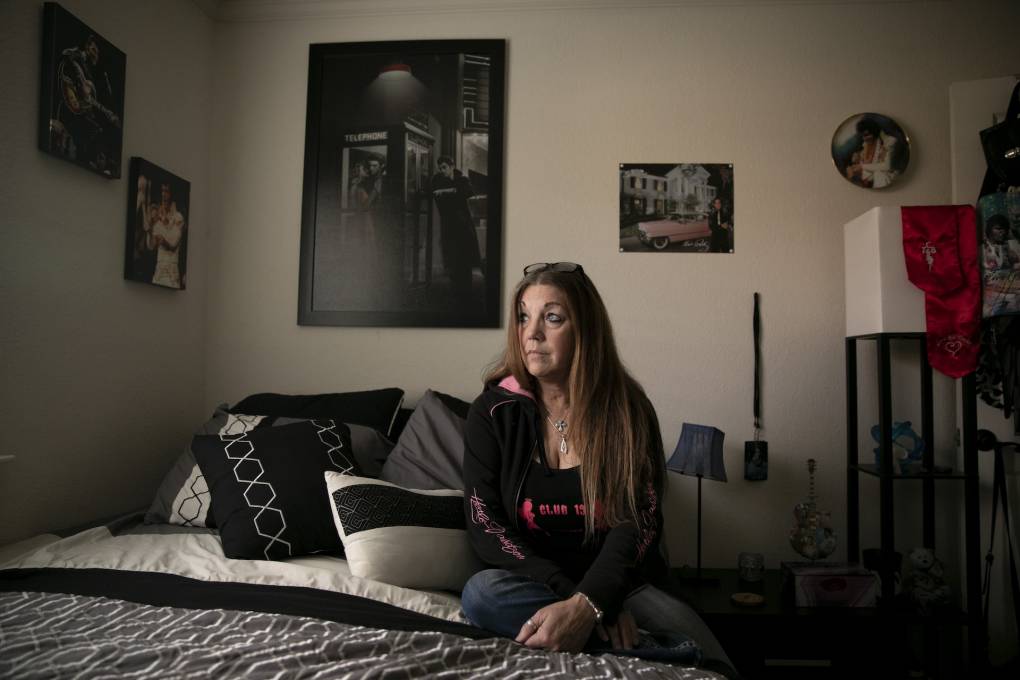
"caption": "Doreen Duarte-Ellis sits on the bed in the ‘Elvis’ room, a second bedroom full of Elvis Presley regalia. Only able to sleep for short stints at a time due to a workplace injury, Duarte-Ellis will often rest in this room to avoid disturbing her husband, who gets up for work before dawn.",
"description": null,
"title": "WORKERS COMP photo",
"credit": "Anne Wernikoff/CalMatters",
"status": "inherit",
"isLoading": false,
"fetchFailed": false
},
"news_11794210": {
"type": "attachments",
"id": "news_11794210",
"meta": {
"index": "attachments_1716263798",
"site": "news",
"id": "11794210",
"found": true
},
"parent": 11794194,
"imgSizes": {
"apple_news_ca_landscape_5_5": {
"file": "https://ww2.kqed.org/app/uploads/sites/10/2020/01/iStock-650066898-1044x783.jpg",
"width": 1044,
"mimeType": "image/jpeg",
"height": 783
},
"apple_news_ca_square_4_0": {
"file": "https://ww2.kqed.org/app/uploads/sites/10/2020/01/iStock-650066898-470x470.jpg",
"width": 470,
"mimeType": "image/jpeg",
"height": 470
},
"twentyfourteen-full-width": {
"file": "https://ww2.kqed.org/app/uploads/sites/10/2020/01/iStock-650066898-1038x576.jpg",
"width": 1038,
"mimeType": "image/jpeg",
"height": 576
},
"thumbnail": {
"file": "https://ww2.kqed.org/app/uploads/sites/10/2020/01/iStock-650066898-160x107.jpg",
"width": 160,
"mimeType": "image/jpeg",
"height": 107
},
"post-thumbnail": {
"file": "https://ww2.kqed.org/app/uploads/sites/10/2020/01/iStock-650066898-672x372.jpg",
"width": 672,
"mimeType": "image/jpeg",
"height": 372
},
"kqedFullSize": {
"file": "https://ww2.kqed.org/app/uploads/sites/10/2020/01/iStock-650066898-e1578342997294.jpg",
"width": 1920,
"height": 1280
},
"apple_news_ca_landscape_4_7": {
"file": "https://ww2.kqed.org/app/uploads/sites/10/2020/01/iStock-650066898-632x474.jpg",
"width": 632,
"mimeType": "image/jpeg",
"height": 474
},
"large": {
"file": "https://ww2.kqed.org/app/uploads/sites/10/2020/01/iStock-650066898-1020x680.jpg",
"width": 1020,
"mimeType": "image/jpeg",
"height": 680
},
"complete_open_graph": {
"file": "https://ww2.kqed.org/app/uploads/sites/10/2020/01/iStock-650066898-1200x800.jpg",
"width": 1200,
"mimeType": "image/jpeg",
"height": 800
},
"apple_news_ca_landscape_4_0": {
"file": "https://ww2.kqed.org/app/uploads/sites/10/2020/01/iStock-650066898-536x402.jpg",
"width": 536,
"mimeType": "image/jpeg",
"height": 402
},
"apple_news_ca_portrait_12_9": {
"file": "https://ww2.kqed.org/app/uploads/sites/10/2020/01/iStock-650066898-1122x1414.jpg",
"width": 1122,
"mimeType": "image/jpeg",
"height": 1414
},
"medium": {
"file": "https://ww2.kqed.org/app/uploads/sites/10/2020/01/iStock-650066898-800x533.jpg",
"width": 800,
"mimeType": "image/jpeg",
"height": 533
},
"apple_news_ca_portrait_4_0": {
"file": "https://ww2.kqed.org/app/uploads/sites/10/2020/01/iStock-650066898-354x472.jpg",
"width": 354,
"mimeType": "image/jpeg",
"height": 472
},
"apple_news_ca_portrait_9_7": {
"file": "https://ww2.kqed.org/app/uploads/sites/10/2020/01/iStock-650066898-840x1120.jpg",
"width": 840,
"mimeType": "image/jpeg",
"height": 1120
},
"apple_news_ca_landscape_12_9": {
"file": "https://ww2.kqed.org/app/uploads/sites/10/2020/01/iStock-650066898-1832x1374.jpg",
"width": 1832,
"mimeType": "image/jpeg",
"height": 1374
},
"apple_news_ca_square_9_7": {
"file": "https://ww2.kqed.org/app/uploads/sites/10/2020/01/iStock-650066898-1104x1104.jpg",
"width": 1104,
"mimeType": "image/jpeg",
"height": 1104
},
"apple_news_ca_portrait_4_7": {
"file": "https://ww2.kqed.org/app/uploads/sites/10/2020/01/iStock-650066898-414x552.jpg",
"width": 414,
"mimeType": "image/jpeg",
"height": 552
},
"apple_news_ca_square_12_9": {
"file": "https://ww2.kqed.org/app/uploads/sites/10/2020/01/iStock-650066898-1472x1414.jpg",
"width": 1472,
"mimeType": "image/jpeg",
"height": 1414
},
"apple_news_ca_portrait_5_5": {
"file": "https://ww2.kqed.org/app/uploads/sites/10/2020/01/iStock-650066898-687x916.jpg",
"width": 687,
"mimeType": "image/jpeg",
"height": 916
},
"full-width": {
"file": "https://ww2.kqed.org/app/uploads/sites/10/2020/01/iStock-650066898-1920x1280.jpg",
"width": 1920,
"mimeType": "image/jpeg",
"height": 1280
},
"apple_news_ca_square_4_7": {
"file": "https://ww2.kqed.org/app/uploads/sites/10/2020/01/iStock-650066898-550x550.jpg",
"width": 550,
"mimeType": "image/jpeg",
"height": 550
},
"apple_news_ca_landscape_9_7": {
"file": "https://ww2.kqed.org/app/uploads/sites/10/2020/01/iStock-650066898-1376x1032.jpg",
"width": 1376,
"mimeType": "image/jpeg",
"height": 1032
},
"apple_news_ca_square_5_5": {
"file": "https://ww2.kqed.org/app/uploads/sites/10/2020/01/iStock-650066898-912x912.jpg",
"width": 912,
"mimeType": "image/jpeg",
"height": 912
}
},
"publishDate": 1578342963,
"modified": 1578343131,
"caption": "Many California freelance reporters and photographers will be reclassified as employees rather than independent contractors under a new state labor law. ",
"description": null,
"title": "Asian man working at a comptuer",
"credit": "iStock",
"status": "inherit",
"isLoading": false,
"fetchFailed": false
},
"news_11792238": {
"type": "attachments",
"id": "news_11792238",
"meta": {
"index": "attachments_1716263798",
"site": "news",
"id": "11792238",
"found": true
},
"parent": 11792236,
"imgSizes": {
"apple_news_ca_landscape_5_5": {
"file": "https://ww2.kqed.org/app/uploads/sites/10/2019/12/RS40555_KAISER-MENTAL-HEALTH-CASES-photo-qut-1044x783.jpg",
"width": 1044,
"mimeType": "image/jpeg",
"height": 783
},
"apple_news_ca_square_4_0": {
"file": "https://ww2.kqed.org/app/uploads/sites/10/2019/12/RS40555_KAISER-MENTAL-HEALTH-CASES-photo-qut-470x470.jpg",
"width": 470,
"mimeType": "image/jpeg",
"height": 470
},
"twentyfourteen-full-width": {
"file": "https://ww2.kqed.org/app/uploads/sites/10/2019/12/RS40555_KAISER-MENTAL-HEALTH-CASES-photo-qut-1038x576.jpg",
"width": 1038,
"mimeType": "image/jpeg",
"height": 576
},
"thumbnail": {
"file": "https://ww2.kqed.org/app/uploads/sites/10/2019/12/RS40555_KAISER-MENTAL-HEALTH-CASES-photo-qut-160x107.jpg",
"width": 160,
"mimeType": "image/jpeg",
"height": 107
},
"post-thumbnail": {
"file": "https://ww2.kqed.org/app/uploads/sites/10/2019/12/RS40555_KAISER-MENTAL-HEALTH-CASES-photo-qut-672x372.jpg",
"width": 672,
"mimeType": "image/jpeg",
"height": 372
},
"kqedFullSize": {
"file": "https://ww2.kqed.org/app/uploads/sites/10/2019/12/RS40555_KAISER-MENTAL-HEALTH-CASES-photo-qut.jpg",
"width": 1920,
"height": 1280
},
"apple_news_ca_landscape_4_7": {
"file": "https://ww2.kqed.org/app/uploads/sites/10/2019/12/RS40555_KAISER-MENTAL-HEALTH-CASES-photo-qut-632x474.jpg",
"width": 632,
"mimeType": "image/jpeg",
"height": 474
},
"large": {
"file": "https://ww2.kqed.org/app/uploads/sites/10/2019/12/RS40555_KAISER-MENTAL-HEALTH-CASES-photo-qut-1020x680.jpg",
"width": 1020,
"mimeType": "image/jpeg",
"height": 680
},
"complete_open_graph": {
"file": "https://ww2.kqed.org/app/uploads/sites/10/2019/12/RS40555_KAISER-MENTAL-HEALTH-CASES-photo-qut-1200x800.jpg",
"width": 1200,
"mimeType": "image/jpeg",
"height": 800
},
"apple_news_ca_landscape_4_0": {
"file": "https://ww2.kqed.org/app/uploads/sites/10/2019/12/RS40555_KAISER-MENTAL-HEALTH-CASES-photo-qut-536x402.jpg",
"width": 536,
"mimeType": "image/jpeg",
"height": 402
},
"apple_news_ca_portrait_12_9": {
"file": "https://ww2.kqed.org/app/uploads/sites/10/2019/12/RS40555_KAISER-MENTAL-HEALTH-CASES-photo-qut-1122x1280.jpg",
"width": 1122,
"mimeType": "image/jpeg",
"height": 1280
},
"medium": {
"file": "https://ww2.kqed.org/app/uploads/sites/10/2019/12/RS40555_KAISER-MENTAL-HEALTH-CASES-photo-qut-800x533.jpg",
"width": 800,
"mimeType": "image/jpeg",
"height": 533
},
"apple_news_ca_portrait_4_0": {
"file": "https://ww2.kqed.org/app/uploads/sites/10/2019/12/RS40555_KAISER-MENTAL-HEALTH-CASES-photo-qut-354x472.jpg",
"width": 354,
"mimeType": "image/jpeg",
"height": 472
},
"apple_news_ca_portrait_9_7": {
"file": "https://ww2.kqed.org/app/uploads/sites/10/2019/12/RS40555_KAISER-MENTAL-HEALTH-CASES-photo-qut-840x1120.jpg",
"width": 840,
"mimeType": "image/jpeg",
"height": 1120
},
"apple_news_ca_landscape_12_9": {
"file": "https://ww2.kqed.org/app/uploads/sites/10/2019/12/RS40555_KAISER-MENTAL-HEALTH-CASES-photo-qut-1832x1280.jpg",
"width": 1832,
"mimeType": "image/jpeg",
"height": 1280
},
"apple_news_ca_square_9_7": {
"file": "https://ww2.kqed.org/app/uploads/sites/10/2019/12/RS40555_KAISER-MENTAL-HEALTH-CASES-photo-qut-1104x1104.jpg",
"width": 1104,
"mimeType": "image/jpeg",
"height": 1104
},
"apple_news_ca_portrait_4_7": {
"file": "https://ww2.kqed.org/app/uploads/sites/10/2019/12/RS40555_KAISER-MENTAL-HEALTH-CASES-photo-qut-414x552.jpg",
"width": 414,
"mimeType": "image/jpeg",
"height": 552
},
"apple_news_ca_square_12_9": {
"file": "https://ww2.kqed.org/app/uploads/sites/10/2019/12/RS40555_KAISER-MENTAL-HEALTH-CASES-photo-qut-1472x1280.jpg",
"width": 1472,
"mimeType": "image/jpeg",
"height": 1280
},
"apple_news_ca_portrait_5_5": {
"file": "https://ww2.kqed.org/app/uploads/sites/10/2019/12/RS40555_KAISER-MENTAL-HEALTH-CASES-photo-qut-687x916.jpg",
"width": 687,
"mimeType": "image/jpeg",
"height": 916
},
"full-width": {
"file": "https://ww2.kqed.org/app/uploads/sites/10/2019/12/RS40555_KAISER-MENTAL-HEALTH-CASES-photo-qut-1920x1280.jpg",
"width": 1920,
"mimeType": "image/jpeg",
"height": 1280
},
"apple_news_ca_square_4_7": {
"file": "https://ww2.kqed.org/app/uploads/sites/10/2019/12/RS40555_KAISER-MENTAL-HEALTH-CASES-photo-qut-550x550.jpg",
"width": 550,
"mimeType": "image/jpeg",
"height": 550
},
"apple_news_ca_landscape_9_7": {
"file": "https://ww2.kqed.org/app/uploads/sites/10/2019/12/RS40555_KAISER-MENTAL-HEALTH-CASES-photo-qut-1376x1032.jpg",
"width": 1376,
"mimeType": "image/jpeg",
"height": 1032
},
"apple_news_ca_square_5_5": {
"file": "https://ww2.kqed.org/app/uploads/sites/10/2019/12/RS40555_KAISER-MENTAL-HEALTH-CASES-photo-qut-912x912.jpg",
"width": 912,
"mimeType": "image/jpeg",
"height": 912
}
},
"publishDate": 1576788852,
"modified": 1576788906,
"caption": "Dozens of mental healthcare workers picket outside of Sacramento Medical Center to protest long wait times for patients and overwhelming case-loads at Kaiser Permanente facilities. The strike is one of several to take place across the state this week. ",
"description": null,
"title": "RS40555_KAISER MENTAL HEALTH CASES photo-qut",
"credit": "Anne Wernikoff/CalMatters",
"status": "inherit",
"isLoading": false,
"fetchFailed": false
},
"news_11042174": {
"type": "attachments",
"id": "news_11042174",
"meta": {
"index": "attachments_1716263798",
"site": "news",
"id": "11042174",
"found": true
},
"parent": 11042061,
"imgSizes": {
"jmtc-small-thumb": {
"file": "https://ww2.kqed.org/app/uploads/sites/10/2016/08/Screenshot-2016-08-05-09.33.35-280x150.png",
"width": 280,
"mimeType": "image/png",
"height": 150
},
"thumbnail": {
"file": "https://ww2.kqed.org/app/uploads/sites/10/2016/08/Screenshot-2016-08-05-09.33.35-400x225.png",
"width": 400,
"mimeType": "image/png",
"height": 225
},
"post-thumbnail": {
"file": "https://ww2.kqed.org/app/uploads/sites/10/2016/08/Screenshot-2016-08-05-09.33.35-672x372.png",
"width": 672,
"mimeType": "image/png",
"height": 372
},
"kqedFullSize": {
"file": "https://ww2.kqed.org/app/uploads/sites/10/2016/08/Screenshot-2016-08-05-09.33.35.png",
"width": 935,
"height": 525
},
"guest-author-50": {
"file": "https://ww2.kqed.org/app/uploads/sites/10/2016/08/Screenshot-2016-08-05-09.33.35-50x50.png",
"width": 50,
"mimeType": "image/png",
"height": 50
},
"guest-author-96": {
"file": "https://ww2.kqed.org/app/uploads/sites/10/2016/08/Screenshot-2016-08-05-09.33.35-96x96.png",
"width": 96,
"mimeType": "image/png",
"height": 96
},
"medium": {
"file": "https://ww2.kqed.org/app/uploads/sites/10/2016/08/Screenshot-2016-08-05-09.33.35-800x449.png",
"width": 800,
"mimeType": "image/png",
"height": 449
},
"guest-author-64": {
"file": "https://ww2.kqed.org/app/uploads/sites/10/2016/08/Screenshot-2016-08-05-09.33.35-64x64.png",
"width": 64,
"mimeType": "image/png",
"height": 64
},
"detail": {
"file": "https://ww2.kqed.org/app/uploads/sites/10/2016/08/Screenshot-2016-08-05-09.33.35-150x150.png",
"width": 150,
"mimeType": "image/png",
"height": 150
},
"guest-author-32": {
"file": "https://ww2.kqed.org/app/uploads/sites/10/2016/08/Screenshot-2016-08-05-09.33.35-32x32.png",
"width": 32,
"mimeType": "image/png",
"height": 32
},
"guest-author-128": {
"file": "https://ww2.kqed.org/app/uploads/sites/10/2016/08/Screenshot-2016-08-05-09.33.35-128x128.png",
"width": 128,
"mimeType": "image/png",
"height": 128
}
},
"publishDate": 1470414862,
"modified": 1571266750,
"caption": "Robert Reagan, 35, of Fresno County, died July 26, 2016, when his bulldozer overturned while trying to access a proposed fire line near Big Sur in the course of fighting the Soberanes Fire.",
"description": "Robert Reagan, 35, of Fresno County, died July 26, 2016, when his bulldozer overturned while trying to access a proposed fire line near Big Sur in the course of fighting the Soberanes Fire.",
"title": "Soberanes Bulldozer",
"credit": "Cal Fire",
"status": "inherit",
"isLoading": false,
"fetchFailed": false
},
"news_11790705": {
"type": "attachments",
"id": "news_11790705",
"meta": {
"index": "attachments_1716263798",
"site": "news",
"id": "11790705",
"found": true
},
"parent": 11790704,
"imgSizes": {
"apple_news_ca_square_4_0": {
"file": "https://ww2.kqed.org/news/wp-content/uploads/sites/10/2021/03/ww2.kqed_.orgOrpheumTheatre-3eeb839b4f5e7c8d64916c1ebce4e33ad209e21f-470x450.jpg",
"width": 470,
"mimeType": "image/jpeg",
"height": 450
},
"thumbnail": {
"file": "https://ww2.kqed.org/news/wp-content/uploads/sites/10/2021/03/ww2.kqed_.orgOrpheumTheatre-3eeb839b4f5e7c8d64916c1ebce4e33ad209e21f-160x90.jpg",
"width": 160,
"mimeType": "image/jpeg",
"height": 90
},
"post-thumbnail": {
"file": "https://ww2.kqed.org/news/wp-content/uploads/sites/10/2021/03/ww2.kqed_.orgOrpheumTheatre-3eeb839b4f5e7c8d64916c1ebce4e33ad209e21f-672x372.jpg",
"width": 672,
"mimeType": "image/jpeg",
"height": 372
},
"kqedFullSize": {
"file": "https://ww2.kqed.org/news/wp-content/uploads/sites/10/2021/03/ww2.kqed_.orgOrpheumTheatre-3eeb839b4f5e7c8d64916c1ebce4e33ad209e21f.jpg",
"width": 0,
"height": 0
},
"apple_news_ca_landscape_4_7": {
"file": "https://ww2.kqed.org/news/wp-content/uploads/sites/10/2021/03/ww2.kqed_.orgOrpheumTheatre-3eeb839b4f5e7c8d64916c1ebce4e33ad209e21f-632x450.jpg",
"width": 632,
"mimeType": "image/jpeg",
"height": 450
},
"apple_news_ca_portrait_4_7": {
"file": "https://ww2.kqed.org/news/wp-content/uploads/sites/10/2021/03/ww2.kqed_.orgOrpheumTheatre-3eeb839b4f5e7c8d64916c1ebce4e33ad209e21f-414x450.jpg",
"width": 414,
"mimeType": "image/jpeg",
"height": 450
},
"apple_news_ca_portrait_5_5": {
"file": "https://ww2.kqed.org/news/wp-content/uploads/sites/10/2021/03/ww2.kqed_.orgOrpheumTheatre-3eeb839b4f5e7c8d64916c1ebce4e33ad209e21f-687x450.jpg",
"width": 687,
"mimeType": "image/jpeg",
"height": 450
},
"apple_news_ca_square_4_7": {
"file": "https://ww2.kqed.org/news/wp-content/uploads/sites/10/2021/03/ww2.kqed_.orgOrpheumTheatre-3eeb839b4f5e7c8d64916c1ebce4e33ad209e21f-550x450.jpg",
"width": 550,
"mimeType": "image/jpeg",
"height": 450
},
"apple_news_ca_landscape_4_0": {
"file": "https://ww2.kqed.org/news/wp-content/uploads/sites/10/2021/03/ww2.kqed_.orgOrpheumTheatre-3eeb839b4f5e7c8d64916c1ebce4e33ad209e21f-536x402.jpg",
"width": 536,
"mimeType": "image/jpeg",
"height": 402
},
"medium": {
"file": "https://ww2.kqed.org/news/wp-content/uploads/sites/10/2021/03/ww2.kqed_.orgOrpheumTheatre-3eeb839b4f5e7c8d64916c1ebce4e33ad209e21f-800x450.jpg",
"width": 800,
"mimeType": "image/jpeg",
"height": 450
},
"apple_news_ca_portrait_4_0": {
"file": "https://ww2.kqed.org/news/wp-content/uploads/sites/10/2021/03/ww2.kqed_.orgOrpheumTheatre-3eeb839b4f5e7c8d64916c1ebce4e33ad209e21f-354x450.jpg",
"width": 354,
"mimeType": "image/jpeg",
"height": 450
}
},
"publishDate": 1616537225,
"modified": 1616537225,
"caption": null,
"description": null,
"title": "OrpheumTheatre-3eeb839b4f5e7c8d64916c1ebce4e33ad209e21f",
"credit": null,
"status": "inherit",
"isLoading": false,
"fetchFailed": false
},
"arts_13870714": {
"type": "attachments",
"id": "arts_13870714",
"meta": {
"index": "attachments_1716263798",
"site": "arts",
"id": "13870714",
"found": true
},
"parent": 13870710,
"imgSizes": {
"twentyfourteen-full-width": {
"file": "https://ww2.kqed.org/app/uploads/sites/2/2019/12/HERO-Standup-comedian-Dhaya-Lakshminarayanan-photo-by-Kearny-street-workshop-1038x576.jpg",
"width": 1038,
"mimeType": "image/jpeg",
"height": 576
},
"thumbnail": {
"file": "https://ww2.kqed.org/app/uploads/sites/2/2019/12/HERO-Standup-comedian-Dhaya-Lakshminarayanan-photo-by-Kearny-street-workshop-160x90.jpg",
"width": 160,
"mimeType": "image/jpeg",
"height": 90
},
"post-thumbnail": {
"file": "https://ww2.kqed.org/app/uploads/sites/2/2019/12/HERO-Standup-comedian-Dhaya-Lakshminarayanan-photo-by-Kearny-street-workshop-672x372.jpg",
"width": 672,
"mimeType": "image/jpeg",
"height": 372
},
"kqedFullSize": {
"file": "https://ww2.kqed.org/app/uploads/sites/2/2019/12/HERO-Standup-comedian-Dhaya-Lakshminarayanan-photo-by-Kearny-street-workshop.jpg",
"width": 1920,
"height": 1080
},
"large": {
"file": "https://ww2.kqed.org/app/uploads/sites/2/2019/12/HERO-Standup-comedian-Dhaya-Lakshminarayanan-photo-by-Kearny-street-workshop-1020x574.jpg",
"width": 1020,
"mimeType": "image/jpeg",
"height": 574
},
"complete_open_graph": {
"file": "https://ww2.kqed.org/app/uploads/sites/2/2019/12/HERO-Standup-comedian-Dhaya-Lakshminarayanan-photo-by-Kearny-street-workshop-1200x675.jpg",
"width": 1200,
"mimeType": "image/jpeg",
"height": 675
},
"full-width": {
"file": "https://ww2.kqed.org/app/uploads/sites/2/2019/12/HERO-Standup-comedian-Dhaya-Lakshminarayanan-photo-by-Kearny-street-workshop-1920x1080.jpg",
"width": 1920,
"mimeType": "image/jpeg",
"height": 1080
},
"medium": {
"file": "https://ww2.kqed.org/app/uploads/sites/2/2019/12/HERO-Standup-comedian-Dhaya-Lakshminarayanan-photo-by-Kearny-street-workshop-800x450.jpg",
"width": 800,
"mimeType": "image/jpeg",
"height": 450
},
"medium_large": {
"file": "https://ww2.kqed.org/app/uploads/sites/2/2019/12/HERO-Standup-comedian-Dhaya-Lakshminarayanan-photo-by-Kearny-street-workshop-768x432.jpg",
"width": 768,
"mimeType": "image/jpeg",
"height": 432
}
},
"publishDate": 1575337622,
"modified": 1596230420,
"caption": "Comedian Dhaya Lakshminarayanan is one of the many California artists and entertainers figuring out how to adapt to AB5, a piece of legislation that will upend the last decade's gig-economy labor practices.",
"description": "Comedian Dhaya Lakshminarayanan is one of the many California artists and entertainers figuring out how to adapt to AB5, a piece of legislation that will upend the last decade's gig-economy labor practices.",
"title": "dhayahighrezjpg",
"credit": "Kearny Street Workshop",
"status": "inherit",
"isLoading": false,
"fetchFailed": false
},
"news_11786697": {
"type": "attachments",
"id": "news_11786697",
"meta": {
"index": "attachments_1716263798",
"site": "news",
"id": "11786697",
"found": true
},
"parent": 11786500,
"imgSizes": {
"apple_news_ca_landscape_5_5": {
"file": "https://ww2.kqed.org/app/uploads/sites/10/2019/11/Harris-Sanders-Biden-1044x783.jpg",
"width": 1044,
"mimeType": "image/jpeg",
"height": 783
},
"apple_news_ca_square_4_0": {
"file": "https://ww2.kqed.org/app/uploads/sites/10/2019/11/Harris-Sanders-Biden-470x470.jpg",
"width": 470,
"mimeType": "image/jpeg",
"height": 470
},
"twentyfourteen-full-width": {
"file": "https://ww2.kqed.org/app/uploads/sites/10/2019/11/Harris-Sanders-Biden-1038x576.jpg",
"width": 1038,
"mimeType": "image/jpeg",
"height": 576
},
"thumbnail": {
"file": "https://ww2.kqed.org/app/uploads/sites/10/2019/11/Harris-Sanders-Biden-160x107.jpg",
"width": 160,
"mimeType": "image/jpeg",
"height": 107
},
"post-thumbnail": {
"file": "https://ww2.kqed.org/app/uploads/sites/10/2019/11/Harris-Sanders-Biden-672x372.jpg",
"width": 672,
"mimeType": "image/jpeg",
"height": 372
},
"kqedFullSize": {
"file": "https://ww2.kqed.org/app/uploads/sites/10/2019/11/Harris-Sanders-Biden.jpg",
"width": 1920,
"height": 1279
},
"apple_news_ca_landscape_4_7": {
"file": "https://ww2.kqed.org/app/uploads/sites/10/2019/11/Harris-Sanders-Biden-632x474.jpg",
"width": 632,
"mimeType": "image/jpeg",
"height": 474
},
"large": {
"file": "https://ww2.kqed.org/app/uploads/sites/10/2019/11/Harris-Sanders-Biden-1020x679.jpg",
"width": 1020,
"mimeType": "image/jpeg",
"height": 679
},
"complete_open_graph": {
"file": "https://ww2.kqed.org/app/uploads/sites/10/2019/11/Harris-Sanders-Biden-1200x799.jpg",
"width": 1200,
"mimeType": "image/jpeg",
"height": 799
},
"apple_news_ca_landscape_4_0": {
"file": "https://ww2.kqed.org/app/uploads/sites/10/2019/11/Harris-Sanders-Biden-536x402.jpg",
"width": 536,
"mimeType": "image/jpeg",
"height": 402
},
"apple_news_ca_portrait_12_9": {
"file": "https://ww2.kqed.org/app/uploads/sites/10/2019/11/Harris-Sanders-Biden-1122x1279.jpg",
"width": 1122,
"mimeType": "image/jpeg",
"height": 1279
},
"medium": {
"file": "https://ww2.kqed.org/app/uploads/sites/10/2019/11/Harris-Sanders-Biden-800x533.jpg",
"width": 800,
"mimeType": "image/jpeg",
"height": 533
},
"apple_news_ca_portrait_4_0": {
"file": "https://ww2.kqed.org/app/uploads/sites/10/2019/11/Harris-Sanders-Biden-354x472.jpg",
"width": 354,
"mimeType": "image/jpeg",
"height": 472
},
"apple_news_ca_portrait_9_7": {
"file": "https://ww2.kqed.org/app/uploads/sites/10/2019/11/Harris-Sanders-Biden-840x1120.jpg",
"width": 840,
"mimeType": "image/jpeg",
"height": 1120
},
"apple_news_ca_landscape_12_9": {
"file": "https://ww2.kqed.org/app/uploads/sites/10/2019/11/Harris-Sanders-Biden-1832x1279.jpg",
"width": 1832,
"mimeType": "image/jpeg",
"height": 1279
},
"apple_news_ca_square_9_7": {
"file": "https://ww2.kqed.org/app/uploads/sites/10/2019/11/Harris-Sanders-Biden-1104x1104.jpg",
"width": 1104,
"mimeType": "image/jpeg",
"height": 1104
},
"apple_news_ca_portrait_4_7": {
"file": "https://ww2.kqed.org/app/uploads/sites/10/2019/11/Harris-Sanders-Biden-414x552.jpg",
"width": 414,
"mimeType": "image/jpeg",
"height": 552
},
"apple_news_ca_square_12_9": {
"file": "https://ww2.kqed.org/app/uploads/sites/10/2019/11/Harris-Sanders-Biden-1472x1279.jpg",
"width": 1472,
"mimeType": "image/jpeg",
"height": 1279
},
"apple_news_ca_portrait_5_5": {
"file": "https://ww2.kqed.org/app/uploads/sites/10/2019/11/Harris-Sanders-Biden-687x916.jpg",
"width": 687,
"mimeType": "image/jpeg",
"height": 916
},
"full-width": {
"file": "https://ww2.kqed.org/app/uploads/sites/10/2019/11/Harris-Sanders-Biden-1920x1279.jpg",
"width": 1920,
"mimeType": "image/jpeg",
"height": 1279
},
"apple_news_ca_square_4_7": {
"file": "https://ww2.kqed.org/app/uploads/sites/10/2019/11/Harris-Sanders-Biden-550x550.jpg",
"width": 550,
"mimeType": "image/jpeg",
"height": 550
},
"apple_news_ca_landscape_9_7": {
"file": "https://ww2.kqed.org/app/uploads/sites/10/2019/11/Harris-Sanders-Biden-1376x1032.jpg",
"width": 1376,
"mimeType": "image/jpeg",
"height": 1032
},
"apple_news_ca_square_5_5": {
"file": "https://ww2.kqed.org/app/uploads/sites/10/2019/11/Harris-Sanders-Biden-912x912.jpg",
"width": 912,
"mimeType": "image/jpeg",
"height": 912
}
},
"publishDate": 1573781747,
"modified": 1573781993,
"caption": "Kamala Harris, Bernie Sanders and Joe Biden at a presidential candidates' debate in Ohio on Oct. 15. Two notable exceptions to labor's wait-and-see attitude on endorsement? Joe Biden, who picked up an early endorsement from the International Association of Fire Fighters, and Bernie Sanders, who the National Nurses United (NNU) will officially endorse on Friday.",
"description": "Kamala Harris, Bernie Sanders and Joe Biden at a presidential candidates' debate in Ohio on Oct. 15. Two notable exceptions to labor's wait-and-see attitude on endorsement? Joe Biden, who picked up an early endorsement from the International Association of Fire Fighters, and Bernie Sanders, who the National Nurses United (NNU) will officially endorse on Friday.",
"title": "Harris-Sanders-Biden",
"credit": "Win McNamee/Getty Images",
"status": "inherit",
"isLoading": false,
"fetchFailed": false
},
"news_11785830": {
"type": "attachments",
"id": "news_11785830",
"meta": {
"index": "attachments_1716263798",
"site": "news",
"id": "11785830",
"found": true
},
"parent": 11785827,
"imgSizes": {
"apple_news_ca_square_4_0": {
"file": "https://ww2.kqed.org/app/uploads/sites/10/2019/11/SJM-L-FLOWERS-10XX-10-470x470.jpg",
"width": 470,
"mimeType": "image/jpeg",
"height": 470
},
"thumbnail": {
"file": "https://ww2.kqed.org/app/uploads/sites/10/2019/11/SJM-L-FLOWERS-10XX-10-160x107.jpg",
"width": 160,
"mimeType": "image/jpeg",
"height": 107
},
"post-thumbnail": {
"file": "https://ww2.kqed.org/app/uploads/sites/10/2019/11/SJM-L-FLOWERS-10XX-10-672x372.jpg",
"width": 672,
"mimeType": "image/jpeg",
"height": 372
},
"kqedFullSize": {
"file": "https://ww2.kqed.org/app/uploads/sites/10/2019/11/SJM-L-FLOWERS-10XX-10.jpg",
"width": 794,
"height": 529
},
"apple_news_ca_landscape_4_7": {
"file": "https://ww2.kqed.org/app/uploads/sites/10/2019/11/SJM-L-FLOWERS-10XX-10-632x474.jpg",
"width": 632,
"mimeType": "image/jpeg",
"height": 474
},
"apple_news_ca_portrait_4_7": {
"file": "https://ww2.kqed.org/app/uploads/sites/10/2019/11/SJM-L-FLOWERS-10XX-10-414x529.jpg",
"width": 414,
"mimeType": "image/jpeg",
"height": 529
},
"apple_news_ca_portrait_5_5": {
"file": "https://ww2.kqed.org/app/uploads/sites/10/2019/11/SJM-L-FLOWERS-10XX-10-687x529.jpg",
"width": 687,
"mimeType": "image/jpeg",
"height": 529
},
"apple_news_ca_square_4_7": {
"file": "https://ww2.kqed.org/app/uploads/sites/10/2019/11/SJM-L-FLOWERS-10XX-10-550x529.jpg",
"width": 550,
"mimeType": "image/jpeg",
"height": 529
},
"apple_news_ca_landscape_4_0": {
"file": "https://ww2.kqed.org/app/uploads/sites/10/2019/11/SJM-L-FLOWERS-10XX-10-536x402.jpg",
"width": 536,
"mimeType": "image/jpeg",
"height": 402
},
"apple_news_ca_portrait_4_0": {
"file": "https://ww2.kqed.org/app/uploads/sites/10/2019/11/SJM-L-FLOWERS-10XX-10-354x472.jpg",
"width": 354,
"mimeType": "image/jpeg",
"height": 472
}
},
"publishDate": 1573248666,
"modified": 1573248709,
"caption": "Teresa Covarrubias picks up a hydrangea at Bay City Flower Company in Half Moon Bay on Oct. 29, 2019. After more than 100 years in business the company will be closing, leaving many like Covarrubias out of work.",
"description": "Teresa Covarrubias picks up a hydrangea at Bay City Flower Company in Half Moon Bay on Oct. 29, 2019. After more than 100 years in business the company will be closing, leaving many like Covarrubias out of work.",
"title": "Bay City Flower Company",
"credit": "Randy Vazquez/Bay Area News Group",
"status": "inherit",
"isLoading": false,
"fetchFailed": false
},
"news_11785111": {
"type": "attachments",
"id": "news_11785111",
"meta": {
"index": "attachments_1716263798",
"site": "news",
"id": "11785111",
"found": true
},
"parent": 11784966,
"imgSizes": {
"apple_news_ca_landscape_5_5": {
"file": "https://ww2.kqed.org/app/uploads/sites/10/2019/11/Kincade-Fire-Firefighter-1044x783.jpg",
"width": 1044,
"mimeType": "image/jpeg",
"height": 783
},
"apple_news_ca_square_4_0": {
"file": "https://ww2.kqed.org/app/uploads/sites/10/2019/11/Kincade-Fire-Firefighter-470x470.jpg",
"width": 470,
"mimeType": "image/jpeg",
"height": 470
},
"twentyfourteen-full-width": {
"file": "https://ww2.kqed.org/app/uploads/sites/10/2019/11/Kincade-Fire-Firefighter-1038x576.jpg",
"width": 1038,
"mimeType": "image/jpeg",
"height": 576
},
"thumbnail": {
"file": "https://ww2.kqed.org/app/uploads/sites/10/2019/11/Kincade-Fire-Firefighter-160x107.jpg",
"width": 160,
"mimeType": "image/jpeg",
"height": 107
},
"post-thumbnail": {
"file": "https://ww2.kqed.org/app/uploads/sites/10/2019/11/Kincade-Fire-Firefighter-672x372.jpg",
"width": 672,
"mimeType": "image/jpeg",
"height": 372
},
"kqedFullSize": {
"file": "https://ww2.kqed.org/app/uploads/sites/10/2019/11/Kincade-Fire-Firefighter.jpg",
"width": 1920,
"height": 1280
},
"apple_news_ca_landscape_4_7": {
"file": "https://ww2.kqed.org/app/uploads/sites/10/2019/11/Kincade-Fire-Firefighter-632x474.jpg",
"width": 632,
"mimeType": "image/jpeg",
"height": 474
},
"large": {
"file": "https://ww2.kqed.org/app/uploads/sites/10/2019/11/Kincade-Fire-Firefighter-1020x680.jpg",
"width": 1020,
"mimeType": "image/jpeg",
"height": 680
},
"complete_open_graph": {
"file": "https://ww2.kqed.org/app/uploads/sites/10/2019/11/Kincade-Fire-Firefighter-1200x800.jpg",
"width": 1200,
"mimeType": "image/jpeg",
"height": 800
},
"apple_news_ca_landscape_4_0": {
"file": "https://ww2.kqed.org/app/uploads/sites/10/2019/11/Kincade-Fire-Firefighter-536x402.jpg",
"width": 536,
"mimeType": "image/jpeg",
"height": 402
},
"apple_news_ca_portrait_12_9": {
"file": "https://ww2.kqed.org/app/uploads/sites/10/2019/11/Kincade-Fire-Firefighter-1122x1280.jpg",
"width": 1122,
"mimeType": "image/jpeg",
"height": 1280
},
"medium": {
"file": "https://ww2.kqed.org/app/uploads/sites/10/2019/11/Kincade-Fire-Firefighter-800x533.jpg",
"width": 800,
"mimeType": "image/jpeg",
"height": 533
},
"apple_news_ca_portrait_4_0": {
"file": "https://ww2.kqed.org/app/uploads/sites/10/2019/11/Kincade-Fire-Firefighter-354x472.jpg",
"width": 354,
"mimeType": "image/jpeg",
"height": 472
},
"apple_news_ca_portrait_9_7": {
"file": "https://ww2.kqed.org/app/uploads/sites/10/2019/11/Kincade-Fire-Firefighter-840x1120.jpg",
"width": 840,
"mimeType": "image/jpeg",
"height": 1120
},
"apple_news_ca_landscape_12_9": {
"file": "https://ww2.kqed.org/app/uploads/sites/10/2019/11/Kincade-Fire-Firefighter-1832x1280.jpg",
"width": 1832,
"mimeType": "image/jpeg",
"height": 1280
},
"apple_news_ca_square_9_7": {
"file": "https://ww2.kqed.org/app/uploads/sites/10/2019/11/Kincade-Fire-Firefighter-1104x1104.jpg",
"width": 1104,
"mimeType": "image/jpeg",
"height": 1104
},
"apple_news_ca_portrait_4_7": {
"file": "https://ww2.kqed.org/app/uploads/sites/10/2019/11/Kincade-Fire-Firefighter-414x552.jpg",
"width": 414,
"mimeType": "image/jpeg",
"height": 552
},
"apple_news_ca_square_12_9": {
"file": "https://ww2.kqed.org/app/uploads/sites/10/2019/11/Kincade-Fire-Firefighter-1472x1280.jpg",
"width": 1472,
"mimeType": "image/jpeg",
"height": 1280
},
"apple_news_ca_portrait_5_5": {
"file": "https://ww2.kqed.org/app/uploads/sites/10/2019/11/Kincade-Fire-Firefighter-687x916.jpg",
"width": 687,
"mimeType": "image/jpeg",
"height": 916
},
"full-width": {
"file": "https://ww2.kqed.org/app/uploads/sites/10/2019/11/Kincade-Fire-Firefighter-1920x1280.jpg",
"width": 1920,
"mimeType": "image/jpeg",
"height": 1280
},
"apple_news_ca_square_4_7": {
"file": "https://ww2.kqed.org/app/uploads/sites/10/2019/11/Kincade-Fire-Firefighter-550x550.jpg",
"width": 550,
"mimeType": "image/jpeg",
"height": 550
},
"apple_news_ca_landscape_9_7": {
"file": "https://ww2.kqed.org/app/uploads/sites/10/2019/11/Kincade-Fire-Firefighter-1376x1032.jpg",
"width": 1376,
"mimeType": "image/jpeg",
"height": 1032
},
"apple_news_ca_square_5_5": {
"file": "https://ww2.kqed.org/app/uploads/sites/10/2019/11/Kincade-Fire-Firefighter-912x912.jpg",
"width": 912,
"mimeType": "image/jpeg",
"height": 912
}
},
"publishDate": 1573003041,
"modified": 1573003135,
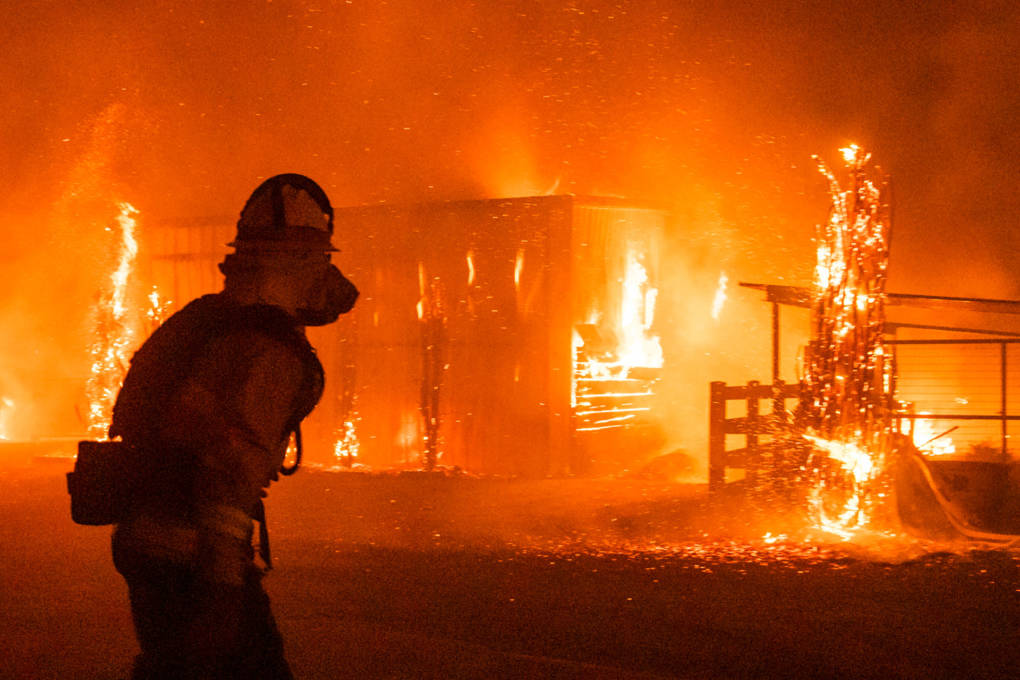
"caption": "A firefighter battles the Kincade Fire as it burns a structure on a farm near Windsor on Oct. 27, 2019. A firefighter badly injured while battling the same fire on the same day was working for a private company.",
"description": "A firefighter battles the Kincade Fire as it burns a structure on a farm near Windsor on Oct. 27, 2019. A firefighter badly injured while battling the same fire on the same day was working for a private company.",
"title": "Kincade-Fire-Firefighter",
"credit": "PHILIP PACHECO/AFP via Getty Images",
"status": "inherit",
"isLoading": false,
"fetchFailed": false
},
"news_11784140": {
"type": "attachments",
"id": "news_11784140",
"meta": {
"index": "attachments_1716263798",
"site": "news",
"id": "11784140",
"found": true
},
"parent": 11784042,
"imgSizes": {
"apple_news_ca_landscape_5_5": {
"file": "https://ww2.kqed.org/app/uploads/sites/10/2019/10/kincade-fire-inmates-1920-1044x783.jpg",
"width": 1044,
"mimeType": "image/jpeg",
"height": 783
},
"apple_news_ca_square_4_0": {
"file": "https://ww2.kqed.org/app/uploads/sites/10/2019/10/kincade-fire-inmates-1920-470x470.jpg",
"width": 470,
"mimeType": "image/jpeg",
"height": 470
},
"twentyfourteen-full-width": {
"file": "https://ww2.kqed.org/app/uploads/sites/10/2019/10/kincade-fire-inmates-1920-1038x576.jpg",
"width": 1038,
"mimeType": "image/jpeg",
"height": 576
},
"thumbnail": {
"file": "https://ww2.kqed.org/app/uploads/sites/10/2019/10/kincade-fire-inmates-1920-160x107.jpg",
"width": 160,
"mimeType": "image/jpeg",
"height": 107
},
"post-thumbnail": {
"file": "https://ww2.kqed.org/app/uploads/sites/10/2019/10/kincade-fire-inmates-1920-672x372.jpg",
"width": 672,
"mimeType": "image/jpeg",
"height": 372
},
"kqedFullSize": {
"file": "https://ww2.kqed.org/app/uploads/sites/10/2019/10/kincade-fire-inmates-1920.jpg",
"width": 1920,
"height": 1280
},
"apple_news_ca_landscape_4_7": {
"file": "https://ww2.kqed.org/app/uploads/sites/10/2019/10/kincade-fire-inmates-1920-632x474.jpg",
"width": 632,
"mimeType": "image/jpeg",
"height": 474
},
"large": {
"file": "https://ww2.kqed.org/app/uploads/sites/10/2019/10/kincade-fire-inmates-1920-1020x680.jpg",
"width": 1020,
"mimeType": "image/jpeg",
"height": 680
},
"complete_open_graph": {
"file": "https://ww2.kqed.org/app/uploads/sites/10/2019/10/kincade-fire-inmates-1920-1200x800.jpg",
"width": 1200,
"mimeType": "image/jpeg",
"height": 800
},
"apple_news_ca_landscape_4_0": {
"file": "https://ww2.kqed.org/app/uploads/sites/10/2019/10/kincade-fire-inmates-1920-536x402.jpg",
"width": 536,
"mimeType": "image/jpeg",
"height": 402
},
"apple_news_ca_portrait_12_9": {
"file": "https://ww2.kqed.org/app/uploads/sites/10/2019/10/kincade-fire-inmates-1920-1122x1280.jpg",
"width": 1122,
"mimeType": "image/jpeg",
"height": 1280
},
"medium": {
"file": "https://ww2.kqed.org/app/uploads/sites/10/2019/10/kincade-fire-inmates-1920-800x533.jpg",
"width": 800,
"mimeType": "image/jpeg",
"height": 533
},
"apple_news_ca_portrait_4_0": {
"file": "https://ww2.kqed.org/app/uploads/sites/10/2019/10/kincade-fire-inmates-1920-354x472.jpg",
"width": 354,
"mimeType": "image/jpeg",
"height": 472
},
"apple_news_ca_portrait_9_7": {
"file": "https://ww2.kqed.org/app/uploads/sites/10/2019/10/kincade-fire-inmates-1920-840x1120.jpg",
"width": 840,
"mimeType": "image/jpeg",
"height": 1120
},
"apple_news_ca_landscape_12_9": {
"file": "https://ww2.kqed.org/app/uploads/sites/10/2019/10/kincade-fire-inmates-1920-1832x1280.jpg",
"width": 1832,
"mimeType": "image/jpeg",
"height": 1280
},
"apple_news_ca_square_9_7": {
"file": "https://ww2.kqed.org/app/uploads/sites/10/2019/10/kincade-fire-inmates-1920-1104x1104.jpg",
"width": 1104,
"mimeType": "image/jpeg",
"height": 1104
},
"apple_news_ca_portrait_4_7": {
"file": "https://ww2.kqed.org/app/uploads/sites/10/2019/10/kincade-fire-inmates-1920-414x552.jpg",
"width": 414,
"mimeType": "image/jpeg",
"height": 552
},
"apple_news_ca_square_12_9": {
"file": "https://ww2.kqed.org/app/uploads/sites/10/2019/10/kincade-fire-inmates-1920-1472x1280.jpg",
"width": 1472,
"mimeType": "image/jpeg",
"height": 1280
},
"apple_news_ca_portrait_5_5": {
"file": "https://ww2.kqed.org/app/uploads/sites/10/2019/10/kincade-fire-inmates-1920-687x916.jpg",
"width": 687,
"mimeType": "image/jpeg",
"height": 916
},
"full-width": {
"file": "https://ww2.kqed.org/app/uploads/sites/10/2019/10/kincade-fire-inmates-1920-1920x1280.jpg",
"width": 1920,
"mimeType": "image/jpeg",
"height": 1280
},
"apple_news_ca_square_4_7": {
"file": "https://ww2.kqed.org/app/uploads/sites/10/2019/10/kincade-fire-inmates-1920-550x550.jpg",
"width": 550,
"mimeType": "image/jpeg",
"height": 550
},
"apple_news_ca_landscape_9_7": {
"file": "https://ww2.kqed.org/app/uploads/sites/10/2019/10/kincade-fire-inmates-1920-1376x1032.jpg",
"width": 1376,
"mimeType": "image/jpeg",
"height": 1032
},
"apple_news_ca_square_5_5": {
"file": "https://ww2.kqed.org/app/uploads/sites/10/2019/10/kincade-fire-inmates-1920-912x912.jpg",
"width": 912,
"mimeType": "image/jpeg",
"height": 912
}
},
"publishDate": 1572558937,
"modified": 1572558995,
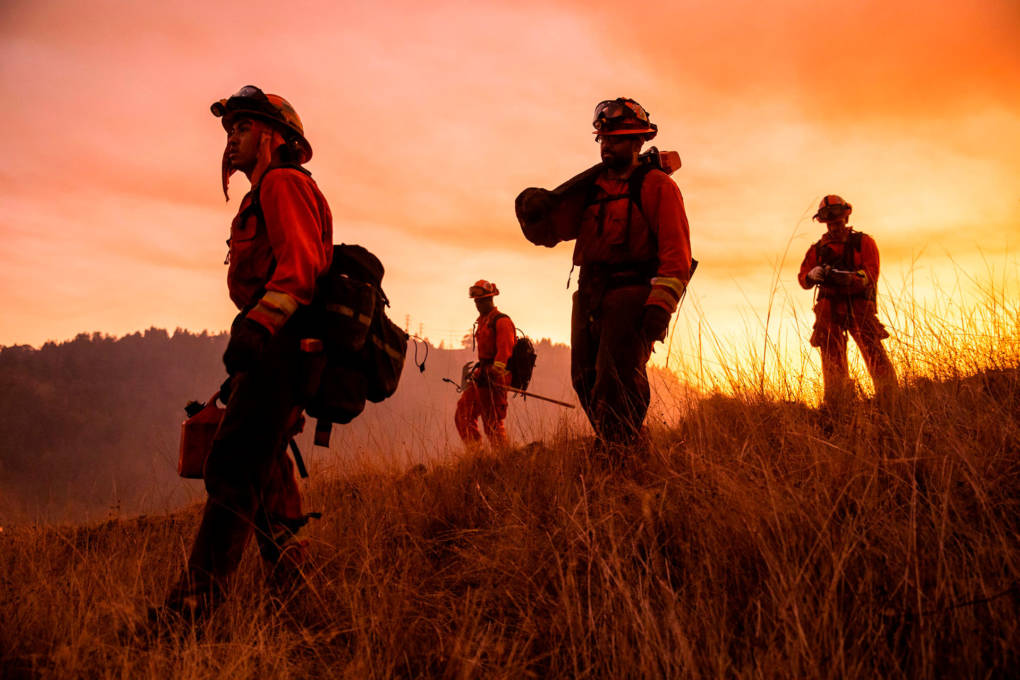
"caption": "A crew of inmate firefighters make their way to firefighting operations to battle the Kincade Fire in Healdsburg on Oct. 26, 2019.",
"description": "A crew of inmate firefighters make their way to firefighting operations to battle the Kincade Fire in Healdsburg on Oct. 26, 2019.",
"title": "kincade-fire-inmates-1920",
"credit": "Philip Pacheco/AFP via Getty Images",
"status": "inherit",
"isLoading": false,
"fetchFailed": false
}
},
"audioPlayerReducer": {
"postId": "stream_live",
"isPaused": true,
"isPlaying": false,
"pfsActive": false,
"pledgeModalIsOpen": true,
"playerDrawerIsOpen": false,
"liveAudioPlayStartedAt": 0,
"liveAudioPlayContext": ""
},
"authorsReducer": {
"byline_news_11795351": {
"type": "authors",
"id": "byline_news_11795351",
"meta": {
"override": true
},
"slug": "byline_news_11795351",
"name": "\u003ca href=\"https://www.kazu.org/people/erika-mahoney\"> Erika Mahoney \u003ca />",
"isLoading": false
},
"byline_news_11794229": {
"type": "authors",
"id": "byline_news_11794229",
"meta": {
"override": true
},
"slug": "byline_news_11794229",
"name": "\u003ca href=\"https://calmatters.org/author/elizabeth-aguilera/\">Elizabeth Aguilera\u003c/a>\u003cbr>CalMatters",
"isLoading": false
},
"byline_news_11794194": {
"type": "authors",
"id": "byline_news_11794194",
"meta": {
"override": true
},
"slug": "byline_news_11794194",
"name": "Don Thompson\u003cbr>Associated Press",
"isLoading": false
},
"byline_news_11792236": {
"type": "authors",
"id": "byline_news_11792236",
"meta": {
"override": true
},
"slug": "byline_news_11792236",
"name": "\u003ca href=\"https://calmatters.org/author/jocelyn-wiener/\"> Jocelyn Wiener \u003ca />",
"isLoading": false
},
"byline_news_11785827": {
"type": "authors",
"id": "byline_news_11785827",
"meta": {
"override": true
},
"slug": "byline_news_11785827",
"name": "\u003cstrong>\u003ca href=\"https://calmatters.org/author/erica-hellerstein/\">Erica Hellerstein\u003c/a>\u003c/strong>",
"isLoading": false
},
"scottshafer": {
"type": "authors",
"id": "255",
"meta": {
"index": "authors_1716337520",
"id": "255",
"found": true
},
"name": "Scott Shafer",
"firstName": "Scott",
"lastName": "Shafer",
"slug": "scottshafer",
"email": "sshafer@kqed.org",
"display_author_email": false,
"staff_mastheads": [
"news"
],
"title": "KQED Contributor",
"bio": "Scott Shafer is a senior editor with the KQED Politics and Government desk. He is co-host of Political Breakdown, the award-winning radio show and podcast with a personal take on the world of politics. Scott came to KQED in 1998 to host the statewide\u003cem> California Report\u003c/em>. Prior to that he had extended stints in politics and government\u003cem>.\u003c/em> He uses that inside experience at KQED in his, reporting, hosting and analysis for the politics desk. Scott collaborated \u003cem>Political Breakdown a\u003c/em>nd on \u003cem>The Political Mind of Jerry Brown, \u003c/em>an eight-part series about the life and extraordinary political career of the former governor. For fun, he plays water polo with the San Francisco Tsunami.",
"avatar": "https://secure.gravatar.com/avatar/a62ebae45b79d7aed1a39a0e3bf68104?s=600&d=blank&r=g",
"twitter": "scottshafer",
"bluesky": null,
"facebook": null,
"instagram": null,
"linkedin": null,
"sites": [
{
"site": "news",
"roles": [
"editor"
]
},
{
"site": "stateofhealth",
"roles": [
"author"
]
},
{
"site": "science",
"roles": [
"author"
]
},
{
"site": "forum",
"roles": [
"subscriber"
]
},
{
"site": "liveblog",
"roles": [
"author"
]
}
],
"headData": {
"title": "Scott Shafer | KQED",
"description": "KQED Contributor",
"ogImgSrc": "https://secure.gravatar.com/avatar/a62ebae45b79d7aed1a39a0e3bf68104?s=600&d=blank&r=g",
"twImgSrc": "https://secure.gravatar.com/avatar/a62ebae45b79d7aed1a39a0e3bf68104?s=600&d=blank&r=g"
},
"isLoading": false,
"link": "/author/scottshafer"
},
"tgoldberg": {
"type": "authors",
"id": "258",
"meta": {
"index": "authors_1716337520",
"id": "258",
"found": true
},
"name": "Ted Goldberg",
"firstName": "Ted",
"lastName": "Goldberg",
"slug": "tgoldberg",
"email": "tgoldberg@kqed.org",
"display_author_email": true,
"staff_mastheads": [
"news"
],
"title": "KQED Managing Editor, News and Newscasts",
"bio": "Ted Goldberg is Managing Editor of News and Newscasts at KQED. His main reporting beat is the Bay Area's oil refining industry.\r\n\r\nPrior to joining KQED in 2014, Ted worked at CBS News and WCBS AM in New York and Bay City News and KCBS Radio in San Francisco. He graduated from Oberlin College in Ohio in 1998.",
"avatar": "https://secure.gravatar.com/avatar/30ce2e4fe89135e104f89be2394d16225b9d36c121b5b3cb7651ce642978b96f?s=600&d=blank&r=g",
"twitter": "TedrickG",
"bluesky": null,
"facebook": null,
"instagram": null,
"linkedin": null,
"sites": [
{
"site": "news",
"roles": [
"editor"
]
},
{
"site": "science",
"roles": [
"editor"
]
}
],
"headData": {
"title": "Ted Goldberg | KQED",
"description": "KQED Managing Editor, News and Newscasts",
"ogImgSrc": "https://secure.gravatar.com/avatar/30ce2e4fe89135e104f89be2394d16225b9d36c121b5b3cb7651ce642978b96f?s=600&d=blank&r=g",
"twImgSrc": "https://secure.gravatar.com/avatar/30ce2e4fe89135e104f89be2394d16225b9d36c121b5b3cb7651ce642978b96f?s=600&d=blank&r=g"
},
"isLoading": false,
"link": "/author/tgoldberg"
},
"cveltman": {
"type": "authors",
"id": "8608",
"meta": {
"index": "authors_1716337520",
"id": "8608",
"found": true
},
"name": "Chloe Veltman",
"firstName": "Chloe",
"lastName": "Veltman",
"slug": "cveltman",
"email": "cveltman@kqed.org",
"display_author_email": true,
"staff_mastheads": [],
"title": "Arts and Culture Reporter",
"bio": "Chloe Veltman is a former arts and culture reporter for KQED. Prior to joining the organization, she launched and led the arts bureau at Colorado Public Radio, served as the Bay Area's culture columnist for the New York Times, and was the founder, host and executive producer of VoiceBox, a national award-winning weekly podcast/radio show and live events series all about the human voice. Chloe is the recipient of numerous prizes, grants and fellowships including a Webby Award for her work on interactive storytelling, both the John S Knight Journalism Fellowship and Humanities Center Fellowship at Stanford University, the Sundance Arts Writing Fellowship and a Library of Congress Research Fellowship. She is the author of the book \"On Acting\" and has appeared as a guest lecturer at Yale University and the San Francisco Conservatory of Music among other institutions. She holds a BA in english literature from King's College, Cambridge, and a Masters in Dramaturgy from the Central School of Speech and Drama/Harvard Institute for Advanced Theater Training.\r\n\u003ca href=\"https://www.chloeveltman.com\">www.chloeveltman.com\u003c/a>",
"avatar": "https://secure.gravatar.com/avatar/55403394b00a1ddab683952c2eb2cf85?s=600&d=blank&r=g",
"twitter": "chloeveltman",
"facebook": null,
"instagram": null,
"linkedin": null,
"sites": [
{
"site": "arts",
"roles": []
},
{
"site": "news",
"roles": [
"author"
]
},
{
"site": "pop",
"roles": [
"editor"
]
},
{
"site": "science",
"roles": []
}
],
"headData": {
"title": "Chloe Veltman | KQED",
"description": "Arts and Culture Reporter",
"ogImgSrc": "https://secure.gravatar.com/avatar/55403394b00a1ddab683952c2eb2cf85?s=600&d=blank&r=g",
"twImgSrc": "https://secure.gravatar.com/avatar/55403394b00a1ddab683952c2eb2cf85?s=600&d=blank&r=g"
},
"isLoading": false,
"link": "/author/cveltman"
},
"fjhabvala": {
"type": "authors",
"id": "8659",
"meta": {
"index": "authors_1716337520",
"id": "8659",
"found": true
},
"name": "Farida Jhabvala Romero",
"firstName": "Farida",
"lastName": "Jhabvala Romero",
"slug": "fjhabvala",
"email": "fjhabvala@kqed.org",
"display_author_email": true,
"staff_mastheads": [
"news"
],
"title": "KQED Contributor",
"bio": "Farida Jhabvala Romero is a Labor Correspondent for KQED. She previously covered immigration. Farida was \u003ca href=\"https://www.ccnma.org/2022-most-influential-latina-journalists\">named\u003c/a> one of the 10 Most Influential Latina Journalists in California in 2022 by the California Chicano News Media Association. Her work has won awards from the Society of Professional Journalists (Northern California), as well as a national and regional Edward M. Murrow Award for the collaborative reporting projects “Dangerous Air” and “Graying California.” Before joining KQED, Farida worked as a producer at Radio Bilingüe, a national public radio network. Farida earned her master’s degree in journalism from Stanford University.",
"avatar": "https://secure.gravatar.com/avatar/f9f022d4e2609741874222a1e9d41f48fea74011aa7c615eef91d9a50c944ebe?s=600&d=blank&r=g",
"twitter": "FaridaJhabvala",
"bluesky": null,
"facebook": null,
"instagram": null,
"linkedin": "https://www.linkedin.com/in/faridajhabvala/",
"sites": [
{
"site": "news",
"roles": [
"editor"
]
},
{
"site": "stateofhealth",
"roles": [
"author"
]
},
{
"site": "liveblog",
"roles": [
"author"
]
}
],
"headData": {
"title": "Farida Jhabvala Romero | KQED",
"description": "KQED Contributor",
"ogImgSrc": "https://secure.gravatar.com/avatar/f9f022d4e2609741874222a1e9d41f48fea74011aa7c615eef91d9a50c944ebe?s=600&d=blank&r=g",
"twImgSrc": "https://secure.gravatar.com/avatar/f9f022d4e2609741874222a1e9d41f48fea74011aa7c615eef91d9a50c944ebe?s=600&d=blank&r=g"
},
"isLoading": false,
"link": "/author/fjhabvala"
},
"nvoynovskaya": {
"type": "authors",
"id": "11387",
"meta": {
"index": "authors_1716337520",
"id": "11387",
"found": true
},
"name": "Nastia Voynovskaya",
"firstName": "Nastia",
"lastName": "Voynovskaya",
"slug": "nvoynovskaya",
"email": "nvoynovskaya@kqed.org",
"display_author_email": false,
"staff_mastheads": [
"arts"
],
"title": "Editor and reporter",
"bio": "Nastia Voynovskaya is a reporter, editor and host at KQED Arts & Culture. She's been covering the arts in the Bay Area for over a decade, with a focus on music, queer culture, labor issues and grassroots organizing. She has edited KQED story series such as Trans Bay: A History of San Francisco's Gender-Diverse Community, and co-created KQED's Bay Area hip-hop history project, That's My Word. Nastia's work has been recognized by the Society of Professional Journalists and San Francisco Press Club. She regularly appears on podcasts and radio programs, including NPR's All Songs Considered, and hosts live events where music, culture and conversation meet.",
"avatar": "https://secure.gravatar.com/avatar/5025ee460e5a85d69ca20ea6c6f2f80d7e17795c828f61ea3aecfcd924e9042e?s=600&d=blank&r=g",
"twitter": null,
"bluesky": null,
"facebook": null,
"instagram": "https://www.instagram.com/nananastia/",
"linkedin": null,
"sites": [
{
"site": "",
"roles": [
"editor"
]
},
{
"site": "arts",
"roles": [
"administrator"
]
},
{
"site": "news",
"roles": [
"editor"
]
},
{
"site": "pop",
"roles": [
"administrator"
]
},
{
"site": "bayareabites",
"roles": [
"editor"
]
},
{
"site": "podcasts",
"roles": [
"editor"
]
},
{
"site": "hiphop",
"roles": [
"editor"
]
}
],
"headData": {
"title": "Nastia Voynovskaya | KQED",
"description": "Editor and reporter",
"ogImgSrc": "https://secure.gravatar.com/avatar/5025ee460e5a85d69ca20ea6c6f2f80d7e17795c828f61ea3aecfcd924e9042e?s=600&d=blank&r=g",
"twImgSrc": "https://secure.gravatar.com/avatar/5025ee460e5a85d69ca20ea6c6f2f80d7e17795c828f61ea3aecfcd924e9042e?s=600&d=blank&r=g"
},
"isLoading": false,
"link": "/author/nvoynovskaya"
},
"kevinstark": {
"type": "authors",
"id": "11608",
"meta": {
"index": "authors_1716337520",
"id": "11608",
"found": true
},
"name": "Kevin Stark",
"firstName": "Kevin",
"lastName": "Stark",
"slug": "kevinstark",
"email": "kstark@kqed.org",
"display_author_email": true,
"staff_mastheads": [
"science"
],
"title": "Senior Editor",
"bio": "Kevin is a senior editor for KQED Science, managing the station's health and climate desks. His journalism career began in the Pacific Northwest, and he later became a lead reporter for the San Francisco Public Press. His work has appeared in Pacific Standard magazine, the Energy News Network, the Center for Investigative Reporting's Reveal and WBEZ in Chicago. Kevin joined KQED in 2019, and has covered issues related to energy, wildfire, climate change and the environment.",
"avatar": "https://secure.gravatar.com/avatar/365aaa4b597d3a8374f67504ff0facd323d7906e8eb4be0a7efd2427408e802c?s=600&d=blank&r=g",
"twitter": "starkkev",
"bluesky": null,
"facebook": null,
"instagram": null,
"linkedin": null,
"sites": [
{
"site": "",
"roles": [
"editor"
]
},
{
"site": "news",
"roles": [
"editor"
]
},
{
"site": "science",
"roles": [
"administrator"
]
}
],
"headData": {
"title": "Kevin Stark | KQED",
"description": "Senior Editor",
"ogImgSrc": "https://secure.gravatar.com/avatar/365aaa4b597d3a8374f67504ff0facd323d7906e8eb4be0a7efd2427408e802c?s=600&d=blank&r=g",
"twImgSrc": "https://secure.gravatar.com/avatar/365aaa4b597d3a8374f67504ff0facd323d7906e8eb4be0a7efd2427408e802c?s=600&d=blank&r=g"
},
"isLoading": false,
"link": "/author/kevinstark"
}
},
"pagesReducer": {
"news_tag_labor": {
"type": "terms",
"id": "news_19904",
"meta": {
"index": "terms_1716263798",
"site": "news",
"id": "19904",
"score": 8.558112
},
"name": "Labor",
"slug": "labor",
"taxonomy": "tag",
"description": null,
"featImg": null,
"headData": {
"title": "Labor | KQED News",
"description": null,
"ogTitle": null,
"ogDescription": null,
"ogImgId": null,
"twTitle": null,
"twDescription": null,
"twImgId": null
},
"ttid": 19921,
"isLoading": false,
"title": "Labor",
"pageMeta": {
"site": "news",
"WpPageTemplate": "page-topic-editorial",
"currentPage": 54
},
"blocks": [
{
"blockName": "kqed/post-list",
"attrs": {
"layout": "cardArticle2",
"query": "posts/news?tag=labor",
"seeMore": false,
"paginated": true,
"page": 54
}
},
{
"blockName": "kqed/ad"
}
]
}
},
"pfsSessionReducer": {},
"postsReducer": {
"stream_live": {
"type": "live",
"id": "stream_live",
"audioUrl": "https://streams.kqed.org/kqedradio",
"title": "Live Stream",
"excerpt": "Live Stream information currently unavailable.",
"link": "/radio",
"featImg": "",
"label": {
"name": "KQED Live",
"link": "/"
}
},
"stream_kqedNewscast": {
"type": "posts",
"id": "stream_kqedNewscast",
"audioUrl": "https://www.kqed.org/.stream/anon/radio/RDnews/newscast.mp3?_=1",
"title": "KQED Newscast",
"featImg": "",
"label": {
"name": "88.5 FM",
"link": "/"
}
},
"news_11795351": {
"type": "posts",
"id": "news_11795351",
"meta": {
"index": "posts_1716263798",
"site": "news",
"id": "11795351",
"score": null,
"sort": [
1578704400000
]
},
"guestAuthors": [],
"slug": "uc-santa-cruz-workers-join-striking-grad-students-rally-for-higher-pay",
"title": "UC Santa Cruz Workers Join Striking Grad Students, Rally for Higher Pay",
"publishDate": 1578704400,
"format": "audio",
"headTitle": "UC Santa Cruz Workers Join Striking Grad Students, Rally for Higher Pay | KQED",
"labelTerm": {},
"content": "\u003cp>The housing affordability crisis is continuing to spark strikes at UC Santa Cruz, Santa Cruz County’s largest employer. On Thursday, about 200 people rallied on the UCSC campus to support graduate students and university workers who are striking for higher wages.\u003c/p>\n\u003cp>[pullquote size=\"medium\" align=\"right\" citation=\"Tony Boardman, a PhD student in literature and a teaching assistant at UC Santa Cruz\"]‘I thought the university would take care of me. That’s not how it turned out.’[/pullquote]\u003c/p>\n\u003cp>Tony Boardman is a Ph.D. student in literature and a teaching assistant (TA) at UC Santa Cruz. But he said the pay isn’t enough to live on.\u003c/p>\n\u003cp>He’s an international student from the United Kingdom and said people warned him about the high cost of living in Santa Cruz. “But I thought there would be a way. I thought the university would take care of me. And that’s not how it turned out,” he said.\u003c/p>\n\u003cp>A recent \u003ca href=\"https://www.apartmentlist.com/rentonomics/cost-burden-2019/\" target=\"_blank\" rel=\"noopener noreferrer\">study by Apartment List\u003c/a> found nearly 60% of people living in Santa Cruz are cost-burdened, meaning they spend more than 30% of their paycheck on rent. That’s a higher rate than in San Francisco and in San Jose.\u003c/p>\n\u003cp>“UCSC needs to pay its workers a living wage. And there’s a ton of workers on campus who need this and who aren’t getting the deal that they need,” Boardman said.\u003c/p>\n\u003cp>https://twitter.com/bayareabrrn/status/1215366397028519936\u003c/p>\n\u003cp>TAs across the UC system are all paid the same rate, regardless of their community’s cost of living. They make roughly $2,400 a month before taxes. Their 20-hour workweek includes instructing labs, holding office hours and grading.\u003c/p>\n\u003cp>On Dec. 9, just before finals week of the fall quarter, hundreds of UC Santa Cruz graduate students went on strike — a grading strike. They decided not to submit grades for undergraduate courses until the university provides a $1,400 cost of living adjustment for all graduate students.\u003c/p>\n\u003cp>“This isn’t like holding the grades hostage or something like that. It’s saying that we can’t do the labor that we’re expected to do if the university won’t pay us the money that we need to live and work here,” said Boardman.\u003c/p>\n\u003cfigure id=\"attachment_11795359\" class=\"wp-caption aligncenter\" style=\"max-width: 800px\">\u003cimg loading=\"lazy\" decoding=\"async\" src=\"https://ww2.kqed.org/app/uploads/sites/10/2020/01/IMG_1069-800x600.jpg\" alt=\"Tony Boardman, a PhD student in literature, speaks with Veronica Hamilton, a PhD student in psychology. Both are TAs at UCSC.\" width=\"800\" height=\"600\" class=\"size-medium wp-image-11795359\">\u003cfigcaption class=\"wp-caption-text\">Tony Boardman, a PhD student in literature, speaks with Veronica Hamilton, a PhD student in psychology. Both are TAs at UCSC. \u003ccite>(Erika Mahoney/KAZU)\u003c/cite>\u003c/figcaption>\u003c/figure>\n\u003cp>Nearly 9,000 undergraduate students were impacted, according to Boardman. As the new quarter gets underway, TAs have reached out to students and submitted grades for those who urgently need them. According to the university, about 80% of all grades are in, but that includes grades not handled by TAs.\u003c/p>\n\u003cp>Undergraduate student Sara Valenzuela was still missing one grade during the first week back at school.\u003c/p>\n\u003cp>“Well, it’s been very, I don’t want to say stressful but at the same time a little. Just because over the winter break, it’s kind of like nerve wracking not knowing what you got for the class and you know how that builds anxiety,” Valenzuela said.\u003c/p>\n\u003cp>[pullquote size=\"medium\" align=\"right\" citation=\" Veronica Hamilton, UC Santa Cruz teaching assistant and unit chair for UAW 2865\"]‘People can’t pay their rent now. People are dropping out of their graduate programs now. And it is too long to wait until the next contract campaign.’[/pullquote]The union that represents over 19,000 student employees at UC schools hasn’t authorized the action, making it a wildcat strike. The union, UAW 2865, is currently under a four-year contract. The agreement, which took effect in 2018, includes a wage increase of 3% each year.\u003c/p>\n\u003cp>But Veronica Hamilton, the Santa Cruz unit chair for UAW 2865 and a UC Santa Cruz TA, said graduate students were never satisfied with the agreement and can’t wait two more years for further negotiations.\u003c/p>\n\u003cp>“People can’t pay their rent now. People are dropping out of their graduate programs now. And it is too long to wait until the next contract campaign,” Hamilton said.\u003c/p>\n\u003cp>[ad fullwidth]\u003c/p>\n\u003cp>UC Santa Cruz Spokesperson Scott Hernandez-Jason said the administration is willing to meet with students if they call off the strike.\u003c/p>\n\u003cp>“So this strike goes against their contract and the very nature of it makes it impossible for us to sit down and discuss ways to support them as employees,” Hernandez-Jason said.\u003c/p>\n\u003cp>He believes the long-term solution is more housing.\u003c/p>\n\u003cp>“The high cost of housing is something that impacts everyone in our campus community, the Santa Cruz community and really the large swaths of California,” Hernandez-Jason said.\u003c/p>\n\u003cp>It’s not only graduate students who feel they deserve more. \u003c/p>\n\u003cp>This week, UC Santa Cruz skilled craft workers, who the university said make roughly between $80,000 and $100,000 a year, also began an open-ended strike over pay and staffing. These workers, including electricians, carpenters and plumbers, have been without a contract for a couple of years. They’re part of the union AFSCME Local 3299.\u003c/p>\n\u003cfigure id=\"attachment_11795411\" class=\"wp-caption aligncenter\" style=\"max-width: 800px\">\u003cimg loading=\"lazy\" decoding=\"async\" src=\"https://ww2.kqed.org/app/uploads/sites/10/2020/01/IMG_1075_1_1920x-800x600.jpg\" alt=\"Some skilled craft workers at UCSC are also on strike. They're calling for more pay and more staffing.\" width=\"800\" height=\"600\" class=\"size-medium wp-image-11795411\" srcset=\"https://cdn.kqed.org/wp-content/uploads/sites/10/2020/01/IMG_1075_1_1920x-800x600.jpg 800w, https://cdn.kqed.org/wp-content/uploads/sites/10/2020/01/IMG_1075_1_1920x-160x120.jpg 160w, https://cdn.kqed.org/wp-content/uploads/sites/10/2020/01/IMG_1075_1_1920x-1020x765.jpg 1020w, https://cdn.kqed.org/wp-content/uploads/sites/10/2020/01/IMG_1075_1_1920x-1200x900.jpg 1200w, https://cdn.kqed.org/wp-content/uploads/sites/10/2020/01/IMG_1075_1_1920x.jpg 1920w, https://cdn.kqed.org/wp-content/uploads/sites/10/2020/01/IMG_1075_1_1920x-1832x1374.jpg 1832w, https://cdn.kqed.org/wp-content/uploads/sites/10/2020/01/IMG_1075_1_1920x-1376x1032.jpg 1376w, https://cdn.kqed.org/wp-content/uploads/sites/10/2020/01/IMG_1075_1_1920x-1044x783.jpg 1044w, https://cdn.kqed.org/wp-content/uploads/sites/10/2020/01/IMG_1075_1_1920x-632x474.jpg 632w, https://cdn.kqed.org/wp-content/uploads/sites/10/2020/01/IMG_1075_1_1920x-536x402.jpg 536w\" sizes=\"(max-width: 800px) 100vw, 800px\">\u003cfigcaption class=\"wp-caption-text\">Some skilled craft workers at UCSC are also on strike. They’re calling for more pay and more staffing. \u003ccite>(Erika Mahoney/KAZU)\u003c/cite>\u003c/figcaption>\u003c/figure>\n\u003cp>On Tuesday, Joe Baxter, an electrician, gathered with about a dozen other workers in front of the entrance to UC Santa Cruz. He’s been with the school for 15 years and lives in a mobile home with his family.\u003c/p>\n\u003cp>“We’re striking because we’re understaffed and we’re trying to get more staffing. They don’t replace people who retire,” Baxter said.\u003c/p>\n\u003cp>Solidarity rallies in support of the graduate students have also taken place at UC Davis, UC Berkeley and UC Santa Barbara.\u003c/p>\n\u003cp>\u003c/p>\n",
"blocks": [],
"excerpt": "Work stoppages began a month ago with a wildcat strike by graduate students, who say their wages aren’t enough to live on. This week, some campus workers began a separate open-ended strike.",
"status": "publish",
"parent": 0,
"modified": 1725928183,
"stats": {
"hasAudio": false,
"hasVideo": false,
"hasChartOrMap": false,
"iframeSrcs": [],
"hasGoogleForm": false,
"hasGallery": false,
"hasHearkenModule": false,
"hasPolis": false,
"paragraphCount": 26,
"wordCount": 995
},
"headData": {
"title": "UC Santa Cruz Workers Join Striking Grad Students, Rally for Higher Pay | KQED",
"description": "Work stoppages began a month ago with a wildcat strike by graduate students, who say their wages aren’t enough to live on. This week, some campus workers began a separate open-ended strike.",
"ogTitle": "",
"ogDescription": "",
"ogImgId": "",
"twTitle": "",
"twDescription": "",
"twImgId": "",
"schema": {
"@context": "https://schema.org",
"@type": "NewsArticle",
"headline": "UC Santa Cruz Workers Join Striking Grad Students, Rally for Higher Pay",
"datePublished": "2020-01-10T17:00:00-08:00",
"dateModified": "2024-09-09T17:29:43-07:00",
"image": "https://cdn.kqed.org/wp-content/uploads/2020/02/KQED-OG-Image@1x.png",
"isAccessibleForFree": "True",
"publisher": {
"@type": "NewsMediaOrganization",
"@id": "https://www.kqed.org/#organization",
"name": "KQED",
"logo": "https://cdn.kqed.org/wp-content/uploads/2020/02/KQED-OG-Image@1x.png",
"url": "https://www.kqed.org",
"sameAs": [
"https://www.facebook.com/KQED",
"https://twitter.com/KQED",
"https://www.instagram.com/kqed/",
"https://www.tiktok.com/@kqedofficial",
"https://www.linkedin.com/company/kqed",
"https://www.youtube.com/channel/UCeC0IOo7i1P_61zVUWbJ4nw"
]
}
}
},
"source": "KAZU",
"sourceUrl": "https://www.kazu.org/",
"audioUrl": "https://www.kqed.org/.stream/anon/radio/tcr/2020/01/MahoneySantaCruzstrike.mp3",
"sticky": false,
"nprByline": "\u003ca href=\"https://www.kazu.org/people/erika-mahoney\"> Erika Mahoney \u003ca />",
"audioTrackLength": 104,
"path": "/news/11795351/uc-santa-cruz-workers-join-striking-grad-students-rally-for-higher-pay",
"parsedContent": [
{
"type": "contentString",
"content": "\u003cdiv class=\"post-body\">\u003cp>\u003cp>The housing affordability crisis is continuing to spark strikes at UC Santa Cruz, Santa Cruz County’s largest employer. On Thursday, about 200 people rallied on the UCSC campus to support graduate students and university workers who are striking for higher wages.\u003c/p>\n\u003cp>\u003c/p>\u003c/div>",
"attributes": {
"named": {},
"numeric": []
}
},
{
"type": "component",
"content": "‘I thought the university would take care of me. That’s not how it turned out.’",
"name": "pullquote",
"attributes": {
"named": {
"size": "medium",
"align": "right",
"citation": "Tony Boardman, a PhD student in literature and a teaching assistant at UC Santa Cruz",
"label": ""
},
"numeric": []
}
},
{
"type": "contentString",
"content": "\u003cdiv class=\"post-body\">\u003cp>\u003c/p>\n\u003cp>Tony Boardman is a Ph.D. student in literature and a teaching assistant (TA) at UC Santa Cruz. But he said the pay isn’t enough to live on.\u003c/p>\n\u003cp>He’s an international student from the United Kingdom and said people warned him about the high cost of living in Santa Cruz. “But I thought there would be a way. I thought the university would take care of me. And that’s not how it turned out,” he said.\u003c/p>\n\u003cp>A recent \u003ca href=\"https://www.apartmentlist.com/rentonomics/cost-burden-2019/\" target=\"_blank\" rel=\"noopener noreferrer\">study by Apartment List\u003c/a> found nearly 60% of people living in Santa Cruz are cost-burdened, meaning they spend more than 30% of their paycheck on rent. That’s a higher rate than in San Francisco and in San Jose.\u003c/p>\n\u003cp>“UCSC needs to pay its workers a living wage. And there’s a ton of workers on campus who need this and who aren’t getting the deal that they need,” Boardman said.\u003c/p>\u003c/p>\u003c/div>",
"attributes": {
"named": {},
"numeric": []
}
},
{
"type": "component",
"content": "",
"name": "singleTwitterStatus",
"attributes": {
"named": {
"id": "1215366397028519936"
},
"numeric": []
}
},
{
"type": "contentString",
"content": "\u003cdiv class=\"post-body\">\u003cp>\n\u003cp>TAs across the UC system are all paid the same rate, regardless of their community’s cost of living. They make roughly $2,400 a month before taxes. Their 20-hour workweek includes instructing labs, holding office hours and grading.\u003c/p>\n\u003cp>On Dec. 9, just before finals week of the fall quarter, hundreds of UC Santa Cruz graduate students went on strike — a grading strike. They decided not to submit grades for undergraduate courses until the university provides a $1,400 cost of living adjustment for all graduate students.\u003c/p>\n\u003cp>“This isn’t like holding the grades hostage or something like that. It’s saying that we can’t do the labor that we’re expected to do if the university won’t pay us the money that we need to live and work here,” said Boardman.\u003c/p>\n\u003cfigure id=\"attachment_11795359\" class=\"wp-caption aligncenter\" style=\"max-width: 800px\">\u003cimg loading=\"lazy\" decoding=\"async\" src=\"https://ww2.kqed.org/app/uploads/sites/10/2020/01/IMG_1069-800x600.jpg\" alt=\"Tony Boardman, a PhD student in literature, speaks with Veronica Hamilton, a PhD student in psychology. Both are TAs at UCSC.\" width=\"800\" height=\"600\" class=\"size-medium wp-image-11795359\">\u003cfigcaption class=\"wp-caption-text\">Tony Boardman, a PhD student in literature, speaks with Veronica Hamilton, a PhD student in psychology. Both are TAs at UCSC. \u003ccite>(Erika Mahoney/KAZU)\u003c/cite>\u003c/figcaption>\u003c/figure>\n\u003cp>Nearly 9,000 undergraduate students were impacted, according to Boardman. As the new quarter gets underway, TAs have reached out to students and submitted grades for those who urgently need them. According to the university, about 80% of all grades are in, but that includes grades not handled by TAs.\u003c/p>\n\u003cp>Undergraduate student Sara Valenzuela was still missing one grade during the first week back at school.\u003c/p>\n\u003cp>“Well, it’s been very, I don’t want to say stressful but at the same time a little. Just because over the winter break, it’s kind of like nerve wracking not knowing what you got for the class and you know how that builds anxiety,” Valenzuela said.\u003c/p>\n\u003cp>\u003c/p>\u003c/div>",
"attributes": {
"named": {},
"numeric": []
}
},
{
"type": "component",
"content": "‘People can’t pay their rent now. People are dropping out of their graduate programs now. And it is too long to wait until the next contract campaign.’",
"name": "pullquote",
"attributes": {
"named": {
"size": "medium",
"align": "right",
"citation": " Veronica Hamilton, UC Santa Cruz teaching assistant and unit chair for UAW 2865",
"label": ""
},
"numeric": []
}
},
{
"type": "contentString",
"content": "\u003cdiv class=\"post-body\">\u003cp>The union that represents over 19,000 student employees at UC schools hasn’t authorized the action, making it a wildcat strike. The union, UAW 2865, is currently under a four-year contract. The agreement, which took effect in 2018, includes a wage increase of 3% each year.\u003c/p>\n\u003cp>But Veronica Hamilton, the Santa Cruz unit chair for UAW 2865 and a UC Santa Cruz TA, said graduate students were never satisfied with the agreement and can’t wait two more years for further negotiations.\u003c/p>\n\u003cp>“People can’t pay their rent now. People are dropping out of their graduate programs now. And it is too long to wait until the next contract campaign,” Hamilton said.\u003c/p>\n\u003cp>\u003c/p>\u003c/div>",
"attributes": {
"named": {},
"numeric": []
}
},
{
"type": "component",
"content": "",
"name": "ad",
"attributes": {
"named": {
"label": "fullwidth"
},
"numeric": [
"fullwidth"
]
}
},
{
"type": "contentString",
"content": "\u003cdiv class=\"post-body\">\u003cp>\u003c/p>\n\u003cp>UC Santa Cruz Spokesperson Scott Hernandez-Jason said the administration is willing to meet with students if they call off the strike.\u003c/p>\n\u003cp>“So this strike goes against their contract and the very nature of it makes it impossible for us to sit down and discuss ways to support them as employees,” Hernandez-Jason said.\u003c/p>\n\u003cp>He believes the long-term solution is more housing.\u003c/p>\n\u003cp>“The high cost of housing is something that impacts everyone in our campus community, the Santa Cruz community and really the large swaths of California,” Hernandez-Jason said.\u003c/p>\n\u003cp>It’s not only graduate students who feel they deserve more. \u003c/p>\n\u003cp>This week, UC Santa Cruz skilled craft workers, who the university said make roughly between $80,000 and $100,000 a year, also began an open-ended strike over pay and staffing. These workers, including electricians, carpenters and plumbers, have been without a contract for a couple of years. They’re part of the union AFSCME Local 3299.\u003c/p>\n\u003cfigure id=\"attachment_11795411\" class=\"wp-caption aligncenter\" style=\"max-width: 800px\">\u003cimg loading=\"lazy\" decoding=\"async\" src=\"https://ww2.kqed.org/app/uploads/sites/10/2020/01/IMG_1075_1_1920x-800x600.jpg\" alt=\"Some skilled craft workers at UCSC are also on strike. They're calling for more pay and more staffing.\" width=\"800\" height=\"600\" class=\"size-medium wp-image-11795411\" srcset=\"https://cdn.kqed.org/wp-content/uploads/sites/10/2020/01/IMG_1075_1_1920x-800x600.jpg 800w, https://cdn.kqed.org/wp-content/uploads/sites/10/2020/01/IMG_1075_1_1920x-160x120.jpg 160w, https://cdn.kqed.org/wp-content/uploads/sites/10/2020/01/IMG_1075_1_1920x-1020x765.jpg 1020w, https://cdn.kqed.org/wp-content/uploads/sites/10/2020/01/IMG_1075_1_1920x-1200x900.jpg 1200w, https://cdn.kqed.org/wp-content/uploads/sites/10/2020/01/IMG_1075_1_1920x.jpg 1920w, https://cdn.kqed.org/wp-content/uploads/sites/10/2020/01/IMG_1075_1_1920x-1832x1374.jpg 1832w, https://cdn.kqed.org/wp-content/uploads/sites/10/2020/01/IMG_1075_1_1920x-1376x1032.jpg 1376w, https://cdn.kqed.org/wp-content/uploads/sites/10/2020/01/IMG_1075_1_1920x-1044x783.jpg 1044w, https://cdn.kqed.org/wp-content/uploads/sites/10/2020/01/IMG_1075_1_1920x-632x474.jpg 632w, https://cdn.kqed.org/wp-content/uploads/sites/10/2020/01/IMG_1075_1_1920x-536x402.jpg 536w\" sizes=\"(max-width: 800px) 100vw, 800px\">\u003cfigcaption class=\"wp-caption-text\">Some skilled craft workers at UCSC are also on strike. They’re calling for more pay and more staffing. \u003ccite>(Erika Mahoney/KAZU)\u003c/cite>\u003c/figcaption>\u003c/figure>\n\u003cp>On Tuesday, Joe Baxter, an electrician, gathered with about a dozen other workers in front of the entrance to UC Santa Cruz. He’s been with the school for 15 years and lives in a mobile home with his family.\u003c/p>\n\u003cp>“We’re striking because we’re understaffed and we’re trying to get more staffing. They don’t replace people who retire,” Baxter said.\u003c/p>\n\u003cp>Solidarity rallies in support of the graduate students have also taken place at UC Davis, UC Berkeley and UC Santa Barbara.\u003c/p>\n\u003cp>\u003c/p>\n\u003c/div>\u003c/p>",
"attributes": {
"named": {},
"numeric": []
}
}
],
"link": "/news/11795351/uc-santa-cruz-workers-join-striking-grad-students-rally-for-higher-pay",
"authors": [
"byline_news_11795351"
],
"programs": [
"news_72"
],
"categories": [
"news_18540",
"news_6266",
"news_8"
],
"tags": [
"news_3921",
"news_20013",
"news_1775",
"news_27208",
"news_19904",
"news_721",
"news_25682",
"news_206"
],
"featImg": "news_11795358",
"label": "source_news_11795351"
},
"arts_13872608": {
"type": "posts",
"id": "arts_13872608",
"meta": {
"index": "posts_1716263798",
"site": "arts",
"id": "13872608",
"score": null,
"sort": [
1578445905000
]
},
"parent": 0,
"labelTerm": {
"site": "arts"
},
"blocks": [],
"publishDate": 1578445905,
"format": "standard",
"title": "Concert Startup Sofar Sounds to Pay $460,000 to Uncompensated Workers",
"headTitle": "Concert Startup Sofar Sounds to Pay $460,000 to Uncompensated Workers | KQED",
"content": "\u003cp>Sofar Sounds—a company that books small, acoustic concerts at houses, stores and office spaces—has reached a $460,357.50 settlement with the New York State Department of Labor, \u003ca href=\"https://variety.com/2019/biz/news/whats-next-for-sofar-sounds-and-its-genius-volunteer-based-business-model-1203325982/\" target=\"_blank\" rel=\"noopener noreferrer\">\u003cem>Variety\u003c/em> reports\u003c/a>. The money will be distributed among 654 unpaid workers, or, in Sofar parlance, “ambassadors,” who staffed concerts for the for-profit company between 2016 and 2019. [aside postid='arts_13857471']\u003c/p>\n\u003cp>The settlement comes after years of scrutiny of Sofar Sounds’ business model. Since its debut in London in 2009, the startup expanded to hundreds of cities across the globe, including San Francisco, Santa Cruz and San Jose, and became profitable by charging at the door for “secret shows” while using volunteer crews and paying musicians negligible stipends. When KQED’s Emma Silvers broke the story of \u003ca href=\"https://www.kqed.org/arts/13114272/sofar-sounds-house-shows-airbnb-middleman\" target=\"_blank\" rel=\"noopener noreferrer\">Sofar Sounds’ labor practices\u003c/a> in 2017, the company was valued at an estimated $22 million, with investment from Virgin’s Richard Branson. Meanwhile, bands were compensated with videos of their performances (and no cash), and then paid $50 per concert once they became “Sofar alums” and played additional shows.\u003c/p>\n\u003cp>“I think they talk a lot about supporting local artists, but what they’re actually doing is perpetuating the idea that it’s okay for musicians to get paid shit,” Oakland singer-songwriter Madeline Kinney told KQED at the time. [aside postid='arts_13114272']\u003c/p>\n\u003cp>In 2019, \u003ca href=\"https://techcrunch.com/2019/05/21/how-sofar-sounds-works/\" target=\"_blank\" rel=\"noopener noreferrer\">TechCrunch\u003c/a> reported that Sofar upped its fees to $100 per band for a 25 minute set (which can work out to less than minimum wage when factoring in musicians’ travel and rehearsal time). The hosts who volunteered their homes as venues weren’t paid, yet Sofar made at least $1,000 to $1,600 per show, according to the report. In a \u003ca href=\"https://www.sofarsounds.com/blog/articles/how-money-works-at-a-sofar-show\" target=\"_blank\" rel=\"noopener noreferrer\">recent blog post\u003c/a>, Sofar CEO Jim Lucchese promised to increase artist compensation for bigger shows in February 2020. In September 2019, the company also pledged to hire paid, part-time crews to staff its concerts.\u003c/p>\n\u003cp>“When the Department of Labor opened its investigation, Sofar cooperated fully and immediately changed its business model,” the New York State Department of Labor wrote in an announcement. “Sofar now staffs all its events with paid employees. The company also agreed to immediately compensate ambassadors who provided any unpaid work.” [aside postid='arts_13852882']\u003c/p>\n\u003cp>After the settlement was reached, a Sofar spokesperson told \u003cem>Variety\u003c/em>: “Today’s agreement with the New York State Department of Labor stipulates no admission of guilt or wrongdoing and confirms our operating model is fully compliant with New York state law. We thank them for working collaboratively with us in New York, Sofar’s biggest U.S. market. We are excited about resolving these issues and moving forward in 2020, with a continued focus on connecting local and independent musicians with passionate music fans.”\u003c/p>\n\u003cp>[ad fullwidth]\u003c/p>\n\u003cp>\u003c/p>\n",
"stats": {
"hasVideo": false,
"hasChartOrMap": false,
"hasAudio": false,
"hasPolis": false,
"wordCount": 483,
"hasGoogleForm": false,
"hasGallery": false,
"hasHearkenModule": false,
"iframeSrcs": [],
"paragraphCount": 8
},
"modified": 1705021548,
"excerpt": "The company built its business model on free labor while raising millions of dollars in investments. ",
"headData": {
"twImgId": "",
"twTitle": "",
"ogTitle": "",
"ogImgId": "",
"twDescription": "",
"description": "The company built its business model on free labor while raising millions of dollars in investments. ",
"title": "Concert Startup Sofar Sounds to Pay $460,000 to Uncompensated Workers | KQED",
"ogDescription": "",
"schema": {
"@context": "https://schema.org",
"@type": "Article",
"headline": "Concert Startup Sofar Sounds to Pay $460,000 to Uncompensated Workers",
"datePublished": "2020-01-07T17:11:45-08:00",
"dateModified": "2024-01-11T17:05:48-08:00",
"image": "https://cdn.kqed.org/wp-content/uploads/2020/02/KQED-OG-Image@1x.png"
}
},
"guestAuthors": [],
"slug": "concert-startup-sofar-sounds-to-pay-460000-to-uncompensated-workers",
"status": "publish",
"templateType": "standard",
"featuredImageType": "standard",
"sticky": false,
"path": "/arts/13872608/concert-startup-sofar-sounds-to-pay-460000-to-uncompensated-workers",
"audioTrackLength": null,
"parsedContent": [
{
"type": "contentString",
"content": "\u003cdiv class=\"post-body\">\u003cp>\u003cp>Sofar Sounds—a company that books small, acoustic concerts at houses, stores and office spaces—has reached a $460,357.50 settlement with the New York State Department of Labor, \u003ca href=\"https://variety.com/2019/biz/news/whats-next-for-sofar-sounds-and-its-genius-volunteer-based-business-model-1203325982/\" target=\"_blank\" rel=\"noopener noreferrer\">\u003cem>Variety\u003c/em> reports\u003c/a>. The money will be distributed among 654 unpaid workers, or, in Sofar parlance, “ambassadors,” who staffed concerts for the for-profit company between 2016 and 2019. \u003c/p>\u003c/div>",
"attributes": {
"named": {},
"numeric": []
}
},
{
"type": "component",
"content": "",
"name": "aside",
"attributes": {
"named": {
"postid": "arts_13857471",
"label": ""
},
"numeric": []
}
},
{
"type": "contentString",
"content": "\u003cdiv class=\"post-body\">\u003cp>\u003c/p>\n\u003cp>The settlement comes after years of scrutiny of Sofar Sounds’ business model. Since its debut in London in 2009, the startup expanded to hundreds of cities across the globe, including San Francisco, Santa Cruz and San Jose, and became profitable by charging at the door for “secret shows” while using volunteer crews and paying musicians negligible stipends. When KQED’s Emma Silvers broke the story of \u003ca href=\"https://www.kqed.org/arts/13114272/sofar-sounds-house-shows-airbnb-middleman\" target=\"_blank\" rel=\"noopener noreferrer\">Sofar Sounds’ labor practices\u003c/a> in 2017, the company was valued at an estimated $22 million, with investment from Virgin’s Richard Branson. Meanwhile, bands were compensated with videos of their performances (and no cash), and then paid $50 per concert once they became “Sofar alums” and played additional shows.\u003c/p>\n\u003cp>“I think they talk a lot about supporting local artists, but what they’re actually doing is perpetuating the idea that it’s okay for musicians to get paid shit,” Oakland singer-songwriter Madeline Kinney told KQED at the time. \u003c/p>\u003c/div>",
"attributes": {
"named": {},
"numeric": []
}
},
{
"type": "component",
"content": "",
"name": "aside",
"attributes": {
"named": {
"postid": "arts_13114272",
"label": ""
},
"numeric": []
}
},
{
"type": "contentString",
"content": "\u003cdiv class=\"post-body\">\u003cp>\u003c/p>\n\u003cp>In 2019, \u003ca href=\"https://techcrunch.com/2019/05/21/how-sofar-sounds-works/\" target=\"_blank\" rel=\"noopener noreferrer\">TechCrunch\u003c/a> reported that Sofar upped its fees to $100 per band for a 25 minute set (which can work out to less than minimum wage when factoring in musicians’ travel and rehearsal time). The hosts who volunteered their homes as venues weren’t paid, yet Sofar made at least $1,000 to $1,600 per show, according to the report. In a \u003ca href=\"https://www.sofarsounds.com/blog/articles/how-money-works-at-a-sofar-show\" target=\"_blank\" rel=\"noopener noreferrer\">recent blog post\u003c/a>, Sofar CEO Jim Lucchese promised to increase artist compensation for bigger shows in February 2020. In September 2019, the company also pledged to hire paid, part-time crews to staff its concerts.\u003c/p>\n\u003cp>“When the Department of Labor opened its investigation, Sofar cooperated fully and immediately changed its business model,” the New York State Department of Labor wrote in an announcement. “Sofar now staffs all its events with paid employees. The company also agreed to immediately compensate ambassadors who provided any unpaid work.” \u003c/p>\u003c/div>",
"attributes": {
"named": {},
"numeric": []
}
},
{
"type": "component",
"content": "",
"name": "aside",
"attributes": {
"named": {
"postid": "arts_13852882",
"label": ""
},
"numeric": []
}
},
{
"type": "contentString",
"content": "\u003cdiv class=\"post-body\">\u003cp>\u003c/p>\n\u003cp>After the settlement was reached, a Sofar spokesperson told \u003cem>Variety\u003c/em>: “Today’s agreement with the New York State Department of Labor stipulates no admission of guilt or wrongdoing and confirms our operating model is fully compliant with New York state law. We thank them for working collaboratively with us in New York, Sofar’s biggest U.S. market. We are excited about resolving these issues and moving forward in 2020, with a continued focus on connecting local and independent musicians with passionate music fans.”\u003c/p>\n\u003cp>\u003c/p>\u003c/div>",
"attributes": {
"named": {},
"numeric": []
}
},
{
"type": "component",
"content": "",
"name": "ad",
"attributes": {
"named": {
"label": "fullwidth"
},
"numeric": [
"fullwidth"
]
}
},
{
"type": "contentString",
"content": "\u003cdiv class=\"post-body\">\u003cp>\u003c/p>\n\u003cp>\u003c/p>\n\u003c/div>\u003c/p>",
"attributes": {
"named": {},
"numeric": []
}
}
],
"link": "/arts/13872608/concert-startup-sofar-sounds-to-pay-460000-to-uncompensated-workers",
"authors": [
"11387"
],
"categories": [
"arts_69",
"arts_235"
],
"tags": [
"arts_9604",
"arts_7469",
"arts_1118",
"arts_7471"
],
"featImg": "arts_13121352",
"label": "arts"
},
"news_11794229": {
"type": "posts",
"id": "news_11794229",
"meta": {
"index": "posts_1716263798",
"site": "news",
"id": "11794229",
"score": null,
"sort": [
1578356355000
]
},
"guestAuthors": [],
"slug": "left-waiting-workers-comp-creates-lengthy-delays-for-californians-injured-on-the-job",
"title": "Left Waiting: Workers’ Comp Creates Lengthy Delays for Californians Injured on the Job",
"publishDate": 1578356355,
"format": "standard",
"headTitle": "Left Waiting: Workers’ Comp Creates Lengthy Delays for Californians Injured on the Job | KQED",
"labelTerm": {},
"content": "\u003cp>Injured workers in California often wait months or even years to receive the medical evaluations required to get needed treatment, and in some cases to determine the extent of their disability resulting from a work-related injury.\u003c/p>\n\u003cp>The reason? The state lacks enough physicians signed up with the state’s program to serve as experts.\u003c/p>\n\u003cp>[aside label=\"related coverage\" tag=\"workers-comp\"]That’s among the findings of a first-ever state\u003ca href=\"https://www.auditor.ca.gov/pdfs/reports/2019-102.pdf\"> audit \u003c/a>of California’s Division of Workers’ Compensation, which noted that the state has not increased the pay schedule for expert doctors, known as Qualified Medical Evaluators, in 13 years.\u003c/p>\n\u003cp>“It’s affecting real workers, and if something is not being done correctly, they need to fix it,” said Democratic Assemblywoman Blanca Rubio of Baldwin Park. She requested the audit as a member of the \u003ca href=\"https://legaudit.assembly.ca.gov/\">Joint Committee on Legislative Audit\u003c/a>, which will hold a \u003ca href=\"https://legaudit.assembly.ca.gov/hearings\">hearing\u003c/a> on the findings Tuesday. “But if it doesn’t get fixed, then we can step in and fix it. The department needs to take it seriously.”\u003c/p>\n\u003cp>One of those workers is Doreen Duarte-Ellis of Livermore, who said she injured herself moving a patient at the nursing home where she worked in 2014. A human resources representative at the company that operates the home declined to comment, saying she was unable to answer questions involving personnel.\u003c/p>\n\u003cp>Duarte-Ellis and her lawyer say it has been tough for her to get treatment and resolution in her case — a situation they blame in part on months and months of delays while she waited to see a workers’ comp medical evaluator.\u003c/p>\n\u003cp>“I’m tired physically, emotionally. This process plays a huge part in it,” she said.\u003c/p>\n\u003cp>[ad fullwidth]\u003c/p>\n\u003cp>Duarte-Ellis said she used to be an active woman who rode a Harley, swam and played with her grandchildren. Now, she says, she can’t ride, swim or lift babies anymore because of pain and stiffness — and that she spends most of her day icing her body or trying to find a comfortable position to sit or lie down.\u003c/p>\n\u003cp>“I’m permanently disabled. Had they done stuff sooner possibly I may not have been disabled,” said Duarte-Ellis, 57. “My life came to a screeching halt and I’ve suffered endlessly.”\u003c/p>\n\u003cp>The state auditor found that the Division of Workers’ Compensation:\u003c/p>\n\u003cul>\n\u003cli>“Failed” to address the shortage of medical experts — there were 2,800 medical evaluators to handle some 100,000 new requests for evaluations in 2017-2018.\u003c/li>\n\u003cli>“Inappropriately” disciplined doctors for alleged overbilling issues by not reappointing them, raising “due process concerns.”\u003c/li>\n\u003cli>Has not ensured that the evaluators’ reports meet quality standards as accurate and complete, and has not tracked how often judges reject those reports as a result.\u003c/li>\n\u003c/ul>\n\u003cp>The division is part of the Department of Industrial Relations, which is charged with enforcing labor laws and protecting workers and employers. It is funded by fees paid by employers statewide.\u003c/p>\n\u003cp>The division “acknowledged and accepted” the recommendations in the audit, but indicated it was already working on some solutions. Agency representatives refused to answer CalMatters’ questions about the audit, referring instead to its written response to the auditor.\u003c/p>\n\u003cp>It wrote that it has been working on updating the payment schedule for evaluators since 2017. In August, the agency released a \u003ca href=\"https://www.dir.ca.gov/DIRNews/2019/2019-68.pdf\">proposal\u003c/a> that garnered hundreds of mostly negative public \u003ca href=\"https://www.dir.ca.gov/WCAB/ForumDocs/Forum-%20June2019/Forum-3-Comments.pdf\">comments\u003c/a>. The agency has since revised the proposal, held stakeholder meetings, and in January will hold a public hearing on a final proposal.\u003c/p>\n\u003cp>Its response also cited a statewide doctor shortage, which makes it hard to recruit doctors to the system.\u003c/p>\n\u003cp>\u003c!-- iframe plugin v.4.3 wordpress.org/plugins/iframe/ -->\u003cbr>\n\u003ciframe loading=\"lazy\" src=\"https://e.infogram.com/f8ca3acd-9c6c-4197-8341-e63f92f665df?src=embed\" title=\"Workers Compensation Final\" width=\"800\" height=\"1300\" scrolling=\"no\" frameborder=\"0\" style=\"border:none;\" allowfullscreen=\"allowfullscreen\" class=\"iframe-class\">\u003c/iframe>\u003c/p>\n\u003cp>But the agency also said not all the certified doctors are busy under the current system, and that it intends to change how evaluators are assigned to panels from which workers and their attorneys choose experts. Doctor advocates say that some doctors, such as orthopedists, are more in demand than others, such as chiropractors.\u003c/p>\n\u003cp>The agency also wrote that it would review its disciplinary procedures and notify doctors earlier in the process if it suspected billing violations.\u003c/p>\n\u003cp>A 2018\u003ca href=\"https://www.rand.org/pubs/working_papers/WR1279.html\"> review\u003c/a> by the Rand Corp. recommended the fees be restructured to ensure that medical experts are fully compensated for their time on complex cases and produce high quality evaluations.\u003c/p>\n\u003cp>Now the Legislature is getting involved too. A \u003ca href=\"https://leginfo.legislature.ca.gov/faces/billNavClient.xhtml?bill_id=201920200AB1832\">bill\u003c/a> expected to be heard in committee in January would require the agency to boost pay for medical evaluators based on inflation since 2006, and provide regular raises as a way to keep and attract doctors to the system.\u003c/p>\n\u003cp>When injured workers endure lengthy waits, their health may suffer, their condition could worsen, they may lose their financial footing and some have even lost their homes, according to lawyers representing injured workers.\u003c/p>\n\u003cp>They provide “your recourse to getting access to benefits once they are denied,” said Dr. Gabor Vari, CEO of California Medical Evaluators, a company that connects injured workers with evaluators. “You may be out of work. You may not be getting any benefits like disability payments. You may not have access to medical care because workers’ comp is supposed to treat your injury.”\u003c/p>\n\u003cp>Typically workers require an evaluation when an employer disputes whether an injury is actually work-related, or the worker feels they need more treatment or wants a second opinion regarding temporary or permanent disability.\u003c/p>\n\u003cp>When a worker, or the worker’s attorney, asks for a medical review, the state provides a list of three experts to choose from, but also requires the appointment take place within 60 days. If a doctor can’t do it in that timeframe, the worker will be given a fresh list and the process begins all over again.\u003c/p>\n\u003cp>Workers who have an attorney typically end up with just one expert to schedule, because both sides can strike one of the other’s choices.\u003c/p>\n\u003cp>Oakland attorney Dikla Dolev said she represented a worker who went through nine lists before getting an evaluation in the required time. That process took over a year, said Dolev.\u003c/p>\n\u003cp>“People who don’t have other access to health insurance are literally just sitting out there, and it becomes a situation where your whole life has been delayed,” she said. “They are trying to survive on state disability benefits. They are losing the time they are typically giving to 401(k)s and pensions. It puts their entire life on delay, and frankly there is a staggering effect on someone’s health.”\u003c/p>\n\u003cp>The evaluations also produce documents that are used in legal cases to determine treatment, settlement and future medical care, said Jacob Rosenberg, president of the \u003ca href=\"https://csims.org/\">California Society of Industrial Medicine and Surgery\u003c/a>, which represents physicians who see injured workers.\u003c/p>\n\u003cp>Evaluators can earn around $240 an hour if a case is complex. A complex evaluation and completion of the required report can take hours. Clamping down on how long doctors can take or limiting their compensation may lead them to rush through the process.\u003c/p>\n\u003cp>“It doesn’t pay well enough to get new evaluators and keep old evaluators,” Rosenberg said. “The system is breaking down.”\u003c/p>\n\u003cp>This isn’t the first time the agency has hit controversy. Its previous director\u003ca href=\"https://www.latimes.com/politics/la-pol-ca-fraud-commissioner-nepotism-20190329-story.html\"> resigned\u003c/a> in 2018 after reports of nepotism. That year the agency settled a lawsuit brought by doctors whom it did not reappoint for two-year terms as medical evaluators based on alleged billing violations.\u003c/p>\n\u003cp>The \u003ca href=\"https://www.prnewswire.com/news-releases/rpna-wins-victory-for-california-qmes-in-settlement-agreements-with-the-california-department-of-workers-compensation-300635846.html\">lawsuit\u003c/a> claimed the agency used “underground regulations” to assess bills submitted by evaluators to insurers, and cut them out of the system for alleged overbilling when their terms were up without letting them defend themselves, said attorney Nicolas Roxborough, who represented medical evaluators against the agency.\u003c/p>\n\u003cp>Neither the agency nor the doctors admitted wrongdoing in the \u003ca href=\"http://rpnalaw.com/wp-content/uploads/2018/04/180420.Master-Settlement-Agreement-etc.-FINAL-redacted-pdf-00163418xE15DC.pdf\">settlement\u003c/a>. The agency agreed to follow written regulations when reviewing reports and not impose other rules, Some of the doctors agreed to pay back reduced amounts to insurers for the billing issues.\u003c/p>\n\u003cp>Tigran Garabekyan, a plaintiff and an orthopedic surgeon in Los Angeles, was not reappointed as an evaluator because the agency said he was overbilling insurers on complex cases. He said that forced him to cancel more than a dozen evaluations, leaving injured workers in the lurch.\u003c/p>\n\u003cp>“That is how callous their action was, with seemingly no regard for the damage it had on the injured workers,” Garabekyan said. “I had the rug pulled out from under me. They didn’t provide any avenues to resolve this.”\u003c/p>\n\u003cp>Within months the state settled the case and reappointed him. He agreed to pay several thousand dollars back to various insurers and to take a billing course. He was not accused of fraud.\u003c/p>\n\u003cp>Employers and workers’ compensation insurers agree that the evaluator system is in need of repair and the fees need to be raised, said Jerry Azevedo, spokesman for the Workers’ Compensation Action Network, which represents a coalition of employers and insurers.\u003c/p>\n\u003cp>“There has been complaining and gnashing of teeth about the process for many years,” he said. “Employers are most concerned about the quality issue. This is employer money and workers lives — and if we are going to spend the time and energy and money on what is supposed to be an impartial process, we want to get that right.”\u003c/p>\n\u003cp>\u003cem>\u003ca href=\"http://calmatters.org/\">CalMatters.org\u003c/a> is a nonprofit, nonpartisan media venture explaining California policies and politics.\u003c/em>\u003c/p>\n\u003cp>[ad floatright]\u003c/p>\n",
"blocks": [],
"excerpt": "Although the number of Californians needing evaluations for reported on-the-job-injuries has soared, the state's stable of approved medical evaluators to review those cases has been dropping.\r\n",
"status": "publish",
"parent": 0,
"modified": 1721154404,
"stats": {
"hasAudio": false,
"hasVideo": false,
"hasChartOrMap": true,
"iframeSrcs": [
"https://e.infogram.com/f8ca3acd-9c6c-4197-8341-e63f92f665df"
],
"hasGoogleForm": false,
"hasGallery": false,
"hasHearkenModule": false,
"hasPolis": false,
"paragraphCount": 40,
"wordCount": 1626
},
"headData": {
"title": "Left Waiting: Workers’ Comp Creates Lengthy Delays for Californians Injured on the Job | KQED",
"description": "Although the number of Californians needing evaluations for reported on-the-job-injuries has soared, the state's stable of approved medical evaluators to review those cases has been dropping.\r\n",
"ogTitle": "",
"ogDescription": "",
"ogImgId": "",
"twTitle": "",
"twDescription": "",
"twImgId": "",
"schema": {
"@context": "https://schema.org",
"@type": "NewsArticle",
"headline": "Left Waiting: Workers’ Comp Creates Lengthy Delays for Californians Injured on the Job",
"datePublished": "2020-01-06T16:19:15-08:00",
"dateModified": "2024-07-16T11:26:44-07:00",
"image": "https://cdn.kqed.org/wp-content/uploads/2020/02/KQED-OG-Image@1x.png",
"isAccessibleForFree": "True",
"publisher": {
"@type": "NewsMediaOrganization",
"@id": "https://www.kqed.org/#organization",
"name": "KQED",
"logo": "https://cdn.kqed.org/wp-content/uploads/2020/02/KQED-OG-Image@1x.png",
"url": "https://www.kqed.org",
"sameAs": [
"https://www.facebook.com/KQED",
"https://twitter.com/KQED",
"https://www.instagram.com/kqed/",
"https://www.tiktok.com/@kqedofficial",
"https://www.linkedin.com/company/kqed",
"https://www.youtube.com/channel/UCeC0IOo7i1P_61zVUWbJ4nw"
]
}
}
},
"source": "CalMatters",
"sourceUrl": "https://calmatters.org/",
"sticky": false,
"nprByline": "\u003ca href=\"https://calmatters.org/author/elizabeth-aguilera/\">Elizabeth Aguilera\u003c/a>\u003cbr>CalMatters",
"path": "/news/11794229/left-waiting-workers-comp-creates-lengthy-delays-for-californians-injured-on-the-job",
"audioTrackLength": null,
"parsedContent": [
{
"type": "contentString",
"content": "\u003cdiv class=\"post-body\">\u003cp>\u003cp>Injured workers in California often wait months or even years to receive the medical evaluations required to get needed treatment, and in some cases to determine the extent of their disability resulting from a work-related injury.\u003c/p>\n\u003cp>The reason? The state lacks enough physicians signed up with the state’s program to serve as experts.\u003c/p>\n\u003cp>\u003c/p>\u003c/div>",
"attributes": {
"named": {},
"numeric": []
}
},
{
"type": "component",
"content": "",
"name": "aside",
"attributes": {
"named": {
"label": "related coverage ",
"tag": "workers-comp"
},
"numeric": []
}
},
{
"type": "contentString",
"content": "\u003cdiv class=\"post-body\">\u003cp>That’s among the findings of a first-ever state\u003ca href=\"https://www.auditor.ca.gov/pdfs/reports/2019-102.pdf\"> audit \u003c/a>of California’s Division of Workers’ Compensation, which noted that the state has not increased the pay schedule for expert doctors, known as Qualified Medical Evaluators, in 13 years.\u003c/p>\n\u003cp>“It’s affecting real workers, and if something is not being done correctly, they need to fix it,” said Democratic Assemblywoman Blanca Rubio of Baldwin Park. She requested the audit as a member of the \u003ca href=\"https://legaudit.assembly.ca.gov/\">Joint Committee on Legislative Audit\u003c/a>, which will hold a \u003ca href=\"https://legaudit.assembly.ca.gov/hearings\">hearing\u003c/a> on the findings Tuesday. “But if it doesn’t get fixed, then we can step in and fix it. The department needs to take it seriously.”\u003c/p>\n\u003cp>One of those workers is Doreen Duarte-Ellis of Livermore, who said she injured herself moving a patient at the nursing home where she worked in 2014. A human resources representative at the company that operates the home declined to comment, saying she was unable to answer questions involving personnel.\u003c/p>\n\u003cp>Duarte-Ellis and her lawyer say it has been tough for her to get treatment and resolution in her case — a situation they blame in part on months and months of delays while she waited to see a workers’ comp medical evaluator.\u003c/p>\n\u003cp>“I’m tired physically, emotionally. This process plays a huge part in it,” she said.\u003c/p>\n\u003cp>\u003c/p>\u003c/div>",
"attributes": {
"named": {},
"numeric": []
}
},
{
"type": "component",
"content": "",
"name": "ad",
"attributes": {
"named": {
"label": "fullwidth"
},
"numeric": [
"fullwidth"
]
}
},
{
"type": "contentString",
"content": "\u003cdiv class=\"post-body\">\u003cp>\u003c/p>\n\u003cp>Duarte-Ellis said she used to be an active woman who rode a Harley, swam and played with her grandchildren. Now, she says, she can’t ride, swim or lift babies anymore because of pain and stiffness — and that she spends most of her day icing her body or trying to find a comfortable position to sit or lie down.\u003c/p>\n\u003cp>“I’m permanently disabled. Had they done stuff sooner possibly I may not have been disabled,” said Duarte-Ellis, 57. “My life came to a screeching halt and I’ve suffered endlessly.”\u003c/p>\n\u003cp>The state auditor found that the Division of Workers’ Compensation:\u003c/p>\n\u003cul>\n\u003cli>“Failed” to address the shortage of medical experts — there were 2,800 medical evaluators to handle some 100,000 new requests for evaluations in 2017-2018.\u003c/li>\n\u003cli>“Inappropriately” disciplined doctors for alleged overbilling issues by not reappointing them, raising “due process concerns.”\u003c/li>\n\u003cli>Has not ensured that the evaluators’ reports meet quality standards as accurate and complete, and has not tracked how often judges reject those reports as a result.\u003c/li>\n\u003c/ul>\n\u003cp>The division is part of the Department of Industrial Relations, which is charged with enforcing labor laws and protecting workers and employers. It is funded by fees paid by employers statewide.\u003c/p>\n\u003cp>The division “acknowledged and accepted” the recommendations in the audit, but indicated it was already working on some solutions. Agency representatives refused to answer CalMatters’ questions about the audit, referring instead to its written response to the auditor.\u003c/p>\n\u003cp>It wrote that it has been working on updating the payment schedule for evaluators since 2017. In August, the agency released a \u003ca href=\"https://www.dir.ca.gov/DIRNews/2019/2019-68.pdf\">proposal\u003c/a> that garnered hundreds of mostly negative public \u003ca href=\"https://www.dir.ca.gov/WCAB/ForumDocs/Forum-%20June2019/Forum-3-Comments.pdf\">comments\u003c/a>. The agency has since revised the proposal, held stakeholder meetings, and in January will hold a public hearing on a final proposal.\u003c/p>\n\u003cp>Its response also cited a statewide doctor shortage, which makes it hard to recruit doctors to the system.\u003c/p>\n\u003cp>\u003c!-- iframe plugin v.4.3 wordpress.org/plugins/iframe/ -->\u003cbr>\n\u003ciframe loading=\"lazy\" src=\"https://e.infogram.com/f8ca3acd-9c6c-4197-8341-e63f92f665df?src=embed\" title=\"Workers Compensation Final\" width=\"800\" height=\"1300\" scrolling=\"no\" frameborder=\"0\" style=\"border:none;\" allowfullscreen=\"allowfullscreen\" class=\"iframe-class\">\u003c/iframe>\u003c/p>\n\u003cp>But the agency also said not all the certified doctors are busy under the current system, and that it intends to change how evaluators are assigned to panels from which workers and their attorneys choose experts. Doctor advocates say that some doctors, such as orthopedists, are more in demand than others, such as chiropractors.\u003c/p>\n\u003cp>The agency also wrote that it would review its disciplinary procedures and notify doctors earlier in the process if it suspected billing violations.\u003c/p>\n\u003cp>A 2018\u003ca href=\"https://www.rand.org/pubs/working_papers/WR1279.html\"> review\u003c/a> by the Rand Corp. recommended the fees be restructured to ensure that medical experts are fully compensated for their time on complex cases and produce high quality evaluations.\u003c/p>\n\u003cp>Now the Legislature is getting involved too. A \u003ca href=\"https://leginfo.legislature.ca.gov/faces/billNavClient.xhtml?bill_id=201920200AB1832\">bill\u003c/a> expected to be heard in committee in January would require the agency to boost pay for medical evaluators based on inflation since 2006, and provide regular raises as a way to keep and attract doctors to the system.\u003c/p>\n\u003cp>When injured workers endure lengthy waits, their health may suffer, their condition could worsen, they may lose their financial footing and some have even lost their homes, according to lawyers representing injured workers.\u003c/p>\n\u003cp>They provide “your recourse to getting access to benefits once they are denied,” said Dr. Gabor Vari, CEO of California Medical Evaluators, a company that connects injured workers with evaluators. “You may be out of work. You may not be getting any benefits like disability payments. You may not have access to medical care because workers’ comp is supposed to treat your injury.”\u003c/p>\n\u003cp>Typically workers require an evaluation when an employer disputes whether an injury is actually work-related, or the worker feels they need more treatment or wants a second opinion regarding temporary or permanent disability.\u003c/p>\n\u003cp>When a worker, or the worker’s attorney, asks for a medical review, the state provides a list of three experts to choose from, but also requires the appointment take place within 60 days. If a doctor can’t do it in that timeframe, the worker will be given a fresh list and the process begins all over again.\u003c/p>\n\u003cp>Workers who have an attorney typically end up with just one expert to schedule, because both sides can strike one of the other’s choices.\u003c/p>\n\u003cp>Oakland attorney Dikla Dolev said she represented a worker who went through nine lists before getting an evaluation in the required time. That process took over a year, said Dolev.\u003c/p>\n\u003cp>“People who don’t have other access to health insurance are literally just sitting out there, and it becomes a situation where your whole life has been delayed,” she said. “They are trying to survive on state disability benefits. They are losing the time they are typically giving to 401(k)s and pensions. It puts their entire life on delay, and frankly there is a staggering effect on someone’s health.”\u003c/p>\n\u003cp>The evaluations also produce documents that are used in legal cases to determine treatment, settlement and future medical care, said Jacob Rosenberg, president of the \u003ca href=\"https://csims.org/\">California Society of Industrial Medicine and Surgery\u003c/a>, which represents physicians who see injured workers.\u003c/p>\n\u003cp>Evaluators can earn around $240 an hour if a case is complex. A complex evaluation and completion of the required report can take hours. Clamping down on how long doctors can take or limiting their compensation may lead them to rush through the process.\u003c/p>\n\u003cp>“It doesn’t pay well enough to get new evaluators and keep old evaluators,” Rosenberg said. “The system is breaking down.”\u003c/p>\n\u003cp>This isn’t the first time the agency has hit controversy. Its previous director\u003ca href=\"https://www.latimes.com/politics/la-pol-ca-fraud-commissioner-nepotism-20190329-story.html\"> resigned\u003c/a> in 2018 after reports of nepotism. That year the agency settled a lawsuit brought by doctors whom it did not reappoint for two-year terms as medical evaluators based on alleged billing violations.\u003c/p>\n\u003cp>The \u003ca href=\"https://www.prnewswire.com/news-releases/rpna-wins-victory-for-california-qmes-in-settlement-agreements-with-the-california-department-of-workers-compensation-300635846.html\">lawsuit\u003c/a> claimed the agency used “underground regulations” to assess bills submitted by evaluators to insurers, and cut them out of the system for alleged overbilling when their terms were up without letting them defend themselves, said attorney Nicolas Roxborough, who represented medical evaluators against the agency.\u003c/p>\n\u003cp>Neither the agency nor the doctors admitted wrongdoing in the \u003ca href=\"http://rpnalaw.com/wp-content/uploads/2018/04/180420.Master-Settlement-Agreement-etc.-FINAL-redacted-pdf-00163418xE15DC.pdf\">settlement\u003c/a>. The agency agreed to follow written regulations when reviewing reports and not impose other rules, Some of the doctors agreed to pay back reduced amounts to insurers for the billing issues.\u003c/p>\n\u003cp>Tigran Garabekyan, a plaintiff and an orthopedic surgeon in Los Angeles, was not reappointed as an evaluator because the agency said he was overbilling insurers on complex cases. He said that forced him to cancel more than a dozen evaluations, leaving injured workers in the lurch.\u003c/p>\n\u003cp>“That is how callous their action was, with seemingly no regard for the damage it had on the injured workers,” Garabekyan said. “I had the rug pulled out from under me. They didn’t provide any avenues to resolve this.”\u003c/p>\n\u003cp>Within months the state settled the case and reappointed him. He agreed to pay several thousand dollars back to various insurers and to take a billing course. He was not accused of fraud.\u003c/p>\n\u003cp>Employers and workers’ compensation insurers agree that the evaluator system is in need of repair and the fees need to be raised, said Jerry Azevedo, spokesman for the Workers’ Compensation Action Network, which represents a coalition of employers and insurers.\u003c/p>\n\u003cp>“There has been complaining and gnashing of teeth about the process for many years,” he said. “Employers are most concerned about the quality issue. This is employer money and workers lives — and if we are going to spend the time and energy and money on what is supposed to be an impartial process, we want to get that right.”\u003c/p>\n\u003cp>\u003cem>\u003ca href=\"http://calmatters.org/\">CalMatters.org\u003c/a> is a nonprofit, nonpartisan media venture explaining California policies and politics.\u003c/em>\u003c/p>\n\u003cp>\u003c/p>\u003c/div>",
"attributes": {
"named": {},
"numeric": []
}
},
{
"type": "component",
"content": "",
"name": "ad",
"attributes": {
"named": {
"label": "floatright"
},
"numeric": [
"floatright"
]
}
},
{
"type": "contentString",
"content": "\u003cdiv class=\"post-body\">\u003cp>\u003c/p>\n\u003c/div>\u003c/p>",
"attributes": {
"named": {},
"numeric": []
}
}
],
"link": "/news/11794229/left-waiting-workers-comp-creates-lengthy-delays-for-californians-injured-on-the-job",
"authors": [
"byline_news_11794229"
],
"categories": [
"news_457",
"news_8",
"news_13"
],
"tags": [
"news_19904",
"news_19377",
"news_24100"
],
"featImg": "news_11794252",
"label": "source_news_11794229"
},
"news_11794194": {
"type": "posts",
"id": "news_11794194",
"meta": {
"index": "posts_1716263798",
"site": "news",
"id": "11794194",
"score": null,
"sort": [
1578343451000
]
},
"parent": 0,
"labelTerm": {
"site": "news"
},
"blocks": [],
"publishDate": 1578343451,
"format": "standard",
"disqusTitle": "California Freelancers Not Exempt From New State Labor Law, Judge Rules",
"title": "California Freelancers Not Exempt From New State Labor Law, Judge Rules",
"headTitle": "KQED News",
"content": "\u003cp>A federal judge will not temporarily exempt freelance journalists and photographers from a broad new California labor law, saying they waited too long to challenge restrictions that they fear could put some of them out of business.\u003c/p>\n\u003cp>[aside label=related coverage\" tag=\"ab-5\"]U.S. District Judge Philip Gutierrez in Los Angeles denied the temporary restraining order sought by two freelancers' organizations while he takes more time to consider their objections to the law requiring that many be treated as employees instead of independent contractors.\u003c/p>\n\u003cp>A hearing on their request isn't scheduled until March. An attorney who sued on behalf of the groups said Monday that the harm to their profession is immediate from the law that took effect with the new year.\u003c/p>\n\u003cp>“Freelance journalists in California are losing work each day AB 5 remains in effect,” Jim Manley, an attorney for the nonprofit libertarian Pacific Legal Foundation, said in an email. However, he said the judge's decision to wait for a full hearing \"is understandable given the gravity of the issues.”\u003c/p>\n\u003cp>The judge said the groups waited three months to sue after the bill was signed into law, and just two weeks before it took effect. They sought the temporary restraining order just a day before it became effective.\u003c/p>\n\u003cp>[ad fullwidth]\u003c/p>\n\u003cp>“Plaintiffs’ delay belies their claim that there is an emergency,” Gutierrez said in his ruling Friday. There would have been time for a full hearing had they “promptly filed” their objections, he wrote.\u003c/p>\n\u003cp>Most attention has been on the law's attempt to give wage and benefit protections to people who work for ride-share companies such as Uber and Lyft.\u003c/p>\n\u003cp>The American Society of Journalists and Authors and the National Press Photographers Association contend that the law would unconstitutionally affect free speech and the media by imposing what their lawsuit calls an “irrational and arbitrary” limit of 35 submissions annually to each media outlet.\u003c/p>\n\u003cp>The digital sports media company SB Nation, owned by Vox Media, announced even before the law took effect that it was ending its use of more than 200 California freelancers, switching instead to using a much smaller number of new employees.\u003c/p>\n\u003cp>The law establishes the nation's strictest test for which workers must be considered employees and could set a precedent for other states.\u003c/p>\n\u003cp>But a different federal judge temporarily blocked it from impacting more than 70,000 independent truckers, ruling that the state law is preempted by federal law when it comes to their profession.\u003c/p>\n\u003cp>\u003c/p>\n\u003cp>A separate lawsuit by Uber and on-demand meal delivery service Postmates argues that the law violates federal and state constitutional guarantees of equal protection and due process. They want their objections linked to the freelancers' lawsuit and considered by the same judge.\u003c/p>\n\n",
"disqusIdentifier": "11794194 https://ww2.kqed.org/news/?p=11794194",
"disqusUrl": "https://ww2.kqed.org/news/2020/01/06/california-freelancers-not-exempt-from-new-state-labor-law-judge-rules/",
"stats": {
"hasVideo": false,
"hasChartOrMap": false,
"hasAudio": false,
"hasPolis": false,
"wordCount": 469,
"hasGoogleForm": false,
"hasGallery": false,
"hasHearkenModule": false,
"iframeSrcs": [],
"paragraphCount": 14
},
"modified": 1578343451,
"excerpt": "A federal judge denied a temporary restraining order sought by two press groups to a new state law that requires many freelancers to be treated as employees instead of independent contractors.",
"headData": {
"twImgId": "",
"twTitle": "",
"ogTitle": "",
"ogImgId": "",
"twDescription": "",
"description": "A federal judge denied a temporary restraining order sought by two press groups to a new state law that requires many freelancers to be treated as employees instead of independent contractors.",
"title": "California Freelancers Not Exempt From New State Labor Law, Judge Rules | KQED",
"ogDescription": "",
"schema": {
"@context": "https://schema.org",
"@type": "NewsArticle",
"headline": "California Freelancers Not Exempt From New State Labor Law, Judge Rules",
"datePublished": "2020-01-06T12:44:11-08:00",
"dateModified": "2020-01-06T12:44:11-08:00",
"image": "https://cdn.kqed.org/wp-content/uploads/2020/02/KQED-OG-Image@1x.png",
"isAccessibleForFree": "True",
"publisher": {
"@type": "NewsMediaOrganization",
"@id": "https://www.kqed.org/#organization",
"name": "KQED",
"logo": "https://cdn.kqed.org/wp-content/uploads/2020/02/KQED-OG-Image@1x.png",
"url": "https://www.kqed.org",
"sameAs": [
"https://www.facebook.com/KQED",
"https://twitter.com/KQED",
"https://www.instagram.com/kqed/",
"https://www.tiktok.com/@kqedofficial",
"https://www.linkedin.com/company/kqed",
"https://www.youtube.com/channel/UCeC0IOo7i1P_61zVUWbJ4nw"
]
}
}
},
"guestAuthors": [],
"slug": "california-freelancers-not-exempt-from-new-state-labor-law-judge-rules",
"status": "publish",
"nprByline": "Don Thompson\u003cbr>Associated Press",
"path": "/news/11794194/california-freelancers-not-exempt-from-new-state-labor-law-judge-rules",
"audioTrackLength": null,
"parsedContent": [
{
"type": "contentString",
"content": "\u003cdiv class=\"post-body\">\u003cp>\u003cp>A federal judge will not temporarily exempt freelance journalists and photographers from a broad new California labor law, saying they waited too long to challenge restrictions that they fear could put some of them out of business.\u003c/p>\n\u003cp>\u003c/p>\u003c/div>",
"attributes": {
"named": {},
"numeric": []
}
},
{
"type": "component",
"content": "",
"name": "aside",
"attributes": {
"named": {
"label": "related coverage\"",
"tag": "ab-5"
},
"numeric": [
"coverage\""
]
}
},
{
"type": "contentString",
"content": "\u003cdiv class=\"post-body\">\u003cp>U.S. District Judge Philip Gutierrez in Los Angeles denied the temporary restraining order sought by two freelancers' organizations while he takes more time to consider their objections to the law requiring that many be treated as employees instead of independent contractors.\u003c/p>\n\u003cp>A hearing on their request isn't scheduled until March. An attorney who sued on behalf of the groups said Monday that the harm to their profession is immediate from the law that took effect with the new year.\u003c/p>\n\u003cp>“Freelance journalists in California are losing work each day AB 5 remains in effect,” Jim Manley, an attorney for the nonprofit libertarian Pacific Legal Foundation, said in an email. However, he said the judge's decision to wait for a full hearing \"is understandable given the gravity of the issues.”\u003c/p>\n\u003cp>The judge said the groups waited three months to sue after the bill was signed into law, and just two weeks before it took effect. They sought the temporary restraining order just a day before it became effective.\u003c/p>\n\u003cp>\u003c/p>\u003c/div>",
"attributes": {
"named": {},
"numeric": []
}
},
{
"type": "component",
"content": "",
"name": "ad",
"attributes": {
"named": {
"label": "fullwidth"
},
"numeric": [
"fullwidth"
]
}
},
{
"type": "contentString",
"content": "\u003cdiv class=\"post-body\">\u003cp>\u003c/p>\n\u003cp>“Plaintiffs’ delay belies their claim that there is an emergency,” Gutierrez said in his ruling Friday. There would have been time for a full hearing had they “promptly filed” their objections, he wrote.\u003c/p>\n\u003cp>Most attention has been on the law's attempt to give wage and benefit protections to people who work for ride-share companies such as Uber and Lyft.\u003c/p>\n\u003cp>The American Society of Journalists and Authors and the National Press Photographers Association contend that the law would unconstitutionally affect free speech and the media by imposing what their lawsuit calls an “irrational and arbitrary” limit of 35 submissions annually to each media outlet.\u003c/p>\n\u003cp>The digital sports media company SB Nation, owned by Vox Media, announced even before the law took effect that it was ending its use of more than 200 California freelancers, switching instead to using a much smaller number of new employees.\u003c/p>\n\u003cp>The law establishes the nation's strictest test for which workers must be considered employees and could set a precedent for other states.\u003c/p>\n\u003cp>But a different federal judge temporarily blocked it from impacting more than 70,000 independent truckers, ruling that the state law is preempted by federal law when it comes to their profession.\u003c/p>\n\u003cp>\u003c/p>\n\u003cp>A separate lawsuit by Uber and on-demand meal delivery service Postmates argues that the law violates federal and state constitutional guarantees of equal protection and due process. They want their objections linked to the freelancers' lawsuit and considered by the same judge.\u003c/p>\n\n\u003c/div>\u003c/p>",
"attributes": {
"named": {},
"numeric": []
}
}
],
"link": "/news/11794194/california-freelancers-not-exempt-from-new-state-labor-law-judge-rules",
"authors": [
"byline_news_11794194"
],
"categories": [
"news_8",
"news_13"
],
"tags": [
"news_26117",
"news_24862",
"news_19904"
],
"featImg": "news_11794210",
"label": "news"
},
"news_11792236": {
"type": "posts",
"id": "news_11792236",
"meta": {
"index": "posts_1716263798",
"site": "news",
"id": "11792236",
"score": null,
"sort": [
1576795354000
]
},
"guestAuthors": [],
"slug": "mental-health-care-outcry-targets-kaiser-and-state-regulators",
"title": "Mental Health Care Outcry Targets Kaiser — and State Regulators",
"publishDate": 1576795354,
"format": "image",
"headTitle": "Mental Health Care Outcry Targets Kaiser — and State Regulators | KQED",
"labelTerm": {},
"content": "\u003cp>The state is facing mounting pressure to enforce \u003ca href=\"https://calmatters.org/projects/california-mental-health-care-parity/\" target=\"_blank\" rel=\"noopener noreferrer\">parity laws that are supposed to guarantee equal care for physical and mental health issues\u003c/a>— with a spotlight this week on mental health care problems at health giant Kaiser Permanente.\u003c/p>\n\u003cp>This week, Kaiser mental health clinicians are on a\u003ca href=\"https://www.kqed.org/news/11791527/kaiser-therapists-strike-again-over-long-wait-times\" target=\"_blank\" rel=\"noopener noreferrer\"> five-day strike\u003c/a>, protesting long patient wait times and strenuous working conditions for providers. They say children and adults with serious mental health needs, including schizophrenia, anxiety and severe depression, are often waiting six to eight weeks — sometimes longer — to see a therapist. And they contend that Kaiser’s behavioral health services have in many ways worsened in recent years, despite being under a corrective plan overseen by the state \u003ca href=\"http://www.dmhc.ca.gov/?referral=healthhelp.ca.gov\" target=\"_blank\" rel=\"noopener noreferrer\">Department of Managed Health Care\u003c/a>.\u003c/p>\n\u003cp>[pullquote size=\"medium\" align=\"right\" citation=\"Fred Seavey, research director for the National Union of Healthcare Workers\"]‘If these were cardiac catheterization services that were not functioning, if a health plan was screwing those up, (the state) would jump on that and require those to be fixed right away. Meanwhile they’re just sitting on their hands.’[/pullquote]\u003c/p>\n\u003cp>Striking clinicians on Thursday plan to march from the Capitol to the state agency to protest what they called “the agency’s failure to enforce parity legislation.” They specifically criticized the agency for not releasing reports from an outside monitor that would show whether Kaiser is meeting mental health access benchmarks outlined in a 2017 settlement agreement.\u003c/p>\n\u003cp>“I’m very disappointed with the DMHC — it’s just stunning,” said Fred Seavey, research director for the National Union of Healthcare Workers, which organized the strike. “It’s just criminal in my mind that they’re not holding Kaiser accountable.”\u003c/p>\n\u003cp>“If these were cardiac catheterization services that were not functioning, if a health plan was screwing those up, (the state) would jump on that and require those to be fixed right away,” he said. “Meanwhile they’re just sitting on their hands. We have people who are dying in the course of this failed enforcement by the DMHC.”\u003c/p>\n\u003cp>Seavey criticized Kaiser’s “massive influence” with the department, and said the union may call an open-ended strike in early 2020 if Kaiser does not improve mental health services.\u003c/p>\n\u003cp>After the state’s agreement with Kaiser in 2017, the health plan created a process to ensure that follow-up appointments are available in a timely manner, the state agency said in an emailed statement. Providers who cannot get their patients in for follow-up care are supposed to notify their managers.\u003c/p>\n\u003cp>The department fined Kaiser $4 million in 2013, but the plan did not agree to a settlement with corrective actions until 2017. That \u003ca href=\"https://wpso.dmhc.ca.gov/enfactions/docs/2895/1500394196511.pdf\">settlement agreement\u003c/a> is publicly available. But while the state department receives regular updates about the plan’s progress, it says it keeps that information confidential “in compliance with federal and state laws.”\u003c/p>\n\u003cp>Kaiser spokesman Marc Brown called the strikes “disruptive to patient access, operational care and service and…frankly irresponsible.” In an emailed statement, he said this is the union’s sixth strike this year (Seavey said most of these strikes were done at individual clinics, as opposed to statewide).\u003c/p>\n\u003cp>[aside postID=\"arts_13871243,news_11786202,news_11756742\" label=\"Mental Health Care in California\"]“We take any concern raised about our care very seriously, and always investigate and respond thoroughly,” Brown said. “However, it is inappropriate for the union to file multiple, often unwarranted complaints, and attack Kaiser Permanente’s reputation.”\u003c/p>\n\u003cp>More than a dozen complaints the union has filed with the DMHC in the past year — and sought to publicize — decry violations of network adequacy rules, timely access rules and long appointment wait times, among others. One complaint said patients in Pasadena with schizophrenia, serious major depression and bipolar disorder were waiting three or four months for an appointment. Another complaint said therapists in San Francisco were being told to keep alternative paper wait lists — or tell patients to call back later — to hide its failure to see children in a timely manner.\u003c/p>\n\u003cp>\u003ca href=\"https://calmatters.org/projects/californians-struggle-to-get-mental-health-care/\">Frustration with access to mental health services at Kaiser\u003c/a> extends beyond the HMO as well. According to a\u003ca href=\"https://www.chcf.org/publication/poll-shows-californians-health-priorities-new-governor-legislature/\"> statewide poll\u003c/a> by the Kaiser Family Foundation and the California Health Care Foundation released earlier this year, more than half of those surveyed thought that most people with mental health conditions are unable to get the services they need. A \u003ca href=\"http://www.milliman.com/bowman/\">recent analysis by healthcare consultants Milliman Inc.\u003c/a> showed that California patients were more than five times more likely to have office visits for mental health or addiction problems from providers outside their insurance plan’s network compared with their counterparts seeking medical or surgical care.\u003c/p>\n\u003cp>Concerned about these access problems, State Controller Betty Yee, who sits on the board of the California Public Employees’ Retirement System, wrote a letter to its executive officer requesting a series of hearings with its largest plans: Kaiser, Anthem, Blue Shield and United Healthcare. Kaiser, with more than 640,000 enrollees, has by far the highest membership.\u003c/p>\n\u003cp>“We negotiate contracts; we have leverage,” Yee said Tuesday, as the CalPERS board was conducting its third hearing on the subject. “To the extent that parity is not guaranteed, we need to make sure that our plans are living up to the law.”\u003c/p>\n\u003cp>State Treasurer Fiona Ma, who also sits on the board, said she’s seen firsthand how her own mother and brother have struggled to get adequate, timely care for depression. She’s been writing letters asking plans to explain the long wait times and high cost of care, and the growing numbers of people suffering from mental illnesses. Plans need to get more creative in finding solutions, she said.\u003cbr>\n[pullquote size=\"medium\" align=\"right\" citation=\"Cindy Striegel, a vice president at Kaiser\"]‘This is not an issue or an area that we can solve overnight. We can’t just throw more money at it. We can’t throw more effort at it. We’re doing the things that we feel are the most important.’[/pullquote]\u003c/p>\n\u003cp>“Kaiser is out on strike again today,” she said. “Why is that? Is it because everything is going well? No, it’s because things are not going well in the system and patients are getting sicker and sicker.”\u003c/p>\n\u003cp>Kaiser and the Department of Managed Health Care both sent representatives to speak at a November meeting of the CalPERS Pension and Benefits Committee.\u003c/p>\n\u003cp>DMHC director Shelley Rouillard told board members that day that the department takes its responsibility as a consumer protection agency very seriously, and outlined some of its offerings: a consumer help center, independent medical review process, regular monitoring of plans to ensure they have enough providers and enforcement actions against plans that violate timely access requirements. She said Kaiser has met all of the benchmarks of the 2017 settlement agreement so far.\u003c/p>\n\u003cp>But she also acknowledged that, in some cases, it takes years to correct problems with plans.\u003c/p>\n\u003cp>https://youtu.be/zDuLZ1oJR8k\u003c/p>\n\u003cp>Cindy Striegel, a vice president at Kaiser, said it has hired more than 1,200 full-time therapists or clinicians since 2015, an increase of 30 percent. At the same time, she said, membership has grown about 20 percent. Kaiser is continuing to recruit and currently has about 300 positions posted or in the hiring process.\u003c/p>\n\u003cp>“This is not an issue or an area that we can solve overnight,” she said. “We can’t just throw more money at it. We can’t throw more effort at it. We’re doing the things that we feel are the most important. They just take some time to implement.”\u003c/p>\n\u003cp>Susan Whitney, a psychiatric social worker at the Kern County Kaiser Medical Center in Bakersfield, said she has worked for Kaiser for 15 years. Since the state first cited Kaiser in 2013, she said, “access to care has definitely gotten worse.” She believes that’s because the state has focused its scrutiny on how long it takes to get patients in the door for an initial appointment.\u003c/p>\n\u003cp>“People can get in right away to be seen, but then we’re left saying we don’t have a follow-up appointment for them for 6 to 8 or 12 weeks,’” she said. Whitney, who works with children and teenagers, said those delays in follow-up care exist even for children have anxiety so bad they can’t go to school, or show signs of being suicidal. The network of community providers that Kaiser sometimes outsources care to has been “completely overwhelmed,” she said.\u003c/p>\n\u003cp>“There is no therapy treatment model where you see a provider every 6 to 8 weeks,” she said. “Therapy just doesn’t work that way.”\u003c/p>\n\u003cp>Vicki Hoskins, a psychiatric therapist at Kaiser’s Euclid Medical Offices in Anaheim, said last week she spent the day on the phone telling patients in crisis they can’t get an appointment for a therapist until March.\u003c/p>\n\u003cp>“It’s super stressful,” she said. “Everyone’s frustrated. It’s always been bad, but this is the worst it’s ever been.”\u003c/p>\n\u003cp>She attributes the problem, in part, to Kaiser adding members before they build up their base of clinicians, along with greater awareness of suicidality and depression. A reduced stigma around mental illness also has led more people to seek help.\u003c/p>\n\u003cp>“When someone finally decides to seek help and then are told they can’t get help for 3 months, it makes them feel worse,” she said.\u003c/p>\n\u003cp>[aside tag=\"kaiser-permanente\" label=\"More on Kaiser\"]Des Michel, 27, from Oakland, said they reached out to Kaiser in July of 2018 in crisis, seeking care for gender identity affirming therapy. Michel’s first appointment was at the end of October, at which point they received referrals to Beacon Health Services and then, a few months later to Magellan.\u003c/p>\n\u003cp>“It was overall, and still is, a very negative experience for my mental health,” Michel said. “It’s been a year and a half. I’m probably just going to suck it up and pay privately, but financially and ethically it wasn’t something I wanted to do because I feel strongly that Kaiser has an obligation to their patients to be providing mental health care.”\u003c/p>\n\u003cp>Jeanette Zollinger, 42, of Thousand Oaks, said she, too, ended up paying out of pocket to see an outside therapist when she was having a “pretty rough breakdown.”\u003c/p>\n\u003cp>“It was literally life-saving,” she said. “I really didn’t feel like I had an option to go through Kaiser when I really needed help. They just didn’t have the staffing.”\u003c/p>\n\u003cp>Rouillard at the state Department of Managed Health Care maintains that the state is doing its job, but it is challenging given the shortage of providers.\u003c/p>\n\u003cp>“Access to behavioral health care services is a very high priority for our governor and for the Secretary of the Health and Human Services Agency,” she said. “The department has been working hard to ensure health plans comply with all requirements regarding timely access to care and federal and state mental health law — parity laws.”\u003c/p>\n\u003cp>Critics are unconvinced. Meiram Bendat, a Los Angeles attorney and psychotherapist, won a much-touted case this spring in which a Northern California federal court found that United Behavioral Health had wrongly restricted treatment for patients with mental health and substance abuse disorders in order to cut costs.\u003c/p>\n\u003cp>Kaiser therapists “have every reason to be fed up with the DMHC, which over the years has created an illusion of public service by fining it a few million dollars – trivial penalties that have no actual deterrent effect,” he said. He said Kaiser could compensate for network inadequacies by covering out-of-network mental health treatment at billed charges\u003c/p>\n\u003cp>“If DMHC were truly committed to mental health reforms and not just to its public image, it would have insisted on such measures long ago,” he said.\u003c/p>\n\u003cp>\u003cem>Jocelyn Wiener is a CalMatters contributing writer. Her reporting is made possible by a grant from the California Health Care Foundation.\u003c/em>\u003c/p>\n\u003cp>\u003cem>\u003ca href=\"http://CalMatters.org\" target=\"_blank\" rel=\"noopener noreferrer\">CalMatters.org \u003c/a>is a nonprofit, nonpartisan media venture explaining California policies and politics.\u003c/em>\u003c/p>\n\u003cp>[ad fullwidth]\u003c/p>\n\u003cp>[ad floatright]\u003c/p>\n",
"blocks": [],
"excerpt": "Striking clinicians — spotlighting complaints that patients with serious mental illness face long waits and inadequate care — lay blame at the doorstep of the state Department of Managed Health Care.",
"status": "publish",
"parent": 0,
"modified": 1721107751,
"stats": {
"hasAudio": false,
"hasVideo": false,
"hasChartOrMap": false,
"iframeSrcs": [],
"hasGoogleForm": false,
"hasGallery": false,
"hasHearkenModule": false,
"hasPolis": false,
"paragraphCount": 42,
"wordCount": 2121
},
"headData": {
"title": "Mental Health Care Outcry Targets Kaiser — and State Regulators | KQED",
"description": "Striking clinicians — spotlighting complaints that patients with serious mental illness face long waits and inadequate care — lay blame at the doorstep of the state Department of Managed Health Care.",
"ogTitle": "",
"ogDescription": "",
"ogImgId": "",
"twTitle": "",
"twDescription": "",
"twImgId": "",
"schema": {
"@context": "https://schema.org",
"@type": "NewsArticle",
"headline": "Mental Health Care Outcry Targets Kaiser — and State Regulators",
"datePublished": "2019-12-19T14:42:34-08:00",
"dateModified": "2024-07-15T22:29:11-07:00",
"image": "https://cdn.kqed.org/wp-content/uploads/2020/02/KQED-OG-Image@1x.png",
"isAccessibleForFree": "True",
"publisher": {
"@type": "NewsMediaOrganization",
"@id": "https://www.kqed.org/#organization",
"name": "KQED",
"logo": "https://cdn.kqed.org/wp-content/uploads/2020/02/KQED-OG-Image@1x.png",
"url": "https://www.kqed.org",
"sameAs": [
"https://www.facebook.com/KQED",
"https://twitter.com/KQED",
"https://www.instagram.com/kqed/",
"https://www.tiktok.com/@kqedofficial",
"https://www.linkedin.com/company/kqed",
"https://www.youtube.com/channel/UCeC0IOo7i1P_61zVUWbJ4nw"
]
}
}
},
"source": "CALMatters",
"sourceUrl": "calmatters.org",
"sticky": false,
"nprByline": "\u003ca href=\"https://calmatters.org/author/jocelyn-wiener/\"> Jocelyn Wiener \u003ca />",
"path": "/news/11792236/mental-health-care-outcry-targets-kaiser-and-state-regulators",
"audioTrackLength": null,
"parsedContent": [
{
"type": "contentString",
"content": "\u003cdiv class=\"post-body\">\u003cp>\u003cp>The state is facing mounting pressure to enforce \u003ca href=\"https://calmatters.org/projects/california-mental-health-care-parity/\" target=\"_blank\" rel=\"noopener noreferrer\">parity laws that are supposed to guarantee equal care for physical and mental health issues\u003c/a>— with a spotlight this week on mental health care problems at health giant Kaiser Permanente.\u003c/p>\n\u003cp>This week, Kaiser mental health clinicians are on a\u003ca href=\"https://www.kqed.org/news/11791527/kaiser-therapists-strike-again-over-long-wait-times\" target=\"_blank\" rel=\"noopener noreferrer\"> five-day strike\u003c/a>, protesting long patient wait times and strenuous working conditions for providers. They say children and adults with serious mental health needs, including schizophrenia, anxiety and severe depression, are often waiting six to eight weeks — sometimes longer — to see a therapist. And they contend that Kaiser’s behavioral health services have in many ways worsened in recent years, despite being under a corrective plan overseen by the state \u003ca href=\"http://www.dmhc.ca.gov/?referral=healthhelp.ca.gov\" target=\"_blank\" rel=\"noopener noreferrer\">Department of Managed Health Care\u003c/a>.\u003c/p>\n\u003cp>\u003c/p>\u003c/div>",
"attributes": {
"named": {},
"numeric": []
}
},
{
"type": "component",
"content": "‘If these were cardiac catheterization services that were not functioning, if a health plan was screwing those up, (the state) would jump on that and require those to be fixed right away. Meanwhile they’re just sitting on their hands.’",
"name": "pullquote",
"attributes": {
"named": {
"size": "medium",
"align": "right",
"citation": "Fred Seavey, research director for the National Union of Healthcare Workers",
"label": ""
},
"numeric": []
}
},
{
"type": "contentString",
"content": "\u003cdiv class=\"post-body\">\u003cp>\u003c/p>\n\u003cp>Striking clinicians on Thursday plan to march from the Capitol to the state agency to protest what they called “the agency’s failure to enforce parity legislation.” They specifically criticized the agency for not releasing reports from an outside monitor that would show whether Kaiser is meeting mental health access benchmarks outlined in a 2017 settlement agreement.\u003c/p>\n\u003cp>“I’m very disappointed with the DMHC — it’s just stunning,” said Fred Seavey, research director for the National Union of Healthcare Workers, which organized the strike. “It’s just criminal in my mind that they’re not holding Kaiser accountable.”\u003c/p>\n\u003cp>“If these were cardiac catheterization services that were not functioning, if a health plan was screwing those up, (the state) would jump on that and require those to be fixed right away,” he said. “Meanwhile they’re just sitting on their hands. We have people who are dying in the course of this failed enforcement by the DMHC.”\u003c/p>\n\u003cp>Seavey criticized Kaiser’s “massive influence” with the department, and said the union may call an open-ended strike in early 2020 if Kaiser does not improve mental health services.\u003c/p>\n\u003cp>After the state’s agreement with Kaiser in 2017, the health plan created a process to ensure that follow-up appointments are available in a timely manner, the state agency said in an emailed statement. Providers who cannot get their patients in for follow-up care are supposed to notify their managers.\u003c/p>\n\u003cp>The department fined Kaiser $4 million in 2013, but the plan did not agree to a settlement with corrective actions until 2017. That \u003ca href=\"https://wpso.dmhc.ca.gov/enfactions/docs/2895/1500394196511.pdf\">settlement agreement\u003c/a> is publicly available. But while the state department receives regular updates about the plan’s progress, it says it keeps that information confidential “in compliance with federal and state laws.”\u003c/p>\n\u003cp>Kaiser spokesman Marc Brown called the strikes “disruptive to patient access, operational care and service and…frankly irresponsible.” In an emailed statement, he said this is the union’s sixth strike this year (Seavey said most of these strikes were done at individual clinics, as opposed to statewide).\u003c/p>\n\u003cp>\u003c/p>\u003c/div>",
"attributes": {
"named": {},
"numeric": []
}
},
{
"type": "component",
"content": "",
"name": "aside",
"attributes": {
"named": {
"postid": "arts_13871243,news_11786202,news_11756742",
"label": "Mental Health Care in California "
},
"numeric": []
}
},
{
"type": "contentString",
"content": "\u003cdiv class=\"post-body\">\u003cp>“We take any concern raised about our care very seriously, and always investigate and respond thoroughly,” Brown said. “However, it is inappropriate for the union to file multiple, often unwarranted complaints, and attack Kaiser Permanente’s reputation.”\u003c/p>\n\u003cp>More than a dozen complaints the union has filed with the DMHC in the past year — and sought to publicize — decry violations of network adequacy rules, timely access rules and long appointment wait times, among others. One complaint said patients in Pasadena with schizophrenia, serious major depression and bipolar disorder were waiting three or four months for an appointment. Another complaint said therapists in San Francisco were being told to keep alternative paper wait lists — or tell patients to call back later — to hide its failure to see children in a timely manner.\u003c/p>\n\u003cp>\u003ca href=\"https://calmatters.org/projects/californians-struggle-to-get-mental-health-care/\">Frustration with access to mental health services at Kaiser\u003c/a> extends beyond the HMO as well. According to a\u003ca href=\"https://www.chcf.org/publication/poll-shows-californians-health-priorities-new-governor-legislature/\"> statewide poll\u003c/a> by the Kaiser Family Foundation and the California Health Care Foundation released earlier this year, more than half of those surveyed thought that most people with mental health conditions are unable to get the services they need. A \u003ca href=\"http://www.milliman.com/bowman/\">recent analysis by healthcare consultants Milliman Inc.\u003c/a> showed that California patients were more than five times more likely to have office visits for mental health or addiction problems from providers outside their insurance plan’s network compared with their counterparts seeking medical or surgical care.\u003c/p>\n\u003cp>Concerned about these access problems, State Controller Betty Yee, who sits on the board of the California Public Employees’ Retirement System, wrote a letter to its executive officer requesting a series of hearings with its largest plans: Kaiser, Anthem, Blue Shield and United Healthcare. Kaiser, with more than 640,000 enrollees, has by far the highest membership.\u003c/p>\n\u003cp>“We negotiate contracts; we have leverage,” Yee said Tuesday, as the CalPERS board was conducting its third hearing on the subject. “To the extent that parity is not guaranteed, we need to make sure that our plans are living up to the law.”\u003c/p>\n\u003cp>State Treasurer Fiona Ma, who also sits on the board, said she’s seen firsthand how her own mother and brother have struggled to get adequate, timely care for depression. She’s been writing letters asking plans to explain the long wait times and high cost of care, and the growing numbers of people suffering from mental illnesses. Plans need to get more creative in finding solutions, she said.\u003cbr>\n\u003c/p>\u003c/div>",
"attributes": {
"named": {},
"numeric": []
}
},
{
"type": "component",
"content": "‘This is not an issue or an area that we can solve overnight. We can’t just throw more money at it. We can’t throw more effort at it. We’re doing the things that we feel are the most important.’",
"name": "pullquote",
"attributes": {
"named": {
"size": "medium",
"align": "right",
"citation": "Cindy Striegel, a vice president at Kaiser",
"label": ""
},
"numeric": []
}
},
{
"type": "contentString",
"content": "\u003cdiv class=\"post-body\">\u003cp>\u003c/p>\n\u003cp>“Kaiser is out on strike again today,” she said. “Why is that? Is it because everything is going well? No, it’s because things are not going well in the system and patients are getting sicker and sicker.”\u003c/p>\n\u003cp>Kaiser and the Department of Managed Health Care both sent representatives to speak at a November meeting of the CalPERS Pension and Benefits Committee.\u003c/p>\n\u003cp>DMHC director Shelley Rouillard told board members that day that the department takes its responsibility as a consumer protection agency very seriously, and outlined some of its offerings: a consumer help center, independent medical review process, regular monitoring of plans to ensure they have enough providers and enforcement actions against plans that violate timely access requirements. She said Kaiser has met all of the benchmarks of the 2017 settlement agreement so far.\u003c/p>\n\u003cp>But she also acknowledged that, in some cases, it takes years to correct problems with plans.\u003c/p>\u003c/p>\u003cp>\u003cspan class='utils-parseShortcode-shortcodes-__youtubeShortcode__embedYoutube'>\n \u003cspan class='utils-parseShortcode-shortcodes-__youtubeShortcode__embedYoutubeInside'>\n \u003ciframe\n loading='lazy'\n class='utils-parseShortcode-shortcodes-__youtubeShortcode__youtubePlayer'\n type='text/html'\n src='//www.youtube.com/embed/zDuLZ1oJR8k'\n title='//www.youtube.com/embed/zDuLZ1oJR8k'\n allowfullscreen='true'\n style='border:0;'>\u003c/iframe>\n \u003c/span>\n \u003c/span>\u003c/p>\u003cp>\u003cp>Cindy Striegel, a vice president at Kaiser, said it has hired more than 1,200 full-time therapists or clinicians since 2015, an increase of 30 percent. At the same time, she said, membership has grown about 20 percent. Kaiser is continuing to recruit and currently has about 300 positions posted or in the hiring process.\u003c/p>\n\u003cp>“This is not an issue or an area that we can solve overnight,” she said. “We can’t just throw more money at it. We can’t throw more effort at it. We’re doing the things that we feel are the most important. They just take some time to implement.”\u003c/p>\n\u003cp>Susan Whitney, a psychiatric social worker at the Kern County Kaiser Medical Center in Bakersfield, said she has worked for Kaiser for 15 years. Since the state first cited Kaiser in 2013, she said, “access to care has definitely gotten worse.” She believes that’s because the state has focused its scrutiny on how long it takes to get patients in the door for an initial appointment.\u003c/p>\n\u003cp>“People can get in right away to be seen, but then we’re left saying we don’t have a follow-up appointment for them for 6 to 8 or 12 weeks,’” she said. Whitney, who works with children and teenagers, said those delays in follow-up care exist even for children have anxiety so bad they can’t go to school, or show signs of being suicidal. The network of community providers that Kaiser sometimes outsources care to has been “completely overwhelmed,” she said.\u003c/p>\n\u003cp>“There is no therapy treatment model where you see a provider every 6 to 8 weeks,” she said. “Therapy just doesn’t work that way.”\u003c/p>\n\u003cp>Vicki Hoskins, a psychiatric therapist at Kaiser’s Euclid Medical Offices in Anaheim, said last week she spent the day on the phone telling patients in crisis they can’t get an appointment for a therapist until March.\u003c/p>\n\u003cp>“It’s super stressful,” she said. “Everyone’s frustrated. It’s always been bad, but this is the worst it’s ever been.”\u003c/p>\n\u003cp>She attributes the problem, in part, to Kaiser adding members before they build up their base of clinicians, along with greater awareness of suicidality and depression. A reduced stigma around mental illness also has led more people to seek help.\u003c/p>\n\u003cp>“When someone finally decides to seek help and then are told they can’t get help for 3 months, it makes them feel worse,” she said.\u003c/p>\n\u003cp>\u003c/p>\u003c/div>",
"attributes": {
"named": {},
"numeric": []
}
},
{
"type": "component",
"content": "",
"name": "aside",
"attributes": {
"named": {
"tag": "kaiser-permanente",
"label": "More on Kaiser "
},
"numeric": []
}
},
{
"type": "contentString",
"content": "\u003cdiv class=\"post-body\">\u003cp>Des Michel, 27, from Oakland, said they reached out to Kaiser in July of 2018 in crisis, seeking care for gender identity affirming therapy. Michel’s first appointment was at the end of October, at which point they received referrals to Beacon Health Services and then, a few months later to Magellan.\u003c/p>\n\u003cp>“It was overall, and still is, a very negative experience for my mental health,” Michel said. “It’s been a year and a half. I’m probably just going to suck it up and pay privately, but financially and ethically it wasn’t something I wanted to do because I feel strongly that Kaiser has an obligation to their patients to be providing mental health care.”\u003c/p>\n\u003cp>Jeanette Zollinger, 42, of Thousand Oaks, said she, too, ended up paying out of pocket to see an outside therapist when she was having a “pretty rough breakdown.”\u003c/p>\n\u003cp>“It was literally life-saving,” she said. “I really didn’t feel like I had an option to go through Kaiser when I really needed help. They just didn’t have the staffing.”\u003c/p>\n\u003cp>Rouillard at the state Department of Managed Health Care maintains that the state is doing its job, but it is challenging given the shortage of providers.\u003c/p>\n\u003cp>“Access to behavioral health care services is a very high priority for our governor and for the Secretary of the Health and Human Services Agency,” she said. “The department has been working hard to ensure health plans comply with all requirements regarding timely access to care and federal and state mental health law — parity laws.”\u003c/p>\n\u003cp>Critics are unconvinced. Meiram Bendat, a Los Angeles attorney and psychotherapist, won a much-touted case this spring in which a Northern California federal court found that United Behavioral Health had wrongly restricted treatment for patients with mental health and substance abuse disorders in order to cut costs.\u003c/p>\n\u003cp>Kaiser therapists “have every reason to be fed up with the DMHC, which over the years has created an illusion of public service by fining it a few million dollars – trivial penalties that have no actual deterrent effect,” he said. He said Kaiser could compensate for network inadequacies by covering out-of-network mental health treatment at billed charges\u003c/p>\n\u003cp>“If DMHC were truly committed to mental health reforms and not just to its public image, it would have insisted on such measures long ago,” he said.\u003c/p>\n\u003cp>\u003cem>Jocelyn Wiener is a CalMatters contributing writer. Her reporting is made possible by a grant from the California Health Care Foundation.\u003c/em>\u003c/p>\n\u003cp>\u003cem>\u003ca href=\"http://CalMatters.org\" target=\"_blank\" rel=\"noopener noreferrer\">CalMatters.org \u003c/a>is a nonprofit, nonpartisan media venture explaining California policies and politics.\u003c/em>\u003c/p>\n\u003cp>\u003c/p>\u003c/div>",
"attributes": {
"named": {},
"numeric": []
}
},
{
"type": "component",
"content": "",
"name": "ad",
"attributes": {
"named": {
"label": "fullwidth"
},
"numeric": [
"fullwidth"
]
}
},
{
"type": "contentString",
"content": "\u003cdiv class=\"post-body\">\u003cp>\u003c/p>\n\u003cp>\u003c/p>\u003c/div>",
"attributes": {
"named": {},
"numeric": []
}
},
{
"type": "component",
"content": "",
"name": "ad",
"attributes": {
"named": {
"label": "floatright"
},
"numeric": [
"floatright"
]
}
},
{
"type": "contentString",
"content": "\u003cdiv class=\"post-body\">\u003cp>\u003c/p>\n\u003c/div>\u003c/p>",
"attributes": {
"named": {},
"numeric": []
}
}
],
"link": "/news/11792236/mental-health-care-outcry-targets-kaiser-and-state-regulators",
"authors": [
"byline_news_11792236"
],
"programs": [
"news_72"
],
"categories": [
"news_457",
"news_8"
],
"tags": [
"news_421",
"news_19904",
"news_2109"
],
"affiliates": [
"news_18481"
],
"featImg": "news_11792238",
"label": "source_news_11792236"
},
"news_11791106": {
"type": "posts",
"id": "news_11791106",
"meta": {
"index": "posts_1716263798",
"site": "news",
"id": "11791106",
"score": null,
"sort": [
1576272654000
]
},
"guestAuthors": [],
"slug": "man-who-hired-dozer-driver-killed-in-big-sur-fire-sentenced-for-labor-law-violations",
"title": "Man Who Hired Dozer Driver Killed in Big Sur Fire Sentenced for Breaking Labor Laws",
"publishDate": 1576272654,
"format": "standard",
"headTitle": "Man Who Hired Dozer Driver Killed in Big Sur Fire Sentenced for Breaking Labor Laws | KQED",
"labelTerm": {
"term": 72,
"site": "news"
},
"content": "\u003cp>\u003cem>Updated 8:30 a.m. on 12/14/19\u003c/em>\u003c/p>\n\u003cp>A Monterey County judge has sentenced the employer of the only person to die in 2016’s Soberanes Fire to 300 days of home confinement and three years of felony probation for violating a series of state labor laws.\u003c/p>\n\u003cp>Ian Czirban employed Robert Reagan, a contract bulldozer operator \u003ca href=\"https://www.kqed.org/news/11042061/cal-fire-probe-details-death-of-dozer-driver-in-big-sur-blaze\" target=\"_blank\" rel=\"noopener noreferrer\">killed\u003c/a> in the first days of a blaze that eventually burned more 130,000 acres in the mountains along the Big Sur coast.\u003c/p>\n\u003cp>Czirban was \u003ca href=\"https://www.kqed.org/news/11780384/employer-in-key-wildfire-gig-economy-trial-from-soberanes-blaze-found-guilty\" target=\"_blank\" rel=\"noopener noreferrer\">convicted\u003c/a> in October of two counts of willfully failing to file a payroll tax return, one count of not carrying workers’ compensation and one count of filing a false document.\u003c/p>\n\u003cp>Friday’s sentencing by Monterey County Superior Court Judge Andrew Liu ends one chapter in a case that highlighted the prominent role of independent contractors in fighting California wildfires and illustrated some of the many \u003ca href=\"https://www.kqed.org/news/11367902/casualties-in-big-sur-blaze-point-to-hazards-of-wildfire-gig-economy\" target=\"_blank\" rel=\"noopener noreferrer\">dangers\u003c/a> they face on the fire lines.\u003c/p>\n\u003cp>[ad fullwidth]\u003c/p>\n\u003cp>Reagan died late the night of July 26, 2016, shortly after beginning a shift operating a bulldozer assigned to create a containment line on one flank of the Soberanes Fire. He suffered fatal injuries when his dozer flipped over on a steep slope.\u003c/p>\n\u003cp>Reagan left behind a wife, Morgan Kemple, and two young children. They have \u003ca href=\"https://www.kqed.org/news/11405049/widow-of-bulldozer-operator-killed-in-soberanes-fire-struggles-to-get-by\" target=\"_blank\" rel=\"noopener noreferrer\">struggled financially in the aftermath of his death, in part because Czirban did not carry a valid workers’ comp policy.\u003c/a>\u003c/p>\n\u003cp>But Kemple joined Czirban’s lawyer, Daniel Olmos, in asking the judge to be lenient in the sentencing.\u003c/p>\n\u003cp>“I am thankful that he will not serve time in jail,” Kemple said in a text message Friday. “I specifically asked the judge not to take him from his children for any length of time.”\u003c/p>\n\u003cp>In a sentencing memo filed before Friday’s hearing, Olmos wrote that Czirban, too, has had a tough time in the aftermath of Reagan’s death. He lost his contractor’s license and faced financial trouble, the attorney told the court, but has worked hard to be a good father for his son and three daughters.\u003c/p>\n\u003cp>“More than anything, he does not want to leave his family,” Olmos wrote.\u003c/p>\n\u003cp>“Regarding the death of Mr. Reagan, Ian regrets not doing enough to protect the families of loved ones who perform dangerous work. He continues to believe that he is innocent of criminal charges, but he grieves daily for the loss of his friend and for the continuing hardship of Mr. Reagan’s family,” Olmos wrote.\u003c/p>\n\u003cp>Monterey County Deputy District Attorney John Hubanks praised the sentencing.\u003c/p>\n\u003cp>“The court’s sentence conveys a strong message to individuals who operate in – or are tempted to operate in – California’s underground economy in order to evade state tax and insurance obligations,” Hubanks said in an email.\u003c/p>\n\u003cp>Czirban is expected to serve half of his sentence because of state law for probationary and other nonviolent sentences, according to Olmos, who plans to appeal the conviction.\u003c/p>\n\u003cp>Olmos indicated in his sentencing document that the key to his appeal argument will be that Reagan was not Czirban’s employee but instead, an independent contractor.\u003c/p>\n\u003cp>“It is entirely likely that this case will provide an additional opportunity for higher courts to consider whether to continue the shift toward limiting the circumstances in which employers are permitted to designate workers as independent contractors,” Olmos wrote.\u003c/p>\n\u003cp>He was referring to a 2018 California Supreme Court decision, \u003ca href=\"https://scocal.stanford.edu/opinion/dynamex-operations-west-inc-v-superior-court-34584\" target=\"_blank\" rel=\"noopener noreferrer\">Dynamex Operations West v. Superior Court\u003c/a>, that generally made it harder for businesses to classify workers as independent contractors. The decision prompted this year’s \u003ca href=\"https://www.kqed.org/news/11774025/which-jobs-will-be-impacted-by-ab-5-californias-landmark-employment-measure\" target=\"_blank\" rel=\"noopener noreferrer\">AB 5\u003c/a>, now signed into law, which created exemptions in the general worker classification rules for some industries and professions.\u003c/p>\n\u003cp>A hearing on how much Czirban will be sentenced to pay in restitution has yet to be scheduled. Hubanks said his office will ask the court to have Czirban compensate Kemple and her children.\u003c/p>\n\u003cp>\u003c/p>\n\u003cp>The two sides return to court Jan. 20.\u003c/p>\n\n",
"blocks": [],
"excerpt": "The case involved a firefighting contractor's failure to obtain workers' compensation insurance as required by state law. ",
"status": "publish",
"parent": 0,
"modified": 1721123486,
"stats": {
"hasAudio": false,
"hasVideo": false,
"hasChartOrMap": false,
"iframeSrcs": [],
"hasGoogleForm": false,
"hasGallery": false,
"hasHearkenModule": false,
"hasPolis": false,
"paragraphCount": 22,
"wordCount": 677
},
"headData": {
"title": "Man Who Hired Dozer Driver Killed in Big Sur Fire Sentenced for Breaking Labor Laws | KQED",
"description": "The case involved a firefighting contractor's failure to obtain workers' compensation insurance as required by state law. ",
"ogTitle": "",
"ogDescription": "",
"ogImgId": "",
"twTitle": "",
"twDescription": "",
"twImgId": "",
"schema": {
"@context": "https://schema.org",
"@type": "NewsArticle",
"headline": "Man Who Hired Dozer Driver Killed in Big Sur Fire Sentenced for Breaking Labor Laws",
"datePublished": "2019-12-13T13:30:54-08:00",
"dateModified": "2024-07-16T02:51:26-07:00",
"image": "https://cdn.kqed.org/wp-content/uploads/2020/02/KQED-OG-Image@1x.png",
"isAccessibleForFree": "True",
"publisher": {
"@type": "NewsMediaOrganization",
"@id": "https://www.kqed.org/#organization",
"name": "KQED",
"logo": "https://cdn.kqed.org/wp-content/uploads/2020/02/KQED-OG-Image@1x.png",
"url": "https://www.kqed.org",
"sameAs": [
"https://www.facebook.com/KQED",
"https://twitter.com/KQED",
"https://www.instagram.com/kqed/",
"https://www.tiktok.com/@kqedofficial",
"https://www.linkedin.com/company/kqed",
"https://www.youtube.com/channel/UCeC0IOo7i1P_61zVUWbJ4nw"
]
}
}
},
"sticky": false,
"path": "/news/11791106/man-who-hired-dozer-driver-killed-in-big-sur-fire-sentenced-for-labor-law-violations",
"audioTrackLength": null,
"parsedContent": [
{
"type": "contentString",
"content": "\u003cdiv class=\"post-body\">\u003cp>\u003cp>\u003cem>Updated 8:30 a.m. on 12/14/19\u003c/em>\u003c/p>\n\u003cp>A Monterey County judge has sentenced the employer of the only person to die in 2016’s Soberanes Fire to 300 days of home confinement and three years of felony probation for violating a series of state labor laws.\u003c/p>\n\u003cp>Ian Czirban employed Robert Reagan, a contract bulldozer operator \u003ca href=\"https://www.kqed.org/news/11042061/cal-fire-probe-details-death-of-dozer-driver-in-big-sur-blaze\" target=\"_blank\" rel=\"noopener noreferrer\">killed\u003c/a> in the first days of a blaze that eventually burned more 130,000 acres in the mountains along the Big Sur coast.\u003c/p>\n\u003cp>Czirban was \u003ca href=\"https://www.kqed.org/news/11780384/employer-in-key-wildfire-gig-economy-trial-from-soberanes-blaze-found-guilty\" target=\"_blank\" rel=\"noopener noreferrer\">convicted\u003c/a> in October of two counts of willfully failing to file a payroll tax return, one count of not carrying workers’ compensation and one count of filing a false document.\u003c/p>\n\u003cp>Friday’s sentencing by Monterey County Superior Court Judge Andrew Liu ends one chapter in a case that highlighted the prominent role of independent contractors in fighting California wildfires and illustrated some of the many \u003ca href=\"https://www.kqed.org/news/11367902/casualties-in-big-sur-blaze-point-to-hazards-of-wildfire-gig-economy\" target=\"_blank\" rel=\"noopener noreferrer\">dangers\u003c/a> they face on the fire lines.\u003c/p>\n\u003cp>\u003c/p>\u003c/div>",
"attributes": {
"named": {},
"numeric": []
}
},
{
"type": "component",
"content": "",
"name": "ad",
"attributes": {
"named": {
"label": "fullwidth"
},
"numeric": [
"fullwidth"
]
}
},
{
"type": "contentString",
"content": "\u003cdiv class=\"post-body\">\u003cp>\u003c/p>\n\u003cp>Reagan died late the night of July 26, 2016, shortly after beginning a shift operating a bulldozer assigned to create a containment line on one flank of the Soberanes Fire. He suffered fatal injuries when his dozer flipped over on a steep slope.\u003c/p>\n\u003cp>Reagan left behind a wife, Morgan Kemple, and two young children. They have \u003ca href=\"https://www.kqed.org/news/11405049/widow-of-bulldozer-operator-killed-in-soberanes-fire-struggles-to-get-by\" target=\"_blank\" rel=\"noopener noreferrer\">struggled financially in the aftermath of his death, in part because Czirban did not carry a valid workers’ comp policy.\u003c/a>\u003c/p>\n\u003cp>But Kemple joined Czirban’s lawyer, Daniel Olmos, in asking the judge to be lenient in the sentencing.\u003c/p>\n\u003cp>“I am thankful that he will not serve time in jail,” Kemple said in a text message Friday. “I specifically asked the judge not to take him from his children for any length of time.”\u003c/p>\n\u003cp>In a sentencing memo filed before Friday’s hearing, Olmos wrote that Czirban, too, has had a tough time in the aftermath of Reagan’s death. He lost his contractor’s license and faced financial trouble, the attorney told the court, but has worked hard to be a good father for his son and three daughters.\u003c/p>\n\u003cp>“More than anything, he does not want to leave his family,” Olmos wrote.\u003c/p>\n\u003cp>“Regarding the death of Mr. Reagan, Ian regrets not doing enough to protect the families of loved ones who perform dangerous work. He continues to believe that he is innocent of criminal charges, but he grieves daily for the loss of his friend and for the continuing hardship of Mr. Reagan’s family,” Olmos wrote.\u003c/p>\n\u003cp>Monterey County Deputy District Attorney John Hubanks praised the sentencing.\u003c/p>\n\u003cp>“The court’s sentence conveys a strong message to individuals who operate in – or are tempted to operate in – California’s underground economy in order to evade state tax and insurance obligations,” Hubanks said in an email.\u003c/p>\n\u003cp>Czirban is expected to serve half of his sentence because of state law for probationary and other nonviolent sentences, according to Olmos, who plans to appeal the conviction.\u003c/p>\n\u003cp>Olmos indicated in his sentencing document that the key to his appeal argument will be that Reagan was not Czirban’s employee but instead, an independent contractor.\u003c/p>\n\u003cp>“It is entirely likely that this case will provide an additional opportunity for higher courts to consider whether to continue the shift toward limiting the circumstances in which employers are permitted to designate workers as independent contractors,” Olmos wrote.\u003c/p>\n\u003cp>He was referring to a 2018 California Supreme Court decision, \u003ca href=\"https://scocal.stanford.edu/opinion/dynamex-operations-west-inc-v-superior-court-34584\" target=\"_blank\" rel=\"noopener noreferrer\">Dynamex Operations West v. Superior Court\u003c/a>, that generally made it harder for businesses to classify workers as independent contractors. The decision prompted this year’s \u003ca href=\"https://www.kqed.org/news/11774025/which-jobs-will-be-impacted-by-ab-5-californias-landmark-employment-measure\" target=\"_blank\" rel=\"noopener noreferrer\">AB 5\u003c/a>, now signed into law, which created exemptions in the general worker classification rules for some industries and professions.\u003c/p>\n\u003cp>A hearing on how much Czirban will be sentenced to pay in restitution has yet to be scheduled. Hubanks said his office will ask the court to have Czirban compensate Kemple and her children.\u003c/p>\n\u003cp>\u003c/p>\n\u003cp>The two sides return to court Jan. 20.\u003c/p>\n\n\u003c/div>\u003c/p>",
"attributes": {
"named": {},
"numeric": []
}
}
],
"link": "/news/11791106/man-who-hired-dozer-driver-killed-in-big-sur-fire-sentenced-for-labor-law-violations",
"authors": [
"258"
],
"programs": [
"news_72"
],
"categories": [
"news_6188",
"news_8"
],
"tags": [
"news_19904",
"news_17968",
"news_19724",
"news_4463"
],
"featImg": "news_11042174",
"label": "news_72"
},
"news_11790690": {
"type": "posts",
"id": "news_11790690",
"meta": {
"index": "posts_1716263798",
"site": "news",
"id": "11790690",
"score": null,
"sort": [
1576099488000
]
},
"guestAuthors": [],
"slug": "brain-waste-highly-skilled-immigrants-struggle-to-fill-workforce-gaps",
"title": "‘Brain Waste': Highly Skilled Immigrants Struggle to Fill Workforce Gaps",
"publishDate": 1576099488,
"format": "audio",
"headTitle": "‘Brain Waste’: Highly Skilled Immigrants Struggle to Fill Workforce Gaps | KQED",
"labelTerm": {
"term": 72,
"site": "news"
},
"content": "\u003cp>Burmese doctors dish sushi at a restaurant, a Jordanian computer engineer drives for Uber, and a Nepali non-profit program officer stocks shelves at a Walmart.\u003c/p>\n\u003cp>Nearly two million college-educated immigrants labor in jobs for which they are overqualified, or cannot find work at all.\u003c/p>\n\u003cp>The so-called “brain waste” phenomenon is costing California and other states billions of dollars per year in lost individual earnings and tax revenues, according to estimates by the Migration Policy Institute. The problem is worsening as, among immigrants continuing to arrive in the United States, there’s a greater proportion of college-educated individuals, experts warn.\u003c/p>\n\u003cp>[audio src=\"https://od1.kqed.org/anon.kqed/radio/tcr/2020/01/JhabvalaRomeroRefugeeWorkforce.mp3\" /]\u003c/p>\n\u003cp>New immigrants face barriers to obtaining high-skilled jobs that may take years to overcome, \u003ca href=\"http://www.ncsl.org/research/labor-and-employment/barriers-to-work-immigrants-with-work-authorization.aspx\" target=\"_blank\" rel=\"noopener noreferrer\">including\u003c/a> the lack of U.S. professional work experience and technical English fluency. The process for getting foreign credentials recognized in this country can be long, complicated and expensive, especially in highly regulated fields like health care.\u003c/p>\n\u003cp>Wilmer Garcia Ricardo, a physician in Cuba and Venezuela for seven years, was admitted to the U.S. in 2012 through a now-defunct government humanitarian parole program for Cuban medical professionals. But once he resettled in Louisville, Ky., Garcia Ricardo was left on his own to figure out how to work again as a doctor in America.\u003c/p>\n\u003cp>“It has been years of study and sacrifice,” said Garcia Ricardo, now 38 years old.\u003c/p>\n\u003cfigure id=\"attachment_11790706\" class=\"wp-caption alignright\" style=\"max-width: 1920px\">\u003cimg loading=\"lazy\" decoding=\"async\" class=\"size-full wp-image-11790706\" src=\"https://ww2.kqed.org/app/uploads/sites/10/2019/12/RS40416_Photo-2-qut.jpg\" alt=\"\" width=\"1920\" height=\"1440\" srcset=\"https://cdn.kqed.org/wp-content/uploads/sites/10/2019/12/RS40416_Photo-2-qut.jpg 1920w, https://cdn.kqed.org/wp-content/uploads/sites/10/2019/12/RS40416_Photo-2-qut-160x120.jpg 160w, https://cdn.kqed.org/wp-content/uploads/sites/10/2019/12/RS40416_Photo-2-qut-800x600.jpg 800w, https://cdn.kqed.org/wp-content/uploads/sites/10/2019/12/RS40416_Photo-2-qut-1020x765.jpg 1020w, https://cdn.kqed.org/wp-content/uploads/sites/10/2019/12/RS40416_Photo-2-qut-1200x900.jpg 1200w, https://cdn.kqed.org/wp-content/uploads/sites/10/2019/12/RS40416_Photo-2-qut-1832x1374.jpg 1832w, https://cdn.kqed.org/wp-content/uploads/sites/10/2019/12/RS40416_Photo-2-qut-1376x1032.jpg 1376w, https://cdn.kqed.org/wp-content/uploads/sites/10/2019/12/RS40416_Photo-2-qut-1044x783.jpg 1044w, https://cdn.kqed.org/wp-content/uploads/sites/10/2019/12/RS40416_Photo-2-qut-632x474.jpg 632w, https://cdn.kqed.org/wp-content/uploads/sites/10/2019/12/RS40416_Photo-2-qut-536x402.jpg 536w\" sizes=\"auto, (max-width: 1920px) 100vw, 1920px\">\u003cfigcaption class=\"wp-caption-text\">International Rescue Committee staffer Saeideh Mahdavisefat leads a job interview workshop with recently arrived refugees at the resettlement agency’s offices in San Jose on Oct. 16, 2019. \u003ccite>(Farida Jhabvala Romero/KQED)\u003c/cite>\u003c/figcaption>\u003c/figure>\n\u003cp>He took classes to improve his English. He bought books online and looked into blogs and forums about other immigrant physicians going through the rigorous U.S. medical licensing process. Meanwhile, he got a job as a patient care aide at a nursing home to pay his bills.\u003c/p>\n\u003cp>“That was like, being a doctor in January 2012, and then, three months after, going to the bottom of the health care system in America,” said Garcia Ricardo. “It was frustrating.”\u003c/p>\n\u003cp>Professional demotion is typical among the recent immigrants, including refugees, asylees and other humanitarian migrants who get help adjusting to life in America through the International Rescue Committee, said Kevin Davis, career development coordinator at the resettlement agency’s offices in San Jose.\u003c/p>\n\u003cp>IRC’s program focuses on helping humanitarian migrants rebuild or start careers in the U.S. through training, coaching and scholarships.\u003c/p>\n\u003cp>While many of these immigrants come with limited English or professional work experience, Davis estimates about half of the 200 clients in his program per year are highly skilled or college educated.\u003c/p>\n\u003cp>Regardless of their talents and expertise, nearly all of them get what Davis calls “survival jobs” in retail, hospitality, security and other industries during their first months in the U.S.\u003c/p>\n\u003cp>“The survival job is like a stepping stone,” he said. “And once they can pay their immediate bills, then we will work with them to sort of say, ‘All right, well, what comes next?’”\u003c/p>\n\u003cfigure id=\"attachment_11790707\" class=\"wp-caption alignnone\" style=\"max-width: 1920px\">\u003cimg loading=\"lazy\" decoding=\"async\" class=\"size-full wp-image-11790707\" src=\"https://ww2.kqed.org/app/uploads/sites/10/2019/12/RS40415_Photo-5-qut.jpg\" alt=\"\" width=\"1920\" height=\"1440\" srcset=\"https://cdn.kqed.org/wp-content/uploads/sites/10/2019/12/RS40415_Photo-5-qut.jpg 1920w, https://cdn.kqed.org/wp-content/uploads/sites/10/2019/12/RS40415_Photo-5-qut-160x120.jpg 160w, https://cdn.kqed.org/wp-content/uploads/sites/10/2019/12/RS40415_Photo-5-qut-800x600.jpg 800w, https://cdn.kqed.org/wp-content/uploads/sites/10/2019/12/RS40415_Photo-5-qut-1020x765.jpg 1020w, https://cdn.kqed.org/wp-content/uploads/sites/10/2019/12/RS40415_Photo-5-qut-1200x900.jpg 1200w, https://cdn.kqed.org/wp-content/uploads/sites/10/2019/12/RS40415_Photo-5-qut-1832x1374.jpg 1832w, https://cdn.kqed.org/wp-content/uploads/sites/10/2019/12/RS40415_Photo-5-qut-1376x1032.jpg 1376w, https://cdn.kqed.org/wp-content/uploads/sites/10/2019/12/RS40415_Photo-5-qut-1044x783.jpg 1044w, https://cdn.kqed.org/wp-content/uploads/sites/10/2019/12/RS40415_Photo-5-qut-632x474.jpg 632w, https://cdn.kqed.org/wp-content/uploads/sites/10/2019/12/RS40415_Photo-5-qut-536x402.jpg 536w\" sizes=\"auto, (max-width: 1920px) 100vw, 1920px\">\u003cfigcaption class=\"wp-caption-text\">A billboard at the International Rescue Committee San Jose office displays advice for newly arrived immigrants to handle job interviews. The resettlement agency provides training, coaching and scholarships for humanitarian migrants to start or rebuild careers in the U.S. \u003ccite>(Farida Jhabvala Romero/KQED)\u003c/cite>\u003c/figcaption>\u003c/figure>\n\u003ch3>‘Brain Waste’\u003c/h3>\n\u003cp>In California, about 450,000 immigrants with at least a bachelor’s degree are underemployed, meaning they have low-skilled jobs , or they can’t find work at all, according to an \u003ca href=\"https://www.migrationpolicy.org/research/untapped-talent-costs-brain-waste-among-highly-skilled-immigrants-united-states\" target=\"_blank\" rel=\"noopener noreferrer\">analysis\u003c/a> by the Migration Policy Institute. About 25 percent of highly skilled immigrants are overqualified for their jobs in the state compared to 19 percent for the U.S. born workers.\u003c/p>\n\u003cp>The cost to California, the state with the largest immigrant population, is significant: about $9.4 billion in lost annual earnings that result in nearly $700 million foregone state and local taxes, said Jeanne Batalova, a senior policy analyst at the institute and co-author of the report.\u003c/p>\n\u003cp>Compared to the U.S., countries like Canada and Australia have invested more resources to help immigrants understand and navigate licensing and other requirements to make their way into professional occupations, she said.\u003c/p>\n\u003cp>“The United States has a fairly laissez faire approach to helping immigrants integrate into the labor market. And really the approach is sink or swim,” said Batalova. “Unfortunately, at the national level, there hasn’t really been a strategy developed to deal with what we call ‘brain waste.’”\u003c/p>\n\u003cp>[ad fullwidth]\u003c/p>\n\u003cp>The issue has become more pronounced as the U.S. economy increasingly depends on highly skilled workers. Moreover, in recent years, a larger proportion of immigrants — about \u003ca href=\"https://www.migrationpolicy.org/news/mpi-reveals-striking-finding-nearly-half-immigrant-adults-arriving-us-2011-have-college-degree\" target=\"_blank\" rel=\"noopener noreferrer\">48 percent\u003c/a> — arrive in the U.S. with at least a bachelor’s degree, said Batalova.\u003c/p>\n\u003cp>“That can become an important talent pool, if their skills are put to good use,” she said.\u003c/p>\n\u003cp>On the other hand, employers often don’t know how to interpret and determine the value of an applicant’s credentials from foreign universities, said Jina Krause-Vilmar, CEO at Upwardly Global, a non-profit founded in San Francisco that helps place high-skilled immigrants and refugees in professional careers in the U.S.\u003c/p>\n\u003cp>“How do you value somebody from the University of Baghdad versus somebody from UCLA?” said Krause-Vilmar, whose organization frequently works with employers. “Part of it is building that awareness amongst employers so that they can effectively understand what this untapped talent pool offers.”\u003c/p>\n\u003cfigure id=\"attachment_11790712\" class=\"wp-caption alignnone\" style=\"max-width: 1920px\">\u003cimg loading=\"lazy\" decoding=\"async\" class=\"size-full wp-image-11790712\" src=\"https://ww2.kqed.org/app/uploads/sites/10/2019/12/RS40413_Photo-3-qut.jpg\" alt=\"\" width=\"1920\" height=\"1280\" srcset=\"https://cdn.kqed.org/wp-content/uploads/sites/10/2019/12/RS40413_Photo-3-qut.jpg 1920w, https://cdn.kqed.org/wp-content/uploads/sites/10/2019/12/RS40413_Photo-3-qut-160x107.jpg 160w, https://cdn.kqed.org/wp-content/uploads/sites/10/2019/12/RS40413_Photo-3-qut-800x533.jpg 800w, https://cdn.kqed.org/wp-content/uploads/sites/10/2019/12/RS40413_Photo-3-qut-1020x680.jpg 1020w, https://cdn.kqed.org/wp-content/uploads/sites/10/2019/12/RS40413_Photo-3-qut-1200x800.jpg 1200w\" sizes=\"auto, (max-width: 1920px) 100vw, 1920px\">\u003cfigcaption class=\"wp-caption-text\">Wilmer Garcia Ricardo is now a medical resident in the San Joaquin General Hospitals’ family medicine department. He said obtaining work experience in the U.S. through the UCLA International Medical Graduate program was key to obtaining his residency position. \u003ccite>(Farida Jhabvala Romero/KQED)\u003c/cite>\u003c/figcaption>\u003c/figure>\n\u003ch3>One Doctor’s Story\u003c/h3>\n\u003cp>Garcia Ricardo, who trained as a family medicine practitioner in Cuba, knew of the need for more physicians in the U.S. In the next decade, California will face a shortfall of 4,100 primary care clinicians, which is \u003ca href=\"https://calmatters.org/projects/california-doctor-shortage-free-med-school-loan-repayment-recruiting-solutions/\" target=\"_blank\" rel=\"noopener noreferrer\">already affecting\u003c/a> rural and low-income urban areas, \u003ca href=\"https://futurehealthworkforce.org/2019/02/04/ca-looming-workforce-crisis/\" target=\"_blank\" rel=\"noopener noreferrer\">according to\u003c/a> the California Future Health Workforce Commission.\u003c/p>\n\u003cp>[aside postID=\"news_11722933\" label=\"\"]The Cuban immigrant said he spent six years and more than $10,000 to eventually pass the U.S. medical licensing exams and apply for residency programs, which he needs to be licensed as a doctor in any state. He drove Uber and Lyft on the side to make ends meet, he said.\u003c/p>\n\u003cp>“I applied to 166 programs, and I received one interview invitation,” said Garcia Ricardo. “And at the end of a process, all that money was lost. I was not granted a position.”\u003c/p>\n\u003cp>He figures a big reason was that, unlike domestic medical graduates, he didn’t have any “hands-on medical experience” in this country.\u003c/p>\n\u003cp>“All my experience as a doctor was from Cuba and Venezuela, and all my work experience in the U.S. was as a patient assistant,” said Garcia Ricardo, with a shrug.\u003c/p>\n\u003cp>But he didn’t give up.\u003c/p>\n\u003cp>It was a unique program in California, the UCLA International Medical Graduate Program, that finally gave him the qualifications and training to better compete for coveted residency spots in family medicine.\u003c/p>\n\u003cp>Applying to residency programs is an extremely competitive process, and those positions are very limited, especially in rural and low-income communities, said Dr. Michelle Bholat, an associate professor at the UCLA Department of Family Medicine and co-director of the IMG program.\u003c/p>\n\u003cp>“If I had a magic wand, I would say ‘Let us get some additional residency positions available in our most underserved areas in California,’” said Bholat.\u003c/p>\n\u003cp>Thanks to a \u003ca href=\"https://sd30.senate.ca.gov/news/press-releases/2012-07-16-holly-mitchell-bill-will-add-new-doctors-underserved-communities\" target=\"_blank\" rel=\"noopener noreferrer\">state law\u003c/a> approved in 2012, Spanish-speaking physicians in the IMG program can work under supervision with patients at a Los Angeles family clinic and hospital, so they learn the U.S. health care system and gain valuable work experience.\u003c/p>\n\u003cp>[pullquote size=\"medium\" align=\"right\" citation=\"Dr. Michelle Bholat, co-director of the IMG program\"]‘What we have seen, at least in our program, is that the residents that are from those backgrounds tend to want to stay in that community and serve those patients long term.’[/pullquote]Although there are hundreds of applicants to the program each year, only about 15 physicians are admitted, said Bholat.\u003c/p>\n\u003cp>In exchange for the training, the doctors commit to working at least two years in underserved medical communities once they are licensed. Since 2006, 140 doctors have graduated from the IMG program.\u003c/p>\n\u003cp>Bholat has high hopes for one of this year’s graduates, Garcia Ricardo. Now, he is a medical resident at San Joaquin General Hospital, south of Stockton. Most patients at the county hospital qualify for Medi-Cal, and about 40 percent speak Spanish, according to doctors.\u003c/p>\n\u003cp>“He’s going to be a role model for that Latino community to know that ‘You know what? I have a doctor that understands me. I have a doctor who’s going to be there for my family,”’ said Bholat.\u003c/p>\n\u003cp>Garcia Ricardo compared the years he struggled in America to regain his profession to feeling like a fish out of water, gasping for air and flopping around.\u003c/p>\n\u003cp>“And then you put the fish back in the water? That’s the same feeling I had when I had a white coat back on,” said Garcia Ricardo, and smiled.\u003c/p>\n\u003cp>Dr. Elyas Parsa, who oversees San Joaquin General Hospital’s family residency program, said it’s “invaluable” to have a physician like Garcia Ricardo who culturally understands patients and speaks their language. Immigrant physicians are also passionate about working with underserved communities, said Parsa.\u003c/p>\n\u003cp>“What we have seen, at least in our program, is that the residents that are from those backgrounds tend to want to stay in that community and serve those patients long term,” said Parsa, himself a political refugee from Iran.\u003c/p>\n\u003ch3>Rules Vary State by State\u003c/h3>\n\u003cp>While the federal government oversees immigration, state governments regulate the practice of occupations. Those requirements often vary across state lines and can be cumbersome to navigate.\u003c/p>\n\u003cp>[aside postID=\"news_11682562,news_11299596,news_13815450\" label=\"Related coverage\"]Some states like Utah and South Dakota have modified certain licensing requirements to make it easier for internationally trained professionals to re-enter fields such as occupational therapy or dentistry, according to a \u003ca href=\"http://www.ncsl.org/research/labor-and-employment/barriers-to-work-immigrants-with-work-authorization.aspx\" target=\"_blank\" rel=\"noopener noreferrer\">report\u003c/a> by the National Conference of State Legislatures.\u003c/p>\n\u003cp>In recent years, U.S. Department of Labor has provided \u003ca href=\"https://www.dol.gov/newsroom/releases/eta/eta20180625\" target=\"_blank\" rel=\"noopener noreferrer\">grants\u003c/a> for states to study how to streamline occupational licensing rules, in part to make it easier for people to be recertified after they move to another state.\u003c/p>\n\u003cp>The federal government could also provide additional financial support to organizations that help internationally educated professionals integrate into the U.S. workforce, said Batalova of the Migration Policy Institute.\u003c/p>\n\u003cp>Refugees, asylees and other immigrants can access limited federal and local financial support while they look for work. But there’s a lot of pressure to earn income as soon as possible, especially in high-cost regions like the Bay Area. Davis at the IRC said his program often coaches immigrants to take gradual steps into careers in healthcare and other industries desperate for workers.\u003c/p>\n\u003cp>Eden Asfaha, 38, followed that trajectory.\u003c/p>\n\u003cfigure id=\"attachment_11790710\" class=\"wp-caption alignnone\" style=\"max-width: 1920px\">\u003cimg loading=\"lazy\" decoding=\"async\" class=\"size-full wp-image-11790710\" src=\"https://ww2.kqed.org/app/uploads/sites/10/2019/12/RS40414_Photo-4-qut.jpg\" alt=\"\" width=\"1920\" height=\"1280\" srcset=\"https://cdn.kqed.org/wp-content/uploads/sites/10/2019/12/RS40414_Photo-4-qut.jpg 1920w, https://cdn.kqed.org/wp-content/uploads/sites/10/2019/12/RS40414_Photo-4-qut-160x107.jpg 160w, https://cdn.kqed.org/wp-content/uploads/sites/10/2019/12/RS40414_Photo-4-qut-800x533.jpg 800w, https://cdn.kqed.org/wp-content/uploads/sites/10/2019/12/RS40414_Photo-4-qut-1020x680.jpg 1020w, https://cdn.kqed.org/wp-content/uploads/sites/10/2019/12/RS40414_Photo-4-qut-1200x800.jpg 1200w\" sizes=\"auto, (max-width: 1920px) 100vw, 1920px\">\u003cfigcaption class=\"wp-caption-text\">Eden Asfaha, an asylee from Eritrea, works the cashier at a Holiday Inn restaurant in San Jose, Calif. on Nov. 14, 2019. Asfaha is finishing training to be licensed as a phlebotomy technician. \u003ccite>(Farida Jhabvala Romero/KQED)\u003c/cite>\u003c/figcaption>\u003c/figure>\n\u003ch3>Starting a New Path\u003c/h3>\n\u003cp>Asfaha was a secretary for a European Union diplomatic office in her native Eritrea, and worked in community development for European-based non-profits.\u003c/p>\n\u003cp>After winning asylum in the U.S. in 2014, she attended an IRC job fair to land her first American job as a cashier and hostess at a San Jose restaurant. That allowed her to enroll in classes at De Anza Community College in Cupertino to become a phlebotomy technician.\u003c/p>\n\u003cp>“I decided to switch to something that’s practical that I can find a job in the laboratory,” said Asfaha, an evangelical Christian who fled Eritrea to escape religious persecution.\u003c/p>\n\u003cp>She eventually plans to go back to school to train as a medical lab technician, she said.\u003c/p>\n\u003cp>“When I came here, I knew I would be starting from scratch. I knew it was going to be a hard road ahead,” said Asfaha. “I just have to take the steps I need to get in there.”\u003c/p>\n\u003cp>\u003cem>The California Dream series is a statewide media collaboration of CalMatters, KPBS, KPCC, KQED and Capital Public Radio, with support from the Corporation for Public Broadcasting, the James Irvine Foundation and the College Futures Foundation.\u003c/em>\u003c/p>\n\u003cp>\u003cimg loading=\"lazy\" decoding=\"async\" class=\"alignnone size-full wp-image-11768052\" src=\"https://ww2.kqed.org/app/uploads/sites/10/2019/08/CADreamBanner-1-800x219.jpg\" alt=\"\" width=\"800\" height=\"219\" srcset=\"https://cdn.kqed.org/wp-content/uploads/sites/10/2019/08/CADreamBanner-1-800x219.jpg 800w, https://cdn.kqed.org/wp-content/uploads/sites/10/2019/08/CADreamBanner-1-800x219-160x44.jpg 160w\" sizes=\"auto, (max-width: 800px) 100vw, 800px\">\u003c/p>\n\u003cp>[ad floatright]\u003c/p>\n",
"blocks": [],
"excerpt": "Nearly 2 million college-educated immigrants labor in jobs for which they are overqualified. Many cannot find work at all.",
"status": "publish",
"parent": 0,
"modified": 1740182327,
"stats": {
"hasAudio": true,
"hasVideo": false,
"hasChartOrMap": false,
"iframeSrcs": [],
"hasGoogleForm": false,
"hasGallery": false,
"hasHearkenModule": false,
"hasPolis": false,
"paragraphCount": 54,
"wordCount": 2172
},
"headData": {
"title": "‘Brain Waste': Highly Skilled Immigrants Struggle to Fill Workforce Gaps | KQED",
"description": "Nearly 2 million college-educated immigrants labor in jobs for which they are overqualified. Many cannot find work at all.",
"ogTitle": "",
"ogDescription": "",
"ogImgId": "",
"twTitle": "",
"twDescription": "",
"twImgId": "",
"schema": {
"@context": "https://schema.org",
"@type": "NewsArticle",
"headline": "‘Brain Waste': Highly Skilled Immigrants Struggle to Fill Workforce Gaps",
"datePublished": "2019-12-11T13:24:48-08:00",
"dateModified": "2025-02-21T15:58:47-08:00",
"image": "https://cdn.kqed.org/wp-content/uploads/2020/02/KQED-OG-Image@1x.png",
"isAccessibleForFree": "True",
"publisher": {
"@type": "NewsMediaOrganization",
"@id": "https://www.kqed.org/#organization",
"name": "KQED",
"logo": "https://cdn.kqed.org/wp-content/uploads/2020/02/KQED-OG-Image@1x.png",
"url": "https://www.kqed.org",
"sameAs": [
"https://www.facebook.com/KQED",
"https://twitter.com/KQED",
"https://www.instagram.com/kqed/",
"https://www.tiktok.com/@kqedofficial",
"https://www.linkedin.com/company/kqed",
"https://www.youtube.com/channel/UCeC0IOo7i1P_61zVUWbJ4nw"
]
}
}
},
"audioUrl": "https://od1.kqed.org/anon.kqed/radio/tcr/2020/01/JhabvalaRomeroRefugeeWorkforce.mp3",
"sticky": false,
"audioTrackLength": 246,
"path": "/news/11790690/brain-waste-highly-skilled-immigrants-struggle-to-fill-workforce-gaps",
"audioDuration": null,
"parsedContent": [
{
"type": "contentString",
"content": "\u003cdiv class=\"post-body\">\u003cp>\u003cp>Burmese doctors dish sushi at a restaurant, a Jordanian computer engineer drives for Uber, and a Nepali non-profit program officer stocks shelves at a Walmart.\u003c/p>\n\u003cp>Nearly two million college-educated immigrants labor in jobs for which they are overqualified, or cannot find work at all.\u003c/p>\n\u003cp>The so-called “brain waste” phenomenon is costing California and other states billions of dollars per year in lost individual earnings and tax revenues, according to estimates by the Migration Policy Institute. The problem is worsening as, among immigrants continuing to arrive in the United States, there’s a greater proportion of college-educated individuals, experts warn.\u003c/p>\n\u003cp>\u003c/p>\u003c/div>",
"attributes": {
"named": {},
"numeric": []
}
},
{
"type": "component",
"content": "",
"name": "audio",
"attributes": {
"named": {
"src": "https://od1.kqed.org/anon.kqed/radio/tcr/2020/01/JhabvalaRomeroRefugeeWorkforce.mp3",
"label": ""
},
"numeric": []
}
},
{
"type": "contentString",
"content": "\u003cdiv class=\"post-body\">\u003cp>\u003c/p>\n\u003cp>New immigrants face barriers to obtaining high-skilled jobs that may take years to overcome, \u003ca href=\"http://www.ncsl.org/research/labor-and-employment/barriers-to-work-immigrants-with-work-authorization.aspx\" target=\"_blank\" rel=\"noopener noreferrer\">including\u003c/a> the lack of U.S. professional work experience and technical English fluency. The process for getting foreign credentials recognized in this country can be long, complicated and expensive, especially in highly regulated fields like health care.\u003c/p>\n\u003cp>Wilmer Garcia Ricardo, a physician in Cuba and Venezuela for seven years, was admitted to the U.S. in 2012 through a now-defunct government humanitarian parole program for Cuban medical professionals. But once he resettled in Louisville, Ky., Garcia Ricardo was left on his own to figure out how to work again as a doctor in America.\u003c/p>\n\u003cp>“It has been years of study and sacrifice,” said Garcia Ricardo, now 38 years old.\u003c/p>\n\u003cfigure id=\"attachment_11790706\" class=\"wp-caption alignright\" style=\"max-width: 1920px\">\u003cimg loading=\"lazy\" decoding=\"async\" class=\"size-full wp-image-11790706\" src=\"https://ww2.kqed.org/app/uploads/sites/10/2019/12/RS40416_Photo-2-qut.jpg\" alt=\"\" width=\"1920\" height=\"1440\" srcset=\"https://cdn.kqed.org/wp-content/uploads/sites/10/2019/12/RS40416_Photo-2-qut.jpg 1920w, https://cdn.kqed.org/wp-content/uploads/sites/10/2019/12/RS40416_Photo-2-qut-160x120.jpg 160w, https://cdn.kqed.org/wp-content/uploads/sites/10/2019/12/RS40416_Photo-2-qut-800x600.jpg 800w, https://cdn.kqed.org/wp-content/uploads/sites/10/2019/12/RS40416_Photo-2-qut-1020x765.jpg 1020w, https://cdn.kqed.org/wp-content/uploads/sites/10/2019/12/RS40416_Photo-2-qut-1200x900.jpg 1200w, https://cdn.kqed.org/wp-content/uploads/sites/10/2019/12/RS40416_Photo-2-qut-1832x1374.jpg 1832w, https://cdn.kqed.org/wp-content/uploads/sites/10/2019/12/RS40416_Photo-2-qut-1376x1032.jpg 1376w, https://cdn.kqed.org/wp-content/uploads/sites/10/2019/12/RS40416_Photo-2-qut-1044x783.jpg 1044w, https://cdn.kqed.org/wp-content/uploads/sites/10/2019/12/RS40416_Photo-2-qut-632x474.jpg 632w, https://cdn.kqed.org/wp-content/uploads/sites/10/2019/12/RS40416_Photo-2-qut-536x402.jpg 536w\" sizes=\"auto, (max-width: 1920px) 100vw, 1920px\">\u003cfigcaption class=\"wp-caption-text\">International Rescue Committee staffer Saeideh Mahdavisefat leads a job interview workshop with recently arrived refugees at the resettlement agency’s offices in San Jose on Oct. 16, 2019. \u003ccite>(Farida Jhabvala Romero/KQED)\u003c/cite>\u003c/figcaption>\u003c/figure>\n\u003cp>He took classes to improve his English. He bought books online and looked into blogs and forums about other immigrant physicians going through the rigorous U.S. medical licensing process. Meanwhile, he got a job as a patient care aide at a nursing home to pay his bills.\u003c/p>\n\u003cp>“That was like, being a doctor in January 2012, and then, three months after, going to the bottom of the health care system in America,” said Garcia Ricardo. “It was frustrating.”\u003c/p>\n\u003cp>Professional demotion is typical among the recent immigrants, including refugees, asylees and other humanitarian migrants who get help adjusting to life in America through the International Rescue Committee, said Kevin Davis, career development coordinator at the resettlement agency’s offices in San Jose.\u003c/p>\n\u003cp>IRC’s program focuses on helping humanitarian migrants rebuild or start careers in the U.S. through training, coaching and scholarships.\u003c/p>\n\u003cp>While many of these immigrants come with limited English or professional work experience, Davis estimates about half of the 200 clients in his program per year are highly skilled or college educated.\u003c/p>\n\u003cp>Regardless of their talents and expertise, nearly all of them get what Davis calls “survival jobs” in retail, hospitality, security and other industries during their first months in the U.S.\u003c/p>\n\u003cp>“The survival job is like a stepping stone,” he said. “And once they can pay their immediate bills, then we will work with them to sort of say, ‘All right, well, what comes next?’”\u003c/p>\n\u003cfigure id=\"attachment_11790707\" class=\"wp-caption alignnone\" style=\"max-width: 1920px\">\u003cimg loading=\"lazy\" decoding=\"async\" class=\"size-full wp-image-11790707\" src=\"https://ww2.kqed.org/app/uploads/sites/10/2019/12/RS40415_Photo-5-qut.jpg\" alt=\"\" width=\"1920\" height=\"1440\" srcset=\"https://cdn.kqed.org/wp-content/uploads/sites/10/2019/12/RS40415_Photo-5-qut.jpg 1920w, https://cdn.kqed.org/wp-content/uploads/sites/10/2019/12/RS40415_Photo-5-qut-160x120.jpg 160w, https://cdn.kqed.org/wp-content/uploads/sites/10/2019/12/RS40415_Photo-5-qut-800x600.jpg 800w, https://cdn.kqed.org/wp-content/uploads/sites/10/2019/12/RS40415_Photo-5-qut-1020x765.jpg 1020w, https://cdn.kqed.org/wp-content/uploads/sites/10/2019/12/RS40415_Photo-5-qut-1200x900.jpg 1200w, https://cdn.kqed.org/wp-content/uploads/sites/10/2019/12/RS40415_Photo-5-qut-1832x1374.jpg 1832w, https://cdn.kqed.org/wp-content/uploads/sites/10/2019/12/RS40415_Photo-5-qut-1376x1032.jpg 1376w, https://cdn.kqed.org/wp-content/uploads/sites/10/2019/12/RS40415_Photo-5-qut-1044x783.jpg 1044w, https://cdn.kqed.org/wp-content/uploads/sites/10/2019/12/RS40415_Photo-5-qut-632x474.jpg 632w, https://cdn.kqed.org/wp-content/uploads/sites/10/2019/12/RS40415_Photo-5-qut-536x402.jpg 536w\" sizes=\"auto, (max-width: 1920px) 100vw, 1920px\">\u003cfigcaption class=\"wp-caption-text\">A billboard at the International Rescue Committee San Jose office displays advice for newly arrived immigrants to handle job interviews. The resettlement agency provides training, coaching and scholarships for humanitarian migrants to start or rebuild careers in the U.S. \u003ccite>(Farida Jhabvala Romero/KQED)\u003c/cite>\u003c/figcaption>\u003c/figure>\n\u003ch3>‘Brain Waste’\u003c/h3>\n\u003cp>In California, about 450,000 immigrants with at least a bachelor’s degree are underemployed, meaning they have low-skilled jobs , or they can’t find work at all, according to an \u003ca href=\"https://www.migrationpolicy.org/research/untapped-talent-costs-brain-waste-among-highly-skilled-immigrants-united-states\" target=\"_blank\" rel=\"noopener noreferrer\">analysis\u003c/a> by the Migration Policy Institute. About 25 percent of highly skilled immigrants are overqualified for their jobs in the state compared to 19 percent for the U.S. born workers.\u003c/p>\n\u003cp>The cost to California, the state with the largest immigrant population, is significant: about $9.4 billion in lost annual earnings that result in nearly $700 million foregone state and local taxes, said Jeanne Batalova, a senior policy analyst at the institute and co-author of the report.\u003c/p>\n\u003cp>Compared to the U.S., countries like Canada and Australia have invested more resources to help immigrants understand and navigate licensing and other requirements to make their way into professional occupations, she said.\u003c/p>\n\u003cp>“The United States has a fairly laissez faire approach to helping immigrants integrate into the labor market. And really the approach is sink or swim,” said Batalova. “Unfortunately, at the national level, there hasn’t really been a strategy developed to deal with what we call ‘brain waste.’”\u003c/p>\n\u003cp>\u003c/p>\u003c/div>",
"attributes": {
"named": {},
"numeric": []
}
},
{
"type": "component",
"content": "",
"name": "ad",
"attributes": {
"named": {
"label": "fullwidth"
},
"numeric": [
"fullwidth"
]
}
},
{
"type": "contentString",
"content": "\u003cdiv class=\"post-body\">\u003cp>\u003c/p>\n\u003cp>The issue has become more pronounced as the U.S. economy increasingly depends on highly skilled workers. Moreover, in recent years, a larger proportion of immigrants — about \u003ca href=\"https://www.migrationpolicy.org/news/mpi-reveals-striking-finding-nearly-half-immigrant-adults-arriving-us-2011-have-college-degree\" target=\"_blank\" rel=\"noopener noreferrer\">48 percent\u003c/a> — arrive in the U.S. with at least a bachelor’s degree, said Batalova.\u003c/p>\n\u003cp>“That can become an important talent pool, if their skills are put to good use,” she said.\u003c/p>\n\u003cp>On the other hand, employers often don’t know how to interpret and determine the value of an applicant’s credentials from foreign universities, said Jina Krause-Vilmar, CEO at Upwardly Global, a non-profit founded in San Francisco that helps place high-skilled immigrants and refugees in professional careers in the U.S.\u003c/p>\n\u003cp>“How do you value somebody from the University of Baghdad versus somebody from UCLA?” said Krause-Vilmar, whose organization frequently works with employers. “Part of it is building that awareness amongst employers so that they can effectively understand what this untapped talent pool offers.”\u003c/p>\n\u003cfigure id=\"attachment_11790712\" class=\"wp-caption alignnone\" style=\"max-width: 1920px\">\u003cimg loading=\"lazy\" decoding=\"async\" class=\"size-full wp-image-11790712\" src=\"https://ww2.kqed.org/app/uploads/sites/10/2019/12/RS40413_Photo-3-qut.jpg\" alt=\"\" width=\"1920\" height=\"1280\" srcset=\"https://cdn.kqed.org/wp-content/uploads/sites/10/2019/12/RS40413_Photo-3-qut.jpg 1920w, https://cdn.kqed.org/wp-content/uploads/sites/10/2019/12/RS40413_Photo-3-qut-160x107.jpg 160w, https://cdn.kqed.org/wp-content/uploads/sites/10/2019/12/RS40413_Photo-3-qut-800x533.jpg 800w, https://cdn.kqed.org/wp-content/uploads/sites/10/2019/12/RS40413_Photo-3-qut-1020x680.jpg 1020w, https://cdn.kqed.org/wp-content/uploads/sites/10/2019/12/RS40413_Photo-3-qut-1200x800.jpg 1200w\" sizes=\"auto, (max-width: 1920px) 100vw, 1920px\">\u003cfigcaption class=\"wp-caption-text\">Wilmer Garcia Ricardo is now a medical resident in the San Joaquin General Hospitals’ family medicine department. He said obtaining work experience in the U.S. through the UCLA International Medical Graduate program was key to obtaining his residency position. \u003ccite>(Farida Jhabvala Romero/KQED)\u003c/cite>\u003c/figcaption>\u003c/figure>\n\u003ch3>One Doctor’s Story\u003c/h3>\n\u003cp>Garcia Ricardo, who trained as a family medicine practitioner in Cuba, knew of the need for more physicians in the U.S. In the next decade, California will face a shortfall of 4,100 primary care clinicians, which is \u003ca href=\"https://calmatters.org/projects/california-doctor-shortage-free-med-school-loan-repayment-recruiting-solutions/\" target=\"_blank\" rel=\"noopener noreferrer\">already affecting\u003c/a> rural and low-income urban areas, \u003ca href=\"https://futurehealthworkforce.org/2019/02/04/ca-looming-workforce-crisis/\" target=\"_blank\" rel=\"noopener noreferrer\">according to\u003c/a> the California Future Health Workforce Commission.\u003c/p>\n\u003cp>\u003c/p>\u003c/div>",
"attributes": {
"named": {},
"numeric": []
}
},
{
"type": "component",
"content": "",
"name": "aside",
"attributes": {
"named": {
"postid": "news_11722933",
"label": ""
},
"numeric": []
}
},
{
"type": "contentString",
"content": "\u003cdiv class=\"post-body\">\u003cp>The Cuban immigrant said he spent six years and more than $10,000 to eventually pass the U.S. medical licensing exams and apply for residency programs, which he needs to be licensed as a doctor in any state. He drove Uber and Lyft on the side to make ends meet, he said.\u003c/p>\n\u003cp>“I applied to 166 programs, and I received one interview invitation,” said Garcia Ricardo. “And at the end of a process, all that money was lost. I was not granted a position.”\u003c/p>\n\u003cp>He figures a big reason was that, unlike domestic medical graduates, he didn’t have any “hands-on medical experience” in this country.\u003c/p>\n\u003cp>“All my experience as a doctor was from Cuba and Venezuela, and all my work experience in the U.S. was as a patient assistant,” said Garcia Ricardo, with a shrug.\u003c/p>\n\u003cp>But he didn’t give up.\u003c/p>\n\u003cp>It was a unique program in California, the UCLA International Medical Graduate Program, that finally gave him the qualifications and training to better compete for coveted residency spots in family medicine.\u003c/p>\n\u003cp>Applying to residency programs is an extremely competitive process, and those positions are very limited, especially in rural and low-income communities, said Dr. Michelle Bholat, an associate professor at the UCLA Department of Family Medicine and co-director of the IMG program.\u003c/p>\n\u003cp>“If I had a magic wand, I would say ‘Let us get some additional residency positions available in our most underserved areas in California,’” said Bholat.\u003c/p>\n\u003cp>Thanks to a \u003ca href=\"https://sd30.senate.ca.gov/news/press-releases/2012-07-16-holly-mitchell-bill-will-add-new-doctors-underserved-communities\" target=\"_blank\" rel=\"noopener noreferrer\">state law\u003c/a> approved in 2012, Spanish-speaking physicians in the IMG program can work under supervision with patients at a Los Angeles family clinic and hospital, so they learn the U.S. health care system and gain valuable work experience.\u003c/p>\n\u003cp>\u003c/p>\u003c/div>",
"attributes": {
"named": {},
"numeric": []
}
},
{
"type": "component",
"content": "‘What we have seen, at least in our program, is that the residents that are from those backgrounds tend to want to stay in that community and serve those patients long term.’",
"name": "pullquote",
"attributes": {
"named": {
"size": "medium",
"align": "right",
"citation": "Dr. Michelle Bholat, co-director of the IMG program",
"label": ""
},
"numeric": []
}
},
{
"type": "contentString",
"content": "\u003cdiv class=\"post-body\">\u003cp>Although there are hundreds of applicants to the program each year, only about 15 physicians are admitted, said Bholat.\u003c/p>\n\u003cp>In exchange for the training, the doctors commit to working at least two years in underserved medical communities once they are licensed. Since 2006, 140 doctors have graduated from the IMG program.\u003c/p>\n\u003cp>Bholat has high hopes for one of this year’s graduates, Garcia Ricardo. Now, he is a medical resident at San Joaquin General Hospital, south of Stockton. Most patients at the county hospital qualify for Medi-Cal, and about 40 percent speak Spanish, according to doctors.\u003c/p>\n\u003cp>“He’s going to be a role model for that Latino community to know that ‘You know what? I have a doctor that understands me. I have a doctor who’s going to be there for my family,”’ said Bholat.\u003c/p>\n\u003cp>Garcia Ricardo compared the years he struggled in America to regain his profession to feeling like a fish out of water, gasping for air and flopping around.\u003c/p>\n\u003cp>“And then you put the fish back in the water? That’s the same feeling I had when I had a white coat back on,” said Garcia Ricardo, and smiled.\u003c/p>\n\u003cp>Dr. Elyas Parsa, who oversees San Joaquin General Hospital’s family residency program, said it’s “invaluable” to have a physician like Garcia Ricardo who culturally understands patients and speaks their language. Immigrant physicians are also passionate about working with underserved communities, said Parsa.\u003c/p>\n\u003cp>“What we have seen, at least in our program, is that the residents that are from those backgrounds tend to want to stay in that community and serve those patients long term,” said Parsa, himself a political refugee from Iran.\u003c/p>\n\u003ch3>Rules Vary State by State\u003c/h3>\n\u003cp>While the federal government oversees immigration, state governments regulate the practice of occupations. Those requirements often vary across state lines and can be cumbersome to navigate.\u003c/p>\n\u003cp>\u003c/p>\u003c/div>",
"attributes": {
"named": {},
"numeric": []
}
},
{
"type": "component",
"content": "",
"name": "aside",
"attributes": {
"named": {
"postid": "news_11682562,news_11299596,news_13815450",
"label": "Related coverage "
},
"numeric": []
}
},
{
"type": "contentString",
"content": "\u003cdiv class=\"post-body\">\u003cp>Some states like Utah and South Dakota have modified certain licensing requirements to make it easier for internationally trained professionals to re-enter fields such as occupational therapy or dentistry, according to a \u003ca href=\"http://www.ncsl.org/research/labor-and-employment/barriers-to-work-immigrants-with-work-authorization.aspx\" target=\"_blank\" rel=\"noopener noreferrer\">report\u003c/a> by the National Conference of State Legislatures.\u003c/p>\n\u003cp>In recent years, U.S. Department of Labor has provided \u003ca href=\"https://www.dol.gov/newsroom/releases/eta/eta20180625\" target=\"_blank\" rel=\"noopener noreferrer\">grants\u003c/a> for states to study how to streamline occupational licensing rules, in part to make it easier for people to be recertified after they move to another state.\u003c/p>\n\u003cp>The federal government could also provide additional financial support to organizations that help internationally educated professionals integrate into the U.S. workforce, said Batalova of the Migration Policy Institute.\u003c/p>\n\u003cp>Refugees, asylees and other immigrants can access limited federal and local financial support while they look for work. But there’s a lot of pressure to earn income as soon as possible, especially in high-cost regions like the Bay Area. Davis at the IRC said his program often coaches immigrants to take gradual steps into careers in healthcare and other industries desperate for workers.\u003c/p>\n\u003cp>Eden Asfaha, 38, followed that trajectory.\u003c/p>\n\u003cfigure id=\"attachment_11790710\" class=\"wp-caption alignnone\" style=\"max-width: 1920px\">\u003cimg loading=\"lazy\" decoding=\"async\" class=\"size-full wp-image-11790710\" src=\"https://ww2.kqed.org/app/uploads/sites/10/2019/12/RS40414_Photo-4-qut.jpg\" alt=\"\" width=\"1920\" height=\"1280\" srcset=\"https://cdn.kqed.org/wp-content/uploads/sites/10/2019/12/RS40414_Photo-4-qut.jpg 1920w, https://cdn.kqed.org/wp-content/uploads/sites/10/2019/12/RS40414_Photo-4-qut-160x107.jpg 160w, https://cdn.kqed.org/wp-content/uploads/sites/10/2019/12/RS40414_Photo-4-qut-800x533.jpg 800w, https://cdn.kqed.org/wp-content/uploads/sites/10/2019/12/RS40414_Photo-4-qut-1020x680.jpg 1020w, https://cdn.kqed.org/wp-content/uploads/sites/10/2019/12/RS40414_Photo-4-qut-1200x800.jpg 1200w\" sizes=\"auto, (max-width: 1920px) 100vw, 1920px\">\u003cfigcaption class=\"wp-caption-text\">Eden Asfaha, an asylee from Eritrea, works the cashier at a Holiday Inn restaurant in San Jose, Calif. on Nov. 14, 2019. Asfaha is finishing training to be licensed as a phlebotomy technician. \u003ccite>(Farida Jhabvala Romero/KQED)\u003c/cite>\u003c/figcaption>\u003c/figure>\n\u003ch3>Starting a New Path\u003c/h3>\n\u003cp>Asfaha was a secretary for a European Union diplomatic office in her native Eritrea, and worked in community development for European-based non-profits.\u003c/p>\n\u003cp>After winning asylum in the U.S. in 2014, she attended an IRC job fair to land her first American job as a cashier and hostess at a San Jose restaurant. That allowed her to enroll in classes at De Anza Community College in Cupertino to become a phlebotomy technician.\u003c/p>\n\u003cp>“I decided to switch to something that’s practical that I can find a job in the laboratory,” said Asfaha, an evangelical Christian who fled Eritrea to escape religious persecution.\u003c/p>\n\u003cp>She eventually plans to go back to school to train as a medical lab technician, she said.\u003c/p>\n\u003cp>“When I came here, I knew I would be starting from scratch. I knew it was going to be a hard road ahead,” said Asfaha. “I just have to take the steps I need to get in there.”\u003c/p>\n\u003cp>\u003cem>The California Dream series is a statewide media collaboration of CalMatters, KPBS, KPCC, KQED and Capital Public Radio, with support from the Corporation for Public Broadcasting, the James Irvine Foundation and the College Futures Foundation.\u003c/em>\u003c/p>\n\u003cp>\u003cimg loading=\"lazy\" decoding=\"async\" class=\"alignnone size-full wp-image-11768052\" src=\"https://ww2.kqed.org/app/uploads/sites/10/2019/08/CADreamBanner-1-800x219.jpg\" alt=\"\" width=\"800\" height=\"219\" srcset=\"https://cdn.kqed.org/wp-content/uploads/sites/10/2019/08/CADreamBanner-1-800x219.jpg 800w, https://cdn.kqed.org/wp-content/uploads/sites/10/2019/08/CADreamBanner-1-800x219-160x44.jpg 160w\" sizes=\"auto, (max-width: 800px) 100vw, 800px\">\u003c/p>\n\u003cp>\u003c/p>\u003c/div>",
"attributes": {
"named": {},
"numeric": []
}
},
{
"type": "component",
"content": "",
"name": "ad",
"attributes": {
"named": {
"label": "floatright"
},
"numeric": [
"floatright"
]
}
},
{
"type": "contentString",
"content": "\u003cdiv class=\"post-body\">\u003cp>\u003c/p>\n\u003c/div>\u003c/p>",
"attributes": {
"named": {},
"numeric": []
}
}
],
"link": "/news/11790690/brain-waste-highly-skilled-immigrants-struggle-to-fill-workforce-gaps",
"authors": [
"8659"
],
"programs": [
"news_72"
],
"series": [
"news_21879"
],
"categories": [
"news_18540",
"news_457",
"news_1169",
"news_8",
"news_33520"
],
"tags": [
"news_21840",
"news_18543",
"news_17708",
"news_19904",
"news_19006",
"news_17041"
],
"featImg": "news_11790705",
"label": "news_72"
},
"arts_13870710": {
"type": "posts",
"id": "arts_13870710",
"meta": {
"index": "posts_1716263798",
"site": "arts",
"id": "13870710",
"score": null,
"sort": [
1575494276000
]
},
"parent": 0,
"labelTerm": {
"site": "arts"
},
"blocks": [],
"publishDate": 1575494276,
"format": "standard",
"disqusTitle": "Gig Economy Regulations Leave Artists’ Futures Unclear",
"title": "Gig Economy Regulations Leave Artists’ Futures Unclear",
"headTitle": "KQED Arts",
"content": "\u003cp>\u003cspan style=\"font-weight: 400\">Like many artists, comedian \u003c/span>\u003ca href=\"https://dhayacomedy.com/about.html\" target=\"_blank\" rel=\"noopener noreferrer\">\u003cspan style=\"font-weight: 400\">Dhaya Lakshminarayanan\u003c/span>\u003c/a>\u003cspan style=\"font-weight: 400\"> juggles multiple roles to make a living. “We've always sort of pieced together a tour, submitted a script, did a web series or a paid gig for Intel,” says Lakshminarayanan, who lives in San Francisco and performs all over the country. “And then we go and do a ten-dollar-tip-jar show.”\u003c/span>\u003c/p>\n\u003cp>\u003cspan style=\"font-weight: 400\">Since Governor Gavin Newsom signed \u003c/span>\u003ca href=\"https://leginfo.legislature.ca.gov/faces/billTextClient.xhtml?bill_id=201920200AB5\" target=\"_blank\" rel=\"noopener noreferrer\">\u003cspan style=\"font-weight: 400\">Assembly Bill 5\u003c/span>\u003c/a>\u003cspan style=\"font-weight: 400\"> (AB5) into law in September, many California contractors—particularly those who work regular shifts for a single company—have shown up at rallies in support of the legislation. The new law, which will reclassify many former freelancers as employees \u003c/span>\u003cspan style=\"font-weight: 400\">when it takes effect \u003c/span>\u003cspan style=\"font-weight: 400\">on Jan. 1 next year, will grant more benefits such as paid sick leave, overtime and expense reimbursement to workers across the state.\u003c/span>\u003c/p>\n\u003cp>\u003cspan style=\"font-weight: 400\">Yet it’s still\u003c/span> \u003cspan style=\"font-weight: 400\">unclear how the law will affect artists and entertainers like Lakshminarayanan, who do all kinds of gigs for all kinds of clients, and whose practices don’t always align with the legal requirements of an employer-employee relationship. \u003c/span>\u003c/p>\n\u003cp>\u003cspan style=\"font-weight: 400\">AB5 came from an \u003c/span>\u003cspan style=\"font-weight: 400\">effort to \u003c/span>\u003cspan style=\"font-weight: 400\">prevent employers from skimping on employee benefits, as the gig economy \u003c/span>\u003ca href=\"https://www.npr.org/2018/01/22/578825135/rise-of-the-contract-workers-work-is-different-now\" target=\"_blank\" rel=\"noopener noreferrer\">\u003cspan style=\"font-weight: 400\">redefined Americans’ relationship to the workplace\u003c/span>\u003c/a>\u003cspan style=\"font-weight: 400\"> in the last decade. While targeted at ride share companies such as Uber and Lyft, this overhaul of California labor law comes with \u003c/span>\u003cspan style=\"font-weight: 400\">unintended consequences for other types of industries that, let's face it, also thrive on \u003c/span>\u003ca href=\"https://www.kqed.org/arts/13857471/artist-passion-exploitation-duke-study\" target=\"_blank\" rel=\"noopener noreferrer\">\u003cspan style=\"font-weight: 400\">cheap or even free labor to function\u003c/span>\u003c/a>\u003cspan style=\"font-weight: 400\">, including arts organizations. Many arts institutions and freelance artists alike now find themselves in a state of confusion about how they will continue to do business come next year. \u003c/span>\u003c/p>\n\u003cfigure id=\"attachment_13870715\" class=\"wp-caption aligncenter\" style=\"max-width: 800px\">\u003cimg class=\"wp-image-13870715 size-medium\" src=\"https://ww2.kqed.org/app/uploads/sites/2/2019/12/GettyImages-1147843872-800x533.jpg\" alt=\"\" width=\"800\" height=\"533\" srcset=\"https://ww2.kqed.org/app/uploads/sites/2/2019/12/GettyImages-1147843872-800x533.jpg 800w, https://ww2.kqed.org/app/uploads/sites/2/2019/12/GettyImages-1147843872-160x107.jpg 160w, https://ww2.kqed.org/app/uploads/sites/2/2019/12/GettyImages-1147843872-768x512.jpg 768w, https://ww2.kqed.org/app/uploads/sites/2/2019/12/GettyImages-1147843872-1020x680.jpg 1020w, https://ww2.kqed.org/app/uploads/sites/2/2019/12/GettyImages-1147843872-1200x800.jpg 1200w, https://ww2.kqed.org/app/uploads/sites/2/2019/12/GettyImages-1147843872-1920x1280.jpg 1920w\" sizes=\"(max-width: 800px) 100vw, 800px\">\u003cfigcaption class=\"wp-caption-text\">Supporters of ride share drivers from Uber and Lyft hold a sign during a protest in front of Uber headquarters on May 08, 2019 in San Francisco. \u003ccite>(Justin Sullivan/Getty Images)\u003c/cite>\u003c/figcaption>\u003c/figure>\n\u003cp>\u003cspan style=\"font-weight: 400\">Even though she doesn’t see much upside to the legislation for her own situation, Lakshminarayanan supports AB5 in principle. She says it will provide more stability for the many artists she knows who work side jobs for extra money.\u003c/span>\u003c/p>\n\u003cp>[ad fullwidth]\u003c/p>\n\u003cp>\u003cspan style=\"font-weight: 400\">“For comedians who use Uber and Lyft as their ‘day job’ while they're trying to make it, I think AB5 is really beneficial, because you're looking for some stability and benefits,” she says. “You can't have two jobs where you're struggling with both of them.”\u003c/span>\u003c/p>\n\u003cp>\u003cspan style=\"font-weight: 400\">Other cultural workers in the Bay Area are expressing anxiety around the incoming bill. \u003c/span>\u003cspan style=\"font-weight: 400\">Musical theater composer and lyricist \u003c/span>\u003ca href=\"http://www.ronlytle.com/\" target=\"_blank\" rel=\"noopener noreferrer\">\u003cspan style=\"font-weight: 400\">Ron Lytle\u003c/span>\u003c/a>\u003cspan style=\"font-weight: 400\"> says he feels like he’s in the dark about how to conduct his business going forward. \u003c/span>\u003cspan style=\"font-weight: 400\">“I\u003c/span>\u003cspan style=\"font-weight: 400\">'m concerned about my future as a small independent who needs to produce demo recordings and albums to promote my work,” says Lytle. “I engage orchestrators, singers, musicians and studio engineers, which are necessary to produce a show or record an album. Without these tools, I can't license my shows.” \u003c/span>\u003c/p>\n\u003cp>\u003cspan style=\"font-weight: 400\">There’s also the issue of how AB5 will affect creative workers’ control over their intellectual property. “When you are an employee, your employer has the right to your intellectual property,” says Julie Baker, executive director of the statewide arts and culture advocacy group \u003c/span>\u003ca href=\"https://www.californiansforthearts.org\" target=\"_blank\" rel=\"noopener noreferrer\">\u003cspan style=\"font-weight: 400\">Californians for the Arts\u003c/span>\u003c/a>\u003cspan style=\"font-weight: 400\">. “So that's a very important aspect of why many artists and creatives want to remain independent contractors.” \u003c/span>\u003c/p>\n\u003cp>\u003cspan style=\"font-weight: 400\">Under AB5, in order to legally work with artists as freelancers, employers have to prove that they don’t control or direct the freelancer’s work, the freelancer is an established contractor in their field and that the freelancer performs work that lies outside an employer’s main line of business. The first two requirements are often easier to satisfy than the third. If the freelancer performs work similar to the employer’s main line of business, they may be covered by one of the law’s 50-plus exemptions—as long as they meet another specific set of criteria, including maintaining a separate business location, having a business license and negotiating their own rates for the services performed.\u003c/span>\u003c/p>\n\u003cp>\u003cspan style=\"font-weight: 400\">The complicated legislation is confusing even for labor experts. Lakshminarayan says if she is asked to become an employee to continue working for any of her clients, she plans to form her own limited liability company (LLC) to continue operating as a freelancer. “Create an LLC, and then you can be your own entity that collaborates with other artists,” she says. “Lots of comedians have done that.”\u003c/span>\u003c/p>\n\u003cp>\u003cspan style=\"font-weight: 400\">The new legislation isn’t just causing concern for individual artists. Baker says AB5 is a burden for the state’s cultural sector as a whole, which accounts for 7 percent of the state’s economy, according to the \u003c/span>\u003ca href=\"https://www.arts.gov/sites/default/files/BEA_2019_State_Summary.pdf\" target=\"_blank\" rel=\"noopener noreferrer\">\u003cspan style=\"font-weight: 400\">U.S. Bureau of Economic Analysis\u003c/span>\u003c/a>\u003cspan style=\"font-weight: 400\">.\u003c/span>\u003c/p>\n\u003cp>\u003cspan style=\"font-weight: 400\">“\u003c/span>\u003cspan style=\"font-weight: 400\">Our industry is mostly run by nonprofit organizations with small budgets,\u003c/span>\u003cspan style=\"font-weight: 400\">” says Baker. “\u003c/span>\u003cspan style=\"font-weight: 400\">They mostly operate on a seasonal, performance, exhibit or classroom model. They do not generally fit into standard employment models\u003c/span>\u003cspan style=\"font-weight: 400\">.”\u003c/span>\u003c/p>\n\u003cp>\u003ca href=\"https://www.berkeleyrep.org/\" target=\"_blank\" rel=\"noopener noreferrer\">\u003cspan style=\"font-weight: 400\">Berkeley Repertory Theatre\u003c/span>\u003c/a>\u003cspan style=\"font-weight: 400\">’s managing director Susie Medak says she cannot see any advantages of AB5 to California’s creative industries. \u003c/span>\u003cspan style=\"font-weight: 400\">“We have to figure out how to apply standard work rules to people who don't spend all their time working for us, whose work is not clearly defined and whose collective bargaining agreements allow them to work in less structured ways,” says Medak. “It's terribly complicated.” \u003c/span>\u003c/p>\n\u003cfigure id=\"attachment_13870716\" class=\"wp-caption aligncenter\" style=\"max-width: 800px\">\u003cimg class=\"size-medium wp-image-13870716\" src=\"https://ww2.kqed.org/app/uploads/sites/2/2019/12/Julie-Baker-left-leads-a-workshop-on-AB5-on-behalf-of-Californians-for-the-Arts-photo-by-Toyin-Moses-800x600.jpg\" alt=\"Julie Baker (left) leads a workshop on AB5 on behalf of Californians for the Arts.\" width=\"800\" height=\"600\" srcset=\"https://ww2.kqed.org/app/uploads/sites/2/2019/12/Julie-Baker-left-leads-a-workshop-on-AB5-on-behalf-of-Californians-for-the-Arts-photo-by-Toyin-Moses-800x600.jpg 800w, https://ww2.kqed.org/app/uploads/sites/2/2019/12/Julie-Baker-left-leads-a-workshop-on-AB5-on-behalf-of-Californians-for-the-Arts-photo-by-Toyin-Moses-160x120.jpg 160w, https://ww2.kqed.org/app/uploads/sites/2/2019/12/Julie-Baker-left-leads-a-workshop-on-AB5-on-behalf-of-Californians-for-the-Arts-photo-by-Toyin-Moses-768x576.jpg 768w, https://ww2.kqed.org/app/uploads/sites/2/2019/12/Julie-Baker-left-leads-a-workshop-on-AB5-on-behalf-of-Californians-for-the-Arts-photo-by-Toyin-Moses-1020x765.jpg 1020w, https://ww2.kqed.org/app/uploads/sites/2/2019/12/Julie-Baker-left-leads-a-workshop-on-AB5-on-behalf-of-Californians-for-the-Arts-photo-by-Toyin-Moses.jpg 1024w\" sizes=\"(max-width: 800px) 100vw, 800px\">\u003cfigcaption class=\"wp-caption-text\">Julie Baker (left) leads a workshop on AB5 on behalf of Californians for the Arts. \u003ccite>(Toyin Moses)\u003c/cite>\u003c/figcaption>\u003c/figure>\n\u003cp>\u003cspan style=\"font-weight: 400\">But some arts organizations have a more favorable view of AB5, and have even already taken steps to comply with the incoming legislation. \u003c/span>\u003cspan style=\"font-weight: 400\">The \u003c/span>\u003ca href=\"https://museumca.org/\" target=\"_blank\" rel=\"noopener noreferrer\">\u003cspan style=\"font-weight: 400\">Oakland Museum of California\u003c/span>\u003c/a> \u003cspan style=\"font-weight: 400\">is increasingly looking to temporary staffing agencies \u003c/span>\u003cspan style=\"font-weight: 400\">to fill jobs that might have previously gone to contractors. \u003c/span>\u003c/p>\n\u003cp>\u003cspan style=\"font-weight: 400\">“It actually opened the door for more people to think about museums as a career opportunity,” says the museum’s human resources director, Ayanna Reed. “So it created a more diverse workforce for us.”\u003c/span> \u003cb>\u003cbr>\n\u003c/b>\u003cb>\u003cbr>\n\u003c/b>\u003cspan style=\"font-weight: 400\">But Reed also says complying with AB5 is likely to be costly and time-consuming for her organization, and could make many former freelancers feel like they’re making less money. “We're paying for worker's comp, we're paying unemployment—all of those things that AB5 set out to protect individuals with, and that's wonderful,” Reed says. “But that means we're also not paying that higher hourly rate that they would have received as an independent contractor.”\u003c/span>\u003c/p>\n\u003cp>\u003cspan style=\"font-weight: 400\">There are other gray areas with how AB5 is going to work. The legislation’s long list of exemptions includes “fine artists.” However, there’s fuzziness around what that category actually means. The bill’s author, California Assemblywoman Lorena Gonzalez, isn’t clear on who fits into the category.\u003c/span>\u003c/p>\n\u003cp>\u003cspan style=\"font-weight: 400\">“Obviously, a muralist is a fine artist,” she says. “A musician is a fine artist.”\u003c/span>\u003c/p>\n\u003cp>\u003cspan style=\"font-weight: 400\">In fact, there’s currently no AB5 exemption specifically for musicians. Music industry advocates are among the strongest voices \u003c/span>\u003ca href=\"https://www.billboard.com/articles/business/legal-and-management/8529517/california-bill-music-industry-exemption\">\u003cspan style=\"font-weight: 400\">lobbying state lawmakers to tweak the new legislation\u003c/span>\u003c/a>\u003cspan style=\"font-weight: 400\"> to better suit their needs. Lobbyists say the definitions may end up being worked out in court. \u003c/span>\u003c/p>\n\u003cp>\u003cspan style=\"font-weight: 400\">Gonzalez says she is continuing to clarify how the law applies to musical artists and discussions with the unions and the industry are ongoing.\u003c/span>\u003c/p>\n\u003cp>\u003cspan style=\"font-weight: 400\">The legislative session starts in January, so no further changes to the law can be made before the end of 2019. \u003c/span>\u003c/p>\n\u003cp>\u003cspan style=\"font-weight: 400\">She says she is open to adapting the law in the future. \u003c/span>\u003c/p>\n\u003cp>[ad floatright]\u003c/p>\n\u003cp>\u003cspan style=\"font-weight: 400\">“I think as our world changes, the definition of a fine artist changes,” she says. “This is going to be an ongoing discussion.”\u003c/span>\u003c/p>\n\n",
"disqusIdentifier": "13870710 https://ww2.kqed.org/arts/?p=13870710",
"disqusUrl": "https://ww2.kqed.org/arts/2019/12/04/the-gig-economy-defined-how-artists-do-business-heres-whats-likely-to-change/",
"stats": {
"hasVideo": false,
"hasChartOrMap": false,
"hasAudio": false,
"hasPolis": false,
"wordCount": 1337,
"hasGoogleForm": false,
"hasGallery": false,
"hasHearkenModule": false,
"iframeSrcs": [],
"paragraphCount": 24
},
"modified": 1575494394,
"excerpt": "A new California law upends the past decade’s labor practices, redefining how artists do business.",
"headData": {
"twImgId": "",
"twTitle": "",
"ogTitle": "",
"ogImgId": "",
"twDescription": "",
"description": "A new California law upends the past decade’s labor practices, redefining how artists do business.",
"title": "Gig Economy Regulations Leave Artists’ Futures Unclear | KQED",
"ogDescription": "",
"schema": {
"@context": "https://schema.org",
"@type": "Article",
"headline": "Gig Economy Regulations Leave Artists’ Futures Unclear",
"datePublished": "2019-12-04T13:17:56-08:00",
"dateModified": "2019-12-04T13:19:54-08:00",
"image": "https://cdn.kqed.org/wp-content/uploads/2020/02/KQED-OG-Image@1x.png"
}
},
"guestAuthors": [],
"slug": "the-gig-economy-defined-how-artists-do-business-heres-whats-likely-to-change",
"status": "publish",
"templateType": "eod",
"featuredImageType": "standard",
"postYear": "2019",
"postArticleBullets": [
{
"bulletLink": "/news/11739894/bay-area-has-3rd-largest-homeless-population-in-country-nearly-70-have-no-shelter",
"bullet": "The Bay Area’s homeless population ranks third highest in the nation, with 70 percent unsheltered. "
},
{
"bulletLink": "/news/11768008/the-life-and-death-of-willie-mccoy",
"bullet": "The police shooting of Willie McCoy, a 20-year-old asleep in his car, illuminates years of questionable use-of-force practices in the Vallejo Police Department."
},
{
"bulletLink": "/news/11758329/sf-pride-parade-briefly-halted-by-anti-police-anti-corporate-protest",
"bullet": "Demonstrators interrupt San Francisco Pride to protest San Francisco police officers marching in the parade. "
},
{
"bulletLink": "/news/11776241/nancy-pelosi-announces-formal-impeachment-inquiry-into-president-trump",
"bullet": "House Speaker Nancy Pelosi, a San Francisco Democrat, announces a formal impeachment inquiry into President Donald Trump."
}
],
"path": "/arts/13870710/the-gig-economy-defined-how-artists-do-business-heres-whats-likely-to-change",
"audioTrackLength": null,
"parsedContent": [
{
"type": "contentString",
"content": "\u003cdiv class=\"post-body\">\u003cp>\u003cp>\u003cspan style=\"font-weight: 400\">Like many artists, comedian \u003c/span>\u003ca href=\"https://dhayacomedy.com/about.html\" target=\"_blank\" rel=\"noopener noreferrer\">\u003cspan style=\"font-weight: 400\">Dhaya Lakshminarayanan\u003c/span>\u003c/a>\u003cspan style=\"font-weight: 400\"> juggles multiple roles to make a living. “We've always sort of pieced together a tour, submitted a script, did a web series or a paid gig for Intel,” says Lakshminarayanan, who lives in San Francisco and performs all over the country. “And then we go and do a ten-dollar-tip-jar show.”\u003c/span>\u003c/p>\n\u003cp>\u003cspan style=\"font-weight: 400\">Since Governor Gavin Newsom signed \u003c/span>\u003ca href=\"https://leginfo.legislature.ca.gov/faces/billTextClient.xhtml?bill_id=201920200AB5\" target=\"_blank\" rel=\"noopener noreferrer\">\u003cspan style=\"font-weight: 400\">Assembly Bill 5\u003c/span>\u003c/a>\u003cspan style=\"font-weight: 400\"> (AB5) into law in September, many California contractors—particularly those who work regular shifts for a single company—have shown up at rallies in support of the legislation. The new law, which will reclassify many former freelancers as employees \u003c/span>\u003cspan style=\"font-weight: 400\">when it takes effect \u003c/span>\u003cspan style=\"font-weight: 400\">on Jan. 1 next year, will grant more benefits such as paid sick leave, overtime and expense reimbursement to workers across the state.\u003c/span>\u003c/p>\n\u003cp>\u003cspan style=\"font-weight: 400\">Yet it’s still\u003c/span> \u003cspan style=\"font-weight: 400\">unclear how the law will affect artists and entertainers like Lakshminarayanan, who do all kinds of gigs for all kinds of clients, and whose practices don’t always align with the legal requirements of an employer-employee relationship. \u003c/span>\u003c/p>\n\u003cp>\u003cspan style=\"font-weight: 400\">AB5 came from an \u003c/span>\u003cspan style=\"font-weight: 400\">effort to \u003c/span>\u003cspan style=\"font-weight: 400\">prevent employers from skimping on employee benefits, as the gig economy \u003c/span>\u003ca href=\"https://www.npr.org/2018/01/22/578825135/rise-of-the-contract-workers-work-is-different-now\" target=\"_blank\" rel=\"noopener noreferrer\">\u003cspan style=\"font-weight: 400\">redefined Americans’ relationship to the workplace\u003c/span>\u003c/a>\u003cspan style=\"font-weight: 400\"> in the last decade. While targeted at ride share companies such as Uber and Lyft, this overhaul of California labor law comes with \u003c/span>\u003cspan style=\"font-weight: 400\">unintended consequences for other types of industries that, let's face it, also thrive on \u003c/span>\u003ca href=\"https://www.kqed.org/arts/13857471/artist-passion-exploitation-duke-study\" target=\"_blank\" rel=\"noopener noreferrer\">\u003cspan style=\"font-weight: 400\">cheap or even free labor to function\u003c/span>\u003c/a>\u003cspan style=\"font-weight: 400\">, including arts organizations. Many arts institutions and freelance artists alike now find themselves in a state of confusion about how they will continue to do business come next year. \u003c/span>\u003c/p>\n\u003cfigure id=\"attachment_13870715\" class=\"wp-caption aligncenter\" style=\"max-width: 800px\">\u003cimg class=\"wp-image-13870715 size-medium\" src=\"https://ww2.kqed.org/app/uploads/sites/2/2019/12/GettyImages-1147843872-800x533.jpg\" alt=\"\" width=\"800\" height=\"533\" srcset=\"https://ww2.kqed.org/app/uploads/sites/2/2019/12/GettyImages-1147843872-800x533.jpg 800w, https://ww2.kqed.org/app/uploads/sites/2/2019/12/GettyImages-1147843872-160x107.jpg 160w, https://ww2.kqed.org/app/uploads/sites/2/2019/12/GettyImages-1147843872-768x512.jpg 768w, https://ww2.kqed.org/app/uploads/sites/2/2019/12/GettyImages-1147843872-1020x680.jpg 1020w, https://ww2.kqed.org/app/uploads/sites/2/2019/12/GettyImages-1147843872-1200x800.jpg 1200w, https://ww2.kqed.org/app/uploads/sites/2/2019/12/GettyImages-1147843872-1920x1280.jpg 1920w\" sizes=\"(max-width: 800px) 100vw, 800px\">\u003cfigcaption class=\"wp-caption-text\">Supporters of ride share drivers from Uber and Lyft hold a sign during a protest in front of Uber headquarters on May 08, 2019 in San Francisco. \u003ccite>(Justin Sullivan/Getty Images)\u003c/cite>\u003c/figcaption>\u003c/figure>\n\u003cp>\u003cspan style=\"font-weight: 400\">Even though she doesn’t see much upside to the legislation for her own situation, Lakshminarayanan supports AB5 in principle. She says it will provide more stability for the many artists she knows who work side jobs for extra money.\u003c/span>\u003c/p>\n\u003cp>\u003c/p>\u003c/div>",
"attributes": {
"named": {},
"numeric": []
}
},
{
"type": "component",
"content": "",
"name": "ad",
"attributes": {
"named": {
"label": "fullwidth"
},
"numeric": [
"fullwidth"
]
}
},
{
"type": "contentString",
"content": "\u003cdiv class=\"post-body\">\u003cp>\u003c/p>\n\u003cp>\u003cspan style=\"font-weight: 400\">“For comedians who use Uber and Lyft as their ‘day job’ while they're trying to make it, I think AB5 is really beneficial, because you're looking for some stability and benefits,” she says. “You can't have two jobs where you're struggling with both of them.”\u003c/span>\u003c/p>\n\u003cp>\u003cspan style=\"font-weight: 400\">Other cultural workers in the Bay Area are expressing anxiety around the incoming bill. \u003c/span>\u003cspan style=\"font-weight: 400\">Musical theater composer and lyricist \u003c/span>\u003ca href=\"http://www.ronlytle.com/\" target=\"_blank\" rel=\"noopener noreferrer\">\u003cspan style=\"font-weight: 400\">Ron Lytle\u003c/span>\u003c/a>\u003cspan style=\"font-weight: 400\"> says he feels like he’s in the dark about how to conduct his business going forward. \u003c/span>\u003cspan style=\"font-weight: 400\">“I\u003c/span>\u003cspan style=\"font-weight: 400\">'m concerned about my future as a small independent who needs to produce demo recordings and albums to promote my work,” says Lytle. “I engage orchestrators, singers, musicians and studio engineers, which are necessary to produce a show or record an album. Without these tools, I can't license my shows.” \u003c/span>\u003c/p>\n\u003cp>\u003cspan style=\"font-weight: 400\">There’s also the issue of how AB5 will affect creative workers’ control over their intellectual property. “When you are an employee, your employer has the right to your intellectual property,” says Julie Baker, executive director of the statewide arts and culture advocacy group \u003c/span>\u003ca href=\"https://www.californiansforthearts.org\" target=\"_blank\" rel=\"noopener noreferrer\">\u003cspan style=\"font-weight: 400\">Californians for the Arts\u003c/span>\u003c/a>\u003cspan style=\"font-weight: 400\">. “So that's a very important aspect of why many artists and creatives want to remain independent contractors.” \u003c/span>\u003c/p>\n\u003cp>\u003cspan style=\"font-weight: 400\">Under AB5, in order to legally work with artists as freelancers, employers have to prove that they don’t control or direct the freelancer’s work, the freelancer is an established contractor in their field and that the freelancer performs work that lies outside an employer’s main line of business. The first two requirements are often easier to satisfy than the third. If the freelancer performs work similar to the employer’s main line of business, they may be covered by one of the law’s 50-plus exemptions—as long as they meet another specific set of criteria, including maintaining a separate business location, having a business license and negotiating their own rates for the services performed.\u003c/span>\u003c/p>\n\u003cp>\u003cspan style=\"font-weight: 400\">The complicated legislation is confusing even for labor experts. Lakshminarayan says if she is asked to become an employee to continue working for any of her clients, she plans to form her own limited liability company (LLC) to continue operating as a freelancer. “Create an LLC, and then you can be your own entity that collaborates with other artists,” she says. “Lots of comedians have done that.”\u003c/span>\u003c/p>\n\u003cp>\u003cspan style=\"font-weight: 400\">The new legislation isn’t just causing concern for individual artists. Baker says AB5 is a burden for the state’s cultural sector as a whole, which accounts for 7 percent of the state’s economy, according to the \u003c/span>\u003ca href=\"https://www.arts.gov/sites/default/files/BEA_2019_State_Summary.pdf\" target=\"_blank\" rel=\"noopener noreferrer\">\u003cspan style=\"font-weight: 400\">U.S. Bureau of Economic Analysis\u003c/span>\u003c/a>\u003cspan style=\"font-weight: 400\">.\u003c/span>\u003c/p>\n\u003cp>\u003cspan style=\"font-weight: 400\">“\u003c/span>\u003cspan style=\"font-weight: 400\">Our industry is mostly run by nonprofit organizations with small budgets,\u003c/span>\u003cspan style=\"font-weight: 400\">” says Baker. “\u003c/span>\u003cspan style=\"font-weight: 400\">They mostly operate on a seasonal, performance, exhibit or classroom model. They do not generally fit into standard employment models\u003c/span>\u003cspan style=\"font-weight: 400\">.”\u003c/span>\u003c/p>\n\u003cp>\u003ca href=\"https://www.berkeleyrep.org/\" target=\"_blank\" rel=\"noopener noreferrer\">\u003cspan style=\"font-weight: 400\">Berkeley Repertory Theatre\u003c/span>\u003c/a>\u003cspan style=\"font-weight: 400\">’s managing director Susie Medak says she cannot see any advantages of AB5 to California’s creative industries. \u003c/span>\u003cspan style=\"font-weight: 400\">“We have to figure out how to apply standard work rules to people who don't spend all their time working for us, whose work is not clearly defined and whose collective bargaining agreements allow them to work in less structured ways,” says Medak. “It's terribly complicated.” \u003c/span>\u003c/p>\n\u003cfigure id=\"attachment_13870716\" class=\"wp-caption aligncenter\" style=\"max-width: 800px\">\u003cimg class=\"size-medium wp-image-13870716\" src=\"https://ww2.kqed.org/app/uploads/sites/2/2019/12/Julie-Baker-left-leads-a-workshop-on-AB5-on-behalf-of-Californians-for-the-Arts-photo-by-Toyin-Moses-800x600.jpg\" alt=\"Julie Baker (left) leads a workshop on AB5 on behalf of Californians for the Arts.\" width=\"800\" height=\"600\" srcset=\"https://ww2.kqed.org/app/uploads/sites/2/2019/12/Julie-Baker-left-leads-a-workshop-on-AB5-on-behalf-of-Californians-for-the-Arts-photo-by-Toyin-Moses-800x600.jpg 800w, https://ww2.kqed.org/app/uploads/sites/2/2019/12/Julie-Baker-left-leads-a-workshop-on-AB5-on-behalf-of-Californians-for-the-Arts-photo-by-Toyin-Moses-160x120.jpg 160w, https://ww2.kqed.org/app/uploads/sites/2/2019/12/Julie-Baker-left-leads-a-workshop-on-AB5-on-behalf-of-Californians-for-the-Arts-photo-by-Toyin-Moses-768x576.jpg 768w, https://ww2.kqed.org/app/uploads/sites/2/2019/12/Julie-Baker-left-leads-a-workshop-on-AB5-on-behalf-of-Californians-for-the-Arts-photo-by-Toyin-Moses-1020x765.jpg 1020w, https://ww2.kqed.org/app/uploads/sites/2/2019/12/Julie-Baker-left-leads-a-workshop-on-AB5-on-behalf-of-Californians-for-the-Arts-photo-by-Toyin-Moses.jpg 1024w\" sizes=\"(max-width: 800px) 100vw, 800px\">\u003cfigcaption class=\"wp-caption-text\">Julie Baker (left) leads a workshop on AB5 on behalf of Californians for the Arts. \u003ccite>(Toyin Moses)\u003c/cite>\u003c/figcaption>\u003c/figure>\n\u003cp>\u003cspan style=\"font-weight: 400\">But some arts organizations have a more favorable view of AB5, and have even already taken steps to comply with the incoming legislation. \u003c/span>\u003cspan style=\"font-weight: 400\">The \u003c/span>\u003ca href=\"https://museumca.org/\" target=\"_blank\" rel=\"noopener noreferrer\">\u003cspan style=\"font-weight: 400\">Oakland Museum of California\u003c/span>\u003c/a> \u003cspan style=\"font-weight: 400\">is increasingly looking to temporary staffing agencies \u003c/span>\u003cspan style=\"font-weight: 400\">to fill jobs that might have previously gone to contractors. \u003c/span>\u003c/p>\n\u003cp>\u003cspan style=\"font-weight: 400\">“It actually opened the door for more people to think about museums as a career opportunity,” says the museum’s human resources director, Ayanna Reed. “So it created a more diverse workforce for us.”\u003c/span> \u003cb>\u003cbr>\n\u003c/b>\u003cb>\u003cbr>\n\u003c/b>\u003cspan style=\"font-weight: 400\">But Reed also says complying with AB5 is likely to be costly and time-consuming for her organization, and could make many former freelancers feel like they’re making less money. “We're paying for worker's comp, we're paying unemployment—all of those things that AB5 set out to protect individuals with, and that's wonderful,” Reed says. “But that means we're also not paying that higher hourly rate that they would have received as an independent contractor.”\u003c/span>\u003c/p>\n\u003cp>\u003cspan style=\"font-weight: 400\">There are other gray areas with how AB5 is going to work. The legislation’s long list of exemptions includes “fine artists.” However, there’s fuzziness around what that category actually means. The bill’s author, California Assemblywoman Lorena Gonzalez, isn’t clear on who fits into the category.\u003c/span>\u003c/p>\n\u003cp>\u003cspan style=\"font-weight: 400\">“Obviously, a muralist is a fine artist,” she says. “A musician is a fine artist.”\u003c/span>\u003c/p>\n\u003cp>\u003cspan style=\"font-weight: 400\">In fact, there’s currently no AB5 exemption specifically for musicians. Music industry advocates are among the strongest voices \u003c/span>\u003ca href=\"https://www.billboard.com/articles/business/legal-and-management/8529517/california-bill-music-industry-exemption\">\u003cspan style=\"font-weight: 400\">lobbying state lawmakers to tweak the new legislation\u003c/span>\u003c/a>\u003cspan style=\"font-weight: 400\"> to better suit their needs. Lobbyists say the definitions may end up being worked out in court. \u003c/span>\u003c/p>\n\u003cp>\u003cspan style=\"font-weight: 400\">Gonzalez says she is continuing to clarify how the law applies to musical artists and discussions with the unions and the industry are ongoing.\u003c/span>\u003c/p>\n\u003cp>\u003cspan style=\"font-weight: 400\">The legislative session starts in January, so no further changes to the law can be made before the end of 2019. \u003c/span>\u003c/p>\n\u003cp>\u003cspan style=\"font-weight: 400\">She says she is open to adapting the law in the future. \u003c/span>\u003c/p>\n\u003cp>\u003c/p>\u003c/div>",
"attributes": {
"named": {},
"numeric": []
}
},
{
"type": "component",
"content": "",
"name": "ad",
"attributes": {
"named": {
"label": "floatright"
},
"numeric": [
"floatright"
]
}
},
{
"type": "contentString",
"content": "\u003cdiv class=\"post-body\">\u003cp>\u003c/p>\n\u003cp>\u003cspan style=\"font-weight: 400\">“I think as our world changes, the definition of a fine artist changes,” she says. “This is going to be an ongoing discussion.”\u003c/span>\u003c/p>\n\n\u003c/div>\u003c/p>",
"attributes": {
"named": {},
"numeric": []
}
}
],
"link": "/arts/13870710/the-gig-economy-defined-how-artists-do-business-heres-whats-likely-to-change",
"authors": [
"8608"
],
"categories": [
"arts_835",
"arts_235"
],
"tags": [
"arts_9357",
"arts_9358",
"arts_7190",
"arts_9345",
"arts_9344"
],
"featImg": "arts_13870714",
"label": "arts"
},
"news_11786500": {
"type": "posts",
"id": "news_11786500",
"meta": {
"index": "posts_1716263798",
"site": "news",
"id": "11786500",
"score": null,
"sort": [
1573805801000
]
},
"parent": 0,
"labelTerm": {
"site": "news",
"term": 72
},
"blocks": [],
"publishDate": 1573805801,
"format": "standard",
"disqusTitle": "Labor Waits and Watches as 2020 Democratic Primary Heats Up",
"title": "Labor Waits and Watches as 2020 Democratic Primary Heats Up",
"headTitle": "The California Report | KQED News",
"content": "\u003cp>As the 2020 presidential primary heats up and California Democrats head to Long Beach for another state party convention this weekend, organized labor is in no hurry to throw its considerable weight behind any of the candidates running for president.\u003c/p>\n\u003cp>\"We're not seeing labor unions coming to a consensus right now,” said Steve Smith, communications director for the California Labor Federation. “You may see some individual unions do endorsements. A lot will be waiting until next year.\"\u003c/p>\n\u003cp>More than 10 of the presidential wannabes are expected to participate in a candidates’ forum co-sponsored with Univision this weekend — but two top-tier candidates, former Vice President Joe Biden and Massachusetts Sen. Elizabeth Warren, won't be attending.\u003c/p>\n\u003cp>Smith said all of the candidates are more than acceptable to labor.\u003c/p>\n\u003cp>“In 2019, progressive economics are at the center of the debate as opposed to the fringes,” said Smith. “The whole field has moved to the left on economic issues, and that means labor unions have been discussed more than in past years.”\u003c/p>\n\u003cp>[ad fullwidth]\u003c/p>\n\u003cp>That includes issues front and center in California, like \u003ca href=\"https://www.kqed.org/news/tag/ab5\">Assembly Bill 5\u003c/a>, which spells out when workers can and cannot be classified as contractors who aren’t entitled to benefits or union representation.\u003c/p>\n\u003cp>[pullquote size=“medium” align=\"right\" citation=\"Taylor Dark, political science professor, CSU Los Angeles\"]'Unions are facing the same problem that the entirety of the Democratic Party is right now, which is trying to decide on an ideal candidate.'[/pullquote]\u003c/p>\n\u003cp>The bill was vigorously opposed by ride-hailing companies Lyft and Uber. But all the leading Democratic candidates for president endorsed AB 5 before Gov. Gavin Newsom signed it. Warren even authored \u003ca href=\"https://www.sacbee.com/opinion/article233987982.html\">an op-ed piece\u003c/a> in the Sacramento Bee on behalf of AB 5.\u003c/p>\n\u003cp>It was enough for San Diego Assemblywoman Lorena Gonzalez, AB 5's author and one of labor’s strongest allies in the state Legislature, to endorse Warren for president.\u003c/p>\n\u003cp>\"I actually had planned not to get involved specifically with a candidate before the primary,” Gonzalez said, adding that she went to Stanford University with two of the candidates, Julian Castro and Cory Booker.\u003c/p>\n\u003cp>\"But Senator Warren was vocal about her support for so many of the things we've been working on. I just realized when it came to the things I care most about, I think she'd be the most effective president,\" Gonzalez said.\u003c/p>\n\u003cfigure id=\"attachment_11786700\" class=\"wp-caption aligncenter\" style=\"max-width: 800px\">\u003cimg class=\"size-medium wp-image-11786700\" src=\"https://ww2.kqed.org/app/uploads/sites/10/2019/11/Elizabeth-Warren-800x533.jpg\" alt=\"Sen. Elizabeth Warren speaks at the DNC's summer meeting in San Francisco on Aug. 23, 2019.\" width=\"800\" height=\"533\" srcset=\"https://ww2.kqed.org/app/uploads/sites/10/2019/11/Elizabeth-Warren-800x533.jpg 800w, https://ww2.kqed.org/app/uploads/sites/10/2019/11/Elizabeth-Warren-160x107.jpg 160w, https://ww2.kqed.org/app/uploads/sites/10/2019/11/Elizabeth-Warren-1020x680.jpg 1020w, https://ww2.kqed.org/app/uploads/sites/10/2019/11/Elizabeth-Warren-1200x800.jpg 1200w, https://ww2.kqed.org/app/uploads/sites/10/2019/11/Elizabeth-Warren.jpg 1920w\" sizes=\"(max-width: 800px) 100vw, 800px\">\u003cfigcaption class=\"wp-caption-text\">Sen. Elizabeth Warren speaks at the DNC's summer meeting in San Francisco on Aug. 23, 2019. \u003ccite>(Stephanie Lister/KQED)\u003c/cite>\u003c/figcaption>\u003c/figure>\n\u003cp>There are some notable exceptions to labor's wait-and-see attitude.\u003c/p>\n\u003cp>Biden picked up an early endorsement from the International Association of Fire Fighters. And on Friday in Oakland, National Nurses United (NNU) will officially endorse Vermont Sen. Bernie Sanders, who has long championed their signature cause: \"Medicare for All.\"\u003c/p>\n\u003cp>Jean Ross, co-president of the NNU, said it was a close call between Sanders and Warren, who also is making \"Medicare for All\" a centerpiece of her campaign.\u003c/p>\n\u003cp>\"We just know that Bernie's commitment to our issues, not just Medicare for All, but ... his commitment to social justice and trade unionism, democracy in the workplace, has been steadfast also for decades,\" Ross said. “So we don't have to guess as to whether he's going to waffle.\"\u003c/p>\n\u003cp>But some candidates didn't even respond to the NNU's request for an endorsement interview with union members — including Sen. Kamala Harris, who has struggled to define her health care position in the primary. Harris walked back her full support for Medicare for All earlier this year, after first saying she favored doing away with private insurance.\u003c/p>\n\u003cp>[aside label=\"Election 2020\" tag=\"election-2020\"]Ross said she was surprised that most of the candidates ignored the union.\u003c/p>\n\u003cp>\"I would think they would want to know what the nurses, above all, think of their platform,\" she added.\u003c/p>\n\u003cp>The union also considered endorsing Sen. Warren, who has also made \"Medicare for All\" a key part of her platform. In fact the National Union of Health Care Workers in California did endorse her.\u003c/p>\n\u003cp>But Taylor Dark, political science professor at CSU Los Angeles, said since there's no clear front-runner in the current field of Democrats, labor doesn’t want to jump on someone’s bandwagon only to see the wheels fall off.\u003c/p>\n\u003cp>\"Some of them might have been some that would have endorsed Harris early on,” said Dark. \"But now you see her campaign really falling apart. And so I think the unions have learned over time that it's better to just wait a while. Unions are facing the same problem that the entirety of the Democratic Party is right now, which is trying to decide on an ideal candidate.”\u003c/p>\n\u003cp>The California Labor Federation's Smith says the AFL-CIO will wait until the spring to make its national endorsement, in part because the race is so fluid right now and there are so many acceptable candidates.\u003c/p>\n\u003cp>\"I wouldn’t expect unions rushing to endorse any one of them,\" Smith said. \"Once we get closer to the California primary, we’ll see where their viability is.\"\u003c/p>\n\u003cp>There’s also the cost of internal frustration and conflict that can come with an early endorsement. In 2016 for example, many union members resented the rush to support Hillary Clinton over Sanders.\u003c/p>\n\u003cp>So as California Democrats convene in Long Beach this weekend, party chair Rusty Hicks says all the delegates, including those from labor, will be listening and “kicking the tires” of Democrats participating in the forum Saturday.\u003c/p>\n\u003cp>\u003c/p>\n\u003cp>\"Obviously, there’s a lot on the line in 2020,\" Hicks said. \"I actually don’t think there’s probably much difference between where both the party is and where the labor movement is with regards to the presidential field. I think everyone is listening and learning as to what each candidate has to offer.\"\u003c/p>\n\n",
"disqusIdentifier": "11786500 https://ww2.kqed.org/news/?p=11786500",
"disqusUrl": "https://ww2.kqed.org/news/2019/11/15/labor-waits-and-watches-as-2020-democratic-primary-heats-up/",
"stats": {
"hasVideo": false,
"hasChartOrMap": false,
"hasAudio": false,
"hasPolis": false,
"wordCount": 1007,
"hasGoogleForm": false,
"hasGallery": false,
"hasHearkenModule": false,
"iframeSrcs": [],
"paragraphCount": 28
},
"modified": 1580428731,
"excerpt": "As California Democrats prepare for another state party convention this weekend, organized labor is in no hurry to throw its considerable weight behind any of the presidential candidates. Not yet, anyway.",
"headData": {
"twImgId": "",
"twTitle": "",
"ogTitle": "",
"ogImgId": "",
"twDescription": "",
"description": "As California Democrats prepare for another state party convention this weekend, organized labor is in no hurry to throw its considerable weight behind any of the presidential candidates. Not yet, anyway.",
"title": "Labor Waits and Watches as 2020 Democratic Primary Heats Up | KQED",
"ogDescription": "",
"schema": {
"@context": "https://schema.org",
"@type": "NewsArticle",
"headline": "Labor Waits and Watches as 2020 Democratic Primary Heats Up",
"datePublished": "2019-11-15T00:16:41-08:00",
"dateModified": "2020-01-30T15:58:51-08:00",
"image": "https://cdn.kqed.org/wp-content/uploads/2020/02/KQED-OG-Image@1x.png",
"isAccessibleForFree": "True",
"publisher": {
"@type": "NewsMediaOrganization",
"@id": "https://www.kqed.org/#organization",
"name": "KQED",
"logo": "https://cdn.kqed.org/wp-content/uploads/2020/02/KQED-OG-Image@1x.png",
"url": "https://www.kqed.org",
"sameAs": [
"https://www.facebook.com/KQED",
"https://twitter.com/KQED",
"https://www.instagram.com/kqed/",
"https://www.tiktok.com/@kqedofficial",
"https://www.linkedin.com/company/kqed",
"https://www.youtube.com/channel/UCeC0IOo7i1P_61zVUWbJ4nw"
]
}
}
},
"guestAuthors": [],
"slug": "labor-waits-and-watches-as-2020-democratic-primary-heats-up",
"status": "publish",
"audioTrackLength": 121,
"path": "/news/11786500/labor-waits-and-watches-as-2020-democratic-primary-heats-up",
"audioUrl": "https://www.kqed.org/.stream/anon/radio/tcr/2019/11/ShaferLaborDemParty.mp3",
"audioDuration": 121000,
"parsedContent": [
{
"type": "contentString",
"content": "\u003cdiv class=\"post-body\">\u003cp>\u003cp>As the 2020 presidential primary heats up and California Democrats head to Long Beach for another state party convention this weekend, organized labor is in no hurry to throw its considerable weight behind any of the candidates running for president.\u003c/p>\n\u003cp>\"We're not seeing labor unions coming to a consensus right now,” said Steve Smith, communications director for the California Labor Federation. “You may see some individual unions do endorsements. A lot will be waiting until next year.\"\u003c/p>\n\u003cp>More than 10 of the presidential wannabes are expected to participate in a candidates’ forum co-sponsored with Univision this weekend — but two top-tier candidates, former Vice President Joe Biden and Massachusetts Sen. Elizabeth Warren, won't be attending.\u003c/p>\n\u003cp>Smith said all of the candidates are more than acceptable to labor.\u003c/p>\n\u003cp>“In 2019, progressive economics are at the center of the debate as opposed to the fringes,” said Smith. “The whole field has moved to the left on economic issues, and that means labor unions have been discussed more than in past years.”\u003c/p>\n\u003cp>\u003c/p>\u003c/div>",
"attributes": {
"named": {},
"numeric": []
}
},
{
"type": "component",
"content": "",
"name": "ad",
"attributes": {
"named": {
"label": "fullwidth"
},
"numeric": [
"fullwidth"
]
}
},
{
"type": "contentString",
"content": "\u003cdiv class=\"post-body\">\u003cp>\u003c/p>\n\u003cp>That includes issues front and center in California, like \u003ca href=\"https://www.kqed.org/news/tag/ab5\">Assembly Bill 5\u003c/a>, which spells out when workers can and cannot be classified as contractors who aren’t entitled to benefits or union representation.\u003c/p>\n\u003cp>\u003c/p>\u003c/div>",
"attributes": {
"named": {},
"numeric": []
}
},
{
"type": "component",
"content": "'Unions are facing the same problem that the entirety of the Democratic Party is right now, which is trying to decide on an ideal candidate.'",
"name": "pullquote",
"attributes": {
"named": {
"size": "“medium”",
"align": "right",
"citation": "Taylor Dark, political science professor, CSU Los Angeles",
"label": ""
},
"numeric": []
}
},
{
"type": "contentString",
"content": "\u003cdiv class=\"post-body\">\u003cp>\u003c/p>\n\u003cp>The bill was vigorously opposed by ride-hailing companies Lyft and Uber. But all the leading Democratic candidates for president endorsed AB 5 before Gov. Gavin Newsom signed it. Warren even authored \u003ca href=\"https://www.sacbee.com/opinion/article233987982.html\">an op-ed piece\u003c/a> in the Sacramento Bee on behalf of AB 5.\u003c/p>\n\u003cp>It was enough for San Diego Assemblywoman Lorena Gonzalez, AB 5's author and one of labor’s strongest allies in the state Legislature, to endorse Warren for president.\u003c/p>\n\u003cp>\"I actually had planned not to get involved specifically with a candidate before the primary,” Gonzalez said, adding that she went to Stanford University with two of the candidates, Julian Castro and Cory Booker.\u003c/p>\n\u003cp>\"But Senator Warren was vocal about her support for so many of the things we've been working on. I just realized when it came to the things I care most about, I think she'd be the most effective president,\" Gonzalez said.\u003c/p>\n\u003cfigure id=\"attachment_11786700\" class=\"wp-caption aligncenter\" style=\"max-width: 800px\">\u003cimg class=\"size-medium wp-image-11786700\" src=\"https://ww2.kqed.org/app/uploads/sites/10/2019/11/Elizabeth-Warren-800x533.jpg\" alt=\"Sen. Elizabeth Warren speaks at the DNC's summer meeting in San Francisco on Aug. 23, 2019.\" width=\"800\" height=\"533\" srcset=\"https://ww2.kqed.org/app/uploads/sites/10/2019/11/Elizabeth-Warren-800x533.jpg 800w, https://ww2.kqed.org/app/uploads/sites/10/2019/11/Elizabeth-Warren-160x107.jpg 160w, https://ww2.kqed.org/app/uploads/sites/10/2019/11/Elizabeth-Warren-1020x680.jpg 1020w, https://ww2.kqed.org/app/uploads/sites/10/2019/11/Elizabeth-Warren-1200x800.jpg 1200w, https://ww2.kqed.org/app/uploads/sites/10/2019/11/Elizabeth-Warren.jpg 1920w\" sizes=\"(max-width: 800px) 100vw, 800px\">\u003cfigcaption class=\"wp-caption-text\">Sen. Elizabeth Warren speaks at the DNC's summer meeting in San Francisco on Aug. 23, 2019. \u003ccite>(Stephanie Lister/KQED)\u003c/cite>\u003c/figcaption>\u003c/figure>\n\u003cp>There are some notable exceptions to labor's wait-and-see attitude.\u003c/p>\n\u003cp>Biden picked up an early endorsement from the International Association of Fire Fighters. And on Friday in Oakland, National Nurses United (NNU) will officially endorse Vermont Sen. Bernie Sanders, who has long championed their signature cause: \"Medicare for All.\"\u003c/p>\n\u003cp>Jean Ross, co-president of the NNU, said it was a close call between Sanders and Warren, who also is making \"Medicare for All\" a centerpiece of her campaign.\u003c/p>\n\u003cp>\"We just know that Bernie's commitment to our issues, not just Medicare for All, but ... his commitment to social justice and trade unionism, democracy in the workplace, has been steadfast also for decades,\" Ross said. “So we don't have to guess as to whether he's going to waffle.\"\u003c/p>\n\u003cp>But some candidates didn't even respond to the NNU's request for an endorsement interview with union members — including Sen. Kamala Harris, who has struggled to define her health care position in the primary. Harris walked back her full support for Medicare for All earlier this year, after first saying she favored doing away with private insurance.\u003c/p>\n\u003cp>\u003c/p>\u003c/div>",
"attributes": {
"named": {},
"numeric": []
}
},
{
"type": "component",
"content": "",
"name": "aside",
"attributes": {
"named": {
"label": "Election 2020 ",
"tag": "election-2020"
},
"numeric": []
}
},
{
"type": "contentString",
"content": "\u003cdiv class=\"post-body\">\u003cp>Ross said she was surprised that most of the candidates ignored the union.\u003c/p>\n\u003cp>\"I would think they would want to know what the nurses, above all, think of their platform,\" she added.\u003c/p>\n\u003cp>The union also considered endorsing Sen. Warren, who has also made \"Medicare for All\" a key part of her platform. In fact the National Union of Health Care Workers in California did endorse her.\u003c/p>\n\u003cp>But Taylor Dark, political science professor at CSU Los Angeles, said since there's no clear front-runner in the current field of Democrats, labor doesn’t want to jump on someone’s bandwagon only to see the wheels fall off.\u003c/p>\n\u003cp>\"Some of them might have been some that would have endorsed Harris early on,” said Dark. \"But now you see her campaign really falling apart. And so I think the unions have learned over time that it's better to just wait a while. Unions are facing the same problem that the entirety of the Democratic Party is right now, which is trying to decide on an ideal candidate.”\u003c/p>\n\u003cp>The California Labor Federation's Smith says the AFL-CIO will wait until the spring to make its national endorsement, in part because the race is so fluid right now and there are so many acceptable candidates.\u003c/p>\n\u003cp>\"I wouldn’t expect unions rushing to endorse any one of them,\" Smith said. \"Once we get closer to the California primary, we’ll see where their viability is.\"\u003c/p>\n\u003cp>There’s also the cost of internal frustration and conflict that can come with an early endorsement. In 2016 for example, many union members resented the rush to support Hillary Clinton over Sanders.\u003c/p>\n\u003cp>So as California Democrats convene in Long Beach this weekend, party chair Rusty Hicks says all the delegates, including those from labor, will be listening and “kicking the tires” of Democrats participating in the forum Saturday.\u003c/p>\n\u003cp>\u003c/p>\n\u003cp>\"Obviously, there’s a lot on the line in 2020,\" Hicks said. \"I actually don’t think there’s probably much difference between where both the party is and where the labor movement is with regards to the presidential field. I think everyone is listening and learning as to what each candidate has to offer.\"\u003c/p>\n\n\u003c/div>\u003c/p>",
"attributes": {
"named": {},
"numeric": []
}
}
],
"link": "/news/11786500/labor-waits-and-watches-as-2020-democratic-primary-heats-up",
"authors": [
"255"
],
"programs": [
"news_72"
],
"categories": [
"news_8",
"news_13"
],
"tags": [
"news_19442",
"news_22640",
"news_23420",
"news_27370",
"news_717",
"news_61",
"news_19904",
"news_20482",
"news_26775",
"news_17041",
"news_794"
],
"featImg": "news_11786697",
"label": "news_72"
},
"news_11785827": {
"type": "posts",
"id": "news_11785827",
"meta": {
"index": "posts_1716263798",
"site": "news",
"id": "11785827",
"score": null,
"sort": [
1573252292000
]
},
"parent": 0,
"labelTerm": {},
"blocks": [],
"publishDate": 1573252292,
"format": "standard",
"disqusTitle": "In a Sign of Changing Economy, Iconic Half Moon Bay Flower Company Closes Its Doors",
"title": "In a Sign of Changing Economy, Iconic Half Moon Bay Flower Company Closes Its Doors",
"headTitle": "CALmatters | KQED News",
"content": "\u003cp>Each morning, just after the sun lights up the shores of Half Moon Bay, Rosa Manrriquez steps out her door, walks past the neatly manicured flowers lining her walkway and drives to the Bay City Flower Company, a place she has called a second home since 1979, when she began working there.\u003c/p>\n\u003cp>But on this October morning, the trip to work is one of her last. On Nov. 10, the family-owned flower operation will close its doors for good, marking the end of an era for a company, started 110 years ago by a Japanese immigrant, that survived the Great Depression and the family’s internment during World War II, and grew into one of the largest employers in Half Moon Bay.\u003c/p>\n\u003cp>Many area residents fear that the closure, which the company attributes in part to rising labor and production costs, is an ominous sign for the remaining nurseries in San Mateo County, which in recent years have struggled to keep up with a changing economy and the global flower market.\u003c/p>\n\u003cp>For those who work there, the end of Bay City means the loss not just of a steady paycheck in a coastal community that has seen steep cost of living increases but of a sense of belonging. Nearly 200 workers — on average, the flower company’s employees have worked there for 21 years — will lose their jobs.\u003c/p>\n\u003cp>“It feels like a milestone in the community is going away,” says Judith Guerrero, the executive director of the nonprofit Coastside Hope. “There are people who have been working in that nursery since they were 16 years old.”\u003c/p>\n\u003cp>[ad fullwidth]\u003c/p>\n\u003cp>Manrriquez’s history with the company spans four decades and three generations of company leadership. During that time, she learned how to cultivate plants from hydrangeas to calla lilies, lived through the boom and bust of the flower industry, had three children and earned enough money to buy a house a short drive from the beach.\u003c/p>\n\u003cp>In just a week, though, she will walk into the white domed greenhouse where she has spent so much time over the years and say goodbye to it forever.\u003c/p>\n\u003cp>“I liked the work, I liked the whole situation,” Manrriquez says. “[Bay City] recognized our abilities. They gave us opportunities to grow. Bay City in the community meant a lot.”\u003c/p>\n\u003cp>In 1910, the company’s founder, Nobuo Higaki, immigrated to the United States from Japan and started a nursery in Redwood City. His was one of a number of influential Japanese-owned nurseries in the Bay Area at the time. But the 1941 bombing of Pearl Harbor brought a harsh new chapter for the Higakis. They were forced into internment and Nobuo was separated from the family and sent to a camp in North Dakota.\u003c/p>\n\u003cp>Thanks to a local grower who leased their greenhouses while they were gone and looked after their crops, the Higaki’s nursery survived, and after the war, the family came back to it. Nobuo’s son, Harry, became president of the Bay City. In 1960, the nursery moved to Half Moon Bay and Harry was later succeeded by his son, Harrison, the company’s current president.\u003c/p>\n\u003cp>“When I first started my job, it was one of the first farms that I heard beautiful stories about,” says Krystlyn Giedt, the president and CEO of the Half Moon Bay Coastside Chamber of Commerce and Visitors’ Bureau. “About how they made it through the war. So to hear about them closing and knowing how it had been a family legacy for them for so long, it’s really sad.”\u003c/p>\n\u003cfigure id=\"attachment_11785831\" class=\"wp-caption aligncenter\" style=\"max-width: 800px\">\u003cimg src=\"https://ww2.kqed.org/news/wp-content/uploads/sites/10/2019/11/SJM-L-FLOWERS-10XX-14-1-800x533.jpg\" alt=\"Harry Higaki, 99, walks alone down a row of greenhouses at at Bay City Flower Company in Half Moon Bay on Oct. 29, 2019. Harry is the son of the original owner Nobuo Higaki who started the business over 100 years ago. Next month the company will close its doors.\" width=\"800\" height=\"533\" class=\"size-medium wp-image-11785831\" srcset=\"https://ww2.kqed.org/app/uploads/sites/10/2019/11/SJM-L-FLOWERS-10XX-14-1-800x533.jpg 800w, https://ww2.kqed.org/app/uploads/sites/10/2019/11/SJM-L-FLOWERS-10XX-14-1-160x107.jpg 160w, https://ww2.kqed.org/app/uploads/sites/10/2019/11/SJM-L-FLOWERS-10XX-14-1-1020x679.jpg 1020w, https://ww2.kqed.org/app/uploads/sites/10/2019/11/SJM-L-FLOWERS-10XX-14-1.jpg 1024w\" sizes=\"(max-width: 800px) 100vw, 800px\">\u003cfigcaption class=\"wp-caption-text\">Harry Higaki, 99, walks alone down a row of greenhouses at at Bay City Flower Company in Half Moon Bay on Oct. 29, 2019. Harry is the son of the original owner Nobuo Higaki who started the business over 100 years ago. Next month the company will close its doors. \u003ccite>(Randy Vazquez/Bay Area News Group)\u003c/cite>\u003c/figcaption>\u003c/figure>\n\u003cp>Workers got word of the closure on Sept. 10, when Higaki announced that the company, which primarily sells potted plants and distributes them nationally, would send out its final flower shipment next month. About 50 employees were laid off, said Victor Gaitan, a management analyst with the city of Half Moon Bay, who is leading job recovery efforts for the workers. In total, 195 employees will lose their jobs when the nursery closes, according to paperwork filed with the California Employment Development Department.\u003c/p>\n\u003cp>In an email, Higaki said the family convened earlier this year. “We realized that it was the time to bring closure to the flower business,” he said. “We prayed that God would provide a buyer for our nursery that would employ more than half our associates, most that have worked with the company for 10-40 years. We also prayed that we could pay off all of the debt owed to our wonderful and loyal vendors.\u003c/p>\n\u003cp>“With this vision in our hearts,” he added, “we have been actively marketing our properties.”\u003c/p>\n\u003cp>Higaki said the decision to close was based on a number of factors, but pointed to the cost of labor as the primary driver. The minimum wage in California for employers with at least 26 employees is $12 per hour and is slated to rise to $15 by January 2022.\u003c/p>\n\u003cp>“Labor is our single highest expense category,” he said. “The writing was on the wall.”\u003c/p>\n\u003cp>The Half Moon Bay region was once one of the world’s top flower producers, said San Mateo County Agricultural Commissioner Fred Crowder. But beginning in the 1990s, the once thriving industry began to falter. In 1991, to discourage the cultivation of coca plants, used to make cocaine, the U.S. government removed tariffs on Colombian flowers, opening up the market to competition. Then, in 1994, the North American Free Trade Agreement, or NAFTA, went into effect, which lowered tariffs and removed trade restrictions between the United States, Canada and Mexico, making it even harder for local producers to compete.\u003c/p>\n\u003cp>“With NAFTA and the dropping of the tariffs on South American flowers, that whole industry just got destroyed,” Crowder said. By 2000, he said, the industry “started to decline. And it has declined ever since.”\u003c/p>\n\u003cp>From 2001 to 2011, the production value of floral and nursery crops in San Mateo County decreased by 45% when adjusted for inflation, according to a 2015 report by the County Department of Agriculture, the most recent analysis available.\u003c/p>\n\u003cp>Crowder cited the introduction of online flower vendors and the move away from agriculture and toward tourism on the San Mateo coastline as additional challenges.\u003c/p>\n\u003cp>“The price of land, labor, commodities, everything goes up,” he says. “So you start losing your irrigation supplier, your tractor repair guy, your farm supplies. Now you have to go to Salinas or Watsonville in order to get services to supply your farm.”\u003c/p>\n\u003cp>With Bay City’s closure imminent, Teresa Covarrubias, a gregarious employee who has been with the company since 1994, is on the hunt for another job. But she is sad to leave it behind, she said.\u003c/p>\n\u003cp>Covarrubias said she is “grateful” that the company hired her as a single mom and allowed her to leave work during the day to pick up her three children from school and bring them to appointments. Now, with an uncertain future on the horizon, Covarrubias says she and other workers are feeling tense.\u003c/p>\n\u003cp>“Rent doesn’t wait, bills don’t wait,” she says. “People are stressed. It’s very hard.”\u003c/p>\n\u003cp>When Higaki told employees the operation would wind down, she said, “All the workers dropped their heads when he made the announcement. It was a very sad day.”\u003c/p>\n\u003cfigure id=\"attachment_11785832\" class=\"wp-caption aligncenter\" style=\"max-width: 800px\">\u003cimg src=\"https://ww2.kqed.org/news/wp-content/uploads/sites/10/2019/11/SJM-L-FLOWERS-10XX-6-800x533.jpg\" alt=\"Rosa Marriquez picks out some flowers at Bay City Flower Company in Half Moon Bay on Oct. 29, 2019. Marriquez started working at the company in 1979. After more than 100 years in business the company will be closing, leaving many like Marriquez out of work.\" width=\"800\" height=\"533\" class=\"size-medium wp-image-11785832\" srcset=\"https://ww2.kqed.org/app/uploads/sites/10/2019/11/SJM-L-FLOWERS-10XX-6-800x533.jpg 800w, https://ww2.kqed.org/app/uploads/sites/10/2019/11/SJM-L-FLOWERS-10XX-6-160x107.jpg 160w, https://ww2.kqed.org/app/uploads/sites/10/2019/11/SJM-L-FLOWERS-10XX-6-1020x679.jpg 1020w, https://ww2.kqed.org/app/uploads/sites/10/2019/11/SJM-L-FLOWERS-10XX-6.jpg 1024w\" sizes=\"(max-width: 800px) 100vw, 800px\">\u003cfigcaption class=\"wp-caption-text\">Rosa Marriquez picks out some flowers at Bay City Flower Company in Half Moon Bay on Oct. 29, 2019. Marriquez started working at the company in 1979. After more than 100 years in business the company will be closing, leaving many like Marriquez out of work. \u003ccite>(Randy Vazquez/Bay Area News Group)\u003c/cite>\u003c/figcaption>\u003c/figure>\n\u003cp>The city of Half Moon Bay is rallying behind the affected workers and recently hosted a job and resource fair, which included leads from local employers and booths staffed by service agencies. But many concede it will be hard for all of them to find agricultural jobs nearby.\u003c/p>\n\u003cp>“Because our agriculture has slipped down so much it’s very difficult to find jobs in the areas that they are the most skilled,” Giedt says. “I think a lot of them are going to have to go out there a little bit on a wing and a prayer and learn some new things.”\u003c/p>\n\u003cp>Covarrubias would like to stay in Half Moon Bay but knows she may have to relocate if she finds work elsewhere.\u003c/p>\n\u003cp>For now, though, she’s cautiously optimistic.\u003c/p>\n\u003cp>“We’ll move forward,” she says. “I think we will be OK but it will be a slow process.”\u003c/p>\n\u003cp>[ad floatright]\u003c/p>\n\u003cp>\u003cem>Erica Hellerstein is a Mercury News reporter who is part of \u003ca href=\"https://calmatters.org/divide/\" rel=\"noopener\" target=\"_blank\">The California Divide\u003c/a>, a collaboration among newsrooms examining income inequity and economic survival in California.\u003c/em>\u003c/p>\n\n",
"disqusIdentifier": "11785827 https://ww2.kqed.org/news/?p=11785827",
"disqusUrl": "https://ww2.kqed.org/news/2019/11/08/in-a-sign-of-changing-economy-an-iconic-flower-company-closes-its-doors/",
"stats": {
"hasVideo": false,
"hasChartOrMap": false,
"hasAudio": false,
"hasPolis": false,
"wordCount": 1561,
"hasGoogleForm": false,
"hasGallery": false,
"hasHearkenModule": false,
"iframeSrcs": [],
"paragraphCount": 33
},
"modified": 1573256642,
"excerpt": "The Bay City Flower Company will close after 110 years, leaving its nearly 200 employees without jobs, which mostly pay minimum wage. Labor cost is the main reason, owner says.",
"headData": {
"twImgId": "",
"twTitle": "",
"ogTitle": "",
"ogImgId": "",
"twDescription": "",
"description": "The Bay City Flower Company will close after 110 years, leaving its nearly 200 employees without jobs, which mostly pay minimum wage. Labor cost is the main reason, owner says.",
"title": "In a Sign of Changing Economy, Iconic Half Moon Bay Flower Company Closes Its Doors | KQED",
"ogDescription": "",
"schema": {
"@context": "https://schema.org",
"@type": "NewsArticle",
"headline": "In a Sign of Changing Economy, Iconic Half Moon Bay Flower Company Closes Its Doors",
"datePublished": "2019-11-08T14:31:32-08:00",
"dateModified": "2019-11-08T15:44:02-08:00",
"image": "https://cdn.kqed.org/wp-content/uploads/2020/02/KQED-OG-Image@1x.png",
"isAccessibleForFree": "True",
"publisher": {
"@type": "NewsMediaOrganization",
"@id": "https://www.kqed.org/#organization",
"name": "KQED",
"logo": "https://cdn.kqed.org/wp-content/uploads/2020/02/KQED-OG-Image@1x.png",
"url": "https://www.kqed.org",
"sameAs": [
"https://www.facebook.com/KQED",
"https://twitter.com/KQED",
"https://www.instagram.com/kqed/",
"https://www.tiktok.com/@kqedofficial",
"https://www.linkedin.com/company/kqed",
"https://www.youtube.com/channel/UCeC0IOo7i1P_61zVUWbJ4nw"
]
}
}
},
"guestAuthors": [],
"slug": "in-a-sign-of-changing-economy-an-iconic-flower-company-closes-its-doors",
"status": "publish",
"sourceUrl": "https://calmatters.org/",
"nprByline": "\u003cstrong>\u003ca href=\"https://calmatters.org/author/erica-hellerstein/\">Erica Hellerstein\u003c/a>\u003c/strong>",
"source": "CalMatters",
"path": "/news/11785827/in-a-sign-of-changing-economy-an-iconic-flower-company-closes-its-doors",
"audioTrackLength": null,
"parsedContent": [
{
"type": "contentString",
"content": "\u003cdiv class=\"post-body\">\u003cp>\u003cp>Each morning, just after the sun lights up the shores of Half Moon Bay, Rosa Manrriquez steps out her door, walks past the neatly manicured flowers lining her walkway and drives to the Bay City Flower Company, a place she has called a second home since 1979, when she began working there.\u003c/p>\n\u003cp>But on this October morning, the trip to work is one of her last. On Nov. 10, the family-owned flower operation will close its doors for good, marking the end of an era for a company, started 110 years ago by a Japanese immigrant, that survived the Great Depression and the family’s internment during World War II, and grew into one of the largest employers in Half Moon Bay.\u003c/p>\n\u003cp>Many area residents fear that the closure, which the company attributes in part to rising labor and production costs, is an ominous sign for the remaining nurseries in San Mateo County, which in recent years have struggled to keep up with a changing economy and the global flower market.\u003c/p>\n\u003cp>For those who work there, the end of Bay City means the loss not just of a steady paycheck in a coastal community that has seen steep cost of living increases but of a sense of belonging. Nearly 200 workers — on average, the flower company’s employees have worked there for 21 years — will lose their jobs.\u003c/p>\n\u003cp>“It feels like a milestone in the community is going away,” says Judith Guerrero, the executive director of the nonprofit Coastside Hope. “There are people who have been working in that nursery since they were 16 years old.”\u003c/p>\n\u003cp>\u003c/p>\u003c/div>",
"attributes": {
"named": {},
"numeric": []
}
},
{
"type": "component",
"content": "",
"name": "ad",
"attributes": {
"named": {
"label": "fullwidth"
},
"numeric": [
"fullwidth"
]
}
},
{
"type": "contentString",
"content": "\u003cdiv class=\"post-body\">\u003cp>\u003c/p>\n\u003cp>Manrriquez’s history with the company spans four decades and three generations of company leadership. During that time, she learned how to cultivate plants from hydrangeas to calla lilies, lived through the boom and bust of the flower industry, had three children and earned enough money to buy a house a short drive from the beach.\u003c/p>\n\u003cp>In just a week, though, she will walk into the white domed greenhouse where she has spent so much time over the years and say goodbye to it forever.\u003c/p>\n\u003cp>“I liked the work, I liked the whole situation,” Manrriquez says. “[Bay City] recognized our abilities. They gave us opportunities to grow. Bay City in the community meant a lot.”\u003c/p>\n\u003cp>In 1910, the company’s founder, Nobuo Higaki, immigrated to the United States from Japan and started a nursery in Redwood City. His was one of a number of influential Japanese-owned nurseries in the Bay Area at the time. But the 1941 bombing of Pearl Harbor brought a harsh new chapter for the Higakis. They were forced into internment and Nobuo was separated from the family and sent to a camp in North Dakota.\u003c/p>\n\u003cp>Thanks to a local grower who leased their greenhouses while they were gone and looked after their crops, the Higaki’s nursery survived, and after the war, the family came back to it. Nobuo’s son, Harry, became president of the Bay City. In 1960, the nursery moved to Half Moon Bay and Harry was later succeeded by his son, Harrison, the company’s current president.\u003c/p>\n\u003cp>“When I first started my job, it was one of the first farms that I heard beautiful stories about,” says Krystlyn Giedt, the president and CEO of the Half Moon Bay Coastside Chamber of Commerce and Visitors’ Bureau. “About how they made it through the war. So to hear about them closing and knowing how it had been a family legacy for them for so long, it’s really sad.”\u003c/p>\n\u003cfigure id=\"attachment_11785831\" class=\"wp-caption aligncenter\" style=\"max-width: 800px\">\u003cimg src=\"https://ww2.kqed.org/news/wp-content/uploads/sites/10/2019/11/SJM-L-FLOWERS-10XX-14-1-800x533.jpg\" alt=\"Harry Higaki, 99, walks alone down a row of greenhouses at at Bay City Flower Company in Half Moon Bay on Oct. 29, 2019. Harry is the son of the original owner Nobuo Higaki who started the business over 100 years ago. Next month the company will close its doors.\" width=\"800\" height=\"533\" class=\"size-medium wp-image-11785831\" srcset=\"https://ww2.kqed.org/app/uploads/sites/10/2019/11/SJM-L-FLOWERS-10XX-14-1-800x533.jpg 800w, https://ww2.kqed.org/app/uploads/sites/10/2019/11/SJM-L-FLOWERS-10XX-14-1-160x107.jpg 160w, https://ww2.kqed.org/app/uploads/sites/10/2019/11/SJM-L-FLOWERS-10XX-14-1-1020x679.jpg 1020w, https://ww2.kqed.org/app/uploads/sites/10/2019/11/SJM-L-FLOWERS-10XX-14-1.jpg 1024w\" sizes=\"(max-width: 800px) 100vw, 800px\">\u003cfigcaption class=\"wp-caption-text\">Harry Higaki, 99, walks alone down a row of greenhouses at at Bay City Flower Company in Half Moon Bay on Oct. 29, 2019. Harry is the son of the original owner Nobuo Higaki who started the business over 100 years ago. Next month the company will close its doors. \u003ccite>(Randy Vazquez/Bay Area News Group)\u003c/cite>\u003c/figcaption>\u003c/figure>\n\u003cp>Workers got word of the closure on Sept. 10, when Higaki announced that the company, which primarily sells potted plants and distributes them nationally, would send out its final flower shipment next month. About 50 employees were laid off, said Victor Gaitan, a management analyst with the city of Half Moon Bay, who is leading job recovery efforts for the workers. In total, 195 employees will lose their jobs when the nursery closes, according to paperwork filed with the California Employment Development Department.\u003c/p>\n\u003cp>In an email, Higaki said the family convened earlier this year. “We realized that it was the time to bring closure to the flower business,” he said. “We prayed that God would provide a buyer for our nursery that would employ more than half our associates, most that have worked with the company for 10-40 years. We also prayed that we could pay off all of the debt owed to our wonderful and loyal vendors.\u003c/p>\n\u003cp>“With this vision in our hearts,” he added, “we have been actively marketing our properties.”\u003c/p>\n\u003cp>Higaki said the decision to close was based on a number of factors, but pointed to the cost of labor as the primary driver. The minimum wage in California for employers with at least 26 employees is $12 per hour and is slated to rise to $15 by January 2022.\u003c/p>\n\u003cp>“Labor is our single highest expense category,” he said. “The writing was on the wall.”\u003c/p>\n\u003cp>The Half Moon Bay region was once one of the world’s top flower producers, said San Mateo County Agricultural Commissioner Fred Crowder. But beginning in the 1990s, the once thriving industry began to falter. In 1991, to discourage the cultivation of coca plants, used to make cocaine, the U.S. government removed tariffs on Colombian flowers, opening up the market to competition. Then, in 1994, the North American Free Trade Agreement, or NAFTA, went into effect, which lowered tariffs and removed trade restrictions between the United States, Canada and Mexico, making it even harder for local producers to compete.\u003c/p>\n\u003cp>“With NAFTA and the dropping of the tariffs on South American flowers, that whole industry just got destroyed,” Crowder said. By 2000, he said, the industry “started to decline. And it has declined ever since.”\u003c/p>\n\u003cp>From 2001 to 2011, the production value of floral and nursery crops in San Mateo County decreased by 45% when adjusted for inflation, according to a 2015 report by the County Department of Agriculture, the most recent analysis available.\u003c/p>\n\u003cp>Crowder cited the introduction of online flower vendors and the move away from agriculture and toward tourism on the San Mateo coastline as additional challenges.\u003c/p>\n\u003cp>“The price of land, labor, commodities, everything goes up,” he says. “So you start losing your irrigation supplier, your tractor repair guy, your farm supplies. Now you have to go to Salinas or Watsonville in order to get services to supply your farm.”\u003c/p>\n\u003cp>With Bay City’s closure imminent, Teresa Covarrubias, a gregarious employee who has been with the company since 1994, is on the hunt for another job. But she is sad to leave it behind, she said.\u003c/p>\n\u003cp>Covarrubias said she is “grateful” that the company hired her as a single mom and allowed her to leave work during the day to pick up her three children from school and bring them to appointments. Now, with an uncertain future on the horizon, Covarrubias says she and other workers are feeling tense.\u003c/p>\n\u003cp>“Rent doesn’t wait, bills don’t wait,” she says. “People are stressed. It’s very hard.”\u003c/p>\n\u003cp>When Higaki told employees the operation would wind down, she said, “All the workers dropped their heads when he made the announcement. It was a very sad day.”\u003c/p>\n\u003cfigure id=\"attachment_11785832\" class=\"wp-caption aligncenter\" style=\"max-width: 800px\">\u003cimg src=\"https://ww2.kqed.org/news/wp-content/uploads/sites/10/2019/11/SJM-L-FLOWERS-10XX-6-800x533.jpg\" alt=\"Rosa Marriquez picks out some flowers at Bay City Flower Company in Half Moon Bay on Oct. 29, 2019. Marriquez started working at the company in 1979. After more than 100 years in business the company will be closing, leaving many like Marriquez out of work.\" width=\"800\" height=\"533\" class=\"size-medium wp-image-11785832\" srcset=\"https://ww2.kqed.org/app/uploads/sites/10/2019/11/SJM-L-FLOWERS-10XX-6-800x533.jpg 800w, https://ww2.kqed.org/app/uploads/sites/10/2019/11/SJM-L-FLOWERS-10XX-6-160x107.jpg 160w, https://ww2.kqed.org/app/uploads/sites/10/2019/11/SJM-L-FLOWERS-10XX-6-1020x679.jpg 1020w, https://ww2.kqed.org/app/uploads/sites/10/2019/11/SJM-L-FLOWERS-10XX-6.jpg 1024w\" sizes=\"(max-width: 800px) 100vw, 800px\">\u003cfigcaption class=\"wp-caption-text\">Rosa Marriquez picks out some flowers at Bay City Flower Company in Half Moon Bay on Oct. 29, 2019. Marriquez started working at the company in 1979. After more than 100 years in business the company will be closing, leaving many like Marriquez out of work. \u003ccite>(Randy Vazquez/Bay Area News Group)\u003c/cite>\u003c/figcaption>\u003c/figure>\n\u003cp>The city of Half Moon Bay is rallying behind the affected workers and recently hosted a job and resource fair, which included leads from local employers and booths staffed by service agencies. But many concede it will be hard for all of them to find agricultural jobs nearby.\u003c/p>\n\u003cp>“Because our agriculture has slipped down so much it’s very difficult to find jobs in the areas that they are the most skilled,” Giedt says. “I think a lot of them are going to have to go out there a little bit on a wing and a prayer and learn some new things.”\u003c/p>\n\u003cp>Covarrubias would like to stay in Half Moon Bay but knows she may have to relocate if she finds work elsewhere.\u003c/p>\n\u003cp>For now, though, she’s cautiously optimistic.\u003c/p>\n\u003cp>“We’ll move forward,” she says. “I think we will be OK but it will be a slow process.”\u003c/p>\n\u003cp>\u003c/p>\u003c/div>",
"attributes": {
"named": {},
"numeric": []
}
},
{
"type": "component",
"content": "",
"name": "ad",
"attributes": {
"named": {
"label": "floatright"
},
"numeric": [
"floatright"
]
}
},
{
"type": "contentString",
"content": "\u003cdiv class=\"post-body\">\u003cp>\u003c/p>\n\u003cp>\u003cem>Erica Hellerstein is a Mercury News reporter who is part of \u003ca href=\"https://calmatters.org/divide/\" rel=\"noopener\" target=\"_blank\">The California Divide\u003c/a>, a collaboration among newsrooms examining income inequity and economic survival in California.\u003c/em>\u003c/p>\n\n\u003c/div>\u003c/p>",
"attributes": {
"named": {},
"numeric": []
}
}
],
"link": "/news/11785827/in-a-sign-of-changing-economy-an-iconic-flower-company-closes-its-doors",
"authors": [
"byline_news_11785827"
],
"categories": [
"news_1758",
"news_8"
],
"tags": [
"news_1164",
"news_19904"
],
"affiliates": [
"news_18481"
],
"featImg": "news_11785830",
"label": "source_news_11785827"
},
"news_11784966": {
"type": "posts",
"id": "news_11784966",
"meta": {
"index": "posts_1716263798",
"site": "news",
"id": "11784966",
"score": null,
"sort": [
1573047022000
]
},
"guestAuthors": [],
"slug": "injuries-to-2-contractors-1-inmate-firefighter-in-kincade-blaze-prompt-state-investigation",
"title": "Injuries to 2 Contractors, 1 Inmate Firefighter in Kincade Blaze Prompt State Investigations",
"publishDate": 1573047022,
"format": "standard",
"headTitle": "Injuries to 2 Contractors, 1 Inmate Firefighter in Kincade Blaze Prompt State Investigations | KQED",
"labelTerm": {
"term": 72,
"site": "news"
},
"content": "\u003cp>State workplace regulators have launched investigations into three separate incidents that injured two private contractors and an inmate firefighter in the massive \u003ca href=\"https://www.kqed.org/news/11782314/what-you-need-to-know-sonoma-countys-kincade-fire\" target=\"_blank\" rel=\"noopener\">Kincade Fire\u003c/a> that has ravaged parts of Sonoma County over the last two weeks.\u003c/p>\n\u003cp>The contractors were employed by two Oregon-based firms, and their injuries have raised concerns among one of California’s leading firefighter advocacy organizations.\u003c/p>\n\u003cp>“The presence of private fire crews in California puts our public safety responders at greater risk, since they are the ones who are ultimately responsible for the safety of those contractors,” said Carroll Wills, a representative for California Professional Firefighters, a leading advocacy organization for public employee, career firefighters.\u003c/p>\n\u003cp>[aside label=\"The Kincade Fire\" tag=\"kincade-fire\"]\u003c/p>\n\u003cp>The most recent injury involved a private firefighter on a handcrew run by the Sutherlin, Oregon-based company, Diamond Fire Inc. The unidentified contractor was hurt last Wednesday after he was struck in the face and head by an object during a fireline assignment, according to a preliminary Cal Fire review.\u003c/p>\n\u003cp>That report, known as a Blue Sheet, says the Diamond Fire crew was assigned to work on Division E of the fire, located in the southeast portion of the blaze, northwest of Calistoga.\u003c/p>\n\u003cp>Mike Sulffridge, general manager at Diamond Fire, said the worker was mopping up — a firefighting term used to describe work like extinguishing or removing burning material near a control line — when the injury took place.\u003c/p>\n\u003cp>The firefighter pulled on a limb attached to a small log when the log turned, forcing the limb to flip up and hit the worker in the face, knocking him over. He suffered moderate injuries to his face and head.\u003c/p>\n\u003cp>The firefighter was treated near the site of the injury, driven to a hospital in Santa Rosa and released a day later, according to Sulffridge.\u003c/p>\n\u003cp>The Diamond Fire crew was part of a contingent of out-of-state firefighters brought in through coordination from the California Office of Emergency Services and the U.S. Forest Service, according to Cal Fire spokesman Scott McLean.\u003c/p>\n\u003cp>[ad fullwidth]\u003c/p>\n\u003cp>On Oct. 27 a firefighter identified as 29-year-old Titan Cheatham, who was hired by the Ashland-Oregon based firm Pacific Oasis, was \u003ca href=\"https://www.kqed.org/news/11783857/firefighter-injured-in-kincade-blaze-was-working-for-a-private-company\" target=\"_blank\" rel=\"noopener\">seriously injured\u003c/a> in the Kincade Fire. Cheatham’s identity was first revealed by \u003ca href=\"https://www.ijpr.org/post/firefighter-ashland-contractor-injured-kincade-fire#stream/0\" target=\"_blank\" rel=\"noopener\">Jefferson Public Radio\u003c/a> and later confirmed by a Pacific Oasis official.\u003c/p>\n\u003cp>State workplace regulators said Cheatham was operating a chainsaw when the device’s fuel cap came off and splashed his pants with fuel, which then ignited from a nearby spot fire.\u003c/p>\n\u003cp>Cheatham received second- and third-degree burns to his legs and was taken to UC Davis Medical Center.\u003c/p>\n\u003cp>“This accident resulted in severe burns to Titan’s lower legs,” said Steve Dodds, who co-owns Pacific Oasis, in an email. “Our main concerns remain his physical and mental condition and his recovery.”\u003c/p>\n\u003cp>[aside postID=news_11783857 hero=\"https://ww2.kqed.org/news/wp-content/uploads/sites/10/2019/10/Firefighters-battle-barn-fire-kincade-fire-1020x665.jpg\"]\u003c/p>\n\u003cp>The Pacific Oasis crew was hired under an interagency agreement administered by the Oregon Department of Forestry and the U.S. Forest Service, according to Dodds.\u003c/p>\n\u003cp>Wills, with California Professional Firefighters, said the injuries raise worries about the potential of more contract firefighters being used in the state.\u003c/p>\n\u003cp>“We would be concerned about any increase in deployment of private firefighting crews in California,” Wills said.\u003c/p>\n\u003cp>“When private crews are sent into California from other states, there is no guarantee they have the proper training, experience and safety standards required of California’s paid and volunteer firefighters,” he said. “This is especially dangerous given the number and intensity of wildfires in California.”\u003c/p>\n\u003cp>Dodds, of Pacific Oasis, said his company has a long history of working for state agencies, the federal government and private landowners.\u003c/p>\n\u003cp>“Over the past 15 years we have provided wildland firefighting resources on almost every notable wildland fire incident in the western United States. Hundreds of wildland fires,” Dodds said.\u003c/p>\n\u003cp>[aside postID=news_11784042 hero=\"https://ww2.kqed.org/news/wp-content/uploads/sites/10/2019/10/kincade-fire-inmates-1920-1038x576.jpg\"]The third injury involved an inmate firefighter working through a program run by the California Department of Corrections and Rehabilitation (CDCR), according to Frank Polizzi, a spokesman for California’s Division of Occupational Safety and Health (Cal/OSHA). Cal/OSHA is investigating all three incidents, Polizzi said.\u003c/p>\n\u003cp>The prisoner was cutting a fireline in the Healdsburg area on Oct. 28 when he or she was struck by a rolling dead tree and suffered a broken ankle. CDCR and Cal Fire officials did not have more details on that injury.\u003c/p>\n\u003cp>The inmate firefighter was one of more than \u003ca href=\"https://www.kqed.org/news/11784042/inmates-saved-homes-in-the-kincade-fire-theyll-face-an-uphill-battle-getting-firefighting-jobs-after-release\" target=\"_blank\" rel=\"noopener\">400 state prisoners\u003c/a> who helped Cal Fire get a handle on the Kincade Fire.\u003c/p>\n\u003cp>In all, four firefighters were injured in the Kincade Fire. The other injury involved an eye injury to a firefighter, McLean said. No other details have been released about that case.\u003c/p>\n\u003cp>The \u003ca href=\"https://www.fire.ca.gov/incidents/2019/10/23/kincade-fire/\" target=\"_blank\" rel=\"noopener\">Kincade blaze\u003c/a>, which has burned close to 78,000 acres and destroyed 374 structures, is 84 percent contained, according to Cal Fire.\u003c/p>\n\u003cp>\u003c/p>\n",
"blocks": [],
"excerpt": "The private contractors were employed by Oregon-based companies, and their injuries have raised concerns among one of California's leading firefighter advocacy organizations.",
"status": "publish",
"parent": 0,
"modified": 1721120248,
"stats": {
"hasAudio": false,
"hasVideo": false,
"hasChartOrMap": false,
"iframeSrcs": [],
"hasGoogleForm": false,
"hasGallery": false,
"hasHearkenModule": false,
"hasPolis": false,
"paragraphCount": 28,
"wordCount": 870
},
"headData": {
"title": "Injuries to 2 Contractors, 1 Inmate Firefighter in Kincade Blaze Prompt State Investigations | KQED",
"description": "The private contractors were employed by Oregon-based companies, and their injuries have raised concerns among one of California's leading firefighter advocacy organizations.",
"ogTitle": "",
"ogDescription": "",
"ogImgId": "",
"twTitle": "",
"twDescription": "",
"twImgId": "",
"schema": {
"@context": "https://schema.org",
"@type": "NewsArticle",
"headline": "Injuries to 2 Contractors, 1 Inmate Firefighter in Kincade Blaze Prompt State Investigations",
"datePublished": "2019-11-06T05:30:22-08:00",
"dateModified": "2024-07-16T01:57:28-07:00",
"image": "https://cdn.kqed.org/wp-content/uploads/2020/02/KQED-OG-Image@1x.png",
"isAccessibleForFree": "True",
"publisher": {
"@type": "NewsMediaOrganization",
"@id": "https://www.kqed.org/#organization",
"name": "KQED",
"logo": "https://cdn.kqed.org/wp-content/uploads/2020/02/KQED-OG-Image@1x.png",
"url": "https://www.kqed.org",
"sameAs": [
"https://www.facebook.com/KQED",
"https://twitter.com/KQED",
"https://www.instagram.com/kqed/",
"https://www.tiktok.com/@kqedofficial",
"https://www.linkedin.com/company/kqed",
"https://www.youtube.com/channel/UCeC0IOo7i1P_61zVUWbJ4nw"
]
}
}
},
"sticky": false,
"path": "/news/11784966/injuries-to-2-contractors-1-inmate-firefighter-in-kincade-blaze-prompt-state-investigation",
"audioTrackLength": null,
"parsedContent": [
{
"type": "contentString",
"content": "\u003cdiv class=\"post-body\">\u003cp>\u003cp>State workplace regulators have launched investigations into three separate incidents that injured two private contractors and an inmate firefighter in the massive \u003ca href=\"https://www.kqed.org/news/11782314/what-you-need-to-know-sonoma-countys-kincade-fire\" target=\"_blank\" rel=\"noopener\">Kincade Fire\u003c/a> that has ravaged parts of Sonoma County over the last two weeks.\u003c/p>\n\u003cp>The contractors were employed by two Oregon-based firms, and their injuries have raised concerns among one of California’s leading firefighter advocacy organizations.\u003c/p>\n\u003cp>“The presence of private fire crews in California puts our public safety responders at greater risk, since they are the ones who are ultimately responsible for the safety of those contractors,” said Carroll Wills, a representative for California Professional Firefighters, a leading advocacy organization for public employee, career firefighters.\u003c/p>\n\u003cp>\u003c/p>\u003c/div>",
"attributes": {
"named": {},
"numeric": []
}
},
{
"type": "component",
"content": "",
"name": "aside",
"attributes": {
"named": {
"label": "The Kincade Fire ",
"tag": "kincade-fire"
},
"numeric": []
}
},
{
"type": "contentString",
"content": "\u003cdiv class=\"post-body\">\u003cp>\u003c/p>\n\u003cp>The most recent injury involved a private firefighter on a handcrew run by the Sutherlin, Oregon-based company, Diamond Fire Inc. The unidentified contractor was hurt last Wednesday after he was struck in the face and head by an object during a fireline assignment, according to a preliminary Cal Fire review.\u003c/p>\n\u003cp>That report, known as a Blue Sheet, says the Diamond Fire crew was assigned to work on Division E of the fire, located in the southeast portion of the blaze, northwest of Calistoga.\u003c/p>\n\u003cp>Mike Sulffridge, general manager at Diamond Fire, said the worker was mopping up — a firefighting term used to describe work like extinguishing or removing burning material near a control line — when the injury took place.\u003c/p>\n\u003cp>The firefighter pulled on a limb attached to a small log when the log turned, forcing the limb to flip up and hit the worker in the face, knocking him over. He suffered moderate injuries to his face and head.\u003c/p>\n\u003cp>The firefighter was treated near the site of the injury, driven to a hospital in Santa Rosa and released a day later, according to Sulffridge.\u003c/p>\n\u003cp>The Diamond Fire crew was part of a contingent of out-of-state firefighters brought in through coordination from the California Office of Emergency Services and the U.S. Forest Service, according to Cal Fire spokesman Scott McLean.\u003c/p>\n\u003cp>\u003c/p>\u003c/div>",
"attributes": {
"named": {},
"numeric": []
}
},
{
"type": "component",
"content": "",
"name": "ad",
"attributes": {
"named": {
"label": "fullwidth"
},
"numeric": [
"fullwidth"
]
}
},
{
"type": "contentString",
"content": "\u003cdiv class=\"post-body\">\u003cp>\u003c/p>\n\u003cp>On Oct. 27 a firefighter identified as 29-year-old Titan Cheatham, who was hired by the Ashland-Oregon based firm Pacific Oasis, was \u003ca href=\"https://www.kqed.org/news/11783857/firefighter-injured-in-kincade-blaze-was-working-for-a-private-company\" target=\"_blank\" rel=\"noopener\">seriously injured\u003c/a> in the Kincade Fire. Cheatham’s identity was first revealed by \u003ca href=\"https://www.ijpr.org/post/firefighter-ashland-contractor-injured-kincade-fire#stream/0\" target=\"_blank\" rel=\"noopener\">Jefferson Public Radio\u003c/a> and later confirmed by a Pacific Oasis official.\u003c/p>\n\u003cp>State workplace regulators said Cheatham was operating a chainsaw when the device’s fuel cap came off and splashed his pants with fuel, which then ignited from a nearby spot fire.\u003c/p>\n\u003cp>Cheatham received second- and third-degree burns to his legs and was taken to UC Davis Medical Center.\u003c/p>\n\u003cp>“This accident resulted in severe burns to Titan’s lower legs,” said Steve Dodds, who co-owns Pacific Oasis, in an email. “Our main concerns remain his physical and mental condition and his recovery.”\u003c/p>\n\u003cp>\u003c/p>\u003c/div>",
"attributes": {
"named": {},
"numeric": []
}
},
{
"type": "component",
"content": "",
"name": "aside",
"attributes": {
"named": {
"postid": "news_11783857",
"hero": "https://ww2.kqed.org/news/wp-content/uploads/sites/10/2019/10/Firefighters-battle-barn-fire-kincade-fire-1020x665.jpg",
"label": ""
},
"numeric": []
}
},
{
"type": "contentString",
"content": "\u003cdiv class=\"post-body\">\u003cp>\u003c/p>\n\u003cp>The Pacific Oasis crew was hired under an interagency agreement administered by the Oregon Department of Forestry and the U.S. Forest Service, according to Dodds.\u003c/p>\n\u003cp>Wills, with California Professional Firefighters, said the injuries raise worries about the potential of more contract firefighters being used in the state.\u003c/p>\n\u003cp>“We would be concerned about any increase in deployment of private firefighting crews in California,” Wills said.\u003c/p>\n\u003cp>“When private crews are sent into California from other states, there is no guarantee they have the proper training, experience and safety standards required of California’s paid and volunteer firefighters,” he said. “This is especially dangerous given the number and intensity of wildfires in California.”\u003c/p>\n\u003cp>Dodds, of Pacific Oasis, said his company has a long history of working for state agencies, the federal government and private landowners.\u003c/p>\n\u003cp>“Over the past 15 years we have provided wildland firefighting resources on almost every notable wildland fire incident in the western United States. Hundreds of wildland fires,” Dodds said.\u003c/p>\n\u003cp>\u003c/p>\u003c/div>",
"attributes": {
"named": {},
"numeric": []
}
},
{
"type": "component",
"content": "",
"name": "aside",
"attributes": {
"named": {
"postid": "news_11784042",
"hero": "https://ww2.kqed.org/news/wp-content/uploads/sites/10/2019/10/kincade-fire-inmates-1920-1038x576.jpg",
"label": ""
},
"numeric": []
}
},
{
"type": "contentString",
"content": "\u003cdiv class=\"post-body\">\u003cp>The third injury involved an inmate firefighter working through a program run by the California Department of Corrections and Rehabilitation (CDCR), according to Frank Polizzi, a spokesman for California’s Division of Occupational Safety and Health (Cal/OSHA). Cal/OSHA is investigating all three incidents, Polizzi said.\u003c/p>\n\u003cp>The prisoner was cutting a fireline in the Healdsburg area on Oct. 28 when he or she was struck by a rolling dead tree and suffered a broken ankle. CDCR and Cal Fire officials did not have more details on that injury.\u003c/p>\n\u003cp>The inmate firefighter was one of more than \u003ca href=\"https://www.kqed.org/news/11784042/inmates-saved-homes-in-the-kincade-fire-theyll-face-an-uphill-battle-getting-firefighting-jobs-after-release\" target=\"_blank\" rel=\"noopener\">400 state prisoners\u003c/a> who helped Cal Fire get a handle on the Kincade Fire.\u003c/p>\n\u003cp>In all, four firefighters were injured in the Kincade Fire. The other injury involved an eye injury to a firefighter, McLean said. No other details have been released about that case.\u003c/p>\n\u003cp>The \u003ca href=\"https://www.fire.ca.gov/incidents/2019/10/23/kincade-fire/\" target=\"_blank\" rel=\"noopener\">Kincade blaze\u003c/a>, which has burned close to 78,000 acres and destroyed 374 structures, is 84 percent contained, according to Cal Fire.\u003c/p>\n\u003cp>\u003c/p>\n\u003c/div>\u003c/p>",
"attributes": {
"named": {},
"numeric": []
}
}
],
"link": "/news/11784966/injuries-to-2-contractors-1-inmate-firefighter-in-kincade-blaze-prompt-state-investigation",
"authors": [
"258"
],
"programs": [
"news_72"
],
"categories": [
"news_19906",
"news_8",
"news_356"
],
"tags": [
"news_6383",
"news_6145",
"news_5043",
"news_212",
"news_18512",
"news_21241",
"news_26914",
"news_19904",
"news_4463"
],
"featImg": "news_11785111",
"label": "news_72"
},
"news_11784042": {
"type": "posts",
"id": "news_11784042",
"meta": {
"index": "posts_1716263798",
"site": "news",
"id": "11784042",
"score": null,
"sort": [
1572655409000
]
},
"parent": 0,
"labelTerm": {
"site": "news",
"term": 72
},
"blocks": [],
"publishDate": 1572655409,
"format": "image",
"disqusTitle": "Inmates Saved Homes in the Kincade Fire. They’ll Face an Uphill Battle Getting Firefighting Jobs After Release",
"title": "Inmates Saved Homes in the Kincade Fire. They’ll Face an Uphill Battle Getting Firefighting Jobs After Release",
"headTitle": "The California Report | KQED News",
"content": "\u003cp>More than 400 inmate firefighters helped California beat back the massive \u003ca href=\"https://www.kqed.org/news/11782314/what-you-need-to-know-sonoma-countys-kincade-fire\" rel=\"noopener\" target=\"_blank\">Kincade Fire\u003c/a> that destroyed scores of homes and charred tens of thousands of acres in Sonoma County over the last week.\u003c/p>\n\u003cp>Their work — which in one case helped save homes in and near the town of Windsor in a dramatic firefight as the blaze intensified — continues to stir debate over the use of cheap labor in battling California's largest wildfires.\u003c/p>\n\u003cp>For some of the inmates who traveled across the state to wage war on the Kincade Fire, it was an exhilarating experience.\u003c/p>\n\u003cp>\"I'll remember this for the rest of my life,\" said Gary Minnick, a 39-year-old inmate firefighter assigned to the Valley View Conservation Camp in Elk Creek (Glenn County). \u003c/p>\n\u003cp>The California Department of Corrections and Rehabilitation (CDCR) operates 44 Conservation Camps — commonly called fire camps — in partnership with Cal Fire and the L.A. County Fire Department in 27 counties across California. Approximately 3,700 inmates currently work at fire camps, according to CDCR.\u003c/p>\n\u003cfigure id=\"attachment_11784472\" class=\"wp-caption aligncenter\" style=\"max-width: 800px\">\u003cimg src=\"https://ww2.kqed.org/news/wp-content/uploads/sites/10/2019/11/Inmate-Firefighters-Kincade-Fire-800x530.jpg\" alt=\"Inmate firefighters take a break while battling the Kincade Fire on Oct. 29, 2019 near Healdsburg.\" width=\"800\" height=\"530\" class=\"size-medium wp-image-11784472\" srcset=\"https://ww2.kqed.org/app/uploads/sites/10/2019/11/Inmate-Firefighters-Kincade-Fire-800x530.jpg 800w, https://ww2.kqed.org/app/uploads/sites/10/2019/11/Inmate-Firefighters-Kincade-Fire-160x106.jpg 160w, https://ww2.kqed.org/app/uploads/sites/10/2019/11/Inmate-Firefighters-Kincade-Fire-1020x676.jpg 1020w, https://ww2.kqed.org/app/uploads/sites/10/2019/11/Inmate-Firefighters-Kincade-Fire-1200x796.jpg 1200w, https://ww2.kqed.org/app/uploads/sites/10/2019/11/Inmate-Firefighters-Kincade-Fire.jpg 1920w\" sizes=\"(max-width: 800px) 100vw, 800px\">\u003cfigcaption class=\"wp-caption-text\">Inmate firefighters take a break while battling the Kincade Fire on Oct. 29, 2019 near Healdsburg. \u003ccite>(Justin Sullivan/Getty Images)\u003c/cite>\u003c/figcaption>\u003c/figure>\n\u003cp>Minnick, who is serving four years on drug charges, was working the Kincade Fire with a team of fellow prisoners on Sunday when the severe winds fueling the Sonoma County blaze were reaching gusts of up to 80 mph.\u003c/p>\n\u003cp>Firefighters scrambled, and Minnick and the rest of his team had to protect residences.\u003c/p>\n\u003cp>\"They saved several homes that day,\" said Ben Ingwerson, a CDCR lieutenant and commander at the conservation camp. He said the inmates that waged war on the Kincade Fire were all convicted of low-level, non violent crimes.\u003c/p>\n\u003cp>That night, as the fire approached Shiloh Road, Minnick and other members of the inmate crew used saws and hand tools to hack a six-foot barrier around a home. Then the fire moved around the house and flames spread to shrubs.\u003c/p>\n\u003cp>\"We got trapped in the driveway,\" Minnick said. He sprayed water from a five gallon drum onto the encroaching flames.\u003c/p>\n\u003cp>\"We put a couple bushes around the back out, tried to save the house while we waited for the fire in the front to die down,\" Minnick said.\u003c/p>\n\u003cp>https://www.youtube.com/watch?v=mfTORgvMmm4\u003c/p>\n\u003cp>\u003cem>In the above video provided by CDCR's Ingwerson, a Cal Fire firefighter who was leading Minnick and the rest of the inmate crew puts out a spot fire in the backyard. The house did not burn down, and the crew made it out safety.\u003c/em>\u003c/p>\n\u003cp>The battle to save Windsor was heralded as a key one in Cal Fire's war against the Kincade blaze.\u003c/p>\n\u003cp>Christopher Jones, an inmate on the Valley View crew serving four years on burglary charges, has helped battle several wildfires. He said the Kincade blaze was different.\u003c/p>\n\u003cp>[aside label=\"The Kincade Fire\" tag=\"kincade-fire\"]\"A lot more direct attack, a lot more flames licking in your face in situations where you've got to get in and out quickly with no margin for error,\" said Jones.\u003c/p>\n\u003cp>He described the fire that approached the crew at Shiloh Ridge as \"a wall of flame that was literally eating houses as it came toward us.\"\u003c/p>\n\u003cp>In the Kincade Fire, inmate firefighters worked to construct firebreaks, which crews dig down to bare soil to try and keep a wildfire from spreading. Some inmates worked in mobile kitchen units to help feed firefighters at base camp in Santa Rosa, according to CDCR officials.\u003c/p>\n\u003cp>In recent days, dozens of inmate firefighters were sent to the Tick Fire and Getty fires in Southern California, and to the Burris Fire in Mendocino County, state prison officials said.\u003c/p>\n\u003cp>Every year, California sends inmate crews to help battle some of the state's largest blazes.\u003c/p>\n\u003cp>Close to \u003ca href=\"https://www.kqed.org/news/11706219/more-than-1000-inmate-firefighters-are-helping-battle-camp-woolsey-blazes\" target=\"_blank\" rel=\"noopener\">800 inmates were sent to the Camp Fire\u003c/a> in Butte County in 2018, and several were injured. Others were deployed to the Woolsey Fire in Southern California the same year.\u003c/p>\n\u003cp>In 2017 more than \u003ca href=\"https://www.kqed.org/news/11623289/hundreds-of-the-firefighters-battling-sonoma-fires-inmates\" target=\"_blank\" rel=\"noopener\">650 state inmates helped battle the North Bay\u003c/a> firestorm.\u003c/p>\n\u003cp>[ad fullwidth]\u003c/p>\n\u003ch3>Little Pay, Difficult Job Prospects\u003c/h3>\n\u003cp>Every fire season, as press reports emerge revealing the state's use of prisoners as members of its firefighter armies, criminal justice advocates point out how little inmates get paid to do the dangerous work.\u003c/p>\n\u003cp>They say it's unjust that prisoners, a vulnerable population of workers, can't unionize and lack some job protections.\u003c/p>\n\u003cp>In fact, \u003ca href=\"https://www.kqed.org/news/11686212/rare-honors-this-weekend-for-inmate-firefighters-killed-on-the-job\" target=\"_blank\" rel=\"noopener\">three inmate firefighters died on the job\u003c/a> between spring, 2017 and autumn, 2018.\u003c/p>\n\u003cp>[aside postID=news_11686212]Presidential candidate Julian Castro recently tweeted out an article about a legislative effort to help inmates get careers in firefighting after they finish their sentences.\u003c/p>\n\u003cp>\"In California incarcerated people are risking their lives battling wildfires for $1/hour. Yet these same people are barred from firefighting after release,\" Castro said. \"It's wrong. If you can save lives serving a sentence, you can save lives when you're released.\"\u003c/p>\n\u003cp>https://twitter.com/JulianCastro/status/1189040291283656705?s=20\u003c/p>\n\u003cp>But state prison officials say that's not true.\u003c/p>\n\u003cp>Depending on their skill level, inmate firefighters earn between $2.90 and $5.12 per day, according to Alexandra Powell, a CDCR spokeswoman. When prisoners are assigned to an active emergency, they earn an additional $1 per hour, Powell said.\u003c/p>\n\u003cp>Inmate firefighters also get two days off their prison sentence for every one day they serve.\u003c/p>\n\u003cp>\"Choosing to serve their prison sentence in a camp also provides inmates with the opportunity to gain valuable work experience while giving back to the community in a meaningful way,\" Powell said.\u003c/p>\n\u003cp>She emphasized that a felony conviction or prison sentence does not disqualify inmates to work for state and federal firefighting agencies.\u003c/p>\n\u003cp>\"Many fire camp firefighters have gone to gain employment with Cal Fire, the U.S. Forest Service and interagency hotshot crews,\" Powell said, pointing to a CDCR \u003ca href=\"https://www.cdcr.ca.gov/insidecdcr/2018/07/13/2-former-fenner-canyon-fire-camp-inmates-tell-of-success-in-finding-cal-fire-jobs/\" target=\"_blank\" rel=\"noopener\">press release\u003c/a> about two former inmates who went onto work for the state's firefighting force.\u003c/p>\n\u003cp>Powell said state officials developed a firefighter training and certification program last year aimed at helping expand job opportunities for inmates who parole from fire camps.\u003c/p>\n\u003cp>But inmate firefighters have been blocked from working for many city and county firefighting agencies because they must get EMT certifications. State law forbids people from such certifications if they are convicted of a felony, a policy the Los Angeles Times, in an \u003ca href=\"https://www.latimes.com/opinion/story/2019-11-01/california-inmate-firefighters\" target=\"_blank\" rel=\"noopener\">editorial\u003c/a>, recently called absurd.\u003c/p>\n\u003cfigure id=\"attachment_11784527\" class=\"wp-caption aligncenter\" style=\"max-width: 800px\">\u003cimg src=\"https://ww2.kqed.org/news/wp-content/uploads/sites/10/2019/11/Inmate-Firefighters-Simi-Reagan-fire-800x589.jpg\" alt=\"Inmate firefighters prepare to put out flames on the road leading to the Reagan Presidential Library during the Easy Fire in Simi Valley on Oct. 30, 2019.\" width=\"800\" height=\"589\" class=\"size-medium wp-image-11784527\" srcset=\"https://ww2.kqed.org/app/uploads/sites/10/2019/11/Inmate-Firefighters-Simi-Reagan-fire-800x589.jpg 800w, https://ww2.kqed.org/app/uploads/sites/10/2019/11/Inmate-Firefighters-Simi-Reagan-fire-160x118.jpg 160w, https://ww2.kqed.org/app/uploads/sites/10/2019/11/Inmate-Firefighters-Simi-Reagan-fire-1020x751.jpg 1020w, https://ww2.kqed.org/app/uploads/sites/10/2019/11/Inmate-Firefighters-Simi-Reagan-fire-1200x884.jpg 1200w, https://ww2.kqed.org/app/uploads/sites/10/2019/11/Inmate-Firefighters-Simi-Reagan-fire.jpg 1920w\" sizes=\"(max-width: 800px) 100vw, 800px\">\u003cfigcaption class=\"wp-caption-text\">Inmate firefighters prepare to put out flames on the road leading to the Reagan Presidential Library during the Easy Fire in Simi Valley on Oct. 30, 2019. \u003ccite>(MARK RALSTON/AFP via Getty Images)\u003c/cite>\u003c/figcaption>\u003c/figure>\n\u003cp>Jason Dixon, another inmate on the Valley View Conservation Camp crew, said he came face-to-face with the Kincade blaze.\u003c/p>\n\u003cp>\"I've been up close to the flames. Fought them hand to hand. Close to enough to singe your beard hairs,\" Dixon said.\u003c/p>\n\u003cp>He said working as a firefighter is better than living in a traditional state prison.\u003c/p>\n\u003cp>\"It's much better living out in the open doors. Not behind the bars with all the stuff going on there. You are out saving lives and homes,\" Dixon said.\u003c/p>\n\u003cp>Jones said when he gets out of prison he plans on applying to the state's firefighter training program.\u003c/p>\n\u003cp>\"I love what we are doing here. I feel like I've found my niche,\" he said. \"It has allowed me to pick the direction I want to go.\"\u003c/p>\n\u003cp>[ad floatright]\u003c/p>\n",
"disqusIdentifier": "11784042 https://ww2.kqed.org/news/?p=11784042",
"disqusUrl": "https://ww2.kqed.org/news/2019/11/01/inmates-saved-homes-in-the-kincade-fire-theyll-face-an-uphill-battle-getting-firefighting-jobs-after-release/",
"stats": {
"hasVideo": true,
"hasChartOrMap": false,
"hasAudio": false,
"hasPolis": false,
"wordCount": 1245,
"hasGoogleForm": false,
"hasGallery": false,
"hasHearkenModule": false,
"iframeSrcs": [],
"paragraphCount": 42
},
"modified": 1572655634,
"excerpt": "More than 400 inmate firefighters helped beat back the massive Sonoma County blaze. They're paid little for dangerous work, and are blocked from working for many city and county firefighting agencies upon release.",
"headData": {
"twImgId": "",
"twTitle": "",
"ogTitle": "",
"ogImgId": "",
"twDescription": "",
"description": "More than 400 inmate firefighters helped beat back the massive Sonoma County blaze. They're paid little for dangerous work, and are blocked from working for many city and county firefighting agencies upon release.",
"title": "Inmates Saved Homes in the Kincade Fire. They’ll Face an Uphill Battle Getting Firefighting Jobs After Release | KQED",
"ogDescription": "",
"schema": {
"@context": "https://schema.org",
"@type": "NewsArticle",
"headline": "Inmates Saved Homes in the Kincade Fire. They’ll Face an Uphill Battle Getting Firefighting Jobs After Release",
"datePublished": "2019-11-01T17:43:29-07:00",
"dateModified": "2019-11-01T17:47:14-07:00",
"image": "https://cdn.kqed.org/wp-content/uploads/2020/02/KQED-OG-Image@1x.png",
"isAccessibleForFree": "True",
"publisher": {
"@type": "NewsMediaOrganization",
"@id": "https://www.kqed.org/#organization",
"name": "KQED",
"logo": "https://cdn.kqed.org/wp-content/uploads/2020/02/KQED-OG-Image@1x.png",
"url": "https://www.kqed.org",
"sameAs": [
"https://www.facebook.com/KQED",
"https://twitter.com/KQED",
"https://www.instagram.com/kqed/",
"https://www.tiktok.com/@kqedofficial",
"https://www.linkedin.com/company/kqed",
"https://www.youtube.com/channel/UCeC0IOo7i1P_61zVUWbJ4nw"
]
}
}
},
"guestAuthors": [],
"slug": "inmates-saved-homes-in-the-kincade-fire-theyll-face-an-uphill-battle-getting-firefighting-jobs-after-release",
"status": "publish",
"path": "/news/11784042/inmates-saved-homes-in-the-kincade-fire-theyll-face-an-uphill-battle-getting-firefighting-jobs-after-release",
"audioTrackLength": null,
"parsedContent": [
{
"type": "contentString",
"content": "\u003cdiv class=\"post-body\">\u003cp>\u003cp>More than 400 inmate firefighters helped California beat back the massive \u003ca href=\"https://www.kqed.org/news/11782314/what-you-need-to-know-sonoma-countys-kincade-fire\" rel=\"noopener\" target=\"_blank\">Kincade Fire\u003c/a> that destroyed scores of homes and charred tens of thousands of acres in Sonoma County over the last week.\u003c/p>\n\u003cp>Their work — which in one case helped save homes in and near the town of Windsor in a dramatic firefight as the blaze intensified — continues to stir debate over the use of cheap labor in battling California's largest wildfires.\u003c/p>\n\u003cp>For some of the inmates who traveled across the state to wage war on the Kincade Fire, it was an exhilarating experience.\u003c/p>\n\u003cp>\"I'll remember this for the rest of my life,\" said Gary Minnick, a 39-year-old inmate firefighter assigned to the Valley View Conservation Camp in Elk Creek (Glenn County). \u003c/p>\n\u003cp>The California Department of Corrections and Rehabilitation (CDCR) operates 44 Conservation Camps — commonly called fire camps — in partnership with Cal Fire and the L.A. County Fire Department in 27 counties across California. Approximately 3,700 inmates currently work at fire camps, according to CDCR.\u003c/p>\n\u003cfigure id=\"attachment_11784472\" class=\"wp-caption aligncenter\" style=\"max-width: 800px\">\u003cimg src=\"https://ww2.kqed.org/news/wp-content/uploads/sites/10/2019/11/Inmate-Firefighters-Kincade-Fire-800x530.jpg\" alt=\"Inmate firefighters take a break while battling the Kincade Fire on Oct. 29, 2019 near Healdsburg.\" width=\"800\" height=\"530\" class=\"size-medium wp-image-11784472\" srcset=\"https://ww2.kqed.org/app/uploads/sites/10/2019/11/Inmate-Firefighters-Kincade-Fire-800x530.jpg 800w, https://ww2.kqed.org/app/uploads/sites/10/2019/11/Inmate-Firefighters-Kincade-Fire-160x106.jpg 160w, https://ww2.kqed.org/app/uploads/sites/10/2019/11/Inmate-Firefighters-Kincade-Fire-1020x676.jpg 1020w, https://ww2.kqed.org/app/uploads/sites/10/2019/11/Inmate-Firefighters-Kincade-Fire-1200x796.jpg 1200w, https://ww2.kqed.org/app/uploads/sites/10/2019/11/Inmate-Firefighters-Kincade-Fire.jpg 1920w\" sizes=\"(max-width: 800px) 100vw, 800px\">\u003cfigcaption class=\"wp-caption-text\">Inmate firefighters take a break while battling the Kincade Fire on Oct. 29, 2019 near Healdsburg. \u003ccite>(Justin Sullivan/Getty Images)\u003c/cite>\u003c/figcaption>\u003c/figure>\n\u003cp>Minnick, who is serving four years on drug charges, was working the Kincade Fire with a team of fellow prisoners on Sunday when the severe winds fueling the Sonoma County blaze were reaching gusts of up to 80 mph.\u003c/p>\n\u003cp>Firefighters scrambled, and Minnick and the rest of his team had to protect residences.\u003c/p>\n\u003cp>\"They saved several homes that day,\" said Ben Ingwerson, a CDCR lieutenant and commander at the conservation camp. He said the inmates that waged war on the Kincade Fire were all convicted of low-level, non violent crimes.\u003c/p>\n\u003cp>That night, as the fire approached Shiloh Road, Minnick and other members of the inmate crew used saws and hand tools to hack a six-foot barrier around a home. Then the fire moved around the house and flames spread to shrubs.\u003c/p>\n\u003cp>\"We got trapped in the driveway,\" Minnick said. He sprayed water from a five gallon drum onto the encroaching flames.\u003c/p>\n\u003cp>\"We put a couple bushes around the back out, tried to save the house while we waited for the fire in the front to die down,\" Minnick said.\u003c/p>\u003c/p>\u003cp>\u003cspan class='utils-parseShortcode-shortcodes-__youtubeShortcode__embedYoutube'>\n \u003cspan class='utils-parseShortcode-shortcodes-__youtubeShortcode__embedYoutubeInside'>\n \u003ciframe\n loading='lazy'\n class='utils-parseShortcode-shortcodes-__youtubeShortcode__youtubePlayer'\n type='text/html'\n src='//www.youtube.com/embed/mfTORgvMmm4'\n title='//www.youtube.com/embed/mfTORgvMmm4'\n allowfullscreen='true'\n style='border:0;'>\u003c/iframe>\n \u003c/span>\n \u003c/span>\u003c/p>\u003cp>\u003cp>\u003cem>In the above video provided by CDCR's Ingwerson, a Cal Fire firefighter who was leading Minnick and the rest of the inmate crew puts out a spot fire in the backyard. The house did not burn down, and the crew made it out safety.\u003c/em>\u003c/p>\n\u003cp>The battle to save Windsor was heralded as a key one in Cal Fire's war against the Kincade blaze.\u003c/p>\n\u003cp>Christopher Jones, an inmate on the Valley View crew serving four years on burglary charges, has helped battle several wildfires. He said the Kincade blaze was different.\u003c/p>\n\u003cp>\u003c/p>\u003c/div>",
"attributes": {
"named": {},
"numeric": []
}
},
{
"type": "component",
"content": "",
"name": "aside",
"attributes": {
"named": {
"label": "The Kincade Fire ",
"tag": "kincade-fire"
},
"numeric": []
}
},
{
"type": "contentString",
"content": "\u003cdiv class=\"post-body\">\u003cp>\"A lot more direct attack, a lot more flames licking in your face in situations where you've got to get in and out quickly with no margin for error,\" said Jones.\u003c/p>\n\u003cp>He described the fire that approached the crew at Shiloh Ridge as \"a wall of flame that was literally eating houses as it came toward us.\"\u003c/p>\n\u003cp>In the Kincade Fire, inmate firefighters worked to construct firebreaks, which crews dig down to bare soil to try and keep a wildfire from spreading. Some inmates worked in mobile kitchen units to help feed firefighters at base camp in Santa Rosa, according to CDCR officials.\u003c/p>\n\u003cp>In recent days, dozens of inmate firefighters were sent to the Tick Fire and Getty fires in Southern California, and to the Burris Fire in Mendocino County, state prison officials said.\u003c/p>\n\u003cp>Every year, California sends inmate crews to help battle some of the state's largest blazes.\u003c/p>\n\u003cp>Close to \u003ca href=\"https://www.kqed.org/news/11706219/more-than-1000-inmate-firefighters-are-helping-battle-camp-woolsey-blazes\" target=\"_blank\" rel=\"noopener\">800 inmates were sent to the Camp Fire\u003c/a> in Butte County in 2018, and several were injured. Others were deployed to the Woolsey Fire in Southern California the same year.\u003c/p>\n\u003cp>In 2017 more than \u003ca href=\"https://www.kqed.org/news/11623289/hundreds-of-the-firefighters-battling-sonoma-fires-inmates\" target=\"_blank\" rel=\"noopener\">650 state inmates helped battle the North Bay\u003c/a> firestorm.\u003c/p>\n\u003cp>\u003c/p>\u003c/div>",
"attributes": {
"named": {},
"numeric": []
}
},
{
"type": "component",
"content": "",
"name": "ad",
"attributes": {
"named": {
"label": "fullwidth"
},
"numeric": [
"fullwidth"
]
}
},
{
"type": "contentString",
"content": "\u003cdiv class=\"post-body\">\u003cp>\u003c/p>\n\u003ch3>Little Pay, Difficult Job Prospects\u003c/h3>\n\u003cp>Every fire season, as press reports emerge revealing the state's use of prisoners as members of its firefighter armies, criminal justice advocates point out how little inmates get paid to do the dangerous work.\u003c/p>\n\u003cp>They say it's unjust that prisoners, a vulnerable population of workers, can't unionize and lack some job protections.\u003c/p>\n\u003cp>In fact, \u003ca href=\"https://www.kqed.org/news/11686212/rare-honors-this-weekend-for-inmate-firefighters-killed-on-the-job\" target=\"_blank\" rel=\"noopener\">three inmate firefighters died on the job\u003c/a> between spring, 2017 and autumn, 2018.\u003c/p>\n\u003cp>\u003c/p>\u003c/div>",
"attributes": {
"named": {},
"numeric": []
}
},
{
"type": "component",
"content": "",
"name": "aside",
"attributes": {
"named": {
"postid": "news_11686212",
"label": ""
},
"numeric": []
}
},
{
"type": "contentString",
"content": "\u003cdiv class=\"post-body\">\u003cp>Presidential candidate Julian Castro recently tweeted out an article about a legislative effort to help inmates get careers in firefighting after they finish their sentences.\u003c/p>\n\u003cp>\"In California incarcerated people are risking their lives battling wildfires for $1/hour. Yet these same people are barred from firefighting after release,\" Castro said. \"It's wrong. If you can save lives serving a sentence, you can save lives when you're released.\"\u003c/p>\u003c/p>\u003c/div>",
"attributes": {
"named": {},
"numeric": []
}
},
{
"type": "component",
"content": "",
"name": "singleTwitterStatus",
"attributes": {
"named": {
"id": "1189040291283656705"
},
"numeric": []
}
},
{
"type": "contentString",
"content": "\u003cdiv class=\"post-body\">\u003cp>\n\u003cp>But state prison officials say that's not true.\u003c/p>\n\u003cp>Depending on their skill level, inmate firefighters earn between $2.90 and $5.12 per day, according to Alexandra Powell, a CDCR spokeswoman. When prisoners are assigned to an active emergency, they earn an additional $1 per hour, Powell said.\u003c/p>\n\u003cp>Inmate firefighters also get two days off their prison sentence for every one day they serve.\u003c/p>\n\u003cp>\"Choosing to serve their prison sentence in a camp also provides inmates with the opportunity to gain valuable work experience while giving back to the community in a meaningful way,\" Powell said.\u003c/p>\n\u003cp>She emphasized that a felony conviction or prison sentence does not disqualify inmates to work for state and federal firefighting agencies.\u003c/p>\n\u003cp>\"Many fire camp firefighters have gone to gain employment with Cal Fire, the U.S. Forest Service and interagency hotshot crews,\" Powell said, pointing to a CDCR \u003ca href=\"https://www.cdcr.ca.gov/insidecdcr/2018/07/13/2-former-fenner-canyon-fire-camp-inmates-tell-of-success-in-finding-cal-fire-jobs/\" target=\"_blank\" rel=\"noopener\">press release\u003c/a> about two former inmates who went onto work for the state's firefighting force.\u003c/p>\n\u003cp>Powell said state officials developed a firefighter training and certification program last year aimed at helping expand job opportunities for inmates who parole from fire camps.\u003c/p>\n\u003cp>But inmate firefighters have been blocked from working for many city and county firefighting agencies because they must get EMT certifications. State law forbids people from such certifications if they are convicted of a felony, a policy the Los Angeles Times, in an \u003ca href=\"https://www.latimes.com/opinion/story/2019-11-01/california-inmate-firefighters\" target=\"_blank\" rel=\"noopener\">editorial\u003c/a>, recently called absurd.\u003c/p>\n\u003cfigure id=\"attachment_11784527\" class=\"wp-caption aligncenter\" style=\"max-width: 800px\">\u003cimg src=\"https://ww2.kqed.org/news/wp-content/uploads/sites/10/2019/11/Inmate-Firefighters-Simi-Reagan-fire-800x589.jpg\" alt=\"Inmate firefighters prepare to put out flames on the road leading to the Reagan Presidential Library during the Easy Fire in Simi Valley on Oct. 30, 2019.\" width=\"800\" height=\"589\" class=\"size-medium wp-image-11784527\" srcset=\"https://ww2.kqed.org/app/uploads/sites/10/2019/11/Inmate-Firefighters-Simi-Reagan-fire-800x589.jpg 800w, https://ww2.kqed.org/app/uploads/sites/10/2019/11/Inmate-Firefighters-Simi-Reagan-fire-160x118.jpg 160w, https://ww2.kqed.org/app/uploads/sites/10/2019/11/Inmate-Firefighters-Simi-Reagan-fire-1020x751.jpg 1020w, https://ww2.kqed.org/app/uploads/sites/10/2019/11/Inmate-Firefighters-Simi-Reagan-fire-1200x884.jpg 1200w, https://ww2.kqed.org/app/uploads/sites/10/2019/11/Inmate-Firefighters-Simi-Reagan-fire.jpg 1920w\" sizes=\"(max-width: 800px) 100vw, 800px\">\u003cfigcaption class=\"wp-caption-text\">Inmate firefighters prepare to put out flames on the road leading to the Reagan Presidential Library during the Easy Fire in Simi Valley on Oct. 30, 2019. \u003ccite>(MARK RALSTON/AFP via Getty Images)\u003c/cite>\u003c/figcaption>\u003c/figure>\n\u003cp>Jason Dixon, another inmate on the Valley View Conservation Camp crew, said he came face-to-face with the Kincade blaze.\u003c/p>\n\u003cp>\"I've been up close to the flames. Fought them hand to hand. Close to enough to singe your beard hairs,\" Dixon said.\u003c/p>\n\u003cp>He said working as a firefighter is better than living in a traditional state prison.\u003c/p>\n\u003cp>\"It's much better living out in the open doors. Not behind the bars with all the stuff going on there. You are out saving lives and homes,\" Dixon said.\u003c/p>\n\u003cp>Jones said when he gets out of prison he plans on applying to the state's firefighter training program.\u003c/p>\n\u003cp>\"I love what we are doing here. I feel like I've found my niche,\" he said. \"It has allowed me to pick the direction I want to go.\"\u003c/p>\n\u003cp>\u003c/p>\u003c/div>",
"attributes": {
"named": {},
"numeric": []
}
},
{
"type": "component",
"content": "",
"name": "ad",
"attributes": {
"named": {
"label": "floatright"
},
"numeric": [
"floatright"
]
}
},
{
"type": "contentString",
"content": "\u003cdiv class=\"post-body\">\u003cp>\u003c/p>\n\u003c/div>\u003c/p>",
"attributes": {
"named": {},
"numeric": []
}
}
],
"link": "/news/11784042/inmates-saved-homes-in-the-kincade-fire-theyll-face-an-uphill-battle-getting-firefighting-jobs-after-release",
"authors": [
"11608",
"258"
],
"programs": [
"news_72"
],
"categories": [
"news_19906",
"news_6188",
"news_8",
"news_356"
],
"tags": [
"news_19542",
"news_18512",
"news_21241",
"news_26914",
"news_19904",
"news_4981",
"news_17041"
],
"featImg": "news_11784140",
"label": "news_72"
}
},
"podcastsReducer": {
"isFetching": false,
"fetchFailed": false,
"hasFetched": false,
"podcasts": {}
},
"radioProgramsReducer": {
"isFetching": false,
"fetchFailed": false,
"hasFetched": false,
"radioPrograms": {}
},
"radioSearchSegmentsReducer": {},
"programsReducer": {
"all-things-considered": {
"id": "all-things-considered",
"title": "All Things Considered",
"info": "Every weekday, \u003cem>All Things Considered\u003c/em> hosts Robert Siegel, Audie Cornish, Ari Shapiro, and Kelly McEvers present the program's trademark mix of news, interviews, commentaries, reviews, and offbeat features. Michel Martin hosts on the weekends.",
"airtime": "MON-FRI 1pm-2pm, 4:30pm-6:30pm\u003cbr />SAT-SUN 5pm-6pm",
"imageSrc": "https://cdn.kqed.org/wp-content/uploads/2024/04/All-Things-Considered-Podcast-Tile-360x360-1.jpg",
"officialWebsiteLink": "https://www.npr.org/programs/all-things-considered/",
"meta": {
"site": "news",
"source": "npr"
},
"link": "/radio/program/all-things-considered"
},
"american-suburb-podcast": {
"id": "american-suburb-podcast",
"title": "American Suburb: The Podcast",
"tagline": "The flip side of gentrification, told through one town",
"info": "Gentrification is changing cities across America, forcing people from neighborhoods they have long called home. Call them the displaced. Now those priced out of the Bay Area are looking for a better life in an unlikely place. American Suburb follows this migration to one California town along the Delta, 45 miles from San Francisco. But is this once sleepy suburb ready for them?",
"imageSrc": "https://cdn.kqed.org/wp-content/uploads/2024/04/American-Suburb-Podcast-Tile-703x703-1.jpg",
"officialWebsiteLink": "/news/series/american-suburb-podcast",
"meta": {
"site": "news",
"source": "kqed",
"order": 19
},
"link": "/news/series/american-suburb-podcast/",
"subscribe": {
"npr": "https://rpb3r.app.goo.gl/RBrW",
"apple": "https://itunes.apple.com/WebObjects/MZStore.woa/wa/viewPodcast?mt=2&id=1287748328",
"tuneIn": "https://tunein.com/radio/American-Suburb-p1086805/",
"rss": "https://ww2.kqed.org/news/series/american-suburb-podcast/feed/podcast",
"google": "https://podcasts.google.com/feed/aHR0cHM6Ly9mZWVkcy5tZWdhcGhvbmUuZm0vS1FJTkMzMDExODgxNjA5"
}
},
"baycurious": {
"id": "baycurious",
"title": "Bay Curious",
"tagline": "Exploring the Bay Area, one question at a time",
"info": "KQED’s new podcast, Bay Curious, gets to the bottom of the mysteries — both profound and peculiar — that give the Bay Area its unique identity. And we’ll do it with your help! You ask the questions. You decide what Bay Curious investigates. And you join us on the journey to find the answers.",
"imageSrc": "https://cdn.kqed.org/wp-content/uploads/2024/04/Bay-Curious-Podcast-Tile-703x703-1.jpg",
"imageAlt": "KQED Bay Curious",
"officialWebsiteLink": "/news/series/baycurious",
"meta": {
"site": "news",
"source": "kqed",
"order": 3
},
"link": "/podcasts/baycurious",
"subscribe": {
"apple": "https://podcasts.apple.com/us/podcast/bay-curious/id1172473406",
"npr": "https://www.npr.org/podcasts/500557090/bay-curious",
"rss": "https://ww2.kqed.org/news/category/bay-curious-podcast/feed/podcast",
"amazon": "https://music.amazon.com/podcasts/9a90d476-aa04-455d-9a4c-0871ed6216d4/bay-curious",
"stitcher": "https://www.stitcher.com/podcast/kqed/bay-curious",
"spotify": "https://open.spotify.com/show/6O76IdmhixfijmhTZLIJ8k"
}
},
"bbc-world-service": {
"id": "bbc-world-service",
"title": "BBC World Service",
"info": "The day's top stories from BBC News compiled twice daily in the week, once at weekends.",
"airtime": "MON-FRI 9pm-10pm, TUE-FRI 1am-2am",
"imageSrc": "https://cdn.kqed.org/wp-content/uploads/2024/04/BBC-World-Service-Podcast-Tile-360x360-1.jpg",
"officialWebsiteLink": "https://www.bbc.co.uk/sounds/play/live:bbc_world_service",
"meta": {
"site": "news",
"source": "BBC World Service"
},
"link": "/radio/program/bbc-world-service",
"subscribe": {
"apple": "https://itunes.apple.com/us/podcast/global-news-podcast/id135067274?mt=2",
"tuneIn": "https://tunein.com/radio/BBC-World-Service-p455581/",
"rss": "https://podcasts.files.bbci.co.uk/p02nq0gn.rss"
}
},
"californiareport": {
"id": "californiareport",
"title": "The California Report",
"tagline": "California, day by day",
"info": "KQED’s statewide radio news program providing daily coverage of issues, trends and public policy decisions.",
"imageSrc": "https://cdn.kqed.org/wp-content/uploads/2024/04/The-California-Report-Podcast-Tile-703x703-1.jpg",
"imageAlt": "KQED The California Report",
"officialWebsiteLink": "/californiareport",
"meta": {
"site": "news",
"source": "kqed",
"order": 8
},
"link": "/californiareport",
"subscribe": {
"apple": "https://podcasts.apple.com/us/podcast/kqeds-the-california-report/id79681292",
"amazon": "https://music.amazon.com/podcasts/26099305-72af-4542-9dde-ac1807fe36d5/kqed-s-the-california-report",
"npr": "https://www.npr.org/podcasts/432285393/the-california-report",
"stitcher": "https://www.stitcher.com/podcast/kqedfm-kqeds-the-california-report-podcast-8838",
"rss": "https://ww2.kqed.org/news/tag/tcram/feed/podcast"
}
},
"californiareportmagazine": {
"id": "californiareportmagazine",
"title": "The California Report Magazine",
"tagline": "Your state, your stories",
"info": "Every week, The California Report Magazine takes you on a road trip for the ears: to visit the places and meet the people who make California unique. The in-depth storytelling podcast from the California Report.",
"airtime": "FRI 4:30pm-5pm, 6:30pm-7pm, 11pm-11:30pm",
"imageSrc": "https://cdn.kqed.org/wp-content/uploads/2024/04/The-California-Report-Magazine-Podcast-Tile-703x703-1.jpg",
"imageAlt": "KQED The California Report Magazine",
"officialWebsiteLink": "/californiareportmagazine",
"meta": {
"site": "news",
"source": "kqed",
"order": 10
},
"link": "/californiareportmagazine",
"subscribe": {
"apple": "https://podcasts.apple.com/us/podcast/the-california-report-magazine/id1314750545",
"google": "https://podcasts.google.com/feed/aHR0cHM6Ly9mZWVkcy5tZWdhcGhvbmUuZm0vS1FJTkM3NjkwNjk1OTAz",
"npr": "https://www.npr.org/podcasts/564733126/the-california-report-magazine",
"stitcher": "https://www.stitcher.com/podcast/kqed/the-california-report-magazine",
"rss": "https://ww2.kqed.org/news/tag/tcrmag/feed/podcast"
}
},
"city-arts": {
"id": "city-arts",
"title": "City Arts & Lectures",
"info": "A one-hour radio program to hear celebrated writers, artists and thinkers address contemporary ideas and values, often discussing the creative process. Please note: tapes or transcripts are not available",
"imageSrc": "https://ww2.kqed.org/radio/wp-content/uploads/sites/50/2018/05/cityartsandlecture-300x300.jpg",
"officialWebsiteLink": "https://www.cityarts.net/",
"airtime": "SUN 1pm-2pm, TUE 10pm, WED 1am",
"meta": {
"site": "news",
"source": "City Arts & Lectures"
},
"link": "https://www.cityarts.net",
"subscribe": {
"tuneIn": "https://tunein.com/radio/City-Arts-and-Lectures-p692/",
"rss": "https://www.cityarts.net/feed/"
}
},
"closealltabs": {
"id": "closealltabs",
"title": "Close All Tabs",
"tagline": "Your irreverent guide to the trends redefining our world",
"info": "Close All Tabs breaks down how digital culture shapes our world through thoughtful insights and irreverent humor.",
"imageSrc": "https://cdn.kqed.org/wp-content/uploads/2025/02/CAT_2_Tile-scaled.jpg",
"imageAlt": "KQED Close All Tabs",
"officialWebsiteLink": "/podcasts/closealltabs",
"meta": {
"site": "news",
"source": "kqed",
"order": 1
},
"link": "/podcasts/closealltabs",
"subscribe": {
"apple": "https://podcasts.apple.com/us/podcast/close-all-tabs/id214663465",
"rss": "https://feeds.megaphone.fm/KQINC6993880386",
"amazon": "https://music.amazon.com/podcasts/92d9d4ac-67a3-4eed-b10a-fb45d45b1ef2/close-all-tabs",
"spotify": "https://open.spotify.com/show/6LAJFHnGK1pYXYzv6SIol6?si=deb0cae19813417c"
}
},
"code-switch-life-kit": {
"id": "code-switch-life-kit",
"title": "Code Switch / Life Kit",
"info": "\u003cem>Code Switch\u003c/em>, which listeners will hear in the first part of the hour, has fearless and much-needed conversations about race. Hosted by journalists of color, the show tackles the subject of race head-on, exploring how it impacts every part of society — from politics and pop culture to history, sports and more.\u003cbr />\u003cbr />\u003cem>Life Kit\u003c/em>, which will be in the second part of the hour, guides you through spaces and feelings no one prepares you for — from finances to mental health, from workplace microaggressions to imposter syndrome, from relationships to parenting. The show features experts with real world experience and shares their knowledge. Because everyone needs a little help being human.\u003cbr />\u003cbr />\u003ca href=\"https://www.npr.org/podcasts/510312/codeswitch\">\u003cem>Code Switch\u003c/em> offical site and podcast\u003c/a>\u003cbr />\u003ca href=\"https://www.npr.org/lifekit\">\u003cem>Life Kit\u003c/em> offical site and podcast\u003c/a>\u003cbr />",
"airtime": "SUN 9pm-10pm",
"imageSrc": "https://cdn.kqed.org/wp-content/uploads/2024/04/Code-Switch-Life-Kit-Podcast-Tile-360x360-1.jpg",
"meta": {
"site": "radio",
"source": "npr"
},
"link": "/radio/program/code-switch-life-kit",
"subscribe": {
"apple": "https://podcasts.apple.com/podcast/1112190608?mt=2&at=11l79Y&ct=nprdirectory",
"google": "https://podcasts.google.com/feed/aHR0cHM6Ly93d3cubnByLm9yZy9yc3MvcG9kY2FzdC5waHA_aWQ9NTEwMzEy",
"spotify": "https://open.spotify.com/show/3bExJ9JQpkwNhoHvaIIuyV",
"rss": "https://feeds.npr.org/510312/podcast.xml"
}
},
"commonwealth-club": {
"id": "commonwealth-club",
"title": "Commonwealth Club of California Podcast",
"info": "The Commonwealth Club of California is the nation's oldest and largest public affairs forum. As a non-partisan forum, The Club brings to the public airwaves diverse viewpoints on important topics. The Club's weekly radio broadcast - the oldest in the U.S., dating back to 1924 - is carried across the nation on public radio stations and is now podcasting. Our website archive features audio of our recent programs, as well as selected speeches from our long and distinguished history. This podcast feed is usually updated twice a week and is always un-edited.",
"airtime": "THU 10pm, FRI 1am",
"imageSrc": "https://cdn.kqed.org/wp-content/uploads/2024/04/Commonwealth-Club-Podcast-Tile-360x360-1.jpg",
"officialWebsiteLink": "https://www.commonwealthclub.org/podcasts",
"meta": {
"site": "news",
"source": "Commonwealth Club of California"
},
"link": "/radio/program/commonwealth-club",
"subscribe": {
"apple": "https://itunes.apple.com/us/podcast/commonwealth-club-of-california-podcast/id976334034?mt=2",
"google": "https://podcasts.google.com/feed/aHR0cDovL3d3dy5jb21tb253ZWFsdGhjbHViLm9yZy9hdWRpby9wb2RjYXN0L3dlZWtseS54bWw",
"tuneIn": "https://tunein.com/radio/Commonwealth-Club-of-California-p1060/"
}
},
"forum": {
"id": "forum",
"title": "Forum",
"tagline": "The conversation starts here",
"info": "KQED’s live call-in program discussing local, state, national and international issues, as well as in-depth interviews.",
"airtime": "MON-FRI 9am-11am, 10pm-11pm",
"imageSrc": "https://cdn.kqed.org/wp-content/uploads/2024/04/Forum-Podcast-Tile-703x703-1.jpg",
"imageAlt": "KQED Forum with Mina Kim and Alexis Madrigal",
"officialWebsiteLink": "/forum",
"meta": {
"site": "news",
"source": "kqed",
"order": 9
},
"link": "/forum",
"subscribe": {
"apple": "https://podcasts.apple.com/us/podcast/kqeds-forum/id73329719",
"google": "https://podcasts.google.com/feed/aHR0cHM6Ly9mZWVkcy5tZWdhcGhvbmUuZm0vS1FJTkM5NTU3MzgxNjMz",
"npr": "https://www.npr.org/podcasts/432307980/forum",
"stitcher": "https://www.stitcher.com/podcast/kqedfm-kqeds-forum-podcast",
"rss": "https://feeds.megaphone.fm/KQINC9557381633"
}
},
"freakonomics-radio": {
"id": "freakonomics-radio",
"title": "Freakonomics Radio",
"info": "Freakonomics Radio is a one-hour award-winning podcast and public-radio project hosted by Stephen Dubner, with co-author Steve Levitt as a regular guest. It is produced in partnership with WNYC.",
"imageSrc": "https://ww2.kqed.org/news/wp-content/uploads/sites/10/2018/05/freakonomicsRadio.png",
"officialWebsiteLink": "http://freakonomics.com/",
"airtime": "SUN 1am-2am, SAT 3pm-4pm",
"meta": {
"site": "radio",
"source": "WNYC"
},
"link": "/radio/program/freakonomics-radio",
"subscribe": {
"npr": "https://rpb3r.app.goo.gl/4s8b",
"apple": "https://itunes.apple.com/us/podcast/freakonomics-radio/id354668519",
"tuneIn": "https://tunein.com/podcasts/WNYC-Podcasts/Freakonomics-Radio-p272293/",
"rss": "https://feeds.feedburner.com/freakonomicsradio"
}
},
"fresh-air": {
"id": "fresh-air",
"title": "Fresh Air",
"info": "Hosted by Terry Gross, \u003cem>Fresh Air from WHYY\u003c/em> is the Peabody Award-winning weekday magazine of contemporary arts and issues. One of public radio's most popular programs, Fresh Air features intimate conversations with today's biggest luminaries.",
"airtime": "MON-FRI 7pm-8pm",
"imageSrc": "https://cdn.kqed.org/wp-content/uploads/2024/04/Fresh-Air-Podcast-Tile-360x360-1.jpg",
"officialWebsiteLink": "https://www.npr.org/programs/fresh-air/",
"meta": {
"site": "radio",
"source": "npr"
},
"link": "/radio/program/fresh-air",
"subscribe": {
"npr": "https://rpb3r.app.goo.gl/4s8b",
"apple": "https://itunes.apple.com/WebObjects/MZStore.woa/wa/viewPodcast?s=143441&mt=2&id=214089682&at=11l79Y&ct=nprdirectory",
"tuneIn": "https://tunein.com/radio/Fresh-Air-p17/",
"rss": "https://feeds.npr.org/381444908/podcast.xml"
}
},
"here-and-now": {
"id": "here-and-now",
"title": "Here & Now",
"info": "A live production of NPR and WBUR Boston, in collaboration with stations across the country, Here & Now reflects the fluid world of news as it's happening in the middle of the day, with timely, in-depth news, interviews and conversation. Hosted by Robin Young, Jeremy Hobson and Tonya Mosley.",
"airtime": "MON-THU 11am-12pm",
"imageSrc": "https://cdn.kqed.org/wp-content/uploads/2024/04/Here-And-Now-Podcast-Tile-360x360-1.jpg",
"officialWebsiteLink": "http://www.wbur.org/hereandnow",
"meta": {
"site": "news",
"source": "npr"
},
"link": "/radio/program/here-and-now",
"subsdcribe": {
"apple": "https://itunes.apple.com/WebObjects/MZStore.woa/wa/viewPodcast?mt=2&id=426698661",
"tuneIn": "https://tunein.com/radio/Here--Now-p211/",
"rss": "https://feeds.npr.org/510051/podcast.xml"
}
},
"hidden-brain": {
"id": "hidden-brain",
"title": "Hidden Brain",
"info": "Shankar Vedantam uses science and storytelling to reveal the unconscious patterns that drive human behavior, shape our choices and direct our relationships.",
"imageSrc": "https://ww2.kqed.org/radio/wp-content/uploads/sites/50/2018/05/hiddenbrain.jpg",
"officialWebsiteLink": "https://www.npr.org/series/423302056/hidden-brain",
"airtime": "SUN 7pm-8pm",
"meta": {
"site": "news",
"source": "NPR"
},
"link": "/radio/program/hidden-brain",
"subscribe": {
"apple": "https://itunes.apple.com/us/podcast/hidden-brain/id1028908750?mt=2",
"tuneIn": "https://tunein.com/podcasts/Science-Podcasts/Hidden-Brain-p787503/",
"rss": "https://feeds.npr.org/510308/podcast.xml"
}
},
"how-i-built-this": {
"id": "how-i-built-this",
"title": "How I Built This with Guy Raz",
"info": "Guy Raz dives into the stories behind some of the world's best known companies. How I Built This weaves a narrative journey about innovators, entrepreneurs and idealists—and the movements they built.",
"imageSrc": "https://ww2.kqed.org/news/wp-content/uploads/sites/10/2018/05/howIBuiltThis.png",
"officialWebsiteLink": "https://www.npr.org/podcasts/510313/how-i-built-this",
"airtime": "SUN 7:30pm-8pm",
"meta": {
"site": "news",
"source": "npr"
},
"link": "/radio/program/how-i-built-this",
"subscribe": {
"npr": "https://rpb3r.app.goo.gl/3zxy",
"apple": "https://itunes.apple.com/us/podcast/how-i-built-this-with-guy-raz/id1150510297?mt=2",
"tuneIn": "https://tunein.com/podcasts/Arts--Culture-Podcasts/How-I-Built-This-p910896/",
"rss": "https://feeds.npr.org/510313/podcast.xml"
}
},
"hyphenacion": {
"id": "hyphenacion",
"title": "Hyphenación",
"tagline": "Where conversation and cultura meet",
"info": "What kind of no sabo word is Hyphenación? For us, it’s about living within a hyphenation. Like being a third-gen Mexican-American from the Texas border now living that Bay Area Chicano life. Like Xorje! Each week we bring together a couple of hyphenated Latinos to talk all about personal life choices: family, careers, relationships, belonging … everything is on the table. ",
"imageSrc": "https://cdn.kqed.org/wp-content/uploads/2025/03/Hyphenacion_FinalAssets_PodcastTile.png",
"imageAlt": "KQED Hyphenación",
"officialWebsiteLink": "/podcasts/hyphenacion",
"meta": {
"site": "news",
"source": "kqed",
"order": 15
},
"link": "/podcasts/hyphenacion",
"subscribe": {
"apple": "https://podcasts.apple.com/us/podcast/hyphenaci%C3%B3n/id1191591838",
"spotify": "https://open.spotify.com/show/2p3Fifq96nw9BPcmFdIq0o?si=39209f7b25774f38",
"youtube": "https://www.youtube.com/c/kqedarts",
"amazon": "https://music.amazon.com/podcasts/6c3dd23c-93fb-4aab-97ba-1725fa6315f1/hyphenaci%C3%B3n",
"rss": "https://feeds.megaphone.fm/KQINC2275451163"
}
},
"jerrybrown": {
"id": "jerrybrown",
"title": "The Political Mind of Jerry Brown",
"tagline": "Lessons from a lifetime in politics",
"info": "The Political Mind of Jerry Brown brings listeners the wisdom of the former Governor, Mayor, and presidential candidate. Scott Shafer interviewed Brown for more than 40 hours, covering the former governor's life and half-century in the political game – and Brown has some lessons he'd like to share. ",
"imageSrc": "https://cdn.kqed.org/wp-content/uploads/2024/04/The-Political-Mind-of-Jerry-Brown-Podcast-Tile-703x703-1.jpg",
"imageAlt": "KQED The Political Mind of Jerry Brown",
"officialWebsiteLink": "/podcasts/jerrybrown",
"meta": {
"site": "news",
"source": "kqed",
"order": 18
},
"link": "/podcasts/jerrybrown",
"subscribe": {
"npr": "https://www.npr.org/podcasts/790253322/the-political-mind-of-jerry-brown",
"apple": "https://itunes.apple.com/us/podcast/id1492194549",
"rss": "https://ww2.kqed.org/news/series/jerrybrown/feed/podcast/",
"tuneIn": "http://tun.in/pjGcK",
"stitcher": "https://www.stitcher.com/podcast/kqed/the-political-mind-of-jerry-brown",
"spotify": "https://open.spotify.com/show/54C1dmuyFyKMFttY6X2j6r?si=K8SgRCoISNK6ZbjpXrX5-w",
"amazon": "https://music.amazon.com/podcasts/44420f75-3b0e-4301-ab3b-16da6b09e543/the-political-mind-of-jerry-brown"
}
},
"latino-usa": {
"id": "latino-usa",
"title": "Latino USA",
"airtime": "MON 1am-2am, SUN 6pm-7pm",
"info": "Latino USA, the radio journal of news and culture, is the only national, English-language radio program produced from a Latino perspective.",
"imageSrc": "https://ww2.kqed.org/radio/wp-content/uploads/sites/50/2018/04/latinoUsa.jpg",
"officialWebsiteLink": "http://latinousa.org/",
"meta": {
"site": "news",
"source": "npr"
},
"link": "/radio/program/latino-usa",
"subscribe": {
"npr": "https://rpb3r.app.goo.gl/xtTd",
"apple": "https://itunes.apple.com/WebObjects/MZStore.woa/wa/viewPodcast?s=143441&mt=2&id=79681317&at=11l79Y&ct=nprdirectory",
"tuneIn": "https://tunein.com/radio/Latino-USA-p621/",
"rss": "https://feeds.npr.org/510016/podcast.xml"
}
},
"marketplace": {
"id": "marketplace",
"title": "Marketplace",
"info": "Our flagship program, helmed by Kai Ryssdal, examines what the day in money delivered, through stories, conversations, newsworthy numbers and more. Updated Monday through Friday at about 3:30 p.m. PT.",
"airtime": "MON-FRI 4pm-4:30pm, MON-WED 6:30pm-7pm",
"imageSrc": "https://cdn.kqed.org/wp-content/uploads/2024/04/Marketplace-Podcast-Tile-360x360-1.jpg",
"officialWebsiteLink": "https://www.marketplace.org/",
"meta": {
"site": "news",
"source": "American Public Media"
},
"link": "/radio/program/marketplace",
"subscribe": {
"apple": "https://itunes.apple.com/WebObjects/MZStore.woa/wa/viewPodcast?s=143441&mt=2&id=201853034&at=11l79Y&ct=nprdirectory",
"tuneIn": "https://tunein.com/radio/APM-Marketplace-p88/",
"rss": "https://feeds.publicradio.org/public_feeds/marketplace-pm/rss/rss"
}
},
"masters-of-scale": {
"id": "masters-of-scale",
"title": "Masters of Scale",
"info": "Masters of Scale is an original podcast in which LinkedIn co-founder and Greylock Partner Reid Hoffman sets out to describe and prove theories that explain how great entrepreneurs take their companies from zero to a gazillion in ingenious fashion.",
"airtime": "Every other Wednesday June 12 through October 16 at 8pm (repeats Thursdays at 2am)",
"imageSrc": "https://cdn.kqed.org/wp-content/uploads/2024/04/Masters-of-Scale-Podcast-Tile-360x360-1.jpg",
"officialWebsiteLink": "https://mastersofscale.com/",
"meta": {
"site": "radio",
"source": "WaitWhat"
},
"link": "/radio/program/masters-of-scale",
"subscribe": {
"apple": "http://mastersofscale.app.link/",
"rss": "https://rss.art19.com/masters-of-scale"
}
},
"mindshift": {
"id": "mindshift",
"title": "MindShift",
"tagline": "A podcast about the future of learning and how we raise our kids",
"info": "The MindShift podcast explores the innovations in education that are shaping how kids learn. Hosts Ki Sung and Katrina Schwartz introduce listeners to educators, researchers, parents and students who are developing effective ways to improve how kids learn. We cover topics like how fed-up administrators are developing surprising tactics to deal with classroom disruptions; how listening to podcasts are helping kids develop reading skills; the consequences of overparenting; and why interdisciplinary learning can engage students on all ends of the traditional achievement spectrum. This podcast is part of the MindShift education site, a division of KQED News. KQED is an NPR/PBS member station based in San Francisco. You can also visit the MindShift website for episodes and supplemental blog posts or tweet us \u003ca href=\"https://twitter.com/MindShiftKQED\">@MindShiftKQED\u003c/a> or visit us at \u003ca href=\"/mindshift\">MindShift.KQED.org\u003c/a>",
"imageSrc": "https://cdn.kqed.org/wp-content/uploads/2024/04/Mindshift-Podcast-Tile-703x703-1.jpg",
"imageAlt": "KQED MindShift: How We Will Learn",
"officialWebsiteLink": "/mindshift/",
"meta": {
"site": "news",
"source": "kqed",
"order": 12
},
"link": "/podcasts/mindshift",
"subscribe": {
"apple": "https://podcasts.apple.com/us/podcast/mindshift-podcast/id1078765985",
"google": "https://podcasts.google.com/feed/aHR0cHM6Ly9mZWVkcy5tZWdhcGhvbmUuZm0vS1FJTkM1NzY0NjAwNDI5",
"npr": "https://www.npr.org/podcasts/464615685/mind-shift-podcast",
"stitcher": "https://www.stitcher.com/podcast/kqed/stories-teachers-share",
"spotify": "https://open.spotify.com/show/0MxSpNYZKNprFLCl7eEtyx"
}
},
"morning-edition": {
"id": "morning-edition",
"title": "Morning Edition",
"info": "\u003cem>Morning Edition\u003c/em> takes listeners around the country and the world with multi-faceted stories and commentaries every weekday. Hosts Steve Inskeep, David Greene and Rachel Martin bring you the latest breaking news and features to prepare you for the day.",
"airtime": "MON-FRI 3am-9am",
"imageSrc": "https://cdn.kqed.org/wp-content/uploads/2024/04/Morning-Edition-Podcast-Tile-360x360-1.jpg",
"officialWebsiteLink": "https://www.npr.org/programs/morning-edition/",
"meta": {
"site": "news",
"source": "npr"
},
"link": "/radio/program/morning-edition"
},
"onourwatch": {
"id": "onourwatch",
"title": "On Our Watch",
"tagline": "Deeply-reported investigative journalism",
"info": "For decades, the process for how police police themselves has been inconsistent – if not opaque. In some states, like California, these proceedings were completely hidden. After a new police transparency law unsealed scores of internal affairs files, our reporters set out to examine these cases and the shadow world of police discipline. On Our Watch brings listeners into the rooms where officers are questioned and witnesses are interrogated to find out who this system is really protecting. Is it the officers, or the public they've sworn to serve?",
"imageSrc": "https://cdn.kqed.org/wp-content/uploads/2024/04/On-Our-Watch-Podcast-Tile-703x703-1.jpg",
"imageAlt": "On Our Watch from NPR and KQED",
"officialWebsiteLink": "/podcasts/onourwatch",
"meta": {
"site": "news",
"source": "kqed",
"order": 11
},
"link": "/podcasts/onourwatch",
"subscribe": {
"apple": "https://podcasts.apple.com/podcast/id1567098962",
"google": "https://podcasts.google.com/feed/aHR0cHM6Ly9mZWVkcy5ucHIub3JnLzUxMDM2MC9wb2RjYXN0LnhtbD9zYz1nb29nbGVwb2RjYXN0cw",
"npr": "https://rpb3r.app.goo.gl/onourwatch",
"spotify": "https://open.spotify.com/show/0OLWoyizopu6tY1XiuX70x",
"tuneIn": "https://tunein.com/radio/On-Our-Watch-p1436229/",
"stitcher": "https://www.stitcher.com/show/on-our-watch",
"rss": "https://feeds.npr.org/510360/podcast.xml"
}
},
"on-the-media": {
"id": "on-the-media",
"title": "On The Media",
"info": "Our weekly podcast explores how the media 'sausage' is made, casts an incisive eye on fluctuations in the marketplace of ideas, and examines threats to the freedom of information and expression in America and abroad. For one hour a week, the show tries to lift the veil from the process of \"making media,\" especially news media, because it's through that lens that we see the world and the world sees us",
"airtime": "SUN 2pm-3pm, MON 12am-1am",
"imageSrc": "https://ww2.kqed.org/radio/wp-content/uploads/sites/50/2018/04/onTheMedia.png",
"officialWebsiteLink": "https://www.wnycstudios.org/shows/otm",
"meta": {
"site": "news",
"source": "wnyc"
},
"link": "/radio/program/on-the-media",
"subscribe": {
"apple": "https://itunes.apple.com/us/podcast/on-the-media/id73330715?mt=2",
"tuneIn": "https://tunein.com/radio/On-the-Media-p69/",
"rss": "http://feeds.wnyc.org/onthemedia"
}
},
"pbs-newshour": {
"id": "pbs-newshour",
"title": "PBS NewsHour",
"info": "Analysis, background reports and updates from the PBS NewsHour putting today's news in context.",
"airtime": "MON-FRI 3pm-4pm",
"imageSrc": "https://cdn.kqed.org/wp-content/uploads/2024/04/PBS-News-Hour-Podcast-Tile-360x360-1.jpg",
"officialWebsiteLink": "https://www.pbs.org/newshour/",
"meta": {
"site": "news",
"source": "pbs"
},
"link": "/radio/program/pbs-newshour",
"subscribe": {
"apple": "https://itunes.apple.com/us/podcast/pbs-newshour-full-show/id394432287?mt=2",
"tuneIn": "https://tunein.com/radio/PBS-NewsHour---Full-Show-p425698/",
"rss": "https://www.pbs.org/newshour/feeds/rss/podcasts/show"
}
},
"perspectives": {
"id": "perspectives",
"title": "Perspectives",
"tagline": "KQED's series of daily listener commentaries since 1991",
"info": "KQED's series of daily listener commentaries since 1991.",
"imageSrc": "https://cdn.kqed.org/wp-content/uploads/2025/01/Perspectives_Tile_Final.jpg",
"imageAlt": "KQED Perspectives",
"officialWebsiteLink": "/perspectives/",
"meta": {
"site": "radio",
"source": "kqed",
"order": 14
},
"link": "/perspectives",
"subscribe": {
"apple": "https://podcasts.apple.com/us/podcast/id73801135",
"npr": "https://www.npr.org/podcasts/432309616/perspectives",
"rss": "https://ww2.kqed.org/perspectives/category/perspectives/feed/",
"google": "https://podcasts.google.com/feed/aHR0cHM6Ly93dzIua3FlZC5vcmcvcGVyc3BlY3RpdmVzL2NhdGVnb3J5L3BlcnNwZWN0aXZlcy9mZWVkLw"
}
},
"planet-money": {
"id": "planet-money",
"title": "Planet Money",
"info": "The economy explained. Imagine you could call up a friend and say, Meet me at the bar and tell me what's going on with the economy. Now imagine that's actually a fun evening.",
"airtime": "SUN 3pm-4pm",
"imageSrc": "https://ww2.kqed.org/radio/wp-content/uploads/sites/50/2018/04/planetmoney.jpg",
"officialWebsiteLink": "https://www.npr.org/sections/money/",
"meta": {
"site": "news",
"source": "npr"
},
"link": "/radio/program/planet-money",
"subscribe": {
"npr": "https://rpb3r.app.goo.gl/M4f5",
"apple": "https://itunes.apple.com/us/podcast/planet-money/id290783428?mt=2",
"tuneIn": "https://tunein.com/podcasts/Business--Economics-Podcasts/Planet-Money-p164680/",
"rss": "https://feeds.npr.org/510289/podcast.xml"
}
},
"politicalbreakdown": {
"id": "politicalbreakdown",
"title": "Political Breakdown",
"tagline": "Politics from a personal perspective",
"info": "Political Breakdown is a new series that explores the political intersection of California and the nation. Each week hosts Scott Shafer and Marisa Lagos are joined with a new special guest to unpack politics -- with personality — and offer an insider’s glimpse at how politics happens.",
"airtime": "THU 6:30pm-7pm",
"imageSrc": "https://cdn.kqed.org/wp-content/uploads/2024/04/Political-Breakdown-2024-Podcast-Tile-703x703-1.jpg",
"imageAlt": "KQED Political Breakdown",
"officialWebsiteLink": "/podcasts/politicalbreakdown",
"meta": {
"site": "radio",
"source": "kqed",
"order": 5
},
"link": "/podcasts/politicalbreakdown",
"subscribe": {
"apple": "https://podcasts.apple.com/us/podcast/political-breakdown/id1327641087",
"amazon": "https://music.amazon.com/podcasts/e0c2d153-ad36-4c8d-901d-f1da6a724824/political-breakdown",
"npr": "https://www.npr.org/podcasts/572155894/political-breakdown",
"stitcher": "https://www.stitcher.com/podcast/kqed/political-breakdown",
"spotify": "https://open.spotify.com/show/07RVyIjIdk2WDuVehvBMoN",
"rss": "https://ww2.kqed.org/news/tag/political-breakdown/feed/podcast"
}
},
"possible": {
"id": "possible",
"title": "Possible",
"info": "Possible is hosted by entrepreneur Reid Hoffman and writer Aria Finger. Together in Possible, Hoffman and Finger lead enlightening discussions about building a brighter collective future. The show features interviews with visionary guests like Trevor Noah, Sam Altman and Janette Sadik-Khan. Possible paints an optimistic portrait of the world we can create through science, policy, business, art and our shared humanity. It asks: What if everything goes right for once? How can we get there? Each episode also includes a short fiction story generated by advanced AI GPT-4, serving as a thought-provoking springboard to speculate how humanity could leverage technology for good.",
"airtime": "SUN 2pm",
"imageSrc": "https://cdn.kqed.org/wp-content/uploads/2024/04/Possible-Podcast-Tile-360x360-1.jpg",
"officialWebsiteLink": "https://www.possible.fm/",
"meta": {
"site": "news",
"source": "Possible"
},
"link": "/radio/program/possible",
"subscribe": {
"apple": "https://podcasts.apple.com/us/podcast/possible/id1677184070",
"spotify": "https://open.spotify.com/show/730YpdUSNlMyPQwNnyjp4k"
}
},
"pri-the-world": {
"id": "pri-the-world",
"title": "PRI's The World: Latest Edition",
"info": "Each weekday, host Marco Werman and his team of producers bring you the world's most interesting stories in an hour of radio that reminds us just how small our planet really is.",
"airtime": "MON-FRI 2pm-3pm",
"imageSrc": "https://cdn.kqed.org/wp-content/uploads/2024/04/The-World-Podcast-Tile-360x360-1.jpg",
"officialWebsiteLink": "https://www.pri.org/programs/the-world",
"meta": {
"site": "news",
"source": "PRI"
},
"link": "/radio/program/pri-the-world",
"subscribe": {
"apple": "https://itunes.apple.com/us/podcast/pris-the-world-latest-edition/id278196007?mt=2",
"tuneIn": "https://tunein.com/podcasts/News--Politics-Podcasts/PRIs-The-World-p24/",
"rss": "http://feeds.feedburner.com/pri/theworld"
}
},
"radiolab": {
"id": "radiolab",
"title": "Radiolab",
"info": "A two-time Peabody Award-winner, Radiolab is an investigation told through sounds and stories, and centered around one big idea. In the Radiolab world, information sounds like music and science and culture collide. Hosted by Jad Abumrad and Robert Krulwich, the show is designed for listeners who demand skepticism, but appreciate wonder. WNYC Studios is the producer of other leading podcasts including Freakonomics Radio, Death, Sex & Money, On the Media and many more.",
"airtime": "SUN 12am-1am, SAT 2pm-3pm",
"imageSrc": "https://ww2.kqed.org/radio/wp-content/uploads/sites/50/2018/04/radiolab1400.png",
"officialWebsiteLink": "https://www.wnycstudios.org/shows/radiolab/",
"meta": {
"site": "science",
"source": "WNYC"
},
"link": "/radio/program/radiolab",
"subscribe": {
"apple": "https://itunes.apple.com/us/podcast/radiolab/id152249110?mt=2",
"tuneIn": "https://tunein.com/radio/RadioLab-p68032/",
"rss": "https://feeds.wnyc.org/radiolab"
}
},
"reveal": {
"id": "reveal",
"title": "Reveal",
"info": "Created by The Center for Investigative Reporting and PRX, Reveal is public radios first one-hour weekly radio show and podcast dedicated to investigative reporting. Credible, fact based and without a partisan agenda, Reveal combines the power and artistry of driveway moment storytelling with data-rich reporting on critically important issues. The result is stories that inform and inspire, arming our listeners with information to right injustices, hold the powerful accountable and improve lives.Reveal is hosted by Al Letson and showcases the award-winning work of CIR and newsrooms large and small across the nation. In a radio and podcast market crowded with choices, Reveal focuses on important and often surprising stories that illuminate the world for our listeners.",
"airtime": "SAT 4pm-5pm",
"imageSrc": "https://ww2.kqed.org/radio/wp-content/uploads/sites/50/2018/04/reveal300px.png",
"officialWebsiteLink": "https://www.revealnews.org/episodes/",
"meta": {
"site": "news",
"source": "npr"
},
"link": "/radio/program/reveal",
"subscribe": {
"apple": "https://itunes.apple.com/us/podcast/reveal/id886009669",
"tuneIn": "https://tunein.com/radio/Reveal-p679597/",
"rss": "http://feeds.revealradio.org/revealpodcast"
}
},
"rightnowish": {
"id": "rightnowish",
"title": "Rightnowish",
"tagline": "Art is where you find it",
"info": "Rightnowish digs into life in the Bay Area right now… ish. Journalist Pendarvis Harshaw takes us to galleries painted on the sides of liquor stores in West Oakland. We'll dance in warehouses in the Bayview, make smoothies with kids in South Berkeley, and listen to classical music in a 1984 Cutlass Supreme in Richmond. Every week, Pen talks to movers and shakers about how the Bay Area shapes what they create, and how they shape the place we call home.",
"imageSrc": "https://cdn.kqed.org/wp-content/uploads/2024/04/Rightnowish-Podcast-Tile-500x500-1.jpg",
"imageAlt": "KQED Rightnowish with Pendarvis Harshaw",
"officialWebsiteLink": "/podcasts/rightnowish",
"meta": {
"site": "arts",
"source": "kqed",
"order": 16
},
"link": "/podcasts/rightnowish",
"subscribe": {
"npr": "https://www.npr.org/podcasts/721590300/rightnowish",
"rss": "https://ww2.kqed.org/arts/programs/rightnowish/feed/podcast",
"apple": "https://podcasts.apple.com/us/podcast/rightnowish/id1482187648",
"stitcher": "https://www.stitcher.com/podcast/kqed/rightnowish",
"google": "https://podcasts.google.com/feed/aHR0cHM6Ly9mZWVkcy5tZWdhcGhvbmUuZm0vS1FJTkMxMjU5MTY3NDc4",
"spotify": "https://open.spotify.com/show/7kEJuafTzTVan7B78ttz1I"
}
},
"science-friday": {
"id": "science-friday",
"title": "Science Friday",
"info": "Science Friday is a weekly science talk show, broadcast live over public radio stations nationwide. Each week, the show focuses on science topics that are in the news and tries to bring an educated, balanced discussion to bear on the scientific issues at hand. Panels of expert guests join host Ira Flatow, a veteran science journalist, to discuss science and to take questions from listeners during the call-in portion of the program.",
"airtime": "FRI 11am-1pm",
"imageSrc": "https://cdn.kqed.org/wp-content/uploads/2024/04/Science-Friday-Podcast-Tile-360x360-1.jpg",
"officialWebsiteLink": "https://www.wnycstudios.org/shows/science-friday",
"meta": {
"site": "news",
"source": "npr"
},
"link": "/radio/program/science-friday",
"subscribe": {
"apple": "https://itunes.apple.com/WebObjects/MZStore.woa/wa/viewPodcast?s=143441&mt=2&id=73329284&at=11l79Y&ct=nprdirectory",
"tuneIn": "https://tunein.com/radio/Science-Friday-p394/",
"rss": "http://feeds.wnyc.org/science-friday"
}
},
"snap-judgment": {
"id": "snap-judgment",
"title": "Snap Judgment",
"tagline": "Real stories with killer beats",
"info": "The Snap Judgment radio show and podcast mixes real stories with killer beats to produce cinematic, dramatic radio. Snap's musical brand of storytelling dares listeners to see the world through the eyes of another. This is storytelling... with a BEAT!! Snap first aired on public radio stations nationwide in July 2010. Today, Snap Judgment airs on over 450 public radio stations and is brought to the airwaves by KQED & PRX.",
"airtime": "SAT 1pm-2pm, 9pm-10pm",
"imageSrc": "https://cdn.kqed.org/wp-content/uploads/2024/05/Snap-Judgment-Podcast-Tile-703x703-1.jpg",
"imageAlt": "KQED Snap Judgment",
"officialWebsiteLink": "https://snapjudgment.org",
"meta": {
"site": "arts",
"source": "kqed",
"order": 4
},
"link": "https://snapjudgment.org",
"subscribe": {
"apple": "https://podcasts.apple.com/us/podcast/snap-judgment/id283657561",
"npr": "https://www.npr.org/podcasts/449018144/snap-judgment",
"stitcher": "https://www.pandora.com/podcast/snap-judgment/PC:241?source=stitcher-sunset",
"spotify": "https://open.spotify.com/show/3Cct7ZWmxHNAtLgBTqjC5v",
"rss": "https://snap.feed.snapjudgment.org/"
}
},
"soldout": {
"id": "soldout",
"title": "SOLD OUT: Rethinking Housing in America",
"tagline": "A new future for housing",
"info": "Sold Out: Rethinking Housing in America",
"imageSrc": "https://cdn.kqed.org/wp-content/uploads/2024/04/Sold-Out-Podcast-Tile-703x703-1.jpg",
"imageAlt": "KQED Sold Out: Rethinking Housing in America",
"officialWebsiteLink": "/podcasts/soldout",
"meta": {
"site": "news",
"source": "kqed",
"order": 13
},
"link": "/podcasts/soldout",
"subscribe": {
"npr": "https://www.npr.org/podcasts/911586047/s-o-l-d-o-u-t-a-new-future-for-housing",
"apple": "https://podcasts.apple.com/us/podcast/introducing-sold-out-rethinking-housing-in-america/id1531354937",
"rss": "https://feeds.megaphone.fm/soldout",
"spotify": "https://open.spotify.com/show/38dTBSk2ISFoPiyYNoKn1X",
"stitcher": "https://www.stitcher.com/podcast/kqed/sold-out-rethinking-housing-in-america",
"tunein": "https://tunein.com/radio/SOLD-OUT-Rethinking-Housing-in-America-p1365871/"
}
},
"spooked": {
"id": "spooked",
"title": "Spooked",
"tagline": "True-life supernatural stories",
"info": "",
"imageSrc": "https://cdn.kqed.org/wp-content/uploads/2024/10/Spooked-Podcast-Tile-703x703-1.jpg",
"imageAlt": "KQED Spooked",
"officialWebsiteLink": "https://spookedpodcast.org/",
"meta": {
"site": "news",
"source": "kqed",
"order": 7
},
"link": "https://spookedpodcast.org/",
"subscribe": {
"apple": "https://podcasts.apple.com/us/podcast/spooked/id1279361017",
"npr": "https://www.npr.org/podcasts/549547848/snap-judgment-presents-spooked",
"spotify": "https://open.spotify.com/show/76571Rfl3m7PLJQZKQIGCT",
"rss": "https://feeds.simplecast.com/TBotaapn"
}
},
"tech-nation": {
"id": "tech-nation",
"title": "Tech Nation Radio Podcast",
"info": "Tech Nation is a weekly public radio program, hosted by Dr. Moira Gunn. Founded in 1993, it has grown from a simple interview show to a multi-faceted production, featuring conversations with noted technology and science leaders, and a weekly science and technology-related commentary.",
"airtime": "FRI 10pm",
"imageSrc": "https://cdn.kqed.org/wp-content/uploads/2024/04/Tech-Nation-Radio-Podcast-Tile-360x360-1.jpg",
"officialWebsiteLink": "http://technation.podomatic.com/",
"meta": {
"site": "science",
"source": "Tech Nation Media"
},
"link": "/radio/program/tech-nation",
"subscribe": {
"rss": "https://technation.podomatic.com/rss2.xml"
}
},
"ted-radio-hour": {
"id": "ted-radio-hour",
"title": "TED Radio Hour",
"info": "The TED Radio Hour is a journey through fascinating ideas, astonishing inventions, fresh approaches to old problems, and new ways to think and create.",
"airtime": "SUN 3pm-4pm, SAT 10pm-11pm",
"imageSrc": "https://ww2.kqed.org/radio/wp-content/uploads/sites/50/2018/04/tedRadioHour.jpg",
"officialWebsiteLink": "https://www.npr.org/programs/ted-radio-hour/?showDate=2018-06-22",
"meta": {
"site": "news",
"source": "npr"
},
"link": "/radio/program/ted-radio-hour",
"subscribe": {
"npr": "https://rpb3r.app.goo.gl/8vsS",
"apple": "https://itunes.apple.com/WebObjects/MZStore.woa/wa/viewPodcast?s=143441&mt=2&id=523121474&at=11l79Y&ct=nprdirectory",
"tuneIn": "https://tunein.com/radio/TED-Radio-Hour-p418021/",
"rss": "https://feeds.npr.org/510298/podcast.xml"
}
},
"thebay": {
"id": "thebay",
"title": "The Bay",
"tagline": "Local news to keep you rooted",
"info": "Host Devin Katayama walks you through the biggest story of the day with reporters and newsmakers.",
"imageSrc": "https://cdn.kqed.org/wp-content/uploads/2024/04/The-Bay-Podcast-Tile-703x703-1.jpg",
"imageAlt": "KQED The Bay",
"officialWebsiteLink": "/podcasts/thebay",
"meta": {
"site": "radio",
"source": "kqed",
"order": 2
},
"link": "/podcasts/thebay",
"subscribe": {
"apple": "https://podcasts.apple.com/us/podcast/the-bay/id1350043452",
"amazon": "https://music.amazon.com/podcasts/d800ea4c-7a2c-42f2-b861-edaf78a5db0b/the-bay",
"npr": "https://www.npr.org/podcasts/586725995/the-bay",
"stitcher": "https://www.stitcher.com/podcast/kqed/the-bay",
"spotify": "https://open.spotify.com/show/4BIKBKIujizLHlIlBNaAqQ",
"rss": "https://feeds.megaphone.fm/KQINC8259786327"
}
},
"thelatest": {
"id": "thelatest",
"title": "The Latest",
"tagline": "Trusted local news in real time",
"info": "",
"imageSrc": "https://cdn.kqed.org/wp-content/uploads/2025/05/The-Latest-2025-Podcast-Tile-703x703-1.jpg",
"imageAlt": "KQED The Latest",
"officialWebsiteLink": "/thelatest",
"meta": {
"site": "news",
"source": "kqed",
"order": 6
},
"link": "/thelatest",
"subscribe": {
"apple": "https://podcasts.apple.com/us/podcast/the-latest-from-kqed/id1197721799",
"npr": "https://www.npr.org/podcasts/1257949365/the-latest-from-k-q-e-d",
"spotify": "https://open.spotify.com/show/5KIIXMgM9GTi5AepwOYvIZ?si=bd3053fec7244dba",
"rss": "https://feeds.megaphone.fm/KQINC9137121918"
}
},
"theleap": {
"id": "theleap",
"title": "The Leap",
"tagline": "What if you closed your eyes, and jumped?",
"info": "Stories about people making dramatic, risky changes, told by award-winning public radio reporter Judy Campbell.",
"imageSrc": "https://cdn.kqed.org/wp-content/uploads/2024/04/The-Leap-Podcast-Tile-703x703-1.jpg",
"imageAlt": "KQED The Leap",
"officialWebsiteLink": "/podcasts/theleap",
"meta": {
"site": "news",
"source": "kqed",
"order": 17
},
"link": "/podcasts/theleap",
"subscribe": {
"apple": "https://podcasts.apple.com/us/podcast/the-leap/id1046668171",
"npr": "https://www.npr.org/podcasts/447248267/the-leap",
"stitcher": "https://www.stitcher.com/podcast/kqed/the-leap",
"spotify": "https://open.spotify.com/show/3sSlVHHzU0ytLwuGs1SD1U",
"rss": "https://ww2.kqed.org/news/programs/the-leap/feed/podcast"
}
},
"the-moth-radio-hour": {
"id": "the-moth-radio-hour",
"title": "The Moth Radio Hour",
"info": "Since its launch in 1997, The Moth has presented thousands of true stories, told live and without notes, to standing-room-only crowds worldwide. Moth storytellers stand alone, under a spotlight, with only a microphone and a roomful of strangers. The storyteller and the audience embark on a high-wire act of shared experience which is both terrifying and exhilarating. Since 2008, The Moth podcast has featured many of our favorite stories told live on Moth stages around the country. For information on all of our programs and live events, visit themoth.org.",
"airtime": "SAT 8pm-9pm and SUN 11am-12pm",
"imageSrc": "https://ww2.kqed.org/radio/wp-content/uploads/sites/50/2018/04/theMoth.jpg",
"officialWebsiteLink": "https://themoth.org/",
"meta": {
"site": "arts",
"source": "prx"
},
"link": "/radio/program/the-moth-radio-hour",
"subscribe": {
"apple": "https://itunes.apple.com/us/podcast/the-moth-podcast/id275699983?mt=2",
"tuneIn": "https://tunein.com/radio/The-Moth-p273888/",
"rss": "http://feeds.themoth.org/themothpodcast"
}
},
"the-new-yorker-radio-hour": {
"id": "the-new-yorker-radio-hour",
"title": "The New Yorker Radio Hour",
"info": "The New Yorker Radio Hour is a weekly program presented by the magazine's editor, David Remnick, and produced by WNYC Studios and The New Yorker. Each episode features a diverse mix of interviews, profiles, storytelling, and an occasional burst of humor inspired by the magazine, and shaped by its writers, artists, and editors. This isn't a radio version of a magazine, but something all its own, reflecting the rich possibilities of audio storytelling and conversation. Theme music for the show was composed and performed by Merrill Garbus of tUnE-YArDs.",
"airtime": "SAT 10am-11am",
"imageSrc": "https://cdn.kqed.org/wp-content/uploads/2024/04/The-New-Yorker-Podcast-Tile-360x360-1.jpg",
"officialWebsiteLink": "https://www.wnycstudios.org/shows/tnyradiohour",
"meta": {
"site": "arts",
"source": "WNYC"
},
"link": "/radio/program/the-new-yorker-radio-hour",
"subscribe": {
"apple": "https://itunes.apple.com/us/podcast/id1050430296",
"tuneIn": "https://tunein.com/podcasts/WNYC-Podcasts/New-Yorker-Radio-Hour-p803804/",
"rss": "https://feeds.feedburner.com/newyorkerradiohour"
}
},
"the-sam-sanders-show": {
"id": "the-sam-sanders-show",
"title": "The Sam Sanders Show",
"info": "One of public radio's most dynamic voices, Sam Sanders helped launch The NPR Politics Podcast and hosted NPR's hit show It's Been A Minute. Now, the award-winning host returns with something brand new, The Sam Sanders Show. Every week, Sam Sanders and friends dig into the culture that shapes our lives: what's driving the biggest trends, how artists really think, and even the memes you can't stop scrolling past. Sam is beloved for his way of unpacking the world and bringing you up close to fresh currents and engaging conversations. The Sam Sanders Show is smart, funny and always a good time.",
"airtime": "FRI 12-1pm AND SAT 11am-12pm",
"imageSrc": "https://cdn.kqed.org/wp-content/uploads/2025/11/The-Sam-Sanders-Show-Podcast-Tile-400x400-1.jpg",
"officialWebsiteLink": "https://www.kcrw.com/shows/the-sam-sanders-show/latest",
"meta": {
"site": "arts",
"source": "KCRW"
},
"link": "https://www.kcrw.com/shows/the-sam-sanders-show/latest",
"subscribe": {
"rss": "https://feed.cdnstream1.com/zjb/feed/download/ac/28/59/ac28594c-e1d0-4231-8728-61865cdc80e8.xml"
}
},
"the-splendid-table": {
"id": "the-splendid-table",
"title": "The Splendid Table",
"info": "\u003cem>The Splendid Table\u003c/em> hosts our nation's conversations about cooking, sustainability and food culture.",
"imageSrc": "https://cdn.kqed.org/wp-content/uploads/2024/04/The-Splendid-Table-Podcast-Tile-360x360-1.jpg",
"officialWebsiteLink": "https://www.splendidtable.org/",
"airtime": "SUN 10-11 pm",
"meta": {
"site": "radio",
"source": "npr"
},
"link": "/radio/program/the-splendid-table"
},
"this-american-life": {
"id": "this-american-life",
"title": "This American Life",
"info": "This American Life is a weekly public radio show, heard by 2.2 million people on more than 500 stations. Another 2.5 million people download the weekly podcast. It is hosted by Ira Glass, produced in collaboration with Chicago Public Media, delivered to stations by PRX The Public Radio Exchange, and has won all of the major broadcasting awards.",
"airtime": "SAT 12pm-1pm, 7pm-8pm",
"imageSrc": "https://ww2.kqed.org/radio/wp-content/uploads/sites/50/2018/04/thisAmericanLife.png",
"officialWebsiteLink": "https://www.thisamericanlife.org/",
"meta": {
"site": "news",
"source": "wbez"
},
"link": "/radio/program/this-american-life",
"subscribe": {
"apple": "https://itunes.apple.com/WebObjects/MZStore.woa/wa/viewPodcast?s=143441&mt=2&id=201671138&at=11l79Y&ct=nprdirectory",
"rss": "https://www.thisamericanlife.org/podcast/rss.xml"
}
},
"tinydeskradio": {
"id": "tinydeskradio",
"title": "Tiny Desk Radio",
"info": "We're bringing the best of Tiny Desk to the airwaves, only on public radio.",
"airtime": "SUN 8pm and SAT 9pm",
"imageSrc": "https://cdn.kqed.org/wp-content/uploads/2025/04/300x300-For-Member-Station-Logo-Tiny-Desk-Radio-@2x.png",
"officialWebsiteLink": "https://www.npr.org/series/g-s1-52030/tiny-desk-radio",
"meta": {
"site": "news",
"source": "npr"
},
"link": "/radio/program/tinydeskradio",
"subscribe": {
"rss": "https://feeds.npr.org/g-s1-52030/rss.xml"
}
},
"wait-wait-dont-tell-me": {
"id": "wait-wait-dont-tell-me",
"title": "Wait Wait... Don't Tell Me!",
"info": "Peter Sagal and Bill Kurtis host the weekly NPR News quiz show alongside some of the best and brightest news and entertainment personalities.",
"airtime": "SUN 10am-11am, SAT 11am-12pm, SAT 6pm-7pm",
"imageSrc": "https://cdn.kqed.org/wp-content/uploads/2024/04/Wait-Wait-Podcast-Tile-300x300-1.jpg",
"officialWebsiteLink": "https://www.npr.org/programs/wait-wait-dont-tell-me/",
"meta": {
"site": "news",
"source": "npr"
},
"link": "/radio/program/wait-wait-dont-tell-me",
"subscribe": {
"npr": "https://rpb3r.app.goo.gl/Xogv",
"apple": "https://itunes.apple.com/WebObjects/MZStore.woa/wa/viewPodcast?s=143441&mt=2&id=121493804&at=11l79Y&ct=nprdirectory",
"tuneIn": "https://tunein.com/radio/Wait-Wait-Dont-Tell-Me-p46/",
"rss": "https://feeds.npr.org/344098539/podcast.xml"
}
},
"weekend-edition-saturday": {
"id": "weekend-edition-saturday",
"title": "Weekend Edition Saturday",
"info": "Weekend Edition Saturday wraps up the week's news and offers a mix of analysis and features on a wide range of topics, including arts, sports, entertainment, and human interest stories. The two-hour program is hosted by NPR's Peabody Award-winning Scott Simon.",
"airtime": "SAT 5am-10am",
"imageSrc": "https://cdn.kqed.org/wp-content/uploads/2024/04/Weekend-Edition-Podcast-Tile-360x360-1.jpg",
"officialWebsiteLink": "https://www.npr.org/programs/weekend-edition-saturday/",
"meta": {
"site": "news",
"source": "npr"
},
"link": "/radio/program/weekend-edition-saturday"
},
"weekend-edition-sunday": {
"id": "weekend-edition-sunday",
"title": "Weekend Edition Sunday",
"info": "Weekend Edition Sunday features interviews with newsmakers, artists, scientists, politicians, musicians, writers, theologians and historians. The program has covered news events from Nelson Mandela's 1990 release from a South African prison to the capture of Saddam Hussein.",
"airtime": "SUN 5am-10am",
"imageSrc": "https://cdn.kqed.org/wp-content/uploads/2024/04/Weekend-Edition-Podcast-Tile-360x360-1.jpg",
"officialWebsiteLink": "https://www.npr.org/programs/weekend-edition-sunday/",
"meta": {
"site": "news",
"source": "npr"
},
"link": "/radio/program/weekend-edition-sunday"
}
},
"racesReducer": {},
"racesGenElectionReducer": {},
"racesGenElection2026Reducer": {},
"radioSchedulesReducer": {},
"listsReducer": {
"posts/news?tag=labor": {
"isFetching": false,
"latestQuery": {
"from": 636,
"size": 12
},
"vitalsOnly": false,
"totalRequested": 12,
"isLoading": false,
"isLoadingMore": true,
"total": {
"value": 1073,
"relation": "eq"
},
"items": [
"news_11795351",
"arts_13872608",
"news_11794229",
"news_11794194",
"news_11792236",
"news_11791106",
"news_11790690",
"arts_13870710",
"news_11786500",
"news_11785827",
"news_11784966",
"news_11784042"
],
"complete": true
}
},
"recallGuideReducer": {
"intros": {},
"policy": {},
"candidates": {}
},
"savedArticleReducer": {
"articles": [],
"status": {}
},
"newslettersReducer": {
"isFetching": false,
"fetchFailed": false,
"hasFetched": false,
"newsletters": {},
"isSubscribing": false,
"isUnsubscribing": false,
"subscribedNewsletters": {}
},
"termsReducer": {
"about": {
"name": "About",
"type": "terms",
"id": "about",
"slug": "about",
"link": "/about",
"taxonomy": "site"
},
"arts": {
"name": "Arts & Culture",
"grouping": [
"arts",
"pop",
"trulyca"
],
"description": "KQED Arts provides daily in-depth coverage of the Bay Area's music, art, film, performing arts, literature and arts news, as well as cultural commentary and criticism.",
"type": "terms",
"id": "arts",
"slug": "arts",
"link": "/arts",
"taxonomy": "site"
},
"artschool": {
"name": "Art School",
"parent": "arts",
"type": "terms",
"id": "artschool",
"slug": "artschool",
"link": "/artschool",
"taxonomy": "site"
},
"bayareabites": {
"name": "KQED food",
"grouping": [
"food",
"bayareabites",
"checkplease"
],
"parent": "food",
"type": "terms",
"id": "bayareabites",
"slug": "bayareabites",
"link": "/food",
"taxonomy": "site"
},
"bayareahiphop": {
"name": "Bay Area Hiphop",
"type": "terms",
"id": "bayareahiphop",
"slug": "bayareahiphop",
"link": "/bayareahiphop",
"taxonomy": "site"
},
"campaign21": {
"name": "Campaign 21",
"type": "terms",
"id": "campaign21",
"slug": "campaign21",
"link": "/campaign21",
"taxonomy": "site"
},
"careers": {
"name": "Careers",
"type": "terms",
"id": "careers",
"slug": "careers",
"link": "/careers",
"taxonomy": "site"
},
"checkplease": {
"name": "KQED food",
"grouping": [
"food",
"bayareabites",
"checkplease"
],
"parent": "food",
"type": "terms",
"id": "checkplease",
"slug": "checkplease",
"link": "/food",
"taxonomy": "site"
},
"education": {
"name": "Education",
"grouping": [
"education"
],
"type": "terms",
"id": "education",
"slug": "education",
"link": "/education",
"taxonomy": "site"
},
"elections": {
"name": "Elections",
"type": "terms",
"id": "elections",
"slug": "elections",
"link": "/elections",
"taxonomy": "site"
},
"events": {
"name": "Events",
"type": "terms",
"id": "events",
"slug": "events",
"link": "/events",
"taxonomy": "site"
},
"event": {
"name": "Event",
"alias": "events",
"type": "terms",
"id": "event",
"slug": "event",
"link": "/event",
"taxonomy": "site"
},
"filmschoolshorts": {
"name": "Film School Shorts",
"type": "terms",
"id": "filmschoolshorts",
"slug": "filmschoolshorts",
"link": "/filmschoolshorts",
"taxonomy": "site"
},
"food": {
"name": "KQED food",
"grouping": [
"food",
"bayareabites",
"checkplease"
],
"type": "terms",
"id": "food",
"slug": "food",
"link": "/food",
"taxonomy": "site"
},
"forum": {
"name": "Forum",
"relatedContentQuery": "posts/forum?",
"parent": "news",
"type": "terms",
"id": "forum",
"slug": "forum",
"link": "/forum",
"taxonomy": "site"
},
"futureofyou": {
"name": "Future of You",
"grouping": [
"science",
"futureofyou"
],
"parent": "science",
"type": "terms",
"id": "futureofyou",
"slug": "futureofyou",
"link": "/futureofyou",
"taxonomy": "site"
},
"jpepinheart": {
"name": "KQED food",
"relatedContentQuery": "posts/food,bayareabites,checkplease",
"parent": "food",
"type": "terms",
"id": "jpepinheart",
"slug": "jpepinheart",
"link": "/food",
"taxonomy": "site"
},
"liveblog": {
"name": "Live Blog",
"type": "terms",
"id": "liveblog",
"slug": "liveblog",
"link": "/liveblog",
"taxonomy": "site"
},
"livetv": {
"name": "Live TV",
"parent": "tv",
"type": "terms",
"id": "livetv",
"slug": "livetv",
"link": "/livetv",
"taxonomy": "site"
},
"lowdown": {
"name": "The Lowdown",
"relatedContentQuery": "posts/lowdown?",
"parent": "news",
"type": "terms",
"id": "lowdown",
"slug": "lowdown",
"link": "/lowdown",
"taxonomy": "site"
},
"mindshift": {
"name": "Mindshift",
"parent": "news",
"description": "MindShift explores the future of education by highlighting the innovative – and sometimes counterintuitive – ways educators and parents are helping all children succeed.",
"type": "terms",
"id": "mindshift",
"slug": "mindshift",
"link": "/mindshift",
"taxonomy": "site"
},
"news": {
"name": "News",
"grouping": [
"news",
"forum"
],
"type": "terms",
"id": "news",
"slug": "news",
"link": "/news",
"taxonomy": "site"
},
"newsletters": {
"name": "newsletters",
"type": "terms",
"id": "newsletters",
"slug": "newsletters",
"link": "/newsletters",
"taxonomy": "site"
},
"perspectives": {
"name": "Perspectives",
"parent": "radio",
"type": "terms",
"id": "perspectives",
"slug": "perspectives",
"link": "/perspectives",
"taxonomy": "site"
},
"podcasts": {
"name": "Podcasts",
"type": "terms",
"id": "podcasts",
"slug": "podcasts",
"link": "/podcasts",
"taxonomy": "site"
},
"pop": {
"name": "Pop",
"parent": "arts",
"type": "terms",
"id": "pop",
"slug": "pop",
"link": "/pop",
"taxonomy": "site"
},
"pressroom": {
"name": "Pressroom",
"type": "terms",
"id": "pressroom",
"slug": "pressroom",
"link": "/pressroom",
"taxonomy": "site"
},
"quest": {
"name": "Quest",
"parent": "science",
"type": "terms",
"id": "quest",
"slug": "quest",
"link": "/quest",
"taxonomy": "site"
},
"radio": {
"name": "Radio",
"grouping": [
"forum",
"perspectives"
],
"description": "Listen to KQED Public Radio – home of Forum and The California Report – on 88.5 FM in San Francisco, 89.3 FM in Sacramento, 88.3 FM in Santa Rosa and 88.1 FM in Martinez.",
"type": "terms",
"id": "radio",
"slug": "radio",
"link": "/radio",
"taxonomy": "site"
},
"root": {
"name": "KQED",
"image": "https://ww2.kqed.org/app/uploads/2020/02/KQED-OG-Image@1x.png",
"imageWidth": 1200,
"imageHeight": 630,
"headData": {
"title": "KQED | News, Radio, Podcasts, TV | Public Media for Northern California",
"description": "KQED provides public radio, television, and independent reporting on issues that matter to the Bay Area. We’re the NPR and PBS member station for Northern California."
},
"type": "terms",
"id": "root",
"slug": "root",
"link": "/root",
"taxonomy": "site"
},
"science": {
"name": "Science",
"grouping": [
"science",
"futureofyou"
],
"description": "KQED Science brings you award-winning science and environment coverage from the Bay Area and beyond.",
"type": "terms",
"id": "science",
"slug": "science",
"link": "/science",
"taxonomy": "site"
},
"stateofhealth": {
"name": "State of Health",
"parent": "science",
"type": "terms",
"id": "stateofhealth",
"slug": "stateofhealth",
"link": "/stateofhealth",
"taxonomy": "site"
},
"support": {
"name": "Support",
"type": "terms",
"id": "support",
"slug": "support",
"link": "/support",
"taxonomy": "site"
},
"thedolist": {
"name": "The Do List",
"parent": "arts",
"type": "terms",
"id": "thedolist",
"slug": "thedolist",
"link": "/thedolist",
"taxonomy": "site"
},
"trulyca": {
"name": "Truly CA",
"grouping": [
"arts",
"pop",
"trulyca"
],
"parent": "arts",
"type": "terms",
"id": "trulyca",
"slug": "trulyca",
"link": "/trulyca",
"taxonomy": "site"
},
"tv": {
"name": "TV",
"type": "terms",
"id": "tv",
"slug": "tv",
"link": "/tv",
"taxonomy": "site"
},
"voterguide": {
"name": "Voter Guide",
"parent": "elections",
"alias": "elections",
"type": "terms",
"id": "voterguide",
"slug": "voterguide",
"link": "/voterguide",
"taxonomy": "site"
},
"guiaelectoral": {
"name": "Guia Electoral",
"parent": "elections",
"alias": "elections",
"type": "terms",
"id": "guiaelectoral",
"slug": "guiaelectoral",
"link": "/guiaelectoral",
"taxonomy": "site"
},
"news_tag_labor": {
"isLoading": true
},
"news_19904": {
"type": "terms",
"id": "news_19904",
"meta": {
"index": "terms_1716263798",
"site": "news",
"id": "19904",
"found": true
},
"relationships": {},
"name": "Labor",
"slug": "labor",
"taxonomy": "tag",
"description": null,
"featImg": null,
"headData": {
"title": "Labor | KQED News",
"description": null,
"ogTitle": null,
"ogDescription": null,
"ogImgId": null,
"twTitle": null,
"twDescription": null,
"twImgId": null
},
"ttid": 19921,
"isLoading": false,
"link": "/news/tag/labor"
},
"source_news_11795351": {
"type": "terms",
"id": "source_news_11795351",
"meta": {
"override": true
},
"name": "KAZU",
"link": "https://www.kazu.org/",
"isLoading": false
},
"source_news_11794229": {
"type": "terms",
"id": "source_news_11794229",
"meta": {
"override": true
},
"name": "CalMatters",
"link": "https://calmatters.org/",
"isLoading": false
},
"source_news_11792236": {
"type": "terms",
"id": "source_news_11792236",
"meta": {
"override": true
},
"name": "CALMatters",
"link": "calmatters.org",
"isLoading": false
},
"source_news_11785827": {
"type": "terms",
"id": "source_news_11785827",
"meta": {
"override": true
},
"name": "CalMatters",
"link": "https://calmatters.org/",
"isLoading": false
},
"news_72": {
"type": "terms",
"id": "news_72",
"meta": {
"index": "terms_1716263798",
"site": "news",
"id": "72",
"found": true
},
"relationships": {},
"featImg": "https://ww2.kqed.org/app/uploads/sites/10/2014/10/TCR-2-Logo-Web-Banners-03.png",
"name": "The California Report",
"description": null,
"taxonomy": "program",
"headData": {
"twImgId": null,
"twTitle": null,
"ogTitle": null,
"ogImgId": null,
"twDescription": null,
"description": null,
"title": "The California Report Archives | KQED News",
"ogDescription": null
},
"ttid": 6969,
"slug": "the-california-report",
"isLoading": false,
"link": "/news/program/the-california-report"
},
"news_18540": {
"type": "terms",
"id": "news_18540",
"meta": {
"index": "terms_1716263798",
"site": "news",
"id": "18540",
"found": true
},
"relationships": {},
"featImg": null,
"name": "Education",
"description": null,
"taxonomy": "category",
"headData": {
"twImgId": null,
"twTitle": null,
"ogTitle": null,
"ogImgId": null,
"twDescription": null,
"description": null,
"title": "Education Archives | KQED News",
"ogDescription": null
},
"ttid": 2595,
"slug": "education",
"isLoading": false,
"link": "/news/category/education"
},
"news_6266": {
"type": "terms",
"id": "news_6266",
"meta": {
"index": "terms_1716263798",
"site": "news",
"id": "6266",
"found": true
},
"relationships": {},
"featImg": null,
"name": "Housing",
"description": null,
"taxonomy": "category",
"headData": {
"twImgId": null,
"twTitle": null,
"ogTitle": null,
"ogImgId": null,
"twDescription": null,
"description": null,
"title": "Housing Archives | KQED News",
"ogDescription": null
},
"ttid": 6290,
"slug": "housing",
"isLoading": false,
"link": "/news/category/housing"
},
"news_8": {
"type": "terms",
"id": "news_8",
"meta": {
"index": "terms_1716263798",
"site": "news",
"id": "8",
"found": true
},
"relationships": {},
"featImg": null,
"name": "News",
"description": null,
"taxonomy": "category",
"headData": {
"twImgId": null,
"twTitle": null,
"ogTitle": null,
"ogImgId": null,
"twDescription": null,
"description": null,
"title": "News Archives | KQED News",
"ogDescription": null
},
"ttid": 8,
"slug": "news",
"isLoading": false,
"link": "/news/category/news"
},
"news_3921": {
"type": "terms",
"id": "news_3921",
"meta": {
"index": "terms_1716263798",
"site": "news",
"id": "3921",
"found": true
},
"relationships": {},
"featImg": null,
"name": "affordable housing",
"description": null,
"taxonomy": "tag",
"headData": {
"twImgId": null,
"twTitle": null,
"ogTitle": null,
"ogImgId": null,
"twDescription": null,
"description": null,
"title": "affordable housing Archives | KQED News",
"ogDescription": null
},
"ttid": 3940,
"slug": "affordable-housing",
"isLoading": false,
"link": "/news/tag/affordable-housing"
},
"news_20013": {
"type": "terms",
"id": "news_20013",
"meta": {
"index": "terms_1716263798",
"site": "news",
"id": "20013",
"found": true
},
"relationships": {},
"featImg": null,
"name": "education",
"description": null,
"taxonomy": "tag",
"headData": {
"twImgId": null,
"twTitle": null,
"ogTitle": null,
"ogImgId": null,
"twDescription": null,
"description": null,
"title": "education Archives | KQED News",
"ogDescription": null
},
"ttid": 20030,
"slug": "education",
"isLoading": false,
"link": "/news/tag/education"
},
"news_1775": {
"type": "terms",
"id": "news_1775",
"meta": {
"index": "terms_1716263798",
"site": "news",
"id": "1775",
"found": true
},
"relationships": {},
"featImg": null,
"name": "housing",
"description": null,
"taxonomy": "tag",
"headData": {
"twImgId": null,
"twTitle": null,
"ogTitle": null,
"ogImgId": null,
"twDescription": null,
"description": null,
"title": "housing Archives | KQED News",
"ogDescription": null
},
"ttid": 1790,
"slug": "housing",
"isLoading": false,
"link": "/news/tag/housing"
},
"news_27208": {
"type": "terms",
"id": "news_27208",
"meta": {
"index": "terms_1716263798",
"site": "news",
"id": "27208",
"found": true
},
"relationships": {},
"featImg": null,
"name": "housing affordability",
"description": null,
"taxonomy": "tag",
"headData": {
"twImgId": null,
"twTitle": null,
"ogTitle": null,
"ogImgId": null,
"twDescription": null,
"description": null,
"title": "housing affordability Archives | KQED News",
"ogDescription": null
},
"ttid": 27225,
"slug": "housing-affordability",
"isLoading": false,
"link": "/news/tag/housing-affordability"
},
"news_721": {
"type": "terms",
"id": "news_721",
"meta": {
"index": "terms_1716263798",
"site": "news",
"id": "721",
"found": true
},
"relationships": {},
"featImg": null,
"name": "Santa Cruz",
"description": null,
"taxonomy": "tag",
"headData": {
"twImgId": null,
"twTitle": null,
"ogTitle": null,
"ogImgId": null,
"twDescription": null,
"description": null,
"title": "Santa Cruz Archives | KQED News",
"ogDescription": null
},
"ttid": 730,
"slug": "santa-cruz",
"isLoading": false,
"link": "/news/tag/santa-cruz"
},
"news_25682": {
"type": "terms",
"id": "news_25682",
"meta": {
"index": "terms_1716263798",
"site": "news",
"id": "25682",
"found": true
},
"relationships": {},
"featImg": null,
"name": "UC Santa Cruz",
"description": null,
"taxonomy": "tag",
"headData": {
"twImgId": null,
"twTitle": null,
"ogTitle": null,
"ogImgId": null,
"twDescription": null,
"description": null,
"title": "UC Santa Cruz Archives | KQED News",
"ogDescription": null
},
"ttid": 25699,
"slug": "uc-santa-cruz",
"isLoading": false,
"link": "/news/tag/uc-santa-cruz"
},
"news_206": {
"type": "terms",
"id": "news_206",
"meta": {
"index": "terms_1716263798",
"site": "news",
"id": "206",
"found": true
},
"relationships": {},
"featImg": null,
"name": "University of California",
"description": null,
"taxonomy": "tag",
"headData": {
"twImgId": null,
"twTitle": null,
"ogTitle": null,
"ogImgId": null,
"twDescription": null,
"description": null,
"title": "University of California Archives | KQED News",
"ogDescription": null
},
"ttid": 214,
"slug": "university-of-california",
"isLoading": false,
"link": "/news/tag/university-of-california"
},
"arts_69": {
"type": "terms",
"id": "arts_69",
"meta": {
"index": "terms_1716263798",
"site": "arts",
"id": "69",
"found": true
},
"relationships": {},
"featImg": null,
"name": "Music",
"description": null,
"taxonomy": "category",
"headData": {
"twImgId": null,
"twTitle": null,
"ogTitle": null,
"ogImgId": null,
"twDescription": null,
"description": null,
"title": "Music Archives | KQED Arts",
"ogDescription": null
},
"ttid": 70,
"slug": "music",
"isLoading": false,
"link": "/arts/category/music"
},
"arts_235": {
"type": "terms",
"id": "arts_235",
"meta": {
"index": "terms_1716263798",
"site": "arts",
"id": "235",
"found": true
},
"relationships": {},
"featImg": null,
"name": "News",
"description": null,
"taxonomy": "category",
"headData": {
"twImgId": null,
"twTitle": null,
"ogTitle": null,
"ogImgId": null,
"twDescription": null,
"description": null,
"title": "News Archives | KQED Arts",
"ogDescription": null
},
"ttid": 236,
"slug": "news",
"isLoading": false,
"link": "/arts/category/news"
},
"arts_9604": {
"type": "terms",
"id": "arts_9604",
"meta": {
"index": "terms_1716263798",
"site": "arts",
"id": "9604",
"found": true
},
"relationships": {},
"featImg": null,
"name": "artist exploitation",
"description": null,
"taxonomy": "tag",
"headData": {
"twImgId": null,
"twTitle": null,
"ogTitle": null,
"ogImgId": null,
"twDescription": null,
"description": null,
"title": "artist exploitation Archives | KQED Arts",
"ogDescription": null
},
"ttid": 9616,
"slug": "artist-exploitation",
"isLoading": false,
"link": "/arts/tag/artist-exploitation"
},
"arts_7469": {
"type": "terms",
"id": "arts_7469",
"meta": {
"index": "terms_1716263798",
"site": "arts",
"id": "7469",
"found": true
},
"relationships": {},
"featImg": null,
"name": "fair pay",
"description": null,
"taxonomy": "tag",
"headData": {
"twImgId": null,
"twTitle": null,
"ogTitle": null,
"ogImgId": null,
"twDescription": null,
"description": null,
"title": "fair pay Archives | KQED Arts",
"ogDescription": null
},
"ttid": 7481,
"slug": "fair-pay",
"isLoading": false,
"link": "/arts/tag/fair-pay"
},
"arts_1118": {
"type": "terms",
"id": "arts_1118",
"meta": {
"index": "terms_1716263798",
"site": "arts",
"id": "1118",
"found": true
},
"relationships": {},
"featImg": null,
"name": "featured",
"description": null,
"taxonomy": "tag",
"headData": {
"twImgId": null,
"twTitle": null,
"ogTitle": null,
"ogImgId": null,
"twDescription": null,
"description": null,
"title": "featured Archives | KQED Arts",
"ogDescription": null
},
"ttid": 1135,
"slug": "featured",
"isLoading": false,
"link": "/arts/tag/featured"
},
"arts_7471": {
"type": "terms",
"id": "arts_7471",
"meta": {
"index": "terms_1716263798",
"site": "arts",
"id": "7471",
"found": true
},
"relationships": {},
"featImg": null,
"name": "passion exploitation",
"description": null,
"taxonomy": "tag",
"headData": {
"twImgId": null,
"twTitle": null,
"ogTitle": null,
"ogImgId": null,
"twDescription": null,
"description": null,
"title": "passion exploitation Archives | KQED Arts",
"ogDescription": null
},
"ttid": 7483,
"slug": "passion-exploitation",
"isLoading": false,
"link": "/arts/tag/passion-exploitation"
},
"news_457": {
"type": "terms",
"id": "news_457",
"meta": {
"index": "terms_1716263798",
"site": "news",
"id": "457",
"found": true
},
"relationships": {},
"featImg": null,
"name": "Health",
"description": null,
"taxonomy": "category",
"headData": {
"twImgId": null,
"twTitle": null,
"ogTitle": null,
"ogImgId": null,
"twDescription": null,
"description": null,
"title": "Health Archives | KQED News",
"ogDescription": null
},
"ttid": 16998,
"slug": "health",
"isLoading": false,
"link": "/news/category/health"
},
"news_13": {
"type": "terms",
"id": "news_13",
"meta": {
"index": "terms_1716263798",
"site": "news",
"id": "13",
"found": true
},
"relationships": {},
"name": "Politics",
"slug": "politics",
"taxonomy": "category",
"description": null,
"featImg": null,
"headData": {
"title": "Politics | KQED News",
"description": null,
"ogTitle": null,
"ogDescription": null,
"ogImgId": null,
"twTitle": null,
"twDescription": null,
"twImgId": null
},
"ttid": 13,
"isLoading": false,
"link": "/news/category/politics"
},
"news_19377": {
"type": "terms",
"id": "news_19377",
"meta": {
"index": "terms_1716263798",
"site": "news",
"id": "19377",
"found": true
},
"relationships": {},
"featImg": null,
"name": "workers comp",
"description": null,
"taxonomy": "tag",
"headData": {
"twImgId": null,
"twTitle": null,
"ogTitle": null,
"ogImgId": null,
"twDescription": null,
"description": null,
"title": "workers comp Archives | KQED News",
"ogDescription": null
},
"ttid": 19394,
"slug": "workers-comp",
"isLoading": false,
"link": "/news/tag/workers-comp"
},
"news_24100": {
"type": "terms",
"id": "news_24100",
"meta": {
"index": "terms_1716263798",
"site": "news",
"id": "24100",
"found": true
},
"relationships": {},
"featImg": null,
"name": "workers' compensation",
"description": null,
"taxonomy": "tag",
"headData": {
"twImgId": null,
"twTitle": null,
"ogTitle": null,
"ogImgId": null,
"twDescription": null,
"description": null,
"title": "workers' compensation Archives | KQED News",
"ogDescription": null
},
"ttid": 24117,
"slug": "workers-compensation",
"isLoading": false,
"link": "/news/tag/workers-compensation"
},
"news_26117": {
"type": "terms",
"id": "news_26117",
"meta": {
"index": "terms_1716263798",
"site": "news",
"id": "26117",
"found": true
},
"relationships": {},
"name": "AB 5",
"slug": "ab-5",
"taxonomy": "tag",
"description": null,
"featImg": null,
"headData": {
"title": "AB 5 | KQED News",
"description": null,
"ogTitle": null,
"ogDescription": null,
"ogImgId": null,
"twTitle": null,
"twDescription": null,
"twImgId": null,
"metaRobotsNoIndex": "noindex"
},
"ttid": 26134,
"isLoading": false,
"link": "/news/tag/ab-5"
},
"news_24862": {
"type": "terms",
"id": "news_24862",
"meta": {
"index": "terms_1716263798",
"site": "news",
"id": "24862",
"found": true
},
"relationships": {},
"featImg": null,
"name": "independent contractors",
"description": null,
"taxonomy": "tag",
"headData": {
"twImgId": null,
"twTitle": null,
"ogTitle": null,
"ogImgId": null,
"twDescription": null,
"description": null,
"title": "independent contractors Archives | KQED News",
"ogDescription": null
},
"ttid": 24879,
"slug": "independent-contractors",
"isLoading": false,
"link": "/news/tag/independent-contractors"
},
"news_421": {
"type": "terms",
"id": "news_421",
"meta": {
"index": "terms_1716263798",
"site": "news",
"id": "421",
"found": true
},
"relationships": {},
"featImg": null,
"name": "Kaiser Permanente",
"description": null,
"taxonomy": "tag",
"headData": {
"twImgId": null,
"twTitle": null,
"ogTitle": null,
"ogImgId": null,
"twDescription": null,
"description": null,
"title": "Kaiser Permanente Archives | KQED News",
"ogDescription": null
},
"ttid": 430,
"slug": "kaiser-permanente",
"isLoading": false,
"link": "/news/tag/kaiser-permanente"
},
"news_2109": {
"type": "terms",
"id": "news_2109",
"meta": {
"index": "terms_1716263798",
"site": "news",
"id": "2109",
"found": true
},
"relationships": {},
"featImg": null,
"name": "mental health",
"description": null,
"taxonomy": "tag",
"headData": {
"twImgId": null,
"twTitle": null,
"ogTitle": null,
"ogImgId": null,
"twDescription": null,
"description": null,
"title": "mental health Archives | KQED News",
"ogDescription": null
},
"ttid": 2124,
"slug": "mental-health",
"isLoading": false,
"link": "/news/tag/mental-health"
},
"news_18481": {
"type": "terms",
"id": "news_18481",
"meta": {
"index": "terms_1716263798",
"site": "news",
"id": "18481",
"found": true
},
"relationships": {},
"featImg": null,
"name": "CALmatters",
"description": null,
"taxonomy": "affiliate",
"headData": {
"twImgId": null,
"twTitle": null,
"ogTitle": null,
"ogImgId": null,
"twDescription": null,
"description": null,
"title": "CALmatters Archives | KQED Arts",
"ogDescription": null
},
"ttid": 18515,
"slug": "calmatters",
"isLoading": false,
"link": "/news/affiliate/calmatters"
},
"news_6188": {
"type": "terms",
"id": "news_6188",
"meta": {
"index": "terms_1716263798",
"site": "news",
"id": "6188",
"found": true
},
"relationships": {},
"featImg": null,
"name": "Law and Justice",
"description": null,
"taxonomy": "category",
"headData": {
"twImgId": null,
"twTitle": null,
"ogTitle": null,
"ogImgId": null,
"twDescription": null,
"description": null,
"title": "Law and Justice Archives | KQED News",
"ogDescription": null
},
"ttid": 6212,
"slug": "law-and-justice",
"isLoading": false,
"link": "/news/category/law-and-justice"
},
"news_17968": {
"type": "terms",
"id": "news_17968",
"meta": {
"index": "terms_1716263798",
"site": "news",
"id": "17968",
"found": true
},
"relationships": {},
"name": "Politics",
"slug": "politics",
"taxonomy": "tag",
"description": null,
"featImg": null,
"headData": {
"title": "Politics | KQED News",
"description": null,
"ogTitle": null,
"ogDescription": null,
"ogImgId": null,
"twTitle": null,
"twDescription": null,
"twImgId": null
},
"ttid": 18002,
"isLoading": false,
"link": "/news/tag/politics"
},
"news_19724": {
"type": "terms",
"id": "news_19724",
"meta": {
"index": "terms_1716263798",
"site": "news",
"id": "19724",
"found": true
},
"relationships": {},
"featImg": null,
"name": "Soberanes Fire",
"description": null,
"taxonomy": "tag",
"headData": {
"twImgId": null,
"twTitle": null,
"ogTitle": null,
"ogImgId": null,
"twDescription": null,
"description": null,
"title": "Soberanes Fire Archives | KQED News",
"ogDescription": null
},
"ttid": 19741,
"slug": "soberanes-fire",
"isLoading": false,
"link": "/news/tag/soberanes-fire"
},
"news_4463": {
"type": "terms",
"id": "news_4463",
"meta": {
"index": "terms_1716263798",
"site": "news",
"id": "4463",
"found": true
},
"relationships": {},
"featImg": null,
"name": "wildfires",
"description": null,
"taxonomy": "tag",
"headData": {
"twImgId": null,
"twTitle": null,
"ogTitle": null,
"ogImgId": null,
"twDescription": null,
"description": null,
"title": "wildfires Archives | KQED News",
"ogDescription": null
},
"ttid": 4482,
"slug": "wildfires",
"isLoading": false,
"link": "/news/tag/wildfires"
},
"news_21879": {
"type": "terms",
"id": "news_21879",
"meta": {
"index": "terms_1716263798",
"site": "news",
"id": "21879",
"found": true
},
"relationships": {},
"featImg": "https://ww2.kqed.org/app/uploads/sites/10/2017/10/interstate-1920x1080-tight-crop.jpg",
"name": "The California Dream",
"description": "\u003ch1>The California Dream\u003c/h1>\r\nYou became a Californian because someone in your family believed in a dream. A strong public education. The promise of a job. The weather. (Ahhh, the weather.) In its long history, the California Dream has meant different things to different people. Today, the state’s identity is in marked contrast to the rest of the country. The dream may still be alive, but it’s challenged at every corner.\r\n\r\nWhat does it mean today?\r\n\r\nKQED and mission-driven media organizations around the state will explore the California Dream starting this year. Reporters and producers will tell the personal stories and discuss the ideas that make up the history, future and current state of the California Dream.\r\n\r\nIs the dream still attainable for most people who live here? \u003ca href=\"https://www.kqed.org/news/11671006/what-was-your-familys-california-dream\">\u003cstrong>Tell us your California Dream story\u003c/strong>\u003c/a>.\r\n\r\n\u003ca href=\"https://www.kqed.org/news/11671006/what-was-your-familys-california-dream\">\u003cimg class=\"aligncenter size-medium wp-image-11660152\" src=\"https://ww2.kqed.org/news/wp-content/uploads/sites/10/2018/04/CADreamBanner-1-800x219.jpg\" alt=\"\" width=\"800\" height=\"219\" />\u003c/a>",
"taxonomy": "series",
"headData": {
"twImgId": null,
"twTitle": null,
"ogTitle": null,
"ogImgId": null,
"twDescription": null,
"description": "The California Dream You became a Californian because someone in your family believed in a dream. A strong public education. The promise of a job. The weather. (Ahhh, the weather.) In its long history, the California Dream has meant different things to different people. Today, the state’s identity is in marked contrast to the rest of the country. The dream may still be alive, but it’s challenged at every corner. What does it mean today? KQED and mission-driven media organizations around the state will explore the California Dream starting this year. Reporters and producers will tell the personal stories and discuss the ideas that make up the history, future and current state of the California Dream. Is the dream still attainable for most people who live here? Tell us your California Dream story.",
"title": "The California Dream Archives | KQED News",
"ogDescription": null
},
"ttid": 21896,
"slug": "californiadream",
"isLoading": false,
"link": "/news/series/californiadream"
},
"news_1169": {
"type": "terms",
"id": "news_1169",
"meta": {
"index": "terms_1716263798",
"site": "news",
"id": "1169",
"found": true
},
"relationships": {},
"featImg": null,
"name": "Immigration",
"description": null,
"taxonomy": "category",
"headData": {
"twImgId": null,
"twTitle": null,
"ogTitle": null,
"ogImgId": null,
"twDescription": null,
"description": null,
"title": "Immigration Archives | KQED News",
"ogDescription": null
},
"ttid": 1180,
"slug": "immigration",
"isLoading": false,
"link": "/news/category/immigration"
},
"news_33520": {
"type": "terms",
"id": "news_33520",
"meta": {
"index": "terms_1716263798",
"site": "news",
"id": "33520",
"found": true
},
"relationships": {},
"featImg": null,
"name": "Podcast",
"description": null,
"taxonomy": "category",
"headData": {
"twImgId": null,
"twTitle": null,
"ogTitle": null,
"ogImgId": null,
"twDescription": null,
"description": null,
"title": "Podcast Archives | KQED News",
"ogDescription": null
},
"ttid": 33537,
"slug": "podcast",
"isLoading": false,
"link": "/news/category/podcast"
},
"news_21840": {
"type": "terms",
"id": "news_21840",
"meta": {
"index": "terms_1716263798",
"site": "news",
"id": "21840",
"found": true
},
"relationships": {},
"featImg": null,
"name": "California Dream",
"description": null,
"taxonomy": "tag",
"headData": {
"twImgId": null,
"twTitle": null,
"ogTitle": null,
"ogImgId": null,
"twDescription": null,
"description": null,
"title": "California Dream Archives | KQED News",
"ogDescription": null
},
"ttid": 21857,
"slug": "california-dream",
"isLoading": false,
"link": "/news/tag/california-dream"
},
"news_18543": {
"type": "terms",
"id": "news_18543",
"meta": {
"index": "terms_1716263798",
"site": "news",
"id": "18543",
"found": true
},
"relationships": {},
"featImg": null,
"name": "Health",
"description": null,
"taxonomy": "tag",
"headData": {
"twImgId": null,
"twTitle": null,
"ogTitle": null,
"ogImgId": null,
"twDescription": null,
"description": null,
"title": "Health Archives | KQED News",
"ogDescription": null
},
"ttid": 466,
"slug": "health",
"isLoading": false,
"link": "/news/tag/health"
},
"news_17708": {
"type": "terms",
"id": "news_17708",
"meta": {
"index": "terms_1716263798",
"site": "news",
"id": "17708",
"found": true
},
"relationships": {},
"featImg": null,
"name": "immigrants",
"description": null,
"taxonomy": "tag",
"headData": {
"twImgId": null,
"twTitle": null,
"ogTitle": null,
"ogImgId": null,
"twDescription": null,
"description": null,
"title": "immigrants Archives | KQED News",
"ogDescription": null
},
"ttid": 17742,
"slug": "immigrants",
"isLoading": false,
"link": "/news/tag/immigrants"
},
"news_19006": {
"type": "terms",
"id": "news_19006",
"meta": {
"index": "terms_1716263798",
"site": "news",
"id": "19006",
"found": true
},
"relationships": {},
"featImg": null,
"name": "refugees",
"description": null,
"taxonomy": "tag",
"headData": {
"twImgId": null,
"twTitle": null,
"ogTitle": null,
"ogImgId": null,
"twDescription": null,
"description": null,
"title": "refugees Archives | KQED News",
"ogDescription": null
},
"ttid": 19023,
"slug": "refugees",
"isLoading": false,
"link": "/news/tag/refugees"
},
"news_17041": {
"type": "terms",
"id": "news_17041",
"meta": {
"index": "terms_1716263798",
"site": "news",
"id": "17041",
"found": true
},
"relationships": {},
"featImg": null,
"name": "the-california-report-featured",
"description": null,
"taxonomy": "tag",
"headData": {
"twImgId": null,
"twTitle": null,
"ogTitle": null,
"ogImgId": null,
"twDescription": null,
"description": null,
"title": "the-california-report-featured Archives | KQED News",
"ogDescription": null
},
"ttid": 17067,
"slug": "the-california-report-featured",
"isLoading": false,
"link": "/news/tag/the-california-report-featured"
},
"arts_7190": {
"type": "terms",
"id": "arts_7190",
"meta": {
"index": "terms_1716263798",
"site": "arts",
"id": "7190",
"found": true
},
"relationships": {},
"featImg": null,
"name": "gig economy",
"description": null,
"taxonomy": "tag",
"headData": {
"twImgId": null,
"twTitle": null,
"ogTitle": null,
"ogImgId": null,
"twDescription": null,
"description": null,
"title": "gig economy Archives | KQED Arts",
"ogDescription": null
},
"ttid": 7202,
"slug": "gig-economy",
"isLoading": false,
"link": "/arts/tag/gig-economy"
},
"arts_9345": {
"type": "terms",
"id": "arts_9345",
"meta": {
"index": "terms_1716263798",
"site": "arts",
"id": "9345",
"found": true
},
"relationships": {},
"featImg": null,
"name": "our turbulent decade",
"description": null,
"taxonomy": "tag",
"headData": {
"twImgId": null,
"twTitle": null,
"ogTitle": null,
"ogImgId": null,
"twDescription": null,
"description": null,
"title": "our turbulent decade Archives | KQED Arts",
"ogDescription": null
},
"ttid": 9357,
"slug": "our-turbulent-decade",
"isLoading": false,
"link": "/arts/tag/our-turbulent-decade"
},
"arts_9344": {
"type": "terms",
"id": "arts_9344",
"meta": {
"index": "terms_1716263798",
"site": "arts",
"id": "9344",
"found": true
},
"relationships": {},
"featImg": null,
"name": "the 2010s",
"description": null,
"taxonomy": "tag",
"headData": {
"twImgId": null,
"twTitle": null,
"ogTitle": null,
"ogImgId": null,
"twDescription": null,
"description": null,
"title": "the 2010s Archives | KQED Arts",
"ogDescription": null
},
"ttid": 9356,
"slug": "the-2010s",
"isLoading": false,
"link": "/arts/tag/the-2010s"
},
"news_19442": {
"type": "terms",
"id": "news_19442",
"meta": {
"index": "terms_1716263798",
"site": "news",
"id": "19442",
"found": true
},
"relationships": {},
"featImg": null,
"name": "Bernie Sanders",
"description": null,
"taxonomy": "tag",
"headData": {
"twImgId": null,
"twTitle": null,
"ogTitle": null,
"ogImgId": null,
"twDescription": null,
"description": null,
"title": "Bernie Sanders Archives | KQED News",
"ogDescription": null
},
"ttid": 19459,
"slug": "bernie-sanders",
"isLoading": false,
"link": "/news/tag/bernie-sanders"
},
"news_22640": {
"type": "terms",
"id": "news_22640",
"meta": {
"index": "terms_1716263798",
"site": "news",
"id": "22640",
"found": true
},
"relationships": {},
"featImg": null,
"name": "CA Democratic Convention",
"description": null,
"taxonomy": "tag",
"headData": {
"twImgId": null,
"twTitle": null,
"ogTitle": null,
"ogImgId": null,
"twDescription": null,
"description": null,
"title": "CA Democratic Convention Archives | KQED News",
"ogDescription": null
},
"ttid": 22657,
"slug": "ca-democratic-convention",
"isLoading": false,
"link": "/news/tag/ca-democratic-convention"
},
"news_27370": {
"type": "terms",
"id": "news_27370",
"meta": {
"index": "terms_1716263798",
"site": "news",
"id": "27370",
"found": true
},
"relationships": {},
"name": "Election2020",
"slug": "election2020",
"taxonomy": "tag",
"description": null,
"featImg": null,
"headData": {
"title": "Election2020 | KQED News",
"description": null,
"ogTitle": null,
"ogDescription": null,
"ogImgId": null,
"twTitle": null,
"twDescription": null,
"twImgId": null
},
"ttid": 27387,
"isLoading": false,
"link": "/news/tag/election2020"
},
"news_717": {
"type": "terms",
"id": "news_717",
"meta": {
"index": "terms_1716263798",
"site": "news",
"id": "717",
"found": true
},
"relationships": {},
"featImg": null,
"name": "Joe Biden",
"description": null,
"taxonomy": "tag",
"headData": {
"twImgId": null,
"twTitle": null,
"ogTitle": null,
"ogImgId": null,
"twDescription": null,
"description": null,
"title": "Joe Biden Archives | KQED News",
"ogDescription": null
},
"ttid": 726,
"slug": "joe-biden",
"isLoading": false,
"link": "/news/tag/joe-biden"
},
"news_61": {
"type": "terms",
"id": "news_61",
"meta": {
"index": "terms_1716263798",
"site": "news",
"id": "61",
"found": true
},
"relationships": {},
"name": "Kamala Harris",
"slug": "kamala-harris",
"taxonomy": "tag",
"description": "Browse all our stories on Vice President Kamala Harris, including archive coverage of her accomplishments — and controversies — during her time in Bay Area and California politics before 2020.\r\n\r\nThe Oakland-born, Berkeley-raised Harris was San Francisco district attorney from 2004–10, California attorney general from 2011–17 and United States senator for California from 2017–21. In 2020, she became the first woman, the first Black woman and the first South Asian woman to be elected to vice president.",
"featImg": null,
"headData": {
"title": "Kamala Harris Archives | KQED News",
"description": "Browse all our stories on Vice President Kamala Harris, including archive coverage of her accomplishments — and controversies — during her time in Bay Area and California politics before 2020. The Oakland-born, Berkeley-raised Harris was San Francisco district attorney from 2004–10, California attorney general from 2011–17 and United States senator for California from 2017–21. In 2020, she became the first woman, the first Black woman and the first South Asian woman to be elected to vice president.",
"ogTitle": null,
"ogDescription": null,
"ogImgId": null,
"twTitle": null,
"twDescription": null,
"twImgId": null
},
"ttid": 62,
"isLoading": false,
"link": "/news/tag/kamala-harris"
},
"news_20482": {
"type": "terms",
"id": "news_20482",
"meta": {
"index": "terms_1716263798",
"site": "news",
"id": "20482",
"found": true
},
"relationships": {},
"featImg": null,
"name": "labor unions",
"description": null,
"taxonomy": "tag",
"headData": {
"twImgId": null,
"twTitle": null,
"ogTitle": null,
"ogImgId": null,
"twDescription": null,
"description": null,
"title": "labor unions Archives | KQED News",
"ogDescription": null
},
"ttid": 20499,
"slug": "labor-unions",
"isLoading": false,
"link": "/news/tag/labor-unions"
},
"news_26775": {
"type": "terms",
"id": "news_26775",
"meta": {
"index": "terms_1716263798",
"site": "news",
"id": "26775",
"found": true
},
"relationships": {},
"featImg": null,
"name": "SEG_TS",
"description": null,
"taxonomy": "tag",
"headData": {
"twImgId": null,
"twTitle": null,
"ogTitle": null,
"ogImgId": null,
"twDescription": null,
"description": null,
"title": "SEG_TS Archives | KQED News",
"ogDescription": null
},
"ttid": 26792,
"slug": "seg_ts",
"isLoading": false,
"link": "/news/tag/seg_ts"
},
"news_794": {
"type": "terms",
"id": "news_794",
"meta": {
"index": "terms_1716263798",
"site": "news",
"id": "794",
"found": true
},
"relationships": {},
"name": "Unions",
"slug": "unions",
"taxonomy": "tag",
"description": null,
"featImg": null,
"headData": {
"title": "Unions | KQED News",
"description": null,
"ogTitle": null,
"ogDescription": null,
"ogImgId": null,
"twTitle": null,
"twDescription": null,
"twImgId": null
},
"ttid": 804,
"isLoading": false,
"link": "/news/tag/unions"
},
"news_1758": {
"type": "terms",
"id": "news_1758",
"meta": {
"index": "terms_1716263798",
"site": "news",
"id": "1758",
"found": true
},
"relationships": {},
"featImg": null,
"name": "Economy",
"description": null,
"taxonomy": "category",
"headData": {
"twImgId": null,
"twTitle": null,
"ogTitle": null,
"ogImgId": null,
"twDescription": null,
"description": "Full coverage of the economy",
"title": "Economy Archives | KQED News",
"ogDescription": null
},
"ttid": 2648,
"slug": "economy",
"isLoading": false,
"link": "/news/category/economy"
},
"news_1164": {
"type": "terms",
"id": "news_1164",
"meta": {
"index": "terms_1716263798",
"site": "news",
"id": "1164",
"found": true
},
"relationships": {},
"featImg": null,
"name": "Half Moon Bay",
"description": null,
"taxonomy": "tag",
"headData": {
"twImgId": null,
"twTitle": null,
"ogTitle": null,
"ogImgId": null,
"twDescription": null,
"description": null,
"title": "Half Moon Bay Archives | KQED News",
"ogDescription": null
},
"ttid": 1175,
"slug": "half-moon-bay",
"isLoading": false,
"link": "/news/tag/half-moon-bay"
},
"news_19906": {
"type": "terms",
"id": "news_19906",
"meta": {
"index": "terms_1716263798",
"site": "news",
"id": "19906",
"found": true
},
"relationships": {},
"featImg": null,
"name": "Environment",
"description": null,
"taxonomy": "category",
"headData": {
"twImgId": null,
"twTitle": null,
"ogTitle": null,
"ogImgId": null,
"twDescription": null,
"description": null,
"title": "Environment Archives | KQED News",
"ogDescription": null
},
"ttid": 19923,
"slug": "environment",
"isLoading": false,
"link": "/news/category/environment"
},
"news_356": {
"type": "terms",
"id": "news_356",
"meta": {
"index": "terms_1716263798",
"site": "news",
"id": "356",
"found": true
},
"relationships": {},
"featImg": null,
"name": "Science",
"description": null,
"taxonomy": "category",
"headData": {
"twImgId": null,
"twTitle": null,
"ogTitle": null,
"ogImgId": null,
"twDescription": null,
"description": null,
"title": "Science Archives | KQED News",
"ogDescription": null
},
"ttid": 364,
"slug": "science",
"isLoading": false,
"link": "/news/category/science"
},
"news_6383": {
"type": "terms",
"id": "news_6383",
"meta": {
"index": "terms_1716263798",
"site": "news",
"id": "6383",
"found": true
},
"relationships": {},
"featImg": null,
"name": "Cal Fire",
"description": null,
"taxonomy": "tag",
"headData": {
"twImgId": null,
"twTitle": null,
"ogTitle": null,
"ogImgId": null,
"twDescription": null,
"description": null,
"title": "Cal Fire Archives | KQED News",
"ogDescription": null
},
"ttid": 6407,
"slug": "cal-fire",
"isLoading": false,
"link": "/news/tag/cal-fire"
},
"news_6145": {
"type": "terms",
"id": "news_6145",
"meta": {
"index": "terms_1716263798",
"site": "news",
"id": "6145",
"found": true
},
"relationships": {},
"featImg": null,
"name": "Cal-OSHA",
"description": null,
"taxonomy": "tag",
"headData": {
"twImgId": null,
"twTitle": null,
"ogTitle": null,
"ogImgId": null,
"twDescription": null,
"description": null,
"title": "Cal-OSHA Archives | KQED News",
"ogDescription": null
},
"ttid": 6169,
"slug": "cal-osha",
"isLoading": false,
"link": "/news/tag/cal-osha"
},
"news_5043": {
"type": "terms",
"id": "news_5043",
"meta": {
"index": "terms_1716263798",
"site": "news",
"id": "5043",
"found": true
},
"relationships": {},
"featImg": null,
"name": "CalOSHA",
"description": null,
"taxonomy": "tag",
"headData": {
"twImgId": null,
"twTitle": null,
"ogTitle": null,
"ogImgId": null,
"twDescription": null,
"description": null,
"title": "CalOSHA Archives | KQED News",
"ogDescription": null
},
"ttid": 5063,
"slug": "calosha",
"isLoading": false,
"link": "/news/tag/calosha"
},
"news_212": {
"type": "terms",
"id": "news_212",
"meta": {
"index": "terms_1716263798",
"site": "news",
"id": "212",
"found": true
},
"relationships": {},
"featImg": null,
"name": "Fire",
"description": null,
"taxonomy": "tag",
"headData": {
"twImgId": null,
"twTitle": null,
"ogTitle": null,
"ogImgId": null,
"twDescription": null,
"description": null,
"title": "Fire Archives | KQED News",
"ogDescription": null
},
"ttid": 220,
"slug": "fire",
"isLoading": false,
"link": "/news/tag/fire"
},
"news_18512": {
"type": "terms",
"id": "news_18512",
"meta": {
"index": "terms_1716263798",
"site": "news",
"id": "18512",
"found": true
},
"relationships": {},
"featImg": null,
"name": "firefighters",
"description": null,
"taxonomy": "tag",
"headData": {
"twImgId": null,
"twTitle": null,
"ogTitle": null,
"ogImgId": null,
"twDescription": null,
"description": null,
"title": "firefighters Archives | KQED News",
"ogDescription": null
},
"ttid": 18546,
"slug": "firefighters",
"isLoading": false,
"link": "/news/tag/firefighters"
},
"news_21241": {
"type": "terms",
"id": "news_21241",
"meta": {
"index": "terms_1716263798",
"site": "news",
"id": "21241",
"found": true
},
"relationships": {},
"featImg": null,
"name": "Inmate firefighters",
"description": null,
"taxonomy": "tag",
"headData": {
"twImgId": null,
"twTitle": null,
"ogTitle": null,
"ogImgId": null,
"twDescription": null,
"description": null,
"title": "Inmate firefighters Archives | KQED News",
"ogDescription": null
},
"ttid": 21258,
"slug": "inmate-firefighters",
"isLoading": false,
"link": "/news/tag/inmate-firefighters"
},
"news_26914": {
"type": "terms",
"id": "news_26914",
"meta": {
"index": "terms_1716263798",
"site": "news",
"id": "26914",
"found": true
},
"relationships": {},
"featImg": null,
"name": "Kincade Fire",
"description": null,
"taxonomy": "tag",
"headData": {
"twImgId": null,
"twTitle": null,
"ogTitle": null,
"ogImgId": null,
"twDescription": null,
"description": null,
"title": "Kincade Fire Archives | KQED News",
"ogDescription": null
},
"ttid": 26931,
"slug": "kincade-fire",
"isLoading": false,
"link": "/news/tag/kincade-fire"
},
"news_19542": {
"type": "terms",
"id": "news_19542",
"meta": {
"index": "terms_1716263798",
"site": "news",
"id": "19542",
"found": true
},
"relationships": {},
"featImg": null,
"name": "featured",
"description": null,
"taxonomy": "tag",
"headData": {
"twImgId": null,
"twTitle": null,
"ogTitle": null,
"ogImgId": null,
"twDescription": null,
"description": null,
"title": "featured Archives | KQED News",
"ogDescription": null
},
"ttid": 19559,
"slug": "featured",
"isLoading": false,
"link": "/news/tag/featured"
},
"news_4981": {
"type": "terms",
"id": "news_4981",
"meta": {
"index": "terms_1716263798",
"site": "news",
"id": "4981",
"found": true
},
"relationships": {},
"featImg": null,
"name": "Sonoma County",
"description": null,
"taxonomy": "tag",
"headData": {
"twImgId": null,
"twTitle": null,
"ogTitle": null,
"ogImgId": null,
"twDescription": null,
"description": null,
"title": "Sonoma County Archives | KQED News",
"ogDescription": null
},
"ttid": 5000,
"slug": "sonoma-county",
"isLoading": false,
"link": "/news/tag/sonoma-county"
}
},
"userPermissionsReducer": {
"wpLoggedIn": false
},
"eventsReducer": {},
"fssReducer": {},
"tvDailyScheduleReducer": {},
"tvWeeklyScheduleReducer": {},
"tvPrimetimeScheduleReducer": {},
"tvMonthlyScheduleReducer": {},
"userAccountReducer": {
"user": {
"email": null,
"emailStatus": "EMAIL_UNVALIDATED",
"loggedStatus": "LOGGED_OUT",
"loggingChecked": false,
"articles": [],
"firstName": null,
"lastName": null,
"phoneNumber": null,
"fetchingMembership": false,
"membershipError": false,
"memberships": [
{
"id": null,
"startDate": null,
"firstName": null,
"lastName": null,
"familyNumber": null,
"memberNumber": null,
"memberSince": null,
"expirationDate": null,
"pfsEligible": false,
"isSustaining": false,
"membershipLevel": "Prospect",
"membershipStatus": "Non Member",
"lastGiftDate": null,
"renewalDate": null,
"lastDonationAmount": null
}
]
},
"authModal": {
"isOpen": false,
"view": "LANDING_VIEW"
},
"error": null
},
"youthMediaReducer": {},
"checkPleaseReducer": {
"filterData": {
"region": {
"key": "Restaurant Region",
"filters": [
"Any Region"
]
},
"cuisine": {
"key": "Restaurant Cuisine",
"filters": [
"Any Cuisine"
]
}
},
"restaurantDataById": {},
"restaurantIdsSorted": [],
"error": null
},
"userAgentReducer": {
"userAgent": "Mozilla/5.0 AppleWebKit/537.36 (KHTML, like Gecko; compatible; ClaudeBot/1.0; +claudebot@anthropic.com)",
"isBot": true
},
"requestOutcomesReducer": {
"notFound": []
}
}