window.__IS_SSR__=true
window.__INITIAL_STATE__={
"attachmentsReducer": {
"audio_0": {
"type": "attachments",
"id": "audio_0",
"imgSizes": {
"kqedFullSize": {
"file": "https://ww2.kqed.org/news/wp-content/themes/KQED-unified/img/audio_bgs/background0.jpg"
}
}
},
"audio_1": {
"type": "attachments",
"id": "audio_1",
"imgSizes": {
"kqedFullSize": {
"file": "https://ww2.kqed.org/news/wp-content/themes/KQED-unified/img/audio_bgs/background1.jpg"
}
}
},
"audio_2": {
"type": "attachments",
"id": "audio_2",
"imgSizes": {
"kqedFullSize": {
"file": "https://ww2.kqed.org/news/wp-content/themes/KQED-unified/img/audio_bgs/background2.jpg"
}
}
},
"audio_3": {
"type": "attachments",
"id": "audio_3",
"imgSizes": {
"kqedFullSize": {
"file": "https://ww2.kqed.org/news/wp-content/themes/KQED-unified/img/audio_bgs/background3.jpg"
}
}
},
"audio_4": {
"type": "attachments",
"id": "audio_4",
"imgSizes": {
"kqedFullSize": {
"file": "https://ww2.kqed.org/news/wp-content/themes/KQED-unified/img/audio_bgs/background4.jpg"
}
}
},
"placeholder": {
"type": "attachments",
"id": "placeholder",
"imgSizes": {
"thumbnail": {
"file": "https://cdn.kqed.org/wp-content/uploads/2024/12/KQED-Default-Image-816638274-2000x1333-1-160x107.jpg",
"width": 160,
"height": 107,
"mimeType": "image/jpeg"
},
"medium": {
"file": "https://cdn.kqed.org/wp-content/uploads/2024/12/KQED-Default-Image-816638274-2000x1333-1-800x533.jpg",
"width": 800,
"height": 533,
"mimeType": "image/jpeg"
},
"medium_large": {
"file": "https://cdn.kqed.org/wp-content/uploads/2024/12/KQED-Default-Image-816638274-2000x1333-1-768x512.jpg",
"width": 768,
"height": 512,
"mimeType": "image/jpeg"
},
"large": {
"file": "https://cdn.kqed.org/wp-content/uploads/2024/12/KQED-Default-Image-816638274-2000x1333-1-1020x680.jpg",
"width": 1020,
"height": 680,
"mimeType": "image/jpeg"
},
"1536x1536": {
"file": "https://cdn.kqed.org/wp-content/uploads/2024/12/KQED-Default-Image-816638274-2000x1333-1-1536x1024.jpg",
"width": 1536,
"height": 1024,
"mimeType": "image/jpeg"
},
"fd-lrg": {
"file": "https://cdn.kqed.org/wp-content/uploads/2024/12/KQED-Default-Image-816638274-2000x1333-1-1536x1024.jpg",
"width": 1536,
"height": 1024,
"mimeType": "image/jpeg"
},
"fd-med": {
"file": "https://cdn.kqed.org/wp-content/uploads/2024/12/KQED-Default-Image-816638274-2000x1333-1-1020x680.jpg",
"width": 1020,
"height": 680,
"mimeType": "image/jpeg"
},
"fd-sm": {
"file": "https://cdn.kqed.org/wp-content/uploads/2024/12/KQED-Default-Image-816638274-2000x1333-1-800x533.jpg",
"width": 800,
"height": 533,
"mimeType": "image/jpeg"
},
"post-thumbnail": {
"file": "https://cdn.kqed.org/wp-content/uploads/2024/12/KQED-Default-Image-816638274-2000x1333-1-672x372.jpg",
"width": 672,
"height": 372,
"mimeType": "image/jpeg"
},
"twentyfourteen-full-width": {
"file": "https://cdn.kqed.org/wp-content/uploads/2024/12/KQED-Default-Image-816638274-2000x1333-1-1038x576.jpg",
"width": 1038,
"height": 576,
"mimeType": "image/jpeg"
},
"xxsmall": {
"file": "https://cdn.kqed.org/wp-content/uploads/2024/12/KQED-Default-Image-816638274-2000x1333-1-160x107.jpg",
"width": 160,
"height": 107,
"mimeType": "image/jpeg"
},
"xsmall": {
"file": "https://cdn.kqed.org/wp-content/uploads/2024/12/KQED-Default-Image-816638274-2000x1333-1-672x372.jpg",
"width": 672,
"height": 372,
"mimeType": "image/jpeg"
},
"small": {
"file": "https://cdn.kqed.org/wp-content/uploads/2024/12/KQED-Default-Image-816638274-2000x1333-1-672x372.jpg",
"width": 672,
"height": 372,
"mimeType": "image/jpeg"
},
"xlarge": {
"file": "https://cdn.kqed.org/wp-content/uploads/2024/12/KQED-Default-Image-816638274-2000x1333-1-1020x680.jpg",
"width": 1020,
"height": 680,
"mimeType": "image/jpeg"
},
"full-width": {
"file": "https://cdn.kqed.org/wp-content/uploads/2024/12/KQED-Default-Image-816638274-2000x1333-1-1920x1280.jpg",
"width": 1920,
"height": 1280,
"mimeType": "image/jpeg"
},
"guest-author-32": {
"file": "https://cdn.kqed.org/wp-content/uploads/2025/01/KQED-Default-Image-816638274-1333x1333-1-160x160.jpg",
"width": 32,
"height": 32,
"mimeType": "image/jpeg"
},
"guest-author-50": {
"file": "https://cdn.kqed.org/wp-content/uploads/2025/01/KQED-Default-Image-816638274-1333x1333-1-160x160.jpg",
"width": 50,
"height": 50,
"mimeType": "image/jpeg"
},
"guest-author-64": {
"file": "https://cdn.kqed.org/wp-content/uploads/2025/01/KQED-Default-Image-816638274-1333x1333-1-160x160.jpg",
"width": 64,
"height": 64,
"mimeType": "image/jpeg"
},
"guest-author-96": {
"file": "https://cdn.kqed.org/wp-content/uploads/2025/01/KQED-Default-Image-816638274-1333x1333-1-160x160.jpg",
"width": 96,
"height": 96,
"mimeType": "image/jpeg"
},
"guest-author-128": {
"file": "https://cdn.kqed.org/wp-content/uploads/2025/01/KQED-Default-Image-816638274-1333x1333-1-160x160.jpg",
"width": 128,
"height": 128,
"mimeType": "image/jpeg"
},
"detail": {
"file": "https://cdn.kqed.org/wp-content/uploads/2025/01/KQED-Default-Image-816638274-1333x1333-1-160x160.jpg",
"width": 160,
"height": 160,
"mimeType": "image/jpeg"
},
"kqedFullSize": {
"file": "https://cdn.kqed.org/wp-content/uploads/2024/12/KQED-Default-Image-816638274-2000x1333-1.jpg",
"width": 2000,
"height": 1333
}
}
},
"news_11738400": {
"type": "attachments",
"id": "news_11738400",
"meta": {
"index": "attachments_1716263798",
"site": "news",
"id": "11738400",
"found": true
},
"parent": 11738391,
"imgSizes": {
"post-thumbnail": {
"file": "https://ww2.kqed.org/app/uploads/sites/10/2019/04/RS26525_GettyImages-486234008-qut-672x372.jpg",
"width": 672,
"mimeType": "image/jpeg",
"height": 372
},
"kqedFullSize": {
"file": "https://ww2.kqed.org/app/uploads/sites/10/2019/04/RS26525_GettyImages-486234008-qut.jpg",
"width": 1920,
"height": 1281
},
"guest-author-50": {
"file": "https://ww2.kqed.org/app/uploads/sites/10/2019/04/RS26525_GettyImages-486234008-qut-50x50.jpg",
"width": 50,
"mimeType": "image/jpeg",
"height": 50
},
"guest-author-96": {
"file": "https://ww2.kqed.org/app/uploads/sites/10/2019/04/RS26525_GettyImages-486234008-qut-96x96.jpg",
"width": 96,
"mimeType": "image/jpeg",
"height": 96
},
"apple_news_ca_portrait_12_9": {
"file": "https://ww2.kqed.org/app/uploads/sites/10/2019/04/RS26525_GettyImages-486234008-qut-1122x1281.jpg",
"width": 1122,
"mimeType": "image/jpeg",
"height": 1281
},
"medium": {
"file": "https://ww2.kqed.org/app/uploads/sites/10/2019/04/RS26525_GettyImages-486234008-qut-800x534.jpg",
"width": 800,
"mimeType": "image/jpeg",
"height": 534
},
"guest-author-32": {
"file": "https://ww2.kqed.org/app/uploads/sites/10/2019/04/RS26525_GettyImages-486234008-qut-32x32.jpg",
"width": 32,
"mimeType": "image/jpeg",
"height": 32
},
"apple_news_ca_portrait_9_7": {
"file": "https://ww2.kqed.org/app/uploads/sites/10/2019/04/RS26525_GettyImages-486234008-qut-840x1120.jpg",
"width": 840,
"mimeType": "image/jpeg",
"height": 1120
},
"apple_news_ca_square_9_7": {
"file": "https://ww2.kqed.org/app/uploads/sites/10/2019/04/RS26525_GettyImages-486234008-qut-1104x1104.jpg",
"width": 1104,
"mimeType": "image/jpeg",
"height": 1104
},
"apple_news_ca_portrait_4_7": {
"file": "https://ww2.kqed.org/app/uploads/sites/10/2019/04/RS26525_GettyImages-486234008-qut-414x552.jpg",
"width": 414,
"mimeType": "image/jpeg",
"height": 552
},
"apple_news_ca_square_12_9": {
"file": "https://ww2.kqed.org/app/uploads/sites/10/2019/04/RS26525_GettyImages-486234008-qut-1472x1281.jpg",
"width": 1472,
"mimeType": "image/jpeg",
"height": 1281
},
"apple_news_ca_portrait_5_5": {
"file": "https://ww2.kqed.org/app/uploads/sites/10/2019/04/RS26525_GettyImages-486234008-qut-687x916.jpg",
"width": 687,
"mimeType": "image/jpeg",
"height": 916
},
"apple_news_ca_square_4_7": {
"file": "https://ww2.kqed.org/app/uploads/sites/10/2019/04/RS26525_GettyImages-486234008-qut-550x550.jpg",
"width": 550,
"mimeType": "image/jpeg",
"height": 550
},
"apple_news_ca_square_5_5": {
"file": "https://ww2.kqed.org/app/uploads/sites/10/2019/04/RS26525_GettyImages-486234008-qut-912x912.jpg",
"width": 912,
"mimeType": "image/jpeg",
"height": 912
},
"apple_news_ca_landscape_5_5": {
"file": "https://ww2.kqed.org/app/uploads/sites/10/2019/04/RS26525_GettyImages-486234008-qut-1044x783.jpg",
"width": 1044,
"mimeType": "image/jpeg",
"height": 783
},
"apple_news_ca_square_4_0": {
"file": "https://ww2.kqed.org/app/uploads/sites/10/2019/04/RS26525_GettyImages-486234008-qut-470x470.jpg",
"width": 470,
"mimeType": "image/jpeg",
"height": 470
},
"twentyfourteen-full-width": {
"file": "https://ww2.kqed.org/app/uploads/sites/10/2019/04/RS26525_GettyImages-486234008-qut-1038x576.jpg",
"width": 1038,
"mimeType": "image/jpeg",
"height": 576
},
"thumbnail": {
"file": "https://ww2.kqed.org/app/uploads/sites/10/2019/04/RS26525_GettyImages-486234008-qut-160x107.jpg",
"width": 160,
"mimeType": "image/jpeg",
"height": 107
},
"apple_news_ca_landscape_4_7": {
"file": "https://ww2.kqed.org/app/uploads/sites/10/2019/04/RS26525_GettyImages-486234008-qut-632x474.jpg",
"width": 632,
"mimeType": "image/jpeg",
"height": 474
},
"large": {
"file": "https://ww2.kqed.org/app/uploads/sites/10/2019/04/RS26525_GettyImages-486234008-qut-1020x681.jpg",
"width": 1020,
"mimeType": "image/jpeg",
"height": 681
},
"complete_open_graph": {
"file": "https://ww2.kqed.org/app/uploads/sites/10/2019/04/RS26525_GettyImages-486234008-qut-1200x801.jpg",
"width": 1200,
"mimeType": "image/jpeg",
"height": 801
},
"apple_news_ca_landscape_4_0": {
"file": "https://ww2.kqed.org/app/uploads/sites/10/2019/04/RS26525_GettyImages-486234008-qut-536x402.jpg",
"width": 536,
"mimeType": "image/jpeg",
"height": 402
},
"guest-author-64": {
"file": "https://ww2.kqed.org/app/uploads/sites/10/2019/04/RS26525_GettyImages-486234008-qut-64x64.jpg",
"width": 64,
"mimeType": "image/jpeg",
"height": 64
},
"apple_news_ca_portrait_4_0": {
"file": "https://ww2.kqed.org/app/uploads/sites/10/2019/04/RS26525_GettyImages-486234008-qut-354x472.jpg",
"width": 354,
"mimeType": "image/jpeg",
"height": 472
},
"apple_news_ca_landscape_12_9": {
"file": "https://ww2.kqed.org/app/uploads/sites/10/2019/04/RS26525_GettyImages-486234008-qut-1832x1281.jpg",
"width": 1832,
"mimeType": "image/jpeg",
"height": 1281
},
"full-width": {
"file": "https://ww2.kqed.org/app/uploads/sites/10/2019/04/RS26525_GettyImages-486234008-qut-1920x1281.jpg",
"width": 1920,
"mimeType": "image/jpeg",
"height": 1281
},
"guest-author-128": {
"file": "https://ww2.kqed.org/app/uploads/sites/10/2019/04/RS26525_GettyImages-486234008-qut-128x128.jpg",
"width": 128,
"mimeType": "image/jpeg",
"height": 128
},
"apple_news_ca_landscape_9_7": {
"file": "https://ww2.kqed.org/app/uploads/sites/10/2019/04/RS26525_GettyImages-486234008-qut-1376x1032.jpg",
"width": 1376,
"mimeType": "image/jpeg",
"height": 1032
}
},
"publishDate": 1554664698,
"modified": 1584158349,
"caption": "A significant percentage of tech workers at companies like Google and Facebook are contractors — not official employees — and receive vastly different wages and benefits than their counterparts.",
"description": null,
"title": "Google Updates Its Logo",
"credit": "Justin Sullivan/Getty Images",
"status": "inherit",
"isLoading": false,
"fetchFailed": false
},
"news_11806437": {
"type": "attachments",
"id": "news_11806437",
"meta": {
"index": "attachments_1716263798",
"site": "news",
"id": "11806437",
"found": true
},
"parent": 11806175,
"imgSizes": {
"apple_news_ca_landscape_5_5": {
"file": "https://ww2.kqed.org/app/uploads/sites/10/2020/03/RS41939_002_KQED_Oakland_RideHail_03102020_-qut-1044x783.jpg",
"width": 1044,
"mimeType": "image/jpeg",
"height": 783
},
"apple_news_ca_square_4_0": {
"file": "https://ww2.kqed.org/app/uploads/sites/10/2020/03/RS41939_002_KQED_Oakland_RideHail_03102020_-qut-470x470.jpg",
"width": 470,
"mimeType": "image/jpeg",
"height": 470
},
"twentyfourteen-full-width": {
"file": "https://ww2.kqed.org/app/uploads/sites/10/2020/03/RS41939_002_KQED_Oakland_RideHail_03102020_-qut-1038x576.jpg",
"width": 1038,
"mimeType": "image/jpeg",
"height": 576
},
"thumbnail": {
"file": "https://ww2.kqed.org/app/uploads/sites/10/2020/03/RS41939_002_KQED_Oakland_RideHail_03102020_-qut-160x107.jpg",
"width": 160,
"mimeType": "image/jpeg",
"height": 107
},
"post-thumbnail": {
"file": "https://ww2.kqed.org/app/uploads/sites/10/2020/03/RS41939_002_KQED_Oakland_RideHail_03102020_-qut-672x372.jpg",
"width": 672,
"mimeType": "image/jpeg",
"height": 372
},
"kqedFullSize": {
"file": "https://ww2.kqed.org/app/uploads/sites/10/2020/03/RS41939_002_KQED_Oakland_RideHail_03102020_-qut.jpg",
"width": 1920,
"height": 1280
},
"apple_news_ca_landscape_4_7": {
"file": "https://ww2.kqed.org/app/uploads/sites/10/2020/03/RS41939_002_KQED_Oakland_RideHail_03102020_-qut-632x474.jpg",
"width": 632,
"mimeType": "image/jpeg",
"height": 474
},
"large": {
"file": "https://ww2.kqed.org/app/uploads/sites/10/2020/03/RS41939_002_KQED_Oakland_RideHail_03102020_-qut-1020x680.jpg",
"width": 1020,
"mimeType": "image/jpeg",
"height": 680
},
"apple_news_ca_landscape_4_0": {
"file": "https://ww2.kqed.org/app/uploads/sites/10/2020/03/RS41939_002_KQED_Oakland_RideHail_03102020_-qut-536x402.jpg",
"width": 536,
"mimeType": "image/jpeg",
"height": 402
},
"apple_news_ca_portrait_12_9": {
"file": "https://ww2.kqed.org/app/uploads/sites/10/2020/03/RS41939_002_KQED_Oakland_RideHail_03102020_-qut-1122x1280.jpg",
"width": 1122,
"mimeType": "image/jpeg",
"height": 1280
},
"medium": {
"file": "https://ww2.kqed.org/app/uploads/sites/10/2020/03/RS41939_002_KQED_Oakland_RideHail_03102020_-qut-800x533.jpg",
"width": 800,
"mimeType": "image/jpeg",
"height": 533
},
"apple_news_ca_portrait_4_0": {
"file": "https://ww2.kqed.org/app/uploads/sites/10/2020/03/RS41939_002_KQED_Oakland_RideHail_03102020_-qut-354x472.jpg",
"width": 354,
"mimeType": "image/jpeg",
"height": 472
},
"apple_news_ca_portrait_9_7": {
"file": "https://ww2.kqed.org/app/uploads/sites/10/2020/03/RS41939_002_KQED_Oakland_RideHail_03102020_-qut-840x1120.jpg",
"width": 840,
"mimeType": "image/jpeg",
"height": 1120
},
"apple_news_ca_landscape_12_9": {
"file": "https://ww2.kqed.org/app/uploads/sites/10/2020/03/RS41939_002_KQED_Oakland_RideHail_03102020_-qut-1832x1280.jpg",
"width": 1832,
"mimeType": "image/jpeg",
"height": 1280
},
"apple_news_ca_square_9_7": {
"file": "https://ww2.kqed.org/app/uploads/sites/10/2020/03/RS41939_002_KQED_Oakland_RideHail_03102020_-qut-1104x1104.jpg",
"width": 1104,
"mimeType": "image/jpeg",
"height": 1104
},
"apple_news_ca_portrait_4_7": {
"file": "https://ww2.kqed.org/app/uploads/sites/10/2020/03/RS41939_002_KQED_Oakland_RideHail_03102020_-qut-414x552.jpg",
"width": 414,
"mimeType": "image/jpeg",
"height": 552
},
"apple_news_ca_square_12_9": {
"file": "https://ww2.kqed.org/app/uploads/sites/10/2020/03/RS41939_002_KQED_Oakland_RideHail_03102020_-qut-1472x1280.jpg",
"width": 1472,
"mimeType": "image/jpeg",
"height": 1280
},
"apple_news_ca_portrait_5_5": {
"file": "https://ww2.kqed.org/app/uploads/sites/10/2020/03/RS41939_002_KQED_Oakland_RideHail_03102020_-qut-687x916.jpg",
"width": 687,
"mimeType": "image/jpeg",
"height": 916
},
"full-width": {
"file": "https://ww2.kqed.org/app/uploads/sites/10/2020/03/RS41939_002_KQED_Oakland_RideHail_03102020_-qut-1920x1280.jpg",
"width": 1920,
"mimeType": "image/jpeg",
"height": 1280
},
"apple_news_ca_square_4_7": {
"file": "https://ww2.kqed.org/app/uploads/sites/10/2020/03/RS41939_002_KQED_Oakland_RideHail_03102020_-qut-550x550.jpg",
"width": 550,
"mimeType": "image/jpeg",
"height": 550
},
"apple_news_ca_landscape_9_7": {
"file": "https://ww2.kqed.org/app/uploads/sites/10/2020/03/RS41939_002_KQED_Oakland_RideHail_03102020_-qut-1376x1032.jpg",
"width": 1376,
"mimeType": "image/jpeg",
"height": 1032
},
"apple_news_ca_square_5_5": {
"file": "https://ww2.kqed.org/app/uploads/sites/10/2020/03/RS41939_002_KQED_Oakland_RideHail_03102020_-qut-912x912.jpg",
"width": 912,
"mimeType": "image/jpeg",
"height": 912
}
},
"publishDate": 1584047263,
"modified": 1584051023,
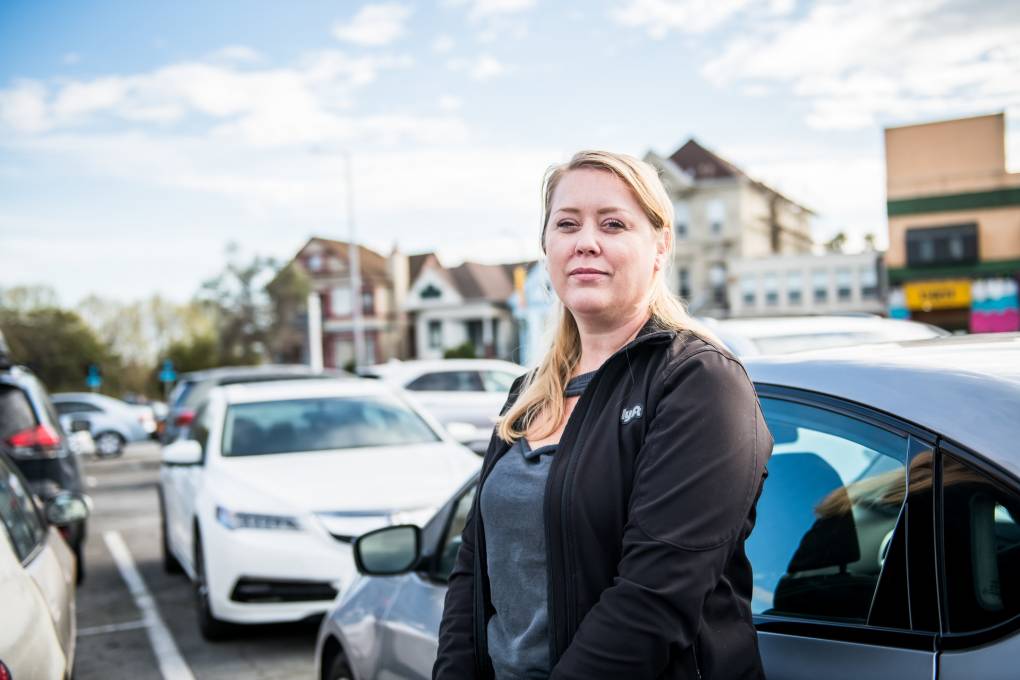
"caption": "Ride-hail driver Erica Mighetto outside her car in Oakland on March 10, 2020.",
"description": null,
"title": "RS41939_002_KQED_Oakland_RideHail_03102020_-qut",
"credit": "Beth LaBerge/KQED",
"status": "inherit",
"isLoading": false,
"fetchFailed": false
},
"news_11806436": {
"type": "attachments",
"id": "news_11806436",
"meta": {
"index": "attachments_1716263798",
"site": "news",
"id": "11806436",
"found": true
},
"parent": 11806432,
"imgSizes": {
"apple_news_ca_landscape_5_5": {
"file": "https://ww2.kqed.org/app/uploads/sites/10/2020/03/SickLeave-1044x783.jpg",
"width": 1044,
"mimeType": "image/jpeg",
"height": 783
},
"apple_news_ca_square_4_0": {
"file": "https://ww2.kqed.org/app/uploads/sites/10/2020/03/SickLeave-470x470.jpg",
"width": 470,
"mimeType": "image/jpeg",
"height": 470
},
"twentyfourteen-full-width": {
"file": "https://ww2.kqed.org/app/uploads/sites/10/2020/03/SickLeave-1038x576.jpg",
"width": 1038,
"mimeType": "image/jpeg",
"height": 576
},
"thumbnail": {
"file": "https://ww2.kqed.org/app/uploads/sites/10/2020/03/SickLeave-160x107.jpg",
"width": 160,
"mimeType": "image/jpeg",
"height": 107
},
"post-thumbnail": {
"file": "https://ww2.kqed.org/app/uploads/sites/10/2020/03/SickLeave-672x372.jpg",
"width": 672,
"mimeType": "image/jpeg",
"height": 372
},
"kqedFullSize": {
"file": "https://ww2.kqed.org/app/uploads/sites/10/2020/03/SickLeave.jpg",
"width": 1290,
"height": 861
},
"apple_news_ca_landscape_4_7": {
"file": "https://ww2.kqed.org/app/uploads/sites/10/2020/03/SickLeave-632x474.jpg",
"width": 632,
"mimeType": "image/jpeg",
"height": 474
},
"large": {
"file": "https://ww2.kqed.org/app/uploads/sites/10/2020/03/SickLeave-1020x681.jpg",
"width": 1020,
"mimeType": "image/jpeg",
"height": 681
},
"apple_news_ca_landscape_4_0": {
"file": "https://ww2.kqed.org/app/uploads/sites/10/2020/03/SickLeave-536x402.jpg",
"width": 536,
"mimeType": "image/jpeg",
"height": 402
},
"apple_news_ca_portrait_12_9": {
"file": "https://ww2.kqed.org/app/uploads/sites/10/2020/03/SickLeave-1122x861.jpg",
"width": 1122,
"mimeType": "image/jpeg",
"height": 861
},
"medium": {
"file": "https://ww2.kqed.org/app/uploads/sites/10/2020/03/SickLeave-800x534.jpg",
"width": 800,
"mimeType": "image/jpeg",
"height": 534
},
"apple_news_ca_portrait_4_0": {
"file": "https://ww2.kqed.org/app/uploads/sites/10/2020/03/SickLeave-354x472.jpg",
"width": 354,
"mimeType": "image/jpeg",
"height": 472
},
"apple_news_ca_portrait_9_7": {
"file": "https://ww2.kqed.org/app/uploads/sites/10/2020/03/SickLeave-840x861.jpg",
"width": 840,
"mimeType": "image/jpeg",
"height": 861
},
"apple_news_ca_square_9_7": {
"file": "https://ww2.kqed.org/app/uploads/sites/10/2020/03/SickLeave-1104x861.jpg",
"width": 1104,
"mimeType": "image/jpeg",
"height": 861
},
"apple_news_ca_portrait_4_7": {
"file": "https://ww2.kqed.org/app/uploads/sites/10/2020/03/SickLeave-414x552.jpg",
"width": 414,
"mimeType": "image/jpeg",
"height": 552
},
"apple_news_ca_portrait_5_5": {
"file": "https://ww2.kqed.org/app/uploads/sites/10/2020/03/SickLeave-687x861.jpg",
"width": 687,
"mimeType": "image/jpeg",
"height": 861
},
"apple_news_ca_square_4_7": {
"file": "https://ww2.kqed.org/app/uploads/sites/10/2020/03/SickLeave-550x550.jpg",
"width": 550,
"mimeType": "image/jpeg",
"height": 550
},
"apple_news_ca_square_5_5": {
"file": "https://ww2.kqed.org/app/uploads/sites/10/2020/03/SickLeave-912x861.jpg",
"width": 912,
"mimeType": "image/jpeg",
"height": 861
}
},
"publishDate": 1584047110,
"modified": 1643213831,
"caption": null,
"description": "Inadequate leave policies means many of us work while sick. ",
"title": "SickLeave",
"credit": "PeopleImages/Getty Images",
"status": "inherit",
"altTag": null,
"isLoading": false,
"fetchFailed": false
},
"news_11805489": {
"type": "attachments",
"id": "news_11805489",
"meta": {
"index": "attachments_1716263798",
"site": "news",
"id": "11805489",
"found": true
},
"parent": 11805470,
"imgSizes": {
"apple_news_ca_landscape_5_5": {
"file": "https://ww2.kqed.org/app/uploads/sites/10/2020/03/Wide-Cola-RS41894_IMG_2113-qut-1044x783.jpg",
"width": 1044,
"mimeType": "image/jpeg",
"height": 783
},
"apple_news_ca_square_4_0": {
"file": "https://ww2.kqed.org/app/uploads/sites/10/2020/03/Wide-Cola-RS41894_IMG_2113-qut-470x470.jpg",
"width": 470,
"mimeType": "image/jpeg",
"height": 470
},
"twentyfourteen-full-width": {
"file": "https://ww2.kqed.org/app/uploads/sites/10/2020/03/Wide-Cola-RS41894_IMG_2113-qut-1038x576.jpg",
"width": 1038,
"mimeType": "image/jpeg",
"height": 576
},
"thumbnail": {
"file": "https://ww2.kqed.org/app/uploads/sites/10/2020/03/Wide-Cola-RS41894_IMG_2113-qut-160x120.jpg",
"width": 160,
"mimeType": "image/jpeg",
"height": 120
},
"post-thumbnail": {
"file": "https://ww2.kqed.org/app/uploads/sites/10/2020/03/Wide-Cola-RS41894_IMG_2113-qut-672x372.jpg",
"width": 672,
"mimeType": "image/jpeg",
"height": 372
},
"kqedFullSize": {
"file": "https://ww2.kqed.org/app/uploads/sites/10/2020/03/Wide-Cola-RS41894_IMG_2113-qut.jpg",
"width": 1920,
"height": 1440
},
"apple_news_ca_landscape_4_7": {
"file": "https://ww2.kqed.org/app/uploads/sites/10/2020/03/Wide-Cola-RS41894_IMG_2113-qut-632x474.jpg",
"width": 632,
"mimeType": "image/jpeg",
"height": 474
},
"large": {
"file": "https://ww2.kqed.org/app/uploads/sites/10/2020/03/Wide-Cola-RS41894_IMG_2113-qut-1020x765.jpg",
"width": 1020,
"mimeType": "image/jpeg",
"height": 765
},
"apple_news_ca_landscape_4_0": {
"file": "https://ww2.kqed.org/app/uploads/sites/10/2020/03/Wide-Cola-RS41894_IMG_2113-qut-536x402.jpg",
"width": 536,
"mimeType": "image/jpeg",
"height": 402
},
"apple_news_ca_portrait_12_9": {
"file": "https://ww2.kqed.org/app/uploads/sites/10/2020/03/Wide-Cola-RS41894_IMG_2113-qut-1122x1440.jpg",
"width": 1122,
"mimeType": "image/jpeg",
"height": 1440
},
"medium": {
"file": "https://ww2.kqed.org/app/uploads/sites/10/2020/03/Wide-Cola-RS41894_IMG_2113-qut-800x600.jpg",
"width": 800,
"mimeType": "image/jpeg",
"height": 600
},
"apple_news_ca_portrait_4_0": {
"file": "https://ww2.kqed.org/app/uploads/sites/10/2020/03/Wide-Cola-RS41894_IMG_2113-qut-354x472.jpg",
"width": 354,
"mimeType": "image/jpeg",
"height": 472
},
"apple_news_ca_portrait_9_7": {
"file": "https://ww2.kqed.org/app/uploads/sites/10/2020/03/Wide-Cola-RS41894_IMG_2113-qut-840x1120.jpg",
"width": 840,
"mimeType": "image/jpeg",
"height": 1120
},
"apple_news_ca_landscape_12_9": {
"file": "https://ww2.kqed.org/app/uploads/sites/10/2020/03/Wide-Cola-RS41894_IMG_2113-qut-1832x1374.jpg",
"width": 1832,
"mimeType": "image/jpeg",
"height": 1374
},
"apple_news_ca_square_9_7": {
"file": "https://ww2.kqed.org/app/uploads/sites/10/2020/03/Wide-Cola-RS41894_IMG_2113-qut-1104x1104.jpg",
"width": 1104,
"mimeType": "image/jpeg",
"height": 1104
},
"apple_news_ca_portrait_4_7": {
"file": "https://ww2.kqed.org/app/uploads/sites/10/2020/03/Wide-Cola-RS41894_IMG_2113-qut-414x552.jpg",
"width": 414,
"mimeType": "image/jpeg",
"height": 552
},
"apple_news_ca_square_12_9": {
"file": "https://ww2.kqed.org/app/uploads/sites/10/2020/03/Wide-Cola-RS41894_IMG_2113-qut-1472x1440.jpg",
"width": 1472,
"mimeType": "image/jpeg",
"height": 1440
},
"apple_news_ca_portrait_5_5": {
"file": "https://ww2.kqed.org/app/uploads/sites/10/2020/03/Wide-Cola-RS41894_IMG_2113-qut-687x916.jpg",
"width": 687,
"mimeType": "image/jpeg",
"height": 916
},
"full-width": {
"file": "https://ww2.kqed.org/app/uploads/sites/10/2020/03/Wide-Cola-RS41894_IMG_2113-qut-1920x1440.jpg",
"width": 1920,
"mimeType": "image/jpeg",
"height": 1440
},
"apple_news_ca_square_4_7": {
"file": "https://ww2.kqed.org/app/uploads/sites/10/2020/03/Wide-Cola-RS41894_IMG_2113-qut-550x550.jpg",
"width": 550,
"mimeType": "image/jpeg",
"height": 550
},
"apple_news_ca_landscape_9_7": {
"file": "https://ww2.kqed.org/app/uploads/sites/10/2020/03/Wide-Cola-RS41894_IMG_2113-qut-1376x1032.jpg",
"width": 1376,
"mimeType": "image/jpeg",
"height": 1032
},
"apple_news_ca_square_5_5": {
"file": "https://ww2.kqed.org/app/uploads/sites/10/2020/03/Wide-Cola-RS41894_IMG_2113-qut-912x912.jpg",
"width": 912,
"mimeType": "image/jpeg",
"height": 912
}
},
"publishDate": 1583449225,
"modified": 1583456159,
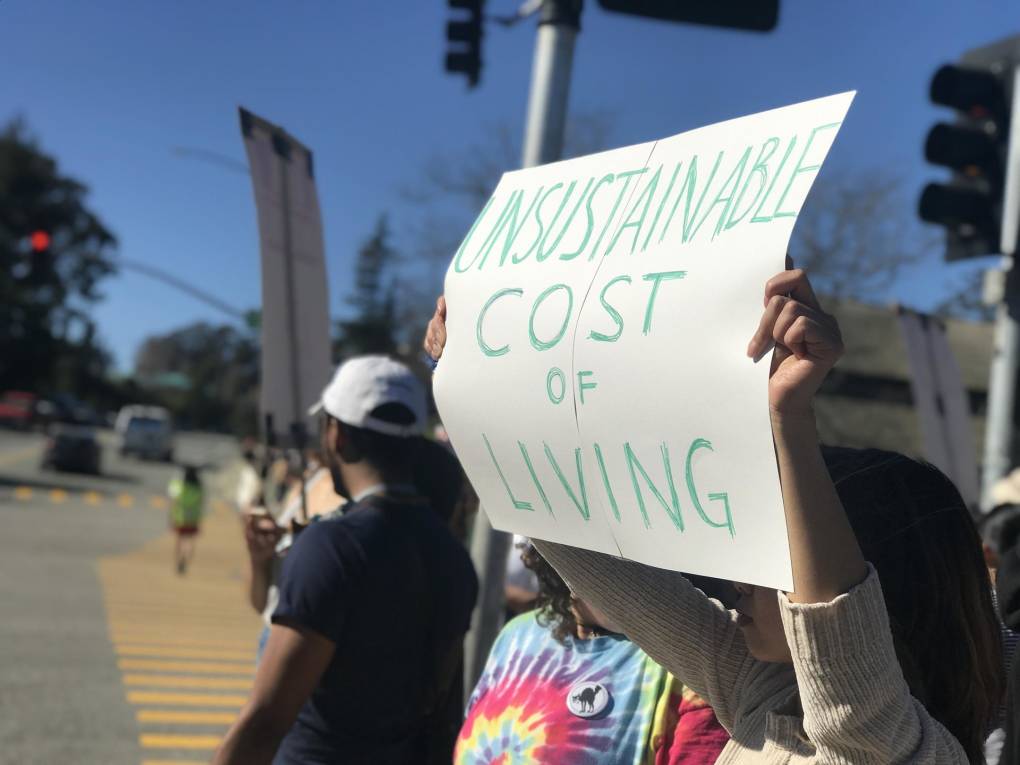
"caption": "Students rally at UC Berkeley's Sproul Plaza in support of a cost-of-living adjustment.",
"description": "Students rally at UC Berkeley's Sproul Plaza in support of a cost-of-living adjustment.",
"title": "Wide-Cola-RS41894_IMG_2113-qut",
"credit": "Lakshmi Sarah/KQED",
"status": "inherit",
"isLoading": false,
"fetchFailed": false
},
"news_11802973": {
"type": "attachments",
"id": "news_11802973",
"meta": {
"index": "attachments_1716263798",
"site": "news",
"id": "11802973",
"found": true
},
"parent": 11802744,
"imgSizes": {
"apple_news_ca_landscape_5_5": {
"file": "https://ww2.kqed.org/app/uploads/sites/10/2020/02/RS41475_023_KQED_UCBerkeleyProtest_02212020_9193-qut-1044x783.jpg",
"width": 1044,
"mimeType": "image/jpeg",
"height": 783
},
"apple_news_ca_square_4_0": {
"file": "https://ww2.kqed.org/app/uploads/sites/10/2020/02/RS41475_023_KQED_UCBerkeleyProtest_02212020_9193-qut-470x470.jpg",
"width": 470,
"mimeType": "image/jpeg",
"height": 470
},
"twentyfourteen-full-width": {
"file": "https://ww2.kqed.org/app/uploads/sites/10/2020/02/RS41475_023_KQED_UCBerkeleyProtest_02212020_9193-qut-1038x576.jpg",
"width": 1038,
"mimeType": "image/jpeg",
"height": 576
},
"thumbnail": {
"file": "https://ww2.kqed.org/app/uploads/sites/10/2020/02/RS41475_023_KQED_UCBerkeleyProtest_02212020_9193-qut-160x107.jpg",
"width": 160,
"mimeType": "image/jpeg",
"height": 107
},
"post-thumbnail": {
"file": "https://ww2.kqed.org/app/uploads/sites/10/2020/02/RS41475_023_KQED_UCBerkeleyProtest_02212020_9193-qut-672x372.jpg",
"width": 672,
"mimeType": "image/jpeg",
"height": 372
},
"kqedFullSize": {
"file": "https://ww2.kqed.org/app/uploads/sites/10/2020/02/RS41475_023_KQED_UCBerkeleyProtest_02212020_9193-qut.jpg",
"width": 1920,
"height": 1278
},
"apple_news_ca_landscape_4_7": {
"file": "https://ww2.kqed.org/app/uploads/sites/10/2020/02/RS41475_023_KQED_UCBerkeleyProtest_02212020_9193-qut-632x474.jpg",
"width": 632,
"mimeType": "image/jpeg",
"height": 474
},
"large": {
"file": "https://ww2.kqed.org/app/uploads/sites/10/2020/02/RS41475_023_KQED_UCBerkeleyProtest_02212020_9193-qut-1020x679.jpg",
"width": 1020,
"mimeType": "image/jpeg",
"height": 679
},
"apple_news_ca_landscape_4_0": {
"file": "https://ww2.kqed.org/app/uploads/sites/10/2020/02/RS41475_023_KQED_UCBerkeleyProtest_02212020_9193-qut-536x402.jpg",
"width": 536,
"mimeType": "image/jpeg",
"height": 402
},
"apple_news_ca_portrait_12_9": {
"file": "https://ww2.kqed.org/app/uploads/sites/10/2020/02/RS41475_023_KQED_UCBerkeleyProtest_02212020_9193-qut-1122x1278.jpg",
"width": 1122,
"mimeType": "image/jpeg",
"height": 1278
},
"medium": {
"file": "https://ww2.kqed.org/app/uploads/sites/10/2020/02/RS41475_023_KQED_UCBerkeleyProtest_02212020_9193-qut-800x533.jpg",
"width": 800,
"mimeType": "image/jpeg",
"height": 533
},
"apple_news_ca_portrait_4_0": {
"file": "https://ww2.kqed.org/app/uploads/sites/10/2020/02/RS41475_023_KQED_UCBerkeleyProtest_02212020_9193-qut-354x472.jpg",
"width": 354,
"mimeType": "image/jpeg",
"height": 472
},
"apple_news_ca_portrait_9_7": {
"file": "https://ww2.kqed.org/app/uploads/sites/10/2020/02/RS41475_023_KQED_UCBerkeleyProtest_02212020_9193-qut-840x1120.jpg",
"width": 840,
"mimeType": "image/jpeg",
"height": 1120
},
"apple_news_ca_landscape_12_9": {
"file": "https://ww2.kqed.org/app/uploads/sites/10/2020/02/RS41475_023_KQED_UCBerkeleyProtest_02212020_9193-qut-1832x1278.jpg",
"width": 1832,
"mimeType": "image/jpeg",
"height": 1278
},
"apple_news_ca_square_9_7": {
"file": "https://ww2.kqed.org/app/uploads/sites/10/2020/02/RS41475_023_KQED_UCBerkeleyProtest_02212020_9193-qut-1104x1104.jpg",
"width": 1104,
"mimeType": "image/jpeg",
"height": 1104
},
"apple_news_ca_portrait_4_7": {
"file": "https://ww2.kqed.org/app/uploads/sites/10/2020/02/RS41475_023_KQED_UCBerkeleyProtest_02212020_9193-qut-414x552.jpg",
"width": 414,
"mimeType": "image/jpeg",
"height": 552
},
"apple_news_ca_square_12_9": {
"file": "https://ww2.kqed.org/app/uploads/sites/10/2020/02/RS41475_023_KQED_UCBerkeleyProtest_02212020_9193-qut-1472x1278.jpg",
"width": 1472,
"mimeType": "image/jpeg",
"height": 1278
},
"apple_news_ca_portrait_5_5": {
"file": "https://ww2.kqed.org/app/uploads/sites/10/2020/02/RS41475_023_KQED_UCBerkeleyProtest_02212020_9193-qut-687x916.jpg",
"width": 687,
"mimeType": "image/jpeg",
"height": 916
},
"full-width": {
"file": "https://ww2.kqed.org/app/uploads/sites/10/2020/02/RS41475_023_KQED_UCBerkeleyProtest_02212020_9193-qut-1920x1278.jpg",
"width": 1920,
"mimeType": "image/jpeg",
"height": 1278
},
"apple_news_ca_square_4_7": {
"file": "https://ww2.kqed.org/app/uploads/sites/10/2020/02/RS41475_023_KQED_UCBerkeleyProtest_02212020_9193-qut-550x550.jpg",
"width": 550,
"mimeType": "image/jpeg",
"height": 550
},
"apple_news_ca_landscape_9_7": {
"file": "https://ww2.kqed.org/app/uploads/sites/10/2020/02/RS41475_023_KQED_UCBerkeleyProtest_02212020_9193-qut-1376x1032.jpg",
"width": 1376,
"mimeType": "image/jpeg",
"height": 1032
},
"apple_news_ca_square_5_5": {
"file": "https://ww2.kqed.org/app/uploads/sites/10/2020/02/RS41475_023_KQED_UCBerkeleyProtest_02212020_9193-qut-912x912.jpg",
"width": 912,
"mimeType": "image/jpeg",
"height": 912
}
},
"publishDate": 1582333966,
"modified": 1583020064,
"caption": "Students rally at Sproul Plaza on UC Berkeley campus in support of striking UC Santa Cruz graduate students and to demand their own cost of living adjustment, Feb. 21, 2020.",
"description": "Students rally at Sproul Plaza on UC Berkeley campus in support of striking UC Santa Cruz graduate students and to demand their own cost of living adjustment, Feb. 21, 2020.",
"title": "UCBerkeleyProtest2",
"credit": "Beth LaBerge/KQED",
"status": "inherit",
"isLoading": false,
"fetchFailed": false
},
"news_11803331": {
"type": "attachments",
"id": "news_11803331",
"meta": {
"index": "attachments_1716263798",
"site": "news",
"id": "11803331",
"found": true
},
"parent": 11802744,
"imgSizes": {
"apple_news_ca_landscape_5_5": {
"file": "https://ww2.kqed.org/app/uploads/sites/10/2020/02/056_KQED_UCBerkeleyProtest_02212020_9162-1044x783.jpg",
"width": 1044,
"mimeType": "image/jpeg",
"height": 783
},
"apple_news_ca_square_4_0": {
"file": "https://ww2.kqed.org/app/uploads/sites/10/2020/02/056_KQED_UCBerkeleyProtest_02212020_9162-470x470.jpg",
"width": 470,
"mimeType": "image/jpeg",
"height": 470
},
"twentyfourteen-full-width": {
"file": "https://ww2.kqed.org/app/uploads/sites/10/2020/02/056_KQED_UCBerkeleyProtest_02212020_9162-1038x576.jpg",
"width": 1038,
"mimeType": "image/jpeg",
"height": 576
},
"thumbnail": {
"file": "https://ww2.kqed.org/app/uploads/sites/10/2020/02/056_KQED_UCBerkeleyProtest_02212020_9162-160x107.jpg",
"width": 160,
"mimeType": "image/jpeg",
"height": 107
},
"post-thumbnail": {
"file": "https://ww2.kqed.org/app/uploads/sites/10/2020/02/056_KQED_UCBerkeleyProtest_02212020_9162-672x372.jpg",
"width": 672,
"mimeType": "image/jpeg",
"height": 372
},
"kqedFullSize": {
"file": "https://ww2.kqed.org/app/uploads/sites/10/2020/02/056_KQED_UCBerkeleyProtest_02212020_9162.jpg",
"width": 1920,
"height": 1278
},
"apple_news_ca_landscape_4_7": {
"file": "https://ww2.kqed.org/app/uploads/sites/10/2020/02/056_KQED_UCBerkeleyProtest_02212020_9162-632x474.jpg",
"width": 632,
"mimeType": "image/jpeg",
"height": 474
},
"large": {
"file": "https://ww2.kqed.org/app/uploads/sites/10/2020/02/056_KQED_UCBerkeleyProtest_02212020_9162-1020x679.jpg",
"width": 1020,
"mimeType": "image/jpeg",
"height": 679
},
"apple_news_ca_landscape_4_0": {
"file": "https://ww2.kqed.org/app/uploads/sites/10/2020/02/056_KQED_UCBerkeleyProtest_02212020_9162-536x402.jpg",
"width": 536,
"mimeType": "image/jpeg",
"height": 402
},
"apple_news_ca_portrait_12_9": {
"file": "https://ww2.kqed.org/app/uploads/sites/10/2020/02/056_KQED_UCBerkeleyProtest_02212020_9162-1122x1278.jpg",
"width": 1122,
"mimeType": "image/jpeg",
"height": 1278
},
"medium": {
"file": "https://ww2.kqed.org/app/uploads/sites/10/2020/02/056_KQED_UCBerkeleyProtest_02212020_9162-800x533.jpg",
"width": 800,
"mimeType": "image/jpeg",
"height": 533
},
"apple_news_ca_portrait_4_0": {
"file": "https://ww2.kqed.org/app/uploads/sites/10/2020/02/056_KQED_UCBerkeleyProtest_02212020_9162-354x472.jpg",
"width": 354,
"mimeType": "image/jpeg",
"height": 472
},
"apple_news_ca_portrait_9_7": {
"file": "https://ww2.kqed.org/app/uploads/sites/10/2020/02/056_KQED_UCBerkeleyProtest_02212020_9162-840x1120.jpg",
"width": 840,
"mimeType": "image/jpeg",
"height": 1120
},
"apple_news_ca_landscape_12_9": {
"file": "https://ww2.kqed.org/app/uploads/sites/10/2020/02/056_KQED_UCBerkeleyProtest_02212020_9162-1832x1278.jpg",
"width": 1832,
"mimeType": "image/jpeg",
"height": 1278
},
"apple_news_ca_square_9_7": {
"file": "https://ww2.kqed.org/app/uploads/sites/10/2020/02/056_KQED_UCBerkeleyProtest_02212020_9162-1104x1104.jpg",
"width": 1104,
"mimeType": "image/jpeg",
"height": 1104
},
"apple_news_ca_portrait_4_7": {
"file": "https://ww2.kqed.org/app/uploads/sites/10/2020/02/056_KQED_UCBerkeleyProtest_02212020_9162-414x552.jpg",
"width": 414,
"mimeType": "image/jpeg",
"height": 552
},
"apple_news_ca_square_12_9": {
"file": "https://ww2.kqed.org/app/uploads/sites/10/2020/02/056_KQED_UCBerkeleyProtest_02212020_9162-1472x1278.jpg",
"width": 1472,
"mimeType": "image/jpeg",
"height": 1278
},
"apple_news_ca_portrait_5_5": {
"file": "https://ww2.kqed.org/app/uploads/sites/10/2020/02/056_KQED_UCBerkeleyProtest_02212020_9162-687x916.jpg",
"width": 687,
"mimeType": "image/jpeg",
"height": 916
},
"full-width": {
"file": "https://ww2.kqed.org/app/uploads/sites/10/2020/02/056_KQED_UCBerkeleyProtest_02212020_9162-1920x1278.jpg",
"width": 1920,
"mimeType": "image/jpeg",
"height": 1278
},
"apple_news_ca_square_4_7": {
"file": "https://ww2.kqed.org/app/uploads/sites/10/2020/02/056_KQED_UCBerkeleyProtest_02212020_9162-550x550.jpg",
"width": 550,
"mimeType": "image/jpeg",
"height": 550
},
"apple_news_ca_landscape_9_7": {
"file": "https://ww2.kqed.org/app/uploads/sites/10/2020/02/056_KQED_UCBerkeleyProtest_02212020_9162-1376x1032.jpg",
"width": 1376,
"mimeType": "image/jpeg",
"height": 1032
},
"apple_news_ca_square_5_5": {
"file": "https://ww2.kqed.org/app/uploads/sites/10/2020/02/056_KQED_UCBerkeleyProtest_02212020_9162-912x912.jpg",
"width": 912,
"mimeType": "image/jpeg",
"height": 912
}
},
"publishDate": 1582654929,
"modified": 1582655034,
"caption": "Students rally at Sproul Plaza on UC Berkeley campus in support of striking UC Santa Cruz graduate students and to demand a cost of living adjustment for UC Berkeley graduate students.",
"description": "Students rally at Sproul Plaza on UC Berkeley campus in support of striking UC Santa Cruz graduate students and to demand a cost of living adjustment for UC Berkeley graduate students.",
"title": "UCBerkeleyProtest5",
"credit": "Beth LaBerge/KQED",
"status": "inherit",
"isLoading": false,
"fetchFailed": false
},
"news_11802250": {
"type": "attachments",
"id": "news_11802250",
"meta": {
"index": "attachments_1716263798",
"site": "news",
"id": "11802250",
"found": true
},
"parent": 11802241,
"imgSizes": {
"apple_news_ca_landscape_5_5": {
"file": "https://ww2.kqed.org/app/uploads/sites/10/2020/02/UCSCProtestersStrikers_web-1044x783.jpg",
"width": 1044,
"mimeType": "image/jpeg",
"height": 783
},
"apple_news_ca_square_4_0": {
"file": "https://ww2.kqed.org/app/uploads/sites/10/2020/02/UCSCProtestersStrikers_web-470x470.jpg",
"width": 470,
"mimeType": "image/jpeg",
"height": 470
},
"twentyfourteen-full-width": {
"file": "https://ww2.kqed.org/app/uploads/sites/10/2020/02/UCSCProtestersStrikers_web-1038x576.jpg",
"width": 1038,
"mimeType": "image/jpeg",
"height": 576
},
"thumbnail": {
"file": "https://ww2.kqed.org/app/uploads/sites/10/2020/02/UCSCProtestersStrikers_web-160x120.jpg",
"width": 160,
"mimeType": "image/jpeg",
"height": 120
},
"post-thumbnail": {
"file": "https://ww2.kqed.org/app/uploads/sites/10/2020/02/UCSCProtestersStrikers_web-672x372.jpg",
"width": 672,
"mimeType": "image/jpeg",
"height": 372
},
"kqedFullSize": {
"file": "https://ww2.kqed.org/app/uploads/sites/10/2020/02/UCSCProtestersStrikers_web.jpg",
"width": 1290,
"height": 967
},
"apple_news_ca_landscape_4_7": {
"file": "https://ww2.kqed.org/app/uploads/sites/10/2020/02/UCSCProtestersStrikers_web-632x474.jpg",
"width": 632,
"mimeType": "image/jpeg",
"height": 474
},
"large": {
"file": "https://ww2.kqed.org/app/uploads/sites/10/2020/02/UCSCProtestersStrikers_web-1020x765.jpg",
"width": 1020,
"mimeType": "image/jpeg",
"height": 765
},
"apple_news_ca_landscape_4_0": {
"file": "https://ww2.kqed.org/app/uploads/sites/10/2020/02/UCSCProtestersStrikers_web-536x402.jpg",
"width": 536,
"mimeType": "image/jpeg",
"height": 402
},
"apple_news_ca_portrait_12_9": {
"file": "https://ww2.kqed.org/app/uploads/sites/10/2020/02/UCSCProtestersStrikers_web-1122x967.jpg",
"width": 1122,
"mimeType": "image/jpeg",
"height": 967
},
"medium": {
"file": "https://ww2.kqed.org/app/uploads/sites/10/2020/02/UCSCProtestersStrikers_web-800x600.jpg",
"width": 800,
"mimeType": "image/jpeg",
"height": 600
},
"apple_news_ca_portrait_4_0": {
"file": "https://ww2.kqed.org/app/uploads/sites/10/2020/02/UCSCProtestersStrikers_web-354x472.jpg",
"width": 354,
"mimeType": "image/jpeg",
"height": 472
},
"apple_news_ca_portrait_9_7": {
"file": "https://ww2.kqed.org/app/uploads/sites/10/2020/02/UCSCProtestersStrikers_web-840x967.jpg",
"width": 840,
"mimeType": "image/jpeg",
"height": 967
},
"apple_news_ca_square_9_7": {
"file": "https://ww2.kqed.org/app/uploads/sites/10/2020/02/UCSCProtestersStrikers_web-1104x967.jpg",
"width": 1104,
"mimeType": "image/jpeg",
"height": 967
},
"apple_news_ca_portrait_4_7": {
"file": "https://ww2.kqed.org/app/uploads/sites/10/2020/02/UCSCProtestersStrikers_web-414x552.jpg",
"width": 414,
"mimeType": "image/jpeg",
"height": 552
},
"apple_news_ca_portrait_5_5": {
"file": "https://ww2.kqed.org/app/uploads/sites/10/2020/02/UCSCProtestersStrikers_web-687x916.jpg",
"width": 687,
"mimeType": "image/jpeg",
"height": 916
},
"apple_news_ca_square_4_7": {
"file": "https://ww2.kqed.org/app/uploads/sites/10/2020/02/UCSCProtestersStrikers_web-550x550.jpg",
"width": 550,
"mimeType": "image/jpeg",
"height": 550
},
"apple_news_ca_square_5_5": {
"file": "https://ww2.kqed.org/app/uploads/sites/10/2020/02/UCSCProtestersStrikers_web-912x912.jpg",
"width": 912,
"mimeType": "image/jpeg",
"height": 912
}
},
"publishDate": 1582072332,
"modified": 1583170479,
"caption": null,
"description": null,
"title": "UCSCProtestersStrikers_web",
"credit": "Erika Mahoney/KAZU",
"status": "inherit",
"isLoading": false,
"fetchFailed": false
},
"news_11801607": {
"type": "attachments",
"id": "news_11801607",
"meta": {
"index": "attachments_1716263798",
"site": "news",
"id": "11801607",
"found": true
},
"parent": 11801554,
"imgSizes": {
"apple_news_ca_landscape_5_5": {
"file": "https://ww2.kqed.org/app/uploads/sites/10/2020/02/RS41334_ucsc-qut-1044x783.jpg",
"width": 1044,
"mimeType": "image/jpeg",
"height": 783
},
"apple_news_ca_square_4_0": {
"file": "https://ww2.kqed.org/app/uploads/sites/10/2020/02/RS41334_ucsc-qut-470x470.jpg",
"width": 470,
"mimeType": "image/jpeg",
"height": 470
},
"twentyfourteen-full-width": {
"file": "https://ww2.kqed.org/app/uploads/sites/10/2020/02/RS41334_ucsc-qut-1038x576.jpg",
"width": 1038,
"mimeType": "image/jpeg",
"height": 576
},
"thumbnail": {
"file": "https://ww2.kqed.org/app/uploads/sites/10/2020/02/RS41334_ucsc-qut-160x120.jpg",
"width": 160,
"mimeType": "image/jpeg",
"height": 120
},
"post-thumbnail": {
"file": "https://ww2.kqed.org/app/uploads/sites/10/2020/02/RS41334_ucsc-qut-672x372.jpg",
"width": 672,
"mimeType": "image/jpeg",
"height": 372
},
"kqedFullSize": {
"file": "https://ww2.kqed.org/app/uploads/sites/10/2020/02/RS41334_ucsc-qut.jpg",
"width": 1920,
"height": 1440
},
"apple_news_ca_landscape_4_7": {
"file": "https://ww2.kqed.org/app/uploads/sites/10/2020/02/RS41334_ucsc-qut-632x474.jpg",
"width": 632,
"mimeType": "image/jpeg",
"height": 474
},
"large": {
"file": "https://ww2.kqed.org/app/uploads/sites/10/2020/02/RS41334_ucsc-qut-1020x765.jpg",
"width": 1020,
"mimeType": "image/jpeg",
"height": 765
},
"apple_news_ca_landscape_4_0": {
"file": "https://ww2.kqed.org/app/uploads/sites/10/2020/02/RS41334_ucsc-qut-536x402.jpg",
"width": 536,
"mimeType": "image/jpeg",
"height": 402
},
"apple_news_ca_portrait_12_9": {
"file": "https://ww2.kqed.org/app/uploads/sites/10/2020/02/RS41334_ucsc-qut-1122x1440.jpg",
"width": 1122,
"mimeType": "image/jpeg",
"height": 1440
},
"medium": {
"file": "https://ww2.kqed.org/app/uploads/sites/10/2020/02/RS41334_ucsc-qut-800x600.jpg",
"width": 800,
"mimeType": "image/jpeg",
"height": 600
},
"apple_news_ca_portrait_4_0": {
"file": "https://ww2.kqed.org/app/uploads/sites/10/2020/02/RS41334_ucsc-qut-354x472.jpg",
"width": 354,
"mimeType": "image/jpeg",
"height": 472
},
"apple_news_ca_portrait_9_7": {
"file": "https://ww2.kqed.org/app/uploads/sites/10/2020/02/RS41334_ucsc-qut-840x1120.jpg",
"width": 840,
"mimeType": "image/jpeg",
"height": 1120
},
"apple_news_ca_landscape_12_9": {
"file": "https://ww2.kqed.org/app/uploads/sites/10/2020/02/RS41334_ucsc-qut-1832x1374.jpg",
"width": 1832,
"mimeType": "image/jpeg",
"height": 1374
},
"apple_news_ca_square_9_7": {
"file": "https://ww2.kqed.org/app/uploads/sites/10/2020/02/RS41334_ucsc-qut-1104x1104.jpg",
"width": 1104,
"mimeType": "image/jpeg",
"height": 1104
},
"apple_news_ca_portrait_4_7": {
"file": "https://ww2.kqed.org/app/uploads/sites/10/2020/02/RS41334_ucsc-qut-414x552.jpg",
"width": 414,
"mimeType": "image/jpeg",
"height": 552
},
"apple_news_ca_square_12_9": {
"file": "https://ww2.kqed.org/app/uploads/sites/10/2020/02/RS41334_ucsc-qut-1472x1440.jpg",
"width": 1472,
"mimeType": "image/jpeg",
"height": 1440
},
"apple_news_ca_portrait_5_5": {
"file": "https://ww2.kqed.org/app/uploads/sites/10/2020/02/RS41334_ucsc-qut-687x916.jpg",
"width": 687,
"mimeType": "image/jpeg",
"height": 916
},
"full-width": {
"file": "https://ww2.kqed.org/app/uploads/sites/10/2020/02/RS41334_ucsc-qut-1920x1440.jpg",
"width": 1920,
"mimeType": "image/jpeg",
"height": 1440
},
"apple_news_ca_square_4_7": {
"file": "https://ww2.kqed.org/app/uploads/sites/10/2020/02/RS41334_ucsc-qut-550x550.jpg",
"width": 550,
"mimeType": "image/jpeg",
"height": 550
},
"apple_news_ca_landscape_9_7": {
"file": "https://ww2.kqed.org/app/uploads/sites/10/2020/02/RS41334_ucsc-qut-1376x1032.jpg",
"width": 1376,
"mimeType": "image/jpeg",
"height": 1032
},
"apple_news_ca_square_5_5": {
"file": "https://ww2.kqed.org/app/uploads/sites/10/2020/02/RS41334_ucsc-qut-912x912.jpg",
"width": 912,
"mimeType": "image/jpeg",
"height": 912
}
},
"publishDate": 1581639718,
"modified": 1581642412,
"caption": "Hundreds of students picketed in front of the UCSC main entrance Tuesday.",
"description": "Hundreds of students picketed in front of the UCSC main entrance Tuesday.",
"title": "RS41334_ucsc-qut",
"credit": "Erika Mahoney/KAZU",
"status": "inherit",
"isLoading": false,
"fetchFailed": false
},
"news_11800513": {
"type": "attachments",
"id": "news_11800513",
"meta": {
"index": "attachments_1716263798",
"site": "news",
"id": "11800513",
"found": true
},
"parent": 11800507,
"imgSizes": {
"apple_news_ca_landscape_5_5": {
"file": "https://ww2.kqed.org/app/uploads/sites/10/2020/02/Richmond-Teachers-Union-Members-1044x783.jpg",
"width": 1044,
"mimeType": "image/jpeg",
"height": 783
},
"apple_news_ca_square_4_0": {
"file": "https://ww2.kqed.org/app/uploads/sites/10/2020/02/Richmond-Teachers-Union-Members-470x470.jpg",
"width": 470,
"mimeType": "image/jpeg",
"height": 470
},
"twentyfourteen-full-width": {
"file": "https://ww2.kqed.org/app/uploads/sites/10/2020/02/Richmond-Teachers-Union-Members-1038x576.jpg",
"width": 1038,
"mimeType": "image/jpeg",
"height": 576
},
"thumbnail": {
"file": "https://ww2.kqed.org/app/uploads/sites/10/2020/02/Richmond-Teachers-Union-Members-160x100.jpg",
"width": 160,
"mimeType": "image/jpeg",
"height": 100
},
"post-thumbnail": {
"file": "https://ww2.kqed.org/app/uploads/sites/10/2020/02/Richmond-Teachers-Union-Members-672x372.jpg",
"width": 672,
"mimeType": "image/jpeg",
"height": 372
},
"kqedFullSize": {
"file": "https://ww2.kqed.org/app/uploads/sites/10/2020/02/Richmond-Teachers-Union-Members.jpg",
"width": 1920,
"height": 1200
},
"apple_news_ca_landscape_4_7": {
"file": "https://ww2.kqed.org/app/uploads/sites/10/2020/02/Richmond-Teachers-Union-Members-632x474.jpg",
"width": 632,
"mimeType": "image/jpeg",
"height": 474
},
"large": {
"file": "https://ww2.kqed.org/app/uploads/sites/10/2020/02/Richmond-Teachers-Union-Members-1020x638.jpg",
"width": 1020,
"mimeType": "image/jpeg",
"height": 638
},
"apple_news_ca_landscape_4_0": {
"file": "https://ww2.kqed.org/app/uploads/sites/10/2020/02/Richmond-Teachers-Union-Members-536x402.jpg",
"width": 536,
"mimeType": "image/jpeg",
"height": 402
},
"apple_news_ca_portrait_12_9": {
"file": "https://ww2.kqed.org/app/uploads/sites/10/2020/02/Richmond-Teachers-Union-Members-1122x1200.jpg",
"width": 1122,
"mimeType": "image/jpeg",
"height": 1200
},
"medium": {
"file": "https://ww2.kqed.org/app/uploads/sites/10/2020/02/Richmond-Teachers-Union-Members-800x500.jpg",
"width": 800,
"mimeType": "image/jpeg",
"height": 500
},
"apple_news_ca_portrait_4_0": {
"file": "https://ww2.kqed.org/app/uploads/sites/10/2020/02/Richmond-Teachers-Union-Members-354x472.jpg",
"width": 354,
"mimeType": "image/jpeg",
"height": 472
},
"apple_news_ca_portrait_9_7": {
"file": "https://ww2.kqed.org/app/uploads/sites/10/2020/02/Richmond-Teachers-Union-Members-840x1120.jpg",
"width": 840,
"mimeType": "image/jpeg",
"height": 1120
},
"apple_news_ca_landscape_12_9": {
"file": "https://ww2.kqed.org/app/uploads/sites/10/2020/02/Richmond-Teachers-Union-Members-1832x1200.jpg",
"width": 1832,
"mimeType": "image/jpeg",
"height": 1200
},
"apple_news_ca_square_9_7": {
"file": "https://ww2.kqed.org/app/uploads/sites/10/2020/02/Richmond-Teachers-Union-Members-1104x1104.jpg",
"width": 1104,
"mimeType": "image/jpeg",
"height": 1104
},
"apple_news_ca_portrait_4_7": {
"file": "https://ww2.kqed.org/app/uploads/sites/10/2020/02/Richmond-Teachers-Union-Members-414x552.jpg",
"width": 414,
"mimeType": "image/jpeg",
"height": 552
},
"apple_news_ca_square_12_9": {
"file": "https://ww2.kqed.org/app/uploads/sites/10/2020/02/Richmond-Teachers-Union-Members-1472x1200.jpg",
"width": 1472,
"mimeType": "image/jpeg",
"height": 1200
},
"apple_news_ca_portrait_5_5": {
"file": "https://ww2.kqed.org/app/uploads/sites/10/2020/02/Richmond-Teachers-Union-Members-687x916.jpg",
"width": 687,
"mimeType": "image/jpeg",
"height": 916
},
"full-width": {
"file": "https://ww2.kqed.org/app/uploads/sites/10/2020/02/Richmond-Teachers-Union-Members-1920x1200.jpg",
"width": 1920,
"mimeType": "image/jpeg",
"height": 1200
},
"apple_news_ca_square_4_7": {
"file": "https://ww2.kqed.org/app/uploads/sites/10/2020/02/Richmond-Teachers-Union-Members-550x550.jpg",
"width": 550,
"mimeType": "image/jpeg",
"height": 550
},
"apple_news_ca_landscape_9_7": {
"file": "https://ww2.kqed.org/app/uploads/sites/10/2020/02/Richmond-Teachers-Union-Members-1376x1032.jpg",
"width": 1376,
"mimeType": "image/jpeg",
"height": 1032
},
"apple_news_ca_square_5_5": {
"file": "https://ww2.kqed.org/app/uploads/sites/10/2020/02/Richmond-Teachers-Union-Members-912x912.jpg",
"width": 912,
"mimeType": "image/jpeg",
"height": 912
}
},
"publishDate": 1581026868,
"modified": 1581026994,
"caption": "Demetrio Gonzalez-Hoy, president of the United Teachers of Richmond union (left) is flanked by other union representatives as he speaks to the West Contra Costa School Board about budget cuts on Dec. 11, 2019.",
"description": "Demetrio Gonzalez-Hoy, president of the United Teachers of Richmond union (left) is flanked by other union representatives as he speaks to the West Contra Costa School Board about budget cuts on Dec. 11, 2019.",
"title": "Richmond-Teachers-Union-Members",
"credit": "Theresa Harrington/EdSource",
"status": "inherit",
"isLoading": false,
"fetchFailed": false
},
"news_11797379": {
"type": "attachments",
"id": "news_11797379",
"meta": {
"index": "attachments_1716263798",
"site": "news",
"id": "11797379",
"found": true
},
"parent": 11797377,
"imgSizes": {
"apple_news_ca_landscape_5_5": {
"file": "https://ww2.kqed.org/app/uploads/sites/10/2020/01/grin_012220_final-1044x783.jpg",
"width": 1044,
"mimeType": "image/jpeg",
"height": 783
},
"apple_news_ca_square_4_0": {
"file": "https://ww2.kqed.org/app/uploads/sites/10/2020/01/grin_012220_final-470x470.jpg",
"width": 470,
"mimeType": "image/jpeg",
"height": 470
},
"twentyfourteen-full-width": {
"file": "https://ww2.kqed.org/app/uploads/sites/10/2020/01/grin_012220_final-1038x576.jpg",
"width": 1038,
"mimeType": "image/jpeg",
"height": 576
},
"thumbnail": {
"file": "https://ww2.kqed.org/app/uploads/sites/10/2020/01/grin_012220_final-160x118.jpg",
"width": 160,
"mimeType": "image/jpeg",
"height": 118
},
"post-thumbnail": {
"file": "https://ww2.kqed.org/app/uploads/sites/10/2020/01/grin_012220_final-672x372.jpg",
"width": 672,
"mimeType": "image/jpeg",
"height": 372
},
"kqedFullSize": {
"file": "https://ww2.kqed.org/app/uploads/sites/10/2020/01/grin_012220_final.jpg",
"width": 1920,
"height": 1412
},
"apple_news_ca_landscape_4_7": {
"file": "https://ww2.kqed.org/app/uploads/sites/10/2020/01/grin_012220_final-632x474.jpg",
"width": 632,
"mimeType": "image/jpeg",
"height": 474
},
"large": {
"file": "https://ww2.kqed.org/app/uploads/sites/10/2020/01/grin_012220_final-1020x750.jpg",
"width": 1020,
"mimeType": "image/jpeg",
"height": 750
},
"apple_news_ca_landscape_4_0": {
"file": "https://ww2.kqed.org/app/uploads/sites/10/2020/01/grin_012220_final-536x402.jpg",
"width": 536,
"mimeType": "image/jpeg",
"height": 402
},
"apple_news_ca_portrait_12_9": {
"file": "https://ww2.kqed.org/app/uploads/sites/10/2020/01/grin_012220_final-1122x1412.jpg",
"width": 1122,
"mimeType": "image/jpeg",
"height": 1412
},
"medium": {
"file": "https://ww2.kqed.org/app/uploads/sites/10/2020/01/grin_012220_final-800x588.jpg",
"width": 800,
"mimeType": "image/jpeg",
"height": 588
},
"apple_news_ca_portrait_4_0": {
"file": "https://ww2.kqed.org/app/uploads/sites/10/2020/01/grin_012220_final-354x472.jpg",
"width": 354,
"mimeType": "image/jpeg",
"height": 472
},
"apple_news_ca_portrait_9_7": {
"file": "https://ww2.kqed.org/app/uploads/sites/10/2020/01/grin_012220_final-840x1120.jpg",
"width": 840,
"mimeType": "image/jpeg",
"height": 1120
},
"apple_news_ca_landscape_12_9": {
"file": "https://ww2.kqed.org/app/uploads/sites/10/2020/01/grin_012220_final-1832x1374.jpg",
"width": 1832,
"mimeType": "image/jpeg",
"height": 1374
},
"apple_news_ca_square_9_7": {
"file": "https://ww2.kqed.org/app/uploads/sites/10/2020/01/grin_012220_final-1104x1104.jpg",
"width": 1104,
"mimeType": "image/jpeg",
"height": 1104
},
"apple_news_ca_portrait_4_7": {
"file": "https://ww2.kqed.org/app/uploads/sites/10/2020/01/grin_012220_final-414x552.jpg",
"width": 414,
"mimeType": "image/jpeg",
"height": 552
},
"apple_news_ca_square_12_9": {
"file": "https://ww2.kqed.org/app/uploads/sites/10/2020/01/grin_012220_final-1472x1412.jpg",
"width": 1472,
"mimeType": "image/jpeg",
"height": 1412
},
"apple_news_ca_portrait_5_5": {
"file": "https://ww2.kqed.org/app/uploads/sites/10/2020/01/grin_012220_final-687x916.jpg",
"width": 687,
"mimeType": "image/jpeg",
"height": 916
},
"full-width": {
"file": "https://ww2.kqed.org/app/uploads/sites/10/2020/01/grin_012220_final-1920x1412.jpg",
"width": 1920,
"mimeType": "image/jpeg",
"height": 1412
},
"apple_news_ca_square_4_7": {
"file": "https://ww2.kqed.org/app/uploads/sites/10/2020/01/grin_012220_final-550x550.jpg",
"width": 550,
"mimeType": "image/jpeg",
"height": 550
},
"apple_news_ca_landscape_9_7": {
"file": "https://ww2.kqed.org/app/uploads/sites/10/2020/01/grin_012220_final-1376x1032.jpg",
"width": 1376,
"mimeType": "image/jpeg",
"height": 1032
},
"apple_news_ca_square_5_5": {
"file": "https://ww2.kqed.org/app/uploads/sites/10/2020/01/grin_012220_final-912x912.jpg",
"width": 912,
"mimeType": "image/jpeg",
"height": 912
}
},
"publishDate": 1579737700,
"modified": 1579737739,
"caption": null,
"description": null,
"title": "grin_012220_final",
"credit": null,
"status": "inherit",
"isLoading": false,
"fetchFailed": false
},
"news_11797127": {
"type": "attachments",
"id": "news_11797127",
"meta": {
"index": "attachments_1716263798",
"site": "news",
"id": "11797127",
"found": true
},
"parent": 11797123,
"imgSizes": {
"apple_news_ca_landscape_5_5": {
"file": "https://ww2.kqed.org/app/uploads/sites/10/2020/01/AMAZON-photo-1-1044x783.jpg",
"width": 1044,
"mimeType": "image/jpeg",
"height": 783
},
"apple_news_ca_square_4_0": {
"file": "https://ww2.kqed.org/app/uploads/sites/10/2020/01/AMAZON-photo-1-470x470.jpg",
"width": 470,
"mimeType": "image/jpeg",
"height": 470
},
"twentyfourteen-full-width": {
"file": "https://ww2.kqed.org/app/uploads/sites/10/2020/01/AMAZON-photo-1-1038x576.jpg",
"width": 1038,
"mimeType": "image/jpeg",
"height": 576
},
"thumbnail": {
"file": "https://ww2.kqed.org/app/uploads/sites/10/2020/01/AMAZON-photo-1-160x109.jpg",
"width": 160,
"mimeType": "image/jpeg",
"height": 109
},
"post-thumbnail": {
"file": "https://ww2.kqed.org/app/uploads/sites/10/2020/01/AMAZON-photo-1-672x372.jpg",
"width": 672,
"mimeType": "image/jpeg",
"height": 372
},
"kqedFullSize": {
"file": "https://ww2.kqed.org/app/uploads/sites/10/2020/01/AMAZON-photo-1-e1579640399193.jpg",
"width": 1920,
"height": 1312
},
"apple_news_ca_landscape_4_7": {
"file": "https://ww2.kqed.org/app/uploads/sites/10/2020/01/AMAZON-photo-1-632x474.jpg",
"width": 632,
"mimeType": "image/jpeg",
"height": 474
},
"large": {
"file": "https://ww2.kqed.org/app/uploads/sites/10/2020/01/AMAZON-photo-1-1020x697.jpg",
"width": 1020,
"mimeType": "image/jpeg",
"height": 697
},
"apple_news_ca_landscape_4_0": {
"file": "https://ww2.kqed.org/app/uploads/sites/10/2020/01/AMAZON-photo-1-536x402.jpg",
"width": 536,
"mimeType": "image/jpeg",
"height": 402
},
"apple_news_ca_portrait_12_9": {
"file": "https://ww2.kqed.org/app/uploads/sites/10/2020/01/AMAZON-photo-1-1122x1367.jpg",
"width": 1122,
"mimeType": "image/jpeg",
"height": 1367
},
"medium": {
"file": "https://ww2.kqed.org/app/uploads/sites/10/2020/01/AMAZON-photo-1-800x547.jpg",
"width": 800,
"mimeType": "image/jpeg",
"height": 547
},
"apple_news_ca_portrait_4_0": {
"file": "https://ww2.kqed.org/app/uploads/sites/10/2020/01/AMAZON-photo-1-354x472.jpg",
"width": 354,
"mimeType": "image/jpeg",
"height": 472
},
"apple_news_ca_portrait_9_7": {
"file": "https://ww2.kqed.org/app/uploads/sites/10/2020/01/AMAZON-photo-1-840x1120.jpg",
"width": 840,
"mimeType": "image/jpeg",
"height": 1120
},
"apple_news_ca_landscape_12_9": {
"file": "https://ww2.kqed.org/app/uploads/sites/10/2020/01/AMAZON-photo-1-1832x1367.jpg",
"width": 1832,
"mimeType": "image/jpeg",
"height": 1367
},
"apple_news_ca_square_9_7": {
"file": "https://ww2.kqed.org/app/uploads/sites/10/2020/01/AMAZON-photo-1-1104x1104.jpg",
"width": 1104,
"mimeType": "image/jpeg",
"height": 1104
},
"apple_news_ca_portrait_4_7": {
"file": "https://ww2.kqed.org/app/uploads/sites/10/2020/01/AMAZON-photo-1-414x552.jpg",
"width": 414,
"mimeType": "image/jpeg",
"height": 552
},
"apple_news_ca_square_12_9": {
"file": "https://ww2.kqed.org/app/uploads/sites/10/2020/01/AMAZON-photo-1-1472x1367.jpg",
"width": 1472,
"mimeType": "image/jpeg",
"height": 1367
},
"apple_news_ca_portrait_5_5": {
"file": "https://ww2.kqed.org/app/uploads/sites/10/2020/01/AMAZON-photo-1-687x916.jpg",
"width": 687,
"mimeType": "image/jpeg",
"height": 916
},
"full-width": {
"file": "https://ww2.kqed.org/app/uploads/sites/10/2020/01/AMAZON-photo-1-1920x1312.jpg",
"width": 1920,
"mimeType": "image/jpeg",
"height": 1312
},
"apple_news_ca_square_4_7": {
"file": "https://ww2.kqed.org/app/uploads/sites/10/2020/01/AMAZON-photo-1-550x550.jpg",
"width": 550,
"mimeType": "image/jpeg",
"height": 550
},
"apple_news_ca_landscape_9_7": {
"file": "https://ww2.kqed.org/app/uploads/sites/10/2020/01/AMAZON-photo-1-1376x1032.jpg",
"width": 1376,
"mimeType": "image/jpeg",
"height": 1032
},
"apple_news_ca_square_5_5": {
"file": "https://ww2.kqed.org/app/uploads/sites/10/2020/01/AMAZON-photo-1-912x912.jpg",
"width": 912,
"mimeType": "image/jpeg",
"height": 912
}
},
"publishDate": 1579640264,
"modified": 1579652222,
"caption": "Amazon process assistant Christian Ramirez-Gallegos sorts packages at the Amazon Fulfillment Center south of Fresno.",
"description": null,
"title": "AMAZON photo 1",
"credit": "Eric Paul Zamora/The Fresno Bee",
"status": "inherit",
"isLoading": false,
"fetchFailed": false
},
"news_11796288": {
"type": "attachments",
"id": "news_11796288",
"meta": {
"index": "attachments_1716263798",
"site": "news",
"id": "11796288",
"found": true
},
"parent": 11796182,
"imgSizes": {
"apple_news_ca_landscape_5_5": {
"file": "https://ww2.kqed.org/app/uploads/sites/10/2020/01/Sather-Tower-UCBerkeley-1044x783.jpg",
"width": 1044,
"mimeType": "image/jpeg",
"height": 783
},
"apple_news_ca_square_4_0": {
"file": "https://ww2.kqed.org/app/uploads/sites/10/2020/01/Sather-Tower-UCBerkeley-470x470.jpg",
"width": 470,
"mimeType": "image/jpeg",
"height": 470
},
"twentyfourteen-full-width": {
"file": "https://ww2.kqed.org/app/uploads/sites/10/2020/01/Sather-Tower-UCBerkeley-1038x576.jpg",
"width": 1038,
"mimeType": "image/jpeg",
"height": 576
},
"thumbnail": {
"file": "https://ww2.kqed.org/app/uploads/sites/10/2020/01/Sather-Tower-UCBerkeley-160x107.jpg",
"width": 160,
"mimeType": "image/jpeg",
"height": 107
},
"post-thumbnail": {
"file": "https://ww2.kqed.org/app/uploads/sites/10/2020/01/Sather-Tower-UCBerkeley-672x372.jpg",
"width": 672,
"mimeType": "image/jpeg",
"height": 372
},
"kqedFullSize": {
"file": "https://ww2.kqed.org/app/uploads/sites/10/2020/01/Sather-Tower-UCBerkeley.jpg",
"width": 1920,
"height": 1282
},
"apple_news_ca_landscape_4_7": {
"file": "https://ww2.kqed.org/app/uploads/sites/10/2020/01/Sather-Tower-UCBerkeley-632x474.jpg",
"width": 632,
"mimeType": "image/jpeg",
"height": 474
},
"large": {
"file": "https://ww2.kqed.org/app/uploads/sites/10/2020/01/Sather-Tower-UCBerkeley-1020x681.jpg",
"width": 1020,
"mimeType": "image/jpeg",
"height": 681
},
"complete_open_graph": {
"file": "https://ww2.kqed.org/app/uploads/sites/10/2020/01/Sather-Tower-UCBerkeley-1200x801.jpg",
"width": 1200,
"mimeType": "image/jpeg",
"height": 801
},
"apple_news_ca_landscape_4_0": {
"file": "https://ww2.kqed.org/app/uploads/sites/10/2020/01/Sather-Tower-UCBerkeley-536x402.jpg",
"width": 536,
"mimeType": "image/jpeg",
"height": 402
},
"apple_news_ca_portrait_12_9": {
"file": "https://ww2.kqed.org/app/uploads/sites/10/2020/01/Sather-Tower-UCBerkeley-1122x1282.jpg",
"width": 1122,
"mimeType": "image/jpeg",
"height": 1282
},
"medium": {
"file": "https://ww2.kqed.org/app/uploads/sites/10/2020/01/Sather-Tower-UCBerkeley-800x534.jpg",
"width": 800,
"mimeType": "image/jpeg",
"height": 534
},
"apple_news_ca_portrait_4_0": {
"file": "https://ww2.kqed.org/app/uploads/sites/10/2020/01/Sather-Tower-UCBerkeley-354x472.jpg",
"width": 354,
"mimeType": "image/jpeg",
"height": 472
},
"apple_news_ca_portrait_9_7": {
"file": "https://ww2.kqed.org/app/uploads/sites/10/2020/01/Sather-Tower-UCBerkeley-840x1120.jpg",
"width": 840,
"mimeType": "image/jpeg",
"height": 1120
},
"apple_news_ca_landscape_12_9": {
"file": "https://ww2.kqed.org/app/uploads/sites/10/2020/01/Sather-Tower-UCBerkeley-1832x1282.jpg",
"width": 1832,
"mimeType": "image/jpeg",
"height": 1282
},
"apple_news_ca_square_9_7": {
"file": "https://ww2.kqed.org/app/uploads/sites/10/2020/01/Sather-Tower-UCBerkeley-1104x1104.jpg",
"width": 1104,
"mimeType": "image/jpeg",
"height": 1104
},
"apple_news_ca_portrait_4_7": {
"file": "https://ww2.kqed.org/app/uploads/sites/10/2020/01/Sather-Tower-UCBerkeley-414x552.jpg",
"width": 414,
"mimeType": "image/jpeg",
"height": 552
},
"apple_news_ca_square_12_9": {
"file": "https://ww2.kqed.org/app/uploads/sites/10/2020/01/Sather-Tower-UCBerkeley-1472x1282.jpg",
"width": 1472,
"mimeType": "image/jpeg",
"height": 1282
},
"apple_news_ca_portrait_5_5": {
"file": "https://ww2.kqed.org/app/uploads/sites/10/2020/01/Sather-Tower-UCBerkeley-687x916.jpg",
"width": 687,
"mimeType": "image/jpeg",
"height": 916
},
"full-width": {
"file": "https://ww2.kqed.org/app/uploads/sites/10/2020/01/Sather-Tower-UCBerkeley-1920x1282.jpg",
"width": 1920,
"mimeType": "image/jpeg",
"height": 1282
},
"apple_news_ca_square_4_7": {
"file": "https://ww2.kqed.org/app/uploads/sites/10/2020/01/Sather-Tower-UCBerkeley-550x550.jpg",
"width": 550,
"mimeType": "image/jpeg",
"height": 550
},
"apple_news_ca_landscape_9_7": {
"file": "https://ww2.kqed.org/app/uploads/sites/10/2020/01/Sather-Tower-UCBerkeley-1376x1032.jpg",
"width": 1376,
"mimeType": "image/jpeg",
"height": 1032
},
"apple_news_ca_square_5_5": {
"file": "https://ww2.kqed.org/app/uploads/sites/10/2020/01/Sather-Tower-UCBerkeley-912x912.jpg",
"width": 912,
"mimeType": "image/jpeg",
"height": 912
}
},
"publishDate": 1579133056,
"modified": 1579133170,
"caption": "Students walk near Sather Tower on the UC Berkeley campus.",
"description": "Students walk near Sather Tower on the UC Berkeley campus.",
"title": "Sather-Tower-UCBerkeley",
"credit": "Justin Sullivan/Getty Images",
"status": "inherit",
"isLoading": false,
"fetchFailed": false
}
},
"audioPlayerReducer": {
"postId": "stream_live",
"isPaused": true,
"isPlaying": false,
"pfsActive": false,
"pledgeModalIsOpen": true,
"playerDrawerIsOpen": false,
"liveAudioPlayStartedAt": 0,
"liveAudioPlayContext": ""
},
"authorsReducer": {
"byline_news_11806432": {
"type": "authors",
"id": "byline_news_11806432",
"meta": {
"override": true
},
"slug": "byline_news_11806432",
"name": "Elizabeth C. Tippett \u003cbr /> The Conversation",
"isLoading": false
},
"byline_news_11801554": {
"type": "authors",
"id": "byline_news_11801554",
"meta": {
"override": true
},
"slug": "byline_news_11801554",
"name": "\u003ca href=\"https://www.kazu.org/people/erika-mahoney\"> Erika Mahoney \u003ca />, KAZU \u003cbr> \u003ca href=\"https://www.kqed.org/author/agarces\"> Audrey Garces \u003ca />, KQED",
"isLoading": false
},
"byline_news_11800507": {
"type": "authors",
"id": "byline_news_11800507",
"meta": {
"override": true
},
"slug": "byline_news_11800507",
"name": "\u003cstrong>\u003ca href=\"https://edsource.org/author/tharrington\">Theresa Harrington\u003c/a>\u003c/strong>",
"isLoading": false
},
"byline_news_11797123": {
"type": "authors",
"id": "byline_news_11797123",
"meta": {
"override": true
},
"slug": "byline_news_11797123",
"name": "Manuela Tobias\u003cbr>Fresno Bee",
"isLoading": false
},
"mlam": {
"type": "authors",
"id": "244",
"meta": {
"index": "authors_1716337520",
"id": "244",
"found": true
},
"name": "Monica Lam",
"firstName": "Monica Z.",
"lastName": "Lam",
"slug": "mlam",
"email": "mlam@kqed.org",
"display_author_email": true,
"staff_mastheads": [
"news"
],
"title": "KQED Senior Producer",
"bio": "Monica is senior producer of the weekly current affairs program, \"KQED Newsroom.\" She's also served as senior editor of digital content at KQED. She likes to report and edit as well as produce video and take photos.\r\n\r\nBefore joining KQED, Monica worked at the Center for Investigative Reporting, where she examined conditions inside \u003cspan style=\"font-weight: 400;\">maximum security \u003c/span>prisons and abuse in state-run institutions for the developmentally disabled. Prior to that, she produced and directed \u003cem>Journey of the Bonesetter's Daughter,\u003c/em> a documentary that follows novelist Amy Tan as she creates an opera based on her family history.\r\n\r\nMonica's work has been honored with a duPont Award, five Emmys, regional and national Murrow Awards, and has been recognized by Investigative Reporters and Editors, the Society of Professional Journalists, Religion Newswriters Association and the San Francisco Peninsula Press Club. Monica studied urban studies at Stanford University and earned a master's in journalism at University of California at Berkeley. Follow her on twitter: @monicazlam",
"avatar": "https://secure.gravatar.com/avatar/018c474b2b71f43e0e6ca9b15a0ad36f?s=600&d=blank&r=g",
"twitter": "@monicazlam",
"facebook": null,
"instagram": null,
"linkedin": null,
"sites": [
{
"site": "arts",
"roles": [
"administrator"
]
},
{
"site": "news",
"roles": [
"editor"
]
},
{
"site": "trulyca",
"roles": [
"editor"
]
},
{
"site": "science",
"roles": [
"editor"
]
},
{
"site": "breakingnews",
"roles": [
"editor"
]
}
],
"headData": {
"title": "Monica Lam | KQED",
"description": "KQED Senior Producer",
"ogImgSrc": "https://secure.gravatar.com/avatar/018c474b2b71f43e0e6ca9b15a0ad36f?s=600&d=blank&r=g",
"twImgSrc": "https://secure.gravatar.com/avatar/018c474b2b71f43e0e6ca9b15a0ad36f?s=600&d=blank&r=g"
},
"isLoading": false,
"link": "/author/mlam"
},
"samharnett": {
"type": "authors",
"id": "253",
"meta": {
"index": "authors_1716337520",
"id": "253",
"found": true
},
"name": "Sam Harnett",
"firstName": "Sam",
"lastName": "Harnett",
"slug": "samharnett",
"email": "samharnett@gmail.com",
"display_author_email": false,
"staff_mastheads": [],
"title": "KQED Contributor",
"bio": "Sam Harnett covered tech and work at KQED. He is the co-creator of \u003cem>\u003ca href=\"http://www.theworldaccordingtosound.org\">The World According to Sound\u003c/a>,\u003c/em> a 90-second podcast that features different sounds and the stories behind them.\r\n\r\nBefore coming to KQED, Sam worked as an independent reporter who contributed regularly to \u003cem>The California Report, Marketplace,\u003c/em> \u003cem>The World \u003c/em>and NPR.",
"avatar": "https://secure.gravatar.com/avatar/2538b972ac02f2b9546c7a6c59a0f3d0?s=600&d=blank&r=g",
"twitter": "Samwharnett",
"facebook": null,
"instagram": null,
"linkedin": null,
"sites": [
{
"site": "news",
"roles": [
"edit_others_posts",
"subscriber"
]
},
{
"site": "stateofhealth",
"roles": [
"author"
]
},
{
"site": "science",
"roles": [
"editor"
]
},
{
"site": "quest",
"roles": [
"subscriber"
]
}
],
"headData": {
"title": "Sam Harnett | KQED",
"description": "KQED Contributor",
"ogImgSrc": "https://secure.gravatar.com/avatar/2538b972ac02f2b9546c7a6c59a0f3d0?s=600&d=blank&r=g",
"twImgSrc": "https://secure.gravatar.com/avatar/2538b972ac02f2b9546c7a6c59a0f3d0?s=600&d=blank&r=g"
},
"isLoading": false,
"link": "/author/samharnett"
},
"shossaini": {
"type": "authors",
"id": "3214",
"meta": {
"index": "authors_1716337520",
"id": "3214",
"found": true
},
"name": "Sara Hossaini",
"firstName": "Sara",
"lastName": "Hossaini",
"slug": "shossaini",
"email": "shossaini@kqed.org",
"display_author_email": true,
"staff_mastheads": [
"news"
],
"title": "KQED Reporter",
"bio": "Sara Hossaini came to general assignment reporting at KQED in 2013 after two winters reporting at Wyoming Public Radio. She holds a bachelor's degree in broadcast journalism from the University of Nebraska-Lincoln. Her radio romance began after a bitter breakup with documentary film (Ok, maybe it's still complicated). Her first simultaneous jobs in San Francisco were as Associate Producer on a PBS film series through the Center for Asian American Media and as a butler. She likes to trot, plot and make things with her hands.",
"avatar": "https://secure.gravatar.com/avatar/060e9f56b9554e17942e89f413242774?s=600&d=blank&r=g",
"twitter": "mshossaini",
"facebook": null,
"instagram": null,
"linkedin": null,
"sites": [
{
"site": "news",
"roles": [
"author"
]
},
{
"site": "stateofhealth",
"roles": [
"author"
]
}
],
"headData": {
"title": "Sara Hossaini | KQED",
"description": "KQED Reporter",
"ogImgSrc": "https://secure.gravatar.com/avatar/060e9f56b9554e17942e89f413242774?s=600&d=blank&r=g",
"twImgSrc": "https://secure.gravatar.com/avatar/060e9f56b9554e17942e89f413242774?s=600&d=blank&r=g"
},
"isLoading": false,
"link": "/author/shossaini"
},
"markfiore": {
"type": "authors",
"id": "3236",
"meta": {
"index": "authors_1716337520",
"id": "3236",
"found": true
},
"name": "Mark Fiore",
"firstName": "Mark",
"lastName": "Fiore",
"slug": "markfiore",
"email": "mark@markfiore.com",
"display_author_email": false,
"staff_mastheads": [
"news"
],
"title": "KQED News Cartoonist",
"bio": "\u003ca href=\"http://www.MarkFiore.com\">MarkFiore.com\u003c/a> | \u003ca href=\"https://twitter.com/markfiore\">Follow on Twitter\u003c/a> | \u003ca href=\"https://www.facebook.com/pages/Mark-Fiore-Animated-Political-Cartoons/94451707396?ref=bookmarks\">Facebook\u003c/a> | \u003ca href=\"mailto:mark@markfiore.com\">email\u003c/a>\r\n\r\nPulitzer Prize-winner, Mark Fiore, who the Wall Street Journal has called “the undisputed guru of the form,” creates animated political cartoons in San Francisco, where his work has been featured regularly on the San Francisco Chronicle’s web site, SFGate.com. His work has appeared on Newsweek.com, Slate.com, CBSNews.com, MotherJones.com, DailyKos.com and NPR’s web site. Fiore’s political animation has appeared on CNN, Frontline, Bill Moyers Journal, Salon.com and cable and broadcast outlets across the globe.\r\n\r\nBeginning his professional life by drawing traditional political cartoons for newspapers, Fiore’s work appeared in publications ranging from the Washington Post to the Los Angeles Times. In the late 1990s, he began to experiment with animating political cartoons and, after a short stint at the San Jose Mercury News as their staff cartoonist, Fiore devoted all his energies to animation.\r\nGrowing up in California, Fiore also spent a good portion of his life in the backwoods of Idaho. It was this combination that shaped him politically. Mark majored in political science at Colorado College, where, in a perfect send-off for a cartoonist, he received his diploma in 1991 as commencement speaker Dick Cheney smiled approvingly.\r\nMark Fiore was awarded the Pulitzer Prize for political cartooning in 2010, a Robert F. Kennedy Journalism Award in 2004 and has twice received an Online Journalism Award for commentary from the Online News Association (2002, 2008). Fiore has received two awards for his work in new media from the National Cartoonists Society (2001, 2002), and in 2006 received The James Madison Freedom of Information Award from The Society of Professional Journalists.",
"avatar": "https://secure.gravatar.com/avatar/fc4e2a612b15b67bad0c6f0e1db4ca9b?s=600&d=blank&r=g",
"twitter": "MarkFiore",
"facebook": null,
"instagram": "https://www.instagram.com/markfiore/?hl=en",
"linkedin": null,
"sites": [
{
"site": "arts",
"roles": [
"contributor"
]
},
{
"site": "news",
"roles": [
"editor"
]
},
{
"site": "futureofyou",
"roles": [
"editor"
]
},
{
"site": "science",
"roles": [
"editor"
]
}
],
"headData": {
"title": "Mark Fiore | KQED",
"description": "KQED News Cartoonist",
"ogImgSrc": "https://secure.gravatar.com/avatar/fc4e2a612b15b67bad0c6f0e1db4ca9b?s=600&d=blank&r=g",
"twImgSrc": "https://secure.gravatar.com/avatar/fc4e2a612b15b67bad0c6f0e1db4ca9b?s=600&d=blank&r=g"
},
"isLoading": false,
"link": "/author/markfiore"
},
"mleitsinger": {
"type": "authors",
"id": "11310",
"meta": {
"index": "authors_1716337520",
"id": "11310",
"found": true
},
"name": "Miranda Leitsinger",
"firstName": "Miranda",
"lastName": "Leitsinger",
"slug": "mleitsinger",
"email": "mleitsinger@KQED.org",
"display_author_email": false,
"staff_mastheads": [
"news"
],
"title": "KQED Contributor",
"bio": "Miranda Leitsinger has worked in journalism as a reporter and editor since 2000, including seven years at The Associated Press in locales such as Cambodia and Puerto Rico, four years at NBC News Digital in New York and 2.5 years at CNN.com International in Hong Kong. Major stories she has covered included sexual abuse in the yoga community, the rise of women in local politics post-2016 election, the struggle over LGBTQ inclusion in the Boy Scouts, aftermath of the 2004 and 2011 tsunamis, the Aurora movie theater attack, the Newtown school shooting, Superstorm Sandy and the Boston Marathon bombing.",
"avatar": "https://secure.gravatar.com/avatar/cdd00de7be92aab3b7fd3d915e02033d?s=600&d=blank&r=g",
"twitter": "mimileitsinger",
"facebook": null,
"instagram": null,
"linkedin": null,
"sites": [
{
"site": "arts",
"roles": [
"author"
]
},
{
"site": "news",
"roles": [
"subscriber"
]
},
{
"site": "futureofyou",
"roles": [
"editor"
]
},
{
"site": "stateofhealth",
"roles": [
"editor"
]
}
],
"headData": {
"title": "Miranda Leitsinger | KQED",
"description": "KQED Contributor",
"ogImgSrc": "https://secure.gravatar.com/avatar/cdd00de7be92aab3b7fd3d915e02033d?s=600&d=blank&r=g",
"twImgSrc": "https://secure.gravatar.com/avatar/cdd00de7be92aab3b7fd3d915e02033d?s=600&d=blank&r=g"
},
"isLoading": false,
"link": "/author/mleitsinger"
},
"mfederis": {
"type": "authors",
"id": "11509",
"meta": {
"index": "authors_1716337520",
"id": "11509",
"found": true
},
"name": "Marnette Federis",
"firstName": "Marnette",
"lastName": "Federis",
"slug": "mfederis",
"email": "mfederis@kqed.org",
"display_author_email": false,
"staff_mastheads": [],
"title": "KQED Contributor",
"bio": null,
"avatar": "https://secure.gravatar.com/avatar/6553b16260501cef36787444651fa5ed?s=600&d=blank&r=g",
"twitter": null,
"facebook": null,
"instagram": null,
"linkedin": null,
"sites": [
{
"site": "news",
"roles": [
"editor"
]
},
{
"site": "mindshift",
"roles": [
"editor"
]
},
{
"site": "science",
"roles": [
"editor"
]
},
{
"site": "podcasts",
"roles": [
"editor"
]
}
],
"headData": {
"title": "Marnette Federis | KQED",
"description": "KQED Contributor",
"ogImgSrc": "https://secure.gravatar.com/avatar/6553b16260501cef36787444651fa5ed?s=600&d=blank&r=g",
"twImgSrc": "https://secure.gravatar.com/avatar/6553b16260501cef36787444651fa5ed?s=600&d=blank&r=g"
},
"isLoading": false,
"link": "/author/mfederis"
},
"katewolffe": {
"type": "authors",
"id": "11523",
"meta": {
"index": "authors_1716337520",
"id": "11523",
"found": true
},
"name": "Kate Wolffe",
"firstName": "Kate",
"lastName": "Wolffe",
"slug": "katewolffe",
"email": "kwolffe@kqed.org",
"display_author_email": true,
"staff_mastheads": [
"news"
],
"title": "KQED Reporter + Weekend Host",
"bio": "Kate Wolffe reports on local Bay Area happenings for KQED, and hosts the news on weekend afternoons. She joined KQED in 2018 as an intern on the Forum team, before moving to cover topics ranging from politics to criminal justice to homelessness. A Bay Area native and UC Berkeley graduate, Kate loves to discover new corners of the region.",
"avatar": "https://secure.gravatar.com/avatar/22455f14db824a03ee252f73052fe939?s=600&d=blank&r=g",
"twitter": "katewolffe",
"facebook": null,
"instagram": null,
"linkedin": null,
"sites": [
{
"site": "arts",
"roles": [
"editor"
]
},
{
"site": "news",
"roles": [
"author",
"edit_others_posts"
]
},
{
"site": "forum",
"roles": [
"editor"
]
}
],
"headData": {
"title": "Kate Wolffe | KQED",
"description": "KQED Reporter + Weekend Host",
"ogImgSrc": "https://secure.gravatar.com/avatar/22455f14db824a03ee252f73052fe939?s=600&d=blank&r=g",
"twImgSrc": "https://secure.gravatar.com/avatar/22455f14db824a03ee252f73052fe939?s=600&d=blank&r=g"
},
"isLoading": false,
"link": "/author/katewolffe"
},
"lsarah": {
"type": "authors",
"id": "11626",
"meta": {
"index": "authors_1716337520",
"id": "11626",
"found": true
},
"name": "Lakshmi Sarah",
"firstName": "Lakshmi",
"lastName": "Sarah",
"slug": "lsarah",
"email": "lsarah@kqed.org",
"display_author_email": false,
"staff_mastheads": [],
"title": "Digital Producer",
"bio": "Lakshmi Sarah is an educator, author and journalist with a focus on innovative storytelling. She has worked with newspapers, radio and magazines from Ahmedabad, India to Los Angeles, California. She has written and produced for Die Zeit, Global Voices, AJ+, KQED, Fusion Media Group and the New York Times.",
"avatar": "https://secure.gravatar.com/avatar/652dcaecd8b28826fc17a8b2d6bb4e93?s=600&d=blank&r=g",
"twitter": "lakitalki",
"facebook": null,
"instagram": "https://www.instagram.com/laki.talki/",
"linkedin": "https://www.linkedin.com/in/lakisarah/",
"sites": [
{
"site": "arts",
"roles": []
},
{
"site": "news",
"roles": []
},
{
"site": "bayareabites",
"roles": []
},
{
"site": "science",
"roles": []
}
],
"headData": {
"title": "Lakshmi Sarah | KQED",
"description": "Digital Producer",
"ogImgSrc": "https://secure.gravatar.com/avatar/652dcaecd8b28826fc17a8b2d6bb4e93?s=600&d=blank&r=g",
"twImgSrc": "https://secure.gravatar.com/avatar/652dcaecd8b28826fc17a8b2d6bb4e93?s=600&d=blank&r=g"
},
"isLoading": false,
"link": "/author/lsarah"
}
},
"pagesReducer": {
"news_tag_labor": {
"type": "terms",
"id": "news_19904",
"meta": {
"index": "terms_1716263798",
"site": "news",
"id": "19904",
"score": 8.558112
},
"name": "Labor",
"slug": "labor",
"taxonomy": "tag",
"description": null,
"featImg": null,
"headData": {
"title": "Labor | KQED News",
"description": null,
"ogTitle": null,
"ogDescription": null,
"ogImgId": null,
"twTitle": null,
"twDescription": null,
"twImgId": null
},
"ttid": 19921,
"isLoading": false,
"title": "Labor",
"pageMeta": {
"site": "news",
"WpPageTemplate": "page-topic-editorial",
"currentPage": 53
},
"blocks": [
{
"blockName": "kqed/post-list",
"attrs": {
"layout": "cardArticle2",
"query": "posts/news?tag=labor",
"seeMore": false,
"paginated": true,
"page": 53
}
},
{
"blockName": "kqed/ad"
}
]
}
},
"pfsSessionReducer": {},
"postsReducer": {
"stream_live": {
"type": "live",
"id": "stream_live",
"audioUrl": "https://streams.kqed.org/kqedradio",
"title": "Live Stream",
"excerpt": "Live Stream information currently unavailable.",
"link": "/radio",
"featImg": "",
"label": {
"name": "KQED Live",
"link": "/"
}
},
"stream_kqedNewscast": {
"type": "posts",
"id": "stream_kqedNewscast",
"audioUrl": "https://www.kqed.org/.stream/anon/radio/RDnews/newscast.mp3?_=1",
"title": "KQED Newscast",
"featImg": "",
"label": {
"name": "88.5 FM",
"link": "/"
}
},
"news_11806387": {
"type": "posts",
"id": "news_11806387",
"meta": {
"index": "posts_1716263798",
"site": "news",
"id": "11806387",
"score": null,
"sort": [
1584198001000
]
},
"guestAuthors": [],
"slug": "coronavirus-highlights-worker-privilege-disparities-at-big-tech-firms",
"title": "Coronavirus Highlights Worker Privilege Disparities at Big Tech Firms",
"publishDate": 1584198001,
"format": "standard",
"headTitle": "Coronavirus Highlights Worker Privilege Disparities at Big Tech Firms | KQED",
"labelTerm": {},
"content": "\u003cp>Ben Gwin says he received an email a few days ago from Google, instructing most company employees to work from home for the next month because of coronavirus concerns. Gwin, who works as a data analyst, is employed by HCL Technologies and is contracted to do work for Google in their Pittsburgh, Pennsylvania, satellite office. \u003c/p>\n\u003cp>And like many contractors at big tech firms, he does not get work-from-home privileges like Google employees.\u003c/p>\n\u003cp>A single dad who doesn’t want to risk getting sick, Gwin doesn’t have enough paid time off to stay home. \u003c/p>\n\u003cp>“What am I supposed to do?” he asks. \u003c/p>\n\u003cp>[aside label=\"Related Coverage\" postID=news_11741371,news_11806175]Gwin’s dilemma, one shared by millions of contract workers across the United States, underscores the stark disparities between full-time employees and contractors, especially at big tech firms.\u003c/p>\n\u003cp>Most employees at companies like Google and Facebook are given the flexibility to work from home — particularly when health concerns arise — and enjoy some of most generous paid time off plans of any labor force in the country. But a significant percentage of the workers at those companies are contractors, not employees, and receive vastly different wages and benefits. At Google for example, “TVCs,” or Temps, Vendors and Contractors, \u003ca href=\"https://www.nytimes.com/2019/05/28/technology/google-temp-workers.html\">account for about half of the company’s entire workforce\u003c/a> according to leaked documents obtained by the New York Times.\u003c/p>\n\u003cp>Gwin, who is technically employed by HCL Technologies, is among an army of white-collar contractors who sit alongside Google employees, often doing very similar jobs, but without the same benefits and pay packages. Most even wear different color badges to distinguish them from real Google employees.\u003c/p>\n\u003cp>Google says that if a temporary worker or vendor has approved remote access, they should feel free to work from home, according to a company statement. It adds that if an office is closed, Google will work with the contracting company to ensure its workers are compensated for those lost hours.\u003c/p>\n\u003cp>Gwin started working at Google, through HCL, a year and a half ago, and says he has repeatedly asked both companies for the flexibility to work from home.\u003c/p>\n\u003cp>What is most infuriating, he says, is how managers from both companies have denied his requests: HCL telling him it would violate Google policies, and Google directing him back to HCL.\u003c/p>\n\u003cp>[ad fullwidth]\u003c/p>\n\u003cp>“It’s really murky as far as who is making the decisions,” he says.\u003c/p>\n\u003cp>Gwin notes that it would be a huge benefit if he could work from home on occasion, like when his 12-year-old daughter is sick or needs him to take her to softball practice.\u003c/p>\n\u003cp>The coronavirus is compounding the frustration that many contractors like Gwin have long felt about the difference in treatment between them and full-time employees.\u003c/p>\n\u003cp>“This will be one of the more stark examples of the tiers and the classist system that is implemented at our building,” Gwin says. “We aren’t really sure what’s going to happen with us. Hopefully we’re allowed to work from home, or if it’s like a quarantine situation, we don’t have to give up a month’s worth of pay. I think a lot of people would just go to work if that was the situation.”\u003c/p>\n\u003cp>In a statement, HCL Technology says it’s “proactively invoking all required measures to ensure business continuity” as the outbreak intensifies.\u003c/p>\n\u003cp>A recent Google statement said that some contractors can work from home, but noted that “to serve our users and keep our products running, some work, performed by Google employees, temporary staff and vendors alike, can only be done by people physically present at offices. We’re taking all necessary and recommended precautions, including increased sanitization and social distancing, a public health best practice.”\u003c/p>\n\u003cp>Chris Tilly, a labor economist at UCLA, says white collar contracting is on the rise in a number of industries beyond just tech. It’s part of a trend he calls the “fissuring” of the workplace, where workers at the same company have increasingly different pay, benefits and privileges. \u003c/p>\n\u003cp>“These fissures undermine the U.S. safety net,” Tilly says, “which depends crucially on employment status, since contractors are considered self-employed and generally receive no benefits at all.”\u003c/p>\n\u003cp>The coronavirus outbreak is both highlighting and exacerbating some of the issues inherent in the fissured workplace, says Tilly. “An emergency situation like the current one worsens the impact of the inequities, and intensifies confusion and the complexities of mounting an effective response.”\u003c/p>\n\u003cp>At Google, Gwin hopes the current health crisis will prompt the company and other big tech firms to reconsider their contractor policies and allow workers like him to access the same work-from-home privileges that their own employees receive.\u003c/p>\n\u003cp>“I just want to be able to spend more time with my daughter,” Gwin says.\u003c/p>\n\u003cp>\u003c/p>\n",
"blocks": [],
"excerpt": "While employees at many big tech firms have been told to work from home as a preventative health measure during the coronavirus outbreak, contractors at these companies are not always afforded the same flexibility.",
"status": "publish",
"parent": 0,
"modified": 1740180808,
"stats": {
"hasAudio": false,
"hasVideo": false,
"hasChartOrMap": false,
"iframeSrcs": [],
"hasGoogleForm": false,
"hasGallery": false,
"hasHearkenModule": false,
"hasPolis": false,
"paragraphCount": 23,
"wordCount": 846
},
"headData": {
"title": "Coronavirus Highlights Worker Privilege Disparities at Big Tech Firms | KQED",
"description": "While employees at many big tech firms have been told to work from home as a preventative health measure during the coronavirus outbreak, contractors at these companies are not always afforded the same flexibility.",
"ogTitle": "",
"ogDescription": "",
"ogImgId": "",
"twTitle": "",
"twDescription": "",
"twImgId": "",
"schema": {
"@context": "https://schema.org",
"@type": "NewsArticle",
"headline": "Coronavirus Highlights Worker Privilege Disparities at Big Tech Firms",
"datePublished": "2020-03-14T08:00:01-07:00",
"dateModified": "2025-02-21T15:33:28-08:00",
"image": "https://cdn.kqed.org/wp-content/uploads/2020/02/KQED-OG-Image@1x.png",
"isAccessibleForFree": "True",
"publisher": {
"@type": "NewsMediaOrganization",
"@id": "https://www.kqed.org/#organization",
"name": "KQED",
"logo": "https://cdn.kqed.org/wp-content/uploads/2020/02/KQED-OG-Image@1x.png",
"url": "https://www.kqed.org",
"sameAs": [
"https://www.facebook.com/KQED",
"https://twitter.com/KQED",
"https://www.instagram.com/kqed/",
"https://www.tiktok.com/@kqedofficial",
"https://www.linkedin.com/company/kqed",
"https://www.youtube.com/channel/UCeC0IOo7i1P_61zVUWbJ4nw"
]
}
}
},
"source": "Coronavirus",
"sourceUrl": "https://www.kqed.org/coronavirus",
"sticky": false,
"path": "/news/11806387/coronavirus-highlights-worker-privilege-disparities-at-big-tech-firms",
"audioTrackLength": null,
"parsedContent": [
{
"type": "contentString",
"content": "\u003cdiv class=\"post-body\">\u003cp>\u003cp>Ben Gwin says he received an email a few days ago from Google, instructing most company employees to work from home for the next month because of coronavirus concerns. Gwin, who works as a data analyst, is employed by HCL Technologies and is contracted to do work for Google in their Pittsburgh, Pennsylvania, satellite office. \u003c/p>\n\u003cp>And like many contractors at big tech firms, he does not get work-from-home privileges like Google employees.\u003c/p>\n\u003cp>A single dad who doesn’t want to risk getting sick, Gwin doesn’t have enough paid time off to stay home. \u003c/p>\n\u003cp>“What am I supposed to do?” he asks. \u003c/p>\n\u003cp>\u003c/p>\u003c/div>",
"attributes": {
"named": {},
"numeric": []
}
},
{
"type": "component",
"content": "",
"name": "aside",
"attributes": {
"named": {
"label": "Related Coverage ",
"postid": "news_11741371,news_11806175"
},
"numeric": []
}
},
{
"type": "contentString",
"content": "\u003cdiv class=\"post-body\">\u003cp>Gwin’s dilemma, one shared by millions of contract workers across the United States, underscores the stark disparities between full-time employees and contractors, especially at big tech firms.\u003c/p>\n\u003cp>Most employees at companies like Google and Facebook are given the flexibility to work from home — particularly when health concerns arise — and enjoy some of most generous paid time off plans of any labor force in the country. But a significant percentage of the workers at those companies are contractors, not employees, and receive vastly different wages and benefits. At Google for example, “TVCs,” or Temps, Vendors and Contractors, \u003ca href=\"https://www.nytimes.com/2019/05/28/technology/google-temp-workers.html\">account for about half of the company’s entire workforce\u003c/a> according to leaked documents obtained by the New York Times.\u003c/p>\n\u003cp>Gwin, who is technically employed by HCL Technologies, is among an army of white-collar contractors who sit alongside Google employees, often doing very similar jobs, but without the same benefits and pay packages. Most even wear different color badges to distinguish them from real Google employees.\u003c/p>\n\u003cp>Google says that if a temporary worker or vendor has approved remote access, they should feel free to work from home, according to a company statement. It adds that if an office is closed, Google will work with the contracting company to ensure its workers are compensated for those lost hours.\u003c/p>\n\u003cp>Gwin started working at Google, through HCL, a year and a half ago, and says he has repeatedly asked both companies for the flexibility to work from home.\u003c/p>\n\u003cp>What is most infuriating, he says, is how managers from both companies have denied his requests: HCL telling him it would violate Google policies, and Google directing him back to HCL.\u003c/p>\n\u003cp>\u003c/p>\u003c/div>",
"attributes": {
"named": {},
"numeric": []
}
},
{
"type": "component",
"content": "",
"name": "ad",
"attributes": {
"named": {
"label": "fullwidth"
},
"numeric": [
"fullwidth"
]
}
},
{
"type": "contentString",
"content": "\u003cdiv class=\"post-body\">\u003cp>\u003c/p>\n\u003cp>“It’s really murky as far as who is making the decisions,” he says.\u003c/p>\n\u003cp>Gwin notes that it would be a huge benefit if he could work from home on occasion, like when his 12-year-old daughter is sick or needs him to take her to softball practice.\u003c/p>\n\u003cp>The coronavirus is compounding the frustration that many contractors like Gwin have long felt about the difference in treatment between them and full-time employees.\u003c/p>\n\u003cp>“This will be one of the more stark examples of the tiers and the classist system that is implemented at our building,” Gwin says. “We aren’t really sure what’s going to happen with us. Hopefully we’re allowed to work from home, or if it’s like a quarantine situation, we don’t have to give up a month’s worth of pay. I think a lot of people would just go to work if that was the situation.”\u003c/p>\n\u003cp>In a statement, HCL Technology says it’s “proactively invoking all required measures to ensure business continuity” as the outbreak intensifies.\u003c/p>\n\u003cp>A recent Google statement said that some contractors can work from home, but noted that “to serve our users and keep our products running, some work, performed by Google employees, temporary staff and vendors alike, can only be done by people physically present at offices. We’re taking all necessary and recommended precautions, including increased sanitization and social distancing, a public health best practice.”\u003c/p>\n\u003cp>Chris Tilly, a labor economist at UCLA, says white collar contracting is on the rise in a number of industries beyond just tech. It’s part of a trend he calls the “fissuring” of the workplace, where workers at the same company have increasingly different pay, benefits and privileges. \u003c/p>\n\u003cp>“These fissures undermine the U.S. safety net,” Tilly says, “which depends crucially on employment status, since contractors are considered self-employed and generally receive no benefits at all.”\u003c/p>\n\u003cp>The coronavirus outbreak is both highlighting and exacerbating some of the issues inherent in the fissured workplace, says Tilly. “An emergency situation like the current one worsens the impact of the inequities, and intensifies confusion and the complexities of mounting an effective response.”\u003c/p>\n\u003cp>At Google, Gwin hopes the current health crisis will prompt the company and other big tech firms to reconsider their contractor policies and allow workers like him to access the same work-from-home privileges that their own employees receive.\u003c/p>\n\u003cp>“I just want to be able to spend more time with my daughter,” Gwin says.\u003c/p>\n\u003cp>\u003c/p>\n\u003c/div>\u003c/p>",
"attributes": {
"named": {},
"numeric": []
}
}
],
"link": "/news/11806387/coronavirus-highlights-worker-privilege-disparities-at-big-tech-firms",
"authors": [
"253"
],
"categories": [
"news_1758",
"news_8",
"news_248"
],
"tags": [
"news_27350",
"news_27504",
"news_93",
"news_24862",
"news_19904",
"news_1631"
],
"featImg": "news_11738400",
"label": "source_news_11806387"
},
"news_11806175": {
"type": "posts",
"id": "news_11806175",
"meta": {
"index": "posts_1716263798",
"site": "news",
"id": "11806175",
"score": null,
"sort": [
1584051037000
]
},
"guestAuthors": [],
"slug": "coronavirus-poses-heightened-hardship-for-workers-who-cant-take-sick-leave-or-work-from-home",
"title": "For Workers Without Sick Leave, Coronavirus Threat Spurs Heightened Anxiety",
"publishDate": 1584051037,
"format": "standard",
"headTitle": "For Workers Without Sick Leave, Coronavirus Threat Spurs Heightened Anxiety | KQED",
"labelTerm": {},
"content": "\u003cp>Recently, business has been exceptionally slow for Erica Mighetto, who drives for Uber and Lyft in San Francisco. Even so, she’s still out there looking for passengers, and has taken steps to prepare for whatever rides do come along.\u003c/p>\n\u003cp>When she stops to pick me up in Glen Park earlier this week, Mighetto immediately rolls down the window before I get into her car and asks if I want her to put on a surgical mask.\u003c/p>\n\u003cp>Mighetto’s car is immaculate. There’s a lingering whiff of bleach from the disinfectant she has been religiously rubbing on the surfaces between passengers. Up front, behind the gear shift, she has a stack of pink surgical masks, which she said she received from a doctor at a hospital, who suggested she hand them out to any coughing passengers.\u003c/p>\n\u003cp>Late last week, she received messages from both Lyft and Uber telling her to keep her car clean and to stock up on hand sanitizer, which she found most stores had sold out of. A few days later, Lyft said it was providing sanitizer to drivers.\u003c/p>\n\u003cfigure id=\"attachment_11806430\" class=\"wp-caption alignnone\" style=\"max-width: 1920px\">\u003ca href=\"https://ww2.kqed.org/app/uploads/sites/10/2020/03/RS41943_006_KQED_Oakland_RideHail_03102020_6658-qut.jpg\">\u003cimg loading=\"lazy\" decoding=\"async\" class=\"size-full wp-image-11806430\" src=\"https://ww2.kqed.org/app/uploads/sites/10/2020/03/RS41943_006_KQED_Oakland_RideHail_03102020_6658-qut.jpg\" alt=\"\" width=\"1920\" height=\"1280\" srcset=\"https://cdn.kqed.org/wp-content/uploads/sites/10/2020/03/RS41943_006_KQED_Oakland_RideHail_03102020_6658-qut.jpg 1920w, https://cdn.kqed.org/wp-content/uploads/sites/10/2020/03/RS41943_006_KQED_Oakland_RideHail_03102020_6658-qut-160x107.jpg 160w, https://cdn.kqed.org/wp-content/uploads/sites/10/2020/03/RS41943_006_KQED_Oakland_RideHail_03102020_6658-qut-800x533.jpg 800w, https://cdn.kqed.org/wp-content/uploads/sites/10/2020/03/RS41943_006_KQED_Oakland_RideHail_03102020_6658-qut-1020x680.jpg 1020w\" sizes=\"(max-width: 1920px) 100vw, 1920px\">\u003c/a>\u003cfigcaption class=\"wp-caption-text\">Ride-hail driver Erica Mighetto disinfects the door handles of her car between rides. \u003ccite>(Beth LaBerge/KQED)\u003c/cite>\u003c/figcaption>\u003c/figure>\n\u003cp>The hospital doctor Mighetto consulted with said she should use a mask as well, but she remains hesitant to wear one when picking up passengers, concerned it will freak them out. Everyone is already on edge, she says.\u003c/p>\n\u003cp>Mighetto is scared, too. She doesn’t want to be on the road driving, which she thinks could be particularly dangerous for her.\u003c/p>\n\u003cp>“I have a heart condition called supraventricular tachycardia,” she tells me. “Ten years ago I had surgery, and I haven’t been monitored since then. I don’t have a primary care practitioner or a cardiologist.”\u003c/p>\n\u003cp>“It’s really nerve-wracking to be out here driving people around,” she adds.\u003c/p>\n\u003cp>But coronavirus fears aside, Mighetto has little choice but to continue driving this month; she needs the money.\u003c/p>\n\u003cp>[pullquote size='medium' align='right' citation=\"Erica Mighetto, ride-hail driver\"]‘I just have no choice whatsoever. I am running myself into financial despair.’[/pullquote]\u003c/p>\n\u003cp>Now in her late 30s, Mighetto used to work as an accountant in Sacramento. Driving for a ride-hailing service was never part of her game plan.\u003c/p>\n\u003cp>Mighetto hasn’t had a steady job since working at a property management firm three years ago. She says it started as a bookkeeping gig, but increasingly involved hounding tenants for money and issuing eviction notices. She started feeling sick about the work and eventually quit, she says, and took up driving for Lyft while looking for something more permanent. She never imagined she’d be working behind the wheel for this long.\u003c/p>\n\u003cp>Four months ago, Mighetto says her landlord kicked out all the tenants in her apartment building, offering a small buyout. Since then, she’s been staying on friends’ couches and renting rooms in hostels while searching for a permanent residence.\u003c/p>\n\u003cp>Right now, Mighetto is driving as many hours as she can with the hope of scraping together enough money for a new apartment. But it’s an uphill battle. Between her car payments and credit cards, she is $18,000 in debt. Sometimes, to save money after a night shift, she folds down her backseat, pulls out a pillow she keeps tucked in the spare tire cavity and sleeps in her car.\u003c/p>\n\u003cp>This is not the life Mighetto envisioned when she left her last job.\u003c/p>\n\u003cfigure id=\"attachment_11806429\" class=\"wp-caption alignnone\" style=\"max-width: 1920px\">\u003ca href=\"https://ww2.kqed.org/app/uploads/sites/10/2020/03/RS41942_005_KQED_Oakland_RideHail_03102020_-qut.jpg\">\u003cimg loading=\"lazy\" decoding=\"async\" class=\"size-full wp-image-11806429\" src=\"https://ww2.kqed.org/app/uploads/sites/10/2020/03/RS41942_005_KQED_Oakland_RideHail_03102020_-qut.jpg\" alt=\"\" width=\"1920\" height=\"1280\" srcset=\"https://cdn.kqed.org/wp-content/uploads/sites/10/2020/03/RS41942_005_KQED_Oakland_RideHail_03102020_-qut.jpg 1920w, https://cdn.kqed.org/wp-content/uploads/sites/10/2020/03/RS41942_005_KQED_Oakland_RideHail_03102020_-qut-160x107.jpg 160w, https://cdn.kqed.org/wp-content/uploads/sites/10/2020/03/RS41942_005_KQED_Oakland_RideHail_03102020_-qut-800x533.jpg 800w, https://cdn.kqed.org/wp-content/uploads/sites/10/2020/03/RS41942_005_KQED_Oakland_RideHail_03102020_-qut-1020x680.jpg 1020w\" sizes=\"(max-width: 1920px) 100vw, 1920px\">\u003c/a>\u003cfigcaption class=\"wp-caption-text\">Erica Mighetto on the job in Oakland. \u003ccite>(Beth LaBerge/KQED)\u003c/cite>\u003c/figcaption>\u003c/figure>\n\u003cp>“You just get sucked into it,” she says. “The bills stack up and the credit card debt mounts and you have to get that clutch and you have to get that battery and you go from a paycheck-to-paycheck basis to a cash-out-to-cash-out basis.”\u003c/p>\n\u003cp>Mighetto says she has an automatic phone payment coming up in two days that she currently doesn’t have enough money to cover, and she just received an email from her credit card company about an outstanding bill.\u003c/p>\n\u003cp>“I just have no choice whatsoever. I am running myself into financial despair,” she says, noting that the coronavirus has only made the situation tougher.\u003c/p>\n\u003cp>[aside label=\"related coverage\" tag=\"coronavirus\"]Earlier this week, Lyft and Uber \u003ca href=\"https://www.mercurynews.com/2020/03/09/uber-lyft-to-offer-paid-sick-leave-to-any-coronavirus-infected-driver/\">both announced\u003c/a> plans to provide up to 14 days of sick leave for their drivers, but only if they’ve been “diagnosed with the coronavirus” or have been ordered to self-quarantine. Neither company has stated how much drivers can get compensated. And because both companies are continuing to classify their drivers as contractors, none are guaranteed minimum wage, regardless of drops in ridership.\u003c/p>\n\u003cp>There are as many as 2.5 million Lyft and Uber drivers in the U.S., most of whom do not receive any paid time off. But this predicament is certainly not unique to gig workers, says Elise Gould, an economist with the left-leaning Economic Policy Institute, pointing to wider economic trends.\u003c/p>\n\u003cp>The U.S. is one of the only industrialized countries in the world that doesn’t require paid sick leave (South Korea is the other), and a huge contingent of U.S. workers don’t have adequate access to paid time off or the capability to work from home, Gould says. The less workers make, she notes, the greater the chance they lack these benefits.\u003c/p>\n\u003cp>To drive her point home, Gould points to \u003ca href=\"https://www.epi.org/publication/work-sick-or-lose-pay-the-high-cost-of-being-sick-when-you-dont-get-paid-sick-days/\">several data sets\u003c/a> based on figures from the federal Bureau of Labor Statistics showing that about 30% of all private sector workers in the U.S. have no access to paid sick days and only about 4% of workers have access to more than 14 paid sick days. Meanwhile, almost everyone in the top 10% has access to paid time off, while less than a third of the bottom 10% do.\u003c/p>\n\u003cp>“When you are thinking about the workers who are living paycheck-to-paycheck,” Gould says, “those are the ones least likely to work from home or have those paid sick days.” When a pandemic hits and consumption slows down, these workers are on the front lines of the economic shockwave, she notes.\u003c/p>\n\u003cp>The coronavirus is exposing this disparity of privilege between workers across the country, and the contrast is particularly stark in the Bay Area. Companies like Google and Facebook have told their office employees to work for home or take paid time off if they’re feeling sick. Lyft told its office employees to do the same. But if its drivers want to make money, they have no choice but to go out on the road whether or not they are afraid of getting sick or think they may be already.\u003c/p>\n\u003cp>And like many service workers without access to paid leave, gig drivers often go to work sick.\u003c/p>\n\u003cfigure id=\"attachment_11806431\" class=\"wp-caption alignnone\" style=\"max-width: 1920px\">\u003ca href=\"https://ww2.kqed.org/app/uploads/sites/10/2020/03/RS41936_006_KQED_Alameda_EdanAlva_03102020_-qut.jpg\">\u003cimg loading=\"lazy\" decoding=\"async\" class=\"size-full wp-image-11806431\" src=\"https://ww2.kqed.org/app/uploads/sites/10/2020/03/RS41936_006_KQED_Alameda_EdanAlva_03102020_-qut.jpg\" alt=\"\" width=\"1920\" height=\"1280\" srcset=\"https://cdn.kqed.org/wp-content/uploads/sites/10/2020/03/RS41936_006_KQED_Alameda_EdanAlva_03102020_-qut.jpg 1920w, https://cdn.kqed.org/wp-content/uploads/sites/10/2020/03/RS41936_006_KQED_Alameda_EdanAlva_03102020_-qut-160x107.jpg 160w, https://cdn.kqed.org/wp-content/uploads/sites/10/2020/03/RS41936_006_KQED_Alameda_EdanAlva_03102020_-qut-800x533.jpg 800w, https://cdn.kqed.org/wp-content/uploads/sites/10/2020/03/RS41936_006_KQED_Alameda_EdanAlva_03102020_-qut-1020x680.jpg 1020w\" sizes=\"(max-width: 1920px) 100vw, 1920px\">\u003c/a>\u003cfigcaption class=\"wp-caption-text\">Lyft driver Edan Alva in Alameda on March 10, 2020. \u003ccite>(Beth LaBerge/KQED)\u003c/cite>\u003c/figcaption>\u003c/figure>\n\u003cp>Just over a month ago, Uber driver Edan Alva was exhibiting flu-like symptoms. And while he tried to “power through” at first, he says he eventually had to take time off, unpaid.\u003c/p>\n\u003cp>“I stayed at home for nearly a week to recover,” Alva says, “which put me financially into a very bad situation.” He says he doesn’t need the coronavirus to underscore how precarious his financial situation is without paid time off.\u003c/p>\n\u003cp>“This is just one more illustration of why drivers should organize and unionize and directly negotiate with Lyft,” he says.\u003c/p>\n\u003cp>[ad fullwidth]\u003c/p>\n\u003cp>Both Lyft and Uber recently \u003ca href=\"https://www.uber.com/us/en/coronavirus/?_ga=2.36026087.699844506.1584045286-297668926.1584045286#drivers\">posted details\u003c/a> on their ongoing response to the coronavirus outbreak. Uber says it has already helped drivers in affected areas with its drivers fund, although it does not provide details on how many it’s supporting, or how much compensation they’ve received.\u003c/p>\n\u003cp>In the meantime, Erica Mighetto worries she’s going to run out of options.\u003c/p>\n\u003cp>“When people ask how you’re doing it always makes me cry because I appreciate the concern,” she says. “It’s lonely and it’s terrible and I made a promise to myself to at least acknowledge the people on the side of the road asking for money because I’m scared I could be that person.”\u003c/p>\n\u003cp>[ad floatright]\u003c/p>\n",
"blocks": [],
"excerpt": "The coronavirus outbreak has been uniquely challenging for the millions of low-wage service workers in the U.S. who don't have access to paid sick leave and can't work from home. \r\n",
"status": "publish",
"parent": 0,
"modified": 1729028599,
"stats": {
"hasAudio": false,
"hasVideo": false,
"hasChartOrMap": false,
"iframeSrcs": [],
"hasGoogleForm": false,
"hasGallery": false,
"hasHearkenModule": false,
"hasPolis": false,
"paragraphCount": 33,
"wordCount": 1420
},
"headData": {
"title": "For Workers Without Sick Leave, Coronavirus Threat Spurs Heightened Anxiety | KQED",
"description": "The coronavirus outbreak has been uniquely challenging for the millions of low-wage service workers in the U.S. who don't have access to paid sick leave and can't work from home. \r\n",
"ogTitle": "",
"ogDescription": "",
"ogImgId": "",
"twTitle": "",
"twDescription": "",
"twImgId": "",
"schema": {
"@context": "https://schema.org",
"@type": "NewsArticle",
"headline": "For Workers Without Sick Leave, Coronavirus Threat Spurs Heightened Anxiety",
"datePublished": "2020-03-12T15:10:37-07:00",
"dateModified": "2024-10-15T14:43:19-07:00",
"image": "https://cdn.kqed.org/wp-content/uploads/2020/02/KQED-OG-Image@1x.png",
"isAccessibleForFree": "True",
"publisher": {
"@type": "NewsMediaOrganization",
"@id": "https://www.kqed.org/#organization",
"name": "KQED",
"logo": "https://cdn.kqed.org/wp-content/uploads/2020/02/KQED-OG-Image@1x.png",
"url": "https://www.kqed.org",
"sameAs": [
"https://www.facebook.com/KQED",
"https://twitter.com/KQED",
"https://www.instagram.com/kqed/",
"https://www.tiktok.com/@kqedofficial",
"https://www.linkedin.com/company/kqed",
"https://www.youtube.com/channel/UCeC0IOo7i1P_61zVUWbJ4nw"
]
}
}
},
"source": "Coronavirus",
"sourceUrl": "https://www.kqed.org/coronavirus",
"audioUrl": "https://traffic.omny.fm/d/clips/0af137ef-751e-4b19-a055-aaef00d2d578/ffca7e9f-6831-41c5-bcaf-aaef00f5a073/1a4e2042-247a-4fdb-9b1d-ab7b0107079f/audio.mp3",
"sticky": false,
"path": "/news/11806175/coronavirus-poses-heightened-hardship-for-workers-who-cant-take-sick-leave-or-work-from-home",
"audioTrackLength": null,
"parsedContent": [
{
"type": "contentString",
"content": "\u003cdiv class=\"post-body\">\u003cp>\u003cp>Recently, business has been exceptionally slow for Erica Mighetto, who drives for Uber and Lyft in San Francisco. Even so, she’s still out there looking for passengers, and has taken steps to prepare for whatever rides do come along.\u003c/p>\n\u003cp>When she stops to pick me up in Glen Park earlier this week, Mighetto immediately rolls down the window before I get into her car and asks if I want her to put on a surgical mask.\u003c/p>\n\u003cp>Mighetto’s car is immaculate. There’s a lingering whiff of bleach from the disinfectant she has been religiously rubbing on the surfaces between passengers. Up front, behind the gear shift, she has a stack of pink surgical masks, which she said she received from a doctor at a hospital, who suggested she hand them out to any coughing passengers.\u003c/p>\n\u003cp>Late last week, she received messages from both Lyft and Uber telling her to keep her car clean and to stock up on hand sanitizer, which she found most stores had sold out of. A few days later, Lyft said it was providing sanitizer to drivers.\u003c/p>\n\u003cfigure id=\"attachment_11806430\" class=\"wp-caption alignnone\" style=\"max-width: 1920px\">\u003ca href=\"https://ww2.kqed.org/app/uploads/sites/10/2020/03/RS41943_006_KQED_Oakland_RideHail_03102020_6658-qut.jpg\">\u003cimg loading=\"lazy\" decoding=\"async\" class=\"size-full wp-image-11806430\" src=\"https://ww2.kqed.org/app/uploads/sites/10/2020/03/RS41943_006_KQED_Oakland_RideHail_03102020_6658-qut.jpg\" alt=\"\" width=\"1920\" height=\"1280\" srcset=\"https://cdn.kqed.org/wp-content/uploads/sites/10/2020/03/RS41943_006_KQED_Oakland_RideHail_03102020_6658-qut.jpg 1920w, https://cdn.kqed.org/wp-content/uploads/sites/10/2020/03/RS41943_006_KQED_Oakland_RideHail_03102020_6658-qut-160x107.jpg 160w, https://cdn.kqed.org/wp-content/uploads/sites/10/2020/03/RS41943_006_KQED_Oakland_RideHail_03102020_6658-qut-800x533.jpg 800w, https://cdn.kqed.org/wp-content/uploads/sites/10/2020/03/RS41943_006_KQED_Oakland_RideHail_03102020_6658-qut-1020x680.jpg 1020w\" sizes=\"(max-width: 1920px) 100vw, 1920px\">\u003c/a>\u003cfigcaption class=\"wp-caption-text\">Ride-hail driver Erica Mighetto disinfects the door handles of her car between rides. \u003ccite>(Beth LaBerge/KQED)\u003c/cite>\u003c/figcaption>\u003c/figure>\n\u003cp>The hospital doctor Mighetto consulted with said she should use a mask as well, but she remains hesitant to wear one when picking up passengers, concerned it will freak them out. Everyone is already on edge, she says.\u003c/p>\n\u003cp>Mighetto is scared, too. She doesn’t want to be on the road driving, which she thinks could be particularly dangerous for her.\u003c/p>\n\u003cp>“I have a heart condition called supraventricular tachycardia,” she tells me. “Ten years ago I had surgery, and I haven’t been monitored since then. I don’t have a primary care practitioner or a cardiologist.”\u003c/p>\n\u003cp>“It’s really nerve-wracking to be out here driving people around,” she adds.\u003c/p>\n\u003cp>But coronavirus fears aside, Mighetto has little choice but to continue driving this month; she needs the money.\u003c/p>\n\u003cp>\u003c/p>\u003c/div>",
"attributes": {
"named": {},
"numeric": []
}
},
{
"type": "component",
"content": "‘I just have no choice whatsoever. I am running myself into financial despair.’",
"name": "pullquote",
"attributes": {
"named": {
"size": "medium",
"align": "right",
"citation": "Erica Mighetto, ride-hail driver",
"label": ""
},
"numeric": []
}
},
{
"type": "contentString",
"content": "\u003cdiv class=\"post-body\">\u003cp>\u003c/p>\n\u003cp>Now in her late 30s, Mighetto used to work as an accountant in Sacramento. Driving for a ride-hailing service was never part of her game plan.\u003c/p>\n\u003cp>Mighetto hasn’t had a steady job since working at a property management firm three years ago. She says it started as a bookkeeping gig, but increasingly involved hounding tenants for money and issuing eviction notices. She started feeling sick about the work and eventually quit, she says, and took up driving for Lyft while looking for something more permanent. She never imagined she’d be working behind the wheel for this long.\u003c/p>\n\u003cp>Four months ago, Mighetto says her landlord kicked out all the tenants in her apartment building, offering a small buyout. Since then, she’s been staying on friends’ couches and renting rooms in hostels while searching for a permanent residence.\u003c/p>\n\u003cp>Right now, Mighetto is driving as many hours as she can with the hope of scraping together enough money for a new apartment. But it’s an uphill battle. Between her car payments and credit cards, she is $18,000 in debt. Sometimes, to save money after a night shift, she folds down her backseat, pulls out a pillow she keeps tucked in the spare tire cavity and sleeps in her car.\u003c/p>\n\u003cp>This is not the life Mighetto envisioned when she left her last job.\u003c/p>\n\u003cfigure id=\"attachment_11806429\" class=\"wp-caption alignnone\" style=\"max-width: 1920px\">\u003ca href=\"https://ww2.kqed.org/app/uploads/sites/10/2020/03/RS41942_005_KQED_Oakland_RideHail_03102020_-qut.jpg\">\u003cimg loading=\"lazy\" decoding=\"async\" class=\"size-full wp-image-11806429\" src=\"https://ww2.kqed.org/app/uploads/sites/10/2020/03/RS41942_005_KQED_Oakland_RideHail_03102020_-qut.jpg\" alt=\"\" width=\"1920\" height=\"1280\" srcset=\"https://cdn.kqed.org/wp-content/uploads/sites/10/2020/03/RS41942_005_KQED_Oakland_RideHail_03102020_-qut.jpg 1920w, https://cdn.kqed.org/wp-content/uploads/sites/10/2020/03/RS41942_005_KQED_Oakland_RideHail_03102020_-qut-160x107.jpg 160w, https://cdn.kqed.org/wp-content/uploads/sites/10/2020/03/RS41942_005_KQED_Oakland_RideHail_03102020_-qut-800x533.jpg 800w, https://cdn.kqed.org/wp-content/uploads/sites/10/2020/03/RS41942_005_KQED_Oakland_RideHail_03102020_-qut-1020x680.jpg 1020w\" sizes=\"(max-width: 1920px) 100vw, 1920px\">\u003c/a>\u003cfigcaption class=\"wp-caption-text\">Erica Mighetto on the job in Oakland. \u003ccite>(Beth LaBerge/KQED)\u003c/cite>\u003c/figcaption>\u003c/figure>\n\u003cp>“You just get sucked into it,” she says. “The bills stack up and the credit card debt mounts and you have to get that clutch and you have to get that battery and you go from a paycheck-to-paycheck basis to a cash-out-to-cash-out basis.”\u003c/p>\n\u003cp>Mighetto says she has an automatic phone payment coming up in two days that she currently doesn’t have enough money to cover, and she just received an email from her credit card company about an outstanding bill.\u003c/p>\n\u003cp>“I just have no choice whatsoever. I am running myself into financial despair,” she says, noting that the coronavirus has only made the situation tougher.\u003c/p>\n\u003cp>\u003c/p>\u003c/div>",
"attributes": {
"named": {},
"numeric": []
}
},
{
"type": "component",
"content": "",
"name": "aside",
"attributes": {
"named": {
"label": "related coverage ",
"tag": "coronavirus"
},
"numeric": []
}
},
{
"type": "contentString",
"content": "\u003cdiv class=\"post-body\">\u003cp>Earlier this week, Lyft and Uber \u003ca href=\"https://www.mercurynews.com/2020/03/09/uber-lyft-to-offer-paid-sick-leave-to-any-coronavirus-infected-driver/\">both announced\u003c/a> plans to provide up to 14 days of sick leave for their drivers, but only if they’ve been “diagnosed with the coronavirus” or have been ordered to self-quarantine. Neither company has stated how much drivers can get compensated. And because both companies are continuing to classify their drivers as contractors, none are guaranteed minimum wage, regardless of drops in ridership.\u003c/p>\n\u003cp>There are as many as 2.5 million Lyft and Uber drivers in the U.S., most of whom do not receive any paid time off. But this predicament is certainly not unique to gig workers, says Elise Gould, an economist with the left-leaning Economic Policy Institute, pointing to wider economic trends.\u003c/p>\n\u003cp>The U.S. is one of the only industrialized countries in the world that doesn’t require paid sick leave (South Korea is the other), and a huge contingent of U.S. workers don’t have adequate access to paid time off or the capability to work from home, Gould says. The less workers make, she notes, the greater the chance they lack these benefits.\u003c/p>\n\u003cp>To drive her point home, Gould points to \u003ca href=\"https://www.epi.org/publication/work-sick-or-lose-pay-the-high-cost-of-being-sick-when-you-dont-get-paid-sick-days/\">several data sets\u003c/a> based on figures from the federal Bureau of Labor Statistics showing that about 30% of all private sector workers in the U.S. have no access to paid sick days and only about 4% of workers have access to more than 14 paid sick days. Meanwhile, almost everyone in the top 10% has access to paid time off, while less than a third of the bottom 10% do.\u003c/p>\n\u003cp>“When you are thinking about the workers who are living paycheck-to-paycheck,” Gould says, “those are the ones least likely to work from home or have those paid sick days.” When a pandemic hits and consumption slows down, these workers are on the front lines of the economic shockwave, she notes.\u003c/p>\n\u003cp>The coronavirus is exposing this disparity of privilege between workers across the country, and the contrast is particularly stark in the Bay Area. Companies like Google and Facebook have told their office employees to work for home or take paid time off if they’re feeling sick. Lyft told its office employees to do the same. But if its drivers want to make money, they have no choice but to go out on the road whether or not they are afraid of getting sick or think they may be already.\u003c/p>\n\u003cp>And like many service workers without access to paid leave, gig drivers often go to work sick.\u003c/p>\n\u003cfigure id=\"attachment_11806431\" class=\"wp-caption alignnone\" style=\"max-width: 1920px\">\u003ca href=\"https://ww2.kqed.org/app/uploads/sites/10/2020/03/RS41936_006_KQED_Alameda_EdanAlva_03102020_-qut.jpg\">\u003cimg loading=\"lazy\" decoding=\"async\" class=\"size-full wp-image-11806431\" src=\"https://ww2.kqed.org/app/uploads/sites/10/2020/03/RS41936_006_KQED_Alameda_EdanAlva_03102020_-qut.jpg\" alt=\"\" width=\"1920\" height=\"1280\" srcset=\"https://cdn.kqed.org/wp-content/uploads/sites/10/2020/03/RS41936_006_KQED_Alameda_EdanAlva_03102020_-qut.jpg 1920w, https://cdn.kqed.org/wp-content/uploads/sites/10/2020/03/RS41936_006_KQED_Alameda_EdanAlva_03102020_-qut-160x107.jpg 160w, https://cdn.kqed.org/wp-content/uploads/sites/10/2020/03/RS41936_006_KQED_Alameda_EdanAlva_03102020_-qut-800x533.jpg 800w, https://cdn.kqed.org/wp-content/uploads/sites/10/2020/03/RS41936_006_KQED_Alameda_EdanAlva_03102020_-qut-1020x680.jpg 1020w\" sizes=\"(max-width: 1920px) 100vw, 1920px\">\u003c/a>\u003cfigcaption class=\"wp-caption-text\">Lyft driver Edan Alva in Alameda on March 10, 2020. \u003ccite>(Beth LaBerge/KQED)\u003c/cite>\u003c/figcaption>\u003c/figure>\n\u003cp>Just over a month ago, Uber driver Edan Alva was exhibiting flu-like symptoms. And while he tried to “power through” at first, he says he eventually had to take time off, unpaid.\u003c/p>\n\u003cp>“I stayed at home for nearly a week to recover,” Alva says, “which put me financially into a very bad situation.” He says he doesn’t need the coronavirus to underscore how precarious his financial situation is without paid time off.\u003c/p>\n\u003cp>“This is just one more illustration of why drivers should organize and unionize and directly negotiate with Lyft,” he says.\u003c/p>\n\u003cp>\u003c/p>\u003c/div>",
"attributes": {
"named": {},
"numeric": []
}
},
{
"type": "component",
"content": "",
"name": "ad",
"attributes": {
"named": {
"label": "fullwidth"
},
"numeric": [
"fullwidth"
]
}
},
{
"type": "contentString",
"content": "\u003cdiv class=\"post-body\">\u003cp>\u003c/p>\n\u003cp>Both Lyft and Uber recently \u003ca href=\"https://www.uber.com/us/en/coronavirus/?_ga=2.36026087.699844506.1584045286-297668926.1584045286#drivers\">posted details\u003c/a> on their ongoing response to the coronavirus outbreak. Uber says it has already helped drivers in affected areas with its drivers fund, although it does not provide details on how many it’s supporting, or how much compensation they’ve received.\u003c/p>\n\u003cp>In the meantime, Erica Mighetto worries she’s going to run out of options.\u003c/p>\n\u003cp>“When people ask how you’re doing it always makes me cry because I appreciate the concern,” she says. “It’s lonely and it’s terrible and I made a promise to myself to at least acknowledge the people on the side of the road asking for money because I’m scared I could be that person.”\u003c/p>\n\u003cp>\u003c/p>\u003c/div>",
"attributes": {
"named": {},
"numeric": []
}
},
{
"type": "component",
"content": "",
"name": "ad",
"attributes": {
"named": {
"label": "floatright"
},
"numeric": [
"floatright"
]
}
},
{
"type": "contentString",
"content": "\u003cdiv class=\"post-body\">\u003cp>\u003c/p>\n\u003c/div>\u003c/p>",
"attributes": {
"named": {},
"numeric": []
}
}
],
"link": "/news/11806175/coronavirus-poses-heightened-hardship-for-workers-who-cant-take-sick-leave-or-work-from-home",
"authors": [
"253"
],
"categories": [
"news_1758",
"news_457",
"news_34551",
"news_8",
"news_248"
],
"tags": [
"news_27350",
"news_19904",
"news_4524",
"news_6703",
"news_1631",
"news_4523"
],
"featImg": "news_11806437",
"label": "source_news_11806175"
},
"news_11806432": {
"type": "posts",
"id": "news_11806432",
"meta": {
"index": "posts_1716263798",
"site": "news",
"id": "11806432",
"score": null,
"sort": [
1584047549000
]
},
"guestAuthors": [],
"slug": "my-kids-school-is-closed-for-coronavirus-can-i-take-time-off-5-questions-on-sick-leave-laws-answered",
"title": "The Coronavirus Shut Down My Kid's School, Can I Take Time Off? 5 Questions on Sick Leave Laws Answered",
"publishDate": 1584047549,
"format": "standard",
"headTitle": "The Coronavirus Shut Down My Kid’s School, Can I Take Time Off? 5 Questions on Sick Leave Laws Answered | KQED",
"labelTerm": {},
"content": "\u003cp>\u003cem>Editor’s note: Lawmakers \u003ca href=\"https://www.nytimes.com/2020/03/12/us/politics/trump-house-coronavirus-relief-bill.html?action=click&module=Spotlight&pgtype=Homepage\">are debating a coronavirus relief package\u003c/a> that could include emergency paid leave benefits for all workers affected by the pandemic. Meanwhile, the \u003ca href=\"https://www.npr.org/sections/goatsandsoda/2020/03/11/814474930/coronavirus-covid-19-is-now-officially-a-pandemic-who-says\">spread of COVID-19\u003c/a> is leaving workers in the United States scrambling to figure out what happens to their job – and their pay – if it prevents them from reporting to work. The answer will depend on your employer’s policy, the laws of your state and the reason you will be away. Elizabeth Tippett, who \u003ca href=\"https://blogs.uoregon.edu/liztippett/\">has spent over a dozen years as a workplace lawyer and scholar\u003c/a>, offers a primer.\u003c/em>\u003c/p>\n\u003ch2>1. Can I take time off if I get sick with coronavirus?\u003c/h2>\n\u003cp>The first thing to do is figure out whether your company has a sick leave policy.\u003c/p>\n\u003cp>\u003ca href=\"https://www.dol.gov/general/topic/workhours/sickleave\">Sick leave\u003c/a> allows you to be paid while you are away from work due to illness. Sometimes companies have a “paid time off” policy instead of a sick leave policy, in which vacation is combined with sick leave into a bank of time that can be used for either purpose.\u003c/p>\n\u003cp>Many sick leave policies are structured to accrue sick leave over time – for example, one hour of sick time for every 30 hours worked. These hours might roll over from year to year and be capped once you reach a maximum amount. Other times, companies have a lump sum policy, where they award you a fixed amount of sick leave that you can use over the course of the year.\u003c/p>\n\u003cp>However, not every company has a sick policy – the Bureau of Labor Statistics \u003ca href=\"https://www.bls.gov/news.release/pdf/ebs2.pdf\">estimates\u003c/a> that roughly a quarter of workers have no access to paid sick leave. Still, it’s worth checking whether your workplace is required to offer sick leave under state or local law. \u003ca href=\"https://www.kff.org/womens-health-policy/fact-sheet/paid-family-leave-and-sick-days-in-the-u-s/\">Around 10 states\u003c/a>, and many additional municipalities, mandate paid sick leave policies.\u003c/p>\n\u003cp>There is no federal law requiring sick leave, though a \u003ca href=\"https://thehill.com/homenews/house/486325-democrats-introduce-bill-to-guarantee-paid-sick-leave-in-response-to\">bill to do that was recently reintroduced\u003c/a> in Congress.\u003c/p>\n\u003ch2>2. Can I take time off to care for a family member with coronavirus?\u003c/h2>\n\u003cp>Here, too, you’ll want to check your company’s sick leave policy.\u003c/p>\n\u003cp>Many policies allow workers to use sick time to care for family members that are ill. State sick leave laws frequently \u003ca href=\"https://www.nj.gov/labor/forms_pdfs/lwdhome/Legal/earnedsickleave.pdf\">require\u003c/a> that employers \u003ca href=\"https://www.dir.ca.gov/dlse/Paid_Sick_Leave.htm\">permit\u003c/a> workers to \u003ca href=\"https://www1.nyc.gov/site/dca/workers/workersrights/paid-sick-leave-law-for-workers.page\">use\u003c/a> accrued sick leave for caring for family members.\u003c/p>\n\u003cp>[ad fullwidth]\u003c/p>\n\u003ch2>3. Can I take time off if my child’s school is closed?\u003c/h2>\n\u003cp>A few states and municipalities – including \u003ca href=\"http://www.legislature.mi.gov/documents/2017-2018/publicact/pdf/2018-PA-0369.pdf\">Michigan\u003c/a>, \u003ca href=\"https://nj.gov/labor/wagehour/lawregs/nj_state_wage_and_hour_laws_and_regulations.html#11D1\">New Jersey\u003c/a>, \u003ca href=\"http://docs.sandiego.gov/municode/MuniCodeChapter03/Ch03Art09Division01.pdf\">San Diego\u003c/a> and \u003ca href=\"http://library.amlegal.com/nxt/gateway.dll/Illinois/chicago_il/title1generalprovisions/chapter1-24thechicagominimumwageandpaids?f=templates%24fn=default.htm%243.0%24vid=amlegal:chicago_il%24anc=JD_Ch.1-24\">Chicago\u003c/a> – anticipated a problem like school closures due to a public health crisis and specifically said sick leave can be used in the event of such emergencies.\u003c/p>\n\u003cp>In those states and cities, your employer’s policy should conform to that language.\u003c/p>\n\u003cp>Elsewhere, employers tend to design their sick leave policies around more \u003ca href=\"https://webcache.googleusercontent.com/search?q=cache:CnuF8EFpdSQJ:https://www.shrm.org/resourcesandtools/tools-and-samples/policies/pages/cms_004049.aspx\">routine absences\u003c/a> and may not include school closures in their policies.\u003c/p>\n\u003ch2>4. What if I run out of sick time?\u003c/h2>\n\u003cp>State and municipal sick leave laws generally require only that employers provide a very modest amount of sick time – \u003ca href=\"https://namwolf.org/wp-content/uploads/2019/10/LE-PAC-50-State-Survey-Paid-Sick-Leave-laws-10.16.2019.pdf\">typically\u003c/a> between one and two weeks per year. And if you just started a new job in recent months, you may not have accrued much sick time.\u003c/p>\n\u003cp>If you have accrued vacation time, you may be able to use that once your sick leave runs out. Alternatively, sometimes companies officially – or unofficially – let workers take additional time off on an unpaid basis. If you’ve used up your sick leave, you could also try asking if you can have a “negative” sick leave balance, in which you are essentially borrowing from future sick pay accruals, allowing you to continue to receive pay for a limited period of time.\u003c/p>\n\u003cp>[aside label=\"More Coverage\" tag=\"coronavirus\"]If you or a family member become seriously ill, you might be eligible for up to 12 weeks of unpaid leave under the federal \u003ca href=\"https://www.dol.gov/agencies/whd/fact-sheets/28-fmla\">Family and Medical Leave Act\u003c/a>. This leave is available only for workers at companies with more than 50 employees and who have worked there for 12 months or longer. The regulations for the Family and Medical Leave Act state that the \u003ca href=\"https://www.ecfr.gov/cgi-bin/text-idx?c=ecfr&sid=abbd92cdff37c5d32de741cc5ccc1e81&rgn=div5&view=text&node=29:3.1.1.3.54&idno=29#se29.3.825_1113\">“flu”\u003c/a> is generally not considered a serious enough condition to qualify for leave, unless “inpatient hospital care is required or unless complications develop.”\u003c/p>\n\u003cp>Some states – like \u003ca href=\"https://www.edd.ca.gov/Disability/Paid_Family_Leave.htm\">California\u003c/a> and \u003ca href=\"https://paidfamilyleave.ny.gov/paid-family-leave-family-care\">New York\u003c/a> – also have family and medical leave laws that cover a broader range of employees and may provide \u003ca href=\"https://www.edd.ca.gov/Disability/Paid_Family_Leave.htm\">partial pay\u003c/a>. However, these generally require that the employee or the ill family member develop a serious health condition, beyond your average flu symptoms.\u003c/p>\n\u003ch2>5. Can I stay home if I’m worried about catching COVID-19 from co-workers?\u003c/h2>\n\u003cp>Tech companies with hubs in the Seattle area have responded to a coronavirus outbreak in that state by advising or allowing \u003ca href=\"https://www.npr.org/2020/03/05/812173963/coronavirus-amazon-facebook-google-microsoft-urge-seattle-workers-to-stay-home\">employees\u003c/a> to work remotely.\u003c/p>\n\u003cp>Some \u003ca href=\"http://www.legislature.mi.gov/documents/2017-2018/publicact/pdf/2018-PA-0369.pdf\">state\u003c/a> and \u003ca href=\"http://library.amlegal.com/nxt/gateway.dll/Illinois/chicago_il/title1generalprovisions/chapter1-24thechicagominimumwageandpaids?f=templates%24fn=default.htm%243.0%24vid=amlegal:chicago_il%24anc=JD_Ch.1-24\">municipal\u003c/a> sick leave laws authorize employees to use sick leave in the event of “closure” of an employee’s place of business in a public health emergency.\u003c/p>\n\u003cp>Otherwise, your best option is to check whether the company has a telecommuting policy that allows remote work. Even so, such policies generally give the company discretion whether remote work is compatible with your job and the needs of the company.\u003c/p>\n\u003cp>Failing that, you could try using up any vacation time you’ve accrued. But with \u003ca href=\"https://news.artnet.com/art-world/rome-raphael-coronavirus-quarantine-1797390\">tourist hotspots\u003c/a>, \u003ca href=\"https://www.wsj.com/articles/can-you-play-games-with-no-fans-sports-brace-for-the-coronavirus-impact-11583681730?mod=hp_major_pos1#cxrecs_s\">sporting events\u003c/a> and \u003ca href=\"https://www.kvue.com/article/entertainment/events/sxsw/sxsw-austin-2020-cancelled-petition-coronavirus/269-3423a862-7cd7-49be-8125-41d84b8c6a13\">festivals\u003c/a> shutting down, it may not be much of a holiday.\u003c/p>\n\u003cp>This is an updated version of an article originally published on March 9, 2020.\u003c/p>\n\u003cp>[\u003cem>Insight, in your inbox each day.\u003c/em> \u003ca href=\"https://theconversation.com/us/newsletters?utm_source=TCUS&utm_medium=inline-link&utm_campaign=newsletter-text&utm_content=insight\">You can get it with The Conversation’s email newsletter\u003c/a>.]\u003c/p>\n\u003cp>\u003ca href=\"https://theconversation.com/profiles/elizabeth-c-tippett-305207\">Elizabeth C. Tippett\u003c/a>, associate professor, School of Law, \u003cem>\u003ca href=\"https://theconversation.com/institutions/university-of-oregon-811\">University of Oregon\u003c/a>\u003c/em>\u003c/p>\n\u003cp>This article is republished from \u003ca href=\"http://theconversation.com\">The Conversation\u003c/a> under a Creative Commons license. Read the \u003ca href=\"https://theconversation.com/can-i-take-time-off-if-my-childs-school-is-closed-for-coronavirus-5-questions-on-sick-leave-laws-answered-133226\">original article\u003c/a>.\u003c/p>\n\u003cp>\u003c/p>\n",
"blocks": [],
"excerpt": "The spread of COVID-19 is leaving workers in the United States scrambling to figure out what happens to their job – and their pay – if it prevents them from reporting to work. ",
"status": "publish",
"parent": 0,
"modified": 1721124366,
"stats": {
"hasAudio": false,
"hasVideo": false,
"hasChartOrMap": false,
"iframeSrcs": [],
"hasGoogleForm": false,
"hasGallery": false,
"hasHearkenModule": false,
"hasPolis": false,
"paragraphCount": 25,
"wordCount": 985
},
"headData": {
"title": "The Coronavirus Shut Down My Kid's School, Can I Take Time Off? 5 Questions on Sick Leave Laws Answered | KQED",
"description": "The spread of COVID-19 is leaving workers in the United States scrambling to figure out what happens to their job – and their pay – if it prevents them from reporting to work. ",
"ogTitle": "",
"ogDescription": "",
"ogImgId": "",
"twTitle": "",
"twDescription": "",
"twImgId": "",
"schema": {
"@context": "https://schema.org",
"@type": "NewsArticle",
"headline": "The Coronavirus Shut Down My Kid's School, Can I Take Time Off? 5 Questions on Sick Leave Laws Answered",
"datePublished": "2020-03-12T14:12:29-07:00",
"dateModified": "2024-07-16T03:06:06-07:00",
"image": "https://cdn.kqed.org/wp-content/uploads/2020/02/KQED-OG-Image@1x.png",
"isAccessibleForFree": "True",
"publisher": {
"@type": "NewsMediaOrganization",
"@id": "https://www.kqed.org/#organization",
"name": "KQED",
"logo": "https://cdn.kqed.org/wp-content/uploads/2020/02/KQED-OG-Image@1x.png",
"url": "https://www.kqed.org",
"sameAs": [
"https://www.facebook.com/KQED",
"https://twitter.com/KQED",
"https://www.instagram.com/kqed/",
"https://www.tiktok.com/@kqedofficial",
"https://www.linkedin.com/company/kqed",
"https://www.youtube.com/channel/UCeC0IOo7i1P_61zVUWbJ4nw"
]
}
}
},
"source": "The Conversation",
"sourceUrl": "https://theconversation.com/can-i-take-time-off-if-my-childs-school-is-closed-for-coronavirus-5-questions-on-sick-leave-laws-answered-133226",
"sticky": false,
"nprByline": "Elizabeth C. Tippett \u003cbr /> The Conversation",
"path": "/news/11806432/my-kids-school-is-closed-for-coronavirus-can-i-take-time-off-5-questions-on-sick-leave-laws-answered",
"audioTrackLength": null,
"parsedContent": [
{
"type": "contentString",
"content": "\u003cdiv class=\"post-body\">\u003cp>\u003cp>\u003cem>Editor’s note: Lawmakers \u003ca href=\"https://www.nytimes.com/2020/03/12/us/politics/trump-house-coronavirus-relief-bill.html?action=click&module=Spotlight&pgtype=Homepage\">are debating a coronavirus relief package\u003c/a> that could include emergency paid leave benefits for all workers affected by the pandemic. Meanwhile, the \u003ca href=\"https://www.npr.org/sections/goatsandsoda/2020/03/11/814474930/coronavirus-covid-19-is-now-officially-a-pandemic-who-says\">spread of COVID-19\u003c/a> is leaving workers in the United States scrambling to figure out what happens to their job – and their pay – if it prevents them from reporting to work. The answer will depend on your employer’s policy, the laws of your state and the reason you will be away. Elizabeth Tippett, who \u003ca href=\"https://blogs.uoregon.edu/liztippett/\">has spent over a dozen years as a workplace lawyer and scholar\u003c/a>, offers a primer.\u003c/em>\u003c/p>\n\u003ch2>1. Can I take time off if I get sick with coronavirus?\u003c/h2>\n\u003cp>The first thing to do is figure out whether your company has a sick leave policy.\u003c/p>\n\u003cp>\u003ca href=\"https://www.dol.gov/general/topic/workhours/sickleave\">Sick leave\u003c/a> allows you to be paid while you are away from work due to illness. Sometimes companies have a “paid time off” policy instead of a sick leave policy, in which vacation is combined with sick leave into a bank of time that can be used for either purpose.\u003c/p>\n\u003cp>Many sick leave policies are structured to accrue sick leave over time – for example, one hour of sick time for every 30 hours worked. These hours might roll over from year to year and be capped once you reach a maximum amount. Other times, companies have a lump sum policy, where they award you a fixed amount of sick leave that you can use over the course of the year.\u003c/p>\n\u003cp>However, not every company has a sick policy – the Bureau of Labor Statistics \u003ca href=\"https://www.bls.gov/news.release/pdf/ebs2.pdf\">estimates\u003c/a> that roughly a quarter of workers have no access to paid sick leave. Still, it’s worth checking whether your workplace is required to offer sick leave under state or local law. \u003ca href=\"https://www.kff.org/womens-health-policy/fact-sheet/paid-family-leave-and-sick-days-in-the-u-s/\">Around 10 states\u003c/a>, and many additional municipalities, mandate paid sick leave policies.\u003c/p>\n\u003cp>There is no federal law requiring sick leave, though a \u003ca href=\"https://thehill.com/homenews/house/486325-democrats-introduce-bill-to-guarantee-paid-sick-leave-in-response-to\">bill to do that was recently reintroduced\u003c/a> in Congress.\u003c/p>\n\u003ch2>2. Can I take time off to care for a family member with coronavirus?\u003c/h2>\n\u003cp>Here, too, you’ll want to check your company’s sick leave policy.\u003c/p>\n\u003cp>Many policies allow workers to use sick time to care for family members that are ill. State sick leave laws frequently \u003ca href=\"https://www.nj.gov/labor/forms_pdfs/lwdhome/Legal/earnedsickleave.pdf\">require\u003c/a> that employers \u003ca href=\"https://www.dir.ca.gov/dlse/Paid_Sick_Leave.htm\">permit\u003c/a> workers to \u003ca href=\"https://www1.nyc.gov/site/dca/workers/workersrights/paid-sick-leave-law-for-workers.page\">use\u003c/a> accrued sick leave for caring for family members.\u003c/p>\n\u003cp>\u003c/p>\u003c/div>",
"attributes": {
"named": {},
"numeric": []
}
},
{
"type": "component",
"content": "",
"name": "ad",
"attributes": {
"named": {
"label": "fullwidth"
},
"numeric": [
"fullwidth"
]
}
},
{
"type": "contentString",
"content": "\u003cdiv class=\"post-body\">\u003cp>\u003c/p>\n\u003ch2>3. Can I take time off if my child’s school is closed?\u003c/h2>\n\u003cp>A few states and municipalities – including \u003ca href=\"http://www.legislature.mi.gov/documents/2017-2018/publicact/pdf/2018-PA-0369.pdf\">Michigan\u003c/a>, \u003ca href=\"https://nj.gov/labor/wagehour/lawregs/nj_state_wage_and_hour_laws_and_regulations.html#11D1\">New Jersey\u003c/a>, \u003ca href=\"http://docs.sandiego.gov/municode/MuniCodeChapter03/Ch03Art09Division01.pdf\">San Diego\u003c/a> and \u003ca href=\"http://library.amlegal.com/nxt/gateway.dll/Illinois/chicago_il/title1generalprovisions/chapter1-24thechicagominimumwageandpaids?f=templates%24fn=default.htm%243.0%24vid=amlegal:chicago_il%24anc=JD_Ch.1-24\">Chicago\u003c/a> – anticipated a problem like school closures due to a public health crisis and specifically said sick leave can be used in the event of such emergencies.\u003c/p>\n\u003cp>In those states and cities, your employer’s policy should conform to that language.\u003c/p>\n\u003cp>Elsewhere, employers tend to design their sick leave policies around more \u003ca href=\"https://webcache.googleusercontent.com/search?q=cache:CnuF8EFpdSQJ:https://www.shrm.org/resourcesandtools/tools-and-samples/policies/pages/cms_004049.aspx\">routine absences\u003c/a> and may not include school closures in their policies.\u003c/p>\n\u003ch2>4. What if I run out of sick time?\u003c/h2>\n\u003cp>State and municipal sick leave laws generally require only that employers provide a very modest amount of sick time – \u003ca href=\"https://namwolf.org/wp-content/uploads/2019/10/LE-PAC-50-State-Survey-Paid-Sick-Leave-laws-10.16.2019.pdf\">typically\u003c/a> between one and two weeks per year. And if you just started a new job in recent months, you may not have accrued much sick time.\u003c/p>\n\u003cp>If you have accrued vacation time, you may be able to use that once your sick leave runs out. Alternatively, sometimes companies officially – or unofficially – let workers take additional time off on an unpaid basis. If you’ve used up your sick leave, you could also try asking if you can have a “negative” sick leave balance, in which you are essentially borrowing from future sick pay accruals, allowing you to continue to receive pay for a limited period of time.\u003c/p>\n\u003cp>\u003c/p>\u003c/div>",
"attributes": {
"named": {},
"numeric": []
}
},
{
"type": "component",
"content": "",
"name": "aside",
"attributes": {
"named": {
"label": "More Coverage ",
"tag": "coronavirus"
},
"numeric": []
}
},
{
"type": "contentString",
"content": "\u003cdiv class=\"post-body\">\u003cp>If you or a family member become seriously ill, you might be eligible for up to 12 weeks of unpaid leave under the federal \u003ca href=\"https://www.dol.gov/agencies/whd/fact-sheets/28-fmla\">Family and Medical Leave Act\u003c/a>. This leave is available only for workers at companies with more than 50 employees and who have worked there for 12 months or longer. The regulations for the Family and Medical Leave Act state that the \u003ca href=\"https://www.ecfr.gov/cgi-bin/text-idx?c=ecfr&sid=abbd92cdff37c5d32de741cc5ccc1e81&rgn=div5&view=text&node=29:3.1.1.3.54&idno=29#se29.3.825_1113\">“flu”\u003c/a> is generally not considered a serious enough condition to qualify for leave, unless “inpatient hospital care is required or unless complications develop.”\u003c/p>\n\u003cp>Some states – like \u003ca href=\"https://www.edd.ca.gov/Disability/Paid_Family_Leave.htm\">California\u003c/a> and \u003ca href=\"https://paidfamilyleave.ny.gov/paid-family-leave-family-care\">New York\u003c/a> – also have family and medical leave laws that cover a broader range of employees and may provide \u003ca href=\"https://www.edd.ca.gov/Disability/Paid_Family_Leave.htm\">partial pay\u003c/a>. However, these generally require that the employee or the ill family member develop a serious health condition, beyond your average flu symptoms.\u003c/p>\n\u003ch2>5. Can I stay home if I’m worried about catching COVID-19 from co-workers?\u003c/h2>\n\u003cp>Tech companies with hubs in the Seattle area have responded to a coronavirus outbreak in that state by advising or allowing \u003ca href=\"https://www.npr.org/2020/03/05/812173963/coronavirus-amazon-facebook-google-microsoft-urge-seattle-workers-to-stay-home\">employees\u003c/a> to work remotely.\u003c/p>\n\u003cp>Some \u003ca href=\"http://www.legislature.mi.gov/documents/2017-2018/publicact/pdf/2018-PA-0369.pdf\">state\u003c/a> and \u003ca href=\"http://library.amlegal.com/nxt/gateway.dll/Illinois/chicago_il/title1generalprovisions/chapter1-24thechicagominimumwageandpaids?f=templates%24fn=default.htm%243.0%24vid=amlegal:chicago_il%24anc=JD_Ch.1-24\">municipal\u003c/a> sick leave laws authorize employees to use sick leave in the event of “closure” of an employee’s place of business in a public health emergency.\u003c/p>\n\u003cp>Otherwise, your best option is to check whether the company has a telecommuting policy that allows remote work. Even so, such policies generally give the company discretion whether remote work is compatible with your job and the needs of the company.\u003c/p>\n\u003cp>Failing that, you could try using up any vacation time you’ve accrued. But with \u003ca href=\"https://news.artnet.com/art-world/rome-raphael-coronavirus-quarantine-1797390\">tourist hotspots\u003c/a>, \u003ca href=\"https://www.wsj.com/articles/can-you-play-games-with-no-fans-sports-brace-for-the-coronavirus-impact-11583681730?mod=hp_major_pos1#cxrecs_s\">sporting events\u003c/a> and \u003ca href=\"https://www.kvue.com/article/entertainment/events/sxsw/sxsw-austin-2020-cancelled-petition-coronavirus/269-3423a862-7cd7-49be-8125-41d84b8c6a13\">festivals\u003c/a> shutting down, it may not be much of a holiday.\u003c/p>\n\u003cp>This is an updated version of an article originally published on March 9, 2020.\u003c/p>\n\u003cp>[\u003cem>Insight, in your inbox each day.\u003c/em> \u003ca href=\"https://theconversation.com/us/newsletters?utm_source=TCUS&utm_medium=inline-link&utm_campaign=newsletter-text&utm_content=insight\">You can get it with The Conversation’s email newsletter\u003c/a>.]\u003c/p>\n\u003cp>\u003ca href=\"https://theconversation.com/profiles/elizabeth-c-tippett-305207\">Elizabeth C. Tippett\u003c/a>, associate professor, School of Law, \u003cem>\u003ca href=\"https://theconversation.com/institutions/university-of-oregon-811\">University of Oregon\u003c/a>\u003c/em>\u003c/p>\n\u003cp>This article is republished from \u003ca href=\"http://theconversation.com\">The Conversation\u003c/a> under a Creative Commons license. Read the \u003ca href=\"https://theconversation.com/can-i-take-time-off-if-my-childs-school-is-closed-for-coronavirus-5-questions-on-sick-leave-laws-answered-133226\">original article\u003c/a>.\u003c/p>\n\u003cp>\u003c/p>\n\u003c/div>\u003c/p>",
"attributes": {
"named": {},
"numeric": []
}
}
],
"link": "/news/11806432/my-kids-school-is-closed-for-coronavirus-can-i-take-time-off-5-questions-on-sick-leave-laws-answered",
"authors": [
"byline_news_11806432"
],
"programs": [
"news_72"
],
"categories": [
"news_18540",
"news_457",
"news_8"
],
"tags": [
"news_18538",
"news_27350",
"news_27504",
"news_19904"
],
"featImg": "news_11806436",
"label": "source_news_11806432"
},
"news_11805470": {
"type": "posts",
"id": "news_11805470",
"meta": {
"index": "posts_1716263798",
"site": "news",
"id": "11805470",
"score": null,
"sort": [
1583460343000
]
},
"guestAuthors": [],
"slug": "uc-berkeley-graduate-students-stage-walkout-push-for-strike-authorization",
"title": "UC Berkeley Graduate Students Stage Walkout, Push for Strike Authorization",
"publishDate": 1583460343,
"format": "standard",
"headTitle": "UC Berkeley Graduate Students Stage Walkout, Push for Strike Authorization | KQED",
"labelTerm": {
"site": "news"
},
"content": "\u003cp>Students across the University of California system are demanding the reinstatement of UC Santa Cruz graduate students who were fired last week after withholding grades as part of a campaign to demand better wages.\u003c/p>\n\u003cp>On Thursday, hundreds of students gathered at UC Berkeley’s Sproul Plaza to rally support for staging a strike of their own, while students at the other UC campuses held picket lines and rallies.\u003c/p>\n\u003cp>“Cops off campus! COLA in my bank account!” students chanted, referring to cost of living adjustments, as they listened to speeches by UC Berkeley student-workers and visiting students from UC Santa Cruz.\u003c/p>\n\u003cp>Graduate students at the departments of African American studies, ethnic studies and anthropology have declared themselves strike-ready. Once at least 10 departments across the UC Berkeley campus have signed on as strike-ready, many graduate students say they will meet to determine the next steps.\u003c/p>\n\u003cp>In early February, UC Santa Cruz students launched a wildcat strike, so-called because the union representing graduate student-workers across the many campuses has not yet voted to officially authorize a strike.\u003c/p>\n\u003cp>After 54 of the striking students were terminated on Feb. 28, representatives of their union said it had \u003ca href=\"http://uaw2865.org/uc-student-worker-union-files-unfair-labor-practice-charge-against-the-university/\" target=\"_blank\" rel=\"noopener noreferrer\">filed an unfair labor practice charge against the University of California\u003c/a>. The union has also asked university officials to reopen negotiations on the contract, something the administration has previously said it would not do.\u003c/p>\n\u003cp>The bargaining team of UAW 2865, representing over 19,000 academic workers in the UC system, said in a March 3 statement that the union will hold an “Unfair Labor Practice Strike Authorization Vote” in early April. This could lead to a broader UC-wide strike.\u003c/p>\n\u003cp>For Jonathan Moore, a second-year doctoral student in the department of African American Studies, and many other students, it’s about the broader education system.\u003c/p>\n\u003cp>“The students at Santa Cruz have envisioned a long-haul transformation of the UC system that starts with ensuring that all graduate students are provided adequate wages to survive and to thrive in the absolutely appalling housing markets that so many UC’s are located in,” he said.\u003c/p>\n\u003cp>“It means a lot to me that graduate students in my department took it upon themselves to push the envelope here at Berkeley and respond to the demands of the students at Santa Cruz,” Moore said. “It is in alignment with our department’s history of demanding that the institution be held accountable, but also imagining beyond the confines of the university.”\u003c/p>\n\u003cfigure id=\"attachment_11805498\" class=\"wp-caption alignnone\" style=\"max-width: 1440px\">\u003cimg loading=\"lazy\" decoding=\"async\" class=\"wp-image-11805498 size-full\" src=\"https://ww2.kqed.org/app/uploads/sites/10/2020/03/RS41900_Lauren_Zane-qut-e1583450062479.jpg\" alt=\"\" width=\"1440\" height=\"1920\" srcset=\"https://cdn.kqed.org/wp-content/uploads/sites/10/2020/03/RS41900_Lauren_Zane-qut-e1583450062479.jpg 1440w, https://cdn.kqed.org/wp-content/uploads/sites/10/2020/03/RS41900_Lauren_Zane-qut-e1583450062479-160x213.jpg 160w, https://cdn.kqed.org/wp-content/uploads/sites/10/2020/03/RS41900_Lauren_Zane-qut-e1583450062479-800x1067.jpg 800w, https://cdn.kqed.org/wp-content/uploads/sites/10/2020/03/RS41900_Lauren_Zane-qut-e1583450062479-1020x1360.jpg 1020w, https://cdn.kqed.org/wp-content/uploads/sites/10/2020/03/RS41900_Lauren_Zane-qut-e1583450062479-1122x1496.jpg 1122w, https://cdn.kqed.org/wp-content/uploads/sites/10/2020/03/RS41900_Lauren_Zane-qut-e1583450062479-840x1120.jpg 840w, https://cdn.kqed.org/wp-content/uploads/sites/10/2020/03/RS41900_Lauren_Zane-qut-e1583450062479-687x916.jpg 687w, https://cdn.kqed.org/wp-content/uploads/sites/10/2020/03/RS41900_Lauren_Zane-qut-e1583450062479-414x552.jpg 414w, https://cdn.kqed.org/wp-content/uploads/sites/10/2020/03/RS41900_Lauren_Zane-qut-e1583450062479-354x472.jpg 354w\" sizes=\"auto, (max-width: 1440px) 100vw, 1440px\">\u003cfigcaption class=\"wp-caption-text\">Lauren Zane, a third-year undergraduate student came out to support graduate student instructors. \u003ccite>(Lakshmi Sarah/KQED)\u003c/cite>\u003c/figcaption>\u003c/figure>\n\u003cp>Lucy Gill, a Ph.D. candidate in the department of anthropology, addressed the audience, saying, “The UC administration is in fact directly complicit in the exorbitant rent and gentrification within and beyond the Bay Area.”\u003c/p>\n\u003cp>Angela Castillo, an international student and fellow Ph.D. candidate in the department of anthropology, also addressed the crowd. She said she is ready to go on strike, but reminded attendees of the reason for the rally.\u003c/p>\n\u003cp>“We are standing here in solidarity with our colleagues at UC Santa Cruz, whose contracts on spring appointments were terminated by the UC,” Castillo said.\u003c/p>\n\u003cp>[aside tag=\"graduate-student-strike\" label=\"Related Coverage\"]\u003c/p>\n\u003cp>Lauren Zane, a third-year undergraduate student in the department of integrated biology and molecular and cell biology held a sign reading “My GSIs [Graduate Student Instructor] deserve a livable wage.”\u003c/p>\n\u003cp>It’s important because many undergraduate classes are large, as Zane said, and without graduate student instructors “we wouldn’t be able to learn as well as we do.”\u003c/p>\n\u003cp>Zane has had graduate students who go above and beyond for students — planning field trips, offering additional office hours. “It’s not fair that they don’t have a livable wage,” she said.\u003c/p>\n\u003cp>UC Berkeley spokesman Dan Mogulof said he could not give an estimate of how many graduate students didn’t come to work on Thursday.\u003c/p>\n\u003cfigure id=\"attachment_11805496\" class=\"wp-caption alignnone\" style=\"max-width: 800px\">\u003cimg loading=\"lazy\" decoding=\"async\" class=\"size-medium wp-image-11805496\" src=\"https://ww2.kqed.org/app/uploads/sites/10/2020/03/Sign1-RS41886_IMG_2121-qut-800x600.jpg\" alt='\"We think it works on multiple levels,\" said Virginia Georgallas (center). She and Haden Smiley (left) are both graduate students in the music department.' width=\"800\" height=\"600\" srcset=\"https://cdn.kqed.org/wp-content/uploads/sites/10/2020/03/Sign1-RS41886_IMG_2121-qut-800x600.jpg 800w, https://cdn.kqed.org/wp-content/uploads/sites/10/2020/03/Sign1-RS41886_IMG_2121-qut-160x120.jpg 160w, https://cdn.kqed.org/wp-content/uploads/sites/10/2020/03/Sign1-RS41886_IMG_2121-qut-1020x765.jpg 1020w, https://cdn.kqed.org/wp-content/uploads/sites/10/2020/03/Sign1-RS41886_IMG_2121-qut.jpg 1920w, https://cdn.kqed.org/wp-content/uploads/sites/10/2020/03/Sign1-RS41886_IMG_2121-qut-1832x1374.jpg 1832w, https://cdn.kqed.org/wp-content/uploads/sites/10/2020/03/Sign1-RS41886_IMG_2121-qut-1376x1032.jpg 1376w, https://cdn.kqed.org/wp-content/uploads/sites/10/2020/03/Sign1-RS41886_IMG_2121-qut-1044x783.jpg 1044w, https://cdn.kqed.org/wp-content/uploads/sites/10/2020/03/Sign1-RS41886_IMG_2121-qut-632x474.jpg 632w, https://cdn.kqed.org/wp-content/uploads/sites/10/2020/03/Sign1-RS41886_IMG_2121-qut-536x402.jpg 536w\" sizes=\"auto, (max-width: 800px) 100vw, 800px\">\u003cfigcaption class=\"wp-caption-text\">“We think it works on multiple levels,” said Virginia Georgallas (center). She and Haden Smiley (left) are both graduate students in the music department. \u003ccite>(Lakshmi Sarah/KQED)\u003c/cite>\u003c/figcaption>\u003c/figure>\n\u003cp>Haden Smiley and Virginia Georgallas, both graduate students in the music department came and held signs, but their department is still in discussion on whether to declare themselves strike-ready. Many graduate students in the music department are on F-1 (student) visas, which makes it further complicated to take collective action.\u003c/p>\n\u003cp>Students from neighboring Mills College joined.\u003c/p>\n\u003cp>“Even though we’re not part of the UC system, we came out for solidarity,” said Lee Jue, a Mills College student.\u003c/p>\n\u003cp>https://twitter.com/neoliteralism/status/1235699412120162306?s=20\u003c/p>\n\u003cp>Students at several other UC campuses reportedly canceled or walked out of classes for the day.\u003c/p>\n\u003cp>Will Parrish, a Ph.D. student in history of consciousness at UC Santa Cruz and organizer with \u003ca href=\"https://payusmoreucsc.com/\" target=\"_blank\" rel=\"noopener noreferrer\">Pay Us More UCSC\u003c/a>, said 600 people attended the rally at UCLA, while the crowd was 1,000 strong at UC Berkeley, and 2,000 at UC Santa Barbara. According to Parrish, about 500 people participated in Thursday’s campus shutdown at UC Santa Cruz.\u003c/p>\n\u003cp>https://twitter.com/kv_swartz/status/1235665164470386688?s=20\u003c/p>\n\u003cp>[ad fullwidth]\u003c/p>\n\u003cp>\u003c/p>\n",
"blocks": [],
"excerpt": "The bargaining team of UAW 2865, representing over 19,000 academic workers in the UC system, said a strike authorization vote will be held in early April.",
"status": "publish",
"parent": 0,
"modified": 1740612717,
"stats": {
"hasAudio": false,
"hasVideo": false,
"hasChartOrMap": false,
"iframeSrcs": [],
"hasGoogleForm": false,
"hasGallery": false,
"hasHearkenModule": false,
"hasPolis": false,
"paragraphCount": 25,
"wordCount": 892
},
"headData": {
"title": "UC Berkeley Graduate Students Stage Walkout, Push for Strike Authorization | KQED",
"description": "The bargaining team of UAW 2865, representing over 19,000 academic workers in the UC system, said a strike authorization vote will be held in early April.",
"ogTitle": "",
"ogDescription": "",
"ogImgId": "",
"twTitle": "",
"twDescription": "",
"twImgId": "",
"schema": {
"@context": "https://schema.org",
"@type": "NewsArticle",
"headline": "UC Berkeley Graduate Students Stage Walkout, Push for Strike Authorization",
"datePublished": "2020-03-05T18:05:43-08:00",
"dateModified": "2025-02-26T15:31:57-08:00",
"image": "https://cdn.kqed.org/wp-content/uploads/2020/02/KQED-OG-Image@1x.png",
"isAccessibleForFree": "True",
"publisher": {
"@type": "NewsMediaOrganization",
"@id": "https://www.kqed.org/#organization",
"name": "KQED",
"logo": "https://cdn.kqed.org/wp-content/uploads/2020/02/KQED-OG-Image@1x.png",
"url": "https://www.kqed.org",
"sameAs": [
"https://www.facebook.com/KQED",
"https://twitter.com/KQED",
"https://www.instagram.com/kqed/",
"https://www.tiktok.com/@kqedofficial",
"https://www.linkedin.com/company/kqed",
"https://www.youtube.com/channel/UCeC0IOo7i1P_61zVUWbJ4nw"
]
}
}
},
"sticky": false,
"path": "/news/11805470/uc-berkeley-graduate-students-stage-walkout-push-for-strike-authorization",
"audioTrackLength": null,
"parsedContent": [
{
"type": "contentString",
"content": "\u003cdiv class=\"post-body\">\u003cp>\u003cp>Students across the University of California system are demanding the reinstatement of UC Santa Cruz graduate students who were fired last week after withholding grades as part of a campaign to demand better wages.\u003c/p>\n\u003cp>On Thursday, hundreds of students gathered at UC Berkeley’s Sproul Plaza to rally support for staging a strike of their own, while students at the other UC campuses held picket lines and rallies.\u003c/p>\n\u003cp>“Cops off campus! COLA in my bank account!” students chanted, referring to cost of living adjustments, as they listened to speeches by UC Berkeley student-workers and visiting students from UC Santa Cruz.\u003c/p>\n\u003cp>Graduate students at the departments of African American studies, ethnic studies and anthropology have declared themselves strike-ready. Once at least 10 departments across the UC Berkeley campus have signed on as strike-ready, many graduate students say they will meet to determine the next steps.\u003c/p>\n\u003cp>In early February, UC Santa Cruz students launched a wildcat strike, so-called because the union representing graduate student-workers across the many campuses has not yet voted to officially authorize a strike.\u003c/p>\n\u003cp>After 54 of the striking students were terminated on Feb. 28, representatives of their union said it had \u003ca href=\"http://uaw2865.org/uc-student-worker-union-files-unfair-labor-practice-charge-against-the-university/\" target=\"_blank\" rel=\"noopener noreferrer\">filed an unfair labor practice charge against the University of California\u003c/a>. The union has also asked university officials to reopen negotiations on the contract, something the administration has previously said it would not do.\u003c/p>\n\u003cp>The bargaining team of UAW 2865, representing over 19,000 academic workers in the UC system, said in a March 3 statement that the union will hold an “Unfair Labor Practice Strike Authorization Vote” in early April. This could lead to a broader UC-wide strike.\u003c/p>\n\u003cp>For Jonathan Moore, a second-year doctoral student in the department of African American Studies, and many other students, it’s about the broader education system.\u003c/p>\n\u003cp>“The students at Santa Cruz have envisioned a long-haul transformation of the UC system that starts with ensuring that all graduate students are provided adequate wages to survive and to thrive in the absolutely appalling housing markets that so many UC’s are located in,” he said.\u003c/p>\n\u003cp>“It means a lot to me that graduate students in my department took it upon themselves to push the envelope here at Berkeley and respond to the demands of the students at Santa Cruz,” Moore said. “It is in alignment with our department’s history of demanding that the institution be held accountable, but also imagining beyond the confines of the university.”\u003c/p>\n\u003cfigure id=\"attachment_11805498\" class=\"wp-caption alignnone\" style=\"max-width: 1440px\">\u003cimg loading=\"lazy\" decoding=\"async\" class=\"wp-image-11805498 size-full\" src=\"https://ww2.kqed.org/app/uploads/sites/10/2020/03/RS41900_Lauren_Zane-qut-e1583450062479.jpg\" alt=\"\" width=\"1440\" height=\"1920\" srcset=\"https://cdn.kqed.org/wp-content/uploads/sites/10/2020/03/RS41900_Lauren_Zane-qut-e1583450062479.jpg 1440w, https://cdn.kqed.org/wp-content/uploads/sites/10/2020/03/RS41900_Lauren_Zane-qut-e1583450062479-160x213.jpg 160w, https://cdn.kqed.org/wp-content/uploads/sites/10/2020/03/RS41900_Lauren_Zane-qut-e1583450062479-800x1067.jpg 800w, https://cdn.kqed.org/wp-content/uploads/sites/10/2020/03/RS41900_Lauren_Zane-qut-e1583450062479-1020x1360.jpg 1020w, https://cdn.kqed.org/wp-content/uploads/sites/10/2020/03/RS41900_Lauren_Zane-qut-e1583450062479-1122x1496.jpg 1122w, https://cdn.kqed.org/wp-content/uploads/sites/10/2020/03/RS41900_Lauren_Zane-qut-e1583450062479-840x1120.jpg 840w, https://cdn.kqed.org/wp-content/uploads/sites/10/2020/03/RS41900_Lauren_Zane-qut-e1583450062479-687x916.jpg 687w, https://cdn.kqed.org/wp-content/uploads/sites/10/2020/03/RS41900_Lauren_Zane-qut-e1583450062479-414x552.jpg 414w, https://cdn.kqed.org/wp-content/uploads/sites/10/2020/03/RS41900_Lauren_Zane-qut-e1583450062479-354x472.jpg 354w\" sizes=\"auto, (max-width: 1440px) 100vw, 1440px\">\u003cfigcaption class=\"wp-caption-text\">Lauren Zane, a third-year undergraduate student came out to support graduate student instructors. \u003ccite>(Lakshmi Sarah/KQED)\u003c/cite>\u003c/figcaption>\u003c/figure>\n\u003cp>Lucy Gill, a Ph.D. candidate in the department of anthropology, addressed the audience, saying, “The UC administration is in fact directly complicit in the exorbitant rent and gentrification within and beyond the Bay Area.”\u003c/p>\n\u003cp>Angela Castillo, an international student and fellow Ph.D. candidate in the department of anthropology, also addressed the crowd. She said she is ready to go on strike, but reminded attendees of the reason for the rally.\u003c/p>\n\u003cp>“We are standing here in solidarity with our colleagues at UC Santa Cruz, whose contracts on spring appointments were terminated by the UC,” Castillo said.\u003c/p>\n\u003cp>\u003c/p>\u003c/div>",
"attributes": {
"named": {},
"numeric": []
}
},
{
"type": "component",
"content": "",
"name": "aside",
"attributes": {
"named": {
"tag": "graduate-student-strike",
"label": "Related Coverage "
},
"numeric": []
}
},
{
"type": "contentString",
"content": "\u003cdiv class=\"post-body\">\u003cp>\u003c/p>\n\u003cp>Lauren Zane, a third-year undergraduate student in the department of integrated biology and molecular and cell biology held a sign reading “My GSIs [Graduate Student Instructor] deserve a livable wage.”\u003c/p>\n\u003cp>It’s important because many undergraduate classes are large, as Zane said, and without graduate student instructors “we wouldn’t be able to learn as well as we do.”\u003c/p>\n\u003cp>Zane has had graduate students who go above and beyond for students — planning field trips, offering additional office hours. “It’s not fair that they don’t have a livable wage,” she said.\u003c/p>\n\u003cp>UC Berkeley spokesman Dan Mogulof said he could not give an estimate of how many graduate students didn’t come to work on Thursday.\u003c/p>\n\u003cfigure id=\"attachment_11805496\" class=\"wp-caption alignnone\" style=\"max-width: 800px\">\u003cimg loading=\"lazy\" decoding=\"async\" class=\"size-medium wp-image-11805496\" src=\"https://ww2.kqed.org/app/uploads/sites/10/2020/03/Sign1-RS41886_IMG_2121-qut-800x600.jpg\" alt='\"We think it works on multiple levels,\" said Virginia Georgallas (center). She and Haden Smiley (left) are both graduate students in the music department.' width=\"800\" height=\"600\" srcset=\"https://cdn.kqed.org/wp-content/uploads/sites/10/2020/03/Sign1-RS41886_IMG_2121-qut-800x600.jpg 800w, https://cdn.kqed.org/wp-content/uploads/sites/10/2020/03/Sign1-RS41886_IMG_2121-qut-160x120.jpg 160w, https://cdn.kqed.org/wp-content/uploads/sites/10/2020/03/Sign1-RS41886_IMG_2121-qut-1020x765.jpg 1020w, https://cdn.kqed.org/wp-content/uploads/sites/10/2020/03/Sign1-RS41886_IMG_2121-qut.jpg 1920w, https://cdn.kqed.org/wp-content/uploads/sites/10/2020/03/Sign1-RS41886_IMG_2121-qut-1832x1374.jpg 1832w, https://cdn.kqed.org/wp-content/uploads/sites/10/2020/03/Sign1-RS41886_IMG_2121-qut-1376x1032.jpg 1376w, https://cdn.kqed.org/wp-content/uploads/sites/10/2020/03/Sign1-RS41886_IMG_2121-qut-1044x783.jpg 1044w, https://cdn.kqed.org/wp-content/uploads/sites/10/2020/03/Sign1-RS41886_IMG_2121-qut-632x474.jpg 632w, https://cdn.kqed.org/wp-content/uploads/sites/10/2020/03/Sign1-RS41886_IMG_2121-qut-536x402.jpg 536w\" sizes=\"auto, (max-width: 800px) 100vw, 800px\">\u003cfigcaption class=\"wp-caption-text\">“We think it works on multiple levels,” said Virginia Georgallas (center). She and Haden Smiley (left) are both graduate students in the music department. \u003ccite>(Lakshmi Sarah/KQED)\u003c/cite>\u003c/figcaption>\u003c/figure>\n\u003cp>Haden Smiley and Virginia Georgallas, both graduate students in the music department came and held signs, but their department is still in discussion on whether to declare themselves strike-ready. Many graduate students in the music department are on F-1 (student) visas, which makes it further complicated to take collective action.\u003c/p>\n\u003cp>Students from neighboring Mills College joined.\u003c/p>\n\u003cp>“Even though we’re not part of the UC system, we came out for solidarity,” said Lee Jue, a Mills College student.\u003c/p>\u003c/p>\u003c/div>",
"attributes": {
"named": {},
"numeric": []
}
},
{
"type": "component",
"content": "",
"name": "singleTwitterStatus",
"attributes": {
"named": {
"id": "1235699412120162306"
},
"numeric": []
}
},
{
"type": "contentString",
"content": "\u003cdiv class=\"post-body\">\u003cp>\n\u003cp>Students at several other UC campuses reportedly canceled or walked out of classes for the day.\u003c/p>\n\u003cp>Will Parrish, a Ph.D. student in history of consciousness at UC Santa Cruz and organizer with \u003ca href=\"https://payusmoreucsc.com/\" target=\"_blank\" rel=\"noopener noreferrer\">Pay Us More UCSC\u003c/a>, said 600 people attended the rally at UCLA, while the crowd was 1,000 strong at UC Berkeley, and 2,000 at UC Santa Barbara. According to Parrish, about 500 people participated in Thursday’s campus shutdown at UC Santa Cruz.\u003c/p>\u003c/p>\u003c/div>",
"attributes": {
"named": {},
"numeric": []
}
},
{
"type": "component",
"content": "",
"name": "singleTwitterStatus",
"attributes": {
"named": {
"id": "1235665164470386688"
},
"numeric": []
}
},
{
"type": "contentString",
"content": "\u003cdiv class=\"post-body\">\u003cp>\n\u003cp>\u003c/p>\u003c/div>",
"attributes": {
"named": {},
"numeric": []
}
},
{
"type": "component",
"content": "",
"name": "ad",
"attributes": {
"named": {
"label": "fullwidth"
},
"numeric": [
"fullwidth"
]
}
},
{
"type": "contentString",
"content": "\u003cdiv class=\"post-body\">\u003cp>\u003c/p>\n\u003cp>\u003c/p>\n\u003c/div>\u003c/p>",
"attributes": {
"named": {},
"numeric": []
}
}
],
"link": "/news/11805470/uc-berkeley-graduate-students-stage-walkout-push-for-strike-authorization",
"authors": [
"11626",
"244"
],
"categories": [
"news_1758",
"news_18540",
"news_8"
],
"tags": [
"news_1386",
"news_20013",
"news_4843",
"news_19904",
"news_17597",
"news_25682"
],
"featImg": "news_11805489",
"label": "news"
},
"news_11804391": {
"type": "posts",
"id": "news_11804391",
"meta": {
"index": "posts_1716263798",
"site": "news",
"id": "11804391",
"score": null,
"sort": [
1583020623000
]
},
"guestAuthors": [],
"slug": "calls-for-uc-berkeley-strike-renewed-after-uc-santa-cruz-fires-striking-graduate-students",
"title": "Calls For UC Berkeley Strike Renewed After UC Santa Cruz Fires Striking Graduate Students",
"publishDate": 1583020623,
"format": "standard",
"headTitle": "Calls For UC Berkeley Strike Renewed After UC Santa Cruz Fires Striking Graduate Students | KQED",
"labelTerm": {
"site": "news"
},
"content": "\u003cp>After UC Santa Cruz fired 54 graduate students who had been on strike, UC Berkeley graduate students are considering whether to stage their own strike in solidarity.\u003c/p>\n\u003cp>“This is only adding fuel to our fire,” said UC Berkeley graduate student organizer and Ph.D. candidate Tara Phillips. “I would not be surprised if there were a full strike sometime next week.”\u003c/p>\n\u003cp>The UC Santa Cruz students were dismissed Friday after failing to comply with a university-imposed deadline to submit grades they had been withholding since December.\u003c/p>\n\u003cp>“We have been left with no choice but to take an action that we had truly and deeply hoped to avoid,” wrote interim Campus Provost and Executive Vice Chancellor Lori Kletzer in an open letter. “Students who fail to meet their contractual obligations by withholding fall grade information will not receive spring quarter appointments, or if they have received them they will be dismissed from their spring quarter appointments.”\u003c/p>\n\u003cp>UC Santa Cruz strike organizer and fifth-year student Stephen David Engel received notice Friday that he’ll no longer be allowed to teach his own course this spring, something he had dreamed of doing for a decade. “I already had undergraduates both in the humanities and the sciences reaching out to me to tell me how excited they were about the course,” he said. “It’s pretty heartbreaking, actually, to not be able to teach that course.”\u003c/p>\n\u003cp>[ad fullwidth]\u003c/p>\n\u003cp>Some UC Berkeley students are more cautious about whether a solidarity strike will be effective.\u003c/p>\n\u003cp>“Students are trying to understand if direct action in Sacramento would be better [or] if direct action within student government would be better,” said Kerby Lynch, vice president of external affairs of the UC Berkeley Graduate Assembly. “We want to direct our energy in the most appropriate place.”\u003c/p>\n\u003cp>About 200 UC Santa Cruz teaching assistants decided in December to withhold fall quarter grades to demand an increase in pay of $1,412 a month to afford the area’s high cost of living.\u003c/p>\n\u003cp>The students escalated the grade strike in early February to a full work stoppage by refusing to teach, hold office hours, conduct research or post grades. Seventeen students were arrested at a campus protest Feb. 12, and UC Santa Cruz and the UC president published a series of letters online warning student workers they would be disciplined if they failed to submit grades.\u003c/p>\n\u003cp>The strike is considered a wildcat strike because it is not endorsed by the union that represents UC’s graduate student employees, who are working under a four-year contract that expires in 2022.\u003c/p>\n\u003cp>UC Santa Cruz spokesman Scott Hernandez-Jason said the administration has worked to hear and address teaching assistants’ concerns. This week, the university offered a $2,500 stipend and two temporary housing \u003ca href=\"https://campus-climate.ucsc.edu/graduate-student-compensation/\">assistance programs\u003c/a>. Hernandez-Jason added that 96% of grades have been submitted and the “vast majority” of graduate students have returned to work.\u003c/p>\n\u003cp>Engel said many students who accepted the stipend and turned in their grades remain committed to the movement, with some pledging not to replace fired students.\u003c/p>\n\u003cp>[aside tag=\"graduate-student-strike\" label=\"related coverage\"]\u003c/p>\n\u003cp>UC Santa Barbara graduate students voted Monday for a full strike, and UC Davis students decided Thursday to withhold student grades for the winter quarter until the university raises their housing supplement.\u003c/p>\n\u003cp>UC leadership has said it’s sympathetic to the housing burden, but won’t reopen its existing four-year contract with the statewide students’ union.\u003c/p>\n\u003cp>But student organizers like Engel said they intend to intensify their efforts. \u003c/p>\n\u003cp>“We want to force [UC President] Janet Napolitano to step back on her position, which has been , ‘I am unwilling to reopen the contract,’ ” he said.\u003c/p>\n\u003cp>Several campuses plan to hold general assemblies where graduate students will discuss next steps, including possible strikes. At UC Berkeley, a general assembly of graduate students is planned for 5 p.m. Monday at Eshleman Hall.\u003c/p>\n\u003cp>\u003c/p>\n\u003cp>\u003cem>KQED’s Sara Hossaini, Kate Wolffe and the Associated Press contributed to this story.\u003c/em>\u003c/p>\n\n",
"blocks": [],
"excerpt": "After 54 UC Santa Cruz students were fired for refusing to turn in grades, graduate students in Berkeley are debating the impact of a potential solidarity strike.",
"status": "publish",
"parent": 0,
"modified": 1740612725,
"stats": {
"hasAudio": false,
"hasVideo": false,
"hasChartOrMap": false,
"iframeSrcs": [],
"hasGoogleForm": false,
"hasGallery": false,
"hasHearkenModule": false,
"hasPolis": false,
"paragraphCount": 21,
"wordCount": 696
},
"headData": {
"title": "Calls For UC Berkeley Strike Renewed After UC Santa Cruz Fires Striking Graduate Students | KQED",
"description": "After 54 UC Santa Cruz students were fired for refusing to turn in grades, graduate students in Berkeley are debating the impact of a potential solidarity strike.",
"ogTitle": "",
"ogDescription": "",
"ogImgId": "",
"twTitle": "",
"twDescription": "",
"twImgId": "",
"schema": {
"@context": "https://schema.org",
"@type": "NewsArticle",
"headline": "Calls For UC Berkeley Strike Renewed After UC Santa Cruz Fires Striking Graduate Students",
"datePublished": "2020-02-29T15:57:03-08:00",
"dateModified": "2025-02-26T15:32:05-08:00",
"image": "https://cdn.kqed.org/wp-content/uploads/2020/02/KQED-OG-Image@1x.png",
"isAccessibleForFree": "True",
"publisher": {
"@type": "NewsMediaOrganization",
"@id": "https://www.kqed.org/#organization",
"name": "KQED",
"logo": "https://cdn.kqed.org/wp-content/uploads/2020/02/KQED-OG-Image@1x.png",
"url": "https://www.kqed.org",
"sameAs": [
"https://www.facebook.com/KQED",
"https://twitter.com/KQED",
"https://www.instagram.com/kqed/",
"https://www.tiktok.com/@kqedofficial",
"https://www.linkedin.com/company/kqed",
"https://www.youtube.com/channel/UCeC0IOo7i1P_61zVUWbJ4nw"
]
}
}
},
"sticky": false,
"path": "/news/11804391/calls-for-uc-berkeley-strike-renewed-after-uc-santa-cruz-fires-striking-graduate-students",
"audioTrackLength": null,
"parsedContent": [
{
"type": "contentString",
"content": "\u003cdiv class=\"post-body\">\u003cp>\u003cp>After UC Santa Cruz fired 54 graduate students who had been on strike, UC Berkeley graduate students are considering whether to stage their own strike in solidarity.\u003c/p>\n\u003cp>“This is only adding fuel to our fire,” said UC Berkeley graduate student organizer and Ph.D. candidate Tara Phillips. “I would not be surprised if there were a full strike sometime next week.”\u003c/p>\n\u003cp>The UC Santa Cruz students were dismissed Friday after failing to comply with a university-imposed deadline to submit grades they had been withholding since December.\u003c/p>\n\u003cp>“We have been left with no choice but to take an action that we had truly and deeply hoped to avoid,” wrote interim Campus Provost and Executive Vice Chancellor Lori Kletzer in an open letter. “Students who fail to meet their contractual obligations by withholding fall grade information will not receive spring quarter appointments, or if they have received them they will be dismissed from their spring quarter appointments.”\u003c/p>\n\u003cp>UC Santa Cruz strike organizer and fifth-year student Stephen David Engel received notice Friday that he’ll no longer be allowed to teach his own course this spring, something he had dreamed of doing for a decade. “I already had undergraduates both in the humanities and the sciences reaching out to me to tell me how excited they were about the course,” he said. “It’s pretty heartbreaking, actually, to not be able to teach that course.”\u003c/p>\n\u003cp>\u003c/p>\u003c/div>",
"attributes": {
"named": {},
"numeric": []
}
},
{
"type": "component",
"content": "",
"name": "ad",
"attributes": {
"named": {
"label": "fullwidth"
},
"numeric": [
"fullwidth"
]
}
},
{
"type": "contentString",
"content": "\u003cdiv class=\"post-body\">\u003cp>\u003c/p>\n\u003cp>Some UC Berkeley students are more cautious about whether a solidarity strike will be effective.\u003c/p>\n\u003cp>“Students are trying to understand if direct action in Sacramento would be better [or] if direct action within student government would be better,” said Kerby Lynch, vice president of external affairs of the UC Berkeley Graduate Assembly. “We want to direct our energy in the most appropriate place.”\u003c/p>\n\u003cp>About 200 UC Santa Cruz teaching assistants decided in December to withhold fall quarter grades to demand an increase in pay of $1,412 a month to afford the area’s high cost of living.\u003c/p>\n\u003cp>The students escalated the grade strike in early February to a full work stoppage by refusing to teach, hold office hours, conduct research or post grades. Seventeen students were arrested at a campus protest Feb. 12, and UC Santa Cruz and the UC president published a series of letters online warning student workers they would be disciplined if they failed to submit grades.\u003c/p>\n\u003cp>The strike is considered a wildcat strike because it is not endorsed by the union that represents UC’s graduate student employees, who are working under a four-year contract that expires in 2022.\u003c/p>\n\u003cp>UC Santa Cruz spokesman Scott Hernandez-Jason said the administration has worked to hear and address teaching assistants’ concerns. This week, the university offered a $2,500 stipend and two temporary housing \u003ca href=\"https://campus-climate.ucsc.edu/graduate-student-compensation/\">assistance programs\u003c/a>. Hernandez-Jason added that 96% of grades have been submitted and the “vast majority” of graduate students have returned to work.\u003c/p>\n\u003cp>Engel said many students who accepted the stipend and turned in their grades remain committed to the movement, with some pledging not to replace fired students.\u003c/p>\n\u003cp>\u003c/p>\u003c/div>",
"attributes": {
"named": {},
"numeric": []
}
},
{
"type": "component",
"content": "",
"name": "aside",
"attributes": {
"named": {
"tag": "graduate-student-strike",
"label": "related coverage "
},
"numeric": []
}
},
{
"type": "contentString",
"content": "\u003cdiv class=\"post-body\">\u003cp>\u003c/p>\n\u003cp>UC Santa Barbara graduate students voted Monday for a full strike, and UC Davis students decided Thursday to withhold student grades for the winter quarter until the university raises their housing supplement.\u003c/p>\n\u003cp>UC leadership has said it’s sympathetic to the housing burden, but won’t reopen its existing four-year contract with the statewide students’ union.\u003c/p>\n\u003cp>But student organizers like Engel said they intend to intensify their efforts. \u003c/p>\n\u003cp>“We want to force [UC President] Janet Napolitano to step back on her position, which has been , ‘I am unwilling to reopen the contract,’ ” he said.\u003c/p>\n\u003cp>Several campuses plan to hold general assemblies where graduate students will discuss next steps, including possible strikes. At UC Berkeley, a general assembly of graduate students is planned for 5 p.m. Monday at Eshleman Hall.\u003c/p>\n\u003cp>\u003c/p>\n\u003cp>\u003cem>KQED’s Sara Hossaini, Kate Wolffe and the Associated Press contributed to this story.\u003c/em>\u003c/p>\n\n\u003c/div>\u003c/p>",
"attributes": {
"named": {},
"numeric": []
}
}
],
"link": "/news/11804391/calls-for-uc-berkeley-strike-renewed-after-uc-santa-cruz-fires-striking-graduate-students",
"authors": [
"244"
],
"categories": [
"news_18540",
"news_6266",
"news_8",
"news_13"
],
"tags": [
"news_20013",
"news_19542",
"news_19904",
"news_17968",
"news_17597",
"news_25682"
],
"featImg": "news_11802973",
"label": "news"
},
"news_11802744": {
"type": "posts",
"id": "news_11802744",
"meta": {
"index": "posts_1716263798",
"site": "news",
"id": "11802744",
"score": null,
"sort": [
1582334649000
]
},
"guestAuthors": [],
"slug": "uc-berkeley-graduate-students-contemplate-solidarity-strike-with-uc-santa-cruz",
"title": "UC Berkeley Graduate Students Contemplate Solidarity Strike With UC Santa Cruz",
"publishDate": 1582334649,
"format": "standard",
"headTitle": "UC Berkeley Graduate Students Contemplate Solidarity Strike With UC Santa Cruz | KQED",
"labelTerm": {
"site": "news"
},
"content": "\u003cp>\u003cem>Updated 7:50 p.m.\u003c/em>\u003c/p>\n\u003cp>The fight for better wages for graduate students is gaining momentum across the state.\u003c/p>\n\u003cp>On Friday, students at several University of California campuses rallied to warn administrators from retaliating against striking students at UC Santa Cruz and to demand cost of living increases at their respective campuses.\u003c/p>\n\u003cp>Graduate student leaders at UC Berkeley said they’re seriously considering a strike of their own.\u003c/p>\n\u003cp>At a rally of a couple hundred people at Sproul Plaza, students read aloud a letter to administration officials demanding their own cost of living adjustment, or COLA, of $2,103 per month.\u003c/p>\n\u003cfigure id=\"attachment_11802991\" class=\"wp-caption alignnone\" style=\"max-width: 800px\">\u003cimg loading=\"lazy\" decoding=\"async\" class=\"size-medium wp-image-11802991\" src=\"https://ww2.kqed.org/app/uploads/sites/10/2020/02/053_KQED_UCBerkeleyProtest_02212020_9194-800x533.jpg\" alt=\"Students rally at Sproul Plaza on UC Berkeley campus in support of striking UC Santa Cruz graduate students and to demand their own cost of living adjustment.\" width=\"800\" height=\"533\" srcset=\"https://cdn.kqed.org/wp-content/uploads/sites/10/2020/02/053_KQED_UCBerkeleyProtest_02212020_9194-800x533.jpg 800w, https://cdn.kqed.org/wp-content/uploads/sites/10/2020/02/053_KQED_UCBerkeleyProtest_02212020_9194-160x107.jpg 160w, https://cdn.kqed.org/wp-content/uploads/sites/10/2020/02/053_KQED_UCBerkeleyProtest_02212020_9194-1020x679.jpg 1020w, https://cdn.kqed.org/wp-content/uploads/sites/10/2020/02/053_KQED_UCBerkeleyProtest_02212020_9194.jpg 1920w\" sizes=\"auto, (max-width: 800px) 100vw, 800px\">\u003cfigcaption class=\"wp-caption-text\">Students rally at Sproul Plaza on UC Berkeley campus in support of striking UC Santa Cruz graduate students and to demand their own cost of living adjustment. \u003ccite>(Beth LaBerge/KQED)\u003c/cite>\u003c/figcaption>\u003c/figure>\n\u003cp>Chemical engineering Ph.D. student Adrian Davey held a sign that said, “Fuck U Pay Me.”\u003c/p>\n\u003cp>“I think protest needs to be radical,” he said. “I think this [sign] very radically says what we want, very directly.”\u003c/p>\n\u003cp>The students raised the high cost of housing as a primary reason for demanding a wage adjustment on top of the 3% annual wage increase that’s in the current contract.\u003c/p>\n\u003cp>“I believe that the housing burden across California is crazy,” Davey said. “As graduate students, as lecturers, we’re literally running this institution. It’s absolutely ridiculous that we’re not being provided and subsidized with the amount of wage that we’re owed to even dwell here in California.”\u003c/p>\n\u003cp>After about an hour, students left Sproul Plaza and made their way to a nearby campus dining hall, where a group led primarily by undergraduate students staged a takeover. Calling it a “peaceful occupation,” students took and distributed food for free.\u003c/p>\n\u003cp>“This action is in solidarity with the students of UC Santa Cruz who were able to effectively shut down a dining commons and feed their students for a day,” said Alecia Harger, an undergraduate student at UC Berkeley. “We are saying that today the food is free because we as students pay for this food and graduate students are not paid enough to eat.”\u003c/p>\n\u003cp>https://twitter.com/monicazlam/status/1230989423665238017\u003c/p>\n\u003cp>A spokesperson with Student Affairs Communications, Adam Ratliff, said the action was unanticipated. “Some protesters may have entered the dining premises during their protest without properly paying upon entry and taken food,” he said in an email. “We are still looking into the matter.”\u003c/p>\n\u003cp>The current push for a cost of living adjustment began in December, when UC Santa Cruz graduate students withheld grades for classes they were teaching in a bid for higher wages.\u003c/p>\n\u003cp>Last week, students launched the \u003ca href=\"https://www.kqed.org/news/11802241/uc-santa-cruz-graduate-student-labor-strike-stretches-into-second-week\">current “wildcat” strike\u003c/a>, so called because it’s not sanctioned by the statewide union that represents graduate students. Students refused to teach, hold office hours or conduct research, and their supporters began picketing on campus.\u003c/p>\n\u003cp>On Feb. 12, police \u003ca href=\"https://www.kqed.org/news/11801554/striking-uc-santa-cruz-graduate-students-hold-picket-lines-after-police-arrest-17\">arrested 17 demonstrators\u003c/a> for obstructing a roadway. Students and faculty decried the use of force.\u003c/p>\n\u003cp>Two days later, UC President Janet Napolitano issued a \u003ca href=\"https://news.ucsc.edu/2020/02/letter-president-unsanctioned-strike.html\">statement\u003c/a> that “participation in the wildcat strike will have consequences, up to and including the termination of existing employment at the University.”\u003c/p>\n\u003cp>Democratic Vermont Sen. Bernie Sanders responded in a tweet that UC officials should stop threatening students, especially immigrant students.\u003c/p>\n\u003cp>https://twitter.com/BernieSanders/status/1230288311006134274\u003c/p>\n\u003cp>Meanwhile, UC Santa Cruz administrators doubled down and sent notices that students who don’t turn in grades by midnight Friday would not be able to work next quarter.\u003c/p>\n\u003cp>The movement has only grown, however, said Tara Phillips, a comparative literature Ph.D. candidate at UC Berkeley.\u003c/p>\n\u003cp>“People are excited,” she said. “They’re motivated … my sense is if people get fired at UCSC, that’s just going to fire people up here.”\u003c/p>\n\u003cfigure id=\"attachment_11802972\" class=\"wp-caption alignnone\" style=\"max-width: 800px\">\u003cimg loading=\"lazy\" decoding=\"async\" class=\"size-medium wp-image-11802972\" src=\"https://ww2.kqed.org/app/uploads/sites/10/2020/02/RS41474_006_KQED_UCBerkeleyProtest_02212020_9097-qut-800x533.jpg\" alt=\"UC Berkeley PhD student Tara Phillips read aloud a demand letter to university administrators during a rally at Sproul Plaza on Feb. 21, 2020.\" width=\"800\" height=\"533\" srcset=\"https://cdn.kqed.org/wp-content/uploads/sites/10/2020/02/RS41474_006_KQED_UCBerkeleyProtest_02212020_9097-qut-800x533.jpg 800w, https://cdn.kqed.org/wp-content/uploads/sites/10/2020/02/RS41474_006_KQED_UCBerkeleyProtest_02212020_9097-qut-160x107.jpg 160w, https://cdn.kqed.org/wp-content/uploads/sites/10/2020/02/RS41474_006_KQED_UCBerkeleyProtest_02212020_9097-qut-1020x679.jpg 1020w, https://cdn.kqed.org/wp-content/uploads/sites/10/2020/02/RS41474_006_KQED_UCBerkeleyProtest_02212020_9097-qut.jpg 1920w\" sizes=\"auto, (max-width: 800px) 100vw, 800px\">\u003cfigcaption class=\"wp-caption-text\">UC Berkeley Ph.D. student Tara Phillips read aloud a demand letter to university administrators during a rally at Sproul Plaza on Feb. 21, 2020. \u003ccite>(Beth LaBerge/KQED)\u003c/cite>\u003c/figcaption>\u003c/figure>\n\u003cp>Phillips attended an open forum Thursday hosted by student representatives on the UC Board of Regents, the governing body of the UC. Students expressed concern about the police presence in Santa Cruz and the future of international graduate students, whose visa status would be at threatened if they lose their positions.\u003c/p>\n\u003cp>Tensions ran high at some points as students asked repeatedly for student Regent Hayley Weddle, and her co-designee, Jamaal Muwwakkil, to make a public statement denouncing police presence and supporting the COLA demands. Weddle and Muwwakkil said they would consider it.\u003c/p>\n\u003cp>[aside label=\"More coverage\" tag=\"graduate-student-strike\"]\u003c/p>\n\u003cp>Meanwhile, Phillips said Berkeley students of all disciplines are feeling the burden of earning so little in a place where costs are high. She said it’s been socially isolating and stressful.\u003c/p>\n\u003cp>“I have to move out of my apartment in the summer and sublet in order to survive,” she said. “I am constantly counting pennies to figure out how to make it to the end of the month.”\u003c/p>\n\u003cp>The strike has received national media attention, and a GoFundMe for the Santa Cruz students raised more than $90,000.\u003c/p>\n\u003cp>Phillips said that among the 100 Berkeley students her group surveyed, 83% said they were willing to go on strike.\u003c/p>\n\u003cp>If university administrators fail to respond formally to their demand letter by March 6, Phillips and other student leaders say they are prepared to launch their own strike.\u003c/p>\n\u003cp>[ad fullwidth]\u003c/p>\n\u003cp>\u003c/p>\n",
"blocks": [],
"excerpt": "Students at several University of California campuses warned administrators from retaliating against striking students at UC Santa Cruz and to demand cost of living increases at their respective campuses. \r\n",
"status": "publish",
"parent": 0,
"modified": 1740612731,
"stats": {
"hasAudio": false,
"hasVideo": false,
"hasChartOrMap": false,
"iframeSrcs": [],
"hasGoogleForm": false,
"hasGallery": false,
"hasHearkenModule": false,
"hasPolis": false,
"paragraphCount": 30,
"wordCount": 936
},
"headData": {
"title": "UC Berkeley Graduate Students Contemplate Solidarity Strike With UC Santa Cruz | KQED",
"description": "Students at several University of California campuses warned administrators from retaliating against striking students at UC Santa Cruz and to demand cost of living increases at their respective campuses. \r\n",
"ogTitle": "",
"ogDescription": "",
"ogImgId": "",
"twTitle": "",
"twDescription": "",
"twImgId": "",
"schema": {
"@context": "https://schema.org",
"@type": "NewsArticle",
"headline": "UC Berkeley Graduate Students Contemplate Solidarity Strike With UC Santa Cruz",
"datePublished": "2020-02-21T17:24:09-08:00",
"dateModified": "2025-02-26T15:32:11-08:00",
"image": "https://cdn.kqed.org/wp-content/uploads/2020/02/KQED-OG-Image@1x.png",
"isAccessibleForFree": "True",
"publisher": {
"@type": "NewsMediaOrganization",
"@id": "https://www.kqed.org/#organization",
"name": "KQED",
"logo": "https://cdn.kqed.org/wp-content/uploads/2020/02/KQED-OG-Image@1x.png",
"url": "https://www.kqed.org",
"sameAs": [
"https://www.facebook.com/KQED",
"https://twitter.com/KQED",
"https://www.instagram.com/kqed/",
"https://www.tiktok.com/@kqedofficial",
"https://www.linkedin.com/company/kqed",
"https://www.youtube.com/channel/UCeC0IOo7i1P_61zVUWbJ4nw"
]
}
}
},
"sticky": false,
"audioTrackLength": 94,
"path": "/news/11802744/uc-berkeley-graduate-students-contemplate-solidarity-strike-with-uc-santa-cruz",
"audioUrl": "https://traffic.omny.fm/d/clips/0af137ef-751e-4b19-a055-aaef00d2d578/ffca7e9f-6831-41c5-bcaf-aaef00f5a073/81ce3854-8a9b-44fb-95f6-ab680138099b/audio.mp3",
"audioDuration": 94000,
"parsedContent": [
{
"type": "contentString",
"content": "\u003cdiv class=\"post-body\">\u003cp>\u003cp>\u003cem>Updated 7:50 p.m.\u003c/em>\u003c/p>\n\u003cp>The fight for better wages for graduate students is gaining momentum across the state.\u003c/p>\n\u003cp>On Friday, students at several University of California campuses rallied to warn administrators from retaliating against striking students at UC Santa Cruz and to demand cost of living increases at their respective campuses.\u003c/p>\n\u003cp>Graduate student leaders at UC Berkeley said they’re seriously considering a strike of their own.\u003c/p>\n\u003cp>At a rally of a couple hundred people at Sproul Plaza, students read aloud a letter to administration officials demanding their own cost of living adjustment, or COLA, of $2,103 per month.\u003c/p>\n\u003cfigure id=\"attachment_11802991\" class=\"wp-caption alignnone\" style=\"max-width: 800px\">\u003cimg loading=\"lazy\" decoding=\"async\" class=\"size-medium wp-image-11802991\" src=\"https://ww2.kqed.org/app/uploads/sites/10/2020/02/053_KQED_UCBerkeleyProtest_02212020_9194-800x533.jpg\" alt=\"Students rally at Sproul Plaza on UC Berkeley campus in support of striking UC Santa Cruz graduate students and to demand their own cost of living adjustment.\" width=\"800\" height=\"533\" srcset=\"https://cdn.kqed.org/wp-content/uploads/sites/10/2020/02/053_KQED_UCBerkeleyProtest_02212020_9194-800x533.jpg 800w, https://cdn.kqed.org/wp-content/uploads/sites/10/2020/02/053_KQED_UCBerkeleyProtest_02212020_9194-160x107.jpg 160w, https://cdn.kqed.org/wp-content/uploads/sites/10/2020/02/053_KQED_UCBerkeleyProtest_02212020_9194-1020x679.jpg 1020w, https://cdn.kqed.org/wp-content/uploads/sites/10/2020/02/053_KQED_UCBerkeleyProtest_02212020_9194.jpg 1920w\" sizes=\"auto, (max-width: 800px) 100vw, 800px\">\u003cfigcaption class=\"wp-caption-text\">Students rally at Sproul Plaza on UC Berkeley campus in support of striking UC Santa Cruz graduate students and to demand their own cost of living adjustment. \u003ccite>(Beth LaBerge/KQED)\u003c/cite>\u003c/figcaption>\u003c/figure>\n\u003cp>Chemical engineering Ph.D. student Adrian Davey held a sign that said, “Fuck U Pay Me.”\u003c/p>\n\u003cp>“I think protest needs to be radical,” he said. “I think this [sign] very radically says what we want, very directly.”\u003c/p>\n\u003cp>The students raised the high cost of housing as a primary reason for demanding a wage adjustment on top of the 3% annual wage increase that’s in the current contract.\u003c/p>\n\u003cp>“I believe that the housing burden across California is crazy,” Davey said. “As graduate students, as lecturers, we’re literally running this institution. It’s absolutely ridiculous that we’re not being provided and subsidized with the amount of wage that we’re owed to even dwell here in California.”\u003c/p>\n\u003cp>After about an hour, students left Sproul Plaza and made their way to a nearby campus dining hall, where a group led primarily by undergraduate students staged a takeover. Calling it a “peaceful occupation,” students took and distributed food for free.\u003c/p>\n\u003cp>“This action is in solidarity with the students of UC Santa Cruz who were able to effectively shut down a dining commons and feed their students for a day,” said Alecia Harger, an undergraduate student at UC Berkeley. “We are saying that today the food is free because we as students pay for this food and graduate students are not paid enough to eat.”\u003c/p>\u003c/p>\u003c/div>",
"attributes": {
"named": {},
"numeric": []
}
},
{
"type": "component",
"content": "",
"name": "singleTwitterStatus",
"attributes": {
"named": {
"id": "1230989423665238017"
},
"numeric": []
}
},
{
"type": "contentString",
"content": "\u003cdiv class=\"post-body\">\u003cp>\n\u003cp>A spokesperson with Student Affairs Communications, Adam Ratliff, said the action was unanticipated. “Some protesters may have entered the dining premises during their protest without properly paying upon entry and taken food,” he said in an email. “We are still looking into the matter.”\u003c/p>\n\u003cp>The current push for a cost of living adjustment began in December, when UC Santa Cruz graduate students withheld grades for classes they were teaching in a bid for higher wages.\u003c/p>\n\u003cp>Last week, students launched the \u003ca href=\"https://www.kqed.org/news/11802241/uc-santa-cruz-graduate-student-labor-strike-stretches-into-second-week\">current “wildcat” strike\u003c/a>, so called because it’s not sanctioned by the statewide union that represents graduate students. Students refused to teach, hold office hours or conduct research, and their supporters began picketing on campus.\u003c/p>\n\u003cp>On Feb. 12, police \u003ca href=\"https://www.kqed.org/news/11801554/striking-uc-santa-cruz-graduate-students-hold-picket-lines-after-police-arrest-17\">arrested 17 demonstrators\u003c/a> for obstructing a roadway. Students and faculty decried the use of force.\u003c/p>\n\u003cp>Two days later, UC President Janet Napolitano issued a \u003ca href=\"https://news.ucsc.edu/2020/02/letter-president-unsanctioned-strike.html\">statement\u003c/a> that “participation in the wildcat strike will have consequences, up to and including the termination of existing employment at the University.”\u003c/p>\n\u003cp>Democratic Vermont Sen. Bernie Sanders responded in a tweet that UC officials should stop threatening students, especially immigrant students.\u003c/p>\u003c/p>\u003c/div>",
"attributes": {
"named": {},
"numeric": []
}
},
{
"type": "component",
"content": "",
"name": "singleTwitterStatus",
"attributes": {
"named": {
"id": "1230288311006134274"
},
"numeric": []
}
},
{
"type": "contentString",
"content": "\u003cdiv class=\"post-body\">\u003cp>\n\u003cp>Meanwhile, UC Santa Cruz administrators doubled down and sent notices that students who don’t turn in grades by midnight Friday would not be able to work next quarter.\u003c/p>\n\u003cp>The movement has only grown, however, said Tara Phillips, a comparative literature Ph.D. candidate at UC Berkeley.\u003c/p>\n\u003cp>“People are excited,” she said. “They’re motivated … my sense is if people get fired at UCSC, that’s just going to fire people up here.”\u003c/p>\n\u003cfigure id=\"attachment_11802972\" class=\"wp-caption alignnone\" style=\"max-width: 800px\">\u003cimg loading=\"lazy\" decoding=\"async\" class=\"size-medium wp-image-11802972\" src=\"https://ww2.kqed.org/app/uploads/sites/10/2020/02/RS41474_006_KQED_UCBerkeleyProtest_02212020_9097-qut-800x533.jpg\" alt=\"UC Berkeley PhD student Tara Phillips read aloud a demand letter to university administrators during a rally at Sproul Plaza on Feb. 21, 2020.\" width=\"800\" height=\"533\" srcset=\"https://cdn.kqed.org/wp-content/uploads/sites/10/2020/02/RS41474_006_KQED_UCBerkeleyProtest_02212020_9097-qut-800x533.jpg 800w, https://cdn.kqed.org/wp-content/uploads/sites/10/2020/02/RS41474_006_KQED_UCBerkeleyProtest_02212020_9097-qut-160x107.jpg 160w, https://cdn.kqed.org/wp-content/uploads/sites/10/2020/02/RS41474_006_KQED_UCBerkeleyProtest_02212020_9097-qut-1020x679.jpg 1020w, https://cdn.kqed.org/wp-content/uploads/sites/10/2020/02/RS41474_006_KQED_UCBerkeleyProtest_02212020_9097-qut.jpg 1920w\" sizes=\"auto, (max-width: 800px) 100vw, 800px\">\u003cfigcaption class=\"wp-caption-text\">UC Berkeley Ph.D. student Tara Phillips read aloud a demand letter to university administrators during a rally at Sproul Plaza on Feb. 21, 2020. \u003ccite>(Beth LaBerge/KQED)\u003c/cite>\u003c/figcaption>\u003c/figure>\n\u003cp>Phillips attended an open forum Thursday hosted by student representatives on the UC Board of Regents, the governing body of the UC. Students expressed concern about the police presence in Santa Cruz and the future of international graduate students, whose visa status would be at threatened if they lose their positions.\u003c/p>\n\u003cp>Tensions ran high at some points as students asked repeatedly for student Regent Hayley Weddle, and her co-designee, Jamaal Muwwakkil, to make a public statement denouncing police presence and supporting the COLA demands. Weddle and Muwwakkil said they would consider it.\u003c/p>\n\u003cp>\u003c/p>\u003c/div>",
"attributes": {
"named": {},
"numeric": []
}
},
{
"type": "component",
"content": "",
"name": "aside",
"attributes": {
"named": {
"label": "More coverage ",
"tag": "graduate-student-strike"
},
"numeric": []
}
},
{
"type": "contentString",
"content": "\u003cdiv class=\"post-body\">\u003cp>\u003c/p>\n\u003cp>Meanwhile, Phillips said Berkeley students of all disciplines are feeling the burden of earning so little in a place where costs are high. She said it’s been socially isolating and stressful.\u003c/p>\n\u003cp>“I have to move out of my apartment in the summer and sublet in order to survive,” she said. “I am constantly counting pennies to figure out how to make it to the end of the month.”\u003c/p>\n\u003cp>The strike has received national media attention, and a GoFundMe for the Santa Cruz students raised more than $90,000.\u003c/p>\n\u003cp>Phillips said that among the 100 Berkeley students her group surveyed, 83% said they were willing to go on strike.\u003c/p>\n\u003cp>If university administrators fail to respond formally to their demand letter by March 6, Phillips and other student leaders say they are prepared to launch their own strike.\u003c/p>\n\u003cp>\u003c/p>\u003c/div>",
"attributes": {
"named": {},
"numeric": []
}
},
{
"type": "component",
"content": "",
"name": "ad",
"attributes": {
"named": {
"label": "fullwidth"
},
"numeric": [
"fullwidth"
]
}
},
{
"type": "contentString",
"content": "\u003cdiv class=\"post-body\">\u003cp>\u003c/p>\n\u003cp>\u003c/p>\n\u003c/div>\u003c/p>",
"attributes": {
"named": {},
"numeric": []
}
}
],
"link": "/news/11802744/uc-berkeley-graduate-students-contemplate-solidarity-strike-with-uc-santa-cruz",
"authors": [
"11523",
"244"
],
"categories": [
"news_8"
],
"tags": [
"news_19904",
"news_17597",
"news_25682"
],
"featImg": "news_11803331",
"label": "news"
},
"news_11802241": {
"type": "posts",
"id": "news_11802241",
"meta": {
"index": "posts_1716263798",
"site": "news",
"id": "11802241",
"score": null,
"sort": [
1582117256000
]
},
"guestAuthors": [],
"slug": "uc-santa-cruz-graduate-student-labor-strike-stretches-into-second-week",
"title": "UC Santa Cruz Graduate Student Labor Strike Stretches Into Second Week",
"publishDate": 1582117256,
"format": "standard",
"headTitle": "UC Santa Cruz Graduate Student Labor Strike Stretches Into Second Week | KQED",
"labelTerm": {
"site": "news"
},
"content": "\u003cp>A strike held by University of California, Santa Cruz graduate students who work as teaching assistants is now in its second week, as protesters continued to picket on Tuesday in a bid for higher wages, despite warnings by university officials that their jobs could be in peril.\u003c/p>\n\u003cp>Arguing they do not make enough to be able to afford the steep cost of living in Santa Cruz, students have refused to teach, hold office hours or conduct research and, since December, have withheld grades for the classes they teach.\u003c/p>\n\u003cp>Tensions flared on Feb. 12, after striking students and their supporters linked arms at an intersection at the main entrance to campus and refused police orders to disperse. Multiple \u003ca href=\"https://www.kqed.org/news/11801554/striking-uc-santa-cruz-graduate-students-hold-picket-lines-after-police-arrest-17\" target=\"_blank\" rel=\"noopener noreferrer\">protesters were arrested\u003c/a>, with several reporting injuries.\u003c/p>\n\u003cp>[aside tag=\"uc-santa-cruz\" label=\"related coverage\"]Considered a so-called wildcat strike, the work stoppage has not been sanctioned by UAW Local 2865, the state union that represents graduate students.\u003c/p>\n\u003cp>\u003ca href=\"https://news.ucsc.edu/2020/02/letter-president-unsanctioned-strike.html\" target=\"_blank\" rel=\"noopener noreferrer\">In a letter\u003c/a> issued on Friday, University of California President Janet Napolitano said she was not willing to reopen the UC system’s existing contract with the union, as it would undercut the bargaining agreement. In effect through June 2022, the agreement includes a 3% annual wage increase, child care subsidies, a signing bonus and health care benefits.\u003c/p>\n\u003cp>“In exchange for these guaranteed benefits, the University received a contractual promise that the TAs would not strike while the collective bargaining agreement was in effect,” Napolitano said.\u003c/p>\n\u003cp>“Consequently, the wildcat strike by UC Santa Cruz TAs, where a number of TAs have withheld or deleted fall grades and are refusing to teach classes, is unauthorized and in direct violation of the existing collective bargaining agreement.”\u003c/p>\n\u003cp>Following the release of the letter, UCSC officials notified teaching assistants that they must enter final grades by this coming Friday or face dismissal.\u003c/p>\n\u003cp>https://twitter.com/payusmoreucsc/status/1229911492247592962?s=20\u003c/p>\n\u003cp>At a student press conference Tuesday, strike leaders urged officials to work toward a resolution rather than with “intimidation, police violence and threats.”\u003c/p>\n\u003cp>“The current threat to fire graduate students en masse is the wrong move on the part of the administration,” said Veronica Hamilton, an official with the UCSC Graduate Students Association.\u003c/p>\n\u003cp>Hamilton said firing hundreds of graduate students participating in the strikes would “jeopardize the university’s own mission to provide quality education and innovative research.”\u003c/p>\n\u003cp>On Saturday, UCSC’s International Student Advising Team warned students that participation in the strike could result in discipline or arrest and impact enrollment, potentially jeopardizing their immigration status.\u003c/p>\n\u003cp>[ad fullwidth]\u003c/p>\n\u003cp>Yulia Gilichinskaya, co-president of the graduate student association, said international students who are dismissed from their teaching positions would have to pay out-of-pocket for tuition, health care and other expenses without being able to earn an income.\u003c/p>\n\u003cp>“Effectively losing employment for international students means we cannot stay here,” said Gilichinskaya, an international student pursuing a Ph.D in film and digital media.\u003c/p>\n\u003cp>Still, she and other students said they were undeterred by the warnings, and planned to meet Tuesday evening to discuss next steps.\u003c/p>\n\u003cp>“International students are an active and vital part of this campaign,” said Gilichinskaya during Tuesday’s student press conference. “We know the risks of striking and [we’re] doing it nonetheless to make it clear we are in a crisis and it needs to be resolved now.”\u003c/p>\n\u003cp>Sohum Banerjea, an international graduate student who studies computer science, also criticized the university’s tactics.\u003c/p>\n\u003cp>“They’re using this power that they have constructed over us in order to try and force us to bend to their will,” said Banerjea. “That is not what I think a public university should be in the business of doing.”\u003c/p>\n\u003cp>UCSC officials said in a followup statement that the message to international students was meant to give fair notice about possible repercussions of the strike but regretted inadvertently creating unnecessary anxiety.\u003c/p>\n\u003cp>In a \u003ca href=\"https://news.ucsc.edu/2020/02/cpevc-graduate-student-strike-update.html\" target=\"_blank\" rel=\"noopener noreferrer\">letter to faculty on Friday\u003c/a>, Executive Vice Chancellor Lori Kletzer said graduate students had already been offered additional support packages starting in the fall, as well as a need-based annual housing supplement of $2,500.\u003c/p>\n\u003cp>“Despite this overture that provides significant improvement in financial support, the grading strike did not come to an end, but escalated to a full teaching strike,” she said. “And while I understand the drivers, I do not support the approach. Moreover, and more importantly, the approach taken by our striking graduate student employees is having a significant negative impact on the emotional well-being and academic success of our undergraduate students, our dedicated staff who have gone above and beyond to mitigate the consequences, and the very mission of our campus.”\u003c/p>\n\u003cp>Students are demanding $1,412 more per month. Currently, graduate students who work as teaching assistants earn about $2,434 before taxes, according to the graduate student association.\u003c/p>\n\u003cp>Students like Gilichinskaya insist the 3% annual cost of living increases in the current contract are not enough to be able to afford the increasing cost of housing in Santa Cruz, where monthly rents often exceed $2,000 . Roughly 70% of her salary currently goes to rent, she said.\u003c/p>\n\u003cp>\u003cem>KAZU’s Erika Mahoney contributed to this report.\u003c/em>\u003c/p>\n\u003cp>\u003c/p>\n",
"blocks": [],
"excerpt": "Arguing they do not make enough to be able to afford the steep cost of living in Santa Cruz, students have refused to teach, hold office hours or conduct research and, since December, have withheld grades for the classes they teach.",
"status": "publish",
"parent": 0,
"modified": 1740612738,
"stats": {
"hasAudio": false,
"hasVideo": false,
"hasChartOrMap": false,
"iframeSrcs": [],
"hasGoogleForm": false,
"hasGallery": false,
"hasHearkenModule": false,
"hasPolis": false,
"paragraphCount": 26,
"wordCount": 889
},
"headData": {
"title": "UC Santa Cruz Graduate Student Labor Strike Stretches Into Second Week | KQED",
"description": "Arguing they do not make enough to be able to afford the steep cost of living in Santa Cruz, students have refused to teach, hold office hours or conduct research and, since December, have withheld grades for the classes they teach.",
"ogTitle": "",
"ogDescription": "",
"ogImgId": "",
"twTitle": "",
"twDescription": "",
"twImgId": "",
"schema": {
"@context": "https://schema.org",
"@type": "NewsArticle",
"headline": "UC Santa Cruz Graduate Student Labor Strike Stretches Into Second Week",
"datePublished": "2020-02-19T05:00:56-08:00",
"dateModified": "2025-02-26T15:32:18-08:00",
"image": "https://cdn.kqed.org/wp-content/uploads/2020/02/KQED-OG-Image@1x.png",
"isAccessibleForFree": "True",
"publisher": {
"@type": "NewsMediaOrganization",
"@id": "https://www.kqed.org/#organization",
"name": "KQED",
"logo": "https://cdn.kqed.org/wp-content/uploads/2020/02/KQED-OG-Image@1x.png",
"url": "https://www.kqed.org",
"sameAs": [
"https://www.facebook.com/KQED",
"https://twitter.com/KQED",
"https://www.instagram.com/kqed/",
"https://www.tiktok.com/@kqedofficial",
"https://www.linkedin.com/company/kqed",
"https://www.youtube.com/channel/UCeC0IOo7i1P_61zVUWbJ4nw"
]
}
}
},
"sticky": false,
"path": "/news/11802241/uc-santa-cruz-graduate-student-labor-strike-stretches-into-second-week",
"audioTrackLength": null,
"parsedContent": [
{
"type": "contentString",
"content": "\u003cdiv class=\"post-body\">\u003cp>\u003cp>A strike held by University of California, Santa Cruz graduate students who work as teaching assistants is now in its second week, as protesters continued to picket on Tuesday in a bid for higher wages, despite warnings by university officials that their jobs could be in peril.\u003c/p>\n\u003cp>Arguing they do not make enough to be able to afford the steep cost of living in Santa Cruz, students have refused to teach, hold office hours or conduct research and, since December, have withheld grades for the classes they teach.\u003c/p>\n\u003cp>Tensions flared on Feb. 12, after striking students and their supporters linked arms at an intersection at the main entrance to campus and refused police orders to disperse. Multiple \u003ca href=\"https://www.kqed.org/news/11801554/striking-uc-santa-cruz-graduate-students-hold-picket-lines-after-police-arrest-17\" target=\"_blank\" rel=\"noopener noreferrer\">protesters were arrested\u003c/a>, with several reporting injuries.\u003c/p>\n\u003cp>\u003c/p>\u003c/div>",
"attributes": {
"named": {},
"numeric": []
}
},
{
"type": "component",
"content": "",
"name": "aside",
"attributes": {
"named": {
"tag": "uc-santa-cruz",
"label": "related coverage "
},
"numeric": []
}
},
{
"type": "contentString",
"content": "\u003cdiv class=\"post-body\">\u003cp>Considered a so-called wildcat strike, the work stoppage has not been sanctioned by UAW Local 2865, the state union that represents graduate students.\u003c/p>\n\u003cp>\u003ca href=\"https://news.ucsc.edu/2020/02/letter-president-unsanctioned-strike.html\" target=\"_blank\" rel=\"noopener noreferrer\">In a letter\u003c/a> issued on Friday, University of California President Janet Napolitano said she was not willing to reopen the UC system’s existing contract with the union, as it would undercut the bargaining agreement. In effect through June 2022, the agreement includes a 3% annual wage increase, child care subsidies, a signing bonus and health care benefits.\u003c/p>\n\u003cp>“In exchange for these guaranteed benefits, the University received a contractual promise that the TAs would not strike while the collective bargaining agreement was in effect,” Napolitano said.\u003c/p>\n\u003cp>“Consequently, the wildcat strike by UC Santa Cruz TAs, where a number of TAs have withheld or deleted fall grades and are refusing to teach classes, is unauthorized and in direct violation of the existing collective bargaining agreement.”\u003c/p>\n\u003cp>Following the release of the letter, UCSC officials notified teaching assistants that they must enter final grades by this coming Friday or face dismissal.\u003c/p>\u003c/p>\u003c/div>",
"attributes": {
"named": {},
"numeric": []
}
},
{
"type": "component",
"content": "",
"name": "singleTwitterStatus",
"attributes": {
"named": {
"id": "1229911492247592962"
},
"numeric": []
}
},
{
"type": "contentString",
"content": "\u003cdiv class=\"post-body\">\u003cp>\n\u003cp>At a student press conference Tuesday, strike leaders urged officials to work toward a resolution rather than with “intimidation, police violence and threats.”\u003c/p>\n\u003cp>“The current threat to fire graduate students en masse is the wrong move on the part of the administration,” said Veronica Hamilton, an official with the UCSC Graduate Students Association.\u003c/p>\n\u003cp>Hamilton said firing hundreds of graduate students participating in the strikes would “jeopardize the university’s own mission to provide quality education and innovative research.”\u003c/p>\n\u003cp>On Saturday, UCSC’s International Student Advising Team warned students that participation in the strike could result in discipline or arrest and impact enrollment, potentially jeopardizing their immigration status.\u003c/p>\n\u003cp>\u003c/p>\u003c/div>",
"attributes": {
"named": {},
"numeric": []
}
},
{
"type": "component",
"content": "",
"name": "ad",
"attributes": {
"named": {
"label": "fullwidth"
},
"numeric": [
"fullwidth"
]
}
},
{
"type": "contentString",
"content": "\u003cdiv class=\"post-body\">\u003cp>\u003c/p>\n\u003cp>Yulia Gilichinskaya, co-president of the graduate student association, said international students who are dismissed from their teaching positions would have to pay out-of-pocket for tuition, health care and other expenses without being able to earn an income.\u003c/p>\n\u003cp>“Effectively losing employment for international students means we cannot stay here,” said Gilichinskaya, an international student pursuing a Ph.D in film and digital media.\u003c/p>\n\u003cp>Still, she and other students said they were undeterred by the warnings, and planned to meet Tuesday evening to discuss next steps.\u003c/p>\n\u003cp>“International students are an active and vital part of this campaign,” said Gilichinskaya during Tuesday’s student press conference. “We know the risks of striking and [we’re] doing it nonetheless to make it clear we are in a crisis and it needs to be resolved now.”\u003c/p>\n\u003cp>Sohum Banerjea, an international graduate student who studies computer science, also criticized the university’s tactics.\u003c/p>\n\u003cp>“They’re using this power that they have constructed over us in order to try and force us to bend to their will,” said Banerjea. “That is not what I think a public university should be in the business of doing.”\u003c/p>\n\u003cp>UCSC officials said in a followup statement that the message to international students was meant to give fair notice about possible repercussions of the strike but regretted inadvertently creating unnecessary anxiety.\u003c/p>\n\u003cp>In a \u003ca href=\"https://news.ucsc.edu/2020/02/cpevc-graduate-student-strike-update.html\" target=\"_blank\" rel=\"noopener noreferrer\">letter to faculty on Friday\u003c/a>, Executive Vice Chancellor Lori Kletzer said graduate students had already been offered additional support packages starting in the fall, as well as a need-based annual housing supplement of $2,500.\u003c/p>\n\u003cp>“Despite this overture that provides significant improvement in financial support, the grading strike did not come to an end, but escalated to a full teaching strike,” she said. “And while I understand the drivers, I do not support the approach. Moreover, and more importantly, the approach taken by our striking graduate student employees is having a significant negative impact on the emotional well-being and academic success of our undergraduate students, our dedicated staff who have gone above and beyond to mitigate the consequences, and the very mission of our campus.”\u003c/p>\n\u003cp>Students are demanding $1,412 more per month. Currently, graduate students who work as teaching assistants earn about $2,434 before taxes, according to the graduate student association.\u003c/p>\n\u003cp>Students like Gilichinskaya insist the 3% annual cost of living increases in the current contract are not enough to be able to afford the increasing cost of housing in Santa Cruz, where monthly rents often exceed $2,000 . Roughly 70% of her salary currently goes to rent, she said.\u003c/p>\n\u003cp>\u003cem>KAZU’s Erika Mahoney contributed to this report.\u003c/em>\u003c/p>\n\u003cp>\u003c/p>\n\u003c/div>\u003c/p>",
"attributes": {
"named": {},
"numeric": []
}
}
],
"link": "/news/11802241/uc-santa-cruz-graduate-student-labor-strike-stretches-into-second-week",
"authors": [
"3214",
"11509"
],
"categories": [
"news_18540",
"news_6266",
"news_8"
],
"tags": [
"news_3921",
"news_24805",
"news_20013",
"news_19904",
"news_721",
"news_25682"
],
"featImg": "news_11802250",
"label": "news"
},
"news_11801554": {
"type": "posts",
"id": "news_11801554",
"meta": {
"index": "posts_1716263798",
"site": "news",
"id": "11801554",
"score": null,
"sort": [
1581732541000
]
},
"guestAuthors": [],
"slug": "striking-uc-santa-cruz-graduate-students-hold-picket-lines-after-police-arrest-17",
"title": "Striking UC Santa Cruz Graduate Students Hold Picket Lines After Police Arrest 17",
"publishDate": 1581732541,
"format": "standard",
"headTitle": "Striking UC Santa Cruz Graduate Students Hold Picket Lines After Police Arrest 17 | KQED",
"labelTerm": {
"term": 72,
"site": "news"
},
"content": "\u003cp>UC Santa Cruz graduate students who work as teaching assistants continued their strike Friday, picketing at the entrance to campus for a fifth day in a demand for higher wages.\u003c/p>\n\u003cp>Arguing they do not make enough to be able to afford the steep cost of living in Santa Cruz, students have refused to teach, hold office hours or conduct research, and have since December, withheld grades for the classes they teach.\u003c/p>\n\u003cp>On Wednesday, campus police, aided by other law enforcement agencies, forcibly arrested 17 demonstrators who officers said blocked an intersection near campus and ignored multiple orders to disperse.\u003c/p>\n\u003cp>https://twitter.com/bayareabrrn/status/1228108519888441345\u003c/p>\n\u003cp>“I think we are having effects,” said James Sirigotis, a graduate student in the sociology department. “The university continued to say that they could not meet with us, [but] they’ve had two meetings with us since we went on strike. Every time they say they can’t do something, we continue to stand strong, and they end up doing it.”\u003c/p>\n\u003cp>The labor action, which started Monday, is a so-called wildcat strike, which means it’s not endorsed by the union that represents the students: \u003ca href=\"http://uaw2865.org/about-our-union/\" target=\"_blank\" rel=\"noopener noreferrer\">UAW Local 2865\u003c/a>.\u003c/p>\n\u003cfigure id=\"attachment_11801832\" class=\"wp-caption alignnone\" style=\"max-width: 1920px\">\u003cimg loading=\"lazy\" decoding=\"async\" class=\"size-full wp-image-11801832\" src=\"https://ww2.kqed.org/app/uploads/sites/10/2020/02/pjimage.jpg\" alt=\"\" width=\"1920\" height=\"1080\" srcset=\"https://cdn.kqed.org/wp-content/uploads/sites/10/2020/02/pjimage.jpg 1920w, https://cdn.kqed.org/wp-content/uploads/sites/10/2020/02/pjimage-160x90.jpg 160w, https://cdn.kqed.org/wp-content/uploads/sites/10/2020/02/pjimage-800x450.jpg 800w, https://cdn.kqed.org/wp-content/uploads/sites/10/2020/02/pjimage-1020x574.jpg 1020w\" sizes=\"auto, (max-width: 1920px) 100vw, 1920px\">\u003cfigcaption class=\"wp-caption-text\">James Sirigotis, a teaching assistant and Ph.D. candidate in sociology at UC Santa Cruz, was among 17 demonstrators who were arrested on Wednesday. \u003ccite>(Courtesy of James Sirigotis)\u003c/cite>\u003c/figcaption>\u003c/figure>\n\u003ch3>A Tense Standoff\u003c/h3>\n\u003cp>Sirigotis was among the students who sat, linking arms, in an intersection in front of the main campus entrance on Wednesday, before police removed them.\u003c/p>\n\u003cp>Sirigotis said he was sitting in a small circle with other students when police surrounded them and began using pain compliance techniques, such as pushing on pressure points on their necks and ears. When students continued to refuse to disperse, police individually dragged them away.\u003c/p>\n\u003cp>“At one point an officer grabbed me by the back of the head, grabbed me by my hair and threw me face first onto the street,” he said. “At that point I felt something very very hard on the back of my head … basically rubbing my face into the street.”\u003c/p>\n\u003cp>He recalled screaming, “You’re hurting me, why are you doing this? Please stop,” until his face was pushed into the ground so he couldn’t scream anymore, he said.\u003c/p>\n\u003cp>More demonstrators poured into the intersection and took the places of those being arrested in the tense standoff, \u003ca href=\"https://www.santacruzsentinel.com/2020/02/12/at-least-17-arrests-as-ucsc-students-stand-off-against-police/\" target=\"_blank\" rel=\"noopener noreferrer\">the Santa Cruz Sentinel reported\u003c/a>.\u003c/p>\n\u003cp>https://twitter.com/robsorio/status/1227836241124573184\u003c/p>\n\u003cp>“There was a big push from protesters to let them go,” said Stephen Yogi, an undergraduate student studying history, who watched the scene unfold.\u003c/p>\n\u003cp>Sirigoti said he and the other demonstrators were put in an Alameda County law enforcement van and taken to a processing station at an offsite university property near Natural Bridges State Beach. The students were processed and given an immediate two-week suspension from campus property.\u003c/p>\n\u003cp>Their charges include unlawful assembly, obstructing a public roadway and disobeying a lawful order, according to UCSC spokesman Scott Hernandez-Jason. All but one was cited and released.\u003c/p>\n\u003cp>In a statement, Hernandez-Jason defended the police response.\u003c/p>\n\u003cp>“Officers repeatedly tried to deescalate the situation and made clear that blocking this major roadway had to stop or it would lead to arrest,” he said. “Demonstrators locked arms, sat in the roadway, and refused to move back onto the university field.”\u003c/p>\n\u003cp>[pullquote size=\"medium\" align=\"right\" citation=\"James Sirigotis, a teaching assistant and Ph.D. candidate in sociology\"]‘It’s never a problem of not having money, it’s a problem of how that money is being spent.’[/pullquote]\u003c/p>\n\u003cp>During major disruptions like this, Hernandez-Jason said, campus police call on other law enforcement agencies to provide additional support, and don’t know the cost until after after the action has concluded.\u003c/p>\n\u003cp>“UCSC’s police officers have a critical role in ensuring safety and security to all on campus. They protect everyone’s ability to exercise the constitutionally protected rights of free expression, speech and assembly,” he said. “These rights do not extend, however, to disrupting regular and essential operations of the university by occupying offices, blocking roads or infringing on the rights of others.”\u003c/p>\n\u003cp>After his release, Sirigotis tried to get medical care for the swelling and cuts on his face, but the suspension prevented him from going to his primary care doctor at the on-campus health center. Instead, he went to urgent care, where a doctor dressed his wounds and confirmed he suffered blunt-force trauma and might have a slight concussion.\u003c/p>\n\u003cp>“The university is choosing to spend a tremendous amount of money on police intimidation, police violence, police brutality, against peaceful unarmed students,” said Sirigotis, who also has a 2-inch bald patch on the back of his head where police yanked his hair out. “I think it’s a huge indication of the amount of resources at the UC and that it’s never a problem of not having money, it’s a problem of how that money is being spent.”\u003c/p>\n\u003cp>One student also sustained a gash to his face and another student sustained a broken finger, according to a press release from the striking students. “The size and brutality of the police response has been stark,” the release said.\u003c/p>\n\u003cp>https://twitter.com/cityonahill/status/1227737905717637120\u003c/p>\n\u003cp>Hernandez-Jason, though, said many claims of injury have been greatly exaggerated.\u003c/p>\n\u003cp>“We are aware of many unsubstantiated rumors being spread on social media,” he said. “Anyone who has a complaint about police conduct can submit a\u003ca href=\"https://protect-us.mimecast.com/s/AFTRC829m0ujJJ1MunSRxz?domain=police.ucsc.edu\" target=\"_blank\" rel=\"noopener noreferrer\"> report online\u003c/a> and the department will review following standard procedures.”\u003c/p>\n\u003cp>Deborah Gould, an associate professor of sociology, works with Sirigotis and watched his clash with police on Wednesday.\u003c/p>\n\u003cp>“It was a very menacing police presence and I think it really escalated the situation unnecessarily, and people got hurt,” said Gould, who joined students on the picket line.\u003c/p>\n\u003cp>“The faculty here realize that this university can not function without the labor of our graduate students, and they need to be paid a living wage for the job they do,” she added.\u003c/p>\n\u003ch3>‘This Is a Crisis Situation’\u003c/h3>\n\u003cp>UCSC graduate students started their grading strike in December, refusing to submit fall quarter grades until they receive a $1,400 monthly raise. Teaching assistants, who usually work 20 hours a week, makes an average of $2,400 a month. In contrast, an average one-bedroom apartment in Santa Cruz rents for $2,600 per month, according to RENTCafé.\u003c/p>\n\u003cp>[aside tag=\"uc-santa-cruz\" label=\"related coverage\"]“The strike is raising really important and fundamental issues in relationship to graduate student economic justice and housing justice in Santa Cruz, one of the most expensive cities to live in in the country,” said T.J. Demos, an art history professor at the university.\u003c/p>\n\u003cp>The university does, however, waive tuition for grad students who work as teaching assistants, and provides benefits like health insurance and reimbursement for child care expenses.\u003c/p>\n\u003cp>“We need to be out of rent burden,” said Veronica Hamilton, a teaching assistant who is pursuing her Ph.D. in social psychology.\u003c/p>\n\u003cp>Hamilton said she received a disciplinary warning letter from the university last week.\u003c/p>\n\u003cp>“There are many people who are ready to drop out of graduate school because they can’t afford it,” she said. “This is a crisis situation. And what we need is the administration to prioritize graduate students in their budget.”\u003c/p>\n\u003cp>But Hernandez-Jason said the school does not have the authority to change the teaching assistant’s labor contract because it was already negotiated by the union representing graduate students throughout the UC system.\u003c/p>\n\u003cp>Hernandez-Jason said the school has been extremely disappointed about the course of action the students have decided to take. “This can have a profound, and perhaps unexpected impact on our undergraduate students, including loss of financial aid, ability to graduate, declare a major, or apply to other programs including graduate school,” he said in an email.\u003c/p>\n\u003cp>\u003cem>The Associated Press contributed to this report.\u003c/em>\u003c/p>\n\u003cp>[ad fullwidth]\u003c/p>\n\u003cp>[ad floatright]\u003c/p>\n",
"blocks": [],
"excerpt": "UC Santa Cruz graduate students continued their wildcat strike for a fifth day on Friday, after police arrested 17 protesters earlier in the week.",
"status": "publish",
"parent": 0,
"modified": 1740612745,
"stats": {
"hasAudio": false,
"hasVideo": false,
"hasChartOrMap": false,
"iframeSrcs": [],
"hasGoogleForm": false,
"hasGallery": false,
"hasHearkenModule": false,
"hasPolis": false,
"paragraphCount": 37,
"wordCount": 1387
},
"headData": {
"title": "Striking UC Santa Cruz Graduate Students Hold Picket Lines After Police Arrest 17 | KQED",
"description": "UC Santa Cruz graduate students continued their wildcat strike for a fifth day on Friday, after police arrested 17 protesters earlier in the week.",
"ogTitle": "",
"ogDescription": "",
"ogImgId": "",
"twTitle": "",
"twDescription": "",
"twImgId": "",
"schema": {
"@context": "https://schema.org",
"@type": "NewsArticle",
"headline": "Striking UC Santa Cruz Graduate Students Hold Picket Lines After Police Arrest 17",
"datePublished": "2020-02-14T18:09:01-08:00",
"dateModified": "2025-02-26T15:32:25-08:00",
"image": "https://cdn.kqed.org/wp-content/uploads/2020/02/KQED-OG-Image@1x.png",
"isAccessibleForFree": "True",
"publisher": {
"@type": "NewsMediaOrganization",
"@id": "https://www.kqed.org/#organization",
"name": "KQED",
"logo": "https://cdn.kqed.org/wp-content/uploads/2020/02/KQED-OG-Image@1x.png",
"url": "https://www.kqed.org",
"sameAs": [
"https://www.facebook.com/KQED",
"https://twitter.com/KQED",
"https://www.instagram.com/kqed/",
"https://www.tiktok.com/@kqedofficial",
"https://www.linkedin.com/company/kqed",
"https://www.youtube.com/channel/UCeC0IOo7i1P_61zVUWbJ4nw"
]
}
}
},
"sticky": false,
"nprByline": "\u003ca href=\"https://www.kazu.org/people/erika-mahoney\"> Erika Mahoney \u003ca />, KAZU \u003cbr> \u003ca href=\"https://www.kqed.org/author/agarces\"> Audrey Garces \u003ca />, KQED",
"path": "/news/11801554/striking-uc-santa-cruz-graduate-students-hold-picket-lines-after-police-arrest-17",
"audioTrackLength": null,
"parsedContent": [
{
"type": "contentString",
"content": "\u003cdiv class=\"post-body\">\u003cp>\u003cp>UC Santa Cruz graduate students who work as teaching assistants continued their strike Friday, picketing at the entrance to campus for a fifth day in a demand for higher wages.\u003c/p>\n\u003cp>Arguing they do not make enough to be able to afford the steep cost of living in Santa Cruz, students have refused to teach, hold office hours or conduct research, and have since December, withheld grades for the classes they teach.\u003c/p>\n\u003cp>On Wednesday, campus police, aided by other law enforcement agencies, forcibly arrested 17 demonstrators who officers said blocked an intersection near campus and ignored multiple orders to disperse.\u003c/p>\u003c/p>\u003c/div>",
"attributes": {
"named": {},
"numeric": []
}
},
{
"type": "component",
"content": "",
"name": "singleTwitterStatus",
"attributes": {
"named": {
"id": "1228108519888441345"
},
"numeric": []
}
},
{
"type": "contentString",
"content": "\u003cdiv class=\"post-body\">\u003cp>\n\u003cp>“I think we are having effects,” said James Sirigotis, a graduate student in the sociology department. “The university continued to say that they could not meet with us, [but] they’ve had two meetings with us since we went on strike. Every time they say they can’t do something, we continue to stand strong, and they end up doing it.”\u003c/p>\n\u003cp>The labor action, which started Monday, is a so-called wildcat strike, which means it’s not endorsed by the union that represents the students: \u003ca href=\"http://uaw2865.org/about-our-union/\" target=\"_blank\" rel=\"noopener noreferrer\">UAW Local 2865\u003c/a>.\u003c/p>\n\u003cfigure id=\"attachment_11801832\" class=\"wp-caption alignnone\" style=\"max-width: 1920px\">\u003cimg loading=\"lazy\" decoding=\"async\" class=\"size-full wp-image-11801832\" src=\"https://ww2.kqed.org/app/uploads/sites/10/2020/02/pjimage.jpg\" alt=\"\" width=\"1920\" height=\"1080\" srcset=\"https://cdn.kqed.org/wp-content/uploads/sites/10/2020/02/pjimage.jpg 1920w, https://cdn.kqed.org/wp-content/uploads/sites/10/2020/02/pjimage-160x90.jpg 160w, https://cdn.kqed.org/wp-content/uploads/sites/10/2020/02/pjimage-800x450.jpg 800w, https://cdn.kqed.org/wp-content/uploads/sites/10/2020/02/pjimage-1020x574.jpg 1020w\" sizes=\"auto, (max-width: 1920px) 100vw, 1920px\">\u003cfigcaption class=\"wp-caption-text\">James Sirigotis, a teaching assistant and Ph.D. candidate in sociology at UC Santa Cruz, was among 17 demonstrators who were arrested on Wednesday. \u003ccite>(Courtesy of James Sirigotis)\u003c/cite>\u003c/figcaption>\u003c/figure>\n\u003ch3>A Tense Standoff\u003c/h3>\n\u003cp>Sirigotis was among the students who sat, linking arms, in an intersection in front of the main campus entrance on Wednesday, before police removed them.\u003c/p>\n\u003cp>Sirigotis said he was sitting in a small circle with other students when police surrounded them and began using pain compliance techniques, such as pushing on pressure points on their necks and ears. When students continued to refuse to disperse, police individually dragged them away.\u003c/p>\n\u003cp>“At one point an officer grabbed me by the back of the head, grabbed me by my hair and threw me face first onto the street,” he said. “At that point I felt something very very hard on the back of my head … basically rubbing my face into the street.”\u003c/p>\n\u003cp>He recalled screaming, “You’re hurting me, why are you doing this? Please stop,” until his face was pushed into the ground so he couldn’t scream anymore, he said.\u003c/p>\n\u003cp>More demonstrators poured into the intersection and took the places of those being arrested in the tense standoff, \u003ca href=\"https://www.santacruzsentinel.com/2020/02/12/at-least-17-arrests-as-ucsc-students-stand-off-against-police/\" target=\"_blank\" rel=\"noopener noreferrer\">the Santa Cruz Sentinel reported\u003c/a>.\u003c/p>\u003c/p>\u003c/div>",
"attributes": {
"named": {},
"numeric": []
}
},
{
"type": "component",
"content": "",
"name": "singleTwitterStatus",
"attributes": {
"named": {
"id": "1227836241124573184"
},
"numeric": []
}
},
{
"type": "contentString",
"content": "\u003cdiv class=\"post-body\">\u003cp>\n\u003cp>“There was a big push from protesters to let them go,” said Stephen Yogi, an undergraduate student studying history, who watched the scene unfold.\u003c/p>\n\u003cp>Sirigoti said he and the other demonstrators were put in an Alameda County law enforcement van and taken to a processing station at an offsite university property near Natural Bridges State Beach. The students were processed and given an immediate two-week suspension from campus property.\u003c/p>\n\u003cp>Their charges include unlawful assembly, obstructing a public roadway and disobeying a lawful order, according to UCSC spokesman Scott Hernandez-Jason. All but one was cited and released.\u003c/p>\n\u003cp>In a statement, Hernandez-Jason defended the police response.\u003c/p>\n\u003cp>“Officers repeatedly tried to deescalate the situation and made clear that blocking this major roadway had to stop or it would lead to arrest,” he said. “Demonstrators locked arms, sat in the roadway, and refused to move back onto the university field.”\u003c/p>\n\u003cp>\u003c/p>\u003c/div>",
"attributes": {
"named": {},
"numeric": []
}
},
{
"type": "component",
"content": "‘It’s never a problem of not having money, it’s a problem of how that money is being spent.’",
"name": "pullquote",
"attributes": {
"named": {
"size": "medium",
"align": "right",
"citation": "James Sirigotis, a teaching assistant and Ph.D. candidate in sociology",
"label": ""
},
"numeric": []
}
},
{
"type": "contentString",
"content": "\u003cdiv class=\"post-body\">\u003cp>\u003c/p>\n\u003cp>During major disruptions like this, Hernandez-Jason said, campus police call on other law enforcement agencies to provide additional support, and don’t know the cost until after after the action has concluded.\u003c/p>\n\u003cp>“UCSC’s police officers have a critical role in ensuring safety and security to all on campus. They protect everyone’s ability to exercise the constitutionally protected rights of free expression, speech and assembly,” he said. “These rights do not extend, however, to disrupting regular and essential operations of the university by occupying offices, blocking roads or infringing on the rights of others.”\u003c/p>\n\u003cp>After his release, Sirigotis tried to get medical care for the swelling and cuts on his face, but the suspension prevented him from going to his primary care doctor at the on-campus health center. Instead, he went to urgent care, where a doctor dressed his wounds and confirmed he suffered blunt-force trauma and might have a slight concussion.\u003c/p>\n\u003cp>“The university is choosing to spend a tremendous amount of money on police intimidation, police violence, police brutality, against peaceful unarmed students,” said Sirigotis, who also has a 2-inch bald patch on the back of his head where police yanked his hair out. “I think it’s a huge indication of the amount of resources at the UC and that it’s never a problem of not having money, it’s a problem of how that money is being spent.”\u003c/p>\n\u003cp>One student also sustained a gash to his face and another student sustained a broken finger, according to a press release from the striking students. “The size and brutality of the police response has been stark,” the release said.\u003c/p>\u003c/p>\u003c/div>",
"attributes": {
"named": {},
"numeric": []
}
},
{
"type": "component",
"content": "",
"name": "singleTwitterStatus",
"attributes": {
"named": {
"id": "1227737905717637120"
},
"numeric": []
}
},
{
"type": "contentString",
"content": "\u003cdiv class=\"post-body\">\u003cp>\n\u003cp>Hernandez-Jason, though, said many claims of injury have been greatly exaggerated.\u003c/p>\n\u003cp>“We are aware of many unsubstantiated rumors being spread on social media,” he said. “Anyone who has a complaint about police conduct can submit a\u003ca href=\"https://protect-us.mimecast.com/s/AFTRC829m0ujJJ1MunSRxz?domain=police.ucsc.edu\" target=\"_blank\" rel=\"noopener noreferrer\"> report online\u003c/a> and the department will review following standard procedures.”\u003c/p>\n\u003cp>Deborah Gould, an associate professor of sociology, works with Sirigotis and watched his clash with police on Wednesday.\u003c/p>\n\u003cp>“It was a very menacing police presence and I think it really escalated the situation unnecessarily, and people got hurt,” said Gould, who joined students on the picket line.\u003c/p>\n\u003cp>“The faculty here realize that this university can not function without the labor of our graduate students, and they need to be paid a living wage for the job they do,” she added.\u003c/p>\n\u003ch3>‘This Is a Crisis Situation’\u003c/h3>\n\u003cp>UCSC graduate students started their grading strike in December, refusing to submit fall quarter grades until they receive a $1,400 monthly raise. Teaching assistants, who usually work 20 hours a week, makes an average of $2,400 a month. In contrast, an average one-bedroom apartment in Santa Cruz rents for $2,600 per month, according to RENTCafé.\u003c/p>\n\u003cp>\u003c/p>\u003c/div>",
"attributes": {
"named": {},
"numeric": []
}
},
{
"type": "component",
"content": "",
"name": "aside",
"attributes": {
"named": {
"tag": "uc-santa-cruz",
"label": "related coverage "
},
"numeric": []
}
},
{
"type": "contentString",
"content": "\u003cdiv class=\"post-body\">\u003cp>“The strike is raising really important and fundamental issues in relationship to graduate student economic justice and housing justice in Santa Cruz, one of the most expensive cities to live in in the country,” said T.J. Demos, an art history professor at the university.\u003c/p>\n\u003cp>The university does, however, waive tuition for grad students who work as teaching assistants, and provides benefits like health insurance and reimbursement for child care expenses.\u003c/p>\n\u003cp>“We need to be out of rent burden,” said Veronica Hamilton, a teaching assistant who is pursuing her Ph.D. in social psychology.\u003c/p>\n\u003cp>Hamilton said she received a disciplinary warning letter from the university last week.\u003c/p>\n\u003cp>“There are many people who are ready to drop out of graduate school because they can’t afford it,” she said. “This is a crisis situation. And what we need is the administration to prioritize graduate students in their budget.”\u003c/p>\n\u003cp>But Hernandez-Jason said the school does not have the authority to change the teaching assistant’s labor contract because it was already negotiated by the union representing graduate students throughout the UC system.\u003c/p>\n\u003cp>Hernandez-Jason said the school has been extremely disappointed about the course of action the students have decided to take. “This can have a profound, and perhaps unexpected impact on our undergraduate students, including loss of financial aid, ability to graduate, declare a major, or apply to other programs including graduate school,” he said in an email.\u003c/p>\n\u003cp>\u003cem>The Associated Press contributed to this report.\u003c/em>\u003c/p>\n\u003cp>\u003c/p>\u003c/div>",
"attributes": {
"named": {},
"numeric": []
}
},
{
"type": "component",
"content": "",
"name": "ad",
"attributes": {
"named": {
"label": "fullwidth"
},
"numeric": [
"fullwidth"
]
}
},
{
"type": "contentString",
"content": "\u003cdiv class=\"post-body\">\u003cp>\u003c/p>\n\u003cp>\u003c/p>\u003c/div>",
"attributes": {
"named": {},
"numeric": []
}
},
{
"type": "component",
"content": "",
"name": "ad",
"attributes": {
"named": {
"label": "floatright"
},
"numeric": [
"floatright"
]
}
},
{
"type": "contentString",
"content": "\u003cdiv class=\"post-body\">\u003cp>\u003c/p>\n\u003c/div>\u003c/p>",
"attributes": {
"named": {},
"numeric": []
}
}
],
"link": "/news/11801554/striking-uc-santa-cruz-graduate-students-hold-picket-lines-after-police-arrest-17",
"authors": [
"byline_news_11801554"
],
"programs": [
"news_72"
],
"categories": [
"news_18540",
"news_6188",
"news_8",
"news_33520"
],
"tags": [
"news_20013",
"news_19542",
"news_19904",
"news_25682",
"news_23180"
],
"featImg": "news_11801607",
"label": "news_72"
},
"news_11800507": {
"type": "posts",
"id": "news_11800507",
"meta": {
"index": "posts_1716263798",
"site": "news",
"id": "11800507",
"score": null,
"sort": [
1581031069000
]
},
"guestAuthors": [],
"slug": "east-bay-school-district-weighs-laying-off-250-teachers",
"title": "East Bay School District Weighs Laying Off 250 Teachers",
"publishDate": 1581031069,
"format": "standard",
"headTitle": "East Bay School District Weighs Laying Off 250 Teachers | KQED",
"labelTerm": {},
"content": "\u003cp>Laying off 250 teachers and increasing class sizes are among the potentially unavoidable budget-cutting options facing West Contra Costa Unified School District, the district’s superintendent said.\u003c/p>\n\u003cp>The Richmond-based district covers the cities of El Cerrito, San Pablo, Pinole, and Hercules and the unincorporated areas of East Richmond Heights, El Sobrante, Kensington, North Richmond, Bayview-Montalvin Manor and Tara Hills. \u003c/p>\n\u003cp>To come up with cuts totaling $32 million for 2020-21, “layoffs may be an unavoidable part of the solution,” said Superintendent Matthew Duffy in a \u003ca href=\"https://www.wccusd.net/site/default.aspx?PageType=3&DomainID=1&ModuleInstanceID=21184&ViewID=6446EE88-D30C-497E-9316-3F8874B3E108&RenderLoc=0&FlexDataID=65075&PageID=1\">recent budget update\u003c/a>, adding that cuts to central office administrators “sadly will be severe.”\u003c/p>\n\u003cp>In a message to the community that includes Richmond and surrounding areas, Duffy wrote: “All of the reductions that will be made are painful and will in some way change the way this district provides services. As we tackle this problem and search for solutions, I want you to know that we are keenly aware of the potential impact these decisions will have on the programs and services the district provides to students and families.”\u003c/p>\n\u003cp>The district and teachers’ union met Wednesday to negotiate the teacher cuts, as well as alternative cost-cutting options, which are expected to save $16 million.\u003c/p>\n\u003cp>“They have indicated that if we don’t come to some sort of agreement, they will be laying off 250 members and that doesn’t include other (non-teaching) staff,” said Demetrio Gonzalez-Hoy, president of the United Teachers of Richmond union. “So, we believe they could actually lay off about 400 employees.”\u003c/p>\n\u003cp>[ad fullwidth]\u003c/p>\n\u003cp>In addition to the teacher layoffs, the district proposes other cuts: $6 million in contracts, $2 million in school site funds, $2 million by eliminating the positions of 10 high-level administrators, and negotiating the remaining $6 million with its three other unions that represent non-teaching workers such as instructional assistants, as well as supervisors and administrators.\u003c/p>\n\u003cp>The district needs to make the cuts to balance its budget in the wake of ballooning deficits that the district has been grappling with since June.\u003c/p>\n\u003cp>“It is important for the community to know that the central office will sacrifice enormously in order to help balance our budget,” Duffy said, explaining that these reductions are being made “to keep cuts away from the classrooms.”\u003c/p>\n\u003cp>However, classrooms are also expected to be deeply affected, said Gonzalez-Hoy. He and officials from the district’s other unions are trying to hammer out one-year agreements with the district for cuts, in the hopes that they could be reinstated the following year.\u003c/p>\n\u003cp>\u003cimg loading=\"lazy\" decoding=\"async\" src=\"https://ww2.kqed.org/app/uploads/sites/10/2020/02/West-Contra-Costa-Unified-Map-800x512.jpg\" alt=\"A map of the West Contra Costa Unified School District\" width=\"800\" height=\"512\" class=\"aligncenter size-medium wp-image-11800543\" srcset=\"https://cdn.kqed.org/wp-content/uploads/sites/10/2020/02/West-Contra-Costa-Unified-Map.jpg 800w, https://cdn.kqed.org/wp-content/uploads/sites/10/2020/02/West-Contra-Costa-Unified-Map-160x102.jpg 160w\" sizes=\"(max-width: 800px) 100vw, 800px\">\u003c/p>\n\u003cp>Expressing shock and dismay, teachers’ union leaders said they did not agree with anything the district laid out in its \u003ca href=\"https://drive.google.com/file/d/1FTe1a1TUUJSRlvkj3cqHh54ebv7-sgD-/view\">initial proposal\u003c/a>, which included the elimination of stipends for teachers who attend special education and other extra meetings, and a school-wide class-size average of 28, with an average of 34 in grades 7-8, 39 in secondary core classes and 55 in physical education and some performing arts courses. The district also proposed increasing counselor loads to 700 students to eliminate about 16 counselor positions and eliminating stipends for special credentials and degrees, as well as for leading departments or training.\u003c/p>\n\u003cp>“The class sizes they were proposing were egregious,” Gonzalez-Hoy said. “We haven’t had them that high in over 16 years.”\u003c/p>\n\u003cp>To emphasize the union’s priorities and concerns, its site rep council — which includes representatives from each of the district’s 55 schools — adopted a \u003ca href=\"https://drive.google.com/file/d/1UBUA0ITwBl4NJRAXrBTNaLJTUIcfgUsB/view\">resolution\u003c/a> that blamed the budget problem on “gross fiscal mismanagement” of funds that it predicted would disproportionately affect students of color, English learners and special education students and teachers, “consequently intensifying structural racism on historically targeted communities and exacerbating social justice, the opportunity gap and racial wealth gap.”\u003c/p>\n\u003cp>Tony Wold, the district’s associate superintendent for business services, said he is optimistic that the district will be able to come up with cuts collaboratively with the unions. He also said no special education services will be cut.\u003c/p>\n\u003cp>“These cuts will hurt,” he said. “But we need to make them. We need to move forward.”\u003c/p>\n\u003cp>[aside label='Related Coverage' tag='teachers']\u003c/p>\n\u003cp>Besides the teachers’ union, Wold is trying to negotiate cuts of $2 million with the Teamsters Union that represents non-teaching positions such as instructional assistants, $1.25 million with the School Supervisors Association that represents managers who do not oversee teachers and $3.25 million with the West Contra Costa Administrators Association that represents principals and other administrators who oversee educational programs.\u003c/p>\n\u003cp>The board expects to vote on the first $8 million in cuts Feb. 12 and to finalize cuts by Feb. 26 or March 11, before it issues preliminary layoff notices to teachers and certificated management by March 15. In an effort to reduce the number of layoffs, the district is offering a $2,000 bonus to all permanent certificated union employees and $1,500 to all non-teaching union employees who notify it by Feb. 14 if they intend to resign or retire at the end of the school year.\u003c/p>\n\u003cp>If the unions do not come to agreement before March 15, Wold said the district will need to send preliminary layoff notices to all teachers who may lose their jobs, but added that those would not be finalized until May. He said layoff notices for non-teaching staff members must be approved by April 11.\u003c/p>\n\u003cp>Both Wold and Gonzalez-Hoy said they are hoping that voters will approve a ballot measure proposed in November that would provide more funding to schools statewide, which could ease the district’s budget concerns for 2021-22, when it anticipates it will need to cut another $16 million. Wold pointed out that other districts such as Oakland Unified and San Diego Unified are also having to make cuts, but Gonzalez-Hoy said West Contra Costa’s fiscal problems are in part due to overspending and lax fiscal controls over the past few years.\u003c/p>\n\u003cp>Wold, who was hired in August, agreed that the district has made budgeting mistakes in the past. Now, he said the district is cutting as much as possible by figuring out the base level of staffing that it needs at every school, then it hopes to “rebuild” based on district priorities, which include focusing special attention on high-needs students such as those who are low-income, English learners, foster youth and African American.\u003c/p>\n\u003cp>“Not everyone’s going to get everything they want,” he said, referring to union negotiations, as well as community feedback. “But everyone’s invested in solutions.”\u003c/p>\n\u003cp>\u003cem>Editor’s Note: As a special project, \u003ca href=\"https://edsource.org/\">EdSource\u003c/a> is tracking developments this year in the Oakland Unified and West Contra Costa Unified School districts as a way to illustrate some of the most urgent challenges facing many urban districts in California. West Contra Costa Unified includes Richmond, El Cerrito and several other East Bay communities.\u003c/em>\u003c/p>\n\u003cp>[ad floatright]\u003c/p>\n",
"blocks": [],
"excerpt": "The Richmond-based West Contra Costa Unified School District says it needs to cut $32 million from next year's budget, including $16 million from teacher positions.",
"status": "publish",
"parent": 0,
"modified": 1721120740,
"stats": {
"hasAudio": false,
"hasVideo": false,
"hasChartOrMap": false,
"iframeSrcs": [],
"hasGoogleForm": false,
"hasGallery": false,
"hasHearkenModule": false,
"hasPolis": false,
"paragraphCount": 26,
"wordCount": 1194
},
"headData": {
"title": "East Bay School District Weighs Laying Off 250 Teachers | KQED",
"description": "The Richmond-based West Contra Costa Unified School District says it needs to cut $32 million from next year's budget, including $16 million from teacher positions.",
"ogTitle": "",
"ogDescription": "",
"ogImgId": "",
"twTitle": "",
"twDescription": "",
"twImgId": "",
"schema": {
"@context": "https://schema.org",
"@type": "NewsArticle",
"headline": "East Bay School District Weighs Laying Off 250 Teachers",
"datePublished": "2020-02-06T15:17:49-08:00",
"dateModified": "2024-07-16T02:05:40-07:00",
"image": "https://cdn.kqed.org/wp-content/uploads/2020/02/KQED-OG-Image@1x.png",
"isAccessibleForFree": "True",
"publisher": {
"@type": "NewsMediaOrganization",
"@id": "https://www.kqed.org/#organization",
"name": "KQED",
"logo": "https://cdn.kqed.org/wp-content/uploads/2020/02/KQED-OG-Image@1x.png",
"url": "https://www.kqed.org",
"sameAs": [
"https://www.facebook.com/KQED",
"https://twitter.com/KQED",
"https://www.instagram.com/kqed/",
"https://www.tiktok.com/@kqedofficial",
"https://www.linkedin.com/company/kqed",
"https://www.youtube.com/channel/UCeC0IOo7i1P_61zVUWbJ4nw"
]
}
}
},
"source": "EdSource",
"sourceUrl": "https://edsource.org/",
"sticky": false,
"nprByline": "\u003cstrong>\u003ca href=\"https://edsource.org/author/tharrington\">Theresa Harrington\u003c/a>\u003c/strong>",
"path": "/news/11800507/east-bay-school-district-weighs-laying-off-250-teachers",
"audioTrackLength": null,
"parsedContent": [
{
"type": "contentString",
"content": "\u003cdiv class=\"post-body\">\u003cp>\u003cp>Laying off 250 teachers and increasing class sizes are among the potentially unavoidable budget-cutting options facing West Contra Costa Unified School District, the district’s superintendent said.\u003c/p>\n\u003cp>The Richmond-based district covers the cities of El Cerrito, San Pablo, Pinole, and Hercules and the unincorporated areas of East Richmond Heights, El Sobrante, Kensington, North Richmond, Bayview-Montalvin Manor and Tara Hills. \u003c/p>\n\u003cp>To come up with cuts totaling $32 million for 2020-21, “layoffs may be an unavoidable part of the solution,” said Superintendent Matthew Duffy in a \u003ca href=\"https://www.wccusd.net/site/default.aspx?PageType=3&DomainID=1&ModuleInstanceID=21184&ViewID=6446EE88-D30C-497E-9316-3F8874B3E108&RenderLoc=0&FlexDataID=65075&PageID=1\">recent budget update\u003c/a>, adding that cuts to central office administrators “sadly will be severe.”\u003c/p>\n\u003cp>In a message to the community that includes Richmond and surrounding areas, Duffy wrote: “All of the reductions that will be made are painful and will in some way change the way this district provides services. As we tackle this problem and search for solutions, I want you to know that we are keenly aware of the potential impact these decisions will have on the programs and services the district provides to students and families.”\u003c/p>\n\u003cp>The district and teachers’ union met Wednesday to negotiate the teacher cuts, as well as alternative cost-cutting options, which are expected to save $16 million.\u003c/p>\n\u003cp>“They have indicated that if we don’t come to some sort of agreement, they will be laying off 250 members and that doesn’t include other (non-teaching) staff,” said Demetrio Gonzalez-Hoy, president of the United Teachers of Richmond union. “So, we believe they could actually lay off about 400 employees.”\u003c/p>\n\u003cp>\u003c/p>\u003c/div>",
"attributes": {
"named": {},
"numeric": []
}
},
{
"type": "component",
"content": "",
"name": "ad",
"attributes": {
"named": {
"label": "fullwidth"
},
"numeric": [
"fullwidth"
]
}
},
{
"type": "contentString",
"content": "\u003cdiv class=\"post-body\">\u003cp>\u003c/p>\n\u003cp>In addition to the teacher layoffs, the district proposes other cuts: $6 million in contracts, $2 million in school site funds, $2 million by eliminating the positions of 10 high-level administrators, and negotiating the remaining $6 million with its three other unions that represent non-teaching workers such as instructional assistants, as well as supervisors and administrators.\u003c/p>\n\u003cp>The district needs to make the cuts to balance its budget in the wake of ballooning deficits that the district has been grappling with since June.\u003c/p>\n\u003cp>“It is important for the community to know that the central office will sacrifice enormously in order to help balance our budget,” Duffy said, explaining that these reductions are being made “to keep cuts away from the classrooms.”\u003c/p>\n\u003cp>However, classrooms are also expected to be deeply affected, said Gonzalez-Hoy. He and officials from the district’s other unions are trying to hammer out one-year agreements with the district for cuts, in the hopes that they could be reinstated the following year.\u003c/p>\n\u003cp>\u003cimg loading=\"lazy\" decoding=\"async\" src=\"https://ww2.kqed.org/app/uploads/sites/10/2020/02/West-Contra-Costa-Unified-Map-800x512.jpg\" alt=\"A map of the West Contra Costa Unified School District\" width=\"800\" height=\"512\" class=\"aligncenter size-medium wp-image-11800543\" srcset=\"https://cdn.kqed.org/wp-content/uploads/sites/10/2020/02/West-Contra-Costa-Unified-Map.jpg 800w, https://cdn.kqed.org/wp-content/uploads/sites/10/2020/02/West-Contra-Costa-Unified-Map-160x102.jpg 160w\" sizes=\"(max-width: 800px) 100vw, 800px\">\u003c/p>\n\u003cp>Expressing shock and dismay, teachers’ union leaders said they did not agree with anything the district laid out in its \u003ca href=\"https://drive.google.com/file/d/1FTe1a1TUUJSRlvkj3cqHh54ebv7-sgD-/view\">initial proposal\u003c/a>, which included the elimination of stipends for teachers who attend special education and other extra meetings, and a school-wide class-size average of 28, with an average of 34 in grades 7-8, 39 in secondary core classes and 55 in physical education and some performing arts courses. The district also proposed increasing counselor loads to 700 students to eliminate about 16 counselor positions and eliminating stipends for special credentials and degrees, as well as for leading departments or training.\u003c/p>\n\u003cp>“The class sizes they were proposing were egregious,” Gonzalez-Hoy said. “We haven’t had them that high in over 16 years.”\u003c/p>\n\u003cp>To emphasize the union’s priorities and concerns, its site rep council — which includes representatives from each of the district’s 55 schools — adopted a \u003ca href=\"https://drive.google.com/file/d/1UBUA0ITwBl4NJRAXrBTNaLJTUIcfgUsB/view\">resolution\u003c/a> that blamed the budget problem on “gross fiscal mismanagement” of funds that it predicted would disproportionately affect students of color, English learners and special education students and teachers, “consequently intensifying structural racism on historically targeted communities and exacerbating social justice, the opportunity gap and racial wealth gap.”\u003c/p>\n\u003cp>Tony Wold, the district’s associate superintendent for business services, said he is optimistic that the district will be able to come up with cuts collaboratively with the unions. He also said no special education services will be cut.\u003c/p>\n\u003cp>“These cuts will hurt,” he said. “But we need to make them. We need to move forward.”\u003c/p>\n\u003cp>\u003c/p>\u003c/div>",
"attributes": {
"named": {},
"numeric": []
}
},
{
"type": "component",
"content": "",
"name": "aside",
"attributes": {
"named": {
"label": "Related Coverage ",
"tag": "teachers"
},
"numeric": []
}
},
{
"type": "contentString",
"content": "\u003cdiv class=\"post-body\">\u003cp>\u003c/p>\n\u003cp>Besides the teachers’ union, Wold is trying to negotiate cuts of $2 million with the Teamsters Union that represents non-teaching positions such as instructional assistants, $1.25 million with the School Supervisors Association that represents managers who do not oversee teachers and $3.25 million with the West Contra Costa Administrators Association that represents principals and other administrators who oversee educational programs.\u003c/p>\n\u003cp>The board expects to vote on the first $8 million in cuts Feb. 12 and to finalize cuts by Feb. 26 or March 11, before it issues preliminary layoff notices to teachers and certificated management by March 15. In an effort to reduce the number of layoffs, the district is offering a $2,000 bonus to all permanent certificated union employees and $1,500 to all non-teaching union employees who notify it by Feb. 14 if they intend to resign or retire at the end of the school year.\u003c/p>\n\u003cp>If the unions do not come to agreement before March 15, Wold said the district will need to send preliminary layoff notices to all teachers who may lose their jobs, but added that those would not be finalized until May. He said layoff notices for non-teaching staff members must be approved by April 11.\u003c/p>\n\u003cp>Both Wold and Gonzalez-Hoy said they are hoping that voters will approve a ballot measure proposed in November that would provide more funding to schools statewide, which could ease the district’s budget concerns for 2021-22, when it anticipates it will need to cut another $16 million. Wold pointed out that other districts such as Oakland Unified and San Diego Unified are also having to make cuts, but Gonzalez-Hoy said West Contra Costa’s fiscal problems are in part due to overspending and lax fiscal controls over the past few years.\u003c/p>\n\u003cp>Wold, who was hired in August, agreed that the district has made budgeting mistakes in the past. Now, he said the district is cutting as much as possible by figuring out the base level of staffing that it needs at every school, then it hopes to “rebuild” based on district priorities, which include focusing special attention on high-needs students such as those who are low-income, English learners, foster youth and African American.\u003c/p>\n\u003cp>“Not everyone’s going to get everything they want,” he said, referring to union negotiations, as well as community feedback. “But everyone’s invested in solutions.”\u003c/p>\n\u003cp>\u003cem>Editor’s Note: As a special project, \u003ca href=\"https://edsource.org/\">EdSource\u003c/a> is tracking developments this year in the Oakland Unified and West Contra Costa Unified School districts as a way to illustrate some of the most urgent challenges facing many urban districts in California. West Contra Costa Unified includes Richmond, El Cerrito and several other East Bay communities.\u003c/em>\u003c/p>\n\u003cp>\u003c/p>\u003c/div>",
"attributes": {
"named": {},
"numeric": []
}
},
{
"type": "component",
"content": "",
"name": "ad",
"attributes": {
"named": {
"label": "floatright"
},
"numeric": [
"floatright"
]
}
},
{
"type": "contentString",
"content": "\u003cdiv class=\"post-body\">\u003cp>\u003c/p>\n\u003c/div>\u003c/p>",
"attributes": {
"named": {},
"numeric": []
}
}
],
"link": "/news/11800507/east-bay-school-district-weighs-laying-off-250-teachers",
"authors": [
"byline_news_11800507"
],
"categories": [
"news_18540",
"news_8"
],
"tags": [
"news_2043",
"news_20013",
"news_19904",
"news_352",
"news_579",
"news_2044",
"news_794",
"news_27458"
],
"featImg": "news_11800513",
"label": "source_news_11800507"
},
"news_11797377": {
"type": "posts",
"id": "news_11797377",
"meta": {
"index": "posts_1716263798",
"site": "news",
"id": "11797377",
"score": null,
"sort": [
1579739456000
]
},
"guestAuthors": [],
"slug": "big-amazon-warehouse-big-worker-injuries",
"title": "Big Amazon Warehouse, Big Worker Injuries",
"publishDate": 1579739456,
"format": "standard",
"headTitle": "Big Amazon Warehouse, Big Worker Injuries | KQED",
"labelTerm": {
"term": 18515,
"site": "news"
},
"content": "\u003cp>With 2,500 employees, 855,000 square feet and 10 miles of conveyor belts, Amazon’s huge Fresno warehouse also has an \u003ca href=\"http://bit.ly/fioreamazoninjuries\" target=\"_blank\" rel=\"noopener noreferrer\">injury rate\u003c/a> triple the industry average.\u003c/p>\n\u003cp>Even though the e-commerce behemoth is bringing jobs to places like Fresno, pressure to meet quotas and keep up with shipping demand is injuring workers \u003ca href=\"https://www.revealnews.org/article/find-out-what-injuries-are-like-at-the-amazon-warehouse-that-handled-your-packages/\" target=\"_blank\" rel=\"noopener noreferrer\">across the country\u003c/a>.\u003c/p>\n\u003cp>It’s enough to make you want to visit a mom-and-pop store in your neighborhood… if there’s still one in existence.\u003c/p>\n\u003cp>[ad fullwidth]\u003c/p>\n\u003cp>\u003c/p>\n",
"blocks": [],
"excerpt": "Amazon's huge Fresno warehouse has 2,500 employees, 855,000 square feet and 10 miles of conveyor belts – it also has an injury rate triple the industry average.",
"status": "publish",
"parent": 0,
"modified": 1721149402,
"stats": {
"hasAudio": false,
"hasVideo": false,
"hasChartOrMap": false,
"iframeSrcs": [],
"hasGoogleForm": false,
"hasGallery": false,
"hasHearkenModule": false,
"hasPolis": false,
"paragraphCount": 5,
"wordCount": 87
},
"headData": {
"title": "Big Amazon Warehouse, Big Worker Injuries | KQED",
"description": "Amazon's huge Fresno warehouse has 2,500 employees, 855,000 square feet and 10 miles of conveyor belts – it also has an injury rate triple the industry average.",
"ogTitle": "",
"ogDescription": "",
"ogImgId": "",
"twTitle": "",
"twDescription": "",
"twImgId": "",
"schema": {
"@context": "https://schema.org",
"@type": "NewsArticle",
"headline": "Big Amazon Warehouse, Big Worker Injuries",
"datePublished": "2020-01-22T16:30:56-08:00",
"dateModified": "2024-07-16T10:03:22-07:00",
"image": "https://cdn.kqed.org/wp-content/uploads/2020/02/KQED-OG-Image@1x.png",
"isAccessibleForFree": "True",
"publisher": {
"@type": "NewsMediaOrganization",
"@id": "https://www.kqed.org/#organization",
"name": "KQED",
"logo": "https://cdn.kqed.org/wp-content/uploads/2020/02/KQED-OG-Image@1x.png",
"url": "https://www.kqed.org",
"sameAs": [
"https://www.facebook.com/KQED",
"https://twitter.com/KQED",
"https://www.instagram.com/kqed/",
"https://www.tiktok.com/@kqedofficial",
"https://www.linkedin.com/company/kqed",
"https://www.youtube.com/channel/UCeC0IOo7i1P_61zVUWbJ4nw"
]
}
}
},
"sticky": false,
"path": "/news/11797377/big-amazon-warehouse-big-worker-injuries",
"audioTrackLength": null,
"parsedContent": [
{
"type": "contentString",
"content": "\u003cdiv class=\"post-body\">\u003cp>\u003cp>With 2,500 employees, 855,000 square feet and 10 miles of conveyor belts, Amazon’s huge Fresno warehouse also has an \u003ca href=\"http://bit.ly/fioreamazoninjuries\" target=\"_blank\" rel=\"noopener noreferrer\">injury rate\u003c/a> triple the industry average.\u003c/p>\n\u003cp>Even though the e-commerce behemoth is bringing jobs to places like Fresno, pressure to meet quotas and keep up with shipping demand is injuring workers \u003ca href=\"https://www.revealnews.org/article/find-out-what-injuries-are-like-at-the-amazon-warehouse-that-handled-your-packages/\" target=\"_blank\" rel=\"noopener noreferrer\">across the country\u003c/a>.\u003c/p>\n\u003cp>It’s enough to make you want to visit a mom-and-pop store in your neighborhood… if there’s still one in existence.\u003c/p>\n\u003cp>\u003c/p>\u003c/div>",
"attributes": {
"named": {},
"numeric": []
}
},
{
"type": "component",
"content": "",
"name": "ad",
"attributes": {
"named": {
"label": "fullwidth"
},
"numeric": [
"fullwidth"
]
}
},
{
"type": "contentString",
"content": "\u003cdiv class=\"post-body\">\u003cp>\u003c/p>\n\u003cp>\u003c/p>\n\u003c/div>\u003c/p>",
"attributes": {
"named": {},
"numeric": []
}
}
],
"link": "/news/11797377/big-amazon-warehouse-big-worker-injuries",
"authors": [
"3236"
],
"series": [
"news_18515"
],
"categories": [
"news_1758",
"news_457",
"news_8",
"news_248"
],
"tags": [
"news_1611",
"news_2619",
"news_37",
"news_19904",
"news_20949"
],
"featImg": "news_11797379",
"label": "news_18515"
},
"news_11797123": {
"type": "posts",
"id": "news_11797123",
"meta": {
"index": "posts_1716263798",
"site": "news",
"id": "11797123",
"score": null,
"sort": [
1579649263000
]
},
"guestAuthors": [],
"slug": "injuries-at-fresnos-amazon-warehouse-are-triple-industry-average",
"title": "Injury Rate at Fresno’s Amazon Warehouse Is Triple Industry Average",
"publishDate": 1579649263,
"format": "standard",
"headTitle": "Injury Rate at Fresno’s Amazon Warehouse Is Triple Industry Average | KQED",
"labelTerm": {},
"content": "\u003cp>Amanda Caballero wishes she could go back to work at Amazon.\u003c/p>\n\u003cp>She made $15 an hour at the Fresno fulfillment center — several dollars more than the state’s minimum wage — and received more than three months of paid maternity leave. Her generous health insurance package covered her husband and five children, and she liked her managers.\u003c/p>\n\u003cp>But a wrist injury left the 31-year-old Fresno resident unable to work.\u003c/p>\n\u003cp>[pullquote size='medium' align='right' citation=\"Amanda Caballero, Amazon warehouse worker said of her supervisors\"]‘They knew what was happening and they just let it happen.’[/pullquote] Standing on a two-step ladder during her Amazon shift last March, she was struggling to get a heavy box out of a cubby. She grabbed the box and tugged, but her glove was stuck underneath it, and as she pulled, her hand stayed in place, straining her wrist.\u003c/p>\n\u003cp>She recently stopped receiving workers’ compensation payments and doesn’t qualify for any available jobs, Amazon or otherwise, from nurse’s assistant to retail cashier, because she can’t lift even a gallon of milk. The family now depends on her husband’s income as a security guard, help from their family and food stamps. Despite weeks of physical therapy, it’s unclear when her wrist will heal.\u003c/p>\n\u003cp>[ad fullwidth]\u003c/p>\n\u003cp>Caballero’s injury was one of 307 injuries and illnesses recorded at the Fresno fulfillment center between June 2018, when it opened, and May 2019, according to federal Occupational Safety and Health Administration records.\u003c/p>\n\u003cp>In 2018, the Fresno warehouse’s rate of serious injuries — those that require job restrictions or days off work — was nearly 12 injuries per 100 workers, almost three times the national warehouse industry average last year, and more than double the statewide industry average, according to OSHA records.\u003c/p>\n\u003cp>The injury rate in Fresno\u003ca href=\"https://www.revealnews.org/article/find-out-what-injuries-are-like-at-the-amazon-warehouse-that-handled-your-packages/\"> ranked 10th among 28 Amazon warehouses\u003c/a> nationwide in 2018 for which Reveal, from The Center for Investigative Reporting, obtained records. It ranked third among California’s Amazon warehouses.\u003c/p>\n\u003cp>The center, among the top corporate employers in the county, employs more than 2,500 people.\u003c/p>\n\u003cp>[aside label=\"related coverage\" tag=\"amazon\"]The Fresno Bee spoke with more than a dozen Amazon workers, four of whom were injured and agreed to go on the record. They said the job was great, as were the pay and benefits. But they said injuries at Amazon were crippling in more ways than one.\u003c/p>\n\u003cp>The workers described a stressful environment, where they had to keep a breakneck pace or face write-ups from supervisors. They feared taking bathroom breaks or time off due to injuries or illnesses because they said they felt doing so would put their jobs at risk. They also said they feared or were discouraged from filing injury reports, which indicates that official rates may be undercounted.\u003c/p>\n\u003cp>The vast majority of injuries were described on OSHA reports as sprains and strains to the back, wrist, shoulder and ankles. The remaining workers sustained bruises, fractures or smash injuries, like crushed toes or skin irritations. The workers interviewed reported mostly sprains and strains due to repetitive motions.\u003c/p>\n\u003cp>While they were made to stretch before work and lunch, and “microstretch” throughout the day, employees said repeating the same motion over and over wore on their muscles and ligaments.\u003c/p>\n\u003cp>Some who were hurt on the job said they struggled to get and keep workers’ compensation, and still feel the physical effects of their injuries months after their benefits ended.\u003c/p>\n\u003ch3>\u003cstrong>Amazon Responds\u003c/strong>\u003c/h3>\n\u003cp>In an emailed statement to The Bee, an Amazon spokesperson said its injury rates appear high because the company is aggressive about recording injuries, regardless of whether they are work related. Amazon said they believe others in the industry dramatically underreport.\u003c/p>\n\u003cp>“You’re seeing this in the rates because we take an abundance of caution in not placing employees with work restrictions back at work before they are ready,” the spokesperson said in the email. “We know that by making a conservative choice to not place an injured associate back into a job before permitted by their work restrictions, we are increasing lost time as a company, but with the intent to benefit the associate.”\u003c/p>\n\u003cp>The company added that training and protocols to ensure safety are ubiquitous at Amazon. The company has spent over $55 million on capital investments specific to safety improvements, it wrote. For example, supervisors are supposed to track and audit progress on reducing physical risk, and every associate is asked to fill out a monthly safety survey.\u003c/p>\n\u003cfigure id=\"attachment_11797128\" class=\"wp-caption alignnone\" style=\"max-width: 800px\">\u003ca href=\"https://ww2.kqed.org/app/uploads/sites/10/2020/01/AMAZON-photo-2-e1579646896870.jpg\">\u003cimg loading=\"lazy\" decoding=\"async\" class=\"size-medium wp-image-11797128\" src=\"https://ww2.kqed.org/app/uploads/sites/10/2020/01/AMAZON-photo-2-800x536.jpg\" alt=\"\" width=\"800\" height=\"536\">\u003c/a>\u003cfigcaption class=\"wp-caption-text\">Amazon process assistant Ivan Agcaoili works at his station. The center, among the top corporate employers in Fresno County, employs more than 2,500 people. \u003ccite>(Eric Paul Zamora/The Fresno Bee)\u003c/cite>\u003c/figcaption>\u003c/figure>\n\u003cp>Caballero doesn’t blame Amazon.\u003c/p>\n\u003cp>The job was the best one she’s had, and a rigorous set of safety guidelines existed, including mandated daily stretching. But she believes supervisors were under such high pressure to meet quotas, they encouraged workers to do anything for the job, regardless of the physical toll.\u003c/p>\n\u003cp>“They knew what was happening and they just let it happen,” Caballero said.\u003c/p>\n\u003cp>Amazon said they have never heard of supervisors encouraging teams to bypass safety guidelines to meet quotas.\u003c/p>\n\u003cp>“Like most companies, we have performance expectations for every Amazonian — be it corporate employee or fulfillment center associate and we measure actual performance against those expectations,” the spokesperson wrote. “Associate performance is measured and evaluated over a long period of time as we know that a variety of things could impact the ability to meet expectations in any given day or hour.”\u003c/p>\n\u003ch3>\u003cstrong>A Big Win for Fresno\u003c/strong>\u003c/h3>\n\u003cp>At 855,000 square feet, Amazon’s fulfillment center in Fresno spans about 14 football fields. It runs 24 hours a day and utilizes hundreds of robots.\u003c/p>\n\u003cp>A machine illuminates for workers like Caballero what items to grab from cubbies or bins, and where to place them. Robots resembling automatic vacuum cleaners underneath shelves whisk items across the floor. More than 10 miles of conveyors whisk packages from one end of the warehouse to another.\u003c/p>\n\u003cp>The city spent nearly a year in negotiations with Amazon to secure the state-of-the-art warehouse. Mayor Lee Brand’s Economic Expansion Act, approved by the City Council in 2016, calls for Fresno to rebate 90% of the city’s share of property taxes as well as the city’s entire share of sales, and use taxes paid by the company on purchases it makes in Fresno.\u003c/p>\n\u003cp>The city spent more than $1 million in broadband installation, expanded roads leading to the warehouse and modified bus routes, according to Councilman Luis Chavez, a vocal supporter of the city’s Amazon deal.\u003c/p>\n\u003cp>To qualify for the incentives, hard-capped at $30 million over 30 years, Amazon agreed to provide 750 new full-time jobs at the center throughout that time period.\u003c/p>\n\u003cp>Amazon also committed to a $53 million investment in the city, county and Fresno Unified School District over 30 years. Since opening, the company has has donated $15,000 to the Fresno Unified School District to support STEM and robotics education for more than 600 local students and $25,000 to the nonprofit WestCare Homeless Alleviation, it said.\u003c/p>\n\u003cp>In addition to a $15 minimum wage, Amazon offers employees comprehensive medical, vision and dental benefits, as well as a 401(k) plan with a 50% company match. Employees can receive up to 20 weeks of paid family leave. Amazon also offers nearly full tuition for employees to go back to school in high-demand fields, it said.\u003c/p>\n\u003cp>Chavez said Amazon’s presence has forced other warehouses, like Kraft and OK Produce, to raise hourly wages by $2 or $3 in order to compete. It also put Fresno on the map for other companies, he said.\u003c/p>\n\u003cp>“Now that Amazon and Ulta [a cosmetics supplier] came, there’s been a lot of interest in other companies coming to Fresno, and I think that’s been a big plus for the city of Fresno to provide more jobs for the community,” Chavez said.\u003c/p>\n\u003cp>However, he added the city needs to dig deeper to learn why the injury rate is “abnormally high.”\u003c/p>\n\u003cp>“To have 12 out of 100 employees to be injured in that span is really high,” Chavez said. “Our goal should not be the state or the national average, it should be well below that.”\u003c/p>\n\u003cp>In an emailed statement to The Bee, Mayor Brand said he couldn’t speak about the company’s workplace injuries, but said worker safety in general was a basic expectation.\u003c/p>\n\u003cp>“Since their e-commerce center opened in 2018, Amazon has had a positive effect on our community as well as our economy, providing thousands of good paying jobs that helped Fresno achieve record low unemployment and bring opportunity and advancement for Fresno families,” Brand said.\u003c/p>\n\u003cp>He added that regulatory agencies like Cal/OSHA closely monitor and enforce worker safety.\u003c/p>\n\u003cp>“I expect every business in Fresno to not only comply with worker safety laws, but also to value their employees,” he said. “Given what Amazon has done for their employees with benefits and education incentives, I expect that they also take workplace safety very seriously.”\u003c/p>\n\u003ch3>\u003cstrong>Fear of Reporting Injuries\u003c/strong>\u003c/h3>\n\u003cp>Most of the workers The Bee interviewed said they were scared to report injuries to their supervisors. When they did, they said they felt discouraged from filing formal injury reports.\u003c/p>\n\u003cp>[pullquote size='medium' align='right' citation=\"Tambra Recek, Amazon warehouse worker\"]‘You still have to go fast and it’s hard when you’re in a lot of pain.’[/pullquote]\u003c/p>\n\u003cp>Caballero feared reporting her injury because she had heard from her coworkers that it could result in being passed up for a promotion. She told her manager anyway, when she could no longer work with her right hand.\u003c/p>\n\u003cp>“I didn’t really want to have a report written for my injury and get treated differently,” she said.\u003c/p>\n\u003cp>Tambra Recek, 33, said she injured her back lifting boxes at the warehouse and the pain drove her to tears. At AmCare, the in-house first aid facility, she said she was told she would have to clock out to see a doctor, something she still hasn’t done because she has doesn’t have health care.\u003c/p>\n\u003cp>“I can’t afford to not get paid. I have kids,” Recek said. “Finally I said, ‘You know what, I’m fine. I’m fine.’ They asked, ‘Do you want to drop the case?’ So I signed those papers saying that you don’t want to go further. But you still have to pack. You still have to go fast and it’s hard when you’re in a lot of pain.”\u003c/p>\n\u003cp>Kelly Hoffman, a 40-year-old mother of four, said she was injured three times before she reported it because she was scared of losing her livelihood.\u003c/p>\n\u003cp>First, she said, a box fell on her shoulder. Then she pulled a muscle reaching for a box in a cubby. In January, her wrists began aching, but she said she only let her supervisors know months later.\u003c/p>\n\u003cp>Her husband, Keith, who also works at the fulfillment center, said that in July, he was picking up a flat of energy drinks from a bin to scan and put into a tray when he felt his back pop. When a manager took him to the AmCare facility during a break, he urged her to come along because she kept rubbing her wrist.\u003c/p>\n\u003cp>In their emailed response, Amazon officials said the health and safety of associates is their top priority and they “support employees when they have personal obligations, health matters or other life events that require support.” The company declined to discuss individual complaints to respect the privacy of employees, but said they have zero tolerance for retaliation against employees who raise concerns.\u003c/p>\n\u003cfigure id=\"attachment_11797146\" class=\"wp-caption alignnone\" style=\"max-width: 800px\">\u003ca href=\"https://ww2.kqed.org/app/uploads/sites/10/2020/01/AMAZON-photo-3-e1579646991923.jpg\">\u003cimg loading=\"lazy\" decoding=\"async\" class=\"size-medium wp-image-11797146\" src=\"https://ww2.kqed.org/app/uploads/sites/10/2020/01/AMAZON-photo-3-800x537.jpg\" alt=\"\" width=\"800\" height=\"537\">\u003c/a>\u003cfigcaption class=\"wp-caption-text\">Amazon process assistant Ivan Agcaoili looks to his computer monitor as he sorts packages. \u003ccite>(Eric Paul Zamora/The Fresno Bee)\u003c/cite>\u003c/figcaption>\u003c/figure>\n\u003cp>\u003cstrong>Seeking Care\u003c/strong>\u003c/p>\n\u003cp>Kelly Hoffman had her wrist wrapped and returned to work. She went to the doctor the next day, and learned that the tightly wrapped bandage was constricting her nerves, worsening the injury. She was diagnosed with carpal tunnel syndrome in both wrists.\u003c/p>\n\u003cp>“Patient may have a baseline narrowed canal, which was aggravated by the repeated work she does at Amazon,” her medical records say.\u003c/p>\n\u003cp>Keith Hoffman, 43, was sent to the doctor, who later found a mild disc bulge and a narrowing between two of his vertebrae, his records show.\u003c/p>\n\u003cp>Both were taken out of work and put on workers’ compensation, receiving around $800 every two weeks.\u003c/p>\n\u003cp>They said there was no ibuprofen at the clinic or in the vending machine in the break room.\u003c/p>\n\u003cp>“It’s always gone because everyone goes to work sick there because you never have time,” Keith said. “I can’t tell you how many times I saw somebody throwing up in a garbage can there because they don’t want to get fired for missing work.”\u003c/p>\n\u003cp>While Amazon declined to comment on specific incidents, the company said onsite medical representatives “follow clear, established company guidelines for first aid treatment in accordance with local, state, and federal regulations.”\u003c/p>\n\u003cp>It added that no associate should ever be discouraged from seeking care. Employees receive up to five weeks of time off a year and full health benefits starting on day one, it said.\u003c/p>\n\u003ch3>A Stressful Work Environment\u003c/h3>\n\u003cp>Recek, the mother of two who threw out her back in March, remembers being under constant stress. The loud machinery and fans buzzed in her ears during her 10-hour shifts, with no respite. (Phones are not allowed on the floor.) She said she always felt watched by supervisors who stood on elevated platforms overlooking work stations.\u003c/p>\n\u003cp>If she went to the bathroom, which was about half a block and two flights of stairs from her station, she would be asked why she had taken so long off task.\u003c/p>\n\u003cp>Amazon countered that every employee has quick, easy access to bathrooms and is allowed to use them freely.\u003c/p>\n\u003cp>In April 2019, Recek broke down while packing boxes.\u003c/p>\n\u003cp>“I don’t know what triggered it,” she said. “I was standing there. Somebody was talking to me and I blacked out. I was bent over the counter and I just was stuck. They said they were talking to me and I wasn’t replying. My manager came over and said, ‘What happened?’ I said, ’Huh?’ I didn’t remember.”\u003c/p>\n\u003cp>After what she called an anxiety attack, Recek took a leave of absence. She didn’t qualify for workers’ compensation, so she received disability payments from the state until her fund ran out in December. But she said she hasn’t been able to afford medication to treat her anxiety and depression because her benefits ended in October. She has been doing food delivery through apps like Postmates to keep up with bills, but she said her back is in constant pain from the injury she never formally reported. She has no medical documents to support the reason for her leave of absence.\u003c/p>\n\u003cp>Hoffman and her husband also lost their health insurance, with no prior notice, when their short-term disability ended in December. They both suffer from high blood pressure, and had three kids on their insurance, so they worry about what they will do when they run out of medicine or their kids need to see their eye doctor.\u003c/p>\n\u003cp>“We busted our butts for these people and that’s the pay we get, is losing our benefits — while we’re injured — because of them,” Keith Hoffman said.\u003c/p>\n\u003ch3>\u003cstrong>‘I Would Do it Again’\u003c/strong>\u003c/h3>\n\u003cp>In spite of high injury rates, most of the workers interviewed said they enjoyed their jobs and would go back if they could.\u003c/p>\n\u003cp>“The opportunities are endless when it comes to working with Amazon,” said Ivan Agcaoili, a process assistant at Amazon who has not suffered any injuries. “As long as you keep your head down, you work hard, you learn the process to understand everything, you’re good to go. It’s kind of a contagious thing.”\u003c/p>\n\u003cp>The Hoffmans said they could barely make it outside for a cigarette on their breaks, so they still feel grateful the job helped them quit smoking.\u003c/p>\n\u003cp>“I would do it again. I really would,” Keith said. “But it’s really strenuous work so it does wear on you.”\u003c/p>\n\u003cp>\u003cem>This story by Fresno Bee journalist Manuela Tobias was completed with information from Reveal’s Reporting Networks.\u003c/em>\u003c/p>\n\u003cp>[ad floatright]\u003c/p>\n\u003cp>\u003cem>It is part of \u003c/em>\u003ca href=\"https://calmatters.org/divide/\">\u003cem>The California Divide\u003c/em>\u003c/a>\u003cem>, a collaboration among newsrooms examining income inequity and economic survival in California.\u003c/em>\u003c/p>\n\n",
"blocks": [],
"excerpt": "The warehouse has brought thousands of jobs to Fresno. But workers say the work can be crippling in more ways than one. ",
"status": "publish",
"parent": 0,
"modified": 1721124082,
"stats": {
"hasAudio": false,
"hasVideo": false,
"hasChartOrMap": false,
"iframeSrcs": [],
"hasGoogleForm": false,
"hasGallery": false,
"hasHearkenModule": false,
"hasPolis": false,
"paragraphCount": 72,
"wordCount": 2885
},
"headData": {
"title": "Injury Rate at Fresno’s Amazon Warehouse Is Triple Industry Average | KQED",
"description": "The warehouse has brought thousands of jobs to Fresno. But workers say the work can be crippling in more ways than one. ",
"ogTitle": "",
"ogDescription": "",
"ogImgId": "",
"twTitle": "",
"twDescription": "",
"twImgId": "",
"schema": {
"@context": "https://schema.org",
"@type": "NewsArticle",
"headline": "Injury Rate at Fresno’s Amazon Warehouse Is Triple Industry Average",
"datePublished": "2020-01-21T15:27:43-08:00",
"dateModified": "2024-07-16T03:01:22-07:00",
"image": "https://cdn.kqed.org/wp-content/uploads/2020/02/KQED-OG-Image@1x.png",
"isAccessibleForFree": "True",
"publisher": {
"@type": "NewsMediaOrganization",
"@id": "https://www.kqed.org/#organization",
"name": "KQED",
"logo": "https://cdn.kqed.org/wp-content/uploads/2020/02/KQED-OG-Image@1x.png",
"url": "https://www.kqed.org",
"sameAs": [
"https://www.facebook.com/KQED",
"https://twitter.com/KQED",
"https://www.instagram.com/kqed/",
"https://www.tiktok.com/@kqedofficial",
"https://www.linkedin.com/company/kqed",
"https://www.youtube.com/channel/UCeC0IOo7i1P_61zVUWbJ4nw"
]
}
}
},
"source": "CalMatters",
"sourceUrl": "https://calmatters.org/",
"sticky": false,
"nprByline": "Manuela Tobias\u003cbr>Fresno Bee",
"path": "/news/11797123/injuries-at-fresnos-amazon-warehouse-are-triple-industry-average",
"audioTrackLength": null,
"parsedContent": [
{
"type": "contentString",
"content": "\u003cdiv class=\"post-body\">\u003cp>\u003cp>Amanda Caballero wishes she could go back to work at Amazon.\u003c/p>\n\u003cp>She made $15 an hour at the Fresno fulfillment center — several dollars more than the state’s minimum wage — and received more than three months of paid maternity leave. Her generous health insurance package covered her husband and five children, and she liked her managers.\u003c/p>\n\u003cp>But a wrist injury left the 31-year-old Fresno resident unable to work.\u003c/p>\n\u003cp>\u003c/p>\u003c/div>",
"attributes": {
"named": {},
"numeric": []
}
},
{
"type": "component",
"content": "‘They knew what was happening and they just let it happen.’",
"name": "pullquote",
"attributes": {
"named": {
"size": "medium",
"align": "right",
"citation": "Amanda Caballero, Amazon warehouse worker said of her supervisors",
"label": ""
},
"numeric": []
}
},
{
"type": "contentString",
"content": "\u003cdiv class=\"post-body\">\u003cp> Standing on a two-step ladder during her Amazon shift last March, she was struggling to get a heavy box out of a cubby. She grabbed the box and tugged, but her glove was stuck underneath it, and as she pulled, her hand stayed in place, straining her wrist.\u003c/p>\n\u003cp>She recently stopped receiving workers’ compensation payments and doesn’t qualify for any available jobs, Amazon or otherwise, from nurse’s assistant to retail cashier, because she can’t lift even a gallon of milk. The family now depends on her husband’s income as a security guard, help from their family and food stamps. Despite weeks of physical therapy, it’s unclear when her wrist will heal.\u003c/p>\n\u003cp>\u003c/p>\u003c/div>",
"attributes": {
"named": {},
"numeric": []
}
},
{
"type": "component",
"content": "",
"name": "ad",
"attributes": {
"named": {
"label": "fullwidth"
},
"numeric": [
"fullwidth"
]
}
},
{
"type": "contentString",
"content": "\u003cdiv class=\"post-body\">\u003cp>\u003c/p>\n\u003cp>Caballero’s injury was one of 307 injuries and illnesses recorded at the Fresno fulfillment center between June 2018, when it opened, and May 2019, according to federal Occupational Safety and Health Administration records.\u003c/p>\n\u003cp>In 2018, the Fresno warehouse’s rate of serious injuries — those that require job restrictions or days off work — was nearly 12 injuries per 100 workers, almost three times the national warehouse industry average last year, and more than double the statewide industry average, according to OSHA records.\u003c/p>\n\u003cp>The injury rate in Fresno\u003ca href=\"https://www.revealnews.org/article/find-out-what-injuries-are-like-at-the-amazon-warehouse-that-handled-your-packages/\"> ranked 10th among 28 Amazon warehouses\u003c/a> nationwide in 2018 for which Reveal, from The Center for Investigative Reporting, obtained records. It ranked third among California’s Amazon warehouses.\u003c/p>\n\u003cp>The center, among the top corporate employers in the county, employs more than 2,500 people.\u003c/p>\n\u003cp>\u003c/p>\u003c/div>",
"attributes": {
"named": {},
"numeric": []
}
},
{
"type": "component",
"content": "",
"name": "aside",
"attributes": {
"named": {
"label": "related coverage ",
"tag": "amazon"
},
"numeric": []
}
},
{
"type": "contentString",
"content": "\u003cdiv class=\"post-body\">\u003cp>The Fresno Bee spoke with more than a dozen Amazon workers, four of whom were injured and agreed to go on the record. They said the job was great, as were the pay and benefits. But they said injuries at Amazon were crippling in more ways than one.\u003c/p>\n\u003cp>The workers described a stressful environment, where they had to keep a breakneck pace or face write-ups from supervisors. They feared taking bathroom breaks or time off due to injuries or illnesses because they said they felt doing so would put their jobs at risk. They also said they feared or were discouraged from filing injury reports, which indicates that official rates may be undercounted.\u003c/p>\n\u003cp>The vast majority of injuries were described on OSHA reports as sprains and strains to the back, wrist, shoulder and ankles. The remaining workers sustained bruises, fractures or smash injuries, like crushed toes or skin irritations. The workers interviewed reported mostly sprains and strains due to repetitive motions.\u003c/p>\n\u003cp>While they were made to stretch before work and lunch, and “microstretch” throughout the day, employees said repeating the same motion over and over wore on their muscles and ligaments.\u003c/p>\n\u003cp>Some who were hurt on the job said they struggled to get and keep workers’ compensation, and still feel the physical effects of their injuries months after their benefits ended.\u003c/p>\n\u003ch3>\u003cstrong>Amazon Responds\u003c/strong>\u003c/h3>\n\u003cp>In an emailed statement to The Bee, an Amazon spokesperson said its injury rates appear high because the company is aggressive about recording injuries, regardless of whether they are work related. Amazon said they believe others in the industry dramatically underreport.\u003c/p>\n\u003cp>“You’re seeing this in the rates because we take an abundance of caution in not placing employees with work restrictions back at work before they are ready,” the spokesperson said in the email. “We know that by making a conservative choice to not place an injured associate back into a job before permitted by their work restrictions, we are increasing lost time as a company, but with the intent to benefit the associate.”\u003c/p>\n\u003cp>The company added that training and protocols to ensure safety are ubiquitous at Amazon. The company has spent over $55 million on capital investments specific to safety improvements, it wrote. For example, supervisors are supposed to track and audit progress on reducing physical risk, and every associate is asked to fill out a monthly safety survey.\u003c/p>\n\u003cfigure id=\"attachment_11797128\" class=\"wp-caption alignnone\" style=\"max-width: 800px\">\u003ca href=\"https://ww2.kqed.org/app/uploads/sites/10/2020/01/AMAZON-photo-2-e1579646896870.jpg\">\u003cimg loading=\"lazy\" decoding=\"async\" class=\"size-medium wp-image-11797128\" src=\"https://ww2.kqed.org/app/uploads/sites/10/2020/01/AMAZON-photo-2-800x536.jpg\" alt=\"\" width=\"800\" height=\"536\">\u003c/a>\u003cfigcaption class=\"wp-caption-text\">Amazon process assistant Ivan Agcaoili works at his station. The center, among the top corporate employers in Fresno County, employs more than 2,500 people. \u003ccite>(Eric Paul Zamora/The Fresno Bee)\u003c/cite>\u003c/figcaption>\u003c/figure>\n\u003cp>Caballero doesn’t blame Amazon.\u003c/p>\n\u003cp>The job was the best one she’s had, and a rigorous set of safety guidelines existed, including mandated daily stretching. But she believes supervisors were under such high pressure to meet quotas, they encouraged workers to do anything for the job, regardless of the physical toll.\u003c/p>\n\u003cp>“They knew what was happening and they just let it happen,” Caballero said.\u003c/p>\n\u003cp>Amazon said they have never heard of supervisors encouraging teams to bypass safety guidelines to meet quotas.\u003c/p>\n\u003cp>“Like most companies, we have performance expectations for every Amazonian — be it corporate employee or fulfillment center associate and we measure actual performance against those expectations,” the spokesperson wrote. “Associate performance is measured and evaluated over a long period of time as we know that a variety of things could impact the ability to meet expectations in any given day or hour.”\u003c/p>\n\u003ch3>\u003cstrong>A Big Win for Fresno\u003c/strong>\u003c/h3>\n\u003cp>At 855,000 square feet, Amazon’s fulfillment center in Fresno spans about 14 football fields. It runs 24 hours a day and utilizes hundreds of robots.\u003c/p>\n\u003cp>A machine illuminates for workers like Caballero what items to grab from cubbies or bins, and where to place them. Robots resembling automatic vacuum cleaners underneath shelves whisk items across the floor. More than 10 miles of conveyors whisk packages from one end of the warehouse to another.\u003c/p>\n\u003cp>The city spent nearly a year in negotiations with Amazon to secure the state-of-the-art warehouse. Mayor Lee Brand’s Economic Expansion Act, approved by the City Council in 2016, calls for Fresno to rebate 90% of the city’s share of property taxes as well as the city’s entire share of sales, and use taxes paid by the company on purchases it makes in Fresno.\u003c/p>\n\u003cp>The city spent more than $1 million in broadband installation, expanded roads leading to the warehouse and modified bus routes, according to Councilman Luis Chavez, a vocal supporter of the city’s Amazon deal.\u003c/p>\n\u003cp>To qualify for the incentives, hard-capped at $30 million over 30 years, Amazon agreed to provide 750 new full-time jobs at the center throughout that time period.\u003c/p>\n\u003cp>Amazon also committed to a $53 million investment in the city, county and Fresno Unified School District over 30 years. Since opening, the company has has donated $15,000 to the Fresno Unified School District to support STEM and robotics education for more than 600 local students and $25,000 to the nonprofit WestCare Homeless Alleviation, it said.\u003c/p>\n\u003cp>In addition to a $15 minimum wage, Amazon offers employees comprehensive medical, vision and dental benefits, as well as a 401(k) plan with a 50% company match. Employees can receive up to 20 weeks of paid family leave. Amazon also offers nearly full tuition for employees to go back to school in high-demand fields, it said.\u003c/p>\n\u003cp>Chavez said Amazon’s presence has forced other warehouses, like Kraft and OK Produce, to raise hourly wages by $2 or $3 in order to compete. It also put Fresno on the map for other companies, he said.\u003c/p>\n\u003cp>“Now that Amazon and Ulta [a cosmetics supplier] came, there’s been a lot of interest in other companies coming to Fresno, and I think that’s been a big plus for the city of Fresno to provide more jobs for the community,” Chavez said.\u003c/p>\n\u003cp>However, he added the city needs to dig deeper to learn why the injury rate is “abnormally high.”\u003c/p>\n\u003cp>“To have 12 out of 100 employees to be injured in that span is really high,” Chavez said. “Our goal should not be the state or the national average, it should be well below that.”\u003c/p>\n\u003cp>In an emailed statement to The Bee, Mayor Brand said he couldn’t speak about the company’s workplace injuries, but said worker safety in general was a basic expectation.\u003c/p>\n\u003cp>“Since their e-commerce center opened in 2018, Amazon has had a positive effect on our community as well as our economy, providing thousands of good paying jobs that helped Fresno achieve record low unemployment and bring opportunity and advancement for Fresno families,” Brand said.\u003c/p>\n\u003cp>He added that regulatory agencies like Cal/OSHA closely monitor and enforce worker safety.\u003c/p>\n\u003cp>“I expect every business in Fresno to not only comply with worker safety laws, but also to value their employees,” he said. “Given what Amazon has done for their employees with benefits and education incentives, I expect that they also take workplace safety very seriously.”\u003c/p>\n\u003ch3>\u003cstrong>Fear of Reporting Injuries\u003c/strong>\u003c/h3>\n\u003cp>Most of the workers The Bee interviewed said they were scared to report injuries to their supervisors. When they did, they said they felt discouraged from filing formal injury reports.\u003c/p>\n\u003cp>\u003c/p>\u003c/div>",
"attributes": {
"named": {},
"numeric": []
}
},
{
"type": "component",
"content": "‘You still have to go fast and it’s hard when you’re in a lot of pain.’",
"name": "pullquote",
"attributes": {
"named": {
"size": "medium",
"align": "right",
"citation": "Tambra Recek, Amazon warehouse worker",
"label": ""
},
"numeric": []
}
},
{
"type": "contentString",
"content": "\u003cdiv class=\"post-body\">\u003cp>\u003c/p>\n\u003cp>Caballero feared reporting her injury because she had heard from her coworkers that it could result in being passed up for a promotion. She told her manager anyway, when she could no longer work with her right hand.\u003c/p>\n\u003cp>“I didn’t really want to have a report written for my injury and get treated differently,” she said.\u003c/p>\n\u003cp>Tambra Recek, 33, said she injured her back lifting boxes at the warehouse and the pain drove her to tears. At AmCare, the in-house first aid facility, she said she was told she would have to clock out to see a doctor, something she still hasn’t done because she has doesn’t have health care.\u003c/p>\n\u003cp>“I can’t afford to not get paid. I have kids,” Recek said. “Finally I said, ‘You know what, I’m fine. I’m fine.’ They asked, ‘Do you want to drop the case?’ So I signed those papers saying that you don’t want to go further. But you still have to pack. You still have to go fast and it’s hard when you’re in a lot of pain.”\u003c/p>\n\u003cp>Kelly Hoffman, a 40-year-old mother of four, said she was injured three times before she reported it because she was scared of losing her livelihood.\u003c/p>\n\u003cp>First, she said, a box fell on her shoulder. Then she pulled a muscle reaching for a box in a cubby. In January, her wrists began aching, but she said she only let her supervisors know months later.\u003c/p>\n\u003cp>Her husband, Keith, who also works at the fulfillment center, said that in July, he was picking up a flat of energy drinks from a bin to scan and put into a tray when he felt his back pop. When a manager took him to the AmCare facility during a break, he urged her to come along because she kept rubbing her wrist.\u003c/p>\n\u003cp>In their emailed response, Amazon officials said the health and safety of associates is their top priority and they “support employees when they have personal obligations, health matters or other life events that require support.” The company declined to discuss individual complaints to respect the privacy of employees, but said they have zero tolerance for retaliation against employees who raise concerns.\u003c/p>\n\u003cfigure id=\"attachment_11797146\" class=\"wp-caption alignnone\" style=\"max-width: 800px\">\u003ca href=\"https://ww2.kqed.org/app/uploads/sites/10/2020/01/AMAZON-photo-3-e1579646991923.jpg\">\u003cimg loading=\"lazy\" decoding=\"async\" class=\"size-medium wp-image-11797146\" src=\"https://ww2.kqed.org/app/uploads/sites/10/2020/01/AMAZON-photo-3-800x537.jpg\" alt=\"\" width=\"800\" height=\"537\">\u003c/a>\u003cfigcaption class=\"wp-caption-text\">Amazon process assistant Ivan Agcaoili looks to his computer monitor as he sorts packages. \u003ccite>(Eric Paul Zamora/The Fresno Bee)\u003c/cite>\u003c/figcaption>\u003c/figure>\n\u003cp>\u003cstrong>Seeking Care\u003c/strong>\u003c/p>\n\u003cp>Kelly Hoffman had her wrist wrapped and returned to work. She went to the doctor the next day, and learned that the tightly wrapped bandage was constricting her nerves, worsening the injury. She was diagnosed with carpal tunnel syndrome in both wrists.\u003c/p>\n\u003cp>“Patient may have a baseline narrowed canal, which was aggravated by the repeated work she does at Amazon,” her medical records say.\u003c/p>\n\u003cp>Keith Hoffman, 43, was sent to the doctor, who later found a mild disc bulge and a narrowing between two of his vertebrae, his records show.\u003c/p>\n\u003cp>Both were taken out of work and put on workers’ compensation, receiving around $800 every two weeks.\u003c/p>\n\u003cp>They said there was no ibuprofen at the clinic or in the vending machine in the break room.\u003c/p>\n\u003cp>“It’s always gone because everyone goes to work sick there because you never have time,” Keith said. “I can’t tell you how many times I saw somebody throwing up in a garbage can there because they don’t want to get fired for missing work.”\u003c/p>\n\u003cp>While Amazon declined to comment on specific incidents, the company said onsite medical representatives “follow clear, established company guidelines for first aid treatment in accordance with local, state, and federal regulations.”\u003c/p>\n\u003cp>It added that no associate should ever be discouraged from seeking care. Employees receive up to five weeks of time off a year and full health benefits starting on day one, it said.\u003c/p>\n\u003ch3>A Stressful Work Environment\u003c/h3>\n\u003cp>Recek, the mother of two who threw out her back in March, remembers being under constant stress. The loud machinery and fans buzzed in her ears during her 10-hour shifts, with no respite. (Phones are not allowed on the floor.) She said she always felt watched by supervisors who stood on elevated platforms overlooking work stations.\u003c/p>\n\u003cp>If she went to the bathroom, which was about half a block and two flights of stairs from her station, she would be asked why she had taken so long off task.\u003c/p>\n\u003cp>Amazon countered that every employee has quick, easy access to bathrooms and is allowed to use them freely.\u003c/p>\n\u003cp>In April 2019, Recek broke down while packing boxes.\u003c/p>\n\u003cp>“I don’t know what triggered it,” she said. “I was standing there. Somebody was talking to me and I blacked out. I was bent over the counter and I just was stuck. They said they were talking to me and I wasn’t replying. My manager came over and said, ‘What happened?’ I said, ’Huh?’ I didn’t remember.”\u003c/p>\n\u003cp>After what she called an anxiety attack, Recek took a leave of absence. She didn’t qualify for workers’ compensation, so she received disability payments from the state until her fund ran out in December. But she said she hasn’t been able to afford medication to treat her anxiety and depression because her benefits ended in October. She has been doing food delivery through apps like Postmates to keep up with bills, but she said her back is in constant pain from the injury she never formally reported. She has no medical documents to support the reason for her leave of absence.\u003c/p>\n\u003cp>Hoffman and her husband also lost their health insurance, with no prior notice, when their short-term disability ended in December. They both suffer from high blood pressure, and had three kids on their insurance, so they worry about what they will do when they run out of medicine or their kids need to see their eye doctor.\u003c/p>\n\u003cp>“We busted our butts for these people and that’s the pay we get, is losing our benefits — while we’re injured — because of them,” Keith Hoffman said.\u003c/p>\n\u003ch3>\u003cstrong>‘I Would Do it Again’\u003c/strong>\u003c/h3>\n\u003cp>In spite of high injury rates, most of the workers interviewed said they enjoyed their jobs and would go back if they could.\u003c/p>\n\u003cp>“The opportunities are endless when it comes to working with Amazon,” said Ivan Agcaoili, a process assistant at Amazon who has not suffered any injuries. “As long as you keep your head down, you work hard, you learn the process to understand everything, you’re good to go. It’s kind of a contagious thing.”\u003c/p>\n\u003cp>The Hoffmans said they could barely make it outside for a cigarette on their breaks, so they still feel grateful the job helped them quit smoking.\u003c/p>\n\u003cp>“I would do it again. I really would,” Keith said. “But it’s really strenuous work so it does wear on you.”\u003c/p>\n\u003cp>\u003cem>This story by Fresno Bee journalist Manuela Tobias was completed with information from Reveal’s Reporting Networks.\u003c/em>\u003c/p>\n\u003cp>\u003c/p>\u003c/div>",
"attributes": {
"named": {},
"numeric": []
}
},
{
"type": "component",
"content": "",
"name": "ad",
"attributes": {
"named": {
"label": "floatright"
},
"numeric": [
"floatright"
]
}
},
{
"type": "contentString",
"content": "\u003cdiv class=\"post-body\">\u003cp>\u003c/p>\n\u003cp>\u003cem>It is part of \u003c/em>\u003ca href=\"https://calmatters.org/divide/\">\u003cem>The California Divide\u003c/em>\u003c/a>\u003cem>, a collaboration among newsrooms examining income inequity and economic survival in California.\u003c/em>\u003c/p>\n\n\u003c/div>\u003c/p>",
"attributes": {
"named": {},
"numeric": []
}
}
],
"link": "/news/11797123/injuries-at-fresnos-amazon-warehouse-are-triple-industry-average",
"authors": [
"byline_news_11797123"
],
"categories": [
"news_8"
],
"tags": [
"news_1611",
"news_5043",
"news_37",
"news_19904"
],
"featImg": "news_11797127",
"label": "source_news_11797123"
},
"news_11796182": {
"type": "posts",
"id": "news_11796182",
"meta": {
"index": "posts_1716263798",
"site": "news",
"id": "11796182",
"score": null,
"sort": [
1579134970000
]
},
"guestAuthors": [],
"slug": "uc-berkeley-ordered-to-pay-student-workers-whod-been-underpaid-for-years",
"title": "UC Berkeley Ordered to Pay Student Instructors Who'd Been Underpaid for Years",
"publishDate": 1579134970,
"format": "standard",
"headTitle": "UC Berkeley Ordered to Pay Student Instructors Who’d Been Underpaid for Years | KQED",
"labelTerm": {
"term": 72,
"site": "news"
},
"content": "\u003cp>An arbitrator has ordered UC Berkeley to retroactively pay student instructors who had been underpaid for years, a total that could reach several million dollars. The university must also end the practice now, according to a union representing the students.\u003c/p>\n\u003cp>The university said Wednesday that it would abide by the arbitrator’s decision issued on Monday, and would work with the union on how to implement it.\u003c/p>\n\u003cp>[pullquote size='medium' align='right' citation='Kavitha Iyengar, UC Berkeley UAW 2865 president']‘Public education is supposed to be something that everyone can access. And that’s only possible if you have jobs like this to pay for your tuition.’[/pullquote]\u003c/p>\n\u003cp>The decision came more than two years after the UC Berkeley chapter of UAW 2865, the union representing academic student employees at the University of California, filed a complaint alleging that because the instructors weren’t employed at 25% below full time (or 10 hours a week), they didn’t get benefits like free tuition or other fee waivers negotiated under a collective bargaining agreement inked in 2000.\u003c/p>\n\u003cp>Most of the instructors were undergraduates employed at 20% below full time — putting those benefits just out of reach, Kavitha Iyengar, UAW 2865 president, said Wednesday.\u003c/p>\n\u003cp>“It’s really not just about making sure that people can work and attend school. Public education is supposed to be something that everyone can access,” she said. “And that’s only possible if you have jobs like this to pay for your tuition.”\u003c/p>\n\u003cp>[ad fullwidth]\u003c/p>\n\u003cp>The union said the decision affects hundreds of instructors, most of them undergraduates in the Electrical Engineering and Computer Sciences (EECS) department. But the university said the decision applies only to that department. The university must make retroactive payments to those instructors who didn’t receive the benefits since July 2017, Iyengar said.\u003c/p>\n\u003cp>“The university and the EECS faculty believed that appointments should be kept at 20% or less in order not to interfere with student academic performance,” campus spokeswoman Janet Gilmore said in a statement.\u003c/p>\n\u003cp>A student instructor hired at 20% full-time employment last fall could receive about $7,500 from UC Berkeley under the decision, the union said.\u003c/p>\n\u003cp>The arbitrator has also directed EECS to stop hiring graduate and undergraduate student instructors below 25% full-time employment, Gilmore and Iyengar said.\u003c/p>\n\u003cp>The arbitrator’s decision came amid a surge in the hiring of student instructors at below 25% full-time employment since 2015, the union said, citing its analysis of university data.\u003c/p>\n\u003cp>https://twitter.com/BerkeleyUAW2865/status/1217162680932323328\u003c/p>\n\u003cp>“The university thought they could get away with this because they thought they could do this to the undergrads,” Iyengar said, noting that undergraduates were folded into the 25% agreement in 2007. “And they can’t.”\u003c/p>\n\u003cp>Iyengar also said the union has seen this problem emerge on a smaller scale on other UC campuses, like in Irvine and Los Angeles.\u003c/p>\n\u003cp>“The kind of precedent that this sets is a statewide matter,” she added.\u003c/p>\n\u003cp>\u003c/p>\n",
"blocks": [],
"excerpt": "An arbitrator agreed with a union complaint alleging that because some student instructors at UC Berkeley weren't employed at the rate negotiated with the university, they didn't get benefits like free tuition.",
"status": "publish",
"parent": 0,
"modified": 1721124053,
"stats": {
"hasAudio": false,
"hasVideo": false,
"hasChartOrMap": false,
"iframeSrcs": [],
"hasGoogleForm": false,
"hasGallery": false,
"hasHearkenModule": false,
"hasPolis": false,
"paragraphCount": 16,
"wordCount": 520
},
"headData": {
"title": "UC Berkeley Ordered to Pay Student Instructors Who'd Been Underpaid for Years | KQED",
"description": "An arbitrator agreed with a union complaint alleging that because some student instructors at UC Berkeley weren't employed at the rate negotiated with the university, they didn't get benefits like free tuition.",
"ogTitle": "",
"ogDescription": "",
"ogImgId": "",
"twTitle": "",
"twDescription": "",
"twImgId": "",
"schema": {
"@context": "https://schema.org",
"@type": "NewsArticle",
"headline": "UC Berkeley Ordered to Pay Student Instructors Who'd Been Underpaid for Years",
"datePublished": "2020-01-15T16:36:10-08:00",
"dateModified": "2024-07-16T03:00:53-07:00",
"image": "https://cdn.kqed.org/wp-content/uploads/2020/02/KQED-OG-Image@1x.png",
"isAccessibleForFree": "True",
"publisher": {
"@type": "NewsMediaOrganization",
"@id": "https://www.kqed.org/#organization",
"name": "KQED",
"logo": "https://cdn.kqed.org/wp-content/uploads/2020/02/KQED-OG-Image@1x.png",
"url": "https://www.kqed.org",
"sameAs": [
"https://www.facebook.com/KQED",
"https://twitter.com/KQED",
"https://www.instagram.com/kqed/",
"https://www.tiktok.com/@kqedofficial",
"https://www.linkedin.com/company/kqed",
"https://www.youtube.com/channel/UCeC0IOo7i1P_61zVUWbJ4nw"
]
}
}
},
"sticky": false,
"path": "/news/11796182/uc-berkeley-ordered-to-pay-student-workers-whod-been-underpaid-for-years",
"audioTrackLength": null,
"parsedContent": [
{
"type": "contentString",
"content": "\u003cdiv class=\"post-body\">\u003cp>\u003cp>An arbitrator has ordered UC Berkeley to retroactively pay student instructors who had been underpaid for years, a total that could reach several million dollars. The university must also end the practice now, according to a union representing the students.\u003c/p>\n\u003cp>The university said Wednesday that it would abide by the arbitrator’s decision issued on Monday, and would work with the union on how to implement it.\u003c/p>\n\u003cp>\u003c/p>\u003c/div>",
"attributes": {
"named": {},
"numeric": []
}
},
{
"type": "component",
"content": "‘Public education is supposed to be something that everyone can access. And that’s only possible if you have jobs like this to pay for your tuition.’",
"name": "pullquote",
"attributes": {
"named": {
"size": "medium",
"align": "right",
"citation": "Kavitha Iyengar, UC Berkeley UAW 2865 president",
"label": ""
},
"numeric": []
}
},
{
"type": "contentString",
"content": "\u003cdiv class=\"post-body\">\u003cp>\u003c/p>\n\u003cp>The decision came more than two years after the UC Berkeley chapter of UAW 2865, the union representing academic student employees at the University of California, filed a complaint alleging that because the instructors weren’t employed at 25% below full time (or 10 hours a week), they didn’t get benefits like free tuition or other fee waivers negotiated under a collective bargaining agreement inked in 2000.\u003c/p>\n\u003cp>Most of the instructors were undergraduates employed at 20% below full time — putting those benefits just out of reach, Kavitha Iyengar, UAW 2865 president, said Wednesday.\u003c/p>\n\u003cp>“It’s really not just about making sure that people can work and attend school. Public education is supposed to be something that everyone can access,” she said. “And that’s only possible if you have jobs like this to pay for your tuition.”\u003c/p>\n\u003cp>\u003c/p>\u003c/div>",
"attributes": {
"named": {},
"numeric": []
}
},
{
"type": "component",
"content": "",
"name": "ad",
"attributes": {
"named": {
"label": "fullwidth"
},
"numeric": [
"fullwidth"
]
}
},
{
"type": "contentString",
"content": "\u003cdiv class=\"post-body\">\u003cp>\u003c/p>\n\u003cp>The union said the decision affects hundreds of instructors, most of them undergraduates in the Electrical Engineering and Computer Sciences (EECS) department. But the university said the decision applies only to that department. The university must make retroactive payments to those instructors who didn’t receive the benefits since July 2017, Iyengar said.\u003c/p>\n\u003cp>“The university and the EECS faculty believed that appointments should be kept at 20% or less in order not to interfere with student academic performance,” campus spokeswoman Janet Gilmore said in a statement.\u003c/p>\n\u003cp>A student instructor hired at 20% full-time employment last fall could receive about $7,500 from UC Berkeley under the decision, the union said.\u003c/p>\n\u003cp>The arbitrator has also directed EECS to stop hiring graduate and undergraduate student instructors below 25% full-time employment, Gilmore and Iyengar said.\u003c/p>\n\u003cp>The arbitrator’s decision came amid a surge in the hiring of student instructors at below 25% full-time employment since 2015, the union said, citing its analysis of university data.\u003c/p>\u003c/p>\u003c/div>",
"attributes": {
"named": {},
"numeric": []
}
},
{
"type": "component",
"content": "",
"name": "singleTwitterStatus",
"attributes": {
"named": {
"id": "1217162680932323328"
},
"numeric": []
}
},
{
"type": "contentString",
"content": "\u003cdiv class=\"post-body\">\u003cp>\n\u003cp>“The university thought they could get away with this because they thought they could do this to the undergrads,” Iyengar said, noting that undergraduates were folded into the 25% agreement in 2007. “And they can’t.”\u003c/p>\n\u003cp>Iyengar also said the union has seen this problem emerge on a smaller scale on other UC campuses, like in Irvine and Los Angeles.\u003c/p>\n\u003cp>“The kind of precedent that this sets is a statewide matter,” she added.\u003c/p>\n\u003cp>\u003c/p>\n\u003c/div>\u003c/p>",
"attributes": {
"named": {},
"numeric": []
}
}
],
"link": "/news/11796182/uc-berkeley-ordered-to-pay-student-workers-whod-been-underpaid-for-years",
"authors": [
"11310"
],
"programs": [
"news_72"
],
"categories": [
"news_18540",
"news_8"
],
"tags": [
"news_20013",
"news_19904",
"news_17597",
"news_206"
],
"featImg": "news_11796288",
"label": "news_72"
}
},
"podcastsReducer": {
"isFetching": false,
"fetchFailed": false,
"hasFetched": false,
"podcasts": {}
},
"radioProgramsReducer": {
"isFetching": false,
"fetchFailed": false,
"hasFetched": false,
"radioPrograms": {}
},
"radioSearchSegmentsReducer": {},
"programsReducer": {
"all-things-considered": {
"id": "all-things-considered",
"title": "All Things Considered",
"info": "Every weekday, \u003cem>All Things Considered\u003c/em> hosts Robert Siegel, Audie Cornish, Ari Shapiro, and Kelly McEvers present the program's trademark mix of news, interviews, commentaries, reviews, and offbeat features. Michel Martin hosts on the weekends.",
"airtime": "MON-FRI 1pm-2pm, 4:30pm-6:30pm\u003cbr />SAT-SUN 5pm-6pm",
"imageSrc": "https://cdn.kqed.org/wp-content/uploads/2024/04/All-Things-Considered-Podcast-Tile-360x360-1.jpg",
"officialWebsiteLink": "https://www.npr.org/programs/all-things-considered/",
"meta": {
"site": "news",
"source": "npr"
},
"link": "/radio/program/all-things-considered"
},
"american-suburb-podcast": {
"id": "american-suburb-podcast",
"title": "American Suburb: The Podcast",
"tagline": "The flip side of gentrification, told through one town",
"info": "Gentrification is changing cities across America, forcing people from neighborhoods they have long called home. Call them the displaced. Now those priced out of the Bay Area are looking for a better life in an unlikely place. American Suburb follows this migration to one California town along the Delta, 45 miles from San Francisco. But is this once sleepy suburb ready for them?",
"imageSrc": "https://cdn.kqed.org/wp-content/uploads/2024/04/American-Suburb-Podcast-Tile-703x703-1.jpg",
"officialWebsiteLink": "/news/series/american-suburb-podcast",
"meta": {
"site": "news",
"source": "kqed",
"order": 19
},
"link": "/news/series/american-suburb-podcast/",
"subscribe": {
"npr": "https://rpb3r.app.goo.gl/RBrW",
"apple": "https://itunes.apple.com/WebObjects/MZStore.woa/wa/viewPodcast?mt=2&id=1287748328",
"tuneIn": "https://tunein.com/radio/American-Suburb-p1086805/",
"rss": "https://ww2.kqed.org/news/series/american-suburb-podcast/feed/podcast",
"google": "https://podcasts.google.com/feed/aHR0cHM6Ly9mZWVkcy5tZWdhcGhvbmUuZm0vS1FJTkMzMDExODgxNjA5"
}
},
"baycurious": {
"id": "baycurious",
"title": "Bay Curious",
"tagline": "Exploring the Bay Area, one question at a time",
"info": "KQED’s new podcast, Bay Curious, gets to the bottom of the mysteries — both profound and peculiar — that give the Bay Area its unique identity. And we’ll do it with your help! You ask the questions. You decide what Bay Curious investigates. And you join us on the journey to find the answers.",
"imageSrc": "https://cdn.kqed.org/wp-content/uploads/2024/04/Bay-Curious-Podcast-Tile-703x703-1.jpg",
"imageAlt": "KQED Bay Curious",
"officialWebsiteLink": "/news/series/baycurious",
"meta": {
"site": "news",
"source": "kqed",
"order": 3
},
"link": "/podcasts/baycurious",
"subscribe": {
"apple": "https://podcasts.apple.com/us/podcast/bay-curious/id1172473406",
"npr": "https://www.npr.org/podcasts/500557090/bay-curious",
"rss": "https://ww2.kqed.org/news/category/bay-curious-podcast/feed/podcast",
"amazon": "https://music.amazon.com/podcasts/9a90d476-aa04-455d-9a4c-0871ed6216d4/bay-curious",
"stitcher": "https://www.stitcher.com/podcast/kqed/bay-curious",
"spotify": "https://open.spotify.com/show/6O76IdmhixfijmhTZLIJ8k"
}
},
"bbc-world-service": {
"id": "bbc-world-service",
"title": "BBC World Service",
"info": "The day's top stories from BBC News compiled twice daily in the week, once at weekends.",
"airtime": "MON-FRI 9pm-10pm, TUE-FRI 1am-2am",
"imageSrc": "https://cdn.kqed.org/wp-content/uploads/2024/04/BBC-World-Service-Podcast-Tile-360x360-1.jpg",
"officialWebsiteLink": "https://www.bbc.co.uk/sounds/play/live:bbc_world_service",
"meta": {
"site": "news",
"source": "BBC World Service"
},
"link": "/radio/program/bbc-world-service",
"subscribe": {
"apple": "https://itunes.apple.com/us/podcast/global-news-podcast/id135067274?mt=2",
"tuneIn": "https://tunein.com/radio/BBC-World-Service-p455581/",
"rss": "https://podcasts.files.bbci.co.uk/p02nq0gn.rss"
}
},
"californiareport": {
"id": "californiareport",
"title": "The California Report",
"tagline": "California, day by day",
"info": "KQED’s statewide radio news program providing daily coverage of issues, trends and public policy decisions.",
"imageSrc": "https://cdn.kqed.org/wp-content/uploads/2024/04/The-California-Report-Podcast-Tile-703x703-1.jpg",
"imageAlt": "KQED The California Report",
"officialWebsiteLink": "/californiareport",
"meta": {
"site": "news",
"source": "kqed",
"order": 8
},
"link": "/californiareport",
"subscribe": {
"apple": "https://podcasts.apple.com/us/podcast/kqeds-the-california-report/id79681292",
"amazon": "https://music.amazon.com/podcasts/26099305-72af-4542-9dde-ac1807fe36d5/kqed-s-the-california-report",
"npr": "https://www.npr.org/podcasts/432285393/the-california-report",
"stitcher": "https://www.stitcher.com/podcast/kqedfm-kqeds-the-california-report-podcast-8838",
"rss": "https://ww2.kqed.org/news/tag/tcram/feed/podcast"
}
},
"californiareportmagazine": {
"id": "californiareportmagazine",
"title": "The California Report Magazine",
"tagline": "Your state, your stories",
"info": "Every week, The California Report Magazine takes you on a road trip for the ears: to visit the places and meet the people who make California unique. The in-depth storytelling podcast from the California Report.",
"airtime": "FRI 4:30pm-5pm, 6:30pm-7pm, 11pm-11:30pm",
"imageSrc": "https://cdn.kqed.org/wp-content/uploads/2024/04/The-California-Report-Magazine-Podcast-Tile-703x703-1.jpg",
"imageAlt": "KQED The California Report Magazine",
"officialWebsiteLink": "/californiareportmagazine",
"meta": {
"site": "news",
"source": "kqed",
"order": 10
},
"link": "/californiareportmagazine",
"subscribe": {
"apple": "https://podcasts.apple.com/us/podcast/the-california-report-magazine/id1314750545",
"google": "https://podcasts.google.com/feed/aHR0cHM6Ly9mZWVkcy5tZWdhcGhvbmUuZm0vS1FJTkM3NjkwNjk1OTAz",
"npr": "https://www.npr.org/podcasts/564733126/the-california-report-magazine",
"stitcher": "https://www.stitcher.com/podcast/kqed/the-california-report-magazine",
"rss": "https://ww2.kqed.org/news/tag/tcrmag/feed/podcast"
}
},
"city-arts": {
"id": "city-arts",
"title": "City Arts & Lectures",
"info": "A one-hour radio program to hear celebrated writers, artists and thinkers address contemporary ideas and values, often discussing the creative process. Please note: tapes or transcripts are not available",
"imageSrc": "https://ww2.kqed.org/radio/wp-content/uploads/sites/50/2018/05/cityartsandlecture-300x300.jpg",
"officialWebsiteLink": "https://www.cityarts.net/",
"airtime": "SUN 1pm-2pm, TUE 10pm, WED 1am",
"meta": {
"site": "news",
"source": "City Arts & Lectures"
},
"link": "https://www.cityarts.net",
"subscribe": {
"tuneIn": "https://tunein.com/radio/City-Arts-and-Lectures-p692/",
"rss": "https://www.cityarts.net/feed/"
}
},
"closealltabs": {
"id": "closealltabs",
"title": "Close All Tabs",
"tagline": "Your irreverent guide to the trends redefining our world",
"info": "Close All Tabs breaks down how digital culture shapes our world through thoughtful insights and irreverent humor.",
"imageSrc": "https://cdn.kqed.org/wp-content/uploads/2025/02/CAT_2_Tile-scaled.jpg",
"imageAlt": "KQED Close All Tabs",
"officialWebsiteLink": "/podcasts/closealltabs",
"meta": {
"site": "news",
"source": "kqed",
"order": 1
},
"link": "/podcasts/closealltabs",
"subscribe": {
"apple": "https://podcasts.apple.com/us/podcast/close-all-tabs/id214663465",
"rss": "https://feeds.megaphone.fm/KQINC6993880386",
"amazon": "https://music.amazon.com/podcasts/92d9d4ac-67a3-4eed-b10a-fb45d45b1ef2/close-all-tabs",
"spotify": "https://open.spotify.com/show/6LAJFHnGK1pYXYzv6SIol6?si=deb0cae19813417c"
}
},
"code-switch-life-kit": {
"id": "code-switch-life-kit",
"title": "Code Switch / Life Kit",
"info": "\u003cem>Code Switch\u003c/em>, which listeners will hear in the first part of the hour, has fearless and much-needed conversations about race. Hosted by journalists of color, the show tackles the subject of race head-on, exploring how it impacts every part of society — from politics and pop culture to history, sports and more.\u003cbr />\u003cbr />\u003cem>Life Kit\u003c/em>, which will be in the second part of the hour, guides you through spaces and feelings no one prepares you for — from finances to mental health, from workplace microaggressions to imposter syndrome, from relationships to parenting. The show features experts with real world experience and shares their knowledge. Because everyone needs a little help being human.\u003cbr />\u003cbr />\u003ca href=\"https://www.npr.org/podcasts/510312/codeswitch\">\u003cem>Code Switch\u003c/em> offical site and podcast\u003c/a>\u003cbr />\u003ca href=\"https://www.npr.org/lifekit\">\u003cem>Life Kit\u003c/em> offical site and podcast\u003c/a>\u003cbr />",
"airtime": "SUN 9pm-10pm",
"imageSrc": "https://cdn.kqed.org/wp-content/uploads/2024/04/Code-Switch-Life-Kit-Podcast-Tile-360x360-1.jpg",
"meta": {
"site": "radio",
"source": "npr"
},
"link": "/radio/program/code-switch-life-kit",
"subscribe": {
"apple": "https://podcasts.apple.com/podcast/1112190608?mt=2&at=11l79Y&ct=nprdirectory",
"google": "https://podcasts.google.com/feed/aHR0cHM6Ly93d3cubnByLm9yZy9yc3MvcG9kY2FzdC5waHA_aWQ9NTEwMzEy",
"spotify": "https://open.spotify.com/show/3bExJ9JQpkwNhoHvaIIuyV",
"rss": "https://feeds.npr.org/510312/podcast.xml"
}
},
"commonwealth-club": {
"id": "commonwealth-club",
"title": "Commonwealth Club of California Podcast",
"info": "The Commonwealth Club of California is the nation's oldest and largest public affairs forum. As a non-partisan forum, The Club brings to the public airwaves diverse viewpoints on important topics. The Club's weekly radio broadcast - the oldest in the U.S., dating back to 1924 - is carried across the nation on public radio stations and is now podcasting. Our website archive features audio of our recent programs, as well as selected speeches from our long and distinguished history. This podcast feed is usually updated twice a week and is always un-edited.",
"airtime": "THU 10pm, FRI 1am",
"imageSrc": "https://cdn.kqed.org/wp-content/uploads/2024/04/Commonwealth-Club-Podcast-Tile-360x360-1.jpg",
"officialWebsiteLink": "https://www.commonwealthclub.org/podcasts",
"meta": {
"site": "news",
"source": "Commonwealth Club of California"
},
"link": "/radio/program/commonwealth-club",
"subscribe": {
"apple": "https://itunes.apple.com/us/podcast/commonwealth-club-of-california-podcast/id976334034?mt=2",
"google": "https://podcasts.google.com/feed/aHR0cDovL3d3dy5jb21tb253ZWFsdGhjbHViLm9yZy9hdWRpby9wb2RjYXN0L3dlZWtseS54bWw",
"tuneIn": "https://tunein.com/radio/Commonwealth-Club-of-California-p1060/"
}
},
"forum": {
"id": "forum",
"title": "Forum",
"tagline": "The conversation starts here",
"info": "KQED’s live call-in program discussing local, state, national and international issues, as well as in-depth interviews.",
"airtime": "MON-FRI 9am-11am, 10pm-11pm",
"imageSrc": "https://cdn.kqed.org/wp-content/uploads/2024/04/Forum-Podcast-Tile-703x703-1.jpg",
"imageAlt": "KQED Forum with Mina Kim and Alexis Madrigal",
"officialWebsiteLink": "/forum",
"meta": {
"site": "news",
"source": "kqed",
"order": 9
},
"link": "/forum",
"subscribe": {
"apple": "https://podcasts.apple.com/us/podcast/kqeds-forum/id73329719",
"google": "https://podcasts.google.com/feed/aHR0cHM6Ly9mZWVkcy5tZWdhcGhvbmUuZm0vS1FJTkM5NTU3MzgxNjMz",
"npr": "https://www.npr.org/podcasts/432307980/forum",
"stitcher": "https://www.stitcher.com/podcast/kqedfm-kqeds-forum-podcast",
"rss": "https://feeds.megaphone.fm/KQINC9557381633"
}
},
"freakonomics-radio": {
"id": "freakonomics-radio",
"title": "Freakonomics Radio",
"info": "Freakonomics Radio is a one-hour award-winning podcast and public-radio project hosted by Stephen Dubner, with co-author Steve Levitt as a regular guest. It is produced in partnership with WNYC.",
"imageSrc": "https://ww2.kqed.org/news/wp-content/uploads/sites/10/2018/05/freakonomicsRadio.png",
"officialWebsiteLink": "http://freakonomics.com/",
"airtime": "SUN 1am-2am, SAT 3pm-4pm",
"meta": {
"site": "radio",
"source": "WNYC"
},
"link": "/radio/program/freakonomics-radio",
"subscribe": {
"npr": "https://rpb3r.app.goo.gl/4s8b",
"apple": "https://itunes.apple.com/us/podcast/freakonomics-radio/id354668519",
"tuneIn": "https://tunein.com/podcasts/WNYC-Podcasts/Freakonomics-Radio-p272293/",
"rss": "https://feeds.feedburner.com/freakonomicsradio"
}
},
"fresh-air": {
"id": "fresh-air",
"title": "Fresh Air",
"info": "Hosted by Terry Gross, \u003cem>Fresh Air from WHYY\u003c/em> is the Peabody Award-winning weekday magazine of contemporary arts and issues. One of public radio's most popular programs, Fresh Air features intimate conversations with today's biggest luminaries.",
"airtime": "MON-FRI 7pm-8pm",
"imageSrc": "https://cdn.kqed.org/wp-content/uploads/2024/04/Fresh-Air-Podcast-Tile-360x360-1.jpg",
"officialWebsiteLink": "https://www.npr.org/programs/fresh-air/",
"meta": {
"site": "radio",
"source": "npr"
},
"link": "/radio/program/fresh-air",
"subscribe": {
"npr": "https://rpb3r.app.goo.gl/4s8b",
"apple": "https://itunes.apple.com/WebObjects/MZStore.woa/wa/viewPodcast?s=143441&mt=2&id=214089682&at=11l79Y&ct=nprdirectory",
"tuneIn": "https://tunein.com/radio/Fresh-Air-p17/",
"rss": "https://feeds.npr.org/381444908/podcast.xml"
}
},
"here-and-now": {
"id": "here-and-now",
"title": "Here & Now",
"info": "A live production of NPR and WBUR Boston, in collaboration with stations across the country, Here & Now reflects the fluid world of news as it's happening in the middle of the day, with timely, in-depth news, interviews and conversation. Hosted by Robin Young, Jeremy Hobson and Tonya Mosley.",
"airtime": "MON-THU 11am-12pm",
"imageSrc": "https://cdn.kqed.org/wp-content/uploads/2024/04/Here-And-Now-Podcast-Tile-360x360-1.jpg",
"officialWebsiteLink": "http://www.wbur.org/hereandnow",
"meta": {
"site": "news",
"source": "npr"
},
"link": "/radio/program/here-and-now",
"subsdcribe": {
"apple": "https://itunes.apple.com/WebObjects/MZStore.woa/wa/viewPodcast?mt=2&id=426698661",
"tuneIn": "https://tunein.com/radio/Here--Now-p211/",
"rss": "https://feeds.npr.org/510051/podcast.xml"
}
},
"hidden-brain": {
"id": "hidden-brain",
"title": "Hidden Brain",
"info": "Shankar Vedantam uses science and storytelling to reveal the unconscious patterns that drive human behavior, shape our choices and direct our relationships.",
"imageSrc": "https://ww2.kqed.org/radio/wp-content/uploads/sites/50/2018/05/hiddenbrain.jpg",
"officialWebsiteLink": "https://www.npr.org/series/423302056/hidden-brain",
"airtime": "SUN 7pm-8pm",
"meta": {
"site": "news",
"source": "NPR"
},
"link": "/radio/program/hidden-brain",
"subscribe": {
"apple": "https://itunes.apple.com/us/podcast/hidden-brain/id1028908750?mt=2",
"tuneIn": "https://tunein.com/podcasts/Science-Podcasts/Hidden-Brain-p787503/",
"rss": "https://feeds.npr.org/510308/podcast.xml"
}
},
"how-i-built-this": {
"id": "how-i-built-this",
"title": "How I Built This with Guy Raz",
"info": "Guy Raz dives into the stories behind some of the world's best known companies. How I Built This weaves a narrative journey about innovators, entrepreneurs and idealists—and the movements they built.",
"imageSrc": "https://ww2.kqed.org/news/wp-content/uploads/sites/10/2018/05/howIBuiltThis.png",
"officialWebsiteLink": "https://www.npr.org/podcasts/510313/how-i-built-this",
"airtime": "SUN 7:30pm-8pm",
"meta": {
"site": "news",
"source": "npr"
},
"link": "/radio/program/how-i-built-this",
"subscribe": {
"npr": "https://rpb3r.app.goo.gl/3zxy",
"apple": "https://itunes.apple.com/us/podcast/how-i-built-this-with-guy-raz/id1150510297?mt=2",
"tuneIn": "https://tunein.com/podcasts/Arts--Culture-Podcasts/How-I-Built-This-p910896/",
"rss": "https://feeds.npr.org/510313/podcast.xml"
}
},
"hyphenacion": {
"id": "hyphenacion",
"title": "Hyphenación",
"tagline": "Where conversation and cultura meet",
"info": "What kind of no sabo word is Hyphenación? For us, it’s about living within a hyphenation. Like being a third-gen Mexican-American from the Texas border now living that Bay Area Chicano life. Like Xorje! Each week we bring together a couple of hyphenated Latinos to talk all about personal life choices: family, careers, relationships, belonging … everything is on the table. ",
"imageSrc": "https://cdn.kqed.org/wp-content/uploads/2025/03/Hyphenacion_FinalAssets_PodcastTile.png",
"imageAlt": "KQED Hyphenación",
"officialWebsiteLink": "/podcasts/hyphenacion",
"meta": {
"site": "news",
"source": "kqed",
"order": 15
},
"link": "/podcasts/hyphenacion",
"subscribe": {
"apple": "https://podcasts.apple.com/us/podcast/hyphenaci%C3%B3n/id1191591838",
"spotify": "https://open.spotify.com/show/2p3Fifq96nw9BPcmFdIq0o?si=39209f7b25774f38",
"youtube": "https://www.youtube.com/c/kqedarts",
"amazon": "https://music.amazon.com/podcasts/6c3dd23c-93fb-4aab-97ba-1725fa6315f1/hyphenaci%C3%B3n",
"rss": "https://feeds.megaphone.fm/KQINC2275451163"
}
},
"jerrybrown": {
"id": "jerrybrown",
"title": "The Political Mind of Jerry Brown",
"tagline": "Lessons from a lifetime in politics",
"info": "The Political Mind of Jerry Brown brings listeners the wisdom of the former Governor, Mayor, and presidential candidate. Scott Shafer interviewed Brown for more than 40 hours, covering the former governor's life and half-century in the political game – and Brown has some lessons he'd like to share. ",
"imageSrc": "https://cdn.kqed.org/wp-content/uploads/2024/04/The-Political-Mind-of-Jerry-Brown-Podcast-Tile-703x703-1.jpg",
"imageAlt": "KQED The Political Mind of Jerry Brown",
"officialWebsiteLink": "/podcasts/jerrybrown",
"meta": {
"site": "news",
"source": "kqed",
"order": 18
},
"link": "/podcasts/jerrybrown",
"subscribe": {
"npr": "https://www.npr.org/podcasts/790253322/the-political-mind-of-jerry-brown",
"apple": "https://itunes.apple.com/us/podcast/id1492194549",
"rss": "https://ww2.kqed.org/news/series/jerrybrown/feed/podcast/",
"tuneIn": "http://tun.in/pjGcK",
"stitcher": "https://www.stitcher.com/podcast/kqed/the-political-mind-of-jerry-brown",
"spotify": "https://open.spotify.com/show/54C1dmuyFyKMFttY6X2j6r?si=K8SgRCoISNK6ZbjpXrX5-w",
"amazon": "https://music.amazon.com/podcasts/44420f75-3b0e-4301-ab3b-16da6b09e543/the-political-mind-of-jerry-brown"
}
},
"latino-usa": {
"id": "latino-usa",
"title": "Latino USA",
"airtime": "MON 1am-2am, SUN 6pm-7pm",
"info": "Latino USA, the radio journal of news and culture, is the only national, English-language radio program produced from a Latino perspective.",
"imageSrc": "https://ww2.kqed.org/radio/wp-content/uploads/sites/50/2018/04/latinoUsa.jpg",
"officialWebsiteLink": "http://latinousa.org/",
"meta": {
"site": "news",
"source": "npr"
},
"link": "/radio/program/latino-usa",
"subscribe": {
"npr": "https://rpb3r.app.goo.gl/xtTd",
"apple": "https://itunes.apple.com/WebObjects/MZStore.woa/wa/viewPodcast?s=143441&mt=2&id=79681317&at=11l79Y&ct=nprdirectory",
"tuneIn": "https://tunein.com/radio/Latino-USA-p621/",
"rss": "https://feeds.npr.org/510016/podcast.xml"
}
},
"marketplace": {
"id": "marketplace",
"title": "Marketplace",
"info": "Our flagship program, helmed by Kai Ryssdal, examines what the day in money delivered, through stories, conversations, newsworthy numbers and more. Updated Monday through Friday at about 3:30 p.m. PT.",
"airtime": "MON-FRI 4pm-4:30pm, MON-WED 6:30pm-7pm",
"imageSrc": "https://cdn.kqed.org/wp-content/uploads/2024/04/Marketplace-Podcast-Tile-360x360-1.jpg",
"officialWebsiteLink": "https://www.marketplace.org/",
"meta": {
"site": "news",
"source": "American Public Media"
},
"link": "/radio/program/marketplace",
"subscribe": {
"apple": "https://itunes.apple.com/WebObjects/MZStore.woa/wa/viewPodcast?s=143441&mt=2&id=201853034&at=11l79Y&ct=nprdirectory",
"tuneIn": "https://tunein.com/radio/APM-Marketplace-p88/",
"rss": "https://feeds.publicradio.org/public_feeds/marketplace-pm/rss/rss"
}
},
"masters-of-scale": {
"id": "masters-of-scale",
"title": "Masters of Scale",
"info": "Masters of Scale is an original podcast in which LinkedIn co-founder and Greylock Partner Reid Hoffman sets out to describe and prove theories that explain how great entrepreneurs take their companies from zero to a gazillion in ingenious fashion.",
"airtime": "Every other Wednesday June 12 through October 16 at 8pm (repeats Thursdays at 2am)",
"imageSrc": "https://cdn.kqed.org/wp-content/uploads/2024/04/Masters-of-Scale-Podcast-Tile-360x360-1.jpg",
"officialWebsiteLink": "https://mastersofscale.com/",
"meta": {
"site": "radio",
"source": "WaitWhat"
},
"link": "/radio/program/masters-of-scale",
"subscribe": {
"apple": "http://mastersofscale.app.link/",
"rss": "https://rss.art19.com/masters-of-scale"
}
},
"mindshift": {
"id": "mindshift",
"title": "MindShift",
"tagline": "A podcast about the future of learning and how we raise our kids",
"info": "The MindShift podcast explores the innovations in education that are shaping how kids learn. Hosts Ki Sung and Katrina Schwartz introduce listeners to educators, researchers, parents and students who are developing effective ways to improve how kids learn. We cover topics like how fed-up administrators are developing surprising tactics to deal with classroom disruptions; how listening to podcasts are helping kids develop reading skills; the consequences of overparenting; and why interdisciplinary learning can engage students on all ends of the traditional achievement spectrum. This podcast is part of the MindShift education site, a division of KQED News. KQED is an NPR/PBS member station based in San Francisco. You can also visit the MindShift website for episodes and supplemental blog posts or tweet us \u003ca href=\"https://twitter.com/MindShiftKQED\">@MindShiftKQED\u003c/a> or visit us at \u003ca href=\"/mindshift\">MindShift.KQED.org\u003c/a>",
"imageSrc": "https://cdn.kqed.org/wp-content/uploads/2024/04/Mindshift-Podcast-Tile-703x703-1.jpg",
"imageAlt": "KQED MindShift: How We Will Learn",
"officialWebsiteLink": "/mindshift/",
"meta": {
"site": "news",
"source": "kqed",
"order": 12
},
"link": "/podcasts/mindshift",
"subscribe": {
"apple": "https://podcasts.apple.com/us/podcast/mindshift-podcast/id1078765985",
"google": "https://podcasts.google.com/feed/aHR0cHM6Ly9mZWVkcy5tZWdhcGhvbmUuZm0vS1FJTkM1NzY0NjAwNDI5",
"npr": "https://www.npr.org/podcasts/464615685/mind-shift-podcast",
"stitcher": "https://www.stitcher.com/podcast/kqed/stories-teachers-share",
"spotify": "https://open.spotify.com/show/0MxSpNYZKNprFLCl7eEtyx"
}
},
"morning-edition": {
"id": "morning-edition",
"title": "Morning Edition",
"info": "\u003cem>Morning Edition\u003c/em> takes listeners around the country and the world with multi-faceted stories and commentaries every weekday. Hosts Steve Inskeep, David Greene and Rachel Martin bring you the latest breaking news and features to prepare you for the day.",
"airtime": "MON-FRI 3am-9am",
"imageSrc": "https://cdn.kqed.org/wp-content/uploads/2024/04/Morning-Edition-Podcast-Tile-360x360-1.jpg",
"officialWebsiteLink": "https://www.npr.org/programs/morning-edition/",
"meta": {
"site": "news",
"source": "npr"
},
"link": "/radio/program/morning-edition"
},
"onourwatch": {
"id": "onourwatch",
"title": "On Our Watch",
"tagline": "Deeply-reported investigative journalism",
"info": "For decades, the process for how police police themselves has been inconsistent – if not opaque. In some states, like California, these proceedings were completely hidden. After a new police transparency law unsealed scores of internal affairs files, our reporters set out to examine these cases and the shadow world of police discipline. On Our Watch brings listeners into the rooms where officers are questioned and witnesses are interrogated to find out who this system is really protecting. Is it the officers, or the public they've sworn to serve?",
"imageSrc": "https://cdn.kqed.org/wp-content/uploads/2024/04/On-Our-Watch-Podcast-Tile-703x703-1.jpg",
"imageAlt": "On Our Watch from NPR and KQED",
"officialWebsiteLink": "/podcasts/onourwatch",
"meta": {
"site": "news",
"source": "kqed",
"order": 11
},
"link": "/podcasts/onourwatch",
"subscribe": {
"apple": "https://podcasts.apple.com/podcast/id1567098962",
"google": "https://podcasts.google.com/feed/aHR0cHM6Ly9mZWVkcy5ucHIub3JnLzUxMDM2MC9wb2RjYXN0LnhtbD9zYz1nb29nbGVwb2RjYXN0cw",
"npr": "https://rpb3r.app.goo.gl/onourwatch",
"spotify": "https://open.spotify.com/show/0OLWoyizopu6tY1XiuX70x",
"tuneIn": "https://tunein.com/radio/On-Our-Watch-p1436229/",
"stitcher": "https://www.stitcher.com/show/on-our-watch",
"rss": "https://feeds.npr.org/510360/podcast.xml"
}
},
"on-the-media": {
"id": "on-the-media",
"title": "On The Media",
"info": "Our weekly podcast explores how the media 'sausage' is made, casts an incisive eye on fluctuations in the marketplace of ideas, and examines threats to the freedom of information and expression in America and abroad. For one hour a week, the show tries to lift the veil from the process of \"making media,\" especially news media, because it's through that lens that we see the world and the world sees us",
"airtime": "SUN 2pm-3pm, MON 12am-1am",
"imageSrc": "https://ww2.kqed.org/radio/wp-content/uploads/sites/50/2018/04/onTheMedia.png",
"officialWebsiteLink": "https://www.wnycstudios.org/shows/otm",
"meta": {
"site": "news",
"source": "wnyc"
},
"link": "/radio/program/on-the-media",
"subscribe": {
"apple": "https://itunes.apple.com/us/podcast/on-the-media/id73330715?mt=2",
"tuneIn": "https://tunein.com/radio/On-the-Media-p69/",
"rss": "http://feeds.wnyc.org/onthemedia"
}
},
"pbs-newshour": {
"id": "pbs-newshour",
"title": "PBS NewsHour",
"info": "Analysis, background reports and updates from the PBS NewsHour putting today's news in context.",
"airtime": "MON-FRI 3pm-4pm",
"imageSrc": "https://cdn.kqed.org/wp-content/uploads/2024/04/PBS-News-Hour-Podcast-Tile-360x360-1.jpg",
"officialWebsiteLink": "https://www.pbs.org/newshour/",
"meta": {
"site": "news",
"source": "pbs"
},
"link": "/radio/program/pbs-newshour",
"subscribe": {
"apple": "https://itunes.apple.com/us/podcast/pbs-newshour-full-show/id394432287?mt=2",
"tuneIn": "https://tunein.com/radio/PBS-NewsHour---Full-Show-p425698/",
"rss": "https://www.pbs.org/newshour/feeds/rss/podcasts/show"
}
},
"perspectives": {
"id": "perspectives",
"title": "Perspectives",
"tagline": "KQED's series of daily listener commentaries since 1991",
"info": "KQED's series of daily listener commentaries since 1991.",
"imageSrc": "https://cdn.kqed.org/wp-content/uploads/2025/01/Perspectives_Tile_Final.jpg",
"imageAlt": "KQED Perspectives",
"officialWebsiteLink": "/perspectives/",
"meta": {
"site": "radio",
"source": "kqed",
"order": 14
},
"link": "/perspectives",
"subscribe": {
"apple": "https://podcasts.apple.com/us/podcast/id73801135",
"npr": "https://www.npr.org/podcasts/432309616/perspectives",
"rss": "https://ww2.kqed.org/perspectives/category/perspectives/feed/",
"google": "https://podcasts.google.com/feed/aHR0cHM6Ly93dzIua3FlZC5vcmcvcGVyc3BlY3RpdmVzL2NhdGVnb3J5L3BlcnNwZWN0aXZlcy9mZWVkLw"
}
},
"planet-money": {
"id": "planet-money",
"title": "Planet Money",
"info": "The economy explained. Imagine you could call up a friend and say, Meet me at the bar and tell me what's going on with the economy. Now imagine that's actually a fun evening.",
"airtime": "SUN 3pm-4pm",
"imageSrc": "https://ww2.kqed.org/radio/wp-content/uploads/sites/50/2018/04/planetmoney.jpg",
"officialWebsiteLink": "https://www.npr.org/sections/money/",
"meta": {
"site": "news",
"source": "npr"
},
"link": "/radio/program/planet-money",
"subscribe": {
"npr": "https://rpb3r.app.goo.gl/M4f5",
"apple": "https://itunes.apple.com/us/podcast/planet-money/id290783428?mt=2",
"tuneIn": "https://tunein.com/podcasts/Business--Economics-Podcasts/Planet-Money-p164680/",
"rss": "https://feeds.npr.org/510289/podcast.xml"
}
},
"politicalbreakdown": {
"id": "politicalbreakdown",
"title": "Political Breakdown",
"tagline": "Politics from a personal perspective",
"info": "Political Breakdown is a new series that explores the political intersection of California and the nation. Each week hosts Scott Shafer and Marisa Lagos are joined with a new special guest to unpack politics -- with personality — and offer an insider’s glimpse at how politics happens.",
"airtime": "THU 6:30pm-7pm",
"imageSrc": "https://cdn.kqed.org/wp-content/uploads/2024/04/Political-Breakdown-2024-Podcast-Tile-703x703-1.jpg",
"imageAlt": "KQED Political Breakdown",
"officialWebsiteLink": "/podcasts/politicalbreakdown",
"meta": {
"site": "radio",
"source": "kqed",
"order": 5
},
"link": "/podcasts/politicalbreakdown",
"subscribe": {
"apple": "https://podcasts.apple.com/us/podcast/political-breakdown/id1327641087",
"amazon": "https://music.amazon.com/podcasts/e0c2d153-ad36-4c8d-901d-f1da6a724824/political-breakdown",
"npr": "https://www.npr.org/podcasts/572155894/political-breakdown",
"stitcher": "https://www.stitcher.com/podcast/kqed/political-breakdown",
"spotify": "https://open.spotify.com/show/07RVyIjIdk2WDuVehvBMoN",
"rss": "https://ww2.kqed.org/news/tag/political-breakdown/feed/podcast"
}
},
"possible": {
"id": "possible",
"title": "Possible",
"info": "Possible is hosted by entrepreneur Reid Hoffman and writer Aria Finger. Together in Possible, Hoffman and Finger lead enlightening discussions about building a brighter collective future. The show features interviews with visionary guests like Trevor Noah, Sam Altman and Janette Sadik-Khan. Possible paints an optimistic portrait of the world we can create through science, policy, business, art and our shared humanity. It asks: What if everything goes right for once? How can we get there? Each episode also includes a short fiction story generated by advanced AI GPT-4, serving as a thought-provoking springboard to speculate how humanity could leverage technology for good.",
"airtime": "SUN 2pm",
"imageSrc": "https://cdn.kqed.org/wp-content/uploads/2024/04/Possible-Podcast-Tile-360x360-1.jpg",
"officialWebsiteLink": "https://www.possible.fm/",
"meta": {
"site": "news",
"source": "Possible"
},
"link": "/radio/program/possible",
"subscribe": {
"apple": "https://podcasts.apple.com/us/podcast/possible/id1677184070",
"spotify": "https://open.spotify.com/show/730YpdUSNlMyPQwNnyjp4k"
}
},
"pri-the-world": {
"id": "pri-the-world",
"title": "PRI's The World: Latest Edition",
"info": "Each weekday, host Marco Werman and his team of producers bring you the world's most interesting stories in an hour of radio that reminds us just how small our planet really is.",
"airtime": "MON-FRI 2pm-3pm",
"imageSrc": "https://cdn.kqed.org/wp-content/uploads/2024/04/The-World-Podcast-Tile-360x360-1.jpg",
"officialWebsiteLink": "https://www.pri.org/programs/the-world",
"meta": {
"site": "news",
"source": "PRI"
},
"link": "/radio/program/pri-the-world",
"subscribe": {
"apple": "https://itunes.apple.com/us/podcast/pris-the-world-latest-edition/id278196007?mt=2",
"tuneIn": "https://tunein.com/podcasts/News--Politics-Podcasts/PRIs-The-World-p24/",
"rss": "http://feeds.feedburner.com/pri/theworld"
}
},
"radiolab": {
"id": "radiolab",
"title": "Radiolab",
"info": "A two-time Peabody Award-winner, Radiolab is an investigation told through sounds and stories, and centered around one big idea. In the Radiolab world, information sounds like music and science and culture collide. Hosted by Jad Abumrad and Robert Krulwich, the show is designed for listeners who demand skepticism, but appreciate wonder. WNYC Studios is the producer of other leading podcasts including Freakonomics Radio, Death, Sex & Money, On the Media and many more.",
"airtime": "SUN 12am-1am, SAT 2pm-3pm",
"imageSrc": "https://ww2.kqed.org/radio/wp-content/uploads/sites/50/2018/04/radiolab1400.png",
"officialWebsiteLink": "https://www.wnycstudios.org/shows/radiolab/",
"meta": {
"site": "science",
"source": "WNYC"
},
"link": "/radio/program/radiolab",
"subscribe": {
"apple": "https://itunes.apple.com/us/podcast/radiolab/id152249110?mt=2",
"tuneIn": "https://tunein.com/radio/RadioLab-p68032/",
"rss": "https://feeds.wnyc.org/radiolab"
}
},
"reveal": {
"id": "reveal",
"title": "Reveal",
"info": "Created by The Center for Investigative Reporting and PRX, Reveal is public radios first one-hour weekly radio show and podcast dedicated to investigative reporting. Credible, fact based and without a partisan agenda, Reveal combines the power and artistry of driveway moment storytelling with data-rich reporting on critically important issues. The result is stories that inform and inspire, arming our listeners with information to right injustices, hold the powerful accountable and improve lives.Reveal is hosted by Al Letson and showcases the award-winning work of CIR and newsrooms large and small across the nation. In a radio and podcast market crowded with choices, Reveal focuses on important and often surprising stories that illuminate the world for our listeners.",
"airtime": "SAT 4pm-5pm",
"imageSrc": "https://ww2.kqed.org/radio/wp-content/uploads/sites/50/2018/04/reveal300px.png",
"officialWebsiteLink": "https://www.revealnews.org/episodes/",
"meta": {
"site": "news",
"source": "npr"
},
"link": "/radio/program/reveal",
"subscribe": {
"apple": "https://itunes.apple.com/us/podcast/reveal/id886009669",
"tuneIn": "https://tunein.com/radio/Reveal-p679597/",
"rss": "http://feeds.revealradio.org/revealpodcast"
}
},
"rightnowish": {
"id": "rightnowish",
"title": "Rightnowish",
"tagline": "Art is where you find it",
"info": "Rightnowish digs into life in the Bay Area right now… ish. Journalist Pendarvis Harshaw takes us to galleries painted on the sides of liquor stores in West Oakland. We'll dance in warehouses in the Bayview, make smoothies with kids in South Berkeley, and listen to classical music in a 1984 Cutlass Supreme in Richmond. Every week, Pen talks to movers and shakers about how the Bay Area shapes what they create, and how they shape the place we call home.",
"imageSrc": "https://cdn.kqed.org/wp-content/uploads/2024/04/Rightnowish-Podcast-Tile-500x500-1.jpg",
"imageAlt": "KQED Rightnowish with Pendarvis Harshaw",
"officialWebsiteLink": "/podcasts/rightnowish",
"meta": {
"site": "arts",
"source": "kqed",
"order": 16
},
"link": "/podcasts/rightnowish",
"subscribe": {
"npr": "https://www.npr.org/podcasts/721590300/rightnowish",
"rss": "https://ww2.kqed.org/arts/programs/rightnowish/feed/podcast",
"apple": "https://podcasts.apple.com/us/podcast/rightnowish/id1482187648",
"stitcher": "https://www.stitcher.com/podcast/kqed/rightnowish",
"google": "https://podcasts.google.com/feed/aHR0cHM6Ly9mZWVkcy5tZWdhcGhvbmUuZm0vS1FJTkMxMjU5MTY3NDc4",
"spotify": "https://open.spotify.com/show/7kEJuafTzTVan7B78ttz1I"
}
},
"science-friday": {
"id": "science-friday",
"title": "Science Friday",
"info": "Science Friday is a weekly science talk show, broadcast live over public radio stations nationwide. Each week, the show focuses on science topics that are in the news and tries to bring an educated, balanced discussion to bear on the scientific issues at hand. Panels of expert guests join host Ira Flatow, a veteran science journalist, to discuss science and to take questions from listeners during the call-in portion of the program.",
"airtime": "FRI 11am-1pm",
"imageSrc": "https://cdn.kqed.org/wp-content/uploads/2024/04/Science-Friday-Podcast-Tile-360x360-1.jpg",
"officialWebsiteLink": "https://www.wnycstudios.org/shows/science-friday",
"meta": {
"site": "news",
"source": "npr"
},
"link": "/radio/program/science-friday",
"subscribe": {
"apple": "https://itunes.apple.com/WebObjects/MZStore.woa/wa/viewPodcast?s=143441&mt=2&id=73329284&at=11l79Y&ct=nprdirectory",
"tuneIn": "https://tunein.com/radio/Science-Friday-p394/",
"rss": "http://feeds.wnyc.org/science-friday"
}
},
"snap-judgment": {
"id": "snap-judgment",
"title": "Snap Judgment",
"tagline": "Real stories with killer beats",
"info": "The Snap Judgment radio show and podcast mixes real stories with killer beats to produce cinematic, dramatic radio. Snap's musical brand of storytelling dares listeners to see the world through the eyes of another. This is storytelling... with a BEAT!! Snap first aired on public radio stations nationwide in July 2010. Today, Snap Judgment airs on over 450 public radio stations and is brought to the airwaves by KQED & PRX.",
"airtime": "SAT 1pm-2pm, 9pm-10pm",
"imageSrc": "https://cdn.kqed.org/wp-content/uploads/2024/05/Snap-Judgment-Podcast-Tile-703x703-1.jpg",
"imageAlt": "KQED Snap Judgment",
"officialWebsiteLink": "https://snapjudgment.org",
"meta": {
"site": "arts",
"source": "kqed",
"order": 4
},
"link": "https://snapjudgment.org",
"subscribe": {
"apple": "https://podcasts.apple.com/us/podcast/snap-judgment/id283657561",
"npr": "https://www.npr.org/podcasts/449018144/snap-judgment",
"stitcher": "https://www.pandora.com/podcast/snap-judgment/PC:241?source=stitcher-sunset",
"spotify": "https://open.spotify.com/show/3Cct7ZWmxHNAtLgBTqjC5v",
"rss": "https://snap.feed.snapjudgment.org/"
}
},
"soldout": {
"id": "soldout",
"title": "SOLD OUT: Rethinking Housing in America",
"tagline": "A new future for housing",
"info": "Sold Out: Rethinking Housing in America",
"imageSrc": "https://cdn.kqed.org/wp-content/uploads/2024/04/Sold-Out-Podcast-Tile-703x703-1.jpg",
"imageAlt": "KQED Sold Out: Rethinking Housing in America",
"officialWebsiteLink": "/podcasts/soldout",
"meta": {
"site": "news",
"source": "kqed",
"order": 13
},
"link": "/podcasts/soldout",
"subscribe": {
"npr": "https://www.npr.org/podcasts/911586047/s-o-l-d-o-u-t-a-new-future-for-housing",
"apple": "https://podcasts.apple.com/us/podcast/introducing-sold-out-rethinking-housing-in-america/id1531354937",
"rss": "https://feeds.megaphone.fm/soldout",
"spotify": "https://open.spotify.com/show/38dTBSk2ISFoPiyYNoKn1X",
"stitcher": "https://www.stitcher.com/podcast/kqed/sold-out-rethinking-housing-in-america",
"tunein": "https://tunein.com/radio/SOLD-OUT-Rethinking-Housing-in-America-p1365871/"
}
},
"spooked": {
"id": "spooked",
"title": "Spooked",
"tagline": "True-life supernatural stories",
"info": "",
"imageSrc": "https://cdn.kqed.org/wp-content/uploads/2024/10/Spooked-Podcast-Tile-703x703-1.jpg",
"imageAlt": "KQED Spooked",
"officialWebsiteLink": "https://spookedpodcast.org/",
"meta": {
"site": "news",
"source": "kqed",
"order": 7
},
"link": "https://spookedpodcast.org/",
"subscribe": {
"apple": "https://podcasts.apple.com/us/podcast/spooked/id1279361017",
"npr": "https://www.npr.org/podcasts/549547848/snap-judgment-presents-spooked",
"spotify": "https://open.spotify.com/show/76571Rfl3m7PLJQZKQIGCT",
"rss": "https://feeds.simplecast.com/TBotaapn"
}
},
"tech-nation": {
"id": "tech-nation",
"title": "Tech Nation Radio Podcast",
"info": "Tech Nation is a weekly public radio program, hosted by Dr. Moira Gunn. Founded in 1993, it has grown from a simple interview show to a multi-faceted production, featuring conversations with noted technology and science leaders, and a weekly science and technology-related commentary.",
"airtime": "FRI 10pm",
"imageSrc": "https://cdn.kqed.org/wp-content/uploads/2024/04/Tech-Nation-Radio-Podcast-Tile-360x360-1.jpg",
"officialWebsiteLink": "http://technation.podomatic.com/",
"meta": {
"site": "science",
"source": "Tech Nation Media"
},
"link": "/radio/program/tech-nation",
"subscribe": {
"rss": "https://technation.podomatic.com/rss2.xml"
}
},
"ted-radio-hour": {
"id": "ted-radio-hour",
"title": "TED Radio Hour",
"info": "The TED Radio Hour is a journey through fascinating ideas, astonishing inventions, fresh approaches to old problems, and new ways to think and create.",
"airtime": "SUN 3pm-4pm, SAT 10pm-11pm",
"imageSrc": "https://ww2.kqed.org/radio/wp-content/uploads/sites/50/2018/04/tedRadioHour.jpg",
"officialWebsiteLink": "https://www.npr.org/programs/ted-radio-hour/?showDate=2018-06-22",
"meta": {
"site": "news",
"source": "npr"
},
"link": "/radio/program/ted-radio-hour",
"subscribe": {
"npr": "https://rpb3r.app.goo.gl/8vsS",
"apple": "https://itunes.apple.com/WebObjects/MZStore.woa/wa/viewPodcast?s=143441&mt=2&id=523121474&at=11l79Y&ct=nprdirectory",
"tuneIn": "https://tunein.com/radio/TED-Radio-Hour-p418021/",
"rss": "https://feeds.npr.org/510298/podcast.xml"
}
},
"thebay": {
"id": "thebay",
"title": "The Bay",
"tagline": "Local news to keep you rooted",
"info": "Host Devin Katayama walks you through the biggest story of the day with reporters and newsmakers.",
"imageSrc": "https://cdn.kqed.org/wp-content/uploads/2024/04/The-Bay-Podcast-Tile-703x703-1.jpg",
"imageAlt": "KQED The Bay",
"officialWebsiteLink": "/podcasts/thebay",
"meta": {
"site": "radio",
"source": "kqed",
"order": 2
},
"link": "/podcasts/thebay",
"subscribe": {
"apple": "https://podcasts.apple.com/us/podcast/the-bay/id1350043452",
"amazon": "https://music.amazon.com/podcasts/d800ea4c-7a2c-42f2-b861-edaf78a5db0b/the-bay",
"npr": "https://www.npr.org/podcasts/586725995/the-bay",
"stitcher": "https://www.stitcher.com/podcast/kqed/the-bay",
"spotify": "https://open.spotify.com/show/4BIKBKIujizLHlIlBNaAqQ",
"rss": "https://feeds.megaphone.fm/KQINC8259786327"
}
},
"thelatest": {
"id": "thelatest",
"title": "The Latest",
"tagline": "Trusted local news in real time",
"info": "",
"imageSrc": "https://cdn.kqed.org/wp-content/uploads/2025/05/The-Latest-2025-Podcast-Tile-703x703-1.jpg",
"imageAlt": "KQED The Latest",
"officialWebsiteLink": "/thelatest",
"meta": {
"site": "news",
"source": "kqed",
"order": 6
},
"link": "/thelatest",
"subscribe": {
"apple": "https://podcasts.apple.com/us/podcast/the-latest-from-kqed/id1197721799",
"npr": "https://www.npr.org/podcasts/1257949365/the-latest-from-k-q-e-d",
"spotify": "https://open.spotify.com/show/5KIIXMgM9GTi5AepwOYvIZ?si=bd3053fec7244dba",
"rss": "https://feeds.megaphone.fm/KQINC9137121918"
}
},
"theleap": {
"id": "theleap",
"title": "The Leap",
"tagline": "What if you closed your eyes, and jumped?",
"info": "Stories about people making dramatic, risky changes, told by award-winning public radio reporter Judy Campbell.",
"imageSrc": "https://cdn.kqed.org/wp-content/uploads/2024/04/The-Leap-Podcast-Tile-703x703-1.jpg",
"imageAlt": "KQED The Leap",
"officialWebsiteLink": "/podcasts/theleap",
"meta": {
"site": "news",
"source": "kqed",
"order": 17
},
"link": "/podcasts/theleap",
"subscribe": {
"apple": "https://podcasts.apple.com/us/podcast/the-leap/id1046668171",
"npr": "https://www.npr.org/podcasts/447248267/the-leap",
"stitcher": "https://www.stitcher.com/podcast/kqed/the-leap",
"spotify": "https://open.spotify.com/show/3sSlVHHzU0ytLwuGs1SD1U",
"rss": "https://ww2.kqed.org/news/programs/the-leap/feed/podcast"
}
},
"the-moth-radio-hour": {
"id": "the-moth-radio-hour",
"title": "The Moth Radio Hour",
"info": "Since its launch in 1997, The Moth has presented thousands of true stories, told live and without notes, to standing-room-only crowds worldwide. Moth storytellers stand alone, under a spotlight, with only a microphone and a roomful of strangers. The storyteller and the audience embark on a high-wire act of shared experience which is both terrifying and exhilarating. Since 2008, The Moth podcast has featured many of our favorite stories told live on Moth stages around the country. For information on all of our programs and live events, visit themoth.org.",
"airtime": "SAT 8pm-9pm and SUN 11am-12pm",
"imageSrc": "https://ww2.kqed.org/radio/wp-content/uploads/sites/50/2018/04/theMoth.jpg",
"officialWebsiteLink": "https://themoth.org/",
"meta": {
"site": "arts",
"source": "prx"
},
"link": "/radio/program/the-moth-radio-hour",
"subscribe": {
"apple": "https://itunes.apple.com/us/podcast/the-moth-podcast/id275699983?mt=2",
"tuneIn": "https://tunein.com/radio/The-Moth-p273888/",
"rss": "http://feeds.themoth.org/themothpodcast"
}
},
"the-new-yorker-radio-hour": {
"id": "the-new-yorker-radio-hour",
"title": "The New Yorker Radio Hour",
"info": "The New Yorker Radio Hour is a weekly program presented by the magazine's editor, David Remnick, and produced by WNYC Studios and The New Yorker. Each episode features a diverse mix of interviews, profiles, storytelling, and an occasional burst of humor inspired by the magazine, and shaped by its writers, artists, and editors. This isn't a radio version of a magazine, but something all its own, reflecting the rich possibilities of audio storytelling and conversation. Theme music for the show was composed and performed by Merrill Garbus of tUnE-YArDs.",
"airtime": "SAT 10am-11am",
"imageSrc": "https://cdn.kqed.org/wp-content/uploads/2024/04/The-New-Yorker-Podcast-Tile-360x360-1.jpg",
"officialWebsiteLink": "https://www.wnycstudios.org/shows/tnyradiohour",
"meta": {
"site": "arts",
"source": "WNYC"
},
"link": "/radio/program/the-new-yorker-radio-hour",
"subscribe": {
"apple": "https://itunes.apple.com/us/podcast/id1050430296",
"tuneIn": "https://tunein.com/podcasts/WNYC-Podcasts/New-Yorker-Radio-Hour-p803804/",
"rss": "https://feeds.feedburner.com/newyorkerradiohour"
}
},
"the-sam-sanders-show": {
"id": "the-sam-sanders-show",
"title": "The Sam Sanders Show",
"info": "One of public radio's most dynamic voices, Sam Sanders helped launch The NPR Politics Podcast and hosted NPR's hit show It's Been A Minute. Now, the award-winning host returns with something brand new, The Sam Sanders Show. Every week, Sam Sanders and friends dig into the culture that shapes our lives: what's driving the biggest trends, how artists really think, and even the memes you can't stop scrolling past. Sam is beloved for his way of unpacking the world and bringing you up close to fresh currents and engaging conversations. The Sam Sanders Show is smart, funny and always a good time.",
"airtime": "FRI 12-1pm AND SAT 11am-12pm",
"imageSrc": "https://cdn.kqed.org/wp-content/uploads/2025/11/The-Sam-Sanders-Show-Podcast-Tile-400x400-1.jpg",
"officialWebsiteLink": "https://www.kcrw.com/shows/the-sam-sanders-show/latest",
"meta": {
"site": "arts",
"source": "KCRW"
},
"link": "https://www.kcrw.com/shows/the-sam-sanders-show/latest",
"subscribe": {
"rss": "https://feed.cdnstream1.com/zjb/feed/download/ac/28/59/ac28594c-e1d0-4231-8728-61865cdc80e8.xml"
}
},
"the-splendid-table": {
"id": "the-splendid-table",
"title": "The Splendid Table",
"info": "\u003cem>The Splendid Table\u003c/em> hosts our nation's conversations about cooking, sustainability and food culture.",
"imageSrc": "https://cdn.kqed.org/wp-content/uploads/2024/04/The-Splendid-Table-Podcast-Tile-360x360-1.jpg",
"officialWebsiteLink": "https://www.splendidtable.org/",
"airtime": "SUN 10-11 pm",
"meta": {
"site": "radio",
"source": "npr"
},
"link": "/radio/program/the-splendid-table"
},
"this-american-life": {
"id": "this-american-life",
"title": "This American Life",
"info": "This American Life is a weekly public radio show, heard by 2.2 million people on more than 500 stations. Another 2.5 million people download the weekly podcast. It is hosted by Ira Glass, produced in collaboration with Chicago Public Media, delivered to stations by PRX The Public Radio Exchange, and has won all of the major broadcasting awards.",
"airtime": "SAT 12pm-1pm, 7pm-8pm",
"imageSrc": "https://ww2.kqed.org/radio/wp-content/uploads/sites/50/2018/04/thisAmericanLife.png",
"officialWebsiteLink": "https://www.thisamericanlife.org/",
"meta": {
"site": "news",
"source": "wbez"
},
"link": "/radio/program/this-american-life",
"subscribe": {
"apple": "https://itunes.apple.com/WebObjects/MZStore.woa/wa/viewPodcast?s=143441&mt=2&id=201671138&at=11l79Y&ct=nprdirectory",
"rss": "https://www.thisamericanlife.org/podcast/rss.xml"
}
},
"tinydeskradio": {
"id": "tinydeskradio",
"title": "Tiny Desk Radio",
"info": "We're bringing the best of Tiny Desk to the airwaves, only on public radio.",
"airtime": "SUN 8pm and SAT 9pm",
"imageSrc": "https://cdn.kqed.org/wp-content/uploads/2025/04/300x300-For-Member-Station-Logo-Tiny-Desk-Radio-@2x.png",
"officialWebsiteLink": "https://www.npr.org/series/g-s1-52030/tiny-desk-radio",
"meta": {
"site": "news",
"source": "npr"
},
"link": "/radio/program/tinydeskradio",
"subscribe": {
"rss": "https://feeds.npr.org/g-s1-52030/rss.xml"
}
},
"wait-wait-dont-tell-me": {
"id": "wait-wait-dont-tell-me",
"title": "Wait Wait... Don't Tell Me!",
"info": "Peter Sagal and Bill Kurtis host the weekly NPR News quiz show alongside some of the best and brightest news and entertainment personalities.",
"airtime": "SUN 10am-11am, SAT 11am-12pm, SAT 6pm-7pm",
"imageSrc": "https://cdn.kqed.org/wp-content/uploads/2024/04/Wait-Wait-Podcast-Tile-300x300-1.jpg",
"officialWebsiteLink": "https://www.npr.org/programs/wait-wait-dont-tell-me/",
"meta": {
"site": "news",
"source": "npr"
},
"link": "/radio/program/wait-wait-dont-tell-me",
"subscribe": {
"npr": "https://rpb3r.app.goo.gl/Xogv",
"apple": "https://itunes.apple.com/WebObjects/MZStore.woa/wa/viewPodcast?s=143441&mt=2&id=121493804&at=11l79Y&ct=nprdirectory",
"tuneIn": "https://tunein.com/radio/Wait-Wait-Dont-Tell-Me-p46/",
"rss": "https://feeds.npr.org/344098539/podcast.xml"
}
},
"weekend-edition-saturday": {
"id": "weekend-edition-saturday",
"title": "Weekend Edition Saturday",
"info": "Weekend Edition Saturday wraps up the week's news and offers a mix of analysis and features on a wide range of topics, including arts, sports, entertainment, and human interest stories. The two-hour program is hosted by NPR's Peabody Award-winning Scott Simon.",
"airtime": "SAT 5am-10am",
"imageSrc": "https://cdn.kqed.org/wp-content/uploads/2024/04/Weekend-Edition-Podcast-Tile-360x360-1.jpg",
"officialWebsiteLink": "https://www.npr.org/programs/weekend-edition-saturday/",
"meta": {
"site": "news",
"source": "npr"
},
"link": "/radio/program/weekend-edition-saturday"
},
"weekend-edition-sunday": {
"id": "weekend-edition-sunday",
"title": "Weekend Edition Sunday",
"info": "Weekend Edition Sunday features interviews with newsmakers, artists, scientists, politicians, musicians, writers, theologians and historians. The program has covered news events from Nelson Mandela's 1990 release from a South African prison to the capture of Saddam Hussein.",
"airtime": "SUN 5am-10am",
"imageSrc": "https://cdn.kqed.org/wp-content/uploads/2024/04/Weekend-Edition-Podcast-Tile-360x360-1.jpg",
"officialWebsiteLink": "https://www.npr.org/programs/weekend-edition-sunday/",
"meta": {
"site": "news",
"source": "npr"
},
"link": "/radio/program/weekend-edition-sunday"
}
},
"racesReducer": {},
"racesGenElectionReducer": {},
"racesGenElection2026Reducer": {},
"radioSchedulesReducer": {},
"listsReducer": {
"posts/news?tag=labor": {
"isFetching": false,
"latestQuery": {
"from": 624,
"size": 12
},
"vitalsOnly": false,
"totalRequested": 12,
"isLoading": false,
"isLoadingMore": true,
"total": {
"value": 1073,
"relation": "eq"
},
"items": [
"news_11806387",
"news_11806175",
"news_11806432",
"news_11805470",
"news_11804391",
"news_11802744",
"news_11802241",
"news_11801554",
"news_11800507",
"news_11797377",
"news_11797123",
"news_11796182"
],
"complete": true
}
},
"recallGuideReducer": {
"intros": {},
"policy": {},
"candidates": {}
},
"savedArticleReducer": {
"articles": [],
"status": {}
},
"newslettersReducer": {
"isFetching": false,
"fetchFailed": false,
"hasFetched": false,
"newsletters": {},
"isSubscribing": false,
"isUnsubscribing": false,
"subscribedNewsletters": {}
},
"termsReducer": {
"about": {
"name": "About",
"type": "terms",
"id": "about",
"slug": "about",
"link": "/about",
"taxonomy": "site"
},
"arts": {
"name": "Arts & Culture",
"grouping": [
"arts",
"pop",
"trulyca"
],
"description": "KQED Arts provides daily in-depth coverage of the Bay Area's music, art, film, performing arts, literature and arts news, as well as cultural commentary and criticism.",
"type": "terms",
"id": "arts",
"slug": "arts",
"link": "/arts",
"taxonomy": "site"
},
"artschool": {
"name": "Art School",
"parent": "arts",
"type": "terms",
"id": "artschool",
"slug": "artschool",
"link": "/artschool",
"taxonomy": "site"
},
"bayareabites": {
"name": "KQED food",
"grouping": [
"food",
"bayareabites",
"checkplease"
],
"parent": "food",
"type": "terms",
"id": "bayareabites",
"slug": "bayareabites",
"link": "/food",
"taxonomy": "site"
},
"bayareahiphop": {
"name": "Bay Area Hiphop",
"type": "terms",
"id": "bayareahiphop",
"slug": "bayareahiphop",
"link": "/bayareahiphop",
"taxonomy": "site"
},
"campaign21": {
"name": "Campaign 21",
"type": "terms",
"id": "campaign21",
"slug": "campaign21",
"link": "/campaign21",
"taxonomy": "site"
},
"careers": {
"name": "Careers",
"type": "terms",
"id": "careers",
"slug": "careers",
"link": "/careers",
"taxonomy": "site"
},
"checkplease": {
"name": "KQED food",
"grouping": [
"food",
"bayareabites",
"checkplease"
],
"parent": "food",
"type": "terms",
"id": "checkplease",
"slug": "checkplease",
"link": "/food",
"taxonomy": "site"
},
"education": {
"name": "Education",
"grouping": [
"education"
],
"type": "terms",
"id": "education",
"slug": "education",
"link": "/education",
"taxonomy": "site"
},
"elections": {
"name": "Elections",
"type": "terms",
"id": "elections",
"slug": "elections",
"link": "/elections",
"taxonomy": "site"
},
"events": {
"name": "Events",
"type": "terms",
"id": "events",
"slug": "events",
"link": "/events",
"taxonomy": "site"
},
"event": {
"name": "Event",
"alias": "events",
"type": "terms",
"id": "event",
"slug": "event",
"link": "/event",
"taxonomy": "site"
},
"filmschoolshorts": {
"name": "Film School Shorts",
"type": "terms",
"id": "filmschoolshorts",
"slug": "filmschoolshorts",
"link": "/filmschoolshorts",
"taxonomy": "site"
},
"food": {
"name": "KQED food",
"grouping": [
"food",
"bayareabites",
"checkplease"
],
"type": "terms",
"id": "food",
"slug": "food",
"link": "/food",
"taxonomy": "site"
},
"forum": {
"name": "Forum",
"relatedContentQuery": "posts/forum?",
"parent": "news",
"type": "terms",
"id": "forum",
"slug": "forum",
"link": "/forum",
"taxonomy": "site"
},
"futureofyou": {
"name": "Future of You",
"grouping": [
"science",
"futureofyou"
],
"parent": "science",
"type": "terms",
"id": "futureofyou",
"slug": "futureofyou",
"link": "/futureofyou",
"taxonomy": "site"
},
"jpepinheart": {
"name": "KQED food",
"relatedContentQuery": "posts/food,bayareabites,checkplease",
"parent": "food",
"type": "terms",
"id": "jpepinheart",
"slug": "jpepinheart",
"link": "/food",
"taxonomy": "site"
},
"liveblog": {
"name": "Live Blog",
"type": "terms",
"id": "liveblog",
"slug": "liveblog",
"link": "/liveblog",
"taxonomy": "site"
},
"livetv": {
"name": "Live TV",
"parent": "tv",
"type": "terms",
"id": "livetv",
"slug": "livetv",
"link": "/livetv",
"taxonomy": "site"
},
"lowdown": {
"name": "The Lowdown",
"relatedContentQuery": "posts/lowdown?",
"parent": "news",
"type": "terms",
"id": "lowdown",
"slug": "lowdown",
"link": "/lowdown",
"taxonomy": "site"
},
"mindshift": {
"name": "Mindshift",
"parent": "news",
"description": "MindShift explores the future of education by highlighting the innovative – and sometimes counterintuitive – ways educators and parents are helping all children succeed.",
"type": "terms",
"id": "mindshift",
"slug": "mindshift",
"link": "/mindshift",
"taxonomy": "site"
},
"news": {
"name": "News",
"grouping": [
"news",
"forum"
],
"type": "terms",
"id": "news",
"slug": "news",
"link": "/news",
"taxonomy": "site"
},
"newsletters": {
"name": "newsletters",
"type": "terms",
"id": "newsletters",
"slug": "newsletters",
"link": "/newsletters",
"taxonomy": "site"
},
"perspectives": {
"name": "Perspectives",
"parent": "radio",
"type": "terms",
"id": "perspectives",
"slug": "perspectives",
"link": "/perspectives",
"taxonomy": "site"
},
"podcasts": {
"name": "Podcasts",
"type": "terms",
"id": "podcasts",
"slug": "podcasts",
"link": "/podcasts",
"taxonomy": "site"
},
"pop": {
"name": "Pop",
"parent": "arts",
"type": "terms",
"id": "pop",
"slug": "pop",
"link": "/pop",
"taxonomy": "site"
},
"pressroom": {
"name": "Pressroom",
"type": "terms",
"id": "pressroom",
"slug": "pressroom",
"link": "/pressroom",
"taxonomy": "site"
},
"quest": {
"name": "Quest",
"parent": "science",
"type": "terms",
"id": "quest",
"slug": "quest",
"link": "/quest",
"taxonomy": "site"
},
"radio": {
"name": "Radio",
"grouping": [
"forum",
"perspectives"
],
"description": "Listen to KQED Public Radio – home of Forum and The California Report – on 88.5 FM in San Francisco, 89.3 FM in Sacramento, 88.3 FM in Santa Rosa and 88.1 FM in Martinez.",
"type": "terms",
"id": "radio",
"slug": "radio",
"link": "/radio",
"taxonomy": "site"
},
"root": {
"name": "KQED",
"image": "https://ww2.kqed.org/app/uploads/2020/02/KQED-OG-Image@1x.png",
"imageWidth": 1200,
"imageHeight": 630,
"headData": {
"title": "KQED | News, Radio, Podcasts, TV | Public Media for Northern California",
"description": "KQED provides public radio, television, and independent reporting on issues that matter to the Bay Area. We’re the NPR and PBS member station for Northern California."
},
"type": "terms",
"id": "root",
"slug": "root",
"link": "/root",
"taxonomy": "site"
},
"science": {
"name": "Science",
"grouping": [
"science",
"futureofyou"
],
"description": "KQED Science brings you award-winning science and environment coverage from the Bay Area and beyond.",
"type": "terms",
"id": "science",
"slug": "science",
"link": "/science",
"taxonomy": "site"
},
"stateofhealth": {
"name": "State of Health",
"parent": "science",
"type": "terms",
"id": "stateofhealth",
"slug": "stateofhealth",
"link": "/stateofhealth",
"taxonomy": "site"
},
"support": {
"name": "Support",
"type": "terms",
"id": "support",
"slug": "support",
"link": "/support",
"taxonomy": "site"
},
"thedolist": {
"name": "The Do List",
"parent": "arts",
"type": "terms",
"id": "thedolist",
"slug": "thedolist",
"link": "/thedolist",
"taxonomy": "site"
},
"trulyca": {
"name": "Truly CA",
"grouping": [
"arts",
"pop",
"trulyca"
],
"parent": "arts",
"type": "terms",
"id": "trulyca",
"slug": "trulyca",
"link": "/trulyca",
"taxonomy": "site"
},
"tv": {
"name": "TV",
"type": "terms",
"id": "tv",
"slug": "tv",
"link": "/tv",
"taxonomy": "site"
},
"voterguide": {
"name": "Voter Guide",
"parent": "elections",
"alias": "elections",
"type": "terms",
"id": "voterguide",
"slug": "voterguide",
"link": "/voterguide",
"taxonomy": "site"
},
"guiaelectoral": {
"name": "Guia Electoral",
"parent": "elections",
"alias": "elections",
"type": "terms",
"id": "guiaelectoral",
"slug": "guiaelectoral",
"link": "/guiaelectoral",
"taxonomy": "site"
},
"news_tag_labor": {
"isLoading": true
},
"news_19904": {
"type": "terms",
"id": "news_19904",
"meta": {
"index": "terms_1716263798",
"site": "news",
"id": "19904",
"found": true
},
"relationships": {},
"name": "Labor",
"slug": "labor",
"taxonomy": "tag",
"description": null,
"featImg": null,
"headData": {
"title": "Labor | KQED News",
"description": null,
"ogTitle": null,
"ogDescription": null,
"ogImgId": null,
"twTitle": null,
"twDescription": null,
"twImgId": null
},
"ttid": 19921,
"isLoading": false,
"link": "/news/tag/labor"
},
"source_news_11806387": {
"type": "terms",
"id": "source_news_11806387",
"meta": {
"override": true
},
"name": "Coronavirus",
"link": "https://www.kqed.org/coronavirus",
"isLoading": false
},
"source_news_11806175": {
"type": "terms",
"id": "source_news_11806175",
"meta": {
"override": true
},
"name": "Coronavirus",
"link": "https://www.kqed.org/coronavirus",
"isLoading": false
},
"source_news_11806432": {
"type": "terms",
"id": "source_news_11806432",
"meta": {
"override": true
},
"name": "The Conversation",
"link": "https://theconversation.com/can-i-take-time-off-if-my-childs-school-is-closed-for-coronavirus-5-questions-on-sick-leave-laws-answered-133226",
"isLoading": false
},
"source_news_11800507": {
"type": "terms",
"id": "source_news_11800507",
"meta": {
"override": true
},
"name": "EdSource",
"link": "https://edsource.org/",
"isLoading": false
},
"source_news_11797123": {
"type": "terms",
"id": "source_news_11797123",
"meta": {
"override": true
},
"name": "CalMatters",
"link": "https://calmatters.org/",
"isLoading": false
},
"news_1758": {
"type": "terms",
"id": "news_1758",
"meta": {
"index": "terms_1716263798",
"site": "news",
"id": "1758",
"found": true
},
"relationships": {},
"featImg": null,
"name": "Economy",
"description": null,
"taxonomy": "category",
"headData": {
"twImgId": null,
"twTitle": null,
"ogTitle": null,
"ogImgId": null,
"twDescription": null,
"description": "Full coverage of the economy",
"title": "Economy Archives | KQED News",
"ogDescription": null
},
"ttid": 2648,
"slug": "economy",
"isLoading": false,
"link": "/news/category/economy"
},
"news_8": {
"type": "terms",
"id": "news_8",
"meta": {
"index": "terms_1716263798",
"site": "news",
"id": "8",
"found": true
},
"relationships": {},
"featImg": null,
"name": "News",
"description": null,
"taxonomy": "category",
"headData": {
"twImgId": null,
"twTitle": null,
"ogTitle": null,
"ogImgId": null,
"twDescription": null,
"description": null,
"title": "News Archives | KQED News",
"ogDescription": null
},
"ttid": 8,
"slug": "news",
"isLoading": false,
"link": "/news/category/news"
},
"news_248": {
"type": "terms",
"id": "news_248",
"meta": {
"index": "terms_1716263798",
"site": "news",
"id": "248",
"found": true
},
"relationships": {},
"featImg": null,
"name": "Technology",
"description": null,
"taxonomy": "category",
"headData": {
"twImgId": null,
"twTitle": null,
"ogTitle": null,
"ogImgId": null,
"twDescription": null,
"description": null,
"title": "Technology Archives | KQED News",
"ogDescription": null
},
"ttid": 256,
"slug": "technology",
"isLoading": false,
"link": "/news/category/technology"
},
"news_27350": {
"type": "terms",
"id": "news_27350",
"meta": {
"index": "terms_1716263798",
"site": "news",
"id": "27350",
"found": true
},
"relationships": {},
"featImg": null,
"name": "coronavirus",
"description": null,
"taxonomy": "tag",
"headData": {
"twImgId": null,
"twTitle": null,
"ogTitle": null,
"ogImgId": null,
"twDescription": null,
"description": null,
"title": "coronavirus Archives | KQED News",
"ogDescription": null
},
"ttid": 27367,
"slug": "coronavirus",
"isLoading": false,
"link": "/news/tag/coronavirus"
},
"news_27504": {
"type": "terms",
"id": "news_27504",
"meta": {
"index": "terms_1716263798",
"site": "news",
"id": "27504",
"found": true
},
"relationships": {},
"featImg": null,
"name": "covid-19",
"description": null,
"taxonomy": "tag",
"headData": {
"twImgId": null,
"twTitle": null,
"ogTitle": null,
"ogImgId": null,
"twDescription": null,
"description": null,
"title": "covid-19 Archives | KQED News",
"ogDescription": null
},
"ttid": 27521,
"slug": "covid-19",
"isLoading": false,
"link": "/news/tag/covid-19"
},
"news_93": {
"type": "terms",
"id": "news_93",
"meta": {
"index": "terms_1716263798",
"site": "news",
"id": "93",
"found": true
},
"relationships": {},
"featImg": null,
"name": "Google",
"description": null,
"taxonomy": "tag",
"headData": {
"twImgId": null,
"twTitle": null,
"ogTitle": null,
"ogImgId": null,
"twDescription": null,
"description": null,
"title": "Google Archives | KQED News",
"ogDescription": null
},
"ttid": 96,
"slug": "google",
"isLoading": false,
"link": "/news/tag/google"
},
"news_24862": {
"type": "terms",
"id": "news_24862",
"meta": {
"index": "terms_1716263798",
"site": "news",
"id": "24862",
"found": true
},
"relationships": {},
"featImg": null,
"name": "independent contractors",
"description": null,
"taxonomy": "tag",
"headData": {
"twImgId": null,
"twTitle": null,
"ogTitle": null,
"ogImgId": null,
"twDescription": null,
"description": null,
"title": "independent contractors Archives | KQED News",
"ogDescription": null
},
"ttid": 24879,
"slug": "independent-contractors",
"isLoading": false,
"link": "/news/tag/independent-contractors"
},
"news_1631": {
"type": "terms",
"id": "news_1631",
"meta": {
"index": "terms_1716263798",
"site": "news",
"id": "1631",
"found": true
},
"relationships": {},
"name": "Technology",
"slug": "technology",
"taxonomy": "tag",
"description": null,
"featImg": null,
"headData": {
"title": "Technology | KQED News",
"description": null,
"ogTitle": null,
"ogDescription": null,
"ogImgId": null,
"twTitle": null,
"twDescription": null,
"twImgId": null
},
"ttid": 1643,
"isLoading": false,
"link": "/news/tag/technology"
},
"news_457": {
"type": "terms",
"id": "news_457",
"meta": {
"index": "terms_1716263798",
"site": "news",
"id": "457",
"found": true
},
"relationships": {},
"featImg": null,
"name": "Health",
"description": null,
"taxonomy": "category",
"headData": {
"twImgId": null,
"twTitle": null,
"ogTitle": null,
"ogImgId": null,
"twDescription": null,
"description": null,
"title": "Health Archives | KQED News",
"ogDescription": null
},
"ttid": 16998,
"slug": "health",
"isLoading": false,
"link": "/news/category/health"
},
"news_34551": {
"type": "terms",
"id": "news_34551",
"meta": {
"index": "terms_1716263798",
"site": "news",
"id": "34551",
"found": true
},
"relationships": {},
"name": "Labor",
"slug": "labor",
"taxonomy": "category",
"description": "We examine worker safety, workplace regulation, employment trends and union organizing.",
"featImg": null,
"headData": {
"title": "Labor | KQED News",
"description": "We examine worker safety, workplace regulation, employment trends and union organizing.",
"ogTitle": null,
"ogDescription": null,
"ogImgId": null,
"twTitle": null,
"twDescription": null,
"twImgId": null
},
"ttid": 34568,
"isLoading": false,
"link": "/news/category/labor"
},
"news_4524": {
"type": "terms",
"id": "news_4524",
"meta": {
"index": "terms_1716263798",
"site": "news",
"id": "4524",
"found": true
},
"relationships": {},
"featImg": null,
"name": "Lyft",
"description": null,
"taxonomy": "tag",
"headData": {
"twImgId": null,
"twTitle": null,
"ogTitle": null,
"ogImgId": null,
"twDescription": null,
"description": null,
"title": "Lyft Archives | KQED News",
"ogDescription": null
},
"ttid": 4543,
"slug": "lyft",
"isLoading": false,
"link": "/news/tag/lyft"
},
"news_6703": {
"type": "terms",
"id": "news_6703",
"meta": {
"index": "terms_1716263798",
"site": "news",
"id": "6703",
"found": true
},
"relationships": {},
"featImg": null,
"name": "Paid Sick Leave",
"description": null,
"taxonomy": "tag",
"headData": {
"twImgId": null,
"twTitle": null,
"ogTitle": null,
"ogImgId": null,
"twDescription": null,
"description": null,
"title": "Paid Sick Leave Archives | KQED News",
"ogDescription": null
},
"ttid": 6727,
"slug": "paid-sick-leave",
"isLoading": false,
"link": "/news/tag/paid-sick-leave"
},
"news_4523": {
"type": "terms",
"id": "news_4523",
"meta": {
"index": "terms_1716263798",
"site": "news",
"id": "4523",
"found": true
},
"relationships": {},
"featImg": null,
"name": "Uber",
"description": null,
"taxonomy": "tag",
"headData": {
"twImgId": null,
"twTitle": null,
"ogTitle": null,
"ogImgId": null,
"twDescription": null,
"description": null,
"title": "Uber Archives | KQED News",
"ogDescription": null
},
"ttid": 4542,
"slug": "uber",
"isLoading": false,
"link": "/news/tag/uber"
},
"news_72": {
"type": "terms",
"id": "news_72",
"meta": {
"index": "terms_1716263798",
"site": "news",
"id": "72",
"found": true
},
"relationships": {},
"featImg": "https://ww2.kqed.org/app/uploads/sites/10/2014/10/TCR-2-Logo-Web-Banners-03.png",
"name": "The California Report",
"description": null,
"taxonomy": "program",
"headData": {
"twImgId": null,
"twTitle": null,
"ogTitle": null,
"ogImgId": null,
"twDescription": null,
"description": null,
"title": "The California Report Archives | KQED News",
"ogDescription": null
},
"ttid": 6969,
"slug": "the-california-report",
"isLoading": false,
"link": "/news/program/the-california-report"
},
"news_18540": {
"type": "terms",
"id": "news_18540",
"meta": {
"index": "terms_1716263798",
"site": "news",
"id": "18540",
"found": true
},
"relationships": {},
"featImg": null,
"name": "Education",
"description": null,
"taxonomy": "category",
"headData": {
"twImgId": null,
"twTitle": null,
"ogTitle": null,
"ogImgId": null,
"twDescription": null,
"description": null,
"title": "Education Archives | KQED News",
"ogDescription": null
},
"ttid": 2595,
"slug": "education",
"isLoading": false,
"link": "/news/category/education"
},
"news_18538": {
"type": "terms",
"id": "news_18538",
"meta": {
"index": "terms_1716263798",
"site": "news",
"id": "18538",
"found": true
},
"relationships": {},
"featImg": null,
"name": "California",
"description": null,
"taxonomy": "tag",
"headData": {
"twImgId": null,
"twTitle": null,
"ogTitle": null,
"ogImgId": null,
"twDescription": null,
"description": null,
"title": "California Archives | KQED News",
"ogDescription": null
},
"ttid": 31,
"slug": "california",
"isLoading": false,
"link": "/news/tag/california"
},
"news_1386": {
"type": "terms",
"id": "news_1386",
"meta": {
"index": "terms_1716263798",
"site": "news",
"id": "1386",
"found": true
},
"relationships": {},
"featImg": null,
"name": "Bay Area",
"description": null,
"taxonomy": "tag",
"headData": {
"twImgId": null,
"twTitle": null,
"ogTitle": null,
"ogImgId": null,
"twDescription": null,
"description": null,
"title": "Bay Area Archives | KQED News",
"ogDescription": null
},
"ttid": 1398,
"slug": "bay-area",
"isLoading": false,
"link": "/news/tag/bay-area"
},
"news_20013": {
"type": "terms",
"id": "news_20013",
"meta": {
"index": "terms_1716263798",
"site": "news",
"id": "20013",
"found": true
},
"relationships": {},
"featImg": null,
"name": "education",
"description": null,
"taxonomy": "tag",
"headData": {
"twImgId": null,
"twTitle": null,
"ogTitle": null,
"ogImgId": null,
"twDescription": null,
"description": null,
"title": "education Archives | KQED News",
"ogDescription": null
},
"ttid": 20030,
"slug": "education",
"isLoading": false,
"link": "/news/tag/education"
},
"news_4843": {
"type": "terms",
"id": "news_4843",
"meta": {
"index": "terms_1716263798",
"site": "news",
"id": "4843",
"found": true
},
"relationships": {},
"featImg": null,
"name": "higher education",
"description": null,
"taxonomy": "tag",
"headData": {
"twImgId": null,
"twTitle": null,
"ogTitle": null,
"ogImgId": null,
"twDescription": null,
"description": null,
"title": "higher education Archives | KQED News",
"ogDescription": null
},
"ttid": 4862,
"slug": "higher-education",
"isLoading": false,
"link": "/news/tag/higher-education"
},
"news_17597": {
"type": "terms",
"id": "news_17597",
"meta": {
"index": "terms_1716263798",
"site": "news",
"id": "17597",
"found": true
},
"relationships": {},
"featImg": null,
"name": "UC Berkeley",
"description": null,
"taxonomy": "tag",
"headData": {
"twImgId": null,
"twTitle": null,
"ogTitle": null,
"ogImgId": null,
"twDescription": null,
"description": null,
"title": "UC Berkeley Archives | KQED News",
"ogDescription": null
},
"ttid": 17631,
"slug": "uc-berkeley",
"isLoading": false,
"link": "/news/tag/uc-berkeley"
},
"news_25682": {
"type": "terms",
"id": "news_25682",
"meta": {
"index": "terms_1716263798",
"site": "news",
"id": "25682",
"found": true
},
"relationships": {},
"featImg": null,
"name": "UC Santa Cruz",
"description": null,
"taxonomy": "tag",
"headData": {
"twImgId": null,
"twTitle": null,
"ogTitle": null,
"ogImgId": null,
"twDescription": null,
"description": null,
"title": "UC Santa Cruz Archives | KQED News",
"ogDescription": null
},
"ttid": 25699,
"slug": "uc-santa-cruz",
"isLoading": false,
"link": "/news/tag/uc-santa-cruz"
},
"news_6266": {
"type": "terms",
"id": "news_6266",
"meta": {
"index": "terms_1716263798",
"site": "news",
"id": "6266",
"found": true
},
"relationships": {},
"featImg": null,
"name": "Housing",
"description": null,
"taxonomy": "category",
"headData": {
"twImgId": null,
"twTitle": null,
"ogTitle": null,
"ogImgId": null,
"twDescription": null,
"description": null,
"title": "Housing Archives | KQED News",
"ogDescription": null
},
"ttid": 6290,
"slug": "housing",
"isLoading": false,
"link": "/news/category/housing"
},
"news_13": {
"type": "terms",
"id": "news_13",
"meta": {
"index": "terms_1716263798",
"site": "news",
"id": "13",
"found": true
},
"relationships": {},
"name": "Politics",
"slug": "politics",
"taxonomy": "category",
"description": null,
"featImg": null,
"headData": {
"title": "Politics | KQED News",
"description": null,
"ogTitle": null,
"ogDescription": null,
"ogImgId": null,
"twTitle": null,
"twDescription": null,
"twImgId": null
},
"ttid": 13,
"isLoading": false,
"link": "/news/category/politics"
},
"news_19542": {
"type": "terms",
"id": "news_19542",
"meta": {
"index": "terms_1716263798",
"site": "news",
"id": "19542",
"found": true
},
"relationships": {},
"featImg": null,
"name": "featured",
"description": null,
"taxonomy": "tag",
"headData": {
"twImgId": null,
"twTitle": null,
"ogTitle": null,
"ogImgId": null,
"twDescription": null,
"description": null,
"title": "featured Archives | KQED News",
"ogDescription": null
},
"ttid": 19559,
"slug": "featured",
"isLoading": false,
"link": "/news/tag/featured"
},
"news_17968": {
"type": "terms",
"id": "news_17968",
"meta": {
"index": "terms_1716263798",
"site": "news",
"id": "17968",
"found": true
},
"relationships": {},
"name": "Politics",
"slug": "politics",
"taxonomy": "tag",
"description": null,
"featImg": null,
"headData": {
"title": "Politics | KQED News",
"description": null,
"ogTitle": null,
"ogDescription": null,
"ogImgId": null,
"twTitle": null,
"twDescription": null,
"twImgId": null
},
"ttid": 18002,
"isLoading": false,
"link": "/news/tag/politics"
},
"news_3921": {
"type": "terms",
"id": "news_3921",
"meta": {
"index": "terms_1716263798",
"site": "news",
"id": "3921",
"found": true
},
"relationships": {},
"featImg": null,
"name": "affordable housing",
"description": null,
"taxonomy": "tag",
"headData": {
"twImgId": null,
"twTitle": null,
"ogTitle": null,
"ogImgId": null,
"twDescription": null,
"description": null,
"title": "affordable housing Archives | KQED News",
"ogDescription": null
},
"ttid": 3940,
"slug": "affordable-housing",
"isLoading": false,
"link": "/news/tag/affordable-housing"
},
"news_24805": {
"type": "terms",
"id": "news_24805",
"meta": {
"index": "terms_1716263798",
"site": "news",
"id": "24805",
"found": true
},
"relationships": {},
"featImg": null,
"name": "affordable housing crisis",
"description": null,
"taxonomy": "tag",
"headData": {
"twImgId": null,
"twTitle": null,
"ogTitle": null,
"ogImgId": null,
"twDescription": null,
"description": null,
"title": "affordable housing crisis Archives | KQED News",
"ogDescription": null
},
"ttid": 24822,
"slug": "affordable-housing-crisis",
"isLoading": false,
"link": "/news/tag/affordable-housing-crisis"
},
"news_721": {
"type": "terms",
"id": "news_721",
"meta": {
"index": "terms_1716263798",
"site": "news",
"id": "721",
"found": true
},
"relationships": {},
"featImg": null,
"name": "Santa Cruz",
"description": null,
"taxonomy": "tag",
"headData": {
"twImgId": null,
"twTitle": null,
"ogTitle": null,
"ogImgId": null,
"twDescription": null,
"description": null,
"title": "Santa Cruz Archives | KQED News",
"ogDescription": null
},
"ttid": 730,
"slug": "santa-cruz",
"isLoading": false,
"link": "/news/tag/santa-cruz"
},
"news_6188": {
"type": "terms",
"id": "news_6188",
"meta": {
"index": "terms_1716263798",
"site": "news",
"id": "6188",
"found": true
},
"relationships": {},
"featImg": null,
"name": "Law and Justice",
"description": null,
"taxonomy": "category",
"headData": {
"twImgId": null,
"twTitle": null,
"ogTitle": null,
"ogImgId": null,
"twDescription": null,
"description": null,
"title": "Law and Justice Archives | KQED News",
"ogDescription": null
},
"ttid": 6212,
"slug": "law-and-justice",
"isLoading": false,
"link": "/news/category/law-and-justice"
},
"news_33520": {
"type": "terms",
"id": "news_33520",
"meta": {
"index": "terms_1716263798",
"site": "news",
"id": "33520",
"found": true
},
"relationships": {},
"featImg": null,
"name": "Podcast",
"description": null,
"taxonomy": "category",
"headData": {
"twImgId": null,
"twTitle": null,
"ogTitle": null,
"ogImgId": null,
"twDescription": null,
"description": null,
"title": "Podcast Archives | KQED News",
"ogDescription": null
},
"ttid": 33537,
"slug": "podcast",
"isLoading": false,
"link": "/news/category/podcast"
},
"news_23180": {
"type": "terms",
"id": "news_23180",
"meta": {
"index": "terms_1716263798",
"site": "news",
"id": "23180",
"found": true
},
"relationships": {},
"featImg": null,
"name": "UC strike",
"description": null,
"taxonomy": "tag",
"headData": {
"twImgId": null,
"twTitle": null,
"ogTitle": null,
"ogImgId": null,
"twDescription": null,
"description": null,
"title": "UC strike Archives | KQED News",
"ogDescription": null
},
"ttid": 23197,
"slug": "uc-strike",
"isLoading": false,
"link": "/news/tag/uc-strike"
},
"news_2043": {
"type": "terms",
"id": "news_2043",
"meta": {
"index": "terms_1716263798",
"site": "news",
"id": "2043",
"found": true
},
"relationships": {},
"featImg": null,
"name": "children",
"description": null,
"taxonomy": "tag",
"headData": {
"twImgId": null,
"twTitle": null,
"ogTitle": null,
"ogImgId": null,
"twDescription": null,
"description": null,
"title": "children Archives | KQED News",
"ogDescription": null
},
"ttid": 2058,
"slug": "children",
"isLoading": false,
"link": "/news/tag/children"
},
"news_352": {
"type": "terms",
"id": "news_352",
"meta": {
"index": "terms_1716263798",
"site": "news",
"id": "352",
"found": true
},
"relationships": {},
"featImg": null,
"name": "layoffs",
"description": null,
"taxonomy": "tag",
"headData": {
"twImgId": null,
"twTitle": null,
"ogTitle": null,
"ogImgId": null,
"twDescription": null,
"description": null,
"title": "layoffs Archives | KQED News",
"ogDescription": null
},
"ttid": 360,
"slug": "layoffs",
"isLoading": false,
"link": "/news/tag/layoffs"
},
"news_579": {
"type": "terms",
"id": "news_579",
"meta": {
"index": "terms_1716263798",
"site": "news",
"id": "579",
"found": true
},
"relationships": {},
"featImg": null,
"name": "Richmond",
"description": null,
"taxonomy": "tag",
"headData": {
"twImgId": null,
"twTitle": null,
"ogTitle": null,
"ogImgId": null,
"twDescription": null,
"description": null,
"title": "Richmond Archives | KQED News",
"ogDescription": null
},
"ttid": 2717,
"slug": "richmond",
"isLoading": false,
"link": "/news/tag/richmond"
},
"news_2044": {
"type": "terms",
"id": "news_2044",
"meta": {
"index": "terms_1716263798",
"site": "news",
"id": "2044",
"found": true
},
"relationships": {},
"featImg": null,
"name": "teachers",
"description": null,
"taxonomy": "tag",
"headData": {
"twImgId": null,
"twTitle": null,
"ogTitle": null,
"ogImgId": null,
"twDescription": null,
"description": null,
"title": "teachers Archives | KQED News",
"ogDescription": null
},
"ttid": 2059,
"slug": "teachers",
"isLoading": false,
"link": "/news/tag/teachers"
},
"news_794": {
"type": "terms",
"id": "news_794",
"meta": {
"index": "terms_1716263798",
"site": "news",
"id": "794",
"found": true
},
"relationships": {},
"name": "Unions",
"slug": "unions",
"taxonomy": "tag",
"description": null,
"featImg": null,
"headData": {
"title": "Unions | KQED News",
"description": null,
"ogTitle": null,
"ogDescription": null,
"ogImgId": null,
"twTitle": null,
"twDescription": null,
"twImgId": null
},
"ttid": 804,
"isLoading": false,
"link": "/news/tag/unions"
},
"news_27458": {
"type": "terms",
"id": "news_27458",
"meta": {
"index": "terms_1716263798",
"site": "news",
"id": "27458",
"found": true
},
"relationships": {},
"featImg": null,
"name": "West Contra Costa Unified School District",
"description": null,
"taxonomy": "tag",
"headData": {
"twImgId": null,
"twTitle": null,
"ogTitle": null,
"ogImgId": null,
"twDescription": null,
"description": null,
"title": "West Contra Costa Unified School District Archives | KQED News",
"ogDescription": null
},
"ttid": 27475,
"slug": "west-contra-costa-unified-school-district",
"isLoading": false,
"link": "/news/tag/west-contra-costa-unified-school-district"
},
"news_18515": {
"type": "terms",
"id": "news_18515",
"meta": {
"index": "terms_1716263798",
"site": "news",
"id": "18515",
"found": true
},
"relationships": {},
"featImg": "https://ww2.kqed.org/app/uploads/sites/10/2015/09/DrawnBayHeader.jpg",
"name": "Mark Fiore: Drawn to the Bay",
"description": "\"Mark Fiore: Drawn to the Bay\" is a look at the Bay Area through the eyes of a longtime local cartoonist. Sometimes current, sometimes quirky, always interesting and engaging, you can find Drawn to the Bay here and on KQED’s Facebook, Twitter and Instagram feeds Monday through Friday. Mark Fiore is a Pulitzer Prize-winning political animator and cartoonist who hatched in California before the Intertubes were even invented.\r\n",
"taxonomy": "series",
"headData": {
"twImgId": null,
"twTitle": null,
"ogTitle": null,
"ogImgId": null,
"twDescription": null,
"description": "\"Mark Fiore: Drawn to the Bay\" is a look at the Bay Area through the eyes of a longtime local cartoonist. Sometimes current, sometimes quirky, always interesting and engaging, you can find Drawn to the Bay here and on KQED’s Facebook, Twitter and Instagram feeds Monday through Friday. Mark Fiore is a Pulitzer Prize-winning political animator and cartoonist who hatched in California before the Intertubes were even invented.",
"title": "Mark Fiore: Drawn to the Bay Archives | KQED News",
"ogDescription": null
},
"ttid": 18549,
"slug": "mark-fiore-drawn-to-the-bay",
"isLoading": false,
"link": "/news/series/mark-fiore-drawn-to-the-bay"
},
"news_1611": {
"type": "terms",
"id": "news_1611",
"meta": {
"index": "terms_1716263798",
"site": "news",
"id": "1611",
"found": true
},
"relationships": {},
"featImg": null,
"name": "Amazon",
"description": null,
"taxonomy": "tag",
"headData": {
"twImgId": null,
"twTitle": null,
"ogTitle": null,
"ogImgId": null,
"twDescription": null,
"description": null,
"title": "Amazon Archives | KQED News",
"ogDescription": null
},
"ttid": 1623,
"slug": "amazon",
"isLoading": false,
"link": "/news/tag/amazon"
},
"news_2619": {
"type": "terms",
"id": "news_2619",
"meta": {
"index": "terms_1716263798",
"site": "news",
"id": "2619",
"found": true
},
"relationships": {},
"featImg": null,
"name": "finance",
"description": null,
"taxonomy": "tag",
"headData": {
"twImgId": null,
"twTitle": null,
"ogTitle": null,
"ogImgId": null,
"twDescription": null,
"description": null,
"title": "finance Archives | KQED News",
"ogDescription": null
},
"ttid": 2635,
"slug": "finance",
"isLoading": false,
"link": "/news/tag/finance"
},
"news_37": {
"type": "terms",
"id": "news_37",
"meta": {
"index": "terms_1716263798",
"site": "news",
"id": "37",
"found": true
},
"relationships": {},
"featImg": null,
"name": "Fresno",
"description": null,
"taxonomy": "tag",
"headData": {
"twImgId": null,
"twTitle": null,
"ogTitle": null,
"ogImgId": null,
"twDescription": null,
"description": null,
"title": "Fresno Archives | KQED News",
"ogDescription": null
},
"ttid": 37,
"slug": "fresno",
"isLoading": false,
"link": "/news/tag/fresno"
},
"news_20949": {
"type": "terms",
"id": "news_20949",
"meta": {
"index": "terms_1716263798",
"site": "news",
"id": "20949",
"found": true
},
"relationships": {},
"featImg": null,
"name": "mark-fiore-drawn-to-the-bay-featured",
"description": null,
"taxonomy": "tag",
"headData": {
"twImgId": null,
"twTitle": null,
"ogTitle": null,
"ogImgId": null,
"twDescription": null,
"description": null,
"title": "mark-fiore-drawn-to-the-bay-featured Archives | KQED News",
"ogDescription": null
},
"ttid": 20966,
"slug": "mark-fiore-drawn-to-the-bay-featured",
"isLoading": false,
"link": "/news/tag/mark-fiore-drawn-to-the-bay-featured"
},
"news_5043": {
"type": "terms",
"id": "news_5043",
"meta": {
"index": "terms_1716263798",
"site": "news",
"id": "5043",
"found": true
},
"relationships": {},
"featImg": null,
"name": "CalOSHA",
"description": null,
"taxonomy": "tag",
"headData": {
"twImgId": null,
"twTitle": null,
"ogTitle": null,
"ogImgId": null,
"twDescription": null,
"description": null,
"title": "CalOSHA Archives | KQED News",
"ogDescription": null
},
"ttid": 5063,
"slug": "calosha",
"isLoading": false,
"link": "/news/tag/calosha"
},
"news_206": {
"type": "terms",
"id": "news_206",
"meta": {
"index": "terms_1716263798",
"site": "news",
"id": "206",
"found": true
},
"relationships": {},
"featImg": null,
"name": "University of California",
"description": null,
"taxonomy": "tag",
"headData": {
"twImgId": null,
"twTitle": null,
"ogTitle": null,
"ogImgId": null,
"twDescription": null,
"description": null,
"title": "University of California Archives | KQED News",
"ogDescription": null
},
"ttid": 214,
"slug": "university-of-california",
"isLoading": false,
"link": "/news/tag/university-of-california"
}
},
"userPermissionsReducer": {
"wpLoggedIn": false
},
"eventsReducer": {},
"fssReducer": {},
"tvDailyScheduleReducer": {},
"tvWeeklyScheduleReducer": {},
"tvPrimetimeScheduleReducer": {},
"tvMonthlyScheduleReducer": {},
"userAccountReducer": {
"user": {
"email": null,
"emailStatus": "EMAIL_UNVALIDATED",
"loggedStatus": "LOGGED_OUT",
"loggingChecked": false,
"articles": [],
"firstName": null,
"lastName": null,
"phoneNumber": null,
"fetchingMembership": false,
"membershipError": false,
"memberships": [
{
"id": null,
"startDate": null,
"firstName": null,
"lastName": null,
"familyNumber": null,
"memberNumber": null,
"memberSince": null,
"expirationDate": null,
"pfsEligible": false,
"isSustaining": false,
"membershipLevel": "Prospect",
"membershipStatus": "Non Member",
"lastGiftDate": null,
"renewalDate": null,
"lastDonationAmount": null
}
]
},
"authModal": {
"isOpen": false,
"view": "LANDING_VIEW"
},
"error": null
},
"youthMediaReducer": {},
"checkPleaseReducer": {
"filterData": {
"region": {
"key": "Restaurant Region",
"filters": [
"Any Region"
]
},
"cuisine": {
"key": "Restaurant Cuisine",
"filters": [
"Any Cuisine"
]
}
},
"restaurantDataById": {},
"restaurantIdsSorted": [],
"error": null
},
"userAgentReducer": {
"userAgent": "Mozilla/5.0 AppleWebKit/537.36 (KHTML, like Gecko; compatible; ClaudeBot/1.0; +claudebot@anthropic.com)",
"isBot": true
},
"requestOutcomesReducer": {
"notFound": []
}
}