window.__IS_SSR__=true
window.__INITIAL_STATE__={
"attachmentsReducer": {
"audio_0": {
"type": "attachments",
"id": "audio_0",
"imgSizes": {
"kqedFullSize": {
"file": "https://ww2.kqed.org/news/wp-content/themes/KQED-unified/img/audio_bgs/background0.jpg"
}
}
},
"audio_1": {
"type": "attachments",
"id": "audio_1",
"imgSizes": {
"kqedFullSize": {
"file": "https://ww2.kqed.org/news/wp-content/themes/KQED-unified/img/audio_bgs/background1.jpg"
}
}
},
"audio_2": {
"type": "attachments",
"id": "audio_2",
"imgSizes": {
"kqedFullSize": {
"file": "https://ww2.kqed.org/news/wp-content/themes/KQED-unified/img/audio_bgs/background2.jpg"
}
}
},
"audio_3": {
"type": "attachments",
"id": "audio_3",
"imgSizes": {
"kqedFullSize": {
"file": "https://ww2.kqed.org/news/wp-content/themes/KQED-unified/img/audio_bgs/background3.jpg"
}
}
},
"audio_4": {
"type": "attachments",
"id": "audio_4",
"imgSizes": {
"kqedFullSize": {
"file": "https://ww2.kqed.org/news/wp-content/themes/KQED-unified/img/audio_bgs/background4.jpg"
}
}
},
"placeholder": {
"type": "attachments",
"id": "placeholder",
"imgSizes": {
"thumbnail": {
"file": "https://cdn.kqed.org/wp-content/uploads/2024/12/KQED-Default-Image-816638274-2000x1333-1-160x107.jpg",
"width": 160,
"height": 107,
"mimeType": "image/jpeg"
},
"medium": {
"file": "https://cdn.kqed.org/wp-content/uploads/2024/12/KQED-Default-Image-816638274-2000x1333-1-800x533.jpg",
"width": 800,
"height": 533,
"mimeType": "image/jpeg"
},
"medium_large": {
"file": "https://cdn.kqed.org/wp-content/uploads/2024/12/KQED-Default-Image-816638274-2000x1333-1-768x512.jpg",
"width": 768,
"height": 512,
"mimeType": "image/jpeg"
},
"large": {
"file": "https://cdn.kqed.org/wp-content/uploads/2024/12/KQED-Default-Image-816638274-2000x1333-1-1020x680.jpg",
"width": 1020,
"height": 680,
"mimeType": "image/jpeg"
},
"1536x1536": {
"file": "https://cdn.kqed.org/wp-content/uploads/2024/12/KQED-Default-Image-816638274-2000x1333-1-1536x1024.jpg",
"width": 1536,
"height": 1024,
"mimeType": "image/jpeg"
},
"fd-lrg": {
"file": "https://cdn.kqed.org/wp-content/uploads/2024/12/KQED-Default-Image-816638274-2000x1333-1-1536x1024.jpg",
"width": 1536,
"height": 1024,
"mimeType": "image/jpeg"
},
"fd-med": {
"file": "https://cdn.kqed.org/wp-content/uploads/2024/12/KQED-Default-Image-816638274-2000x1333-1-1020x680.jpg",
"width": 1020,
"height": 680,
"mimeType": "image/jpeg"
},
"fd-sm": {
"file": "https://cdn.kqed.org/wp-content/uploads/2024/12/KQED-Default-Image-816638274-2000x1333-1-800x533.jpg",
"width": 800,
"height": 533,
"mimeType": "image/jpeg"
},
"post-thumbnail": {
"file": "https://cdn.kqed.org/wp-content/uploads/2024/12/KQED-Default-Image-816638274-2000x1333-1-672x372.jpg",
"width": 672,
"height": 372,
"mimeType": "image/jpeg"
},
"twentyfourteen-full-width": {
"file": "https://cdn.kqed.org/wp-content/uploads/2024/12/KQED-Default-Image-816638274-2000x1333-1-1038x576.jpg",
"width": 1038,
"height": 576,
"mimeType": "image/jpeg"
},
"xxsmall": {
"file": "https://cdn.kqed.org/wp-content/uploads/2024/12/KQED-Default-Image-816638274-2000x1333-1-160x107.jpg",
"width": 160,
"height": 107,
"mimeType": "image/jpeg"
},
"xsmall": {
"file": "https://cdn.kqed.org/wp-content/uploads/2024/12/KQED-Default-Image-816638274-2000x1333-1-672x372.jpg",
"width": 672,
"height": 372,
"mimeType": "image/jpeg"
},
"small": {
"file": "https://cdn.kqed.org/wp-content/uploads/2024/12/KQED-Default-Image-816638274-2000x1333-1-672x372.jpg",
"width": 672,
"height": 372,
"mimeType": "image/jpeg"
},
"xlarge": {
"file": "https://cdn.kqed.org/wp-content/uploads/2024/12/KQED-Default-Image-816638274-2000x1333-1-1020x680.jpg",
"width": 1020,
"height": 680,
"mimeType": "image/jpeg"
},
"full-width": {
"file": "https://cdn.kqed.org/wp-content/uploads/2024/12/KQED-Default-Image-816638274-2000x1333-1-1920x1280.jpg",
"width": 1920,
"height": 1280,
"mimeType": "image/jpeg"
},
"guest-author-32": {
"file": "https://cdn.kqed.org/wp-content/uploads/2025/01/KQED-Default-Image-816638274-1333x1333-1-160x160.jpg",
"width": 32,
"height": 32,
"mimeType": "image/jpeg"
},
"guest-author-50": {
"file": "https://cdn.kqed.org/wp-content/uploads/2025/01/KQED-Default-Image-816638274-1333x1333-1-160x160.jpg",
"width": 50,
"height": 50,
"mimeType": "image/jpeg"
},
"guest-author-64": {
"file": "https://cdn.kqed.org/wp-content/uploads/2025/01/KQED-Default-Image-816638274-1333x1333-1-160x160.jpg",
"width": 64,
"height": 64,
"mimeType": "image/jpeg"
},
"guest-author-96": {
"file": "https://cdn.kqed.org/wp-content/uploads/2025/01/KQED-Default-Image-816638274-1333x1333-1-160x160.jpg",
"width": 96,
"height": 96,
"mimeType": "image/jpeg"
},
"guest-author-128": {
"file": "https://cdn.kqed.org/wp-content/uploads/2025/01/KQED-Default-Image-816638274-1333x1333-1-160x160.jpg",
"width": 128,
"height": 128,
"mimeType": "image/jpeg"
},
"detail": {
"file": "https://cdn.kqed.org/wp-content/uploads/2025/01/KQED-Default-Image-816638274-1333x1333-1-160x160.jpg",
"width": 160,
"height": 160,
"mimeType": "image/jpeg"
},
"kqedFullSize": {
"file": "https://cdn.kqed.org/wp-content/uploads/2024/12/KQED-Default-Image-816638274-2000x1333-1.jpg",
"width": 2000,
"height": 1333
}
}
},
"news_11855261": {
"type": "attachments",
"id": "news_11855261",
"meta": {
"index": "attachments_1716263798",
"site": "news",
"id": "11855261",
"found": true
},
"parent": 11854528,
"imgSizes": {
"apple_news_ca_square_4_0": {
"file": "https://ww2.kqed.org/app/uploads/sites/10/2021/01/GettyImages-1056086588-470x470.jpg",
"width": 470,
"mimeType": "image/jpeg",
"height": 470
},
"twentyfourteen-full-width": {
"file": "https://ww2.kqed.org/app/uploads/sites/10/2021/01/GettyImages-1056086588-1024x576.jpg",
"width": 1024,
"mimeType": "image/jpeg",
"height": 576
},
"thumbnail": {
"file": "https://ww2.kqed.org/app/uploads/sites/10/2021/01/GettyImages-1056086588-160x107.jpg",
"width": 160,
"mimeType": "image/jpeg",
"height": 107
},
"post-thumbnail": {
"file": "https://ww2.kqed.org/app/uploads/sites/10/2021/01/GettyImages-1056086588-672x372.jpg",
"width": 672,
"mimeType": "image/jpeg",
"height": 372
},
"kqedFullSize": {
"file": "https://ww2.kqed.org/app/uploads/sites/10/2021/01/GettyImages-1056086588.jpg",
"width": 1024,
"height": 683
},
"apple_news_ca_landscape_4_7": {
"file": "https://ww2.kqed.org/app/uploads/sites/10/2021/01/GettyImages-1056086588-632x474.jpg",
"width": 632,
"mimeType": "image/jpeg",
"height": 474
},
"large": {
"file": "https://ww2.kqed.org/app/uploads/sites/10/2021/01/GettyImages-1056086588-1020x680.jpg",
"width": 1020,
"mimeType": "image/jpeg",
"height": 680
},
"apple_news_ca_landscape_4_0": {
"file": "https://ww2.kqed.org/app/uploads/sites/10/2021/01/GettyImages-1056086588-536x402.jpg",
"width": 536,
"mimeType": "image/jpeg",
"height": 402
},
"medium": {
"file": "https://ww2.kqed.org/app/uploads/sites/10/2021/01/GettyImages-1056086588-800x534.jpg",
"width": 800,
"mimeType": "image/jpeg",
"height": 534
},
"apple_news_ca_portrait_4_0": {
"file": "https://ww2.kqed.org/app/uploads/sites/10/2021/01/GettyImages-1056086588-354x472.jpg",
"width": 354,
"mimeType": "image/jpeg",
"height": 472
},
"apple_news_ca_portrait_9_7": {
"file": "https://ww2.kqed.org/app/uploads/sites/10/2021/01/GettyImages-1056086588-840x683.jpg",
"width": 840,
"mimeType": "image/jpeg",
"height": 683
},
"apple_news_ca_portrait_4_7": {
"file": "https://ww2.kqed.org/app/uploads/sites/10/2021/01/GettyImages-1056086588-414x552.jpg",
"width": 414,
"mimeType": "image/jpeg",
"height": 552
},
"apple_news_ca_portrait_5_5": {
"file": "https://ww2.kqed.org/app/uploads/sites/10/2021/01/GettyImages-1056086588-687x683.jpg",
"width": 687,
"mimeType": "image/jpeg",
"height": 683
},
"apple_news_ca_square_4_7": {
"file": "https://ww2.kqed.org/app/uploads/sites/10/2021/01/GettyImages-1056086588-550x550.jpg",
"width": 550,
"mimeType": "image/jpeg",
"height": 550
},
"apple_news_ca_square_5_5": {
"file": "https://ww2.kqed.org/app/uploads/sites/10/2021/01/GettyImages-1056086588-912x683.jpg",
"width": 912,
"mimeType": "image/jpeg",
"height": 683
}
},
"publishDate": 1610586022,
"modified": 1647912127,
"caption": "Google employees in Mountain View walk off the job on Nov. 1, 2018 to protest the company's handling of sexual misconduct claims.",
"description": null,
"title": "Google Employees Stage Walkout To Protest Company's Actions On Sexual Harassment",
"credit": "Mason Trinca/Getty Images",
"status": "inherit",
"altTag": "A line of employees walking off the google campus in protest.",
"isLoading": false,
"fetchFailed": false
},
"news_11853687": {
"type": "attachments",
"id": "news_11853687",
"meta": {
"index": "attachments_1716263798",
"site": "news",
"id": "11853687",
"found": true
},
"parent": 11853491,
"imgSizes": {
"apple_news_ca_landscape_5_5": {
"file": "https://ww2.kqed.org/app/uploads/sites/10/2021/01/Busy-Casino-1044x783.jpg",
"width": 1044,
"mimeType": "image/jpeg",
"height": 783
},
"apple_news_ca_square_4_0": {
"file": "https://ww2.kqed.org/app/uploads/sites/10/2021/01/Busy-Casino-470x470.jpg",
"width": 470,
"mimeType": "image/jpeg",
"height": 470
},
"twentyfourteen-full-width": {
"file": "https://ww2.kqed.org/app/uploads/sites/10/2021/01/Busy-Casino-1038x576.jpg",
"width": 1038,
"mimeType": "image/jpeg",
"height": 576
},
"thumbnail": {
"file": "https://ww2.kqed.org/app/uploads/sites/10/2021/01/Busy-Casino-160x90.jpg",
"width": 160,
"mimeType": "image/jpeg",
"height": 90
},
"post-thumbnail": {
"file": "https://ww2.kqed.org/app/uploads/sites/10/2021/01/Busy-Casino-672x372.jpg",
"width": 672,
"mimeType": "image/jpeg",
"height": 372
},
"kqedFullSize": {
"file": "https://ww2.kqed.org/app/uploads/sites/10/2021/01/Busy-Casino.jpg",
"width": 1920,
"height": 1075
},
"apple_news_ca_landscape_4_7": {
"file": "https://ww2.kqed.org/app/uploads/sites/10/2021/01/Busy-Casino-632x474.jpg",
"width": 632,
"mimeType": "image/jpeg",
"height": 474
},
"large": {
"file": "https://ww2.kqed.org/app/uploads/sites/10/2021/01/Busy-Casino-1020x571.jpg",
"width": 1020,
"mimeType": "image/jpeg",
"height": 571
},
"apple_news_ca_landscape_4_0": {
"file": "https://ww2.kqed.org/app/uploads/sites/10/2021/01/Busy-Casino-536x402.jpg",
"width": 536,
"mimeType": "image/jpeg",
"height": 402
},
"apple_news_ca_portrait_12_9": {
"file": "https://ww2.kqed.org/app/uploads/sites/10/2021/01/Busy-Casino-1122x1075.jpg",
"width": 1122,
"mimeType": "image/jpeg",
"height": 1075
},
"medium": {
"file": "https://ww2.kqed.org/app/uploads/sites/10/2021/01/Busy-Casino-800x448.jpg",
"width": 800,
"mimeType": "image/jpeg",
"height": 448
},
"apple_news_ca_portrait_4_0": {
"file": "https://ww2.kqed.org/app/uploads/sites/10/2021/01/Busy-Casino-354x472.jpg",
"width": 354,
"mimeType": "image/jpeg",
"height": 472
},
"apple_news_ca_portrait_9_7": {
"file": "https://ww2.kqed.org/app/uploads/sites/10/2021/01/Busy-Casino-840x1075.jpg",
"width": 840,
"mimeType": "image/jpeg",
"height": 1075
},
"apple_news_ca_landscape_12_9": {
"file": "https://ww2.kqed.org/app/uploads/sites/10/2021/01/Busy-Casino-1832x1075.jpg",
"width": 1832,
"mimeType": "image/jpeg",
"height": 1075
},
"apple_news_ca_square_9_7": {
"file": "https://ww2.kqed.org/app/uploads/sites/10/2021/01/Busy-Casino-1104x1075.jpg",
"width": 1104,
"mimeType": "image/jpeg",
"height": 1075
},
"1536x1536": {
"file": "https://ww2.kqed.org/app/uploads/sites/10/2021/01/Busy-Casino-1536x860.jpg",
"width": 1536,
"mimeType": "image/jpeg",
"height": 860
},
"apple_news_ca_portrait_4_7": {
"file": "https://ww2.kqed.org/app/uploads/sites/10/2021/01/Busy-Casino-414x552.jpg",
"width": 414,
"mimeType": "image/jpeg",
"height": 552
},
"apple_news_ca_square_12_9": {
"file": "https://ww2.kqed.org/app/uploads/sites/10/2021/01/Busy-Casino-1472x1075.jpg",
"width": 1472,
"mimeType": "image/jpeg",
"height": 1075
},
"apple_news_ca_portrait_5_5": {
"file": "https://ww2.kqed.org/app/uploads/sites/10/2021/01/Busy-Casino-687x916.jpg",
"width": 687,
"mimeType": "image/jpeg",
"height": 916
},
"apple_news_ca_square_4_7": {
"file": "https://ww2.kqed.org/app/uploads/sites/10/2021/01/Busy-Casino-550x550.jpg",
"width": 550,
"mimeType": "image/jpeg",
"height": 550
},
"apple_news_ca_landscape_9_7": {
"file": "https://ww2.kqed.org/app/uploads/sites/10/2021/01/Busy-Casino-1376x1032.jpg",
"width": 1376,
"mimeType": "image/jpeg",
"height": 1032
},
"apple_news_ca_square_5_5": {
"file": "https://ww2.kqed.org/app/uploads/sites/10/2021/01/Busy-Casino-912x912.jpg",
"width": 912,
"mimeType": "image/jpeg",
"height": 912
}
},
"publishDate": 1609810209,
"modified": 1609811916,
"caption": "A crowded indoor poker room at Graton Resort and Casino in Rohnert Park in late December 2020. Casinos on tribal lands in California are not required to adhere to statewide COVID-19 orders.",
"description": "A crowded indoor poker room at Graton Resort and Casino in Rohnert Park in late Dec., 2020. Casinos on tribal lands in California are not required to adhere to statewide COVID-19 orders.",
"title": "Busy-Casino",
"credit": "Courtesy of Graton Casino and Resort employee",
"status": "inherit",
"altTag": "crowded poker rooom with full tables",
"isLoading": false,
"fetchFailed": false
},
"news_11851363": {
"type": "attachments",
"id": "news_11851363",
"meta": {
"index": "attachments_1716263798",
"site": "news",
"id": "11851363",
"found": true
},
"parent": 11851350,
"imgSizes": {
"apple_news_ca_landscape_5_5": {
"file": "https://ww2.kqed.org/app/uploads/sites/10/2020/12/iStock_lostgains_01-1044x773.jpg",
"width": 1044,
"mimeType": "image/jpeg",
"height": 773
},
"apple_news_ca_square_4_0": {
"file": "https://ww2.kqed.org/app/uploads/sites/10/2020/12/iStock_lostgains_01-470x470.jpg",
"width": 470,
"mimeType": "image/jpeg",
"height": 470
},
"twentyfourteen-full-width": {
"file": "https://ww2.kqed.org/app/uploads/sites/10/2020/12/iStock_lostgains_01-1038x576.jpg",
"width": 1038,
"mimeType": "image/jpeg",
"height": 576
},
"thumbnail": {
"file": "https://ww2.kqed.org/app/uploads/sites/10/2020/12/iStock_lostgains_01-160x103.jpg",
"width": 160,
"mimeType": "image/jpeg",
"height": 103
},
"post-thumbnail": {
"file": "https://ww2.kqed.org/app/uploads/sites/10/2020/12/iStock_lostgains_01-672x372.jpg",
"width": 672,
"mimeType": "image/jpeg",
"height": 372
},
"kqedFullSize": {
"file": "https://ww2.kqed.org/app/uploads/sites/10/2020/12/iStock_lostgains_01.jpg",
"width": 1200,
"height": 773
},
"apple_news_ca_landscape_4_7": {
"file": "https://ww2.kqed.org/app/uploads/sites/10/2020/12/iStock_lostgains_01-632x474.jpg",
"width": 632,
"mimeType": "image/jpeg",
"height": 474
},
"large": {
"file": "https://ww2.kqed.org/app/uploads/sites/10/2020/12/iStock_lostgains_01-1020x657.jpg",
"width": 1020,
"mimeType": "image/jpeg",
"height": 657
},
"apple_news_ca_landscape_4_0": {
"file": "https://ww2.kqed.org/app/uploads/sites/10/2020/12/iStock_lostgains_01-536x402.jpg",
"width": 536,
"mimeType": "image/jpeg",
"height": 402
},
"apple_news_ca_portrait_12_9": {
"file": "https://ww2.kqed.org/app/uploads/sites/10/2020/12/iStock_lostgains_01-1122x773.jpg",
"width": 1122,
"mimeType": "image/jpeg",
"height": 773
},
"medium": {
"file": "https://ww2.kqed.org/app/uploads/sites/10/2020/12/iStock_lostgains_01-800x515.jpg",
"width": 800,
"mimeType": "image/jpeg",
"height": 515
},
"apple_news_ca_portrait_4_0": {
"file": "https://ww2.kqed.org/app/uploads/sites/10/2020/12/iStock_lostgains_01-354x472.jpg",
"width": 354,
"mimeType": "image/jpeg",
"height": 472
},
"apple_news_ca_portrait_9_7": {
"file": "https://ww2.kqed.org/app/uploads/sites/10/2020/12/iStock_lostgains_01-840x773.jpg",
"width": 840,
"mimeType": "image/jpeg",
"height": 773
},
"apple_news_ca_square_9_7": {
"file": "https://ww2.kqed.org/app/uploads/sites/10/2020/12/iStock_lostgains_01-1104x773.jpg",
"width": 1104,
"mimeType": "image/jpeg",
"height": 773
},
"apple_news_ca_portrait_4_7": {
"file": "https://ww2.kqed.org/app/uploads/sites/10/2020/12/iStock_lostgains_01-414x552.jpg",
"width": 414,
"mimeType": "image/jpeg",
"height": 552
},
"apple_news_ca_portrait_5_5": {
"file": "https://ww2.kqed.org/app/uploads/sites/10/2020/12/iStock_lostgains_01-687x773.jpg",
"width": 687,
"mimeType": "image/jpeg",
"height": 773
},
"apple_news_ca_square_4_7": {
"file": "https://ww2.kqed.org/app/uploads/sites/10/2020/12/iStock_lostgains_01-550x550.jpg",
"width": 550,
"mimeType": "image/jpeg",
"height": 550
},
"apple_news_ca_square_5_5": {
"file": "https://ww2.kqed.org/app/uploads/sites/10/2020/12/iStock_lostgains_01-912x773.jpg",
"width": 912,
"mimeType": "image/jpeg",
"height": 773
}
},
"publishDate": 1608146945,
"modified": 1608147004,
"caption": null,
"description": null,
"title": "iStock_lostgains_01",
"credit": "iStock",
"status": "inherit",
"altTag": null,
"isLoading": false,
"fetchFailed": false
},
"news_11851084": {
"type": "attachments",
"id": "news_11851084",
"meta": {
"index": "attachments_1716263798",
"site": "news",
"id": "11851084",
"found": true
},
"title": "Amazon-Shipping-Container",
"publishDate": 1607989656,
"status": "inherit",
"parent": 11851063,
"modified": 1721163918,
"caption": "An Amazon shipping container rolls through the Port of Long Beach on April 22, 2020. Amazon's Prime Day sale will run from July 16 to 17, and the retailer has promised to offer its lowest prices so far this year.",
"credit": "Robyn Beck/AFP via Getty Images",
"altTag": "A shipping container with an arrow pointing to the word \"prime\" is seen on the street. One person in a safety vest stands to the right side of the container.",
"description": "An Amazon shipping container rolls through the Port of Long Beach on April 22, 2020.",
"imgSizes": {
"medium": {
"file": "https://cdn.kqed.org/wp-content/uploads/sites/10/2020/12/Amazon-Shipping-Container-800x598.jpg",
"width": 800,
"height": 598,
"mimeType": "image/jpeg"
},
"large": {
"file": "https://cdn.kqed.org/wp-content/uploads/sites/10/2020/12/Amazon-Shipping-Container-1020x762.jpg",
"width": 1020,
"height": 762,
"mimeType": "image/jpeg"
},
"thumbnail": {
"file": "https://cdn.kqed.org/wp-content/uploads/sites/10/2020/12/Amazon-Shipping-Container-160x120.jpg",
"width": 160,
"height": 120,
"mimeType": "image/jpeg"
},
"1536x1536": {
"file": "https://cdn.kqed.org/wp-content/uploads/sites/10/2020/12/Amazon-Shipping-Container-1536x1147.jpg",
"width": 1536,
"height": 1147,
"mimeType": "image/jpeg"
},
"post-thumbnail": {
"file": "https://cdn.kqed.org/wp-content/uploads/sites/10/2020/12/Amazon-Shipping-Container-672x372.jpg",
"width": 672,
"height": 372,
"mimeType": "image/jpeg"
},
"twentyfourteen-full-width": {
"file": "https://cdn.kqed.org/wp-content/uploads/sites/10/2020/12/Amazon-Shipping-Container-1038x576.jpg",
"width": 1038,
"height": 576,
"mimeType": "image/jpeg"
},
"apple_news_ca_landscape_12_9": {
"file": "https://cdn.kqed.org/wp-content/uploads/sites/10/2020/12/Amazon-Shipping-Container-1832x1374.jpg",
"width": 1832,
"height": 1374,
"mimeType": "image/jpeg"
},
"apple_news_ca_landscape_9_7": {
"file": "https://cdn.kqed.org/wp-content/uploads/sites/10/2020/12/Amazon-Shipping-Container-1376x1032.jpg",
"width": 1376,
"height": 1032,
"mimeType": "image/jpeg"
},
"apple_news_ca_landscape_5_5": {
"file": "https://cdn.kqed.org/wp-content/uploads/sites/10/2020/12/Amazon-Shipping-Container-1044x783.jpg",
"width": 1044,
"height": 783,
"mimeType": "image/jpeg"
},
"apple_news_ca_landscape_4_7": {
"file": "https://cdn.kqed.org/wp-content/uploads/sites/10/2020/12/Amazon-Shipping-Container-632x474.jpg",
"width": 632,
"height": 474,
"mimeType": "image/jpeg"
},
"apple_news_ca_landscape_4_0": {
"file": "https://cdn.kqed.org/wp-content/uploads/sites/10/2020/12/Amazon-Shipping-Container-536x402.jpg",
"width": 536,
"height": 402,
"mimeType": "image/jpeg"
},
"apple_news_ca_portrait_12_9": {
"file": "https://cdn.kqed.org/wp-content/uploads/sites/10/2020/12/Amazon-Shipping-Container-1122x1434.jpg",
"width": 1122,
"height": 1434,
"mimeType": "image/jpeg"
},
"apple_news_ca_portrait_9_7": {
"file": "https://cdn.kqed.org/wp-content/uploads/sites/10/2020/12/Amazon-Shipping-Container-840x1120.jpg",
"width": 840,
"height": 1120,
"mimeType": "image/jpeg"
},
"apple_news_ca_portrait_5_5": {
"file": "https://cdn.kqed.org/wp-content/uploads/sites/10/2020/12/Amazon-Shipping-Container-687x916.jpg",
"width": 687,
"height": 916,
"mimeType": "image/jpeg"
},
"apple_news_ca_portrait_4_7": {
"file": "https://cdn.kqed.org/wp-content/uploads/sites/10/2020/12/Amazon-Shipping-Container-414x552.jpg",
"width": 414,
"height": 552,
"mimeType": "image/jpeg"
},
"apple_news_ca_portrait_4_0": {
"file": "https://cdn.kqed.org/wp-content/uploads/sites/10/2020/12/Amazon-Shipping-Container-354x472.jpg",
"width": 354,
"height": 472,
"mimeType": "image/jpeg"
},
"apple_news_ca_square_12_9": {
"file": "https://cdn.kqed.org/wp-content/uploads/sites/10/2020/12/Amazon-Shipping-Container-1472x1434.jpg",
"width": 1472,
"height": 1434,
"mimeType": "image/jpeg"
},
"apple_news_ca_square_9_7": {
"file": "https://cdn.kqed.org/wp-content/uploads/sites/10/2020/12/Amazon-Shipping-Container-1104x1104.jpg",
"width": 1104,
"height": 1104,
"mimeType": "image/jpeg"
},
"apple_news_ca_square_5_5": {
"file": "https://cdn.kqed.org/wp-content/uploads/sites/10/2020/12/Amazon-Shipping-Container-912x912.jpg",
"width": 912,
"height": 912,
"mimeType": "image/jpeg"
},
"apple_news_ca_square_4_7": {
"file": "https://cdn.kqed.org/wp-content/uploads/sites/10/2020/12/Amazon-Shipping-Container-550x550.jpg",
"width": 550,
"height": 550,
"mimeType": "image/jpeg"
},
"apple_news_ca_square_4_0": {
"file": "https://cdn.kqed.org/wp-content/uploads/sites/10/2020/12/Amazon-Shipping-Container-470x470.jpg",
"width": 470,
"height": 470,
"mimeType": "image/jpeg"
},
"kqedFullSize": {
"file": "https://cdn.kqed.org/wp-content/uploads/sites/10/2020/12/Amazon-Shipping-Container.jpg",
"width": 1920,
"height": 1434
}
},
"isLoading": false,
"fetchFailed": false
},
"news_11850741": {
"type": "attachments",
"id": "news_11850741",
"meta": {
"index": "attachments_1716263798",
"site": "news",
"id": "11850741",
"found": true
},
"parent": 11850740,
"imgSizes": {
"apple_news_ca_landscape_5_5": {
"file": "https://ww2.kqed.org/app/uploads/sites/10/2020/12/paulino-ramos-memorial-2_custom-47807a245af4a29ef8ae713f99d649c35ab0b9bb-1044x783.jpg",
"width": 1044,
"mimeType": "image/jpeg",
"height": 783
},
"apple_news_ca_square_4_0": {
"file": "https://ww2.kqed.org/app/uploads/sites/10/2020/12/paulino-ramos-memorial-2_custom-47807a245af4a29ef8ae713f99d649c35ab0b9bb-470x470.jpg",
"width": 470,
"mimeType": "image/jpeg",
"height": 470
},
"twentyfourteen-full-width": {
"file": "https://ww2.kqed.org/app/uploads/sites/10/2020/12/paulino-ramos-memorial-2_custom-47807a245af4a29ef8ae713f99d649c35ab0b9bb-1038x576.jpg",
"width": 1038,
"mimeType": "image/jpeg",
"height": 576
},
"thumbnail": {
"file": "https://ww2.kqed.org/app/uploads/sites/10/2020/12/paulino-ramos-memorial-2_custom-47807a245af4a29ef8ae713f99d649c35ab0b9bb-160x122.jpg",
"width": 160,
"mimeType": "image/jpeg",
"height": 122
},
"post-thumbnail": {
"file": "https://ww2.kqed.org/app/uploads/sites/10/2020/12/paulino-ramos-memorial-2_custom-47807a245af4a29ef8ae713f99d649c35ab0b9bb-672x372.jpg",
"width": 672,
"mimeType": "image/jpeg",
"height": 372
},
"kqedFullSize": {
"file": "https://ww2.kqed.org/app/uploads/sites/10/2020/12/paulino-ramos-memorial-2_custom-47807a245af4a29ef8ae713f99d649c35ab0b9bb-scaled.jpg",
"width": 2560,
"height": 1958
},
"2048x2048": {
"file": "https://ww2.kqed.org/app/uploads/sites/10/2020/12/paulino-ramos-memorial-2_custom-47807a245af4a29ef8ae713f99d649c35ab0b9bb-2048x1567.jpg",
"width": 2048,
"mimeType": "image/jpeg",
"height": 1567
},
"apple_news_ca_landscape_4_7": {
"file": "https://ww2.kqed.org/app/uploads/sites/10/2020/12/paulino-ramos-memorial-2_custom-47807a245af4a29ef8ae713f99d649c35ab0b9bb-632x474.jpg",
"width": 632,
"mimeType": "image/jpeg",
"height": 474
},
"large": {
"file": "https://ww2.kqed.org/app/uploads/sites/10/2020/12/paulino-ramos-memorial-2_custom-47807a245af4a29ef8ae713f99d649c35ab0b9bb-1020x780.jpg",
"width": 1020,
"mimeType": "image/jpeg",
"height": 780
},
"apple_news_ca_landscape_4_0": {
"file": "https://ww2.kqed.org/app/uploads/sites/10/2020/12/paulino-ramos-memorial-2_custom-47807a245af4a29ef8ae713f99d649c35ab0b9bb-536x402.jpg",
"width": 536,
"mimeType": "image/jpeg",
"height": 402
},
"apple_news_ca_portrait_12_9": {
"file": "https://ww2.kqed.org/app/uploads/sites/10/2020/12/paulino-ramos-memorial-2_custom-47807a245af4a29ef8ae713f99d649c35ab0b9bb-1122x1496.jpg",
"width": 1122,
"mimeType": "image/jpeg",
"height": 1496
},
"medium": {
"file": "https://ww2.kqed.org/app/uploads/sites/10/2020/12/paulino-ramos-memorial-2_custom-47807a245af4a29ef8ae713f99d649c35ab0b9bb-800x612.jpg",
"width": 800,
"mimeType": "image/jpeg",
"height": 612
},
"apple_news_ca_portrait_4_0": {
"file": "https://ww2.kqed.org/app/uploads/sites/10/2020/12/paulino-ramos-memorial-2_custom-47807a245af4a29ef8ae713f99d649c35ab0b9bb-354x472.jpg",
"width": 354,
"mimeType": "image/jpeg",
"height": 472
},
"apple_news_ca_portrait_9_7": {
"file": "https://ww2.kqed.org/app/uploads/sites/10/2020/12/paulino-ramos-memorial-2_custom-47807a245af4a29ef8ae713f99d649c35ab0b9bb-840x1120.jpg",
"width": 840,
"mimeType": "image/jpeg",
"height": 1120
},
"apple_news_ca_landscape_12_9": {
"file": "https://ww2.kqed.org/app/uploads/sites/10/2020/12/paulino-ramos-memorial-2_custom-47807a245af4a29ef8ae713f99d649c35ab0b9bb-1832x1374.jpg",
"width": 1832,
"mimeType": "image/jpeg",
"height": 1374
},
"apple_news_ca_square_9_7": {
"file": "https://ww2.kqed.org/app/uploads/sites/10/2020/12/paulino-ramos-memorial-2_custom-47807a245af4a29ef8ae713f99d649c35ab0b9bb-1104x1104.jpg",
"width": 1104,
"mimeType": "image/jpeg",
"height": 1104
},
"1536x1536": {
"file": "https://ww2.kqed.org/app/uploads/sites/10/2020/12/paulino-ramos-memorial-2_custom-47807a245af4a29ef8ae713f99d649c35ab0b9bb-1536x1175.jpg",
"width": 1536,
"mimeType": "image/jpeg",
"height": 1175
},
"apple_news_ca_portrait_4_7": {
"file": "https://ww2.kqed.org/app/uploads/sites/10/2020/12/paulino-ramos-memorial-2_custom-47807a245af4a29ef8ae713f99d649c35ab0b9bb-414x552.jpg",
"width": 414,
"mimeType": "image/jpeg",
"height": 552
},
"apple_news_ca_square_12_9": {
"file": "https://ww2.kqed.org/app/uploads/sites/10/2020/12/paulino-ramos-memorial-2_custom-47807a245af4a29ef8ae713f99d649c35ab0b9bb-1472x1472.jpg",
"width": 1472,
"mimeType": "image/jpeg",
"height": 1472
},
"apple_news_ca_portrait_5_5": {
"file": "https://ww2.kqed.org/app/uploads/sites/10/2020/12/paulino-ramos-memorial-2_custom-47807a245af4a29ef8ae713f99d649c35ab0b9bb-687x916.jpg",
"width": 687,
"mimeType": "image/jpeg",
"height": 916
},
"full-width": {
"file": "https://ww2.kqed.org/app/uploads/sites/10/2020/12/paulino-ramos-memorial-2_custom-47807a245af4a29ef8ae713f99d649c35ab0b9bb-1920x1469.jpg",
"width": 1920,
"mimeType": "image/jpeg",
"height": 1469
},
"apple_news_ca_square_4_7": {
"file": "https://ww2.kqed.org/app/uploads/sites/10/2020/12/paulino-ramos-memorial-2_custom-47807a245af4a29ef8ae713f99d649c35ab0b9bb-550x550.jpg",
"width": 550,
"mimeType": "image/jpeg",
"height": 550
},
"apple_news_ca_landscape_9_7": {
"file": "https://ww2.kqed.org/app/uploads/sites/10/2020/12/paulino-ramos-memorial-2_custom-47807a245af4a29ef8ae713f99d649c35ab0b9bb-1376x1032.jpg",
"width": 1376,
"mimeType": "image/jpeg",
"height": 1032
},
"apple_news_ca_square_5_5": {
"file": "https://ww2.kqed.org/app/uploads/sites/10/2020/12/paulino-ramos-memorial-2_custom-47807a245af4a29ef8ae713f99d649c35ab0b9bb-912x912.jpg",
"width": 912,
"mimeType": "image/jpeg",
"height": 912
}
},
"publishDate": 1607709244,
"modified": 1607709411,
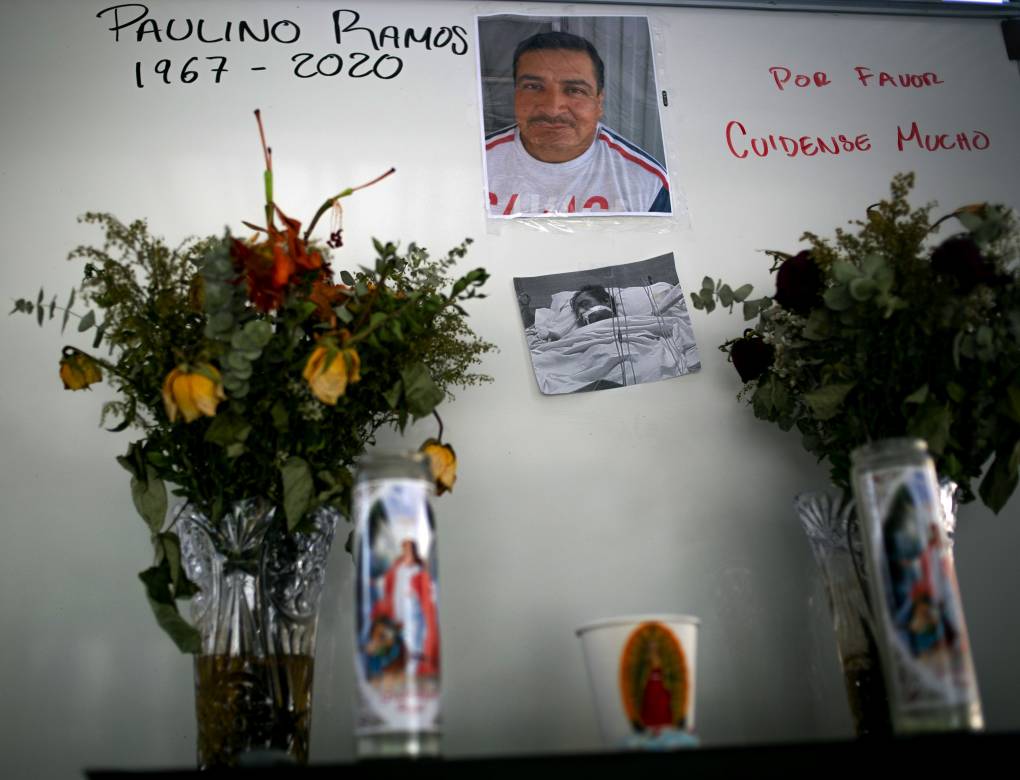
"caption": "Workers at the CARECEN Day Labor Center in Los Angeles constructed a makeshift memorial for fellow worker Paulino Ramos, who died of COVID-19 in September.",
"description": "Workers at the CARECEN Day Labor Center in Los Angeles constructed a makeshift memorial for fellow worker Paulino Ramos, who died of COVID-19 in September.",
"title": "Workers at the CARECEN Day Labor Center in Los Angeles constructed a makeshift memorial for fellow worker Paulino Ramos, who died of COVID-19 in September.",
"credit": "Danny Hajek/NPR",
"status": "inherit",
"altTag": "A memorial for Paulino Ramos",
"isLoading": false,
"fetchFailed": false
},
"news_11849497": {
"type": "attachments",
"id": "news_11849497",
"meta": {
"index": "attachments_1716263798",
"site": "news",
"id": "11849497",
"found": true
},
"parent": 11849496,
"imgSizes": {
"apple_news_ca_landscape_5_5": {
"file": "https://ww2.kqed.org/app/uploads/sites/10/2020/12/ap_18312597938207-43619525e1c2d84d6cf89cd486bde6e154330744-1044x783.jpg",
"width": 1044,
"mimeType": "image/jpeg",
"height": 783
},
"apple_news_ca_square_4_0": {
"file": "https://ww2.kqed.org/app/uploads/sites/10/2020/12/ap_18312597938207-43619525e1c2d84d6cf89cd486bde6e154330744-470x470.jpg",
"width": 470,
"mimeType": "image/jpeg",
"height": 470
},
"twentyfourteen-full-width": {
"file": "https://ww2.kqed.org/app/uploads/sites/10/2020/12/ap_18312597938207-43619525e1c2d84d6cf89cd486bde6e154330744-1038x576.jpg",
"width": 1038,
"mimeType": "image/jpeg",
"height": 576
},
"thumbnail": {
"file": "https://ww2.kqed.org/app/uploads/sites/10/2020/12/ap_18312597938207-43619525e1c2d84d6cf89cd486bde6e154330744-160x120.jpg",
"width": 160,
"mimeType": "image/jpeg",
"height": 120
},
"post-thumbnail": {
"file": "https://ww2.kqed.org/app/uploads/sites/10/2020/12/ap_18312597938207-43619525e1c2d84d6cf89cd486bde6e154330744-672x372.jpg",
"width": 672,
"mimeType": "image/jpeg",
"height": 372
},
"kqedFullSize": {
"file": "https://ww2.kqed.org/app/uploads/sites/10/2020/12/ap_18312597938207-43619525e1c2d84d6cf89cd486bde6e154330744-scaled.jpg",
"width": 2560,
"height": 1920
},
"2048x2048": {
"file": "https://ww2.kqed.org/app/uploads/sites/10/2020/12/ap_18312597938207-43619525e1c2d84d6cf89cd486bde6e154330744-2048x1536.jpg",
"width": 2048,
"mimeType": "image/jpeg",
"height": 1536
},
"apple_news_ca_landscape_4_7": {
"file": "https://ww2.kqed.org/app/uploads/sites/10/2020/12/ap_18312597938207-43619525e1c2d84d6cf89cd486bde6e154330744-632x474.jpg",
"width": 632,
"mimeType": "image/jpeg",
"height": 474
},
"large": {
"file": "https://ww2.kqed.org/app/uploads/sites/10/2020/12/ap_18312597938207-43619525e1c2d84d6cf89cd486bde6e154330744-1020x765.jpg",
"width": 1020,
"mimeType": "image/jpeg",
"height": 765
},
"apple_news_ca_landscape_4_0": {
"file": "https://ww2.kqed.org/app/uploads/sites/10/2020/12/ap_18312597938207-43619525e1c2d84d6cf89cd486bde6e154330744-536x402.jpg",
"width": 536,
"mimeType": "image/jpeg",
"height": 402
},
"apple_news_ca_portrait_12_9": {
"file": "https://ww2.kqed.org/app/uploads/sites/10/2020/12/ap_18312597938207-43619525e1c2d84d6cf89cd486bde6e154330744-1122x1496.jpg",
"width": 1122,
"mimeType": "image/jpeg",
"height": 1496
},
"medium": {
"file": "https://ww2.kqed.org/app/uploads/sites/10/2020/12/ap_18312597938207-43619525e1c2d84d6cf89cd486bde6e154330744-800x600.jpg",
"width": 800,
"mimeType": "image/jpeg",
"height": 600
},
"apple_news_ca_portrait_4_0": {
"file": "https://ww2.kqed.org/app/uploads/sites/10/2020/12/ap_18312597938207-43619525e1c2d84d6cf89cd486bde6e154330744-354x472.jpg",
"width": 354,
"mimeType": "image/jpeg",
"height": 472
},
"apple_news_ca_portrait_9_7": {
"file": "https://ww2.kqed.org/app/uploads/sites/10/2020/12/ap_18312597938207-43619525e1c2d84d6cf89cd486bde6e154330744-840x1120.jpg",
"width": 840,
"mimeType": "image/jpeg",
"height": 1120
},
"apple_news_ca_landscape_12_9": {
"file": "https://ww2.kqed.org/app/uploads/sites/10/2020/12/ap_18312597938207-43619525e1c2d84d6cf89cd486bde6e154330744-1832x1374.jpg",
"width": 1832,
"mimeType": "image/jpeg",
"height": 1374
},
"apple_news_ca_square_9_7": {
"file": "https://ww2.kqed.org/app/uploads/sites/10/2020/12/ap_18312597938207-43619525e1c2d84d6cf89cd486bde6e154330744-1104x1104.jpg",
"width": 1104,
"mimeType": "image/jpeg",
"height": 1104
},
"1536x1536": {
"file": "https://ww2.kqed.org/app/uploads/sites/10/2020/12/ap_18312597938207-43619525e1c2d84d6cf89cd486bde6e154330744-1536x1152.jpg",
"width": 1536,
"mimeType": "image/jpeg",
"height": 1152
},
"apple_news_ca_portrait_4_7": {
"file": "https://ww2.kqed.org/app/uploads/sites/10/2020/12/ap_18312597938207-43619525e1c2d84d6cf89cd486bde6e154330744-414x552.jpg",
"width": 414,
"mimeType": "image/jpeg",
"height": 552
},
"apple_news_ca_square_12_9": {
"file": "https://ww2.kqed.org/app/uploads/sites/10/2020/12/ap_18312597938207-43619525e1c2d84d6cf89cd486bde6e154330744-1472x1472.jpg",
"width": 1472,
"mimeType": "image/jpeg",
"height": 1472
},
"apple_news_ca_portrait_5_5": {
"file": "https://ww2.kqed.org/app/uploads/sites/10/2020/12/ap_18312597938207-43619525e1c2d84d6cf89cd486bde6e154330744-687x916.jpg",
"width": 687,
"mimeType": "image/jpeg",
"height": 916
},
"full-width": {
"file": "https://ww2.kqed.org/app/uploads/sites/10/2020/12/ap_18312597938207-43619525e1c2d84d6cf89cd486bde6e154330744-1920x1440.jpg",
"width": 1920,
"mimeType": "image/jpeg",
"height": 1440
},
"apple_news_ca_square_4_7": {
"file": "https://ww2.kqed.org/app/uploads/sites/10/2020/12/ap_18312597938207-43619525e1c2d84d6cf89cd486bde6e154330744-550x550.jpg",
"width": 550,
"mimeType": "image/jpeg",
"height": 550
},
"apple_news_ca_landscape_9_7": {
"file": "https://ww2.kqed.org/app/uploads/sites/10/2020/12/ap_18312597938207-43619525e1c2d84d6cf89cd486bde6e154330744-1376x1032.jpg",
"width": 1376,
"mimeType": "image/jpeg",
"height": 1032
},
"apple_news_ca_square_5_5": {
"file": "https://ww2.kqed.org/app/uploads/sites/10/2020/12/ap_18312597938207-43619525e1c2d84d6cf89cd486bde6e154330744-912x912.jpg",
"width": 912,
"mimeType": "image/jpeg",
"height": 912
}
},
"publishDate": 1607023087,
"modified": 1607023448,
"caption": "Google has been rocked by activism among employees who have grown increasingly critical of the company in recent years over issues ranging from sexual harassment to contracts with the U.S. government.\n",
"description": "Google has been rocked by activism among employees who have grown increasingly critical of the company in recent years over issues ranging from sexual harassment to contracts with the U.S. government.",
"title": "Google has been rocked by activism among employees who have grown increasingly critical of the company in recent years over issues ranging from sexual harassment to contracts with the U.S. government.",
"credit": "Noah Berger/AP",
"status": "inherit",
"altTag": "Woman holding a sign at a protest that reads 'Not OK Google #DontBeEvil'",
"isLoading": false,
"fetchFailed": false
},
"news_11849064": {
"type": "attachments",
"id": "news_11849064",
"meta": {
"index": "attachments_1716263798",
"site": "news",
"id": "11849064",
"found": true
},
"parent": 11849028,
"imgSizes": {
"apple_news_ca_landscape_5_5": {
"file": "https://ww2.kqed.org/app/uploads/sites/10/2020/11/SF-Muni-yard-buses-1044x783.jpg",
"width": 1044,
"mimeType": "image/jpeg",
"height": 783
},
"apple_news_ca_square_4_0": {
"file": "https://ww2.kqed.org/app/uploads/sites/10/2020/11/SF-Muni-yard-buses-470x470.jpg",
"width": 470,
"mimeType": "image/jpeg",
"height": 470
},
"twentyfourteen-full-width": {
"file": "https://ww2.kqed.org/app/uploads/sites/10/2020/11/SF-Muni-yard-buses-1038x576.jpg",
"width": 1038,
"mimeType": "image/jpeg",
"height": 576
},
"thumbnail": {
"file": "https://ww2.kqed.org/app/uploads/sites/10/2020/11/SF-Muni-yard-buses-160x107.jpg",
"width": 160,
"mimeType": "image/jpeg",
"height": 107
},
"post-thumbnail": {
"file": "https://ww2.kqed.org/app/uploads/sites/10/2020/11/SF-Muni-yard-buses-672x372.jpg",
"width": 672,
"mimeType": "image/jpeg",
"height": 372
},
"kqedFullSize": {
"file": "https://ww2.kqed.org/app/uploads/sites/10/2020/11/SF-Muni-yard-buses.jpg",
"width": 1920,
"height": 1280
},
"apple_news_ca_landscape_4_7": {
"file": "https://ww2.kqed.org/app/uploads/sites/10/2020/11/SF-Muni-yard-buses-632x474.jpg",
"width": 632,
"mimeType": "image/jpeg",
"height": 474
},
"large": {
"file": "https://ww2.kqed.org/app/uploads/sites/10/2020/11/SF-Muni-yard-buses-1020x680.jpg",
"width": 1020,
"mimeType": "image/jpeg",
"height": 680
},
"apple_news_ca_landscape_4_0": {
"file": "https://ww2.kqed.org/app/uploads/sites/10/2020/11/SF-Muni-yard-buses-536x402.jpg",
"width": 536,
"mimeType": "image/jpeg",
"height": 402
},
"apple_news_ca_portrait_12_9": {
"file": "https://ww2.kqed.org/app/uploads/sites/10/2020/11/SF-Muni-yard-buses-1122x1280.jpg",
"width": 1122,
"mimeType": "image/jpeg",
"height": 1280
},
"medium": {
"file": "https://ww2.kqed.org/app/uploads/sites/10/2020/11/SF-Muni-yard-buses-800x533.jpg",
"width": 800,
"mimeType": "image/jpeg",
"height": 533
},
"apple_news_ca_portrait_4_0": {
"file": "https://ww2.kqed.org/app/uploads/sites/10/2020/11/SF-Muni-yard-buses-354x472.jpg",
"width": 354,
"mimeType": "image/jpeg",
"height": 472
},
"apple_news_ca_portrait_9_7": {
"file": "https://ww2.kqed.org/app/uploads/sites/10/2020/11/SF-Muni-yard-buses-840x1120.jpg",
"width": 840,
"mimeType": "image/jpeg",
"height": 1120
},
"apple_news_ca_landscape_12_9": {
"file": "https://ww2.kqed.org/app/uploads/sites/10/2020/11/SF-Muni-yard-buses-1832x1280.jpg",
"width": 1832,
"mimeType": "image/jpeg",
"height": 1280
},
"apple_news_ca_square_9_7": {
"file": "https://ww2.kqed.org/app/uploads/sites/10/2020/11/SF-Muni-yard-buses-1104x1104.jpg",
"width": 1104,
"mimeType": "image/jpeg",
"height": 1104
},
"1536x1536": {
"file": "https://ww2.kqed.org/app/uploads/sites/10/2020/11/SF-Muni-yard-buses-1536x1024.jpg",
"width": 1536,
"mimeType": "image/jpeg",
"height": 1024
},
"apple_news_ca_portrait_4_7": {
"file": "https://ww2.kqed.org/app/uploads/sites/10/2020/11/SF-Muni-yard-buses-414x552.jpg",
"width": 414,
"mimeType": "image/jpeg",
"height": 552
},
"apple_news_ca_square_12_9": {
"file": "https://ww2.kqed.org/app/uploads/sites/10/2020/11/SF-Muni-yard-buses-1472x1280.jpg",
"width": 1472,
"mimeType": "image/jpeg",
"height": 1280
},
"apple_news_ca_portrait_5_5": {
"file": "https://ww2.kqed.org/app/uploads/sites/10/2020/11/SF-Muni-yard-buses-687x916.jpg",
"width": 687,
"mimeType": "image/jpeg",
"height": 916
},
"apple_news_ca_square_4_7": {
"file": "https://ww2.kqed.org/app/uploads/sites/10/2020/11/SF-Muni-yard-buses-550x550.jpg",
"width": 550,
"mimeType": "image/jpeg",
"height": 550
},
"apple_news_ca_landscape_9_7": {
"file": "https://ww2.kqed.org/app/uploads/sites/10/2020/11/SF-Muni-yard-buses-1376x1032.jpg",
"width": 1376,
"mimeType": "image/jpeg",
"height": 1032
},
"apple_news_ca_square_5_5": {
"file": "https://ww2.kqed.org/app/uploads/sites/10/2020/11/SF-Muni-yard-buses-912x912.jpg",
"width": 912,
"mimeType": "image/jpeg",
"height": 912
}
},
"publishDate": 1606776060,
"modified": 1606783058,
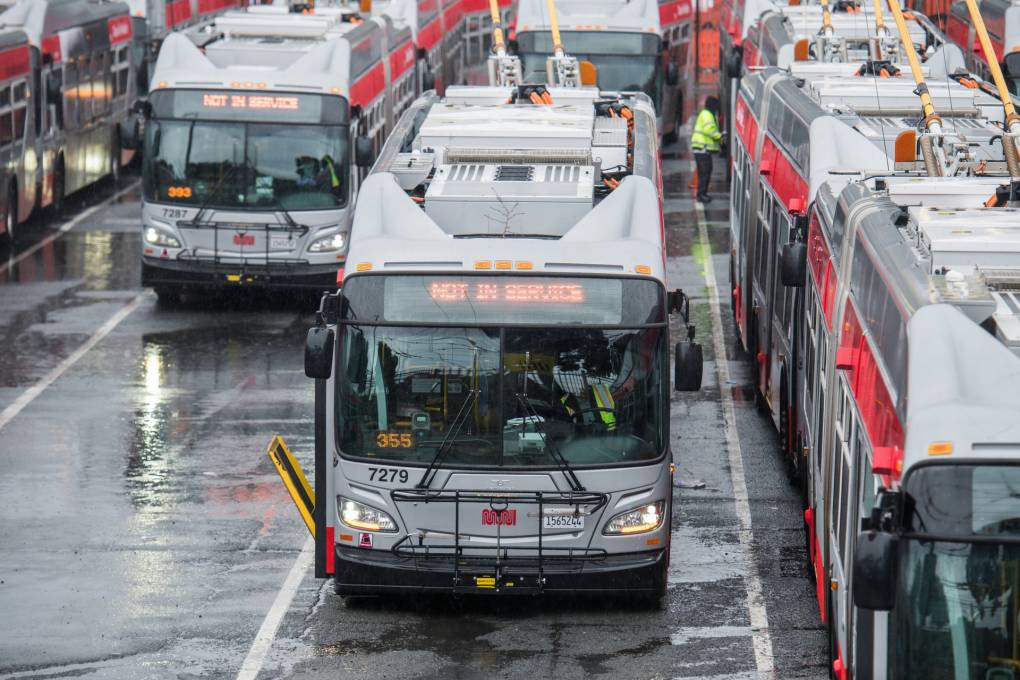
"caption": "San Francisco Muni buses sit at a bus yard on Bryant and Mariposa streets in April 2020.",
"description": "SF Muni buses sit at a bus yard on Bryant and Mariposa streets in April, 2020.",
"title": "SF-Muni-yard-buses",
"credit": "Beth LaBerge/KQED",
"status": "inherit",
"isLoading": false,
"fetchFailed": false
},
"news_11848373": {
"type": "attachments",
"id": "news_11848373",
"meta": {
"index": "attachments_1716263798",
"site": "news",
"id": "11848373",
"found": true
},
"parent": 11848360,
"imgSizes": {
"apple_news_ca_square_4_0": {
"file": "https://ww2.kqed.org/app/uploads/sites/10/2020/11/candidates-470x470.png",
"width": 470,
"mimeType": "image/png",
"height": 470
},
"twentyfourteen-full-width": {
"file": "https://ww2.kqed.org/app/uploads/sites/10/2020/11/candidates-1000x576.png",
"width": 1000,
"mimeType": "image/png",
"height": 576
},
"thumbnail": {
"file": "https://ww2.kqed.org/app/uploads/sites/10/2020/11/candidates-160x120.png",
"width": 160,
"mimeType": "image/png",
"height": 120
},
"post-thumbnail": {
"file": "https://ww2.kqed.org/app/uploads/sites/10/2020/11/candidates-672x372.png",
"width": 672,
"mimeType": "image/png",
"height": 372
},
"kqedFullSize": {
"file": "https://ww2.kqed.org/app/uploads/sites/10/2020/11/candidates.png",
"width": 1000,
"height": 750
},
"apple_news_ca_landscape_4_7": {
"file": "https://ww2.kqed.org/app/uploads/sites/10/2020/11/candidates-632x474.png",
"width": 632,
"mimeType": "image/png",
"height": 474
},
"apple_news_ca_landscape_4_0": {
"file": "https://ww2.kqed.org/app/uploads/sites/10/2020/11/candidates-536x402.png",
"width": 536,
"mimeType": "image/png",
"height": 402
},
"medium": {
"file": "https://ww2.kqed.org/app/uploads/sites/10/2020/11/candidates-800x600.png",
"width": 800,
"mimeType": "image/png",
"height": 600
},
"apple_news_ca_portrait_4_0": {
"file": "https://ww2.kqed.org/app/uploads/sites/10/2020/11/candidates-354x472.png",
"width": 354,
"mimeType": "image/png",
"height": 472
},
"apple_news_ca_portrait_9_7": {
"file": "https://ww2.kqed.org/app/uploads/sites/10/2020/11/candidates-840x750.png",
"width": 840,
"mimeType": "image/png",
"height": 750
},
"apple_news_ca_portrait_4_7": {
"file": "https://ww2.kqed.org/app/uploads/sites/10/2020/11/candidates-414x552.png",
"width": 414,
"mimeType": "image/png",
"height": 552
},
"apple_news_ca_portrait_5_5": {
"file": "https://ww2.kqed.org/app/uploads/sites/10/2020/11/candidates-687x750.png",
"width": 687,
"mimeType": "image/png",
"height": 750
},
"apple_news_ca_square_4_7": {
"file": "https://ww2.kqed.org/app/uploads/sites/10/2020/11/candidates-550x550.png",
"width": 550,
"mimeType": "image/png",
"height": 550
},
"apple_news_ca_square_5_5": {
"file": "https://ww2.kqed.org/app/uploads/sites/10/2020/11/candidates-912x750.png",
"width": 912,
"mimeType": "image/png",
"height": 750
}
},
"publishDate": 1605917364,
"modified": 1605917385,
"caption": "Alex Lee (left), Lucy Shen (center), and James Coleman (right) all ran for local office positions during the 2020 elections. (Courtesy of Alex Lee, Lucy Shen, and James Coleman)",
"description": null,
"title": "candidates",
"credit": null,
"status": "inherit",
"isLoading": false,
"fetchFailed": false
},
"news_11848421": {
"type": "attachments",
"id": "news_11848421",
"meta": {
"index": "attachments_1716263798",
"site": "news",
"id": "11848421",
"found": true
},
"parent": 11848386,
"imgSizes": {
"apple_news_ca_landscape_5_5": {
"file": "https://ww2.kqed.org/app/uploads/sites/10/2020/11/48615316361_3e5f08531a_k-1044x783.jpg",
"width": 1044,
"mimeType": "image/jpeg",
"height": 783
},
"apple_news_ca_square_4_0": {
"file": "https://ww2.kqed.org/app/uploads/sites/10/2020/11/48615316361_3e5f08531a_k-470x470.jpg",
"width": 470,
"mimeType": "image/jpeg",
"height": 470
},
"twentyfourteen-full-width": {
"file": "https://ww2.kqed.org/app/uploads/sites/10/2020/11/48615316361_3e5f08531a_k-1038x576.jpg",
"width": 1038,
"mimeType": "image/jpeg",
"height": 576
},
"thumbnail": {
"file": "https://ww2.kqed.org/app/uploads/sites/10/2020/11/48615316361_3e5f08531a_k-160x120.jpg",
"width": 160,
"mimeType": "image/jpeg",
"height": 120
},
"post-thumbnail": {
"file": "https://ww2.kqed.org/app/uploads/sites/10/2020/11/48615316361_3e5f08531a_k-672x372.jpg",
"width": 672,
"mimeType": "image/jpeg",
"height": 372
},
"kqedFullSize": {
"file": "https://ww2.kqed.org/app/uploads/sites/10/2020/11/48615316361_3e5f08531a_k-e1605922738904.jpg",
"width": 1920,
"height": 1440
},
"apple_news_ca_landscape_4_7": {
"file": "https://ww2.kqed.org/app/uploads/sites/10/2020/11/48615316361_3e5f08531a_k-632x474.jpg",
"width": 632,
"mimeType": "image/jpeg",
"height": 474
},
"large": {
"file": "https://ww2.kqed.org/app/uploads/sites/10/2020/11/48615316361_3e5f08531a_k-1020x765.jpg",
"width": 1020,
"mimeType": "image/jpeg",
"height": 765
},
"apple_news_ca_landscape_4_0": {
"file": "https://ww2.kqed.org/app/uploads/sites/10/2020/11/48615316361_3e5f08531a_k-536x402.jpg",
"width": 536,
"mimeType": "image/jpeg",
"height": 402
},
"apple_news_ca_portrait_12_9": {
"file": "https://ww2.kqed.org/app/uploads/sites/10/2020/11/48615316361_3e5f08531a_k-1122x1496.jpg",
"width": 1122,
"mimeType": "image/jpeg",
"height": 1496
},
"medium": {
"file": "https://ww2.kqed.org/app/uploads/sites/10/2020/11/48615316361_3e5f08531a_k-800x600.jpg",
"width": 800,
"mimeType": "image/jpeg",
"height": 600
},
"apple_news_ca_portrait_4_0": {
"file": "https://ww2.kqed.org/app/uploads/sites/10/2020/11/48615316361_3e5f08531a_k-354x472.jpg",
"width": 354,
"mimeType": "image/jpeg",
"height": 472
},
"apple_news_ca_portrait_9_7": {
"file": "https://ww2.kqed.org/app/uploads/sites/10/2020/11/48615316361_3e5f08531a_k-840x1120.jpg",
"width": 840,
"mimeType": "image/jpeg",
"height": 1120
},
"apple_news_ca_landscape_12_9": {
"file": "https://ww2.kqed.org/app/uploads/sites/10/2020/11/48615316361_3e5f08531a_k-1832x1374.jpg",
"width": 1832,
"mimeType": "image/jpeg",
"height": 1374
},
"apple_news_ca_square_9_7": {
"file": "https://ww2.kqed.org/app/uploads/sites/10/2020/11/48615316361_3e5f08531a_k-1104x1104.jpg",
"width": 1104,
"mimeType": "image/jpeg",
"height": 1104
},
"1536x1536": {
"file": "https://ww2.kqed.org/app/uploads/sites/10/2020/11/48615316361_3e5f08531a_k-1536x1152.jpg",
"width": 1536,
"mimeType": "image/jpeg",
"height": 1152
},
"apple_news_ca_portrait_4_7": {
"file": "https://ww2.kqed.org/app/uploads/sites/10/2020/11/48615316361_3e5f08531a_k-414x552.jpg",
"width": 414,
"mimeType": "image/jpeg",
"height": 552
},
"apple_news_ca_square_12_9": {
"file": "https://ww2.kqed.org/app/uploads/sites/10/2020/11/48615316361_3e5f08531a_k-1472x1472.jpg",
"width": 1472,
"mimeType": "image/jpeg",
"height": 1472
},
"apple_news_ca_portrait_5_5": {
"file": "https://ww2.kqed.org/app/uploads/sites/10/2020/11/48615316361_3e5f08531a_k-687x916.jpg",
"width": 687,
"mimeType": "image/jpeg",
"height": 916
},
"full-width": {
"file": "https://ww2.kqed.org/app/uploads/sites/10/2020/11/48615316361_3e5f08531a_k-1920x1440.jpg",
"width": 1920,
"mimeType": "image/jpeg",
"height": 1440
},
"apple_news_ca_square_4_7": {
"file": "https://ww2.kqed.org/app/uploads/sites/10/2020/11/48615316361_3e5f08531a_k-550x550.jpg",
"width": 550,
"mimeType": "image/jpeg",
"height": 550
},
"apple_news_ca_landscape_9_7": {
"file": "https://ww2.kqed.org/app/uploads/sites/10/2020/11/48615316361_3e5f08531a_k-1376x1032.jpg",
"width": 1376,
"mimeType": "image/jpeg",
"height": 1032
},
"apple_news_ca_square_5_5": {
"file": "https://ww2.kqed.org/app/uploads/sites/10/2020/11/48615316361_3e5f08531a_k-912x912.jpg",
"width": 912,
"mimeType": "image/jpeg",
"height": 912
}
},
"publishDate": 1605922641,
"modified": 1605922775,
"caption": "The Eastshore Freeway, Berkeley.",
"description": null,
"title": "Interstate 80",
"credit": "Dan Brekke/KQED",
"status": "inherit",
"isLoading": false,
"fetchFailed": false
},
"news_11848400": {
"type": "attachments",
"id": "news_11848400",
"meta": {
"index": "attachments_1716263798",
"site": "news",
"id": "11848400",
"found": true
},
"parent": 11848307,
"imgSizes": {
"apple_news_ca_landscape_5_5": {
"file": "https://ww2.kqed.org/app/uploads/sites/10/2020/11/Farmworkers-Harvest-Partitions-COVID-1044x783.jpg",
"width": 1044,
"mimeType": "image/jpeg",
"height": 783
},
"apple_news_ca_square_4_0": {
"file": "https://ww2.kqed.org/app/uploads/sites/10/2020/11/Farmworkers-Harvest-Partitions-COVID-470x470.jpg",
"width": 470,
"mimeType": "image/jpeg",
"height": 470
},
"twentyfourteen-full-width": {
"file": "https://ww2.kqed.org/app/uploads/sites/10/2020/11/Farmworkers-Harvest-Partitions-COVID-1038x576.jpg",
"width": 1038,
"mimeType": "image/jpeg",
"height": 576
},
"thumbnail": {
"file": "https://ww2.kqed.org/app/uploads/sites/10/2020/11/Farmworkers-Harvest-Partitions-COVID-160x105.jpg",
"width": 160,
"mimeType": "image/jpeg",
"height": 105
},
"post-thumbnail": {
"file": "https://ww2.kqed.org/app/uploads/sites/10/2020/11/Farmworkers-Harvest-Partitions-COVID-672x372.jpg",
"width": 672,
"mimeType": "image/jpeg",
"height": 372
},
"kqedFullSize": {
"file": "https://ww2.kqed.org/app/uploads/sites/10/2020/11/Farmworkers-Harvest-Partitions-COVID.jpg",
"width": 1920,
"height": 1263
},
"apple_news_ca_landscape_4_7": {
"file": "https://ww2.kqed.org/app/uploads/sites/10/2020/11/Farmworkers-Harvest-Partitions-COVID-632x474.jpg",
"width": 632,
"mimeType": "image/jpeg",
"height": 474
},
"large": {
"file": "https://ww2.kqed.org/app/uploads/sites/10/2020/11/Farmworkers-Harvest-Partitions-COVID-1020x671.jpg",
"width": 1020,
"mimeType": "image/jpeg",
"height": 671
},
"apple_news_ca_landscape_4_0": {
"file": "https://ww2.kqed.org/app/uploads/sites/10/2020/11/Farmworkers-Harvest-Partitions-COVID-536x402.jpg",
"width": 536,
"mimeType": "image/jpeg",
"height": 402
},
"apple_news_ca_portrait_12_9": {
"file": "https://ww2.kqed.org/app/uploads/sites/10/2020/11/Farmworkers-Harvest-Partitions-COVID-1122x1263.jpg",
"width": 1122,
"mimeType": "image/jpeg",
"height": 1263
},
"medium": {
"file": "https://ww2.kqed.org/app/uploads/sites/10/2020/11/Farmworkers-Harvest-Partitions-COVID-800x526.jpg",
"width": 800,
"mimeType": "image/jpeg",
"height": 526
},
"apple_news_ca_portrait_4_0": {
"file": "https://ww2.kqed.org/app/uploads/sites/10/2020/11/Farmworkers-Harvest-Partitions-COVID-354x472.jpg",
"width": 354,
"mimeType": "image/jpeg",
"height": 472
},
"apple_news_ca_portrait_9_7": {
"file": "https://ww2.kqed.org/app/uploads/sites/10/2020/11/Farmworkers-Harvest-Partitions-COVID-840x1120.jpg",
"width": 840,
"mimeType": "image/jpeg",
"height": 1120
},
"apple_news_ca_landscape_12_9": {
"file": "https://ww2.kqed.org/app/uploads/sites/10/2020/11/Farmworkers-Harvest-Partitions-COVID-1832x1263.jpg",
"width": 1832,
"mimeType": "image/jpeg",
"height": 1263
},
"apple_news_ca_square_9_7": {
"file": "https://ww2.kqed.org/app/uploads/sites/10/2020/11/Farmworkers-Harvest-Partitions-COVID-1104x1104.jpg",
"width": 1104,
"mimeType": "image/jpeg",
"height": 1104
},
"1536x1536": {
"file": "https://ww2.kqed.org/app/uploads/sites/10/2020/11/Farmworkers-Harvest-Partitions-COVID-1536x1010.jpg",
"width": 1536,
"mimeType": "image/jpeg",
"height": 1010
},
"apple_news_ca_portrait_4_7": {
"file": "https://ww2.kqed.org/app/uploads/sites/10/2020/11/Farmworkers-Harvest-Partitions-COVID-414x552.jpg",
"width": 414,
"mimeType": "image/jpeg",
"height": 552
},
"apple_news_ca_square_12_9": {
"file": "https://ww2.kqed.org/app/uploads/sites/10/2020/11/Farmworkers-Harvest-Partitions-COVID-1472x1263.jpg",
"width": 1472,
"mimeType": "image/jpeg",
"height": 1263
},
"apple_news_ca_portrait_5_5": {
"file": "https://ww2.kqed.org/app/uploads/sites/10/2020/11/Farmworkers-Harvest-Partitions-COVID-687x916.jpg",
"width": 687,
"mimeType": "image/jpeg",
"height": 916
},
"apple_news_ca_square_4_7": {
"file": "https://ww2.kqed.org/app/uploads/sites/10/2020/11/Farmworkers-Harvest-Partitions-COVID-550x550.jpg",
"width": 550,
"mimeType": "image/jpeg",
"height": 550
},
"apple_news_ca_landscape_9_7": {
"file": "https://ww2.kqed.org/app/uploads/sites/10/2020/11/Farmworkers-Harvest-Partitions-COVID-1376x1032.jpg",
"width": 1376,
"mimeType": "image/jpeg",
"height": 1032
},
"apple_news_ca_square_5_5": {
"file": "https://ww2.kqed.org/app/uploads/sites/10/2020/11/Farmworkers-Harvest-Partitions-COVID-912x912.jpg",
"width": 912,
"mimeType": "image/jpeg",
"height": 912
}
},
"publishDate": 1605920484,
"modified": 1605920541,
"caption": "Farmworkers harvest lettuce using a machine with heavy plastic dividers that separate workers from each other on April 27, 2020 in Greenfield, California.",
"description": null,
"title": "Farmworkers-Harvest-Partitions-COVID",
"credit": "Brent Stirton/Getty Images",
"status": "inherit",
"isLoading": false,
"fetchFailed": false
},
"news_11847278": {
"type": "attachments",
"id": "news_11847278",
"meta": {
"index": "attachments_1716263798",
"site": "news",
"id": "11847278",
"found": true
},
"parent": 11847273,
"imgSizes": {
"apple_news_ca_landscape_5_5": {
"file": "https://ww2.kqed.org/app/uploads/sites/10/2020/11/RS13067_ridesharing-is-cheap3-qut-1044x783.jpg",
"width": 1044,
"mimeType": "image/jpeg",
"height": 783
},
"apple_news_ca_square_4_0": {
"file": "https://ww2.kqed.org/app/uploads/sites/10/2020/11/RS13067_ridesharing-is-cheap3-qut-470x470.jpg",
"width": 470,
"mimeType": "image/jpeg",
"height": 470
},
"twentyfourteen-full-width": {
"file": "https://ww2.kqed.org/app/uploads/sites/10/2020/11/RS13067_ridesharing-is-cheap3-qut-1038x576.jpg",
"width": 1038,
"mimeType": "image/jpeg",
"height": 576
},
"thumbnail": {
"file": "https://ww2.kqed.org/app/uploads/sites/10/2020/11/RS13067_ridesharing-is-cheap3-qut-160x101.jpg",
"width": 160,
"mimeType": "image/jpeg",
"height": 101
},
"post-thumbnail": {
"file": "https://ww2.kqed.org/app/uploads/sites/10/2020/11/RS13067_ridesharing-is-cheap3-qut-672x372.jpg",
"width": 672,
"mimeType": "image/jpeg",
"height": 372
},
"kqedFullSize": {
"file": "https://ww2.kqed.org/app/uploads/sites/10/2020/11/RS13067_ridesharing-is-cheap3-qut.jpg",
"width": 1440,
"height": 909
},
"apple_news_ca_landscape_4_7": {
"file": "https://ww2.kqed.org/app/uploads/sites/10/2020/11/RS13067_ridesharing-is-cheap3-qut-632x474.jpg",
"width": 632,
"mimeType": "image/jpeg",
"height": 474
},
"large": {
"file": "https://ww2.kqed.org/app/uploads/sites/10/2020/11/RS13067_ridesharing-is-cheap3-qut-1020x644.jpg",
"width": 1020,
"mimeType": "image/jpeg",
"height": 644
},
"apple_news_ca_landscape_4_0": {
"file": "https://ww2.kqed.org/app/uploads/sites/10/2020/11/RS13067_ridesharing-is-cheap3-qut-536x402.jpg",
"width": 536,
"mimeType": "image/jpeg",
"height": 402
},
"apple_news_ca_portrait_12_9": {
"file": "https://ww2.kqed.org/app/uploads/sites/10/2020/11/RS13067_ridesharing-is-cheap3-qut-1122x909.jpg",
"width": 1122,
"mimeType": "image/jpeg",
"height": 909
},
"medium": {
"file": "https://ww2.kqed.org/app/uploads/sites/10/2020/11/RS13067_ridesharing-is-cheap3-qut-800x505.jpg",
"width": 800,
"mimeType": "image/jpeg",
"height": 505
},
"apple_news_ca_portrait_4_0": {
"file": "https://ww2.kqed.org/app/uploads/sites/10/2020/11/RS13067_ridesharing-is-cheap3-qut-354x472.jpg",
"width": 354,
"mimeType": "image/jpeg",
"height": 472
},
"apple_news_ca_portrait_9_7": {
"file": "https://ww2.kqed.org/app/uploads/sites/10/2020/11/RS13067_ridesharing-is-cheap3-qut-840x909.jpg",
"width": 840,
"mimeType": "image/jpeg",
"height": 909
},
"apple_news_ca_square_9_7": {
"file": "https://ww2.kqed.org/app/uploads/sites/10/2020/11/RS13067_ridesharing-is-cheap3-qut-1104x909.jpg",
"width": 1104,
"mimeType": "image/jpeg",
"height": 909
},
"apple_news_ca_portrait_4_7": {
"file": "https://ww2.kqed.org/app/uploads/sites/10/2020/11/RS13067_ridesharing-is-cheap3-qut-414x552.jpg",
"width": 414,
"mimeType": "image/jpeg",
"height": 552
},
"apple_news_ca_portrait_5_5": {
"file": "https://ww2.kqed.org/app/uploads/sites/10/2020/11/RS13067_ridesharing-is-cheap3-qut-687x909.jpg",
"width": 687,
"mimeType": "image/jpeg",
"height": 909
},
"apple_news_ca_square_4_7": {
"file": "https://ww2.kqed.org/app/uploads/sites/10/2020/11/RS13067_ridesharing-is-cheap3-qut-550x550.jpg",
"width": 550,
"mimeType": "image/jpeg",
"height": 550
},
"apple_news_ca_landscape_9_7": {
"file": "https://ww2.kqed.org/app/uploads/sites/10/2020/11/RS13067_ridesharing-is-cheap3-qut-1376x909.jpg",
"width": 1376,
"mimeType": "image/jpeg",
"height": 909
},
"apple_news_ca_square_5_5": {
"file": "https://ww2.kqed.org/app/uploads/sites/10/2020/11/RS13067_ridesharing-is-cheap3-qut-912x909.jpg",
"width": 912,
"mimeType": "image/jpeg",
"height": 909
}
},
"publishDate": 1605222651,
"modified": 1605222693,
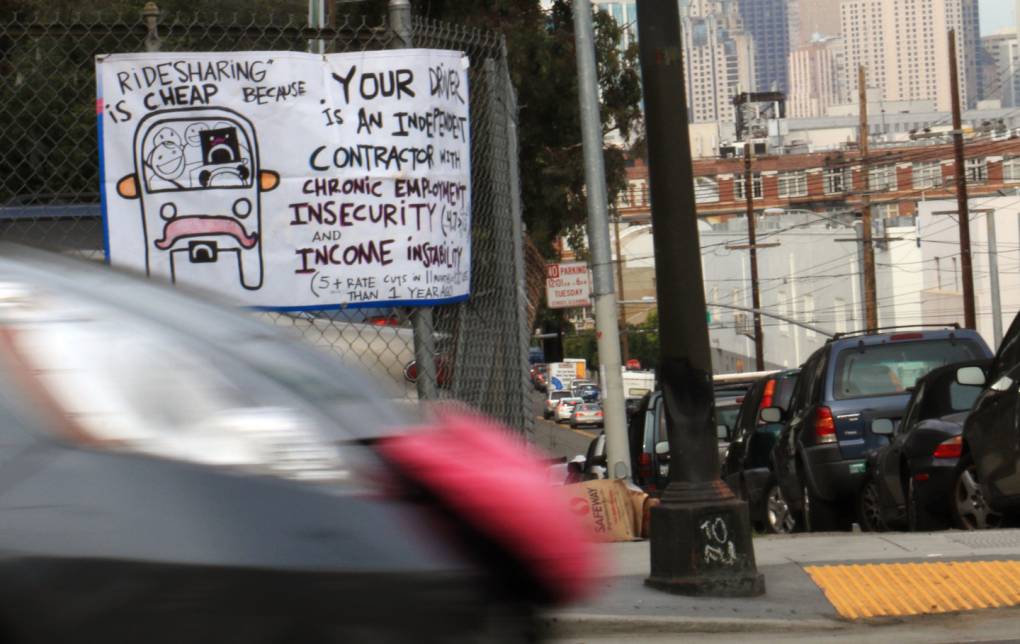
"caption": "A sign at the intersection of 17th St. and Vermont St. criticizes rideshare companies.",
"description": null,
"title": "RS13067_ridesharing is cheap3-qut",
"credit": "Adam Grossberg/KQED",
"status": "inherit",
"isLoading": false,
"fetchFailed": false
},
"news_11435707": {
"type": "attachments",
"id": "news_11435707",
"meta": {
"index": "attachments_1716263798",
"site": "news",
"id": "11435707",
"found": true
},
"parent": 11435606,
"imgSizes": {
"small": {
"file": "https://ww2.kqed.org/app/uploads/sites/10/2017/05/C-wrRlJWsAAMK5d-520x390.jpg",
"width": 520,
"mimeType": "image/jpeg",
"height": 390
},
"twentyfourteen-full-width": {
"file": "https://ww2.kqed.org/app/uploads/sites/10/2017/05/C-wrRlJWsAAMK5d-1038x576.jpg",
"width": 1038,
"mimeType": "image/jpeg",
"height": 576
},
"thumbnail": {
"file": "https://ww2.kqed.org/app/uploads/sites/10/2017/05/C-wrRlJWsAAMK5d-160x120.jpg",
"width": 160,
"mimeType": "image/jpeg",
"height": 120
},
"fd-sm": {
"file": "https://ww2.kqed.org/app/uploads/sites/10/2017/05/C-wrRlJWsAAMK5d-960x720.jpg",
"width": 960,
"mimeType": "image/jpeg",
"height": 720
},
"post-thumbnail": {
"file": "https://ww2.kqed.org/app/uploads/sites/10/2017/05/C-wrRlJWsAAMK5d-672x372.jpg",
"width": 672,
"mimeType": "image/jpeg",
"height": 372
},
"xsmall": {
"file": "https://ww2.kqed.org/app/uploads/sites/10/2017/05/C-wrRlJWsAAMK5d-375x281.jpg",
"width": 375,
"mimeType": "image/jpeg",
"height": 281
},
"kqedFullSize": {
"file": "https://ww2.kqed.org/app/uploads/sites/10/2017/05/C-wrRlJWsAAMK5d.jpg",
"width": 1200,
"height": 900
},
"large": {
"file": "https://ww2.kqed.org/app/uploads/sites/10/2017/05/C-wrRlJWsAAMK5d-1020x765.jpg",
"width": 1020,
"mimeType": "image/jpeg",
"height": 765
},
"xlarge": {
"file": "https://ww2.kqed.org/app/uploads/sites/10/2017/05/C-wrRlJWsAAMK5d-1180x885.jpg",
"width": 1180,
"mimeType": "image/jpeg",
"height": 885
},
"guest-author-50": {
"file": "https://ww2.kqed.org/app/uploads/sites/10/2017/05/C-wrRlJWsAAMK5d-50x50.jpg",
"width": 50,
"mimeType": "image/jpeg",
"height": 50
},
"guest-author-96": {
"file": "https://ww2.kqed.org/app/uploads/sites/10/2017/05/C-wrRlJWsAAMK5d-96x96.jpg",
"width": 96,
"mimeType": "image/jpeg",
"height": 96
},
"medium": {
"file": "https://ww2.kqed.org/app/uploads/sites/10/2017/05/C-wrRlJWsAAMK5d-800x600.jpg",
"width": 800,
"mimeType": "image/jpeg",
"height": 600
},
"guest-author-64": {
"file": "https://ww2.kqed.org/app/uploads/sites/10/2017/05/C-wrRlJWsAAMK5d-64x64.jpg",
"width": 64,
"mimeType": "image/jpeg",
"height": 64
},
"guest-author-32": {
"file": "https://ww2.kqed.org/app/uploads/sites/10/2017/05/C-wrRlJWsAAMK5d-32x32.jpg",
"width": 32,
"mimeType": "image/jpeg",
"height": 32
},
"fd-med": {
"file": "https://ww2.kqed.org/app/uploads/sites/10/2017/05/C-wrRlJWsAAMK5d-1180x885.jpg",
"width": 1180,
"mimeType": "image/jpeg",
"height": 885
},
"detail": {
"file": "https://ww2.kqed.org/app/uploads/sites/10/2017/05/C-wrRlJWsAAMK5d-150x150.jpg",
"width": 150,
"mimeType": "image/jpeg",
"height": 150
},
"guest-author-128": {
"file": "https://ww2.kqed.org/app/uploads/sites/10/2017/05/C-wrRlJWsAAMK5d-128x128.jpg",
"width": 128,
"mimeType": "image/jpeg",
"height": 128
},
"xxsmall": {
"file": "https://ww2.kqed.org/app/uploads/sites/10/2017/05/C-wrRlJWsAAMK5d-240x180.jpg",
"width": 240,
"mimeType": "image/jpeg",
"height": 180
}
},
"publishDate": 1493662902,
"modified": 1605138267,
"caption": "Unions out at the May Day rally in Los Angeles, including SEIU local 99, United Here and Roofers Local 36. ",
"description": null,
"title": "C-wrRlJWsAAMK5d",
"credit": "Deepa Fernandes/KQED",
"status": "inherit",
"isLoading": false,
"fetchFailed": false
}
},
"audioPlayerReducer": {
"postId": "stream_live",
"isPaused": true,
"isPlaying": false,
"pfsActive": false,
"pledgeModalIsOpen": true,
"playerDrawerIsOpen": false,
"liveAudioPlayStartedAt": 0,
"liveAudioPlayContext": ""
},
"authorsReducer": {
"byline_news_11851350": {
"type": "authors",
"id": "byline_news_11851350",
"meta": {
"override": true
},
"slug": "byline_news_11851350",
"name": "Jackie Botts\u003cbr>CalMatters",
"isLoading": false
},
"byline_news_11851063": {
"type": "authors",
"id": "byline_news_11851063",
"meta": {
"override": true
},
"slug": "byline_news_11851063",
"name": "The Associated Press",
"isLoading": false
},
"byline_news_11850740": {
"type": "authors",
"id": "byline_news_11850740",
"meta": {
"override": true
},
"slug": "byline_news_11850740",
"name": "\u003ca href=\"https://www.npr.org/people/426314944/daniel-hajek\">Danny Hajek\u003c/a>",
"isLoading": false
},
"byline_news_11849496": {
"type": "authors",
"id": "byline_news_11849496",
"meta": {
"override": true
},
"slug": "byline_news_11849496",
"name": "Shannon Bond",
"isLoading": false
},
"danbrekke": {
"type": "authors",
"id": "222",
"meta": {
"index": "authors_1716337520",
"id": "222",
"found": true
},
"name": "Dan Brekke",
"firstName": "Dan",
"lastName": "Brekke",
"slug": "danbrekke",
"email": "dbrekke@kqed.org",
"display_author_email": true,
"staff_mastheads": [
"news",
"science"
],
"title": "KQED Editor and Reporter",
"bio": "Dan Brekke is a reporter and editor for KQED News, responsible for coverage of topics ranging from California water issues to the Bay Area's transportation challenges. In a newsroom career that began in Chicago in 1972, Dan has worked for \u003cem>The San Francisco Examiner,\u003c/em> Wired and TechTV and has been published in The New York Times, The New York Times Magazine, Business 2.0, Salon and elsewhere.\r\n\r\nSince joining KQED in 2007, Dan has reported, edited and produced both radio and online features and breaking news pieces. He has shared as both editor and reporter in four Society of Professional Journalists Norcal Excellence in Journalism awards and one Edward R. Murrow regional award. He was chosen for a spring 2017 residency at the Mesa Refuge to advance his research on California salmon.\r\n\r\nEmail Dan at: \u003ca href=\"mailto:dbrekke@kqed.org\">dbrekke@kqed.org\u003c/a>\r\n\r\n\u003cstrong>Twitter:\u003c/strong> \u003ca href=\"https://twitter.com/danbrekke\" rel=\"noopener noreferrer\">twitter.com/danbrekke\u003c/a>\r\n\u003cstrong>Facebook:\u003c/strong> \u003ca href=\"https://www.facebook.com/danbrekke\" rel=\"noopener noreferrer\">www.facebook.com/danbrekke\u003c/a>\r\n\u003cstrong>LinkedIn:\u003c/strong> \u003ca href=\"https://www.linkedin.com/in/danbrekke\" rel=\"noopener noreferrer\">www.linkedin.com/in/danbrekke\u003c/a>",
"avatar": "https://secure.gravatar.com/avatar/c8126230345efca3f7aa89b1a402be45?s=600&d=mm&r=g",
"twitter": "danbrekke",
"facebook": null,
"instagram": "https://www.instagram.com/dan.brekke/",
"linkedin": "https://www.linkedin.com/in/danbrekke/",
"sites": [
{
"site": "news",
"roles": [
"administrator",
"create_posts"
]
},
{
"site": "stateofhealth",
"roles": [
"editor"
]
},
{
"site": "science",
"roles": [
"editor"
]
},
{
"site": "quest",
"roles": [
"contributor"
]
},
{
"site": "food",
"roles": [
"contributor"
]
},
{
"site": "forum",
"roles": [
"contributor"
]
},
{
"site": "liveblog",
"roles": [
"editor"
]
}
],
"headData": {
"title": "Dan Brekke | KQED",
"description": "KQED Editor and Reporter",
"ogImgSrc": "https://secure.gravatar.com/avatar/c8126230345efca3f7aa89b1a402be45?s=600&d=mm&r=g",
"twImgSrc": "https://secure.gravatar.com/avatar/c8126230345efca3f7aa89b1a402be45?s=600&d=mm&r=g"
},
"isLoading": false,
"link": "/author/danbrekke"
},
"samharnett": {
"type": "authors",
"id": "253",
"meta": {
"index": "authors_1716337520",
"id": "253",
"found": true
},
"name": "Sam Harnett",
"firstName": "Sam",
"lastName": "Harnett",
"slug": "samharnett",
"email": "samharnett@gmail.com",
"display_author_email": false,
"staff_mastheads": [],
"title": "KQED Contributor",
"bio": "Sam Harnett covered tech and work at KQED. He is the co-creator of \u003cem>\u003ca href=\"http://www.theworldaccordingtosound.org\">The World According to Sound\u003c/a>,\u003c/em> a 90-second podcast that features different sounds and the stories behind them.\r\n\r\nBefore coming to KQED, Sam worked as an independent reporter who contributed regularly to \u003cem>The California Report, Marketplace,\u003c/em> \u003cem>The World \u003c/em>and NPR.",
"avatar": "https://secure.gravatar.com/avatar/2538b972ac02f2b9546c7a6c59a0f3d0?s=600&d=blank&r=g",
"twitter": "Samwharnett",
"facebook": null,
"instagram": null,
"linkedin": null,
"sites": [
{
"site": "news",
"roles": [
"edit_others_posts",
"subscriber"
]
},
{
"site": "stateofhealth",
"roles": [
"author"
]
},
{
"site": "science",
"roles": [
"editor"
]
},
{
"site": "quest",
"roles": [
"subscriber"
]
}
],
"headData": {
"title": "Sam Harnett | KQED",
"description": "KQED Contributor",
"ogImgSrc": "https://secure.gravatar.com/avatar/2538b972ac02f2b9546c7a6c59a0f3d0?s=600&d=blank&r=g",
"twImgSrc": "https://secure.gravatar.com/avatar/2538b972ac02f2b9546c7a6c59a0f3d0?s=600&d=blank&r=g"
},
"isLoading": false,
"link": "/author/samharnett"
},
"dkatayama": {
"type": "authors",
"id": "7240",
"meta": {
"index": "authors_1716337520",
"id": "7240",
"found": true
},
"name": "Devin Katayama",
"firstName": "Devin",
"lastName": "Katayama",
"slug": "dkatayama",
"email": "dkatayama@kqed.org",
"display_author_email": true,
"staff_mastheads": [
"news"
],
"title": "Editor of Talent and Development",
"bio": "Devin Katayama is former Editor of Talent and Development for KQED. He supported our internship program and on-call staff by looking for equitable opportunities to improve the newsroom.\r\n\r\nHe previously hosted The Bay and American Suburb podcasts from KQED News. Prior to returning to the Bay Area in 2015, Devin was the education reporter for WFPL in Louisville and worked as a producer with radio stations in Chicago and Portland, OR. His work has appeared on NPR’s \u003cem>Morning Edition, All Things Considered, The Takeaway\u003c/em> and \u003cem>Here and Now.\u003c/em>\r\n\r\nDevin earned his MA in Journalism from Columbia College Chicago, where he was a Follett Fellow and the recipient of the 2011 Studs Terkel Community Media Workshop Scholarship for his story on Chicago's homeless youth. He won WBUR's 2014 Daniel Schorr award and a regional RTNDA Edward R. Murrow Award for his documentary \"At Risk\" that looked at issues facing some of Louisville's students. Devin has also received numerous local awards from the Associated Press and the Society of Professional Journalists.",
"avatar": "https://secure.gravatar.com/avatar/d0d2978a31002fb2de107921a8e18405?s=600&d=blank&r=g",
"twitter": "RadioDevin",
"facebook": null,
"instagram": null,
"linkedin": null,
"sites": [
{
"site": "arts",
"roles": []
},
{
"site": "news",
"roles": [
"author"
]
},
{
"site": "stateofhealth",
"roles": [
"author"
]
},
{
"site": "forum",
"roles": [
"editor"
]
},
{
"site": "perspectives",
"roles": [
"editor"
]
}
],
"headData": {
"title": "Devin Katayama | KQED",
"description": "Editor of Talent and Development",
"ogImgSrc": "https://secure.gravatar.com/avatar/d0d2978a31002fb2de107921a8e18405?s=600&d=blank&r=g",
"twImgSrc": "https://secure.gravatar.com/avatar/d0d2978a31002fb2de107921a8e18405?s=600&d=blank&r=g"
},
"isLoading": false,
"link": "/author/dkatayama"
},
"ecruzguevarra": {
"type": "authors",
"id": "8654",
"meta": {
"index": "authors_1716337520",
"id": "8654",
"found": true
},
"name": "Ericka Cruz Guevarra",
"firstName": "Ericka",
"lastName": "Cruz Guevarra",
"slug": "ecruzguevarra",
"email": "ecruzguevarra@kqed.org",
"display_author_email": true,
"staff_mastheads": [
"news"
],
"title": "Producer, The Bay Podcast",
"bio": "Ericka Cruz Guevarra is host of \u003ca href=\"https://www.kqed.org/podcasts/thebay\">\u003cem>The Bay\u003c/em>\u003c/a> podcast at KQED. Before host, she was the show’s producer. Her work in that capacity includes a three-part reported series on policing in Vallejo, which won a 2020 excellence in journalism award from the Society of Professional Journalists. Ericka has worked as a breaking news reporter at Oregon Public Broadcasting, helped produce the Code Switch podcast, and was KQED’s inaugural Raul Ramirez Diversity Fund intern. She’s also an alumna of NPR’s Next Generation Radio program. Send her an email if you have strong feelings about whether Fairfield and Suisun City are the Bay. Ericka is represented by SAG-AFTRA.",
"avatar": "https://secure.gravatar.com/avatar/accefc1de4bafc7e234b69bcb9b6f6536c130fd84709bc3069ef11a78787e1bb?s=600&d=blank&r=g",
"twitter": "NotoriousECG",
"bluesky": null,
"facebook": null,
"instagram": null,
"linkedin": null,
"sites": [
{
"site": "arts",
"roles": [
"subscriber"
]
},
{
"site": "news",
"roles": [
"editor",
"manage_categories"
]
},
{
"site": "futureofyou",
"roles": [
"subscriber"
]
},
{
"site": "stateofhealth",
"roles": [
"subscriber"
]
},
{
"site": "science",
"roles": [
"editor"
]
},
{
"site": "forum",
"roles": [
"subscriber"
]
}
],
"headData": {
"title": "Ericka Cruz Guevarra | KQED",
"description": "Producer, The Bay Podcast",
"ogImgSrc": "https://secure.gravatar.com/avatar/accefc1de4bafc7e234b69bcb9b6f6536c130fd84709bc3069ef11a78787e1bb?s=600&d=blank&r=g",
"twImgSrc": "https://secure.gravatar.com/avatar/accefc1de4bafc7e234b69bcb9b6f6536c130fd84709bc3069ef11a78787e1bb?s=600&d=blank&r=g"
},
"isLoading": false,
"link": "/author/ecruzguevarra"
},
"korr": {
"type": "authors",
"id": "11200",
"meta": {
"index": "authors_1716337520",
"id": "11200",
"found": true
},
"name": "Katie Orr",
"firstName": "Katie",
"lastName": "Orr",
"slug": "korr",
"email": "korr@kqed.org",
"display_author_email": false,
"staff_mastheads": [],
"title": "KQED Contributor",
"bio": "Katie Orr was a Sacramento-based reporter for KQED's Politics and Government Desk, covering the state Capitol and a variety of issues including women in politics, voting and elections and legislation. Prior to joining KQED in 2016, Katie was state government reporter for Capital Public Radio in Sacramento. She's also worked for KPBS in San Diego, where she covered City Hall.\r\n\r\nKatie received her masters degree in political science from San Diego State University and holds a Bachelors degree in broadcast journalism from Arizona State University.\r\n\r\nIn 2015 Katie won a national Clarion Award for a series of stories she did on women in California politics. She's been honored by the Society for Professional Journalists and, in 2013, was named by \u003cem>The Washington Post\u003c/em> as one of the country's top state Capitol reporters. She's also reported for the award-winning documentary series \u003cem>The View from Here \u003c/em>and was part of the team that won national PRNDI and Gabriel Awards in 2015. She lives in Sacramento with her husband. Twitter: @1KatieOrr",
"avatar": "https://secure.gravatar.com/avatar/41a40b25845adc78f50808670860449e?s=600&d=blank&r=g",
"twitter": "1katieorr",
"facebook": null,
"instagram": null,
"linkedin": null,
"sites": [
{
"site": "news",
"roles": [
"subscriber"
]
},
{
"site": "stateofhealth",
"roles": [
"author"
]
},
{
"site": "forum",
"roles": [
"author"
]
}
],
"headData": {
"title": "Katie Orr | KQED",
"description": "KQED Contributor",
"ogImgSrc": "https://secure.gravatar.com/avatar/41a40b25845adc78f50808670860449e?s=600&d=blank&r=g",
"twImgSrc": "https://secure.gravatar.com/avatar/41a40b25845adc78f50808670860449e?s=600&d=blank&r=g"
},
"isLoading": false,
"link": "/author/korr"
},
"ahall": {
"type": "authors",
"id": "11490",
"meta": {
"index": "authors_1716337520",
"id": "11490",
"found": true
},
"name": "Alex Hall",
"firstName": "Alex",
"lastName": "Hall",
"slug": "ahall",
"email": "ahall@kqed.org",
"display_author_email": false,
"staff_mastheads": [
"news"
],
"title": "KQED Enterprise & Accountability Reporter",
"bio": "Alex Hall is KQED's Enterprise and Accountability Reporter. She previously covered the Central Valley for five years from KQED's bureau in Fresno. Before joining KQED, Alex was an investigative reporting fellow at Wisconsin Public Radio and the Wisconsin Center for Investigative Journalism. She has also worked as a bilingual producer for NPR's investigative unit and freelance video producer for Reuters TV on the Latin America desk. She got her start in journalism in South America, where she worked as a radio producer and Spanish-English translator for CNN Chile. Her documentary and investigation into the series of deadly COVID-19 outbreaks at Foster Farms won a national Edward R. Murrow award and was named an Investigative Reporters & Editors award finalist. Alex's reporting for Reveal on the Wisconsin dairy industry's reliance on undocumented immigrant labor was made into a film, Los Lecheros, which won a regional Edward R. Murrow award for best news documentary.",
"avatar": "https://secure.gravatar.com/avatar/defcbeb88b0bf591ff9af41f22644051?s=600&d=blank&r=g",
"twitter": "@chalexhall",
"facebook": null,
"instagram": null,
"linkedin": null,
"sites": [
{
"site": "news",
"roles": [
"editor"
]
},
{
"site": "liveblog",
"roles": [
"author"
]
}
],
"headData": {
"title": "Alex Hall | KQED",
"description": "KQED Enterprise & Accountability Reporter",
"ogImgSrc": "https://secure.gravatar.com/avatar/defcbeb88b0bf591ff9af41f22644051?s=600&d=blank&r=g",
"twImgSrc": "https://secure.gravatar.com/avatar/defcbeb88b0bf591ff9af41f22644051?s=600&d=blank&r=g"
},
"isLoading": false,
"link": "/author/ahall"
},
"lsarah": {
"type": "authors",
"id": "11626",
"meta": {
"index": "authors_1716337520",
"id": "11626",
"found": true
},
"name": "Lakshmi Sarah",
"firstName": "Lakshmi",
"lastName": "Sarah",
"slug": "lsarah",
"email": "lsarah@kqed.org",
"display_author_email": false,
"staff_mastheads": [],
"title": "Digital Producer",
"bio": "Lakshmi Sarah is an educator, author and journalist with a focus on innovative storytelling. She has worked with newspapers, radio and magazines from Ahmedabad, India to Los Angeles, California. She has written and produced for Die Zeit, Global Voices, AJ+, KQED, Fusion Media Group and the New York Times.",
"avatar": "https://secure.gravatar.com/avatar/652dcaecd8b28826fc17a8b2d6bb4e93?s=600&d=blank&r=g",
"twitter": "lakitalki",
"facebook": null,
"instagram": "https://www.instagram.com/laki.talki/",
"linkedin": "https://www.linkedin.com/in/lakisarah/",
"sites": [
{
"site": "arts",
"roles": []
},
{
"site": "news",
"roles": []
},
{
"site": "bayareabites",
"roles": []
},
{
"site": "science",
"roles": []
}
],
"headData": {
"title": "Lakshmi Sarah | KQED",
"description": "Digital Producer",
"ogImgSrc": "https://secure.gravatar.com/avatar/652dcaecd8b28826fc17a8b2d6bb4e93?s=600&d=blank&r=g",
"twImgSrc": "https://secure.gravatar.com/avatar/652dcaecd8b28826fc17a8b2d6bb4e93?s=600&d=blank&r=g"
},
"isLoading": false,
"link": "/author/lsarah"
},
"kmoghadam": {
"type": "authors",
"id": "11637",
"meta": {
"index": "authors_1716337520",
"id": "11637",
"found": true
},
"name": "Kyana Moghadam",
"firstName": "Kyana",
"lastName": "Moghadam",
"slug": "kmoghadam",
"email": "kmoghadam@kqed.org",
"display_author_email": false,
"staff_mastheads": [
"news"
],
"title": "Senior Producer ",
"bio": "Kyana Moghadam is a senior producer at KQED. Prior to joining KQED, she was an audio producer and editor with Al Jazeera, Jetty Studios, VOX Media, Democracy Now!, and Global Press.",
"avatar": "https://secure.gravatar.com/avatar/cdbd6cb0b9e99deaa9eb618abdba56f265d374a2c614710aebeb4e58decbc5f0?s=600&d=blank&r=g",
"twitter": null,
"bluesky": null,
"facebook": null,
"instagram": null,
"linkedin": "https://www.linkedin.com/in/kyanamoghadam/",
"sites": [
{
"site": "",
"roles": [
"editor"
]
},
{
"site": "arts",
"roles": [
"editor"
]
},
{
"site": "news",
"roles": [
"administrator"
]
},
{
"site": "pop",
"roles": [
"editor"
]
},
{
"site": "about",
"roles": [
"editor"
]
},
{
"site": "forum",
"roles": [
"editor"
]
},
{
"site": "perspectives",
"roles": [
"editor"
]
},
{
"site": "podcasts",
"roles": [
"administrator"
]
}
],
"headData": {
"title": "Kyana Moghadam | KQED",
"description": "Senior Producer ",
"ogImgSrc": "https://secure.gravatar.com/avatar/cdbd6cb0b9e99deaa9eb618abdba56f265d374a2c614710aebeb4e58decbc5f0?s=600&d=blank&r=g",
"twImgSrc": "https://secure.gravatar.com/avatar/cdbd6cb0b9e99deaa9eb618abdba56f265d374a2c614710aebeb4e58decbc5f0?s=600&d=blank&r=g"
},
"isLoading": false,
"link": "/author/kmoghadam"
},
"amontecillo": {
"type": "authors",
"id": "11649",
"meta": {
"index": "authors_1716337520",
"id": "11649",
"found": true
},
"name": "Alan Montecillo",
"firstName": "Alan",
"lastName": "Montecillo",
"slug": "amontecillo",
"email": "amontecillo@kqed.org",
"display_author_email": false,
"staff_mastheads": [
"news"
],
"title": "KQED Contributor",
"bio": "Alan Montecillo is the senior editor of \u003cem>\u003ca href=\"http://kqed.org/thebay\">The Bay\u003c/a>, \u003c/em> KQED's local news podcast. Before moving to the Bay Area, he worked as a senior talk show producer for WILL in Champaign-Urbana, Illinois and at Oregon Public Broadcasting in Portland, Oregon. He has won journalism awards from the Society of Professional Journalists Northern California, the Public Media Journalists Association, The Signal Awards, and has also received a regional Edward R. Murrow award. Alan is a Filipino American from Hong Kong and a graduate of Reed College.",
"avatar": "https://secure.gravatar.com/avatar/268f53a2066899ea9efdd8a5900218b17c822d9862cbc9326cccec53ef41d349?s=600&d=blank&r=g",
"twitter": "alanmontecillo",
"bluesky": null,
"facebook": null,
"instagram": null,
"linkedin": null,
"sites": [
{
"site": "",
"roles": [
"editor"
]
},
{
"site": "news",
"roles": [
"editor",
"manage_categories"
]
}
],
"headData": {
"title": "Alan Montecillo | KQED",
"description": "KQED Contributor",
"ogImgSrc": "https://secure.gravatar.com/avatar/268f53a2066899ea9efdd8a5900218b17c822d9862cbc9326cccec53ef41d349?s=600&d=blank&r=g",
"twImgSrc": "https://secure.gravatar.com/avatar/268f53a2066899ea9efdd8a5900218b17c822d9862cbc9326cccec53ef41d349?s=600&d=blank&r=g"
},
"isLoading": false,
"link": "/author/amontecillo"
},
"abandlamudi": {
"type": "authors",
"id": "11672",
"meta": {
"index": "authors_1716337520",
"id": "11672",
"found": true
},
"name": "Adhiti Bandlamudi",
"firstName": "Adhiti",
"lastName": "Bandlamudi",
"slug": "abandlamudi",
"email": "abandlamudi@kqed.org",
"display_author_email": false,
"staff_mastheads": [
"news"
],
"title": "KQED Housing Reporter",
"bio": "Adhiti Bandlamudi reports for KQED's Housing desk. She focuses on how housing gets built across the Bay Area. Before joining KQED in 2020, she reported for WUNC in Durham, North Carolina, WABE in Atlanta, Georgia and Capital Public Radio in Sacramento. In 2017, she was awarded a Kroc Fellowship at NPR where she reported on everything from sprinkles to the Golden State Killer's arrest. When she's not reporting, she's baking new recipes in her kitchen or watching movies with friends and family. She's originally from Georgia and has strong opinions about Great British Bake Off.",
"avatar": "https://secure.gravatar.com/avatar/868129c8b257bb99a3500e2c86a65400?s=600&d=mm&r=g",
"twitter": "oddity_adhiti",
"facebook": null,
"instagram": null,
"linkedin": null,
"sites": [
{
"site": "arts",
"roles": [
"author"
]
},
{
"site": "news",
"roles": [
"editor"
]
},
{
"site": "liveblog",
"roles": [
"author"
]
}
],
"headData": {
"title": "Adhiti Bandlamudi | KQED",
"description": "KQED Housing Reporter",
"ogImgSrc": "https://secure.gravatar.com/avatar/868129c8b257bb99a3500e2c86a65400?s=600&d=mm&r=g",
"twImgSrc": "https://secure.gravatar.com/avatar/868129c8b257bb99a3500e2c86a65400?s=600&d=mm&r=g"
},
"isLoading": false,
"link": "/author/abandlamudi"
}
},
"pagesReducer": {
"news_tag_labor": {
"type": "terms",
"id": "news_19904",
"meta": {
"index": "terms_1716263798",
"site": "news",
"id": "19904",
"score": 8.558133
},
"name": "Labor",
"slug": "labor",
"taxonomy": "tag",
"description": null,
"featImg": null,
"headData": {
"title": "Labor | KQED News",
"description": null,
"ogTitle": null,
"ogDescription": null,
"ogImgId": null,
"twTitle": null,
"twDescription": null,
"twImgId": null
},
"ttid": 19921,
"isLoading": false,
"title": "Labor",
"pageMeta": {
"site": "news",
"WpPageTemplate": "page-topic-editorial",
"currentPage": 49
},
"blocks": [
{
"blockName": "kqed/post-list",
"attrs": {
"layout": "cardArticle2",
"query": "posts/news?tag=labor",
"seeMore": false,
"paginated": true,
"page": 49
}
},
{
"blockName": "kqed/ad"
}
]
}
},
"pfsSessionReducer": {},
"postsReducer": {
"stream_live": {
"type": "live",
"id": "stream_live",
"audioUrl": "https://streams.kqed.org/kqedradio",
"title": "Live Stream",
"excerpt": "Live Stream information currently unavailable.",
"link": "/radio",
"featImg": "",
"label": {
"name": "KQED Live",
"link": "/"
}
},
"stream_kqedNewscast": {
"type": "posts",
"id": "stream_kqedNewscast",
"audioUrl": "https://www.kqed.org/.stream/anon/radio/RDnews/newscast.mp3?_=1",
"title": "KQED Newscast",
"featImg": "",
"label": {
"name": "88.5 FM",
"link": "/"
}
},
"news_11854528": {
"type": "posts",
"id": "news_11854528",
"meta": {
"index": "posts_1716263798",
"site": "news",
"id": "11854528",
"score": null,
"sort": [
1610656777000
]
},
"guestAuthors": [],
"slug": "new-google-union-triples-in-size-in-first-week-but-faces-formidable-challenges",
"title": "New Google Union Triples in Size in First Week, But Faces Formidable Challenges",
"publishDate": 1610656777,
"format": "standard",
"headTitle": "New Google Union Triples in Size in First Week, But Faces Formidable Challenges | KQED",
"labelTerm": {
"site": "news"
},
"content": "\u003cp>The new union at Alphabet, the parent company of Google, launched publicly last week with around 225 workers. Now, according to union leaders, its ranks are north of 700, and growing.\u003c/p>\n\u003cp>One of the organizers of the Alphabet Workers Union is software engineer Alexander Peterson.\u003c/p>\n\u003cp>Peterson remembers how he felt the day he got his software engineering job at Google in 2016. “I was thrilled. It was this magical place where we all work together,” he said.\u003c/p>\n\u003cp>Peterson said he totally nerded out on what was going on at the company, like Google’s “\u003ca href=\"https://cloud.google.com/infrastructure\">planet-scale\u003c/a>” computer and its “\u003ca href=\"https://cloud.google.com/blog/products/infrastructure/announcing-googles-grace-hopper-subsea-cable-system\">oceanic cable\u003c/a>” for data.\u003c/p>\n\u003cp>But since then, Peterson has become increasingly disenchanted. He participated in a walkout in 2018, when 20,000 Google workers protested the company’s handling of sexual harassment claims, as well its lack of diversity and the second-class status given to the temps and contractors who account for over half of its workers. The following year, he \u003ca href=\"https://www.kqed.org/news/11668872/google-employees-quit-in-protest-over-military-artificial-intelligence-program\">supported his co-workers who opposed Google’s contracts\u003c/a> with the military.\u003c/p>\n\u003cp>[ad fullwidth]\u003c/p>\n\u003cp>“We really want to save Alphabet from itself, stop it from becoming just another one of these huge, inhuman, faceless entities that just bulldozes humanity for the sake of profit,” he said of the nascent union.\u003c/p>\n\u003cp>Earlier this month, some of Peterson’s fellow organizers wrote an \u003ca href=\"https://www.nytimes.com/2021/01/04/opinion/google-union.html\">op-ed for the New York Times\u003c/a> detailing some of their grievances and underscoring their key goal of increasing the amount of influence employees have in the company’s operations.\u003c/p>\n\u003ch3>Growing Activism in the Silicon Valley\u003c/h3>\n\u003cp>Although not the first labor movement in Silicon Valley, the formation of the \u003ca href=\"https://alphabetworkersunion.org/\">Alphabet Workers Union\u003c/a> marks the largest organizing effort so far among white collar employees of a prominent tech giant. It comes from years of growing worker activism.\u003c/p>\n\u003cp>Until now, there have been two tracks of labor organizing in Silicon Valley. The first includes service workers who over the last decade have been fighting for higher pay and better benefits. The second: white collar workers, many of whom have been subjected to a second-class tier as temporary contractors.\u003c/p>\n\u003cp>Over the past decade, service workers at companies like Apple and Facebook have\u003ca href=\"https://www.kqed.org/news/10598627/growing-labor-movement-shakes-up-silicon-valley\"> joined large unions\u003c/a> like the Teamsters and the Service Employees International Union. During a major subcontracting scandal at Microsoft in the 1990s, employees there also formed a small union called the \u003ca href=\"https://washtech.org/\">Washington Alliance of Technology Workers\u003c/a>.\u003c/p>\n\u003cp>[aside postID=news_11853806 hero='https://ww2.kqed.org/app/uploads/sites/10/2021/01/RS33537_GettyImages-1056086262-qut-1020x680.jpg'] Following the election of President Trump in 2016, a growing number of software engineers and product developers began to question Silicon Valley contracts with the U.S. military and police departments.\u003c/p>\n\u003cp>They formed into activist groups like the \u003ca href=\"https://www.kqed.org/news/11681049/the-latest-tech-disruption-labor-organizing\">Tech Workers Coalition\u003c/a> and\u003ca href=\"https://www.kqed.org/news/11679302/in-a-direct-challenge-to-their-employers-tech-workers-begin-to-organize\" target=\"_blank\" rel=\"noopener noreferrer\"> publicly challenged\u003c/a> management decisions. The \u003ca href=\"https://www.kqed.org/news/11714714/time-is-up-employee-unrest-grows-at-silicon-valley-companies\">Google walkout\u003c/a> in 2018 was the most dramatic public showing of this growing discontent.\u003c/p>\n\u003cp>Last year, a group of about 80 subcontracted white-collar workers at a Google office in Pittsburgh, Pennsylvania, joined the U.S. Steelworkers union (\u003ca href=\"https://www.vice.com/en/article/y3zav5/google-contractors-say-their-work-is-being-shipped-to-poland-after-unionizing\">and faced retaliation\u003c/a> as a result.) That same year, employees at \u003ca href=\"https://www.kqed.org/news/11839817/how-a-scrappy-group-of-tech-workers-formed-one-of-the-only-unions-in-the-industry\">Kickstarter formed their own\u003c/a> “enterprise” union, solely for employees of the company.\u003c/p>\n\u003cp>But not everyone involved in recent Silicon Valley activism has joined the new Google union.\u003c/p>\n\u003cp>Among those critical of the effort is Amr Gaber, a software engineer at the company who has been involved in worker activism there for years. He has specifically criticized the union’s partnership with the Communications Workers of America.\u003c/p>\n\u003cp>“We had relationships with a wide range of unions and worker support groups before CWA showed up,” he recently said on Twitter. “But CWA was the only group that pulled these stunts of marking territory and publicly taking credit.”\u003c/p>\n\u003cp>Because the new union doesn’t represent a majority of workers at Google, it’s what’s called a “minority union.” And unlike many other trade unions, it includes a variety of workers, from software engineers to cafeteria staff.\u003c/p>\n\u003cp>The fledgling union is also not yet recognized by the National Labor Relations Board or by Google itself, which in a statement responding to the union’s formation, said it “would continue engaging directly with all our employees.”\u003c/p>\n\u003ch3>\u003cstrong>Barriers to Organizing\u003c/strong>\u003c/h3>\n\u003cp>Silicon Valley companies like Google have done a lot to make it difficult for workers to form unions, said Chris Tilly, a professor of urban planning at UCLA.\u003c/p>\n\u003cp>“There are a lot of barriers to building worker solidarity within Google,” he said.\u003c/p>\n\u003cp>Tilly said it used to be easier to organize at places like manufacturing companies, where large numbers of workers were doing similar tasks on similar contracts. But Google, like many other companies, tech and otherwise, has been effective at “fissuring” workers, hiring some as contractors, others as temps and also outsourcing labor around the globe, he said.\u003c/p>\n\u003cp>The workers are in different physical locations and the contractors have different employers, making in-person organizing all the more difficult. They also have a very disparate set of employment statuses at the company — different wages, benefit packages, contracts and protections — creating a \u003ca href=\"https://www.kqed.org/news/11741371/two-tiered-caste-system-the-world-of-white-collar-contracting-in-silicon-valley\">two-tier class system\u003c/a>.\u003c/p>\n\u003cp>Tilly said this makes it particularly tricky to organize workers around common goals. “It also creates all kinds of divisions among workers and it potentially means different groups of workers can be pitted against each other,” he said. Temps, contractors or overseas workers, for instance, may now be seen as a threat to full-time employees.\u003c/p>\n\u003cp>The concentration of wealth at these companies also plays a role in dampening unionization efforts. Companies like Google and Facebook have been able to generate large profits with a smaller number of full-time employees. They can afford to offer relatively high pay, benefit packages and perks to keep most workers satisfied, without letting them have much say in how the companies operate or what they produce.\u003c/p>\n\u003ch3>The Opposition\u003c/h3>\n\u003cp>There has also long been an anti-union streak in Silicon Valley, \u003ca href=\"https://www.jacobinmag.com/2021/01/google-alphabet-workers-union-tech\">as Jacobin editor Alex Press noted\u003c/a> in an article about the formation of the Google’s union. She referred to a famous quote by Robert Noyce, who co-founded Intel in 1968: “If we had the work rules that unionized companies have, we’d all go out of business.”\u003c/p>\n\u003cp>Michael Solana, a venture capitalist at Founders Fund, is an open critic of the new union. The union, he wrote on Twitter, is “appropriating the language of exploited coal miners.”\u003c/p>\n\u003cp>https://twitter.com/micsolana/status/1346142918600437760\u003c/p>\n\u003cp>Others naysayers of the effort have criticized the broad extent of grievances among union members.\u003c/p>\n\u003cp>But labor lawyer and activist Caitlin Vega says what Google workers want is actually not much different from what workers want in any union.\u003c/p>\n\u003cp>“Every union is about worker power and workers getting a say about what’s happening on the job,” she said. “And I think even when you read back to some of the earliest unions — the unions of teenage girls who were working in garment shops — their demands were also not always simple.”\u003c/p>\n\u003cp>Corporations have made unionizing harder by concentrating wealth, fissuring workplaces, subcontracting and relying on temporary workers, Vega said, and the Google union is organized in a way that responds to that.\u003c/p>\n\u003cp>[ad floatright]\u003c/p>\n\u003cp>For his part, Peterson, the Google software engineer, has one big hope for the union: He wants to send a message to other workers in Silicon Valley that they are not alone.\u003c/p>\n\n",
"blocks": [],
"excerpt": "The fledgling Alphabet Workers Union is carving out a new path for labor organizing in Silicon Valley, a place that has not often been friendly to collective bargaining efforts.",
"status": "publish",
"parent": 0,
"modified": 1729027983,
"stats": {
"hasAudio": false,
"hasVideo": false,
"hasChartOrMap": false,
"iframeSrcs": [],
"hasGoogleForm": false,
"hasGallery": false,
"hasHearkenModule": false,
"hasPolis": false,
"paragraphCount": 33,
"wordCount": 1274
},
"headData": {
"title": "New Google Union Triples in Size in First Week, But Faces Formidable Challenges | KQED",
"description": "The fledgling Alphabet Workers Union is carving out a new path for labor organizing in Silicon Valley, a place that has not often been friendly to collective bargaining efforts.",
"ogTitle": "",
"ogDescription": "",
"ogImgId": "",
"twTitle": "",
"twDescription": "",
"twImgId": "",
"schema": {
"@context": "https://schema.org",
"@type": "NewsArticle",
"headline": "New Google Union Triples in Size in First Week, But Faces Formidable Challenges",
"datePublished": "2021-01-14T12:39:37-08:00",
"dateModified": "2024-10-15T14:33:03-07:00",
"image": "https://cdn.kqed.org/wp-content/uploads/2020/02/KQED-OG-Image@1x.png",
"isAccessibleForFree": "True",
"publisher": {
"@type": "NewsMediaOrganization",
"@id": "https://www.kqed.org/#organization",
"name": "KQED",
"logo": "https://cdn.kqed.org/wp-content/uploads/2020/02/KQED-OG-Image@1x.png",
"url": "https://www.kqed.org",
"sameAs": [
"https://www.facebook.com/KQED",
"https://twitter.com/KQED",
"https://www.instagram.com/kqed/",
"https://www.tiktok.com/@kqedofficial",
"https://www.linkedin.com/company/kqed",
"https://www.youtube.com/channel/UCeC0IOo7i1P_61zVUWbJ4nw"
]
}
}
},
"sticky": false,
"path": "/news/11854528/new-google-union-triples-in-size-in-first-week-but-faces-formidable-challenges",
"audioTrackLength": null,
"parsedContent": [
{
"type": "contentString",
"content": "\u003cdiv class=\"post-body\">\u003cp>\u003cp>The new union at Alphabet, the parent company of Google, launched publicly last week with around 225 workers. Now, according to union leaders, its ranks are north of 700, and growing.\u003c/p>\n\u003cp>One of the organizers of the Alphabet Workers Union is software engineer Alexander Peterson.\u003c/p>\n\u003cp>Peterson remembers how he felt the day he got his software engineering job at Google in 2016. “I was thrilled. It was this magical place where we all work together,” he said.\u003c/p>\n\u003cp>Peterson said he totally nerded out on what was going on at the company, like Google’s “\u003ca href=\"https://cloud.google.com/infrastructure\">planet-scale\u003c/a>” computer and its “\u003ca href=\"https://cloud.google.com/blog/products/infrastructure/announcing-googles-grace-hopper-subsea-cable-system\">oceanic cable\u003c/a>” for data.\u003c/p>\n\u003cp>But since then, Peterson has become increasingly disenchanted. He participated in a walkout in 2018, when 20,000 Google workers protested the company’s handling of sexual harassment claims, as well its lack of diversity and the second-class status given to the temps and contractors who account for over half of its workers. The following year, he \u003ca href=\"https://www.kqed.org/news/11668872/google-employees-quit-in-protest-over-military-artificial-intelligence-program\">supported his co-workers who opposed Google’s contracts\u003c/a> with the military.\u003c/p>\n\u003cp>\u003c/p>\u003c/div>",
"attributes": {
"named": {},
"numeric": []
}
},
{
"type": "component",
"content": "",
"name": "ad",
"attributes": {
"named": {
"label": "fullwidth"
},
"numeric": [
"fullwidth"
]
}
},
{
"type": "contentString",
"content": "\u003cdiv class=\"post-body\">\u003cp>\u003c/p>\n\u003cp>“We really want to save Alphabet from itself, stop it from becoming just another one of these huge, inhuman, faceless entities that just bulldozes humanity for the sake of profit,” he said of the nascent union.\u003c/p>\n\u003cp>Earlier this month, some of Peterson’s fellow organizers wrote an \u003ca href=\"https://www.nytimes.com/2021/01/04/opinion/google-union.html\">op-ed for the New York Times\u003c/a> detailing some of their grievances and underscoring their key goal of increasing the amount of influence employees have in the company’s operations.\u003c/p>\n\u003ch3>Growing Activism in the Silicon Valley\u003c/h3>\n\u003cp>Although not the first labor movement in Silicon Valley, the formation of the \u003ca href=\"https://alphabetworkersunion.org/\">Alphabet Workers Union\u003c/a> marks the largest organizing effort so far among white collar employees of a prominent tech giant. It comes from years of growing worker activism.\u003c/p>\n\u003cp>Until now, there have been two tracks of labor organizing in Silicon Valley. The first includes service workers who over the last decade have been fighting for higher pay and better benefits. The second: white collar workers, many of whom have been subjected to a second-class tier as temporary contractors.\u003c/p>\n\u003cp>Over the past decade, service workers at companies like Apple and Facebook have\u003ca href=\"https://www.kqed.org/news/10598627/growing-labor-movement-shakes-up-silicon-valley\"> joined large unions\u003c/a> like the Teamsters and the Service Employees International Union. During a major subcontracting scandal at Microsoft in the 1990s, employees there also formed a small union called the \u003ca href=\"https://washtech.org/\">Washington Alliance of Technology Workers\u003c/a>.\u003c/p>\n\u003cp>\u003c/p>\u003c/div>",
"attributes": {
"named": {},
"numeric": []
}
},
{
"type": "component",
"content": "",
"name": "aside",
"attributes": {
"named": {
"postid": "news_11853806",
"hero": "https://ww2.kqed.org/app/uploads/sites/10/2021/01/RS33537_GettyImages-1056086262-qut-1020x680.jpg",
"label": ""
},
"numeric": []
}
},
{
"type": "contentString",
"content": "\u003cdiv class=\"post-body\">\u003cp> Following the election of President Trump in 2016, a growing number of software engineers and product developers began to question Silicon Valley contracts with the U.S. military and police departments.\u003c/p>\n\u003cp>They formed into activist groups like the \u003ca href=\"https://www.kqed.org/news/11681049/the-latest-tech-disruption-labor-organizing\">Tech Workers Coalition\u003c/a> and\u003ca href=\"https://www.kqed.org/news/11679302/in-a-direct-challenge-to-their-employers-tech-workers-begin-to-organize\" target=\"_blank\" rel=\"noopener noreferrer\"> publicly challenged\u003c/a> management decisions. The \u003ca href=\"https://www.kqed.org/news/11714714/time-is-up-employee-unrest-grows-at-silicon-valley-companies\">Google walkout\u003c/a> in 2018 was the most dramatic public showing of this growing discontent.\u003c/p>\n\u003cp>Last year, a group of about 80 subcontracted white-collar workers at a Google office in Pittsburgh, Pennsylvania, joined the U.S. Steelworkers union (\u003ca href=\"https://www.vice.com/en/article/y3zav5/google-contractors-say-their-work-is-being-shipped-to-poland-after-unionizing\">and faced retaliation\u003c/a> as a result.) That same year, employees at \u003ca href=\"https://www.kqed.org/news/11839817/how-a-scrappy-group-of-tech-workers-formed-one-of-the-only-unions-in-the-industry\">Kickstarter formed their own\u003c/a> “enterprise” union, solely for employees of the company.\u003c/p>\n\u003cp>But not everyone involved in recent Silicon Valley activism has joined the new Google union.\u003c/p>\n\u003cp>Among those critical of the effort is Amr Gaber, a software engineer at the company who has been involved in worker activism there for years. He has specifically criticized the union’s partnership with the Communications Workers of America.\u003c/p>\n\u003cp>“We had relationships with a wide range of unions and worker support groups before CWA showed up,” he recently said on Twitter. “But CWA was the only group that pulled these stunts of marking territory and publicly taking credit.”\u003c/p>\n\u003cp>Because the new union doesn’t represent a majority of workers at Google, it’s what’s called a “minority union.” And unlike many other trade unions, it includes a variety of workers, from software engineers to cafeteria staff.\u003c/p>\n\u003cp>The fledgling union is also not yet recognized by the National Labor Relations Board or by Google itself, which in a statement responding to the union’s formation, said it “would continue engaging directly with all our employees.”\u003c/p>\n\u003ch3>\u003cstrong>Barriers to Organizing\u003c/strong>\u003c/h3>\n\u003cp>Silicon Valley companies like Google have done a lot to make it difficult for workers to form unions, said Chris Tilly, a professor of urban planning at UCLA.\u003c/p>\n\u003cp>“There are a lot of barriers to building worker solidarity within Google,” he said.\u003c/p>\n\u003cp>Tilly said it used to be easier to organize at places like manufacturing companies, where large numbers of workers were doing similar tasks on similar contracts. But Google, like many other companies, tech and otherwise, has been effective at “fissuring” workers, hiring some as contractors, others as temps and also outsourcing labor around the globe, he said.\u003c/p>\n\u003cp>The workers are in different physical locations and the contractors have different employers, making in-person organizing all the more difficult. They also have a very disparate set of employment statuses at the company — different wages, benefit packages, contracts and protections — creating a \u003ca href=\"https://www.kqed.org/news/11741371/two-tiered-caste-system-the-world-of-white-collar-contracting-in-silicon-valley\">two-tier class system\u003c/a>.\u003c/p>\n\u003cp>Tilly said this makes it particularly tricky to organize workers around common goals. “It also creates all kinds of divisions among workers and it potentially means different groups of workers can be pitted against each other,” he said. Temps, contractors or overseas workers, for instance, may now be seen as a threat to full-time employees.\u003c/p>\n\u003cp>The concentration of wealth at these companies also plays a role in dampening unionization efforts. Companies like Google and Facebook have been able to generate large profits with a smaller number of full-time employees. They can afford to offer relatively high pay, benefit packages and perks to keep most workers satisfied, without letting them have much say in how the companies operate or what they produce.\u003c/p>\n\u003ch3>The Opposition\u003c/h3>\n\u003cp>There has also long been an anti-union streak in Silicon Valley, \u003ca href=\"https://www.jacobinmag.com/2021/01/google-alphabet-workers-union-tech\">as Jacobin editor Alex Press noted\u003c/a> in an article about the formation of the Google’s union. She referred to a famous quote by Robert Noyce, who co-founded Intel in 1968: “If we had the work rules that unionized companies have, we’d all go out of business.”\u003c/p>\n\u003cp>Michael Solana, a venture capitalist at Founders Fund, is an open critic of the new union. The union, he wrote on Twitter, is “appropriating the language of exploited coal miners.”\u003c/p>\u003c/p>\u003c/div>",
"attributes": {
"named": {},
"numeric": []
}
},
{
"type": "component",
"content": "",
"name": "singleTwitterStatus",
"attributes": {
"named": {
"id": "1346142918600437760"
},
"numeric": []
}
},
{
"type": "contentString",
"content": "\u003cdiv class=\"post-body\">\u003cp>\n\u003cp>Others naysayers of the effort have criticized the broad extent of grievances among union members.\u003c/p>\n\u003cp>But labor lawyer and activist Caitlin Vega says what Google workers want is actually not much different from what workers want in any union.\u003c/p>\n\u003cp>“Every union is about worker power and workers getting a say about what’s happening on the job,” she said. “And I think even when you read back to some of the earliest unions — the unions of teenage girls who were working in garment shops — their demands were also not always simple.”\u003c/p>\n\u003cp>Corporations have made unionizing harder by concentrating wealth, fissuring workplaces, subcontracting and relying on temporary workers, Vega said, and the Google union is organized in a way that responds to that.\u003c/p>\n\u003cp>\u003c/p>\u003c/div>",
"attributes": {
"named": {},
"numeric": []
}
},
{
"type": "component",
"content": "",
"name": "ad",
"attributes": {
"named": {
"label": "floatright"
},
"numeric": [
"floatright"
]
}
},
{
"type": "contentString",
"content": "\u003cdiv class=\"post-body\">\u003cp>\u003c/p>\n\u003cp>For his part, Peterson, the Google software engineer, has one big hope for the union: He wants to send a message to other workers in Silicon Valley that they are not alone.\u003c/p>\n\n\u003c/div>\u003c/p>",
"attributes": {
"named": {},
"numeric": []
}
}
],
"link": "/news/11854528/new-google-union-triples-in-size-in-first-week-but-faces-formidable-challenges",
"authors": [
"253"
],
"categories": [
"news_1758",
"news_34551",
"news_8",
"news_248"
],
"tags": [
"news_24027",
"news_17994",
"news_93",
"news_19904",
"news_22800",
"news_1631"
],
"featImg": "news_11855261",
"label": "news"
},
"news_11853491": {
"type": "posts",
"id": "news_11853491",
"meta": {
"index": "posts_1716263798",
"site": "news",
"id": "11853491",
"score": null,
"sort": [
1609858905000
]
},
"guestAuthors": [],
"slug": "slammed-many-california-casinos-are-still-open-and-some-workers-are-worried",
"title": "'Slammed': Many California Casinos Are Still Open, and Some Workers Are Worried",
"publishDate": 1609858905,
"format": "standard",
"headTitle": "‘Slammed’: Many California Casinos Are Still Open, and Some Workers Are Worried | KQED",
"labelTerm": {
"site": "news"
},
"content": "\u003cp>As California continues to grapple with a worsening winter surge of COVID-19 cases, some businesses remain able to operate outside the purview of state shutdown orders aimed to protect public health during the pandemic. Tribal resorts and casinos in California operate under federal law on federally protected sovereign land known as rancherias – so they’re not required to comply with orders issued by Gov. Newsom or county officials.\u003c/p>\n\u003cp>The Graton Resort and Casino, located on tribal land in Rohnert Park, came under criticism for announcing that it would host a 4,000-person New Year’s Eve party. After a public-shaming, the Sonoma County casino \u003ca href=\"https://www.sfchronicle.com/local-politics/article/Sonoma-casino-cancels-controversial-indoor-New-15827599.php\">canceled the event\u003c/a> last week and “apologized for any inconvenience” in a statement online.\u003c/p>\n\u003cp>Sonoma County Public Health Officer Sundari Mase recently \u003ca href=\"https://abc7news.com/graton-casino-new-years-eve-2020-party-sonoma-county-coronavirus/9042379/\">told ABC7 News\u003c/a> the department was working with the casino to mitigate risk, “in terms of limiting indoor capacity to 20% of what’s normal, in terms of enforcing facial coverings or masks and social distancing.”\u003c/p>\n\u003cp>But the casino may not be adhering to that 20% capacity threshold, according to some employees who say their employer’s practices make them fear for their safety.\u003c/p>\n\u003cp>“At a poker table, we’re sitting seven players, plus a dealer. That’s eight people sitting at a table that’s 6 feet long,” said an employee of the Graton Resort and Casino who asked to remain anonymous for fear of losing his job.\u003c/p>\n\u003cp>[pullquote size=\"medium\" align=\"right\" citation=\"Graton Resort and Casino employee\"]‘It’s scary … I don’t even understand why we’re open, honestly.’[/pullquote]\u003c/p>\n\u003cp>The employee, who has worked there for several years, told KQED the casino was “slammed” the last week of December. As the coronavirus surged through the state and regional businesses limited their capacity or shut down entirely, poker players continued traveling to the few places still open.\u003c/p>\n\u003cp>“They all started traveling up here,” he said, adding that many players are traveling over two hours to spend the day playing poker. “We’re sitting with these people for eight hours a day. They’re playing 10, 12 hours a day in the same room with the same seats, the same people.”\u003c/p>\n\u003cp>While players are required to have masks on inside and cannot eat at the poker table, they’re allowed to smoke and can sit in the food court and eat.\u003c/p>\n\u003cp>“It’s scary … I don’t even understand why we’re open, honestly,” he said. But he added that the holidays are one of the biggest times for business and the poker room had every available seat filled on Wednesday, Thursday and Friday over the Christmas holiday.\u003c/p>\n\u003cp>[ad fullwidth]\u003c/p>\n\u003cp>“The Federated Indians of Graton Rancheria continue to work closely with the Sonoma County Public Health Officer,” said Greg Sarris, Tribal Chairman of the Federated Indians of Graton Rancheria in an emailed statement to KQED. The casino will remain open “on a limited basis and [it] continues to exceed all CDC safety requirements,” the statement said, adding that team members are tested for COVID-19 every two weeks and that they wear “digital devices that ensure social distancing.” The statement also said casino bars will continue to remain closed, and alcohol service ends at 9 p.m.\u003c/p>\n\u003cp>One of the elements of the \u003ca href=\"https://www.cdc.gov/coronavirus/2019-ncov/community/reopen-guidance.html\" target=\"_blank\" rel=\"noopener noreferrer\">CDC’s guidance\u003c/a> is to “maintain safe behavioral practices,” which includes social distancing of 6 feet. But as evidenced by images sent by the employee, social distancing is nearly impossible at a poker table.\u003c/p>\n\u003cp>“Many of us are scared for our families and community,” the employee said.\u003c/p>\n\u003cp>[aside label='Related Coverage' tag='worker-safety']With the most recent surge, as someone who is constantly thinking about numbers, the employee said it’s hard to avoid thinking about the potential impact.\u003c/p>\n\u003cp>“We in the poker industry, we’re math people — we’re statistics people,” he said. “I can’t help but think about California’s positivity rate — 2% to 3% right now. And if you apply that to 105 people [the poker room capacity], statistically two to three people in that room are positive at any given point.”\u003c/p>\n\u003cp>On Jan. 1, 2021 a new California law, \u003ca href=\"https://www.cdph.ca.gov/Programs/CID/DCDC/Pages/COVID-19/ab685.aspx\" target=\"_blank\" rel=\"noopener noreferrer\">Assembly Bill 685\u003c/a>, went into effect. The law requires employers to notify employees who may have been exposed to COVID-19 and to report workplace outbreaks to the local health department. It also expands the power of California’s Division of Occupational Safety and Health by allowing Cal/OSHA to shut down worksites that expose employees to an “imminent hazard” related to COVID-19. But Cal/OSHA would not have the authority to shut down any work site on tribal land, as those lands fall outside state jurisdiction.\u003c/p>\n\u003ch3>Resources:\u003c/h3>\n\u003cul>\n\u003cli>\u003ca href=\"https://www.dir.ca.gov/dosh/coronavirus/AB6852020FAQs.html\" target=\"_blank\" rel=\"noopener noreferrer\">COVID-19 Infection Prevention Requirements (AB 685)\u003c/a>\u003c/li>\n\u003cli>\u003ca href=\"https://files.covid19.ca.gov/pdf/responding-to-covid19-workplace--en.pdf\" target=\"_blank\" rel=\"noopener noreferrer\">Responding to COVID-19 in the Workplace for Employers\u003c/a>: California Department of Public Health guidance for employers on how to respond to cases of COVID-19 in the workplace\u003c/li>\n\u003cli>\u003ca href=\"https://covid19.ca.gov/industry-guidance/\" target=\"_blank\" rel=\"noopener noreferrer\">Industry Guidance to Reduce Risk\u003c/a>: Information and resources for reopening businesses and facilities safely in California\u003c/li>\n\u003cli>\u003ca href=\"https://www.dir.ca.gov/dosh/coronavirus/COVID19FAQs.html\" target=\"_blank\" rel=\"noopener noreferrer\">Cal/OSHA COVID-19 Emergency Temporary Standards\u003c/a>\u003c/li>\n\u003c/ul>\n\u003cp>\u003c/p>\n",
"blocks": [],
"excerpt": "As COVID-19 continues to ravage California, some businesses remain outside the purview of state law: resorts and casinos operating under federal law on tribal land.",
"status": "publish",
"parent": 0,
"modified": 1721156652,
"stats": {
"hasAudio": false,
"hasVideo": false,
"hasChartOrMap": false,
"iframeSrcs": [],
"hasGoogleForm": false,
"hasGallery": false,
"hasHearkenModule": false,
"hasPolis": false,
"paragraphCount": 18,
"wordCount": 899
},
"headData": {
"title": "'Slammed': Many California Casinos Are Still Open, and Some Workers Are Worried | KQED",
"description": "As COVID-19 continues to ravage California, some businesses remain outside the purview of state law: resorts and casinos operating under federal law on tribal land.",
"ogTitle": "",
"ogDescription": "",
"ogImgId": "",
"twTitle": "",
"twDescription": "",
"twImgId": "",
"schema": {
"@context": "https://schema.org",
"@type": "NewsArticle",
"headline": "'Slammed': Many California Casinos Are Still Open, and Some Workers Are Worried",
"datePublished": "2021-01-05T07:01:45-08:00",
"dateModified": "2024-07-16T12:04:12-07:00",
"image": "https://cdn.kqed.org/wp-content/uploads/2020/02/KQED-OG-Image@1x.png",
"isAccessibleForFree": "True",
"publisher": {
"@type": "NewsMediaOrganization",
"@id": "https://www.kqed.org/#organization",
"name": "KQED",
"logo": "https://cdn.kqed.org/wp-content/uploads/2020/02/KQED-OG-Image@1x.png",
"url": "https://www.kqed.org",
"sameAs": [
"https://www.facebook.com/KQED",
"https://twitter.com/KQED",
"https://www.instagram.com/kqed/",
"https://www.tiktok.com/@kqedofficial",
"https://www.linkedin.com/company/kqed",
"https://www.youtube.com/channel/UCeC0IOo7i1P_61zVUWbJ4nw"
]
}
}
},
"sticky": false,
"path": "/news/11853491/slammed-many-california-casinos-are-still-open-and-some-workers-are-worried",
"audioTrackLength": null,
"parsedContent": [
{
"type": "contentString",
"content": "\u003cdiv class=\"post-body\">\u003cp>\u003cp>As California continues to grapple with a worsening winter surge of COVID-19 cases, some businesses remain able to operate outside the purview of state shutdown orders aimed to protect public health during the pandemic. Tribal resorts and casinos in California operate under federal law on federally protected sovereign land known as rancherias – so they’re not required to comply with orders issued by Gov. Newsom or county officials.\u003c/p>\n\u003cp>The Graton Resort and Casino, located on tribal land in Rohnert Park, came under criticism for announcing that it would host a 4,000-person New Year’s Eve party. After a public-shaming, the Sonoma County casino \u003ca href=\"https://www.sfchronicle.com/local-politics/article/Sonoma-casino-cancels-controversial-indoor-New-15827599.php\">canceled the event\u003c/a> last week and “apologized for any inconvenience” in a statement online.\u003c/p>\n\u003cp>Sonoma County Public Health Officer Sundari Mase recently \u003ca href=\"https://abc7news.com/graton-casino-new-years-eve-2020-party-sonoma-county-coronavirus/9042379/\">told ABC7 News\u003c/a> the department was working with the casino to mitigate risk, “in terms of limiting indoor capacity to 20% of what’s normal, in terms of enforcing facial coverings or masks and social distancing.”\u003c/p>\n\u003cp>But the casino may not be adhering to that 20% capacity threshold, according to some employees who say their employer’s practices make them fear for their safety.\u003c/p>\n\u003cp>“At a poker table, we’re sitting seven players, plus a dealer. That’s eight people sitting at a table that’s 6 feet long,” said an employee of the Graton Resort and Casino who asked to remain anonymous for fear of losing his job.\u003c/p>\n\u003cp>\u003c/p>\u003c/div>",
"attributes": {
"named": {},
"numeric": []
}
},
{
"type": "component",
"content": "‘It’s scary … I don’t even understand why we’re open, honestly.’",
"name": "pullquote",
"attributes": {
"named": {
"size": "medium",
"align": "right",
"citation": "Graton Resort and Casino employee",
"label": ""
},
"numeric": []
}
},
{
"type": "contentString",
"content": "\u003cdiv class=\"post-body\">\u003cp>\u003c/p>\n\u003cp>The employee, who has worked there for several years, told KQED the casino was “slammed” the last week of December. As the coronavirus surged through the state and regional businesses limited their capacity or shut down entirely, poker players continued traveling to the few places still open.\u003c/p>\n\u003cp>“They all started traveling up here,” he said, adding that many players are traveling over two hours to spend the day playing poker. “We’re sitting with these people for eight hours a day. They’re playing 10, 12 hours a day in the same room with the same seats, the same people.”\u003c/p>\n\u003cp>While players are required to have masks on inside and cannot eat at the poker table, they’re allowed to smoke and can sit in the food court and eat.\u003c/p>\n\u003cp>“It’s scary … I don’t even understand why we’re open, honestly,” he said. But he added that the holidays are one of the biggest times for business and the poker room had every available seat filled on Wednesday, Thursday and Friday over the Christmas holiday.\u003c/p>\n\u003cp>\u003c/p>\u003c/div>",
"attributes": {
"named": {},
"numeric": []
}
},
{
"type": "component",
"content": "",
"name": "ad",
"attributes": {
"named": {
"label": "fullwidth"
},
"numeric": [
"fullwidth"
]
}
},
{
"type": "contentString",
"content": "\u003cdiv class=\"post-body\">\u003cp>\u003c/p>\n\u003cp>“The Federated Indians of Graton Rancheria continue to work closely with the Sonoma County Public Health Officer,” said Greg Sarris, Tribal Chairman of the Federated Indians of Graton Rancheria in an emailed statement to KQED. The casino will remain open “on a limited basis and [it] continues to exceed all CDC safety requirements,” the statement said, adding that team members are tested for COVID-19 every two weeks and that they wear “digital devices that ensure social distancing.” The statement also said casino bars will continue to remain closed, and alcohol service ends at 9 p.m.\u003c/p>\n\u003cp>One of the elements of the \u003ca href=\"https://www.cdc.gov/coronavirus/2019-ncov/community/reopen-guidance.html\" target=\"_blank\" rel=\"noopener noreferrer\">CDC’s guidance\u003c/a> is to “maintain safe behavioral practices,” which includes social distancing of 6 feet. But as evidenced by images sent by the employee, social distancing is nearly impossible at a poker table.\u003c/p>\n\u003cp>“Many of us are scared for our families and community,” the employee said.\u003c/p>\n\u003cp>\u003c/p>\u003c/div>",
"attributes": {
"named": {},
"numeric": []
}
},
{
"type": "component",
"content": "",
"name": "aside",
"attributes": {
"named": {
"label": "Related Coverage ",
"tag": "worker-safety"
},
"numeric": []
}
},
{
"type": "contentString",
"content": "\u003cdiv class=\"post-body\">\u003cp>With the most recent surge, as someone who is constantly thinking about numbers, the employee said it’s hard to avoid thinking about the potential impact.\u003c/p>\n\u003cp>“We in the poker industry, we’re math people — we’re statistics people,” he said. “I can’t help but think about California’s positivity rate — 2% to 3% right now. And if you apply that to 105 people [the poker room capacity], statistically two to three people in that room are positive at any given point.”\u003c/p>\n\u003cp>On Jan. 1, 2021 a new California law, \u003ca href=\"https://www.cdph.ca.gov/Programs/CID/DCDC/Pages/COVID-19/ab685.aspx\" target=\"_blank\" rel=\"noopener noreferrer\">Assembly Bill 685\u003c/a>, went into effect. The law requires employers to notify employees who may have been exposed to COVID-19 and to report workplace outbreaks to the local health department. It also expands the power of California’s Division of Occupational Safety and Health by allowing Cal/OSHA to shut down worksites that expose employees to an “imminent hazard” related to COVID-19. But Cal/OSHA would not have the authority to shut down any work site on tribal land, as those lands fall outside state jurisdiction.\u003c/p>\n\u003ch3>Resources:\u003c/h3>\n\u003cul>\n\u003cli>\u003ca href=\"https://www.dir.ca.gov/dosh/coronavirus/AB6852020FAQs.html\" target=\"_blank\" rel=\"noopener noreferrer\">COVID-19 Infection Prevention Requirements (AB 685)\u003c/a>\u003c/li>\n\u003cli>\u003ca href=\"https://files.covid19.ca.gov/pdf/responding-to-covid19-workplace--en.pdf\" target=\"_blank\" rel=\"noopener noreferrer\">Responding to COVID-19 in the Workplace for Employers\u003c/a>: California Department of Public Health guidance for employers on how to respond to cases of COVID-19 in the workplace\u003c/li>\n\u003cli>\u003ca href=\"https://covid19.ca.gov/industry-guidance/\" target=\"_blank\" rel=\"noopener noreferrer\">Industry Guidance to Reduce Risk\u003c/a>: Information and resources for reopening businesses and facilities safely in California\u003c/li>\n\u003cli>\u003ca href=\"https://www.dir.ca.gov/dosh/coronavirus/COVID19FAQs.html\" target=\"_blank\" rel=\"noopener noreferrer\">Cal/OSHA COVID-19 Emergency Temporary Standards\u003c/a>\u003c/li>\n\u003c/ul>\n\u003cp>\u003c/p>\n\u003c/div>\u003c/p>",
"attributes": {
"named": {},
"numeric": []
}
}
],
"link": "/news/11853491/slammed-many-california-casinos-are-still-open-and-some-workers-are-worried",
"authors": [
"11626"
],
"categories": [
"news_1758",
"news_457",
"news_8"
],
"tags": [
"news_17611",
"news_18538",
"news_27350",
"news_27504",
"news_27626",
"news_19904",
"news_1262",
"news_5026",
"news_4981",
"news_23007"
],
"featImg": "news_11853687",
"label": "news"
},
"news_11851350": {
"type": "posts",
"id": "news_11851350",
"meta": {
"index": "posts_1716263798",
"site": "news",
"id": "11851350",
"score": null,
"sort": [
1608156201000
]
},
"guestAuthors": [],
"slug": "coronavirus-erases-recent-wage-gains-for-many-california-workers-report-finds",
"title": "Coronavirus Erases Recent Wage Gains for Many California Workers, Report Finds",
"publishDate": 1608156201,
"format": "standard",
"headTitle": "Coronavirus Erases Recent Wage Gains for Many California Workers, Report Finds | KQED",
"labelTerm": {
"site": "news"
},
"content": "\u003cp>In the five years before the COVID-19 pandemic, low-income Californians had begun to see substantial wage gains that were slowly chipping away at the long-growing income inequality gap between the state’s haves and have-nots. But the coronavirus pandemic is “likely stripping away many of these gains,” according to a \u003ca href=\"https://www.ppic.org/wp-content/uploads/incoming-inequality-and-economic-opportunity-in-california-december-2020.pdf\">new report\u003c/a> from the Public Policy Institute of California.\u003c/p>\n\u003cp>The current coronavirus-induced recession has hit low-income workers the hardest, while higher-income workers, largely able to work from home, have escaped relatively unscathed. And the extent of the job losses among low-wage workers — particularly African Americans, Latinos, workers without college degrees and women — has remained worryingly high through the fall, researchers found.\u003c/p>\n\u003cp>This could be “exacerbating that kind of pattern of recession and recovery that’s worse for low-income families,” said lead author Sarah Bohn, PPIC’s vice president of research. “In fact, these unemployment rate differences across income are a bit worse today than they were during the Great Recession.”\u003c/p>\n\u003cp>\u003c!-- iframe plugin v.4.3 wordpress.org/plugins/iframe/ -->\u003cbr>\n\u003ciframe loading=\"lazy\" src=\"https://flo.uri.sh/visualisation/4640148/embed?auto=1\" width=\"100%\" height=\"500\" scrolling=\"yes\" class=\"iframe-class\" frameborder=\"0\">\u003c/iframe>\u003c/p>\n\u003cp>The report’s findings are underscored by recent troubling new estimates of monthly poverty rates in the Golden State from a group of researchers at Columbia University’s Center on Poverty and Social Policy.\u003c/p>\n\u003cp>[ad fullwidth]\u003c/p>\n\u003cp>“The monthly poverty rate in October was actually higher than rates during April and May, despite the fact that the unemployment rate declined over that time,” Zachary Parolin, who led the research, said during a \u003ca href=\"https://www.youtube.com/watch?v=KpEDmPgDy34&t=1353s\">livestreamed data release\u003c/a>.\u003c/p>\n\u003cp>That’s because the federal CARES Act stimulus checks and expansion of unemployment benefits have mostly expired. With \u003ca href=\"http://cbrtcfj.createsend1.com/t/ViewEmail/j/EBA4E15BEBE2FE412540EF23F30FEDED\">unemployment ticking up\u003c/a> as California’s new regional shutdown orders go into effect, the picture is likely even worse now.\u003c/p>\n\u003cp>Parolin’s \u003ca href=\"https://www.povertycenter.columbia.edu/news-internal/2020/covid-projecting-monthly-poverty\">estimates\u003c/a> replicate the U.S. Census Bureau’s annual Supplemental Poverty Measure, which unlike the Official Poverty Measure, accounts for safety net benefits and the cost of living — a measure \u003ca href=\"https://www.sacbee.com/news/california/article234920662.html\">California consistently tops\u003c/a>.\u003c/p>\n\u003cp>Taken together, the two sets of research paint an alarming picture of deepening poverty and inequality that could take years, if not decades, for California to dig itself out of.\u003c/p>\n\u003cp>California lawmakers are already mulling solutions, although ambitious proposals made at this time of year often get reined in by fiscal realities later in the spring.\u003c/p>\n\u003cp>[aside label=\"related coverage\" tag=\"income-inequality\"]Last week, Assemblymember Phil Ting, a San Francisco Democrat who chairs the budget committee, announced \u003ca href=\"https://a19.asmdc.org/sites/a19.asmdc.org/files/pdf/2021-22-assembly-budget-blueprint.pdf\">his priorities\u003c/a> for the session. They included transitional kindergarten for all 4-year-olds, more financial aid for college students, more money for low-income families through the state’s earned income tax credit and making parents who don’t work eligible for the state’s young child tax credit of up to $1,000.\u003c/p>\n\u003cp>“Our major priority is making sure we do everything to get money into the pockets of the most vulnerable Californians,” Ting said. “So many Californians are struggling. They’re on the brink of homelessness.”\u003c/p>\n\u003cp>Toni Symonds, chief consultant for the Assembly Committee on Jobs, Economic Development, and the Economy, speaking on a panel about the new poverty data, said that lawmakers are considering expanding subsidized child care for essential workers, salary subsidies for part-time workers at businesses reopening after regional shutdowns and food assistance, such as the $365 the state offered to families with children last spring.\u003c/p>\n\u003cp>Matt Fleming, spokesperson for the Assembly Republican Caucus, said that Republican lawmakers, too, are focused on getting money into people’s pockets as quickly as possible. GOP lawmakers are considering bills to redirect funding from California’s floundering high-speed rail to education, fix the state’s beleaguered Employment Development Department and repeal Assembly Bill 5, which makes it harder to classify workers as contractors. Above all, he said, they’ll advocate to keep businesses open and schools in person as much as possible in the coming months.\u003c/p>\n\u003cp>“Governor Newsom’s COVID shutdowns have disproportionately targeted those industries that provide jobs to low-income families,” said Senate Republican Leader Shannon Grove of Bakersfield in a statement. “Democrat policies have left them with fewer jobs, more unpaid bills, and less opportunity for their children.”\u003c/p>\n\u003ch3 id=\"h-a-recent-history-of-economic-inequality\">\u003cstrong>Recent History of Economic Inequality\u003c/strong>\u003c/h3>\n\u003cp>The gap between California’s haves and have-nots has widened markedly since 1980, with the loss of manufacturing jobs, more automation, rising incomes for highly educated workers, declining collective bargaining power and rising numbers of less-educated immigrants, the PPIC report noted.\u003c/p>\n\u003cp>In 1980, wages for the 10% of families with the highest incomes were 7.4 times higher than for families in the bottom 10%. By 2019, that gap had widened to 9.8 times higher.\u003c/p>\n\u003cp>\u003c!-- iframe plugin v.4.3 wordpress.org/plugins/iframe/ -->\u003cbr>\n\u003ciframe loading=\"lazy\" src=\"https://flo.uri.sh/visualisation/4640254/embed?auto=1\" width=\"100%\" height=\"500\" scrolling=\"yes\" class=\"iframe-class\" frameborder=\"0\">\u003c/iframe>\u003c/p>\n\u003cp>Recessions have historically made inequality worse.\u003c/p>\n\u003cp>The highest-income families generally take a hit of up to 7% then recover within a few years. Meanwhile, the lowest-income families often face “much steeper and deeper declines,” of up to 20% in wages, PPIC’s Bohn explained. In three of the last four recessions, it has taken them a decade on average to recover their pre-recession wages.\u003c/p>\n\u003cp>But following the recovery from the Great Recession, things were looking up. A historically long period of economic growth had seen incomes for the poorest Californians rise from $20,000 in 2014 to $27,000 in 2019, a 34% increase that outpaced income growth for the highest earners.\u003c/p>\n\u003cp>Then the pandemic hit, putting entire low-wage sectors out of work, like restaurants, retail, entertainment, tourism and beauty and barber shops. In the spring, as many as 44% of workers in families with incomes below $30,000 were either unemployed, working part time though they preferred to work full time or had stopped looking for jobs, according to the report. By the fall, that percentage had only dropped slightly, to about 37%.\u003c/p>\n\u003ch3 id=\"h-are-solutions-on-the-horizon\">\u003cstrong>Solutions on the Horizon? \u003c/strong>\u003c/h3>\n\u003cp>The billions of dollars that the CARES Act pumped into California lifted an estimated 3.5 million residents out of poverty in April, Columbia’s Parolin said. But that number dropped to 600,000 in October as unemployment benefits dried up.\u003c/p>\n\u003cp>\u003c!-- iframe plugin v.4.3 wordpress.org/plugins/iframe/ -->\u003cbr>\n\u003ciframe loading=\"lazy\" src=\"https://flo.uri.sh/visualisation/4639899/embed?auto=1\" width=\"100%\" height=\"500\" scrolling=\"yes\" class=\"iframe-class\" frameborder=\"0\">\u003c/iframe>\u003c/p>\n\u003cp>Another \u003ca href=\"https://calmatters.org/california-divide/2020/11/californians-pandemic-aid-ends-unemployment-eviction/?\">750,000 Californians\u003c/a> stand to lose unemployment benefits on Dec. 26, so if Congress doesn’t agree on a new stimulus package soon, California will see rising poverty rates in January, Parolin said.\u003c/p>\n\u003cp>Whether California’s short-term poverty rates stay high will largely depend on how Congress and the incoming Biden administration negotiate future stimulus packages.\u003c/p>\n\u003cp>Parolin said the federal government could quickly reduce monthly poverty by increasing the maximum benefit for food stamps by at least 15%, which it did during the Great Recession.\u003c/p>\n\u003cp>“What is clear to me is we need another round of stimulus last month and the month before, if not right now,” said Amy Everitt, president of Golden State Opportunity, a nonprofit that has advocated for expanding the state’s earned income tax credit.\u003c/p>\n\u003cp>Bohn emphasized that the state has policy options, too, and that Californians are hungry to fight inequality. In a September survey, PPIC found that 59% of residents thought the state should do more to reduce the gap between rich and poor. The idea was especially popular among African Americans, Asian Americans and Latino residents.\u003c/p>\n\u003cp>The PPIC report included a list of short-term state policy suggestions: targeting relief to hard-hit businesses, expanding safety-net benefits including to undocumented workers, investing in job training for workers in sectors like leisure and hospitality that may not recover, and expanding subsidies for child care.\u003c/p>\n\u003cp>Bohn warned that “over the long term, getting jobs back is not sufficient for improving the score of inequality.” The report recommends that the state improve long-term economic mobility by investing in access to high-quality child care and higher education, and taking “corrective policy actions” to reverse long-standing underinvestment in low-income and communities of color.\u003c/p>\n\u003cp>Riverside County Supervisor V. Manuel Perez said more funding for child care is “essential” to getting families out of poverty, as is improving broadband access, which he called an “issue of civil rights” for children of color.\u003c/p>\n\u003cp>His largely Latino district, which encompasses the Coachella and Palo Verde valleys, is a microcosm of California’s persistent inequality, he said, even though “there’s a picture out there that the Coachella Valley is a playground.”\u003c/p>\n\u003cp>“Quite frankly, it is for those that have, and it’s not for those that don’t,” Perez said.\u003c/p>\n\u003cp>[ad floatright]\u003c/p>\n\u003cp>\u003cem>This article is part of the \u003ca href=\"https://calmatters.org/projects/california-divide/?\">California Divide,\u003c/a> a collaboration among newsrooms examining income inequality and economic survival in California.\u003c/em>\u003c/p>\n\n",
"blocks": [],
"excerpt": "New research finds the pandemic has likely stripped away most of the wage gains California’s lowest earners made after the Great Recession. State lawmakers from both parties are proposing various solutions, but experts warn jobs alone will not bridge growing inequality.",
"status": "publish",
"parent": 0,
"modified": 1721128181,
"stats": {
"hasAudio": false,
"hasVideo": false,
"hasChartOrMap": true,
"iframeSrcs": [
"https://flo.uri.sh/visualisation/4640148/embed",
"https://flo.uri.sh/visualisation/4640254/embed",
"https://flo.uri.sh/visualisation/4639899/embed"
],
"hasGoogleForm": false,
"hasGallery": false,
"hasHearkenModule": false,
"hasPolis": false,
"paragraphCount": 37,
"wordCount": 1475
},
"headData": {
"title": "Coronavirus Erases Recent Wage Gains for Many California Workers, Report Finds | KQED",
"description": "New research finds the pandemic has likely stripped away most of the wage gains California’s lowest earners made after the Great Recession. State lawmakers from both parties are proposing various solutions, but experts warn jobs alone will not bridge growing inequality.",
"ogTitle": "",
"ogDescription": "",
"ogImgId": "",
"twTitle": "",
"twDescription": "",
"twImgId": "",
"schema": {
"@context": "https://schema.org",
"@type": "NewsArticle",
"headline": "Coronavirus Erases Recent Wage Gains for Many California Workers, Report Finds",
"datePublished": "2020-12-16T14:03:21-08:00",
"dateModified": "2024-07-16T04:09:41-07:00",
"image": "https://cdn.kqed.org/wp-content/uploads/2020/02/KQED-OG-Image@1x.png",
"isAccessibleForFree": "True",
"publisher": {
"@type": "NewsMediaOrganization",
"@id": "https://www.kqed.org/#organization",
"name": "KQED",
"logo": "https://cdn.kqed.org/wp-content/uploads/2020/02/KQED-OG-Image@1x.png",
"url": "https://www.kqed.org",
"sameAs": [
"https://www.facebook.com/KQED",
"https://twitter.com/KQED",
"https://www.instagram.com/kqed/",
"https://www.tiktok.com/@kqedofficial",
"https://www.linkedin.com/company/kqed",
"https://www.youtube.com/channel/UCeC0IOo7i1P_61zVUWbJ4nw"
]
}
}
},
"sticky": false,
"nprByline": "Jackie Botts\u003cbr>CalMatters",
"path": "/news/11851350/coronavirus-erases-recent-wage-gains-for-many-california-workers-report-finds",
"audioTrackLength": null,
"parsedContent": [
{
"type": "contentString",
"content": "\u003cdiv class=\"post-body\">\u003cp>\u003cp>In the five years before the COVID-19 pandemic, low-income Californians had begun to see substantial wage gains that were slowly chipping away at the long-growing income inequality gap between the state’s haves and have-nots. But the coronavirus pandemic is “likely stripping away many of these gains,” according to a \u003ca href=\"https://www.ppic.org/wp-content/uploads/incoming-inequality-and-economic-opportunity-in-california-december-2020.pdf\">new report\u003c/a> from the Public Policy Institute of California.\u003c/p>\n\u003cp>The current coronavirus-induced recession has hit low-income workers the hardest, while higher-income workers, largely able to work from home, have escaped relatively unscathed. And the extent of the job losses among low-wage workers — particularly African Americans, Latinos, workers without college degrees and women — has remained worryingly high through the fall, researchers found.\u003c/p>\n\u003cp>This could be “exacerbating that kind of pattern of recession and recovery that’s worse for low-income families,” said lead author Sarah Bohn, PPIC’s vice president of research. “In fact, these unemployment rate differences across income are a bit worse today than they were during the Great Recession.”\u003c/p>\n\u003cp>\u003c!-- iframe plugin v.4.3 wordpress.org/plugins/iframe/ -->\u003cbr>\n\u003ciframe loading=\"lazy\" src=\"https://flo.uri.sh/visualisation/4640148/embed?auto=1\" width=\"100%\" height=\"500\" scrolling=\"yes\" class=\"iframe-class\" frameborder=\"0\">\u003c/iframe>\u003c/p>\n\u003cp>The report’s findings are underscored by recent troubling new estimates of monthly poverty rates in the Golden State from a group of researchers at Columbia University’s Center on Poverty and Social Policy.\u003c/p>\n\u003cp>\u003c/p>\u003c/div>",
"attributes": {
"named": {},
"numeric": []
}
},
{
"type": "component",
"content": "",
"name": "ad",
"attributes": {
"named": {
"label": "fullwidth"
},
"numeric": [
"fullwidth"
]
}
},
{
"type": "contentString",
"content": "\u003cdiv class=\"post-body\">\u003cp>\u003c/p>\n\u003cp>“The monthly poverty rate in October was actually higher than rates during April and May, despite the fact that the unemployment rate declined over that time,” Zachary Parolin, who led the research, said during a \u003ca href=\"https://www.youtube.com/watch?v=KpEDmPgDy34&t=1353s\">livestreamed data release\u003c/a>.\u003c/p>\n\u003cp>That’s because the federal CARES Act stimulus checks and expansion of unemployment benefits have mostly expired. With \u003ca href=\"http://cbrtcfj.createsend1.com/t/ViewEmail/j/EBA4E15BEBE2FE412540EF23F30FEDED\">unemployment ticking up\u003c/a> as California’s new regional shutdown orders go into effect, the picture is likely even worse now.\u003c/p>\n\u003cp>Parolin’s \u003ca href=\"https://www.povertycenter.columbia.edu/news-internal/2020/covid-projecting-monthly-poverty\">estimates\u003c/a> replicate the U.S. Census Bureau’s annual Supplemental Poverty Measure, which unlike the Official Poverty Measure, accounts for safety net benefits and the cost of living — a measure \u003ca href=\"https://www.sacbee.com/news/california/article234920662.html\">California consistently tops\u003c/a>.\u003c/p>\n\u003cp>Taken together, the two sets of research paint an alarming picture of deepening poverty and inequality that could take years, if not decades, for California to dig itself out of.\u003c/p>\n\u003cp>California lawmakers are already mulling solutions, although ambitious proposals made at this time of year often get reined in by fiscal realities later in the spring.\u003c/p>\n\u003cp>\u003c/p>\u003c/div>",
"attributes": {
"named": {},
"numeric": []
}
},
{
"type": "component",
"content": "",
"name": "aside",
"attributes": {
"named": {
"label": "related coverage ",
"tag": "income-inequality"
},
"numeric": []
}
},
{
"type": "contentString",
"content": "\u003cdiv class=\"post-body\">\u003cp>Last week, Assemblymember Phil Ting, a San Francisco Democrat who chairs the budget committee, announced \u003ca href=\"https://a19.asmdc.org/sites/a19.asmdc.org/files/pdf/2021-22-assembly-budget-blueprint.pdf\">his priorities\u003c/a> for the session. They included transitional kindergarten for all 4-year-olds, more financial aid for college students, more money for low-income families through the state’s earned income tax credit and making parents who don’t work eligible for the state’s young child tax credit of up to $1,000.\u003c/p>\n\u003cp>“Our major priority is making sure we do everything to get money into the pockets of the most vulnerable Californians,” Ting said. “So many Californians are struggling. They’re on the brink of homelessness.”\u003c/p>\n\u003cp>Toni Symonds, chief consultant for the Assembly Committee on Jobs, Economic Development, and the Economy, speaking on a panel about the new poverty data, said that lawmakers are considering expanding subsidized child care for essential workers, salary subsidies for part-time workers at businesses reopening after regional shutdowns and food assistance, such as the $365 the state offered to families with children last spring.\u003c/p>\n\u003cp>Matt Fleming, spokesperson for the Assembly Republican Caucus, said that Republican lawmakers, too, are focused on getting money into people’s pockets as quickly as possible. GOP lawmakers are considering bills to redirect funding from California’s floundering high-speed rail to education, fix the state’s beleaguered Employment Development Department and repeal Assembly Bill 5, which makes it harder to classify workers as contractors. Above all, he said, they’ll advocate to keep businesses open and schools in person as much as possible in the coming months.\u003c/p>\n\u003cp>“Governor Newsom’s COVID shutdowns have disproportionately targeted those industries that provide jobs to low-income families,” said Senate Republican Leader Shannon Grove of Bakersfield in a statement. “Democrat policies have left them with fewer jobs, more unpaid bills, and less opportunity for their children.”\u003c/p>\n\u003ch3 id=\"h-a-recent-history-of-economic-inequality\">\u003cstrong>Recent History of Economic Inequality\u003c/strong>\u003c/h3>\n\u003cp>The gap between California’s haves and have-nots has widened markedly since 1980, with the loss of manufacturing jobs, more automation, rising incomes for highly educated workers, declining collective bargaining power and rising numbers of less-educated immigrants, the PPIC report noted.\u003c/p>\n\u003cp>In 1980, wages for the 10% of families with the highest incomes were 7.4 times higher than for families in the bottom 10%. By 2019, that gap had widened to 9.8 times higher.\u003c/p>\n\u003cp>\u003c!-- iframe plugin v.4.3 wordpress.org/plugins/iframe/ -->\u003cbr>\n\u003ciframe loading=\"lazy\" src=\"https://flo.uri.sh/visualisation/4640254/embed?auto=1\" width=\"100%\" height=\"500\" scrolling=\"yes\" class=\"iframe-class\" frameborder=\"0\">\u003c/iframe>\u003c/p>\n\u003cp>Recessions have historically made inequality worse.\u003c/p>\n\u003cp>The highest-income families generally take a hit of up to 7% then recover within a few years. Meanwhile, the lowest-income families often face “much steeper and deeper declines,” of up to 20% in wages, PPIC’s Bohn explained. In three of the last four recessions, it has taken them a decade on average to recover their pre-recession wages.\u003c/p>\n\u003cp>But following the recovery from the Great Recession, things were looking up. A historically long period of economic growth had seen incomes for the poorest Californians rise from $20,000 in 2014 to $27,000 in 2019, a 34% increase that outpaced income growth for the highest earners.\u003c/p>\n\u003cp>Then the pandemic hit, putting entire low-wage sectors out of work, like restaurants, retail, entertainment, tourism and beauty and barber shops. In the spring, as many as 44% of workers in families with incomes below $30,000 were either unemployed, working part time though they preferred to work full time or had stopped looking for jobs, according to the report. By the fall, that percentage had only dropped slightly, to about 37%.\u003c/p>\n\u003ch3 id=\"h-are-solutions-on-the-horizon\">\u003cstrong>Solutions on the Horizon? \u003c/strong>\u003c/h3>\n\u003cp>The billions of dollars that the CARES Act pumped into California lifted an estimated 3.5 million residents out of poverty in April, Columbia’s Parolin said. But that number dropped to 600,000 in October as unemployment benefits dried up.\u003c/p>\n\u003cp>\u003c!-- iframe plugin v.4.3 wordpress.org/plugins/iframe/ -->\u003cbr>\n\u003ciframe loading=\"lazy\" src=\"https://flo.uri.sh/visualisation/4639899/embed?auto=1\" width=\"100%\" height=\"500\" scrolling=\"yes\" class=\"iframe-class\" frameborder=\"0\">\u003c/iframe>\u003c/p>\n\u003cp>Another \u003ca href=\"https://calmatters.org/california-divide/2020/11/californians-pandemic-aid-ends-unemployment-eviction/?\">750,000 Californians\u003c/a> stand to lose unemployment benefits on Dec. 26, so if Congress doesn’t agree on a new stimulus package soon, California will see rising poverty rates in January, Parolin said.\u003c/p>\n\u003cp>Whether California’s short-term poverty rates stay high will largely depend on how Congress and the incoming Biden administration negotiate future stimulus packages.\u003c/p>\n\u003cp>Parolin said the federal government could quickly reduce monthly poverty by increasing the maximum benefit for food stamps by at least 15%, which it did during the Great Recession.\u003c/p>\n\u003cp>“What is clear to me is we need another round of stimulus last month and the month before, if not right now,” said Amy Everitt, president of Golden State Opportunity, a nonprofit that has advocated for expanding the state’s earned income tax credit.\u003c/p>\n\u003cp>Bohn emphasized that the state has policy options, too, and that Californians are hungry to fight inequality. In a September survey, PPIC found that 59% of residents thought the state should do more to reduce the gap between rich and poor. The idea was especially popular among African Americans, Asian Americans and Latino residents.\u003c/p>\n\u003cp>The PPIC report included a list of short-term state policy suggestions: targeting relief to hard-hit businesses, expanding safety-net benefits including to undocumented workers, investing in job training for workers in sectors like leisure and hospitality that may not recover, and expanding subsidies for child care.\u003c/p>\n\u003cp>Bohn warned that “over the long term, getting jobs back is not sufficient for improving the score of inequality.” The report recommends that the state improve long-term economic mobility by investing in access to high-quality child care and higher education, and taking “corrective policy actions” to reverse long-standing underinvestment in low-income and communities of color.\u003c/p>\n\u003cp>Riverside County Supervisor V. Manuel Perez said more funding for child care is “essential” to getting families out of poverty, as is improving broadband access, which he called an “issue of civil rights” for children of color.\u003c/p>\n\u003cp>His largely Latino district, which encompasses the Coachella and Palo Verde valleys, is a microcosm of California’s persistent inequality, he said, even though “there’s a picture out there that the Coachella Valley is a playground.”\u003c/p>\n\u003cp>“Quite frankly, it is for those that have, and it’s not for those that don’t,” Perez said.\u003c/p>\n\u003cp>\u003c/p>\u003c/div>",
"attributes": {
"named": {},
"numeric": []
}
},
{
"type": "component",
"content": "",
"name": "ad",
"attributes": {
"named": {
"label": "floatright"
},
"numeric": [
"floatright"
]
}
},
{
"type": "contentString",
"content": "\u003cdiv class=\"post-body\">\u003cp>\u003c/p>\n\u003cp>\u003cem>This article is part of the \u003ca href=\"https://calmatters.org/projects/california-divide/?\">California Divide,\u003c/a> a collaboration among newsrooms examining income inequality and economic survival in California.\u003c/em>\u003c/p>\n\n\u003c/div>\u003c/p>",
"attributes": {
"named": {},
"numeric": []
}
}
],
"link": "/news/11851350/coronavirus-erases-recent-wage-gains-for-many-california-workers-report-finds",
"authors": [
"byline_news_11851350"
],
"categories": [
"news_1758",
"news_8"
],
"tags": [
"news_27350",
"news_27504",
"news_21405",
"news_19904",
"news_20219"
],
"featImg": "news_11851363",
"label": "news"
},
"news_11851063": {
"type": "posts",
"id": "news_11851063",
"meta": {
"index": "posts_1716263798",
"site": "news",
"id": "11851063",
"score": null,
"sort": [
1607990398000
]
},
"parent": 0,
"labelTerm": {
"site": "news"
},
"blocks": [],
"publishDate": 1607990398,
"format": "standard",
"disqusTitle": "California Demands Amazon Comply With Subpoenas Over COVID-19 Worker Safety",
"title": "California Demands Amazon Comply With Subpoenas Over COVID-19 Worker Safety",
"headTitle": "KQED News",
"content": "\u003cp>California Attorney General Xavier Becerra on Monday asked a judge to order Amazon to comply with subpoenas his office issued nearly four months ago as part of an investigation into how the company is protecting workers from the coronavirus at its facilities.\u003c/p>\n\u003cp>Becerra said the online sales giant hasn't provided enough information on its coronavirus safety steps and the status of infections and deaths at its shipping facilities across California. The attorney general \u003ca href=\"https://www.kqed.org/news/11850090/why-some-advocates-say-ag-becerra-makes-sense-as-bidens-health-secretary\">is President-elect Joe Biden's pick\u003c/a> to be the first Latino to lead the Health and Human Services Department.\u003c/p>\n\u003cp>[pullquote size=\"medium\" align=\"right\" citation=\"Attorney General Xavier Becerra\"]'While Amazon continues to operate profitably, it has been less than forthcoming about its operations and its practices to protect its workers.'[/pullquote]\"We're investigating because we got reports, information, complaints about conditions, incidents,\" Becerra said. While the investigation is ongoing, \"we believe that it merits looking into Amazon's protocols, practices, based on information that we have received.\" \u003c/p>\n\u003cp>The company did not immediately respond to a request for comment left through an email that the company provides for members of the media.\u003c/p>\n\u003cp>Becerra wants a Sacramento County Superior Court judge to find that the company hasn't given specific details on its coronavirus prevention efforts in response to subpoenas issued Aug. 19, including its sick leave policies and cleaning procedures. He also wants access to the company's raw data on the number of infections and deaths at its facilities in California.\u003c/p>\n\u003cp>\"We urgently need to know about complaints made by Amazon associates to the company about working conditions, potential retaliation taken against employees who raise these workplace safety concerns,\" he said. \"We don't have time to drag our feet ... our state finds itself in the thick of this pandemic.\" \u003c/p>\n\u003cp>His office wants to know which facilities have the highest infection rates, how the company defines which employees have been diagnosed with the virus, any contacts it has had with health officials, and documents related to any lawsuits or investigations by either individuals or other agencies. \u003c/p>\n\u003cp>[ad fullwidth]\u003c/p>\n\u003cp>Becerra routinely declines comment on ongoing investigations, but called a virtual news conference to criticize Amazon for making billions of dollars during the pandemic as consumers increasingly turn to online purchases over brick-and-mortar stores — profits that he said are built on the labor of employees who put themselves at risk.\u003c/p>\n\u003cp>The company projects sales will top $100 billion in the final quarter of 2020, and in the third quarter \"its revenues soared while its profits tripled compared to 2019,\" Becerra said. \u003c/p>\n\u003cp>\"While Amazon continues to operate profitably, it has been less than forthcoming about its operations and its practices to protect its workers.\"\u003c/p>\n\u003cp>He said the subpoenas followed months of informal communications with the company over its health and safety policies. \u003c/p>\n\u003cp>[aside label='Coronavirus Coverage' tag='coronavirus']The company has missed several chances to comply, he said, but he said the investigation is continuing and he has made no decision on whether its practices are adequate — in part because he has not received enough information from the company.\u003c/p>\n\u003cp>The probe began last spring, his office said in seeking the court order, and officials first sent Amazon a letter in May seeking information. \u003c/p>\n\u003cp>Becerra's court filing lists media reports about three Amazon workers' deaths, but said the company mentioned none of them in its responses.\u003c/p>\n\u003cp>Becerra's office first publicly disclosed the investigation in a court filing in July in a San Francisco Superior Court case in which an employee accused the company of not doing enough to safeguard staff, such as requiring social distancing and cleaning equipment.\u003c/p>\n\u003cp>Cal/OSHA, more formally the known as the state's Division of Occupational Safety and Health, and the San Francisco Department of Public Health have also launched investigations, according to that court filing. Officials in other states have also launched investigations into Amazon workers' complaints.\u003c/p>\n\u003cp>\u003c/p>\n",
"disqusIdentifier": "11851063 https://ww2.kqed.org/news/?p=11851063",
"disqusUrl": "https://ww2.kqed.org/news/2020/12/14/california-demands-amazon-comply-with-subpoenas-over-covid-19-worker-safety/",
"stats": {
"hasVideo": false,
"hasChartOrMap": false,
"hasAudio": false,
"hasPolis": false,
"wordCount": 652,
"hasGoogleForm": false,
"hasGallery": false,
"hasHearkenModule": false,
"iframeSrcs": [],
"paragraphCount": 18
},
"modified": 1607994128,
"excerpt": "Attorney General Xavier Becerra on Monday asked a judge to order Amazon to comply with subpoenas his office issued as part of an investigation into how Amazon is protecting workers.",
"headData": {
"twImgId": "",
"twTitle": "",
"ogTitle": "",
"ogImgId": "",
"twDescription": "",
"description": "Attorney General Xavier Becerra on Monday asked a judge to order Amazon to comply with subpoenas his office issued as part of an investigation into how Amazon is protecting workers.",
"title": "California Demands Amazon Comply With Subpoenas Over COVID-19 Worker Safety | KQED",
"ogDescription": "",
"schema": {
"@context": "https://schema.org",
"@type": "NewsArticle",
"headline": "California Demands Amazon Comply With Subpoenas Over COVID-19 Worker Safety",
"datePublished": "2020-12-14T15:59:58-08:00",
"dateModified": "2020-12-14T17:02:08-08:00",
"image": "https://cdn.kqed.org/wp-content/uploads/2020/02/KQED-OG-Image@1x.png",
"isAccessibleForFree": "True",
"publisher": {
"@type": "NewsMediaOrganization",
"@id": "https://www.kqed.org/#organization",
"name": "KQED",
"logo": "https://cdn.kqed.org/wp-content/uploads/2020/02/KQED-OG-Image@1x.png",
"url": "https://www.kqed.org",
"sameAs": [
"https://www.facebook.com/KQED",
"https://twitter.com/KQED",
"https://www.instagram.com/kqed/",
"https://www.tiktok.com/@kqedofficial",
"https://www.linkedin.com/company/kqed",
"https://www.youtube.com/channel/UCeC0IOo7i1P_61zVUWbJ4nw"
]
}
}
},
"guestAuthors": [],
"slug": "california-demands-amazon-comply-with-subpoenas-over-covid-19-worker-safety",
"status": "publish",
"nprByline": "The Associated Press",
"path": "/news/11851063/california-demands-amazon-comply-with-subpoenas-over-covid-19-worker-safety",
"audioTrackLength": null,
"parsedContent": [
{
"type": "contentString",
"content": "\u003cdiv class=\"post-body\">\u003cp>\u003cp>California Attorney General Xavier Becerra on Monday asked a judge to order Amazon to comply with subpoenas his office issued nearly four months ago as part of an investigation into how the company is protecting workers from the coronavirus at its facilities.\u003c/p>\n\u003cp>Becerra said the online sales giant hasn't provided enough information on its coronavirus safety steps and the status of infections and deaths at its shipping facilities across California. The attorney general \u003ca href=\"https://www.kqed.org/news/11850090/why-some-advocates-say-ag-becerra-makes-sense-as-bidens-health-secretary\">is President-elect Joe Biden's pick\u003c/a> to be the first Latino to lead the Health and Human Services Department.\u003c/p>\n\u003cp>\u003c/p>\u003c/div>",
"attributes": {
"named": {},
"numeric": []
}
},
{
"type": "component",
"content": "'While Amazon continues to operate profitably, it has been less than forthcoming about its operations and its practices to protect its workers.'",
"name": "pullquote",
"attributes": {
"named": {
"size": "medium",
"align": "right",
"citation": "Attorney General Xavier Becerra",
"label": ""
},
"numeric": []
}
},
{
"type": "contentString",
"content": "\u003cdiv class=\"post-body\">\u003cp>\"We're investigating because we got reports, information, complaints about conditions, incidents,\" Becerra said. While the investigation is ongoing, \"we believe that it merits looking into Amazon's protocols, practices, based on information that we have received.\" \u003c/p>\n\u003cp>The company did not immediately respond to a request for comment left through an email that the company provides for members of the media.\u003c/p>\n\u003cp>Becerra wants a Sacramento County Superior Court judge to find that the company hasn't given specific details on its coronavirus prevention efforts in response to subpoenas issued Aug. 19, including its sick leave policies and cleaning procedures. He also wants access to the company's raw data on the number of infections and deaths at its facilities in California.\u003c/p>\n\u003cp>\"We urgently need to know about complaints made by Amazon associates to the company about working conditions, potential retaliation taken against employees who raise these workplace safety concerns,\" he said. \"We don't have time to drag our feet ... our state finds itself in the thick of this pandemic.\" \u003c/p>\n\u003cp>His office wants to know which facilities have the highest infection rates, how the company defines which employees have been diagnosed with the virus, any contacts it has had with health officials, and documents related to any lawsuits or investigations by either individuals or other agencies. \u003c/p>\n\u003cp>\u003c/p>\u003c/div>",
"attributes": {
"named": {},
"numeric": []
}
},
{
"type": "component",
"content": "",
"name": "ad",
"attributes": {
"named": {
"label": "fullwidth"
},
"numeric": [
"fullwidth"
]
}
},
{
"type": "contentString",
"content": "\u003cdiv class=\"post-body\">\u003cp>\u003c/p>\n\u003cp>Becerra routinely declines comment on ongoing investigations, but called a virtual news conference to criticize Amazon for making billions of dollars during the pandemic as consumers increasingly turn to online purchases over brick-and-mortar stores — profits that he said are built on the labor of employees who put themselves at risk.\u003c/p>\n\u003cp>The company projects sales will top $100 billion in the final quarter of 2020, and in the third quarter \"its revenues soared while its profits tripled compared to 2019,\" Becerra said. \u003c/p>\n\u003cp>\"While Amazon continues to operate profitably, it has been less than forthcoming about its operations and its practices to protect its workers.\"\u003c/p>\n\u003cp>He said the subpoenas followed months of informal communications with the company over its health and safety policies. \u003c/p>\n\u003cp>\u003c/p>\u003c/div>",
"attributes": {
"named": {},
"numeric": []
}
},
{
"type": "component",
"content": "",
"name": "aside",
"attributes": {
"named": {
"label": "Coronavirus Coverage ",
"tag": "coronavirus"
},
"numeric": []
}
},
{
"type": "contentString",
"content": "\u003cdiv class=\"post-body\">\u003cp>The company has missed several chances to comply, he said, but he said the investigation is continuing and he has made no decision on whether its practices are adequate — in part because he has not received enough information from the company.\u003c/p>\n\u003cp>The probe began last spring, his office said in seeking the court order, and officials first sent Amazon a letter in May seeking information. \u003c/p>\n\u003cp>Becerra's court filing lists media reports about three Amazon workers' deaths, but said the company mentioned none of them in its responses.\u003c/p>\n\u003cp>Becerra's office first publicly disclosed the investigation in a court filing in July in a San Francisco Superior Court case in which an employee accused the company of not doing enough to safeguard staff, such as requiring social distancing and cleaning equipment.\u003c/p>\n\u003cp>Cal/OSHA, more formally the known as the state's Division of Occupational Safety and Health, and the San Francisco Department of Public Health have also launched investigations, according to that court filing. Officials in other states have also launched investigations into Amazon workers' complaints.\u003c/p>\n\u003cp>\u003c/p>\n\u003c/div>\u003c/p>",
"attributes": {
"named": {},
"numeric": []
}
}
],
"link": "/news/11851063/california-demands-amazon-comply-with-subpoenas-over-covid-19-worker-safety",
"authors": [
"byline_news_11851063"
],
"categories": [
"news_1758",
"news_457",
"news_6188",
"news_8"
],
"tags": [
"news_1611",
"news_18538",
"news_27350",
"news_27504",
"news_19904",
"news_23007",
"news_20378"
],
"featImg": "news_11851084",
"label": "news"
},
"news_11850740": {
"type": "posts",
"id": "news_11850740",
"meta": {
"index": "posts_1716263798",
"site": "news",
"id": "11850740",
"score": null,
"sort": [
1607713976000
]
},
"guestAuthors": [],
"slug": "a-day-laborer-who-dreamed-of-returning-home-to-mexico-dies-of-covid-19-in-california",
"title": "A Day Laborer Who Dreamed of Returning Home to Mexico Dies of COVID-19 in California",
"publishDate": 1607713976,
"format": "image",
"headTitle": "A Day Laborer Who Dreamed of Returning Home to Mexico Dies of COVID-19 in California | KQED",
"labelTerm": {},
"content": "\u003cp>Most mornings, Paulino Ramos sat under the small tree at the entrance of a busy Home Depot parking lot near Downtown Los Angeles. Other day laborers hanging around on the corner knew they could find their friend there, waiting in the shade for construction jobs. But in early September, they noticed Ramos, the sturdily built demolition worker, looked weak.\u003c/p>\n\u003cp>“He lost a lot of weight and he looked sad,” says Fernando Sanchez, a day laborer whose main trade is roofing. He stares at the ground as he talks about Ramos. “I think when someone thinks they’re going to die, they know; they can feel it.”\u003c/p>\n\u003cp>On the morning of Sept. 7, Labor Day, Ramos was sitting in his spot under the tree with his head down, hunched over in pain. One worker thought Ramos was having a heart attack.\u003c/p>\n\u003cp>“He was saying, ‘I have pain in my chest,’ and he couldn’t breathe,” says Jorge Nicolás, organizer of the Central American Resource Center of Los Angeles (CARECEN) Day Labor Center, located on the Home Depot parking lot. “One of the workers here took him to the ER. And after that, we never saw him again.”\u003c/p>\n\u003cp>Ramos, a low-wage day laborer desperate to earn a paycheck, became one of the more than 290,000 people who have died from COVID-19 in the United States. The coronavirus pandemic has hit the country’s Latino population especially hard. In Los Angeles County, \u003ca href=\"http://dashboard.publichealth.lacounty.gov/covid19_surveillance_dashboard/\">Latinos make up 51% of COVID-19 deaths,\u003c/a> according to the L.A. Department of Public Health.\u003c/p>\n\u003cp>[ad fullwidth]\u003c/p>\n\u003cp>Ramos was 53. He was alone here in the U.S.; he lived apart from his family in Mexico for many years. He often told Nicolás that he was eager to return home to the state of Puebla to be with his wife and three kids, and his grandkids that he’d never met.\u003c/p>\n\u003cp>He died shortly after he was brought to the ER.\u003c/p>\n\u003cp>“He was a loving father, a loving husband, and he always tried to provide for his family,” says Nicolás. “That’s the reason he came [to the U.S.], to be able to provide a better opportunity for his kids.”\u003c/p>\n\u003cp>Ramos’ story reflects the reality of day laborers on the edge of poverty in this pandemic. The once-abundant construction jobs available in this parking lot have all but dried up since March, and Ramos could no longer afford to pay his rent. Before he died, he received a $300 grant from CARECEN and the National Day Laborer Organizing Network to assist with basic expenses. In a video he recorded for the organizations’ donors, Ramos said: “I am grateful I got help, so at least I can eat.”\u003c/p>\n\u003cp>Inside the tiny, open-air CARECEN Day Labor Center, which provides economic programs for day laborers, workers constructed a makeshift memorial to honor Ramos. There’s a small table with now-wilted flowers, prayer candles and photos. A black-and-white image shows Ramos in the hospital bed, hooked-up to machines and tubes as he battled COVID-19. But the color photograph the workers pinned above the memorial reminds them of the man they all knew: a quiet friend with graying black hair, a mustache and a little smile.\u003c/p>\n\u003cfigure id=\"attachment_11850742\" class=\"wp-caption aligncenter\" style=\"max-width: 1920px\">\u003cimg loading=\"lazy\" decoding=\"async\" src=\"https://ww2.kqed.org/app/uploads/sites/10/2020/12/paulino-ramos-image-df3c7a190381f97c9960cfaaedda98ee545996d8-scaled-e1607709922287.jpg\" alt=\"\" width=\"1920\" height=\"1440\" class=\"size-full wp-image-11850742\">\u003cfigcaption class=\"wp-caption-text\">Ramos, 53, spent over a decade working demolition jobs across L.A. He supported his wife and children in Mexico, and dreamed of one day returning home. \u003ccite>(Danny Hajek/NPR)\u003c/cite>\u003c/figcaption>\u003c/figure>\n\u003cp>There’s worry at this corner of the parking lot that workers like Ramos are more vulnerable to complications from COVID-19. Ramos spent over a decade working demolition jobs across L.A., where he risked exposure to hazardous materials like asbestos, mold and concrete dust.\u003c/p>\n\u003cp>“There are strong chemicals in the old buildings we work in,” says Jesús Monge, one of the workers standing outside The Home Depot. Monge’s been a painter since arriving in the U.S. from El Salvador in 1981. “A lot of workers here have damaged their lungs, including me.”\u003c/p>\n\u003cp>[aside postID=news_11848307,news_11849641,news_11849585 label='Related Coverage']Employers are required to provide protective equipment at job sites, but Monge says they rarely do. Even in a pandemic, he says day laborers often go without personal protective equipment because workers can’t afford the expense.\u003c/p>\n\u003cp>Employers don’t offer health insurance, and day laborers don’t have access to sick pay. There’s pressure to show up to work, even if an individual is overcome by symptoms of COVID-19, like Ramos experienced. And like many day laborers at this parking lot, Ramos was undocumented.\u003c/p>\n\u003cp>Mario Guerra, a welder waiting on the corner, says he wonders if he’ll suffer the same fate as his friend. “I don’t know if I’ll ever go home to El Salvador or if I’ll die here,” he says. “I want to see my mom and my daughter but — that’s life.”\u003c/p>\n\u003cp>\u003c/p>\n\u003cp>Paulino Ramos dreamed of returning home, too. Last week, his remains were sent back to his family in Mexico. \u003c/p>\n\u003cdiv class=\"fullattribution\">Copyright 2020 NPR. To see more, visit \u003ca href=\"https://www.npr.org\">NPR.org\u003c/a>.\u003cimg decoding=\"async\" src=\"https://www.google-analytics.com/__utm.gif?utmac=UA-5828686-4&utmdt=A+Day+Laborer+Who+Dreamed+Of+Returning+Home+To+Mexico+Dies+Of+COVID-19&utme=8(APIKey)9(MDAxOTAwOTE4MDEyMTkxMDAzNjczZDljZA004)\">\u003c/div>\n\n",
"blocks": [],
"excerpt": "Paulino Ramos spent more than a decade working demolition jobs in California to support his family in Mexico. The day laborers he worked with fear they, too, may be more vulnerable to the coronavirus.",
"status": "publish",
"parent": 0,
"modified": 1721128059,
"stats": {
"hasAudio": false,
"hasVideo": false,
"hasChartOrMap": false,
"iframeSrcs": [],
"hasGoogleForm": false,
"hasGallery": false,
"hasHearkenModule": false,
"hasPolis": false,
"paragraphCount": 18,
"wordCount": 899
},
"headData": {
"title": "A Day Laborer Who Dreamed of Returning Home to Mexico Dies of COVID-19 in California | KQED",
"description": "Paulino Ramos spent more than a decade working demolition jobs in California to support his family in Mexico. The day laborers he worked with fear they, too, may be more vulnerable to the coronavirus.",
"ogTitle": "",
"ogDescription": "",
"ogImgId": "",
"twTitle": "",
"twDescription": "",
"twImgId": "",
"schema": {
"@context": "https://schema.org",
"@type": "NewsArticle",
"headline": "A Day Laborer Who Dreamed of Returning Home to Mexico Dies of COVID-19 in California",
"datePublished": "2020-12-11T11:12:56-08:00",
"dateModified": "2024-07-16T04:07:39-07:00",
"image": "https://cdn.kqed.org/wp-content/uploads/2020/02/KQED-OG-Image@1x.png",
"isAccessibleForFree": "True",
"publisher": {
"@type": "NewsMediaOrganization",
"@id": "https://www.kqed.org/#organization",
"name": "KQED",
"logo": "https://cdn.kqed.org/wp-content/uploads/2020/02/KQED-OG-Image@1x.png",
"url": "https://www.kqed.org",
"sameAs": [
"https://www.facebook.com/KQED",
"https://twitter.com/KQED",
"https://www.instagram.com/kqed/",
"https://www.tiktok.com/@kqedofficial",
"https://www.linkedin.com/company/kqed",
"https://www.youtube.com/channel/UCeC0IOo7i1P_61zVUWbJ4nw"
]
}
}
},
"source": "NPR",
"sourceUrl": "https://www.npr.org/",
"sticky": false,
"nprImageCredit": "Danny Hajek",
"nprByline": "\u003ca href=\"https://www.npr.org/people/426314944/daniel-hajek\">Danny Hajek\u003c/a>",
"nprImageAgency": "NPR",
"nprStoryId": "940849379",
"nprApiLink": "http://api.npr.org/query?id=940849379&apiKey=MDAxOTAwOTE4MDEyMTkxMDAzNjczZDljZA004",
"nprHtmlLink": "https://www.npr.org/2020/12/11/940849379/a-day-laborer-who-dreamed-of-returning-home-to-mexico-dies-of-covid-19?ft=nprml&f=940849379",
"nprRetrievedStory": "1",
"nprPubDate": "Fri, 11 Dec 2020 07:27:00 -0500",
"nprStoryDate": "Fri, 11 Dec 2020 05:01:00 -0500",
"nprLastModifiedDate": "Fri, 11 Dec 2020 08:29:28 -0500",
"nprAudio": "https://ondemand.npr.org/anon.npr-mp3/npr/me/2020/12/20201211_me_a_day_laborer_who_dreamed_of_returning_home_to_mexico_dies_of_covid-19.mp3?orgId=1&topicId=1003&aggIds=812054919&d=364&p=3&story=940849379&ft=nprml&f=940849379",
"nprAudioM3u": "http://api.npr.org/m3u/1945339656-04511c.m3u?orgId=1&topicId=1003&aggIds=812054919&d=364&p=3&story=940849379&ft=nprml&f=940849379",
"path": "/news/11850740/a-day-laborer-who-dreamed-of-returning-home-to-mexico-dies-of-covid-19-in-california",
"audioUrl": "https://ondemand.npr.org/anon.npr-mp3/npr/me/2020/12/20201211_me_a_day_laborer_who_dreamed_of_returning_home_to_mexico_dies_of_covid-19.mp3?orgId=1&topicId=1003&aggIds=812054919&d=364&p=3&story=940849379&ft=nprml&f=940849379",
"audioTrackLength": null,
"parsedContent": [
{
"type": "contentString",
"content": "\u003cdiv class=\"post-body\">\u003cp>\u003cp>Most mornings, Paulino Ramos sat under the small tree at the entrance of a busy Home Depot parking lot near Downtown Los Angeles. Other day laborers hanging around on the corner knew they could find their friend there, waiting in the shade for construction jobs. But in early September, they noticed Ramos, the sturdily built demolition worker, looked weak.\u003c/p>\n\u003cp>“He lost a lot of weight and he looked sad,” says Fernando Sanchez, a day laborer whose main trade is roofing. He stares at the ground as he talks about Ramos. “I think when someone thinks they’re going to die, they know; they can feel it.”\u003c/p>\n\u003cp>On the morning of Sept. 7, Labor Day, Ramos was sitting in his spot under the tree with his head down, hunched over in pain. One worker thought Ramos was having a heart attack.\u003c/p>\n\u003cp>“He was saying, ‘I have pain in my chest,’ and he couldn’t breathe,” says Jorge Nicolás, organizer of the Central American Resource Center of Los Angeles (CARECEN) Day Labor Center, located on the Home Depot parking lot. “One of the workers here took him to the ER. And after that, we never saw him again.”\u003c/p>\n\u003cp>Ramos, a low-wage day laborer desperate to earn a paycheck, became one of the more than 290,000 people who have died from COVID-19 in the United States. The coronavirus pandemic has hit the country’s Latino population especially hard. In Los Angeles County, \u003ca href=\"http://dashboard.publichealth.lacounty.gov/covid19_surveillance_dashboard/\">Latinos make up 51% of COVID-19 deaths,\u003c/a> according to the L.A. Department of Public Health.\u003c/p>\n\u003cp>\u003c/p>\u003c/div>",
"attributes": {
"named": {},
"numeric": []
}
},
{
"type": "component",
"content": "",
"name": "ad",
"attributes": {
"named": {
"label": "fullwidth"
},
"numeric": [
"fullwidth"
]
}
},
{
"type": "contentString",
"content": "\u003cdiv class=\"post-body\">\u003cp>\u003c/p>\n\u003cp>Ramos was 53. He was alone here in the U.S.; he lived apart from his family in Mexico for many years. He often told Nicolás that he was eager to return home to the state of Puebla to be with his wife and three kids, and his grandkids that he’d never met.\u003c/p>\n\u003cp>He died shortly after he was brought to the ER.\u003c/p>\n\u003cp>“He was a loving father, a loving husband, and he always tried to provide for his family,” says Nicolás. “That’s the reason he came [to the U.S.], to be able to provide a better opportunity for his kids.”\u003c/p>\n\u003cp>Ramos’ story reflects the reality of day laborers on the edge of poverty in this pandemic. The once-abundant construction jobs available in this parking lot have all but dried up since March, and Ramos could no longer afford to pay his rent. Before he died, he received a $300 grant from CARECEN and the National Day Laborer Organizing Network to assist with basic expenses. In a video he recorded for the organizations’ donors, Ramos said: “I am grateful I got help, so at least I can eat.”\u003c/p>\n\u003cp>Inside the tiny, open-air CARECEN Day Labor Center, which provides economic programs for day laborers, workers constructed a makeshift memorial to honor Ramos. There’s a small table with now-wilted flowers, prayer candles and photos. A black-and-white image shows Ramos in the hospital bed, hooked-up to machines and tubes as he battled COVID-19. But the color photograph the workers pinned above the memorial reminds them of the man they all knew: a quiet friend with graying black hair, a mustache and a little smile.\u003c/p>\n\u003cfigure id=\"attachment_11850742\" class=\"wp-caption aligncenter\" style=\"max-width: 1920px\">\u003cimg loading=\"lazy\" decoding=\"async\" src=\"https://ww2.kqed.org/app/uploads/sites/10/2020/12/paulino-ramos-image-df3c7a190381f97c9960cfaaedda98ee545996d8-scaled-e1607709922287.jpg\" alt=\"\" width=\"1920\" height=\"1440\" class=\"size-full wp-image-11850742\">\u003cfigcaption class=\"wp-caption-text\">Ramos, 53, spent over a decade working demolition jobs across L.A. He supported his wife and children in Mexico, and dreamed of one day returning home. \u003ccite>(Danny Hajek/NPR)\u003c/cite>\u003c/figcaption>\u003c/figure>\n\u003cp>There’s worry at this corner of the parking lot that workers like Ramos are more vulnerable to complications from COVID-19. Ramos spent over a decade working demolition jobs across L.A., where he risked exposure to hazardous materials like asbestos, mold and concrete dust.\u003c/p>\n\u003cp>“There are strong chemicals in the old buildings we work in,” says Jesús Monge, one of the workers standing outside The Home Depot. Monge’s been a painter since arriving in the U.S. from El Salvador in 1981. “A lot of workers here have damaged their lungs, including me.”\u003c/p>\n\u003cp>\u003c/p>\u003c/div>",
"attributes": {
"named": {},
"numeric": []
}
},
{
"type": "component",
"content": "",
"name": "aside",
"attributes": {
"named": {
"postid": "news_11848307,news_11849641,news_11849585",
"label": "Related Coverage "
},
"numeric": []
}
},
{
"type": "contentString",
"content": "\u003cdiv class=\"post-body\">\u003cp>Employers are required to provide protective equipment at job sites, but Monge says they rarely do. Even in a pandemic, he says day laborers often go without personal protective equipment because workers can’t afford the expense.\u003c/p>\n\u003cp>Employers don’t offer health insurance, and day laborers don’t have access to sick pay. There’s pressure to show up to work, even if an individual is overcome by symptoms of COVID-19, like Ramos experienced. And like many day laborers at this parking lot, Ramos was undocumented.\u003c/p>\n\u003cp>Mario Guerra, a welder waiting on the corner, says he wonders if he’ll suffer the same fate as his friend. “I don’t know if I’ll ever go home to El Salvador or if I’ll die here,” he says. “I want to see my mom and my daughter but — that’s life.”\u003c/p>\n\u003cp>\u003c/p>\n\u003cp>Paulino Ramos dreamed of returning home, too. Last week, his remains were sent back to his family in Mexico. \u003c/p>\n\u003cdiv class=\"fullattribution\">Copyright 2020 NPR. To see more, visit \u003ca href=\"https://www.npr.org\">NPR.org\u003c/a>.\u003cimg decoding=\"async\" src=\"https://www.google-analytics.com/__utm.gif?utmac=UA-5828686-4&utmdt=A+Day+Laborer+Who+Dreamed+Of+Returning+Home+To+Mexico+Dies+Of+COVID-19&utme=8(APIKey)9(MDAxOTAwOTE4MDEyMTkxMDAzNjczZDljZA004)\">\u003c/div>\n\n\u003c/div>\u003c/p>",
"attributes": {
"named": {},
"numeric": []
}
}
],
"link": "/news/11850740/a-day-laborer-who-dreamed-of-returning-home-to-mexico-dies-of-covid-19-in-california",
"authors": [
"byline_news_11850740"
],
"categories": [
"news_457",
"news_8"
],
"tags": [
"news_18538",
"news_27350",
"news_27504",
"news_20202",
"news_19904",
"news_18142",
"news_2403"
],
"featImg": "news_11850741",
"label": "source_news_11850740"
},
"news_11849496": {
"type": "posts",
"id": "news_11849496",
"meta": {
"index": "posts_1716263798",
"site": "news",
"id": "11849496",
"score": null,
"sort": [
1607024007000
]
},
"guestAuthors": [],
"slug": "google-illegally-fired-and-spied-on-workers-who-tried-to-organize-labor-agency-says",
"title": "Google Illegally Fired and Spied on Workers Who Tried to Organize, Labor Agency Says",
"publishDate": 1607024007,
"format": "standard",
"headTitle": "Google Illegally Fired and Spied on Workers Who Tried to Organize, Labor Agency Says | KQED",
"labelTerm": {},
"content": "\u003cp>\u003cem>This post has been updated.\u003c/em>\u003c/p>\n\u003cp>Google illegally fired two employees involved in labor organizing last year, the National Labor Relations Board alleged in a complaint on Wednesday.\u003c/p>\n\u003cp>The tech giant also violated federal labor law, the agency said, by surveilling employees who viewed a union organizing presentation, interrogating others, unfairly enforcing some rules and maintaining policies that “discourage” workers from protected organizing activities.\u003c/p>\n\u003cp>[aside tag=\"google,labor\" label=\"more coverage\"]\u003c/p>\n\u003cp>The complaint said Google’s actions amounted to “interfering with, restraining and coercing employees in the exercise of the rights guaranteed” by the National Labor Relations Act, the 1935 law that guarantees workers the right to unionize and to band together to improve their working conditions.\u003c/p>\n\u003cp>Google is “confident in our decision and legal position,” the company said in a statement. While the company supports workers’ protected labor rights, the employees in question had taken actions that were “a serious violation of our policies and an unacceptable breach of a trusted responsibility,” it said.\u003c/p>\n\u003cp>Google, which is owned by Alphabet Inc., has been rocked by employee activism in recent years over issues including\u003ca href=\"https://www.npr.org/2018/11/01/662851489/google-employees-plan-global-walkout-to-protest-companys-treatment-of-women\"> sexual harassment\u003c/a>, its work with the U.S. government and the company’s treatment of its large contract workforce.\u003c/p>\n\u003cp>The federal labor agency has been investigating Google for a year, after several employees fired in late 2019 filed charges of unfair labor practices. Wednesday’s complaint accused Google of violating the rights of two of those employees, Laurence Berland and Kathryn Spiers. [ad fullwidth]\u003c/p>\n\u003cp>“You know, it’s a terrible miscalculation on the part of these companies to kind of close ranks and fight back so aggressively,” Berland said in an interview with KQED. “I think that probably, they correctly calculate that it will give them a short-term sort of win, if you can think of it as winning to be oppressing their own workforce.”\u003c/p>\n\u003cp>Berland was one of four employees fired days before Thanksgiving 2019 for what Google described at the time as data security violations, including accessing and sharing information from other employees’ work materials and calendars.\u003c/p>\n\u003cp>Spiers was fired soon after. After the company hired a consulting firm known for anti-union work, Spiers created a pop-up notification reminding Google employees of their right to organize. Google said Spiers was fired for abusing her access to internal tools.\u003c/p>\n\u003cp>“This complaint makes clear that workers have the right to speak to issues of ethical business and the composition of management,” Berland said in a statement on Wednesday.\u003c/p>\n\u003cp>[pullquote size='medium' align='right' citation='Laurence Berland']‘You know, it’s a terrible miscalculation on the part of these companies to kind of close ranks and fight back so aggressively, I think that probably, they correctly calculate that it will give them a short term sort of win, if you can think of it as winning to be oppressing their own workforce’[/pullquote]\u003c/p>\n\u003cp>If Google does not settle the complaint, the agency’s case will be brought to trial in front of an administrative judge, who could order the company to reinstate Berland and Spiers and give them back pay with interest and stock options to make them whole.\u003c/p>\n\u003cp>“Colleagues and strangers believe I abused my role because of lies told by Google management while they were retaliating against me,” Spiers said in a statement. “The NLRB can order Google to reinstate me, but it cannot reverse the harm done to my credibility.”\u003c/p>\n\u003cp>The agency’s complaint did not include allegations about the firings of three other employees dismissed at the same time as Berland, who had also filed charges with the NLRB. They had protested Google’s work with Customs and Border Protection and the hiring of a former Trump administration official, according to Laurie Burgess, the employees’ lawyer.\u003c/p>\n\u003cp>According to UC Hastings labor law professor Veena Dubal, their lack of inclusion doesn’t add up to much of a deterrent to managerial misbehavior.\u003c/p>\n\u003cp>“Aside from bad press, there is not a lot that is going to happen that will hurt Google. And the toothlessness of federal labor law, again, is the problem,” she told KQED.\u003c/p>\n\u003cp>Burgess said in a statement those employees intend “to vigorously appeal the dismissed charges to the NLRB to ensure that the right to engage in this type of protected activity is not encroached upon.”\u003c/p>\n\u003cp>\u003cem>KQED’s Rachael Myrow contributed to this story. \u003c/em>\u003c/p>\n\u003cp>\u003cem>\u003cstrong>Editor’s note: \u003c/strong>\u003c/em>\u003cem>Google is among NPR’s financial supporters.\u003c/em>\u003c/p>\n\u003cdiv class=\"fullattribution\">Copyright 2020 NPR. To see more, visit https://www.npr.org.\u003cimg decoding=\"async\" src=\"https://www.google-analytics.com/__utm.gif?utmac=UA-5828686-4&utmdt=Google+Illegally+Fired+And+Spied+On+Workers+Who+Tried+To+Organize%2C+Labor+Agency+Says&utme=8(APIKey)9(MDAxOTAwOTE4MDEyMTkxMDAzNjczZDljZA004)\">\u003c/div>\n\u003cp>\u003c/p>\n",
"blocks": [],
"excerpt": "The National Labor Relations Board accused the tech giant of violating federal law when it fired two employees involved in worker organizing last year.",
"status": "publish",
"parent": 0,
"modified": 1740179024,
"stats": {
"hasAudio": false,
"hasVideo": false,
"hasChartOrMap": false,
"iframeSrcs": [],
"hasGoogleForm": false,
"hasGallery": false,
"hasHearkenModule": false,
"hasPolis": false,
"paragraphCount": 22,
"wordCount": 785
},
"headData": {
"title": "Google Illegally Fired and Spied on Workers Who Tried to Organize, Labor Agency Says | KQED",
"description": "The National Labor Relations Board accused the tech giant of violating federal law when it fired two employees involved in worker organizing last year.",
"ogTitle": "",
"ogDescription": "",
"ogImgId": "",
"twTitle": "",
"twDescription": "",
"twImgId": "",
"schema": {
"@context": "https://schema.org",
"@type": "NewsArticle",
"headline": "Google Illegally Fired and Spied on Workers Who Tried to Organize, Labor Agency Says",
"datePublished": "2020-12-03T11:33:27-08:00",
"dateModified": "2025-02-21T15:03:44-08:00",
"image": "https://cdn.kqed.org/wp-content/uploads/2020/02/KQED-OG-Image@1x.png",
"isAccessibleForFree": "True",
"publisher": {
"@type": "NewsMediaOrganization",
"@id": "https://www.kqed.org/#organization",
"name": "KQED",
"logo": "https://cdn.kqed.org/wp-content/uploads/2020/02/KQED-OG-Image@1x.png",
"url": "https://www.kqed.org",
"sameAs": [
"https://www.facebook.com/KQED",
"https://twitter.com/KQED",
"https://www.instagram.com/kqed/",
"https://www.tiktok.com/@kqedofficial",
"https://www.linkedin.com/company/kqed",
"https://www.youtube.com/channel/UCeC0IOo7i1P_61zVUWbJ4nw"
]
}
}
},
"source": "NPR",
"sourceUrl": "https://www.npr.org",
"sticky": false,
"nprImageCredit": "Noah Berger",
"nprByline": "Shannon Bond",
"nprImageAgency": "AP",
"nprStoryId": "941860802",
"nprApiLink": "http://api.npr.org/query?id=941860802&apiKey=MDAxOTAwOTE4MDEyMTkxMDAzNjczZDljZA004",
"nprHtmlLink": "https://www.npr.org/2020/12/03/941860802/google-illegally-fired-and-spied-on-workers-who-tried-to-organize-labor-agency-s?ft=nprml&f=941860802",
"nprRetrievedStory": "1",
"nprPubDate": "Thu, 03 Dec 2020 13:42:00 -0500",
"nprStoryDate": "Thu, 03 Dec 2020 00:49:14 -0500",
"nprLastModifiedDate": "Thu, 03 Dec 2020 13:42:12 -0500",
"path": "/news/11849496/google-illegally-fired-and-spied-on-workers-who-tried-to-organize-labor-agency-says",
"audioTrackLength": null,
"parsedContent": [
{
"type": "contentString",
"content": "\u003cdiv class=\"post-body\">\u003cp>\u003cp>\u003cem>This post has been updated.\u003c/em>\u003c/p>\n\u003cp>Google illegally fired two employees involved in labor organizing last year, the National Labor Relations Board alleged in a complaint on Wednesday.\u003c/p>\n\u003cp>The tech giant also violated federal labor law, the agency said, by surveilling employees who viewed a union organizing presentation, interrogating others, unfairly enforcing some rules and maintaining policies that “discourage” workers from protected organizing activities.\u003c/p>\n\u003cp>\u003c/p>\u003c/div>",
"attributes": {
"named": {},
"numeric": []
}
},
{
"type": "component",
"content": "",
"name": "aside",
"attributes": {
"named": {
"tag": "google,labor",
"label": "more coverage "
},
"numeric": []
}
},
{
"type": "contentString",
"content": "\u003cdiv class=\"post-body\">\u003cp>\u003c/p>\n\u003cp>The complaint said Google’s actions amounted to “interfering with, restraining and coercing employees in the exercise of the rights guaranteed” by the National Labor Relations Act, the 1935 law that guarantees workers the right to unionize and to band together to improve their working conditions.\u003c/p>\n\u003cp>Google is “confident in our decision and legal position,” the company said in a statement. While the company supports workers’ protected labor rights, the employees in question had taken actions that were “a serious violation of our policies and an unacceptable breach of a trusted responsibility,” it said.\u003c/p>\n\u003cp>Google, which is owned by Alphabet Inc., has been rocked by employee activism in recent years over issues including\u003ca href=\"https://www.npr.org/2018/11/01/662851489/google-employees-plan-global-walkout-to-protest-companys-treatment-of-women\"> sexual harassment\u003c/a>, its work with the U.S. government and the company’s treatment of its large contract workforce.\u003c/p>\n\u003cp>The federal labor agency has been investigating Google for a year, after several employees fired in late 2019 filed charges of unfair labor practices. Wednesday’s complaint accused Google of violating the rights of two of those employees, Laurence Berland and Kathryn Spiers. \u003c/p>\u003c/div>",
"attributes": {
"named": {},
"numeric": []
}
},
{
"type": "component",
"content": "",
"name": "ad",
"attributes": {
"named": {
"label": "fullwidth"
},
"numeric": [
"fullwidth"
]
}
},
{
"type": "contentString",
"content": "\u003cdiv class=\"post-body\">\u003cp>\u003c/p>\n\u003cp>“You know, it’s a terrible miscalculation on the part of these companies to kind of close ranks and fight back so aggressively,” Berland said in an interview with KQED. “I think that probably, they correctly calculate that it will give them a short-term sort of win, if you can think of it as winning to be oppressing their own workforce.”\u003c/p>\n\u003cp>Berland was one of four employees fired days before Thanksgiving 2019 for what Google described at the time as data security violations, including accessing and sharing information from other employees’ work materials and calendars.\u003c/p>\n\u003cp>Spiers was fired soon after. After the company hired a consulting firm known for anti-union work, Spiers created a pop-up notification reminding Google employees of their right to organize. Google said Spiers was fired for abusing her access to internal tools.\u003c/p>\n\u003cp>“This complaint makes clear that workers have the right to speak to issues of ethical business and the composition of management,” Berland said in a statement on Wednesday.\u003c/p>\n\u003cp>\u003c/p>\u003c/div>",
"attributes": {
"named": {},
"numeric": []
}
},
{
"type": "component",
"content": "‘You know, it’s a terrible miscalculation on the part of these companies to kind of close ranks and fight back so aggressively, I think that probably, they correctly calculate that it will give them a short term sort of win, if you can think of it as winning to be oppressing their own workforce’",
"name": "pullquote",
"attributes": {
"named": {
"size": "medium",
"align": "right",
"citation": "Laurence Berland",
"label": ""
},
"numeric": []
}
},
{
"type": "contentString",
"content": "\u003cdiv class=\"post-body\">\u003cp>\u003c/p>\n\u003cp>If Google does not settle the complaint, the agency’s case will be brought to trial in front of an administrative judge, who could order the company to reinstate Berland and Spiers and give them back pay with interest and stock options to make them whole.\u003c/p>\n\u003cp>“Colleagues and strangers believe I abused my role because of lies told by Google management while they were retaliating against me,” Spiers said in a statement. “The NLRB can order Google to reinstate me, but it cannot reverse the harm done to my credibility.”\u003c/p>\n\u003cp>The agency’s complaint did not include allegations about the firings of three other employees dismissed at the same time as Berland, who had also filed charges with the NLRB. They had protested Google’s work with Customs and Border Protection and the hiring of a former Trump administration official, according to Laurie Burgess, the employees’ lawyer.\u003c/p>\n\u003cp>According to UC Hastings labor law professor Veena Dubal, their lack of inclusion doesn’t add up to much of a deterrent to managerial misbehavior.\u003c/p>\n\u003cp>“Aside from bad press, there is not a lot that is going to happen that will hurt Google. And the toothlessness of federal labor law, again, is the problem,” she told KQED.\u003c/p>\n\u003cp>Burgess said in a statement those employees intend “to vigorously appeal the dismissed charges to the NLRB to ensure that the right to engage in this type of protected activity is not encroached upon.”\u003c/p>\n\u003cp>\u003cem>KQED’s Rachael Myrow contributed to this story. \u003c/em>\u003c/p>\n\u003cp>\u003cem>\u003cstrong>Editor’s note: \u003c/strong>\u003c/em>\u003cem>Google is among NPR’s financial supporters.\u003c/em>\u003c/p>\n\u003cdiv class=\"fullattribution\">Copyright 2020 NPR. To see more, visit https://www.npr.org.\u003cimg decoding=\"async\" src=\"https://www.google-analytics.com/__utm.gif?utmac=UA-5828686-4&utmdt=Google+Illegally+Fired+And+Spied+On+Workers+Who+Tried+To+Organize%2C+Labor+Agency+Says&utme=8(APIKey)9(MDAxOTAwOTE4MDEyMTkxMDAzNjczZDljZA004)\">\u003c/div>\n\u003cp>\u003c/p>\n\u003c/div>\u003c/p>",
"attributes": {
"named": {},
"numeric": []
}
}
],
"link": "/news/11849496/google-illegally-fired-and-spied-on-workers-who-tried-to-organize-labor-agency-says",
"authors": [
"byline_news_11849496"
],
"categories": [
"news_34551",
"news_8",
"news_248"
],
"tags": [
"news_93",
"news_19904",
"news_1631"
],
"featImg": "news_11849497",
"label": "source_news_11849496"
},
"news_11849028": {
"type": "posts",
"id": "news_11849028",
"meta": {
"index": "posts_1716263798",
"site": "news",
"id": "11849028",
"score": null,
"sort": [
1606778315000
]
},
"parent": 0,
"labelTerm": {
"site": "news"
},
"blocks": [],
"publishDate": 1606778315,
"format": "image",
"disqusTitle": "SF Transportation Agency Faces Huge Layoff as COVID-19 Fiscal Crisis Deepens",
"title": "SF Transportation Agency Faces Huge Layoff as COVID-19 Fiscal Crisis Deepens",
"headTitle": "KQED News",
"content": "\u003cp>\u003cem>Updated 5:30 p.m. Monday, Nov. 30\u003c/em>\u003c/p>\n\u003cp>Facing continuing catastrophic revenue losses amid the COVID-19 pandemic, San Francisco Municipal Transportation Agency officials say that more than 1,200 of its nearly 6,000 employees may face layoffs. \u003c/p>\n\u003cp>Among the likely impacts of the projected layoffs: significant further cuts to Muni's already much-reduced service, a prospect SFMTA director Jeffrey Tumlin called \"devastating and heartbreaking.\" \u003c/p>\n\u003cp>\"I spent half the day last Wednesday, the day before Thanksgiving, sobbing on Zoom calls, talking to my labor unions about this reality,\" Tumlin said in an interview Monday. \u003c/p>\n\u003cp>News of the projected layoffs was included in an all-staff \u003ca href=\"https://assets.documentcloud.org/documents/20418110/sfmta-budget-update-nov-30-2020.pdf\" rel=\"noopener noreferrer\" target=\"_blank\">presentation\u003c/a> that senior SFMTA officials delivered in an online call Monday morning. A nearly identical \u003ca href=\"https://www.sfmta.com/sites/default/files/reports-and-documents/2020/11/12-1-20_item_11_budget_update.pdf\" rel=\"noopener noreferrer\" target=\"_blank\">presentation\u003c/a>, to be discussed at Tuesday's meeting of the agency board, was later made public on the SFMTA website. \u003c/p>\n\u003cp>[pullquote size=\"medium\" align=\"right\" citation=\"Jeffrey Tumlin, SFMTA director\"]'Our buses are full. We're having to turn away hundreds of essential workers every day, and having to do another 20% service cut... That is completely devastating to everything we're trying to do as an agency.'[/pullquote]\"Like our peer agencies, the city at large and families throughout our community, the pandemic has resulted in losses at the SFMTA,\" agency spokeswoman Kristen Holland said in an emailed statement. \"We do not expect our revenues to fully return for years to come. Our finances are eroding and require a rapid and immediate response.\"\u003c/p>\n\u003cp>The agency's budget scenario forecasts a budget deficit of $68 million in the current fiscal year, which ends next June 30. The situation is projected to be far worse in the 12 months starting next July 1, with a shortfall projected at $168 million. \u003c/p>\n\u003cp>The document outlines the SFMTA's struggle to continue to operate service and balance its budget as fare receipts and other key sources of revenue, such as parking fees and fines, plunge.\u003c/p>\n\u003cp>\"Revenue losses now make it impossible to not assume service reduction and layoffs,\" the presentation said. \"Too many risk scenarios point to deficits that cannot be closed without a workforce reduction.\"\u003c/p>\n\u003cp>The agency says hundreds of jobs could be on the line during the remaining seven months of this fiscal year, with much more drastic cuts possible in the 2021-22 fiscal period. \u003c/p>\n\u003cp>[ad fullwidth]\u003c/p>\n\u003cp>While emphasizing that the agency faces significant financial uncertainties, the SFMTA presentation said layoffs could range from 989 to 1,226 full-time workers in fiscal 2021-22, or about 18% to 22% of the agency workforce. \u003c/p>\n\u003cp>The agency added that the cuts are certain to affect operations, which besides the Muni transit service, include running the city's parking program, overseeing the city's taxi industry and rental bicycle and scooter programs, transportation planning and street safety initiatives. \u003c/p>\n\u003cp>Exactly what programs would be cut and how many employees would be affected in each part of the agency isn't yet known. \u003c/p>\n\u003cp>The SFMTA has already slashed Muni service by 30%. It has suspended runs on routes with relatively low ridership and refocused service on routes it has identified as particularly important to the city's transit-dependent essential workforce. Runs have been added to heavily used lines such as the 8-Bayshore, 9-San Bruno, 14-Mission and 38-Geary. \u003c/p>\n\u003cp>Tumlin said layoffs could damage service in both the short and long term. \u003c/p>\n\u003cp>\"Our buses are full,\" Tumlin said. \"We're having to turn away hundreds of essential workers every day, and having to do another 20% service cut on top of the 30% service cuts we've already done, that is completely devastating to everything we're trying to do as an agency.\"\u003c/p>\n\u003cp>The impact of layoffs and further service reductions could last well into the future, he added. \u003c/p>\n\u003cp>The cuts could mean \"there's no path for downtown San Francisco to return as a major employment center. There can't be recovery of urban economies without transit,\" he said. \u003c/p>\n\u003ch3>'Dire and Gloomy and Scary'\u003c/h3>\n\u003cp>Roger Marenco, president of Transport Workers Union Local 250-A, which represents about 2,000 Muni operators, said Monday he hoped to work with agency management to reduce the scope of the cuts.\u003c/p>\n\u003cp>\"The situation looks and sounds dire and gloomy and scary,\" Marenco said. He said Local 250-A is formulating a plan \"that involves 10 or 12 steps so as to avoid layoffs or deter layoffs to a later date.\"\u003c/p>\n\u003cp>Those steps would include hiring no new bus operators \"for the next six, eight, 10, 12 months,\" a measure designed to keep current drivers employed.\u003c/p>\n\u003cp>\"That's No. 1,\" Marenco said. \"No. 2 would be beefing up parking citations. ... We all hate parking citations, that's a fact. But on the flip side it is one of the larger sources of funding for the agency.\" \u003c/p>\n\u003cp>[aside label='Related Coverage' tag='muni']Parking fees and fines made up about 28% of the SFMTA's projected revenue for the 2019-20 fiscal year. But that cash stream dried up as the agency stopped enforcing parking meters and residential parking zones after shelter-at-home orders were imposed last March. The SFMTA now estimates that parking revenue will fall $220 million below budgeted levels for the period from July 1, 2019 through June 30, 2022.\u003c/p>\n\u003cp>Marenco said a renewed emphasis on collecting transit fares would also be crucial to increasing SFMTA revenue and heading off layoffs. The agency's latest projections estimate that it will collect about $250 million less in fares during the fiscal 2019-2022 than had been budgeted — a shortfall due to a 70% decline in ridership.\u003c/p>\n\u003cp>The SFMTA's Tumlin said earlier this month that Muni would resume fare enforcement beginning Dec. 1, an announcement that brought immediate pushback from transit activists who argued that such a move will impose an additional burden on riders who are themselves struggling financially because of the pandemic.\u003c/p>\n\u003cp>Muni and the SFMTA, like virtually all large transit operators across the county, has managed to stave off draconian budget cuts so far only because of federal emergency aid. The CARES Act approved in March provided $1.3 billion to Bay Area public transit systems. \u003c/p>\n\u003cp>Muni's share of that funding was $374 million, and Monday's presentation made it clear that without that aid, the system would have been forced to make deep cuts far earlier than those being discussed now. \u003c/p>\n\u003cp>Transit agencies nationwide have appealed for another round of operating aid, and as much as $32 billion would be provided in already-approved House legislation. But that aid, like other pandemic relief, has been stalled by major disagreements between House and Senate leadership on the size of a new relief package. \u003c/p>\n\u003ch3>Confronting a Transit 'Death Spiral'\u003c/h3>\n\u003cp>Tumlin said Monday that another round of federal aid is likely the agency's best hope to head off massive layoffs. \u003c/p>\n\u003cp>\"We have a fairly short-term problem,\" he said. \"The trouble is the unique economics of public transit, which are known as 'the death spiral.' Because we're dependent on fares, and because people have mobility choices, if we have a loss of fare revenue, we have a loss of service. And if we have a loss of service, that makes our service less attractive, which means additional loss of fare revenue, which means additional cuts in service.\" \u003c/p>\n\u003cp>Tumlin said the path to full recovery requires resolving the pandemic through public health measures and making vaccines widely available. But he added that the fix for the COVID-driven fiscal crisis is more straightforward and criticized the federal government for being slow to act.\u003c/p>\n\u003cp>\"It is unconscionable to me that in a nation like the United States of America, that the very people who have carried us through this pandemic, who have delivered essential workers to work, are now at risk of losing their paychecks and their health care,\" Tumlin said. \"... These folks are heroes.\"\u003c/p>\n\u003cp>Muni is only the latest in a growing list of Bay Area transit agencies forced to contemplate — or go ahead with — worker layoffs. \u003c/p>\n\u003cp>Earlier this month, the Golden Gate Bridge, Highway and Transportation District \u003ca href=\"https://www.kqed.org/news/11847305/golden-gate-bridge-district-considers-layoffs-major-toll-hike-as-covid-19-fiscal-crisis-deepens\" rel=\"noopener noreferrer\" target=\"_blank\">voted to lay off 146 employees\u003c/a>, virtually all of them in the agency's bus and ferry operations. \u003c/p>\n\u003cp>BART, which is staring at a budget deficit of $177 million in fiscal 2021-22, has launched an early retirement incentive program to see how far it can shrink its 3,600-member workforce without resorting to layoffs. Exactly how many employees take advantage of the initiative won't be known until later this month. \u003c/p>\n\u003cp>\u003cem>KQED's Joe Fitzgerald Rodriguez contributed to this report.\u003c/em>\u003c/p>\n\u003cp>[ad floatright]\u003c/p>\n",
"disqusIdentifier": "11849028 https://ww2.kqed.org/news/?p=11849028",
"disqusUrl": "https://ww2.kqed.org/news/2020/11/30/sf-transportation-agency-muni-faces-huge-layoff-as-covid-19-fiscal-crisis-deepens/",
"stats": {
"hasVideo": false,
"hasChartOrMap": false,
"hasAudio": false,
"hasPolis": false,
"wordCount": 1437,
"hasGoogleForm": false,
"hasGallery": false,
"hasHearkenModule": false,
"iframeSrcs": [],
"paragraphCount": 38
},
"modified": 1606786802,
"excerpt": "With revenues gutted due to the pandemic, the agency that runs the city's Muni transit service says it may need to dismiss more than 1,200 employees — 22% of its workforce.",
"headData": {
"twImgId": "",
"twTitle": "",
"ogTitle": "",
"ogImgId": "",
"twDescription": "",
"description": "With revenues gutted due to the pandemic, the agency that runs the city's Muni transit service says it may need to dismiss more than 1,200 employees — 22% of its workforce.",
"title": "SF Transportation Agency Faces Huge Layoff as COVID-19 Fiscal Crisis Deepens | KQED",
"ogDescription": "",
"schema": {
"@context": "https://schema.org",
"@type": "NewsArticle",
"headline": "SF Transportation Agency Faces Huge Layoff as COVID-19 Fiscal Crisis Deepens",
"datePublished": "2020-11-30T15:18:35-08:00",
"dateModified": "2020-11-30T17:40:02-08:00",
"image": "https://cdn.kqed.org/wp-content/uploads/2020/02/KQED-OG-Image@1x.png",
"isAccessibleForFree": "True",
"publisher": {
"@type": "NewsMediaOrganization",
"@id": "https://www.kqed.org/#organization",
"name": "KQED",
"logo": "https://cdn.kqed.org/wp-content/uploads/2020/02/KQED-OG-Image@1x.png",
"url": "https://www.kqed.org",
"sameAs": [
"https://www.facebook.com/KQED",
"https://twitter.com/KQED",
"https://www.instagram.com/kqed/",
"https://www.tiktok.com/@kqedofficial",
"https://www.linkedin.com/company/kqed",
"https://www.youtube.com/channel/UCeC0IOo7i1P_61zVUWbJ4nw"
]
}
}
},
"guestAuthors": [],
"slug": "sf-transportation-agency-muni-faces-huge-layoff-as-covid-19-fiscal-crisis-deepens",
"status": "publish",
"path": "/news/11849028/sf-transportation-agency-muni-faces-huge-layoff-as-covid-19-fiscal-crisis-deepens",
"audioTrackLength": null,
"parsedContent": [
{
"type": "contentString",
"content": "\u003cdiv class=\"post-body\">\u003cp>\u003cp>\u003cem>Updated 5:30 p.m. Monday, Nov. 30\u003c/em>\u003c/p>\n\u003cp>Facing continuing catastrophic revenue losses amid the COVID-19 pandemic, San Francisco Municipal Transportation Agency officials say that more than 1,200 of its nearly 6,000 employees may face layoffs. \u003c/p>\n\u003cp>Among the likely impacts of the projected layoffs: significant further cuts to Muni's already much-reduced service, a prospect SFMTA director Jeffrey Tumlin called \"devastating and heartbreaking.\" \u003c/p>\n\u003cp>\"I spent half the day last Wednesday, the day before Thanksgiving, sobbing on Zoom calls, talking to my labor unions about this reality,\" Tumlin said in an interview Monday. \u003c/p>\n\u003cp>News of the projected layoffs was included in an all-staff \u003ca href=\"https://assets.documentcloud.org/documents/20418110/sfmta-budget-update-nov-30-2020.pdf\" rel=\"noopener noreferrer\" target=\"_blank\">presentation\u003c/a> that senior SFMTA officials delivered in an online call Monday morning. A nearly identical \u003ca href=\"https://www.sfmta.com/sites/default/files/reports-and-documents/2020/11/12-1-20_item_11_budget_update.pdf\" rel=\"noopener noreferrer\" target=\"_blank\">presentation\u003c/a>, to be discussed at Tuesday's meeting of the agency board, was later made public on the SFMTA website. \u003c/p>\n\u003cp>\u003c/p>\u003c/div>",
"attributes": {
"named": {},
"numeric": []
}
},
{
"type": "component",
"content": "'Our buses are full. We're having to turn away hundreds of essential workers every day, and having to do another 20% service cut... That is completely devastating to everything we're trying to do as an agency.'",
"name": "pullquote",
"attributes": {
"named": {
"size": "medium",
"align": "right",
"citation": "Jeffrey Tumlin, SFMTA director",
"label": ""
},
"numeric": []
}
},
{
"type": "contentString",
"content": "\u003cdiv class=\"post-body\">\u003cp>\"Like our peer agencies, the city at large and families throughout our community, the pandemic has resulted in losses at the SFMTA,\" agency spokeswoman Kristen Holland said in an emailed statement. \"We do not expect our revenues to fully return for years to come. Our finances are eroding and require a rapid and immediate response.\"\u003c/p>\n\u003cp>The agency's budget scenario forecasts a budget deficit of $68 million in the current fiscal year, which ends next June 30. The situation is projected to be far worse in the 12 months starting next July 1, with a shortfall projected at $168 million. \u003c/p>\n\u003cp>The document outlines the SFMTA's struggle to continue to operate service and balance its budget as fare receipts and other key sources of revenue, such as parking fees and fines, plunge.\u003c/p>\n\u003cp>\"Revenue losses now make it impossible to not assume service reduction and layoffs,\" the presentation said. \"Too many risk scenarios point to deficits that cannot be closed without a workforce reduction.\"\u003c/p>\n\u003cp>The agency says hundreds of jobs could be on the line during the remaining seven months of this fiscal year, with much more drastic cuts possible in the 2021-22 fiscal period. \u003c/p>\n\u003cp>\u003c/p>\u003c/div>",
"attributes": {
"named": {},
"numeric": []
}
},
{
"type": "component",
"content": "",
"name": "ad",
"attributes": {
"named": {
"label": "fullwidth"
},
"numeric": [
"fullwidth"
]
}
},
{
"type": "contentString",
"content": "\u003cdiv class=\"post-body\">\u003cp>\u003c/p>\n\u003cp>While emphasizing that the agency faces significant financial uncertainties, the SFMTA presentation said layoffs could range from 989 to 1,226 full-time workers in fiscal 2021-22, or about 18% to 22% of the agency workforce. \u003c/p>\n\u003cp>The agency added that the cuts are certain to affect operations, which besides the Muni transit service, include running the city's parking program, overseeing the city's taxi industry and rental bicycle and scooter programs, transportation planning and street safety initiatives. \u003c/p>\n\u003cp>Exactly what programs would be cut and how many employees would be affected in each part of the agency isn't yet known. \u003c/p>\n\u003cp>The SFMTA has already slashed Muni service by 30%. It has suspended runs on routes with relatively low ridership and refocused service on routes it has identified as particularly important to the city's transit-dependent essential workforce. Runs have been added to heavily used lines such as the 8-Bayshore, 9-San Bruno, 14-Mission and 38-Geary. \u003c/p>\n\u003cp>Tumlin said layoffs could damage service in both the short and long term. \u003c/p>\n\u003cp>\"Our buses are full,\" Tumlin said. \"We're having to turn away hundreds of essential workers every day, and having to do another 20% service cut on top of the 30% service cuts we've already done, that is completely devastating to everything we're trying to do as an agency.\"\u003c/p>\n\u003cp>The impact of layoffs and further service reductions could last well into the future, he added. \u003c/p>\n\u003cp>The cuts could mean \"there's no path for downtown San Francisco to return as a major employment center. There can't be recovery of urban economies without transit,\" he said. \u003c/p>\n\u003ch3>'Dire and Gloomy and Scary'\u003c/h3>\n\u003cp>Roger Marenco, president of Transport Workers Union Local 250-A, which represents about 2,000 Muni operators, said Monday he hoped to work with agency management to reduce the scope of the cuts.\u003c/p>\n\u003cp>\"The situation looks and sounds dire and gloomy and scary,\" Marenco said. He said Local 250-A is formulating a plan \"that involves 10 or 12 steps so as to avoid layoffs or deter layoffs to a later date.\"\u003c/p>\n\u003cp>Those steps would include hiring no new bus operators \"for the next six, eight, 10, 12 months,\" a measure designed to keep current drivers employed.\u003c/p>\n\u003cp>\"That's No. 1,\" Marenco said. \"No. 2 would be beefing up parking citations. ... We all hate parking citations, that's a fact. But on the flip side it is one of the larger sources of funding for the agency.\" \u003c/p>\n\u003cp>\u003c/p>\u003c/div>",
"attributes": {
"named": {},
"numeric": []
}
},
{
"type": "component",
"content": "",
"name": "aside",
"attributes": {
"named": {
"label": "Related Coverage ",
"tag": "muni"
},
"numeric": []
}
},
{
"type": "contentString",
"content": "\u003cdiv class=\"post-body\">\u003cp>Parking fees and fines made up about 28% of the SFMTA's projected revenue for the 2019-20 fiscal year. But that cash stream dried up as the agency stopped enforcing parking meters and residential parking zones after shelter-at-home orders were imposed last March. The SFMTA now estimates that parking revenue will fall $220 million below budgeted levels for the period from July 1, 2019 through June 30, 2022.\u003c/p>\n\u003cp>Marenco said a renewed emphasis on collecting transit fares would also be crucial to increasing SFMTA revenue and heading off layoffs. The agency's latest projections estimate that it will collect about $250 million less in fares during the fiscal 2019-2022 than had been budgeted — a shortfall due to a 70% decline in ridership.\u003c/p>\n\u003cp>The SFMTA's Tumlin said earlier this month that Muni would resume fare enforcement beginning Dec. 1, an announcement that brought immediate pushback from transit activists who argued that such a move will impose an additional burden on riders who are themselves struggling financially because of the pandemic.\u003c/p>\n\u003cp>Muni and the SFMTA, like virtually all large transit operators across the county, has managed to stave off draconian budget cuts so far only because of federal emergency aid. The CARES Act approved in March provided $1.3 billion to Bay Area public transit systems. \u003c/p>\n\u003cp>Muni's share of that funding was $374 million, and Monday's presentation made it clear that without that aid, the system would have been forced to make deep cuts far earlier than those being discussed now. \u003c/p>\n\u003cp>Transit agencies nationwide have appealed for another round of operating aid, and as much as $32 billion would be provided in already-approved House legislation. But that aid, like other pandemic relief, has been stalled by major disagreements between House and Senate leadership on the size of a new relief package. \u003c/p>\n\u003ch3>Confronting a Transit 'Death Spiral'\u003c/h3>\n\u003cp>Tumlin said Monday that another round of federal aid is likely the agency's best hope to head off massive layoffs. \u003c/p>\n\u003cp>\"We have a fairly short-term problem,\" he said. \"The trouble is the unique economics of public transit, which are known as 'the death spiral.' Because we're dependent on fares, and because people have mobility choices, if we have a loss of fare revenue, we have a loss of service. And if we have a loss of service, that makes our service less attractive, which means additional loss of fare revenue, which means additional cuts in service.\" \u003c/p>\n\u003cp>Tumlin said the path to full recovery requires resolving the pandemic through public health measures and making vaccines widely available. But he added that the fix for the COVID-driven fiscal crisis is more straightforward and criticized the federal government for being slow to act.\u003c/p>\n\u003cp>\"It is unconscionable to me that in a nation like the United States of America, that the very people who have carried us through this pandemic, who have delivered essential workers to work, are now at risk of losing their paychecks and their health care,\" Tumlin said. \"... These folks are heroes.\"\u003c/p>\n\u003cp>Muni is only the latest in a growing list of Bay Area transit agencies forced to contemplate — or go ahead with — worker layoffs. \u003c/p>\n\u003cp>Earlier this month, the Golden Gate Bridge, Highway and Transportation District \u003ca href=\"https://www.kqed.org/news/11847305/golden-gate-bridge-district-considers-layoffs-major-toll-hike-as-covid-19-fiscal-crisis-deepens\" rel=\"noopener noreferrer\" target=\"_blank\">voted to lay off 146 employees\u003c/a>, virtually all of them in the agency's bus and ferry operations. \u003c/p>\n\u003cp>BART, which is staring at a budget deficit of $177 million in fiscal 2021-22, has launched an early retirement incentive program to see how far it can shrink its 3,600-member workforce without resorting to layoffs. Exactly how many employees take advantage of the initiative won't be known until later this month. \u003c/p>\n\u003cp>\u003cem>KQED's Joe Fitzgerald Rodriguez contributed to this report.\u003c/em>\u003c/p>\n\u003cp>\u003c/p>\u003c/div>",
"attributes": {
"named": {},
"numeric": []
}
},
{
"type": "component",
"content": "",
"name": "ad",
"attributes": {
"named": {
"label": "floatright"
},
"numeric": [
"floatright"
]
}
},
{
"type": "contentString",
"content": "\u003cdiv class=\"post-body\">\u003cp>\u003c/p>\n\u003c/div>\u003c/p>",
"attributes": {
"named": {},
"numeric": []
}
}
],
"link": "/news/11849028/sf-transportation-agency-muni-faces-huge-layoff-as-covid-19-fiscal-crisis-deepens",
"authors": [
"222"
],
"categories": [
"news_1758",
"news_457",
"news_8",
"news_13",
"news_1397"
],
"tags": [
"news_27504",
"news_27626",
"news_19904",
"news_352",
"news_320",
"news_1764",
"news_38",
"news_4096",
"news_1334"
],
"featImg": "news_11849064",
"label": "news"
},
"news_11848360": {
"type": "posts",
"id": "news_11848360",
"meta": {
"index": "posts_1716263798",
"site": "news",
"id": "11848360",
"score": null,
"sort": [
1606129278000
]
},
"guestAuthors": [],
"slug": "young-queer-candidates-of-color-are-changing-the-bay-area-political-scene",
"title": "These Young, Queer Candidates of Color Are Changing Bay Area Politics",
"publishDate": 1606129278,
"format": "audio",
"headTitle": "These Young, Queer Candidates of Color Are Changing Bay Area Politics | KQED",
"labelTerm": {},
"content": "\u003cp>\u003cstrong>This is the first episode of \u003cem>By The People, \u003c/em>\u003ca href=\"https://www.kqed.org/podcasts/thebay\">The Bay podcast\u003c/a>’s new series highlighting the way democracy shows up in the places around us, and how we can all plug in.\u003c/strong>\u003c/p>\n\u003cp>One way to change your hometown? Run for office.\u003c/p>\n\u003cp>That’s what Alex Lee, James Coleman, and Lucy Shen decided to do in the 2020 elections. All three are among a number of young, queer candidates of color who ran in local races this year.\u003c/p>\n\u003cul>\n\u003cli>\u003cstrong>\u003ca href=\"https://docs.google.com/forms/d/e/1FAIpQLSfeiQTfCnzwvOkxyTf8kUNPHsaoishgMkbMpQ25W5UpHOn9bw/viewform\">\u003cem>Subscribe to The Bay’s newsletter here\u003c/em>\u003c/a>\u003c/strong>\u003c/li>\n\u003c/ul>\n\u003cp>They’re from different parts of the Bay Area – with unique relationships to their hometowns – but they all found themselves looking for change and diving into politics.\u003c/p>\n\u003ch3>Coming Home and Breaking Barriers\u003c/h3>\n\u003cp>A number of young, queer people of color are “winning seats in towns that have not necessarily seen that sort of representation before,” says KQED Silicon Valley reporter \u003ca href=\"https://twitter.com/oddity_adhiti\" target=\"_blank\" rel=\"noopener noreferrer\">Adhiti Bandlamudi\u003c/a>. She’s been tracking Lee, Coleman and Shen’s progress, and notes that not only are all three of them Asian American, but they’re running for office in Bay Area cities “where they are sort of making history by even running.”\u003c/p>\n\u003cp>Lee, Coleman and Shen are fairly united in their politics as “young progressives that have really liberal-leaning policies,” says Bandlamudi — running on platforms like housing affordability, demilitarizing the police and the removal of school resource officers. “These are all platforms that are new and different, that have not necessarily been the status quo in these areas.”\u003c/p>\n\u003cp>Another unifying factor? All three candidates are all seeking office in their own hometowns — the places to which they’ve returned after varying degrees of time away.\u003c/p>\n\u003cp>\u003c!-- iframe plugin v.4.3 wordpress.org/plugins/iframe/ -->\u003cbr>\n\u003ciframe loading=\"lazy\" frameborder=\"0\" height=\"200\" scrolling=\"no\" src=\"https://playlist.megaphone.fm?e=KQINC7907343389&light=true\" width=\"100%\" class=\"iframe-class\">\u003c/iframe>\u003c/p>\n\u003cp>All three candidates expressed having experienced some form of backlash over their identities, says Bandlamudi, but stress that it’s been met by “how much support they received from their community, from people who are neighbors, who they grew up around, from their former teachers.”\u003c/p>\n\u003cp>“They all talked about knocking on doors, talking to folks, and playing up the fact that they all grew up in the cities that they were running in,” says Bandlamudi.\u003c/p>\n\u003ch3>Meet Alex Lee, CA Assemblymember-elect, District 25\u003c/h3>\n\u003cp>In November, 25-year-old Lee became the youngest state legislator in almost a century, running to represent the area encompassing Fremont, Santa Clara, San Jose, Milpitas and Newark. He’s also now the first openly bisexual state legislator in California history.\u003c/p>\n\u003cp>“Despite being a legislative staffer for the state Assembly and being very intimately acquainted with the legislative process, or even the legislators themselves, I was in many regards an outsider,” says Lee.\u003c/p>\n\u003cp>https://twitter.com/VoteAlexLee2020/status/1316067928773586945\u003c/p>\n\u003cp>Self-describing as a gig worker himself, Lee says that understanding the struggles working class people can experience wasn’t “this foreign concept where I have to tour somewhere, and have to talk to someone to understand the struggle. I understand it … it’s not something I have to learn secondhand.”\u003c/p>\n\u003cp>Of being the first openly bisexual person in this role, Lee says that he thinks about it “a lot” — but that being first brings with it a degree of pressure, too. \u003c/p>\n\u003cp>“It’s important to me as a young person, especially as a young, queer person of color, to do the job well so that we can uplift more young, queer people of color to office,” he says.\u003c/p>\n\u003ch3>Meet Lucy Shen, Candidate for Fremont Unified School Board’s District 5 Seat\u003c/h3>\n\u003cp>“I never really envisioned myself in politics,” says \u003ca href=\"https://twitter.com/votelucyshen?lang=en\">Lucy Shen\u003c/a>. “At most I saw myself as an organizer, or at least someone who supported organizers.”\u003c/p>\n\u003cp>Yet Shen, who is non-binary, found themselves motivated to run for Fremont School Board Area 5 by the sheer lack of any other candidates they felt they could support – and the realization that “it would really make our organizers’ job easier if we could have one of our own in an electoral position, because it could save their time and energy so that they can keep working on things that matter — instead of having to turn people out to the most basic of discussions.”\u003c/p>\n\u003cp>https://twitter.com/votelucyshen/status/1318582750522167296\u003c/p>\n\u003cp>Shen was spurred into activism in 2018, by their desire to work to update the Fremont school system’s health and sexual education system to reflect the experiences of queer people — a drive that Shen says was met with homophobic reactions from some in the community. After a spell on the east coast, where Shen attended Wellesley College, the COVID-19 crisis led them to return home to their parents’ Bay Area home.\u003c/p>\n\u003cp>“I just I feel like I have a very deep understanding of this place,” says Shen. “It means it’s hard to leave, for sure.” But of Fremont’s conservative aspects, Shen says that “after the sex ed thing I think we realized … how much homophobia was deeply rooted in our community, even if people don’t recognize it or admit to it.” They felt drawn once more to make a difference in the local education system, and ran for the District 5 seat.\u003c/p>\n\u003cp>Even thought that bid was ultimately unsuccessful, Shen hasn’t ruled out another future run. \u003c/p>\n\u003cp>“I realized that this was an aspect where I could effect change in a meaningful way, and in a way that I could witness myself while working with the people that I loved and trusted the most, because these are the people that I grew up with who we were able to turn out.”\u003c/p>\n\u003cp>This was “community building and also future building at the same time,” says Shen.\u003c/p>\n\u003ch3>Meet James Coleman, Councilmember-elect for South San Francisco’s District 4\u003c/h3>\n\u003cp>Listeners of The Bay podcast may already know the name of James Coleman. He’s the 21-year-old who ran for city council in South San Francisco after the George Floyd protests this summer, campaigning on policing and affordable housing — and won.\u003c/p>\n\u003cp>His opponent, Rich Garbarino, had been in office since Coleman was a child. \u003c/p>\n\u003cp>“This was a campaign where many establishment figures doubted the potential — and especially since South San Francisco is a community that may be looked upon as generally apolitical, and not a really progressive community,” says Coleman. “But we proved them wrong.”\u003c/p>\n\u003cp>https://twitter.com/James4SSF/status/1326010228517732352\u003c/p>\n\u003cp>Adhiti Bandlamudi notes South San Francisco’s mix of “a strong community of working class folks who have been there for a very, very long time” and groups that have moved in more recently to work in the biotech industry. She also observes how Coleman, who comes from a working class family and has been pursuing a degree in STEM, might be seen to bridge those two communities.\u003c/p>\n\u003cp>“What South City wants is action on climate change,” says Coleman. “They want resources for child care and preschool. They want to be able to move out of their parents’ homes and build their family in a house in South San Francisco.”\u003c/p>\n\u003cp>[ad fullwidth]\u003c/p>\n\u003cp>“He feels like the city is facing a lot of crises,” says Bandlamudi. “He feels that people are so fed up [with the status quo] that they were willing to take a chance on someone who they weren’t familiar with, just to see some change.”\u003c/p>\n\u003cp>Coleman says he was surprised at his win, but that he believes “this is a movement that has been a long time coming.” He says he’s also ready “to work with the other incumbents and really get things done, get things passed, solve some issues, you know – have a really spirited and intense debate.”\u003c/p>\n\u003cp>“I want to be a collaborative force on the city council,” he says.\u003c/p>\n\u003cp>\u003cstrong>Read the full episode transcript \u003ca href=\"https://bit.ly/3m09REQ\" target=\"_blank\" rel=\"noopener noreferrer\">here\u003c/a>. \u003c/strong>\u003c/p>\n\u003cp>[ad floatright]\u003c/p>\n",
"blocks": [],
"excerpt": null,
"status": "publish",
"parent": 0,
"modified": 1721127814,
"stats": {
"hasAudio": true,
"hasVideo": false,
"hasChartOrMap": false,
"iframeSrcs": [],
"hasGoogleForm": false,
"hasGallery": false,
"hasHearkenModule": false,
"hasPolis": false,
"paragraphCount": 33,
"wordCount": 1374
},
"headData": {
"title": "These Young, Queer Candidates of Color Are Changing Bay Area Politics | KQED",
"description": "This is the first episode of By The People, The Bay podcast’s new series highlighting the way democracy shows up in the places around us, and how we can all plug in. One way to change your hometown? Run for office. That’s what Alex Lee, James Coleman, and Lucy Shen decided to do in the 2020 elections.",
"ogTitle": "",
"ogDescription": "",
"ogImgId": "",
"twTitle": "",
"twDescription": "",
"twImgId": "",
"schema": {
"@context": "https://schema.org",
"@type": "NewsArticle",
"headline": "These Young, Queer Candidates of Color Are Changing Bay Area Politics",
"datePublished": "2020-11-23T03:01:18-08:00",
"dateModified": "2024-07-16T04:03:34-07:00",
"image": "https://cdn.kqed.org/wp-content/uploads/2020/02/KQED-OG-Image@1x.png",
"isAccessibleForFree": "True",
"publisher": {
"@type": "NewsMediaOrganization",
"@id": "https://www.kqed.org/#organization",
"name": "KQED",
"logo": "https://cdn.kqed.org/wp-content/uploads/2020/02/KQED-OG-Image@1x.png",
"url": "https://www.kqed.org",
"sameAs": [
"https://www.facebook.com/KQED",
"https://twitter.com/KQED",
"https://www.instagram.com/kqed/",
"https://www.tiktok.com/@kqedofficial",
"https://www.linkedin.com/company/kqed",
"https://www.youtube.com/channel/UCeC0IOo7i1P_61zVUWbJ4nw"
]
}
}
},
"source": "The Bay",
"sourceUrl": "https://www.kqed.org/podcasts/thebay",
"audioUrl": "https://www.podtrac.com/pts/redirect.mp3/traffic.megaphone.fm/KQINC7907343389.mp3",
"sticky": false,
"path": "/news/11848360/young-queer-candidates-of-color-are-changing-the-bay-area-political-scene",
"audioTrackLength": null,
"parsedContent": [
{
"type": "contentString",
"content": "\u003cdiv class=\"post-body\">\u003cp>\u003cp>\u003cstrong>This is the first episode of \u003cem>By The People, \u003c/em>\u003ca href=\"https://www.kqed.org/podcasts/thebay\">The Bay podcast\u003c/a>’s new series highlighting the way democracy shows up in the places around us, and how we can all plug in.\u003c/strong>\u003c/p>\n\u003cp>One way to change your hometown? Run for office.\u003c/p>\n\u003cp>That’s what Alex Lee, James Coleman, and Lucy Shen decided to do in the 2020 elections. All three are among a number of young, queer candidates of color who ran in local races this year.\u003c/p>\n\u003cul>\n\u003cli>\u003cstrong>\u003ca href=\"https://docs.google.com/forms/d/e/1FAIpQLSfeiQTfCnzwvOkxyTf8kUNPHsaoishgMkbMpQ25W5UpHOn9bw/viewform\">\u003cem>Subscribe to The Bay’s newsletter here\u003c/em>\u003c/a>\u003c/strong>\u003c/li>\n\u003c/ul>\n\u003cp>They’re from different parts of the Bay Area – with unique relationships to their hometowns – but they all found themselves looking for change and diving into politics.\u003c/p>\n\u003ch3>Coming Home and Breaking Barriers\u003c/h3>\n\u003cp>A number of young, queer people of color are “winning seats in towns that have not necessarily seen that sort of representation before,” says KQED Silicon Valley reporter \u003ca href=\"https://twitter.com/oddity_adhiti\" target=\"_blank\" rel=\"noopener noreferrer\">Adhiti Bandlamudi\u003c/a>. She’s been tracking Lee, Coleman and Shen’s progress, and notes that not only are all three of them Asian American, but they’re running for office in Bay Area cities “where they are sort of making history by even running.”\u003c/p>\n\u003cp>Lee, Coleman and Shen are fairly united in their politics as “young progressives that have really liberal-leaning policies,” says Bandlamudi — running on platforms like housing affordability, demilitarizing the police and the removal of school resource officers. “These are all platforms that are new and different, that have not necessarily been the status quo in these areas.”\u003c/p>\n\u003cp>Another unifying factor? All three candidates are all seeking office in their own hometowns — the places to which they’ve returned after varying degrees of time away.\u003c/p>\n\u003cp>\u003c!-- iframe plugin v.4.3 wordpress.org/plugins/iframe/ -->\u003cbr>\n\u003ciframe loading=\"lazy\" frameborder=\"0\" height=\"200\" scrolling=\"no\" src=\"https://playlist.megaphone.fm?e=KQINC7907343389&light=true\" width=\"100%\" class=\"iframe-class\">\u003c/iframe>\u003c/p>\n\u003cp>All three candidates expressed having experienced some form of backlash over their identities, says Bandlamudi, but stress that it’s been met by “how much support they received from their community, from people who are neighbors, who they grew up around, from their former teachers.”\u003c/p>\n\u003cp>“They all talked about knocking on doors, talking to folks, and playing up the fact that they all grew up in the cities that they were running in,” says Bandlamudi.\u003c/p>\n\u003ch3>Meet Alex Lee, CA Assemblymember-elect, District 25\u003c/h3>\n\u003cp>In November, 25-year-old Lee became the youngest state legislator in almost a century, running to represent the area encompassing Fremont, Santa Clara, San Jose, Milpitas and Newark. He’s also now the first openly bisexual state legislator in California history.\u003c/p>\n\u003cp>“Despite being a legislative staffer for the state Assembly and being very intimately acquainted with the legislative process, or even the legislators themselves, I was in many regards an outsider,” says Lee.\u003c/p>\u003c/p>\u003c/div>",
"attributes": {
"named": {},
"numeric": []
}
},
{
"type": "component",
"content": "",
"name": "singleTwitterStatus",
"attributes": {
"named": {
"id": "1316067928773586945"
},
"numeric": []
}
},
{
"type": "contentString",
"content": "\u003cdiv class=\"post-body\">\u003cp>\n\u003cp>Self-describing as a gig worker himself, Lee says that understanding the struggles working class people can experience wasn’t “this foreign concept where I have to tour somewhere, and have to talk to someone to understand the struggle. I understand it … it’s not something I have to learn secondhand.”\u003c/p>\n\u003cp>Of being the first openly bisexual person in this role, Lee says that he thinks about it “a lot” — but that being first brings with it a degree of pressure, too. \u003c/p>\n\u003cp>“It’s important to me as a young person, especially as a young, queer person of color, to do the job well so that we can uplift more young, queer people of color to office,” he says.\u003c/p>\n\u003ch3>Meet Lucy Shen, Candidate for Fremont Unified School Board’s District 5 Seat\u003c/h3>\n\u003cp>“I never really envisioned myself in politics,” says \u003ca href=\"https://twitter.com/votelucyshen?lang=en\">Lucy Shen\u003c/a>. “At most I saw myself as an organizer, or at least someone who supported organizers.”\u003c/p>\n\u003cp>Yet Shen, who is non-binary, found themselves motivated to run for Fremont School Board Area 5 by the sheer lack of any other candidates they felt they could support – and the realization that “it would really make our organizers’ job easier if we could have one of our own in an electoral position, because it could save their time and energy so that they can keep working on things that matter — instead of having to turn people out to the most basic of discussions.”\u003c/p>\u003c/p>\u003c/div>",
"attributes": {
"named": {},
"numeric": []
}
},
{
"type": "component",
"content": "",
"name": "singleTwitterStatus",
"attributes": {
"named": {
"id": "1318582750522167296"
},
"numeric": []
}
},
{
"type": "contentString",
"content": "\u003cdiv class=\"post-body\">\u003cp>\n\u003cp>Shen was spurred into activism in 2018, by their desire to work to update the Fremont school system’s health and sexual education system to reflect the experiences of queer people — a drive that Shen says was met with homophobic reactions from some in the community. After a spell on the east coast, where Shen attended Wellesley College, the COVID-19 crisis led them to return home to their parents’ Bay Area home.\u003c/p>\n\u003cp>“I just I feel like I have a very deep understanding of this place,” says Shen. “It means it’s hard to leave, for sure.” But of Fremont’s conservative aspects, Shen says that “after the sex ed thing I think we realized … how much homophobia was deeply rooted in our community, even if people don’t recognize it or admit to it.” They felt drawn once more to make a difference in the local education system, and ran for the District 5 seat.\u003c/p>\n\u003cp>Even thought that bid was ultimately unsuccessful, Shen hasn’t ruled out another future run. \u003c/p>\n\u003cp>“I realized that this was an aspect where I could effect change in a meaningful way, and in a way that I could witness myself while working with the people that I loved and trusted the most, because these are the people that I grew up with who we were able to turn out.”\u003c/p>\n\u003cp>This was “community building and also future building at the same time,” says Shen.\u003c/p>\n\u003ch3>Meet James Coleman, Councilmember-elect for South San Francisco’s District 4\u003c/h3>\n\u003cp>Listeners of The Bay podcast may already know the name of James Coleman. He’s the 21-year-old who ran for city council in South San Francisco after the George Floyd protests this summer, campaigning on policing and affordable housing — and won.\u003c/p>\n\u003cp>His opponent, Rich Garbarino, had been in office since Coleman was a child. \u003c/p>\n\u003cp>“This was a campaign where many establishment figures doubted the potential — and especially since South San Francisco is a community that may be looked upon as generally apolitical, and not a really progressive community,” says Coleman. “But we proved them wrong.”\u003c/p>\u003c/p>\u003c/div>",
"attributes": {
"named": {},
"numeric": []
}
},
{
"type": "component",
"content": "",
"name": "singleTwitterStatus",
"attributes": {
"named": {
"id": "1326010228517732352"
},
"numeric": []
}
},
{
"type": "contentString",
"content": "\u003cdiv class=\"post-body\">\u003cp>\n\u003cp>Adhiti Bandlamudi notes South San Francisco’s mix of “a strong community of working class folks who have been there for a very, very long time” and groups that have moved in more recently to work in the biotech industry. She also observes how Coleman, who comes from a working class family and has been pursuing a degree in STEM, might be seen to bridge those two communities.\u003c/p>\n\u003cp>“What South City wants is action on climate change,” says Coleman. “They want resources for child care and preschool. They want to be able to move out of their parents’ homes and build their family in a house in South San Francisco.”\u003c/p>\n\u003cp>\u003c/p>\u003c/div>",
"attributes": {
"named": {},
"numeric": []
}
},
{
"type": "component",
"content": "",
"name": "ad",
"attributes": {
"named": {
"label": "fullwidth"
},
"numeric": [
"fullwidth"
]
}
},
{
"type": "contentString",
"content": "\u003cdiv class=\"post-body\">\u003cp>\u003c/p>\n\u003cp>“He feels like the city is facing a lot of crises,” says Bandlamudi. “He feels that people are so fed up [with the status quo] that they were willing to take a chance on someone who they weren’t familiar with, just to see some change.”\u003c/p>\n\u003cp>Coleman says he was surprised at his win, but that he believes “this is a movement that has been a long time coming.” He says he’s also ready “to work with the other incumbents and really get things done, get things passed, solve some issues, you know – have a really spirited and intense debate.”\u003c/p>\n\u003cp>“I want to be a collaborative force on the city council,” he says.\u003c/p>\n\u003cp>\u003cstrong>Read the full episode transcript \u003ca href=\"https://bit.ly/3m09REQ\" target=\"_blank\" rel=\"noopener noreferrer\">here\u003c/a>. \u003c/strong>\u003c/p>\n\u003cp>\u003c/p>\u003c/div>",
"attributes": {
"named": {},
"numeric": []
}
},
{
"type": "component",
"content": "",
"name": "ad",
"attributes": {
"named": {
"label": "floatright"
},
"numeric": [
"floatright"
]
}
},
{
"type": "contentString",
"content": "\u003cdiv class=\"post-body\">\u003cp>\u003c/p>\n\u003c/div>\u003c/p>",
"attributes": {
"named": {},
"numeric": []
}
}
],
"link": "/news/11848360/young-queer-candidates-of-color-are-changing-the-bay-area-political-scene",
"authors": [
"7240",
"11672",
"8654",
"11637",
"11649"
],
"programs": [
"news_28779"
],
"categories": [
"news_8",
"news_33520",
"news_13"
],
"tags": [
"news_28843",
"news_19904",
"news_17968",
"news_22598"
],
"featImg": "news_11848373",
"label": "source_news_11848360"
},
"news_11848386": {
"type": "posts",
"id": "news_11848386",
"meta": {
"index": "posts_1716263798",
"site": "news",
"id": "11848386",
"score": null,
"sort": [
1605924426000
]
},
"guestAuthors": [],
"slug": "regional-agency-ditches-plan-that-would-make-many-of-us-permanent-telecommuters",
"title": "Regional Agency Ditches Plan That Would Make Many of Us Permanent Telecommuters",
"publishDate": 1605924426,
"format": "standard",
"headTitle": "Regional Agency Ditches Plan That Would Make Many of Us Permanent Telecommuters | KQED",
"labelTerm": {
"site": "news"
},
"content": "\u003cp>The Bay Area agency in charge of regional transportation planning voted Friday to change course on a plan that would have required most employees of large companies to work from home in coming decades. \u003c/p>\n\u003cp>The Metropolitan Transportation Commission instead opted for a revised proposal that will shift the focus of its effort to reduce greenhouse gas emissions.\u003c/p>\n\u003cp>Instead of mandating that 60% of those working for large employers across the region to telecommute on any given workday — \u003ca href=\"https://sf.streetsblog.org/2020/09/23/make-60-work-from-home-permanently/\" rel=\"noopener noreferrer\" target=\"_blank\">a scenario approved in September\u003c/a> — the amended plan focuses on ways to sharply curtail the share of commuters who drive to work from the current 65%. \u003c/p>\n\u003cp>The initiative is part of \u003ca href=\"https://mtc.ca.gov/our-work/plans-projects/plan-bay-area-2050\" rel=\"noopener noreferrer\" target=\"_blank\">Plan Bay Area 2050\u003c/a>, a comprehensive blueprint for transportation and housing. \u003c/p>\n\u003cp>Under state law, the MTC must adopt a plan that would reduce greenhouse gas emissions by 19% by 2035 or the region would face the loss of at least $100 million a year in funding for traffic congestion relief and other other transportation projects. \u003c/p>\n\u003cp>[ad fullwidth]\u003c/p>\n\u003cp>But the original 60% work-from-home requirement, a major part of the plan to cut emissions, drew immediate pushback from business groups, transit operators and elected officials who argued it would have lasting negative effects. \u003c/p>\n\u003cp>Those consequences, critics said, could include damage to downtown business districts and an unsustainable loss of revenue for public transit agencies. Opponents also said the mandate didn’t take account of lower-wage office workers who can’t work from home or commute patterns in busy downtown areas where most workers have already abandoned driving alone to work as their commute option of choice. \u003c/p>\n\u003cp>Nick Josefowitz, a San Francisco MTC member and chief policy officer at regional planning think tank SPUR, said the telecommuting mandate “penalized people who are walking to work, biking to work or taking public transit. And it penalized companies that have located in places where people can do that and who encourage people to do that. And it penalized cities that have made huge investments in walking and biking and transit. It was basically saying if you walk to work, you’re still being forced to work from home. And there’s no environmental benefit in that.” \u003c/p>\n\u003cp>The amended proposal takes on the issue of reducing car trips from another angle. Instead of declaring that 60% of workers must work from home on a given day by the year 2035, it mandates that “no more than 40 percent of each employer’s workforce would be eligible to commute by auto on an average workday.” \u003c/p>\n\u003cp>The revised plan approved Friday leaves it up to major employers how to reach that goal by using a broad palette of incentives — or disincentives. \u003c/p>\n\u003cp>Inducements to use sustainable means to get to work could include free or subsidized transit passes, bike and e-bike subsidies and giveaways, on-site employee housing, housing subsidies for employees residing in walkable transit-rich communities or simply paying workers cash for walking, biking or telecommuting. \u003c/p>\n\u003cp>Measures to discourage driving could include getting rid of parking lots and garages and imposing higher parking fees.\u003c/p>\n\u003cp>The revised plan “provide a lot of flexibility,” Josefowitz said. “Ultimately I think it acknowledges that it doesn’t really matter if someone is biking to work or walking to work or taking transit — or in some cases working from home — as long as we have fewer and fewer people who are driving to work alone and causing the kind of crippling congestion the Bay Area has seen for so long and creating such environmental damage.”\u003c/p>\n\u003cp>\u003c/p>\n\u003cp>The entire Plan Bay Area 2050, which will set priorities for how to spend hundreds of billions of dollars on transportation and housing initiatives over the next three decades, is expected to be approved. \u003c/p>\n\n",
"blocks": [],
"excerpt": "In September, the Metropolitan Transportation Commission approved a plan to require 60% of workers at big companies work from home in the future. After widespread criticism, proposal is amended to focus on getting 60% of us regionwide to get to work some other way than driving. ",
"status": "publish",
"parent": 0,
"modified": 1721127800,
"stats": {
"hasAudio": false,
"hasVideo": false,
"hasChartOrMap": false,
"iframeSrcs": [],
"hasGoogleForm": false,
"hasGallery": false,
"hasHearkenModule": false,
"hasPolis": false,
"paragraphCount": 16,
"wordCount": 638
},
"headData": {
"title": "Regional Agency Ditches Plan That Would Make Many of Us Permanent Telecommuters | KQED",
"description": "In September, the Metropolitan Transportation Commission approved a plan to require 60% of workers at big companies work from home in the future. After widespread criticism, proposal is amended to focus on getting 60% of us regionwide to get to work some other way than driving. ",
"ogTitle": "",
"ogDescription": "",
"ogImgId": "",
"twTitle": "",
"twDescription": "",
"twImgId": "",
"schema": {
"@context": "https://schema.org",
"@type": "NewsArticle",
"headline": "Regional Agency Ditches Plan That Would Make Many of Us Permanent Telecommuters",
"datePublished": "2020-11-20T18:07:06-08:00",
"dateModified": "2024-07-16T04:03:20-07:00",
"image": "https://cdn.kqed.org/wp-content/uploads/2020/02/KQED-OG-Image@1x.png",
"isAccessibleForFree": "True",
"publisher": {
"@type": "NewsMediaOrganization",
"@id": "https://www.kqed.org/#organization",
"name": "KQED",
"logo": "https://cdn.kqed.org/wp-content/uploads/2020/02/KQED-OG-Image@1x.png",
"url": "https://www.kqed.org",
"sameAs": [
"https://www.facebook.com/KQED",
"https://twitter.com/KQED",
"https://www.instagram.com/kqed/",
"https://www.tiktok.com/@kqedofficial",
"https://www.linkedin.com/company/kqed",
"https://www.youtube.com/channel/UCeC0IOo7i1P_61zVUWbJ4nw"
]
}
}
},
"sticky": false,
"path": "/news/11848386/regional-agency-ditches-plan-that-would-make-many-of-us-permanent-telecommuters",
"audioTrackLength": null,
"parsedContent": [
{
"type": "contentString",
"content": "\u003cdiv class=\"post-body\">\u003cp>\u003cp>The Bay Area agency in charge of regional transportation planning voted Friday to change course on a plan that would have required most employees of large companies to work from home in coming decades. \u003c/p>\n\u003cp>The Metropolitan Transportation Commission instead opted for a revised proposal that will shift the focus of its effort to reduce greenhouse gas emissions.\u003c/p>\n\u003cp>Instead of mandating that 60% of those working for large employers across the region to telecommute on any given workday — \u003ca href=\"https://sf.streetsblog.org/2020/09/23/make-60-work-from-home-permanently/\" rel=\"noopener noreferrer\" target=\"_blank\">a scenario approved in September\u003c/a> — the amended plan focuses on ways to sharply curtail the share of commuters who drive to work from the current 65%. \u003c/p>\n\u003cp>The initiative is part of \u003ca href=\"https://mtc.ca.gov/our-work/plans-projects/plan-bay-area-2050\" rel=\"noopener noreferrer\" target=\"_blank\">Plan Bay Area 2050\u003c/a>, a comprehensive blueprint for transportation and housing. \u003c/p>\n\u003cp>Under state law, the MTC must adopt a plan that would reduce greenhouse gas emissions by 19% by 2035 or the region would face the loss of at least $100 million a year in funding for traffic congestion relief and other other transportation projects. \u003c/p>\n\u003cp>\u003c/p>\u003c/div>",
"attributes": {
"named": {},
"numeric": []
}
},
{
"type": "component",
"content": "",
"name": "ad",
"attributes": {
"named": {
"label": "fullwidth"
},
"numeric": [
"fullwidth"
]
}
},
{
"type": "contentString",
"content": "\u003cdiv class=\"post-body\">\u003cp>\u003c/p>\n\u003cp>But the original 60% work-from-home requirement, a major part of the plan to cut emissions, drew immediate pushback from business groups, transit operators and elected officials who argued it would have lasting negative effects. \u003c/p>\n\u003cp>Those consequences, critics said, could include damage to downtown business districts and an unsustainable loss of revenue for public transit agencies. Opponents also said the mandate didn’t take account of lower-wage office workers who can’t work from home or commute patterns in busy downtown areas where most workers have already abandoned driving alone to work as their commute option of choice. \u003c/p>\n\u003cp>Nick Josefowitz, a San Francisco MTC member and chief policy officer at regional planning think tank SPUR, said the telecommuting mandate “penalized people who are walking to work, biking to work or taking public transit. And it penalized companies that have located in places where people can do that and who encourage people to do that. And it penalized cities that have made huge investments in walking and biking and transit. It was basically saying if you walk to work, you’re still being forced to work from home. And there’s no environmental benefit in that.” \u003c/p>\n\u003cp>The amended proposal takes on the issue of reducing car trips from another angle. Instead of declaring that 60% of workers must work from home on a given day by the year 2035, it mandates that “no more than 40 percent of each employer’s workforce would be eligible to commute by auto on an average workday.” \u003c/p>\n\u003cp>The revised plan approved Friday leaves it up to major employers how to reach that goal by using a broad palette of incentives — or disincentives. \u003c/p>\n\u003cp>Inducements to use sustainable means to get to work could include free or subsidized transit passes, bike and e-bike subsidies and giveaways, on-site employee housing, housing subsidies for employees residing in walkable transit-rich communities or simply paying workers cash for walking, biking or telecommuting. \u003c/p>\n\u003cp>Measures to discourage driving could include getting rid of parking lots and garages and imposing higher parking fees.\u003c/p>\n\u003cp>The revised plan “provide a lot of flexibility,” Josefowitz said. “Ultimately I think it acknowledges that it doesn’t really matter if someone is biking to work or walking to work or taking transit — or in some cases working from home — as long as we have fewer and fewer people who are driving to work alone and causing the kind of crippling congestion the Bay Area has seen for so long and creating such environmental damage.”\u003c/p>\n\u003cp>\u003c/p>\n\u003cp>The entire Plan Bay Area 2050, which will set priorities for how to spend hundreds of billions of dollars on transportation and housing initiatives over the next three decades, is expected to be approved. \u003c/p>\n\n\u003c/div>\u003c/p>",
"attributes": {
"named": {},
"numeric": []
}
}
],
"link": "/news/11848386/regional-agency-ditches-plan-that-would-make-many-of-us-permanent-telecommuters",
"authors": [
"222"
],
"categories": [
"news_28250",
"news_8",
"news_1397"
],
"tags": [
"news_19904",
"news_20008"
],
"featImg": "news_11848421",
"label": "news"
},
"news_11848307": {
"type": "posts",
"id": "news_11848307",
"meta": {
"index": "posts_1716263798",
"site": "news",
"id": "11848307",
"score": null,
"sort": [
1605923165000
]
},
"parent": 0,
"labelTerm": {
"site": "news",
"term": 72
},
"blocks": [],
"publishDate": 1605923165,
"format": "audio",
"disqusTitle": "California Approves New Emergency COVID-19 Workplace Protections",
"title": "California Approves New Emergency COVID-19 Workplace Protections",
"headTitle": "The California Report | KQED News",
"content": "\u003cp>The board that oversees California’s Division of Occupational Safety and Health, known as Cal/OSHA, voted unanimously late Thursday in favor of new rules that expand how far California employers must go to protect employees from COVID-19 at work.\u003c/p>\n\u003cp>The temporary emergency standard requires employers to create a COVID-19 prevention program, investigate, track and respond to COVID-19 cases in the workplace and provide free testing to workers in cases of outbreaks, among many other requirements. The state's Office of Administrative Law now has 10 working days to review and approve the rules. If approved, the rules would go into effect immediately.\u003c/p>\n\u003cp>Current state workplace safety regulations require employers to keep workers safe from hazards – but they don't specifically mention COVID-19.\u003c/p>\n\u003cp>[pullquote size=\"medium\" align=\"right\" citation=\"David Thomas, Occupational Safety and Health Standards Board chair\"]'We’ve got to lead at some point ... I don’t want to have this on my conscience that we didn’t do something when we actually had the chance to do it.'[/pullquote]\u003c/p>\n\u003cp>Under the new rules, employers would be required to:\u003c/p>\n\u003cul>\n\u003cli>Identify and correct COVID-19 hazards\u003c/li>\n\u003cli>Ensure all employees are separated from others by at least 6 feet, except where not possible\u003c/li>\n\u003cli>Provide face coverings and ensure employees wear them\u003c/li>\n\u003cli>Install partitions to reduce aerosol transmission where distancing isn't possible\u003c/li>\n\u003cli>Investigate and respond to workplace COVID-19 cases\u003c/li>\n\u003cli>Report information about cases to the local health department whenever required by law\u003c/li>\n\u003cli>Ensure workers who become infected don't come to work until certain criteria are met\u003c/li>\n\u003cli>Provide no-cost COVID-19 testing to all employees who may have been exposed, in case of outbreak. In a major outbreak, provide testing every two weeks until there are no new cases for a 14-day period\u003c/li>\n\u003cli>In employer-provided housing, ensure beds are spaced at least 6 feet apart in all directions\u003c/li>\n\u003cli>In employer-provided transportation, ensure vehicle operator and passengers are separated by 3 feet in all directions\u003c/li>\n\u003cli>Provide training and instruction to employees on COVID-19 policies and procedures and information regarding COVID-19-related benefits to which the employee may be entitled\u003c/li>\n\u003c/ul>\n\u003cp>The vote on whether to adopt the standard came after more than seven hours of fervent public comment from supporters and critics on both sides.\u003c/p>\n\u003cp>Members of the seven-person board listened to statements from workers in agriculture, the garment industry, food service and retail, as well as teachers and union organizers who urged the board to approve the rules, which they considered to be long overdue.\u003c/p>\n\u003cp>Employers, attorneys and business representatives also urged the board to reject the standard or delay its approval so employers had more time to prepare.\u003c/p>\n\u003cp>At one point, over 550 attendees were participating in the meeting – four times the usual amount, it was noted – as, one by one, each person waited for their turn to speak.\u003c/p>\n\u003cp>Patrick Kirby, a janitor at the Westin St. Francis Hotel in San Francisco, told the board that some hotel workers were notified they had been exposed to the coronavirus, while others who had worked at the same party were not informed.\u003c/p>\n\u003cp>“I’ve never been formally trained in any of the new cleaning protocols for coronavirus,” Kirby added. “And I really hope that the way I’m using them works.”\u003c/p>\n\u003cp>[aside postID=news_11838543 hero='https://ww2.kqed.org/app/uploads/sites/10/2020/09/GettyImages-1213575009-1020x702.jpg']One Spanish-speaking garment worker told the board that existing unsanitary conditions have only gotten worse with the pandemic.\u003c/p>\n\u003cp>“This is an old factory. They have problems with rats and cockroaches. And now with this virus, with this pandemic, COVID-19, social distancing is nonexistent. There is no soap. There is no distancing,” he said through an interpreter.\u003c/p>\n\u003cp>Comucha King, who said she worked in room service at a five-star hotel, said she sometimes had so many breakfast deliveries to make in the morning that she didn’t have time to sanitize the delivery cart.\u003c/p>\n\u003cp>\"It doesn’t matter how much they clean the guest areas if they don’t clean the worker area,\" she said. \"The virus doesn’t care if you are a guest or a worker.\"\u003c/p>\n\u003cp>King also said she was concerned because guests sometimes open the door to their rooms without wearing a mask.\u003c/p>\n\u003cp>[ad fullwidth]\u003c/p>\n\u003cp>Participants who opposed the standard argued it creates an unrealistic and infeasible burden on California employers. Some said certain elements of the standard go beyond the agency’s authority.\u003c/p>\n\u003cp>“We have outstanding concerns,” Robert Moutrie of the California Chamber of Commerce told the board in reference to one section of the standard that describes how employers must send workers with COVID-19 home, while continuing to pay them.\u003c/p>\n\u003cp>“We do not believe that such wage issues and paid time off issues, frankly, fall under Cal/OSHA’s jurisdiction,” Moutrie said.\u003c/p>\n\u003cp>A \u003ca href=\"https://www.dir.ca.gov/oshsb/documents/COVID-19-Prevention-Emergency-txtbrdconsider.pdf\">draft text\u003c/a> of the rules presented to the board spanned 21 pages, and included mandates that employers provide workers with information about COVID-19 benefits they may be entitled to.\u003c/p>\n\u003cp>After listening to the public comments that started at 10 a.m. and didn’t conclude until after dark, Board Chair David Thomas told fellow board members that delaying a decision on the rules wouldn’t help.\u003c/p>\n\u003cp>“I don’t want to have this on my conscience that we didn’t do something when we actually had the chance to do it,” Thomas said, pointing to a recent uptick in COVID-19 fatalities.\u003c/p>\n\u003cp>“We’re seeing the worst of this right now. It’s not going to get anything but worse. We’ve got to lead at some point,\" he said. \"Nobody else is doing it... We know what we need to do.”\u003c/p>\n\u003ch3>'Simply Not Economically Viable'\u003c/h3>\n\u003cp>Since the pandemic began, Cal/OSHA has issued guidance on how employers can protect workers from COVID-19 in different industries. But some say the agency has been weak on enforcement.\u003c/p>\n\u003cp>Maggie Robbins, occupational and environmental health specialist for Worksafe, the labor group that submitted a petition to Cal/OSHA in May calling for the emergency rules, said specific rules would make it easier for the agency to enforce protections.\u003c/p>\n\u003cp>“It’s much easier for a policeman to say 'You exceeded 30 miles an hour, see that sign that says the speed limit is 30 miles an hour?' It’s a little harder if what the sign says is ‘Go as fast as is safe for this roadway,” Robbins said.\u003c/p>\n\u003cp>“It makes it clearer what the expectations on the employer are,” Robbins said. “And it will therefore make it easier for them to make citations and take less time for them to do that. The other thing is, by having those standards, it does set up more of an expectation on employers, that, ‘Oh, maybe I really need to pay attention to this more than I might have been otherwise because I was distracted by the other realities of keeping my business open during a pandemic.'”\u003c/p>\n\u003cp>But many employers argue they are already following the guidelines while struggling to adjust to a constantly evolving health crisis.\u003c/p>\n\u003cp>“It’s clear many on the labor side have complaints about non-compliant, unsafe workplaces,\" said Guadalupe Sandoval of the California Farm Labor Contractors Association. \"It is also clear the proposed emergency regulation is being rushed through despite several provisions of questionable legality and enforceability. This includes compensation issues for paid sick leave in the proposed rule which are clearly outside the purview of Cal/OSHA. Cal/OSHA should simply enforce the applicable workplace safety regulations, primarily Section 3203, Injury & Illness Prevention Program requirements.”\u003c/p>\n\u003cp>In response to the many comments delivered to the board on Thursday, Sandoval said, “[Cal/OSHA] should start with the workplaces that employ the individuals who were complaining today. There seems to be plenty there to keep Cal OSHA’s inspectors busy for quite a while.”\u003c/p>\n\u003cp>The emergency standard also includes requirements for employer-provided housing and transportation, which would impact farmers and other agricultural employers who bring foreign guest workers to California through the H-2A visa program.\u003c/p>\n\u003cp>Matt Rogers, general manager and co-founder of AgSocio, a farm labor contracting business in the Salinas Valley, said at the meeting that those requirements would threaten his company’s ability to survive and would not meaningfully improve worker protection.\u003c/p>\n\u003cp>“The reality is many of us in agriculture utilize 15-passenger vans,” Rogers said, citing one example. “But the way that the standard is written, 'three feet between all passengers,' you’re talking about a van with a driver and three people in it... which is simply not economically viable.”\u003c/p>\n\u003cp>[ad floatright]\u003c/p>\n",
"disqusIdentifier": "11848307 https://ww2.kqed.org/news/?p=11848307",
"disqusUrl": "https://ww2.kqed.org/news/2020/11/20/california-approves-new-emergency-covid-19-workplace-protections/",
"stats": {
"hasVideo": false,
"hasChartOrMap": false,
"hasAudio": false,
"hasPolis": false,
"wordCount": 1498,
"hasGoogleForm": false,
"hasGallery": false,
"hasHearkenModule": false,
"iframeSrcs": [],
"paragraphCount": 35
},
"modified": 1605925120,
"excerpt": "Protections approved by Cal/OSHA's governing board significantly expand the responsibility of employers to keep workers safe from COVID-19 while at work.",
"headData": {
"twImgId": "",
"twTitle": "",
"ogTitle": "",
"ogImgId": "",
"twDescription": "",
"description": "Protections approved by Cal/OSHA's governing board significantly expand the responsibility of employers to keep workers safe from COVID-19 while at work.",
"title": "California Approves New Emergency COVID-19 Workplace Protections | KQED",
"ogDescription": "",
"schema": {
"@context": "https://schema.org",
"@type": "NewsArticle",
"headline": "California Approves New Emergency COVID-19 Workplace Protections",
"datePublished": "2020-11-20T17:46:05-08:00",
"dateModified": "2020-11-20T18:18:40-08:00",
"image": "https://cdn.kqed.org/wp-content/uploads/2020/02/KQED-OG-Image@1x.png",
"isAccessibleForFree": "True",
"publisher": {
"@type": "NewsMediaOrganization",
"@id": "https://www.kqed.org/#organization",
"name": "KQED",
"logo": "https://cdn.kqed.org/wp-content/uploads/2020/02/KQED-OG-Image@1x.png",
"url": "https://www.kqed.org",
"sameAs": [
"https://www.facebook.com/KQED",
"https://twitter.com/KQED",
"https://www.instagram.com/kqed/",
"https://www.tiktok.com/@kqedofficial",
"https://www.linkedin.com/company/kqed",
"https://www.youtube.com/channel/UCeC0IOo7i1P_61zVUWbJ4nw"
]
}
}
},
"guestAuthors": [],
"slug": "california-approves-new-emergency-covid-19-workplace-protections",
"status": "publish",
"audioUrl": "https://traffic.omny.fm/d/clips/0af137ef-751e-4b19-a055-aaef00d2d578/ffca7e9f-6831-41c5-bcaf-aaef00f5a073/935cad49-bdb5-4e04-a3a3-ac79013cf0f6/audio.mp3",
"path": "/news/11848307/california-approves-new-emergency-covid-19-workplace-protections",
"audioDuration": 112000,
"audioTrackLength": null,
"parsedContent": [
{
"type": "contentString",
"content": "\u003cdiv class=\"post-body\">\u003cp>\u003cp>The board that oversees California’s Division of Occupational Safety and Health, known as Cal/OSHA, voted unanimously late Thursday in favor of new rules that expand how far California employers must go to protect employees from COVID-19 at work.\u003c/p>\n\u003cp>The temporary emergency standard requires employers to create a COVID-19 prevention program, investigate, track and respond to COVID-19 cases in the workplace and provide free testing to workers in cases of outbreaks, among many other requirements. The state's Office of Administrative Law now has 10 working days to review and approve the rules. If approved, the rules would go into effect immediately.\u003c/p>\n\u003cp>Current state workplace safety regulations require employers to keep workers safe from hazards – but they don't specifically mention COVID-19.\u003c/p>\n\u003cp>\u003c/p>\u003c/div>",
"attributes": {
"named": {},
"numeric": []
}
},
{
"type": "component",
"content": "'We’ve got to lead at some point ... I don’t want to have this on my conscience that we didn’t do something when we actually had the chance to do it.'",
"name": "pullquote",
"attributes": {
"named": {
"size": "medium",
"align": "right",
"citation": "David Thomas, Occupational Safety and Health Standards Board chair",
"label": ""
},
"numeric": []
}
},
{
"type": "contentString",
"content": "\u003cdiv class=\"post-body\">\u003cp>\u003c/p>\n\u003cp>Under the new rules, employers would be required to:\u003c/p>\n\u003cul>\n\u003cli>Identify and correct COVID-19 hazards\u003c/li>\n\u003cli>Ensure all employees are separated from others by at least 6 feet, except where not possible\u003c/li>\n\u003cli>Provide face coverings and ensure employees wear them\u003c/li>\n\u003cli>Install partitions to reduce aerosol transmission where distancing isn't possible\u003c/li>\n\u003cli>Investigate and respond to workplace COVID-19 cases\u003c/li>\n\u003cli>Report information about cases to the local health department whenever required by law\u003c/li>\n\u003cli>Ensure workers who become infected don't come to work until certain criteria are met\u003c/li>\n\u003cli>Provide no-cost COVID-19 testing to all employees who may have been exposed, in case of outbreak. In a major outbreak, provide testing every two weeks until there are no new cases for a 14-day period\u003c/li>\n\u003cli>In employer-provided housing, ensure beds are spaced at least 6 feet apart in all directions\u003c/li>\n\u003cli>In employer-provided transportation, ensure vehicle operator and passengers are separated by 3 feet in all directions\u003c/li>\n\u003cli>Provide training and instruction to employees on COVID-19 policies and procedures and information regarding COVID-19-related benefits to which the employee may be entitled\u003c/li>\n\u003c/ul>\n\u003cp>The vote on whether to adopt the standard came after more than seven hours of fervent public comment from supporters and critics on both sides.\u003c/p>\n\u003cp>Members of the seven-person board listened to statements from workers in agriculture, the garment industry, food service and retail, as well as teachers and union organizers who urged the board to approve the rules, which they considered to be long overdue.\u003c/p>\n\u003cp>Employers, attorneys and business representatives also urged the board to reject the standard or delay its approval so employers had more time to prepare.\u003c/p>\n\u003cp>At one point, over 550 attendees were participating in the meeting – four times the usual amount, it was noted – as, one by one, each person waited for their turn to speak.\u003c/p>\n\u003cp>Patrick Kirby, a janitor at the Westin St. Francis Hotel in San Francisco, told the board that some hotel workers were notified they had been exposed to the coronavirus, while others who had worked at the same party were not informed.\u003c/p>\n\u003cp>“I’ve never been formally trained in any of the new cleaning protocols for coronavirus,” Kirby added. “And I really hope that the way I’m using them works.”\u003c/p>\n\u003cp>\u003c/p>\u003c/div>",
"attributes": {
"named": {},
"numeric": []
}
},
{
"type": "component",
"content": "",
"name": "aside",
"attributes": {
"named": {
"postid": "news_11838543",
"hero": "https://ww2.kqed.org/app/uploads/sites/10/2020/09/GettyImages-1213575009-1020x702.jpg",
"label": ""
},
"numeric": []
}
},
{
"type": "contentString",
"content": "\u003cdiv class=\"post-body\">\u003cp>One Spanish-speaking garment worker told the board that existing unsanitary conditions have only gotten worse with the pandemic.\u003c/p>\n\u003cp>“This is an old factory. They have problems with rats and cockroaches. And now with this virus, with this pandemic, COVID-19, social distancing is nonexistent. There is no soap. There is no distancing,” he said through an interpreter.\u003c/p>\n\u003cp>Comucha King, who said she worked in room service at a five-star hotel, said she sometimes had so many breakfast deliveries to make in the morning that she didn’t have time to sanitize the delivery cart.\u003c/p>\n\u003cp>\"It doesn’t matter how much they clean the guest areas if they don’t clean the worker area,\" she said. \"The virus doesn’t care if you are a guest or a worker.\"\u003c/p>\n\u003cp>King also said she was concerned because guests sometimes open the door to their rooms without wearing a mask.\u003c/p>\n\u003cp>\u003c/p>\u003c/div>",
"attributes": {
"named": {},
"numeric": []
}
},
{
"type": "component",
"content": "",
"name": "ad",
"attributes": {
"named": {
"label": "fullwidth"
},
"numeric": [
"fullwidth"
]
}
},
{
"type": "contentString",
"content": "\u003cdiv class=\"post-body\">\u003cp>\u003c/p>\n\u003cp>Participants who opposed the standard argued it creates an unrealistic and infeasible burden on California employers. Some said certain elements of the standard go beyond the agency’s authority.\u003c/p>\n\u003cp>“We have outstanding concerns,” Robert Moutrie of the California Chamber of Commerce told the board in reference to one section of the standard that describes how employers must send workers with COVID-19 home, while continuing to pay them.\u003c/p>\n\u003cp>“We do not believe that such wage issues and paid time off issues, frankly, fall under Cal/OSHA’s jurisdiction,” Moutrie said.\u003c/p>\n\u003cp>A \u003ca href=\"https://www.dir.ca.gov/oshsb/documents/COVID-19-Prevention-Emergency-txtbrdconsider.pdf\">draft text\u003c/a> of the rules presented to the board spanned 21 pages, and included mandates that employers provide workers with information about COVID-19 benefits they may be entitled to.\u003c/p>\n\u003cp>After listening to the public comments that started at 10 a.m. and didn’t conclude until after dark, Board Chair David Thomas told fellow board members that delaying a decision on the rules wouldn’t help.\u003c/p>\n\u003cp>“I don’t want to have this on my conscience that we didn’t do something when we actually had the chance to do it,” Thomas said, pointing to a recent uptick in COVID-19 fatalities.\u003c/p>\n\u003cp>“We’re seeing the worst of this right now. It’s not going to get anything but worse. We’ve got to lead at some point,\" he said. \"Nobody else is doing it... We know what we need to do.”\u003c/p>\n\u003ch3>'Simply Not Economically Viable'\u003c/h3>\n\u003cp>Since the pandemic began, Cal/OSHA has issued guidance on how employers can protect workers from COVID-19 in different industries. But some say the agency has been weak on enforcement.\u003c/p>\n\u003cp>Maggie Robbins, occupational and environmental health specialist for Worksafe, the labor group that submitted a petition to Cal/OSHA in May calling for the emergency rules, said specific rules would make it easier for the agency to enforce protections.\u003c/p>\n\u003cp>“It’s much easier for a policeman to say 'You exceeded 30 miles an hour, see that sign that says the speed limit is 30 miles an hour?' It’s a little harder if what the sign says is ‘Go as fast as is safe for this roadway,” Robbins said.\u003c/p>\n\u003cp>“It makes it clearer what the expectations on the employer are,” Robbins said. “And it will therefore make it easier for them to make citations and take less time for them to do that. The other thing is, by having those standards, it does set up more of an expectation on employers, that, ‘Oh, maybe I really need to pay attention to this more than I might have been otherwise because I was distracted by the other realities of keeping my business open during a pandemic.'”\u003c/p>\n\u003cp>But many employers argue they are already following the guidelines while struggling to adjust to a constantly evolving health crisis.\u003c/p>\n\u003cp>“It’s clear many on the labor side have complaints about non-compliant, unsafe workplaces,\" said Guadalupe Sandoval of the California Farm Labor Contractors Association. \"It is also clear the proposed emergency regulation is being rushed through despite several provisions of questionable legality and enforceability. This includes compensation issues for paid sick leave in the proposed rule which are clearly outside the purview of Cal/OSHA. Cal/OSHA should simply enforce the applicable workplace safety regulations, primarily Section 3203, Injury & Illness Prevention Program requirements.”\u003c/p>\n\u003cp>In response to the many comments delivered to the board on Thursday, Sandoval said, “[Cal/OSHA] should start with the workplaces that employ the individuals who were complaining today. There seems to be plenty there to keep Cal OSHA’s inspectors busy for quite a while.”\u003c/p>\n\u003cp>The emergency standard also includes requirements for employer-provided housing and transportation, which would impact farmers and other agricultural employers who bring foreign guest workers to California through the H-2A visa program.\u003c/p>\n\u003cp>Matt Rogers, general manager and co-founder of AgSocio, a farm labor contracting business in the Salinas Valley, said at the meeting that those requirements would threaten his company’s ability to survive and would not meaningfully improve worker protection.\u003c/p>\n\u003cp>“The reality is many of us in agriculture utilize 15-passenger vans,” Rogers said, citing one example. “But the way that the standard is written, 'three feet between all passengers,' you’re talking about a van with a driver and three people in it... which is simply not economically viable.”\u003c/p>\n\u003cp>\u003c/p>\u003c/div>",
"attributes": {
"named": {},
"numeric": []
}
},
{
"type": "component",
"content": "",
"name": "ad",
"attributes": {
"named": {
"label": "floatright"
},
"numeric": [
"floatright"
]
}
},
{
"type": "contentString",
"content": "\u003cdiv class=\"post-body\">\u003cp>\u003c/p>\n\u003c/div>\u003c/p>",
"attributes": {
"named": {},
"numeric": []
}
}
],
"link": "/news/11848307/california-approves-new-emergency-covid-19-workplace-protections",
"authors": [
"11490"
],
"programs": [
"news_72"
],
"categories": [
"news_457",
"news_8"
],
"tags": [
"news_6145",
"news_5043",
"news_27350",
"news_27504",
"news_18269",
"news_19904"
],
"featImg": "news_11848400",
"label": "news_72"
},
"news_11847273": {
"type": "posts",
"id": "news_11847273",
"meta": {
"index": "posts_1716263798",
"site": "news",
"id": "11847273",
"score": null,
"sort": [
1605265208000
]
},
"guestAuthors": [],
"slug": "with-prop-22-approved-regulating-gig-companies-just-got-a-lot-harder",
"title": "With Prop. 22 Approved, Regulating Gig Companies Just Got A Lot Harder",
"publishDate": 1605265208,
"format": "audio",
"headTitle": "With Prop. 22 Approved, Regulating Gig Companies Just Got A Lot Harder | KQED",
"labelTerm": {},
"content": "\u003cp>California Proposition 22 was a big win for tech companies. Its passage allows a handful of corporations — like Uber and Lyft — to create a new “gig” contractor category for their workers that doesn’t have to include employee protections and benefits, like unemployment insurance and workers compensation. Now, those same companies that won in California want to expand beyond the state.\u003c/p>\n\u003cp>\u003cb data-stringify-type=\"bold\">Guest: \u003c/b>\u003ca href=\"https://twitter.com/SamWHarnett\">Sam Harnett\u003c/a>, Silicon Valley Reporter for KQED\u003c/p>\n\u003cp>\u003cem>Listen to our special series ‘How We Got Here’ with Sam \u003ca href=\"https://www.kqed.org/howwegothere\">here.\u003c/a>\u003c/em>\u003c/p>\n\u003cp>\u003c!-- iframe plugin v.4.3 wordpress.org/plugins/iframe/ -->\u003cbr>\n\u003ciframe loading=\"lazy\" frameborder=\"0\" height=\"200\" scrolling=\"no\" src=\"https://playlist.megaphone.fm?e=KQINC8406238167&light=true\" width=\"100%\" class=\"iframe-class\">\u003c/iframe>\u003c/p>\n\u003cp>\u003cem>Read the transcript \u003ca href=\"https://bit.ly/3eSSCCw\" target=\"_blank\" rel=\"noopener noreferrer\">here\u003c/a>. And sign up for our newsletter \u003ca href=\"https://bit.ly/2Ij412e\">here\u003c/a>!\u003c/em>\u003c/p>\n\u003cp>[ad fullwidth]\u003c/p>\u003cp>\u003c/p>\n",
"blocks": [],
"excerpt": null,
"status": "publish",
"parent": 0,
"modified": 1729028041,
"stats": {
"hasAudio": true,
"hasVideo": false,
"hasChartOrMap": false,
"iframeSrcs": [],
"hasGoogleForm": false,
"hasGallery": false,
"hasHearkenModule": false,
"hasPolis": false,
"paragraphCount": 7,
"wordCount": 102
},
"headData": {
"title": "With Prop. 22 Approved, Regulating Gig Companies Just Got A Lot Harder | KQED",
"description": "California Proposition 22 was a big win for tech companies. Its passage allows a handful of corporations — like Uber and Lyft — to create a new "gig" contractor category for their workers that doesn’t have to include employee protections and benefits, like unemployment insurance and workers compensation. Now, those same companies that won in California want to expand beyond the state. Guest: Sam Harnett, Silicon Valley Reporter for KQED Listen to our special series 'How We Got Here' with Sam here. Read the transcript here. And sign up for our newsletter here!",
"ogTitle": "",
"ogDescription": "",
"ogImgId": "",
"twTitle": "",
"twDescription": "",
"twImgId": "",
"schema": {
"@context": "https://schema.org",
"@type": "NewsArticle",
"headline": "With Prop. 22 Approved, Regulating Gig Companies Just Got A Lot Harder",
"datePublished": "2020-11-13T03:00:08-08:00",
"dateModified": "2024-10-15T14:34:01-07:00",
"image": "https://cdn.kqed.org/wp-content/uploads/2020/02/KQED-OG-Image@1x.png",
"isAccessibleForFree": "True",
"publisher": {
"@type": "NewsMediaOrganization",
"@id": "https://www.kqed.org/#organization",
"name": "KQED",
"logo": "https://cdn.kqed.org/wp-content/uploads/2020/02/KQED-OG-Image@1x.png",
"url": "https://www.kqed.org",
"sameAs": [
"https://www.facebook.com/KQED",
"https://twitter.com/KQED",
"https://www.instagram.com/kqed/",
"https://www.tiktok.com/@kqedofficial",
"https://www.linkedin.com/company/kqed",
"https://www.youtube.com/channel/UCeC0IOo7i1P_61zVUWbJ4nw"
]
}
}
},
"source": "The Bay",
"sourceUrl": "https://www.kqed.org/podcasts/thebay",
"audioUrl": "https://www.podtrac.com/pts/redirect.mp3/traffic.megaphone.fm/KQINC8406238167.mp3?updated=1605232719",
"sticky": false,
"path": "/news/11847273/with-prop-22-approved-regulating-gig-companies-just-got-a-lot-harder",
"audioTrackLength": null,
"parsedContent": [
{
"type": "contentString",
"content": "\u003cdiv class=\"post-body\">\u003cp>\u003cp>California Proposition 22 was a big win for tech companies. Its passage allows a handful of corporations — like Uber and Lyft — to create a new “gig” contractor category for their workers that doesn’t have to include employee protections and benefits, like unemployment insurance and workers compensation. Now, those same companies that won in California want to expand beyond the state.\u003c/p>\n\u003cp>\u003cb data-stringify-type=\"bold\">Guest: \u003c/b>\u003ca href=\"https://twitter.com/SamWHarnett\">Sam Harnett\u003c/a>, Silicon Valley Reporter for KQED\u003c/p>\n\u003cp>\u003cem>Listen to our special series ‘How We Got Here’ with Sam \u003ca href=\"https://www.kqed.org/howwegothere\">here.\u003c/a>\u003c/em>\u003c/p>\n\u003cp>\u003c!-- iframe plugin v.4.3 wordpress.org/plugins/iframe/ -->\u003cbr>\n\u003ciframe loading=\"lazy\" frameborder=\"0\" height=\"200\" scrolling=\"no\" src=\"https://playlist.megaphone.fm?e=KQINC8406238167&light=true\" width=\"100%\" class=\"iframe-class\">\u003c/iframe>\u003c/p>\n\u003cp>\u003cem>Read the transcript \u003ca href=\"https://bit.ly/3eSSCCw\" target=\"_blank\" rel=\"noopener noreferrer\">here\u003c/a>. And sign up for our newsletter \u003ca href=\"https://bit.ly/2Ij412e\">here\u003c/a>!\u003c/em>\u003c/p>\n\u003cp>\u003c/p>\u003c/div>",
"attributes": {
"named": {},
"numeric": []
}
},
{
"type": "component",
"content": "",
"name": "ad",
"attributes": {
"named": {
"label": "fullwidth"
},
"numeric": [
"fullwidth"
]
}
},
{
"type": "contentString",
"content": "\u003cdiv class=\"post-body\">\u003cp>\u003c/p>\u003cp>\u003c/p>\n\u003c/div>\u003c/p>",
"attributes": {
"named": {},
"numeric": []
}
}
],
"link": "/news/11847273/with-prop-22-approved-regulating-gig-companies-just-got-a-lot-harder",
"authors": [
"7240",
"253",
"11637",
"8654",
"11649"
],
"programs": [
"news_28779"
],
"categories": [
"news_34551",
"news_8",
"news_33520",
"news_248"
],
"tags": [
"news_19904",
"news_5555",
"news_20482",
"news_28581",
"news_22800",
"news_1631",
"news_22598",
"news_4523"
],
"featImg": "news_11847278",
"label": "source_news_11847273"
},
"news_11847109": {
"type": "posts",
"id": "news_11847109",
"meta": {
"index": "posts_1716263798",
"site": "news",
"id": "11847109",
"score": null,
"sort": [
1605189660000
]
},
"guestAuthors": [],
"slug": "california-labor-unions-deal-with-mixed-election-results",
"title": "California Labor Unions Deal With Mixed Election Results",
"publishDate": 1605189660,
"format": "audio",
"headTitle": "California Labor Unions Deal With Mixed Election Results | KQED",
"labelTerm": {
"site": "news"
},
"content": "\u003cp>Labor unions in California are known for capitalizing on their organizational strengths and vast memberships in election years. And 2020 was no different. Steve Smith, with the California Labor Federation, said union members played a critical role in helping Democrat Joe Biden win the presidential election.\u003c/p>\n\u003cp>“We had union members from California going to battleground states, including Nevada and Arizona,” Smith said. “As well as a very robust phone bank program into battleground states.”\u003c/p>\n\u003cp>[aside tag=\"election-2020\" label=\"more election coverage\"]\u003c/p>\n\u003cp>But back at home, Smith admits the election results were more of a mixed bag. On the Legislative front, labor-backed candidates did very well — particularly in the state Senate.But \u003ca href=\"https://electionresults.sos.ca.gov/returns/ballot-measures\">several propositions\u003c/a> supported by unions fell short.\u003c/p>\n\u003cp>That includes \u003ca href=\"https://www.kqed.org/news/11843123/prop-22-explained-why-gig-companies-are-spending-huge-money-on-an-unprecedented-measure\">Proposition 22\u003c/a>, which allows companies like Uber, Lyft and Doordash to keep classifying their drivers as independent contractors rather than employees. Smith said unions just couldn’t compete with the more than $200 million those companies poured into the campaign.\u003c/p>\n\u003cp>“They just simply spent so much money blanketing the airwaves for months with deceptive messaging that voters, I think, were confused at the end of the day in terms of what proposition did and who benefited,” Smith said.\u003c/p>\n\u003cp>But Rob Stutzman, president of Stutzman Public Affairs, said Prop 22 wasn’t just about the money. He said it tapped into some negative feelings voters had about the issue.\u003c/p>\n\u003cp>“There’s also a lot of other evidence that \u003ca href=\"https://www.kqed.org/news/11773542/state-senate-passes-ab-5-bill-that-limits-who-can-be-classified-as-contractors\">AB 5 \u003c/a>— which is the independent contractor law that, of course, Prop 22 was addressing — has had some very unpopular fallout for a lot of Californians,” he said. [ad fullwidth]\u003c/p>\n\u003cp>Voters also rejected Proposition 15, another labor backed measure that would have raised property taxes on commercial buildings by revising California’s exalted Proposition 13. Stutzman said that reveals something about voters’ priorities as well.\u003c/p>\n\u003cp>“When you consider [Prop.] 15 failing, and the fact that the school bond failed in March in a primary that was dominated by Democrats — the primary that Bernie Sanders won — I think the education establishment may have to really start asking themselves if Californians think there’s enough money,” he said, “And the question becomes: how is it being spent?”\u003c/p>\n\u003cp>[pullquote size='medium' align='right' citation='Alma Hernández, Executive Director of SEIU California']‘We’re seeking big structural changes and that attracts wealthy and powerful opponents and it doesn’t happen overnight.’[/pullquote]\u003c/p>\n\u003cp>But Alma Hernández, Executive Director of \u003ca href=\"https://seiuca.org/\">SEIU California\u003c/a>, said, despite some defeats, she’s proud of labor for going after bold initiatives.\u003c/p>\n\u003cp>“Labor is meeting the people of the streets,” she said. “And we’re seeking big structural changes and that attracts wealthy and powerful opponents and it doesn’t happen overnight.”\u003c/p>\n\u003cp>Hernandez said the fight on Prop. 15 in particular demonstrates the progress unions are making.\u003c/p>\n\u003cp>“Whatever the result on that ballot measure, we succeeded in turning the ‘third rail’ of California politics into a serious dialogue and a very, very close contest about restructuring California’s tax system,” she said.\u003c/p>\n\u003cp>Hernandez maintains, if you follow the arc of California voters, they’re moving toward progressive candidates and policies. It just might take a few more elections to get there.\u003c/p>\n\u003cp>\u003c/p>\n",
"blocks": [],
"excerpt": "California unions are seen as having a lot of political clout. But this election provided mixed results.",
"status": "publish",
"parent": 0,
"modified": 1722891520,
"stats": {
"hasAudio": false,
"hasVideo": false,
"hasChartOrMap": false,
"iframeSrcs": [],
"hasGoogleForm": false,
"hasGallery": false,
"hasHearkenModule": false,
"hasPolis": false,
"paragraphCount": 17,
"wordCount": 573
},
"headData": {
"title": "California Labor Unions Deal With Mixed Election Results | KQED",
"description": "California unions are seen as having a lot of political clout. But this election provided mixed results.",
"ogTitle": "",
"ogDescription": "",
"ogImgId": "",
"twTitle": "",
"twDescription": "",
"twImgId": "",
"schema": {
"@context": "https://schema.org",
"@type": "NewsArticle",
"headline": "California Labor Unions Deal With Mixed Election Results",
"datePublished": "2020-11-12T06:01:00-08:00",
"dateModified": "2024-08-05T13:58:40-07:00",
"image": "https://cdn.kqed.org/wp-content/uploads/2020/02/KQED-OG-Image@1x.png",
"isAccessibleForFree": "True",
"publisher": {
"@type": "NewsMediaOrganization",
"@id": "https://www.kqed.org/#organization",
"name": "KQED",
"logo": "https://cdn.kqed.org/wp-content/uploads/2020/02/KQED-OG-Image@1x.png",
"url": "https://www.kqed.org",
"sameAs": [
"https://www.facebook.com/KQED",
"https://twitter.com/KQED",
"https://www.instagram.com/kqed/",
"https://www.tiktok.com/@kqedofficial",
"https://www.linkedin.com/company/kqed",
"https://www.youtube.com/channel/UCeC0IOo7i1P_61zVUWbJ4nw"
]
}
}
},
"audioUrl": "https://traffic.omny.fm/d/clips/0af137ef-751e-4b19-a055-aaef00d2d578/ffca7e9f-6831-41c5-bcaf-aaef00f5a073/b23c8112-0f75-4d6d-a578-ac71013756bf/audio.mp3",
"sticky": false,
"path": "/news/11847109/california-labor-unions-deal-with-mixed-election-results",
"audioDuration": 175000,
"audioTrackLength": null,
"parsedContent": [
{
"type": "contentString",
"content": "\u003cdiv class=\"post-body\">\u003cp>\u003cp>Labor unions in California are known for capitalizing on their organizational strengths and vast memberships in election years. And 2020 was no different. Steve Smith, with the California Labor Federation, said union members played a critical role in helping Democrat Joe Biden win the presidential election.\u003c/p>\n\u003cp>“We had union members from California going to battleground states, including Nevada and Arizona,” Smith said. “As well as a very robust phone bank program into battleground states.”\u003c/p>\n\u003cp>\u003c/p>\u003c/div>",
"attributes": {
"named": {},
"numeric": []
}
},
{
"type": "component",
"content": "",
"name": "aside",
"attributes": {
"named": {
"tag": "election-2020",
"label": "more election coverage "
},
"numeric": []
}
},
{
"type": "contentString",
"content": "\u003cdiv class=\"post-body\">\u003cp>\u003c/p>\n\u003cp>But back at home, Smith admits the election results were more of a mixed bag. On the Legislative front, labor-backed candidates did very well — particularly in the state Senate.But \u003ca href=\"https://electionresults.sos.ca.gov/returns/ballot-measures\">several propositions\u003c/a> supported by unions fell short.\u003c/p>\n\u003cp>That includes \u003ca href=\"https://www.kqed.org/news/11843123/prop-22-explained-why-gig-companies-are-spending-huge-money-on-an-unprecedented-measure\">Proposition 22\u003c/a>, which allows companies like Uber, Lyft and Doordash to keep classifying their drivers as independent contractors rather than employees. Smith said unions just couldn’t compete with the more than $200 million those companies poured into the campaign.\u003c/p>\n\u003cp>“They just simply spent so much money blanketing the airwaves for months with deceptive messaging that voters, I think, were confused at the end of the day in terms of what proposition did and who benefited,” Smith said.\u003c/p>\n\u003cp>But Rob Stutzman, president of Stutzman Public Affairs, said Prop 22 wasn’t just about the money. He said it tapped into some negative feelings voters had about the issue.\u003c/p>\n\u003cp>“There’s also a lot of other evidence that \u003ca href=\"https://www.kqed.org/news/11773542/state-senate-passes-ab-5-bill-that-limits-who-can-be-classified-as-contractors\">AB 5 \u003c/a>— which is the independent contractor law that, of course, Prop 22 was addressing — has had some very unpopular fallout for a lot of Californians,” he said. \u003c/p>\u003c/div>",
"attributes": {
"named": {},
"numeric": []
}
},
{
"type": "component",
"content": "",
"name": "ad",
"attributes": {
"named": {
"label": "fullwidth"
},
"numeric": [
"fullwidth"
]
}
},
{
"type": "contentString",
"content": "\u003cdiv class=\"post-body\">\u003cp>\u003c/p>\n\u003cp>Voters also rejected Proposition 15, another labor backed measure that would have raised property taxes on commercial buildings by revising California’s exalted Proposition 13. Stutzman said that reveals something about voters’ priorities as well.\u003c/p>\n\u003cp>“When you consider [Prop.] 15 failing, and the fact that the school bond failed in March in a primary that was dominated by Democrats — the primary that Bernie Sanders won — I think the education establishment may have to really start asking themselves if Californians think there’s enough money,” he said, “And the question becomes: how is it being spent?”\u003c/p>\n\u003cp>\u003c/p>\u003c/div>",
"attributes": {
"named": {},
"numeric": []
}
},
{
"type": "component",
"content": "‘We’re seeking big structural changes and that attracts wealthy and powerful opponents and it doesn’t happen overnight.’",
"name": "pullquote",
"attributes": {
"named": {
"size": "medium",
"align": "right",
"citation": "Alma Hernández, Executive Director of SEIU California",
"label": ""
},
"numeric": []
}
},
{
"type": "contentString",
"content": "\u003cdiv class=\"post-body\">\u003cp>\u003c/p>\n\u003cp>But Alma Hernández, Executive Director of \u003ca href=\"https://seiuca.org/\">SEIU California\u003c/a>, said, despite some defeats, she’s proud of labor for going after bold initiatives.\u003c/p>\n\u003cp>“Labor is meeting the people of the streets,” she said. “And we’re seeking big structural changes and that attracts wealthy and powerful opponents and it doesn’t happen overnight.”\u003c/p>\n\u003cp>Hernandez said the fight on Prop. 15 in particular demonstrates the progress unions are making.\u003c/p>\n\u003cp>“Whatever the result on that ballot measure, we succeeded in turning the ‘third rail’ of California politics into a serious dialogue and a very, very close contest about restructuring California’s tax system,” she said.\u003c/p>\n\u003cp>Hernandez maintains, if you follow the arc of California voters, they’re moving toward progressive candidates and policies. It just might take a few more elections to get there.\u003c/p>\n\u003cp>\u003c/p>\n\u003c/div>\u003c/p>",
"attributes": {
"named": {},
"numeric": []
}
}
],
"link": "/news/11847109/california-labor-unions-deal-with-mixed-election-results",
"authors": [
"11200"
],
"categories": [
"news_8",
"news_13"
],
"tags": [
"news_26117",
"news_28756",
"news_19904",
"news_17968",
"news_23484",
"news_28263",
"news_28695",
"news_794"
],
"featImg": "news_11435707",
"label": "news"
}
},
"podcastsReducer": {
"isFetching": false,
"fetchFailed": false,
"hasFetched": false,
"podcasts": {}
},
"radioProgramsReducer": {
"isFetching": false,
"fetchFailed": false,
"hasFetched": false,
"radioPrograms": {}
},
"radioSearchSegmentsReducer": {},
"programsReducer": {
"all-things-considered": {
"id": "all-things-considered",
"title": "All Things Considered",
"info": "Every weekday, \u003cem>All Things Considered\u003c/em> hosts Robert Siegel, Audie Cornish, Ari Shapiro, and Kelly McEvers present the program's trademark mix of news, interviews, commentaries, reviews, and offbeat features. Michel Martin hosts on the weekends.",
"airtime": "MON-FRI 1pm-2pm, 4:30pm-6:30pm\u003cbr />SAT-SUN 5pm-6pm",
"imageSrc": "https://cdn.kqed.org/wp-content/uploads/2024/04/All-Things-Considered-Podcast-Tile-360x360-1.jpg",
"officialWebsiteLink": "https://www.npr.org/programs/all-things-considered/",
"meta": {
"site": "news",
"source": "npr"
},
"link": "/radio/program/all-things-considered"
},
"american-suburb-podcast": {
"id": "american-suburb-podcast",
"title": "American Suburb: The Podcast",
"tagline": "The flip side of gentrification, told through one town",
"info": "Gentrification is changing cities across America, forcing people from neighborhoods they have long called home. Call them the displaced. Now those priced out of the Bay Area are looking for a better life in an unlikely place. American Suburb follows this migration to one California town along the Delta, 45 miles from San Francisco. But is this once sleepy suburb ready for them?",
"imageSrc": "https://cdn.kqed.org/wp-content/uploads/2024/04/American-Suburb-Podcast-Tile-703x703-1.jpg",
"officialWebsiteLink": "/news/series/american-suburb-podcast",
"meta": {
"site": "news",
"source": "kqed",
"order": 19
},
"link": "/news/series/american-suburb-podcast/",
"subscribe": {
"npr": "https://rpb3r.app.goo.gl/RBrW",
"apple": "https://itunes.apple.com/WebObjects/MZStore.woa/wa/viewPodcast?mt=2&id=1287748328",
"tuneIn": "https://tunein.com/radio/American-Suburb-p1086805/",
"rss": "https://ww2.kqed.org/news/series/american-suburb-podcast/feed/podcast",
"google": "https://podcasts.google.com/feed/aHR0cHM6Ly9mZWVkcy5tZWdhcGhvbmUuZm0vS1FJTkMzMDExODgxNjA5"
}
},
"baycurious": {
"id": "baycurious",
"title": "Bay Curious",
"tagline": "Exploring the Bay Area, one question at a time",
"info": "KQED’s new podcast, Bay Curious, gets to the bottom of the mysteries — both profound and peculiar — that give the Bay Area its unique identity. And we’ll do it with your help! You ask the questions. You decide what Bay Curious investigates. And you join us on the journey to find the answers.",
"imageSrc": "https://cdn.kqed.org/wp-content/uploads/2024/04/Bay-Curious-Podcast-Tile-703x703-1.jpg",
"imageAlt": "KQED Bay Curious",
"officialWebsiteLink": "/news/series/baycurious",
"meta": {
"site": "news",
"source": "kqed",
"order": 3
},
"link": "/podcasts/baycurious",
"subscribe": {
"apple": "https://podcasts.apple.com/us/podcast/bay-curious/id1172473406",
"npr": "https://www.npr.org/podcasts/500557090/bay-curious",
"rss": "https://ww2.kqed.org/news/category/bay-curious-podcast/feed/podcast",
"amazon": "https://music.amazon.com/podcasts/9a90d476-aa04-455d-9a4c-0871ed6216d4/bay-curious",
"stitcher": "https://www.stitcher.com/podcast/kqed/bay-curious",
"spotify": "https://open.spotify.com/show/6O76IdmhixfijmhTZLIJ8k"
}
},
"bbc-world-service": {
"id": "bbc-world-service",
"title": "BBC World Service",
"info": "The day's top stories from BBC News compiled twice daily in the week, once at weekends.",
"airtime": "MON-FRI 9pm-10pm, TUE-FRI 1am-2am",
"imageSrc": "https://cdn.kqed.org/wp-content/uploads/2024/04/BBC-World-Service-Podcast-Tile-360x360-1.jpg",
"officialWebsiteLink": "https://www.bbc.co.uk/sounds/play/live:bbc_world_service",
"meta": {
"site": "news",
"source": "BBC World Service"
},
"link": "/radio/program/bbc-world-service",
"subscribe": {
"apple": "https://itunes.apple.com/us/podcast/global-news-podcast/id135067274?mt=2",
"tuneIn": "https://tunein.com/radio/BBC-World-Service-p455581/",
"rss": "https://podcasts.files.bbci.co.uk/p02nq0gn.rss"
}
},
"californiareport": {
"id": "californiareport",
"title": "The California Report",
"tagline": "California, day by day",
"info": "KQED’s statewide radio news program providing daily coverage of issues, trends and public policy decisions.",
"imageSrc": "https://cdn.kqed.org/wp-content/uploads/2024/04/The-California-Report-Podcast-Tile-703x703-1.jpg",
"imageAlt": "KQED The California Report",
"officialWebsiteLink": "/californiareport",
"meta": {
"site": "news",
"source": "kqed",
"order": 8
},
"link": "/californiareport",
"subscribe": {
"apple": "https://podcasts.apple.com/us/podcast/kqeds-the-california-report/id79681292",
"amazon": "https://music.amazon.com/podcasts/26099305-72af-4542-9dde-ac1807fe36d5/kqed-s-the-california-report",
"npr": "https://www.npr.org/podcasts/432285393/the-california-report",
"stitcher": "https://www.stitcher.com/podcast/kqedfm-kqeds-the-california-report-podcast-8838",
"rss": "https://ww2.kqed.org/news/tag/tcram/feed/podcast"
}
},
"californiareportmagazine": {
"id": "californiareportmagazine",
"title": "The California Report Magazine",
"tagline": "Your state, your stories",
"info": "Every week, The California Report Magazine takes you on a road trip for the ears: to visit the places and meet the people who make California unique. The in-depth storytelling podcast from the California Report.",
"airtime": "FRI 4:30pm-5pm, 6:30pm-7pm, 11pm-11:30pm",
"imageSrc": "https://cdn.kqed.org/wp-content/uploads/2024/04/The-California-Report-Magazine-Podcast-Tile-703x703-1.jpg",
"imageAlt": "KQED The California Report Magazine",
"officialWebsiteLink": "/californiareportmagazine",
"meta": {
"site": "news",
"source": "kqed",
"order": 10
},
"link": "/californiareportmagazine",
"subscribe": {
"apple": "https://podcasts.apple.com/us/podcast/the-california-report-magazine/id1314750545",
"google": "https://podcasts.google.com/feed/aHR0cHM6Ly9mZWVkcy5tZWdhcGhvbmUuZm0vS1FJTkM3NjkwNjk1OTAz",
"npr": "https://www.npr.org/podcasts/564733126/the-california-report-magazine",
"stitcher": "https://www.stitcher.com/podcast/kqed/the-california-report-magazine",
"rss": "https://ww2.kqed.org/news/tag/tcrmag/feed/podcast"
}
},
"city-arts": {
"id": "city-arts",
"title": "City Arts & Lectures",
"info": "A one-hour radio program to hear celebrated writers, artists and thinkers address contemporary ideas and values, often discussing the creative process. Please note: tapes or transcripts are not available",
"imageSrc": "https://ww2.kqed.org/radio/wp-content/uploads/sites/50/2018/05/cityartsandlecture-300x300.jpg",
"officialWebsiteLink": "https://www.cityarts.net/",
"airtime": "SUN 1pm-2pm, TUE 10pm, WED 1am",
"meta": {
"site": "news",
"source": "City Arts & Lectures"
},
"link": "https://www.cityarts.net",
"subscribe": {
"tuneIn": "https://tunein.com/radio/City-Arts-and-Lectures-p692/",
"rss": "https://www.cityarts.net/feed/"
}
},
"closealltabs": {
"id": "closealltabs",
"title": "Close All Tabs",
"tagline": "Your irreverent guide to the trends redefining our world",
"info": "Close All Tabs breaks down how digital culture shapes our world through thoughtful insights and irreverent humor.",
"imageSrc": "https://cdn.kqed.org/wp-content/uploads/2025/02/CAT_2_Tile-scaled.jpg",
"imageAlt": "KQED Close All Tabs",
"officialWebsiteLink": "/podcasts/closealltabs",
"meta": {
"site": "news",
"source": "kqed",
"order": 1
},
"link": "/podcasts/closealltabs",
"subscribe": {
"apple": "https://podcasts.apple.com/us/podcast/close-all-tabs/id214663465",
"rss": "https://feeds.megaphone.fm/KQINC6993880386",
"amazon": "https://music.amazon.com/podcasts/92d9d4ac-67a3-4eed-b10a-fb45d45b1ef2/close-all-tabs",
"spotify": "https://open.spotify.com/show/6LAJFHnGK1pYXYzv6SIol6?si=deb0cae19813417c"
}
},
"code-switch-life-kit": {
"id": "code-switch-life-kit",
"title": "Code Switch / Life Kit",
"info": "\u003cem>Code Switch\u003c/em>, which listeners will hear in the first part of the hour, has fearless and much-needed conversations about race. Hosted by journalists of color, the show tackles the subject of race head-on, exploring how it impacts every part of society — from politics and pop culture to history, sports and more.\u003cbr />\u003cbr />\u003cem>Life Kit\u003c/em>, which will be in the second part of the hour, guides you through spaces and feelings no one prepares you for — from finances to mental health, from workplace microaggressions to imposter syndrome, from relationships to parenting. The show features experts with real world experience and shares their knowledge. Because everyone needs a little help being human.\u003cbr />\u003cbr />\u003ca href=\"https://www.npr.org/podcasts/510312/codeswitch\">\u003cem>Code Switch\u003c/em> offical site and podcast\u003c/a>\u003cbr />\u003ca href=\"https://www.npr.org/lifekit\">\u003cem>Life Kit\u003c/em> offical site and podcast\u003c/a>\u003cbr />",
"airtime": "SUN 9pm-10pm",
"imageSrc": "https://cdn.kqed.org/wp-content/uploads/2024/04/Code-Switch-Life-Kit-Podcast-Tile-360x360-1.jpg",
"meta": {
"site": "radio",
"source": "npr"
},
"link": "/radio/program/code-switch-life-kit",
"subscribe": {
"apple": "https://podcasts.apple.com/podcast/1112190608?mt=2&at=11l79Y&ct=nprdirectory",
"google": "https://podcasts.google.com/feed/aHR0cHM6Ly93d3cubnByLm9yZy9yc3MvcG9kY2FzdC5waHA_aWQ9NTEwMzEy",
"spotify": "https://open.spotify.com/show/3bExJ9JQpkwNhoHvaIIuyV",
"rss": "https://feeds.npr.org/510312/podcast.xml"
}
},
"commonwealth-club": {
"id": "commonwealth-club",
"title": "Commonwealth Club of California Podcast",
"info": "The Commonwealth Club of California is the nation's oldest and largest public affairs forum. As a non-partisan forum, The Club brings to the public airwaves diverse viewpoints on important topics. The Club's weekly radio broadcast - the oldest in the U.S., dating back to 1924 - is carried across the nation on public radio stations and is now podcasting. Our website archive features audio of our recent programs, as well as selected speeches from our long and distinguished history. This podcast feed is usually updated twice a week and is always un-edited.",
"airtime": "THU 10pm, FRI 1am",
"imageSrc": "https://cdn.kqed.org/wp-content/uploads/2024/04/Commonwealth-Club-Podcast-Tile-360x360-1.jpg",
"officialWebsiteLink": "https://www.commonwealthclub.org/podcasts",
"meta": {
"site": "news",
"source": "Commonwealth Club of California"
},
"link": "/radio/program/commonwealth-club",
"subscribe": {
"apple": "https://itunes.apple.com/us/podcast/commonwealth-club-of-california-podcast/id976334034?mt=2",
"google": "https://podcasts.google.com/feed/aHR0cDovL3d3dy5jb21tb253ZWFsdGhjbHViLm9yZy9hdWRpby9wb2RjYXN0L3dlZWtseS54bWw",
"tuneIn": "https://tunein.com/radio/Commonwealth-Club-of-California-p1060/"
}
},
"forum": {
"id": "forum",
"title": "Forum",
"tagline": "The conversation starts here",
"info": "KQED’s live call-in program discussing local, state, national and international issues, as well as in-depth interviews.",
"airtime": "MON-FRI 9am-11am, 10pm-11pm",
"imageSrc": "https://cdn.kqed.org/wp-content/uploads/2024/04/Forum-Podcast-Tile-703x703-1.jpg",
"imageAlt": "KQED Forum with Mina Kim and Alexis Madrigal",
"officialWebsiteLink": "/forum",
"meta": {
"site": "news",
"source": "kqed",
"order": 9
},
"link": "/forum",
"subscribe": {
"apple": "https://podcasts.apple.com/us/podcast/kqeds-forum/id73329719",
"google": "https://podcasts.google.com/feed/aHR0cHM6Ly9mZWVkcy5tZWdhcGhvbmUuZm0vS1FJTkM5NTU3MzgxNjMz",
"npr": "https://www.npr.org/podcasts/432307980/forum",
"stitcher": "https://www.stitcher.com/podcast/kqedfm-kqeds-forum-podcast",
"rss": "https://feeds.megaphone.fm/KQINC9557381633"
}
},
"freakonomics-radio": {
"id": "freakonomics-radio",
"title": "Freakonomics Radio",
"info": "Freakonomics Radio is a one-hour award-winning podcast and public-radio project hosted by Stephen Dubner, with co-author Steve Levitt as a regular guest. It is produced in partnership with WNYC.",
"imageSrc": "https://ww2.kqed.org/news/wp-content/uploads/sites/10/2018/05/freakonomicsRadio.png",
"officialWebsiteLink": "http://freakonomics.com/",
"airtime": "SUN 1am-2am, SAT 3pm-4pm",
"meta": {
"site": "radio",
"source": "WNYC"
},
"link": "/radio/program/freakonomics-radio",
"subscribe": {
"npr": "https://rpb3r.app.goo.gl/4s8b",
"apple": "https://itunes.apple.com/us/podcast/freakonomics-radio/id354668519",
"tuneIn": "https://tunein.com/podcasts/WNYC-Podcasts/Freakonomics-Radio-p272293/",
"rss": "https://feeds.feedburner.com/freakonomicsradio"
}
},
"fresh-air": {
"id": "fresh-air",
"title": "Fresh Air",
"info": "Hosted by Terry Gross, \u003cem>Fresh Air from WHYY\u003c/em> is the Peabody Award-winning weekday magazine of contemporary arts and issues. One of public radio's most popular programs, Fresh Air features intimate conversations with today's biggest luminaries.",
"airtime": "MON-FRI 7pm-8pm",
"imageSrc": "https://cdn.kqed.org/wp-content/uploads/2024/04/Fresh-Air-Podcast-Tile-360x360-1.jpg",
"officialWebsiteLink": "https://www.npr.org/programs/fresh-air/",
"meta": {
"site": "radio",
"source": "npr"
},
"link": "/radio/program/fresh-air",
"subscribe": {
"npr": "https://rpb3r.app.goo.gl/4s8b",
"apple": "https://itunes.apple.com/WebObjects/MZStore.woa/wa/viewPodcast?s=143441&mt=2&id=214089682&at=11l79Y&ct=nprdirectory",
"tuneIn": "https://tunein.com/radio/Fresh-Air-p17/",
"rss": "https://feeds.npr.org/381444908/podcast.xml"
}
},
"here-and-now": {
"id": "here-and-now",
"title": "Here & Now",
"info": "A live production of NPR and WBUR Boston, in collaboration with stations across the country, Here & Now reflects the fluid world of news as it's happening in the middle of the day, with timely, in-depth news, interviews and conversation. Hosted by Robin Young, Jeremy Hobson and Tonya Mosley.",
"airtime": "MON-THU 11am-12pm",
"imageSrc": "https://cdn.kqed.org/wp-content/uploads/2024/04/Here-And-Now-Podcast-Tile-360x360-1.jpg",
"officialWebsiteLink": "http://www.wbur.org/hereandnow",
"meta": {
"site": "news",
"source": "npr"
},
"link": "/radio/program/here-and-now",
"subsdcribe": {
"apple": "https://itunes.apple.com/WebObjects/MZStore.woa/wa/viewPodcast?mt=2&id=426698661",
"tuneIn": "https://tunein.com/radio/Here--Now-p211/",
"rss": "https://feeds.npr.org/510051/podcast.xml"
}
},
"hidden-brain": {
"id": "hidden-brain",
"title": "Hidden Brain",
"info": "Shankar Vedantam uses science and storytelling to reveal the unconscious patterns that drive human behavior, shape our choices and direct our relationships.",
"imageSrc": "https://ww2.kqed.org/radio/wp-content/uploads/sites/50/2018/05/hiddenbrain.jpg",
"officialWebsiteLink": "https://www.npr.org/series/423302056/hidden-brain",
"airtime": "SUN 7pm-8pm",
"meta": {
"site": "news",
"source": "NPR"
},
"link": "/radio/program/hidden-brain",
"subscribe": {
"apple": "https://itunes.apple.com/us/podcast/hidden-brain/id1028908750?mt=2",
"tuneIn": "https://tunein.com/podcasts/Science-Podcasts/Hidden-Brain-p787503/",
"rss": "https://feeds.npr.org/510308/podcast.xml"
}
},
"how-i-built-this": {
"id": "how-i-built-this",
"title": "How I Built This with Guy Raz",
"info": "Guy Raz dives into the stories behind some of the world's best known companies. How I Built This weaves a narrative journey about innovators, entrepreneurs and idealists—and the movements they built.",
"imageSrc": "https://ww2.kqed.org/news/wp-content/uploads/sites/10/2018/05/howIBuiltThis.png",
"officialWebsiteLink": "https://www.npr.org/podcasts/510313/how-i-built-this",
"airtime": "SUN 7:30pm-8pm",
"meta": {
"site": "news",
"source": "npr"
},
"link": "/radio/program/how-i-built-this",
"subscribe": {
"npr": "https://rpb3r.app.goo.gl/3zxy",
"apple": "https://itunes.apple.com/us/podcast/how-i-built-this-with-guy-raz/id1150510297?mt=2",
"tuneIn": "https://tunein.com/podcasts/Arts--Culture-Podcasts/How-I-Built-This-p910896/",
"rss": "https://feeds.npr.org/510313/podcast.xml"
}
},
"hyphenacion": {
"id": "hyphenacion",
"title": "Hyphenación",
"tagline": "Where conversation and cultura meet",
"info": "What kind of no sabo word is Hyphenación? For us, it’s about living within a hyphenation. Like being a third-gen Mexican-American from the Texas border now living that Bay Area Chicano life. Like Xorje! Each week we bring together a couple of hyphenated Latinos to talk all about personal life choices: family, careers, relationships, belonging … everything is on the table. ",
"imageSrc": "https://cdn.kqed.org/wp-content/uploads/2025/03/Hyphenacion_FinalAssets_PodcastTile.png",
"imageAlt": "KQED Hyphenación",
"officialWebsiteLink": "/podcasts/hyphenacion",
"meta": {
"site": "news",
"source": "kqed",
"order": 15
},
"link": "/podcasts/hyphenacion",
"subscribe": {
"apple": "https://podcasts.apple.com/us/podcast/hyphenaci%C3%B3n/id1191591838",
"spotify": "https://open.spotify.com/show/2p3Fifq96nw9BPcmFdIq0o?si=39209f7b25774f38",
"youtube": "https://www.youtube.com/c/kqedarts",
"amazon": "https://music.amazon.com/podcasts/6c3dd23c-93fb-4aab-97ba-1725fa6315f1/hyphenaci%C3%B3n",
"rss": "https://feeds.megaphone.fm/KQINC2275451163"
}
},
"jerrybrown": {
"id": "jerrybrown",
"title": "The Political Mind of Jerry Brown",
"tagline": "Lessons from a lifetime in politics",
"info": "The Political Mind of Jerry Brown brings listeners the wisdom of the former Governor, Mayor, and presidential candidate. Scott Shafer interviewed Brown for more than 40 hours, covering the former governor's life and half-century in the political game – and Brown has some lessons he'd like to share. ",
"imageSrc": "https://cdn.kqed.org/wp-content/uploads/2024/04/The-Political-Mind-of-Jerry-Brown-Podcast-Tile-703x703-1.jpg",
"imageAlt": "KQED The Political Mind of Jerry Brown",
"officialWebsiteLink": "/podcasts/jerrybrown",
"meta": {
"site": "news",
"source": "kqed",
"order": 18
},
"link": "/podcasts/jerrybrown",
"subscribe": {
"npr": "https://www.npr.org/podcasts/790253322/the-political-mind-of-jerry-brown",
"apple": "https://itunes.apple.com/us/podcast/id1492194549",
"rss": "https://ww2.kqed.org/news/series/jerrybrown/feed/podcast/",
"tuneIn": "http://tun.in/pjGcK",
"stitcher": "https://www.stitcher.com/podcast/kqed/the-political-mind-of-jerry-brown",
"spotify": "https://open.spotify.com/show/54C1dmuyFyKMFttY6X2j6r?si=K8SgRCoISNK6ZbjpXrX5-w",
"amazon": "https://music.amazon.com/podcasts/44420f75-3b0e-4301-ab3b-16da6b09e543/the-political-mind-of-jerry-brown"
}
},
"latino-usa": {
"id": "latino-usa",
"title": "Latino USA",
"airtime": "MON 1am-2am, SUN 6pm-7pm",
"info": "Latino USA, the radio journal of news and culture, is the only national, English-language radio program produced from a Latino perspective.",
"imageSrc": "https://ww2.kqed.org/radio/wp-content/uploads/sites/50/2018/04/latinoUsa.jpg",
"officialWebsiteLink": "http://latinousa.org/",
"meta": {
"site": "news",
"source": "npr"
},
"link": "/radio/program/latino-usa",
"subscribe": {
"npr": "https://rpb3r.app.goo.gl/xtTd",
"apple": "https://itunes.apple.com/WebObjects/MZStore.woa/wa/viewPodcast?s=143441&mt=2&id=79681317&at=11l79Y&ct=nprdirectory",
"tuneIn": "https://tunein.com/radio/Latino-USA-p621/",
"rss": "https://feeds.npr.org/510016/podcast.xml"
}
},
"marketplace": {
"id": "marketplace",
"title": "Marketplace",
"info": "Our flagship program, helmed by Kai Ryssdal, examines what the day in money delivered, through stories, conversations, newsworthy numbers and more. Updated Monday through Friday at about 3:30 p.m. PT.",
"airtime": "MON-FRI 4pm-4:30pm, MON-WED 6:30pm-7pm",
"imageSrc": "https://cdn.kqed.org/wp-content/uploads/2024/04/Marketplace-Podcast-Tile-360x360-1.jpg",
"officialWebsiteLink": "https://www.marketplace.org/",
"meta": {
"site": "news",
"source": "American Public Media"
},
"link": "/radio/program/marketplace",
"subscribe": {
"apple": "https://itunes.apple.com/WebObjects/MZStore.woa/wa/viewPodcast?s=143441&mt=2&id=201853034&at=11l79Y&ct=nprdirectory",
"tuneIn": "https://tunein.com/radio/APM-Marketplace-p88/",
"rss": "https://feeds.publicradio.org/public_feeds/marketplace-pm/rss/rss"
}
},
"masters-of-scale": {
"id": "masters-of-scale",
"title": "Masters of Scale",
"info": "Masters of Scale is an original podcast in which LinkedIn co-founder and Greylock Partner Reid Hoffman sets out to describe and prove theories that explain how great entrepreneurs take their companies from zero to a gazillion in ingenious fashion.",
"airtime": "Every other Wednesday June 12 through October 16 at 8pm (repeats Thursdays at 2am)",
"imageSrc": "https://cdn.kqed.org/wp-content/uploads/2024/04/Masters-of-Scale-Podcast-Tile-360x360-1.jpg",
"officialWebsiteLink": "https://mastersofscale.com/",
"meta": {
"site": "radio",
"source": "WaitWhat"
},
"link": "/radio/program/masters-of-scale",
"subscribe": {
"apple": "http://mastersofscale.app.link/",
"rss": "https://rss.art19.com/masters-of-scale"
}
},
"mindshift": {
"id": "mindshift",
"title": "MindShift",
"tagline": "A podcast about the future of learning and how we raise our kids",
"info": "The MindShift podcast explores the innovations in education that are shaping how kids learn. Hosts Ki Sung and Katrina Schwartz introduce listeners to educators, researchers, parents and students who are developing effective ways to improve how kids learn. We cover topics like how fed-up administrators are developing surprising tactics to deal with classroom disruptions; how listening to podcasts are helping kids develop reading skills; the consequences of overparenting; and why interdisciplinary learning can engage students on all ends of the traditional achievement spectrum. This podcast is part of the MindShift education site, a division of KQED News. KQED is an NPR/PBS member station based in San Francisco. You can also visit the MindShift website for episodes and supplemental blog posts or tweet us \u003ca href=\"https://twitter.com/MindShiftKQED\">@MindShiftKQED\u003c/a> or visit us at \u003ca href=\"/mindshift\">MindShift.KQED.org\u003c/a>",
"imageSrc": "https://cdn.kqed.org/wp-content/uploads/2024/04/Mindshift-Podcast-Tile-703x703-1.jpg",
"imageAlt": "KQED MindShift: How We Will Learn",
"officialWebsiteLink": "/mindshift/",
"meta": {
"site": "news",
"source": "kqed",
"order": 12
},
"link": "/podcasts/mindshift",
"subscribe": {
"apple": "https://podcasts.apple.com/us/podcast/mindshift-podcast/id1078765985",
"google": "https://podcasts.google.com/feed/aHR0cHM6Ly9mZWVkcy5tZWdhcGhvbmUuZm0vS1FJTkM1NzY0NjAwNDI5",
"npr": "https://www.npr.org/podcasts/464615685/mind-shift-podcast",
"stitcher": "https://www.stitcher.com/podcast/kqed/stories-teachers-share",
"spotify": "https://open.spotify.com/show/0MxSpNYZKNprFLCl7eEtyx"
}
},
"morning-edition": {
"id": "morning-edition",
"title": "Morning Edition",
"info": "\u003cem>Morning Edition\u003c/em> takes listeners around the country and the world with multi-faceted stories and commentaries every weekday. Hosts Steve Inskeep, David Greene and Rachel Martin bring you the latest breaking news and features to prepare you for the day.",
"airtime": "MON-FRI 3am-9am",
"imageSrc": "https://cdn.kqed.org/wp-content/uploads/2024/04/Morning-Edition-Podcast-Tile-360x360-1.jpg",
"officialWebsiteLink": "https://www.npr.org/programs/morning-edition/",
"meta": {
"site": "news",
"source": "npr"
},
"link": "/radio/program/morning-edition"
},
"onourwatch": {
"id": "onourwatch",
"title": "On Our Watch",
"tagline": "Deeply-reported investigative journalism",
"info": "For decades, the process for how police police themselves has been inconsistent – if not opaque. In some states, like California, these proceedings were completely hidden. After a new police transparency law unsealed scores of internal affairs files, our reporters set out to examine these cases and the shadow world of police discipline. On Our Watch brings listeners into the rooms where officers are questioned and witnesses are interrogated to find out who this system is really protecting. Is it the officers, or the public they've sworn to serve?",
"imageSrc": "https://cdn.kqed.org/wp-content/uploads/2024/04/On-Our-Watch-Podcast-Tile-703x703-1.jpg",
"imageAlt": "On Our Watch from NPR and KQED",
"officialWebsiteLink": "/podcasts/onourwatch",
"meta": {
"site": "news",
"source": "kqed",
"order": 11
},
"link": "/podcasts/onourwatch",
"subscribe": {
"apple": "https://podcasts.apple.com/podcast/id1567098962",
"google": "https://podcasts.google.com/feed/aHR0cHM6Ly9mZWVkcy5ucHIub3JnLzUxMDM2MC9wb2RjYXN0LnhtbD9zYz1nb29nbGVwb2RjYXN0cw",
"npr": "https://rpb3r.app.goo.gl/onourwatch",
"spotify": "https://open.spotify.com/show/0OLWoyizopu6tY1XiuX70x",
"tuneIn": "https://tunein.com/radio/On-Our-Watch-p1436229/",
"stitcher": "https://www.stitcher.com/show/on-our-watch",
"rss": "https://feeds.npr.org/510360/podcast.xml"
}
},
"on-the-media": {
"id": "on-the-media",
"title": "On The Media",
"info": "Our weekly podcast explores how the media 'sausage' is made, casts an incisive eye on fluctuations in the marketplace of ideas, and examines threats to the freedom of information and expression in America and abroad. For one hour a week, the show tries to lift the veil from the process of \"making media,\" especially news media, because it's through that lens that we see the world and the world sees us",
"airtime": "SUN 2pm-3pm, MON 12am-1am",
"imageSrc": "https://ww2.kqed.org/radio/wp-content/uploads/sites/50/2018/04/onTheMedia.png",
"officialWebsiteLink": "https://www.wnycstudios.org/shows/otm",
"meta": {
"site": "news",
"source": "wnyc"
},
"link": "/radio/program/on-the-media",
"subscribe": {
"apple": "https://itunes.apple.com/us/podcast/on-the-media/id73330715?mt=2",
"tuneIn": "https://tunein.com/radio/On-the-Media-p69/",
"rss": "http://feeds.wnyc.org/onthemedia"
}
},
"pbs-newshour": {
"id": "pbs-newshour",
"title": "PBS NewsHour",
"info": "Analysis, background reports and updates from the PBS NewsHour putting today's news in context.",
"airtime": "MON-FRI 3pm-4pm",
"imageSrc": "https://cdn.kqed.org/wp-content/uploads/2024/04/PBS-News-Hour-Podcast-Tile-360x360-1.jpg",
"officialWebsiteLink": "https://www.pbs.org/newshour/",
"meta": {
"site": "news",
"source": "pbs"
},
"link": "/radio/program/pbs-newshour",
"subscribe": {
"apple": "https://itunes.apple.com/us/podcast/pbs-newshour-full-show/id394432287?mt=2",
"tuneIn": "https://tunein.com/radio/PBS-NewsHour---Full-Show-p425698/",
"rss": "https://www.pbs.org/newshour/feeds/rss/podcasts/show"
}
},
"perspectives": {
"id": "perspectives",
"title": "Perspectives",
"tagline": "KQED's series of daily listener commentaries since 1991",
"info": "KQED's series of daily listener commentaries since 1991.",
"imageSrc": "https://cdn.kqed.org/wp-content/uploads/2025/01/Perspectives_Tile_Final.jpg",
"imageAlt": "KQED Perspectives",
"officialWebsiteLink": "/perspectives/",
"meta": {
"site": "radio",
"source": "kqed",
"order": 14
},
"link": "/perspectives",
"subscribe": {
"apple": "https://podcasts.apple.com/us/podcast/id73801135",
"npr": "https://www.npr.org/podcasts/432309616/perspectives",
"rss": "https://ww2.kqed.org/perspectives/category/perspectives/feed/",
"google": "https://podcasts.google.com/feed/aHR0cHM6Ly93dzIua3FlZC5vcmcvcGVyc3BlY3RpdmVzL2NhdGVnb3J5L3BlcnNwZWN0aXZlcy9mZWVkLw"
}
},
"planet-money": {
"id": "planet-money",
"title": "Planet Money",
"info": "The economy explained. Imagine you could call up a friend and say, Meet me at the bar and tell me what's going on with the economy. Now imagine that's actually a fun evening.",
"airtime": "SUN 3pm-4pm",
"imageSrc": "https://ww2.kqed.org/radio/wp-content/uploads/sites/50/2018/04/planetmoney.jpg",
"officialWebsiteLink": "https://www.npr.org/sections/money/",
"meta": {
"site": "news",
"source": "npr"
},
"link": "/radio/program/planet-money",
"subscribe": {
"npr": "https://rpb3r.app.goo.gl/M4f5",
"apple": "https://itunes.apple.com/us/podcast/planet-money/id290783428?mt=2",
"tuneIn": "https://tunein.com/podcasts/Business--Economics-Podcasts/Planet-Money-p164680/",
"rss": "https://feeds.npr.org/510289/podcast.xml"
}
},
"politicalbreakdown": {
"id": "politicalbreakdown",
"title": "Political Breakdown",
"tagline": "Politics from a personal perspective",
"info": "Political Breakdown is a new series that explores the political intersection of California and the nation. Each week hosts Scott Shafer and Marisa Lagos are joined with a new special guest to unpack politics -- with personality — and offer an insider’s glimpse at how politics happens.",
"airtime": "THU 6:30pm-7pm",
"imageSrc": "https://cdn.kqed.org/wp-content/uploads/2024/04/Political-Breakdown-2024-Podcast-Tile-703x703-1.jpg",
"imageAlt": "KQED Political Breakdown",
"officialWebsiteLink": "/podcasts/politicalbreakdown",
"meta": {
"site": "radio",
"source": "kqed",
"order": 5
},
"link": "/podcasts/politicalbreakdown",
"subscribe": {
"apple": "https://podcasts.apple.com/us/podcast/political-breakdown/id1327641087",
"amazon": "https://music.amazon.com/podcasts/e0c2d153-ad36-4c8d-901d-f1da6a724824/political-breakdown",
"npr": "https://www.npr.org/podcasts/572155894/political-breakdown",
"stitcher": "https://www.stitcher.com/podcast/kqed/political-breakdown",
"spotify": "https://open.spotify.com/show/07RVyIjIdk2WDuVehvBMoN",
"rss": "https://ww2.kqed.org/news/tag/political-breakdown/feed/podcast"
}
},
"possible": {
"id": "possible",
"title": "Possible",
"info": "Possible is hosted by entrepreneur Reid Hoffman and writer Aria Finger. Together in Possible, Hoffman and Finger lead enlightening discussions about building a brighter collective future. The show features interviews with visionary guests like Trevor Noah, Sam Altman and Janette Sadik-Khan. Possible paints an optimistic portrait of the world we can create through science, policy, business, art and our shared humanity. It asks: What if everything goes right for once? How can we get there? Each episode also includes a short fiction story generated by advanced AI GPT-4, serving as a thought-provoking springboard to speculate how humanity could leverage technology for good.",
"airtime": "SUN 2pm",
"imageSrc": "https://cdn.kqed.org/wp-content/uploads/2024/04/Possible-Podcast-Tile-360x360-1.jpg",
"officialWebsiteLink": "https://www.possible.fm/",
"meta": {
"site": "news",
"source": "Possible"
},
"link": "/radio/program/possible",
"subscribe": {
"apple": "https://podcasts.apple.com/us/podcast/possible/id1677184070",
"spotify": "https://open.spotify.com/show/730YpdUSNlMyPQwNnyjp4k"
}
},
"pri-the-world": {
"id": "pri-the-world",
"title": "PRI's The World: Latest Edition",
"info": "Each weekday, host Marco Werman and his team of producers bring you the world's most interesting stories in an hour of radio that reminds us just how small our planet really is.",
"airtime": "MON-FRI 2pm-3pm",
"imageSrc": "https://cdn.kqed.org/wp-content/uploads/2024/04/The-World-Podcast-Tile-360x360-1.jpg",
"officialWebsiteLink": "https://www.pri.org/programs/the-world",
"meta": {
"site": "news",
"source": "PRI"
},
"link": "/radio/program/pri-the-world",
"subscribe": {
"apple": "https://itunes.apple.com/us/podcast/pris-the-world-latest-edition/id278196007?mt=2",
"tuneIn": "https://tunein.com/podcasts/News--Politics-Podcasts/PRIs-The-World-p24/",
"rss": "http://feeds.feedburner.com/pri/theworld"
}
},
"radiolab": {
"id": "radiolab",
"title": "Radiolab",
"info": "A two-time Peabody Award-winner, Radiolab is an investigation told through sounds and stories, and centered around one big idea. In the Radiolab world, information sounds like music and science and culture collide. Hosted by Jad Abumrad and Robert Krulwich, the show is designed for listeners who demand skepticism, but appreciate wonder. WNYC Studios is the producer of other leading podcasts including Freakonomics Radio, Death, Sex & Money, On the Media and many more.",
"airtime": "SUN 12am-1am, SAT 2pm-3pm",
"imageSrc": "https://ww2.kqed.org/radio/wp-content/uploads/sites/50/2018/04/radiolab1400.png",
"officialWebsiteLink": "https://www.wnycstudios.org/shows/radiolab/",
"meta": {
"site": "science",
"source": "WNYC"
},
"link": "/radio/program/radiolab",
"subscribe": {
"apple": "https://itunes.apple.com/us/podcast/radiolab/id152249110?mt=2",
"tuneIn": "https://tunein.com/radio/RadioLab-p68032/",
"rss": "https://feeds.wnyc.org/radiolab"
}
},
"reveal": {
"id": "reveal",
"title": "Reveal",
"info": "Created by The Center for Investigative Reporting and PRX, Reveal is public radios first one-hour weekly radio show and podcast dedicated to investigative reporting. Credible, fact based and without a partisan agenda, Reveal combines the power and artistry of driveway moment storytelling with data-rich reporting on critically important issues. The result is stories that inform and inspire, arming our listeners with information to right injustices, hold the powerful accountable and improve lives.Reveal is hosted by Al Letson and showcases the award-winning work of CIR and newsrooms large and small across the nation. In a radio and podcast market crowded with choices, Reveal focuses on important and often surprising stories that illuminate the world for our listeners.",
"airtime": "SAT 4pm-5pm",
"imageSrc": "https://ww2.kqed.org/radio/wp-content/uploads/sites/50/2018/04/reveal300px.png",
"officialWebsiteLink": "https://www.revealnews.org/episodes/",
"meta": {
"site": "news",
"source": "npr"
},
"link": "/radio/program/reveal",
"subscribe": {
"apple": "https://itunes.apple.com/us/podcast/reveal/id886009669",
"tuneIn": "https://tunein.com/radio/Reveal-p679597/",
"rss": "http://feeds.revealradio.org/revealpodcast"
}
},
"rightnowish": {
"id": "rightnowish",
"title": "Rightnowish",
"tagline": "Art is where you find it",
"info": "Rightnowish digs into life in the Bay Area right now… ish. Journalist Pendarvis Harshaw takes us to galleries painted on the sides of liquor stores in West Oakland. We'll dance in warehouses in the Bayview, make smoothies with kids in South Berkeley, and listen to classical music in a 1984 Cutlass Supreme in Richmond. Every week, Pen talks to movers and shakers about how the Bay Area shapes what they create, and how they shape the place we call home.",
"imageSrc": "https://cdn.kqed.org/wp-content/uploads/2024/04/Rightnowish-Podcast-Tile-500x500-1.jpg",
"imageAlt": "KQED Rightnowish with Pendarvis Harshaw",
"officialWebsiteLink": "/podcasts/rightnowish",
"meta": {
"site": "arts",
"source": "kqed",
"order": 16
},
"link": "/podcasts/rightnowish",
"subscribe": {
"npr": "https://www.npr.org/podcasts/721590300/rightnowish",
"rss": "https://ww2.kqed.org/arts/programs/rightnowish/feed/podcast",
"apple": "https://podcasts.apple.com/us/podcast/rightnowish/id1482187648",
"stitcher": "https://www.stitcher.com/podcast/kqed/rightnowish",
"google": "https://podcasts.google.com/feed/aHR0cHM6Ly9mZWVkcy5tZWdhcGhvbmUuZm0vS1FJTkMxMjU5MTY3NDc4",
"spotify": "https://open.spotify.com/show/7kEJuafTzTVan7B78ttz1I"
}
},
"science-friday": {
"id": "science-friday",
"title": "Science Friday",
"info": "Science Friday is a weekly science talk show, broadcast live over public radio stations nationwide. Each week, the show focuses on science topics that are in the news and tries to bring an educated, balanced discussion to bear on the scientific issues at hand. Panels of expert guests join host Ira Flatow, a veteran science journalist, to discuss science and to take questions from listeners during the call-in portion of the program.",
"airtime": "FRI 11am-1pm",
"imageSrc": "https://cdn.kqed.org/wp-content/uploads/2024/04/Science-Friday-Podcast-Tile-360x360-1.jpg",
"officialWebsiteLink": "https://www.wnycstudios.org/shows/science-friday",
"meta": {
"site": "news",
"source": "npr"
},
"link": "/radio/program/science-friday",
"subscribe": {
"apple": "https://itunes.apple.com/WebObjects/MZStore.woa/wa/viewPodcast?s=143441&mt=2&id=73329284&at=11l79Y&ct=nprdirectory",
"tuneIn": "https://tunein.com/radio/Science-Friday-p394/",
"rss": "http://feeds.wnyc.org/science-friday"
}
},
"snap-judgment": {
"id": "snap-judgment",
"title": "Snap Judgment",
"tagline": "Real stories with killer beats",
"info": "The Snap Judgment radio show and podcast mixes real stories with killer beats to produce cinematic, dramatic radio. Snap's musical brand of storytelling dares listeners to see the world through the eyes of another. This is storytelling... with a BEAT!! Snap first aired on public radio stations nationwide in July 2010. Today, Snap Judgment airs on over 450 public radio stations and is brought to the airwaves by KQED & PRX.",
"airtime": "SAT 1pm-2pm, 9pm-10pm",
"imageSrc": "https://cdn.kqed.org/wp-content/uploads/2024/05/Snap-Judgment-Podcast-Tile-703x703-1.jpg",
"imageAlt": "KQED Snap Judgment",
"officialWebsiteLink": "https://snapjudgment.org",
"meta": {
"site": "arts",
"source": "kqed",
"order": 4
},
"link": "https://snapjudgment.org",
"subscribe": {
"apple": "https://podcasts.apple.com/us/podcast/snap-judgment/id283657561",
"npr": "https://www.npr.org/podcasts/449018144/snap-judgment",
"stitcher": "https://www.pandora.com/podcast/snap-judgment/PC:241?source=stitcher-sunset",
"spotify": "https://open.spotify.com/show/3Cct7ZWmxHNAtLgBTqjC5v",
"rss": "https://snap.feed.snapjudgment.org/"
}
},
"soldout": {
"id": "soldout",
"title": "SOLD OUT: Rethinking Housing in America",
"tagline": "A new future for housing",
"info": "Sold Out: Rethinking Housing in America",
"imageSrc": "https://cdn.kqed.org/wp-content/uploads/2024/04/Sold-Out-Podcast-Tile-703x703-1.jpg",
"imageAlt": "KQED Sold Out: Rethinking Housing in America",
"officialWebsiteLink": "/podcasts/soldout",
"meta": {
"site": "news",
"source": "kqed",
"order": 13
},
"link": "/podcasts/soldout",
"subscribe": {
"npr": "https://www.npr.org/podcasts/911586047/s-o-l-d-o-u-t-a-new-future-for-housing",
"apple": "https://podcasts.apple.com/us/podcast/introducing-sold-out-rethinking-housing-in-america/id1531354937",
"rss": "https://feeds.megaphone.fm/soldout",
"spotify": "https://open.spotify.com/show/38dTBSk2ISFoPiyYNoKn1X",
"stitcher": "https://www.stitcher.com/podcast/kqed/sold-out-rethinking-housing-in-america",
"tunein": "https://tunein.com/radio/SOLD-OUT-Rethinking-Housing-in-America-p1365871/"
}
},
"spooked": {
"id": "spooked",
"title": "Spooked",
"tagline": "True-life supernatural stories",
"info": "",
"imageSrc": "https://cdn.kqed.org/wp-content/uploads/2024/10/Spooked-Podcast-Tile-703x703-1.jpg",
"imageAlt": "KQED Spooked",
"officialWebsiteLink": "https://spookedpodcast.org/",
"meta": {
"site": "news",
"source": "kqed",
"order": 7
},
"link": "https://spookedpodcast.org/",
"subscribe": {
"apple": "https://podcasts.apple.com/us/podcast/spooked/id1279361017",
"npr": "https://www.npr.org/podcasts/549547848/snap-judgment-presents-spooked",
"spotify": "https://open.spotify.com/show/76571Rfl3m7PLJQZKQIGCT",
"rss": "https://feeds.simplecast.com/TBotaapn"
}
},
"tech-nation": {
"id": "tech-nation",
"title": "Tech Nation Radio Podcast",
"info": "Tech Nation is a weekly public radio program, hosted by Dr. Moira Gunn. Founded in 1993, it has grown from a simple interview show to a multi-faceted production, featuring conversations with noted technology and science leaders, and a weekly science and technology-related commentary.",
"airtime": "FRI 10pm",
"imageSrc": "https://cdn.kqed.org/wp-content/uploads/2024/04/Tech-Nation-Radio-Podcast-Tile-360x360-1.jpg",
"officialWebsiteLink": "http://technation.podomatic.com/",
"meta": {
"site": "science",
"source": "Tech Nation Media"
},
"link": "/radio/program/tech-nation",
"subscribe": {
"rss": "https://technation.podomatic.com/rss2.xml"
}
},
"ted-radio-hour": {
"id": "ted-radio-hour",
"title": "TED Radio Hour",
"info": "The TED Radio Hour is a journey through fascinating ideas, astonishing inventions, fresh approaches to old problems, and new ways to think and create.",
"airtime": "SUN 3pm-4pm, SAT 10pm-11pm",
"imageSrc": "https://ww2.kqed.org/radio/wp-content/uploads/sites/50/2018/04/tedRadioHour.jpg",
"officialWebsiteLink": "https://www.npr.org/programs/ted-radio-hour/?showDate=2018-06-22",
"meta": {
"site": "news",
"source": "npr"
},
"link": "/radio/program/ted-radio-hour",
"subscribe": {
"npr": "https://rpb3r.app.goo.gl/8vsS",
"apple": "https://itunes.apple.com/WebObjects/MZStore.woa/wa/viewPodcast?s=143441&mt=2&id=523121474&at=11l79Y&ct=nprdirectory",
"tuneIn": "https://tunein.com/radio/TED-Radio-Hour-p418021/",
"rss": "https://feeds.npr.org/510298/podcast.xml"
}
},
"thebay": {
"id": "thebay",
"title": "The Bay",
"tagline": "Local news to keep you rooted",
"info": "Host Devin Katayama walks you through the biggest story of the day with reporters and newsmakers.",
"imageSrc": "https://cdn.kqed.org/wp-content/uploads/2024/04/The-Bay-Podcast-Tile-703x703-1.jpg",
"imageAlt": "KQED The Bay",
"officialWebsiteLink": "/podcasts/thebay",
"meta": {
"site": "radio",
"source": "kqed",
"order": 2
},
"link": "/podcasts/thebay",
"subscribe": {
"apple": "https://podcasts.apple.com/us/podcast/the-bay/id1350043452",
"amazon": "https://music.amazon.com/podcasts/d800ea4c-7a2c-42f2-b861-edaf78a5db0b/the-bay",
"npr": "https://www.npr.org/podcasts/586725995/the-bay",
"stitcher": "https://www.stitcher.com/podcast/kqed/the-bay",
"spotify": "https://open.spotify.com/show/4BIKBKIujizLHlIlBNaAqQ",
"rss": "https://feeds.megaphone.fm/KQINC8259786327"
}
},
"thelatest": {
"id": "thelatest",
"title": "The Latest",
"tagline": "Trusted local news in real time",
"info": "",
"imageSrc": "https://cdn.kqed.org/wp-content/uploads/2025/05/The-Latest-2025-Podcast-Tile-703x703-1.jpg",
"imageAlt": "KQED The Latest",
"officialWebsiteLink": "/thelatest",
"meta": {
"site": "news",
"source": "kqed",
"order": 6
},
"link": "/thelatest",
"subscribe": {
"apple": "https://podcasts.apple.com/us/podcast/the-latest-from-kqed/id1197721799",
"npr": "https://www.npr.org/podcasts/1257949365/the-latest-from-k-q-e-d",
"spotify": "https://open.spotify.com/show/5KIIXMgM9GTi5AepwOYvIZ?si=bd3053fec7244dba",
"rss": "https://feeds.megaphone.fm/KQINC9137121918"
}
},
"theleap": {
"id": "theleap",
"title": "The Leap",
"tagline": "What if you closed your eyes, and jumped?",
"info": "Stories about people making dramatic, risky changes, told by award-winning public radio reporter Judy Campbell.",
"imageSrc": "https://cdn.kqed.org/wp-content/uploads/2024/04/The-Leap-Podcast-Tile-703x703-1.jpg",
"imageAlt": "KQED The Leap",
"officialWebsiteLink": "/podcasts/theleap",
"meta": {
"site": "news",
"source": "kqed",
"order": 17
},
"link": "/podcasts/theleap",
"subscribe": {
"apple": "https://podcasts.apple.com/us/podcast/the-leap/id1046668171",
"npr": "https://www.npr.org/podcasts/447248267/the-leap",
"stitcher": "https://www.stitcher.com/podcast/kqed/the-leap",
"spotify": "https://open.spotify.com/show/3sSlVHHzU0ytLwuGs1SD1U",
"rss": "https://ww2.kqed.org/news/programs/the-leap/feed/podcast"
}
},
"the-moth-radio-hour": {
"id": "the-moth-radio-hour",
"title": "The Moth Radio Hour",
"info": "Since its launch in 1997, The Moth has presented thousands of true stories, told live and without notes, to standing-room-only crowds worldwide. Moth storytellers stand alone, under a spotlight, with only a microphone and a roomful of strangers. The storyteller and the audience embark on a high-wire act of shared experience which is both terrifying and exhilarating. Since 2008, The Moth podcast has featured many of our favorite stories told live on Moth stages around the country. For information on all of our programs and live events, visit themoth.org.",
"airtime": "SAT 8pm-9pm and SUN 11am-12pm",
"imageSrc": "https://ww2.kqed.org/radio/wp-content/uploads/sites/50/2018/04/theMoth.jpg",
"officialWebsiteLink": "https://themoth.org/",
"meta": {
"site": "arts",
"source": "prx"
},
"link": "/radio/program/the-moth-radio-hour",
"subscribe": {
"apple": "https://itunes.apple.com/us/podcast/the-moth-podcast/id275699983?mt=2",
"tuneIn": "https://tunein.com/radio/The-Moth-p273888/",
"rss": "http://feeds.themoth.org/themothpodcast"
}
},
"the-new-yorker-radio-hour": {
"id": "the-new-yorker-radio-hour",
"title": "The New Yorker Radio Hour",
"info": "The New Yorker Radio Hour is a weekly program presented by the magazine's editor, David Remnick, and produced by WNYC Studios and The New Yorker. Each episode features a diverse mix of interviews, profiles, storytelling, and an occasional burst of humor inspired by the magazine, and shaped by its writers, artists, and editors. This isn't a radio version of a magazine, but something all its own, reflecting the rich possibilities of audio storytelling and conversation. Theme music for the show was composed and performed by Merrill Garbus of tUnE-YArDs.",
"airtime": "SAT 10am-11am",
"imageSrc": "https://cdn.kqed.org/wp-content/uploads/2024/04/The-New-Yorker-Podcast-Tile-360x360-1.jpg",
"officialWebsiteLink": "https://www.wnycstudios.org/shows/tnyradiohour",
"meta": {
"site": "arts",
"source": "WNYC"
},
"link": "/radio/program/the-new-yorker-radio-hour",
"subscribe": {
"apple": "https://itunes.apple.com/us/podcast/id1050430296",
"tuneIn": "https://tunein.com/podcasts/WNYC-Podcasts/New-Yorker-Radio-Hour-p803804/",
"rss": "https://feeds.feedburner.com/newyorkerradiohour"
}
},
"the-sam-sanders-show": {
"id": "the-sam-sanders-show",
"title": "The Sam Sanders Show",
"info": "One of public radio's most dynamic voices, Sam Sanders helped launch The NPR Politics Podcast and hosted NPR's hit show It's Been A Minute. Now, the award-winning host returns with something brand new, The Sam Sanders Show. Every week, Sam Sanders and friends dig into the culture that shapes our lives: what's driving the biggest trends, how artists really think, and even the memes you can't stop scrolling past. Sam is beloved for his way of unpacking the world and bringing you up close to fresh currents and engaging conversations. The Sam Sanders Show is smart, funny and always a good time.",
"airtime": "FRI 12-1pm AND SAT 11am-12pm",
"imageSrc": "https://cdn.kqed.org/wp-content/uploads/2025/11/The-Sam-Sanders-Show-Podcast-Tile-400x400-1.jpg",
"officialWebsiteLink": "https://www.kcrw.com/shows/the-sam-sanders-show/latest",
"meta": {
"site": "arts",
"source": "KCRW"
},
"link": "https://www.kcrw.com/shows/the-sam-sanders-show/latest",
"subscribe": {
"rss": "https://feed.cdnstream1.com/zjb/feed/download/ac/28/59/ac28594c-e1d0-4231-8728-61865cdc80e8.xml"
}
},
"the-splendid-table": {
"id": "the-splendid-table",
"title": "The Splendid Table",
"info": "\u003cem>The Splendid Table\u003c/em> hosts our nation's conversations about cooking, sustainability and food culture.",
"imageSrc": "https://cdn.kqed.org/wp-content/uploads/2024/04/The-Splendid-Table-Podcast-Tile-360x360-1.jpg",
"officialWebsiteLink": "https://www.splendidtable.org/",
"airtime": "SUN 10-11 pm",
"meta": {
"site": "radio",
"source": "npr"
},
"link": "/radio/program/the-splendid-table"
},
"this-american-life": {
"id": "this-american-life",
"title": "This American Life",
"info": "This American Life is a weekly public radio show, heard by 2.2 million people on more than 500 stations. Another 2.5 million people download the weekly podcast. It is hosted by Ira Glass, produced in collaboration with Chicago Public Media, delivered to stations by PRX The Public Radio Exchange, and has won all of the major broadcasting awards.",
"airtime": "SAT 12pm-1pm, 7pm-8pm",
"imageSrc": "https://ww2.kqed.org/radio/wp-content/uploads/sites/50/2018/04/thisAmericanLife.png",
"officialWebsiteLink": "https://www.thisamericanlife.org/",
"meta": {
"site": "news",
"source": "wbez"
},
"link": "/radio/program/this-american-life",
"subscribe": {
"apple": "https://itunes.apple.com/WebObjects/MZStore.woa/wa/viewPodcast?s=143441&mt=2&id=201671138&at=11l79Y&ct=nprdirectory",
"rss": "https://www.thisamericanlife.org/podcast/rss.xml"
}
},
"tinydeskradio": {
"id": "tinydeskradio",
"title": "Tiny Desk Radio",
"info": "We're bringing the best of Tiny Desk to the airwaves, only on public radio.",
"airtime": "SUN 8pm and SAT 9pm",
"imageSrc": "https://cdn.kqed.org/wp-content/uploads/2025/04/300x300-For-Member-Station-Logo-Tiny-Desk-Radio-@2x.png",
"officialWebsiteLink": "https://www.npr.org/series/g-s1-52030/tiny-desk-radio",
"meta": {
"site": "news",
"source": "npr"
},
"link": "/radio/program/tinydeskradio",
"subscribe": {
"rss": "https://feeds.npr.org/g-s1-52030/rss.xml"
}
},
"wait-wait-dont-tell-me": {
"id": "wait-wait-dont-tell-me",
"title": "Wait Wait... Don't Tell Me!",
"info": "Peter Sagal and Bill Kurtis host the weekly NPR News quiz show alongside some of the best and brightest news and entertainment personalities.",
"airtime": "SUN 10am-11am, SAT 11am-12pm, SAT 6pm-7pm",
"imageSrc": "https://cdn.kqed.org/wp-content/uploads/2024/04/Wait-Wait-Podcast-Tile-300x300-1.jpg",
"officialWebsiteLink": "https://www.npr.org/programs/wait-wait-dont-tell-me/",
"meta": {
"site": "news",
"source": "npr"
},
"link": "/radio/program/wait-wait-dont-tell-me",
"subscribe": {
"npr": "https://rpb3r.app.goo.gl/Xogv",
"apple": "https://itunes.apple.com/WebObjects/MZStore.woa/wa/viewPodcast?s=143441&mt=2&id=121493804&at=11l79Y&ct=nprdirectory",
"tuneIn": "https://tunein.com/radio/Wait-Wait-Dont-Tell-Me-p46/",
"rss": "https://feeds.npr.org/344098539/podcast.xml"
}
},
"weekend-edition-saturday": {
"id": "weekend-edition-saturday",
"title": "Weekend Edition Saturday",
"info": "Weekend Edition Saturday wraps up the week's news and offers a mix of analysis and features on a wide range of topics, including arts, sports, entertainment, and human interest stories. The two-hour program is hosted by NPR's Peabody Award-winning Scott Simon.",
"airtime": "SAT 5am-10am",
"imageSrc": "https://cdn.kqed.org/wp-content/uploads/2024/04/Weekend-Edition-Podcast-Tile-360x360-1.jpg",
"officialWebsiteLink": "https://www.npr.org/programs/weekend-edition-saturday/",
"meta": {
"site": "news",
"source": "npr"
},
"link": "/radio/program/weekend-edition-saturday"
},
"weekend-edition-sunday": {
"id": "weekend-edition-sunday",
"title": "Weekend Edition Sunday",
"info": "Weekend Edition Sunday features interviews with newsmakers, artists, scientists, politicians, musicians, writers, theologians and historians. The program has covered news events from Nelson Mandela's 1990 release from a South African prison to the capture of Saddam Hussein.",
"airtime": "SUN 5am-10am",
"imageSrc": "https://cdn.kqed.org/wp-content/uploads/2024/04/Weekend-Edition-Podcast-Tile-360x360-1.jpg",
"officialWebsiteLink": "https://www.npr.org/programs/weekend-edition-sunday/",
"meta": {
"site": "news",
"source": "npr"
},
"link": "/radio/program/weekend-edition-sunday"
}
},
"racesReducer": {},
"racesGenElectionReducer": {},
"racesGenElection2026Reducer": {},
"radioSchedulesReducer": {},
"listsReducer": {
"posts/news?tag=labor": {
"isFetching": false,
"latestQuery": {
"from": 576,
"size": 12
},
"vitalsOnly": false,
"totalRequested": 12,
"isLoading": false,
"isLoadingMore": true,
"total": {
"value": 1073,
"relation": "eq"
},
"items": [
"news_11854528",
"news_11853491",
"news_11851350",
"news_11851063",
"news_11850740",
"news_11849496",
"news_11849028",
"news_11848360",
"news_11848386",
"news_11848307",
"news_11847273",
"news_11847109"
],
"complete": true
}
},
"recallGuideReducer": {
"intros": {},
"policy": {},
"candidates": {}
},
"savedArticleReducer": {
"articles": [],
"status": {}
},
"newslettersReducer": {
"isFetching": false,
"fetchFailed": false,
"hasFetched": false,
"newsletters": {},
"isSubscribing": false,
"isUnsubscribing": false,
"subscribedNewsletters": {}
},
"termsReducer": {
"about": {
"name": "About",
"type": "terms",
"id": "about",
"slug": "about",
"link": "/about",
"taxonomy": "site"
},
"arts": {
"name": "Arts & Culture",
"grouping": [
"arts",
"pop",
"trulyca"
],
"description": "KQED Arts provides daily in-depth coverage of the Bay Area's music, art, film, performing arts, literature and arts news, as well as cultural commentary and criticism.",
"type": "terms",
"id": "arts",
"slug": "arts",
"link": "/arts",
"taxonomy": "site"
},
"artschool": {
"name": "Art School",
"parent": "arts",
"type": "terms",
"id": "artschool",
"slug": "artschool",
"link": "/artschool",
"taxonomy": "site"
},
"bayareabites": {
"name": "KQED food",
"grouping": [
"food",
"bayareabites",
"checkplease"
],
"parent": "food",
"type": "terms",
"id": "bayareabites",
"slug": "bayareabites",
"link": "/food",
"taxonomy": "site"
},
"bayareahiphop": {
"name": "Bay Area Hiphop",
"type": "terms",
"id": "bayareahiphop",
"slug": "bayareahiphop",
"link": "/bayareahiphop",
"taxonomy": "site"
},
"campaign21": {
"name": "Campaign 21",
"type": "terms",
"id": "campaign21",
"slug": "campaign21",
"link": "/campaign21",
"taxonomy": "site"
},
"careers": {
"name": "Careers",
"type": "terms",
"id": "careers",
"slug": "careers",
"link": "/careers",
"taxonomy": "site"
},
"checkplease": {
"name": "KQED food",
"grouping": [
"food",
"bayareabites",
"checkplease"
],
"parent": "food",
"type": "terms",
"id": "checkplease",
"slug": "checkplease",
"link": "/food",
"taxonomy": "site"
},
"education": {
"name": "Education",
"grouping": [
"education"
],
"type": "terms",
"id": "education",
"slug": "education",
"link": "/education",
"taxonomy": "site"
},
"elections": {
"name": "Elections",
"type": "terms",
"id": "elections",
"slug": "elections",
"link": "/elections",
"taxonomy": "site"
},
"events": {
"name": "Events",
"type": "terms",
"id": "events",
"slug": "events",
"link": "/events",
"taxonomy": "site"
},
"event": {
"name": "Event",
"alias": "events",
"type": "terms",
"id": "event",
"slug": "event",
"link": "/event",
"taxonomy": "site"
},
"filmschoolshorts": {
"name": "Film School Shorts",
"type": "terms",
"id": "filmschoolshorts",
"slug": "filmschoolshorts",
"link": "/filmschoolshorts",
"taxonomy": "site"
},
"food": {
"name": "KQED food",
"grouping": [
"food",
"bayareabites",
"checkplease"
],
"type": "terms",
"id": "food",
"slug": "food",
"link": "/food",
"taxonomy": "site"
},
"forum": {
"name": "Forum",
"relatedContentQuery": "posts/forum?",
"parent": "news",
"type": "terms",
"id": "forum",
"slug": "forum",
"link": "/forum",
"taxonomy": "site"
},
"futureofyou": {
"name": "Future of You",
"grouping": [
"science",
"futureofyou"
],
"parent": "science",
"type": "terms",
"id": "futureofyou",
"slug": "futureofyou",
"link": "/futureofyou",
"taxonomy": "site"
},
"jpepinheart": {
"name": "KQED food",
"relatedContentQuery": "posts/food,bayareabites,checkplease",
"parent": "food",
"type": "terms",
"id": "jpepinheart",
"slug": "jpepinheart",
"link": "/food",
"taxonomy": "site"
},
"liveblog": {
"name": "Live Blog",
"type": "terms",
"id": "liveblog",
"slug": "liveblog",
"link": "/liveblog",
"taxonomy": "site"
},
"livetv": {
"name": "Live TV",
"parent": "tv",
"type": "terms",
"id": "livetv",
"slug": "livetv",
"link": "/livetv",
"taxonomy": "site"
},
"lowdown": {
"name": "The Lowdown",
"relatedContentQuery": "posts/lowdown?",
"parent": "news",
"type": "terms",
"id": "lowdown",
"slug": "lowdown",
"link": "/lowdown",
"taxonomy": "site"
},
"mindshift": {
"name": "Mindshift",
"parent": "news",
"description": "MindShift explores the future of education by highlighting the innovative – and sometimes counterintuitive – ways educators and parents are helping all children succeed.",
"type": "terms",
"id": "mindshift",
"slug": "mindshift",
"link": "/mindshift",
"taxonomy": "site"
},
"news": {
"name": "News",
"grouping": [
"news",
"forum"
],
"type": "terms",
"id": "news",
"slug": "news",
"link": "/news",
"taxonomy": "site"
},
"newsletters": {
"name": "newsletters",
"type": "terms",
"id": "newsletters",
"slug": "newsletters",
"link": "/newsletters",
"taxonomy": "site"
},
"perspectives": {
"name": "Perspectives",
"parent": "radio",
"type": "terms",
"id": "perspectives",
"slug": "perspectives",
"link": "/perspectives",
"taxonomy": "site"
},
"podcasts": {
"name": "Podcasts",
"type": "terms",
"id": "podcasts",
"slug": "podcasts",
"link": "/podcasts",
"taxonomy": "site"
},
"pop": {
"name": "Pop",
"parent": "arts",
"type": "terms",
"id": "pop",
"slug": "pop",
"link": "/pop",
"taxonomy": "site"
},
"pressroom": {
"name": "Pressroom",
"type": "terms",
"id": "pressroom",
"slug": "pressroom",
"link": "/pressroom",
"taxonomy": "site"
},
"quest": {
"name": "Quest",
"parent": "science",
"type": "terms",
"id": "quest",
"slug": "quest",
"link": "/quest",
"taxonomy": "site"
},
"radio": {
"name": "Radio",
"grouping": [
"forum",
"perspectives"
],
"description": "Listen to KQED Public Radio – home of Forum and The California Report – on 88.5 FM in San Francisco, 89.3 FM in Sacramento, 88.3 FM in Santa Rosa and 88.1 FM in Martinez.",
"type": "terms",
"id": "radio",
"slug": "radio",
"link": "/radio",
"taxonomy": "site"
},
"root": {
"name": "KQED",
"image": "https://ww2.kqed.org/app/uploads/2020/02/KQED-OG-Image@1x.png",
"imageWidth": 1200,
"imageHeight": 630,
"headData": {
"title": "KQED | News, Radio, Podcasts, TV | Public Media for Northern California",
"description": "KQED provides public radio, television, and independent reporting on issues that matter to the Bay Area. We’re the NPR and PBS member station for Northern California."
},
"type": "terms",
"id": "root",
"slug": "root",
"link": "/root",
"taxonomy": "site"
},
"science": {
"name": "Science",
"grouping": [
"science",
"futureofyou"
],
"description": "KQED Science brings you award-winning science and environment coverage from the Bay Area and beyond.",
"type": "terms",
"id": "science",
"slug": "science",
"link": "/science",
"taxonomy": "site"
},
"stateofhealth": {
"name": "State of Health",
"parent": "science",
"type": "terms",
"id": "stateofhealth",
"slug": "stateofhealth",
"link": "/stateofhealth",
"taxonomy": "site"
},
"support": {
"name": "Support",
"type": "terms",
"id": "support",
"slug": "support",
"link": "/support",
"taxonomy": "site"
},
"thedolist": {
"name": "The Do List",
"parent": "arts",
"type": "terms",
"id": "thedolist",
"slug": "thedolist",
"link": "/thedolist",
"taxonomy": "site"
},
"trulyca": {
"name": "Truly CA",
"grouping": [
"arts",
"pop",
"trulyca"
],
"parent": "arts",
"type": "terms",
"id": "trulyca",
"slug": "trulyca",
"link": "/trulyca",
"taxonomy": "site"
},
"tv": {
"name": "TV",
"type": "terms",
"id": "tv",
"slug": "tv",
"link": "/tv",
"taxonomy": "site"
},
"voterguide": {
"name": "Voter Guide",
"parent": "elections",
"alias": "elections",
"type": "terms",
"id": "voterguide",
"slug": "voterguide",
"link": "/voterguide",
"taxonomy": "site"
},
"guiaelectoral": {
"name": "Guia Electoral",
"parent": "elections",
"alias": "elections",
"type": "terms",
"id": "guiaelectoral",
"slug": "guiaelectoral",
"link": "/guiaelectoral",
"taxonomy": "site"
},
"news_tag_labor": {
"isLoading": true
},
"news_19904": {
"type": "terms",
"id": "news_19904",
"meta": {
"index": "terms_1716263798",
"site": "news",
"id": "19904",
"found": true
},
"relationships": {},
"name": "Labor",
"slug": "labor",
"taxonomy": "tag",
"description": null,
"featImg": null,
"headData": {
"title": "Labor | KQED News",
"description": null,
"ogTitle": null,
"ogDescription": null,
"ogImgId": null,
"twTitle": null,
"twDescription": null,
"twImgId": null
},
"ttid": 19921,
"isLoading": false,
"link": "/news/tag/labor"
},
"source_news_11850740": {
"type": "terms",
"id": "source_news_11850740",
"meta": {
"override": true
},
"name": "NPR",
"link": "https://www.npr.org/",
"isLoading": false
},
"source_news_11849496": {
"type": "terms",
"id": "source_news_11849496",
"meta": {
"override": true
},
"name": "NPR",
"link": "https://www.npr.org",
"isLoading": false
},
"source_news_11848360": {
"type": "terms",
"id": "source_news_11848360",
"meta": {
"override": true
},
"name": "The Bay",
"link": "https://www.kqed.org/podcasts/thebay",
"isLoading": false
},
"source_news_11847273": {
"type": "terms",
"id": "source_news_11847273",
"meta": {
"override": true
},
"name": "The Bay",
"link": "https://www.kqed.org/podcasts/thebay",
"isLoading": false
},
"news_1758": {
"type": "terms",
"id": "news_1758",
"meta": {
"index": "terms_1716263798",
"site": "news",
"id": "1758",
"found": true
},
"relationships": {},
"featImg": null,
"name": "Economy",
"description": null,
"taxonomy": "category",
"headData": {
"twImgId": null,
"twTitle": null,
"ogTitle": null,
"ogImgId": null,
"twDescription": null,
"description": "Full coverage of the economy",
"title": "Economy Archives | KQED News",
"ogDescription": null
},
"ttid": 2648,
"slug": "economy",
"isLoading": false,
"link": "/news/category/economy"
},
"news_34551": {
"type": "terms",
"id": "news_34551",
"meta": {
"index": "terms_1716263798",
"site": "news",
"id": "34551",
"found": true
},
"relationships": {},
"name": "Labor",
"slug": "labor",
"taxonomy": "category",
"description": "We examine worker safety, workplace regulation, employment trends and union organizing.",
"featImg": null,
"headData": {
"title": "Labor | KQED News",
"description": "We examine worker safety, workplace regulation, employment trends and union organizing.",
"ogTitle": null,
"ogDescription": null,
"ogImgId": null,
"twTitle": null,
"twDescription": null,
"twImgId": null
},
"ttid": 34568,
"isLoading": false,
"link": "/news/category/labor"
},
"news_8": {
"type": "terms",
"id": "news_8",
"meta": {
"index": "terms_1716263798",
"site": "news",
"id": "8",
"found": true
},
"relationships": {},
"featImg": null,
"name": "News",
"description": null,
"taxonomy": "category",
"headData": {
"twImgId": null,
"twTitle": null,
"ogTitle": null,
"ogImgId": null,
"twDescription": null,
"description": null,
"title": "News Archives | KQED News",
"ogDescription": null
},
"ttid": 8,
"slug": "news",
"isLoading": false,
"link": "/news/category/news"
},
"news_248": {
"type": "terms",
"id": "news_248",
"meta": {
"index": "terms_1716263798",
"site": "news",
"id": "248",
"found": true
},
"relationships": {},
"featImg": null,
"name": "Technology",
"description": null,
"taxonomy": "category",
"headData": {
"twImgId": null,
"twTitle": null,
"ogTitle": null,
"ogImgId": null,
"twDescription": null,
"description": null,
"title": "Technology Archives | KQED News",
"ogDescription": null
},
"ttid": 256,
"slug": "technology",
"isLoading": false,
"link": "/news/category/technology"
},
"news_24027": {
"type": "terms",
"id": "news_24027",
"meta": {
"index": "terms_1716263798",
"site": "news",
"id": "24027",
"found": true
},
"relationships": {},
"featImg": null,
"name": "Alphabet",
"description": null,
"taxonomy": "tag",
"headData": {
"twImgId": null,
"twTitle": null,
"ogTitle": null,
"ogImgId": null,
"twDescription": null,
"description": null,
"title": "Alphabet Archives | KQED News",
"ogDescription": null
},
"ttid": 24044,
"slug": "alphabet",
"isLoading": false,
"link": "/news/tag/alphabet"
},
"news_17994": {
"type": "terms",
"id": "news_17994",
"meta": {
"index": "terms_1716263798",
"site": "news",
"id": "17994",
"found": true
},
"relationships": {},
"featImg": null,
"name": "gig economy",
"description": null,
"taxonomy": "tag",
"headData": {
"twImgId": null,
"twTitle": null,
"ogTitle": null,
"ogImgId": null,
"twDescription": null,
"description": null,
"title": "gig economy Archives | KQED News",
"ogDescription": null
},
"ttid": 18028,
"slug": "gig-economy",
"isLoading": false,
"link": "/news/tag/gig-economy"
},
"news_93": {
"type": "terms",
"id": "news_93",
"meta": {
"index": "terms_1716263798",
"site": "news",
"id": "93",
"found": true
},
"relationships": {},
"featImg": null,
"name": "Google",
"description": null,
"taxonomy": "tag",
"headData": {
"twImgId": null,
"twTitle": null,
"ogTitle": null,
"ogImgId": null,
"twDescription": null,
"description": null,
"title": "Google Archives | KQED News",
"ogDescription": null
},
"ttid": 96,
"slug": "google",
"isLoading": false,
"link": "/news/tag/google"
},
"news_22800": {
"type": "terms",
"id": "news_22800",
"meta": {
"index": "terms_1716263798",
"site": "news",
"id": "22800",
"found": true
},
"relationships": {},
"featImg": null,
"name": "Sam Harnett",
"description": null,
"taxonomy": "tag",
"headData": {
"twImgId": null,
"twTitle": null,
"ogTitle": null,
"ogImgId": null,
"twDescription": null,
"description": null,
"title": "Sam Harnett Archives | KQED News",
"ogDescription": null
},
"ttid": 22817,
"slug": "sam-harnett",
"isLoading": false,
"link": "/news/tag/sam-harnett"
},
"news_1631": {
"type": "terms",
"id": "news_1631",
"meta": {
"index": "terms_1716263798",
"site": "news",
"id": "1631",
"found": true
},
"relationships": {},
"name": "Technology",
"slug": "technology",
"taxonomy": "tag",
"description": null,
"featImg": null,
"headData": {
"title": "Technology | KQED News",
"description": null,
"ogTitle": null,
"ogDescription": null,
"ogImgId": null,
"twTitle": null,
"twDescription": null,
"twImgId": null
},
"ttid": 1643,
"isLoading": false,
"link": "/news/tag/technology"
},
"news_457": {
"type": "terms",
"id": "news_457",
"meta": {
"index": "terms_1716263798",
"site": "news",
"id": "457",
"found": true
},
"relationships": {},
"featImg": null,
"name": "Health",
"description": null,
"taxonomy": "category",
"headData": {
"twImgId": null,
"twTitle": null,
"ogTitle": null,
"ogImgId": null,
"twDescription": null,
"description": null,
"title": "Health Archives | KQED News",
"ogDescription": null
},
"ttid": 16998,
"slug": "health",
"isLoading": false,
"link": "/news/category/health"
},
"news_17611": {
"type": "terms",
"id": "news_17611",
"meta": {
"index": "terms_1716263798",
"site": "news",
"id": "17611",
"found": true
},
"relationships": {},
"featImg": null,
"name": "business",
"description": null,
"taxonomy": "tag",
"headData": {
"twImgId": null,
"twTitle": null,
"ogTitle": null,
"ogImgId": null,
"twDescription": null,
"description": null,
"title": "business Archives | KQED News",
"ogDescription": null
},
"ttid": 17645,
"slug": "business",
"isLoading": false,
"link": "/news/tag/business"
},
"news_18538": {
"type": "terms",
"id": "news_18538",
"meta": {
"index": "terms_1716263798",
"site": "news",
"id": "18538",
"found": true
},
"relationships": {},
"featImg": null,
"name": "California",
"description": null,
"taxonomy": "tag",
"headData": {
"twImgId": null,
"twTitle": null,
"ogTitle": null,
"ogImgId": null,
"twDescription": null,
"description": null,
"title": "California Archives | KQED News",
"ogDescription": null
},
"ttid": 31,
"slug": "california",
"isLoading": false,
"link": "/news/tag/california"
},
"news_27350": {
"type": "terms",
"id": "news_27350",
"meta": {
"index": "terms_1716263798",
"site": "news",
"id": "27350",
"found": true
},
"relationships": {},
"featImg": null,
"name": "coronavirus",
"description": null,
"taxonomy": "tag",
"headData": {
"twImgId": null,
"twTitle": null,
"ogTitle": null,
"ogImgId": null,
"twDescription": null,
"description": null,
"title": "coronavirus Archives | KQED News",
"ogDescription": null
},
"ttid": 27367,
"slug": "coronavirus",
"isLoading": false,
"link": "/news/tag/coronavirus"
},
"news_27504": {
"type": "terms",
"id": "news_27504",
"meta": {
"index": "terms_1716263798",
"site": "news",
"id": "27504",
"found": true
},
"relationships": {},
"featImg": null,
"name": "covid-19",
"description": null,
"taxonomy": "tag",
"headData": {
"twImgId": null,
"twTitle": null,
"ogTitle": null,
"ogImgId": null,
"twDescription": null,
"description": null,
"title": "covid-19 Archives | KQED News",
"ogDescription": null
},
"ttid": 27521,
"slug": "covid-19",
"isLoading": false,
"link": "/news/tag/covid-19"
},
"news_27626": {
"type": "terms",
"id": "news_27626",
"meta": {
"index": "terms_1716263798",
"site": "news",
"id": "27626",
"found": true
},
"relationships": {},
"featImg": null,
"name": "featured-news",
"description": null,
"taxonomy": "tag",
"headData": {
"twImgId": null,
"twTitle": null,
"ogTitle": null,
"ogImgId": null,
"twDescription": null,
"description": null,
"title": "featured-news Archives | KQED News",
"ogDescription": null
},
"ttid": 27643,
"slug": "featured-news",
"isLoading": false,
"link": "/news/tag/featured-news"
},
"news_1262": {
"type": "terms",
"id": "news_1262",
"meta": {
"index": "terms_1716263798",
"site": "news",
"id": "1262",
"found": true
},
"relationships": {},
"featImg": null,
"name": "native americans",
"description": null,
"taxonomy": "tag",
"headData": {
"twImgId": null,
"twTitle": null,
"ogTitle": null,
"ogImgId": null,
"twDescription": null,
"description": null,
"title": "native americans Archives | KQED News",
"ogDescription": null
},
"ttid": 1274,
"slug": "native-americans",
"isLoading": false,
"link": "/news/tag/native-americans"
},
"news_5026": {
"type": "terms",
"id": "news_5026",
"meta": {
"index": "terms_1716263798",
"site": "news",
"id": "5026",
"found": true
},
"relationships": {},
"featImg": null,
"name": "Rohnert Park",
"description": null,
"taxonomy": "tag",
"headData": {
"twImgId": null,
"twTitle": null,
"ogTitle": null,
"ogImgId": null,
"twDescription": null,
"description": null,
"title": "Rohnert Park Archives | KQED News",
"ogDescription": null
},
"ttid": 5045,
"slug": "rohnert-park",
"isLoading": false,
"link": "/news/tag/rohnert-park"
},
"news_4981": {
"type": "terms",
"id": "news_4981",
"meta": {
"index": "terms_1716263798",
"site": "news",
"id": "4981",
"found": true
},
"relationships": {},
"featImg": null,
"name": "Sonoma County",
"description": null,
"taxonomy": "tag",
"headData": {
"twImgId": null,
"twTitle": null,
"ogTitle": null,
"ogImgId": null,
"twDescription": null,
"description": null,
"title": "Sonoma County Archives | KQED News",
"ogDescription": null
},
"ttid": 5000,
"slug": "sonoma-county",
"isLoading": false,
"link": "/news/tag/sonoma-county"
},
"news_23007": {
"type": "terms",
"id": "news_23007",
"meta": {
"index": "terms_1716263798",
"site": "news",
"id": "23007",
"found": true
},
"relationships": {},
"featImg": null,
"name": "worker safety",
"description": null,
"taxonomy": "tag",
"headData": {
"twImgId": null,
"twTitle": null,
"ogTitle": null,
"ogImgId": null,
"twDescription": null,
"description": null,
"title": "worker safety Archives | KQED News",
"ogDescription": null
},
"ttid": 23024,
"slug": "worker-safety",
"isLoading": false,
"link": "/news/tag/worker-safety"
},
"news_21405": {
"type": "terms",
"id": "news_21405",
"meta": {
"index": "terms_1716263798",
"site": "news",
"id": "21405",
"found": true
},
"relationships": {},
"featImg": null,
"name": "equity",
"description": null,
"taxonomy": "tag",
"headData": {
"twImgId": null,
"twTitle": null,
"ogTitle": null,
"ogImgId": null,
"twDescription": null,
"description": null,
"title": "equity Archives | KQED News",
"ogDescription": null
},
"ttid": 21422,
"slug": "equity",
"isLoading": false,
"link": "/news/tag/equity"
},
"news_20219": {
"type": "terms",
"id": "news_20219",
"meta": {
"index": "terms_1716263798",
"site": "news",
"id": "20219",
"found": true
},
"relationships": {},
"featImg": null,
"name": "race",
"description": null,
"taxonomy": "tag",
"headData": {
"twImgId": null,
"twTitle": null,
"ogTitle": null,
"ogImgId": null,
"twDescription": null,
"description": null,
"title": "race Archives | KQED News",
"ogDescription": null
},
"ttid": 20236,
"slug": "race",
"isLoading": false,
"link": "/news/tag/race"
},
"news_6188": {
"type": "terms",
"id": "news_6188",
"meta": {
"index": "terms_1716263798",
"site": "news",
"id": "6188",
"found": true
},
"relationships": {},
"featImg": null,
"name": "Law and Justice",
"description": null,
"taxonomy": "category",
"headData": {
"twImgId": null,
"twTitle": null,
"ogTitle": null,
"ogImgId": null,
"twDescription": null,
"description": null,
"title": "Law and Justice Archives | KQED News",
"ogDescription": null
},
"ttid": 6212,
"slug": "law-and-justice",
"isLoading": false,
"link": "/news/category/law-and-justice"
},
"news_1611": {
"type": "terms",
"id": "news_1611",
"meta": {
"index": "terms_1716263798",
"site": "news",
"id": "1611",
"found": true
},
"relationships": {},
"featImg": null,
"name": "Amazon",
"description": null,
"taxonomy": "tag",
"headData": {
"twImgId": null,
"twTitle": null,
"ogTitle": null,
"ogImgId": null,
"twDescription": null,
"description": null,
"title": "Amazon Archives | KQED News",
"ogDescription": null
},
"ttid": 1623,
"slug": "amazon",
"isLoading": false,
"link": "/news/tag/amazon"
},
"news_20378": {
"type": "terms",
"id": "news_20378",
"meta": {
"index": "terms_1716263798",
"site": "news",
"id": "20378",
"found": true
},
"relationships": {},
"featImg": null,
"name": "Xavier Becerra",
"description": null,
"taxonomy": "tag",
"headData": {
"twImgId": null,
"twTitle": null,
"ogTitle": null,
"ogImgId": null,
"twDescription": null,
"description": null,
"title": "Xavier Becerra Archives | KQED News",
"ogDescription": null
},
"ttid": 20395,
"slug": "xavier-becerra",
"isLoading": false,
"link": "/news/tag/xavier-becerra"
},
"news_20202": {
"type": "terms",
"id": "news_20202",
"meta": {
"index": "terms_1716263798",
"site": "news",
"id": "20202",
"found": true
},
"relationships": {},
"featImg": null,
"name": "immigration",
"description": null,
"taxonomy": "tag",
"headData": {
"twImgId": null,
"twTitle": null,
"ogTitle": null,
"ogImgId": null,
"twDescription": null,
"description": null,
"title": "immigration Archives | KQED News",
"ogDescription": null
},
"ttid": 20219,
"slug": "immigration",
"isLoading": false,
"link": "/news/tag/immigration"
},
"news_18142": {
"type": "terms",
"id": "news_18142",
"meta": {
"index": "terms_1716263798",
"site": "news",
"id": "18142",
"found": true
},
"relationships": {},
"featImg": null,
"name": "Latinos",
"description": null,
"taxonomy": "tag",
"headData": {
"twImgId": null,
"twTitle": null,
"ogTitle": null,
"ogImgId": null,
"twDescription": null,
"description": null,
"title": "Latinos Archives | KQED News",
"ogDescription": null
},
"ttid": 18176,
"slug": "latinos",
"isLoading": false,
"link": "/news/tag/latinos"
},
"news_2403": {
"type": "terms",
"id": "news_2403",
"meta": {
"index": "terms_1716263798",
"site": "news",
"id": "2403",
"found": true
},
"relationships": {},
"featImg": null,
"name": "Mexico",
"description": null,
"taxonomy": "tag",
"headData": {
"twImgId": null,
"twTitle": null,
"ogTitle": null,
"ogImgId": null,
"twDescription": null,
"description": null,
"title": "Mexico Archives | KQED News",
"ogDescription": null
},
"ttid": 2418,
"slug": "mexico",
"isLoading": false,
"link": "/news/tag/mexico"
},
"news_13": {
"type": "terms",
"id": "news_13",
"meta": {
"index": "terms_1716263798",
"site": "news",
"id": "13",
"found": true
},
"relationships": {},
"name": "Politics",
"slug": "politics",
"taxonomy": "category",
"description": null,
"featImg": null,
"headData": {
"title": "Politics | KQED News",
"description": null,
"ogTitle": null,
"ogDescription": null,
"ogImgId": null,
"twTitle": null,
"twDescription": null,
"twImgId": null
},
"ttid": 13,
"isLoading": false,
"link": "/news/category/politics"
},
"news_1397": {
"type": "terms",
"id": "news_1397",
"meta": {
"index": "terms_1716263798",
"site": "news",
"id": "1397",
"found": true
},
"relationships": {},
"featImg": null,
"name": "Transportation",
"description": null,
"taxonomy": "category",
"headData": {
"twImgId": null,
"twTitle": null,
"ogTitle": null,
"ogImgId": null,
"twDescription": null,
"description": null,
"title": "Transportation Archives | KQED News",
"ogDescription": null
},
"ttid": 1409,
"slug": "transportation",
"isLoading": false,
"link": "/news/category/transportation"
},
"news_352": {
"type": "terms",
"id": "news_352",
"meta": {
"index": "terms_1716263798",
"site": "news",
"id": "352",
"found": true
},
"relationships": {},
"featImg": null,
"name": "layoffs",
"description": null,
"taxonomy": "tag",
"headData": {
"twImgId": null,
"twTitle": null,
"ogTitle": null,
"ogImgId": null,
"twDescription": null,
"description": null,
"title": "layoffs Archives | KQED News",
"ogDescription": null
},
"ttid": 360,
"slug": "layoffs",
"isLoading": false,
"link": "/news/tag/layoffs"
},
"news_320": {
"type": "terms",
"id": "news_320",
"meta": {
"index": "terms_1716263798",
"site": "news",
"id": "320",
"found": true
},
"relationships": {},
"featImg": null,
"name": "Muni",
"description": null,
"taxonomy": "tag",
"headData": {
"twImgId": null,
"twTitle": null,
"ogTitle": null,
"ogImgId": null,
"twDescription": null,
"description": null,
"title": "Muni Archives | KQED News",
"ogDescription": null
},
"ttid": 328,
"slug": "muni",
"isLoading": false,
"link": "/news/tag/muni"
},
"news_1764": {
"type": "terms",
"id": "news_1764",
"meta": {
"index": "terms_1716263798",
"site": "news",
"id": "1764",
"found": true
},
"relationships": {},
"featImg": null,
"name": "public transit",
"description": null,
"taxonomy": "tag",
"headData": {
"twImgId": null,
"twTitle": null,
"ogTitle": null,
"ogImgId": null,
"twDescription": null,
"description": null,
"title": "public transit Archives | KQED News",
"ogDescription": null
},
"ttid": 1777,
"slug": "public-transit",
"isLoading": false,
"link": "/news/tag/public-transit"
},
"news_38": {
"type": "terms",
"id": "news_38",
"meta": {
"index": "terms_1716263798",
"site": "news",
"id": "38",
"found": true
},
"relationships": {},
"featImg": null,
"name": "San Francisco",
"description": null,
"taxonomy": "tag",
"headData": {
"twImgId": null,
"twTitle": null,
"ogTitle": null,
"ogImgId": null,
"twDescription": null,
"description": null,
"title": "San Francisco Archives | KQED News",
"ogDescription": null
},
"ttid": 58,
"slug": "san-francisco",
"isLoading": false,
"link": "/news/tag/san-francisco"
},
"news_4096": {
"type": "terms",
"id": "news_4096",
"meta": {
"index": "terms_1716263798",
"site": "news",
"id": "4096",
"found": true
},
"relationships": {},
"featImg": null,
"name": "San Francisco Municipal Transportation Agency",
"description": null,
"taxonomy": "tag",
"headData": {
"twImgId": null,
"twTitle": null,
"ogTitle": null,
"ogImgId": null,
"twDescription": null,
"description": null,
"title": "San Francisco Municipal Transportation Agency Archives | KQED News",
"ogDescription": null
},
"ttid": 4115,
"slug": "san-francisco-municipal-transportation-agency",
"isLoading": false,
"link": "/news/tag/san-francisco-municipal-transportation-agency"
},
"news_1334": {
"type": "terms",
"id": "news_1334",
"meta": {
"index": "terms_1716263798",
"site": "news",
"id": "1334",
"found": true
},
"relationships": {},
"featImg": null,
"name": "SFMTA",
"description": null,
"taxonomy": "tag",
"headData": {
"twImgId": null,
"twTitle": null,
"ogTitle": null,
"ogImgId": null,
"twDescription": null,
"description": null,
"title": "SFMTA Archives | KQED News",
"ogDescription": null
},
"ttid": 1346,
"slug": "sfmta",
"isLoading": false,
"link": "/news/tag/sfmta"
},
"news_28779": {
"type": "terms",
"id": "news_28779",
"meta": {
"index": "terms_1716263798",
"site": "news",
"id": "28779",
"found": true
},
"relationships": {},
"featImg": null,
"name": "The Bay",
"description": null,
"taxonomy": "program",
"headData": {
"twImgId": null,
"twTitle": null,
"ogTitle": null,
"ogImgId": null,
"twDescription": null,
"description": "The Bay is a daily news and culture program from KQED that covers the latest headlines, trends, and stories that matter to the Bay Area.",
"title": "The Bay Area Archives | KQED",
"ogDescription": null
},
"ttid": 28796,
"slug": "the-bay",
"isLoading": false,
"link": "/news/program/the-bay"
},
"news_33520": {
"type": "terms",
"id": "news_33520",
"meta": {
"index": "terms_1716263798",
"site": "news",
"id": "33520",
"found": true
},
"relationships": {},
"featImg": null,
"name": "Podcast",
"description": null,
"taxonomy": "category",
"headData": {
"twImgId": null,
"twTitle": null,
"ogTitle": null,
"ogImgId": null,
"twDescription": null,
"description": null,
"title": "Podcast Archives | KQED News",
"ogDescription": null
},
"ttid": 33537,
"slug": "podcast",
"isLoading": false,
"link": "/news/category/podcast"
},
"news_28843": {
"type": "terms",
"id": "news_28843",
"meta": {
"index": "terms_1716263798",
"site": "news",
"id": "28843",
"found": true
},
"relationships": {},
"featImg": null,
"name": "democracy",
"description": null,
"taxonomy": "tag",
"headData": {
"twImgId": null,
"twTitle": null,
"ogTitle": null,
"ogImgId": null,
"twDescription": null,
"description": null,
"title": "democracy Archives | KQED News",
"ogDescription": null
},
"ttid": 28860,
"slug": "democracy",
"isLoading": false,
"link": "/news/tag/democracy"
},
"news_17968": {
"type": "terms",
"id": "news_17968",
"meta": {
"index": "terms_1716263798",
"site": "news",
"id": "17968",
"found": true
},
"relationships": {},
"name": "Politics",
"slug": "politics",
"taxonomy": "tag",
"description": null,
"featImg": null,
"headData": {
"title": "Politics | KQED News",
"description": null,
"ogTitle": null,
"ogDescription": null,
"ogImgId": null,
"twTitle": null,
"twDescription": null,
"twImgId": null
},
"ttid": 18002,
"isLoading": false,
"link": "/news/tag/politics"
},
"news_22598": {
"type": "terms",
"id": "news_22598",
"meta": {
"index": "terms_1716263798",
"site": "news",
"id": "22598",
"found": true
},
"relationships": {},
"featImg": null,
"name": "The Bay",
"description": "\u003cimg class=\"alignnone size-medium wp-image-11638190\" src=\"https://ww2.kqed.org/news/wp-content/uploads/sites/10/2018/02/TheBay_1200x6301.png\" alt=\"\" />\r\n\u003cbr/>\r\n\r\nEvery good story starts local. So that’s where we start. \u003ci>The Bay\u003c/i> is storytelling for daily news. KQED host Devin Katayama talks with reporters to help us make sense of what’s happening in the Bay Area. One story. One conversation. One idea.\r\n\r\n\u003cstrong>Subscribe to The Bay:\u003c/strong>\r\n\r\n\u003ca href=\"https://itunes.apple.com/us/podcast/the-bay/id1350043452?mt=2\">\u003cimg src=\"https://ww2.kqed.org/news/wp-content/uploads/sites/10/2018/01/Listen_on_Apple_Podcasts_sRGB_US-e1515635079510.png\" />\u003c/a>",
"taxonomy": "tag",
"headData": {
"twImgId": null,
"twTitle": null,
"ogTitle": null,
"ogImgId": null,
"twDescription": null,
"description": "Every good story starts local. So that’s where we start. The Bay is storytelling for daily news. KQED host Devin Katayama talks with reporters to help us make sense of what’s happening in the Bay Area. One story. One conversation. One idea. Subscribe to The Bay:",
"title": "The Bay Archives | KQED News",
"ogDescription": null
},
"ttid": 22615,
"slug": "the-bay",
"isLoading": false,
"link": "/news/tag/the-bay"
},
"news_28250": {
"type": "terms",
"id": "news_28250",
"meta": {
"index": "terms_1716263798",
"site": "news",
"id": "28250",
"found": true
},
"relationships": {},
"featImg": null,
"name": "Local",
"description": null,
"taxonomy": "category",
"headData": {
"twImgId": null,
"twTitle": null,
"ogTitle": null,
"ogImgId": null,
"twDescription": null,
"description": null,
"title": "Local Archives | KQED News",
"ogDescription": null
},
"ttid": 28267,
"slug": "local",
"isLoading": false,
"link": "/news/category/local"
},
"news_20008": {
"type": "terms",
"id": "news_20008",
"meta": {
"index": "terms_1716263798",
"site": "news",
"id": "20008",
"found": true
},
"relationships": {},
"featImg": null,
"name": "Metropolitan Transportation Commission",
"description": null,
"taxonomy": "tag",
"headData": {
"twImgId": null,
"twTitle": null,
"ogTitle": null,
"ogImgId": null,
"twDescription": null,
"description": null,
"title": "Metropolitan Transportation Commission Archives | KQED News",
"ogDescription": null
},
"ttid": 20025,
"slug": "metropolitan-transportation-commission",
"isLoading": false,
"link": "/news/tag/metropolitan-transportation-commission"
},
"news_72": {
"type": "terms",
"id": "news_72",
"meta": {
"index": "terms_1716263798",
"site": "news",
"id": "72",
"found": true
},
"relationships": {},
"featImg": "https://ww2.kqed.org/app/uploads/sites/10/2014/10/TCR-2-Logo-Web-Banners-03.png",
"name": "The California Report",
"description": null,
"taxonomy": "program",
"headData": {
"twImgId": null,
"twTitle": null,
"ogTitle": null,
"ogImgId": null,
"twDescription": null,
"description": null,
"title": "The California Report Archives | KQED News",
"ogDescription": null
},
"ttid": 6969,
"slug": "the-california-report",
"isLoading": false,
"link": "/news/program/the-california-report"
},
"news_6145": {
"type": "terms",
"id": "news_6145",
"meta": {
"index": "terms_1716263798",
"site": "news",
"id": "6145",
"found": true
},
"relationships": {},
"featImg": null,
"name": "Cal-OSHA",
"description": null,
"taxonomy": "tag",
"headData": {
"twImgId": null,
"twTitle": null,
"ogTitle": null,
"ogImgId": null,
"twDescription": null,
"description": null,
"title": "Cal-OSHA Archives | KQED News",
"ogDescription": null
},
"ttid": 6169,
"slug": "cal-osha",
"isLoading": false,
"link": "/news/tag/cal-osha"
},
"news_5043": {
"type": "terms",
"id": "news_5043",
"meta": {
"index": "terms_1716263798",
"site": "news",
"id": "5043",
"found": true
},
"relationships": {},
"featImg": null,
"name": "CalOSHA",
"description": null,
"taxonomy": "tag",
"headData": {
"twImgId": null,
"twTitle": null,
"ogTitle": null,
"ogImgId": null,
"twDescription": null,
"description": null,
"title": "CalOSHA Archives | KQED News",
"ogDescription": null
},
"ttid": 5063,
"slug": "calosha",
"isLoading": false,
"link": "/news/tag/calosha"
},
"news_18269": {
"type": "terms",
"id": "news_18269",
"meta": {
"index": "terms_1716263798",
"site": "news",
"id": "18269",
"found": true
},
"relationships": {},
"featImg": null,
"name": "farmworkers",
"description": null,
"taxonomy": "tag",
"headData": {
"twImgId": null,
"twTitle": null,
"ogTitle": null,
"ogImgId": null,
"twDescription": null,
"description": null,
"title": "farmworkers Archives | KQED News",
"ogDescription": null
},
"ttid": 18303,
"slug": "farmworkers",
"isLoading": false,
"link": "/news/tag/farmworkers"
},
"news_5555": {
"type": "terms",
"id": "news_5555",
"meta": {
"index": "terms_1716263798",
"site": "news",
"id": "5555",
"found": true
},
"relationships": {},
"featImg": null,
"name": "labor law",
"description": null,
"taxonomy": "tag",
"headData": {
"twImgId": null,
"twTitle": null,
"ogTitle": null,
"ogImgId": null,
"twDescription": null,
"description": null,
"title": "labor law Archives | KQED News",
"ogDescription": null
},
"ttid": 5578,
"slug": "labor-law",
"isLoading": false,
"link": "/news/tag/labor-law"
},
"news_20482": {
"type": "terms",
"id": "news_20482",
"meta": {
"index": "terms_1716263798",
"site": "news",
"id": "20482",
"found": true
},
"relationships": {},
"featImg": null,
"name": "labor unions",
"description": null,
"taxonomy": "tag",
"headData": {
"twImgId": null,
"twTitle": null,
"ogTitle": null,
"ogImgId": null,
"twDescription": null,
"description": null,
"title": "labor unions Archives | KQED News",
"ogDescription": null
},
"ttid": 20499,
"slug": "labor-unions",
"isLoading": false,
"link": "/news/tag/labor-unions"
},
"news_28581": {
"type": "terms",
"id": "news_28581",
"meta": {
"index": "terms_1716263798",
"site": "news",
"id": "28581",
"found": true
},
"relationships": {},
"featImg": null,
"name": "prop 22",
"description": null,
"taxonomy": "tag",
"headData": {
"twImgId": null,
"twTitle": null,
"ogTitle": null,
"ogImgId": null,
"twDescription": null,
"description": null,
"title": "prop 22 Archives | KQED News",
"ogDescription": null
},
"ttid": 28598,
"slug": "prop-22",
"isLoading": false,
"link": "/news/tag/prop-22"
},
"news_4523": {
"type": "terms",
"id": "news_4523",
"meta": {
"index": "terms_1716263798",
"site": "news",
"id": "4523",
"found": true
},
"relationships": {},
"featImg": null,
"name": "Uber",
"description": null,
"taxonomy": "tag",
"headData": {
"twImgId": null,
"twTitle": null,
"ogTitle": null,
"ogImgId": null,
"twDescription": null,
"description": null,
"title": "Uber Archives | KQED News",
"ogDescription": null
},
"ttid": 4542,
"slug": "uber",
"isLoading": false,
"link": "/news/tag/uber"
},
"news_26117": {
"type": "terms",
"id": "news_26117",
"meta": {
"index": "terms_1716263798",
"site": "news",
"id": "26117",
"found": true
},
"relationships": {},
"name": "AB 5",
"slug": "ab-5",
"taxonomy": "tag",
"description": null,
"featImg": null,
"headData": {
"title": "AB 5 | KQED News",
"description": null,
"ogTitle": null,
"ogDescription": null,
"ogImgId": null,
"twTitle": null,
"twDescription": null,
"twImgId": null,
"metaRobotsNoIndex": "noindex"
},
"ttid": 26134,
"isLoading": false,
"link": "/news/tag/ab-5"
},
"news_28756": {
"type": "terms",
"id": "news_28756",
"meta": {
"index": "terms_1716263798",
"site": "news",
"id": "28756",
"found": true
},
"relationships": {},
"name": "Election 2020",
"slug": "election-2020",
"taxonomy": "tag",
"description": null,
"featImg": null,
"headData": {
"title": "Election 2020 | KQED News",
"description": null,
"ogTitle": null,
"ogDescription": null,
"ogImgId": null,
"twTitle": null,
"twDescription": null,
"twImgId": null
},
"ttid": 28773,
"isLoading": false,
"link": "/news/tag/election-2020"
},
"news_23484": {
"type": "terms",
"id": "news_23484",
"meta": {
"index": "terms_1716263798",
"site": "news",
"id": "23484",
"found": true
},
"relationships": {},
"featImg": null,
"name": "Prop 13",
"description": null,
"taxonomy": "tag",
"headData": {
"twImgId": null,
"twTitle": null,
"ogTitle": null,
"ogImgId": null,
"twDescription": null,
"description": null,
"title": "Prop 13 Archives | KQED News",
"ogDescription": null
},
"ttid": 23501,
"slug": "prop-13",
"isLoading": false,
"link": "/news/tag/prop-13"
},
"news_28263": {
"type": "terms",
"id": "news_28263",
"meta": {
"index": "terms_1716263798",
"site": "news",
"id": "28263",
"found": true
},
"relationships": {},
"featImg": null,
"name": "Proposition 15",
"description": null,
"taxonomy": "tag",
"headData": {
"twImgId": null,
"twTitle": null,
"ogTitle": null,
"ogImgId": null,
"twDescription": null,
"description": null,
"title": "Proposition 15 Archives | KQED News",
"ogDescription": null
},
"ttid": 28280,
"slug": "proposition-15",
"isLoading": false,
"link": "/news/tag/proposition-15"
},
"news_28695": {
"type": "terms",
"id": "news_28695",
"meta": {
"index": "terms_1716263798",
"site": "news",
"id": "28695",
"found": true
},
"relationships": {},
"featImg": null,
"name": "proposition 22",
"description": null,
"taxonomy": "tag",
"headData": {
"twImgId": null,
"twTitle": null,
"ogTitle": null,
"ogImgId": null,
"twDescription": null,
"description": null,
"title": "proposition 22 Archives | KQED News",
"ogDescription": null
},
"ttid": 28712,
"slug": "proposition-22",
"isLoading": false,
"link": "/news/tag/proposition-22"
},
"news_794": {
"type": "terms",
"id": "news_794",
"meta": {
"index": "terms_1716263798",
"site": "news",
"id": "794",
"found": true
},
"relationships": {},
"name": "Unions",
"slug": "unions",
"taxonomy": "tag",
"description": null,
"featImg": null,
"headData": {
"title": "Unions | KQED News",
"description": null,
"ogTitle": null,
"ogDescription": null,
"ogImgId": null,
"twTitle": null,
"twDescription": null,
"twImgId": null
},
"ttid": 804,
"isLoading": false,
"link": "/news/tag/unions"
}
},
"userPermissionsReducer": {
"wpLoggedIn": false
},
"eventsReducer": {},
"fssReducer": {},
"tvDailyScheduleReducer": {},
"tvWeeklyScheduleReducer": {},
"tvPrimetimeScheduleReducer": {},
"tvMonthlyScheduleReducer": {},
"userAccountReducer": {
"user": {
"email": null,
"emailStatus": "EMAIL_UNVALIDATED",
"loggedStatus": "LOGGED_OUT",
"loggingChecked": false,
"articles": [],
"firstName": null,
"lastName": null,
"phoneNumber": null,
"fetchingMembership": false,
"membershipError": false,
"memberships": [
{
"id": null,
"startDate": null,
"firstName": null,
"lastName": null,
"familyNumber": null,
"memberNumber": null,
"memberSince": null,
"expirationDate": null,
"pfsEligible": false,
"isSustaining": false,
"membershipLevel": "Prospect",
"membershipStatus": "Non Member",
"lastGiftDate": null,
"renewalDate": null,
"lastDonationAmount": null
}
]
},
"authModal": {
"isOpen": false,
"view": "LANDING_VIEW"
},
"error": null
},
"youthMediaReducer": {},
"checkPleaseReducer": {
"filterData": {
"region": {
"key": "Restaurant Region",
"filters": [
"Any Region"
]
},
"cuisine": {
"key": "Restaurant Cuisine",
"filters": [
"Any Cuisine"
]
}
},
"restaurantDataById": {},
"restaurantIdsSorted": [],
"error": null
},
"userAgentReducer": {
"userAgent": "Mozilla/5.0 AppleWebKit/537.36 (KHTML, like Gecko; compatible; ClaudeBot/1.0; +claudebot@anthropic.com)",
"isBot": true
},
"requestOutcomesReducer": {
"notFound": []
}
}