window.__IS_SSR__=true
window.__INITIAL_STATE__={
"attachmentsReducer": {
"audio_0": {
"type": "attachments",
"id": "audio_0",
"imgSizes": {
"kqedFullSize": {
"file": "https://ww2.kqed.org/news/wp-content/themes/KQED-unified/img/audio_bgs/background0.jpg"
}
}
},
"audio_1": {
"type": "attachments",
"id": "audio_1",
"imgSizes": {
"kqedFullSize": {
"file": "https://ww2.kqed.org/news/wp-content/themes/KQED-unified/img/audio_bgs/background1.jpg"
}
}
},
"audio_2": {
"type": "attachments",
"id": "audio_2",
"imgSizes": {
"kqedFullSize": {
"file": "https://ww2.kqed.org/news/wp-content/themes/KQED-unified/img/audio_bgs/background2.jpg"
}
}
},
"audio_3": {
"type": "attachments",
"id": "audio_3",
"imgSizes": {
"kqedFullSize": {
"file": "https://ww2.kqed.org/news/wp-content/themes/KQED-unified/img/audio_bgs/background3.jpg"
}
}
},
"audio_4": {
"type": "attachments",
"id": "audio_4",
"imgSizes": {
"kqedFullSize": {
"file": "https://ww2.kqed.org/news/wp-content/themes/KQED-unified/img/audio_bgs/background4.jpg"
}
}
},
"placeholder": {
"type": "attachments",
"id": "placeholder",
"imgSizes": {
"thumbnail": {
"file": "https://cdn.kqed.org/wp-content/uploads/2024/12/KQED-Default-Image-816638274-2000x1333-1-160x107.jpg",
"width": 160,
"height": 107,
"mimeType": "image/jpeg"
},
"medium": {
"file": "https://cdn.kqed.org/wp-content/uploads/2024/12/KQED-Default-Image-816638274-2000x1333-1-800x533.jpg",
"width": 800,
"height": 533,
"mimeType": "image/jpeg"
},
"medium_large": {
"file": "https://cdn.kqed.org/wp-content/uploads/2024/12/KQED-Default-Image-816638274-2000x1333-1-768x512.jpg",
"width": 768,
"height": 512,
"mimeType": "image/jpeg"
},
"large": {
"file": "https://cdn.kqed.org/wp-content/uploads/2024/12/KQED-Default-Image-816638274-2000x1333-1-1020x680.jpg",
"width": 1020,
"height": 680,
"mimeType": "image/jpeg"
},
"1536x1536": {
"file": "https://cdn.kqed.org/wp-content/uploads/2024/12/KQED-Default-Image-816638274-2000x1333-1-1536x1024.jpg",
"width": 1536,
"height": 1024,
"mimeType": "image/jpeg"
},
"fd-lrg": {
"file": "https://cdn.kqed.org/wp-content/uploads/2024/12/KQED-Default-Image-816638274-2000x1333-1-1536x1024.jpg",
"width": 1536,
"height": 1024,
"mimeType": "image/jpeg"
},
"fd-med": {
"file": "https://cdn.kqed.org/wp-content/uploads/2024/12/KQED-Default-Image-816638274-2000x1333-1-1020x680.jpg",
"width": 1020,
"height": 680,
"mimeType": "image/jpeg"
},
"fd-sm": {
"file": "https://cdn.kqed.org/wp-content/uploads/2024/12/KQED-Default-Image-816638274-2000x1333-1-800x533.jpg",
"width": 800,
"height": 533,
"mimeType": "image/jpeg"
},
"post-thumbnail": {
"file": "https://cdn.kqed.org/wp-content/uploads/2024/12/KQED-Default-Image-816638274-2000x1333-1-672x372.jpg",
"width": 672,
"height": 372,
"mimeType": "image/jpeg"
},
"twentyfourteen-full-width": {
"file": "https://cdn.kqed.org/wp-content/uploads/2024/12/KQED-Default-Image-816638274-2000x1333-1-1038x576.jpg",
"width": 1038,
"height": 576,
"mimeType": "image/jpeg"
},
"xxsmall": {
"file": "https://cdn.kqed.org/wp-content/uploads/2024/12/KQED-Default-Image-816638274-2000x1333-1-160x107.jpg",
"width": 160,
"height": 107,
"mimeType": "image/jpeg"
},
"xsmall": {
"file": "https://cdn.kqed.org/wp-content/uploads/2024/12/KQED-Default-Image-816638274-2000x1333-1-672x372.jpg",
"width": 672,
"height": 372,
"mimeType": "image/jpeg"
},
"small": {
"file": "https://cdn.kqed.org/wp-content/uploads/2024/12/KQED-Default-Image-816638274-2000x1333-1-672x372.jpg",
"width": 672,
"height": 372,
"mimeType": "image/jpeg"
},
"xlarge": {
"file": "https://cdn.kqed.org/wp-content/uploads/2024/12/KQED-Default-Image-816638274-2000x1333-1-1020x680.jpg",
"width": 1020,
"height": 680,
"mimeType": "image/jpeg"
},
"full-width": {
"file": "https://cdn.kqed.org/wp-content/uploads/2024/12/KQED-Default-Image-816638274-2000x1333-1-1920x1280.jpg",
"width": 1920,
"height": 1280,
"mimeType": "image/jpeg"
},
"guest-author-32": {
"file": "https://cdn.kqed.org/wp-content/uploads/2025/01/KQED-Default-Image-816638274-1333x1333-1-160x160.jpg",
"width": 32,
"height": 32,
"mimeType": "image/jpeg"
},
"guest-author-50": {
"file": "https://cdn.kqed.org/wp-content/uploads/2025/01/KQED-Default-Image-816638274-1333x1333-1-160x160.jpg",
"width": 50,
"height": 50,
"mimeType": "image/jpeg"
},
"guest-author-64": {
"file": "https://cdn.kqed.org/wp-content/uploads/2025/01/KQED-Default-Image-816638274-1333x1333-1-160x160.jpg",
"width": 64,
"height": 64,
"mimeType": "image/jpeg"
},
"guest-author-96": {
"file": "https://cdn.kqed.org/wp-content/uploads/2025/01/KQED-Default-Image-816638274-1333x1333-1-160x160.jpg",
"width": 96,
"height": 96,
"mimeType": "image/jpeg"
},
"guest-author-128": {
"file": "https://cdn.kqed.org/wp-content/uploads/2025/01/KQED-Default-Image-816638274-1333x1333-1-160x160.jpg",
"width": 128,
"height": 128,
"mimeType": "image/jpeg"
},
"detail": {
"file": "https://cdn.kqed.org/wp-content/uploads/2025/01/KQED-Default-Image-816638274-1333x1333-1-160x160.jpg",
"width": 160,
"height": 160,
"mimeType": "image/jpeg"
},
"kqedFullSize": {
"file": "https://cdn.kqed.org/wp-content/uploads/2024/12/KQED-Default-Image-816638274-2000x1333-1.jpg",
"width": 2000,
"height": 1333
}
}
},
"news_11870815": {
"type": "attachments",
"id": "news_11870815",
"meta": {
"index": "attachments_1716263798",
"site": "news",
"id": "11870815",
"found": true
},
"parent": 11870797,
"imgSizes": {
"twentyfourteen-full-width": {
"file": "https://ww2.kqed.org/app/uploads/sites/10/2021/04/ZII_1015-1038x576.jpeg",
"width": 1038,
"mimeType": "image/jpeg",
"height": 576
},
"thumbnail": {
"file": "https://ww2.kqed.org/app/uploads/sites/10/2021/04/ZII_1015-160x107.jpeg",
"width": 160,
"mimeType": "image/jpeg",
"height": 107
},
"post-thumbnail": {
"file": "https://ww2.kqed.org/app/uploads/sites/10/2021/04/ZII_1015-672x372.jpeg",
"width": 672,
"mimeType": "image/jpeg",
"height": 372
},
"kqedFullSize": {
"file": "https://ww2.kqed.org/app/uploads/sites/10/2021/04/ZII_1015.jpeg",
"width": 1620,
"height": 1080
},
"large": {
"file": "https://ww2.kqed.org/app/uploads/sites/10/2021/04/ZII_1015-1020x680.jpeg",
"width": 1020,
"mimeType": "image/jpeg",
"height": 680
},
"1536x1536": {
"file": "https://ww2.kqed.org/app/uploads/sites/10/2021/04/ZII_1015-1536x1024.jpeg",
"width": 1536,
"mimeType": "image/jpeg",
"height": 1024
},
"medium": {
"file": "https://ww2.kqed.org/app/uploads/sites/10/2021/04/ZII_1015-800x533.jpeg",
"width": 800,
"mimeType": "image/jpeg",
"height": 533
}
},
"publishDate": 1619130730,
"modified": 1619138126,
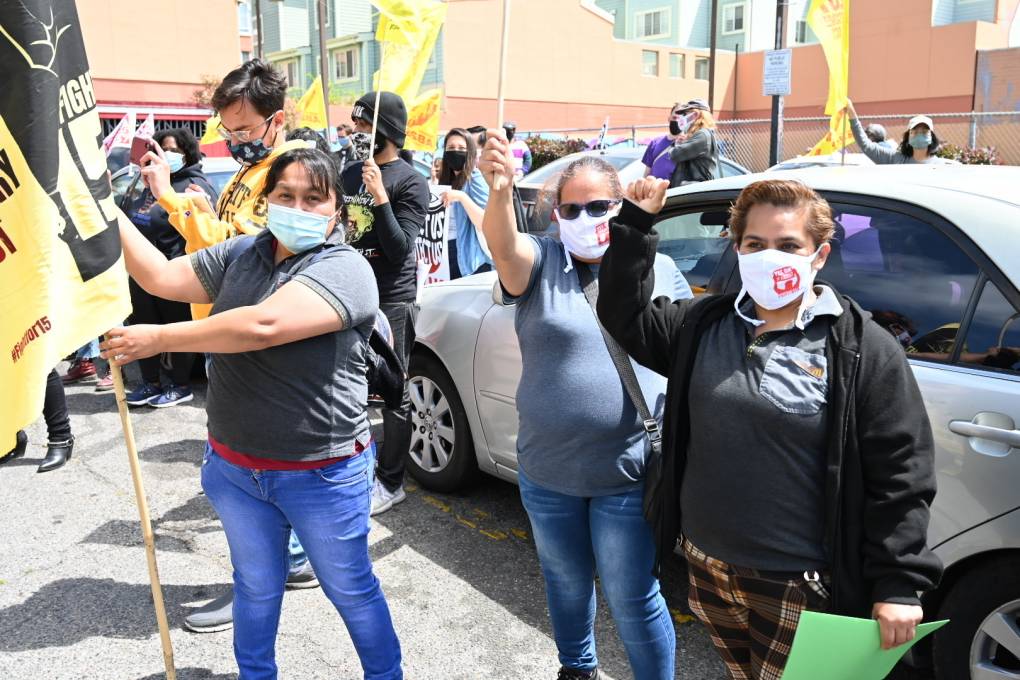
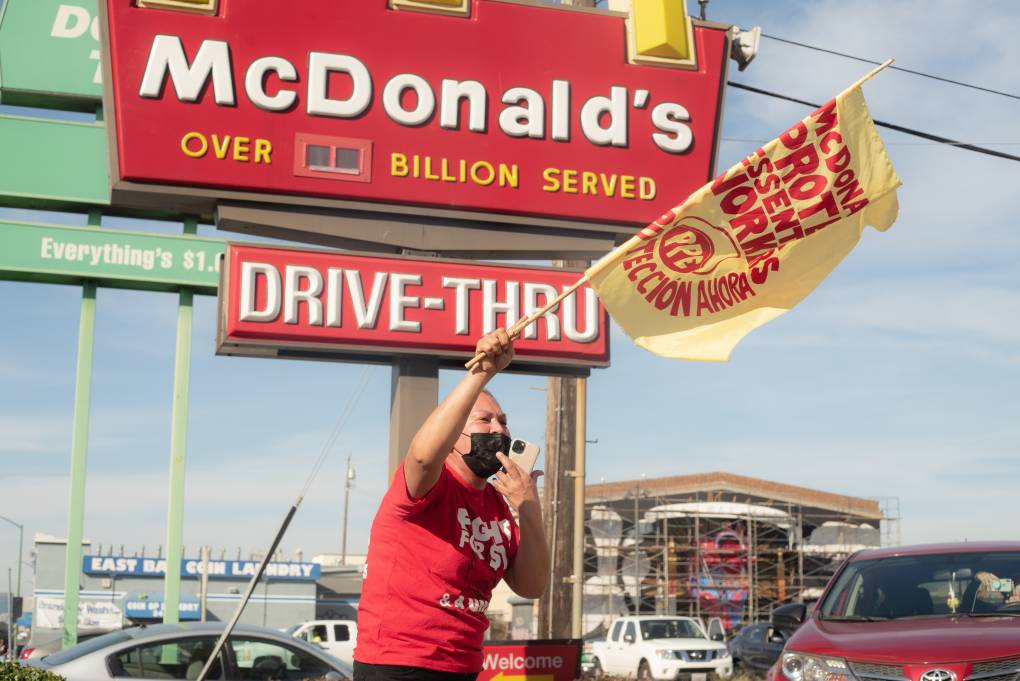
"caption": "Lorena Velazquez (r) joins a rally in Oakland on April 20, 2021 to push for the passage of a state bill that aims to improve conditions for fast food workers.",
"description": null,
"title": "ZII_1015",
"credit": "Courtesy of Fight for $15 campaign",
"status": "inherit",
"altTag": null,
"isLoading": false,
"fetchFailed": false
},
"news_11869710": {
"type": "attachments",
"id": "news_11869710",
"meta": {
"index": "attachments_1716263798",
"site": "news",
"id": "11869710",
"found": true
},
"parent": 11869694,
"imgSizes": {
"twentyfourteen-full-width": {
"file": "https://ww2.kqed.org/app/uploads/sites/10/2021/04/RS48565_GettyImages-1232164082-qut-1038x576.jpg",
"width": 1038,
"mimeType": "image/jpeg",
"height": 576
},
"thumbnail": {
"file": "https://ww2.kqed.org/app/uploads/sites/10/2021/04/RS48565_GettyImages-1232164082-qut-160x107.jpg",
"width": 160,
"mimeType": "image/jpeg",
"height": 107
},
"post-thumbnail": {
"file": "https://ww2.kqed.org/app/uploads/sites/10/2021/04/RS48565_GettyImages-1232164082-qut-672x372.jpg",
"width": 672,
"mimeType": "image/jpeg",
"height": 372
},
"kqedFullSize": {
"file": "https://ww2.kqed.org/app/uploads/sites/10/2021/04/RS48565_GettyImages-1232164082-qut.jpg",
"width": 1920,
"height": 1280
},
"large": {
"file": "https://ww2.kqed.org/app/uploads/sites/10/2021/04/RS48565_GettyImages-1232164082-qut-1020x680.jpg",
"width": 1020,
"mimeType": "image/jpeg",
"height": 680
},
"1536x1536": {
"file": "https://ww2.kqed.org/app/uploads/sites/10/2021/04/RS48565_GettyImages-1232164082-qut-1536x1024.jpg",
"width": 1536,
"mimeType": "image/jpeg",
"height": 1024
},
"medium": {
"file": "https://ww2.kqed.org/app/uploads/sites/10/2021/04/RS48565_GettyImages-1232164082-qut-800x533.jpg",
"width": 800,
"mimeType": "image/jpeg",
"height": 533
}
},
"publishDate": 1618528838,
"modified": 1618531413,
"caption": "Laid-off employees and workers with Unite Here 11 protest outside the closed Four Points by Sheraton LAX hotel as they call for an investigation by the U.S. Small Business Administration into the use of Paycheck Protection Program loan funds on April 7, 2021 in Los Angeles. A bill lawmakers passed on Thursday would require some laid-off hospitality workers to be offered their jobs back.",
"description": "Laid-off employees and workers with Unite Here 11 protest outside the closed Four Points by Sheraton LAX hotel as they call for an investigation by the US Small Business Administration into the use of Paycheck Protection Program loan funds on April 7, 2021 in Los Angeles. A bill lawmakers passed on Thursday would require some laid-off hospitality workers to be offered their jobs back.",
"title": "US-WORKERS-HOTEL-LOAN",
"credit": "Patrick T. Fallon/AFP via Getty Images",
"status": "inherit",
"altTag": null,
"isLoading": false,
"fetchFailed": false
},
"news_11869198": {
"type": "attachments",
"id": "news_11869198",
"meta": {
"index": "attachments_1716263798",
"site": "news",
"id": "11869198",
"found": true
},
"parent": 11869185,
"imgSizes": {
"twentyfourteen-full-width": {
"file": "https://ww2.kqed.org/app/uploads/sites/10/2021/04/NYTbldg-1038x576.jpg",
"width": 1038,
"mimeType": "image/jpeg",
"height": 576
},
"thumbnail": {
"file": "https://ww2.kqed.org/app/uploads/sites/10/2021/04/NYTbldg-160x102.jpg",
"width": 160,
"mimeType": "image/jpeg",
"height": 102
},
"post-thumbnail": {
"file": "https://ww2.kqed.org/app/uploads/sites/10/2021/04/NYTbldg-672x372.jpg",
"width": 672,
"mimeType": "image/jpeg",
"height": 372
},
"kqedFullSize": {
"file": "https://ww2.kqed.org/app/uploads/sites/10/2021/04/NYTbldg.jpg",
"width": 1920,
"height": 1225
},
"large": {
"file": "https://ww2.kqed.org/app/uploads/sites/10/2021/04/NYTbldg-1020x651.jpg",
"width": 1020,
"mimeType": "image/jpeg",
"height": 651
},
"1536x1536": {
"file": "https://ww2.kqed.org/app/uploads/sites/10/2021/04/NYTbldg-1536x980.jpg",
"width": 1536,
"mimeType": "image/jpeg",
"height": 980
},
"medium": {
"file": "https://ww2.kqed.org/app/uploads/sites/10/2021/04/NYTbldg-800x510.jpg",
"width": 800,
"mimeType": "image/jpeg",
"height": 510
}
},
"publishDate": 1618298726,
"modified": 1618338543,
"caption": "The New York Times building in New York City.",
"description": null,
"title": "NYTbldg",
"credit": "Johannes Eisele/AFP via Getty Images",
"status": "inherit",
"altTag": null,
"isLoading": false,
"fetchFailed": false
},
"news_11867414": {
"type": "attachments",
"id": "news_11867414",
"meta": {
"index": "attachments_1716263798",
"site": "news",
"id": "11867414",
"found": true
},
"parent": 11864811,
"imgSizes": {
"twentyfourteen-full-width": {
"file": "https://ww2.kqed.org/app/uploads/sites/10/2021/03/RS37211_GettyImages-461907958-1-qut-1038x576.jpg",
"width": 1038,
"mimeType": "image/jpeg",
"height": 576
},
"thumbnail": {
"file": "https://ww2.kqed.org/app/uploads/sites/10/2021/03/RS37211_GettyImages-461907958-1-qut-160x107.jpg",
"width": 160,
"mimeType": "image/jpeg",
"height": 107
},
"post-thumbnail": {
"file": "https://ww2.kqed.org/app/uploads/sites/10/2021/03/RS37211_GettyImages-461907958-1-qut-672x372.jpg",
"width": 672,
"mimeType": "image/jpeg",
"height": 372
},
"kqedFullSize": {
"file": "https://ww2.kqed.org/app/uploads/sites/10/2021/03/RS37211_GettyImages-461907958-1-qut.jpg",
"width": 1920,
"height": 1281
},
"large": {
"file": "https://ww2.kqed.org/app/uploads/sites/10/2021/03/RS37211_GettyImages-461907958-1-qut-1020x681.jpg",
"width": 1020,
"mimeType": "image/jpeg",
"height": 681
},
"1536x1536": {
"file": "https://ww2.kqed.org/app/uploads/sites/10/2021/03/RS37211_GettyImages-461907958-1-qut-1536x1025.jpg",
"width": 1536,
"mimeType": "image/jpeg",
"height": 1025
},
"medium": {
"file": "https://ww2.kqed.org/app/uploads/sites/10/2021/03/RS37211_GettyImages-461907958-1-qut-800x534.jpg",
"width": 800,
"mimeType": "image/jpeg",
"height": 534
}
},
"publishDate": 1617227402,
"modified": 1617227622,
"caption": "A construction worker carries lumber as he builds a new home in Petaluma in 2015. A new state Senate bill would close a loophole that has allowed thousands of contractors to avoid buying insurance to cover workers injured or killed on the job.",
"description": "A construction worker carries lumber as he builds a new home in Petaluma in 2015. A new state Senate bill would close a loophole that has allowed thousands of contractors to avoid buying insurance to cover workers injured or killed on the job.",
"title": "Increase In Housing Starts At End Of Year Signals Housing Market Recovery",
"credit": "Justin Sullivan/Getty Images",
"status": "inherit",
"altTag": "worker carrying lumber precariously on roof of building under construction",
"isLoading": false,
"fetchFailed": false
},
"news_11866736": {
"type": "attachments",
"id": "news_11866736",
"meta": {
"index": "attachments_1716263798",
"site": "news",
"id": "11866736",
"found": true
},
"parent": 11866730,
"imgSizes": {
"twentyfourteen-full-width": {
"file": "https://ww2.kqed.org/app/uploads/sites/10/2021/03/turning_032621_final-1038x576.png",
"width": 1038,
"mimeType": "image/png",
"height": 576
},
"thumbnail": {
"file": "https://ww2.kqed.org/app/uploads/sites/10/2021/03/turning_032621_final-160x107.png",
"width": 160,
"mimeType": "image/png",
"height": 107
},
"post-thumbnail": {
"file": "https://ww2.kqed.org/app/uploads/sites/10/2021/03/turning_032621_final-672x372.png",
"width": 672,
"mimeType": "image/png",
"height": 372
},
"kqedFullSize": {
"file": "https://ww2.kqed.org/app/uploads/sites/10/2021/03/turning_032621_final.png",
"width": 1920,
"height": 1283
},
"large": {
"file": "https://ww2.kqed.org/app/uploads/sites/10/2021/03/turning_032621_final-1020x682.png",
"width": 1020,
"mimeType": "image/png",
"height": 682
},
"1536x1536": {
"file": "https://ww2.kqed.org/app/uploads/sites/10/2021/03/turning_032621_final-1536x1026.png",
"width": 1536,
"mimeType": "image/png",
"height": 1026
},
"medium": {
"file": "https://ww2.kqed.org/app/uploads/sites/10/2021/03/turning_032621_final-800x535.png",
"width": 800,
"mimeType": "image/png",
"height": 535
}
},
"publishDate": 1616794024,
"modified": 1616794083,
"caption": null,
"description": null,
"title": "turning_032621_final",
"credit": null,
"status": "inherit",
"altTag": "A Mark Fiore cartoon about carbon emissions rising as pandemic conditions improve. Two scientists are looking up at a smoggy sky, with one saying, \"the silver lining is turning brown again.\"",
"isLoading": false,
"fetchFailed": false
},
"news_11866587": {
"type": "attachments",
"id": "news_11866587",
"meta": {
"index": "attachments_1716263798",
"site": "news",
"id": "11866587",
"found": true
},
"parent": 11866448,
"imgSizes": {
"twentyfourteen-full-width": {
"file": "https://ww2.kqed.org/app/uploads/sites/10/2021/03/RS48112_013_SanFrancisco_JanitorStrike_03252021-qut-1038x576.jpg",
"width": 1038,
"mimeType": "image/jpeg",
"height": 576
},
"thumbnail": {
"file": "https://ww2.kqed.org/app/uploads/sites/10/2021/03/RS48112_013_SanFrancisco_JanitorStrike_03252021-qut-160x107.jpg",
"width": 160,
"mimeType": "image/jpeg",
"height": 107
},
"post-thumbnail": {
"file": "https://ww2.kqed.org/app/uploads/sites/10/2021/03/RS48112_013_SanFrancisco_JanitorStrike_03252021-qut-672x372.jpg",
"width": 672,
"mimeType": "image/jpeg",
"height": 372
},
"kqedFullSize": {
"file": "https://ww2.kqed.org/app/uploads/sites/10/2021/03/RS48112_013_SanFrancisco_JanitorStrike_03252021-qut.jpg",
"width": 1920,
"height": 1280
},
"large": {
"file": "https://ww2.kqed.org/app/uploads/sites/10/2021/03/RS48112_013_SanFrancisco_JanitorStrike_03252021-qut-1020x680.jpg",
"width": 1020,
"mimeType": "image/jpeg",
"height": 680
},
"1536x1536": {
"file": "https://ww2.kqed.org/app/uploads/sites/10/2021/03/RS48112_013_SanFrancisco_JanitorStrike_03252021-qut-1536x1024.jpg",
"width": 1536,
"mimeType": "image/jpeg",
"height": 1024
},
"medium": {
"file": "https://ww2.kqed.org/app/uploads/sites/10/2021/03/RS48112_013_SanFrancisco_JanitorStrike_03252021-qut-800x533.jpg",
"width": 800,
"mimeType": "image/jpeg",
"height": 533
}
},
"publishDate": 1616716976,
"modified": 1616717040,
"caption": "A group of striking janitors walk through Downtown San Francisco on March 25, 2021, the second day of a three-day strike.",
"description": "A group of striking janitors walk through Downtown San Francisco on March 25, 2021, the second day of a three-day strike.",
"title": "RS48112_013_SanFrancisco_JanitorStrike_03252021-qut",
"credit": "Beth LaBerge/KQED",
"status": "inherit",
"altTag": null,
"isLoading": false,
"fetchFailed": false
},
"news_11866307": {
"type": "attachments",
"id": "news_11866307",
"meta": {
"index": "attachments_1716263798",
"site": "news",
"id": "11866307",
"found": true
},
"parent": 11866279,
"imgSizes": {
"twentyfourteen-full-width": {
"file": "https://ww2.kqed.org/app/uploads/sites/10/2021/03/AAAoffice-1038x576.jpg",
"width": 1038,
"mimeType": "image/jpeg",
"height": 576
},
"thumbnail": {
"file": "https://ww2.kqed.org/app/uploads/sites/10/2021/03/AAAoffice-160x104.jpg",
"width": 160,
"mimeType": "image/jpeg",
"height": 104
},
"post-thumbnail": {
"file": "https://ww2.kqed.org/app/uploads/sites/10/2021/03/AAAoffice-672x372.jpg",
"width": 672,
"mimeType": "image/jpeg",
"height": 372
},
"kqedFullSize": {
"file": "https://ww2.kqed.org/app/uploads/sites/10/2021/03/AAAoffice.jpg",
"width": 1920,
"height": 1253
},
"large": {
"file": "https://ww2.kqed.org/app/uploads/sites/10/2021/03/AAAoffice-1020x666.jpg",
"width": 1020,
"mimeType": "image/jpeg",
"height": 666
},
"1536x1536": {
"file": "https://ww2.kqed.org/app/uploads/sites/10/2021/03/AAAoffice-1536x1002.jpg",
"width": 1536,
"mimeType": "image/jpeg",
"height": 1002
},
"medium": {
"file": "https://ww2.kqed.org/app/uploads/sites/10/2021/03/AAAoffice-800x522.jpg",
"width": 800,
"mimeType": "image/jpeg",
"height": 522
}
},
"publishDate": 1616621830,
"modified": 1616621974,
"caption": "Hundreds of AAA insurance agents across Northern California are looking to unionize.",
"description": "Hundreds of AAA insurance agents across Northern California are looking to unionize.",
"title": "AAAoffice",
"credit": "Mike Mozart/\u003ca href=\"https://creativecommons.org/licenses/by/2.0/\">Flickr\u003c/a>",
"status": "inherit",
"altTag": "AAA office storefront",
"isLoading": false,
"fetchFailed": false
},
"news_11865987": {
"type": "attachments",
"id": "news_11865987",
"meta": {
"index": "attachments_1716263798",
"site": "news",
"id": "11865987",
"found": true
},
"parent": 11865975,
"imgSizes": {
"twentyfourteen-full-width": {
"file": "https://ww2.kqed.org/app/uploads/sites/10/2021/03/012321_NursingStudent_AB_01-1038x576.jpg",
"width": 1038,
"mimeType": "image/jpeg",
"height": 576
},
"thumbnail": {
"file": "https://ww2.kqed.org/app/uploads/sites/10/2021/03/012321_NursingStudent_AB_01-160x107.jpg",
"width": 160,
"mimeType": "image/jpeg",
"height": 107
},
"post-thumbnail": {
"file": "https://ww2.kqed.org/app/uploads/sites/10/2021/03/012321_NursingStudent_AB_01-672x372.jpg",
"width": 672,
"mimeType": "image/jpeg",
"height": 372
},
"kqedFullSize": {
"file": "https://ww2.kqed.org/app/uploads/sites/10/2021/03/012321_NursingStudent_AB_01.jpg",
"width": 1536,
"height": 1024
},
"large": {
"file": "https://ww2.kqed.org/app/uploads/sites/10/2021/03/012321_NursingStudent_AB_01-1020x680.jpg",
"width": 1020,
"mimeType": "image/jpeg",
"height": 680
},
"medium": {
"file": "https://ww2.kqed.org/app/uploads/sites/10/2021/03/012321_NursingStudent_AB_01-800x533.jpg",
"width": 800,
"mimeType": "image/jpeg",
"height": 533
}
},
"publishDate": 1616523397,
"modified": 1616523546,
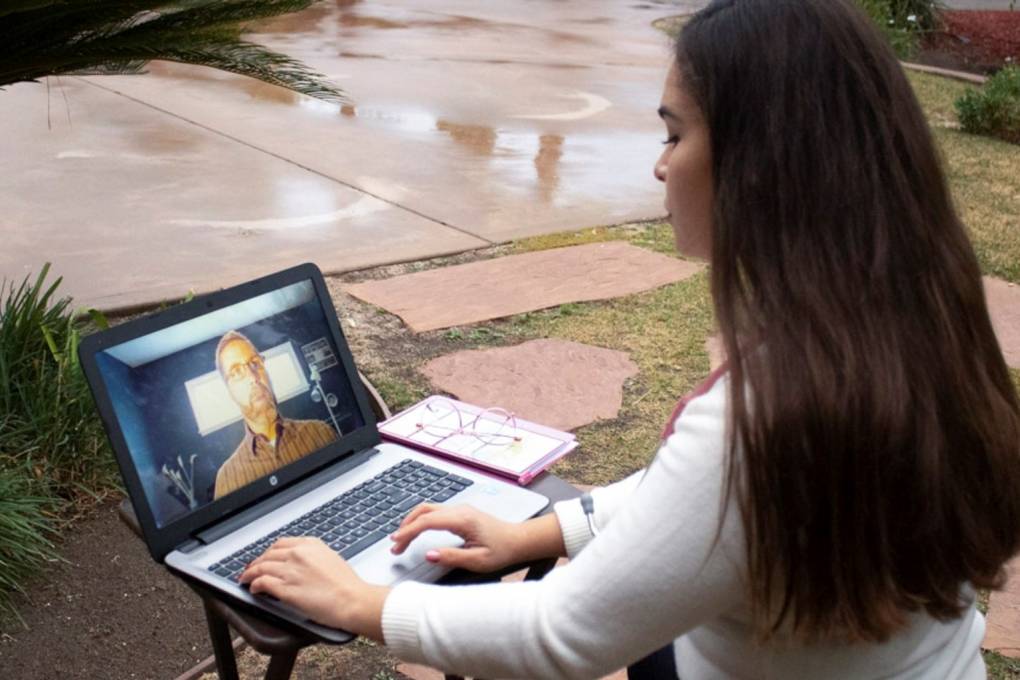
"caption": "Alexis Hawkins, a nursing student at Grossmont College in El Cajon, views an instructional video in the front yard of her home. Hawkins has been practicing her skills on family members while learning from home.",
"description": "A photo of Alexis Hawkins. Hawkins, a nursing student at Grossmont College in El Cajon, views an instructional video in the front yard of her home. Hawkins has been practicing her skills on family members while learning from home.",
"title": "012321_NursingStudent_AB_01",
"credit": "Arlene Banuelos for CalMatters",
"status": "inherit",
"altTag": null,
"isLoading": false,
"fetchFailed": false
},
"news_11863744": {
"type": "attachments",
"id": "news_11863744",
"meta": {
"index": "attachments_1716263798",
"site": "news",
"id": "11863744",
"found": true
},
"parent": 11863739,
"imgSizes": {
"apple_news_ca_landscape_5_5": {
"file": "https://ww2.kqed.org/app/uploads/sites/10/2021/03/022821_UFWvaccine_AI_03-1044x783.jpg",
"width": 1044,
"mimeType": "image/jpeg",
"height": 783
},
"apple_news_ca_square_4_0": {
"file": "https://ww2.kqed.org/app/uploads/sites/10/2021/03/022821_UFWvaccine_AI_03-470x470.jpg",
"width": 470,
"mimeType": "image/jpeg",
"height": 470
},
"twentyfourteen-full-width": {
"file": "https://ww2.kqed.org/app/uploads/sites/10/2021/03/022821_UFWvaccine_AI_03-1038x576.jpg",
"width": 1038,
"mimeType": "image/jpeg",
"height": 576
},
"thumbnail": {
"file": "https://ww2.kqed.org/app/uploads/sites/10/2021/03/022821_UFWvaccine_AI_03-160x120.jpg",
"width": 160,
"mimeType": "image/jpeg",
"height": 120
},
"post-thumbnail": {
"file": "https://ww2.kqed.org/app/uploads/sites/10/2021/03/022821_UFWvaccine_AI_03-672x372.jpg",
"width": 672,
"mimeType": "image/jpeg",
"height": 372
},
"kqedFullSize": {
"file": "https://ww2.kqed.org/app/uploads/sites/10/2021/03/022821_UFWvaccine_AI_03-e1615233334285.jpg",
"width": 1920,
"height": 1440
},
"apple_news_ca_landscape_4_7": {
"file": "https://ww2.kqed.org/app/uploads/sites/10/2021/03/022821_UFWvaccine_AI_03-632x474.jpg",
"width": 632,
"mimeType": "image/jpeg",
"height": 474
},
"large": {
"file": "https://ww2.kqed.org/app/uploads/sites/10/2021/03/022821_UFWvaccine_AI_03-1020x765.jpg",
"width": 1020,
"mimeType": "image/jpeg",
"height": 765
},
"apple_news_ca_landscape_4_0": {
"file": "https://ww2.kqed.org/app/uploads/sites/10/2021/03/022821_UFWvaccine_AI_03-536x402.jpg",
"width": 536,
"mimeType": "image/jpeg",
"height": 402
},
"apple_news_ca_portrait_12_9": {
"file": "https://ww2.kqed.org/app/uploads/sites/10/2021/03/022821_UFWvaccine_AI_03-1122x1496.jpg",
"width": 1122,
"mimeType": "image/jpeg",
"height": 1496
},
"medium": {
"file": "https://ww2.kqed.org/app/uploads/sites/10/2021/03/022821_UFWvaccine_AI_03-800x600.jpg",
"width": 800,
"mimeType": "image/jpeg",
"height": 600
},
"apple_news_ca_portrait_4_0": {
"file": "https://ww2.kqed.org/app/uploads/sites/10/2021/03/022821_UFWvaccine_AI_03-354x472.jpg",
"width": 354,
"mimeType": "image/jpeg",
"height": 472
},
"apple_news_ca_portrait_9_7": {
"file": "https://ww2.kqed.org/app/uploads/sites/10/2021/03/022821_UFWvaccine_AI_03-840x1120.jpg",
"width": 840,
"mimeType": "image/jpeg",
"height": 1120
},
"apple_news_ca_landscape_12_9": {
"file": "https://ww2.kqed.org/app/uploads/sites/10/2021/03/022821_UFWvaccine_AI_03-1832x1374.jpg",
"width": 1832,
"mimeType": "image/jpeg",
"height": 1374
},
"apple_news_ca_square_9_7": {
"file": "https://ww2.kqed.org/app/uploads/sites/10/2021/03/022821_UFWvaccine_AI_03-1104x1104.jpg",
"width": 1104,
"mimeType": "image/jpeg",
"height": 1104
},
"1536x1536": {
"file": "https://ww2.kqed.org/app/uploads/sites/10/2021/03/022821_UFWvaccine_AI_03-1536x1152.jpg",
"width": 1536,
"mimeType": "image/jpeg",
"height": 1152
},
"apple_news_ca_portrait_4_7": {
"file": "https://ww2.kqed.org/app/uploads/sites/10/2021/03/022821_UFWvaccine_AI_03-414x552.jpg",
"width": 414,
"mimeType": "image/jpeg",
"height": 552
},
"apple_news_ca_square_12_9": {
"file": "https://ww2.kqed.org/app/uploads/sites/10/2021/03/022821_UFWvaccine_AI_03-1472x1472.jpg",
"width": 1472,
"mimeType": "image/jpeg",
"height": 1472
},
"apple_news_ca_portrait_5_5": {
"file": "https://ww2.kqed.org/app/uploads/sites/10/2021/03/022821_UFWvaccine_AI_03-687x916.jpg",
"width": 687,
"mimeType": "image/jpeg",
"height": 916
},
"full-width": {
"file": "https://ww2.kqed.org/app/uploads/sites/10/2021/03/022821_UFWvaccine_AI_03-1920x1440.jpg",
"width": 1920,
"mimeType": "image/jpeg",
"height": 1440
},
"apple_news_ca_square_4_7": {
"file": "https://ww2.kqed.org/app/uploads/sites/10/2021/03/022821_UFWvaccine_AI_03-550x550.jpg",
"width": 550,
"mimeType": "image/jpeg",
"height": 550
},
"apple_news_ca_landscape_9_7": {
"file": "https://ww2.kqed.org/app/uploads/sites/10/2021/03/022821_UFWvaccine_AI_03-1376x1032.jpg",
"width": 1376,
"mimeType": "image/jpeg",
"height": 1032
},
"apple_news_ca_square_5_5": {
"file": "https://ww2.kqed.org/app/uploads/sites/10/2021/03/022821_UFWvaccine_AI_03-912x912.jpg",
"width": 912,
"mimeType": "image/jpeg",
"height": 912
}
},
"publishDate": 1615233259,
"modified": 1616791266,
"caption": "Mauricio Chavez of Hollister gets a COVID-19 vaccine at Monterey Mushrooms in Morgan Hill on Feb. 28, 2021.",
"description": "Mauricio Chavez of Hollister gets a COVID-19 vaccine at Monterey Mushrooms in Morgan Hill on Feb. 28, 2021. He works at a neighboring mushroom farm. Many California farmworkers still face obstacles getting the vaccine.",
"title": "022821_UFWvaccine_AI_03",
"credit": "Ana Ibarra/CalMatters",
"status": "inherit",
"altTag": "farmworker gets vaccine shot",
"isLoading": false,
"fetchFailed": false
},
"news_11863007": {
"type": "attachments",
"id": "news_11863007",
"meta": {
"index": "attachments_1716263798",
"site": "news",
"id": "11863007",
"found": true
},
"parent": 11862897,
"imgSizes": {
"apple_news_ca_landscape_5_5": {
"file": "https://ww2.kqed.org/app/uploads/sites/10/2021/03/RS47490_GettyImages-1255063326-qut-1044x783.jpg",
"width": 1044,
"mimeType": "image/jpeg",
"height": 783
},
"apple_news_ca_square_4_0": {
"file": "https://ww2.kqed.org/app/uploads/sites/10/2021/03/RS47490_GettyImages-1255063326-qut-470x470.jpg",
"width": 470,
"mimeType": "image/jpeg",
"height": 470
},
"twentyfourteen-full-width": {
"file": "https://ww2.kqed.org/app/uploads/sites/10/2021/03/RS47490_GettyImages-1255063326-qut-1038x576.jpg",
"width": 1038,
"mimeType": "image/jpeg",
"height": 576
},
"thumbnail": {
"file": "https://ww2.kqed.org/app/uploads/sites/10/2021/03/RS47490_GettyImages-1255063326-qut-160x107.jpg",
"width": 160,
"mimeType": "image/jpeg",
"height": 107
},
"post-thumbnail": {
"file": "https://ww2.kqed.org/app/uploads/sites/10/2021/03/RS47490_GettyImages-1255063326-qut-672x372.jpg",
"width": 672,
"mimeType": "image/jpeg",
"height": 372
},
"kqedFullSize": {
"file": "https://ww2.kqed.org/app/uploads/sites/10/2021/03/RS47490_GettyImages-1255063326-qut.jpg",
"width": 1920,
"height": 1282
},
"apple_news_ca_landscape_4_7": {
"file": "https://ww2.kqed.org/app/uploads/sites/10/2021/03/RS47490_GettyImages-1255063326-qut-632x474.jpg",
"width": 632,
"mimeType": "image/jpeg",
"height": 474
},
"large": {
"file": "https://ww2.kqed.org/app/uploads/sites/10/2021/03/RS47490_GettyImages-1255063326-qut-1020x681.jpg",
"width": 1020,
"mimeType": "image/jpeg",
"height": 681
},
"apple_news_ca_landscape_4_0": {
"file": "https://ww2.kqed.org/app/uploads/sites/10/2021/03/RS47490_GettyImages-1255063326-qut-536x402.jpg",
"width": 536,
"mimeType": "image/jpeg",
"height": 402
},
"apple_news_ca_portrait_12_9": {
"file": "https://ww2.kqed.org/app/uploads/sites/10/2021/03/RS47490_GettyImages-1255063326-qut-1122x1282.jpg",
"width": 1122,
"mimeType": "image/jpeg",
"height": 1282
},
"medium": {
"file": "https://ww2.kqed.org/app/uploads/sites/10/2021/03/RS47490_GettyImages-1255063326-qut-800x534.jpg",
"width": 800,
"mimeType": "image/jpeg",
"height": 534
},
"apple_news_ca_portrait_4_0": {
"file": "https://ww2.kqed.org/app/uploads/sites/10/2021/03/RS47490_GettyImages-1255063326-qut-354x472.jpg",
"width": 354,
"mimeType": "image/jpeg",
"height": 472
},
"apple_news_ca_portrait_9_7": {
"file": "https://ww2.kqed.org/app/uploads/sites/10/2021/03/RS47490_GettyImages-1255063326-qut-840x1120.jpg",
"width": 840,
"mimeType": "image/jpeg",
"height": 1120
},
"apple_news_ca_landscape_12_9": {
"file": "https://ww2.kqed.org/app/uploads/sites/10/2021/03/RS47490_GettyImages-1255063326-qut-1832x1282.jpg",
"width": 1832,
"mimeType": "image/jpeg",
"height": 1282
},
"apple_news_ca_square_9_7": {
"file": "https://ww2.kqed.org/app/uploads/sites/10/2021/03/RS47490_GettyImages-1255063326-qut-1104x1104.jpg",
"width": 1104,
"mimeType": "image/jpeg",
"height": 1104
},
"1536x1536": {
"file": "https://ww2.kqed.org/app/uploads/sites/10/2021/03/RS47490_GettyImages-1255063326-qut-1536x1026.jpg",
"width": 1536,
"mimeType": "image/jpeg",
"height": 1026
},
"apple_news_ca_portrait_4_7": {
"file": "https://ww2.kqed.org/app/uploads/sites/10/2021/03/RS47490_GettyImages-1255063326-qut-414x552.jpg",
"width": 414,
"mimeType": "image/jpeg",
"height": 552
},
"apple_news_ca_square_12_9": {
"file": "https://ww2.kqed.org/app/uploads/sites/10/2021/03/RS47490_GettyImages-1255063326-qut-1472x1282.jpg",
"width": 1472,
"mimeType": "image/jpeg",
"height": 1282
},
"apple_news_ca_portrait_5_5": {
"file": "https://ww2.kqed.org/app/uploads/sites/10/2021/03/RS47490_GettyImages-1255063326-qut-687x916.jpg",
"width": 687,
"mimeType": "image/jpeg",
"height": 916
},
"apple_news_ca_square_4_7": {
"file": "https://ww2.kqed.org/app/uploads/sites/10/2021/03/RS47490_GettyImages-1255063326-qut-550x550.jpg",
"width": 550,
"mimeType": "image/jpeg",
"height": 550
},
"apple_news_ca_landscape_9_7": {
"file": "https://ww2.kqed.org/app/uploads/sites/10/2021/03/RS47490_GettyImages-1255063326-qut-1376x1032.jpg",
"width": 1376,
"mimeType": "image/jpeg",
"height": 1032
},
"apple_news_ca_square_5_5": {
"file": "https://ww2.kqed.org/app/uploads/sites/10/2021/03/RS47490_GettyImages-1255063326-qut-912x912.jpg",
"width": 912,
"mimeType": "image/jpeg",
"height": 912
}
},
"publishDate": 1614803874,
"modified": 1614804024,
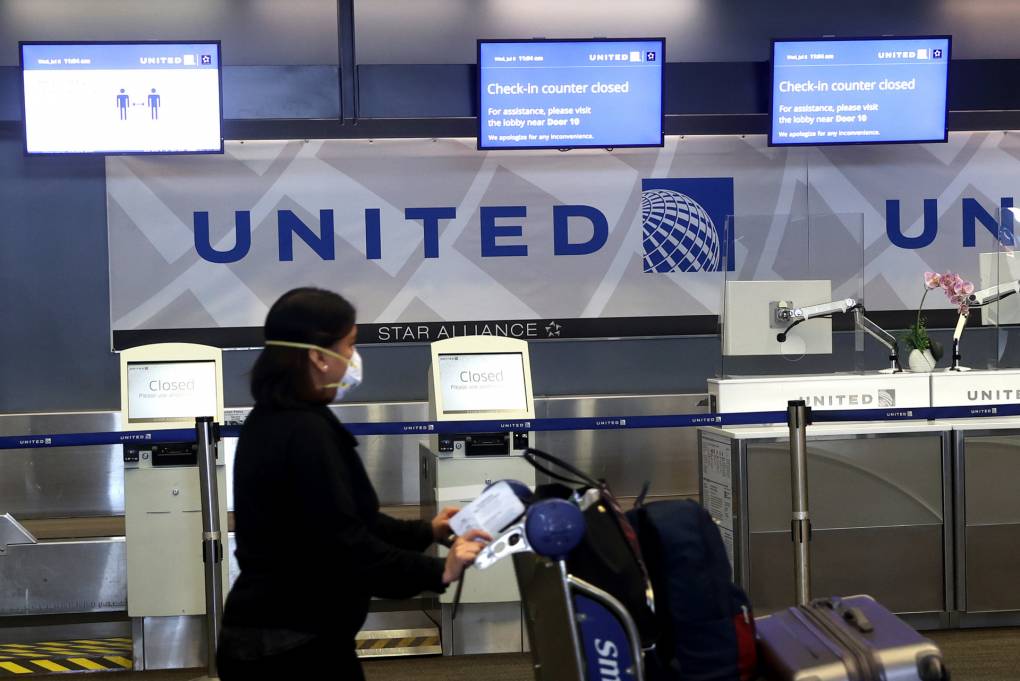
"caption": "A United Airlines passenger pushes a luggage cart past closed kiosks at San Francisco International Airport in 2020. United has notified more than 3,100 workers based at SFO of potential involuntary furloughs starting in April.",
"description": "A United Airlines passenger pushes a luggage cart past closed kiosks at San Francisco International Airport in 2020. United has notified more than 3,100 workers based at SFO of potential involuntary furloughs starting in April.",
"title": "United Airlines To Send Layoff Warnings To Half Of Its Employees",
"credit": "Justin Sullivan/Getty Images",
"status": "inherit",
"altTag": "passenger pushes luggage past closed United kiosks",
"isLoading": false,
"fetchFailed": false
},
"news_11856214": {
"type": "attachments",
"id": "news_11856214",
"meta": {
"index": "attachments_1716263798",
"site": "news",
"id": "11856214",
"found": true
},
"parent": 11855985,
"imgSizes": {
"apple_news_ca_landscape_5_5": {
"file": "https://ww2.kqed.org/app/uploads/sites/10/2021/01/GettyImages-3097757-1044x783.jpg",
"width": 1044,
"mimeType": "image/jpeg",
"height": 783
},
"apple_news_ca_square_4_0": {
"file": "https://ww2.kqed.org/app/uploads/sites/10/2021/01/GettyImages-3097757-470x470.jpg",
"width": 470,
"mimeType": "image/jpeg",
"height": 470
},
"twentyfourteen-full-width": {
"file": "https://ww2.kqed.org/app/uploads/sites/10/2021/01/GettyImages-3097757-1038x576.jpg",
"width": 1038,
"mimeType": "image/jpeg",
"height": 576
},
"thumbnail": {
"file": "https://ww2.kqed.org/app/uploads/sites/10/2021/01/GettyImages-3097757-160x107.jpg",
"width": 160,
"mimeType": "image/jpeg",
"height": 107
},
"post-thumbnail": {
"file": "https://ww2.kqed.org/app/uploads/sites/10/2021/01/GettyImages-3097757-672x372.jpg",
"width": 672,
"mimeType": "image/jpeg",
"height": 372
},
"kqedFullSize": {
"file": "https://ww2.kqed.org/app/uploads/sites/10/2021/01/GettyImages-3097757-scaled.jpg",
"width": 2560,
"height": 1712
},
"2048x2048": {
"file": "https://ww2.kqed.org/app/uploads/sites/10/2021/01/GettyImages-3097757-2048x1369.jpg",
"width": 2048,
"mimeType": "image/jpeg",
"height": 1369
},
"apple_news_ca_landscape_4_7": {
"file": "https://ww2.kqed.org/app/uploads/sites/10/2021/01/GettyImages-3097757-632x474.jpg",
"width": 632,
"mimeType": "image/jpeg",
"height": 474
},
"large": {
"file": "https://ww2.kqed.org/app/uploads/sites/10/2021/01/GettyImages-3097757-1020x682.jpg",
"width": 1020,
"mimeType": "image/jpeg",
"height": 682
},
"apple_news_ca_landscape_4_0": {
"file": "https://ww2.kqed.org/app/uploads/sites/10/2021/01/GettyImages-3097757-536x402.jpg",
"width": 536,
"mimeType": "image/jpeg",
"height": 402
},
"apple_news_ca_portrait_12_9": {
"file": "https://ww2.kqed.org/app/uploads/sites/10/2021/01/GettyImages-3097757-1122x1496.jpg",
"width": 1122,
"mimeType": "image/jpeg",
"height": 1496
},
"medium": {
"file": "https://ww2.kqed.org/app/uploads/sites/10/2021/01/GettyImages-3097757-800x535.jpg",
"width": 800,
"mimeType": "image/jpeg",
"height": 535
},
"apple_news_ca_portrait_4_0": {
"file": "https://ww2.kqed.org/app/uploads/sites/10/2021/01/GettyImages-3097757-354x472.jpg",
"width": 354,
"mimeType": "image/jpeg",
"height": 472
},
"apple_news_ca_portrait_9_7": {
"file": "https://ww2.kqed.org/app/uploads/sites/10/2021/01/GettyImages-3097757-840x1120.jpg",
"width": 840,
"mimeType": "image/jpeg",
"height": 1120
},
"apple_news_ca_landscape_12_9": {
"file": "https://ww2.kqed.org/app/uploads/sites/10/2021/01/GettyImages-3097757-1832x1374.jpg",
"width": 1832,
"mimeType": "image/jpeg",
"height": 1374
},
"apple_news_ca_square_9_7": {
"file": "https://ww2.kqed.org/app/uploads/sites/10/2021/01/GettyImages-3097757-1104x1104.jpg",
"width": 1104,
"mimeType": "image/jpeg",
"height": 1104
},
"1536x1536": {
"file": "https://ww2.kqed.org/app/uploads/sites/10/2021/01/GettyImages-3097757-1536x1027.jpg",
"width": 1536,
"mimeType": "image/jpeg",
"height": 1027
},
"apple_news_ca_portrait_4_7": {
"file": "https://ww2.kqed.org/app/uploads/sites/10/2021/01/GettyImages-3097757-414x552.jpg",
"width": 414,
"mimeType": "image/jpeg",
"height": 552
},
"apple_news_ca_square_12_9": {
"file": "https://ww2.kqed.org/app/uploads/sites/10/2021/01/GettyImages-3097757-1472x1472.jpg",
"width": 1472,
"mimeType": "image/jpeg",
"height": 1472
},
"apple_news_ca_portrait_5_5": {
"file": "https://ww2.kqed.org/app/uploads/sites/10/2021/01/GettyImages-3097757-687x916.jpg",
"width": 687,
"mimeType": "image/jpeg",
"height": 916
},
"full-width": {
"file": "https://ww2.kqed.org/app/uploads/sites/10/2021/01/GettyImages-3097757-1920x1284.jpg",
"width": 1920,
"mimeType": "image/jpeg",
"height": 1284
},
"apple_news_ca_square_4_7": {
"file": "https://ww2.kqed.org/app/uploads/sites/10/2021/01/GettyImages-3097757-550x550.jpg",
"width": 550,
"mimeType": "image/jpeg",
"height": 550
},
"apple_news_ca_landscape_9_7": {
"file": "https://ww2.kqed.org/app/uploads/sites/10/2021/01/GettyImages-3097757-1376x1032.jpg",
"width": 1376,
"mimeType": "image/jpeg",
"height": 1032
},
"apple_news_ca_square_5_5": {
"file": "https://ww2.kqed.org/app/uploads/sites/10/2021/01/GettyImages-3097757-912x912.jpg",
"width": 912,
"mimeType": "image/jpeg",
"height": 912
}
},
"publishDate": 1611178519,
"modified": 1611178749,
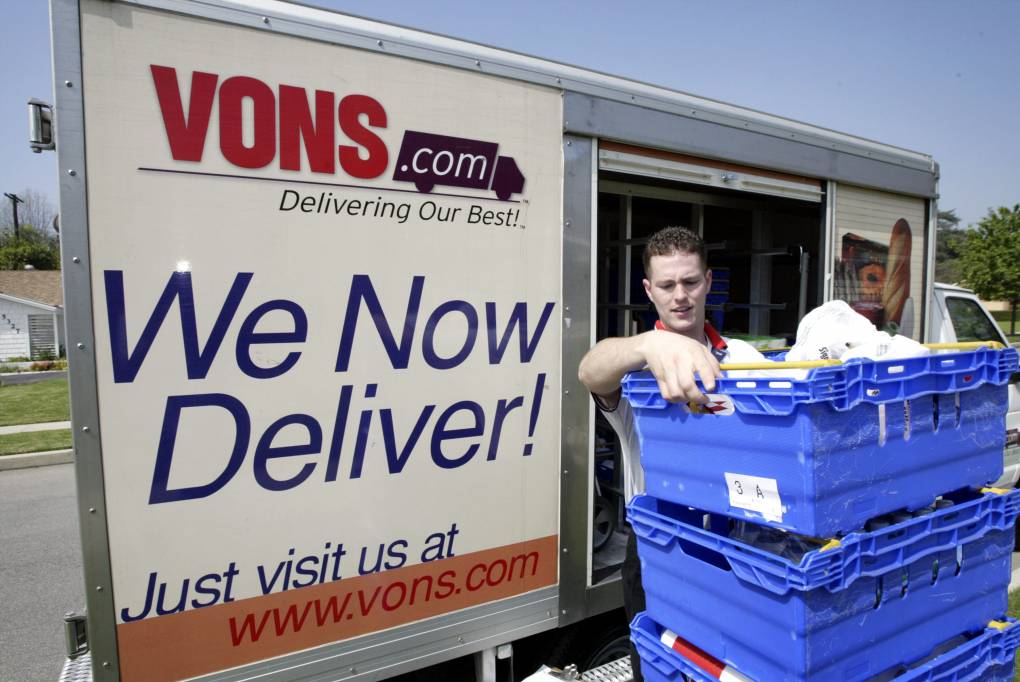
"caption": "Vons.com employee Adam Jones unloads groceries for a delivery in Los Angeles. Delivery staff at Vons and several other grocery chains owned by Albertsons will soon be replaced by DoorDash workers.",
"description": null,
"title": "Vons Resumes Deliveries Stopped During Supermarket Strike",
"credit": "David McNew/Getty Images",
"status": "inherit",
"altTag": null,
"isLoading": false,
"fetchFailed": false
},
"news_11855739": {
"type": "attachments",
"id": "news_11855739",
"meta": {
"index": "attachments_1716263798",
"site": "news",
"id": "11855739",
"found": true
},
"parent": 11855621,
"imgSizes": {
"apple_news_ca_landscape_5_5": {
"file": "https://ww2.kqed.org/app/uploads/sites/10/2021/01/KQED_Oakland_McDonaldsStrike_01152021-5-1044x783.jpg",
"width": 1044,
"mimeType": "image/jpeg",
"height": 783
},
"apple_news_ca_square_4_0": {
"file": "https://ww2.kqed.org/app/uploads/sites/10/2021/01/KQED_Oakland_McDonaldsStrike_01152021-5-470x470.jpg",
"width": 470,
"mimeType": "image/jpeg",
"height": 470
},
"twentyfourteen-full-width": {
"file": "https://ww2.kqed.org/app/uploads/sites/10/2021/01/KQED_Oakland_McDonaldsStrike_01152021-5-1038x576.jpg",
"width": 1038,
"mimeType": "image/jpeg",
"height": 576
},
"thumbnail": {
"file": "https://ww2.kqed.org/app/uploads/sites/10/2021/01/KQED_Oakland_McDonaldsStrike_01152021-5-160x107.jpg",
"width": 160,
"mimeType": "image/jpeg",
"height": 107
},
"post-thumbnail": {
"file": "https://ww2.kqed.org/app/uploads/sites/10/2021/01/KQED_Oakland_McDonaldsStrike_01152021-5-672x372.jpg",
"width": 672,
"mimeType": "image/jpeg",
"height": 372
},
"kqedFullSize": {
"file": "https://ww2.kqed.org/app/uploads/sites/10/2021/01/KQED_Oakland_McDonaldsStrike_01152021-5-scaled-e1610760015919.jpg",
"width": 1920,
"height": 1283
},
"2048x2048": {
"file": "https://ww2.kqed.org/app/uploads/sites/10/2021/01/KQED_Oakland_McDonaldsStrike_01152021-5-2048x1368.jpg",
"width": 2048,
"mimeType": "image/jpeg",
"height": 1368
},
"apple_news_ca_landscape_4_7": {
"file": "https://ww2.kqed.org/app/uploads/sites/10/2021/01/KQED_Oakland_McDonaldsStrike_01152021-5-632x474.jpg",
"width": 632,
"mimeType": "image/jpeg",
"height": 474
},
"large": {
"file": "https://ww2.kqed.org/app/uploads/sites/10/2021/01/KQED_Oakland_McDonaldsStrike_01152021-5-1020x681.jpg",
"width": 1020,
"mimeType": "image/jpeg",
"height": 681
},
"apple_news_ca_landscape_4_0": {
"file": "https://ww2.kqed.org/app/uploads/sites/10/2021/01/KQED_Oakland_McDonaldsStrike_01152021-5-536x402.jpg",
"width": 536,
"mimeType": "image/jpeg",
"height": 402
},
"apple_news_ca_portrait_12_9": {
"file": "https://ww2.kqed.org/app/uploads/sites/10/2021/01/KQED_Oakland_McDonaldsStrike_01152021-5-1122x1496.jpg",
"width": 1122,
"mimeType": "image/jpeg",
"height": 1496
},
"medium": {
"file": "https://ww2.kqed.org/app/uploads/sites/10/2021/01/KQED_Oakland_McDonaldsStrike_01152021-5-800x534.jpg",
"width": 800,
"mimeType": "image/jpeg",
"height": 534
},
"apple_news_ca_portrait_4_0": {
"file": "https://ww2.kqed.org/app/uploads/sites/10/2021/01/KQED_Oakland_McDonaldsStrike_01152021-5-354x472.jpg",
"width": 354,
"mimeType": "image/jpeg",
"height": 472
},
"apple_news_ca_portrait_9_7": {
"file": "https://ww2.kqed.org/app/uploads/sites/10/2021/01/KQED_Oakland_McDonaldsStrike_01152021-5-840x1120.jpg",
"width": 840,
"mimeType": "image/jpeg",
"height": 1120
},
"apple_news_ca_landscape_12_9": {
"file": "https://ww2.kqed.org/app/uploads/sites/10/2021/01/KQED_Oakland_McDonaldsStrike_01152021-5-1832x1374.jpg",
"width": 1832,
"mimeType": "image/jpeg",
"height": 1374
},
"apple_news_ca_square_9_7": {
"file": "https://ww2.kqed.org/app/uploads/sites/10/2021/01/KQED_Oakland_McDonaldsStrike_01152021-5-1104x1104.jpg",
"width": 1104,
"mimeType": "image/jpeg",
"height": 1104
},
"1536x1536": {
"file": "https://ww2.kqed.org/app/uploads/sites/10/2021/01/KQED_Oakland_McDonaldsStrike_01152021-5-1536x1026.jpg",
"width": 1536,
"mimeType": "image/jpeg",
"height": 1026
},
"apple_news_ca_portrait_4_7": {
"file": "https://ww2.kqed.org/app/uploads/sites/10/2021/01/KQED_Oakland_McDonaldsStrike_01152021-5-414x552.jpg",
"width": 414,
"mimeType": "image/jpeg",
"height": 552
},
"apple_news_ca_square_12_9": {
"file": "https://ww2.kqed.org/app/uploads/sites/10/2021/01/KQED_Oakland_McDonaldsStrike_01152021-5-1472x1472.jpg",
"width": 1472,
"mimeType": "image/jpeg",
"height": 1472
},
"apple_news_ca_portrait_5_5": {
"file": "https://ww2.kqed.org/app/uploads/sites/10/2021/01/KQED_Oakland_McDonaldsStrike_01152021-5-687x916.jpg",
"width": 687,
"mimeType": "image/jpeg",
"height": 916
},
"full-width": {
"file": "https://ww2.kqed.org/app/uploads/sites/10/2021/01/KQED_Oakland_McDonaldsStrike_01152021-5-1920x1282.jpg",
"width": 1920,
"mimeType": "image/jpeg",
"height": 1282
},
"apple_news_ca_square_4_7": {
"file": "https://ww2.kqed.org/app/uploads/sites/10/2021/01/KQED_Oakland_McDonaldsStrike_01152021-5-550x550.jpg",
"width": 550,
"mimeType": "image/jpeg",
"height": 550
},
"apple_news_ca_landscape_9_7": {
"file": "https://ww2.kqed.org/app/uploads/sites/10/2021/01/KQED_Oakland_McDonaldsStrike_01152021-5-1376x1032.jpg",
"width": 1376,
"mimeType": "image/jpeg",
"height": 1032
},
"apple_news_ca_square_5_5": {
"file": "https://ww2.kqed.org/app/uploads/sites/10/2021/01/KQED_Oakland_McDonaldsStrike_01152021-5-912x912.jpg",
"width": 912,
"mimeType": "image/jpeg",
"height": 912
}
},
"publishDate": 1610759868,
"modified": 1610764649,
"caption": "Maria Ruiz from San Jose, who has worked for McDonald's for 20 years, speaks at a car caravan strike outside a McDonald's restaurant in Oakland's Fruitvale District on Jan. 15, 2021.",
"description": null,
"title": "KQED_Oakland_McDonaldsStrike_01152021-5",
"credit": "Anna Vignet/KQED",
"status": "inherit",
"altTag": null,
"isLoading": false,
"fetchFailed": false
}
},
"audioPlayerReducer": {
"postId": "stream_live",
"isPaused": true,
"isPlaying": false,
"pfsActive": false,
"pledgeModalIsOpen": true,
"playerDrawerIsOpen": false,
"liveAudioPlayStartedAt": 0,
"liveAudioPlayContext": ""
},
"authorsReducer": {
"byline_news_11869694": {
"type": "authors",
"id": "byline_news_11869694",
"meta": {
"override": true
},
"slug": "byline_news_11869694",
"name": "Adam Beam\u003cbr />Associated Press",
"isLoading": false
},
"byline_news_11865975": {
"type": "authors",
"id": "byline_news_11865975",
"meta": {
"override": true
},
"slug": "byline_news_11865975",
"name": "\u003ca href=\"https://calmatters.org/author/shehreen-karim/\">Shehreen Karim\u003c/a>",
"isLoading": false
},
"byline_news_11863739": {
"type": "authors",
"id": "byline_news_11863739",
"meta": {
"override": true
},
"slug": "byline_news_11863739",
"name": "\u003ca href=\"https://calmatters.org/author/anaibarra/\">Ana B. Ibarra\u003c/a>",
"isLoading": false
},
"samharnett": {
"type": "authors",
"id": "253",
"meta": {
"index": "authors_1716337520",
"id": "253",
"found": true
},
"name": "Sam Harnett",
"firstName": "Sam",
"lastName": "Harnett",
"slug": "samharnett",
"email": "samharnett@gmail.com",
"display_author_email": false,
"staff_mastheads": [],
"title": "KQED Contributor",
"bio": "Sam Harnett covered tech and work at KQED. He is the co-creator of \u003cem>\u003ca href=\"http://www.theworldaccordingtosound.org\">The World According to Sound\u003c/a>,\u003c/em> a 90-second podcast that features different sounds and the stories behind them.\r\n\r\nBefore coming to KQED, Sam worked as an independent reporter who contributed regularly to \u003cem>The California Report, Marketplace,\u003c/em> \u003cem>The World \u003c/em>and NPR.",
"avatar": "https://secure.gravatar.com/avatar/2538b972ac02f2b9546c7a6c59a0f3d0?s=600&d=blank&r=g",
"twitter": "Samwharnett",
"facebook": null,
"instagram": null,
"linkedin": null,
"sites": [
{
"site": "news",
"roles": [
"edit_others_posts",
"subscriber"
]
},
{
"site": "stateofhealth",
"roles": [
"author"
]
},
{
"site": "science",
"roles": [
"editor"
]
},
{
"site": "quest",
"roles": [
"subscriber"
]
}
],
"headData": {
"title": "Sam Harnett | KQED",
"description": "KQED Contributor",
"ogImgSrc": "https://secure.gravatar.com/avatar/2538b972ac02f2b9546c7a6c59a0f3d0?s=600&d=blank&r=g",
"twImgSrc": "https://secure.gravatar.com/avatar/2538b972ac02f2b9546c7a6c59a0f3d0?s=600&d=blank&r=g"
},
"isLoading": false,
"link": "/author/samharnett"
},
"tgoldberg": {
"type": "authors",
"id": "258",
"meta": {
"index": "authors_1716337520",
"id": "258",
"found": true
},
"name": "Ted Goldberg",
"firstName": "Ted",
"lastName": "Goldberg",
"slug": "tgoldberg",
"email": "tgoldberg@kqed.org",
"display_author_email": true,
"staff_mastheads": [
"news"
],
"title": "KQED Managing Editor, News and Newscasts",
"bio": "Ted Goldberg is Managing Editor of News and Newscasts at KQED. His main reporting beat is the Bay Area's oil refining industry.\r\n\r\nPrior to joining KQED in 2014, Ted worked at CBS News and WCBS AM in New York and Bay City News and KCBS Radio in San Francisco. He graduated from Oberlin College in Ohio in 1998.",
"avatar": "https://secure.gravatar.com/avatar/30ce2e4fe89135e104f89be2394d16225b9d36c121b5b3cb7651ce642978b96f?s=600&d=blank&r=g",
"twitter": "TedrickG",
"bluesky": null,
"facebook": null,
"instagram": null,
"linkedin": null,
"sites": [
{
"site": "news",
"roles": [
"editor"
]
},
{
"site": "science",
"roles": [
"editor"
]
}
],
"headData": {
"title": "Ted Goldberg | KQED",
"description": "KQED Managing Editor, News and Newscasts",
"ogImgSrc": "https://secure.gravatar.com/avatar/30ce2e4fe89135e104f89be2394d16225b9d36c121b5b3cb7651ce642978b96f?s=600&d=blank&r=g",
"twImgSrc": "https://secure.gravatar.com/avatar/30ce2e4fe89135e104f89be2394d16225b9d36c121b5b3cb7651ce642978b96f?s=600&d=blank&r=g"
},
"isLoading": false,
"link": "/author/tgoldberg"
},
"matthewgreen": {
"type": "authors",
"id": "1263",
"meta": {
"index": "authors_1716337520",
"id": "1263",
"found": true
},
"name": "Matthew Green",
"firstName": "Matthew",
"lastName": "Green",
"slug": "matthewgreen",
"email": "mgreen@kqed.org",
"display_author_email": false,
"staff_mastheads": [],
"title": "KQED Editor/Reporter",
"bio": "Matthew Green is a digital media producer for KQED News. He previously produced \u003ca href=\"http://www.kqed.org/lowdown\">The Lowdown\u003c/a>, KQED’s multimedia news education blog. Matthew's written for numerous Bay Area publications, including the Oakland Tribune and San Francisco Chronicle. He also taught journalism classes at Fremont High School in East Oakland.\r\n\r\nEmail: mgreen@kqed.org; Twitter: @MGreenKQED",
"avatar": "https://secure.gravatar.com/avatar/3bf498d1267ca02c8494f33d8cfc575e?s=600&d=blank&r=g",
"twitter": "MGreenKQED",
"facebook": null,
"instagram": null,
"linkedin": null,
"sites": [
{
"site": "news",
"roles": []
},
{
"site": "lowdown",
"roles": []
},
{
"site": "science",
"roles": []
},
{
"site": "education",
"roles": []
},
{
"site": "quest",
"roles": []
},
{
"site": "liveblog",
"roles": []
}
],
"headData": {
"title": "Matthew Green | KQED",
"description": "KQED Editor/Reporter",
"ogImgSrc": "https://secure.gravatar.com/avatar/3bf498d1267ca02c8494f33d8cfc575e?s=600&d=blank&r=g",
"twImgSrc": "https://secure.gravatar.com/avatar/3bf498d1267ca02c8494f33d8cfc575e?s=600&d=blank&r=g"
},
"isLoading": false,
"link": "/author/matthewgreen"
},
"markfiore": {
"type": "authors",
"id": "3236",
"meta": {
"index": "authors_1716337520",
"id": "3236",
"found": true
},
"name": "Mark Fiore",
"firstName": "Mark",
"lastName": "Fiore",
"slug": "markfiore",
"email": "mark@markfiore.com",
"display_author_email": false,
"staff_mastheads": [
"news"
],
"title": "KQED News Cartoonist",
"bio": "\u003ca href=\"http://www.MarkFiore.com\">MarkFiore.com\u003c/a> | \u003ca href=\"https://twitter.com/markfiore\">Follow on Twitter\u003c/a> | \u003ca href=\"https://www.facebook.com/pages/Mark-Fiore-Animated-Political-Cartoons/94451707396?ref=bookmarks\">Facebook\u003c/a> | \u003ca href=\"mailto:mark@markfiore.com\">email\u003c/a>\r\n\r\nPulitzer Prize-winner, Mark Fiore, who the Wall Street Journal has called “the undisputed guru of the form,” creates animated political cartoons in San Francisco, where his work has been featured regularly on the San Francisco Chronicle’s web site, SFGate.com. His work has appeared on Newsweek.com, Slate.com, CBSNews.com, MotherJones.com, DailyKos.com and NPR’s web site. Fiore’s political animation has appeared on CNN, Frontline, Bill Moyers Journal, Salon.com and cable and broadcast outlets across the globe.\r\n\r\nBeginning his professional life by drawing traditional political cartoons for newspapers, Fiore’s work appeared in publications ranging from the Washington Post to the Los Angeles Times. In the late 1990s, he began to experiment with animating political cartoons and, after a short stint at the San Jose Mercury News as their staff cartoonist, Fiore devoted all his energies to animation.\r\nGrowing up in California, Fiore also spent a good portion of his life in the backwoods of Idaho. It was this combination that shaped him politically. Mark majored in political science at Colorado College, where, in a perfect send-off for a cartoonist, he received his diploma in 1991 as commencement speaker Dick Cheney smiled approvingly.\r\nMark Fiore was awarded the Pulitzer Prize for political cartooning in 2010, a Robert F. Kennedy Journalism Award in 2004 and has twice received an Online Journalism Award for commentary from the Online News Association (2002, 2008). Fiore has received two awards for his work in new media from the National Cartoonists Society (2001, 2002), and in 2006 received The James Madison Freedom of Information Award from The Society of Professional Journalists.",
"avatar": "https://secure.gravatar.com/avatar/fc4e2a612b15b67bad0c6f0e1db4ca9b?s=600&d=blank&r=g",
"twitter": "MarkFiore",
"facebook": null,
"instagram": "https://www.instagram.com/markfiore/?hl=en",
"linkedin": null,
"sites": [
{
"site": "arts",
"roles": [
"contributor"
]
},
{
"site": "news",
"roles": [
"editor"
]
},
{
"site": "futureofyou",
"roles": [
"editor"
]
},
{
"site": "science",
"roles": [
"editor"
]
}
],
"headData": {
"title": "Mark Fiore | KQED",
"description": "KQED News Cartoonist",
"ogImgSrc": "https://secure.gravatar.com/avatar/fc4e2a612b15b67bad0c6f0e1db4ca9b?s=600&d=blank&r=g",
"twImgSrc": "https://secure.gravatar.com/avatar/fc4e2a612b15b67bad0c6f0e1db4ca9b?s=600&d=blank&r=g"
},
"isLoading": false,
"link": "/author/markfiore"
},
"fjhabvala": {
"type": "authors",
"id": "8659",
"meta": {
"index": "authors_1716337520",
"id": "8659",
"found": true
},
"name": "Farida Jhabvala Romero",
"firstName": "Farida",
"lastName": "Jhabvala Romero",
"slug": "fjhabvala",
"email": "fjhabvala@kqed.org",
"display_author_email": true,
"staff_mastheads": [
"news"
],
"title": "KQED Contributor",
"bio": "Farida Jhabvala Romero is a Labor Correspondent for KQED. She previously covered immigration. Farida was \u003ca href=\"https://www.ccnma.org/2022-most-influential-latina-journalists\">named\u003c/a> one of the 10 Most Influential Latina Journalists in California in 2022 by the California Chicano News Media Association. Her work has won awards from the Society of Professional Journalists (Northern California), as well as a national and regional Edward M. Murrow Award for the collaborative reporting projects “Dangerous Air” and “Graying California.” Before joining KQED, Farida worked as a producer at Radio Bilingüe, a national public radio network. Farida earned her master’s degree in journalism from Stanford University.",
"avatar": "https://secure.gravatar.com/avatar/f9f022d4e2609741874222a1e9d41f48fea74011aa7c615eef91d9a50c944ebe?s=600&d=blank&r=g",
"twitter": "FaridaJhabvala",
"bluesky": null,
"facebook": null,
"instagram": null,
"linkedin": "https://www.linkedin.com/in/faridajhabvala/",
"sites": [
{
"site": "news",
"roles": [
"editor"
]
},
{
"site": "stateofhealth",
"roles": [
"author"
]
},
{
"site": "liveblog",
"roles": [
"author"
]
}
],
"headData": {
"title": "Farida Jhabvala Romero | KQED",
"description": "KQED Contributor",
"ogImgSrc": "https://secure.gravatar.com/avatar/f9f022d4e2609741874222a1e9d41f48fea74011aa7c615eef91d9a50c944ebe?s=600&d=blank&r=g",
"twImgSrc": "https://secure.gravatar.com/avatar/f9f022d4e2609741874222a1e9d41f48fea74011aa7c615eef91d9a50c944ebe?s=600&d=blank&r=g"
},
"isLoading": false,
"link": "/author/fjhabvala"
},
"avignet": {
"type": "authors",
"id": "11683",
"meta": {
"index": "authors_1716337520",
"id": "11683",
"found": true
},
"name": "Anna Vignet",
"firstName": "Anna",
"lastName": "Vignet",
"slug": "avignet",
"email": "avignet@kqed.org",
"display_author_email": false,
"staff_mastheads": [
"news"
],
"title": "KQED Contributor",
"bio": null,
"avatar": "https://secure.gravatar.com/avatar/75b1c67fd0f5915bc8c1514aca495240?s=600&d=blank&r=g",
"twitter": null,
"facebook": null,
"instagram": null,
"linkedin": null,
"sites": [
{
"site": "arts",
"roles": [
"author"
]
},
{
"site": "news",
"roles": [
"editor"
]
}
],
"headData": {
"title": "Anna Vignet | KQED",
"description": "KQED Contributor",
"ogImgSrc": "https://secure.gravatar.com/avatar/75b1c67fd0f5915bc8c1514aca495240?s=600&d=blank&r=g",
"twImgSrc": "https://secure.gravatar.com/avatar/75b1c67fd0f5915bc8c1514aca495240?s=600&d=blank&r=g"
},
"isLoading": false,
"link": "/author/avignet"
},
"ehung": {
"type": "authors",
"id": "11730",
"meta": {
"index": "authors_1716337520",
"id": "11730",
"found": true
},
"name": "Emily Hung",
"firstName": "Emily",
"lastName": "Hung",
"slug": "ehung",
"email": "ehung@kqed.org",
"display_author_email": false,
"staff_mastheads": [],
"title": "KQED Contributor",
"bio": null,
"avatar": "https://secure.gravatar.com/avatar/a7f01e26e3d60d4e8a1d5d22bca0618b?s=600&d=blank&r=g",
"twitter": "emilyhung_",
"facebook": null,
"instagram": null,
"linkedin": null,
"sites": [
{
"site": "news",
"roles": [
"author"
]
},
{
"site": "forum",
"roles": [
"editor"
]
},
{
"site": "perspectives",
"roles": [
"administrator"
]
}
],
"headData": {
"title": "Emily Hung | KQED",
"description": "KQED Contributor",
"ogImgSrc": "https://secure.gravatar.com/avatar/a7f01e26e3d60d4e8a1d5d22bca0618b?s=600&d=blank&r=g",
"twImgSrc": "https://secure.gravatar.com/avatar/a7f01e26e3d60d4e8a1d5d22bca0618b?s=600&d=blank&r=g"
},
"isLoading": false,
"link": "/author/ehung"
},
"mseyoum": {
"type": "authors",
"id": "11731",
"meta": {
"index": "authors_1716337520",
"id": "11731",
"found": true
},
"name": "Mela Seyoum",
"firstName": "Mela",
"lastName": "Seyoum",
"slug": "mseyoum",
"email": "mseyoum@kqed.org",
"display_author_email": false,
"staff_mastheads": [],
"title": "KQED Contributor",
"bio": null,
"avatar": "https://secure.gravatar.com/avatar/07a4e8d22c115c26ef34097fa4fa6f5d?s=600&d=blank&r=g",
"twitter": null,
"facebook": null,
"instagram": null,
"linkedin": null,
"sites": [
{
"site": "news",
"roles": [
"author"
]
}
],
"headData": {
"title": "Mela Seyoum | KQED",
"description": "KQED Contributor",
"ogImgSrc": "https://secure.gravatar.com/avatar/07a4e8d22c115c26ef34097fa4fa6f5d?s=600&d=blank&r=g",
"twImgSrc": "https://secure.gravatar.com/avatar/07a4e8d22c115c26ef34097fa4fa6f5d?s=600&d=blank&r=g"
},
"isLoading": false,
"link": "/author/mseyoum"
}
},
"pagesReducer": {
"news_tag_labor": {
"type": "terms",
"id": "news_19904",
"meta": {
"index": "terms_1716263798",
"site": "news",
"id": "19904",
"score": 8.558133
},
"name": "Labor",
"slug": "labor",
"taxonomy": "tag",
"description": null,
"featImg": null,
"headData": {
"title": "Labor | KQED News",
"description": null,
"ogTitle": null,
"ogDescription": null,
"ogImgId": null,
"twTitle": null,
"twDescription": null,
"twImgId": null
},
"ttid": 19921,
"isLoading": false,
"title": "Labor",
"pageMeta": {
"site": "news",
"WpPageTemplate": "page-topic-editorial",
"currentPage": 48
},
"blocks": [
{
"blockName": "kqed/post-list",
"attrs": {
"layout": "cardArticle2",
"query": "posts/news?tag=labor",
"seeMore": false,
"paginated": true,
"page": 48
}
},
{
"blockName": "kqed/ad"
}
]
}
},
"pfsSessionReducer": {},
"postsReducer": {
"stream_live": {
"type": "live",
"id": "stream_live",
"audioUrl": "https://streams.kqed.org/kqedradio",
"title": "Live Stream",
"excerpt": "Live Stream information currently unavailable.",
"link": "/radio",
"featImg": "",
"label": {
"name": "KQED Live",
"link": "/"
}
},
"stream_kqedNewscast": {
"type": "posts",
"id": "stream_kqedNewscast",
"audioUrl": "https://www.kqed.org/.stream/anon/radio/RDnews/newscast.mp3?_=1",
"title": "KQED Newscast",
"featImg": "",
"label": {
"name": "88.5 FM",
"link": "/"
}
},
"news_11870797": {
"type": "posts",
"id": "news_11870797",
"meta": {
"index": "posts_1716263798",
"site": "news",
"id": "11870797",
"score": null,
"sort": [
1619133865000
]
},
"guestAuthors": [],
"slug": "low-wage-workers-lack-covid-protections-fear-retaliation-california-survey-shows",
"title": "Low-Wage Workers Lack COVID Protections, Fear Retaliation, California Survey Shows",
"publishDate": 1619133865,
"format": "standard",
"headTitle": "Low-Wage Workers Lack COVID Protections, Fear Retaliation, California Survey Shows | KQED",
"labelTerm": {},
"content": "\u003cp>Front-line workers in the Bay Area and other parts of California say their bosses often fail to inform them of their rights during the pandemic, and sometimes even retaliate when they ask for COVID-19 protections, according to a new survey of hundreds of workers in the restaurant, home health care, janitorial and other industries.\u003c/p>\n\u003cp>The \u003ca href=\"https://www.advancingjustice-alc.org/wp-content/uploads/2021/04/ALC-Workers-Rights-COVID-Report-202103-R7_digital.pdf\" target=\"_blank\" rel=\"noopener noreferrer\">report\u003c/a>, which was published Wednesday, polled more than 630 mostly low-wage workers as coronavirus cases spiked last fall. It found a troubling lack of workplace protections for reducing the spread of COVID-19, with many employees worried they were putting their lives at risk to earn a paycheck.\u003c/p>\n\u003cp>About two-thirds of the survey’s respondents were concentrated in the Bay Area, and included many immigrants and people of color. Many feared contracting the virus at work and infecting others at home, as well as not being able to support their families if they got sick.\u003c/p>\n\u003cp>In California, employers \u003ca href=\"https://www.dir.ca.gov/dosh/coronavirus/ETS.html#:~:text=California%20recently%20approved%20Cal%2FOSHA,OSHA's%20Aerosol%20Transmissible%20Diseases%20standard.\" target=\"_blank\" rel=\"noopener noreferrer\">must\u003c/a> provide health and safety information and training, and let workers know of coronavirus-related benefits available to them, such as paid sick leave.\u003c/p>\n\u003cp>But more than half of the surveyed workers said their employer did not inform them what to do if they had COVID-19 symptoms or exposure. And three in five surveyed said they weren’t informed about their right to use paid sick leave for COVID-19, according to the report titled “Few Options, Many Risks.” [pullquote size=\"medium\" align=\"right\" citation=\"Winnie Kao, attorney with the Asian Law Caucus\"]‘Workers really feel that they’re risking their livelihood to push back in any way, and that if you speak up either about your symptoms or about lack of protections, you’re potentially losing your job.’[/pullquote]\u003c/p>\n\u003cp>The results are troubling for efforts to contain the virus, since one in three respondents felt uncomfortable reporting coronavirus symptoms to their bosses, said Winnie Kao, an attorney with San Francisco’s Asian Law Caucus and one of the authors of the report.\u003c/p>\n\u003cp>“There might be protections out there on paper, but many folks don’t know about them,” said Kao, who leads her organization’s workers rights project. “Workers really feel that they’re risking their livelihood to push back in any way, and that if you speak up either about your symptoms or about lack of protections, you’re potentially losing your job.”\u003c/p>\n\u003cp>[ad fullwidth]\u003c/p>\n\u003cp>Kao said many workers are not speaking up about COVID-19 concerns out of fear of retaliation or doubt that their employer will address the problem. But even worse, dozens of workers who did ask for COVID-19 protections, such as masks or paid leave, reported retaliation from their employers, she said.\u003c/p>\n\u003cfigure id=\"attachment_11870819\" class=\"wp-caption alignleft\" style=\"max-width: 800px\">\u003cimg loading=\"lazy\" decoding=\"async\" class=\"size-medium wp-image-11870819\" src=\"https://ww2.kqed.org/app/uploads/sites/10/2021/04/View20recent20photos-800x919.jpeg\" alt=\"\" width=\"800\" height=\"919\" srcset=\"https://cdn.kqed.org/wp-content/uploads/sites/10/2021/04/View20recent20photos-800x919.jpeg 800w, https://cdn.kqed.org/wp-content/uploads/sites/10/2021/04/View20recent20photos-160x184.jpeg 160w, https://cdn.kqed.org/wp-content/uploads/sites/10/2021/04/View20recent20photos.jpeg 828w\" sizes=\"auto, (max-width: 800px) 100vw, 800px\">\u003cfigcaption class=\"wp-caption-text\">Lorena Velazquez, a mother of two sons, says her employer retaliated by cutting her hours after she took time off to get her COVID-19 vaccine and recover from side effects. \u003ccite>(Fight for $15 campaign)\u003c/cite>\u003c/figcaption>\u003c/figure>\n\u003cp>The survey was disseminated through nonprofit groups serving immigrants and low-wage workers, and about 40% of respondents identified as Asian, with another 40% Latinos. The vast majority of participants responded to the survey in Chinese or Spanish, suggesting they were immigrants, said Kao.\u003c/p>\n\u003cp>Lower-income communities of color have been disproportionately impacted by the virus. For example, since the beginning of the pandemic, 10,400 working-age Latinos in California have died from COVID-19, four times the number of white people in the same age group, according to California Department of Public Health figures. People who work outside the home face a higher risk of exposure to the virus, say public health experts.\u003c/p>\n\u003cp>But basic prevention measures were not available to many of the workers surveyed, with 33% of all respondents — including more than half of restaurant workers — saying they could not physically distance most of the time at work.\u003c/p>\n\u003cp>Employers in California are responsible for providing masks or reimbursing employees who buy their own, but 12% of respondents said they did not receive face coverings or protective equipment from their bosses.\u003c/p>\n\u003cp>Another troubling finding of the report: nearly one in five workers reported being paid less than the state’s minimum wage. The report authors say that’s often a signal of other violations in the workplace.\u003c/p>\n\u003cp>A spokeswoman for the California Department of Industrial Relations said the agency’s enforcement divisions have been working hard to educate employers about their responsibilities and to investigate workplace complaints.\u003c/p>\n\u003cp>Since the beginning of the pandemic, the California Division of Occupational Safety and Health (Cal/OSHA) has issued more than $4.6 million in citations for COVID-related health and safety violations, said Erika Monterroza, with the Department of Industrial Relations. She added that the Labor Commissioner’s Office is investigating more than 1,200 wage and retaliation complaints connected to the coronavirus.\u003c/p>\n\u003cp>Unsafe working conditions, wage theft and employer retaliation are long-standing problems for the lowest paid workers in the state. But the pandemic has brought a new urgency to addressing these abuses, and fixing them will require more funding, staffing and attention at the government agencies that enforce labor laws, said Alejandra Domenzain, a co-author of the report.\u003c/p>\n\u003cp>[pullquote size=\"large\" align=\"center\" citation=\"Alejandra Domenzain, program coordinator, Labor Occupational Health Program, UC Berkeley\"]‘As long as there is no vigorous enforcement of labor laws, employers will continue to violate workers’ rights.[/pullquote]\u003cbr>\n“As long as there is no vigorous enforcement of labor laws, employers will continue to violate workers’ rights,” said Domenzain, a program coordinator at the Labor Occupational Health Program at UC Berkeley. “If an employer knows that there will be absolutely no accountability, then there’s very little incentive for a lot of these low-wage employers to comply with the law.”\u003c/p>\n\u003cp>In California, workers \u003ca href=\"https://www.dir.ca.gov/covid/paid-sick-leave.html\" target=\"_blank\" rel=\"noopener noreferrer\">are entitled\u003c/a> to up to 80 hours of paid sick leave (depending on the size of their employer) if they have coronavirus symptoms, must care for a relative with COVID-19 or have vaccine-related side effects.\u003c/p>\n\u003cp>But when Lorena Velazquez took time off to get her vaccine on April 6 and then recover from an ensuing fever and arm pain, she said her employer at a McDonald’s in Oakland retaliated by cutting her hours in half.\u003c/p>\n\u003cp>“I used to work four days per week regularly, but then they only gave me two days,” said Velazquez, 45, in Spanish. “Now I’m worried about paying my bills and rent.” [aside tag=\"workers-rights, low-wage\" label=\"More Related Stories\"]\u003c/p>\n\u003cp>With the help of worker advocates, Velazquez filed a complaint about the alleged retaliation with the Labor Commissioner’s Office this week. Other workers at the same McDonald’s also filed complaints with Cal/OSHA, alleging their employer failed to notify them of potential exposure to co-workers confirmed with COVID-19, \u003ca href=\"https://www.dir.ca.gov/dosh/coronavirus/AB6852020FAQs.html\" target=\"_blank\" rel=\"noopener noreferrer\">as required\u003c/a>.\u003c/p>\n\u003cp>The restaurant’s manager was not available to respond to requests for comment.\u003c/p>\n\u003cp>On Tuesday, Velazquez, who has two young sons to support, rallied with other fast food workers outside the McDonald’s on E. 12th St. in Oakland in support of a state bill that aims to improve conditions for fast food workers.\u003c/p>\n\u003cp>\u003ca href=\"https://leginfo.legislature.ca.gov/faces/billTextClient.xhtml?bill_id=202120220AB257\" target=\"_blank\" rel=\"noopener noreferrer\">Assembly Bill 257\u003c/a>, by Democratic Assemblywoman Lorena Gonzalez of San Diego, would also make fast food franchisors liable for violations of employment, safety and other laws by their franchisees.\u003c/p>\n\u003ch3>Resources:\u003c/h3>\n\u003cul>\n\u003cli>Additional information on reporting a labor violation can be found \u003ca href=\"https://www.dir.ca.gov/DLSE/Know_Your_Rights.html\" target=\"_blank\" rel=\"noopener noreferrer\">here\u003c/a> (available in English, Spanish, Chinese, Korean, Russian, Tagalog and Vietnamese).\u003c/li>\n\u003cli>Report a labor law violation \u003ca href=\"https://www.dir.ca.gov/dlse/HowToReportViolationtoBOFE.htm\" target=\"_blank\" rel=\"noopener noreferrer\">here\u003c/a>.\u003c/li>\n\u003cli>How to file a retaliation/discrimination complaint can be found \u003ca href=\"https://www.dir.ca.gov/dlse/HowToFileRetaliationComplaint.htm\" target=\"_blank\" rel=\"noopener noreferrer\">here\u003c/a>.\u003c/li>\n\u003c/ul>\n\u003cp>[ad floatright]\u003c/p>\n",
"blocks": [],
"excerpt": "The report polled more than 630 mostly low-wage workers as coronavirus cases spiked last fall — finding a troubling lack of workplace protections for reducing the spread of COVID-19.",
"status": "publish",
"parent": 0,
"modified": 1740182316,
"stats": {
"hasAudio": false,
"hasVideo": false,
"hasChartOrMap": false,
"iframeSrcs": [],
"hasGoogleForm": false,
"hasGallery": false,
"hasHearkenModule": false,
"hasPolis": false,
"paragraphCount": 26,
"wordCount": 1293
},
"headData": {
"title": "Low-Wage Workers Lack COVID Protections, Fear Retaliation, California Survey Shows | KQED",
"description": "The report polled more than 630 mostly low-wage workers as coronavirus cases spiked last fall — finding a troubling lack of workplace protections for reducing the spread of COVID-19.",
"ogTitle": "",
"ogDescription": "",
"ogImgId": "",
"twTitle": "",
"twDescription": "",
"twImgId": "",
"schema": {
"@context": "https://schema.org",
"@type": "NewsArticle",
"headline": "Low-Wage Workers Lack COVID Protections, Fear Retaliation, California Survey Shows",
"datePublished": "2021-04-22T16:24:25-07:00",
"dateModified": "2025-02-21T15:58:36-08:00",
"image": "https://cdn.kqed.org/wp-content/uploads/2020/02/KQED-OG-Image@1x.png",
"isAccessibleForFree": "True",
"publisher": {
"@type": "NewsMediaOrganization",
"@id": "https://www.kqed.org/#organization",
"name": "KQED",
"logo": "https://cdn.kqed.org/wp-content/uploads/2020/02/KQED-OG-Image@1x.png",
"url": "https://www.kqed.org",
"sameAs": [
"https://www.facebook.com/KQED",
"https://twitter.com/KQED",
"https://www.instagram.com/kqed/",
"https://www.tiktok.com/@kqedofficial",
"https://www.linkedin.com/company/kqed",
"https://www.youtube.com/channel/UCeC0IOo7i1P_61zVUWbJ4nw"
]
}
}
},
"source": "Food",
"sourceUrl": "/food/",
"audioUrl": "https://traffic.omny.fm/d/clips/0af137ef-751e-4b19-a055-aaef00d2d578/ffca7e9f-6831-4[…]f-aaef00f5a073/43a73111-3cac-4772-80da-ad1201100f28/audio.mp3",
"sticky": false,
"path": "/news/11870797/low-wage-workers-lack-covid-protections-fear-retaliation-california-survey-shows",
"audioTrackLength": null,
"parsedContent": [
{
"type": "contentString",
"content": "\u003cdiv class=\"post-body\">\u003cp>\u003cp>Front-line workers in the Bay Area and other parts of California say their bosses often fail to inform them of their rights during the pandemic, and sometimes even retaliate when they ask for COVID-19 protections, according to a new survey of hundreds of workers in the restaurant, home health care, janitorial and other industries.\u003c/p>\n\u003cp>The \u003ca href=\"https://www.advancingjustice-alc.org/wp-content/uploads/2021/04/ALC-Workers-Rights-COVID-Report-202103-R7_digital.pdf\" target=\"_blank\" rel=\"noopener noreferrer\">report\u003c/a>, which was published Wednesday, polled more than 630 mostly low-wage workers as coronavirus cases spiked last fall. It found a troubling lack of workplace protections for reducing the spread of COVID-19, with many employees worried they were putting their lives at risk to earn a paycheck.\u003c/p>\n\u003cp>About two-thirds of the survey’s respondents were concentrated in the Bay Area, and included many immigrants and people of color. Many feared contracting the virus at work and infecting others at home, as well as not being able to support their families if they got sick.\u003c/p>\n\u003cp>In California, employers \u003ca href=\"https://www.dir.ca.gov/dosh/coronavirus/ETS.html#:~:text=California%20recently%20approved%20Cal%2FOSHA,OSHA's%20Aerosol%20Transmissible%20Diseases%20standard.\" target=\"_blank\" rel=\"noopener noreferrer\">must\u003c/a> provide health and safety information and training, and let workers know of coronavirus-related benefits available to them, such as paid sick leave.\u003c/p>\n\u003cp>But more than half of the surveyed workers said their employer did not inform them what to do if they had COVID-19 symptoms or exposure. And three in five surveyed said they weren’t informed about their right to use paid sick leave for COVID-19, according to the report titled “Few Options, Many Risks.” \u003c/p>\u003c/div>",
"attributes": {
"named": {},
"numeric": []
}
},
{
"type": "component",
"content": "‘Workers really feel that they’re risking their livelihood to push back in any way, and that if you speak up either about your symptoms or about lack of protections, you’re potentially losing your job.’",
"name": "pullquote",
"attributes": {
"named": {
"size": "medium",
"align": "right",
"citation": "Winnie Kao, attorney with the Asian Law Caucus",
"label": ""
},
"numeric": []
}
},
{
"type": "contentString",
"content": "\u003cdiv class=\"post-body\">\u003cp>\u003c/p>\n\u003cp>The results are troubling for efforts to contain the virus, since one in three respondents felt uncomfortable reporting coronavirus symptoms to their bosses, said Winnie Kao, an attorney with San Francisco’s Asian Law Caucus and one of the authors of the report.\u003c/p>\n\u003cp>“There might be protections out there on paper, but many folks don’t know about them,” said Kao, who leads her organization’s workers rights project. “Workers really feel that they’re risking their livelihood to push back in any way, and that if you speak up either about your symptoms or about lack of protections, you’re potentially losing your job.”\u003c/p>\n\u003cp>\u003c/p>\u003c/div>",
"attributes": {
"named": {},
"numeric": []
}
},
{
"type": "component",
"content": "",
"name": "ad",
"attributes": {
"named": {
"label": "fullwidth"
},
"numeric": [
"fullwidth"
]
}
},
{
"type": "contentString",
"content": "\u003cdiv class=\"post-body\">\u003cp>\u003c/p>\n\u003cp>Kao said many workers are not speaking up about COVID-19 concerns out of fear of retaliation or doubt that their employer will address the problem. But even worse, dozens of workers who did ask for COVID-19 protections, such as masks or paid leave, reported retaliation from their employers, she said.\u003c/p>\n\u003cfigure id=\"attachment_11870819\" class=\"wp-caption alignleft\" style=\"max-width: 800px\">\u003cimg loading=\"lazy\" decoding=\"async\" class=\"size-medium wp-image-11870819\" src=\"https://ww2.kqed.org/app/uploads/sites/10/2021/04/View20recent20photos-800x919.jpeg\" alt=\"\" width=\"800\" height=\"919\" srcset=\"https://cdn.kqed.org/wp-content/uploads/sites/10/2021/04/View20recent20photos-800x919.jpeg 800w, https://cdn.kqed.org/wp-content/uploads/sites/10/2021/04/View20recent20photos-160x184.jpeg 160w, https://cdn.kqed.org/wp-content/uploads/sites/10/2021/04/View20recent20photos.jpeg 828w\" sizes=\"auto, (max-width: 800px) 100vw, 800px\">\u003cfigcaption class=\"wp-caption-text\">Lorena Velazquez, a mother of two sons, says her employer retaliated by cutting her hours after she took time off to get her COVID-19 vaccine and recover from side effects. \u003ccite>(Fight for $15 campaign)\u003c/cite>\u003c/figcaption>\u003c/figure>\n\u003cp>The survey was disseminated through nonprofit groups serving immigrants and low-wage workers, and about 40% of respondents identified as Asian, with another 40% Latinos. The vast majority of participants responded to the survey in Chinese or Spanish, suggesting they were immigrants, said Kao.\u003c/p>\n\u003cp>Lower-income communities of color have been disproportionately impacted by the virus. For example, since the beginning of the pandemic, 10,400 working-age Latinos in California have died from COVID-19, four times the number of white people in the same age group, according to California Department of Public Health figures. People who work outside the home face a higher risk of exposure to the virus, say public health experts.\u003c/p>\n\u003cp>But basic prevention measures were not available to many of the workers surveyed, with 33% of all respondents — including more than half of restaurant workers — saying they could not physically distance most of the time at work.\u003c/p>\n\u003cp>Employers in California are responsible for providing masks or reimbursing employees who buy their own, but 12% of respondents said they did not receive face coverings or protective equipment from their bosses.\u003c/p>\n\u003cp>Another troubling finding of the report: nearly one in five workers reported being paid less than the state’s minimum wage. The report authors say that’s often a signal of other violations in the workplace.\u003c/p>\n\u003cp>A spokeswoman for the California Department of Industrial Relations said the agency’s enforcement divisions have been working hard to educate employers about their responsibilities and to investigate workplace complaints.\u003c/p>\n\u003cp>Since the beginning of the pandemic, the California Division of Occupational Safety and Health (Cal/OSHA) has issued more than $4.6 million in citations for COVID-related health and safety violations, said Erika Monterroza, with the Department of Industrial Relations. She added that the Labor Commissioner’s Office is investigating more than 1,200 wage and retaliation complaints connected to the coronavirus.\u003c/p>\n\u003cp>Unsafe working conditions, wage theft and employer retaliation are long-standing problems for the lowest paid workers in the state. But the pandemic has brought a new urgency to addressing these abuses, and fixing them will require more funding, staffing and attention at the government agencies that enforce labor laws, said Alejandra Domenzain, a co-author of the report.\u003c/p>\n\u003cp>\u003c/p>\u003c/div>",
"attributes": {
"named": {},
"numeric": []
}
},
{
"type": "component",
"content": "‘As long as there is no vigorous enforcement of labor laws, employers will continue to violate workers’ rights.",
"name": "pullquote",
"attributes": {
"named": {
"size": "large",
"align": "center",
"citation": "Alejandra Domenzain, program coordinator, Labor Occupational Health Program, UC Berkeley",
"label": ""
},
"numeric": []
}
},
{
"type": "contentString",
"content": "\u003cdiv class=\"post-body\">\u003cp>\u003cbr>\n“As long as there is no vigorous enforcement of labor laws, employers will continue to violate workers’ rights,” said Domenzain, a program coordinator at the Labor Occupational Health Program at UC Berkeley. “If an employer knows that there will be absolutely no accountability, then there’s very little incentive for a lot of these low-wage employers to comply with the law.”\u003c/p>\n\u003cp>In California, workers \u003ca href=\"https://www.dir.ca.gov/covid/paid-sick-leave.html\" target=\"_blank\" rel=\"noopener noreferrer\">are entitled\u003c/a> to up to 80 hours of paid sick leave (depending on the size of their employer) if they have coronavirus symptoms, must care for a relative with COVID-19 or have vaccine-related side effects.\u003c/p>\n\u003cp>But when Lorena Velazquez took time off to get her vaccine on April 6 and then recover from an ensuing fever and arm pain, she said her employer at a McDonald’s in Oakland retaliated by cutting her hours in half.\u003c/p>\n\u003cp>“I used to work four days per week regularly, but then they only gave me two days,” said Velazquez, 45, in Spanish. “Now I’m worried about paying my bills and rent.” \u003c/p>\u003c/div>",
"attributes": {
"named": {},
"numeric": []
}
},
{
"type": "component",
"content": "",
"name": "aside",
"attributes": {
"named": {
"tag": "workers-rights, low-wage",
"label": "More Related Stories "
},
"numeric": []
}
},
{
"type": "contentString",
"content": "\u003cdiv class=\"post-body\">\u003cp>\u003c/p>\n\u003cp>With the help of worker advocates, Velazquez filed a complaint about the alleged retaliation with the Labor Commissioner’s Office this week. Other workers at the same McDonald’s also filed complaints with Cal/OSHA, alleging their employer failed to notify them of potential exposure to co-workers confirmed with COVID-19, \u003ca href=\"https://www.dir.ca.gov/dosh/coronavirus/AB6852020FAQs.html\" target=\"_blank\" rel=\"noopener noreferrer\">as required\u003c/a>.\u003c/p>\n\u003cp>The restaurant’s manager was not available to respond to requests for comment.\u003c/p>\n\u003cp>On Tuesday, Velazquez, who has two young sons to support, rallied with other fast food workers outside the McDonald’s on E. 12th St. in Oakland in support of a state bill that aims to improve conditions for fast food workers.\u003c/p>\n\u003cp>\u003ca href=\"https://leginfo.legislature.ca.gov/faces/billTextClient.xhtml?bill_id=202120220AB257\" target=\"_blank\" rel=\"noopener noreferrer\">Assembly Bill 257\u003c/a>, by Democratic Assemblywoman Lorena Gonzalez of San Diego, would also make fast food franchisors liable for violations of employment, safety and other laws by their franchisees.\u003c/p>\n\u003ch3>Resources:\u003c/h3>\n\u003cul>\n\u003cli>Additional information on reporting a labor violation can be found \u003ca href=\"https://www.dir.ca.gov/DLSE/Know_Your_Rights.html\" target=\"_blank\" rel=\"noopener noreferrer\">here\u003c/a> (available in English, Spanish, Chinese, Korean, Russian, Tagalog and Vietnamese).\u003c/li>\n\u003cli>Report a labor law violation \u003ca href=\"https://www.dir.ca.gov/dlse/HowToReportViolationtoBOFE.htm\" target=\"_blank\" rel=\"noopener noreferrer\">here\u003c/a>.\u003c/li>\n\u003cli>How to file a retaliation/discrimination complaint can be found \u003ca href=\"https://www.dir.ca.gov/dlse/HowToFileRetaliationComplaint.htm\" target=\"_blank\" rel=\"noopener noreferrer\">here\u003c/a>.\u003c/li>\n\u003c/ul>\n\u003cp>\u003c/p>\u003c/div>",
"attributes": {
"named": {},
"numeric": []
}
},
{
"type": "component",
"content": "",
"name": "ad",
"attributes": {
"named": {
"label": "floatright"
},
"numeric": [
"floatright"
]
}
},
{
"type": "contentString",
"content": "\u003cdiv class=\"post-body\">\u003cp>\u003c/p>\n\u003c/div>\u003c/p>",
"attributes": {
"named": {},
"numeric": []
}
}
],
"link": "/news/11870797/low-wage-workers-lack-covid-protections-fear-retaliation-california-survey-shows",
"authors": [
"8659"
],
"categories": [
"news_1758",
"news_24114",
"news_34551",
"news_28250",
"news_8"
],
"tags": [
"news_27504",
"news_29044",
"news_19904",
"news_4569"
],
"featImg": "news_11870815",
"label": "source_news_11870797"
},
"news_11869694": {
"type": "posts",
"id": "news_11869694",
"meta": {
"index": "posts_1716263798",
"site": "news",
"id": "11869694",
"score": null,
"sort": [
1618529141000
]
},
"guestAuthors": [],
"slug": "some-laid-off-workers-must-be-offered-their-jobs-back-under-bill-sent-to-newsom",
"title": "Some Laid-Off Workers Must Be Offered Their Jobs Back Under Bill Sent to Newsom",
"publishDate": 1618529141,
"format": "standard",
"headTitle": "Some Laid-Off Workers Must Be Offered Their Jobs Back Under Bill Sent to Newsom | KQED",
"labelTerm": {
"site": "news"
},
"content": "\u003cp>As more businesses reopen across California as coronavirus cases decline, the Legislature on Thursday passed a bill requiring some hotels and other hospitality companies to offer laid-off workers their jobs back.\u003c/p>\n\u003cp>Hospitality companies were some of the hardest hit by the state’s stay-at-home order, with no people to stay in hotels while empty office buildings and deserted airports needed fewer janitors and food service workers.\u003c/p>\n\u003cp>Gov. Gavin Newsom has been relaxing coronavirus restrictions as more people are getting vaccinated and the number of new cases declines. If things continue to improve, Newsom said he will lift all restrictions on June 15.\u003c/p>\n\u003cp>With companies preparing to resume normal operations, Democrats who control the Legislature said they wanted to make sure laid-off hospitality workers are first in line to get their old jobs back. \u003ca href=\"https://leginfo.legislature.ca.gov/faces/billNavClient.xhtml?bill_id=202120220SB93\">Senate Bill 93\u003c/a> requires hotels, private clubs and janitorial service companies to let their former employees know when their jobs are available again and give them five days to decide on whether they want to come back.\u003c/p>\n\u003cp>The Legislature passed a similar bill last year. But Newsom vetoed it, saying it was too broad and put too much of a burden on struggling businesses.\u003c/p>\n\u003cp>Lawmakers made revisions this year to change Newsom’s mind.\u003c/p>\n\u003cp>[ad fullwidth]\u003c/p>\n\u003cp>For one thing, the new bill only applies to workers who had their job for at least six months before the pandemic started and were laid off specifically because of the pandemic. Also, laid-off workers cannot file lawsuits to enforce the law. Instead, the Division of Labor Standards has “exclusive jurisdiction” to enforce it. And the bill will automatically expire on Dec. 31, 2024, unless lawmakers agree to extend it.\u003c/p>\n\u003cp>Newsom has not said if he will sign this bill into law. But lawmakers used the budget process to pass the bill, meaning the governor’s office was part of the negotiations.\u003c/p>\n\u003cp>[aside label='More Labor Coverage' tag='labor']The bill applies to hotels with 50 or more rooms, and event centers – including stadiums, arenas, racetracks and convention centers – that have at least 50,000 square feet or 1,000 seats used for public performances or meetings.\u003c/p>\n\u003cp>Businesses that don’t comply could be hit with fines of $500 per employee per day. \u003c/p>\n\u003cp>Assemblyman Heath Flora, R-Ripon, said most companies don’t need to be forced to rehire their former workers, saying many will be eager to do so because those workers are already trained.\u003c/p>\n\u003cp>“But to put the burden, to the fines, the fees, the liability on the employer is unacceptable,” Flora said on Monday during a debate on the bill in the Assembly.\u003c/p>\n\u003cp>Democrats said the the bill protects workers. State Sen. Nancy Skinner, D-Berkeley, said women lost more jobs and left the workforce in greater numbers than men during the pandemic.\u003c/p>\n\u003cp>“So you could also look at this bill as a very important bill to get women back in the workplace,” she said.\u003c/p>\n\u003cp>\u003c/p>\n",
"blocks": [],
"excerpt": "The bill lawmakers passed on Thursday applies to hospitality employees who had their jobs at least six months before the pandemic started and who lost their jobs because of it.",
"status": "publish",
"parent": 0,
"modified": 1722643811,
"stats": {
"hasAudio": false,
"hasVideo": false,
"hasChartOrMap": false,
"iframeSrcs": [],
"hasGoogleForm": false,
"hasGallery": false,
"hasHearkenModule": false,
"hasPolis": false,
"paragraphCount": 16,
"wordCount": 505
},
"headData": {
"title": "Some Laid-Off Workers Must Be Offered Their Jobs Back Under Bill Sent to Newsom | KQED",
"description": "The bill lawmakers passed on Thursday applies to hospitality employees who had their jobs at least six months before the pandemic started and who lost their jobs because of it.",
"ogTitle": "",
"ogDescription": "",
"ogImgId": "",
"twTitle": "",
"twDescription": "",
"twImgId": "",
"schema": {
"@context": "https://schema.org",
"@type": "NewsArticle",
"headline": "Some Laid-Off Workers Must Be Offered Their Jobs Back Under Bill Sent to Newsom",
"datePublished": "2021-04-15T16:25:41-07:00",
"dateModified": "2024-08-02T17:10:11-07:00",
"image": "https://cdn.kqed.org/wp-content/uploads/2020/02/KQED-OG-Image@1x.png",
"isAccessibleForFree": "True",
"publisher": {
"@type": "NewsMediaOrganization",
"@id": "https://www.kqed.org/#organization",
"name": "KQED",
"logo": "https://cdn.kqed.org/wp-content/uploads/2020/02/KQED-OG-Image@1x.png",
"url": "https://www.kqed.org",
"sameAs": [
"https://www.facebook.com/KQED",
"https://twitter.com/KQED",
"https://www.instagram.com/kqed/",
"https://www.tiktok.com/@kqedofficial",
"https://www.linkedin.com/company/kqed",
"https://www.youtube.com/channel/UCeC0IOo7i1P_61zVUWbJ4nw"
]
}
}
},
"sticky": false,
"nprByline": "Adam Beam\u003cbr />Associated Press",
"path": "/news/11869694/some-laid-off-workers-must-be-offered-their-jobs-back-under-bill-sent-to-newsom",
"audioTrackLength": null,
"parsedContent": [
{
"type": "contentString",
"content": "\u003cdiv class=\"post-body\">\u003cp>\u003cp>As more businesses reopen across California as coronavirus cases decline, the Legislature on Thursday passed a bill requiring some hotels and other hospitality companies to offer laid-off workers their jobs back.\u003c/p>\n\u003cp>Hospitality companies were some of the hardest hit by the state’s stay-at-home order, with no people to stay in hotels while empty office buildings and deserted airports needed fewer janitors and food service workers.\u003c/p>\n\u003cp>Gov. Gavin Newsom has been relaxing coronavirus restrictions as more people are getting vaccinated and the number of new cases declines. If things continue to improve, Newsom said he will lift all restrictions on June 15.\u003c/p>\n\u003cp>With companies preparing to resume normal operations, Democrats who control the Legislature said they wanted to make sure laid-off hospitality workers are first in line to get their old jobs back. \u003ca href=\"https://leginfo.legislature.ca.gov/faces/billNavClient.xhtml?bill_id=202120220SB93\">Senate Bill 93\u003c/a> requires hotels, private clubs and janitorial service companies to let their former employees know when their jobs are available again and give them five days to decide on whether they want to come back.\u003c/p>\n\u003cp>The Legislature passed a similar bill last year. But Newsom vetoed it, saying it was too broad and put too much of a burden on struggling businesses.\u003c/p>\n\u003cp>Lawmakers made revisions this year to change Newsom’s mind.\u003c/p>\n\u003cp>\u003c/p>\u003c/div>",
"attributes": {
"named": {},
"numeric": []
}
},
{
"type": "component",
"content": "",
"name": "ad",
"attributes": {
"named": {
"label": "fullwidth"
},
"numeric": [
"fullwidth"
]
}
},
{
"type": "contentString",
"content": "\u003cdiv class=\"post-body\">\u003cp>\u003c/p>\n\u003cp>For one thing, the new bill only applies to workers who had their job for at least six months before the pandemic started and were laid off specifically because of the pandemic. Also, laid-off workers cannot file lawsuits to enforce the law. Instead, the Division of Labor Standards has “exclusive jurisdiction” to enforce it. And the bill will automatically expire on Dec. 31, 2024, unless lawmakers agree to extend it.\u003c/p>\n\u003cp>Newsom has not said if he will sign this bill into law. But lawmakers used the budget process to pass the bill, meaning the governor’s office was part of the negotiations.\u003c/p>\n\u003cp>\u003c/p>\u003c/div>",
"attributes": {
"named": {},
"numeric": []
}
},
{
"type": "component",
"content": "",
"name": "aside",
"attributes": {
"named": {
"label": "More Labor Coverage ",
"tag": "labor"
},
"numeric": []
}
},
{
"type": "contentString",
"content": "\u003cdiv class=\"post-body\">\u003cp>The bill applies to hotels with 50 or more rooms, and event centers – including stadiums, arenas, racetracks and convention centers – that have at least 50,000 square feet or 1,000 seats used for public performances or meetings.\u003c/p>\n\u003cp>Businesses that don’t comply could be hit with fines of $500 per employee per day. \u003c/p>\n\u003cp>Assemblyman Heath Flora, R-Ripon, said most companies don’t need to be forced to rehire their former workers, saying many will be eager to do so because those workers are already trained.\u003c/p>\n\u003cp>“But to put the burden, to the fines, the fees, the liability on the employer is unacceptable,” Flora said on Monday during a debate on the bill in the Assembly.\u003c/p>\n\u003cp>Democrats said the the bill protects workers. State Sen. Nancy Skinner, D-Berkeley, said women lost more jobs and left the workforce in greater numbers than men during the pandemic.\u003c/p>\n\u003cp>“So you could also look at this bill as a very important bill to get women back in the workplace,” she said.\u003c/p>\n\u003cp>\u003c/p>\n\u003c/div>\u003c/p>",
"attributes": {
"named": {},
"numeric": []
}
}
],
"link": "/news/11869694/some-laid-off-workers-must-be-offered-their-jobs-back-under-bill-sent-to-newsom",
"authors": [
"byline_news_11869694"
],
"categories": [
"news_1758",
"news_8"
],
"tags": [
"news_18538",
"news_27350",
"news_21749",
"news_16",
"news_18543",
"news_6114",
"news_19904",
"news_17968",
"news_4569"
],
"featImg": "news_11869710",
"label": "news"
},
"news_11869185": {
"type": "posts",
"id": "news_11869185",
"meta": {
"index": "posts_1716263798",
"site": "news",
"id": "11869185",
"score": null,
"sort": [
1618324630000
]
},
"guestAuthors": [],
"slug": "the-biggest-tech-unionization-effort-is-happening-at-the-new-york-times",
"title": "The Biggest Tech Unionization Effort Is Happening at the New York Times",
"publishDate": 1618324630,
"format": "standard",
"headTitle": "The Biggest Tech Unionization Effort Is Happening at the New York Times | KQED",
"labelTerm": {
"site": "news"
},
"content": "\u003cp>Thirty years ago, The New York Times did not have a website. Now, the company employs more than 700 tech workers, almost half its number of journalists. On Tuesday, those tech workers \u003ca href=\"https://www.nytimes.com/live/2021/04/13/business/stock-market-today#new-york-times-tech-workers-form-a-union\">announced they want to form a union\u003c/a>.\u003c/p>\n\u003cp>Almost half the Times is already unionized, including most of the journalists, along with more traditional newspaper technologists: the printers. Now, the tech workers want to join the journalists in their union, \u003ca href=\"https://www.nyguild.org/about-the-new-york-times\">The NewsGuild\u003c/a>.\u003c/p>\n\u003cp>The Times’ tech workers include everyone from software engineers and data scientists to designers and project managers. These are the people who develop the apps and website, make tools for journalists, analyze data about traffic, and just like the journalists, work around the clock when there is big news like an election.\u003c/p>\n\u003cp>This is the latest in a series of unionizing efforts by both white collar tech workers and blue collar workers impacted by the internet and digital technology. If the Times workers are successful in their union bid, it will become the largest of any contemporary white collar tech worker organizing effort to be recognized by the National Labor Relations Board.\u003c/p>\n\u003cp>[ad fullwidth]\u003c/p>\n\u003cp>At KQED, we have been covering tech worker union efforts, but this story hits closer to home. My older brother is a programmer at the Times and part of the organizing effort.\u003c/p>\n\u003cp>I would obviously be partial when it comes to any negotiations with management, so I’m not reporting on any of that. Katie Robertson at The New York Times \u003ca href=\"https://www.nytimes.com/live/2021/04/13/business/stock-market-today#new-york-times-tech-workers-form-a-union\">is covering how the union came together and how this union bid is being received\u003c/a>.\u003c/p>\n\u003cp>What is happening at the Times though is a major development in a bigger story I have been reporting on for years: the growing realization among tech workers that they don’t have as much say on the job as they’d wish, and how organizing could be a way to change that.\u003c/p>\n\u003cp>The New York Times is a large media company, but like many remaining big newsrooms it’s also a growing tech company. Some of the tech workers do jobs specific to media, like making sure the story layouts transfer to print or helping journalists create visualizations for data. But there are teams of developers and engineers doing the same kind of work that happens at Google or Facebook: building apps, managing traffic and analyzing user data.\u003c/p>\n\u003cp>I spoke with tech workers at The New York Times about why they wanted to form a union and how they see themselves in relation to other workers in the economy.\u003c/p>\n\u003ch3>Organizing to Make a Different Kind of Tech Company\u003c/h3>\n\u003cp>Senior software engineer Nozlee Samadzadeh helps build the internal site for Times journalists to compose and edit their stories. She got into tech after working as a writer and editor herself. Samadzadeh says it’s important for her to have a say in what she builds and how it is used.\u003c/p>\n\u003cp>Samadzadeh says, “Unionizing is the only way to introduce a democratic process in your workplace, to kind of get a seat at the table with people in charge.”\u003c/p>\n\u003cp>[aside label='More Labor Coverage' tag='labor']Like many of the tech workers at the Times, Samadzadeh says she’s at the company because of the mission. She doesn’t want to work at big tech companies or startups. “I just could not ever, I think, justify that for myself,” she says.\u003c/p>\n\u003cp>Samadzadeh says she couldn’t be somewhere focusing primarily on profit instead of social good. She hopes a union will help workers at the Times advocate for the company to resist that influence from Silicon Valley.\u003c/p>\n\u003cp>Shay Culpepper is an engineer who makes dashboards to track metrics on the Times’ homepage. She feels the same.\u003c/p>\n\u003cp>“I really like going to work every day and not having to sit and contemplate the ethics of the tech I am building,” Culpepper says. “There are definitely ethical considerations, but I am not having cognitive dissonance about the things we are building.”\u003c/p>\n\u003cp>Many of the workers have firsthand experience of doing exactly that in Silicon Valley. Dylan Nugent is a senior software engineer at the Times. He works on tools to take the stories input by journalists and display them across all the Times’ platforms. Before that, he worked at startups in the Bay Area.\u003c/p>\n\u003cp>“A lot of these companies were not very diverse, and did not have an emphasis on diversity and inclusivity,” Nugent says. “A lot of them had the mentality of like: ‘We pay you well so any form of mistreatment or unpaid overtime, well, you shouldn’t have to worry about it because you’re already compensated well.’ ”\u003c/p>\n\u003cp>Nugent says tech workers, and especially white men like him, should organize so they can use their relative privilege to help others in tech, as well as those in industries where workers have less power.\u003c/p>\n\u003cp>“If I have a more powerful voice, let me use it to amplify the concerns of the people who aren’t being listened to,” he says. “Let me use it to help build a democratic workplace.”\u003c/p>\n\u003cp>[pullquote size=\"medium\" align=\"right\" citation=\"Kathy Zhang, New York Times senior analytics manager\"]‘There is this myth of meritocracy that says, ‘If you can work really hard or if you gain these specialized skills, that will set you apart from everyone else and you’ll be able to reap these benefits that other people don’t have.”[/pullquote]Kathy Zhang is senior analytics manager on a team that measures traffic and other data for Times news products. She is excited to be part of a union that can push for diversity and equity in the workplace. She says tech workers need to realize they have something to gain from organizing just like any other worker.\u003c/p>\n\u003cp>“There is this myth of meritocracy that says, ‘If you can work really hard or if you gain these specialized skills, that will set you apart from everyone else and you’ll be able to reap these benefits that other people don’t have,’ ” Zhang says. “But I don’t think of myself as apart from other people. I don’t think that, just because I can write SQL and I can put some dashboards together, that means I should think of myself as exceptional. I don’t make any decisions in front of the board at shareholders meetings, right? I work for a paycheck.”\u003c/p>\n\u003cp>All of the tech workers I spoke with were drawn to the Times by the mission and journalism of the organization.\u003c/p>\n\u003cp>“Allowing citizens around the world to be well-informed and to understand things, I think that sense of purpose is so beautiful,” Culpepper says. On top of that, she says the paper was doing incredible things digitally. She says she was obsessed with the cooking and sudoku apps before she started working there.\u003c/p>\n\u003cp>My brother, Benjamin Harnett, used to read the paper cover to cover when he was a boy, and our mother had to politely ask for him to stop filling in the crossword before she got to it. He has been an engineer at the Times for nine years, disregarding the stream of recruitment emails from companies like Google and Facebook.\u003c/p>\n\u003cp>“The normal thing in the tech industry is to hop from company to company every two years,” he says. “You do a big project, get a promotion and then move on. You can’t build anything meaningful that way.”\u003c/p>\n\u003cp>Samadzadeh sees the union as a way for workers to be more involved and committed to the company. She says, “Everyone at the Times cares so much. The ability to get a chance to be part of making the Times better is just so exciting.”\u003c/p>\n\u003ch3>Tech Workers Are Workers\u003c/h3>\n\u003cp>The tech workers at the Times could get material advantages they currently don’t have by joining The NewsGuild: things like overtime, a pension and a say in their health care through union reps. None of that is typical in Silicon Valley.\u003c/p>\n\u003cp>Guild organizer Marybeth Seitz-Brown says there is an interesting parallel between the tech workers of today and the journalists at The New York Times who first organized back in the 1930s.\u003c/p>\n\u003cp>“Intellectual workers, like journalists, were often identifying as professionals instead of workers that have things in common with the people they work with,” Seitz-Brown says. “In some ways, we are seeing the next wave of that same process that journalists went through.”\u003c/p>\n\u003cp>While tech workers are relatively well paid compared to some other workers in the economy, they have similar concerns over pay and job protection as all workers. Over the decades they have faced the same kinds of attacks by management and owners that KQED detailed in \u003ca href=\"https://www.kqed.org/howwegothere\">a three-hour documentary on the erosion of worker power\u003c/a>.\u003c/p>\n\u003cp>There have been abrupt layoffs of tech workers during economic crises, with the pandemic being the latest example. Hundreds of workers at some companies were fired en masse, \u003ca href=\"https://www.bbc.com/news/technology-52091615\">sometimes over Zoom\u003c/a>.\u003c/p>\n\u003cp>In the 1990s, tech companies pioneered techniques to cut labor costs by outsourcing, contracting and temping workers, \u003ca href=\"https://www.lexisnexis.com/community/casebrief/p/casebrief-vizcaino-v-microsoft-corp\">all of which led to a class-action lawsuit against Microsoft\u003c/a>. Today \u003ca href=\"https://www.kqed.org/news/11741371/two-tiered-caste-system-the-world-of-white-collar-contracting-in-silicon-valley\">there is a distinct two-tiered system in Silicon Valley\u003c/a> of full-time workers with benefits, and part timers and contractors.\u003c/p>\n\u003cp>[aside postID=news_11741371 hero='https://ww2.kqed.org/app/uploads/sites/10/2019/04/04182019_Google-qut-1020x697.jpg']There is a lot of misinformation about the wealth of tech workers. Big payouts can come from stock options, but that’s rare. Most tech workers are not at startups or high up at big tech companies. A majority rely on their wages, which have been relatively \u003ca href=\"https://www.computerworld.com/article/2493845/if-tech-is-so-important--why-are-it-wages-flat-.html\">stagnant for decades\u003c/a> along with everyone else’s.\u003c/p>\n\u003ch3>An Upswing in Organizing Despite Opposition\u003c/h3>\n\u003cp>Big tech companies have made organizing harder for tech workers than it is at media organizations like The New York Times and The Wall Street Journal, where some tech workers are already unionized.\u003c/p>\n\u003cp>For one, the big tech companies are much larger than a media organization like the Times. On top of that, companies like Google and Facebook have divided their workers through contracting and outsourcing all over the globe.\u003c/p>\n\u003cp>Tech giants are also actively fighting unionization efforts at the top and bottom of their workforces. Just last week, Amazon \u003ca href=\"https://www.npr.org/2021/04/09/982139494/its-a-no-amazon-warehouse-workers-vote-against-unionizing-in-historic-election\">defeated efforts to unionize workers\u003c/a> at its warehouse in Bessemer, Alabama.\u003c/p>\n\u003cp>While Amazon stopped the union for blue collar workers, union efforts are growing among white collar tech workers. Over 800 workers at Alphabet, Google’s parent company, \u003ca href=\"https://www.kqed.org/news/11853806/its-not-easy-to-unionize-at-tech-companies-but-google-employees-are-doing-it\">are organizing\u003c/a>. It’s a small fraction of the company’s approximately 250,000 workers – but just a few years ago you would have been hard pressed to find any tech worker in Silicon Valley \u003ca href=\"https://www.kqed.org/news/11679302/in-a-direct-challenge-to-their-employers-tech-workers-begin-to-organize\">who was even talking about organizing\u003c/a>.\u003c/p>\n\u003cp>[pullquote size=\"medium\" align=\"right\" citation=\"Ruth Milkman, City University of New York\"]‘If you look historically at labor movements, they don’t grow incrementally, they grow in spurts. Everyone is wondering at the moment, are we at the early stage at such a spurt?’[/pullquote]The organizing movement in tech has spread from less privileged workers upward. First, service workers at companies like Apple and Facebook joined unions like the Teamsters and SEIU. Uber and Lyft drivers and other gig workers formed groups like \u003ca href=\"https://www.drivers-united.org/\">Rideshare Drivers United\u003c/a>, and \u003ca href=\"https://gigworkersrising.org/\">Gig Workers Rising\u003c/a>.\u003c/p>\n\u003cp>White collar tech worker organizing has been spurred by conflicts with management, but also over issues like a lack of diversity and equity, \u003ca href=\"https://www.kqed.org/news/11714714/time-is-up-employee-unrest-grows-at-silicon-valley-companies\">and more political concerns about what their companies are building and how the products are being used\u003c/a>.\u003c/p>\n\u003cp>Tech workers have formed organizations like the \u003ca href=\"https://techworkerscoalition.org/\">Tech Workers Coalition\u003c/a> and employees at companies like Google and Microsoft have spoken out publicly against contracts with the military and U.S. Immigration and Customs Enforcement.\u003c/p>\n\u003cp>Last year, a group of around 90 subcontracted workers at Google in Pittsburgh joined the United Steelworkers union. \u003ca href=\"https://www.kqed.org/news/11839817/how-a-scrappy-group-of-tech-workers-formed-one-of-the-only-unions-in-the-industry\">Smaller companies like Kickstarter\u003c/a> and \u003ca href=\"https://techcrunch.com/2021/03/02/following-unionization-glitch-signs-collective-bargaining-agreement/\">Glitch\u003c/a> started their own unions. Alongside this organizing, a string of online media organizations \u003ca href=\"https://culturalworkersorganize.org/digital-media-organizing-timeline/\">like Quartz, Vox and Slate have unionized\u003c/a>. The bid for a union at The New York Times is by far the biggest effort.\u003c/p>\n\u003cp>“If you look historically at labor movements, they don’t grow incrementally, they grow in spurts,” says Ruth Milkman, a sociologist who teaches labor studies at the City University of New York. “Everyone is wondering at the moment, are we at the early stage at such a spurt?”\u003c/p>\n\u003cp>Milkman says we’re seeing lots of more privileged, educated workers starting to organize, which bodes well for the labor movement.\u003c/p>\n\u003cp>“Skilled workers, in manufacturing and construction have often been in the vanguard of organizing, not so much out of a sense of, you know, that they can help their coworkers, but partly because they have the leverage,” Milkman says.\u003c/p>\n\u003cp>Today, the future of more and more companies rests on their tech workers. Milkman says the core grievance of workers at The New York Times is simple — and the same as the factory workers of the past — they want more say on the job.\u003c/p>\n\u003cp>[ad floatright]\u003c/p>\n",
"blocks": [],
"excerpt": "A bid by hundreds of New York Times tech workers to unionize would become the largest contemporary white collar tech worker organizing effort to be recognized by the National Labor Relations Board.",
"status": "publish",
"parent": 0,
"modified": 1740180806,
"stats": {
"hasAudio": false,
"hasVideo": false,
"hasChartOrMap": false,
"iframeSrcs": [],
"hasGoogleForm": false,
"hasGallery": false,
"hasHearkenModule": false,
"hasPolis": false,
"paragraphCount": 47,
"wordCount": 2249
},
"headData": {
"title": "The Biggest Tech Unionization Effort Is Happening at the New York Times | KQED",
"description": "A bid by hundreds of New York Times tech workers to unionize would become the largest contemporary white collar tech worker organizing effort to be recognized by the National Labor Relations Board.",
"ogTitle": "",
"ogDescription": "",
"ogImgId": "",
"twTitle": "",
"twDescription": "",
"twImgId": "",
"schema": {
"@context": "https://schema.org",
"@type": "NewsArticle",
"headline": "The Biggest Tech Unionization Effort Is Happening at the New York Times",
"datePublished": "2021-04-13T07:37:10-07:00",
"dateModified": "2025-02-21T15:33:26-08:00",
"image": "https://cdn.kqed.org/wp-content/uploads/2020/02/KQED-OG-Image@1x.png",
"isAccessibleForFree": "True",
"publisher": {
"@type": "NewsMediaOrganization",
"@id": "https://www.kqed.org/#organization",
"name": "KQED",
"logo": "https://cdn.kqed.org/wp-content/uploads/2020/02/KQED-OG-Image@1x.png",
"url": "https://www.kqed.org",
"sameAs": [
"https://www.facebook.com/KQED",
"https://twitter.com/KQED",
"https://www.instagram.com/kqed/",
"https://www.tiktok.com/@kqedofficial",
"https://www.linkedin.com/company/kqed",
"https://www.youtube.com/channel/UCeC0IOo7i1P_61zVUWbJ4nw"
]
}
}
},
"audioUrl": "https://traffic.omny.fm/d/clips/0af137ef-751e-4b19-a055-aaef00d2d578/ffca7e9f-6831-41c5-bcaf-aaef00f5a073/64854d1b-c4f3-4f6d-9e20-ad0901881113/audio.mp3",
"sticky": false,
"path": "/news/11869185/the-biggest-tech-unionization-effort-is-happening-at-the-new-york-times",
"audioTrackLength": null,
"parsedContent": [
{
"type": "contentString",
"content": "\u003cdiv class=\"post-body\">\u003cp>\u003cp>Thirty years ago, The New York Times did not have a website. Now, the company employs more than 700 tech workers, almost half its number of journalists. On Tuesday, those tech workers \u003ca href=\"https://www.nytimes.com/live/2021/04/13/business/stock-market-today#new-york-times-tech-workers-form-a-union\">announced they want to form a union\u003c/a>.\u003c/p>\n\u003cp>Almost half the Times is already unionized, including most of the journalists, along with more traditional newspaper technologists: the printers. Now, the tech workers want to join the journalists in their union, \u003ca href=\"https://www.nyguild.org/about-the-new-york-times\">The NewsGuild\u003c/a>.\u003c/p>\n\u003cp>The Times’ tech workers include everyone from software engineers and data scientists to designers and project managers. These are the people who develop the apps and website, make tools for journalists, analyze data about traffic, and just like the journalists, work around the clock when there is big news like an election.\u003c/p>\n\u003cp>This is the latest in a series of unionizing efforts by both white collar tech workers and blue collar workers impacted by the internet and digital technology. If the Times workers are successful in their union bid, it will become the largest of any contemporary white collar tech worker organizing effort to be recognized by the National Labor Relations Board.\u003c/p>\n\u003cp>\u003c/p>\u003c/div>",
"attributes": {
"named": {},
"numeric": []
}
},
{
"type": "component",
"content": "",
"name": "ad",
"attributes": {
"named": {
"label": "fullwidth"
},
"numeric": [
"fullwidth"
]
}
},
{
"type": "contentString",
"content": "\u003cdiv class=\"post-body\">\u003cp>\u003c/p>\n\u003cp>At KQED, we have been covering tech worker union efforts, but this story hits closer to home. My older brother is a programmer at the Times and part of the organizing effort.\u003c/p>\n\u003cp>I would obviously be partial when it comes to any negotiations with management, so I’m not reporting on any of that. Katie Robertson at The New York Times \u003ca href=\"https://www.nytimes.com/live/2021/04/13/business/stock-market-today#new-york-times-tech-workers-form-a-union\">is covering how the union came together and how this union bid is being received\u003c/a>.\u003c/p>\n\u003cp>What is happening at the Times though is a major development in a bigger story I have been reporting on for years: the growing realization among tech workers that they don’t have as much say on the job as they’d wish, and how organizing could be a way to change that.\u003c/p>\n\u003cp>The New York Times is a large media company, but like many remaining big newsrooms it’s also a growing tech company. Some of the tech workers do jobs specific to media, like making sure the story layouts transfer to print or helping journalists create visualizations for data. But there are teams of developers and engineers doing the same kind of work that happens at Google or Facebook: building apps, managing traffic and analyzing user data.\u003c/p>\n\u003cp>I spoke with tech workers at The New York Times about why they wanted to form a union and how they see themselves in relation to other workers in the economy.\u003c/p>\n\u003ch3>Organizing to Make a Different Kind of Tech Company\u003c/h3>\n\u003cp>Senior software engineer Nozlee Samadzadeh helps build the internal site for Times journalists to compose and edit their stories. She got into tech after working as a writer and editor herself. Samadzadeh says it’s important for her to have a say in what she builds and how it is used.\u003c/p>\n\u003cp>Samadzadeh says, “Unionizing is the only way to introduce a democratic process in your workplace, to kind of get a seat at the table with people in charge.”\u003c/p>\n\u003cp>\u003c/p>\u003c/div>",
"attributes": {
"named": {},
"numeric": []
}
},
{
"type": "component",
"content": "",
"name": "aside",
"attributes": {
"named": {
"label": "More Labor Coverage ",
"tag": "labor"
},
"numeric": []
}
},
{
"type": "contentString",
"content": "\u003cdiv class=\"post-body\">\u003cp>Like many of the tech workers at the Times, Samadzadeh says she’s at the company because of the mission. She doesn’t want to work at big tech companies or startups. “I just could not ever, I think, justify that for myself,” she says.\u003c/p>\n\u003cp>Samadzadeh says she couldn’t be somewhere focusing primarily on profit instead of social good. She hopes a union will help workers at the Times advocate for the company to resist that influence from Silicon Valley.\u003c/p>\n\u003cp>Shay Culpepper is an engineer who makes dashboards to track metrics on the Times’ homepage. She feels the same.\u003c/p>\n\u003cp>“I really like going to work every day and not having to sit and contemplate the ethics of the tech I am building,” Culpepper says. “There are definitely ethical considerations, but I am not having cognitive dissonance about the things we are building.”\u003c/p>\n\u003cp>Many of the workers have firsthand experience of doing exactly that in Silicon Valley. Dylan Nugent is a senior software engineer at the Times. He works on tools to take the stories input by journalists and display them across all the Times’ platforms. Before that, he worked at startups in the Bay Area.\u003c/p>\n\u003cp>“A lot of these companies were not very diverse, and did not have an emphasis on diversity and inclusivity,” Nugent says. “A lot of them had the mentality of like: ‘We pay you well so any form of mistreatment or unpaid overtime, well, you shouldn’t have to worry about it because you’re already compensated well.’ ”\u003c/p>\n\u003cp>Nugent says tech workers, and especially white men like him, should organize so they can use their relative privilege to help others in tech, as well as those in industries where workers have less power.\u003c/p>\n\u003cp>“If I have a more powerful voice, let me use it to amplify the concerns of the people who aren’t being listened to,” he says. “Let me use it to help build a democratic workplace.”\u003c/p>\n\u003cp>\u003c/p>\u003c/div>",
"attributes": {
"named": {},
"numeric": []
}
},
{
"type": "component",
"content": "‘There is this myth of meritocracy that says, ‘If you can work really hard or if you gain these specialized skills, that will set you apart from everyone else and you’ll be able to reap these benefits that other people don’t have.”",
"name": "pullquote",
"attributes": {
"named": {
"size": "medium",
"align": "right",
"citation": "Kathy Zhang, New York Times senior analytics manager",
"label": ""
},
"numeric": []
}
},
{
"type": "contentString",
"content": "\u003cdiv class=\"post-body\">\u003cp>Kathy Zhang is senior analytics manager on a team that measures traffic and other data for Times news products. She is excited to be part of a union that can push for diversity and equity in the workplace. She says tech workers need to realize they have something to gain from organizing just like any other worker.\u003c/p>\n\u003cp>“There is this myth of meritocracy that says, ‘If you can work really hard or if you gain these specialized skills, that will set you apart from everyone else and you’ll be able to reap these benefits that other people don’t have,’ ” Zhang says. “But I don’t think of myself as apart from other people. I don’t think that, just because I can write SQL and I can put some dashboards together, that means I should think of myself as exceptional. I don’t make any decisions in front of the board at shareholders meetings, right? I work for a paycheck.”\u003c/p>\n\u003cp>All of the tech workers I spoke with were drawn to the Times by the mission and journalism of the organization.\u003c/p>\n\u003cp>“Allowing citizens around the world to be well-informed and to understand things, I think that sense of purpose is so beautiful,” Culpepper says. On top of that, she says the paper was doing incredible things digitally. She says she was obsessed with the cooking and sudoku apps before she started working there.\u003c/p>\n\u003cp>My brother, Benjamin Harnett, used to read the paper cover to cover when he was a boy, and our mother had to politely ask for him to stop filling in the crossword before she got to it. He has been an engineer at the Times for nine years, disregarding the stream of recruitment emails from companies like Google and Facebook.\u003c/p>\n\u003cp>“The normal thing in the tech industry is to hop from company to company every two years,” he says. “You do a big project, get a promotion and then move on. You can’t build anything meaningful that way.”\u003c/p>\n\u003cp>Samadzadeh sees the union as a way for workers to be more involved and committed to the company. She says, “Everyone at the Times cares so much. The ability to get a chance to be part of making the Times better is just so exciting.”\u003c/p>\n\u003ch3>Tech Workers Are Workers\u003c/h3>\n\u003cp>The tech workers at the Times could get material advantages they currently don’t have by joining The NewsGuild: things like overtime, a pension and a say in their health care through union reps. None of that is typical in Silicon Valley.\u003c/p>\n\u003cp>Guild organizer Marybeth Seitz-Brown says there is an interesting parallel between the tech workers of today and the journalists at The New York Times who first organized back in the 1930s.\u003c/p>\n\u003cp>“Intellectual workers, like journalists, were often identifying as professionals instead of workers that have things in common with the people they work with,” Seitz-Brown says. “In some ways, we are seeing the next wave of that same process that journalists went through.”\u003c/p>\n\u003cp>While tech workers are relatively well paid compared to some other workers in the economy, they have similar concerns over pay and job protection as all workers. Over the decades they have faced the same kinds of attacks by management and owners that KQED detailed in \u003ca href=\"https://www.kqed.org/howwegothere\">a three-hour documentary on the erosion of worker power\u003c/a>.\u003c/p>\n\u003cp>There have been abrupt layoffs of tech workers during economic crises, with the pandemic being the latest example. Hundreds of workers at some companies were fired en masse, \u003ca href=\"https://www.bbc.com/news/technology-52091615\">sometimes over Zoom\u003c/a>.\u003c/p>\n\u003cp>In the 1990s, tech companies pioneered techniques to cut labor costs by outsourcing, contracting and temping workers, \u003ca href=\"https://www.lexisnexis.com/community/casebrief/p/casebrief-vizcaino-v-microsoft-corp\">all of which led to a class-action lawsuit against Microsoft\u003c/a>. Today \u003ca href=\"https://www.kqed.org/news/11741371/two-tiered-caste-system-the-world-of-white-collar-contracting-in-silicon-valley\">there is a distinct two-tiered system in Silicon Valley\u003c/a> of full-time workers with benefits, and part timers and contractors.\u003c/p>\n\u003cp>\u003c/p>\u003c/div>",
"attributes": {
"named": {},
"numeric": []
}
},
{
"type": "component",
"content": "",
"name": "aside",
"attributes": {
"named": {
"postid": "news_11741371",
"hero": "https://ww2.kqed.org/app/uploads/sites/10/2019/04/04182019_Google-qut-1020x697.jpg",
"label": ""
},
"numeric": []
}
},
{
"type": "contentString",
"content": "\u003cdiv class=\"post-body\">\u003cp>There is a lot of misinformation about the wealth of tech workers. Big payouts can come from stock options, but that’s rare. Most tech workers are not at startups or high up at big tech companies. A majority rely on their wages, which have been relatively \u003ca href=\"https://www.computerworld.com/article/2493845/if-tech-is-so-important--why-are-it-wages-flat-.html\">stagnant for decades\u003c/a> along with everyone else’s.\u003c/p>\n\u003ch3>An Upswing in Organizing Despite Opposition\u003c/h3>\n\u003cp>Big tech companies have made organizing harder for tech workers than it is at media organizations like The New York Times and The Wall Street Journal, where some tech workers are already unionized.\u003c/p>\n\u003cp>For one, the big tech companies are much larger than a media organization like the Times. On top of that, companies like Google and Facebook have divided their workers through contracting and outsourcing all over the globe.\u003c/p>\n\u003cp>Tech giants are also actively fighting unionization efforts at the top and bottom of their workforces. Just last week, Amazon \u003ca href=\"https://www.npr.org/2021/04/09/982139494/its-a-no-amazon-warehouse-workers-vote-against-unionizing-in-historic-election\">defeated efforts to unionize workers\u003c/a> at its warehouse in Bessemer, Alabama.\u003c/p>\n\u003cp>While Amazon stopped the union for blue collar workers, union efforts are growing among white collar tech workers. Over 800 workers at Alphabet, Google’s parent company, \u003ca href=\"https://www.kqed.org/news/11853806/its-not-easy-to-unionize-at-tech-companies-but-google-employees-are-doing-it\">are organizing\u003c/a>. It’s a small fraction of the company’s approximately 250,000 workers – but just a few years ago you would have been hard pressed to find any tech worker in Silicon Valley \u003ca href=\"https://www.kqed.org/news/11679302/in-a-direct-challenge-to-their-employers-tech-workers-begin-to-organize\">who was even talking about organizing\u003c/a>.\u003c/p>\n\u003cp>\u003c/p>\u003c/div>",
"attributes": {
"named": {},
"numeric": []
}
},
{
"type": "component",
"content": "‘If you look historically at labor movements, they don’t grow incrementally, they grow in spurts. Everyone is wondering at the moment, are we at the early stage at such a spurt?’",
"name": "pullquote",
"attributes": {
"named": {
"size": "medium",
"align": "right",
"citation": "Ruth Milkman, City University of New York",
"label": ""
},
"numeric": []
}
},
{
"type": "contentString",
"content": "\u003cdiv class=\"post-body\">\u003cp>The organizing movement in tech has spread from less privileged workers upward. First, service workers at companies like Apple and Facebook joined unions like the Teamsters and SEIU. Uber and Lyft drivers and other gig workers formed groups like \u003ca href=\"https://www.drivers-united.org/\">Rideshare Drivers United\u003c/a>, and \u003ca href=\"https://gigworkersrising.org/\">Gig Workers Rising\u003c/a>.\u003c/p>\n\u003cp>White collar tech worker organizing has been spurred by conflicts with management, but also over issues like a lack of diversity and equity, \u003ca href=\"https://www.kqed.org/news/11714714/time-is-up-employee-unrest-grows-at-silicon-valley-companies\">and more political concerns about what their companies are building and how the products are being used\u003c/a>.\u003c/p>\n\u003cp>Tech workers have formed organizations like the \u003ca href=\"https://techworkerscoalition.org/\">Tech Workers Coalition\u003c/a> and employees at companies like Google and Microsoft have spoken out publicly against contracts with the military and U.S. Immigration and Customs Enforcement.\u003c/p>\n\u003cp>Last year, a group of around 90 subcontracted workers at Google in Pittsburgh joined the United Steelworkers union. \u003ca href=\"https://www.kqed.org/news/11839817/how-a-scrappy-group-of-tech-workers-formed-one-of-the-only-unions-in-the-industry\">Smaller companies like Kickstarter\u003c/a> and \u003ca href=\"https://techcrunch.com/2021/03/02/following-unionization-glitch-signs-collective-bargaining-agreement/\">Glitch\u003c/a> started their own unions. Alongside this organizing, a string of online media organizations \u003ca href=\"https://culturalworkersorganize.org/digital-media-organizing-timeline/\">like Quartz, Vox and Slate have unionized\u003c/a>. The bid for a union at The New York Times is by far the biggest effort.\u003c/p>\n\u003cp>“If you look historically at labor movements, they don’t grow incrementally, they grow in spurts,” says Ruth Milkman, a sociologist who teaches labor studies at the City University of New York. “Everyone is wondering at the moment, are we at the early stage at such a spurt?”\u003c/p>\n\u003cp>Milkman says we’re seeing lots of more privileged, educated workers starting to organize, which bodes well for the labor movement.\u003c/p>\n\u003cp>“Skilled workers, in manufacturing and construction have often been in the vanguard of organizing, not so much out of a sense of, you know, that they can help their coworkers, but partly because they have the leverage,” Milkman says.\u003c/p>\n\u003cp>Today, the future of more and more companies rests on their tech workers. Milkman says the core grievance of workers at The New York Times is simple — and the same as the factory workers of the past — they want more say on the job.\u003c/p>\n\u003cp>\u003c/p>\u003c/div>",
"attributes": {
"named": {},
"numeric": []
}
},
{
"type": "component",
"content": "",
"name": "ad",
"attributes": {
"named": {
"label": "floatright"
},
"numeric": [
"floatright"
]
}
},
{
"type": "contentString",
"content": "\u003cdiv class=\"post-body\">\u003cp>\u003c/p>\n\u003c/div>\u003c/p>",
"attributes": {
"named": {},
"numeric": []
}
}
],
"link": "/news/11869185/the-biggest-tech-unionization-effort-is-happening-at-the-new-york-times",
"authors": [
"253"
],
"categories": [
"news_34551",
"news_8",
"news_248"
],
"tags": [
"news_19904",
"news_20482",
"news_205",
"news_20627",
"news_1631"
],
"featImg": "news_11869198",
"label": "news"
},
"news_11864811": {
"type": "posts",
"id": "news_11864811",
"meta": {
"index": "posts_1716263798",
"site": "news",
"id": "11864811",
"score": null,
"sort": [
1617264026000
]
},
"parent": 0,
"labelTerm": {
"site": "news"
},
"blocks": [],
"publishDate": 1617264026,
"format": "standard",
"disqusTitle": "California Contractors Are Abusing Workers' Comp Rules. A New Bill Would Change That",
"title": "California Contractors Are Abusing Workers' Comp Rules. A New Bill Would Change That",
"headTitle": "KQED News",
"content": "\u003cp>A state Senate bill that would require all of California's quarter million contractors to carry workers' compensation insurance is moving ahead with strong support from both parties — and backing from regulators, industry and workers groups.\u003c/p>\n\u003cp>State officials and industry leaders say the bill is aimed at closing a loophole in state law. They say thousands of companies lie to regulators by telling them they do not employ anyone when they actually do. That allows them to avoid buying insurance that's crucial to helping workers who get injured on the job.\u003c/p>\n\u003cp>\"The bill will greatly curb the underground economy,\" Skip Daum, a lobbyist for the the American Subcontractors Association of California, told lawmakers this month.\u003c/p>\n\u003cp>Currently, there are more than 230,000 contractors with active licenses in California, according to the agency that regulates the state's construction industry. The Contractors State License Board says more than half of those firms — 53% — say they are exempt from carrying insurance because they have no employees.\u003c/p>\n\u003cp>\"Many contractors are falsely making that claim,\" state Sen. Bill Dodd, D-Napa, the bill's author, said at a committee hearing in early March.\u003c/p>\n\u003cp>Many contractors who claim to be exempt actually have employees, state regulators say. When those workers are injured or killed on the job, that exemption leaves them and their families unprotected.\u003c/p>\n\u003cp>\"This drives up the cost of workers' compensation insurance for the good actors and puts workers at risk,\" Dodd said.\u003c/p>\n\u003cp>[ad fullwidth]\u003c/p>\n\u003cp>Those abuses are at the heart of a series of \u003ca href=\"https://www.kqed.org/news/11780384/employer-in-key-wildfire-gig-economy-trial-from-soberanes-blaze-found-guilty\" target=\"_blank\" rel=\"noopener noreferrer\">KQED stories\u003c/a> on the deaths of bulldozer operators and water tender drivers employed by contractors hired by Cal Fire to help fight wildfires.\u003c/p>\n\u003cp>Among those cases were the deaths of three heavy equipment operators killed during wildfires in 2016, 2017 and 2018. After their deaths, state officials learned that the contractors who sent them to fight the fires lacked workers' comp insurance.\u003c/p>\n\u003cp>[pullquote size=\"medium\" align=\"right\" citation=\"Veena Dubal, professor, UC Hastings College of the Law\"]'Failure to carry workers' compensation has had devastating impacts for workers (and their families) who are injured on the job.'[/pullquote]Every year the Contractors State License Board issues hundreds of stop-work orders to companies that are found to have employees and an workers' compensation exemption on file with the agency, according to Mike Jamnetski, the board's chief of legislation.\u003c/p>\n\u003cp>But that disciplinary action \"has not moved the proverbial needle,\" Jamnetski said at the March 8 hearing before the Senate Business, Professions and Economic Development Committee.\u003c/p>\n\u003cp>The contractors board does not have enough staff to audit the 123,000 contractors who claim they do not employ people, Jamnetski said.\u003c/p>\n\u003cp>Dodd's proposal, \u003ca href=\"https://leginfo.legislature.ca.gov/faces/billNavClient.xhtml?bill_id=202120220SB216\" target=\"_blank\" rel=\"noopener noreferrer\">Senate Bill 216\u003c/a>, is sponsored by the state contractors board. It would require all concrete, heating, air conditioning and tree service contractors to buy workers' comp right away. By 2025, all licensed contractors in California would be required to purchase coverage.\u003c/p>\n\u003cp>The bill faces no apparent opposition in the Legislature.\u003c/p>\n\u003cp>The committee passed the bill in a 14-0 vote after members of nine associations representing contractor groups, unions and lawyers who handle workers' comp cases voiced support.\u003c/p>\n\u003cp>[aside postID=news_11780384,news_11405049,news_11367902 label='Related Coverage']Daum, the lobbyist with the subcontractors association, said contractors who try to hide the fact they have employees and neglect their responsibility to get workers' comp have an unfair advantage over those who follow the rules: Without paying for insurance, their costs are lower, allowing them to make lower bids on project contracts.\u003c/p>\n\u003cp>The bill does not require a set level of workers' comp coverage. Currently, about half of California's construction companies that have the benefit have chosen what are called minimum policies.\u003c/p>\n\u003cp>Many contractors who have not claimed employees in the past are expected to choose such plans, which range from $500 to $5,000 a year, according to the State Compensation Insurance Fund, one of California's leading providers of the benefit.\u003c/p>\n\u003cp>The cost range depends on the industry in which the contractor works, how many people they employ and their claims history, the fund's chief risk officer, Ken Van Laar, said in an email.\u003c/p>\n\u003cp>\"As we've seen, failure to carry workers' compensation has had devastating impacts for workers (and their families) who are injured on the job,\" said Veena Dubal, a UC Hastings College of the Law professor specializing in employment law.\u003c/p>\n\u003cp>If the bill passes and contractors do not get workers' comp, the state could suspend their license and they could be charged with a misdemeanor.\u003c/p>\n\u003cp>Dubal raised concerns that not complying with the potential new rules could lead to criminal prosecution.\u003c/p>\n\u003cp>\"I think it's really troubling,\" Dubal said. \"Addressing workplace violations through criminal law is a trend that, I'm afraid, will be used to disproportionately impact small business, racial minorities and immigrant contractors.\"\u003c/p>\n\u003cp>In response to Dubal's concerns, Natalie Watmore, a CSLB representative, noted that the bill does not change the existing criminal penalties for contractors who lack workers' comp. It just expands the existing regulations to more industries and cuts out exemptions for companies that do not claim employees.\u003c/p>\n\u003cp>Watmore said the agency does not expect to refer a significant number of cases for criminal enforcement. She emphasized that the proposed regulations apply to all contractors regardless of their background.\u003c/p>\n\u003cp>SB 216 was recently placed in the Senate Committee on Appropriations' suspense file and is expected to face its next hearing in late May.\u003c/p>\n\u003cp>If it passes, state officials say they plan to make sure contractors are aware of the new rules by posting them on a CSLB \u003ca href=\"https://www.cslb.ca.gov/Resources/Newsletters/winter-2021-CLC.pdf\" target=\"_blank\" rel=\"noopener noreferrer\">newsletter\u003c/a>, industry \u003ca href=\"https://www.cslb.ca.gov/media_room/industry_bulletins/\" target=\"_blank\" rel=\"noopener noreferrer\">bulletins\u003c/a>, social media posts and \u003ca href=\"https://www.cslb.ca.gov/Media_Room/consumer_education/licensing_workshops.aspx\" target=\"_blank\" rel=\"noopener noreferrer\">workshops\u003c/a> for firms to get contractors' licenses.\u003c/p>\n\u003cp>\u003c/p>\n",
"disqusIdentifier": "11864811 https://ww2.kqed.org/news/?p=11864811",
"disqusUrl": "https://ww2.kqed.org/news/2021/04/01/california-contractors-are-abusing-workers-comp-rules-a-new-bill-would-change-that/",
"stats": {
"hasVideo": false,
"hasChartOrMap": false,
"hasAudio": false,
"hasPolis": false,
"wordCount": 948,
"hasGoogleForm": false,
"hasGallery": false,
"hasHearkenModule": false,
"iframeSrcs": [],
"paragraphCount": 29
},
"modified": 1617297894,
"excerpt": "A new state Senate bill would close a loophole that has allowed thousands of contractors to avoid buying insurance to cover workers injured or killed on the job.",
"headData": {
"twImgId": "",
"twTitle": "",
"ogTitle": "",
"ogImgId": "",
"twDescription": "",
"description": "A new state Senate bill would close a loophole that has allowed thousands of contractors to avoid buying insurance to cover workers injured or killed on the job.",
"title": "California Contractors Are Abusing Workers' Comp Rules. A New Bill Would Change That | KQED",
"ogDescription": "",
"schema": {
"@context": "https://schema.org",
"@type": "NewsArticle",
"headline": "California Contractors Are Abusing Workers' Comp Rules. A New Bill Would Change That",
"datePublished": "2021-04-01T01:00:26-07:00",
"dateModified": "2021-04-01T10:24:54-07:00",
"image": "https://cdn.kqed.org/wp-content/uploads/2020/02/KQED-OG-Image@1x.png",
"isAccessibleForFree": "True",
"publisher": {
"@type": "NewsMediaOrganization",
"@id": "https://www.kqed.org/#organization",
"name": "KQED",
"logo": "https://cdn.kqed.org/wp-content/uploads/2020/02/KQED-OG-Image@1x.png",
"url": "https://www.kqed.org",
"sameAs": [
"https://www.facebook.com/KQED",
"https://twitter.com/KQED",
"https://www.instagram.com/kqed/",
"https://www.tiktok.com/@kqedofficial",
"https://www.linkedin.com/company/kqed",
"https://www.youtube.com/channel/UCeC0IOo7i1P_61zVUWbJ4nw"
]
}
}
},
"guestAuthors": [],
"slug": "california-contractors-are-abusing-workers-comp-rules-a-new-bill-would-change-that",
"status": "publish",
"path": "/news/11864811/california-contractors-are-abusing-workers-comp-rules-a-new-bill-would-change-that",
"audioTrackLength": null,
"parsedContent": [
{
"type": "contentString",
"content": "\u003cdiv class=\"post-body\">\u003cp>\u003cp>A state Senate bill that would require all of California's quarter million contractors to carry workers' compensation insurance is moving ahead with strong support from both parties — and backing from regulators, industry and workers groups.\u003c/p>\n\u003cp>State officials and industry leaders say the bill is aimed at closing a loophole in state law. They say thousands of companies lie to regulators by telling them they do not employ anyone when they actually do. That allows them to avoid buying insurance that's crucial to helping workers who get injured on the job.\u003c/p>\n\u003cp>\"The bill will greatly curb the underground economy,\" Skip Daum, a lobbyist for the the American Subcontractors Association of California, told lawmakers this month.\u003c/p>\n\u003cp>Currently, there are more than 230,000 contractors with active licenses in California, according to the agency that regulates the state's construction industry. The Contractors State License Board says more than half of those firms — 53% — say they are exempt from carrying insurance because they have no employees.\u003c/p>\n\u003cp>\"Many contractors are falsely making that claim,\" state Sen. Bill Dodd, D-Napa, the bill's author, said at a committee hearing in early March.\u003c/p>\n\u003cp>Many contractors who claim to be exempt actually have employees, state regulators say. When those workers are injured or killed on the job, that exemption leaves them and their families unprotected.\u003c/p>\n\u003cp>\"This drives up the cost of workers' compensation insurance for the good actors and puts workers at risk,\" Dodd said.\u003c/p>\n\u003cp>\u003c/p>\u003c/div>",
"attributes": {
"named": {},
"numeric": []
}
},
{
"type": "component",
"content": "",
"name": "ad",
"attributes": {
"named": {
"label": "fullwidth"
},
"numeric": [
"fullwidth"
]
}
},
{
"type": "contentString",
"content": "\u003cdiv class=\"post-body\">\u003cp>\u003c/p>\n\u003cp>Those abuses are at the heart of a series of \u003ca href=\"https://www.kqed.org/news/11780384/employer-in-key-wildfire-gig-economy-trial-from-soberanes-blaze-found-guilty\" target=\"_blank\" rel=\"noopener noreferrer\">KQED stories\u003c/a> on the deaths of bulldozer operators and water tender drivers employed by contractors hired by Cal Fire to help fight wildfires.\u003c/p>\n\u003cp>Among those cases were the deaths of three heavy equipment operators killed during wildfires in 2016, 2017 and 2018. After their deaths, state officials learned that the contractors who sent them to fight the fires lacked workers' comp insurance.\u003c/p>\n\u003cp>\u003c/p>\u003c/div>",
"attributes": {
"named": {},
"numeric": []
}
},
{
"type": "component",
"content": "'Failure to carry workers' compensation has had devastating impacts for workers (and their families) who are injured on the job.'",
"name": "pullquote",
"attributes": {
"named": {
"size": "medium",
"align": "right",
"citation": "Veena Dubal, professor, UC Hastings College of the Law",
"label": ""
},
"numeric": []
}
},
{
"type": "contentString",
"content": "\u003cdiv class=\"post-body\">\u003cp>Every year the Contractors State License Board issues hundreds of stop-work orders to companies that are found to have employees and an workers' compensation exemption on file with the agency, according to Mike Jamnetski, the board's chief of legislation.\u003c/p>\n\u003cp>But that disciplinary action \"has not moved the proverbial needle,\" Jamnetski said at the March 8 hearing before the Senate Business, Professions and Economic Development Committee.\u003c/p>\n\u003cp>The contractors board does not have enough staff to audit the 123,000 contractors who claim they do not employ people, Jamnetski said.\u003c/p>\n\u003cp>Dodd's proposal, \u003ca href=\"https://leginfo.legislature.ca.gov/faces/billNavClient.xhtml?bill_id=202120220SB216\" target=\"_blank\" rel=\"noopener noreferrer\">Senate Bill 216\u003c/a>, is sponsored by the state contractors board. It would require all concrete, heating, air conditioning and tree service contractors to buy workers' comp right away. By 2025, all licensed contractors in California would be required to purchase coverage.\u003c/p>\n\u003cp>The bill faces no apparent opposition in the Legislature.\u003c/p>\n\u003cp>The committee passed the bill in a 14-0 vote after members of nine associations representing contractor groups, unions and lawyers who handle workers' comp cases voiced support.\u003c/p>\n\u003cp>\u003c/p>\u003c/div>",
"attributes": {
"named": {},
"numeric": []
}
},
{
"type": "component",
"content": "",
"name": "aside",
"attributes": {
"named": {
"postid": "news_11780384,news_11405049,news_11367902",
"label": "Related Coverage "
},
"numeric": []
}
},
{
"type": "contentString",
"content": "\u003cdiv class=\"post-body\">\u003cp>Daum, the lobbyist with the subcontractors association, said contractors who try to hide the fact they have employees and neglect their responsibility to get workers' comp have an unfair advantage over those who follow the rules: Without paying for insurance, their costs are lower, allowing them to make lower bids on project contracts.\u003c/p>\n\u003cp>The bill does not require a set level of workers' comp coverage. Currently, about half of California's construction companies that have the benefit have chosen what are called minimum policies.\u003c/p>\n\u003cp>Many contractors who have not claimed employees in the past are expected to choose such plans, which range from $500 to $5,000 a year, according to the State Compensation Insurance Fund, one of California's leading providers of the benefit.\u003c/p>\n\u003cp>The cost range depends on the industry in which the contractor works, how many people they employ and their claims history, the fund's chief risk officer, Ken Van Laar, said in an email.\u003c/p>\n\u003cp>\"As we've seen, failure to carry workers' compensation has had devastating impacts for workers (and their families) who are injured on the job,\" said Veena Dubal, a UC Hastings College of the Law professor specializing in employment law.\u003c/p>\n\u003cp>If the bill passes and contractors do not get workers' comp, the state could suspend their license and they could be charged with a misdemeanor.\u003c/p>\n\u003cp>Dubal raised concerns that not complying with the potential new rules could lead to criminal prosecution.\u003c/p>\n\u003cp>\"I think it's really troubling,\" Dubal said. \"Addressing workplace violations through criminal law is a trend that, I'm afraid, will be used to disproportionately impact small business, racial minorities and immigrant contractors.\"\u003c/p>\n\u003cp>In response to Dubal's concerns, Natalie Watmore, a CSLB representative, noted that the bill does not change the existing criminal penalties for contractors who lack workers' comp. It just expands the existing regulations to more industries and cuts out exemptions for companies that do not claim employees.\u003c/p>\n\u003cp>Watmore said the agency does not expect to refer a significant number of cases for criminal enforcement. She emphasized that the proposed regulations apply to all contractors regardless of their background.\u003c/p>\n\u003cp>SB 216 was recently placed in the Senate Committee on Appropriations' suspense file and is expected to face its next hearing in late May.\u003c/p>\n\u003cp>If it passes, state officials say they plan to make sure contractors are aware of the new rules by posting them on a CSLB \u003ca href=\"https://www.cslb.ca.gov/Resources/Newsletters/winter-2021-CLC.pdf\" target=\"_blank\" rel=\"noopener noreferrer\">newsletter\u003c/a>, industry \u003ca href=\"https://www.cslb.ca.gov/media_room/industry_bulletins/\" target=\"_blank\" rel=\"noopener noreferrer\">bulletins\u003c/a>, social media posts and \u003ca href=\"https://www.cslb.ca.gov/Media_Room/consumer_education/licensing_workshops.aspx\" target=\"_blank\" rel=\"noopener noreferrer\">workshops\u003c/a> for firms to get contractors' licenses.\u003c/p>\n\u003cp>\u003c/p>\n\u003c/div>\u003c/p>",
"attributes": {
"named": {},
"numeric": []
}
}
],
"link": "/news/11864811/california-contractors-are-abusing-workers-comp-rules-a-new-bill-would-change-that",
"authors": [
"258"
],
"categories": [
"news_1758",
"news_457",
"news_6266",
"news_6188",
"news_28250",
"news_8",
"news_13"
],
"tags": [
"news_21595",
"news_18538",
"news_18159",
"news_19904",
"news_17968",
"news_23007",
"news_19377"
],
"featImg": "news_11867414",
"label": "news"
},
"news_11866730": {
"type": "posts",
"id": "news_11866730",
"meta": {
"index": "posts_1716263798",
"site": "news",
"id": "11866730",
"score": null,
"sort": [
1616794485000
]
},
"guestAuthors": [],
"slug": "the-bad-news-about-good-news",
"title": "The Bad News About Good News",
"publishDate": 1616794485,
"format": "standard",
"headTitle": "The Bad News About Good News | KQED",
"labelTerm": {
"term": 18515,
"site": "news"
},
"content": "\u003cp>After levels of smog and planet-warming gases plummeted at the beginning of the pandemic, carbon emissions are \u003ca href=\"http://bit.ly/fiorepandemicemissions\">on the rise once again\u003c/a>.\u003c/p>\n\u003cp>As horrible as this pandemic has been, fewer cars on the roads and less air traffic overhead has led to wonderfully clear blue skies.\u003c/p>\n\u003cp>Now, as \u003ca href=\"https://www.kqed.org/coronavirusliveupdates/science/1973382/californians-expanding-vaccine-to-ages-50-and-up-with-universal-eligibility-to-follow\">good news about vaccines\u003c/a> and pandemic \u003ca href=\"https://www.kqed.org/coronavirusliveupdates/news/11865989/san-francisco-moving-to-orange-tier-allowing-more-openings\">color tiers improve\u003c/a>, we need to take some of what we learned over the past year and put it to work for good.\u003c/p>\n\u003cp>Less commuting, slow streets and permanent parklets, anyone?\u003c/p>\n\u003cp>[ad fullwidth]\u003c/p>\n\u003cp>\u003c/p>\n",
"blocks": [],
"excerpt": "After levels of smog and planet-warming gases plummeted at the beginning of the pandemic, carbon emissions are on the rise once again.",
"status": "publish",
"parent": 0,
"modified": 1721127796,
"stats": {
"hasAudio": false,
"hasVideo": false,
"hasChartOrMap": false,
"iframeSrcs": [],
"hasGoogleForm": false,
"hasGallery": false,
"hasHearkenModule": false,
"hasPolis": false,
"paragraphCount": 6,
"wordCount": 88
},
"headData": {
"title": "The Bad News About Good News | KQED",
"description": "After levels of smog and planet-warming gases plummeted at the beginning of the pandemic, carbon emissions are on the rise once again.",
"ogTitle": "",
"ogDescription": "",
"ogImgId": "",
"twTitle": "",
"twDescription": "",
"twImgId": "",
"schema": {
"@context": "https://schema.org",
"@type": "NewsArticle",
"headline": "The Bad News About Good News",
"datePublished": "2021-03-26T14:34:45-07:00",
"dateModified": "2024-07-16T04:03:16-07:00",
"image": "https://cdn.kqed.org/wp-content/uploads/2020/02/KQED-OG-Image@1x.png",
"isAccessibleForFree": "True",
"publisher": {
"@type": "NewsMediaOrganization",
"@id": "https://www.kqed.org/#organization",
"name": "KQED",
"logo": "https://cdn.kqed.org/wp-content/uploads/2020/02/KQED-OG-Image@1x.png",
"url": "https://www.kqed.org",
"sameAs": [
"https://www.facebook.com/KQED",
"https://twitter.com/KQED",
"https://www.instagram.com/kqed/",
"https://www.tiktok.com/@kqedofficial",
"https://www.linkedin.com/company/kqed",
"https://www.youtube.com/channel/UCeC0IOo7i1P_61zVUWbJ4nw"
]
}
}
},
"sticky": false,
"path": "/news/11866730/the-bad-news-about-good-news",
"audioTrackLength": null,
"parsedContent": [
{
"type": "contentString",
"content": "\u003cdiv class=\"post-body\">\u003cp>\u003cp>After levels of smog and planet-warming gases plummeted at the beginning of the pandemic, carbon emissions are \u003ca href=\"http://bit.ly/fiorepandemicemissions\">on the rise once again\u003c/a>.\u003c/p>\n\u003cp>As horrible as this pandemic has been, fewer cars on the roads and less air traffic overhead has led to wonderfully clear blue skies.\u003c/p>\n\u003cp>Now, as \u003ca href=\"https://www.kqed.org/coronavirusliveupdates/science/1973382/californians-expanding-vaccine-to-ages-50-and-up-with-universal-eligibility-to-follow\">good news about vaccines\u003c/a> and pandemic \u003ca href=\"https://www.kqed.org/coronavirusliveupdates/news/11865989/san-francisco-moving-to-orange-tier-allowing-more-openings\">color tiers improve\u003c/a>, we need to take some of what we learned over the past year and put it to work for good.\u003c/p>\n\u003cp>Less commuting, slow streets and permanent parklets, anyone?\u003c/p>\n\u003cp>\u003c/p>\u003c/div>",
"attributes": {
"named": {},
"numeric": []
}
},
{
"type": "component",
"content": "",
"name": "ad",
"attributes": {
"named": {
"label": "fullwidth"
},
"numeric": [
"fullwidth"
]
}
},
{
"type": "contentString",
"content": "\u003cdiv class=\"post-body\">\u003cp>\u003c/p>\n\u003cp>\u003c/p>\n\u003c/div>\u003c/p>",
"attributes": {
"named": {},
"numeric": []
}
}
],
"link": "/news/11866730/the-bad-news-about-good-news",
"authors": [
"3236"
],
"series": [
"news_18515"
],
"categories": [
"news_1758",
"news_19906",
"news_457",
"news_1397"
],
"tags": [
"news_23716",
"news_17768",
"news_27350",
"news_27504",
"news_6402",
"news_19904",
"news_20949",
"news_27660"
],
"featImg": "news_11866736",
"label": "news_18515"
},
"news_11866448": {
"type": "posts",
"id": "news_11866448",
"meta": {
"index": "posts_1716263798",
"site": "news",
"id": "11866448",
"score": null,
"sort": [
1616718512000
]
},
"parent": 0,
"labelTerm": {
"site": "news"
},
"blocks": [],
"publishDate": 1616718512,
"format": "audio",
"disqusTitle": "Hundreds of Striking SF Janitors Demand More Workplace Protections, Fair Pay",
"title": "Hundreds of Striking SF Janitors Demand More Workplace Protections, Fair Pay",
"headTitle": "KQED News",
"content": "\u003cp>Hundreds of San Francisco janitors walked off the job on Thursday, the second day of a three-day strike that workers began on Wednesday.\u003c/p>\n\u003cp>The unionized workers, represented by Service Employees International Union Local 87, are calling for fair pay, a return-to-work pathway for 3,000 janitors furloughed due to the pandemic and increased workplace safety protections, including sexual harassment safeguards and proper ventilation as the city \u003ca href=\"https://www.kqed.org/coronavirusliveupdates/news/11865989/san-francisco-moving-to-orange-tier-allowing-more-openings\">continues to reopen\u003c/a>. The majority of striking workers are women, people of color and immigrants, according to the union.\u003c/p>\n\u003cp>Striking workers are demonstrating outside various buildings that they clean, owned by real estate corporations Tishman Speyer, Cushman & Wakefield, Boston Properties and Hines, which count Salesforce, Facebook and Google among their tenants. \u003c/p>\n\u003cp>[pullquote size=\"medium\" align=\"right\" citation=\"Olga Miranda, SEIU Local 87 president \"]'[Janitors] were given the title when the pandemic began that they were 'essential,' and yet our members were not treated as such.'[/pullquote]The strike comes after eight months of negotiations with ABLE Building Services and American Building Maintenance (ABM), two of the city’s largest cleaning contractors. \u003c/p>\n\u003cp>Ramiro Rodriguez, a janitor working for the Metro Building Maintenance Group at 1 Post Plaza and a Local 87 bargaining team member, works five-hour nightly shifts cleaning and disinfecting offices, bathrooms and floors. He said he is provided with one mask every three months.\u003c/p>\n\u003cp>Although workers at Rodriguez’s building did not strike, he chose to march alongside his co-workers on Wednesday.\u003c/p>\n\u003cp>“We’re not counting on a lot of the necessary materials in order to be able to disinfect the buildings as much as we would like to,” Rodriguez said. \u003c/p>\n\u003cp>\"There’s such a lack of materials and PPE that we need for the work that we perform,\" he said. \"What this also does is it puts us at danger, not just for us, but for any potential tenants coming back.\"\u003c/p>\n\u003cp>[ad fullwidth]\u003c/p>\n\u003cp>At least 26 members of SEIU Local 87 have died from COVID-19 over the past year, according to the union. \u003c/p>\n\u003cp>SEIU Local 87 President Olga Miranda believes janitors are being treated as “invisible human beings.”\u003c/p>\n\u003cp>\"They were given the title when the pandemic began that they were 'essential,' and yet our members were not treated as such,\" Miranda said. \"The same treatment that tenants get during the day should be the same treatment that janitors get at night.\"\u003c/p>\n\u003cfigure id=\"attachment_11866574\" class=\"wp-caption aligncenter\" style=\"max-width: 1920px\">\u003cimg src=\"https://ww2.kqed.org/app/uploads/sites/10/2021/03/RS48115_016_SanFrancisco_JanitorStrike_03252021-qut.jpg\" alt=\"Union president speaking into megaphone\" width=\"1920\" height=\"1278\" class=\"size-full wp-image-11866574\" srcset=\"https://ww2.kqed.org/app/uploads/sites/10/2021/03/RS48115_016_SanFrancisco_JanitorStrike_03252021-qut.jpg 1920w, https://ww2.kqed.org/app/uploads/sites/10/2021/03/RS48115_016_SanFrancisco_JanitorStrike_03252021-qut-800x533.jpg 800w, https://ww2.kqed.org/app/uploads/sites/10/2021/03/RS48115_016_SanFrancisco_JanitorStrike_03252021-qut-1020x679.jpg 1020w, https://ww2.kqed.org/app/uploads/sites/10/2021/03/RS48115_016_SanFrancisco_JanitorStrike_03252021-qut-160x107.jpg 160w, https://ww2.kqed.org/app/uploads/sites/10/2021/03/RS48115_016_SanFrancisco_JanitorStrike_03252021-qut-1536x1022.jpg 1536w\" sizes=\"(max-width: 1920px) 100vw, 1920px\">\u003cfigcaption class=\"wp-caption-text\">SEIU Local 87 President Olga Miranda speaks during a rally in support of janitors on strike in front of 101 California St. in San Francisco on March 25, 2021. \u003ccite>(Beth LaBerge/KQED)\u003c/cite>\u003c/figcaption>\u003c/figure>\n\u003cp>In the past year, janitors have been assigned to disinfect certain areas of their buildings without being told they could potentially be exposed to COVID-19, Miranda said. \u003c/p>\n\u003cp>“The companies failed to notify our members,” Miranda said. “We want to make sure that there is language in our contract that speaks to their obligation to notify us that we are being exposed to something, not just send us to a floor blindly and expect our janitors to expose themselves and also their families.”\u003c/p>\n\u003cp>The strike has been sanctioned by the San Francisco Labor Council and has the broad support of the Building Trades Council. Trade workers also walked off the job Wednesday in solidarity with Local 87 janitors. More strikes are being planned in the coming weeks. \u003c/p>\n\u003cp>In a statement, the San Francisco Maintenance Contractors Association said they are committed to working with Local 87 to negotiate an agreement that is fair to both employees and their clients. A representative for Tishman Speyer declined to comment. \u003c/p>\n\u003cp>\u003c/p>\n",
"disqusIdentifier": "11866448 https://ww2.kqed.org/news/?p=11866448",
"disqusUrl": "https://ww2.kqed.org/news/2021/03/25/hundreds-of-striking-sf-janitors-demand-more-workplace-protections-fair-pay/",
"stats": {
"hasVideo": false,
"hasChartOrMap": false,
"hasAudio": false,
"hasPolis": false,
"wordCount": 606,
"hasGoogleForm": false,
"hasGallery": false,
"hasHearkenModule": false,
"iframeSrcs": [],
"paragraphCount": 17
},
"modified": 1616720401,
"excerpt": "Workers represented by SEIU Local 87 are calling for fair pay, a return-to-work pathway for 3,000 furloughed janitors and increased workplace safety protections.",
"headData": {
"twImgId": "",
"twTitle": "",
"ogTitle": "",
"ogImgId": "",
"twDescription": "",
"description": "Workers represented by SEIU Local 87 are calling for fair pay, a return-to-work pathway for 3,000 furloughed janitors and increased workplace safety protections.",
"title": "Hundreds of Striking SF Janitors Demand More Workplace Protections, Fair Pay | KQED",
"ogDescription": "",
"schema": {
"@context": "https://schema.org",
"@type": "NewsArticle",
"headline": "Hundreds of Striking SF Janitors Demand More Workplace Protections, Fair Pay",
"datePublished": "2021-03-25T17:28:32-07:00",
"dateModified": "2021-03-25T18:00:01-07:00",
"image": "https://cdn.kqed.org/wp-content/uploads/2020/02/KQED-OG-Image@1x.png",
"isAccessibleForFree": "True",
"publisher": {
"@type": "NewsMediaOrganization",
"@id": "https://www.kqed.org/#organization",
"name": "KQED",
"logo": "https://cdn.kqed.org/wp-content/uploads/2020/02/KQED-OG-Image@1x.png",
"url": "https://www.kqed.org",
"sameAs": [
"https://www.facebook.com/KQED",
"https://twitter.com/KQED",
"https://www.instagram.com/kqed/",
"https://www.tiktok.com/@kqedofficial",
"https://www.linkedin.com/company/kqed",
"https://www.youtube.com/channel/UCeC0IOo7i1P_61zVUWbJ4nw"
]
}
}
},
"guestAuthors": [],
"slug": "hundreds-of-striking-sf-janitors-demand-more-workplace-protections-fair-pay",
"status": "publish",
"audioUrl": "https://od1.kqed.org/anon.kqed/radio/RDnews/2021/03/HungJanitorStrikeFolo20210325.mp3",
"path": "/news/11866448/hundreds-of-striking-sf-janitors-demand-more-workplace-protections-fair-pay",
"audioDuration": 65000,
"audioTrackLength": null,
"parsedContent": [
{
"type": "contentString",
"content": "\u003cdiv class=\"post-body\">\u003cp>\u003cp>Hundreds of San Francisco janitors walked off the job on Thursday, the second day of a three-day strike that workers began on Wednesday.\u003c/p>\n\u003cp>The unionized workers, represented by Service Employees International Union Local 87, are calling for fair pay, a return-to-work pathway for 3,000 janitors furloughed due to the pandemic and increased workplace safety protections, including sexual harassment safeguards and proper ventilation as the city \u003ca href=\"https://www.kqed.org/coronavirusliveupdates/news/11865989/san-francisco-moving-to-orange-tier-allowing-more-openings\">continues to reopen\u003c/a>. The majority of striking workers are women, people of color and immigrants, according to the union.\u003c/p>\n\u003cp>Striking workers are demonstrating outside various buildings that they clean, owned by real estate corporations Tishman Speyer, Cushman & Wakefield, Boston Properties and Hines, which count Salesforce, Facebook and Google among their tenants. \u003c/p>\n\u003cp>\u003c/p>\u003c/div>",
"attributes": {
"named": {},
"numeric": []
}
},
{
"type": "component",
"content": "'[Janitors] were given the title when the pandemic began that they were 'essential,' and yet our members were not treated as such.'",
"name": "pullquote",
"attributes": {
"named": {
"size": "medium",
"align": "right",
"citation": "Olga Miranda, SEIU Local 87 president ",
"label": ""
},
"numeric": []
}
},
{
"type": "contentString",
"content": "\u003cdiv class=\"post-body\">\u003cp>The strike comes after eight months of negotiations with ABLE Building Services and American Building Maintenance (ABM), two of the city’s largest cleaning contractors. \u003c/p>\n\u003cp>Ramiro Rodriguez, a janitor working for the Metro Building Maintenance Group at 1 Post Plaza and a Local 87 bargaining team member, works five-hour nightly shifts cleaning and disinfecting offices, bathrooms and floors. He said he is provided with one mask every three months.\u003c/p>\n\u003cp>Although workers at Rodriguez’s building did not strike, he chose to march alongside his co-workers on Wednesday.\u003c/p>\n\u003cp>“We’re not counting on a lot of the necessary materials in order to be able to disinfect the buildings as much as we would like to,” Rodriguez said. \u003c/p>\n\u003cp>\"There’s such a lack of materials and PPE that we need for the work that we perform,\" he said. \"What this also does is it puts us at danger, not just for us, but for any potential tenants coming back.\"\u003c/p>\n\u003cp>\u003c/p>\u003c/div>",
"attributes": {
"named": {},
"numeric": []
}
},
{
"type": "component",
"content": "",
"name": "ad",
"attributes": {
"named": {
"label": "fullwidth"
},
"numeric": [
"fullwidth"
]
}
},
{
"type": "contentString",
"content": "\u003cdiv class=\"post-body\">\u003cp>\u003c/p>\n\u003cp>At least 26 members of SEIU Local 87 have died from COVID-19 over the past year, according to the union. \u003c/p>\n\u003cp>SEIU Local 87 President Olga Miranda believes janitors are being treated as “invisible human beings.”\u003c/p>\n\u003cp>\"They were given the title when the pandemic began that they were 'essential,' and yet our members were not treated as such,\" Miranda said. \"The same treatment that tenants get during the day should be the same treatment that janitors get at night.\"\u003c/p>\n\u003cfigure id=\"attachment_11866574\" class=\"wp-caption aligncenter\" style=\"max-width: 1920px\">\u003cimg src=\"https://ww2.kqed.org/app/uploads/sites/10/2021/03/RS48115_016_SanFrancisco_JanitorStrike_03252021-qut.jpg\" alt=\"Union president speaking into megaphone\" width=\"1920\" height=\"1278\" class=\"size-full wp-image-11866574\" srcset=\"https://ww2.kqed.org/app/uploads/sites/10/2021/03/RS48115_016_SanFrancisco_JanitorStrike_03252021-qut.jpg 1920w, https://ww2.kqed.org/app/uploads/sites/10/2021/03/RS48115_016_SanFrancisco_JanitorStrike_03252021-qut-800x533.jpg 800w, https://ww2.kqed.org/app/uploads/sites/10/2021/03/RS48115_016_SanFrancisco_JanitorStrike_03252021-qut-1020x679.jpg 1020w, https://ww2.kqed.org/app/uploads/sites/10/2021/03/RS48115_016_SanFrancisco_JanitorStrike_03252021-qut-160x107.jpg 160w, https://ww2.kqed.org/app/uploads/sites/10/2021/03/RS48115_016_SanFrancisco_JanitorStrike_03252021-qut-1536x1022.jpg 1536w\" sizes=\"(max-width: 1920px) 100vw, 1920px\">\u003cfigcaption class=\"wp-caption-text\">SEIU Local 87 President Olga Miranda speaks during a rally in support of janitors on strike in front of 101 California St. in San Francisco on March 25, 2021. \u003ccite>(Beth LaBerge/KQED)\u003c/cite>\u003c/figcaption>\u003c/figure>\n\u003cp>In the past year, janitors have been assigned to disinfect certain areas of their buildings without being told they could potentially be exposed to COVID-19, Miranda said. \u003c/p>\n\u003cp>“The companies failed to notify our members,” Miranda said. “We want to make sure that there is language in our contract that speaks to their obligation to notify us that we are being exposed to something, not just send us to a floor blindly and expect our janitors to expose themselves and also their families.”\u003c/p>\n\u003cp>The strike has been sanctioned by the San Francisco Labor Council and has the broad support of the Building Trades Council. Trade workers also walked off the job Wednesday in solidarity with Local 87 janitors. More strikes are being planned in the coming weeks. \u003c/p>\n\u003cp>In a statement, the San Francisco Maintenance Contractors Association said they are committed to working with Local 87 to negotiate an agreement that is fair to both employees and their clients. A representative for Tishman Speyer declined to comment. \u003c/p>\n\u003cp>\u003c/p>\n\u003c/div>\u003c/p>",
"attributes": {
"named": {},
"numeric": []
}
}
],
"link": "/news/11866448/hundreds-of-striking-sf-janitors-demand-more-workplace-protections-fair-pay",
"authors": [
"11730"
],
"categories": [
"news_457",
"news_28250",
"news_8"
],
"tags": [
"news_27350",
"news_27504",
"news_27698",
"news_19948",
"news_19904",
"news_38"
],
"featImg": "news_11866587",
"label": "news"
},
"news_11866279": {
"type": "posts",
"id": "news_11866279",
"meta": {
"index": "posts_1716263798",
"site": "news",
"id": "11866279",
"score": null,
"sort": [
1616697841000
]
},
"parent": 0,
"labelTerm": {
"site": "news"
},
"blocks": [],
"publishDate": 1616697841,
"format": "audio",
"disqusTitle": "Hundreds of AAA Workers in Northern California Look to Unionize",
"title": "Hundreds of AAA Workers in Northern California Look to Unionize",
"headTitle": "KQED News",
"content": "\u003cp>Hundreds of insurance agents who work for AAA Northern California are looking to unionize, saying they have experienced harassment and fear of termination at work in recent years.\u003c/p>\n\u003cp>On Tuesday, the agents filed for an opportunity to hold an election in which they'd vote on joining the Teamsters union. Representatives from Teamsters Local 665 said they are working with more than 400 AAA Northern California agents across 77 locations. \u003c/p>\n\u003cp>The union said that due to at-will employment, many of the agents fear losing their jobs, and have also seen declines in their commissions.\u003c/p>\n\u003cp>“They basically want to have a voice to improve their working lives,” said Tony Delorio, president of Teamsters Local 665. “They want to fight for better compensation, they want stability, they want fairness at work.”\u003c/p>\n\u003cp>[ad fullwidth]\u003c/p>\n\u003cp>Union officials said initial efforts from the agents to unionize were thwarted by the pandemic, but as conditions have improved they were able to continue organizing.\u003c/p>\n\u003cp>The union said the election will be held in the next three to four weeks using mail ballots. \u003c/p>\n\u003cp>With a majority vote, the union would be able to start bargaining with AAA Northern California to reach a collective agreement.\u003c/p>\n\u003cp>[aside label='Labor Coverage' tag='labor']\"We respect our employees' right to join a union if they choose,\" said a AAA Northern California representative in an emailed statement. \"And we have a company policy that prohibits retaliation against employees. We do not believe a representative organization is necessary to realize what’s in our employees’ best interest.\"\u003c/p>\n\u003cp>In recent years, Teamsters unions have been expanding the variety of industries they represent. In September, hourly workers at the e-scooter company Spin, represented by Teamsters Local 665, \u003ca href=\"https://www.sfexaminer.com/news/spin-hourly-workers-ratify-first-ever-collective-bargaining-agreement/\">ratified a collective bargaining agreement\u003c/a>, the first of its kind in their industry.\u003c/p>\n\u003cp>Delorio said Teamsters Local 665 is also currently working on organizing efforts with parking attendants at the Port of Oakland, and with workers in the San Francisco Municipal Transportation Agency’s parking permit program.\u003c/p>\n\u003cp>Nationally, Teamsters unions are also engaged in unionization efforts \u003ca href=\"https://inthesetimes.com/article/teamsters-amazon-alabama-union-labor-rwdsu\">focused on Amazon workers\u003c/a>. Late last month, organizers focused on unionizing workers at Amazon warehouses in Iowa \u003ca href=\"https://www.desmoinesregister.com/story/money/business/2021/02/26/iowa-teamsters-organizing-union-amazon-and-threatening-strike/6841952002/\">threatened a strike\u003c/a>. \u003c/p>\n\u003cp>\u003c/p>\n",
"disqusIdentifier": "11866279 https://ww2.kqed.org/news/?p=11866279",
"disqusUrl": "https://ww2.kqed.org/news/2021/03/25/hundreds-of-aaa-workers-in-northern-california-look-to-unionize/",
"stats": {
"hasVideo": false,
"hasChartOrMap": false,
"hasAudio": false,
"hasPolis": false,
"wordCount": 366,
"hasGoogleForm": false,
"hasGallery": false,
"hasHearkenModule": false,
"iframeSrcs": [],
"paragraphCount": 13
},
"modified": 1616701634,
"excerpt": "More than 400 insurance agents who work for AAA Northern California are looking to unionize after they say they've experienced harassment and fear of termination at work in recent years.",
"headData": {
"twImgId": "",
"twTitle": "",
"ogTitle": "",
"ogImgId": "",
"twDescription": "",
"description": "More than 400 insurance agents who work for AAA Northern California are looking to unionize after they say they've experienced harassment and fear of termination at work in recent years.",
"title": "Hundreds of AAA Workers in Northern California Look to Unionize | KQED",
"ogDescription": "",
"schema": {
"@context": "https://schema.org",
"@type": "NewsArticle",
"headline": "Hundreds of AAA Workers in Northern California Look to Unionize",
"datePublished": "2021-03-25T11:44:01-07:00",
"dateModified": "2021-03-25T12:47:14-07:00",
"image": "https://cdn.kqed.org/wp-content/uploads/2020/02/KQED-OG-Image@1x.png",
"isAccessibleForFree": "True",
"publisher": {
"@type": "NewsMediaOrganization",
"@id": "https://www.kqed.org/#organization",
"name": "KQED",
"logo": "https://cdn.kqed.org/wp-content/uploads/2020/02/KQED-OG-Image@1x.png",
"url": "https://www.kqed.org",
"sameAs": [
"https://www.facebook.com/KQED",
"https://twitter.com/KQED",
"https://www.instagram.com/kqed/",
"https://www.tiktok.com/@kqedofficial",
"https://www.linkedin.com/company/kqed",
"https://www.youtube.com/channel/UCeC0IOo7i1P_61zVUWbJ4nw"
]
}
}
},
"guestAuthors": [],
"slug": "hundreds-of-aaa-workers-in-northern-california-look-to-unionize",
"status": "publish",
"audioUrl": "https://www.kqed.org/.stream/anon/radio/RDnews/2021/03/SeyoumAAATeamsters20210323.mp3",
"path": "/news/11866279/hundreds-of-aaa-workers-in-northern-california-look-to-unionize",
"audioDuration": 46000,
"audioTrackLength": null,
"parsedContent": [
{
"type": "contentString",
"content": "\u003cdiv class=\"post-body\">\u003cp>\u003cp>Hundreds of insurance agents who work for AAA Northern California are looking to unionize, saying they have experienced harassment and fear of termination at work in recent years.\u003c/p>\n\u003cp>On Tuesday, the agents filed for an opportunity to hold an election in which they'd vote on joining the Teamsters union. Representatives from Teamsters Local 665 said they are working with more than 400 AAA Northern California agents across 77 locations. \u003c/p>\n\u003cp>The union said that due to at-will employment, many of the agents fear losing their jobs, and have also seen declines in their commissions.\u003c/p>\n\u003cp>“They basically want to have a voice to improve their working lives,” said Tony Delorio, president of Teamsters Local 665. “They want to fight for better compensation, they want stability, they want fairness at work.”\u003c/p>\n\u003cp>\u003c/p>\u003c/div>",
"attributes": {
"named": {},
"numeric": []
}
},
{
"type": "component",
"content": "",
"name": "ad",
"attributes": {
"named": {
"label": "fullwidth"
},
"numeric": [
"fullwidth"
]
}
},
{
"type": "contentString",
"content": "\u003cdiv class=\"post-body\">\u003cp>\u003c/p>\n\u003cp>Union officials said initial efforts from the agents to unionize were thwarted by the pandemic, but as conditions have improved they were able to continue organizing.\u003c/p>\n\u003cp>The union said the election will be held in the next three to four weeks using mail ballots. \u003c/p>\n\u003cp>With a majority vote, the union would be able to start bargaining with AAA Northern California to reach a collective agreement.\u003c/p>\n\u003cp>\u003c/p>\u003c/div>",
"attributes": {
"named": {},
"numeric": []
}
},
{
"type": "component",
"content": "",
"name": "aside",
"attributes": {
"named": {
"label": "Labor Coverage ",
"tag": "labor"
},
"numeric": []
}
},
{
"type": "contentString",
"content": "\u003cdiv class=\"post-body\">\u003cp>\"We respect our employees' right to join a union if they choose,\" said a AAA Northern California representative in an emailed statement. \"And we have a company policy that prohibits retaliation against employees. We do not believe a representative organization is necessary to realize what’s in our employees’ best interest.\"\u003c/p>\n\u003cp>In recent years, Teamsters unions have been expanding the variety of industries they represent. In September, hourly workers at the e-scooter company Spin, represented by Teamsters Local 665, \u003ca href=\"https://www.sfexaminer.com/news/spin-hourly-workers-ratify-first-ever-collective-bargaining-agreement/\">ratified a collective bargaining agreement\u003c/a>, the first of its kind in their industry.\u003c/p>\n\u003cp>Delorio said Teamsters Local 665 is also currently working on organizing efforts with parking attendants at the Port of Oakland, and with workers in the San Francisco Municipal Transportation Agency’s parking permit program.\u003c/p>\n\u003cp>Nationally, Teamsters unions are also engaged in unionization efforts \u003ca href=\"https://inthesetimes.com/article/teamsters-amazon-alabama-union-labor-rwdsu\">focused on Amazon workers\u003c/a>. Late last month, organizers focused on unionizing workers at Amazon warehouses in Iowa \u003ca href=\"https://www.desmoinesregister.com/story/money/business/2021/02/26/iowa-teamsters-organizing-union-amazon-and-threatening-strike/6841952002/\">threatened a strike\u003c/a>. \u003c/p>\n\u003cp>\u003c/p>\n\u003c/div>\u003c/p>",
"attributes": {
"named": {},
"numeric": []
}
}
],
"link": "/news/11866279/hundreds-of-aaa-workers-in-northern-california-look-to-unionize",
"authors": [
"11731"
],
"categories": [
"news_8"
],
"tags": [
"news_29288",
"news_29289",
"news_19904",
"news_20482",
"news_29290",
"news_794"
],
"featImg": "news_11866307",
"label": "news"
},
"news_11865975": {
"type": "posts",
"id": "news_11865975",
"meta": {
"index": "posts_1716263798",
"site": "news",
"id": "11865975",
"score": null,
"sort": [
1616528992000
]
},
"guestAuthors": [],
"slug": "nursing-schools-turned-to-computer-simulations-during-the-pandemic-are-students-learning",
"title": "Nursing Schools Turned to Computer Simulations During the Pandemic. Are Students Learning?",
"publishDate": 1616528992,
"format": "audio",
"headTitle": "Nursing Schools Turned to Computer Simulations During the Pandemic. Are Students Learning? | KQED",
"labelTerm": {},
"content": "\u003cp>Dressed in a white gown and hooked to an IV pump, Tina Jones was sitting on a hospital bed when nursing student Erin Abille greeted her.\u003c/p>\n\u003cp>Glancing at Jones’ chart, Abille saw that the patient came into the hospital for a foot infection and had a penicillin allergy.\u003c/p>\n\u003cp>“Are you in any pain?” Abille asked.\u003c/p>\n\u003cp>“Oh, OK,” Jones responded.\u003c/p>\n\u003cp>The bizarre response wasn’t the only unusual thing, Abille noted. The patient also had stilted facial and hand movements.\u003c/p>\n\u003cp>But those symptoms weren’t due to a medical condition — they were because Jones is not a real patient but a computer avatar in Shadow Health, a virtual simulation that has been widely adopted by nursing education programs across California since the start of the coronavirus pandemic.\u003c/p>\n\u003cp>The pandemic has restricted the number of clinical placements available to nursing students in hospitals, forcing them to practice their skills instead on mannequins, virtual patients like Jones, or at home with relatives and even stuffed animals.\u003c/p>\n\u003cp>California has relaxed regulations to allow for more virtual education, but some nursing students say they feel less confident in their skills, and others have had their graduation delayed, at a time when the state arguably needs nurses more than ever.\u003c/p>\n\u003cp>Hospitals have been reluctant to place nursing students at risk by having them enter a workplace filled with COVID patients, and more experienced nurses have been too busy with patient care to supervise them, said Loretta Melby, president of the California Board of Registered Nursing, a state agency that regulates nursing education.\u003c/p>\n\u003cp>“It was really difficult for all of our students when the facilities that they’ve relied on for years to do their clinical practice said, ‘We can’t have you here anymore,’ ” she said.\u003c/p>\n\u003ch3>What Practicing at Home Means\u003c/h3>\n\u003cfigure id=\"attachment_11866000\" class=\"wp-caption alignright\" style=\"max-width: 768px\">\u003cimg loading=\"lazy\" decoding=\"async\" class=\"size-full wp-image-11866000\" src=\"https://ww2.kqed.org/app/uploads/sites/10/2021/03/012321_NursingStudent_AB_10.jpg\" alt=\"\" width=\"768\" height=\"1152\" srcset=\"https://cdn.kqed.org/wp-content/uploads/sites/10/2021/03/012321_NursingStudent_AB_10.jpg 768w, https://cdn.kqed.org/wp-content/uploads/sites/10/2021/03/012321_NursingStudent_AB_10-160x240.jpg 160w\" sizes=\"(max-width: 768px) 100vw, 768px\">\u003cfigcaption class=\"wp-caption-text\">Nursing student Erin Abille finds new ways to learn medicine by practicing techniques on a stuffed animal in Mulberry Park in Chula Vista on Jan. 23, 2021. \u003ccite>(Arlene Banuelos for CalMatters)\u003c/cite>\u003c/figcaption>\u003c/figure>\n\u003cp>Prior to the pandemic, nursing students were required to spend at least 75% of their clinical time providing direct care to patients in hospitals. The Board of Registered Nursing \u003ca href=\"https://edsource.org/2020/new-california-nursing-waiver-will-allow-some-students-to-complete-training-but-leaves-others-out/628170\">relaxed its regulations\u003c/a> in April 2020 to allow students to fulfill half of their clinical hours in simulated scenarios, but said it will reverse that decision when the pandemic is over.\u003c/p>\n\u003cp>For Abille, that means that instead of checking her patients’ vital signs with her stethoscope and thermometer, she now relies on the electronic health records shown at the bottom of her laptop screen.\u003c/p>\n\u003cp>Caring for faux-patient Jones, she said, is a stark contrast to the close relationships she developed with patients when working as a certified nursing assistant at a skilled nursing facility. There, she had emotional conversations with elderly patients on the geriatrics floor, many of whom were reflecting on the choices they’d made in life as they neared its end.\u003c/p>\n\u003cp>Abille wasn’t able to do that with Jones. “I couldn’t pry into her personal life, I couldn’t pry into her worries, I couldn’t pry even into her pain,” she said.\u003c/p>\n\u003cp>Before the pandemic, Abille would have received one-on-one mentorship from a senior nurse on how to do sensitive procedures, such as inserting a catheter into a patient’s urethra. Now, with her college’s skills lab closed and even mannequins unavailable, she practices at home. A unicorn Pillow Pet stands in as her patient and she uses a water bottle to replicate the urethra.\u003c/p>\n\u003cp>Abille said she worries that she might accidentally reinforce mistakes because she doesn’t have her instructor to immediately correct her. Having a catheter inserted is a scary procedure for many patients, who often wonder whether the procedure will hurt. That’s not a conversation she can have with her unicorn.\u003c/p>\n\u003cp>In person, nursing students can use all of their senses when caring for patients, but with simulations, they miss out on the physical cues that patients give to signify pain or discomfort, said Melby of the BRN.\u003c/p>\n\u003cp>“When I worked in the ICU, I could smell various things like a gastrointestinal bleed,” she said. In a simulation, “you’re not getting that kind of input. Your mannequin can’t grimace.”\u003c/p>\n\u003cfigure id=\"attachment_11866001\" class=\"wp-caption alignnone\" style=\"max-width: 1024px\">\u003cimg loading=\"lazy\" decoding=\"async\" class=\"wp-image-11866001 size-full\" src=\"https://ww2.kqed.org/app/uploads/sites/10/2021/03/TINA-JONES.png\" alt=\"\" width=\"1024\" height=\"581\" srcset=\"https://cdn.kqed.org/wp-content/uploads/sites/10/2021/03/TINA-JONES.png 1024w, https://cdn.kqed.org/wp-content/uploads/sites/10/2021/03/TINA-JONES-800x454.png 800w, https://cdn.kqed.org/wp-content/uploads/sites/10/2021/03/TINA-JONES-1020x579.png 1020w, https://cdn.kqed.org/wp-content/uploads/sites/10/2021/03/TINA-JONES-160x91.png 160w\" sizes=\"(max-width: 1024px) 100vw, 1024px\">\u003cfigcaption class=\"wp-caption-text\">A screenshot from a simulated patient interaction in Shadow Health, a computer program that colleges are using to train nurses during the pandemic. \u003ccite>(CalMatters)\u003c/cite>\u003c/figcaption>\u003c/figure>\n\u003ch3>‘A Real-Life Situation in a Non-Threatening Environment’\u003c/h3>\n\u003cp>Despite the drawbacks, virtual simulations do have some upsides, said KT Waxman, director of the California Simulation Alliance at HealthImpact, a nonprofit focused on health workforce development.\u003c/p>\n\u003cp>Students can still develop their critical thinking and clinical judgement. When instructors create clinical scenarios over Zoom or show a video of a heart failure, debriefing allows students to grow more confident in their ability to handle those situations, Waxman said.\u003c/p>\n\u003cp>“You expose the students to a real-life situation in a non-threatening environment, where students know if they make a mistake that the life of the patient is not at stake,” said Salima Allahbachayo, director of the nursing program at Citrus College, which has relied on computer simulation to continue teaching during the pandemic.\u003c/p>\n\u003cp>She says her students were able to learn more through Zoom scenarios because repetition allows them to correct their mistakes.\u003c/p>\n\u003cp>Besides spurring a move toward more simulation, the pandemic has shrunk the number of available slots in colleges’ nursing programs, said Joanne Spetz, director of the Philip R. Lee Institute for Health Policy Studies at UCSF.\u003c/p>\n\u003cp>Some nursing programs in California didn’t admit any new students this year, at a time when the state is projected to have \u003ca href=\"https://bhw.hrsa.gov/sites/default/files/bureau-health-workforce/data-research/nchwa-hrsa-nursing-report.pdf\">a shortage of 44,500 full-time registered nurses by 2030\u003c/a>, according to the National Center for Health Workforce Analysis. And around one in 10 nursing programs in California has suspended admissions for 2021-2022, according to preliminary data from a survey Spetz is conducting.\u003c/p>\n\u003cp>“For those students, that’s another semester or quarter where they’re not able to get started,” said Spetz. “It slows down their graduation, and overall slows down the supply of nurses into our workforce.”\u003c/p>\n\u003cp>[ad fullwidth]\u003c/p>\n\u003ch3>A Growing Demand for Nurses\u003c/h3>\n\u003cp>Alexis Hawkins, a nursing student at Grossmont College in El Cajon, said her nursing program paused classes halfway through the spring 2020 semester. She had to redo the entire first semester online and missed out on learning how to give IV injections, a skill that’s only taught in person and that she should have learned her first year.\u003c/p>\n\u003cp>[pullquote align=\"right\" size=\"medium\" citation=\"Joanne Spetz, director of Philip R. Lee Institute for Health Policy Studies at UCSF\"]‘If we end up losing a bunch of nurses who are in their 30s, those are nurses who had another 20 or 30 years of working life available for us and that’s a much bigger loss for the workforce.’[/pullquote]Coming back for her second semester, she said, was like trying to keep up with a moving conveyor belt; she was expected to perform as if she’d had clinical rotations her first semester, and ended up quitting her job to study harder.\u003c/p>\n\u003cp>“I do feel that my education is compromised,” Hawkins said. “I’m not getting the best education that I think I would be getting if we were in person.”\u003c/p>\n\u003cp>Even before the pandemic, nursing programs were \u003ca href=\"https://hechingerreport.org/when-nurses-are-needed-most-nursing-programs-arent-keeping-up-with-demand/\">reporting record numbers of applicants\u003c/a> but struggling to accommodate more students.\u003c/p>\n\u003cp>“Nursing is a particularly resource-heavy field,” said Rehman Attar, director of health care workforce development at California State University. Colleges need to find space for labs, attract faculty away from other well-paying jobs and compete with other schools for limited clinical placements, Attar said.\u003c/p>\n\u003cp>At the same time, the last year on the front lines of COVID-19 has led many older nurses to retire early and younger nurses to quit. Spetz said hospital leaders are concerned that senior nurses currently in the workforce will burn out before new graduates can be hired.\u003c/p>\n\u003cp>“Hospitals are losing nurses close to retirement a few years early … but we knew that they were going to retire,” Spetz said. “But if we end up losing a bunch of nurses who are in their 30s, those are nurses who had another 20 or 30 years of working life available for us and that’s a much bigger loss for the workforce.”\u003c/p>\n\u003cp>The situation is more acute in high-demand areas such as the emergency room and intensive care unit, Spetz said. Those departments have been off-limits to nursing students during the pandemic — and that’s experience that can’t be replicated in a virtual scenario.\u003c/p>\n\u003ch3>‘You Cannot Simulate the Fear and Dread of Some People’\u003c/h3>\n\u003cp>Even with clinical experience, the transition from being a nursing student to being a nurse working in a hospital can be jarring, said Gerard Brogan, the director of nursing practice at the California Nurses Association, a labor union that represents registered nurses.\u003c/p>\n\u003cp>[aside label ='Related Coverage' tag='nurses']“Lack of access to these specialty units, and this more generic simulation-based education, is not going to prepare these nurses on their own for a major shock,” Brogan said. He likened it to soldiers learning warfare on simulators, which has been linked to significant increases in post-traumatic stress disorder.\u003c/p>\n\u003cp>Union members are also concerned that colleges will rely heavily on virtual simulations even after the pandemic because software is cheaper than staff, Brogan said. Instruction that doesn’t prepare students to connect with patients on a human level, he said, threatens to compromise safety.\u003c/p>\n\u003cp>“You cannot simulate the fear and dread of some people,” Brogan said. “And frankly, we’re worried about the attempt to do so.”\u003c/p>\n\u003cp>Experts say the availability of clinical placements has recently begun to increase in California as \u003ca href=\"https://calmatters.org/health/coronavirus/2021/03/california-milestone-reopening-today/\">more vaccines are distributed\u003c/a> and coronavirus cases decline.\u003c/p>\n\u003cp>But Waxman, of the nonprofit California Simulation Alliance, agreed that the state is likely to see an expanded use of technology in nurse training post-pandemic, including a wider adoption of virtual reality that will replace some clinical experience.\u003c/p>\n\u003cp>Though cost has limited the use of virtual reality in nursing programs — each headset costs around $300, not including the price of the software — it overcomes some of the shortcomings of the 2D virtual simulations that colleges currently use, Waxman said, because it is immersive and students can use their sense of touch when practicing physical assessments and hands-on skills such as immunization.\u003c/p>\n\u003cp>“Once the pandemic is over, I believe that students will need to get back into the hands-on skills lab. I don’t think that will go away,” Waxman said. “But education is going to change dramatically.”\u003c/p>\n\u003chr>\n\u003cp>\u003cem>\u003ca href=\"https://calmatters.org/author/shehreen-karim/\">Shehreen Karim\u003c/a> is a fellow with the \u003ca href=\"https://calmatters.org/projects/college-journalism-network/\">CalMatters College Journalism Network\u003c/a>, a collaboration between CalMatters and student journalists from across California. \u003ca href=\"https://calmatters.org/author/charlotte-west/\">Charlotte West\u003c/a> contributed reporting. This story and other higher education coverage are supported by the College Futures Foundation.\u003c/em>\u003cbr>\n[ad fullwidth]\u003c/p>\n\u003cp>[ad floatright]\u003c/p>\n",
"blocks": [],
"excerpt": "Nursing schools have turned to virtual simulations during the coronavirus pandemic to keep teaching. But students say this type of distance learning lacks many real-world elements.",
"status": "publish",
"parent": 0,
"modified": 1721124407,
"stats": {
"hasAudio": false,
"hasVideo": false,
"hasChartOrMap": false,
"iframeSrcs": [],
"hasGoogleForm": false,
"hasGallery": false,
"hasHearkenModule": false,
"hasPolis": false,
"paragraphCount": 44,
"wordCount": 1901
},
"headData": {
"title": "Nursing Schools Turned to Computer Simulations During the Pandemic. Are Students Learning? | KQED",
"description": "Nursing schools have turned to virtual simulations during the coronavirus pandemic to keep teaching. But students say this type of distance learning lacks many real-world elements.",
"ogTitle": "",
"ogDescription": "",
"ogImgId": "",
"twTitle": "",
"twDescription": "",
"twImgId": "",
"schema": {
"@context": "https://schema.org",
"@type": "NewsArticle",
"headline": "Nursing Schools Turned to Computer Simulations During the Pandemic. Are Students Learning?",
"datePublished": "2021-03-23T12:49:52-07:00",
"dateModified": "2024-07-16T03:06:47-07:00",
"image": "https://cdn.kqed.org/wp-content/uploads/2020/02/KQED-OG-Image@1x.png",
"isAccessibleForFree": "True",
"publisher": {
"@type": "NewsMediaOrganization",
"@id": "https://www.kqed.org/#organization",
"name": "KQED",
"logo": "https://cdn.kqed.org/wp-content/uploads/2020/02/KQED-OG-Image@1x.png",
"url": "https://www.kqed.org",
"sameAs": [
"https://www.facebook.com/KQED",
"https://twitter.com/KQED",
"https://www.instagram.com/kqed/",
"https://www.tiktok.com/@kqedofficial",
"https://www.linkedin.com/company/kqed",
"https://www.youtube.com/channel/UCeC0IOo7i1P_61zVUWbJ4nw"
]
}
}
},
"source": "CalMatters",
"sourceUrl": "https://calmatters.org/",
"audioUrl": "https://www.kqed.org/.stream/anon/radio//2021/03/ShehreenKarimNursingStudents.mp3",
"sticky": false,
"nprByline": "\u003ca href=\"https://calmatters.org/author/shehreen-karim/\">Shehreen Karim\u003c/a>",
"path": "/news/11865975/nursing-schools-turned-to-computer-simulations-during-the-pandemic-are-students-learning",
"audioTrackLength": null,
"parsedContent": [
{
"type": "contentString",
"content": "\u003cdiv class=\"post-body\">\u003cp>\u003cp>Dressed in a white gown and hooked to an IV pump, Tina Jones was sitting on a hospital bed when nursing student Erin Abille greeted her.\u003c/p>\n\u003cp>Glancing at Jones’ chart, Abille saw that the patient came into the hospital for a foot infection and had a penicillin allergy.\u003c/p>\n\u003cp>“Are you in any pain?” Abille asked.\u003c/p>\n\u003cp>“Oh, OK,” Jones responded.\u003c/p>\n\u003cp>The bizarre response wasn’t the only unusual thing, Abille noted. The patient also had stilted facial and hand movements.\u003c/p>\n\u003cp>But those symptoms weren’t due to a medical condition — they were because Jones is not a real patient but a computer avatar in Shadow Health, a virtual simulation that has been widely adopted by nursing education programs across California since the start of the coronavirus pandemic.\u003c/p>\n\u003cp>The pandemic has restricted the number of clinical placements available to nursing students in hospitals, forcing them to practice their skills instead on mannequins, virtual patients like Jones, or at home with relatives and even stuffed animals.\u003c/p>\n\u003cp>California has relaxed regulations to allow for more virtual education, but some nursing students say they feel less confident in their skills, and others have had their graduation delayed, at a time when the state arguably needs nurses more than ever.\u003c/p>\n\u003cp>Hospitals have been reluctant to place nursing students at risk by having them enter a workplace filled with COVID patients, and more experienced nurses have been too busy with patient care to supervise them, said Loretta Melby, president of the California Board of Registered Nursing, a state agency that regulates nursing education.\u003c/p>\n\u003cp>“It was really difficult for all of our students when the facilities that they’ve relied on for years to do their clinical practice said, ‘We can’t have you here anymore,’ ” she said.\u003c/p>\n\u003ch3>What Practicing at Home Means\u003c/h3>\n\u003cfigure id=\"attachment_11866000\" class=\"wp-caption alignright\" style=\"max-width: 768px\">\u003cimg loading=\"lazy\" decoding=\"async\" class=\"size-full wp-image-11866000\" src=\"https://ww2.kqed.org/app/uploads/sites/10/2021/03/012321_NursingStudent_AB_10.jpg\" alt=\"\" width=\"768\" height=\"1152\" srcset=\"https://cdn.kqed.org/wp-content/uploads/sites/10/2021/03/012321_NursingStudent_AB_10.jpg 768w, https://cdn.kqed.org/wp-content/uploads/sites/10/2021/03/012321_NursingStudent_AB_10-160x240.jpg 160w\" sizes=\"(max-width: 768px) 100vw, 768px\">\u003cfigcaption class=\"wp-caption-text\">Nursing student Erin Abille finds new ways to learn medicine by practicing techniques on a stuffed animal in Mulberry Park in Chula Vista on Jan. 23, 2021. \u003ccite>(Arlene Banuelos for CalMatters)\u003c/cite>\u003c/figcaption>\u003c/figure>\n\u003cp>Prior to the pandemic, nursing students were required to spend at least 75% of their clinical time providing direct care to patients in hospitals. The Board of Registered Nursing \u003ca href=\"https://edsource.org/2020/new-california-nursing-waiver-will-allow-some-students-to-complete-training-but-leaves-others-out/628170\">relaxed its regulations\u003c/a> in April 2020 to allow students to fulfill half of their clinical hours in simulated scenarios, but said it will reverse that decision when the pandemic is over.\u003c/p>\n\u003cp>For Abille, that means that instead of checking her patients’ vital signs with her stethoscope and thermometer, she now relies on the electronic health records shown at the bottom of her laptop screen.\u003c/p>\n\u003cp>Caring for faux-patient Jones, she said, is a stark contrast to the close relationships she developed with patients when working as a certified nursing assistant at a skilled nursing facility. There, she had emotional conversations with elderly patients on the geriatrics floor, many of whom were reflecting on the choices they’d made in life as they neared its end.\u003c/p>\n\u003cp>Abille wasn’t able to do that with Jones. “I couldn’t pry into her personal life, I couldn’t pry into her worries, I couldn’t pry even into her pain,” she said.\u003c/p>\n\u003cp>Before the pandemic, Abille would have received one-on-one mentorship from a senior nurse on how to do sensitive procedures, such as inserting a catheter into a patient’s urethra. Now, with her college’s skills lab closed and even mannequins unavailable, she practices at home. A unicorn Pillow Pet stands in as her patient and she uses a water bottle to replicate the urethra.\u003c/p>\n\u003cp>Abille said she worries that she might accidentally reinforce mistakes because she doesn’t have her instructor to immediately correct her. Having a catheter inserted is a scary procedure for many patients, who often wonder whether the procedure will hurt. That’s not a conversation she can have with her unicorn.\u003c/p>\n\u003cp>In person, nursing students can use all of their senses when caring for patients, but with simulations, they miss out on the physical cues that patients give to signify pain or discomfort, said Melby of the BRN.\u003c/p>\n\u003cp>“When I worked in the ICU, I could smell various things like a gastrointestinal bleed,” she said. In a simulation, “you’re not getting that kind of input. Your mannequin can’t grimace.”\u003c/p>\n\u003cfigure id=\"attachment_11866001\" class=\"wp-caption alignnone\" style=\"max-width: 1024px\">\u003cimg loading=\"lazy\" decoding=\"async\" class=\"wp-image-11866001 size-full\" src=\"https://ww2.kqed.org/app/uploads/sites/10/2021/03/TINA-JONES.png\" alt=\"\" width=\"1024\" height=\"581\" srcset=\"https://cdn.kqed.org/wp-content/uploads/sites/10/2021/03/TINA-JONES.png 1024w, https://cdn.kqed.org/wp-content/uploads/sites/10/2021/03/TINA-JONES-800x454.png 800w, https://cdn.kqed.org/wp-content/uploads/sites/10/2021/03/TINA-JONES-1020x579.png 1020w, https://cdn.kqed.org/wp-content/uploads/sites/10/2021/03/TINA-JONES-160x91.png 160w\" sizes=\"(max-width: 1024px) 100vw, 1024px\">\u003cfigcaption class=\"wp-caption-text\">A screenshot from a simulated patient interaction in Shadow Health, a computer program that colleges are using to train nurses during the pandemic. \u003ccite>(CalMatters)\u003c/cite>\u003c/figcaption>\u003c/figure>\n\u003ch3>‘A Real-Life Situation in a Non-Threatening Environment’\u003c/h3>\n\u003cp>Despite the drawbacks, virtual simulations do have some upsides, said KT Waxman, director of the California Simulation Alliance at HealthImpact, a nonprofit focused on health workforce development.\u003c/p>\n\u003cp>Students can still develop their critical thinking and clinical judgement. When instructors create clinical scenarios over Zoom or show a video of a heart failure, debriefing allows students to grow more confident in their ability to handle those situations, Waxman said.\u003c/p>\n\u003cp>“You expose the students to a real-life situation in a non-threatening environment, where students know if they make a mistake that the life of the patient is not at stake,” said Salima Allahbachayo, director of the nursing program at Citrus College, which has relied on computer simulation to continue teaching during the pandemic.\u003c/p>\n\u003cp>She says her students were able to learn more through Zoom scenarios because repetition allows them to correct their mistakes.\u003c/p>\n\u003cp>Besides spurring a move toward more simulation, the pandemic has shrunk the number of available slots in colleges’ nursing programs, said Joanne Spetz, director of the Philip R. Lee Institute for Health Policy Studies at UCSF.\u003c/p>\n\u003cp>Some nursing programs in California didn’t admit any new students this year, at a time when the state is projected to have \u003ca href=\"https://bhw.hrsa.gov/sites/default/files/bureau-health-workforce/data-research/nchwa-hrsa-nursing-report.pdf\">a shortage of 44,500 full-time registered nurses by 2030\u003c/a>, according to the National Center for Health Workforce Analysis. And around one in 10 nursing programs in California has suspended admissions for 2021-2022, according to preliminary data from a survey Spetz is conducting.\u003c/p>\n\u003cp>“For those students, that’s another semester or quarter where they’re not able to get started,” said Spetz. “It slows down their graduation, and overall slows down the supply of nurses into our workforce.”\u003c/p>\n\u003cp>\u003c/p>\u003c/div>",
"attributes": {
"named": {},
"numeric": []
}
},
{
"type": "component",
"content": "",
"name": "ad",
"attributes": {
"named": {
"label": "fullwidth"
},
"numeric": [
"fullwidth"
]
}
},
{
"type": "contentString",
"content": "\u003cdiv class=\"post-body\">\u003cp>\u003c/p>\n\u003ch3>A Growing Demand for Nurses\u003c/h3>\n\u003cp>Alexis Hawkins, a nursing student at Grossmont College in El Cajon, said her nursing program paused classes halfway through the spring 2020 semester. She had to redo the entire first semester online and missed out on learning how to give IV injections, a skill that’s only taught in person and that she should have learned her first year.\u003c/p>\n\u003cp>\u003c/p>\u003c/div>",
"attributes": {
"named": {},
"numeric": []
}
},
{
"type": "component",
"content": "‘If we end up losing a bunch of nurses who are in their 30s, those are nurses who had another 20 or 30 years of working life available for us and that’s a much bigger loss for the workforce.’",
"name": "pullquote",
"attributes": {
"named": {
"align": "right",
"size": "medium",
"citation": "Joanne Spetz, director of Philip R. Lee Institute for Health Policy Studies at UCSF",
"label": ""
},
"numeric": []
}
},
{
"type": "contentString",
"content": "\u003cdiv class=\"post-body\">\u003cp>Coming back for her second semester, she said, was like trying to keep up with a moving conveyor belt; she was expected to perform as if she’d had clinical rotations her first semester, and ended up quitting her job to study harder.\u003c/p>\n\u003cp>“I do feel that my education is compromised,” Hawkins said. “I’m not getting the best education that I think I would be getting if we were in person.”\u003c/p>\n\u003cp>Even before the pandemic, nursing programs were \u003ca href=\"https://hechingerreport.org/when-nurses-are-needed-most-nursing-programs-arent-keeping-up-with-demand/\">reporting record numbers of applicants\u003c/a> but struggling to accommodate more students.\u003c/p>\n\u003cp>“Nursing is a particularly resource-heavy field,” said Rehman Attar, director of health care workforce development at California State University. Colleges need to find space for labs, attract faculty away from other well-paying jobs and compete with other schools for limited clinical placements, Attar said.\u003c/p>\n\u003cp>At the same time, the last year on the front lines of COVID-19 has led many older nurses to retire early and younger nurses to quit. Spetz said hospital leaders are concerned that senior nurses currently in the workforce will burn out before new graduates can be hired.\u003c/p>\n\u003cp>“Hospitals are losing nurses close to retirement a few years early … but we knew that they were going to retire,” Spetz said. “But if we end up losing a bunch of nurses who are in their 30s, those are nurses who had another 20 or 30 years of working life available for us and that’s a much bigger loss for the workforce.”\u003c/p>\n\u003cp>The situation is more acute in high-demand areas such as the emergency room and intensive care unit, Spetz said. Those departments have been off-limits to nursing students during the pandemic — and that’s experience that can’t be replicated in a virtual scenario.\u003c/p>\n\u003ch3>‘You Cannot Simulate the Fear and Dread of Some People’\u003c/h3>\n\u003cp>Even with clinical experience, the transition from being a nursing student to being a nurse working in a hospital can be jarring, said Gerard Brogan, the director of nursing practice at the California Nurses Association, a labor union that represents registered nurses.\u003c/p>\n\u003cp>\u003c/p>\u003c/div>",
"attributes": {
"named": {},
"numeric": []
}
},
{
"type": "component",
"content": "",
"name": "aside",
"attributes": {
"named": {
"label": "Related Coverage ",
"tag": "nurses"
},
"numeric": []
}
},
{
"type": "contentString",
"content": "\u003cdiv class=\"post-body\">\u003cp>“Lack of access to these specialty units, and this more generic simulation-based education, is not going to prepare these nurses on their own for a major shock,” Brogan said. He likened it to soldiers learning warfare on simulators, which has been linked to significant increases in post-traumatic stress disorder.\u003c/p>\n\u003cp>Union members are also concerned that colleges will rely heavily on virtual simulations even after the pandemic because software is cheaper than staff, Brogan said. Instruction that doesn’t prepare students to connect with patients on a human level, he said, threatens to compromise safety.\u003c/p>\n\u003cp>“You cannot simulate the fear and dread of some people,” Brogan said. “And frankly, we’re worried about the attempt to do so.”\u003c/p>\n\u003cp>Experts say the availability of clinical placements has recently begun to increase in California as \u003ca href=\"https://calmatters.org/health/coronavirus/2021/03/california-milestone-reopening-today/\">more vaccines are distributed\u003c/a> and coronavirus cases decline.\u003c/p>\n\u003cp>But Waxman, of the nonprofit California Simulation Alliance, agreed that the state is likely to see an expanded use of technology in nurse training post-pandemic, including a wider adoption of virtual reality that will replace some clinical experience.\u003c/p>\n\u003cp>Though cost has limited the use of virtual reality in nursing programs — each headset costs around $300, not including the price of the software — it overcomes some of the shortcomings of the 2D virtual simulations that colleges currently use, Waxman said, because it is immersive and students can use their sense of touch when practicing physical assessments and hands-on skills such as immunization.\u003c/p>\n\u003cp>“Once the pandemic is over, I believe that students will need to get back into the hands-on skills lab. I don’t think that will go away,” Waxman said. “But education is going to change dramatically.”\u003c/p>\n\u003chr>\n\u003cp>\u003cem>\u003ca href=\"https://calmatters.org/author/shehreen-karim/\">Shehreen Karim\u003c/a> is a fellow with the \u003ca href=\"https://calmatters.org/projects/college-journalism-network/\">CalMatters College Journalism Network\u003c/a>, a collaboration between CalMatters and student journalists from across California. \u003ca href=\"https://calmatters.org/author/charlotte-west/\">Charlotte West\u003c/a> contributed reporting. This story and other higher education coverage are supported by the College Futures Foundation.\u003c/em>\u003cbr>\n\u003c/p>\u003c/div>",
"attributes": {
"named": {},
"numeric": []
}
},
{
"type": "component",
"content": "",
"name": "ad",
"attributes": {
"named": {
"label": "fullwidth"
},
"numeric": [
"fullwidth"
]
}
},
{
"type": "contentString",
"content": "\u003cdiv class=\"post-body\">\u003cp>\u003c/p>\n\u003cp>\u003c/p>\u003c/div>",
"attributes": {
"named": {},
"numeric": []
}
},
{
"type": "component",
"content": "",
"name": "ad",
"attributes": {
"named": {
"label": "floatright"
},
"numeric": [
"floatright"
]
}
},
{
"type": "contentString",
"content": "\u003cdiv class=\"post-body\">\u003cp>\u003c/p>\n\u003c/div>\u003c/p>",
"attributes": {
"named": {},
"numeric": []
}
}
],
"link": "/news/11865975/nursing-schools-turned-to-computer-simulations-during-the-pandemic-are-students-learning",
"authors": [
"byline_news_11865975"
],
"programs": [
"news_72"
],
"categories": [
"news_18540",
"news_457",
"news_8"
],
"tags": [
"news_18538",
"news_27350",
"news_27666",
"news_18543",
"news_19904",
"news_21789"
],
"affiliates": [
"news_18481"
],
"featImg": "news_11865987",
"label": "source_news_11865975"
},
"news_11863739": {
"type": "posts",
"id": "news_11863739",
"meta": {
"index": "posts_1716263798",
"site": "news",
"id": "11863739",
"score": null,
"sort": [
1615234659000
]
},
"guestAuthors": [],
"slug": "eager-to-be-vaccinated-california-farmworkers-still-face-obstacles",
"title": "Eager to Be Vaccinated, California Farmworkers Still Face Obstacles",
"publishDate": 1615234659,
"format": "standard",
"headTitle": "Eager to Be Vaccinated, California Farmworkers Still Face Obstacles | KQED",
"labelTerm": {},
"content": "\u003cp>There was a day in early December when Maria Cruz thought she might not make it.\u003c/p>\n\u003cp>“One morning my chest was in so much pain, I began to cry because honestly I panicked,” she said, recalling the cough, body aches and shivers during the grueling weeks she spent with COVID-19.\u003c/p>\n\u003cp>So when her employer, Monterey Mushrooms in Morgan Hill, offered its employees vaccines allotted by Santa Clara County, she drowned out anything negative she’d heard about the shots and signed up.\u003c/p>\n\u003cp>The process was easy enough: During a Sunday shift in late February, she walked from her workstation to an outdoor vaccine line. The whole process took less than 30 minutes, including the 15 minutes she sat in observation after her shot.\u003c/p>\n\u003cp>California has more than \u003ca href=\"https://farmworkerfamily.org/information\">half a million farmworkers\u003c/a> – and they appear to be eager to get vaccinated. Counties only recently started offering vaccinations to this hard-hit workforce, but agricultural workers are so far accepting the vaccine at high rates.\u003c/p>\n\u003cp>[pullquote size=\"medium\" align=\"right\" citation=\"Diana Tellefson Torres, executive director, United Farm Workers Foundation\"]‘We want to make sure the process is accessible. Just having something on a website isn’t going to get farmworkers somewhere because there is limited digital literacy and that limitation has been a huge barrier.’[/pullquote]Large employers like Foster Farms, Pom Wonderful and Terranova Ranch reported about a 90% vaccination rate in recent, on-site worker vaccination clinics, according to the Fresno County Department of Public Health.\u003c/p>\n\u003cp>“A big part is seeing how much growers really want it,” said Irene de Barraicua with \u003ca href=\"http://www.liderescampesinas.org/\">Lideres Campesinas\u003c/a>, a nonprofit network of women farmworkers based in Oxnard. “Some (growers) weren’t crazy about getting workers tested or bringing doctors to the fields, but vaccines are different.”\u003c/p>\n\u003cp>Gov. Gavin Newsom has visited farmworker vaccine events in the Central Valley, touting the state’s commitment to the workers who feed America and promising them more vaccines.\u003c/p>\n\u003cp>But workplace vaccination events are still few and far between in California, so farmworkers face many obstacles getting the vaccine, advocates say. The clinics are sometimes only open to workers of certain companies, and they are reliant on how many doses a county sets aside for them.\u003c/p>\n\u003cp>United Farm Workers Foundation Executive Director Diana Tellefson Torres said targeting farmworkers at their work sites is the best way to make the vaccine easy for them to get. But success will take more available doses, and also more coordination and ingenuity to ensure that vaccines are available where the workers are.\u003c/p>\n\u003cp>“We want to make sure the process is accessible. Just having something on a website isn’t going to get farmworkers somewhere because there is limited digital literacy and that limitation has been a huge barrier,” she said.\u003c/p>\n\u003cp>[ad fullwidth]\u003c/p>\n\u003cp>Some counties like Riverside have sent mobile clinics to agricultural worksites. Tulare County has opened its large \u003ca href=\"https://www.internationalagricenter.com/\">International Agri-Center\u003c/a>, well known in its farming community, where growers can send their employees for vaccinations.\u003c/p>\n\u003cp>Farmworkers, like other essential employees, can also get vaccinated at other distribution sites, like pharmacies, but that often requires taking time off work, navigating a county or pharmacy website or the My Turn online form and getting lucky finding an appointment.\u003c/p>\n\u003cp>In a nationwide United Farm Workers Foundation survey of 10,149 farmworkers – the vast majority of them in California – 73% said they would get the vaccine as soon as possible while only 5% said they would not. Twenty-two percent said they were neutral. That’s slightly more pro-vaccine than the 69% of all Americans who say they have been or will be vaccinated and the 30% who say they would not, according to a new \u003ca href=\"https://www.pewresearch.org/science/2021/03/05/growing-share-of-americans-say-they-plan-to-get-a-covid-19-vaccine--or-already-have/\">Pew Research Center survey\u003c/a>.\u003c/p>\n\u003ch3>Higher Infection Rates\u003c/h3>\n\u003cp>About \u003ca href=\"https://ag.purdue.edu/agecon/Pages/FoodandAgVulnerabilityIndex.aspx?_ga=2.152868540.4695762.1607534115-582371292.1607534115\">46,000\u003c/a> agricultural workers in California have been infected with COVID-19, according to estimates from Purdue University researchers. Their infection rates tend to run higher than the general population – 13% of farmworkers recruited for a study in the Salinas Valley tested positive for COVID-19 between July and November, compared to 5% of the general population, according to a \u003ca href=\"https://news.berkeley.edu/2020/12/02/california-farmworkers-hit-hard-by-covid-19-study-finds/\">UC Berkeley study\u003c/a> published in December.\u003c/p>\n\u003cp>Like Cruz, Mauricio Chavez of Hollister got his COVID-19 shot at Monterey Mushrooms. Although he works at a different, neighboring mushroom farm, its workers were invited to the vaccine clinic.\u003c/p>\n\u003cp>“At work they told us this wasn’t mandatory, it was voluntary,” he said. But he didn’t think twice about it. “I haven’t seen my parents in a year, they’re 80 and 82 … that’s a year we don’t get back.” Because his parents were also recently immunized, “this opens up the opportunity for me to see them again soon,” he said.\u003c/p>\n\u003cp>[aside postID=news_11860883 hero='https://ww2.kqed.org/app/uploads/sites/10/2021/02/SanJose_COVIDTesting-1038x576.jpg']Chavez said agricultural workers may be more inclined to get the vaccine because so many have either been infected or know someone who was. He has coworkers who have fallen ill, although not necessarily at work, but likely at home because they live in crowded housing.\u003c/p>\n\u003cp>“You have 10 or 15 people living in one house, and all you need is one person to get infected,” he said.\u003c/p>\n\u003cp>About four in 10 Californians who live with an agricultural or food processing worker live in an overcrowded home – defined as having more people than rooms, according to a CalMatters \u003ca href=\"https://calmatters.org/california-divide/2020/08/guest-worker-covid-outbreak-california/\">analysis\u003c/a> of census data.\u003c/p>\n\u003ch3>Rumors and Misinformation\u003c/h3>\n\u003cp>Despite some concerns about vaccine misinformation and hesitancy among farmworkers, if there is education and access, farmworkers will generally accept the vaccine, de Barraicua said.\u003c/p>\n\u003cp>Still, rumors and misinformation are common. Cruz said she’s heard that the vaccine is a government ploy to track them, or an attempt to make people sick and reduce the population. Cruz brushes the rumors aside, but knows this type of gossip could discourage some of her peers.\u003c/p>\n\u003cp>Other concerns are more technical. Some workers think they can’t be vaccinated because they don’t have health insurance, even though shots are free. According to a second UFW Foundation survey of nearly 15,000 farmworkers, 78% of respondents said they did not have health insurance, and 34% had medical conditions that put them at high risk for severe illness from COVID-19.\u003c/p>\n\u003cp>[aside label='Related Coverage' tag='farmworkers']There is also a fear about sharing any type of personal information because of their immigration status, de Barraicua said.\u003c/p>\n\u003cp>She said she’s attended events where some farmworkers said they didn’t get any advanced notice about the vaccination events, giving them little time to ask questions and ease their doubts.\u003c/p>\n\u003cp>Organizations like the UFW Foundation and Lideres Campesinas have been working with health officials across the state to provide vaccine education to workers in the fields.\u003c/p>\n\u003cp>Most of the worksite vaccination clinics are a partnership between a county and employers. Tulare County Supervisor Pete Vander Poel said he is concerned that switching to the \u003ca href=\"https://calmatters.org/health/coronavirus/2021/02/california-new-covid-vaccine-system/\">new vaccine distribution system\u003c/a>, led by Blue Shield, could limit how many of these events counties can schedule.\u003c/p>\n\u003cp>Tulare County recently started receiving double the doses of previous weeks, increasing from 3,800 doses a week to 7,600 doses per week.\u003c/p>\n\u003cp>But that’s for all eligible residents. \u003c/p>\n\u003cp>“And we have about 42,000 [agricultural] employees ready to be vaccinated,” Vander Poel said. “So that shows you the magnitude we’re dealing with.”\u003c/p>\n\u003cp>[ad floatright]\u003c/p>\n",
"blocks": [],
"excerpt": "About 73% of farmworkers said they would get the COVID-19 vaccine as soon as possible, but vaccination clinics at farm worksites are still infrequent and reliant on scarce supply.",
"status": "publish",
"parent": 0,
"modified": 1740614483,
"stats": {
"hasAudio": false,
"hasVideo": false,
"hasChartOrMap": false,
"iframeSrcs": [],
"hasGoogleForm": false,
"hasGallery": false,
"hasHearkenModule": false,
"hasPolis": false,
"paragraphCount": 32,
"wordCount": 1290
},
"headData": {
"title": "Eager to Be Vaccinated, California Farmworkers Still Face Obstacles | KQED",
"description": "About 73% of farmworkers said they would get the COVID-19 vaccine as soon as possible, but vaccination clinics at farm worksites are still infrequent and reliant on scarce supply.",
"ogTitle": "",
"ogDescription": "",
"ogImgId": "",
"twTitle": "",
"twDescription": "",
"twImgId": "",
"canonicalUrl": "https://calmatters.org/health/coronavirus/2021/03/california-farmworkers-vaccine-obstacles/",
"schema": {
"@context": "https://schema.org",
"@type": "NewsArticle",
"headline": "Eager to Be Vaccinated, California Farmworkers Still Face Obstacles",
"datePublished": "2021-03-08T12:17:39-08:00",
"dateModified": "2025-02-26T16:01:23-08:00",
"image": "https://cdn.kqed.org/wp-content/uploads/2020/02/KQED-OG-Image@1x.png",
"isAccessibleForFree": "True",
"publisher": {
"@type": "NewsMediaOrganization",
"@id": "https://www.kqed.org/#organization",
"name": "KQED",
"logo": "https://cdn.kqed.org/wp-content/uploads/2020/02/KQED-OG-Image@1x.png",
"url": "https://www.kqed.org",
"sameAs": [
"https://www.facebook.com/KQED",
"https://twitter.com/KQED",
"https://www.instagram.com/kqed/",
"https://www.tiktok.com/@kqedofficial",
"https://www.linkedin.com/company/kqed",
"https://www.youtube.com/channel/UCeC0IOo7i1P_61zVUWbJ4nw"
]
}
}
},
"source": "CalMatters",
"sourceUrl": "https://calmatters.org/",
"sticky": false,
"nprByline": "\u003ca href=\"https://calmatters.org/author/anaibarra/\">Ana B. Ibarra\u003c/a>",
"path": "https://calmatters.org/health/coronavirus/2021/03/california-farmworkers-vaccine-obstacles/",
"redirect": {
"type": "external",
"url": "https://calmatters.org/health/coronavirus/2021/03/california-farmworkers-vaccine-obstacles/"
},
"audioTrackLength": null,
"parsedContent": [
{
"type": "contentString",
"content": "\u003cdiv class=\"post-body\">\u003cp>\u003cp>There was a day in early December when Maria Cruz thought she might not make it.\u003c/p>\n\u003cp>“One morning my chest was in so much pain, I began to cry because honestly I panicked,” she said, recalling the cough, body aches and shivers during the grueling weeks she spent with COVID-19.\u003c/p>\n\u003cp>So when her employer, Monterey Mushrooms in Morgan Hill, offered its employees vaccines allotted by Santa Clara County, she drowned out anything negative she’d heard about the shots and signed up.\u003c/p>\n\u003cp>The process was easy enough: During a Sunday shift in late February, she walked from her workstation to an outdoor vaccine line. The whole process took less than 30 minutes, including the 15 minutes she sat in observation after her shot.\u003c/p>\n\u003cp>California has more than \u003ca href=\"https://farmworkerfamily.org/information\">half a million farmworkers\u003c/a> – and they appear to be eager to get vaccinated. Counties only recently started offering vaccinations to this hard-hit workforce, but agricultural workers are so far accepting the vaccine at high rates.\u003c/p>\n\u003cp>\u003c/p>\u003c/div>",
"attributes": {
"named": {},
"numeric": []
}
},
{
"type": "component",
"content": "‘We want to make sure the process is accessible. Just having something on a website isn’t going to get farmworkers somewhere because there is limited digital literacy and that limitation has been a huge barrier.’",
"name": "pullquote",
"attributes": {
"named": {
"size": "medium",
"align": "right",
"citation": "Diana Tellefson Torres, executive director, United Farm Workers Foundation",
"label": ""
},
"numeric": []
}
},
{
"type": "contentString",
"content": "\u003cdiv class=\"post-body\">\u003cp>Large employers like Foster Farms, Pom Wonderful and Terranova Ranch reported about a 90% vaccination rate in recent, on-site worker vaccination clinics, according to the Fresno County Department of Public Health.\u003c/p>\n\u003cp>“A big part is seeing how much growers really want it,” said Irene de Barraicua with \u003ca href=\"http://www.liderescampesinas.org/\">Lideres Campesinas\u003c/a>, a nonprofit network of women farmworkers based in Oxnard. “Some (growers) weren’t crazy about getting workers tested or bringing doctors to the fields, but vaccines are different.”\u003c/p>\n\u003cp>Gov. Gavin Newsom has visited farmworker vaccine events in the Central Valley, touting the state’s commitment to the workers who feed America and promising them more vaccines.\u003c/p>\n\u003cp>But workplace vaccination events are still few and far between in California, so farmworkers face many obstacles getting the vaccine, advocates say. The clinics are sometimes only open to workers of certain companies, and they are reliant on how many doses a county sets aside for them.\u003c/p>\n\u003cp>United Farm Workers Foundation Executive Director Diana Tellefson Torres said targeting farmworkers at their work sites is the best way to make the vaccine easy for them to get. But success will take more available doses, and also more coordination and ingenuity to ensure that vaccines are available where the workers are.\u003c/p>\n\u003cp>“We want to make sure the process is accessible. Just having something on a website isn’t going to get farmworkers somewhere because there is limited digital literacy and that limitation has been a huge barrier,” she said.\u003c/p>\n\u003cp>\u003c/p>\u003c/div>",
"attributes": {
"named": {},
"numeric": []
}
},
{
"type": "component",
"content": "",
"name": "ad",
"attributes": {
"named": {
"label": "fullwidth"
},
"numeric": [
"fullwidth"
]
}
},
{
"type": "contentString",
"content": "\u003cdiv class=\"post-body\">\u003cp>\u003c/p>\n\u003cp>Some counties like Riverside have sent mobile clinics to agricultural worksites. Tulare County has opened its large \u003ca href=\"https://www.internationalagricenter.com/\">International Agri-Center\u003c/a>, well known in its farming community, where growers can send their employees for vaccinations.\u003c/p>\n\u003cp>Farmworkers, like other essential employees, can also get vaccinated at other distribution sites, like pharmacies, but that often requires taking time off work, navigating a county or pharmacy website or the My Turn online form and getting lucky finding an appointment.\u003c/p>\n\u003cp>In a nationwide United Farm Workers Foundation survey of 10,149 farmworkers – the vast majority of them in California – 73% said they would get the vaccine as soon as possible while only 5% said they would not. Twenty-two percent said they were neutral. That’s slightly more pro-vaccine than the 69% of all Americans who say they have been or will be vaccinated and the 30% who say they would not, according to a new \u003ca href=\"https://www.pewresearch.org/science/2021/03/05/growing-share-of-americans-say-they-plan-to-get-a-covid-19-vaccine--or-already-have/\">Pew Research Center survey\u003c/a>.\u003c/p>\n\u003ch3>Higher Infection Rates\u003c/h3>\n\u003cp>About \u003ca href=\"https://ag.purdue.edu/agecon/Pages/FoodandAgVulnerabilityIndex.aspx?_ga=2.152868540.4695762.1607534115-582371292.1607534115\">46,000\u003c/a> agricultural workers in California have been infected with COVID-19, according to estimates from Purdue University researchers. Their infection rates tend to run higher than the general population – 13% of farmworkers recruited for a study in the Salinas Valley tested positive for COVID-19 between July and November, compared to 5% of the general population, according to a \u003ca href=\"https://news.berkeley.edu/2020/12/02/california-farmworkers-hit-hard-by-covid-19-study-finds/\">UC Berkeley study\u003c/a> published in December.\u003c/p>\n\u003cp>Like Cruz, Mauricio Chavez of Hollister got his COVID-19 shot at Monterey Mushrooms. Although he works at a different, neighboring mushroom farm, its workers were invited to the vaccine clinic.\u003c/p>\n\u003cp>“At work they told us this wasn’t mandatory, it was voluntary,” he said. But he didn’t think twice about it. “I haven’t seen my parents in a year, they’re 80 and 82 … that’s a year we don’t get back.” Because his parents were also recently immunized, “this opens up the opportunity for me to see them again soon,” he said.\u003c/p>\n\u003cp>\u003c/p>\u003c/div>",
"attributes": {
"named": {},
"numeric": []
}
},
{
"type": "component",
"content": "",
"name": "aside",
"attributes": {
"named": {
"postid": "news_11860883",
"hero": "https://ww2.kqed.org/app/uploads/sites/10/2021/02/SanJose_COVIDTesting-1038x576.jpg",
"label": ""
},
"numeric": []
}
},
{
"type": "contentString",
"content": "\u003cdiv class=\"post-body\">\u003cp>Chavez said agricultural workers may be more inclined to get the vaccine because so many have either been infected or know someone who was. He has coworkers who have fallen ill, although not necessarily at work, but likely at home because they live in crowded housing.\u003c/p>\n\u003cp>“You have 10 or 15 people living in one house, and all you need is one person to get infected,” he said.\u003c/p>\n\u003cp>About four in 10 Californians who live with an agricultural or food processing worker live in an overcrowded home – defined as having more people than rooms, according to a CalMatters \u003ca href=\"https://calmatters.org/california-divide/2020/08/guest-worker-covid-outbreak-california/\">analysis\u003c/a> of census data.\u003c/p>\n\u003ch3>Rumors and Misinformation\u003c/h3>\n\u003cp>Despite some concerns about vaccine misinformation and hesitancy among farmworkers, if there is education and access, farmworkers will generally accept the vaccine, de Barraicua said.\u003c/p>\n\u003cp>Still, rumors and misinformation are common. Cruz said she’s heard that the vaccine is a government ploy to track them, or an attempt to make people sick and reduce the population. Cruz brushes the rumors aside, but knows this type of gossip could discourage some of her peers.\u003c/p>\n\u003cp>Other concerns are more technical. Some workers think they can’t be vaccinated because they don’t have health insurance, even though shots are free. According to a second UFW Foundation survey of nearly 15,000 farmworkers, 78% of respondents said they did not have health insurance, and 34% had medical conditions that put them at high risk for severe illness from COVID-19.\u003c/p>\n\u003cp>\u003c/p>\u003c/div>",
"attributes": {
"named": {},
"numeric": []
}
},
{
"type": "component",
"content": "",
"name": "aside",
"attributes": {
"named": {
"label": "Related Coverage ",
"tag": "farmworkers"
},
"numeric": []
}
},
{
"type": "contentString",
"content": "\u003cdiv class=\"post-body\">\u003cp>There is also a fear about sharing any type of personal information because of their immigration status, de Barraicua said.\u003c/p>\n\u003cp>She said she’s attended events where some farmworkers said they didn’t get any advanced notice about the vaccination events, giving them little time to ask questions and ease their doubts.\u003c/p>\n\u003cp>Organizations like the UFW Foundation and Lideres Campesinas have been working with health officials across the state to provide vaccine education to workers in the fields.\u003c/p>\n\u003cp>Most of the worksite vaccination clinics are a partnership between a county and employers. Tulare County Supervisor Pete Vander Poel said he is concerned that switching to the \u003ca href=\"https://calmatters.org/health/coronavirus/2021/02/california-new-covid-vaccine-system/\">new vaccine distribution system\u003c/a>, led by Blue Shield, could limit how many of these events counties can schedule.\u003c/p>\n\u003cp>Tulare County recently started receiving double the doses of previous weeks, increasing from 3,800 doses a week to 7,600 doses per week.\u003c/p>\n\u003cp>But that’s for all eligible residents. \u003c/p>\n\u003cp>“And we have about 42,000 [agricultural] employees ready to be vaccinated,” Vander Poel said. “So that shows you the magnitude we’re dealing with.”\u003c/p>\n\u003cp>\u003c/p>\u003c/div>",
"attributes": {
"named": {},
"numeric": []
}
},
{
"type": "component",
"content": "",
"name": "ad",
"attributes": {
"named": {
"label": "floatright"
},
"numeric": [
"floatright"
]
}
},
{
"type": "contentString",
"content": "\u003cdiv class=\"post-body\">\u003cp>\u003c/p>\n\u003c/div>\u003c/p>",
"attributes": {
"named": {},
"numeric": []
}
}
],
"link": "https://calmatters.org/health/coronavirus/2021/03/california-farmworkers-vaccine-obstacles/",
"authors": [
"byline_news_11863739"
],
"categories": [
"news_457",
"news_1169",
"news_34551",
"news_8"
],
"tags": [
"news_18538",
"news_27350",
"news_28801",
"news_27504",
"news_18269",
"news_19904",
"news_17615"
],
"affiliates": [
"news_18481"
],
"featImg": "news_11863744",
"label": "source_news_11863739"
},
"news_11862897": {
"type": "posts",
"id": "news_11862897",
"meta": {
"index": "posts_1716263798",
"site": "news",
"id": "11862897",
"score": null,
"sort": [
1614805202000
]
},
"guestAuthors": [],
"slug": "as-sfos-united-workers-face-furloughs-lawmakers-say-covid-19-relief-bill-could-help-save-bay-area-jobs",
"title": "As SFO's United Workers Face Furloughs, Lawmakers Say COVID-19 Relief Bill Could Help Save Bay Area Jobs",
"publishDate": 1614805202,
"format": "standard",
"headTitle": "As SFO’s United Workers Face Furloughs, Lawmakers Say COVID-19 Relief Bill Could Help Save Bay Area Jobs | KQED",
"labelTerm": {
"site": "news"
},
"content": "\u003cp>Bay Area members of Congress are calling on Republican lawmakers to support a $1.9 trillion COVID-19 relief bill that the U.S. Senate is expected to take up this week. The push comes as thousands of local workers in battered industries – including most recently United Airlines workers at SFO – face a fresh round of furloughs and layoffs.\u003c/p>\n\u003cp>In a press event Tuesday, Rep. Jared Huffman, D-San Rafael, said the pandemic has devastated his district’s economy, which is driven by tourism, travel and recreation.\u003c/p>\n\u003cp>“We still got a really long, difficult road ahead of us and without decisive, comprehensive help, families and employers in my district, also throughout California and around this country, just can’t keep the lights on for much longer,” said Huffman, whose district spans from the Golden Gate Bridge to the Oregon border.\u003c/p>\n\u003cp>Huffman and 218 other House Democrats \u003ca href=\"https://www.washingtonpost.com/us-policy/2021/02/26/biden-stimulus-covid-relief/\">passed the American Rescue Plan Act last weekend\u003c/a> without a single Republican vote.\u003c/p>\n\u003cp>The \u003ca href=\"https://huffman.house.gov/imo/media/doc/UPDATED%20HR%201319%20The%20American%20Rescue%20Plan%20Act.pdf\">bill\u003c/a> includes a one-time stimulus check of up to $1,400 per person, and emergency measures to protect jobs, such as $15 billion to extend the Payroll Support Program, which has stopped furloughs and layoffs for workers in the aviation industry but is set to expire on March 31.\u003c/p>\n\u003cp>On Jan. 29, United Airlines notified more than 3,100 workers based at San Francisco International Airport of potential involuntary furloughs starting in April, according to official \u003ca href=\"https://edd.ca.gov/Jobs_and_Training/Layoff_Services_WARN.htm\">filings\u003c/a> the company submitted with the California Employment Development Department.\u003c/p>\n\u003cp>[ad fullwidth]\u003c/p>\n\u003cp>About two-thirds of the United workers at SFO who are facing furloughs are flight attendants, said Taylor Garland, a spokesperson for the Association of Flight Attendants-CWA union, which represents nearly 50,000 flight attendants at 17 airlines.\u003c/p>\n\u003cp>Flight attendants around the country are calling their representatives and senators to encourage them to vote “yes” on the American Rescue Plan Act, she said.\u003c/p>\n\u003cp>“The last year has been devastating for the airline industry and especially the people on the front lines, including flight attendants,” said Garland. “We fully expect that bill to pass and for the Payroll Support Program to be extended before these furloughs would take effect.”\u003c/p>\n\u003cp>[aside label='Coronavirus Coverage' tag='coronavirus']Republican lawmakers have so far opposed the bill, \u003ca href=\"https://www.forbes.com/sites/sarahhansen/2021/03/02/mcconnell-says-republicans-will-fight-bidens-19-trillion-stimulus-bill-in-every-way-that-we-can/?sh=253b6b546005\">saying\u003c/a> it is too expensive and contains provisions that are not directly related to fixing the health crisis. Senate Minority Leader Mitch McConnell, R-Kentucky, vowed to fight the proposal, which he \u003ca href=\"https://www.cnn.com/2021/03/02/politics/stimulus-covid-relief-bill-senate/index.html\">called\u003c/a> a “bonanza of partisan spending.”\u003c/p>\n\u003cp>The relief package that was approved by the Democratic-controlled House and sent to the Senate would also provide more than $71 billion to expand COVID-19 testing and vaccine distribution, $27 billion to address health disparities and protect vulnerable populations, and nearly $130 billion to reopen K-12 schools safely, among other measures.\u003c/p>\n\u003cp>Nationwide, United Airlines notified 14,000 employees of potential temporary layoffs on April 1, said Annabelle Cottee, a spokeswoman with the company.\u003c/p>\n\u003cp>Last year, United also put 36,000 employees on furlough notices, including nearly 7,000 at SFO. Those temporary layoffs were set to go into effect in October 2020, but the company was able to keep many of the workers employed, she said.\u003c/p>\n\u003cp>Cottee stressed the current round of furloughs may also impact fewer employees than the number that received notices.\u003c/p>\n\u003cp>“We are working on lowering that number just like we did last year,” Cottee said.\u003c/p>\n\u003cp>\u003c/p>\n",
"blocks": [],
"excerpt": "Bay Area members of Congress are calling on GOP lawmakers to support a $1.9 trillion COVID-19 relief bill as thousands of local workers in battered industries face new furloughs and layoffs.",
"status": "publish",
"parent": 0,
"modified": 1721120146,
"stats": {
"hasAudio": false,
"hasVideo": false,
"hasChartOrMap": false,
"iframeSrcs": [],
"hasGoogleForm": false,
"hasGallery": false,
"hasHearkenModule": false,
"hasPolis": false,
"paragraphCount": 17,
"wordCount": 578
},
"headData": {
"title": "As SFO's United Workers Face Furloughs, Lawmakers Say COVID-19 Relief Bill Could Help Save Bay Area Jobs | KQED",
"description": "Bay Area members of Congress are calling on GOP lawmakers to support a $1.9 trillion COVID-19 relief bill as thousands of local workers in battered industries face new furloughs and layoffs.",
"ogTitle": "",
"ogDescription": "",
"ogImgId": "",
"twTitle": "",
"twDescription": "",
"twImgId": "",
"schema": {
"@context": "https://schema.org",
"@type": "NewsArticle",
"headline": "As SFO's United Workers Face Furloughs, Lawmakers Say COVID-19 Relief Bill Could Help Save Bay Area Jobs",
"datePublished": "2021-03-03T13:00:02-08:00",
"dateModified": "2024-07-16T01:55:46-07:00",
"image": "https://cdn.kqed.org/wp-content/uploads/2020/02/KQED-OG-Image@1x.png",
"isAccessibleForFree": "True",
"publisher": {
"@type": "NewsMediaOrganization",
"@id": "https://www.kqed.org/#organization",
"name": "KQED",
"logo": "https://cdn.kqed.org/wp-content/uploads/2020/02/KQED-OG-Image@1x.png",
"url": "https://www.kqed.org",
"sameAs": [
"https://www.facebook.com/KQED",
"https://twitter.com/KQED",
"https://www.instagram.com/kqed/",
"https://www.tiktok.com/@kqedofficial",
"https://www.linkedin.com/company/kqed",
"https://www.youtube.com/channel/UCeC0IOo7i1P_61zVUWbJ4nw"
]
}
}
},
"audioUrl": "https://www.kqed.org/.stream/anon/radio/RDnews/2021/03/RomeroTravelRelief.mp3",
"sticky": false,
"path": "/news/11862897/as-sfos-united-workers-face-furloughs-lawmakers-say-covid-19-relief-bill-could-help-save-bay-area-jobs",
"audioTrackLength": null,
"parsedContent": [
{
"type": "contentString",
"content": "\u003cdiv class=\"post-body\">\u003cp>\u003cp>Bay Area members of Congress are calling on Republican lawmakers to support a $1.9 trillion COVID-19 relief bill that the U.S. Senate is expected to take up this week. The push comes as thousands of local workers in battered industries – including most recently United Airlines workers at SFO – face a fresh round of furloughs and layoffs.\u003c/p>\n\u003cp>In a press event Tuesday, Rep. Jared Huffman, D-San Rafael, said the pandemic has devastated his district’s economy, which is driven by tourism, travel and recreation.\u003c/p>\n\u003cp>“We still got a really long, difficult road ahead of us and without decisive, comprehensive help, families and employers in my district, also throughout California and around this country, just can’t keep the lights on for much longer,” said Huffman, whose district spans from the Golden Gate Bridge to the Oregon border.\u003c/p>\n\u003cp>Huffman and 218 other House Democrats \u003ca href=\"https://www.washingtonpost.com/us-policy/2021/02/26/biden-stimulus-covid-relief/\">passed the American Rescue Plan Act last weekend\u003c/a> without a single Republican vote.\u003c/p>\n\u003cp>The \u003ca href=\"https://huffman.house.gov/imo/media/doc/UPDATED%20HR%201319%20The%20American%20Rescue%20Plan%20Act.pdf\">bill\u003c/a> includes a one-time stimulus check of up to $1,400 per person, and emergency measures to protect jobs, such as $15 billion to extend the Payroll Support Program, which has stopped furloughs and layoffs for workers in the aviation industry but is set to expire on March 31.\u003c/p>\n\u003cp>On Jan. 29, United Airlines notified more than 3,100 workers based at San Francisco International Airport of potential involuntary furloughs starting in April, according to official \u003ca href=\"https://edd.ca.gov/Jobs_and_Training/Layoff_Services_WARN.htm\">filings\u003c/a> the company submitted with the California Employment Development Department.\u003c/p>\n\u003cp>\u003c/p>\u003c/div>",
"attributes": {
"named": {},
"numeric": []
}
},
{
"type": "component",
"content": "",
"name": "ad",
"attributes": {
"named": {
"label": "fullwidth"
},
"numeric": [
"fullwidth"
]
}
},
{
"type": "contentString",
"content": "\u003cdiv class=\"post-body\">\u003cp>\u003c/p>\n\u003cp>About two-thirds of the United workers at SFO who are facing furloughs are flight attendants, said Taylor Garland, a spokesperson for the Association of Flight Attendants-CWA union, which represents nearly 50,000 flight attendants at 17 airlines.\u003c/p>\n\u003cp>Flight attendants around the country are calling their representatives and senators to encourage them to vote “yes” on the American Rescue Plan Act, she said.\u003c/p>\n\u003cp>“The last year has been devastating for the airline industry and especially the people on the front lines, including flight attendants,” said Garland. “We fully expect that bill to pass and for the Payroll Support Program to be extended before these furloughs would take effect.”\u003c/p>\n\u003cp>\u003c/p>\u003c/div>",
"attributes": {
"named": {},
"numeric": []
}
},
{
"type": "component",
"content": "",
"name": "aside",
"attributes": {
"named": {
"label": "Coronavirus Coverage ",
"tag": "coronavirus"
},
"numeric": []
}
},
{
"type": "contentString",
"content": "\u003cdiv class=\"post-body\">\u003cp>Republican lawmakers have so far opposed the bill, \u003ca href=\"https://www.forbes.com/sites/sarahhansen/2021/03/02/mcconnell-says-republicans-will-fight-bidens-19-trillion-stimulus-bill-in-every-way-that-we-can/?sh=253b6b546005\">saying\u003c/a> it is too expensive and contains provisions that are not directly related to fixing the health crisis. Senate Minority Leader Mitch McConnell, R-Kentucky, vowed to fight the proposal, which he \u003ca href=\"https://www.cnn.com/2021/03/02/politics/stimulus-covid-relief-bill-senate/index.html\">called\u003c/a> a “bonanza of partisan spending.”\u003c/p>\n\u003cp>The relief package that was approved by the Democratic-controlled House and sent to the Senate would also provide more than $71 billion to expand COVID-19 testing and vaccine distribution, $27 billion to address health disparities and protect vulnerable populations, and nearly $130 billion to reopen K-12 schools safely, among other measures.\u003c/p>\n\u003cp>Nationwide, United Airlines notified 14,000 employees of potential temporary layoffs on April 1, said Annabelle Cottee, a spokeswoman with the company.\u003c/p>\n\u003cp>Last year, United also put 36,000 employees on furlough notices, including nearly 7,000 at SFO. Those temporary layoffs were set to go into effect in October 2020, but the company was able to keep many of the workers employed, she said.\u003c/p>\n\u003cp>Cottee stressed the current round of furloughs may also impact fewer employees than the number that received notices.\u003c/p>\n\u003cp>“We are working on lowering that number just like we did last year,” Cottee said.\u003c/p>\n\u003cp>\u003c/p>\n\u003c/div>\u003c/p>",
"attributes": {
"named": {},
"numeric": []
}
}
],
"link": "/news/11862897/as-sfos-united-workers-face-furloughs-lawmakers-say-covid-19-relief-bill-could-help-save-bay-area-jobs",
"authors": [
"8659"
],
"categories": [
"news_1758",
"news_8",
"news_13"
],
"tags": [
"news_21043",
"news_27350",
"news_27504",
"news_488",
"news_19904",
"news_451",
"news_1561",
"news_4569"
],
"featImg": "news_11863007",
"label": "news"
},
"news_11855985": {
"type": "posts",
"id": "news_11855985",
"meta": {
"index": "posts_1716263798",
"site": "news",
"id": "11855985",
"score": null,
"sort": [
1611179880000
]
},
"guestAuthors": [],
"slug": "coming-for-you-and-your-job-with-prop-22-are-grocery-staff-layoffs-just-the-beginning",
"title": "'Coming for You and Your Job': With Prop. 22, Are Grocery Staff Layoffs Just the Beginning?",
"publishDate": 1611179880,
"format": "standard",
"headTitle": "‘Coming for You and Your Job’: With Prop. 22, Are Grocery Staff Layoffs Just the Beginning? | KQED",
"labelTerm": {
"site": "news"
},
"content": "\u003cp>When Derrick Neal moved back to the Los Angeles area from Florida last year, after his mother died, he needed to find a job quickly to keep paying his bills.\u003c/p>\n\u003cp>Neal, 40, has been working ever since he turned 18, mostly in retail jobs at big chain stores like Walmart and Home Depot. In L.A. last May, he started delivering groceries for the supermarket chain Vons and was surprised how much he enjoyed it.\u003c/p>\n\u003cp>He likes arriving at work in the morning and seeing all his routes for the day, he says. Vons provides him with a company phone and a van with compartments that he fills with various delivery items.[pullquote align=\"right\" size=\"medium\" citation=\"Veena Dubal, UC Hastings law professor\"]‘Proposition 22 is essentially a blueprint for how to lower labor standards across the board.’[/pullquote]“It’s like I am bringing the whole store to the customer,” he said.\u003c/p>\n\u003cp>Neal says he has felt especially good about doing his job during the pandemic, delivering food to the elderly or sick who would otherwise have to risk their health by going to the grocery store.\u003c/p>\n\u003cp>The job has been a lifeline for him, too.\u003c/p>\n\u003cp>“There weren’t many people hiring at the start of the pandemic,” Neal said. “So I was happy to get the job.”\u003c/p>\n\u003cp>After one of his shifts in December, Neal says he and other non-union delivery employees were called to a meeting by their managers and informed they would all be laid off by the end of February. Independent contractors working through DoorDash were going to take over their jobs, they were told.\u003c/p>\n\u003cp>“It was devastating,” Neal said. On top of that, he also had to move out of his apartment that month after his landlord sold the building. Unable to find another place he can afford, he has been living in his car since then.\u003c/p>\n\u003cp>Neal says he doesn’t understand the company’s decision, particularly given how much delivery work has recently been available.\u003c/p>\n\u003cp>“If I were able to talk to them, I would just ask them, ‘Why?’ ” Neal said. “Who did the cost analysis on this and deemed that it was more cost efficient to go with independent contractors than the people we already have, that are there day in and day out, blood sweat and tears, going through it?”\u003c/p>\n\u003cfigure id=\"attachment_11855989\" class=\"wp-caption alignright\" style=\"max-width: 968px\">\u003ca href=\"https://ww2.kqed.org/app/uploads/sites/10/2021/01/Derrick-Neal-e1611086411183.png\">\u003cimg loading=\"lazy\" decoding=\"async\" class=\"size-full wp-image-11855989\" src=\"https://ww2.kqed.org/app/uploads/sites/10/2021/01/Derrick-Neal-e1611086411183.png\" alt=\"\" width=\"968\" height=\"943\" srcset=\"https://cdn.kqed.org/wp-content/uploads/sites/10/2021/01/Derrick-Neal-e1611086411183.png 968w, https://cdn.kqed.org/wp-content/uploads/sites/10/2021/01/Derrick-Neal-e1611086411183-800x779.png 800w, https://cdn.kqed.org/wp-content/uploads/sites/10/2021/01/Derrick-Neal-e1611086411183-160x156.png 160w\" sizes=\"(max-width: 968px) 100vw, 968px\">\u003c/a>\u003cfigcaption class=\"wp-caption-text\">Derrick Neal, a Vons delivery driver in Los Angeles, says it is devastating to know he will soon lose his job, especially after recently being kicked out of his apartment. \u003ccite>(Courtesy of Derrick Neal)\u003c/cite>\u003c/figcaption>\u003c/figure>\n\u003cp>Vons is one of many grocery chains owned by Albertsons, the second-largest grocery company in the country. Earlier this month, Albertsons announced it would discontinue its in-house delivery services in parts of California and other states starting late February.\u003c/p>\n\u003cp>The company has not specified how many delivery employees will be replaced by DoorDash contractors, but the United Food and Commercial Workers union estimates it will be in the high hundreds.\u003c/p>\n\u003cp>“This decision will allow us to compete in the growing home delivery market more effectively,” Albertsons spokeswoman Christine Wilcox said in a statement. She added, “Albertsons Companies Divisions plans to offer positions to each impacted associate.”\u003c/p>\n\u003cp>Wilcox did not respond to a request for clarification on the nature of these jobs and the process by which they will be offered to delivery employees like Neal. The company has also not provided proof of any legal commitment to offering new jobs, or any guarantees of equivalent pay, benefits and job locations.\u003c/p>\n\u003cp>The replacement of employees by contractors is exactly what labor advocates warned would happen with \u003ca href=\"https://www.kqed.org/news/11843123/prop-22-explained-why-gig-companies-are-spending-huge-money-on-an-unprecedented-measure\">Proposition 22\u003c/a>, which California voters approved in November.\u003c/p>\n\u003cp>“I’m not surprised that it happened this quickly, because what the Proposition 22 worker category that was created does is significantly lower labor costs for corporations,” said Veena Dubal, a UC Hastings law professor.\u003c/p>\n\u003cp>Proposition 22 creates a new sub-employee category that allows app-based delivery and transportation gig companies to legally deny workers access to employee benefits like overtime, unemployment insurance and a guaranteed minimum wage. Instead, companies have to offer workers in this category certain watered-down employee benefits like health care subsidies and the option to purchase insurance.\u003c/p>\n\u003cp>The proposition was written by DoorDash, Uber, Lyft and other gig companies, which collectively spent over $200 million on the campaign, making it the most expensive ballot measure in state history. Now that the measure is law, it has nullified recent efforts by all three branches of California government to force gig companies to classify their workers as employees.\u003c/p>\n\u003cp>Dubal says logistics and delivery employees will just be the first to lose their jobs.\u003c/p>\n\u003cp>“Proposition 22 is essentially a blueprint for how to lower labor standards across the board,” she said. “For those who have been thinking of this as a whole different type of work, as something that would never affect them, this is really the time to start paying attention. This model of work is coming for you and your job.”\u003c/p>\n\u003cp>Venture capitalists already see opportunity.\u003c/p>\n\u003cp>Shawn Carolan is a partner at Menlo Ventures. In a recent opinion piece titled “What Proposition 22 Now Makes Possible” published on \u003ca href=\"https://www.theinformation.com/articles/what-proposition-22-now-makes-possible\">The Information\u003c/a>, he said there’s potential for this new labor category to extend to fields like nursing, executive assistance, tutoring, programming, agricultural work and even zoo keeping.\u003c/p>\n\u003cp>[ad fullwidth]Executives at most gig companies have always \u003ca href=\"https://papers.ssrn.com/sol3/papers.cfm?abstract_id=3668606\">described their businesses\u003c/a> as “platforms” that connect independent workers to customers.\u003c/p>\n\u003cp>But that argument doesn’t add up for David Weil, dean of the Heller School for Social Policy and Management at Brandeis University. Even though the work is through an app, he says, the business strategy is nothing new.\u003c/p>\n\u003cp>“It is just a part of the evolution of the erosion of workplace standards that has happened in lots of different ways,” he said.\u003c/p>\n\u003cp>Weil came up with the term “fissuring” to describe \u003ca href=\"https://www.kqed.org/news/11827591/how-we-got-here-part-2-the-attack-on-worker-power\">what is happening to American workplaces\u003c/a>. Since the 1970s, executives have increasingly replaced full-time employee jobs with part-time, subcontracted and outsourced work. Weil says gig companies are just pushing that fissuring further by labeling their workers independent contractors.\u003c/p>\n\u003cp>[aside label=\"related coverage\" tag=\"prop-22\"]“They’re using the platform as a way to get out of the obligation of actually treating those workers as employees,” he said.\u003c/p>\n\u003cp>DoorDash declined an interview with KQED. But in a statement, a spokesperson said the company provided a vital service.\u003c/p>\n\u003cp>“DoorDash has always supported local economies, and as e-commerce and delivery have become even more important for many businesses during these challenging times, we remain committed to helping brick-and-mortar local merchants reach consumers with the best of their neighborhood,” DoorDash spokesman Taylor Bennett said in a press release.\u003c/p>\n\u003cp>The news of Albertsons’ new arrangement with DoorDash has spurred other grocery delivery workers in California to unionize.\u003c/p>\n\u003cp>“I can’t tell you how many times I’ve told people that I feel so lucky to have this job,” said Leigh Littlefield, a Bay Area delivery worker for Safeway, another grocery chain owned by Albertsons.\u003c/p>\n\u003cp>Littlefield is one of 250 delivery workers for Safeway that just joined the United Food and Commercial Workers International union. They first started organizing to receive guaranteed benefits, she says, after managers began blocking them from working the minimum number of hours required to qualify. The effort was well underway when they got wind of the DoorDash threat, which Littlefield says spurred workers to quickly finish unionizing.\u003c/p>\n\u003cp>Workers wrote into their contract that employees could not have shifts replaced by DoorDash, Littlefield says. “If we didn’t have this contract,” she says, “I imagine we would have been laid off with everyone else.”\u003c/p>\n\u003cp>Derrick Neal was not part of a union. He’s living out of his car, trying to figure out what to do next. He hopes he can find another job with some kind of safety net.\u003c/p>\n\u003cp>In America, that is becoming harder and harder to find.\u003c/p>\n\u003cp>[ad floatright]\u003c/p>\n",
"blocks": [],
"excerpt": "Just two months after California voters passed Proposition 22, grocery giant Albertsons announced plans to replace many of its delivery employees in California with DoorDash contractors.",
"status": "publish",
"parent": 0,
"modified": 1721126645,
"stats": {
"hasAudio": false,
"hasVideo": false,
"hasChartOrMap": false,
"iframeSrcs": [],
"hasGoogleForm": false,
"hasGallery": false,
"hasHearkenModule": false,
"hasPolis": false,
"paragraphCount": 36,
"wordCount": 1389
},
"headData": {
"title": "'Coming for You and Your Job': With Prop. 22, Are Grocery Staff Layoffs Just the Beginning? | KQED",
"description": "Just two months after California voters passed Proposition 22, grocery giant Albertsons announced plans to replace many of its delivery employees in California with DoorDash contractors.",
"ogTitle": "",
"ogDescription": "",
"ogImgId": "",
"twTitle": "",
"twDescription": "",
"twImgId": "",
"schema": {
"@context": "https://schema.org",
"@type": "NewsArticle",
"headline": "'Coming for You and Your Job': With Prop. 22, Are Grocery Staff Layoffs Just the Beginning?",
"datePublished": "2021-01-20T13:58:00-08:00",
"dateModified": "2024-07-16T03:44:05-07:00",
"image": "https://cdn.kqed.org/wp-content/uploads/2020/02/KQED-OG-Image@1x.png",
"isAccessibleForFree": "True",
"publisher": {
"@type": "NewsMediaOrganization",
"@id": "https://www.kqed.org/#organization",
"name": "KQED",
"logo": "https://cdn.kqed.org/wp-content/uploads/2020/02/KQED-OG-Image@1x.png",
"url": "https://www.kqed.org",
"sameAs": [
"https://www.facebook.com/KQED",
"https://twitter.com/KQED",
"https://www.instagram.com/kqed/",
"https://www.tiktok.com/@kqedofficial",
"https://www.linkedin.com/company/kqed",
"https://www.youtube.com/channel/UCeC0IOo7i1P_61zVUWbJ4nw"
]
}
}
},
"sticky": false,
"path": "/news/11855985/coming-for-you-and-your-job-with-prop-22-are-grocery-staff-layoffs-just-the-beginning",
"audioTrackLength": null,
"parsedContent": [
{
"type": "contentString",
"content": "\u003cdiv class=\"post-body\">\u003cp>\u003cp>When Derrick Neal moved back to the Los Angeles area from Florida last year, after his mother died, he needed to find a job quickly to keep paying his bills.\u003c/p>\n\u003cp>Neal, 40, has been working ever since he turned 18, mostly in retail jobs at big chain stores like Walmart and Home Depot. In L.A. last May, he started delivering groceries for the supermarket chain Vons and was surprised how much he enjoyed it.\u003c/p>\n\u003cp>He likes arriving at work in the morning and seeing all his routes for the day, he says. Vons provides him with a company phone and a van with compartments that he fills with various delivery items.\u003c/p>\u003c/div>",
"attributes": {
"named": {},
"numeric": []
}
},
{
"type": "component",
"content": "‘Proposition 22 is essentially a blueprint for how to lower labor standards across the board.’",
"name": "pullquote",
"attributes": {
"named": {
"align": "right",
"size": "medium",
"citation": "Veena Dubal, UC Hastings law professor",
"label": ""
},
"numeric": []
}
},
{
"type": "contentString",
"content": "\u003cdiv class=\"post-body\">\u003cp>“It’s like I am bringing the whole store to the customer,” he said.\u003c/p>\n\u003cp>Neal says he has felt especially good about doing his job during the pandemic, delivering food to the elderly or sick who would otherwise have to risk their health by going to the grocery store.\u003c/p>\n\u003cp>The job has been a lifeline for him, too.\u003c/p>\n\u003cp>“There weren’t many people hiring at the start of the pandemic,” Neal said. “So I was happy to get the job.”\u003c/p>\n\u003cp>After one of his shifts in December, Neal says he and other non-union delivery employees were called to a meeting by their managers and informed they would all be laid off by the end of February. Independent contractors working through DoorDash were going to take over their jobs, they were told.\u003c/p>\n\u003cp>“It was devastating,” Neal said. On top of that, he also had to move out of his apartment that month after his landlord sold the building. Unable to find another place he can afford, he has been living in his car since then.\u003c/p>\n\u003cp>Neal says he doesn’t understand the company’s decision, particularly given how much delivery work has recently been available.\u003c/p>\n\u003cp>“If I were able to talk to them, I would just ask them, ‘Why?’ ” Neal said. “Who did the cost analysis on this and deemed that it was more cost efficient to go with independent contractors than the people we already have, that are there day in and day out, blood sweat and tears, going through it?”\u003c/p>\n\u003cfigure id=\"attachment_11855989\" class=\"wp-caption alignright\" style=\"max-width: 968px\">\u003ca href=\"https://ww2.kqed.org/app/uploads/sites/10/2021/01/Derrick-Neal-e1611086411183.png\">\u003cimg loading=\"lazy\" decoding=\"async\" class=\"size-full wp-image-11855989\" src=\"https://ww2.kqed.org/app/uploads/sites/10/2021/01/Derrick-Neal-e1611086411183.png\" alt=\"\" width=\"968\" height=\"943\" srcset=\"https://cdn.kqed.org/wp-content/uploads/sites/10/2021/01/Derrick-Neal-e1611086411183.png 968w, https://cdn.kqed.org/wp-content/uploads/sites/10/2021/01/Derrick-Neal-e1611086411183-800x779.png 800w, https://cdn.kqed.org/wp-content/uploads/sites/10/2021/01/Derrick-Neal-e1611086411183-160x156.png 160w\" sizes=\"(max-width: 968px) 100vw, 968px\">\u003c/a>\u003cfigcaption class=\"wp-caption-text\">Derrick Neal, a Vons delivery driver in Los Angeles, says it is devastating to know he will soon lose his job, especially after recently being kicked out of his apartment. \u003ccite>(Courtesy of Derrick Neal)\u003c/cite>\u003c/figcaption>\u003c/figure>\n\u003cp>Vons is one of many grocery chains owned by Albertsons, the second-largest grocery company in the country. Earlier this month, Albertsons announced it would discontinue its in-house delivery services in parts of California and other states starting late February.\u003c/p>\n\u003cp>The company has not specified how many delivery employees will be replaced by DoorDash contractors, but the United Food and Commercial Workers union estimates it will be in the high hundreds.\u003c/p>\n\u003cp>“This decision will allow us to compete in the growing home delivery market more effectively,” Albertsons spokeswoman Christine Wilcox said in a statement. She added, “Albertsons Companies Divisions plans to offer positions to each impacted associate.”\u003c/p>\n\u003cp>Wilcox did not respond to a request for clarification on the nature of these jobs and the process by which they will be offered to delivery employees like Neal. The company has also not provided proof of any legal commitment to offering new jobs, or any guarantees of equivalent pay, benefits and job locations.\u003c/p>\n\u003cp>The replacement of employees by contractors is exactly what labor advocates warned would happen with \u003ca href=\"https://www.kqed.org/news/11843123/prop-22-explained-why-gig-companies-are-spending-huge-money-on-an-unprecedented-measure\">Proposition 22\u003c/a>, which California voters approved in November.\u003c/p>\n\u003cp>“I’m not surprised that it happened this quickly, because what the Proposition 22 worker category that was created does is significantly lower labor costs for corporations,” said Veena Dubal, a UC Hastings law professor.\u003c/p>\n\u003cp>Proposition 22 creates a new sub-employee category that allows app-based delivery and transportation gig companies to legally deny workers access to employee benefits like overtime, unemployment insurance and a guaranteed minimum wage. Instead, companies have to offer workers in this category certain watered-down employee benefits like health care subsidies and the option to purchase insurance.\u003c/p>\n\u003cp>The proposition was written by DoorDash, Uber, Lyft and other gig companies, which collectively spent over $200 million on the campaign, making it the most expensive ballot measure in state history. Now that the measure is law, it has nullified recent efforts by all three branches of California government to force gig companies to classify their workers as employees.\u003c/p>\n\u003cp>Dubal says logistics and delivery employees will just be the first to lose their jobs.\u003c/p>\n\u003cp>“Proposition 22 is essentially a blueprint for how to lower labor standards across the board,” she said. “For those who have been thinking of this as a whole different type of work, as something that would never affect them, this is really the time to start paying attention. This model of work is coming for you and your job.”\u003c/p>\n\u003cp>Venture capitalists already see opportunity.\u003c/p>\n\u003cp>Shawn Carolan is a partner at Menlo Ventures. In a recent opinion piece titled “What Proposition 22 Now Makes Possible” published on \u003ca href=\"https://www.theinformation.com/articles/what-proposition-22-now-makes-possible\">The Information\u003c/a>, he said there’s potential for this new labor category to extend to fields like nursing, executive assistance, tutoring, programming, agricultural work and even zoo keeping.\u003c/p>\n\u003cp>\u003c/p>\u003c/div>",
"attributes": {
"named": {},
"numeric": []
}
},
{
"type": "component",
"content": "",
"name": "ad",
"attributes": {
"named": {
"label": "fullwidth"
},
"numeric": [
"fullwidth"
]
}
},
{
"type": "contentString",
"content": "\u003cdiv class=\"post-body\">\u003cp>Executives at most gig companies have always \u003ca href=\"https://papers.ssrn.com/sol3/papers.cfm?abstract_id=3668606\">described their businesses\u003c/a> as “platforms” that connect independent workers to customers.\u003c/p>\n\u003cp>But that argument doesn’t add up for David Weil, dean of the Heller School for Social Policy and Management at Brandeis University. Even though the work is through an app, he says, the business strategy is nothing new.\u003c/p>\n\u003cp>“It is just a part of the evolution of the erosion of workplace standards that has happened in lots of different ways,” he said.\u003c/p>\n\u003cp>Weil came up with the term “fissuring” to describe \u003ca href=\"https://www.kqed.org/news/11827591/how-we-got-here-part-2-the-attack-on-worker-power\">what is happening to American workplaces\u003c/a>. Since the 1970s, executives have increasingly replaced full-time employee jobs with part-time, subcontracted and outsourced work. Weil says gig companies are just pushing that fissuring further by labeling their workers independent contractors.\u003c/p>\n\u003cp>\u003c/p>\u003c/div>",
"attributes": {
"named": {},
"numeric": []
}
},
{
"type": "component",
"content": "",
"name": "aside",
"attributes": {
"named": {
"label": "related coverage ",
"tag": "prop-22"
},
"numeric": []
}
},
{
"type": "contentString",
"content": "\u003cdiv class=\"post-body\">\u003cp>“They’re using the platform as a way to get out of the obligation of actually treating those workers as employees,” he said.\u003c/p>\n\u003cp>DoorDash declined an interview with KQED. But in a statement, a spokesperson said the company provided a vital service.\u003c/p>\n\u003cp>“DoorDash has always supported local economies, and as e-commerce and delivery have become even more important for many businesses during these challenging times, we remain committed to helping brick-and-mortar local merchants reach consumers with the best of their neighborhood,” DoorDash spokesman Taylor Bennett said in a press release.\u003c/p>\n\u003cp>The news of Albertsons’ new arrangement with DoorDash has spurred other grocery delivery workers in California to unionize.\u003c/p>\n\u003cp>“I can’t tell you how many times I’ve told people that I feel so lucky to have this job,” said Leigh Littlefield, a Bay Area delivery worker for Safeway, another grocery chain owned by Albertsons.\u003c/p>\n\u003cp>Littlefield is one of 250 delivery workers for Safeway that just joined the United Food and Commercial Workers International union. They first started organizing to receive guaranteed benefits, she says, after managers began blocking them from working the minimum number of hours required to qualify. The effort was well underway when they got wind of the DoorDash threat, which Littlefield says spurred workers to quickly finish unionizing.\u003c/p>\n\u003cp>Workers wrote into their contract that employees could not have shifts replaced by DoorDash, Littlefield says. “If we didn’t have this contract,” she says, “I imagine we would have been laid off with everyone else.”\u003c/p>\n\u003cp>Derrick Neal was not part of a union. He’s living out of his car, trying to figure out what to do next. He hopes he can find another job with some kind of safety net.\u003c/p>\n\u003cp>In America, that is becoming harder and harder to find.\u003c/p>\n\u003cp>\u003c/p>\u003c/div>",
"attributes": {
"named": {},
"numeric": []
}
},
{
"type": "component",
"content": "",
"name": "ad",
"attributes": {
"named": {
"label": "floatright"
},
"numeric": [
"floatright"
]
}
},
{
"type": "contentString",
"content": "\u003cdiv class=\"post-body\">\u003cp>\u003c/p>\n\u003c/div>\u003c/p>",
"attributes": {
"named": {},
"numeric": []
}
}
],
"link": "/news/11855985/coming-for-you-and-your-job-with-prop-22-are-grocery-staff-layoffs-just-the-beginning",
"authors": [
"253"
],
"categories": [
"news_1758",
"news_8"
],
"tags": [
"news_26117",
"news_26532",
"news_17994",
"news_19904",
"news_28581",
"news_28695"
],
"featImg": "news_11856214",
"label": "news"
},
"news_11855621": {
"type": "posts",
"id": "news_11855621",
"meta": {
"index": "posts_1716263798",
"site": "news",
"id": "11855621",
"score": null,
"sort": [
1610763251000
]
},
"guestAuthors": [],
"slug": "treat-us-right-oakland-fast-food-workers-rally-for-safer-conditions-and-a-living-wage",
"title": "‘Treat Us Right’: Oakland Fast Food Workers Rally for Safer Conditions and a Living Wage",
"publishDate": 1610763251,
"format": "standard",
"headTitle": "‘Treat Us Right’: Oakland Fast Food Workers Rally for Safer Conditions and a Living Wage | KQED",
"labelTerm": {
"site": "news"
},
"content": "\u003cp>McDonald’s employees in Oakland were among hundreds of workers in more than a dozen cities across the country who walked off the job Friday, demanding higher wages and safer pandemic-related working conditions.\u003c/p>\n\u003cp>In the early afternoon, a caravan of approximately 20 cars of workers and union leaders creeped noisily into the drive-thru of a McDonald’s in Oakland’s Fruitvale District, horns blaring, a banner hung up on the restaurant’s facade imploring Congress to pass another recovery bill.\u003c/p>\n\u003cp>[pullquote size=\"medium\" align=\"right\" citation=\"Maria Ruiz, McDonald's employee for 20 years\"]‘It’s about time that we stood up for ourselves and fought for better working conditions and for better wages nationwide. It’s in the spirit of Dr. Martin Luther King.’[/pullquote]\u003c/p>\n\u003cp>“We have too many workers in our society, in our communities, especially here in the community of Oakland, that are making such low wages,” said Gary Jimenez, vice president of the Alameda Labor Council.\u003c/p>\n\u003cp>“It’s a shame and embarrassment,” Jimenez said. “We need to be paying people that work 40 hours a week enough to exist on 40 hours a week.”\u003c/p>\n\u003cp>The rally, staged on what would have been Martin Luther King Jr.’s 92nd birthday, was organized locally by the Service Employees International Union Local 1021 as part of “Fight for 15,” an ongoing nationwide campaign to increase the federal minimum wage, which has stagnated at $7.25 an hour for over a decade.\u003c/p>\n\u003cfigure id=\"attachment_11855737\" class=\"wp-caption aligncenter\" style=\"max-width: 1783px\">\u003ca href=\"https://ww2.kqed.org/app/uploads/sites/10/2021/01/KQED_Oakland_McDonaldsStrike_01152021-3-scaled.jpg\">\u003cimg loading=\"lazy\" decoding=\"async\" class=\"size-full wp-image-11855737\" src=\"https://ww2.kqed.org/app/uploads/sites/10/2021/01/KQED_Oakland_McDonaldsStrike_01152021-3-scaled.jpg\" alt=\"\" width=\"1783\" height=\"2560\" srcset=\"https://cdn.kqed.org/wp-content/uploads/sites/10/2021/01/KQED_Oakland_McDonaldsStrike_01152021-3-scaled.jpg 1783w, https://cdn.kqed.org/wp-content/uploads/sites/10/2021/01/KQED_Oakland_McDonaldsStrike_01152021-3-800x1149.jpg 800w, https://cdn.kqed.org/wp-content/uploads/sites/10/2021/01/KQED_Oakland_McDonaldsStrike_01152021-3-1020x1465.jpg 1020w, https://cdn.kqed.org/wp-content/uploads/sites/10/2021/01/KQED_Oakland_McDonaldsStrike_01152021-3-160x230.jpg 160w, https://cdn.kqed.org/wp-content/uploads/sites/10/2021/01/KQED_Oakland_McDonaldsStrike_01152021-3-1070x1536.jpg 1070w, https://cdn.kqed.org/wp-content/uploads/sites/10/2021/01/KQED_Oakland_McDonaldsStrike_01152021-3-1426x2048.jpg 1426w, https://cdn.kqed.org/wp-content/uploads/sites/10/2021/01/KQED_Oakland_McDonaldsStrike_01152021-3-1920x2757.jpg 1920w\" sizes=\"(max-width: 1783px) 100vw, 1783px\">\u003c/a>\u003cfigcaption class=\"wp-caption-text\">McDonald’s employee Cleotilde Cuaya and her son Alejandro at Friday’s car caravan strike to demand better working conditions and a $15 national minimum wage. \u003ccite>(Anna Vignet/KQED)\u003c/cite>\u003c/figcaption>\u003c/figure>\n\u003cp>“It’s been really bad working for McDonald’s, really bad working conditions from the point that this company does not give [us] appropriate PPE to work. So it’s been disastrous,” Maria Ruiz, from San Jose, who has worked at a McDonald’s for 20 years, said through an interpreter.\u003c/p>\n\u003cp>“We decided to do it on MLK’s birthday because we thought it was appropriate,” Ruiz said. “It’s about time that we stood up for ourselves and fought for better working conditions and for better wages nationwide. It’s in the spirit of Dr. Martin Luther King.”\u003c/p>\n\u003cp>[ad fullwidth]\u003c/p>\n\u003cp>In 2016, California lawmakers authorized a yearly increase in the minimum wage, which will hit $15 an hour for most businesses in 2022 (it just went up to $13). Many cities in the state, including Oakland ($14.14/hour) and others in the Bay Area, have instituted even higher minimums.\u003c/p>\n\u003cp>Local organizers noted this progress and said they were joining the national day of action “in solidarity with workers across the country who have not yet won $15 an hour.”\u003c/p>\n\u003cp>Workers at the rally also demanded more influence on the job and enhanced safety measures.\u003c/p>\n\u003cp>“There’s a lot of people congregating and working in really close conditions, which is dangerous,” Maria Sabina Alegria, who works at the McDonald’s in downtown Oakland, said through an interpreter. “There’s times where they have to do many things at the same time, because things are not working. Sometimes they’re grabbing the money and the food at the same time because of unsanitary conditions that they have here.”\u003c/p>\n\u003cp>Fast food workers, Joseph Bryant, president of SEIU Local 1021, added, “have faced just some of the most unbearable conditions as they risk their lives each and every day in the pandemic making sure that communities have the food that they need.”\u003c/p>\n\u003cp>“We’re here today to say, ‘Treat the workers right. Respect them,’ ” he said. “For far too long, the big corporations have tried to frame the workers as expendable. But we know they’re essential.”\u003c/p>\n\u003cfigure id=\"attachment_11855744\" class=\"wp-caption aligncenter\" style=\"max-width: 2560px\">\u003ca href=\"https://ww2.kqed.org/app/uploads/sites/10/2021/01/KQED_Oakland_McDonaldsStrike_01152021-2-scaled.jpg\">\u003cimg loading=\"lazy\" decoding=\"async\" class=\"size-full wp-image-11855744\" src=\"https://ww2.kqed.org/app/uploads/sites/10/2021/01/KQED_Oakland_McDonaldsStrike_01152021-2-scaled.jpg\" alt=\"\" width=\"2560\" height=\"1710\" srcset=\"https://cdn.kqed.org/wp-content/uploads/sites/10/2021/01/KQED_Oakland_McDonaldsStrike_01152021-2-scaled.jpg 2560w, https://cdn.kqed.org/wp-content/uploads/sites/10/2021/01/KQED_Oakland_McDonaldsStrike_01152021-2-800x534.jpg 800w, https://cdn.kqed.org/wp-content/uploads/sites/10/2021/01/KQED_Oakland_McDonaldsStrike_01152021-2-1020x681.jpg 1020w, https://cdn.kqed.org/wp-content/uploads/sites/10/2021/01/KQED_Oakland_McDonaldsStrike_01152021-2-160x107.jpg 160w, https://cdn.kqed.org/wp-content/uploads/sites/10/2021/01/KQED_Oakland_McDonaldsStrike_01152021-2-1536x1026.jpg 1536w, https://cdn.kqed.org/wp-content/uploads/sites/10/2021/01/KQED_Oakland_McDonaldsStrike_01152021-2-2048x1368.jpg 2048w, https://cdn.kqed.org/wp-content/uploads/sites/10/2021/01/KQED_Oakland_McDonaldsStrike_01152021-2-1920x1282.jpg 1920w\" sizes=\"(max-width: 2560px) 100vw, 2560px\">\u003c/a>\u003cfigcaption class=\"wp-caption-text\">Gary Jimenez, vice president of the Alameda Labor Council, raises a fist in solidarity as the car caravan heads through the McDonald’s drive-thru in the Fruitvale District. \u003ccite>(Anna Vignet/KQED)\u003c/cite>\u003c/figcaption>\u003c/figure>\n\u003cp>During the pandemic, a slew of complaints have been filed by workers at McDonald’s and other fast food chains, both locally and across the country, claiming their employers did not provide adequate safety equipment, enforce social distancing or allow those with coronavirus symptoms to take paid sick leave.\u003c/p>\n\u003cp>[aside label='Related Coverage' tag='labor']In June, workers at a McDonald’s on Telegraph Avenue in Oakland’s Temescal neighborhood \u003ca href=\"https://www.kqed.org/news/11824634/oakland-mcdonalds-workers-sue-management-over-covid-19-outbreak\">sued their employer\u003c/a> for unsafe, crowded working conditions that they said resulted in at least 11 workers at the restaurant contracting COVID-19.\u003c/p>\n\u003cp>Later in the summer, outbreaks of the virus were reported at nine other McDonald’s outlets within 15 miles of the Temescal location, with more than 70 workers and their families testing positive or exhibiting symptoms, according to reporters from the investigative \u003ca href=\"https://www.latimes.com/california/story/2021-01-15/mcdonalds-fails-manage-covid-outbreaks-seiu-steps-in\">news outlet Reveal\u003c/a>, based on a review of formal complaints.\u003c/p>\n\u003cp>For its part, McDonald’s — along with many of its franchisees — has claimed to be an industry leader in protecting its workers against the virus, imposing multiple safety procedures in consultation with prominent health clinics for advice on how to “further enhance hygiene and cleanliness practices in support of customer and crew safety.”\u003c/p>\n\u003cp>But as Reveal reported, complaints filed by McDonald’s employees in 37 states suggest otherwise, depicting many of the chain’s restaurants – both franchises and corporate-owned – as COVID-19 incubators.\u003c/p>\n\u003cfigure id=\"attachment_11855738\" class=\"wp-caption aligncenter\" style=\"max-width: 2560px\">\u003ca href=\"https://ww2.kqed.org/app/uploads/sites/10/2021/01/KQED_Oakland_McDonaldsStrike_01152021-4-scaled.jpg\">\u003cimg loading=\"lazy\" decoding=\"async\" class=\"size-full wp-image-11855738\" src=\"https://ww2.kqed.org/app/uploads/sites/10/2021/01/KQED_Oakland_McDonaldsStrike_01152021-4-scaled.jpg\" alt=\"\" width=\"2560\" height=\"1710\" srcset=\"https://cdn.kqed.org/wp-content/uploads/sites/10/2021/01/KQED_Oakland_McDonaldsStrike_01152021-4-scaled.jpg 2560w, https://cdn.kqed.org/wp-content/uploads/sites/10/2021/01/KQED_Oakland_McDonaldsStrike_01152021-4-800x534.jpg 800w, https://cdn.kqed.org/wp-content/uploads/sites/10/2021/01/KQED_Oakland_McDonaldsStrike_01152021-4-1020x681.jpg 1020w, https://cdn.kqed.org/wp-content/uploads/sites/10/2021/01/KQED_Oakland_McDonaldsStrike_01152021-4-160x107.jpg 160w, https://cdn.kqed.org/wp-content/uploads/sites/10/2021/01/KQED_Oakland_McDonaldsStrike_01152021-4-1536x1026.jpg 1536w, https://cdn.kqed.org/wp-content/uploads/sites/10/2021/01/KQED_Oakland_McDonaldsStrike_01152021-4-2048x1368.jpg 2048w, https://cdn.kqed.org/wp-content/uploads/sites/10/2021/01/KQED_Oakland_McDonaldsStrike_01152021-4-1920x1282.jpg 1920w\" sizes=\"(max-width: 2560px) 100vw, 2560px\">\u003c/a>\u003cfigcaption class=\"wp-caption-text\">Workers hold a banner outside the McDonald’s in the Fruitvale neighborhood as the car caravan inches past. \u003ccite>(Anna Vignet/KQED)\u003c/cite>\u003c/figcaption>\u003c/figure>\n\u003cp>“In California, what we want is for workers to be protected from infection and death that has been way too rampant in fast food since the beginning of the pandemic,” said SEIU International President Mary Kay Henry as she stood in front of a McDonald’s location on Market Street in West Oakland, where the car caravan headed after Fruitvale.\u003c/p>\n\u003cp>She accused the restaurant’s managers of retaliating against workers for complaining about inadequate health and safety conditions, a lack of PPE and not allowing workers to self-quarantine at home.\u003c/p>\n\u003cp>“And so what we’re hoping is today’s strike sends a message to Congress to do the right thing on the emergency relief for all essential workers and everybody in the country,” Henry said.\u003c/p>\n\u003cp>\u003c/p>\n",
"blocks": [],
"excerpt": "The McDonald's workers were among hundreds of others in more than a dozen cities who walked off the job Friday, demanding higher wages and safer pandemic-related working conditions.",
"status": "publish",
"parent": 0,
"modified": 1721125332,
"stats": {
"hasAudio": false,
"hasVideo": false,
"hasChartOrMap": false,
"iframeSrcs": [],
"hasGoogleForm": false,
"hasGallery": false,
"hasHearkenModule": false,
"hasPolis": false,
"paragraphCount": 24,
"wordCount": 1102
},
"headData": {
"title": "‘Treat Us Right’: Oakland Fast Food Workers Rally for Safer Conditions and a Living Wage | KQED",
"description": "The McDonald's workers were among hundreds of others in more than a dozen cities who walked off the job Friday, demanding higher wages and safer pandemic-related working conditions.",
"ogTitle": "",
"ogDescription": "",
"ogImgId": "",
"twTitle": "",
"twDescription": "",
"twImgId": "",
"schema": {
"@context": "https://schema.org",
"@type": "NewsArticle",
"headline": "‘Treat Us Right’: Oakland Fast Food Workers Rally for Safer Conditions and a Living Wage",
"datePublished": "2021-01-15T18:14:11-08:00",
"dateModified": "2024-07-16T03:22:12-07:00",
"image": "https://cdn.kqed.org/wp-content/uploads/2020/02/KQED-OG-Image@1x.png",
"isAccessibleForFree": "True",
"publisher": {
"@type": "NewsMediaOrganization",
"@id": "https://www.kqed.org/#organization",
"name": "KQED",
"logo": "https://cdn.kqed.org/wp-content/uploads/2020/02/KQED-OG-Image@1x.png",
"url": "https://www.kqed.org",
"sameAs": [
"https://www.facebook.com/KQED",
"https://twitter.com/KQED",
"https://www.instagram.com/kqed/",
"https://www.tiktok.com/@kqedofficial",
"https://www.linkedin.com/company/kqed",
"https://www.youtube.com/channel/UCeC0IOo7i1P_61zVUWbJ4nw"
]
}
}
},
"sticky": false,
"path": "/news/11855621/treat-us-right-oakland-fast-food-workers-rally-for-safer-conditions-and-a-living-wage",
"audioTrackLength": null,
"parsedContent": [
{
"type": "contentString",
"content": "\u003cdiv class=\"post-body\">\u003cp>\u003cp>McDonald’s employees in Oakland were among hundreds of workers in more than a dozen cities across the country who walked off the job Friday, demanding higher wages and safer pandemic-related working conditions.\u003c/p>\n\u003cp>In the early afternoon, a caravan of approximately 20 cars of workers and union leaders creeped noisily into the drive-thru of a McDonald’s in Oakland’s Fruitvale District, horns blaring, a banner hung up on the restaurant’s facade imploring Congress to pass another recovery bill.\u003c/p>\n\u003cp>\u003c/p>\u003c/div>",
"attributes": {
"named": {},
"numeric": []
}
},
{
"type": "component",
"content": "‘It’s about time that we stood up for ourselves and fought for better working conditions and for better wages nationwide. It’s in the spirit of Dr. Martin Luther King.’",
"name": "pullquote",
"attributes": {
"named": {
"size": "medium",
"align": "right",
"citation": "Maria Ruiz, McDonald's employee for 20 years",
"label": ""
},
"numeric": []
}
},
{
"type": "contentString",
"content": "\u003cdiv class=\"post-body\">\u003cp>\u003c/p>\n\u003cp>“We have too many workers in our society, in our communities, especially here in the community of Oakland, that are making such low wages,” said Gary Jimenez, vice president of the Alameda Labor Council.\u003c/p>\n\u003cp>“It’s a shame and embarrassment,” Jimenez said. “We need to be paying people that work 40 hours a week enough to exist on 40 hours a week.”\u003c/p>\n\u003cp>The rally, staged on what would have been Martin Luther King Jr.’s 92nd birthday, was organized locally by the Service Employees International Union Local 1021 as part of “Fight for 15,” an ongoing nationwide campaign to increase the federal minimum wage, which has stagnated at $7.25 an hour for over a decade.\u003c/p>\n\u003cfigure id=\"attachment_11855737\" class=\"wp-caption aligncenter\" style=\"max-width: 1783px\">\u003ca href=\"https://ww2.kqed.org/app/uploads/sites/10/2021/01/KQED_Oakland_McDonaldsStrike_01152021-3-scaled.jpg\">\u003cimg loading=\"lazy\" decoding=\"async\" class=\"size-full wp-image-11855737\" src=\"https://ww2.kqed.org/app/uploads/sites/10/2021/01/KQED_Oakland_McDonaldsStrike_01152021-3-scaled.jpg\" alt=\"\" width=\"1783\" height=\"2560\" srcset=\"https://cdn.kqed.org/wp-content/uploads/sites/10/2021/01/KQED_Oakland_McDonaldsStrike_01152021-3-scaled.jpg 1783w, https://cdn.kqed.org/wp-content/uploads/sites/10/2021/01/KQED_Oakland_McDonaldsStrike_01152021-3-800x1149.jpg 800w, https://cdn.kqed.org/wp-content/uploads/sites/10/2021/01/KQED_Oakland_McDonaldsStrike_01152021-3-1020x1465.jpg 1020w, https://cdn.kqed.org/wp-content/uploads/sites/10/2021/01/KQED_Oakland_McDonaldsStrike_01152021-3-160x230.jpg 160w, https://cdn.kqed.org/wp-content/uploads/sites/10/2021/01/KQED_Oakland_McDonaldsStrike_01152021-3-1070x1536.jpg 1070w, https://cdn.kqed.org/wp-content/uploads/sites/10/2021/01/KQED_Oakland_McDonaldsStrike_01152021-3-1426x2048.jpg 1426w, https://cdn.kqed.org/wp-content/uploads/sites/10/2021/01/KQED_Oakland_McDonaldsStrike_01152021-3-1920x2757.jpg 1920w\" sizes=\"(max-width: 1783px) 100vw, 1783px\">\u003c/a>\u003cfigcaption class=\"wp-caption-text\">McDonald’s employee Cleotilde Cuaya and her son Alejandro at Friday’s car caravan strike to demand better working conditions and a $15 national minimum wage. \u003ccite>(Anna Vignet/KQED)\u003c/cite>\u003c/figcaption>\u003c/figure>\n\u003cp>“It’s been really bad working for McDonald’s, really bad working conditions from the point that this company does not give [us] appropriate PPE to work. So it’s been disastrous,” Maria Ruiz, from San Jose, who has worked at a McDonald’s for 20 years, said through an interpreter.\u003c/p>\n\u003cp>“We decided to do it on MLK’s birthday because we thought it was appropriate,” Ruiz said. “It’s about time that we stood up for ourselves and fought for better working conditions and for better wages nationwide. It’s in the spirit of Dr. Martin Luther King.”\u003c/p>\n\u003cp>\u003c/p>\u003c/div>",
"attributes": {
"named": {},
"numeric": []
}
},
{
"type": "component",
"content": "",
"name": "ad",
"attributes": {
"named": {
"label": "fullwidth"
},
"numeric": [
"fullwidth"
]
}
},
{
"type": "contentString",
"content": "\u003cdiv class=\"post-body\">\u003cp>\u003c/p>\n\u003cp>In 2016, California lawmakers authorized a yearly increase in the minimum wage, which will hit $15 an hour for most businesses in 2022 (it just went up to $13). Many cities in the state, including Oakland ($14.14/hour) and others in the Bay Area, have instituted even higher minimums.\u003c/p>\n\u003cp>Local organizers noted this progress and said they were joining the national day of action “in solidarity with workers across the country who have not yet won $15 an hour.”\u003c/p>\n\u003cp>Workers at the rally also demanded more influence on the job and enhanced safety measures.\u003c/p>\n\u003cp>“There’s a lot of people congregating and working in really close conditions, which is dangerous,” Maria Sabina Alegria, who works at the McDonald’s in downtown Oakland, said through an interpreter. “There’s times where they have to do many things at the same time, because things are not working. Sometimes they’re grabbing the money and the food at the same time because of unsanitary conditions that they have here.”\u003c/p>\n\u003cp>Fast food workers, Joseph Bryant, president of SEIU Local 1021, added, “have faced just some of the most unbearable conditions as they risk their lives each and every day in the pandemic making sure that communities have the food that they need.”\u003c/p>\n\u003cp>“We’re here today to say, ‘Treat the workers right. Respect them,’ ” he said. “For far too long, the big corporations have tried to frame the workers as expendable. But we know they’re essential.”\u003c/p>\n\u003cfigure id=\"attachment_11855744\" class=\"wp-caption aligncenter\" style=\"max-width: 2560px\">\u003ca href=\"https://ww2.kqed.org/app/uploads/sites/10/2021/01/KQED_Oakland_McDonaldsStrike_01152021-2-scaled.jpg\">\u003cimg loading=\"lazy\" decoding=\"async\" class=\"size-full wp-image-11855744\" src=\"https://ww2.kqed.org/app/uploads/sites/10/2021/01/KQED_Oakland_McDonaldsStrike_01152021-2-scaled.jpg\" alt=\"\" width=\"2560\" height=\"1710\" srcset=\"https://cdn.kqed.org/wp-content/uploads/sites/10/2021/01/KQED_Oakland_McDonaldsStrike_01152021-2-scaled.jpg 2560w, https://cdn.kqed.org/wp-content/uploads/sites/10/2021/01/KQED_Oakland_McDonaldsStrike_01152021-2-800x534.jpg 800w, https://cdn.kqed.org/wp-content/uploads/sites/10/2021/01/KQED_Oakland_McDonaldsStrike_01152021-2-1020x681.jpg 1020w, https://cdn.kqed.org/wp-content/uploads/sites/10/2021/01/KQED_Oakland_McDonaldsStrike_01152021-2-160x107.jpg 160w, https://cdn.kqed.org/wp-content/uploads/sites/10/2021/01/KQED_Oakland_McDonaldsStrike_01152021-2-1536x1026.jpg 1536w, https://cdn.kqed.org/wp-content/uploads/sites/10/2021/01/KQED_Oakland_McDonaldsStrike_01152021-2-2048x1368.jpg 2048w, https://cdn.kqed.org/wp-content/uploads/sites/10/2021/01/KQED_Oakland_McDonaldsStrike_01152021-2-1920x1282.jpg 1920w\" sizes=\"(max-width: 2560px) 100vw, 2560px\">\u003c/a>\u003cfigcaption class=\"wp-caption-text\">Gary Jimenez, vice president of the Alameda Labor Council, raises a fist in solidarity as the car caravan heads through the McDonald’s drive-thru in the Fruitvale District. \u003ccite>(Anna Vignet/KQED)\u003c/cite>\u003c/figcaption>\u003c/figure>\n\u003cp>During the pandemic, a slew of complaints have been filed by workers at McDonald’s and other fast food chains, both locally and across the country, claiming their employers did not provide adequate safety equipment, enforce social distancing or allow those with coronavirus symptoms to take paid sick leave.\u003c/p>\n\u003cp>\u003c/p>\u003c/div>",
"attributes": {
"named": {},
"numeric": []
}
},
{
"type": "component",
"content": "",
"name": "aside",
"attributes": {
"named": {
"label": "Related Coverage ",
"tag": "labor"
},
"numeric": []
}
},
{
"type": "contentString",
"content": "\u003cdiv class=\"post-body\">\u003cp>In June, workers at a McDonald’s on Telegraph Avenue in Oakland’s Temescal neighborhood \u003ca href=\"https://www.kqed.org/news/11824634/oakland-mcdonalds-workers-sue-management-over-covid-19-outbreak\">sued their employer\u003c/a> for unsafe, crowded working conditions that they said resulted in at least 11 workers at the restaurant contracting COVID-19.\u003c/p>\n\u003cp>Later in the summer, outbreaks of the virus were reported at nine other McDonald’s outlets within 15 miles of the Temescal location, with more than 70 workers and their families testing positive or exhibiting symptoms, according to reporters from the investigative \u003ca href=\"https://www.latimes.com/california/story/2021-01-15/mcdonalds-fails-manage-covid-outbreaks-seiu-steps-in\">news outlet Reveal\u003c/a>, based on a review of formal complaints.\u003c/p>\n\u003cp>For its part, McDonald’s — along with many of its franchisees — has claimed to be an industry leader in protecting its workers against the virus, imposing multiple safety procedures in consultation with prominent health clinics for advice on how to “further enhance hygiene and cleanliness practices in support of customer and crew safety.”\u003c/p>\n\u003cp>But as Reveal reported, complaints filed by McDonald’s employees in 37 states suggest otherwise, depicting many of the chain’s restaurants – both franchises and corporate-owned – as COVID-19 incubators.\u003c/p>\n\u003cfigure id=\"attachment_11855738\" class=\"wp-caption aligncenter\" style=\"max-width: 2560px\">\u003ca href=\"https://ww2.kqed.org/app/uploads/sites/10/2021/01/KQED_Oakland_McDonaldsStrike_01152021-4-scaled.jpg\">\u003cimg loading=\"lazy\" decoding=\"async\" class=\"size-full wp-image-11855738\" src=\"https://ww2.kqed.org/app/uploads/sites/10/2021/01/KQED_Oakland_McDonaldsStrike_01152021-4-scaled.jpg\" alt=\"\" width=\"2560\" height=\"1710\" srcset=\"https://cdn.kqed.org/wp-content/uploads/sites/10/2021/01/KQED_Oakland_McDonaldsStrike_01152021-4-scaled.jpg 2560w, https://cdn.kqed.org/wp-content/uploads/sites/10/2021/01/KQED_Oakland_McDonaldsStrike_01152021-4-800x534.jpg 800w, https://cdn.kqed.org/wp-content/uploads/sites/10/2021/01/KQED_Oakland_McDonaldsStrike_01152021-4-1020x681.jpg 1020w, https://cdn.kqed.org/wp-content/uploads/sites/10/2021/01/KQED_Oakland_McDonaldsStrike_01152021-4-160x107.jpg 160w, https://cdn.kqed.org/wp-content/uploads/sites/10/2021/01/KQED_Oakland_McDonaldsStrike_01152021-4-1536x1026.jpg 1536w, https://cdn.kqed.org/wp-content/uploads/sites/10/2021/01/KQED_Oakland_McDonaldsStrike_01152021-4-2048x1368.jpg 2048w, https://cdn.kqed.org/wp-content/uploads/sites/10/2021/01/KQED_Oakland_McDonaldsStrike_01152021-4-1920x1282.jpg 1920w\" sizes=\"(max-width: 2560px) 100vw, 2560px\">\u003c/a>\u003cfigcaption class=\"wp-caption-text\">Workers hold a banner outside the McDonald’s in the Fruitvale neighborhood as the car caravan inches past. \u003ccite>(Anna Vignet/KQED)\u003c/cite>\u003c/figcaption>\u003c/figure>\n\u003cp>“In California, what we want is for workers to be protected from infection and death that has been way too rampant in fast food since the beginning of the pandemic,” said SEIU International President Mary Kay Henry as she stood in front of a McDonald’s location on Market Street in West Oakland, where the car caravan headed after Fruitvale.\u003c/p>\n\u003cp>She accused the restaurant’s managers of retaliating against workers for complaining about inadequate health and safety conditions, a lack of PPE and not allowing workers to self-quarantine at home.\u003c/p>\n\u003cp>“And so what we’re hoping is today’s strike sends a message to Congress to do the right thing on the emergency relief for all essential workers and everybody in the country,” Henry said.\u003c/p>\n\u003cp>\u003c/p>\n\u003c/div>\u003c/p>",
"attributes": {
"named": {},
"numeric": []
}
}
],
"link": "/news/11855621/treat-us-right-oakland-fast-food-workers-rally-for-safer-conditions-and-a-living-wage",
"authors": [
"11683",
"1263"
],
"categories": [
"news_1758",
"news_457",
"news_8"
],
"tags": [
"news_27350",
"news_29044",
"news_19904",
"news_24590",
"news_28120",
"news_2141"
],
"featImg": "news_11855739",
"label": "news"
}
},
"podcastsReducer": {
"isFetching": false,
"fetchFailed": false,
"hasFetched": false,
"podcasts": {}
},
"radioProgramsReducer": {
"isFetching": false,
"fetchFailed": false,
"hasFetched": false,
"radioPrograms": {}
},
"radioSearchSegmentsReducer": {},
"programsReducer": {
"all-things-considered": {
"id": "all-things-considered",
"title": "All Things Considered",
"info": "Every weekday, \u003cem>All Things Considered\u003c/em> hosts Robert Siegel, Audie Cornish, Ari Shapiro, and Kelly McEvers present the program's trademark mix of news, interviews, commentaries, reviews, and offbeat features. Michel Martin hosts on the weekends.",
"airtime": "MON-FRI 1pm-2pm, 4:30pm-6:30pm\u003cbr />SAT-SUN 5pm-6pm",
"imageSrc": "https://cdn.kqed.org/wp-content/uploads/2024/04/All-Things-Considered-Podcast-Tile-360x360-1.jpg",
"officialWebsiteLink": "https://www.npr.org/programs/all-things-considered/",
"meta": {
"site": "news",
"source": "npr"
},
"link": "/radio/program/all-things-considered"
},
"american-suburb-podcast": {
"id": "american-suburb-podcast",
"title": "American Suburb: The Podcast",
"tagline": "The flip side of gentrification, told through one town",
"info": "Gentrification is changing cities across America, forcing people from neighborhoods they have long called home. Call them the displaced. Now those priced out of the Bay Area are looking for a better life in an unlikely place. American Suburb follows this migration to one California town along the Delta, 45 miles from San Francisco. But is this once sleepy suburb ready for them?",
"imageSrc": "https://cdn.kqed.org/wp-content/uploads/2024/04/American-Suburb-Podcast-Tile-703x703-1.jpg",
"officialWebsiteLink": "/news/series/american-suburb-podcast",
"meta": {
"site": "news",
"source": "kqed",
"order": 19
},
"link": "/news/series/american-suburb-podcast/",
"subscribe": {
"npr": "https://rpb3r.app.goo.gl/RBrW",
"apple": "https://itunes.apple.com/WebObjects/MZStore.woa/wa/viewPodcast?mt=2&id=1287748328",
"tuneIn": "https://tunein.com/radio/American-Suburb-p1086805/",
"rss": "https://ww2.kqed.org/news/series/american-suburb-podcast/feed/podcast",
"google": "https://podcasts.google.com/feed/aHR0cHM6Ly9mZWVkcy5tZWdhcGhvbmUuZm0vS1FJTkMzMDExODgxNjA5"
}
},
"baycurious": {
"id": "baycurious",
"title": "Bay Curious",
"tagline": "Exploring the Bay Area, one question at a time",
"info": "KQED’s new podcast, Bay Curious, gets to the bottom of the mysteries — both profound and peculiar — that give the Bay Area its unique identity. And we’ll do it with your help! You ask the questions. You decide what Bay Curious investigates. And you join us on the journey to find the answers.",
"imageSrc": "https://cdn.kqed.org/wp-content/uploads/2024/04/Bay-Curious-Podcast-Tile-703x703-1.jpg",
"imageAlt": "KQED Bay Curious",
"officialWebsiteLink": "/news/series/baycurious",
"meta": {
"site": "news",
"source": "kqed",
"order": 3
},
"link": "/podcasts/baycurious",
"subscribe": {
"apple": "https://podcasts.apple.com/us/podcast/bay-curious/id1172473406",
"npr": "https://www.npr.org/podcasts/500557090/bay-curious",
"rss": "https://ww2.kqed.org/news/category/bay-curious-podcast/feed/podcast",
"amazon": "https://music.amazon.com/podcasts/9a90d476-aa04-455d-9a4c-0871ed6216d4/bay-curious",
"stitcher": "https://www.stitcher.com/podcast/kqed/bay-curious",
"spotify": "https://open.spotify.com/show/6O76IdmhixfijmhTZLIJ8k"
}
},
"bbc-world-service": {
"id": "bbc-world-service",
"title": "BBC World Service",
"info": "The day's top stories from BBC News compiled twice daily in the week, once at weekends.",
"airtime": "MON-FRI 9pm-10pm, TUE-FRI 1am-2am",
"imageSrc": "https://cdn.kqed.org/wp-content/uploads/2024/04/BBC-World-Service-Podcast-Tile-360x360-1.jpg",
"officialWebsiteLink": "https://www.bbc.co.uk/sounds/play/live:bbc_world_service",
"meta": {
"site": "news",
"source": "BBC World Service"
},
"link": "/radio/program/bbc-world-service",
"subscribe": {
"apple": "https://itunes.apple.com/us/podcast/global-news-podcast/id135067274?mt=2",
"tuneIn": "https://tunein.com/radio/BBC-World-Service-p455581/",
"rss": "https://podcasts.files.bbci.co.uk/p02nq0gn.rss"
}
},
"californiareport": {
"id": "californiareport",
"title": "The California Report",
"tagline": "California, day by day",
"info": "KQED’s statewide radio news program providing daily coverage of issues, trends and public policy decisions.",
"imageSrc": "https://cdn.kqed.org/wp-content/uploads/2024/04/The-California-Report-Podcast-Tile-703x703-1.jpg",
"imageAlt": "KQED The California Report",
"officialWebsiteLink": "/californiareport",
"meta": {
"site": "news",
"source": "kqed",
"order": 8
},
"link": "/californiareport",
"subscribe": {
"apple": "https://podcasts.apple.com/us/podcast/kqeds-the-california-report/id79681292",
"amazon": "https://music.amazon.com/podcasts/26099305-72af-4542-9dde-ac1807fe36d5/kqed-s-the-california-report",
"npr": "https://www.npr.org/podcasts/432285393/the-california-report",
"stitcher": "https://www.stitcher.com/podcast/kqedfm-kqeds-the-california-report-podcast-8838",
"rss": "https://ww2.kqed.org/news/tag/tcram/feed/podcast"
}
},
"californiareportmagazine": {
"id": "californiareportmagazine",
"title": "The California Report Magazine",
"tagline": "Your state, your stories",
"info": "Every week, The California Report Magazine takes you on a road trip for the ears: to visit the places and meet the people who make California unique. The in-depth storytelling podcast from the California Report.",
"airtime": "FRI 4:30pm-5pm, 6:30pm-7pm, 11pm-11:30pm",
"imageSrc": "https://cdn.kqed.org/wp-content/uploads/2024/04/The-California-Report-Magazine-Podcast-Tile-703x703-1.jpg",
"imageAlt": "KQED The California Report Magazine",
"officialWebsiteLink": "/californiareportmagazine",
"meta": {
"site": "news",
"source": "kqed",
"order": 10
},
"link": "/californiareportmagazine",
"subscribe": {
"apple": "https://podcasts.apple.com/us/podcast/the-california-report-magazine/id1314750545",
"google": "https://podcasts.google.com/feed/aHR0cHM6Ly9mZWVkcy5tZWdhcGhvbmUuZm0vS1FJTkM3NjkwNjk1OTAz",
"npr": "https://www.npr.org/podcasts/564733126/the-california-report-magazine",
"stitcher": "https://www.stitcher.com/podcast/kqed/the-california-report-magazine",
"rss": "https://ww2.kqed.org/news/tag/tcrmag/feed/podcast"
}
},
"city-arts": {
"id": "city-arts",
"title": "City Arts & Lectures",
"info": "A one-hour radio program to hear celebrated writers, artists and thinkers address contemporary ideas and values, often discussing the creative process. Please note: tapes or transcripts are not available",
"imageSrc": "https://ww2.kqed.org/radio/wp-content/uploads/sites/50/2018/05/cityartsandlecture-300x300.jpg",
"officialWebsiteLink": "https://www.cityarts.net/",
"airtime": "SUN 1pm-2pm, TUE 10pm, WED 1am",
"meta": {
"site": "news",
"source": "City Arts & Lectures"
},
"link": "https://www.cityarts.net",
"subscribe": {
"tuneIn": "https://tunein.com/radio/City-Arts-and-Lectures-p692/",
"rss": "https://www.cityarts.net/feed/"
}
},
"closealltabs": {
"id": "closealltabs",
"title": "Close All Tabs",
"tagline": "Your irreverent guide to the trends redefining our world",
"info": "Close All Tabs breaks down how digital culture shapes our world through thoughtful insights and irreverent humor.",
"imageSrc": "https://cdn.kqed.org/wp-content/uploads/2025/02/CAT_2_Tile-scaled.jpg",
"imageAlt": "KQED Close All Tabs",
"officialWebsiteLink": "/podcasts/closealltabs",
"meta": {
"site": "news",
"source": "kqed",
"order": 1
},
"link": "/podcasts/closealltabs",
"subscribe": {
"apple": "https://podcasts.apple.com/us/podcast/close-all-tabs/id214663465",
"rss": "https://feeds.megaphone.fm/KQINC6993880386",
"amazon": "https://music.amazon.com/podcasts/92d9d4ac-67a3-4eed-b10a-fb45d45b1ef2/close-all-tabs",
"spotify": "https://open.spotify.com/show/6LAJFHnGK1pYXYzv6SIol6?si=deb0cae19813417c"
}
},
"code-switch-life-kit": {
"id": "code-switch-life-kit",
"title": "Code Switch / Life Kit",
"info": "\u003cem>Code Switch\u003c/em>, which listeners will hear in the first part of the hour, has fearless and much-needed conversations about race. Hosted by journalists of color, the show tackles the subject of race head-on, exploring how it impacts every part of society — from politics and pop culture to history, sports and more.\u003cbr />\u003cbr />\u003cem>Life Kit\u003c/em>, which will be in the second part of the hour, guides you through spaces and feelings no one prepares you for — from finances to mental health, from workplace microaggressions to imposter syndrome, from relationships to parenting. The show features experts with real world experience and shares their knowledge. Because everyone needs a little help being human.\u003cbr />\u003cbr />\u003ca href=\"https://www.npr.org/podcasts/510312/codeswitch\">\u003cem>Code Switch\u003c/em> offical site and podcast\u003c/a>\u003cbr />\u003ca href=\"https://www.npr.org/lifekit\">\u003cem>Life Kit\u003c/em> offical site and podcast\u003c/a>\u003cbr />",
"airtime": "SUN 9pm-10pm",
"imageSrc": "https://cdn.kqed.org/wp-content/uploads/2024/04/Code-Switch-Life-Kit-Podcast-Tile-360x360-1.jpg",
"meta": {
"site": "radio",
"source": "npr"
},
"link": "/radio/program/code-switch-life-kit",
"subscribe": {
"apple": "https://podcasts.apple.com/podcast/1112190608?mt=2&at=11l79Y&ct=nprdirectory",
"google": "https://podcasts.google.com/feed/aHR0cHM6Ly93d3cubnByLm9yZy9yc3MvcG9kY2FzdC5waHA_aWQ9NTEwMzEy",
"spotify": "https://open.spotify.com/show/3bExJ9JQpkwNhoHvaIIuyV",
"rss": "https://feeds.npr.org/510312/podcast.xml"
}
},
"commonwealth-club": {
"id": "commonwealth-club",
"title": "Commonwealth Club of California Podcast",
"info": "The Commonwealth Club of California is the nation's oldest and largest public affairs forum. As a non-partisan forum, The Club brings to the public airwaves diverse viewpoints on important topics. The Club's weekly radio broadcast - the oldest in the U.S., dating back to 1924 - is carried across the nation on public radio stations and is now podcasting. Our website archive features audio of our recent programs, as well as selected speeches from our long and distinguished history. This podcast feed is usually updated twice a week and is always un-edited.",
"airtime": "THU 10pm, FRI 1am",
"imageSrc": "https://cdn.kqed.org/wp-content/uploads/2024/04/Commonwealth-Club-Podcast-Tile-360x360-1.jpg",
"officialWebsiteLink": "https://www.commonwealthclub.org/podcasts",
"meta": {
"site": "news",
"source": "Commonwealth Club of California"
},
"link": "/radio/program/commonwealth-club",
"subscribe": {
"apple": "https://itunes.apple.com/us/podcast/commonwealth-club-of-california-podcast/id976334034?mt=2",
"google": "https://podcasts.google.com/feed/aHR0cDovL3d3dy5jb21tb253ZWFsdGhjbHViLm9yZy9hdWRpby9wb2RjYXN0L3dlZWtseS54bWw",
"tuneIn": "https://tunein.com/radio/Commonwealth-Club-of-California-p1060/"
}
},
"forum": {
"id": "forum",
"title": "Forum",
"tagline": "The conversation starts here",
"info": "KQED’s live call-in program discussing local, state, national and international issues, as well as in-depth interviews.",
"airtime": "MON-FRI 9am-11am, 10pm-11pm",
"imageSrc": "https://cdn.kqed.org/wp-content/uploads/2024/04/Forum-Podcast-Tile-703x703-1.jpg",
"imageAlt": "KQED Forum with Mina Kim and Alexis Madrigal",
"officialWebsiteLink": "/forum",
"meta": {
"site": "news",
"source": "kqed",
"order": 9
},
"link": "/forum",
"subscribe": {
"apple": "https://podcasts.apple.com/us/podcast/kqeds-forum/id73329719",
"google": "https://podcasts.google.com/feed/aHR0cHM6Ly9mZWVkcy5tZWdhcGhvbmUuZm0vS1FJTkM5NTU3MzgxNjMz",
"npr": "https://www.npr.org/podcasts/432307980/forum",
"stitcher": "https://www.stitcher.com/podcast/kqedfm-kqeds-forum-podcast",
"rss": "https://feeds.megaphone.fm/KQINC9557381633"
}
},
"freakonomics-radio": {
"id": "freakonomics-radio",
"title": "Freakonomics Radio",
"info": "Freakonomics Radio is a one-hour award-winning podcast and public-radio project hosted by Stephen Dubner, with co-author Steve Levitt as a regular guest. It is produced in partnership with WNYC.",
"imageSrc": "https://ww2.kqed.org/news/wp-content/uploads/sites/10/2018/05/freakonomicsRadio.png",
"officialWebsiteLink": "http://freakonomics.com/",
"airtime": "SUN 1am-2am, SAT 3pm-4pm",
"meta": {
"site": "radio",
"source": "WNYC"
},
"link": "/radio/program/freakonomics-radio",
"subscribe": {
"npr": "https://rpb3r.app.goo.gl/4s8b",
"apple": "https://itunes.apple.com/us/podcast/freakonomics-radio/id354668519",
"tuneIn": "https://tunein.com/podcasts/WNYC-Podcasts/Freakonomics-Radio-p272293/",
"rss": "https://feeds.feedburner.com/freakonomicsradio"
}
},
"fresh-air": {
"id": "fresh-air",
"title": "Fresh Air",
"info": "Hosted by Terry Gross, \u003cem>Fresh Air from WHYY\u003c/em> is the Peabody Award-winning weekday magazine of contemporary arts and issues. One of public radio's most popular programs, Fresh Air features intimate conversations with today's biggest luminaries.",
"airtime": "MON-FRI 7pm-8pm",
"imageSrc": "https://cdn.kqed.org/wp-content/uploads/2024/04/Fresh-Air-Podcast-Tile-360x360-1.jpg",
"officialWebsiteLink": "https://www.npr.org/programs/fresh-air/",
"meta": {
"site": "radio",
"source": "npr"
},
"link": "/radio/program/fresh-air",
"subscribe": {
"npr": "https://rpb3r.app.goo.gl/4s8b",
"apple": "https://itunes.apple.com/WebObjects/MZStore.woa/wa/viewPodcast?s=143441&mt=2&id=214089682&at=11l79Y&ct=nprdirectory",
"tuneIn": "https://tunein.com/radio/Fresh-Air-p17/",
"rss": "https://feeds.npr.org/381444908/podcast.xml"
}
},
"here-and-now": {
"id": "here-and-now",
"title": "Here & Now",
"info": "A live production of NPR and WBUR Boston, in collaboration with stations across the country, Here & Now reflects the fluid world of news as it's happening in the middle of the day, with timely, in-depth news, interviews and conversation. Hosted by Robin Young, Jeremy Hobson and Tonya Mosley.",
"airtime": "MON-THU 11am-12pm",
"imageSrc": "https://cdn.kqed.org/wp-content/uploads/2024/04/Here-And-Now-Podcast-Tile-360x360-1.jpg",
"officialWebsiteLink": "http://www.wbur.org/hereandnow",
"meta": {
"site": "news",
"source": "npr"
},
"link": "/radio/program/here-and-now",
"subsdcribe": {
"apple": "https://itunes.apple.com/WebObjects/MZStore.woa/wa/viewPodcast?mt=2&id=426698661",
"tuneIn": "https://tunein.com/radio/Here--Now-p211/",
"rss": "https://feeds.npr.org/510051/podcast.xml"
}
},
"hidden-brain": {
"id": "hidden-brain",
"title": "Hidden Brain",
"info": "Shankar Vedantam uses science and storytelling to reveal the unconscious patterns that drive human behavior, shape our choices and direct our relationships.",
"imageSrc": "https://ww2.kqed.org/radio/wp-content/uploads/sites/50/2018/05/hiddenbrain.jpg",
"officialWebsiteLink": "https://www.npr.org/series/423302056/hidden-brain",
"airtime": "SUN 7pm-8pm",
"meta": {
"site": "news",
"source": "NPR"
},
"link": "/radio/program/hidden-brain",
"subscribe": {
"apple": "https://itunes.apple.com/us/podcast/hidden-brain/id1028908750?mt=2",
"tuneIn": "https://tunein.com/podcasts/Science-Podcasts/Hidden-Brain-p787503/",
"rss": "https://feeds.npr.org/510308/podcast.xml"
}
},
"how-i-built-this": {
"id": "how-i-built-this",
"title": "How I Built This with Guy Raz",
"info": "Guy Raz dives into the stories behind some of the world's best known companies. How I Built This weaves a narrative journey about innovators, entrepreneurs and idealists—and the movements they built.",
"imageSrc": "https://ww2.kqed.org/news/wp-content/uploads/sites/10/2018/05/howIBuiltThis.png",
"officialWebsiteLink": "https://www.npr.org/podcasts/510313/how-i-built-this",
"airtime": "SUN 7:30pm-8pm",
"meta": {
"site": "news",
"source": "npr"
},
"link": "/radio/program/how-i-built-this",
"subscribe": {
"npr": "https://rpb3r.app.goo.gl/3zxy",
"apple": "https://itunes.apple.com/us/podcast/how-i-built-this-with-guy-raz/id1150510297?mt=2",
"tuneIn": "https://tunein.com/podcasts/Arts--Culture-Podcasts/How-I-Built-This-p910896/",
"rss": "https://feeds.npr.org/510313/podcast.xml"
}
},
"hyphenacion": {
"id": "hyphenacion",
"title": "Hyphenación",
"tagline": "Where conversation and cultura meet",
"info": "What kind of no sabo word is Hyphenación? For us, it’s about living within a hyphenation. Like being a third-gen Mexican-American from the Texas border now living that Bay Area Chicano life. Like Xorje! Each week we bring together a couple of hyphenated Latinos to talk all about personal life choices: family, careers, relationships, belonging … everything is on the table. ",
"imageSrc": "https://cdn.kqed.org/wp-content/uploads/2025/03/Hyphenacion_FinalAssets_PodcastTile.png",
"imageAlt": "KQED Hyphenación",
"officialWebsiteLink": "/podcasts/hyphenacion",
"meta": {
"site": "news",
"source": "kqed",
"order": 15
},
"link": "/podcasts/hyphenacion",
"subscribe": {
"apple": "https://podcasts.apple.com/us/podcast/hyphenaci%C3%B3n/id1191591838",
"spotify": "https://open.spotify.com/show/2p3Fifq96nw9BPcmFdIq0o?si=39209f7b25774f38",
"youtube": "https://www.youtube.com/c/kqedarts",
"amazon": "https://music.amazon.com/podcasts/6c3dd23c-93fb-4aab-97ba-1725fa6315f1/hyphenaci%C3%B3n",
"rss": "https://feeds.megaphone.fm/KQINC2275451163"
}
},
"jerrybrown": {
"id": "jerrybrown",
"title": "The Political Mind of Jerry Brown",
"tagline": "Lessons from a lifetime in politics",
"info": "The Political Mind of Jerry Brown brings listeners the wisdom of the former Governor, Mayor, and presidential candidate. Scott Shafer interviewed Brown for more than 40 hours, covering the former governor's life and half-century in the political game – and Brown has some lessons he'd like to share. ",
"imageSrc": "https://cdn.kqed.org/wp-content/uploads/2024/04/The-Political-Mind-of-Jerry-Brown-Podcast-Tile-703x703-1.jpg",
"imageAlt": "KQED The Political Mind of Jerry Brown",
"officialWebsiteLink": "/podcasts/jerrybrown",
"meta": {
"site": "news",
"source": "kqed",
"order": 18
},
"link": "/podcasts/jerrybrown",
"subscribe": {
"npr": "https://www.npr.org/podcasts/790253322/the-political-mind-of-jerry-brown",
"apple": "https://itunes.apple.com/us/podcast/id1492194549",
"rss": "https://ww2.kqed.org/news/series/jerrybrown/feed/podcast/",
"tuneIn": "http://tun.in/pjGcK",
"stitcher": "https://www.stitcher.com/podcast/kqed/the-political-mind-of-jerry-brown",
"spotify": "https://open.spotify.com/show/54C1dmuyFyKMFttY6X2j6r?si=K8SgRCoISNK6ZbjpXrX5-w",
"amazon": "https://music.amazon.com/podcasts/44420f75-3b0e-4301-ab3b-16da6b09e543/the-political-mind-of-jerry-brown"
}
},
"latino-usa": {
"id": "latino-usa",
"title": "Latino USA",
"airtime": "MON 1am-2am, SUN 6pm-7pm",
"info": "Latino USA, the radio journal of news and culture, is the only national, English-language radio program produced from a Latino perspective.",
"imageSrc": "https://ww2.kqed.org/radio/wp-content/uploads/sites/50/2018/04/latinoUsa.jpg",
"officialWebsiteLink": "http://latinousa.org/",
"meta": {
"site": "news",
"source": "npr"
},
"link": "/radio/program/latino-usa",
"subscribe": {
"npr": "https://rpb3r.app.goo.gl/xtTd",
"apple": "https://itunes.apple.com/WebObjects/MZStore.woa/wa/viewPodcast?s=143441&mt=2&id=79681317&at=11l79Y&ct=nprdirectory",
"tuneIn": "https://tunein.com/radio/Latino-USA-p621/",
"rss": "https://feeds.npr.org/510016/podcast.xml"
}
},
"marketplace": {
"id": "marketplace",
"title": "Marketplace",
"info": "Our flagship program, helmed by Kai Ryssdal, examines what the day in money delivered, through stories, conversations, newsworthy numbers and more. Updated Monday through Friday at about 3:30 p.m. PT.",
"airtime": "MON-FRI 4pm-4:30pm, MON-WED 6:30pm-7pm",
"imageSrc": "https://cdn.kqed.org/wp-content/uploads/2024/04/Marketplace-Podcast-Tile-360x360-1.jpg",
"officialWebsiteLink": "https://www.marketplace.org/",
"meta": {
"site": "news",
"source": "American Public Media"
},
"link": "/radio/program/marketplace",
"subscribe": {
"apple": "https://itunes.apple.com/WebObjects/MZStore.woa/wa/viewPodcast?s=143441&mt=2&id=201853034&at=11l79Y&ct=nprdirectory",
"tuneIn": "https://tunein.com/radio/APM-Marketplace-p88/",
"rss": "https://feeds.publicradio.org/public_feeds/marketplace-pm/rss/rss"
}
},
"masters-of-scale": {
"id": "masters-of-scale",
"title": "Masters of Scale",
"info": "Masters of Scale is an original podcast in which LinkedIn co-founder and Greylock Partner Reid Hoffman sets out to describe and prove theories that explain how great entrepreneurs take their companies from zero to a gazillion in ingenious fashion.",
"airtime": "Every other Wednesday June 12 through October 16 at 8pm (repeats Thursdays at 2am)",
"imageSrc": "https://cdn.kqed.org/wp-content/uploads/2024/04/Masters-of-Scale-Podcast-Tile-360x360-1.jpg",
"officialWebsiteLink": "https://mastersofscale.com/",
"meta": {
"site": "radio",
"source": "WaitWhat"
},
"link": "/radio/program/masters-of-scale",
"subscribe": {
"apple": "http://mastersofscale.app.link/",
"rss": "https://rss.art19.com/masters-of-scale"
}
},
"mindshift": {
"id": "mindshift",
"title": "MindShift",
"tagline": "A podcast about the future of learning and how we raise our kids",
"info": "The MindShift podcast explores the innovations in education that are shaping how kids learn. Hosts Ki Sung and Katrina Schwartz introduce listeners to educators, researchers, parents and students who are developing effective ways to improve how kids learn. We cover topics like how fed-up administrators are developing surprising tactics to deal with classroom disruptions; how listening to podcasts are helping kids develop reading skills; the consequences of overparenting; and why interdisciplinary learning can engage students on all ends of the traditional achievement spectrum. This podcast is part of the MindShift education site, a division of KQED News. KQED is an NPR/PBS member station based in San Francisco. You can also visit the MindShift website for episodes and supplemental blog posts or tweet us \u003ca href=\"https://twitter.com/MindShiftKQED\">@MindShiftKQED\u003c/a> or visit us at \u003ca href=\"/mindshift\">MindShift.KQED.org\u003c/a>",
"imageSrc": "https://cdn.kqed.org/wp-content/uploads/2024/04/Mindshift-Podcast-Tile-703x703-1.jpg",
"imageAlt": "KQED MindShift: How We Will Learn",
"officialWebsiteLink": "/mindshift/",
"meta": {
"site": "news",
"source": "kqed",
"order": 12
},
"link": "/podcasts/mindshift",
"subscribe": {
"apple": "https://podcasts.apple.com/us/podcast/mindshift-podcast/id1078765985",
"google": "https://podcasts.google.com/feed/aHR0cHM6Ly9mZWVkcy5tZWdhcGhvbmUuZm0vS1FJTkM1NzY0NjAwNDI5",
"npr": "https://www.npr.org/podcasts/464615685/mind-shift-podcast",
"stitcher": "https://www.stitcher.com/podcast/kqed/stories-teachers-share",
"spotify": "https://open.spotify.com/show/0MxSpNYZKNprFLCl7eEtyx"
}
},
"morning-edition": {
"id": "morning-edition",
"title": "Morning Edition",
"info": "\u003cem>Morning Edition\u003c/em> takes listeners around the country and the world with multi-faceted stories and commentaries every weekday. Hosts Steve Inskeep, David Greene and Rachel Martin bring you the latest breaking news and features to prepare you for the day.",
"airtime": "MON-FRI 3am-9am",
"imageSrc": "https://cdn.kqed.org/wp-content/uploads/2024/04/Morning-Edition-Podcast-Tile-360x360-1.jpg",
"officialWebsiteLink": "https://www.npr.org/programs/morning-edition/",
"meta": {
"site": "news",
"source": "npr"
},
"link": "/radio/program/morning-edition"
},
"onourwatch": {
"id": "onourwatch",
"title": "On Our Watch",
"tagline": "Deeply-reported investigative journalism",
"info": "For decades, the process for how police police themselves has been inconsistent – if not opaque. In some states, like California, these proceedings were completely hidden. After a new police transparency law unsealed scores of internal affairs files, our reporters set out to examine these cases and the shadow world of police discipline. On Our Watch brings listeners into the rooms where officers are questioned and witnesses are interrogated to find out who this system is really protecting. Is it the officers, or the public they've sworn to serve?",
"imageSrc": "https://cdn.kqed.org/wp-content/uploads/2024/04/On-Our-Watch-Podcast-Tile-703x703-1.jpg",
"imageAlt": "On Our Watch from NPR and KQED",
"officialWebsiteLink": "/podcasts/onourwatch",
"meta": {
"site": "news",
"source": "kqed",
"order": 11
},
"link": "/podcasts/onourwatch",
"subscribe": {
"apple": "https://podcasts.apple.com/podcast/id1567098962",
"google": "https://podcasts.google.com/feed/aHR0cHM6Ly9mZWVkcy5ucHIub3JnLzUxMDM2MC9wb2RjYXN0LnhtbD9zYz1nb29nbGVwb2RjYXN0cw",
"npr": "https://rpb3r.app.goo.gl/onourwatch",
"spotify": "https://open.spotify.com/show/0OLWoyizopu6tY1XiuX70x",
"tuneIn": "https://tunein.com/radio/On-Our-Watch-p1436229/",
"stitcher": "https://www.stitcher.com/show/on-our-watch",
"rss": "https://feeds.npr.org/510360/podcast.xml"
}
},
"on-the-media": {
"id": "on-the-media",
"title": "On The Media",
"info": "Our weekly podcast explores how the media 'sausage' is made, casts an incisive eye on fluctuations in the marketplace of ideas, and examines threats to the freedom of information and expression in America and abroad. For one hour a week, the show tries to lift the veil from the process of \"making media,\" especially news media, because it's through that lens that we see the world and the world sees us",
"airtime": "SUN 2pm-3pm, MON 12am-1am",
"imageSrc": "https://ww2.kqed.org/radio/wp-content/uploads/sites/50/2018/04/onTheMedia.png",
"officialWebsiteLink": "https://www.wnycstudios.org/shows/otm",
"meta": {
"site": "news",
"source": "wnyc"
},
"link": "/radio/program/on-the-media",
"subscribe": {
"apple": "https://itunes.apple.com/us/podcast/on-the-media/id73330715?mt=2",
"tuneIn": "https://tunein.com/radio/On-the-Media-p69/",
"rss": "http://feeds.wnyc.org/onthemedia"
}
},
"pbs-newshour": {
"id": "pbs-newshour",
"title": "PBS NewsHour",
"info": "Analysis, background reports and updates from the PBS NewsHour putting today's news in context.",
"airtime": "MON-FRI 3pm-4pm",
"imageSrc": "https://cdn.kqed.org/wp-content/uploads/2024/04/PBS-News-Hour-Podcast-Tile-360x360-1.jpg",
"officialWebsiteLink": "https://www.pbs.org/newshour/",
"meta": {
"site": "news",
"source": "pbs"
},
"link": "/radio/program/pbs-newshour",
"subscribe": {
"apple": "https://itunes.apple.com/us/podcast/pbs-newshour-full-show/id394432287?mt=2",
"tuneIn": "https://tunein.com/radio/PBS-NewsHour---Full-Show-p425698/",
"rss": "https://www.pbs.org/newshour/feeds/rss/podcasts/show"
}
},
"perspectives": {
"id": "perspectives",
"title": "Perspectives",
"tagline": "KQED's series of daily listener commentaries since 1991",
"info": "KQED's series of daily listener commentaries since 1991.",
"imageSrc": "https://cdn.kqed.org/wp-content/uploads/2025/01/Perspectives_Tile_Final.jpg",
"imageAlt": "KQED Perspectives",
"officialWebsiteLink": "/perspectives/",
"meta": {
"site": "radio",
"source": "kqed",
"order": 14
},
"link": "/perspectives",
"subscribe": {
"apple": "https://podcasts.apple.com/us/podcast/id73801135",
"npr": "https://www.npr.org/podcasts/432309616/perspectives",
"rss": "https://ww2.kqed.org/perspectives/category/perspectives/feed/",
"google": "https://podcasts.google.com/feed/aHR0cHM6Ly93dzIua3FlZC5vcmcvcGVyc3BlY3RpdmVzL2NhdGVnb3J5L3BlcnNwZWN0aXZlcy9mZWVkLw"
}
},
"planet-money": {
"id": "planet-money",
"title": "Planet Money",
"info": "The economy explained. Imagine you could call up a friend and say, Meet me at the bar and tell me what's going on with the economy. Now imagine that's actually a fun evening.",
"airtime": "SUN 3pm-4pm",
"imageSrc": "https://ww2.kqed.org/radio/wp-content/uploads/sites/50/2018/04/planetmoney.jpg",
"officialWebsiteLink": "https://www.npr.org/sections/money/",
"meta": {
"site": "news",
"source": "npr"
},
"link": "/radio/program/planet-money",
"subscribe": {
"npr": "https://rpb3r.app.goo.gl/M4f5",
"apple": "https://itunes.apple.com/us/podcast/planet-money/id290783428?mt=2",
"tuneIn": "https://tunein.com/podcasts/Business--Economics-Podcasts/Planet-Money-p164680/",
"rss": "https://feeds.npr.org/510289/podcast.xml"
}
},
"politicalbreakdown": {
"id": "politicalbreakdown",
"title": "Political Breakdown",
"tagline": "Politics from a personal perspective",
"info": "Political Breakdown is a new series that explores the political intersection of California and the nation. Each week hosts Scott Shafer and Marisa Lagos are joined with a new special guest to unpack politics -- with personality — and offer an insider’s glimpse at how politics happens.",
"airtime": "THU 6:30pm-7pm",
"imageSrc": "https://cdn.kqed.org/wp-content/uploads/2024/04/Political-Breakdown-2024-Podcast-Tile-703x703-1.jpg",
"imageAlt": "KQED Political Breakdown",
"officialWebsiteLink": "/podcasts/politicalbreakdown",
"meta": {
"site": "radio",
"source": "kqed",
"order": 5
},
"link": "/podcasts/politicalbreakdown",
"subscribe": {
"apple": "https://podcasts.apple.com/us/podcast/political-breakdown/id1327641087",
"amazon": "https://music.amazon.com/podcasts/e0c2d153-ad36-4c8d-901d-f1da6a724824/political-breakdown",
"npr": "https://www.npr.org/podcasts/572155894/political-breakdown",
"stitcher": "https://www.stitcher.com/podcast/kqed/political-breakdown",
"spotify": "https://open.spotify.com/show/07RVyIjIdk2WDuVehvBMoN",
"rss": "https://ww2.kqed.org/news/tag/political-breakdown/feed/podcast"
}
},
"possible": {
"id": "possible",
"title": "Possible",
"info": "Possible is hosted by entrepreneur Reid Hoffman and writer Aria Finger. Together in Possible, Hoffman and Finger lead enlightening discussions about building a brighter collective future. The show features interviews with visionary guests like Trevor Noah, Sam Altman and Janette Sadik-Khan. Possible paints an optimistic portrait of the world we can create through science, policy, business, art and our shared humanity. It asks: What if everything goes right for once? How can we get there? Each episode also includes a short fiction story generated by advanced AI GPT-4, serving as a thought-provoking springboard to speculate how humanity could leverage technology for good.",
"airtime": "SUN 2pm",
"imageSrc": "https://cdn.kqed.org/wp-content/uploads/2024/04/Possible-Podcast-Tile-360x360-1.jpg",
"officialWebsiteLink": "https://www.possible.fm/",
"meta": {
"site": "news",
"source": "Possible"
},
"link": "/radio/program/possible",
"subscribe": {
"apple": "https://podcasts.apple.com/us/podcast/possible/id1677184070",
"spotify": "https://open.spotify.com/show/730YpdUSNlMyPQwNnyjp4k"
}
},
"pri-the-world": {
"id": "pri-the-world",
"title": "PRI's The World: Latest Edition",
"info": "Each weekday, host Marco Werman and his team of producers bring you the world's most interesting stories in an hour of radio that reminds us just how small our planet really is.",
"airtime": "MON-FRI 2pm-3pm",
"imageSrc": "https://cdn.kqed.org/wp-content/uploads/2024/04/The-World-Podcast-Tile-360x360-1.jpg",
"officialWebsiteLink": "https://www.pri.org/programs/the-world",
"meta": {
"site": "news",
"source": "PRI"
},
"link": "/radio/program/pri-the-world",
"subscribe": {
"apple": "https://itunes.apple.com/us/podcast/pris-the-world-latest-edition/id278196007?mt=2",
"tuneIn": "https://tunein.com/podcasts/News--Politics-Podcasts/PRIs-The-World-p24/",
"rss": "http://feeds.feedburner.com/pri/theworld"
}
},
"radiolab": {
"id": "radiolab",
"title": "Radiolab",
"info": "A two-time Peabody Award-winner, Radiolab is an investigation told through sounds and stories, and centered around one big idea. In the Radiolab world, information sounds like music and science and culture collide. Hosted by Jad Abumrad and Robert Krulwich, the show is designed for listeners who demand skepticism, but appreciate wonder. WNYC Studios is the producer of other leading podcasts including Freakonomics Radio, Death, Sex & Money, On the Media and many more.",
"airtime": "SUN 12am-1am, SAT 2pm-3pm",
"imageSrc": "https://ww2.kqed.org/radio/wp-content/uploads/sites/50/2018/04/radiolab1400.png",
"officialWebsiteLink": "https://www.wnycstudios.org/shows/radiolab/",
"meta": {
"site": "science",
"source": "WNYC"
},
"link": "/radio/program/radiolab",
"subscribe": {
"apple": "https://itunes.apple.com/us/podcast/radiolab/id152249110?mt=2",
"tuneIn": "https://tunein.com/radio/RadioLab-p68032/",
"rss": "https://feeds.wnyc.org/radiolab"
}
},
"reveal": {
"id": "reveal",
"title": "Reveal",
"info": "Created by The Center for Investigative Reporting and PRX, Reveal is public radios first one-hour weekly radio show and podcast dedicated to investigative reporting. Credible, fact based and without a partisan agenda, Reveal combines the power and artistry of driveway moment storytelling with data-rich reporting on critically important issues. The result is stories that inform and inspire, arming our listeners with information to right injustices, hold the powerful accountable and improve lives.Reveal is hosted by Al Letson and showcases the award-winning work of CIR and newsrooms large and small across the nation. In a radio and podcast market crowded with choices, Reveal focuses on important and often surprising stories that illuminate the world for our listeners.",
"airtime": "SAT 4pm-5pm",
"imageSrc": "https://ww2.kqed.org/radio/wp-content/uploads/sites/50/2018/04/reveal300px.png",
"officialWebsiteLink": "https://www.revealnews.org/episodes/",
"meta": {
"site": "news",
"source": "npr"
},
"link": "/radio/program/reveal",
"subscribe": {
"apple": "https://itunes.apple.com/us/podcast/reveal/id886009669",
"tuneIn": "https://tunein.com/radio/Reveal-p679597/",
"rss": "http://feeds.revealradio.org/revealpodcast"
}
},
"rightnowish": {
"id": "rightnowish",
"title": "Rightnowish",
"tagline": "Art is where you find it",
"info": "Rightnowish digs into life in the Bay Area right now… ish. Journalist Pendarvis Harshaw takes us to galleries painted on the sides of liquor stores in West Oakland. We'll dance in warehouses in the Bayview, make smoothies with kids in South Berkeley, and listen to classical music in a 1984 Cutlass Supreme in Richmond. Every week, Pen talks to movers and shakers about how the Bay Area shapes what they create, and how they shape the place we call home.",
"imageSrc": "https://cdn.kqed.org/wp-content/uploads/2024/04/Rightnowish-Podcast-Tile-500x500-1.jpg",
"imageAlt": "KQED Rightnowish with Pendarvis Harshaw",
"officialWebsiteLink": "/podcasts/rightnowish",
"meta": {
"site": "arts",
"source": "kqed",
"order": 16
},
"link": "/podcasts/rightnowish",
"subscribe": {
"npr": "https://www.npr.org/podcasts/721590300/rightnowish",
"rss": "https://ww2.kqed.org/arts/programs/rightnowish/feed/podcast",
"apple": "https://podcasts.apple.com/us/podcast/rightnowish/id1482187648",
"stitcher": "https://www.stitcher.com/podcast/kqed/rightnowish",
"google": "https://podcasts.google.com/feed/aHR0cHM6Ly9mZWVkcy5tZWdhcGhvbmUuZm0vS1FJTkMxMjU5MTY3NDc4",
"spotify": "https://open.spotify.com/show/7kEJuafTzTVan7B78ttz1I"
}
},
"science-friday": {
"id": "science-friday",
"title": "Science Friday",
"info": "Science Friday is a weekly science talk show, broadcast live over public radio stations nationwide. Each week, the show focuses on science topics that are in the news and tries to bring an educated, balanced discussion to bear on the scientific issues at hand. Panels of expert guests join host Ira Flatow, a veteran science journalist, to discuss science and to take questions from listeners during the call-in portion of the program.",
"airtime": "FRI 11am-1pm",
"imageSrc": "https://cdn.kqed.org/wp-content/uploads/2024/04/Science-Friday-Podcast-Tile-360x360-1.jpg",
"officialWebsiteLink": "https://www.wnycstudios.org/shows/science-friday",
"meta": {
"site": "news",
"source": "npr"
},
"link": "/radio/program/science-friday",
"subscribe": {
"apple": "https://itunes.apple.com/WebObjects/MZStore.woa/wa/viewPodcast?s=143441&mt=2&id=73329284&at=11l79Y&ct=nprdirectory",
"tuneIn": "https://tunein.com/radio/Science-Friday-p394/",
"rss": "http://feeds.wnyc.org/science-friday"
}
},
"snap-judgment": {
"id": "snap-judgment",
"title": "Snap Judgment",
"tagline": "Real stories with killer beats",
"info": "The Snap Judgment radio show and podcast mixes real stories with killer beats to produce cinematic, dramatic radio. Snap's musical brand of storytelling dares listeners to see the world through the eyes of another. This is storytelling... with a BEAT!! Snap first aired on public radio stations nationwide in July 2010. Today, Snap Judgment airs on over 450 public radio stations and is brought to the airwaves by KQED & PRX.",
"airtime": "SAT 1pm-2pm, 9pm-10pm",
"imageSrc": "https://cdn.kqed.org/wp-content/uploads/2024/05/Snap-Judgment-Podcast-Tile-703x703-1.jpg",
"imageAlt": "KQED Snap Judgment",
"officialWebsiteLink": "https://snapjudgment.org",
"meta": {
"site": "arts",
"source": "kqed",
"order": 4
},
"link": "https://snapjudgment.org",
"subscribe": {
"apple": "https://podcasts.apple.com/us/podcast/snap-judgment/id283657561",
"npr": "https://www.npr.org/podcasts/449018144/snap-judgment",
"stitcher": "https://www.pandora.com/podcast/snap-judgment/PC:241?source=stitcher-sunset",
"spotify": "https://open.spotify.com/show/3Cct7ZWmxHNAtLgBTqjC5v",
"rss": "https://snap.feed.snapjudgment.org/"
}
},
"soldout": {
"id": "soldout",
"title": "SOLD OUT: Rethinking Housing in America",
"tagline": "A new future for housing",
"info": "Sold Out: Rethinking Housing in America",
"imageSrc": "https://cdn.kqed.org/wp-content/uploads/2024/04/Sold-Out-Podcast-Tile-703x703-1.jpg",
"imageAlt": "KQED Sold Out: Rethinking Housing in America",
"officialWebsiteLink": "/podcasts/soldout",
"meta": {
"site": "news",
"source": "kqed",
"order": 13
},
"link": "/podcasts/soldout",
"subscribe": {
"npr": "https://www.npr.org/podcasts/911586047/s-o-l-d-o-u-t-a-new-future-for-housing",
"apple": "https://podcasts.apple.com/us/podcast/introducing-sold-out-rethinking-housing-in-america/id1531354937",
"rss": "https://feeds.megaphone.fm/soldout",
"spotify": "https://open.spotify.com/show/38dTBSk2ISFoPiyYNoKn1X",
"stitcher": "https://www.stitcher.com/podcast/kqed/sold-out-rethinking-housing-in-america",
"tunein": "https://tunein.com/radio/SOLD-OUT-Rethinking-Housing-in-America-p1365871/"
}
},
"spooked": {
"id": "spooked",
"title": "Spooked",
"tagline": "True-life supernatural stories",
"info": "",
"imageSrc": "https://cdn.kqed.org/wp-content/uploads/2024/10/Spooked-Podcast-Tile-703x703-1.jpg",
"imageAlt": "KQED Spooked",
"officialWebsiteLink": "https://spookedpodcast.org/",
"meta": {
"site": "news",
"source": "kqed",
"order": 7
},
"link": "https://spookedpodcast.org/",
"subscribe": {
"apple": "https://podcasts.apple.com/us/podcast/spooked/id1279361017",
"npr": "https://www.npr.org/podcasts/549547848/snap-judgment-presents-spooked",
"spotify": "https://open.spotify.com/show/76571Rfl3m7PLJQZKQIGCT",
"rss": "https://feeds.simplecast.com/TBotaapn"
}
},
"tech-nation": {
"id": "tech-nation",
"title": "Tech Nation Radio Podcast",
"info": "Tech Nation is a weekly public radio program, hosted by Dr. Moira Gunn. Founded in 1993, it has grown from a simple interview show to a multi-faceted production, featuring conversations with noted technology and science leaders, and a weekly science and technology-related commentary.",
"airtime": "FRI 10pm",
"imageSrc": "https://cdn.kqed.org/wp-content/uploads/2024/04/Tech-Nation-Radio-Podcast-Tile-360x360-1.jpg",
"officialWebsiteLink": "http://technation.podomatic.com/",
"meta": {
"site": "science",
"source": "Tech Nation Media"
},
"link": "/radio/program/tech-nation",
"subscribe": {
"rss": "https://technation.podomatic.com/rss2.xml"
}
},
"ted-radio-hour": {
"id": "ted-radio-hour",
"title": "TED Radio Hour",
"info": "The TED Radio Hour is a journey through fascinating ideas, astonishing inventions, fresh approaches to old problems, and new ways to think and create.",
"airtime": "SUN 3pm-4pm, SAT 10pm-11pm",
"imageSrc": "https://ww2.kqed.org/radio/wp-content/uploads/sites/50/2018/04/tedRadioHour.jpg",
"officialWebsiteLink": "https://www.npr.org/programs/ted-radio-hour/?showDate=2018-06-22",
"meta": {
"site": "news",
"source": "npr"
},
"link": "/radio/program/ted-radio-hour",
"subscribe": {
"npr": "https://rpb3r.app.goo.gl/8vsS",
"apple": "https://itunes.apple.com/WebObjects/MZStore.woa/wa/viewPodcast?s=143441&mt=2&id=523121474&at=11l79Y&ct=nprdirectory",
"tuneIn": "https://tunein.com/radio/TED-Radio-Hour-p418021/",
"rss": "https://feeds.npr.org/510298/podcast.xml"
}
},
"thebay": {
"id": "thebay",
"title": "The Bay",
"tagline": "Local news to keep you rooted",
"info": "Host Devin Katayama walks you through the biggest story of the day with reporters and newsmakers.",
"imageSrc": "https://cdn.kqed.org/wp-content/uploads/2024/04/The-Bay-Podcast-Tile-703x703-1.jpg",
"imageAlt": "KQED The Bay",
"officialWebsiteLink": "/podcasts/thebay",
"meta": {
"site": "radio",
"source": "kqed",
"order": 2
},
"link": "/podcasts/thebay",
"subscribe": {
"apple": "https://podcasts.apple.com/us/podcast/the-bay/id1350043452",
"amazon": "https://music.amazon.com/podcasts/d800ea4c-7a2c-42f2-b861-edaf78a5db0b/the-bay",
"npr": "https://www.npr.org/podcasts/586725995/the-bay",
"stitcher": "https://www.stitcher.com/podcast/kqed/the-bay",
"spotify": "https://open.spotify.com/show/4BIKBKIujizLHlIlBNaAqQ",
"rss": "https://feeds.megaphone.fm/KQINC8259786327"
}
},
"thelatest": {
"id": "thelatest",
"title": "The Latest",
"tagline": "Trusted local news in real time",
"info": "",
"imageSrc": "https://cdn.kqed.org/wp-content/uploads/2025/05/The-Latest-2025-Podcast-Tile-703x703-1.jpg",
"imageAlt": "KQED The Latest",
"officialWebsiteLink": "/thelatest",
"meta": {
"site": "news",
"source": "kqed",
"order": 6
},
"link": "/thelatest",
"subscribe": {
"apple": "https://podcasts.apple.com/us/podcast/the-latest-from-kqed/id1197721799",
"npr": "https://www.npr.org/podcasts/1257949365/the-latest-from-k-q-e-d",
"spotify": "https://open.spotify.com/show/5KIIXMgM9GTi5AepwOYvIZ?si=bd3053fec7244dba",
"rss": "https://feeds.megaphone.fm/KQINC9137121918"
}
},
"theleap": {
"id": "theleap",
"title": "The Leap",
"tagline": "What if you closed your eyes, and jumped?",
"info": "Stories about people making dramatic, risky changes, told by award-winning public radio reporter Judy Campbell.",
"imageSrc": "https://cdn.kqed.org/wp-content/uploads/2024/04/The-Leap-Podcast-Tile-703x703-1.jpg",
"imageAlt": "KQED The Leap",
"officialWebsiteLink": "/podcasts/theleap",
"meta": {
"site": "news",
"source": "kqed",
"order": 17
},
"link": "/podcasts/theleap",
"subscribe": {
"apple": "https://podcasts.apple.com/us/podcast/the-leap/id1046668171",
"npr": "https://www.npr.org/podcasts/447248267/the-leap",
"stitcher": "https://www.stitcher.com/podcast/kqed/the-leap",
"spotify": "https://open.spotify.com/show/3sSlVHHzU0ytLwuGs1SD1U",
"rss": "https://ww2.kqed.org/news/programs/the-leap/feed/podcast"
}
},
"the-moth-radio-hour": {
"id": "the-moth-radio-hour",
"title": "The Moth Radio Hour",
"info": "Since its launch in 1997, The Moth has presented thousands of true stories, told live and without notes, to standing-room-only crowds worldwide. Moth storytellers stand alone, under a spotlight, with only a microphone and a roomful of strangers. The storyteller and the audience embark on a high-wire act of shared experience which is both terrifying and exhilarating. Since 2008, The Moth podcast has featured many of our favorite stories told live on Moth stages around the country. For information on all of our programs and live events, visit themoth.org.",
"airtime": "SAT 8pm-9pm and SUN 11am-12pm",
"imageSrc": "https://ww2.kqed.org/radio/wp-content/uploads/sites/50/2018/04/theMoth.jpg",
"officialWebsiteLink": "https://themoth.org/",
"meta": {
"site": "arts",
"source": "prx"
},
"link": "/radio/program/the-moth-radio-hour",
"subscribe": {
"apple": "https://itunes.apple.com/us/podcast/the-moth-podcast/id275699983?mt=2",
"tuneIn": "https://tunein.com/radio/The-Moth-p273888/",
"rss": "http://feeds.themoth.org/themothpodcast"
}
},
"the-new-yorker-radio-hour": {
"id": "the-new-yorker-radio-hour",
"title": "The New Yorker Radio Hour",
"info": "The New Yorker Radio Hour is a weekly program presented by the magazine's editor, David Remnick, and produced by WNYC Studios and The New Yorker. Each episode features a diverse mix of interviews, profiles, storytelling, and an occasional burst of humor inspired by the magazine, and shaped by its writers, artists, and editors. This isn't a radio version of a magazine, but something all its own, reflecting the rich possibilities of audio storytelling and conversation. Theme music for the show was composed and performed by Merrill Garbus of tUnE-YArDs.",
"airtime": "SAT 10am-11am",
"imageSrc": "https://cdn.kqed.org/wp-content/uploads/2024/04/The-New-Yorker-Podcast-Tile-360x360-1.jpg",
"officialWebsiteLink": "https://www.wnycstudios.org/shows/tnyradiohour",
"meta": {
"site": "arts",
"source": "WNYC"
},
"link": "/radio/program/the-new-yorker-radio-hour",
"subscribe": {
"apple": "https://itunes.apple.com/us/podcast/id1050430296",
"tuneIn": "https://tunein.com/podcasts/WNYC-Podcasts/New-Yorker-Radio-Hour-p803804/",
"rss": "https://feeds.feedburner.com/newyorkerradiohour"
}
},
"the-sam-sanders-show": {
"id": "the-sam-sanders-show",
"title": "The Sam Sanders Show",
"info": "One of public radio's most dynamic voices, Sam Sanders helped launch The NPR Politics Podcast and hosted NPR's hit show It's Been A Minute. Now, the award-winning host returns with something brand new, The Sam Sanders Show. Every week, Sam Sanders and friends dig into the culture that shapes our lives: what's driving the biggest trends, how artists really think, and even the memes you can't stop scrolling past. Sam is beloved for his way of unpacking the world and bringing you up close to fresh currents and engaging conversations. The Sam Sanders Show is smart, funny and always a good time.",
"airtime": "FRI 12-1pm AND SAT 11am-12pm",
"imageSrc": "https://cdn.kqed.org/wp-content/uploads/2025/11/The-Sam-Sanders-Show-Podcast-Tile-400x400-1.jpg",
"officialWebsiteLink": "https://www.kcrw.com/shows/the-sam-sanders-show/latest",
"meta": {
"site": "arts",
"source": "KCRW"
},
"link": "https://www.kcrw.com/shows/the-sam-sanders-show/latest",
"subscribe": {
"rss": "https://feed.cdnstream1.com/zjb/feed/download/ac/28/59/ac28594c-e1d0-4231-8728-61865cdc80e8.xml"
}
},
"the-splendid-table": {
"id": "the-splendid-table",
"title": "The Splendid Table",
"info": "\u003cem>The Splendid Table\u003c/em> hosts our nation's conversations about cooking, sustainability and food culture.",
"imageSrc": "https://cdn.kqed.org/wp-content/uploads/2024/04/The-Splendid-Table-Podcast-Tile-360x360-1.jpg",
"officialWebsiteLink": "https://www.splendidtable.org/",
"airtime": "SUN 10-11 pm",
"meta": {
"site": "radio",
"source": "npr"
},
"link": "/radio/program/the-splendid-table"
},
"this-american-life": {
"id": "this-american-life",
"title": "This American Life",
"info": "This American Life is a weekly public radio show, heard by 2.2 million people on more than 500 stations. Another 2.5 million people download the weekly podcast. It is hosted by Ira Glass, produced in collaboration with Chicago Public Media, delivered to stations by PRX The Public Radio Exchange, and has won all of the major broadcasting awards.",
"airtime": "SAT 12pm-1pm, 7pm-8pm",
"imageSrc": "https://ww2.kqed.org/radio/wp-content/uploads/sites/50/2018/04/thisAmericanLife.png",
"officialWebsiteLink": "https://www.thisamericanlife.org/",
"meta": {
"site": "news",
"source": "wbez"
},
"link": "/radio/program/this-american-life",
"subscribe": {
"apple": "https://itunes.apple.com/WebObjects/MZStore.woa/wa/viewPodcast?s=143441&mt=2&id=201671138&at=11l79Y&ct=nprdirectory",
"rss": "https://www.thisamericanlife.org/podcast/rss.xml"
}
},
"tinydeskradio": {
"id": "tinydeskradio",
"title": "Tiny Desk Radio",
"info": "We're bringing the best of Tiny Desk to the airwaves, only on public radio.",
"airtime": "SUN 8pm and SAT 9pm",
"imageSrc": "https://cdn.kqed.org/wp-content/uploads/2025/04/300x300-For-Member-Station-Logo-Tiny-Desk-Radio-@2x.png",
"officialWebsiteLink": "https://www.npr.org/series/g-s1-52030/tiny-desk-radio",
"meta": {
"site": "news",
"source": "npr"
},
"link": "/radio/program/tinydeskradio",
"subscribe": {
"rss": "https://feeds.npr.org/g-s1-52030/rss.xml"
}
},
"wait-wait-dont-tell-me": {
"id": "wait-wait-dont-tell-me",
"title": "Wait Wait... Don't Tell Me!",
"info": "Peter Sagal and Bill Kurtis host the weekly NPR News quiz show alongside some of the best and brightest news and entertainment personalities.",
"airtime": "SUN 10am-11am, SAT 11am-12pm, SAT 6pm-7pm",
"imageSrc": "https://cdn.kqed.org/wp-content/uploads/2024/04/Wait-Wait-Podcast-Tile-300x300-1.jpg",
"officialWebsiteLink": "https://www.npr.org/programs/wait-wait-dont-tell-me/",
"meta": {
"site": "news",
"source": "npr"
},
"link": "/radio/program/wait-wait-dont-tell-me",
"subscribe": {
"npr": "https://rpb3r.app.goo.gl/Xogv",
"apple": "https://itunes.apple.com/WebObjects/MZStore.woa/wa/viewPodcast?s=143441&mt=2&id=121493804&at=11l79Y&ct=nprdirectory",
"tuneIn": "https://tunein.com/radio/Wait-Wait-Dont-Tell-Me-p46/",
"rss": "https://feeds.npr.org/344098539/podcast.xml"
}
},
"weekend-edition-saturday": {
"id": "weekend-edition-saturday",
"title": "Weekend Edition Saturday",
"info": "Weekend Edition Saturday wraps up the week's news and offers a mix of analysis and features on a wide range of topics, including arts, sports, entertainment, and human interest stories. The two-hour program is hosted by NPR's Peabody Award-winning Scott Simon.",
"airtime": "SAT 5am-10am",
"imageSrc": "https://cdn.kqed.org/wp-content/uploads/2024/04/Weekend-Edition-Podcast-Tile-360x360-1.jpg",
"officialWebsiteLink": "https://www.npr.org/programs/weekend-edition-saturday/",
"meta": {
"site": "news",
"source": "npr"
},
"link": "/radio/program/weekend-edition-saturday"
},
"weekend-edition-sunday": {
"id": "weekend-edition-sunday",
"title": "Weekend Edition Sunday",
"info": "Weekend Edition Sunday features interviews with newsmakers, artists, scientists, politicians, musicians, writers, theologians and historians. The program has covered news events from Nelson Mandela's 1990 release from a South African prison to the capture of Saddam Hussein.",
"airtime": "SUN 5am-10am",
"imageSrc": "https://cdn.kqed.org/wp-content/uploads/2024/04/Weekend-Edition-Podcast-Tile-360x360-1.jpg",
"officialWebsiteLink": "https://www.npr.org/programs/weekend-edition-sunday/",
"meta": {
"site": "news",
"source": "npr"
},
"link": "/radio/program/weekend-edition-sunday"
}
},
"racesReducer": {},
"racesGenElectionReducer": {},
"racesGenElection2026Reducer": {},
"radioSchedulesReducer": {},
"listsReducer": {
"posts/news?tag=labor": {
"isFetching": false,
"latestQuery": {
"from": 564,
"size": 12
},
"vitalsOnly": false,
"totalRequested": 12,
"isLoading": false,
"isLoadingMore": true,
"total": {
"value": 1073,
"relation": "eq"
},
"items": [
"news_11870797",
"news_11869694",
"news_11869185",
"news_11864811",
"news_11866730",
"news_11866448",
"news_11866279",
"news_11865975",
"news_11863739",
"news_11862897",
"news_11855985",
"news_11855621"
],
"complete": true
}
},
"recallGuideReducer": {
"intros": {},
"policy": {},
"candidates": {}
},
"savedArticleReducer": {
"articles": [],
"status": {}
},
"newslettersReducer": {
"isFetching": false,
"fetchFailed": false,
"hasFetched": false,
"newsletters": {},
"isSubscribing": false,
"isUnsubscribing": false,
"subscribedNewsletters": {}
},
"termsReducer": {
"about": {
"name": "About",
"type": "terms",
"id": "about",
"slug": "about",
"link": "/about",
"taxonomy": "site"
},
"arts": {
"name": "Arts & Culture",
"grouping": [
"arts",
"pop",
"trulyca"
],
"description": "KQED Arts provides daily in-depth coverage of the Bay Area's music, art, film, performing arts, literature and arts news, as well as cultural commentary and criticism.",
"type": "terms",
"id": "arts",
"slug": "arts",
"link": "/arts",
"taxonomy": "site"
},
"artschool": {
"name": "Art School",
"parent": "arts",
"type": "terms",
"id": "artschool",
"slug": "artschool",
"link": "/artschool",
"taxonomy": "site"
},
"bayareabites": {
"name": "KQED food",
"grouping": [
"food",
"bayareabites",
"checkplease"
],
"parent": "food",
"type": "terms",
"id": "bayareabites",
"slug": "bayareabites",
"link": "/food",
"taxonomy": "site"
},
"bayareahiphop": {
"name": "Bay Area Hiphop",
"type": "terms",
"id": "bayareahiphop",
"slug": "bayareahiphop",
"link": "/bayareahiphop",
"taxonomy": "site"
},
"campaign21": {
"name": "Campaign 21",
"type": "terms",
"id": "campaign21",
"slug": "campaign21",
"link": "/campaign21",
"taxonomy": "site"
},
"careers": {
"name": "Careers",
"type": "terms",
"id": "careers",
"slug": "careers",
"link": "/careers",
"taxonomy": "site"
},
"checkplease": {
"name": "KQED food",
"grouping": [
"food",
"bayareabites",
"checkplease"
],
"parent": "food",
"type": "terms",
"id": "checkplease",
"slug": "checkplease",
"link": "/food",
"taxonomy": "site"
},
"education": {
"name": "Education",
"grouping": [
"education"
],
"type": "terms",
"id": "education",
"slug": "education",
"link": "/education",
"taxonomy": "site"
},
"elections": {
"name": "Elections",
"type": "terms",
"id": "elections",
"slug": "elections",
"link": "/elections",
"taxonomy": "site"
},
"events": {
"name": "Events",
"type": "terms",
"id": "events",
"slug": "events",
"link": "/events",
"taxonomy": "site"
},
"event": {
"name": "Event",
"alias": "events",
"type": "terms",
"id": "event",
"slug": "event",
"link": "/event",
"taxonomy": "site"
},
"filmschoolshorts": {
"name": "Film School Shorts",
"type": "terms",
"id": "filmschoolshorts",
"slug": "filmschoolshorts",
"link": "/filmschoolshorts",
"taxonomy": "site"
},
"food": {
"name": "KQED food",
"grouping": [
"food",
"bayareabites",
"checkplease"
],
"type": "terms",
"id": "food",
"slug": "food",
"link": "/food",
"taxonomy": "site"
},
"forum": {
"name": "Forum",
"relatedContentQuery": "posts/forum?",
"parent": "news",
"type": "terms",
"id": "forum",
"slug": "forum",
"link": "/forum",
"taxonomy": "site"
},
"futureofyou": {
"name": "Future of You",
"grouping": [
"science",
"futureofyou"
],
"parent": "science",
"type": "terms",
"id": "futureofyou",
"slug": "futureofyou",
"link": "/futureofyou",
"taxonomy": "site"
},
"jpepinheart": {
"name": "KQED food",
"relatedContentQuery": "posts/food,bayareabites,checkplease",
"parent": "food",
"type": "terms",
"id": "jpepinheart",
"slug": "jpepinheart",
"link": "/food",
"taxonomy": "site"
},
"liveblog": {
"name": "Live Blog",
"type": "terms",
"id": "liveblog",
"slug": "liveblog",
"link": "/liveblog",
"taxonomy": "site"
},
"livetv": {
"name": "Live TV",
"parent": "tv",
"type": "terms",
"id": "livetv",
"slug": "livetv",
"link": "/livetv",
"taxonomy": "site"
},
"lowdown": {
"name": "The Lowdown",
"relatedContentQuery": "posts/lowdown?",
"parent": "news",
"type": "terms",
"id": "lowdown",
"slug": "lowdown",
"link": "/lowdown",
"taxonomy": "site"
},
"mindshift": {
"name": "Mindshift",
"parent": "news",
"description": "MindShift explores the future of education by highlighting the innovative – and sometimes counterintuitive – ways educators and parents are helping all children succeed.",
"type": "terms",
"id": "mindshift",
"slug": "mindshift",
"link": "/mindshift",
"taxonomy": "site"
},
"news": {
"name": "News",
"grouping": [
"news",
"forum"
],
"type": "terms",
"id": "news",
"slug": "news",
"link": "/news",
"taxonomy": "site"
},
"newsletters": {
"name": "newsletters",
"type": "terms",
"id": "newsletters",
"slug": "newsletters",
"link": "/newsletters",
"taxonomy": "site"
},
"perspectives": {
"name": "Perspectives",
"parent": "radio",
"type": "terms",
"id": "perspectives",
"slug": "perspectives",
"link": "/perspectives",
"taxonomy": "site"
},
"podcasts": {
"name": "Podcasts",
"type": "terms",
"id": "podcasts",
"slug": "podcasts",
"link": "/podcasts",
"taxonomy": "site"
},
"pop": {
"name": "Pop",
"parent": "arts",
"type": "terms",
"id": "pop",
"slug": "pop",
"link": "/pop",
"taxonomy": "site"
},
"pressroom": {
"name": "Pressroom",
"type": "terms",
"id": "pressroom",
"slug": "pressroom",
"link": "/pressroom",
"taxonomy": "site"
},
"quest": {
"name": "Quest",
"parent": "science",
"type": "terms",
"id": "quest",
"slug": "quest",
"link": "/quest",
"taxonomy": "site"
},
"radio": {
"name": "Radio",
"grouping": [
"forum",
"perspectives"
],
"description": "Listen to KQED Public Radio – home of Forum and The California Report – on 88.5 FM in San Francisco, 89.3 FM in Sacramento, 88.3 FM in Santa Rosa and 88.1 FM in Martinez.",
"type": "terms",
"id": "radio",
"slug": "radio",
"link": "/radio",
"taxonomy": "site"
},
"root": {
"name": "KQED",
"image": "https://ww2.kqed.org/app/uploads/2020/02/KQED-OG-Image@1x.png",
"imageWidth": 1200,
"imageHeight": 630,
"headData": {
"title": "KQED | News, Radio, Podcasts, TV | Public Media for Northern California",
"description": "KQED provides public radio, television, and independent reporting on issues that matter to the Bay Area. We’re the NPR and PBS member station for Northern California."
},
"type": "terms",
"id": "root",
"slug": "root",
"link": "/root",
"taxonomy": "site"
},
"science": {
"name": "Science",
"grouping": [
"science",
"futureofyou"
],
"description": "KQED Science brings you award-winning science and environment coverage from the Bay Area and beyond.",
"type": "terms",
"id": "science",
"slug": "science",
"link": "/science",
"taxonomy": "site"
},
"stateofhealth": {
"name": "State of Health",
"parent": "science",
"type": "terms",
"id": "stateofhealth",
"slug": "stateofhealth",
"link": "/stateofhealth",
"taxonomy": "site"
},
"support": {
"name": "Support",
"type": "terms",
"id": "support",
"slug": "support",
"link": "/support",
"taxonomy": "site"
},
"thedolist": {
"name": "The Do List",
"parent": "arts",
"type": "terms",
"id": "thedolist",
"slug": "thedolist",
"link": "/thedolist",
"taxonomy": "site"
},
"trulyca": {
"name": "Truly CA",
"grouping": [
"arts",
"pop",
"trulyca"
],
"parent": "arts",
"type": "terms",
"id": "trulyca",
"slug": "trulyca",
"link": "/trulyca",
"taxonomy": "site"
},
"tv": {
"name": "TV",
"type": "terms",
"id": "tv",
"slug": "tv",
"link": "/tv",
"taxonomy": "site"
},
"voterguide": {
"name": "Voter Guide",
"parent": "elections",
"alias": "elections",
"type": "terms",
"id": "voterguide",
"slug": "voterguide",
"link": "/voterguide",
"taxonomy": "site"
},
"guiaelectoral": {
"name": "Guia Electoral",
"parent": "elections",
"alias": "elections",
"type": "terms",
"id": "guiaelectoral",
"slug": "guiaelectoral",
"link": "/guiaelectoral",
"taxonomy": "site"
},
"news_tag_labor": {
"isLoading": true
},
"news_19904": {
"type": "terms",
"id": "news_19904",
"meta": {
"index": "terms_1716263798",
"site": "news",
"id": "19904",
"found": true
},
"relationships": {},
"name": "Labor",
"slug": "labor",
"taxonomy": "tag",
"description": null,
"featImg": null,
"headData": {
"title": "Labor | KQED News",
"description": null,
"ogTitle": null,
"ogDescription": null,
"ogImgId": null,
"twTitle": null,
"twDescription": null,
"twImgId": null
},
"ttid": 19921,
"isLoading": false,
"link": "/news/tag/labor"
},
"source_news_11870797": {
"type": "terms",
"id": "source_news_11870797",
"meta": {
"override": true
},
"name": "Food",
"link": "/food/",
"isLoading": false
},
"source_news_11865975": {
"type": "terms",
"id": "source_news_11865975",
"meta": {
"override": true
},
"name": "CalMatters",
"link": "https://calmatters.org/",
"isLoading": false
},
"source_news_11863739": {
"type": "terms",
"id": "source_news_11863739",
"meta": {
"override": true
},
"name": "CalMatters",
"link": "https://calmatters.org/",
"isLoading": false
},
"news_1758": {
"type": "terms",
"id": "news_1758",
"meta": {
"index": "terms_1716263798",
"site": "news",
"id": "1758",
"found": true
},
"relationships": {},
"featImg": null,
"name": "Economy",
"description": null,
"taxonomy": "category",
"headData": {
"twImgId": null,
"twTitle": null,
"ogTitle": null,
"ogImgId": null,
"twDescription": null,
"description": "Full coverage of the economy",
"title": "Economy Archives | KQED News",
"ogDescription": null
},
"ttid": 2648,
"slug": "economy",
"isLoading": false,
"link": "/news/category/economy"
},
"news_24114": {
"type": "terms",
"id": "news_24114",
"meta": {
"index": "terms_1716263798",
"site": "news",
"id": "24114",
"found": true
},
"relationships": {},
"featImg": null,
"name": "Food",
"description": null,
"taxonomy": "category",
"headData": {
"twImgId": null,
"twTitle": null,
"ogTitle": null,
"ogImgId": null,
"twDescription": null,
"description": null,
"title": "Food Archives | KQED News",
"ogDescription": null
},
"ttid": 24131,
"slug": "food",
"isLoading": false,
"link": "/news/category/food"
},
"news_34551": {
"type": "terms",
"id": "news_34551",
"meta": {
"index": "terms_1716263798",
"site": "news",
"id": "34551",
"found": true
},
"relationships": {},
"name": "Labor",
"slug": "labor",
"taxonomy": "category",
"description": "We examine worker safety, workplace regulation, employment trends and union organizing.",
"featImg": null,
"headData": {
"title": "Labor | KQED News",
"description": "We examine worker safety, workplace regulation, employment trends and union organizing.",
"ogTitle": null,
"ogDescription": null,
"ogImgId": null,
"twTitle": null,
"twDescription": null,
"twImgId": null
},
"ttid": 34568,
"isLoading": false,
"link": "/news/category/labor"
},
"news_28250": {
"type": "terms",
"id": "news_28250",
"meta": {
"index": "terms_1716263798",
"site": "news",
"id": "28250",
"found": true
},
"relationships": {},
"featImg": null,
"name": "Local",
"description": null,
"taxonomy": "category",
"headData": {
"twImgId": null,
"twTitle": null,
"ogTitle": null,
"ogImgId": null,
"twDescription": null,
"description": null,
"title": "Local Archives | KQED News",
"ogDescription": null
},
"ttid": 28267,
"slug": "local",
"isLoading": false,
"link": "/news/category/local"
},
"news_8": {
"type": "terms",
"id": "news_8",
"meta": {
"index": "terms_1716263798",
"site": "news",
"id": "8",
"found": true
},
"relationships": {},
"featImg": null,
"name": "News",
"description": null,
"taxonomy": "category",
"headData": {
"twImgId": null,
"twTitle": null,
"ogTitle": null,
"ogImgId": null,
"twDescription": null,
"description": null,
"title": "News Archives | KQED News",
"ogDescription": null
},
"ttid": 8,
"slug": "news",
"isLoading": false,
"link": "/news/category/news"
},
"news_27504": {
"type": "terms",
"id": "news_27504",
"meta": {
"index": "terms_1716263798",
"site": "news",
"id": "27504",
"found": true
},
"relationships": {},
"featImg": null,
"name": "covid-19",
"description": null,
"taxonomy": "tag",
"headData": {
"twImgId": null,
"twTitle": null,
"ogTitle": null,
"ogImgId": null,
"twDescription": null,
"description": null,
"title": "covid-19 Archives | KQED News",
"ogDescription": null
},
"ttid": 27521,
"slug": "covid-19",
"isLoading": false,
"link": "/news/tag/covid-19"
},
"news_29044": {
"type": "terms",
"id": "news_29044",
"meta": {
"index": "terms_1716263798",
"site": "news",
"id": "29044",
"found": true
},
"relationships": {},
"featImg": null,
"name": "fast food workers",
"description": null,
"taxonomy": "tag",
"headData": {
"twImgId": null,
"twTitle": null,
"ogTitle": null,
"ogImgId": null,
"twDescription": null,
"description": null,
"title": "fast food workers Archives | KQED News",
"ogDescription": null
},
"ttid": 29061,
"slug": "fast-food-workers",
"isLoading": false,
"link": "/news/tag/fast-food-workers"
},
"news_4569": {
"type": "terms",
"id": "news_4569",
"meta": {
"index": "terms_1716263798",
"site": "news",
"id": "4569",
"found": true
},
"relationships": {},
"featImg": null,
"name": "Workers",
"description": null,
"taxonomy": "tag",
"headData": {
"twImgId": null,
"twTitle": null,
"ogTitle": null,
"ogImgId": null,
"twDescription": null,
"description": null,
"title": "Workers Archives | KQED News",
"ogDescription": null
},
"ttid": 4588,
"slug": "workers",
"isLoading": false,
"link": "/news/tag/workers"
},
"news_18538": {
"type": "terms",
"id": "news_18538",
"meta": {
"index": "terms_1716263798",
"site": "news",
"id": "18538",
"found": true
},
"relationships": {},
"featImg": null,
"name": "California",
"description": null,
"taxonomy": "tag",
"headData": {
"twImgId": null,
"twTitle": null,
"ogTitle": null,
"ogImgId": null,
"twDescription": null,
"description": null,
"title": "California Archives | KQED News",
"ogDescription": null
},
"ttid": 31,
"slug": "california",
"isLoading": false,
"link": "/news/tag/california"
},
"news_27350": {
"type": "terms",
"id": "news_27350",
"meta": {
"index": "terms_1716263798",
"site": "news",
"id": "27350",
"found": true
},
"relationships": {},
"featImg": null,
"name": "coronavirus",
"description": null,
"taxonomy": "tag",
"headData": {
"twImgId": null,
"twTitle": null,
"ogTitle": null,
"ogImgId": null,
"twDescription": null,
"description": null,
"title": "coronavirus Archives | KQED News",
"ogDescription": null
},
"ttid": 27367,
"slug": "coronavirus",
"isLoading": false,
"link": "/news/tag/coronavirus"
},
"news_21749": {
"type": "terms",
"id": "news_21749",
"meta": {
"index": "terms_1716263798",
"site": "news",
"id": "21749",
"found": true
},
"relationships": {},
"featImg": null,
"name": "employment",
"description": null,
"taxonomy": "tag",
"headData": {
"twImgId": null,
"twTitle": null,
"ogTitle": null,
"ogImgId": null,
"twDescription": null,
"description": null,
"title": "employment Archives | KQED News",
"ogDescription": null
},
"ttid": 21766,
"slug": "employment",
"isLoading": false,
"link": "/news/tag/employment"
},
"news_16": {
"type": "terms",
"id": "news_16",
"meta": {
"index": "terms_1716263798",
"site": "news",
"id": "16",
"found": true
},
"relationships": {},
"featImg": null,
"name": "Gavin Newsom",
"description": null,
"taxonomy": "tag",
"headData": {
"twImgId": null,
"twTitle": null,
"ogTitle": null,
"ogImgId": null,
"twDescription": null,
"description": null,
"title": "Gavin Newsom Archives | KQED News",
"ogDescription": null
},
"ttid": 16,
"slug": "gavin-newsom",
"isLoading": false,
"link": "/news/tag/gavin-newsom"
},
"news_18543": {
"type": "terms",
"id": "news_18543",
"meta": {
"index": "terms_1716263798",
"site": "news",
"id": "18543",
"found": true
},
"relationships": {},
"featImg": null,
"name": "Health",
"description": null,
"taxonomy": "tag",
"headData": {
"twImgId": null,
"twTitle": null,
"ogTitle": null,
"ogImgId": null,
"twDescription": null,
"description": null,
"title": "Health Archives | KQED News",
"ogDescription": null
},
"ttid": 466,
"slug": "health",
"isLoading": false,
"link": "/news/tag/health"
},
"news_6114": {
"type": "terms",
"id": "news_6114",
"meta": {
"index": "terms_1716263798",
"site": "news",
"id": "6114",
"found": true
},
"relationships": {},
"featImg": null,
"name": "hotels",
"description": null,
"taxonomy": "tag",
"headData": {
"twImgId": null,
"twTitle": null,
"ogTitle": null,
"ogImgId": null,
"twDescription": null,
"description": null,
"title": "hotels Archives | KQED News",
"ogDescription": null
},
"ttid": 6138,
"slug": "hotels",
"isLoading": false,
"link": "/news/tag/hotels"
},
"news_17968": {
"type": "terms",
"id": "news_17968",
"meta": {
"index": "terms_1716263798",
"site": "news",
"id": "17968",
"found": true
},
"relationships": {},
"name": "Politics",
"slug": "politics",
"taxonomy": "tag",
"description": null,
"featImg": null,
"headData": {
"title": "Politics | KQED News",
"description": null,
"ogTitle": null,
"ogDescription": null,
"ogImgId": null,
"twTitle": null,
"twDescription": null,
"twImgId": null
},
"ttid": 18002,
"isLoading": false,
"link": "/news/tag/politics"
},
"news_248": {
"type": "terms",
"id": "news_248",
"meta": {
"index": "terms_1716263798",
"site": "news",
"id": "248",
"found": true
},
"relationships": {},
"featImg": null,
"name": "Technology",
"description": null,
"taxonomy": "category",
"headData": {
"twImgId": null,
"twTitle": null,
"ogTitle": null,
"ogImgId": null,
"twDescription": null,
"description": null,
"title": "Technology Archives | KQED News",
"ogDescription": null
},
"ttid": 256,
"slug": "technology",
"isLoading": false,
"link": "/news/category/technology"
},
"news_20482": {
"type": "terms",
"id": "news_20482",
"meta": {
"index": "terms_1716263798",
"site": "news",
"id": "20482",
"found": true
},
"relationships": {},
"featImg": null,
"name": "labor unions",
"description": null,
"taxonomy": "tag",
"headData": {
"twImgId": null,
"twTitle": null,
"ogTitle": null,
"ogImgId": null,
"twDescription": null,
"description": null,
"title": "labor unions Archives | KQED News",
"ogDescription": null
},
"ttid": 20499,
"slug": "labor-unions",
"isLoading": false,
"link": "/news/tag/labor-unions"
},
"news_205": {
"type": "terms",
"id": "news_205",
"meta": {
"index": "terms_1716263798",
"site": "news",
"id": "205",
"found": true
},
"relationships": {},
"featImg": null,
"name": "Media",
"description": null,
"taxonomy": "tag",
"headData": {
"twImgId": null,
"twTitle": null,
"ogTitle": null,
"ogImgId": null,
"twDescription": null,
"description": null,
"title": "Media Archives | KQED News",
"ogDescription": null
},
"ttid": 213,
"slug": "media",
"isLoading": false,
"link": "/news/tag/media"
},
"news_20627": {
"type": "terms",
"id": "news_20627",
"meta": {
"index": "terms_1716263798",
"site": "news",
"id": "20627",
"found": true
},
"relationships": {},
"featImg": null,
"name": "New York Times",
"description": null,
"taxonomy": "tag",
"headData": {
"twImgId": null,
"twTitle": null,
"ogTitle": null,
"ogImgId": null,
"twDescription": null,
"description": null,
"title": "New York Times Archives | KQED News",
"ogDescription": null
},
"ttid": 20644,
"slug": "new-york-times",
"isLoading": false,
"link": "/news/tag/new-york-times"
},
"news_1631": {
"type": "terms",
"id": "news_1631",
"meta": {
"index": "terms_1716263798",
"site": "news",
"id": "1631",
"found": true
},
"relationships": {},
"name": "Technology",
"slug": "technology",
"taxonomy": "tag",
"description": null,
"featImg": null,
"headData": {
"title": "Technology | KQED News",
"description": null,
"ogTitle": null,
"ogDescription": null,
"ogImgId": null,
"twTitle": null,
"twDescription": null,
"twImgId": null
},
"ttid": 1643,
"isLoading": false,
"link": "/news/tag/technology"
},
"news_457": {
"type": "terms",
"id": "news_457",
"meta": {
"index": "terms_1716263798",
"site": "news",
"id": "457",
"found": true
},
"relationships": {},
"featImg": null,
"name": "Health",
"description": null,
"taxonomy": "category",
"headData": {
"twImgId": null,
"twTitle": null,
"ogTitle": null,
"ogImgId": null,
"twDescription": null,
"description": null,
"title": "Health Archives | KQED News",
"ogDescription": null
},
"ttid": 16998,
"slug": "health",
"isLoading": false,
"link": "/news/category/health"
},
"news_6266": {
"type": "terms",
"id": "news_6266",
"meta": {
"index": "terms_1716263798",
"site": "news",
"id": "6266",
"found": true
},
"relationships": {},
"featImg": null,
"name": "Housing",
"description": null,
"taxonomy": "category",
"headData": {
"twImgId": null,
"twTitle": null,
"ogTitle": null,
"ogImgId": null,
"twDescription": null,
"description": null,
"title": "Housing Archives | KQED News",
"ogDescription": null
},
"ttid": 6290,
"slug": "housing",
"isLoading": false,
"link": "/news/category/housing"
},
"news_6188": {
"type": "terms",
"id": "news_6188",
"meta": {
"index": "terms_1716263798",
"site": "news",
"id": "6188",
"found": true
},
"relationships": {},
"featImg": null,
"name": "Law and Justice",
"description": null,
"taxonomy": "category",
"headData": {
"twImgId": null,
"twTitle": null,
"ogTitle": null,
"ogImgId": null,
"twDescription": null,
"description": null,
"title": "Law and Justice Archives | KQED News",
"ogDescription": null
},
"ttid": 6212,
"slug": "law-and-justice",
"isLoading": false,
"link": "/news/category/law-and-justice"
},
"news_13": {
"type": "terms",
"id": "news_13",
"meta": {
"index": "terms_1716263798",
"site": "news",
"id": "13",
"found": true
},
"relationships": {},
"name": "Politics",
"slug": "politics",
"taxonomy": "category",
"description": null,
"featImg": null,
"headData": {
"title": "Politics | KQED News",
"description": null,
"ogTitle": null,
"ogDescription": null,
"ogImgId": null,
"twTitle": null,
"twDescription": null,
"twImgId": null
},
"ttid": 13,
"isLoading": false,
"link": "/news/category/politics"
},
"news_21595": {
"type": "terms",
"id": "news_21595",
"meta": {
"index": "terms_1716263798",
"site": "news",
"id": "21595",
"found": true
},
"relationships": {},
"featImg": null,
"name": "Bill Dodd",
"description": null,
"taxonomy": "tag",
"headData": {
"twImgId": null,
"twTitle": null,
"ogTitle": null,
"ogImgId": null,
"twDescription": null,
"description": null,
"title": "Bill Dodd Archives | KQED News",
"ogDescription": null
},
"ttid": 21612,
"slug": "bill-dodd",
"isLoading": false,
"link": "/news/tag/bill-dodd"
},
"news_18159": {
"type": "terms",
"id": "news_18159",
"meta": {
"index": "terms_1716263798",
"site": "news",
"id": "18159",
"found": true
},
"relationships": {},
"featImg": null,
"name": "insurance",
"description": null,
"taxonomy": "tag",
"headData": {
"twImgId": null,
"twTitle": null,
"ogTitle": null,
"ogImgId": null,
"twDescription": null,
"description": null,
"title": "insurance Archives | KQED News",
"ogDescription": null
},
"ttid": 18193,
"slug": "insurance",
"isLoading": false,
"link": "/news/tag/insurance"
},
"news_23007": {
"type": "terms",
"id": "news_23007",
"meta": {
"index": "terms_1716263798",
"site": "news",
"id": "23007",
"found": true
},
"relationships": {},
"featImg": null,
"name": "worker safety",
"description": null,
"taxonomy": "tag",
"headData": {
"twImgId": null,
"twTitle": null,
"ogTitle": null,
"ogImgId": null,
"twDescription": null,
"description": null,
"title": "worker safety Archives | KQED News",
"ogDescription": null
},
"ttid": 23024,
"slug": "worker-safety",
"isLoading": false,
"link": "/news/tag/worker-safety"
},
"news_19377": {
"type": "terms",
"id": "news_19377",
"meta": {
"index": "terms_1716263798",
"site": "news",
"id": "19377",
"found": true
},
"relationships": {},
"featImg": null,
"name": "workers comp",
"description": null,
"taxonomy": "tag",
"headData": {
"twImgId": null,
"twTitle": null,
"ogTitle": null,
"ogImgId": null,
"twDescription": null,
"description": null,
"title": "workers comp Archives | KQED News",
"ogDescription": null
},
"ttid": 19394,
"slug": "workers-comp",
"isLoading": false,
"link": "/news/tag/workers-comp"
},
"news_18515": {
"type": "terms",
"id": "news_18515",
"meta": {
"index": "terms_1716263798",
"site": "news",
"id": "18515",
"found": true
},
"relationships": {},
"featImg": "https://ww2.kqed.org/app/uploads/sites/10/2015/09/DrawnBayHeader.jpg",
"name": "Mark Fiore: Drawn to the Bay",
"description": "\"Mark Fiore: Drawn to the Bay\" is a look at the Bay Area through the eyes of a longtime local cartoonist. Sometimes current, sometimes quirky, always interesting and engaging, you can find Drawn to the Bay here and on KQED’s Facebook, Twitter and Instagram feeds Monday through Friday. Mark Fiore is a Pulitzer Prize-winning political animator and cartoonist who hatched in California before the Intertubes were even invented.\r\n",
"taxonomy": "series",
"headData": {
"twImgId": null,
"twTitle": null,
"ogTitle": null,
"ogImgId": null,
"twDescription": null,
"description": "\"Mark Fiore: Drawn to the Bay\" is a look at the Bay Area through the eyes of a longtime local cartoonist. Sometimes current, sometimes quirky, always interesting and engaging, you can find Drawn to the Bay here and on KQED’s Facebook, Twitter and Instagram feeds Monday through Friday. Mark Fiore is a Pulitzer Prize-winning political animator and cartoonist who hatched in California before the Intertubes were even invented.",
"title": "Mark Fiore: Drawn to the Bay Archives | KQED News",
"ogDescription": null
},
"ttid": 18549,
"slug": "mark-fiore-drawn-to-the-bay",
"isLoading": false,
"link": "/news/series/mark-fiore-drawn-to-the-bay"
},
"news_19906": {
"type": "terms",
"id": "news_19906",
"meta": {
"index": "terms_1716263798",
"site": "news",
"id": "19906",
"found": true
},
"relationships": {},
"featImg": null,
"name": "Environment",
"description": null,
"taxonomy": "category",
"headData": {
"twImgId": null,
"twTitle": null,
"ogTitle": null,
"ogImgId": null,
"twDescription": null,
"description": null,
"title": "Environment Archives | KQED News",
"ogDescription": null
},
"ttid": 19923,
"slug": "environment",
"isLoading": false,
"link": "/news/category/environment"
},
"news_1397": {
"type": "terms",
"id": "news_1397",
"meta": {
"index": "terms_1716263798",
"site": "news",
"id": "1397",
"found": true
},
"relationships": {},
"featImg": null,
"name": "Transportation",
"description": null,
"taxonomy": "category",
"headData": {
"twImgId": null,
"twTitle": null,
"ogTitle": null,
"ogImgId": null,
"twDescription": null,
"description": null,
"title": "Transportation Archives | KQED News",
"ogDescription": null
},
"ttid": 1409,
"slug": "transportation",
"isLoading": false,
"link": "/news/category/transportation"
},
"news_23716": {
"type": "terms",
"id": "news_23716",
"meta": {
"index": "terms_1716263798",
"site": "news",
"id": "23716",
"found": true
},
"relationships": {},
"featImg": null,
"name": "carbon emissions",
"description": null,
"taxonomy": "tag",
"headData": {
"twImgId": null,
"twTitle": null,
"ogTitle": null,
"ogImgId": null,
"twDescription": null,
"description": null,
"title": "carbon emissions Archives | KQED News",
"ogDescription": null
},
"ttid": 23733,
"slug": "carbon-emissions",
"isLoading": false,
"link": "/news/tag/carbon-emissions"
},
"news_17768": {
"type": "terms",
"id": "news_17768",
"meta": {
"index": "terms_1716263798",
"site": "news",
"id": "17768",
"found": true
},
"relationships": {},
"featImg": null,
"name": "commuting",
"description": null,
"taxonomy": "tag",
"headData": {
"twImgId": null,
"twTitle": null,
"ogTitle": null,
"ogImgId": null,
"twDescription": null,
"description": null,
"title": "commuting Archives | KQED News",
"ogDescription": null
},
"ttid": 17802,
"slug": "commuting",
"isLoading": false,
"link": "/news/tag/commuting"
},
"news_6402": {
"type": "terms",
"id": "news_6402",
"meta": {
"index": "terms_1716263798",
"site": "news",
"id": "6402",
"found": true
},
"relationships": {},
"featImg": null,
"name": "greenhouse emissions",
"description": null,
"taxonomy": "tag",
"headData": {
"twImgId": null,
"twTitle": null,
"ogTitle": null,
"ogImgId": null,
"twDescription": null,
"description": null,
"title": "greenhouse emissions Archives | KQED News",
"ogDescription": null
},
"ttid": 6426,
"slug": "greenhouse-emissions",
"isLoading": false,
"link": "/news/tag/greenhouse-emissions"
},
"news_20949": {
"type": "terms",
"id": "news_20949",
"meta": {
"index": "terms_1716263798",
"site": "news",
"id": "20949",
"found": true
},
"relationships": {},
"featImg": null,
"name": "mark-fiore-drawn-to-the-bay-featured",
"description": null,
"taxonomy": "tag",
"headData": {
"twImgId": null,
"twTitle": null,
"ogTitle": null,
"ogImgId": null,
"twDescription": null,
"description": null,
"title": "mark-fiore-drawn-to-the-bay-featured Archives | KQED News",
"ogDescription": null
},
"ttid": 20966,
"slug": "mark-fiore-drawn-to-the-bay-featured",
"isLoading": false,
"link": "/news/tag/mark-fiore-drawn-to-the-bay-featured"
},
"news_27660": {
"type": "terms",
"id": "news_27660",
"meta": {
"index": "terms_1716263798",
"site": "news",
"id": "27660",
"found": true
},
"relationships": {},
"featImg": null,
"name": "pandemic",
"description": null,
"taxonomy": "tag",
"headData": {
"twImgId": null,
"twTitle": null,
"ogTitle": null,
"ogImgId": null,
"twDescription": null,
"description": null,
"title": "pandemic Archives | KQED News",
"ogDescription": null
},
"ttid": 27677,
"slug": "pandemic",
"isLoading": false,
"link": "/news/tag/pandemic"
},
"news_27698": {
"type": "terms",
"id": "news_27698",
"meta": {
"index": "terms_1716263798",
"site": "news",
"id": "27698",
"found": true
},
"relationships": {},
"featImg": null,
"name": "essential workers",
"description": null,
"taxonomy": "tag",
"headData": {
"twImgId": null,
"twTitle": null,
"ogTitle": null,
"ogImgId": null,
"twDescription": null,
"description": null,
"title": "essential workers Archives | KQED News",
"ogDescription": null
},
"ttid": 27715,
"slug": "essential-workers",
"isLoading": false,
"link": "/news/tag/essential-workers"
},
"news_19948": {
"type": "terms",
"id": "news_19948",
"meta": {
"index": "terms_1716263798",
"site": "news",
"id": "19948",
"found": true
},
"relationships": {},
"featImg": null,
"name": "Janitors",
"description": null,
"taxonomy": "tag",
"headData": {
"twImgId": null,
"twTitle": null,
"ogTitle": null,
"ogImgId": null,
"twDescription": null,
"description": null,
"title": "Janitors Archives | KQED News",
"ogDescription": null
},
"ttid": 19965,
"slug": "janitors",
"isLoading": false,
"link": "/news/tag/janitors"
},
"news_38": {
"type": "terms",
"id": "news_38",
"meta": {
"index": "terms_1716263798",
"site": "news",
"id": "38",
"found": true
},
"relationships": {},
"featImg": null,
"name": "San Francisco",
"description": null,
"taxonomy": "tag",
"headData": {
"twImgId": null,
"twTitle": null,
"ogTitle": null,
"ogImgId": null,
"twDescription": null,
"description": null,
"title": "San Francisco Archives | KQED News",
"ogDescription": null
},
"ttid": 58,
"slug": "san-francisco",
"isLoading": false,
"link": "/news/tag/san-francisco"
},
"news_29290": {
"type": "terms",
"id": "news_29290",
"meta": {
"index": "terms_1716263798",
"site": "news",
"id": "29290",
"found": true
},
"relationships": {},
"featImg": null,
"name": "teamsters",
"description": null,
"taxonomy": "tag",
"headData": {
"twImgId": null,
"twTitle": null,
"ogTitle": null,
"ogImgId": null,
"twDescription": null,
"description": null,
"title": "teamsters Archives | KQED News",
"ogDescription": null
},
"ttid": 29307,
"slug": "teamsters",
"isLoading": false,
"link": "/news/tag/teamsters"
},
"news_794": {
"type": "terms",
"id": "news_794",
"meta": {
"index": "terms_1716263798",
"site": "news",
"id": "794",
"found": true
},
"relationships": {},
"name": "Unions",
"slug": "unions",
"taxonomy": "tag",
"description": null,
"featImg": null,
"headData": {
"title": "Unions | KQED News",
"description": null,
"ogTitle": null,
"ogDescription": null,
"ogImgId": null,
"twTitle": null,
"twDescription": null,
"twImgId": null
},
"ttid": 804,
"isLoading": false,
"link": "/news/tag/unions"
},
"news_72": {
"type": "terms",
"id": "news_72",
"meta": {
"index": "terms_1716263798",
"site": "news",
"id": "72",
"found": true
},
"relationships": {},
"featImg": "https://ww2.kqed.org/app/uploads/sites/10/2014/10/TCR-2-Logo-Web-Banners-03.png",
"name": "The California Report",
"description": null,
"taxonomy": "program",
"headData": {
"twImgId": null,
"twTitle": null,
"ogTitle": null,
"ogImgId": null,
"twDescription": null,
"description": null,
"title": "The California Report Archives | KQED News",
"ogDescription": null
},
"ttid": 6969,
"slug": "the-california-report",
"isLoading": false,
"link": "/news/program/the-california-report"
},
"news_18540": {
"type": "terms",
"id": "news_18540",
"meta": {
"index": "terms_1716263798",
"site": "news",
"id": "18540",
"found": true
},
"relationships": {},
"featImg": null,
"name": "Education",
"description": null,
"taxonomy": "category",
"headData": {
"twImgId": null,
"twTitle": null,
"ogTitle": null,
"ogImgId": null,
"twDescription": null,
"description": null,
"title": "Education Archives | KQED News",
"ogDescription": null
},
"ttid": 2595,
"slug": "education",
"isLoading": false,
"link": "/news/category/education"
},
"news_27666": {
"type": "terms",
"id": "news_27666",
"meta": {
"index": "terms_1716263798",
"site": "news",
"id": "27666",
"found": true
},
"relationships": {},
"featImg": null,
"name": "distance learning",
"description": null,
"taxonomy": "tag",
"headData": {
"twImgId": null,
"twTitle": null,
"ogTitle": null,
"ogImgId": null,
"twDescription": null,
"description": null,
"title": "distance learning Archives | KQED News",
"ogDescription": null
},
"ttid": 27683,
"slug": "distance-learning",
"isLoading": false,
"link": "/news/tag/distance-learning"
},
"news_21789": {
"type": "terms",
"id": "news_21789",
"meta": {
"index": "terms_1716263798",
"site": "news",
"id": "21789",
"found": true
},
"relationships": {},
"featImg": null,
"name": "nurses",
"description": null,
"taxonomy": "tag",
"headData": {
"twImgId": null,
"twTitle": null,
"ogTitle": null,
"ogImgId": null,
"twDescription": null,
"description": null,
"title": "nurses Archives | KQED News",
"ogDescription": null
},
"ttid": 21806,
"slug": "nurses",
"isLoading": false,
"link": "/news/tag/nurses"
},
"news_18481": {
"type": "terms",
"id": "news_18481",
"meta": {
"index": "terms_1716263798",
"site": "news",
"id": "18481",
"found": true
},
"relationships": {},
"featImg": null,
"name": "CALmatters",
"description": null,
"taxonomy": "affiliate",
"headData": {
"twImgId": null,
"twTitle": null,
"ogTitle": null,
"ogImgId": null,
"twDescription": null,
"description": null,
"title": "CALmatters Archives | KQED Arts",
"ogDescription": null
},
"ttid": 18515,
"slug": "calmatters",
"isLoading": false,
"link": "/news/affiliate/calmatters"
},
"news_1169": {
"type": "terms",
"id": "news_1169",
"meta": {
"index": "terms_1716263798",
"site": "news",
"id": "1169",
"found": true
},
"relationships": {},
"featImg": null,
"name": "Immigration",
"description": null,
"taxonomy": "category",
"headData": {
"twImgId": null,
"twTitle": null,
"ogTitle": null,
"ogImgId": null,
"twDescription": null,
"description": null,
"title": "Immigration Archives | KQED News",
"ogDescription": null
},
"ttid": 1180,
"slug": "immigration",
"isLoading": false,
"link": "/news/category/immigration"
},
"news_28801": {
"type": "terms",
"id": "news_28801",
"meta": {
"index": "terms_1716263798",
"site": "news",
"id": "28801",
"found": true
},
"relationships": {},
"name": "COVID vaccines",
"slug": "covid-vaccines",
"taxonomy": "tag",
"description": null,
"featImg": null,
"headData": {
"title": "COVID vaccines | KQED News",
"description": null,
"ogTitle": null,
"ogDescription": null,
"ogImgId": null,
"twTitle": null,
"twDescription": null,
"twImgId": null
},
"ttid": 28818,
"isLoading": false,
"link": "/news/tag/covid-vaccines"
},
"news_18269": {
"type": "terms",
"id": "news_18269",
"meta": {
"index": "terms_1716263798",
"site": "news",
"id": "18269",
"found": true
},
"relationships": {},
"featImg": null,
"name": "farmworkers",
"description": null,
"taxonomy": "tag",
"headData": {
"twImgId": null,
"twTitle": null,
"ogTitle": null,
"ogImgId": null,
"twDescription": null,
"description": null,
"title": "farmworkers Archives | KQED News",
"ogDescription": null
},
"ttid": 18303,
"slug": "farmworkers",
"isLoading": false,
"link": "/news/tag/farmworkers"
},
"news_17615": {
"type": "terms",
"id": "news_17615",
"meta": {
"index": "terms_1716263798",
"site": "news",
"id": "17615",
"found": true
},
"relationships": {},
"featImg": null,
"name": "vaccinations",
"description": null,
"taxonomy": "tag",
"headData": {
"twImgId": null,
"twTitle": null,
"ogTitle": null,
"ogImgId": null,
"twDescription": null,
"description": null,
"title": "vaccinations Archives | KQED News",
"ogDescription": null
},
"ttid": 17649,
"slug": "vaccinations",
"isLoading": false,
"link": "/news/tag/vaccinations"
},
"news_21043": {
"type": "terms",
"id": "news_21043",
"meta": {
"index": "terms_1716263798",
"site": "news",
"id": "21043",
"found": true
},
"relationships": {},
"featImg": null,
"name": "aviation",
"description": null,
"taxonomy": "tag",
"headData": {
"twImgId": null,
"twTitle": null,
"ogTitle": null,
"ogImgId": null,
"twDescription": null,
"description": null,
"title": "aviation Archives | KQED News",
"ogDescription": null
},
"ttid": 21060,
"slug": "aviation",
"isLoading": false,
"link": "/news/tag/aviation"
},
"news_488": {
"type": "terms",
"id": "news_488",
"meta": {
"index": "terms_1716263798",
"site": "news",
"id": "488",
"found": true
},
"relationships": {},
"name": "furloughs",
"slug": "furloughs",
"taxonomy": "tag",
"description": null,
"featImg": null,
"headData": {
"title": "furloughs | KQED News",
"description": null,
"ogTitle": null,
"ogDescription": null,
"ogImgId": null,
"twTitle": null,
"twDescription": null,
"twImgId": null,
"metaRobotsNoIndex": "noindex"
},
"ttid": 497,
"isLoading": false,
"link": "/news/tag/furloughs"
},
"news_451": {
"type": "terms",
"id": "news_451",
"meta": {
"index": "terms_1716263798",
"site": "news",
"id": "451",
"found": true
},
"relationships": {},
"featImg": null,
"name": "SFO",
"description": null,
"taxonomy": "tag",
"headData": {
"twImgId": null,
"twTitle": null,
"ogTitle": null,
"ogImgId": null,
"twDescription": null,
"description": null,
"title": "SFO Archives | KQED News",
"ogDescription": null
},
"ttid": 460,
"slug": "sfo",
"isLoading": false,
"link": "/news/tag/sfo"
},
"news_1561": {
"type": "terms",
"id": "news_1561",
"meta": {
"index": "terms_1716263798",
"site": "news",
"id": "1561",
"found": true
},
"relationships": {},
"featImg": null,
"name": "United Airlines",
"description": null,
"taxonomy": "tag",
"headData": {
"twImgId": null,
"twTitle": null,
"ogTitle": null,
"ogImgId": null,
"twDescription": null,
"description": null,
"title": "United Airlines Archives | KQED News",
"ogDescription": null
},
"ttid": 1573,
"slug": "united-airlines",
"isLoading": false,
"link": "/news/tag/united-airlines"
},
"news_26117": {
"type": "terms",
"id": "news_26117",
"meta": {
"index": "terms_1716263798",
"site": "news",
"id": "26117",
"found": true
},
"relationships": {},
"name": "AB 5",
"slug": "ab-5",
"taxonomy": "tag",
"description": null,
"featImg": null,
"headData": {
"title": "AB 5 | KQED News",
"description": null,
"ogTitle": null,
"ogDescription": null,
"ogImgId": null,
"twTitle": null,
"twDescription": null,
"twImgId": null,
"metaRobotsNoIndex": "noindex"
},
"ttid": 26134,
"isLoading": false,
"link": "/news/tag/ab-5"
},
"news_26532": {
"type": "terms",
"id": "news_26532",
"meta": {
"index": "terms_1716263798",
"site": "news",
"id": "26532",
"found": true
},
"relationships": {},
"featImg": null,
"name": "doordash",
"description": null,
"taxonomy": "tag",
"headData": {
"twImgId": null,
"twTitle": null,
"ogTitle": null,
"ogImgId": null,
"twDescription": null,
"description": null,
"title": "doordash Archives | KQED News",
"ogDescription": null
},
"ttid": 26549,
"slug": "doordash",
"isLoading": false,
"link": "/news/tag/doordash"
},
"news_17994": {
"type": "terms",
"id": "news_17994",
"meta": {
"index": "terms_1716263798",
"site": "news",
"id": "17994",
"found": true
},
"relationships": {},
"featImg": null,
"name": "gig economy",
"description": null,
"taxonomy": "tag",
"headData": {
"twImgId": null,
"twTitle": null,
"ogTitle": null,
"ogImgId": null,
"twDescription": null,
"description": null,
"title": "gig economy Archives | KQED News",
"ogDescription": null
},
"ttid": 18028,
"slug": "gig-economy",
"isLoading": false,
"link": "/news/tag/gig-economy"
},
"news_28581": {
"type": "terms",
"id": "news_28581",
"meta": {
"index": "terms_1716263798",
"site": "news",
"id": "28581",
"found": true
},
"relationships": {},
"featImg": null,
"name": "prop 22",
"description": null,
"taxonomy": "tag",
"headData": {
"twImgId": null,
"twTitle": null,
"ogTitle": null,
"ogImgId": null,
"twDescription": null,
"description": null,
"title": "prop 22 Archives | KQED News",
"ogDescription": null
},
"ttid": 28598,
"slug": "prop-22",
"isLoading": false,
"link": "/news/tag/prop-22"
},
"news_28695": {
"type": "terms",
"id": "news_28695",
"meta": {
"index": "terms_1716263798",
"site": "news",
"id": "28695",
"found": true
},
"relationships": {},
"featImg": null,
"name": "proposition 22",
"description": null,
"taxonomy": "tag",
"headData": {
"twImgId": null,
"twTitle": null,
"ogTitle": null,
"ogImgId": null,
"twDescription": null,
"description": null,
"title": "proposition 22 Archives | KQED News",
"ogDescription": null
},
"ttid": 28712,
"slug": "proposition-22",
"isLoading": false,
"link": "/news/tag/proposition-22"
},
"news_24590": {
"type": "terms",
"id": "news_24590",
"meta": {
"index": "terms_1716263798",
"site": "news",
"id": "24590",
"found": true
},
"relationships": {},
"featImg": null,
"name": "labor strikes",
"description": null,
"taxonomy": "tag",
"headData": {
"twImgId": null,
"twTitle": null,
"ogTitle": null,
"ogImgId": null,
"twDescription": null,
"description": null,
"title": "labor strikes Archives | KQED News",
"ogDescription": null
},
"ttid": 24607,
"slug": "labor-strikes",
"isLoading": false,
"link": "/news/tag/labor-strikes"
},
"news_28120": {
"type": "terms",
"id": "news_28120",
"meta": {
"index": "terms_1716263798",
"site": "news",
"id": "28120",
"found": true
},
"relationships": {},
"featImg": null,
"name": "McDonald's",
"description": null,
"taxonomy": "tag",
"headData": {
"twImgId": null,
"twTitle": null,
"ogTitle": null,
"ogImgId": null,
"twDescription": null,
"description": null,
"title": "McDonald's Archives | KQED News",
"ogDescription": null
},
"ttid": 28137,
"slug": "mcdonalds",
"isLoading": false,
"link": "/news/tag/mcdonalds"
},
"news_2141": {
"type": "terms",
"id": "news_2141",
"meta": {
"index": "terms_1716263798",
"site": "news",
"id": "2141",
"found": true
},
"relationships": {},
"featImg": null,
"name": "minimum wage",
"description": null,
"taxonomy": "tag",
"headData": {
"twImgId": null,
"twTitle": null,
"ogTitle": null,
"ogImgId": null,
"twDescription": null,
"description": null,
"title": "minimum wage Archives | KQED News",
"ogDescription": null
},
"ttid": 2156,
"slug": "minimum-wage",
"isLoading": false,
"link": "/news/tag/minimum-wage"
}
},
"userPermissionsReducer": {
"wpLoggedIn": false
},
"eventsReducer": {},
"fssReducer": {},
"tvDailyScheduleReducer": {},
"tvWeeklyScheduleReducer": {},
"tvPrimetimeScheduleReducer": {},
"tvMonthlyScheduleReducer": {},
"userAccountReducer": {
"user": {
"email": null,
"emailStatus": "EMAIL_UNVALIDATED",
"loggedStatus": "LOGGED_OUT",
"loggingChecked": false,
"articles": [],
"firstName": null,
"lastName": null,
"phoneNumber": null,
"fetchingMembership": false,
"membershipError": false,
"memberships": [
{
"id": null,
"startDate": null,
"firstName": null,
"lastName": null,
"familyNumber": null,
"memberNumber": null,
"memberSince": null,
"expirationDate": null,
"pfsEligible": false,
"isSustaining": false,
"membershipLevel": "Prospect",
"membershipStatus": "Non Member",
"lastGiftDate": null,
"renewalDate": null,
"lastDonationAmount": null
}
]
},
"authModal": {
"isOpen": false,
"view": "LANDING_VIEW"
},
"error": null
},
"youthMediaReducer": {},
"checkPleaseReducer": {
"filterData": {
"region": {
"key": "Restaurant Region",
"filters": [
"Any Region"
]
},
"cuisine": {
"key": "Restaurant Cuisine",
"filters": [
"Any Cuisine"
]
}
},
"restaurantDataById": {},
"restaurantIdsSorted": [],
"error": null
},
"userAgentReducer": {
"userAgent": "Mozilla/5.0 AppleWebKit/537.36 (KHTML, like Gecko; compatible; ClaudeBot/1.0; +claudebot@anthropic.com)",
"isBot": true
},
"requestOutcomesReducer": {
"notFound": []
}
}