window.__IS_SSR__=true
window.__INITIAL_STATE__={
"attachmentsReducer": {
"audio_0": {
"type": "attachments",
"id": "audio_0",
"imgSizes": {
"kqedFullSize": {
"file": "https://ww2.kqed.org/news/wp-content/themes/KQED-unified/img/audio_bgs/background0.jpg"
}
}
},
"audio_1": {
"type": "attachments",
"id": "audio_1",
"imgSizes": {
"kqedFullSize": {
"file": "https://ww2.kqed.org/news/wp-content/themes/KQED-unified/img/audio_bgs/background1.jpg"
}
}
},
"audio_2": {
"type": "attachments",
"id": "audio_2",
"imgSizes": {
"kqedFullSize": {
"file": "https://ww2.kqed.org/news/wp-content/themes/KQED-unified/img/audio_bgs/background2.jpg"
}
}
},
"audio_3": {
"type": "attachments",
"id": "audio_3",
"imgSizes": {
"kqedFullSize": {
"file": "https://ww2.kqed.org/news/wp-content/themes/KQED-unified/img/audio_bgs/background3.jpg"
}
}
},
"audio_4": {
"type": "attachments",
"id": "audio_4",
"imgSizes": {
"kqedFullSize": {
"file": "https://ww2.kqed.org/news/wp-content/themes/KQED-unified/img/audio_bgs/background4.jpg"
}
}
},
"placeholder": {
"type": "attachments",
"id": "placeholder",
"imgSizes": {
"thumbnail": {
"file": "https://cdn.kqed.org/wp-content/uploads/2024/12/KQED-Default-Image-816638274-2000x1333-1-160x107.jpg",
"width": 160,
"height": 107,
"mimeType": "image/jpeg"
},
"medium": {
"file": "https://cdn.kqed.org/wp-content/uploads/2024/12/KQED-Default-Image-816638274-2000x1333-1-800x533.jpg",
"width": 800,
"height": 533,
"mimeType": "image/jpeg"
},
"medium_large": {
"file": "https://cdn.kqed.org/wp-content/uploads/2024/12/KQED-Default-Image-816638274-2000x1333-1-768x512.jpg",
"width": 768,
"height": 512,
"mimeType": "image/jpeg"
},
"large": {
"file": "https://cdn.kqed.org/wp-content/uploads/2024/12/KQED-Default-Image-816638274-2000x1333-1-1020x680.jpg",
"width": 1020,
"height": 680,
"mimeType": "image/jpeg"
},
"1536x1536": {
"file": "https://cdn.kqed.org/wp-content/uploads/2024/12/KQED-Default-Image-816638274-2000x1333-1-1536x1024.jpg",
"width": 1536,
"height": 1024,
"mimeType": "image/jpeg"
},
"fd-lrg": {
"file": "https://cdn.kqed.org/wp-content/uploads/2024/12/KQED-Default-Image-816638274-2000x1333-1-1536x1024.jpg",
"width": 1536,
"height": 1024,
"mimeType": "image/jpeg"
},
"fd-med": {
"file": "https://cdn.kqed.org/wp-content/uploads/2024/12/KQED-Default-Image-816638274-2000x1333-1-1020x680.jpg",
"width": 1020,
"height": 680,
"mimeType": "image/jpeg"
},
"fd-sm": {
"file": "https://cdn.kqed.org/wp-content/uploads/2024/12/KQED-Default-Image-816638274-2000x1333-1-800x533.jpg",
"width": 800,
"height": 533,
"mimeType": "image/jpeg"
},
"post-thumbnail": {
"file": "https://cdn.kqed.org/wp-content/uploads/2024/12/KQED-Default-Image-816638274-2000x1333-1-672x372.jpg",
"width": 672,
"height": 372,
"mimeType": "image/jpeg"
},
"twentyfourteen-full-width": {
"file": "https://cdn.kqed.org/wp-content/uploads/2024/12/KQED-Default-Image-816638274-2000x1333-1-1038x576.jpg",
"width": 1038,
"height": 576,
"mimeType": "image/jpeg"
},
"xxsmall": {
"file": "https://cdn.kqed.org/wp-content/uploads/2024/12/KQED-Default-Image-816638274-2000x1333-1-160x107.jpg",
"width": 160,
"height": 107,
"mimeType": "image/jpeg"
},
"xsmall": {
"file": "https://cdn.kqed.org/wp-content/uploads/2024/12/KQED-Default-Image-816638274-2000x1333-1-672x372.jpg",
"width": 672,
"height": 372,
"mimeType": "image/jpeg"
},
"small": {
"file": "https://cdn.kqed.org/wp-content/uploads/2024/12/KQED-Default-Image-816638274-2000x1333-1-672x372.jpg",
"width": 672,
"height": 372,
"mimeType": "image/jpeg"
},
"xlarge": {
"file": "https://cdn.kqed.org/wp-content/uploads/2024/12/KQED-Default-Image-816638274-2000x1333-1-1020x680.jpg",
"width": 1020,
"height": 680,
"mimeType": "image/jpeg"
},
"full-width": {
"file": "https://cdn.kqed.org/wp-content/uploads/2024/12/KQED-Default-Image-816638274-2000x1333-1-1920x1280.jpg",
"width": 1920,
"height": 1280,
"mimeType": "image/jpeg"
},
"guest-author-32": {
"file": "https://cdn.kqed.org/wp-content/uploads/2025/01/KQED-Default-Image-816638274-1333x1333-1-160x160.jpg",
"width": 32,
"height": 32,
"mimeType": "image/jpeg"
},
"guest-author-50": {
"file": "https://cdn.kqed.org/wp-content/uploads/2025/01/KQED-Default-Image-816638274-1333x1333-1-160x160.jpg",
"width": 50,
"height": 50,
"mimeType": "image/jpeg"
},
"guest-author-64": {
"file": "https://cdn.kqed.org/wp-content/uploads/2025/01/KQED-Default-Image-816638274-1333x1333-1-160x160.jpg",
"width": 64,
"height": 64,
"mimeType": "image/jpeg"
},
"guest-author-96": {
"file": "https://cdn.kqed.org/wp-content/uploads/2025/01/KQED-Default-Image-816638274-1333x1333-1-160x160.jpg",
"width": 96,
"height": 96,
"mimeType": "image/jpeg"
},
"guest-author-128": {
"file": "https://cdn.kqed.org/wp-content/uploads/2025/01/KQED-Default-Image-816638274-1333x1333-1-160x160.jpg",
"width": 128,
"height": 128,
"mimeType": "image/jpeg"
},
"detail": {
"file": "https://cdn.kqed.org/wp-content/uploads/2025/01/KQED-Default-Image-816638274-1333x1333-1-160x160.jpg",
"width": 160,
"height": 160,
"mimeType": "image/jpeg"
},
"kqedFullSize": {
"file": "https://cdn.kqed.org/wp-content/uploads/2024/12/KQED-Default-Image-816638274-2000x1333-1.jpg",
"width": 2000,
"height": 1333
}
}
},
"news_11797025": {
"type": "attachments",
"id": "news_11797025",
"meta": {
"index": "attachments_1716263798",
"site": "news",
"id": "11797025",
"found": true
},
"parent": 11797024,
"imgSizes": {
"apple_news_ca_landscape_5_5": {
"file": "https://ww2.kqed.org/app/uploads/sites/10/2020/01/gettyimages-1194134288_custom-14b6c903ca83bcb3f9c8603fb5c7119968dbf73b-1044x783.jpg",
"width": 1044,
"mimeType": "image/jpeg",
"height": 783
},
"apple_news_ca_square_4_0": {
"file": "https://ww2.kqed.org/app/uploads/sites/10/2020/01/gettyimages-1194134288_custom-14b6c903ca83bcb3f9c8603fb5c7119968dbf73b-470x470.jpg",
"width": 470,
"mimeType": "image/jpeg",
"height": 470
},
"twentyfourteen-full-width": {
"file": "https://ww2.kqed.org/app/uploads/sites/10/2020/01/gettyimages-1194134288_custom-14b6c903ca83bcb3f9c8603fb5c7119968dbf73b-1038x576.jpg",
"width": 1038,
"mimeType": "image/jpeg",
"height": 576
},
"thumbnail": {
"file": "https://ww2.kqed.org/app/uploads/sites/10/2020/01/gettyimages-1194134288_custom-14b6c903ca83bcb3f9c8603fb5c7119968dbf73b-160x128.jpg",
"width": 160,
"mimeType": "image/jpeg",
"height": 128
},
"post-thumbnail": {
"file": "https://ww2.kqed.org/app/uploads/sites/10/2020/01/gettyimages-1194134288_custom-14b6c903ca83bcb3f9c8603fb5c7119968dbf73b-672x372.jpg",
"width": 672,
"mimeType": "image/jpeg",
"height": 372
},
"kqedFullSize": {
"file": "https://ww2.kqed.org/app/uploads/sites/10/2020/01/gettyimages-1194134288_custom-14b6c903ca83bcb3f9c8603fb5c7119968dbf73b.jpg",
"width": 1304,
"height": 1043
},
"apple_news_ca_landscape_4_7": {
"file": "https://ww2.kqed.org/app/uploads/sites/10/2020/01/gettyimages-1194134288_custom-14b6c903ca83bcb3f9c8603fb5c7119968dbf73b-632x474.jpg",
"width": 632,
"mimeType": "image/jpeg",
"height": 474
},
"large": {
"file": "https://ww2.kqed.org/app/uploads/sites/10/2020/01/gettyimages-1194134288_custom-14b6c903ca83bcb3f9c8603fb5c7119968dbf73b-1020x816.jpg",
"width": 1020,
"mimeType": "image/jpeg",
"height": 816
},
"apple_news_ca_landscape_4_0": {
"file": "https://ww2.kqed.org/app/uploads/sites/10/2020/01/gettyimages-1194134288_custom-14b6c903ca83bcb3f9c8603fb5c7119968dbf73b-536x402.jpg",
"width": 536,
"mimeType": "image/jpeg",
"height": 402
},
"apple_news_ca_portrait_12_9": {
"file": "https://ww2.kqed.org/app/uploads/sites/10/2020/01/gettyimages-1194134288_custom-14b6c903ca83bcb3f9c8603fb5c7119968dbf73b-1122x1043.jpg",
"width": 1122,
"mimeType": "image/jpeg",
"height": 1043
},
"medium": {
"file": "https://ww2.kqed.org/app/uploads/sites/10/2020/01/gettyimages-1194134288_custom-14b6c903ca83bcb3f9c8603fb5c7119968dbf73b-800x640.jpg",
"width": 800,
"mimeType": "image/jpeg",
"height": 640
},
"apple_news_ca_portrait_4_0": {
"file": "https://ww2.kqed.org/app/uploads/sites/10/2020/01/gettyimages-1194134288_custom-14b6c903ca83bcb3f9c8603fb5c7119968dbf73b-354x472.jpg",
"width": 354,
"mimeType": "image/jpeg",
"height": 472
},
"apple_news_ca_portrait_9_7": {
"file": "https://ww2.kqed.org/app/uploads/sites/10/2020/01/gettyimages-1194134288_custom-14b6c903ca83bcb3f9c8603fb5c7119968dbf73b-840x1043.jpg",
"width": 840,
"mimeType": "image/jpeg",
"height": 1043
},
"apple_news_ca_square_9_7": {
"file": "https://ww2.kqed.org/app/uploads/sites/10/2020/01/gettyimages-1194134288_custom-14b6c903ca83bcb3f9c8603fb5c7119968dbf73b-1104x1043.jpg",
"width": 1104,
"mimeType": "image/jpeg",
"height": 1043
},
"apple_news_ca_portrait_4_7": {
"file": "https://ww2.kqed.org/app/uploads/sites/10/2020/01/gettyimages-1194134288_custom-14b6c903ca83bcb3f9c8603fb5c7119968dbf73b-414x552.jpg",
"width": 414,
"mimeType": "image/jpeg",
"height": 552
},
"apple_news_ca_portrait_5_5": {
"file": "https://ww2.kqed.org/app/uploads/sites/10/2020/01/gettyimages-1194134288_custom-14b6c903ca83bcb3f9c8603fb5c7119968dbf73b-687x916.jpg",
"width": 687,
"mimeType": "image/jpeg",
"height": 916
},
"apple_news_ca_square_4_7": {
"file": "https://ww2.kqed.org/app/uploads/sites/10/2020/01/gettyimages-1194134288_custom-14b6c903ca83bcb3f9c8603fb5c7119968dbf73b-550x550.jpg",
"width": 550,
"mimeType": "image/jpeg",
"height": 550
},
"apple_news_ca_landscape_9_7": {
"file": "https://ww2.kqed.org/app/uploads/sites/10/2020/01/gettyimages-1194134288_custom-14b6c903ca83bcb3f9c8603fb5c7119968dbf73b-1304x1032.jpg",
"width": 1304,
"mimeType": "image/jpeg",
"height": 1032
},
"apple_news_ca_square_5_5": {
"file": "https://ww2.kqed.org/app/uploads/sites/10/2020/01/gettyimages-1194134288_custom-14b6c903ca83bcb3f9c8603fb5c7119968dbf73b-912x912.jpg",
"width": 912,
"mimeType": "image/jpeg",
"height": 912
}
},
"publishDate": 1579556977,
"modified": 1579558529,
"caption": "A man rides past the Huanan Seafood Wholesale Market in Wuhan, China, which was closed after being linked to cases of a newly discovered coronavirus.",
"description": "A man rides past the Huanan Seafood Wholesale Market in Wuhan, China, which was closed after being linked to cases of a newly discovered coronavirus.",
"title": null,
"credit": "Getty Images",
"status": "inherit",
"isLoading": false,
"fetchFailed": false
},
"news_11796671": {
"type": "attachments",
"id": "news_11796671",
"meta": {
"index": "attachments_1716263798",
"site": "news",
"id": "11796671",
"found": true
},
"parent": 11796670,
"imgSizes": {
"apple_news_ca_landscape_5_5": {
"file": "https://ww2.kqed.org/app/uploads/sites/10/2020/01/gettyimages-1192512277_custom-a54eb96ca91565874ff00a083c71aabd265ac7fb-1044x783.jpg",
"width": 1044,
"mimeType": "image/jpeg",
"height": 783
},
"apple_news_ca_square_4_0": {
"file": "https://ww2.kqed.org/app/uploads/sites/10/2020/01/gettyimages-1192512277_custom-a54eb96ca91565874ff00a083c71aabd265ac7fb-470x470.jpg",
"width": 470,
"mimeType": "image/jpeg",
"height": 470
},
"twentyfourteen-full-width": {
"file": "https://ww2.kqed.org/app/uploads/sites/10/2020/01/gettyimages-1192512277_custom-a54eb96ca91565874ff00a083c71aabd265ac7fb-1038x576.jpg",
"width": 1038,
"mimeType": "image/jpeg",
"height": 576
},
"thumbnail": {
"file": "https://ww2.kqed.org/app/uploads/sites/10/2020/01/gettyimages-1192512277_custom-a54eb96ca91565874ff00a083c71aabd265ac7fb-160x107.jpg",
"width": 160,
"mimeType": "image/jpeg",
"height": 107
},
"post-thumbnail": {
"file": "https://ww2.kqed.org/app/uploads/sites/10/2020/01/gettyimages-1192512277_custom-a54eb96ca91565874ff00a083c71aabd265ac7fb-672x372.jpg",
"width": 672,
"mimeType": "image/jpeg",
"height": 372
},
"kqedFullSize": {
"file": "https://ww2.kqed.org/app/uploads/sites/10/2020/01/gettyimages-1192512277_custom-a54eb96ca91565874ff00a083c71aabd265ac7fb-e1579291461365.jpg",
"width": 1920,
"height": 1280
},
"apple_news_ca_landscape_4_7": {
"file": "https://ww2.kqed.org/app/uploads/sites/10/2020/01/gettyimages-1192512277_custom-a54eb96ca91565874ff00a083c71aabd265ac7fb-632x474.jpg",
"width": 632,
"mimeType": "image/jpeg",
"height": 474
},
"large": {
"file": "https://ww2.kqed.org/app/uploads/sites/10/2020/01/gettyimages-1192512277_custom-a54eb96ca91565874ff00a083c71aabd265ac7fb-1020x680.jpg",
"width": 1020,
"mimeType": "image/jpeg",
"height": 680
},
"apple_news_ca_landscape_4_0": {
"file": "https://ww2.kqed.org/app/uploads/sites/10/2020/01/gettyimages-1192512277_custom-a54eb96ca91565874ff00a083c71aabd265ac7fb-536x402.jpg",
"width": 536,
"mimeType": "image/jpeg",
"height": 402
},
"apple_news_ca_portrait_12_9": {
"file": "https://ww2.kqed.org/app/uploads/sites/10/2020/01/gettyimages-1192512277_custom-a54eb96ca91565874ff00a083c71aabd265ac7fb-1122x1496.jpg",
"width": 1122,
"mimeType": "image/jpeg",
"height": 1496
},
"medium": {
"file": "https://ww2.kqed.org/app/uploads/sites/10/2020/01/gettyimages-1192512277_custom-a54eb96ca91565874ff00a083c71aabd265ac7fb-800x533.jpg",
"width": 800,
"mimeType": "image/jpeg",
"height": 533
},
"apple_news_ca_portrait_4_0": {
"file": "https://ww2.kqed.org/app/uploads/sites/10/2020/01/gettyimages-1192512277_custom-a54eb96ca91565874ff00a083c71aabd265ac7fb-354x472.jpg",
"width": 354,
"mimeType": "image/jpeg",
"height": 472
},
"apple_news_ca_portrait_9_7": {
"file": "https://ww2.kqed.org/app/uploads/sites/10/2020/01/gettyimages-1192512277_custom-a54eb96ca91565874ff00a083c71aabd265ac7fb-840x1120.jpg",
"width": 840,
"mimeType": "image/jpeg",
"height": 1120
},
"apple_news_ca_landscape_12_9": {
"file": "https://ww2.kqed.org/app/uploads/sites/10/2020/01/gettyimages-1192512277_custom-a54eb96ca91565874ff00a083c71aabd265ac7fb-1832x1374.jpg",
"width": 1832,
"mimeType": "image/jpeg",
"height": 1374
},
"apple_news_ca_square_9_7": {
"file": "https://ww2.kqed.org/app/uploads/sites/10/2020/01/gettyimages-1192512277_custom-a54eb96ca91565874ff00a083c71aabd265ac7fb-1104x1104.jpg",
"width": 1104,
"mimeType": "image/jpeg",
"height": 1104
},
"apple_news_ca_portrait_4_7": {
"file": "https://ww2.kqed.org/app/uploads/sites/10/2020/01/gettyimages-1192512277_custom-a54eb96ca91565874ff00a083c71aabd265ac7fb-414x552.jpg",
"width": 414,
"mimeType": "image/jpeg",
"height": 552
},
"apple_news_ca_square_12_9": {
"file": "https://ww2.kqed.org/app/uploads/sites/10/2020/01/gettyimages-1192512277_custom-a54eb96ca91565874ff00a083c71aabd265ac7fb-1472x1472.jpg",
"width": 1472,
"mimeType": "image/jpeg",
"height": 1472
},
"apple_news_ca_portrait_5_5": {
"file": "https://ww2.kqed.org/app/uploads/sites/10/2020/01/gettyimages-1192512277_custom-a54eb96ca91565874ff00a083c71aabd265ac7fb-687x916.jpg",
"width": 687,
"mimeType": "image/jpeg",
"height": 916
},
"full-width": {
"file": "https://ww2.kqed.org/app/uploads/sites/10/2020/01/gettyimages-1192512277_custom-a54eb96ca91565874ff00a083c71aabd265ac7fb-1920x1280.jpg",
"width": 1920,
"mimeType": "image/jpeg",
"height": 1280
},
"apple_news_ca_square_4_7": {
"file": "https://ww2.kqed.org/app/uploads/sites/10/2020/01/gettyimages-1192512277_custom-a54eb96ca91565874ff00a083c71aabd265ac7fb-550x550.jpg",
"width": 550,
"mimeType": "image/jpeg",
"height": 550
},
"apple_news_ca_landscape_9_7": {
"file": "https://ww2.kqed.org/app/uploads/sites/10/2020/01/gettyimages-1192512277_custom-a54eb96ca91565874ff00a083c71aabd265ac7fb-1376x1032.jpg",
"width": 1376,
"mimeType": "image/jpeg",
"height": 1032
},
"apple_news_ca_square_5_5": {
"file": "https://ww2.kqed.org/app/uploads/sites/10/2020/01/gettyimages-1192512277_custom-a54eb96ca91565874ff00a083c71aabd265ac7fb-912x912.jpg",
"width": 912,
"mimeType": "image/jpeg",
"height": 912
}
},
"publishDate": 1579290234,
"modified": 1579291503,
"caption": null,
"description": "SFO, LAX and JFK are now screening passengers from Wuhan, China, for coronavirus. ",
"title": "Three U.S. airports are now screening passengers from Wuhan, China, for coronavirus. Above: Public health officials hand out disease-monitoring information after performing thermal scans on passengers arriving from Wuhan at the international airport in Bangkok, Thailand.",
"credit": "Lauren DeCicca/Getty Images",
"status": "inherit",
"isLoading": false,
"fetchFailed": false
},
"news_11796012": {
"type": "attachments",
"id": "news_11796012",
"meta": {
"index": "attachments_1716263798",
"site": "news",
"id": "11796012",
"found": true
},
"parent": 11795982,
"imgSizes": {
"apple_news_ca_landscape_5_5": {
"file": "https://ww2.kqed.org/app/uploads/sites/10/2020/01/RS40729_KQED20jBrown-096-qut-1044x783.jpg",
"width": 1044,
"mimeType": "image/jpeg",
"height": 783
},
"apple_news_ca_square_4_0": {
"file": "https://ww2.kqed.org/app/uploads/sites/10/2020/01/RS40729_KQED20jBrown-096-qut-470x470.jpg",
"width": 470,
"mimeType": "image/jpeg",
"height": 470
},
"twentyfourteen-full-width": {
"file": "https://ww2.kqed.org/app/uploads/sites/10/2020/01/RS40729_KQED20jBrown-096-qut-1038x576.jpg",
"width": 1038,
"mimeType": "image/jpeg",
"height": 576
},
"thumbnail": {
"file": "https://ww2.kqed.org/app/uploads/sites/10/2020/01/RS40729_KQED20jBrown-096-qut-160x106.jpg",
"width": 160,
"mimeType": "image/jpeg",
"height": 106
},
"post-thumbnail": {
"file": "https://ww2.kqed.org/app/uploads/sites/10/2020/01/RS40729_KQED20jBrown-096-qut-672x372.jpg",
"width": 672,
"mimeType": "image/jpeg",
"height": 372
},
"kqedFullSize": {
"file": "https://ww2.kqed.org/app/uploads/sites/10/2020/01/RS40729_KQED20jBrown-096-qut.jpg",
"width": 1920,
"height": 1277
},
"apple_news_ca_landscape_4_7": {
"file": "https://ww2.kqed.org/app/uploads/sites/10/2020/01/RS40729_KQED20jBrown-096-qut-632x474.jpg",
"width": 632,
"mimeType": "image/jpeg",
"height": 474
},
"large": {
"file": "https://ww2.kqed.org/app/uploads/sites/10/2020/01/RS40729_KQED20jBrown-096-qut-1020x678.jpg",
"width": 1020,
"mimeType": "image/jpeg",
"height": 678
},
"complete_open_graph": {
"file": "https://ww2.kqed.org/app/uploads/sites/10/2020/01/RS40729_KQED20jBrown-096-qut-1200x798.jpg",
"width": 1200,
"mimeType": "image/jpeg",
"height": 798
},
"apple_news_ca_landscape_4_0": {
"file": "https://ww2.kqed.org/app/uploads/sites/10/2020/01/RS40729_KQED20jBrown-096-qut-536x402.jpg",
"width": 536,
"mimeType": "image/jpeg",
"height": 402
},
"apple_news_ca_portrait_12_9": {
"file": "https://ww2.kqed.org/app/uploads/sites/10/2020/01/RS40729_KQED20jBrown-096-qut-1122x1277.jpg",
"width": 1122,
"mimeType": "image/jpeg",
"height": 1277
},
"medium": {
"file": "https://ww2.kqed.org/app/uploads/sites/10/2020/01/RS40729_KQED20jBrown-096-qut-800x532.jpg",
"width": 800,
"mimeType": "image/jpeg",
"height": 532
},
"apple_news_ca_portrait_4_0": {
"file": "https://ww2.kqed.org/app/uploads/sites/10/2020/01/RS40729_KQED20jBrown-096-qut-354x472.jpg",
"width": 354,
"mimeType": "image/jpeg",
"height": 472
},
"apple_news_ca_portrait_9_7": {
"file": "https://ww2.kqed.org/app/uploads/sites/10/2020/01/RS40729_KQED20jBrown-096-qut-840x1120.jpg",
"width": 840,
"mimeType": "image/jpeg",
"height": 1120
},
"apple_news_ca_landscape_12_9": {
"file": "https://ww2.kqed.org/app/uploads/sites/10/2020/01/RS40729_KQED20jBrown-096-qut-1832x1277.jpg",
"width": 1832,
"mimeType": "image/jpeg",
"height": 1277
},
"apple_news_ca_square_9_7": {
"file": "https://ww2.kqed.org/app/uploads/sites/10/2020/01/RS40729_KQED20jBrown-096-qut-1104x1104.jpg",
"width": 1104,
"mimeType": "image/jpeg",
"height": 1104
},
"apple_news_ca_portrait_4_7": {
"file": "https://ww2.kqed.org/app/uploads/sites/10/2020/01/RS40729_KQED20jBrown-096-qut-414x552.jpg",
"width": 414,
"mimeType": "image/jpeg",
"height": 552
},
"apple_news_ca_square_12_9": {
"file": "https://ww2.kqed.org/app/uploads/sites/10/2020/01/RS40729_KQED20jBrown-096-qut-1472x1277.jpg",
"width": 1472,
"mimeType": "image/jpeg",
"height": 1277
},
"apple_news_ca_portrait_5_5": {
"file": "https://ww2.kqed.org/app/uploads/sites/10/2020/01/RS40729_KQED20jBrown-096-qut-687x916.jpg",
"width": 687,
"mimeType": "image/jpeg",
"height": 916
},
"full-width": {
"file": "https://ww2.kqed.org/app/uploads/sites/10/2020/01/RS40729_KQED20jBrown-096-qut-1920x1277.jpg",
"width": 1920,
"mimeType": "image/jpeg",
"height": 1277
},
"apple_news_ca_square_4_7": {
"file": "https://ww2.kqed.org/app/uploads/sites/10/2020/01/RS40729_KQED20jBrown-096-qut-550x550.jpg",
"width": 550,
"mimeType": "image/jpeg",
"height": 550
},
"apple_news_ca_landscape_9_7": {
"file": "https://ww2.kqed.org/app/uploads/sites/10/2020/01/RS40729_KQED20jBrown-096-qut-1376x1032.jpg",
"width": 1376,
"mimeType": "image/jpeg",
"height": 1032
},
"apple_news_ca_square_5_5": {
"file": "https://ww2.kqed.org/app/uploads/sites/10/2020/01/RS40729_KQED20jBrown-096-qut-912x912.jpg",
"width": 912,
"mimeType": "image/jpeg",
"height": 912
}
},
"publishDate": 1579038290,
"modified": 1579043121,
"caption": "Former California Gov. Jerry Brown speaking with KQED's Scott Shafer at the Herbst Theatre in San Francisco on Jan. 13, 2020.",
"description": "Former California Gov. Jerry Brown speaking with KQED's Scott Shafer at the Herbst Theatre in San Francisco on Jan. 13, 2020.",
"title": "RS40729_KQED20jBrown-096-qut",
"credit": "Alain McLaughlin/KQED",
"status": "inherit",
"isLoading": false,
"fetchFailed": false
},
"news_11795730": {
"type": "attachments",
"id": "news_11795730",
"meta": {
"index": "attachments_1716263798",
"site": "news",
"id": "11795730",
"found": true
},
"parent": 11795729,
"imgSizes": {
"apple_news_ca_landscape_5_5": {
"file": "https://ww2.kqed.org/app/uploads/sites/10/2020/01/running-marathon-74b1673fcab60bbc8e627ebd4486cacb8a390a3e-1044x783.jpg",
"width": 1044,
"mimeType": "image/jpeg",
"height": 783
},
"apple_news_ca_square_4_0": {
"file": "https://ww2.kqed.org/app/uploads/sites/10/2020/01/running-marathon-74b1673fcab60bbc8e627ebd4486cacb8a390a3e-470x470.jpg",
"width": 470,
"mimeType": "image/jpeg",
"height": 470
},
"twentyfourteen-full-width": {
"file": "https://ww2.kqed.org/app/uploads/sites/10/2020/01/running-marathon-74b1673fcab60bbc8e627ebd4486cacb8a390a3e-1038x576.jpg",
"width": 1038,
"mimeType": "image/jpeg",
"height": 576
},
"thumbnail": {
"file": "https://ww2.kqed.org/app/uploads/sites/10/2020/01/running-marathon-74b1673fcab60bbc8e627ebd4486cacb8a390a3e-160x120.jpg",
"width": 160,
"mimeType": "image/jpeg",
"height": 120
},
"post-thumbnail": {
"file": "https://ww2.kqed.org/app/uploads/sites/10/2020/01/running-marathon-74b1673fcab60bbc8e627ebd4486cacb8a390a3e-672x372.jpg",
"width": 672,
"mimeType": "image/jpeg",
"height": 372
},
"kqedFullSize": {
"file": "https://ww2.kqed.org/app/uploads/sites/10/2020/01/running-marathon-74b1673fcab60bbc8e627ebd4486cacb8a390a3e.jpg",
"width": 1814,
"height": 1361
},
"apple_news_ca_landscape_4_7": {
"file": "https://ww2.kqed.org/app/uploads/sites/10/2020/01/running-marathon-74b1673fcab60bbc8e627ebd4486cacb8a390a3e-632x474.jpg",
"width": 632,
"mimeType": "image/jpeg",
"height": 474
},
"large": {
"file": "https://ww2.kqed.org/app/uploads/sites/10/2020/01/running-marathon-74b1673fcab60bbc8e627ebd4486cacb8a390a3e-1020x765.jpg",
"width": 1020,
"mimeType": "image/jpeg",
"height": 765
},
"complete_open_graph": {
"file": "https://ww2.kqed.org/app/uploads/sites/10/2020/01/running-marathon-74b1673fcab60bbc8e627ebd4486cacb8a390a3e-1200x900.jpg",
"width": 1200,
"mimeType": "image/jpeg",
"height": 900
},
"apple_news_ca_landscape_4_0": {
"file": "https://ww2.kqed.org/app/uploads/sites/10/2020/01/running-marathon-74b1673fcab60bbc8e627ebd4486cacb8a390a3e-536x402.jpg",
"width": 536,
"mimeType": "image/jpeg",
"height": 402
},
"apple_news_ca_portrait_12_9": {
"file": "https://ww2.kqed.org/app/uploads/sites/10/2020/01/running-marathon-74b1673fcab60bbc8e627ebd4486cacb8a390a3e-1122x1361.jpg",
"width": 1122,
"mimeType": "image/jpeg",
"height": 1361
},
"medium": {
"file": "https://ww2.kqed.org/app/uploads/sites/10/2020/01/running-marathon-74b1673fcab60bbc8e627ebd4486cacb8a390a3e-800x600.jpg",
"width": 800,
"mimeType": "image/jpeg",
"height": 600
},
"apple_news_ca_portrait_4_0": {
"file": "https://ww2.kqed.org/app/uploads/sites/10/2020/01/running-marathon-74b1673fcab60bbc8e627ebd4486cacb8a390a3e-354x472.jpg",
"width": 354,
"mimeType": "image/jpeg",
"height": 472
},
"apple_news_ca_portrait_9_7": {
"file": "https://ww2.kqed.org/app/uploads/sites/10/2020/01/running-marathon-74b1673fcab60bbc8e627ebd4486cacb8a390a3e-840x1120.jpg",
"width": 840,
"mimeType": "image/jpeg",
"height": 1120
},
"apple_news_ca_square_9_7": {
"file": "https://ww2.kqed.org/app/uploads/sites/10/2020/01/running-marathon-74b1673fcab60bbc8e627ebd4486cacb8a390a3e-1104x1104.jpg",
"width": 1104,
"mimeType": "image/jpeg",
"height": 1104
},
"apple_news_ca_portrait_4_7": {
"file": "https://ww2.kqed.org/app/uploads/sites/10/2020/01/running-marathon-74b1673fcab60bbc8e627ebd4486cacb8a390a3e-414x552.jpg",
"width": 414,
"mimeType": "image/jpeg",
"height": 552
},
"apple_news_ca_square_12_9": {
"file": "https://ww2.kqed.org/app/uploads/sites/10/2020/01/running-marathon-74b1673fcab60bbc8e627ebd4486cacb8a390a3e-1472x1361.jpg",
"width": 1472,
"mimeType": "image/jpeg",
"height": 1361
},
"apple_news_ca_portrait_5_5": {
"file": "https://ww2.kqed.org/app/uploads/sites/10/2020/01/running-marathon-74b1673fcab60bbc8e627ebd4486cacb8a390a3e-687x916.jpg",
"width": 687,
"mimeType": "image/jpeg",
"height": 916
},
"apple_news_ca_square_4_7": {
"file": "https://ww2.kqed.org/app/uploads/sites/10/2020/01/running-marathon-74b1673fcab60bbc8e627ebd4486cacb8a390a3e-550x550.jpg",
"width": 550,
"mimeType": "image/jpeg",
"height": 550
},
"apple_news_ca_landscape_9_7": {
"file": "https://ww2.kqed.org/app/uploads/sites/10/2020/01/running-marathon-74b1673fcab60bbc8e627ebd4486cacb8a390a3e-1376x1032.jpg",
"width": 1376,
"mimeType": "image/jpeg",
"height": 1032
},
"apple_news_ca_square_5_5": {
"file": "https://ww2.kqed.org/app/uploads/sites/10/2020/01/running-marathon-74b1673fcab60bbc8e627ebd4486cacb8a390a3e-912x912.jpg",
"width": 912,
"mimeType": "image/jpeg",
"height": 912
}
},
"publishDate": 1578856850,
"modified": 1578857579,
"caption": "Running and other moderate exercise can protect against lifestyle disease. A new study shows training for a marathon slows cardiovascular aging.",
"description": "Running and other moderate exercise can protect against lifestyle disease. A new study shows training for a marathon slows cardiovascular aging.",
"title": "Running and other moderate exercise can protect against lifestyle disease. A new study shows training for a marathon slows cardiovascular aging.",
"credit": "RichVintage/Getty Images",
"status": "inherit",
"isLoading": false,
"fetchFailed": false
},
"news_11795519": {
"type": "attachments",
"id": "news_11795519",
"meta": {
"index": "attachments_1716263798",
"site": "news",
"id": "11795519",
"found": true
},
"parent": 11795509,
"imgSizes": {
"apple_news_ca_landscape_5_5": {
"file": "https://ww2.kqed.org/app/uploads/sites/10/2020/01/generic_011020_final-1044x783.jpg",
"width": 1044,
"mimeType": "image/jpeg",
"height": 783
},
"apple_news_ca_square_4_0": {
"file": "https://ww2.kqed.org/app/uploads/sites/10/2020/01/generic_011020_final-470x470.jpg",
"width": 470,
"mimeType": "image/jpeg",
"height": 470
},
"twentyfourteen-full-width": {
"file": "https://ww2.kqed.org/app/uploads/sites/10/2020/01/generic_011020_final-1038x576.jpg",
"width": 1038,
"mimeType": "image/jpeg",
"height": 576
},
"thumbnail": {
"file": "https://ww2.kqed.org/app/uploads/sites/10/2020/01/generic_011020_final-160x111.jpg",
"width": 160,
"mimeType": "image/jpeg",
"height": 111
},
"post-thumbnail": {
"file": "https://ww2.kqed.org/app/uploads/sites/10/2020/01/generic_011020_final-672x372.jpg",
"width": 672,
"mimeType": "image/jpeg",
"height": 372
},
"kqedFullSize": {
"file": "https://ww2.kqed.org/app/uploads/sites/10/2020/01/generic_011020_final.jpg",
"width": 1920,
"height": 1333
},
"apple_news_ca_landscape_4_7": {
"file": "https://ww2.kqed.org/app/uploads/sites/10/2020/01/generic_011020_final-632x474.jpg",
"width": 632,
"mimeType": "image/jpeg",
"height": 474
},
"large": {
"file": "https://ww2.kqed.org/app/uploads/sites/10/2020/01/generic_011020_final-1020x708.jpg",
"width": 1020,
"mimeType": "image/jpeg",
"height": 708
},
"complete_open_graph": {
"file": "https://ww2.kqed.org/app/uploads/sites/10/2020/01/generic_011020_final-1200x833.jpg",
"width": 1200,
"mimeType": "image/jpeg",
"height": 833
},
"apple_news_ca_landscape_4_0": {
"file": "https://ww2.kqed.org/app/uploads/sites/10/2020/01/generic_011020_final-536x402.jpg",
"width": 536,
"mimeType": "image/jpeg",
"height": 402
},
"apple_news_ca_portrait_12_9": {
"file": "https://ww2.kqed.org/app/uploads/sites/10/2020/01/generic_011020_final-1122x1333.jpg",
"width": 1122,
"mimeType": "image/jpeg",
"height": 1333
},
"medium": {
"file": "https://ww2.kqed.org/app/uploads/sites/10/2020/01/generic_011020_final-800x555.jpg",
"width": 800,
"mimeType": "image/jpeg",
"height": 555
},
"apple_news_ca_portrait_4_0": {
"file": "https://ww2.kqed.org/app/uploads/sites/10/2020/01/generic_011020_final-354x472.jpg",
"width": 354,
"mimeType": "image/jpeg",
"height": 472
},
"apple_news_ca_portrait_9_7": {
"file": "https://ww2.kqed.org/app/uploads/sites/10/2020/01/generic_011020_final-840x1120.jpg",
"width": 840,
"mimeType": "image/jpeg",
"height": 1120
},
"apple_news_ca_landscape_12_9": {
"file": "https://ww2.kqed.org/app/uploads/sites/10/2020/01/generic_011020_final-1832x1333.jpg",
"width": 1832,
"mimeType": "image/jpeg",
"height": 1333
},
"apple_news_ca_square_9_7": {
"file": "https://ww2.kqed.org/app/uploads/sites/10/2020/01/generic_011020_final-1104x1104.jpg",
"width": 1104,
"mimeType": "image/jpeg",
"height": 1104
},
"apple_news_ca_portrait_4_7": {
"file": "https://ww2.kqed.org/app/uploads/sites/10/2020/01/generic_011020_final-414x552.jpg",
"width": 414,
"mimeType": "image/jpeg",
"height": 552
},
"apple_news_ca_square_12_9": {
"file": "https://ww2.kqed.org/app/uploads/sites/10/2020/01/generic_011020_final-1472x1333.jpg",
"width": 1472,
"mimeType": "image/jpeg",
"height": 1333
},
"apple_news_ca_portrait_5_5": {
"file": "https://ww2.kqed.org/app/uploads/sites/10/2020/01/generic_011020_final-687x916.jpg",
"width": 687,
"mimeType": "image/jpeg",
"height": 916
},
"full-width": {
"file": "https://ww2.kqed.org/app/uploads/sites/10/2020/01/generic_011020_final-1920x1333.jpg",
"width": 1920,
"mimeType": "image/jpeg",
"height": 1333
},
"apple_news_ca_square_4_7": {
"file": "https://ww2.kqed.org/app/uploads/sites/10/2020/01/generic_011020_final-550x550.jpg",
"width": 550,
"mimeType": "image/jpeg",
"height": 550
},
"apple_news_ca_landscape_9_7": {
"file": "https://ww2.kqed.org/app/uploads/sites/10/2020/01/generic_011020_final-1376x1032.jpg",
"width": 1376,
"mimeType": "image/jpeg",
"height": 1032
},
"apple_news_ca_square_5_5": {
"file": "https://ww2.kqed.org/app/uploads/sites/10/2020/01/generic_011020_final-912x912.jpg",
"width": 912,
"mimeType": "image/jpeg",
"height": 912
}
},
"publishDate": 1578698150,
"modified": 1578698192,
"caption": null,
"description": null,
"title": "generic_011020_final",
"credit": null,
"status": "inherit",
"isLoading": false,
"fetchFailed": false
},
"news_11795325": {
"type": "attachments",
"id": "news_11795325",
"meta": {
"index": "attachments_1716263798",
"site": "news",
"id": "11795325",
"found": true
},
"parent": 11795324,
"imgSizes": {
"apple_news_ca_landscape_5_5": {
"file": "https://ww2.kqed.org/app/uploads/sites/10/2020/01/ciha7_custom-40e61f284b860b2e247266044d15e1ce2b57a39d-1044x783.jpg",
"width": 1044,
"mimeType": "image/jpeg",
"height": 783
},
"apple_news_ca_square_4_0": {
"file": "https://ww2.kqed.org/app/uploads/sites/10/2020/01/ciha7_custom-40e61f284b860b2e247266044d15e1ce2b57a39d-470x470.jpg",
"width": 470,
"mimeType": "image/jpeg",
"height": 470
},
"twentyfourteen-full-width": {
"file": "https://ww2.kqed.org/app/uploads/sites/10/2020/01/ciha7_custom-40e61f284b860b2e247266044d15e1ce2b57a39d-1038x576.jpg",
"width": 1038,
"mimeType": "image/jpeg",
"height": 576
},
"thumbnail": {
"file": "https://ww2.kqed.org/app/uploads/sites/10/2020/01/ciha7_custom-40e61f284b860b2e247266044d15e1ce2b57a39d-160x106.jpg",
"width": 160,
"mimeType": "image/jpeg",
"height": 106
},
"post-thumbnail": {
"file": "https://ww2.kqed.org/app/uploads/sites/10/2020/01/ciha7_custom-40e61f284b860b2e247266044d15e1ce2b57a39d-672x372.jpg",
"width": 672,
"mimeType": "image/jpeg",
"height": 372
},
"kqedFullSize": {
"file": "https://ww2.kqed.org/app/uploads/sites/10/2020/01/ciha7_custom-40e61f284b860b2e247266044d15e1ce2b57a39d.jpg",
"width": 1800,
"height": 1198
},
"apple_news_ca_landscape_4_7": {
"file": "https://ww2.kqed.org/app/uploads/sites/10/2020/01/ciha7_custom-40e61f284b860b2e247266044d15e1ce2b57a39d-632x474.jpg",
"width": 632,
"mimeType": "image/jpeg",
"height": 474
},
"large": {
"file": "https://ww2.kqed.org/app/uploads/sites/10/2020/01/ciha7_custom-40e61f284b860b2e247266044d15e1ce2b57a39d-1020x679.jpg",
"width": 1020,
"mimeType": "image/jpeg",
"height": 679
},
"complete_open_graph": {
"file": "https://ww2.kqed.org/app/uploads/sites/10/2020/01/ciha7_custom-40e61f284b860b2e247266044d15e1ce2b57a39d-1200x799.jpg",
"width": 1200,
"mimeType": "image/jpeg",
"height": 799
},
"apple_news_ca_landscape_4_0": {
"file": "https://ww2.kqed.org/app/uploads/sites/10/2020/01/ciha7_custom-40e61f284b860b2e247266044d15e1ce2b57a39d-536x402.jpg",
"width": 536,
"mimeType": "image/jpeg",
"height": 402
},
"apple_news_ca_portrait_12_9": {
"file": "https://ww2.kqed.org/app/uploads/sites/10/2020/01/ciha7_custom-40e61f284b860b2e247266044d15e1ce2b57a39d-1122x1198.jpg",
"width": 1122,
"mimeType": "image/jpeg",
"height": 1198
},
"medium": {
"file": "https://ww2.kqed.org/app/uploads/sites/10/2020/01/ciha7_custom-40e61f284b860b2e247266044d15e1ce2b57a39d-800x532.jpg",
"width": 800,
"mimeType": "image/jpeg",
"height": 532
},
"apple_news_ca_portrait_4_0": {
"file": "https://ww2.kqed.org/app/uploads/sites/10/2020/01/ciha7_custom-40e61f284b860b2e247266044d15e1ce2b57a39d-354x472.jpg",
"width": 354,
"mimeType": "image/jpeg",
"height": 472
},
"apple_news_ca_portrait_9_7": {
"file": "https://ww2.kqed.org/app/uploads/sites/10/2020/01/ciha7_custom-40e61f284b860b2e247266044d15e1ce2b57a39d-840x1120.jpg",
"width": 840,
"mimeType": "image/jpeg",
"height": 1120
},
"apple_news_ca_square_9_7": {
"file": "https://ww2.kqed.org/app/uploads/sites/10/2020/01/ciha7_custom-40e61f284b860b2e247266044d15e1ce2b57a39d-1104x1104.jpg",
"width": 1104,
"mimeType": "image/jpeg",
"height": 1104
},
"apple_news_ca_portrait_4_7": {
"file": "https://ww2.kqed.org/app/uploads/sites/10/2020/01/ciha7_custom-40e61f284b860b2e247266044d15e1ce2b57a39d-414x552.jpg",
"width": 414,
"mimeType": "image/jpeg",
"height": 552
},
"apple_news_ca_square_12_9": {
"file": "https://ww2.kqed.org/app/uploads/sites/10/2020/01/ciha7_custom-40e61f284b860b2e247266044d15e1ce2b57a39d-1472x1198.jpg",
"width": 1472,
"mimeType": "image/jpeg",
"height": 1198
},
"apple_news_ca_portrait_5_5": {
"file": "https://ww2.kqed.org/app/uploads/sites/10/2020/01/ciha7_custom-40e61f284b860b2e247266044d15e1ce2b57a39d-687x916.jpg",
"width": 687,
"mimeType": "image/jpeg",
"height": 916
},
"apple_news_ca_square_4_7": {
"file": "https://ww2.kqed.org/app/uploads/sites/10/2020/01/ciha7_custom-40e61f284b860b2e247266044d15e1ce2b57a39d-550x550.jpg",
"width": 550,
"mimeType": "image/jpeg",
"height": 550
},
"apple_news_ca_landscape_9_7": {
"file": "https://ww2.kqed.org/app/uploads/sites/10/2020/01/ciha7_custom-40e61f284b860b2e247266044d15e1ce2b57a39d-1376x1032.jpg",
"width": 1376,
"mimeType": "image/jpeg",
"height": 1032
},
"apple_news_ca_square_5_5": {
"file": "https://ww2.kqed.org/app/uploads/sites/10/2020/01/ciha7_custom-40e61f284b860b2e247266044d15e1ce2b57a39d-912x912.jpg",
"width": 912,
"mimeType": "image/jpeg",
"height": 912
}
},
"publishDate": 1578671883,
"modified": 1578696941,
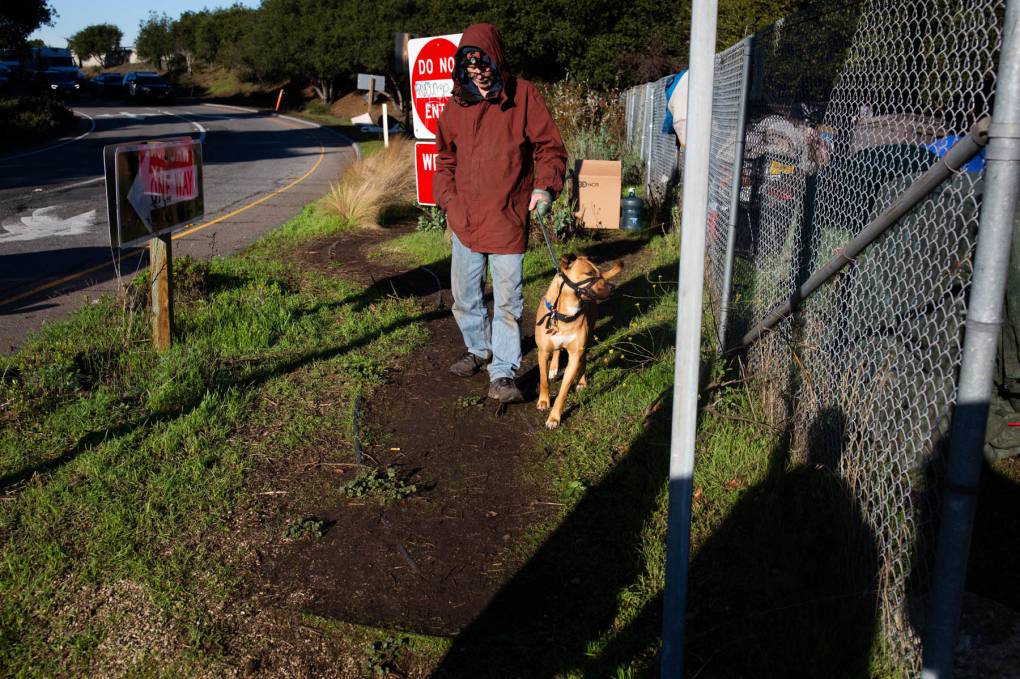
"caption": "Norm Ciha says he lost his bedding, clothes and the medicine he'd been prescribed to treat hepatitis C during a sweep of his camp outside an Ikea in Emeryville in November, 2018.",
"description": "Norm Ciha says he lost his bedding, clothes and the medicine he'd been prescribed to treat hepatitis C during a sweep of his camp outside an Ikea in Emeryville in November, 2018.",
"title": "Norm Ciha says he lost his bedding, clothes and the medicine he'd been prescribed to treat hepatitis C during a sweep of his camp outside an Ikea in Emeryville in November, 2018.",
"credit": "Anna Maria Barry-Jester/Kaiser Health News",
"status": "inherit",
"isLoading": false,
"fetchFailed": false
},
"news_11794381": {
"type": "attachments",
"id": "news_11794381",
"meta": {
"index": "attachments_1716263798",
"site": "news",
"id": "11794381",
"found": true
},
"parent": 11794221,
"imgSizes": {
"apple_news_ca_landscape_5_5": {
"file": "https://ww2.kqed.org/app/uploads/sites/10/2020/01/PHOTO_Kat-6-qut-1044x783.jpg",
"width": 1044,
"mimeType": "image/jpeg",
"height": 783
},
"apple_news_ca_square_4_0": {
"file": "https://ww2.kqed.org/app/uploads/sites/10/2020/01/PHOTO_Kat-6-qut-470x470.jpg",
"width": 470,
"mimeType": "image/jpeg",
"height": 470
},
"twentyfourteen-full-width": {
"file": "https://ww2.kqed.org/app/uploads/sites/10/2020/01/PHOTO_Kat-6-qut-1038x576.jpg",
"width": 1038,
"mimeType": "image/jpeg",
"height": 576
},
"thumbnail": {
"file": "https://ww2.kqed.org/app/uploads/sites/10/2020/01/PHOTO_Kat-6-qut-160x90.jpg",
"width": 160,
"mimeType": "image/jpeg",
"height": 90
},
"post-thumbnail": {
"file": "https://ww2.kqed.org/app/uploads/sites/10/2020/01/PHOTO_Kat-6-qut-672x372.jpg",
"width": 672,
"mimeType": "image/jpeg",
"height": 372
},
"kqedFullSize": {
"file": "https://ww2.kqed.org/app/uploads/sites/10/2020/01/PHOTO_Kat-6-qut.jpg",
"width": 1920,
"height": 1080
},
"apple_news_ca_landscape_4_7": {
"file": "https://ww2.kqed.org/app/uploads/sites/10/2020/01/PHOTO_Kat-6-qut-632x474.jpg",
"width": 632,
"mimeType": "image/jpeg",
"height": 474
},
"large": {
"file": "https://ww2.kqed.org/app/uploads/sites/10/2020/01/PHOTO_Kat-6-qut-1020x574.jpg",
"width": 1020,
"mimeType": "image/jpeg",
"height": 574
},
"complete_open_graph": {
"file": "https://ww2.kqed.org/app/uploads/sites/10/2020/01/PHOTO_Kat-6-qut-1200x675.jpg",
"width": 1200,
"mimeType": "image/jpeg",
"height": 675
},
"apple_news_ca_landscape_4_0": {
"file": "https://ww2.kqed.org/app/uploads/sites/10/2020/01/PHOTO_Kat-6-qut-536x402.jpg",
"width": 536,
"mimeType": "image/jpeg",
"height": 402
},
"apple_news_ca_portrait_12_9": {
"file": "https://ww2.kqed.org/app/uploads/sites/10/2020/01/PHOTO_Kat-6-qut-1122x1080.jpg",
"width": 1122,
"mimeType": "image/jpeg",
"height": 1080
},
"medium": {
"file": "https://ww2.kqed.org/app/uploads/sites/10/2020/01/PHOTO_Kat-6-qut-800x450.jpg",
"width": 800,
"mimeType": "image/jpeg",
"height": 450
},
"apple_news_ca_portrait_4_0": {
"file": "https://ww2.kqed.org/app/uploads/sites/10/2020/01/PHOTO_Kat-6-qut-354x472.jpg",
"width": 354,
"mimeType": "image/jpeg",
"height": 472
},
"apple_news_ca_portrait_9_7": {
"file": "https://ww2.kqed.org/app/uploads/sites/10/2020/01/PHOTO_Kat-6-qut-840x1080.jpg",
"width": 840,
"mimeType": "image/jpeg",
"height": 1080
},
"apple_news_ca_landscape_12_9": {
"file": "https://ww2.kqed.org/app/uploads/sites/10/2020/01/PHOTO_Kat-6-qut-1832x1080.jpg",
"width": 1832,
"mimeType": "image/jpeg",
"height": 1080
},
"apple_news_ca_square_9_7": {
"file": "https://ww2.kqed.org/app/uploads/sites/10/2020/01/PHOTO_Kat-6-qut-1104x1080.jpg",
"width": 1104,
"mimeType": "image/jpeg",
"height": 1080
},
"apple_news_ca_portrait_4_7": {
"file": "https://ww2.kqed.org/app/uploads/sites/10/2020/01/PHOTO_Kat-6-qut-414x552.jpg",
"width": 414,
"mimeType": "image/jpeg",
"height": 552
},
"apple_news_ca_square_12_9": {
"file": "https://ww2.kqed.org/app/uploads/sites/10/2020/01/PHOTO_Kat-6-qut-1472x1080.jpg",
"width": 1472,
"mimeType": "image/jpeg",
"height": 1080
},
"apple_news_ca_portrait_5_5": {
"file": "https://ww2.kqed.org/app/uploads/sites/10/2020/01/PHOTO_Kat-6-qut-687x916.jpg",
"width": 687,
"mimeType": "image/jpeg",
"height": 916
},
"full-width": {
"file": "https://ww2.kqed.org/app/uploads/sites/10/2020/01/PHOTO_Kat-6-qut-1920x1080.jpg",
"width": 1920,
"mimeType": "image/jpeg",
"height": 1080
},
"apple_news_ca_square_4_7": {
"file": "https://ww2.kqed.org/app/uploads/sites/10/2020/01/PHOTO_Kat-6-qut-550x550.jpg",
"width": 550,
"mimeType": "image/jpeg",
"height": 550
},
"apple_news_ca_landscape_9_7": {
"file": "https://ww2.kqed.org/app/uploads/sites/10/2020/01/PHOTO_Kat-6-qut-1376x1032.jpg",
"width": 1376,
"mimeType": "image/jpeg",
"height": 1032
},
"apple_news_ca_square_5_5": {
"file": "https://ww2.kqed.org/app/uploads/sites/10/2020/01/PHOTO_Kat-6-qut-912x912.jpg",
"width": 912,
"mimeType": "image/jpeg",
"height": 912
}
},
"publishDate": 1578427150,
"modified": 1578519585,
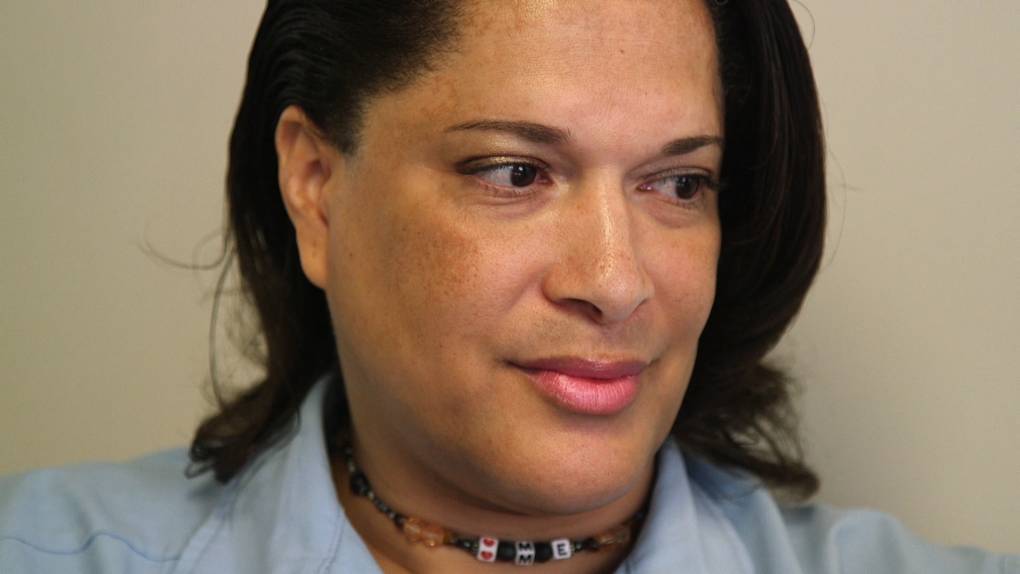
"caption": "Yekaterina Wesa Patience, a transgender woman housed at the California Medical Facility in Vacaville, on July 25, 2019.",
"description": "Yekaterina Wesa Patience, a transgender woman housed at the California Medical Facility in Vacaville, on July 25, 2019.",
"title": "PHOTO_Kat 6-qut",
"credit": "Monica Lam/KQED",
"status": "inherit",
"isLoading": false,
"fetchFailed": false
},
"news_11794974": {
"type": "attachments",
"id": "news_11794974",
"meta": {
"index": "attachments_1716263798",
"site": "news",
"id": "11794974",
"found": true
},
"parent": 11794968,
"imgSizes": {
"apple_news_ca_landscape_5_5": {
"file": "https://ww2.kqed.org/app/uploads/sites/10/2020/01/7624_transform-1044x783.jpg",
"width": 1044,
"mimeType": "image/jpeg",
"height": 783
},
"apple_news_ca_square_4_0": {
"file": "https://ww2.kqed.org/app/uploads/sites/10/2020/01/7624_transform-470x470.jpg",
"width": 470,
"mimeType": "image/jpeg",
"height": 470
},
"twentyfourteen-full-width": {
"file": "https://ww2.kqed.org/app/uploads/sites/10/2020/01/7624_transform-1038x576.jpg",
"width": 1038,
"mimeType": "image/jpeg",
"height": 576
},
"thumbnail": {
"file": "https://ww2.kqed.org/app/uploads/sites/10/2020/01/7624_transform-160x107.jpg",
"width": 160,
"mimeType": "image/jpeg",
"height": 107
},
"post-thumbnail": {
"file": "https://ww2.kqed.org/app/uploads/sites/10/2020/01/7624_transform-672x372.jpg",
"width": 672,
"mimeType": "image/jpeg",
"height": 372
},
"kqedFullSize": {
"file": "https://ww2.kqed.org/app/uploads/sites/10/2020/01/7624_transform.jpg",
"width": 1920,
"height": 1280
},
"apple_news_ca_landscape_4_7": {
"file": "https://ww2.kqed.org/app/uploads/sites/10/2020/01/7624_transform-632x474.jpg",
"width": 632,
"mimeType": "image/jpeg",
"height": 474
},
"large": {
"file": "https://ww2.kqed.org/app/uploads/sites/10/2020/01/7624_transform-1020x680.jpg",
"width": 1020,
"mimeType": "image/jpeg",
"height": 680
},
"complete_open_graph": {
"file": "https://ww2.kqed.org/app/uploads/sites/10/2020/01/7624_transform-1200x800.jpg",
"width": 1200,
"mimeType": "image/jpeg",
"height": 800
},
"apple_news_ca_landscape_4_0": {
"file": "https://ww2.kqed.org/app/uploads/sites/10/2020/01/7624_transform-536x402.jpg",
"width": 536,
"mimeType": "image/jpeg",
"height": 402
},
"apple_news_ca_portrait_12_9": {
"file": "https://ww2.kqed.org/app/uploads/sites/10/2020/01/7624_transform-1122x1280.jpg",
"width": 1122,
"mimeType": "image/jpeg",
"height": 1280
},
"medium": {
"file": "https://ww2.kqed.org/app/uploads/sites/10/2020/01/7624_transform-800x533.jpg",
"width": 800,
"mimeType": "image/jpeg",
"height": 533
},
"apple_news_ca_portrait_4_0": {
"file": "https://ww2.kqed.org/app/uploads/sites/10/2020/01/7624_transform-354x472.jpg",
"width": 354,
"mimeType": "image/jpeg",
"height": 472
},
"apple_news_ca_portrait_9_7": {
"file": "https://ww2.kqed.org/app/uploads/sites/10/2020/01/7624_transform-840x1120.jpg",
"width": 840,
"mimeType": "image/jpeg",
"height": 1120
},
"apple_news_ca_landscape_12_9": {
"file": "https://ww2.kqed.org/app/uploads/sites/10/2020/01/7624_transform-1832x1280.jpg",
"width": 1832,
"mimeType": "image/jpeg",
"height": 1280
},
"apple_news_ca_square_9_7": {
"file": "https://ww2.kqed.org/app/uploads/sites/10/2020/01/7624_transform-1104x1104.jpg",
"width": 1104,
"mimeType": "image/jpeg",
"height": 1104
},
"apple_news_ca_portrait_4_7": {
"file": "https://ww2.kqed.org/app/uploads/sites/10/2020/01/7624_transform-414x552.jpg",
"width": 414,
"mimeType": "image/jpeg",
"height": 552
},
"apple_news_ca_square_12_9": {
"file": "https://ww2.kqed.org/app/uploads/sites/10/2020/01/7624_transform-1472x1280.jpg",
"width": 1472,
"mimeType": "image/jpeg",
"height": 1280
},
"apple_news_ca_portrait_5_5": {
"file": "https://ww2.kqed.org/app/uploads/sites/10/2020/01/7624_transform-687x916.jpg",
"width": 687,
"mimeType": "image/jpeg",
"height": 916
},
"full-width": {
"file": "https://ww2.kqed.org/app/uploads/sites/10/2020/01/7624_transform-1920x1280.jpg",
"width": 1920,
"mimeType": "image/jpeg",
"height": 1280
},
"apple_news_ca_square_4_7": {
"file": "https://ww2.kqed.org/app/uploads/sites/10/2020/01/7624_transform-550x550.jpg",
"width": 550,
"mimeType": "image/jpeg",
"height": 550
},
"apple_news_ca_landscape_9_7": {
"file": "https://ww2.kqed.org/app/uploads/sites/10/2020/01/7624_transform-1376x1032.jpg",
"width": 1376,
"mimeType": "image/jpeg",
"height": 1032
},
"apple_news_ca_square_5_5": {
"file": "https://ww2.kqed.org/app/uploads/sites/10/2020/01/7624_transform-912x912.jpg",
"width": 912,
"mimeType": "image/jpeg",
"height": 912
}
},
"publishDate": 1578544906,
"modified": 1578610690,
"caption": "Gov. Gavin Newsom's plan calls for the state to contract with existing generic drug manufacturers to make certain drugs. Pfizer, the world's biggest drugmaker, manufactures the cholesterol drug Lipitor. Lipitor is the world's top-selling drug. ",
"description": null,
"title": null,
"credit": "Scott Olson/Getty Images",
"status": "inherit",
"isLoading": false,
"fetchFailed": false
},
"news_11794849": {
"type": "attachments",
"id": "news_11794849",
"meta": {
"index": "attachments_1716263798",
"site": "news",
"id": "11794849",
"found": true
},
"parent": 11794815,
"imgSizes": {
"apple_news_ca_landscape_5_5": {
"file": "https://ww2.kqed.org/app/uploads/sites/10/2020/01/GettyImages-93572495_1920x-1044x783.jpg",
"width": 1044,
"mimeType": "image/jpeg",
"height": 783
},
"apple_news_ca_square_4_0": {
"file": "https://ww2.kqed.org/app/uploads/sites/10/2020/01/GettyImages-93572495_1920x-470x470.jpg",
"width": 470,
"mimeType": "image/jpeg",
"height": 470
},
"twentyfourteen-full-width": {
"file": "https://ww2.kqed.org/app/uploads/sites/10/2020/01/GettyImages-93572495_1920x-1038x576.jpg",
"width": 1038,
"mimeType": "image/jpeg",
"height": 576
},
"thumbnail": {
"file": "https://ww2.kqed.org/app/uploads/sites/10/2020/01/GettyImages-93572495_1920x-160x105.jpg",
"width": 160,
"mimeType": "image/jpeg",
"height": 105
},
"post-thumbnail": {
"file": "https://ww2.kqed.org/app/uploads/sites/10/2020/01/GettyImages-93572495_1920x-672x372.jpg",
"width": 672,
"mimeType": "image/jpeg",
"height": 372
},
"kqedFullSize": {
"file": "https://ww2.kqed.org/app/uploads/sites/10/2020/01/GettyImages-93572495_1920x.jpg",
"width": 1920,
"height": 1261
},
"apple_news_ca_landscape_4_7": {
"file": "https://ww2.kqed.org/app/uploads/sites/10/2020/01/GettyImages-93572495_1920x-632x474.jpg",
"width": 632,
"mimeType": "image/jpeg",
"height": 474
},
"large": {
"file": "https://ww2.kqed.org/app/uploads/sites/10/2020/01/GettyImages-93572495_1920x-1020x670.jpg",
"width": 1020,
"mimeType": "image/jpeg",
"height": 670
},
"complete_open_graph": {
"file": "https://ww2.kqed.org/app/uploads/sites/10/2020/01/GettyImages-93572495_1920x-1200x788.jpg",
"width": 1200,
"mimeType": "image/jpeg",
"height": 788
},
"apple_news_ca_landscape_4_0": {
"file": "https://ww2.kqed.org/app/uploads/sites/10/2020/01/GettyImages-93572495_1920x-536x402.jpg",
"width": 536,
"mimeType": "image/jpeg",
"height": 402
},
"apple_news_ca_portrait_12_9": {
"file": "https://ww2.kqed.org/app/uploads/sites/10/2020/01/GettyImages-93572495_1920x-1122x1261.jpg",
"width": 1122,
"mimeType": "image/jpeg",
"height": 1261
},
"medium": {
"file": "https://ww2.kqed.org/app/uploads/sites/10/2020/01/GettyImages-93572495_1920x-800x525.jpg",
"width": 800,
"mimeType": "image/jpeg",
"height": 525
},
"apple_news_ca_portrait_4_0": {
"file": "https://ww2.kqed.org/app/uploads/sites/10/2020/01/GettyImages-93572495_1920x-354x472.jpg",
"width": 354,
"mimeType": "image/jpeg",
"height": 472
},
"apple_news_ca_portrait_9_7": {
"file": "https://ww2.kqed.org/app/uploads/sites/10/2020/01/GettyImages-93572495_1920x-840x1120.jpg",
"width": 840,
"mimeType": "image/jpeg",
"height": 1120
},
"apple_news_ca_landscape_12_9": {
"file": "https://ww2.kqed.org/app/uploads/sites/10/2020/01/GettyImages-93572495_1920x-1832x1261.jpg",
"width": 1832,
"mimeType": "image/jpeg",
"height": 1261
},
"apple_news_ca_square_9_7": {
"file": "https://ww2.kqed.org/app/uploads/sites/10/2020/01/GettyImages-93572495_1920x-1104x1104.jpg",
"width": 1104,
"mimeType": "image/jpeg",
"height": 1104
},
"apple_news_ca_portrait_4_7": {
"file": "https://ww2.kqed.org/app/uploads/sites/10/2020/01/GettyImages-93572495_1920x-414x552.jpg",
"width": 414,
"mimeType": "image/jpeg",
"height": 552
},
"apple_news_ca_square_12_9": {
"file": "https://ww2.kqed.org/app/uploads/sites/10/2020/01/GettyImages-93572495_1920x-1472x1261.jpg",
"width": 1472,
"mimeType": "image/jpeg",
"height": 1261
},
"apple_news_ca_portrait_5_5": {
"file": "https://ww2.kqed.org/app/uploads/sites/10/2020/01/GettyImages-93572495_1920x-687x916.jpg",
"width": 687,
"mimeType": "image/jpeg",
"height": 916
},
"full-width": {
"file": "https://ww2.kqed.org/app/uploads/sites/10/2020/01/GettyImages-93572495_1920x-1920x1261.jpg",
"width": 1920,
"mimeType": "image/jpeg",
"height": 1261
},
"apple_news_ca_square_4_7": {
"file": "https://ww2.kqed.org/app/uploads/sites/10/2020/01/GettyImages-93572495_1920x-550x550.jpg",
"width": 550,
"mimeType": "image/jpeg",
"height": 550
},
"apple_news_ca_landscape_9_7": {
"file": "https://ww2.kqed.org/app/uploads/sites/10/2020/01/GettyImages-93572495_1920x-1376x1032.jpg",
"width": 1376,
"mimeType": "image/jpeg",
"height": 1032
},
"apple_news_ca_square_5_5": {
"file": "https://ww2.kqed.org/app/uploads/sites/10/2020/01/GettyImages-93572495_1920x-912x912.jpg",
"width": 912,
"mimeType": "image/jpeg",
"height": 912
}
},
"publishDate": 1578521278,
"modified": 1578523428,
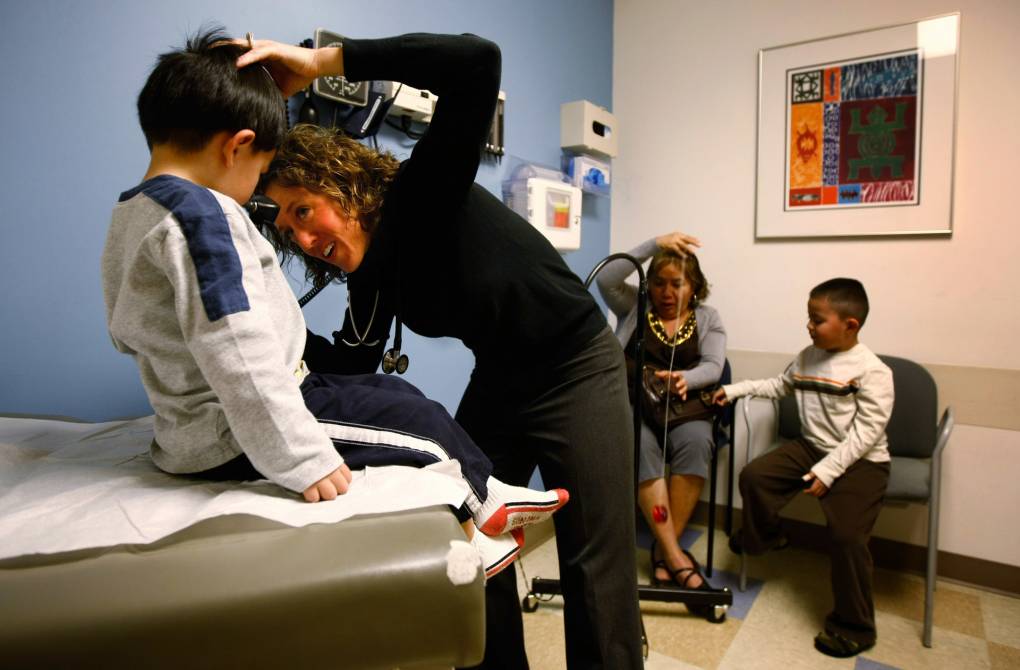
"caption": "Routine pediatric visits for millions of California children this year could involve questions about touchy family topics.",
"description": "Routine pediatric visits for millions of California children this year could involve questions about touchy family topics.",
"title": "Non-Profit Health Clinics Care For Uninsured",
"credit": "John Moore/Getty Images",
"status": "inherit",
"isLoading": false,
"fetchFailed": false
},
"news_11794373": {
"type": "attachments",
"id": "news_11794373",
"meta": {
"index": "attachments_1716263798",
"site": "news",
"id": "11794373",
"found": true
},
"parent": 11794221,
"imgSizes": {
"apple_news_ca_landscape_5_5": {
"file": "https://ww2.kqed.org/app/uploads/sites/10/2020/01/PHOTO_bikes7-qut-1044x783.jpg",
"width": 1044,
"mimeType": "image/jpeg",
"height": 783
},
"apple_news_ca_square_4_0": {
"file": "https://ww2.kqed.org/app/uploads/sites/10/2020/01/PHOTO_bikes7-qut-470x470.jpg",
"width": 470,
"mimeType": "image/jpeg",
"height": 470
},
"twentyfourteen-full-width": {
"file": "https://ww2.kqed.org/app/uploads/sites/10/2020/01/PHOTO_bikes7-qut-1038x576.jpg",
"width": 1038,
"mimeType": "image/jpeg",
"height": 576
},
"thumbnail": {
"file": "https://ww2.kqed.org/app/uploads/sites/10/2020/01/PHOTO_bikes7-qut-160x90.jpg",
"width": 160,
"mimeType": "image/jpeg",
"height": 90
},
"post-thumbnail": {
"file": "https://ww2.kqed.org/app/uploads/sites/10/2020/01/PHOTO_bikes7-qut-672x372.jpg",
"width": 672,
"mimeType": "image/jpeg",
"height": 372
},
"kqedFullSize": {
"file": "https://ww2.kqed.org/app/uploads/sites/10/2020/01/PHOTO_bikes7-qut.jpg",
"width": 1920,
"height": 1080
},
"apple_news_ca_landscape_4_7": {
"file": "https://ww2.kqed.org/app/uploads/sites/10/2020/01/PHOTO_bikes7-qut-632x474.jpg",
"width": 632,
"mimeType": "image/jpeg",
"height": 474
},
"large": {
"file": "https://ww2.kqed.org/app/uploads/sites/10/2020/01/PHOTO_bikes7-qut-1020x574.jpg",
"width": 1020,
"mimeType": "image/jpeg",
"height": 574
},
"complete_open_graph": {
"file": "https://ww2.kqed.org/app/uploads/sites/10/2020/01/PHOTO_bikes7-qut-1200x675.jpg",
"width": 1200,
"mimeType": "image/jpeg",
"height": 675
},
"apple_news_ca_landscape_4_0": {
"file": "https://ww2.kqed.org/app/uploads/sites/10/2020/01/PHOTO_bikes7-qut-536x402.jpg",
"width": 536,
"mimeType": "image/jpeg",
"height": 402
},
"apple_news_ca_portrait_12_9": {
"file": "https://ww2.kqed.org/app/uploads/sites/10/2020/01/PHOTO_bikes7-qut-1122x1080.jpg",
"width": 1122,
"mimeType": "image/jpeg",
"height": 1080
},
"medium": {
"file": "https://ww2.kqed.org/app/uploads/sites/10/2020/01/PHOTO_bikes7-qut-800x450.jpg",
"width": 800,
"mimeType": "image/jpeg",
"height": 450
},
"apple_news_ca_portrait_4_0": {
"file": "https://ww2.kqed.org/app/uploads/sites/10/2020/01/PHOTO_bikes7-qut-354x472.jpg",
"width": 354,
"mimeType": "image/jpeg",
"height": 472
},
"apple_news_ca_portrait_9_7": {
"file": "https://ww2.kqed.org/app/uploads/sites/10/2020/01/PHOTO_bikes7-qut-840x1080.jpg",
"width": 840,
"mimeType": "image/jpeg",
"height": 1080
},
"apple_news_ca_landscape_12_9": {
"file": "https://ww2.kqed.org/app/uploads/sites/10/2020/01/PHOTO_bikes7-qut-1832x1080.jpg",
"width": 1832,
"mimeType": "image/jpeg",
"height": 1080
},
"apple_news_ca_square_9_7": {
"file": "https://ww2.kqed.org/app/uploads/sites/10/2020/01/PHOTO_bikes7-qut-1104x1080.jpg",
"width": 1104,
"mimeType": "image/jpeg",
"height": 1080
},
"apple_news_ca_portrait_4_7": {
"file": "https://ww2.kqed.org/app/uploads/sites/10/2020/01/PHOTO_bikes7-qut-414x552.jpg",
"width": 414,
"mimeType": "image/jpeg",
"height": 552
},
"apple_news_ca_square_12_9": {
"file": "https://ww2.kqed.org/app/uploads/sites/10/2020/01/PHOTO_bikes7-qut-1472x1080.jpg",
"width": 1472,
"mimeType": "image/jpeg",
"height": 1080
},
"apple_news_ca_portrait_5_5": {
"file": "https://ww2.kqed.org/app/uploads/sites/10/2020/01/PHOTO_bikes7-qut-687x916.jpg",
"width": 687,
"mimeType": "image/jpeg",
"height": 916
},
"full-width": {
"file": "https://ww2.kqed.org/app/uploads/sites/10/2020/01/PHOTO_bikes7-qut-1920x1080.jpg",
"width": 1920,
"mimeType": "image/jpeg",
"height": 1080
},
"apple_news_ca_square_4_7": {
"file": "https://ww2.kqed.org/app/uploads/sites/10/2020/01/PHOTO_bikes7-qut-550x550.jpg",
"width": 550,
"mimeType": "image/jpeg",
"height": 550
},
"apple_news_ca_landscape_9_7": {
"file": "https://ww2.kqed.org/app/uploads/sites/10/2020/01/PHOTO_bikes7-qut-1376x1032.jpg",
"width": 1376,
"mimeType": "image/jpeg",
"height": 1032
},
"apple_news_ca_square_5_5": {
"file": "https://ww2.kqed.org/app/uploads/sites/10/2020/01/PHOTO_bikes7-qut-912x912.jpg",
"width": 912,
"mimeType": "image/jpeg",
"height": 912
}
},
"publishDate": 1578426042,
"modified": 1578426083,
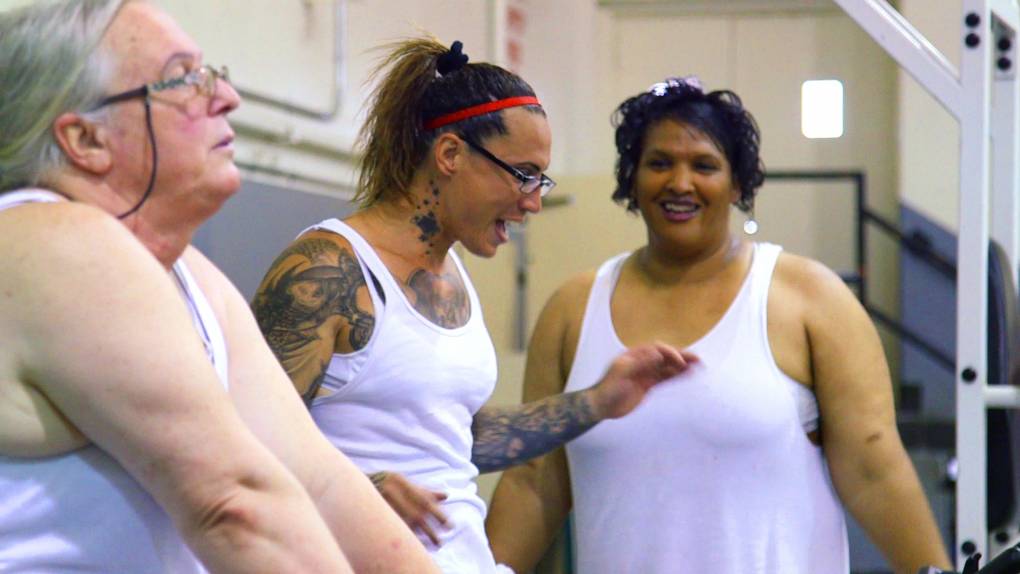
"caption": "Dallas Rachael Goosen (left), Makayla Fennell and Jazzie Paradize Scott ride bikes in the prison gym at the California Medical Facility in Vacaville on June 11, 2019.",
"description": "Dallas Rachael Goosen (left), Makayla Fennell and Jazzie Paradize Scott ride bikes in the prison gym at the California Medical Facility in Vacaville on June 11, 2019.",
"title": "PHOTO_bikes7-qut",
"credit": "Sruti Mamidanna/KQED",
"status": "inherit",
"isLoading": false,
"fetchFailed": false
},
"news_11793569": {
"type": "attachments",
"id": "news_11793569",
"meta": {
"index": "attachments_1716263798",
"site": "news",
"id": "11793569",
"found": true
},
"parent": 11793562,
"imgSizes": {
"apple_news_ca_landscape_5_5": {
"file": "https://ww2.kqed.org/app/uploads/sites/10/2020/01/RS40620_GettyImages-1173897180-qut-1044x783.jpg",
"width": 1044,
"mimeType": "image/jpeg",
"height": 783
},
"apple_news_ca_square_4_0": {
"file": "https://ww2.kqed.org/app/uploads/sites/10/2020/01/RS40620_GettyImages-1173897180-qut-470x470.jpg",
"width": 470,
"mimeType": "image/jpeg",
"height": 470
},
"twentyfourteen-full-width": {
"file": "https://ww2.kqed.org/app/uploads/sites/10/2020/01/RS40620_GettyImages-1173897180-qut-1038x576.jpg",
"width": 1038,
"mimeType": "image/jpeg",
"height": 576
},
"thumbnail": {
"file": "https://ww2.kqed.org/app/uploads/sites/10/2020/01/RS40620_GettyImages-1173897180-qut-160x107.jpg",
"width": 160,
"mimeType": "image/jpeg",
"height": 107
},
"post-thumbnail": {
"file": "https://ww2.kqed.org/app/uploads/sites/10/2020/01/RS40620_GettyImages-1173897180-qut-672x372.jpg",
"width": 672,
"mimeType": "image/jpeg",
"height": 372
},
"kqedFullSize": {
"file": "https://ww2.kqed.org/app/uploads/sites/10/2020/01/RS40620_GettyImages-1173897180-qut.jpg",
"width": 1920,
"height": 1280
},
"apple_news_ca_landscape_4_7": {
"file": "https://ww2.kqed.org/app/uploads/sites/10/2020/01/RS40620_GettyImages-1173897180-qut-632x474.jpg",
"width": 632,
"mimeType": "image/jpeg",
"height": 474
},
"large": {
"file": "https://ww2.kqed.org/app/uploads/sites/10/2020/01/RS40620_GettyImages-1173897180-qut-1020x680.jpg",
"width": 1020,
"mimeType": "image/jpeg",
"height": 680
},
"complete_open_graph": {
"file": "https://ww2.kqed.org/app/uploads/sites/10/2020/01/RS40620_GettyImages-1173897180-qut-1200x800.jpg",
"width": 1200,
"mimeType": "image/jpeg",
"height": 800
},
"apple_news_ca_landscape_4_0": {
"file": "https://ww2.kqed.org/app/uploads/sites/10/2020/01/RS40620_GettyImages-1173897180-qut-536x402.jpg",
"width": 536,
"mimeType": "image/jpeg",
"height": 402
},
"apple_news_ca_portrait_12_9": {
"file": "https://ww2.kqed.org/app/uploads/sites/10/2020/01/RS40620_GettyImages-1173897180-qut-1122x1280.jpg",
"width": 1122,
"mimeType": "image/jpeg",
"height": 1280
},
"medium": {
"file": "https://ww2.kqed.org/app/uploads/sites/10/2020/01/RS40620_GettyImages-1173897180-qut-800x533.jpg",
"width": 800,
"mimeType": "image/jpeg",
"height": 533
},
"apple_news_ca_portrait_4_0": {
"file": "https://ww2.kqed.org/app/uploads/sites/10/2020/01/RS40620_GettyImages-1173897180-qut-354x472.jpg",
"width": 354,
"mimeType": "image/jpeg",
"height": 472
},
"apple_news_ca_portrait_9_7": {
"file": "https://ww2.kqed.org/app/uploads/sites/10/2020/01/RS40620_GettyImages-1173897180-qut-840x1120.jpg",
"width": 840,
"mimeType": "image/jpeg",
"height": 1120
},
"apple_news_ca_landscape_12_9": {
"file": "https://ww2.kqed.org/app/uploads/sites/10/2020/01/RS40620_GettyImages-1173897180-qut-1832x1280.jpg",
"width": 1832,
"mimeType": "image/jpeg",
"height": 1280
},
"apple_news_ca_square_9_7": {
"file": "https://ww2.kqed.org/app/uploads/sites/10/2020/01/RS40620_GettyImages-1173897180-qut-1104x1104.jpg",
"width": 1104,
"mimeType": "image/jpeg",
"height": 1104
},
"apple_news_ca_portrait_4_7": {
"file": "https://ww2.kqed.org/app/uploads/sites/10/2020/01/RS40620_GettyImages-1173897180-qut-414x552.jpg",
"width": 414,
"mimeType": "image/jpeg",
"height": 552
},
"apple_news_ca_square_12_9": {
"file": "https://ww2.kqed.org/app/uploads/sites/10/2020/01/RS40620_GettyImages-1173897180-qut-1472x1280.jpg",
"width": 1472,
"mimeType": "image/jpeg",
"height": 1280
},
"apple_news_ca_portrait_5_5": {
"file": "https://ww2.kqed.org/app/uploads/sites/10/2020/01/RS40620_GettyImages-1173897180-qut-687x916.jpg",
"width": 687,
"mimeType": "image/jpeg",
"height": 916
},
"full-width": {
"file": "https://ww2.kqed.org/app/uploads/sites/10/2020/01/RS40620_GettyImages-1173897180-qut-1920x1280.jpg",
"width": 1920,
"mimeType": "image/jpeg",
"height": 1280
},
"apple_news_ca_square_4_7": {
"file": "https://ww2.kqed.org/app/uploads/sites/10/2020/01/RS40620_GettyImages-1173897180-qut-550x550.jpg",
"width": 550,
"mimeType": "image/jpeg",
"height": 550
},
"apple_news_ca_landscape_9_7": {
"file": "https://ww2.kqed.org/app/uploads/sites/10/2020/01/RS40620_GettyImages-1173897180-qut-1376x1032.jpg",
"width": 1376,
"mimeType": "image/jpeg",
"height": 1032
},
"apple_news_ca_square_5_5": {
"file": "https://ww2.kqed.org/app/uploads/sites/10/2020/01/RS40620_GettyImages-1173897180-qut-912x912.jpg",
"width": 912,
"mimeType": "image/jpeg",
"height": 912
}
},
"publishDate": 1577918205,
"modified": 1577918335,
"caption": "At the height of the crisis, tens of thousands of migrant families crossed into the U.S. and were held in cramped, overcrowded conditions. Crossings have declined steeply since a peak in May, due in part to a policy that has forced more than 50,000 asylum-seekers back over the border to wait out their claims in Mexico, where dozens have been sickened and subjected to violence in some parts.",
"description": "At the height of the crisis, tens of thousands of migrant families crossed into the U.S. and were held in cramped, overcrowded conditions. Crossings have declined steeply since a peak in May, due in part to a policy that has forced more than 50,000 asylum-seekers back over the border to wait out their claims in Mexico, where dozens have been sickened and subjected to violence in some parts.",
"title": "U.S. Border Agents Patrol The Rio Grande Valley In Texas",
"credit": "John Moore/Getty Images",
"status": "inherit",
"isLoading": false,
"fetchFailed": false
},
"news_11793525": {
"type": "attachments",
"id": "news_11793525",
"meta": {
"index": "attachments_1716263798",
"site": "news",
"id": "11793525",
"found": true
},
"parent": 11754695,
"imgSizes": {
"apple_news_ca_landscape_5_5": {
"file": "https://ww2.kqed.org/app/uploads/sites/10/2020/01/Hagia_Sophia-1044x783.jpg",
"width": 1044,
"mimeType": "image/jpeg",
"height": 783
},
"apple_news_ca_square_4_0": {
"file": "https://ww2.kqed.org/app/uploads/sites/10/2020/01/Hagia_Sophia-470x470.jpg",
"width": 470,
"mimeType": "image/jpeg",
"height": 470
},
"twentyfourteen-full-width": {
"file": "https://ww2.kqed.org/app/uploads/sites/10/2020/01/Hagia_Sophia-1038x576.jpg",
"width": 1038,
"mimeType": "image/jpeg",
"height": 576
},
"thumbnail": {
"file": "https://ww2.kqed.org/app/uploads/sites/10/2020/01/Hagia_Sophia-160x107.jpg",
"width": 160,
"mimeType": "image/jpeg",
"height": 107
},
"post-thumbnail": {
"file": "https://ww2.kqed.org/app/uploads/sites/10/2020/01/Hagia_Sophia-672x372.jpg",
"width": 672,
"mimeType": "image/jpeg",
"height": 372
},
"kqedFullSize": {
"file": "https://ww2.kqed.org/app/uploads/sites/10/2020/01/Hagia_Sophia.jpg",
"width": 1379,
"height": 921
},
"apple_news_ca_landscape_4_7": {
"file": "https://ww2.kqed.org/app/uploads/sites/10/2020/01/Hagia_Sophia-632x474.jpg",
"width": 632,
"mimeType": "image/jpeg",
"height": 474
},
"large": {
"file": "https://ww2.kqed.org/app/uploads/sites/10/2020/01/Hagia_Sophia-1020x681.jpg",
"width": 1020,
"mimeType": "image/jpeg",
"height": 681
},
"complete_open_graph": {
"file": "https://ww2.kqed.org/app/uploads/sites/10/2020/01/Hagia_Sophia-1200x801.jpg",
"width": 1200,
"mimeType": "image/jpeg",
"height": 801
},
"apple_news_ca_landscape_4_0": {
"file": "https://ww2.kqed.org/app/uploads/sites/10/2020/01/Hagia_Sophia-536x402.jpg",
"width": 536,
"mimeType": "image/jpeg",
"height": 402
},
"apple_news_ca_portrait_12_9": {
"file": "https://ww2.kqed.org/app/uploads/sites/10/2020/01/Hagia_Sophia-1122x921.jpg",
"width": 1122,
"mimeType": "image/jpeg",
"height": 921
},
"medium": {
"file": "https://ww2.kqed.org/app/uploads/sites/10/2020/01/Hagia_Sophia-800x534.jpg",
"width": 800,
"mimeType": "image/jpeg",
"height": 534
},
"apple_news_ca_portrait_4_0": {
"file": "https://ww2.kqed.org/app/uploads/sites/10/2020/01/Hagia_Sophia-354x472.jpg",
"width": 354,
"mimeType": "image/jpeg",
"height": 472
},
"apple_news_ca_portrait_9_7": {
"file": "https://ww2.kqed.org/app/uploads/sites/10/2020/01/Hagia_Sophia-840x921.jpg",
"width": 840,
"mimeType": "image/jpeg",
"height": 921
},
"apple_news_ca_square_9_7": {
"file": "https://ww2.kqed.org/app/uploads/sites/10/2020/01/Hagia_Sophia-1104x921.jpg",
"width": 1104,
"mimeType": "image/jpeg",
"height": 921
},
"apple_news_ca_portrait_4_7": {
"file": "https://ww2.kqed.org/app/uploads/sites/10/2020/01/Hagia_Sophia-414x552.jpg",
"width": 414,
"mimeType": "image/jpeg",
"height": 552
},
"apple_news_ca_portrait_5_5": {
"file": "https://ww2.kqed.org/app/uploads/sites/10/2020/01/Hagia_Sophia-687x916.jpg",
"width": 687,
"mimeType": "image/jpeg",
"height": 916
},
"apple_news_ca_square_4_7": {
"file": "https://ww2.kqed.org/app/uploads/sites/10/2020/01/Hagia_Sophia-550x550.jpg",
"width": 550,
"mimeType": "image/jpeg",
"height": 550
},
"apple_news_ca_landscape_9_7": {
"file": "https://ww2.kqed.org/app/uploads/sites/10/2020/01/Hagia_Sophia-1376x921.jpg",
"width": 1376,
"mimeType": "image/jpeg",
"height": 921
},
"apple_news_ca_square_5_5": {
"file": "https://ww2.kqed.org/app/uploads/sites/10/2020/01/Hagia_Sophia-912x912.jpg",
"width": 912,
"mimeType": "image/jpeg",
"height": 912
}
},
"publishDate": 1577894861,
"modified": 1577898605,
"caption": "A church choir has not been able to sing inside the Hagia Sophia for over 500 years.",
"description": "A church choir has not been able to sing inside the Hagia Sophia for over 500 years.",
"title": "Hagia_Sophia",
"credit": "Arild Vågen/Wikimedia Commons",
"status": "inherit",
"isLoading": false,
"fetchFailed": false
}
},
"audioPlayerReducer": {
"postId": "stream_live",
"isPaused": true,
"isPlaying": false,
"pfsActive": false,
"pledgeModalIsOpen": true,
"playerDrawerIsOpen": false,
"liveAudioPlayStartedAt": 0,
"liveAudioPlayContext": ""
},
"authorsReducer": {
"byline_news_11797024": {
"type": "authors",
"id": "byline_news_11797024",
"meta": {
"override": true
},
"slug": "byline_news_11797024",
"name": "\u003ca href=\"https://www.npr.org/people/469106148/malaka-gharib\"> Malaka Gharib, \u003ca /> \u003ca href=\"https://www.npr.org/people/348777295/marc-silver\"> Marc Silver\u003ca />",
"isLoading": false
},
"byline_news_11796670": {
"type": "authors",
"id": "byline_news_11796670",
"meta": {
"override": true
},
"slug": "byline_news_11796670",
"name": "\u003ca href=\"https://www.npr.org/people/729920828/pien-huang\"> Pien Huang \u003ca />",
"isLoading": false
},
"byline_news_11795729": {
"type": "authors",
"id": "byline_news_11795729",
"meta": {
"override": true
},
"slug": "byline_news_11795729",
"name": "\u003ca href=\"https://www.npr.org/people/2100208/allison-aubrey\">Allison Aubrey\u003c/a>",
"isLoading": false
},
"byline_news_11795324": {
"type": "authors",
"id": "byline_news_11795324",
"meta": {
"override": true
},
"slug": "byline_news_11795324",
"name": "Anna Maria Barry-Jester \u003cbr> Kaiser Health News",
"isLoading": false
},
"byline_news_11794815": {
"type": "authors",
"id": "byline_news_11794815",
"meta": {
"override": true
},
"slug": "byline_news_11794815",
"name": "\u003ca href=\"https://khn.org/news/author/barbara-feder-ostrov/\">Barbara Feder Ostrov\u003ca />",
"isLoading": false
},
"byline_news_11793562": {
"type": "authors",
"id": "byline_news_11793562",
"meta": {
"override": true
},
"slug": "byline_news_11793562",
"name": "\u003cstrong>Colleen Long\u003cbr />Associated Press\u003c/strong>",
"isLoading": false
},
"gmarzorati": {
"type": "authors",
"id": "227",
"meta": {
"index": "authors_1716337520",
"id": "227",
"found": true
},
"name": "Guy Marzorati",
"firstName": "Guy",
"lastName": "Marzorati",
"slug": "gmarzorati",
"email": "gmarzorati@KQED.org",
"display_author_email": true,
"staff_mastheads": [
"news"
],
"title": "Correspondent",
"bio": "Guy Marzorati is a correspondent on KQED's California Politics and Government Desk, based in San Jose. A graduate of Santa Clara University, Guy joined KQED in 2013. He reports on state and local politics and produces KQED's digital voter guide.",
"avatar": "https://secure.gravatar.com/avatar/e7038b8dbfd55b104369b76b1cd0b9de?s=600&d=blank&r=g",
"twitter": "guymarzorati",
"facebook": null,
"instagram": null,
"linkedin": null,
"sites": [
{
"site": "",
"roles": [
"editor"
]
},
{
"site": "news",
"roles": [
"editor"
]
},
{
"site": "science",
"roles": [
"editor"
]
},
{
"site": "forum",
"roles": [
"editor"
]
},
{
"site": "elections",
"roles": [
"editor"
]
},
{
"site": "liveblog",
"roles": [
"editor"
]
}
],
"headData": {
"title": "Guy Marzorati | KQED",
"description": "Correspondent",
"ogImgSrc": "https://secure.gravatar.com/avatar/e7038b8dbfd55b104369b76b1cd0b9de?s=600&d=blank&r=g",
"twImgSrc": "https://secure.gravatar.com/avatar/e7038b8dbfd55b104369b76b1cd0b9de?s=600&d=blank&r=g"
},
"isLoading": false,
"link": "/author/gmarzorati"
},
"samharnett": {
"type": "authors",
"id": "253",
"meta": {
"index": "authors_1716337520",
"id": "253",
"found": true
},
"name": "Sam Harnett",
"firstName": "Sam",
"lastName": "Harnett",
"slug": "samharnett",
"email": "samharnett@gmail.com",
"display_author_email": false,
"staff_mastheads": [],
"title": "KQED Contributor",
"bio": "Sam Harnett covered tech and work at KQED. He is the co-creator of \u003cem>\u003ca href=\"http://www.theworldaccordingtosound.org\">The World According to Sound\u003c/a>,\u003c/em> a 90-second podcast that features different sounds and the stories behind them.\r\n\r\nBefore coming to KQED, Sam worked as an independent reporter who contributed regularly to \u003cem>The California Report, Marketplace,\u003c/em> \u003cem>The World \u003c/em>and NPR.",
"avatar": "https://secure.gravatar.com/avatar/2538b972ac02f2b9546c7a6c59a0f3d0?s=600&d=blank&r=g",
"twitter": "Samwharnett",
"facebook": null,
"instagram": null,
"linkedin": null,
"sites": [
{
"site": "news",
"roles": [
"edit_others_posts",
"subscriber"
]
},
{
"site": "stateofhealth",
"roles": [
"author"
]
},
{
"site": "science",
"roles": [
"editor"
]
},
{
"site": "quest",
"roles": [
"subscriber"
]
}
],
"headData": {
"title": "Sam Harnett | KQED",
"description": "KQED Contributor",
"ogImgSrc": "https://secure.gravatar.com/avatar/2538b972ac02f2b9546c7a6c59a0f3d0?s=600&d=blank&r=g",
"twImgSrc": "https://secure.gravatar.com/avatar/2538b972ac02f2b9546c7a6c59a0f3d0?s=600&d=blank&r=g"
},
"isLoading": false,
"link": "/author/samharnett"
},
"adembosky": {
"type": "authors",
"id": "3205",
"meta": {
"index": "authors_1716337520",
"id": "3205",
"found": true
},
"name": "April Dembosky",
"firstName": "April",
"lastName": "Dembosky",
"slug": "adembosky",
"email": "adembosky@kqed.org",
"display_author_email": false,
"staff_mastheads": [
"news",
"science"
],
"title": "KQED Health Correspondent",
"bio": "April Dembosky is the health correspondent for KQED News and a regular contributor to NPR. She specializes in covering altered states of mind, from postpartum depression to methamphetamine-induced psychosis to the insanity defense. Her investigative series on insurance companies sidestepping mental health laws won multiple awards, including first place in beat reporting from the national Association of Health Care Journalists. She is the recipient of numerous other prizes and fellowships, including a national Edward R. Murrow award for investigative reporting, a Society of Professional Journalists award for long-form storytelling, and a Carter Center Fellowship for Mental Health Journalism.\r\n\r\nDembosky reported and produced \u003cem>Soundtrack of Silence\u003c/em>, an audio documentary about music and memory that is currently being made into a feature film by Paramount Pictures.\r\n\r\nBefore joining KQED in 2013, Dembosky covered technology and Silicon Valley for \u003cem>The Financial Times of London,\u003c/em> and contributed business and arts stories to \u003cem>Marketplace \u003c/em>and \u003cem>The New York Times.\u003c/em> She got her undergraduate degree in philosophy from Smith College and her master's in journalism from the University of California, Berkeley. She is a classically trained violinist and proud alum of the first symphony orchestra at Burning Man.",
"avatar": "https://secure.gravatar.com/avatar/ef92999be4ceb9ea60701e7dc276f813?s=600&d=blank&r=g",
"twitter": "adembosky",
"facebook": null,
"instagram": null,
"linkedin": null,
"sites": [
{
"site": "arts",
"roles": [
"author"
]
},
{
"site": "news",
"roles": [
"editor"
]
},
{
"site": "futureofyou",
"roles": [
"author"
]
},
{
"site": "stateofhealth",
"roles": [
"editor"
]
},
{
"site": "science",
"roles": [
"editor"
]
},
{
"site": "forum",
"roles": [
"editor"
]
}
],
"headData": {
"title": "April Dembosky | KQED",
"description": "KQED Health Correspondent",
"ogImgSrc": "https://secure.gravatar.com/avatar/ef92999be4ceb9ea60701e7dc276f813?s=600&d=blank&r=g",
"twImgSrc": "https://secure.gravatar.com/avatar/ef92999be4ceb9ea60701e7dc276f813?s=600&d=blank&r=g"
},
"isLoading": false,
"link": "/author/adembosky"
},
"markfiore": {
"type": "authors",
"id": "3236",
"meta": {
"index": "authors_1716337520",
"id": "3236",
"found": true
},
"name": "Mark Fiore",
"firstName": "Mark",
"lastName": "Fiore",
"slug": "markfiore",
"email": "mark@markfiore.com",
"display_author_email": false,
"staff_mastheads": [
"news"
],
"title": "KQED News Cartoonist",
"bio": "\u003ca href=\"http://www.MarkFiore.com\">MarkFiore.com\u003c/a> | \u003ca href=\"https://twitter.com/markfiore\">Follow on Twitter\u003c/a> | \u003ca href=\"https://www.facebook.com/pages/Mark-Fiore-Animated-Political-Cartoons/94451707396?ref=bookmarks\">Facebook\u003c/a> | \u003ca href=\"mailto:mark@markfiore.com\">email\u003c/a>\r\n\r\nPulitzer Prize-winner, Mark Fiore, who the Wall Street Journal has called “the undisputed guru of the form,” creates animated political cartoons in San Francisco, where his work has been featured regularly on the San Francisco Chronicle’s web site, SFGate.com. His work has appeared on Newsweek.com, Slate.com, CBSNews.com, MotherJones.com, DailyKos.com and NPR’s web site. Fiore’s political animation has appeared on CNN, Frontline, Bill Moyers Journal, Salon.com and cable and broadcast outlets across the globe.\r\n\r\nBeginning his professional life by drawing traditional political cartoons for newspapers, Fiore’s work appeared in publications ranging from the Washington Post to the Los Angeles Times. In the late 1990s, he began to experiment with animating political cartoons and, after a short stint at the San Jose Mercury News as their staff cartoonist, Fiore devoted all his energies to animation.\r\nGrowing up in California, Fiore also spent a good portion of his life in the backwoods of Idaho. It was this combination that shaped him politically. Mark majored in political science at Colorado College, where, in a perfect send-off for a cartoonist, he received his diploma in 1991 as commencement speaker Dick Cheney smiled approvingly.\r\nMark Fiore was awarded the Pulitzer Prize for political cartooning in 2010, a Robert F. Kennedy Journalism Award in 2004 and has twice received an Online Journalism Award for commentary from the Online News Association (2002, 2008). Fiore has received two awards for his work in new media from the National Cartoonists Society (2001, 2002), and in 2006 received The James Madison Freedom of Information Award from The Society of Professional Journalists.",
"avatar": "https://secure.gravatar.com/avatar/fc4e2a612b15b67bad0c6f0e1db4ca9b?s=600&d=blank&r=g",
"twitter": "MarkFiore",
"facebook": null,
"instagram": "https://www.instagram.com/markfiore/?hl=en",
"linkedin": null,
"sites": [
{
"site": "arts",
"roles": [
"contributor"
]
},
{
"site": "news",
"roles": [
"editor"
]
},
{
"site": "futureofyou",
"roles": [
"editor"
]
},
{
"site": "science",
"roles": [
"editor"
]
}
],
"headData": {
"title": "Mark Fiore | KQED",
"description": "KQED News Cartoonist",
"ogImgSrc": "https://secure.gravatar.com/avatar/fc4e2a612b15b67bad0c6f0e1db4ca9b?s=600&d=blank&r=g",
"twImgSrc": "https://secure.gravatar.com/avatar/fc4e2a612b15b67bad0c6f0e1db4ca9b?s=600&d=blank&r=g"
},
"isLoading": false,
"link": "/author/markfiore"
},
"mleitsinger": {
"type": "authors",
"id": "11310",
"meta": {
"index": "authors_1716337520",
"id": "11310",
"found": true
},
"name": "Miranda Leitsinger",
"firstName": "Miranda",
"lastName": "Leitsinger",
"slug": "mleitsinger",
"email": "mleitsinger@KQED.org",
"display_author_email": false,
"staff_mastheads": [
"news"
],
"title": "KQED Contributor",
"bio": "Miranda Leitsinger has worked in journalism as a reporter and editor since 2000, including seven years at The Associated Press in locales such as Cambodia and Puerto Rico, four years at NBC News Digital in New York and 2.5 years at CNN.com International in Hong Kong. Major stories she has covered included sexual abuse in the yoga community, the rise of women in local politics post-2016 election, the struggle over LGBTQ inclusion in the Boy Scouts, aftermath of the 2004 and 2011 tsunamis, the Aurora movie theater attack, the Newtown school shooting, Superstorm Sandy and the Boston Marathon bombing.",
"avatar": "https://secure.gravatar.com/avatar/cdd00de7be92aab3b7fd3d915e02033d?s=600&d=blank&r=g",
"twitter": "mimileitsinger",
"facebook": null,
"instagram": null,
"linkedin": null,
"sites": [
{
"site": "arts",
"roles": [
"author"
]
},
{
"site": "news",
"roles": [
"subscriber"
]
},
{
"site": "futureofyou",
"roles": [
"editor"
]
},
{
"site": "stateofhealth",
"roles": [
"editor"
]
}
],
"headData": {
"title": "Miranda Leitsinger | KQED",
"description": "KQED Contributor",
"ogImgSrc": "https://secure.gravatar.com/avatar/cdd00de7be92aab3b7fd3d915e02033d?s=600&d=blank&r=g",
"twImgSrc": "https://secure.gravatar.com/avatar/cdd00de7be92aab3b7fd3d915e02033d?s=600&d=blank&r=g"
},
"isLoading": false,
"link": "/author/mleitsinger"
}
},
"pagesReducer": {
"news_tag_health": {
"type": "terms",
"id": "news_18543",
"meta": {
"index": "terms_1716263798",
"site": "news",
"id": "18543",
"score": 6.886719
},
"featImg": null,
"name": "Health",
"description": null,
"taxonomy": "tag",
"headData": {
"twImgId": null,
"twTitle": null,
"ogTitle": null,
"ogImgId": null,
"twDescription": null,
"description": null,
"title": "Health Archives | KQED News",
"ogDescription": null
},
"ttid": 466,
"slug": "health",
"isLoading": false,
"title": "Health",
"pageMeta": {
"site": "news",
"WpPageTemplate": "page-topic-editorial",
"currentPage": 82
},
"blocks": [
{
"blockName": "kqed/post-list",
"attrs": {
"layout": "cardArticle2",
"query": "posts/news?tag=health",
"seeMore": false,
"paginated": true,
"page": 82
}
},
{
"blockName": "kqed/ad"
}
]
}
},
"pfsSessionReducer": {},
"postsReducer": {
"stream_live": {
"type": "live",
"id": "stream_live",
"audioUrl": "https://streams.kqed.org/kqedradio",
"title": "Live Stream",
"excerpt": "Live Stream information currently unavailable.",
"link": "/radio",
"featImg": "",
"label": {
"name": "KQED Live",
"link": "/"
}
},
"stream_kqedNewscast": {
"type": "posts",
"id": "stream_kqedNewscast",
"audioUrl": "https://www.kqed.org/.stream/anon/radio/RDnews/newscast.mp3?_=1",
"title": "KQED Newscast",
"featImg": "",
"label": {
"name": "88.5 FM",
"link": "/"
}
},
"news_11797024": {
"type": "posts",
"id": "news_11797024",
"meta": {
"index": "posts_1716263798",
"site": "news",
"id": "11797024",
"score": null,
"sort": [
1579559250000
]
},
"guestAuthors": [],
"slug": "over-200-cases-of-coronavirus-in-china",
"title": "Over 200 Cases of Coronavirus in China",
"publishDate": 1579559250,
"format": "standard",
"headTitle": "Over 200 Cases of Coronavirus in China | KQED",
"labelTerm": {},
"content": "\u003cp>New information is being reported about the coronavirus that emerged in China in December and causes respiratory symptoms such as pneumonia — heightening concerns about its potential threat to humans.\u003c/p>\n\u003cp>On Monday, Chinese authorities reported that the total caseload has risen to over 200, roughly tripling the previous number. In addition, authorities in Wuhan, where the virus was first reported, confirmed a third death but did not release details except to say that the three victims, all men, had prior illnesses.\u003c/p>\n\u003cp>Health authorities believe that the virus probably originated in an as yet unidentified animal species and was transmitted to humans by contact with animals at a live animal market in the central city of Wuhan.\u003c/p>\n\u003cp>The World Health Organization tweeted on January 19: “An animal source seems the most likely primary source of this novel \u003ca href=\"https://twitter.com/hashtag/coronavirus?src=hashtag_click\" target=\"_blank\" rel=\"noopener noreferrer\">#coronavirus\u003c/a> (2019-nCoV) outbreak, with some limited human-to-human transmission occurring between close contacts.”\u003c/p>\n\u003cp>[aside postID=\"news_11796670\" label=\"More on this Topic\"]\u003c/p>\n\u003cp>On Monday, Zhong Nanshan, the epidemiologist who leads the committee on the outbreak for China’s National Health Commission, gave a TV interview stating there was evidence of human-to-human transmission.\u003c/p>\n\u003cp>China’s National Health Commission also confirmed that there has been \u003ca href=\"http://www.xinhuanet.com/english/2020-01/20/c_138721762.htm\" target=\"_blank\" rel=\"noopener noreferrer\">infection of medical staff.\u003c/a>\u003c/p>\n\u003cp>The World Health Organization will convene an Emergency Committee on Wednesday to determine if the outbreak “constitutes a public health emergency of international concern” — and if so, what measures should be taken.\u003c/p>\n\u003cp>On Monday, President Xi Jinping gave an interview to the state-run Xinhua News Agency in which he called on officials to “release outbreak information in a timely manner and deepen international cooperation.” Cases have been reported outside China in Japan, Thailand and South Korea in individuals who had visited Wuhan.\u003c/p>\n\u003cp>\u003ca href=\"https://www.mailman.columbia.edu/people/our-faculty/wil2001\" target=\"_blank\" rel=\"noopener noreferrer\">Dr. Ian Lipkin\u003c/a>, director of the Center for Infection and Immunity at Columbia Mailman School of Public Health, notes that “We don’t have evidence of clusters in distant geographic locations as we did with SARS. This is what we would anticipate if the virus were highly transmissible.”\u003c/p>\n\u003cp>Lipkin, who assisted the World Health Organization and China during the 2003 outbreak of SARS, which is also a coronavirus, says that the symptoms of the Wuhan coronavirus — fever, cough and difficulty breathing — are similar to the symptoms for SARS, which originated in southern China in 2002, infected more than 7,000 people globally and caused some 800 deaths before the outbreak ended the following year. Since 2004, there have been no known cases of SARS, according to the CDC.\u003c/p>\n\u003cp>Another coronavirus of concern, MERS, emerged in 2012 in Saudi Arabia, appears to spread less easily between people. To date it has infected some 2,500 people and caused approximately 850 deaths, according to the World Health Organization.\u003c/p>\n\u003cp>There are no approved vaccines to prevent these diseases, says Lipkin. “If you have good diagnostic tests and can identify people and animals that have been infected, you can isolate them and contain an outbreak,” he says. “That’s something that’s already being done in Wuhan by closing the seafood market. But once things start spreading from human to human, it becomes more difficult to [contain the outbreak].”\u003c/p>\n\u003cdiv class=\"fullattribution\">Copyright 2020 NPR. To see more, visit https://www.npr.org.\u003cimg decoding=\"async\" src=\"https://www.google-analytics.com/__utm.gif?utmac=UA-5828686-4&utmdt=Coronavirus+In+China%3A+Over+200+Cases%2C+Human-To-Human+Transmission&utme=8(APIKey)9(MDAxOTAwOTE4MDEyMTkxMDAzNjczZDljZA004)\">\u003c/div>\n\u003cdiv>\u003c/div>\n\u003cp>[ad fullwidth]\u003c/p>\n\u003cp>\u003c/p>\n",
"blocks": [],
"excerpt": "The World Health Organization will convene a meeting on Wednesday to determine if the newly discovered virus presents a \"public health emergency of international concern.\"",
"status": "publish",
"parent": 0,
"modified": 1726007415,
"stats": {
"hasAudio": false,
"hasVideo": false,
"hasChartOrMap": false,
"iframeSrcs": [],
"hasGoogleForm": false,
"hasGallery": false,
"hasHearkenModule": false,
"hasPolis": false,
"paragraphCount": 15,
"wordCount": 557
},
"headData": {
"title": "Over 200 Cases of Coronavirus in China | KQED",
"description": "The World Health Organization will convene a meeting on Wednesday to determine if the newly discovered virus presents a "public health emergency of international concern."",
"ogTitle": "",
"ogDescription": "",
"ogImgId": "",
"twTitle": "",
"twDescription": "",
"twImgId": "",
"schema": {
"@context": "https://schema.org",
"@type": "NewsArticle",
"headline": "Over 200 Cases of Coronavirus in China",
"datePublished": "2020-01-20T14:27:30-08:00",
"dateModified": "2024-09-10T15:30:15-07:00",
"image": "https://cdn.kqed.org/wp-content/uploads/2020/02/KQED-OG-Image@1x.png",
"isAccessibleForFree": "True",
"publisher": {
"@type": "NewsMediaOrganization",
"@id": "https://www.kqed.org/#organization",
"name": "KQED",
"logo": "https://cdn.kqed.org/wp-content/uploads/2020/02/KQED-OG-Image@1x.png",
"url": "https://www.kqed.org",
"sameAs": [
"https://www.facebook.com/KQED",
"https://twitter.com/KQED",
"https://www.instagram.com/kqed/",
"https://www.tiktok.com/@kqedofficial",
"https://www.linkedin.com/company/kqed",
"https://www.youtube.com/channel/UCeC0IOo7i1P_61zVUWbJ4nw"
]
}
}
},
"source": "NPR",
"sourceUrl": "https://www.npr.org/",
"sticky": false,
"nprByline": "\u003ca href=\"https://www.npr.org/people/469106148/malaka-gharib\"> Malaka Gharib, \u003ca /> \u003ca href=\"https://www.npr.org/people/348777295/marc-silver\"> Marc Silver\u003ca />",
"nprImageAgency": "Getty Images",
"nprStoryId": "797926447",
"nprApiLink": "http://api.npr.org/query?id=797926447&apiKey=MDAxOTAwOTE4MDEyMTkxMDAzNjczZDljZA004",
"nprHtmlLink": "https://www.npr.org/sections/goatsandsoda/2020/01/20/797926447/coronavirus-in-china-over-200-cases-human-to-human-transmission?ft=nprml&f=797926447",
"nprRetrievedStory": "1",
"nprPubDate": "Mon, 20 Jan 2020 14:48:00 -0500",
"nprStoryDate": "Mon, 20 Jan 2020 14:33:07 -0500",
"nprLastModifiedDate": "Mon, 20 Jan 2020 14:48:29 -0500",
"path": "/news/11797024/over-200-cases-of-coronavirus-in-china",
"audioTrackLength": null,
"parsedContent": [
{
"type": "contentString",
"content": "\u003cdiv class=\"post-body\">\u003cp>\u003cp>New information is being reported about the coronavirus that emerged in China in December and causes respiratory symptoms such as pneumonia — heightening concerns about its potential threat to humans.\u003c/p>\n\u003cp>On Monday, Chinese authorities reported that the total caseload has risen to over 200, roughly tripling the previous number. In addition, authorities in Wuhan, where the virus was first reported, confirmed a third death but did not release details except to say that the three victims, all men, had prior illnesses.\u003c/p>\n\u003cp>Health authorities believe that the virus probably originated in an as yet unidentified animal species and was transmitted to humans by contact with animals at a live animal market in the central city of Wuhan.\u003c/p>\n\u003cp>The World Health Organization tweeted on January 19: “An animal source seems the most likely primary source of this novel \u003ca href=\"https://twitter.com/hashtag/coronavirus?src=hashtag_click\" target=\"_blank\" rel=\"noopener noreferrer\">#coronavirus\u003c/a> (2019-nCoV) outbreak, with some limited human-to-human transmission occurring between close contacts.”\u003c/p>\n\u003cp>\u003c/p>\u003c/div>",
"attributes": {
"named": {},
"numeric": []
}
},
{
"type": "component",
"content": "",
"name": "aside",
"attributes": {
"named": {
"postid": "news_11796670",
"label": "More on this Topic "
},
"numeric": []
}
},
{
"type": "contentString",
"content": "\u003cdiv class=\"post-body\">\u003cp>\u003c/p>\n\u003cp>On Monday, Zhong Nanshan, the epidemiologist who leads the committee on the outbreak for China’s National Health Commission, gave a TV interview stating there was evidence of human-to-human transmission.\u003c/p>\n\u003cp>China’s National Health Commission also confirmed that there has been \u003ca href=\"http://www.xinhuanet.com/english/2020-01/20/c_138721762.htm\" target=\"_blank\" rel=\"noopener noreferrer\">infection of medical staff.\u003c/a>\u003c/p>\n\u003cp>The World Health Organization will convene an Emergency Committee on Wednesday to determine if the outbreak “constitutes a public health emergency of international concern” — and if so, what measures should be taken.\u003c/p>\n\u003cp>On Monday, President Xi Jinping gave an interview to the state-run Xinhua News Agency in which he called on officials to “release outbreak information in a timely manner and deepen international cooperation.” Cases have been reported outside China in Japan, Thailand and South Korea in individuals who had visited Wuhan.\u003c/p>\n\u003cp>\u003ca href=\"https://www.mailman.columbia.edu/people/our-faculty/wil2001\" target=\"_blank\" rel=\"noopener noreferrer\">Dr. Ian Lipkin\u003c/a>, director of the Center for Infection and Immunity at Columbia Mailman School of Public Health, notes that “We don’t have evidence of clusters in distant geographic locations as we did with SARS. This is what we would anticipate if the virus were highly transmissible.”\u003c/p>\n\u003cp>Lipkin, who assisted the World Health Organization and China during the 2003 outbreak of SARS, which is also a coronavirus, says that the symptoms of the Wuhan coronavirus — fever, cough and difficulty breathing — are similar to the symptoms for SARS, which originated in southern China in 2002, infected more than 7,000 people globally and caused some 800 deaths before the outbreak ended the following year. Since 2004, there have been no known cases of SARS, according to the CDC.\u003c/p>\n\u003cp>Another coronavirus of concern, MERS, emerged in 2012 in Saudi Arabia, appears to spread less easily between people. To date it has infected some 2,500 people and caused approximately 850 deaths, according to the World Health Organization.\u003c/p>\n\u003cp>There are no approved vaccines to prevent these diseases, says Lipkin. “If you have good diagnostic tests and can identify people and animals that have been infected, you can isolate them and contain an outbreak,” he says. “That’s something that’s already being done in Wuhan by closing the seafood market. But once things start spreading from human to human, it becomes more difficult to [contain the outbreak].”\u003c/p>\n\u003cdiv class=\"fullattribution\">Copyright 2020 NPR. To see more, visit https://www.npr.org.\u003cimg decoding=\"async\" src=\"https://www.google-analytics.com/__utm.gif?utmac=UA-5828686-4&utmdt=Coronavirus+In+China%3A+Over+200+Cases%2C+Human-To-Human+Transmission&utme=8(APIKey)9(MDAxOTAwOTE4MDEyMTkxMDAzNjczZDljZA004)\">\u003c/div>\n\u003cdiv>\u003c/div>\n\u003cp>\u003c/p>\u003c/div>",
"attributes": {
"named": {},
"numeric": []
}
},
{
"type": "component",
"content": "",
"name": "ad",
"attributes": {
"named": {
"label": "fullwidth"
},
"numeric": [
"fullwidth"
]
}
},
{
"type": "contentString",
"content": "\u003cdiv class=\"post-body\">\u003cp>\u003c/p>\n\u003cp>\u003c/p>\n\u003c/div>\u003c/p>",
"attributes": {
"named": {},
"numeric": []
}
}
],
"link": "/news/11797024/over-200-cases-of-coronavirus-in-china",
"authors": [
"byline_news_11797024"
],
"categories": [
"news_457",
"news_8",
"news_356"
],
"tags": [
"news_27350",
"news_18543"
],
"featImg": "news_11797025",
"label": "source_news_11797024"
},
"news_11796670": {
"type": "posts",
"id": "news_11796670",
"meta": {
"index": "posts_1716263798",
"site": "news",
"id": "11796670",
"score": null,
"sort": [
1579293090000
]
},
"guestAuthors": [],
"slug": "sfo-and-lax-to-screen-airline-passengers-for-new-strain-of-coronavirus",
"title": "SFO and LAX to Screen Some Passengers From China for New Strain of Coronavirus",
"publishDate": 1579293090,
"format": "standard",
"headTitle": "SFO and LAX to Screen Some Passengers From China for New Strain of Coronavirus | KQED",
"labelTerm": {},
"content": "\u003cp>A new strain of coronavirus — named \u003ca href=\"https://www.cdc.gov/coronavirus/novel-coronavirus-2019.html\" target=\"_blank\" rel=\"noopener noreferrer\">2019-nCoV\u003c/a> — has been discovered in China. \u003ca href=\"https://www.who.int/china/news/detail/09-01-2020-who-statement-regarding-cluster-of-pneumonia-cases-in-wuhan-china\" target=\"_blank\" rel=\"noopener noreferrer\">Health officials\u003c/a> say it’s the culprit in a pneumonia outbreak in the central city of Wuhan, where more than \u003ca href=\"https://www.cdc.gov/coronavirus/novel-coronavirus-2019.html\" target=\"_blank\" rel=\"noopener noreferrer\">40 people\u003c/a> have been diagnosed with mysterious viral lung infections since early December. Two cases have been identified in \u003ca href=\"https://www.who.int/news-room/detail/13-01-2020-who-statement-on-novel-coronavirus-in-thailand\" target=\"_blank\" rel=\"noopener noreferrer\">Thailand\u003c/a>, and one in \u003ca href=\"https://www.reuters.com/article/us-china-health-pneumonia-japan/japan-confirms-case-of-new-chinese-virus-spread-is-concerning-idUSKBN1ZF02Z\" target=\"_blank\" rel=\"noopener noreferrer\">Japan\u003c/a>, from travelers who had recently come from Wuhan. \u003ca href=\"https://www.cdc.gov/coronavirus/novel-coronavirus-2019.html\" target=\"_blank\" rel=\"noopener noreferrer\">Two deaths\u003c/a> have been reported in Wuhan.\u003c/p>\n\u003cp>Chinese researchers say they sequenced the new coronavirus’s genome from one patient’s samples and matched it to others in the outbreak.\u003c/p>\n\u003cp>Concern about the potential for spread has prompted a number of international airports to begin screening passengers from Wuhan. On Friday, the Centers for Disease Control and Prevention announced that three U.S. airports — JFK in New York, SFO in San Francisco and LAX in Los Angeles — will screen for symptoms.\u003c/p>\n\u003cp>The CDC will begin screening the first passengers arriving at SFO from Wuhan on Saturday morning.\u003c/p>\n\u003cp>[pullquote size=\"medium\" align=\"right\" citation=\"Vineet Menachery, a virologist at the University of Texas Medical Branch at Galveston\"]‘Viruses that emerge from animals need some time to become an epidemic strain. The faster you find them, the faster you limit the spread.’[/pullquote]\u003c/p>\n\u003cp>The New York and San Francisco airports each receive three direct flights from Wuhan each week, said Dr. Martin Cetron. Los Angeles International gets significant numbers of passengers who start their journeys in Wuhan but change planes in Beijing.\u003c/p>\n\u003cp>Some, but not all, of the cases appear to be linked to a large seafood market in the city, which also sells live animals for meat. Experts think the infection probably came from people touching or eating animals that carry the virus. These individuals then developed viral\u003ca href=\"https://www.who.int/csr/don/05-january-2020-pneumonia-of-unkown-cause-china/en/\" target=\"_blank\" rel=\"noopener noreferrer\"> symptoms\u003c/a> including fever, breathing issues and lesions on their lungs.\u003c/p>\n\u003cp>The coronavirus family includes six other strains known to infect humans. All share a signature look under a strong microscope: a circle with spikes coming off the surface, ending with small blobs — hence the “corona.”\u003c/p>\n\u003cp>“Kind of looks like the peaks of a crown,” says \u003ca href=\"https://cellbio.jhmi.edu/people/faculty/carolyn-machamer-phd\" target=\"_blank\" rel=\"noopener noreferrer\">Carolyn Machamer\u003c/a>, a virologist and cell biologist at the Johns Hopkins University School of Medicine.\u003c/p>\n\u003cp>Four of those strains cause common colds, and two — SARS and MERS — have caused major pandemics. So how concerned should you be about this new disease?\u003c/p>\n\u003cp>Virologists watching the outbreak are asking three main questions to assess the severity of this coronavirus, on the scale of sniffles to severe threat:\u003c/p>\n\u003ch3>\u003cstrong>1. Is it Contagious? \u003c/strong>\u003c/h3>\n\u003cp>Chinese authorities \u003ca href=\"https://www.who.int/china/news/detail/09-01-2020-who-statement-regarding-cluster-of-pneumonia-cases-in-wuhan-china\" target=\"_blank\" rel=\"noopener noreferrer\">say\u003c/a> the virus does not transmit easily between people.\u003c/p>\n\u003cp>Since health workers treating patients don’t seem to have fallen sick, it’s reasonable to believe that the virus doesn’t spread efficiently, says \u003ca href=\"https://microbiology.utmb.edu/faculty/vineet-d-menachery-phd\" target=\"_blank\" rel=\"noopener noreferrer\">Vineet Menachery\u003c/a>, a virologist at the University of Texas Medical Branch at Galveston.\u003c/p>\n\u003cp>The ease of person-to-person spread rests on several factors, including how well the virus replicates in a person and where in the body the infection is located.\u003c/p>\n\u003cp>“If it’s in the nose or the upper airways, it potentially could be breathed or coughed out easier” compared with a deeper lung infection, says \u003ca href=\"https://www.medschool.umaryland.edu/profiles/Frieman-Matthew/\" target=\"_blank\" rel=\"noopener noreferrer\">Matthew Frieman\u003c/a>, a virologist at the University of Maryland School of Medicine.\u003c/p>\n\u003cp>The SARS virus spread readily through close person-to-person contact. The SARS pandemic originated in southern China in 2002, infected more than 8,000 people globally and caused some 800 deaths before the outbreak ended the following year.\u003c/p>\n\u003cp>\u003ca href=\"https://www.who.int/emergencies/mers-cov/en/\">MERS\u003c/a>, which emerged in 2012 in Saudi Arabia, appears to spread less easily between people but to be more lethal. To date, it has infected around 2,500 people and caused around 850 deaths.\u003c/p>\n\u003ch3>\u003cstrong>2. Is it Lethal?\u003c/strong>\u003c/h3>\n\u003cp>Chinese health authorities have reported \u003ca href=\"https://www.cdc.gov/coronavirus/novel-coronavirus-2019.html\" target=\"_blank\" rel=\"noopener noreferrer\">two deaths\u003c/a> from the virus in Wuhan: a 61-year-old man, described as a frequent visitor to the market, died last week, and a 69-year-old man, who became ill on New Year’s Eve, died Wednesday.\u003c/p>\n\u003cp>About half-a-dozen patients were in critical condition. Other patients have been treated and discharged.\u003c/p>\n\u003cp>The fact that people seem able to fight off the infection and recover is a good sign, says Machamer of Johns Hopkins.\u003c/p>\n\u003cp>“It’s a serious-enough infection, but not like SARS or MERS,” she says.\u003c/p>\n\u003cp>Health authorities are monitoring the patients in Wuhan and their close contacts to help manage the outbreak.\u003c/p>\n\u003ch3>\u003cstrong>3. Is it Contained? \u003c/strong>\u003c/h3>\n\u003cp>So far, three cases of coronavirus have been confirmed outside of China, in travelers from Wuhan.\u003ca href=\"https://www.who.int/thailand/news/detail/13-01-2020-thailand-responding-to-the-novel-coronavirus\"> Two Chinese tourists\u003c/a> in Thailand and a Japanese man who returned from a trip to Wuhan were all confirmed to have the coronavirus. The World Health Organization says it’s “\u003ca href=\"https://www.who.int/health-topics/coronavirus\" target=\"_blank\" rel=\"noopener noreferrer\">not unexpected\u003c/a>” for cases to be found elsewhere and called on other countries to monitor for signs.\u003cbr>\n[aside tag=\"infectious-disease\" label=\"Related coverage\"]\u003cbr>\nEarlier this month, authorities\u003ca href=\"https://www.chinadaily.com.cn/a/202001/01/WS5e0c6a49a310cf3e35581e30.html\" target=\"_blank\" rel=\"noopener noreferrer\"> closed\u003c/a> the seafood and live animal market linked to the pneumonia cases for cleaning and investigations. It’s a step from the post-SARS playbook on containing outbreaks.\u003c/p>\n\u003cp>“Viruses that emerge from animals need some time to become an epidemic strain,” says Menachery. “The faster you find them, the faster you limit the spread.”\u003c/p>\n\u003cp>He says that closing live animal markets in China and implementing strict quarantine procedures helped end the SARS outbreak globally.\u003c/p>\n\u003cp>CDC will add about 100 staff to the three U.S. airports where screening will take place at its quarantine stations.\u003c/p>\n\u003cp>People with symptoms who seem like they might be infected will undergo testing for flu or other possible causes. Specimens can be sent to CDC for specialized testing for the new virus, though it can take a day for those results to come back, CDC officials said.\u003c/p>\n\u003cp>As more information about the virus comes to light, CDC says it will “reassess entry screening measures and could scale activities up or down accordingly.”\u003c/p>\n\u003cp>On the “scared or not scared” scale, Frieman says his concern level for this outbreak is 4 out of 10. Signs point to an infection that’s not very lethal and doesn’t spread easily between people.\u003c/p>\n\u003cp>But until the source of the infection is found, there’s no guarantee that the problem has been contained.\u003c/p>\n\u003cp>Several of the cases appear to be in people who did not visit the market that was closed, suggesting that animals from the same infected population may have been sold at other live markets or that, in some cases, it can spread between people.\u003c/p>\n\u003cp>If the number of cases increase, or more people start dying, he’ll worry more. And if the virus shows signs of mutating and becomes easily transmitted between people, he says virologists will become very concerned — that’s a historic warning sign for pandemics.\u003c/p>\n\u003cp>\u003cem>The Associated Press contributed to this report.\u003c/em>\u003c/p>\n\u003cdiv class=\"fullattribution\">\u003cem>Copyright 2020 NPR. To see more, visit https://www.npr.org.\u003cimg decoding=\"async\" src=\"https://www.google-analytics.com/__utm.gif?utmac=UA-5828686-4&utmdt=CDC+To+Screen+For+New+Strain+Of+Coronavirus+At+3+U.S.+Airports&utme=8(APIKey)9(MDAxOTAwOTE4MDEyMTkxMDAzNjczZDljZA004)\">\u003c/em>\u003c/div>\n\u003cdiv>[ad fullwidth]\u003c/div>\n\u003cp>[ad floatright]\u003c/p>\n",
"blocks": [],
"excerpt": "The strain, discovered in China, has been reported in the city of Wuhan and in two other countries. On Saturday morning, the CDC will begin screening the first passengers arriving at San Francisco National Airport from Wuhan.",
"status": "publish",
"parent": 0,
"modified": 1726007418,
"stats": {
"hasAudio": false,
"hasVideo": false,
"hasChartOrMap": false,
"iframeSrcs": [],
"hasGoogleForm": false,
"hasGallery": false,
"hasHearkenModule": false,
"hasPolis": false,
"paragraphCount": 34,
"wordCount": 1177
},
"headData": {
"title": "SFO and LAX to Screen Some Passengers From China for New Strain of Coronavirus | KQED",
"description": "The strain, discovered in China, has been reported in the city of Wuhan and in two other countries. On Saturday morning, the CDC will begin screening the first passengers arriving at San Francisco National Airport from Wuhan.",
"ogTitle": "",
"ogDescription": "",
"ogImgId": "",
"twTitle": "",
"twDescription": "",
"twImgId": "",
"schema": {
"@context": "https://schema.org",
"@type": "NewsArticle",
"headline": "SFO and LAX to Screen Some Passengers From China for New Strain of Coronavirus",
"datePublished": "2020-01-17T12:31:30-08:00",
"dateModified": "2024-09-10T15:30:18-07:00",
"image": "https://cdn.kqed.org/wp-content/uploads/2020/02/KQED-OG-Image@1x.png",
"isAccessibleForFree": "True",
"publisher": {
"@type": "NewsMediaOrganization",
"@id": "https://www.kqed.org/#organization",
"name": "KQED",
"logo": "https://cdn.kqed.org/wp-content/uploads/2020/02/KQED-OG-Image@1x.png",
"url": "https://www.kqed.org",
"sameAs": [
"https://www.facebook.com/KQED",
"https://twitter.com/KQED",
"https://www.instagram.com/kqed/",
"https://www.tiktok.com/@kqedofficial",
"https://www.linkedin.com/company/kqed",
"https://www.youtube.com/channel/UCeC0IOo7i1P_61zVUWbJ4nw"
]
}
}
},
"source": "NPR",
"sourceUrl": "npr.org",
"sticky": false,
"nprImageCredit": "Lauren DeCicca",
"nprByline": "\u003ca href=\"https://www.npr.org/people/729920828/pien-huang\"> Pien Huang \u003ca />",
"nprImageAgency": "Getty Images",
"nprStoryId": "795343026",
"nprApiLink": "http://api.npr.org/query?id=795343026&apiKey=MDAxOTAwOTE4MDEyMTkxMDAzNjczZDljZA004",
"nprHtmlLink": "https://www.npr.org/sections/goatsandsoda/2020/01/10/795343026/chinese-virologists-are-fighting-a-new-outbreak-heres-what-they-re-looking-for?ft=nprml&f=795343026",
"nprRetrievedStory": "1",
"nprPubDate": "Fri, 17 Jan 2020 14:35:00 -0500",
"nprStoryDate": "Fri, 10 Jan 2020 15:58:00 -0500",
"nprLastModifiedDate": "Fri, 17 Jan 2020 14:35:18 -0500",
"path": "/news/11796670/sfo-and-lax-to-screen-airline-passengers-for-new-strain-of-coronavirus",
"audioTrackLength": null,
"parsedContent": [
{
"type": "contentString",
"content": "\u003cdiv class=\"post-body\">\u003cp>\u003cp>A new strain of coronavirus — named \u003ca href=\"https://www.cdc.gov/coronavirus/novel-coronavirus-2019.html\" target=\"_blank\" rel=\"noopener noreferrer\">2019-nCoV\u003c/a> — has been discovered in China. \u003ca href=\"https://www.who.int/china/news/detail/09-01-2020-who-statement-regarding-cluster-of-pneumonia-cases-in-wuhan-china\" target=\"_blank\" rel=\"noopener noreferrer\">Health officials\u003c/a> say it’s the culprit in a pneumonia outbreak in the central city of Wuhan, where more than \u003ca href=\"https://www.cdc.gov/coronavirus/novel-coronavirus-2019.html\" target=\"_blank\" rel=\"noopener noreferrer\">40 people\u003c/a> have been diagnosed with mysterious viral lung infections since early December. Two cases have been identified in \u003ca href=\"https://www.who.int/news-room/detail/13-01-2020-who-statement-on-novel-coronavirus-in-thailand\" target=\"_blank\" rel=\"noopener noreferrer\">Thailand\u003c/a>, and one in \u003ca href=\"https://www.reuters.com/article/us-china-health-pneumonia-japan/japan-confirms-case-of-new-chinese-virus-spread-is-concerning-idUSKBN1ZF02Z\" target=\"_blank\" rel=\"noopener noreferrer\">Japan\u003c/a>, from travelers who had recently come from Wuhan. \u003ca href=\"https://www.cdc.gov/coronavirus/novel-coronavirus-2019.html\" target=\"_blank\" rel=\"noopener noreferrer\">Two deaths\u003c/a> have been reported in Wuhan.\u003c/p>\n\u003cp>Chinese researchers say they sequenced the new coronavirus’s genome from one patient’s samples and matched it to others in the outbreak.\u003c/p>\n\u003cp>Concern about the potential for spread has prompted a number of international airports to begin screening passengers from Wuhan. On Friday, the Centers for Disease Control and Prevention announced that three U.S. airports — JFK in New York, SFO in San Francisco and LAX in Los Angeles — will screen for symptoms.\u003c/p>\n\u003cp>The CDC will begin screening the first passengers arriving at SFO from Wuhan on Saturday morning.\u003c/p>\n\u003cp>\u003c/p>\u003c/div>",
"attributes": {
"named": {},
"numeric": []
}
},
{
"type": "component",
"content": "‘Viruses that emerge from animals need some time to become an epidemic strain. The faster you find them, the faster you limit the spread.’",
"name": "pullquote",
"attributes": {
"named": {
"size": "medium",
"align": "right",
"citation": "Vineet Menachery, a virologist at the University of Texas Medical Branch at Galveston",
"label": ""
},
"numeric": []
}
},
{
"type": "contentString",
"content": "\u003cdiv class=\"post-body\">\u003cp>\u003c/p>\n\u003cp>The New York and San Francisco airports each receive three direct flights from Wuhan each week, said Dr. Martin Cetron. Los Angeles International gets significant numbers of passengers who start their journeys in Wuhan but change planes in Beijing.\u003c/p>\n\u003cp>Some, but not all, of the cases appear to be linked to a large seafood market in the city, which also sells live animals for meat. Experts think the infection probably came from people touching or eating animals that carry the virus. These individuals then developed viral\u003ca href=\"https://www.who.int/csr/don/05-january-2020-pneumonia-of-unkown-cause-china/en/\" target=\"_blank\" rel=\"noopener noreferrer\"> symptoms\u003c/a> including fever, breathing issues and lesions on their lungs.\u003c/p>\n\u003cp>The coronavirus family includes six other strains known to infect humans. All share a signature look under a strong microscope: a circle with spikes coming off the surface, ending with small blobs — hence the “corona.”\u003c/p>\n\u003cp>“Kind of looks like the peaks of a crown,” says \u003ca href=\"https://cellbio.jhmi.edu/people/faculty/carolyn-machamer-phd\" target=\"_blank\" rel=\"noopener noreferrer\">Carolyn Machamer\u003c/a>, a virologist and cell biologist at the Johns Hopkins University School of Medicine.\u003c/p>\n\u003cp>Four of those strains cause common colds, and two — SARS and MERS — have caused major pandemics. So how concerned should you be about this new disease?\u003c/p>\n\u003cp>Virologists watching the outbreak are asking three main questions to assess the severity of this coronavirus, on the scale of sniffles to severe threat:\u003c/p>\n\u003ch3>\u003cstrong>1. Is it Contagious? \u003c/strong>\u003c/h3>\n\u003cp>Chinese authorities \u003ca href=\"https://www.who.int/china/news/detail/09-01-2020-who-statement-regarding-cluster-of-pneumonia-cases-in-wuhan-china\" target=\"_blank\" rel=\"noopener noreferrer\">say\u003c/a> the virus does not transmit easily between people.\u003c/p>\n\u003cp>Since health workers treating patients don’t seem to have fallen sick, it’s reasonable to believe that the virus doesn’t spread efficiently, says \u003ca href=\"https://microbiology.utmb.edu/faculty/vineet-d-menachery-phd\" target=\"_blank\" rel=\"noopener noreferrer\">Vineet Menachery\u003c/a>, a virologist at the University of Texas Medical Branch at Galveston.\u003c/p>\n\u003cp>The ease of person-to-person spread rests on several factors, including how well the virus replicates in a person and where in the body the infection is located.\u003c/p>\n\u003cp>“If it’s in the nose or the upper airways, it potentially could be breathed or coughed out easier” compared with a deeper lung infection, says \u003ca href=\"https://www.medschool.umaryland.edu/profiles/Frieman-Matthew/\" target=\"_blank\" rel=\"noopener noreferrer\">Matthew Frieman\u003c/a>, a virologist at the University of Maryland School of Medicine.\u003c/p>\n\u003cp>The SARS virus spread readily through close person-to-person contact. The SARS pandemic originated in southern China in 2002, infected more than 8,000 people globally and caused some 800 deaths before the outbreak ended the following year.\u003c/p>\n\u003cp>\u003ca href=\"https://www.who.int/emergencies/mers-cov/en/\">MERS\u003c/a>, which emerged in 2012 in Saudi Arabia, appears to spread less easily between people but to be more lethal. To date, it has infected around 2,500 people and caused around 850 deaths.\u003c/p>\n\u003ch3>\u003cstrong>2. Is it Lethal?\u003c/strong>\u003c/h3>\n\u003cp>Chinese health authorities have reported \u003ca href=\"https://www.cdc.gov/coronavirus/novel-coronavirus-2019.html\" target=\"_blank\" rel=\"noopener noreferrer\">two deaths\u003c/a> from the virus in Wuhan: a 61-year-old man, described as a frequent visitor to the market, died last week, and a 69-year-old man, who became ill on New Year’s Eve, died Wednesday.\u003c/p>\n\u003cp>About half-a-dozen patients were in critical condition. Other patients have been treated and discharged.\u003c/p>\n\u003cp>The fact that people seem able to fight off the infection and recover is a good sign, says Machamer of Johns Hopkins.\u003c/p>\n\u003cp>“It’s a serious-enough infection, but not like SARS or MERS,” she says.\u003c/p>\n\u003cp>Health authorities are monitoring the patients in Wuhan and their close contacts to help manage the outbreak.\u003c/p>\n\u003ch3>\u003cstrong>3. Is it Contained? \u003c/strong>\u003c/h3>\n\u003cp>So far, three cases of coronavirus have been confirmed outside of China, in travelers from Wuhan.\u003ca href=\"https://www.who.int/thailand/news/detail/13-01-2020-thailand-responding-to-the-novel-coronavirus\"> Two Chinese tourists\u003c/a> in Thailand and a Japanese man who returned from a trip to Wuhan were all confirmed to have the coronavirus. The World Health Organization says it’s “\u003ca href=\"https://www.who.int/health-topics/coronavirus\" target=\"_blank\" rel=\"noopener noreferrer\">not unexpected\u003c/a>” for cases to be found elsewhere and called on other countries to monitor for signs.\u003cbr>\n\u003c/p>\u003c/div>",
"attributes": {
"named": {},
"numeric": []
}
},
{
"type": "component",
"content": "",
"name": "aside",
"attributes": {
"named": {
"tag": "infectious-disease",
"label": "Related coverage "
},
"numeric": []
}
},
{
"type": "contentString",
"content": "\u003cdiv class=\"post-body\">\u003cp>\u003cbr>\nEarlier this month, authorities\u003ca href=\"https://www.chinadaily.com.cn/a/202001/01/WS5e0c6a49a310cf3e35581e30.html\" target=\"_blank\" rel=\"noopener noreferrer\"> closed\u003c/a> the seafood and live animal market linked to the pneumonia cases for cleaning and investigations. It’s a step from the post-SARS playbook on containing outbreaks.\u003c/p>\n\u003cp>“Viruses that emerge from animals need some time to become an epidemic strain,” says Menachery. “The faster you find them, the faster you limit the spread.”\u003c/p>\n\u003cp>He says that closing live animal markets in China and implementing strict quarantine procedures helped end the SARS outbreak globally.\u003c/p>\n\u003cp>CDC will add about 100 staff to the three U.S. airports where screening will take place at its quarantine stations.\u003c/p>\n\u003cp>People with symptoms who seem like they might be infected will undergo testing for flu or other possible causes. Specimens can be sent to CDC for specialized testing for the new virus, though it can take a day for those results to come back, CDC officials said.\u003c/p>\n\u003cp>As more information about the virus comes to light, CDC says it will “reassess entry screening measures and could scale activities up or down accordingly.”\u003c/p>\n\u003cp>On the “scared or not scared” scale, Frieman says his concern level for this outbreak is 4 out of 10. Signs point to an infection that’s not very lethal and doesn’t spread easily between people.\u003c/p>\n\u003cp>But until the source of the infection is found, there’s no guarantee that the problem has been contained.\u003c/p>\n\u003cp>Several of the cases appear to be in people who did not visit the market that was closed, suggesting that animals from the same infected population may have been sold at other live markets or that, in some cases, it can spread between people.\u003c/p>\n\u003cp>If the number of cases increase, or more people start dying, he’ll worry more. And if the virus shows signs of mutating and becomes easily transmitted between people, he says virologists will become very concerned — that’s a historic warning sign for pandemics.\u003c/p>\n\u003cp>\u003cem>The Associated Press contributed to this report.\u003c/em>\u003c/p>\n\u003cdiv class=\"fullattribution\">\u003cem>Copyright 2020 NPR. To see more, visit https://www.npr.org.\u003cimg decoding=\"async\" src=\"https://www.google-analytics.com/__utm.gif?utmac=UA-5828686-4&utmdt=CDC+To+Screen+For+New+Strain+Of+Coronavirus+At+3+U.S.+Airports&utme=8(APIKey)9(MDAxOTAwOTE4MDEyMTkxMDAzNjczZDljZA004)\">\u003c/em>\u003c/div>\n\u003cdiv>\u003c/p>\u003c/div>",
"attributes": {
"named": {},
"numeric": []
}
},
{
"type": "component",
"content": "",
"name": "ad",
"attributes": {
"named": {
"label": "fullwidth"
},
"numeric": [
"fullwidth"
]
}
},
{
"type": "contentString",
"content": "\u003cdiv class=\"post-body\">\u003cp>\u003c/div>\n\u003cp>\u003c/p>\u003c/div>",
"attributes": {
"named": {},
"numeric": []
}
},
{
"type": "component",
"content": "",
"name": "ad",
"attributes": {
"named": {
"label": "floatright"
},
"numeric": [
"floatright"
]
}
},
{
"type": "contentString",
"content": "\u003cdiv class=\"post-body\">\u003cp>\u003c/p>\n\u003c/div>\u003c/p>",
"attributes": {
"named": {},
"numeric": []
}
}
],
"link": "/news/11796670/sfo-and-lax-to-screen-airline-passengers-for-new-strain-of-coronavirus",
"authors": [
"byline_news_11796670"
],
"programs": [
"news_72"
],
"categories": [
"news_457",
"news_8",
"news_1397"
],
"tags": [
"news_27350",
"news_18543",
"news_2767",
"news_20517"
],
"affiliates": [
"news_253"
],
"featImg": "news_11796671",
"label": "source_news_11796670"
},
"news_11795982": {
"type": "posts",
"id": "news_11795982",
"meta": {
"index": "posts_1716263798",
"site": "news",
"id": "11795982",
"score": null,
"sort": [
1579046859000
]
},
"guestAuthors": [],
"slug": "jerry-brown-says-survival-has-to-trump-domestic-issues-in-democratic-primary",
"title": "Jerry Brown Says 'Survival Has to Trump Domestic Issues' in Democratic Primary",
"publishDate": 1579046859,
"format": "standard",
"headTitle": "Jerry Brown Says ‘Survival Has to Trump Domestic Issues’ in Democratic Primary | KQED",
"labelTerm": {
"term": 72,
"site": "news"
},
"content": "\u003cp>A focus on existential issues facing America, namely climate change and the threat of nuclear blunder, should be given higher priority by the Democratic candidates for president, former California Gov. Jerry Brown said.\u003c/p>\n\u003cp>“I do think survival has to trump domestic issues,” Brown told a live audience at San Francisco’s Herbst Theater on Monday night.\u003c/p>\n\u003cp>Brown shared thoughts on the 2020 election, and his views on state and national politics at the launch of KQED’s new series about his life and career, \u003ca href=\"https://www.kqed.org/podcasts/jerrybrown\">“The Political Mind of Jerry Brown.”\u003c/a>\u003c/p>\n\u003cp>A three-time presidential candidate, Brown lamented the focus on domestic policy divisions between the candidates — both in their stated plans and questions asked during debates.\u003c/p>\n\u003cp>“I think there is a disconnect between the process of selecting the president, and what the president has to do when he gets there,” Brown said.\u003c/p>\n\u003cp>[ad fullwidth]\u003c/p>\n\u003cp>[pullquote size='small' align='right' citation='Former California Gov. Jerry Brown on issues he would like Democratic candidates for president to raise']‘For me, climate change, the threat of nuclear mistake, those are big issues. But it’s hard to bring that up. It’s complicated, it’s not news of the day.’[/pullquote]While Brown admitted that he hasn’t watched most of the Democratic debates, (“since we don’t have a television at my [Colusa County] ranch,”) he questioned the focus on issues like single-payer health care.\u003c/p>\n\u003cp>“That’s not the most illuminating way to display the big issues of the country. I don’t think the big issues get the same focus in this kind of process,” he added. “For me, climate change, the threat of nuclear mistake, those are big issues. But it’s hard to bring that up. It’s complicated, it’s not news of the day.”\u003c/p>\n\u003cp>Brown also threw cold water on the emphasis that candidates, most notably Massachusetts Sen. Elizabeth Warren, have put on sharing detailed plans on issues like taxation, student debt and health care.\u003c/p>\n\u003cp>“I don’t think you have to give all these plans,” he said. “You have an idea, a value, a vision. Then you have to have the imagination or skill to get it done.”\u003c/p>\n\u003cp>Brown declined to endorse a presidential candidate or weigh in on a potential November ballot measure that could raise property taxes on some California businesses.\u003c/p>\n\u003cp>At Monday’s event, Brown fielded questions from KQED politics editor Scott Shafer and members of the audience. The conversation also steered into issues at the state Capitol, which Brown left last year after his fourth term as governor.\u003c/p>\n\u003cp>Brown pushed back against possible changes coming to his signature education program: the Local Control Funding Formula.\u003c/p>\n\u003cp>[pullquote size='medium' align='right' citation='Former California Gov. Jerry Brown, when asked about similarities between his first year in the governor’s office, in 1975, and Newsom’s first year']‘He’s young and he has a lot of hair.’[/pullquote]The LCFF, enacted in 2013 during Brown’s third term as governor, was an effort to return educational decision-making closer to the classroom. It sent money to school districts with high percentages of low-income students and English-language learners, changing the practice of directing funding through a complicated web of specific programs that came with more strings attached.\u003c/p>\n\u003cp>A \u003ca href=\"https://www.auditor.ca.gov/reports/2019-101/index.html\">state audit\u003c/a> released last year said California was not doing enough to track how districts were spending the money and that “neither state nor local stakeholders have adequate information to assess the impact of those funds on intended student groups.”\u003c/p>\n\u003cp>In response to the audit, state lawmakers have \u003ca href=\"https://calmatters.org/education/2020/01/follow-the-money-are-changes-coming-for-california-school-funding-law/\">introduced bills\u003c/a> to increase state oversight over the LCFF funds.\u003c/p>\n\u003cp>During his state budget presentation, Gov. Gavin Newsom said he supports the Local Control Funding Formula, but called for “more transparency” and “more accountability” around it.\u003c/p>\n\u003cp>On Monday night, Brown acknowledged that change is likely coming to his signature education initiative, but warned of increasing the state’s administrative overhead.\u003c/p>\n\u003cp>“If you put in more programs, you have to have more rules. How do you know when a rule is broken? Well you have to have an audit, you have to send in inspectors and inspectors have to file a report. If you file a report, you have to have a committee hearing. Once you have a committee hearing, then you have to make a new rule,” Brown said.\u003c/p>\n\u003cp>[aside label=\"The Political Mind of Jerry Brown\" link1=\"https://www.kqed.org/podcasts/jerrybrown, Listen to the podcast\" hero='https://ww2.kqed.org/app/uploads/sites/10/2020/01/THE-EYE-1020x765.jpg']\u003c/p>\n\u003cp>“Pretty soon, you’re going to find out a huge percentage of education money is going to the inspectors, going to the data collectors, going to everybody but the teachers,” he added. “I would say give the money to the teachers and take your chances.”\u003c/p>\n\u003cp>Brown also weighed in on the political ambitions of Newsom, his successor in the governor’s office.\u003c/p>\n\u003cp>“All governors of California want to be president,” quipped Brown, who pursued the nation’s highest office during both his first and second terms in office.\u003c/p>\n\u003cp>\u003c/p>\n\u003cp>Asked about similarities between his first year in the governor’s office, in 1975, and Newsom’s first year, Brown replied, “He’s young and he has a lot of hair.”\u003c/p>\n\n",
"blocks": [],
"excerpt": "A focus on existential issues facing America, namely climate change and the threat of nuclear blunder, should be given higher priority by the Democratic candidates for president, Brown said.",
"status": "publish",
"parent": 0,
"modified": 1738186626,
"stats": {
"hasAudio": false,
"hasVideo": false,
"hasChartOrMap": false,
"iframeSrcs": [],
"hasGoogleForm": false,
"hasGallery": false,
"hasHearkenModule": false,
"hasPolis": false,
"paragraphCount": 25,
"wordCount": 943
},
"headData": {
"title": "Jerry Brown Says 'Survival Has to Trump Domestic Issues' in Democratic Primary | KQED",
"description": "A focus on existential issues facing America, namely climate change and the threat of nuclear blunder, should be given higher priority by the Democratic candidates for president, Brown said.",
"ogTitle": "",
"ogDescription": "",
"ogImgId": "",
"twTitle": "",
"twDescription": "",
"twImgId": "",
"schema": {
"@context": "https://schema.org",
"@type": "NewsArticle",
"headline": "Jerry Brown Says 'Survival Has to Trump Domestic Issues' in Democratic Primary",
"datePublished": "2020-01-14T16:07:39-08:00",
"dateModified": "2025-01-29T13:37:06-08:00",
"image": "https://cdn.kqed.org/wp-content/uploads/2020/02/KQED-OG-Image@1x.png",
"isAccessibleForFree": "True",
"publisher": {
"@type": "NewsMediaOrganization",
"@id": "https://www.kqed.org/#organization",
"name": "KQED",
"logo": "https://cdn.kqed.org/wp-content/uploads/2020/02/KQED-OG-Image@1x.png",
"url": "https://www.kqed.org",
"sameAs": [
"https://www.facebook.com/KQED",
"https://twitter.com/KQED",
"https://www.instagram.com/kqed/",
"https://www.tiktok.com/@kqedofficial",
"https://www.linkedin.com/company/kqed",
"https://www.youtube.com/channel/UCeC0IOo7i1P_61zVUWbJ4nw"
]
}
}
},
"sticky": false,
"path": "/news/11795982/jerry-brown-says-survival-has-to-trump-domestic-issues-in-democratic-primary",
"audioTrackLength": null,
"parsedContent": [
{
"type": "contentString",
"content": "\u003cdiv class=\"post-body\">\u003cp>\u003cp>A focus on existential issues facing America, namely climate change and the threat of nuclear blunder, should be given higher priority by the Democratic candidates for president, former California Gov. Jerry Brown said.\u003c/p>\n\u003cp>“I do think survival has to trump domestic issues,” Brown told a live audience at San Francisco’s Herbst Theater on Monday night.\u003c/p>\n\u003cp>Brown shared thoughts on the 2020 election, and his views on state and national politics at the launch of KQED’s new series about his life and career, \u003ca href=\"https://www.kqed.org/podcasts/jerrybrown\">“The Political Mind of Jerry Brown.”\u003c/a>\u003c/p>\n\u003cp>A three-time presidential candidate, Brown lamented the focus on domestic policy divisions between the candidates — both in their stated plans and questions asked during debates.\u003c/p>\n\u003cp>“I think there is a disconnect between the process of selecting the president, and what the president has to do when he gets there,” Brown said.\u003c/p>\n\u003cp>\u003c/p>\u003c/div>",
"attributes": {
"named": {},
"numeric": []
}
},
{
"type": "component",
"content": "",
"name": "ad",
"attributes": {
"named": {
"label": "fullwidth"
},
"numeric": [
"fullwidth"
]
}
},
{
"type": "contentString",
"content": "\u003cdiv class=\"post-body\">\u003cp>\u003c/p>\n\u003cp>\u003c/p>\u003c/div>",
"attributes": {
"named": {},
"numeric": []
}
},
{
"type": "component",
"content": "‘For me, climate change, the threat of nuclear mistake, those are big issues. But it’s hard to bring that up. It’s complicated, it’s not news of the day.’",
"name": "pullquote",
"attributes": {
"named": {
"size": "small",
"align": "right",
"citation": "Former California Gov. Jerry Brown on issues he would like Democratic candidates for president to raise",
"label": ""
},
"numeric": []
}
},
{
"type": "contentString",
"content": "\u003cdiv class=\"post-body\">\u003cp>While Brown admitted that he hasn’t watched most of the Democratic debates, (“since we don’t have a television at my [Colusa County] ranch,”) he questioned the focus on issues like single-payer health care.\u003c/p>\n\u003cp>“That’s not the most illuminating way to display the big issues of the country. I don’t think the big issues get the same focus in this kind of process,” he added. “For me, climate change, the threat of nuclear mistake, those are big issues. But it’s hard to bring that up. It’s complicated, it’s not news of the day.”\u003c/p>\n\u003cp>Brown also threw cold water on the emphasis that candidates, most notably Massachusetts Sen. Elizabeth Warren, have put on sharing detailed plans on issues like taxation, student debt and health care.\u003c/p>\n\u003cp>“I don’t think you have to give all these plans,” he said. “You have an idea, a value, a vision. Then you have to have the imagination or skill to get it done.”\u003c/p>\n\u003cp>Brown declined to endorse a presidential candidate or weigh in on a potential November ballot measure that could raise property taxes on some California businesses.\u003c/p>\n\u003cp>At Monday’s event, Brown fielded questions from KQED politics editor Scott Shafer and members of the audience. The conversation also steered into issues at the state Capitol, which Brown left last year after his fourth term as governor.\u003c/p>\n\u003cp>Brown pushed back against possible changes coming to his signature education program: the Local Control Funding Formula.\u003c/p>\n\u003cp>\u003c/p>\u003c/div>",
"attributes": {
"named": {},
"numeric": []
}
},
{
"type": "component",
"content": "‘He’s young and he has a lot of hair.’",
"name": "pullquote",
"attributes": {
"named": {
"size": "medium",
"align": "right",
"citation": "Former California Gov. Jerry Brown, when asked about similarities between his first year in the governor’s office, in 1975, and Newsom’s first year",
"label": ""
},
"numeric": []
}
},
{
"type": "contentString",
"content": "\u003cdiv class=\"post-body\">\u003cp>The LCFF, enacted in 2013 during Brown’s third term as governor, was an effort to return educational decision-making closer to the classroom. It sent money to school districts with high percentages of low-income students and English-language learners, changing the practice of directing funding through a complicated web of specific programs that came with more strings attached.\u003c/p>\n\u003cp>A \u003ca href=\"https://www.auditor.ca.gov/reports/2019-101/index.html\">state audit\u003c/a> released last year said California was not doing enough to track how districts were spending the money and that “neither state nor local stakeholders have adequate information to assess the impact of those funds on intended student groups.”\u003c/p>\n\u003cp>In response to the audit, state lawmakers have \u003ca href=\"https://calmatters.org/education/2020/01/follow-the-money-are-changes-coming-for-california-school-funding-law/\">introduced bills\u003c/a> to increase state oversight over the LCFF funds.\u003c/p>\n\u003cp>During his state budget presentation, Gov. Gavin Newsom said he supports the Local Control Funding Formula, but called for “more transparency” and “more accountability” around it.\u003c/p>\n\u003cp>On Monday night, Brown acknowledged that change is likely coming to his signature education initiative, but warned of increasing the state’s administrative overhead.\u003c/p>\n\u003cp>“If you put in more programs, you have to have more rules. How do you know when a rule is broken? Well you have to have an audit, you have to send in inspectors and inspectors have to file a report. If you file a report, you have to have a committee hearing. Once you have a committee hearing, then you have to make a new rule,” Brown said.\u003c/p>\n\u003cp>\u003c/p>\u003c/div>",
"attributes": {
"named": {},
"numeric": []
}
},
{
"type": "component",
"content": "",
"name": "aside",
"attributes": {
"named": {
"label": "The Political Mind of Jerry Brown ",
"link1": "https://www.kqed.org/podcasts/jerrybrown, Listen to the podcast",
"hero": "https://ww2.kqed.org/app/uploads/sites/10/2020/01/THE-EYE-1020x765.jpg"
},
"numeric": []
}
},
{
"type": "contentString",
"content": "\u003cdiv class=\"post-body\">\u003cp>\u003c/p>\n\u003cp>“Pretty soon, you’re going to find out a huge percentage of education money is going to the inspectors, going to the data collectors, going to everybody but the teachers,” he added. “I would say give the money to the teachers and take your chances.”\u003c/p>\n\u003cp>Brown also weighed in on the political ambitions of Newsom, his successor in the governor’s office.\u003c/p>\n\u003cp>“All governors of California want to be president,” quipped Brown, who pursued the nation’s highest office during both his first and second terms in office.\u003c/p>\n\u003cp>\u003c/p>\n\u003cp>Asked about similarities between his first year in the governor’s office, in 1975, and Newsom’s first year, Brown replied, “He’s young and he has a lot of hair.”\u003c/p>\n\n\u003c/div>\u003c/p>",
"attributes": {
"named": {},
"numeric": []
}
}
],
"link": "/news/11795982/jerry-brown-says-survival-has-to-trump-domestic-issues-in-democratic-primary",
"authors": [
"227"
],
"programs": [
"news_72"
],
"categories": [
"news_18540",
"news_8",
"news_33520",
"news_13"
],
"tags": [
"news_20013",
"news_16",
"news_18543",
"news_22597"
],
"featImg": "news_11796012",
"label": "news_72"
},
"news_11795729": {
"type": "posts",
"id": "news_11795729",
"meta": {
"index": "posts_1716263798",
"site": "news",
"id": "11795729",
"score": null,
"sort": [
1578857710000
]
},
"guestAuthors": [],
"slug": "ready-for-your-first-marathon-training-can-cut-years-off-your-cardiovascular-age",
"title": "Ready For Your First Marathon? Training Can Cut Years Off Your Cardiovascular Age",
"publishDate": 1578857710,
"format": "standard",
"headTitle": "Ready For Your First Marathon? Training Can Cut Years Off Your Cardiovascular Age | KQED",
"labelTerm": {},
"content": "\u003cp>If you’ve ever considered training for a marathon, but you’re a bit intimidated by the idea of 26.2 miles, here’s some motivation.\u003c/p>\n\u003cp>A slow and steady 6-month training program designed to gradually build up endurance and mileage gave a group of novice runners, aged 21 to 69, an impressive boost to their heart health.\u003c/p>\n\u003cp>“What we found in this study is that we’re able to reverse the processes of aging that occur in the [blood] vessels,” says study author Dr. Anish Bhuva, a British Heart Foundation Cardiology Fellow at Barts Heart Centre in the UK.\u003c/p>\n\u003cp>Each of the 138 runners received a scan at the beginning and end of the training. Using these images, researchers documented reductions in aortic artery stiffness which were equivalent to a four-year reduction in vascular age. The \u003ca href=\"http://www.onlinejacc.org/content/75/1/60\" target=\"_blank\" rel=\"noopener noreferrer\">findings are published\u003c/a> in the \u003cem>Journal of the American College of Cardiology.\u003c/em>\u003c/p>\n\u003cp>[ad fullwidth]\u003c/p>\n\u003cp>“As you get older, the normal aging process causes changes in your heart and your vessels,” Bhuva says. “When the main blood vessels in your body get stiffer, it means you get higher blood pressure.”\u003c/p>\n\u003cp>And hardening of the arteries increase the risk of heart disease, including a “higher risk of stroke, heart failure, kidney problems and dementia,” Bhuva says.\u003c/p>\n\u003cp>But your lifestyle and habits can modify the rate and extent of these changes. “Many studies have shown that exercise over a lifetime reduces aortic stiffening,” Bhuva says. The value of the new marathon study is that it shows the extent to which people can make improvements.\u003c/p>\n\u003cp>“I’m not a runner, but when we found out these results, I decided to take up running,” Bhuva told NPR. He says his plan is to start training for a half-marathon.\u003c/p>\n\u003cp>[aside tag='running' label='More Coverage']The heart health benefits documented in the study likely have much less to do with the one-time race event than they do with the fact that the training program got people in the habit of regular, moderately intense exercise, says exercise researcher \u003ca href=\"http://www.timchurchmd.com/\" target=\"_blank\" rel=\"noopener noreferrer\">Dr. Tim Church,\u003c/a> an adjunct professor at the Pennington Biomedical Research Center. On average, the participants ran between 6 and 13 miles per week, during their training, so, not super long distances.\u003c/p>\n\u003cp>“The training program was very practical and very doable,” says Church, who was not involved in the study, but who reviewed the training regimen and results for NPR. “It was a slow build up over six months,” Church says.\u003c/p>\n\u003cp>And, it turned out, that the older, slower runners saw the most benefits, in terms of reducing blood pressure and arterial stiffness.\u003c/p>\n\u003cp>Of course, running a marathon is not a good goal for everyone, and it’s best to consult your healthcare providers before you commit, especially if you have joint or heart issues. But Church says most people can find a way to be more physically activity, whether it’s cycling, swimming, rowing or even walking.\u003c/p>\n\u003cp>“I always point to the federal physical activity guidelines,” Church says. These guidelines recommend that adults aim for \u003ca href=\"https://www.npr.org/sections/health-shots/2018/11/12/666744493/new-physical-activity-guidelines-urge-americans-move-more-sit-less\" target=\"_blank\" rel=\"noopener noreferrer\">150 minutes of moderate intensity aerobic activity \u003c/a>over the course of a week. The guidelines are based on a body of evidence that about 30 minutes of exercise a day is enough to reduce your risk of lifestyle diseases.\u003c/p>\n\u003cp>Even among people with \u003ca href=\"https://www.ncbi.nlm.nih.gov/pubmed/12810615\" target=\"_blank\" rel=\"noopener noreferrer\">existing heart disease\u003c/a>, Church points to evidence that regular physical activity can help improve key markers of heart health. And, research shows \u003ca href=\"https://www.npr.org/sections/health-shots/2018/10/22/656594050/a-new-prescription-for-depression-join-a-team-and-get-sweaty\" target=\"_blank\" rel=\"noopener noreferrer\">exercise can help ease anxiety\u003c/a>, depression, even sleep disorders.\u003c/p>\n\u003cp>“The benefits begin once you get off the couch and start moving,” Church says.\u003c/p>\n\u003cdiv class=\"fullattribution\">Copyright 2020 NPR. To see more, visit https://www.npr.org.\u003cimg decoding=\"async\" src=\"https://www.google-analytics.com/__utm.gif?utmac=UA-5828686-4&utmdt=Ready+For+Your+First+Marathon%3F+Training+Can+Cut+Years+Off+Your+Cardiovascular+Age&utme=8(APIKey)9(MDAxOTAwOTE4MDEyMTkxMDAzNjczZDljZA004)\">\u003c/div>\n\u003cp>\u003c/p>\n",
"blocks": [],
"excerpt": "More reasons to commit to a race: A new study shows that novice runners who take on a marathon significantly improved their heart health. ",
"status": "publish",
"parent": 0,
"modified": 1726007420,
"stats": {
"hasAudio": false,
"hasVideo": false,
"hasChartOrMap": false,
"iframeSrcs": [],
"hasGoogleForm": false,
"hasGallery": false,
"hasHearkenModule": false,
"hasPolis": false,
"paragraphCount": 17,
"wordCount": 634
},
"headData": {
"title": "Ready For Your First Marathon? Training Can Cut Years Off Your Cardiovascular Age | KQED",
"description": "More reasons to commit to a race: A new study shows that novice runners who take on a marathon significantly improved their heart health. ",
"ogTitle": "",
"ogDescription": "",
"ogImgId": "",
"twTitle": "",
"twDescription": "",
"twImgId": "",
"schema": {
"@context": "https://schema.org",
"@type": "NewsArticle",
"headline": "Ready For Your First Marathon? Training Can Cut Years Off Your Cardiovascular Age",
"datePublished": "2020-01-12T11:35:10-08:00",
"dateModified": "2024-09-10T15:30:20-07:00",
"image": "https://cdn.kqed.org/wp-content/uploads/2020/02/KQED-OG-Image@1x.png",
"isAccessibleForFree": "True",
"publisher": {
"@type": "NewsMediaOrganization",
"@id": "https://www.kqed.org/#organization",
"name": "KQED",
"logo": "https://cdn.kqed.org/wp-content/uploads/2020/02/KQED-OG-Image@1x.png",
"url": "https://www.kqed.org",
"sameAs": [
"https://www.facebook.com/KQED",
"https://twitter.com/KQED",
"https://www.instagram.com/kqed/",
"https://www.tiktok.com/@kqedofficial",
"https://www.linkedin.com/company/kqed",
"https://www.youtube.com/channel/UCeC0IOo7i1P_61zVUWbJ4nw"
]
}
}
},
"source": "NPR",
"sourceUrl": "https://www.npr.org",
"sticky": false,
"nprImageCredit": "RichVintage",
"nprByline": "\u003ca href=\"https://www.npr.org/people/2100208/allison-aubrey\">Allison Aubrey\u003c/a>",
"nprImageAgency": "Getty Images",
"nprStoryId": "794911838",
"nprApiLink": "http://api.npr.org/query?id=794911838&apiKey=MDAxOTAwOTE4MDEyMTkxMDAzNjczZDljZA004",
"nprHtmlLink": "https://www.npr.org/sections/health-shots/2020/01/12/794911838/ready-for-your-first-marathon-training-can-cut-years-off-your-cardiovascular-age?ft=nprml&f=794911838",
"nprRetrievedStory": "1",
"nprPubDate": "Sun, 12 Jan 2020 07:00:00 -0500",
"nprStoryDate": "Sun, 12 Jan 2020 07:00:49 -0500",
"nprLastModifiedDate": "Sun, 12 Jan 2020 07:00:49 -0500",
"path": "/news/11795729/ready-for-your-first-marathon-training-can-cut-years-off-your-cardiovascular-age",
"audioTrackLength": null,
"parsedContent": [
{
"type": "contentString",
"content": "\u003cdiv class=\"post-body\">\u003cp>\u003cp>If you’ve ever considered training for a marathon, but you’re a bit intimidated by the idea of 26.2 miles, here’s some motivation.\u003c/p>\n\u003cp>A slow and steady 6-month training program designed to gradually build up endurance and mileage gave a group of novice runners, aged 21 to 69, an impressive boost to their heart health.\u003c/p>\n\u003cp>“What we found in this study is that we’re able to reverse the processes of aging that occur in the [blood] vessels,” says study author Dr. Anish Bhuva, a British Heart Foundation Cardiology Fellow at Barts Heart Centre in the UK.\u003c/p>\n\u003cp>Each of the 138 runners received a scan at the beginning and end of the training. Using these images, researchers documented reductions in aortic artery stiffness which were equivalent to a four-year reduction in vascular age. The \u003ca href=\"http://www.onlinejacc.org/content/75/1/60\" target=\"_blank\" rel=\"noopener noreferrer\">findings are published\u003c/a> in the \u003cem>Journal of the American College of Cardiology.\u003c/em>\u003c/p>\n\u003cp>\u003c/p>\u003c/div>",
"attributes": {
"named": {},
"numeric": []
}
},
{
"type": "component",
"content": "",
"name": "ad",
"attributes": {
"named": {
"label": "fullwidth"
},
"numeric": [
"fullwidth"
]
}
},
{
"type": "contentString",
"content": "\u003cdiv class=\"post-body\">\u003cp>\u003c/p>\n\u003cp>“As you get older, the normal aging process causes changes in your heart and your vessels,” Bhuva says. “When the main blood vessels in your body get stiffer, it means you get higher blood pressure.”\u003c/p>\n\u003cp>And hardening of the arteries increase the risk of heart disease, including a “higher risk of stroke, heart failure, kidney problems and dementia,” Bhuva says.\u003c/p>\n\u003cp>But your lifestyle and habits can modify the rate and extent of these changes. “Many studies have shown that exercise over a lifetime reduces aortic stiffening,” Bhuva says. The value of the new marathon study is that it shows the extent to which people can make improvements.\u003c/p>\n\u003cp>“I’m not a runner, but when we found out these results, I decided to take up running,” Bhuva told NPR. He says his plan is to start training for a half-marathon.\u003c/p>\n\u003cp>\u003c/p>\u003c/div>",
"attributes": {
"named": {},
"numeric": []
}
},
{
"type": "component",
"content": "",
"name": "aside",
"attributes": {
"named": {
"tag": "running",
"label": "More Coverage "
},
"numeric": []
}
},
{
"type": "contentString",
"content": "\u003cdiv class=\"post-body\">\u003cp>The heart health benefits documented in the study likely have much less to do with the one-time race event than they do with the fact that the training program got people in the habit of regular, moderately intense exercise, says exercise researcher \u003ca href=\"http://www.timchurchmd.com/\" target=\"_blank\" rel=\"noopener noreferrer\">Dr. Tim Church,\u003c/a> an adjunct professor at the Pennington Biomedical Research Center. On average, the participants ran between 6 and 13 miles per week, during their training, so, not super long distances.\u003c/p>\n\u003cp>“The training program was very practical and very doable,” says Church, who was not involved in the study, but who reviewed the training regimen and results for NPR. “It was a slow build up over six months,” Church says.\u003c/p>\n\u003cp>And, it turned out, that the older, slower runners saw the most benefits, in terms of reducing blood pressure and arterial stiffness.\u003c/p>\n\u003cp>Of course, running a marathon is not a good goal for everyone, and it’s best to consult your healthcare providers before you commit, especially if you have joint or heart issues. But Church says most people can find a way to be more physically activity, whether it’s cycling, swimming, rowing or even walking.\u003c/p>\n\u003cp>“I always point to the federal physical activity guidelines,” Church says. These guidelines recommend that adults aim for \u003ca href=\"https://www.npr.org/sections/health-shots/2018/11/12/666744493/new-physical-activity-guidelines-urge-americans-move-more-sit-less\" target=\"_blank\" rel=\"noopener noreferrer\">150 minutes of moderate intensity aerobic activity \u003c/a>over the course of a week. The guidelines are based on a body of evidence that about 30 minutes of exercise a day is enough to reduce your risk of lifestyle diseases.\u003c/p>\n\u003cp>Even among people with \u003ca href=\"https://www.ncbi.nlm.nih.gov/pubmed/12810615\" target=\"_blank\" rel=\"noopener noreferrer\">existing heart disease\u003c/a>, Church points to evidence that regular physical activity can help improve key markers of heart health. And, research shows \u003ca href=\"https://www.npr.org/sections/health-shots/2018/10/22/656594050/a-new-prescription-for-depression-join-a-team-and-get-sweaty\" target=\"_blank\" rel=\"noopener noreferrer\">exercise can help ease anxiety\u003c/a>, depression, even sleep disorders.\u003c/p>\n\u003cp>“The benefits begin once you get off the couch and start moving,” Church says.\u003c/p>\n\u003cdiv class=\"fullattribution\">Copyright 2020 NPR. To see more, visit https://www.npr.org.\u003cimg decoding=\"async\" src=\"https://www.google-analytics.com/__utm.gif?utmac=UA-5828686-4&utmdt=Ready+For+Your+First+Marathon%3F+Training+Can+Cut+Years+Off+Your+Cardiovascular+Age&utme=8(APIKey)9(MDAxOTAwOTE4MDEyMTkxMDAzNjczZDljZA004)\">\u003c/div>\n\u003cp>\u003c/p>\n\u003c/div>\u003c/p>",
"attributes": {
"named": {},
"numeric": []
}
}
],
"link": "/news/11795729/ready-for-your-first-marathon-training-can-cut-years-off-your-cardiovascular-age",
"authors": [
"byline_news_11795729"
],
"categories": [
"news_457",
"news_8"
],
"tags": [
"news_18543",
"news_1426"
],
"featImg": "news_11795730",
"label": "source_news_11795729"
},
"news_11795509": {
"type": "posts",
"id": "news_11795509",
"meta": {
"index": "posts_1716263798",
"site": "news",
"id": "11795509",
"score": null,
"sort": [
1578700068000
]
},
"guestAuthors": [],
"slug": "the-road-to-affordable-health-care",
"title": "The Road to Affordable Health Care",
"publishDate": 1578700068,
"format": "standard",
"headTitle": "The Road to Affordable Health Care | KQED",
"labelTerm": {
"term": 18515,
"site": "news"
},
"content": "\u003cp>Gov. Gavin Newsom rolled out a \u003ca href=\"https://www.kqed.org/news/11795344/newsom-zeroes-in-on-education-gaps-homelessness-and-wildfires-in-state-budget\" target=\"_blank\" rel=\"noopener noreferrer\">$222 billion state budget\u003c/a> on Friday, which included a plan to lower prescription drug costs by creating a \u003ca href=\"http://bit.ly/fioregeneric\" target=\"_blank\" rel=\"noopener noreferrer\">California generic drug label.\u003c/a>\u003c/p>\n\u003cp>If any place can throw its group buying power around, it’s California, the \u003ca href=\"https://www.latimes.com/business/la-fi-california-economy-gdp-20180504-story.html\" target=\"_blank\" rel=\"noopener noreferrer\">world’s fifth-largest economy\u003c/a>.\u003c/p>\n\u003cp>I’d wager that all Californians (OK, except for the ones who work for pharmaceutical companies) agree with Newsom’s statement that, “the cost of health care is just too damn high.”\u003c/p>\n\u003cp>[ad fullwidth]\u003c/p>\n\u003cp>\u003c/p>\n",
"blocks": [],
"excerpt": "Gov. Gavin Newsom rolled out a $222 billion state budget on Friday, which included a plan to lower prescription drug costs by creating a California generic drug label.",
"status": "publish",
"parent": 0,
"modified": 1738186633,
"stats": {
"hasAudio": false,
"hasVideo": false,
"hasChartOrMap": false,
"iframeSrcs": [],
"hasGoogleForm": false,
"hasGallery": false,
"hasHearkenModule": false,
"hasPolis": false,
"paragraphCount": 5,
"wordCount": 87
},
"headData": {
"title": "The Road to Affordable Health Care | KQED",
"description": "Gov. Gavin Newsom rolled out a $222 billion state budget on Friday, which included a plan to lower prescription drug costs by creating a California generic drug label.",
"ogTitle": "",
"ogDescription": "",
"ogImgId": "",
"twTitle": "",
"twDescription": "",
"twImgId": "",
"schema": {
"@context": "https://schema.org",
"@type": "NewsArticle",
"headline": "The Road to Affordable Health Care",
"datePublished": "2020-01-10T15:47:48-08:00",
"dateModified": "2025-01-29T13:37:13-08:00",
"image": "https://cdn.kqed.org/wp-content/uploads/2020/02/KQED-OG-Image@1x.png",
"isAccessibleForFree": "True",
"publisher": {
"@type": "NewsMediaOrganization",
"@id": "https://www.kqed.org/#organization",
"name": "KQED",
"logo": "https://cdn.kqed.org/wp-content/uploads/2020/02/KQED-OG-Image@1x.png",
"url": "https://www.kqed.org",
"sameAs": [
"https://www.facebook.com/KQED",
"https://twitter.com/KQED",
"https://www.instagram.com/kqed/",
"https://www.tiktok.com/@kqedofficial",
"https://www.linkedin.com/company/kqed",
"https://www.youtube.com/channel/UCeC0IOo7i1P_61zVUWbJ4nw"
]
}
}
},
"sticky": false,
"path": "/news/11795509/the-road-to-affordable-health-care",
"audioTrackLength": null,
"parsedContent": [
{
"type": "contentString",
"content": "\u003cdiv class=\"post-body\">\u003cp>\u003cp>Gov. Gavin Newsom rolled out a \u003ca href=\"https://www.kqed.org/news/11795344/newsom-zeroes-in-on-education-gaps-homelessness-and-wildfires-in-state-budget\" target=\"_blank\" rel=\"noopener noreferrer\">$222 billion state budget\u003c/a> on Friday, which included a plan to lower prescription drug costs by creating a \u003ca href=\"http://bit.ly/fioregeneric\" target=\"_blank\" rel=\"noopener noreferrer\">California generic drug label.\u003c/a>\u003c/p>\n\u003cp>If any place can throw its group buying power around, it’s California, the \u003ca href=\"https://www.latimes.com/business/la-fi-california-economy-gdp-20180504-story.html\" target=\"_blank\" rel=\"noopener noreferrer\">world’s fifth-largest economy\u003c/a>.\u003c/p>\n\u003cp>I’d wager that all Californians (OK, except for the ones who work for pharmaceutical companies) agree with Newsom’s statement that, “the cost of health care is just too damn high.”\u003c/p>\n\u003cp>\u003c/p>\u003c/div>",
"attributes": {
"named": {},
"numeric": []
}
},
{
"type": "component",
"content": "",
"name": "ad",
"attributes": {
"named": {
"label": "fullwidth"
},
"numeric": [
"fullwidth"
]
}
},
{
"type": "contentString",
"content": "\u003cdiv class=\"post-body\">\u003cp>\u003c/p>\n\u003cp>\u003c/p>\n\u003c/div>\u003c/p>",
"attributes": {
"named": {},
"numeric": []
}
}
],
"link": "/news/11795509/the-road-to-affordable-health-care",
"authors": [
"3236"
],
"series": [
"news_18515"
],
"categories": [
"news_1758",
"news_457",
"news_8",
"news_13"
],
"tags": [
"news_16",
"news_18543",
"news_1054",
"news_20949",
"news_18153"
],
"featImg": "news_11795519",
"label": "news_18515"
},
"news_11795324": {
"type": "posts",
"id": "news_11795324",
"meta": {
"index": "posts_1716263798",
"site": "news",
"id": "11795324",
"score": null,
"sort": [
1578698110000
]
},
"guestAuthors": [],
"slug": "sweeps-of-homeless-camps-in-california-aggravate-key-health-issues",
"title": "Sweeps of Homeless Camps in California Aggravate Key Health Issues",
"publishDate": 1578698110,
"format": "standard",
"headTitle": "Sweeps of Homeless Camps in California Aggravate Key Health Issues | KQED",
"labelTerm": {},
"content": "\u003cp>It’s 5 a.m., and the thermostat reads 44 degrees F. Cars round the bend of an off-ramp of state Route 24 in northern Oakland, spraying bands of light across Norm Ciha and his neighbors. They wear headlamps so they can see in the dark as they gather their belongings: tents, clothes, cooking gear, carts piled with blankets, children’s shoes and, in one case, a set of golf clubs.\u003c/p>\n\u003cp>Shredder, Ciha’s dog, takes a treat, then lets it fall from his mouth. He whines as Ciha walks away with a camping mattress. “I can leave him all day in the tent and he’s fine, but he freaks out every time we have to move,” Ciha says.\u003c/p>\n\u003cp>Every other week, the residents of this thin slice of state-owned land just off the freeway pack up their possessions and move to another empty lot nearby; they aren’t quite sure who owns it. They move in anticipation of the routine sweeps of homeless encampments ordered by the California Department of Transportation, which has jurisdiction over the state’s highways and exit ramps.\u003c/p>\n\u003cp>The highway crews check that the area is clear of people and their belongings, throwing away any items that remain. Once the trucks leave, the residents move back in. Ciha and his neighbors call it “the Caltrans Shuffle.”\u003c/p>\n\u003cp>[pullquote size=\"medium\" align=\"right\" citation=\"Eric Tars, legal director of the National Law Center on Homelessness & Poverty\"]‘If cities spent half the energy on trying to provide access to sanitation as they did on trying to find constitutional ways to take people’s belongings, they could address homelessness.’[/pullquote]\u003c/p>\n\u003cp>Their makeshift neighborhood of tarps and tents is built on one of thousands of public spaces across California where people have set up camp. The state’s homeless population has ballooned in recent years; in 2019, there were more than 150,000 homeless people in California, according to the U.S. Department of Housing and Urban Development, and 72% of them did not have shelter.\u003c/p>\n\u003cp>A range of health concerns has spread among homeless communities. A few years ago, hepatitis A, spread primarily through feces, infected more than 700 people in California, \u003ca href=\"https://www.cdph.ca.gov/Programs/CID/DCDC/CDPH%20Document%20Library/Immunization/2016-18CAOutbreakAssociatedDrugUseHomelessness.pdf\" target=\"_blank\" rel=\"noopener noreferrer\">most of them homeless,\u003c/a> according to state officials. Ancient diseases, such as typhus,\u003ca href=\"https://www.theatlantic.com/health/archive/2019/03/typhus-tuberculosis-medieval-diseases-spreading-homeless/584380/\" target=\"_blank\" rel=\"noopener noreferrer\"> have resurged\u003c/a>. Homeless people are\u003ca href=\"https://khn.org/news/the-homeless-are-dying-in-record-numbers-on-the-streets-of-l-a/\" target=\"_blank\" rel=\"noopener noreferrer\"> dying in record numbers\u003c/a> on the streets of Los Angeles, according to data from the county coroner.\u003c/p>\n\u003cp>Communities up and down California, increasingly frustrated with the growing number of homeless people living on public property, have tasked police and sanitation workers with dismantling encampments that they say pollute public areas and pose serious risk of fire, violence and disease. The rousting and cleanups have become a daily occurrence around the state, involving an array of state and local agencies.\u003c/p>\n\u003cp>But the response from officials has prompted a public health crisis all its own, according to interviews with dozens of homeless people and their advocates. Personal possessions, including medicines and necessary medical devices, are routinely thrown away. It’s a quotidian event that Leilani Farha, the United Nations special rapporteur on adequate housing, described as a “cruelty” that she hasn’t seen in other impoverished corners of the world.\u003c/p>\n\u003cp>Ciha, who is 57, learned the hard way that living on the street means his belongings can be taken in an instant.\u003c/p>\n\u003cp>In November 2018, when he was camping by an Ikea in nearby Emeryville, the California Highway Patrol and Caltrans employees showed up unannounced. He was out buying a tent when they arrived, and the crew designated his belongings as garbage. His fellow campers protested and grabbed what they could. Ciha returned and asked for time to gather his things. But everything, he says, was just thrown into a trash compactor.\u003c/p>\n\u003cp>Along with his bedding and clothes, he lost three weeks of an eight-week supply of the medication he’d been prescribed to treat hepatitis C. He’d gotten the medicine through Medi-Cal. Though the drugs were almost certainly purchased at a discount, Ciha’s course of treatment retails for around $40,000.\u003c/p>\n\u003cp>In 2018, a federal court case involving a camping ban in Boise, Idaho, determined that cities can’t cite people for sleeping on public property when there’s nowhere else to go. It doesn’t, however, determine rules about their possessions. That question has been argued for decades, with\u003ca href=\"https://nlchp.org/wp-content/uploads/2018/10/Tent_City_USA_2017.pdf\" target=\"_blank\" rel=\"noopener noreferrer\"> multiple courts\u003c/a> determining that destroying or confiscating property without notice is a violation of the constitutional right to personal property. Cities rarely, if ever, fight those decisions, which means there’s been no precedent set by a higher court.\u003c/p>\n\u003cfigure id=\"attachment_11795326\" class=\"wp-caption aligncenter\" style=\"max-width: 800px\">\u003cimg loading=\"lazy\" decoding=\"async\" src=\"https://ww2.kqed.org/app/uploads/sites/10/2020/01/ciha5_custom-38b7938a8f652e77b86c1896bd7ea675ccf7ee52-800x532.jpg\" alt=\"The California Department of Transportation is required to post notices of cleanups before clearing out homeless encampments on state property. But housing advocates, who say the agency doesn't always comply with the rules, are suing the state over seized belongings.\" width=\"800\" height=\"532\" class=\"size-medium wp-image-11795326\" srcset=\"https://cdn.kqed.org/wp-content/uploads/sites/10/2020/01/ciha5_custom-38b7938a8f652e77b86c1896bd7ea675ccf7ee52-800x532.jpg 800w, https://cdn.kqed.org/wp-content/uploads/sites/10/2020/01/ciha5_custom-38b7938a8f652e77b86c1896bd7ea675ccf7ee52-160x106.jpg 160w, https://cdn.kqed.org/wp-content/uploads/sites/10/2020/01/ciha5_custom-38b7938a8f652e77b86c1896bd7ea675ccf7ee52-1020x679.jpg 1020w, https://cdn.kqed.org/wp-content/uploads/sites/10/2020/01/ciha5_custom-38b7938a8f652e77b86c1896bd7ea675ccf7ee52-1200x799.jpg 1200w, https://cdn.kqed.org/wp-content/uploads/sites/10/2020/01/ciha5_custom-38b7938a8f652e77b86c1896bd7ea675ccf7ee52.jpg 1800w\" sizes=\"auto, (max-width: 800px) 100vw, 800px\">\u003cfigcaption class=\"wp-caption-text\">The California Department of Transportation is required to post notices of cleanups before clearing out homeless encampments on state property. But housing advocates, who say the agency doesn’t always comply with the rules, are suing the state over seized belongings. \u003ccite>(Anna Maria Barry-Jester/Kaiser Health News)\u003c/cite>\u003c/figcaption>\u003c/figure>\n\u003cp>Lawsuits in California have made the issue more visible in the state than in other places, even though this is a nationwide problem, says \u003ca href=\"https://nlchp.org/about/our-staff/\" target=\"_blank\" rel=\"noopener noreferrer\">Eric Tars\u003c/a>, legal director of the National Law Center on Homelessness & Poverty. Today, many California cities have policies that either prevent seizing belongings or require storage, but public health and safety exceptions often allow for things to be thrown away without notice.\u003c/p>\n\u003cp>“If cities spent half the energy on trying to provide access to sanitation as they did on trying to find constitutional ways to take people’s belongings, they could address homelessness,” Tars says.\u003c/p>\n\u003cp>The city of San Francisco contends that it stores people’s belongings when they are seized — a policy that resulted from a settlement of an earlier lawsuit. But advocates for the homeless, including \u003ca href=\"https://sociology.berkeley.edu/graduate-student/chris-herring\" target=\"_blank\" rel=\"noopener noreferrer\">Chris Herring\u003c/a>, a doctoral student in sociology at University of California, Berkeley, say that doesn’t always happen.\u003c/p>\n\u003cp>[pullquote size=\"small\" align=\"right\" citation=\"Chris Herring, a doctoral student in sociology at University of California, Berkeley,\"]‘[The city will] say we’re just asking people to move, but if you’re being asked that over and over and you have nowhere to go, and people are acting like you’re worthless or they’re scared of you, that affects you fast.’[/pullquote]Herring has been embedding himself in San Francisco’s homeless community off and on for years. He spent nine months in 2014 and 2015 living on the street, for example, and another year studying the police, public health and sanitation workers tasked with cleaning encampments.\u003c/p>\n\u003cp>Herring says he has witnessed people refusing medical help because they didn’t want to leave their things behind, and says he knows others who lost jobs after missing shifts to salvage personal items. An elderly man, so ill he lay paralyzed on the sidewalk, once called Herring and asked him to look after his stuff before he called 911.\u003c/p>\n\u003cp>Los Angeles has limited the amount of personal property people can carry with them or store on public property, saying it must fit inside a 60-gallon container — the equivalent of a medium-sized outdoor trash bin. Several homeless residents\u003ca href=\"https://la.curbed.com/2019/7/18/20699345/homeless-camps-seizures-lawsuit-constitutional\" target=\"_blank\" rel=\"noopener noreferrer\"> are suing\u003c/a> the city over the rule.\u003c/p>\n\u003cp>In Oakland, up the hill from where Ciha camps, Caltrans posts advisories about scheduled cleanups, notifying people when they will come through. Caltrans policy requires the postings, but an ongoing \u003ca href=\"http://sanchezlawsuit.com/\" target=\"_blank\" rel=\"noopener noreferrer\">class-action lawsuit\u003c/a> against Caltrans claims that policy isn’t always followed, and that the sweeps are a violation of people’s constitutional right to private property.\u003c/p>\n\u003cp>[ad fullwidth]\u003c/p>\n\u003cp>Ciha has joined the suit. Another defendant says Caltrans took her walker, which she was using because an infected wound made it difficult for her to get around. Others have lost ID cards and prescriptions, a setback for making appointments or receiving benefits, according to one of the lawyers on the case, Osha Neumann.\u003c/p>\n\u003cp>Caltrans workers say they hate doing the cleanups. \u003c/p>\n\u003cp>“It’s like 100 times worse than it was just a few years ago,” says Steve Crouch, director of public employees for Local 39 of the International Union of Operating Engineers, which represents Caltrans workers. “One of the biggest gripes they have is having to clean up the homeless encampments. It’s a nasty job.”\u003c/p>\n\u003cp>The sweeps also cause psychological pain. Ciha and his neighbors talk about how horrible it is when people driving by throw garbage at them. Herring says the trauma of living on the streets is so intense he hasn’t yet figured out how to write about it in his academic work. “[The city will] say we’re just asking people to move, but if you’re being asked that over and over and you have nowhere to go, and people are acting like you’re worthless or they’re scared of you, that affects you fast,” Herring says.\u003c/p>\n\u003cp>Ciha got tested for hep C after a friend went from healthy to sick in a matter of months. When Ciha was prescribed the treatment, the doctor told him he shouldn’t miss a dose. After his things were discarded, he wandered around Oakland for a week, he says, sleeping in random places.\u003c/p>\n\u003cfigure id=\"attachment_11795336\" class=\"wp-caption aligncenter\" style=\"max-width: 800px\">\u003cimg loading=\"lazy\" decoding=\"async\" src=\"https://ww2.kqed.org/app/uploads/sites/10/2020/01/ciha1_custom-122cb834abf574021801eda809eff8866345a8c7-s800-c85-800x532.jpg\" alt='Every other week, Norm Ciha and his homeless neighbors temporarily relocate their camp from land alongside a freeway offramp in Oakland, to a nearby vacant lot — until state cleanup crews have come and gone. They call it \"the Caltrans Shuffle.\"' width=\"800\" height=\"532\" class=\"size-medium wp-image-11795336\" srcset=\"https://cdn.kqed.org/wp-content/uploads/sites/10/2020/01/ciha1_custom-122cb834abf574021801eda809eff8866345a8c7-s800-c85.jpg 800w, https://cdn.kqed.org/wp-content/uploads/sites/10/2020/01/ciha1_custom-122cb834abf574021801eda809eff8866345a8c7-s800-c85-160x106.jpg 160w\" sizes=\"auto, (max-width: 800px) 100vw, 800px\">\u003cfigcaption class=\"wp-caption-text\">Every other week, Norm Ciha and his homeless neighbors temporarily relocate their camp from land alongside a freeway offramp in Oakland, to a nearby vacant lot — until state cleanup crews have come and gone. They call it “the Caltrans Shuffle.” \u003ccite>(Anna Maria Barry-Jester/Kaiser Health News)\u003c/cite>\u003c/figcaption>\u003c/figure>\n\u003cp>He eventually stumbled across the encampment he now calls home; he likes it because it has only a few people and, for the most part, everyone keeps their area clean and drama-free.\u003c/p>\n\u003cp>[aside tag=\"homelessness\" label=\"Related Coverage\"]Ciha went back to the doctor after he moved in and was able to get a refill of his prescription. But he’d gone a week without treatment and hasn’t been back since, to see if his hep C is cured.\u003c/p>\n\u003cp>He has since grown accustomed to the Caltrans Shuffle. In the hours before last month’s sweep, he first lugged his cot to the nearby lot. Then his camping mattress and a plastic bin with pots, pans and utensils. Shredder’s food bowl. A cart holding a suitcase filled with bright-white teddy bears that remind him of his mom, a badminton racket, a comforter and a small landscape painting. Things he’ll use, he says, when he gets a place.\u003c/p>\n\u003cp>He’d moved his belongings and was standing on the sidewalk by the time the Caltrans crew arrived, with two police escorts and five trucks. One of Ciha’s neighbors threw garbage into the back of one of the trucks, while workers checked the property. As the cleanup crew packed up, Ciha stood in the lot next door eating a peanut butter and jelly sandwich. The sun was now above the horizon pushing out the morning cold. He would rest a few minutes, and then move back home.\u003c/p>\n\u003cp>\u003cem>This story was produced by \u003c/em>\u003ca href=\"http://khn.org/\" target=\"_blank\" rel=\"noopener noreferrer\">Kaiser Health News\u003c/a>\u003cem>, which publishes \u003c/em>\u003ca href=\"http://californiahealthline.org/\" target=\"_blank\" rel=\"noopener noreferrer\">California Healthline\u003c/a>\u003cem>, an editorially independent service of the \u003c/em>\u003ca href=\"https://www.chcf.org/\" target=\"_blank\" rel=\"noopener noreferrer\">California Health Care Foundation\u003c/a>\u003cem>. KHN is not affiliated with Kaiser Permanente.\u003c/em>\u003c/p>\n\u003cdiv class=\"fullattribution\">\u003cem>Copyright 2020 Kaiser Health News. To see more, visit \u003ca href=\"http://www.kaiserhealthnews.org/\" target=\"_blank\" rel=\"noopener noreferrer\">Kaiser Health News\u003c/a>.\u003cimg decoding=\"async\" src=\"https://www.google-analytics.com/__utm.gif?utmac=UA-5828686-4&utmdt=Sweeps+Of+Homeless+Camps+In+California+Aggravate+Key+Health+Issues&utme=8(APIKey)9(MDAxOTAwOTE4MDEyMTkxMDAzNjczZDljZA004)\">\u003c/em>\u003c/div>\n\u003cp>[ad floatright]\u003c/p>\n",
"blocks": [],
"excerpt": "Cities have tasked police and sanitation workers with dismantling homeless camps that they say pose a risk to health and safety. But that's meant some displaced people are losing needed medications.",
"status": "publish",
"parent": 0,
"modified": 1740517328,
"stats": {
"hasAudio": false,
"hasVideo": false,
"hasChartOrMap": false,
"iframeSrcs": [],
"hasGoogleForm": false,
"hasGallery": false,
"hasHearkenModule": false,
"hasPolis": false,
"paragraphCount": 32,
"wordCount": 1916
},
"headData": {
"title": "Sweeps of Homeless Camps in California Aggravate Key Health Issues | KQED",
"description": "Cities have tasked police and sanitation workers with dismantling homeless camps that they say pose a risk to health and safety. But that's meant some displaced people are losing needed medications.",
"ogTitle": "",
"ogDescription": "",
"ogImgId": "",
"twTitle": "",
"twDescription": "",
"twImgId": "",
"schema": {
"@context": "https://schema.org",
"@type": "NewsArticle",
"headline": "Sweeps of Homeless Camps in California Aggravate Key Health Issues",
"datePublished": "2020-01-10T15:15:10-08:00",
"dateModified": "2025-02-25T13:02:08-08:00",
"image": "https://cdn.kqed.org/wp-content/uploads/2020/02/KQED-OG-Image@1x.png",
"isAccessibleForFree": "True",
"publisher": {
"@type": "NewsMediaOrganization",
"@id": "https://www.kqed.org/#organization",
"name": "KQED",
"logo": "https://cdn.kqed.org/wp-content/uploads/2020/02/KQED-OG-Image@1x.png",
"url": "https://www.kqed.org",
"sameAs": [
"https://www.facebook.com/KQED",
"https://twitter.com/KQED",
"https://www.instagram.com/kqed/",
"https://www.tiktok.com/@kqedofficial",
"https://www.linkedin.com/company/kqed",
"https://www.youtube.com/channel/UCeC0IOo7i1P_61zVUWbJ4nw"
]
}
}
},
"source": "NPR",
"sourceUrl": "npr.org",
"sticky": false,
"nprByline": "Anna Maria Barry-Jester \u003cbr> Kaiser Health News",
"nprImageAgency": "Anna Maria Barry-Jester/Kaiser Health News",
"nprStoryId": "794616155",
"nprApiLink": "http://api.npr.org/query?id=794616155&apiKey=MDAxOTAwOTE4MDEyMTkxMDAzNjczZDljZA004",
"nprHtmlLink": "https://www.npr.org/sections/health-shots/2020/01/10/794616155/sweeps-of-homeless-camps-in-california-aggravate-key-health-issues?ft=nprml&f=794616155",
"nprRetrievedStory": "1",
"nprPubDate": "Fri, 10 Jan 2020 05:58:00 -0500",
"nprStoryDate": "Fri, 10 Jan 2020 05:00:23 -0500",
"nprLastModifiedDate": "Fri, 10 Jan 2020 05:58:14 -0500",
"path": "/news/11795324/sweeps-of-homeless-camps-in-california-aggravate-key-health-issues",
"audioTrackLength": null,
"parsedContent": [
{
"type": "contentString",
"content": "\u003cdiv class=\"post-body\">\u003cp>\u003cp>It’s 5 a.m., and the thermostat reads 44 degrees F. Cars round the bend of an off-ramp of state Route 24 in northern Oakland, spraying bands of light across Norm Ciha and his neighbors. They wear headlamps so they can see in the dark as they gather their belongings: tents, clothes, cooking gear, carts piled with blankets, children’s shoes and, in one case, a set of golf clubs.\u003c/p>\n\u003cp>Shredder, Ciha’s dog, takes a treat, then lets it fall from his mouth. He whines as Ciha walks away with a camping mattress. “I can leave him all day in the tent and he’s fine, but he freaks out every time we have to move,” Ciha says.\u003c/p>\n\u003cp>Every other week, the residents of this thin slice of state-owned land just off the freeway pack up their possessions and move to another empty lot nearby; they aren’t quite sure who owns it. They move in anticipation of the routine sweeps of homeless encampments ordered by the California Department of Transportation, which has jurisdiction over the state’s highways and exit ramps.\u003c/p>\n\u003cp>The highway crews check that the area is clear of people and their belongings, throwing away any items that remain. Once the trucks leave, the residents move back in. Ciha and his neighbors call it “the Caltrans Shuffle.”\u003c/p>\n\u003cp>\u003c/p>\u003c/div>",
"attributes": {
"named": {},
"numeric": []
}
},
{
"type": "component",
"content": "‘If cities spent half the energy on trying to provide access to sanitation as they did on trying to find constitutional ways to take people’s belongings, they could address homelessness.’",
"name": "pullquote",
"attributes": {
"named": {
"size": "medium",
"align": "right",
"citation": "Eric Tars, legal director of the National Law Center on Homelessness & Poverty",
"label": ""
},
"numeric": []
}
},
{
"type": "contentString",
"content": "\u003cdiv class=\"post-body\">\u003cp>\u003c/p>\n\u003cp>Their makeshift neighborhood of tarps and tents is built on one of thousands of public spaces across California where people have set up camp. The state’s homeless population has ballooned in recent years; in 2019, there were more than 150,000 homeless people in California, according to the U.S. Department of Housing and Urban Development, and 72% of them did not have shelter.\u003c/p>\n\u003cp>A range of health concerns has spread among homeless communities. A few years ago, hepatitis A, spread primarily through feces, infected more than 700 people in California, \u003ca href=\"https://www.cdph.ca.gov/Programs/CID/DCDC/CDPH%20Document%20Library/Immunization/2016-18CAOutbreakAssociatedDrugUseHomelessness.pdf\" target=\"_blank\" rel=\"noopener noreferrer\">most of them homeless,\u003c/a> according to state officials. Ancient diseases, such as typhus,\u003ca href=\"https://www.theatlantic.com/health/archive/2019/03/typhus-tuberculosis-medieval-diseases-spreading-homeless/584380/\" target=\"_blank\" rel=\"noopener noreferrer\"> have resurged\u003c/a>. Homeless people are\u003ca href=\"https://khn.org/news/the-homeless-are-dying-in-record-numbers-on-the-streets-of-l-a/\" target=\"_blank\" rel=\"noopener noreferrer\"> dying in record numbers\u003c/a> on the streets of Los Angeles, according to data from the county coroner.\u003c/p>\n\u003cp>Communities up and down California, increasingly frustrated with the growing number of homeless people living on public property, have tasked police and sanitation workers with dismantling encampments that they say pollute public areas and pose serious risk of fire, violence and disease. The rousting and cleanups have become a daily occurrence around the state, involving an array of state and local agencies.\u003c/p>\n\u003cp>But the response from officials has prompted a public health crisis all its own, according to interviews with dozens of homeless people and their advocates. Personal possessions, including medicines and necessary medical devices, are routinely thrown away. It’s a quotidian event that Leilani Farha, the United Nations special rapporteur on adequate housing, described as a “cruelty” that she hasn’t seen in other impoverished corners of the world.\u003c/p>\n\u003cp>Ciha, who is 57, learned the hard way that living on the street means his belongings can be taken in an instant.\u003c/p>\n\u003cp>In November 2018, when he was camping by an Ikea in nearby Emeryville, the California Highway Patrol and Caltrans employees showed up unannounced. He was out buying a tent when they arrived, and the crew designated his belongings as garbage. His fellow campers protested and grabbed what they could. Ciha returned and asked for time to gather his things. But everything, he says, was just thrown into a trash compactor.\u003c/p>\n\u003cp>Along with his bedding and clothes, he lost three weeks of an eight-week supply of the medication he’d been prescribed to treat hepatitis C. He’d gotten the medicine through Medi-Cal. Though the drugs were almost certainly purchased at a discount, Ciha’s course of treatment retails for around $40,000.\u003c/p>\n\u003cp>In 2018, a federal court case involving a camping ban in Boise, Idaho, determined that cities can’t cite people for sleeping on public property when there’s nowhere else to go. It doesn’t, however, determine rules about their possessions. That question has been argued for decades, with\u003ca href=\"https://nlchp.org/wp-content/uploads/2018/10/Tent_City_USA_2017.pdf\" target=\"_blank\" rel=\"noopener noreferrer\"> multiple courts\u003c/a> determining that destroying or confiscating property without notice is a violation of the constitutional right to personal property. Cities rarely, if ever, fight those decisions, which means there’s been no precedent set by a higher court.\u003c/p>\n\u003cfigure id=\"attachment_11795326\" class=\"wp-caption aligncenter\" style=\"max-width: 800px\">\u003cimg loading=\"lazy\" decoding=\"async\" src=\"https://ww2.kqed.org/app/uploads/sites/10/2020/01/ciha5_custom-38b7938a8f652e77b86c1896bd7ea675ccf7ee52-800x532.jpg\" alt=\"The California Department of Transportation is required to post notices of cleanups before clearing out homeless encampments on state property. But housing advocates, who say the agency doesn't always comply with the rules, are suing the state over seized belongings.\" width=\"800\" height=\"532\" class=\"size-medium wp-image-11795326\" srcset=\"https://cdn.kqed.org/wp-content/uploads/sites/10/2020/01/ciha5_custom-38b7938a8f652e77b86c1896bd7ea675ccf7ee52-800x532.jpg 800w, https://cdn.kqed.org/wp-content/uploads/sites/10/2020/01/ciha5_custom-38b7938a8f652e77b86c1896bd7ea675ccf7ee52-160x106.jpg 160w, https://cdn.kqed.org/wp-content/uploads/sites/10/2020/01/ciha5_custom-38b7938a8f652e77b86c1896bd7ea675ccf7ee52-1020x679.jpg 1020w, https://cdn.kqed.org/wp-content/uploads/sites/10/2020/01/ciha5_custom-38b7938a8f652e77b86c1896bd7ea675ccf7ee52-1200x799.jpg 1200w, https://cdn.kqed.org/wp-content/uploads/sites/10/2020/01/ciha5_custom-38b7938a8f652e77b86c1896bd7ea675ccf7ee52.jpg 1800w\" sizes=\"auto, (max-width: 800px) 100vw, 800px\">\u003cfigcaption class=\"wp-caption-text\">The California Department of Transportation is required to post notices of cleanups before clearing out homeless encampments on state property. But housing advocates, who say the agency doesn’t always comply with the rules, are suing the state over seized belongings. \u003ccite>(Anna Maria Barry-Jester/Kaiser Health News)\u003c/cite>\u003c/figcaption>\u003c/figure>\n\u003cp>Lawsuits in California have made the issue more visible in the state than in other places, even though this is a nationwide problem, says \u003ca href=\"https://nlchp.org/about/our-staff/\" target=\"_blank\" rel=\"noopener noreferrer\">Eric Tars\u003c/a>, legal director of the National Law Center on Homelessness & Poverty. Today, many California cities have policies that either prevent seizing belongings or require storage, but public health and safety exceptions often allow for things to be thrown away without notice.\u003c/p>\n\u003cp>“If cities spent half the energy on trying to provide access to sanitation as they did on trying to find constitutional ways to take people’s belongings, they could address homelessness,” Tars says.\u003c/p>\n\u003cp>The city of San Francisco contends that it stores people’s belongings when they are seized — a policy that resulted from a settlement of an earlier lawsuit. But advocates for the homeless, including \u003ca href=\"https://sociology.berkeley.edu/graduate-student/chris-herring\" target=\"_blank\" rel=\"noopener noreferrer\">Chris Herring\u003c/a>, a doctoral student in sociology at University of California, Berkeley, say that doesn’t always happen.\u003c/p>\n\u003cp>\u003c/p>\u003c/div>",
"attributes": {
"named": {},
"numeric": []
}
},
{
"type": "component",
"content": "‘[The city will] say we’re just asking people to move, but if you’re being asked that over and over and you have nowhere to go, and people are acting like you’re worthless or they’re scared of you, that affects you fast.’",
"name": "pullquote",
"attributes": {
"named": {
"size": "small",
"align": "right",
"citation": "Chris Herring, a doctoral student in sociology at University of California, Berkeley,",
"label": ""
},
"numeric": []
}
},
{
"type": "contentString",
"content": "\u003cdiv class=\"post-body\">\u003cp>Herring has been embedding himself in San Francisco’s homeless community off and on for years. He spent nine months in 2014 and 2015 living on the street, for example, and another year studying the police, public health and sanitation workers tasked with cleaning encampments.\u003c/p>\n\u003cp>Herring says he has witnessed people refusing medical help because they didn’t want to leave their things behind, and says he knows others who lost jobs after missing shifts to salvage personal items. An elderly man, so ill he lay paralyzed on the sidewalk, once called Herring and asked him to look after his stuff before he called 911.\u003c/p>\n\u003cp>Los Angeles has limited the amount of personal property people can carry with them or store on public property, saying it must fit inside a 60-gallon container — the equivalent of a medium-sized outdoor trash bin. Several homeless residents\u003ca href=\"https://la.curbed.com/2019/7/18/20699345/homeless-camps-seizures-lawsuit-constitutional\" target=\"_blank\" rel=\"noopener noreferrer\"> are suing\u003c/a> the city over the rule.\u003c/p>\n\u003cp>In Oakland, up the hill from where Ciha camps, Caltrans posts advisories about scheduled cleanups, notifying people when they will come through. Caltrans policy requires the postings, but an ongoing \u003ca href=\"http://sanchezlawsuit.com/\" target=\"_blank\" rel=\"noopener noreferrer\">class-action lawsuit\u003c/a> against Caltrans claims that policy isn’t always followed, and that the sweeps are a violation of people’s constitutional right to private property.\u003c/p>\n\u003cp>\u003c/p>\u003c/div>",
"attributes": {
"named": {},
"numeric": []
}
},
{
"type": "component",
"content": "",
"name": "ad",
"attributes": {
"named": {
"label": "fullwidth"
},
"numeric": [
"fullwidth"
]
}
},
{
"type": "contentString",
"content": "\u003cdiv class=\"post-body\">\u003cp>\u003c/p>\n\u003cp>Ciha has joined the suit. Another defendant says Caltrans took her walker, which she was using because an infected wound made it difficult for her to get around. Others have lost ID cards and prescriptions, a setback for making appointments or receiving benefits, according to one of the lawyers on the case, Osha Neumann.\u003c/p>\n\u003cp>Caltrans workers say they hate doing the cleanups. \u003c/p>\n\u003cp>“It’s like 100 times worse than it was just a few years ago,” says Steve Crouch, director of public employees for Local 39 of the International Union of Operating Engineers, which represents Caltrans workers. “One of the biggest gripes they have is having to clean up the homeless encampments. It’s a nasty job.”\u003c/p>\n\u003cp>The sweeps also cause psychological pain. Ciha and his neighbors talk about how horrible it is when people driving by throw garbage at them. Herring says the trauma of living on the streets is so intense he hasn’t yet figured out how to write about it in his academic work. “[The city will] say we’re just asking people to move, but if you’re being asked that over and over and you have nowhere to go, and people are acting like you’re worthless or they’re scared of you, that affects you fast,” Herring says.\u003c/p>\n\u003cp>Ciha got tested for hep C after a friend went from healthy to sick in a matter of months. When Ciha was prescribed the treatment, the doctor told him he shouldn’t miss a dose. After his things were discarded, he wandered around Oakland for a week, he says, sleeping in random places.\u003c/p>\n\u003cfigure id=\"attachment_11795336\" class=\"wp-caption aligncenter\" style=\"max-width: 800px\">\u003cimg loading=\"lazy\" decoding=\"async\" src=\"https://ww2.kqed.org/app/uploads/sites/10/2020/01/ciha1_custom-122cb834abf574021801eda809eff8866345a8c7-s800-c85-800x532.jpg\" alt='Every other week, Norm Ciha and his homeless neighbors temporarily relocate their camp from land alongside a freeway offramp in Oakland, to a nearby vacant lot — until state cleanup crews have come and gone. They call it \"the Caltrans Shuffle.\"' width=\"800\" height=\"532\" class=\"size-medium wp-image-11795336\" srcset=\"https://cdn.kqed.org/wp-content/uploads/sites/10/2020/01/ciha1_custom-122cb834abf574021801eda809eff8866345a8c7-s800-c85.jpg 800w, https://cdn.kqed.org/wp-content/uploads/sites/10/2020/01/ciha1_custom-122cb834abf574021801eda809eff8866345a8c7-s800-c85-160x106.jpg 160w\" sizes=\"auto, (max-width: 800px) 100vw, 800px\">\u003cfigcaption class=\"wp-caption-text\">Every other week, Norm Ciha and his homeless neighbors temporarily relocate their camp from land alongside a freeway offramp in Oakland, to a nearby vacant lot — until state cleanup crews have come and gone. They call it “the Caltrans Shuffle.” \u003ccite>(Anna Maria Barry-Jester/Kaiser Health News)\u003c/cite>\u003c/figcaption>\u003c/figure>\n\u003cp>He eventually stumbled across the encampment he now calls home; he likes it because it has only a few people and, for the most part, everyone keeps their area clean and drama-free.\u003c/p>\n\u003cp>\u003c/p>\u003c/div>",
"attributes": {
"named": {},
"numeric": []
}
},
{
"type": "component",
"content": "",
"name": "aside",
"attributes": {
"named": {
"tag": "homelessness",
"label": "Related Coverage "
},
"numeric": []
}
},
{
"type": "contentString",
"content": "\u003cdiv class=\"post-body\">\u003cp>Ciha went back to the doctor after he moved in and was able to get a refill of his prescription. But he’d gone a week without treatment and hasn’t been back since, to see if his hep C is cured.\u003c/p>\n\u003cp>He has since grown accustomed to the Caltrans Shuffle. In the hours before last month’s sweep, he first lugged his cot to the nearby lot. Then his camping mattress and a plastic bin with pots, pans and utensils. Shredder’s food bowl. A cart holding a suitcase filled with bright-white teddy bears that remind him of his mom, a badminton racket, a comforter and a small landscape painting. Things he’ll use, he says, when he gets a place.\u003c/p>\n\u003cp>He’d moved his belongings and was standing on the sidewalk by the time the Caltrans crew arrived, with two police escorts and five trucks. One of Ciha’s neighbors threw garbage into the back of one of the trucks, while workers checked the property. As the cleanup crew packed up, Ciha stood in the lot next door eating a peanut butter and jelly sandwich. The sun was now above the horizon pushing out the morning cold. He would rest a few minutes, and then move back home.\u003c/p>\n\u003cp>\u003cem>This story was produced by \u003c/em>\u003ca href=\"http://khn.org/\" target=\"_blank\" rel=\"noopener noreferrer\">Kaiser Health News\u003c/a>\u003cem>, which publishes \u003c/em>\u003ca href=\"http://californiahealthline.org/\" target=\"_blank\" rel=\"noopener noreferrer\">California Healthline\u003c/a>\u003cem>, an editorially independent service of the \u003c/em>\u003ca href=\"https://www.chcf.org/\" target=\"_blank\" rel=\"noopener noreferrer\">California Health Care Foundation\u003c/a>\u003cem>. KHN is not affiliated with Kaiser Permanente.\u003c/em>\u003c/p>\n\u003cdiv class=\"fullattribution\">\u003cem>Copyright 2020 Kaiser Health News. To see more, visit \u003ca href=\"http://www.kaiserhealthnews.org/\" target=\"_blank\" rel=\"noopener noreferrer\">Kaiser Health News\u003c/a>.\u003cimg decoding=\"async\" src=\"https://www.google-analytics.com/__utm.gif?utmac=UA-5828686-4&utmdt=Sweeps+Of+Homeless+Camps+In+California+Aggravate+Key+Health+Issues&utme=8(APIKey)9(MDAxOTAwOTE4MDEyMTkxMDAzNjczZDljZA004)\">\u003c/em>\u003c/div>\n\u003cp>\u003c/p>\u003c/div>",
"attributes": {
"named": {},
"numeric": []
}
},
{
"type": "component",
"content": "",
"name": "ad",
"attributes": {
"named": {
"label": "floatright"
},
"numeric": [
"floatright"
]
}
},
{
"type": "contentString",
"content": "\u003cdiv class=\"post-body\">\u003cp>\u003c/p>\n\u003c/div>\u003c/p>",
"attributes": {
"named": {},
"numeric": []
}
}
],
"link": "/news/11795324/sweeps-of-homeless-camps-in-california-aggravate-key-health-issues",
"authors": [
"byline_news_11795324"
],
"programs": [
"news_72"
],
"categories": [
"news_18540",
"news_457",
"news_6266",
"news_8",
"news_33520"
],
"tags": [
"news_943",
"news_20013",
"news_460",
"news_18543",
"news_21214",
"news_4020",
"news_1775"
],
"affiliates": [
"news_253"
],
"featImg": "news_11795325",
"label": "source_news_11795324"
},
"news_11794850": {
"type": "posts",
"id": "news_11794850",
"meta": {
"index": "posts_1716263798",
"site": "news",
"id": "11794850",
"score": null,
"sort": [
1578689314000
]
},
"guestAuthors": [],
"slug": "transgender-prisoners-transition-in-lockup-becoming-more-and-more-of-me",
"title": "Transgender Prisoners Transition in Lockup: 'Becoming More and More of Me'",
"publishDate": 1578689314,
"format": "standard",
"headTitle": "Transgender Prisoners Transition in Lockup: ‘Becoming More and More of Me’ | KQED",
"labelTerm": {
"term": 72,
"site": "news"
},
"content": "\u003cp>\u003cem>Reader advisory: \u003ci>Some accounts of violence in this story contain explicit details and strong language that some may find upsetting. This \u003c/i>\u003c/em>\u003ci>story is part of a \u003ca href=\"https://www.kqed.org/news/11794221/could-changing-how-transgender-inmates-are-housed-make-prison-safer-for-them\" target=\"_blank\" rel=\"noopener noreferrer\">larger piece\u003c/a> on transgender prisoners. \u003c/i>\u003c/p>\n\u003cp>In 2015, Yekaterina Wesa Patience found herself in a prison crisis bed. She said she could no longer play the tough guy — or any guy.\u003c/p>\n\u003cp>“I couldn’t do it no more. I kind of started having a little mental breakdown. … It was too painful,” she said.\u003c/p>\n\u003cp>Patience, 44, an inmate at the California Medical Facility in Vacaville, said she’d known she was a girl since her childhood in North Carolina.\u003c/p>\n\u003cp>At 14, she moved to California. There, she said she found herself on the streets of Los Angeles, a victim of child sex trafficking.\u003c/p>\n\u003cp>[pullquote size='medium' align='right' citation='Ava Fey, transgender prisoner at California Medical Facility']‘Prison is not the optimal place to go through a transition, especially the beginning. People are thinking you’re one thing and then all of a sudden you’re not. … On the streets that might break friendships. Here, it might get you stabbed.’[/pullquote]Patience said she had been homeless for nearly four years when she committed the crimes — first-degree murder, attempted first-degree murder and cruelty to a child — that sent her to prison at 20.\u003c/p>\n\u003cp>“I really have a hard time reconciling that I did something like that,” she said. “It seemed like I could have stopped everything and I didn’t — like my heart was too cold to do it.”\u003c/p>\n\u003cp>She’d do anything she could to change the past: “That was a damaging tragedy that ruined a whole lot of lives, and I was directly responsible.”\u003c/p>\n\u003cp>Prison was no place to be openly transgender. Two rapes in less than two years forced her into the closet, she said. There she stayed until about four years ago, when she found herself in the crisis bed.\u003c/p>\n\u003cp>“Despite knowing myself, the world told me different, and if I wanted to avoid problems I had to give the world what it wanted to see — and the world wanted to see a boy,” Patience said.\u003c/p>\n\u003cfigure id=\"attachment_11794275\" class=\"wp-caption alignnone\" style=\"max-width: 800px\">\u003cimg loading=\"lazy\" decoding=\"async\" class=\"size-medium wp-image-11794275\" src=\"https://ww2.kqed.org/app/uploads/sites/10/2020/01/TP_Transition_kat-reading-2-qut-800x450.jpg\" alt=\"Yekaterina Wesa Patience, a transgender woman housed at the California Medical Facility in Vacaville on July 25, 2019. Patience is an avid reader, estimating she has read thousands of books while in prison.\" width=\"800\" height=\"450\" srcset=\"https://cdn.kqed.org/wp-content/uploads/sites/10/2020/01/TP_Transition_kat-reading-2-qut-800x450.jpg 800w, https://cdn.kqed.org/wp-content/uploads/sites/10/2020/01/TP_Transition_kat-reading-2-qut-160x90.jpg 160w, https://cdn.kqed.org/wp-content/uploads/sites/10/2020/01/TP_Transition_kat-reading-2-qut-1020x574.jpg 1020w, https://cdn.kqed.org/wp-content/uploads/sites/10/2020/01/TP_Transition_kat-reading-2-qut-1200x675.jpg 1200w, https://cdn.kqed.org/wp-content/uploads/sites/10/2020/01/TP_Transition_kat-reading-2-qut.jpg 1920w\" sizes=\"(max-width: 800px) 100vw, 800px\">\u003cfigcaption class=\"wp-caption-text\">Yekaterina Wesa Patience, a transgender woman housed at the California Medical Facility in Vacaville on July 25, 2019. Patience is an avid reader, estimating she has read thousands of books while in prison. \u003ccite>(Monica Lam/KQED)\u003c/cite>\u003c/figcaption>\u003c/figure>\n\u003cp>She finally confided her secret to a nurse: “I have to admit, I’m a girl. … It’s the first time I’m really just admitting it and saying that this is who I’m going to be.”\u003c/p>\n\u003cp>Though it seemed like she had it together, “I would cry almost every night. … Because I never felt like I would ever get a chance to be me,” she said.\u003c/p>\n\u003cp>With the help of other transgender inmates, Patience began to come out.\u003c/p>\n\u003cp>“Now I’m becoming more and more of me, and the more I am, the less angry I am, the more able I am to just kind of love myself and be gentler to other people.”\u003c/p>\n\u003cfigure id=\"attachment_11794376\" class=\"wp-caption alignnone\" style=\"max-width: 800px\">\u003cimg loading=\"lazy\" decoding=\"async\" class=\"size-medium wp-image-11794376\" src=\"https://ww2.kqed.org/app/uploads/sites/10/2020/01/PHOTO_Mikayla-bball3-qut-800x450.jpg\" alt=\"Makayla Fennell, a transgender woman housed at the California Medical Facility in Vacaville, plays basketball with two other transgender women, including Yekaterina Wesa Patience (right), on June 11, 2019.\" width=\"800\" height=\"450\" srcset=\"https://cdn.kqed.org/wp-content/uploads/sites/10/2020/01/PHOTO_Mikayla-bball3-qut-800x450.jpg 800w, https://cdn.kqed.org/wp-content/uploads/sites/10/2020/01/PHOTO_Mikayla-bball3-qut-160x90.jpg 160w, https://cdn.kqed.org/wp-content/uploads/sites/10/2020/01/PHOTO_Mikayla-bball3-qut-1020x574.jpg 1020w, https://cdn.kqed.org/wp-content/uploads/sites/10/2020/01/PHOTO_Mikayla-bball3-qut-1200x675.jpg 1200w, https://cdn.kqed.org/wp-content/uploads/sites/10/2020/01/PHOTO_Mikayla-bball3-qut.jpg 1920w\" sizes=\"(max-width: 800px) 100vw, 800px\">\u003cfigcaption class=\"wp-caption-text\">Makayla Fennell, a transgender woman housed at the California Medical Facility in Vacaville, plays basketball with two other transgender women, including Yekaterina Wesa Patience (right), on June 11, 2019. \u003ccite>(Sruti Mamidanna/KQED)\u003c/cite>\u003c/figcaption>\u003c/figure>\n\u003cp>Patience, known as Kat, wrote about her struggles and transition over decades in prison, from her teen years to her 40s, in a short story she called “Platinum Linings” for the LGBTQ writing group at CMF.\u003c/p>\n\u003cp>\u003cem>” … my decisions, born and died in rage, put me so far away from where I started from. I never heard I’m proud of you as a child. In pain, my anger rose as I struggled to stand. To be more than I was ever allowed to imagine. Forced to live as a man …\u003c/em>\u003c/p>\n\u003cp>\u003cem>… I desperately needed to be locked away — jailed and be moved for the safety of all involved. It provided me time to reflect and change. To be a better person, grow and evolve. …\u003c/em>\u003c/p>\n\u003cp>\u003cem>If only those thoughts would have molded me as a child I may now be reading a better page. But then I wouldn’t be me, the woman, the Kat, that my transformation has made.”\u003c/em>\u003c/p>\n\u003ch2>‘I Just Jumped In’\u003c/h2>\n\u003cp>As a child growing up in West Covina, Ava Fey knew she was different. In private, she would dress up in her mother’s and then stepmother’s clothing.\u003c/p>\n\u003cp>“I had a pretty good idea I wasn’t like the other little boys,” she said.\u003c/p>\n\u003cfigure id=\"attachment_11794276\" class=\"wp-caption alignnone\" style=\"max-width: 800px\">\u003cimg loading=\"lazy\" decoding=\"async\" class=\"size-medium wp-image-11794276\" src=\"https://ww2.kqed.org/app/uploads/sites/10/2020/01/TP_transition_ava-11-qut-800x450.jpg\" alt=\"Ava Fey, a transgender woman who started taking hormone replacement therapy in January, at the California Medical Facility in Vacaville on June 11, 2019.\" width=\"800\" height=\"450\" srcset=\"https://cdn.kqed.org/wp-content/uploads/sites/10/2020/01/TP_transition_ava-11-qut-800x450.jpg 800w, https://cdn.kqed.org/wp-content/uploads/sites/10/2020/01/TP_transition_ava-11-qut-160x90.jpg 160w, https://cdn.kqed.org/wp-content/uploads/sites/10/2020/01/TP_transition_ava-11-qut-1020x574.jpg 1020w, https://cdn.kqed.org/wp-content/uploads/sites/10/2020/01/TP_transition_ava-11-qut-1200x675.jpg 1200w, https://cdn.kqed.org/wp-content/uploads/sites/10/2020/01/TP_transition_ava-11-qut.jpg 1920w\" sizes=\"(max-width: 800px) 100vw, 800px\">\u003cfigcaption class=\"wp-caption-text\">Ava Fey, a transgender woman who started taking hormone replacement therapy in January, at the California Medical Facility in Vacaville on June 11, 2019. \u003ccite>(Sruti Mamidanna/KQED)\u003c/cite>\u003c/figcaption>\u003c/figure>\n\u003cp>Like Patience, Fey, 58, ended up homeless and a victim of child sex trafficking on the streets around L.A., she said.\u003c/p>\n\u003cp>Fey said she first went to federal prison at age 20 for robbing banks. After a few years, she came out as transgender. After she was released, Fey lived as a woman until she landed in California state prison in 1995 for the arson death of her adopted father. His death haunts her to this day.\u003c/p>\n\u003cp>“Worst thing I’ve ever done in my life,” she said. “I didn’t mean for him to come to any harm. So when he did, it was even worse. … I’m not complaining about being in prison. I deserve to have come here.”\u003c/p>\n\u003cp>While in maximum security lockup in California, she tried to keep her gender identity under the radar.\u003c/p>\n\u003cp>“I didn’t want to get used and abused,” Fey said. “Once I got out of there, then I kind of loosened up. It took me a minute. And I just jumped in.”\u003c/p>\n\u003cp>[aside postID=news_11794221 hero='https://ww2.kqed.org/app/uploads/sites/10/2020/01/PHOTO_bikes7-qut-1020x574.jpg'] Fey shaved her beard and ordered makeup. In January 2019, a month after she transferred to the state prison in Vacaville, she started taking hormones. Still, it wasn’t easy going.\u003c/p>\n\u003cp>“Prison is not the optimal place to go through a transition, especially the beginning. People are thinking you’re one thing and then all of a sudden you’re not,” she said. “Some people get pissed off and it’s like, ‘Oh, you’ve been tricking me or lying to me.’ On the streets that might break friendships. Here, it might get you stabbed.”\u003c/p>\n\u003cp>In July, Fey said she could feel a difference from the hormones even if she wasn’t sure it showed all that much.\u003c/p>\n\u003cfigure id=\"attachment_11794380\" class=\"wp-caption alignnone\" style=\"max-width: 800px\">\u003cimg loading=\"lazy\" decoding=\"async\" class=\"size-medium wp-image-11794380\" src=\"https://ww2.kqed.org/app/uploads/sites/10/2020/01/PHOTO_Ava-table-3-qut-800x450.jpg\" alt=\"Ava Fey, a transgender woman who started taking hormone replacement therapy in January, at the California Medical Facility in Vacaville on June 11, 2019.\" width=\"800\" height=\"450\" srcset=\"https://cdn.kqed.org/wp-content/uploads/sites/10/2020/01/PHOTO_Ava-table-3-qut-800x450.jpg 800w, https://cdn.kqed.org/wp-content/uploads/sites/10/2020/01/PHOTO_Ava-table-3-qut-160x90.jpg 160w, https://cdn.kqed.org/wp-content/uploads/sites/10/2020/01/PHOTO_Ava-table-3-qut-1020x574.jpg 1020w, https://cdn.kqed.org/wp-content/uploads/sites/10/2020/01/PHOTO_Ava-table-3-qut-1200x675.jpg 1200w, https://cdn.kqed.org/wp-content/uploads/sites/10/2020/01/PHOTO_Ava-table-3-qut.jpg 1920w\" sizes=\"(max-width: 800px) 100vw, 800px\">\u003cfigcaption class=\"wp-caption-text\">Ava Fey, a transgender woman who started taking hormone replacement therapy in January, at the California Medical Facility in Vacaville on June 11, 2019. \u003ccite>(Sruti Mamidanna/KQED)\u003c/cite>\u003c/figcaption>\u003c/figure>\n\u003cp>During a transgender support group meeting at the California Medical Facility, Fey asked officials from the California Department of Corrections and Rehabilitation, who were accompanying reporters on a media visit, to provide transgender inmates with treatments like electrolysis and voice therapy.\u003c/p>\n\u003cp>“It is more than hormones and getting a vagina,” Fey said. “If you do just a part, what are you going to do, create a bearded lady? … That’s a circus freak show.”\u003c/p>\n\u003cp>[aside postID=news_11795125 hero='https://ww2.kqed.org/app/uploads/sites/10/2020/01/PHOTO_Kat-ID-1-qut-800x450.jpg']CDCR said medical interventions for transgender people don’t include wigs, facial or neck hair removal or voice therapy.\u003c/p>\n\u003cp>The state has provided hormone therapy to prisoners for years, CDCR said. Many of the transgender women at CMF said they’re receiving hormones; CDCR said shots were the most common method though pills are also administered.\u003c/p>\n\u003cp>“I need this because for decades … it’s almost like somebody dressed me up in the wrong skin. It is not being yourself,” Fey said of the medical treatments. “I’m a woman but somebody walking by might not catch that. How can you live if you’re not what you are?”\u003c/p>\n\u003cp>[ad fullwidth]\u003c/p>\n\u003cp>[ad floatright]\u003c/p>\n",
"blocks": [],
"excerpt": "Two transgender prisoners hid their gender identity for decades due to violence against them — or the threat of it — until they finally felt comfortable enough to come out behind bars.",
"status": "publish",
"parent": 0,
"modified": 1726007426,
"stats": {
"hasAudio": false,
"hasVideo": false,
"hasChartOrMap": false,
"iframeSrcs": [],
"hasGoogleForm": false,
"hasGallery": false,
"hasHearkenModule": false,
"hasPolis": false,
"paragraphCount": 35,
"wordCount": 1414
},
"headData": {
"title": "Transgender Prisoners Transition in Lockup: 'Becoming More and More of Me' | KQED",
"description": "Two transgender prisoners hid their gender identity for decades due to violence against them — or the threat of it — until they finally felt comfortable enough to come out behind bars.",
"ogTitle": "",
"ogDescription": "",
"ogImgId": "",
"twTitle": "",
"twDescription": "",
"twImgId": "",
"schema": {
"@context": "https://schema.org",
"@type": "NewsArticle",
"headline": "Transgender Prisoners Transition in Lockup: 'Becoming More and More of Me'",
"datePublished": "2020-01-10T12:48:34-08:00",
"dateModified": "2024-09-10T15:30:26-07:00",
"image": "https://cdn.kqed.org/wp-content/uploads/2020/02/KQED-OG-Image@1x.png",
"isAccessibleForFree": "True",
"publisher": {
"@type": "NewsMediaOrganization",
"@id": "https://www.kqed.org/#organization",
"name": "KQED",
"logo": "https://cdn.kqed.org/wp-content/uploads/2020/02/KQED-OG-Image@1x.png",
"url": "https://www.kqed.org",
"sameAs": [
"https://www.facebook.com/KQED",
"https://twitter.com/KQED",
"https://www.instagram.com/kqed/",
"https://www.tiktok.com/@kqedofficial",
"https://www.linkedin.com/company/kqed",
"https://www.youtube.com/channel/UCeC0IOo7i1P_61zVUWbJ4nw"
]
}
}
},
"audioUrl": "https://www.kqed.org/.stream/anon/radio/tcrmag/2020/01/MirandaTransPrisoners2way.mp3",
"sticky": false,
"audioTrackLength": 498,
"path": "/news/11794850/transgender-prisoners-transition-in-lockup-becoming-more-and-more-of-me",
"parsedContent": [
{
"type": "contentString",
"content": "\u003cdiv class=\"post-body\">\u003cp>\u003cp>\u003cem>Reader advisory: \u003ci>Some accounts of violence in this story contain explicit details and strong language that some may find upsetting. This \u003c/i>\u003c/em>\u003ci>story is part of a \u003ca href=\"https://www.kqed.org/news/11794221/could-changing-how-transgender-inmates-are-housed-make-prison-safer-for-them\" target=\"_blank\" rel=\"noopener noreferrer\">larger piece\u003c/a> on transgender prisoners. \u003c/i>\u003c/p>\n\u003cp>In 2015, Yekaterina Wesa Patience found herself in a prison crisis bed. She said she could no longer play the tough guy — or any guy.\u003c/p>\n\u003cp>“I couldn’t do it no more. I kind of started having a little mental breakdown. … It was too painful,” she said.\u003c/p>\n\u003cp>Patience, 44, an inmate at the California Medical Facility in Vacaville, said she’d known she was a girl since her childhood in North Carolina.\u003c/p>\n\u003cp>At 14, she moved to California. There, she said she found herself on the streets of Los Angeles, a victim of child sex trafficking.\u003c/p>\n\u003cp>\u003c/p>\u003c/div>",
"attributes": {
"named": {},
"numeric": []
}
},
{
"type": "component",
"content": "‘Prison is not the optimal place to go through a transition, especially the beginning. People are thinking you’re one thing and then all of a sudden you’re not. … On the streets that might break friendships. Here, it might get you stabbed.’",
"name": "pullquote",
"attributes": {
"named": {
"size": "medium",
"align": "right",
"citation": "Ava Fey, transgender prisoner at California Medical Facility",
"label": ""
},
"numeric": []
}
},
{
"type": "contentString",
"content": "\u003cdiv class=\"post-body\">\u003cp>Patience said she had been homeless for nearly four years when she committed the crimes — first-degree murder, attempted first-degree murder and cruelty to a child — that sent her to prison at 20.\u003c/p>\n\u003cp>“I really have a hard time reconciling that I did something like that,” she said. “It seemed like I could have stopped everything and I didn’t — like my heart was too cold to do it.”\u003c/p>\n\u003cp>She’d do anything she could to change the past: “That was a damaging tragedy that ruined a whole lot of lives, and I was directly responsible.”\u003c/p>\n\u003cp>Prison was no place to be openly transgender. Two rapes in less than two years forced her into the closet, she said. There she stayed until about four years ago, when she found herself in the crisis bed.\u003c/p>\n\u003cp>“Despite knowing myself, the world told me different, and if I wanted to avoid problems I had to give the world what it wanted to see — and the world wanted to see a boy,” Patience said.\u003c/p>\n\u003cfigure id=\"attachment_11794275\" class=\"wp-caption alignnone\" style=\"max-width: 800px\">\u003cimg loading=\"lazy\" decoding=\"async\" class=\"size-medium wp-image-11794275\" src=\"https://ww2.kqed.org/app/uploads/sites/10/2020/01/TP_Transition_kat-reading-2-qut-800x450.jpg\" alt=\"Yekaterina Wesa Patience, a transgender woman housed at the California Medical Facility in Vacaville on July 25, 2019. Patience is an avid reader, estimating she has read thousands of books while in prison.\" width=\"800\" height=\"450\" srcset=\"https://cdn.kqed.org/wp-content/uploads/sites/10/2020/01/TP_Transition_kat-reading-2-qut-800x450.jpg 800w, https://cdn.kqed.org/wp-content/uploads/sites/10/2020/01/TP_Transition_kat-reading-2-qut-160x90.jpg 160w, https://cdn.kqed.org/wp-content/uploads/sites/10/2020/01/TP_Transition_kat-reading-2-qut-1020x574.jpg 1020w, https://cdn.kqed.org/wp-content/uploads/sites/10/2020/01/TP_Transition_kat-reading-2-qut-1200x675.jpg 1200w, https://cdn.kqed.org/wp-content/uploads/sites/10/2020/01/TP_Transition_kat-reading-2-qut.jpg 1920w\" sizes=\"(max-width: 800px) 100vw, 800px\">\u003cfigcaption class=\"wp-caption-text\">Yekaterina Wesa Patience, a transgender woman housed at the California Medical Facility in Vacaville on July 25, 2019. Patience is an avid reader, estimating she has read thousands of books while in prison. \u003ccite>(Monica Lam/KQED)\u003c/cite>\u003c/figcaption>\u003c/figure>\n\u003cp>She finally confided her secret to a nurse: “I have to admit, I’m a girl. … It’s the first time I’m really just admitting it and saying that this is who I’m going to be.”\u003c/p>\n\u003cp>Though it seemed like she had it together, “I would cry almost every night. … Because I never felt like I would ever get a chance to be me,” she said.\u003c/p>\n\u003cp>With the help of other transgender inmates, Patience began to come out.\u003c/p>\n\u003cp>“Now I’m becoming more and more of me, and the more I am, the less angry I am, the more able I am to just kind of love myself and be gentler to other people.”\u003c/p>\n\u003cfigure id=\"attachment_11794376\" class=\"wp-caption alignnone\" style=\"max-width: 800px\">\u003cimg loading=\"lazy\" decoding=\"async\" class=\"size-medium wp-image-11794376\" src=\"https://ww2.kqed.org/app/uploads/sites/10/2020/01/PHOTO_Mikayla-bball3-qut-800x450.jpg\" alt=\"Makayla Fennell, a transgender woman housed at the California Medical Facility in Vacaville, plays basketball with two other transgender women, including Yekaterina Wesa Patience (right), on June 11, 2019.\" width=\"800\" height=\"450\" srcset=\"https://cdn.kqed.org/wp-content/uploads/sites/10/2020/01/PHOTO_Mikayla-bball3-qut-800x450.jpg 800w, https://cdn.kqed.org/wp-content/uploads/sites/10/2020/01/PHOTO_Mikayla-bball3-qut-160x90.jpg 160w, https://cdn.kqed.org/wp-content/uploads/sites/10/2020/01/PHOTO_Mikayla-bball3-qut-1020x574.jpg 1020w, https://cdn.kqed.org/wp-content/uploads/sites/10/2020/01/PHOTO_Mikayla-bball3-qut-1200x675.jpg 1200w, https://cdn.kqed.org/wp-content/uploads/sites/10/2020/01/PHOTO_Mikayla-bball3-qut.jpg 1920w\" sizes=\"(max-width: 800px) 100vw, 800px\">\u003cfigcaption class=\"wp-caption-text\">Makayla Fennell, a transgender woman housed at the California Medical Facility in Vacaville, plays basketball with two other transgender women, including Yekaterina Wesa Patience (right), on June 11, 2019. \u003ccite>(Sruti Mamidanna/KQED)\u003c/cite>\u003c/figcaption>\u003c/figure>\n\u003cp>Patience, known as Kat, wrote about her struggles and transition over decades in prison, from her teen years to her 40s, in a short story she called “Platinum Linings” for the LGBTQ writing group at CMF.\u003c/p>\n\u003cp>\u003cem>” … my decisions, born and died in rage, put me so far away from where I started from. I never heard I’m proud of you as a child. In pain, my anger rose as I struggled to stand. To be more than I was ever allowed to imagine. Forced to live as a man …\u003c/em>\u003c/p>\n\u003cp>\u003cem>… I desperately needed to be locked away — jailed and be moved for the safety of all involved. It provided me time to reflect and change. To be a better person, grow and evolve. …\u003c/em>\u003c/p>\n\u003cp>\u003cem>If only those thoughts would have molded me as a child I may now be reading a better page. But then I wouldn’t be me, the woman, the Kat, that my transformation has made.”\u003c/em>\u003c/p>\n\u003ch2>‘I Just Jumped In’\u003c/h2>\n\u003cp>As a child growing up in West Covina, Ava Fey knew she was different. In private, she would dress up in her mother’s and then stepmother’s clothing.\u003c/p>\n\u003cp>“I had a pretty good idea I wasn’t like the other little boys,” she said.\u003c/p>\n\u003cfigure id=\"attachment_11794276\" class=\"wp-caption alignnone\" style=\"max-width: 800px\">\u003cimg loading=\"lazy\" decoding=\"async\" class=\"size-medium wp-image-11794276\" src=\"https://ww2.kqed.org/app/uploads/sites/10/2020/01/TP_transition_ava-11-qut-800x450.jpg\" alt=\"Ava Fey, a transgender woman who started taking hormone replacement therapy in January, at the California Medical Facility in Vacaville on June 11, 2019.\" width=\"800\" height=\"450\" srcset=\"https://cdn.kqed.org/wp-content/uploads/sites/10/2020/01/TP_transition_ava-11-qut-800x450.jpg 800w, https://cdn.kqed.org/wp-content/uploads/sites/10/2020/01/TP_transition_ava-11-qut-160x90.jpg 160w, https://cdn.kqed.org/wp-content/uploads/sites/10/2020/01/TP_transition_ava-11-qut-1020x574.jpg 1020w, https://cdn.kqed.org/wp-content/uploads/sites/10/2020/01/TP_transition_ava-11-qut-1200x675.jpg 1200w, https://cdn.kqed.org/wp-content/uploads/sites/10/2020/01/TP_transition_ava-11-qut.jpg 1920w\" sizes=\"(max-width: 800px) 100vw, 800px\">\u003cfigcaption class=\"wp-caption-text\">Ava Fey, a transgender woman who started taking hormone replacement therapy in January, at the California Medical Facility in Vacaville on June 11, 2019. \u003ccite>(Sruti Mamidanna/KQED)\u003c/cite>\u003c/figcaption>\u003c/figure>\n\u003cp>Like Patience, Fey, 58, ended up homeless and a victim of child sex trafficking on the streets around L.A., she said.\u003c/p>\n\u003cp>Fey said she first went to federal prison at age 20 for robbing banks. After a few years, she came out as transgender. After she was released, Fey lived as a woman until she landed in California state prison in 1995 for the arson death of her adopted father. His death haunts her to this day.\u003c/p>\n\u003cp>“Worst thing I’ve ever done in my life,” she said. “I didn’t mean for him to come to any harm. So when he did, it was even worse. … I’m not complaining about being in prison. I deserve to have come here.”\u003c/p>\n\u003cp>While in maximum security lockup in California, she tried to keep her gender identity under the radar.\u003c/p>\n\u003cp>“I didn’t want to get used and abused,” Fey said. “Once I got out of there, then I kind of loosened up. It took me a minute. And I just jumped in.”\u003c/p>\n\u003cp>\u003c/p>\u003c/div>",
"attributes": {
"named": {},
"numeric": []
}
},
{
"type": "component",
"content": "",
"name": "aside",
"attributes": {
"named": {
"postid": "news_11794221",
"hero": "https://ww2.kqed.org/app/uploads/sites/10/2020/01/PHOTO_bikes7-qut-1020x574.jpg",
"label": ""
},
"numeric": []
}
},
{
"type": "contentString",
"content": "\u003cdiv class=\"post-body\">\u003cp> Fey shaved her beard and ordered makeup. In January 2019, a month after she transferred to the state prison in Vacaville, she started taking hormones. Still, it wasn’t easy going.\u003c/p>\n\u003cp>“Prison is not the optimal place to go through a transition, especially the beginning. People are thinking you’re one thing and then all of a sudden you’re not,” she said. “Some people get pissed off and it’s like, ‘Oh, you’ve been tricking me or lying to me.’ On the streets that might break friendships. Here, it might get you stabbed.”\u003c/p>\n\u003cp>In July, Fey said she could feel a difference from the hormones even if she wasn’t sure it showed all that much.\u003c/p>\n\u003cfigure id=\"attachment_11794380\" class=\"wp-caption alignnone\" style=\"max-width: 800px\">\u003cimg loading=\"lazy\" decoding=\"async\" class=\"size-medium wp-image-11794380\" src=\"https://ww2.kqed.org/app/uploads/sites/10/2020/01/PHOTO_Ava-table-3-qut-800x450.jpg\" alt=\"Ava Fey, a transgender woman who started taking hormone replacement therapy in January, at the California Medical Facility in Vacaville on June 11, 2019.\" width=\"800\" height=\"450\" srcset=\"https://cdn.kqed.org/wp-content/uploads/sites/10/2020/01/PHOTO_Ava-table-3-qut-800x450.jpg 800w, https://cdn.kqed.org/wp-content/uploads/sites/10/2020/01/PHOTO_Ava-table-3-qut-160x90.jpg 160w, https://cdn.kqed.org/wp-content/uploads/sites/10/2020/01/PHOTO_Ava-table-3-qut-1020x574.jpg 1020w, https://cdn.kqed.org/wp-content/uploads/sites/10/2020/01/PHOTO_Ava-table-3-qut-1200x675.jpg 1200w, https://cdn.kqed.org/wp-content/uploads/sites/10/2020/01/PHOTO_Ava-table-3-qut.jpg 1920w\" sizes=\"(max-width: 800px) 100vw, 800px\">\u003cfigcaption class=\"wp-caption-text\">Ava Fey, a transgender woman who started taking hormone replacement therapy in January, at the California Medical Facility in Vacaville on June 11, 2019. \u003ccite>(Sruti Mamidanna/KQED)\u003c/cite>\u003c/figcaption>\u003c/figure>\n\u003cp>During a transgender support group meeting at the California Medical Facility, Fey asked officials from the California Department of Corrections and Rehabilitation, who were accompanying reporters on a media visit, to provide transgender inmates with treatments like electrolysis and voice therapy.\u003c/p>\n\u003cp>“It is more than hormones and getting a vagina,” Fey said. “If you do just a part, what are you going to do, create a bearded lady? … That’s a circus freak show.”\u003c/p>\n\u003cp>\u003c/p>\u003c/div>",
"attributes": {
"named": {},
"numeric": []
}
},
{
"type": "component",
"content": "",
"name": "aside",
"attributes": {
"named": {
"postid": "news_11795125",
"hero": "https://ww2.kqed.org/app/uploads/sites/10/2020/01/PHOTO_Kat-ID-1-qut-800x450.jpg",
"label": ""
},
"numeric": []
}
},
{
"type": "contentString",
"content": "\u003cdiv class=\"post-body\">\u003cp>CDCR said medical interventions for transgender people don’t include wigs, facial or neck hair removal or voice therapy.\u003c/p>\n\u003cp>The state has provided hormone therapy to prisoners for years, CDCR said. Many of the transgender women at CMF said they’re receiving hormones; CDCR said shots were the most common method though pills are also administered.\u003c/p>\n\u003cp>“I need this because for decades … it’s almost like somebody dressed me up in the wrong skin. It is not being yourself,” Fey said of the medical treatments. “I’m a woman but somebody walking by might not catch that. How can you live if you’re not what you are?”\u003c/p>\n\u003cp>\u003c/p>\u003c/div>",
"attributes": {
"named": {},
"numeric": []
}
},
{
"type": "component",
"content": "",
"name": "ad",
"attributes": {
"named": {
"label": "fullwidth"
},
"numeric": [
"fullwidth"
]
}
},
{
"type": "contentString",
"content": "\u003cdiv class=\"post-body\">\u003cp>\u003c/p>\n\u003cp>\u003c/p>\u003c/div>",
"attributes": {
"named": {},
"numeric": []
}
},
{
"type": "component",
"content": "",
"name": "ad",
"attributes": {
"named": {
"label": "floatright"
},
"numeric": [
"floatright"
]
}
},
{
"type": "contentString",
"content": "\u003cdiv class=\"post-body\">\u003cp>\u003c/p>\n\u003c/div>\u003c/p>",
"attributes": {
"named": {},
"numeric": []
}
}
],
"link": "/news/11794850/transgender-prisoners-transition-in-lockup-becoming-more-and-more-of-me",
"authors": [
"11310"
],
"programs": [
"news_72"
],
"categories": [
"news_457",
"news_6188",
"news_8",
"news_13"
],
"tags": [
"news_1628",
"news_18543",
"news_20004",
"news_20003",
"news_17968",
"news_1217",
"news_2486",
"news_27264"
],
"featImg": "news_11794381",
"label": "news_72"
},
"news_11794968": {
"type": "posts",
"id": "news_11794968",
"meta": {
"index": "posts_1716263798",
"site": "news",
"id": "11794968",
"score": null,
"sort": [
1578578467000
]
},
"guestAuthors": [],
"slug": "california-wants-to-create-its-own-generic-drug-label",
"title": "California Wants to Create Its Own Generic Drug Label",
"publishDate": 1578578467,
"format": "audio",
"headTitle": "California Wants to Create Its Own Generic Drug Label | KQED",
"labelTerm": {
"term": 72,
"site": "news"
},
"content": "\u003cp>California could soon become the first state in the nation to create its own generic drug label, a bold proposal aimed at making drugs more affordable.\u003c/p>\n\u003cp>It’s one of several health care reforms Gov. Gavin Newsom plans to announce in his new budget proposal for the upcoming fiscal year.\u003cbr>\n[pullquote size=\"small\" align=\"right\" citation=\"Gov. Gavin Newsom\"]‘The cost of health care is just too damn high, and California is fighting back.’[/pullquote]\u003cbr>\nThe administration’s plan is to contract with existing generic drug manufacturers to make certain drugs. Then the state will set the prices and sell them, making them available to “all Californians,” the administration said in a statement.\u003c/p>\n\u003cp>The idea is to increase competition in the generic market that will result in lower drug prices for everyone.\u003c/p>\n\u003cp>“A trip to the doctor’s office, pharmacy or hospital shouldn’t cost a month’s pay,” Newsom said in the statement. “The cost of health care is just too damn high, and California is fighting back.”\u003c/p>\n\u003cp>The governor said he will also build on another of his\u003ca href=\"https://www.kqed.org/news/11716531/newsoms-first-act-as-governor-expanding-health-coverage\" target=\"_blank\" rel=\"noopener noreferrer\"> proposals from last year\u003c/a> to consolidate the state’s purchasing power to buy other drugs, allowing state health agencies like Medi-Cal and Covered California, along with private insurers and employers, to negotiate together and force drug companies to sell at lower prices.\u003cbr>\n[aside tag=\"prescription-drugs\" label=\"Related Coverage\"]\u003cbr>\nHe also wants to expand on current law to allow Medi-Cal, the state’s health coverage for low-income Californians, to consider international drug prices, not just domestic prices, when negotiating rebates with drugmakers.\u003c/p>\n\u003cp>The governor also laid out two other proposals aimed at making health care more affordable for state residents, including:\u003c/p>\n\u003cul>\n\u003cli>Strengthening choice and affordability of health plans available for sale through Covered California, the state’s Affordable Care Act marketplace; and\u003c/li>\n\u003cli>Establishing an Office of Health Care Affordability to improve price transparency, create strategies for tackling high costs at hospitals, particularly in regions where there is little competition, and reduce administrative waste at hospitals and doctors’ offices.\u003c/li>\n\u003c/ul>\n\u003cp>The governor plans to unveil the proposals as part of his 2020-2021 budget proposal later this week.\u003c/p>\n\u003cp>[ad fullwidth]\u003c/p>\n\u003cp>\u003c/p>\n",
"blocks": [],
"excerpt": "The bold move is one of several new health care reforms the governor plans to announce this week.",
"status": "publish",
"parent": 0,
"modified": 1738185460,
"stats": {
"hasAudio": false,
"hasVideo": false,
"hasChartOrMap": false,
"iframeSrcs": [],
"hasGoogleForm": false,
"hasGallery": false,
"hasHearkenModule": false,
"hasPolis": false,
"paragraphCount": 9,
"wordCount": 378
},
"headData": {
"title": "California Wants to Create Its Own Generic Drug Label | KQED",
"description": "The bold move is one of several new health care reforms the governor plans to announce this week.",
"ogTitle": "",
"ogDescription": "",
"ogImgId": "",
"twTitle": "",
"twDescription": "",
"twImgId": "",
"schema": {
"@context": "https://schema.org",
"@type": "NewsArticle",
"headline": "California Wants to Create Its Own Generic Drug Label",
"datePublished": "2020-01-09T06:01:07-08:00",
"dateModified": "2025-01-29T13:17:40-08:00",
"image": "https://cdn.kqed.org/wp-content/uploads/2020/02/KQED-OG-Image@1x.png",
"isAccessibleForFree": "True",
"publisher": {
"@type": "NewsMediaOrganization",
"@id": "https://www.kqed.org/#organization",
"name": "KQED",
"logo": "https://cdn.kqed.org/wp-content/uploads/2020/02/KQED-OG-Image@1x.png",
"url": "https://www.kqed.org",
"sameAs": [
"https://www.facebook.com/KQED",
"https://twitter.com/KQED",
"https://www.instagram.com/kqed/",
"https://www.tiktok.com/@kqedofficial",
"https://www.linkedin.com/company/kqed",
"https://www.youtube.com/channel/UCeC0IOo7i1P_61zVUWbJ4nw"
]
}
}
},
"audioUrl": "https://www.kqed.org/.stream/anon/radio/RDnews/2020/01/DemboskyCAGenerics.mp3",
"sticky": false,
"audioTrackLength": 69,
"path": "/news/11794968/california-wants-to-create-its-own-generic-drug-label",
"parsedContent": [
{
"type": "contentString",
"content": "\u003cdiv class=\"post-body\">\u003cp>\u003cp>California could soon become the first state in the nation to create its own generic drug label, a bold proposal aimed at making drugs more affordable.\u003c/p>\n\u003cp>It’s one of several health care reforms Gov. Gavin Newsom plans to announce in his new budget proposal for the upcoming fiscal year.\u003cbr>\n\u003c/p>\u003c/div>",
"attributes": {
"named": {},
"numeric": []
}
},
{
"type": "component",
"content": "‘The cost of health care is just too damn high, and California is fighting back.’",
"name": "pullquote",
"attributes": {
"named": {
"size": "small",
"align": "right",
"citation": "Gov. Gavin Newsom",
"label": ""
},
"numeric": []
}
},
{
"type": "contentString",
"content": "\u003cdiv class=\"post-body\">\u003cp>\u003cbr>\nThe administration’s plan is to contract with existing generic drug manufacturers to make certain drugs. Then the state will set the prices and sell them, making them available to “all Californians,” the administration said in a statement.\u003c/p>\n\u003cp>The idea is to increase competition in the generic market that will result in lower drug prices for everyone.\u003c/p>\n\u003cp>“A trip to the doctor’s office, pharmacy or hospital shouldn’t cost a month’s pay,” Newsom said in the statement. “The cost of health care is just too damn high, and California is fighting back.”\u003c/p>\n\u003cp>The governor said he will also build on another of his\u003ca href=\"https://www.kqed.org/news/11716531/newsoms-first-act-as-governor-expanding-health-coverage\" target=\"_blank\" rel=\"noopener noreferrer\"> proposals from last year\u003c/a> to consolidate the state’s purchasing power to buy other drugs, allowing state health agencies like Medi-Cal and Covered California, along with private insurers and employers, to negotiate together and force drug companies to sell at lower prices.\u003cbr>\n\u003c/p>\u003c/div>",
"attributes": {
"named": {},
"numeric": []
}
},
{
"type": "component",
"content": "",
"name": "aside",
"attributes": {
"named": {
"tag": "prescription-drugs",
"label": "Related Coverage "
},
"numeric": []
}
},
{
"type": "contentString",
"content": "\u003cdiv class=\"post-body\">\u003cp>\u003cbr>\nHe also wants to expand on current law to allow Medi-Cal, the state’s health coverage for low-income Californians, to consider international drug prices, not just domestic prices, when negotiating rebates with drugmakers.\u003c/p>\n\u003cp>The governor also laid out two other proposals aimed at making health care more affordable for state residents, including:\u003c/p>\n\u003cul>\n\u003cli>Strengthening choice and affordability of health plans available for sale through Covered California, the state’s Affordable Care Act marketplace; and\u003c/li>\n\u003cli>Establishing an Office of Health Care Affordability to improve price transparency, create strategies for tackling high costs at hospitals, particularly in regions where there is little competition, and reduce administrative waste at hospitals and doctors’ offices.\u003c/li>\n\u003c/ul>\n\u003cp>The governor plans to unveil the proposals as part of his 2020-2021 budget proposal later this week.\u003c/p>\n\u003cp>\u003c/p>\u003c/div>",
"attributes": {
"named": {},
"numeric": []
}
},
{
"type": "component",
"content": "",
"name": "ad",
"attributes": {
"named": {
"label": "fullwidth"
},
"numeric": [
"fullwidth"
]
}
},
{
"type": "contentString",
"content": "\u003cdiv class=\"post-body\">\u003cp>\u003c/p>\n\u003cp>\u003c/p>\n\u003c/div>\u003c/p>",
"attributes": {
"named": {},
"numeric": []
}
}
],
"link": "/news/11794968/california-wants-to-create-its-own-generic-drug-label",
"authors": [
"3205"
],
"programs": [
"news_72"
],
"categories": [
"news_457",
"news_6188",
"news_8",
"news_33520",
"news_13"
],
"tags": [
"news_16",
"news_18543",
"news_18153",
"news_17041"
],
"featImg": "news_11794974",
"label": "news_72"
},
"news_11794815": {
"type": "posts",
"id": "news_11794815",
"meta": {
"index": "posts_1716263798",
"site": "news",
"id": "11794815",
"score": null,
"sort": [
1578523754000
]
},
"guestAuthors": [],
"slug": "5-things-to-know-as-california-starts-screening-children-for-toxic-stress",
"title": "5 Things to Know as California Starts Screening Children for Toxic Stress",
"publishDate": 1578523754,
"format": "standard",
"headTitle": "5 Things to Know as California Starts Screening Children for Toxic Stress | KQED",
"labelTerm": {},
"content": "\u003cp>Starting this year, routine pediatric visits for millions of California children could involve questions about touchy family topics, such as divorce, unstable housing or a parent who struggles with alcoholism.\u003c/p>\n\u003cp>California now will pay doctors to screen patients for traumatic events known as adverse childhood experiences, or ACEs, if the patient is covered by Medi-Cal.\u003c/p>\n\u003cp>The screening program is rooted in \u003ca href=\"https://californiahealthline.org/news/california-looks-to-lead-nation-aces-screening-childhood-trauma/\" target=\"_blank\" rel=\"noopener noreferrer\">decades of research\u003c/a> that suggests children who endure sustained stress in their day-to-day lives undergo biochemical changes to their brains and bodies that can dramatically increase their risk of developing serious health problems, including heart disease, asthma, depression and cancer.\u003c/p>\n\u003cp>Health and welfare advocates hope that widespread screening of children for ACEs, accompanied by early intervention, will help reduce the ongoing stresses and skirt the onset of physical illness, or at least ensure an illness is treated.\u003c/p>\n\u003cp>[pullquote size=\"medium\" align=\"right\" citation=\"Dr. Dayna Long, a pediatrician at UCSF\"]‘We’re not going to make all the hard things go away, but we can help families build resilience and reduce stress.’[/pullquote]\u003c/p>\n\u003cp>The higher the number of such adverse events — and so, the higher a child’s ACEs “score” — the higher the risk of chronic illness and premature death. About 63% of Californians have experienced at least one adverse childhood event, and nearly 18% have faced four or more, according to state health officials.\u003c/p>\n\u003cp>California is the first state to create a formal reimbursement strategy for ACEs screening, and the program will be open to both children and adults enrolled in Medi-Cal. The initiative is part of a larger \u003ca href=\"https://www.dhcs.ca.gov/Documents/ACEs-AWARE-INITIATIVE.pdf\" target=\"_blank\" rel=\"noopener noreferrer\">ACEs awareness campaign\u003c/a> championed by the state’s first surgeon general, \u003ca href=\"https://www.ted.com/talks/nadine_burke_harris_how_childhood_trauma_affects_health_across_a_lifetime/discussion?CMP\" target=\"_blank\" rel=\"noopener noreferrer\">Dr. Nadine Burke Harris\u003c/a>, who is a national leader in the ACEs movement.\u003c/p>\n\u003cp>The public health impact could be significant as Medi-Cal covers 5.3 million kids — roughly 40% of all California children — and 6.3 million adults.\u003c/p>\n\u003cp>“It is a profound shift that’s going to change the type of prevention and management we do with families,” said Dr. Dayna Long, a pediatrician who is director of the Center for Child and Community Health at UCSF Benioff Children’s Hospital Oakland and helped develop the state-approved screening tool for children and teens. “We’re not going to make all the hard things go away, but we can help families build resilience and reduce stress.”\u003c/p>\n\u003cp>Here are five key things to know about ACEs and the state’s new screening program:\u003c/p>\n\u003ch4>1. How it Works\u003c/h4>\n\u003cp>At a typical well-child visit, parents or caregivers will be asked to fill out a state-approved \u003ca href=\"https://www.acesaware.org/wp-content/uploads/2019/12/PEARLS-Tool-Child-Parent-Caregiver-Report-De-Identified-English.pdf\" target=\"_blank\" rel=\"noopener noreferrer\">questionnaire\u003c/a> about potentially stressful experiences in their children’s lives. For children under age 12, caregivers fill out the survey. Young people ages 12-19 will complete their own questionnaire in addition to their caregivers’ questionnaire.\u003c/p>\n\u003cp>The questions will touch on 10 categories of adversity spanning the first 18 years of life: physical, emotional or sexual abuse; physical or emotional neglect; and experiences that could indicate household dysfunction, such as a parent who has a serious mental illness or addiction, having parents who are incarcerated or living in a home with domestic violence.\u003c/p>\n\u003cp>[aside postID=mindshift_54373 label='Does every moment matter?' hero=\"https://cdn.kqed.org/wp-content/uploads/sites/23/2019/09/happy-childhood-photos-de61f9ac60f2b9d24a1196c86e0d47be30eebaea-1020x765.jpg\"]The screening will measure for experiences that could regularly trigger fear and anxiety, including homelessness, not having enough food or the right kinds of food, and growing up in a neighborhood marred by drugs and violence.\u003c/p>\n\u003cp>Dr. Long acknowledged some caregivers and children might be reluctant or unwilling to disclose sensitive information, particularly if they fear shame or repercussions. “We acknowledge it takes time to build trust,” she said. “But we want to encourage families to have hard conversations with their doctors and to understand how stressful events over the life of the child are impacting that child’s health.”\u003c/p>\n\u003cp>Physicians will review the responses and discuss them with caregivers during the visit. Doctors will have access to free online training on how to communicate with families and connect them to community resources. Physicians will be eligible for a $29 reimbursement for each Medi-Cal patient screened.\u003c/p>\n\u003cp>The responses are considered confidential patient information and won’t be shared with state officials. But researchers hope that aggregated information will be studied to improve care for patients with high ACEs scores.\u003c/p>\n\u003ch4>2. Screenings Are Voluntary\u003c/h4>\n\u003cp>Doctors do not need to offer them, and patients and their caregivers do not have to participate. Doctors will need to complete online training before they can be paid for screening patients. The state will cover the costs of screening once a year for children and once in a lifetime for adults. But children are the main focus of the screening campaign.\u003c/p>\n\u003cp>[ad fullwidth]\u003c/p>\n\u003ch4>3. What Happens After the Screening Is Less Clear\u003c/h4>\n\u003cp>Community clinics often have social workers or “navigators” available to connect families to aid like food stamps or counseling. Doctors in private practice, however, are less likely to have those resources, said Dr. Eric Ball, an Orange County pediatrician who served on a committee advising the surgeon general on the ACEs campaign. Ball said local chapters of the American Academy of Pediatrics will work to educate doctors on how to help children who register high ACEs scores, because social services vary so much by county.\u003c/p>\n\u003cp>Doctors “are not going to get rich doing ACEs screenings, that’s not the point,” Ball said. “If we can pick up kids at higher risk for these issues down the road and mitigate it, that’s really exciting to me.”\u003c/p>\n\u003ch4>4. Researchers Aren’t Yet Sure Which Interventions Will Best Help Kids With High ACEs Scores\u003c/h4>\n\u003cp>Long and her UCSF Benioff colleagues are \u003ca href=\"https://clinicaltrials.ucsf.edu/trial/NCT04182906\" target=\"_blank\" rel=\"noopener noreferrer\">continuing to study\u003c/a> how well the ACEs screening works and what interventions might be most effective. It’s one thing to help hungry families sign up for food stamps and free school lunches. It’s less clear how to help a child whose parent is in prison. Researchers have identified protective factors that can help children better resist the effects of toxic stress, including nurturing relationships with trusted adults, such as grandparents or teachers.\u003c/p>\n\u003cp>“The fact of screening is also an intervention,” Long said. “Being able to sit in a room with a pediatrician is not going to make those hard experiences go away, but it creates a freedom to talk about some things that are solvable. That’s therapeutic in and of itself.”\u003c/p>\n\u003ch4>5. Not Everyone Agrees That Widespread ACEs Screening Is a Good Idea\u003c/h4>\n\u003cp>Sociologist David Finkelhor, director of the Crimes against Children Research Center at the University of New Hampshire, is among those who caution that universal screening for ACEs is premature, given there is little consensus about the potential negative effects of screening or the best interventions.\u003c/p>\n\u003cp>[aside postID=\"science_1938819,news_11724781,futureofyou_439851\" label=\"Related Coverage\"]“The good news is that we are focusing on these adversities that are clearly the source of so many downstream health and mental health problems,” Finkelhor said. “But the bad news is we’re moving way too fast, before we know how to best conduct this kind of screening and intervention, and we could get it wrong with pretty disastrous consequences.”\u003c/p>\n\u003cp>“Mostly, we don’t know what to do with somebody who has a high ACE score,” he said. “There are already long waits to get into family counseling or child mental health programs.”\u003c/p>\n\u003cp>For example, a doctor might be legally required to report previous abuse to authorities, upending a family even if the child no longer is exposed to the abuser, Finkelhor said.\u003c/p>\n\u003cp>“These are tough questions,” Long of UCSF acknowledged. Still, she said, screening is important, because it encourages physicians to engage in difficult conversations they might not otherwise have and pushes clinics to create links to supportive services and resources.\u003c/p>\n\u003cp>“That is the next phase, and that is important,” Long said. “We’re doing this because we care about your child and want them to grow into healthy adults.”\u003c/p>\n\u003cp>\u003cem>This \u003ca href=\"https://khn.org/\" target=\"_blank\" rel=\"noopener noreferrer\">KHN\u003c/a> story first published on \u003ca href=\"http://www.californiahealthline.org/\" target=\"_blank\" rel=\"noopener noreferrer\">California Healthline\u003c/a>, a service of the \u003ca href=\"http://www.chcf.org/\" target=\"_blank\" rel=\"noopener noreferrer\">California Health Care Foundation\u003c/a>.\u003c/em>\u003c/p>\n\u003cp>\u003cem>\u003ca href=\"http://www.kaiserhealthnews.org/\" target=\"_blank\" rel=\"noopener noreferrer\">Kaiser Health News\u003c/a> (KHN) is a national health policy news service. It is an editorially independent program of the \u003ca href=\"http://www.kff.org/\" target=\"_blank\" rel=\"noopener noreferrer\">Henry J. Kaiser Family Foundation\u003c/a> which is not affiliated with Kaiser Permanente.\u003c/em>\u003c/p>\n\u003cp>[ad floatright]\u003c/p>\n",
"blocks": [],
"excerpt": "California now will pay doctors to screen patients for traumatic events known as adverse childhood experiences, or ACEs, if the patient is covered by Medi-Cal.",
"status": "publish",
"parent": 0,
"modified": 1726007433,
"stats": {
"hasAudio": false,
"hasVideo": false,
"hasChartOrMap": false,
"iframeSrcs": [],
"hasGoogleForm": false,
"hasGallery": false,
"hasHearkenModule": false,
"hasPolis": false,
"paragraphCount": 31,
"wordCount": 1462
},
"headData": {
"title": "5 Things to Know as California Starts Screening Children for Toxic Stress | KQED",
"description": "California now will pay doctors to screen patients for traumatic events known as adverse childhood experiences, or ACEs, if the patient is covered by Medi-Cal.",
"ogTitle": "",
"ogDescription": "",
"ogImgId": "",
"twTitle": "",
"twDescription": "",
"twImgId": "",
"schema": {
"@context": "https://schema.org",
"@type": "NewsArticle",
"headline": "5 Things to Know as California Starts Screening Children for Toxic Stress",
"datePublished": "2020-01-08T14:49:14-08:00",
"dateModified": "2024-09-10T15:30:33-07:00",
"image": "https://cdn.kqed.org/wp-content/uploads/2020/02/KQED-OG-Image@1x.png",
"isAccessibleForFree": "True",
"publisher": {
"@type": "NewsMediaOrganization",
"@id": "https://www.kqed.org/#organization",
"name": "KQED",
"logo": "https://cdn.kqed.org/wp-content/uploads/2020/02/KQED-OG-Image@1x.png",
"url": "https://www.kqed.org",
"sameAs": [
"https://www.facebook.com/KQED",
"https://twitter.com/KQED",
"https://www.instagram.com/kqed/",
"https://www.tiktok.com/@kqedofficial",
"https://www.linkedin.com/company/kqed",
"https://www.youtube.com/channel/UCeC0IOo7i1P_61zVUWbJ4nw"
]
}
}
},
"source": "Kaiser Health News",
"sourceUrl": "https://khn.org/",
"sticky": false,
"nprByline": "\u003ca href=\"https://khn.org/news/author/barbara-feder-ostrov/\">Barbara Feder Ostrov\u003ca />",
"path": "/news/11794815/5-things-to-know-as-california-starts-screening-children-for-toxic-stress",
"audioTrackLength": null,
"parsedContent": [
{
"type": "contentString",
"content": "\u003cdiv class=\"post-body\">\u003cp>\u003cp>Starting this year, routine pediatric visits for millions of California children could involve questions about touchy family topics, such as divorce, unstable housing or a parent who struggles with alcoholism.\u003c/p>\n\u003cp>California now will pay doctors to screen patients for traumatic events known as adverse childhood experiences, or ACEs, if the patient is covered by Medi-Cal.\u003c/p>\n\u003cp>The screening program is rooted in \u003ca href=\"https://californiahealthline.org/news/california-looks-to-lead-nation-aces-screening-childhood-trauma/\" target=\"_blank\" rel=\"noopener noreferrer\">decades of research\u003c/a> that suggests children who endure sustained stress in their day-to-day lives undergo biochemical changes to their brains and bodies that can dramatically increase their risk of developing serious health problems, including heart disease, asthma, depression and cancer.\u003c/p>\n\u003cp>Health and welfare advocates hope that widespread screening of children for ACEs, accompanied by early intervention, will help reduce the ongoing stresses and skirt the onset of physical illness, or at least ensure an illness is treated.\u003c/p>\n\u003cp>\u003c/p>\u003c/div>",
"attributes": {
"named": {},
"numeric": []
}
},
{
"type": "component",
"content": "‘We’re not going to make all the hard things go away, but we can help families build resilience and reduce stress.’",
"name": "pullquote",
"attributes": {
"named": {
"size": "medium",
"align": "right",
"citation": "Dr. Dayna Long, a pediatrician at UCSF",
"label": ""
},
"numeric": []
}
},
{
"type": "contentString",
"content": "\u003cdiv class=\"post-body\">\u003cp>\u003c/p>\n\u003cp>The higher the number of such adverse events — and so, the higher a child’s ACEs “score” — the higher the risk of chronic illness and premature death. About 63% of Californians have experienced at least one adverse childhood event, and nearly 18% have faced four or more, according to state health officials.\u003c/p>\n\u003cp>California is the first state to create a formal reimbursement strategy for ACEs screening, and the program will be open to both children and adults enrolled in Medi-Cal. The initiative is part of a larger \u003ca href=\"https://www.dhcs.ca.gov/Documents/ACEs-AWARE-INITIATIVE.pdf\" target=\"_blank\" rel=\"noopener noreferrer\">ACEs awareness campaign\u003c/a> championed by the state’s first surgeon general, \u003ca href=\"https://www.ted.com/talks/nadine_burke_harris_how_childhood_trauma_affects_health_across_a_lifetime/discussion?CMP\" target=\"_blank\" rel=\"noopener noreferrer\">Dr. Nadine Burke Harris\u003c/a>, who is a national leader in the ACEs movement.\u003c/p>\n\u003cp>The public health impact could be significant as Medi-Cal covers 5.3 million kids — roughly 40% of all California children — and 6.3 million adults.\u003c/p>\n\u003cp>“It is a profound shift that’s going to change the type of prevention and management we do with families,” said Dr. Dayna Long, a pediatrician who is director of the Center for Child and Community Health at UCSF Benioff Children’s Hospital Oakland and helped develop the state-approved screening tool for children and teens. “We’re not going to make all the hard things go away, but we can help families build resilience and reduce stress.”\u003c/p>\n\u003cp>Here are five key things to know about ACEs and the state’s new screening program:\u003c/p>\n\u003ch4>1. How it Works\u003c/h4>\n\u003cp>At a typical well-child visit, parents or caregivers will be asked to fill out a state-approved \u003ca href=\"https://www.acesaware.org/wp-content/uploads/2019/12/PEARLS-Tool-Child-Parent-Caregiver-Report-De-Identified-English.pdf\" target=\"_blank\" rel=\"noopener noreferrer\">questionnaire\u003c/a> about potentially stressful experiences in their children’s lives. For children under age 12, caregivers fill out the survey. Young people ages 12-19 will complete their own questionnaire in addition to their caregivers’ questionnaire.\u003c/p>\n\u003cp>The questions will touch on 10 categories of adversity spanning the first 18 years of life: physical, emotional or sexual abuse; physical or emotional neglect; and experiences that could indicate household dysfunction, such as a parent who has a serious mental illness or addiction, having parents who are incarcerated or living in a home with domestic violence.\u003c/p>\n\u003cp>\u003c/p>\u003c/div>",
"attributes": {
"named": {},
"numeric": []
}
},
{
"type": "component",
"content": "",
"name": "aside",
"attributes": {
"named": {
"postid": "mindshift_54373",
"label": "Does every moment matter? ",
"hero": "https://cdn.kqed.org/wp-content/uploads/sites/23/2019/09/happy-childhood-photos-de61f9ac60f2b9d24a1196c86e0d47be30eebaea-1020x765.jpg"
},
"numeric": []
}
},
{
"type": "contentString",
"content": "\u003cdiv class=\"post-body\">\u003cp>The screening will measure for experiences that could regularly trigger fear and anxiety, including homelessness, not having enough food or the right kinds of food, and growing up in a neighborhood marred by drugs and violence.\u003c/p>\n\u003cp>Dr. Long acknowledged some caregivers and children might be reluctant or unwilling to disclose sensitive information, particularly if they fear shame or repercussions. “We acknowledge it takes time to build trust,” she said. “But we want to encourage families to have hard conversations with their doctors and to understand how stressful events over the life of the child are impacting that child’s health.”\u003c/p>\n\u003cp>Physicians will review the responses and discuss them with caregivers during the visit. Doctors will have access to free online training on how to communicate with families and connect them to community resources. Physicians will be eligible for a $29 reimbursement for each Medi-Cal patient screened.\u003c/p>\n\u003cp>The responses are considered confidential patient information and won’t be shared with state officials. But researchers hope that aggregated information will be studied to improve care for patients with high ACEs scores.\u003c/p>\n\u003ch4>2. Screenings Are Voluntary\u003c/h4>\n\u003cp>Doctors do not need to offer them, and patients and their caregivers do not have to participate. Doctors will need to complete online training before they can be paid for screening patients. The state will cover the costs of screening once a year for children and once in a lifetime for adults. But children are the main focus of the screening campaign.\u003c/p>\n\u003cp>\u003c/p>\u003c/div>",
"attributes": {
"named": {},
"numeric": []
}
},
{
"type": "component",
"content": "",
"name": "ad",
"attributes": {
"named": {
"label": "fullwidth"
},
"numeric": [
"fullwidth"
]
}
},
{
"type": "contentString",
"content": "\u003cdiv class=\"post-body\">\u003cp>\u003c/p>\n\u003ch4>3. What Happens After the Screening Is Less Clear\u003c/h4>\n\u003cp>Community clinics often have social workers or “navigators” available to connect families to aid like food stamps or counseling. Doctors in private practice, however, are less likely to have those resources, said Dr. Eric Ball, an Orange County pediatrician who served on a committee advising the surgeon general on the ACEs campaign. Ball said local chapters of the American Academy of Pediatrics will work to educate doctors on how to help children who register high ACEs scores, because social services vary so much by county.\u003c/p>\n\u003cp>Doctors “are not going to get rich doing ACEs screenings, that’s not the point,” Ball said. “If we can pick up kids at higher risk for these issues down the road and mitigate it, that’s really exciting to me.”\u003c/p>\n\u003ch4>4. Researchers Aren’t Yet Sure Which Interventions Will Best Help Kids With High ACEs Scores\u003c/h4>\n\u003cp>Long and her UCSF Benioff colleagues are \u003ca href=\"https://clinicaltrials.ucsf.edu/trial/NCT04182906\" target=\"_blank\" rel=\"noopener noreferrer\">continuing to study\u003c/a> how well the ACEs screening works and what interventions might be most effective. It’s one thing to help hungry families sign up for food stamps and free school lunches. It’s less clear how to help a child whose parent is in prison. Researchers have identified protective factors that can help children better resist the effects of toxic stress, including nurturing relationships with trusted adults, such as grandparents or teachers.\u003c/p>\n\u003cp>“The fact of screening is also an intervention,” Long said. “Being able to sit in a room with a pediatrician is not going to make those hard experiences go away, but it creates a freedom to talk about some things that are solvable. That’s therapeutic in and of itself.”\u003c/p>\n\u003ch4>5. Not Everyone Agrees That Widespread ACEs Screening Is a Good Idea\u003c/h4>\n\u003cp>Sociologist David Finkelhor, director of the Crimes against Children Research Center at the University of New Hampshire, is among those who caution that universal screening for ACEs is premature, given there is little consensus about the potential negative effects of screening or the best interventions.\u003c/p>\n\u003cp>\u003c/p>\u003c/div>",
"attributes": {
"named": {},
"numeric": []
}
},
{
"type": "component",
"content": "",
"name": "aside",
"attributes": {
"named": {
"postid": "science_1938819,news_11724781,futureofyou_439851",
"label": "Related Coverage "
},
"numeric": []
}
},
{
"type": "contentString",
"content": "\u003cdiv class=\"post-body\">\u003cp>“The good news is that we are focusing on these adversities that are clearly the source of so many downstream health and mental health problems,” Finkelhor said. “But the bad news is we’re moving way too fast, before we know how to best conduct this kind of screening and intervention, and we could get it wrong with pretty disastrous consequences.”\u003c/p>\n\u003cp>“Mostly, we don’t know what to do with somebody who has a high ACE score,” he said. “There are already long waits to get into family counseling or child mental health programs.”\u003c/p>\n\u003cp>For example, a doctor might be legally required to report previous abuse to authorities, upending a family even if the child no longer is exposed to the abuser, Finkelhor said.\u003c/p>\n\u003cp>“These are tough questions,” Long of UCSF acknowledged. Still, she said, screening is important, because it encourages physicians to engage in difficult conversations they might not otherwise have and pushes clinics to create links to supportive services and resources.\u003c/p>\n\u003cp>“That is the next phase, and that is important,” Long said. “We’re doing this because we care about your child and want them to grow into healthy adults.”\u003c/p>\n\u003cp>\u003cem>This \u003ca href=\"https://khn.org/\" target=\"_blank\" rel=\"noopener noreferrer\">KHN\u003c/a> story first published on \u003ca href=\"http://www.californiahealthline.org/\" target=\"_blank\" rel=\"noopener noreferrer\">California Healthline\u003c/a>, a service of the \u003ca href=\"http://www.chcf.org/\" target=\"_blank\" rel=\"noopener noreferrer\">California Health Care Foundation\u003c/a>.\u003c/em>\u003c/p>\n\u003cp>\u003cem>\u003ca href=\"http://www.kaiserhealthnews.org/\" target=\"_blank\" rel=\"noopener noreferrer\">Kaiser Health News\u003c/a> (KHN) is a national health policy news service. It is an editorially independent program of the \u003ca href=\"http://www.kff.org/\" target=\"_blank\" rel=\"noopener noreferrer\">Henry J. Kaiser Family Foundation\u003c/a> which is not affiliated with Kaiser Permanente.\u003c/em>\u003c/p>\n\u003cp>\u003c/p>\u003c/div>",
"attributes": {
"named": {},
"numeric": []
}
},
{
"type": "component",
"content": "",
"name": "ad",
"attributes": {
"named": {
"label": "floatright"
},
"numeric": [
"floatright"
]
}
},
{
"type": "contentString",
"content": "\u003cdiv class=\"post-body\">\u003cp>\u003c/p>\n\u003c/div>\u003c/p>",
"attributes": {
"named": {},
"numeric": []
}
}
],
"link": "/news/11794815/5-things-to-know-as-california-starts-screening-children-for-toxic-stress",
"authors": [
"byline_news_11794815"
],
"programs": [
"news_72"
],
"categories": [
"news_457",
"news_8"
],
"tags": [
"news_2043",
"news_18543",
"news_17762",
"news_2605",
"news_2138",
"news_20292"
],
"featImg": "news_11794849",
"label": "source_news_11794815"
},
"news_11794221": {
"type": "posts",
"id": "news_11794221",
"meta": {
"index": "posts_1716263798",
"site": "news",
"id": "11794221",
"score": null,
"sort": [
1578513034000
]
},
"guestAuthors": [],
"slug": "could-changing-how-transgender-inmates-are-housed-make-prison-safer-for-them",
"title": "Transgender Prisoners Say They 'Never Feel Safe.' Could a Proposed Law Help?",
"publishDate": 1578513034,
"format": "image",
"headTitle": "Transgender Prisoners Say They ‘Never Feel Safe.’ Could a Proposed Law Help? | KQED",
"labelTerm": {
"term": 72,
"site": "news"
},
"content": "\u003cp>\u003cem>Reader advisory: \u003ci>Some accounts of violence in this story contain explicit details and strong language that some may find upsetting.\u003c/i>\u003c/em>\u003c/p>\n\u003cp>Carmen Guerrero spent less than nine hours with her new cellmate before he murdered her.\u003c/p>\n\u003cp>[pullquote size='medium' align='right' citation='Jonathan Wilson, boyfriend of Carmen Guerrero, a transgender woman killed by her prison cellmate']‘Carmen died being who she wanted to be as a woman and it cost her her life.’[/pullquote]\u003c/p>\n\u003cp>Miguel Crespo had told corrections officers at Kern Valley State Prison that he would kill Guerrero, a transgender woman who wore her hair long and tweezed her eyebrows, if he was forced to share a cell with her, according to an inmate who witnessed the incident and testified at Crespo’s murder trial.\u003c/p>\n\u003cp>When Crespo moved in, Guerrero, 48, began filling out a form that prosecutors believe she intended to use as part of a transfer request.\u003c/p>\n\u003cp>“He stated he is not compatible with me. I’m worried to be raped again,” Guerrero wrote.\u003c/p>\n\u003cfigure id=\"attachment_11794398\" class=\"wp-caption alignnone\" style=\"max-width: 480px\">\u003cimg loading=\"lazy\" decoding=\"async\" class=\"size-full wp-image-11794398\" src=\"https://ww2.kqed.org/app/uploads/sites/10/2020/01/PHOTO_GuerreroK06560-qut.jpg\" alt=\"A prison photo of Carmen Guerrero, a transgender woman killed by her cellmate at Kern Valley State Prison in late 2013. Her cellmate, Miguel Crespo, was sentenced to death in her murder in December 2019. Her family said in court that they didn't have any photos of Carmen because they were lost in a house fire.\" width=\"480\" height=\"600\" srcset=\"https://cdn.kqed.org/wp-content/uploads/sites/10/2020/01/PHOTO_GuerreroK06560-qut.jpg 480w, https://cdn.kqed.org/wp-content/uploads/sites/10/2020/01/PHOTO_GuerreroK06560-qut-160x200.jpg 160w\" sizes=\"(max-width: 480px) 100vw, 480px\">\u003cfigcaption class=\"wp-caption-text\">A prison photo of Carmen Guerrero, a transgender woman killed by her cellmate at Kern Valley State Prison in late 2013. Her cellmate, Miguel Crespo, was sentenced to death in her murder in December 2019. Her family said in court that they didn’t have any photos of Carmen because they were lost in a house fire. \u003ccite>(Courtesy of California Department of Corrections and Rehabilitation)\u003c/cite>\u003c/figcaption>\u003c/figure>\n\u003cp>Prison guards told Crespo the move would be temporary, the other inmate testified. Later that night, after Crespo strangled Guerrero, he called the guards over and said, “You didn’t believe me. I told you I was gonna kill [Guerrero],” according to the inmate.\u003c/p>\n\u003cp>Crespo, who told the trial judge he had previously attacked a gay prisoner, argued in court he shouldn’t have been housed with Guerrero. In December, the judge sentenced Crespo to death for the 2013 murder.\u003c/p>\n\u003cp>The \u003ca href=\"https://www.cdcr.ca.gov\" target=\"_blank\" rel=\"noopener noreferrer\">California Department of Corrections and Rehabilitation\u003c/a> would not comment specifically on the Guerrero case, but said it is “committed to addressing the safety concerns” of transgender, intersex and nonbinary prisoners. The department also said it introduced a \u003ca href=\"https://documentcloud.adobe.com/link/track?uri=urn%3Aaaid%3Ascds%3AUS%3A031dfb3b-7149-4fc0-97db-82b5323c027a\" target=\"_blank\" rel=\"noopener noreferrer\">screening form\u003c/a> in 2017 intended to prevent potential abusers and victims from residing in the same cell.\u003c/p>\n\u003cp>[pullquote size='medium' align='right' citation='Jennifer Levi, director of advocacy group GLAD’s Transgender Rights Project']‘We are seeing a trend towards a greater understanding of the need to provide humane housing and treatment of transgender people who are incarcerated.’[/pullquote]\u003c/p>\n\u003cp>But advocates backing a bill pending in the California State Legislature on safe housing for transgender prisoners said the killing was an example of how CDCR has failed transgender inmates. \u003ca href=\"http://leginfo.legislature.ca.gov/faces/billTextClient.xhtml?bill_id=201920200SB132\" target=\"_blank\" rel=\"noopener noreferrer\">Senate Bill 132\u003c/a> would allow prisoners to live with those who match the gender they identify with — not the one they were assigned at birth.\u003c/p>\n\u003cp>“[Crespo] should never have been in the cell with the girl,” said \u003ca href=\"https://www.linkedin.com/in/fatima-shabazz-b5058a176/\" target=\"_blank\" rel=\"noopener noreferrer\">Fatima Shabazz\u003c/a>, a former inmate and transgender prisoner activist who is working on SB 132. “The whole point in the bill is to prevent things like this from happening.”\u003c/p>\n\u003cp>Shawn Meerkamper, an attorney at the \u003ca href=\"https://transgenderlawcenter.org\" target=\"_blank\" rel=\"noopener noreferrer\">Transgender Law Center\u003c/a>, agreed the pair should not have been housed together and said the U.S. Constitution requires prisons to protect inmates they know to be in danger.\u003c/p>\n\u003cp>“It’s hard to get a lot clearer than having someone saying, ‘I am going to kill this person,’ and then doing it,” Meerkamper said.\u003c/p>\n\u003ch2>‘A Greater Understanding’\u003c/h2>\n\u003cp>Transgender inmates have long been identified as a vulnerable population. Neither California nor the federal government tracks prison homicides by gender identity, but the \u003ca href=\"https://www.bjs.gov/content/pub/pdf/svpjri1112.pdf\" target=\"_blank\" rel=\"noopener noreferrer\">most recent federal data\u003c/a>, from 2011-12, found 40% of transgender prisoners reported being the victim of a sexual assault within the previous 12 months — 10 times the percentage of non-transgender inmates.\u003c/p>\n\u003cp>SB 132 is the latest in a growing number of efforts nationwide to drive those numbers down and make prison less overtly hostile for transgender people. Spurred by advocates, inmates, state lawmakers and some corrections officials, the initiatives include gender-affirming housing, medical care, clothing and other services.\u003c/p>\n\u003cp>“We are seeing a trend towards a greater understanding of the need to provide humane housing and treatment of transgender people who are incarcerated,” said Jennifer Levi, director of the Transgender Rights Project for advocacy group GLBTQ Legal Advocates & Defenders (\u003ca href=\"https://www.glad.org\" target=\"_blank\" rel=\"noopener noreferrer\">GLAD\u003c/a>). “There’s also a growing understanding within corrections systems of the need to respond to transgender people humanely.”\u003c/p>\n\u003cp>Still, the situation portrayed by transgender prisoners and their advocates is complex, with the acknowledgment of progress tempered by violent incidents and allegations they say are indicative of how far the penitentiary system still has to go in providing a safe environment.\u003c/p>\n\u003cp>“CDCR is like trying to push a boulder uphill,” said one inmate, Ava Fey. “There’s that inertia principle where once it’s stopped and it’s happy with how it is, it does not want to change or move.”\u003c/p>\n\u003ch2>‘I Fought Constantly’: Pushing for Change From Inside Prison\u003c/h2>\n\u003cp>At the California Medical Facility, a state prison in Vacaville, one of the new transgender-related accommodations is a workout club.\u003c/p>\n\u003cp>[pullquote size='medium' align='right' citation='Amy Miller, associate director of CDCR’s Female Offender Programs and Services, adult division']‘The sentence in coming to state prison, that’s the punishment. Right? You shouldn’t be required to identify a different way simply because you committed a crime and you’ve been given a sentence.’[/pullquote]Last summer, a group of transgender women, who were wearing sports bras, leggings, shorts and tank tops, shot hoops, walked laps, peddled on stationary bikes and paused to gossip in what looked like an ordinary high school gym. The women are among the state’s 1,200 inmates who identify as transgender, gender-nonconforming or intersex — a little less than 1% of the prison population.\u003c/p>\n\u003cp>“I fought constantly and constantly with staff to do something for the girls here at CMF,” inmate Jazzie Paradize Scott, serving time for second-degree robbery, said to a soundtrack of hip-hop and buzzing black fans. “I wanted them to have a safe place where they can wear their shorts, their bras and their tops and their little tennis shoes and come out and just be ladies and be able to work out.”\u003c/p>\n\u003cfigure id=\"attachment_11794376\" class=\"wp-caption alignnone\" style=\"max-width: 800px\">\u003cimg loading=\"lazy\" decoding=\"async\" class=\"size-medium wp-image-11794376\" src=\"https://ww2.kqed.org/app/uploads/sites/10/2020/01/PHOTO_Mikayla-bball3-qut-800x450.jpg\" alt=\"Makayla Fennell, a transgender woman housed at the California Medical Facility in Vacaville, plays basketball with two other transgender women, including Yekaterina Wesa Patience (right), on June 11, 2019.\" width=\"800\" height=\"450\" srcset=\"https://cdn.kqed.org/wp-content/uploads/sites/10/2020/01/PHOTO_Mikayla-bball3-qut-800x450.jpg 800w, https://cdn.kqed.org/wp-content/uploads/sites/10/2020/01/PHOTO_Mikayla-bball3-qut-160x90.jpg 160w, https://cdn.kqed.org/wp-content/uploads/sites/10/2020/01/PHOTO_Mikayla-bball3-qut-1020x574.jpg 1020w, https://cdn.kqed.org/wp-content/uploads/sites/10/2020/01/PHOTO_Mikayla-bball3-qut-1200x675.jpg 1200w, https://cdn.kqed.org/wp-content/uploads/sites/10/2020/01/PHOTO_Mikayla-bball3-qut.jpg 1920w\" sizes=\"(max-width: 800px) 100vw, 800px\">\u003cfigcaption class=\"wp-caption-text\">Makayla Fennell, a transgender woman housed at the California Medical Facility in Vacaville, plays basketball with two other transgender women, including Yekaterina Wesa Patience (right), on June 11, 2019. \u003ccite>(Sruti Mamidanna/KQED)\u003c/cite>\u003c/figcaption>\u003c/figure>\n\u003cp>In a circle of women stretching, Mark Peaches Cates, 58, said she’d never had the chance to exercise with just transgender women. Gym time with men had made her uncomfortable.\u003c/p>\n\u003cp>“You couldn’t be yourself,” said Cates, who is in prison for second-degree murder.\u003c/p>\n\u003cfigure id=\"attachment_11794378\" class=\"wp-caption alignnone\" style=\"max-width: 800px\">\u003cimg loading=\"lazy\" decoding=\"async\" class=\"size-medium wp-image-11794378\" src=\"https://ww2.kqed.org/app/uploads/sites/10/2020/01/PHOTO_stretch-6-qut-800x450.jpg\" alt=\"Dallas Rachael Goosen, a transgender woman housed at the California Medical Facility in Vacaville on June 11, 2019.\" width=\"800\" height=\"450\" srcset=\"https://cdn.kqed.org/wp-content/uploads/sites/10/2020/01/PHOTO_stretch-6-qut-800x450.jpg 800w, https://cdn.kqed.org/wp-content/uploads/sites/10/2020/01/PHOTO_stretch-6-qut-160x90.jpg 160w, https://cdn.kqed.org/wp-content/uploads/sites/10/2020/01/PHOTO_stretch-6-qut-1020x574.jpg 1020w, https://cdn.kqed.org/wp-content/uploads/sites/10/2020/01/PHOTO_stretch-6-qut-1200x675.jpg 1200w, https://cdn.kqed.org/wp-content/uploads/sites/10/2020/01/PHOTO_stretch-6-qut.jpg 1920w\" sizes=\"(max-width: 800px) 100vw, 800px\">\u003cfigcaption class=\"wp-caption-text\">Dallas Rachael Goosen, a transgender woman housed at the California Medical Facility in Vacaville on June 11, 2019. \u003ccite>(Sruti Mamidanna/KQED)\u003c/cite>\u003c/figcaption>\u003c/figure>\n\u003cp>In California, many transgender-related services have been implemented after an inmate sued the state prison system over its refusal to provide her with gender-affirmation surgery.\u003c/p>\n\u003cp>[pullquote size='medium' align='right' citation='Candice Destiny-Rene Love, who accuses CDCR of failing to protect gay and transgender inmates']‘I love who I am and I love being me, but after the rape and attack, I wondered, if I wasn’t trans, would I still be going through what I’m going through? I don’t think so.’[/pullquote]CDCR \u003ca href=\"https://documentcloud.adobe.com/link/track?uri=urn%3Aaaid%3Ascds%3AUS%3A02f599b4-42fc-40d2-8764-6bcf65de4ad5\" target=\"_blank\" rel=\"noopener noreferrer\">settled\u003c/a> with the prisoner, Shiloh Heavenly Quine, in 2015, agreeing to perform the surgery and becoming the \u003ca href=\"https://www.nbcnews.com/feature/nbc-out/transgender-inmate-says-women-s-prison-torture-n737676\" target=\"_blank\" rel=\"noopener noreferrer\">first prison system\u003c/a> in the nation to set \u003ca href=\"https://documentcloud.adobe.com/link/track?uri=urn%3Aaaid%3Ascds%3AUS%3A4dace6e8-5ad9-481f-912c-91f7ebd25398\" target=\"_blank\" rel=\"noopener noreferrer\">guidelines\u003c/a> for other transgender inmates to seek approval for the operation. As of September, CDCR said at least four prisoners had undergone the surgery. About 175 have applied and 19 have been approved as of November, according to the department.\u003c/p>\n\u003cp>The judge in the Quine case also \u003ca href=\"https://documentcloud.adobe.com/link/track?uri=urn%3Aaaid%3Ascds%3AUS%3Ac3321e30-eed1-4ead-b908-67ebf68f59db\" target=\"_blank\" rel=\"noopener noreferrer\">ordered\u003c/a> California prisons to make available to transgender inmates such gender-affirming items as clothing, jewelry and makeup.\u003c/p>\n\u003cp>The benefits of that order could be seen at a transgender support group at the prison in Vacaville, where women put makeup on one another and talked about having to previously resort to DIY tricks in order to fashion cosmetics — using pastels, wax pencils, Kool-Aid, cocoa and coffee.\u003c/p>\n\u003cfigure id=\"attachment_11794368\" class=\"wp-caption alignnone\" style=\"max-width: 800px\">\u003cimg loading=\"lazy\" decoding=\"async\" class=\"size-medium wp-image-11794368\" src=\"https://ww2.kqed.org/app/uploads/sites/10/2020/01/PHOTO_Rachel-makeup-Star-qut-800x450.jpg\" alt=\"James Star Henderson (left) puts makeup on Dallas Rachael Goosen during a transgender support group meeting at the California Medical Facility in Vacaville on July 25, 2019.\" width=\"800\" height=\"450\" srcset=\"https://cdn.kqed.org/wp-content/uploads/sites/10/2020/01/PHOTO_Rachel-makeup-Star-qut-800x450.jpg 800w, https://cdn.kqed.org/wp-content/uploads/sites/10/2020/01/PHOTO_Rachel-makeup-Star-qut-160x90.jpg 160w, https://cdn.kqed.org/wp-content/uploads/sites/10/2020/01/PHOTO_Rachel-makeup-Star-qut-1020x574.jpg 1020w, https://cdn.kqed.org/wp-content/uploads/sites/10/2020/01/PHOTO_Rachel-makeup-Star-qut-1200x675.jpg 1200w, https://cdn.kqed.org/wp-content/uploads/sites/10/2020/01/PHOTO_Rachel-makeup-Star-qut.jpg 1920w\" sizes=\"(max-width: 800px) 100vw, 800px\">\u003cfigcaption class=\"wp-caption-text\">James Star Henderson (left) puts makeup on Dallas Rachael Goosen during a transgender support group meeting at the California Medical Facility in Vacaville on July 25, 2019. \u003ccite>(Monica Lam/KQED)\u003c/cite>\u003c/figcaption>\u003c/figure>\n\u003cp>One hack, according to 59-year-old Cary Smith: Running a Q-tip over baby oil pooled on a Colgate toothpaste box. The result: pink eyeshadow.\u003c/p>\n\u003cp>Wearing makeup “makes me feel like I’m a step closer to being who I really am. … I feel like I can keep going,” said Smith, who is serving time for assault with a deadly weapon.\u003c/p>\n\u003cfigure id=\"attachment_11794371\" class=\"wp-caption alignnone\" style=\"max-width: 800px\">\u003cimg loading=\"lazy\" decoding=\"async\" class=\"size-medium wp-image-11794371\" src=\"https://ww2.kqed.org/app/uploads/sites/10/2020/01/PHOTO_Angel-lipstick-1-qut-800x450.jpg\" alt=\"Jarrett Angel Williams, a transgender woman housed at the California Medical Facility in Vacaville, on July 25, 2019.\" width=\"800\" height=\"450\" srcset=\"https://cdn.kqed.org/wp-content/uploads/sites/10/2020/01/PHOTO_Angel-lipstick-1-qut-800x450.jpg 800w, https://cdn.kqed.org/wp-content/uploads/sites/10/2020/01/PHOTO_Angel-lipstick-1-qut-160x90.jpg 160w, https://cdn.kqed.org/wp-content/uploads/sites/10/2020/01/PHOTO_Angel-lipstick-1-qut-1020x574.jpg 1020w, https://cdn.kqed.org/wp-content/uploads/sites/10/2020/01/PHOTO_Angel-lipstick-1-qut-1200x675.jpg 1200w, https://cdn.kqed.org/wp-content/uploads/sites/10/2020/01/PHOTO_Angel-lipstick-1-qut.jpg 1920w\" sizes=\"(max-width: 800px) 100vw, 800px\">\u003cfigcaption class=\"wp-caption-text\">Jarrett Angel Williams, a transgender woman housed at the California Medical Facility in Vacaville, on July 25, 2019. \u003ccite>(Monica Lam/KQED)\u003c/cite>\u003c/figcaption>\u003c/figure>\n\u003ch2>‘You Were Here to Serve Others’\u003c/h2>\n\u003cp>CDCR said it doesn’t track violence in California prisons for any subset of inmates, including those who are transgender. A rare data point comes from a \u003ca href=\"https://ucicorrections.seweb.uci.edu/files/2013/06/BulletinVol2Issue2.pdf\" target=\"_blank\" rel=\"noopener noreferrer\">2007 study\u003c/a> that included interviews with 39 transgender prisoners at a single state prison: 59% reported being sexually assaulted, 13 times the rate for non-transgender prisoners.\u003c/p>\n\u003cp>“There was a time when being a transgender in prison, it was pretty hopeless. It was dark. You were here to serve others,” Cary Smith said.\u003c/p>\n\u003cp>The transgender prisoners at CMF had plenty of traumatic incidents to recount. Yekaterina Wesa Patience said she was playing dominoes and smoking a joint with her cellmate in Pelican Bay State Prison in the late 1990s when he suddenly got on top of her and raped her. That sent her into the closet for nearly 20 years.\u003c/p>\n\u003cp>[pullquote size='medium' align='right' citation='Yekaterina West Patience, who said she was twice raped in prison in the 1990s']‘I immediately cut all my hair off, kept my head bald … I grew a mustache and a goatee, and tried to adopt the hardest walk I could on the yard. I was terrified of it happening again, and I was not going to be out for somebody else to do it.’[/pullquote]“I immediately cut all my hair off, kept my head bald … I grew a mustache and a goatee, and tried to adopt the hardest walk I could on the yard,” said Patience, imprisoned for first-degree murder and other crimes. “I was terrified of it happening again, and I was not going to be out for somebody else to do it.”\u003c/p>\n\u003cp>Still, Patience said, she was raped again, about 18 months later at Mule Creek State Prison. (KQED could not verify most of the alleged attacks reported by Patience and the other prisoners in this story; CDCR said it investigates allegations, but federal law prevents it from sharing details about specific cases.)\u003c/p>\n\u003cp>David Bella Birrell, imprisoned for first-degree murder, also said she’d been sexually assaulted in prison. “They had a motto back in those days: It was either fight or fuck.”\u003c/p>\n\u003cfigure id=\"attachment_11794370\" class=\"wp-caption alignnone\" style=\"max-width: 800px\">\u003cimg loading=\"lazy\" decoding=\"async\" class=\"size-medium wp-image-11794370\" src=\"https://ww2.kqed.org/app/uploads/sites/10/2020/01/PHOTO_Angel-Bella-1-qut-800x450.jpg\" alt=\"David Bella Birrell (left) and Jarrett Angel Williams, transgender women housed at the California Medical Facility in Vacaville, on June 11, 2019, in the prison gym.\" width=\"800\" height=\"450\" srcset=\"https://cdn.kqed.org/wp-content/uploads/sites/10/2020/01/PHOTO_Angel-Bella-1-qut-800x450.jpg 800w, https://cdn.kqed.org/wp-content/uploads/sites/10/2020/01/PHOTO_Angel-Bella-1-qut-160x90.jpg 160w, https://cdn.kqed.org/wp-content/uploads/sites/10/2020/01/PHOTO_Angel-Bella-1-qut-1020x574.jpg 1020w, https://cdn.kqed.org/wp-content/uploads/sites/10/2020/01/PHOTO_Angel-Bella-1-qut-1200x675.jpg 1200w, https://cdn.kqed.org/wp-content/uploads/sites/10/2020/01/PHOTO_Angel-Bella-1-qut.jpg 1920w\" sizes=\"(max-width: 800px) 100vw, 800px\">\u003cfigcaption class=\"wp-caption-text\">David Bella Birrell (left) and Jarrett Angel Williams, transgender women housed at the California Medical Facility in Vacaville, on June 11, 2019, in the prison gym. \u003ccite>(Sruti Mamidanna/KQED)\u003c/cite>\u003c/figcaption>\u003c/figure>\n\u003ch2>‘Life-Saving Legislation’\u003c/h2>\n\u003cp>In recent years, a flurry of laws and \u003ca href=\"https://chicago.suntimes.com/2019/5/8/18618926/transgender-inmate-seeks-clemency-cites-retaliation-after-reporting-abuse\" target=\"_blank\" rel=\"noopener noreferrer\">lawsuits\u003c/a>, many from prisoners like Quine, have forced systemic \u003ca href=\"https://www.wbur.org/news/2019/01/26/transgender-inmate-transferred-womens-prison\" target=\"_blank\" rel=\"noopener noreferrer\">changes\u003c/a> in the way penal systems in some states treat transgender prisoners. In\u003ca href=\"https://chicago.suntimes.com/2019/5/8/18618926/transgender-inmate-seeks-clemency-cites-retaliation-after-reporting-abuse\"> Illinois, \u003c/a>\u003ca href=\"https://www.acluofnorthcarolina.org/en/news/kanautica-zayre-brown-transferred-womens-facility\"> North Carolina\u003c/a> and \u003ca href=\"https://www.bostonglobe.com/metro/2019/01/24/transgender-inmate-moved-women-prison/Nf2k5Oqa3Ojnh1yH1IwWkL/story.html\" target=\"_blank\" rel=\"noopener noreferrer\">Massachusetts\u003c/a>, transgender inmates have won in court the right to transfer to women’s prisons.\u003c/p>\n\u003cp>In recent months, transgender prisoners in Colorado \u003ca href=\"http://transgenderlawcenter.org/wp-content/uploads/2019/11/Class-Action-Trans-Women-Complaint.pdf\"> brought a class action against\u003c/a> state prison officials over a lack of safe housing; and three transgender inmates in Texas filed a lawsuit seeking to \u003ca href=\"https://dfw.cbslocal.com/2019/12/06/transgender-women-fight-texas-law-that-restricts-inmates-from-changing-name/\"> legally change their names.\u003c/a>\u003c/p>\n\u003cp>In California, a law allowing prisoners to change their \u003ca href=\"https://www.ebar.com/news/news/275618\" target=\"_blank\" rel=\"noopener noreferrer\">gender and name\u003c/a> took effect in late 2018. SB 132, the California bill that would let transgender inmates choose, with some exceptions, whether to be imprisoned in a men’s or women’s facility, is similar to measures enacted in \u003ca href=\"https://www.newsweek.com/connecticut-transgender-prisoners-first-us-win-right-be-housed-according-947312\" target=\"_blank\" rel=\"noopener noreferrer\">Connecticut\u003c/a> and \u003ca href=\"https://www.mass.gov/info-details/mass-general-laws-c127-ss-32a\" target=\"_blank\" rel=\"noopener noreferrer\">Massachusetts\u003c/a>.\u003c/p>\n\u003cp>“Transgender inmates are some of the most marginalized members of society,” said \u003ca href=\"https://sd11.senate.ca.gov\" target=\"_blank\" rel=\"noopener noreferrer\">state Sen. Scott Wiener\u003c/a>, D-San Francisco, SB 132’s sponsor. “They need more support. The housing aspect is one piece of the puzzle. And it’s a really significant one.”\u003c/p>\n\u003cp>Passage of Wiener’s bill would be “lifesaving,” said \u003ca href=\"http://bambysalcedo.com\">Bamby Salcedo\u003c/a>, a Los Angeles-based transgender activist who spent 14 years in California jails and prisons. Salcedo said the measure would allow transgender inmates to do their time “away from harassment and violence.”\u003c/p>\n\u003cp>The bill passed the state Senate last year, but did not get a floor vote in the Assembly. Wiener, who put the measure on hold until this year to discuss the issue with prisoners, believes it will pass.\u003c/p>\n\u003ch2>Federal Standards Not Met\u003c/h2>\n\u003cp>Wiener’s bill would also bring California in line with federal standards laid out in the Prison Rape Elimination Act, or PREA. These regulations, \u003ca href=\"https://www.federalregister.gov/documents/2012/06/20/2012-12427/national-standards-to-prevent-detect-and-respond-to-prison-rape\" target=\"_blank\" rel=\"noopener noreferrer\">which took effect in August 2012\u003c/a>, recognize transgender inmates as a vulnerable population and stipulate that transgender housing assignments must ensure prisoners’ health and safety. Audits for each facility must be conducted every three years.\u003c/p>\n\u003cp>In 2017, a \u003ca href=\"https://www.cdcr.ca.gov/wp-content/uploads/sites/186/2019/06/cmf-2017-prea-report.pdf\" target=\"_blank\" rel=\"noopener noreferrer\">federal audit\u003c/a> found that CDCR’s policy of housing transgender inmates based solely on their biological sex ran afoul of PREA guidelines and that the department didn’t take into account the prisoners’ own views about their safety.\u003c/p>\n\u003cp>In response, CDCR said, it implemented a \u003ca href=\"https://documentcloud.adobe.com/link/track?uri=urn%3Aaaid%3Ascds%3AUS%3A031dfb3b-7149-4fc0-97db-82b5323c027a\" target=\"_blank\" rel=\"noopener noreferrer\">screening tool\u003c/a> used to assess risk of victimization. The agency also said its current housing policy requires every inmate receive a case-by-case review of where they are imprisoned, with no restriction on living in a men’s or women’s facility based solely on anatomy.\u003c/p>\n\u003cp>“We recognize that when we’re dealing with our transgender men and women, that our staff need much more guidance when they’re looking at what appropriate housing looks like,” said Amy Miller, associate director of CDCR’s Female Offender Programs and Services, adult division.\u003c/p>\n\u003cfigure id=\"attachment_11794375\" class=\"wp-caption alignnone\" style=\"max-width: 800px\">\u003cimg loading=\"lazy\" decoding=\"async\" class=\"size-medium wp-image-11794375\" src=\"https://ww2.kqed.org/app/uploads/sites/10/2020/01/PHOTO_Coach-Star-Peaches-qut-800x450.jpg\" alt=\"James Star Henderson (right) and Mark Peaches Cate, two transgender woman housed at the California Medical Facility in Vacaville, take their pulse after exercising in the prison gym on June 11, 2019. Pictured left is their coach, Jeremiah Holland.\" width=\"800\" height=\"450\" srcset=\"https://cdn.kqed.org/wp-content/uploads/sites/10/2020/01/PHOTO_Coach-Star-Peaches-qut-800x450.jpg 800w, https://cdn.kqed.org/wp-content/uploads/sites/10/2020/01/PHOTO_Coach-Star-Peaches-qut-160x90.jpg 160w, https://cdn.kqed.org/wp-content/uploads/sites/10/2020/01/PHOTO_Coach-Star-Peaches-qut-1020x574.jpg 1020w, https://cdn.kqed.org/wp-content/uploads/sites/10/2020/01/PHOTO_Coach-Star-Peaches-qut-1200x675.jpg 1200w, https://cdn.kqed.org/wp-content/uploads/sites/10/2020/01/PHOTO_Coach-Star-Peaches-qut.jpg 1920w\" sizes=\"(max-width: 800px) 100vw, 800px\">\u003cfigcaption class=\"wp-caption-text\">James Star Henderson (right) and Mark Peaches Cate, two transgender woman housed at the California Medical Facility in Vacaville, take their pulse after exercising in the prison gym on June 11, 2019. Pictured left is their coach, Jeremiah Holland. \u003ccite>(Sruti Mamidanna/KQED)\u003c/cite>\u003c/figcaption>\u003c/figure>\n\u003cp>Still, CDCR couldn’t point to any transgender prisoners, besides the few who had undergone gender-affirmation surgery, who had been allowed to switch facilities. The department said it doesn’t track that information.\u003c/p>\n\u003cp>Harper Jean Tobin, policy director at the \u003ca href=\"https://transequality.org\" target=\"_blank\" rel=\"noopener noreferrer\">National Center for Transgender Equality\u003c/a>, said while some states have improved their rules on transgender housing, frequently the policies “only exist on paper.”\u003c/p>\n\u003cp>“Today, contrary to the federal PREA rules, most transgender prisoners continue to be housed automatically with the sex they were assigned at birth, which is often dangerous for them,” Tobin said.\u003c/p>\n\u003ch2>‘You Never Feel Safe’\u003c/h2>\n\u003cp>At CMF, transgender women had mixed reactions to the idea of changing living facilities.\u003c/p>\n\u003cp>Birrell, 67, called Wiener’s housing bill “insanity” and worried about potential conflicts with the existing female prisoner population. She already likes the community resulting from CDCR’s present system of transgender hubs — 14 prisons that offer special medical and mental health care.\u003c/p>\n\u003cp>But inmate Ava Fey said she would likely “run” to a women’s prison for reasons of safety. Living with women would also offer something that’s eluded her for decades: women whom she could emulate.\u003c/p>\n\u003cp>“I’ve been hiding so long — the mannerisms — I’ve kind of tucked them in and locked it away,” said Fey, who was convicted of first-degree murder.\u003c/p>\n\u003cfigure id=\"attachment_11794380\" class=\"wp-caption alignnone\" style=\"max-width: 800px\">\u003cimg loading=\"lazy\" decoding=\"async\" class=\"size-medium wp-image-11794380\" src=\"https://ww2.kqed.org/app/uploads/sites/10/2020/01/PHOTO_Ava-table-3-qut-800x450.jpg\" alt=\"Ava Fey, a transgender woman who started taking hormone replacement therapy in January, at the California Medical Facility in Vacaville on June 11, 2019.\" width=\"800\" height=\"450\" srcset=\"https://cdn.kqed.org/wp-content/uploads/sites/10/2020/01/PHOTO_Ava-table-3-qut-800x450.jpg 800w, https://cdn.kqed.org/wp-content/uploads/sites/10/2020/01/PHOTO_Ava-table-3-qut-160x90.jpg 160w, https://cdn.kqed.org/wp-content/uploads/sites/10/2020/01/PHOTO_Ava-table-3-qut-1020x574.jpg 1020w, https://cdn.kqed.org/wp-content/uploads/sites/10/2020/01/PHOTO_Ava-table-3-qut-1200x675.jpg 1200w, https://cdn.kqed.org/wp-content/uploads/sites/10/2020/01/PHOTO_Ava-table-3-qut.jpg 1920w\" sizes=\"(max-width: 800px) 100vw, 800px\">\u003cfigcaption class=\"wp-caption-text\">Ava Fey, a transgender woman who started taking hormone replacement therapy in January, at the California Medical Facility in Vacaville on June 11, 2019. \u003ccite>(Sruti Mamidanna/KQED)\u003c/cite>\u003c/figcaption>\u003c/figure>\n\u003cp>Yekaterina Wesa Patience, 44, said she’d “love” to transfer to a women’s prison as well: “I think that would eliminate a lot of the problems of being sexually assaulted or being raped, pressured.”\u003c/p>\n\u003cp>“You just never feel safe here,” she said. “You never feel like you can let your guard down.”\u003c/p>\n\u003cp>Other women, many who live on their own in single cells, said they were fine staying at CMF. Jazzie Paradize Scott, 47, who said she lives in a dorm with 150 men and a few other transgender women, sees the benefits of moving to a women’s prison, but views her current housing choice as a form of activism.\u003c/p>\n\u003cp>“I want them to be able to see me for who I [am],” she said. “I thought it would be a good idea for me to come out and mingle — not just for the trans women and to show that we can conquer even in the dorm living situation — but just to be able to exist with the males in CMF.”\u003c/p>\n\u003cfigure id=\"attachment_11794377\" class=\"wp-caption alignnone\" style=\"max-width: 800px\">\u003cimg loading=\"lazy\" decoding=\"async\" class=\"size-medium wp-image-11794377\" src=\"https://ww2.kqed.org/app/uploads/sites/10/2020/01/PHOTO_stretch-3-qut-800x450.jpg\" alt=\"Jazzie Paradize Scott, a transgender woman housed at the California Medical Facility in Vacaville on June 11, 2019.\" width=\"800\" height=\"450\" srcset=\"https://cdn.kqed.org/wp-content/uploads/sites/10/2020/01/PHOTO_stretch-3-qut-800x450.jpg 800w, https://cdn.kqed.org/wp-content/uploads/sites/10/2020/01/PHOTO_stretch-3-qut-160x90.jpg 160w, https://cdn.kqed.org/wp-content/uploads/sites/10/2020/01/PHOTO_stretch-3-qut-1020x574.jpg 1020w, https://cdn.kqed.org/wp-content/uploads/sites/10/2020/01/PHOTO_stretch-3-qut-1200x675.jpg 1200w, https://cdn.kqed.org/wp-content/uploads/sites/10/2020/01/PHOTO_stretch-3-qut.jpg 1920w\" sizes=\"(max-width: 800px) 100vw, 800px\">\u003cfigcaption class=\"wp-caption-text\">Jazzie Paradize Scott, a transgender woman housed at the California Medical Facility in Vacaville on June 11, 2019. \u003ccite>(Sruti Mamidanna/KQED)\u003c/cite>\u003c/figcaption>\u003c/figure>\n\u003cp>Transgender men at the Central California Women’s Facility in Chowchilla had a different take.\u003c/p>\n\u003cp>[pullquote size='medium' align='right' citation='State Sen. Scott Wiener on SB 132, housing legislation he has proposed for transgender prisoners']‘Transgender inmates are some of the most marginalized members of society. They need more support. The housing aspect is one piece of the puzzle. And it’s a really significant one.’[/pullquote]“I already fight for my life in this prison. How do you think I’m going to fare in a male institution even before surgery?” said 52-year-old Diamond Vargas, serving time for assault with a semiautomatic firearm. “There’s not a hormone shot in the world [we could take so that] we’re going to make it.”\u003c/p>\n\u003cp>Shiloh Heavenly Quine, 60, whose lawsuit spurred many of the changes around incarcerating transgender inmates in the state, is one of a few prisoners to have lived in both men’s and women’s prisons. Despite experiencing some bullying that she said landed her in administrative segregation, she feels much safer in the women’s facility.\u003c/p>\n\u003cp>“People get sliced every now and then. … People get hit with locks every now and then, you have that, but all in all it’s pretty mellow here,” said Quine, who is incarcerated at CCWF for first-degree murder. “This is easy time. I call it Prisneyland.”\u003c/p>\n\u003cp>[ad fullwidth]\u003c/p>\n\u003ch2>State Prisons Adapt\u003c/h2>\n\u003cp>California prison officials say they’re trying to stay part of the national conversation on transgender issues. Besides creating support groups, \u003ca href=\"https://documentcloud.adobe.com/link/track?uri=urn%3Aaaid%3Ascds%3AUS%3A0a3108af-70bc-4032-9efc-54290f73af5d\" target=\"_blank\" rel=\"noopener noreferrer\">changes in recent years\u003c/a> include directives to prison staff to use preferred pronouns and the hosting of events like a post-release transgender resource fair.\u003c/p>\n\u003cp>After the Quine settlement, CDCR polled transgender inmates about preferred cosmetic and hygenic items and then mandated that prison canteens carry them. \u003ca href=\"https://documentcloud.adobe.com/link/track?uri=urn%3Aaaid%3Ascds%3AUS%3Af24b92e1-6def-406b-9978-c651981f9dc5\" target=\"_blank\" rel=\"noopener noreferrer\">Options for clothing\u003c/a> have expanded: Available items now include scoop-necked shirts for transgender women and chest-flattening binders for transgender men.\u003c/p>\n\u003cp>“The sentence in coming to state prison, that’s the punishment. Right?” said CDCR’s Miller. “You shouldn’t be required to identify a different way simply because you committed a crime and you’ve been given a sentence.”\u003c/p>\n\u003cfigure id=\"attachment_11794369\" class=\"wp-caption alignnone\" style=\"max-width: 800px\">\u003cimg loading=\"lazy\" decoding=\"async\" class=\"size-medium wp-image-11794369\" src=\"https://ww2.kqed.org/app/uploads/sites/10/2020/01/PHOTO_CJ-Star-laughing-qut-800x450.jpg\" alt=\"James Star Henderson (left) and Cary Smith, share a laugh during a transgender support group meeting at the California Medical Facility in Vacaville on July 25, 2019.\" width=\"800\" height=\"450\" srcset=\"https://cdn.kqed.org/wp-content/uploads/sites/10/2020/01/PHOTO_CJ-Star-laughing-qut-800x450.jpg 800w, https://cdn.kqed.org/wp-content/uploads/sites/10/2020/01/PHOTO_CJ-Star-laughing-qut-160x90.jpg 160w, https://cdn.kqed.org/wp-content/uploads/sites/10/2020/01/PHOTO_CJ-Star-laughing-qut-1020x574.jpg 1020w, https://cdn.kqed.org/wp-content/uploads/sites/10/2020/01/PHOTO_CJ-Star-laughing-qut-1200x675.jpg 1200w, https://cdn.kqed.org/wp-content/uploads/sites/10/2020/01/PHOTO_CJ-Star-laughing-qut.jpg 1920w\" sizes=\"(max-width: 800px) 100vw, 800px\">\u003cfigcaption class=\"wp-caption-text\">James Star Henderson (left) and Cary Smith, share a laugh during a transgender support group meeting at the California Medical Facility in Vacaville on July 25, 2019. \u003ccite>(Monica Lam/KQED)\u003c/cite>\u003c/figcaption>\u003c/figure>\n\u003cp>In the meantime, a number of the transgender prisoners at CMF said conditions for them have improved. Birrell said the situation took a positive turn in the mid-2000s: “It’s been a long process. But things are a lot better today than they have been.”\u003c/p>\n\u003cp>Advocates said they expect that lawsuits and laws will continue to force changes.\u003c/p>\n\u003cp>“That will have to continue because of just so much pervasive lack of information across correction systems,” said Levi of GLAD. “But I’m also hopeful that won’t be the exclusive way in which we see things move.”\u003c/p>\n\u003cfigure id=\"attachment_11794372\" class=\"wp-caption alignnone\" style=\"max-width: 800px\">\u003cimg loading=\"lazy\" decoding=\"async\" class=\"size-medium wp-image-11794372\" src=\"https://ww2.kqed.org/app/uploads/sites/10/2020/01/PHOTO_Kat-ID-1-qut-800x450.jpg\" alt=\"Yekaterina Wesa Patience, a transgender woman housed at the California Medical Facility in Vacaville on July 25, 2019.\" width=\"800\" height=\"450\" srcset=\"https://cdn.kqed.org/wp-content/uploads/sites/10/2020/01/PHOTO_Kat-ID-1-qut-800x450.jpg 800w, https://cdn.kqed.org/wp-content/uploads/sites/10/2020/01/PHOTO_Kat-ID-1-qut-160x90.jpg 160w, https://cdn.kqed.org/wp-content/uploads/sites/10/2020/01/PHOTO_Kat-ID-1-qut-1020x574.jpg 1020w, https://cdn.kqed.org/wp-content/uploads/sites/10/2020/01/PHOTO_Kat-ID-1-qut-1200x675.jpg 1200w, https://cdn.kqed.org/wp-content/uploads/sites/10/2020/01/PHOTO_Kat-ID-1-qut.jpg 1920w\" sizes=\"(max-width: 800px) 100vw, 800px\">\u003cfigcaption class=\"wp-caption-text\">Yekaterina Wesa Patience, a transgender woman housed at the California Medical Facility in Vacaville on July 25, 2019. \u003ccite>(Monica Lam/KQED)\u003c/cite>\u003c/figcaption>\u003c/figure>\n\u003ch2>‘If I Wasn’t Trans …’\u003c/h2>\n\u003cp>Despite these changes, transgender prisoners have continued to allege mistreatment.\u003c/p>\n\u003cp>“Somebody hit me in the side and then just choked me out, just choked me out,” Fey said of an attack earlier this year in the kitchen at CMF, which she attributed to her gender identity. Fey provided KQED with documentation of the attack.\u003c/p>\n\u003cp>A \u003ca href=\"https://documentcloud.adobe.com/link/track?uri=urn%3Aaaid%3Ascds%3AUS%3A2a0aab67-79b7-4295-b7cc-d4f2478ac864\" target=\"_blank\" rel=\"noopener noreferrer\">transgender woman\u003c/a> and a gender-fluid person have filed \u003ca href=\"https://documentcloud.adobe.com/link/track?uri=urn%3Aaaid%3Ascds%3AUS%3Ac96c3d9c-a558-4e9f-b3d2-750bf5aaf3ba\" target=\"_blank\" rel=\"noopener noreferrer\">federal lawsuits\u003c/a> alleging they were physically assaulted and verbally harassed by officers in 2017 at CCWF because of their gender identity (CDCR declined to comment on pending litigation). And a \u003ca href=\"https://www.cdcr.ca.gov/wp-content/uploads/sites/186/2019/06/svsp-2018-prea-report.pdf\" target=\"_blank\" rel=\"noopener noreferrer\">federal prison audit\u003c/a> in 2018 noted reports from transgender inmates in Salinas Valley State Prison that they had been sexually abused and “targeted” because of their gender identity.\u003c/p>\n\u003cp>Also at Salinas Valley State Prison, a transgender woman was found dead in her cell in April 2017, with a pencil shoved through her ear and down her neck. The Monterey County coroner’s office said the cause of death is \u003ca href=\"https://documentcloud.adobe.com/link/track?uri=urn%3Aaaid%3Ascds%3AUS%3A11627193-07a9-4d73-9f40-ed93c62aba08\" target=\"_blank\" rel=\"noopener noreferrer\">undetermined\u003c/a>; the county’s district attorney, Jeannine Pacioni, said it had rejected the case due to lack of evidence indicating a murder.\u003c/p>\n\u003cp>[aside postID=news_11794850,news_11795125]At CMF, a transgender woman, Candice Destiny-Rene Love, \u003ca href=\"https://documentcloud.adobe.com/link/track?uri=urn%3Aaaid%3Ascds%3AUS%3Abe0f3c18-4fef-4c13-9008-f64e502a503f\" target=\"_blank\" rel=\"noopener noreferrer\">alleged in a federal lawsuit\u003c/a> that she was slashed in the head and face with a box cutter by a former boyfriend in 2016, and raped at the California Substance Abuse Treatment Facility and State Prison in Corcoran a year earlier.\u003c/p>\n\u003cp>Love, 34, accuses CDCR of failing to protect gay and transgender inmates and of not giving her adequate medical care after the 2016 attack led to the development of keloids, bulbous folds of scar tissue she said have caused painful nerve damage and hearing loss. CDCR declined to comment.\u003c/p>\n\u003cp>“I love who I am and I love being me, but after the rape and attack, I wondered, if I wasn’t trans, would I still be going through what I’m going through? I don’t think so,” wrote Love, who is serving time for vehicle theft, in a letter to KQED.\u003c/p>\n\u003ch2>‘The Complete Me’\u003c/h2>\n\u003cp>As the prison system attempts to adapt to the transgender rights movement in society at large, a number of transgender prisoners can finally transition, too.\u003c/p>\n\u003cp>After nearly two decades closeted in prison, Patience came out as transgender in 2015.\u003c/p>\n\u003cp>Despite hearing that some transgender women had difficulties going into a women’s prison, she said: “It still wouldn’t detract or turn me away from trying to be the complete me.”\u003c/p>\n\u003cp>Fey feels the same.\u003c/p>\n\u003cp>“Somebody has got to be the forerunner for this stuff. If somebody goes in and acts right … it opens the door for the next girl behind you. And after a while, if you’re acceptable, you’ll be accepted,” Fey said.\u003c/p>\n\u003cp>[aside label='Resources' link1='https://www.blackandpink.org/penpal-newsletter, Black and Pink' link2='https://transequality.org/about-transgender, National Center for Transgender Equality' link3='http://www.tgijp.org/, TGI Justice Project' link4='https://www.wcl.american.edu/impact/initiatives-programs/center/programs/access-to-justice/project-for-transgender-incarcerated-survivors/, Project for Transgender Incarcerated Survivors' link5='https://transgenderlawcenter.org/volunteer, Transgender Law Center']For Carmen Guerrero’s family, there isn’t much solace. At her killer’s trial, her mom, Mary Talamantez Flores, testified that the youngest of her six kids liked to bake, and that she was beloved by an older sister, who watched out for her at school.\u003c/p>\n\u003cp>While in prison, Guerrero, serving time for second-degree murder, often wrote home and seemed OK, Flores said. She learned via telegram that Guerrero had been killed.\u003c/p>\n\u003cp>“My baby was gone,” she said.\u003c/p>\n\u003cp>Guerrero’s boyfriend, Jonathan Wilson, also an inmate, said he has struggled with grief and depression after her death. At the trial, he confirmed her handwriting on the form where she said she feared being raped by her killer. What she wrote told him she was pleading for her life.\u003c/p>\n\u003cp>Wilson wrote KQED in August: “Carmen died being who she wanted to be as a woman and it cost her her life.”\u003c/p>\n\u003cp>\u003ci>KQED News’ Monica Lam contributed to this report.\u003c/i>\u003c/p>\n\u003cp>\u003cem>Questions? Comments for the reporter? Contact her: mleitsinger@kqed.org\u003c/em>\u003c/p>\n\u003cp>[ad floatright]\u003c/p>\n",
"blocks": [],
"excerpt": "Transgender inmates suffer high rates of violence in prison. A flurry of lawsuits and laws, including a new state housing bill, aims to drive down that violence — but will it work?",
"status": "publish",
"parent": 0,
"modified": 1726007436,
"stats": {
"hasAudio": false,
"hasVideo": false,
"hasChartOrMap": false,
"iframeSrcs": [],
"hasGoogleForm": false,
"hasGallery": false,
"hasHearkenModule": false,
"hasPolis": false,
"paragraphCount": 88,
"wordCount": 4263
},
"headData": {
"title": "Transgender Prisoners Say They 'Never Feel Safe.' Could a Proposed Law Help? | KQED",
"description": "Transgender inmates suffer high rates of violence in prison. A flurry of lawsuits and laws, including a new state housing bill, aims to drive down that violence — but will it work?",
"ogTitle": "",
"ogDescription": "",
"ogImgId": "",
"twTitle": "",
"twDescription": "",
"twImgId": "",
"schema": {
"@context": "https://schema.org",
"@type": "NewsArticle",
"headline": "Transgender Prisoners Say They 'Never Feel Safe.' Could a Proposed Law Help?",
"datePublished": "2020-01-08T11:50:34-08:00",
"dateModified": "2024-09-10T15:30:36-07:00",
"image": "https://cdn.kqed.org/wp-content/uploads/2020/02/KQED-OG-Image@1x.png",
"isAccessibleForFree": "True",
"publisher": {
"@type": "NewsMediaOrganization",
"@id": "https://www.kqed.org/#organization",
"name": "KQED",
"logo": "https://cdn.kqed.org/wp-content/uploads/2020/02/KQED-OG-Image@1x.png",
"url": "https://www.kqed.org",
"sameAs": [
"https://www.facebook.com/KQED",
"https://twitter.com/KQED",
"https://www.instagram.com/kqed/",
"https://www.tiktok.com/@kqedofficial",
"https://www.linkedin.com/company/kqed",
"https://www.youtube.com/channel/UCeC0IOo7i1P_61zVUWbJ4nw"
]
}
}
},
"audioUrl": "https://www.kqed.org/.stream/anon/radio/tcrmag/2020/01/MirandaTransPrisoners2way.mp3",
"sticky": false,
"audioTrackLength": 498,
"templateType": "standard",
"featuredImageType": "standard",
"path": "/news/11794221/could-changing-how-transgender-inmates-are-housed-make-prison-safer-for-them",
"parsedContent": [
{
"type": "contentString",
"content": "\u003cdiv class=\"post-body\">\u003cp>\u003cp>\u003cem>Reader advisory: \u003ci>Some accounts of violence in this story contain explicit details and strong language that some may find upsetting.\u003c/i>\u003c/em>\u003c/p>\n\u003cp>Carmen Guerrero spent less than nine hours with her new cellmate before he murdered her.\u003c/p>\n\u003cp>\u003c/p>\u003c/div>",
"attributes": {
"named": {},
"numeric": []
}
},
{
"type": "component",
"content": "‘Carmen died being who she wanted to be as a woman and it cost her her life.’",
"name": "pullquote",
"attributes": {
"named": {
"size": "medium",
"align": "right",
"citation": "Jonathan Wilson, boyfriend of Carmen Guerrero, a transgender woman killed by her prison cellmate",
"label": ""
},
"numeric": []
}
},
{
"type": "contentString",
"content": "\u003cdiv class=\"post-body\">\u003cp>\u003c/p>\n\u003cp>Miguel Crespo had told corrections officers at Kern Valley State Prison that he would kill Guerrero, a transgender woman who wore her hair long and tweezed her eyebrows, if he was forced to share a cell with her, according to an inmate who witnessed the incident and testified at Crespo’s murder trial.\u003c/p>\n\u003cp>When Crespo moved in, Guerrero, 48, began filling out a form that prosecutors believe she intended to use as part of a transfer request.\u003c/p>\n\u003cp>“He stated he is not compatible with me. I’m worried to be raped again,” Guerrero wrote.\u003c/p>\n\u003cfigure id=\"attachment_11794398\" class=\"wp-caption alignnone\" style=\"max-width: 480px\">\u003cimg loading=\"lazy\" decoding=\"async\" class=\"size-full wp-image-11794398\" src=\"https://ww2.kqed.org/app/uploads/sites/10/2020/01/PHOTO_GuerreroK06560-qut.jpg\" alt=\"A prison photo of Carmen Guerrero, a transgender woman killed by her cellmate at Kern Valley State Prison in late 2013. Her cellmate, Miguel Crespo, was sentenced to death in her murder in December 2019. Her family said in court that they didn't have any photos of Carmen because they were lost in a house fire.\" width=\"480\" height=\"600\" srcset=\"https://cdn.kqed.org/wp-content/uploads/sites/10/2020/01/PHOTO_GuerreroK06560-qut.jpg 480w, https://cdn.kqed.org/wp-content/uploads/sites/10/2020/01/PHOTO_GuerreroK06560-qut-160x200.jpg 160w\" sizes=\"(max-width: 480px) 100vw, 480px\">\u003cfigcaption class=\"wp-caption-text\">A prison photo of Carmen Guerrero, a transgender woman killed by her cellmate at Kern Valley State Prison in late 2013. Her cellmate, Miguel Crespo, was sentenced to death in her murder in December 2019. Her family said in court that they didn’t have any photos of Carmen because they were lost in a house fire. \u003ccite>(Courtesy of California Department of Corrections and Rehabilitation)\u003c/cite>\u003c/figcaption>\u003c/figure>\n\u003cp>Prison guards told Crespo the move would be temporary, the other inmate testified. Later that night, after Crespo strangled Guerrero, he called the guards over and said, “You didn’t believe me. I told you I was gonna kill [Guerrero],” according to the inmate.\u003c/p>\n\u003cp>Crespo, who told the trial judge he had previously attacked a gay prisoner, argued in court he shouldn’t have been housed with Guerrero. In December, the judge sentenced Crespo to death for the 2013 murder.\u003c/p>\n\u003cp>The \u003ca href=\"https://www.cdcr.ca.gov\" target=\"_blank\" rel=\"noopener noreferrer\">California Department of Corrections and Rehabilitation\u003c/a> would not comment specifically on the Guerrero case, but said it is “committed to addressing the safety concerns” of transgender, intersex and nonbinary prisoners. The department also said it introduced a \u003ca href=\"https://documentcloud.adobe.com/link/track?uri=urn%3Aaaid%3Ascds%3AUS%3A031dfb3b-7149-4fc0-97db-82b5323c027a\" target=\"_blank\" rel=\"noopener noreferrer\">screening form\u003c/a> in 2017 intended to prevent potential abusers and victims from residing in the same cell.\u003c/p>\n\u003cp>\u003c/p>\u003c/div>",
"attributes": {
"named": {},
"numeric": []
}
},
{
"type": "component",
"content": "‘We are seeing a trend towards a greater understanding of the need to provide humane housing and treatment of transgender people who are incarcerated.’",
"name": "pullquote",
"attributes": {
"named": {
"size": "medium",
"align": "right",
"citation": "Jennifer Levi, director of advocacy group GLAD’s Transgender Rights Project",
"label": ""
},
"numeric": []
}
},
{
"type": "contentString",
"content": "\u003cdiv class=\"post-body\">\u003cp>\u003c/p>\n\u003cp>But advocates backing a bill pending in the California State Legislature on safe housing for transgender prisoners said the killing was an example of how CDCR has failed transgender inmates. \u003ca href=\"http://leginfo.legislature.ca.gov/faces/billTextClient.xhtml?bill_id=201920200SB132\" target=\"_blank\" rel=\"noopener noreferrer\">Senate Bill 132\u003c/a> would allow prisoners to live with those who match the gender they identify with — not the one they were assigned at birth.\u003c/p>\n\u003cp>“[Crespo] should never have been in the cell with the girl,” said \u003ca href=\"https://www.linkedin.com/in/fatima-shabazz-b5058a176/\" target=\"_blank\" rel=\"noopener noreferrer\">Fatima Shabazz\u003c/a>, a former inmate and transgender prisoner activist who is working on SB 132. “The whole point in the bill is to prevent things like this from happening.”\u003c/p>\n\u003cp>Shawn Meerkamper, an attorney at the \u003ca href=\"https://transgenderlawcenter.org\" target=\"_blank\" rel=\"noopener noreferrer\">Transgender Law Center\u003c/a>, agreed the pair should not have been housed together and said the U.S. Constitution requires prisons to protect inmates they know to be in danger.\u003c/p>\n\u003cp>“It’s hard to get a lot clearer than having someone saying, ‘I am going to kill this person,’ and then doing it,” Meerkamper said.\u003c/p>\n\u003ch2>‘A Greater Understanding’\u003c/h2>\n\u003cp>Transgender inmates have long been identified as a vulnerable population. Neither California nor the federal government tracks prison homicides by gender identity, but the \u003ca href=\"https://www.bjs.gov/content/pub/pdf/svpjri1112.pdf\" target=\"_blank\" rel=\"noopener noreferrer\">most recent federal data\u003c/a>, from 2011-12, found 40% of transgender prisoners reported being the victim of a sexual assault within the previous 12 months — 10 times the percentage of non-transgender inmates.\u003c/p>\n\u003cp>SB 132 is the latest in a growing number of efforts nationwide to drive those numbers down and make prison less overtly hostile for transgender people. Spurred by advocates, inmates, state lawmakers and some corrections officials, the initiatives include gender-affirming housing, medical care, clothing and other services.\u003c/p>\n\u003cp>“We are seeing a trend towards a greater understanding of the need to provide humane housing and treatment of transgender people who are incarcerated,” said Jennifer Levi, director of the Transgender Rights Project for advocacy group GLBTQ Legal Advocates & Defenders (\u003ca href=\"https://www.glad.org\" target=\"_blank\" rel=\"noopener noreferrer\">GLAD\u003c/a>). “There’s also a growing understanding within corrections systems of the need to respond to transgender people humanely.”\u003c/p>\n\u003cp>Still, the situation portrayed by transgender prisoners and their advocates is complex, with the acknowledgment of progress tempered by violent incidents and allegations they say are indicative of how far the penitentiary system still has to go in providing a safe environment.\u003c/p>\n\u003cp>“CDCR is like trying to push a boulder uphill,” said one inmate, Ava Fey. “There’s that inertia principle where once it’s stopped and it’s happy with how it is, it does not want to change or move.”\u003c/p>\n\u003ch2>‘I Fought Constantly’: Pushing for Change From Inside Prison\u003c/h2>\n\u003cp>At the California Medical Facility, a state prison in Vacaville, one of the new transgender-related accommodations is a workout club.\u003c/p>\n\u003cp>\u003c/p>\u003c/div>",
"attributes": {
"named": {},
"numeric": []
}
},
{
"type": "component",
"content": "‘The sentence in coming to state prison, that’s the punishment. Right? You shouldn’t be required to identify a different way simply because you committed a crime and you’ve been given a sentence.’",
"name": "pullquote",
"attributes": {
"named": {
"size": "medium",
"align": "right",
"citation": "Amy Miller, associate director of CDCR’s Female Offender Programs and Services, adult division",
"label": ""
},
"numeric": []
}
},
{
"type": "contentString",
"content": "\u003cdiv class=\"post-body\">\u003cp>Last summer, a group of transgender women, who were wearing sports bras, leggings, shorts and tank tops, shot hoops, walked laps, peddled on stationary bikes and paused to gossip in what looked like an ordinary high school gym. The women are among the state’s 1,200 inmates who identify as transgender, gender-nonconforming or intersex — a little less than 1% of the prison population.\u003c/p>\n\u003cp>“I fought constantly and constantly with staff to do something for the girls here at CMF,” inmate Jazzie Paradize Scott, serving time for second-degree robbery, said to a soundtrack of hip-hop and buzzing black fans. “I wanted them to have a safe place where they can wear their shorts, their bras and their tops and their little tennis shoes and come out and just be ladies and be able to work out.”\u003c/p>\n\u003cfigure id=\"attachment_11794376\" class=\"wp-caption alignnone\" style=\"max-width: 800px\">\u003cimg loading=\"lazy\" decoding=\"async\" class=\"size-medium wp-image-11794376\" src=\"https://ww2.kqed.org/app/uploads/sites/10/2020/01/PHOTO_Mikayla-bball3-qut-800x450.jpg\" alt=\"Makayla Fennell, a transgender woman housed at the California Medical Facility in Vacaville, plays basketball with two other transgender women, including Yekaterina Wesa Patience (right), on June 11, 2019.\" width=\"800\" height=\"450\" srcset=\"https://cdn.kqed.org/wp-content/uploads/sites/10/2020/01/PHOTO_Mikayla-bball3-qut-800x450.jpg 800w, https://cdn.kqed.org/wp-content/uploads/sites/10/2020/01/PHOTO_Mikayla-bball3-qut-160x90.jpg 160w, https://cdn.kqed.org/wp-content/uploads/sites/10/2020/01/PHOTO_Mikayla-bball3-qut-1020x574.jpg 1020w, https://cdn.kqed.org/wp-content/uploads/sites/10/2020/01/PHOTO_Mikayla-bball3-qut-1200x675.jpg 1200w, https://cdn.kqed.org/wp-content/uploads/sites/10/2020/01/PHOTO_Mikayla-bball3-qut.jpg 1920w\" sizes=\"(max-width: 800px) 100vw, 800px\">\u003cfigcaption class=\"wp-caption-text\">Makayla Fennell, a transgender woman housed at the California Medical Facility in Vacaville, plays basketball with two other transgender women, including Yekaterina Wesa Patience (right), on June 11, 2019. \u003ccite>(Sruti Mamidanna/KQED)\u003c/cite>\u003c/figcaption>\u003c/figure>\n\u003cp>In a circle of women stretching, Mark Peaches Cates, 58, said she’d never had the chance to exercise with just transgender women. Gym time with men had made her uncomfortable.\u003c/p>\n\u003cp>“You couldn’t be yourself,” said Cates, who is in prison for second-degree murder.\u003c/p>\n\u003cfigure id=\"attachment_11794378\" class=\"wp-caption alignnone\" style=\"max-width: 800px\">\u003cimg loading=\"lazy\" decoding=\"async\" class=\"size-medium wp-image-11794378\" src=\"https://ww2.kqed.org/app/uploads/sites/10/2020/01/PHOTO_stretch-6-qut-800x450.jpg\" alt=\"Dallas Rachael Goosen, a transgender woman housed at the California Medical Facility in Vacaville on June 11, 2019.\" width=\"800\" height=\"450\" srcset=\"https://cdn.kqed.org/wp-content/uploads/sites/10/2020/01/PHOTO_stretch-6-qut-800x450.jpg 800w, https://cdn.kqed.org/wp-content/uploads/sites/10/2020/01/PHOTO_stretch-6-qut-160x90.jpg 160w, https://cdn.kqed.org/wp-content/uploads/sites/10/2020/01/PHOTO_stretch-6-qut-1020x574.jpg 1020w, https://cdn.kqed.org/wp-content/uploads/sites/10/2020/01/PHOTO_stretch-6-qut-1200x675.jpg 1200w, https://cdn.kqed.org/wp-content/uploads/sites/10/2020/01/PHOTO_stretch-6-qut.jpg 1920w\" sizes=\"(max-width: 800px) 100vw, 800px\">\u003cfigcaption class=\"wp-caption-text\">Dallas Rachael Goosen, a transgender woman housed at the California Medical Facility in Vacaville on June 11, 2019. \u003ccite>(Sruti Mamidanna/KQED)\u003c/cite>\u003c/figcaption>\u003c/figure>\n\u003cp>In California, many transgender-related services have been implemented after an inmate sued the state prison system over its refusal to provide her with gender-affirmation surgery.\u003c/p>\n\u003cp>\u003c/p>\u003c/div>",
"attributes": {
"named": {},
"numeric": []
}
},
{
"type": "component",
"content": "‘I love who I am and I love being me, but after the rape and attack, I wondered, if I wasn’t trans, would I still be going through what I’m going through? I don’t think so.’",
"name": "pullquote",
"attributes": {
"named": {
"size": "medium",
"align": "right",
"citation": "Candice Destiny-Rene Love, who accuses CDCR of failing to protect gay and transgender inmates",
"label": ""
},
"numeric": []
}
},
{
"type": "contentString",
"content": "\u003cdiv class=\"post-body\">\u003cp>CDCR \u003ca href=\"https://documentcloud.adobe.com/link/track?uri=urn%3Aaaid%3Ascds%3AUS%3A02f599b4-42fc-40d2-8764-6bcf65de4ad5\" target=\"_blank\" rel=\"noopener noreferrer\">settled\u003c/a> with the prisoner, Shiloh Heavenly Quine, in 2015, agreeing to perform the surgery and becoming the \u003ca href=\"https://www.nbcnews.com/feature/nbc-out/transgender-inmate-says-women-s-prison-torture-n737676\" target=\"_blank\" rel=\"noopener noreferrer\">first prison system\u003c/a> in the nation to set \u003ca href=\"https://documentcloud.adobe.com/link/track?uri=urn%3Aaaid%3Ascds%3AUS%3A4dace6e8-5ad9-481f-912c-91f7ebd25398\" target=\"_blank\" rel=\"noopener noreferrer\">guidelines\u003c/a> for other transgender inmates to seek approval for the operation. As of September, CDCR said at least four prisoners had undergone the surgery. About 175 have applied and 19 have been approved as of November, according to the department.\u003c/p>\n\u003cp>The judge in the Quine case also \u003ca href=\"https://documentcloud.adobe.com/link/track?uri=urn%3Aaaid%3Ascds%3AUS%3Ac3321e30-eed1-4ead-b908-67ebf68f59db\" target=\"_blank\" rel=\"noopener noreferrer\">ordered\u003c/a> California prisons to make available to transgender inmates such gender-affirming items as clothing, jewelry and makeup.\u003c/p>\n\u003cp>The benefits of that order could be seen at a transgender support group at the prison in Vacaville, where women put makeup on one another and talked about having to previously resort to DIY tricks in order to fashion cosmetics — using pastels, wax pencils, Kool-Aid, cocoa and coffee.\u003c/p>\n\u003cfigure id=\"attachment_11794368\" class=\"wp-caption alignnone\" style=\"max-width: 800px\">\u003cimg loading=\"lazy\" decoding=\"async\" class=\"size-medium wp-image-11794368\" src=\"https://ww2.kqed.org/app/uploads/sites/10/2020/01/PHOTO_Rachel-makeup-Star-qut-800x450.jpg\" alt=\"James Star Henderson (left) puts makeup on Dallas Rachael Goosen during a transgender support group meeting at the California Medical Facility in Vacaville on July 25, 2019.\" width=\"800\" height=\"450\" srcset=\"https://cdn.kqed.org/wp-content/uploads/sites/10/2020/01/PHOTO_Rachel-makeup-Star-qut-800x450.jpg 800w, https://cdn.kqed.org/wp-content/uploads/sites/10/2020/01/PHOTO_Rachel-makeup-Star-qut-160x90.jpg 160w, https://cdn.kqed.org/wp-content/uploads/sites/10/2020/01/PHOTO_Rachel-makeup-Star-qut-1020x574.jpg 1020w, https://cdn.kqed.org/wp-content/uploads/sites/10/2020/01/PHOTO_Rachel-makeup-Star-qut-1200x675.jpg 1200w, https://cdn.kqed.org/wp-content/uploads/sites/10/2020/01/PHOTO_Rachel-makeup-Star-qut.jpg 1920w\" sizes=\"(max-width: 800px) 100vw, 800px\">\u003cfigcaption class=\"wp-caption-text\">James Star Henderson (left) puts makeup on Dallas Rachael Goosen during a transgender support group meeting at the California Medical Facility in Vacaville on July 25, 2019. \u003ccite>(Monica Lam/KQED)\u003c/cite>\u003c/figcaption>\u003c/figure>\n\u003cp>One hack, according to 59-year-old Cary Smith: Running a Q-tip over baby oil pooled on a Colgate toothpaste box. The result: pink eyeshadow.\u003c/p>\n\u003cp>Wearing makeup “makes me feel like I’m a step closer to being who I really am. … I feel like I can keep going,” said Smith, who is serving time for assault with a deadly weapon.\u003c/p>\n\u003cfigure id=\"attachment_11794371\" class=\"wp-caption alignnone\" style=\"max-width: 800px\">\u003cimg loading=\"lazy\" decoding=\"async\" class=\"size-medium wp-image-11794371\" src=\"https://ww2.kqed.org/app/uploads/sites/10/2020/01/PHOTO_Angel-lipstick-1-qut-800x450.jpg\" alt=\"Jarrett Angel Williams, a transgender woman housed at the California Medical Facility in Vacaville, on July 25, 2019.\" width=\"800\" height=\"450\" srcset=\"https://cdn.kqed.org/wp-content/uploads/sites/10/2020/01/PHOTO_Angel-lipstick-1-qut-800x450.jpg 800w, https://cdn.kqed.org/wp-content/uploads/sites/10/2020/01/PHOTO_Angel-lipstick-1-qut-160x90.jpg 160w, https://cdn.kqed.org/wp-content/uploads/sites/10/2020/01/PHOTO_Angel-lipstick-1-qut-1020x574.jpg 1020w, https://cdn.kqed.org/wp-content/uploads/sites/10/2020/01/PHOTO_Angel-lipstick-1-qut-1200x675.jpg 1200w, https://cdn.kqed.org/wp-content/uploads/sites/10/2020/01/PHOTO_Angel-lipstick-1-qut.jpg 1920w\" sizes=\"(max-width: 800px) 100vw, 800px\">\u003cfigcaption class=\"wp-caption-text\">Jarrett Angel Williams, a transgender woman housed at the California Medical Facility in Vacaville, on July 25, 2019. \u003ccite>(Monica Lam/KQED)\u003c/cite>\u003c/figcaption>\u003c/figure>\n\u003ch2>‘You Were Here to Serve Others’\u003c/h2>\n\u003cp>CDCR said it doesn’t track violence in California prisons for any subset of inmates, including those who are transgender. A rare data point comes from a \u003ca href=\"https://ucicorrections.seweb.uci.edu/files/2013/06/BulletinVol2Issue2.pdf\" target=\"_blank\" rel=\"noopener noreferrer\">2007 study\u003c/a> that included interviews with 39 transgender prisoners at a single state prison: 59% reported being sexually assaulted, 13 times the rate for non-transgender prisoners.\u003c/p>\n\u003cp>“There was a time when being a transgender in prison, it was pretty hopeless. It was dark. You were here to serve others,” Cary Smith said.\u003c/p>\n\u003cp>The transgender prisoners at CMF had plenty of traumatic incidents to recount. Yekaterina Wesa Patience said she was playing dominoes and smoking a joint with her cellmate in Pelican Bay State Prison in the late 1990s when he suddenly got on top of her and raped her. That sent her into the closet for nearly 20 years.\u003c/p>\n\u003cp>\u003c/p>\u003c/div>",
"attributes": {
"named": {},
"numeric": []
}
},
{
"type": "component",
"content": "‘I immediately cut all my hair off, kept my head bald … I grew a mustache and a goatee, and tried to adopt the hardest walk I could on the yard. I was terrified of it happening again, and I was not going to be out for somebody else to do it.’",
"name": "pullquote",
"attributes": {
"named": {
"size": "medium",
"align": "right",
"citation": "Yekaterina West Patience, who said she was twice raped in prison in the 1990s",
"label": ""
},
"numeric": []
}
},
{
"type": "contentString",
"content": "\u003cdiv class=\"post-body\">\u003cp>“I immediately cut all my hair off, kept my head bald … I grew a mustache and a goatee, and tried to adopt the hardest walk I could on the yard,” said Patience, imprisoned for first-degree murder and other crimes. “I was terrified of it happening again, and I was not going to be out for somebody else to do it.”\u003c/p>\n\u003cp>Still, Patience said, she was raped again, about 18 months later at Mule Creek State Prison. (KQED could not verify most of the alleged attacks reported by Patience and the other prisoners in this story; CDCR said it investigates allegations, but federal law prevents it from sharing details about specific cases.)\u003c/p>\n\u003cp>David Bella Birrell, imprisoned for first-degree murder, also said she’d been sexually assaulted in prison. “They had a motto back in those days: It was either fight or fuck.”\u003c/p>\n\u003cfigure id=\"attachment_11794370\" class=\"wp-caption alignnone\" style=\"max-width: 800px\">\u003cimg loading=\"lazy\" decoding=\"async\" class=\"size-medium wp-image-11794370\" src=\"https://ww2.kqed.org/app/uploads/sites/10/2020/01/PHOTO_Angel-Bella-1-qut-800x450.jpg\" alt=\"David Bella Birrell (left) and Jarrett Angel Williams, transgender women housed at the California Medical Facility in Vacaville, on June 11, 2019, in the prison gym.\" width=\"800\" height=\"450\" srcset=\"https://cdn.kqed.org/wp-content/uploads/sites/10/2020/01/PHOTO_Angel-Bella-1-qut-800x450.jpg 800w, https://cdn.kqed.org/wp-content/uploads/sites/10/2020/01/PHOTO_Angel-Bella-1-qut-160x90.jpg 160w, https://cdn.kqed.org/wp-content/uploads/sites/10/2020/01/PHOTO_Angel-Bella-1-qut-1020x574.jpg 1020w, https://cdn.kqed.org/wp-content/uploads/sites/10/2020/01/PHOTO_Angel-Bella-1-qut-1200x675.jpg 1200w, https://cdn.kqed.org/wp-content/uploads/sites/10/2020/01/PHOTO_Angel-Bella-1-qut.jpg 1920w\" sizes=\"(max-width: 800px) 100vw, 800px\">\u003cfigcaption class=\"wp-caption-text\">David Bella Birrell (left) and Jarrett Angel Williams, transgender women housed at the California Medical Facility in Vacaville, on June 11, 2019, in the prison gym. \u003ccite>(Sruti Mamidanna/KQED)\u003c/cite>\u003c/figcaption>\u003c/figure>\n\u003ch2>‘Life-Saving Legislation’\u003c/h2>\n\u003cp>In recent years, a flurry of laws and \u003ca href=\"https://chicago.suntimes.com/2019/5/8/18618926/transgender-inmate-seeks-clemency-cites-retaliation-after-reporting-abuse\" target=\"_blank\" rel=\"noopener noreferrer\">lawsuits\u003c/a>, many from prisoners like Quine, have forced systemic \u003ca href=\"https://www.wbur.org/news/2019/01/26/transgender-inmate-transferred-womens-prison\" target=\"_blank\" rel=\"noopener noreferrer\">changes\u003c/a> in the way penal systems in some states treat transgender prisoners. In\u003ca href=\"https://chicago.suntimes.com/2019/5/8/18618926/transgender-inmate-seeks-clemency-cites-retaliation-after-reporting-abuse\"> Illinois, \u003c/a>\u003ca href=\"https://www.acluofnorthcarolina.org/en/news/kanautica-zayre-brown-transferred-womens-facility\"> North Carolina\u003c/a> and \u003ca href=\"https://www.bostonglobe.com/metro/2019/01/24/transgender-inmate-moved-women-prison/Nf2k5Oqa3Ojnh1yH1IwWkL/story.html\" target=\"_blank\" rel=\"noopener noreferrer\">Massachusetts\u003c/a>, transgender inmates have won in court the right to transfer to women’s prisons.\u003c/p>\n\u003cp>In recent months, transgender prisoners in Colorado \u003ca href=\"http://transgenderlawcenter.org/wp-content/uploads/2019/11/Class-Action-Trans-Women-Complaint.pdf\"> brought a class action against\u003c/a> state prison officials over a lack of safe housing; and three transgender inmates in Texas filed a lawsuit seeking to \u003ca href=\"https://dfw.cbslocal.com/2019/12/06/transgender-women-fight-texas-law-that-restricts-inmates-from-changing-name/\"> legally change their names.\u003c/a>\u003c/p>\n\u003cp>In California, a law allowing prisoners to change their \u003ca href=\"https://www.ebar.com/news/news/275618\" target=\"_blank\" rel=\"noopener noreferrer\">gender and name\u003c/a> took effect in late 2018. SB 132, the California bill that would let transgender inmates choose, with some exceptions, whether to be imprisoned in a men’s or women’s facility, is similar to measures enacted in \u003ca href=\"https://www.newsweek.com/connecticut-transgender-prisoners-first-us-win-right-be-housed-according-947312\" target=\"_blank\" rel=\"noopener noreferrer\">Connecticut\u003c/a> and \u003ca href=\"https://www.mass.gov/info-details/mass-general-laws-c127-ss-32a\" target=\"_blank\" rel=\"noopener noreferrer\">Massachusetts\u003c/a>.\u003c/p>\n\u003cp>“Transgender inmates are some of the most marginalized members of society,” said \u003ca href=\"https://sd11.senate.ca.gov\" target=\"_blank\" rel=\"noopener noreferrer\">state Sen. Scott Wiener\u003c/a>, D-San Francisco, SB 132’s sponsor. “They need more support. The housing aspect is one piece of the puzzle. And it’s a really significant one.”\u003c/p>\n\u003cp>Passage of Wiener’s bill would be “lifesaving,” said \u003ca href=\"http://bambysalcedo.com\">Bamby Salcedo\u003c/a>, a Los Angeles-based transgender activist who spent 14 years in California jails and prisons. Salcedo said the measure would allow transgender inmates to do their time “away from harassment and violence.”\u003c/p>\n\u003cp>The bill passed the state Senate last year, but did not get a floor vote in the Assembly. Wiener, who put the measure on hold until this year to discuss the issue with prisoners, believes it will pass.\u003c/p>\n\u003ch2>Federal Standards Not Met\u003c/h2>\n\u003cp>Wiener’s bill would also bring California in line with federal standards laid out in the Prison Rape Elimination Act, or PREA. These regulations, \u003ca href=\"https://www.federalregister.gov/documents/2012/06/20/2012-12427/national-standards-to-prevent-detect-and-respond-to-prison-rape\" target=\"_blank\" rel=\"noopener noreferrer\">which took effect in August 2012\u003c/a>, recognize transgender inmates as a vulnerable population and stipulate that transgender housing assignments must ensure prisoners’ health and safety. Audits for each facility must be conducted every three years.\u003c/p>\n\u003cp>In 2017, a \u003ca href=\"https://www.cdcr.ca.gov/wp-content/uploads/sites/186/2019/06/cmf-2017-prea-report.pdf\" target=\"_blank\" rel=\"noopener noreferrer\">federal audit\u003c/a> found that CDCR’s policy of housing transgender inmates based solely on their biological sex ran afoul of PREA guidelines and that the department didn’t take into account the prisoners’ own views about their safety.\u003c/p>\n\u003cp>In response, CDCR said, it implemented a \u003ca href=\"https://documentcloud.adobe.com/link/track?uri=urn%3Aaaid%3Ascds%3AUS%3A031dfb3b-7149-4fc0-97db-82b5323c027a\" target=\"_blank\" rel=\"noopener noreferrer\">screening tool\u003c/a> used to assess risk of victimization. The agency also said its current housing policy requires every inmate receive a case-by-case review of where they are imprisoned, with no restriction on living in a men’s or women’s facility based solely on anatomy.\u003c/p>\n\u003cp>“We recognize that when we’re dealing with our transgender men and women, that our staff need much more guidance when they’re looking at what appropriate housing looks like,” said Amy Miller, associate director of CDCR’s Female Offender Programs and Services, adult division.\u003c/p>\n\u003cfigure id=\"attachment_11794375\" class=\"wp-caption alignnone\" style=\"max-width: 800px\">\u003cimg loading=\"lazy\" decoding=\"async\" class=\"size-medium wp-image-11794375\" src=\"https://ww2.kqed.org/app/uploads/sites/10/2020/01/PHOTO_Coach-Star-Peaches-qut-800x450.jpg\" alt=\"James Star Henderson (right) and Mark Peaches Cate, two transgender woman housed at the California Medical Facility in Vacaville, take their pulse after exercising in the prison gym on June 11, 2019. Pictured left is their coach, Jeremiah Holland.\" width=\"800\" height=\"450\" srcset=\"https://cdn.kqed.org/wp-content/uploads/sites/10/2020/01/PHOTO_Coach-Star-Peaches-qut-800x450.jpg 800w, https://cdn.kqed.org/wp-content/uploads/sites/10/2020/01/PHOTO_Coach-Star-Peaches-qut-160x90.jpg 160w, https://cdn.kqed.org/wp-content/uploads/sites/10/2020/01/PHOTO_Coach-Star-Peaches-qut-1020x574.jpg 1020w, https://cdn.kqed.org/wp-content/uploads/sites/10/2020/01/PHOTO_Coach-Star-Peaches-qut-1200x675.jpg 1200w, https://cdn.kqed.org/wp-content/uploads/sites/10/2020/01/PHOTO_Coach-Star-Peaches-qut.jpg 1920w\" sizes=\"(max-width: 800px) 100vw, 800px\">\u003cfigcaption class=\"wp-caption-text\">James Star Henderson (right) and Mark Peaches Cate, two transgender woman housed at the California Medical Facility in Vacaville, take their pulse after exercising in the prison gym on June 11, 2019. Pictured left is their coach, Jeremiah Holland. \u003ccite>(Sruti Mamidanna/KQED)\u003c/cite>\u003c/figcaption>\u003c/figure>\n\u003cp>Still, CDCR couldn’t point to any transgender prisoners, besides the few who had undergone gender-affirmation surgery, who had been allowed to switch facilities. The department said it doesn’t track that information.\u003c/p>\n\u003cp>Harper Jean Tobin, policy director at the \u003ca href=\"https://transequality.org\" target=\"_blank\" rel=\"noopener noreferrer\">National Center for Transgender Equality\u003c/a>, said while some states have improved their rules on transgender housing, frequently the policies “only exist on paper.”\u003c/p>\n\u003cp>“Today, contrary to the federal PREA rules, most transgender prisoners continue to be housed automatically with the sex they were assigned at birth, which is often dangerous for them,” Tobin said.\u003c/p>\n\u003ch2>‘You Never Feel Safe’\u003c/h2>\n\u003cp>At CMF, transgender women had mixed reactions to the idea of changing living facilities.\u003c/p>\n\u003cp>Birrell, 67, called Wiener’s housing bill “insanity” and worried about potential conflicts with the existing female prisoner population. She already likes the community resulting from CDCR’s present system of transgender hubs — 14 prisons that offer special medical and mental health care.\u003c/p>\n\u003cp>But inmate Ava Fey said she would likely “run” to a women’s prison for reasons of safety. Living with women would also offer something that’s eluded her for decades: women whom she could emulate.\u003c/p>\n\u003cp>“I’ve been hiding so long — the mannerisms — I’ve kind of tucked them in and locked it away,” said Fey, who was convicted of first-degree murder.\u003c/p>\n\u003cfigure id=\"attachment_11794380\" class=\"wp-caption alignnone\" style=\"max-width: 800px\">\u003cimg loading=\"lazy\" decoding=\"async\" class=\"size-medium wp-image-11794380\" src=\"https://ww2.kqed.org/app/uploads/sites/10/2020/01/PHOTO_Ava-table-3-qut-800x450.jpg\" alt=\"Ava Fey, a transgender woman who started taking hormone replacement therapy in January, at the California Medical Facility in Vacaville on June 11, 2019.\" width=\"800\" height=\"450\" srcset=\"https://cdn.kqed.org/wp-content/uploads/sites/10/2020/01/PHOTO_Ava-table-3-qut-800x450.jpg 800w, https://cdn.kqed.org/wp-content/uploads/sites/10/2020/01/PHOTO_Ava-table-3-qut-160x90.jpg 160w, https://cdn.kqed.org/wp-content/uploads/sites/10/2020/01/PHOTO_Ava-table-3-qut-1020x574.jpg 1020w, https://cdn.kqed.org/wp-content/uploads/sites/10/2020/01/PHOTO_Ava-table-3-qut-1200x675.jpg 1200w, https://cdn.kqed.org/wp-content/uploads/sites/10/2020/01/PHOTO_Ava-table-3-qut.jpg 1920w\" sizes=\"(max-width: 800px) 100vw, 800px\">\u003cfigcaption class=\"wp-caption-text\">Ava Fey, a transgender woman who started taking hormone replacement therapy in January, at the California Medical Facility in Vacaville on June 11, 2019. \u003ccite>(Sruti Mamidanna/KQED)\u003c/cite>\u003c/figcaption>\u003c/figure>\n\u003cp>Yekaterina Wesa Patience, 44, said she’d “love” to transfer to a women’s prison as well: “I think that would eliminate a lot of the problems of being sexually assaulted or being raped, pressured.”\u003c/p>\n\u003cp>“You just never feel safe here,” she said. “You never feel like you can let your guard down.”\u003c/p>\n\u003cp>Other women, many who live on their own in single cells, said they were fine staying at CMF. Jazzie Paradize Scott, 47, who said she lives in a dorm with 150 men and a few other transgender women, sees the benefits of moving to a women’s prison, but views her current housing choice as a form of activism.\u003c/p>\n\u003cp>“I want them to be able to see me for who I [am],” she said. “I thought it would be a good idea for me to come out and mingle — not just for the trans women and to show that we can conquer even in the dorm living situation — but just to be able to exist with the males in CMF.”\u003c/p>\n\u003cfigure id=\"attachment_11794377\" class=\"wp-caption alignnone\" style=\"max-width: 800px\">\u003cimg loading=\"lazy\" decoding=\"async\" class=\"size-medium wp-image-11794377\" src=\"https://ww2.kqed.org/app/uploads/sites/10/2020/01/PHOTO_stretch-3-qut-800x450.jpg\" alt=\"Jazzie Paradize Scott, a transgender woman housed at the California Medical Facility in Vacaville on June 11, 2019.\" width=\"800\" height=\"450\" srcset=\"https://cdn.kqed.org/wp-content/uploads/sites/10/2020/01/PHOTO_stretch-3-qut-800x450.jpg 800w, https://cdn.kqed.org/wp-content/uploads/sites/10/2020/01/PHOTO_stretch-3-qut-160x90.jpg 160w, https://cdn.kqed.org/wp-content/uploads/sites/10/2020/01/PHOTO_stretch-3-qut-1020x574.jpg 1020w, https://cdn.kqed.org/wp-content/uploads/sites/10/2020/01/PHOTO_stretch-3-qut-1200x675.jpg 1200w, https://cdn.kqed.org/wp-content/uploads/sites/10/2020/01/PHOTO_stretch-3-qut.jpg 1920w\" sizes=\"(max-width: 800px) 100vw, 800px\">\u003cfigcaption class=\"wp-caption-text\">Jazzie Paradize Scott, a transgender woman housed at the California Medical Facility in Vacaville on June 11, 2019. \u003ccite>(Sruti Mamidanna/KQED)\u003c/cite>\u003c/figcaption>\u003c/figure>\n\u003cp>Transgender men at the Central California Women’s Facility in Chowchilla had a different take.\u003c/p>\n\u003cp>\u003c/p>\u003c/div>",
"attributes": {
"named": {},
"numeric": []
}
},
{
"type": "component",
"content": "‘Transgender inmates are some of the most marginalized members of society. They need more support. The housing aspect is one piece of the puzzle. And it’s a really significant one.’",
"name": "pullquote",
"attributes": {
"named": {
"size": "medium",
"align": "right",
"citation": "State Sen. Scott Wiener on SB 132, housing legislation he has proposed for transgender prisoners",
"label": ""
},
"numeric": []
}
},
{
"type": "contentString",
"content": "\u003cdiv class=\"post-body\">\u003cp>“I already fight for my life in this prison. How do you think I’m going to fare in a male institution even before surgery?” said 52-year-old Diamond Vargas, serving time for assault with a semiautomatic firearm. “There’s not a hormone shot in the world [we could take so that] we’re going to make it.”\u003c/p>\n\u003cp>Shiloh Heavenly Quine, 60, whose lawsuit spurred many of the changes around incarcerating transgender inmates in the state, is one of a few prisoners to have lived in both men’s and women’s prisons. Despite experiencing some bullying that she said landed her in administrative segregation, she feels much safer in the women’s facility.\u003c/p>\n\u003cp>“People get sliced every now and then. … People get hit with locks every now and then, you have that, but all in all it’s pretty mellow here,” said Quine, who is incarcerated at CCWF for first-degree murder. “This is easy time. I call it Prisneyland.”\u003c/p>\n\u003cp>\u003c/p>\u003c/div>",
"attributes": {
"named": {},
"numeric": []
}
},
{
"type": "component",
"content": "",
"name": "ad",
"attributes": {
"named": {
"label": "fullwidth"
},
"numeric": [
"fullwidth"
]
}
},
{
"type": "contentString",
"content": "\u003cdiv class=\"post-body\">\u003cp>\u003c/p>\n\u003ch2>State Prisons Adapt\u003c/h2>\n\u003cp>California prison officials say they’re trying to stay part of the national conversation on transgender issues. Besides creating support groups, \u003ca href=\"https://documentcloud.adobe.com/link/track?uri=urn%3Aaaid%3Ascds%3AUS%3A0a3108af-70bc-4032-9efc-54290f73af5d\" target=\"_blank\" rel=\"noopener noreferrer\">changes in recent years\u003c/a> include directives to prison staff to use preferred pronouns and the hosting of events like a post-release transgender resource fair.\u003c/p>\n\u003cp>After the Quine settlement, CDCR polled transgender inmates about preferred cosmetic and hygenic items and then mandated that prison canteens carry them. \u003ca href=\"https://documentcloud.adobe.com/link/track?uri=urn%3Aaaid%3Ascds%3AUS%3Af24b92e1-6def-406b-9978-c651981f9dc5\" target=\"_blank\" rel=\"noopener noreferrer\">Options for clothing\u003c/a> have expanded: Available items now include scoop-necked shirts for transgender women and chest-flattening binders for transgender men.\u003c/p>\n\u003cp>“The sentence in coming to state prison, that’s the punishment. Right?” said CDCR’s Miller. “You shouldn’t be required to identify a different way simply because you committed a crime and you’ve been given a sentence.”\u003c/p>\n\u003cfigure id=\"attachment_11794369\" class=\"wp-caption alignnone\" style=\"max-width: 800px\">\u003cimg loading=\"lazy\" decoding=\"async\" class=\"size-medium wp-image-11794369\" src=\"https://ww2.kqed.org/app/uploads/sites/10/2020/01/PHOTO_CJ-Star-laughing-qut-800x450.jpg\" alt=\"James Star Henderson (left) and Cary Smith, share a laugh during a transgender support group meeting at the California Medical Facility in Vacaville on July 25, 2019.\" width=\"800\" height=\"450\" srcset=\"https://cdn.kqed.org/wp-content/uploads/sites/10/2020/01/PHOTO_CJ-Star-laughing-qut-800x450.jpg 800w, https://cdn.kqed.org/wp-content/uploads/sites/10/2020/01/PHOTO_CJ-Star-laughing-qut-160x90.jpg 160w, https://cdn.kqed.org/wp-content/uploads/sites/10/2020/01/PHOTO_CJ-Star-laughing-qut-1020x574.jpg 1020w, https://cdn.kqed.org/wp-content/uploads/sites/10/2020/01/PHOTO_CJ-Star-laughing-qut-1200x675.jpg 1200w, https://cdn.kqed.org/wp-content/uploads/sites/10/2020/01/PHOTO_CJ-Star-laughing-qut.jpg 1920w\" sizes=\"(max-width: 800px) 100vw, 800px\">\u003cfigcaption class=\"wp-caption-text\">James Star Henderson (left) and Cary Smith, share a laugh during a transgender support group meeting at the California Medical Facility in Vacaville on July 25, 2019. \u003ccite>(Monica Lam/KQED)\u003c/cite>\u003c/figcaption>\u003c/figure>\n\u003cp>In the meantime, a number of the transgender prisoners at CMF said conditions for them have improved. Birrell said the situation took a positive turn in the mid-2000s: “It’s been a long process. But things are a lot better today than they have been.”\u003c/p>\n\u003cp>Advocates said they expect that lawsuits and laws will continue to force changes.\u003c/p>\n\u003cp>“That will have to continue because of just so much pervasive lack of information across correction systems,” said Levi of GLAD. “But I’m also hopeful that won’t be the exclusive way in which we see things move.”\u003c/p>\n\u003cfigure id=\"attachment_11794372\" class=\"wp-caption alignnone\" style=\"max-width: 800px\">\u003cimg loading=\"lazy\" decoding=\"async\" class=\"size-medium wp-image-11794372\" src=\"https://ww2.kqed.org/app/uploads/sites/10/2020/01/PHOTO_Kat-ID-1-qut-800x450.jpg\" alt=\"Yekaterina Wesa Patience, a transgender woman housed at the California Medical Facility in Vacaville on July 25, 2019.\" width=\"800\" height=\"450\" srcset=\"https://cdn.kqed.org/wp-content/uploads/sites/10/2020/01/PHOTO_Kat-ID-1-qut-800x450.jpg 800w, https://cdn.kqed.org/wp-content/uploads/sites/10/2020/01/PHOTO_Kat-ID-1-qut-160x90.jpg 160w, https://cdn.kqed.org/wp-content/uploads/sites/10/2020/01/PHOTO_Kat-ID-1-qut-1020x574.jpg 1020w, https://cdn.kqed.org/wp-content/uploads/sites/10/2020/01/PHOTO_Kat-ID-1-qut-1200x675.jpg 1200w, https://cdn.kqed.org/wp-content/uploads/sites/10/2020/01/PHOTO_Kat-ID-1-qut.jpg 1920w\" sizes=\"(max-width: 800px) 100vw, 800px\">\u003cfigcaption class=\"wp-caption-text\">Yekaterina Wesa Patience, a transgender woman housed at the California Medical Facility in Vacaville on July 25, 2019. \u003ccite>(Monica Lam/KQED)\u003c/cite>\u003c/figcaption>\u003c/figure>\n\u003ch2>‘If I Wasn’t Trans …’\u003c/h2>\n\u003cp>Despite these changes, transgender prisoners have continued to allege mistreatment.\u003c/p>\n\u003cp>“Somebody hit me in the side and then just choked me out, just choked me out,” Fey said of an attack earlier this year in the kitchen at CMF, which she attributed to her gender identity. Fey provided KQED with documentation of the attack.\u003c/p>\n\u003cp>A \u003ca href=\"https://documentcloud.adobe.com/link/track?uri=urn%3Aaaid%3Ascds%3AUS%3A2a0aab67-79b7-4295-b7cc-d4f2478ac864\" target=\"_blank\" rel=\"noopener noreferrer\">transgender woman\u003c/a> and a gender-fluid person have filed \u003ca href=\"https://documentcloud.adobe.com/link/track?uri=urn%3Aaaid%3Ascds%3AUS%3Ac96c3d9c-a558-4e9f-b3d2-750bf5aaf3ba\" target=\"_blank\" rel=\"noopener noreferrer\">federal lawsuits\u003c/a> alleging they were physically assaulted and verbally harassed by officers in 2017 at CCWF because of their gender identity (CDCR declined to comment on pending litigation). And a \u003ca href=\"https://www.cdcr.ca.gov/wp-content/uploads/sites/186/2019/06/svsp-2018-prea-report.pdf\" target=\"_blank\" rel=\"noopener noreferrer\">federal prison audit\u003c/a> in 2018 noted reports from transgender inmates in Salinas Valley State Prison that they had been sexually abused and “targeted” because of their gender identity.\u003c/p>\n\u003cp>Also at Salinas Valley State Prison, a transgender woman was found dead in her cell in April 2017, with a pencil shoved through her ear and down her neck. The Monterey County coroner’s office said the cause of death is \u003ca href=\"https://documentcloud.adobe.com/link/track?uri=urn%3Aaaid%3Ascds%3AUS%3A11627193-07a9-4d73-9f40-ed93c62aba08\" target=\"_blank\" rel=\"noopener noreferrer\">undetermined\u003c/a>; the county’s district attorney, Jeannine Pacioni, said it had rejected the case due to lack of evidence indicating a murder.\u003c/p>\n\u003cp>\u003c/p>\u003c/div>",
"attributes": {
"named": {},
"numeric": []
}
},
{
"type": "component",
"content": "",
"name": "aside",
"attributes": {
"named": {
"postid": "news_11794850,news_11795125",
"label": ""
},
"numeric": []
}
},
{
"type": "contentString",
"content": "\u003cdiv class=\"post-body\">\u003cp>At CMF, a transgender woman, Candice Destiny-Rene Love, \u003ca href=\"https://documentcloud.adobe.com/link/track?uri=urn%3Aaaid%3Ascds%3AUS%3Abe0f3c18-4fef-4c13-9008-f64e502a503f\" target=\"_blank\" rel=\"noopener noreferrer\">alleged in a federal lawsuit\u003c/a> that she was slashed in the head and face with a box cutter by a former boyfriend in 2016, and raped at the California Substance Abuse Treatment Facility and State Prison in Corcoran a year earlier.\u003c/p>\n\u003cp>Love, 34, accuses CDCR of failing to protect gay and transgender inmates and of not giving her adequate medical care after the 2016 attack led to the development of keloids, bulbous folds of scar tissue she said have caused painful nerve damage and hearing loss. CDCR declined to comment.\u003c/p>\n\u003cp>“I love who I am and I love being me, but after the rape and attack, I wondered, if I wasn’t trans, would I still be going through what I’m going through? I don’t think so,” wrote Love, who is serving time for vehicle theft, in a letter to KQED.\u003c/p>\n\u003ch2>‘The Complete Me’\u003c/h2>\n\u003cp>As the prison system attempts to adapt to the transgender rights movement in society at large, a number of transgender prisoners can finally transition, too.\u003c/p>\n\u003cp>After nearly two decades closeted in prison, Patience came out as transgender in 2015.\u003c/p>\n\u003cp>Despite hearing that some transgender women had difficulties going into a women’s prison, she said: “It still wouldn’t detract or turn me away from trying to be the complete me.”\u003c/p>\n\u003cp>Fey feels the same.\u003c/p>\n\u003cp>“Somebody has got to be the forerunner for this stuff. If somebody goes in and acts right … it opens the door for the next girl behind you. And after a while, if you’re acceptable, you’ll be accepted,” Fey said.\u003c/p>\n\u003cp>\u003c/p>\u003c/div>",
"attributes": {
"named": {},
"numeric": []
}
},
{
"type": "component",
"content": "",
"name": "aside",
"attributes": {
"named": {
"label": "Resources ",
"link1": "https://www.blackandpink.org/penpal-newsletter, Black and Pink",
"link2": "https://transequality.org/about-transgender, National Center for Transgender Equality",
"link3": "http://www.tgijp.org/, TGI Justice Project",
"link4": "https://www.wcl.american.edu/impact/initiatives-programs/center/programs/access-to-justice/project-for-transgender-incarcerated-survivors/, Project for Transgender Incarcerated Survivors",
"link5": "https://transgenderlawcenter.org/volunteer, Transgender Law Center"
},
"numeric": []
}
},
{
"type": "contentString",
"content": "\u003cdiv class=\"post-body\">\u003cp>For Carmen Guerrero’s family, there isn’t much solace. At her killer’s trial, her mom, Mary Talamantez Flores, testified that the youngest of her six kids liked to bake, and that she was beloved by an older sister, who watched out for her at school.\u003c/p>\n\u003cp>While in prison, Guerrero, serving time for second-degree murder, often wrote home and seemed OK, Flores said. She learned via telegram that Guerrero had been killed.\u003c/p>\n\u003cp>“My baby was gone,” she said.\u003c/p>\n\u003cp>Guerrero’s boyfriend, Jonathan Wilson, also an inmate, said he has struggled with grief and depression after her death. At the trial, he confirmed her handwriting on the form where she said she feared being raped by her killer. What she wrote told him she was pleading for her life.\u003c/p>\n\u003cp>Wilson wrote KQED in August: “Carmen died being who she wanted to be as a woman and it cost her her life.”\u003c/p>\n\u003cp>\u003ci>KQED News’ Monica Lam contributed to this report.\u003c/i>\u003c/p>\n\u003cp>\u003cem>Questions? Comments for the reporter? Contact her: mleitsinger@kqed.org\u003c/em>\u003c/p>\n\u003cp>\u003c/p>\u003c/div>",
"attributes": {
"named": {},
"numeric": []
}
},
{
"type": "component",
"content": "",
"name": "ad",
"attributes": {
"named": {
"label": "floatright"
},
"numeric": [
"floatright"
]
}
},
{
"type": "contentString",
"content": "\u003cdiv class=\"post-body\">\u003cp>\u003c/p>\n\u003c/div>\u003c/p>",
"attributes": {
"named": {},
"numeric": []
}
}
],
"link": "/news/11794221/could-changing-how-transgender-inmates-are-housed-make-prison-safer-for-them",
"authors": [
"11310"
],
"programs": [
"news_72"
],
"categories": [
"news_457",
"news_6188",
"news_8",
"news_13",
"news_356"
],
"tags": [
"news_1628",
"news_1629",
"news_19542",
"news_18543",
"news_17968",
"news_1217",
"news_2486",
"news_27264"
],
"featImg": "news_11794373",
"label": "news_72"
},
"news_11793562": {
"type": "posts",
"id": "news_11793562",
"meta": {
"index": "posts_1716263798",
"site": "news",
"id": "11793562",
"score": null,
"sort": [
1577918408000
]
},
"guestAuthors": [],
"slug": "u-s-agency-formalizes-border-medical-plan-after-migrants-die",
"title": "U.S. Agency Formalizes Border Medical Plan After Migrants Die",
"publishDate": 1577918408,
"format": "standard",
"headTitle": "U.S. Agency Formalizes Border Medical Plan After Migrants Die | KQED",
"labelTerm": {},
"content": "\u003cp>U.S. Customs and Border Protection on Tuesday formalized a medical plan formed in the wake of a massive surge of migrant families to the U.S.-Mexico border and a series of deaths in immigration custody.\u003c/p>\n\u003cp>The goal was to increase medical care and efficiency. According to the directive, the codified plan includes a sustainable proposal for triage, plus screenings for respiratory systems, instructions to isolate sick migrants to prevent the spread of disease, vaccines for staff and a supply of face masks and hand sanitizer. More than 500 medical professionals are on contract to help administer care.\u003c/p>\n\u003cp>The \u003ca href=\"https://apnews.com/5e470e143dcc47bface2354d1a2e4719\" target=\"_blank\" rel=\"noopener noreferrer\">outcry over medical care\u003c/a> began when two children died in Border Patrol custody in December 2018, followed by the deaths of others this year. A year later, \u003ca href=\"https://apnews.com/f66701c00438b5cdfa78bd9b15f77e19\" target=\"_blank\" rel=\"noopener noreferrer\">Homeland Security’s watchdog\u003c/a> found no misconduct or wrongdoing in the deaths of the two Guatemalan children, a 7-year-old girl and an 8-year-old boy.\u003c/p>\n\u003cp>[aside tag='immigration' label='More Coverage.']At the height of the crisis, tens of thousands of migrant families crossed into the U.S. and were held in cramped, overcrowded conditions. \u003ca href=\"https://apnews.com/70685d23da774abea1a78561757e4dfd\" target=\"_blank\" rel=\"noopener noreferrer\">A flu outbreak in May\u003c/a> sickened more than 30 migrants. A 16-year-old boy died from the illness, and \u003ca href=\"https://apnews.com/7f6b350a313d6071634c33684fcd3eb9\" target=\"_blank\" rel=\"noopener noreferrer\">video later obtained by ProPublica\u003c/a> showed the teen collapsed on the floor for hours, alone, before he died. The video threw into question Border Patrol’s version of the teen’s death. An investigation is ongoing.\u003c/p>\n\u003cp>\u003ca href=\"https://apnews.com/b923da1cb2254ad59846a033dd670be7\" target=\"_blank\" rel=\"noopener noreferrer\">Over the budget year that ended Sept. 30\u003c/a>, there were 859,510 apprehensions by Border Patrol, plus an additional 110,000 encounters of people who tried to enter legally but were deemed inadmissible. There were nearly 1 million crossings from the early 2000s, but those were mostly single men from Mexico who were easily returned, not families from Central America who require much more care.\u003c/p>\n\u003cp>Immigration officials were involved in more than 20,000 hospital visits this year.\u003c/p>\n\u003cp>Homeland Security worked with the Centers for Disease Control and Prevention on creating and implementing recommendations. The department set a goal of formalizing the policies by the end of the year.\u003c/p>\n\u003cp>“We continue to look at new ways to improve care for those in our temporary custody,” a CBP spokesman said.\u003c/p>\n\u003cp>\u003ca href=\"https://apnews.com/e8f6a91850434b0e8c15124324bae2c8\" target=\"_blank\" rel=\"noopener noreferrer\">Crossings have declined steeply since a peak in May\u003c/a>, due in part to a policy that has forced more than 50,000 asylum-seekers back over the border to wait out their claims in Mexico, where dozens have been sickened and subjected to violence in some parts. And agreements with Central American nations are leading to migrants being sent back to Guatemala and eventually Honduras and El Salvador.\u003c/p>\n\u003cp>[ad fullwidth]\u003c/p>\n\u003cp>\u003c/p>\n",
"blocks": [],
"excerpt": "The plan comes after a public outcry over the medical care of migrants in border custody, and the deaths of children.",
"status": "publish",
"parent": 0,
"modified": 1726007440,
"stats": {
"hasAudio": false,
"hasVideo": false,
"hasChartOrMap": false,
"iframeSrcs": [],
"hasGoogleForm": false,
"hasGallery": false,
"hasHearkenModule": false,
"hasPolis": false,
"paragraphCount": 11,
"wordCount": 445
},
"headData": {
"title": "U.S. Agency Formalizes Border Medical Plan After Migrants Die | KQED",
"description": "The plan comes after a public outcry over the medical care of migrants in border custody, and the deaths of children.",
"ogTitle": "",
"ogDescription": "",
"ogImgId": "",
"twTitle": "",
"twDescription": "",
"twImgId": "",
"schema": {
"@context": "https://schema.org",
"@type": "NewsArticle",
"headline": "U.S. Agency Formalizes Border Medical Plan After Migrants Die",
"datePublished": "2020-01-01T14:40:08-08:00",
"dateModified": "2024-09-10T15:30:40-07:00",
"image": "https://cdn.kqed.org/wp-content/uploads/2020/02/KQED-OG-Image@1x.png",
"isAccessibleForFree": "True",
"publisher": {
"@type": "NewsMediaOrganization",
"@id": "https://www.kqed.org/#organization",
"name": "KQED",
"logo": "https://cdn.kqed.org/wp-content/uploads/2020/02/KQED-OG-Image@1x.png",
"url": "https://www.kqed.org",
"sameAs": [
"https://www.facebook.com/KQED",
"https://twitter.com/KQED",
"https://www.instagram.com/kqed/",
"https://www.tiktok.com/@kqedofficial",
"https://www.linkedin.com/company/kqed",
"https://www.youtube.com/channel/UCeC0IOo7i1P_61zVUWbJ4nw"
]
}
}
},
"source": "Associated Press",
"sourceUrl": "https://apnews.com",
"sticky": false,
"nprByline": "\u003cstrong>Colleen Long\u003cbr />Associated Press\u003c/strong>",
"path": "/news/11793562/u-s-agency-formalizes-border-medical-plan-after-migrants-die",
"audioTrackLength": null,
"parsedContent": [
{
"type": "contentString",
"content": "\u003cdiv class=\"post-body\">\u003cp>\u003cp>U.S. Customs and Border Protection on Tuesday formalized a medical plan formed in the wake of a massive surge of migrant families to the U.S.-Mexico border and a series of deaths in immigration custody.\u003c/p>\n\u003cp>The goal was to increase medical care and efficiency. According to the directive, the codified plan includes a sustainable proposal for triage, plus screenings for respiratory systems, instructions to isolate sick migrants to prevent the spread of disease, vaccines for staff and a supply of face masks and hand sanitizer. More than 500 medical professionals are on contract to help administer care.\u003c/p>\n\u003cp>The \u003ca href=\"https://apnews.com/5e470e143dcc47bface2354d1a2e4719\" target=\"_blank\" rel=\"noopener noreferrer\">outcry over medical care\u003c/a> began when two children died in Border Patrol custody in December 2018, followed by the deaths of others this year. A year later, \u003ca href=\"https://apnews.com/f66701c00438b5cdfa78bd9b15f77e19\" target=\"_blank\" rel=\"noopener noreferrer\">Homeland Security’s watchdog\u003c/a> found no misconduct or wrongdoing in the deaths of the two Guatemalan children, a 7-year-old girl and an 8-year-old boy.\u003c/p>\n\u003cp>\u003c/p>\u003c/div>",
"attributes": {
"named": {},
"numeric": []
}
},
{
"type": "component",
"content": "",
"name": "aside",
"attributes": {
"named": {
"tag": "immigration",
"label": "More Coverage. "
},
"numeric": []
}
},
{
"type": "contentString",
"content": "\u003cdiv class=\"post-body\">\u003cp>At the height of the crisis, tens of thousands of migrant families crossed into the U.S. and were held in cramped, overcrowded conditions. \u003ca href=\"https://apnews.com/70685d23da774abea1a78561757e4dfd\" target=\"_blank\" rel=\"noopener noreferrer\">A flu outbreak in May\u003c/a> sickened more than 30 migrants. A 16-year-old boy died from the illness, and \u003ca href=\"https://apnews.com/7f6b350a313d6071634c33684fcd3eb9\" target=\"_blank\" rel=\"noopener noreferrer\">video later obtained by ProPublica\u003c/a> showed the teen collapsed on the floor for hours, alone, before he died. The video threw into question Border Patrol’s version of the teen’s death. An investigation is ongoing.\u003c/p>\n\u003cp>\u003ca href=\"https://apnews.com/b923da1cb2254ad59846a033dd670be7\" target=\"_blank\" rel=\"noopener noreferrer\">Over the budget year that ended Sept. 30\u003c/a>, there were 859,510 apprehensions by Border Patrol, plus an additional 110,000 encounters of people who tried to enter legally but were deemed inadmissible. There were nearly 1 million crossings from the early 2000s, but those were mostly single men from Mexico who were easily returned, not families from Central America who require much more care.\u003c/p>\n\u003cp>Immigration officials were involved in more than 20,000 hospital visits this year.\u003c/p>\n\u003cp>Homeland Security worked with the Centers for Disease Control and Prevention on creating and implementing recommendations. The department set a goal of formalizing the policies by the end of the year.\u003c/p>\n\u003cp>“We continue to look at new ways to improve care for those in our temporary custody,” a CBP spokesman said.\u003c/p>\n\u003cp>\u003ca href=\"https://apnews.com/e8f6a91850434b0e8c15124324bae2c8\" target=\"_blank\" rel=\"noopener noreferrer\">Crossings have declined steeply since a peak in May\u003c/a>, due in part to a policy that has forced more than 50,000 asylum-seekers back over the border to wait out their claims in Mexico, where dozens have been sickened and subjected to violence in some parts. And agreements with Central American nations are leading to migrants being sent back to Guatemala and eventually Honduras and El Salvador.\u003c/p>\n\u003cp>\u003c/p>\u003c/div>",
"attributes": {
"named": {},
"numeric": []
}
},
{
"type": "component",
"content": "",
"name": "ad",
"attributes": {
"named": {
"label": "fullwidth"
},
"numeric": [
"fullwidth"
]
}
},
{
"type": "contentString",
"content": "\u003cdiv class=\"post-body\">\u003cp>\u003c/p>\n\u003cp>\u003c/p>\n\u003c/div>\u003c/p>",
"attributes": {
"named": {},
"numeric": []
}
}
],
"link": "/news/11793562/u-s-agency-formalizes-border-medical-plan-after-migrants-die",
"authors": [
"byline_news_11793562"
],
"programs": [
"news_72"
],
"categories": [
"news_457",
"news_1169",
"news_6188",
"news_8",
"news_13"
],
"tags": [
"news_21200",
"news_27240",
"news_18543",
"news_21027",
"news_20202"
],
"featImg": "news_11793569",
"label": "source_news_11793562"
},
"news_11754695": {
"type": "posts",
"id": "news_11754695",
"meta": {
"index": "posts_1716263798",
"site": "news",
"id": "11754695",
"score": null,
"sort": [
1577900370000
]
},
"guestAuthors": [],
"slug": "california-sounds-new-years-day-music-that-hasnt-been-heard-in-500-years",
"title": "California Sounds: New Year's Day Music That Hasn't Been Heard in 500 Years",
"publishDate": 1577900370,
"format": "standard",
"headTitle": "California Sounds: New Year’s Day Music That Hasn’t Been Heard in 500 Years | KQED",
"labelTerm": {
"site": "news"
},
"content": "\u003cp>The \u003ca href=\"https://www.britannica.com/topic/Hagia-Sophia\" target=\"_blank\" rel=\"noopener noreferrer\">Hagia Sophia cathedral\u003c/a> in Istanbul is incredibly reverberant — a sound will echo around and remain audible for eleven seconds. That reverberance shaped nearly a thousand years of music written to be performed inside the cathedral. But no one has been able to listen to what it’s like to hear a church choir sing inside the Hagia Sophia for over 500 years. That is, until now.\u003c/p>\n\u003cp>[aside tag='california-sounds' label='Related Coverage.']When the Hagia Sophia was completed in 537 AD, it was the largest building in the world, and for a thousand years it was the biggest cathedral on the planet. Countless songs were written for the acoustics of the Hagia Sophia. The architecture of this one building influenced the whole trajectory of Eastern Orthodox church music.\u003c/p>\n\u003cp>At the end of the 15th century, the Ottomans crushed the Byzantine Empire. They turned the Hagia Sophia into a mosque, and in 1935 it became a museum. Church choirs are not allowed to perform inside, so it has been centuries since anyone heard the music as it was supposed to sound inside the Hagia Sophia.\u003c/p>\n\u003cp>But thanks to some professors at Stanford, that’s no longer the case.\u003c/p>\n\u003cp>About a decade ago, art history professor \u003ca href=\"https://art.stanford.edu/people/bissera-pentcheva\" target=\"_blank\" rel=\"noopener noreferrer\">Bissera Pentcheva\u003c/a> and computer music professor Jonathan Abel started a mission to map the acoustic profile of the Hagia Sophia and created a digital filter that could be applied to any sound. The feat required the latest theories of “convolution reverb,” a few trips to Istanbul and at least one pack of balloons.\u003c/p>\n\u003cp>Finally, to replicate the music heard inside of the Hagia Sophia, they shared their filter with Cappella Romana, a Portland-based choir that specializes in Byzantine chants. Take a listen to hear how Pentcheva, Abel and Cappella Romana have brought back music that hasn’t been heard exactly as it was intended for over 500 years.\u003c/p>\n\u003cp>For the full surround sound effect, throw on a pair of headphones before you listen!\u003c/p>\n\u003chr>\n\u003cp>This story comes to us from Chris Hoff and Sam Harnett of \u003ca href=\"http://www.theworldaccordingtosound.org/\" target=\"_blank\" rel=\"noopener noreferrer\">The World According to Sound podcast\u003c/a>. They’re partnering with the \u003ca href=\"http://lighthouse-sf.org/\" target=\"_blank\" rel=\"noopener noreferrer\">LightHouse for the Blind and Visually Impaired\u003c/a> in San Francisco to help us reimagine California in the rich way blind people experience it every day. The project has additional support from\u003ca href=\"https://calhum.org/\" target=\"_blank\" rel=\"noopener noreferrer\"> California Humanities\u003c/a>.\u003c/p>\n\u003cp>[ad fullwidth]\u003c/p>\n\u003cp>\u003c/p>\n",
"blocks": [],
"excerpt": "For centuries, church choirs have not been able to sing in the Hagia Sophia. But now we can hear what they sound like.",
"status": "publish",
"parent": 0,
"modified": 1726007444,
"stats": {
"hasAudio": false,
"hasVideo": false,
"hasChartOrMap": false,
"iframeSrcs": [],
"hasGoogleForm": false,
"hasGallery": false,
"hasHearkenModule": false,
"hasPolis": false,
"paragraphCount": 10,
"wordCount": 396
},
"headData": {
"title": "California Sounds: New Year's Day Music That Hasn't Been Heard in 500 Years | KQED",
"description": "For centuries, church choirs have not been able to sing in the Hagia Sophia. But now we can hear what they sound like.",
"ogTitle": "",
"ogDescription": "",
"ogImgId": "",
"twTitle": "",
"twDescription": "",
"twImgId": "",
"schema": {
"@context": "https://schema.org",
"@type": "NewsArticle",
"headline": "California Sounds: New Year's Day Music That Hasn't Been Heard in 500 Years",
"datePublished": "2020-01-01T09:39:30-08:00",
"dateModified": "2024-09-10T15:30:44-07:00",
"image": "https://cdn.kqed.org/wp-content/uploads/2020/02/KQED-OG-Image@1x.png",
"isAccessibleForFree": "True",
"publisher": {
"@type": "NewsMediaOrganization",
"@id": "https://www.kqed.org/#organization",
"name": "KQED",
"logo": "https://cdn.kqed.org/wp-content/uploads/2020/02/KQED-OG-Image@1x.png",
"url": "https://www.kqed.org",
"sameAs": [
"https://www.facebook.com/KQED",
"https://twitter.com/KQED",
"https://www.instagram.com/kqed/",
"https://www.tiktok.com/@kqedofficial",
"https://www.linkedin.com/company/kqed",
"https://www.youtube.com/channel/UCeC0IOo7i1P_61zVUWbJ4nw"
]
}
}
},
"audioUrl": "https://www.kqed.org/.stream/anon/radio/RDnews/2019/12/HarnettHagiaSofia.mp3",
"sticky": false,
"audioTrackLength": 432,
"path": "/news/11754695/california-sounds-new-years-day-music-that-hasnt-been-heard-in-500-years",
"parsedContent": [
{
"type": "contentString",
"content": "\u003cdiv class=\"post-body\">\u003cp>\u003cp>The \u003ca href=\"https://www.britannica.com/topic/Hagia-Sophia\" target=\"_blank\" rel=\"noopener noreferrer\">Hagia Sophia cathedral\u003c/a> in Istanbul is incredibly reverberant — a sound will echo around and remain audible for eleven seconds. That reverberance shaped nearly a thousand years of music written to be performed inside the cathedral. But no one has been able to listen to what it’s like to hear a church choir sing inside the Hagia Sophia for over 500 years. That is, until now.\u003c/p>\n\u003cp>\u003c/p>\u003c/div>",
"attributes": {
"named": {},
"numeric": []
}
},
{
"type": "component",
"content": "",
"name": "aside",
"attributes": {
"named": {
"tag": "california-sounds",
"label": "Related Coverage. "
},
"numeric": []
}
},
{
"type": "contentString",
"content": "\u003cdiv class=\"post-body\">\u003cp>When the Hagia Sophia was completed in 537 AD, it was the largest building in the world, and for a thousand years it was the biggest cathedral on the planet. Countless songs were written for the acoustics of the Hagia Sophia. The architecture of this one building influenced the whole trajectory of Eastern Orthodox church music.\u003c/p>\n\u003cp>At the end of the 15th century, the Ottomans crushed the Byzantine Empire. They turned the Hagia Sophia into a mosque, and in 1935 it became a museum. Church choirs are not allowed to perform inside, so it has been centuries since anyone heard the music as it was supposed to sound inside the Hagia Sophia.\u003c/p>\n\u003cp>But thanks to some professors at Stanford, that’s no longer the case.\u003c/p>\n\u003cp>About a decade ago, art history professor \u003ca href=\"https://art.stanford.edu/people/bissera-pentcheva\" target=\"_blank\" rel=\"noopener noreferrer\">Bissera Pentcheva\u003c/a> and computer music professor Jonathan Abel started a mission to map the acoustic profile of the Hagia Sophia and created a digital filter that could be applied to any sound. The feat required the latest theories of “convolution reverb,” a few trips to Istanbul and at least one pack of balloons.\u003c/p>\n\u003cp>Finally, to replicate the music heard inside of the Hagia Sophia, they shared their filter with Cappella Romana, a Portland-based choir that specializes in Byzantine chants. Take a listen to hear how Pentcheva, Abel and Cappella Romana have brought back music that hasn’t been heard exactly as it was intended for over 500 years.\u003c/p>\n\u003cp>For the full surround sound effect, throw on a pair of headphones before you listen!\u003c/p>\n\u003chr>\n\u003cp>This story comes to us from Chris Hoff and Sam Harnett of \u003ca href=\"http://www.theworldaccordingtosound.org/\" target=\"_blank\" rel=\"noopener noreferrer\">The World According to Sound podcast\u003c/a>. They’re partnering with the \u003ca href=\"http://lighthouse-sf.org/\" target=\"_blank\" rel=\"noopener noreferrer\">LightHouse for the Blind and Visually Impaired\u003c/a> in San Francisco to help us reimagine California in the rich way blind people experience it every day. The project has additional support from\u003ca href=\"https://calhum.org/\" target=\"_blank\" rel=\"noopener noreferrer\"> California Humanities\u003c/a>.\u003c/p>\n\u003cp>\u003c/p>\u003c/div>",
"attributes": {
"named": {},
"numeric": []
}
},
{
"type": "component",
"content": "",
"name": "ad",
"attributes": {
"named": {
"label": "fullwidth"
},
"numeric": [
"fullwidth"
]
}
},
{
"type": "contentString",
"content": "\u003cdiv class=\"post-body\">\u003cp>\u003c/p>\n\u003cp>\u003c/p>\n\u003c/div>\u003c/p>",
"attributes": {
"named": {},
"numeric": []
}
}
],
"link": "/news/11754695/california-sounds-new-years-day-music-that-hasnt-been-heard-in-500-years",
"authors": [
"253"
],
"categories": [
"news_223",
"news_457",
"news_8",
"news_248"
],
"tags": [
"news_25962",
"news_18543",
"news_1425"
],
"featImg": "news_11793525",
"label": "news"
}
},
"podcastsReducer": {
"isFetching": false,
"fetchFailed": false,
"hasFetched": false,
"podcasts": {}
},
"radioProgramsReducer": {
"isFetching": false,
"fetchFailed": false,
"hasFetched": false,
"radioPrograms": {}
},
"radioSearchSegmentsReducer": {},
"programsReducer": {
"all-things-considered": {
"id": "all-things-considered",
"title": "All Things Considered",
"info": "Every weekday, \u003cem>All Things Considered\u003c/em> hosts Robert Siegel, Audie Cornish, Ari Shapiro, and Kelly McEvers present the program's trademark mix of news, interviews, commentaries, reviews, and offbeat features. Michel Martin hosts on the weekends.",
"airtime": "MON-FRI 1pm-2pm, 4:30pm-6:30pm\u003cbr />SAT-SUN 5pm-6pm",
"imageSrc": "https://cdn.kqed.org/wp-content/uploads/2024/04/All-Things-Considered-Podcast-Tile-360x360-1.jpg",
"officialWebsiteLink": "https://www.npr.org/programs/all-things-considered/",
"meta": {
"site": "news",
"source": "npr"
},
"link": "/radio/program/all-things-considered"
},
"american-suburb-podcast": {
"id": "american-suburb-podcast",
"title": "American Suburb: The Podcast",
"tagline": "The flip side of gentrification, told through one town",
"info": "Gentrification is changing cities across America, forcing people from neighborhoods they have long called home. Call them the displaced. Now those priced out of the Bay Area are looking for a better life in an unlikely place. American Suburb follows this migration to one California town along the Delta, 45 miles from San Francisco. But is this once sleepy suburb ready for them?",
"imageSrc": "https://cdn.kqed.org/wp-content/uploads/2024/04/American-Suburb-Podcast-Tile-703x703-1.jpg",
"officialWebsiteLink": "/news/series/american-suburb-podcast",
"meta": {
"site": "news",
"source": "kqed",
"order": 19
},
"link": "/news/series/american-suburb-podcast/",
"subscribe": {
"npr": "https://rpb3r.app.goo.gl/RBrW",
"apple": "https://itunes.apple.com/WebObjects/MZStore.woa/wa/viewPodcast?mt=2&id=1287748328",
"tuneIn": "https://tunein.com/radio/American-Suburb-p1086805/",
"rss": "https://ww2.kqed.org/news/series/american-suburb-podcast/feed/podcast",
"google": "https://podcasts.google.com/feed/aHR0cHM6Ly9mZWVkcy5tZWdhcGhvbmUuZm0vS1FJTkMzMDExODgxNjA5"
}
},
"baycurious": {
"id": "baycurious",
"title": "Bay Curious",
"tagline": "Exploring the Bay Area, one question at a time",
"info": "KQED’s new podcast, Bay Curious, gets to the bottom of the mysteries — both profound and peculiar — that give the Bay Area its unique identity. And we’ll do it with your help! You ask the questions. You decide what Bay Curious investigates. And you join us on the journey to find the answers.",
"imageSrc": "https://cdn.kqed.org/wp-content/uploads/2024/04/Bay-Curious-Podcast-Tile-703x703-1.jpg",
"imageAlt": "KQED Bay Curious",
"officialWebsiteLink": "/news/series/baycurious",
"meta": {
"site": "news",
"source": "kqed",
"order": 3
},
"link": "/podcasts/baycurious",
"subscribe": {
"apple": "https://podcasts.apple.com/us/podcast/bay-curious/id1172473406",
"npr": "https://www.npr.org/podcasts/500557090/bay-curious",
"rss": "https://ww2.kqed.org/news/category/bay-curious-podcast/feed/podcast",
"amazon": "https://music.amazon.com/podcasts/9a90d476-aa04-455d-9a4c-0871ed6216d4/bay-curious",
"stitcher": "https://www.stitcher.com/podcast/kqed/bay-curious",
"spotify": "https://open.spotify.com/show/6O76IdmhixfijmhTZLIJ8k"
}
},
"bbc-world-service": {
"id": "bbc-world-service",
"title": "BBC World Service",
"info": "The day's top stories from BBC News compiled twice daily in the week, once at weekends.",
"airtime": "MON-FRI 9pm-10pm, TUE-FRI 1am-2am",
"imageSrc": "https://cdn.kqed.org/wp-content/uploads/2024/04/BBC-World-Service-Podcast-Tile-360x360-1.jpg",
"officialWebsiteLink": "https://www.bbc.co.uk/sounds/play/live:bbc_world_service",
"meta": {
"site": "news",
"source": "BBC World Service"
},
"link": "/radio/program/bbc-world-service",
"subscribe": {
"apple": "https://itunes.apple.com/us/podcast/global-news-podcast/id135067274?mt=2",
"tuneIn": "https://tunein.com/radio/BBC-World-Service-p455581/",
"rss": "https://podcasts.files.bbci.co.uk/p02nq0gn.rss"
}
},
"californiareport": {
"id": "californiareport",
"title": "The California Report",
"tagline": "California, day by day",
"info": "KQED’s statewide radio news program providing daily coverage of issues, trends and public policy decisions.",
"imageSrc": "https://cdn.kqed.org/wp-content/uploads/2024/04/The-California-Report-Podcast-Tile-703x703-1.jpg",
"imageAlt": "KQED The California Report",
"officialWebsiteLink": "/californiareport",
"meta": {
"site": "news",
"source": "kqed",
"order": 8
},
"link": "/californiareport",
"subscribe": {
"apple": "https://podcasts.apple.com/us/podcast/kqeds-the-california-report/id79681292",
"amazon": "https://music.amazon.com/podcasts/26099305-72af-4542-9dde-ac1807fe36d5/kqed-s-the-california-report",
"npr": "https://www.npr.org/podcasts/432285393/the-california-report",
"stitcher": "https://www.stitcher.com/podcast/kqedfm-kqeds-the-california-report-podcast-8838",
"rss": "https://ww2.kqed.org/news/tag/tcram/feed/podcast"
}
},
"californiareportmagazine": {
"id": "californiareportmagazine",
"title": "The California Report Magazine",
"tagline": "Your state, your stories",
"info": "Every week, The California Report Magazine takes you on a road trip for the ears: to visit the places and meet the people who make California unique. The in-depth storytelling podcast from the California Report.",
"airtime": "FRI 4:30pm-5pm, 6:30pm-7pm, 11pm-11:30pm",
"imageSrc": "https://cdn.kqed.org/wp-content/uploads/2024/04/The-California-Report-Magazine-Podcast-Tile-703x703-1.jpg",
"imageAlt": "KQED The California Report Magazine",
"officialWebsiteLink": "/californiareportmagazine",
"meta": {
"site": "news",
"source": "kqed",
"order": 10
},
"link": "/californiareportmagazine",
"subscribe": {
"apple": "https://podcasts.apple.com/us/podcast/the-california-report-magazine/id1314750545",
"google": "https://podcasts.google.com/feed/aHR0cHM6Ly9mZWVkcy5tZWdhcGhvbmUuZm0vS1FJTkM3NjkwNjk1OTAz",
"npr": "https://www.npr.org/podcasts/564733126/the-california-report-magazine",
"stitcher": "https://www.stitcher.com/podcast/kqed/the-california-report-magazine",
"rss": "https://ww2.kqed.org/news/tag/tcrmag/feed/podcast"
}
},
"city-arts": {
"id": "city-arts",
"title": "City Arts & Lectures",
"info": "A one-hour radio program to hear celebrated writers, artists and thinkers address contemporary ideas and values, often discussing the creative process. Please note: tapes or transcripts are not available",
"imageSrc": "https://ww2.kqed.org/radio/wp-content/uploads/sites/50/2018/05/cityartsandlecture-300x300.jpg",
"officialWebsiteLink": "https://www.cityarts.net/",
"airtime": "SUN 1pm-2pm, TUE 10pm, WED 1am",
"meta": {
"site": "news",
"source": "City Arts & Lectures"
},
"link": "https://www.cityarts.net",
"subscribe": {
"tuneIn": "https://tunein.com/radio/City-Arts-and-Lectures-p692/",
"rss": "https://www.cityarts.net/feed/"
}
},
"closealltabs": {
"id": "closealltabs",
"title": "Close All Tabs",
"tagline": "Your irreverent guide to the trends redefining our world",
"info": "Close All Tabs breaks down how digital culture shapes our world through thoughtful insights and irreverent humor.",
"imageSrc": "https://cdn.kqed.org/wp-content/uploads/2025/02/CAT_2_Tile-scaled.jpg",
"imageAlt": "KQED Close All Tabs",
"officialWebsiteLink": "/podcasts/closealltabs",
"meta": {
"site": "news",
"source": "kqed",
"order": 1
},
"link": "/podcasts/closealltabs",
"subscribe": {
"apple": "https://podcasts.apple.com/us/podcast/close-all-tabs/id214663465",
"rss": "https://feeds.megaphone.fm/KQINC6993880386",
"amazon": "https://music.amazon.com/podcasts/92d9d4ac-67a3-4eed-b10a-fb45d45b1ef2/close-all-tabs",
"spotify": "https://open.spotify.com/show/6LAJFHnGK1pYXYzv6SIol6?si=deb0cae19813417c"
}
},
"code-switch-life-kit": {
"id": "code-switch-life-kit",
"title": "Code Switch / Life Kit",
"info": "\u003cem>Code Switch\u003c/em>, which listeners will hear in the first part of the hour, has fearless and much-needed conversations about race. Hosted by journalists of color, the show tackles the subject of race head-on, exploring how it impacts every part of society — from politics and pop culture to history, sports and more.\u003cbr />\u003cbr />\u003cem>Life Kit\u003c/em>, which will be in the second part of the hour, guides you through spaces and feelings no one prepares you for — from finances to mental health, from workplace microaggressions to imposter syndrome, from relationships to parenting. The show features experts with real world experience and shares their knowledge. Because everyone needs a little help being human.\u003cbr />\u003cbr />\u003ca href=\"https://www.npr.org/podcasts/510312/codeswitch\">\u003cem>Code Switch\u003c/em> offical site and podcast\u003c/a>\u003cbr />\u003ca href=\"https://www.npr.org/lifekit\">\u003cem>Life Kit\u003c/em> offical site and podcast\u003c/a>\u003cbr />",
"airtime": "SUN 9pm-10pm",
"imageSrc": "https://cdn.kqed.org/wp-content/uploads/2024/04/Code-Switch-Life-Kit-Podcast-Tile-360x360-1.jpg",
"meta": {
"site": "radio",
"source": "npr"
},
"link": "/radio/program/code-switch-life-kit",
"subscribe": {
"apple": "https://podcasts.apple.com/podcast/1112190608?mt=2&at=11l79Y&ct=nprdirectory",
"google": "https://podcasts.google.com/feed/aHR0cHM6Ly93d3cubnByLm9yZy9yc3MvcG9kY2FzdC5waHA_aWQ9NTEwMzEy",
"spotify": "https://open.spotify.com/show/3bExJ9JQpkwNhoHvaIIuyV",
"rss": "https://feeds.npr.org/510312/podcast.xml"
}
},
"commonwealth-club": {
"id": "commonwealth-club",
"title": "Commonwealth Club of California Podcast",
"info": "The Commonwealth Club of California is the nation's oldest and largest public affairs forum. As a non-partisan forum, The Club brings to the public airwaves diverse viewpoints on important topics. The Club's weekly radio broadcast - the oldest in the U.S., dating back to 1924 - is carried across the nation on public radio stations and is now podcasting. Our website archive features audio of our recent programs, as well as selected speeches from our long and distinguished history. This podcast feed is usually updated twice a week and is always un-edited.",
"airtime": "THU 10pm, FRI 1am",
"imageSrc": "https://cdn.kqed.org/wp-content/uploads/2024/04/Commonwealth-Club-Podcast-Tile-360x360-1.jpg",
"officialWebsiteLink": "https://www.commonwealthclub.org/podcasts",
"meta": {
"site": "news",
"source": "Commonwealth Club of California"
},
"link": "/radio/program/commonwealth-club",
"subscribe": {
"apple": "https://itunes.apple.com/us/podcast/commonwealth-club-of-california-podcast/id976334034?mt=2",
"google": "https://podcasts.google.com/feed/aHR0cDovL3d3dy5jb21tb253ZWFsdGhjbHViLm9yZy9hdWRpby9wb2RjYXN0L3dlZWtseS54bWw",
"tuneIn": "https://tunein.com/radio/Commonwealth-Club-of-California-p1060/"
}
},
"forum": {
"id": "forum",
"title": "Forum",
"tagline": "The conversation starts here",
"info": "KQED’s live call-in program discussing local, state, national and international issues, as well as in-depth interviews.",
"airtime": "MON-FRI 9am-11am, 10pm-11pm",
"imageSrc": "https://cdn.kqed.org/wp-content/uploads/2024/04/Forum-Podcast-Tile-703x703-1.jpg",
"imageAlt": "KQED Forum with Mina Kim and Alexis Madrigal",
"officialWebsiteLink": "/forum",
"meta": {
"site": "news",
"source": "kqed",
"order": 9
},
"link": "/forum",
"subscribe": {
"apple": "https://podcasts.apple.com/us/podcast/kqeds-forum/id73329719",
"google": "https://podcasts.google.com/feed/aHR0cHM6Ly9mZWVkcy5tZWdhcGhvbmUuZm0vS1FJTkM5NTU3MzgxNjMz",
"npr": "https://www.npr.org/podcasts/432307980/forum",
"stitcher": "https://www.stitcher.com/podcast/kqedfm-kqeds-forum-podcast",
"rss": "https://feeds.megaphone.fm/KQINC9557381633"
}
},
"freakonomics-radio": {
"id": "freakonomics-radio",
"title": "Freakonomics Radio",
"info": "Freakonomics Radio is a one-hour award-winning podcast and public-radio project hosted by Stephen Dubner, with co-author Steve Levitt as a regular guest. It is produced in partnership with WNYC.",
"imageSrc": "https://ww2.kqed.org/news/wp-content/uploads/sites/10/2018/05/freakonomicsRadio.png",
"officialWebsiteLink": "http://freakonomics.com/",
"airtime": "SUN 1am-2am, SAT 3pm-4pm",
"meta": {
"site": "radio",
"source": "WNYC"
},
"link": "/radio/program/freakonomics-radio",
"subscribe": {
"npr": "https://rpb3r.app.goo.gl/4s8b",
"apple": "https://itunes.apple.com/us/podcast/freakonomics-radio/id354668519",
"tuneIn": "https://tunein.com/podcasts/WNYC-Podcasts/Freakonomics-Radio-p272293/",
"rss": "https://feeds.feedburner.com/freakonomicsradio"
}
},
"fresh-air": {
"id": "fresh-air",
"title": "Fresh Air",
"info": "Hosted by Terry Gross, \u003cem>Fresh Air from WHYY\u003c/em> is the Peabody Award-winning weekday magazine of contemporary arts and issues. One of public radio's most popular programs, Fresh Air features intimate conversations with today's biggest luminaries.",
"airtime": "MON-FRI 7pm-8pm",
"imageSrc": "https://cdn.kqed.org/wp-content/uploads/2024/04/Fresh-Air-Podcast-Tile-360x360-1.jpg",
"officialWebsiteLink": "https://www.npr.org/programs/fresh-air/",
"meta": {
"site": "radio",
"source": "npr"
},
"link": "/radio/program/fresh-air",
"subscribe": {
"npr": "https://rpb3r.app.goo.gl/4s8b",
"apple": "https://itunes.apple.com/WebObjects/MZStore.woa/wa/viewPodcast?s=143441&mt=2&id=214089682&at=11l79Y&ct=nprdirectory",
"tuneIn": "https://tunein.com/radio/Fresh-Air-p17/",
"rss": "https://feeds.npr.org/381444908/podcast.xml"
}
},
"here-and-now": {
"id": "here-and-now",
"title": "Here & Now",
"info": "A live production of NPR and WBUR Boston, in collaboration with stations across the country, Here & Now reflects the fluid world of news as it's happening in the middle of the day, with timely, in-depth news, interviews and conversation. Hosted by Robin Young, Jeremy Hobson and Tonya Mosley.",
"airtime": "MON-THU 11am-12pm",
"imageSrc": "https://cdn.kqed.org/wp-content/uploads/2024/04/Here-And-Now-Podcast-Tile-360x360-1.jpg",
"officialWebsiteLink": "http://www.wbur.org/hereandnow",
"meta": {
"site": "news",
"source": "npr"
},
"link": "/radio/program/here-and-now",
"subsdcribe": {
"apple": "https://itunes.apple.com/WebObjects/MZStore.woa/wa/viewPodcast?mt=2&id=426698661",
"tuneIn": "https://tunein.com/radio/Here--Now-p211/",
"rss": "https://feeds.npr.org/510051/podcast.xml"
}
},
"hidden-brain": {
"id": "hidden-brain",
"title": "Hidden Brain",
"info": "Shankar Vedantam uses science and storytelling to reveal the unconscious patterns that drive human behavior, shape our choices and direct our relationships.",
"imageSrc": "https://ww2.kqed.org/radio/wp-content/uploads/sites/50/2018/05/hiddenbrain.jpg",
"officialWebsiteLink": "https://www.npr.org/series/423302056/hidden-brain",
"airtime": "SUN 7pm-8pm",
"meta": {
"site": "news",
"source": "NPR"
},
"link": "/radio/program/hidden-brain",
"subscribe": {
"apple": "https://itunes.apple.com/us/podcast/hidden-brain/id1028908750?mt=2",
"tuneIn": "https://tunein.com/podcasts/Science-Podcasts/Hidden-Brain-p787503/",
"rss": "https://feeds.npr.org/510308/podcast.xml"
}
},
"how-i-built-this": {
"id": "how-i-built-this",
"title": "How I Built This with Guy Raz",
"info": "Guy Raz dives into the stories behind some of the world's best known companies. How I Built This weaves a narrative journey about innovators, entrepreneurs and idealists—and the movements they built.",
"imageSrc": "https://ww2.kqed.org/news/wp-content/uploads/sites/10/2018/05/howIBuiltThis.png",
"officialWebsiteLink": "https://www.npr.org/podcasts/510313/how-i-built-this",
"airtime": "SUN 7:30pm-8pm",
"meta": {
"site": "news",
"source": "npr"
},
"link": "/radio/program/how-i-built-this",
"subscribe": {
"npr": "https://rpb3r.app.goo.gl/3zxy",
"apple": "https://itunes.apple.com/us/podcast/how-i-built-this-with-guy-raz/id1150510297?mt=2",
"tuneIn": "https://tunein.com/podcasts/Arts--Culture-Podcasts/How-I-Built-This-p910896/",
"rss": "https://feeds.npr.org/510313/podcast.xml"
}
},
"hyphenacion": {
"id": "hyphenacion",
"title": "Hyphenación",
"tagline": "Where conversation and cultura meet",
"info": "What kind of no sabo word is Hyphenación? For us, it’s about living within a hyphenation. Like being a third-gen Mexican-American from the Texas border now living that Bay Area Chicano life. Like Xorje! Each week we bring together a couple of hyphenated Latinos to talk all about personal life choices: family, careers, relationships, belonging … everything is on the table. ",
"imageSrc": "https://cdn.kqed.org/wp-content/uploads/2025/03/Hyphenacion_FinalAssets_PodcastTile.png",
"imageAlt": "KQED Hyphenación",
"officialWebsiteLink": "/podcasts/hyphenacion",
"meta": {
"site": "news",
"source": "kqed",
"order": 15
},
"link": "/podcasts/hyphenacion",
"subscribe": {
"apple": "https://podcasts.apple.com/us/podcast/hyphenaci%C3%B3n/id1191591838",
"spotify": "https://open.spotify.com/show/2p3Fifq96nw9BPcmFdIq0o?si=39209f7b25774f38",
"youtube": "https://www.youtube.com/c/kqedarts",
"amazon": "https://music.amazon.com/podcasts/6c3dd23c-93fb-4aab-97ba-1725fa6315f1/hyphenaci%C3%B3n",
"rss": "https://feeds.megaphone.fm/KQINC2275451163"
}
},
"jerrybrown": {
"id": "jerrybrown",
"title": "The Political Mind of Jerry Brown",
"tagline": "Lessons from a lifetime in politics",
"info": "The Political Mind of Jerry Brown brings listeners the wisdom of the former Governor, Mayor, and presidential candidate. Scott Shafer interviewed Brown for more than 40 hours, covering the former governor's life and half-century in the political game – and Brown has some lessons he'd like to share. ",
"imageSrc": "https://cdn.kqed.org/wp-content/uploads/2024/04/The-Political-Mind-of-Jerry-Brown-Podcast-Tile-703x703-1.jpg",
"imageAlt": "KQED The Political Mind of Jerry Brown",
"officialWebsiteLink": "/podcasts/jerrybrown",
"meta": {
"site": "news",
"source": "kqed",
"order": 18
},
"link": "/podcasts/jerrybrown",
"subscribe": {
"npr": "https://www.npr.org/podcasts/790253322/the-political-mind-of-jerry-brown",
"apple": "https://itunes.apple.com/us/podcast/id1492194549",
"rss": "https://ww2.kqed.org/news/series/jerrybrown/feed/podcast/",
"tuneIn": "http://tun.in/pjGcK",
"stitcher": "https://www.stitcher.com/podcast/kqed/the-political-mind-of-jerry-brown",
"spotify": "https://open.spotify.com/show/54C1dmuyFyKMFttY6X2j6r?si=K8SgRCoISNK6ZbjpXrX5-w",
"amazon": "https://music.amazon.com/podcasts/44420f75-3b0e-4301-ab3b-16da6b09e543/the-political-mind-of-jerry-brown"
}
},
"latino-usa": {
"id": "latino-usa",
"title": "Latino USA",
"airtime": "MON 1am-2am, SUN 6pm-7pm",
"info": "Latino USA, the radio journal of news and culture, is the only national, English-language radio program produced from a Latino perspective.",
"imageSrc": "https://ww2.kqed.org/radio/wp-content/uploads/sites/50/2018/04/latinoUsa.jpg",
"officialWebsiteLink": "http://latinousa.org/",
"meta": {
"site": "news",
"source": "npr"
},
"link": "/radio/program/latino-usa",
"subscribe": {
"npr": "https://rpb3r.app.goo.gl/xtTd",
"apple": "https://itunes.apple.com/WebObjects/MZStore.woa/wa/viewPodcast?s=143441&mt=2&id=79681317&at=11l79Y&ct=nprdirectory",
"tuneIn": "https://tunein.com/radio/Latino-USA-p621/",
"rss": "https://feeds.npr.org/510016/podcast.xml"
}
},
"marketplace": {
"id": "marketplace",
"title": "Marketplace",
"info": "Our flagship program, helmed by Kai Ryssdal, examines what the day in money delivered, through stories, conversations, newsworthy numbers and more. Updated Monday through Friday at about 3:30 p.m. PT.",
"airtime": "MON-FRI 4pm-4:30pm, MON-WED 6:30pm-7pm",
"imageSrc": "https://cdn.kqed.org/wp-content/uploads/2024/04/Marketplace-Podcast-Tile-360x360-1.jpg",
"officialWebsiteLink": "https://www.marketplace.org/",
"meta": {
"site": "news",
"source": "American Public Media"
},
"link": "/radio/program/marketplace",
"subscribe": {
"apple": "https://itunes.apple.com/WebObjects/MZStore.woa/wa/viewPodcast?s=143441&mt=2&id=201853034&at=11l79Y&ct=nprdirectory",
"tuneIn": "https://tunein.com/radio/APM-Marketplace-p88/",
"rss": "https://feeds.publicradio.org/public_feeds/marketplace-pm/rss/rss"
}
},
"masters-of-scale": {
"id": "masters-of-scale",
"title": "Masters of Scale",
"info": "Masters of Scale is an original podcast in which LinkedIn co-founder and Greylock Partner Reid Hoffman sets out to describe and prove theories that explain how great entrepreneurs take their companies from zero to a gazillion in ingenious fashion.",
"airtime": "Every other Wednesday June 12 through October 16 at 8pm (repeats Thursdays at 2am)",
"imageSrc": "https://cdn.kqed.org/wp-content/uploads/2024/04/Masters-of-Scale-Podcast-Tile-360x360-1.jpg",
"officialWebsiteLink": "https://mastersofscale.com/",
"meta": {
"site": "radio",
"source": "WaitWhat"
},
"link": "/radio/program/masters-of-scale",
"subscribe": {
"apple": "http://mastersofscale.app.link/",
"rss": "https://rss.art19.com/masters-of-scale"
}
},
"mindshift": {
"id": "mindshift",
"title": "MindShift",
"tagline": "A podcast about the future of learning and how we raise our kids",
"info": "The MindShift podcast explores the innovations in education that are shaping how kids learn. Hosts Ki Sung and Katrina Schwartz introduce listeners to educators, researchers, parents and students who are developing effective ways to improve how kids learn. We cover topics like how fed-up administrators are developing surprising tactics to deal with classroom disruptions; how listening to podcasts are helping kids develop reading skills; the consequences of overparenting; and why interdisciplinary learning can engage students on all ends of the traditional achievement spectrum. This podcast is part of the MindShift education site, a division of KQED News. KQED is an NPR/PBS member station based in San Francisco. You can also visit the MindShift website for episodes and supplemental blog posts or tweet us \u003ca href=\"https://twitter.com/MindShiftKQED\">@MindShiftKQED\u003c/a> or visit us at \u003ca href=\"/mindshift\">MindShift.KQED.org\u003c/a>",
"imageSrc": "https://cdn.kqed.org/wp-content/uploads/2024/04/Mindshift-Podcast-Tile-703x703-1.jpg",
"imageAlt": "KQED MindShift: How We Will Learn",
"officialWebsiteLink": "/mindshift/",
"meta": {
"site": "news",
"source": "kqed",
"order": 12
},
"link": "/podcasts/mindshift",
"subscribe": {
"apple": "https://podcasts.apple.com/us/podcast/mindshift-podcast/id1078765985",
"google": "https://podcasts.google.com/feed/aHR0cHM6Ly9mZWVkcy5tZWdhcGhvbmUuZm0vS1FJTkM1NzY0NjAwNDI5",
"npr": "https://www.npr.org/podcasts/464615685/mind-shift-podcast",
"stitcher": "https://www.stitcher.com/podcast/kqed/stories-teachers-share",
"spotify": "https://open.spotify.com/show/0MxSpNYZKNprFLCl7eEtyx"
}
},
"morning-edition": {
"id": "morning-edition",
"title": "Morning Edition",
"info": "\u003cem>Morning Edition\u003c/em> takes listeners around the country and the world with multi-faceted stories and commentaries every weekday. Hosts Steve Inskeep, David Greene and Rachel Martin bring you the latest breaking news and features to prepare you for the day.",
"airtime": "MON-FRI 3am-9am",
"imageSrc": "https://cdn.kqed.org/wp-content/uploads/2024/04/Morning-Edition-Podcast-Tile-360x360-1.jpg",
"officialWebsiteLink": "https://www.npr.org/programs/morning-edition/",
"meta": {
"site": "news",
"source": "npr"
},
"link": "/radio/program/morning-edition"
},
"onourwatch": {
"id": "onourwatch",
"title": "On Our Watch",
"tagline": "Deeply-reported investigative journalism",
"info": "For decades, the process for how police police themselves has been inconsistent – if not opaque. In some states, like California, these proceedings were completely hidden. After a new police transparency law unsealed scores of internal affairs files, our reporters set out to examine these cases and the shadow world of police discipline. On Our Watch brings listeners into the rooms where officers are questioned and witnesses are interrogated to find out who this system is really protecting. Is it the officers, or the public they've sworn to serve?",
"imageSrc": "https://cdn.kqed.org/wp-content/uploads/2024/04/On-Our-Watch-Podcast-Tile-703x703-1.jpg",
"imageAlt": "On Our Watch from NPR and KQED",
"officialWebsiteLink": "/podcasts/onourwatch",
"meta": {
"site": "news",
"source": "kqed",
"order": 11
},
"link": "/podcasts/onourwatch",
"subscribe": {
"apple": "https://podcasts.apple.com/podcast/id1567098962",
"google": "https://podcasts.google.com/feed/aHR0cHM6Ly9mZWVkcy5ucHIub3JnLzUxMDM2MC9wb2RjYXN0LnhtbD9zYz1nb29nbGVwb2RjYXN0cw",
"npr": "https://rpb3r.app.goo.gl/onourwatch",
"spotify": "https://open.spotify.com/show/0OLWoyizopu6tY1XiuX70x",
"tuneIn": "https://tunein.com/radio/On-Our-Watch-p1436229/",
"stitcher": "https://www.stitcher.com/show/on-our-watch",
"rss": "https://feeds.npr.org/510360/podcast.xml"
}
},
"on-the-media": {
"id": "on-the-media",
"title": "On The Media",
"info": "Our weekly podcast explores how the media 'sausage' is made, casts an incisive eye on fluctuations in the marketplace of ideas, and examines threats to the freedom of information and expression in America and abroad. For one hour a week, the show tries to lift the veil from the process of \"making media,\" especially news media, because it's through that lens that we see the world and the world sees us",
"airtime": "SUN 2pm-3pm, MON 12am-1am",
"imageSrc": "https://ww2.kqed.org/radio/wp-content/uploads/sites/50/2018/04/onTheMedia.png",
"officialWebsiteLink": "https://www.wnycstudios.org/shows/otm",
"meta": {
"site": "news",
"source": "wnyc"
},
"link": "/radio/program/on-the-media",
"subscribe": {
"apple": "https://itunes.apple.com/us/podcast/on-the-media/id73330715?mt=2",
"tuneIn": "https://tunein.com/radio/On-the-Media-p69/",
"rss": "http://feeds.wnyc.org/onthemedia"
}
},
"pbs-newshour": {
"id": "pbs-newshour",
"title": "PBS NewsHour",
"info": "Analysis, background reports and updates from the PBS NewsHour putting today's news in context.",
"airtime": "MON-FRI 3pm-4pm",
"imageSrc": "https://cdn.kqed.org/wp-content/uploads/2024/04/PBS-News-Hour-Podcast-Tile-360x360-1.jpg",
"officialWebsiteLink": "https://www.pbs.org/newshour/",
"meta": {
"site": "news",
"source": "pbs"
},
"link": "/radio/program/pbs-newshour",
"subscribe": {
"apple": "https://itunes.apple.com/us/podcast/pbs-newshour-full-show/id394432287?mt=2",
"tuneIn": "https://tunein.com/radio/PBS-NewsHour---Full-Show-p425698/",
"rss": "https://www.pbs.org/newshour/feeds/rss/podcasts/show"
}
},
"perspectives": {
"id": "perspectives",
"title": "Perspectives",
"tagline": "KQED's series of daily listener commentaries since 1991",
"info": "KQED's series of daily listener commentaries since 1991.",
"imageSrc": "https://cdn.kqed.org/wp-content/uploads/2025/01/Perspectives_Tile_Final.jpg",
"imageAlt": "KQED Perspectives",
"officialWebsiteLink": "/perspectives/",
"meta": {
"site": "radio",
"source": "kqed",
"order": 14
},
"link": "/perspectives",
"subscribe": {
"apple": "https://podcasts.apple.com/us/podcast/id73801135",
"npr": "https://www.npr.org/podcasts/432309616/perspectives",
"rss": "https://ww2.kqed.org/perspectives/category/perspectives/feed/",
"google": "https://podcasts.google.com/feed/aHR0cHM6Ly93dzIua3FlZC5vcmcvcGVyc3BlY3RpdmVzL2NhdGVnb3J5L3BlcnNwZWN0aXZlcy9mZWVkLw"
}
},
"planet-money": {
"id": "planet-money",
"title": "Planet Money",
"info": "The economy explained. Imagine you could call up a friend and say, Meet me at the bar and tell me what's going on with the economy. Now imagine that's actually a fun evening.",
"airtime": "SUN 3pm-4pm",
"imageSrc": "https://ww2.kqed.org/radio/wp-content/uploads/sites/50/2018/04/planetmoney.jpg",
"officialWebsiteLink": "https://www.npr.org/sections/money/",
"meta": {
"site": "news",
"source": "npr"
},
"link": "/radio/program/planet-money",
"subscribe": {
"npr": "https://rpb3r.app.goo.gl/M4f5",
"apple": "https://itunes.apple.com/us/podcast/planet-money/id290783428?mt=2",
"tuneIn": "https://tunein.com/podcasts/Business--Economics-Podcasts/Planet-Money-p164680/",
"rss": "https://feeds.npr.org/510289/podcast.xml"
}
},
"politicalbreakdown": {
"id": "politicalbreakdown",
"title": "Political Breakdown",
"tagline": "Politics from a personal perspective",
"info": "Political Breakdown is a new series that explores the political intersection of California and the nation. Each week hosts Scott Shafer and Marisa Lagos are joined with a new special guest to unpack politics -- with personality — and offer an insider’s glimpse at how politics happens.",
"airtime": "THU 6:30pm-7pm",
"imageSrc": "https://cdn.kqed.org/wp-content/uploads/2024/04/Political-Breakdown-2024-Podcast-Tile-703x703-1.jpg",
"imageAlt": "KQED Political Breakdown",
"officialWebsiteLink": "/podcasts/politicalbreakdown",
"meta": {
"site": "radio",
"source": "kqed",
"order": 5
},
"link": "/podcasts/politicalbreakdown",
"subscribe": {
"apple": "https://podcasts.apple.com/us/podcast/political-breakdown/id1327641087",
"amazon": "https://music.amazon.com/podcasts/e0c2d153-ad36-4c8d-901d-f1da6a724824/political-breakdown",
"npr": "https://www.npr.org/podcasts/572155894/political-breakdown",
"stitcher": "https://www.stitcher.com/podcast/kqed/political-breakdown",
"spotify": "https://open.spotify.com/show/07RVyIjIdk2WDuVehvBMoN",
"rss": "https://ww2.kqed.org/news/tag/political-breakdown/feed/podcast"
}
},
"possible": {
"id": "possible",
"title": "Possible",
"info": "Possible is hosted by entrepreneur Reid Hoffman and writer Aria Finger. Together in Possible, Hoffman and Finger lead enlightening discussions about building a brighter collective future. The show features interviews with visionary guests like Trevor Noah, Sam Altman and Janette Sadik-Khan. Possible paints an optimistic portrait of the world we can create through science, policy, business, art and our shared humanity. It asks: What if everything goes right for once? How can we get there? Each episode also includes a short fiction story generated by advanced AI GPT-4, serving as a thought-provoking springboard to speculate how humanity could leverage technology for good.",
"airtime": "SUN 2pm",
"imageSrc": "https://cdn.kqed.org/wp-content/uploads/2024/04/Possible-Podcast-Tile-360x360-1.jpg",
"officialWebsiteLink": "https://www.possible.fm/",
"meta": {
"site": "news",
"source": "Possible"
},
"link": "/radio/program/possible",
"subscribe": {
"apple": "https://podcasts.apple.com/us/podcast/possible/id1677184070",
"spotify": "https://open.spotify.com/show/730YpdUSNlMyPQwNnyjp4k"
}
},
"pri-the-world": {
"id": "pri-the-world",
"title": "PRI's The World: Latest Edition",
"info": "Each weekday, host Marco Werman and his team of producers bring you the world's most interesting stories in an hour of radio that reminds us just how small our planet really is.",
"airtime": "MON-FRI 2pm-3pm",
"imageSrc": "https://cdn.kqed.org/wp-content/uploads/2024/04/The-World-Podcast-Tile-360x360-1.jpg",
"officialWebsiteLink": "https://www.pri.org/programs/the-world",
"meta": {
"site": "news",
"source": "PRI"
},
"link": "/radio/program/pri-the-world",
"subscribe": {
"apple": "https://itunes.apple.com/us/podcast/pris-the-world-latest-edition/id278196007?mt=2",
"tuneIn": "https://tunein.com/podcasts/News--Politics-Podcasts/PRIs-The-World-p24/",
"rss": "http://feeds.feedburner.com/pri/theworld"
}
},
"radiolab": {
"id": "radiolab",
"title": "Radiolab",
"info": "A two-time Peabody Award-winner, Radiolab is an investigation told through sounds and stories, and centered around one big idea. In the Radiolab world, information sounds like music and science and culture collide. Hosted by Jad Abumrad and Robert Krulwich, the show is designed for listeners who demand skepticism, but appreciate wonder. WNYC Studios is the producer of other leading podcasts including Freakonomics Radio, Death, Sex & Money, On the Media and many more.",
"airtime": "SUN 12am-1am, SAT 2pm-3pm",
"imageSrc": "https://ww2.kqed.org/radio/wp-content/uploads/sites/50/2018/04/radiolab1400.png",
"officialWebsiteLink": "https://www.wnycstudios.org/shows/radiolab/",
"meta": {
"site": "science",
"source": "WNYC"
},
"link": "/radio/program/radiolab",
"subscribe": {
"apple": "https://itunes.apple.com/us/podcast/radiolab/id152249110?mt=2",
"tuneIn": "https://tunein.com/radio/RadioLab-p68032/",
"rss": "https://feeds.wnyc.org/radiolab"
}
},
"reveal": {
"id": "reveal",
"title": "Reveal",
"info": "Created by The Center for Investigative Reporting and PRX, Reveal is public radios first one-hour weekly radio show and podcast dedicated to investigative reporting. Credible, fact based and without a partisan agenda, Reveal combines the power and artistry of driveway moment storytelling with data-rich reporting on critically important issues. The result is stories that inform and inspire, arming our listeners with information to right injustices, hold the powerful accountable and improve lives.Reveal is hosted by Al Letson and showcases the award-winning work of CIR and newsrooms large and small across the nation. In a radio and podcast market crowded with choices, Reveal focuses on important and often surprising stories that illuminate the world for our listeners.",
"airtime": "SAT 4pm-5pm",
"imageSrc": "https://ww2.kqed.org/radio/wp-content/uploads/sites/50/2018/04/reveal300px.png",
"officialWebsiteLink": "https://www.revealnews.org/episodes/",
"meta": {
"site": "news",
"source": "npr"
},
"link": "/radio/program/reveal",
"subscribe": {
"apple": "https://itunes.apple.com/us/podcast/reveal/id886009669",
"tuneIn": "https://tunein.com/radio/Reveal-p679597/",
"rss": "http://feeds.revealradio.org/revealpodcast"
}
},
"rightnowish": {
"id": "rightnowish",
"title": "Rightnowish",
"tagline": "Art is where you find it",
"info": "Rightnowish digs into life in the Bay Area right now… ish. Journalist Pendarvis Harshaw takes us to galleries painted on the sides of liquor stores in West Oakland. We'll dance in warehouses in the Bayview, make smoothies with kids in South Berkeley, and listen to classical music in a 1984 Cutlass Supreme in Richmond. Every week, Pen talks to movers and shakers about how the Bay Area shapes what they create, and how they shape the place we call home.",
"imageSrc": "https://cdn.kqed.org/wp-content/uploads/2024/04/Rightnowish-Podcast-Tile-500x500-1.jpg",
"imageAlt": "KQED Rightnowish with Pendarvis Harshaw",
"officialWebsiteLink": "/podcasts/rightnowish",
"meta": {
"site": "arts",
"source": "kqed",
"order": 16
},
"link": "/podcasts/rightnowish",
"subscribe": {
"npr": "https://www.npr.org/podcasts/721590300/rightnowish",
"rss": "https://ww2.kqed.org/arts/programs/rightnowish/feed/podcast",
"apple": "https://podcasts.apple.com/us/podcast/rightnowish/id1482187648",
"stitcher": "https://www.stitcher.com/podcast/kqed/rightnowish",
"google": "https://podcasts.google.com/feed/aHR0cHM6Ly9mZWVkcy5tZWdhcGhvbmUuZm0vS1FJTkMxMjU5MTY3NDc4",
"spotify": "https://open.spotify.com/show/7kEJuafTzTVan7B78ttz1I"
}
},
"science-friday": {
"id": "science-friday",
"title": "Science Friday",
"info": "Science Friday is a weekly science talk show, broadcast live over public radio stations nationwide. Each week, the show focuses on science topics that are in the news and tries to bring an educated, balanced discussion to bear on the scientific issues at hand. Panels of expert guests join host Ira Flatow, a veteran science journalist, to discuss science and to take questions from listeners during the call-in portion of the program.",
"airtime": "FRI 11am-1pm",
"imageSrc": "https://cdn.kqed.org/wp-content/uploads/2024/04/Science-Friday-Podcast-Tile-360x360-1.jpg",
"officialWebsiteLink": "https://www.wnycstudios.org/shows/science-friday",
"meta": {
"site": "news",
"source": "npr"
},
"link": "/radio/program/science-friday",
"subscribe": {
"apple": "https://itunes.apple.com/WebObjects/MZStore.woa/wa/viewPodcast?s=143441&mt=2&id=73329284&at=11l79Y&ct=nprdirectory",
"tuneIn": "https://tunein.com/radio/Science-Friday-p394/",
"rss": "http://feeds.wnyc.org/science-friday"
}
},
"snap-judgment": {
"id": "snap-judgment",
"title": "Snap Judgment",
"tagline": "Real stories with killer beats",
"info": "The Snap Judgment radio show and podcast mixes real stories with killer beats to produce cinematic, dramatic radio. Snap's musical brand of storytelling dares listeners to see the world through the eyes of another. This is storytelling... with a BEAT!! Snap first aired on public radio stations nationwide in July 2010. Today, Snap Judgment airs on over 450 public radio stations and is brought to the airwaves by KQED & PRX.",
"airtime": "SAT 1pm-2pm, 9pm-10pm",
"imageSrc": "https://cdn.kqed.org/wp-content/uploads/2024/05/Snap-Judgment-Podcast-Tile-703x703-1.jpg",
"imageAlt": "KQED Snap Judgment",
"officialWebsiteLink": "https://snapjudgment.org",
"meta": {
"site": "arts",
"source": "kqed",
"order": 4
},
"link": "https://snapjudgment.org",
"subscribe": {
"apple": "https://podcasts.apple.com/us/podcast/snap-judgment/id283657561",
"npr": "https://www.npr.org/podcasts/449018144/snap-judgment",
"stitcher": "https://www.pandora.com/podcast/snap-judgment/PC:241?source=stitcher-sunset",
"spotify": "https://open.spotify.com/show/3Cct7ZWmxHNAtLgBTqjC5v",
"rss": "https://snap.feed.snapjudgment.org/"
}
},
"soldout": {
"id": "soldout",
"title": "SOLD OUT: Rethinking Housing in America",
"tagline": "A new future for housing",
"info": "Sold Out: Rethinking Housing in America",
"imageSrc": "https://cdn.kqed.org/wp-content/uploads/2024/04/Sold-Out-Podcast-Tile-703x703-1.jpg",
"imageAlt": "KQED Sold Out: Rethinking Housing in America",
"officialWebsiteLink": "/podcasts/soldout",
"meta": {
"site": "news",
"source": "kqed",
"order": 13
},
"link": "/podcasts/soldout",
"subscribe": {
"npr": "https://www.npr.org/podcasts/911586047/s-o-l-d-o-u-t-a-new-future-for-housing",
"apple": "https://podcasts.apple.com/us/podcast/introducing-sold-out-rethinking-housing-in-america/id1531354937",
"rss": "https://feeds.megaphone.fm/soldout",
"spotify": "https://open.spotify.com/show/38dTBSk2ISFoPiyYNoKn1X",
"stitcher": "https://www.stitcher.com/podcast/kqed/sold-out-rethinking-housing-in-america",
"tunein": "https://tunein.com/radio/SOLD-OUT-Rethinking-Housing-in-America-p1365871/"
}
},
"spooked": {
"id": "spooked",
"title": "Spooked",
"tagline": "True-life supernatural stories",
"info": "",
"imageSrc": "https://cdn.kqed.org/wp-content/uploads/2024/10/Spooked-Podcast-Tile-703x703-1.jpg",
"imageAlt": "KQED Spooked",
"officialWebsiteLink": "https://spookedpodcast.org/",
"meta": {
"site": "news",
"source": "kqed",
"order": 7
},
"link": "https://spookedpodcast.org/",
"subscribe": {
"apple": "https://podcasts.apple.com/us/podcast/spooked/id1279361017",
"npr": "https://www.npr.org/podcasts/549547848/snap-judgment-presents-spooked",
"spotify": "https://open.spotify.com/show/76571Rfl3m7PLJQZKQIGCT",
"rss": "https://feeds.simplecast.com/TBotaapn"
}
},
"tech-nation": {
"id": "tech-nation",
"title": "Tech Nation Radio Podcast",
"info": "Tech Nation is a weekly public radio program, hosted by Dr. Moira Gunn. Founded in 1993, it has grown from a simple interview show to a multi-faceted production, featuring conversations with noted technology and science leaders, and a weekly science and technology-related commentary.",
"airtime": "FRI 10pm",
"imageSrc": "https://cdn.kqed.org/wp-content/uploads/2024/04/Tech-Nation-Radio-Podcast-Tile-360x360-1.jpg",
"officialWebsiteLink": "http://technation.podomatic.com/",
"meta": {
"site": "science",
"source": "Tech Nation Media"
},
"link": "/radio/program/tech-nation",
"subscribe": {
"rss": "https://technation.podomatic.com/rss2.xml"
}
},
"ted-radio-hour": {
"id": "ted-radio-hour",
"title": "TED Radio Hour",
"info": "The TED Radio Hour is a journey through fascinating ideas, astonishing inventions, fresh approaches to old problems, and new ways to think and create.",
"airtime": "SUN 3pm-4pm, SAT 10pm-11pm",
"imageSrc": "https://ww2.kqed.org/radio/wp-content/uploads/sites/50/2018/04/tedRadioHour.jpg",
"officialWebsiteLink": "https://www.npr.org/programs/ted-radio-hour/?showDate=2018-06-22",
"meta": {
"site": "news",
"source": "npr"
},
"link": "/radio/program/ted-radio-hour",
"subscribe": {
"npr": "https://rpb3r.app.goo.gl/8vsS",
"apple": "https://itunes.apple.com/WebObjects/MZStore.woa/wa/viewPodcast?s=143441&mt=2&id=523121474&at=11l79Y&ct=nprdirectory",
"tuneIn": "https://tunein.com/radio/TED-Radio-Hour-p418021/",
"rss": "https://feeds.npr.org/510298/podcast.xml"
}
},
"thebay": {
"id": "thebay",
"title": "The Bay",
"tagline": "Local news to keep you rooted",
"info": "Host Devin Katayama walks you through the biggest story of the day with reporters and newsmakers.",
"imageSrc": "https://cdn.kqed.org/wp-content/uploads/2024/04/The-Bay-Podcast-Tile-703x703-1.jpg",
"imageAlt": "KQED The Bay",
"officialWebsiteLink": "/podcasts/thebay",
"meta": {
"site": "radio",
"source": "kqed",
"order": 2
},
"link": "/podcasts/thebay",
"subscribe": {
"apple": "https://podcasts.apple.com/us/podcast/the-bay/id1350043452",
"amazon": "https://music.amazon.com/podcasts/d800ea4c-7a2c-42f2-b861-edaf78a5db0b/the-bay",
"npr": "https://www.npr.org/podcasts/586725995/the-bay",
"stitcher": "https://www.stitcher.com/podcast/kqed/the-bay",
"spotify": "https://open.spotify.com/show/4BIKBKIujizLHlIlBNaAqQ",
"rss": "https://feeds.megaphone.fm/KQINC8259786327"
}
},
"thelatest": {
"id": "thelatest",
"title": "The Latest",
"tagline": "Trusted local news in real time",
"info": "",
"imageSrc": "https://cdn.kqed.org/wp-content/uploads/2025/05/The-Latest-2025-Podcast-Tile-703x703-1.jpg",
"imageAlt": "KQED The Latest",
"officialWebsiteLink": "/thelatest",
"meta": {
"site": "news",
"source": "kqed",
"order": 6
},
"link": "/thelatest",
"subscribe": {
"apple": "https://podcasts.apple.com/us/podcast/the-latest-from-kqed/id1197721799",
"npr": "https://www.npr.org/podcasts/1257949365/the-latest-from-k-q-e-d",
"spotify": "https://open.spotify.com/show/5KIIXMgM9GTi5AepwOYvIZ?si=bd3053fec7244dba",
"rss": "https://feeds.megaphone.fm/KQINC9137121918"
}
},
"theleap": {
"id": "theleap",
"title": "The Leap",
"tagline": "What if you closed your eyes, and jumped?",
"info": "Stories about people making dramatic, risky changes, told by award-winning public radio reporter Judy Campbell.",
"imageSrc": "https://cdn.kqed.org/wp-content/uploads/2024/04/The-Leap-Podcast-Tile-703x703-1.jpg",
"imageAlt": "KQED The Leap",
"officialWebsiteLink": "/podcasts/theleap",
"meta": {
"site": "news",
"source": "kqed",
"order": 17
},
"link": "/podcasts/theleap",
"subscribe": {
"apple": "https://podcasts.apple.com/us/podcast/the-leap/id1046668171",
"npr": "https://www.npr.org/podcasts/447248267/the-leap",
"stitcher": "https://www.stitcher.com/podcast/kqed/the-leap",
"spotify": "https://open.spotify.com/show/3sSlVHHzU0ytLwuGs1SD1U",
"rss": "https://ww2.kqed.org/news/programs/the-leap/feed/podcast"
}
},
"the-moth-radio-hour": {
"id": "the-moth-radio-hour",
"title": "The Moth Radio Hour",
"info": "Since its launch in 1997, The Moth has presented thousands of true stories, told live and without notes, to standing-room-only crowds worldwide. Moth storytellers stand alone, under a spotlight, with only a microphone and a roomful of strangers. The storyteller and the audience embark on a high-wire act of shared experience which is both terrifying and exhilarating. Since 2008, The Moth podcast has featured many of our favorite stories told live on Moth stages around the country. For information on all of our programs and live events, visit themoth.org.",
"airtime": "SAT 8pm-9pm and SUN 11am-12pm",
"imageSrc": "https://ww2.kqed.org/radio/wp-content/uploads/sites/50/2018/04/theMoth.jpg",
"officialWebsiteLink": "https://themoth.org/",
"meta": {
"site": "arts",
"source": "prx"
},
"link": "/radio/program/the-moth-radio-hour",
"subscribe": {
"apple": "https://itunes.apple.com/us/podcast/the-moth-podcast/id275699983?mt=2",
"tuneIn": "https://tunein.com/radio/The-Moth-p273888/",
"rss": "http://feeds.themoth.org/themothpodcast"
}
},
"the-new-yorker-radio-hour": {
"id": "the-new-yorker-radio-hour",
"title": "The New Yorker Radio Hour",
"info": "The New Yorker Radio Hour is a weekly program presented by the magazine's editor, David Remnick, and produced by WNYC Studios and The New Yorker. Each episode features a diverse mix of interviews, profiles, storytelling, and an occasional burst of humor inspired by the magazine, and shaped by its writers, artists, and editors. This isn't a radio version of a magazine, but something all its own, reflecting the rich possibilities of audio storytelling and conversation. Theme music for the show was composed and performed by Merrill Garbus of tUnE-YArDs.",
"airtime": "SAT 10am-11am",
"imageSrc": "https://cdn.kqed.org/wp-content/uploads/2024/04/The-New-Yorker-Podcast-Tile-360x360-1.jpg",
"officialWebsiteLink": "https://www.wnycstudios.org/shows/tnyradiohour",
"meta": {
"site": "arts",
"source": "WNYC"
},
"link": "/radio/program/the-new-yorker-radio-hour",
"subscribe": {
"apple": "https://itunes.apple.com/us/podcast/id1050430296",
"tuneIn": "https://tunein.com/podcasts/WNYC-Podcasts/New-Yorker-Radio-Hour-p803804/",
"rss": "https://feeds.feedburner.com/newyorkerradiohour"
}
},
"the-sam-sanders-show": {
"id": "the-sam-sanders-show",
"title": "The Sam Sanders Show",
"info": "One of public radio's most dynamic voices, Sam Sanders helped launch The NPR Politics Podcast and hosted NPR's hit show It's Been A Minute. Now, the award-winning host returns with something brand new, The Sam Sanders Show. Every week, Sam Sanders and friends dig into the culture that shapes our lives: what's driving the biggest trends, how artists really think, and even the memes you can't stop scrolling past. Sam is beloved for his way of unpacking the world and bringing you up close to fresh currents and engaging conversations. The Sam Sanders Show is smart, funny and always a good time.",
"airtime": "FRI 12-1pm AND SAT 11am-12pm",
"imageSrc": "https://cdn.kqed.org/wp-content/uploads/2025/11/The-Sam-Sanders-Show-Podcast-Tile-400x400-1.jpg",
"officialWebsiteLink": "https://www.kcrw.com/shows/the-sam-sanders-show/latest",
"meta": {
"site": "arts",
"source": "KCRW"
},
"link": "https://www.kcrw.com/shows/the-sam-sanders-show/latest",
"subscribe": {
"rss": "https://feed.cdnstream1.com/zjb/feed/download/ac/28/59/ac28594c-e1d0-4231-8728-61865cdc80e8.xml"
}
},
"the-splendid-table": {
"id": "the-splendid-table",
"title": "The Splendid Table",
"info": "\u003cem>The Splendid Table\u003c/em> hosts our nation's conversations about cooking, sustainability and food culture.",
"imageSrc": "https://cdn.kqed.org/wp-content/uploads/2024/04/The-Splendid-Table-Podcast-Tile-360x360-1.jpg",
"officialWebsiteLink": "https://www.splendidtable.org/",
"airtime": "SUN 10-11 pm",
"meta": {
"site": "radio",
"source": "npr"
},
"link": "/radio/program/the-splendid-table"
},
"this-american-life": {
"id": "this-american-life",
"title": "This American Life",
"info": "This American Life is a weekly public radio show, heard by 2.2 million people on more than 500 stations. Another 2.5 million people download the weekly podcast. It is hosted by Ira Glass, produced in collaboration with Chicago Public Media, delivered to stations by PRX The Public Radio Exchange, and has won all of the major broadcasting awards.",
"airtime": "SAT 12pm-1pm, 7pm-8pm",
"imageSrc": "https://ww2.kqed.org/radio/wp-content/uploads/sites/50/2018/04/thisAmericanLife.png",
"officialWebsiteLink": "https://www.thisamericanlife.org/",
"meta": {
"site": "news",
"source": "wbez"
},
"link": "/radio/program/this-american-life",
"subscribe": {
"apple": "https://itunes.apple.com/WebObjects/MZStore.woa/wa/viewPodcast?s=143441&mt=2&id=201671138&at=11l79Y&ct=nprdirectory",
"rss": "https://www.thisamericanlife.org/podcast/rss.xml"
}
},
"tinydeskradio": {
"id": "tinydeskradio",
"title": "Tiny Desk Radio",
"info": "We're bringing the best of Tiny Desk to the airwaves, only on public radio.",
"airtime": "SUN 8pm and SAT 9pm",
"imageSrc": "https://cdn.kqed.org/wp-content/uploads/2025/04/300x300-For-Member-Station-Logo-Tiny-Desk-Radio-@2x.png",
"officialWebsiteLink": "https://www.npr.org/series/g-s1-52030/tiny-desk-radio",
"meta": {
"site": "news",
"source": "npr"
},
"link": "/radio/program/tinydeskradio",
"subscribe": {
"rss": "https://feeds.npr.org/g-s1-52030/rss.xml"
}
},
"wait-wait-dont-tell-me": {
"id": "wait-wait-dont-tell-me",
"title": "Wait Wait... Don't Tell Me!",
"info": "Peter Sagal and Bill Kurtis host the weekly NPR News quiz show alongside some of the best and brightest news and entertainment personalities.",
"airtime": "SUN 10am-11am, SAT 11am-12pm, SAT 6pm-7pm",
"imageSrc": "https://cdn.kqed.org/wp-content/uploads/2024/04/Wait-Wait-Podcast-Tile-300x300-1.jpg",
"officialWebsiteLink": "https://www.npr.org/programs/wait-wait-dont-tell-me/",
"meta": {
"site": "news",
"source": "npr"
},
"link": "/radio/program/wait-wait-dont-tell-me",
"subscribe": {
"npr": "https://rpb3r.app.goo.gl/Xogv",
"apple": "https://itunes.apple.com/WebObjects/MZStore.woa/wa/viewPodcast?s=143441&mt=2&id=121493804&at=11l79Y&ct=nprdirectory",
"tuneIn": "https://tunein.com/radio/Wait-Wait-Dont-Tell-Me-p46/",
"rss": "https://feeds.npr.org/344098539/podcast.xml"
}
},
"weekend-edition-saturday": {
"id": "weekend-edition-saturday",
"title": "Weekend Edition Saturday",
"info": "Weekend Edition Saturday wraps up the week's news and offers a mix of analysis and features on a wide range of topics, including arts, sports, entertainment, and human interest stories. The two-hour program is hosted by NPR's Peabody Award-winning Scott Simon.",
"airtime": "SAT 5am-10am",
"imageSrc": "https://cdn.kqed.org/wp-content/uploads/2024/04/Weekend-Edition-Podcast-Tile-360x360-1.jpg",
"officialWebsiteLink": "https://www.npr.org/programs/weekend-edition-saturday/",
"meta": {
"site": "news",
"source": "npr"
},
"link": "/radio/program/weekend-edition-saturday"
},
"weekend-edition-sunday": {
"id": "weekend-edition-sunday",
"title": "Weekend Edition Sunday",
"info": "Weekend Edition Sunday features interviews with newsmakers, artists, scientists, politicians, musicians, writers, theologians and historians. The program has covered news events from Nelson Mandela's 1990 release from a South African prison to the capture of Saddam Hussein.",
"airtime": "SUN 5am-10am",
"imageSrc": "https://cdn.kqed.org/wp-content/uploads/2024/04/Weekend-Edition-Podcast-Tile-360x360-1.jpg",
"officialWebsiteLink": "https://www.npr.org/programs/weekend-edition-sunday/",
"meta": {
"site": "news",
"source": "npr"
},
"link": "/radio/program/weekend-edition-sunday"
}
},
"racesReducer": {},
"racesGenElectionReducer": {},
"racesGenElection2026Reducer": {},
"radioSchedulesReducer": {},
"listsReducer": {
"posts/news?tag=health": {
"isFetching": false,
"latestQuery": {
"from": 972,
"size": 12
},
"vitalsOnly": false,
"totalRequested": 12,
"isLoading": false,
"isLoadingMore": true,
"total": {
"value": 1634,
"relation": "eq"
},
"items": [
"news_11797024",
"news_11796670",
"news_11795982",
"news_11795729",
"news_11795509",
"news_11795324",
"news_11794850",
"news_11794968",
"news_11794815",
"news_11794221",
"news_11793562",
"news_11754695"
],
"complete": true
}
},
"recallGuideReducer": {
"intros": {},
"policy": {},
"candidates": {}
},
"savedArticleReducer": {
"articles": [],
"status": {}
},
"newslettersReducer": {
"isFetching": false,
"fetchFailed": false,
"hasFetched": false,
"newsletters": {},
"isSubscribing": false,
"isUnsubscribing": false,
"subscribedNewsletters": {}
},
"termsReducer": {
"about": {
"name": "About",
"type": "terms",
"id": "about",
"slug": "about",
"link": "/about",
"taxonomy": "site"
},
"arts": {
"name": "Arts & Culture",
"grouping": [
"arts",
"pop",
"trulyca"
],
"description": "KQED Arts provides daily in-depth coverage of the Bay Area's music, art, film, performing arts, literature and arts news, as well as cultural commentary and criticism.",
"type": "terms",
"id": "arts",
"slug": "arts",
"link": "/arts",
"taxonomy": "site"
},
"artschool": {
"name": "Art School",
"parent": "arts",
"type": "terms",
"id": "artschool",
"slug": "artschool",
"link": "/artschool",
"taxonomy": "site"
},
"bayareabites": {
"name": "KQED food",
"grouping": [
"food",
"bayareabites",
"checkplease"
],
"parent": "food",
"type": "terms",
"id": "bayareabites",
"slug": "bayareabites",
"link": "/food",
"taxonomy": "site"
},
"bayareahiphop": {
"name": "Bay Area Hiphop",
"type": "terms",
"id": "bayareahiphop",
"slug": "bayareahiphop",
"link": "/bayareahiphop",
"taxonomy": "site"
},
"campaign21": {
"name": "Campaign 21",
"type": "terms",
"id": "campaign21",
"slug": "campaign21",
"link": "/campaign21",
"taxonomy": "site"
},
"careers": {
"name": "Careers",
"type": "terms",
"id": "careers",
"slug": "careers",
"link": "/careers",
"taxonomy": "site"
},
"checkplease": {
"name": "KQED food",
"grouping": [
"food",
"bayareabites",
"checkplease"
],
"parent": "food",
"type": "terms",
"id": "checkplease",
"slug": "checkplease",
"link": "/food",
"taxonomy": "site"
},
"education": {
"name": "Education",
"grouping": [
"education"
],
"type": "terms",
"id": "education",
"slug": "education",
"link": "/education",
"taxonomy": "site"
},
"elections": {
"name": "Elections",
"type": "terms",
"id": "elections",
"slug": "elections",
"link": "/elections",
"taxonomy": "site"
},
"events": {
"name": "Events",
"type": "terms",
"id": "events",
"slug": "events",
"link": "/events",
"taxonomy": "site"
},
"event": {
"name": "Event",
"alias": "events",
"type": "terms",
"id": "event",
"slug": "event",
"link": "/event",
"taxonomy": "site"
},
"filmschoolshorts": {
"name": "Film School Shorts",
"type": "terms",
"id": "filmschoolshorts",
"slug": "filmschoolshorts",
"link": "/filmschoolshorts",
"taxonomy": "site"
},
"food": {
"name": "KQED food",
"grouping": [
"food",
"bayareabites",
"checkplease"
],
"type": "terms",
"id": "food",
"slug": "food",
"link": "/food",
"taxonomy": "site"
},
"forum": {
"name": "Forum",
"relatedContentQuery": "posts/forum?",
"parent": "news",
"type": "terms",
"id": "forum",
"slug": "forum",
"link": "/forum",
"taxonomy": "site"
},
"futureofyou": {
"name": "Future of You",
"grouping": [
"science",
"futureofyou"
],
"parent": "science",
"type": "terms",
"id": "futureofyou",
"slug": "futureofyou",
"link": "/futureofyou",
"taxonomy": "site"
},
"jpepinheart": {
"name": "KQED food",
"relatedContentQuery": "posts/food,bayareabites,checkplease",
"parent": "food",
"type": "terms",
"id": "jpepinheart",
"slug": "jpepinheart",
"link": "/food",
"taxonomy": "site"
},
"liveblog": {
"name": "Live Blog",
"type": "terms",
"id": "liveblog",
"slug": "liveblog",
"link": "/liveblog",
"taxonomy": "site"
},
"livetv": {
"name": "Live TV",
"parent": "tv",
"type": "terms",
"id": "livetv",
"slug": "livetv",
"link": "/livetv",
"taxonomy": "site"
},
"lowdown": {
"name": "The Lowdown",
"relatedContentQuery": "posts/lowdown?",
"parent": "news",
"type": "terms",
"id": "lowdown",
"slug": "lowdown",
"link": "/lowdown",
"taxonomy": "site"
},
"mindshift": {
"name": "Mindshift",
"parent": "news",
"description": "MindShift explores the future of education by highlighting the innovative – and sometimes counterintuitive – ways educators and parents are helping all children succeed.",
"type": "terms",
"id": "mindshift",
"slug": "mindshift",
"link": "/mindshift",
"taxonomy": "site"
},
"news": {
"name": "News",
"grouping": [
"news",
"forum"
],
"type": "terms",
"id": "news",
"slug": "news",
"link": "/news",
"taxonomy": "site"
},
"newsletters": {
"name": "newsletters",
"type": "terms",
"id": "newsletters",
"slug": "newsletters",
"link": "/newsletters",
"taxonomy": "site"
},
"perspectives": {
"name": "Perspectives",
"parent": "radio",
"type": "terms",
"id": "perspectives",
"slug": "perspectives",
"link": "/perspectives",
"taxonomy": "site"
},
"podcasts": {
"name": "Podcasts",
"type": "terms",
"id": "podcasts",
"slug": "podcasts",
"link": "/podcasts",
"taxonomy": "site"
},
"pop": {
"name": "Pop",
"parent": "arts",
"type": "terms",
"id": "pop",
"slug": "pop",
"link": "/pop",
"taxonomy": "site"
},
"pressroom": {
"name": "Pressroom",
"type": "terms",
"id": "pressroom",
"slug": "pressroom",
"link": "/pressroom",
"taxonomy": "site"
},
"quest": {
"name": "Quest",
"parent": "science",
"type": "terms",
"id": "quest",
"slug": "quest",
"link": "/quest",
"taxonomy": "site"
},
"radio": {
"name": "Radio",
"grouping": [
"forum",
"perspectives"
],
"description": "Listen to KQED Public Radio – home of Forum and The California Report – on 88.5 FM in San Francisco, 89.3 FM in Sacramento, 88.3 FM in Santa Rosa and 88.1 FM in Martinez.",
"type": "terms",
"id": "radio",
"slug": "radio",
"link": "/radio",
"taxonomy": "site"
},
"root": {
"name": "KQED",
"image": "https://ww2.kqed.org/app/uploads/2020/02/KQED-OG-Image@1x.png",
"imageWidth": 1200,
"imageHeight": 630,
"headData": {
"title": "KQED | News, Radio, Podcasts, TV | Public Media for Northern California",
"description": "KQED provides public radio, television, and independent reporting on issues that matter to the Bay Area. We’re the NPR and PBS member station for Northern California."
},
"type": "terms",
"id": "root",
"slug": "root",
"link": "/root",
"taxonomy": "site"
},
"science": {
"name": "Science",
"grouping": [
"science",
"futureofyou"
],
"description": "KQED Science brings you award-winning science and environment coverage from the Bay Area and beyond.",
"type": "terms",
"id": "science",
"slug": "science",
"link": "/science",
"taxonomy": "site"
},
"stateofhealth": {
"name": "State of Health",
"parent": "science",
"type": "terms",
"id": "stateofhealth",
"slug": "stateofhealth",
"link": "/stateofhealth",
"taxonomy": "site"
},
"support": {
"name": "Support",
"type": "terms",
"id": "support",
"slug": "support",
"link": "/support",
"taxonomy": "site"
},
"thedolist": {
"name": "The Do List",
"parent": "arts",
"type": "terms",
"id": "thedolist",
"slug": "thedolist",
"link": "/thedolist",
"taxonomy": "site"
},
"trulyca": {
"name": "Truly CA",
"grouping": [
"arts",
"pop",
"trulyca"
],
"parent": "arts",
"type": "terms",
"id": "trulyca",
"slug": "trulyca",
"link": "/trulyca",
"taxonomy": "site"
},
"tv": {
"name": "TV",
"type": "terms",
"id": "tv",
"slug": "tv",
"link": "/tv",
"taxonomy": "site"
},
"voterguide": {
"name": "Voter Guide",
"parent": "elections",
"alias": "elections",
"type": "terms",
"id": "voterguide",
"slug": "voterguide",
"link": "/voterguide",
"taxonomy": "site"
},
"guiaelectoral": {
"name": "Guia Electoral",
"parent": "elections",
"alias": "elections",
"type": "terms",
"id": "guiaelectoral",
"slug": "guiaelectoral",
"link": "/guiaelectoral",
"taxonomy": "site"
},
"news_tag_health": {
"isLoading": true
},
"news_18543": {
"type": "terms",
"id": "news_18543",
"meta": {
"index": "terms_1716263798",
"site": "news",
"id": "18543",
"found": true
},
"relationships": {},
"featImg": null,
"name": "Health",
"description": null,
"taxonomy": "tag",
"headData": {
"twImgId": null,
"twTitle": null,
"ogTitle": null,
"ogImgId": null,
"twDescription": null,
"description": null,
"title": "Health Archives | KQED News",
"ogDescription": null
},
"ttid": 466,
"slug": "health",
"isLoading": false,
"link": "/news/tag/health"
},
"source_news_11797024": {
"type": "terms",
"id": "source_news_11797024",
"meta": {
"override": true
},
"name": "NPR",
"link": "https://www.npr.org/",
"isLoading": false
},
"source_news_11796670": {
"type": "terms",
"id": "source_news_11796670",
"meta": {
"override": true
},
"name": "NPR",
"link": "npr.org",
"isLoading": false
},
"source_news_11795729": {
"type": "terms",
"id": "source_news_11795729",
"meta": {
"override": true
},
"name": "NPR",
"link": "https://www.npr.org",
"isLoading": false
},
"source_news_11795324": {
"type": "terms",
"id": "source_news_11795324",
"meta": {
"override": true
},
"name": "NPR",
"link": "npr.org",
"isLoading": false
},
"source_news_11794815": {
"type": "terms",
"id": "source_news_11794815",
"meta": {
"override": true
},
"name": "Kaiser Health News",
"link": "https://khn.org/",
"isLoading": false
},
"source_news_11793562": {
"type": "terms",
"id": "source_news_11793562",
"meta": {
"override": true
},
"name": "Associated Press",
"link": "https://apnews.com",
"isLoading": false
},
"news_457": {
"type": "terms",
"id": "news_457",
"meta": {
"index": "terms_1716263798",
"site": "news",
"id": "457",
"found": true
},
"relationships": {},
"featImg": null,
"name": "Health",
"description": null,
"taxonomy": "category",
"headData": {
"twImgId": null,
"twTitle": null,
"ogTitle": null,
"ogImgId": null,
"twDescription": null,
"description": null,
"title": "Health Archives | KQED News",
"ogDescription": null
},
"ttid": 16998,
"slug": "health",
"isLoading": false,
"link": "/news/category/health"
},
"news_8": {
"type": "terms",
"id": "news_8",
"meta": {
"index": "terms_1716263798",
"site": "news",
"id": "8",
"found": true
},
"relationships": {},
"featImg": null,
"name": "News",
"description": null,
"taxonomy": "category",
"headData": {
"twImgId": null,
"twTitle": null,
"ogTitle": null,
"ogImgId": null,
"twDescription": null,
"description": null,
"title": "News Archives | KQED News",
"ogDescription": null
},
"ttid": 8,
"slug": "news",
"isLoading": false,
"link": "/news/category/news"
},
"news_356": {
"type": "terms",
"id": "news_356",
"meta": {
"index": "terms_1716263798",
"site": "news",
"id": "356",
"found": true
},
"relationships": {},
"featImg": null,
"name": "Science",
"description": null,
"taxonomy": "category",
"headData": {
"twImgId": null,
"twTitle": null,
"ogTitle": null,
"ogImgId": null,
"twDescription": null,
"description": null,
"title": "Science Archives | KQED News",
"ogDescription": null
},
"ttid": 364,
"slug": "science",
"isLoading": false,
"link": "/news/category/science"
},
"news_27350": {
"type": "terms",
"id": "news_27350",
"meta": {
"index": "terms_1716263798",
"site": "news",
"id": "27350",
"found": true
},
"relationships": {},
"featImg": null,
"name": "coronavirus",
"description": null,
"taxonomy": "tag",
"headData": {
"twImgId": null,
"twTitle": null,
"ogTitle": null,
"ogImgId": null,
"twDescription": null,
"description": null,
"title": "coronavirus Archives | KQED News",
"ogDescription": null
},
"ttid": 27367,
"slug": "coronavirus",
"isLoading": false,
"link": "/news/tag/coronavirus"
},
"news_72": {
"type": "terms",
"id": "news_72",
"meta": {
"index": "terms_1716263798",
"site": "news",
"id": "72",
"found": true
},
"relationships": {},
"featImg": "https://ww2.kqed.org/app/uploads/sites/10/2014/10/TCR-2-Logo-Web-Banners-03.png",
"name": "The California Report",
"description": null,
"taxonomy": "program",
"headData": {
"twImgId": null,
"twTitle": null,
"ogTitle": null,
"ogImgId": null,
"twDescription": null,
"description": null,
"title": "The California Report Archives | KQED News",
"ogDescription": null
},
"ttid": 6969,
"slug": "the-california-report",
"isLoading": false,
"link": "/news/program/the-california-report"
},
"news_1397": {
"type": "terms",
"id": "news_1397",
"meta": {
"index": "terms_1716263798",
"site": "news",
"id": "1397",
"found": true
},
"relationships": {},
"featImg": null,
"name": "Transportation",
"description": null,
"taxonomy": "category",
"headData": {
"twImgId": null,
"twTitle": null,
"ogTitle": null,
"ogImgId": null,
"twDescription": null,
"description": null,
"title": "Transportation Archives | KQED News",
"ogDescription": null
},
"ttid": 1409,
"slug": "transportation",
"isLoading": false,
"link": "/news/category/transportation"
},
"news_2767": {
"type": "terms",
"id": "news_2767",
"meta": {
"index": "terms_1716263798",
"site": "news",
"id": "2767",
"found": true
},
"relationships": {},
"featImg": null,
"name": "San Francisco international Airport",
"description": null,
"taxonomy": "tag",
"headData": {
"twImgId": null,
"twTitle": null,
"ogTitle": null,
"ogImgId": null,
"twDescription": null,
"description": null,
"title": "San Francisco international Airport Archives | KQED News",
"ogDescription": null
},
"ttid": 2785,
"slug": "san-francisco-international-airport",
"isLoading": false,
"link": "/news/tag/san-francisco-international-airport"
},
"news_20517": {
"type": "terms",
"id": "news_20517",
"meta": {
"index": "terms_1716263798",
"site": "news",
"id": "20517",
"found": true
},
"relationships": {},
"featImg": null,
"name": "transportation",
"description": null,
"taxonomy": "tag",
"headData": {
"twImgId": null,
"twTitle": null,
"ogTitle": null,
"ogImgId": null,
"twDescription": null,
"description": null,
"title": "transportation Archives | KQED News",
"ogDescription": null
},
"ttid": 20534,
"slug": "transportation",
"isLoading": false,
"link": "/news/tag/transportation"
},
"news_253": {
"type": "terms",
"id": "news_253",
"meta": {
"index": "terms_1716263798",
"site": "news",
"id": "253",
"found": true
},
"relationships": {},
"featImg": null,
"name": "NPR",
"description": null,
"taxonomy": "affiliate",
"headData": {
"twImgId": null,
"twTitle": null,
"ogTitle": null,
"ogImgId": null,
"twDescription": null,
"description": "KQED is the NPR station for the Bay Area, providing award-winning news, programming, and community engagement.",
"title": "NPR Archives - Get the Latest News and Reports from California | KQED",
"ogDescription": null
},
"ttid": 7083,
"slug": "npr",
"isLoading": false,
"link": "/news/affiliate/npr"
},
"news_18540": {
"type": "terms",
"id": "news_18540",
"meta": {
"index": "terms_1716263798",
"site": "news",
"id": "18540",
"found": true
},
"relationships": {},
"featImg": null,
"name": "Education",
"description": null,
"taxonomy": "category",
"headData": {
"twImgId": null,
"twTitle": null,
"ogTitle": null,
"ogImgId": null,
"twDescription": null,
"description": null,
"title": "Education Archives | KQED News",
"ogDescription": null
},
"ttid": 2595,
"slug": "education",
"isLoading": false,
"link": "/news/category/education"
},
"news_33520": {
"type": "terms",
"id": "news_33520",
"meta": {
"index": "terms_1716263798",
"site": "news",
"id": "33520",
"found": true
},
"relationships": {},
"featImg": null,
"name": "Podcast",
"description": null,
"taxonomy": "category",
"headData": {
"twImgId": null,
"twTitle": null,
"ogTitle": null,
"ogImgId": null,
"twDescription": null,
"description": null,
"title": "Podcast Archives | KQED News",
"ogDescription": null
},
"ttid": 33537,
"slug": "podcast",
"isLoading": false,
"link": "/news/category/podcast"
},
"news_13": {
"type": "terms",
"id": "news_13",
"meta": {
"index": "terms_1716263798",
"site": "news",
"id": "13",
"found": true
},
"relationships": {},
"name": "Politics",
"slug": "politics",
"taxonomy": "category",
"description": null,
"featImg": null,
"headData": {
"title": "Politics | KQED News",
"description": null,
"ogTitle": null,
"ogDescription": null,
"ogImgId": null,
"twTitle": null,
"twDescription": null,
"twImgId": null
},
"ttid": 13,
"isLoading": false,
"link": "/news/category/politics"
},
"news_20013": {
"type": "terms",
"id": "news_20013",
"meta": {
"index": "terms_1716263798",
"site": "news",
"id": "20013",
"found": true
},
"relationships": {},
"featImg": null,
"name": "education",
"description": null,
"taxonomy": "tag",
"headData": {
"twImgId": null,
"twTitle": null,
"ogTitle": null,
"ogImgId": null,
"twDescription": null,
"description": null,
"title": "education Archives | KQED News",
"ogDescription": null
},
"ttid": 20030,
"slug": "education",
"isLoading": false,
"link": "/news/tag/education"
},
"news_16": {
"type": "terms",
"id": "news_16",
"meta": {
"index": "terms_1716263798",
"site": "news",
"id": "16",
"found": true
},
"relationships": {},
"featImg": null,
"name": "Gavin Newsom",
"description": null,
"taxonomy": "tag",
"headData": {
"twImgId": null,
"twTitle": null,
"ogTitle": null,
"ogImgId": null,
"twDescription": null,
"description": null,
"title": "Gavin Newsom Archives | KQED News",
"ogDescription": null
},
"ttid": 16,
"slug": "gavin-newsom",
"isLoading": false,
"link": "/news/tag/gavin-newsom"
},
"news_22597": {
"type": "terms",
"id": "news_22597",
"meta": {
"index": "terms_1716263798",
"site": "news",
"id": "22597",
"found": true
},
"relationships": {},
"featImg": null,
"name": "single payer",
"description": null,
"taxonomy": "tag",
"headData": {
"twImgId": null,
"twTitle": null,
"ogTitle": null,
"ogImgId": null,
"twDescription": null,
"description": null,
"title": "single payer Archives | KQED News",
"ogDescription": null
},
"ttid": 22614,
"slug": "single-payer",
"isLoading": false,
"link": "/news/tag/single-payer"
},
"news_1426": {
"type": "terms",
"id": "news_1426",
"meta": {
"index": "terms_1716263798",
"site": "news",
"id": "1426",
"found": true
},
"relationships": {},
"featImg": null,
"name": "running",
"description": null,
"taxonomy": "tag",
"headData": {
"twImgId": null,
"twTitle": null,
"ogTitle": null,
"ogImgId": null,
"twDescription": null,
"description": null,
"title": "running Archives | KQED News",
"ogDescription": null
},
"ttid": 1438,
"slug": "running",
"isLoading": false,
"link": "/news/tag/running"
},
"news_18515": {
"type": "terms",
"id": "news_18515",
"meta": {
"index": "terms_1716263798",
"site": "news",
"id": "18515",
"found": true
},
"relationships": {},
"featImg": "https://ww2.kqed.org/app/uploads/sites/10/2015/09/DrawnBayHeader.jpg",
"name": "Mark Fiore: Drawn to the Bay",
"description": "\"Mark Fiore: Drawn to the Bay\" is a look at the Bay Area through the eyes of a longtime local cartoonist. Sometimes current, sometimes quirky, always interesting and engaging, you can find Drawn to the Bay here and on KQED’s Facebook, Twitter and Instagram feeds Monday through Friday. Mark Fiore is a Pulitzer Prize-winning political animator and cartoonist who hatched in California before the Intertubes were even invented.\r\n",
"taxonomy": "series",
"headData": {
"twImgId": null,
"twTitle": null,
"ogTitle": null,
"ogImgId": null,
"twDescription": null,
"description": "\"Mark Fiore: Drawn to the Bay\" is a look at the Bay Area through the eyes of a longtime local cartoonist. Sometimes current, sometimes quirky, always interesting and engaging, you can find Drawn to the Bay here and on KQED’s Facebook, Twitter and Instagram feeds Monday through Friday. Mark Fiore is a Pulitzer Prize-winning political animator and cartoonist who hatched in California before the Intertubes were even invented.",
"title": "Mark Fiore: Drawn to the Bay Archives | KQED News",
"ogDescription": null
},
"ttid": 18549,
"slug": "mark-fiore-drawn-to-the-bay",
"isLoading": false,
"link": "/news/series/mark-fiore-drawn-to-the-bay"
},
"news_1758": {
"type": "terms",
"id": "news_1758",
"meta": {
"index": "terms_1716263798",
"site": "news",
"id": "1758",
"found": true
},
"relationships": {},
"featImg": null,
"name": "Economy",
"description": null,
"taxonomy": "category",
"headData": {
"twImgId": null,
"twTitle": null,
"ogTitle": null,
"ogImgId": null,
"twDescription": null,
"description": "Full coverage of the economy",
"title": "Economy Archives | KQED News",
"ogDescription": null
},
"ttid": 2648,
"slug": "economy",
"isLoading": false,
"link": "/news/category/economy"
},
"news_1054": {
"type": "terms",
"id": "news_1054",
"meta": {
"index": "terms_1716263798",
"site": "news",
"id": "1054",
"found": true
},
"relationships": {},
"featImg": null,
"name": "health insurance",
"description": null,
"taxonomy": "tag",
"headData": {
"twImgId": null,
"twTitle": null,
"ogTitle": null,
"ogImgId": null,
"twDescription": null,
"description": null,
"title": "health insurance Archives | KQED News",
"ogDescription": null
},
"ttid": 1065,
"slug": "health-insurance",
"isLoading": false,
"link": "/news/tag/health-insurance"
},
"news_20949": {
"type": "terms",
"id": "news_20949",
"meta": {
"index": "terms_1716263798",
"site": "news",
"id": "20949",
"found": true
},
"relationships": {},
"featImg": null,
"name": "mark-fiore-drawn-to-the-bay-featured",
"description": null,
"taxonomy": "tag",
"headData": {
"twImgId": null,
"twTitle": null,
"ogTitle": null,
"ogImgId": null,
"twDescription": null,
"description": null,
"title": "mark-fiore-drawn-to-the-bay-featured Archives | KQED News",
"ogDescription": null
},
"ttid": 20966,
"slug": "mark-fiore-drawn-to-the-bay-featured",
"isLoading": false,
"link": "/news/tag/mark-fiore-drawn-to-the-bay-featured"
},
"news_18153": {
"type": "terms",
"id": "news_18153",
"meta": {
"index": "terms_1716263798",
"site": "news",
"id": "18153",
"found": true
},
"relationships": {},
"featImg": null,
"name": "Prescription Drugs",
"description": null,
"taxonomy": "tag",
"headData": {
"twImgId": null,
"twTitle": null,
"ogTitle": null,
"ogImgId": null,
"twDescription": null,
"description": null,
"title": "Prescription Drugs Archives | KQED News",
"ogDescription": null
},
"ttid": 18187,
"slug": "prescription-drugs",
"isLoading": false,
"link": "/news/tag/prescription-drugs"
},
"news_6266": {
"type": "terms",
"id": "news_6266",
"meta": {
"index": "terms_1716263798",
"site": "news",
"id": "6266",
"found": true
},
"relationships": {},
"featImg": null,
"name": "Housing",
"description": null,
"taxonomy": "category",
"headData": {
"twImgId": null,
"twTitle": null,
"ogTitle": null,
"ogImgId": null,
"twDescription": null,
"description": null,
"title": "Housing Archives | KQED News",
"ogDescription": null
},
"ttid": 6290,
"slug": "housing",
"isLoading": false,
"link": "/news/category/housing"
},
"news_943": {
"type": "terms",
"id": "news_943",
"meta": {
"index": "terms_1716263798",
"site": "news",
"id": "943",
"found": true
},
"relationships": {},
"featImg": null,
"name": "Caltrans",
"description": null,
"taxonomy": "tag",
"headData": {
"twImgId": null,
"twTitle": null,
"ogTitle": null,
"ogImgId": null,
"twDescription": null,
"description": null,
"title": "Caltrans Archives | KQED News",
"ogDescription": null
},
"ttid": 953,
"slug": "caltrans",
"isLoading": false,
"link": "/news/tag/caltrans"
},
"news_460": {
"type": "terms",
"id": "news_460",
"meta": {
"index": "terms_1716263798",
"site": "news",
"id": "460",
"found": true
},
"relationships": {},
"featImg": null,
"name": "Emeryville",
"description": null,
"taxonomy": "tag",
"headData": {
"twImgId": null,
"twTitle": null,
"ogTitle": null,
"ogImgId": null,
"twDescription": null,
"description": null,
"title": "Emeryville Archives | KQED News",
"ogDescription": null
},
"ttid": 469,
"slug": "emeryville",
"isLoading": false,
"link": "/news/tag/emeryville"
},
"news_21214": {
"type": "terms",
"id": "news_21214",
"meta": {
"index": "terms_1716263798",
"site": "news",
"id": "21214",
"found": true
},
"relationships": {},
"featImg": null,
"name": "homeless encampments",
"description": null,
"taxonomy": "tag",
"headData": {
"twImgId": null,
"twTitle": null,
"ogTitle": null,
"ogImgId": null,
"twDescription": null,
"description": null,
"title": "homeless encampments Archives | KQED News",
"ogDescription": null
},
"ttid": 21231,
"slug": "homeless-encampments",
"isLoading": false,
"link": "/news/tag/homeless-encampments"
},
"news_4020": {
"type": "terms",
"id": "news_4020",
"meta": {
"index": "terms_1716263798",
"site": "news",
"id": "4020",
"found": true
},
"relationships": {},
"name": "Homelessness",
"slug": "homelessness",
"taxonomy": "tag",
"description": null,
"featImg": null,
"headData": {
"title": "Homelessness | KQED News",
"description": null,
"ogTitle": null,
"ogDescription": null,
"ogImgId": null,
"twTitle": null,
"twDescription": null,
"twImgId": null,
"metaRobotsNoIndex": "index"
},
"ttid": 4039,
"isLoading": false,
"link": "/news/tag/homelessness"
},
"news_1775": {
"type": "terms",
"id": "news_1775",
"meta": {
"index": "terms_1716263798",
"site": "news",
"id": "1775",
"found": true
},
"relationships": {},
"featImg": null,
"name": "housing",
"description": null,
"taxonomy": "tag",
"headData": {
"twImgId": null,
"twTitle": null,
"ogTitle": null,
"ogImgId": null,
"twDescription": null,
"description": null,
"title": "housing Archives | KQED News",
"ogDescription": null
},
"ttid": 1790,
"slug": "housing",
"isLoading": false,
"link": "/news/tag/housing"
},
"news_6188": {
"type": "terms",
"id": "news_6188",
"meta": {
"index": "terms_1716263798",
"site": "news",
"id": "6188",
"found": true
},
"relationships": {},
"featImg": null,
"name": "Law and Justice",
"description": null,
"taxonomy": "category",
"headData": {
"twImgId": null,
"twTitle": null,
"ogTitle": null,
"ogImgId": null,
"twDescription": null,
"description": null,
"title": "Law and Justice Archives | KQED News",
"ogDescription": null
},
"ttid": 6212,
"slug": "law-and-justice",
"isLoading": false,
"link": "/news/category/law-and-justice"
},
"news_1628": {
"type": "terms",
"id": "news_1628",
"meta": {
"index": "terms_1716263798",
"site": "news",
"id": "1628",
"found": true
},
"relationships": {},
"featImg": null,
"name": "California Department of Corrections and Rehabilitation",
"description": null,
"taxonomy": "tag",
"headData": {
"twImgId": null,
"twTitle": null,
"ogTitle": null,
"ogImgId": null,
"twDescription": null,
"description": null,
"title": "California Department of Corrections and Rehabilitation Archives | KQED News",
"ogDescription": null
},
"ttid": 1640,
"slug": "california-department-of-corrections-and-rehabilitation",
"isLoading": false,
"link": "/news/tag/california-department-of-corrections-and-rehabilitation"
},
"news_20004": {
"type": "terms",
"id": "news_20004",
"meta": {
"index": "terms_1716263798",
"site": "news",
"id": "20004",
"found": true
},
"relationships": {},
"featImg": null,
"name": "LGBTQ",
"description": null,
"taxonomy": "tag",
"headData": {
"twImgId": null,
"twTitle": null,
"ogTitle": null,
"ogImgId": null,
"twDescription": null,
"description": null,
"title": "LGBTQ Archives | KQED News",
"ogDescription": null
},
"ttid": 20021,
"slug": "lgbtq",
"isLoading": false,
"link": "/news/tag/lgbtq"
},
"news_20003": {
"type": "terms",
"id": "news_20003",
"meta": {
"index": "terms_1716263798",
"site": "news",
"id": "20003",
"found": true
},
"relationships": {},
"featImg": null,
"name": "LGBTQ community",
"description": null,
"taxonomy": "tag",
"headData": {
"twImgId": null,
"twTitle": null,
"ogTitle": null,
"ogImgId": null,
"twDescription": null,
"description": null,
"title": "LGBTQ community Archives | KQED News",
"ogDescription": null
},
"ttid": 20020,
"slug": "lgbtq-community",
"isLoading": false,
"link": "/news/tag/lgbtq-community"
},
"news_17968": {
"type": "terms",
"id": "news_17968",
"meta": {
"index": "terms_1716263798",
"site": "news",
"id": "17968",
"found": true
},
"relationships": {},
"name": "Politics",
"slug": "politics",
"taxonomy": "tag",
"description": null,
"featImg": null,
"headData": {
"title": "Politics | KQED News",
"description": null,
"ogTitle": null,
"ogDescription": null,
"ogImgId": null,
"twTitle": null,
"twDescription": null,
"twImgId": null
},
"ttid": 18002,
"isLoading": false,
"link": "/news/tag/politics"
},
"news_1217": {
"type": "terms",
"id": "news_1217",
"meta": {
"index": "terms_1716263798",
"site": "news",
"id": "1217",
"found": true
},
"relationships": {},
"featImg": null,
"name": "Scott Wiener",
"description": null,
"taxonomy": "tag",
"headData": {
"twImgId": null,
"twTitle": null,
"ogTitle": null,
"ogImgId": null,
"twDescription": null,
"description": null,
"title": "Scott Wiener Archives | KQED News",
"ogDescription": null
},
"ttid": 1229,
"slug": "scott-wiener",
"isLoading": false,
"link": "/news/tag/scott-wiener"
},
"news_2486": {
"type": "terms",
"id": "news_2486",
"meta": {
"index": "terms_1716263798",
"site": "news",
"id": "2486",
"found": true
},
"relationships": {},
"featImg": null,
"name": "transgender",
"description": null,
"taxonomy": "tag",
"headData": {
"twImgId": null,
"twTitle": null,
"ogTitle": null,
"ogImgId": null,
"twDescription": null,
"description": null,
"title": "transgender Archives | KQED News",
"ogDescription": null
},
"ttid": 2501,
"slug": "transgender",
"isLoading": false,
"link": "/news/tag/transgender"
},
"news_27264": {
"type": "terms",
"id": "news_27264",
"meta": {
"index": "terms_1716263798",
"site": "news",
"id": "27264",
"found": true
},
"relationships": {},
"featImg": null,
"name": "Vacaville",
"description": null,
"taxonomy": "tag",
"headData": {
"twImgId": null,
"twTitle": null,
"ogTitle": null,
"ogImgId": null,
"twDescription": null,
"description": null,
"title": "Vacaville Archives | KQED News",
"ogDescription": null
},
"ttid": 27281,
"slug": "vacaville",
"isLoading": false,
"link": "/news/tag/vacaville"
},
"news_17041": {
"type": "terms",
"id": "news_17041",
"meta": {
"index": "terms_1716263798",
"site": "news",
"id": "17041",
"found": true
},
"relationships": {},
"featImg": null,
"name": "the-california-report-featured",
"description": null,
"taxonomy": "tag",
"headData": {
"twImgId": null,
"twTitle": null,
"ogTitle": null,
"ogImgId": null,
"twDescription": null,
"description": null,
"title": "the-california-report-featured Archives | KQED News",
"ogDescription": null
},
"ttid": 17067,
"slug": "the-california-report-featured",
"isLoading": false,
"link": "/news/tag/the-california-report-featured"
},
"news_2043": {
"type": "terms",
"id": "news_2043",
"meta": {
"index": "terms_1716263798",
"site": "news",
"id": "2043",
"found": true
},
"relationships": {},
"featImg": null,
"name": "children",
"description": null,
"taxonomy": "tag",
"headData": {
"twImgId": null,
"twTitle": null,
"ogTitle": null,
"ogImgId": null,
"twDescription": null,
"description": null,
"title": "children Archives | KQED News",
"ogDescription": null
},
"ttid": 2058,
"slug": "children",
"isLoading": false,
"link": "/news/tag/children"
},
"news_17762": {
"type": "terms",
"id": "news_17762",
"meta": {
"index": "terms_1716263798",
"site": "news",
"id": "17762",
"found": true
},
"relationships": {},
"featImg": null,
"name": "kids",
"description": null,
"taxonomy": "tag",
"headData": {
"twImgId": null,
"twTitle": null,
"ogTitle": null,
"ogImgId": null,
"twDescription": null,
"description": null,
"title": "kids Archives | KQED News",
"ogDescription": null
},
"ttid": 17796,
"slug": "kids",
"isLoading": false,
"link": "/news/tag/kids"
},
"news_2605": {
"type": "terms",
"id": "news_2605",
"meta": {
"index": "terms_1716263798",
"site": "news",
"id": "2605",
"found": true
},
"relationships": {},
"featImg": null,
"name": "Medi-Cal",
"description": null,
"taxonomy": "tag",
"headData": {
"twImgId": null,
"twTitle": null,
"ogTitle": null,
"ogImgId": null,
"twDescription": null,
"description": null,
"title": "Medi-Cal Archives | KQED News",
"ogDescription": null
},
"ttid": 2621,
"slug": "medi-cal",
"isLoading": false,
"link": "/news/tag/medi-cal"
},
"news_2138": {
"type": "terms",
"id": "news_2138",
"meta": {
"index": "terms_1716263798",
"site": "news",
"id": "2138",
"found": true
},
"relationships": {},
"featImg": null,
"name": "trauma",
"description": null,
"taxonomy": "tag",
"headData": {
"twImgId": null,
"twTitle": null,
"ogTitle": null,
"ogImgId": null,
"twDescription": null,
"description": null,
"title": "trauma Archives | KQED News",
"ogDescription": null
},
"ttid": 2153,
"slug": "trauma",
"isLoading": false,
"link": "/news/tag/trauma"
},
"news_20292": {
"type": "terms",
"id": "news_20292",
"meta": {
"index": "terms_1716263798",
"site": "news",
"id": "20292",
"found": true
},
"relationships": {},
"featImg": null,
"name": "UC San Francisco",
"description": null,
"taxonomy": "tag",
"headData": {
"twImgId": null,
"twTitle": null,
"ogTitle": null,
"ogImgId": null,
"twDescription": null,
"description": null,
"title": "UC San Francisco Archives | KQED News",
"ogDescription": null
},
"ttid": 20309,
"slug": "uc-san-francisco",
"isLoading": false,
"link": "/news/tag/uc-san-francisco"
},
"news_1629": {
"type": "terms",
"id": "news_1629",
"meta": {
"index": "terms_1716263798",
"site": "news",
"id": "1629",
"found": true
},
"relationships": {},
"featImg": null,
"name": "CDCR",
"description": null,
"taxonomy": "tag",
"headData": {
"twImgId": null,
"twTitle": null,
"ogTitle": null,
"ogImgId": null,
"twDescription": null,
"description": null,
"title": "CDCR Archives | KQED News",
"ogDescription": null
},
"ttid": 1641,
"slug": "cdcr",
"isLoading": false,
"link": "/news/tag/cdcr"
},
"news_19542": {
"type": "terms",
"id": "news_19542",
"meta": {
"index": "terms_1716263798",
"site": "news",
"id": "19542",
"found": true
},
"relationships": {},
"featImg": null,
"name": "featured",
"description": null,
"taxonomy": "tag",
"headData": {
"twImgId": null,
"twTitle": null,
"ogTitle": null,
"ogImgId": null,
"twDescription": null,
"description": null,
"title": "featured Archives | KQED News",
"ogDescription": null
},
"ttid": 19559,
"slug": "featured",
"isLoading": false,
"link": "/news/tag/featured"
},
"news_1169": {
"type": "terms",
"id": "news_1169",
"meta": {
"index": "terms_1716263798",
"site": "news",
"id": "1169",
"found": true
},
"relationships": {},
"featImg": null,
"name": "Immigration",
"description": null,
"taxonomy": "category",
"headData": {
"twImgId": null,
"twTitle": null,
"ogTitle": null,
"ogImgId": null,
"twDescription": null,
"description": null,
"title": "Immigration Archives | KQED News",
"ogDescription": null
},
"ttid": 1180,
"slug": "immigration",
"isLoading": false,
"link": "/news/category/immigration"
},
"news_21200": {
"type": "terms",
"id": "news_21200",
"meta": {
"index": "terms_1716263798",
"site": "news",
"id": "21200",
"found": true
},
"relationships": {},
"featImg": null,
"name": "Customs and Border Protection",
"description": null,
"taxonomy": "tag",
"headData": {
"twImgId": null,
"twTitle": null,
"ogTitle": null,
"ogImgId": null,
"twDescription": null,
"description": null,
"title": "Customs and Border Protection Archives | KQED News",
"ogDescription": null
},
"ttid": 21217,
"slug": "customs-and-border-protection",
"isLoading": false,
"link": "/news/tag/customs-and-border-protection"
},
"news_27240": {
"type": "terms",
"id": "news_27240",
"meta": {
"index": "terms_1716263798",
"site": "news",
"id": "27240",
"found": true
},
"relationships": {},
"featImg": null,
"name": "detention centers",
"description": null,
"taxonomy": "tag",
"headData": {
"twImgId": null,
"twTitle": null,
"ogTitle": null,
"ogImgId": null,
"twDescription": null,
"description": null,
"title": "detention centers Archives | KQED News",
"ogDescription": null
},
"ttid": 27257,
"slug": "detention-centers",
"isLoading": false,
"link": "/news/tag/detention-centers"
},
"news_21027": {
"type": "terms",
"id": "news_21027",
"meta": {
"index": "terms_1716263798",
"site": "news",
"id": "21027",
"found": true
},
"relationships": {},
"featImg": null,
"name": "ICE",
"description": null,
"taxonomy": "tag",
"headData": {
"twImgId": null,
"twTitle": null,
"ogTitle": null,
"ogImgId": null,
"twDescription": null,
"description": null,
"title": "ICE Archives | KQED News",
"ogDescription": null
},
"ttid": 21044,
"slug": "ice",
"isLoading": false,
"link": "/news/tag/ice"
},
"news_20202": {
"type": "terms",
"id": "news_20202",
"meta": {
"index": "terms_1716263798",
"site": "news",
"id": "20202",
"found": true
},
"relationships": {},
"featImg": null,
"name": "immigration",
"description": null,
"taxonomy": "tag",
"headData": {
"twImgId": null,
"twTitle": null,
"ogTitle": null,
"ogImgId": null,
"twDescription": null,
"description": null,
"title": "immigration Archives | KQED News",
"ogDescription": null
},
"ttid": 20219,
"slug": "immigration",
"isLoading": false,
"link": "/news/tag/immigration"
},
"news_223": {
"type": "terms",
"id": "news_223",
"meta": {
"index": "terms_1716263798",
"site": "news",
"id": "223",
"found": true
},
"relationships": {},
"featImg": null,
"name": "Arts and Culture",
"description": null,
"taxonomy": "category",
"headData": {
"twImgId": null,
"twTitle": null,
"ogTitle": null,
"ogImgId": null,
"twDescription": null,
"description": null,
"title": "Arts and Culture Archives | KQED News",
"ogDescription": null
},
"ttid": 231,
"slug": "arts-and-culture",
"isLoading": false,
"link": "/news/category/arts-and-culture"
},
"news_248": {
"type": "terms",
"id": "news_248",
"meta": {
"index": "terms_1716263798",
"site": "news",
"id": "248",
"found": true
},
"relationships": {},
"featImg": null,
"name": "Technology",
"description": null,
"taxonomy": "category",
"headData": {
"twImgId": null,
"twTitle": null,
"ogTitle": null,
"ogImgId": null,
"twDescription": null,
"description": null,
"title": "Technology Archives | KQED News",
"ogDescription": null
},
"ttid": 256,
"slug": "technology",
"isLoading": false,
"link": "/news/category/technology"
},
"news_25962": {
"type": "terms",
"id": "news_25962",
"meta": {
"index": "terms_1716263798",
"site": "news",
"id": "25962",
"found": true
},
"relationships": {},
"featImg": null,
"name": "California Sounds",
"description": null,
"taxonomy": "tag",
"headData": {
"twImgId": null,
"twTitle": null,
"ogTitle": null,
"ogImgId": null,
"twDescription": null,
"description": null,
"title": "California Sounds Archives | KQED News",
"ogDescription": null
},
"ttid": 25979,
"slug": "california-sounds",
"isLoading": false,
"link": "/news/tag/california-sounds"
},
"news_1425": {
"type": "terms",
"id": "news_1425",
"meta": {
"index": "terms_1716263798",
"site": "news",
"id": "1425",
"found": true
},
"relationships": {},
"featImg": null,
"name": "music",
"description": null,
"taxonomy": "tag",
"headData": {
"twImgId": null,
"twTitle": null,
"ogTitle": null,
"ogImgId": null,
"twDescription": null,
"description": null,
"title": "music Archives | KQED News",
"ogDescription": null
},
"ttid": 1437,
"slug": "music",
"isLoading": false,
"link": "/news/tag/music"
}
},
"userPermissionsReducer": {
"wpLoggedIn": false
},
"eventsReducer": {},
"fssReducer": {},
"tvDailyScheduleReducer": {},
"tvWeeklyScheduleReducer": {},
"tvPrimetimeScheduleReducer": {},
"tvMonthlyScheduleReducer": {},
"userAccountReducer": {
"user": {
"email": null,
"emailStatus": "EMAIL_UNVALIDATED",
"loggedStatus": "LOGGED_OUT",
"loggingChecked": false,
"articles": [],
"firstName": null,
"lastName": null,
"phoneNumber": null,
"fetchingMembership": false,
"membershipError": false,
"memberships": [
{
"id": null,
"startDate": null,
"firstName": null,
"lastName": null,
"familyNumber": null,
"memberNumber": null,
"memberSince": null,
"expirationDate": null,
"pfsEligible": false,
"isSustaining": false,
"membershipLevel": "Prospect",
"membershipStatus": "Non Member",
"lastGiftDate": null,
"renewalDate": null,
"lastDonationAmount": null
}
]
},
"authModal": {
"isOpen": false,
"view": "LANDING_VIEW"
},
"error": null
},
"youthMediaReducer": {},
"checkPleaseReducer": {
"filterData": {
"region": {
"key": "Restaurant Region",
"filters": [
"Any Region"
]
},
"cuisine": {
"key": "Restaurant Cuisine",
"filters": [
"Any Cuisine"
]
}
},
"restaurantDataById": {},
"restaurantIdsSorted": [],
"error": null
},
"userAgentReducer": {
"userAgent": "Mozilla/5.0 AppleWebKit/537.36 (KHTML, like Gecko; compatible; ClaudeBot/1.0; +claudebot@anthropic.com)",
"isBot": true
},
"requestOutcomesReducer": {
"notFound": []
}
}