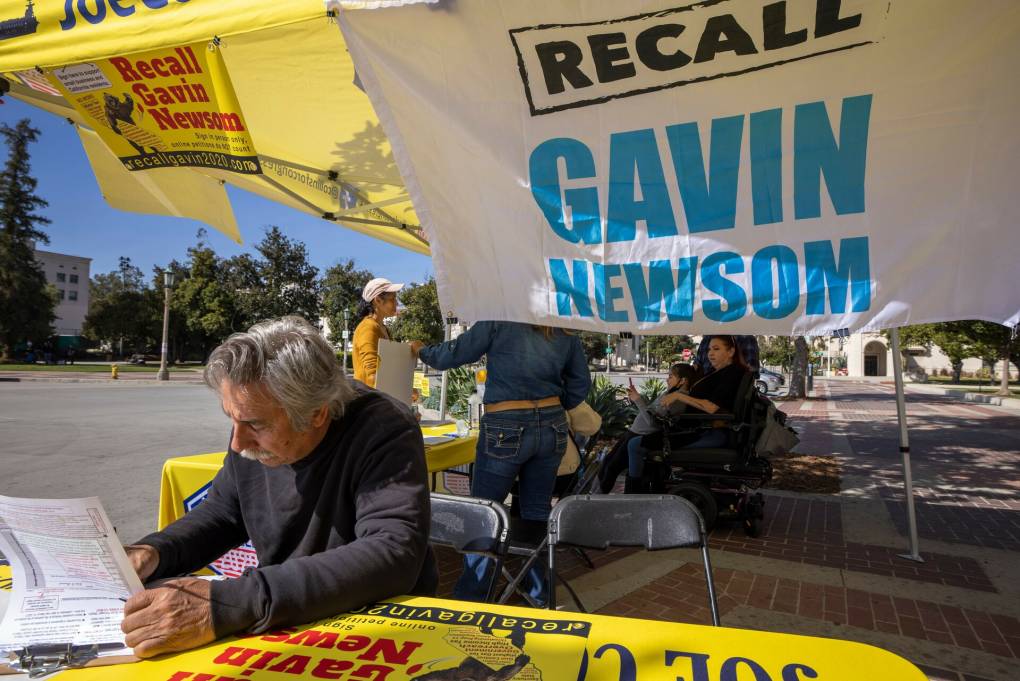
window.__IS_SSR__=true
window.__INITIAL_STATE__={
"attachmentsReducer": {
"audio_0": {
"type": "attachments",
"id": "audio_0",
"imgSizes": {
"kqedFullSize": {
"file": "https://ww2.kqed.org/news/wp-content/themes/KQED-unified/img/audio_bgs/background0.jpg"
}
}
},
"audio_1": {
"type": "attachments",
"id": "audio_1",
"imgSizes": {
"kqedFullSize": {
"file": "https://ww2.kqed.org/news/wp-content/themes/KQED-unified/img/audio_bgs/background1.jpg"
}
}
},
"audio_2": {
"type": "attachments",
"id": "audio_2",
"imgSizes": {
"kqedFullSize": {
"file": "https://ww2.kqed.org/news/wp-content/themes/KQED-unified/img/audio_bgs/background2.jpg"
}
}
},
"audio_3": {
"type": "attachments",
"id": "audio_3",
"imgSizes": {
"kqedFullSize": {
"file": "https://ww2.kqed.org/news/wp-content/themes/KQED-unified/img/audio_bgs/background3.jpg"
}
}
},
"audio_4": {
"type": "attachments",
"id": "audio_4",
"imgSizes": {
"kqedFullSize": {
"file": "https://ww2.kqed.org/news/wp-content/themes/KQED-unified/img/audio_bgs/background4.jpg"
}
}
},
"placeholder": {
"type": "attachments",
"id": "placeholder",
"imgSizes": {
"thumbnail": {
"file": "https://cdn.kqed.org/wp-content/uploads/2024/12/KQED-Default-Image-816638274-2000x1333-1-160x107.jpg",
"width": 160,
"height": 107,
"mimeType": "image/jpeg"
},
"medium": {
"file": "https://cdn.kqed.org/wp-content/uploads/2024/12/KQED-Default-Image-816638274-2000x1333-1-800x533.jpg",
"width": 800,
"height": 533,
"mimeType": "image/jpeg"
},
"medium_large": {
"file": "https://cdn.kqed.org/wp-content/uploads/2024/12/KQED-Default-Image-816638274-2000x1333-1-768x512.jpg",
"width": 768,
"height": 512,
"mimeType": "image/jpeg"
},
"large": {
"file": "https://cdn.kqed.org/wp-content/uploads/2024/12/KQED-Default-Image-816638274-2000x1333-1-1020x680.jpg",
"width": 1020,
"height": 680,
"mimeType": "image/jpeg"
},
"1536x1536": {
"file": "https://cdn.kqed.org/wp-content/uploads/2024/12/KQED-Default-Image-816638274-2000x1333-1-1536x1024.jpg",
"width": 1536,
"height": 1024,
"mimeType": "image/jpeg"
},
"fd-lrg": {
"file": "https://cdn.kqed.org/wp-content/uploads/2024/12/KQED-Default-Image-816638274-2000x1333-1-1536x1024.jpg",
"width": 1536,
"height": 1024,
"mimeType": "image/jpeg"
},
"fd-med": {
"file": "https://cdn.kqed.org/wp-content/uploads/2024/12/KQED-Default-Image-816638274-2000x1333-1-1020x680.jpg",
"width": 1020,
"height": 680,
"mimeType": "image/jpeg"
},
"fd-sm": {
"file": "https://cdn.kqed.org/wp-content/uploads/2024/12/KQED-Default-Image-816638274-2000x1333-1-800x533.jpg",
"width": 800,
"height": 533,
"mimeType": "image/jpeg"
},
"post-thumbnail": {
"file": "https://cdn.kqed.org/wp-content/uploads/2024/12/KQED-Default-Image-816638274-2000x1333-1-672x372.jpg",
"width": 672,
"height": 372,
"mimeType": "image/jpeg"
},
"twentyfourteen-full-width": {
"file": "https://cdn.kqed.org/wp-content/uploads/2024/12/KQED-Default-Image-816638274-2000x1333-1-1038x576.jpg",
"width": 1038,
"height": 576,
"mimeType": "image/jpeg"
},
"xxsmall": {
"file": "https://cdn.kqed.org/wp-content/uploads/2024/12/KQED-Default-Image-816638274-2000x1333-1-160x107.jpg",
"width": 160,
"height": 107,
"mimeType": "image/jpeg"
},
"xsmall": {
"file": "https://cdn.kqed.org/wp-content/uploads/2024/12/KQED-Default-Image-816638274-2000x1333-1-672x372.jpg",
"width": 672,
"height": 372,
"mimeType": "image/jpeg"
},
"small": {
"file": "https://cdn.kqed.org/wp-content/uploads/2024/12/KQED-Default-Image-816638274-2000x1333-1-672x372.jpg",
"width": 672,
"height": 372,
"mimeType": "image/jpeg"
},
"xlarge": {
"file": "https://cdn.kqed.org/wp-content/uploads/2024/12/KQED-Default-Image-816638274-2000x1333-1-1020x680.jpg",
"width": 1020,
"height": 680,
"mimeType": "image/jpeg"
},
"full-width": {
"file": "https://cdn.kqed.org/wp-content/uploads/2024/12/KQED-Default-Image-816638274-2000x1333-1-1920x1280.jpg",
"width": 1920,
"height": 1280,
"mimeType": "image/jpeg"
},
"guest-author-32": {
"file": "https://cdn.kqed.org/wp-content/uploads/2025/01/KQED-Default-Image-816638274-1333x1333-1-160x160.jpg",
"width": 32,
"height": 32,
"mimeType": "image/jpeg"
},
"guest-author-50": {
"file": "https://cdn.kqed.org/wp-content/uploads/2025/01/KQED-Default-Image-816638274-1333x1333-1-160x160.jpg",
"width": 50,
"height": 50,
"mimeType": "image/jpeg"
},
"guest-author-64": {
"file": "https://cdn.kqed.org/wp-content/uploads/2025/01/KQED-Default-Image-816638274-1333x1333-1-160x160.jpg",
"width": 64,
"height": 64,
"mimeType": "image/jpeg"
},
"guest-author-96": {
"file": "https://cdn.kqed.org/wp-content/uploads/2025/01/KQED-Default-Image-816638274-1333x1333-1-160x160.jpg",
"width": 96,
"height": 96,
"mimeType": "image/jpeg"
},
"guest-author-128": {
"file": "https://cdn.kqed.org/wp-content/uploads/2025/01/KQED-Default-Image-816638274-1333x1333-1-160x160.jpg",
"width": 128,
"height": 128,
"mimeType": "image/jpeg"
},
"detail": {
"file": "https://cdn.kqed.org/wp-content/uploads/2025/01/KQED-Default-Image-816638274-1333x1333-1-160x160.jpg",
"width": 160,
"height": 160,
"mimeType": "image/jpeg"
},
"kqedFullSize": {
"file": "https://cdn.kqed.org/wp-content/uploads/2024/12/KQED-Default-Image-816638274-2000x1333-1.jpg",
"width": 2000,
"height": 1333
}
}
},
"news_11887046": {
"type": "attachments",
"id": "news_11887046",
"meta": {
"index": "attachments_1716263798",
"site": "news",
"id": "11887046",
"found": true
},
"parent": 11886920,
"imgSizes": {
"twentyfourteen-full-width": {
"file": "https://ww2.kqed.org/app/uploads/sites/10/2021/08/28339770096_6297800ba6_o-1038x576.jpg",
"width": 1038,
"mimeType": "image/jpeg",
"height": 576
},
"thumbnail": {
"file": "https://ww2.kqed.org/app/uploads/sites/10/2021/08/28339770096_6297800ba6_o-160x107.jpg",
"width": 160,
"mimeType": "image/jpeg",
"height": 107
},
"post-thumbnail": {
"file": "https://ww2.kqed.org/app/uploads/sites/10/2021/08/28339770096_6297800ba6_o-672x372.jpg",
"width": 672,
"mimeType": "image/jpeg",
"height": 372
},
"kqedFullSize": {
"file": "https://ww2.kqed.org/app/uploads/sites/10/2021/08/28339770096_6297800ba6_o-scaled-e1630445170174.jpg",
"width": 1920,
"height": 1280
},
"2048x2048": {
"file": "https://ww2.kqed.org/app/uploads/sites/10/2021/08/28339770096_6297800ba6_o-2048x1365.jpg",
"width": 2048,
"mimeType": "image/jpeg",
"height": 1365
},
"large": {
"file": "https://ww2.kqed.org/app/uploads/sites/10/2021/08/28339770096_6297800ba6_o-1020x680.jpg",
"width": 1020,
"mimeType": "image/jpeg",
"height": 680
},
"1536x1536": {
"file": "https://ww2.kqed.org/app/uploads/sites/10/2021/08/28339770096_6297800ba6_o-1536x1024.jpg",
"width": 1536,
"mimeType": "image/jpeg",
"height": 1024
},
"full-width": {
"file": "https://ww2.kqed.org/app/uploads/sites/10/2021/08/28339770096_6297800ba6_o-1920x1280.jpg",
"width": 1920,
"mimeType": "image/jpeg",
"height": 1280
},
"medium": {
"file": "https://ww2.kqed.org/app/uploads/sites/10/2021/08/28339770096_6297800ba6_o-800x533.jpg",
"width": 800,
"mimeType": "image/jpeg",
"height": 533
}
},
"publishDate": 1630445145,
"modified": 1630452925,
"caption": "Larry Elder speaking at the 2016 FreedomFest at Planet Hollywood in Las Vegas. The radio talk show host is running for California governor as a Republican.",
"description": "Larry Elder speaking at the 2016 FreedomFest at Planet Hollywood in Las Vegas, Nevada. The radio talk show host is running for California governor as a Republican.",
"title": "28339770096_6297800ba6_o",
"credit": "Gage Skidmore/Flickr",
"status": "inherit",
"altTag": "Larry Elder in a dark suit and pink tie, with a projected image of a phoenix on the wall behind him",
"isLoading": false,
"fetchFailed": false
},
"news_11886518": {
"type": "attachments",
"id": "news_11886518",
"meta": {
"index": "attachments_1716263798",
"site": "news",
"id": "11886518",
"found": true
},
"parent": 11886431,
"imgSizes": {
"twentyfourteen-full-width": {
"file": "https://ww2.kqed.org/app/uploads/sites/10/2021/08/GettyImages-1234716783-1024x576.jpg",
"width": 1024,
"mimeType": "image/jpeg",
"height": 576
},
"thumbnail": {
"file": "https://ww2.kqed.org/app/uploads/sites/10/2021/08/GettyImages-1234716783-160x94.jpg",
"width": 160,
"mimeType": "image/jpeg",
"height": 94
},
"post-thumbnail": {
"file": "https://ww2.kqed.org/app/uploads/sites/10/2021/08/GettyImages-1234716783-672x372.jpg",
"width": 672,
"mimeType": "image/jpeg",
"height": 372
},
"kqedFullSize": {
"file": "https://ww2.kqed.org/app/uploads/sites/10/2021/08/GettyImages-1234716783.jpg",
"width": 1024,
"height": 601
},
"large": {
"file": "https://ww2.kqed.org/app/uploads/sites/10/2021/08/GettyImages-1234716783-1020x599.jpg",
"width": 1020,
"mimeType": "image/jpeg",
"height": 599
},
"medium": {
"file": "https://ww2.kqed.org/app/uploads/sites/10/2021/08/GettyImages-1234716783-800x470.jpg",
"width": 800,
"mimeType": "image/jpeg",
"height": 470
}
},
"publishDate": 1630020082,
"modified": 1630024003,
"caption": "A ballot for the upcoming recall election seeking to remove California Gov. Gavin Newsom. The election will be held on Sept. 14, 2021, although most registered voters have already received their ballots and can submit them now. Forty-six candidates, including nine Democrats, are running.",
"description": null,
"title": "US-POLITICS-ELECTIONS-GOVERNOR-CALIFORNIA-NEWSOM",
"credit": "Chris Delmas/AFP via Getty Images",
"status": "inherit",
"altTag": null,
"isLoading": false,
"fetchFailed": false
},
"news_11886259": {
"type": "attachments",
"id": "news_11886259",
"meta": {
"index": "attachments_1716263798",
"site": "news",
"id": "11886259",
"found": true
},
"parent": 11885994,
"imgSizes": {
"twentyfourteen-full-width": {
"file": "https://ww2.kqed.org/app/uploads/sites/10/2021/08/RS45459_007_KQED_Oakland_RegistrarofVoters_10272020-qut-1038x576.jpg",
"width": 1038,
"mimeType": "image/jpeg",
"height": 576
},
"thumbnail": {
"file": "https://ww2.kqed.org/app/uploads/sites/10/2021/08/RS45459_007_KQED_Oakland_RegistrarofVoters_10272020-qut-160x107.jpg",
"width": 160,
"mimeType": "image/jpeg",
"height": 107
},
"post-thumbnail": {
"file": "https://ww2.kqed.org/app/uploads/sites/10/2021/08/RS45459_007_KQED_Oakland_RegistrarofVoters_10272020-qut-672x372.jpg",
"width": 672,
"mimeType": "image/jpeg",
"height": 372
},
"kqedFullSize": {
"file": "https://ww2.kqed.org/app/uploads/sites/10/2021/08/RS45459_007_KQED_Oakland_RegistrarofVoters_10272020-qut.jpg",
"width": 1920,
"height": 1280
},
"large": {
"file": "https://ww2.kqed.org/app/uploads/sites/10/2021/08/RS45459_007_KQED_Oakland_RegistrarofVoters_10272020-qut-1020x680.jpg",
"width": 1020,
"mimeType": "image/jpeg",
"height": 680
},
"1536x1536": {
"file": "https://ww2.kqed.org/app/uploads/sites/10/2021/08/RS45459_007_KQED_Oakland_RegistrarofVoters_10272020-qut-1536x1024.jpg",
"width": 1536,
"mimeType": "image/jpeg",
"height": 1024
},
"medium": {
"file": "https://ww2.kqed.org/app/uploads/sites/10/2021/08/RS45459_007_KQED_Oakland_RegistrarofVoters_10272020-qut-800x533.jpg",
"width": 800,
"mimeType": "image/jpeg",
"height": 533
}
},
"publishDate": 1629912439,
"modified": 1629912548,
"caption": "Bei Kao holds her \"I Voted\" sticker after voting in Oakland on Oct. 27, 2020.",
"description": null,
"title": "newsom-recall-early-voting",
"credit": "Beth LaBerge/KQED",
"status": "inherit",
"altTag": null,
"isLoading": false,
"fetchFailed": false
},
"news_11886217": {
"type": "attachments",
"id": "news_11886217",
"meta": {
"index": "attachments_1716263798",
"site": "news",
"id": "11886217",
"found": true
},
"parent": 11886134,
"imgSizes": {
"twentyfourteen-full-width": {
"file": "https://ww2.kqed.org/app/uploads/sites/10/2021/08/GettyImages-2586310-1024x576.jpg",
"width": 1024,
"mimeType": "image/jpeg",
"height": 576
},
"thumbnail": {
"file": "https://ww2.kqed.org/app/uploads/sites/10/2021/08/GettyImages-2586310-160x116.jpg",
"width": 160,
"mimeType": "image/jpeg",
"height": 116
},
"post-thumbnail": {
"file": "https://ww2.kqed.org/app/uploads/sites/10/2021/08/GettyImages-2586310-672x372.jpg",
"width": 672,
"mimeType": "image/jpeg",
"height": 372
},
"kqedFullSize": {
"file": "https://ww2.kqed.org/app/uploads/sites/10/2021/08/GettyImages-2586310.jpg",
"width": 1024,
"height": 743
},
"large": {
"file": "https://ww2.kqed.org/app/uploads/sites/10/2021/08/GettyImages-2586310-1020x740.jpg",
"width": 1020,
"mimeType": "image/jpeg",
"height": 740
},
"medium": {
"file": "https://ww2.kqed.org/app/uploads/sites/10/2021/08/GettyImages-2586310-800x580.jpg",
"width": 800,
"mimeType": "image/jpeg",
"height": 580
}
},
"publishDate": 1629849155,
"modified": 1629926254,
"caption": "Arnold Schwarzenegger and then-wife Maria Shriver celebrate his recall election victory over then-Gov. Gray Davis on Oct. 7, 2003.",
"description": null,
"title": "Arnold Schwarzenegger and wife Maria Shr",
"credit": "Robyn Beck/AFP via Getty Images",
"status": "inherit",
"altTag": null,
"isLoading": false,
"fetchFailed": false
},
"news_11886172": {
"type": "attachments",
"id": "news_11886172",
"meta": {
"index": "attachments_1716263798",
"site": "news",
"id": "11886172",
"found": true
},
"parent": 11886167,
"imgSizes": {
"twentyfourteen-full-width": {
"file": "https://ww2.kqed.org/app/uploads/sites/10/2021/08/recallmath_082421_final-1038x576.png",
"width": 1038,
"mimeType": "image/png",
"height": 576
},
"thumbnail": {
"file": "https://ww2.kqed.org/app/uploads/sites/10/2021/08/recallmath_082421_final-160x107.png",
"width": 160,
"mimeType": "image/png",
"height": 107
},
"post-thumbnail": {
"file": "https://ww2.kqed.org/app/uploads/sites/10/2021/08/recallmath_082421_final-672x372.png",
"width": 672,
"mimeType": "image/png",
"height": 372
},
"kqedFullSize": {
"file": "https://ww2.kqed.org/app/uploads/sites/10/2021/08/recallmath_082421_final.png",
"width": 1920,
"height": 1281
},
"large": {
"file": "https://ww2.kqed.org/app/uploads/sites/10/2021/08/recallmath_082421_final-1020x681.png",
"width": 1020,
"mimeType": "image/png",
"height": 681
},
"1536x1536": {
"file": "https://ww2.kqed.org/app/uploads/sites/10/2021/08/recallmath_082421_final-1536x1025.png",
"width": 1536,
"mimeType": "image/png",
"height": 1025
},
"medium": {
"file": "https://ww2.kqed.org/app/uploads/sites/10/2021/08/recallmath_082421_final-800x534.png",
"width": 800,
"mimeType": "image/png",
"height": 534
}
},
"publishDate": 1629838472,
"modified": 1629851807,
"caption": null,
"description": null,
"title": "recallmath_082421_final",
"credit": null,
"status": "inherit",
"altTag": "Cartoon. Arrow points at Gavin Newsom & says, could get 49% & lose. Arrow points at Larry Elder & says, could get 15% & win.",
"isLoading": false,
"fetchFailed": false
},
"news_11886109": {
"type": "attachments",
"id": "news_11886109",
"meta": {
"index": "attachments_1716263798",
"site": "news",
"id": "11886109",
"found": true
},
"parent": 11885708,
"imgSizes": {
"twentyfourteen-full-width": {
"file": "https://ww2.kqed.org/app/uploads/sites/10/2021/08/GettyImages-1307455081-1024x576.jpg",
"width": 1024,
"mimeType": "image/jpeg",
"height": 576
},
"thumbnail": {
"file": "https://ww2.kqed.org/app/uploads/sites/10/2021/08/GettyImages-1307455081-160x107.jpg",
"width": 160,
"mimeType": "image/jpeg",
"height": 107
},
"post-thumbnail": {
"file": "https://ww2.kqed.org/app/uploads/sites/10/2021/08/GettyImages-1307455081-672x372.jpg",
"width": 672,
"mimeType": "image/jpeg",
"height": 372
},
"kqedFullSize": {
"file": "https://ww2.kqed.org/app/uploads/sites/10/2021/08/GettyImages-1307455081.jpg",
"width": 1024,
"height": 683
},
"large": {
"file": "https://ww2.kqed.org/app/uploads/sites/10/2021/08/GettyImages-1307455081-1020x680.jpg",
"width": 1020,
"mimeType": "image/jpeg",
"height": 680
},
"medium": {
"file": "https://ww2.kqed.org/app/uploads/sites/10/2021/08/GettyImages-1307455081-800x534.jpg",
"width": 800,
"mimeType": "image/jpeg",
"height": 534
}
},
"publishDate": 1629764014,
"modified": 1629764135,
"caption": "Gov. Gavin Newsom talks with teachers and local officials as he visits the newly reopened Ruby Bridges Elementary School on March 16, 2021, in Alameda, part of his tour across California to highlight the state's efforts to reopen schools and businesses.",
"description": null,
"title": "Governor Gavin Newsom Visits School To Highlight State's Reopening Efforts",
"credit": "Justin Sullivan/Getty Images",
"status": "inherit",
"altTag": null,
"isLoading": false,
"fetchFailed": false
},
"news_11883827": {
"type": "attachments",
"id": "news_11883827",
"meta": {
"index": "attachments_1716263798",
"site": "news",
"id": "11883827",
"found": true
},
"parent": 11883728,
"imgSizes": {
"twentyfourteen-full-width": {
"file": "https://ww2.kqed.org/app/uploads/sites/10/2021/08/RS50551_GettyImages-1231446905-qut-1038x576.jpg",
"width": 1038,
"mimeType": "image/jpeg",
"height": 576
},
"thumbnail": {
"file": "https://ww2.kqed.org/app/uploads/sites/10/2021/08/RS50551_GettyImages-1231446905-qut-160x107.jpg",
"width": 160,
"mimeType": "image/jpeg",
"height": 107
},
"post-thumbnail": {
"file": "https://ww2.kqed.org/app/uploads/sites/10/2021/08/RS50551_GettyImages-1231446905-qut-672x372.jpg",
"width": 672,
"mimeType": "image/jpeg",
"height": 372
},
"kqedFullSize": {
"file": "https://ww2.kqed.org/app/uploads/sites/10/2021/08/RS50551_GettyImages-1231446905-qut.jpg",
"width": 1920,
"height": 1281
},
"large": {
"file": "https://ww2.kqed.org/app/uploads/sites/10/2021/08/RS50551_GettyImages-1231446905-qut-1020x681.jpg",
"width": 1020,
"mimeType": "image/jpeg",
"height": 681
},
"1536x1536": {
"file": "https://ww2.kqed.org/app/uploads/sites/10/2021/08/RS50551_GettyImages-1231446905-qut-1536x1025.jpg",
"width": 1536,
"mimeType": "image/jpeg",
"height": 1025
},
"medium": {
"file": "https://ww2.kqed.org/app/uploads/sites/10/2021/08/RS50551_GettyImages-1231446905-qut-800x534.jpg",
"width": 800,
"mimeType": "image/jpeg",
"height": 534
}
},
"publishDate": 1628134384,
"modified": 1628639604,
"caption": "Paul Von Lutzow signs a petition in a recall effort against California Governor Gavin Newsom near Pasadena City Hall in Pasadena, California, on Feb. 28, 2021. (Photo by David McNew/AFP via Getty Images)",
"description": null,
"title": "US-POLITICS-CALIFORNIA-NEWSOM",
"credit": "David McNew/AFP via Getty Images",
"status": "inherit",
"altTag": null,
"isLoading": false,
"fetchFailed": false
},
"news_11885103": {
"type": "attachments",
"id": "news_11885103",
"meta": {
"index": "attachments_1716263798",
"site": "news",
"id": "11885103",
"found": true
},
"parent": 11885054,
"imgSizes": {
"twentyfourteen-full-width": {
"file": "https://ww2.kqed.org/app/uploads/sites/10/2021/08/RS50624_IMG_3321-qut-e1628897040831-1038x576.jpg",
"width": 1038,
"mimeType": "image/jpeg",
"height": 576
},
"thumbnail": {
"file": "https://ww2.kqed.org/app/uploads/sites/10/2021/08/RS50624_IMG_3321-qut-e1628897040831-160x120.jpg",
"width": 160,
"mimeType": "image/jpeg",
"height": 120
},
"post-thumbnail": {
"file": "https://ww2.kqed.org/app/uploads/sites/10/2021/08/RS50624_IMG_3321-qut-e1628897040831-672x372.jpg",
"width": 672,
"mimeType": "image/jpeg",
"height": 372
},
"kqedFullSize": {
"file": "https://ww2.kqed.org/app/uploads/sites/10/2021/08/RS50624_IMG_3321-qut-e1628897040831.jpg",
"width": 1920,
"height": 1440
},
"large": {
"file": "https://ww2.kqed.org/app/uploads/sites/10/2021/08/RS50624_IMG_3321-qut-e1628897040831-1020x765.jpg",
"width": 1020,
"mimeType": "image/jpeg",
"height": 765
},
"1536x1536": {
"file": "https://ww2.kqed.org/app/uploads/sites/10/2021/08/RS50624_IMG_3321-qut-e1628897040831-1536x1152.jpg",
"width": 1536,
"mimeType": "image/jpeg",
"height": 1152
},
"medium": {
"file": "https://ww2.kqed.org/app/uploads/sites/10/2021/08/RS50624_IMG_3321-qut-e1628897040831-800x600.jpg",
"width": 800,
"mimeType": "image/jpeg",
"height": 600
}
},
"publishDate": 1628897024,
"modified": 1628897697,
"caption": "Gov. Gavin Newsom is flanked by state and local Democratic officeholders as he urges a no vote in California's gubernatorial election, at Manny's in San Francisco on August 13, 2021. ",
"description": "Gov. Gavin Newsom is flanked by state and local Democratic officeholders as he urges a no vote in California's gubernatorial election, at Manny's in San Francisco on August 13, 2021. ",
"title": "RS50624_IMG_3321-qut",
"credit": "Guy Marzorati/KQED",
"status": "inherit",
"altTag": "Gov. Gavin Newsom is flanked by state and local Democratic officeholders in a photo.",
"isLoading": false,
"fetchFailed": false
},
"news_11885022": {
"type": "attachments",
"id": "news_11885022",
"meta": {
"index": "attachments_1716263798",
"site": "news",
"id": "11885022",
"found": true
},
"parent": 11884716,
"imgSizes": {
"twentyfourteen-full-width": {
"file": "https://ww2.kqed.org/app/uploads/sites/10/2021/08/RS50623_GettyImages-1317323995-qut-1038x576.jpg",
"width": 1038,
"mimeType": "image/jpeg",
"height": 576
},
"thumbnail": {
"file": "https://ww2.kqed.org/app/uploads/sites/10/2021/08/RS50623_GettyImages-1317323995-qut-160x107.jpg",
"width": 160,
"mimeType": "image/jpeg",
"height": 107
},
"post-thumbnail": {
"file": "https://ww2.kqed.org/app/uploads/sites/10/2021/08/RS50623_GettyImages-1317323995-qut-672x372.jpg",
"width": 672,
"mimeType": "image/jpeg",
"height": 372
},
"kqedFullSize": {
"file": "https://ww2.kqed.org/app/uploads/sites/10/2021/08/RS50623_GettyImages-1317323995-qut.jpg",
"width": 1920,
"height": 1280
},
"large": {
"file": "https://ww2.kqed.org/app/uploads/sites/10/2021/08/RS50623_GettyImages-1317323995-qut-1020x680.jpg",
"width": 1020,
"mimeType": "image/jpeg",
"height": 680
},
"1536x1536": {
"file": "https://ww2.kqed.org/app/uploads/sites/10/2021/08/RS50623_GettyImages-1317323995-qut-1536x1024.jpg",
"width": 1536,
"mimeType": "image/jpeg",
"height": 1024
},
"medium": {
"file": "https://ww2.kqed.org/app/uploads/sites/10/2021/08/RS50623_GettyImages-1317323995-qut-800x533.jpg",
"width": 800,
"mimeType": "image/jpeg",
"height": 533
}
},
"publishDate": 1628882955,
"modified": 1629128263,
"caption": "Gov. Gavin Newsom speaks during a press conference on May 10, 2021, in Oakland.",
"description": "Gov. Gavin Newsom speaks during a press conference on May 10, 2021 in Oakland.",
"title": "California Governor Newsom Unveils His Economic Recovery Package For The State",
"credit": "Justin Sullivan/Getty Images",
"status": "inherit",
"altTag": null,
"isLoading": false,
"fetchFailed": false
},
"news_11884839": {
"type": "attachments",
"id": "news_11884839",
"meta": {
"index": "attachments_1716263798",
"site": "news",
"id": "11884839",
"found": true
},
"parent": 11884830,
"imgSizes": {
"twentyfourteen-full-width": {
"file": "https://ww2.kqed.org/app/uploads/sites/10/2021/08/noshoes_081221_final-1038x576.png",
"width": 1038,
"mimeType": "image/png",
"height": 576
},
"thumbnail": {
"file": "https://ww2.kqed.org/app/uploads/sites/10/2021/08/noshoes_081221_final-160x99.png",
"width": 160,
"mimeType": "image/png",
"height": 99
},
"post-thumbnail": {
"file": "https://ww2.kqed.org/app/uploads/sites/10/2021/08/noshoes_081221_final-672x372.png",
"width": 672,
"mimeType": "image/png",
"height": 372
},
"kqedFullSize": {
"file": "https://ww2.kqed.org/app/uploads/sites/10/2021/08/noshoes_081221_final.png",
"width": 1920,
"height": 1183
},
"large": {
"file": "https://ww2.kqed.org/app/uploads/sites/10/2021/08/noshoes_081221_final-1020x628.png",
"width": 1020,
"mimeType": "image/png",
"height": 628
},
"1536x1536": {
"file": "https://ww2.kqed.org/app/uploads/sites/10/2021/08/noshoes_081221_final-1536x946.png",
"width": 1536,
"mimeType": "image/png",
"height": 946
},
"medium": {
"file": "https://ww2.kqed.org/app/uploads/sites/10/2021/08/noshoes_081221_final-800x493.png",
"width": 800,
"mimeType": "image/png",
"height": 493
}
},
"publishDate": 1628802803,
"modified": 1628802877,
"caption": null,
"description": null,
"title": "noshoes_081221_final",
"credit": null,
"status": "inherit",
"altTag": "A Mark Fiore cartoon that looks like a sign you'd see at a restaurant or bar that reads, \"no shoes, no shirt, no shot, no service.\" The generic sign-person wears a mask, has a band-aid on their arm and is giving the thumbs up sign.",
"isLoading": false,
"fetchFailed": false
},
"news_11884525": {
"type": "attachments",
"id": "news_11884525",
"meta": {
"index": "attachments_1716263798",
"site": "news",
"id": "11884525",
"found": true
},
"parent": 11884520,
"imgSizes": {
"twentyfourteen-full-width": {
"file": "https://ww2.kqed.org/app/uploads/sites/10/2021/08/GettyImages-1307489157-1038x576.jpg",
"width": 1038,
"mimeType": "image/jpeg",
"height": 576
},
"thumbnail": {
"file": "https://ww2.kqed.org/app/uploads/sites/10/2021/08/GettyImages-1307489157-160x107.jpg",
"width": 160,
"mimeType": "image/jpeg",
"height": 107
},
"post-thumbnail": {
"file": "https://ww2.kqed.org/app/uploads/sites/10/2021/08/GettyImages-1307489157-672x372.jpg",
"width": 672,
"mimeType": "image/jpeg",
"height": 372
},
"kqedFullSize": {
"file": "https://ww2.kqed.org/app/uploads/sites/10/2021/08/GettyImages-1307489157.jpg",
"width": 2000,
"height": 1333
},
"large": {
"file": "https://ww2.kqed.org/app/uploads/sites/10/2021/08/GettyImages-1307489157-1020x680.jpg",
"width": 1020,
"mimeType": "image/jpeg",
"height": 680
},
"1536x1536": {
"file": "https://ww2.kqed.org/app/uploads/sites/10/2021/08/GettyImages-1307489157-1536x1024.jpg",
"width": 1536,
"mimeType": "image/jpeg",
"height": 1024
},
"full-width": {
"file": "https://ww2.kqed.org/app/uploads/sites/10/2021/08/GettyImages-1307489157-1920x1280.jpg",
"width": 1920,
"mimeType": "image/jpeg",
"height": 1280
},
"medium": {
"file": "https://ww2.kqed.org/app/uploads/sites/10/2021/08/GettyImages-1307489157-800x533.jpg",
"width": 800,
"mimeType": "image/jpeg",
"height": 533
}
},
"publishDate": 1628626581,
"modified": 1628626627,
"caption": "Gov. Gavin Newsom will face a recall election on Sept. 14, 2021. ",
"description": "Gov. Gavin Newsom will face a recall election on Sept. 14, 2021. ",
"title": "Governor Gavin Newsom Visits School To Highlight State's Reopening Efforts",
"credit": "Justin Sullivan/Getty Images",
"status": "inherit",
"altTag": null,
"isLoading": false,
"fetchFailed": false
},
"news_11884612": {
"type": "attachments",
"id": "news_11884612",
"meta": {
"index": "attachments_1716263798",
"site": "news",
"id": "11884612",
"found": true
},
"parent": 11884606,
"imgSizes": {
"twentyfourteen-full-width": {
"file": "https://ww2.kqed.org/app/uploads/sites/10/2021/08/GettyImages-1307454937-1-1038x576.jpg",
"width": 1038,
"mimeType": "image/jpeg",
"height": 576
},
"thumbnail": {
"file": "https://ww2.kqed.org/app/uploads/sites/10/2021/08/GettyImages-1307454937-1-160x108.jpg",
"width": 160,
"mimeType": "image/jpeg",
"height": 108
},
"post-thumbnail": {
"file": "https://ww2.kqed.org/app/uploads/sites/10/2021/08/GettyImages-1307454937-1-672x372.jpg",
"width": 672,
"mimeType": "image/jpeg",
"height": 372
},
"kqedFullSize": {
"file": "https://ww2.kqed.org/app/uploads/sites/10/2021/08/GettyImages-1307454937-1.jpg",
"width": 1920,
"height": 1296
},
"large": {
"file": "https://ww2.kqed.org/app/uploads/sites/10/2021/08/GettyImages-1307454937-1-1020x689.jpg",
"width": 1020,
"mimeType": "image/jpeg",
"height": 689
},
"1536x1536": {
"file": "https://ww2.kqed.org/app/uploads/sites/10/2021/08/GettyImages-1307454937-1-1536x1037.jpg",
"width": 1536,
"mimeType": "image/jpeg",
"height": 1037
},
"medium": {
"file": "https://ww2.kqed.org/app/uploads/sites/10/2021/08/GettyImages-1307454937-1-800x540.jpg",
"width": 800,
"mimeType": "image/jpeg",
"height": 540
}
},
"publishDate": 1628704361,
"modified": 1633123943,
"caption": "Gov. Gavin Newsom speaks during a news conference after touring an elementary school on March 16, 2021, in Alameda. ",
"description": "Gov. Gavin Newsom speaks during a news conference after touring an elementary school on March 16, 2021, in Alameda. ",
"title": "GettyImages-1307454937 (1)",
"credit": "Justin Sullivan/Getty Images",
"status": "inherit",
"altTag": "Gavin Newsom, without a tie, speaks into a bank of microphones in front of a board with colorful letters that spell \"The Great Kindness Challenge.\"",
"isLoading": false,
"fetchFailed": false
}
},
"audioPlayerReducer": {
"postId": "stream_live",
"isPaused": true,
"isPlaying": false,
"pfsActive": false,
"pledgeModalIsOpen": true,
"playerDrawerIsOpen": false,
"liveAudioPlayStartedAt": 0,
"liveAudioPlayContext": ""
},
"authorsReducer": {
"byline_news_11884606": {
"type": "authors",
"id": "byline_news_11884606",
"meta": {
"override": true
},
"slug": "byline_news_11884606",
"name": "\u003ca href=\"https://calmatters.org/author/joe-hong/\">Joe Hong\u003c/a>, CalMatters \u003cbr> \u003ca href=\"https://www.kqed.org/author/jrodriguez\">Joe Fitzgerald Rodriguez\u003c/a>, KQED",
"isLoading": false
},
"ohubertallen": {
"type": "authors",
"id": "102",
"meta": {
"index": "authors_1716337520",
"id": "102",
"found": true
},
"name": "Olivia Allen-Price",
"firstName": "Olivia",
"lastName": "Allen-Price",
"slug": "ohubertallen",
"email": "oallenprice@kqed.org",
"display_author_email": false,
"staff_mastheads": [
"news"
],
"title": "Senior Editor",
"bio": "Olivia Allen-Price is senior editor and host of the award-winning Bay Curious podcast. Prior to joining KQED in 2013, Olivia worked at The Baltimore Sun and The Virginian-Pilot in Norfolk, Va. She holds degrees in journalism and political science from Elon University. Her work has earned awards from the Society of Professional Journalists, the Hearst Foundation and Hearken. She loves to talk about running and curly hair.\r\n\r\nFollow: \u003ca href=\"https://twitter.com/oallenprice\">@oallenprice\u003c/a>\r\nEmail: \u003ca href=\"mailto:oallenprice@kqed.org\">oallenprice@kqed.org\u003c/a>",
"avatar": "https://secure.gravatar.com/avatar/07f7803c1f6be56f3be58ef276dfa64dce898502e0554408ef4858451a8294f7?s=600&d=blank&r=g",
"twitter": "oallenprice",
"bluesky": null,
"facebook": null,
"instagram": null,
"linkedin": null,
"sites": [
{
"site": "",
"roles": [
"editor"
]
},
{
"site": "arts",
"roles": [
"subscriber"
]
},
{
"site": "news",
"roles": [
"administrator"
]
},
{
"site": "pop",
"roles": [
"administrator"
]
},
{
"site": "bayareabites",
"roles": [
"contributor"
]
},
{
"site": "stateofhealth",
"roles": [
"administrator"
]
},
{
"site": "science",
"roles": [
"editor"
]
}
],
"headData": {
"title": "Olivia Allen-Price | KQED",
"description": "Senior Editor",
"ogImgSrc": "https://secure.gravatar.com/avatar/07f7803c1f6be56f3be58ef276dfa64dce898502e0554408ef4858451a8294f7?s=600&d=blank&r=g",
"twImgSrc": "https://secure.gravatar.com/avatar/07f7803c1f6be56f3be58ef276dfa64dce898502e0554408ef4858451a8294f7?s=600&d=blank&r=g"
},
"isLoading": false,
"link": "/author/ohubertallen"
},
"gmarzorati": {
"type": "authors",
"id": "227",
"meta": {
"index": "authors_1716337520",
"id": "227",
"found": true
},
"name": "Guy Marzorati",
"firstName": "Guy",
"lastName": "Marzorati",
"slug": "gmarzorati",
"email": "gmarzorati@KQED.org",
"display_author_email": true,
"staff_mastheads": [
"news"
],
"title": "Correspondent",
"bio": "Guy Marzorati is a correspondent on KQED's California Politics and Government Desk, based in San Jose. A graduate of Santa Clara University, Guy joined KQED in 2013. He reports on state and local politics and produces KQED's digital voter guide.",
"avatar": "https://secure.gravatar.com/avatar/e7038b8dbfd55b104369b76b1cd0b9de?s=600&d=blank&r=g",
"twitter": "guymarzorati",
"facebook": null,
"instagram": null,
"linkedin": null,
"sites": [
{
"site": "",
"roles": [
"editor"
]
},
{
"site": "news",
"roles": [
"editor"
]
},
{
"site": "science",
"roles": [
"editor"
]
},
{
"site": "forum",
"roles": [
"editor"
]
},
{
"site": "elections",
"roles": [
"editor"
]
},
{
"site": "liveblog",
"roles": [
"editor"
]
}
],
"headData": {
"title": "Guy Marzorati | KQED",
"description": "Correspondent",
"ogImgSrc": "https://secure.gravatar.com/avatar/e7038b8dbfd55b104369b76b1cd0b9de?s=600&d=blank&r=g",
"twImgSrc": "https://secure.gravatar.com/avatar/e7038b8dbfd55b104369b76b1cd0b9de?s=600&d=blank&r=g"
},
"isLoading": false,
"link": "/author/gmarzorati"
},
"scottshafer": {
"type": "authors",
"id": "255",
"meta": {
"index": "authors_1716337520",
"id": "255",
"found": true
},
"name": "Scott Shafer",
"firstName": "Scott",
"lastName": "Shafer",
"slug": "scottshafer",
"email": "sshafer@kqed.org",
"display_author_email": false,
"staff_mastheads": [
"news"
],
"title": "KQED Contributor",
"bio": "Scott Shafer is a senior editor with the KQED Politics and Government desk. He is co-host of Political Breakdown, the award-winning radio show and podcast with a personal take on the world of politics. Scott came to KQED in 1998 to host the statewide\u003cem> California Report\u003c/em>. Prior to that he had extended stints in politics and government\u003cem>.\u003c/em> He uses that inside experience at KQED in his, reporting, hosting and analysis for the politics desk. Scott collaborated \u003cem>Political Breakdown a\u003c/em>nd on \u003cem>The Political Mind of Jerry Brown, \u003c/em>an eight-part series about the life and extraordinary political career of the former governor. For fun, he plays water polo with the San Francisco Tsunami.",
"avatar": "https://secure.gravatar.com/avatar/a62ebae45b79d7aed1a39a0e3bf68104?s=600&d=blank&r=g",
"twitter": "scottshafer",
"bluesky": null,
"facebook": null,
"instagram": null,
"linkedin": null,
"sites": [
{
"site": "news",
"roles": [
"editor"
]
},
{
"site": "stateofhealth",
"roles": [
"author"
]
},
{
"site": "science",
"roles": [
"author"
]
},
{
"site": "forum",
"roles": [
"subscriber"
]
},
{
"site": "liveblog",
"roles": [
"author"
]
}
],
"headData": {
"title": "Scott Shafer | KQED",
"description": "KQED Contributor",
"ogImgSrc": "https://secure.gravatar.com/avatar/a62ebae45b79d7aed1a39a0e3bf68104?s=600&d=blank&r=g",
"twImgSrc": "https://secure.gravatar.com/avatar/a62ebae45b79d7aed1a39a0e3bf68104?s=600&d=blank&r=g"
},
"isLoading": false,
"link": "/author/scottshafer"
},
"markfiore": {
"type": "authors",
"id": "3236",
"meta": {
"index": "authors_1716337520",
"id": "3236",
"found": true
},
"name": "Mark Fiore",
"firstName": "Mark",
"lastName": "Fiore",
"slug": "markfiore",
"email": "mark@markfiore.com",
"display_author_email": false,
"staff_mastheads": [
"news"
],
"title": "KQED News Cartoonist",
"bio": "\u003ca href=\"http://www.MarkFiore.com\">MarkFiore.com\u003c/a> | \u003ca href=\"https://twitter.com/markfiore\">Follow on Twitter\u003c/a> | \u003ca href=\"https://www.facebook.com/pages/Mark-Fiore-Animated-Political-Cartoons/94451707396?ref=bookmarks\">Facebook\u003c/a> | \u003ca href=\"mailto:mark@markfiore.com\">email\u003c/a>\r\n\r\nPulitzer Prize-winner, Mark Fiore, who the Wall Street Journal has called “the undisputed guru of the form,” creates animated political cartoons in San Francisco, where his work has been featured regularly on the San Francisco Chronicle’s web site, SFGate.com. His work has appeared on Newsweek.com, Slate.com, CBSNews.com, MotherJones.com, DailyKos.com and NPR’s web site. Fiore’s political animation has appeared on CNN, Frontline, Bill Moyers Journal, Salon.com and cable and broadcast outlets across the globe.\r\n\r\nBeginning his professional life by drawing traditional political cartoons for newspapers, Fiore’s work appeared in publications ranging from the Washington Post to the Los Angeles Times. In the late 1990s, he began to experiment with animating political cartoons and, after a short stint at the San Jose Mercury News as their staff cartoonist, Fiore devoted all his energies to animation.\r\nGrowing up in California, Fiore also spent a good portion of his life in the backwoods of Idaho. It was this combination that shaped him politically. Mark majored in political science at Colorado College, where, in a perfect send-off for a cartoonist, he received his diploma in 1991 as commencement speaker Dick Cheney smiled approvingly.\r\nMark Fiore was awarded the Pulitzer Prize for political cartooning in 2010, a Robert F. Kennedy Journalism Award in 2004 and has twice received an Online Journalism Award for commentary from the Online News Association (2002, 2008). Fiore has received two awards for his work in new media from the National Cartoonists Society (2001, 2002), and in 2006 received The James Madison Freedom of Information Award from The Society of Professional Journalists.",
"avatar": "https://secure.gravatar.com/avatar/fc4e2a612b15b67bad0c6f0e1db4ca9b?s=600&d=blank&r=g",
"twitter": "MarkFiore",
"facebook": null,
"instagram": "https://www.instagram.com/markfiore/?hl=en",
"linkedin": null,
"sites": [
{
"site": "arts",
"roles": [
"contributor"
]
},
{
"site": "news",
"roles": [
"editor"
]
},
{
"site": "futureofyou",
"roles": [
"editor"
]
},
{
"site": "science",
"roles": [
"editor"
]
}
],
"headData": {
"title": "Mark Fiore | KQED",
"description": "KQED News Cartoonist",
"ogImgSrc": "https://secure.gravatar.com/avatar/fc4e2a612b15b67bad0c6f0e1db4ca9b?s=600&d=blank&r=g",
"twImgSrc": "https://secure.gravatar.com/avatar/fc4e2a612b15b67bad0c6f0e1db4ca9b?s=600&d=blank&r=g"
},
"isLoading": false,
"link": "/author/markfiore"
},
"mlagos": {
"type": "authors",
"id": "3239",
"meta": {
"index": "authors_1716337520",
"id": "3239",
"found": true
},
"name": "Marisa Lagos",
"firstName": "Marisa",
"lastName": "Lagos",
"slug": "mlagos",
"email": "mlagos@kqed.org",
"display_author_email": false,
"staff_mastheads": [
"news"
],
"title": "KQED Contributor",
"bio": "Marisa Lagos is a correspondent for KQED’s California Politics and Government Desk and co-hosts the award-winning show and podcast, Political Breakdown. At KQED, Lagos also conducts reporting, analysis and investigations into state, local and national politics for radio, TV, online and onstage. In 2022, she and co-host, Scott Shafer, moderated the only gubernatorial debate in California. In 2020, the \u003ci>Washington Post\u003c/i> named her one of the top political journalists in California; she was nominated for a Peabody and won several other awards for her work investigating the 2017 California wildfires. She has worked at the \u003ci>San Francisco Chronicle\u003c/i>, \u003ci>San Francisco Examiner\u003c/i> and \u003ci>Los Angeles Times\u003c/i>. A UC Santa Barbara graduate, she lives in San Francisco with her two sons and husband.",
"avatar": "https://secure.gravatar.com/avatar/a261a0d3696fc066871ef96b85b5e7d2?s=600&d=blank&r=g",
"twitter": "@mlagos",
"facebook": null,
"instagram": null,
"linkedin": null,
"sites": [
{
"site": "arts",
"roles": [
"author"
]
},
{
"site": "news",
"roles": [
"editor"
]
},
{
"site": "science",
"roles": [
"editor"
]
},
{
"site": "forum",
"roles": [
"author"
]
},
{
"site": "liveblog",
"roles": [
"author"
]
}
],
"headData": {
"title": "Marisa Lagos | KQED",
"description": "KQED Contributor",
"ogImgSrc": "https://secure.gravatar.com/avatar/a261a0d3696fc066871ef96b85b5e7d2?s=600&d=blank&r=g",
"twImgSrc": "https://secure.gravatar.com/avatar/a261a0d3696fc066871ef96b85b5e7d2?s=600&d=blank&r=g"
},
"isLoading": false,
"link": "/author/mlagos"
},
"carlysevern": {
"type": "authors",
"id": "3243",
"meta": {
"index": "authors_1716337520",
"id": "3243",
"found": true
},
"name": "Carly Severn",
"firstName": "Carly",
"lastName": "Severn",
"slug": "carlysevern",
"email": "csevern@kqed.org",
"display_author_email": false,
"staff_mastheads": [
"news"
],
"title": "Senior Editor, Audience News ",
"bio": "Carly is KQED's Senior Editor of Audience News on the Digital News team, and has reported for the California Report Magazine, Bay Curious and KQED Arts. She's formerly the host of \u003ca href=\"http://ww2.kqed.org/pop/category/the-cooler/\" rel=\"noopener noreferrer\">The Cooler\u003c/a> podcast.",
"avatar": "https://secure.gravatar.com/avatar/54037bf5c128fe678f0ef26cec97a93f2e7f220a22d7285703328f12c42c1b1d?s=600&d=blank&r=g",
"twitter": "teacupinthebay",
"bluesky": null,
"facebook": null,
"instagram": null,
"linkedin": null,
"sites": [
{
"site": "",
"roles": [
"editor"
]
},
{
"site": "arts",
"roles": [
"editor"
]
},
{
"site": "news",
"roles": [
"administrator"
]
},
{
"site": "pop",
"roles": [
"editor"
]
},
{
"site": "futureofyou",
"roles": [
"editor"
]
},
{
"site": "about",
"roles": [
"administrator"
]
},
{
"site": "mindshift",
"roles": [
"editor"
]
},
{
"site": "bayareabites",
"roles": [
"editor"
]
},
{
"site": "stateofhealth",
"roles": [
"editor"
]
},
{
"site": "science",
"roles": [
"editor"
]
},
{
"site": "food",
"roles": [
"contributor"
]
},
{
"site": "forum",
"roles": [
"editor"
]
},
{
"site": "perspectives",
"roles": [
"administrator"
]
},
{
"site": "liveblog",
"roles": [
"editor"
]
}
],
"headData": {
"title": "Carly Severn | KQED",
"description": "Senior Editor, Audience News ",
"ogImgSrc": "https://secure.gravatar.com/avatar/54037bf5c128fe678f0ef26cec97a93f2e7f220a22d7285703328f12c42c1b1d?s=600&d=blank&r=g",
"twImgSrc": "https://secure.gravatar.com/avatar/54037bf5c128fe678f0ef26cec97a93f2e7f220a22d7285703328f12c42c1b1d?s=600&d=blank&r=g"
},
"isLoading": false,
"link": "/author/carlysevern"
},
"dkatayama": {
"type": "authors",
"id": "7240",
"meta": {
"index": "authors_1716337520",
"id": "7240",
"found": true
},
"name": "Devin Katayama",
"firstName": "Devin",
"lastName": "Katayama",
"slug": "dkatayama",
"email": "dkatayama@kqed.org",
"display_author_email": true,
"staff_mastheads": [
"news"
],
"title": "Editor of Talent and Development",
"bio": "Devin Katayama is former Editor of Talent and Development for KQED. He supported our internship program and on-call staff by looking for equitable opportunities to improve the newsroom.\r\n\r\nHe previously hosted The Bay and American Suburb podcasts from KQED News. Prior to returning to the Bay Area in 2015, Devin was the education reporter for WFPL in Louisville and worked as a producer with radio stations in Chicago and Portland, OR. His work has appeared on NPR’s \u003cem>Morning Edition, All Things Considered, The Takeaway\u003c/em> and \u003cem>Here and Now.\u003c/em>\r\n\r\nDevin earned his MA in Journalism from Columbia College Chicago, where he was a Follett Fellow and the recipient of the 2011 Studs Terkel Community Media Workshop Scholarship for his story on Chicago's homeless youth. He won WBUR's 2014 Daniel Schorr award and a regional RTNDA Edward R. Murrow Award for his documentary \"At Risk\" that looked at issues facing some of Louisville's students. Devin has also received numerous local awards from the Associated Press and the Society of Professional Journalists.",
"avatar": "https://secure.gravatar.com/avatar/d0d2978a31002fb2de107921a8e18405?s=600&d=blank&r=g",
"twitter": "RadioDevin",
"facebook": null,
"instagram": null,
"linkedin": null,
"sites": [
{
"site": "arts",
"roles": []
},
{
"site": "news",
"roles": [
"author"
]
},
{
"site": "stateofhealth",
"roles": [
"author"
]
},
{
"site": "forum",
"roles": [
"editor"
]
},
{
"site": "perspectives",
"roles": [
"editor"
]
}
],
"headData": {
"title": "Devin Katayama | KQED",
"description": "Editor of Talent and Development",
"ogImgSrc": "https://secure.gravatar.com/avatar/d0d2978a31002fb2de107921a8e18405?s=600&d=blank&r=g",
"twImgSrc": "https://secure.gravatar.com/avatar/d0d2978a31002fb2de107921a8e18405?s=600&d=blank&r=g"
},
"isLoading": false,
"link": "/author/dkatayama"
},
"ecruzguevarra": {
"type": "authors",
"id": "8654",
"meta": {
"index": "authors_1716337520",
"id": "8654",
"found": true
},
"name": "Ericka Cruz Guevarra",
"firstName": "Ericka",
"lastName": "Cruz Guevarra",
"slug": "ecruzguevarra",
"email": "ecruzguevarra@kqed.org",
"display_author_email": true,
"staff_mastheads": [
"news"
],
"title": "Producer, The Bay Podcast",
"bio": "Ericka Cruz Guevarra is host of \u003ca href=\"https://www.kqed.org/podcasts/thebay\">\u003cem>The Bay\u003c/em>\u003c/a> podcast at KQED. Before host, she was the show’s producer. Her work in that capacity includes a three-part reported series on policing in Vallejo, which won a 2020 excellence in journalism award from the Society of Professional Journalists. Ericka has worked as a breaking news reporter at Oregon Public Broadcasting, helped produce the Code Switch podcast, and was KQED’s inaugural Raul Ramirez Diversity Fund intern. She’s also an alumna of NPR’s Next Generation Radio program. Send her an email if you have strong feelings about whether Fairfield and Suisun City are the Bay. Ericka is represented by SAG-AFTRA.",
"avatar": "https://secure.gravatar.com/avatar/accefc1de4bafc7e234b69bcb9b6f6536c130fd84709bc3069ef11a78787e1bb?s=600&d=blank&r=g",
"twitter": "NotoriousECG",
"bluesky": null,
"facebook": null,
"instagram": null,
"linkedin": null,
"sites": [
{
"site": "arts",
"roles": [
"subscriber"
]
},
{
"site": "news",
"roles": [
"editor",
"manage_categories"
]
},
{
"site": "futureofyou",
"roles": [
"subscriber"
]
},
{
"site": "stateofhealth",
"roles": [
"subscriber"
]
},
{
"site": "science",
"roles": [
"editor"
]
},
{
"site": "forum",
"roles": [
"subscriber"
]
}
],
"headData": {
"title": "Ericka Cruz Guevarra | KQED",
"description": "Producer, The Bay Podcast",
"ogImgSrc": "https://secure.gravatar.com/avatar/accefc1de4bafc7e234b69bcb9b6f6536c130fd84709bc3069ef11a78787e1bb?s=600&d=blank&r=g",
"twImgSrc": "https://secure.gravatar.com/avatar/accefc1de4bafc7e234b69bcb9b6f6536c130fd84709bc3069ef11a78787e1bb?s=600&d=blank&r=g"
},
"isLoading": false,
"link": "/author/ecruzguevarra"
},
"korr": {
"type": "authors",
"id": "11200",
"meta": {
"index": "authors_1716337520",
"id": "11200",
"found": true
},
"name": "Katie Orr",
"firstName": "Katie",
"lastName": "Orr",
"slug": "korr",
"email": "korr@kqed.org",
"display_author_email": false,
"staff_mastheads": [],
"title": "KQED Contributor",
"bio": "Katie Orr was a Sacramento-based reporter for KQED's Politics and Government Desk, covering the state Capitol and a variety of issues including women in politics, voting and elections and legislation. Prior to joining KQED in 2016, Katie was state government reporter for Capital Public Radio in Sacramento. She's also worked for KPBS in San Diego, where she covered City Hall.\r\n\r\nKatie received her masters degree in political science from San Diego State University and holds a Bachelors degree in broadcast journalism from Arizona State University.\r\n\r\nIn 2015 Katie won a national Clarion Award for a series of stories she did on women in California politics. She's been honored by the Society for Professional Journalists and, in 2013, was named by \u003cem>The Washington Post\u003c/em> as one of the country's top state Capitol reporters. She's also reported for the award-winning documentary series \u003cem>The View from Here \u003c/em>and was part of the team that won national PRNDI and Gabriel Awards in 2015. She lives in Sacramento with her husband. Twitter: @1KatieOrr",
"avatar": "https://secure.gravatar.com/avatar/41a40b25845adc78f50808670860449e?s=600&d=blank&r=g",
"twitter": "1katieorr",
"facebook": null,
"instagram": null,
"linkedin": null,
"sites": [
{
"site": "news",
"roles": [
"subscriber"
]
},
{
"site": "stateofhealth",
"roles": [
"author"
]
},
{
"site": "forum",
"roles": [
"author"
]
}
],
"headData": {
"title": "Katie Orr | KQED",
"description": "KQED Contributor",
"ogImgSrc": "https://secure.gravatar.com/avatar/41a40b25845adc78f50808670860449e?s=600&d=blank&r=g",
"twImgSrc": "https://secure.gravatar.com/avatar/41a40b25845adc78f50808670860449e?s=600&d=blank&r=g"
},
"isLoading": false,
"link": "/author/korr"
},
"amontecillo": {
"type": "authors",
"id": "11649",
"meta": {
"index": "authors_1716337520",
"id": "11649",
"found": true
},
"name": "Alan Montecillo",
"firstName": "Alan",
"lastName": "Montecillo",
"slug": "amontecillo",
"email": "amontecillo@kqed.org",
"display_author_email": false,
"staff_mastheads": [
"news"
],
"title": "KQED Contributor",
"bio": "Alan Montecillo is the senior editor of \u003cem>\u003ca href=\"http://kqed.org/thebay\">The Bay\u003c/a>, \u003c/em> KQED's local news podcast. Before moving to the Bay Area, he worked as a senior talk show producer for WILL in Champaign-Urbana, Illinois and at Oregon Public Broadcasting in Portland, Oregon. He has won journalism awards from the Society of Professional Journalists Northern California, the Public Media Journalists Association, The Signal Awards, and has also received a regional Edward R. Murrow award. Alan is a Filipino American from Hong Kong and a graduate of Reed College.",
"avatar": "https://secure.gravatar.com/avatar/268f53a2066899ea9efdd8a5900218b17c822d9862cbc9326cccec53ef41d349?s=600&d=blank&r=g",
"twitter": "alanmontecillo",
"bluesky": null,
"facebook": null,
"instagram": null,
"linkedin": null,
"sites": [
{
"site": "",
"roles": [
"editor"
]
},
{
"site": "news",
"roles": [
"editor",
"manage_categories"
]
}
],
"headData": {
"title": "Alan Montecillo | KQED",
"description": "KQED Contributor",
"ogImgSrc": "https://secure.gravatar.com/avatar/268f53a2066899ea9efdd8a5900218b17c822d9862cbc9326cccec53ef41d349?s=600&d=blank&r=g",
"twImgSrc": "https://secure.gravatar.com/avatar/268f53a2066899ea9efdd8a5900218b17c822d9862cbc9326cccec53ef41d349?s=600&d=blank&r=g"
},
"isLoading": false,
"link": "/author/amontecillo"
}
},
"pagesReducer": {
"news_tag_gavin-newsom": {
"type": "terms",
"id": "news_16",
"meta": {
"index": "terms_1716263798",
"site": "news",
"id": "16",
"score": 8.937016
},
"featImg": null,
"name": "Gavin Newsom",
"description": null,
"taxonomy": "tag",
"headData": {
"twImgId": null,
"twTitle": null,
"ogTitle": null,
"ogImgId": null,
"twDescription": null,
"description": null,
"title": "Gavin Newsom Archives | KQED News",
"ogDescription": null
},
"ttid": 16,
"slug": "gavin-newsom",
"isLoading": false,
"title": "Gavin Newsom",
"pageMeta": {
"site": "news",
"WpPageTemplate": "page-topic-editorial",
"currentPage": 56
},
"blocks": [
{
"blockName": "kqed/post-list",
"attrs": {
"layout": "cardArticle2",
"query": "posts/news?tag=gavin-newsom",
"seeMore": false,
"paginated": true,
"page": 56
}
},
{
"blockName": "kqed/ad"
}
]
}
},
"pfsSessionReducer": {},
"postsReducer": {
"stream_live": {
"type": "live",
"id": "stream_live",
"audioUrl": "https://streams.kqed.org/kqedradio",
"title": "Live Stream",
"excerpt": "Live Stream information currently unavailable.",
"link": "/radio",
"featImg": "",
"label": {
"name": "KQED Live",
"link": "/"
}
},
"stream_kqedNewscast": {
"type": "posts",
"id": "stream_kqedNewscast",
"audioUrl": "https://www.kqed.org/.stream/anon/radio/RDnews/newscast.mp3?_=1",
"title": "KQED Newscast",
"featImg": "",
"label": {
"name": "88.5 FM",
"link": "/"
}
},
"news_11886920": {
"type": "posts",
"id": "news_11886920",
"meta": {
"index": "posts_1716263798",
"site": "news",
"id": "11886920",
"score": null,
"sort": [
1630447457000
]
},
"parent": 0,
"labelTerm": {
"site": "news",
"term": 72
},
"blocks": [],
"publishDate": 1630447457,
"format": "audio",
"disqusTitle": "What a Republican Governor Could Do – and Undo – If Newsom Is Recalled",
"title": "What a Republican Governor Could Do – and Undo – If Newsom Is Recalled",
"headTitle": "The California Report | KQED News",
"content": "\u003cp>Last week's \u003ca href=\"https://www.cnn.com/2021/08/27/us/sirhan-sirhan-parole-rfk-assassination/index.html\">surprise decision\u003c/a> by two California parole board members — recommending the release of Sirhan Sirhan, who shot and killed Sen. Robert Kennedy in Los Angeles in 1968 — underscores the power a California governor holds, as voters weigh in on whether to recall the state's current leader, Gov. Gavin Newsom.\u003c/p>\n\u003cp>While the Democrat-controlled state Legislature could undoubtedly rein in a Republican governor in some ways if Newsom is ousted from office in the Sept. 14 election, parole decisions are just one of the many unilateral powers held by the governor.\u003c/p>\n\u003cp>Also on the table: judicial appointments, agency leadership appointments, shaping the state budget and whether to restart executions in California — as well as everyday decisions over how to implement and carry out existing state laws, including controversial policies like the one that provides undocumented immigrants with health care coverage.\u003c/p>\n\u003cp>[pullquote size=\"medium\" align=\"right\" citation=\"Dana Williamson, former aide to Gov. Jerry Brown\"]'Our governor has a lot of leeway to do things that have little to nothing to do with legislation, like completely rolling back any science-based decision making.'[/pullquote]Perhaps most importantly, in the midst of an ongoing pandemic, a new governor could — and likely would — make drastic changes to how the state approaches COVID-19 restrictions.\u003c/p>\n\u003cp>All of the leading Republican candidates have vowed to do away with Newsom's mandates on masks and vaccines if elected.\u003c/p>\n\u003cp>\"Our governor has a lot of leeway to do things that have little to nothing to do with legislation, like completely rolling back any science-based decision making,\" said Dana Williamson, who worked as a top aide to former Democratic Gov. Jerry Brown.\u003c/p>\n\u003cp>\"I think with COVID, you've seen folks like [conservative talk show host and candidate] Larry Elder say that he would get rid of the mask mandate and he would not mandate vaccines.\"\u003c/p>\n\u003cp>That position may be popular with Elder's base, but polls show Californians overall \u003ca href=\"https://ktla.com/news/politics/inside-california-politics/nearly-half-of-californians-support-bringing-back-statewide-indoor-mask-mandate-mixed-on-requiring-proof-of-vaccination-poll/\">have largely been on board\u003c/a> with the governor's strict COVID-19 restrictions.\u003c/p>\n\u003cp>[ad fullwidth]\u003c/p>\n\u003cp>Republican Mike Genest, who worked as former Gov. Arnold Schwarzenegger’s finance director and supports the recall, agreed that \"any emergency or executive action that this governor has taken could be undone on day one of the new governor.\"\u003c/p>\n\u003cp>\"[A Republican] governor would face an uphill battle with the largely Democrat Legislature,\" Genest said. \"But there are still lots of specific actions the governor can take with an executive order.\"\u003c/p>\n\u003cp>But executive orders — either new ones or the rescinding of old ones — are just the most high-profile way a new governor could put their imprint on the state, said Jennifer Kent, who served as director of the state Department of Health Care Services from 2015 to 2019.\u003c/p>\n\u003cp>She warned that \"incompetent or ignorant people\" appointed to the agency she once led \"could make stupid mistakes that cost hundreds of millions or billions [of dollars] in damage.\" And she said that while many of the existing policies opposed by Republican candidates — such as abortion access and health care insurance being provided to undocumented immigrants — are enshrined in state law, they can be slowed down or halted through simple administrative maneuvers.\u003c/p>\n\u003cp>\"The vast majority of government runs behind the scenes,\" Kent said. \"All of the attention that people have paid to getting a statute changed and whether the Elder administration would veto or sign this or that, miss 95% of the action. Government is run by state employees, not the Legislature.\"\u003c/p>\n\u003ch3>A monumental parole decision\u003c/h3>\n\u003cp>The parole board's decision in the case of Sirhan Sirhan was immediately seized upon by Republicans candidates who have also sought to make crime rates and larger criminal justice policy a key issue in the recall.\u003c/p>\n\u003cp>In California, governors have the final say on major parole decisions, so it’ll be left to Newsom — or the person who replaces him — to decide Sirhan’s fate. Newsom says he’ll review the parole board’s final recommendation before deciding, but Republicans hoping to replace Newsom see a good wedge issue, and are calling on him to reverse the decision \u003cem>now\u003c/em>.\u003c/p>\n\u003cp>\"You may think Sirhan Sirhan should or should not be paroled. Reasonable people can disagree about that. But oh, boy, politics are incredibly tied up with this,\" said Robert Weisberg, co-director of the Stanford Criminal Justice Center. He said recent governors, Republican and Democrat, have taken very different approaches to parole decisions.\u003c/p>\n\u003cp>\"[Former Gov.] Gray Davis just didn't want anybody to be paroled. Schwarzenegger changed things a little. [Former Gov. Jerry] Brown changed things considerably,\" Weisberg said.\u003c/p>\n\u003cp>[aside postID=news_11886134 hero='https://ww2.kqed.org/app/uploads/sites/10/2021/08/GettyImages-2586310-1020x740.jpg']Newsom, Weisberg said, has taken a slightly more cautious approach to parole decisions than Jerry Brown did, and hasn't hesitated to reverse parole recommendations, as he did for two followers of cult leader Charles Manson.\u003c/p>\n\u003cp>Whatever happens with Sirhan, one big policy reversal that could come with a Republican governor is the resumption of capital punishment, \u003ca href=\"https://www.kqed.org/news/11732605/gov-newsom-halts-executions-opponents-call-move-an-abuse-of-power\">which Newsom put on hold shortly after he took office\u003c/a>. A new governor could instantly reverse that, but Weisberg said it's unlikely that executions would resume immediately: He noted that any new governor would only have about a year in office before the next gubernatorial election.\u003c/p>\n\u003cp>\"I suspect if a new governor lifts the moratorium, it's going to be largely symbolic, certainly in the very short term in which the newly elected governor serves,\" because, Weisberg said, defense lawyers would ramp up legal appeals to slow down the process.\u003c/p>\n\u003ch3>The bully pulpit\u003c/h3>\n\u003cp>Genest, the former Republican finance director, agrees with Weisberg that the biggest change in criminal justice policy with a new governor might be mostly symbolic. He said a new governor couldn't change most of the criminal justice reforms passed by voters and lawmakers in recent years — but they could use the bully pulpit to change the conversation.\u003c/p>\n\u003cp>\"Yeah, the governor can't do anything about the crime laws without getting the people engaged in demanding that we fight crime,\" he said. \"But until you have a governor who's willing to take those stands, you can't start improving that.\"\u003c/p>\n\u003cp>But even a short-term governor could make an impact on the courts and other policy through appointments.\u003c/p>\n\u003cp>\"There's thousands and thousands of appointments that the governor makes, including judges,\" said Williamson, the former Brown aide.\u003c/p>\n\u003cp>\"So all of a sudden, you could have our courts stacked with super-conservative judges. As you see in the federal government, climate change policies could be impacted because the governor has appointees on the California Air Resources Board,\" Williamson said.\u003c/p>\n\u003cp>And, she notes, judges aren’t the only appointments a governor makes. A new governor could fire the heads of agencies overseeing health, the environment, schools — pretty much everything.\u003c/p>\n\u003cp>[aside postID=news_11886431 hero='https://ww2.kqed.org/app/uploads/sites/10/2021/08/GettyImages-1234716783-1020x599.jpg']There’s also the potential for less quantifiable impacts, said Daniel Zingale, who worked as a policy adviser for both Schwarzenegger and Newsom. He said state agencies could see a brain drain if staff members are demoralized by a new governor’s approach to policies like health care or pandemic response.\u003c/p>\n\u003cp>\"I think many of the current people are just hanging on out of dedication to fighting the pandemic. So, if they felt like a new leader came in and didn't have that as a priority, you'll probably have some exodus,\" Zingale said.\u003c/p>\n\u003cp>Jennifer Kent agreed, calling the potential for an exodus of career state workers \"one of the most devastating effects, far greater than a temporary loss of this program or that payment,\" because, she said, it's much harder to replace experience and expertise than to reverse a policy decision.\u003c/p>\n\u003ch3>The state budget\u003c/h3>\n\u003cp>And then there’s the budget. A new governor would take office at the end of October, right as the administration is normally starting to prepare a spending proposal, which must be unveiled by law in early January.\u003c/p>\n\u003cp>That budget proposal would be a new governor’s biggest opportunity to put a stamp on state government, said Lanhee Chen, a Republican running for state controller and a fellow at the Hoover Institution.\u003c/p>\n\u003cp>\"It is a way of sending a strong message about what the priorities of an administration are and where the administration is going to fight with a Legislature,\" he said.\u003c/p>\n\u003cp>[aside postID=news_11885994,news_11885679]Former administration officials on both sides of the aisle agree that, if a Republican wins the recall, a stalemate over the budget with Democratic lawmakers is all but inevitable.\u003c/p>\n\u003cp>That could lead to budget negotiations dragging on beyond the July 1 start of the fiscal year, said Genest, the GOP former finance director.\u003c/p>\n\u003cp>He argued that while a late budget isn’t ideal and could harm private companies that do business with the state, it wouldn't affect most Californians.\u003c/p>\n\u003cp>\"The state has a long history of late budgets and there's really nothing dramatic that happens with a late budget,\" he said.\u003c/p>\n\u003cp>Williamson disagreed, noting that schools must plan their spending months in advance and that if state agencies run out of appropriated money, they could be forced to lay off workers.\u003c/p>\n\u003cp>\"You know, you could have a situation where a school district says, 'Well, we don't know what the state budget situation looks like, so we are going to cut sports and arts and after-school programs,'\" she said.\u003c/p>\n\u003cp>Of course, a new governor and state lawmakers could put politics aside and try to find common ground. One former Republican Assembly leader said he would urge any new governor to search for areas of agreement.\u003c/p>\n\u003cp>\"When you’re governor, if you cannot work with the Legislature, you cannot solve problems,\" said former San Luis Obispo Assemblymember Sam Blakeslee, who served during the tenure of the last, and only, governor to win a recall election — Arnold Schwarzenegger.\u003c/p>\n\u003cp>\"We don't have a dictatorship, we don't have powers conveyed to a governor to unilaterally solve problems,\" he said. \"An effective governor is someone who could work with the legislative branch.\"\u003c/p>\n\u003cp>[ad floatright]\u003c/p>\n",
"disqusIdentifier": "11886920 https://ww2.kqed.org/news/?p=11886920",
"disqusUrl": "https://ww2.kqed.org/news/2021/08/31/what-a-republican-governor-could-do-and-undo-if-newsom-is-recalled/",
"stats": {
"hasVideo": false,
"hasChartOrMap": false,
"hasAudio": false,
"hasPolis": false,
"wordCount": 1720,
"hasGoogleForm": false,
"hasGallery": false,
"hasHearkenModule": false,
"iframeSrcs": [],
"paragraphCount": 43
},
"modified": 1630528581,
"excerpt": "A new governor could make drastic changes to how California approaches COVID restrictions. Also on the table: judicial and agency appointments, shaping the state budget and whether to restart executions.",
"headData": {
"twImgId": "",
"twTitle": "",
"ogTitle": "",
"ogImgId": "",
"twDescription": "",
"description": "A new governor could make drastic changes to how California approaches COVID restrictions. Also on the table: judicial and agency appointments, shaping the state budget and whether to restart executions.",
"title": "What a Republican Governor Could Do – and Undo – If Newsom Is Recalled | KQED",
"ogDescription": "",
"schema": {
"@context": "https://schema.org",
"@type": "NewsArticle",
"headline": "What a Republican Governor Could Do – and Undo – If Newsom Is Recalled",
"datePublished": "2021-08-31T15:04:17-07:00",
"dateModified": "2021-09-01T13:36:21-07:00",
"image": "https://cdn.kqed.org/wp-content/uploads/2020/02/KQED-OG-Image@1x.png",
"isAccessibleForFree": "True",
"publisher": {
"@type": "NewsMediaOrganization",
"@id": "https://www.kqed.org/#organization",
"name": "KQED",
"logo": "https://cdn.kqed.org/wp-content/uploads/2020/02/KQED-OG-Image@1x.png",
"url": "https://www.kqed.org",
"sameAs": [
"https://www.facebook.com/KQED",
"https://twitter.com/KQED",
"https://www.instagram.com/kqed/",
"https://www.tiktok.com/@kqedofficial",
"https://www.linkedin.com/company/kqed",
"https://www.youtube.com/channel/UCeC0IOo7i1P_61zVUWbJ4nw"
]
}
}
},
"guestAuthors": [],
"slug": "what-a-republican-governor-could-do-and-undo-if-newsom-is-recalled",
"status": "publish",
"audioUrl": "https://traffic.omny.fm/d/clips/0af137ef-751e-4b19-a055-aaef00d2d578/ffca7e9f-6831-41c5-bcaf-aaef00f5a073/b4c2a24d-53a6-4a9f-900c-ad960110d575/audio.mp3",
"path": "/news/11886920/what-a-republican-governor-could-do-and-undo-if-newsom-is-recalled",
"audioDuration": 227000,
"audioTrackLength": null,
"parsedContent": [
{
"type": "contentString",
"content": "\u003cdiv class=\"post-body\">\u003cp>\u003cp>Last week's \u003ca href=\"https://www.cnn.com/2021/08/27/us/sirhan-sirhan-parole-rfk-assassination/index.html\">surprise decision\u003c/a> by two California parole board members — recommending the release of Sirhan Sirhan, who shot and killed Sen. Robert Kennedy in Los Angeles in 1968 — underscores the power a California governor holds, as voters weigh in on whether to recall the state's current leader, Gov. Gavin Newsom.\u003c/p>\n\u003cp>While the Democrat-controlled state Legislature could undoubtedly rein in a Republican governor in some ways if Newsom is ousted from office in the Sept. 14 election, parole decisions are just one of the many unilateral powers held by the governor.\u003c/p>\n\u003cp>Also on the table: judicial appointments, agency leadership appointments, shaping the state budget and whether to restart executions in California — as well as everyday decisions over how to implement and carry out existing state laws, including controversial policies like the one that provides undocumented immigrants with health care coverage.\u003c/p>\n\u003cp>\u003c/p>\u003c/div>",
"attributes": {
"named": {},
"numeric": []
}
},
{
"type": "component",
"content": "'Our governor has a lot of leeway to do things that have little to nothing to do with legislation, like completely rolling back any science-based decision making.'",
"name": "pullquote",
"attributes": {
"named": {
"size": "medium",
"align": "right",
"citation": "Dana Williamson, former aide to Gov. Jerry Brown",
"label": ""
},
"numeric": []
}
},
{
"type": "contentString",
"content": "\u003cdiv class=\"post-body\">\u003cp>Perhaps most importantly, in the midst of an ongoing pandemic, a new governor could — and likely would — make drastic changes to how the state approaches COVID-19 restrictions.\u003c/p>\n\u003cp>All of the leading Republican candidates have vowed to do away with Newsom's mandates on masks and vaccines if elected.\u003c/p>\n\u003cp>\"Our governor has a lot of leeway to do things that have little to nothing to do with legislation, like completely rolling back any science-based decision making,\" said Dana Williamson, who worked as a top aide to former Democratic Gov. Jerry Brown.\u003c/p>\n\u003cp>\"I think with COVID, you've seen folks like [conservative talk show host and candidate] Larry Elder say that he would get rid of the mask mandate and he would not mandate vaccines.\"\u003c/p>\n\u003cp>That position may be popular with Elder's base, but polls show Californians overall \u003ca href=\"https://ktla.com/news/politics/inside-california-politics/nearly-half-of-californians-support-bringing-back-statewide-indoor-mask-mandate-mixed-on-requiring-proof-of-vaccination-poll/\">have largely been on board\u003c/a> with the governor's strict COVID-19 restrictions.\u003c/p>\n\u003cp>\u003c/p>\u003c/div>",
"attributes": {
"named": {},
"numeric": []
}
},
{
"type": "component",
"content": "",
"name": "ad",
"attributes": {
"named": {
"label": "fullwidth"
},
"numeric": [
"fullwidth"
]
}
},
{
"type": "contentString",
"content": "\u003cdiv class=\"post-body\">\u003cp>\u003c/p>\n\u003cp>Republican Mike Genest, who worked as former Gov. Arnold Schwarzenegger’s finance director and supports the recall, agreed that \"any emergency or executive action that this governor has taken could be undone on day one of the new governor.\"\u003c/p>\n\u003cp>\"[A Republican] governor would face an uphill battle with the largely Democrat Legislature,\" Genest said. \"But there are still lots of specific actions the governor can take with an executive order.\"\u003c/p>\n\u003cp>But executive orders — either new ones or the rescinding of old ones — are just the most high-profile way a new governor could put their imprint on the state, said Jennifer Kent, who served as director of the state Department of Health Care Services from 2015 to 2019.\u003c/p>\n\u003cp>She warned that \"incompetent or ignorant people\" appointed to the agency she once led \"could make stupid mistakes that cost hundreds of millions or billions [of dollars] in damage.\" And she said that while many of the existing policies opposed by Republican candidates — such as abortion access and health care insurance being provided to undocumented immigrants — are enshrined in state law, they can be slowed down or halted through simple administrative maneuvers.\u003c/p>\n\u003cp>\"The vast majority of government runs behind the scenes,\" Kent said. \"All of the attention that people have paid to getting a statute changed and whether the Elder administration would veto or sign this or that, miss 95% of the action. Government is run by state employees, not the Legislature.\"\u003c/p>\n\u003ch3>A monumental parole decision\u003c/h3>\n\u003cp>The parole board's decision in the case of Sirhan Sirhan was immediately seized upon by Republicans candidates who have also sought to make crime rates and larger criminal justice policy a key issue in the recall.\u003c/p>\n\u003cp>In California, governors have the final say on major parole decisions, so it’ll be left to Newsom — or the person who replaces him — to decide Sirhan’s fate. Newsom says he’ll review the parole board’s final recommendation before deciding, but Republicans hoping to replace Newsom see a good wedge issue, and are calling on him to reverse the decision \u003cem>now\u003c/em>.\u003c/p>\n\u003cp>\"You may think Sirhan Sirhan should or should not be paroled. Reasonable people can disagree about that. But oh, boy, politics are incredibly tied up with this,\" said Robert Weisberg, co-director of the Stanford Criminal Justice Center. He said recent governors, Republican and Democrat, have taken very different approaches to parole decisions.\u003c/p>\n\u003cp>\"[Former Gov.] Gray Davis just didn't want anybody to be paroled. Schwarzenegger changed things a little. [Former Gov. Jerry] Brown changed things considerably,\" Weisberg said.\u003c/p>\n\u003cp>\u003c/p>\u003c/div>",
"attributes": {
"named": {},
"numeric": []
}
},
{
"type": "component",
"content": "",
"name": "aside",
"attributes": {
"named": {
"postid": "news_11886134",
"hero": "https://ww2.kqed.org/app/uploads/sites/10/2021/08/GettyImages-2586310-1020x740.jpg",
"label": ""
},
"numeric": []
}
},
{
"type": "contentString",
"content": "\u003cdiv class=\"post-body\">\u003cp>Newsom, Weisberg said, has taken a slightly more cautious approach to parole decisions than Jerry Brown did, and hasn't hesitated to reverse parole recommendations, as he did for two followers of cult leader Charles Manson.\u003c/p>\n\u003cp>Whatever happens with Sirhan, one big policy reversal that could come with a Republican governor is the resumption of capital punishment, \u003ca href=\"https://www.kqed.org/news/11732605/gov-newsom-halts-executions-opponents-call-move-an-abuse-of-power\">which Newsom put on hold shortly after he took office\u003c/a>. A new governor could instantly reverse that, but Weisberg said it's unlikely that executions would resume immediately: He noted that any new governor would only have about a year in office before the next gubernatorial election.\u003c/p>\n\u003cp>\"I suspect if a new governor lifts the moratorium, it's going to be largely symbolic, certainly in the very short term in which the newly elected governor serves,\" because, Weisberg said, defense lawyers would ramp up legal appeals to slow down the process.\u003c/p>\n\u003ch3>The bully pulpit\u003c/h3>\n\u003cp>Genest, the former Republican finance director, agrees with Weisberg that the biggest change in criminal justice policy with a new governor might be mostly symbolic. He said a new governor couldn't change most of the criminal justice reforms passed by voters and lawmakers in recent years — but they could use the bully pulpit to change the conversation.\u003c/p>\n\u003cp>\"Yeah, the governor can't do anything about the crime laws without getting the people engaged in demanding that we fight crime,\" he said. \"But until you have a governor who's willing to take those stands, you can't start improving that.\"\u003c/p>\n\u003cp>But even a short-term governor could make an impact on the courts and other policy through appointments.\u003c/p>\n\u003cp>\"There's thousands and thousands of appointments that the governor makes, including judges,\" said Williamson, the former Brown aide.\u003c/p>\n\u003cp>\"So all of a sudden, you could have our courts stacked with super-conservative judges. As you see in the federal government, climate change policies could be impacted because the governor has appointees on the California Air Resources Board,\" Williamson said.\u003c/p>\n\u003cp>And, she notes, judges aren’t the only appointments a governor makes. A new governor could fire the heads of agencies overseeing health, the environment, schools — pretty much everything.\u003c/p>\n\u003cp>\u003c/p>\u003c/div>",
"attributes": {
"named": {},
"numeric": []
}
},
{
"type": "component",
"content": "",
"name": "aside",
"attributes": {
"named": {
"postid": "news_11886431",
"hero": "https://ww2.kqed.org/app/uploads/sites/10/2021/08/GettyImages-1234716783-1020x599.jpg",
"label": ""
},
"numeric": []
}
},
{
"type": "contentString",
"content": "\u003cdiv class=\"post-body\">\u003cp>There’s also the potential for less quantifiable impacts, said Daniel Zingale, who worked as a policy adviser for both Schwarzenegger and Newsom. He said state agencies could see a brain drain if staff members are demoralized by a new governor’s approach to policies like health care or pandemic response.\u003c/p>\n\u003cp>\"I think many of the current people are just hanging on out of dedication to fighting the pandemic. So, if they felt like a new leader came in and didn't have that as a priority, you'll probably have some exodus,\" Zingale said.\u003c/p>\n\u003cp>Jennifer Kent agreed, calling the potential for an exodus of career state workers \"one of the most devastating effects, far greater than a temporary loss of this program or that payment,\" because, she said, it's much harder to replace experience and expertise than to reverse a policy decision.\u003c/p>\n\u003ch3>The state budget\u003c/h3>\n\u003cp>And then there’s the budget. A new governor would take office at the end of October, right as the administration is normally starting to prepare a spending proposal, which must be unveiled by law in early January.\u003c/p>\n\u003cp>That budget proposal would be a new governor’s biggest opportunity to put a stamp on state government, said Lanhee Chen, a Republican running for state controller and a fellow at the Hoover Institution.\u003c/p>\n\u003cp>\"It is a way of sending a strong message about what the priorities of an administration are and where the administration is going to fight with a Legislature,\" he said.\u003c/p>\n\u003cp>\u003c/p>\u003c/div>",
"attributes": {
"named": {},
"numeric": []
}
},
{
"type": "component",
"content": "",
"name": "aside",
"attributes": {
"named": {
"postid": "news_11885994,news_11885679",
"label": ""
},
"numeric": []
}
},
{
"type": "contentString",
"content": "\u003cdiv class=\"post-body\">\u003cp>Former administration officials on both sides of the aisle agree that, if a Republican wins the recall, a stalemate over the budget with Democratic lawmakers is all but inevitable.\u003c/p>\n\u003cp>That could lead to budget negotiations dragging on beyond the July 1 start of the fiscal year, said Genest, the GOP former finance director.\u003c/p>\n\u003cp>He argued that while a late budget isn’t ideal and could harm private companies that do business with the state, it wouldn't affect most Californians.\u003c/p>\n\u003cp>\"The state has a long history of late budgets and there's really nothing dramatic that happens with a late budget,\" he said.\u003c/p>\n\u003cp>Williamson disagreed, noting that schools must plan their spending months in advance and that if state agencies run out of appropriated money, they could be forced to lay off workers.\u003c/p>\n\u003cp>\"You know, you could have a situation where a school district says, 'Well, we don't know what the state budget situation looks like, so we are going to cut sports and arts and after-school programs,'\" she said.\u003c/p>\n\u003cp>Of course, a new governor and state lawmakers could put politics aside and try to find common ground. One former Republican Assembly leader said he would urge any new governor to search for areas of agreement.\u003c/p>\n\u003cp>\"When you’re governor, if you cannot work with the Legislature, you cannot solve problems,\" said former San Luis Obispo Assemblymember Sam Blakeslee, who served during the tenure of the last, and only, governor to win a recall election — Arnold Schwarzenegger.\u003c/p>\n\u003cp>\"We don't have a dictatorship, we don't have powers conveyed to a governor to unilaterally solve problems,\" he said. \"An effective governor is someone who could work with the legislative branch.\"\u003c/p>\n\u003cp>\u003c/p>\u003c/div>",
"attributes": {
"named": {},
"numeric": []
}
},
{
"type": "component",
"content": "",
"name": "ad",
"attributes": {
"named": {
"label": "floatright"
},
"numeric": [
"floatright"
]
}
},
{
"type": "contentString",
"content": "\u003cdiv class=\"post-body\">\u003cp>\u003c/p>\n\u003c/div>\u003c/p>",
"attributes": {
"named": {},
"numeric": []
}
}
],
"link": "/news/11886920/what-a-republican-governor-could-do-and-undo-if-newsom-is-recalled",
"authors": [
"255",
"3239"
],
"programs": [
"news_72"
],
"categories": [
"news_8",
"news_13"
],
"tags": [
"news_18538",
"news_16",
"news_29678",
"news_28988",
"news_17968",
"news_21509",
"news_29647"
],
"featImg": "news_11887046",
"label": "news_72"
},
"news_11886431": {
"type": "posts",
"id": "news_11886431",
"meta": {
"index": "posts_1716263798",
"site": "news",
"id": "11886431",
"score": null,
"sort": [
1630047706000
]
},
"parent": 0,
"labelTerm": {
"site": "news"
},
"blocks": [],
"publishDate": 1630047706,
"format": "standard",
"disqusTitle": "Democratic Voters Tuning Into Recall Election More, New Poll Finds",
"title": "Democratic Voters Tuning Into Recall Election More, New Poll Finds",
"headTitle": "KQED News",
"content": "\u003cp>For weeks, the prevailing assumption heading into California's Sept. 14 recall election has been that Republicans are far more likely to vote than Democrats, placing Gov. Gavin Newsom at risk of being tossed out of office, despite the state's overwhelmingly Democratic electorate.\u003c/p>\n\u003cp>But a \u003ca href=\"https://changeresearch.com/wp-content/uploads/2021/08/California-Survey-Memo.pdf\">new survey\u003c/a> of 782 likely voters, conducted by \u003ca href=\"https://changeresearch.com/\">Change Research\u003c/a>, a San Francisco-based polling firm that works for Democratic clients and progressive causes, indicates Democrats are paying closer attention now. The poll found that 92% of Democrats queried said they either planned to vote or had already sent in their ballots. That's up from 84% in the firm's June poll.\u003c/p>\n\u003cp>With more Democrats joining the \"likely voter\" pool, the survey found 42% of likely voters supporting the recall and 57% opposing it. Just 1% said they were undecided.\u003c/p>\n\u003cp>\"To me, these are very encouraging numbers for Newsom and the 'no' campaign,\" said Change Research's senior pollster Ben Greenfield.\u003c/p>\n\u003cp>The previous poll showed 43% of likely voters supporting the recall and 54% against it.\u003c/p>\n\u003cp>[ad fullwidth]\u003c/p>\n\u003cp>\"What was driving those June numbers was that enthusiasm was lagging among Democratic voters. And what we see now is as the ballots go out, the 'no' campaign is spending a lot of money to make sure voters know what the stakes are. That message is getting through,\" Greenfield said.\u003c/p>\n\u003cfigure id=\"attachment_11886467\" class=\"wp-caption aligncenter\" style=\"max-width: 1090px\">\u003cimg class=\"wp-image-11886467 size-full\" src=\"https://ww2.kqed.org/app/uploads/sites/10/2021/08/ChangePollQ1.jpg\" alt=\"\" width=\"1090\" height=\"630\" srcset=\"https://ww2.kqed.org/app/uploads/sites/10/2021/08/ChangePollQ1.jpg 1090w, https://ww2.kqed.org/app/uploads/sites/10/2021/08/ChangePollQ1-800x462.jpg 800w, https://ww2.kqed.org/app/uploads/sites/10/2021/08/ChangePollQ1-1020x590.jpg 1020w, https://ww2.kqed.org/app/uploads/sites/10/2021/08/ChangePollQ1-160x92.jpg 160w\" sizes=\"(max-width: 1090px) 100vw, 1090px\">\u003cfigcaption class=\"wp-caption-text\">A new Change Research survey indicates California Democrats are now paying closer attention to the recall than they appeared to be earlier this summer. \u003ccite>(Courtesy Change Research)\u003c/cite>\u003c/figcaption>\u003c/figure>\n\u003cp>That sentiment is underscored by recent tabulations from Political Data Inc., a nonpartisan analytics firm that is tracking returned recall ballots. As of Aug. 25, 55% of those ballots were returned by Democrats, suggesting a higher level of Democratic participation than initially assumed.\u003c/p>\n\u003cp>Over the last two months, Change Research polls have shown more favorable results for Newsom than many other polling firms. The site \u003ca class=\"c-link\" href=\"https://projects.fivethirtyeight.com/california-recall-polls/\" target=\"_blank\" rel=\"noopener noreferrer\" data-sk=\"tooltip_parent\">FiveThirtyEight\u003c/a>, which tracks recall polling averages — adjusted for quality and sample size — currently shows 46.3% of likely voters supporting the recall, compared to 50.6% opposing it.\u003c/p>\n\u003cp>Another Newsom message that seems to be getting through: Don't fill out the second part of the ballot, which asks voters to choose replacement candidates if the governor is recalled. Among those voting No on the recall, 38% say they're leaving the second question blank, according to the Change Research survey.\u003c/p>\n\u003cp>\u003cimg class=\"aligncenter wp-image-11886470 size-full\" src=\"https://ww2.kqed.org/app/uploads/sites/10/2021/08/ChangePollQ2.jpg\" alt=\"\" width=\"1920\" height=\"1021\" srcset=\"https://ww2.kqed.org/app/uploads/sites/10/2021/08/ChangePollQ2.jpg 1920w, https://ww2.kqed.org/app/uploads/sites/10/2021/08/ChangePollQ2-800x425.jpg 800w, https://ww2.kqed.org/app/uploads/sites/10/2021/08/ChangePollQ2-1020x542.jpg 1020w, https://ww2.kqed.org/app/uploads/sites/10/2021/08/ChangePollQ2-160x85.jpg 160w, https://ww2.kqed.org/app/uploads/sites/10/2021/08/ChangePollQ2-1536x817.jpg 1536w\" sizes=\"(max-width: 1920px) 100vw, 1920px\">\u003c/p>\n\u003cp>Newsom and the California Democratic Party have been criticized by some analysts and academics for telling voters not to vote on the replacement question, saying that not doing so is throwing away a chance to shape what happens if the governor is recalled.\u003c/p>\n\u003cp>[aside label=\"related coverage\" tag=\"recall-election\"]Among the 46 replacement candidates, conservative talk show host Larry Elder is far and away the favorite, with support from 27% of likely voters, the Change Research poll found. Coming in a distant second is Democrat and YouTube entrepreneur Kevin Paffrath, with 6%. The rest of the field, including Republicans Kevin Faulconer, John Cox and Kevin Kiley, are at 4% and below.\u003c/p>\n\u003cp>\"No Democrat has consolidated Democratic voters in the same way Larry Elder has with Republicans,\" Greenfield said.\u003c/p>\n\u003cp>The poll also found that among those voting no on the recall, more than half, 51%, said they are doing so because they want Newsom to remain in office, while 38% said they just don't want a Republican setting California's policies.\u003c/p>\n\u003cp>Another 5% of \"no\" voters expressed concern over who would be appointed to serve out the remainder of Sen. Dianne Feinstein's term if the 88-year-old Democrat were unable to complete her term.\u003c/p>\n\u003cp>\u003c/p>\n\u003cp>The Change Research poll was conducted online from Aug. 22-25. Respondents were recruited using targeted advertisements on Facebook and Instagram as well as individual websites via Google. The margin of error for the survey is +/- 3.7%.\u003c/p>\n\n",
"disqusIdentifier": "11886431 https://ww2.kqed.org/news/?p=11886431",
"disqusUrl": "https://ww2.kqed.org/news/2021/08/27/democratic-voters-tuning-into-recall-election-poll-finds/",
"stats": {
"hasVideo": false,
"hasChartOrMap": false,
"hasAudio": false,
"hasPolis": false,
"wordCount": 645,
"hasGoogleForm": false,
"hasGallery": false,
"hasHearkenModule": false,
"iframeSrcs": [],
"paragraphCount": 18
},
"modified": 1630104050,
"excerpt": "With California's gubernatorial recall election just weeks away, and Gov. Gavin Newsom facing the real threat of being removed from office, Democrats now appear to be paying closer attention to the race than they initially were, a new poll suggests.",
"headData": {
"twImgId": "",
"twTitle": "",
"ogTitle": "",
"ogImgId": "",
"twDescription": "",
"description": "With California's gubernatorial recall election just weeks away, and Gov. Gavin Newsom facing the real threat of being removed from office, Democrats now appear to be paying closer attention to the race than they initially were, a new poll suggests.",
"title": "Democratic Voters Tuning Into Recall Election More, New Poll Finds | KQED",
"ogDescription": "",
"schema": {
"@context": "https://schema.org",
"@type": "NewsArticle",
"headline": "Democratic Voters Tuning Into Recall Election More, New Poll Finds",
"datePublished": "2021-08-27T00:01:46-07:00",
"dateModified": "2021-08-27T15:40:50-07:00",
"image": "https://cdn.kqed.org/wp-content/uploads/2020/02/KQED-OG-Image@1x.png",
"isAccessibleForFree": "True",
"publisher": {
"@type": "NewsMediaOrganization",
"@id": "https://www.kqed.org/#organization",
"name": "KQED",
"logo": "https://cdn.kqed.org/wp-content/uploads/2020/02/KQED-OG-Image@1x.png",
"url": "https://www.kqed.org",
"sameAs": [
"https://www.facebook.com/KQED",
"https://twitter.com/KQED",
"https://www.instagram.com/kqed/",
"https://www.tiktok.com/@kqedofficial",
"https://www.linkedin.com/company/kqed",
"https://www.youtube.com/channel/UCeC0IOo7i1P_61zVUWbJ4nw"
]
}
}
},
"guestAuthors": [],
"slug": "democratic-voters-tuning-into-recall-election-poll-finds",
"status": "publish",
"path": "/news/11886431/democratic-voters-tuning-into-recall-election-poll-finds",
"audioTrackLength": null,
"parsedContent": [
{
"type": "contentString",
"content": "\u003cdiv class=\"post-body\">\u003cp>\u003cp>For weeks, the prevailing assumption heading into California's Sept. 14 recall election has been that Republicans are far more likely to vote than Democrats, placing Gov. Gavin Newsom at risk of being tossed out of office, despite the state's overwhelmingly Democratic electorate.\u003c/p>\n\u003cp>But a \u003ca href=\"https://changeresearch.com/wp-content/uploads/2021/08/California-Survey-Memo.pdf\">new survey\u003c/a> of 782 likely voters, conducted by \u003ca href=\"https://changeresearch.com/\">Change Research\u003c/a>, a San Francisco-based polling firm that works for Democratic clients and progressive causes, indicates Democrats are paying closer attention now. The poll found that 92% of Democrats queried said they either planned to vote or had already sent in their ballots. That's up from 84% in the firm's June poll.\u003c/p>\n\u003cp>With more Democrats joining the \"likely voter\" pool, the survey found 42% of likely voters supporting the recall and 57% opposing it. Just 1% said they were undecided.\u003c/p>\n\u003cp>\"To me, these are very encouraging numbers for Newsom and the 'no' campaign,\" said Change Research's senior pollster Ben Greenfield.\u003c/p>\n\u003cp>The previous poll showed 43% of likely voters supporting the recall and 54% against it.\u003c/p>\n\u003cp>\u003c/p>\u003c/div>",
"attributes": {
"named": {},
"numeric": []
}
},
{
"type": "component",
"content": "",
"name": "ad",
"attributes": {
"named": {
"label": "fullwidth"
},
"numeric": [
"fullwidth"
]
}
},
{
"type": "contentString",
"content": "\u003cdiv class=\"post-body\">\u003cp>\u003c/p>\n\u003cp>\"What was driving those June numbers was that enthusiasm was lagging among Democratic voters. And what we see now is as the ballots go out, the 'no' campaign is spending a lot of money to make sure voters know what the stakes are. That message is getting through,\" Greenfield said.\u003c/p>\n\u003cfigure id=\"attachment_11886467\" class=\"wp-caption aligncenter\" style=\"max-width: 1090px\">\u003cimg class=\"wp-image-11886467 size-full\" src=\"https://ww2.kqed.org/app/uploads/sites/10/2021/08/ChangePollQ1.jpg\" alt=\"\" width=\"1090\" height=\"630\" srcset=\"https://ww2.kqed.org/app/uploads/sites/10/2021/08/ChangePollQ1.jpg 1090w, https://ww2.kqed.org/app/uploads/sites/10/2021/08/ChangePollQ1-800x462.jpg 800w, https://ww2.kqed.org/app/uploads/sites/10/2021/08/ChangePollQ1-1020x590.jpg 1020w, https://ww2.kqed.org/app/uploads/sites/10/2021/08/ChangePollQ1-160x92.jpg 160w\" sizes=\"(max-width: 1090px) 100vw, 1090px\">\u003cfigcaption class=\"wp-caption-text\">A new Change Research survey indicates California Democrats are now paying closer attention to the recall than they appeared to be earlier this summer. \u003ccite>(Courtesy Change Research)\u003c/cite>\u003c/figcaption>\u003c/figure>\n\u003cp>That sentiment is underscored by recent tabulations from Political Data Inc., a nonpartisan analytics firm that is tracking returned recall ballots. As of Aug. 25, 55% of those ballots were returned by Democrats, suggesting a higher level of Democratic participation than initially assumed.\u003c/p>\n\u003cp>Over the last two months, Change Research polls have shown more favorable results for Newsom than many other polling firms. The site \u003ca class=\"c-link\" href=\"https://projects.fivethirtyeight.com/california-recall-polls/\" target=\"_blank\" rel=\"noopener noreferrer\" data-sk=\"tooltip_parent\">FiveThirtyEight\u003c/a>, which tracks recall polling averages — adjusted for quality and sample size — currently shows 46.3% of likely voters supporting the recall, compared to 50.6% opposing it.\u003c/p>\n\u003cp>Another Newsom message that seems to be getting through: Don't fill out the second part of the ballot, which asks voters to choose replacement candidates if the governor is recalled. Among those voting No on the recall, 38% say they're leaving the second question blank, according to the Change Research survey.\u003c/p>\n\u003cp>\u003cimg class=\"aligncenter wp-image-11886470 size-full\" src=\"https://ww2.kqed.org/app/uploads/sites/10/2021/08/ChangePollQ2.jpg\" alt=\"\" width=\"1920\" height=\"1021\" srcset=\"https://ww2.kqed.org/app/uploads/sites/10/2021/08/ChangePollQ2.jpg 1920w, https://ww2.kqed.org/app/uploads/sites/10/2021/08/ChangePollQ2-800x425.jpg 800w, https://ww2.kqed.org/app/uploads/sites/10/2021/08/ChangePollQ2-1020x542.jpg 1020w, https://ww2.kqed.org/app/uploads/sites/10/2021/08/ChangePollQ2-160x85.jpg 160w, https://ww2.kqed.org/app/uploads/sites/10/2021/08/ChangePollQ2-1536x817.jpg 1536w\" sizes=\"(max-width: 1920px) 100vw, 1920px\">\u003c/p>\n\u003cp>Newsom and the California Democratic Party have been criticized by some analysts and academics for telling voters not to vote on the replacement question, saying that not doing so is throwing away a chance to shape what happens if the governor is recalled.\u003c/p>\n\u003cp>\u003c/p>\u003c/div>",
"attributes": {
"named": {},
"numeric": []
}
},
{
"type": "component",
"content": "",
"name": "aside",
"attributes": {
"named": {
"label": "related coverage ",
"tag": "recall-election"
},
"numeric": []
}
},
{
"type": "contentString",
"content": "\u003cdiv class=\"post-body\">\u003cp>Among the 46 replacement candidates, conservative talk show host Larry Elder is far and away the favorite, with support from 27% of likely voters, the Change Research poll found. Coming in a distant second is Democrat and YouTube entrepreneur Kevin Paffrath, with 6%. The rest of the field, including Republicans Kevin Faulconer, John Cox and Kevin Kiley, are at 4% and below.\u003c/p>\n\u003cp>\"No Democrat has consolidated Democratic voters in the same way Larry Elder has with Republicans,\" Greenfield said.\u003c/p>\n\u003cp>The poll also found that among those voting no on the recall, more than half, 51%, said they are doing so because they want Newsom to remain in office, while 38% said they just don't want a Republican setting California's policies.\u003c/p>\n\u003cp>Another 5% of \"no\" voters expressed concern over who would be appointed to serve out the remainder of Sen. Dianne Feinstein's term if the 88-year-old Democrat were unable to complete her term.\u003c/p>\n\u003cp>\u003c/p>\n\u003cp>The Change Research poll was conducted online from Aug. 22-25. Respondents were recruited using targeted advertisements on Facebook and Instagram as well as individual websites via Google. The margin of error for the survey is +/- 3.7%.\u003c/p>\n\n\u003c/div>\u003c/p>",
"attributes": {
"named": {},
"numeric": []
}
}
],
"link": "/news/11886431/democratic-voters-tuning-into-recall-election-poll-finds",
"authors": [
"255"
],
"categories": [
"news_8",
"news_13"
],
"tags": [
"news_29465",
"news_16",
"news_29647"
],
"featImg": "news_11886518",
"label": "news"
},
"news_11885994": {
"type": "posts",
"id": "news_11885994",
"meta": {
"index": "posts_1716263798",
"site": "news",
"id": "11885994",
"score": null,
"sort": [
1630004855000
]
},
"guestAuthors": [],
"slug": "newsom-recall-election-find-your-early-voting-site-or-ballot-drop-off-location",
"title": "Newsom Recall Election: Find Your Early Voting Site or Ballot Drop-Off Location",
"publishDate": 1630004855,
"format": "standard",
"headTitle": "Newsom Recall Election: Find Your Early Voting Site or Ballot Drop-Off Location | KQED",
"labelTerm": {
"site": "news"
},
"content": "\u003cp>\u003ca href=\"https://www.kqed.org/news/11887042/eleccion-revocatoria-contra-newsom-encuentre-su-lugar-de-votacion-anticipada-o-su-lugar-de-entrega-de-boletas\">\u003cem>Leer en español\u003c/em>\u003c/a>\u003c/p>\n\u003cul>\n\u003cli>\u003cstrong>\u003ca href=\"#ask\">Ask us: What do you want to know about voting in the Newsom recall election?\u003c/a>\u003c/strong>\u003c/li>\n\u003c/ul>\n\u003cp>California voters are currently faced with a recall election to decide whether Gavin Newsom will be replaced as governor of this state.\u003c/p>\n\u003cp>All registered voters should already have received a ballot in the mail. And while Election Day is Tuesday, Sept. 14, you also have several options to cast your ballot early.\u003c/p>\n\u003cul>\n\u003cli>\u003ca href=\"https://www.kqed.org/news/11885679/how-to-fill-out-your-recall-ballot-and-how-to-correct-a-mistake#missingballot\">\u003cstrong>Haven’t received your ballot yet? What to do\u003c/strong>\u003c/a>\u003c/li>\n\u003c/ul>\n\u003cp>A reminder: If a majority of voters in this recall election says “yes” to recalling Newsom, he will be removed from office, and whichever replacement candidate gets the most votes will become governor of California for the rest of Newsom’s term, ending in January 2023.\u003c/p>\n\u003cp>If you’re wondering where to drop off your completed mail-in ballot in the Bay Area, where you can vote early in person or how to find your polling place for Election Day, read on.\u003c/p>\n\u003cp>And if you’re concerned you might have made a mistake when filling out your ballot, read \u003ca href=\"https://www.kqed.org/news/11885679/how-to-fill-out-your-recall-ballot-and-how-to-correct-a-mistake\">our guide to addressing common errors on your ballot \u003cem>before\u003c/em> you mail it \u003c/a>— and find out how to get a fresh ballot or vote in person if you’ve really messed up.\u003c/p>\n\u003cp>\u003cstrong>Skip straight to: \u003c/strong>\u003c/p>\n\u003cul>\n\u003cli>\u003cstrong>\u003ca href=\"#find\">How to find my early voting site or ballot drop-off location\u003c/a>\u003c/strong>\u003c/li>\n\u003cli>\u003cstrong>\u003ca href=\"#county\">How to find my polling place for Election Day\u003c/a>\u003c/strong>\u003c/li>\n\u003c/ul>\n\u003ch3>Can I mail my ballot through the Postal Service?\u003c/h3>\n\u003cp>Yes, you can mail your completed ballot via the U.S. Postal Service at any regular collection box. The envelope is postage paid, so it doesn’t require a stamp, and it’ll be counted as long as it’s postmarked by Election Day (Sept. 14) and arrives at the registrar’s office by Sept. 21. Depending on where your nearest Postal Service collection box is located, this could be the most convenient option for you — especially if you don’t have the use of a car.\u003c/p>\n\u003cp>If you’re planning to mail your ballot on Election Day, be \u003cem>very\u003c/em> sure that you don’t miss the last collection time for that specific mailbox, or that you’re not dropping it off at a post office that’s already closed. Doing this will mean your ballot is not postmarked on Election Day, and that your ballot won’t be counted when it reaches your county’s election office.\u003c/p>\n\u003ch3>Can I drop off my ballot in a drop box or at a voting location?\u003c/h3>\n\u003cp>Once you’ve completed your mail-in ballot, you can drop it off by hand at an official drop box or a voting location instead of mailing it via a U.S. Postal Service collection box. \u003cstrong>\u003ca href=\"#find\">Find your nearest drop box or voting location\u003c/a>\u003ca href=\"#find\">.\u003c/a>\u003c/strong>\u003c/p>\n\u003cp>A few reasons you might prefer to hand-deliver your completed ballot:\u003c/p>\n\u003cul>\n\u003cli>\u003cstrong>Peace of mind\u003c/strong>: There’s a satisfaction that comes with knowing your ballot should now travel straight to your county elections office, rather than having to go through the Postal Service collection and sorting process for delivery.\u003c/li>\n\u003cli>\u003cstrong>Timing\u003c/strong>: If Election Day is drawing near, using a drop box or a voting location to drop off your ballot directly is the best way to be sure it’ll reach your county elections office in time to be counted.\u003c/li>\n\u003cli>\u003cstrong>Assistance\u003c/strong>: If you drop off your ballot at a voting location during opening hours, and you have a few lingering questions about your ballot or the process, chances are good that you’ll find someone there to help answer your questions in person.\u003c/li>\n\u003c/ul>\n\u003cp>Regardless of how you deliver it, you can \u003ca href=\"https://california.ballottrax.net/voter/\">sign up to track your ballot’s progress with the “Where’s My Ballot?” online tool\u003c/a>, and be reassured that it’s on its way.\u003c/p>\n\u003cfigure id=\"attachment_11841859\" class=\"wp-caption alignnone\" style=\"max-width: 1920px\">\u003cimg loading=\"lazy\" decoding=\"async\" class=\"wp-image-11841859 size-full\" src=\"https://ww2.kqed.org/app/uploads/sites/10/2020/10/RS45273_002_KQED_ElectionStockPhotos_JoshYule_10062020-qut.jpg\" alt=\"Hand holding ballot drops it in red cardboard ballot box\" width=\"1920\" height=\"1280\" srcset=\"https://cdn.kqed.org/wp-content/uploads/sites/10/2020/10/RS45273_002_KQED_ElectionStockPhotos_JoshYule_10062020-qut.jpg 1920w, https://cdn.kqed.org/wp-content/uploads/sites/10/2020/10/RS45273_002_KQED_ElectionStockPhotos_JoshYule_10062020-qut-800x533.jpg 800w, https://cdn.kqed.org/wp-content/uploads/sites/10/2020/10/RS45273_002_KQED_ElectionStockPhotos_JoshYule_10062020-qut-1020x680.jpg 1020w, https://cdn.kqed.org/wp-content/uploads/sites/10/2020/10/RS45273_002_KQED_ElectionStockPhotos_JoshYule_10062020-qut-160x107.jpg 160w, https://cdn.kqed.org/wp-content/uploads/sites/10/2020/10/RS45273_002_KQED_ElectionStockPhotos_JoshYule_10062020-qut-1536x1024.jpg 1536w\" sizes=\"(max-width: 1920px) 100vw, 1920px\">\u003cfigcaption class=\"wp-caption-text\">A San Francisco resident drops off a mail-in ballot at a voting center near City Hall on Oct. 6, 2020. \u003ccite>(Beth LaBerge/KQED)\u003c/cite>\u003c/figcaption>\u003c/figure>\n\u003ch3>I want to vote in person. When is early voting available in the Bay Area?\u003c/h3>\n\u003cp>Now! As of Aug. 16, in-person voting is available at every county registrar’s office in the Bay Area. \u003ca href=\"https://www.sos.ca.gov/elections/voting-resources/county-elections-offices\">Find your county registrar’s office and opening hours.\u003c/a>\u003c/p>\n\u003cp>More early voting locations will open across the Bay Area starting Sept. 4. \u003ca href=\"#find\">Find where to vote early in your county.\u003c/a>\u003c/p>\n\u003cp>Remember: If you’d like to cast a ballot in person, it’s a good idea to bring the blank ballot you were mailed along with you. This is because some counties are able to cancel your mail-in ballot remotely, to ensure nobody can vote twice, but other counties will require you to vote provisionally if you don’t bring your blank mail-in ballot along.\u003c/p>\n\u003cp>Provisional votes are subject to extra checks — that you’re actually registered to vote in California, or that you didn’t already complete and mail your ballot — and this extra layer of confirmation takes time. It means that your vote will eventually be counted, though it might not be tallied \u003cem>on\u003c/em> Election Day itself.\u003c/p>\n\u003cp>The deadline to \u003ca href=\"https://www.sos.ca.gov/elections/voter-registration/\">register online to vote in the recall \u003c/a>is Aug. 30. But if you miss that deadline, don’t worry: You can still register afterward at one of these early voting locations via what’s called \u003ca href=\"https://www.sos.ca.gov/elections/voter-registration/same-day-reg\">same-day voter registration\u003c/a> (also known as conditional voter registration). You can fill out and submit your ballot then and there.\u003c/p>\n\u003cp>In addition to voter registration, many voting locations also offer replacement ballots, accessible voting machines and language assistance for voters.\u003c/p>\n\u003cfigure id=\"attachment_11844740\" class=\"wp-caption alignnone\" style=\"max-width: 1920px\">\u003cimg loading=\"lazy\" decoding=\"async\" class=\"size-full wp-image-11844740\" src=\"https://ww2.kqed.org/app/uploads/sites/10/2020/10/RS45568_007_KQED_SanFrancisco_VotingCenter_10302020-qut.jpg\" alt=\"\" width=\"1920\" height=\"1280\" srcset=\"https://cdn.kqed.org/wp-content/uploads/sites/10/2020/10/RS45568_007_KQED_SanFrancisco_VotingCenter_10302020-qut.jpg 1920w, https://cdn.kqed.org/wp-content/uploads/sites/10/2020/10/RS45568_007_KQED_SanFrancisco_VotingCenter_10302020-qut-800x533.jpg 800w, https://cdn.kqed.org/wp-content/uploads/sites/10/2020/10/RS45568_007_KQED_SanFrancisco_VotingCenter_10302020-qut-1020x680.jpg 1020w, https://cdn.kqed.org/wp-content/uploads/sites/10/2020/10/RS45568_007_KQED_SanFrancisco_VotingCenter_10302020-qut-160x107.jpg 160w, https://cdn.kqed.org/wp-content/uploads/sites/10/2020/10/RS45568_007_KQED_SanFrancisco_VotingCenter_10302020-qut-1536x1024.jpg 1536w\" sizes=\"(max-width: 1920px) 100vw, 1920px\">\u003cfigcaption class=\"wp-caption-text\">Ophelia Williams and her brother Leopold Parker do a final check of their mail-in ballots before turning them in at the San Francisco Voting Center near City Hall on Oct. 30, 2020. \u003ccite>(Beth LaBerge/KQED)\u003c/cite>\u003c/figcaption>\u003c/figure>\n\u003ch3>\u003ca id=\"find\">\u003c/a>\u003cstrong>How can I find my early voting site or ballot drop-off?\u003c/strong>\u003c/h3>\n\u003cul>\n\u003cli>Visit the \u003ca href=\"https://caearlyvoting.sos.ca.gov/\">State of California lookup tool\u003c/a>, where you will …\n\u003cul>\n\u003cli>Enter your county — adding your city or ZIP code will give more localized results, but it’s optional.\u003c/li>\n\u003cli>Check the “Early Voting” and/or “Drop Off Location” boxes.\u003c/li>\n\u003cli>Hit “Search” to see all of the early voting and drop-off locations in that area.\u003c/li>\n\u003c/ul>\n\u003c/li>\n\u003c/ul>\n\u003cp>If you’re choosing to vote early in your county, remember that voting hours may differ by location, which may not be open every day.\u003c/p>\n\u003ch3>\u003ca id=\"county\">\u003c/a>\u003cstrong>Where can I vote in person on Election Day?\u003c/strong>\u003c/h3>\n\u003cp>If you live in San Francisco, Contra Costa, Marin, Solano or Sonoma counties, you can only vote at your assigned polling place (or \u003ca href=\"https://www.sos.ca.gov/elections/voting-resources/county-elections-offices\">your county registrar’s office\u003c/a>, which is open now for voting).\u003c/p>\n\u003cp>If you live in Alameda, Napa, Santa Clara or San Mateo counties, you can vote at any voting location, including your county registrar’s office.\u003c/p>\n\u003cp>You can \u003ca href=\"https://www.sos.ca.gov/elections/polling-place\">find your polling place through the state’s lookup tool\u003c/a>, although please note that this information will only become available closer to Election Day.\u003c/p>\n\u003cp>If you’re hoping to vote in person, be sure to check your mail-in ballot well before Election Day to see where you can vote, and whether you’ve been assigned a specific polling place. And again, remember: Even if you live in a county that assigns you a particular polling place, you can still vote any time starting now through Election Day at \u003ca href=\"https://www.sos.ca.gov/elections/voting-resources/county-elections-offices\">your county registrar’s office\u003c/a>.\u003c/p>\n\u003cp>[ad fullwidth]\u003c/p>\n\u003ch3>\u003ca id=\"ask\">\u003c/a>Tell us: What else do you want to know?\u003c/h3>\n\u003cp>[hearken id=\"8544\" src=\"https://modules.wearehearken.com/kqed/embed/8544.js\"]\u003c/p>\n\u003cp>[ad floatright]\u003c/p>\n",
"blocks": [],
"excerpt": "Early voting in the California recall election has begun. Here's how to find your early voting location, or where to drop off your mail-in ballot.",
"status": "publish",
"parent": 0,
"modified": 1721157710,
"stats": {
"hasAudio": false,
"hasVideo": false,
"hasChartOrMap": false,
"iframeSrcs": [],
"hasGoogleForm": false,
"hasGallery": false,
"hasHearkenModule": true,
"hasPolis": false,
"paragraphCount": 26,
"wordCount": 1290
},
"headData": {
"title": "Newsom Recall Election: Find Your Early Voting Site or Ballot Drop-Off Location | KQED",
"description": "Early voting in California has begun. Here's how to find your early voting location, or where to drop off your mail-in ballot.",
"ogTitle": "",
"ogDescription": "",
"ogImgId": "",
"twTitle": "",
"twDescription": "",
"twImgId": "",
"socialDescription": "Early voting in California has begun. Here's how to find your early voting location, or where to drop off your mail-in ballot.",
"schema": {
"@context": "https://schema.org",
"@type": "NewsArticle",
"headline": "Newsom Recall Election: Find Your Early Voting Site or Ballot Drop-Off Location",
"datePublished": "2021-08-26T12:07:35-07:00",
"dateModified": "2024-07-16T12:21:50-07:00",
"image": "https://cdn.kqed.org/wp-content/uploads/2020/02/KQED-OG-Image@1x.png",
"isAccessibleForFree": "True",
"publisher": {
"@type": "NewsMediaOrganization",
"@id": "https://www.kqed.org/#organization",
"name": "KQED",
"logo": "https://cdn.kqed.org/wp-content/uploads/2020/02/KQED-OG-Image@1x.png",
"url": "https://www.kqed.org",
"sameAs": [
"https://www.facebook.com/KQED",
"https://twitter.com/KQED",
"https://www.instagram.com/kqed/",
"https://www.tiktok.com/@kqedofficial",
"https://www.linkedin.com/company/kqed",
"https://www.youtube.com/channel/UCeC0IOo7i1P_61zVUWbJ4nw"
]
}
}
},
"sticky": false,
"path": "/news/11885994/newsom-recall-election-find-your-early-voting-site-or-ballot-drop-off-location",
"audioTrackLength": null,
"parsedContent": [
{
"type": "contentString",
"content": "\u003cdiv class=\"post-body\">\u003cp>\u003cp>\u003ca href=\"https://www.kqed.org/news/11887042/eleccion-revocatoria-contra-newsom-encuentre-su-lugar-de-votacion-anticipada-o-su-lugar-de-entrega-de-boletas\">\u003cem>Leer en español\u003c/em>\u003c/a>\u003c/p>\n\u003cul>\n\u003cli>\u003cstrong>\u003ca href=\"#ask\">Ask us: What do you want to know about voting in the Newsom recall election?\u003c/a>\u003c/strong>\u003c/li>\n\u003c/ul>\n\u003cp>California voters are currently faced with a recall election to decide whether Gavin Newsom will be replaced as governor of this state.\u003c/p>\n\u003cp>All registered voters should already have received a ballot in the mail. And while Election Day is Tuesday, Sept. 14, you also have several options to cast your ballot early.\u003c/p>\n\u003cul>\n\u003cli>\u003ca href=\"https://www.kqed.org/news/11885679/how-to-fill-out-your-recall-ballot-and-how-to-correct-a-mistake#missingballot\">\u003cstrong>Haven’t received your ballot yet? What to do\u003c/strong>\u003c/a>\u003c/li>\n\u003c/ul>\n\u003cp>A reminder: If a majority of voters in this recall election says “yes” to recalling Newsom, he will be removed from office, and whichever replacement candidate gets the most votes will become governor of California for the rest of Newsom’s term, ending in January 2023.\u003c/p>\n\u003cp>If you’re wondering where to drop off your completed mail-in ballot in the Bay Area, where you can vote early in person or how to find your polling place for Election Day, read on.\u003c/p>\n\u003cp>And if you’re concerned you might have made a mistake when filling out your ballot, read \u003ca href=\"https://www.kqed.org/news/11885679/how-to-fill-out-your-recall-ballot-and-how-to-correct-a-mistake\">our guide to addressing common errors on your ballot \u003cem>before\u003c/em> you mail it \u003c/a>— and find out how to get a fresh ballot or vote in person if you’ve really messed up.\u003c/p>\n\u003cp>\u003cstrong>Skip straight to: \u003c/strong>\u003c/p>\n\u003cul>\n\u003cli>\u003cstrong>\u003ca href=\"#find\">How to find my early voting site or ballot drop-off location\u003c/a>\u003c/strong>\u003c/li>\n\u003cli>\u003cstrong>\u003ca href=\"#county\">How to find my polling place for Election Day\u003c/a>\u003c/strong>\u003c/li>\n\u003c/ul>\n\u003ch3>Can I mail my ballot through the Postal Service?\u003c/h3>\n\u003cp>Yes, you can mail your completed ballot via the U.S. Postal Service at any regular collection box. The envelope is postage paid, so it doesn’t require a stamp, and it’ll be counted as long as it’s postmarked by Election Day (Sept. 14) and arrives at the registrar’s office by Sept. 21. Depending on where your nearest Postal Service collection box is located, this could be the most convenient option for you — especially if you don’t have the use of a car.\u003c/p>\n\u003cp>If you’re planning to mail your ballot on Election Day, be \u003cem>very\u003c/em> sure that you don’t miss the last collection time for that specific mailbox, or that you’re not dropping it off at a post office that’s already closed. Doing this will mean your ballot is not postmarked on Election Day, and that your ballot won’t be counted when it reaches your county’s election office.\u003c/p>\n\u003ch3>Can I drop off my ballot in a drop box or at a voting location?\u003c/h3>\n\u003cp>Once you’ve completed your mail-in ballot, you can drop it off by hand at an official drop box or a voting location instead of mailing it via a U.S. Postal Service collection box. \u003cstrong>\u003ca href=\"#find\">Find your nearest drop box or voting location\u003c/a>\u003ca href=\"#find\">.\u003c/a>\u003c/strong>\u003c/p>\n\u003cp>A few reasons you might prefer to hand-deliver your completed ballot:\u003c/p>\n\u003cul>\n\u003cli>\u003cstrong>Peace of mind\u003c/strong>: There’s a satisfaction that comes with knowing your ballot should now travel straight to your county elections office, rather than having to go through the Postal Service collection and sorting process for delivery.\u003c/li>\n\u003cli>\u003cstrong>Timing\u003c/strong>: If Election Day is drawing near, using a drop box or a voting location to drop off your ballot directly is the best way to be sure it’ll reach your county elections office in time to be counted.\u003c/li>\n\u003cli>\u003cstrong>Assistance\u003c/strong>: If you drop off your ballot at a voting location during opening hours, and you have a few lingering questions about your ballot or the process, chances are good that you’ll find someone there to help answer your questions in person.\u003c/li>\n\u003c/ul>\n\u003cp>Regardless of how you deliver it, you can \u003ca href=\"https://california.ballottrax.net/voter/\">sign up to track your ballot’s progress with the “Where’s My Ballot?” online tool\u003c/a>, and be reassured that it’s on its way.\u003c/p>\n\u003cfigure id=\"attachment_11841859\" class=\"wp-caption alignnone\" style=\"max-width: 1920px\">\u003cimg loading=\"lazy\" decoding=\"async\" class=\"wp-image-11841859 size-full\" src=\"https://ww2.kqed.org/app/uploads/sites/10/2020/10/RS45273_002_KQED_ElectionStockPhotos_JoshYule_10062020-qut.jpg\" alt=\"Hand holding ballot drops it in red cardboard ballot box\" width=\"1920\" height=\"1280\" srcset=\"https://cdn.kqed.org/wp-content/uploads/sites/10/2020/10/RS45273_002_KQED_ElectionStockPhotos_JoshYule_10062020-qut.jpg 1920w, https://cdn.kqed.org/wp-content/uploads/sites/10/2020/10/RS45273_002_KQED_ElectionStockPhotos_JoshYule_10062020-qut-800x533.jpg 800w, https://cdn.kqed.org/wp-content/uploads/sites/10/2020/10/RS45273_002_KQED_ElectionStockPhotos_JoshYule_10062020-qut-1020x680.jpg 1020w, https://cdn.kqed.org/wp-content/uploads/sites/10/2020/10/RS45273_002_KQED_ElectionStockPhotos_JoshYule_10062020-qut-160x107.jpg 160w, https://cdn.kqed.org/wp-content/uploads/sites/10/2020/10/RS45273_002_KQED_ElectionStockPhotos_JoshYule_10062020-qut-1536x1024.jpg 1536w\" sizes=\"(max-width: 1920px) 100vw, 1920px\">\u003cfigcaption class=\"wp-caption-text\">A San Francisco resident drops off a mail-in ballot at a voting center near City Hall on Oct. 6, 2020. \u003ccite>(Beth LaBerge/KQED)\u003c/cite>\u003c/figcaption>\u003c/figure>\n\u003ch3>I want to vote in person. When is early voting available in the Bay Area?\u003c/h3>\n\u003cp>Now! As of Aug. 16, in-person voting is available at every county registrar’s office in the Bay Area. \u003ca href=\"https://www.sos.ca.gov/elections/voting-resources/county-elections-offices\">Find your county registrar’s office and opening hours.\u003c/a>\u003c/p>\n\u003cp>More early voting locations will open across the Bay Area starting Sept. 4. \u003ca href=\"#find\">Find where to vote early in your county.\u003c/a>\u003c/p>\n\u003cp>Remember: If you’d like to cast a ballot in person, it’s a good idea to bring the blank ballot you were mailed along with you. This is because some counties are able to cancel your mail-in ballot remotely, to ensure nobody can vote twice, but other counties will require you to vote provisionally if you don’t bring your blank mail-in ballot along.\u003c/p>\n\u003cp>Provisional votes are subject to extra checks — that you’re actually registered to vote in California, or that you didn’t already complete and mail your ballot — and this extra layer of confirmation takes time. It means that your vote will eventually be counted, though it might not be tallied \u003cem>on\u003c/em> Election Day itself.\u003c/p>\n\u003cp>The deadline to \u003ca href=\"https://www.sos.ca.gov/elections/voter-registration/\">register online to vote in the recall \u003c/a>is Aug. 30. But if you miss that deadline, don’t worry: You can still register afterward at one of these early voting locations via what’s called \u003ca href=\"https://www.sos.ca.gov/elections/voter-registration/same-day-reg\">same-day voter registration\u003c/a> (also known as conditional voter registration). You can fill out and submit your ballot then and there.\u003c/p>\n\u003cp>In addition to voter registration, many voting locations also offer replacement ballots, accessible voting machines and language assistance for voters.\u003c/p>\n\u003cfigure id=\"attachment_11844740\" class=\"wp-caption alignnone\" style=\"max-width: 1920px\">\u003cimg loading=\"lazy\" decoding=\"async\" class=\"size-full wp-image-11844740\" src=\"https://ww2.kqed.org/app/uploads/sites/10/2020/10/RS45568_007_KQED_SanFrancisco_VotingCenter_10302020-qut.jpg\" alt=\"\" width=\"1920\" height=\"1280\" srcset=\"https://cdn.kqed.org/wp-content/uploads/sites/10/2020/10/RS45568_007_KQED_SanFrancisco_VotingCenter_10302020-qut.jpg 1920w, https://cdn.kqed.org/wp-content/uploads/sites/10/2020/10/RS45568_007_KQED_SanFrancisco_VotingCenter_10302020-qut-800x533.jpg 800w, https://cdn.kqed.org/wp-content/uploads/sites/10/2020/10/RS45568_007_KQED_SanFrancisco_VotingCenter_10302020-qut-1020x680.jpg 1020w, https://cdn.kqed.org/wp-content/uploads/sites/10/2020/10/RS45568_007_KQED_SanFrancisco_VotingCenter_10302020-qut-160x107.jpg 160w, https://cdn.kqed.org/wp-content/uploads/sites/10/2020/10/RS45568_007_KQED_SanFrancisco_VotingCenter_10302020-qut-1536x1024.jpg 1536w\" sizes=\"(max-width: 1920px) 100vw, 1920px\">\u003cfigcaption class=\"wp-caption-text\">Ophelia Williams and her brother Leopold Parker do a final check of their mail-in ballots before turning them in at the San Francisco Voting Center near City Hall on Oct. 30, 2020. \u003ccite>(Beth LaBerge/KQED)\u003c/cite>\u003c/figcaption>\u003c/figure>\n\u003ch3>\u003ca id=\"find\">\u003c/a>\u003cstrong>How can I find my early voting site or ballot drop-off?\u003c/strong>\u003c/h3>\n\u003cul>\n\u003cli>Visit the \u003ca href=\"https://caearlyvoting.sos.ca.gov/\">State of California lookup tool\u003c/a>, where you will …\n\u003cul>\n\u003cli>Enter your county — adding your city or ZIP code will give more localized results, but it’s optional.\u003c/li>\n\u003cli>Check the “Early Voting” and/or “Drop Off Location” boxes.\u003c/li>\n\u003cli>Hit “Search” to see all of the early voting and drop-off locations in that area.\u003c/li>\n\u003c/ul>\n\u003c/li>\n\u003c/ul>\n\u003cp>If you’re choosing to vote early in your county, remember that voting hours may differ by location, which may not be open every day.\u003c/p>\n\u003ch3>\u003ca id=\"county\">\u003c/a>\u003cstrong>Where can I vote in person on Election Day?\u003c/strong>\u003c/h3>\n\u003cp>If you live in San Francisco, Contra Costa, Marin, Solano or Sonoma counties, you can only vote at your assigned polling place (or \u003ca href=\"https://www.sos.ca.gov/elections/voting-resources/county-elections-offices\">your county registrar’s office\u003c/a>, which is open now for voting).\u003c/p>\n\u003cp>If you live in Alameda, Napa, Santa Clara or San Mateo counties, you can vote at any voting location, including your county registrar’s office.\u003c/p>\n\u003cp>You can \u003ca href=\"https://www.sos.ca.gov/elections/polling-place\">find your polling place through the state’s lookup tool\u003c/a>, although please note that this information will only become available closer to Election Day.\u003c/p>\n\u003cp>If you’re hoping to vote in person, be sure to check your mail-in ballot well before Election Day to see where you can vote, and whether you’ve been assigned a specific polling place. And again, remember: Even if you live in a county that assigns you a particular polling place, you can still vote any time starting now through Election Day at \u003ca href=\"https://www.sos.ca.gov/elections/voting-resources/county-elections-offices\">your county registrar’s office\u003c/a>.\u003c/p>\n\u003cp>\u003c/p>\u003c/div>",
"attributes": {
"named": {},
"numeric": []
}
},
{
"type": "component",
"content": "",
"name": "ad",
"attributes": {
"named": {
"label": "fullwidth"
},
"numeric": [
"fullwidth"
]
}
},
{
"type": "contentString",
"content": "\u003cdiv class=\"post-body\">\u003cp>\u003c/p>\n\u003ch3>\u003ca id=\"ask\">\u003c/a>Tell us: What else do you want to know?\u003c/h3>\n\u003cp>\u003c/p>\u003c/div>",
"attributes": {
"named": {},
"numeric": []
}
},
{
"type": "component",
"content": "",
"name": "hearken",
"attributes": {
"named": {
"id": "8544",
"src": "https://modules.wearehearken.com/kqed/embed/8544.js",
"label": ""
},
"numeric": []
}
},
{
"type": "contentString",
"content": "\u003cdiv class=\"post-body\">\u003cp>\u003c/p>\n\u003cp>\u003c/p>\u003c/div>",
"attributes": {
"named": {},
"numeric": []
}
},
{
"type": "component",
"content": "",
"name": "ad",
"attributes": {
"named": {
"label": "floatright"
},
"numeric": [
"floatright"
]
}
},
{
"type": "contentString",
"content": "\u003cdiv class=\"post-body\">\u003cp>\u003c/p>\n\u003c/div>\u003c/p>",
"attributes": {
"named": {},
"numeric": []
}
}
],
"link": "/news/11885994/newsom-recall-election-find-your-early-voting-site-or-ballot-drop-off-location",
"authors": [
"3243",
"227"
],
"categories": [
"news_8",
"news_13"
],
"tags": [
"news_18538",
"news_28632",
"news_28639",
"news_16",
"news_28403",
"news_28988",
"news_17968",
"news_27808",
"news_2027"
],
"featImg": "news_11886259",
"label": "news"
},
"news_11886134": {
"type": "posts",
"id": "news_11886134",
"meta": {
"index": "posts_1716263798",
"site": "news",
"id": "11886134",
"score": null,
"sort": [
1629896485000
]
},
"parent": 0,
"labelTerm": {
"site": "news",
"term": 72
},
"blocks": [],
"publishDate": 1629896485,
"format": "audio",
"disqusTitle": "The Schwarzenegger Effect: How California's Recall Effort Worked Out for Republicans Last Time Around",
"title": "The Schwarzenegger Effect: How California's Recall Effort Worked Out for Republicans Last Time Around",
"headTitle": "The California Report | KQED News",
"content": "\u003cp>California Republicans were \u003ca href=\"https://abcnews.go.com/Archives/video/oct-2003-schwarzenegger-wins-election-9107297\">ecstatic in 2003\u003c/a> when voters ousted Democratic Gov. Gray Davis and replaced him with a Republican movie star: Arnold Schwarzenegger.\u003c/p>\n\u003cp>Since his reelection in 2006, no Republican has won statewide office in California, a slump the state GOP hopes to break in next month's gubernatorial recall election.[pullquote align=\"right\" size=\"medium\" citation=\"Sam Blakeslee, former state assemblyman\"]'A lot of Republicans were aghast and deeply confused because they literally thought they had voted for and had one type of governor at the top of the ticket and woke up the next day and found out he was someone altogether different.'[/pullquote]Yet a review of Schwarzenegger's two-term record is decidedly mixed when it comes to both Republican power and priorities. Since his recall win in 2003, the GOP's share of the electorate has shrunk from 35% to 24%, and Democrats now control a supermajority of the state Legislature. Meanwhile, some of Schwarzenegger's signature policy achievements — including on climate change and political reform — remain unpopular with many Republicans.\u003c/p>\n\u003cp>But at the beginning, says former Schwarzenegger communications director Rob Stutzman, even those who hadn't voted for the movie star were excited.\u003c/p>\n\u003cp>\u003cb>\"\u003c/b>I wouldn't say the Republican party completely coalesced around him [during the recall campaign],\" Stutzman said. \"But Schwarzenegger captured the imagination — even beyond Republicans — of the potential of him. And once he was governor, the party did consolidate around him for quite a while.\"\u003c/p>\n\u003cp>It wasn't just Davis’s unpopularity or Schwarzenegger’s Hollywood status that propelled the actor and former pro bodybuilder to victory in 2003. Schwarzenegger capitalized on his position as an outsider — promising to blow up boxes and upend business as usual in Sacramento. He pledged to repeal the so-called car tax and balance the state’s budget, but not raise other taxes.\u003c/p>\n\u003cp>[ad fullwidth]\u003c/p>\n\u003cp>Looking back, though, political insiders say the excitement was palpable among the broader political community when Schwarzenegger first arrived in Sacramento.\u003c/p>\n\u003cp>\"It's kind of hard to imagine the enthusiasm that everyone felt having someone like Gov. Schwarzenegger, the Terminator, show up and claim he was going to fix the state, he was going to clean house and he was going to restructure government so it worked more like a business,\" recalled Sam Blakeslee, a Republican elected to the Assembly shortly after Schwarzenegger took office.\u003c/p>\n\u003cp>Blakeslee, who eventually became the Assembly Republican leader before being elected to the state Senate, says it wasn’t just Republicans who were optimistic.\u003c/p>\n\u003cp>\"I remember talking to lobbyists and fellow Republicans, even Democrats, who were genuinely excited to see what he could get done,\" he said.\u003c/p>\n\u003cp>But governing is different from campaigning, and Schwarzenegger soon found himself faced with a massive budget deficit, in part because he repealed that car tax.\u003c/p>\n\u003cp>In his first year, Schwarzenegger had political wind at his back, and managed to convince voters to borrow $15 billion to close the spending gap. But one year later, his effort to go around the state Legislature with another series of ballot measures was crushed by organized labor, which unleashed a ferocious opposition campaign. Voters resoundingly rejected Schwarzenegger's package that, among other things, would have curbed state spending and weakened public employee unions.\u003c/p>\n\u003cp>After losing that ballot fight, Schwarzenegger brought more powerful, experienced Democrats into his administration — \u003ca href=\"https://capitolweekly.net/schwarzenegger-picks-key-davis-aide-susan-kennedy-as-new-chief-of-staff-sparking-anger-among-some-republicans/\">including a new chief of staff\u003c/a>.\u003c/p>\n\u003cp>\"Well, that was the point when a lot of Republicans broke with Schwarzenegger,\" said Blakeslee, who noted that the former governor didn't just have Democratic advisers — he actually listened to them.\u003c/p>\n\u003cp>\"Arnold embraced their perspective,\" he said. \"And a lot of Republicans were aghast and deeply confused because they literally thought they had voted for and had one type of governor at the top of the ticket and woke up the next day and found out he was someone altogether different.\"\u003c/p>\n\u003cp>Budget fights with both parties in the state Legislature would color Schwarzenegger’s entire tenure —but another former Republican Assembly leader during that time, Connie Conway, said she saw his willingness to listen to all sides as one of his major strengths.\u003c/p>\n\u003cp>Conway credits Schwarzenegger for raising up the voices of minority Republicans during budget negotiations.\u003c/p>\n\u003cp>\"I always appreciated the fact that I feel that Gov. Schwarzenegger was inclusive. Everybody's opinion did matter ... It's part of his DNA,\" she said.\u003c/p>\n\u003cp>But things got a lot more complicated between the governor and the GOP near the end of his first term. Months before he won reelection, Schwarzenegger signed Assembly Bill 32, California's landmark climate change bill, which was passed largely on party lines and set the stage for the state's cap and trade program. It remains deeply controversial among Republicans.\u003c/p>\n\u003cp>[aside label=\"related coverage\" tag=\"recall-election\"]Still, Blakeslee notes that Schwarzenegger was able to get some GOP lawmakers on board with other carbon-reduction legislation. He calls the issue one of Schwarzenegger's \"chief achievements.\"\u003c/p>\n\u003cp>\"And he actually created a space where there could be moderate Republicans who could bring forward reforms or proposals to improve the environment,\" he said. \"He actually did a pretty good job of keeping a cohort of moderate Republicans in a position where they could work with him because he did take their input.\"\u003c/p>\n\u003cp>But it was what happened after Schwarzenegger won reelection in 2006 that angered GOP stalwarts the most, says Stutzman, his former communications director: He reneged on a campaign promise not to raise taxes.\u003c/p>\n\u003cp>\"He ran for reelection ... [and] promised not to raise taxes, but he did raise taxes,\" Stutzman said. \"So, yeah, at that point, I think Republicans were getting frustrated.\"\u003c/p>\n\u003cp>And then there were Schwarzenegger's successful political reform efforts — achievements that may have undercut an already waning Republican party in California.\u003c/p>\n\u003cp>First, in 2008, Schwarzenegger wrote a ballot measure that took legislative redistricting powers away from lawmakers and put them in the hands of an independent commission. Then, in 2010 — as he prepared to leave office — Schwarzenegger backed a ballot measure that ended party primaries in California and allowed the top two candidates to move on to the general election, leaving neither party with a guaranteed spot in the runoff.\u003c/p>\n\u003cp>Allan Zaremberg, CEO of the California Chamber of Commerce, said the initiatives did what Schwarzenegger and other backers had wanted: They opened the door to electing more centrist politicians.\u003c/p>\n\u003cp>Whether the changes were positive for the Republican Party is another question.\u003c/p>\n\u003cp>\"We, as well as the governor, were concerned about making sure that the lines were fairly drawn to represent communities of interest as opposed to, you know, 'Can you protect my seat,' which happened all the time when you had incumbents drawing the lines,\" he said. \"You want to have as many people participate in the election as possible and get the candidate who appeals to the majority of the voters.\"\u003c/p>\n\u003cp>Stutzman also sees those measures as a win because they stripped power from both political parties. He said Schwarzenegger achieved other important victories, too, like reforming workers’ compensation laws.\u003c/p>\n\u003cp>\"By and large, I put Arnold up there, his Republican governor record, with just about any Republican governor we've had,\" he said.\u003c/p>\n\u003cp>[ad floatright]\u003c/p>\n\u003cp>As of now, he’s also the last GOP governor California has seen.\u003c/p>\n\n",
"disqusIdentifier": "11886134 https://ww2.kqed.org/news/?p=11886134",
"disqusUrl": "https://ww2.kqed.org/news/2021/08/25/the-schwarzenegger-effect-how-californias-recall-effort-worked-out-for-republicans-last-time-around/",
"stats": {
"hasVideo": false,
"hasChartOrMap": false,
"hasAudio": false,
"hasPolis": false,
"wordCount": 1225,
"hasGoogleForm": false,
"hasGallery": false,
"hasHearkenModule": false,
"iframeSrcs": [],
"paragraphCount": 32
},
"modified": 1629926257,
"excerpt": "Many state Republicans have decidedly mixed feelings about Schwarzenegger's two-term record, which included a series of reforms that remain unpopular among the party's leadership. ",
"headData": {
"twImgId": "",
"twTitle": "",
"ogTitle": "",
"ogImgId": "",
"twDescription": "",
"description": "Many state Republicans have decidedly mixed feelings about Schwarzenegger's two-term record, which included a series of reforms that remain unpopular among the party's leadership. ",
"title": "The Schwarzenegger Effect: How California's Recall Effort Worked Out for Republicans Last Time Around | KQED",
"ogDescription": "",
"schema": {
"@context": "https://schema.org",
"@type": "NewsArticle",
"headline": "The Schwarzenegger Effect: How California's Recall Effort Worked Out for Republicans Last Time Around",
"datePublished": "2021-08-25T06:01:25-07:00",
"dateModified": "2021-08-25T14:17:37-07:00",
"image": "https://cdn.kqed.org/wp-content/uploads/2020/02/KQED-OG-Image@1x.png",
"isAccessibleForFree": "True",
"publisher": {
"@type": "NewsMediaOrganization",
"@id": "https://www.kqed.org/#organization",
"name": "KQED",
"logo": "https://cdn.kqed.org/wp-content/uploads/2020/02/KQED-OG-Image@1x.png",
"url": "https://www.kqed.org",
"sameAs": [
"https://www.facebook.com/KQED",
"https://twitter.com/KQED",
"https://www.instagram.com/kqed/",
"https://www.tiktok.com/@kqedofficial",
"https://www.linkedin.com/company/kqed",
"https://www.youtube.com/channel/UCeC0IOo7i1P_61zVUWbJ4nw"
]
}
}
},
"guestAuthors": [],
"slug": "the-schwarzenegger-effect-how-californias-recall-effort-worked-out-for-republicans-last-time-around",
"status": "publish",
"audioUrl": "https://traffic.omny.fm/d/clips/0af137ef-751e-4b19-a055-aaef00d2d578/ffca7e9f-6831-41c5-bcaf-aaef00f5a073/8e9eea16-7fd7-4ec0-b752-ad8f0110d019/audio.mp3",
"path": "/news/11886134/the-schwarzenegger-effect-how-californias-recall-effort-worked-out-for-republicans-last-time-around",
"audioDuration": 288000,
"audioTrackLength": null,
"parsedContent": [
{
"type": "contentString",
"content": "\u003cdiv class=\"post-body\">\u003cp>\u003cp>California Republicans were \u003ca href=\"https://abcnews.go.com/Archives/video/oct-2003-schwarzenegger-wins-election-9107297\">ecstatic in 2003\u003c/a> when voters ousted Democratic Gov. Gray Davis and replaced him with a Republican movie star: Arnold Schwarzenegger.\u003c/p>\n\u003cp>Since his reelection in 2006, no Republican has won statewide office in California, a slump the state GOP hopes to break in next month's gubernatorial recall election.\u003c/p>\u003c/div>",
"attributes": {
"named": {},
"numeric": []
}
},
{
"type": "component",
"content": "'A lot of Republicans were aghast and deeply confused because they literally thought they had voted for and had one type of governor at the top of the ticket and woke up the next day and found out he was someone altogether different.'",
"name": "pullquote",
"attributes": {
"named": {
"align": "right",
"size": "medium",
"citation": "Sam Blakeslee, former state assemblyman",
"label": ""
},
"numeric": []
}
},
{
"type": "contentString",
"content": "\u003cdiv class=\"post-body\">\u003cp>Yet a review of Schwarzenegger's two-term record is decidedly mixed when it comes to both Republican power and priorities. Since his recall win in 2003, the GOP's share of the electorate has shrunk from 35% to 24%, and Democrats now control a supermajority of the state Legislature. Meanwhile, some of Schwarzenegger's signature policy achievements — including on climate change and political reform — remain unpopular with many Republicans.\u003c/p>\n\u003cp>But at the beginning, says former Schwarzenegger communications director Rob Stutzman, even those who hadn't voted for the movie star were excited.\u003c/p>\n\u003cp>\u003cb>\"\u003c/b>I wouldn't say the Republican party completely coalesced around him [during the recall campaign],\" Stutzman said. \"But Schwarzenegger captured the imagination — even beyond Republicans — of the potential of him. And once he was governor, the party did consolidate around him for quite a while.\"\u003c/p>\n\u003cp>It wasn't just Davis’s unpopularity or Schwarzenegger’s Hollywood status that propelled the actor and former pro bodybuilder to victory in 2003. Schwarzenegger capitalized on his position as an outsider — promising to blow up boxes and upend business as usual in Sacramento. He pledged to repeal the so-called car tax and balance the state’s budget, but not raise other taxes.\u003c/p>\n\u003cp>\u003c/p>\u003c/div>",
"attributes": {
"named": {},
"numeric": []
}
},
{
"type": "component",
"content": "",
"name": "ad",
"attributes": {
"named": {
"label": "fullwidth"
},
"numeric": [
"fullwidth"
]
}
},
{
"type": "contentString",
"content": "\u003cdiv class=\"post-body\">\u003cp>\u003c/p>\n\u003cp>Looking back, though, political insiders say the excitement was palpable among the broader political community when Schwarzenegger first arrived in Sacramento.\u003c/p>\n\u003cp>\"It's kind of hard to imagine the enthusiasm that everyone felt having someone like Gov. Schwarzenegger, the Terminator, show up and claim he was going to fix the state, he was going to clean house and he was going to restructure government so it worked more like a business,\" recalled Sam Blakeslee, a Republican elected to the Assembly shortly after Schwarzenegger took office.\u003c/p>\n\u003cp>Blakeslee, who eventually became the Assembly Republican leader before being elected to the state Senate, says it wasn’t just Republicans who were optimistic.\u003c/p>\n\u003cp>\"I remember talking to lobbyists and fellow Republicans, even Democrats, who were genuinely excited to see what he could get done,\" he said.\u003c/p>\n\u003cp>But governing is different from campaigning, and Schwarzenegger soon found himself faced with a massive budget deficit, in part because he repealed that car tax.\u003c/p>\n\u003cp>In his first year, Schwarzenegger had political wind at his back, and managed to convince voters to borrow $15 billion to close the spending gap. But one year later, his effort to go around the state Legislature with another series of ballot measures was crushed by organized labor, which unleashed a ferocious opposition campaign. Voters resoundingly rejected Schwarzenegger's package that, among other things, would have curbed state spending and weakened public employee unions.\u003c/p>\n\u003cp>After losing that ballot fight, Schwarzenegger brought more powerful, experienced Democrats into his administration — \u003ca href=\"https://capitolweekly.net/schwarzenegger-picks-key-davis-aide-susan-kennedy-as-new-chief-of-staff-sparking-anger-among-some-republicans/\">including a new chief of staff\u003c/a>.\u003c/p>\n\u003cp>\"Well, that was the point when a lot of Republicans broke with Schwarzenegger,\" said Blakeslee, who noted that the former governor didn't just have Democratic advisers — he actually listened to them.\u003c/p>\n\u003cp>\"Arnold embraced their perspective,\" he said. \"And a lot of Republicans were aghast and deeply confused because they literally thought they had voted for and had one type of governor at the top of the ticket and woke up the next day and found out he was someone altogether different.\"\u003c/p>\n\u003cp>Budget fights with both parties in the state Legislature would color Schwarzenegger’s entire tenure —but another former Republican Assembly leader during that time, Connie Conway, said she saw his willingness to listen to all sides as one of his major strengths.\u003c/p>\n\u003cp>Conway credits Schwarzenegger for raising up the voices of minority Republicans during budget negotiations.\u003c/p>\n\u003cp>\"I always appreciated the fact that I feel that Gov. Schwarzenegger was inclusive. Everybody's opinion did matter ... It's part of his DNA,\" she said.\u003c/p>\n\u003cp>But things got a lot more complicated between the governor and the GOP near the end of his first term. Months before he won reelection, Schwarzenegger signed Assembly Bill 32, California's landmark climate change bill, which was passed largely on party lines and set the stage for the state's cap and trade program. It remains deeply controversial among Republicans.\u003c/p>\n\u003cp>\u003c/p>\u003c/div>",
"attributes": {
"named": {},
"numeric": []
}
},
{
"type": "component",
"content": "",
"name": "aside",
"attributes": {
"named": {
"label": "related coverage ",
"tag": "recall-election"
},
"numeric": []
}
},
{
"type": "contentString",
"content": "\u003cdiv class=\"post-body\">\u003cp>Still, Blakeslee notes that Schwarzenegger was able to get some GOP lawmakers on board with other carbon-reduction legislation. He calls the issue one of Schwarzenegger's \"chief achievements.\"\u003c/p>\n\u003cp>\"And he actually created a space where there could be moderate Republicans who could bring forward reforms or proposals to improve the environment,\" he said. \"He actually did a pretty good job of keeping a cohort of moderate Republicans in a position where they could work with him because he did take their input.\"\u003c/p>\n\u003cp>But it was what happened after Schwarzenegger won reelection in 2006 that angered GOP stalwarts the most, says Stutzman, his former communications director: He reneged on a campaign promise not to raise taxes.\u003c/p>\n\u003cp>\"He ran for reelection ... [and] promised not to raise taxes, but he did raise taxes,\" Stutzman said. \"So, yeah, at that point, I think Republicans were getting frustrated.\"\u003c/p>\n\u003cp>And then there were Schwarzenegger's successful political reform efforts — achievements that may have undercut an already waning Republican party in California.\u003c/p>\n\u003cp>First, in 2008, Schwarzenegger wrote a ballot measure that took legislative redistricting powers away from lawmakers and put them in the hands of an independent commission. Then, in 2010 — as he prepared to leave office — Schwarzenegger backed a ballot measure that ended party primaries in California and allowed the top two candidates to move on to the general election, leaving neither party with a guaranteed spot in the runoff.\u003c/p>\n\u003cp>Allan Zaremberg, CEO of the California Chamber of Commerce, said the initiatives did what Schwarzenegger and other backers had wanted: They opened the door to electing more centrist politicians.\u003c/p>\n\u003cp>Whether the changes were positive for the Republican Party is another question.\u003c/p>\n\u003cp>\"We, as well as the governor, were concerned about making sure that the lines were fairly drawn to represent communities of interest as opposed to, you know, 'Can you protect my seat,' which happened all the time when you had incumbents drawing the lines,\" he said. \"You want to have as many people participate in the election as possible and get the candidate who appeals to the majority of the voters.\"\u003c/p>\n\u003cp>Stutzman also sees those measures as a win because they stripped power from both political parties. He said Schwarzenegger achieved other important victories, too, like reforming workers’ compensation laws.\u003c/p>\n\u003cp>\"By and large, I put Arnold up there, his Republican governor record, with just about any Republican governor we've had,\" he said.\u003c/p>\n\u003cp>\u003c/p>\u003c/div>",
"attributes": {
"named": {},
"numeric": []
}
},
{
"type": "component",
"content": "",
"name": "ad",
"attributes": {
"named": {
"label": "floatright"
},
"numeric": [
"floatright"
]
}
},
{
"type": "contentString",
"content": "\u003cdiv class=\"post-body\">\u003cp>\u003c/p>\n\u003cp>As of now, he’s also the last GOP governor California has seen.\u003c/p>\n\n\u003c/div>\u003c/p>",
"attributes": {
"named": {},
"numeric": []
}
}
],
"link": "/news/11886134/the-schwarzenegger-effect-how-californias-recall-effort-worked-out-for-republicans-last-time-around",
"authors": [
"3239"
],
"programs": [
"news_72"
],
"categories": [
"news_8",
"news_13"
],
"tags": [
"news_65",
"news_18538",
"news_29465",
"news_16",
"news_28988",
"news_17968",
"news_29647"
],
"featImg": "news_11886217",
"label": "news_72"
},
"news_11886167": {
"type": "posts",
"id": "news_11886167",
"meta": {
"index": "posts_1716263798",
"site": "news",
"id": "11886167",
"score": null,
"sort": [
1629842286000
]
},
"parent": 0,
"labelTerm": {
"site": "news",
"term": 18515
},
"blocks": [],
"publishDate": 1629842286,
"format": "aside",
"disqusTitle": "It Doesn't Quite Add Up",
"title": "It Doesn't Quite Add Up",
"headTitle": "Mark Fiore: Drawn to the Bay | KQED News",
"content": "\u003cp>\u003ca href=\"https://ww2.kqed.org/app/uploads/sites/10/2021/08/recallmath_082421_final.png\">\u003cimg class=\"alignnone size-full wp-image-11886172\" src=\"https://ww2.kqed.org/app/uploads/sites/10/2021/08/recallmath_082421_final.png\" alt='A Mark Fiore cartoon titled, \"The Math of Recall,\" that shows Gavin Newsom and Larry Elder. One label points at Newsom that says, \"could get 49% and lose.\" The label pointing to Larry Elder reads, \"could get 15% and win.\"' width=\"1920\" height=\"1281\" srcset=\"https://ww2.kqed.org/app/uploads/sites/10/2021/08/recallmath_082421_final.png 1920w, https://ww2.kqed.org/app/uploads/sites/10/2021/08/recallmath_082421_final-800x534.png 800w, https://ww2.kqed.org/app/uploads/sites/10/2021/08/recallmath_082421_final-1020x681.png 1020w, https://ww2.kqed.org/app/uploads/sites/10/2021/08/recallmath_082421_final-160x107.png 160w, https://ww2.kqed.org/app/uploads/sites/10/2021/08/recallmath_082421_final-1536x1025.png 1536w\" sizes=\"(max-width: 1920px) 100vw, 1920px\">\u003c/a>California's recall election is not your typical election.\u003c/p>\n\u003cp>KQED has produced a \u003ca href=\"https://bit.ly/fiorerecallballot\">handy explainer\u003c/a> on how to fill out your ballot and what to do if you make a mistake.\u003c/p>\n\u003cp>It is very possible that California may elect a governor whose views are very much at odds with the electorate of the state.\u003c/p>\n\u003cp>The leading Republican candidate is Larry Elder, who apparently loves fracking and hates the minimum wage.\u003c/p>\n\u003cp>He is also known for \u003ca href=\"https://twitter.com/larryelder/status/1421240642424905729\">sporting a white bathrobe\u003c/a> and producing \"\u003ca href=\"https://www.youtube.com/watch?v=sxpYRcwrafM\">Robe Rage\u003c/a>\" video segments for social media.\u003c/p>\n\u003cp>If fewer than 50% of people vote against recalling Gov. Gavin Newsom, Elder may be our next governor.\u003c/p>\n\u003cp>[ad fullwidth]\u003c/p>\n\u003cp>\u003c/p>\n",
"disqusIdentifier": "11886167 https://ww2.kqed.org/news/?p=11886167",
"disqusUrl": "https://ww2.kqed.org/news/2021/08/24/it-doesnt-quite-add-up/",
"stats": {
"hasVideo": false,
"hasChartOrMap": false,
"hasAudio": false,
"hasPolis": false,
"wordCount": 108,
"hasGoogleForm": false,
"hasGallery": false,
"hasHearkenModule": false,
"iframeSrcs": [],
"paragraphCount": 8
},
"modified": 1629851811,
"excerpt": "California's recall election is not your typical election. KQED has produced a handy explainer on how to fill out your ballot and what to do if you make a mistake.",
"headData": {
"twImgId": "",
"twTitle": "",
"ogTitle": "",
"ogImgId": "",
"twDescription": "",
"description": "California's recall election is not your typical election. KQED has produced a handy explainer on how to fill out your ballot and what to do if you make a mistake.",
"title": "It Doesn't Quite Add Up | KQED",
"ogDescription": "",
"schema": {
"@context": "https://schema.org",
"@type": "NewsArticle",
"headline": "It Doesn't Quite Add Up",
"datePublished": "2021-08-24T14:58:06-07:00",
"dateModified": "2021-08-24T17:36:51-07:00",
"image": "https://cdn.kqed.org/wp-content/uploads/2020/02/KQED-OG-Image@1x.png",
"isAccessibleForFree": "True",
"publisher": {
"@type": "NewsMediaOrganization",
"@id": "https://www.kqed.org/#organization",
"name": "KQED",
"logo": "https://cdn.kqed.org/wp-content/uploads/2020/02/KQED-OG-Image@1x.png",
"url": "https://www.kqed.org",
"sameAs": [
"https://www.facebook.com/KQED",
"https://twitter.com/KQED",
"https://www.instagram.com/kqed/",
"https://www.tiktok.com/@kqedofficial",
"https://www.linkedin.com/company/kqed",
"https://www.youtube.com/channel/UCeC0IOo7i1P_61zVUWbJ4nw"
]
}
}
},
"guestAuthors": [],
"slug": "it-doesnt-quite-add-up",
"status": "publish",
"path": "/news/11886167/it-doesnt-quite-add-up",
"audioTrackLength": null,
"parsedContent": [
{
"type": "contentString",
"content": "\u003cdiv class=\"post-body\">\u003cp>\u003cp>\u003ca href=\"https://ww2.kqed.org/app/uploads/sites/10/2021/08/recallmath_082421_final.png\">\u003cimg class=\"alignnone size-full wp-image-11886172\" src=\"https://ww2.kqed.org/app/uploads/sites/10/2021/08/recallmath_082421_final.png\" alt='A Mark Fiore cartoon titled, \"The Math of Recall,\" that shows Gavin Newsom and Larry Elder. One label points at Newsom that says, \"could get 49% and lose.\" The label pointing to Larry Elder reads, \"could get 15% and win.\"' width=\"1920\" height=\"1281\" srcset=\"https://ww2.kqed.org/app/uploads/sites/10/2021/08/recallmath_082421_final.png 1920w, https://ww2.kqed.org/app/uploads/sites/10/2021/08/recallmath_082421_final-800x534.png 800w, https://ww2.kqed.org/app/uploads/sites/10/2021/08/recallmath_082421_final-1020x681.png 1020w, https://ww2.kqed.org/app/uploads/sites/10/2021/08/recallmath_082421_final-160x107.png 160w, https://ww2.kqed.org/app/uploads/sites/10/2021/08/recallmath_082421_final-1536x1025.png 1536w\" sizes=\"(max-width: 1920px) 100vw, 1920px\">\u003c/a>California's recall election is not your typical election.\u003c/p>\n\u003cp>KQED has produced a \u003ca href=\"https://bit.ly/fiorerecallballot\">handy explainer\u003c/a> on how to fill out your ballot and what to do if you make a mistake.\u003c/p>\n\u003cp>It is very possible that California may elect a governor whose views are very much at odds with the electorate of the state.\u003c/p>\n\u003cp>The leading Republican candidate is Larry Elder, who apparently loves fracking and hates the minimum wage.\u003c/p>\n\u003cp>He is also known for \u003ca href=\"https://twitter.com/larryelder/status/1421240642424905729\">sporting a white bathrobe\u003c/a> and producing \"\u003ca href=\"https://www.youtube.com/watch?v=sxpYRcwrafM\">Robe Rage\u003c/a>\" video segments for social media.\u003c/p>\n\u003cp>If fewer than 50% of people vote against recalling Gov. Gavin Newsom, Elder may be our next governor.\u003c/p>\n\u003cp>\u003c/p>\u003c/div>",
"attributes": {
"named": {},
"numeric": []
}
},
{
"type": "component",
"content": "",
"name": "ad",
"attributes": {
"named": {
"label": "fullwidth"
},
"numeric": [
"fullwidth"
]
}
},
{
"type": "contentString",
"content": "\u003cdiv class=\"post-body\">\u003cp>\u003c/p>\n\u003cp>\u003c/p>\n\u003c/div>\u003c/p>",
"attributes": {
"named": {},
"numeric": []
}
}
],
"link": "/news/11886167/it-doesnt-quite-add-up",
"authors": [
"3236"
],
"series": [
"news_18515"
],
"categories": [
"news_13"
],
"tags": [
"news_3605",
"news_16",
"news_29678",
"news_20949",
"news_2141",
"news_29647"
],
"featImg": "news_11886172",
"label": "news_18515"
},
"news_11885708": {
"type": "posts",
"id": "news_11885708",
"meta": {
"index": "posts_1716263798",
"site": "news",
"id": "11885708",
"score": null,
"sort": [
1629763672000
]
},
"parent": 0,
"labelTerm": {
"site": "news",
"term": 72
},
"blocks": [],
"publishDate": 1629763672,
"format": "audio",
"disqusTitle": "COVID School Closures Could Loom Large in Newsom Recall",
"title": "COVID School Closures Could Loom Large in Newsom Recall",
"headTitle": "The California Report | KQED News",
"content": "\u003cp>As summer vacation came to a close earlier this month, Megan Bacigalupi was ecstatic about sending her kids back to their public schools in Oakland.\u003c/p>\n\u003cp>“Myself, my husband, and, I think, my kids especially are just thrilled to be back with all of their friends in a full classroom and as close to normal as I think they have probably felt in a long time,” she said.\u003c/p>\n\u003cp>Bacigalupi says she was extremely frustrated that her kids had to stay home for almost all of the last school year, even as some private schools and a handful of nearby public school districts began offering some form of in-person learning.\u003c/p>\n\u003cp>So she started \u003ca href=\"https://www.openschoolsca.org/\">OpenSchoolsCA\u003c/a>, an organization focused on getting more kids back in the classroom during the COVID-19 pandemic. She says Gov. Gavin Newsom wasn’t decisive enough in trying to restart in-person education.\u003c/p>\n\u003cp>“I think he decisively, essentially, with the stroke of a pen, closed schools last spring when it was likely the right thing to do in the immediacy,” Bacigalupi said. \"But he took no decisive action to get them back up.”\u003c/p>\n\u003cp>[ad fullwidth]\u003c/p>\n\u003cp>In fact, Newsom never ordered California schools to close, though his March 2020 \u003ca href=\"https://www.gov.ca.gov/wp-content/uploads/2020/03/3.19.20-attested-EO-N-33-20-COVID-19-HEALTH-ORDER.pdf\">statewide stay-at-home order\u003c/a> essentially had that effect.\u003c/p>\n\u003cp>Bacigalupi says she heard from scores of frustrated parents — many of them progressive Democrats like herself — who signed the petition for a gubernatorial recall election. Bacigalupi says she never had the opportunity to sign the petition, and never sought it out, but understands why other parents did.\u003c/p>\n\u003cp>[aside label=\"related coverage\" tag=\"recall-election\"]“I voted for Gov. Newsom when he ran [in 2018]. I have supported Democrats my whole life,” she said. “But I understand parents who are in the same boat as me, who are supporting this purely because of what happened with their kids this year.”\u003c/p>\n\u003cp>Newsom’s handling of education has helped fuel the recall effort, and been a key talking point for recall candidates like \u003ca href=\"https://www.kqed.org/news/11883011/kevin-kiley-on-his-recall-bid-and-plans-for-california-schools\">Assemblymember Kevin Kiley\u003c/a>, a Republican from Rocklin.\u003c/p>\n\u003cp>“He’s just saying whatever is necessary to cater to the agenda of the teachers unions who want the outcome of schools being closed,” Kiley said. “And he’ll give whatever rationale it takes to get there.”\u003c/p>\n\u003cp>But, at a recent press conference, Newsom maintained he’s been following the science while also balancing the demands of a massive public education system.\u003c/p>\n\u003cp>“We have been working with our partners in our education system, 1,050-plus school districts. We’re trying to support the needs of 6.1 million public school kids,” Newsom said. “And we’ve been engaged to address the concerns and anxiety around reopening our schools.”\u003c/p>\n\u003cp>Kevin Gordon, president of Capitol Advisors Group, which lobbies for school districts across the state, says many districts wanted Newsom to act unilaterally.\u003c/p>\n\u003cp>“Schools that normally don't like the state infringing on their local control were actually hoping the governor would just do a statewide edict that we’re closing schools physically so they didn't have to wrestle with the local politics,” he said.\u003c/p>\n\u003cp>Gordon believes that overall, Newsom handled an unprecedented and complicated situation really well, but that he also found himself trapped in the very tricky position of trying to balance his support for public education with his loyalty to the labor unions that have long backed him.\u003c/p>\n\u003cp>“And where they became this conflict was wanting kids to be back in school, but his own constituencies across labor not wanting to come back,” he said.\u003c/p>\n\u003cp>But Becky Zoglman, associate executive director of the California Teachers Association, points out that teachers and school employees weren’t the only ones concerned about returning to in-person learning — many parents were also very hesitant.\u003c/p>\n\u003cp>“When schools started to reopen, for example, 70% of parents in Los Angeles chose to keep their kids home and that played out in districts across the state,” she said.\u003c/p>\n\u003cp>Newsom continues to face staunch criticism for how he handled — and continues to handle — the return-to-school situation. He was particularly lambasted for issuing \u003ca href=\"https://www.gov.ca.gov/2020/07/17/governor-gavin-newsom-lays-out-pandemic-plan-for-learning-and-safe-schools/\">strict school COVID guidelines\u003c/a> in advance of the 2020-21 school year, but then not being more forceful about reopening schools in the spring when vaccines became widely available.\u003c/p>\n\u003cp>Bacigalupi, with OpenSchoolsCA, says it seems like education was never a priority for Newsom.\u003c/p>\n\u003cp>“Instead of saying, ‘Schools are essential, they must be open, how do we do it?,’ it was, ‘Can we open schools?’” she said.\u003c/p>\n\u003cp>Newsom has also taken heat for sending his own children back to in-person learning at their \u003ca href=\"https://www.politico.com/states/california/story/2020/10/30/newsom-sends-his-children-back-to-school-classrooms-in-california-1332811\">private school\u003c/a> last fall, even as most California public school students were at that point still participating remotely.\u003c/p>\n\u003cp>And even now that most schools are reopening, Newsom is still facing challenges, amid a surge in cases of the highly contagious delta variant.\u003c/p>\n\u003cp>\u003c/p>\n\u003cp>Just this month, \u003ca href=\"https://thehill.com/homenews/state-watch/566633-newsom-sued-over-school-mask-mandate\">he was sued\u003c/a> by the Orange County Board of Education over the state’s requirement that all adults and students wear masks indoors in K-12 schools, even if they’ve been fully vaccinated. The California Supreme Court last week \u003ca href=\"https://www.latimes.com/california/story/2021-08-19/orange-county-mask-challenge-denied\">declined to hear the case\u003c/a>.\u003c/p>\n\n",
"disqusIdentifier": "11885708 https://ww2.kqed.org/news/?p=11885708",
"disqusUrl": "https://ww2.kqed.org/news/2021/08/23/covid-school-closures-could-loom-large-in-newsom-recall/",
"stats": {
"hasVideo": false,
"hasChartOrMap": false,
"hasAudio": false,
"hasPolis": false,
"wordCount": 893,
"hasGoogleForm": false,
"hasGallery": false,
"hasHearkenModule": false,
"iframeSrcs": [],
"paragraphCount": 26
},
"modified": 1629849422,
"excerpt": "The recall campaign was fueled, in part, by parents angry about California's prolonged pandemic-related school closures last year.",
"headData": {
"twImgId": "",
"twTitle": "",
"ogTitle": "",
"ogImgId": "",
"twDescription": "",
"description": "The recall campaign was fueled, in part, by parents angry about California's prolonged pandemic-related school closures last year.",
"title": "COVID School Closures Could Loom Large in Newsom Recall | KQED",
"ogDescription": "",
"schema": {
"@context": "https://schema.org",
"@type": "NewsArticle",
"headline": "COVID School Closures Could Loom Large in Newsom Recall",
"datePublished": "2021-08-23T17:07:52-07:00",
"dateModified": "2021-08-24T16:57:02-07:00",
"image": "https://cdn.kqed.org/wp-content/uploads/2020/02/KQED-OG-Image@1x.png",
"isAccessibleForFree": "True",
"publisher": {
"@type": "NewsMediaOrganization",
"@id": "https://www.kqed.org/#organization",
"name": "KQED",
"logo": "https://cdn.kqed.org/wp-content/uploads/2020/02/KQED-OG-Image@1x.png",
"url": "https://www.kqed.org",
"sameAs": [
"https://www.facebook.com/KQED",
"https://twitter.com/KQED",
"https://www.instagram.com/kqed/",
"https://www.tiktok.com/@kqedofficial",
"https://www.linkedin.com/company/kqed",
"https://www.youtube.com/channel/UCeC0IOo7i1P_61zVUWbJ4nw"
]
}
}
},
"guestAuthors": [],
"slug": "covid-school-closures-could-loom-large-in-newsom-recall",
"status": "publish",
"audioUrl": "https://traffic.omny.fm/d/clips/0af137ef-751e-4b19-a055-aaef00d2d578/ffca7e9f-6831-41c5-bcaf-aaef00f5a073/1bfdd07e-312f-444a-86c2-ad8e010d934b/audio.mp3",
"path": "/news/11885708/covid-school-closures-could-loom-large-in-newsom-recall",
"audioDuration": 283000,
"audioTrackLength": null,
"parsedContent": [
{
"type": "contentString",
"content": "\u003cdiv class=\"post-body\">\u003cp>\u003cp>As summer vacation came to a close earlier this month, Megan Bacigalupi was ecstatic about sending her kids back to their public schools in Oakland.\u003c/p>\n\u003cp>“Myself, my husband, and, I think, my kids especially are just thrilled to be back with all of their friends in a full classroom and as close to normal as I think they have probably felt in a long time,” she said.\u003c/p>\n\u003cp>Bacigalupi says she was extremely frustrated that her kids had to stay home for almost all of the last school year, even as some private schools and a handful of nearby public school districts began offering some form of in-person learning.\u003c/p>\n\u003cp>So she started \u003ca href=\"https://www.openschoolsca.org/\">OpenSchoolsCA\u003c/a>, an organization focused on getting more kids back in the classroom during the COVID-19 pandemic. She says Gov. Gavin Newsom wasn’t decisive enough in trying to restart in-person education.\u003c/p>\n\u003cp>“I think he decisively, essentially, with the stroke of a pen, closed schools last spring when it was likely the right thing to do in the immediacy,” Bacigalupi said. \"But he took no decisive action to get them back up.”\u003c/p>\n\u003cp>\u003c/p>\u003c/div>",
"attributes": {
"named": {},
"numeric": []
}
},
{
"type": "component",
"content": "",
"name": "ad",
"attributes": {
"named": {
"label": "fullwidth"
},
"numeric": [
"fullwidth"
]
}
},
{
"type": "contentString",
"content": "\u003cdiv class=\"post-body\">\u003cp>\u003c/p>\n\u003cp>In fact, Newsom never ordered California schools to close, though his March 2020 \u003ca href=\"https://www.gov.ca.gov/wp-content/uploads/2020/03/3.19.20-attested-EO-N-33-20-COVID-19-HEALTH-ORDER.pdf\">statewide stay-at-home order\u003c/a> essentially had that effect.\u003c/p>\n\u003cp>Bacigalupi says she heard from scores of frustrated parents — many of them progressive Democrats like herself — who signed the petition for a gubernatorial recall election. Bacigalupi says she never had the opportunity to sign the petition, and never sought it out, but understands why other parents did.\u003c/p>\n\u003cp>\u003c/p>\u003c/div>",
"attributes": {
"named": {},
"numeric": []
}
},
{
"type": "component",
"content": "",
"name": "aside",
"attributes": {
"named": {
"label": "related coverage ",
"tag": "recall-election"
},
"numeric": []
}
},
{
"type": "contentString",
"content": "\u003cdiv class=\"post-body\">\u003cp>“I voted for Gov. Newsom when he ran [in 2018]. I have supported Democrats my whole life,” she said. “But I understand parents who are in the same boat as me, who are supporting this purely because of what happened with their kids this year.”\u003c/p>\n\u003cp>Newsom’s handling of education has helped fuel the recall effort, and been a key talking point for recall candidates like \u003ca href=\"https://www.kqed.org/news/11883011/kevin-kiley-on-his-recall-bid-and-plans-for-california-schools\">Assemblymember Kevin Kiley\u003c/a>, a Republican from Rocklin.\u003c/p>\n\u003cp>“He’s just saying whatever is necessary to cater to the agenda of the teachers unions who want the outcome of schools being closed,” Kiley said. “And he’ll give whatever rationale it takes to get there.”\u003c/p>\n\u003cp>But, at a recent press conference, Newsom maintained he’s been following the science while also balancing the demands of a massive public education system.\u003c/p>\n\u003cp>“We have been working with our partners in our education system, 1,050-plus school districts. We’re trying to support the needs of 6.1 million public school kids,” Newsom said. “And we’ve been engaged to address the concerns and anxiety around reopening our schools.”\u003c/p>\n\u003cp>Kevin Gordon, president of Capitol Advisors Group, which lobbies for school districts across the state, says many districts wanted Newsom to act unilaterally.\u003c/p>\n\u003cp>“Schools that normally don't like the state infringing on their local control were actually hoping the governor would just do a statewide edict that we’re closing schools physically so they didn't have to wrestle with the local politics,” he said.\u003c/p>\n\u003cp>Gordon believes that overall, Newsom handled an unprecedented and complicated situation really well, but that he also found himself trapped in the very tricky position of trying to balance his support for public education with his loyalty to the labor unions that have long backed him.\u003c/p>\n\u003cp>“And where they became this conflict was wanting kids to be back in school, but his own constituencies across labor not wanting to come back,” he said.\u003c/p>\n\u003cp>But Becky Zoglman, associate executive director of the California Teachers Association, points out that teachers and school employees weren’t the only ones concerned about returning to in-person learning — many parents were also very hesitant.\u003c/p>\n\u003cp>“When schools started to reopen, for example, 70% of parents in Los Angeles chose to keep their kids home and that played out in districts across the state,” she said.\u003c/p>\n\u003cp>Newsom continues to face staunch criticism for how he handled — and continues to handle — the return-to-school situation. He was particularly lambasted for issuing \u003ca href=\"https://www.gov.ca.gov/2020/07/17/governor-gavin-newsom-lays-out-pandemic-plan-for-learning-and-safe-schools/\">strict school COVID guidelines\u003c/a> in advance of the 2020-21 school year, but then not being more forceful about reopening schools in the spring when vaccines became widely available.\u003c/p>\n\u003cp>Bacigalupi, with OpenSchoolsCA, says it seems like education was never a priority for Newsom.\u003c/p>\n\u003cp>“Instead of saying, ‘Schools are essential, they must be open, how do we do it?,’ it was, ‘Can we open schools?’” she said.\u003c/p>\n\u003cp>Newsom has also taken heat for sending his own children back to in-person learning at their \u003ca href=\"https://www.politico.com/states/california/story/2020/10/30/newsom-sends-his-children-back-to-school-classrooms-in-california-1332811\">private school\u003c/a> last fall, even as most California public school students were at that point still participating remotely.\u003c/p>\n\u003cp>And even now that most schools are reopening, Newsom is still facing challenges, amid a surge in cases of the highly contagious delta variant.\u003c/p>\n\u003cp>\u003c/p>\n\u003cp>Just this month, \u003ca href=\"https://thehill.com/homenews/state-watch/566633-newsom-sued-over-school-mask-mandate\">he was sued\u003c/a> by the Orange County Board of Education over the state’s requirement that all adults and students wear masks indoors in K-12 schools, even if they’ve been fully vaccinated. The California Supreme Court last week \u003ca href=\"https://www.latimes.com/california/story/2021-08-19/orange-county-mask-challenge-denied\">declined to hear the case\u003c/a>.\u003c/p>\n\n\u003c/div>\u003c/p>",
"attributes": {
"named": {},
"numeric": []
}
}
],
"link": "/news/11885708/covid-school-closures-could-loom-large-in-newsom-recall",
"authors": [
"11200"
],
"programs": [
"news_72"
],
"categories": [
"news_457",
"news_8",
"news_13"
],
"tags": [
"news_18538",
"news_29465",
"news_29546",
"news_20013",
"news_27626",
"news_16",
"news_28988",
"news_17968",
"news_18536",
"news_21509",
"news_24524"
],
"featImg": "news_11886109",
"label": "news_72"
},
"news_11884961": {
"type": "posts",
"id": "news_11884961",
"meta": {
"index": "posts_1716263798",
"site": "news",
"id": "11884961",
"score": null,
"sort": [
1629108017000
]
},
"guestAuthors": [],
"slug": "a-bay-curious-guide-to-newsoms-recall-election",
"title": "A Bay Curious Guide to Gov. Newsom’s Recall Election",
"publishDate": 1629108017,
"format": "audio",
"headTitle": "A Bay Curious Guide to Gov. Newsom’s Recall Election | KQED",
"labelTerm": {},
"content": "\u003cp>\u003cspan style=\"font-weight: 400\">Gov. Gavin Newsom’s recall election is coming. Ballots have been mailed out and the last day to vote in Sept. 14. \u003c/span>\u003c/p>\n\u003cp>\u003cspan style=\"font-weight: 400\">Feeling unprepared? Here’s a primer with nitty-gritty voting details, some context for the campaign, and what you’ll find on your ballot from our friends at \u003ca href=\"https://www.kqed.org/podcasts/baycurious\">Bay Curious.\u003c/a>\u003c/span>\u003c/p>\n\u003cp>Transcript \u003ca href=\"https://bit.ly/3sdB4I2\">here\u003c/a>.\u003c/p>\n\u003cp id=\"embed-code\" class=\"inconsolata\">\n\u003c!-- iframe plugin v.4.3 wordpress.org/plugins/iframe/ -->\u003cbr>\n\u003ciframe loading=\"lazy\" frameborder=\"0\" height=\"200\" scrolling=\"no\" src=\"https://playlist.megaphone.fm?e=KQINC5798817378\" width=\"100%\" class=\"iframe-class\">\u003c/iframe>\n\u003c/p>\n\u003cp>\u003ci>Follow \u003c/i>\u003ca href=\"https://www.kqed.org/news/tag/the-bay\">\u003ci>The Bay\u003c/i>\u003c/a>\u003ci> to hear more local Bay Area stories like this one. New episodes are released Monday, Wednesday and Friday at 3 a.m. Find The Bay on \u003c/i>\u003ca href=\"https://podcasts.apple.com/us/podcast/the-bay/id1350043452?mt=2\">\u003ci>Apple Podcasts\u003c/i>\u003c/a>\u003ci>, \u003c/i>\u003ca href=\"https://open.spotify.com/show/4BIKBKIujizLHlIlBNaAqQ\">\u003ci>Spotify\u003c/i>\u003c/a>\u003ci>, \u003c/i>\u003ca href=\"https://www.stitcher.com/podcast/kqed/the-bay\">\u003ci>Stitcher\u003c/i>\u003c/a>\u003ci>, NPR One or via \u003c/i>\u003ca href=\"https://www.amazon.com/KQED-The-Bay-Flash-Briefing/dp/B07H6YYV23\">\u003ci>Alexa\u003c/i>\u003c/a>.\u003c/p>\n\u003cp>[ad fullwidth]\u003c/p>\u003cp>\u003c/p>\n",
"blocks": [],
"excerpt": null,
"status": "publish",
"parent": 0,
"modified": 1722644452,
"stats": {
"hasAudio": true,
"hasVideo": false,
"hasChartOrMap": false,
"iframeSrcs": [],
"hasGoogleForm": false,
"hasGallery": false,
"hasHearkenModule": false,
"hasPolis": false,
"paragraphCount": 6,
"wordCount": 103
},
"headData": {
"title": "A Bay Curious Guide to Gov. Newsom’s Recall Election | KQED",
"description": "Gov. Gavin Newsom’s recall election is coming. Ballots have been mailed out and the last day to vote in Sept. 14. Feeling unprepared? Here’s a primer with nitty-gritty voting details, some context for the campaign, and what you’ll find on your ballot from our friends at Bay Curious. Transcript here. Follow The Bay to hear more local Bay Area stories like this one. New episodes are released Monday, Wednesday and Friday at 3 a.m. Find The Bay on Apple Podcasts, Spotify, Stitcher, NPR One or via Alexa.",
"ogTitle": "",
"ogDescription": "",
"ogImgId": "",
"twTitle": "",
"twDescription": "",
"twImgId": "",
"schema": {
"@context": "https://schema.org",
"@type": "NewsArticle",
"headline": "A Bay Curious Guide to Gov. Newsom’s Recall Election",
"datePublished": "2021-08-16T03:00:17-07:00",
"dateModified": "2024-08-02T17:20:52-07:00",
"image": "https://cdn.kqed.org/wp-content/uploads/2020/02/KQED-OG-Image@1x.png",
"isAccessibleForFree": "True",
"publisher": {
"@type": "NewsMediaOrganization",
"@id": "https://www.kqed.org/#organization",
"name": "KQED",
"logo": "https://cdn.kqed.org/wp-content/uploads/2020/02/KQED-OG-Image@1x.png",
"url": "https://www.kqed.org",
"sameAs": [
"https://www.facebook.com/KQED",
"https://twitter.com/KQED",
"https://www.instagram.com/kqed/",
"https://www.tiktok.com/@kqedofficial",
"https://www.linkedin.com/company/kqed",
"https://www.youtube.com/channel/UCeC0IOo7i1P_61zVUWbJ4nw"
]
}
}
},
"source": "The Bay",
"sourceUrl": "https://www.kqed.org/podcasts/thebay",
"audioUrl": "https://www.podtrac.com/pts/redirect.mp3/traffic.megaphone.fm/KQINC5798817378.mp3?updated=1628897544",
"sticky": false,
"path": "/news/11884961/a-bay-curious-guide-to-newsoms-recall-election",
"audioTrackLength": null,
"parsedContent": [
{
"type": "contentString",
"content": "\u003cdiv class=\"post-body\">\u003cp>\u003cp>\u003cspan style=\"font-weight: 400\">Gov. Gavin Newsom’s recall election is coming. Ballots have been mailed out and the last day to vote in Sept. 14. \u003c/span>\u003c/p>\n\u003cp>\u003cspan style=\"font-weight: 400\">Feeling unprepared? Here’s a primer with nitty-gritty voting details, some context for the campaign, and what you’ll find on your ballot from our friends at \u003ca href=\"https://www.kqed.org/podcasts/baycurious\">Bay Curious.\u003c/a>\u003c/span>\u003c/p>\n\u003cp>Transcript \u003ca href=\"https://bit.ly/3sdB4I2\">here\u003c/a>.\u003c/p>\n\u003cp id=\"embed-code\" class=\"inconsolata\">\n\u003c!-- iframe plugin v.4.3 wordpress.org/plugins/iframe/ -->\u003cbr>\n\u003ciframe loading=\"lazy\" frameborder=\"0\" height=\"200\" scrolling=\"no\" src=\"https://playlist.megaphone.fm?e=KQINC5798817378\" width=\"100%\" class=\"iframe-class\">\u003c/iframe>\n\u003c/p>\n\u003cp>\u003ci>Follow \u003c/i>\u003ca href=\"https://www.kqed.org/news/tag/the-bay\">\u003ci>The Bay\u003c/i>\u003c/a>\u003ci> to hear more local Bay Area stories like this one. New episodes are released Monday, Wednesday and Friday at 3 a.m. Find The Bay on \u003c/i>\u003ca href=\"https://podcasts.apple.com/us/podcast/the-bay/id1350043452?mt=2\">\u003ci>Apple Podcasts\u003c/i>\u003c/a>\u003ci>, \u003c/i>\u003ca href=\"https://open.spotify.com/show/4BIKBKIujizLHlIlBNaAqQ\">\u003ci>Spotify\u003c/i>\u003c/a>\u003ci>, \u003c/i>\u003ca href=\"https://www.stitcher.com/podcast/kqed/the-bay\">\u003ci>Stitcher\u003c/i>\u003c/a>\u003ci>, NPR One or via \u003c/i>\u003ca href=\"https://www.amazon.com/KQED-The-Bay-Flash-Briefing/dp/B07H6YYV23\">\u003ci>Alexa\u003c/i>\u003c/a>.\u003c/p>\n\u003cp>\u003c/p>\u003c/div>",
"attributes": {
"named": {},
"numeric": []
}
},
{
"type": "component",
"content": "",
"name": "ad",
"attributes": {
"named": {
"label": "fullwidth"
},
"numeric": [
"fullwidth"
]
}
},
{
"type": "contentString",
"content": "\u003cdiv class=\"post-body\">\u003cp>\u003c/p>\u003cp>\u003c/p>\n\u003c/div>\u003c/p>",
"attributes": {
"named": {},
"numeric": []
}
}
],
"link": "/news/11884961/a-bay-curious-guide-to-newsoms-recall-election",
"authors": [
"7240",
"11649",
"8654"
],
"programs": [
"news_28779"
],
"categories": [
"news_8",
"news_33520"
],
"tags": [
"news_16",
"news_29647",
"news_22598"
],
"featImg": "news_11883827",
"label": "source_news_11884961"
},
"news_11885054": {
"type": "posts",
"id": "news_11885054",
"meta": {
"index": "posts_1716263798",
"site": "news",
"id": "11885054",
"score": null,
"sort": [
1628901986000
]
},
"parent": 0,
"labelTerm": {
"site": "news"
},
"blocks": [],
"publishDate": 1628901986,
"format": "standard",
"disqusTitle": "Recall Heats Up as Newsom, Challengers Rally Supporters",
"title": "Recall Heats Up as Newsom, Challengers Rally Supporters",
"headTitle": "KQED News",
"content": "\u003cp>Polls show Gov. Gavin Newsom \u003ca href=\"https://www.kqed.org/news/11884520/your-guide-to-the-gavin-newsom-recall-election\">in more trouble than previously thought\u003c/a>, even as ballots are already landing in voters' mailboxes across the state. It was against that backdrop that the governor and his main challengers held in-person and online media events Friday in hopes of rallying voters to their cause.\u003c/p>\n\u003cp>Newsom returned to the city he once governed for his event, surrounding himself with a who's-who of San Francisco politicos who collectively sang his praises. They also warned about the cost of apathy among Democrats who might not be taking the recall threat seriously.\u003c/p>\n\u003cp>\"We're here because the polls are close. \u003ca href=\"https://www.kqed.org/news/11882496/new-poll-shows-potential-problems-for-newsom-heading-into-recall\">They are too close\u003c/a>,\" said Assemblymember David Chiu, D-San Francisco, one of the elected officials gathered at Manny's in the city's Mission district.\u003c/p>\n\u003cp>Warning against overconfidence, Chiu asked Democrats to \"remember how we all felt the night before the election in 2016, the presidential election. We thought we had it in the bag.\"\u003c/p>\n\u003cp>As voters are \u003ca href=\"https://www.kqed.org/news/11884716/newsom-recall-election-what-you-might-not-know-about-voting\" target=\"_blank\" rel=\"noopener noreferrer\">presented with a unique recall ballot\u003c/a>, Newsom focused his message on the first question at hand: Should the governor be removed from office?\u003c/p>\n\u003cp>[ad fullwidth]\u003c/p>\n\u003cp>\"It's a simple thing: Just vote 'no' and go to the mailbox and get these ballots back,\" said Newsom.[pullquote size=\"medium\" align=\"right\" citation=\"Larry Elder, talk show host and gubernatorial candidate\"]'The dirty little secret is that a lot of Asian Americans are being attacked by Blacks and the newspapers want it underreported because they don't want to make Black people look bad. But we don't get anywhere without telling the truth.'[/pullquote]\u003c/p>\n\u003cp>The governor urged voters to skip the second part of the ballot, which asks voters to pick a potential replacement for Newsom, should a majority vote to recall.\u003c/p>\n\u003cp>Moments later, San Francisco Mayor London Breed struck up a chant: \"Just vote no!\"\u003c/p>\n\u003cp>Nine of the 46 candidates vying to replace Newsom are Democrats. Kevin Paffrath, \u003ca href=\"https://ballotpedia.org/Kevin_Paffrath\">a Southern California realtor known for his investment advice videos on YouTube\u003c/a>, is the only Democrat to make any traction in the polls. On Friday, he stood outside of Newsom's rally, offering himself as a \"backup\" in case the governor is ousted.\u003c/p>\n\u003cp>\"We don't need to leave question two blank,\" said Paffrath. \"Leaving question two blank is a lack of civic duty, it's sabotage of democracy.\"\u003c/p>\n\u003cp>The only opposing candidate Newsom mentioned by name was Larry Elder, \u003ca href=\"https://www.kqed.org/news/11881314/zero-political-experience-makes-me-a-great-candidate-for-governor-says-talk-show-host\">the Los Angeles-based talk show host who is leading the replacement field in the polls\u003c/a>.\u003c/p>\n\u003cp>The governor slammed Elder's positions on abortion rights, gun control, taxes and the minimum wage, labeling Elder \"to the right of Donald Trump.\"\u003c/p>\n\u003cp>\"Larry Elder is running away with this on the other side,\" Newsom said. \"I just hope folks [know] what could happen on Election Day if we don't turn out in historic numbers to vote no on this recall.\"\u003c/p>\n\u003cp>Elder, the darling of conservative media appeared on a Zoom press conference where he was introduced by former Monterey Park Mayor Betty Chu. In his remarks, Elder emphasized public safety and the rise in anti-Asian hate crimes, promising to build more prisons and reverse parole recommendations for people who committed violent crimes.\u003c/p>\n\u003cp>https://twitter.com/JoeBiden/status/1425984566012092422\u003c/p>\n\u003cp> \u003c/p>\n\u003cp>Elder also announced he was supporting efforts to recall \"soft on crime\" district attorneys George Gascon in Los Angeles and Chesa Boudin in San Francisco. (Boudin was among those appearing at Newsom's press conference.)\u003c/p>\n\u003cp>Elder also decried recent calls for police reform.\u003c/p>\n\u003cp>\"Many people on the left argue that the police are using deadly force against Black people just because they're Black,\" Elder said. \"And the studies have shown for decades that is not true.\" The radio personality alleged that relentless criticism of police use of excessive force have led to \"passive policing, as opposed to proactive policing,\" meaning more officers are just sitting in their cars phoning in calls rather than actively pursing criminals.\u003c/p>\n\u003cp>Elder promised to reverse the trend toward rehabilitation instead of longer periods of incarceration, even though much of that would require a vote of the people.\u003c/p>\n\u003cp>\"I also think that we need to build enough prisons to store people who committed bad things,\" he said. \"I think people who commit crimes should be put behind bars for the length of their sentences and I'm going to be tough on crime.\"\u003c/p>\n\u003cp>Elder, who is Black, spent considerable time talking about issues affecting people of Asian descent, including hate crimes, in a way that could stoke interracial animosity.[aside tag=\"recall\" label=\"More recall coverage\"]\u003c/p>\n\u003cp>\u003cb>\"\u003c/b>The dirty little secret is that a lot of Asian Americans are being attacked by Blacks and the newspapers want it underreported because they don't want to make Black people look bad. But we don't get anywhere without telling the truth,\" Elder said.\u003c/p>\n\u003cp>He also criticized affirmative action, saying Asian Americans were often disadvantaged by it. He called out\u003ca href=\"https://www.kqed.org/news/11858202/lowells-black-students-and-alumni-push-elite-sf-school-to-confront-history-of-racism\"> Lowell High School in San Francisco\u003c/a>, where the San Francisco Board of Education recently voted to end admissions based on grades and merit and instead use a lottery-based system.\u003c/p>\n\u003cp>\"That, to me, is an attack on merit and is an unfair attack on qualified, hardworking Asian American students,\" he said.\u003c/p>\n\u003cp>Before the event, the Elder campaign said preference for following questions would be given to \"media from the communities affected by the issues we will discuss.\" True to their word, the campaign only called on reporters from Chinese-language news outlets, including one who described himself as \"a longtime fan.\"\u003c/p>\n\u003cp>To date, Elder, along with Caitlyn Jenner, has declined to participate in candidate debates with fellow Republicans, including one next week sponsored by the Sacramento Press Club.\u003c/p>\n\u003cp>None of the replacement candidates will become governor unless a majority of voters supports the recall. In that case, whichever candidate gets the most votes, no matter how small the percentage, will become governor.\u003c/p>\n\u003cp>\u003c/p>\n\u003cp>The last day to vote in the recall election is September 14.\u003c/p>\n\n",
"disqusIdentifier": "11885054 https://ww2.kqed.org/news/?p=11885054",
"disqusUrl": "https://ww2.kqed.org/news/2021/08/13/recall-heats-up-as-newsom-challengers-rally-supporters/",
"stats": {
"hasVideo": false,
"hasChartOrMap": false,
"hasAudio": false,
"hasPolis": false,
"wordCount": 1003,
"hasGoogleForm": false,
"hasGallery": false,
"hasHearkenModule": false,
"iframeSrcs": [],
"paragraphCount": 29
},
"modified": 1630442938,
"excerpt": "Gov. Gavin Newsom whips up support against the recall as polls show his challengers inching closer to unseating him. Conservative talk show host Larry Elder rails against progressive district attorneys and calls for more prisons. ",
"headData": {
"twImgId": "",
"twTitle": "",
"ogTitle": "",
"ogImgId": "",
"twDescription": "",
"description": "Gov. Gavin Newsom whips up support against the recall as polls show his challengers inching closer to unseating him. Conservative talk show host Larry Elder rails against progressive district attorneys and calls for more prisons. ",
"title": "Recall Heats Up as Newsom, Challengers Rally Supporters | KQED",
"ogDescription": "",
"schema": {
"@context": "https://schema.org",
"@type": "NewsArticle",
"headline": "Recall Heats Up as Newsom, Challengers Rally Supporters",
"datePublished": "2021-08-13T17:46:26-07:00",
"dateModified": "2021-08-31T13:48:58-07:00",
"image": "https://cdn.kqed.org/wp-content/uploads/2020/02/KQED-OG-Image@1x.png",
"isAccessibleForFree": "True",
"publisher": {
"@type": "NewsMediaOrganization",
"@id": "https://www.kqed.org/#organization",
"name": "KQED",
"logo": "https://cdn.kqed.org/wp-content/uploads/2020/02/KQED-OG-Image@1x.png",
"url": "https://www.kqed.org",
"sameAs": [
"https://www.facebook.com/KQED",
"https://twitter.com/KQED",
"https://www.instagram.com/kqed/",
"https://www.tiktok.com/@kqedofficial",
"https://www.linkedin.com/company/kqed",
"https://www.youtube.com/channel/UCeC0IOo7i1P_61zVUWbJ4nw"
]
}
}
},
"guestAuthors": [],
"slug": "recall-heats-up-as-newsom-challengers-rally-supporters",
"status": "publish",
"path": "/news/11885054/recall-heats-up-as-newsom-challengers-rally-supporters",
"audioTrackLength": null,
"parsedContent": [
{
"type": "contentString",
"content": "\u003cdiv class=\"post-body\">\u003cp>\u003cp>Polls show Gov. Gavin Newsom \u003ca href=\"https://www.kqed.org/news/11884520/your-guide-to-the-gavin-newsom-recall-election\">in more trouble than previously thought\u003c/a>, even as ballots are already landing in voters' mailboxes across the state. It was against that backdrop that the governor and his main challengers held in-person and online media events Friday in hopes of rallying voters to their cause.\u003c/p>\n\u003cp>Newsom returned to the city he once governed for his event, surrounding himself with a who's-who of San Francisco politicos who collectively sang his praises. They also warned about the cost of apathy among Democrats who might not be taking the recall threat seriously.\u003c/p>\n\u003cp>\"We're here because the polls are close. \u003ca href=\"https://www.kqed.org/news/11882496/new-poll-shows-potential-problems-for-newsom-heading-into-recall\">They are too close\u003c/a>,\" said Assemblymember David Chiu, D-San Francisco, one of the elected officials gathered at Manny's in the city's Mission district.\u003c/p>\n\u003cp>Warning against overconfidence, Chiu asked Democrats to \"remember how we all felt the night before the election in 2016, the presidential election. We thought we had it in the bag.\"\u003c/p>\n\u003cp>As voters are \u003ca href=\"https://www.kqed.org/news/11884716/newsom-recall-election-what-you-might-not-know-about-voting\" target=\"_blank\" rel=\"noopener noreferrer\">presented with a unique recall ballot\u003c/a>, Newsom focused his message on the first question at hand: Should the governor be removed from office?\u003c/p>\n\u003cp>\u003c/p>\u003c/div>",
"attributes": {
"named": {},
"numeric": []
}
},
{
"type": "component",
"content": "",
"name": "ad",
"attributes": {
"named": {
"label": "fullwidth"
},
"numeric": [
"fullwidth"
]
}
},
{
"type": "contentString",
"content": "\u003cdiv class=\"post-body\">\u003cp>\u003c/p>\n\u003cp>\"It's a simple thing: Just vote 'no' and go to the mailbox and get these ballots back,\" said Newsom.\u003c/p>\u003c/div>",
"attributes": {
"named": {},
"numeric": []
}
},
{
"type": "component",
"content": "'The dirty little secret is that a lot of Asian Americans are being attacked by Blacks and the newspapers want it underreported because they don't want to make Black people look bad. But we don't get anywhere without telling the truth.'",
"name": "pullquote",
"attributes": {
"named": {
"size": "medium",
"align": "right",
"citation": "Larry Elder, talk show host and gubernatorial candidate",
"label": ""
},
"numeric": []
}
},
{
"type": "contentString",
"content": "\u003cdiv class=\"post-body\">\u003cp>\u003c/p>\n\u003cp>The governor urged voters to skip the second part of the ballot, which asks voters to pick a potential replacement for Newsom, should a majority vote to recall.\u003c/p>\n\u003cp>Moments later, San Francisco Mayor London Breed struck up a chant: \"Just vote no!\"\u003c/p>\n\u003cp>Nine of the 46 candidates vying to replace Newsom are Democrats. Kevin Paffrath, \u003ca href=\"https://ballotpedia.org/Kevin_Paffrath\">a Southern California realtor known for his investment advice videos on YouTube\u003c/a>, is the only Democrat to make any traction in the polls. On Friday, he stood outside of Newsom's rally, offering himself as a \"backup\" in case the governor is ousted.\u003c/p>\n\u003cp>\"We don't need to leave question two blank,\" said Paffrath. \"Leaving question two blank is a lack of civic duty, it's sabotage of democracy.\"\u003c/p>\n\u003cp>The only opposing candidate Newsom mentioned by name was Larry Elder, \u003ca href=\"https://www.kqed.org/news/11881314/zero-political-experience-makes-me-a-great-candidate-for-governor-says-talk-show-host\">the Los Angeles-based talk show host who is leading the replacement field in the polls\u003c/a>.\u003c/p>\n\u003cp>The governor slammed Elder's positions on abortion rights, gun control, taxes and the minimum wage, labeling Elder \"to the right of Donald Trump.\"\u003c/p>\n\u003cp>\"Larry Elder is running away with this on the other side,\" Newsom said. \"I just hope folks [know] what could happen on Election Day if we don't turn out in historic numbers to vote no on this recall.\"\u003c/p>\n\u003cp>Elder, the darling of conservative media appeared on a Zoom press conference where he was introduced by former Monterey Park Mayor Betty Chu. In his remarks, Elder emphasized public safety and the rise in anti-Asian hate crimes, promising to build more prisons and reverse parole recommendations for people who committed violent crimes.\u003c/p>\u003c/p>\u003c/div>",
"attributes": {
"named": {},
"numeric": []
}
},
{
"type": "component",
"content": "",
"name": "singleTwitterStatus",
"attributes": {
"named": {
"id": "1425984566012092422"
},
"numeric": []
}
},
{
"type": "contentString",
"content": "\u003cdiv class=\"post-body\">\u003cp>\n\u003cp> \u003c/p>\n\u003cp>Elder also announced he was supporting efforts to recall \"soft on crime\" district attorneys George Gascon in Los Angeles and Chesa Boudin in San Francisco. (Boudin was among those appearing at Newsom's press conference.)\u003c/p>\n\u003cp>Elder also decried recent calls for police reform.\u003c/p>\n\u003cp>\"Many people on the left argue that the police are using deadly force against Black people just because they're Black,\" Elder said. \"And the studies have shown for decades that is not true.\" The radio personality alleged that relentless criticism of police use of excessive force have led to \"passive policing, as opposed to proactive policing,\" meaning more officers are just sitting in their cars phoning in calls rather than actively pursing criminals.\u003c/p>\n\u003cp>Elder promised to reverse the trend toward rehabilitation instead of longer periods of incarceration, even though much of that would require a vote of the people.\u003c/p>\n\u003cp>\"I also think that we need to build enough prisons to store people who committed bad things,\" he said. \"I think people who commit crimes should be put behind bars for the length of their sentences and I'm going to be tough on crime.\"\u003c/p>\n\u003cp>Elder, who is Black, spent considerable time talking about issues affecting people of Asian descent, including hate crimes, in a way that could stoke interracial animosity.\u003c/p>\u003c/div>",
"attributes": {
"named": {},
"numeric": []
}
},
{
"type": "component",
"content": "",
"name": "aside",
"attributes": {
"named": {
"tag": "recall",
"label": "More recall coverage "
},
"numeric": []
}
},
{
"type": "contentString",
"content": "\u003cdiv class=\"post-body\">\u003cp>\u003c/p>\n\u003cp>\u003cb>\"\u003c/b>The dirty little secret is that a lot of Asian Americans are being attacked by Blacks and the newspapers want it underreported because they don't want to make Black people look bad. But we don't get anywhere without telling the truth,\" Elder said.\u003c/p>\n\u003cp>He also criticized affirmative action, saying Asian Americans were often disadvantaged by it. He called out\u003ca href=\"https://www.kqed.org/news/11858202/lowells-black-students-and-alumni-push-elite-sf-school-to-confront-history-of-racism\"> Lowell High School in San Francisco\u003c/a>, where the San Francisco Board of Education recently voted to end admissions based on grades and merit and instead use a lottery-based system.\u003c/p>\n\u003cp>\"That, to me, is an attack on merit and is an unfair attack on qualified, hardworking Asian American students,\" he said.\u003c/p>\n\u003cp>Before the event, the Elder campaign said preference for following questions would be given to \"media from the communities affected by the issues we will discuss.\" True to their word, the campaign only called on reporters from Chinese-language news outlets, including one who described himself as \"a longtime fan.\"\u003c/p>\n\u003cp>To date, Elder, along with Caitlyn Jenner, has declined to participate in candidate debates with fellow Republicans, including one next week sponsored by the Sacramento Press Club.\u003c/p>\n\u003cp>None of the replacement candidates will become governor unless a majority of voters supports the recall. In that case, whichever candidate gets the most votes, no matter how small the percentage, will become governor.\u003c/p>\n\u003cp>\u003c/p>\n\u003cp>The last day to vote in the recall election is September 14.\u003c/p>\n\n\u003c/div>\u003c/p>",
"attributes": {
"named": {},
"numeric": []
}
}
],
"link": "/news/11885054/recall-heats-up-as-newsom-challengers-rally-supporters",
"authors": [
"255",
"227"
],
"categories": [
"news_8",
"news_13"
],
"tags": [
"news_18538",
"news_29465",
"news_24162",
"news_167",
"news_16",
"news_29678",
"news_29798",
"news_28988",
"news_17968",
"news_21509",
"news_29647"
],
"featImg": "news_11885103",
"label": "news"
},
"news_11884716": {
"type": "posts",
"id": "news_11884716",
"meta": {
"index": "posts_1716263798",
"site": "news",
"id": "11884716",
"score": null,
"sort": [
1628892629000
]
},
"guestAuthors": [],
"slug": "newsom-recall-election-what-you-might-not-know-about-voting",
"title": "California's Newsom Recall Election: How to Vote, and What You Might Not Expect",
"publishDate": 1628892629,
"format": "standard",
"headTitle": "California’s Newsom Recall Election: How to Vote, and What You Might Not Expect | KQED",
"labelTerm": {
"site": "news"
},
"content": "\u003cul>\n\u003cli>\u003cstrong>\u003ca href=\"#ask\">Ask us: What do you want to know about voting in the Newsom recall election?\u003c/a>\u003c/strong>\u003c/li>\n\u003c/ul>\n\u003cp>\u003ca href=\"https://www.kqed.org/news/11885191/como-votar-en-la-eleccion-revocatoria-de-newsom-en-california\">\u003cem>Leer en español\u003c/em>\u003c/a>\u003c/p>\n\u003cp>On Sept. 14, there’ll be a recall election against Gov. Gavin Newsom, in which California voters will decide whether he should be replaced. Ballots are already being sent out to the state’s registered voters in some counties, and all voters should have their ballots by next week.\u003c/p>\n\u003cp>The last gubernatorial recall election in California was back in 2003, when Arnold Schwarzenegger was elected to replace then-governor Gray Davis. Read on for the key points about the 2021 Newsom recall election, from what’s on your ballot to how voting works — there could be some elements you might not be aware of.\u003c/p>\n\u003cp>And if you’re interested in why this election is even happening and how we got here, take a look at this \u003ca href=\"https://www.kqed.org/news/11884520/your-guide-to-the-gavin-newsom-recall-election\">explainer from our friends at Bay Curious\u003c/a>.\u003c/p>\n\u003ch3>Even if you don’t want to recall Newsom, you should still vote\u003c/h3>\n\u003cp>If more than 50% of the total voters in this recall election say “yes” to recalling Newsom, he will be recalled and whichever replacement candidate gets the most votes will become governor in late October.\u003c/p>\n\u003cp>The replacement candidate won’t need a majority of votes. It also won’t matter how few votes they get. They will become governor of California for the next year and a half, for the rest of Newsom’s term.[pullquote size='medium' align='right']The deadline to \u003ca href=\"https://www.sos.ca.gov/elections/voter-registration/\">register online to vote\u003c/a> is Monday, Aug. 30.[/pullquote]\u003c/p>\n\u003cp>If more than 50% of voters say “no” to the recall, Newsom will continue as governor until his term ends on Jan. 2, 2023.\u003c/p>\n\u003cp>All this means that even if you believe Newsom should remain governor of California, you should actively vote for that outcome, rather than sitting it out. Your lack of a vote won’t count as a vote against the recall.\u003c/p>\n\u003ch3>Everyone’s getting a mail-in ballot (again)\u003c/h3>\n\u003cp>Just as in the 2020 general election, \u003ca href=\"https://www.sos.ca.gov/elections/voter-registration/vote-mail\">if you’re registered to vote you’ll be receiving a mail-in ballot by default\u003c/a> for the recall election, without requesting it.[pullquote size='medium' align='right']Election Day for the recall is Sept. 14.[/pullquote]\u003c/p>\n\u003cp>Remember: Your ballot will be sent to the address at which you’re registered to vote, so \u003ca href=\"https://voterstatus.sos.ca.gov/\">check now that your address is correct\u003c/a> — especially if you moved in the last year. And \u003ca href=\"https://www.sos.ca.gov/elections/voter-registration/\">if you’re not already registered to vote, you can do it online or by mail until Aug. 30\u003c/a>. If you miss that deadline, you can still conditionally register at any voting location through Election Day.\u003c/p>\n\u003ch3>You might find the recall question you’re voting on confusing\u003c/h3>\n\u003cp>Your ballot has two things to vote on, in the form of two questions: whether you want to recall Newsom, and which candidate you want to succeed him if he is recalled.\u003c/p>\n\u003cp>Question 1 reads: “Shall GAVIN NEWSOM be recalled (removed) from the office of Governor?” Yes or no.\u003c/p>\n\u003cp>This means that if you vote “yes,” you’re voting to recall Newsom and remove him from his position as governor of California. If you vote “no,” you’re voting to keep Newsom as governor of California.\u003c/p>\n\u003cp>It’s important to clarify this, because the yes/no expression of Question 1 might be confusing to some folks. For example, some might think a “yes” vote means a thumbs-up for Newsom.\u003c/p>\n\u003cp>Next on your ballot, Question 2 has a list of 46 candidates who could succeed Newsom if he is recalled. You can choose one. Which leads us to …\u003c/p>\n\u003ch3>Even if you don’t want to recall Newsom, you can still vote for a hypothetical replacement…\u003c/h3>\n\u003cp>Even if you vote “no” on recalling Newsom on Question 1 of your ballot, you can still answer Question 2 by choosing a candidate to succeed him in the event that the recall effort is successful. And for folks who didn’t vote in the last recall election back in 2003, or don’t remember it, that concept might not be obvious.\u003c/p>\n\u003cp>If you’re voting “no” on the recall, you might think “if I don’t want Newsom to be recalled, why should I choose his potential replacement?” The answer to that is: If Newsom \u003cem>is\u003c/em> recalled, your choice of candidate will still actively count toward who replaces him as governor. Answering Question 2 by choosing a succession candidate doesn’t affect or invalidate a “no” answer to Question 1 about the recall itself.\u003c/p>\n\u003cp>In short, by voting on Question 2, you’ll have a say in who California’s next governor is if Newsom were to be recalled, even if you vote against the recall. But if you leave Question 2 blank, you won’t have that say.\u003c/p>\n\u003ch3>… and you can’t just write in Newsom’s name\u003c/h3>\n\u003cp>If you’re voting “no” on the recall in Question 1, you may also be tempted to write in Gavin Newsom’s name in Question 2 rather than choosing one of the replacement candidates listed. But if you do this, your write-in won’t be counted, as Newsom can’t run against himself in the recall.\u003c/p>\n\u003cp>This also applies to any other candidates you write in who aren’t official replacement candidates (i.e., listed on the ballot) or who haven’t formally applied to be a write-in candidate. \u003ca href=\"https://www.sos.ca.gov/elections/upcoming-elections/2021-ca-gov-recall/newsom-recall-faqs\">Read more about how write-in candidates work on your ballot.\u003c/a>\u003c/p>\n\u003cfigure id=\"attachment_11833305\" class=\"wp-caption alignnone\" style=\"max-width: 1900px\">\u003cimg loading=\"lazy\" decoding=\"async\" class=\"size-full wp-image-11833305\" src=\"https://ww2.kqed.org/app/uploads/sites/10/2020/08/election2020.png\" alt=\"Election 2020 is drawing closer. Get to know the crucial dates.\" width=\"1900\" height=\"1280\" srcset=\"https://cdn.kqed.org/wp-content/uploads/sites/10/2020/08/election2020.png 1900w, https://cdn.kqed.org/wp-content/uploads/sites/10/2020/08/election2020-800x539.png 800w, https://cdn.kqed.org/wp-content/uploads/sites/10/2020/08/election2020-1020x687.png 1020w, https://cdn.kqed.org/wp-content/uploads/sites/10/2020/08/election2020-160x108.png 160w, https://cdn.kqed.org/wp-content/uploads/sites/10/2020/08/election2020-1536x1035.png 1536w\" sizes=\"(max-width: 1900px) 100vw, 1900px\">\u003cfigcaption class=\"wp-caption-text\">The 2021 California recall election is drawing closer. Get to know the crucial dates. \u003ccite>(cottonbro/Pexels)\u003c/cite>\u003c/figcaption>\u003c/figure>\n\u003ch3>Why you might want to mail your ballot early, or deliver it in person\u003c/h3>\n\u003cp>In order to be counted, your ballot must be postmarked on Election Day (Sept. 14) at the latest.\u003c/p>\n\u003cp>In this recall election, your ballot has seven days to reach your county elections office. (That’s versus the 17 days that it had for the 2020 election.)\u003c/p>\n\u003cp>[ad fullwidth]\u003c/p>\n\u003cp>Remember, one big reason that ballots get disqualified is because voters mail them too late: either too late on Election Day itself, after U.S. Postal Service mailboxes have already been collected, or after Election Day. So in this recall election, it’s as crucial as ever to make sure you have a plan for voting on time — and if you’re not voting in person, that means making sure you get your ballot into a mailbox or into a secure voting drop box, at a polling location or your county elections office, by the time polls close on Sept. 14.\u003c/p>\n\u003ch3>Missed the deadline to register to vote? Don’t panic\u003c/h3>\n\u003cp>If you miss the Aug. 30 deadline to register to vote, you can register via what’s called \u003ca href=\"https://www.sos.ca.gov/elections/voter-registration/same-day-reg\">Same Day Voter Registration\u003c/a> (also known as Conditional Voter Registration). If you’re doing this on Election Day itself, you can register and vote at the same time at your polling place — \u003ca href=\"https://www.sos.ca.gov/elections/polling-place\">find details of your polling place here\u003c/a>.\u003c/p>\n\u003cp>If you’re unhoused or have no fixed address, you can still register to vote by providing a description of the place where you spend most of your time, including cross streets. You can \u003ca href=\"https://registertovote.ca.gov/\">register to vote this way via online application\u003c/a> — deadline Aug. 30 — or on the paper voter registration application you can pick up at any Department of Motor Vehicles field office, or many post offices, public libraries, government offices or \u003ca href=\"https://www.sos.ca.gov/elections/voting-resources/county-elections-offices\">your county elections office\u003c/a> by request. You can also do it on the day you vote in person, with Same Day Voter Registration.\u003c/p>\n\u003cp>\u003ca href=\"https://elections.cdn.sos.ca.gov/pdfs/votesafe-displaced-voters.pdf\">If you have been displaced from your home by a wildfire\u003c/a> and won’t be able to access your ballot, you can fill out a \u003ca href=\"https://elections.cdn.sos.ca.gov/vote-by-mail/pdf/vote-by-mail-application.pdf\" target=\"_blank\" rel=\"noopener noreferrer\">one-time Vote-by-Mail Ballot Application\u003c/a> and list a new mailing address where you’d like to receive your ballot for the recall election.\u003c/p>\n\u003ch3>\u003ca id=\"ask\">\u003c/a>Tell us: What else do you want to know?\u003c/h3>\n\u003cp>[hearken id=\"8544\" src=\"https://modules.wearehearken.com/kqed/embed/8544.js\"]\u003c/p>\n\u003cp>[ad floatright]\u003c/p>\n",
"blocks": [],
"excerpt": "From the election date to how to vote, what you need to know about the 2021 California recall election of Governor Gavin Newsom.",
"status": "publish",
"parent": 0,
"modified": 1728430463,
"stats": {
"hasAudio": false,
"hasVideo": false,
"hasChartOrMap": false,
"iframeSrcs": [],
"hasGoogleForm": false,
"hasGallery": false,
"hasHearkenModule": true,
"hasPolis": false,
"paragraphCount": 29,
"wordCount": 1403
},
"headData": {
"title": "California's Newsom Recall Election: How to Vote, and What You Might Not Expect | KQED",
"description": "From mail-in ballots to polling places, the COVID-19 pandemic means that there are several big changes to how you'll vote in the 2020 election.",
"ogTitle": "",
"ogDescription": "",
"ogImgId": "",
"twTitle": "",
"twDescription": "",
"twImgId": "",
"socialDescription": "From mail-in ballots to polling places, the COVID-19 pandemic means that there are several big changes to how you'll vote in the 2020 election.",
"schema": {
"@context": "https://schema.org",
"@type": "NewsArticle",
"headline": "California's Newsom Recall Election: How to Vote, and What You Might Not Expect",
"datePublished": "2021-08-13T15:10:29-07:00",
"dateModified": "2024-10-08T16:34:23-07:00",
"image": "https://cdn.kqed.org/wp-content/uploads/2020/02/KQED-OG-Image@1x.png",
"isAccessibleForFree": "True",
"publisher": {
"@type": "NewsMediaOrganization",
"@id": "https://www.kqed.org/#organization",
"name": "KQED",
"logo": "https://cdn.kqed.org/wp-content/uploads/2020/02/KQED-OG-Image@1x.png",
"url": "https://www.kqed.org",
"sameAs": [
"https://www.facebook.com/KQED",
"https://twitter.com/KQED",
"https://www.instagram.com/kqed/",
"https://www.tiktok.com/@kqedofficial",
"https://www.linkedin.com/company/kqed",
"https://www.youtube.com/channel/UCeC0IOo7i1P_61zVUWbJ4nw"
]
}
}
},
"sticky": false,
"path": "/news/11884716/newsom-recall-election-what-you-might-not-know-about-voting",
"audioTrackLength": null,
"parsedContent": [
{
"type": "contentString",
"content": "\u003cdiv class=\"post-body\">\u003cp>\u003cul>\n\u003cli>\u003cstrong>\u003ca href=\"#ask\">Ask us: What do you want to know about voting in the Newsom recall election?\u003c/a>\u003c/strong>\u003c/li>\n\u003c/ul>\n\u003cp>\u003ca href=\"https://www.kqed.org/news/11885191/como-votar-en-la-eleccion-revocatoria-de-newsom-en-california\">\u003cem>Leer en español\u003c/em>\u003c/a>\u003c/p>\n\u003cp>On Sept. 14, there’ll be a recall election against Gov. Gavin Newsom, in which California voters will decide whether he should be replaced. Ballots are already being sent out to the state’s registered voters in some counties, and all voters should have their ballots by next week.\u003c/p>\n\u003cp>The last gubernatorial recall election in California was back in 2003, when Arnold Schwarzenegger was elected to replace then-governor Gray Davis. Read on for the key points about the 2021 Newsom recall election, from what’s on your ballot to how voting works — there could be some elements you might not be aware of.\u003c/p>\n\u003cp>And if you’re interested in why this election is even happening and how we got here, take a look at this \u003ca href=\"https://www.kqed.org/news/11884520/your-guide-to-the-gavin-newsom-recall-election\">explainer from our friends at Bay Curious\u003c/a>.\u003c/p>\n\u003ch3>Even if you don’t want to recall Newsom, you should still vote\u003c/h3>\n\u003cp>If more than 50% of the total voters in this recall election say “yes” to recalling Newsom, he will be recalled and whichever replacement candidate gets the most votes will become governor in late October.\u003c/p>\n\u003cp>The replacement candidate won’t need a majority of votes. It also won’t matter how few votes they get. They will become governor of California for the next year and a half, for the rest of Newsom’s term.\u003c/p>\u003c/div>",
"attributes": {
"named": {},
"numeric": []
}
},
{
"type": "component",
"content": "The deadline to \u003ca href=\"https://www.sos.ca.gov/elections/voter-registration/\">register online to vote\u003c/a> is Monday, Aug. 30.",
"name": "pullquote",
"attributes": {
"named": {
"size": "medium",
"align": "right",
"label": ""
},
"numeric": []
}
},
{
"type": "contentString",
"content": "\u003cdiv class=\"post-body\">\u003cp>\u003c/p>\n\u003cp>If more than 50% of voters say “no” to the recall, Newsom will continue as governor until his term ends on Jan. 2, 2023.\u003c/p>\n\u003cp>All this means that even if you believe Newsom should remain governor of California, you should actively vote for that outcome, rather than sitting it out. Your lack of a vote won’t count as a vote against the recall.\u003c/p>\n\u003ch3>Everyone’s getting a mail-in ballot (again)\u003c/h3>\n\u003cp>Just as in the 2020 general election, \u003ca href=\"https://www.sos.ca.gov/elections/voter-registration/vote-mail\">if you’re registered to vote you’ll be receiving a mail-in ballot by default\u003c/a> for the recall election, without requesting it.\u003c/p>\u003c/div>",
"attributes": {
"named": {},
"numeric": []
}
},
{
"type": "component",
"content": "Election Day for the recall is Sept. 14.",
"name": "pullquote",
"attributes": {
"named": {
"size": "medium",
"align": "right",
"label": ""
},
"numeric": []
}
},
{
"type": "contentString",
"content": "\u003cdiv class=\"post-body\">\u003cp>\u003c/p>\n\u003cp>Remember: Your ballot will be sent to the address at which you’re registered to vote, so \u003ca href=\"https://voterstatus.sos.ca.gov/\">check now that your address is correct\u003c/a> — especially if you moved in the last year. And \u003ca href=\"https://www.sos.ca.gov/elections/voter-registration/\">if you’re not already registered to vote, you can do it online or by mail until Aug. 30\u003c/a>. If you miss that deadline, you can still conditionally register at any voting location through Election Day.\u003c/p>\n\u003ch3>You might find the recall question you’re voting on confusing\u003c/h3>\n\u003cp>Your ballot has two things to vote on, in the form of two questions: whether you want to recall Newsom, and which candidate you want to succeed him if he is recalled.\u003c/p>\n\u003cp>Question 1 reads: “Shall GAVIN NEWSOM be recalled (removed) from the office of Governor?” Yes or no.\u003c/p>\n\u003cp>This means that if you vote “yes,” you’re voting to recall Newsom and remove him from his position as governor of California. If you vote “no,” you’re voting to keep Newsom as governor of California.\u003c/p>\n\u003cp>It’s important to clarify this, because the yes/no expression of Question 1 might be confusing to some folks. For example, some might think a “yes” vote means a thumbs-up for Newsom.\u003c/p>\n\u003cp>Next on your ballot, Question 2 has a list of 46 candidates who could succeed Newsom if he is recalled. You can choose one. Which leads us to …\u003c/p>\n\u003ch3>Even if you don’t want to recall Newsom, you can still vote for a hypothetical replacement…\u003c/h3>\n\u003cp>Even if you vote “no” on recalling Newsom on Question 1 of your ballot, you can still answer Question 2 by choosing a candidate to succeed him in the event that the recall effort is successful. And for folks who didn’t vote in the last recall election back in 2003, or don’t remember it, that concept might not be obvious.\u003c/p>\n\u003cp>If you’re voting “no” on the recall, you might think “if I don’t want Newsom to be recalled, why should I choose his potential replacement?” The answer to that is: If Newsom \u003cem>is\u003c/em> recalled, your choice of candidate will still actively count toward who replaces him as governor. Answering Question 2 by choosing a succession candidate doesn’t affect or invalidate a “no” answer to Question 1 about the recall itself.\u003c/p>\n\u003cp>In short, by voting on Question 2, you’ll have a say in who California’s next governor is if Newsom were to be recalled, even if you vote against the recall. But if you leave Question 2 blank, you won’t have that say.\u003c/p>\n\u003ch3>… and you can’t just write in Newsom’s name\u003c/h3>\n\u003cp>If you’re voting “no” on the recall in Question 1, you may also be tempted to write in Gavin Newsom’s name in Question 2 rather than choosing one of the replacement candidates listed. But if you do this, your write-in won’t be counted, as Newsom can’t run against himself in the recall.\u003c/p>\n\u003cp>This also applies to any other candidates you write in who aren’t official replacement candidates (i.e., listed on the ballot) or who haven’t formally applied to be a write-in candidate. \u003ca href=\"https://www.sos.ca.gov/elections/upcoming-elections/2021-ca-gov-recall/newsom-recall-faqs\">Read more about how write-in candidates work on your ballot.\u003c/a>\u003c/p>\n\u003cfigure id=\"attachment_11833305\" class=\"wp-caption alignnone\" style=\"max-width: 1900px\">\u003cimg loading=\"lazy\" decoding=\"async\" class=\"size-full wp-image-11833305\" src=\"https://ww2.kqed.org/app/uploads/sites/10/2020/08/election2020.png\" alt=\"Election 2020 is drawing closer. Get to know the crucial dates.\" width=\"1900\" height=\"1280\" srcset=\"https://cdn.kqed.org/wp-content/uploads/sites/10/2020/08/election2020.png 1900w, https://cdn.kqed.org/wp-content/uploads/sites/10/2020/08/election2020-800x539.png 800w, https://cdn.kqed.org/wp-content/uploads/sites/10/2020/08/election2020-1020x687.png 1020w, https://cdn.kqed.org/wp-content/uploads/sites/10/2020/08/election2020-160x108.png 160w, https://cdn.kqed.org/wp-content/uploads/sites/10/2020/08/election2020-1536x1035.png 1536w\" sizes=\"(max-width: 1900px) 100vw, 1900px\">\u003cfigcaption class=\"wp-caption-text\">The 2021 California recall election is drawing closer. Get to know the crucial dates. \u003ccite>(cottonbro/Pexels)\u003c/cite>\u003c/figcaption>\u003c/figure>\n\u003ch3>Why you might want to mail your ballot early, or deliver it in person\u003c/h3>\n\u003cp>In order to be counted, your ballot must be postmarked on Election Day (Sept. 14) at the latest.\u003c/p>\n\u003cp>In this recall election, your ballot has seven days to reach your county elections office. (That’s versus the 17 days that it had for the 2020 election.)\u003c/p>\n\u003cp>\u003c/p>\u003c/div>",
"attributes": {
"named": {},
"numeric": []
}
},
{
"type": "component",
"content": "",
"name": "ad",
"attributes": {
"named": {
"label": "fullwidth"
},
"numeric": [
"fullwidth"
]
}
},
{
"type": "contentString",
"content": "\u003cdiv class=\"post-body\">\u003cp>\u003c/p>\n\u003cp>Remember, one big reason that ballots get disqualified is because voters mail them too late: either too late on Election Day itself, after U.S. Postal Service mailboxes have already been collected, or after Election Day. So in this recall election, it’s as crucial as ever to make sure you have a plan for voting on time — and if you’re not voting in person, that means making sure you get your ballot into a mailbox or into a secure voting drop box, at a polling location or your county elections office, by the time polls close on Sept. 14.\u003c/p>\n\u003ch3>Missed the deadline to register to vote? Don’t panic\u003c/h3>\n\u003cp>If you miss the Aug. 30 deadline to register to vote, you can register via what’s called \u003ca href=\"https://www.sos.ca.gov/elections/voter-registration/same-day-reg\">Same Day Voter Registration\u003c/a> (also known as Conditional Voter Registration). If you’re doing this on Election Day itself, you can register and vote at the same time at your polling place — \u003ca href=\"https://www.sos.ca.gov/elections/polling-place\">find details of your polling place here\u003c/a>.\u003c/p>\n\u003cp>If you’re unhoused or have no fixed address, you can still register to vote by providing a description of the place where you spend most of your time, including cross streets. You can \u003ca href=\"https://registertovote.ca.gov/\">register to vote this way via online application\u003c/a> — deadline Aug. 30 — or on the paper voter registration application you can pick up at any Department of Motor Vehicles field office, or many post offices, public libraries, government offices or \u003ca href=\"https://www.sos.ca.gov/elections/voting-resources/county-elections-offices\">your county elections office\u003c/a> by request. You can also do it on the day you vote in person, with Same Day Voter Registration.\u003c/p>\n\u003cp>\u003ca href=\"https://elections.cdn.sos.ca.gov/pdfs/votesafe-displaced-voters.pdf\">If you have been displaced from your home by a wildfire\u003c/a> and won’t be able to access your ballot, you can fill out a \u003ca href=\"https://elections.cdn.sos.ca.gov/vote-by-mail/pdf/vote-by-mail-application.pdf\" target=\"_blank\" rel=\"noopener noreferrer\">one-time Vote-by-Mail Ballot Application\u003c/a> and list a new mailing address where you’d like to receive your ballot for the recall election.\u003c/p>\n\u003ch3>\u003ca id=\"ask\">\u003c/a>Tell us: What else do you want to know?\u003c/h3>\n\u003cp>\u003c/p>\u003c/div>",
"attributes": {
"named": {},
"numeric": []
}
},
{
"type": "component",
"content": "",
"name": "hearken",
"attributes": {
"named": {
"id": "8544",
"src": "https://modules.wearehearken.com/kqed/embed/8544.js",
"label": ""
},
"numeric": []
}
},
{
"type": "contentString",
"content": "\u003cdiv class=\"post-body\">\u003cp>\u003c/p>\n\u003cp>\u003c/p>\u003c/div>",
"attributes": {
"named": {},
"numeric": []
}
},
{
"type": "component",
"content": "",
"name": "ad",
"attributes": {
"named": {
"label": "floatright"
},
"numeric": [
"floatright"
]
}
},
{
"type": "contentString",
"content": "\u003cdiv class=\"post-body\">\u003cp>\u003c/p>\n\u003c/div>\u003c/p>",
"attributes": {
"named": {},
"numeric": []
}
}
],
"link": "/news/11884716/newsom-recall-election-what-you-might-not-know-about-voting",
"authors": [
"3243"
],
"categories": [
"news_8",
"news_13"
],
"tags": [
"news_28606",
"news_18538",
"news_28756",
"news_28639",
"news_16",
"news_28404",
"news_28403",
"news_28988",
"news_17968"
],
"featImg": "news_11885022",
"label": "news"
},
"news_11884830": {
"type": "posts",
"id": "news_11884830",
"meta": {
"index": "posts_1716263798",
"site": "news",
"id": "11884830",
"score": null,
"sort": [
1628803757000
]
},
"guestAuthors": [],
"slug": "more-like-this-please",
"title": "More Like This, Please",
"publishDate": 1628803757,
"format": "aside",
"headTitle": "More Like This, Please | KQED",
"labelTerm": {
"term": 18515,
"site": "news"
},
"content": "\u003cp>\u003ca href=\"https://ww2.kqed.org/app/uploads/sites/10/2021/08/noshoes_081221_final.png\">\u003cimg loading=\"lazy\" decoding=\"async\" class=\"alignnone size-full wp-image-11884839\" src=\"https://ww2.kqed.org/app/uploads/sites/10/2021/08/noshoes_081221_final.png\" alt=\"A Mark Fiore cartoon that looks like a sign you'd see at a restaurant or bar that reads, "no shoes, no shirt, no shot, no service." The generic sign-person wears a mask, has a band-aid on their arm and is giving the thumbs up sign.\" width=\"1920\" height=\"1183\" srcset=\"https://cdn.kqed.org/wp-content/uploads/sites/10/2021/08/noshoes_081221_final.png 1920w, https://cdn.kqed.org/wp-content/uploads/sites/10/2021/08/noshoes_081221_final-800x493.png 800w, https://cdn.kqed.org/wp-content/uploads/sites/10/2021/08/noshoes_081221_final-1020x628.png 1020w, https://cdn.kqed.org/wp-content/uploads/sites/10/2021/08/noshoes_081221_final-160x99.png 160w, https://cdn.kqed.org/wp-content/uploads/sites/10/2021/08/noshoes_081221_final-1536x946.png 1536w\" sizes=\"auto, (max-width: 1920px) 100vw, 1920px\">\u003c/a>\u003c/p>\n\u003cp>Mayor London Breed announced that San Francisco will \u003ca href=\"https://bit.ly/fioresfvaccinemandate\">require proof of COVID-19 vaccination\u003c/a> for people who want to enter public indoor spaces like bars, restaurants and gyms.\u003c/p>\n\u003cp>Fortunately, with nearly 80% of the city’s residents fully vaccinated, Breed’s mandate won’t be an issue for most people.\u003c/p>\n\u003cp>The order comes one day after \u003ca href=\"https://www.kqed.org/news/11884606/newsom-mandates-covid-vaccines-or-regular-tests-for-all-california-teachers\">Gov. Gavin Newsom declared \u003c/a>that all teachers and staff who work on California school campuses must be vaccinated for the coronavirus or be tested weekly.\u003c/p>\n\u003cp>These are two steps in the right direction: We need to make it easier for people to go through life \u003cem>with\u003c/em> the vaccine than without.\u003c/p>\n\u003cp>Now if we can just replicate these orders in all 50 states.\u003c/p>\n\u003cp>[ad fullwidth]\u003c/p>\n\u003cp>\u003c/p>\n",
"blocks": [],
"excerpt": "Mayor London Breed announced that San Francisco will require proof of full COVID-19 vaccination for people who want to enter public indoor spaces like bars, restaurants and gyms.",
"status": "publish",
"parent": 0,
"modified": 1740615495,
"stats": {
"hasAudio": false,
"hasVideo": false,
"hasChartOrMap": false,
"iframeSrcs": [],
"hasGoogleForm": false,
"hasGallery": false,
"hasHearkenModule": false,
"hasPolis": false,
"paragraphCount": 8,
"wordCount": 123
},
"headData": {
"title": "More Like This, Please | KQED",
"description": "Mayor London Breed announced that San Francisco will require proof of full COVID-19 vaccination for people who want to enter public indoor spaces like bars, restaurants and gyms.",
"ogTitle": "",
"ogDescription": "",
"ogImgId": "",
"twTitle": "",
"twDescription": "",
"twImgId": "",
"schema": {
"@context": "https://schema.org",
"@type": "NewsArticle",
"headline": "More Like This, Please",
"datePublished": "2021-08-12T14:29:17-07:00",
"dateModified": "2025-02-26T16:18:15-08:00",
"image": "https://cdn.kqed.org/wp-content/uploads/2020/02/KQED-OG-Image@1x.png",
"isAccessibleForFree": "True",
"publisher": {
"@type": "NewsMediaOrganization",
"@id": "https://www.kqed.org/#organization",
"name": "KQED",
"logo": "https://cdn.kqed.org/wp-content/uploads/2020/02/KQED-OG-Image@1x.png",
"url": "https://www.kqed.org",
"sameAs": [
"https://www.facebook.com/KQED",
"https://twitter.com/KQED",
"https://www.instagram.com/kqed/",
"https://www.tiktok.com/@kqedofficial",
"https://www.linkedin.com/company/kqed",
"https://www.youtube.com/channel/UCeC0IOo7i1P_61zVUWbJ4nw"
]
}
}
},
"sticky": false,
"path": "/news/11884830/more-like-this-please",
"audioTrackLength": null,
"parsedContent": [
{
"type": "contentString",
"content": "\u003cdiv class=\"post-body\">\u003cp>\u003cp>\u003ca href=\"https://ww2.kqed.org/app/uploads/sites/10/2021/08/noshoes_081221_final.png\">\u003cimg loading=\"lazy\" decoding=\"async\" class=\"alignnone size-full wp-image-11884839\" src=\"https://ww2.kqed.org/app/uploads/sites/10/2021/08/noshoes_081221_final.png\" alt=\"A Mark Fiore cartoon that looks like a sign you'd see at a restaurant or bar that reads, "no shoes, no shirt, no shot, no service." The generic sign-person wears a mask, has a band-aid on their arm and is giving the thumbs up sign.\" width=\"1920\" height=\"1183\" srcset=\"https://cdn.kqed.org/wp-content/uploads/sites/10/2021/08/noshoes_081221_final.png 1920w, https://cdn.kqed.org/wp-content/uploads/sites/10/2021/08/noshoes_081221_final-800x493.png 800w, https://cdn.kqed.org/wp-content/uploads/sites/10/2021/08/noshoes_081221_final-1020x628.png 1020w, https://cdn.kqed.org/wp-content/uploads/sites/10/2021/08/noshoes_081221_final-160x99.png 160w, https://cdn.kqed.org/wp-content/uploads/sites/10/2021/08/noshoes_081221_final-1536x946.png 1536w\" sizes=\"auto, (max-width: 1920px) 100vw, 1920px\">\u003c/a>\u003c/p>\n\u003cp>Mayor London Breed announced that San Francisco will \u003ca href=\"https://bit.ly/fioresfvaccinemandate\">require proof of COVID-19 vaccination\u003c/a> for people who want to enter public indoor spaces like bars, restaurants and gyms.\u003c/p>\n\u003cp>Fortunately, with nearly 80% of the city’s residents fully vaccinated, Breed’s mandate won’t be an issue for most people.\u003c/p>\n\u003cp>The order comes one day after \u003ca href=\"https://www.kqed.org/news/11884606/newsom-mandates-covid-vaccines-or-regular-tests-for-all-california-teachers\">Gov. Gavin Newsom declared \u003c/a>that all teachers and staff who work on California school campuses must be vaccinated for the coronavirus or be tested weekly.\u003c/p>\n\u003cp>These are two steps in the right direction: We need to make it easier for people to go through life \u003cem>with\u003c/em> the vaccine than without.\u003c/p>\n\u003cp>Now if we can just replicate these orders in all 50 states.\u003c/p>\n\u003cp>\u003c/p>\u003c/div>",
"attributes": {
"named": {},
"numeric": []
}
},
{
"type": "component",
"content": "",
"name": "ad",
"attributes": {
"named": {
"label": "fullwidth"
},
"numeric": [
"fullwidth"
]
}
},
{
"type": "contentString",
"content": "\u003cdiv class=\"post-body\">\u003cp>\u003c/p>\n\u003cp>\u003c/p>\n\u003c/div>\u003c/p>",
"attributes": {
"named": {},
"numeric": []
}
}
],
"link": "/news/11884830/more-like-this-please",
"authors": [
"3236"
],
"series": [
"news_18515"
],
"categories": [
"news_457",
"news_6188",
"news_13"
],
"tags": [
"news_27350",
"news_28801",
"news_27504",
"news_16",
"news_6931",
"news_20949",
"news_27660",
"news_981"
],
"featImg": "news_11884839",
"label": "news_18515"
},
"news_11884520": {
"type": "posts",
"id": "news_11884520",
"meta": {
"index": "posts_1716263798",
"site": "news",
"id": "11884520",
"score": null,
"sort": [
1628762428000
]
},
"parent": 0,
"labelTerm": {},
"blocks": [],
"publishDate": 1628762428,
"format": "standard",
"title": "Your Guide to the Gavin Newsom Recall Election",
"headTitle": "Your Guide to the Gavin Newsom Recall Election | KQED",
"content": "\u003cp>Just when Californians thought they were done with elections for a while, a new one pops on the scene. If you haven’t been paying attention, there’s an election to recall Governor Gavin Newsom coming up. Here’s a primer with nitty-gritty voting details, some context for the campaign, and what you’ll find on your ballot.\u003c/p>\n\u003ch3>When Is the Recall Election?\u003c/h3>\n\u003cp>Sept. 14, 2021. Local election officials will begin sending out vote-by-mail ballots by Aug. 16.\u003c/p>\n\u003ch3>How Do I Vote?\u003c/h3>\n\u003cp>You can vote by mail or in person.\u003c/p>\n\u003cp>For voting by mail: If you’re registered to vote, you will receive a mail-in ballot at the \u003ca href=\"https://voterstatus.sos.ca.gov/\">address you have registered\u003c/a> with the state. Be sure to \u003ca href=\"https://www.kqed.org/news/11840343/how-to-make-sure-your-mail-in-ballot-isnt-rejected-in-california\">sign and date your election envelope\u003c/a> before sending it back. Drop your completed ballot off at any U.S. Postal Service mailbox, or at the post office. There will also be ballot drop-off locations available in your county. Check with your county’s election office for details.\u003c/p>\n\u003cp>For in-person voting: Some counties have in-person voting sites that will open Sept. 4. Many also offer curbside ballot drop-off. Again, check with your county’s election office for details.\u003c/p>\n\u003ch3>Are Recalls Common in California?\u003c/h3>\n\u003cp>Recall attempts are very common, but it’s rare for a petition to collect enough signatures to go to a ballot. According to the secretary of state: “Since 1913, there have been 179 recall attempts of state elected officials in California. Eleven recall efforts collected enough signatures to qualify for the ballot and of those, the elected official was recalled in six instances.”\u003c/p>\n\u003cp>[ad fullwidth]\u003c/p>\n\u003cp>It’s worth noting the number of signatures needed to recall a governor in California is among the lowest in the nation. Only Montana and Virginia require a smaller percentage of signatures. Still, California is a large state, and running a recall campaign across many large media markets is an expensive proposition.\u003c/p>\n\u003ch3>How Did This Recall Attempt Make It to the Ballot?\u003c/h3>\n\u003cp>There have been five other signature-gathering attempts to recall Governor Gavin Newsom since he took office in 2019. Those efforts failed to collect the 1,495,709 signatures needed (that’s 12% of the number of people who voted in the last gubernatorial election) within 160 days.\u003c/p>\n\u003cp>This petition was led by Orrin Heatlie, a retired Yolo county sheriff’s sergeant. Initially, it looked like it would also fail to collect enough signatures, but in November, a Sacramento judge gave recall proponents four additional months to gather signatures. The judge said arguments that the pandemic had inhibited proponents’ ability to gather signatures were “persuasive.”\u003c/p>\n\u003cfigure id=\"attachment_11883827\" class=\"wp-caption aligncenter\" style=\"max-width: 800px\">\u003cimg decoding=\"async\" loading=\"lazy\" class=\"size-medium wp-image-11883827\" src=\"https://ww2.kqed.org/app/uploads/sites/10/2021/08/RS50551_GettyImages-1231446905-qut-800x534.jpg\" alt=\"\" width=\"800\" height=\"534\" srcset=\"https://ww2.kqed.org/app/uploads/sites/10/2021/08/RS50551_GettyImages-1231446905-qut-800x534.jpg 800w, https://ww2.kqed.org/app/uploads/sites/10/2021/08/RS50551_GettyImages-1231446905-qut-1020x681.jpg 1020w, https://ww2.kqed.org/app/uploads/sites/10/2021/08/RS50551_GettyImages-1231446905-qut-160x107.jpg 160w, https://ww2.kqed.org/app/uploads/sites/10/2021/08/RS50551_GettyImages-1231446905-qut-1536x1025.jpg 1536w, https://ww2.kqed.org/app/uploads/sites/10/2021/08/RS50551_GettyImages-1231446905-qut.jpg 1920w\" sizes=\"(max-width: 800px) 100vw, 800px\">\u003cfigcaption class=\"wp-caption-text\">Paul Von Lutzow signs a petition in a recall effort against California Governor Gavin Newsom near Pasadena City Hall in Pasadena, California, on Feb. 28, 2021. (Photo by David McNew/AFP via Getty Images) \u003ccite>(David McNew/AFP via Getty Images)\u003c/cite>\u003c/figcaption>\u003c/figure>\n\u003cp>“The extension really coincided with COVID-19, the pandemic, really hitting its worst stage in California,” says Guy Marzorati, reporter and producer with KQED’s California politics and government desk. “And Newsom started to make some self-inflicted errors.”\u003c/p>\n\u003cp>On the same day recall organizers were given the signature-gathering extension, Newsom visited the French Laundry, an expensive Napa Valley restaurant. Photos were taken of the governor mingling, unmasked, with a large group of friends — at a time when he was urging Californians to stay home and wear masks to avoid spreading the virus. It was a scandal.\u003c/p>\n\u003cp>According to the secretary of state, recall organizers ultimately turned in 2,161,349 signatures. Following verification and withdrawals, 1,719,900 valid signatures remained — more than enough to get the recall on the ballot.\u003c/p>\n\u003ch3>Why Is the Election in September?\u003c/h3>\n\u003cp>Many expected the election to be held in November or early December, a time of year when elections are often held. But Democratic lawmakers changed election laws so they could speed up the timeline for the recall.\u003c/p>\n\u003cp>By holding the election in September, Democrats hope to take advantage of the governor’s rising approval rating. Republicans have \u003ca href=\"https://www.npr.org/2021/07/01/1012338448/california-sets-sept-14-as-the-date-for-the-recall-election-targeting-gov-newsom\">cried foul\u003c/a>, but the Sept. 14 election date has stuck.\u003c/p>\n\u003ch3>What Will Voters See on the Ballot?\u003c/h3>\n\u003cp>There are two things to vote on:\u003c/p>\n\u003cul>\n\u003cli style=\"list-style-type: none;\">\n\u003cul>\n\u003cli>“Shall GAVIN NEWSOM be recalled (removed) from the office of Governor?” Yes or no.\u003c/li>\n\u003cli>Then, there’s a list of 46 candidates who could succeed Newsom if he is recalled. Voters can choose one.\u003c/li>\n\u003c/ul>\n\u003c/li>\n\u003c/ul>\n\u003cp>Voters who vote against the recall can still choose a successor candidate.\u003c/p>\n\u003ch3>Who Is Running Against Newsom?\u003c/h3>\n\u003cp>Republicans dominate the \u003ca href=\"https://elections.cdn.sos.ca.gov/statewide-elections/2021-recall/certified-list.pdf\">field of 46 candidates\u003c/a>, which has no establishment Democrats — a win for the Newsom camp. They didn’t want a well known Democrat to run as a replacement candidate, thinking it would give credence to a recall they’re trying to frame as a Republican power grab. However it leaves Democrats with no recognizable backup candidate if Newsom is recalled.\u003c/p>\n\u003cp>Finance YouTuber Kevin Paffrath is trying to fill that void, positioning himself as the Democratic alternative to Newsom. Notably, \u003ca href=\"https://www.kqed.org/news/11880918/judge-denies-newsoms-request-to-identify-himself-as-a-democratic-on-recall-ballot\">Newsom won’t be listed as a Democrat\u003c/a> on the ballot.\u003c/p>\n\u003cp>“We see [the Republicans] broken down into two buckets,” says Marzorati. “Traditional politicians, and then entertainers, celebrity types.”\u003c/p>\n\u003cp>Among the traditional politicians are: former San Diego Mayor Kevin Faulconer, who was long discussed as a potential opponent for Newsom; former gubernatorial candidate John Cox, who lost to Newsom in 2018; state Assemblymember Kevin Kiley of Rocklin; and former U.S. Rep. Doug Ose.\u003c/p>\n\u003cp>The bigger names in the entertainment set are: Larry Elder, conservative talk radio show host; and Caitlyn Jenner, reality TV star and former Olympian.\u003c/p>\n\u003cp>“It will be interesting to see who Californians voting on these replacement candidates go for: the traditional politicians, or as we saw in 2003 [when Arnold Schwarzenegger beat Gray Davis], someone who is coming from outside the world of politics,” says Marzorati.\u003c/p>\n\u003cp>On Aug. 4, Kevin Faulconer, John Cox, Kevin Kiley and Doug Ose faced off in a \u003ca href=\"https://www.youtube.com/watch?v=QwEMO-K22uQ\">televised debate\u003c/a>.\u003c/p>\n\u003ch3>What Do the Polls Say?\u003c/h3>\n\u003cp>While polls a few months ago showed the recall was unlikely to be successful, Newsom now has reason to worry. Two new polls, one from the \u003ca href=\"https://escholarship.org/uc/item/27x9k5qt\">UC Berkeley Institute of Governmental Studies\u003c/a> and the other from \u003ca href=\"https://emersonpolling.reportablenews.com/pr/california-voters-split-on-recalling-governor-newsom\">Emerson College\u003c/a>, show it’s a close race among likely voters, with Republicans showing more interest in voting than Democrats or those with No Party Preference.\u003c/p>\n\u003cp>[ad floatright]\u003c/p>\n\u003cp>Of the replacement candidates, the polls show Larry Elder, John Cox and Kevin Faulconer leading in the race to replace Newsom.\u003c/p>\n\n",
"stats": {
"hasVideo": false,
"hasChartOrMap": false,
"hasAudio": false,
"hasPolis": false,
"wordCount": 1119,
"hasGoogleForm": false,
"hasGallery": false,
"hasHearkenModule": false,
"iframeSrcs": [],
"paragraphCount": 27
},
"modified": 1700588144,
"excerpt": "On Sept. 14, Californians will vote on whether or not to recall Gov. Gavin Newsom, and whom should replace him if he is recalled.",
"headData": {
"twImgId": "",
"twTitle": "",
"ogTitle": "",
"ogImgId": "",
"twDescription": "",
"description": "On Sept. 14, Californians will vote on whether or not to recall Gov. Gavin Newsom, and whom should replace him if he is recalled.",
"title": "Your Guide to the Gavin Newsom Recall Election | KQED",
"ogDescription": "",
"schema": {
"@context": "https://schema.org",
"@type": "NewsArticle",
"headline": "Your Guide to the Gavin Newsom Recall Election",
"datePublished": "2021-08-12T03:00:28-07:00",
"dateModified": "2023-11-21T09:35:44-08:00",
"image": "https://cdn.kqed.org/wp-content/uploads/2020/02/KQED-OG-Image@1x.png",
"isAccessibleForFree": "True",
"publisher": {
"@type": "NewsMediaOrganization",
"@id": "https://www.kqed.org/#organization",
"name": "KQED",
"logo": "https://cdn.kqed.org/wp-content/uploads/2020/02/KQED-OG-Image@1x.png",
"url": "https://www.kqed.org",
"sameAs": [
"https://www.facebook.com/KQED",
"https://twitter.com/KQED",
"https://www.instagram.com/kqed/",
"https://www.tiktok.com/@kqedofficial",
"https://www.linkedin.com/company/kqed",
"https://www.youtube.com/channel/UCeC0IOo7i1P_61zVUWbJ4nw"
]
}
}
},
"guestAuthors": [],
"slug": "your-guide-to-the-gavin-newsom-recall-election",
"status": "publish",
"sourceUrl": "/food/",
"audioUrl": "https://www.podtrac.com/pts/redirect.mp3/traffic.megaphone.fm/KQINC8242822501.mp3?updated=1628721831",
"source": "Food",
"path": "/news/11884520/your-guide-to-the-gavin-newsom-recall-election",
"audioTrackLength": null,
"parsedContent": [
{
"type": "contentString",
"content": "\u003cdiv class=\"post-body\">\u003cp>\u003cp>Just when Californians thought they were done with elections for a while, a new one pops on the scene. If you haven’t been paying attention, there’s an election to recall Governor Gavin Newsom coming up. Here’s a primer with nitty-gritty voting details, some context for the campaign, and what you’ll find on your ballot.\u003c/p>\n\u003ch3>When Is the Recall Election?\u003c/h3>\n\u003cp>Sept. 14, 2021. Local election officials will begin sending out vote-by-mail ballots by Aug. 16.\u003c/p>\n\u003ch3>How Do I Vote?\u003c/h3>\n\u003cp>You can vote by mail or in person.\u003c/p>\n\u003cp>For voting by mail: If you’re registered to vote, you will receive a mail-in ballot at the \u003ca href=\"https://voterstatus.sos.ca.gov/\">address you have registered\u003c/a> with the state. Be sure to \u003ca href=\"https://www.kqed.org/news/11840343/how-to-make-sure-your-mail-in-ballot-isnt-rejected-in-california\">sign and date your election envelope\u003c/a> before sending it back. Drop your completed ballot off at any U.S. Postal Service mailbox, or at the post office. There will also be ballot drop-off locations available in your county. Check with your county’s election office for details.\u003c/p>\n\u003cp>For in-person voting: Some counties have in-person voting sites that will open Sept. 4. Many also offer curbside ballot drop-off. Again, check with your county’s election office for details.\u003c/p>\n\u003ch3>Are Recalls Common in California?\u003c/h3>\n\u003cp>Recall attempts are very common, but it’s rare for a petition to collect enough signatures to go to a ballot. According to the secretary of state: “Since 1913, there have been 179 recall attempts of state elected officials in California. Eleven recall efforts collected enough signatures to qualify for the ballot and of those, the elected official was recalled in six instances.”\u003c/p>\n\u003cp>\u003c/p>\u003c/div>",
"attributes": {
"named": {},
"numeric": []
}
},
{
"type": "component",
"content": "",
"name": "ad",
"attributes": {
"named": {
"label": "fullwidth"
},
"numeric": [
"fullwidth"
]
}
},
{
"type": "contentString",
"content": "\u003cdiv class=\"post-body\">\u003cp>\u003c/p>\n\u003cp>It’s worth noting the number of signatures needed to recall a governor in California is among the lowest in the nation. Only Montana and Virginia require a smaller percentage of signatures. Still, California is a large state, and running a recall campaign across many large media markets is an expensive proposition.\u003c/p>\n\u003ch3>How Did This Recall Attempt Make It to the Ballot?\u003c/h3>\n\u003cp>There have been five other signature-gathering attempts to recall Governor Gavin Newsom since he took office in 2019. Those efforts failed to collect the 1,495,709 signatures needed (that’s 12% of the number of people who voted in the last gubernatorial election) within 160 days.\u003c/p>\n\u003cp>This petition was led by Orrin Heatlie, a retired Yolo county sheriff’s sergeant. Initially, it looked like it would also fail to collect enough signatures, but in November, a Sacramento judge gave recall proponents four additional months to gather signatures. The judge said arguments that the pandemic had inhibited proponents’ ability to gather signatures were “persuasive.”\u003c/p>\n\u003cfigure id=\"attachment_11883827\" class=\"wp-caption aligncenter\" style=\"max-width: 800px\">\u003cimg decoding=\"async\" loading=\"lazy\" class=\"size-medium wp-image-11883827\" src=\"https://ww2.kqed.org/app/uploads/sites/10/2021/08/RS50551_GettyImages-1231446905-qut-800x534.jpg\" alt=\"\" width=\"800\" height=\"534\" srcset=\"https://ww2.kqed.org/app/uploads/sites/10/2021/08/RS50551_GettyImages-1231446905-qut-800x534.jpg 800w, https://ww2.kqed.org/app/uploads/sites/10/2021/08/RS50551_GettyImages-1231446905-qut-1020x681.jpg 1020w, https://ww2.kqed.org/app/uploads/sites/10/2021/08/RS50551_GettyImages-1231446905-qut-160x107.jpg 160w, https://ww2.kqed.org/app/uploads/sites/10/2021/08/RS50551_GettyImages-1231446905-qut-1536x1025.jpg 1536w, https://ww2.kqed.org/app/uploads/sites/10/2021/08/RS50551_GettyImages-1231446905-qut.jpg 1920w\" sizes=\"(max-width: 800px) 100vw, 800px\">\u003cfigcaption class=\"wp-caption-text\">Paul Von Lutzow signs a petition in a recall effort against California Governor Gavin Newsom near Pasadena City Hall in Pasadena, California, on Feb. 28, 2021. (Photo by David McNew/AFP via Getty Images) \u003ccite>(David McNew/AFP via Getty Images)\u003c/cite>\u003c/figcaption>\u003c/figure>\n\u003cp>“The extension really coincided with COVID-19, the pandemic, really hitting its worst stage in California,” says Guy Marzorati, reporter and producer with KQED’s California politics and government desk. “And Newsom started to make some self-inflicted errors.”\u003c/p>\n\u003cp>On the same day recall organizers were given the signature-gathering extension, Newsom visited the French Laundry, an expensive Napa Valley restaurant. Photos were taken of the governor mingling, unmasked, with a large group of friends — at a time when he was urging Californians to stay home and wear masks to avoid spreading the virus. It was a scandal.\u003c/p>\n\u003cp>According to the secretary of state, recall organizers ultimately turned in 2,161,349 signatures. Following verification and withdrawals, 1,719,900 valid signatures remained — more than enough to get the recall on the ballot.\u003c/p>\n\u003ch3>Why Is the Election in September?\u003c/h3>\n\u003cp>Many expected the election to be held in November or early December, a time of year when elections are often held. But Democratic lawmakers changed election laws so they could speed up the timeline for the recall.\u003c/p>\n\u003cp>By holding the election in September, Democrats hope to take advantage of the governor’s rising approval rating. Republicans have \u003ca href=\"https://www.npr.org/2021/07/01/1012338448/california-sets-sept-14-as-the-date-for-the-recall-election-targeting-gov-newsom\">cried foul\u003c/a>, but the Sept. 14 election date has stuck.\u003c/p>\n\u003ch3>What Will Voters See on the Ballot?\u003c/h3>\n\u003cp>There are two things to vote on:\u003c/p>\n\u003cul>\n\u003cli style=\"list-style-type: none;\">\n\u003cul>\n\u003cli>“Shall GAVIN NEWSOM be recalled (removed) from the office of Governor?” Yes or no.\u003c/li>\n\u003cli>Then, there’s a list of 46 candidates who could succeed Newsom if he is recalled. Voters can choose one.\u003c/li>\n\u003c/ul>\n\u003c/li>\n\u003c/ul>\n\u003cp>Voters who vote against the recall can still choose a successor candidate.\u003c/p>\n\u003ch3>Who Is Running Against Newsom?\u003c/h3>\n\u003cp>Republicans dominate the \u003ca href=\"https://elections.cdn.sos.ca.gov/statewide-elections/2021-recall/certified-list.pdf\">field of 46 candidates\u003c/a>, which has no establishment Democrats — a win for the Newsom camp. They didn’t want a well known Democrat to run as a replacement candidate, thinking it would give credence to a recall they’re trying to frame as a Republican power grab. However it leaves Democrats with no recognizable backup candidate if Newsom is recalled.\u003c/p>\n\u003cp>Finance YouTuber Kevin Paffrath is trying to fill that void, positioning himself as the Democratic alternative to Newsom. Notably, \u003ca href=\"https://www.kqed.org/news/11880918/judge-denies-newsoms-request-to-identify-himself-as-a-democratic-on-recall-ballot\">Newsom won’t be listed as a Democrat\u003c/a> on the ballot.\u003c/p>\n\u003cp>“We see [the Republicans] broken down into two buckets,” says Marzorati. “Traditional politicians, and then entertainers, celebrity types.”\u003c/p>\n\u003cp>Among the traditional politicians are: former San Diego Mayor Kevin Faulconer, who was long discussed as a potential opponent for Newsom; former gubernatorial candidate John Cox, who lost to Newsom in 2018; state Assemblymember Kevin Kiley of Rocklin; and former U.S. Rep. Doug Ose.\u003c/p>\n\u003cp>The bigger names in the entertainment set are: Larry Elder, conservative talk radio show host; and Caitlyn Jenner, reality TV star and former Olympian.\u003c/p>\n\u003cp>“It will be interesting to see who Californians voting on these replacement candidates go for: the traditional politicians, or as we saw in 2003 [when Arnold Schwarzenegger beat Gray Davis], someone who is coming from outside the world of politics,” says Marzorati.\u003c/p>\n\u003cp>On Aug. 4, Kevin Faulconer, John Cox, Kevin Kiley and Doug Ose faced off in a \u003ca href=\"https://www.youtube.com/watch?v=QwEMO-K22uQ\">televised debate\u003c/a>.\u003c/p>\n\u003ch3>What Do the Polls Say?\u003c/h3>\n\u003cp>While polls a few months ago showed the recall was unlikely to be successful, Newsom now has reason to worry. Two new polls, one from the \u003ca href=\"https://escholarship.org/uc/item/27x9k5qt\">UC Berkeley Institute of Governmental Studies\u003c/a> and the other from \u003ca href=\"https://emersonpolling.reportablenews.com/pr/california-voters-split-on-recalling-governor-newsom\">Emerson College\u003c/a>, show it’s a close race among likely voters, with Republicans showing more interest in voting than Democrats or those with No Party Preference.\u003c/p>\n\u003cp>\u003c/p>\u003c/div>",
"attributes": {
"named": {},
"numeric": []
}
},
{
"type": "component",
"content": "",
"name": "ad",
"attributes": {
"named": {
"label": "floatright"
},
"numeric": [
"floatright"
]
}
},
{
"type": "contentString",
"content": "\u003cdiv class=\"post-body\">\u003cp>\u003c/p>\n\u003cp>Of the replacement candidates, the polls show Larry Elder, John Cox and Kevin Faulconer leading in the race to replace Newsom.\u003c/p>\n\n\u003c/div>\u003c/p>",
"attributes": {
"named": {},
"numeric": []
}
}
],
"link": "/news/11884520/your-guide-to-the-gavin-newsom-recall-election",
"authors": [
"102"
],
"programs": [
"news_33523"
],
"series": [
"news_17986"
],
"categories": [
"news_8",
"news_33520",
"news_13"
],
"tags": [
"news_18538",
"news_29465",
"news_27626",
"news_16",
"news_28988",
"news_17968",
"news_29647",
"news_2027"
],
"featImg": "news_11884525",
"label": "source_news_11884520"
},
"news_11884606": {
"type": "posts",
"id": "news_11884606",
"meta": {
"index": "posts_1716263798",
"site": "news",
"id": "11884606",
"score": null,
"sort": [
1628707684000
]
},
"guestAuthors": [],
"slug": "newsom-mandates-covid-vaccines-or-regular-tests-for-all-california-teachers",
"title": "Newsom Mandates COVID Vaccines or Regular Tests for All California Teachers",
"publishDate": 1628707684,
"format": "standard",
"headTitle": "Newsom Mandates COVID Vaccines or Regular Tests for All California Teachers | KQED",
"labelTerm": {
"site": "news"
},
"content": "\u003cp>After \u003ca href=\"https://calmatters.org/education/2021/08/california-vaccines-teachers-mandate/\">months of reluctance\u003c/a>, Gov. Gavin Newsom issued a mandate on Wednesday that all California teachers and staff working on school campuses be vaccinated for COVID-19 or be tested weekly.\u003c/p>\n\u003cp>It’s the first such statewide mandate in the nation.\u003c/p>\n\u003cp>“We think this is the right thing to do, and we think this is a sustainable way to keep schools open,” Newsom said at a Wednesday press conference at Carl B. Munck Elementary School in Oakland.\u003c/p>\n\u003cp>Newsom said the mandate would apply to staff as well as teachers, including “custodial staff, the bus drivers, folks that are critical to supporting the entire school ecosystem.”\u003c/p>\n\u003cp>Until now, Newsom had stopped short of such a requirement: He spent the past several months voicing confidence in school safety protocols that were based on increased ventilation and masking, while urging all school employees to be vaccinated.\u003c/p>\n\u003cp>At the Wednesday press conference, Newsom was flanked by Oakland school officials and representatives, including Democratic Rep. Barbara Lee, who said there was “no substitute” for in-person learning, which vaccines make possible.\u003c/p>\n\u003cp>“Our children, especially children from low-income communities — they cannot afford to take steps backward on their education,” she said. “As one of the greatest artists of all time, Marvin Gaye, reminded us: \u003ca href=\"https://www.youtube.com/watch?v=ELNL_vRX4eQ\">Save the children\u003c/a>.”\u003c/p>\n\u003cp>Children under 12 are not yet eligible for the vaccine.\u003c/p>\n\u003cp>Staffers at schools statewide will have various options to prove they’ve been vaccinated, \u003ca href=\"https://www.cdph.ca.gov/Programs/CID/DCDC/Pages/COVID-19/Order-of-the-State-Public-Health-Officer-Vaccine-Verification-for-Workers-in-Schools.aspx\">according to the state’s health order\u003c/a>: They can present either a COVID-19 vaccination record card, a photocopy of the card, a photo of their vaccination card on a phone (or another electronic device), alternate documentation of vaccination from a health care provider, a digital record with a QR code compatible with a SMART Health Card reader, or documentation of vaccination from other contracted employers.\u003c/p>\n\u003cp>Staffers who are unvaccinated, even if they don’t have symptoms, must get COVID-19 tests at least once weekly with PCR or antigen testing, according to the California Department of Public Health. Those previously infected with the coronavirus are not exempt from the testing or vaccine requirements.\u003c/p>\n\u003cp>Additionally, schools will be required to have a plan in place to track which workers are vaccinated and to track the testing. Schools also must report this data to local public health departments.\u003c/p>\n\u003cp>The state’s health order applies only to K-12 schools, not higher education. Some funding is available to help schools implement the new requirements, including subsidized COVID-19 testing provided by the California Department of Public Health.\u003c/p>\n\u003cp>https://twitter.com/CAgovernor/status/1425513813869170694\u003c/p>\n\u003cp>Before the announcement, districts across the state formed a patchwork of various vaccination rules for school employees. San José Unified, San Francisco Unified, San Diego Unified and others were already requiring teachers to either be vaccinated or undergo regular testing. Other districts throughout California were requiring neither.\u003c/p>\n\u003cp>[aside postID=news_11884547]Both the University of California and California State University systems have issued vaccine mandates for students. The UC will also require faculty to be vaccinated.\u003c/p>\n\u003cp>Megan Bacigalupi, the founder and executive director of OpenSchoolsCA, said this requirement should have come sooner. Her children’s district, Oakland Unified, started its school year on Monday.\u003c/p>\n\u003cp>“I wish this vaccine requirement would have happened earlier in the summer when it could’ve had a bigger impact,” she said. “I’m certainly happy to see [Newsom] do it, but I don’t know why it took this long.”\u003c/p>\n\u003cp>[ad fullwidth]\u003c/p>\n\u003cp>Before the mandate, California teacher vaccines and testing vaccine requirements were negotiated between teachers unions and local school districts. One legal expert \u003ca href=\"https://calmatters.org/education/2021/08/california-vaccines-teachers-mandate/\">told CalMatters\u003c/a> that because the vaccines were not yet fully approved by the U.S. Food and Drug Administration, a unilateral mandate from either the state or local districts could be vulnerable to legal challenges.\u003c/p>\n\u003cp>At Sacramento City Unified, district administrators and the teachers union met on Tuesday afternoon to discuss a vaccine or testing requirement for teachers. According to David Fisher, president of the Sacramento City Teachers Association, no formal agreement was reached, but he said the union and the district appeared to be on the same page.\u003c/p>\n\u003cp>Fisher said that with the delta variant, vaccinations alone aren’t enough. He said SCTA is calling for weekly testing for even vaccinated teachers who could pass the more contagious delta variant to unvaccinated students or staff.\u003c/p>\n\u003cp>“I think there should be an increased emphasis on testing,” he said. “While the science becomes more clear, we think universal testing should be a goal.”\u003c/p>\n\u003cp>https://twitter.com/CAgovernor/status/1425522323126329346\u003c/p>\n\u003cp>In the past two weeks, the state also issued \u003ca href=\"https://www.gov.ca.gov/2021/07/26/california-implements-first-in-the-nation-measures-to-encourage-state-employees-and-health-care-workers-to-get-vaccinated/\">vaccination or regular testing mandates for state employees and health care workers\u003c/a>. On Sunday, Randi Weingarten, president of the American Federation of Teachers, the country’s second largest teachers union, added to this momentum by calling for vaccine requirements for educators.\u003c/p>\n\u003cp>Dr. Anthony Fauci, director of the National Institute of Allergy and Infectious Diseases and President Biden’s chief medical adviser on COVID-19, said Tuesday morning in an \u003ca href=\"https://www.msnbc.com/morning-joe/watch/dr-fauci-there-s-no-doubt-these-vaccines-will-be-fully-approved-by-fda-118264901984\">interview on MSNBC,\u003c/a> “I’m going to upset some people on this, but I think we should [require teacher vaccinations]. We’ve had 615,000-plus deaths, and we are in a major surge now as we’re going into the fall, into the school season. This is very serious business.”\u003c/p>\n\u003cp>Bacigalupi said she’s hoping Newsom will issue a stronger vaccination mandate once the vaccines are officially approved by the FDA.\u003c/p>\n\u003cp>“I’m assuming that districts and the governor are potentially waiting for the vaccine to be fully authorized,” she said. “Once it’s fully authorized, I don’t understand why it wouldn’t be fully mandated.”\u003c/p>\n\u003cp>\u003c/p>\n",
"blocks": [],
"excerpt": "Gov. Gavin Newsom's announcement marks the first such statewide mandate for teachers and school staff in the nation.",
"status": "publish",
"parent": 0,
"modified": 1721130241,
"stats": {
"hasAudio": false,
"hasVideo": false,
"hasChartOrMap": false,
"iframeSrcs": [],
"hasGoogleForm": false,
"hasGallery": false,
"hasHearkenModule": false,
"hasPolis": false,
"paragraphCount": 26,
"wordCount": 986
},
"headData": {
"title": "Newsom Mandates COVID Vaccines or Regular Tests for All California Teachers | KQED",
"description": "Gov. Gavin Newsom's announcement marks the first such statewide mandate for teachers and school staff in the nation.",
"ogTitle": "",
"ogDescription": "",
"ogImgId": "",
"twTitle": "",
"twDescription": "",
"twImgId": "",
"schema": {
"@context": "https://schema.org",
"@type": "NewsArticle",
"headline": "Newsom Mandates COVID Vaccines or Regular Tests for All California Teachers",
"datePublished": "2021-08-11T11:48:04-07:00",
"dateModified": "2024-07-16T04:44:01-07:00",
"image": "https://cdn.kqed.org/wp-content/uploads/2020/02/KQED-OG-Image@1x.png",
"isAccessibleForFree": "True",
"publisher": {
"@type": "NewsMediaOrganization",
"@id": "https://www.kqed.org/#organization",
"name": "KQED",
"logo": "https://cdn.kqed.org/wp-content/uploads/2020/02/KQED-OG-Image@1x.png",
"url": "https://www.kqed.org",
"sameAs": [
"https://www.facebook.com/KQED",
"https://twitter.com/KQED",
"https://www.instagram.com/kqed/",
"https://www.tiktok.com/@kqedofficial",
"https://www.linkedin.com/company/kqed",
"https://www.youtube.com/channel/UCeC0IOo7i1P_61zVUWbJ4nw"
]
}
}
},
"sticky": false,
"nprByline": "\u003ca href=\"https://calmatters.org/author/joe-hong/\">Joe Hong\u003c/a>, CalMatters \u003cbr> \u003ca href=\"https://www.kqed.org/author/jrodriguez\">Joe Fitzgerald Rodriguez\u003c/a>, KQED",
"path": "/news/11884606/newsom-mandates-covid-vaccines-or-regular-tests-for-all-california-teachers",
"audioTrackLength": null,
"parsedContent": [
{
"type": "contentString",
"content": "\u003cdiv class=\"post-body\">\u003cp>\u003cp>After \u003ca href=\"https://calmatters.org/education/2021/08/california-vaccines-teachers-mandate/\">months of reluctance\u003c/a>, Gov. Gavin Newsom issued a mandate on Wednesday that all California teachers and staff working on school campuses be vaccinated for COVID-19 or be tested weekly.\u003c/p>\n\u003cp>It’s the first such statewide mandate in the nation.\u003c/p>\n\u003cp>“We think this is the right thing to do, and we think this is a sustainable way to keep schools open,” Newsom said at a Wednesday press conference at Carl B. Munck Elementary School in Oakland.\u003c/p>\n\u003cp>Newsom said the mandate would apply to staff as well as teachers, including “custodial staff, the bus drivers, folks that are critical to supporting the entire school ecosystem.”\u003c/p>\n\u003cp>Until now, Newsom had stopped short of such a requirement: He spent the past several months voicing confidence in school safety protocols that were based on increased ventilation and masking, while urging all school employees to be vaccinated.\u003c/p>\n\u003cp>At the Wednesday press conference, Newsom was flanked by Oakland school officials and representatives, including Democratic Rep. Barbara Lee, who said there was “no substitute” for in-person learning, which vaccines make possible.\u003c/p>\n\u003cp>“Our children, especially children from low-income communities — they cannot afford to take steps backward on their education,” she said. “As one of the greatest artists of all time, Marvin Gaye, reminded us: \u003ca href=\"https://www.youtube.com/watch?v=ELNL_vRX4eQ\">Save the children\u003c/a>.”\u003c/p>\n\u003cp>Children under 12 are not yet eligible for the vaccine.\u003c/p>\n\u003cp>Staffers at schools statewide will have various options to prove they’ve been vaccinated, \u003ca href=\"https://www.cdph.ca.gov/Programs/CID/DCDC/Pages/COVID-19/Order-of-the-State-Public-Health-Officer-Vaccine-Verification-for-Workers-in-Schools.aspx\">according to the state’s health order\u003c/a>: They can present either a COVID-19 vaccination record card, a photocopy of the card, a photo of their vaccination card on a phone (or another electronic device), alternate documentation of vaccination from a health care provider, a digital record with a QR code compatible with a SMART Health Card reader, or documentation of vaccination from other contracted employers.\u003c/p>\n\u003cp>Staffers who are unvaccinated, even if they don’t have symptoms, must get COVID-19 tests at least once weekly with PCR or antigen testing, according to the California Department of Public Health. Those previously infected with the coronavirus are not exempt from the testing or vaccine requirements.\u003c/p>\n\u003cp>Additionally, schools will be required to have a plan in place to track which workers are vaccinated and to track the testing. Schools also must report this data to local public health departments.\u003c/p>\n\u003cp>The state’s health order applies only to K-12 schools, not higher education. Some funding is available to help schools implement the new requirements, including subsidized COVID-19 testing provided by the California Department of Public Health.\u003c/p>\u003c/p>\u003c/div>",
"attributes": {
"named": {},
"numeric": []
}
},
{
"type": "component",
"content": "",
"name": "singleTwitterStatus",
"attributes": {
"named": {
"id": "1425513813869170694"
},
"numeric": []
}
},
{
"type": "contentString",
"content": "\u003cdiv class=\"post-body\">\u003cp>\n\u003cp>Before the announcement, districts across the state formed a patchwork of various vaccination rules for school employees. San José Unified, San Francisco Unified, San Diego Unified and others were already requiring teachers to either be vaccinated or undergo regular testing. Other districts throughout California were requiring neither.\u003c/p>\n\u003cp>\u003c/p>\u003c/div>",
"attributes": {
"named": {},
"numeric": []
}
},
{
"type": "component",
"content": "",
"name": "aside",
"attributes": {
"named": {
"postid": "news_11884547",
"label": ""
},
"numeric": []
}
},
{
"type": "contentString",
"content": "\u003cdiv class=\"post-body\">\u003cp>Both the University of California and California State University systems have issued vaccine mandates for students. The UC will also require faculty to be vaccinated.\u003c/p>\n\u003cp>Megan Bacigalupi, the founder and executive director of OpenSchoolsCA, said this requirement should have come sooner. Her children’s district, Oakland Unified, started its school year on Monday.\u003c/p>\n\u003cp>“I wish this vaccine requirement would have happened earlier in the summer when it could’ve had a bigger impact,” she said. “I’m certainly happy to see [Newsom] do it, but I don’t know why it took this long.”\u003c/p>\n\u003cp>\u003c/p>\u003c/div>",
"attributes": {
"named": {},
"numeric": []
}
},
{
"type": "component",
"content": "",
"name": "ad",
"attributes": {
"named": {
"label": "fullwidth"
},
"numeric": [
"fullwidth"
]
}
},
{
"type": "contentString",
"content": "\u003cdiv class=\"post-body\">\u003cp>\u003c/p>\n\u003cp>Before the mandate, California teacher vaccines and testing vaccine requirements were negotiated between teachers unions and local school districts. One legal expert \u003ca href=\"https://calmatters.org/education/2021/08/california-vaccines-teachers-mandate/\">told CalMatters\u003c/a> that because the vaccines were not yet fully approved by the U.S. Food and Drug Administration, a unilateral mandate from either the state or local districts could be vulnerable to legal challenges.\u003c/p>\n\u003cp>At Sacramento City Unified, district administrators and the teachers union met on Tuesday afternoon to discuss a vaccine or testing requirement for teachers. According to David Fisher, president of the Sacramento City Teachers Association, no formal agreement was reached, but he said the union and the district appeared to be on the same page.\u003c/p>\n\u003cp>Fisher said that with the delta variant, vaccinations alone aren’t enough. He said SCTA is calling for weekly testing for even vaccinated teachers who could pass the more contagious delta variant to unvaccinated students or staff.\u003c/p>\n\u003cp>“I think there should be an increased emphasis on testing,” he said. “While the science becomes more clear, we think universal testing should be a goal.”\u003c/p>\u003c/p>\u003c/div>",
"attributes": {
"named": {},
"numeric": []
}
},
{
"type": "component",
"content": "",
"name": "singleTwitterStatus",
"attributes": {
"named": {
"id": "1425522323126329346"
},
"numeric": []
}
},
{
"type": "contentString",
"content": "\u003cdiv class=\"post-body\">\u003cp>\n\u003cp>In the past two weeks, the state also issued \u003ca href=\"https://www.gov.ca.gov/2021/07/26/california-implements-first-in-the-nation-measures-to-encourage-state-employees-and-health-care-workers-to-get-vaccinated/\">vaccination or regular testing mandates for state employees and health care workers\u003c/a>. On Sunday, Randi Weingarten, president of the American Federation of Teachers, the country’s second largest teachers union, added to this momentum by calling for vaccine requirements for educators.\u003c/p>\n\u003cp>Dr. Anthony Fauci, director of the National Institute of Allergy and Infectious Diseases and President Biden’s chief medical adviser on COVID-19, said Tuesday morning in an \u003ca href=\"https://www.msnbc.com/morning-joe/watch/dr-fauci-there-s-no-doubt-these-vaccines-will-be-fully-approved-by-fda-118264901984\">interview on MSNBC,\u003c/a> “I’m going to upset some people on this, but I think we should [require teacher vaccinations]. We’ve had 615,000-plus deaths, and we are in a major surge now as we’re going into the fall, into the school season. This is very serious business.”\u003c/p>\n\u003cp>Bacigalupi said she’s hoping Newsom will issue a stronger vaccination mandate once the vaccines are officially approved by the FDA.\u003c/p>\n\u003cp>“I’m assuming that districts and the governor are potentially waiting for the vaccine to be fully authorized,” she said. “Once it’s fully authorized, I don’t understand why it wouldn’t be fully mandated.”\u003c/p>\n\u003cp>\u003c/p>\n\u003c/div>\u003c/p>",
"attributes": {
"named": {},
"numeric": []
}
}
],
"link": "/news/11884606/newsom-mandates-covid-vaccines-or-regular-tests-for-all-california-teachers",
"authors": [
"byline_news_11884606"
],
"categories": [
"news_18540",
"news_457",
"news_8",
"news_13"
],
"tags": [
"news_18538",
"news_27350",
"news_28801",
"news_29644",
"news_20013",
"news_27626",
"news_16",
"news_2998",
"news_17615",
"news_981"
],
"featImg": "news_11884612",
"label": "news"
}
},
"podcastsReducer": {
"isFetching": false,
"fetchFailed": false,
"hasFetched": false,
"podcasts": {}
},
"radioProgramsReducer": {
"isFetching": false,
"fetchFailed": false,
"hasFetched": false,
"radioPrograms": {}
},
"radioSearchSegmentsReducer": {},
"programsReducer": {
"all-things-considered": {
"id": "all-things-considered",
"title": "All Things Considered",
"info": "Every weekday, \u003cem>All Things Considered\u003c/em> hosts Robert Siegel, Audie Cornish, Ari Shapiro, and Kelly McEvers present the program's trademark mix of news, interviews, commentaries, reviews, and offbeat features. Michel Martin hosts on the weekends.",
"airtime": "MON-FRI 1pm-2pm, 4:30pm-6:30pm\u003cbr />SAT-SUN 5pm-6pm",
"imageSrc": "https://cdn.kqed.org/wp-content/uploads/2024/04/All-Things-Considered-Podcast-Tile-360x360-1.jpg",
"officialWebsiteLink": "https://www.npr.org/programs/all-things-considered/",
"meta": {
"site": "news",
"source": "npr"
},
"link": "/radio/program/all-things-considered"
},
"american-suburb-podcast": {
"id": "american-suburb-podcast",
"title": "American Suburb: The Podcast",
"tagline": "The flip side of gentrification, told through one town",
"info": "Gentrification is changing cities across America, forcing people from neighborhoods they have long called home. Call them the displaced. Now those priced out of the Bay Area are looking for a better life in an unlikely place. American Suburb follows this migration to one California town along the Delta, 45 miles from San Francisco. But is this once sleepy suburb ready for them?",
"imageSrc": "https://cdn.kqed.org/wp-content/uploads/2024/04/American-Suburb-Podcast-Tile-703x703-1.jpg",
"officialWebsiteLink": "/news/series/american-suburb-podcast",
"meta": {
"site": "news",
"source": "kqed",
"order": 19
},
"link": "/news/series/american-suburb-podcast/",
"subscribe": {
"npr": "https://rpb3r.app.goo.gl/RBrW",
"apple": "https://itunes.apple.com/WebObjects/MZStore.woa/wa/viewPodcast?mt=2&id=1287748328",
"tuneIn": "https://tunein.com/radio/American-Suburb-p1086805/",
"rss": "https://ww2.kqed.org/news/series/american-suburb-podcast/feed/podcast",
"google": "https://podcasts.google.com/feed/aHR0cHM6Ly9mZWVkcy5tZWdhcGhvbmUuZm0vS1FJTkMzMDExODgxNjA5"
}
},
"baycurious": {
"id": "baycurious",
"title": "Bay Curious",
"tagline": "Exploring the Bay Area, one question at a time",
"info": "KQED’s new podcast, Bay Curious, gets to the bottom of the mysteries — both profound and peculiar — that give the Bay Area its unique identity. And we’ll do it with your help! You ask the questions. You decide what Bay Curious investigates. And you join us on the journey to find the answers.",
"imageSrc": "https://cdn.kqed.org/wp-content/uploads/2024/04/Bay-Curious-Podcast-Tile-703x703-1.jpg",
"imageAlt": "KQED Bay Curious",
"officialWebsiteLink": "/news/series/baycurious",
"meta": {
"site": "news",
"source": "kqed",
"order": 3
},
"link": "/podcasts/baycurious",
"subscribe": {
"apple": "https://podcasts.apple.com/us/podcast/bay-curious/id1172473406",
"npr": "https://www.npr.org/podcasts/500557090/bay-curious",
"rss": "https://ww2.kqed.org/news/category/bay-curious-podcast/feed/podcast",
"amazon": "https://music.amazon.com/podcasts/9a90d476-aa04-455d-9a4c-0871ed6216d4/bay-curious",
"stitcher": "https://www.stitcher.com/podcast/kqed/bay-curious",
"spotify": "https://open.spotify.com/show/6O76IdmhixfijmhTZLIJ8k"
}
},
"bbc-world-service": {
"id": "bbc-world-service",
"title": "BBC World Service",
"info": "The day's top stories from BBC News compiled twice daily in the week, once at weekends.",
"airtime": "MON-FRI 9pm-10pm, TUE-FRI 1am-2am",
"imageSrc": "https://cdn.kqed.org/wp-content/uploads/2024/04/BBC-World-Service-Podcast-Tile-360x360-1.jpg",
"officialWebsiteLink": "https://www.bbc.co.uk/sounds/play/live:bbc_world_service",
"meta": {
"site": "news",
"source": "BBC World Service"
},
"link": "/radio/program/bbc-world-service",
"subscribe": {
"apple": "https://itunes.apple.com/us/podcast/global-news-podcast/id135067274?mt=2",
"tuneIn": "https://tunein.com/radio/BBC-World-Service-p455581/",
"rss": "https://podcasts.files.bbci.co.uk/p02nq0gn.rss"
}
},
"californiareport": {
"id": "californiareport",
"title": "The California Report",
"tagline": "California, day by day",
"info": "KQED’s statewide radio news program providing daily coverage of issues, trends and public policy decisions.",
"imageSrc": "https://cdn.kqed.org/wp-content/uploads/2024/04/The-California-Report-Podcast-Tile-703x703-1.jpg",
"imageAlt": "KQED The California Report",
"officialWebsiteLink": "/californiareport",
"meta": {
"site": "news",
"source": "kqed",
"order": 8
},
"link": "/californiareport",
"subscribe": {
"apple": "https://podcasts.apple.com/us/podcast/kqeds-the-california-report/id79681292",
"amazon": "https://music.amazon.com/podcasts/26099305-72af-4542-9dde-ac1807fe36d5/kqed-s-the-california-report",
"npr": "https://www.npr.org/podcasts/432285393/the-california-report",
"stitcher": "https://www.stitcher.com/podcast/kqedfm-kqeds-the-california-report-podcast-8838",
"rss": "https://ww2.kqed.org/news/tag/tcram/feed/podcast"
}
},
"californiareportmagazine": {
"id": "californiareportmagazine",
"title": "The California Report Magazine",
"tagline": "Your state, your stories",
"info": "Every week, The California Report Magazine takes you on a road trip for the ears: to visit the places and meet the people who make California unique. The in-depth storytelling podcast from the California Report.",
"airtime": "FRI 4:30pm-5pm, 6:30pm-7pm, 11pm-11:30pm",
"imageSrc": "https://cdn.kqed.org/wp-content/uploads/2024/04/The-California-Report-Magazine-Podcast-Tile-703x703-1.jpg",
"imageAlt": "KQED The California Report Magazine",
"officialWebsiteLink": "/californiareportmagazine",
"meta": {
"site": "news",
"source": "kqed",
"order": 10
},
"link": "/californiareportmagazine",
"subscribe": {
"apple": "https://podcasts.apple.com/us/podcast/the-california-report-magazine/id1314750545",
"google": "https://podcasts.google.com/feed/aHR0cHM6Ly9mZWVkcy5tZWdhcGhvbmUuZm0vS1FJTkM3NjkwNjk1OTAz",
"npr": "https://www.npr.org/podcasts/564733126/the-california-report-magazine",
"stitcher": "https://www.stitcher.com/podcast/kqed/the-california-report-magazine",
"rss": "https://ww2.kqed.org/news/tag/tcrmag/feed/podcast"
}
},
"city-arts": {
"id": "city-arts",
"title": "City Arts & Lectures",
"info": "A one-hour radio program to hear celebrated writers, artists and thinkers address contemporary ideas and values, often discussing the creative process. Please note: tapes or transcripts are not available",
"imageSrc": "https://ww2.kqed.org/radio/wp-content/uploads/sites/50/2018/05/cityartsandlecture-300x300.jpg",
"officialWebsiteLink": "https://www.cityarts.net/",
"airtime": "SUN 1pm-2pm, TUE 10pm, WED 1am",
"meta": {
"site": "news",
"source": "City Arts & Lectures"
},
"link": "https://www.cityarts.net",
"subscribe": {
"tuneIn": "https://tunein.com/radio/City-Arts-and-Lectures-p692/",
"rss": "https://www.cityarts.net/feed/"
}
},
"closealltabs": {
"id": "closealltabs",
"title": "Close All Tabs",
"tagline": "Your irreverent guide to the trends redefining our world",
"info": "Close All Tabs breaks down how digital culture shapes our world through thoughtful insights and irreverent humor.",
"imageSrc": "https://cdn.kqed.org/wp-content/uploads/2025/02/CAT_2_Tile-scaled.jpg",
"imageAlt": "KQED Close All Tabs",
"officialWebsiteLink": "/podcasts/closealltabs",
"meta": {
"site": "news",
"source": "kqed",
"order": 1
},
"link": "/podcasts/closealltabs",
"subscribe": {
"apple": "https://podcasts.apple.com/us/podcast/close-all-tabs/id214663465",
"rss": "https://feeds.megaphone.fm/KQINC6993880386",
"amazon": "https://music.amazon.com/podcasts/92d9d4ac-67a3-4eed-b10a-fb45d45b1ef2/close-all-tabs",
"spotify": "https://open.spotify.com/show/6LAJFHnGK1pYXYzv6SIol6?si=deb0cae19813417c"
}
},
"code-switch-life-kit": {
"id": "code-switch-life-kit",
"title": "Code Switch / Life Kit",
"info": "\u003cem>Code Switch\u003c/em>, which listeners will hear in the first part of the hour, has fearless and much-needed conversations about race. Hosted by journalists of color, the show tackles the subject of race head-on, exploring how it impacts every part of society — from politics and pop culture to history, sports and more.\u003cbr />\u003cbr />\u003cem>Life Kit\u003c/em>, which will be in the second part of the hour, guides you through spaces and feelings no one prepares you for — from finances to mental health, from workplace microaggressions to imposter syndrome, from relationships to parenting. The show features experts with real world experience and shares their knowledge. Because everyone needs a little help being human.\u003cbr />\u003cbr />\u003ca href=\"https://www.npr.org/podcasts/510312/codeswitch\">\u003cem>Code Switch\u003c/em> offical site and podcast\u003c/a>\u003cbr />\u003ca href=\"https://www.npr.org/lifekit\">\u003cem>Life Kit\u003c/em> offical site and podcast\u003c/a>\u003cbr />",
"airtime": "SUN 9pm-10pm",
"imageSrc": "https://cdn.kqed.org/wp-content/uploads/2024/04/Code-Switch-Life-Kit-Podcast-Tile-360x360-1.jpg",
"meta": {
"site": "radio",
"source": "npr"
},
"link": "/radio/program/code-switch-life-kit",
"subscribe": {
"apple": "https://podcasts.apple.com/podcast/1112190608?mt=2&at=11l79Y&ct=nprdirectory",
"google": "https://podcasts.google.com/feed/aHR0cHM6Ly93d3cubnByLm9yZy9yc3MvcG9kY2FzdC5waHA_aWQ9NTEwMzEy",
"spotify": "https://open.spotify.com/show/3bExJ9JQpkwNhoHvaIIuyV",
"rss": "https://feeds.npr.org/510312/podcast.xml"
}
},
"commonwealth-club": {
"id": "commonwealth-club",
"title": "Commonwealth Club of California Podcast",
"info": "The Commonwealth Club of California is the nation's oldest and largest public affairs forum. As a non-partisan forum, The Club brings to the public airwaves diverse viewpoints on important topics. The Club's weekly radio broadcast - the oldest in the U.S., dating back to 1924 - is carried across the nation on public radio stations and is now podcasting. Our website archive features audio of our recent programs, as well as selected speeches from our long and distinguished history. This podcast feed is usually updated twice a week and is always un-edited.",
"airtime": "THU 10pm, FRI 1am",
"imageSrc": "https://cdn.kqed.org/wp-content/uploads/2024/04/Commonwealth-Club-Podcast-Tile-360x360-1.jpg",
"officialWebsiteLink": "https://www.commonwealthclub.org/podcasts",
"meta": {
"site": "news",
"source": "Commonwealth Club of California"
},
"link": "/radio/program/commonwealth-club",
"subscribe": {
"apple": "https://itunes.apple.com/us/podcast/commonwealth-club-of-california-podcast/id976334034?mt=2",
"google": "https://podcasts.google.com/feed/aHR0cDovL3d3dy5jb21tb253ZWFsdGhjbHViLm9yZy9hdWRpby9wb2RjYXN0L3dlZWtseS54bWw",
"tuneIn": "https://tunein.com/radio/Commonwealth-Club-of-California-p1060/"
}
},
"forum": {
"id": "forum",
"title": "Forum",
"tagline": "The conversation starts here",
"info": "KQED’s live call-in program discussing local, state, national and international issues, as well as in-depth interviews.",
"airtime": "MON-FRI 9am-11am, 10pm-11pm",
"imageSrc": "https://cdn.kqed.org/wp-content/uploads/2024/04/Forum-Podcast-Tile-703x703-1.jpg",
"imageAlt": "KQED Forum with Mina Kim and Alexis Madrigal",
"officialWebsiteLink": "/forum",
"meta": {
"site": "news",
"source": "kqed",
"order": 9
},
"link": "/forum",
"subscribe": {
"apple": "https://podcasts.apple.com/us/podcast/kqeds-forum/id73329719",
"google": "https://podcasts.google.com/feed/aHR0cHM6Ly9mZWVkcy5tZWdhcGhvbmUuZm0vS1FJTkM5NTU3MzgxNjMz",
"npr": "https://www.npr.org/podcasts/432307980/forum",
"stitcher": "https://www.stitcher.com/podcast/kqedfm-kqeds-forum-podcast",
"rss": "https://feeds.megaphone.fm/KQINC9557381633"
}
},
"freakonomics-radio": {
"id": "freakonomics-radio",
"title": "Freakonomics Radio",
"info": "Freakonomics Radio is a one-hour award-winning podcast and public-radio project hosted by Stephen Dubner, with co-author Steve Levitt as a regular guest. It is produced in partnership with WNYC.",
"imageSrc": "https://ww2.kqed.org/news/wp-content/uploads/sites/10/2018/05/freakonomicsRadio.png",
"officialWebsiteLink": "http://freakonomics.com/",
"airtime": "SUN 1am-2am, SAT 3pm-4pm",
"meta": {
"site": "radio",
"source": "WNYC"
},
"link": "/radio/program/freakonomics-radio",
"subscribe": {
"npr": "https://rpb3r.app.goo.gl/4s8b",
"apple": "https://itunes.apple.com/us/podcast/freakonomics-radio/id354668519",
"tuneIn": "https://tunein.com/podcasts/WNYC-Podcasts/Freakonomics-Radio-p272293/",
"rss": "https://feeds.feedburner.com/freakonomicsradio"
}
},
"fresh-air": {
"id": "fresh-air",
"title": "Fresh Air",
"info": "Hosted by Terry Gross, \u003cem>Fresh Air from WHYY\u003c/em> is the Peabody Award-winning weekday magazine of contemporary arts and issues. One of public radio's most popular programs, Fresh Air features intimate conversations with today's biggest luminaries.",
"airtime": "MON-FRI 7pm-8pm",
"imageSrc": "https://cdn.kqed.org/wp-content/uploads/2024/04/Fresh-Air-Podcast-Tile-360x360-1.jpg",
"officialWebsiteLink": "https://www.npr.org/programs/fresh-air/",
"meta": {
"site": "radio",
"source": "npr"
},
"link": "/radio/program/fresh-air",
"subscribe": {
"npr": "https://rpb3r.app.goo.gl/4s8b",
"apple": "https://itunes.apple.com/WebObjects/MZStore.woa/wa/viewPodcast?s=143441&mt=2&id=214089682&at=11l79Y&ct=nprdirectory",
"tuneIn": "https://tunein.com/radio/Fresh-Air-p17/",
"rss": "https://feeds.npr.org/381444908/podcast.xml"
}
},
"here-and-now": {
"id": "here-and-now",
"title": "Here & Now",
"info": "A live production of NPR and WBUR Boston, in collaboration with stations across the country, Here & Now reflects the fluid world of news as it's happening in the middle of the day, with timely, in-depth news, interviews and conversation. Hosted by Robin Young, Jeremy Hobson and Tonya Mosley.",
"airtime": "MON-THU 11am-12pm",
"imageSrc": "https://cdn.kqed.org/wp-content/uploads/2024/04/Here-And-Now-Podcast-Tile-360x360-1.jpg",
"officialWebsiteLink": "http://www.wbur.org/hereandnow",
"meta": {
"site": "news",
"source": "npr"
},
"link": "/radio/program/here-and-now",
"subsdcribe": {
"apple": "https://itunes.apple.com/WebObjects/MZStore.woa/wa/viewPodcast?mt=2&id=426698661",
"tuneIn": "https://tunein.com/radio/Here--Now-p211/",
"rss": "https://feeds.npr.org/510051/podcast.xml"
}
},
"hidden-brain": {
"id": "hidden-brain",
"title": "Hidden Brain",
"info": "Shankar Vedantam uses science and storytelling to reveal the unconscious patterns that drive human behavior, shape our choices and direct our relationships.",
"imageSrc": "https://ww2.kqed.org/radio/wp-content/uploads/sites/50/2018/05/hiddenbrain.jpg",
"officialWebsiteLink": "https://www.npr.org/series/423302056/hidden-brain",
"airtime": "SUN 7pm-8pm",
"meta": {
"site": "news",
"source": "NPR"
},
"link": "/radio/program/hidden-brain",
"subscribe": {
"apple": "https://itunes.apple.com/us/podcast/hidden-brain/id1028908750?mt=2",
"tuneIn": "https://tunein.com/podcasts/Science-Podcasts/Hidden-Brain-p787503/",
"rss": "https://feeds.npr.org/510308/podcast.xml"
}
},
"how-i-built-this": {
"id": "how-i-built-this",
"title": "How I Built This with Guy Raz",
"info": "Guy Raz dives into the stories behind some of the world's best known companies. How I Built This weaves a narrative journey about innovators, entrepreneurs and idealists—and the movements they built.",
"imageSrc": "https://ww2.kqed.org/news/wp-content/uploads/sites/10/2018/05/howIBuiltThis.png",
"officialWebsiteLink": "https://www.npr.org/podcasts/510313/how-i-built-this",
"airtime": "SUN 7:30pm-8pm",
"meta": {
"site": "news",
"source": "npr"
},
"link": "/radio/program/how-i-built-this",
"subscribe": {
"npr": "https://rpb3r.app.goo.gl/3zxy",
"apple": "https://itunes.apple.com/us/podcast/how-i-built-this-with-guy-raz/id1150510297?mt=2",
"tuneIn": "https://tunein.com/podcasts/Arts--Culture-Podcasts/How-I-Built-This-p910896/",
"rss": "https://feeds.npr.org/510313/podcast.xml"
}
},
"hyphenacion": {
"id": "hyphenacion",
"title": "Hyphenación",
"tagline": "Where conversation and cultura meet",
"info": "What kind of no sabo word is Hyphenación? For us, it’s about living within a hyphenation. Like being a third-gen Mexican-American from the Texas border now living that Bay Area Chicano life. Like Xorje! Each week we bring together a couple of hyphenated Latinos to talk all about personal life choices: family, careers, relationships, belonging … everything is on the table. ",
"imageSrc": "https://cdn.kqed.org/wp-content/uploads/2025/03/Hyphenacion_FinalAssets_PodcastTile.png",
"imageAlt": "KQED Hyphenación",
"officialWebsiteLink": "/podcasts/hyphenacion",
"meta": {
"site": "news",
"source": "kqed",
"order": 15
},
"link": "/podcasts/hyphenacion",
"subscribe": {
"apple": "https://podcasts.apple.com/us/podcast/hyphenaci%C3%B3n/id1191591838",
"spotify": "https://open.spotify.com/show/2p3Fifq96nw9BPcmFdIq0o?si=39209f7b25774f38",
"youtube": "https://www.youtube.com/c/kqedarts",
"amazon": "https://music.amazon.com/podcasts/6c3dd23c-93fb-4aab-97ba-1725fa6315f1/hyphenaci%C3%B3n",
"rss": "https://feeds.megaphone.fm/KQINC2275451163"
}
},
"jerrybrown": {
"id": "jerrybrown",
"title": "The Political Mind of Jerry Brown",
"tagline": "Lessons from a lifetime in politics",
"info": "The Political Mind of Jerry Brown brings listeners the wisdom of the former Governor, Mayor, and presidential candidate. Scott Shafer interviewed Brown for more than 40 hours, covering the former governor's life and half-century in the political game – and Brown has some lessons he'd like to share. ",
"imageSrc": "https://cdn.kqed.org/wp-content/uploads/2024/04/The-Political-Mind-of-Jerry-Brown-Podcast-Tile-703x703-1.jpg",
"imageAlt": "KQED The Political Mind of Jerry Brown",
"officialWebsiteLink": "/podcasts/jerrybrown",
"meta": {
"site": "news",
"source": "kqed",
"order": 18
},
"link": "/podcasts/jerrybrown",
"subscribe": {
"npr": "https://www.npr.org/podcasts/790253322/the-political-mind-of-jerry-brown",
"apple": "https://itunes.apple.com/us/podcast/id1492194549",
"rss": "https://ww2.kqed.org/news/series/jerrybrown/feed/podcast/",
"tuneIn": "http://tun.in/pjGcK",
"stitcher": "https://www.stitcher.com/podcast/kqed/the-political-mind-of-jerry-brown",
"spotify": "https://open.spotify.com/show/54C1dmuyFyKMFttY6X2j6r?si=K8SgRCoISNK6ZbjpXrX5-w",
"amazon": "https://music.amazon.com/podcasts/44420f75-3b0e-4301-ab3b-16da6b09e543/the-political-mind-of-jerry-brown"
}
},
"latino-usa": {
"id": "latino-usa",
"title": "Latino USA",
"airtime": "MON 1am-2am, SUN 6pm-7pm",
"info": "Latino USA, the radio journal of news and culture, is the only national, English-language radio program produced from a Latino perspective.",
"imageSrc": "https://ww2.kqed.org/radio/wp-content/uploads/sites/50/2018/04/latinoUsa.jpg",
"officialWebsiteLink": "http://latinousa.org/",
"meta": {
"site": "news",
"source": "npr"
},
"link": "/radio/program/latino-usa",
"subscribe": {
"npr": "https://rpb3r.app.goo.gl/xtTd",
"apple": "https://itunes.apple.com/WebObjects/MZStore.woa/wa/viewPodcast?s=143441&mt=2&id=79681317&at=11l79Y&ct=nprdirectory",
"tuneIn": "https://tunein.com/radio/Latino-USA-p621/",
"rss": "https://feeds.npr.org/510016/podcast.xml"
}
},
"marketplace": {
"id": "marketplace",
"title": "Marketplace",
"info": "Our flagship program, helmed by Kai Ryssdal, examines what the day in money delivered, through stories, conversations, newsworthy numbers and more. Updated Monday through Friday at about 3:30 p.m. PT.",
"airtime": "MON-FRI 4pm-4:30pm, MON-WED 6:30pm-7pm",
"imageSrc": "https://cdn.kqed.org/wp-content/uploads/2024/04/Marketplace-Podcast-Tile-360x360-1.jpg",
"officialWebsiteLink": "https://www.marketplace.org/",
"meta": {
"site": "news",
"source": "American Public Media"
},
"link": "/radio/program/marketplace",
"subscribe": {
"apple": "https://itunes.apple.com/WebObjects/MZStore.woa/wa/viewPodcast?s=143441&mt=2&id=201853034&at=11l79Y&ct=nprdirectory",
"tuneIn": "https://tunein.com/radio/APM-Marketplace-p88/",
"rss": "https://feeds.publicradio.org/public_feeds/marketplace-pm/rss/rss"
}
},
"masters-of-scale": {
"id": "masters-of-scale",
"title": "Masters of Scale",
"info": "Masters of Scale is an original podcast in which LinkedIn co-founder and Greylock Partner Reid Hoffman sets out to describe and prove theories that explain how great entrepreneurs take their companies from zero to a gazillion in ingenious fashion.",
"airtime": "Every other Wednesday June 12 through October 16 at 8pm (repeats Thursdays at 2am)",
"imageSrc": "https://cdn.kqed.org/wp-content/uploads/2024/04/Masters-of-Scale-Podcast-Tile-360x360-1.jpg",
"officialWebsiteLink": "https://mastersofscale.com/",
"meta": {
"site": "radio",
"source": "WaitWhat"
},
"link": "/radio/program/masters-of-scale",
"subscribe": {
"apple": "http://mastersofscale.app.link/",
"rss": "https://rss.art19.com/masters-of-scale"
}
},
"mindshift": {
"id": "mindshift",
"title": "MindShift",
"tagline": "A podcast about the future of learning and how we raise our kids",
"info": "The MindShift podcast explores the innovations in education that are shaping how kids learn. Hosts Ki Sung and Katrina Schwartz introduce listeners to educators, researchers, parents and students who are developing effective ways to improve how kids learn. We cover topics like how fed-up administrators are developing surprising tactics to deal with classroom disruptions; how listening to podcasts are helping kids develop reading skills; the consequences of overparenting; and why interdisciplinary learning can engage students on all ends of the traditional achievement spectrum. This podcast is part of the MindShift education site, a division of KQED News. KQED is an NPR/PBS member station based in San Francisco. You can also visit the MindShift website for episodes and supplemental blog posts or tweet us \u003ca href=\"https://twitter.com/MindShiftKQED\">@MindShiftKQED\u003c/a> or visit us at \u003ca href=\"/mindshift\">MindShift.KQED.org\u003c/a>",
"imageSrc": "https://cdn.kqed.org/wp-content/uploads/2024/04/Mindshift-Podcast-Tile-703x703-1.jpg",
"imageAlt": "KQED MindShift: How We Will Learn",
"officialWebsiteLink": "/mindshift/",
"meta": {
"site": "news",
"source": "kqed",
"order": 12
},
"link": "/podcasts/mindshift",
"subscribe": {
"apple": "https://podcasts.apple.com/us/podcast/mindshift-podcast/id1078765985",
"google": "https://podcasts.google.com/feed/aHR0cHM6Ly9mZWVkcy5tZWdhcGhvbmUuZm0vS1FJTkM1NzY0NjAwNDI5",
"npr": "https://www.npr.org/podcasts/464615685/mind-shift-podcast",
"stitcher": "https://www.stitcher.com/podcast/kqed/stories-teachers-share",
"spotify": "https://open.spotify.com/show/0MxSpNYZKNprFLCl7eEtyx"
}
},
"morning-edition": {
"id": "morning-edition",
"title": "Morning Edition",
"info": "\u003cem>Morning Edition\u003c/em> takes listeners around the country and the world with multi-faceted stories and commentaries every weekday. Hosts Steve Inskeep, David Greene and Rachel Martin bring you the latest breaking news and features to prepare you for the day.",
"airtime": "MON-FRI 3am-9am",
"imageSrc": "https://cdn.kqed.org/wp-content/uploads/2024/04/Morning-Edition-Podcast-Tile-360x360-1.jpg",
"officialWebsiteLink": "https://www.npr.org/programs/morning-edition/",
"meta": {
"site": "news",
"source": "npr"
},
"link": "/radio/program/morning-edition"
},
"onourwatch": {
"id": "onourwatch",
"title": "On Our Watch",
"tagline": "Deeply-reported investigative journalism",
"info": "For decades, the process for how police police themselves has been inconsistent – if not opaque. In some states, like California, these proceedings were completely hidden. After a new police transparency law unsealed scores of internal affairs files, our reporters set out to examine these cases and the shadow world of police discipline. On Our Watch brings listeners into the rooms where officers are questioned and witnesses are interrogated to find out who this system is really protecting. Is it the officers, or the public they've sworn to serve?",
"imageSrc": "https://cdn.kqed.org/wp-content/uploads/2024/04/On-Our-Watch-Podcast-Tile-703x703-1.jpg",
"imageAlt": "On Our Watch from NPR and KQED",
"officialWebsiteLink": "/podcasts/onourwatch",
"meta": {
"site": "news",
"source": "kqed",
"order": 11
},
"link": "/podcasts/onourwatch",
"subscribe": {
"apple": "https://podcasts.apple.com/podcast/id1567098962",
"google": "https://podcasts.google.com/feed/aHR0cHM6Ly9mZWVkcy5ucHIub3JnLzUxMDM2MC9wb2RjYXN0LnhtbD9zYz1nb29nbGVwb2RjYXN0cw",
"npr": "https://rpb3r.app.goo.gl/onourwatch",
"spotify": "https://open.spotify.com/show/0OLWoyizopu6tY1XiuX70x",
"tuneIn": "https://tunein.com/radio/On-Our-Watch-p1436229/",
"stitcher": "https://www.stitcher.com/show/on-our-watch",
"rss": "https://feeds.npr.org/510360/podcast.xml"
}
},
"on-the-media": {
"id": "on-the-media",
"title": "On The Media",
"info": "Our weekly podcast explores how the media 'sausage' is made, casts an incisive eye on fluctuations in the marketplace of ideas, and examines threats to the freedom of information and expression in America and abroad. For one hour a week, the show tries to lift the veil from the process of \"making media,\" especially news media, because it's through that lens that we see the world and the world sees us",
"airtime": "SUN 2pm-3pm, MON 12am-1am",
"imageSrc": "https://ww2.kqed.org/radio/wp-content/uploads/sites/50/2018/04/onTheMedia.png",
"officialWebsiteLink": "https://www.wnycstudios.org/shows/otm",
"meta": {
"site": "news",
"source": "wnyc"
},
"link": "/radio/program/on-the-media",
"subscribe": {
"apple": "https://itunes.apple.com/us/podcast/on-the-media/id73330715?mt=2",
"tuneIn": "https://tunein.com/radio/On-the-Media-p69/",
"rss": "http://feeds.wnyc.org/onthemedia"
}
},
"pbs-newshour": {
"id": "pbs-newshour",
"title": "PBS NewsHour",
"info": "Analysis, background reports and updates from the PBS NewsHour putting today's news in context.",
"airtime": "MON-FRI 3pm-4pm",
"imageSrc": "https://cdn.kqed.org/wp-content/uploads/2024/04/PBS-News-Hour-Podcast-Tile-360x360-1.jpg",
"officialWebsiteLink": "https://www.pbs.org/newshour/",
"meta": {
"site": "news",
"source": "pbs"
},
"link": "/radio/program/pbs-newshour",
"subscribe": {
"apple": "https://itunes.apple.com/us/podcast/pbs-newshour-full-show/id394432287?mt=2",
"tuneIn": "https://tunein.com/radio/PBS-NewsHour---Full-Show-p425698/",
"rss": "https://www.pbs.org/newshour/feeds/rss/podcasts/show"
}
},
"perspectives": {
"id": "perspectives",
"title": "Perspectives",
"tagline": "KQED's series of daily listener commentaries since 1991",
"info": "KQED's series of daily listener commentaries since 1991.",
"imageSrc": "https://cdn.kqed.org/wp-content/uploads/2025/01/Perspectives_Tile_Final.jpg",
"imageAlt": "KQED Perspectives",
"officialWebsiteLink": "/perspectives/",
"meta": {
"site": "radio",
"source": "kqed",
"order": 14
},
"link": "/perspectives",
"subscribe": {
"apple": "https://podcasts.apple.com/us/podcast/id73801135",
"npr": "https://www.npr.org/podcasts/432309616/perspectives",
"rss": "https://ww2.kqed.org/perspectives/category/perspectives/feed/",
"google": "https://podcasts.google.com/feed/aHR0cHM6Ly93dzIua3FlZC5vcmcvcGVyc3BlY3RpdmVzL2NhdGVnb3J5L3BlcnNwZWN0aXZlcy9mZWVkLw"
}
},
"planet-money": {
"id": "planet-money",
"title": "Planet Money",
"info": "The economy explained. Imagine you could call up a friend and say, Meet me at the bar and tell me what's going on with the economy. Now imagine that's actually a fun evening.",
"airtime": "SUN 3pm-4pm",
"imageSrc": "https://ww2.kqed.org/radio/wp-content/uploads/sites/50/2018/04/planetmoney.jpg",
"officialWebsiteLink": "https://www.npr.org/sections/money/",
"meta": {
"site": "news",
"source": "npr"
},
"link": "/radio/program/planet-money",
"subscribe": {
"npr": "https://rpb3r.app.goo.gl/M4f5",
"apple": "https://itunes.apple.com/us/podcast/planet-money/id290783428?mt=2",
"tuneIn": "https://tunein.com/podcasts/Business--Economics-Podcasts/Planet-Money-p164680/",
"rss": "https://feeds.npr.org/510289/podcast.xml"
}
},
"politicalbreakdown": {
"id": "politicalbreakdown",
"title": "Political Breakdown",
"tagline": "Politics from a personal perspective",
"info": "Political Breakdown is a new series that explores the political intersection of California and the nation. Each week hosts Scott Shafer and Marisa Lagos are joined with a new special guest to unpack politics -- with personality — and offer an insider’s glimpse at how politics happens.",
"airtime": "THU 6:30pm-7pm",
"imageSrc": "https://cdn.kqed.org/wp-content/uploads/2024/04/Political-Breakdown-2024-Podcast-Tile-703x703-1.jpg",
"imageAlt": "KQED Political Breakdown",
"officialWebsiteLink": "/podcasts/politicalbreakdown",
"meta": {
"site": "radio",
"source": "kqed",
"order": 5
},
"link": "/podcasts/politicalbreakdown",
"subscribe": {
"apple": "https://podcasts.apple.com/us/podcast/political-breakdown/id1327641087",
"amazon": "https://music.amazon.com/podcasts/e0c2d153-ad36-4c8d-901d-f1da6a724824/political-breakdown",
"npr": "https://www.npr.org/podcasts/572155894/political-breakdown",
"stitcher": "https://www.stitcher.com/podcast/kqed/political-breakdown",
"spotify": "https://open.spotify.com/show/07RVyIjIdk2WDuVehvBMoN",
"rss": "https://ww2.kqed.org/news/tag/political-breakdown/feed/podcast"
}
},
"possible": {
"id": "possible",
"title": "Possible",
"info": "Possible is hosted by entrepreneur Reid Hoffman and writer Aria Finger. Together in Possible, Hoffman and Finger lead enlightening discussions about building a brighter collective future. The show features interviews with visionary guests like Trevor Noah, Sam Altman and Janette Sadik-Khan. Possible paints an optimistic portrait of the world we can create through science, policy, business, art and our shared humanity. It asks: What if everything goes right for once? How can we get there? Each episode also includes a short fiction story generated by advanced AI GPT-4, serving as a thought-provoking springboard to speculate how humanity could leverage technology for good.",
"airtime": "SUN 2pm",
"imageSrc": "https://cdn.kqed.org/wp-content/uploads/2024/04/Possible-Podcast-Tile-360x360-1.jpg",
"officialWebsiteLink": "https://www.possible.fm/",
"meta": {
"site": "news",
"source": "Possible"
},
"link": "/radio/program/possible",
"subscribe": {
"apple": "https://podcasts.apple.com/us/podcast/possible/id1677184070",
"spotify": "https://open.spotify.com/show/730YpdUSNlMyPQwNnyjp4k"
}
},
"pri-the-world": {
"id": "pri-the-world",
"title": "PRI's The World: Latest Edition",
"info": "Each weekday, host Marco Werman and his team of producers bring you the world's most interesting stories in an hour of radio that reminds us just how small our planet really is.",
"airtime": "MON-FRI 2pm-3pm",
"imageSrc": "https://cdn.kqed.org/wp-content/uploads/2024/04/The-World-Podcast-Tile-360x360-1.jpg",
"officialWebsiteLink": "https://www.pri.org/programs/the-world",
"meta": {
"site": "news",
"source": "PRI"
},
"link": "/radio/program/pri-the-world",
"subscribe": {
"apple": "https://itunes.apple.com/us/podcast/pris-the-world-latest-edition/id278196007?mt=2",
"tuneIn": "https://tunein.com/podcasts/News--Politics-Podcasts/PRIs-The-World-p24/",
"rss": "http://feeds.feedburner.com/pri/theworld"
}
},
"radiolab": {
"id": "radiolab",
"title": "Radiolab",
"info": "A two-time Peabody Award-winner, Radiolab is an investigation told through sounds and stories, and centered around one big idea. In the Radiolab world, information sounds like music and science and culture collide. Hosted by Jad Abumrad and Robert Krulwich, the show is designed for listeners who demand skepticism, but appreciate wonder. WNYC Studios is the producer of other leading podcasts including Freakonomics Radio, Death, Sex & Money, On the Media and many more.",
"airtime": "SUN 12am-1am, SAT 2pm-3pm",
"imageSrc": "https://ww2.kqed.org/radio/wp-content/uploads/sites/50/2018/04/radiolab1400.png",
"officialWebsiteLink": "https://www.wnycstudios.org/shows/radiolab/",
"meta": {
"site": "science",
"source": "WNYC"
},
"link": "/radio/program/radiolab",
"subscribe": {
"apple": "https://itunes.apple.com/us/podcast/radiolab/id152249110?mt=2",
"tuneIn": "https://tunein.com/radio/RadioLab-p68032/",
"rss": "https://feeds.wnyc.org/radiolab"
}
},
"reveal": {
"id": "reveal",
"title": "Reveal",
"info": "Created by The Center for Investigative Reporting and PRX, Reveal is public radios first one-hour weekly radio show and podcast dedicated to investigative reporting. Credible, fact based and without a partisan agenda, Reveal combines the power and artistry of driveway moment storytelling with data-rich reporting on critically important issues. The result is stories that inform and inspire, arming our listeners with information to right injustices, hold the powerful accountable and improve lives.Reveal is hosted by Al Letson and showcases the award-winning work of CIR and newsrooms large and small across the nation. In a radio and podcast market crowded with choices, Reveal focuses on important and often surprising stories that illuminate the world for our listeners.",
"airtime": "SAT 4pm-5pm",
"imageSrc": "https://ww2.kqed.org/radio/wp-content/uploads/sites/50/2018/04/reveal300px.png",
"officialWebsiteLink": "https://www.revealnews.org/episodes/",
"meta": {
"site": "news",
"source": "npr"
},
"link": "/radio/program/reveal",
"subscribe": {
"apple": "https://itunes.apple.com/us/podcast/reveal/id886009669",
"tuneIn": "https://tunein.com/radio/Reveal-p679597/",
"rss": "http://feeds.revealradio.org/revealpodcast"
}
},
"rightnowish": {
"id": "rightnowish",
"title": "Rightnowish",
"tagline": "Art is where you find it",
"info": "Rightnowish digs into life in the Bay Area right now… ish. Journalist Pendarvis Harshaw takes us to galleries painted on the sides of liquor stores in West Oakland. We'll dance in warehouses in the Bayview, make smoothies with kids in South Berkeley, and listen to classical music in a 1984 Cutlass Supreme in Richmond. Every week, Pen talks to movers and shakers about how the Bay Area shapes what they create, and how they shape the place we call home.",
"imageSrc": "https://cdn.kqed.org/wp-content/uploads/2024/04/Rightnowish-Podcast-Tile-500x500-1.jpg",
"imageAlt": "KQED Rightnowish with Pendarvis Harshaw",
"officialWebsiteLink": "/podcasts/rightnowish",
"meta": {
"site": "arts",
"source": "kqed",
"order": 16
},
"link": "/podcasts/rightnowish",
"subscribe": {
"npr": "https://www.npr.org/podcasts/721590300/rightnowish",
"rss": "https://ww2.kqed.org/arts/programs/rightnowish/feed/podcast",
"apple": "https://podcasts.apple.com/us/podcast/rightnowish/id1482187648",
"stitcher": "https://www.stitcher.com/podcast/kqed/rightnowish",
"google": "https://podcasts.google.com/feed/aHR0cHM6Ly9mZWVkcy5tZWdhcGhvbmUuZm0vS1FJTkMxMjU5MTY3NDc4",
"spotify": "https://open.spotify.com/show/7kEJuafTzTVan7B78ttz1I"
}
},
"science-friday": {
"id": "science-friday",
"title": "Science Friday",
"info": "Science Friday is a weekly science talk show, broadcast live over public radio stations nationwide. Each week, the show focuses on science topics that are in the news and tries to bring an educated, balanced discussion to bear on the scientific issues at hand. Panels of expert guests join host Ira Flatow, a veteran science journalist, to discuss science and to take questions from listeners during the call-in portion of the program.",
"airtime": "FRI 11am-1pm",
"imageSrc": "https://cdn.kqed.org/wp-content/uploads/2024/04/Science-Friday-Podcast-Tile-360x360-1.jpg",
"officialWebsiteLink": "https://www.wnycstudios.org/shows/science-friday",
"meta": {
"site": "news",
"source": "npr"
},
"link": "/radio/program/science-friday",
"subscribe": {
"apple": "https://itunes.apple.com/WebObjects/MZStore.woa/wa/viewPodcast?s=143441&mt=2&id=73329284&at=11l79Y&ct=nprdirectory",
"tuneIn": "https://tunein.com/radio/Science-Friday-p394/",
"rss": "http://feeds.wnyc.org/science-friday"
}
},
"snap-judgment": {
"id": "snap-judgment",
"title": "Snap Judgment",
"tagline": "Real stories with killer beats",
"info": "The Snap Judgment radio show and podcast mixes real stories with killer beats to produce cinematic, dramatic radio. Snap's musical brand of storytelling dares listeners to see the world through the eyes of another. This is storytelling... with a BEAT!! Snap first aired on public radio stations nationwide in July 2010. Today, Snap Judgment airs on over 450 public radio stations and is brought to the airwaves by KQED & PRX.",
"airtime": "SAT 1pm-2pm, 9pm-10pm",
"imageSrc": "https://cdn.kqed.org/wp-content/uploads/2024/05/Snap-Judgment-Podcast-Tile-703x703-1.jpg",
"imageAlt": "KQED Snap Judgment",
"officialWebsiteLink": "https://snapjudgment.org",
"meta": {
"site": "arts",
"source": "kqed",
"order": 4
},
"link": "https://snapjudgment.org",
"subscribe": {
"apple": "https://podcasts.apple.com/us/podcast/snap-judgment/id283657561",
"npr": "https://www.npr.org/podcasts/449018144/snap-judgment",
"stitcher": "https://www.pandora.com/podcast/snap-judgment/PC:241?source=stitcher-sunset",
"spotify": "https://open.spotify.com/show/3Cct7ZWmxHNAtLgBTqjC5v",
"rss": "https://snap.feed.snapjudgment.org/"
}
},
"soldout": {
"id": "soldout",
"title": "SOLD OUT: Rethinking Housing in America",
"tagline": "A new future for housing",
"info": "Sold Out: Rethinking Housing in America",
"imageSrc": "https://cdn.kqed.org/wp-content/uploads/2024/04/Sold-Out-Podcast-Tile-703x703-1.jpg",
"imageAlt": "KQED Sold Out: Rethinking Housing in America",
"officialWebsiteLink": "/podcasts/soldout",
"meta": {
"site": "news",
"source": "kqed",
"order": 13
},
"link": "/podcasts/soldout",
"subscribe": {
"npr": "https://www.npr.org/podcasts/911586047/s-o-l-d-o-u-t-a-new-future-for-housing",
"apple": "https://podcasts.apple.com/us/podcast/introducing-sold-out-rethinking-housing-in-america/id1531354937",
"rss": "https://feeds.megaphone.fm/soldout",
"spotify": "https://open.spotify.com/show/38dTBSk2ISFoPiyYNoKn1X",
"stitcher": "https://www.stitcher.com/podcast/kqed/sold-out-rethinking-housing-in-america",
"tunein": "https://tunein.com/radio/SOLD-OUT-Rethinking-Housing-in-America-p1365871/"
}
},
"spooked": {
"id": "spooked",
"title": "Spooked",
"tagline": "True-life supernatural stories",
"info": "",
"imageSrc": "https://cdn.kqed.org/wp-content/uploads/2024/10/Spooked-Podcast-Tile-703x703-1.jpg",
"imageAlt": "KQED Spooked",
"officialWebsiteLink": "https://spookedpodcast.org/",
"meta": {
"site": "news",
"source": "kqed",
"order": 7
},
"link": "https://spookedpodcast.org/",
"subscribe": {
"apple": "https://podcasts.apple.com/us/podcast/spooked/id1279361017",
"npr": "https://www.npr.org/podcasts/549547848/snap-judgment-presents-spooked",
"spotify": "https://open.spotify.com/show/76571Rfl3m7PLJQZKQIGCT",
"rss": "https://feeds.simplecast.com/TBotaapn"
}
},
"tech-nation": {
"id": "tech-nation",
"title": "Tech Nation Radio Podcast",
"info": "Tech Nation is a weekly public radio program, hosted by Dr. Moira Gunn. Founded in 1993, it has grown from a simple interview show to a multi-faceted production, featuring conversations with noted technology and science leaders, and a weekly science and technology-related commentary.",
"airtime": "FRI 10pm",
"imageSrc": "https://cdn.kqed.org/wp-content/uploads/2024/04/Tech-Nation-Radio-Podcast-Tile-360x360-1.jpg",
"officialWebsiteLink": "http://technation.podomatic.com/",
"meta": {
"site": "science",
"source": "Tech Nation Media"
},
"link": "/radio/program/tech-nation",
"subscribe": {
"rss": "https://technation.podomatic.com/rss2.xml"
}
},
"ted-radio-hour": {
"id": "ted-radio-hour",
"title": "TED Radio Hour",
"info": "The TED Radio Hour is a journey through fascinating ideas, astonishing inventions, fresh approaches to old problems, and new ways to think and create.",
"airtime": "SUN 3pm-4pm, SAT 10pm-11pm",
"imageSrc": "https://ww2.kqed.org/radio/wp-content/uploads/sites/50/2018/04/tedRadioHour.jpg",
"officialWebsiteLink": "https://www.npr.org/programs/ted-radio-hour/?showDate=2018-06-22",
"meta": {
"site": "news",
"source": "npr"
},
"link": "/radio/program/ted-radio-hour",
"subscribe": {
"npr": "https://rpb3r.app.goo.gl/8vsS",
"apple": "https://itunes.apple.com/WebObjects/MZStore.woa/wa/viewPodcast?s=143441&mt=2&id=523121474&at=11l79Y&ct=nprdirectory",
"tuneIn": "https://tunein.com/radio/TED-Radio-Hour-p418021/",
"rss": "https://feeds.npr.org/510298/podcast.xml"
}
},
"thebay": {
"id": "thebay",
"title": "The Bay",
"tagline": "Local news to keep you rooted",
"info": "Host Devin Katayama walks you through the biggest story of the day with reporters and newsmakers.",
"imageSrc": "https://cdn.kqed.org/wp-content/uploads/2024/04/The-Bay-Podcast-Tile-703x703-1.jpg",
"imageAlt": "KQED The Bay",
"officialWebsiteLink": "/podcasts/thebay",
"meta": {
"site": "radio",
"source": "kqed",
"order": 2
},
"link": "/podcasts/thebay",
"subscribe": {
"apple": "https://podcasts.apple.com/us/podcast/the-bay/id1350043452",
"amazon": "https://music.amazon.com/podcasts/d800ea4c-7a2c-42f2-b861-edaf78a5db0b/the-bay",
"npr": "https://www.npr.org/podcasts/586725995/the-bay",
"stitcher": "https://www.stitcher.com/podcast/kqed/the-bay",
"spotify": "https://open.spotify.com/show/4BIKBKIujizLHlIlBNaAqQ",
"rss": "https://feeds.megaphone.fm/KQINC8259786327"
}
},
"thelatest": {
"id": "thelatest",
"title": "The Latest",
"tagline": "Trusted local news in real time",
"info": "",
"imageSrc": "https://cdn.kqed.org/wp-content/uploads/2025/05/The-Latest-2025-Podcast-Tile-703x703-1.jpg",
"imageAlt": "KQED The Latest",
"officialWebsiteLink": "/thelatest",
"meta": {
"site": "news",
"source": "kqed",
"order": 6
},
"link": "/thelatest",
"subscribe": {
"apple": "https://podcasts.apple.com/us/podcast/the-latest-from-kqed/id1197721799",
"npr": "https://www.npr.org/podcasts/1257949365/the-latest-from-k-q-e-d",
"spotify": "https://open.spotify.com/show/5KIIXMgM9GTi5AepwOYvIZ?si=bd3053fec7244dba",
"rss": "https://feeds.megaphone.fm/KQINC9137121918"
}
},
"theleap": {
"id": "theleap",
"title": "The Leap",
"tagline": "What if you closed your eyes, and jumped?",
"info": "Stories about people making dramatic, risky changes, told by award-winning public radio reporter Judy Campbell.",
"imageSrc": "https://cdn.kqed.org/wp-content/uploads/2024/04/The-Leap-Podcast-Tile-703x703-1.jpg",
"imageAlt": "KQED The Leap",
"officialWebsiteLink": "/podcasts/theleap",
"meta": {
"site": "news",
"source": "kqed",
"order": 17
},
"link": "/podcasts/theleap",
"subscribe": {
"apple": "https://podcasts.apple.com/us/podcast/the-leap/id1046668171",
"npr": "https://www.npr.org/podcasts/447248267/the-leap",
"stitcher": "https://www.stitcher.com/podcast/kqed/the-leap",
"spotify": "https://open.spotify.com/show/3sSlVHHzU0ytLwuGs1SD1U",
"rss": "https://ww2.kqed.org/news/programs/the-leap/feed/podcast"
}
},
"the-moth-radio-hour": {
"id": "the-moth-radio-hour",
"title": "The Moth Radio Hour",
"info": "Since its launch in 1997, The Moth has presented thousands of true stories, told live and without notes, to standing-room-only crowds worldwide. Moth storytellers stand alone, under a spotlight, with only a microphone and a roomful of strangers. The storyteller and the audience embark on a high-wire act of shared experience which is both terrifying and exhilarating. Since 2008, The Moth podcast has featured many of our favorite stories told live on Moth stages around the country. For information on all of our programs and live events, visit themoth.org.",
"airtime": "SAT 8pm-9pm and SUN 11am-12pm",
"imageSrc": "https://ww2.kqed.org/radio/wp-content/uploads/sites/50/2018/04/theMoth.jpg",
"officialWebsiteLink": "https://themoth.org/",
"meta": {
"site": "arts",
"source": "prx"
},
"link": "/radio/program/the-moth-radio-hour",
"subscribe": {
"apple": "https://itunes.apple.com/us/podcast/the-moth-podcast/id275699983?mt=2",
"tuneIn": "https://tunein.com/radio/The-Moth-p273888/",
"rss": "http://feeds.themoth.org/themothpodcast"
}
},
"the-new-yorker-radio-hour": {
"id": "the-new-yorker-radio-hour",
"title": "The New Yorker Radio Hour",
"info": "The New Yorker Radio Hour is a weekly program presented by the magazine's editor, David Remnick, and produced by WNYC Studios and The New Yorker. Each episode features a diverse mix of interviews, profiles, storytelling, and an occasional burst of humor inspired by the magazine, and shaped by its writers, artists, and editors. This isn't a radio version of a magazine, but something all its own, reflecting the rich possibilities of audio storytelling and conversation. Theme music for the show was composed and performed by Merrill Garbus of tUnE-YArDs.",
"airtime": "SAT 10am-11am",
"imageSrc": "https://cdn.kqed.org/wp-content/uploads/2024/04/The-New-Yorker-Podcast-Tile-360x360-1.jpg",
"officialWebsiteLink": "https://www.wnycstudios.org/shows/tnyradiohour",
"meta": {
"site": "arts",
"source": "WNYC"
},
"link": "/radio/program/the-new-yorker-radio-hour",
"subscribe": {
"apple": "https://itunes.apple.com/us/podcast/id1050430296",
"tuneIn": "https://tunein.com/podcasts/WNYC-Podcasts/New-Yorker-Radio-Hour-p803804/",
"rss": "https://feeds.feedburner.com/newyorkerradiohour"
}
},
"the-sam-sanders-show": {
"id": "the-sam-sanders-show",
"title": "The Sam Sanders Show",
"info": "One of public radio's most dynamic voices, Sam Sanders helped launch The NPR Politics Podcast and hosted NPR's hit show It's Been A Minute. Now, the award-winning host returns with something brand new, The Sam Sanders Show. Every week, Sam Sanders and friends dig into the culture that shapes our lives: what's driving the biggest trends, how artists really think, and even the memes you can't stop scrolling past. Sam is beloved for his way of unpacking the world and bringing you up close to fresh currents and engaging conversations. The Sam Sanders Show is smart, funny and always a good time.",
"airtime": "FRI 12-1pm AND SAT 11am-12pm",
"imageSrc": "https://cdn.kqed.org/wp-content/uploads/2025/11/The-Sam-Sanders-Show-Podcast-Tile-400x400-1.jpg",
"officialWebsiteLink": "https://www.kcrw.com/shows/the-sam-sanders-show/latest",
"meta": {
"site": "arts",
"source": "KCRW"
},
"link": "https://www.kcrw.com/shows/the-sam-sanders-show/latest",
"subscribe": {
"rss": "https://feed.cdnstream1.com/zjb/feed/download/ac/28/59/ac28594c-e1d0-4231-8728-61865cdc80e8.xml"
}
},
"the-splendid-table": {
"id": "the-splendid-table",
"title": "The Splendid Table",
"info": "\u003cem>The Splendid Table\u003c/em> hosts our nation's conversations about cooking, sustainability and food culture.",
"imageSrc": "https://cdn.kqed.org/wp-content/uploads/2024/04/The-Splendid-Table-Podcast-Tile-360x360-1.jpg",
"officialWebsiteLink": "https://www.splendidtable.org/",
"airtime": "SUN 10-11 pm",
"meta": {
"site": "radio",
"source": "npr"
},
"link": "/radio/program/the-splendid-table"
},
"this-american-life": {
"id": "this-american-life",
"title": "This American Life",
"info": "This American Life is a weekly public radio show, heard by 2.2 million people on more than 500 stations. Another 2.5 million people download the weekly podcast. It is hosted by Ira Glass, produced in collaboration with Chicago Public Media, delivered to stations by PRX The Public Radio Exchange, and has won all of the major broadcasting awards.",
"airtime": "SAT 12pm-1pm, 7pm-8pm",
"imageSrc": "https://ww2.kqed.org/radio/wp-content/uploads/sites/50/2018/04/thisAmericanLife.png",
"officialWebsiteLink": "https://www.thisamericanlife.org/",
"meta": {
"site": "news",
"source": "wbez"
},
"link": "/radio/program/this-american-life",
"subscribe": {
"apple": "https://itunes.apple.com/WebObjects/MZStore.woa/wa/viewPodcast?s=143441&mt=2&id=201671138&at=11l79Y&ct=nprdirectory",
"rss": "https://www.thisamericanlife.org/podcast/rss.xml"
}
},
"tinydeskradio": {
"id": "tinydeskradio",
"title": "Tiny Desk Radio",
"info": "We're bringing the best of Tiny Desk to the airwaves, only on public radio.",
"airtime": "SUN 8pm and SAT 9pm",
"imageSrc": "https://cdn.kqed.org/wp-content/uploads/2025/04/300x300-For-Member-Station-Logo-Tiny-Desk-Radio-@2x.png",
"officialWebsiteLink": "https://www.npr.org/series/g-s1-52030/tiny-desk-radio",
"meta": {
"site": "news",
"source": "npr"
},
"link": "/radio/program/tinydeskradio",
"subscribe": {
"rss": "https://feeds.npr.org/g-s1-52030/rss.xml"
}
},
"wait-wait-dont-tell-me": {
"id": "wait-wait-dont-tell-me",
"title": "Wait Wait... Don't Tell Me!",
"info": "Peter Sagal and Bill Kurtis host the weekly NPR News quiz show alongside some of the best and brightest news and entertainment personalities.",
"airtime": "SUN 10am-11am, SAT 11am-12pm, SAT 6pm-7pm",
"imageSrc": "https://cdn.kqed.org/wp-content/uploads/2024/04/Wait-Wait-Podcast-Tile-300x300-1.jpg",
"officialWebsiteLink": "https://www.npr.org/programs/wait-wait-dont-tell-me/",
"meta": {
"site": "news",
"source": "npr"
},
"link": "/radio/program/wait-wait-dont-tell-me",
"subscribe": {
"npr": "https://rpb3r.app.goo.gl/Xogv",
"apple": "https://itunes.apple.com/WebObjects/MZStore.woa/wa/viewPodcast?s=143441&mt=2&id=121493804&at=11l79Y&ct=nprdirectory",
"tuneIn": "https://tunein.com/radio/Wait-Wait-Dont-Tell-Me-p46/",
"rss": "https://feeds.npr.org/344098539/podcast.xml"
}
},
"weekend-edition-saturday": {
"id": "weekend-edition-saturday",
"title": "Weekend Edition Saturday",
"info": "Weekend Edition Saturday wraps up the week's news and offers a mix of analysis and features on a wide range of topics, including arts, sports, entertainment, and human interest stories. The two-hour program is hosted by NPR's Peabody Award-winning Scott Simon.",
"airtime": "SAT 5am-10am",
"imageSrc": "https://cdn.kqed.org/wp-content/uploads/2024/04/Weekend-Edition-Podcast-Tile-360x360-1.jpg",
"officialWebsiteLink": "https://www.npr.org/programs/weekend-edition-saturday/",
"meta": {
"site": "news",
"source": "npr"
},
"link": "/radio/program/weekend-edition-saturday"
},
"weekend-edition-sunday": {
"id": "weekend-edition-sunday",
"title": "Weekend Edition Sunday",
"info": "Weekend Edition Sunday features interviews with newsmakers, artists, scientists, politicians, musicians, writers, theologians and historians. The program has covered news events from Nelson Mandela's 1990 release from a South African prison to the capture of Saddam Hussein.",
"airtime": "SUN 5am-10am",
"imageSrc": "https://cdn.kqed.org/wp-content/uploads/2024/04/Weekend-Edition-Podcast-Tile-360x360-1.jpg",
"officialWebsiteLink": "https://www.npr.org/programs/weekend-edition-sunday/",
"meta": {
"site": "news",
"source": "npr"
},
"link": "/radio/program/weekend-edition-sunday"
}
},
"racesReducer": {},
"racesGenElectionReducer": {},
"racesGenElection2026Reducer": {},
"radioSchedulesReducer": {},
"listsReducer": {
"posts/news?tag=gavin-newsom": {
"isFetching": false,
"latestQuery": {
"from": 660,
"size": 12
},
"vitalsOnly": false,
"totalRequested": 12,
"isLoading": false,
"isLoadingMore": true,
"total": {
"value": 1221,
"relation": "eq"
},
"items": [
"news_11886920",
"news_11886431",
"news_11885994",
"news_11886134",
"news_11886167",
"news_11885708",
"news_11884961",
"news_11885054",
"news_11884716",
"news_11884830",
"news_11884520",
"news_11884606"
],
"complete": true
}
},
"recallGuideReducer": {
"intros": {},
"policy": {},
"candidates": {}
},
"savedArticleReducer": {
"articles": [],
"status": {}
},
"newslettersReducer": {
"isFetching": false,
"fetchFailed": false,
"hasFetched": false,
"newsletters": {},
"isSubscribing": false,
"isUnsubscribing": false,
"subscribedNewsletters": {}
},
"termsReducer": {
"about": {
"name": "About",
"type": "terms",
"id": "about",
"slug": "about",
"link": "/about",
"taxonomy": "site"
},
"arts": {
"name": "Arts & Culture",
"grouping": [
"arts",
"pop",
"trulyca"
],
"description": "KQED Arts provides daily in-depth coverage of the Bay Area's music, art, film, performing arts, literature and arts news, as well as cultural commentary and criticism.",
"type": "terms",
"id": "arts",
"slug": "arts",
"link": "/arts",
"taxonomy": "site"
},
"artschool": {
"name": "Art School",
"parent": "arts",
"type": "terms",
"id": "artschool",
"slug": "artschool",
"link": "/artschool",
"taxonomy": "site"
},
"bayareabites": {
"name": "KQED food",
"grouping": [
"food",
"bayareabites",
"checkplease"
],
"parent": "food",
"type": "terms",
"id": "bayareabites",
"slug": "bayareabites",
"link": "/food",
"taxonomy": "site"
},
"bayareahiphop": {
"name": "Bay Area Hiphop",
"type": "terms",
"id": "bayareahiphop",
"slug": "bayareahiphop",
"link": "/bayareahiphop",
"taxonomy": "site"
},
"campaign21": {
"name": "Campaign 21",
"type": "terms",
"id": "campaign21",
"slug": "campaign21",
"link": "/campaign21",
"taxonomy": "site"
},
"careers": {
"name": "Careers",
"type": "terms",
"id": "careers",
"slug": "careers",
"link": "/careers",
"taxonomy": "site"
},
"checkplease": {
"name": "KQED food",
"grouping": [
"food",
"bayareabites",
"checkplease"
],
"parent": "food",
"type": "terms",
"id": "checkplease",
"slug": "checkplease",
"link": "/food",
"taxonomy": "site"
},
"education": {
"name": "Education",
"grouping": [
"education"
],
"type": "terms",
"id": "education",
"slug": "education",
"link": "/education",
"taxonomy": "site"
},
"elections": {
"name": "Elections",
"type": "terms",
"id": "elections",
"slug": "elections",
"link": "/elections",
"taxonomy": "site"
},
"events": {
"name": "Events",
"type": "terms",
"id": "events",
"slug": "events",
"link": "/events",
"taxonomy": "site"
},
"event": {
"name": "Event",
"alias": "events",
"type": "terms",
"id": "event",
"slug": "event",
"link": "/event",
"taxonomy": "site"
},
"filmschoolshorts": {
"name": "Film School Shorts",
"type": "terms",
"id": "filmschoolshorts",
"slug": "filmschoolshorts",
"link": "/filmschoolshorts",
"taxonomy": "site"
},
"food": {
"name": "KQED food",
"grouping": [
"food",
"bayareabites",
"checkplease"
],
"type": "terms",
"id": "food",
"slug": "food",
"link": "/food",
"taxonomy": "site"
},
"forum": {
"name": "Forum",
"relatedContentQuery": "posts/forum?",
"parent": "news",
"type": "terms",
"id": "forum",
"slug": "forum",
"link": "/forum",
"taxonomy": "site"
},
"futureofyou": {
"name": "Future of You",
"grouping": [
"science",
"futureofyou"
],
"parent": "science",
"type": "terms",
"id": "futureofyou",
"slug": "futureofyou",
"link": "/futureofyou",
"taxonomy": "site"
},
"jpepinheart": {
"name": "KQED food",
"relatedContentQuery": "posts/food,bayareabites,checkplease",
"parent": "food",
"type": "terms",
"id": "jpepinheart",
"slug": "jpepinheart",
"link": "/food",
"taxonomy": "site"
},
"liveblog": {
"name": "Live Blog",
"type": "terms",
"id": "liveblog",
"slug": "liveblog",
"link": "/liveblog",
"taxonomy": "site"
},
"livetv": {
"name": "Live TV",
"parent": "tv",
"type": "terms",
"id": "livetv",
"slug": "livetv",
"link": "/livetv",
"taxonomy": "site"
},
"lowdown": {
"name": "The Lowdown",
"relatedContentQuery": "posts/lowdown?",
"parent": "news",
"type": "terms",
"id": "lowdown",
"slug": "lowdown",
"link": "/lowdown",
"taxonomy": "site"
},
"mindshift": {
"name": "Mindshift",
"parent": "news",
"description": "MindShift explores the future of education by highlighting the innovative – and sometimes counterintuitive – ways educators and parents are helping all children succeed.",
"type": "terms",
"id": "mindshift",
"slug": "mindshift",
"link": "/mindshift",
"taxonomy": "site"
},
"news": {
"name": "News",
"grouping": [
"news",
"forum"
],
"type": "terms",
"id": "news",
"slug": "news",
"link": "/news",
"taxonomy": "site"
},
"newsletters": {
"name": "newsletters",
"type": "terms",
"id": "newsletters",
"slug": "newsletters",
"link": "/newsletters",
"taxonomy": "site"
},
"perspectives": {
"name": "Perspectives",
"parent": "radio",
"type": "terms",
"id": "perspectives",
"slug": "perspectives",
"link": "/perspectives",
"taxonomy": "site"
},
"podcasts": {
"name": "Podcasts",
"type": "terms",
"id": "podcasts",
"slug": "podcasts",
"link": "/podcasts",
"taxonomy": "site"
},
"pop": {
"name": "Pop",
"parent": "arts",
"type": "terms",
"id": "pop",
"slug": "pop",
"link": "/pop",
"taxonomy": "site"
},
"pressroom": {
"name": "Pressroom",
"type": "terms",
"id": "pressroom",
"slug": "pressroom",
"link": "/pressroom",
"taxonomy": "site"
},
"quest": {
"name": "Quest",
"parent": "science",
"type": "terms",
"id": "quest",
"slug": "quest",
"link": "/quest",
"taxonomy": "site"
},
"radio": {
"name": "Radio",
"grouping": [
"forum",
"perspectives"
],
"description": "Listen to KQED Public Radio – home of Forum and The California Report – on 88.5 FM in San Francisco, 89.3 FM in Sacramento, 88.3 FM in Santa Rosa and 88.1 FM in Martinez.",
"type": "terms",
"id": "radio",
"slug": "radio",
"link": "/radio",
"taxonomy": "site"
},
"root": {
"name": "KQED",
"image": "https://ww2.kqed.org/app/uploads/2020/02/KQED-OG-Image@1x.png",
"imageWidth": 1200,
"imageHeight": 630,
"headData": {
"title": "KQED | News, Radio, Podcasts, TV | Public Media for Northern California",
"description": "KQED provides public radio, television, and independent reporting on issues that matter to the Bay Area. We’re the NPR and PBS member station for Northern California."
},
"type": "terms",
"id": "root",
"slug": "root",
"link": "/root",
"taxonomy": "site"
},
"science": {
"name": "Science",
"grouping": [
"science",
"futureofyou"
],
"description": "KQED Science brings you award-winning science and environment coverage from the Bay Area and beyond.",
"type": "terms",
"id": "science",
"slug": "science",
"link": "/science",
"taxonomy": "site"
},
"stateofhealth": {
"name": "State of Health",
"parent": "science",
"type": "terms",
"id": "stateofhealth",
"slug": "stateofhealth",
"link": "/stateofhealth",
"taxonomy": "site"
},
"support": {
"name": "Support",
"type": "terms",
"id": "support",
"slug": "support",
"link": "/support",
"taxonomy": "site"
},
"thedolist": {
"name": "The Do List",
"parent": "arts",
"type": "terms",
"id": "thedolist",
"slug": "thedolist",
"link": "/thedolist",
"taxonomy": "site"
},
"trulyca": {
"name": "Truly CA",
"grouping": [
"arts",
"pop",
"trulyca"
],
"parent": "arts",
"type": "terms",
"id": "trulyca",
"slug": "trulyca",
"link": "/trulyca",
"taxonomy": "site"
},
"tv": {
"name": "TV",
"type": "terms",
"id": "tv",
"slug": "tv",
"link": "/tv",
"taxonomy": "site"
},
"voterguide": {
"name": "Voter Guide",
"parent": "elections",
"alias": "elections",
"type": "terms",
"id": "voterguide",
"slug": "voterguide",
"link": "/voterguide",
"taxonomy": "site"
},
"guiaelectoral": {
"name": "Guia Electoral",
"parent": "elections",
"alias": "elections",
"type": "terms",
"id": "guiaelectoral",
"slug": "guiaelectoral",
"link": "/guiaelectoral",
"taxonomy": "site"
},
"news_tag_gavin-newsom": {
"isLoading": true
},
"news_16": {
"type": "terms",
"id": "news_16",
"meta": {
"index": "terms_1716263798",
"site": "news",
"id": "16",
"found": true
},
"relationships": {},
"featImg": null,
"name": "Gavin Newsom",
"description": null,
"taxonomy": "tag",
"headData": {
"twImgId": null,
"twTitle": null,
"ogTitle": null,
"ogImgId": null,
"twDescription": null,
"description": null,
"title": "Gavin Newsom Archives | KQED News",
"ogDescription": null
},
"ttid": 16,
"slug": "gavin-newsom",
"isLoading": false,
"link": "/news/tag/gavin-newsom"
},
"source_news_11884961": {
"type": "terms",
"id": "source_news_11884961",
"meta": {
"override": true
},
"name": "The Bay",
"link": "https://www.kqed.org/podcasts/thebay",
"isLoading": false
},
"source_news_11884520": {
"type": "terms",
"id": "source_news_11884520",
"meta": {
"override": true
},
"name": "Food",
"link": "/food/",
"isLoading": false
},
"news_72": {
"type": "terms",
"id": "news_72",
"meta": {
"index": "terms_1716263798",
"site": "news",
"id": "72",
"found": true
},
"relationships": {},
"featImg": "https://ww2.kqed.org/app/uploads/sites/10/2014/10/TCR-2-Logo-Web-Banners-03.png",
"name": "The California Report",
"description": null,
"taxonomy": "program",
"headData": {
"twImgId": null,
"twTitle": null,
"ogTitle": null,
"ogImgId": null,
"twDescription": null,
"description": null,
"title": "The California Report Archives | KQED News",
"ogDescription": null
},
"ttid": 6969,
"slug": "the-california-report",
"isLoading": false,
"link": "/news/program/the-california-report"
},
"news_8": {
"type": "terms",
"id": "news_8",
"meta": {
"index": "terms_1716263798",
"site": "news",
"id": "8",
"found": true
},
"relationships": {},
"featImg": null,
"name": "News",
"description": null,
"taxonomy": "category",
"headData": {
"twImgId": null,
"twTitle": null,
"ogTitle": null,
"ogImgId": null,
"twDescription": null,
"description": null,
"title": "News Archives | KQED News",
"ogDescription": null
},
"ttid": 8,
"slug": "news",
"isLoading": false,
"link": "/news/category/news"
},
"news_13": {
"type": "terms",
"id": "news_13",
"meta": {
"index": "terms_1716263798",
"site": "news",
"id": "13",
"found": true
},
"relationships": {},
"name": "Politics",
"slug": "politics",
"taxonomy": "category",
"description": null,
"featImg": null,
"headData": {
"title": "Politics | KQED News",
"description": null,
"ogTitle": null,
"ogDescription": null,
"ogImgId": null,
"twTitle": null,
"twDescription": null,
"twImgId": null
},
"ttid": 13,
"isLoading": false,
"link": "/news/category/politics"
},
"news_18538": {
"type": "terms",
"id": "news_18538",
"meta": {
"index": "terms_1716263798",
"site": "news",
"id": "18538",
"found": true
},
"relationships": {},
"featImg": null,
"name": "California",
"description": null,
"taxonomy": "tag",
"headData": {
"twImgId": null,
"twTitle": null,
"ogTitle": null,
"ogImgId": null,
"twDescription": null,
"description": null,
"title": "California Archives | KQED News",
"ogDescription": null
},
"ttid": 31,
"slug": "california",
"isLoading": false,
"link": "/news/tag/california"
},
"news_29678": {
"type": "terms",
"id": "news_29678",
"meta": {
"index": "terms_1716263798",
"site": "news",
"id": "29678",
"found": true
},
"relationships": {},
"featImg": null,
"name": "Larry Elder",
"description": null,
"taxonomy": "tag",
"headData": {
"twImgId": null,
"twTitle": null,
"ogTitle": null,
"ogImgId": null,
"twDescription": null,
"description": null,
"title": "Larry Elder Archives | KQED News",
"ogDescription": null
},
"ttid": 29695,
"slug": "larry-elder",
"isLoading": false,
"link": "/news/tag/larry-elder"
},
"news_28988": {
"type": "terms",
"id": "news_28988",
"meta": {
"index": "terms_1716263798",
"site": "news",
"id": "28988",
"found": true
},
"relationships": {},
"featImg": null,
"name": "Newsom Recall",
"description": "KQED's coverage of the 2021 recall election.",
"taxonomy": "tag",
"headData": {
"twImgId": null,
"twTitle": null,
"ogTitle": null,
"ogImgId": null,
"twDescription": null,
"description": "KQED's coverage of the 2021 recall election.",
"title": "Newsom Recall Archives | KQED News",
"ogDescription": null
},
"ttid": 29005,
"slug": "newsom-recall",
"isLoading": false,
"link": "/news/tag/newsom-recall"
},
"news_17968": {
"type": "terms",
"id": "news_17968",
"meta": {
"index": "terms_1716263798",
"site": "news",
"id": "17968",
"found": true
},
"relationships": {},
"name": "Politics",
"slug": "politics",
"taxonomy": "tag",
"description": null,
"featImg": null,
"headData": {
"title": "Politics | KQED News",
"description": null,
"ogTitle": null,
"ogDescription": null,
"ogImgId": null,
"twTitle": null,
"twDescription": null,
"twImgId": null
},
"ttid": 18002,
"isLoading": false,
"link": "/news/tag/politics"
},
"news_21509": {
"type": "terms",
"id": "news_21509",
"meta": {
"index": "terms_1716263798",
"site": "news",
"id": "21509",
"found": true
},
"relationships": {},
"featImg": null,
"name": "recall",
"description": null,
"taxonomy": "tag",
"headData": {
"twImgId": null,
"twTitle": null,
"ogTitle": null,
"ogImgId": null,
"twDescription": null,
"description": null,
"title": "recall Archives | KQED News",
"ogDescription": null
},
"ttid": 21526,
"slug": "recall",
"isLoading": false,
"link": "/news/tag/recall"
},
"news_29647": {
"type": "terms",
"id": "news_29647",
"meta": {
"index": "terms_1716263798",
"site": "news",
"id": "29647",
"found": true
},
"relationships": {},
"featImg": null,
"name": "Recall election",
"description": null,
"taxonomy": "tag",
"headData": {
"twImgId": null,
"twTitle": null,
"ogTitle": null,
"ogImgId": null,
"twDescription": null,
"description": null,
"title": "Recall election Archives | KQED News",
"ogDescription": null
},
"ttid": 29664,
"slug": "recall-election",
"isLoading": false,
"link": "/news/tag/recall-election"
},
"news_29465": {
"type": "terms",
"id": "news_29465",
"meta": {
"index": "terms_1716263798",
"site": "news",
"id": "29465",
"found": true
},
"relationships": {},
"featImg": null,
"name": "california recall",
"description": null,
"taxonomy": "tag",
"headData": {
"twImgId": null,
"twTitle": null,
"ogTitle": null,
"ogImgId": null,
"twDescription": null,
"description": null,
"title": "california recall Archives | KQED News",
"ogDescription": null
},
"ttid": 29482,
"slug": "california-recall",
"isLoading": false,
"link": "/news/tag/california-recall"
},
"news_28632": {
"type": "terms",
"id": "news_28632",
"meta": {
"index": "terms_1716263798",
"site": "news",
"id": "28632",
"found": true
},
"relationships": {},
"featImg": null,
"name": "early voting",
"description": null,
"taxonomy": "tag",
"headData": {
"twImgId": null,
"twTitle": null,
"ogTitle": null,
"ogImgId": null,
"twDescription": null,
"description": null,
"title": "early voting Archives | KQED News",
"ogDescription": null
},
"ttid": 28649,
"slug": "early-voting",
"isLoading": false,
"link": "/news/tag/early-voting"
},
"news_28639": {
"type": "terms",
"id": "news_28639",
"meta": {
"index": "terms_1716263798",
"site": "news",
"id": "28639",
"found": true
},
"relationships": {},
"featImg": null,
"name": "Election Explainers",
"description": null,
"taxonomy": "tag",
"headData": {
"twImgId": null,
"twTitle": null,
"ogTitle": null,
"ogImgId": null,
"twDescription": null,
"description": null,
"title": "Election Explainers Archives | KQED News",
"ogDescription": null
},
"ttid": 28656,
"slug": "election-explainers",
"isLoading": false,
"link": "/news/tag/election-explainers"
},
"news_28403": {
"type": "terms",
"id": "news_28403",
"meta": {
"index": "terms_1716263798",
"site": "news",
"id": "28403",
"found": true
},
"relationships": {},
"featImg": null,
"name": "mail-in voting",
"description": null,
"taxonomy": "tag",
"headData": {
"twImgId": null,
"twTitle": null,
"ogTitle": null,
"ogImgId": null,
"twDescription": null,
"description": null,
"title": "mail-in voting Archives | KQED News",
"ogDescription": null
},
"ttid": 28420,
"slug": "mail-in-voting",
"isLoading": false,
"link": "/news/tag/mail-in-voting"
},
"news_27808": {
"type": "terms",
"id": "news_27808",
"meta": {
"index": "terms_1716263798",
"site": "news",
"id": "27808",
"found": true
},
"relationships": {},
"featImg": null,
"name": "resource",
"description": null,
"taxonomy": "tag",
"headData": {
"twImgId": null,
"twTitle": null,
"ogTitle": null,
"ogImgId": null,
"twDescription": null,
"description": null,
"title": "resource Archives | KQED News",
"ogDescription": null
},
"ttid": 27825,
"slug": "resource",
"isLoading": false,
"link": "/news/tag/resource"
},
"news_2027": {
"type": "terms",
"id": "news_2027",
"meta": {
"index": "terms_1716263798",
"site": "news",
"id": "2027",
"found": true
},
"relationships": {},
"featImg": null,
"name": "voting",
"description": null,
"taxonomy": "tag",
"headData": {
"twImgId": null,
"twTitle": null,
"ogTitle": null,
"ogImgId": null,
"twDescription": null,
"description": null,
"title": "voting Archives | KQED News",
"ogDescription": null
},
"ttid": 2042,
"slug": "voting",
"isLoading": false,
"link": "/news/tag/voting"
},
"news_65": {
"type": "terms",
"id": "news_65",
"meta": {
"index": "terms_1716263798",
"site": "news",
"id": "65",
"found": true
},
"relationships": {},
"featImg": null,
"name": "Arnold Schwarzenegger",
"description": null,
"taxonomy": "tag",
"headData": {
"twImgId": null,
"twTitle": null,
"ogTitle": null,
"ogImgId": null,
"twDescription": null,
"description": null,
"title": "Arnold Schwarzenegger Archives | KQED News",
"ogDescription": null
},
"ttid": 66,
"slug": "arnold-schwarzenegger",
"isLoading": false,
"link": "/news/tag/arnold-schwarzenegger"
},
"news_18515": {
"type": "terms",
"id": "news_18515",
"meta": {
"index": "terms_1716263798",
"site": "news",
"id": "18515",
"found": true
},
"relationships": {},
"featImg": "https://ww2.kqed.org/app/uploads/sites/10/2015/09/DrawnBayHeader.jpg",
"name": "Mark Fiore: Drawn to the Bay",
"description": "\"Mark Fiore: Drawn to the Bay\" is a look at the Bay Area through the eyes of a longtime local cartoonist. Sometimes current, sometimes quirky, always interesting and engaging, you can find Drawn to the Bay here and on KQED’s Facebook, Twitter and Instagram feeds Monday through Friday. Mark Fiore is a Pulitzer Prize-winning political animator and cartoonist who hatched in California before the Intertubes were even invented.\r\n",
"taxonomy": "series",
"headData": {
"twImgId": null,
"twTitle": null,
"ogTitle": null,
"ogImgId": null,
"twDescription": null,
"description": "\"Mark Fiore: Drawn to the Bay\" is a look at the Bay Area through the eyes of a longtime local cartoonist. Sometimes current, sometimes quirky, always interesting and engaging, you can find Drawn to the Bay here and on KQED’s Facebook, Twitter and Instagram feeds Monday through Friday. Mark Fiore is a Pulitzer Prize-winning political animator and cartoonist who hatched in California before the Intertubes were even invented.",
"title": "Mark Fiore: Drawn to the Bay Archives | KQED News",
"ogDescription": null
},
"ttid": 18549,
"slug": "mark-fiore-drawn-to-the-bay",
"isLoading": false,
"link": "/news/series/mark-fiore-drawn-to-the-bay"
},
"news_3605": {
"type": "terms",
"id": "news_3605",
"meta": {
"index": "terms_1716263798",
"site": "news",
"id": "3605",
"found": true
},
"relationships": {},
"featImg": null,
"name": "fracking",
"description": null,
"taxonomy": "tag",
"headData": {
"twImgId": null,
"twTitle": null,
"ogTitle": null,
"ogImgId": null,
"twDescription": null,
"description": null,
"title": "fracking Archives | KQED News",
"ogDescription": null
},
"ttid": 3623,
"slug": "fracking",
"isLoading": false,
"link": "/news/tag/fracking"
},
"news_20949": {
"type": "terms",
"id": "news_20949",
"meta": {
"index": "terms_1716263798",
"site": "news",
"id": "20949",
"found": true
},
"relationships": {},
"featImg": null,
"name": "mark-fiore-drawn-to-the-bay-featured",
"description": null,
"taxonomy": "tag",
"headData": {
"twImgId": null,
"twTitle": null,
"ogTitle": null,
"ogImgId": null,
"twDescription": null,
"description": null,
"title": "mark-fiore-drawn-to-the-bay-featured Archives | KQED News",
"ogDescription": null
},
"ttid": 20966,
"slug": "mark-fiore-drawn-to-the-bay-featured",
"isLoading": false,
"link": "/news/tag/mark-fiore-drawn-to-the-bay-featured"
},
"news_2141": {
"type": "terms",
"id": "news_2141",
"meta": {
"index": "terms_1716263798",
"site": "news",
"id": "2141",
"found": true
},
"relationships": {},
"featImg": null,
"name": "minimum wage",
"description": null,
"taxonomy": "tag",
"headData": {
"twImgId": null,
"twTitle": null,
"ogTitle": null,
"ogImgId": null,
"twDescription": null,
"description": null,
"title": "minimum wage Archives | KQED News",
"ogDescription": null
},
"ttid": 2156,
"slug": "minimum-wage",
"isLoading": false,
"link": "/news/tag/minimum-wage"
},
"news_457": {
"type": "terms",
"id": "news_457",
"meta": {
"index": "terms_1716263798",
"site": "news",
"id": "457",
"found": true
},
"relationships": {},
"featImg": null,
"name": "Health",
"description": null,
"taxonomy": "category",
"headData": {
"twImgId": null,
"twTitle": null,
"ogTitle": null,
"ogImgId": null,
"twDescription": null,
"description": null,
"title": "Health Archives | KQED News",
"ogDescription": null
},
"ttid": 16998,
"slug": "health",
"isLoading": false,
"link": "/news/category/health"
},
"news_29546": {
"type": "terms",
"id": "news_29546",
"meta": {
"index": "terms_1716263798",
"site": "news",
"id": "29546",
"found": true
},
"relationships": {},
"featImg": null,
"name": "Covid 19 Pandemic",
"description": null,
"taxonomy": "tag",
"headData": {
"twImgId": null,
"twTitle": null,
"ogTitle": null,
"ogImgId": null,
"twDescription": null,
"description": null,
"title": "Covid 19 Pandemic Archives | KQED News",
"ogDescription": null
},
"ttid": 29563,
"slug": "covid-19-pandemic",
"isLoading": false,
"link": "/news/tag/covid-19-pandemic"
},
"news_20013": {
"type": "terms",
"id": "news_20013",
"meta": {
"index": "terms_1716263798",
"site": "news",
"id": "20013",
"found": true
},
"relationships": {},
"featImg": null,
"name": "education",
"description": null,
"taxonomy": "tag",
"headData": {
"twImgId": null,
"twTitle": null,
"ogTitle": null,
"ogImgId": null,
"twDescription": null,
"description": null,
"title": "education Archives | KQED News",
"ogDescription": null
},
"ttid": 20030,
"slug": "education",
"isLoading": false,
"link": "/news/tag/education"
},
"news_27626": {
"type": "terms",
"id": "news_27626",
"meta": {
"index": "terms_1716263798",
"site": "news",
"id": "27626",
"found": true
},
"relationships": {},
"featImg": null,
"name": "featured-news",
"description": null,
"taxonomy": "tag",
"headData": {
"twImgId": null,
"twTitle": null,
"ogTitle": null,
"ogImgId": null,
"twDescription": null,
"description": null,
"title": "featured-news Archives | KQED News",
"ogDescription": null
},
"ttid": 27643,
"slug": "featured-news",
"isLoading": false,
"link": "/news/tag/featured-news"
},
"news_24524": {
"type": "terms",
"id": "news_24524",
"meta": {
"index": "terms_1716263798",
"site": "news",
"id": "24524",
"found": true
},
"relationships": {},
"featImg": null,
"name": "school closures",
"description": null,
"taxonomy": "tag",
"headData": {
"twImgId": null,
"twTitle": null,
"ogTitle": null,
"ogImgId": null,
"twDescription": null,
"description": null,
"title": "school closures Archives | KQED News",
"ogDescription": null
},
"ttid": 24541,
"slug": "school-closures",
"isLoading": false,
"link": "/news/tag/school-closures"
},
"news_28779": {
"type": "terms",
"id": "news_28779",
"meta": {
"index": "terms_1716263798",
"site": "news",
"id": "28779",
"found": true
},
"relationships": {},
"featImg": null,
"name": "The Bay",
"description": null,
"taxonomy": "program",
"headData": {
"twImgId": null,
"twTitle": null,
"ogTitle": null,
"ogImgId": null,
"twDescription": null,
"description": "The Bay is a daily news and culture program from KQED that covers the latest headlines, trends, and stories that matter to the Bay Area.",
"title": "The Bay Area Archives | KQED",
"ogDescription": null
},
"ttid": 28796,
"slug": "the-bay",
"isLoading": false,
"link": "/news/program/the-bay"
},
"news_33520": {
"type": "terms",
"id": "news_33520",
"meta": {
"index": "terms_1716263798",
"site": "news",
"id": "33520",
"found": true
},
"relationships": {},
"featImg": null,
"name": "Podcast",
"description": null,
"taxonomy": "category",
"headData": {
"twImgId": null,
"twTitle": null,
"ogTitle": null,
"ogImgId": null,
"twDescription": null,
"description": null,
"title": "Podcast Archives | KQED News",
"ogDescription": null
},
"ttid": 33537,
"slug": "podcast",
"isLoading": false,
"link": "/news/category/podcast"
},
"news_22598": {
"type": "terms",
"id": "news_22598",
"meta": {
"index": "terms_1716263798",
"site": "news",
"id": "22598",
"found": true
},
"relationships": {},
"featImg": null,
"name": "The Bay",
"description": "\u003cimg class=\"alignnone size-medium wp-image-11638190\" src=\"https://ww2.kqed.org/news/wp-content/uploads/sites/10/2018/02/TheBay_1200x6301.png\" alt=\"\" />\r\n\u003cbr/>\r\n\r\nEvery good story starts local. So that’s where we start. \u003ci>The Bay\u003c/i> is storytelling for daily news. KQED host Devin Katayama talks with reporters to help us make sense of what’s happening in the Bay Area. One story. One conversation. One idea.\r\n\r\n\u003cstrong>Subscribe to The Bay:\u003c/strong>\r\n\r\n\u003ca href=\"https://itunes.apple.com/us/podcast/the-bay/id1350043452?mt=2\">\u003cimg src=\"https://ww2.kqed.org/news/wp-content/uploads/sites/10/2018/01/Listen_on_Apple_Podcasts_sRGB_US-e1515635079510.png\" />\u003c/a>",
"taxonomy": "tag",
"headData": {
"twImgId": null,
"twTitle": null,
"ogTitle": null,
"ogImgId": null,
"twDescription": null,
"description": "Every good story starts local. So that’s where we start. The Bay is storytelling for daily news. KQED host Devin Katayama talks with reporters to help us make sense of what’s happening in the Bay Area. One story. One conversation. One idea. Subscribe to The Bay:",
"title": "The Bay Archives | KQED News",
"ogDescription": null
},
"ttid": 22615,
"slug": "the-bay",
"isLoading": false,
"link": "/news/tag/the-bay"
},
"news_24162": {
"type": "terms",
"id": "news_24162",
"meta": {
"index": "terms_1716263798",
"site": "news",
"id": "24162",
"found": true
},
"relationships": {},
"featImg": null,
"name": "Chesa Boudin",
"description": null,
"taxonomy": "tag",
"headData": {
"twImgId": null,
"twTitle": null,
"ogTitle": null,
"ogImgId": null,
"twDescription": null,
"description": null,
"title": "Chesa Boudin Archives | KQED News",
"ogDescription": null
},
"ttid": 24179,
"slug": "chesa-boudin",
"isLoading": false,
"link": "/news/tag/chesa-boudin"
},
"news_167": {
"type": "terms",
"id": "news_167",
"meta": {
"index": "terms_1716263798",
"site": "news",
"id": "167",
"found": true
},
"relationships": {},
"featImg": null,
"name": "David Chiu",
"description": null,
"taxonomy": "tag",
"headData": {
"twImgId": null,
"twTitle": null,
"ogTitle": null,
"ogImgId": null,
"twDescription": null,
"description": null,
"title": "David Chiu Archives | KQED News",
"ogDescription": null
},
"ttid": 174,
"slug": "david-chiu",
"isLoading": false,
"link": "/news/tag/david-chiu"
},
"news_28606": {
"type": "terms",
"id": "news_28606",
"meta": {
"index": "terms_1716263798",
"site": "news",
"id": "28606",
"found": true
},
"relationships": {},
"featImg": null,
"name": "Bay Curious Prop Fest",
"description": null,
"taxonomy": "tag",
"headData": {
"twImgId": null,
"twTitle": null,
"ogTitle": null,
"ogImgId": null,
"twDescription": null,
"description": null,
"title": "Bay Curious Prop Fest Archives | KQED News",
"ogDescription": null
},
"ttid": 28623,
"slug": "bay-curious-prop-fest",
"isLoading": false,
"link": "/news/tag/bay-curious-prop-fest"
},
"news_28756": {
"type": "terms",
"id": "news_28756",
"meta": {
"index": "terms_1716263798",
"site": "news",
"id": "28756",
"found": true
},
"relationships": {},
"name": "Election 2020",
"slug": "election-2020",
"taxonomy": "tag",
"description": null,
"featImg": null,
"headData": {
"title": "Election 2020 | KQED News",
"description": null,
"ogTitle": null,
"ogDescription": null,
"ogImgId": null,
"twTitle": null,
"twDescription": null,
"twImgId": null
},
"ttid": 28773,
"isLoading": false,
"link": "/news/tag/election-2020"
},
"news_28404": {
"type": "terms",
"id": "news_28404",
"meta": {
"index": "terms_1716263798",
"site": "news",
"id": "28404",
"found": true
},
"relationships": {},
"featImg": null,
"name": "mail-in ballots",
"description": null,
"taxonomy": "tag",
"headData": {
"twImgId": null,
"twTitle": null,
"ogTitle": null,
"ogImgId": null,
"twDescription": null,
"description": null,
"title": "mail-in ballots Archives | KQED News",
"ogDescription": null
},
"ttid": 28421,
"slug": "mail-in-ballots",
"isLoading": false,
"link": "/news/tag/mail-in-ballots"
},
"news_6188": {
"type": "terms",
"id": "news_6188",
"meta": {
"index": "terms_1716263798",
"site": "news",
"id": "6188",
"found": true
},
"relationships": {},
"featImg": null,
"name": "Law and Justice",
"description": null,
"taxonomy": "category",
"headData": {
"twImgId": null,
"twTitle": null,
"ogTitle": null,
"ogImgId": null,
"twDescription": null,
"description": null,
"title": "Law and Justice Archives | KQED News",
"ogDescription": null
},
"ttid": 6212,
"slug": "law-and-justice",
"isLoading": false,
"link": "/news/category/law-and-justice"
},
"news_27350": {
"type": "terms",
"id": "news_27350",
"meta": {
"index": "terms_1716263798",
"site": "news",
"id": "27350",
"found": true
},
"relationships": {},
"featImg": null,
"name": "coronavirus",
"description": null,
"taxonomy": "tag",
"headData": {
"twImgId": null,
"twTitle": null,
"ogTitle": null,
"ogImgId": null,
"twDescription": null,
"description": null,
"title": "coronavirus Archives | KQED News",
"ogDescription": null
},
"ttid": 27367,
"slug": "coronavirus",
"isLoading": false,
"link": "/news/tag/coronavirus"
},
"news_28801": {
"type": "terms",
"id": "news_28801",
"meta": {
"index": "terms_1716263798",
"site": "news",
"id": "28801",
"found": true
},
"relationships": {},
"name": "COVID vaccines",
"slug": "covid-vaccines",
"taxonomy": "tag",
"description": null,
"featImg": null,
"headData": {
"title": "COVID vaccines | KQED News",
"description": null,
"ogTitle": null,
"ogDescription": null,
"ogImgId": null,
"twTitle": null,
"twDescription": null,
"twImgId": null
},
"ttid": 28818,
"isLoading": false,
"link": "/news/tag/covid-vaccines"
},
"news_27504": {
"type": "terms",
"id": "news_27504",
"meta": {
"index": "terms_1716263798",
"site": "news",
"id": "27504",
"found": true
},
"relationships": {},
"featImg": null,
"name": "covid-19",
"description": null,
"taxonomy": "tag",
"headData": {
"twImgId": null,
"twTitle": null,
"ogTitle": null,
"ogImgId": null,
"twDescription": null,
"description": null,
"title": "covid-19 Archives | KQED News",
"ogDescription": null
},
"ttid": 27521,
"slug": "covid-19",
"isLoading": false,
"link": "/news/tag/covid-19"
},
"news_6931": {
"type": "terms",
"id": "news_6931",
"meta": {
"index": "terms_1716263798",
"site": "news",
"id": "6931",
"found": true
},
"relationships": {},
"featImg": null,
"name": "London Breed",
"description": null,
"taxonomy": "tag",
"headData": {
"twImgId": null,
"twTitle": null,
"ogTitle": null,
"ogImgId": null,
"twDescription": null,
"description": null,
"title": "London Breed Archives | KQED News",
"ogDescription": null
},
"ttid": 6955,
"slug": "london-breed",
"isLoading": false,
"link": "/news/tag/london-breed"
},
"news_27660": {
"type": "terms",
"id": "news_27660",
"meta": {
"index": "terms_1716263798",
"site": "news",
"id": "27660",
"found": true
},
"relationships": {},
"featImg": null,
"name": "pandemic",
"description": null,
"taxonomy": "tag",
"headData": {
"twImgId": null,
"twTitle": null,
"ogTitle": null,
"ogImgId": null,
"twDescription": null,
"description": null,
"title": "pandemic Archives | KQED News",
"ogDescription": null
},
"ttid": 27677,
"slug": "pandemic",
"isLoading": false,
"link": "/news/tag/pandemic"
},
"news_981": {
"type": "terms",
"id": "news_981",
"meta": {
"index": "terms_1716263798",
"site": "news",
"id": "981",
"found": true
},
"relationships": {},
"name": "Vaccines",
"slug": "vaccines",
"taxonomy": "tag",
"description": null,
"featImg": null,
"headData": {
"title": "Vaccines | KQED News",
"description": null,
"ogTitle": null,
"ogDescription": null,
"ogImgId": null,
"twTitle": null,
"twDescription": null,
"twImgId": null
},
"ttid": 991,
"isLoading": false,
"link": "/news/tag/vaccines"
},
"news_33523": {
"type": "terms",
"id": "news_33523",
"meta": {
"index": "terms_1716263798",
"site": "news",
"id": "33523",
"found": true
},
"relationships": {},
"featImg": null,
"name": "Bay Curious",
"description": null,
"taxonomy": "program",
"headData": {
"twImgId": null,
"twTitle": null,
"ogTitle": null,
"ogImgId": null,
"twDescription": null,
"description": null,
"title": "Bay Curious Archives | KQED News",
"ogDescription": null
},
"ttid": 33540,
"slug": "bay-curious",
"isLoading": false,
"link": "/news/program/bay-curious"
},
"news_17986": {
"type": "terms",
"id": "news_17986",
"meta": {
"index": "terms_1716263798",
"site": "news",
"id": "17986",
"found": true
},
"relationships": {},
"featImg": "https://ww2.kqed.org/app/uploads/sites/10/2016/11/BayCuriousLogoFinal01-e1493662037229.png",
"name": "Bay Curious",
"description": "\u003ch2>A podcast exploring the Bay Area one question at a time\u003c/h2>\r\n\r\n\u003caside>\r\n\u003cdiv style=\"width: 100%; padding-right: 20px;\">\r\n\r\nKQED’s \u003cstrong>Bay Curious\u003c/strong> gets to the bottom of the mysteries — both profound and peculiar — that give the Bay Area its unique identity. And we’ll do it with your help! You ask the questions. You decide what Bay Curious investigates. And you join us on the journey to find the answers.\r\n\u003cbr />\r\n\u003cspan class=\"alignleft\">\u003ca href=\"https://itunes.apple.com/us/podcast/id1172473406\">\u003cimg width=\"75px\" src=\"https://ww2.kqed.org/news/wp-content/uploads/sites/10/2016/11/DownloadOniTunes_100x100.png\">\u003c/a> \u003ca href=\"https://goo.gl/app/playmusic?ibi=com.google.PlayMusic&isi=691797987&ius=googleplaymusic&link=https://play.google.com/music/m/Ipi2mc5aqfen4nr2daayiziiyuy?t%3DBay_Curious\">\u003cimg width=\"75px\" src=\"https://ww2.kqed.org/news/wp-content/uploads/sites/10/2016/11/Google_Play_100x100.png\">\u003c/a>\u003c/span>\u003c/div>\r\n\u003c/aside> \r\n\u003ch2>What's your question?\u003c/h2>\r\n\u003cdiv id=\"huxq6\" class=\"curiosity-module\" data-pym-src=\"//modules.wearehearken.com/kqed/curiosity_modules/133\">\u003c/div>\r\n\u003cscript src=\"//assets.wearehearken.com/production/thirdparty/p.m.js\">\u003c/script>\r\n\u003ch2>Bay Curious monthly newsletter\u003c/h2>\r\nWe're launching it soon! \u003ca href=\"https://docs.google.com/forms/d/e/1FAIpQLSdEtzbyNbSQkRHCCAkKhoGiAl3Bd0zWxhk0ZseJ1KH_o_ZDjQ/viewform\" target=\"_blank\">Sign up\u003c/a> so you don't miss it when it drops.\r\n",
"taxonomy": "series",
"headData": {
"twImgId": null,
"twTitle": null,
"ogTitle": null,
"ogImgId": null,
"twDescription": null,
"description": "A podcast exploring the Bay Area one question at a time KQED’s Bay Curious gets to the bottom of the mysteries — both profound and peculiar — that give the Bay Area its unique identity. And we’ll do it with your help! You ask the questions. You decide what Bay Curious investigates. And you join us on the journey to find the answers. What's your question? Bay Curious monthly newsletter We're launching it soon! Sign up so you don't miss it when it drops.",
"title": "Bay Curious Archives | KQED News",
"ogDescription": null
},
"ttid": 18020,
"slug": "baycurious",
"isLoading": false,
"link": "/news/series/baycurious"
},
"news_18540": {
"type": "terms",
"id": "news_18540",
"meta": {
"index": "terms_1716263798",
"site": "news",
"id": "18540",
"found": true
},
"relationships": {},
"featImg": null,
"name": "Education",
"description": null,
"taxonomy": "category",
"headData": {
"twImgId": null,
"twTitle": null,
"ogTitle": null,
"ogImgId": null,
"twDescription": null,
"description": null,
"title": "Education Archives | KQED News",
"ogDescription": null
},
"ttid": 2595,
"slug": "education",
"isLoading": false,
"link": "/news/category/education"
},
"news_29644": {
"type": "terms",
"id": "news_29644",
"meta": {
"index": "terms_1716263798",
"site": "news",
"id": "29644",
"found": true
},
"relationships": {},
"featImg": null,
"name": "delta variant",
"description": null,
"taxonomy": "tag",
"headData": {
"twImgId": null,
"twTitle": null,
"ogTitle": null,
"ogImgId": null,
"twDescription": null,
"description": null,
"title": "delta variant Archives | KQED News",
"ogDescription": null
},
"ttid": 29661,
"slug": "delta-variant",
"isLoading": false,
"link": "/news/tag/delta-variant"
},
"news_2998": {
"type": "terms",
"id": "news_2998",
"meta": {
"index": "terms_1716263798",
"site": "news",
"id": "2998",
"found": true
},
"relationships": {},
"featImg": null,
"name": "schools",
"description": null,
"taxonomy": "tag",
"headData": {
"twImgId": null,
"twTitle": null,
"ogTitle": null,
"ogImgId": null,
"twDescription": null,
"description": null,
"title": "schools Archives | KQED News",
"ogDescription": null
},
"ttid": 3016,
"slug": "schools",
"isLoading": false,
"link": "/news/tag/schools"
},
"news_17615": {
"type": "terms",
"id": "news_17615",
"meta": {
"index": "terms_1716263798",
"site": "news",
"id": "17615",
"found": true
},
"relationships": {},
"featImg": null,
"name": "vaccinations",
"description": null,
"taxonomy": "tag",
"headData": {
"twImgId": null,
"twTitle": null,
"ogTitle": null,
"ogImgId": null,
"twDescription": null,
"description": null,
"title": "vaccinations Archives | KQED News",
"ogDescription": null
},
"ttid": 17649,
"slug": "vaccinations",
"isLoading": false,
"link": "/news/tag/vaccinations"
}
},
"userPermissionsReducer": {
"wpLoggedIn": false
},
"eventsReducer": {},
"fssReducer": {},
"tvDailyScheduleReducer": {},
"tvWeeklyScheduleReducer": {},
"tvPrimetimeScheduleReducer": {},
"tvMonthlyScheduleReducer": {},
"userAccountReducer": {
"user": {
"email": null,
"emailStatus": "EMAIL_UNVALIDATED",
"loggedStatus": "LOGGED_OUT",
"loggingChecked": false,
"articles": [],
"firstName": null,
"lastName": null,
"phoneNumber": null,
"fetchingMembership": false,
"membershipError": false,
"memberships": [
{
"id": null,
"startDate": null,
"firstName": null,
"lastName": null,
"familyNumber": null,
"memberNumber": null,
"memberSince": null,
"expirationDate": null,
"pfsEligible": false,
"isSustaining": false,
"membershipLevel": "Prospect",
"membershipStatus": "Non Member",
"lastGiftDate": null,
"renewalDate": null,
"lastDonationAmount": null
}
]
},
"authModal": {
"isOpen": false,
"view": "LANDING_VIEW"
},
"error": null
},
"youthMediaReducer": {},
"checkPleaseReducer": {
"filterData": {
"region": {
"key": "Restaurant Region",
"filters": [
"Any Region"
]
},
"cuisine": {
"key": "Restaurant Cuisine",
"filters": [
"Any Cuisine"
]
}
},
"restaurantDataById": {},
"restaurantIdsSorted": [],
"error": null
},
"userAgentReducer": {
"userAgent": "Mozilla/5.0 AppleWebKit/537.36 (KHTML, like Gecko; compatible; ClaudeBot/1.0; +claudebot@anthropic.com)",
"isBot": true
},
"requestOutcomesReducer": {
"notFound": []
}
}