window.__IS_SSR__=true
window.__INITIAL_STATE__={
"attachmentsReducer": {
"audio_0": {
"type": "attachments",
"id": "audio_0",
"imgSizes": {
"kqedFullSize": {
"file": "https://ww2.kqed.org/news/wp-content/themes/KQED-unified/img/audio_bgs/background0.jpg"
}
}
},
"audio_1": {
"type": "attachments",
"id": "audio_1",
"imgSizes": {
"kqedFullSize": {
"file": "https://ww2.kqed.org/news/wp-content/themes/KQED-unified/img/audio_bgs/background1.jpg"
}
}
},
"audio_2": {
"type": "attachments",
"id": "audio_2",
"imgSizes": {
"kqedFullSize": {
"file": "https://ww2.kqed.org/news/wp-content/themes/KQED-unified/img/audio_bgs/background2.jpg"
}
}
},
"audio_3": {
"type": "attachments",
"id": "audio_3",
"imgSizes": {
"kqedFullSize": {
"file": "https://ww2.kqed.org/news/wp-content/themes/KQED-unified/img/audio_bgs/background3.jpg"
}
}
},
"audio_4": {
"type": "attachments",
"id": "audio_4",
"imgSizes": {
"kqedFullSize": {
"file": "https://ww2.kqed.org/news/wp-content/themes/KQED-unified/img/audio_bgs/background4.jpg"
}
}
},
"placeholder": {
"type": "attachments",
"id": "placeholder",
"imgSizes": {
"thumbnail": {
"file": "https://cdn.kqed.org/wp-content/uploads/2024/12/KQED-Default-Image-816638274-2000x1333-1-160x107.jpg",
"width": 160,
"height": 107,
"mimeType": "image/jpeg"
},
"medium": {
"file": "https://cdn.kqed.org/wp-content/uploads/2024/12/KQED-Default-Image-816638274-2000x1333-1-800x533.jpg",
"width": 800,
"height": 533,
"mimeType": "image/jpeg"
},
"medium_large": {
"file": "https://cdn.kqed.org/wp-content/uploads/2024/12/KQED-Default-Image-816638274-2000x1333-1-768x512.jpg",
"width": 768,
"height": 512,
"mimeType": "image/jpeg"
},
"large": {
"file": "https://cdn.kqed.org/wp-content/uploads/2024/12/KQED-Default-Image-816638274-2000x1333-1-1020x680.jpg",
"width": 1020,
"height": 680,
"mimeType": "image/jpeg"
},
"1536x1536": {
"file": "https://cdn.kqed.org/wp-content/uploads/2024/12/KQED-Default-Image-816638274-2000x1333-1-1536x1024.jpg",
"width": 1536,
"height": 1024,
"mimeType": "image/jpeg"
},
"fd-lrg": {
"file": "https://cdn.kqed.org/wp-content/uploads/2024/12/KQED-Default-Image-816638274-2000x1333-1-1536x1024.jpg",
"width": 1536,
"height": 1024,
"mimeType": "image/jpeg"
},
"fd-med": {
"file": "https://cdn.kqed.org/wp-content/uploads/2024/12/KQED-Default-Image-816638274-2000x1333-1-1020x680.jpg",
"width": 1020,
"height": 680,
"mimeType": "image/jpeg"
},
"fd-sm": {
"file": "https://cdn.kqed.org/wp-content/uploads/2024/12/KQED-Default-Image-816638274-2000x1333-1-800x533.jpg",
"width": 800,
"height": 533,
"mimeType": "image/jpeg"
},
"post-thumbnail": {
"file": "https://cdn.kqed.org/wp-content/uploads/2024/12/KQED-Default-Image-816638274-2000x1333-1-672x372.jpg",
"width": 672,
"height": 372,
"mimeType": "image/jpeg"
},
"twentyfourteen-full-width": {
"file": "https://cdn.kqed.org/wp-content/uploads/2024/12/KQED-Default-Image-816638274-2000x1333-1-1038x576.jpg",
"width": 1038,
"height": 576,
"mimeType": "image/jpeg"
},
"xxsmall": {
"file": "https://cdn.kqed.org/wp-content/uploads/2024/12/KQED-Default-Image-816638274-2000x1333-1-160x107.jpg",
"width": 160,
"height": 107,
"mimeType": "image/jpeg"
},
"xsmall": {
"file": "https://cdn.kqed.org/wp-content/uploads/2024/12/KQED-Default-Image-816638274-2000x1333-1-672x372.jpg",
"width": 672,
"height": 372,
"mimeType": "image/jpeg"
},
"small": {
"file": "https://cdn.kqed.org/wp-content/uploads/2024/12/KQED-Default-Image-816638274-2000x1333-1-672x372.jpg",
"width": 672,
"height": 372,
"mimeType": "image/jpeg"
},
"xlarge": {
"file": "https://cdn.kqed.org/wp-content/uploads/2024/12/KQED-Default-Image-816638274-2000x1333-1-1020x680.jpg",
"width": 1020,
"height": 680,
"mimeType": "image/jpeg"
},
"full-width": {
"file": "https://cdn.kqed.org/wp-content/uploads/2024/12/KQED-Default-Image-816638274-2000x1333-1-1920x1280.jpg",
"width": 1920,
"height": 1280,
"mimeType": "image/jpeg"
},
"guest-author-32": {
"file": "https://cdn.kqed.org/wp-content/uploads/2025/01/KQED-Default-Image-816638274-1333x1333-1-160x160.jpg",
"width": 32,
"height": 32,
"mimeType": "image/jpeg"
},
"guest-author-50": {
"file": "https://cdn.kqed.org/wp-content/uploads/2025/01/KQED-Default-Image-816638274-1333x1333-1-160x160.jpg",
"width": 50,
"height": 50,
"mimeType": "image/jpeg"
},
"guest-author-64": {
"file": "https://cdn.kqed.org/wp-content/uploads/2025/01/KQED-Default-Image-816638274-1333x1333-1-160x160.jpg",
"width": 64,
"height": 64,
"mimeType": "image/jpeg"
},
"guest-author-96": {
"file": "https://cdn.kqed.org/wp-content/uploads/2025/01/KQED-Default-Image-816638274-1333x1333-1-160x160.jpg",
"width": 96,
"height": 96,
"mimeType": "image/jpeg"
},
"guest-author-128": {
"file": "https://cdn.kqed.org/wp-content/uploads/2025/01/KQED-Default-Image-816638274-1333x1333-1-160x160.jpg",
"width": 128,
"height": 128,
"mimeType": "image/jpeg"
},
"detail": {
"file": "https://cdn.kqed.org/wp-content/uploads/2025/01/KQED-Default-Image-816638274-1333x1333-1-160x160.jpg",
"width": 160,
"height": 160,
"mimeType": "image/jpeg"
},
"kqedFullSize": {
"file": "https://cdn.kqed.org/wp-content/uploads/2024/12/KQED-Default-Image-816638274-2000x1333-1.jpg",
"width": 2000,
"height": 1333
}
}
},
"news_11926571": {
"type": "attachments",
"id": "news_11926571",
"meta": {
"index": "attachments_1716263798",
"site": "news",
"id": "11926571",
"found": true
},
"parent": 11926528,
"imgSizes": {
"twentyfourteen-full-width": {
"file": "https://ww2.kqed.org/app/uploads/sites/10/2022/09/RS56209_GettyImages-1360473794-qut-1038x576.jpg",
"width": 1038,
"mimeType": "image/jpeg",
"height": 576
},
"thumbnail": {
"file": "https://ww2.kqed.org/app/uploads/sites/10/2022/09/RS56209_GettyImages-1360473794-qut-160x107.jpg",
"width": 160,
"mimeType": "image/jpeg",
"height": 107
},
"post-thumbnail": {
"file": "https://ww2.kqed.org/app/uploads/sites/10/2022/09/RS56209_GettyImages-1360473794-qut-672x372.jpg",
"width": 672,
"mimeType": "image/jpeg",
"height": 372
},
"kqedFullSize": {
"file": "https://ww2.kqed.org/app/uploads/sites/10/2022/09/RS56209_GettyImages-1360473794-qut.jpg",
"width": 1920,
"height": 1280
},
"large": {
"file": "https://ww2.kqed.org/app/uploads/sites/10/2022/09/RS56209_GettyImages-1360473794-qut-1020x680.jpg",
"width": 1020,
"mimeType": "image/jpeg",
"height": 680
},
"1536x1536": {
"file": "https://ww2.kqed.org/app/uploads/sites/10/2022/09/RS56209_GettyImages-1360473794-qut-1536x1024.jpg",
"width": 1536,
"mimeType": "image/jpeg",
"height": 1024
},
"medium": {
"file": "https://ww2.kqed.org/app/uploads/sites/10/2022/09/RS56209_GettyImages-1360473794-qut-800x533.jpg",
"width": 800,
"mimeType": "image/jpeg",
"height": 533
}
},
"publishDate": 1663965588,
"modified": 1663972743,
"caption": "As a new bill calls for the expansion of California's Paid Family Leave program, all eyes are on Gov. Gavin Newsom, who has yet to sign it.",
"description": "Governor Gavin Newsom headshot.",
"title": "SFChronicleNewsom",
"credit": "Brontë Wittpenn/The San Francisco Chronicle via Getty Images",
"status": "inherit",
"altTag": "Governor Gavin Newsom is wearing a navy suit and blue tie, looking away from the camera with finger pointing as he speaks.",
"isLoading": false,
"fetchFailed": false
},
"news_11925790": {
"type": "attachments",
"id": "news_11925790",
"meta": {
"index": "attachments_1716263798",
"site": "news",
"id": "11925790",
"found": true
},
"parent": 11925757,
"imgSizes": {
"twentyfourteen-full-width": {
"file": "https://ww2.kqed.org/app/uploads/sites/10/2022/09/Newsom_Dahle-1038x576.png",
"width": 1038,
"mimeType": "image/png",
"height": 576
},
"thumbnail": {
"file": "https://ww2.kqed.org/app/uploads/sites/10/2022/09/Newsom_Dahle-160x85.png",
"width": 160,
"mimeType": "image/png",
"height": 85
},
"post-thumbnail": {
"file": "https://ww2.kqed.org/app/uploads/sites/10/2022/09/Newsom_Dahle-672x372.png",
"width": 672,
"mimeType": "image/png",
"height": 372
},
"kqedFullSize": {
"file": "https://ww2.kqed.org/app/uploads/sites/10/2022/09/Newsom_Dahle.png",
"width": 1221,
"height": 652
},
"large": {
"file": "https://ww2.kqed.org/app/uploads/sites/10/2022/09/Newsom_Dahle-1020x545.png",
"width": 1020,
"mimeType": "image/png",
"height": 545
},
"medium": {
"file": "https://ww2.kqed.org/app/uploads/sites/10/2022/09/Newsom_Dahle-800x427.png",
"width": 800,
"mimeType": "image/png",
"height": 427
}
},
"publishDate": 1663269920,
"modified": 1664308026,
"caption": "Republican state Sen. Brian Dahle (left) will face off against Gov. Gavin Newsom in the first — and potentially only — gubernatorial debate, which will be hosted by KQED.",
"description": null,
"title": "Newsom_Dahle",
"credit": "Courtesy of Dahle for Governor campaign and Brontë Wittpenn/The San Francisco Chronicle via Getty Images",
"status": "inherit",
"altTag": "Headshots of two men in separate pictures wearing business suits.",
"isLoading": false,
"fetchFailed": false
},
"news_11925855": {
"type": "attachments",
"id": "news_11925855",
"meta": {
"index": "attachments_1716263798",
"site": "news",
"id": "11925855",
"found": true
},
"parent": 11925851,
"imgSizes": {
"twentyfourteen-full-width": {
"file": "https://ww2.kqed.org/app/uploads/sites/10/2022/09/JSN-marquee-1038x576.jpg",
"width": 1038,
"mimeType": "image/jpeg",
"height": 576
},
"thumbnail": {
"file": "https://ww2.kqed.org/app/uploads/sites/10/2022/09/JSN-marquee-160x99.jpg",
"width": 160,
"mimeType": "image/jpeg",
"height": 99
},
"post-thumbnail": {
"file": "https://ww2.kqed.org/app/uploads/sites/10/2022/09/JSN-marquee-672x372.jpg",
"width": 672,
"mimeType": "image/jpeg",
"height": 372
},
"kqedFullSize": {
"file": "https://ww2.kqed.org/app/uploads/sites/10/2022/09/JSN-marquee.jpg",
"width": 1055,
"height": 650
},
"large": {
"file": "https://ww2.kqed.org/app/uploads/sites/10/2022/09/JSN-marquee-1020x628.jpg",
"width": 1020,
"mimeType": "image/jpeg",
"height": 628
},
"medium": {
"file": "https://ww2.kqed.org/app/uploads/sites/10/2022/09/JSN-marquee-800x493.jpg",
"width": 800,
"mimeType": "image/jpeg",
"height": 493
}
},
"publishDate": 1663282708,
"modified": 1663282708,
"caption": null,
"description": null,
"title": "JSN marquee",
"credit": null,
"status": "inherit",
"altTag": null,
"isLoading": false,
"fetchFailed": false
},
"news_11924205": {
"type": "attachments",
"id": "news_11924205",
"meta": {
"index": "attachments_1716263798",
"site": "news",
"id": "11924205",
"found": true
},
"parent": 11924117,
"imgSizes": {
"twentyfourteen-full-width": {
"file": "https://ww2.kqed.org/app/uploads/sites/10/2022/08/RS58238_GettyImages-1238594058-qut-1038x576.jpg",
"width": 1038,
"mimeType": "image/jpeg",
"height": 576
},
"thumbnail": {
"file": "https://ww2.kqed.org/app/uploads/sites/10/2022/08/RS58238_GettyImages-1238594058-qut-160x107.jpg",
"width": 160,
"mimeType": "image/jpeg",
"height": 107
},
"post-thumbnail": {
"file": "https://ww2.kqed.org/app/uploads/sites/10/2022/08/RS58238_GettyImages-1238594058-qut-672x372.jpg",
"width": 672,
"mimeType": "image/jpeg",
"height": 372
},
"kqedFullSize": {
"file": "https://ww2.kqed.org/app/uploads/sites/10/2022/08/RS58238_GettyImages-1238594058-qut.jpg",
"width": 1920,
"height": 1280
},
"large": {
"file": "https://ww2.kqed.org/app/uploads/sites/10/2022/08/RS58238_GettyImages-1238594058-qut-1020x680.jpg",
"width": 1020,
"mimeType": "image/jpeg",
"height": 680
},
"1536x1536": {
"file": "https://ww2.kqed.org/app/uploads/sites/10/2022/08/RS58238_GettyImages-1238594058-qut-1536x1024.jpg",
"width": 1536,
"mimeType": "image/jpeg",
"height": 1024
},
"medium": {
"file": "https://ww2.kqed.org/app/uploads/sites/10/2022/08/RS58238_GettyImages-1238594058-qut-800x533.jpg",
"width": 800,
"mimeType": "image/jpeg",
"height": 533
}
},
"publishDate": 1661963945,
"modified": 1685626707,
"caption": "Gov. Gavin Newsom signs legislation to institute CARE Court, his plan to overhaul the state's approach to mental health care for people diagnosed with schizophrenia and other psychotic disorders.",
"description": null,
"title": "Governor Gavin Newsom speaks during a press conference to unveil the next phase of California's pandemic response",
"credit": "Allen J. Schaben/Los Angeles Times via Getty Images",
"status": "inherit",
"altTag": "Gavin Newsom speaks at a press conference",
"isLoading": false,
"fetchFailed": false
},
"news_11925552": {
"type": "attachments",
"id": "news_11925552",
"meta": {
"index": "attachments_1716263798",
"site": "news",
"id": "11925552",
"found": true
},
"parent": 11925505,
"imgSizes": {
"twentyfourteen-full-width": {
"file": "https://ww2.kqed.org/app/uploads/sites/10/2022/09/GettyImages-1410222521-1038x576.jpg",
"width": 1038,
"mimeType": "image/jpeg",
"height": 576
},
"thumbnail": {
"file": "https://ww2.kqed.org/app/uploads/sites/10/2022/09/GettyImages-1410222521-160x96.jpg",
"width": 160,
"mimeType": "image/jpeg",
"height": 96
},
"post-thumbnail": {
"file": "https://ww2.kqed.org/app/uploads/sites/10/2022/09/GettyImages-1410222521-672x372.jpg",
"width": 672,
"mimeType": "image/jpeg",
"height": 372
},
"kqedFullSize": {
"file": "https://ww2.kqed.org/app/uploads/sites/10/2022/09/GettyImages-1410222521-scaled.jpg",
"width": 2560,
"height": 1538
},
"2048x2048": {
"file": "https://ww2.kqed.org/app/uploads/sites/10/2022/09/GettyImages-1410222521-2048x1230.jpg",
"width": 2048,
"mimeType": "image/jpeg",
"height": 1230
},
"large": {
"file": "https://ww2.kqed.org/app/uploads/sites/10/2022/09/GettyImages-1410222521-1020x613.jpg",
"width": 1020,
"mimeType": "image/jpeg",
"height": 613
},
"1536x1536": {
"file": "https://ww2.kqed.org/app/uploads/sites/10/2022/09/GettyImages-1410222521-1536x923.jpg",
"width": 1536,
"mimeType": "image/jpeg",
"height": 923
},
"full-width": {
"file": "https://ww2.kqed.org/app/uploads/sites/10/2022/09/GettyImages-1410222521-1920x1154.jpg",
"width": 1920,
"mimeType": "image/jpeg",
"height": 1154
},
"medium": {
"file": "https://ww2.kqed.org/app/uploads/sites/10/2022/09/GettyImages-1410222521-800x481.jpg",
"width": 800,
"mimeType": "image/jpeg",
"height": 481
}
},
"publishDate": 1663112607,
"modified": 1663112779,
"caption": "A billboard proclaiming abortion still legal in California is seen at the corner of Telegraph Avenue and 40th Street in Oakland in July 2022. Gov. Gavin Newsom on Tuesday announced the launch of a new online hub for abortion resources, part of a wider effort to establish California as a sanctuary state after the Supreme Court overturned Roe v. Wade earlier this year.",
"description": null,
"title": "Abortion Billboard",
"credit": "Jane Tyska/Digital First Media/East Bay Times via Getty Images",
"status": "inherit",
"altTag": "a billboard proclaiming abortion is and will remain legal in California",
"isLoading": false,
"fetchFailed": false
},
"news_11924688": {
"type": "attachments",
"id": "news_11924688",
"meta": {
"index": "attachments_1716263798",
"site": "news",
"id": "11924688",
"found": true
},
"parent": 11924687,
"imgSizes": {
"twentyfourteen-full-width": {
"file": "https://ww2.kqed.org/app/uploads/sites/10/2022/09/RS58349_GettyImages-1242148591-qut-1038x576.jpg",
"width": 1038,
"mimeType": "image/jpeg",
"height": 576
},
"thumbnail": {
"file": "https://ww2.kqed.org/app/uploads/sites/10/2022/09/RS58349_GettyImages-1242148591-qut-160x102.jpg",
"width": 160,
"mimeType": "image/jpeg",
"height": 102
},
"post-thumbnail": {
"file": "https://ww2.kqed.org/app/uploads/sites/10/2022/09/RS58349_GettyImages-1242148591-qut-672x372.jpg",
"width": 672,
"mimeType": "image/jpeg",
"height": 372
},
"kqedFullSize": {
"file": "https://ww2.kqed.org/app/uploads/sites/10/2022/09/RS58349_GettyImages-1242148591-qut.jpg",
"width": 1920,
"height": 1227
},
"large": {
"file": "https://ww2.kqed.org/app/uploads/sites/10/2022/09/RS58349_GettyImages-1242148591-qut-1020x652.jpg",
"width": 1020,
"mimeType": "image/jpeg",
"height": 652
},
"1536x1536": {
"file": "https://ww2.kqed.org/app/uploads/sites/10/2022/09/RS58349_GettyImages-1242148591-qut-1536x982.jpg",
"width": 1536,
"mimeType": "image/jpeg",
"height": 982
},
"medium": {
"file": "https://ww2.kqed.org/app/uploads/sites/10/2022/09/RS58349_GettyImages-1242148591-qut-800x511.jpg",
"width": 800,
"mimeType": "image/jpeg",
"height": 511
}
},
"publishDate": 1662405021,
"modified": 1662492027,
"caption": "Dozens of fast-food workers from around the state, including Yolanda Meneses of San Diego, gathered outside Democratic state Sen. Dave Min's office in Irvine on Wednesday, July 27, 2022. They were asking for his support of AB 257, landmark legislation, they say, that will greatly help workers.",
"description": null,
"title": "AB 257 supporters for fast-food workers caravan through OC",
"credit": "Mindy Schauer/MediaNewsGroup/Orange County Register via Getty Images",
"status": "inherit",
"altTag": "A woman in a red shirt, a hat and sunglasses holds her fist in the hair",
"isLoading": false,
"fetchFailed": false
},
"news_11924395": {
"type": "attachments",
"id": "news_11924395",
"meta": {
"index": "attachments_1716263798",
"site": "news",
"id": "11924395",
"found": true
},
"parent": 11924381,
"imgSizes": {
"twentyfourteen-full-width": {
"file": "https://ww2.kqed.org/app/uploads/sites/10/2022/09/Heatwave-Main-1038x576.jpg",
"width": 1038,
"mimeType": "image/jpeg",
"height": 576
},
"thumbnail": {
"file": "https://ww2.kqed.org/app/uploads/sites/10/2022/09/Heatwave-Main-160x107.jpg",
"width": 160,
"mimeType": "image/jpeg",
"height": 107
},
"post-thumbnail": {
"file": "https://ww2.kqed.org/app/uploads/sites/10/2022/09/Heatwave-Main-672x372.jpg",
"width": 672,
"mimeType": "image/jpeg",
"height": 372
},
"kqedFullSize": {
"file": "https://ww2.kqed.org/app/uploads/sites/10/2022/09/Heatwave-Main.jpg",
"width": 1980,
"height": 1320
},
"large": {
"file": "https://ww2.kqed.org/app/uploads/sites/10/2022/09/Heatwave-Main-1020x680.jpg",
"width": 1020,
"mimeType": "image/jpeg",
"height": 680
},
"1536x1536": {
"file": "https://ww2.kqed.org/app/uploads/sites/10/2022/09/Heatwave-Main-1536x1024.jpg",
"width": 1536,
"mimeType": "image/jpeg",
"height": 1024
},
"full-width": {
"file": "https://ww2.kqed.org/app/uploads/sites/10/2022/09/Heatwave-Main-1920x1280.jpg",
"width": 1920,
"mimeType": "image/jpeg",
"height": 1280
},
"medium": {
"file": "https://ww2.kqed.org/app/uploads/sites/10/2022/09/Heatwave-Main-800x533.jpg",
"width": 800,
"mimeType": "image/jpeg",
"height": 533
}
},
"publishDate": 1662064900,
"modified": 1662070975,
"caption": "Dot, of the House of Dots art gallery, relaxes in her pool with her dog as they cool off amid a heat wave on Aug. 31, 2022, in Slab City near Niland. The National Weather Service issued excessive heat warnings for Southern California as an intense heat wave is expected to bring temperatures of up to 115 degrees Fahrenheit to the area this week.",
"description": "Dot of House of Dots art gallery relaxes in her pool with her dog as they cool off amid a heatwave on August 31, 2022 in Slab City near Niland, California. The National Weather Service issued excessive heat warnings in Southern California as an intense heatwave is expected to bring temperatures of up to 115 degrees Fahrenheit to the area this week. ",
"title": "Heatwave Main",
"credit": "Ariana Drehsler/Getty Images",
"status": "inherit",
"altTag": null,
"isLoading": false,
"fetchFailed": false
},
"news_11924377": {
"type": "attachments",
"id": "news_11924377",
"meta": {
"index": "attachments_1716263798",
"site": "news",
"id": "11924377",
"found": true
},
"parent": 11924367,
"imgSizes": {
"twentyfourteen-full-width": {
"file": "https://ww2.kqed.org/app/uploads/sites/10/2022/09/Diablo-Canyon-1038x576.jpg",
"width": 1038,
"mimeType": "image/jpeg",
"height": 576
},
"thumbnail": {
"file": "https://ww2.kqed.org/app/uploads/sites/10/2022/09/Diablo-Canyon-160x108.jpg",
"width": 160,
"mimeType": "image/jpeg",
"height": 108
},
"post-thumbnail": {
"file": "https://ww2.kqed.org/app/uploads/sites/10/2022/09/Diablo-Canyon-672x372.jpg",
"width": 672,
"mimeType": "image/jpeg",
"height": 372
},
"kqedFullSize": {
"file": "https://ww2.kqed.org/app/uploads/sites/10/2022/09/Diablo-Canyon.jpg",
"width": 1980,
"height": 1332
},
"large": {
"file": "https://ww2.kqed.org/app/uploads/sites/10/2022/09/Diablo-Canyon-1020x686.jpg",
"width": 1020,
"mimeType": "image/jpeg",
"height": 686
},
"1536x1536": {
"file": "https://ww2.kqed.org/app/uploads/sites/10/2022/09/Diablo-Canyon-1536x1033.jpg",
"width": 1536,
"mimeType": "image/jpeg",
"height": 1033
},
"full-width": {
"file": "https://ww2.kqed.org/app/uploads/sites/10/2022/09/Diablo-Canyon-1920x1292.jpg",
"width": 1920,
"mimeType": "image/jpeg",
"height": 1292
},
"medium": {
"file": "https://ww2.kqed.org/app/uploads/sites/10/2022/09/Diablo-Canyon-800x538.jpg",
"width": 800,
"mimeType": "image/jpeg",
"height": 538
}
},
"publishDate": 1662057612,
"modified": 1662057812,
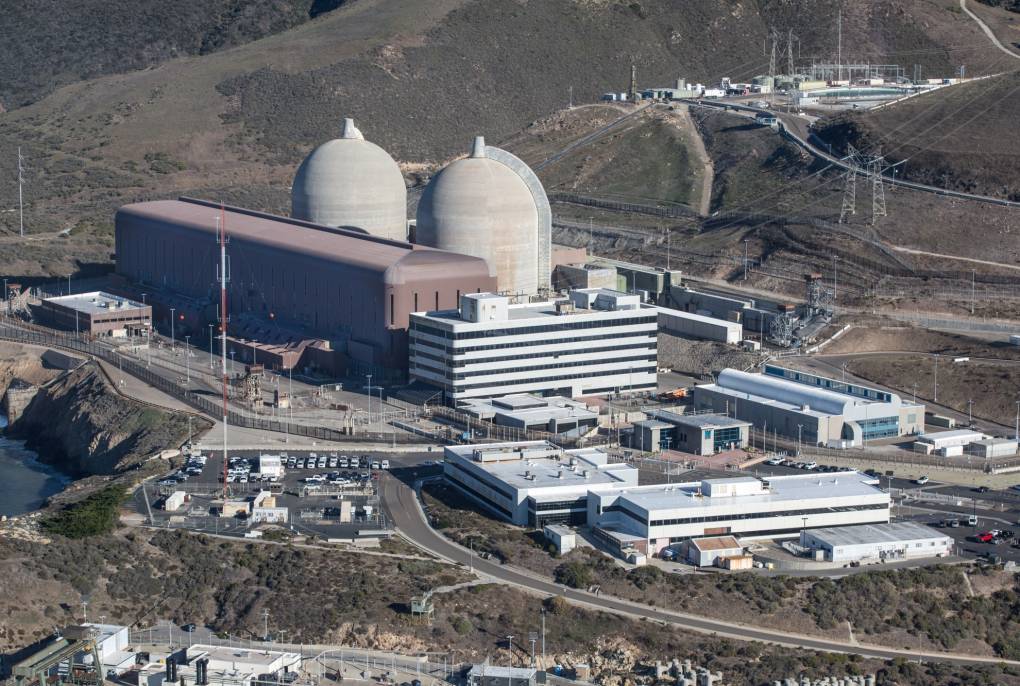
"caption": "Aerial view of the Diablo Canyon, the only operational nuclear plant left in California, on December 1, 2021, near Avila Beach, California.",
"description": "Aerial view of the Diablo Canyon, the only operational nuclear plant left in California, on December 1, 2021, near Avila Beach, California.",
"title": "Diablo Canyon",
"credit": "George Rose / Getty Images",
"status": "inherit",
"altTag": null,
"isLoading": false,
"fetchFailed": false
},
"news_11923798": {
"type": "attachments",
"id": "news_11923798",
"meta": {
"index": "attachments_1716263798",
"site": "news",
"id": "11923798",
"found": true
},
"parent": 11923693,
"imgSizes": {
"twentyfourteen-full-width": {
"file": "https://ww2.kqed.org/app/uploads/sites/10/2022/08/077_KQED_UnitedFarmWorkersMarch_08242022-1038x576.jpg",
"width": 1038,
"mimeType": "image/jpeg",
"height": 576
},
"thumbnail": {
"file": "https://ww2.kqed.org/app/uploads/sites/10/2022/08/077_KQED_UnitedFarmWorkersMarch_08242022-160x107.jpg",
"width": 160,
"mimeType": "image/jpeg",
"height": 107
},
"post-thumbnail": {
"file": "https://ww2.kqed.org/app/uploads/sites/10/2022/08/077_KQED_UnitedFarmWorkersMarch_08242022-672x372.jpg",
"width": 672,
"mimeType": "image/jpeg",
"height": 372
},
"kqedFullSize": {
"file": "https://ww2.kqed.org/app/uploads/sites/10/2022/08/077_KQED_UnitedFarmWorkersMarch_08242022.jpg",
"width": 1920,
"height": 1278
},
"large": {
"file": "https://ww2.kqed.org/app/uploads/sites/10/2022/08/077_KQED_UnitedFarmWorkersMarch_08242022-1020x679.jpg",
"width": 1020,
"mimeType": "image/jpeg",
"height": 679
},
"1536x1536": {
"file": "https://ww2.kqed.org/app/uploads/sites/10/2022/08/077_KQED_UnitedFarmWorkersMarch_08242022-1536x1022.jpg",
"width": 1536,
"mimeType": "image/jpeg",
"height": 1022
},
"medium": {
"file": "https://ww2.kqed.org/app/uploads/sites/10/2022/08/077_KQED_UnitedFarmWorkersMarch_08242022-800x533.jpg",
"width": 800,
"mimeType": "image/jpeg",
"height": 533
}
},
"publishDate": 1661556619,
"modified": 1661794784,
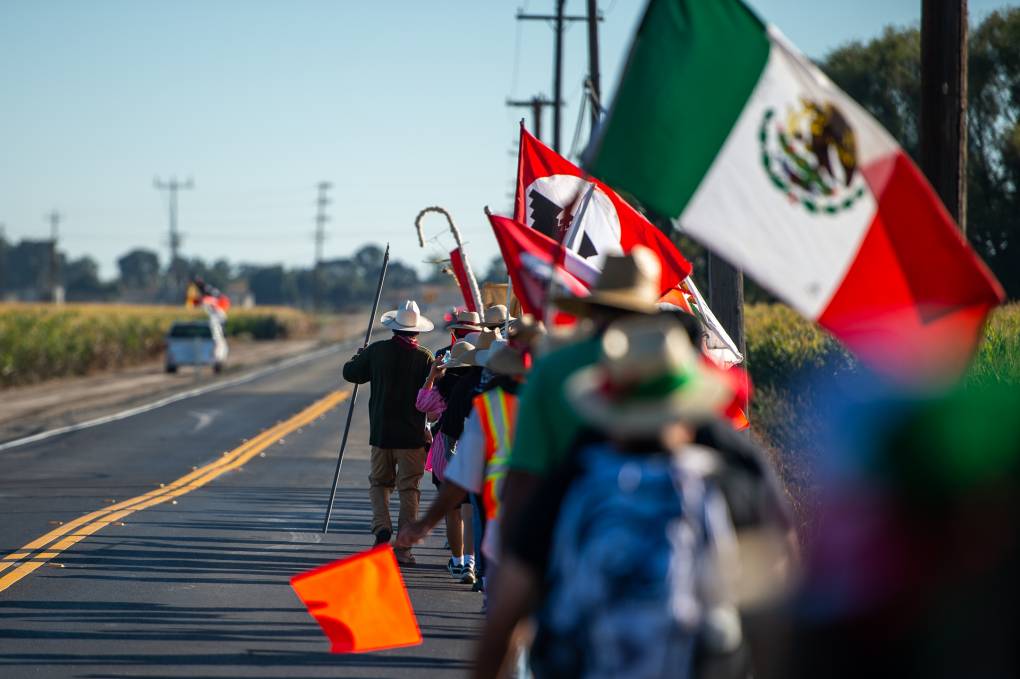
"caption": "Farmworkers and their supporters march through Walnut Grove on Day 22 of their 24-day 'March for the Governor's Signature' on Wednesday, to persuade Gov. Gavin Newsom to sign Assembly Bill 2183, the Agricultural Labor Relations Voting Choice Act. The march started in Delano and concluded 350 miles away in Sacramento on Friday.",
"description": null,
"title": "077_KQED_UnitedFarmWorkersMarch_08242022",
"credit": "Beth LaBerge/KQED",
"status": "inherit",
"altTag": "line of marchers carrying union flags and a mexican flag walk down a rural 2-lane highway in the hot sun",
"isLoading": false,
"fetchFailed": false
},
"news_11923751": {
"type": "attachments",
"id": "news_11923751",
"meta": {
"index": "attachments_1716263798",
"site": "news",
"id": "11923751",
"found": true
},
"parent": 11923680,
"imgSizes": {
"twentyfourteen-full-width": {
"file": "https://ww2.kqed.org/app/uploads/sites/10/2022/08/IMG_0768-1038x576.jpg",
"width": 1038,
"mimeType": "image/jpeg",
"height": 576
},
"thumbnail": {
"file": "https://ww2.kqed.org/app/uploads/sites/10/2022/08/IMG_0768-160x120.jpg",
"width": 160,
"mimeType": "image/jpeg",
"height": 120
},
"post-thumbnail": {
"file": "https://ww2.kqed.org/app/uploads/sites/10/2022/08/IMG_0768-672x372.jpg",
"width": 672,
"mimeType": "image/jpeg",
"height": 372
},
"kqedFullSize": {
"file": "https://ww2.kqed.org/app/uploads/sites/10/2022/08/IMG_0768-scaled.jpg",
"width": 2560,
"height": 1920
},
"2048x2048": {
"file": "https://ww2.kqed.org/app/uploads/sites/10/2022/08/IMG_0768-2048x1536.jpg",
"width": 2048,
"mimeType": "image/jpeg",
"height": 1536
},
"large": {
"file": "https://ww2.kqed.org/app/uploads/sites/10/2022/08/IMG_0768-1020x765.jpg",
"width": 1020,
"mimeType": "image/jpeg",
"height": 765
},
"1536x1536": {
"file": "https://ww2.kqed.org/app/uploads/sites/10/2022/08/IMG_0768-1536x1152.jpg",
"width": 1536,
"mimeType": "image/jpeg",
"height": 1152
},
"full-width": {
"file": "https://ww2.kqed.org/app/uploads/sites/10/2022/08/IMG_0768-1920x1440.jpg",
"width": 1920,
"mimeType": "image/jpeg",
"height": 1440
},
"medium": {
"file": "https://ww2.kqed.org/app/uploads/sites/10/2022/08/IMG_0768-800x600.jpg",
"width": 800,
"mimeType": "image/jpeg",
"height": 600
}
},
"publishDate": 1661551090,
"modified": 1661551090,
"caption": null,
"description": null,
"title": "IMG_0768",
"credit": null,
"status": "inherit",
"altTag": null,
"isLoading": false,
"fetchFailed": false
},
"news_11923342": {
"type": "attachments",
"id": "news_11923342",
"meta": {
"index": "attachments_1716263798",
"site": "news",
"id": "11923342",
"found": true
},
"title": "Drug related deaths are up on the West Coast",
"publishDate": 1661312825,
"status": "inherit",
"parent": 11923303,
"modified": 1731978560,
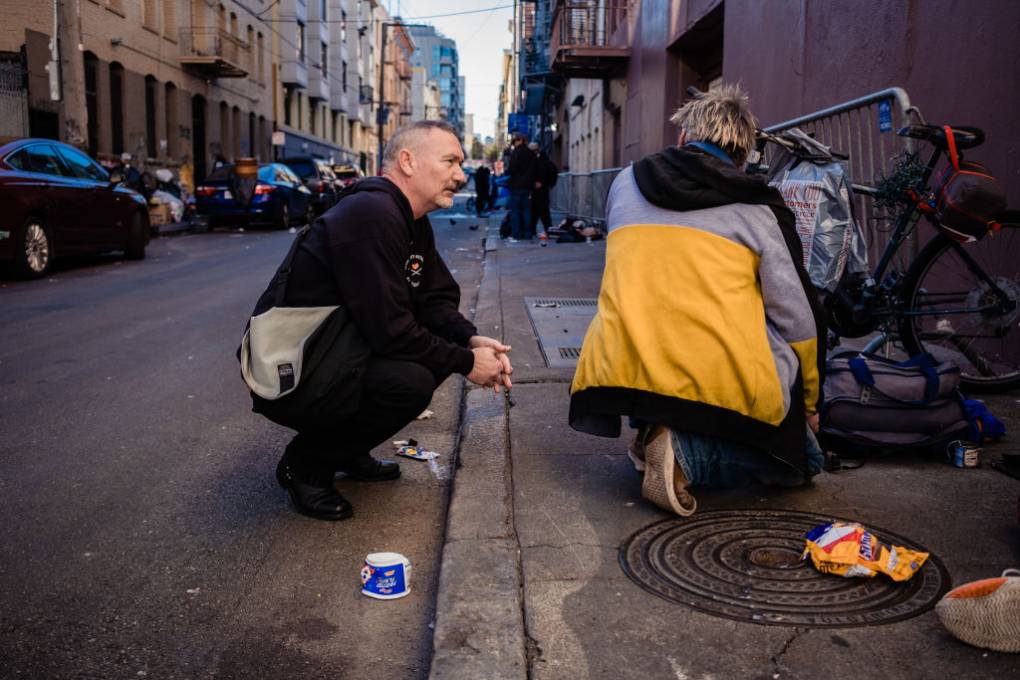
"caption": "Paul Harkin, director of harm reduction at GLIDE, hands out Narcan, fentanyl detection packets and tinfoil to drug users in an alley in San Francisco's Tenderloin neighborhood on Feb. 3, 2020.",
"credit": "Nick Otto for the Washington Post via Getty Images",
"altTag": "A man crouches down to speak to another person kneeling on the sidewalk in an alley.",
"description": null,
"imgSizes": {
"medium": {
"file": "https://cdn.kqed.org/wp-content/uploads/sites/10/2022/08/GettyImages-1201746556-800x534.jpg",
"width": 800,
"height": 534,
"mimeType": "image/jpeg"
},
"large": {
"file": "https://cdn.kqed.org/wp-content/uploads/sites/10/2022/08/GettyImages-1201746556-1020x680.jpg",
"width": 1020,
"height": 680,
"mimeType": "image/jpeg"
},
"thumbnail": {
"file": "https://cdn.kqed.org/wp-content/uploads/sites/10/2022/08/GettyImages-1201746556-160x107.jpg",
"width": 160,
"height": 107,
"mimeType": "image/jpeg"
},
"post-thumbnail": {
"file": "https://cdn.kqed.org/wp-content/uploads/sites/10/2022/08/GettyImages-1201746556-672x372.jpg",
"width": 672,
"height": 372,
"mimeType": "image/jpeg"
},
"twentyfourteen-full-width": {
"file": "https://cdn.kqed.org/wp-content/uploads/sites/10/2022/08/GettyImages-1201746556-1024x576.jpg",
"width": 1024,
"height": 576,
"mimeType": "image/jpeg"
},
"kqedFullSize": {
"file": "https://cdn.kqed.org/wp-content/uploads/sites/10/2022/08/GettyImages-1201746556.jpg",
"width": 1024,
"height": 683
}
},
"isLoading": false,
"fetchFailed": false
},
"news_11923258": {
"type": "attachments",
"id": "news_11923258",
"meta": {
"index": "attachments_1716263798",
"site": "news",
"id": "11923258",
"found": true
},
"parent": 11923249,
"imgSizes": {
"twentyfourteen-full-width": {
"file": "https://ww2.kqed.org/app/uploads/sites/10/2022/08/GettyImages-1236348641-1038x576.jpg",
"width": 1038,
"mimeType": "image/jpeg",
"height": 576
},
"thumbnail": {
"file": "https://ww2.kqed.org/app/uploads/sites/10/2022/08/GettyImages-1236348641-160x99.jpg",
"width": 160,
"mimeType": "image/jpeg",
"height": 99
},
"post-thumbnail": {
"file": "https://ww2.kqed.org/app/uploads/sites/10/2022/08/GettyImages-1236348641-672x372.jpg",
"width": 672,
"mimeType": "image/jpeg",
"height": 372
},
"kqedFullSize": {
"file": "https://ww2.kqed.org/app/uploads/sites/10/2022/08/GettyImages-1236348641-scaled.jpg",
"width": 2560,
"height": 1589
},
"2048x2048": {
"file": "https://ww2.kqed.org/app/uploads/sites/10/2022/08/GettyImages-1236348641-2048x1271.jpg",
"width": 2048,
"mimeType": "image/jpeg",
"height": 1271
},
"large": {
"file": "https://ww2.kqed.org/app/uploads/sites/10/2022/08/GettyImages-1236348641-1020x633.jpg",
"width": 1020,
"mimeType": "image/jpeg",
"height": 633
},
"1536x1536": {
"file": "https://ww2.kqed.org/app/uploads/sites/10/2022/08/GettyImages-1236348641-1536x953.jpg",
"width": 1536,
"mimeType": "image/jpeg",
"height": 953
},
"full-width": {
"file": "https://ww2.kqed.org/app/uploads/sites/10/2022/08/GettyImages-1236348641-1920x1192.jpg",
"width": 1920,
"mimeType": "image/jpeg",
"height": 1192
},
"medium": {
"file": "https://ww2.kqed.org/app/uploads/sites/10/2022/08/GettyImages-1236348641-800x497.jpg",
"width": 800,
"mimeType": "image/jpeg",
"height": 497
}
},
"publishDate": 1661278293,
"modified": 1661283344,
"caption": "People rally in front of the Federal Building in Los Angeles on Nov. 4, 2021, to call on the nation's Democratic Party leaders to deliver on their promise to pass a broad path to citizenship. Under a new policy announced by Gov. Newsom on Aug. 23, undocumented young adults will receive health care benefits in California through 2023.",
"description": null,
"title": "US-IMMIGRATION-CITIZENSHIP-PROTEST",
"credit": "Frederic J. Brown/AFP via Getty Images",
"status": "inherit",
"altTag": "a person in red wears a black mask and holds a sign that reads \"yes to citizenship now\"",
"isLoading": false,
"fetchFailed": false
}
},
"audioPlayerReducer": {
"postId": "stream_live",
"isPaused": true,
"isPlaying": false,
"pfsActive": false,
"pledgeModalIsOpen": true,
"playerDrawerIsOpen": false,
"liveAudioPlayStartedAt": 0,
"liveAudioPlayContext": ""
},
"authorsReducer": {
"byline_news_11925505": {
"type": "authors",
"id": "byline_news_11925505",
"meta": {
"override": true
},
"slug": "byline_news_11925505",
"name": "Adam Beam\u003cbr>Associated Press",
"isLoading": false
},
"byline_news_11924381": {
"type": "authors",
"id": "byline_news_11924381",
"meta": {
"override": true
},
"slug": "byline_news_11924381",
"name": "John Antczak and Brian Melley, Associated Press",
"isLoading": false
},
"byline_news_11924367": {
"type": "authors",
"id": "byline_news_11924367",
"meta": {
"override": true
},
"slug": "byline_news_11924367",
"name": "Nathan Rott",
"isLoading": false
},
"byline_news_11923249": {
"type": "authors",
"id": "byline_news_11923249",
"meta": {
"override": true
},
"slug": "byline_news_11923249",
"name": "Adam Beam\u003cbr>Associated Press",
"isLoading": false
},
"gmarzorati": {
"type": "authors",
"id": "227",
"meta": {
"index": "authors_1716337520",
"id": "227",
"found": true
},
"name": "Guy Marzorati",
"firstName": "Guy",
"lastName": "Marzorati",
"slug": "gmarzorati",
"email": "gmarzorati@KQED.org",
"display_author_email": true,
"staff_mastheads": [
"news"
],
"title": "Correspondent",
"bio": "Guy Marzorati is a correspondent on KQED's California Politics and Government Desk, based in San Jose. A graduate of Santa Clara University, Guy joined KQED in 2013. He reports on state and local politics and produces KQED's digital voter guide.",
"avatar": "https://secure.gravatar.com/avatar/e7038b8dbfd55b104369b76b1cd0b9de?s=600&d=blank&r=g",
"twitter": "guymarzorati",
"facebook": null,
"instagram": null,
"linkedin": null,
"sites": [
{
"site": "",
"roles": [
"editor"
]
},
{
"site": "news",
"roles": [
"editor"
]
},
{
"site": "science",
"roles": [
"editor"
]
},
{
"site": "forum",
"roles": [
"editor"
]
},
{
"site": "elections",
"roles": [
"editor"
]
},
{
"site": "liveblog",
"roles": [
"editor"
]
}
],
"headData": {
"title": "Guy Marzorati | KQED",
"description": "Correspondent",
"ogImgSrc": "https://secure.gravatar.com/avatar/e7038b8dbfd55b104369b76b1cd0b9de?s=600&d=blank&r=g",
"twImgSrc": "https://secure.gravatar.com/avatar/e7038b8dbfd55b104369b76b1cd0b9de?s=600&d=blank&r=g"
},
"isLoading": false,
"link": "/author/gmarzorati"
},
"kqed": {
"type": "authors",
"id": "236",
"meta": {
"index": "authors_1716337520",
"id": "236",
"found": true
},
"name": "KQED News Staff",
"firstName": "KQED News Staff",
"lastName": null,
"slug": "kqed",
"email": "faq@kqed.org",
"display_author_email": false,
"staff_mastheads": [],
"title": null,
"bio": null,
"avatar": "https://secure.gravatar.com/avatar/ef0e801a68c4c54afa9180db14084167?s=600&d=blank&r=g",
"twitter": null,
"facebook": null,
"instagram": null,
"linkedin": null,
"sites": [
{
"site": "arts",
"roles": [
"contributor"
]
},
{
"site": "news",
"roles": [
"editor"
]
},
{
"site": "futureofyou",
"roles": [
"author"
]
}
],
"headData": {
"title": "KQED News Staff | KQED",
"description": null,
"ogImgSrc": "https://secure.gravatar.com/avatar/ef0e801a68c4c54afa9180db14084167?s=600&d=blank&r=g",
"twImgSrc": "https://secure.gravatar.com/avatar/ef0e801a68c4c54afa9180db14084167?s=600&d=blank&r=g"
},
"isLoading": false,
"link": "/author/kqed"
},
"kqednewsstaffandwires": {
"type": "authors",
"id": "237",
"meta": {
"index": "authors_1716337520",
"id": "237",
"found": true
},
"name": "KQED News Staff and Wires",
"firstName": "KQED News Staff and Wires",
"lastName": null,
"slug": "kqednewsstaffandwires",
"email": "onlinenewsstaff@kqed.org",
"display_author_email": false,
"staff_mastheads": [],
"title": null,
"bio": null,
"avatar": "https://secure.gravatar.com/avatar/72295af8ebbfbd19a4948f5271285664?s=600&d=blank&r=g",
"twitter": null,
"facebook": null,
"instagram": null,
"linkedin": null,
"sites": [
{
"site": "arts",
"roles": [
"contributor"
]
},
{
"site": "news",
"roles": [
"contributor"
]
},
{
"site": "lowdown",
"roles": [
"author"
]
},
{
"site": "stateofhealth",
"roles": [
"contributor"
]
},
{
"site": "food",
"roles": [
"author"
]
}
],
"headData": {
"title": "KQED News Staff and Wires | KQED",
"description": null,
"ogImgSrc": "https://secure.gravatar.com/avatar/72295af8ebbfbd19a4948f5271285664?s=600&d=blank&r=g",
"twImgSrc": "https://secure.gravatar.com/avatar/72295af8ebbfbd19a4948f5271285664?s=600&d=blank&r=g"
},
"isLoading": false,
"link": "/author/kqednewsstaffandwires"
},
"fjhabvala": {
"type": "authors",
"id": "8659",
"meta": {
"index": "authors_1716337520",
"id": "8659",
"found": true
},
"name": "Farida Jhabvala Romero",
"firstName": "Farida",
"lastName": "Jhabvala Romero",
"slug": "fjhabvala",
"email": "fjhabvala@kqed.org",
"display_author_email": true,
"staff_mastheads": [
"news"
],
"title": "KQED Contributor",
"bio": "Farida Jhabvala Romero is a Labor Correspondent for KQED. She previously covered immigration. Farida was \u003ca href=\"https://www.ccnma.org/2022-most-influential-latina-journalists\">named\u003c/a> one of the 10 Most Influential Latina Journalists in California in 2022 by the California Chicano News Media Association. Her work has won awards from the Society of Professional Journalists (Northern California), as well as a national and regional Edward M. Murrow Award for the collaborative reporting projects “Dangerous Air” and “Graying California.” Before joining KQED, Farida worked as a producer at Radio Bilingüe, a national public radio network. Farida earned her master’s degree in journalism from Stanford University.",
"avatar": "https://secure.gravatar.com/avatar/f9f022d4e2609741874222a1e9d41f48fea74011aa7c615eef91d9a50c944ebe?s=600&d=blank&r=g",
"twitter": "FaridaJhabvala",
"bluesky": null,
"facebook": null,
"instagram": null,
"linkedin": "https://www.linkedin.com/in/faridajhabvala/",
"sites": [
{
"site": "news",
"roles": [
"editor"
]
},
{
"site": "stateofhealth",
"roles": [
"author"
]
},
{
"site": "liveblog",
"roles": [
"author"
]
}
],
"headData": {
"title": "Farida Jhabvala Romero | KQED",
"description": "KQED Contributor",
"ogImgSrc": "https://secure.gravatar.com/avatar/f9f022d4e2609741874222a1e9d41f48fea74011aa7c615eef91d9a50c944ebe?s=600&d=blank&r=g",
"twImgSrc": "https://secure.gravatar.com/avatar/f9f022d4e2609741874222a1e9d41f48fea74011aa7c615eef91d9a50c944ebe?s=600&d=blank&r=g"
},
"isLoading": false,
"link": "/author/fjhabvala"
},
"csaldana": {
"type": "authors",
"id": "11301",
"meta": {
"index": "authors_1716337520",
"id": "11301",
"found": true
},
"name": "Cesar Saldaña",
"firstName": "Cesar",
"lastName": "Saldaña",
"slug": "csaldana",
"email": "csaldana@kqed.org",
"display_author_email": false,
"staff_mastheads": [
"news"
],
"title": "KQED Contributor",
"bio": null,
"avatar": "https://secure.gravatar.com/avatar/04e89425007fe7102f750c79e76274bc?s=600&d=mm&r=g",
"twitter": null,
"facebook": null,
"instagram": null,
"linkedin": null,
"sites": [
{
"site": "news",
"roles": []
},
{
"site": "perspectives",
"roles": []
}
],
"headData": {
"title": "Cesar Saldaña | KQED",
"description": "KQED Contributor",
"ogImgSrc": "https://secure.gravatar.com/avatar/04e89425007fe7102f750c79e76274bc?s=600&d=mm&r=g",
"twImgSrc": "https://secure.gravatar.com/avatar/04e89425007fe7102f750c79e76274bc?s=600&d=mm&r=g"
},
"isLoading": false,
"link": "/author/csaldana"
},
"kevinstark": {
"type": "authors",
"id": "11608",
"meta": {
"index": "authors_1716337520",
"id": "11608",
"found": true
},
"name": "Kevin Stark",
"firstName": "Kevin",
"lastName": "Stark",
"slug": "kevinstark",
"email": "kstark@kqed.org",
"display_author_email": true,
"staff_mastheads": [
"science"
],
"title": "Senior Editor",
"bio": "Kevin is a senior editor for KQED Science, managing the station's health and climate desks. His journalism career began in the Pacific Northwest, and he later became a lead reporter for the San Francisco Public Press. His work has appeared in Pacific Standard magazine, the Energy News Network, the Center for Investigative Reporting's Reveal and WBEZ in Chicago. Kevin joined KQED in 2019, and has covered issues related to energy, wildfire, climate change and the environment.",
"avatar": "https://secure.gravatar.com/avatar/365aaa4b597d3a8374f67504ff0facd323d7906e8eb4be0a7efd2427408e802c?s=600&d=blank&r=g",
"twitter": "starkkev",
"bluesky": null,
"facebook": null,
"instagram": null,
"linkedin": null,
"sites": [
{
"site": "",
"roles": [
"editor"
]
},
{
"site": "news",
"roles": [
"editor"
]
},
{
"site": "science",
"roles": [
"administrator"
]
}
],
"headData": {
"title": "Kevin Stark | KQED",
"description": "Senior Editor",
"ogImgSrc": "https://secure.gravatar.com/avatar/365aaa4b597d3a8374f67504ff0facd323d7906e8eb4be0a7efd2427408e802c?s=600&d=blank&r=g",
"twImgSrc": "https://secure.gravatar.com/avatar/365aaa4b597d3a8374f67504ff0facd323d7906e8eb4be0a7efd2427408e802c?s=600&d=blank&r=g"
},
"isLoading": false,
"link": "/author/kevinstark"
},
"ebaldassari": {
"type": "authors",
"id": "11652",
"meta": {
"index": "authors_1716337520",
"id": "11652",
"found": true
},
"name": "Erin Baldassari",
"firstName": "Erin",
"lastName": "Baldassari",
"slug": "ebaldassari",
"email": "ebaldassari@KQED.org",
"display_author_email": true,
"staff_mastheads": [
"news"
],
"title": "Staff Writer",
"bio": "Erin Baldassari covers housing for KQED. She's a former print journalist and most recently worked as the transportation reporter for the \u003cem>Mercury News\u003c/em> and \u003cem>East Bay Times. \u003c/em>There, she focused on how the Bay Area’s housing shortage has changed the way people move around the region. She also served on the \u003cem>East Bay Times\u003c/em>’ 2017 Pulitzer Prize-winning team for coverage of the Ghost Ship Fire in Oakland. Prior to that, Erin worked as a breaking news and general assignment reporter for a variety of outlets in the Bay Area and the greater Boston area. A Tufts University alumna, Erin grew up in the foothills of the Sierra Nevada mountains and in Sonoma County. She is a life-long KQED listener.",
"avatar": "https://secure.gravatar.com/avatar/5e95cad64a8ca08288082212e199d2b0cbeb4fd8e8ef5339395f361032bbe005?s=600&d=blank&r=g",
"twitter": "e_baldi",
"bluesky": null,
"facebook": null,
"instagram": null,
"linkedin": null,
"sites": [
{
"site": "news",
"roles": [
"edit_others_posts",
"editor"
]
},
{
"site": "science",
"roles": [
"editor"
]
},
{
"site": "liveblog",
"roles": [
"editor"
]
}
],
"headData": {
"title": "Erin Baldassari | KQED",
"description": "Staff Writer",
"ogImgSrc": "https://secure.gravatar.com/avatar/5e95cad64a8ca08288082212e199d2b0cbeb4fd8e8ef5339395f361032bbe005?s=600&d=blank&r=g",
"twImgSrc": "https://secure.gravatar.com/avatar/5e95cad64a8ca08288082212e199d2b0cbeb4fd8e8ef5339395f361032bbe005?s=600&d=blank&r=g"
},
"isLoading": false,
"link": "/author/ebaldassari"
}
},
"pagesReducer": {
"news_tag_gavin-newsom": {
"type": "terms",
"id": "news_16",
"meta": {
"index": "terms_1716263798",
"site": "news",
"id": "16",
"score": 8.936995
},
"featImg": null,
"name": "Gavin Newsom",
"description": null,
"taxonomy": "tag",
"headData": {
"twImgId": null,
"twTitle": null,
"ogTitle": null,
"ogImgId": null,
"twDescription": null,
"description": null,
"title": "Gavin Newsom Archives | KQED News",
"ogDescription": null
},
"ttid": 16,
"slug": "gavin-newsom",
"isLoading": false,
"title": "Gavin Newsom",
"pageMeta": {
"site": "news",
"WpPageTemplate": "page-topic-editorial",
"currentPage": 45
},
"blocks": [
{
"blockName": "kqed/post-list",
"attrs": {
"layout": "cardArticle2",
"query": "posts/news?tag=gavin-newsom",
"seeMore": false,
"paginated": true,
"page": 45
}
},
{
"blockName": "kqed/ad"
}
]
}
},
"pfsSessionReducer": {},
"postsReducer": {
"stream_live": {
"type": "live",
"id": "stream_live",
"audioUrl": "https://streams.kqed.org/kqedradio",
"title": "Live Stream",
"excerpt": "Live Stream information currently unavailable.",
"link": "/radio",
"featImg": "",
"label": {
"name": "KQED Live",
"link": "/"
}
},
"stream_kqedNewscast": {
"type": "posts",
"id": "stream_kqedNewscast",
"audioUrl": "https://www.kqed.org/.stream/anon/radio/RDnews/newscast.mp3?_=1",
"title": "KQED Newscast",
"featImg": "",
"label": {
"name": "88.5 FM",
"link": "/"
}
},
"news_11926528": {
"type": "posts",
"id": "news_11926528",
"meta": {
"index": "posts_1716263798",
"site": "news",
"id": "11926528",
"score": null,
"sort": [
1663973054000
]
},
"guestAuthors": [],
"slug": "paid-family-leave-just-turned-20-will-newsom-expand-it",
"title": "Paid Family Leave Just Turned 20. Will Newsom Expand It?",
"publishDate": 1663973054,
"format": "standard",
"headTitle": "Paid Family Leave Just Turned 20. Will Newsom Expand It? | KQED",
"labelTerm": {
"site": "news"
},
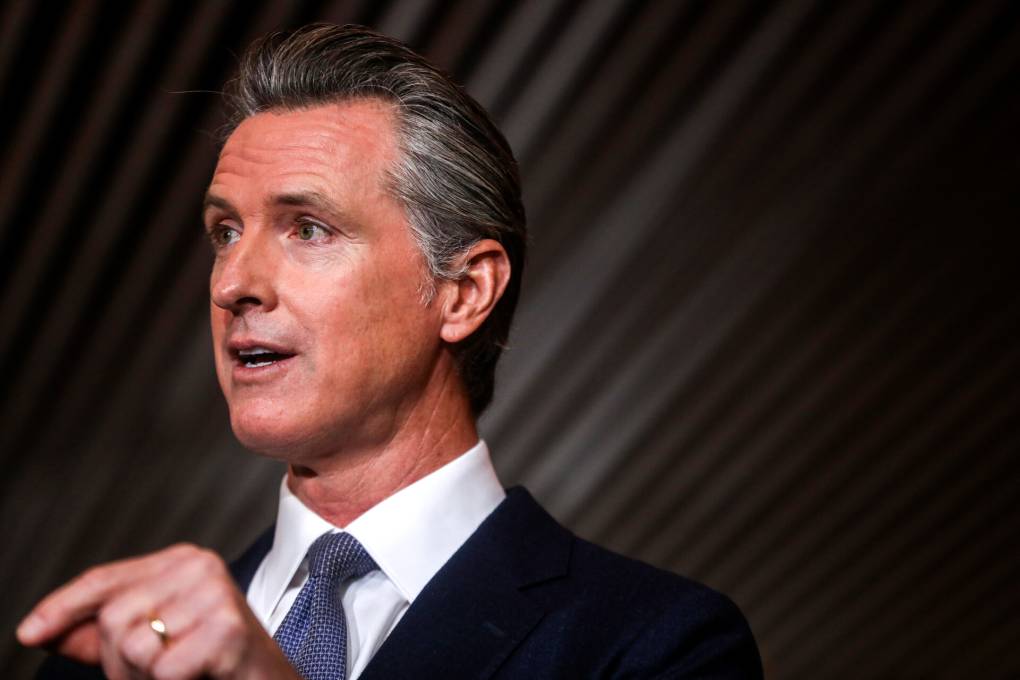
"content": "\u003cp>\u003cspan style=\"font-weight: 400\">Twenty years ago, California became the first state in the nation to enact partial wage replacement benefits that have since enabled millions of workers to take time off to bond with a new child or care for a seriously ill relative.\u003c/span>\u003c/p>\n\u003cp>\u003cspan style=\"font-weight: 400\">California’s \u003c/span>\u003ca href=\"https://edd.ca.gov/disability/paid-family-leave/\">\u003cspan style=\"font-weight: 400\">Paid Family Leave\u003c/span>\u003c/a>\u003cspan style=\"font-weight: 400\"> was signed into law on Sept. 23, 2002, by then Gov. Gray Davis. With over $10 billion paid out to claimants in over \u003ca href=\"https://edd.ca.gov/siteassets/files/pdf_pub_ctr/de2530.pdf\">3.6 million claims\u003c/a> filed as of 2021, the program has been linked to enormous gains in the well-being of families, such as reduced infant mortality and better maternal physical and mental health. \u003c/span>\u003c/p>\n\u003cp>\u003cspan style=\"font-weight: 400\">And while opponents two decades ago \u003c/span>\u003ca href=\"https://www.americanprogress.org/article/celebrating-the-success-of-californias-paid-family-leave-act/\">argued the benefits would hurt small businesses\u003c/a> if too many employees took leave, the Bay Area Council Economic Institute \u003cspan style=\"font-weight: 400\">found\u003c/span>\u003cspan style=\"font-weight: 400\"> \u003ca href=\"https://www.bayareacouncil.org/press-releases/new-report-to-governors-paid-family-leave-task-force-highlights-key-effects-of-program-to-date/\">it has actually reduced labor costs\u003c/a> through worker retention. \u003c/span>\u003c/p>\n\u003cp>\u003cspan style=\"font-weight: 400\">Most of the state’s \u003c/span>\u003ca href=\"https://www.bls.gov/eag/eag.ca.htm\">\u003cspan style=\"font-weight: 400\">18.5 million workers\u003c/span>\u003c/a>\u003cspan style=\"font-weight: 400\"> contribute to the PFL program through \u003ca href=\"https://edd.ca.gov/siteassets/files/about_edd/pdf/edddiforecastmay22.pdf\">1.1% payroll deductions that are placed into a fund\u003c/a>\u003c/span>\u003cspan style=\"font-weight: 400\">. In exchange, eligible claimants get a fraction of their regular wages — usually 60% — for up to eight weeks.[pullquote size=\"medium\" align=\"right\" citation=\"Jenya Cassidy, director, California Work and Family Coalition\"]‘The signing of SB 951 would be the most impactful thing the governor could do now to ensure that workers and families of all incomes can benefit from our Paid Family Leave program. We really need him to do this if we want to realize the promise of California paid leave.’[/pullquote]\u003c/span>\u003c/p>\n\u003cp>\u003cspan style=\"font-weight: 400\">“Our nation-leading paid leave program is family- and small-business friendly, and it creates an equitable and inclusive model, we believe, for the rest of the country,” said Gov. Gavin Newsom, speaking at an event Thursday marking the program’s anniversary.\u003c/span>\u003c/p>\n\u003cp>\u003cspan style=\"font-weight: 400\">This comes as family advocates and working people are calling on the governor to sign a bill that would bolster access to paid caregiving time for families, especially lower-income residents.\u003c/span>\u003c/p>\n\u003cp>\u003cspan style=\"font-weight: 400\">Approved by lawmakers last month, \u003c/span>\u003ca href=\"https://leginfo.legislature.ca.gov/faces/billNavClient.xhtml?bill_id=202120220SB951\">\u003cspan style=\"font-weight: 400\">SB 951\u003c/span> \u003c/a>\u003cspan style=\"font-weight: 400\">would boost the wage replacement rate to 90% for people earning less than $57,000 a year, and 70% for all other eligible workers, starting on Jan. 1, 2025. \u003c/span>\u003c/p>\n\u003cp>\u003cspan style=\"font-weight: 400\">Supporters of the bill, which lacked any official opposition from the public, argue the rate increases are needed because often workers can’t afford to fully use the benefits they’ve paid for if they only receive slightly more than half their wages.\u003c/span>\u003c/p>\n\u003cp>\u003cspan style=\"font-weight: 400\">\u003ca href=\"https://www.kqed.org/news/11918450/workers-wont-get-expanded-paid-family-leave-disability-under-california-budget-agreement\">That pay cut was too drastic for Rosalba Contreras\u003c/a>, who made $15 an hour when she had her second baby in late 2017. The then-administrative assistant said she simply couldn’t afford rent and bills under paid leave, and had to return to the office after bonding with her newborn at home for just two weeks.\u003c/span>\u003c/p>\n\u003cp>\u003cspan style=\"font-weight: 400\">Looking back at what she describes as a “heartbreaking” experience, she believes more time to breastfeed and fully care for her baby, who was born prematurely, would have prevented speech and other developmental delays her now 5-year-old endures. \u003c/span>\u003c/p>\n\u003cp>\u003cspan style=\"font-weight: 400\">“I really, really wish I could have stayed at home with her to make sure that she was healthy before I returned back to work,” said Contreras, 37, who lives in San Bernardino County. “\u003c/span>\u003cspan style=\"font-weight: 400\">Because she wasn’t healthy. She wasn’t ready and I wasn’t ready. Neither of us were.”\u003c/span>\u003c/p>\n\u003cfigure id=\"attachment_11926580\" class=\"wp-caption alignnone\" style=\"max-width: 800px\">\u003cimg loading=\"lazy\" decoding=\"async\" class=\"wp-image-11926580 size-medium\" src=\"https://ww2.kqed.org/app/uploads/sites/10/2022/09/PFL-2020-visit-800x450.jpg\" alt='Six women of different races smile at the camera and one of the women holds up a hand-written sign that reads \"#Paid Leave For All Let New Families Bond\"' width=\"800\" height=\"450\" srcset=\"https://cdn.kqed.org/wp-content/uploads/sites/10/2022/09/PFL-2020-visit-800x450.jpg 800w, https://cdn.kqed.org/wp-content/uploads/sites/10/2022/09/PFL-2020-visit-1020x574.jpg 1020w, https://cdn.kqed.org/wp-content/uploads/sites/10/2022/09/PFL-2020-visit-160x90.jpg 160w, https://cdn.kqed.org/wp-content/uploads/sites/10/2022/09/PFL-2020-visit-1536x864.jpg 1536w, https://cdn.kqed.org/wp-content/uploads/sites/10/2022/09/PFL-2020-visit.jpg 1920w\" sizes=\"(max-width: 800px) 100vw, 800px\">\u003cfigcaption class=\"wp-caption-text\">Jenya Cassidy (second from left), who directs the California Work and Family Coalition, joins new moms, lactation consultants and caregivers to speak at the state Capitol about expanding access to paid family leave in January 2020. \u003ccite>(Photo courtesy of California Work and Family Coalition)\u003c/cite>\u003c/figcaption>\u003c/figure>\n\u003cp>\u003cspan style=\"font-weight: 400\">Californians earning less than $20,000 made up 37% of workers eligible for PFL, but only 14% of those workers used the benefits, according to \u003c/span>\u003ca href=\"https://calbudgetcenter.org/resources/paid-family-leave-program-is-out-of-reach-for-many-californians/\">\u003cspan style=\"font-weight: 400\">an analysis\u003c/span>\u003cspan style=\"font-weight: 400\"> by the California Budget and Policy Center\u003c/span>\u003c/a>. Other states with similar programs now offer a \u003ca href=\"https://calbudgetcenter.org/resources/paid-family-leave-and-state-disability-insurance-benefits-are-insufficient/\">higher wage-replacement rate than the Golden State\u003c/a>, including Oregon, where workers earning $15 an hour receive $600 per week, compared to $367 in California.\u003c/p>\n\u003cp>\u003cspan style=\"font-weight: 400\">Newsom, a parent of four children, campaigned for governor on an \u003c/span>\u003ca href=\"https://calmatters.org/politics/2019/05/newsom-budget-governor-dad-california-families-family-leave-diapers-preschool/\">\u003cspan style=\"font-weight: 400\">agenda\u003c/span>\u003cspan style=\"font-weight: 400\"> that featured helping working families and expanding services for kids\u003c/span>\u003c/a>. In 2020, as the pandemic raged, \u003ca href=\"https://www.gov.ca.gov/2020/09/17/governor-newsom-signs-bill-extending-job-protected-family-leave-to-nearly-6-million-californians/\">\u003cspan style=\"font-weight: 400\">he approved\u003c/span>\u003cspan style=\"font-weight: 400\"> legislation that expanded job-protected family\u003c/span>\u003c/a> leave to 6 million more Californians working in the private sector.\u003c/p>\n\u003cp>\u003cspan style=\"font-weight: 400\">Last year, \u003ca href=\"https://www.gov.ca.gov/wp-content/uploads/2021/09/AB-123-PDF.pdf\">Newsom vetoed a proposal\u003c/a> that would have raised leave payment rates, citing “significant new costs not included” in the budget. To cover expected new costs, SB 951 would get rid of a taxable ceiling that caps contributions once a worker’s yearly income reaches the $146,000 threshold. \u003c/span>\u003c/p>\n\u003cp>\u003cspan style=\"font-weight: 400\">Newsom has one week to sign or veto the proposal. If he vetoes the bill, which includes an extension of the current wage-replacement rate, payments will drop to 55% for all workers taking family leave. \u003c/span>\u003c/p>\n\u003cp>\u003cspan style=\"font-weight: 400\">“\u003c/span>\u003cspan style=\"font-weight: 400\">The signing of SB 951 would be the most impactful thing the governor could do now to ensure that workers and families of all incomes can benefit from our Paid Family Leave program,” said Jenya Cassidy, who directs the California Work and Family Coalition, the leading advocate \u003c/span>\u003cspan style=\"font-weight: 400\">for the program’s creation and for expanding the benefits to more working Californians. \u003c/span>\u003cspan style=\"font-weight: 400\">“We really need him to do this if we want to realize the promise of California paid leave.”\u003c/span>\u003c/p>\n\u003cp>[ad fullwidth]\u003c/p>\n\u003cp>\u003c/p>\n",
"blocks": [],
"excerpt": "On the 20th anniversary of the Paid Family Leave program, Gov. Gavin Newsom has yet to sign a new bill for the program's expansion.",
"status": "publish",
"parent": 0,
"modified": 1723498356,
"stats": {
"hasAudio": false,
"hasVideo": false,
"hasChartOrMap": false,
"iframeSrcs": [],
"hasGoogleForm": false,
"hasGallery": false,
"hasHearkenModule": false,
"hasPolis": false,
"paragraphCount": 18,
"wordCount": 911
},
"headData": {
"title": "Paid Family Leave Just Turned 20. Will Newsom Expand It? | KQED",
"description": "On the 20th anniversary of the Paid Family Leave program, Gov. Gavin Newsom has yet to sign a new bill for the program's expansion.",
"ogTitle": "",
"ogDescription": "",
"ogImgId": "",
"twTitle": "",
"twDescription": "",
"twImgId": "",
"schema": {
"@context": "https://schema.org",
"@type": "NewsArticle",
"headline": "Paid Family Leave Just Turned 20. Will Newsom Expand It?",
"datePublished": "2022-09-23T15:44:14-07:00",
"dateModified": "2024-08-12T14:32:36-07:00",
"image": "https://cdn.kqed.org/wp-content/uploads/2020/02/KQED-OG-Image@1x.png",
"isAccessibleForFree": "True",
"publisher": {
"@type": "NewsMediaOrganization",
"@id": "https://www.kqed.org/#organization",
"name": "KQED",
"logo": "https://cdn.kqed.org/wp-content/uploads/2020/02/KQED-OG-Image@1x.png",
"url": "https://www.kqed.org",
"sameAs": [
"https://www.facebook.com/KQED",
"https://twitter.com/KQED",
"https://www.instagram.com/kqed/",
"https://www.tiktok.com/@kqedofficial",
"https://www.linkedin.com/company/kqed",
"https://www.youtube.com/channel/UCeC0IOo7i1P_61zVUWbJ4nw"
]
}
}
},
"audioUrl": "https://traffic.omny.fm/d/clips/0af137ef-751e-4b19-a055-aaef00d2d578/ffca7e9f-6831-4[…]f-aaef00f5a073/197b5387-0839-4f53-8e46-af19013c0bf9/audio.mp3",
"sticky": false,
"excludeFromSiteSearch": "Include",
"showOnAuthorArchivePages": "No",
"path": "/news/11926528/paid-family-leave-just-turned-20-will-newsom-expand-it",
"audioTrackLength": null,
"parsedContent": [
{
"type": "contentString",
"content": "\u003cdiv class=\"post-body\">\u003cp>\u003cp>\u003cspan style=\"font-weight: 400\">Twenty years ago, California became the first state in the nation to enact partial wage replacement benefits that have since enabled millions of workers to take time off to bond with a new child or care for a seriously ill relative.\u003c/span>\u003c/p>\n\u003cp>\u003cspan style=\"font-weight: 400\">California’s \u003c/span>\u003ca href=\"https://edd.ca.gov/disability/paid-family-leave/\">\u003cspan style=\"font-weight: 400\">Paid Family Leave\u003c/span>\u003c/a>\u003cspan style=\"font-weight: 400\"> was signed into law on Sept. 23, 2002, by then Gov. Gray Davis. With over $10 billion paid out to claimants in over \u003ca href=\"https://edd.ca.gov/siteassets/files/pdf_pub_ctr/de2530.pdf\">3.6 million claims\u003c/a> filed as of 2021, the program has been linked to enormous gains in the well-being of families, such as reduced infant mortality and better maternal physical and mental health. \u003c/span>\u003c/p>\n\u003cp>\u003cspan style=\"font-weight: 400\">And while opponents two decades ago \u003c/span>\u003ca href=\"https://www.americanprogress.org/article/celebrating-the-success-of-californias-paid-family-leave-act/\">argued the benefits would hurt small businesses\u003c/a> if too many employees took leave, the Bay Area Council Economic Institute \u003cspan style=\"font-weight: 400\">found\u003c/span>\u003cspan style=\"font-weight: 400\"> \u003ca href=\"https://www.bayareacouncil.org/press-releases/new-report-to-governors-paid-family-leave-task-force-highlights-key-effects-of-program-to-date/\">it has actually reduced labor costs\u003c/a> through worker retention. \u003c/span>\u003c/p>\n\u003cp>\u003cspan style=\"font-weight: 400\">Most of the state’s \u003c/span>\u003ca href=\"https://www.bls.gov/eag/eag.ca.htm\">\u003cspan style=\"font-weight: 400\">18.5 million workers\u003c/span>\u003c/a>\u003cspan style=\"font-weight: 400\"> contribute to the PFL program through \u003ca href=\"https://edd.ca.gov/siteassets/files/about_edd/pdf/edddiforecastmay22.pdf\">1.1% payroll deductions that are placed into a fund\u003c/a>\u003c/span>\u003cspan style=\"font-weight: 400\">. In exchange, eligible claimants get a fraction of their regular wages — usually 60% — for up to eight weeks.\u003c/p>\u003c/div>",
"attributes": {
"named": {},
"numeric": []
}
},
{
"type": "component",
"content": "‘The signing of SB 951 would be the most impactful thing the governor could do now to ensure that workers and families of all incomes can benefit from our Paid Family Leave program. We really need him to do this if we want to realize the promise of California paid leave.’",
"name": "pullquote",
"attributes": {
"named": {
"size": "medium",
"align": "right",
"citation": "Jenya Cassidy, director, California Work and Family Coalition",
"label": ""
},
"numeric": []
}
},
{
"type": "contentString",
"content": "\u003cdiv class=\"post-body\">\u003cp>\u003c/span>\u003c/p>\n\u003cp>\u003cspan style=\"font-weight: 400\">“Our nation-leading paid leave program is family- and small-business friendly, and it creates an equitable and inclusive model, we believe, for the rest of the country,” said Gov. Gavin Newsom, speaking at an event Thursday marking the program’s anniversary.\u003c/span>\u003c/p>\n\u003cp>\u003cspan style=\"font-weight: 400\">This comes as family advocates and working people are calling on the governor to sign a bill that would bolster access to paid caregiving time for families, especially lower-income residents.\u003c/span>\u003c/p>\n\u003cp>\u003cspan style=\"font-weight: 400\">Approved by lawmakers last month, \u003c/span>\u003ca href=\"https://leginfo.legislature.ca.gov/faces/billNavClient.xhtml?bill_id=202120220SB951\">\u003cspan style=\"font-weight: 400\">SB 951\u003c/span> \u003c/a>\u003cspan style=\"font-weight: 400\">would boost the wage replacement rate to 90% for people earning less than $57,000 a year, and 70% for all other eligible workers, starting on Jan. 1, 2025. \u003c/span>\u003c/p>\n\u003cp>\u003cspan style=\"font-weight: 400\">Supporters of the bill, which lacked any official opposition from the public, argue the rate increases are needed because often workers can’t afford to fully use the benefits they’ve paid for if they only receive slightly more than half their wages.\u003c/span>\u003c/p>\n\u003cp>\u003cspan style=\"font-weight: 400\">\u003ca href=\"https://www.kqed.org/news/11918450/workers-wont-get-expanded-paid-family-leave-disability-under-california-budget-agreement\">That pay cut was too drastic for Rosalba Contreras\u003c/a>, who made $15 an hour when she had her second baby in late 2017. The then-administrative assistant said she simply couldn’t afford rent and bills under paid leave, and had to return to the office after bonding with her newborn at home for just two weeks.\u003c/span>\u003c/p>\n\u003cp>\u003cspan style=\"font-weight: 400\">Looking back at what she describes as a “heartbreaking” experience, she believes more time to breastfeed and fully care for her baby, who was born prematurely, would have prevented speech and other developmental delays her now 5-year-old endures. \u003c/span>\u003c/p>\n\u003cp>\u003cspan style=\"font-weight: 400\">“I really, really wish I could have stayed at home with her to make sure that she was healthy before I returned back to work,” said Contreras, 37, who lives in San Bernardino County. “\u003c/span>\u003cspan style=\"font-weight: 400\">Because she wasn’t healthy. She wasn’t ready and I wasn’t ready. Neither of us were.”\u003c/span>\u003c/p>\n\u003cfigure id=\"attachment_11926580\" class=\"wp-caption alignnone\" style=\"max-width: 800px\">\u003cimg loading=\"lazy\" decoding=\"async\" class=\"wp-image-11926580 size-medium\" src=\"https://ww2.kqed.org/app/uploads/sites/10/2022/09/PFL-2020-visit-800x450.jpg\" alt='Six women of different races smile at the camera and one of the women holds up a hand-written sign that reads \"#Paid Leave For All Let New Families Bond\"' width=\"800\" height=\"450\" srcset=\"https://cdn.kqed.org/wp-content/uploads/sites/10/2022/09/PFL-2020-visit-800x450.jpg 800w, https://cdn.kqed.org/wp-content/uploads/sites/10/2022/09/PFL-2020-visit-1020x574.jpg 1020w, https://cdn.kqed.org/wp-content/uploads/sites/10/2022/09/PFL-2020-visit-160x90.jpg 160w, https://cdn.kqed.org/wp-content/uploads/sites/10/2022/09/PFL-2020-visit-1536x864.jpg 1536w, https://cdn.kqed.org/wp-content/uploads/sites/10/2022/09/PFL-2020-visit.jpg 1920w\" sizes=\"(max-width: 800px) 100vw, 800px\">\u003cfigcaption class=\"wp-caption-text\">Jenya Cassidy (second from left), who directs the California Work and Family Coalition, joins new moms, lactation consultants and caregivers to speak at the state Capitol about expanding access to paid family leave in January 2020. \u003ccite>(Photo courtesy of California Work and Family Coalition)\u003c/cite>\u003c/figcaption>\u003c/figure>\n\u003cp>\u003cspan style=\"font-weight: 400\">Californians earning less than $20,000 made up 37% of workers eligible for PFL, but only 14% of those workers used the benefits, according to \u003c/span>\u003ca href=\"https://calbudgetcenter.org/resources/paid-family-leave-program-is-out-of-reach-for-many-californians/\">\u003cspan style=\"font-weight: 400\">an analysis\u003c/span>\u003cspan style=\"font-weight: 400\"> by the California Budget and Policy Center\u003c/span>\u003c/a>. Other states with similar programs now offer a \u003ca href=\"https://calbudgetcenter.org/resources/paid-family-leave-and-state-disability-insurance-benefits-are-insufficient/\">higher wage-replacement rate than the Golden State\u003c/a>, including Oregon, where workers earning $15 an hour receive $600 per week, compared to $367 in California.\u003c/p>\n\u003cp>\u003cspan style=\"font-weight: 400\">Newsom, a parent of four children, campaigned for governor on an \u003c/span>\u003ca href=\"https://calmatters.org/politics/2019/05/newsom-budget-governor-dad-california-families-family-leave-diapers-preschool/\">\u003cspan style=\"font-weight: 400\">agenda\u003c/span>\u003cspan style=\"font-weight: 400\"> that featured helping working families and expanding services for kids\u003c/span>\u003c/a>. In 2020, as the pandemic raged, \u003ca href=\"https://www.gov.ca.gov/2020/09/17/governor-newsom-signs-bill-extending-job-protected-family-leave-to-nearly-6-million-californians/\">\u003cspan style=\"font-weight: 400\">he approved\u003c/span>\u003cspan style=\"font-weight: 400\"> legislation that expanded job-protected family\u003c/span>\u003c/a> leave to 6 million more Californians working in the private sector.\u003c/p>\n\u003cp>\u003cspan style=\"font-weight: 400\">Last year, \u003ca href=\"https://www.gov.ca.gov/wp-content/uploads/2021/09/AB-123-PDF.pdf\">Newsom vetoed a proposal\u003c/a> that would have raised leave payment rates, citing “significant new costs not included” in the budget. To cover expected new costs, SB 951 would get rid of a taxable ceiling that caps contributions once a worker’s yearly income reaches the $146,000 threshold. \u003c/span>\u003c/p>\n\u003cp>\u003cspan style=\"font-weight: 400\">Newsom has one week to sign or veto the proposal. If he vetoes the bill, which includes an extension of the current wage-replacement rate, payments will drop to 55% for all workers taking family leave. \u003c/span>\u003c/p>\n\u003cp>\u003cspan style=\"font-weight: 400\">“\u003c/span>\u003cspan style=\"font-weight: 400\">The signing of SB 951 would be the most impactful thing the governor could do now to ensure that workers and families of all incomes can benefit from our Paid Family Leave program,” said Jenya Cassidy, who directs the California Work and Family Coalition, the leading advocate \u003c/span>\u003cspan style=\"font-weight: 400\">for the program’s creation and for expanding the benefits to more working Californians. \u003c/span>\u003cspan style=\"font-weight: 400\">“We really need him to do this if we want to realize the promise of California paid leave.”\u003c/span>\u003c/p>\n\u003cp>\u003c/p>\u003c/div>",
"attributes": {
"named": {},
"numeric": []
}
},
{
"type": "component",
"content": "",
"name": "ad",
"attributes": {
"named": {
"label": "fullwidth"
},
"numeric": [
"fullwidth"
]
}
},
{
"type": "contentString",
"content": "\u003cdiv class=\"post-body\">\u003cp>\u003c/p>\n\u003cp>\u003c/p>\n\u003c/div>\u003c/p>",
"attributes": {
"named": {},
"numeric": []
}
}
],
"link": "/news/11926528/paid-family-leave-just-turned-20-will-newsom-expand-it",
"authors": [
"8659"
],
"categories": [
"news_1758",
"news_8"
],
"tags": [
"news_27626",
"news_16",
"news_25405"
],
"featImg": "news_11926571",
"label": "news"
},
"news_11925757": {
"type": "posts",
"id": "news_11925757",
"meta": {
"index": "posts_1716263798",
"site": "news",
"id": "11925757",
"score": null,
"sort": [
1663374291000
]
},
"guestAuthors": [],
"slug": "newsom-agrees-to-debate-dahle-in-gubernatorial-forum-at-kqed",
"title": "Newsom Agrees to Debate Dahle in Gubernatorial Forum at KQED",
"publishDate": 1663374291,
"format": "standard",
"headTitle": "Newsom Agrees to Debate Dahle in Gubernatorial Forum at KQED | KQED",
"labelTerm": {
"site": "news"
},
"content": "\u003cp>Gov. Gavin Newsom has agreed to participate Oct. 23 in a live, in-studio debate at KQED with his Republican opponent, state Sen. Brian Dahle.\u003c/p>\n\u003cp>Dahle has not formally accepted the invitation, but his campaign has said he would debate Newsom “anywhere, anytime.”\u003c/p>\n\u003cp>If Dahle agrees, it will be the first confirmed face-off between California’s two gubernatorial candidates. KQED’s Scott Shafer and Marisa Lagos will serve as moderators.\u003c/p>\n\u003cp>Dahle, a Republican from Lassen County, finished nearly 40 points behind Newsom in the June primary, and has recently stepped up his calls for the Democratic incumbent to debate him before the November 8 election.\u003c/p>\n\u003cp>“We live in an era of echo chambers and siloed political messaging, which means civic discourse and public debate is more valuable than ever,” said Ethan Toven-Lindsey, KQED’s vice president of news. “We are proud to be able to provide a space for these two candidates to share their differing visions for California, in full view of the public and the voters.”\u003c/p>\n\u003cp>[ad fullwidth]\u003c/p>\n\u003cp>The format of the debate proposed by KQED would avoid strict time limits for answers and rebuttals. Instead, the candidates will be asked about their records and positions on issues such as housing, homelessness, cost of living, public safety and the environment. It will be a conversational format \u003ca href=\"https://www.kqed.org/news/11697413/gavin-newsom-john-cox-spar-on-housing-criminal-justice-in-wide-ranging-debate\">modeled after KQED’s 2018 gubernatorial debate\u003c/a> between Newsom and Republican John Cox.\u003c/p>\n\u003cp>If Sen. Dahle accepts, the debate would air live on 88.5 FM and 89.3 FM in Northern California. KQED said the debate will be offered to all radio stations in California, along with a video livestream.\u003c/p>\n\u003cp>\u003c/p>\n\u003cp> \u003c/p>\n\n",
"blocks": [],
"excerpt": "The live, in-studio debate, on October 23 at 1 p.m., is the first — and potentially only — scheduled face-off between California's two main gubernatorial candidates.",
"status": "publish",
"parent": 0,
"modified": 1721130215,
"stats": {
"hasAudio": false,
"hasVideo": false,
"hasChartOrMap": false,
"iframeSrcs": [],
"hasGoogleForm": false,
"hasGallery": false,
"hasHearkenModule": false,
"hasPolis": false,
"paragraphCount": 9,
"wordCount": 282
},
"headData": {
"title": "Newsom Agrees to Debate Dahle in Gubernatorial Forum at KQED | KQED",
"description": "The live, in-studio debate, on October 23 at 1 p.m., is the first — and potentially only — scheduled face-off between California's two main gubernatorial candidates.",
"ogTitle": "",
"ogDescription": "",
"ogImgId": "",
"twTitle": "",
"twDescription": "",
"twImgId": "",
"schema": {
"@context": "https://schema.org",
"@type": "NewsArticle",
"headline": "Newsom Agrees to Debate Dahle in Gubernatorial Forum at KQED",
"datePublished": "2022-09-16T17:24:51-07:00",
"dateModified": "2024-07-16T04:43:35-07:00",
"image": "https://cdn.kqed.org/wp-content/uploads/2020/02/KQED-OG-Image@1x.png",
"isAccessibleForFree": "True",
"publisher": {
"@type": "NewsMediaOrganization",
"@id": "https://www.kqed.org/#organization",
"name": "KQED",
"logo": "https://cdn.kqed.org/wp-content/uploads/2020/02/KQED-OG-Image@1x.png",
"url": "https://www.kqed.org",
"sameAs": [
"https://www.facebook.com/KQED",
"https://twitter.com/KQED",
"https://www.instagram.com/kqed/",
"https://www.tiktok.com/@kqedofficial",
"https://www.linkedin.com/company/kqed",
"https://www.youtube.com/channel/UCeC0IOo7i1P_61zVUWbJ4nw"
]
}
}
},
"sticky": false,
"excludeFromSiteSearch": "Include",
"path": "/news/11925757/newsom-agrees-to-debate-dahle-in-gubernatorial-forum-at-kqed",
"audioTrackLength": null,
"parsedContent": [
{
"type": "contentString",
"content": "\u003cdiv class=\"post-body\">\u003cp>\u003cp>Gov. Gavin Newsom has agreed to participate Oct. 23 in a live, in-studio debate at KQED with his Republican opponent, state Sen. Brian Dahle.\u003c/p>\n\u003cp>Dahle has not formally accepted the invitation, but his campaign has said he would debate Newsom “anywhere, anytime.”\u003c/p>\n\u003cp>If Dahle agrees, it will be the first confirmed face-off between California’s two gubernatorial candidates. KQED’s Scott Shafer and Marisa Lagos will serve as moderators.\u003c/p>\n\u003cp>Dahle, a Republican from Lassen County, finished nearly 40 points behind Newsom in the June primary, and has recently stepped up his calls for the Democratic incumbent to debate him before the November 8 election.\u003c/p>\n\u003cp>“We live in an era of echo chambers and siloed political messaging, which means civic discourse and public debate is more valuable than ever,” said Ethan Toven-Lindsey, KQED’s vice president of news. “We are proud to be able to provide a space for these two candidates to share their differing visions for California, in full view of the public and the voters.”\u003c/p>\n\u003cp>\u003c/p>\u003c/div>",
"attributes": {
"named": {},
"numeric": []
}
},
{
"type": "component",
"content": "",
"name": "ad",
"attributes": {
"named": {
"label": "fullwidth"
},
"numeric": [
"fullwidth"
]
}
},
{
"type": "contentString",
"content": "\u003cdiv class=\"post-body\">\u003cp>\u003c/p>\n\u003cp>The format of the debate proposed by KQED would avoid strict time limits for answers and rebuttals. Instead, the candidates will be asked about their records and positions on issues such as housing, homelessness, cost of living, public safety and the environment. It will be a conversational format \u003ca href=\"https://www.kqed.org/news/11697413/gavin-newsom-john-cox-spar-on-housing-criminal-justice-in-wide-ranging-debate\">modeled after KQED’s 2018 gubernatorial debate\u003c/a> between Newsom and Republican John Cox.\u003c/p>\n\u003cp>If Sen. Dahle accepts, the debate would air live on 88.5 FM and 89.3 FM in Northern California. KQED said the debate will be offered to all radio stations in California, along with a video livestream.\u003c/p>\n\u003cp>\u003c/p>\n\u003cp> \u003c/p>\n\n\u003c/div>\u003c/p>",
"attributes": {
"named": {},
"numeric": []
}
}
],
"link": "/news/11925757/newsom-agrees-to-debate-dahle-in-gubernatorial-forum-at-kqed",
"authors": [
"227"
],
"categories": [
"news_8",
"news_13"
],
"tags": [
"news_31642",
"news_16",
"news_29774"
],
"featImg": "news_11925790",
"label": "news"
},
"news_11925851": {
"type": "posts",
"id": "news_11925851",
"meta": {
"index": "posts_1716263798",
"site": "news",
"id": "11925851",
"score": null,
"sort": [
1663368862000
]
},
"guestAuthors": [],
"slug": "jennifer-siebel-newsom",
"title": "Jennifer Siebel Newsom",
"publishDate": 1663368862,
"format": "video",
"headTitle": "Jennifer Siebel Newsom | KQED",
"labelTerm": {
"term": 7052,
"site": "news"
},
"content": "\u003cp>\u003cb>Jennifer Siebel Newsom\u003cbr>\n\u003c/b>\u003cspan style=\"font-weight: 400\">We talk with California’s first partner and documentary filmmaker Jennifer Siebel Newsom, whose latest film, “Fair Play,” examines the division of labor in the home. We’ll talk about her work, her life and how she and her husband, Gov. Gavin Newsom, handle the chores in their household.\u003c/span>\u003c/p>\n\u003cp>\u003cb>Something Beautiful: Crissy Field\u003cbr>\n\u003c/b>\u003cspan style=\"font-weight: 400\">We visit one of Newsom’s favorite places in the Bay Area; Crissy Field was a former military airfield that has been converted since 2001 into a national park. Today you’ll find people picnicking and walking dogs at the beach with scenic views of the Bay and the Golden Gate Bridge.\u003c/span>\u003c/p>\n\u003cp>[ad fullwidth]\u003c/p>\u003cp>\u003c/p>\n",
"blocks": [],
"excerpt": null,
"status": "publish",
"parent": 0,
"modified": 1722644299,
"stats": {
"hasAudio": false,
"hasVideo": false,
"hasChartOrMap": false,
"iframeSrcs": [],
"hasGoogleForm": false,
"hasGallery": false,
"hasHearkenModule": false,
"hasPolis": false,
"paragraphCount": 4,
"wordCount": 116
},
"headData": {
"title": "Jennifer Siebel Newsom | KQED",
"description": "Jennifer Siebel Newsom We talk with California's first partner and documentary filmmaker Jennifer Siebel Newsom, whose latest film, "Fair Play," examines the division of labor in the home. We'll talk about her work, her life and how she and her husband, Gov. Gavin Newsom, handle the chores in their household. Something Beautiful: Crissy Field We visit one of Newsom's favorite places in the Bay Area; Crissy Field was a former military airfield that has been converted since 2001 into a national park. Today you'll find people picnicking and walking dogs at the beach with scenic views of the Bay and",
"ogTitle": "",
"ogDescription": "",
"ogImgId": "",
"twTitle": "",
"twDescription": "",
"twImgId": "",
"schema": {
"@context": "https://schema.org",
"@type": "NewsArticle",
"headline": "Jennifer Siebel Newsom",
"datePublished": "2022-09-16T15:54:22-07:00",
"dateModified": "2024-08-02T17:18:19-07:00",
"image": "https://cdn.kqed.org/wp-content/uploads/2020/02/KQED-OG-Image@1x.png",
"isAccessibleForFree": "True",
"publisher": {
"@type": "NewsMediaOrganization",
"@id": "https://www.kqed.org/#organization",
"name": "KQED",
"logo": "https://cdn.kqed.org/wp-content/uploads/2020/02/KQED-OG-Image@1x.png",
"url": "https://www.kqed.org",
"sameAs": [
"https://www.facebook.com/KQED",
"https://twitter.com/KQED",
"https://www.instagram.com/kqed/",
"https://www.tiktok.com/@kqedofficial",
"https://www.linkedin.com/company/kqed",
"https://www.youtube.com/channel/UCeC0IOo7i1P_61zVUWbJ4nw"
]
}
}
},
"videoEmbed": "https://youtu.be/0BVbjtu4SMc",
"sticky": false,
"templateType": "standard",
"featuredImageType": "standard",
"excludeFromSiteSearch": "Include",
"path": "/news/11925851/jennifer-siebel-newsom",
"audioTrackLength": null,
"parsedContent": [
{
"type": "contentString",
"content": "\u003cdiv class=\"post-body\">\u003cp>\u003cp>\u003cb>Jennifer Siebel Newsom\u003cbr>\n\u003c/b>\u003cspan style=\"font-weight: 400\">We talk with California’s first partner and documentary filmmaker Jennifer Siebel Newsom, whose latest film, “Fair Play,” examines the division of labor in the home. We’ll talk about her work, her life and how she and her husband, Gov. Gavin Newsom, handle the chores in their household.\u003c/span>\u003c/p>\n\u003cp>\u003cb>Something Beautiful: Crissy Field\u003cbr>\n\u003c/b>\u003cspan style=\"font-weight: 400\">We visit one of Newsom’s favorite places in the Bay Area; Crissy Field was a former military airfield that has been converted since 2001 into a national park. Today you’ll find people picnicking and walking dogs at the beach with scenic views of the Bay and the Golden Gate Bridge.\u003c/span>\u003c/p>\n\u003cp>\u003c/p>\u003c/div>",
"attributes": {
"named": {},
"numeric": []
}
},
{
"type": "component",
"content": "",
"name": "ad",
"attributes": {
"named": {
"label": "fullwidth"
},
"numeric": [
"fullwidth"
]
}
},
{
"type": "contentString",
"content": "\u003cdiv class=\"post-body\">\u003cp>\u003c/p>\u003cp>\u003c/p>\n\u003c/div>\u003c/p>",
"attributes": {
"named": {},
"numeric": []
}
}
],
"link": "/news/11925851/jennifer-siebel-newsom",
"authors": [
"236"
],
"programs": [
"news_7052"
],
"categories": [
"news_223",
"news_457",
"news_8",
"news_13"
],
"tags": [
"news_4867",
"news_16",
"news_17921",
"news_20297",
"news_19177",
"news_17968"
],
"featImg": "news_11925855",
"label": "news_7052"
},
"news_11924117": {
"type": "posts",
"id": "news_11924117",
"meta": {
"index": "posts_1716263798",
"site": "news",
"id": "11924117",
"score": null,
"sort": [
1663192821000
]
},
"guestAuthors": [],
"slug": "governors-care-court-plan-passes-assembly-clearing-way-to-become-law",
"title": "Newsom Signs 'CARE Court' Plan, Overhauling Mental Health Care in California",
"publishDate": 1663192821,
"format": "standard",
"headTitle": "Newsom Signs ‘CARE Court’ Plan, Overhauling Mental Health Care in California | KQED",
"labelTerm": {
"site": "news"
},
"content": "\u003cp>\u003cem>Updated Wednesday 2 p.m.\u003c/em>\u003c/p>\n\u003cp>Gov. Gavin Newsom signed a controversial bill Wednesday overhauling the state’s approach to mental health care for people diagnosed with schizophrenia and other psychotic disorders.\u003c/p>\n\u003cp>\u003cspan style=\"font-weight: 400\">The state Senate last month approved the\u003c/span> Community Assistance, Recovery and Empowerment Act, which will allow family members and first responders to ask a judge to draw up a treatment plan for people deemed to be suffering from those disorders. Those who refuse could be placed under a conservatorship and ordered to comply.\u003c/p>\n\u003cp>Currently, unhoused people with severe mental health disorders can be held against their will at psychiatric hospitals, but must be released after three days if they promise to follow up with other services and take prescribed medication.\u003c/p>\n\u003cp>The new law will let a court order a treatment plan for up to two years, which may include medication, housing and therapy.\u003cspan style=\"font-weight: 400\"> Participants will have access to a public defender and an advocate to help make decisions about treatment programs and housing. In turn, the behavioral health department in that county would be compelled to provide treatment.\u003c/span>\u003c/p>\n\u003cp>While it shares some elements of mental health programs in some other states, California’s new system will be the first of its kind in the country, according to state Sen. Tom Umberg, D-Santa Ana, who co-authored the law.\u003c/p>\n\u003cp>\u003cspan style=\"font-weight: 400\">Standing outside Momentum for Health, a nonprofit mental health care provider in San José, Newsom on Wednesday said the bill was about redesigning a broken system \u003c/span>\u003cspan style=\"font-weight: 400\">that often leaves people cycling among homelessness, jail and emergency rooms. \u003c/span>\u003c/p>\n\u003cp>“I’m not interested in the status quo,” he said. “I’m not interested in the compassionless-ness of the approach we have today of people moralizing and normalizing that suffering on the streets and sidewalks.”\u003c/p>\n\u003cp>\u003cspan style=\"font-weight: 400\">But critics of the bill say it coerces people into care, which is less effective than voluntary treatment, and doesn’t provide the necessary health and housing resources.\u003c/span>\u003c/p>\n\u003cp>\u003cspan style=\"font-weight: 400\">James Burch, deputy director of the Anti Police-Terror Project, which is part of a statewide coalition opposing CARE Court, called the bill’s signing “devastating.”\u003c/span>\u003c/p>\n\u003cp>\u003cspan style=\"font-weight: 400\">“It ignores the very stark reality that we’re living in in this moment,” he said. “We are tens of thousands of beds short in the Bay Area of the permanent housing that we need. … And we are woefully short on voluntary treatment programs.”\u003c/span>\u003c/p>\n\u003cp>[aside postID=news_11914873 hero='https://ww2.kqed.org/app/uploads/sites/10/2022/05/RS16522_GettyImages-73453883-qut-1020x682.jpg']\u003cspan style=\"font-weight: 400\">Gov. Gavin Newsom introduced the proposal in March. \u003c/span>It passed the Legislature with overwhelming support, despite vehement opposition from disability rights and homeless advocates.\u003c/p>\n\u003cp>“It was just a matter of months ago that we stood right here and we laid out a vision,” Newsom said Wednesday. “And here we are. We’ve made it a reality, and that is rare in politics, particularly on issues as vexing and challenging as this issue.”\u003c/p>\n\u003cp>\u003cspan style=\"font-weight: 400\">Santa Clara County Superior Court Judge Stephen Manley said every day he sees people caught in a cycle of homelessness, jail and emergency rooms, without ever getting the adequate care or housing they need. Manley oversees a \u003ca href=\"https://steinberginstitute.org/champion/stephen-v-manley/\" target=\"_blank\" rel=\"noopener noreferrer\">mental health care diversion court\u003c/a> for people awaiting trial for suspected crimes. \u003c/span>\u003c/p>\n\u003cp>“I think this is a major step towards building a system that is going to be effective, as opposed to the present system,” Manley said, “where these individuals simply cycle through our jails over to the emergency room of a hospital, back to the streets, back to the jail, back to the hospital. And it doesn’t stop.”\u003c/p>\n\u003cp>Assemblymember Suzette Martinez Valladares, R-Santa Clarita, said CARE Court was coming 10 years too late. She shared the story of her cousin, a Vietnam veteran, who was homeless and living in an encampment for five years before he died.\u003c/p>\n\u003cp>“I wish that my family had the tools that this bill is going to bring forward so that he might still be alive and with us,” she said, adding, “But there’s more work to be done. This bill is great, but we need resources for the programs, for the services, for the workforce that doesn’t currently exist.”\u003c/p>\n\u003cp>\u003cspan style=\"font-weight: 400\">The state faces a shortage of not only \u003c/span>\u003ca href=\"https://www.rand.org/pubs/research_reports/RRA1824-1-v2.html\">\u003cspan style=\"font-weight: 400\">psychiatric facilities\u003c/span>\u003c/a>\u003cspan style=\"font-weight: 400\">, but also the \u003c/span>\u003ca href=\"https://healthforce.ucsf.edu/sites/healthforce.ucsf.edu/files/publication-pdf/California%E2%80%99s%20Current%20and%20Future%20Behavioral%20Health%20Workforce.pdf\">\u003cspan style=\"font-weight: 400\">health care staff\u003c/span>\u003c/a>\u003cspan style=\"font-weight: 400\"> needed to operate those facilities. And Newsom’s administration estimates that between 7,000 and 12,000 people across the state will be eligible for CARE Court. \u003c/span>\u003c/p>\n\u003cp>\u003cspan style=\"font-weight: 400\">“We’re guessing there will be demand for this,” said Michelle Doty Cabrera, executive director of the County Behavioral Health Directors Association of California. “There’s not a lot of give in terms of our workforce currently.”\u003c/span>\u003c/p>\n\u003cp>[ad fullwidth]\u003c/p>\n\u003cp>\u003cspan style=\"font-weight: 400\">The state is allocating $65 million to implement CARE Court within the judicial system, as well as additional money for county behavioral health care agencies, which would manage cases. To help pay for start-up and training costs, the first seven counties to implement CARE Court will receive $26 million, with another $31 million going to counties across the state, Doty Cabrera said.\u003c/span>\u003c/p>\n\u003cp>\u003cspan style=\"font-weight: 400\">Those first seven counties are Glenn, Orange, Riverside, San Diego, Stanislaus, Tuolumne and San Francisco, which will implement CARE Courts by Oct. 1, 2023. The remaining counties would have until Dec. 1, 2024.\u003c/span>\u003c/p>\n\u003cp>\u003cspan style=\"font-weight: 400\">“And, there’s an ongoing conversation around long-term funding,” Doty Cabrera said. The bill now requires the state to provide funding to county behavioral health care agencies for programs and services before counties are required to implement CARE Court. “What that is, what it looks like, how much — all of that is still to be worked out between counties and the state,” she said.\u003c/span>\u003c/p>\n\u003cp>[aside postID=news_11916040 hero='https://ww2.kqed.org/app/uploads/sites/10/2022/02/GettyImages-1236267426-1020x680.jpg']The other looming question is housing. \u003cspan style=\"font-weight: 400\">The current version of the bill allows judges to order other government agencies, such as housing authorities, to prioritize CARE Court participants for housing. But in more rural parts of the state, housing with the appropriate services just doesn’t exist, Doty Cabrera added. \u003c/span>\u003c/p>\n\u003cp>“Who exactly are we going to pull into the order?” she said. “No one. There is nothing.”\u003c/p>\n\u003cp>Last year, nearly 14,000 people experiencing homelessness voluntarily sought mental health services, but only half were placed into housing, according to a survey conducted earlier this year by the County Behavioral Health Directors Association of California.\u003c/p>\n\u003cp>Beyond the logistics, members of the Assembly grappled with CARE Court’s reliance on the judicial system. Although voluntary, the legislation also comes with a threat: Continued refusal could be used as a justification for conservatorship, where people could be forced into care against their will.\u003c/p>\n\u003cp>\u003cspan style=\"font-weight: 400\">“At what point does compassion end and our desire to just get people off the streets and out of public sight begin?” said Assemblymember Al Muratsuchi, D-Torrance. “\u003c/span>I don’t think this is a great bill, but it seems to be the best idea that we have at this point to try to improve a god-awful situation.”\u003c/p>\n\u003cp>Others worry whether it will do more harm than good, by disproportionately affecting \u003cspan style=\"font-weight: 400\">Black residents in the state, who are diagnosed with schizophrenia, on average, \u003c/span>\u003ca href=\"https://www.ncbi.nlm.nih.gov/pmc/articles/PMC4274585/\">\u003cspan style=\"font-weight: 400\">three to four times more often\u003c/span>\u003c/a>\u003cspan style=\"font-weight: 400\"> than white residents. Black residents also represent\u003c/span>\u003ca href=\"https://files.hudexchange.info/reports/published/CoC_PopSub_State_CA_2020.pdf\">\u003cspan style=\"font-weight: 400\"> 30% of those experiencing homelessness\u003c/span>\u003c/a>\u003cspan style=\"font-weight: 400\"> in the state, but only 6.5% of the general population. \u003c/span>\u003c/p>\n\u003cp>\u003cspan style=\"font-weight: 400\">“It’s Black men, Black trans folks, Black folks in general who will be the ones who are disproportionately forced into CARE Court and disproportionately affected by this horribly myopic legislation,” said Burch, of the Anti Police-Terror Project. \u003c/span>\u003c/p>\n\u003cp>\u003cspan style=\"font-weight: 400\">The bill requires an annual report on CARE Court, along with an independent, research-based entity to evaluate the effectiveness of the program, including “through the lens of health equity” to identify racial bias. \u003c/span>\u003c/p>\n\u003cp>\u003cspan style=\"font-weight: 400\">Now that CARE Court has been signed into law, Doty Cabrera said it will be critical to keep those concerns in mind as counties try to imagine all of the program’s “unknown variables.”\u003c/span>\u003c/p>\n\u003cp>\u003cspan style=\"font-weight: 400\">“This is sort of like Chapter One of a novel,” she said. “We’ll be working on this for a long time to come.”\u003c/span>\u003c/p>\n\u003cp>[ad floatright]\u003c/p>\n",
"blocks": [],
"excerpt": "The governor signed into law his controversial plan to implement a new civil court system to oversee treatment for people diagnosed with schizophrenia and other psychotic disorders.",
"status": "publish",
"parent": 0,
"modified": 1726005612,
"stats": {
"hasAudio": false,
"hasVideo": false,
"hasChartOrMap": false,
"iframeSrcs": [],
"hasGoogleForm": false,
"hasGallery": false,
"hasHearkenModule": false,
"hasPolis": false,
"paragraphCount": 34,
"wordCount": 1425
},
"headData": {
"title": "Newsom Signs 'CARE Court' Plan, Overhauling Mental Health Care in California | KQED",
"description": "The governor signed into law his controversial plan to implement a new civil court system to oversee treatment for people diagnosed with schizophrenia and other psychotic disorders.",
"ogTitle": "",
"ogDescription": "",
"ogImgId": "",
"twTitle": "",
"twDescription": "",
"twImgId": "",
"schema": {
"@context": "https://schema.org",
"@type": "NewsArticle",
"headline": "Newsom Signs 'CARE Court' Plan, Overhauling Mental Health Care in California",
"datePublished": "2022-09-14T15:00:21-07:00",
"dateModified": "2024-09-10T15:00:12-07:00",
"image": "https://cdn.kqed.org/wp-content/uploads/2020/02/KQED-OG-Image@1x.png",
"isAccessibleForFree": "True",
"publisher": {
"@type": "NewsMediaOrganization",
"@id": "https://www.kqed.org/#organization",
"name": "KQED",
"logo": "https://cdn.kqed.org/wp-content/uploads/2020/02/KQED-OG-Image@1x.png",
"url": "https://www.kqed.org",
"sameAs": [
"https://www.facebook.com/KQED",
"https://twitter.com/KQED",
"https://www.instagram.com/kqed/",
"https://www.tiktok.com/@kqedofficial",
"https://www.linkedin.com/company/kqed",
"https://www.youtube.com/channel/UCeC0IOo7i1P_61zVUWbJ4nw"
]
}
}
},
"sticky": false,
"excludeFromSiteSearch": "Include",
"path": "/news/11924117/governors-care-court-plan-passes-assembly-clearing-way-to-become-law",
"audioTrackLength": null,
"parsedContent": [
{
"type": "contentString",
"content": "\u003cdiv class=\"post-body\">\u003cp>\u003cp>\u003cem>Updated Wednesday 2 p.m.\u003c/em>\u003c/p>\n\u003cp>Gov. Gavin Newsom signed a controversial bill Wednesday overhauling the state’s approach to mental health care for people diagnosed with schizophrenia and other psychotic disorders.\u003c/p>\n\u003cp>\u003cspan style=\"font-weight: 400\">The state Senate last month approved the\u003c/span> Community Assistance, Recovery and Empowerment Act, which will allow family members and first responders to ask a judge to draw up a treatment plan for people deemed to be suffering from those disorders. Those who refuse could be placed under a conservatorship and ordered to comply.\u003c/p>\n\u003cp>Currently, unhoused people with severe mental health disorders can be held against their will at psychiatric hospitals, but must be released after three days if they promise to follow up with other services and take prescribed medication.\u003c/p>\n\u003cp>The new law will let a court order a treatment plan for up to two years, which may include medication, housing and therapy.\u003cspan style=\"font-weight: 400\"> Participants will have access to a public defender and an advocate to help make decisions about treatment programs and housing. In turn, the behavioral health department in that county would be compelled to provide treatment.\u003c/span>\u003c/p>\n\u003cp>While it shares some elements of mental health programs in some other states, California’s new system will be the first of its kind in the country, according to state Sen. Tom Umberg, D-Santa Ana, who co-authored the law.\u003c/p>\n\u003cp>\u003cspan style=\"font-weight: 400\">Standing outside Momentum for Health, a nonprofit mental health care provider in San José, Newsom on Wednesday said the bill was about redesigning a broken system \u003c/span>\u003cspan style=\"font-weight: 400\">that often leaves people cycling among homelessness, jail and emergency rooms. \u003c/span>\u003c/p>\n\u003cp>“I’m not interested in the status quo,” he said. “I’m not interested in the compassionless-ness of the approach we have today of people moralizing and normalizing that suffering on the streets and sidewalks.”\u003c/p>\n\u003cp>\u003cspan style=\"font-weight: 400\">But critics of the bill say it coerces people into care, which is less effective than voluntary treatment, and doesn’t provide the necessary health and housing resources.\u003c/span>\u003c/p>\n\u003cp>\u003cspan style=\"font-weight: 400\">James Burch, deputy director of the Anti Police-Terror Project, which is part of a statewide coalition opposing CARE Court, called the bill’s signing “devastating.”\u003c/span>\u003c/p>\n\u003cp>\u003cspan style=\"font-weight: 400\">“It ignores the very stark reality that we’re living in in this moment,” he said. “We are tens of thousands of beds short in the Bay Area of the permanent housing that we need. … And we are woefully short on voluntary treatment programs.”\u003c/span>\u003c/p>\n\u003cp>\u003c/p>\u003c/div>",
"attributes": {
"named": {},
"numeric": []
}
},
{
"type": "component",
"content": "",
"name": "aside",
"attributes": {
"named": {
"postid": "news_11914873",
"hero": "https://ww2.kqed.org/app/uploads/sites/10/2022/05/RS16522_GettyImages-73453883-qut-1020x682.jpg",
"label": ""
},
"numeric": []
}
},
{
"type": "contentString",
"content": "\u003cdiv class=\"post-body\">\u003cp>\u003cspan style=\"font-weight: 400\">Gov. Gavin Newsom introduced the proposal in March. \u003c/span>It passed the Legislature with overwhelming support, despite vehement opposition from disability rights and homeless advocates.\u003c/p>\n\u003cp>“It was just a matter of months ago that we stood right here and we laid out a vision,” Newsom said Wednesday. “And here we are. We’ve made it a reality, and that is rare in politics, particularly on issues as vexing and challenging as this issue.”\u003c/p>\n\u003cp>\u003cspan style=\"font-weight: 400\">Santa Clara County Superior Court Judge Stephen Manley said every day he sees people caught in a cycle of homelessness, jail and emergency rooms, without ever getting the adequate care or housing they need. Manley oversees a \u003ca href=\"https://steinberginstitute.org/champion/stephen-v-manley/\" target=\"_blank\" rel=\"noopener noreferrer\">mental health care diversion court\u003c/a> for people awaiting trial for suspected crimes. \u003c/span>\u003c/p>\n\u003cp>“I think this is a major step towards building a system that is going to be effective, as opposed to the present system,” Manley said, “where these individuals simply cycle through our jails over to the emergency room of a hospital, back to the streets, back to the jail, back to the hospital. And it doesn’t stop.”\u003c/p>\n\u003cp>Assemblymember Suzette Martinez Valladares, R-Santa Clarita, said CARE Court was coming 10 years too late. She shared the story of her cousin, a Vietnam veteran, who was homeless and living in an encampment for five years before he died.\u003c/p>\n\u003cp>“I wish that my family had the tools that this bill is going to bring forward so that he might still be alive and with us,” she said, adding, “But there’s more work to be done. This bill is great, but we need resources for the programs, for the services, for the workforce that doesn’t currently exist.”\u003c/p>\n\u003cp>\u003cspan style=\"font-weight: 400\">The state faces a shortage of not only \u003c/span>\u003ca href=\"https://www.rand.org/pubs/research_reports/RRA1824-1-v2.html\">\u003cspan style=\"font-weight: 400\">psychiatric facilities\u003c/span>\u003c/a>\u003cspan style=\"font-weight: 400\">, but also the \u003c/span>\u003ca href=\"https://healthforce.ucsf.edu/sites/healthforce.ucsf.edu/files/publication-pdf/California%E2%80%99s%20Current%20and%20Future%20Behavioral%20Health%20Workforce.pdf\">\u003cspan style=\"font-weight: 400\">health care staff\u003c/span>\u003c/a>\u003cspan style=\"font-weight: 400\"> needed to operate those facilities. And Newsom’s administration estimates that between 7,000 and 12,000 people across the state will be eligible for CARE Court. \u003c/span>\u003c/p>\n\u003cp>\u003cspan style=\"font-weight: 400\">“We’re guessing there will be demand for this,” said Michelle Doty Cabrera, executive director of the County Behavioral Health Directors Association of California. “There’s not a lot of give in terms of our workforce currently.”\u003c/span>\u003c/p>\n\u003cp>\u003c/p>\u003c/div>",
"attributes": {
"named": {},
"numeric": []
}
},
{
"type": "component",
"content": "",
"name": "ad",
"attributes": {
"named": {
"label": "fullwidth"
},
"numeric": [
"fullwidth"
]
}
},
{
"type": "contentString",
"content": "\u003cdiv class=\"post-body\">\u003cp>\u003c/p>\n\u003cp>\u003cspan style=\"font-weight: 400\">The state is allocating $65 million to implement CARE Court within the judicial system, as well as additional money for county behavioral health care agencies, which would manage cases. To help pay for start-up and training costs, the first seven counties to implement CARE Court will receive $26 million, with another $31 million going to counties across the state, Doty Cabrera said.\u003c/span>\u003c/p>\n\u003cp>\u003cspan style=\"font-weight: 400\">Those first seven counties are Glenn, Orange, Riverside, San Diego, Stanislaus, Tuolumne and San Francisco, which will implement CARE Courts by Oct. 1, 2023. The remaining counties would have until Dec. 1, 2024.\u003c/span>\u003c/p>\n\u003cp>\u003cspan style=\"font-weight: 400\">“And, there’s an ongoing conversation around long-term funding,” Doty Cabrera said. The bill now requires the state to provide funding to county behavioral health care agencies for programs and services before counties are required to implement CARE Court. “What that is, what it looks like, how much — all of that is still to be worked out between counties and the state,” she said.\u003c/span>\u003c/p>\n\u003cp>\u003c/p>\u003c/div>",
"attributes": {
"named": {},
"numeric": []
}
},
{
"type": "component",
"content": "",
"name": "aside",
"attributes": {
"named": {
"postid": "news_11916040",
"hero": "https://ww2.kqed.org/app/uploads/sites/10/2022/02/GettyImages-1236267426-1020x680.jpg",
"label": ""
},
"numeric": []
}
},
{
"type": "contentString",
"content": "\u003cdiv class=\"post-body\">\u003cp>The other looming question is housing. \u003cspan style=\"font-weight: 400\">The current version of the bill allows judges to order other government agencies, such as housing authorities, to prioritize CARE Court participants for housing. But in more rural parts of the state, housing with the appropriate services just doesn’t exist, Doty Cabrera added. \u003c/span>\u003c/p>\n\u003cp>“Who exactly are we going to pull into the order?” she said. “No one. There is nothing.”\u003c/p>\n\u003cp>Last year, nearly 14,000 people experiencing homelessness voluntarily sought mental health services, but only half were placed into housing, according to a survey conducted earlier this year by the County Behavioral Health Directors Association of California.\u003c/p>\n\u003cp>Beyond the logistics, members of the Assembly grappled with CARE Court’s reliance on the judicial system. Although voluntary, the legislation also comes with a threat: Continued refusal could be used as a justification for conservatorship, where people could be forced into care against their will.\u003c/p>\n\u003cp>\u003cspan style=\"font-weight: 400\">“At what point does compassion end and our desire to just get people off the streets and out of public sight begin?” said Assemblymember Al Muratsuchi, D-Torrance. “\u003c/span>I don’t think this is a great bill, but it seems to be the best idea that we have at this point to try to improve a god-awful situation.”\u003c/p>\n\u003cp>Others worry whether it will do more harm than good, by disproportionately affecting \u003cspan style=\"font-weight: 400\">Black residents in the state, who are diagnosed with schizophrenia, on average, \u003c/span>\u003ca href=\"https://www.ncbi.nlm.nih.gov/pmc/articles/PMC4274585/\">\u003cspan style=\"font-weight: 400\">three to four times more often\u003c/span>\u003c/a>\u003cspan style=\"font-weight: 400\"> than white residents. Black residents also represent\u003c/span>\u003ca href=\"https://files.hudexchange.info/reports/published/CoC_PopSub_State_CA_2020.pdf\">\u003cspan style=\"font-weight: 400\"> 30% of those experiencing homelessness\u003c/span>\u003c/a>\u003cspan style=\"font-weight: 400\"> in the state, but only 6.5% of the general population. \u003c/span>\u003c/p>\n\u003cp>\u003cspan style=\"font-weight: 400\">“It’s Black men, Black trans folks, Black folks in general who will be the ones who are disproportionately forced into CARE Court and disproportionately affected by this horribly myopic legislation,” said Burch, of the Anti Police-Terror Project. \u003c/span>\u003c/p>\n\u003cp>\u003cspan style=\"font-weight: 400\">The bill requires an annual report on CARE Court, along with an independent, research-based entity to evaluate the effectiveness of the program, including “through the lens of health equity” to identify racial bias. \u003c/span>\u003c/p>\n\u003cp>\u003cspan style=\"font-weight: 400\">Now that CARE Court has been signed into law, Doty Cabrera said it will be critical to keep those concerns in mind as counties try to imagine all of the program’s “unknown variables.”\u003c/span>\u003c/p>\n\u003cp>\u003cspan style=\"font-weight: 400\">“This is sort of like Chapter One of a novel,” she said. “We’ll be working on this for a long time to come.”\u003c/span>\u003c/p>\n\u003cp>\u003c/p>\u003c/div>",
"attributes": {
"named": {},
"numeric": []
}
},
{
"type": "component",
"content": "",
"name": "ad",
"attributes": {
"named": {
"label": "floatright"
},
"numeric": [
"floatright"
]
}
},
{
"type": "contentString",
"content": "\u003cdiv class=\"post-body\">\u003cp>\u003c/p>\n\u003c/div>\u003c/p>",
"attributes": {
"named": {},
"numeric": []
}
}
],
"link": "/news/11924117/governors-care-court-plan-passes-assembly-clearing-way-to-become-law",
"authors": [
"11652"
],
"categories": [
"news_1758",
"news_457",
"news_6266",
"news_8"
],
"tags": [
"news_31336",
"news_27626",
"news_16",
"news_18543",
"news_4020",
"news_1775"
],
"featImg": "news_11924205",
"label": "news"
},
"news_11925505": {
"type": "posts",
"id": "news_11925505",
"meta": {
"index": "posts_1716263798",
"site": "news",
"id": "11925505",
"score": null,
"sort": [
1663112932000
]
},
"guestAuthors": [],
"slug": "we-have-your-back-california-launches-online-hub-for-abortion-resources",
"title": "'We Have Your Back': California Launches Online Hub for Abortion Resources",
"publishDate": 1663112932,
"format": "standard",
"headTitle": "‘We Have Your Back’: California Launches Online Hub for Abortion Resources | KQED",
"labelTerm": {
"site": "news"
},
"content": "\u003cp>California launched a publicly funded website on Tuesday to help people seeking abortions locate the state’s services, listing clinics, linking to financial help for travel and lodging and letting teenagers in other states know they don’t need their parents’ permission to get an abortion in the state.\u003c/p>\n\u003cp>The website is part of Gov. Gavin Newsom’s pledge to make California a sanctuary for patients seeking abortions now that the U.S. Supreme Court has \u003ca href=\"https://www.kqed.org/news/11917776/supreme-court-overturns-roe-v-wade\">overturned Roe v. Wade\u003c/a>, the landmark 1973 decision that said states could not ban abortion.\u003c/p>\n\u003cp>[aside label=\"Related Stories\" postID=\"news_11924553,news_11923873,news_11919711\"]The state budget includes $200 million to strengthen access to abortion in California, including money to build a website promoting the state’s abortion services. That website went live on Tuesday, following an announcement from Newsom.\u003c/p>\n\u003cp class=\"p1\">“Abortion is legal, safe and accessible here in California — whether or not you live here, know that we have your back,” Newsom said in a news release.\u003c/p>\n\u003cp>The website — \u003ca href=\"https://abortion.ca.gov/\">abortion.ca.gov\u003c/a> — includes information on different types of abortion and how to get one. The site has sections devoted to people who live outside California and immigrants who are living in the country without legal permission, saying federal policies keep immigration officials away from health care facilities.\u003c/p>\n\u003cp>The site includes an interactive map showing the location of 166 abortion clinics statewide. Users can click to see an entire map, or they can \u003ca href=\"https://abortion.ca.gov/find-a-provider/\">enter a city and get a list of clinics nearby\u003c/a>. The site also notes that people who live in California might be able to get abortion medication by mail, forgoing the need to visit a clinic.\u003c/p>\n\u003cp>https://twitter.com/cagovernor/status/1569717602104274945\u003c/p>\n\u003cp>Anti-abortion-rights advocates have lamented the use of public funds to boost such services, arguing California has a myriad of other problems more deserving of public funding. But polls show a majority of California’s voters support abortion rights, as do the state’s predominantly Democratic lawmakers.\u003c/p>\n\u003cp>Newsom announced the website the same day Republican U.S. Sen. Lindsey Graham of South Carolina introduced a bill that would ban abortions nationwide after 15 weeks of pregnancy. Graham portrayed his bill as a “responsible alternative” to what he says are the permissive laws favored by Democrats.\u003c/p>\n\u003cp>In a post to his Twitter account, Newsom juxtaposed Graham’s bill with California’s new website, saying Democrats are helping women while Republicans want to control them.\u003c/p>\n\u003cp>“That’s their agenda,” Newsom tweeted. “CA’s fighting back.”\u003c/p>\n\u003cp>[ad fullwidth]\u003c/p>\n\u003cp>\u003c/p>\n",
"blocks": [],
"excerpt": "The website features a map to help people locate abortion clinics, as well as resources aimed at people traveling from out of state, undocumented immigrants and people under 18. It's part of an effort to show that abortion is legal, safe and accessible in California, 'whether or not you live here,' Gov. Gavin Newsom said in a news release.",
"status": "publish",
"parent": 0,
"modified": 1721133722,
"stats": {
"hasAudio": false,
"hasVideo": false,
"hasChartOrMap": false,
"iframeSrcs": [],
"hasGoogleForm": false,
"hasGallery": false,
"hasHearkenModule": false,
"hasPolis": false,
"paragraphCount": 11,
"wordCount": 437
},
"headData": {
"title": "'We Have Your Back': California Launches Online Hub for Abortion Resources | KQED",
"description": "The website features a map to help people locate abortion clinics, as well as resources aimed at people traveling from out of state, undocumented immigrants and people under 18. It's part of an effort to show that abortion is legal, safe and accessible in California, 'whether or not you live here,' Gov. Gavin Newsom said in a news release.",
"ogTitle": "",
"ogDescription": "",
"ogImgId": "",
"twTitle": "",
"twDescription": "",
"twImgId": "",
"schema": {
"@context": "https://schema.org",
"@type": "NewsArticle",
"headline": "'We Have Your Back': California Launches Online Hub for Abortion Resources",
"datePublished": "2022-09-13T16:48:52-07:00",
"dateModified": "2024-07-16T05:42:02-07:00",
"image": "https://cdn.kqed.org/wp-content/uploads/2020/02/KQED-OG-Image@1x.png",
"isAccessibleForFree": "True",
"publisher": {
"@type": "NewsMediaOrganization",
"@id": "https://www.kqed.org/#organization",
"name": "KQED",
"logo": "https://cdn.kqed.org/wp-content/uploads/2020/02/KQED-OG-Image@1x.png",
"url": "https://www.kqed.org",
"sameAs": [
"https://www.facebook.com/KQED",
"https://twitter.com/KQED",
"https://www.instagram.com/kqed/",
"https://www.tiktok.com/@kqedofficial",
"https://www.linkedin.com/company/kqed",
"https://www.youtube.com/channel/UCeC0IOo7i1P_61zVUWbJ4nw"
]
}
}
},
"sticky": false,
"nprByline": "Adam Beam\u003cbr>Associated Press",
"excludeFromSiteSearch": "Include",
"showOnAuthorArchivePages": "No",
"path": "/news/11925505/we-have-your-back-california-launches-online-hub-for-abortion-resources",
"audioTrackLength": null,
"parsedContent": [
{
"type": "contentString",
"content": "\u003cdiv class=\"post-body\">\u003cp>\u003cp>California launched a publicly funded website on Tuesday to help people seeking abortions locate the state’s services, listing clinics, linking to financial help for travel and lodging and letting teenagers in other states know they don’t need their parents’ permission to get an abortion in the state.\u003c/p>\n\u003cp>The website is part of Gov. Gavin Newsom’s pledge to make California a sanctuary for patients seeking abortions now that the U.S. Supreme Court has \u003ca href=\"https://www.kqed.org/news/11917776/supreme-court-overturns-roe-v-wade\">overturned Roe v. Wade\u003c/a>, the landmark 1973 decision that said states could not ban abortion.\u003c/p>\n\u003cp>\u003c/p>\u003c/div>",
"attributes": {
"named": {},
"numeric": []
}
},
{
"type": "component",
"content": "",
"name": "aside",
"attributes": {
"named": {
"label": "Related Stories ",
"postid": "news_11924553,news_11923873,news_11919711"
},
"numeric": []
}
},
{
"type": "contentString",
"content": "\u003cdiv class=\"post-body\">\u003cp>The state budget includes $200 million to strengthen access to abortion in California, including money to build a website promoting the state’s abortion services. That website went live on Tuesday, following an announcement from Newsom.\u003c/p>\n\u003cp class=\"p1\">“Abortion is legal, safe and accessible here in California — whether or not you live here, know that we have your back,” Newsom said in a news release.\u003c/p>\n\u003cp>The website — \u003ca href=\"https://abortion.ca.gov/\">abortion.ca.gov\u003c/a> — includes information on different types of abortion and how to get one. The site has sections devoted to people who live outside California and immigrants who are living in the country without legal permission, saying federal policies keep immigration officials away from health care facilities.\u003c/p>\n\u003cp>The site includes an interactive map showing the location of 166 abortion clinics statewide. Users can click to see an entire map, or they can \u003ca href=\"https://abortion.ca.gov/find-a-provider/\">enter a city and get a list of clinics nearby\u003c/a>. The site also notes that people who live in California might be able to get abortion medication by mail, forgoing the need to visit a clinic.\u003c/p>\u003c/p>\u003c/div>",
"attributes": {
"named": {},
"numeric": []
}
},
{
"type": "component",
"content": "",
"name": "singleTwitterStatus",
"attributes": {
"named": {
"id": "1569717602104274945"
},
"numeric": []
}
},
{
"type": "contentString",
"content": "\u003cdiv class=\"post-body\">\u003cp>\n\u003cp>Anti-abortion-rights advocates have lamented the use of public funds to boost such services, arguing California has a myriad of other problems more deserving of public funding. But polls show a majority of California’s voters support abortion rights, as do the state’s predominantly Democratic lawmakers.\u003c/p>\n\u003cp>Newsom announced the website the same day Republican U.S. Sen. Lindsey Graham of South Carolina introduced a bill that would ban abortions nationwide after 15 weeks of pregnancy. Graham portrayed his bill as a “responsible alternative” to what he says are the permissive laws favored by Democrats.\u003c/p>\n\u003cp>In a post to his Twitter account, Newsom juxtaposed Graham’s bill with California’s new website, saying Democrats are helping women while Republicans want to control them.\u003c/p>\n\u003cp>“That’s their agenda,” Newsom tweeted. “CA’s fighting back.”\u003c/p>\n\u003cp>\u003c/p>\u003c/div>",
"attributes": {
"named": {},
"numeric": []
}
},
{
"type": "component",
"content": "",
"name": "ad",
"attributes": {
"named": {
"label": "fullwidth"
},
"numeric": [
"fullwidth"
]
}
},
{
"type": "contentString",
"content": "\u003cdiv class=\"post-body\">\u003cp>\u003c/p>\n\u003cp>\u003c/p>\n\u003c/div>\u003c/p>",
"attributes": {
"named": {},
"numeric": []
}
}
],
"link": "/news/11925505/we-have-your-back-california-launches-online-hub-for-abortion-resources",
"authors": [
"byline_news_11925505"
],
"categories": [
"news_8"
],
"tags": [
"news_866",
"news_30251",
"news_30275",
"news_16",
"news_23688"
],
"featImg": "news_11925552",
"label": "news"
},
"news_11924687": {
"type": "posts",
"id": "news_11924687",
"meta": {
"index": "posts_1716263798",
"site": "news",
"id": "11924687",
"score": null,
"sort": [
1662405420000
]
},
"guestAuthors": [],
"slug": "landmark-law-for-fast-food-workers-passes-on-labor-day",
"title": "Landmark Law for Fast-Food Workers Passes on Labor Day",
"publishDate": 1662405420,
"format": "standard",
"headTitle": "Landmark Law for Fast-Food Workers Passes on Labor Day | KQED",
"labelTerm": {
"site": "news"
},
"content": "\u003cp>Gov. Gavin Newsom on Monday signed a nation-leading measure giving more than a half million fast-food workers more power and protections, despite the objections of restaurant owners who warned it would drive up consumers’ costs.[aside postID=news_11924154,news_11924068]\u003c/p>\n\u003cp>The landmark law creates a 10-member Fast Food Council with equal numbers of workers’ delegates and employers’ representatives, along with two state officials, \u003ca href=\"https://apnews.com/article/california-minimum-wage-government-and-politics-822a69d5ad48eb2864d6a1e3b5b7a208\" target=\"_blank\" rel=\"noopener noreferrer\">empowered to set minimum standards for wages, hours and working conditions\u003c/a> in California.\u003c/p>\n\u003cp>Newsom said he was proud to sign the measure into law on Labor Day.\u003c/p>\n\u003cp>“California is committed to ensuring that the men and women who have helped build our world-class economy are able to share in the state’s prosperity,” he said in a statement. “Today’s action gives hardworking fast food workers a stronger voice and seat at the table to set fair wages and critical health and safety standards across the industry.”\u003c/p>\n\u003cp>The law caps minimum wage increases for fast-food workers at chains with more than 100 restaurants at $22 an hour next year, compared to the statewide minimum of $15.50 an hour, with cost-of-living increases thereafter.[aside tag=\"labor, wage\" label=\"More Related Stories\"]The state Legislature approved the measure on August 29. Debate split along party lines, with Republicans opposed.\u003c/p>\n\u003cp>Sen. Brian Dahle, the Republican nominee for governor in November, had called it “a stepping stone to unionize all these workers.”\u003c/p>\n\u003cp>Supporters had said they hoped the measure would inspire similar efforts elsewhere.\u003c/p>\n\u003cp>Restaurant owners and franchisers cited an analysis they commissioned by the UC Riverside Center for Economic Forecasting and Development saying that the legislation would increase consumers’ costs.\u003c/p>\n\u003cp>[ad fullwidth]\u003c/p>\n\u003cp>\u003c/p>\n",
"blocks": [],
"excerpt": "The landmark law creates a 10-member Fast Food Council with equal numbers of workers' delegates and employers' representatives, along with two state officials, empowered to set minimum standards for wages, hours and working conditions in California.",
"status": "publish",
"parent": 0,
"modified": 1723498363,
"stats": {
"hasAudio": false,
"hasVideo": false,
"hasChartOrMap": false,
"iframeSrcs": [],
"hasGoogleForm": false,
"hasGallery": false,
"hasHearkenModule": false,
"hasPolis": false,
"paragraphCount": 10,
"wordCount": 291
},
"headData": {
"title": "Landmark Law for Fast-Food Workers Passes on Labor Day | KQED",
"description": "The landmark law creates a 10-member Fast Food Council with equal numbers of workers' delegates and employers' representatives, along with two state officials, empowered to set minimum standards for wages, hours and working conditions in California.",
"ogTitle": "",
"ogDescription": "",
"ogImgId": "",
"twTitle": "",
"twDescription": "",
"twImgId": "",
"schema": {
"@context": "https://schema.org",
"@type": "NewsArticle",
"headline": "Landmark Law for Fast-Food Workers Passes on Labor Day",
"datePublished": "2022-09-05T12:17:00-07:00",
"dateModified": "2024-08-12T14:32:43-07:00",
"image": "https://cdn.kqed.org/wp-content/uploads/2020/02/KQED-OG-Image@1x.png",
"isAccessibleForFree": "True",
"publisher": {
"@type": "NewsMediaOrganization",
"@id": "https://www.kqed.org/#organization",
"name": "KQED",
"logo": "https://cdn.kqed.org/wp-content/uploads/2020/02/KQED-OG-Image@1x.png",
"url": "https://www.kqed.org",
"sameAs": [
"https://www.facebook.com/KQED",
"https://twitter.com/KQED",
"https://www.instagram.com/kqed/",
"https://www.tiktok.com/@kqedofficial",
"https://www.linkedin.com/company/kqed",
"https://www.youtube.com/channel/UCeC0IOo7i1P_61zVUWbJ4nw"
]
}
}
},
"sticky": false,
"excludeFromSiteSearch": "Include",
"path": "/news/11924687/landmark-law-for-fast-food-workers-passes-on-labor-day",
"audioTrackLength": null,
"parsedContent": [
{
"type": "contentString",
"content": "\u003cdiv class=\"post-body\">\u003cp>\u003cp>Gov. Gavin Newsom on Monday signed a nation-leading measure giving more than a half million fast-food workers more power and protections, despite the objections of restaurant owners who warned it would drive up consumers’ costs.\u003c/p>\u003c/div>",
"attributes": {
"named": {},
"numeric": []
}
},
{
"type": "component",
"content": "",
"name": "aside",
"attributes": {
"named": {
"postid": "news_11924154,news_11924068",
"label": ""
},
"numeric": []
}
},
{
"type": "contentString",
"content": "\u003cdiv class=\"post-body\">\u003cp>\u003c/p>\n\u003cp>The landmark law creates a 10-member Fast Food Council with equal numbers of workers’ delegates and employers’ representatives, along with two state officials, \u003ca href=\"https://apnews.com/article/california-minimum-wage-government-and-politics-822a69d5ad48eb2864d6a1e3b5b7a208\" target=\"_blank\" rel=\"noopener noreferrer\">empowered to set minimum standards for wages, hours and working conditions\u003c/a> in California.\u003c/p>\n\u003cp>Newsom said he was proud to sign the measure into law on Labor Day.\u003c/p>\n\u003cp>“California is committed to ensuring that the men and women who have helped build our world-class economy are able to share in the state’s prosperity,” he said in a statement. “Today’s action gives hardworking fast food workers a stronger voice and seat at the table to set fair wages and critical health and safety standards across the industry.”\u003c/p>\n\u003cp>The law caps minimum wage increases for fast-food workers at chains with more than 100 restaurants at $22 an hour next year, compared to the statewide minimum of $15.50 an hour, with cost-of-living increases thereafter.\u003c/p>\u003c/div>",
"attributes": {
"named": {},
"numeric": []
}
},
{
"type": "component",
"content": "",
"name": "aside",
"attributes": {
"named": {
"tag": "labor, wage",
"label": "More Related Stories "
},
"numeric": []
}
},
{
"type": "contentString",
"content": "\u003cdiv class=\"post-body\">\u003cp>The state Legislature approved the measure on August 29. Debate split along party lines, with Republicans opposed.\u003c/p>\n\u003cp>Sen. Brian Dahle, the Republican nominee for governor in November, had called it “a stepping stone to unionize all these workers.”\u003c/p>\n\u003cp>Supporters had said they hoped the measure would inspire similar efforts elsewhere.\u003c/p>\n\u003cp>Restaurant owners and franchisers cited an analysis they commissioned by the UC Riverside Center for Economic Forecasting and Development saying that the legislation would increase consumers’ costs.\u003c/p>\n\u003cp>\u003c/p>\u003c/div>",
"attributes": {
"named": {},
"numeric": []
}
},
{
"type": "component",
"content": "",
"name": "ad",
"attributes": {
"named": {
"label": "fullwidth"
},
"numeric": [
"fullwidth"
]
}
},
{
"type": "contentString",
"content": "\u003cdiv class=\"post-body\">\u003cp>\u003c/p>\n\u003cp>\u003c/p>\n\u003c/div>\u003c/p>",
"attributes": {
"named": {},
"numeric": []
}
}
],
"link": "/news/11924687/landmark-law-for-fast-food-workers-passes-on-labor-day",
"authors": [
"237"
],
"categories": [
"news_1758",
"news_8",
"news_13"
],
"tags": [
"news_31573",
"news_16",
"news_19904",
"news_17968",
"news_4569"
],
"featImg": "news_11924688",
"label": "news"
},
"news_11924381": {
"type": "posts",
"id": "news_11924381",
"meta": {
"index": "posts_1716263798",
"site": "news",
"id": "11924381",
"score": null,
"sort": [
1662069247000
]
},
"guestAuthors": [],
"slug": "california-heat-wave-raises-risk-of-power-outages-fires",
"title": "California Heat Wave Raises Risk of Power Outages, Fires",
"publishDate": 1662069247,
"format": "standard",
"headTitle": "California Heat Wave Raises Risk of Power Outages, Fires | KQED",
"labelTerm": {
"site": "news"
},
"content": "\u003cp>California was in a state of emergency Thursday as a brutal heat wave brought the threat of power outages and wildfires.\u003c/p>\n\u003cp>Temperatures will continue to reach triple digits in many areas of the state through Labor Day, forecasters said, prompting concerns that people will turn up the air-conditioning and strain the state’s electrical grid.\u003c/p>\n\u003cp>Gov. Gavin Newsom on Wednesday \u003ca href=\"https://www.gov.ca.gov/2022/08/31/as-heat-wave-grips-western-u-s-governor-newsom-takes-action-to-increase-energy-supplies-and-reduce-demand/\">declared an emergency\u003c/a> to increase energy production and relaxed rules aimed at curbing air pollution and global warming gases. He emphasized the role climate change was playing in the heat wave.\u003c/p>\n\u003cp>“All of us have been trying to outrun Mother Nature, but it’s pretty clear Mother Nature has outrun us,” Newsom said. “The reality is we’re living in an era of extremes: extreme heat, extreme drought — and with the flooding we’re experiencing around the globe.”[aside label=\"Related Stories\" postID=news_11878134,science_1979812,forum_2010101884331]\u003c/p>\n\u003cp>David Lawrence, a meteorologist with the National Weather Service, told KQED’s Forum on Thursday that extreme heat events have become increasingly frequent and intense in the western United States over the past few decades.\u003c/p>\n\u003cp>Newsom’s declaration followed a Flex Alert call for energy conservation on Wednesday afternoon and again Thursday afternoon by the California Independent System Operator, which oversees the state’s electrical grid.\u003c/p>\n\u003cp>In August 2020, a record heat wave caused a surge in power use for air-conditioning that overtaxed the grid. That caused \u003ca href=\"https://www.kqed.org/news/11842647/what-caused-augusts-rolling-blackouts-experts-say-its-still-not-totally-clear\">two consecutive nights of rolling blackouts\u003c/a>, affecting hundreds of thousands of residential and business customers.\u003c/p>\n\u003cp>Rolling blackouts “are a possibility but not an inevitability” during the current heat wave, said Elliot Mainzer, president and CEO of California Independent System Operator.\u003c/p>\n\u003cp>Lawrence of the National Weather Service said the triple-digit temperatures could continue for five to seven days, and night temperatures are likely to remain high, increasing the risk of health complications from the heat.\u003c/p>\n\u003cp>Cooling centers were being opened across the state and officials encouraged people to seek comfort at public libraries and stores — even if just for a few hours to prevent overheating.[ad fullwidth]On Skid Row in downtown Los Angeles, where thousands of unhoused people live on the street without access to air-conditioning or refrigerators, many of the cooling centers they’ve relied on in past years remain closed due to COVID-19 restrictions.\u003c/p>\n\u003cp>The sight of a half dozen volunteers wheeling carts full of ice-cold water bottles was a welcome sight.\u003c/p>\n\u003cp>“It’s hotter than heck out here,” said Dan, an unhoused man huddled with others in the shade of a building. “All of us have to stay outside here, look for shade and count on people coming by with water. … These five days are going to be rough.”\u003c/p>\n\u003cp>Dr. Gina Solomon, a clinical professor of medicine at UC San Francisco, said that heat kills hundreds to thousands of Californians each year.\u003c/p>\n\u003cp>Headaches, fatigue and dizziness are signs of heat-related illness to look out for, Solomon said on KQED’s Forum.\u003c/p>\n\u003cp>Temperatures Wednesday soared as high as 112 degrees in Los Angeles’ San Fernando Valley neighborhoods. Anaheim, home to Disneyland, had an all-time August record of 106. Death Valley fried at 123.[pullquote size=\"medium\" align=\"right\" citation=\"Gov. Gavin Newsom\"]‘All of us have been trying to outrun Mother Nature, but it’s pretty clear Mother Nature has outrun us.’[/pullquote]Excessive-heat warnings were in effect for Southern California and up into the Central Valley. The heat was expected to spread into Northern California and could top 100 degrees in San Francisco Bay Area hills, although San Francisco probably would only have highs in the 70s and 80s, forecasters said.\u003c/p>\n\u003cp>The National Weather Service warned of \u003ca href=\"https://www.wpc.ncep.noaa.gov/discussions/hpcdiscussions.php?disc=pmdspd\">an increased risk of wildfires\u003c/a>. The California Department of Forestry and Fire Protection planned to stage fire crews in strategic locations, based on humidity and wind forecasts, said Mark Ghilarducci, director of the Office of Emergency Services.\u003c/p>\n\u003cp>On Wednesday afternoon, wildfires broke out in bone-dry brush in rural San Diego County and Castaic in the Santa Clarita Valley north of Los Angeles, where a mobile home park was evacuated.\u003c/p>\n\u003cp>The wildfires quickly burned several thousand acres and shut down highways. Eight firefighters battling the Castaic blaze were treated for heat-related problems and six were taken to the hospital, Los Angeles County Fire Department Deputy Chief Thomas Ewald said.\u003c/p>\n\u003cp>“Wearing heavy firefighting gear, carrying packs, dragging hose, swinging tools, the folks out there are just taking a beating,” he said.\u003c/p>\n\u003cp>The risk of fire could also increase over the Labor Day weekend when crowds are expected to descend on wilderness areas to camp, hike or fish and a spark or an ember from an untended fire could set brush ablaze, authorities said.\u003c/p>\n\u003cp>Meanwhile, California’s power concerns come in the midst of rising temperatures and a drought, both of which have affected much of the West.\u003c/p>\n\u003cp>Anticipated imports of hydropower from the Pacific Northwest and energy from the desert Southwest dried up because warmer weather in those regions drove up demand there, Mainzer said.\u003c/p>\n\u003cp>Despite more than 160 projects to increase power supply and storage by 4,000 megawatts after outages two years ago, the state’s power supply was partly flattened by the impact of the ongoing drought, which has sapped a significant share of the state’s hydropower production as reservoir levels drop.\u003c/p>\n\u003cp>Newsom’s order allows use of backup diesel generators to put less strain on the system and won’t require ships at port to plug into onshore electricity sources. The move is expected to increase air pollution, but Karen Douglas, the governor’s senior energy advisor, said the priority was to keep the lights on.\u003c/p>\n\u003cp>On Wednesday, the Legislature approved extending the life of the state’s \u003ca class=\"c-link\" href=\"https://www.kqed.org/news/11924367/california-lawmakers-extend-the-life-of-the-states-last-nuclear-power-plant\" target=\"_blank\" rel=\"noopener noreferrer\" data-stringify-link=\"https://www.kqed.org/news/11924367/california-lawmakers-extend-the-life-of-the-states-last-nuclear-power-plant\" data-sk=\"tooltip_parent\" data-remove-tab-index=\"true\">last operating nuclear power plant\u003c/a> by five years to maintain reliable power supplies in the climate change era. The bill, which Newsom is expected to sign, would keep Pacific Gas and Electric’s Diablo Canyon Power Plant running beyond a scheduled closing by 2025.\u003c/p>\n\u003cp>\u003cem>This story includes reporting from KQED’s Juan Carlos Lara and Mina Kim.\u003c/em>\u003c/p>\n\u003cp>\u003c/p>\n",
"blocks": [],
"excerpt": "A heat wave is raising temperatures throughout California into the triple digits, potentially increasing strain on the state's power grid and the threat of wildfires.",
"status": "publish",
"parent": 0,
"modified": 1726000756,
"stats": {
"hasAudio": false,
"hasVideo": false,
"hasChartOrMap": false,
"iframeSrcs": [],
"hasGoogleForm": false,
"hasGallery": false,
"hasHearkenModule": false,
"hasPolis": false,
"paragraphCount": 27,
"wordCount": 1051
},
"headData": {
"title": "California Heat Wave Raises Risk of Power Outages, Fires | KQED",
"description": "A heat wave is raising temperatures throughout California into the triple digits, potentially increasing strain on the state's power grid and the threat of wildfires.",
"ogTitle": "",
"ogDescription": "",
"ogImgId": "",
"twTitle": "",
"twDescription": "",
"twImgId": "",
"schema": {
"@context": "https://schema.org",
"@type": "NewsArticle",
"headline": "California Heat Wave Raises Risk of Power Outages, Fires",
"datePublished": "2022-09-01T14:54:07-07:00",
"dateModified": "2024-09-10T13:39:16-07:00",
"image": "https://cdn.kqed.org/wp-content/uploads/2020/02/KQED-OG-Image@1x.png",
"isAccessibleForFree": "True",
"publisher": {
"@type": "NewsMediaOrganization",
"@id": "https://www.kqed.org/#organization",
"name": "KQED",
"logo": "https://cdn.kqed.org/wp-content/uploads/2020/02/KQED-OG-Image@1x.png",
"url": "https://www.kqed.org",
"sameAs": [
"https://www.facebook.com/KQED",
"https://twitter.com/KQED",
"https://www.instagram.com/kqed/",
"https://www.tiktok.com/@kqedofficial",
"https://www.linkedin.com/company/kqed",
"https://www.youtube.com/channel/UCeC0IOo7i1P_61zVUWbJ4nw"
]
}
}
},
"sticky": false,
"nprByline": "John Antczak and Brian Melley, Associated Press",
"excludeFromSiteSearch": "Include",
"showOnAuthorArchivePages": "No",
"path": "/news/11924381/california-heat-wave-raises-risk-of-power-outages-fires",
"audioTrackLength": null,
"parsedContent": [
{
"type": "contentString",
"content": "\u003cdiv class=\"post-body\">\u003cp>\u003cp>California was in a state of emergency Thursday as a brutal heat wave brought the threat of power outages and wildfires.\u003c/p>\n\u003cp>Temperatures will continue to reach triple digits in many areas of the state through Labor Day, forecasters said, prompting concerns that people will turn up the air-conditioning and strain the state’s electrical grid.\u003c/p>\n\u003cp>Gov. Gavin Newsom on Wednesday \u003ca href=\"https://www.gov.ca.gov/2022/08/31/as-heat-wave-grips-western-u-s-governor-newsom-takes-action-to-increase-energy-supplies-and-reduce-demand/\">declared an emergency\u003c/a> to increase energy production and relaxed rules aimed at curbing air pollution and global warming gases. He emphasized the role climate change was playing in the heat wave.\u003c/p>\n\u003cp>“All of us have been trying to outrun Mother Nature, but it’s pretty clear Mother Nature has outrun us,” Newsom said. “The reality is we’re living in an era of extremes: extreme heat, extreme drought — and with the flooding we’re experiencing around the globe.”\u003c/p>\u003c/div>",
"attributes": {
"named": {},
"numeric": []
}
},
{
"type": "component",
"content": "",
"name": "aside",
"attributes": {
"named": {
"label": "Related Stories ",
"postid": "news_11878134,science_1979812,forum_2010101884331"
},
"numeric": []
}
},
{
"type": "contentString",
"content": "\u003cdiv class=\"post-body\">\u003cp>\u003c/p>\n\u003cp>David Lawrence, a meteorologist with the National Weather Service, told KQED’s Forum on Thursday that extreme heat events have become increasingly frequent and intense in the western United States over the past few decades.\u003c/p>\n\u003cp>Newsom’s declaration followed a Flex Alert call for energy conservation on Wednesday afternoon and again Thursday afternoon by the California Independent System Operator, which oversees the state’s electrical grid.\u003c/p>\n\u003cp>In August 2020, a record heat wave caused a surge in power use for air-conditioning that overtaxed the grid. That caused \u003ca href=\"https://www.kqed.org/news/11842647/what-caused-augusts-rolling-blackouts-experts-say-its-still-not-totally-clear\">two consecutive nights of rolling blackouts\u003c/a>, affecting hundreds of thousands of residential and business customers.\u003c/p>\n\u003cp>Rolling blackouts “are a possibility but not an inevitability” during the current heat wave, said Elliot Mainzer, president and CEO of California Independent System Operator.\u003c/p>\n\u003cp>Lawrence of the National Weather Service said the triple-digit temperatures could continue for five to seven days, and night temperatures are likely to remain high, increasing the risk of health complications from the heat.\u003c/p>\n\u003cp>Cooling centers were being opened across the state and officials encouraged people to seek comfort at public libraries and stores — even if just for a few hours to prevent overheating.\u003c/p>\u003c/div>",
"attributes": {
"named": {},
"numeric": []
}
},
{
"type": "component",
"content": "",
"name": "ad",
"attributes": {
"named": {
"label": "fullwidth"
},
"numeric": [
"fullwidth"
]
}
},
{
"type": "contentString",
"content": "\u003cdiv class=\"post-body\">\u003cp>On Skid Row in downtown Los Angeles, where thousands of unhoused people live on the street without access to air-conditioning or refrigerators, many of the cooling centers they’ve relied on in past years remain closed due to COVID-19 restrictions.\u003c/p>\n\u003cp>The sight of a half dozen volunteers wheeling carts full of ice-cold water bottles was a welcome sight.\u003c/p>\n\u003cp>“It’s hotter than heck out here,” said Dan, an unhoused man huddled with others in the shade of a building. “All of us have to stay outside here, look for shade and count on people coming by with water. … These five days are going to be rough.”\u003c/p>\n\u003cp>Dr. Gina Solomon, a clinical professor of medicine at UC San Francisco, said that heat kills hundreds to thousands of Californians each year.\u003c/p>\n\u003cp>Headaches, fatigue and dizziness are signs of heat-related illness to look out for, Solomon said on KQED’s Forum.\u003c/p>\n\u003cp>Temperatures Wednesday soared as high as 112 degrees in Los Angeles’ San Fernando Valley neighborhoods. Anaheim, home to Disneyland, had an all-time August record of 106. Death Valley fried at 123.\u003c/p>\u003c/div>",
"attributes": {
"named": {},
"numeric": []
}
},
{
"type": "component",
"content": "‘All of us have been trying to outrun Mother Nature, but it’s pretty clear Mother Nature has outrun us.’",
"name": "pullquote",
"attributes": {
"named": {
"size": "medium",
"align": "right",
"citation": "Gov. Gavin Newsom",
"label": ""
},
"numeric": []
}
},
{
"type": "contentString",
"content": "\u003cdiv class=\"post-body\">\u003cp>Excessive-heat warnings were in effect for Southern California and up into the Central Valley. The heat was expected to spread into Northern California and could top 100 degrees in San Francisco Bay Area hills, although San Francisco probably would only have highs in the 70s and 80s, forecasters said.\u003c/p>\n\u003cp>The National Weather Service warned of \u003ca href=\"https://www.wpc.ncep.noaa.gov/discussions/hpcdiscussions.php?disc=pmdspd\">an increased risk of wildfires\u003c/a>. The California Department of Forestry and Fire Protection planned to stage fire crews in strategic locations, based on humidity and wind forecasts, said Mark Ghilarducci, director of the Office of Emergency Services.\u003c/p>\n\u003cp>On Wednesday afternoon, wildfires broke out in bone-dry brush in rural San Diego County and Castaic in the Santa Clarita Valley north of Los Angeles, where a mobile home park was evacuated.\u003c/p>\n\u003cp>The wildfires quickly burned several thousand acres and shut down highways. Eight firefighters battling the Castaic blaze were treated for heat-related problems and six were taken to the hospital, Los Angeles County Fire Department Deputy Chief Thomas Ewald said.\u003c/p>\n\u003cp>“Wearing heavy firefighting gear, carrying packs, dragging hose, swinging tools, the folks out there are just taking a beating,” he said.\u003c/p>\n\u003cp>The risk of fire could also increase over the Labor Day weekend when crowds are expected to descend on wilderness areas to camp, hike or fish and a spark or an ember from an untended fire could set brush ablaze, authorities said.\u003c/p>\n\u003cp>Meanwhile, California’s power concerns come in the midst of rising temperatures and a drought, both of which have affected much of the West.\u003c/p>\n\u003cp>Anticipated imports of hydropower from the Pacific Northwest and energy from the desert Southwest dried up because warmer weather in those regions drove up demand there, Mainzer said.\u003c/p>\n\u003cp>Despite more than 160 projects to increase power supply and storage by 4,000 megawatts after outages two years ago, the state’s power supply was partly flattened by the impact of the ongoing drought, which has sapped a significant share of the state’s hydropower production as reservoir levels drop.\u003c/p>\n\u003cp>Newsom’s order allows use of backup diesel generators to put less strain on the system and won’t require ships at port to plug into onshore electricity sources. The move is expected to increase air pollution, but Karen Douglas, the governor’s senior energy advisor, said the priority was to keep the lights on.\u003c/p>\n\u003cp>On Wednesday, the Legislature approved extending the life of the state’s \u003ca class=\"c-link\" href=\"https://www.kqed.org/news/11924367/california-lawmakers-extend-the-life-of-the-states-last-nuclear-power-plant\" target=\"_blank\" rel=\"noopener noreferrer\" data-stringify-link=\"https://www.kqed.org/news/11924367/california-lawmakers-extend-the-life-of-the-states-last-nuclear-power-plant\" data-sk=\"tooltip_parent\" data-remove-tab-index=\"true\">last operating nuclear power plant\u003c/a> by five years to maintain reliable power supplies in the climate change era. The bill, which Newsom is expected to sign, would keep Pacific Gas and Electric’s Diablo Canyon Power Plant running beyond a scheduled closing by 2025.\u003c/p>\n\u003cp>\u003cem>This story includes reporting from KQED’s Juan Carlos Lara and Mina Kim.\u003c/em>\u003c/p>\n\u003cp>\u003c/p>\n\u003c/div>\u003c/p>",
"attributes": {
"named": {},
"numeric": []
}
}
],
"link": "/news/11924381/california-heat-wave-raises-risk-of-power-outages-fires",
"authors": [
"byline_news_11924381"
],
"categories": [
"news_34165",
"news_19906",
"news_457",
"news_8"
],
"tags": [
"news_255",
"news_27626",
"news_16",
"news_2929",
"news_18578",
"news_26823",
"news_28700",
"news_4463"
],
"featImg": "news_11924395",
"label": "news"
},
"news_11924367": {
"type": "posts",
"id": "news_11924367",
"meta": {
"index": "posts_1716263798",
"site": "news",
"id": "11924367",
"score": null,
"sort": [
1662057941000
]
},
"guestAuthors": [],
"slug": "california-lawmakers-extend-the-life-of-the-states-last-nuclear-power-plant",
"title": "California Lawmakers Extend the Life of the State's Last Nuclear Power Plant",
"publishDate": 1662057941,
"format": "standard",
"headTitle": "California Lawmakers Extend the Life of the State’s Last Nuclear Power Plant | KQED",
"labelTerm": {
"term": 253,
"site": "news"
},
"content": "\u003cp>Citing searing summer temperatures and expected energy shortages, California lawmakers approved legislation aimed at extending the life of the state’s last-operating nuclear power plant.\u003c/p>\n\u003cp>The Diablo Canyon plant – the state’s largest single source of electricity – had been \u003ca href=\"https://www.npr.org/sections/thetwo-way/2016/06/21/482997213/californias-last-nuclear-power-plant-to-be-shut-down\">slated to shutter\u003c/a> by 2025. The last-minute proposal passed by the state legislature early Thursday could keep it open five years longer, in part by giving the plant’s owner, Pacific Gas and Electric (PG&E), a $1.4 billion forgivable loan.\u003c/p>\n\u003cp>California, like other U.S. states and countries, has been struggling to reduce its climate-warming emissions while adapting to a rapidly warming world. Record-breaking heat waves have stressed the state’s increasingly carbon-free electrical grid in recent years, triggering rolling blackouts as recently as 2020. Grid operators, fearing a similar crash, issued a statewide alert to conserve energy last month.[aside label=\"Related Stories\" tag=\"diablo-canyon\"]The state has set the goal of getting \u003ca href=\"https://www.npr.org/2018/09/10/646373423/california-sets-goal-of-100-percent-renewable-electric-power-by-2045\">100 percent\u003c/a> of its electricity from clean and renewable sources by 2045. Advocates for Diablo Canyon claim that target will be difficult to achieve without the 2,250 megawatt nuclear power plant. Diablo Canyon generated \u003ca href=\"https://www.energy.ca.gov/data-reports/energy-almanac/california-electricity-data/2021-total-system-electric-generation\">nearly 9 percent\u003c/a> of the state’s electricity last year and roughly 15 percent of the state’s clean energy production.\u003c/p>\n\u003cp>“Maintaining operations at Diablo Canyon will keep our power on while preventing millions of tons of carbon from being released into the atmosphere,” said Isabelle Boemeke of the group Save Clean Energy. “This is a true win-win for the people of California and our planet.”\u003c/p>\n\u003cp>Nuclear power has seen a \u003ca href=\"https://www.npr.org/2022/06/30/1108264499/nuclear-power-gains-support-years-decline-hurdles\">resurgence\u003c/a> in recent years as the climate crisis has worsened and governments increase efforts to cut climate-warming emissions. The Biden administration launched a $6 billion effort earlier this year aimed at keeping the country’s aging nuclear plants running.\u003c/p>\n\u003cp>[ad fullwidth]\u003c/p>\n\u003cp>“Have no doubt, President Biden is serious about doing everything possible to get the U.S. to be powered by clean energy,” Assistant Secretary for Nuclear Energy Kathryn Huff told attendees at a nuclear energy assembly in Washington, D.C., earlier this summer. “Nuclear energy is really essential to this,” she said.\u003c/p>\n\u003cp>Roughly one-fifth of the country’s electricity comes from nuclear power plants. That’s as much as all other clean energy sources combined. But nuclear power isn’t without its warts.\u003c/p>\n\u003cp>Despite decades of debate and billions of dollars spent, the U.S. still does not have a permanent storage site for its growing amount of nuclear waste. Diablo Canyon, located on California’s Central Coast, sits near several seismic fault lines, inspiring long-held fears of a nuclear disaster similar to the kind experienced in Fukushima, Japan in 2011.\u003c/p>\n\u003cp>PG&E has long maintained that Diablo Canyon is safe from tsunamis, earthquakes and flooding. But \u003ca href=\"https://www.kqed.org/news/11897239/californias-last-nuclear-plant-is-slated-to-close-in-2025-why-some-scientists-worry-thats-bad-news-for-carbon-emissions\">concerns remain\u003c/a>.\u003c/p>\n\u003cp>Juliet Christian-Smith, a regional director at the Union of Concerned Scientists estimates an earthquake-induced accident could cause more than $100 billion in damages and 10,000 cancer deaths.\u003c/p>\n\u003cp>“The bill ignores the plant’s environmental impacts and vulnerability to earthquakes,” she said. “Safety cannot take a back seat in our quest to keep the lights on and reduce global warming emissions.”\u003c/p>\n\u003cp>The bill now heads to Governor Newsom’s desk where he’s expected to sign it.\u003c/p>\n\u003cp>\u003c/p>\n\u003cp>\u003ca href=\"https://www.npr.org/2022/09/01/1119778975/california-lawmakers-extend-the-life-of-the-states-last-nuclear-power-plant\">This story was first published in NPR.\u003c/a>\u003c/p>\n\n",
"blocks": [],
"excerpt": "While the Diablo Canyon plant was initially set to close in 2025, this bill would keep it running until 2030.",
"status": "publish",
"parent": 0,
"modified": 1721102488,
"stats": {
"hasAudio": false,
"hasVideo": false,
"hasChartOrMap": false,
"iframeSrcs": [],
"hasGoogleForm": false,
"hasGallery": false,
"hasHearkenModule": false,
"hasPolis": false,
"paragraphCount": 15,
"wordCount": 587
},
"headData": {
"title": "California Lawmakers Extend the Life of the State's Last Nuclear Power Plant | KQED",
"description": "While the Diablo Canyon plant was initially set to close in 2025, this bill would keep it running until 2030.",
"ogTitle": "",
"ogDescription": "",
"ogImgId": "",
"twTitle": "",
"twDescription": "",
"twImgId": "",
"schema": {
"@context": "https://schema.org",
"@type": "NewsArticle",
"headline": "California Lawmakers Extend the Life of the State's Last Nuclear Power Plant",
"datePublished": "2022-09-01T11:45:41-07:00",
"dateModified": "2024-07-15T21:01:28-07:00",
"image": "https://cdn.kqed.org/wp-content/uploads/2020/02/KQED-OG-Image@1x.png",
"isAccessibleForFree": "True",
"publisher": {
"@type": "NewsMediaOrganization",
"@id": "https://www.kqed.org/#organization",
"name": "KQED",
"logo": "https://cdn.kqed.org/wp-content/uploads/2020/02/KQED-OG-Image@1x.png",
"url": "https://www.kqed.org",
"sameAs": [
"https://www.facebook.com/KQED",
"https://twitter.com/KQED",
"https://www.instagram.com/kqed/",
"https://www.tiktok.com/@kqedofficial",
"https://www.linkedin.com/company/kqed",
"https://www.youtube.com/channel/UCeC0IOo7i1P_61zVUWbJ4nw"
]
}
}
},
"sticky": false,
"nprByline": "Nathan Rott",
"excludeFromSiteSearch": "Include",
"showOnAuthorArchivePages": "No",
"path": "/news/11924367/california-lawmakers-extend-the-life-of-the-states-last-nuclear-power-plant",
"audioTrackLength": null,
"parsedContent": [
{
"type": "contentString",
"content": "\u003cdiv class=\"post-body\">\u003cp>\u003cp>Citing searing summer temperatures and expected energy shortages, California lawmakers approved legislation aimed at extending the life of the state’s last-operating nuclear power plant.\u003c/p>\n\u003cp>The Diablo Canyon plant – the state’s largest single source of electricity – had been \u003ca href=\"https://www.npr.org/sections/thetwo-way/2016/06/21/482997213/californias-last-nuclear-power-plant-to-be-shut-down\">slated to shutter\u003c/a> by 2025. The last-minute proposal passed by the state legislature early Thursday could keep it open five years longer, in part by giving the plant’s owner, Pacific Gas and Electric (PG&E), a $1.4 billion forgivable loan.\u003c/p>\n\u003cp>California, like other U.S. states and countries, has been struggling to reduce its climate-warming emissions while adapting to a rapidly warming world. Record-breaking heat waves have stressed the state’s increasingly carbon-free electrical grid in recent years, triggering rolling blackouts as recently as 2020. Grid operators, fearing a similar crash, issued a statewide alert to conserve energy last month.\u003c/p>\u003c/div>",
"attributes": {
"named": {},
"numeric": []
}
},
{
"type": "component",
"content": "",
"name": "aside",
"attributes": {
"named": {
"label": "Related Stories ",
"tag": "diablo-canyon"
},
"numeric": []
}
},
{
"type": "contentString",
"content": "\u003cdiv class=\"post-body\">\u003cp>The state has set the goal of getting \u003ca href=\"https://www.npr.org/2018/09/10/646373423/california-sets-goal-of-100-percent-renewable-electric-power-by-2045\">100 percent\u003c/a> of its electricity from clean and renewable sources by 2045. Advocates for Diablo Canyon claim that target will be difficult to achieve without the 2,250 megawatt nuclear power plant. Diablo Canyon generated \u003ca href=\"https://www.energy.ca.gov/data-reports/energy-almanac/california-electricity-data/2021-total-system-electric-generation\">nearly 9 percent\u003c/a> of the state’s electricity last year and roughly 15 percent of the state’s clean energy production.\u003c/p>\n\u003cp>“Maintaining operations at Diablo Canyon will keep our power on while preventing millions of tons of carbon from being released into the atmosphere,” said Isabelle Boemeke of the group Save Clean Energy. “This is a true win-win for the people of California and our planet.”\u003c/p>\n\u003cp>Nuclear power has seen a \u003ca href=\"https://www.npr.org/2022/06/30/1108264499/nuclear-power-gains-support-years-decline-hurdles\">resurgence\u003c/a> in recent years as the climate crisis has worsened and governments increase efforts to cut climate-warming emissions. The Biden administration launched a $6 billion effort earlier this year aimed at keeping the country’s aging nuclear plants running.\u003c/p>\n\u003cp>\u003c/p>\u003c/div>",
"attributes": {
"named": {},
"numeric": []
}
},
{
"type": "component",
"content": "",
"name": "ad",
"attributes": {
"named": {
"label": "fullwidth"
},
"numeric": [
"fullwidth"
]
}
},
{
"type": "contentString",
"content": "\u003cdiv class=\"post-body\">\u003cp>\u003c/p>\n\u003cp>“Have no doubt, President Biden is serious about doing everything possible to get the U.S. to be powered by clean energy,” Assistant Secretary for Nuclear Energy Kathryn Huff told attendees at a nuclear energy assembly in Washington, D.C., earlier this summer. “Nuclear energy is really essential to this,” she said.\u003c/p>\n\u003cp>Roughly one-fifth of the country’s electricity comes from nuclear power plants. That’s as much as all other clean energy sources combined. But nuclear power isn’t without its warts.\u003c/p>\n\u003cp>Despite decades of debate and billions of dollars spent, the U.S. still does not have a permanent storage site for its growing amount of nuclear waste. Diablo Canyon, located on California’s Central Coast, sits near several seismic fault lines, inspiring long-held fears of a nuclear disaster similar to the kind experienced in Fukushima, Japan in 2011.\u003c/p>\n\u003cp>PG&E has long maintained that Diablo Canyon is safe from tsunamis, earthquakes and flooding. But \u003ca href=\"https://www.kqed.org/news/11897239/californias-last-nuclear-plant-is-slated-to-close-in-2025-why-some-scientists-worry-thats-bad-news-for-carbon-emissions\">concerns remain\u003c/a>.\u003c/p>\n\u003cp>Juliet Christian-Smith, a regional director at the Union of Concerned Scientists estimates an earthquake-induced accident could cause more than $100 billion in damages and 10,000 cancer deaths.\u003c/p>\n\u003cp>“The bill ignores the plant’s environmental impacts and vulnerability to earthquakes,” she said. “Safety cannot take a back seat in our quest to keep the lights on and reduce global warming emissions.”\u003c/p>\n\u003cp>The bill now heads to Governor Newsom’s desk where he’s expected to sign it.\u003c/p>\n\u003cp>\u003c/p>\n\u003cp>\u003ca href=\"https://www.npr.org/2022/09/01/1119778975/california-lawmakers-extend-the-life-of-the-states-last-nuclear-power-plant\">This story was first published in NPR.\u003c/a>\u003c/p>\n\n\u003c/div>\u003c/p>",
"attributes": {
"named": {},
"numeric": []
}
}
],
"link": "/news/11924367/california-lawmakers-extend-the-life-of-the-states-last-nuclear-power-plant",
"authors": [
"byline_news_11924367"
],
"categories": [
"news_19906",
"news_8",
"news_13",
"news_356"
],
"tags": [
"news_21349",
"news_1068",
"news_21973",
"news_16",
"news_1069"
],
"affiliates": [
"news_253"
],
"featImg": "news_11924377",
"label": "news_253"
},
"news_11923693": {
"type": "posts",
"id": "news_11923693",
"meta": {
"index": "posts_1716263798",
"site": "news",
"id": "11923693",
"score": null,
"sort": [
1661559166000
]
},
"parent": 0,
"labelTerm": {
"site": "news"
},
"blocks": [],
"publishDate": 1661559166,
"format": "standard",
"disqusTitle": "Farmworkers' 24-Day March Culminates in Sacramento, Pressuring Newsom to Sign Union Bill",
"title": "Farmworkers' 24-Day March Culminates in Sacramento, Pressuring Newsom to Sign Union Bill",
"headTitle": "KQED News",
"content": "\u003cp>\u003cstrong>Update, 6 p.m. Friday: \u003c/strong>A broadly smiling California Gov. Gavin Newsom joined about two dozen jubilant, cheering farmworkers camped outside the state Capitol on Wednesday, September 28, to sign a measure aimed at helping farmworkers unionize.\u003c/p>\n\u003cp>Newsom initially announced his intention to veto the bill — one of the most contentious bills before the governor this year — but reversed course after President Joe Biden and Vice President Kamala Harris publicly backed it, pinning him in a difficult political position.\u003c/p>\n\u003cp>Newsom, however, approved the bill only after he, the United Farm Workers and the California Labor Federation agreed on \u003ca href=\"https://www.gov.ca.gov/wp-content/uploads/2022/09/9.28.22-clarifying-language.pdf?emrc=c31a79\">clarifying language\u003c/a> to be considered during \u003ca href=\"https://www.gov.ca.gov/wp-content/uploads/2022/09/9.28.22-letter-to-Governor.pdf?emrc=026267\">next year’s legislative session\u003c/a> to address his concerns around implementation and voting integrity.\u003c/p>\n\u003cp>The new law gives California farmworkers, who harvest much of the nation’s fruit and vegetables, new ways to vote in union elections beyond physical polling places on farm property. Proponents say that will help protect workers from union busting and other intimidation, while many farm owners say such a system lacks necessary safeguards to prevent fraud.\u003c/p>\n\u003cp>The agreement includes a cap on the number of unionization petitions over the next five years and will allow state regulators to better protect worker confidentiality and safety, Newsom's office said. It drops the option for workers to unionize through mail-in voting — as the UFW had pushed for — but allows for a “card check” election process, offering farmworkers a chance to vote from home in an effort to limit the chances of employer intimidation.\u003c/p>\n\u003cp>\u003cstrong>Original post, August 26: \u003c/strong>Thousands of farmworkers and their allies finished a march to California’s Capitol in Sacramento on Friday, completing the last leg of a 24-day journey that began 350 miles away in Delano. The United Farm Workers union designed the march to pressure Gov. Gavin Newsom to sign a bill that would give farmworkers the option to vote by mail in union elections, mirroring the way Californians vote for candidates for political office.\u003c/p>\n\u003cp>As state law currently stands, farmworkers must vote in union elections in person on sites owned by the growers that employ them.\u003c/p>\n\u003cp>“That creates a lot of intimidation. Many employers have security there, all the supervisors are there, and that doesn’t promote participation,” said United Farm Workers President Teresa Romero in an interview with KQED.\u003c/p>\n\u003cp>The Agricultural Labor Relations Voting Choice Act, \u003ca href=\"https://leginfo.legislature.ca.gov/faces/billTextClient.xhtml?bill_id=202120220AB2183\">Assembly Bill 2183\u003c/a>, would change that in-person voting requirement and would also prohibit growers from encouraging or discouraging union membership. Under the new bill, growers could also face fines of up to $25,000 for certain specific labor rights violations, and up to $10,000 for general labor rights violations.\u003c/p>\n\u003cp>But in a statement released hours before farmworkers were set to march the last mile to the Capitol, Newsom said he would not support the bill as it currently stands. The governor's office \u003ca href=\"https://www.fresnobee.com/news/politics-government/article264941129.html\">told The Fresno Bee that Newsom remains open to negotiations\u003c/a>.\u003c/p>\n\u003cp>Veronica Mota, one of the 19 farmworkers who braved triple-digit temperatures for the entire 24-day march, said she was sad to hear that news, but that she remained motivated.\u003c/p>\n\u003cp>“This is not going to take away my motivation to continue pushing for what is right,” Mota told KQED. “It doesn’t end here. It starts here.”\u003c/p>\n\u003cfigure id=\"attachment_11923836\" class=\"wp-caption aligncenter\" style=\"max-width: 1920px\">\u003cimg class=\"size-full wp-image-11923836\" src=\"https://ww2.kqed.org/app/uploads/sites/10/2022/08/RS58064_063_KQED_UnitedFarmWorkersMarch_08242022-qut.jpg\" alt=\"smiling woman holds red flag as she walks at front of line of marchers along rural road in the sunshine\" width=\"1920\" height=\"1280\" srcset=\"https://ww2.kqed.org/app/uploads/sites/10/2022/08/RS58064_063_KQED_UnitedFarmWorkersMarch_08242022-qut.jpg 1920w, https://ww2.kqed.org/app/uploads/sites/10/2022/08/RS58064_063_KQED_UnitedFarmWorkersMarch_08242022-qut-800x533.jpg 800w, https://ww2.kqed.org/app/uploads/sites/10/2022/08/RS58064_063_KQED_UnitedFarmWorkersMarch_08242022-qut-1020x680.jpg 1020w, https://ww2.kqed.org/app/uploads/sites/10/2022/08/RS58064_063_KQED_UnitedFarmWorkersMarch_08242022-qut-160x107.jpg 160w, https://ww2.kqed.org/app/uploads/sites/10/2022/08/RS58064_063_KQED_UnitedFarmWorkersMarch_08242022-qut-1536x1024.jpg 1536w\" sizes=\"(max-width: 1920px) 100vw, 1920px\">\u003cfigcaption class=\"wp-caption-text\">Izabella Gonzalez walks with her family during the United Farm Workers march leaving Walnut Grove on Day 22 of a 24-day 'March for the Governor's Signature' on Wednesday. \u003ccite>(Beth LaBerge/KQED)\u003c/cite>\u003c/figcaption>\u003c/figure>\n\u003cp>“Fifty-six years ago, César Chavez did this march to bring awareness to the issues of farmworkers,” Romero said.\u003c/p>\n\u003cp>“We thought it was important enough to recreate that march, so people and the consumers understand that farmworkers still need the rights that other workers have. We all eat because of their hard work.”\u003c/p>\n\u003cp>https://twitter.com/UFWupdates/status/1562326316786954240?ref_src=twsrc%5Etfw\u003c/p>\n\u003cp>[pullquote size=\"medium\" align=\"right\" citation=\"Flor Martinez Zaragoza, creator, @flowerinspanish\"]'It's blood, tears and sweat. It's what it takes to create change, bring awareness, be seen and be heard.'[/pullquote]\u003c/p>\n\u003cp>Lourdes Cardenas, a farmworker and union member, had been marching for days when KQED spoke with her in Spanish on Thursday morning.\u003c/p>\n\u003cp>“Even though our feet hurt, and our ankles hurt, it’s been a very strong [march]. We’re reaching for victory,” Cardenas said. “It would give us all better benefits, rights and equality. We’re people — we may have a lower salary, but we’re parents, we’re people.”\u003c/p>\n\u003cp>[ad fullwidth]\u003c/p>\n\u003cfigure id=\"attachment_11923841\" class=\"wp-caption aligncenter\" style=\"max-width: 1920px\">\u003cimg class=\"size-full wp-image-11923841\" src=\"https://ww2.kqed.org/app/uploads/sites/10/2022/08/RS58054_057_KQED_UnitedFarmWorkersMarch_08242022-qut.jpg\" alt=\"line of marchers walks down a rural highway\" width=\"1920\" height=\"1278\" srcset=\"https://ww2.kqed.org/app/uploads/sites/10/2022/08/RS58054_057_KQED_UnitedFarmWorkersMarch_08242022-qut.jpg 1920w, https://ww2.kqed.org/app/uploads/sites/10/2022/08/RS58054_057_KQED_UnitedFarmWorkersMarch_08242022-qut-800x533.jpg 800w, https://ww2.kqed.org/app/uploads/sites/10/2022/08/RS58054_057_KQED_UnitedFarmWorkersMarch_08242022-qut-1020x679.jpg 1020w, https://ww2.kqed.org/app/uploads/sites/10/2022/08/RS58054_057_KQED_UnitedFarmWorkersMarch_08242022-qut-160x107.jpg 160w, https://ww2.kqed.org/app/uploads/sites/10/2022/08/RS58054_057_KQED_UnitedFarmWorkersMarch_08242022-qut-1536x1022.jpg 1536w\" sizes=\"(max-width: 1920px) 100vw, 1920px\">\u003cfigcaption class=\"wp-caption-text\">Farmworkers and their supporters leave Walnut Grove on Day 22 of a 24-day 'March for the Governor’s Signature' on Wednesday. \u003ccite>(Beth LaBerge/KQED)\u003c/cite>\u003c/figcaption>\u003c/figure>\n\u003cp>[aside postID=arts_13918088 hero='https://ww2.kqed.org/app/uploads/sites/2/2022/08/RS58048_044_KQED_UnitedFarmWorkersMarch_08242022-qut-1020x680.jpg']\u003c/p>\n\u003cp>Before reaching Sacramento, the march attracted hundreds of people over the 24 days since it started in the Kern County city of Delano.\u003c/p>\n\u003cp>\u003ca href=\"https://www.kqed.org/arts/13918088/bay-area-chefs-united-farm-workers-march-al-pastor-papi\">Food vendors provided sopas, tacos and other cuisine\u003c/a> for marchers; \u003ca href=\"https://health.ucdavis.edu/cppn/news/headlines/medical-students-help-soothe-farmworkers-on-300-mile-trek/2022/08\">UC Davis medical students tended to blistered feet and swollen legs\u003c/a>; and children of farmworkers came to support their families.\u003c/p>\n\u003cp>Flor Martinez Zaragoza, a prominent activist on \u003ca href=\"https://www.instagram.com/flowerinspanish/?hl=en\">Instagram\u003c/a> and \u003ca href=\"https://www.tiktok.com/@flowerinspanish\">TikTok\u003c/a>, said social media has helped her spread the word to a younger generation.\u003c/p>\n\u003cfigure id=\"attachment_11923839\" class=\"wp-caption aligncenter\" style=\"max-width: 1920px\">\u003cimg class=\"size-full wp-image-11923839\" src=\"https://ww2.kqed.org/app/uploads/sites/10/2022/08/RS58020_017_KQED_UnitedFarmWorkersMarch_08242022-qut.jpg\" alt=\"smiling woman holds bright union flag against bright blue sky\" width=\"1920\" height=\"1280\" srcset=\"https://ww2.kqed.org/app/uploads/sites/10/2022/08/RS58020_017_KQED_UnitedFarmWorkersMarch_08242022-qut.jpg 1920w, https://ww2.kqed.org/app/uploads/sites/10/2022/08/RS58020_017_KQED_UnitedFarmWorkersMarch_08242022-qut-800x533.jpg 800w, https://ww2.kqed.org/app/uploads/sites/10/2022/08/RS58020_017_KQED_UnitedFarmWorkersMarch_08242022-qut-1020x680.jpg 1020w, https://ww2.kqed.org/app/uploads/sites/10/2022/08/RS58020_017_KQED_UnitedFarmWorkersMarch_08242022-qut-160x107.jpg 160w, https://ww2.kqed.org/app/uploads/sites/10/2022/08/RS58020_017_KQED_UnitedFarmWorkersMarch_08242022-qut-1536x1024.jpg 1536w\" sizes=\"(max-width: 1920px) 100vw, 1920px\">\u003cfigcaption class=\"wp-caption-text\">Flor Martinez Zaragoza walks with farmworkers and their supporters as they march through Walnut Grove on Day 22 of a 24-day 'March for the Governor’s Signature' on Wednesday. \u003ccite>(Beth LaBerge/KQED)\u003c/cite>\u003c/figcaption>\u003c/figure>\n\u003cp>“This march has definitely felt historic. It’s from the heart, it’s raw emotions. It's blood, tears and sweat. It’s what it takes to create change, bring awareness, be seen and be heard,” Martinez Zaragoza said.\u003c/p>\n\u003cp>“Social media is a tool that we have now, and I think it’s important that we utilize it to organize and be able to make an impact. The youth have their phones on them 24/7.”\u003c/p>\n\u003cfigure id=\"attachment_11923706\" class=\"wp-caption aligncenter\" style=\"max-width: 1920px\">\u003cimg class=\"size-full wp-image-11923706\" src=\"https://ww2.kqed.org/app/uploads/sites/10/2022/08/RS58051_049_KQED_UnitedFarmWorkersMarch_08242022-qut.jpg\" alt=\"line or marchers, one draped in union flag, walk away from the camera along a rural highway next to a river\" width=\"1920\" height=\"1280\" srcset=\"https://ww2.kqed.org/app/uploads/sites/10/2022/08/RS58051_049_KQED_UnitedFarmWorkersMarch_08242022-qut.jpg 1920w, https://ww2.kqed.org/app/uploads/sites/10/2022/08/RS58051_049_KQED_UnitedFarmWorkersMarch_08242022-qut-800x533.jpg 800w, https://ww2.kqed.org/app/uploads/sites/10/2022/08/RS58051_049_KQED_UnitedFarmWorkersMarch_08242022-qut-1020x680.jpg 1020w, https://ww2.kqed.org/app/uploads/sites/10/2022/08/RS58051_049_KQED_UnitedFarmWorkersMarch_08242022-qut-160x107.jpg 160w, https://ww2.kqed.org/app/uploads/sites/10/2022/08/RS58051_049_KQED_UnitedFarmWorkersMarch_08242022-qut-1536x1024.jpg 1536w\" sizes=\"(max-width: 1920px) 100vw, 1920px\">\u003cfigcaption class=\"wp-caption-text\">Farmworkers and their supporters march next to the Sacramento River as they pass through Walnut Grove on Day 22 of a 24-day 'March for the Governor’s Signature' on Wednesday. \u003ccite>(Beth LaBerge/KQED)\u003c/cite>\u003c/figcaption>\u003c/figure>\n\u003cp>Although the march has gained the support of thousands of people in person and even more online, there is still opposition.\u003c/p>\n\u003cp>Matthew Allen, \u003ca href=\"https://www.wga.com/blog/card-check-bill-ab-2183-heads-california-assembly-floor\">vice president of state government affairs for the Western Growers Association\u003c/a>, which represents family farmers in California, Arizona, Colorado and New Mexico, said the bill is “the latest attempt to undermine the secret ballot election process as established by the Agricultural Labor Relations Act.”[pullquote size=\"medium\" align=\"right\" citation=\"Teresa Romero, president, United Farm Workers\"]'It's been 330 miles. Our bodies hurt, our feet are blistered. We're exhausted, but our spirits are high.'[/pullquote]If Gov. Newsom does not eventually sign the bill, Romero said the UFW “will regroup and plan because we are not going to give up. This is something that is that important to us, that is that important to farmworkers.”\u003c/p>\n\u003cfigure id=\"attachment_11923831\" class=\"wp-caption aligncenter\" style=\"max-width: 1920px\">\u003cimg class=\"size-full wp-image-11923831\" src=\"https://ww2.kqed.org/app/uploads/sites/10/2022/08/RS58208_075_KQED_UnitedFarmWorkersMarch_08242022-qut.jpg\" alt=\"woman with long grey hair wearing hat and light by early morning sun speaks as others listen\" width=\"1920\" height=\"1278\" srcset=\"https://ww2.kqed.org/app/uploads/sites/10/2022/08/RS58208_075_KQED_UnitedFarmWorkersMarch_08242022-qut.jpg 1920w, https://ww2.kqed.org/app/uploads/sites/10/2022/08/RS58208_075_KQED_UnitedFarmWorkersMarch_08242022-qut-800x533.jpg 800w, https://ww2.kqed.org/app/uploads/sites/10/2022/08/RS58208_075_KQED_UnitedFarmWorkersMarch_08242022-qut-1020x679.jpg 1020w, https://ww2.kqed.org/app/uploads/sites/10/2022/08/RS58208_075_KQED_UnitedFarmWorkersMarch_08242022-qut-160x107.jpg 160w, https://ww2.kqed.org/app/uploads/sites/10/2022/08/RS58208_075_KQED_UnitedFarmWorkersMarch_08242022-qut-1536x1022.jpg 1536w\" sizes=\"(max-width: 1920px) 100vw, 1920px\">\u003cfigcaption class=\"wp-caption-text\">Teresa Romero, president of the United Farm Workers union, speaks to marchers in Walnut Grove before setting out on Day 22 of their 24-day 'March for the Governor’s Signature' on Wednesday. \u003ccite>(Beth LaBerge/KQED)\u003c/cite>\u003c/figcaption>\u003c/figure>\n\u003cp>When KQED spoke to Romero on Thursday, she was preparing to march 14 miles, the second-to-last leg of the campaign.\u003c/p>\n\u003cp>“It’s been 330 miles. Our bodies hurt, our feet are blistered,” Romero said. “We’re exhausted, but our spirits are high.”\u003c/p>\n\u003cp>\u003cem>This story includes reporting from KQED's Madi Bolaños and Don Thompson of The Associated Press.\u003c/em>\u003c/p>\n\u003cp>[ad floatright]\u003c/p>\n",
"disqusIdentifier": "11923693 https://ww2.kqed.org/news/?p=11923693",
"disqusUrl": "https://ww2.kqed.org/news/2022/08/26/farmworkers-24-day-march-culminates-in-sacramento-pressuring-newsom-to-sign-union-bill/",
"stats": {
"hasVideo": false,
"hasChartOrMap": false,
"hasAudio": false,
"hasPolis": false,
"wordCount": 1306,
"hasGoogleForm": false,
"hasGallery": false,
"hasHearkenModule": false,
"iframeSrcs": [],
"paragraphCount": 30
},
"modified": 1664578033,
"excerpt": "Farmworkers and their allies finished a march from Delano to Sacramento Friday, rallying behind a new bill that aims to provide increased labor protections. But Gov. Newsom said he won't support it in its current form.",
"headData": {
"twImgId": "",
"twTitle": "",
"ogTitle": "",
"ogImgId": "",
"twDescription": "",
"description": "Farmworkers and their allies finished a march from Delano to Sacramento Friday, rallying behind a new bill that aims to provide increased labor protections. But Gov. Newsom said he won't support it in its current form.",
"title": "Farmworkers' 24-Day March Culminates in Sacramento, Pressuring Newsom to Sign Union Bill | KQED",
"ogDescription": "",
"schema": {
"@context": "https://schema.org",
"@type": "NewsArticle",
"headline": "Farmworkers' 24-Day March Culminates in Sacramento, Pressuring Newsom to Sign Union Bill",
"datePublished": "2022-08-26T17:12:46-07:00",
"dateModified": "2022-09-30T15:47:13-07:00",
"image": "https://cdn.kqed.org/wp-content/uploads/2020/02/KQED-OG-Image@1x.png",
"isAccessibleForFree": "True",
"publisher": {
"@type": "NewsMediaOrganization",
"@id": "https://www.kqed.org/#organization",
"name": "KQED",
"logo": "https://cdn.kqed.org/wp-content/uploads/2020/02/KQED-OG-Image@1x.png",
"url": "https://www.kqed.org",
"sameAs": [
"https://www.facebook.com/KQED",
"https://twitter.com/KQED",
"https://www.instagram.com/kqed/",
"https://www.tiktok.com/@kqedofficial",
"https://www.linkedin.com/company/kqed",
"https://www.youtube.com/channel/UCeC0IOo7i1P_61zVUWbJ4nw"
]
}
}
},
"guestAuthors": [],
"slug": "farmworkers-24-day-march-culminates-in-sacramento-pressuring-newsom-to-sign-union-bill",
"status": "publish",
"excludeFromSiteSearch": "Include",
"path": "/news/11923693/farmworkers-24-day-march-culminates-in-sacramento-pressuring-newsom-to-sign-union-bill",
"audioTrackLength": null,
"parsedContent": [
{
"type": "contentString",
"content": "\u003cdiv class=\"post-body\">\u003cp>\u003cp>\u003cstrong>Update, 6 p.m. Friday: \u003c/strong>A broadly smiling California Gov. Gavin Newsom joined about two dozen jubilant, cheering farmworkers camped outside the state Capitol on Wednesday, September 28, to sign a measure aimed at helping farmworkers unionize.\u003c/p>\n\u003cp>Newsom initially announced his intention to veto the bill — one of the most contentious bills before the governor this year — but reversed course after President Joe Biden and Vice President Kamala Harris publicly backed it, pinning him in a difficult political position.\u003c/p>\n\u003cp>Newsom, however, approved the bill only after he, the United Farm Workers and the California Labor Federation agreed on \u003ca href=\"https://www.gov.ca.gov/wp-content/uploads/2022/09/9.28.22-clarifying-language.pdf?emrc=c31a79\">clarifying language\u003c/a> to be considered during \u003ca href=\"https://www.gov.ca.gov/wp-content/uploads/2022/09/9.28.22-letter-to-Governor.pdf?emrc=026267\">next year’s legislative session\u003c/a> to address his concerns around implementation and voting integrity.\u003c/p>\n\u003cp>The new law gives California farmworkers, who harvest much of the nation’s fruit and vegetables, new ways to vote in union elections beyond physical polling places on farm property. Proponents say that will help protect workers from union busting and other intimidation, while many farm owners say such a system lacks necessary safeguards to prevent fraud.\u003c/p>\n\u003cp>The agreement includes a cap on the number of unionization petitions over the next five years and will allow state regulators to better protect worker confidentiality and safety, Newsom's office said. It drops the option for workers to unionize through mail-in voting — as the UFW had pushed for — but allows for a “card check” election process, offering farmworkers a chance to vote from home in an effort to limit the chances of employer intimidation.\u003c/p>\n\u003cp>\u003cstrong>Original post, August 26: \u003c/strong>Thousands of farmworkers and their allies finished a march to California’s Capitol in Sacramento on Friday, completing the last leg of a 24-day journey that began 350 miles away in Delano. The United Farm Workers union designed the march to pressure Gov. Gavin Newsom to sign a bill that would give farmworkers the option to vote by mail in union elections, mirroring the way Californians vote for candidates for political office.\u003c/p>\n\u003cp>As state law currently stands, farmworkers must vote in union elections in person on sites owned by the growers that employ them.\u003c/p>\n\u003cp>“That creates a lot of intimidation. Many employers have security there, all the supervisors are there, and that doesn’t promote participation,” said United Farm Workers President Teresa Romero in an interview with KQED.\u003c/p>\n\u003cp>The Agricultural Labor Relations Voting Choice Act, \u003ca href=\"https://leginfo.legislature.ca.gov/faces/billTextClient.xhtml?bill_id=202120220AB2183\">Assembly Bill 2183\u003c/a>, would change that in-person voting requirement and would also prohibit growers from encouraging or discouraging union membership. Under the new bill, growers could also face fines of up to $25,000 for certain specific labor rights violations, and up to $10,000 for general labor rights violations.\u003c/p>\n\u003cp>But in a statement released hours before farmworkers were set to march the last mile to the Capitol, Newsom said he would not support the bill as it currently stands. The governor's office \u003ca href=\"https://www.fresnobee.com/news/politics-government/article264941129.html\">told The Fresno Bee that Newsom remains open to negotiations\u003c/a>.\u003c/p>\n\u003cp>Veronica Mota, one of the 19 farmworkers who braved triple-digit temperatures for the entire 24-day march, said she was sad to hear that news, but that she remained motivated.\u003c/p>\n\u003cp>“This is not going to take away my motivation to continue pushing for what is right,” Mota told KQED. “It doesn’t end here. It starts here.”\u003c/p>\n\u003cfigure id=\"attachment_11923836\" class=\"wp-caption aligncenter\" style=\"max-width: 1920px\">\u003cimg class=\"size-full wp-image-11923836\" src=\"https://ww2.kqed.org/app/uploads/sites/10/2022/08/RS58064_063_KQED_UnitedFarmWorkersMarch_08242022-qut.jpg\" alt=\"smiling woman holds red flag as she walks at front of line of marchers along rural road in the sunshine\" width=\"1920\" height=\"1280\" srcset=\"https://ww2.kqed.org/app/uploads/sites/10/2022/08/RS58064_063_KQED_UnitedFarmWorkersMarch_08242022-qut.jpg 1920w, https://ww2.kqed.org/app/uploads/sites/10/2022/08/RS58064_063_KQED_UnitedFarmWorkersMarch_08242022-qut-800x533.jpg 800w, https://ww2.kqed.org/app/uploads/sites/10/2022/08/RS58064_063_KQED_UnitedFarmWorkersMarch_08242022-qut-1020x680.jpg 1020w, https://ww2.kqed.org/app/uploads/sites/10/2022/08/RS58064_063_KQED_UnitedFarmWorkersMarch_08242022-qut-160x107.jpg 160w, https://ww2.kqed.org/app/uploads/sites/10/2022/08/RS58064_063_KQED_UnitedFarmWorkersMarch_08242022-qut-1536x1024.jpg 1536w\" sizes=\"(max-width: 1920px) 100vw, 1920px\">\u003cfigcaption class=\"wp-caption-text\">Izabella Gonzalez walks with her family during the United Farm Workers march leaving Walnut Grove on Day 22 of a 24-day 'March for the Governor's Signature' on Wednesday. \u003ccite>(Beth LaBerge/KQED)\u003c/cite>\u003c/figcaption>\u003c/figure>\n\u003cp>“Fifty-six years ago, César Chavez did this march to bring awareness to the issues of farmworkers,” Romero said.\u003c/p>\n\u003cp>“We thought it was important enough to recreate that march, so people and the consumers understand that farmworkers still need the rights that other workers have. We all eat because of their hard work.”\u003c/p>\u003c/p>\u003c/div>",
"attributes": {
"named": {},
"numeric": []
}
},
{
"type": "component",
"content": "",
"name": "singleTwitterStatus",
"attributes": {
"named": {
"id": "1562326316786954240"
},
"numeric": []
}
},
{
"type": "contentString",
"content": "\u003cdiv class=\"post-body\">\u003cp>\n\u003cp>\u003c/p>\u003c/div>",
"attributes": {
"named": {},
"numeric": []
}
},
{
"type": "component",
"content": "'It's blood, tears and sweat. It's what it takes to create change, bring awareness, be seen and be heard.'",
"name": "pullquote",
"attributes": {
"named": {
"size": "medium",
"align": "right",
"citation": "Flor Martinez Zaragoza, creator, @flowerinspanish",
"label": ""
},
"numeric": []
}
},
{
"type": "contentString",
"content": "\u003cdiv class=\"post-body\">\u003cp>\u003c/p>\n\u003cp>Lourdes Cardenas, a farmworker and union member, had been marching for days when KQED spoke with her in Spanish on Thursday morning.\u003c/p>\n\u003cp>“Even though our feet hurt, and our ankles hurt, it’s been a very strong [march]. We’re reaching for victory,” Cardenas said. “It would give us all better benefits, rights and equality. We’re people — we may have a lower salary, but we’re parents, we’re people.”\u003c/p>\n\u003cp>\u003c/p>\u003c/div>",
"attributes": {
"named": {},
"numeric": []
}
},
{
"type": "component",
"content": "",
"name": "ad",
"attributes": {
"named": {
"label": "fullwidth"
},
"numeric": [
"fullwidth"
]
}
},
{
"type": "contentString",
"content": "\u003cdiv class=\"post-body\">\u003cp>\u003c/p>\n\u003cfigure id=\"attachment_11923841\" class=\"wp-caption aligncenter\" style=\"max-width: 1920px\">\u003cimg class=\"size-full wp-image-11923841\" src=\"https://ww2.kqed.org/app/uploads/sites/10/2022/08/RS58054_057_KQED_UnitedFarmWorkersMarch_08242022-qut.jpg\" alt=\"line of marchers walks down a rural highway\" width=\"1920\" height=\"1278\" srcset=\"https://ww2.kqed.org/app/uploads/sites/10/2022/08/RS58054_057_KQED_UnitedFarmWorkersMarch_08242022-qut.jpg 1920w, https://ww2.kqed.org/app/uploads/sites/10/2022/08/RS58054_057_KQED_UnitedFarmWorkersMarch_08242022-qut-800x533.jpg 800w, https://ww2.kqed.org/app/uploads/sites/10/2022/08/RS58054_057_KQED_UnitedFarmWorkersMarch_08242022-qut-1020x679.jpg 1020w, https://ww2.kqed.org/app/uploads/sites/10/2022/08/RS58054_057_KQED_UnitedFarmWorkersMarch_08242022-qut-160x107.jpg 160w, https://ww2.kqed.org/app/uploads/sites/10/2022/08/RS58054_057_KQED_UnitedFarmWorkersMarch_08242022-qut-1536x1022.jpg 1536w\" sizes=\"(max-width: 1920px) 100vw, 1920px\">\u003cfigcaption class=\"wp-caption-text\">Farmworkers and their supporters leave Walnut Grove on Day 22 of a 24-day 'March for the Governor’s Signature' on Wednesday. \u003ccite>(Beth LaBerge/KQED)\u003c/cite>\u003c/figcaption>\u003c/figure>\n\u003cp>\u003c/p>\u003c/div>",
"attributes": {
"named": {},
"numeric": []
}
},
{
"type": "component",
"content": "",
"name": "aside",
"attributes": {
"named": {
"postid": "arts_13918088",
"hero": "https://ww2.kqed.org/app/uploads/sites/2/2022/08/RS58048_044_KQED_UnitedFarmWorkersMarch_08242022-qut-1020x680.jpg",
"label": ""
},
"numeric": []
}
},
{
"type": "contentString",
"content": "\u003cdiv class=\"post-body\">\u003cp>\u003c/p>\n\u003cp>Before reaching Sacramento, the march attracted hundreds of people over the 24 days since it started in the Kern County city of Delano.\u003c/p>\n\u003cp>\u003ca href=\"https://www.kqed.org/arts/13918088/bay-area-chefs-united-farm-workers-march-al-pastor-papi\">Food vendors provided sopas, tacos and other cuisine\u003c/a> for marchers; \u003ca href=\"https://health.ucdavis.edu/cppn/news/headlines/medical-students-help-soothe-farmworkers-on-300-mile-trek/2022/08\">UC Davis medical students tended to blistered feet and swollen legs\u003c/a>; and children of farmworkers came to support their families.\u003c/p>\n\u003cp>Flor Martinez Zaragoza, a prominent activist on \u003ca href=\"https://www.instagram.com/flowerinspanish/?hl=en\">Instagram\u003c/a> and \u003ca href=\"https://www.tiktok.com/@flowerinspanish\">TikTok\u003c/a>, said social media has helped her spread the word to a younger generation.\u003c/p>\n\u003cfigure id=\"attachment_11923839\" class=\"wp-caption aligncenter\" style=\"max-width: 1920px\">\u003cimg class=\"size-full wp-image-11923839\" src=\"https://ww2.kqed.org/app/uploads/sites/10/2022/08/RS58020_017_KQED_UnitedFarmWorkersMarch_08242022-qut.jpg\" alt=\"smiling woman holds bright union flag against bright blue sky\" width=\"1920\" height=\"1280\" srcset=\"https://ww2.kqed.org/app/uploads/sites/10/2022/08/RS58020_017_KQED_UnitedFarmWorkersMarch_08242022-qut.jpg 1920w, https://ww2.kqed.org/app/uploads/sites/10/2022/08/RS58020_017_KQED_UnitedFarmWorkersMarch_08242022-qut-800x533.jpg 800w, https://ww2.kqed.org/app/uploads/sites/10/2022/08/RS58020_017_KQED_UnitedFarmWorkersMarch_08242022-qut-1020x680.jpg 1020w, https://ww2.kqed.org/app/uploads/sites/10/2022/08/RS58020_017_KQED_UnitedFarmWorkersMarch_08242022-qut-160x107.jpg 160w, https://ww2.kqed.org/app/uploads/sites/10/2022/08/RS58020_017_KQED_UnitedFarmWorkersMarch_08242022-qut-1536x1024.jpg 1536w\" sizes=\"(max-width: 1920px) 100vw, 1920px\">\u003cfigcaption class=\"wp-caption-text\">Flor Martinez Zaragoza walks with farmworkers and their supporters as they march through Walnut Grove on Day 22 of a 24-day 'March for the Governor’s Signature' on Wednesday. \u003ccite>(Beth LaBerge/KQED)\u003c/cite>\u003c/figcaption>\u003c/figure>\n\u003cp>“This march has definitely felt historic. It’s from the heart, it’s raw emotions. It's blood, tears and sweat. It’s what it takes to create change, bring awareness, be seen and be heard,” Martinez Zaragoza said.\u003c/p>\n\u003cp>“Social media is a tool that we have now, and I think it’s important that we utilize it to organize and be able to make an impact. The youth have their phones on them 24/7.”\u003c/p>\n\u003cfigure id=\"attachment_11923706\" class=\"wp-caption aligncenter\" style=\"max-width: 1920px\">\u003cimg class=\"size-full wp-image-11923706\" src=\"https://ww2.kqed.org/app/uploads/sites/10/2022/08/RS58051_049_KQED_UnitedFarmWorkersMarch_08242022-qut.jpg\" alt=\"line or marchers, one draped in union flag, walk away from the camera along a rural highway next to a river\" width=\"1920\" height=\"1280\" srcset=\"https://ww2.kqed.org/app/uploads/sites/10/2022/08/RS58051_049_KQED_UnitedFarmWorkersMarch_08242022-qut.jpg 1920w, https://ww2.kqed.org/app/uploads/sites/10/2022/08/RS58051_049_KQED_UnitedFarmWorkersMarch_08242022-qut-800x533.jpg 800w, https://ww2.kqed.org/app/uploads/sites/10/2022/08/RS58051_049_KQED_UnitedFarmWorkersMarch_08242022-qut-1020x680.jpg 1020w, https://ww2.kqed.org/app/uploads/sites/10/2022/08/RS58051_049_KQED_UnitedFarmWorkersMarch_08242022-qut-160x107.jpg 160w, https://ww2.kqed.org/app/uploads/sites/10/2022/08/RS58051_049_KQED_UnitedFarmWorkersMarch_08242022-qut-1536x1024.jpg 1536w\" sizes=\"(max-width: 1920px) 100vw, 1920px\">\u003cfigcaption class=\"wp-caption-text\">Farmworkers and their supporters march next to the Sacramento River as they pass through Walnut Grove on Day 22 of a 24-day 'March for the Governor’s Signature' on Wednesday. \u003ccite>(Beth LaBerge/KQED)\u003c/cite>\u003c/figcaption>\u003c/figure>\n\u003cp>Although the march has gained the support of thousands of people in person and even more online, there is still opposition.\u003c/p>\n\u003cp>Matthew Allen, \u003ca href=\"https://www.wga.com/blog/card-check-bill-ab-2183-heads-california-assembly-floor\">vice president of state government affairs for the Western Growers Association\u003c/a>, which represents family farmers in California, Arizona, Colorado and New Mexico, said the bill is “the latest attempt to undermine the secret ballot election process as established by the Agricultural Labor Relations Act.”\u003c/p>\u003c/div>",
"attributes": {
"named": {},
"numeric": []
}
},
{
"type": "component",
"content": "'It's been 330 miles. Our bodies hurt, our feet are blistered. We're exhausted, but our spirits are high.'",
"name": "pullquote",
"attributes": {
"named": {
"size": "medium",
"align": "right",
"citation": "Teresa Romero, president, United Farm Workers",
"label": ""
},
"numeric": []
}
},
{
"type": "contentString",
"content": "\u003cdiv class=\"post-body\">\u003cp>If Gov. Newsom does not eventually sign the bill, Romero said the UFW “will regroup and plan because we are not going to give up. This is something that is that important to us, that is that important to farmworkers.”\u003c/p>\n\u003cfigure id=\"attachment_11923831\" class=\"wp-caption aligncenter\" style=\"max-width: 1920px\">\u003cimg class=\"size-full wp-image-11923831\" src=\"https://ww2.kqed.org/app/uploads/sites/10/2022/08/RS58208_075_KQED_UnitedFarmWorkersMarch_08242022-qut.jpg\" alt=\"woman with long grey hair wearing hat and light by early morning sun speaks as others listen\" width=\"1920\" height=\"1278\" srcset=\"https://ww2.kqed.org/app/uploads/sites/10/2022/08/RS58208_075_KQED_UnitedFarmWorkersMarch_08242022-qut.jpg 1920w, https://ww2.kqed.org/app/uploads/sites/10/2022/08/RS58208_075_KQED_UnitedFarmWorkersMarch_08242022-qut-800x533.jpg 800w, https://ww2.kqed.org/app/uploads/sites/10/2022/08/RS58208_075_KQED_UnitedFarmWorkersMarch_08242022-qut-1020x679.jpg 1020w, https://ww2.kqed.org/app/uploads/sites/10/2022/08/RS58208_075_KQED_UnitedFarmWorkersMarch_08242022-qut-160x107.jpg 160w, https://ww2.kqed.org/app/uploads/sites/10/2022/08/RS58208_075_KQED_UnitedFarmWorkersMarch_08242022-qut-1536x1022.jpg 1536w\" sizes=\"(max-width: 1920px) 100vw, 1920px\">\u003cfigcaption class=\"wp-caption-text\">Teresa Romero, president of the United Farm Workers union, speaks to marchers in Walnut Grove before setting out on Day 22 of their 24-day 'March for the Governor’s Signature' on Wednesday. \u003ccite>(Beth LaBerge/KQED)\u003c/cite>\u003c/figcaption>\u003c/figure>\n\u003cp>When KQED spoke to Romero on Thursday, she was preparing to march 14 miles, the second-to-last leg of the campaign.\u003c/p>\n\u003cp>“It’s been 330 miles. Our bodies hurt, our feet are blistered,” Romero said. “We’re exhausted, but our spirits are high.”\u003c/p>\n\u003cp>\u003cem>This story includes reporting from KQED's Madi Bolaños and Don Thompson of The Associated Press.\u003c/em>\u003c/p>\n\u003cp>\u003c/p>\u003c/div>",
"attributes": {
"named": {},
"numeric": []
}
},
{
"type": "component",
"content": "",
"name": "ad",
"attributes": {
"named": {
"label": "floatright"
},
"numeric": [
"floatright"
]
}
},
{
"type": "contentString",
"content": "\u003cdiv class=\"post-body\">\u003cp>\u003c/p>\n\u003c/div>\u003c/p>",
"attributes": {
"named": {},
"numeric": []
}
}
],
"link": "/news/11923693/farmworkers-24-day-march-culminates-in-sacramento-pressuring-newsom-to-sign-union-bill",
"authors": [
"11301"
],
"categories": [
"news_1169",
"news_8",
"news_13"
],
"tags": [
"news_18538",
"news_5968",
"news_18269",
"news_27626",
"news_16",
"news_19904",
"news_17968",
"news_95",
"news_884",
"news_1602"
],
"featImg": "news_11923798",
"label": "news"
},
"news_11923680": {
"type": "posts",
"id": "news_11923680",
"meta": {
"index": "posts_1716263798",
"site": "news",
"id": "11923680",
"score": null,
"sort": [
1661559139000
]
},
"guestAuthors": [],
"slug": "aimee-allison-sf-news-and-politics",
"title": "Aimee Allison | SF News and Politics",
"publishDate": 1661559139,
"format": "video",
"headTitle": "Aimee Allison | SF News and Politics | KQED",
"labelTerm": {
"term": 7052,
"site": "news"
},
"content": "\u003cp>\u003cb>San Francisco News and Politics \u003c/b>\u003cb>\u003cbr>\n\u003c/b>\u003cspan style=\"font-weight: 400\">Overdoses due to fentanyl have become one of the most pressing public health concerns in the United States. In San Francisco alone, roughly 1,300 people died from drug overdoses in 2020 \u003c/span>\u003cspan style=\"font-weight: 400\">and 2021 — almost twice the toll of the COVID-19 pandemic, according to The San Francisco Chronicle. We analyze what California is doing to combat the overdose crisis and why Gov. Gavin Newsom vetoed a bill this week to create more safe injection sites, along with other stories from this week.\u003c/span>\u003c/p>\n\u003cp>\u003cspan style=\"font-weight: 400\">Guests:\u003c/span>\u003c/p>\n\u003cul>\n\u003cli style=\"font-weight: 400\">\u003cspan style=\"font-weight: 400\">Joe Fitzgerald Rodriguez, KQED political reporter\u003c/span>\u003c/li>\n\u003cli style=\"font-weight: 400\">\u003cspan style=\"font-weight: 400\">Trisha Thadani, San Francisco Chronicle city hall reporter\u003c/span>\u003c/li>\n\u003c/ul>\n\u003cp>\u003cb>Women in Politics With Aimee Allison\u003cbr>\n\u003c/b>\u003cspan style=\"font-weight: 400\">Friday is Women’s Equality Day and a day to celebrate women earning the right to vote. According to the Center for American Women and Politics, there are now about 10 million more women registered to vote than men, and, in presidential elections, more women than men are casting ballots. The number of women running for elected office also continues to grow. We discuss what this trend means for fall elections and for the future of our country with \u003c/span>\u003cb>Aimee Allison\u003c/b>\u003cspan style=\"font-weight: 400\">, founder of She the People.\u003c/span>\u003c/p>\n\u003cp>\u003cb>Something Beautiful: Chapel of the Chimes\u003c/b>\u003cb>\u003cbr>\n\u003c/b>\u003cspan style=\"font-weight: 400\">At the turn of the 20th century, a streetcar station in Oakland was transformed into a labyrinth of gardens, fountains and stained glass windows. The current structure, designed by Julia Morgan with Moorish and Gothic influences, is the final resting place of famous icons such as blues singer John Lee Hooker, and Al Davis, late owner of the Oakland Raiders.\u003c/span>\u003c/p>\n\u003cp>[ad fullwidth]\u003c/p>\u003cp>\u003c/p>\n",
"blocks": [],
"excerpt": null,
"status": "publish",
"parent": 0,
"modified": 1721157470,
"stats": {
"hasAudio": false,
"hasVideo": false,
"hasChartOrMap": false,
"iframeSrcs": [],
"hasGoogleForm": false,
"hasGallery": false,
"hasHearkenModule": false,
"hasPolis": false,
"paragraphCount": 6,
"wordCount": 266
},
"headData": {
"title": "Aimee Allison | SF News and Politics | KQED",
"description": "San Francisco News and Politics Overdoses due to fentanyl have become one of the most pressing public health concerns in the United States. In San Francisco alone, roughly 1,300 people died from drug overdoses in 2020 and 2021 — almost twice the toll of the COVID-19 pandemic, according to The San Francisco Chronicle. We analyze what",
"ogTitle": "",
"ogDescription": "",
"ogImgId": "",
"twTitle": "",
"twDescription": "",
"twImgId": "",
"schema": {
"@context": "https://schema.org",
"@type": "NewsArticle",
"headline": "Aimee Allison | SF News and Politics",
"datePublished": "2022-08-26T17:12:19-07:00",
"dateModified": "2024-07-16T12:17:50-07:00",
"image": "https://cdn.kqed.org/wp-content/uploads/2020/02/KQED-OG-Image@1x.png",
"isAccessibleForFree": "True",
"publisher": {
"@type": "NewsMediaOrganization",
"@id": "https://www.kqed.org/#organization",
"name": "KQED",
"logo": "https://cdn.kqed.org/wp-content/uploads/2020/02/KQED-OG-Image@1x.png",
"url": "https://www.kqed.org",
"sameAs": [
"https://www.facebook.com/KQED",
"https://twitter.com/KQED",
"https://www.instagram.com/kqed/",
"https://www.tiktok.com/@kqedofficial",
"https://www.linkedin.com/company/kqed",
"https://www.youtube.com/channel/UCeC0IOo7i1P_61zVUWbJ4nw"
]
}
}
},
"videoEmbed": "https://youtu.be/yBQ1h83ktus",
"sticky": false,
"excludeFromSiteSearch": "Include",
"path": "/news/11923680/aimee-allison-sf-news-and-politics",
"audioTrackLength": null,
"parsedContent": [
{
"type": "contentString",
"content": "\u003cdiv class=\"post-body\">\u003cp>\u003cp>\u003cb>San Francisco News and Politics \u003c/b>\u003cb>\u003cbr>\n\u003c/b>\u003cspan style=\"font-weight: 400\">Overdoses due to fentanyl have become one of the most pressing public health concerns in the United States. In San Francisco alone, roughly 1,300 people died from drug overdoses in 2020 \u003c/span>\u003cspan style=\"font-weight: 400\">and 2021 — almost twice the toll of the COVID-19 pandemic, according to The San Francisco Chronicle. We analyze what California is doing to combat the overdose crisis and why Gov. Gavin Newsom vetoed a bill this week to create more safe injection sites, along with other stories from this week.\u003c/span>\u003c/p>\n\u003cp>\u003cspan style=\"font-weight: 400\">Guests:\u003c/span>\u003c/p>\n\u003cul>\n\u003cli style=\"font-weight: 400\">\u003cspan style=\"font-weight: 400\">Joe Fitzgerald Rodriguez, KQED political reporter\u003c/span>\u003c/li>\n\u003cli style=\"font-weight: 400\">\u003cspan style=\"font-weight: 400\">Trisha Thadani, San Francisco Chronicle city hall reporter\u003c/span>\u003c/li>\n\u003c/ul>\n\u003cp>\u003cb>Women in Politics With Aimee Allison\u003cbr>\n\u003c/b>\u003cspan style=\"font-weight: 400\">Friday is Women’s Equality Day and a day to celebrate women earning the right to vote. According to the Center for American Women and Politics, there are now about 10 million more women registered to vote than men, and, in presidential elections, more women than men are casting ballots. The number of women running for elected office also continues to grow. We discuss what this trend means for fall elections and for the future of our country with \u003c/span>\u003cb>Aimee Allison\u003c/b>\u003cspan style=\"font-weight: 400\">, founder of She the People.\u003c/span>\u003c/p>\n\u003cp>\u003cb>Something Beautiful: Chapel of the Chimes\u003c/b>\u003cb>\u003cbr>\n\u003c/b>\u003cspan style=\"font-weight: 400\">At the turn of the 20th century, a streetcar station in Oakland was transformed into a labyrinth of gardens, fountains and stained glass windows. The current structure, designed by Julia Morgan with Moorish and Gothic influences, is the final resting place of famous icons such as blues singer John Lee Hooker, and Al Davis, late owner of the Oakland Raiders.\u003c/span>\u003c/p>\n\u003cp>\u003c/p>\u003c/div>",
"attributes": {
"named": {},
"numeric": []
}
},
{
"type": "component",
"content": "",
"name": "ad",
"attributes": {
"named": {
"label": "fullwidth"
},
"numeric": [
"fullwidth"
]
}
},
{
"type": "contentString",
"content": "\u003cdiv class=\"post-body\">\u003cp>\u003c/p>\u003cp>\u003c/p>\n\u003c/div>\u003c/p>",
"attributes": {
"named": {},
"numeric": []
}
}
],
"link": "/news/11923680/aimee-allison-sf-news-and-politics",
"authors": [
"236"
],
"programs": [
"news_7052"
],
"categories": [
"news_457",
"news_28250",
"news_13"
],
"tags": [
"news_21962",
"news_30678",
"news_26003",
"news_30249",
"news_2587",
"news_30879",
"news_23394",
"news_23051",
"news_29524",
"news_16",
"news_3424",
"news_24074"
],
"featImg": "news_11923751",
"label": "news_7052"
},
"news_11923303": {
"type": "posts",
"id": "news_11923303",
"meta": {
"index": "posts_1716263798",
"site": "news",
"id": "11923303",
"score": null,
"sort": [
1661299869000
]
},
"guestAuthors": [],
"slug": "sf-health-groups-determined-to-forge-ahead-with-safe-consumption-site-despite-newsoms-veto",
"title": "SF Health Groups Determined to Forge Ahead With Safe Consumption Site, Despite Newsom's Veto",
"publishDate": 1661299869,
"format": "standard",
"headTitle": "SF Health Groups Determined to Forge Ahead With Safe Consumption Site, Despite Newsom’s Veto | KQED",
"labelTerm": {
"site": "news"
},
"content": "\u003cp>San Francisco health clinic leaders are livid with Gov. Gavin Newsom over \u003ca href=\"https://www.kqed.org/science/1980034/california-allows-supervised-illicit-drug-use-to-prevent-overdoses\">his veto Monday of a safe-drug-consumption bill\u003c/a> that would have piloted sites where people could use illegal drugs under the supervision of health care workers.\u003c/p>\n\u003cp>“Newsom owns every overdose death in San Francisco, Oakland and Los Angeles,” said Vitka Eisen, CEO of HealthRIGHT 360, a San Francisco community health care nonprofit, referencing the three cities that would have participated in the pilot program.\u003c/p>\n\u003cp>Despite Newsom’s veto, HealthRIGHT 360 and the San Francisco AIDS Foundation say they will move to set up at least one safe consumption site in the city. [pullquote size=\"medium\" align=\"right\" citation=\"David Chiu, SF city attorney\"]‘Every day we don’t act, two more people will die tragically on our streets.’[/pullquote]\u003c/p>\n\u003cp>“We are ready, we’ve done the work,” said Laura Thomas, director of harm reduction policy at the SF AIDS Foundation, the city’s largest provider of harm-reduction services.\u003c/p>\n\u003cp>It’s unclear when a site would open, however, as the groups still need to find a location and seek out funding to run it.\u003c/p>\n\u003cp>If Newsom had signed SB 57, it would have provided legal protections for health care workers who operate the sites. But the two organizations are confident they can run the clinic without interference from law enforcement, after City Attorney David Chiu on Monday pledged his support for such a site.\u003c/p>\n\u003cp>“The tragedies on our streets have to stop,” Chiu told KQED. “We have to stop the deaths.”\u003c/p>\n\u003cp>“Every day we don’t act, two more people will die tragically on our streets,” he added. “Overdose prevention programs have been proven in over 100 places around the world. There have been 22 studies of these sites that have found that they reduce deaths and improve access to care while not increasing public safety issues to the surrounding community.”\u003c/p>\n\u003cp>\u003ca href=\"https://sf.gov/resource/2020/ocme-accidental-overdose-reports\">More than 1,700 people have fatally overdosed in San Francisco\u003c/a> since 2020, often after inadvertently consuming fentanyl, a synthetic opioid up to 50 times stronger than heroin, according to the latest figures from San Francisco’s medical examiner — far outpacing the number of residents in the city who have died from COVID-19.\u003c/p>\n\u003cp>Federal law still prohibits operating, owning or renting a location for the purpose of using illegal drugs. But the U.S. Department of Justice has allowed two supervised consumption sites to operate in New York, and \u003ca href=\"https://apnews.com/article/business-health-new-york-c4e6d999583d7b7abce2189fba095011\">Attorney General Merrick Garland’s office has said it is “evaluating” the idea\u003c/a> and talking with regulators about “appropriate guardrails.”\u003c/p>\n\u003cp>San Francisco wouldn’t fund or operate a site in the city, Chiu told KQED. But he wouldn’t stop one either, he said, pointing to the model currently in operation in New York, where city leaders authorized the \u003ca href=\"https://www.nytimes.com/2021/11/30/nyregion/supervised-injection-sites-nyc.html\">New York Harm Reduction Educators and Washington Heights Corner Project to run two sites\u003c/a>.\u003c/p>\n\u003cp>Newsom’s veto message said the unlimited number of sites authorized by SB 57 could create a “world of unintended consequences” and exacerbate current drug problems.[aside label=\"related coverage\" tag=\"fentanyl\"]Jerry Brown vetoed a similar bill in 2018.\u003c/p>\n\u003cp>Newsom, however, still voiced some support for the idea, but in a more limited form, and directed the state’s health agency to study the issue through a working group.\u003c/p>\n\u003cp>But many local leaders say that’s too little, too late.\u003c/p>\n\u003cp>“We don’t need a working group,” said state Sen. Scott Wiener, a San Francisco Democrat who introduced the legislation. The state, he said “lost a huge opportunity” to address one of its most deadly problems.\u003c/p>\n\u003cp>“This coalition has been working to get state legislation passed that does nothing more than give permission to cities to open these sites,” Wiener told KQED. “It’s just very, very devastating to have yet another gubernatorial veto as so many people die on our streets, two people a day in San Francisco alone.”\u003cbr>\n\u003ci>\u003cbr>\n\u003c/i>In Newsom’s veto statement, the governor said he first wanted to see “strong, engaged local leadership and well-documented, vetted, and thoughtful operational and sustainability plans” before throwing his support behind these sites.\u003c/p>\n\u003cp>That statement, in particular, seems to have hit a nerve with San Francisco community health organizers.\u003c/p>\n\u003cp>The AIDS Foundation’s Thomas called it “disingenuous and insulting.”\u003c/p>\n\u003cp>“It clearly wasn’t motivated by a desire to save lives,” she said.\u003c/p>\n\u003cp>“We spent 20 months working on this bill in the Legislature,” Thomas added. “Multiple meetings with the governor’s staff. They never raised any concerns. There was no substance to any of the concerns he raised in the veto. It was entirely a political maneuver.”\u003c/p>\n\u003cp>[ad fullwidth]\u003c/p>\n\u003cp>\u003c/p>\n",
"blocks": [],
"excerpt": "HealthRIGHT 360 and the San Francisco AIDS Foundation say they will move to set up at least one safe consumption site in San Francisco, after City Attorney David Chiu voiced his support for them.",
"status": "publish",
"parent": 0,
"modified": 1726005635,
"stats": {
"hasAudio": false,
"hasVideo": false,
"hasChartOrMap": false,
"iframeSrcs": [],
"hasGoogleForm": false,
"hasGallery": false,
"hasHearkenModule": false,
"hasPolis": false,
"paragraphCount": 22,
"wordCount": 826
},
"headData": {
"title": "SF Health Groups Determined to Forge Ahead With Safe Consumption Site, Despite Newsom's Veto | KQED",
"description": "HealthRIGHT 360 and the San Francisco AIDS Foundation say they will move to set up at least one safe consumption site in San Francisco, after City Attorney David Chiu voiced his support for them.",
"ogTitle": "",
"ogDescription": "",
"ogImgId": "",
"twTitle": "",
"twDescription": "",
"twImgId": "",
"schema": {
"@context": "https://schema.org",
"@type": "NewsArticle",
"headline": "SF Health Groups Determined to Forge Ahead With Safe Consumption Site, Despite Newsom's Veto",
"datePublished": "2022-08-23T17:11:09-07:00",
"dateModified": "2024-09-10T15:00:35-07:00",
"image": "https://cdn.kqed.org/wp-content/uploads/2020/02/KQED-OG-Image@1x.png",
"isAccessibleForFree": "True",
"publisher": {
"@type": "NewsMediaOrganization",
"@id": "https://www.kqed.org/#organization",
"name": "KQED",
"logo": "https://cdn.kqed.org/wp-content/uploads/2020/02/KQED-OG-Image@1x.png",
"url": "https://www.kqed.org",
"sameAs": [
"https://www.facebook.com/KQED",
"https://twitter.com/KQED",
"https://www.instagram.com/kqed/",
"https://www.tiktok.com/@kqedofficial",
"https://www.linkedin.com/company/kqed",
"https://www.youtube.com/channel/UCeC0IOo7i1P_61zVUWbJ4nw"
]
}
}
},
"sticky": false,
"excludeFromSiteSearch": "Include",
"path": "/news/11923303/sf-health-groups-determined-to-forge-ahead-with-safe-consumption-site-despite-newsoms-veto",
"audioTrackLength": null,
"parsedContent": [
{
"type": "contentString",
"content": "\u003cdiv class=\"post-body\">\u003cp>\u003cp>San Francisco health clinic leaders are livid with Gov. Gavin Newsom over \u003ca href=\"https://www.kqed.org/science/1980034/california-allows-supervised-illicit-drug-use-to-prevent-overdoses\">his veto Monday of a safe-drug-consumption bill\u003c/a> that would have piloted sites where people could use illegal drugs under the supervision of health care workers.\u003c/p>\n\u003cp>“Newsom owns every overdose death in San Francisco, Oakland and Los Angeles,” said Vitka Eisen, CEO of HealthRIGHT 360, a San Francisco community health care nonprofit, referencing the three cities that would have participated in the pilot program.\u003c/p>\n\u003cp>Despite Newsom’s veto, HealthRIGHT 360 and the San Francisco AIDS Foundation say they will move to set up at least one safe consumption site in the city. \u003c/p>\u003c/div>",
"attributes": {
"named": {},
"numeric": []
}
},
{
"type": "component",
"content": "‘Every day we don’t act, two more people will die tragically on our streets.’",
"name": "pullquote",
"attributes": {
"named": {
"size": "medium",
"align": "right",
"citation": "David Chiu, SF city attorney",
"label": ""
},
"numeric": []
}
},
{
"type": "contentString",
"content": "\u003cdiv class=\"post-body\">\u003cp>\u003c/p>\n\u003cp>“We are ready, we’ve done the work,” said Laura Thomas, director of harm reduction policy at the SF AIDS Foundation, the city’s largest provider of harm-reduction services.\u003c/p>\n\u003cp>It’s unclear when a site would open, however, as the groups still need to find a location and seek out funding to run it.\u003c/p>\n\u003cp>If Newsom had signed SB 57, it would have provided legal protections for health care workers who operate the sites. But the two organizations are confident they can run the clinic without interference from law enforcement, after City Attorney David Chiu on Monday pledged his support for such a site.\u003c/p>\n\u003cp>“The tragedies on our streets have to stop,” Chiu told KQED. “We have to stop the deaths.”\u003c/p>\n\u003cp>“Every day we don’t act, two more people will die tragically on our streets,” he added. “Overdose prevention programs have been proven in over 100 places around the world. There have been 22 studies of these sites that have found that they reduce deaths and improve access to care while not increasing public safety issues to the surrounding community.”\u003c/p>\n\u003cp>\u003ca href=\"https://sf.gov/resource/2020/ocme-accidental-overdose-reports\">More than 1,700 people have fatally overdosed in San Francisco\u003c/a> since 2020, often after inadvertently consuming fentanyl, a synthetic opioid up to 50 times stronger than heroin, according to the latest figures from San Francisco’s medical examiner — far outpacing the number of residents in the city who have died from COVID-19.\u003c/p>\n\u003cp>Federal law still prohibits operating, owning or renting a location for the purpose of using illegal drugs. But the U.S. Department of Justice has allowed two supervised consumption sites to operate in New York, and \u003ca href=\"https://apnews.com/article/business-health-new-york-c4e6d999583d7b7abce2189fba095011\">Attorney General Merrick Garland’s office has said it is “evaluating” the idea\u003c/a> and talking with regulators about “appropriate guardrails.”\u003c/p>\n\u003cp>San Francisco wouldn’t fund or operate a site in the city, Chiu told KQED. But he wouldn’t stop one either, he said, pointing to the model currently in operation in New York, where city leaders authorized the \u003ca href=\"https://www.nytimes.com/2021/11/30/nyregion/supervised-injection-sites-nyc.html\">New York Harm Reduction Educators and Washington Heights Corner Project to run two sites\u003c/a>.\u003c/p>\n\u003cp>Newsom’s veto message said the unlimited number of sites authorized by SB 57 could create a “world of unintended consequences” and exacerbate current drug problems.\u003c/p>\u003c/div>",
"attributes": {
"named": {},
"numeric": []
}
},
{
"type": "component",
"content": "",
"name": "aside",
"attributes": {
"named": {
"label": "related coverage ",
"tag": "fentanyl"
},
"numeric": []
}
},
{
"type": "contentString",
"content": "\u003cdiv class=\"post-body\">\u003cp>Jerry Brown vetoed a similar bill in 2018.\u003c/p>\n\u003cp>Newsom, however, still voiced some support for the idea, but in a more limited form, and directed the state’s health agency to study the issue through a working group.\u003c/p>\n\u003cp>But many local leaders say that’s too little, too late.\u003c/p>\n\u003cp>“We don’t need a working group,” said state Sen. Scott Wiener, a San Francisco Democrat who introduced the legislation. The state, he said “lost a huge opportunity” to address one of its most deadly problems.\u003c/p>\n\u003cp>“This coalition has been working to get state legislation passed that does nothing more than give permission to cities to open these sites,” Wiener told KQED. “It’s just very, very devastating to have yet another gubernatorial veto as so many people die on our streets, two people a day in San Francisco alone.”\u003cbr>\n\u003ci>\u003cbr>\n\u003c/i>In Newsom’s veto statement, the governor said he first wanted to see “strong, engaged local leadership and well-documented, vetted, and thoughtful operational and sustainability plans” before throwing his support behind these sites.\u003c/p>\n\u003cp>That statement, in particular, seems to have hit a nerve with San Francisco community health organizers.\u003c/p>\n\u003cp>The AIDS Foundation’s Thomas called it “disingenuous and insulting.”\u003c/p>\n\u003cp>“It clearly wasn’t motivated by a desire to save lives,” she said.\u003c/p>\n\u003cp>“We spent 20 months working on this bill in the Legislature,” Thomas added. “Multiple meetings with the governor’s staff. They never raised any concerns. There was no substance to any of the concerns he raised in the veto. It was entirely a political maneuver.”\u003c/p>\n\u003cp>\u003c/p>\u003c/div>",
"attributes": {
"named": {},
"numeric": []
}
},
{
"type": "component",
"content": "",
"name": "ad",
"attributes": {
"named": {
"label": "fullwidth"
},
"numeric": [
"fullwidth"
]
}
},
{
"type": "contentString",
"content": "\u003cdiv class=\"post-body\">\u003cp>\u003c/p>\n\u003cp>\u003c/p>\n\u003c/div>\u003c/p>",
"attributes": {
"named": {},
"numeric": []
}
}
],
"link": "/news/11923303/sf-health-groups-determined-to-forge-ahead-with-safe-consumption-site-despite-newsoms-veto",
"authors": [
"11608"
],
"categories": [
"news_457",
"news_8",
"news_356"
],
"tags": [
"news_27626",
"news_23051",
"news_16",
"news_18543",
"news_24074"
],
"featImg": "news_11923342",
"label": "news"
},
"news_11923249": {
"type": "posts",
"id": "news_11923249",
"meta": {
"index": "posts_1716263798",
"site": "news",
"id": "11923249",
"score": null,
"sort": [
1661281910000
]
},
"parent": 0,
"labelTerm": {
"site": "news"
},
"blocks": [],
"publishDate": 1661281910,
"format": "standard",
"disqusTitle": "California to Extend Health Care Benefits for Undocumented Young Adult Immigrants Through 2023",
"title": "California to Extend Health Care Benefits for Undocumented Young Adult Immigrants Through 2023",
"headTitle": "KQED News",
"content": "\u003cp>About 40,000 undocumented adults with low incomes won't lose their government-funded health insurance over the next year under a new policy announced Monday by Gov. Gavin Newsom's administration.\u003c/p>\n\u003cp>California already pays for the health care expenses of lower-income adults age 25 and younger, regardless of their immigration status. A new law scheduled to take effect in January 2024 would extend those benefits to cover all adults who, but for their immigration status, would qualify for the state's Medicaid program.\u003c/p>\n\u003cp>[aside label=\"Related Stories\" postID=\"news_11914800,news_11882852,news_11879266\"]But between now and when that new law takes effect in 2024, about 40,000 young adults who already have Medicaid in California are expected to lose their benefits because they are older than 25. Monday, the state Department of Health Care Services announced it would continue to cover those young adults through the end of 2023 to make sure they won't lose their benefits.\u003c/p>\n\u003cp>“Providing continuous coverage means that tens of thousands of young Californians won’t face a disruption in care, keeping them covered and healthier as a result,” said Jose Torres Casillas, policy and legislative advocate for Health Access California, a consumer health care advocacy group. “California is again leading the way in making our health care system work better for all communities, regardless of income, age or immigration status.”\u003c/p>\n\u003cp>Nationwide, about 22.1 million people, or about 7% of the population, were undocumented in 2020, according to the Kaiser Family Foundation, a health care nonprofit. They are not eligible for most federal public benefit programs, even though many have jobs and pay taxes.\u003c/p>\n\u003cp>[ad fullwidth]\u003c/p>\n\u003cp>Some states, including California, have used their own money to cover the health care expenses of this group. Eighteen states provide prenatal care to people regardless of their immigration status, while five states and the District of Columbia cover all children from lower-income families regardless of their immigration status. California and Illinois recently made older adult immigrants eligible for their Medicaid programs.\u003c/p>\n\u003cp>California was the first state to pay for the health care expenses of some undocumented adults when, in 2019, state lawmakers voted to make people 25 and younger eligible for Medicaid regardless of their immigration status.\u003c/p>\n\u003cp>That policy took effect in 2020, right when the COVID-19 pandemic started. The federal government issued a public health emergency, meaning no one could lose their Medicaid benefits. That's why lots of young immigrants in California have been able to stay on Medicaid, even though they are now older than 25 and are technically no longer eligible.\u003c/p>\n\u003cp>The federal public health emergency is expected to end soon. When it does, all of those young adults who are now older than 25 would lose their benefits once they came up for renewal. Instead, the Newsom administration said it would delay those renewals until the end of 2023, giving them time for the new law to take effect.\u003c/p>\n\u003cp>\u003c/p>\n\u003cp>“Protecting these young adults — who currently have Medi-Cal — from losing coverage, only to become eligible again shortly thereafter, will prevent needless gaps in health care services and medication that people need,\" said Connie Choi, policy director at the California Immigrant Policy Center.\u003c/p>\n\n",
"disqusIdentifier": "11923249 https://ww2.kqed.org/news/?p=11923249",
"disqusUrl": "https://ww2.kqed.org/news/2022/08/23/california-to-extend-health-benefits-for-undocumented-young-adult-immigrants-through-2023/",
"stats": {
"hasVideo": false,
"hasChartOrMap": false,
"hasAudio": false,
"hasPolis": false,
"wordCount": 541,
"hasGoogleForm": false,
"hasGallery": false,
"hasHearkenModule": false,
"iframeSrcs": [],
"paragraphCount": 12
},
"modified": 1661283584,
"excerpt": "A new policy announced by Gov. Newsom Monday means about 40,000 young adults with low incomes in California won't lose their government-funded insurance next year.",
"headData": {
"twImgId": "",
"twTitle": "",
"ogTitle": "",
"ogImgId": "",
"twDescription": "",
"description": "A new policy announced by Gov. Newsom Monday means about 40,000 young adults with low incomes in California won't lose their government-funded insurance next year.",
"title": "California to Extend Health Care Benefits for Undocumented Young Adult Immigrants Through 2023 | KQED",
"ogDescription": "",
"schema": {
"@context": "https://schema.org",
"@type": "NewsArticle",
"headline": "California to Extend Health Care Benefits for Undocumented Young Adult Immigrants Through 2023",
"datePublished": "2022-08-23T12:11:50-07:00",
"dateModified": "2022-08-23T12:39:44-07:00",
"image": "https://cdn.kqed.org/wp-content/uploads/2020/02/KQED-OG-Image@1x.png",
"isAccessibleForFree": "True",
"publisher": {
"@type": "NewsMediaOrganization",
"@id": "https://www.kqed.org/#organization",
"name": "KQED",
"logo": "https://cdn.kqed.org/wp-content/uploads/2020/02/KQED-OG-Image@1x.png",
"url": "https://www.kqed.org",
"sameAs": [
"https://www.facebook.com/KQED",
"https://twitter.com/KQED",
"https://www.instagram.com/kqed/",
"https://www.tiktok.com/@kqedofficial",
"https://www.linkedin.com/company/kqed",
"https://www.youtube.com/channel/UCeC0IOo7i1P_61zVUWbJ4nw"
]
}
}
},
"guestAuthors": [],
"slug": "california-to-extend-health-benefits-for-undocumented-young-adult-immigrants-through-2023",
"status": "publish",
"nprByline": "Adam Beam\u003cbr>Associated Press",
"excludeFromSiteSearch": "Include",
"showOnAuthorArchivePages": "No",
"path": "/news/11923249/california-to-extend-health-benefits-for-undocumented-young-adult-immigrants-through-2023",
"audioTrackLength": null,
"parsedContent": [
{
"type": "contentString",
"content": "\u003cdiv class=\"post-body\">\u003cp>\u003cp>About 40,000 undocumented adults with low incomes won't lose their government-funded health insurance over the next year under a new policy announced Monday by Gov. Gavin Newsom's administration.\u003c/p>\n\u003cp>California already pays for the health care expenses of lower-income adults age 25 and younger, regardless of their immigration status. A new law scheduled to take effect in January 2024 would extend those benefits to cover all adults who, but for their immigration status, would qualify for the state's Medicaid program.\u003c/p>\n\u003cp>\u003c/p>\u003c/div>",
"attributes": {
"named": {},
"numeric": []
}
},
{
"type": "component",
"content": "",
"name": "aside",
"attributes": {
"named": {
"label": "Related Stories ",
"postid": "news_11914800,news_11882852,news_11879266"
},
"numeric": []
}
},
{
"type": "contentString",
"content": "\u003cdiv class=\"post-body\">\u003cp>But between now and when that new law takes effect in 2024, about 40,000 young adults who already have Medicaid in California are expected to lose their benefits because they are older than 25. Monday, the state Department of Health Care Services announced it would continue to cover those young adults through the end of 2023 to make sure they won't lose their benefits.\u003c/p>\n\u003cp>“Providing continuous coverage means that tens of thousands of young Californians won’t face a disruption in care, keeping them covered and healthier as a result,” said Jose Torres Casillas, policy and legislative advocate for Health Access California, a consumer health care advocacy group. “California is again leading the way in making our health care system work better for all communities, regardless of income, age or immigration status.”\u003c/p>\n\u003cp>Nationwide, about 22.1 million people, or about 7% of the population, were undocumented in 2020, according to the Kaiser Family Foundation, a health care nonprofit. They are not eligible for most federal public benefit programs, even though many have jobs and pay taxes.\u003c/p>\n\u003cp>\u003c/p>\u003c/div>",
"attributes": {
"named": {},
"numeric": []
}
},
{
"type": "component",
"content": "",
"name": "ad",
"attributes": {
"named": {
"label": "fullwidth"
},
"numeric": [
"fullwidth"
]
}
},
{
"type": "contentString",
"content": "\u003cdiv class=\"post-body\">\u003cp>\u003c/p>\n\u003cp>Some states, including California, have used their own money to cover the health care expenses of this group. Eighteen states provide prenatal care to people regardless of their immigration status, while five states and the District of Columbia cover all children from lower-income families regardless of their immigration status. California and Illinois recently made older adult immigrants eligible for their Medicaid programs.\u003c/p>\n\u003cp>California was the first state to pay for the health care expenses of some undocumented adults when, in 2019, state lawmakers voted to make people 25 and younger eligible for Medicaid regardless of their immigration status.\u003c/p>\n\u003cp>That policy took effect in 2020, right when the COVID-19 pandemic started. The federal government issued a public health emergency, meaning no one could lose their Medicaid benefits. That's why lots of young immigrants in California have been able to stay on Medicaid, even though they are now older than 25 and are technically no longer eligible.\u003c/p>\n\u003cp>The federal public health emergency is expected to end soon. When it does, all of those young adults who are now older than 25 would lose their benefits once they came up for renewal. Instead, the Newsom administration said it would delay those renewals until the end of 2023, giving them time for the new law to take effect.\u003c/p>\n\u003cp>\u003c/p>\n\u003cp>“Protecting these young adults — who currently have Medi-Cal — from losing coverage, only to become eligible again shortly thereafter, will prevent needless gaps in health care services and medication that people need,\" said Connie Choi, policy director at the California Immigrant Policy Center.\u003c/p>\n\n\u003c/div>\u003c/p>",
"attributes": {
"named": {},
"numeric": []
}
}
],
"link": "/news/11923249/california-to-extend-health-benefits-for-undocumented-young-adult-immigrants-through-2023",
"authors": [
"byline_news_11923249"
],
"categories": [
"news_8"
],
"tags": [
"news_16",
"news_1054",
"news_2605",
"news_244"
],
"featImg": "news_11923258",
"label": "news"
}
},
"podcastsReducer": {
"isFetching": false,
"fetchFailed": false,
"hasFetched": false,
"podcasts": {}
},
"radioProgramsReducer": {
"isFetching": false,
"fetchFailed": false,
"hasFetched": false,
"radioPrograms": {}
},
"radioSearchSegmentsReducer": {},
"programsReducer": {
"all-things-considered": {
"id": "all-things-considered",
"title": "All Things Considered",
"info": "Every weekday, \u003cem>All Things Considered\u003c/em> hosts Robert Siegel, Audie Cornish, Ari Shapiro, and Kelly McEvers present the program's trademark mix of news, interviews, commentaries, reviews, and offbeat features. Michel Martin hosts on the weekends.",
"airtime": "MON-FRI 1pm-2pm, 4:30pm-6:30pm\u003cbr />SAT-SUN 5pm-6pm",
"imageSrc": "https://cdn.kqed.org/wp-content/uploads/2024/04/All-Things-Considered-Podcast-Tile-360x360-1.jpg",
"officialWebsiteLink": "https://www.npr.org/programs/all-things-considered/",
"meta": {
"site": "news",
"source": "npr"
},
"link": "/radio/program/all-things-considered"
},
"american-suburb-podcast": {
"id": "american-suburb-podcast",
"title": "American Suburb: The Podcast",
"tagline": "The flip side of gentrification, told through one town",
"info": "Gentrification is changing cities across America, forcing people from neighborhoods they have long called home. Call them the displaced. Now those priced out of the Bay Area are looking for a better life in an unlikely place. American Suburb follows this migration to one California town along the Delta, 45 miles from San Francisco. But is this once sleepy suburb ready for them?",
"imageSrc": "https://cdn.kqed.org/wp-content/uploads/2024/04/American-Suburb-Podcast-Tile-703x703-1.jpg",
"officialWebsiteLink": "/news/series/american-suburb-podcast",
"meta": {
"site": "news",
"source": "kqed",
"order": 19
},
"link": "/news/series/american-suburb-podcast/",
"subscribe": {
"npr": "https://rpb3r.app.goo.gl/RBrW",
"apple": "https://itunes.apple.com/WebObjects/MZStore.woa/wa/viewPodcast?mt=2&id=1287748328",
"tuneIn": "https://tunein.com/radio/American-Suburb-p1086805/",
"rss": "https://ww2.kqed.org/news/series/american-suburb-podcast/feed/podcast",
"google": "https://podcasts.google.com/feed/aHR0cHM6Ly9mZWVkcy5tZWdhcGhvbmUuZm0vS1FJTkMzMDExODgxNjA5"
}
},
"baycurious": {
"id": "baycurious",
"title": "Bay Curious",
"tagline": "Exploring the Bay Area, one question at a time",
"info": "KQED’s new podcast, Bay Curious, gets to the bottom of the mysteries — both profound and peculiar — that give the Bay Area its unique identity. And we’ll do it with your help! You ask the questions. You decide what Bay Curious investigates. And you join us on the journey to find the answers.",
"imageSrc": "https://cdn.kqed.org/wp-content/uploads/2024/04/Bay-Curious-Podcast-Tile-703x703-1.jpg",
"imageAlt": "KQED Bay Curious",
"officialWebsiteLink": "/news/series/baycurious",
"meta": {
"site": "news",
"source": "kqed",
"order": 3
},
"link": "/podcasts/baycurious",
"subscribe": {
"apple": "https://podcasts.apple.com/us/podcast/bay-curious/id1172473406",
"npr": "https://www.npr.org/podcasts/500557090/bay-curious",
"rss": "https://ww2.kqed.org/news/category/bay-curious-podcast/feed/podcast",
"amazon": "https://music.amazon.com/podcasts/9a90d476-aa04-455d-9a4c-0871ed6216d4/bay-curious",
"stitcher": "https://www.stitcher.com/podcast/kqed/bay-curious",
"spotify": "https://open.spotify.com/show/6O76IdmhixfijmhTZLIJ8k"
}
},
"bbc-world-service": {
"id": "bbc-world-service",
"title": "BBC World Service",
"info": "The day's top stories from BBC News compiled twice daily in the week, once at weekends.",
"airtime": "MON-FRI 9pm-10pm, TUE-FRI 1am-2am",
"imageSrc": "https://cdn.kqed.org/wp-content/uploads/2024/04/BBC-World-Service-Podcast-Tile-360x360-1.jpg",
"officialWebsiteLink": "https://www.bbc.co.uk/sounds/play/live:bbc_world_service",
"meta": {
"site": "news",
"source": "BBC World Service"
},
"link": "/radio/program/bbc-world-service",
"subscribe": {
"apple": "https://itunes.apple.com/us/podcast/global-news-podcast/id135067274?mt=2",
"tuneIn": "https://tunein.com/radio/BBC-World-Service-p455581/",
"rss": "https://podcasts.files.bbci.co.uk/p02nq0gn.rss"
}
},
"californiareport": {
"id": "californiareport",
"title": "The California Report",
"tagline": "California, day by day",
"info": "KQED’s statewide radio news program providing daily coverage of issues, trends and public policy decisions.",
"imageSrc": "https://cdn.kqed.org/wp-content/uploads/2024/04/The-California-Report-Podcast-Tile-703x703-1.jpg",
"imageAlt": "KQED The California Report",
"officialWebsiteLink": "/californiareport",
"meta": {
"site": "news",
"source": "kqed",
"order": 8
},
"link": "/californiareport",
"subscribe": {
"apple": "https://podcasts.apple.com/us/podcast/kqeds-the-california-report/id79681292",
"amazon": "https://music.amazon.com/podcasts/26099305-72af-4542-9dde-ac1807fe36d5/kqed-s-the-california-report",
"npr": "https://www.npr.org/podcasts/432285393/the-california-report",
"stitcher": "https://www.stitcher.com/podcast/kqedfm-kqeds-the-california-report-podcast-8838",
"rss": "https://ww2.kqed.org/news/tag/tcram/feed/podcast"
}
},
"californiareportmagazine": {
"id": "californiareportmagazine",
"title": "The California Report Magazine",
"tagline": "Your state, your stories",
"info": "Every week, The California Report Magazine takes you on a road trip for the ears: to visit the places and meet the people who make California unique. The in-depth storytelling podcast from the California Report.",
"airtime": "FRI 4:30pm-5pm, 6:30pm-7pm, 11pm-11:30pm",
"imageSrc": "https://cdn.kqed.org/wp-content/uploads/2024/04/The-California-Report-Magazine-Podcast-Tile-703x703-1.jpg",
"imageAlt": "KQED The California Report Magazine",
"officialWebsiteLink": "/californiareportmagazine",
"meta": {
"site": "news",
"source": "kqed",
"order": 10
},
"link": "/californiareportmagazine",
"subscribe": {
"apple": "https://podcasts.apple.com/us/podcast/the-california-report-magazine/id1314750545",
"google": "https://podcasts.google.com/feed/aHR0cHM6Ly9mZWVkcy5tZWdhcGhvbmUuZm0vS1FJTkM3NjkwNjk1OTAz",
"npr": "https://www.npr.org/podcasts/564733126/the-california-report-magazine",
"stitcher": "https://www.stitcher.com/podcast/kqed/the-california-report-magazine",
"rss": "https://ww2.kqed.org/news/tag/tcrmag/feed/podcast"
}
},
"city-arts": {
"id": "city-arts",
"title": "City Arts & Lectures",
"info": "A one-hour radio program to hear celebrated writers, artists and thinkers address contemporary ideas and values, often discussing the creative process. Please note: tapes or transcripts are not available",
"imageSrc": "https://ww2.kqed.org/radio/wp-content/uploads/sites/50/2018/05/cityartsandlecture-300x300.jpg",
"officialWebsiteLink": "https://www.cityarts.net/",
"airtime": "SUN 1pm-2pm, TUE 10pm, WED 1am",
"meta": {
"site": "news",
"source": "City Arts & Lectures"
},
"link": "https://www.cityarts.net",
"subscribe": {
"tuneIn": "https://tunein.com/radio/City-Arts-and-Lectures-p692/",
"rss": "https://www.cityarts.net/feed/"
}
},
"closealltabs": {
"id": "closealltabs",
"title": "Close All Tabs",
"tagline": "Your irreverent guide to the trends redefining our world",
"info": "Close All Tabs breaks down how digital culture shapes our world through thoughtful insights and irreverent humor.",
"imageSrc": "https://cdn.kqed.org/wp-content/uploads/2025/02/CAT_2_Tile-scaled.jpg",
"imageAlt": "KQED Close All Tabs",
"officialWebsiteLink": "/podcasts/closealltabs",
"meta": {
"site": "news",
"source": "kqed",
"order": 1
},
"link": "/podcasts/closealltabs",
"subscribe": {
"apple": "https://podcasts.apple.com/us/podcast/close-all-tabs/id214663465",
"rss": "https://feeds.megaphone.fm/KQINC6993880386",
"amazon": "https://music.amazon.com/podcasts/92d9d4ac-67a3-4eed-b10a-fb45d45b1ef2/close-all-tabs",
"spotify": "https://open.spotify.com/show/6LAJFHnGK1pYXYzv6SIol6?si=deb0cae19813417c"
}
},
"code-switch-life-kit": {
"id": "code-switch-life-kit",
"title": "Code Switch / Life Kit",
"info": "\u003cem>Code Switch\u003c/em>, which listeners will hear in the first part of the hour, has fearless and much-needed conversations about race. Hosted by journalists of color, the show tackles the subject of race head-on, exploring how it impacts every part of society — from politics and pop culture to history, sports and more.\u003cbr />\u003cbr />\u003cem>Life Kit\u003c/em>, which will be in the second part of the hour, guides you through spaces and feelings no one prepares you for — from finances to mental health, from workplace microaggressions to imposter syndrome, from relationships to parenting. The show features experts with real world experience and shares their knowledge. Because everyone needs a little help being human.\u003cbr />\u003cbr />\u003ca href=\"https://www.npr.org/podcasts/510312/codeswitch\">\u003cem>Code Switch\u003c/em> offical site and podcast\u003c/a>\u003cbr />\u003ca href=\"https://www.npr.org/lifekit\">\u003cem>Life Kit\u003c/em> offical site and podcast\u003c/a>\u003cbr />",
"airtime": "SUN 9pm-10pm",
"imageSrc": "https://cdn.kqed.org/wp-content/uploads/2024/04/Code-Switch-Life-Kit-Podcast-Tile-360x360-1.jpg",
"meta": {
"site": "radio",
"source": "npr"
},
"link": "/radio/program/code-switch-life-kit",
"subscribe": {
"apple": "https://podcasts.apple.com/podcast/1112190608?mt=2&at=11l79Y&ct=nprdirectory",
"google": "https://podcasts.google.com/feed/aHR0cHM6Ly93d3cubnByLm9yZy9yc3MvcG9kY2FzdC5waHA_aWQ9NTEwMzEy",
"spotify": "https://open.spotify.com/show/3bExJ9JQpkwNhoHvaIIuyV",
"rss": "https://feeds.npr.org/510312/podcast.xml"
}
},
"commonwealth-club": {
"id": "commonwealth-club",
"title": "Commonwealth Club of California Podcast",
"info": "The Commonwealth Club of California is the nation's oldest and largest public affairs forum. As a non-partisan forum, The Club brings to the public airwaves diverse viewpoints on important topics. The Club's weekly radio broadcast - the oldest in the U.S., dating back to 1924 - is carried across the nation on public radio stations and is now podcasting. Our website archive features audio of our recent programs, as well as selected speeches from our long and distinguished history. This podcast feed is usually updated twice a week and is always un-edited.",
"airtime": "THU 10pm, FRI 1am",
"imageSrc": "https://cdn.kqed.org/wp-content/uploads/2024/04/Commonwealth-Club-Podcast-Tile-360x360-1.jpg",
"officialWebsiteLink": "https://www.commonwealthclub.org/podcasts",
"meta": {
"site": "news",
"source": "Commonwealth Club of California"
},
"link": "/radio/program/commonwealth-club",
"subscribe": {
"apple": "https://itunes.apple.com/us/podcast/commonwealth-club-of-california-podcast/id976334034?mt=2",
"google": "https://podcasts.google.com/feed/aHR0cDovL3d3dy5jb21tb253ZWFsdGhjbHViLm9yZy9hdWRpby9wb2RjYXN0L3dlZWtseS54bWw",
"tuneIn": "https://tunein.com/radio/Commonwealth-Club-of-California-p1060/"
}
},
"forum": {
"id": "forum",
"title": "Forum",
"tagline": "The conversation starts here",
"info": "KQED’s live call-in program discussing local, state, national and international issues, as well as in-depth interviews.",
"airtime": "MON-FRI 9am-11am, 10pm-11pm",
"imageSrc": "https://cdn.kqed.org/wp-content/uploads/2024/04/Forum-Podcast-Tile-703x703-1.jpg",
"imageAlt": "KQED Forum with Mina Kim and Alexis Madrigal",
"officialWebsiteLink": "/forum",
"meta": {
"site": "news",
"source": "kqed",
"order": 9
},
"link": "/forum",
"subscribe": {
"apple": "https://podcasts.apple.com/us/podcast/kqeds-forum/id73329719",
"google": "https://podcasts.google.com/feed/aHR0cHM6Ly9mZWVkcy5tZWdhcGhvbmUuZm0vS1FJTkM5NTU3MzgxNjMz",
"npr": "https://www.npr.org/podcasts/432307980/forum",
"stitcher": "https://www.stitcher.com/podcast/kqedfm-kqeds-forum-podcast",
"rss": "https://feeds.megaphone.fm/KQINC9557381633"
}
},
"freakonomics-radio": {
"id": "freakonomics-radio",
"title": "Freakonomics Radio",
"info": "Freakonomics Radio is a one-hour award-winning podcast and public-radio project hosted by Stephen Dubner, with co-author Steve Levitt as a regular guest. It is produced in partnership with WNYC.",
"imageSrc": "https://ww2.kqed.org/news/wp-content/uploads/sites/10/2018/05/freakonomicsRadio.png",
"officialWebsiteLink": "http://freakonomics.com/",
"airtime": "SUN 1am-2am, SAT 3pm-4pm",
"meta": {
"site": "radio",
"source": "WNYC"
},
"link": "/radio/program/freakonomics-radio",
"subscribe": {
"npr": "https://rpb3r.app.goo.gl/4s8b",
"apple": "https://itunes.apple.com/us/podcast/freakonomics-radio/id354668519",
"tuneIn": "https://tunein.com/podcasts/WNYC-Podcasts/Freakonomics-Radio-p272293/",
"rss": "https://feeds.feedburner.com/freakonomicsradio"
}
},
"fresh-air": {
"id": "fresh-air",
"title": "Fresh Air",
"info": "Hosted by Terry Gross, \u003cem>Fresh Air from WHYY\u003c/em> is the Peabody Award-winning weekday magazine of contemporary arts and issues. One of public radio's most popular programs, Fresh Air features intimate conversations with today's biggest luminaries.",
"airtime": "MON-FRI 7pm-8pm",
"imageSrc": "https://cdn.kqed.org/wp-content/uploads/2024/04/Fresh-Air-Podcast-Tile-360x360-1.jpg",
"officialWebsiteLink": "https://www.npr.org/programs/fresh-air/",
"meta": {
"site": "radio",
"source": "npr"
},
"link": "/radio/program/fresh-air",
"subscribe": {
"npr": "https://rpb3r.app.goo.gl/4s8b",
"apple": "https://itunes.apple.com/WebObjects/MZStore.woa/wa/viewPodcast?s=143441&mt=2&id=214089682&at=11l79Y&ct=nprdirectory",
"tuneIn": "https://tunein.com/radio/Fresh-Air-p17/",
"rss": "https://feeds.npr.org/381444908/podcast.xml"
}
},
"here-and-now": {
"id": "here-and-now",
"title": "Here & Now",
"info": "A live production of NPR and WBUR Boston, in collaboration with stations across the country, Here & Now reflects the fluid world of news as it's happening in the middle of the day, with timely, in-depth news, interviews and conversation. Hosted by Robin Young, Jeremy Hobson and Tonya Mosley.",
"airtime": "MON-THU 11am-12pm",
"imageSrc": "https://cdn.kqed.org/wp-content/uploads/2024/04/Here-And-Now-Podcast-Tile-360x360-1.jpg",
"officialWebsiteLink": "http://www.wbur.org/hereandnow",
"meta": {
"site": "news",
"source": "npr"
},
"link": "/radio/program/here-and-now",
"subsdcribe": {
"apple": "https://itunes.apple.com/WebObjects/MZStore.woa/wa/viewPodcast?mt=2&id=426698661",
"tuneIn": "https://tunein.com/radio/Here--Now-p211/",
"rss": "https://feeds.npr.org/510051/podcast.xml"
}
},
"hidden-brain": {
"id": "hidden-brain",
"title": "Hidden Brain",
"info": "Shankar Vedantam uses science and storytelling to reveal the unconscious patterns that drive human behavior, shape our choices and direct our relationships.",
"imageSrc": "https://ww2.kqed.org/radio/wp-content/uploads/sites/50/2018/05/hiddenbrain.jpg",
"officialWebsiteLink": "https://www.npr.org/series/423302056/hidden-brain",
"airtime": "SUN 7pm-8pm",
"meta": {
"site": "news",
"source": "NPR"
},
"link": "/radio/program/hidden-brain",
"subscribe": {
"apple": "https://itunes.apple.com/us/podcast/hidden-brain/id1028908750?mt=2",
"tuneIn": "https://tunein.com/podcasts/Science-Podcasts/Hidden-Brain-p787503/",
"rss": "https://feeds.npr.org/510308/podcast.xml"
}
},
"how-i-built-this": {
"id": "how-i-built-this",
"title": "How I Built This with Guy Raz",
"info": "Guy Raz dives into the stories behind some of the world's best known companies. How I Built This weaves a narrative journey about innovators, entrepreneurs and idealists—and the movements they built.",
"imageSrc": "https://ww2.kqed.org/news/wp-content/uploads/sites/10/2018/05/howIBuiltThis.png",
"officialWebsiteLink": "https://www.npr.org/podcasts/510313/how-i-built-this",
"airtime": "SUN 7:30pm-8pm",
"meta": {
"site": "news",
"source": "npr"
},
"link": "/radio/program/how-i-built-this",
"subscribe": {
"npr": "https://rpb3r.app.goo.gl/3zxy",
"apple": "https://itunes.apple.com/us/podcast/how-i-built-this-with-guy-raz/id1150510297?mt=2",
"tuneIn": "https://tunein.com/podcasts/Arts--Culture-Podcasts/How-I-Built-This-p910896/",
"rss": "https://feeds.npr.org/510313/podcast.xml"
}
},
"hyphenacion": {
"id": "hyphenacion",
"title": "Hyphenación",
"tagline": "Where conversation and cultura meet",
"info": "What kind of no sabo word is Hyphenación? For us, it’s about living within a hyphenation. Like being a third-gen Mexican-American from the Texas border now living that Bay Area Chicano life. Like Xorje! Each week we bring together a couple of hyphenated Latinos to talk all about personal life choices: family, careers, relationships, belonging … everything is on the table. ",
"imageSrc": "https://cdn.kqed.org/wp-content/uploads/2025/03/Hyphenacion_FinalAssets_PodcastTile.png",
"imageAlt": "KQED Hyphenación",
"officialWebsiteLink": "/podcasts/hyphenacion",
"meta": {
"site": "news",
"source": "kqed",
"order": 15
},
"link": "/podcasts/hyphenacion",
"subscribe": {
"apple": "https://podcasts.apple.com/us/podcast/hyphenaci%C3%B3n/id1191591838",
"spotify": "https://open.spotify.com/show/2p3Fifq96nw9BPcmFdIq0o?si=39209f7b25774f38",
"youtube": "https://www.youtube.com/c/kqedarts",
"amazon": "https://music.amazon.com/podcasts/6c3dd23c-93fb-4aab-97ba-1725fa6315f1/hyphenaci%C3%B3n",
"rss": "https://feeds.megaphone.fm/KQINC2275451163"
}
},
"jerrybrown": {
"id": "jerrybrown",
"title": "The Political Mind of Jerry Brown",
"tagline": "Lessons from a lifetime in politics",
"info": "The Political Mind of Jerry Brown brings listeners the wisdom of the former Governor, Mayor, and presidential candidate. Scott Shafer interviewed Brown for more than 40 hours, covering the former governor's life and half-century in the political game – and Brown has some lessons he'd like to share. ",
"imageSrc": "https://cdn.kqed.org/wp-content/uploads/2024/04/The-Political-Mind-of-Jerry-Brown-Podcast-Tile-703x703-1.jpg",
"imageAlt": "KQED The Political Mind of Jerry Brown",
"officialWebsiteLink": "/podcasts/jerrybrown",
"meta": {
"site": "news",
"source": "kqed",
"order": 18
},
"link": "/podcasts/jerrybrown",
"subscribe": {
"npr": "https://www.npr.org/podcasts/790253322/the-political-mind-of-jerry-brown",
"apple": "https://itunes.apple.com/us/podcast/id1492194549",
"rss": "https://ww2.kqed.org/news/series/jerrybrown/feed/podcast/",
"tuneIn": "http://tun.in/pjGcK",
"stitcher": "https://www.stitcher.com/podcast/kqed/the-political-mind-of-jerry-brown",
"spotify": "https://open.spotify.com/show/54C1dmuyFyKMFttY6X2j6r?si=K8SgRCoISNK6ZbjpXrX5-w",
"amazon": "https://music.amazon.com/podcasts/44420f75-3b0e-4301-ab3b-16da6b09e543/the-political-mind-of-jerry-brown"
}
},
"latino-usa": {
"id": "latino-usa",
"title": "Latino USA",
"airtime": "MON 1am-2am, SUN 6pm-7pm",
"info": "Latino USA, the radio journal of news and culture, is the only national, English-language radio program produced from a Latino perspective.",
"imageSrc": "https://ww2.kqed.org/radio/wp-content/uploads/sites/50/2018/04/latinoUsa.jpg",
"officialWebsiteLink": "http://latinousa.org/",
"meta": {
"site": "news",
"source": "npr"
},
"link": "/radio/program/latino-usa",
"subscribe": {
"npr": "https://rpb3r.app.goo.gl/xtTd",
"apple": "https://itunes.apple.com/WebObjects/MZStore.woa/wa/viewPodcast?s=143441&mt=2&id=79681317&at=11l79Y&ct=nprdirectory",
"tuneIn": "https://tunein.com/radio/Latino-USA-p621/",
"rss": "https://feeds.npr.org/510016/podcast.xml"
}
},
"marketplace": {
"id": "marketplace",
"title": "Marketplace",
"info": "Our flagship program, helmed by Kai Ryssdal, examines what the day in money delivered, through stories, conversations, newsworthy numbers and more. Updated Monday through Friday at about 3:30 p.m. PT.",
"airtime": "MON-FRI 4pm-4:30pm, MON-WED 6:30pm-7pm",
"imageSrc": "https://cdn.kqed.org/wp-content/uploads/2024/04/Marketplace-Podcast-Tile-360x360-1.jpg",
"officialWebsiteLink": "https://www.marketplace.org/",
"meta": {
"site": "news",
"source": "American Public Media"
},
"link": "/radio/program/marketplace",
"subscribe": {
"apple": "https://itunes.apple.com/WebObjects/MZStore.woa/wa/viewPodcast?s=143441&mt=2&id=201853034&at=11l79Y&ct=nprdirectory",
"tuneIn": "https://tunein.com/radio/APM-Marketplace-p88/",
"rss": "https://feeds.publicradio.org/public_feeds/marketplace-pm/rss/rss"
}
},
"masters-of-scale": {
"id": "masters-of-scale",
"title": "Masters of Scale",
"info": "Masters of Scale is an original podcast in which LinkedIn co-founder and Greylock Partner Reid Hoffman sets out to describe and prove theories that explain how great entrepreneurs take their companies from zero to a gazillion in ingenious fashion.",
"airtime": "Every other Wednesday June 12 through October 16 at 8pm (repeats Thursdays at 2am)",
"imageSrc": "https://cdn.kqed.org/wp-content/uploads/2024/04/Masters-of-Scale-Podcast-Tile-360x360-1.jpg",
"officialWebsiteLink": "https://mastersofscale.com/",
"meta": {
"site": "radio",
"source": "WaitWhat"
},
"link": "/radio/program/masters-of-scale",
"subscribe": {
"apple": "http://mastersofscale.app.link/",
"rss": "https://rss.art19.com/masters-of-scale"
}
},
"mindshift": {
"id": "mindshift",
"title": "MindShift",
"tagline": "A podcast about the future of learning and how we raise our kids",
"info": "The MindShift podcast explores the innovations in education that are shaping how kids learn. Hosts Ki Sung and Katrina Schwartz introduce listeners to educators, researchers, parents and students who are developing effective ways to improve how kids learn. We cover topics like how fed-up administrators are developing surprising tactics to deal with classroom disruptions; how listening to podcasts are helping kids develop reading skills; the consequences of overparenting; and why interdisciplinary learning can engage students on all ends of the traditional achievement spectrum. This podcast is part of the MindShift education site, a division of KQED News. KQED is an NPR/PBS member station based in San Francisco. You can also visit the MindShift website for episodes and supplemental blog posts or tweet us \u003ca href=\"https://twitter.com/MindShiftKQED\">@MindShiftKQED\u003c/a> or visit us at \u003ca href=\"/mindshift\">MindShift.KQED.org\u003c/a>",
"imageSrc": "https://cdn.kqed.org/wp-content/uploads/2024/04/Mindshift-Podcast-Tile-703x703-1.jpg",
"imageAlt": "KQED MindShift: How We Will Learn",
"officialWebsiteLink": "/mindshift/",
"meta": {
"site": "news",
"source": "kqed",
"order": 12
},
"link": "/podcasts/mindshift",
"subscribe": {
"apple": "https://podcasts.apple.com/us/podcast/mindshift-podcast/id1078765985",
"google": "https://podcasts.google.com/feed/aHR0cHM6Ly9mZWVkcy5tZWdhcGhvbmUuZm0vS1FJTkM1NzY0NjAwNDI5",
"npr": "https://www.npr.org/podcasts/464615685/mind-shift-podcast",
"stitcher": "https://www.stitcher.com/podcast/kqed/stories-teachers-share",
"spotify": "https://open.spotify.com/show/0MxSpNYZKNprFLCl7eEtyx"
}
},
"morning-edition": {
"id": "morning-edition",
"title": "Morning Edition",
"info": "\u003cem>Morning Edition\u003c/em> takes listeners around the country and the world with multi-faceted stories and commentaries every weekday. Hosts Steve Inskeep, David Greene and Rachel Martin bring you the latest breaking news and features to prepare you for the day.",
"airtime": "MON-FRI 3am-9am",
"imageSrc": "https://cdn.kqed.org/wp-content/uploads/2024/04/Morning-Edition-Podcast-Tile-360x360-1.jpg",
"officialWebsiteLink": "https://www.npr.org/programs/morning-edition/",
"meta": {
"site": "news",
"source": "npr"
},
"link": "/radio/program/morning-edition"
},
"onourwatch": {
"id": "onourwatch",
"title": "On Our Watch",
"tagline": "Deeply-reported investigative journalism",
"info": "For decades, the process for how police police themselves has been inconsistent – if not opaque. In some states, like California, these proceedings were completely hidden. After a new police transparency law unsealed scores of internal affairs files, our reporters set out to examine these cases and the shadow world of police discipline. On Our Watch brings listeners into the rooms where officers are questioned and witnesses are interrogated to find out who this system is really protecting. Is it the officers, or the public they've sworn to serve?",
"imageSrc": "https://cdn.kqed.org/wp-content/uploads/2024/04/On-Our-Watch-Podcast-Tile-703x703-1.jpg",
"imageAlt": "On Our Watch from NPR and KQED",
"officialWebsiteLink": "/podcasts/onourwatch",
"meta": {
"site": "news",
"source": "kqed",
"order": 11
},
"link": "/podcasts/onourwatch",
"subscribe": {
"apple": "https://podcasts.apple.com/podcast/id1567098962",
"google": "https://podcasts.google.com/feed/aHR0cHM6Ly9mZWVkcy5ucHIub3JnLzUxMDM2MC9wb2RjYXN0LnhtbD9zYz1nb29nbGVwb2RjYXN0cw",
"npr": "https://rpb3r.app.goo.gl/onourwatch",
"spotify": "https://open.spotify.com/show/0OLWoyizopu6tY1XiuX70x",
"tuneIn": "https://tunein.com/radio/On-Our-Watch-p1436229/",
"stitcher": "https://www.stitcher.com/show/on-our-watch",
"rss": "https://feeds.npr.org/510360/podcast.xml"
}
},
"on-the-media": {
"id": "on-the-media",
"title": "On The Media",
"info": "Our weekly podcast explores how the media 'sausage' is made, casts an incisive eye on fluctuations in the marketplace of ideas, and examines threats to the freedom of information and expression in America and abroad. For one hour a week, the show tries to lift the veil from the process of \"making media,\" especially news media, because it's through that lens that we see the world and the world sees us",
"airtime": "SUN 2pm-3pm, MON 12am-1am",
"imageSrc": "https://ww2.kqed.org/radio/wp-content/uploads/sites/50/2018/04/onTheMedia.png",
"officialWebsiteLink": "https://www.wnycstudios.org/shows/otm",
"meta": {
"site": "news",
"source": "wnyc"
},
"link": "/radio/program/on-the-media",
"subscribe": {
"apple": "https://itunes.apple.com/us/podcast/on-the-media/id73330715?mt=2",
"tuneIn": "https://tunein.com/radio/On-the-Media-p69/",
"rss": "http://feeds.wnyc.org/onthemedia"
}
},
"pbs-newshour": {
"id": "pbs-newshour",
"title": "PBS NewsHour",
"info": "Analysis, background reports and updates from the PBS NewsHour putting today's news in context.",
"airtime": "MON-FRI 3pm-4pm",
"imageSrc": "https://cdn.kqed.org/wp-content/uploads/2024/04/PBS-News-Hour-Podcast-Tile-360x360-1.jpg",
"officialWebsiteLink": "https://www.pbs.org/newshour/",
"meta": {
"site": "news",
"source": "pbs"
},
"link": "/radio/program/pbs-newshour",
"subscribe": {
"apple": "https://itunes.apple.com/us/podcast/pbs-newshour-full-show/id394432287?mt=2",
"tuneIn": "https://tunein.com/radio/PBS-NewsHour---Full-Show-p425698/",
"rss": "https://www.pbs.org/newshour/feeds/rss/podcasts/show"
}
},
"perspectives": {
"id": "perspectives",
"title": "Perspectives",
"tagline": "KQED's series of daily listener commentaries since 1991",
"info": "KQED's series of daily listener commentaries since 1991.",
"imageSrc": "https://cdn.kqed.org/wp-content/uploads/2025/01/Perspectives_Tile_Final.jpg",
"imageAlt": "KQED Perspectives",
"officialWebsiteLink": "/perspectives/",
"meta": {
"site": "radio",
"source": "kqed",
"order": 14
},
"link": "/perspectives",
"subscribe": {
"apple": "https://podcasts.apple.com/us/podcast/id73801135",
"npr": "https://www.npr.org/podcasts/432309616/perspectives",
"rss": "https://ww2.kqed.org/perspectives/category/perspectives/feed/",
"google": "https://podcasts.google.com/feed/aHR0cHM6Ly93dzIua3FlZC5vcmcvcGVyc3BlY3RpdmVzL2NhdGVnb3J5L3BlcnNwZWN0aXZlcy9mZWVkLw"
}
},
"planet-money": {
"id": "planet-money",
"title": "Planet Money",
"info": "The economy explained. Imagine you could call up a friend and say, Meet me at the bar and tell me what's going on with the economy. Now imagine that's actually a fun evening.",
"airtime": "SUN 3pm-4pm",
"imageSrc": "https://ww2.kqed.org/radio/wp-content/uploads/sites/50/2018/04/planetmoney.jpg",
"officialWebsiteLink": "https://www.npr.org/sections/money/",
"meta": {
"site": "news",
"source": "npr"
},
"link": "/radio/program/planet-money",
"subscribe": {
"npr": "https://rpb3r.app.goo.gl/M4f5",
"apple": "https://itunes.apple.com/us/podcast/planet-money/id290783428?mt=2",
"tuneIn": "https://tunein.com/podcasts/Business--Economics-Podcasts/Planet-Money-p164680/",
"rss": "https://feeds.npr.org/510289/podcast.xml"
}
},
"politicalbreakdown": {
"id": "politicalbreakdown",
"title": "Political Breakdown",
"tagline": "Politics from a personal perspective",
"info": "Political Breakdown is a new series that explores the political intersection of California and the nation. Each week hosts Scott Shafer and Marisa Lagos are joined with a new special guest to unpack politics -- with personality — and offer an insider’s glimpse at how politics happens.",
"airtime": "THU 6:30pm-7pm",
"imageSrc": "https://cdn.kqed.org/wp-content/uploads/2024/04/Political-Breakdown-2024-Podcast-Tile-703x703-1.jpg",
"imageAlt": "KQED Political Breakdown",
"officialWebsiteLink": "/podcasts/politicalbreakdown",
"meta": {
"site": "radio",
"source": "kqed",
"order": 5
},
"link": "/podcasts/politicalbreakdown",
"subscribe": {
"apple": "https://podcasts.apple.com/us/podcast/political-breakdown/id1327641087",
"amazon": "https://music.amazon.com/podcasts/e0c2d153-ad36-4c8d-901d-f1da6a724824/political-breakdown",
"npr": "https://www.npr.org/podcasts/572155894/political-breakdown",
"stitcher": "https://www.stitcher.com/podcast/kqed/political-breakdown",
"spotify": "https://open.spotify.com/show/07RVyIjIdk2WDuVehvBMoN",
"rss": "https://ww2.kqed.org/news/tag/political-breakdown/feed/podcast"
}
},
"possible": {
"id": "possible",
"title": "Possible",
"info": "Possible is hosted by entrepreneur Reid Hoffman and writer Aria Finger. Together in Possible, Hoffman and Finger lead enlightening discussions about building a brighter collective future. The show features interviews with visionary guests like Trevor Noah, Sam Altman and Janette Sadik-Khan. Possible paints an optimistic portrait of the world we can create through science, policy, business, art and our shared humanity. It asks: What if everything goes right for once? How can we get there? Each episode also includes a short fiction story generated by advanced AI GPT-4, serving as a thought-provoking springboard to speculate how humanity could leverage technology for good.",
"airtime": "SUN 2pm",
"imageSrc": "https://cdn.kqed.org/wp-content/uploads/2024/04/Possible-Podcast-Tile-360x360-1.jpg",
"officialWebsiteLink": "https://www.possible.fm/",
"meta": {
"site": "news",
"source": "Possible"
},
"link": "/radio/program/possible",
"subscribe": {
"apple": "https://podcasts.apple.com/us/podcast/possible/id1677184070",
"spotify": "https://open.spotify.com/show/730YpdUSNlMyPQwNnyjp4k"
}
},
"pri-the-world": {
"id": "pri-the-world",
"title": "PRI's The World: Latest Edition",
"info": "Each weekday, host Marco Werman and his team of producers bring you the world's most interesting stories in an hour of radio that reminds us just how small our planet really is.",
"airtime": "MON-FRI 2pm-3pm",
"imageSrc": "https://cdn.kqed.org/wp-content/uploads/2024/04/The-World-Podcast-Tile-360x360-1.jpg",
"officialWebsiteLink": "https://www.pri.org/programs/the-world",
"meta": {
"site": "news",
"source": "PRI"
},
"link": "/radio/program/pri-the-world",
"subscribe": {
"apple": "https://itunes.apple.com/us/podcast/pris-the-world-latest-edition/id278196007?mt=2",
"tuneIn": "https://tunein.com/podcasts/News--Politics-Podcasts/PRIs-The-World-p24/",
"rss": "http://feeds.feedburner.com/pri/theworld"
}
},
"radiolab": {
"id": "radiolab",
"title": "Radiolab",
"info": "A two-time Peabody Award-winner, Radiolab is an investigation told through sounds and stories, and centered around one big idea. In the Radiolab world, information sounds like music and science and culture collide. Hosted by Jad Abumrad and Robert Krulwich, the show is designed for listeners who demand skepticism, but appreciate wonder. WNYC Studios is the producer of other leading podcasts including Freakonomics Radio, Death, Sex & Money, On the Media and many more.",
"airtime": "SUN 12am-1am, SAT 2pm-3pm",
"imageSrc": "https://ww2.kqed.org/radio/wp-content/uploads/sites/50/2018/04/radiolab1400.png",
"officialWebsiteLink": "https://www.wnycstudios.org/shows/radiolab/",
"meta": {
"site": "science",
"source": "WNYC"
},
"link": "/radio/program/radiolab",
"subscribe": {
"apple": "https://itunes.apple.com/us/podcast/radiolab/id152249110?mt=2",
"tuneIn": "https://tunein.com/radio/RadioLab-p68032/",
"rss": "https://feeds.wnyc.org/radiolab"
}
},
"reveal": {
"id": "reveal",
"title": "Reveal",
"info": "Created by The Center for Investigative Reporting and PRX, Reveal is public radios first one-hour weekly radio show and podcast dedicated to investigative reporting. Credible, fact based and without a partisan agenda, Reveal combines the power and artistry of driveway moment storytelling with data-rich reporting on critically important issues. The result is stories that inform and inspire, arming our listeners with information to right injustices, hold the powerful accountable and improve lives.Reveal is hosted by Al Letson and showcases the award-winning work of CIR and newsrooms large and small across the nation. In a radio and podcast market crowded with choices, Reveal focuses on important and often surprising stories that illuminate the world for our listeners.",
"airtime": "SAT 4pm-5pm",
"imageSrc": "https://ww2.kqed.org/radio/wp-content/uploads/sites/50/2018/04/reveal300px.png",
"officialWebsiteLink": "https://www.revealnews.org/episodes/",
"meta": {
"site": "news",
"source": "npr"
},
"link": "/radio/program/reveal",
"subscribe": {
"apple": "https://itunes.apple.com/us/podcast/reveal/id886009669",
"tuneIn": "https://tunein.com/radio/Reveal-p679597/",
"rss": "http://feeds.revealradio.org/revealpodcast"
}
},
"rightnowish": {
"id": "rightnowish",
"title": "Rightnowish",
"tagline": "Art is where you find it",
"info": "Rightnowish digs into life in the Bay Area right now… ish. Journalist Pendarvis Harshaw takes us to galleries painted on the sides of liquor stores in West Oakland. We'll dance in warehouses in the Bayview, make smoothies with kids in South Berkeley, and listen to classical music in a 1984 Cutlass Supreme in Richmond. Every week, Pen talks to movers and shakers about how the Bay Area shapes what they create, and how they shape the place we call home.",
"imageSrc": "https://cdn.kqed.org/wp-content/uploads/2024/04/Rightnowish-Podcast-Tile-500x500-1.jpg",
"imageAlt": "KQED Rightnowish with Pendarvis Harshaw",
"officialWebsiteLink": "/podcasts/rightnowish",
"meta": {
"site": "arts",
"source": "kqed",
"order": 16
},
"link": "/podcasts/rightnowish",
"subscribe": {
"npr": "https://www.npr.org/podcasts/721590300/rightnowish",
"rss": "https://ww2.kqed.org/arts/programs/rightnowish/feed/podcast",
"apple": "https://podcasts.apple.com/us/podcast/rightnowish/id1482187648",
"stitcher": "https://www.stitcher.com/podcast/kqed/rightnowish",
"google": "https://podcasts.google.com/feed/aHR0cHM6Ly9mZWVkcy5tZWdhcGhvbmUuZm0vS1FJTkMxMjU5MTY3NDc4",
"spotify": "https://open.spotify.com/show/7kEJuafTzTVan7B78ttz1I"
}
},
"science-friday": {
"id": "science-friday",
"title": "Science Friday",
"info": "Science Friday is a weekly science talk show, broadcast live over public radio stations nationwide. Each week, the show focuses on science topics that are in the news and tries to bring an educated, balanced discussion to bear on the scientific issues at hand. Panels of expert guests join host Ira Flatow, a veteran science journalist, to discuss science and to take questions from listeners during the call-in portion of the program.",
"airtime": "FRI 11am-1pm",
"imageSrc": "https://cdn.kqed.org/wp-content/uploads/2024/04/Science-Friday-Podcast-Tile-360x360-1.jpg",
"officialWebsiteLink": "https://www.wnycstudios.org/shows/science-friday",
"meta": {
"site": "news",
"source": "npr"
},
"link": "/radio/program/science-friday",
"subscribe": {
"apple": "https://itunes.apple.com/WebObjects/MZStore.woa/wa/viewPodcast?s=143441&mt=2&id=73329284&at=11l79Y&ct=nprdirectory",
"tuneIn": "https://tunein.com/radio/Science-Friday-p394/",
"rss": "http://feeds.wnyc.org/science-friday"
}
},
"snap-judgment": {
"id": "snap-judgment",
"title": "Snap Judgment",
"tagline": "Real stories with killer beats",
"info": "The Snap Judgment radio show and podcast mixes real stories with killer beats to produce cinematic, dramatic radio. Snap's musical brand of storytelling dares listeners to see the world through the eyes of another. This is storytelling... with a BEAT!! Snap first aired on public radio stations nationwide in July 2010. Today, Snap Judgment airs on over 450 public radio stations and is brought to the airwaves by KQED & PRX.",
"airtime": "SAT 1pm-2pm, 9pm-10pm",
"imageSrc": "https://cdn.kqed.org/wp-content/uploads/2024/05/Snap-Judgment-Podcast-Tile-703x703-1.jpg",
"imageAlt": "KQED Snap Judgment",
"officialWebsiteLink": "https://snapjudgment.org",
"meta": {
"site": "arts",
"source": "kqed",
"order": 4
},
"link": "https://snapjudgment.org",
"subscribe": {
"apple": "https://podcasts.apple.com/us/podcast/snap-judgment/id283657561",
"npr": "https://www.npr.org/podcasts/449018144/snap-judgment",
"stitcher": "https://www.pandora.com/podcast/snap-judgment/PC:241?source=stitcher-sunset",
"spotify": "https://open.spotify.com/show/3Cct7ZWmxHNAtLgBTqjC5v",
"rss": "https://snap.feed.snapjudgment.org/"
}
},
"soldout": {
"id": "soldout",
"title": "SOLD OUT: Rethinking Housing in America",
"tagline": "A new future for housing",
"info": "Sold Out: Rethinking Housing in America",
"imageSrc": "https://cdn.kqed.org/wp-content/uploads/2024/04/Sold-Out-Podcast-Tile-703x703-1.jpg",
"imageAlt": "KQED Sold Out: Rethinking Housing in America",
"officialWebsiteLink": "/podcasts/soldout",
"meta": {
"site": "news",
"source": "kqed",
"order": 13
},
"link": "/podcasts/soldout",
"subscribe": {
"npr": "https://www.npr.org/podcasts/911586047/s-o-l-d-o-u-t-a-new-future-for-housing",
"apple": "https://podcasts.apple.com/us/podcast/introducing-sold-out-rethinking-housing-in-america/id1531354937",
"rss": "https://feeds.megaphone.fm/soldout",
"spotify": "https://open.spotify.com/show/38dTBSk2ISFoPiyYNoKn1X",
"stitcher": "https://www.stitcher.com/podcast/kqed/sold-out-rethinking-housing-in-america",
"tunein": "https://tunein.com/radio/SOLD-OUT-Rethinking-Housing-in-America-p1365871/"
}
},
"spooked": {
"id": "spooked",
"title": "Spooked",
"tagline": "True-life supernatural stories",
"info": "",
"imageSrc": "https://cdn.kqed.org/wp-content/uploads/2024/10/Spooked-Podcast-Tile-703x703-1.jpg",
"imageAlt": "KQED Spooked",
"officialWebsiteLink": "https://spookedpodcast.org/",
"meta": {
"site": "news",
"source": "kqed",
"order": 7
},
"link": "https://spookedpodcast.org/",
"subscribe": {
"apple": "https://podcasts.apple.com/us/podcast/spooked/id1279361017",
"npr": "https://www.npr.org/podcasts/549547848/snap-judgment-presents-spooked",
"spotify": "https://open.spotify.com/show/76571Rfl3m7PLJQZKQIGCT",
"rss": "https://feeds.simplecast.com/TBotaapn"
}
},
"tech-nation": {
"id": "tech-nation",
"title": "Tech Nation Radio Podcast",
"info": "Tech Nation is a weekly public radio program, hosted by Dr. Moira Gunn. Founded in 1993, it has grown from a simple interview show to a multi-faceted production, featuring conversations with noted technology and science leaders, and a weekly science and technology-related commentary.",
"airtime": "FRI 10pm",
"imageSrc": "https://cdn.kqed.org/wp-content/uploads/2024/04/Tech-Nation-Radio-Podcast-Tile-360x360-1.jpg",
"officialWebsiteLink": "http://technation.podomatic.com/",
"meta": {
"site": "science",
"source": "Tech Nation Media"
},
"link": "/radio/program/tech-nation",
"subscribe": {
"rss": "https://technation.podomatic.com/rss2.xml"
}
},
"ted-radio-hour": {
"id": "ted-radio-hour",
"title": "TED Radio Hour",
"info": "The TED Radio Hour is a journey through fascinating ideas, astonishing inventions, fresh approaches to old problems, and new ways to think and create.",
"airtime": "SUN 3pm-4pm, SAT 10pm-11pm",
"imageSrc": "https://ww2.kqed.org/radio/wp-content/uploads/sites/50/2018/04/tedRadioHour.jpg",
"officialWebsiteLink": "https://www.npr.org/programs/ted-radio-hour/?showDate=2018-06-22",
"meta": {
"site": "news",
"source": "npr"
},
"link": "/radio/program/ted-radio-hour",
"subscribe": {
"npr": "https://rpb3r.app.goo.gl/8vsS",
"apple": "https://itunes.apple.com/WebObjects/MZStore.woa/wa/viewPodcast?s=143441&mt=2&id=523121474&at=11l79Y&ct=nprdirectory",
"tuneIn": "https://tunein.com/radio/TED-Radio-Hour-p418021/",
"rss": "https://feeds.npr.org/510298/podcast.xml"
}
},
"thebay": {
"id": "thebay",
"title": "The Bay",
"tagline": "Local news to keep you rooted",
"info": "Host Devin Katayama walks you through the biggest story of the day with reporters and newsmakers.",
"imageSrc": "https://cdn.kqed.org/wp-content/uploads/2024/04/The-Bay-Podcast-Tile-703x703-1.jpg",
"imageAlt": "KQED The Bay",
"officialWebsiteLink": "/podcasts/thebay",
"meta": {
"site": "radio",
"source": "kqed",
"order": 2
},
"link": "/podcasts/thebay",
"subscribe": {
"apple": "https://podcasts.apple.com/us/podcast/the-bay/id1350043452",
"amazon": "https://music.amazon.com/podcasts/d800ea4c-7a2c-42f2-b861-edaf78a5db0b/the-bay",
"npr": "https://www.npr.org/podcasts/586725995/the-bay",
"stitcher": "https://www.stitcher.com/podcast/kqed/the-bay",
"spotify": "https://open.spotify.com/show/4BIKBKIujizLHlIlBNaAqQ",
"rss": "https://feeds.megaphone.fm/KQINC8259786327"
}
},
"thelatest": {
"id": "thelatest",
"title": "The Latest",
"tagline": "Trusted local news in real time",
"info": "",
"imageSrc": "https://cdn.kqed.org/wp-content/uploads/2025/05/The-Latest-2025-Podcast-Tile-703x703-1.jpg",
"imageAlt": "KQED The Latest",
"officialWebsiteLink": "/thelatest",
"meta": {
"site": "news",
"source": "kqed",
"order": 6
},
"link": "/thelatest",
"subscribe": {
"apple": "https://podcasts.apple.com/us/podcast/the-latest-from-kqed/id1197721799",
"npr": "https://www.npr.org/podcasts/1257949365/the-latest-from-k-q-e-d",
"spotify": "https://open.spotify.com/show/5KIIXMgM9GTi5AepwOYvIZ?si=bd3053fec7244dba",
"rss": "https://feeds.megaphone.fm/KQINC9137121918"
}
},
"theleap": {
"id": "theleap",
"title": "The Leap",
"tagline": "What if you closed your eyes, and jumped?",
"info": "Stories about people making dramatic, risky changes, told by award-winning public radio reporter Judy Campbell.",
"imageSrc": "https://cdn.kqed.org/wp-content/uploads/2024/04/The-Leap-Podcast-Tile-703x703-1.jpg",
"imageAlt": "KQED The Leap",
"officialWebsiteLink": "/podcasts/theleap",
"meta": {
"site": "news",
"source": "kqed",
"order": 17
},
"link": "/podcasts/theleap",
"subscribe": {
"apple": "https://podcasts.apple.com/us/podcast/the-leap/id1046668171",
"npr": "https://www.npr.org/podcasts/447248267/the-leap",
"stitcher": "https://www.stitcher.com/podcast/kqed/the-leap",
"spotify": "https://open.spotify.com/show/3sSlVHHzU0ytLwuGs1SD1U",
"rss": "https://ww2.kqed.org/news/programs/the-leap/feed/podcast"
}
},
"the-moth-radio-hour": {
"id": "the-moth-radio-hour",
"title": "The Moth Radio Hour",
"info": "Since its launch in 1997, The Moth has presented thousands of true stories, told live and without notes, to standing-room-only crowds worldwide. Moth storytellers stand alone, under a spotlight, with only a microphone and a roomful of strangers. The storyteller and the audience embark on a high-wire act of shared experience which is both terrifying and exhilarating. Since 2008, The Moth podcast has featured many of our favorite stories told live on Moth stages around the country. For information on all of our programs and live events, visit themoth.org.",
"airtime": "SAT 8pm-9pm and SUN 11am-12pm",
"imageSrc": "https://ww2.kqed.org/radio/wp-content/uploads/sites/50/2018/04/theMoth.jpg",
"officialWebsiteLink": "https://themoth.org/",
"meta": {
"site": "arts",
"source": "prx"
},
"link": "/radio/program/the-moth-radio-hour",
"subscribe": {
"apple": "https://itunes.apple.com/us/podcast/the-moth-podcast/id275699983?mt=2",
"tuneIn": "https://tunein.com/radio/The-Moth-p273888/",
"rss": "http://feeds.themoth.org/themothpodcast"
}
},
"the-new-yorker-radio-hour": {
"id": "the-new-yorker-radio-hour",
"title": "The New Yorker Radio Hour",
"info": "The New Yorker Radio Hour is a weekly program presented by the magazine's editor, David Remnick, and produced by WNYC Studios and The New Yorker. Each episode features a diverse mix of interviews, profiles, storytelling, and an occasional burst of humor inspired by the magazine, and shaped by its writers, artists, and editors. This isn't a radio version of a magazine, but something all its own, reflecting the rich possibilities of audio storytelling and conversation. Theme music for the show was composed and performed by Merrill Garbus of tUnE-YArDs.",
"airtime": "SAT 10am-11am",
"imageSrc": "https://cdn.kqed.org/wp-content/uploads/2024/04/The-New-Yorker-Podcast-Tile-360x360-1.jpg",
"officialWebsiteLink": "https://www.wnycstudios.org/shows/tnyradiohour",
"meta": {
"site": "arts",
"source": "WNYC"
},
"link": "/radio/program/the-new-yorker-radio-hour",
"subscribe": {
"apple": "https://itunes.apple.com/us/podcast/id1050430296",
"tuneIn": "https://tunein.com/podcasts/WNYC-Podcasts/New-Yorker-Radio-Hour-p803804/",
"rss": "https://feeds.feedburner.com/newyorkerradiohour"
}
},
"the-sam-sanders-show": {
"id": "the-sam-sanders-show",
"title": "The Sam Sanders Show",
"info": "One of public radio's most dynamic voices, Sam Sanders helped launch The NPR Politics Podcast and hosted NPR's hit show It's Been A Minute. Now, the award-winning host returns with something brand new, The Sam Sanders Show. Every week, Sam Sanders and friends dig into the culture that shapes our lives: what's driving the biggest trends, how artists really think, and even the memes you can't stop scrolling past. Sam is beloved for his way of unpacking the world and bringing you up close to fresh currents and engaging conversations. The Sam Sanders Show is smart, funny and always a good time.",
"airtime": "FRI 12-1pm AND SAT 11am-12pm",
"imageSrc": "https://cdn.kqed.org/wp-content/uploads/2025/11/The-Sam-Sanders-Show-Podcast-Tile-400x400-1.jpg",
"officialWebsiteLink": "https://www.kcrw.com/shows/the-sam-sanders-show/latest",
"meta": {
"site": "arts",
"source": "KCRW"
},
"link": "https://www.kcrw.com/shows/the-sam-sanders-show/latest",
"subscribe": {
"rss": "https://feed.cdnstream1.com/zjb/feed/download/ac/28/59/ac28594c-e1d0-4231-8728-61865cdc80e8.xml"
}
},
"the-splendid-table": {
"id": "the-splendid-table",
"title": "The Splendid Table",
"info": "\u003cem>The Splendid Table\u003c/em> hosts our nation's conversations about cooking, sustainability and food culture.",
"imageSrc": "https://cdn.kqed.org/wp-content/uploads/2024/04/The-Splendid-Table-Podcast-Tile-360x360-1.jpg",
"officialWebsiteLink": "https://www.splendidtable.org/",
"airtime": "SUN 10-11 pm",
"meta": {
"site": "radio",
"source": "npr"
},
"link": "/radio/program/the-splendid-table"
},
"this-american-life": {
"id": "this-american-life",
"title": "This American Life",
"info": "This American Life is a weekly public radio show, heard by 2.2 million people on more than 500 stations. Another 2.5 million people download the weekly podcast. It is hosted by Ira Glass, produced in collaboration with Chicago Public Media, delivered to stations by PRX The Public Radio Exchange, and has won all of the major broadcasting awards.",
"airtime": "SAT 12pm-1pm, 7pm-8pm",
"imageSrc": "https://ww2.kqed.org/radio/wp-content/uploads/sites/50/2018/04/thisAmericanLife.png",
"officialWebsiteLink": "https://www.thisamericanlife.org/",
"meta": {
"site": "news",
"source": "wbez"
},
"link": "/radio/program/this-american-life",
"subscribe": {
"apple": "https://itunes.apple.com/WebObjects/MZStore.woa/wa/viewPodcast?s=143441&mt=2&id=201671138&at=11l79Y&ct=nprdirectory",
"rss": "https://www.thisamericanlife.org/podcast/rss.xml"
}
},
"tinydeskradio": {
"id": "tinydeskradio",
"title": "Tiny Desk Radio",
"info": "We're bringing the best of Tiny Desk to the airwaves, only on public radio.",
"airtime": "SUN 8pm and SAT 9pm",
"imageSrc": "https://cdn.kqed.org/wp-content/uploads/2025/04/300x300-For-Member-Station-Logo-Tiny-Desk-Radio-@2x.png",
"officialWebsiteLink": "https://www.npr.org/series/g-s1-52030/tiny-desk-radio",
"meta": {
"site": "news",
"source": "npr"
},
"link": "/radio/program/tinydeskradio",
"subscribe": {
"rss": "https://feeds.npr.org/g-s1-52030/rss.xml"
}
},
"wait-wait-dont-tell-me": {
"id": "wait-wait-dont-tell-me",
"title": "Wait Wait... Don't Tell Me!",
"info": "Peter Sagal and Bill Kurtis host the weekly NPR News quiz show alongside some of the best and brightest news and entertainment personalities.",
"airtime": "SUN 10am-11am, SAT 11am-12pm, SAT 6pm-7pm",
"imageSrc": "https://cdn.kqed.org/wp-content/uploads/2024/04/Wait-Wait-Podcast-Tile-300x300-1.jpg",
"officialWebsiteLink": "https://www.npr.org/programs/wait-wait-dont-tell-me/",
"meta": {
"site": "news",
"source": "npr"
},
"link": "/radio/program/wait-wait-dont-tell-me",
"subscribe": {
"npr": "https://rpb3r.app.goo.gl/Xogv",
"apple": "https://itunes.apple.com/WebObjects/MZStore.woa/wa/viewPodcast?s=143441&mt=2&id=121493804&at=11l79Y&ct=nprdirectory",
"tuneIn": "https://tunein.com/radio/Wait-Wait-Dont-Tell-Me-p46/",
"rss": "https://feeds.npr.org/344098539/podcast.xml"
}
},
"weekend-edition-saturday": {
"id": "weekend-edition-saturday",
"title": "Weekend Edition Saturday",
"info": "Weekend Edition Saturday wraps up the week's news and offers a mix of analysis and features on a wide range of topics, including arts, sports, entertainment, and human interest stories. The two-hour program is hosted by NPR's Peabody Award-winning Scott Simon.",
"airtime": "SAT 5am-10am",
"imageSrc": "https://cdn.kqed.org/wp-content/uploads/2024/04/Weekend-Edition-Podcast-Tile-360x360-1.jpg",
"officialWebsiteLink": "https://www.npr.org/programs/weekend-edition-saturday/",
"meta": {
"site": "news",
"source": "npr"
},
"link": "/radio/program/weekend-edition-saturday"
},
"weekend-edition-sunday": {
"id": "weekend-edition-sunday",
"title": "Weekend Edition Sunday",
"info": "Weekend Edition Sunday features interviews with newsmakers, artists, scientists, politicians, musicians, writers, theologians and historians. The program has covered news events from Nelson Mandela's 1990 release from a South African prison to the capture of Saddam Hussein.",
"airtime": "SUN 5am-10am",
"imageSrc": "https://cdn.kqed.org/wp-content/uploads/2024/04/Weekend-Edition-Podcast-Tile-360x360-1.jpg",
"officialWebsiteLink": "https://www.npr.org/programs/weekend-edition-sunday/",
"meta": {
"site": "news",
"source": "npr"
},
"link": "/radio/program/weekend-edition-sunday"
}
},
"racesReducer": {},
"racesGenElectionReducer": {},
"racesGenElection2026Reducer": {},
"radioSchedulesReducer": {},
"listsReducer": {
"posts/news?tag=gavin-newsom": {
"isFetching": false,
"latestQuery": {
"from": 528,
"size": 12
},
"vitalsOnly": false,
"totalRequested": 12,
"isLoading": false,
"isLoadingMore": true,
"total": {
"value": 1221,
"relation": "eq"
},
"items": [
"news_11926528",
"news_11925757",
"news_11925851",
"news_11924117",
"news_11925505",
"news_11924687",
"news_11924381",
"news_11924367",
"news_11923693",
"news_11923680",
"news_11923303",
"news_11923249"
],
"complete": true
}
},
"recallGuideReducer": {
"intros": {},
"policy": {},
"candidates": {}
},
"savedArticleReducer": {
"articles": [],
"status": {}
},
"newslettersReducer": {
"isFetching": false,
"fetchFailed": false,
"hasFetched": false,
"newsletters": {},
"isSubscribing": false,
"isUnsubscribing": false,
"subscribedNewsletters": {}
},
"termsReducer": {
"about": {
"name": "About",
"type": "terms",
"id": "about",
"slug": "about",
"link": "/about",
"taxonomy": "site"
},
"arts": {
"name": "Arts & Culture",
"grouping": [
"arts",
"pop",
"trulyca"
],
"description": "KQED Arts provides daily in-depth coverage of the Bay Area's music, art, film, performing arts, literature and arts news, as well as cultural commentary and criticism.",
"type": "terms",
"id": "arts",
"slug": "arts",
"link": "/arts",
"taxonomy": "site"
},
"artschool": {
"name": "Art School",
"parent": "arts",
"type": "terms",
"id": "artschool",
"slug": "artschool",
"link": "/artschool",
"taxonomy": "site"
},
"bayareabites": {
"name": "KQED food",
"grouping": [
"food",
"bayareabites",
"checkplease"
],
"parent": "food",
"type": "terms",
"id": "bayareabites",
"slug": "bayareabites",
"link": "/food",
"taxonomy": "site"
},
"bayareahiphop": {
"name": "Bay Area Hiphop",
"type": "terms",
"id": "bayareahiphop",
"slug": "bayareahiphop",
"link": "/bayareahiphop",
"taxonomy": "site"
},
"campaign21": {
"name": "Campaign 21",
"type": "terms",
"id": "campaign21",
"slug": "campaign21",
"link": "/campaign21",
"taxonomy": "site"
},
"careers": {
"name": "Careers",
"type": "terms",
"id": "careers",
"slug": "careers",
"link": "/careers",
"taxonomy": "site"
},
"checkplease": {
"name": "KQED food",
"grouping": [
"food",
"bayareabites",
"checkplease"
],
"parent": "food",
"type": "terms",
"id": "checkplease",
"slug": "checkplease",
"link": "/food",
"taxonomy": "site"
},
"education": {
"name": "Education",
"grouping": [
"education"
],
"type": "terms",
"id": "education",
"slug": "education",
"link": "/education",
"taxonomy": "site"
},
"elections": {
"name": "Elections",
"type": "terms",
"id": "elections",
"slug": "elections",
"link": "/elections",
"taxonomy": "site"
},
"events": {
"name": "Events",
"type": "terms",
"id": "events",
"slug": "events",
"link": "/events",
"taxonomy": "site"
},
"event": {
"name": "Event",
"alias": "events",
"type": "terms",
"id": "event",
"slug": "event",
"link": "/event",
"taxonomy": "site"
},
"filmschoolshorts": {
"name": "Film School Shorts",
"type": "terms",
"id": "filmschoolshorts",
"slug": "filmschoolshorts",
"link": "/filmschoolshorts",
"taxonomy": "site"
},
"food": {
"name": "KQED food",
"grouping": [
"food",
"bayareabites",
"checkplease"
],
"type": "terms",
"id": "food",
"slug": "food",
"link": "/food",
"taxonomy": "site"
},
"forum": {
"name": "Forum",
"relatedContentQuery": "posts/forum?",
"parent": "news",
"type": "terms",
"id": "forum",
"slug": "forum",
"link": "/forum",
"taxonomy": "site"
},
"futureofyou": {
"name": "Future of You",
"grouping": [
"science",
"futureofyou"
],
"parent": "science",
"type": "terms",
"id": "futureofyou",
"slug": "futureofyou",
"link": "/futureofyou",
"taxonomy": "site"
},
"jpepinheart": {
"name": "KQED food",
"relatedContentQuery": "posts/food,bayareabites,checkplease",
"parent": "food",
"type": "terms",
"id": "jpepinheart",
"slug": "jpepinheart",
"link": "/food",
"taxonomy": "site"
},
"liveblog": {
"name": "Live Blog",
"type": "terms",
"id": "liveblog",
"slug": "liveblog",
"link": "/liveblog",
"taxonomy": "site"
},
"livetv": {
"name": "Live TV",
"parent": "tv",
"type": "terms",
"id": "livetv",
"slug": "livetv",
"link": "/livetv",
"taxonomy": "site"
},
"lowdown": {
"name": "The Lowdown",
"relatedContentQuery": "posts/lowdown?",
"parent": "news",
"type": "terms",
"id": "lowdown",
"slug": "lowdown",
"link": "/lowdown",
"taxonomy": "site"
},
"mindshift": {
"name": "Mindshift",
"parent": "news",
"description": "MindShift explores the future of education by highlighting the innovative – and sometimes counterintuitive – ways educators and parents are helping all children succeed.",
"type": "terms",
"id": "mindshift",
"slug": "mindshift",
"link": "/mindshift",
"taxonomy": "site"
},
"news": {
"name": "News",
"grouping": [
"news",
"forum"
],
"type": "terms",
"id": "news",
"slug": "news",
"link": "/news",
"taxonomy": "site"
},
"newsletters": {
"name": "newsletters",
"type": "terms",
"id": "newsletters",
"slug": "newsletters",
"link": "/newsletters",
"taxonomy": "site"
},
"perspectives": {
"name": "Perspectives",
"parent": "radio",
"type": "terms",
"id": "perspectives",
"slug": "perspectives",
"link": "/perspectives",
"taxonomy": "site"
},
"podcasts": {
"name": "Podcasts",
"type": "terms",
"id": "podcasts",
"slug": "podcasts",
"link": "/podcasts",
"taxonomy": "site"
},
"pop": {
"name": "Pop",
"parent": "arts",
"type": "terms",
"id": "pop",
"slug": "pop",
"link": "/pop",
"taxonomy": "site"
},
"pressroom": {
"name": "Pressroom",
"type": "terms",
"id": "pressroom",
"slug": "pressroom",
"link": "/pressroom",
"taxonomy": "site"
},
"quest": {
"name": "Quest",
"parent": "science",
"type": "terms",
"id": "quest",
"slug": "quest",
"link": "/quest",
"taxonomy": "site"
},
"radio": {
"name": "Radio",
"grouping": [
"forum",
"perspectives"
],
"description": "Listen to KQED Public Radio – home of Forum and The California Report – on 88.5 FM in San Francisco, 89.3 FM in Sacramento, 88.3 FM in Santa Rosa and 88.1 FM in Martinez.",
"type": "terms",
"id": "radio",
"slug": "radio",
"link": "/radio",
"taxonomy": "site"
},
"root": {
"name": "KQED",
"image": "https://ww2.kqed.org/app/uploads/2020/02/KQED-OG-Image@1x.png",
"imageWidth": 1200,
"imageHeight": 630,
"headData": {
"title": "KQED | News, Radio, Podcasts, TV | Public Media for Northern California",
"description": "KQED provides public radio, television, and independent reporting on issues that matter to the Bay Area. We’re the NPR and PBS member station for Northern California."
},
"type": "terms",
"id": "root",
"slug": "root",
"link": "/root",
"taxonomy": "site"
},
"science": {
"name": "Science",
"grouping": [
"science",
"futureofyou"
],
"description": "KQED Science brings you award-winning science and environment coverage from the Bay Area and beyond.",
"type": "terms",
"id": "science",
"slug": "science",
"link": "/science",
"taxonomy": "site"
},
"stateofhealth": {
"name": "State of Health",
"parent": "science",
"type": "terms",
"id": "stateofhealth",
"slug": "stateofhealth",
"link": "/stateofhealth",
"taxonomy": "site"
},
"support": {
"name": "Support",
"type": "terms",
"id": "support",
"slug": "support",
"link": "/support",
"taxonomy": "site"
},
"thedolist": {
"name": "The Do List",
"parent": "arts",
"type": "terms",
"id": "thedolist",
"slug": "thedolist",
"link": "/thedolist",
"taxonomy": "site"
},
"trulyca": {
"name": "Truly CA",
"grouping": [
"arts",
"pop",
"trulyca"
],
"parent": "arts",
"type": "terms",
"id": "trulyca",
"slug": "trulyca",
"link": "/trulyca",
"taxonomy": "site"
},
"tv": {
"name": "TV",
"type": "terms",
"id": "tv",
"slug": "tv",
"link": "/tv",
"taxonomy": "site"
},
"voterguide": {
"name": "Voter Guide",
"parent": "elections",
"alias": "elections",
"type": "terms",
"id": "voterguide",
"slug": "voterguide",
"link": "/voterguide",
"taxonomy": "site"
},
"guiaelectoral": {
"name": "Guia Electoral",
"parent": "elections",
"alias": "elections",
"type": "terms",
"id": "guiaelectoral",
"slug": "guiaelectoral",
"link": "/guiaelectoral",
"taxonomy": "site"
},
"news_tag_gavin-newsom": {
"isLoading": true
},
"news_16": {
"type": "terms",
"id": "news_16",
"meta": {
"index": "terms_1716263798",
"site": "news",
"id": "16",
"found": true
},
"relationships": {},
"featImg": null,
"name": "Gavin Newsom",
"description": null,
"taxonomy": "tag",
"headData": {
"twImgId": null,
"twTitle": null,
"ogTitle": null,
"ogImgId": null,
"twDescription": null,
"description": null,
"title": "Gavin Newsom Archives | KQED News",
"ogDescription": null
},
"ttid": 16,
"slug": "gavin-newsom",
"isLoading": false,
"link": "/news/tag/gavin-newsom"
},
"news_1758": {
"type": "terms",
"id": "news_1758",
"meta": {
"index": "terms_1716263798",
"site": "news",
"id": "1758",
"found": true
},
"relationships": {},
"featImg": null,
"name": "Economy",
"description": null,
"taxonomy": "category",
"headData": {
"twImgId": null,
"twTitle": null,
"ogTitle": null,
"ogImgId": null,
"twDescription": null,
"description": "Full coverage of the economy",
"title": "Economy Archives | KQED News",
"ogDescription": null
},
"ttid": 2648,
"slug": "economy",
"isLoading": false,
"link": "/news/category/economy"
},
"news_8": {
"type": "terms",
"id": "news_8",
"meta": {
"index": "terms_1716263798",
"site": "news",
"id": "8",
"found": true
},
"relationships": {},
"featImg": null,
"name": "News",
"description": null,
"taxonomy": "category",
"headData": {
"twImgId": null,
"twTitle": null,
"ogTitle": null,
"ogImgId": null,
"twDescription": null,
"description": null,
"title": "News Archives | KQED News",
"ogDescription": null
},
"ttid": 8,
"slug": "news",
"isLoading": false,
"link": "/news/category/news"
},
"news_27626": {
"type": "terms",
"id": "news_27626",
"meta": {
"index": "terms_1716263798",
"site": "news",
"id": "27626",
"found": true
},
"relationships": {},
"featImg": null,
"name": "featured-news",
"description": null,
"taxonomy": "tag",
"headData": {
"twImgId": null,
"twTitle": null,
"ogTitle": null,
"ogImgId": null,
"twDescription": null,
"description": null,
"title": "featured-news Archives | KQED News",
"ogDescription": null
},
"ttid": 27643,
"slug": "featured-news",
"isLoading": false,
"link": "/news/tag/featured-news"
},
"news_25405": {
"type": "terms",
"id": "news_25405",
"meta": {
"index": "terms_1716263798",
"site": "news",
"id": "25405",
"found": true
},
"relationships": {},
"featImg": null,
"name": "Paid Family Leave",
"description": null,
"taxonomy": "tag",
"headData": {
"twImgId": null,
"twTitle": null,
"ogTitle": null,
"ogImgId": null,
"twDescription": null,
"description": null,
"title": "Paid Family Leave Archives | KQED News",
"ogDescription": null
},
"ttid": 25422,
"slug": "paid-family-leave",
"isLoading": false,
"link": "/news/tag/paid-family-leave"
},
"news_13": {
"type": "terms",
"id": "news_13",
"meta": {
"index": "terms_1716263798",
"site": "news",
"id": "13",
"found": true
},
"relationships": {},
"name": "Politics",
"slug": "politics",
"taxonomy": "category",
"description": null,
"featImg": null,
"headData": {
"title": "Politics | KQED News",
"description": null,
"ogTitle": null,
"ogDescription": null,
"ogImgId": null,
"twTitle": null,
"twDescription": null,
"twImgId": null
},
"ttid": 13,
"isLoading": false,
"link": "/news/category/politics"
},
"news_31642": {
"type": "terms",
"id": "news_31642",
"meta": {
"index": "terms_1716263798",
"site": "news",
"id": "31642",
"found": true
},
"relationships": {},
"featImg": null,
"name": "brian dahle",
"description": null,
"taxonomy": "tag",
"headData": {
"twImgId": null,
"twTitle": null,
"ogTitle": null,
"ogImgId": null,
"twDescription": null,
"description": null,
"title": "brian dahle Archives | KQED News",
"ogDescription": null
},
"ttid": 31659,
"slug": "brian-dahle",
"isLoading": false,
"link": "/news/tag/brian-dahle"
},
"news_29774": {
"type": "terms",
"id": "news_29774",
"meta": {
"index": "terms_1716263798",
"site": "news",
"id": "29774",
"found": true
},
"relationships": {},
"featImg": null,
"name": "Governor's race",
"description": null,
"taxonomy": "tag",
"headData": {
"twImgId": null,
"twTitle": null,
"ogTitle": null,
"ogImgId": null,
"twDescription": null,
"description": null,
"title": "Governor's race Archives | KQED News",
"ogDescription": null
},
"ttid": 29791,
"slug": "governors-race",
"isLoading": false,
"link": "/news/tag/governors-race"
},
"news_7052": {
"type": "terms",
"id": "news_7052",
"meta": {
"index": "terms_1716263798",
"site": "news",
"id": "7052",
"found": true
},
"relationships": {
"ogImgId": {
"data": {
"type": "attachments",
"id": "news_117396"
}
}
},
"featImg": "https://ww2.kqed.org/app/uploads/sites/10/2014/10/KQED-Newsroom-Logo-Web-Banners-051.png",
"name": "KQED Newsroom",
"description": null,
"taxonomy": "program",
"headData": {
"twImgId": null,
"twTitle": null,
"ogTitle": "KQED Newsroom",
"ogImgId": "news_117396",
"twDescription": null,
"description": "KQED Newsroom airs every Friday on KQED-9",
"title": "KQED Newsroom | KQED Arts",
"ogDescription": "KQED Newsroom is our weekly show highlighting the issues that matter most to the people of Northern California."
},
"ttid": 7078,
"slug": "kqed-newsroom",
"isLoading": false,
"link": "/news/program/kqed-newsroom"
},
"news_223": {
"type": "terms",
"id": "news_223",
"meta": {
"index": "terms_1716263798",
"site": "news",
"id": "223",
"found": true
},
"relationships": {},
"featImg": null,
"name": "Arts and Culture",
"description": null,
"taxonomy": "category",
"headData": {
"twImgId": null,
"twTitle": null,
"ogTitle": null,
"ogImgId": null,
"twDescription": null,
"description": null,
"title": "Arts and Culture Archives | KQED News",
"ogDescription": null
},
"ttid": 231,
"slug": "arts-and-culture",
"isLoading": false,
"link": "/news/category/arts-and-culture"
},
"news_457": {
"type": "terms",
"id": "news_457",
"meta": {
"index": "terms_1716263798",
"site": "news",
"id": "457",
"found": true
},
"relationships": {},
"featImg": null,
"name": "Health",
"description": null,
"taxonomy": "category",
"headData": {
"twImgId": null,
"twTitle": null,
"ogTitle": null,
"ogImgId": null,
"twDescription": null,
"description": null,
"title": "Health Archives | KQED News",
"ogDescription": null
},
"ttid": 16998,
"slug": "health",
"isLoading": false,
"link": "/news/category/health"
},
"news_4867": {
"type": "terms",
"id": "news_4867",
"meta": {
"index": "terms_1716263798",
"site": "news",
"id": "4867",
"found": true
},
"relationships": {},
"featImg": null,
"name": "Crissy Field",
"description": null,
"taxonomy": "tag",
"headData": {
"twImgId": null,
"twTitle": null,
"ogTitle": null,
"ogImgId": null,
"twDescription": null,
"description": null,
"title": "Crissy Field Archives | KQED News",
"ogDescription": null
},
"ttid": 4886,
"slug": "crissy-field",
"isLoading": false,
"link": "/news/tag/crissy-field"
},
"news_17921": {
"type": "terms",
"id": "news_17921",
"meta": {
"index": "terms_1716263798",
"site": "news",
"id": "17921",
"found": true
},
"relationships": {},
"featImg": null,
"name": "gender equality",
"description": null,
"taxonomy": "tag",
"headData": {
"twImgId": null,
"twTitle": null,
"ogTitle": null,
"ogImgId": null,
"twDescription": null,
"description": null,
"title": "gender equality Archives | KQED News",
"ogDescription": null
},
"ttid": 17955,
"slug": "gender-equality",
"isLoading": false,
"link": "/news/tag/gender-equality"
},
"news_20297": {
"type": "terms",
"id": "news_20297",
"meta": {
"index": "terms_1716263798",
"site": "news",
"id": "20297",
"found": true
},
"relationships": {},
"featImg": "https://ww2.kqed.org/app/uploads/sites/10/2014/10/KQED-Newsroom-Logo-Web-Banners-051.png",
"name": "KQED Newsroom Full Episodes",
"description": null,
"taxonomy": "tag",
"headData": {
"twImgId": null,
"twTitle": null,
"ogTitle": null,
"ogImgId": null,
"twDescription": null,
"description": null,
"title": "KQED Newsroom Full Episodes Archives | KQED News",
"ogDescription": null
},
"ttid": 20314,
"slug": "kqed-newsroom-episode",
"isLoading": false,
"link": "/news/tag/kqed-newsroom-episode"
},
"news_19177": {
"type": "terms",
"id": "news_19177",
"meta": {
"index": "terms_1716263798",
"site": "news",
"id": "19177",
"found": true
},
"relationships": {},
"featImg": null,
"name": "kqed-newsroom-featured",
"description": null,
"taxonomy": "tag",
"headData": {
"twImgId": null,
"twTitle": null,
"ogTitle": null,
"ogImgId": null,
"twDescription": null,
"description": null,
"title": "kqed-newsroom-featured Archives | KQED News",
"ogDescription": null
},
"ttid": 19194,
"slug": "kqed-newsroom-featured",
"isLoading": false,
"link": "/news/tag/kqed-newsroom-featured"
},
"news_17968": {
"type": "terms",
"id": "news_17968",
"meta": {
"index": "terms_1716263798",
"site": "news",
"id": "17968",
"found": true
},
"relationships": {},
"name": "Politics",
"slug": "politics",
"taxonomy": "tag",
"description": null,
"featImg": null,
"headData": {
"title": "Politics | KQED News",
"description": null,
"ogTitle": null,
"ogDescription": null,
"ogImgId": null,
"twTitle": null,
"twDescription": null,
"twImgId": null
},
"ttid": 18002,
"isLoading": false,
"link": "/news/tag/politics"
},
"news_6266": {
"type": "terms",
"id": "news_6266",
"meta": {
"index": "terms_1716263798",
"site": "news",
"id": "6266",
"found": true
},
"relationships": {},
"featImg": null,
"name": "Housing",
"description": null,
"taxonomy": "category",
"headData": {
"twImgId": null,
"twTitle": null,
"ogTitle": null,
"ogImgId": null,
"twDescription": null,
"description": null,
"title": "Housing Archives | KQED News",
"ogDescription": null
},
"ttid": 6290,
"slug": "housing",
"isLoading": false,
"link": "/news/category/housing"
},
"news_31336": {
"type": "terms",
"id": "news_31336",
"meta": {
"index": "terms_1716263798",
"site": "news",
"id": "31336",
"found": true
},
"relationships": {},
"featImg": null,
"name": "CARE court",
"description": null,
"taxonomy": "tag",
"headData": {
"twImgId": null,
"twTitle": null,
"ogTitle": null,
"ogImgId": null,
"twDescription": null,
"description": null,
"title": "CARE court Archives | KQED News",
"ogDescription": null
},
"ttid": 31353,
"slug": "care-court",
"isLoading": false,
"link": "/news/tag/care-court"
},
"news_18543": {
"type": "terms",
"id": "news_18543",
"meta": {
"index": "terms_1716263798",
"site": "news",
"id": "18543",
"found": true
},
"relationships": {},
"featImg": null,
"name": "Health",
"description": null,
"taxonomy": "tag",
"headData": {
"twImgId": null,
"twTitle": null,
"ogTitle": null,
"ogImgId": null,
"twDescription": null,
"description": null,
"title": "Health Archives | KQED News",
"ogDescription": null
},
"ttid": 466,
"slug": "health",
"isLoading": false,
"link": "/news/tag/health"
},
"news_4020": {
"type": "terms",
"id": "news_4020",
"meta": {
"index": "terms_1716263798",
"site": "news",
"id": "4020",
"found": true
},
"relationships": {},
"name": "Homelessness",
"slug": "homelessness",
"taxonomy": "tag",
"description": null,
"featImg": null,
"headData": {
"title": "Homelessness | KQED News",
"description": null,
"ogTitle": null,
"ogDescription": null,
"ogImgId": null,
"twTitle": null,
"twDescription": null,
"twImgId": null,
"metaRobotsNoIndex": "index"
},
"ttid": 4039,
"isLoading": false,
"link": "/news/tag/homelessness"
},
"news_1775": {
"type": "terms",
"id": "news_1775",
"meta": {
"index": "terms_1716263798",
"site": "news",
"id": "1775",
"found": true
},
"relationships": {},
"featImg": null,
"name": "housing",
"description": null,
"taxonomy": "tag",
"headData": {
"twImgId": null,
"twTitle": null,
"ogTitle": null,
"ogImgId": null,
"twDescription": null,
"description": null,
"title": "housing Archives | KQED News",
"ogDescription": null
},
"ttid": 1790,
"slug": "housing",
"isLoading": false,
"link": "/news/tag/housing"
},
"news_866": {
"type": "terms",
"id": "news_866",
"meta": {
"index": "terms_1716263798",
"site": "news",
"id": "866",
"found": true
},
"relationships": {},
"featImg": null,
"name": "abortion",
"description": null,
"taxonomy": "tag",
"headData": {
"twImgId": null,
"twTitle": null,
"ogTitle": null,
"ogImgId": null,
"twDescription": null,
"description": null,
"title": "abortion Archives | KQED News",
"ogDescription": null
},
"ttid": 876,
"slug": "abortion",
"isLoading": false,
"link": "/news/tag/abortion"
},
"news_30251": {
"type": "terms",
"id": "news_30251",
"meta": {
"index": "terms_1716263798",
"site": "news",
"id": "30251",
"found": true
},
"relationships": {},
"featImg": null,
"name": "abortion access",
"description": null,
"taxonomy": "tag",
"headData": {
"twImgId": null,
"twTitle": null,
"ogTitle": null,
"ogImgId": null,
"twDescription": null,
"description": null,
"title": "abortion access Archives | KQED News",
"ogDescription": null
},
"ttid": 30268,
"slug": "abortion-access",
"isLoading": false,
"link": "/news/tag/abortion-access"
},
"news_30275": {
"type": "terms",
"id": "news_30275",
"meta": {
"index": "terms_1716263798",
"site": "news",
"id": "30275",
"found": true
},
"relationships": {},
"featImg": null,
"name": "California abortion laws",
"description": null,
"taxonomy": "tag",
"headData": {
"twImgId": null,
"twTitle": null,
"ogTitle": null,
"ogImgId": null,
"twDescription": null,
"description": null,
"title": "California abortion laws Archives | KQED News",
"ogDescription": null
},
"ttid": 30292,
"slug": "california-abortion-laws",
"isLoading": false,
"link": "/news/tag/california-abortion-laws"
},
"news_23688": {
"type": "terms",
"id": "news_23688",
"meta": {
"index": "terms_1716263798",
"site": "news",
"id": "23688",
"found": true
},
"relationships": {},
"featImg": null,
"name": "roe v. wade",
"description": null,
"taxonomy": "tag",
"headData": {
"twImgId": null,
"twTitle": null,
"ogTitle": null,
"ogImgId": null,
"twDescription": null,
"description": null,
"title": "roe v. wade Archives | KQED News",
"ogDescription": null
},
"ttid": 23705,
"slug": "roe-v-wade",
"isLoading": false,
"link": "/news/tag/roe-v-wade"
},
"news_31573": {
"type": "terms",
"id": "news_31573",
"meta": {
"index": "terms_1716263798",
"site": "news",
"id": "31573",
"found": true
},
"relationships": {},
"featImg": null,
"name": "fast food",
"description": null,
"taxonomy": "tag",
"headData": {
"twImgId": null,
"twTitle": null,
"ogTitle": null,
"ogImgId": null,
"twDescription": null,
"description": null,
"title": "fast food Archives | KQED News",
"ogDescription": null
},
"ttid": 31590,
"slug": "fast-food",
"isLoading": false,
"link": "/news/tag/fast-food"
},
"news_19904": {
"type": "terms",
"id": "news_19904",
"meta": {
"index": "terms_1716263798",
"site": "news",
"id": "19904",
"found": true
},
"relationships": {},
"name": "Labor",
"slug": "labor",
"taxonomy": "tag",
"description": null,
"featImg": null,
"headData": {
"title": "Labor | KQED News",
"description": null,
"ogTitle": null,
"ogDescription": null,
"ogImgId": null,
"twTitle": null,
"twDescription": null,
"twImgId": null
},
"ttid": 19921,
"isLoading": false,
"link": "/news/tag/labor"
},
"news_4569": {
"type": "terms",
"id": "news_4569",
"meta": {
"index": "terms_1716263798",
"site": "news",
"id": "4569",
"found": true
},
"relationships": {},
"featImg": null,
"name": "Workers",
"description": null,
"taxonomy": "tag",
"headData": {
"twImgId": null,
"twTitle": null,
"ogTitle": null,
"ogImgId": null,
"twDescription": null,
"description": null,
"title": "Workers Archives | KQED News",
"ogDescription": null
},
"ttid": 4588,
"slug": "workers",
"isLoading": false,
"link": "/news/tag/workers"
},
"news_34165": {
"type": "terms",
"id": "news_34165",
"meta": {
"index": "terms_1716263798",
"site": "news",
"id": "34165",
"found": true
},
"relationships": {},
"name": "Climate",
"slug": "climate",
"taxonomy": "category",
"description": null,
"featImg": null,
"headData": {
"title": "Climate Archives | KQED News",
"description": null,
"ogTitle": null,
"ogDescription": null,
"ogImgId": null,
"twTitle": null,
"twDescription": null,
"twImgId": null
},
"ttid": 34182,
"isLoading": false,
"link": "/news/category/climate"
},
"news_19906": {
"type": "terms",
"id": "news_19906",
"meta": {
"index": "terms_1716263798",
"site": "news",
"id": "19906",
"found": true
},
"relationships": {},
"featImg": null,
"name": "Environment",
"description": null,
"taxonomy": "category",
"headData": {
"twImgId": null,
"twTitle": null,
"ogTitle": null,
"ogImgId": null,
"twDescription": null,
"description": null,
"title": "Environment Archives | KQED News",
"ogDescription": null
},
"ttid": 19923,
"slug": "environment",
"isLoading": false,
"link": "/news/category/environment"
},
"news_255": {
"type": "terms",
"id": "news_255",
"meta": {
"index": "terms_1716263798",
"site": "news",
"id": "255",
"found": true
},
"relationships": {},
"featImg": null,
"name": "climate change",
"description": null,
"taxonomy": "tag",
"headData": {
"twImgId": null,
"twTitle": null,
"ogTitle": null,
"ogImgId": null,
"twDescription": null,
"description": null,
"title": "climate change Archives | KQED News",
"ogDescription": null
},
"ttid": 263,
"slug": "climate-change",
"isLoading": false,
"link": "/news/tag/climate-change"
},
"news_2929": {
"type": "terms",
"id": "news_2929",
"meta": {
"index": "terms_1716263798",
"site": "news",
"id": "2929",
"found": true
},
"relationships": {},
"featImg": null,
"name": "heat",
"description": null,
"taxonomy": "tag",
"headData": {
"twImgId": null,
"twTitle": null,
"ogTitle": null,
"ogImgId": null,
"twDescription": null,
"description": null,
"title": "heat Archives | KQED News",
"ogDescription": null
},
"ttid": 2947,
"slug": "heat",
"isLoading": false,
"link": "/news/tag/heat"
},
"news_18578": {
"type": "terms",
"id": "news_18578",
"meta": {
"index": "terms_1716263798",
"site": "news",
"id": "18578",
"found": true
},
"relationships": {},
"featImg": null,
"name": "heat wave",
"description": null,
"taxonomy": "tag",
"headData": {
"twImgId": null,
"twTitle": null,
"ogTitle": null,
"ogImgId": null,
"twDescription": null,
"description": null,
"title": "heat wave Archives | KQED News",
"ogDescription": null
},
"ttid": 18595,
"slug": "heat-wave",
"isLoading": false,
"link": "/news/tag/heat-wave"
},
"news_26823": {
"type": "terms",
"id": "news_26823",
"meta": {
"index": "terms_1716263798",
"site": "news",
"id": "26823",
"found": true
},
"relationships": {},
"featImg": null,
"name": "power outages",
"description": null,
"taxonomy": "tag",
"headData": {
"twImgId": null,
"twTitle": null,
"ogTitle": null,
"ogImgId": null,
"twDescription": null,
"description": null,
"title": "power outages Archives | KQED News",
"ogDescription": null
},
"ttid": 26840,
"slug": "power-outages",
"isLoading": false,
"link": "/news/tag/power-outages"
},
"news_28700": {
"type": "terms",
"id": "news_28700",
"meta": {
"index": "terms_1716263798",
"site": "news",
"id": "28700",
"found": true
},
"relationships": {},
"featImg": null,
"name": "rolling blackouts",
"description": null,
"taxonomy": "tag",
"headData": {
"twImgId": null,
"twTitle": null,
"ogTitle": null,
"ogImgId": null,
"twDescription": null,
"description": null,
"title": "rolling blackouts Archives | KQED News",
"ogDescription": null
},
"ttid": 28717,
"slug": "rolling-blackouts",
"isLoading": false,
"link": "/news/tag/rolling-blackouts"
},
"news_4463": {
"type": "terms",
"id": "news_4463",
"meta": {
"index": "terms_1716263798",
"site": "news",
"id": "4463",
"found": true
},
"relationships": {},
"featImg": null,
"name": "wildfires",
"description": null,
"taxonomy": "tag",
"headData": {
"twImgId": null,
"twTitle": null,
"ogTitle": null,
"ogImgId": null,
"twDescription": null,
"description": null,
"title": "wildfires Archives | KQED News",
"ogDescription": null
},
"ttid": 4482,
"slug": "wildfires",
"isLoading": false,
"link": "/news/tag/wildfires"
},
"news_356": {
"type": "terms",
"id": "news_356",
"meta": {
"index": "terms_1716263798",
"site": "news",
"id": "356",
"found": true
},
"relationships": {},
"featImg": null,
"name": "Science",
"description": null,
"taxonomy": "category",
"headData": {
"twImgId": null,
"twTitle": null,
"ogTitle": null,
"ogImgId": null,
"twDescription": null,
"description": null,
"title": "Science Archives | KQED News",
"ogDescription": null
},
"ttid": 364,
"slug": "science",
"isLoading": false,
"link": "/news/category/science"
},
"news_21349": {
"type": "terms",
"id": "news_21349",
"meta": {
"index": "terms_1716263798",
"site": "news",
"id": "21349",
"found": true
},
"relationships": {},
"featImg": null,
"name": "clean energy",
"description": null,
"taxonomy": "tag",
"headData": {
"twImgId": null,
"twTitle": null,
"ogTitle": null,
"ogImgId": null,
"twDescription": null,
"description": null,
"title": "clean energy Archives | KQED News",
"ogDescription": null
},
"ttid": 21366,
"slug": "clean-energy",
"isLoading": false,
"link": "/news/tag/clean-energy"
},
"news_1068": {
"type": "terms",
"id": "news_1068",
"meta": {
"index": "terms_1716263798",
"site": "news",
"id": "1068",
"found": true
},
"relationships": {},
"featImg": null,
"name": "Diablo Canyon",
"description": null,
"taxonomy": "tag",
"headData": {
"twImgId": null,
"twTitle": null,
"ogTitle": null,
"ogImgId": null,
"twDescription": null,
"description": null,
"title": "Diablo Canyon Archives | KQED News",
"ogDescription": null
},
"ttid": 1079,
"slug": "diablo-canyon",
"isLoading": false,
"link": "/news/tag/diablo-canyon"
},
"news_21973": {
"type": "terms",
"id": "news_21973",
"meta": {
"index": "terms_1716263798",
"site": "news",
"id": "21973",
"found": true
},
"relationships": {},
"featImg": null,
"name": "energy",
"description": null,
"taxonomy": "tag",
"headData": {
"twImgId": null,
"twTitle": null,
"ogTitle": null,
"ogImgId": null,
"twDescription": null,
"description": null,
"title": "energy Archives | KQED News",
"ogDescription": null
},
"ttid": 21990,
"slug": "energy",
"isLoading": false,
"link": "/news/tag/energy"
},
"news_1069": {
"type": "terms",
"id": "news_1069",
"meta": {
"index": "terms_1716263798",
"site": "news",
"id": "1069",
"found": true
},
"relationships": {},
"featImg": null,
"name": "nuclear power",
"description": null,
"taxonomy": "tag",
"headData": {
"twImgId": null,
"twTitle": null,
"ogTitle": null,
"ogImgId": null,
"twDescription": null,
"description": null,
"title": "nuclear power Archives | KQED News",
"ogDescription": null
},
"ttid": 1080,
"slug": "nuclear-power",
"isLoading": false,
"link": "/news/tag/nuclear-power"
},
"news_253": {
"type": "terms",
"id": "news_253",
"meta": {
"index": "terms_1716263798",
"site": "news",
"id": "253",
"found": true
},
"relationships": {},
"featImg": null,
"name": "NPR",
"description": null,
"taxonomy": "affiliate",
"headData": {
"twImgId": null,
"twTitle": null,
"ogTitle": null,
"ogImgId": null,
"twDescription": null,
"description": "KQED is the NPR station for the Bay Area, providing award-winning news, programming, and community engagement.",
"title": "NPR Archives - Get the Latest News and Reports from California | KQED",
"ogDescription": null
},
"ttid": 7083,
"slug": "npr",
"isLoading": false,
"link": "/news/affiliate/npr"
},
"news_1169": {
"type": "terms",
"id": "news_1169",
"meta": {
"index": "terms_1716263798",
"site": "news",
"id": "1169",
"found": true
},
"relationships": {},
"featImg": null,
"name": "Immigration",
"description": null,
"taxonomy": "category",
"headData": {
"twImgId": null,
"twTitle": null,
"ogTitle": null,
"ogImgId": null,
"twDescription": null,
"description": null,
"title": "Immigration Archives | KQED News",
"ogDescription": null
},
"ttid": 1180,
"slug": "immigration",
"isLoading": false,
"link": "/news/category/immigration"
},
"news_18538": {
"type": "terms",
"id": "news_18538",
"meta": {
"index": "terms_1716263798",
"site": "news",
"id": "18538",
"found": true
},
"relationships": {},
"featImg": null,
"name": "California",
"description": null,
"taxonomy": "tag",
"headData": {
"twImgId": null,
"twTitle": null,
"ogTitle": null,
"ogImgId": null,
"twDescription": null,
"description": null,
"title": "California Archives | KQED News",
"ogDescription": null
},
"ttid": 31,
"slug": "california",
"isLoading": false,
"link": "/news/tag/california"
},
"news_5968": {
"type": "terms",
"id": "news_5968",
"meta": {
"index": "terms_1716263798",
"site": "news",
"id": "5968",
"found": true
},
"relationships": {},
"featImg": null,
"name": "Delano",
"description": null,
"taxonomy": "tag",
"headData": {
"twImgId": null,
"twTitle": null,
"ogTitle": null,
"ogImgId": null,
"twDescription": null,
"description": null,
"title": "Delano Archives | KQED News",
"ogDescription": null
},
"ttid": 5992,
"slug": "delano",
"isLoading": false,
"link": "/news/tag/delano"
},
"news_18269": {
"type": "terms",
"id": "news_18269",
"meta": {
"index": "terms_1716263798",
"site": "news",
"id": "18269",
"found": true
},
"relationships": {},
"featImg": null,
"name": "farmworkers",
"description": null,
"taxonomy": "tag",
"headData": {
"twImgId": null,
"twTitle": null,
"ogTitle": null,
"ogImgId": null,
"twDescription": null,
"description": null,
"title": "farmworkers Archives | KQED News",
"ogDescription": null
},
"ttid": 18303,
"slug": "farmworkers",
"isLoading": false,
"link": "/news/tag/farmworkers"
},
"news_95": {
"type": "terms",
"id": "news_95",
"meta": {
"index": "terms_1716263798",
"site": "news",
"id": "95",
"found": true
},
"relationships": {},
"featImg": null,
"name": "Sacramento",
"description": null,
"taxonomy": "tag",
"headData": {
"twImgId": null,
"twTitle": null,
"ogTitle": null,
"ogImgId": null,
"twDescription": null,
"description": null,
"title": "Sacramento Archives | KQED News",
"ogDescription": null
},
"ttid": 411,
"slug": "sacramento",
"isLoading": false,
"link": "/news/tag/sacramento"
},
"news_884": {
"type": "terms",
"id": "news_884",
"meta": {
"index": "terms_1716263798",
"site": "news",
"id": "884",
"found": true
},
"relationships": {},
"featImg": null,
"name": "UFW",
"description": null,
"taxonomy": "tag",
"headData": {
"twImgId": null,
"twTitle": null,
"ogTitle": null,
"ogImgId": null,
"twDescription": null,
"description": null,
"title": "UFW Archives | KQED News",
"ogDescription": null
},
"ttid": 894,
"slug": "ufw",
"isLoading": false,
"link": "/news/tag/ufw"
},
"news_1602": {
"type": "terms",
"id": "news_1602",
"meta": {
"index": "terms_1716263798",
"site": "news",
"id": "1602",
"found": true
},
"relationships": {},
"featImg": null,
"name": "united farm workers",
"description": null,
"taxonomy": "tag",
"headData": {
"twImgId": null,
"twTitle": null,
"ogTitle": null,
"ogImgId": null,
"twDescription": null,
"description": null,
"title": "united farm workers Archives | KQED News",
"ogDescription": null
},
"ttid": 1614,
"slug": "united-farm-workers",
"isLoading": false,
"link": "/news/tag/united-farm-workers"
},
"news_28250": {
"type": "terms",
"id": "news_28250",
"meta": {
"index": "terms_1716263798",
"site": "news",
"id": "28250",
"found": true
},
"relationships": {},
"featImg": null,
"name": "Local",
"description": null,
"taxonomy": "category",
"headData": {
"twImgId": null,
"twTitle": null,
"ogTitle": null,
"ogImgId": null,
"twDescription": null,
"description": null,
"title": "Local Archives | KQED News",
"ogDescription": null
},
"ttid": 28267,
"slug": "local",
"isLoading": false,
"link": "/news/category/local"
},
"news_21962": {
"type": "terms",
"id": "news_21962",
"meta": {
"index": "terms_1716263798",
"site": "news",
"id": "21962",
"found": true
},
"relationships": {},
"featImg": null,
"name": "aimee allison",
"description": null,
"taxonomy": "tag",
"headData": {
"twImgId": null,
"twTitle": null,
"ogTitle": null,
"ogImgId": null,
"twDescription": null,
"description": null,
"title": "aimee allison Archives | KQED News",
"ogDescription": null
},
"ttid": 21979,
"slug": "aimee-allison",
"isLoading": false,
"link": "/news/tag/aimee-allison"
},
"news_30678": {
"type": "terms",
"id": "news_30678",
"meta": {
"index": "terms_1716263798",
"site": "news",
"id": "30678",
"found": true
},
"relationships": {},
"featImg": null,
"name": "Black women",
"description": null,
"taxonomy": "tag",
"headData": {
"twImgId": null,
"twTitle": null,
"ogTitle": null,
"ogImgId": null,
"twDescription": null,
"description": null,
"title": "Black women Archives | KQED News",
"ogDescription": null
},
"ttid": 30695,
"slug": "black-women",
"isLoading": false,
"link": "/news/tag/black-women"
},
"news_26003": {
"type": "terms",
"id": "news_26003",
"meta": {
"index": "terms_1716263798",
"site": "news",
"id": "26003",
"found": true
},
"relationships": {},
"featImg": null,
"name": "drug overdose",
"description": null,
"taxonomy": "tag",
"headData": {
"twImgId": null,
"twTitle": null,
"ogTitle": null,
"ogImgId": null,
"twDescription": null,
"description": null,
"title": "drug overdose Archives | KQED News",
"ogDescription": null
},
"ttid": 26020,
"slug": "drug-overdose",
"isLoading": false,
"link": "/news/tag/drug-overdose"
},
"news_30249": {
"type": "terms",
"id": "news_30249",
"meta": {
"index": "terms_1716263798",
"site": "news",
"id": "30249",
"found": true
},
"relationships": {},
"featImg": null,
"name": "drug overdoses",
"description": null,
"taxonomy": "tag",
"headData": {
"twImgId": null,
"twTitle": null,
"ogTitle": null,
"ogImgId": null,
"twDescription": null,
"description": null,
"title": "drug overdoses Archives | KQED News",
"ogDescription": null
},
"ttid": 30266,
"slug": "drug-overdoses",
"isLoading": false,
"link": "/news/tag/drug-overdoses"
},
"news_2587": {
"type": "terms",
"id": "news_2587",
"meta": {
"index": "terms_1716263798",
"site": "news",
"id": "2587",
"found": true
},
"relationships": {},
"featImg": null,
"name": "drugs",
"description": null,
"taxonomy": "tag",
"headData": {
"twImgId": null,
"twTitle": null,
"ogTitle": null,
"ogImgId": null,
"twDescription": null,
"description": null,
"title": "drugs Archives | KQED News",
"ogDescription": null
},
"ttid": 2603,
"slug": "drugs",
"isLoading": false,
"link": "/news/tag/drugs"
},
"news_30879": {
"type": "terms",
"id": "news_30879",
"meta": {
"index": "terms_1716263798",
"site": "news",
"id": "30879",
"found": true
},
"relationships": {},
"name": "Election 2022",
"slug": "election-2022",
"taxonomy": "tag",
"description": null,
"featImg": null,
"headData": {
"title": "Election 2022 | KQED News",
"description": null,
"ogTitle": null,
"ogDescription": null,
"ogImgId": null,
"twTitle": null,
"twDescription": null,
"twImgId": null
},
"ttid": 30896,
"isLoading": false,
"link": "/news/tag/election-2022"
},
"news_23394": {
"type": "terms",
"id": "news_23394",
"meta": {
"index": "terms_1716263798",
"site": "news",
"id": "23394",
"found": true
},
"relationships": {},
"featImg": null,
"name": "elections",
"description": null,
"taxonomy": "tag",
"headData": {
"twImgId": null,
"twTitle": null,
"ogTitle": null,
"ogImgId": null,
"twDescription": null,
"description": null,
"title": "elections Archives | KQED News",
"ogDescription": null
},
"ttid": 23411,
"slug": "elections",
"isLoading": false,
"link": "/news/tag/elections"
},
"news_23051": {
"type": "terms",
"id": "news_23051",
"meta": {
"index": "terms_1716263798",
"site": "news",
"id": "23051",
"found": true
},
"relationships": {},
"featImg": null,
"name": "fentanyl",
"description": null,
"taxonomy": "tag",
"headData": {
"twImgId": null,
"twTitle": null,
"ogTitle": null,
"ogImgId": null,
"twDescription": null,
"description": null,
"title": "fentanyl Archives | KQED News",
"ogDescription": null
},
"ttid": 23068,
"slug": "fentanyl",
"isLoading": false,
"link": "/news/tag/fentanyl"
},
"news_29524": {
"type": "terms",
"id": "news_29524",
"meta": {
"index": "terms_1716263798",
"site": "news",
"id": "29524",
"found": true
},
"relationships": {},
"featImg": null,
"name": "Fentanyl overdoses",
"description": null,
"taxonomy": "tag",
"headData": {
"twImgId": null,
"twTitle": null,
"ogTitle": null,
"ogImgId": null,
"twDescription": null,
"description": null,
"title": "Fentanyl overdoses Archives | KQED News",
"ogDescription": null
},
"ttid": 29541,
"slug": "fentanyl-overdoses",
"isLoading": false,
"link": "/news/tag/fentanyl-overdoses"
},
"news_3424": {
"type": "terms",
"id": "news_3424",
"meta": {
"index": "terms_1716263798",
"site": "news",
"id": "3424",
"found": true
},
"relationships": {},
"featImg": null,
"name": "nonprofits",
"description": null,
"taxonomy": "tag",
"headData": {
"twImgId": null,
"twTitle": null,
"ogTitle": null,
"ogImgId": null,
"twDescription": null,
"description": null,
"title": "nonprofits Archives | KQED News",
"ogDescription": null
},
"ttid": 3442,
"slug": "nonprofits",
"isLoading": false,
"link": "/news/tag/nonprofits"
},
"news_24074": {
"type": "terms",
"id": "news_24074",
"meta": {
"index": "terms_1716263798",
"site": "news",
"id": "24074",
"found": true
},
"relationships": {},
"featImg": null,
"name": "safe injection sites",
"description": null,
"taxonomy": "tag",
"headData": {
"twImgId": null,
"twTitle": null,
"ogTitle": null,
"ogImgId": null,
"twDescription": null,
"description": null,
"title": "safe injection sites Archives | KQED News",
"ogDescription": null
},
"ttid": 24091,
"slug": "safe-injection-sites",
"isLoading": false,
"link": "/news/tag/safe-injection-sites"
},
"news_1054": {
"type": "terms",
"id": "news_1054",
"meta": {
"index": "terms_1716263798",
"site": "news",
"id": "1054",
"found": true
},
"relationships": {},
"featImg": null,
"name": "health insurance",
"description": null,
"taxonomy": "tag",
"headData": {
"twImgId": null,
"twTitle": null,
"ogTitle": null,
"ogImgId": null,
"twDescription": null,
"description": null,
"title": "health insurance Archives | KQED News",
"ogDescription": null
},
"ttid": 1065,
"slug": "health-insurance",
"isLoading": false,
"link": "/news/tag/health-insurance"
},
"news_2605": {
"type": "terms",
"id": "news_2605",
"meta": {
"index": "terms_1716263798",
"site": "news",
"id": "2605",
"found": true
},
"relationships": {},
"featImg": null,
"name": "Medi-Cal",
"description": null,
"taxonomy": "tag",
"headData": {
"twImgId": null,
"twTitle": null,
"ogTitle": null,
"ogImgId": null,
"twDescription": null,
"description": null,
"title": "Medi-Cal Archives | KQED News",
"ogDescription": null
},
"ttid": 2621,
"slug": "medi-cal",
"isLoading": false,
"link": "/news/tag/medi-cal"
},
"news_244": {
"type": "terms",
"id": "news_244",
"meta": {
"index": "terms_1716263798",
"site": "news",
"id": "244",
"found": true
},
"relationships": {},
"featImg": null,
"name": "undocumented immigrants",
"description": null,
"taxonomy": "tag",
"headData": {
"twImgId": null,
"twTitle": null,
"ogTitle": null,
"ogImgId": null,
"twDescription": null,
"description": null,
"title": "undocumented immigrants Archives | KQED News",
"ogDescription": null
},
"ttid": 252,
"slug": "undocumented-immigrants",
"isLoading": false,
"link": "/news/tag/undocumented-immigrants"
}
},
"userPermissionsReducer": {
"wpLoggedIn": false
},
"eventsReducer": {},
"fssReducer": {},
"tvDailyScheduleReducer": {},
"tvWeeklyScheduleReducer": {},
"tvPrimetimeScheduleReducer": {},
"tvMonthlyScheduleReducer": {},
"userAccountReducer": {
"user": {
"email": null,
"emailStatus": "EMAIL_UNVALIDATED",
"loggedStatus": "LOGGED_OUT",
"loggingChecked": false,
"articles": [],
"firstName": null,
"lastName": null,
"phoneNumber": null,
"fetchingMembership": false,
"membershipError": false,
"memberships": [
{
"id": null,
"startDate": null,
"firstName": null,
"lastName": null,
"familyNumber": null,
"memberNumber": null,
"memberSince": null,
"expirationDate": null,
"pfsEligible": false,
"isSustaining": false,
"membershipLevel": "Prospect",
"membershipStatus": "Non Member",
"lastGiftDate": null,
"renewalDate": null,
"lastDonationAmount": null
}
]
},
"authModal": {
"isOpen": false,
"view": "LANDING_VIEW"
},
"error": null
},
"youthMediaReducer": {},
"checkPleaseReducer": {
"filterData": {
"region": {
"key": "Restaurant Region",
"filters": [
"Any Region"
]
},
"cuisine": {
"key": "Restaurant Cuisine",
"filters": [
"Any Cuisine"
]
}
},
"restaurantDataById": {},
"restaurantIdsSorted": [],
"error": null
},
"userAgentReducer": {
"userAgent": "Mozilla/5.0 AppleWebKit/537.36 (KHTML, like Gecko; compatible; ClaudeBot/1.0; +claudebot@anthropic.com)",
"isBot": true
},
"requestOutcomesReducer": {
"notFound": []
}
}