window.__IS_SSR__=true
window.__INITIAL_STATE__={
"attachmentsReducer": {
"audio_0": {
"type": "attachments",
"id": "audio_0",
"imgSizes": {
"kqedFullSize": {
"file": "https://ww2.kqed.org/news/wp-content/themes/KQED-unified/img/audio_bgs/background0.jpg"
}
}
},
"audio_1": {
"type": "attachments",
"id": "audio_1",
"imgSizes": {
"kqedFullSize": {
"file": "https://ww2.kqed.org/news/wp-content/themes/KQED-unified/img/audio_bgs/background1.jpg"
}
}
},
"audio_2": {
"type": "attachments",
"id": "audio_2",
"imgSizes": {
"kqedFullSize": {
"file": "https://ww2.kqed.org/news/wp-content/themes/KQED-unified/img/audio_bgs/background2.jpg"
}
}
},
"audio_3": {
"type": "attachments",
"id": "audio_3",
"imgSizes": {
"kqedFullSize": {
"file": "https://ww2.kqed.org/news/wp-content/themes/KQED-unified/img/audio_bgs/background3.jpg"
}
}
},
"audio_4": {
"type": "attachments",
"id": "audio_4",
"imgSizes": {
"kqedFullSize": {
"file": "https://ww2.kqed.org/news/wp-content/themes/KQED-unified/img/audio_bgs/background4.jpg"
}
}
},
"placeholder": {
"type": "attachments",
"id": "placeholder",
"imgSizes": {
"thumbnail": {
"file": "https://cdn.kqed.org/wp-content/uploads/2024/12/KQED-Default-Image-816638274-2000x1333-1-160x107.jpg",
"width": 160,
"height": 107,
"mimeType": "image/jpeg"
},
"medium": {
"file": "https://cdn.kqed.org/wp-content/uploads/2024/12/KQED-Default-Image-816638274-2000x1333-1-800x533.jpg",
"width": 800,
"height": 533,
"mimeType": "image/jpeg"
},
"medium_large": {
"file": "https://cdn.kqed.org/wp-content/uploads/2024/12/KQED-Default-Image-816638274-2000x1333-1-768x512.jpg",
"width": 768,
"height": 512,
"mimeType": "image/jpeg"
},
"large": {
"file": "https://cdn.kqed.org/wp-content/uploads/2024/12/KQED-Default-Image-816638274-2000x1333-1-1020x680.jpg",
"width": 1020,
"height": 680,
"mimeType": "image/jpeg"
},
"1536x1536": {
"file": "https://cdn.kqed.org/wp-content/uploads/2024/12/KQED-Default-Image-816638274-2000x1333-1-1536x1024.jpg",
"width": 1536,
"height": 1024,
"mimeType": "image/jpeg"
},
"fd-lrg": {
"file": "https://cdn.kqed.org/wp-content/uploads/2024/12/KQED-Default-Image-816638274-2000x1333-1-1536x1024.jpg",
"width": 1536,
"height": 1024,
"mimeType": "image/jpeg"
},
"fd-med": {
"file": "https://cdn.kqed.org/wp-content/uploads/2024/12/KQED-Default-Image-816638274-2000x1333-1-1020x680.jpg",
"width": 1020,
"height": 680,
"mimeType": "image/jpeg"
},
"fd-sm": {
"file": "https://cdn.kqed.org/wp-content/uploads/2024/12/KQED-Default-Image-816638274-2000x1333-1-800x533.jpg",
"width": 800,
"height": 533,
"mimeType": "image/jpeg"
},
"post-thumbnail": {
"file": "https://cdn.kqed.org/wp-content/uploads/2024/12/KQED-Default-Image-816638274-2000x1333-1-672x372.jpg",
"width": 672,
"height": 372,
"mimeType": "image/jpeg"
},
"twentyfourteen-full-width": {
"file": "https://cdn.kqed.org/wp-content/uploads/2024/12/KQED-Default-Image-816638274-2000x1333-1-1038x576.jpg",
"width": 1038,
"height": 576,
"mimeType": "image/jpeg"
},
"xxsmall": {
"file": "https://cdn.kqed.org/wp-content/uploads/2024/12/KQED-Default-Image-816638274-2000x1333-1-160x107.jpg",
"width": 160,
"height": 107,
"mimeType": "image/jpeg"
},
"xsmall": {
"file": "https://cdn.kqed.org/wp-content/uploads/2024/12/KQED-Default-Image-816638274-2000x1333-1-672x372.jpg",
"width": 672,
"height": 372,
"mimeType": "image/jpeg"
},
"small": {
"file": "https://cdn.kqed.org/wp-content/uploads/2024/12/KQED-Default-Image-816638274-2000x1333-1-672x372.jpg",
"width": 672,
"height": 372,
"mimeType": "image/jpeg"
},
"xlarge": {
"file": "https://cdn.kqed.org/wp-content/uploads/2024/12/KQED-Default-Image-816638274-2000x1333-1-1020x680.jpg",
"width": 1020,
"height": 680,
"mimeType": "image/jpeg"
},
"full-width": {
"file": "https://cdn.kqed.org/wp-content/uploads/2024/12/KQED-Default-Image-816638274-2000x1333-1-1920x1280.jpg",
"width": 1920,
"height": 1280,
"mimeType": "image/jpeg"
},
"guest-author-32": {
"file": "https://cdn.kqed.org/wp-content/uploads/2025/01/KQED-Default-Image-816638274-1333x1333-1-160x160.jpg",
"width": 32,
"height": 32,
"mimeType": "image/jpeg"
},
"guest-author-50": {
"file": "https://cdn.kqed.org/wp-content/uploads/2025/01/KQED-Default-Image-816638274-1333x1333-1-160x160.jpg",
"width": 50,
"height": 50,
"mimeType": "image/jpeg"
},
"guest-author-64": {
"file": "https://cdn.kqed.org/wp-content/uploads/2025/01/KQED-Default-Image-816638274-1333x1333-1-160x160.jpg",
"width": 64,
"height": 64,
"mimeType": "image/jpeg"
},
"guest-author-96": {
"file": "https://cdn.kqed.org/wp-content/uploads/2025/01/KQED-Default-Image-816638274-1333x1333-1-160x160.jpg",
"width": 96,
"height": 96,
"mimeType": "image/jpeg"
},
"guest-author-128": {
"file": "https://cdn.kqed.org/wp-content/uploads/2025/01/KQED-Default-Image-816638274-1333x1333-1-160x160.jpg",
"width": 128,
"height": 128,
"mimeType": "image/jpeg"
},
"detail": {
"file": "https://cdn.kqed.org/wp-content/uploads/2025/01/KQED-Default-Image-816638274-1333x1333-1-160x160.jpg",
"width": 160,
"height": 160,
"mimeType": "image/jpeg"
},
"kqedFullSize": {
"file": "https://cdn.kqed.org/wp-content/uploads/2024/12/KQED-Default-Image-816638274-2000x1333-1.jpg",
"width": 2000,
"height": 1333
}
}
},
"news_11943771": {
"type": "attachments",
"id": "news_11943771",
"meta": {
"index": "attachments_1716263798",
"site": "news",
"id": "11943771",
"found": true
},
"parent": 11943746,
"imgSizes": {
"twentyfourteen-full-width": {
"file": "https://ww2.kqed.org/app/uploads/sites/10/2023/03/RS59614_DSC07251-qut-1038x576.jpg",
"width": 1038,
"mimeType": "image/jpeg",
"height": 576
},
"thumbnail": {
"file": "https://ww2.kqed.org/app/uploads/sites/10/2023/03/RS59614_DSC07251-qut-160x107.jpg",
"width": 160,
"mimeType": "image/jpeg",
"height": 107
},
"post-thumbnail": {
"file": "https://ww2.kqed.org/app/uploads/sites/10/2023/03/RS59614_DSC07251-qut-672x372.jpg",
"width": 672,
"mimeType": "image/jpeg",
"height": 372
},
"kqedFullSize": {
"file": "https://ww2.kqed.org/app/uploads/sites/10/2023/03/RS59614_DSC07251-qut.jpg",
"width": 1920,
"height": 1280
},
"large": {
"file": "https://ww2.kqed.org/app/uploads/sites/10/2023/03/RS59614_DSC07251-qut-1020x680.jpg",
"width": 1020,
"mimeType": "image/jpeg",
"height": 680
},
"1536x1536": {
"file": "https://ww2.kqed.org/app/uploads/sites/10/2023/03/RS59614_DSC07251-qut-1536x1024.jpg",
"width": 1536,
"mimeType": "image/jpeg",
"height": 1024
},
"medium": {
"file": "https://ww2.kqed.org/app/uploads/sites/10/2023/03/RS59614_DSC07251-qut-800x533.jpg",
"width": 800,
"mimeType": "image/jpeg",
"height": 533
}
},
"publishDate": 1678995501,
"modified": 1678995641,
"caption": "Gov. Gavin Newsom on Thursday also announced an updated goal to reduce homelessness by 15% statewide by 2025.",
"description": null,
"title": "RS59614_DSC07251-qut",
"credit": "Aryk Copley/KQED",
"status": "inherit",
"altTag": "head shot of Gov. Gavin Newsom",
"isLoading": false,
"fetchFailed": false
},
"news_11943666": {
"type": "attachments",
"id": "news_11943666",
"meta": {
"index": "attachments_1716263798",
"site": "news",
"id": "11943666",
"found": true
},
"parent": 0,
"imgSizes": {
"twentyfourteen-full-width": {
"file": "https://ww2.kqed.org/app/uploads/sites/10/2023/03/CalMatters_01-1038x576.jpg",
"width": 1038,
"mimeType": "image/jpeg",
"height": 576
},
"thumbnail": {
"file": "https://ww2.kqed.org/app/uploads/sites/10/2023/03/CalMatters_01-160x107.jpg",
"width": 160,
"mimeType": "image/jpeg",
"height": 107
},
"post-thumbnail": {
"file": "https://ww2.kqed.org/app/uploads/sites/10/2023/03/CalMatters_01-672x372.jpg",
"width": 672,
"mimeType": "image/jpeg",
"height": 372
},
"kqedFullSize": {
"file": "https://ww2.kqed.org/app/uploads/sites/10/2023/03/CalMatters_01.jpg",
"width": 2000,
"height": 1333
},
"large": {
"file": "https://ww2.kqed.org/app/uploads/sites/10/2023/03/CalMatters_01-1020x680.jpg",
"width": 1020,
"mimeType": "image/jpeg",
"height": 680
},
"1536x1536": {
"file": "https://ww2.kqed.org/app/uploads/sites/10/2023/03/CalMatters_01-1536x1024.jpg",
"width": 1536,
"mimeType": "image/jpeg",
"height": 1024
},
"full-width": {
"file": "https://ww2.kqed.org/app/uploads/sites/10/2023/03/CalMatters_01-1920x1280.jpg",
"width": 1920,
"mimeType": "image/jpeg",
"height": 1280
},
"medium": {
"file": "https://ww2.kqed.org/app/uploads/sites/10/2023/03/CalMatters_01-800x533.jpg",
"width": 800,
"mimeType": "image/jpeg",
"height": 533
}
},
"publishDate": 1678924556,
"modified": 1678989288,
"caption": "Michelle Hackett at the entrance to Riverview Farms in Salinas, which flooded in the mid-March storms.",
"description": null,
"title": "CalMatters_01",
"credit": "Martin do Nascimento/CalMatters",
"status": "inherit",
"altTag": "A woman with dark hair, a black jacket, gray blouse and jeans stands in front of a dirt road that leads to a gateway entrance of a farm. She looks concerned as greenhouses can be seen in the background.",
"isLoading": false,
"fetchFailed": false
},
"news_11892149": {
"type": "attachments",
"id": "news_11892149",
"meta": {
"index": "attachments_1716263798",
"site": "news",
"id": "11892149",
"found": true
},
"parent": 11892123,
"imgSizes": {
"twentyfourteen-full-width": {
"file": "https://ww2.kqed.org/app/uploads/sites/10/2021/10/GettyImages-1346412977-1024x576.jpg",
"width": 1024,
"mimeType": "image/jpeg",
"height": 576
},
"thumbnail": {
"file": "https://ww2.kqed.org/app/uploads/sites/10/2021/10/GettyImages-1346412977-160x107.jpg",
"width": 160,
"mimeType": "image/jpeg",
"height": 107
},
"post-thumbnail": {
"file": "https://ww2.kqed.org/app/uploads/sites/10/2021/10/GettyImages-1346412977-672x372.jpg",
"width": 672,
"mimeType": "image/jpeg",
"height": 372
},
"kqedFullSize": {
"file": "https://ww2.kqed.org/app/uploads/sites/10/2021/10/GettyImages-1346412977.jpg",
"width": 1024,
"height": 683
},
"large": {
"file": "https://ww2.kqed.org/app/uploads/sites/10/2021/10/GettyImages-1346412977-1020x680.jpg",
"width": 1020,
"mimeType": "image/jpeg",
"height": 680
},
"medium": {
"file": "https://ww2.kqed.org/app/uploads/sites/10/2021/10/GettyImages-1346412977-800x534.jpg",
"width": 800,
"mimeType": "image/jpeg",
"height": 534
}
},
"publishDate": 1634158154,
"modified": 1678328483,
"caption": "Customers leave a Walgreens pharmacy on Gough Street in San Francisco on Oct. 13, 2021. The store has since closed.",
"description": null,
"title": null,
"credit": "Justin Sullivan/Getty Images",
"status": "inherit",
"altTag": "People walk out of a Walgreens store.",
"isLoading": false,
"fetchFailed": false
},
"news_11942923": {
"type": "attachments",
"id": "news_11942923",
"meta": {
"index": "attachments_1716263798",
"site": "news",
"id": "11942923",
"found": true
},
"parent": 11942915,
"imgSizes": {
"twentyfourteen-full-width": {
"file": "https://ww2.kqed.org/app/uploads/sites/10/2023/03/GettyImages-504713198-1024x576.jpg",
"width": 1024,
"mimeType": "image/jpeg",
"height": 576
},
"thumbnail": {
"file": "https://ww2.kqed.org/app/uploads/sites/10/2023/03/GettyImages-504713198-160x111.jpg",
"width": 160,
"mimeType": "image/jpeg",
"height": 111
},
"post-thumbnail": {
"file": "https://ww2.kqed.org/app/uploads/sites/10/2023/03/GettyImages-504713198-672x372.jpg",
"width": 672,
"mimeType": "image/jpeg",
"height": 372
},
"kqedFullSize": {
"file": "https://ww2.kqed.org/app/uploads/sites/10/2023/03/GettyImages-504713198.jpg",
"width": 1024,
"height": 711
},
"large": {
"file": "https://ww2.kqed.org/app/uploads/sites/10/2023/03/GettyImages-504713198-1020x708.jpg",
"width": 1020,
"mimeType": "image/jpeg",
"height": 708
},
"medium": {
"file": "https://ww2.kqed.org/app/uploads/sites/10/2023/03/GettyImages-504713198-800x555.jpg",
"width": 800,
"mimeType": "image/jpeg",
"height": 555
}
},
"publishDate": 1678305921,
"modified": 1678319564,
"caption": "El Niño-generated storm waves crash onto seaside houses at Mondos Beach, on Jan. 12, 2016.",
"description": null,
"title": "US-ENVIRONMENT-EL NINO-SURF",
"credit": "Mark Ralston/AFP via Getty Images",
"status": "inherit",
"altTag": "Waves crashing onto seaside houses.",
"isLoading": false,
"fetchFailed": false
},
"news_11938459": {
"type": "attachments",
"id": "news_11938459",
"meta": {
"index": "attachments_1716263798",
"site": "news",
"id": "11938459",
"found": true
},
"parent": 11938267,
"imgSizes": {
"twentyfourteen-full-width": {
"file": "https://ww2.kqed.org/app/uploads/sites/10/2023/01/RS62004_008_KQED_AlamedaAffordableHousing_01122023-qut-1038x576.jpg",
"width": 1038,
"mimeType": "image/jpeg",
"height": 576
},
"thumbnail": {
"file": "https://ww2.kqed.org/app/uploads/sites/10/2023/01/RS62004_008_KQED_AlamedaAffordableHousing_01122023-qut-160x107.jpg",
"width": 160,
"mimeType": "image/jpeg",
"height": 107
},
"post-thumbnail": {
"file": "https://ww2.kqed.org/app/uploads/sites/10/2023/01/RS62004_008_KQED_AlamedaAffordableHousing_01122023-qut-672x372.jpg",
"width": 672,
"mimeType": "image/jpeg",
"height": 372
},
"kqedFullSize": {
"file": "https://ww2.kqed.org/app/uploads/sites/10/2023/01/RS62004_008_KQED_AlamedaAffordableHousing_01122023-qut.jpg",
"width": 1920,
"height": 1280
},
"large": {
"file": "https://ww2.kqed.org/app/uploads/sites/10/2023/01/RS62004_008_KQED_AlamedaAffordableHousing_01122023-qut-1020x680.jpg",
"width": 1020,
"mimeType": "image/jpeg",
"height": 680
},
"1536x1536": {
"file": "https://ww2.kqed.org/app/uploads/sites/10/2023/01/RS62004_008_KQED_AlamedaAffordableHousing_01122023-qut-1536x1024.jpg",
"width": 1536,
"mimeType": "image/jpeg",
"height": 1024
},
"medium": {
"file": "https://ww2.kqed.org/app/uploads/sites/10/2023/01/RS62004_008_KQED_AlamedaAffordableHousing_01122023-qut-800x533.jpg",
"width": 800,
"mimeType": "image/jpeg",
"height": 533
}
},
"publishDate": 1674073536,
"modified": 1674073659,
"caption": "Single family homes in Alameda on Jan. 12, 2023.",
"description": null,
"title": "Single family homes in Alameda on Jan. 12, 2023.",
"credit": "Beth LaBerge/KQED",
"status": "inherit",
"altTag": "A view of two homes and a lawn.",
"isLoading": false,
"fetchFailed": false
},
"news_11939963": {
"type": "attachments",
"id": "news_11939963",
"meta": {
"index": "attachments_1716263798",
"site": "news",
"id": "11939963",
"found": true
},
"parent": 11939956,
"imgSizes": {
"twentyfourteen-full-width": {
"file": "https://ww2.kqed.org/app/uploads/sites/10/2023/02/GettyImages-1246513822-1024x576.jpg",
"width": 1024,
"mimeType": "image/jpeg",
"height": 576
},
"thumbnail": {
"file": "https://ww2.kqed.org/app/uploads/sites/10/2023/02/GettyImages-1246513822-160x106.jpg",
"width": 160,
"mimeType": "image/jpeg",
"height": 106
},
"post-thumbnail": {
"file": "https://ww2.kqed.org/app/uploads/sites/10/2023/02/GettyImages-1246513822-672x372.jpg",
"width": 672,
"mimeType": "image/jpeg",
"height": 372
},
"kqedFullSize": {
"file": "https://ww2.kqed.org/app/uploads/sites/10/2023/02/GettyImages-1246513822.jpg",
"width": 1024,
"height": 681
},
"large": {
"file": "https://ww2.kqed.org/app/uploads/sites/10/2023/02/GettyImages-1246513822-1020x678.jpg",
"width": 1020,
"mimeType": "image/jpeg",
"height": 678
},
"medium": {
"file": "https://ww2.kqed.org/app/uploads/sites/10/2023/02/GettyImages-1246513822-800x532.jpg",
"width": 800,
"mimeType": "image/jpeg",
"height": 532
}
},
"publishDate": 1675286423,
"modified": 1675287881,
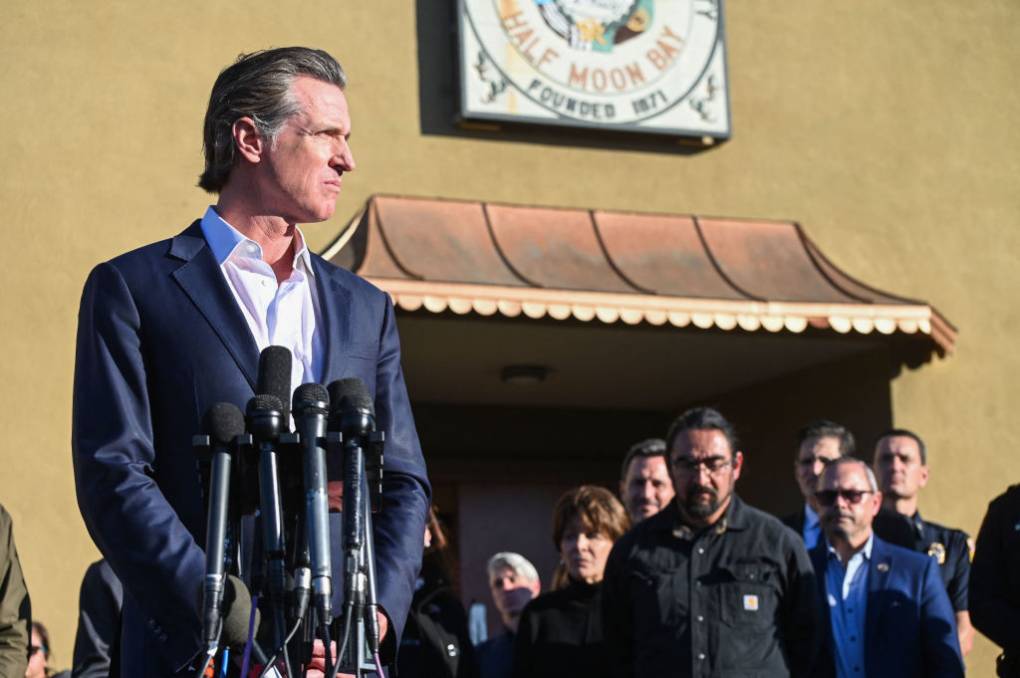
"caption": "Gov. Gavin Newsom addresses officials and residents outside the Half Moon Bay I.D.E.S. Society on Jan. 24, 2023, a day after a gunman killed seven farmworkers and critically injured an eighth at two work sites in Half Moon Bay.",
"description": null,
"title": "US-CRIME-SHOOTING",
"credit": "Samantha Laurey/AFP via Getty Images",
"status": "inherit",
"altTag": "Gov. Gavin Newsom addresses a crowd in front of a building with a 'Half Moon Bay' sign on the facade.",
"isLoading": false,
"fetchFailed": false
},
"news_11939509": {
"type": "attachments",
"id": "news_11939509",
"meta": {
"index": "attachments_1716263798",
"site": "news",
"id": "11939509",
"found": true
},
"parent": 11939501,
"imgSizes": {
"twentyfourteen-full-width": {
"file": "https://ww2.kqed.org/app/uploads/sites/10/2023/01/RS60333_DSC09495-1-1038x576.jpg",
"width": 1038,
"mimeType": "image/jpeg",
"height": 576
},
"thumbnail": {
"file": "https://ww2.kqed.org/app/uploads/sites/10/2023/01/RS60333_DSC09495-1-160x107.jpg",
"width": 160,
"mimeType": "image/jpeg",
"height": 107
},
"post-thumbnail": {
"file": "https://ww2.kqed.org/app/uploads/sites/10/2023/01/RS60333_DSC09495-1-672x372.jpg",
"width": 672,
"mimeType": "image/jpeg",
"height": 372
},
"kqedFullSize": {
"file": "https://ww2.kqed.org/app/uploads/sites/10/2023/01/RS60333_DSC09495-1-scaled.jpg",
"width": 2560,
"height": 1707
},
"2048x2048": {
"file": "https://ww2.kqed.org/app/uploads/sites/10/2023/01/RS60333_DSC09495-1-2048x1365.jpg",
"width": 2048,
"mimeType": "image/jpeg",
"height": 1365
},
"large": {
"file": "https://ww2.kqed.org/app/uploads/sites/10/2023/01/RS60333_DSC09495-1-1020x680.jpg",
"width": 1020,
"mimeType": "image/jpeg",
"height": 680
},
"1536x1536": {
"file": "https://ww2.kqed.org/app/uploads/sites/10/2023/01/RS60333_DSC09495-1-1536x1024.jpg",
"width": 1536,
"mimeType": "image/jpeg",
"height": 1024
},
"full-width": {
"file": "https://ww2.kqed.org/app/uploads/sites/10/2023/01/RS60333_DSC09495-1-1920x1280.jpg",
"width": 1920,
"mimeType": "image/jpeg",
"height": 1280
},
"medium": {
"file": "https://ww2.kqed.org/app/uploads/sites/10/2023/01/RS60333_DSC09495-1-800x533.jpg",
"width": 800,
"mimeType": "image/jpeg",
"height": 533
}
},
"publishDate": 1674864242,
"modified": 1674864242,
"caption": null,
"description": null,
"title": "RS60333_DSC09495 (1)",
"credit": null,
"status": "inherit",
"altTag": null,
"isLoading": false,
"fetchFailed": false
},
"news_11938907": {
"type": "attachments",
"id": "news_11938907",
"meta": {
"index": "attachments_1716263798",
"site": "news",
"id": "11938907",
"found": true
},
"parent": 11938865,
"imgSizes": {
"twentyfourteen-full-width": {
"file": "https://ww2.kqed.org/app/uploads/sites/10/2023/01/051122-St-Hope-Charter-School-MG-CM-19-1038x576.jpg",
"width": 1038,
"mimeType": "image/jpeg",
"height": 576
},
"thumbnail": {
"file": "https://ww2.kqed.org/app/uploads/sites/10/2023/01/051122-St-Hope-Charter-School-MG-CM-19-160x107.jpg",
"width": 160,
"mimeType": "image/jpeg",
"height": 107
},
"post-thumbnail": {
"file": "https://ww2.kqed.org/app/uploads/sites/10/2023/01/051122-St-Hope-Charter-School-MG-CM-19-672x372.jpg",
"width": 672,
"mimeType": "image/jpeg",
"height": 372
},
"kqedFullSize": {
"file": "https://ww2.kqed.org/app/uploads/sites/10/2023/01/051122-St-Hope-Charter-School-MG-CM-19.jpg",
"width": 2000,
"height": 1333
},
"large": {
"file": "https://ww2.kqed.org/app/uploads/sites/10/2023/01/051122-St-Hope-Charter-School-MG-CM-19-1020x680.jpg",
"width": 1020,
"mimeType": "image/jpeg",
"height": 680
},
"1536x1536": {
"file": "https://ww2.kqed.org/app/uploads/sites/10/2023/01/051122-St-Hope-Charter-School-MG-CM-19-1536x1024.jpg",
"width": 1536,
"mimeType": "image/jpeg",
"height": 1024
},
"full-width": {
"file": "https://ww2.kqed.org/app/uploads/sites/10/2023/01/051122-St-Hope-Charter-School-MG-CM-19-1920x1280.jpg",
"width": 1920,
"mimeType": "image/jpeg",
"height": 1280
},
"medium": {
"file": "https://ww2.kqed.org/app/uploads/sites/10/2023/01/051122-St-Hope-Charter-School-MG-CM-19-800x533.jpg",
"width": 800,
"mimeType": "image/jpeg",
"height": 533
}
},
"publishDate": 1674507467,
"modified": 1674518686,
"caption": "Students at a classroom at St. Hope's Public School 7 Elementary in Sacramento on May 11, 2022.",
"description": null,
"title": "051122-St-Hope-Charter-School-MG-CM-19",
"credit": "Miguel Gutierrez Jr./CalMatters",
"status": "inherit",
"altTag": "A downward-angled photo shows a school table with several students sitting around it, pencils in hand. The students are working on a worksheet about telling time.",
"isLoading": false,
"fetchFailed": false
},
"news_11938602": {
"type": "attachments",
"id": "news_11938602",
"meta": {
"index": "attachments_1716263798",
"site": "news",
"id": "11938602",
"found": true
},
"parent": 11938593,
"imgSizes": {
"twentyfourteen-full-width": {
"file": "https://ww2.kqed.org/app/uploads/sites/10/2023/01/DSC_0886-1038x576.jpg",
"width": 1038,
"mimeType": "image/jpeg",
"height": 576
},
"thumbnail": {
"file": "https://ww2.kqed.org/app/uploads/sites/10/2023/01/DSC_0886-160x106.jpg",
"width": 160,
"mimeType": "image/jpeg",
"height": 106
},
"post-thumbnail": {
"file": "https://ww2.kqed.org/app/uploads/sites/10/2023/01/DSC_0886-672x372.jpg",
"width": 672,
"mimeType": "image/jpeg",
"height": 372
},
"kqedFullSize": {
"file": "https://ww2.kqed.org/app/uploads/sites/10/2023/01/DSC_0886-scaled.jpg",
"width": 2560,
"height": 1703
},
"2048x2048": {
"file": "https://ww2.kqed.org/app/uploads/sites/10/2023/01/DSC_0886-2048x1362.jpg",
"width": 2048,
"mimeType": "image/jpeg",
"height": 1362
},
"large": {
"file": "https://ww2.kqed.org/app/uploads/sites/10/2023/01/DSC_0886-1020x679.jpg",
"width": 1020,
"mimeType": "image/jpeg",
"height": 679
},
"1536x1536": {
"file": "https://ww2.kqed.org/app/uploads/sites/10/2023/01/DSC_0886-1536x1022.jpg",
"width": 1536,
"mimeType": "image/jpeg",
"height": 1022
},
"full-width": {
"file": "https://ww2.kqed.org/app/uploads/sites/10/2023/01/DSC_0886-1920x1277.jpg",
"width": 1920,
"mimeType": "image/jpeg",
"height": 1277
},
"medium": {
"file": "https://ww2.kqed.org/app/uploads/sites/10/2023/01/DSC_0886-800x532.jpg",
"width": 800,
"mimeType": "image/jpeg",
"height": 532
}
},
"publishDate": 1674163717,
"modified": 1674174219,
"caption": "Pres. Biden greets Gov. Gavin Newsom, Sen. Alex Padilla and other officials as he descends from Air Force One at Moffett Federal Airfield on Thursday, Jan. 19, 2023. Biden is in California to visit areas damaged by the recent winter storms in Santa Clara and Santa Cruz counties.",
"description": null,
"title": "DSC_0886",
"credit": "Kori Suzuki/KQED",
"status": "inherit",
"altTag": "An elderly white man exits Air Force One with presidential seal on the airplane and journalists and camera people waiting below, a soldier salutes.",
"isLoading": false,
"fetchFailed": false
},
"news_11938140": {
"type": "attachments",
"id": "news_11938140",
"meta": {
"index": "attachments_1716263798",
"site": "news",
"id": "11938140",
"found": true
},
"parent": 11938061,
"imgSizes": {
"twentyfourteen-full-width": {
"file": "https://ww2.kqed.org/app/uploads/sites/10/2023/01/RS35800_GettyImages-1135578094-qut-1038x576.jpg",
"width": 1038,
"mimeType": "image/jpeg",
"height": 576
},
"thumbnail": {
"file": "https://ww2.kqed.org/app/uploads/sites/10/2023/01/RS35800_GettyImages-1135578094-qut-160x109.jpg",
"width": 160,
"mimeType": "image/jpeg",
"height": 109
},
"post-thumbnail": {
"file": "https://ww2.kqed.org/app/uploads/sites/10/2023/01/RS35800_GettyImages-1135578094-qut-672x372.jpg",
"width": 672,
"mimeType": "image/jpeg",
"height": 372
},
"kqedFullSize": {
"file": "https://ww2.kqed.org/app/uploads/sites/10/2023/01/RS35800_GettyImages-1135578094-qut.jpg",
"width": 1920,
"height": 1311
},
"large": {
"file": "https://ww2.kqed.org/app/uploads/sites/10/2023/01/RS35800_GettyImages-1135578094-qut-1020x696.jpg",
"width": 1020,
"mimeType": "image/jpeg",
"height": 696
},
"1536x1536": {
"file": "https://ww2.kqed.org/app/uploads/sites/10/2023/01/RS35800_GettyImages-1135578094-qut-1536x1049.jpg",
"width": 1536,
"mimeType": "image/jpeg",
"height": 1049
},
"medium": {
"file": "https://ww2.kqed.org/app/uploads/sites/10/2023/01/RS35800_GettyImages-1135578094-qut-800x546.jpg",
"width": 800,
"mimeType": "image/jpeg",
"height": 546
}
},
"publishDate": 1673724774,
"modified": 1674071331,
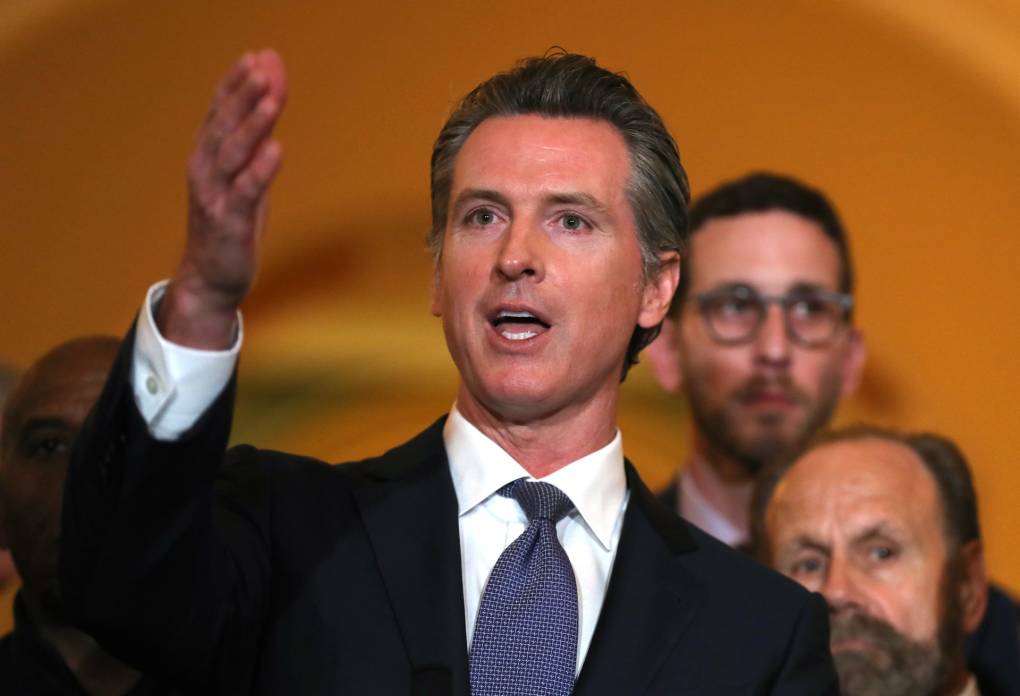
"caption": "Gov. Gavin Newsom speaks during a news conference at the California State Capitol on March 13, 2019, in Sacramento where he announced a moratorium on California's death penalty.",
"description": null,
"title": "Governor Gavin Newsom Announces He Will Sign Moratorium On Executions In California",
"credit": "Justin Sullivan/Getty Images",
"status": "inherit",
"altTag": "A white man in dark suit and navy tie raises his hand as he speaks.",
"isLoading": false,
"fetchFailed": false
},
"news_11937083": {
"type": "attachments",
"id": "news_11937083",
"meta": {
"index": "attachments_1716263798",
"site": "news",
"id": "11937083",
"found": true
},
"parent": 11937069,
"imgSizes": {
"twentyfourteen-full-width": {
"file": "https://ww2.kqed.org/app/uploads/sites/10/2023/01/RS59613_DSC07248-qut-1038x576.jpg",
"width": 1038,
"mimeType": "image/jpeg",
"height": 576
},
"thumbnail": {
"file": "https://ww2.kqed.org/app/uploads/sites/10/2023/01/RS59613_DSC07248-qut-160x107.jpg",
"width": 160,
"mimeType": "image/jpeg",
"height": 107
},
"post-thumbnail": {
"file": "https://ww2.kqed.org/app/uploads/sites/10/2023/01/RS59613_DSC07248-qut-672x372.jpg",
"width": 672,
"mimeType": "image/jpeg",
"height": 372
},
"kqedFullSize": {
"file": "https://ww2.kqed.org/app/uploads/sites/10/2023/01/RS59613_DSC07248-qut.jpg",
"width": 1920,
"height": 1280
},
"large": {
"file": "https://ww2.kqed.org/app/uploads/sites/10/2023/01/RS59613_DSC07248-qut-1020x680.jpg",
"width": 1020,
"mimeType": "image/jpeg",
"height": 680
},
"1536x1536": {
"file": "https://ww2.kqed.org/app/uploads/sites/10/2023/01/RS59613_DSC07248-qut-1536x1024.jpg",
"width": 1536,
"mimeType": "image/jpeg",
"height": 1024
},
"medium": {
"file": "https://ww2.kqed.org/app/uploads/sites/10/2023/01/RS59613_DSC07248-qut-800x533.jpg",
"width": 800,
"mimeType": "image/jpeg",
"height": 533
}
},
"publishDate": 1672962167,
"modified": 1673387133,
"caption": "Gov. Gavin Newsom answers questions for the press following a debate against Republican state Sen. Brian Dahle at KQED in San Francisco on Oct. 23, 2022.",
"description": null,
"title": "RS59613_DSC07248-qut",
"credit": "Aryk Copley/KQED",
"status": "inherit",
"altTag": "A man wearing a black business suit and tie stands inside a building.",
"isLoading": false,
"fetchFailed": false
},
"news_11876538": {
"type": "attachments",
"id": "news_11876538",
"meta": {
"index": "attachments_1716263798",
"site": "news",
"id": "11876538",
"found": true
},
"parent": 11876535,
"imgSizes": {
"twentyfourteen-full-width": {
"file": "https://ww2.kqed.org/app/uploads/sites/10/2021/06/RS31296_GettyImages-968048630-qut-1038x576.jpg",
"width": 1038,
"mimeType": "image/jpeg",
"height": 576
},
"thumbnail": {
"file": "https://ww2.kqed.org/app/uploads/sites/10/2021/06/RS31296_GettyImages-968048630-qut-160x107.jpg",
"width": 160,
"mimeType": "image/jpeg",
"height": 107
},
"post-thumbnail": {
"file": "https://ww2.kqed.org/app/uploads/sites/10/2021/06/RS31296_GettyImages-968048630-qut-672x372.jpg",
"width": 672,
"mimeType": "image/jpeg",
"height": 372
},
"kqedFullSize": {
"file": "https://ww2.kqed.org/app/uploads/sites/10/2021/06/RS31296_GettyImages-968048630-qut.jpg",
"width": 1920,
"height": 1280
},
"large": {
"file": "https://ww2.kqed.org/app/uploads/sites/10/2021/06/RS31296_GettyImages-968048630-qut-1020x680.jpg",
"width": 1020,
"mimeType": "image/jpeg",
"height": 680
},
"1536x1536": {
"file": "https://ww2.kqed.org/app/uploads/sites/10/2021/06/RS31296_GettyImages-968048630-qut-1536x1024.jpg",
"width": 1536,
"mimeType": "image/jpeg",
"height": 1024
},
"medium": {
"file": "https://ww2.kqed.org/app/uploads/sites/10/2021/06/RS31296_GettyImages-968048630-qut-800x533.jpg",
"width": 800,
"mimeType": "image/jpeg",
"height": 533
}
},
"publishDate": 1622744958,
"modified": 1673047047,
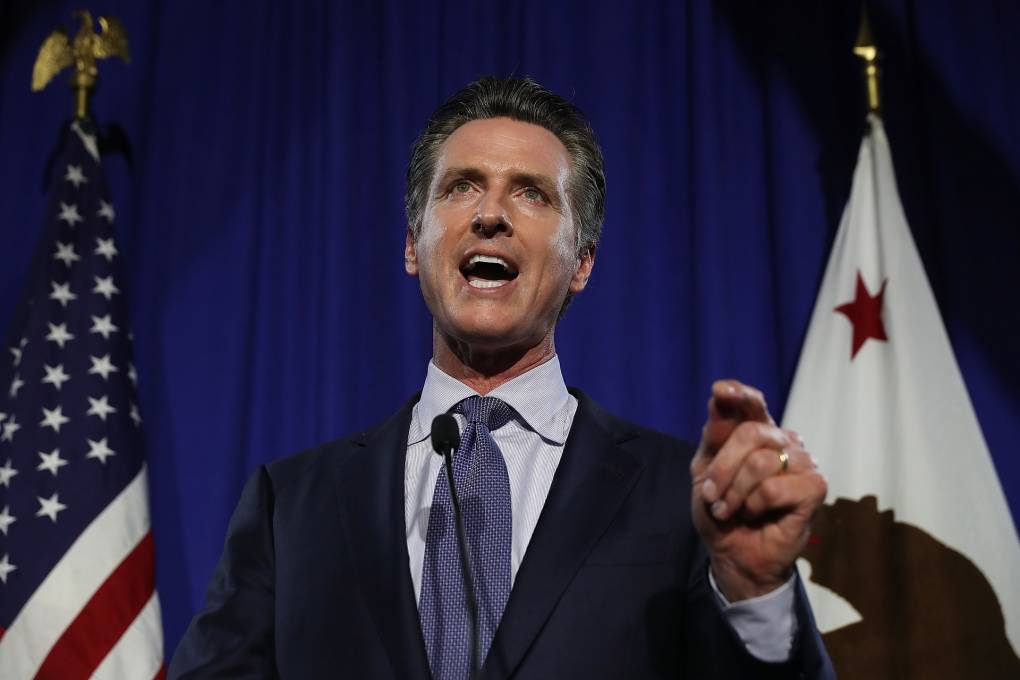
"caption": "Gov. Gavin Newsom speaks during his primary election night gathering on June 5, 2018, in San Francisco.",
"description": null,
"title": "California Gubernatorial Candidate Gavin Newsom Holds Primary Night Event In San Francisco",
"credit": "Justin Sullivan/Getty Images",
"status": "inherit",
"altTag": "A white man in a blue suit and blue tie flanked by the US flag and the California flag points his finger as he speaks.",
"isLoading": false,
"fetchFailed": false
}
},
"audioPlayerReducer": {
"postId": "stream_live",
"isPaused": true,
"isPlaying": false,
"pfsActive": false,
"pledgeModalIsOpen": true,
"playerDrawerIsOpen": false,
"liveAudioPlayStartedAt": 0,
"liveAudioPlayContext": ""
},
"authorsReducer": {
"byline_news_11943590": {
"type": "authors",
"id": "byline_news_11943590",
"meta": {
"override": true
},
"slug": "byline_news_11943590",
"name": "\u003ca href=\"https://calmatters.org/author/laurenhepler/\">Lauren Hepler\u003c/a>, \u003ca href=\"https://calmatters.org/author/nicole-foy/\">Nicole Foy \u003c/a>, \u003ca href=\"https://calmatters.org/author/wendy-fry/\">Wendy Fry\u003c/a>",
"isLoading": false
},
"byline_news_11942915": {
"type": "authors",
"id": "byline_news_11942915",
"meta": {
"override": true
},
"slug": "byline_news_11942915",
"name": "\u003ca href=\"https://calmatters.org/author/julie-cart/\">Julie Cart\u003c/a>",
"isLoading": false
},
"byline_news_11938865": {
"type": "authors",
"id": "byline_news_11938865",
"meta": {
"override": true
},
"slug": "byline_news_11938865",
"name": "\u003ca href=\"https://calmatters.org/author/joe-hong/\">Joe Hong\u003c/a>",
"isLoading": false
},
"byline_news_11938593": {
"type": "authors",
"id": "byline_news_11938593",
"meta": {
"override": true
},
"slug": "byline_news_11938593",
"name": "Zeke Miller\u003cbr>The Associated Press",
"isLoading": false
},
"byline_news_11938061": {
"type": "authors",
"id": "byline_news_11938061",
"meta": {
"override": true
},
"slug": "byline_news_11938061",
"name": "\u003ca href=\"https://www.npr.org/people/2101350/eric-westervelt\">Eric Westervelt\u003c/a>",
"isLoading": false
},
"byline_news_11937161": {
"type": "authors",
"id": "byline_news_11937161",
"meta": {
"override": true
},
"slug": "byline_news_11937161",
"name": "Kathleen Ronayne and Sophie Austin\u003cbr>The Associated Press",
"isLoading": false
},
"gmarzorati": {
"type": "authors",
"id": "227",
"meta": {
"index": "authors_1716337520",
"id": "227",
"found": true
},
"name": "Guy Marzorati",
"firstName": "Guy",
"lastName": "Marzorati",
"slug": "gmarzorati",
"email": "gmarzorati@KQED.org",
"display_author_email": true,
"staff_mastheads": [
"news"
],
"title": "Correspondent",
"bio": "Guy Marzorati is a correspondent on KQED's California Politics and Government Desk, based in San Jose. A graduate of Santa Clara University, Guy joined KQED in 2013. He reports on state and local politics and produces KQED's digital voter guide.",
"avatar": "https://secure.gravatar.com/avatar/e7038b8dbfd55b104369b76b1cd0b9de?s=600&d=blank&r=g",
"twitter": "guymarzorati",
"facebook": null,
"instagram": null,
"linkedin": null,
"sites": [
{
"site": "",
"roles": [
"editor"
]
},
{
"site": "news",
"roles": [
"editor"
]
},
{
"site": "science",
"roles": [
"editor"
]
},
{
"site": "forum",
"roles": [
"editor"
]
},
{
"site": "elections",
"roles": [
"editor"
]
},
{
"site": "liveblog",
"roles": [
"editor"
]
}
],
"headData": {
"title": "Guy Marzorati | KQED",
"description": "Correspondent",
"ogImgSrc": "https://secure.gravatar.com/avatar/e7038b8dbfd55b104369b76b1cd0b9de?s=600&d=blank&r=g",
"twImgSrc": "https://secure.gravatar.com/avatar/e7038b8dbfd55b104369b76b1cd0b9de?s=600&d=blank&r=g"
},
"isLoading": false,
"link": "/author/gmarzorati"
},
"kqed": {
"type": "authors",
"id": "236",
"meta": {
"index": "authors_1716337520",
"id": "236",
"found": true
},
"name": "KQED News Staff",
"firstName": "KQED News Staff",
"lastName": null,
"slug": "kqed",
"email": "faq@kqed.org",
"display_author_email": false,
"staff_mastheads": [],
"title": null,
"bio": null,
"avatar": "https://secure.gravatar.com/avatar/ef0e801a68c4c54afa9180db14084167?s=600&d=blank&r=g",
"twitter": null,
"facebook": null,
"instagram": null,
"linkedin": null,
"sites": [
{
"site": "arts",
"roles": [
"contributor"
]
},
{
"site": "news",
"roles": [
"editor"
]
},
{
"site": "futureofyou",
"roles": [
"author"
]
}
],
"headData": {
"title": "KQED News Staff | KQED",
"description": null,
"ogImgSrc": "https://secure.gravatar.com/avatar/ef0e801a68c4c54afa9180db14084167?s=600&d=blank&r=g",
"twImgSrc": "https://secure.gravatar.com/avatar/ef0e801a68c4c54afa9180db14084167?s=600&d=blank&r=g"
},
"isLoading": false,
"link": "/author/kqed"
},
"kqednewsstaffandwires": {
"type": "authors",
"id": "237",
"meta": {
"index": "authors_1716337520",
"id": "237",
"found": true
},
"name": "KQED News Staff and Wires",
"firstName": "KQED News Staff and Wires",
"lastName": null,
"slug": "kqednewsstaffandwires",
"email": "onlinenewsstaff@kqed.org",
"display_author_email": false,
"staff_mastheads": [],
"title": null,
"bio": null,
"avatar": "https://secure.gravatar.com/avatar/72295af8ebbfbd19a4948f5271285664?s=600&d=blank&r=g",
"twitter": null,
"facebook": null,
"instagram": null,
"linkedin": null,
"sites": [
{
"site": "arts",
"roles": [
"contributor"
]
},
{
"site": "news",
"roles": [
"contributor"
]
},
{
"site": "lowdown",
"roles": [
"author"
]
},
{
"site": "stateofhealth",
"roles": [
"contributor"
]
},
{
"site": "food",
"roles": [
"author"
]
}
],
"headData": {
"title": "KQED News Staff and Wires | KQED",
"description": null,
"ogImgSrc": "https://secure.gravatar.com/avatar/72295af8ebbfbd19a4948f5271285664?s=600&d=blank&r=g",
"twImgSrc": "https://secure.gravatar.com/avatar/72295af8ebbfbd19a4948f5271285664?s=600&d=blank&r=g"
},
"isLoading": false,
"link": "/author/kqednewsstaffandwires"
},
"mlagos": {
"type": "authors",
"id": "3239",
"meta": {
"index": "authors_1716337520",
"id": "3239",
"found": true
},
"name": "Marisa Lagos",
"firstName": "Marisa",
"lastName": "Lagos",
"slug": "mlagos",
"email": "mlagos@kqed.org",
"display_author_email": false,
"staff_mastheads": [
"news"
],
"title": "KQED Contributor",
"bio": "Marisa Lagos is a correspondent for KQED’s California Politics and Government Desk and co-hosts the award-winning show and podcast, Political Breakdown. At KQED, Lagos also conducts reporting, analysis and investigations into state, local and national politics for radio, TV, online and onstage. In 2022, she and co-host, Scott Shafer, moderated the only gubernatorial debate in California. In 2020, the \u003ci>Washington Post\u003c/i> named her one of the top political journalists in California; she was nominated for a Peabody and won several other awards for her work investigating the 2017 California wildfires. She has worked at the \u003ci>San Francisco Chronicle\u003c/i>, \u003ci>San Francisco Examiner\u003c/i> and \u003ci>Los Angeles Times\u003c/i>. A UC Santa Barbara graduate, she lives in San Francisco with her two sons and husband.",
"avatar": "https://secure.gravatar.com/avatar/a261a0d3696fc066871ef96b85b5e7d2?s=600&d=blank&r=g",
"twitter": "@mlagos",
"facebook": null,
"instagram": null,
"linkedin": null,
"sites": [
{
"site": "arts",
"roles": [
"author"
]
},
{
"site": "news",
"roles": [
"editor"
]
},
{
"site": "science",
"roles": [
"editor"
]
},
{
"site": "forum",
"roles": [
"author"
]
},
{
"site": "liveblog",
"roles": [
"author"
]
}
],
"headData": {
"title": "Marisa Lagos | KQED",
"description": "KQED Contributor",
"ogImgSrc": "https://secure.gravatar.com/avatar/a261a0d3696fc066871ef96b85b5e7d2?s=600&d=blank&r=g",
"twImgSrc": "https://secure.gravatar.com/avatar/a261a0d3696fc066871ef96b85b5e7d2?s=600&d=blank&r=g"
},
"isLoading": false,
"link": "/author/mlagos"
},
"vrancano": {
"type": "authors",
"id": "11276",
"meta": {
"index": "authors_1716337520",
"id": "11276",
"found": true
},
"name": "Vanessa Rancaño",
"firstName": "Vanessa",
"lastName": "Rancaño",
"slug": "vrancano",
"email": "vrancano@kqed.org",
"display_author_email": false,
"staff_mastheads": [
"news"
],
"title": "Reporter",
"bio": "Vanessa Rancaño is a features reporter for KQED. She’s also covered homelessness and education for the station and reported from the Central Valley. Her work has aired across public radio, from flagship national news shows to longform narrative podcasts. Before taking up a mic, she worked as a freelance print journalist. She’s been recognized with a number of national and regional awards. Vanessa grew up in California's Central Valley. She's a former NPR Kroc Fellow, and a graduate of the UC Berkeley Graduate School of Journalism.",
"avatar": "https://secure.gravatar.com/avatar/b3a383dfb0e7ee1c17568f2cf067904ab654d6e3de9743fc661f3c788ade1bed?s=600&d=blank&r=g",
"twitter": "vanessarancano",
"bluesky": null,
"facebook": null,
"instagram": null,
"linkedin": null,
"sites": [
{
"site": "arts",
"roles": [
"editor"
]
},
{
"site": "news",
"roles": [
"editor"
]
},
{
"site": "liveblog",
"roles": [
"contributor"
]
}
],
"headData": {
"title": "Vanessa Rancaño | KQED",
"description": "Reporter",
"ogImgSrc": "https://secure.gravatar.com/avatar/b3a383dfb0e7ee1c17568f2cf067904ab654d6e3de9743fc661f3c788ade1bed?s=600&d=blank&r=g",
"twImgSrc": "https://secure.gravatar.com/avatar/b3a383dfb0e7ee1c17568f2cf067904ab654d6e3de9743fc661f3c788ade1bed?s=600&d=blank&r=g"
},
"isLoading": false,
"link": "/author/vrancano"
},
"amontecillo": {
"type": "authors",
"id": "11649",
"meta": {
"index": "authors_1716337520",
"id": "11649",
"found": true
},
"name": "Alan Montecillo",
"firstName": "Alan",
"lastName": "Montecillo",
"slug": "amontecillo",
"email": "amontecillo@kqed.org",
"display_author_email": false,
"staff_mastheads": [
"news"
],
"title": "KQED Contributor",
"bio": "Alan Montecillo is the senior editor of \u003cem>\u003ca href=\"http://kqed.org/thebay\">The Bay\u003c/a>, \u003c/em> KQED's local news podcast. Before moving to the Bay Area, he worked as a senior talk show producer for WILL in Champaign-Urbana, Illinois and at Oregon Public Broadcasting in Portland, Oregon. He has won journalism awards from the Society of Professional Journalists Northern California, the Public Media Journalists Association, The Signal Awards, and has also received a regional Edward R. Murrow award. Alan is a Filipino American from Hong Kong and a graduate of Reed College.",
"avatar": "https://secure.gravatar.com/avatar/268f53a2066899ea9efdd8a5900218b17c822d9862cbc9326cccec53ef41d349?s=600&d=blank&r=g",
"twitter": "alanmontecillo",
"bluesky": null,
"facebook": null,
"instagram": null,
"linkedin": null,
"sites": [
{
"site": "",
"roles": [
"editor"
]
},
{
"site": "news",
"roles": [
"editor",
"manage_categories"
]
}
],
"headData": {
"title": "Alan Montecillo | KQED",
"description": "KQED Contributor",
"ogImgSrc": "https://secure.gravatar.com/avatar/268f53a2066899ea9efdd8a5900218b17c822d9862cbc9326cccec53ef41d349?s=600&d=blank&r=g",
"twImgSrc": "https://secure.gravatar.com/avatar/268f53a2066899ea9efdd8a5900218b17c822d9862cbc9326cccec53ef41d349?s=600&d=blank&r=g"
},
"isLoading": false,
"link": "/author/amontecillo"
},
"mesquinca": {
"type": "authors",
"id": "11802",
"meta": {
"index": "authors_1716337520",
"id": "11802",
"found": true
},
"name": "Maria Esquinca",
"firstName": "Maria",
"lastName": "Esquinca",
"slug": "mesquinca",
"email": "mesquinca@kqed.org",
"display_author_email": false,
"staff_mastheads": [],
"title": "Producer, The Bay",
"bio": "María Esquinca is a producer of The Bay. Before that, she was a New York Women’s Foundation IGNITE Fellow at Latino USA. She worked at Radio Bilingue where she covered the San Joaquin Valley. Maria has interned at WLRN, News 21, The New York Times Student Journalism Institute and at Crain’s Detroit Business as a Dow Jones News Fund Business Reporting Intern. She is an MFA graduate from the University of Miami. In 2017, she graduated from the Walter Cronkite School of Journalism and Mass Communication with a Master of Mass Communication. A fronteriza, she was born in Ciudad Juárez, Chihuahua, Mexico and grew up in El Paso, Texas.",
"avatar": "https://secure.gravatar.com/avatar/77cedba18aae91da775038ba06dcd8d0?s=600&d=blank&r=g",
"twitter": "@m_esquinca",
"facebook": null,
"instagram": null,
"linkedin": null,
"sites": [
{
"site": "news",
"roles": []
}
],
"headData": {
"title": "Maria Esquinca | KQED",
"description": "Producer, The Bay",
"ogImgSrc": "https://secure.gravatar.com/avatar/77cedba18aae91da775038ba06dcd8d0?s=600&d=blank&r=g",
"twImgSrc": "https://secure.gravatar.com/avatar/77cedba18aae91da775038ba06dcd8d0?s=600&d=blank&r=g"
},
"isLoading": false,
"link": "/author/mesquinca"
},
"sjohnson": {
"type": "authors",
"id": "11840",
"meta": {
"index": "authors_1716337520",
"id": "11840",
"found": true
},
"name": "Sydney Johnson",
"firstName": "Sydney",
"lastName": "Johnson",
"slug": "sjohnson",
"email": "sjohnson@kqed.org",
"display_author_email": false,
"staff_mastheads": [
"news"
],
"title": "KQED Reporter",
"bio": "Sydney Johnson is a general assignment reporter at KQED. She previously reported on public health and city government at the San Francisco Examiner, and before that, she covered statewide education policy for EdSource. Her reporting has won multiple local, state and national awards. Sydney is a graduate of the University of California, Berkeley and lives in San Francisco.",
"avatar": "https://secure.gravatar.com/avatar/97855f2719b72ad6190b7c535fe642c8?s=600&d=blank&r=g",
"twitter": "sydneyfjohnson",
"facebook": null,
"instagram": null,
"linkedin": null,
"sites": [
{
"site": "news",
"roles": [
"editor"
]
}
],
"headData": {
"title": "Sydney Johnson | KQED",
"description": "KQED Reporter",
"ogImgSrc": "https://secure.gravatar.com/avatar/97855f2719b72ad6190b7c535fe642c8?s=600&d=blank&r=g",
"twImgSrc": "https://secure.gravatar.com/avatar/97855f2719b72ad6190b7c535fe642c8?s=600&d=blank&r=g"
},
"isLoading": false,
"link": "/author/sjohnson"
}
},
"pagesReducer": {
"news_tag_gavin-newsom": {
"type": "terms",
"id": "news_16",
"meta": {
"index": "terms_1716263798",
"site": "news",
"id": "16",
"score": 8.937016
},
"featImg": null,
"name": "Gavin Newsom",
"description": null,
"taxonomy": "tag",
"headData": {
"twImgId": null,
"twTitle": null,
"ogTitle": null,
"ogImgId": null,
"twDescription": null,
"description": null,
"title": "Gavin Newsom Archives | KQED News",
"ogDescription": null
},
"ttid": 16,
"slug": "gavin-newsom",
"isLoading": false,
"title": "Gavin Newsom",
"pageMeta": {
"site": "news",
"WpPageTemplate": "page-topic-editorial",
"currentPage": 42
},
"blocks": [
{
"blockName": "kqed/post-list",
"attrs": {
"layout": "cardArticle2",
"query": "posts/news?tag=gavin-newsom",
"seeMore": false,
"paginated": true,
"page": 42
}
},
{
"blockName": "kqed/ad"
}
]
}
},
"pfsSessionReducer": {},
"postsReducer": {
"stream_live": {
"type": "live",
"id": "stream_live",
"audioUrl": "https://streams.kqed.org/kqedradio",
"title": "Live Stream",
"excerpt": "Live Stream information currently unavailable.",
"link": "/radio",
"featImg": "",
"label": {
"name": "KQED Live",
"link": "/"
}
},
"stream_kqedNewscast": {
"type": "posts",
"id": "stream_kqedNewscast",
"audioUrl": "https://www.kqed.org/.stream/anon/radio/RDnews/newscast.mp3?_=1",
"title": "KQED Newscast",
"featImg": "",
"label": {
"name": "88.5 FM",
"link": "/"
}
},
"news_11943746": {
"type": "posts",
"id": "news_11943746",
"meta": {
"index": "posts_1716263798",
"site": "news",
"id": "11943746",
"score": null,
"sort": [
1678996256000
]
},
"guestAuthors": [],
"slug": "newsom-will-mobilize-national-guard-to-deliver-1200-tiny-homes-to-address-homelessness-crisis",
"title": "Newsom Will Mobilize National Guard to Deliver 1,200 Tiny Homes to Address Homelessness Crisis",
"publishDate": 1678996256,
"format": "standard",
"headTitle": "Newsom Will Mobilize National Guard to Deliver 1,200 Tiny Homes to Address Homelessness Crisis | KQED",
"labelTerm": {
"site": "news"
},
"content": "\u003cp>Gov. Gavin Newsom is calling on the California National Guard to help deliver 1,200 small homes for people experiencing homelessness across the state. Newsom’s latest push to address the state’s sprawling homelessness crisis also will provide nearly $1 billion to California cities to help them address unsheltered homelessness and encampments.\u003c/p>\n\u003cp>As a candidate for governor, Newsom vowed to eliminate chronic homelessness if elected. But under his watch, \u003ca href=\"https://www.huduser.gov/portal/sites/default/files/pdf/2022-AHAR-Part-1.pdf\">the number of Californians living on the streets, in shelters or in cars has grown from around 130,000 in 2018 to more than 171,000 last year (PDF)\u003c/a>, according to data from the U.S. Department of Housing and Urban Development.\u003c/p>\n\u003cp>The announcement also comes with an updated goal to reduce homelessness by 15% statewide by 2025.\u003c/p>\n\u003cp>“In California, we are using every tool in our toolbox — including the largest-ever deployment of small homes in the state — to move people out of encampments and into housing,” Newsom said in a press release. “We are tackling this issue at the root of the problem by addressing the need to create more housing, faster in California.”\u003c/p>\n\u003cp>The California National Guard will assist with preparing and delivering the small homes, which were purchased by the state, to Los Angeles (500 units), San Diego (150), San José (200) and Sacramento (350).\u003c/p>\n\u003cp>[ad fullwidth]\u003c/p>\n\u003cp>The state is expected to begin installing the small homes by fall of this year. Once delivered, local governments will operate, maintain and direct the flow of unhoused people to the homes and services.\u003c/p>\n\u003cp>The new statewide target comes after the governor \u003ca href=\"https://www.gov.ca.gov/2022/11/03/governor-newsom-calls-for-more-aggressive-action-on-homelessness-pauses-latest-round-of-state-funding/\">briefly froze $1 billion in homelessness funding for cities and counties last November\u003c/a> after his administration deemed local plans to bring down homelessness by only 2% by 2024 unacceptable. Local leaders strongly criticized the decision, saying it was counterproductive and that they were given no warning or guidance about how to amend their plans to secure the funding.\u003c/p>\n\u003cp>“As a state, we are failing to meet the urgency of this moment,” Newsom said last November. “At this pace, it would take decades to significantly curb homelessness in California. This approach is simply unacceptable.”\u003c/p>\n\u003cp>Following a summit with over 100 mayors two weeks after the announcement to freeze funding, \u003ca href=\"https://www.kqed.org/news/11932895/newsom-relents-agrees-to-release-1-billion-in-homelessness-funding-despite-lackluster-local-plans\">the governor reversed course\u003c/a>, releasing the money with the condition that jurisdictions commit to more aggressive plans to reduce street homelessness in the future.\u003c/p>\n\u003cp>[pullquote size=\"medium\" align=\"right\" citation=\"Candice Elder, community advocate, executive director of East Oakland Collective\"]‘Tiny homes are one of the top strategies for getting people out of homelessness … I am astonished to learn that the governor did not designate any tiny homes in Oakland, Berkeley or San Francisco.’[/pullquote]Since 2019, the state has funneled more than $2 billion in flexible spending to local agencies to reduce homelessness through the Homeless Housing, Assistance and Prevention Program, known as HHAP. Last year was the first time cities and counties had to submit action plans to get funding through the program.\u003c/p>\n\u003cp>This year, local governments have collectively updated their homelessness plans to reduce homelessness by 15% statewide over the next two years. Newsom plans to release the $1 billion in funding to cities and counties with the updated goals as part of the fourth round of the HHAP program.\u003c/p>\n\u003cp>Small homes have grown popular in recent years as one tool to address homelessness.\u003c/p>\n\u003cp>“Tiny homes are one of the top strategies for getting people out of homelessness. We need to immediately get people off the streets,” said Candice Elder, a community advocate and executive director of the East Oakland Collective. “The reality is it takes — for the clients that we have worked with — it has taken about over seven years to get them into permanent housing — into real apartments, that is.”\u003c/p>\n\u003cp>San Francisco currently operates a 70-unit small home village at 33 Gough, a project that began during the pandemic. The project offers a dwelling for people who are seeking alternatives to tent encampments or congregate shelters.\u003c/p>\n\u003cp>Elder was shocked, however, that cities like Oakland — \u003ca href=\"https://www.sfchronicle.com/news/article/From-tent-to-shed-Change-is-overwhelming-for-a-12414554.php\">which opened its first tiny home village in 2017\u003c/a>, along with \u003ca href=\"https://www.kqed.org/news/11894774/new-tiny-home-village-in-oakland-opens-doors-to-unhoused-residents-amid-ongoing-homelessness-crisis\">another on city-owned land near Lake Merritt in 2021\u003c/a> — was not on the governor’s list of cities that would receive additional homes.\u003c/p>\n\u003cp>[aside label='Related Coverage' tag='tiny-homes']“I am astonished to learn that the governor did not designate any tiny homes in Oakland, Berkeley or San Francisco,” said Elder. “We know 1,200 homes spread across the state is not enough whatsoever, not even though they may scratch the surface.”\u003c/p>\n\u003cp>Carolyn Coleman, executive director of the League of California Cities, was similarly surprised by the short list of cities that will receive the homes. But, if the effort is successful in those places, she said, it could provide a template others could replicate.\u003c/p>\n\u003cp>“I would hope that the governor and his folks have a strategy that they’ll share with us about why they picked those places with those numbers,” Coleman told KQED. “Maybe at the end of the day, we can learn from those cities and examples to scale and use in communities more broadly.”\u003c/p>\n\u003cp>The mayors of Sacramento and San José, along with other pro-housing state leaders, applauded the governor’s investment on Thursday during a press conference where Newsom toured some of the tiny homes.\u003c/p>\n\u003cp>“Like most cities, San José is grappling with an immense homeless crisis. We all agree building more affordable housing is the long-term solution … but as we build up our housing stock and rebuild our mental health system, we have an obligation to address the enormous suffering we see on our streets every day,” said San José Mayor Matt Mahan.\u003c/p>\n\u003cp>He added that the city has a goal of making 1,000 new placements for unhoused residents this year. “The governor’s announcement will help us get there,” Mahan said.\u003c/p>\n\u003cp>But some, like Elder, expressed concerns over the involvement of the state’s National Guard for such a sensitive issue.\u003c/p>\n\u003cp>“We are talking about a highly, really traumatized, impacted population. Sending the National Guard in to deliver these homes seems kind of a bit much and actually a little bit scary,” Elder told KQED. “I’m assuming there’s regular people, even regular truckers that could just bring the tiny homes in. So what message are they trying to send?”\u003c/p>\n\u003cp>Homelessness experts say the small homes, which are typically smaller than 400 square feet, should be just one component of a multipronged approach to reducing homelessness.\u003c/p>\n\u003cp>[ad floatright]\u003c/p>\n\u003cp>“The crisis of homelessness will never be solved without first solving the crisis of housing — the two issues are inextricably linked,” Newsom said.\u003c/p>\n\n",
"blocks": [],
"excerpt": "The governor also plans to release $1 billion in funding to California cities after they updated their goals to reduce homelessness.",
"status": "publish",
"parent": 0,
"modified": 1721145756,
"stats": {
"hasAudio": false,
"hasVideo": false,
"hasChartOrMap": false,
"iframeSrcs": [],
"hasGoogleForm": false,
"hasGallery": false,
"hasHearkenModule": false,
"hasPolis": false,
"paragraphCount": 27,
"wordCount": 1161
},
"headData": {
"title": "Newsom Will Mobilize National Guard to Deliver 1,200 Tiny Homes to Address Homelessness Crisis | KQED",
"description": "The governor also plans to release $1 billion in funding to California cities after they updated their goals to reduce homelessness.",
"ogTitle": "",
"ogDescription": "",
"ogImgId": "",
"twTitle": "",
"twDescription": "",
"twImgId": "",
"schema": {
"@context": "https://schema.org",
"@type": "NewsArticle",
"headline": "Newsom Will Mobilize National Guard to Deliver 1,200 Tiny Homes to Address Homelessness Crisis",
"datePublished": "2023-03-16T12:50:56-07:00",
"dateModified": "2024-07-16T09:02:36-07:00",
"image": "https://cdn.kqed.org/wp-content/uploads/2020/02/KQED-OG-Image@1x.png",
"isAccessibleForFree": "True",
"publisher": {
"@type": "NewsMediaOrganization",
"@id": "https://www.kqed.org/#organization",
"name": "KQED",
"logo": "https://cdn.kqed.org/wp-content/uploads/2020/02/KQED-OG-Image@1x.png",
"url": "https://www.kqed.org",
"sameAs": [
"https://www.facebook.com/KQED",
"https://twitter.com/KQED",
"https://www.instagram.com/kqed/",
"https://www.tiktok.com/@kqedofficial",
"https://www.linkedin.com/company/kqed",
"https://www.youtube.com/channel/UCeC0IOo7i1P_61zVUWbJ4nw"
]
}
}
},
"sticky": false,
"excludeFromSiteSearch": "Include",
"articleAge": "0",
"path": "/news/11943746/newsom-will-mobilize-national-guard-to-deliver-1200-tiny-homes-to-address-homelessness-crisis",
"audioTrackLength": null,
"parsedContent": [
{
"type": "contentString",
"content": "\u003cdiv class=\"post-body\">\u003cp>\u003cp>Gov. Gavin Newsom is calling on the California National Guard to help deliver 1,200 small homes for people experiencing homelessness across the state. Newsom’s latest push to address the state’s sprawling homelessness crisis also will provide nearly $1 billion to California cities to help them address unsheltered homelessness and encampments.\u003c/p>\n\u003cp>As a candidate for governor, Newsom vowed to eliminate chronic homelessness if elected. But under his watch, \u003ca href=\"https://www.huduser.gov/portal/sites/default/files/pdf/2022-AHAR-Part-1.pdf\">the number of Californians living on the streets, in shelters or in cars has grown from around 130,000 in 2018 to more than 171,000 last year (PDF)\u003c/a>, according to data from the U.S. Department of Housing and Urban Development.\u003c/p>\n\u003cp>The announcement also comes with an updated goal to reduce homelessness by 15% statewide by 2025.\u003c/p>\n\u003cp>“In California, we are using every tool in our toolbox — including the largest-ever deployment of small homes in the state — to move people out of encampments and into housing,” Newsom said in a press release. “We are tackling this issue at the root of the problem by addressing the need to create more housing, faster in California.”\u003c/p>\n\u003cp>The California National Guard will assist with preparing and delivering the small homes, which were purchased by the state, to Los Angeles (500 units), San Diego (150), San José (200) and Sacramento (350).\u003c/p>\n\u003cp>\u003c/p>\u003c/div>",
"attributes": {
"named": {},
"numeric": []
}
},
{
"type": "component",
"content": "",
"name": "ad",
"attributes": {
"named": {
"label": "fullwidth"
},
"numeric": [
"fullwidth"
]
}
},
{
"type": "contentString",
"content": "\u003cdiv class=\"post-body\">\u003cp>\u003c/p>\n\u003cp>The state is expected to begin installing the small homes by fall of this year. Once delivered, local governments will operate, maintain and direct the flow of unhoused people to the homes and services.\u003c/p>\n\u003cp>The new statewide target comes after the governor \u003ca href=\"https://www.gov.ca.gov/2022/11/03/governor-newsom-calls-for-more-aggressive-action-on-homelessness-pauses-latest-round-of-state-funding/\">briefly froze $1 billion in homelessness funding for cities and counties last November\u003c/a> after his administration deemed local plans to bring down homelessness by only 2% by 2024 unacceptable. Local leaders strongly criticized the decision, saying it was counterproductive and that they were given no warning or guidance about how to amend their plans to secure the funding.\u003c/p>\n\u003cp>“As a state, we are failing to meet the urgency of this moment,” Newsom said last November. “At this pace, it would take decades to significantly curb homelessness in California. This approach is simply unacceptable.”\u003c/p>\n\u003cp>Following a summit with over 100 mayors two weeks after the announcement to freeze funding, \u003ca href=\"https://www.kqed.org/news/11932895/newsom-relents-agrees-to-release-1-billion-in-homelessness-funding-despite-lackluster-local-plans\">the governor reversed course\u003c/a>, releasing the money with the condition that jurisdictions commit to more aggressive plans to reduce street homelessness in the future.\u003c/p>\n\u003cp>\u003c/p>\u003c/div>",
"attributes": {
"named": {},
"numeric": []
}
},
{
"type": "component",
"content": "‘Tiny homes are one of the top strategies for getting people out of homelessness … I am astonished to learn that the governor did not designate any tiny homes in Oakland, Berkeley or San Francisco.’",
"name": "pullquote",
"attributes": {
"named": {
"size": "medium",
"align": "right",
"citation": "Candice Elder, community advocate, executive director of East Oakland Collective",
"label": ""
},
"numeric": []
}
},
{
"type": "contentString",
"content": "\u003cdiv class=\"post-body\">\u003cp>Since 2019, the state has funneled more than $2 billion in flexible spending to local agencies to reduce homelessness through the Homeless Housing, Assistance and Prevention Program, known as HHAP. Last year was the first time cities and counties had to submit action plans to get funding through the program.\u003c/p>\n\u003cp>This year, local governments have collectively updated their homelessness plans to reduce homelessness by 15% statewide over the next two years. Newsom plans to release the $1 billion in funding to cities and counties with the updated goals as part of the fourth round of the HHAP program.\u003c/p>\n\u003cp>Small homes have grown popular in recent years as one tool to address homelessness.\u003c/p>\n\u003cp>“Tiny homes are one of the top strategies for getting people out of homelessness. We need to immediately get people off the streets,” said Candice Elder, a community advocate and executive director of the East Oakland Collective. “The reality is it takes — for the clients that we have worked with — it has taken about over seven years to get them into permanent housing — into real apartments, that is.”\u003c/p>\n\u003cp>San Francisco currently operates a 70-unit small home village at 33 Gough, a project that began during the pandemic. The project offers a dwelling for people who are seeking alternatives to tent encampments or congregate shelters.\u003c/p>\n\u003cp>Elder was shocked, however, that cities like Oakland — \u003ca href=\"https://www.sfchronicle.com/news/article/From-tent-to-shed-Change-is-overwhelming-for-a-12414554.php\">which opened its first tiny home village in 2017\u003c/a>, along with \u003ca href=\"https://www.kqed.org/news/11894774/new-tiny-home-village-in-oakland-opens-doors-to-unhoused-residents-amid-ongoing-homelessness-crisis\">another on city-owned land near Lake Merritt in 2021\u003c/a> — was not on the governor’s list of cities that would receive additional homes.\u003c/p>\n\u003cp>\u003c/p>\u003c/div>",
"attributes": {
"named": {},
"numeric": []
}
},
{
"type": "component",
"content": "",
"name": "aside",
"attributes": {
"named": {
"label": "Related Coverage ",
"tag": "tiny-homes"
},
"numeric": []
}
},
{
"type": "contentString",
"content": "\u003cdiv class=\"post-body\">\u003cp>“I am astonished to learn that the governor did not designate any tiny homes in Oakland, Berkeley or San Francisco,” said Elder. “We know 1,200 homes spread across the state is not enough whatsoever, not even though they may scratch the surface.”\u003c/p>\n\u003cp>Carolyn Coleman, executive director of the League of California Cities, was similarly surprised by the short list of cities that will receive the homes. But, if the effort is successful in those places, she said, it could provide a template others could replicate.\u003c/p>\n\u003cp>“I would hope that the governor and his folks have a strategy that they’ll share with us about why they picked those places with those numbers,” Coleman told KQED. “Maybe at the end of the day, we can learn from those cities and examples to scale and use in communities more broadly.”\u003c/p>\n\u003cp>The mayors of Sacramento and San José, along with other pro-housing state leaders, applauded the governor’s investment on Thursday during a press conference where Newsom toured some of the tiny homes.\u003c/p>\n\u003cp>“Like most cities, San José is grappling with an immense homeless crisis. We all agree building more affordable housing is the long-term solution … but as we build up our housing stock and rebuild our mental health system, we have an obligation to address the enormous suffering we see on our streets every day,” said San José Mayor Matt Mahan.\u003c/p>\n\u003cp>He added that the city has a goal of making 1,000 new placements for unhoused residents this year. “The governor’s announcement will help us get there,” Mahan said.\u003c/p>\n\u003cp>But some, like Elder, expressed concerns over the involvement of the state’s National Guard for such a sensitive issue.\u003c/p>\n\u003cp>“We are talking about a highly, really traumatized, impacted population. Sending the National Guard in to deliver these homes seems kind of a bit much and actually a little bit scary,” Elder told KQED. “I’m assuming there’s regular people, even regular truckers that could just bring the tiny homes in. So what message are they trying to send?”\u003c/p>\n\u003cp>Homelessness experts say the small homes, which are typically smaller than 400 square feet, should be just one component of a multipronged approach to reducing homelessness.\u003c/p>\n\u003cp>\u003c/p>\u003c/div>",
"attributes": {
"named": {},
"numeric": []
}
},
{
"type": "component",
"content": "",
"name": "ad",
"attributes": {
"named": {
"label": "floatright"
},
"numeric": [
"floatright"
]
}
},
{
"type": "contentString",
"content": "\u003cdiv class=\"post-body\">\u003cp>\u003c/p>\n\u003cp>“The crisis of homelessness will never be solved without first solving the crisis of housing — the two issues are inextricably linked,” Newsom said.\u003c/p>\n\n\u003c/div>\u003c/p>",
"attributes": {
"named": {},
"numeric": []
}
}
],
"link": "/news/11943746/newsom-will-mobilize-national-guard-to-deliver-1200-tiny-homes-to-address-homelessness-crisis",
"authors": [
"11276",
"11840"
],
"categories": [
"news_6266",
"news_8",
"news_13"
],
"tags": [
"news_3921",
"news_24805",
"news_18538",
"news_16",
"news_4020",
"news_1775",
"news_17968",
"news_22864",
"news_19083"
],
"featImg": "news_11943771",
"label": "news"
},
"news_11943590": {
"type": "posts",
"id": "news_11943590",
"meta": {
"index": "posts_1716263798",
"site": "news",
"id": "11943590",
"score": null,
"sort": [
1678971642000
]
},
"guestAuthors": [],
"slug": "thousands-of-californians-arent-eligible-for-federal-aid-after-storms-heres-why",
"title": "Thousands of Californians Aren't Eligible for Federal Aid After Storms. Here's Why",
"publishDate": 1678971642,
"format": "standard",
"headTitle": "Thousands of Californians Aren’t Eligible for Federal Aid After Storms. Here’s Why | KQED",
"labelTerm": {
"term": 18481,
"site": "news"
},
"content": "\u003cp>It was late Friday morning when muddy, brown water started rushing onto Michelle Hackett’s Salinas Valley farms.\u003c/p>\n\u003cp>On one side of her family’s Riverview Farms cannabis business, a county-mandated retention pond overflowed. Next door, a farm abandoned by another grower — one of \u003ca href=\"https://calmatters.org/politics/2023/02/emerald-triangle-cannabis-communities/\">dozens of cannabis businesses to shut down in Monterey County\u003c/a> in recent years — spawned another small river headed straight for Hackett and her skeleton crew.\u003c/p>\n\u003cp>“The water completely stopped and backed up,” Hackett said. “I thought, ‘Holy s—, this is going to flood our greenhouses.’”\u003c/p>\n\u003cp>Cannabis businesses like Hackett’s — along with thousands of undocumented farmworkers and the area’s unhoused residents — fear they’ll be left to fend for themselves as yet another winter storm batters California’s Central Coast, local officials and advocates say.\u003c/p>\n\u003cp>[ad fullwidth]\u003c/p>\n\u003cp>Undocumented workers and cannabis businesses are, by law, ineligible for federally funded programs such as unemployment or aid from the Federal Emergency Management Agency.\u003c/p>\n\u003cp>Now — after days of wind and rain and a Pajaro River levee failure flooded the area, displacing hundreds of people in Monterey County alone — details are lacking about how state officials would respond to calls to direct state funds and other disaster relief to these communities in the region known as \u003ca href=\"https://asmith.ucdavis.edu/news/whither-salinas-valley#:~:text=Salinas%20Valley%20grows%20almost%20half,over%2080%25%20of%20its%20artichokes.\">America’s salad bowl\u003c/a>.\u003c/p>\n\u003cp>California has stepped into the breach before, offering some \u003ca href=\"https://www.gov.ca.gov/2020/04/15/governor-newsom-announces-new-initiatives-to-support-california-workers-impacted-by-covid-19/\">support to undocumented workers\u003c/a> during the height of the \u003ca href=\"https://calmatters.org/california-divide/2022/04/california-undocumented-immigrants/\">COVID-19 pandemic\u003c/a>, and to some cannabis farmers whose crops were \u003ca href=\"https://cannabis.ca.gov/resources/disaster-relief-programs/\">damaged in wildfires\u003c/a>.\u003c/p>\n\u003cp>It’s an issue complicated by competing political priorities and a projected \u003ca href=\"https://calmatters.org/california-divide/2022/12/california-budget-deficit-safety-net/\">$24 billion state budget deficit\u003c/a> for the coming year.\u003c/p>\n\u003cp>Gov. Gavin Newsom is scheduled to survey flood and storm damage in Monterey County on March 15, including the inundated farmworker town of Pajaro. He will be getting an update from local officials, a spokesperson said.\u003c/p>\n\u003cp>As Newsom planned his visit, many officials and advocates said they hope to hear how the state will help. A few lawmakers said they’re exploring legislative options.\u003c/p>\n\u003cfigure id=\"attachment_11943670\" class=\"wp-caption aligncenter\" style=\"max-width: 2560px\">\u003cimg loading=\"lazy\" decoding=\"async\" class=\"size-full wp-image-11943670\" src=\"https://ww2.kqed.org/app/uploads/sites/10/2023/03/GettyImages-1248040438-scaled.jpg\" alt=\"An aerial view shows many buildings, homes, streets and cars flooded with brown water.\" width=\"2560\" height=\"1430\" srcset=\"https://cdn.kqed.org/wp-content/uploads/sites/10/2023/03/GettyImages-1248040438-scaled.jpg 2560w, https://cdn.kqed.org/wp-content/uploads/sites/10/2023/03/GettyImages-1248040438-800x447.jpg 800w, https://cdn.kqed.org/wp-content/uploads/sites/10/2023/03/GettyImages-1248040438-1020x570.jpg 1020w, https://cdn.kqed.org/wp-content/uploads/sites/10/2023/03/GettyImages-1248040438-160x89.jpg 160w, https://cdn.kqed.org/wp-content/uploads/sites/10/2023/03/GettyImages-1248040438-1536x858.jpg 1536w, https://cdn.kqed.org/wp-content/uploads/sites/10/2023/03/GettyImages-1248040438-2048x1144.jpg 2048w, https://cdn.kqed.org/wp-content/uploads/sites/10/2023/03/GettyImages-1248040438-1920x1072.jpg 1920w\" sizes=\"auto, (max-width: 2560px) 100vw, 2560px\">\u003cfigcaption class=\"wp-caption-text\">An aerial view shows a flooded neighborhood in the unincorporated community of Pajaro in Watsonville, on March 11, 2023. Residents were forced to evacuate in the middle of the night after an atmospheric river storm surge broke the Pajaro levee and sent floodwaters flowing into the community. \u003ccite>(Josh Edelson/Getty Images)\u003c/cite>\u003c/figcaption>\u003c/figure>\n\u003cp>“I think we need to step up our efforts to help those who are undocumented and can’t earn a paycheck because of the current rains and floods,” said Assemblymember Miguel Santiago, a Democrat representing Los Angeles.\u003c/p>\n\u003cp>He is co-sponsoring \u003ca href=\"https://leginfo.legislature.ca.gov/faces/billTextClient.xhtml?bill_id=202320240SB227\">Senate Bill 227\u003c/a> to provide \u003ca href=\"https://calmatters.org/california-divide/2023/02/california-safety-net/\">unemployment benefits\u003c/a> to undocumented Californians. About \u003ca href=\"https://clc.ucmerced.edu/sites/clc.ucmerced.edu/files/page/documents/fwhs_report_2.2.2383.pdf?_gl=1*pc2ynm*_ga*MTQ2ODM4OTYwMC4xNjc1Mzg4NTc3*_ga_TSE2LSBDQZ*MTY3ODg0OTMxNC4zLjEuMTY3ODg0OTMyMS41My4wLjA.\">6 in 10 farmworkers are not eligible for unemployment benefits (PDF)\u003c/a>, according to studies.\u003c/p>\n\u003cp>Santiago said the current situation is frustrating because he has advocated for years for more safety-net programs that could have helped families hurt by the flooding. If such legislation were in place, he said, “we’d be able to have a place where we could go get people some financial relief.”\u003c/p>\n\u003cp>[pullquote size=\"medium\" align=\"right\" citation=\"Assemblymember Miguel Santiago (D-Los Angeles)\"]‘I think we need to step up our efforts to help those who are undocumented and can’t earn a paycheck because of the current rains and floods.’[/pullquote]\u003c/p>\n\u003cp>Assemblymember Robert Rivas of Salinas, chosen by his fellow Democrats to be the next Assembly Speaker, noted in a statement to CalMatters that undocumented workers typically don’t qualify for federal assistance funds for emergency housing, home repairs, personal property loss, funeral expenses and other aid.\u003c/p>\n\u003cp>“My office, in collaboration with other legislative offices, is exploring immediate legislative and budget action to provide relief for these vulnerable communities,” Rivas said, noting that the workers also had been ineligible for many COVID-19 relief programs.\u003c/p>\n\u003cp>The state began filling some of that gap during the pandemic. Undocumented workers were eligible for $1,700 in state funds: a $500 COVID-19 disaster relief prepaid card and $1,200 from the Golden State Stimulus Fund.\u003c/p>\n\u003cp>Tuesday afternoon, groups of people remained in tents along the flooded Pajaro River. Despite large federal and state housing budgets, many of those people don’t have homes.\u003c/p>\n\u003cp>Many farmworker families in the flooded region are undocumented, from Indigenous groups, and don’t speak either English or Spanish well, said Eloy Ortiz, board member for the Watsonville-based \u003ca href=\"https://farmworkerfamily.org/board-of-directors\">Center for Farmworker Families\u003c/a>.\u003c/p>\n\u003cp>That complicates attempts to apply for assistance on behalf of the legal residents in their household. Some were rejected when they applied for aid in January, Ortiz said.\u003c/p>\n\u003cp>“The folks who have been flooded out, if it were a normal year, they’d be starting to go back to the fields to work right now,” Ortiz said. “And now they will probably not be able to go back for months.”\u003c/p>\n\u003cp>[aside label='California Storm Coverage' tag='california-storm']\u003c/p>\n\u003cp>More than 20,000 acres of agricultural land in Monterey County will likely sit fallow because of stormwater contamination, noted Monterey County Supervisor Luis Alejo, a former Assembly member from Watsonville, in a tweet.\u003c/p>\n\u003cp>“These are low-income Latino families, and the start of the harvest season for strawberries, raspberries and other crops is in March. Now farmworkers will be out of work,” he wrote Tuesday.\u003c/p>\n\u003cp>“I urge our state leaders to provide aid in the state budget for undocumented flood victims who do not qualify for FEMA assistance & additional relief for farmworkers who will be out of work due to flooded ag fields and not qualifying for unemployment insurance,” he wrote.\u003c/p>\n\u003cp>“The financial pain they will face will be severe & prolonged!”\u003c/p>\n\u003cp>As many as 8,500 people were under flood evacuation warnings in Monterey County over the weekend. The California Governor’s Office of Emergency Services \u003ca href=\"https://news.caloes.ca.gov/shelters-available-for-residents-impacted-by-march-storms-03-14-23/\">reported that more than 300 people had stayed in five shelters across Santa Cruz and Monterey counties\u003c/a> Monday night, the vast majority taking shelter at the Santa Cruz County Fairgrounds.\u003c/p>\n\u003cp>https://twitter.com/SupervisorAlejo/status/1635917913394937857\u003c/p>\n\u003cp>In Salinas, Hackett, 32, said her choice was simple as the storm bore down: save herself, or say goodbye to a crop that has already weathered a steep drop in prices and other industry pressures. At least 56 cannabis businesses have closed in Monterey County in recent years, according to a recent estimate.\u003c/p>\n\u003cp>As the water rose Friday morning, Hackett and her team who normally would be busy trimming plants or readying retail products instead shut down early to reinforce storm ditches and forge cement slabs into an impromptu flood wall.\u003c/p>\n\u003cp>On Tuesday, as another storm knocked out power at her two adjacent 10-acre farms, Hackett said she is unaware of any aid available for cannabis businesses affected by flooding.\u003c/p>\n\u003cp>“Ideally if we were any other business, we would have immediately had help,” Hackett said. “Whether it be the county, whether it be the state — someone needs to be held accountable.”\u003c/p>\n\u003cp>Longer term, Hackett said she fears climate change and economic obstacles will point her industry toward the same downward trajectory that wiped out many of the flower growers who once thrived in the same Monterey County greenhouses.\u003c/p>\n\u003cfigure id=\"attachment_11943673\" class=\"wp-caption aligncenter\" style=\"max-width: 2560px\">\u003cimg loading=\"lazy\" decoding=\"async\" class=\"size-full wp-image-11943673\" src=\"https://ww2.kqed.org/app/uploads/sites/10/2023/03/RS21243_Grow-scaled.jpg\" alt=\"Rows of bright green cannabis plants inside a greenhouse during the daytime.\" width=\"2560\" height=\"1920\" srcset=\"https://cdn.kqed.org/wp-content/uploads/sites/10/2023/03/RS21243_Grow-scaled.jpg 2560w, https://cdn.kqed.org/wp-content/uploads/sites/10/2023/03/RS21243_Grow-800x600.jpg 800w, https://cdn.kqed.org/wp-content/uploads/sites/10/2023/03/RS21243_Grow-1020x765.jpg 1020w, https://cdn.kqed.org/wp-content/uploads/sites/10/2023/03/RS21243_Grow-160x120.jpg 160w, https://cdn.kqed.org/wp-content/uploads/sites/10/2023/03/RS21243_Grow-1536x1152.jpg 1536w, https://cdn.kqed.org/wp-content/uploads/sites/10/2023/03/RS21243_Grow-2048x1536.jpg 2048w, https://cdn.kqed.org/wp-content/uploads/sites/10/2023/03/RS21243_Grow-1920x1440.jpg 1920w\" sizes=\"auto, (max-width: 2560px) 100vw, 2560px\">\u003cfigcaption class=\"wp-caption-text\">The inside of a cannabis greenhouse. \u003ccite>(Sam Harnett/KQED)\u003c/cite>\u003c/figcaption>\u003c/figure>\n\u003cp>She isn’t alone in her frustrations.\u003c/p>\n\u003cp>Joey Espinoza, a Salinas-raised cannabis compliance consultant, said several of his clients were directly affected by floodwaters, including one grower who had to evacuate plants from a flooded greenhouse. Even while the ground was still muddy, he said, many cannabis farmers have turned their attention to other pressing challenges in the industry.\u003c/p>\n\u003cp>As cannabis remains illegal at the national level, Espinoza said, local growers shut out of federal financial aid are now confronting storm damage after a collapse in cannabis prices and while facing a tight deadline to apply for new state licenses by the end of the year.\u003c/p>\n\u003cp>Industry advocates say\u003ca href=\"https://calmatters.org/politics/2023/02/emerald-triangle-cannabis-communities/\"> the economic turmoil\u003c/a> stems from a mix of overproduction of legal and illegal cannabis, as well as ever-changing taxes and regulations.\u003c/p>\n\u003cp>“There’s layers of issues with all of this,” Espinoza said. “And the thing to remember is, there’s not gonna be a lot of relief for cannabis in terms of FEMA and things like that.”\u003c/p>\n\u003cp>It was unclear exactly what the state might do.\u003c/p>\n\u003cp>The California Department of Cannabis Control told CalMatters that, under current state law, \u003ca href=\"https://cannabis.ca.gov/resources/disaster-relief-programs/\">cannabis businesses affected by disasters may apply for temporary waivers of license requirements\u003c/a> if they become unable to meet regulatory requirements. State \u003ca href=\"https://cannabis.ca.gov/applicants/application-resources/\">licensing rules\u003c/a> govern everything from sometimes-costly infrastructure requirements to the way products are transported and secured.\u003c/p>\n\u003cp>“All requests are reviewed on a case-by-case basis and aim to provide regulatory relief to licensees for impacts related to issues including flooding,” said David Hafner, department spokesperson.\u003c/p>\n\u003cp>In the past the \u003ca href=\"https://cannabis.ca.gov/2021/09/disaster-relief-for-cannabis-businesses-affected-by-fires/\">department has offered support for cannabis growers\u003c/a> affected by wildfires.\u003c/p>\n\u003cp>Few lawmakers voiced ideas.\u003c/p>\n\u003cp>In the meantime, some residents took matters into their own hands.\u003c/p>\n\u003cp>Gabino Orozco Avila was getting ready to serve dinner to neighbors gathered on a walkway above the rushing Pajaro River late Tuesday afternoon, a stone’s throw from his daughter’s home in Pajaro. While his daughter remained evacuated, Avila, owner of a longtime food business, Tacos Los Jacona — a nod to his Michoacán hometown — had prepared carne asada, rice and beans for the community that had long supported him.\u003c/p>\n\u003cp>“Now that people need me,” he said in Spanish, “I’ll be here.”\u003c/p>\n\u003cp>[ad floatright]\u003c/p>\n",
"blocks": [],
"excerpt": "Many cannabis farms and undocumented farmworkers lost their homes and livelihoods, yet they won't qualify for federal help. Will legislators and Gov. Gavin Newsom, who's expected to visit flooded areas on March 15, commit state funds to remedy that?",
"status": "publish",
"parent": 0,
"modified": 1738793692,
"stats": {
"hasAudio": false,
"hasVideo": false,
"hasChartOrMap": false,
"iframeSrcs": [],
"hasGoogleForm": false,
"hasGallery": false,
"hasHearkenModule": false,
"hasPolis": false,
"paragraphCount": 47,
"wordCount": 1630
},
"headData": {
"title": "Thousands of Californians Aren't Eligible for Federal Aid After Storms. Here's Why | KQED",
"description": "Many cannabis farms and undocumented farmworkers lost their homes and livelihoods, yet they won't qualify for federal help. Will legislators and Gov. Gavin Newsom, who's expected to visit flooded areas on March 15, commit state funds to remedy that?",
"ogTitle": "",
"ogDescription": "",
"ogImgId": "",
"twTitle": "",
"twDescription": "",
"twImgId": "",
"schema": {
"@context": "https://schema.org",
"@type": "NewsArticle",
"headline": "Thousands of Californians Aren't Eligible for Federal Aid After Storms. Here's Why",
"datePublished": "2023-03-16T06:00:42-07:00",
"dateModified": "2025-02-05T14:14:52-08:00",
"image": "https://cdn.kqed.org/wp-content/uploads/2020/02/KQED-OG-Image@1x.png",
"isAccessibleForFree": "True",
"publisher": {
"@type": "NewsMediaOrganization",
"@id": "https://www.kqed.org/#organization",
"name": "KQED",
"logo": "https://cdn.kqed.org/wp-content/uploads/2020/02/KQED-OG-Image@1x.png",
"url": "https://www.kqed.org",
"sameAs": [
"https://www.facebook.com/KQED",
"https://twitter.com/KQED",
"https://www.instagram.com/kqed/",
"https://www.tiktok.com/@kqedofficial",
"https://www.linkedin.com/company/kqed",
"https://www.youtube.com/channel/UCeC0IOo7i1P_61zVUWbJ4nw"
]
}
}
},
"sticky": false,
"nprByline": "\u003ca href=\"https://calmatters.org/author/laurenhepler/\">Lauren Hepler\u003c/a>, \u003ca href=\"https://calmatters.org/author/nicole-foy/\">Nicole Foy \u003c/a>, \u003ca href=\"https://calmatters.org/author/wendy-fry/\">Wendy Fry\u003c/a>",
"excludeFromSiteSearch": "Include",
"showOnAuthorArchivePages": "No",
"articleAge": "0",
"path": "/news/11943590/thousands-of-californians-arent-eligible-for-federal-aid-after-storms-heres-why",
"audioTrackLength": null,
"parsedContent": [
{
"type": "contentString",
"content": "\u003cdiv class=\"post-body\">\u003cp>\u003cp>It was late Friday morning when muddy, brown water started rushing onto Michelle Hackett’s Salinas Valley farms.\u003c/p>\n\u003cp>On one side of her family’s Riverview Farms cannabis business, a county-mandated retention pond overflowed. Next door, a farm abandoned by another grower — one of \u003ca href=\"https://calmatters.org/politics/2023/02/emerald-triangle-cannabis-communities/\">dozens of cannabis businesses to shut down in Monterey County\u003c/a> in recent years — spawned another small river headed straight for Hackett and her skeleton crew.\u003c/p>\n\u003cp>“The water completely stopped and backed up,” Hackett said. “I thought, ‘Holy s—, this is going to flood our greenhouses.’”\u003c/p>\n\u003cp>Cannabis businesses like Hackett’s — along with thousands of undocumented farmworkers and the area’s unhoused residents — fear they’ll be left to fend for themselves as yet another winter storm batters California’s Central Coast, local officials and advocates say.\u003c/p>\n\u003cp>\u003c/p>\u003c/div>",
"attributes": {
"named": {},
"numeric": []
}
},
{
"type": "component",
"content": "",
"name": "ad",
"attributes": {
"named": {
"label": "fullwidth"
},
"numeric": [
"fullwidth"
]
}
},
{
"type": "contentString",
"content": "\u003cdiv class=\"post-body\">\u003cp>\u003c/p>\n\u003cp>Undocumented workers and cannabis businesses are, by law, ineligible for federally funded programs such as unemployment or aid from the Federal Emergency Management Agency.\u003c/p>\n\u003cp>Now — after days of wind and rain and a Pajaro River levee failure flooded the area, displacing hundreds of people in Monterey County alone — details are lacking about how state officials would respond to calls to direct state funds and other disaster relief to these communities in the region known as \u003ca href=\"https://asmith.ucdavis.edu/news/whither-salinas-valley#:~:text=Salinas%20Valley%20grows%20almost%20half,over%2080%25%20of%20its%20artichokes.\">America’s salad bowl\u003c/a>.\u003c/p>\n\u003cp>California has stepped into the breach before, offering some \u003ca href=\"https://www.gov.ca.gov/2020/04/15/governor-newsom-announces-new-initiatives-to-support-california-workers-impacted-by-covid-19/\">support to undocumented workers\u003c/a> during the height of the \u003ca href=\"https://calmatters.org/california-divide/2022/04/california-undocumented-immigrants/\">COVID-19 pandemic\u003c/a>, and to some cannabis farmers whose crops were \u003ca href=\"https://cannabis.ca.gov/resources/disaster-relief-programs/\">damaged in wildfires\u003c/a>.\u003c/p>\n\u003cp>It’s an issue complicated by competing political priorities and a projected \u003ca href=\"https://calmatters.org/california-divide/2022/12/california-budget-deficit-safety-net/\">$24 billion state budget deficit\u003c/a> for the coming year.\u003c/p>\n\u003cp>Gov. Gavin Newsom is scheduled to survey flood and storm damage in Monterey County on March 15, including the inundated farmworker town of Pajaro. He will be getting an update from local officials, a spokesperson said.\u003c/p>\n\u003cp>As Newsom planned his visit, many officials and advocates said they hope to hear how the state will help. A few lawmakers said they’re exploring legislative options.\u003c/p>\n\u003cfigure id=\"attachment_11943670\" class=\"wp-caption aligncenter\" style=\"max-width: 2560px\">\u003cimg loading=\"lazy\" decoding=\"async\" class=\"size-full wp-image-11943670\" src=\"https://ww2.kqed.org/app/uploads/sites/10/2023/03/GettyImages-1248040438-scaled.jpg\" alt=\"An aerial view shows many buildings, homes, streets and cars flooded with brown water.\" width=\"2560\" height=\"1430\" srcset=\"https://cdn.kqed.org/wp-content/uploads/sites/10/2023/03/GettyImages-1248040438-scaled.jpg 2560w, https://cdn.kqed.org/wp-content/uploads/sites/10/2023/03/GettyImages-1248040438-800x447.jpg 800w, https://cdn.kqed.org/wp-content/uploads/sites/10/2023/03/GettyImages-1248040438-1020x570.jpg 1020w, https://cdn.kqed.org/wp-content/uploads/sites/10/2023/03/GettyImages-1248040438-160x89.jpg 160w, https://cdn.kqed.org/wp-content/uploads/sites/10/2023/03/GettyImages-1248040438-1536x858.jpg 1536w, https://cdn.kqed.org/wp-content/uploads/sites/10/2023/03/GettyImages-1248040438-2048x1144.jpg 2048w, https://cdn.kqed.org/wp-content/uploads/sites/10/2023/03/GettyImages-1248040438-1920x1072.jpg 1920w\" sizes=\"auto, (max-width: 2560px) 100vw, 2560px\">\u003cfigcaption class=\"wp-caption-text\">An aerial view shows a flooded neighborhood in the unincorporated community of Pajaro in Watsonville, on March 11, 2023. Residents were forced to evacuate in the middle of the night after an atmospheric river storm surge broke the Pajaro levee and sent floodwaters flowing into the community. \u003ccite>(Josh Edelson/Getty Images)\u003c/cite>\u003c/figcaption>\u003c/figure>\n\u003cp>“I think we need to step up our efforts to help those who are undocumented and can’t earn a paycheck because of the current rains and floods,” said Assemblymember Miguel Santiago, a Democrat representing Los Angeles.\u003c/p>\n\u003cp>He is co-sponsoring \u003ca href=\"https://leginfo.legislature.ca.gov/faces/billTextClient.xhtml?bill_id=202320240SB227\">Senate Bill 227\u003c/a> to provide \u003ca href=\"https://calmatters.org/california-divide/2023/02/california-safety-net/\">unemployment benefits\u003c/a> to undocumented Californians. About \u003ca href=\"https://clc.ucmerced.edu/sites/clc.ucmerced.edu/files/page/documents/fwhs_report_2.2.2383.pdf?_gl=1*pc2ynm*_ga*MTQ2ODM4OTYwMC4xNjc1Mzg4NTc3*_ga_TSE2LSBDQZ*MTY3ODg0OTMxNC4zLjEuMTY3ODg0OTMyMS41My4wLjA.\">6 in 10 farmworkers are not eligible for unemployment benefits (PDF)\u003c/a>, according to studies.\u003c/p>\n\u003cp>Santiago said the current situation is frustrating because he has advocated for years for more safety-net programs that could have helped families hurt by the flooding. If such legislation were in place, he said, “we’d be able to have a place where we could go get people some financial relief.”\u003c/p>\n\u003cp>\u003c/p>\u003c/div>",
"attributes": {
"named": {},
"numeric": []
}
},
{
"type": "component",
"content": "‘I think we need to step up our efforts to help those who are undocumented and can’t earn a paycheck because of the current rains and floods.’",
"name": "pullquote",
"attributes": {
"named": {
"size": "medium",
"align": "right",
"citation": "Assemblymember Miguel Santiago (D-Los Angeles)",
"label": ""
},
"numeric": []
}
},
{
"type": "contentString",
"content": "\u003cdiv class=\"post-body\">\u003cp>\u003c/p>\n\u003cp>Assemblymember Robert Rivas of Salinas, chosen by his fellow Democrats to be the next Assembly Speaker, noted in a statement to CalMatters that undocumented workers typically don’t qualify for federal assistance funds for emergency housing, home repairs, personal property loss, funeral expenses and other aid.\u003c/p>\n\u003cp>“My office, in collaboration with other legislative offices, is exploring immediate legislative and budget action to provide relief for these vulnerable communities,” Rivas said, noting that the workers also had been ineligible for many COVID-19 relief programs.\u003c/p>\n\u003cp>The state began filling some of that gap during the pandemic. Undocumented workers were eligible for $1,700 in state funds: a $500 COVID-19 disaster relief prepaid card and $1,200 from the Golden State Stimulus Fund.\u003c/p>\n\u003cp>Tuesday afternoon, groups of people remained in tents along the flooded Pajaro River. Despite large federal and state housing budgets, many of those people don’t have homes.\u003c/p>\n\u003cp>Many farmworker families in the flooded region are undocumented, from Indigenous groups, and don’t speak either English or Spanish well, said Eloy Ortiz, board member for the Watsonville-based \u003ca href=\"https://farmworkerfamily.org/board-of-directors\">Center for Farmworker Families\u003c/a>.\u003c/p>\n\u003cp>That complicates attempts to apply for assistance on behalf of the legal residents in their household. Some were rejected when they applied for aid in January, Ortiz said.\u003c/p>\n\u003cp>“The folks who have been flooded out, if it were a normal year, they’d be starting to go back to the fields to work right now,” Ortiz said. “And now they will probably not be able to go back for months.”\u003c/p>\n\u003cp>\u003c/p>\u003c/div>",
"attributes": {
"named": {},
"numeric": []
}
},
{
"type": "component",
"content": "",
"name": "aside",
"attributes": {
"named": {
"label": "California Storm Coverage ",
"tag": "california-storm"
},
"numeric": []
}
},
{
"type": "contentString",
"content": "\u003cdiv class=\"post-body\">\u003cp>\u003c/p>\n\u003cp>More than 20,000 acres of agricultural land in Monterey County will likely sit fallow because of stormwater contamination, noted Monterey County Supervisor Luis Alejo, a former Assembly member from Watsonville, in a tweet.\u003c/p>\n\u003cp>“These are low-income Latino families, and the start of the harvest season for strawberries, raspberries and other crops is in March. Now farmworkers will be out of work,” he wrote Tuesday.\u003c/p>\n\u003cp>“I urge our state leaders to provide aid in the state budget for undocumented flood victims who do not qualify for FEMA assistance & additional relief for farmworkers who will be out of work due to flooded ag fields and not qualifying for unemployment insurance,” he wrote.\u003c/p>\n\u003cp>“The financial pain they will face will be severe & prolonged!”\u003c/p>\n\u003cp>As many as 8,500 people were under flood evacuation warnings in Monterey County over the weekend. The California Governor’s Office of Emergency Services \u003ca href=\"https://news.caloes.ca.gov/shelters-available-for-residents-impacted-by-march-storms-03-14-23/\">reported that more than 300 people had stayed in five shelters across Santa Cruz and Monterey counties\u003c/a> Monday night, the vast majority taking shelter at the Santa Cruz County Fairgrounds.\u003c/p>\u003c/p>\u003c/div>",
"attributes": {
"named": {},
"numeric": []
}
},
{
"type": "component",
"content": "",
"name": "singleTwitterStatus",
"attributes": {
"named": {
"id": "1635917913394937857"
},
"numeric": []
}
},
{
"type": "contentString",
"content": "\u003cdiv class=\"post-body\">\u003cp>\n\u003cp>In Salinas, Hackett, 32, said her choice was simple as the storm bore down: save herself, or say goodbye to a crop that has already weathered a steep drop in prices and other industry pressures. At least 56 cannabis businesses have closed in Monterey County in recent years, according to a recent estimate.\u003c/p>\n\u003cp>As the water rose Friday morning, Hackett and her team who normally would be busy trimming plants or readying retail products instead shut down early to reinforce storm ditches and forge cement slabs into an impromptu flood wall.\u003c/p>\n\u003cp>On Tuesday, as another storm knocked out power at her two adjacent 10-acre farms, Hackett said she is unaware of any aid available for cannabis businesses affected by flooding.\u003c/p>\n\u003cp>“Ideally if we were any other business, we would have immediately had help,” Hackett said. “Whether it be the county, whether it be the state — someone needs to be held accountable.”\u003c/p>\n\u003cp>Longer term, Hackett said she fears climate change and economic obstacles will point her industry toward the same downward trajectory that wiped out many of the flower growers who once thrived in the same Monterey County greenhouses.\u003c/p>\n\u003cfigure id=\"attachment_11943673\" class=\"wp-caption aligncenter\" style=\"max-width: 2560px\">\u003cimg loading=\"lazy\" decoding=\"async\" class=\"size-full wp-image-11943673\" src=\"https://ww2.kqed.org/app/uploads/sites/10/2023/03/RS21243_Grow-scaled.jpg\" alt=\"Rows of bright green cannabis plants inside a greenhouse during the daytime.\" width=\"2560\" height=\"1920\" srcset=\"https://cdn.kqed.org/wp-content/uploads/sites/10/2023/03/RS21243_Grow-scaled.jpg 2560w, https://cdn.kqed.org/wp-content/uploads/sites/10/2023/03/RS21243_Grow-800x600.jpg 800w, https://cdn.kqed.org/wp-content/uploads/sites/10/2023/03/RS21243_Grow-1020x765.jpg 1020w, https://cdn.kqed.org/wp-content/uploads/sites/10/2023/03/RS21243_Grow-160x120.jpg 160w, https://cdn.kqed.org/wp-content/uploads/sites/10/2023/03/RS21243_Grow-1536x1152.jpg 1536w, https://cdn.kqed.org/wp-content/uploads/sites/10/2023/03/RS21243_Grow-2048x1536.jpg 2048w, https://cdn.kqed.org/wp-content/uploads/sites/10/2023/03/RS21243_Grow-1920x1440.jpg 1920w\" sizes=\"auto, (max-width: 2560px) 100vw, 2560px\">\u003cfigcaption class=\"wp-caption-text\">The inside of a cannabis greenhouse. \u003ccite>(Sam Harnett/KQED)\u003c/cite>\u003c/figcaption>\u003c/figure>\n\u003cp>She isn’t alone in her frustrations.\u003c/p>\n\u003cp>Joey Espinoza, a Salinas-raised cannabis compliance consultant, said several of his clients were directly affected by floodwaters, including one grower who had to evacuate plants from a flooded greenhouse. Even while the ground was still muddy, he said, many cannabis farmers have turned their attention to other pressing challenges in the industry.\u003c/p>\n\u003cp>As cannabis remains illegal at the national level, Espinoza said, local growers shut out of federal financial aid are now confronting storm damage after a collapse in cannabis prices and while facing a tight deadline to apply for new state licenses by the end of the year.\u003c/p>\n\u003cp>Industry advocates say\u003ca href=\"https://calmatters.org/politics/2023/02/emerald-triangle-cannabis-communities/\"> the economic turmoil\u003c/a> stems from a mix of overproduction of legal and illegal cannabis, as well as ever-changing taxes and regulations.\u003c/p>\n\u003cp>“There’s layers of issues with all of this,” Espinoza said. “And the thing to remember is, there’s not gonna be a lot of relief for cannabis in terms of FEMA and things like that.”\u003c/p>\n\u003cp>It was unclear exactly what the state might do.\u003c/p>\n\u003cp>The California Department of Cannabis Control told CalMatters that, under current state law, \u003ca href=\"https://cannabis.ca.gov/resources/disaster-relief-programs/\">cannabis businesses affected by disasters may apply for temporary waivers of license requirements\u003c/a> if they become unable to meet regulatory requirements. State \u003ca href=\"https://cannabis.ca.gov/applicants/application-resources/\">licensing rules\u003c/a> govern everything from sometimes-costly infrastructure requirements to the way products are transported and secured.\u003c/p>\n\u003cp>“All requests are reviewed on a case-by-case basis and aim to provide regulatory relief to licensees for impacts related to issues including flooding,” said David Hafner, department spokesperson.\u003c/p>\n\u003cp>In the past the \u003ca href=\"https://cannabis.ca.gov/2021/09/disaster-relief-for-cannabis-businesses-affected-by-fires/\">department has offered support for cannabis growers\u003c/a> affected by wildfires.\u003c/p>\n\u003cp>Few lawmakers voiced ideas.\u003c/p>\n\u003cp>In the meantime, some residents took matters into their own hands.\u003c/p>\n\u003cp>Gabino Orozco Avila was getting ready to serve dinner to neighbors gathered on a walkway above the rushing Pajaro River late Tuesday afternoon, a stone’s throw from his daughter’s home in Pajaro. While his daughter remained evacuated, Avila, owner of a longtime food business, Tacos Los Jacona — a nod to his Michoacán hometown — had prepared carne asada, rice and beans for the community that had long supported him.\u003c/p>\n\u003cp>“Now that people need me,” he said in Spanish, “I’ll be here.”\u003c/p>\n\u003cp>\u003c/p>\u003c/div>",
"attributes": {
"named": {},
"numeric": []
}
},
{
"type": "component",
"content": "",
"name": "ad",
"attributes": {
"named": {
"label": "floatright"
},
"numeric": [
"floatright"
]
}
},
{
"type": "contentString",
"content": "\u003cdiv class=\"post-body\">\u003cp>\u003c/p>\n\u003c/div>\u003c/p>",
"attributes": {
"named": {},
"numeric": []
}
}
],
"link": "/news/11943590/thousands-of-californians-arent-eligible-for-federal-aid-after-storms-heres-why",
"authors": [
"byline_news_11943590"
],
"categories": [
"news_8"
],
"tags": [
"news_4092",
"news_20061",
"news_18538",
"news_31961",
"news_19963",
"news_18269",
"news_3431",
"news_16",
"news_102",
"news_32519",
"news_32380"
],
"affiliates": [
"news_18481"
],
"featImg": "news_11943666",
"label": "news_18481"
},
"news_11942999": {
"type": "posts",
"id": "news_11942999",
"meta": {
"index": "posts_1716263798",
"site": "news",
"id": "11942999",
"score": null,
"sort": [
1678327794000
]
},
"parent": 0,
"labelTerm": {
"site": "news"
},
"blocks": [],
"publishDate": 1678327794,
"format": "standard",
"title": "California to End $54 Million Contract With Walgreens After Chain Limits Access to Abortion Pill",
"headTitle": "KQED News",
"content": "\u003cp>\u003cem>Updated 10 a.m. Thursday, to include the response from Walgreens.\u003c/em>\u003c/p>\n\u003cp>California will not renew its $54 million contract with pharmacy giant Walgreens after the company recently decided it would \u003ca href=\"https://www.washingtonpost.com/business/2023/03/03/abortion-pills-walgreens/\">no longer dispense a commonly used abortion medication\u003c/a> in 21 states.\u003c/p>\n\u003cp>“California will not stand by as corporations cave to extremists and cut off critical access to reproductive care and freedom,” Gov. Gavin Newsom said Wednesday in a \u003ca href=\"https://www.gov.ca.gov/2023/03/08/governor-newsom-california-pulls-back-renewal-of-walgreens-contract/\">press release announcing the action\u003c/a>. “California is on track to be the fourth largest economy in the world and we will leverage our market power to defend the right to choose.”\u003c/p>\n\u003cp>The move will sever the contract between Walgreens and the California Department of General Services, through which California procures medications and other health care supplies for people incarcerated in the state’s 34 prisons.\u003c/p>\n\u003cp>On Wednesday, Newsom directed the department to formally notify Walgreens that it would not renew the multimillion-dollar contract, effective May 1, 2023. The state will explore other pharmacy options for the same services, the press release said.\u003c/p>\n\u003cp>Newsom told Politico that terminating the Walgreens contract with California’s expansive prison system is just \u003ca href=\"https://www.politico.com/news/2023/03/08/california-walgreens-abortion-newsom-00086190\">the first step in an “exhaustive review”\u003c/a> of all the state’s ties with the company.[aside label=\"related coverage\" tag=\"abortion\"]Walgreens is the second-largest pharmacy chain in the country. Earlier this month, the Illinois-based company announced it would stop dispensing mifepristone — the first pill used in a two-drug abortion procedure — after \u003ca href=\"https://ago.mo.gov/docs/default-source/press-releases/2023-02-01-fda-rule---walgreens-letter-danielle-gray.pdf?sfvrsn=ff1e6652_2\">Republican attorneys general in the nearly two dozen states signed a letter (PDF)\u003c/a> threatening to take legal action against pharmacies that continue to offer it. In several of those states, abortion in general, and the medication specifically, remains legal, including in Alaska, Iowa, Kansas and Montana.\u003c/p>\n\u003cp>The face-off comes less than a year after the \u003ca href=\"https://www.npr.org/2022/06/24/1102305878/supreme-court-abortion-roe-v-wade-decision-overturn\">U.S. Supreme Court voted to overturn Roe v. Wade\u003c/a>, the landmark 1973 decision that granted the right to an abortion. Since the court’s ruling last June, 13 states have outlawed abortion procedures, and several others, including Florida, have significantly limited access to them.\u003c/p>\n\u003cp>“We are deeply disappointed by the decision by the state of California not to renew our longstanding contract due to false and misleading information,” Walgreens told KQED in an email, following Wednesday's announcement.\u003c/p>\n\u003cp>The company is “facing the same circumstances as all retail pharmacies,” none of whom have said they would approach the situation any differently, it added.\u003c/p>\n\u003cp>“Once we are certified by the FDA, Walgreens plans to dispense Mifepristone in any jurisdiction where it is legally permissible to do so, including the state of California,” it said. “We will dispense this medication consistent with federal and state laws.”\u003c/p>\n\u003cp>It’s not the first time Walgreens has been at the center of a political and cultural battle in California. Since 2019, \u003ca href=\"https://www.theguardian.com/us-news/2021/nov/15/walgreens-closures-san-francisco-crime-debate\">the chain has closed 11 stores in San Francisco\u003c/a> — among the scores that have been recently shuttered across the state — citing shoplifting as the primary reason for winding back business in the city.\u003c/p>\n\u003cp>But earlier this year, Walgreens’ chief financial officer told investors during an earnings call that the company \u003ca href=\"https://www.fool.com/earnings/call-transcripts/2023/01/05/walgreens-boots-alliance-wba-q1-2023-earnings-call/\">may have overstated some of those concerns\u003c/a>.\u003c/p>\n\u003cp>And in 2022, San Francisco’s city attorney \u003ca href=\"https://www.sfcityattorney.org/2022/08/10/san-francisco-wins-landmark-opioid-trial-against-walgreens/\">won a major case against Walgreens\u003c/a> for over-dispensing opioids and failing to report or investigate suspicious orders from pharmacists, as required by law.\u003c/p>\n\u003cp>Newsom’s jab at Walgreens is the latest in a long-winded effort he has made to position California as an abortion sanctuary. Last year, the governor, who is widely believed to have presidential ambitions, bought billboard and TV ads in Texas and other states where abortion had recently been prohibited, promoting the Golden State as a safe destination for people seeking reproductive services. His administration also \u003ca href=\"https://abortion.ca.gov/find-a-provider/index.html\">created a website\u003c/a> for abortion seekers to locate providers and find related travel and child care resources.[ad fullwidth]\u003c/p>\n\u003cp>\u003c/p>\n",
"stats": {
"hasVideo": false,
"hasChartOrMap": false,
"hasAudio": false,
"hasPolis": false,
"wordCount": 667,
"hasGoogleForm": false,
"hasGallery": false,
"hasHearkenModule": false,
"iframeSrcs": [],
"paragraphCount": 15
},
"modified": 1678388387,
"excerpt": "Gov. Gavin Newsom moved to end the contract, through which California buys medications and other health care supplies for people in the state prison system, after Walgreens' decision to no longer dispense the abortion pill mifepristone in 21 states.",
"headData": {
"twImgId": "",
"twTitle": "",
"ogTitle": "",
"ogImgId": "",
"twDescription": "",
"description": "Gov. Gavin Newsom moved to end the contract, through which California buys medications and other health care supplies for people in the state prison system, after Walgreens' decision to no longer dispense the abortion pill mifepristone in 21 states.",
"title": "California to End $54 Million Contract With Walgreens After Chain Limits Access to Abortion Pill | KQED",
"ogDescription": "",
"schema": {
"@context": "https://schema.org",
"@type": "NewsArticle",
"headline": "California to End $54 Million Contract With Walgreens After Chain Limits Access to Abortion Pill",
"datePublished": "2023-03-08T18:09:54-08:00",
"dateModified": "2023-03-09T10:59:47-08:00",
"image": "https://cdn.kqed.org/wp-content/uploads/2020/02/KQED-OG-Image@1x.png",
"isAccessibleForFree": "True",
"publisher": {
"@type": "NewsMediaOrganization",
"@id": "https://www.kqed.org/#organization",
"name": "KQED",
"logo": "https://cdn.kqed.org/wp-content/uploads/2020/02/KQED-OG-Image@1x.png",
"url": "https://www.kqed.org",
"sameAs": [
"https://www.facebook.com/KQED",
"https://twitter.com/KQED",
"https://www.instagram.com/kqed/",
"https://www.tiktok.com/@kqedofficial",
"https://www.linkedin.com/company/kqed",
"https://www.youtube.com/channel/UCeC0IOo7i1P_61zVUWbJ4nw"
]
}
}
},
"guestAuthors": [],
"slug": "california-to-end-54-million-contract-with-walgreens-over-abortion-pill-access",
"status": "publish",
"excludeFromSiteSearch": "Include",
"articleAge": "0",
"path": "/news/11942999/california-to-end-54-million-contract-with-walgreens-over-abortion-pill-access",
"audioTrackLength": null,
"parsedContent": [
{
"type": "contentString",
"content": "\u003cdiv class=\"post-body\">\u003cp>\u003cp>\u003cem>Updated 10 a.m. Thursday, to include the response from Walgreens.\u003c/em>\u003c/p>\n\u003cp>California will not renew its $54 million contract with pharmacy giant Walgreens after the company recently decided it would \u003ca href=\"https://www.washingtonpost.com/business/2023/03/03/abortion-pills-walgreens/\">no longer dispense a commonly used abortion medication\u003c/a> in 21 states.\u003c/p>\n\u003cp>“California will not stand by as corporations cave to extremists and cut off critical access to reproductive care and freedom,” Gov. Gavin Newsom said Wednesday in a \u003ca href=\"https://www.gov.ca.gov/2023/03/08/governor-newsom-california-pulls-back-renewal-of-walgreens-contract/\">press release announcing the action\u003c/a>. “California is on track to be the fourth largest economy in the world and we will leverage our market power to defend the right to choose.”\u003c/p>\n\u003cp>The move will sever the contract between Walgreens and the California Department of General Services, through which California procures medications and other health care supplies for people incarcerated in the state’s 34 prisons.\u003c/p>\n\u003cp>On Wednesday, Newsom directed the department to formally notify Walgreens that it would not renew the multimillion-dollar contract, effective May 1, 2023. The state will explore other pharmacy options for the same services, the press release said.\u003c/p>\n\u003cp>Newsom told Politico that terminating the Walgreens contract with California’s expansive prison system is just \u003ca href=\"https://www.politico.com/news/2023/03/08/california-walgreens-abortion-newsom-00086190\">the first step in an “exhaustive review”\u003c/a> of all the state’s ties with the company.\u003c/p>\u003c/div>",
"attributes": {
"named": {},
"numeric": []
}
},
{
"type": "component",
"content": "",
"name": "aside",
"attributes": {
"named": {
"label": "related coverage ",
"tag": "abortion"
},
"numeric": []
}
},
{
"type": "contentString",
"content": "\u003cdiv class=\"post-body\">\u003cp>Walgreens is the second-largest pharmacy chain in the country. Earlier this month, the Illinois-based company announced it would stop dispensing mifepristone — the first pill used in a two-drug abortion procedure — after \u003ca href=\"https://ago.mo.gov/docs/default-source/press-releases/2023-02-01-fda-rule---walgreens-letter-danielle-gray.pdf?sfvrsn=ff1e6652_2\">Republican attorneys general in the nearly two dozen states signed a letter (PDF)\u003c/a> threatening to take legal action against pharmacies that continue to offer it. In several of those states, abortion in general, and the medication specifically, remains legal, including in Alaska, Iowa, Kansas and Montana.\u003c/p>\n\u003cp>The face-off comes less than a year after the \u003ca href=\"https://www.npr.org/2022/06/24/1102305878/supreme-court-abortion-roe-v-wade-decision-overturn\">U.S. Supreme Court voted to overturn Roe v. Wade\u003c/a>, the landmark 1973 decision that granted the right to an abortion. Since the court’s ruling last June, 13 states have outlawed abortion procedures, and several others, including Florida, have significantly limited access to them.\u003c/p>\n\u003cp>“We are deeply disappointed by the decision by the state of California not to renew our longstanding contract due to false and misleading information,” Walgreens told KQED in an email, following Wednesday's announcement.\u003c/p>\n\u003cp>The company is “facing the same circumstances as all retail pharmacies,” none of whom have said they would approach the situation any differently, it added.\u003c/p>\n\u003cp>“Once we are certified by the FDA, Walgreens plans to dispense Mifepristone in any jurisdiction where it is legally permissible to do so, including the state of California,” it said. “We will dispense this medication consistent with federal and state laws.”\u003c/p>\n\u003cp>It’s not the first time Walgreens has been at the center of a political and cultural battle in California. Since 2019, \u003ca href=\"https://www.theguardian.com/us-news/2021/nov/15/walgreens-closures-san-francisco-crime-debate\">the chain has closed 11 stores in San Francisco\u003c/a> — among the scores that have been recently shuttered across the state — citing shoplifting as the primary reason for winding back business in the city.\u003c/p>\n\u003cp>But earlier this year, Walgreens’ chief financial officer told investors during an earnings call that the company \u003ca href=\"https://www.fool.com/earnings/call-transcripts/2023/01/05/walgreens-boots-alliance-wba-q1-2023-earnings-call/\">may have overstated some of those concerns\u003c/a>.\u003c/p>\n\u003cp>And in 2022, San Francisco’s city attorney \u003ca href=\"https://www.sfcityattorney.org/2022/08/10/san-francisco-wins-landmark-opioid-trial-against-walgreens/\">won a major case against Walgreens\u003c/a> for over-dispensing opioids and failing to report or investigate suspicious orders from pharmacists, as required by law.\u003c/p>\n\u003cp>Newsom’s jab at Walgreens is the latest in a long-winded effort he has made to position California as an abortion sanctuary. Last year, the governor, who is widely believed to have presidential ambitions, bought billboard and TV ads in Texas and other states where abortion had recently been prohibited, promoting the Golden State as a safe destination for people seeking reproductive services. His administration also \u003ca href=\"https://abortion.ca.gov/find-a-provider/index.html\">created a website\u003c/a> for abortion seekers to locate providers and find related travel and child care resources.\u003c/p>\u003c/div>",
"attributes": {
"named": {},
"numeric": []
}
},
{
"type": "component",
"content": "",
"name": "ad",
"attributes": {
"named": {
"label": "fullwidth"
},
"numeric": [
"fullwidth"
]
}
},
{
"type": "contentString",
"content": "\u003cdiv class=\"post-body\">\u003cp>\u003c/p>\n\u003cp>\u003c/p>\n\u003c/div>\u003c/p>",
"attributes": {
"named": {},
"numeric": []
}
}
],
"link": "/news/11942999/california-to-end-54-million-contract-with-walgreens-over-abortion-pill-access",
"authors": [
"11840"
],
"categories": [
"news_457",
"news_8"
],
"tags": [
"news_866",
"news_30251",
"news_30275",
"news_27626",
"news_16",
"news_2211"
],
"featImg": "news_11892149",
"label": "news"
},
"news_11942915": {
"type": "posts",
"id": "news_11942915",
"meta": {
"index": "posts_1716263798",
"site": "news",
"id": "11942915",
"score": null,
"sort": [
1678319837000
]
},
"guestAuthors": [],
"slug": "newsoms-climate-budget-would-slash-funds-that-protect-coast",
"title": "Newsom's Climate Budget Would Slash Funds That Protect Coast",
"publishDate": 1678319837,
"format": "standard",
"headTitle": "Newsom’s Climate Budget Would Slash Funds That Protect Coast | KQED",
"labelTerm": {},
"content": "\u003cp>Gov. Gavin Newsom’s proposed budget would cut funding for coastal resilience projects almost in half, eliminating more than half a billion dollars of state funds this year that would help protect the coast against rising seas and climate change.\u003c/p>\n\u003cp>The cuts are part of Newsom’s proposed $6 billion in \u003ca href=\"https://calmatters.org/environment/2023/01/california-climate-budget/\">reductions to California’s climate change programs\u003c/a> in response to a \u003ca href=\"https://calmatters.org/california-budget/2023/01/california-budget-newsom-deficit/\">projected $22.5 billion statewide deficit\u003c/a>.\u003c/p>\n\u003cp>California’s coastal resilience programs provide funding for local governments to prepare coastal plans and pay for projects that protect beaches, homes and infrastructure at risk from rising seas. Greenhouse gases are responsible for warming the planet, which melts ice and causes sea levels to rise.[pullquote size=\"medium\" align=\"right\" citation=\"Sen. Josh Becker\"]‘I’m very concerned about it, given the timing that we are experiencing these floods. My county is among the most endangered in the state for sea level rise.’[/pullquote]Newsom’s proposal would budget \u003ca href=\"https://lao.ca.gov/Publications/Report/4692#Coastal_Resilience\">$734 million\u003c/a> for coastal resilience, a cut of 43% or $561 million compared to 2021 and 2022, according to the Legislative Analyst’s Office.\u003c/p>\n\u003cp>Some lawmakers told CalMatters that they are concerned about Newsom’s proposal to gut the programs that are helping coastal towns prepare for flooding that has already damaged many communities.\u003c/p>\n\u003cp>Sen. Josh Becker, who chairs the Senate’s budget subcommittee, called the cuts “highly concerning,” especially because they are excessive compared to the cuts applied to other state programs.[aside postID=\"news_11937772,news_11937658\" label=\"Related Posts\"]“Most programs received 10% cuts,” Becker, a Democrat from San Mateo, said in an interview. “I’m very concerned about it, given the timing that we are experiencing these floods. My county is among the most endangered in the state for sea level rise.”\u003c/p>\n\u003cp>Becker said he hopes to restore some of the money, possibly by finding federal funds to backfill some programs.\u003c/p>\n\u003cp>“These are dramatic cuts to something we agreed upon, and I’m going to try to get it back,” he said.\u003c/p>\n\u003cp>\u003ca href=\"https://calmatters.org/california-budget/2023/01/california-budget-newsom-deficit/\">Newsom’s budget\u003c/a>, released on Jan. 10, is not final, with revisions due in May.\u003c/p>\n\u003cp>Experts say there’s a lot at stake if \u003ca href=\"https://calmatters.org/category/environment/rising-seas/\">sea level rise\u003c/a> and coastal projects are not addressed now. Last month the state Department of Transportation, Caltrans, released a \u003ca href=\"https://dot.ca.gov/-/media/dot-media/programs/asset-management/documents/2023_shsmp_draft_02-09-2023_1000.pdf\">draft management plan (PDF)\u003c/a> estimating that it needs nearly $15 billion over the next 10 years to protect bridges and roads from sea level rise.\u003c/p>\n\u003cp>A 2020 report by the Legislative Analyst’s Office projects that \u003ca href=\"https://lao.ca.gov/Publications/Report/4261\">more than $20 billion worth of California property will be at risk or underwater by 2050\u003c/a> without planning and funding. “Waiting too long to initiate adaptation efforts likely will make responding effectively more difficult and costly … . The next decade represents a crucial time period for taking action to prepare for” sea level rise, the report says.\u003c/p>\n\u003cp>Much of the \u003ca href=\"https://lao.ca.gov/Publications/Report/4692#Coastal_Resilience\">funding on the chopping block\u003c/a> is in the form of grants to local governments to fund projects and planning. Included is $64 million for cities to prepare extensive management plans to prepare for sea level rise.\u003c/p>\n\u003cp>Chris Helmer, director of environmental and natural resources for the city of Imperial Beach, said, “If the state cuts adaptation projects, that would be a concern.”\u003c/p>\n\u003cp>Imperial Beach received about $200,000 to prepare a \u003ca href=\"https://calmatters.org/environment/2020/04/california-coast-rising-seas-climate-change/\">draft sea level rise plan\u003c/a>, he said. It also has a grant pending with the Ocean Protection Council for another project to protect the city from encroaching seas.\u003c/p>\n\u003cp>“If there’s no money, that’s a major concern for us,” Helmer said. January’s storm exacerbated already massive flooding issues, he said. Waves broke on city streets, sand was driven well past the beach and rocks were thrown through residents’ windows. The cleanup took two months.\u003c/p>\n\u003cp>Up the coast in Ventura, recent storms also undermined beachfront infrastructure and proved the value of a project at \u003ca href=\"https://toolkit.climate.gov/case-studies/restoring-surfers-point-partnerships-persistence-pays\">Surfers Point\u003c/a>, partially funded by a $1.6 million state grant, which relocated a parking lot and bike path away from the water and protected the beach with a “living shoreline.”\u003c/p>\n\u003cp>The second phase of that project is contingent on a $16.2 million grant application with the state. The timeline to begin is this winter.\u003c/p>\n\u003cp>Cody Stults, the city’s associate engineer, said he is optimistic that the grant would survive the cuts, but added there is no way the city could afford to pay for the next phase of the Surfers Point project.\u003c/p>\n\u003cp>“If we can’t get the money, I can almost guarantee that the work will not be going through this winter,” he said.\u003c/p>\n\u003cp>Among the statewide programs with deep proposed cuts are protecting the coast from climate change, with a 65% cut; adapting infrastructure to sea level rise, a 74% cut; and implementing SB 1, a 63% cut.\u003c/p>\n\u003cp>\u003ca href=\"https://sd39.senate.ca.gov/news/20210923-governor-newsom-signs-senate-leader-atkins%E2%80%99-historic-sb-1-%E2%80%93-sea-level-rise-mitigation\">SB 1\u003c/a> provides funding for much of the state’s sea level rise response. The author, Senate President Pro Tem Toni Atkins, said the threat is more urgent now than when the 2021 law passed.\u003c/p>\n\u003cp>“The intent of SB 1 was to empower communities to work to find solutions at the local level to address sea level rise in partnership with the state,” the San Diego Democrat said in a statement to CalMatters. “While we are facing challenging times, the past decade of responsible budgeting has prepared the state to withstand a downturn without devastating cuts to critical programs.”\u003c/p>\n\u003cp>In testimony before the Legislature last week, Natural Resources Secretary Wade Crowfoot characterized the governor’s proposed cuts as “surgical.” When pressed to explain how the administration prioritized programs that would be trimmed, he said the focus was on addressing “clear and present danger.” He identified wildfire and water projects as posing a direct and immediate threat to Californians.\u003c/p>\n\u003cp>Environmentalists said the governor’s proposal to cut climate funding is shortsighted: Rising seas are often described as a “slow-moving disaster,” as the most devastating impacts are projected to show up in coming decades.\u003c/p>\n\u003cp>“Sea level rise is here,” said Laura Walsh, California policy manager for the Surfrider Foundation. While wildfires are a “huge deal and we don’t want to compare sob stories, at this particular moment, living on the coast feels like an emergency. This is not belt-tightening, this is drowning,” she said.\u003c/p>\n\u003cp>Newsom proposed the cuts right when California was lashed with a \u003ca href=\"https://www.cnn.com/2023/01/11/weather/california-flooding-atmospheric-river-wednesday/index.html\">damaging series of atmospheric river storms\u003c/a>, flooding and high surf, which was proof enough that sea level rise is already harming the state, said Donne Brownsey, chair of the California Coastal Commission.\u003c/p>\n\u003cp>Brownsey didn’t criticize the governor’s proposed cuts. But she said she hoped they would be reevaluated.\u003c/p>\n\u003cp>“What we saw in January was the trailer for the movie. That’s the way it’s going to roll,” she said. “We’re hopeful that given what happened — all the flooding and damage up and down the coastline — we are hoping there will be a reevaluation of these programs. It’s not a future problem. It’s today.”\u003c/p>\n\u003cp>Brownsey and others noted that past budgets have been generous, but also that their programs are increasingly under pressure.\u003c/p>\n\u003cp>“We still have unprecedented amounts of funding to make these investments. The state is committed,” said Jenn Eckerle, deputy secretary for oceans and coastal policy and executive director of the state’s Ocean Protection Council. “But we also know impacts are happening now and we know they are only going to get more extreme over time. We also recognize that failure to invest in planning now can lead to significant costs later.”\u003c/p>\n\u003cp>Crowfoot told the Senate budget panel that state agencies have been scouring federal programs for money to backfill state funding losses. About $4 billion in new federal money is set aside for coastal resilience projects.\u003c/p>\n\u003cp>The Newsom administration floated the idea of a general obligation bond to make up for the cuts, and a “trigger” provision that would restore funding if the revenue picture brightens.\u003c/p>\n\u003cp>But Rachel Ehlers of the Legislative Analyst’s Office told the Senate subcommittee that expecting revenues to rebound is “optimistic.” She said there is a strong chance that the deficit will grow.\u003cbr>\n[ad fullwidth]\u003c/p>\n\u003cp>[ad floatright]\u003c/p>\n",
"blocks": [],
"excerpt": "In his initial climate budget proposal, the governor has cut about $561 million from local coastal resilience projects. Legislators and cities are expressing concerns.",
"status": "publish",
"parent": 0,
"modified": 1722644245,
"stats": {
"hasAudio": false,
"hasVideo": false,
"hasChartOrMap": false,
"iframeSrcs": [],
"hasGoogleForm": false,
"hasGallery": false,
"hasHearkenModule": false,
"hasPolis": false,
"paragraphCount": 33,
"wordCount": 1430
},
"headData": {
"title": "Newsom's Climate Budget Would Slash Funds That Protect Coast | KQED",
"description": "In his initial climate budget proposal, the governor has cut about $561 million from local coastal resilience projects. Legislators and cities are expressing concerns.",
"ogTitle": "",
"ogDescription": "",
"ogImgId": "",
"twTitle": "",
"twDescription": "",
"twImgId": "",
"schema": {
"@context": "https://schema.org",
"@type": "NewsArticle",
"headline": "Newsom's Climate Budget Would Slash Funds That Protect Coast",
"datePublished": "2023-03-08T15:57:17-08:00",
"dateModified": "2024-08-02T17:17:25-07:00",
"image": "https://cdn.kqed.org/wp-content/uploads/2020/02/KQED-OG-Image@1x.png",
"isAccessibleForFree": "True",
"publisher": {
"@type": "NewsMediaOrganization",
"@id": "https://www.kqed.org/#organization",
"name": "KQED",
"logo": "https://cdn.kqed.org/wp-content/uploads/2020/02/KQED-OG-Image@1x.png",
"url": "https://www.kqed.org",
"sameAs": [
"https://www.facebook.com/KQED",
"https://twitter.com/KQED",
"https://www.instagram.com/kqed/",
"https://www.tiktok.com/@kqedofficial",
"https://www.linkedin.com/company/kqed",
"https://www.youtube.com/channel/UCeC0IOo7i1P_61zVUWbJ4nw"
]
}
}
},
"source": "CalMatters",
"sourceUrl": "hitps://calmatters.org/",
"sticky": false,
"nprByline": "\u003ca href=\"https://calmatters.org/author/julie-cart/\">Julie Cart\u003c/a>",
"excludeFromSiteSearch": "Include",
"showOnAuthorArchivePages": "No",
"articleAge": "0",
"path": "/news/11942915/newsoms-climate-budget-would-slash-funds-that-protect-coast",
"audioTrackLength": null,
"parsedContent": [
{
"type": "contentString",
"content": "\u003cdiv class=\"post-body\">\u003cp>\u003cp>Gov. Gavin Newsom’s proposed budget would cut funding for coastal resilience projects almost in half, eliminating more than half a billion dollars of state funds this year that would help protect the coast against rising seas and climate change.\u003c/p>\n\u003cp>The cuts are part of Newsom’s proposed $6 billion in \u003ca href=\"https://calmatters.org/environment/2023/01/california-climate-budget/\">reductions to California’s climate change programs\u003c/a> in response to a \u003ca href=\"https://calmatters.org/california-budget/2023/01/california-budget-newsom-deficit/\">projected $22.5 billion statewide deficit\u003c/a>.\u003c/p>\n\u003cp>California’s coastal resilience programs provide funding for local governments to prepare coastal plans and pay for projects that protect beaches, homes and infrastructure at risk from rising seas. Greenhouse gases are responsible for warming the planet, which melts ice and causes sea levels to rise.\u003c/p>\u003c/div>",
"attributes": {
"named": {},
"numeric": []
}
},
{
"type": "component",
"content": "‘I’m very concerned about it, given the timing that we are experiencing these floods. My county is among the most endangered in the state for sea level rise.’",
"name": "pullquote",
"attributes": {
"named": {
"size": "medium",
"align": "right",
"citation": "Sen. Josh Becker",
"label": ""
},
"numeric": []
}
},
{
"type": "contentString",
"content": "\u003cdiv class=\"post-body\">\u003cp>Newsom’s proposal would budget \u003ca href=\"https://lao.ca.gov/Publications/Report/4692#Coastal_Resilience\">$734 million\u003c/a> for coastal resilience, a cut of 43% or $561 million compared to 2021 and 2022, according to the Legislative Analyst’s Office.\u003c/p>\n\u003cp>Some lawmakers told CalMatters that they are concerned about Newsom’s proposal to gut the programs that are helping coastal towns prepare for flooding that has already damaged many communities.\u003c/p>\n\u003cp>Sen. Josh Becker, who chairs the Senate’s budget subcommittee, called the cuts “highly concerning,” especially because they are excessive compared to the cuts applied to other state programs.\u003c/p>\u003c/div>",
"attributes": {
"named": {},
"numeric": []
}
},
{
"type": "component",
"content": "",
"name": "aside",
"attributes": {
"named": {
"postid": "news_11937772,news_11937658",
"label": "Related Posts "
},
"numeric": []
}
},
{
"type": "contentString",
"content": "\u003cdiv class=\"post-body\">\u003cp>“Most programs received 10% cuts,” Becker, a Democrat from San Mateo, said in an interview. “I’m very concerned about it, given the timing that we are experiencing these floods. My county is among the most endangered in the state for sea level rise.”\u003c/p>\n\u003cp>Becker said he hopes to restore some of the money, possibly by finding federal funds to backfill some programs.\u003c/p>\n\u003cp>“These are dramatic cuts to something we agreed upon, and I’m going to try to get it back,” he said.\u003c/p>\n\u003cp>\u003ca href=\"https://calmatters.org/california-budget/2023/01/california-budget-newsom-deficit/\">Newsom’s budget\u003c/a>, released on Jan. 10, is not final, with revisions due in May.\u003c/p>\n\u003cp>Experts say there’s a lot at stake if \u003ca href=\"https://calmatters.org/category/environment/rising-seas/\">sea level rise\u003c/a> and coastal projects are not addressed now. Last month the state Department of Transportation, Caltrans, released a \u003ca href=\"https://dot.ca.gov/-/media/dot-media/programs/asset-management/documents/2023_shsmp_draft_02-09-2023_1000.pdf\">draft management plan (PDF)\u003c/a> estimating that it needs nearly $15 billion over the next 10 years to protect bridges and roads from sea level rise.\u003c/p>\n\u003cp>A 2020 report by the Legislative Analyst’s Office projects that \u003ca href=\"https://lao.ca.gov/Publications/Report/4261\">more than $20 billion worth of California property will be at risk or underwater by 2050\u003c/a> without planning and funding. “Waiting too long to initiate adaptation efforts likely will make responding effectively more difficult and costly … . The next decade represents a crucial time period for taking action to prepare for” sea level rise, the report says.\u003c/p>\n\u003cp>Much of the \u003ca href=\"https://lao.ca.gov/Publications/Report/4692#Coastal_Resilience\">funding on the chopping block\u003c/a> is in the form of grants to local governments to fund projects and planning. Included is $64 million for cities to prepare extensive management plans to prepare for sea level rise.\u003c/p>\n\u003cp>Chris Helmer, director of environmental and natural resources for the city of Imperial Beach, said, “If the state cuts adaptation projects, that would be a concern.”\u003c/p>\n\u003cp>Imperial Beach received about $200,000 to prepare a \u003ca href=\"https://calmatters.org/environment/2020/04/california-coast-rising-seas-climate-change/\">draft sea level rise plan\u003c/a>, he said. It also has a grant pending with the Ocean Protection Council for another project to protect the city from encroaching seas.\u003c/p>\n\u003cp>“If there’s no money, that’s a major concern for us,” Helmer said. January’s storm exacerbated already massive flooding issues, he said. Waves broke on city streets, sand was driven well past the beach and rocks were thrown through residents’ windows. The cleanup took two months.\u003c/p>\n\u003cp>Up the coast in Ventura, recent storms also undermined beachfront infrastructure and proved the value of a project at \u003ca href=\"https://toolkit.climate.gov/case-studies/restoring-surfers-point-partnerships-persistence-pays\">Surfers Point\u003c/a>, partially funded by a $1.6 million state grant, which relocated a parking lot and bike path away from the water and protected the beach with a “living shoreline.”\u003c/p>\n\u003cp>The second phase of that project is contingent on a $16.2 million grant application with the state. The timeline to begin is this winter.\u003c/p>\n\u003cp>Cody Stults, the city’s associate engineer, said he is optimistic that the grant would survive the cuts, but added there is no way the city could afford to pay for the next phase of the Surfers Point project.\u003c/p>\n\u003cp>“If we can’t get the money, I can almost guarantee that the work will not be going through this winter,” he said.\u003c/p>\n\u003cp>Among the statewide programs with deep proposed cuts are protecting the coast from climate change, with a 65% cut; adapting infrastructure to sea level rise, a 74% cut; and implementing SB 1, a 63% cut.\u003c/p>\n\u003cp>\u003ca href=\"https://sd39.senate.ca.gov/news/20210923-governor-newsom-signs-senate-leader-atkins%E2%80%99-historic-sb-1-%E2%80%93-sea-level-rise-mitigation\">SB 1\u003c/a> provides funding for much of the state’s sea level rise response. The author, Senate President Pro Tem Toni Atkins, said the threat is more urgent now than when the 2021 law passed.\u003c/p>\n\u003cp>“The intent of SB 1 was to empower communities to work to find solutions at the local level to address sea level rise in partnership with the state,” the San Diego Democrat said in a statement to CalMatters. “While we are facing challenging times, the past decade of responsible budgeting has prepared the state to withstand a downturn without devastating cuts to critical programs.”\u003c/p>\n\u003cp>In testimony before the Legislature last week, Natural Resources Secretary Wade Crowfoot characterized the governor’s proposed cuts as “surgical.” When pressed to explain how the administration prioritized programs that would be trimmed, he said the focus was on addressing “clear and present danger.” He identified wildfire and water projects as posing a direct and immediate threat to Californians.\u003c/p>\n\u003cp>Environmentalists said the governor’s proposal to cut climate funding is shortsighted: Rising seas are often described as a “slow-moving disaster,” as the most devastating impacts are projected to show up in coming decades.\u003c/p>\n\u003cp>“Sea level rise is here,” said Laura Walsh, California policy manager for the Surfrider Foundation. While wildfires are a “huge deal and we don’t want to compare sob stories, at this particular moment, living on the coast feels like an emergency. This is not belt-tightening, this is drowning,” she said.\u003c/p>\n\u003cp>Newsom proposed the cuts right when California was lashed with a \u003ca href=\"https://www.cnn.com/2023/01/11/weather/california-flooding-atmospheric-river-wednesday/index.html\">damaging series of atmospheric river storms\u003c/a>, flooding and high surf, which was proof enough that sea level rise is already harming the state, said Donne Brownsey, chair of the California Coastal Commission.\u003c/p>\n\u003cp>Brownsey didn’t criticize the governor’s proposed cuts. But she said she hoped they would be reevaluated.\u003c/p>\n\u003cp>“What we saw in January was the trailer for the movie. That’s the way it’s going to roll,” she said. “We’re hopeful that given what happened — all the flooding and damage up and down the coastline — we are hoping there will be a reevaluation of these programs. It’s not a future problem. It’s today.”\u003c/p>\n\u003cp>Brownsey and others noted that past budgets have been generous, but also that their programs are increasingly under pressure.\u003c/p>\n\u003cp>“We still have unprecedented amounts of funding to make these investments. The state is committed,” said Jenn Eckerle, deputy secretary for oceans and coastal policy and executive director of the state’s Ocean Protection Council. “But we also know impacts are happening now and we know they are only going to get more extreme over time. We also recognize that failure to invest in planning now can lead to significant costs later.”\u003c/p>\n\u003cp>Crowfoot told the Senate budget panel that state agencies have been scouring federal programs for money to backfill state funding losses. About $4 billion in new federal money is set aside for coastal resilience projects.\u003c/p>\n\u003cp>The Newsom administration floated the idea of a general obligation bond to make up for the cuts, and a “trigger” provision that would restore funding if the revenue picture brightens.\u003c/p>\n\u003cp>But Rachel Ehlers of the Legislative Analyst’s Office told the Senate subcommittee that expecting revenues to rebound is “optimistic.” She said there is a strong chance that the deficit will grow.\u003cbr>\n\u003c/p>\u003c/div>",
"attributes": {
"named": {},
"numeric": []
}
},
{
"type": "component",
"content": "",
"name": "ad",
"attributes": {
"named": {
"label": "fullwidth"
},
"numeric": [
"fullwidth"
]
}
},
{
"type": "contentString",
"content": "\u003cdiv class=\"post-body\">\u003cp>\u003c/p>\n\u003cp>\u003c/p>\u003c/div>",
"attributes": {
"named": {},
"numeric": []
}
},
{
"type": "component",
"content": "",
"name": "ad",
"attributes": {
"named": {
"label": "floatright"
},
"numeric": [
"floatright"
]
}
},
{
"type": "contentString",
"content": "\u003cdiv class=\"post-body\">\u003cp>\u003c/p>\n\u003c/div>\u003c/p>",
"attributes": {
"named": {},
"numeric": []
}
}
],
"link": "/news/11942915/newsoms-climate-budget-would-slash-funds-that-protect-coast",
"authors": [
"byline_news_11942915"
],
"categories": [
"news_8",
"news_356"
],
"tags": [
"news_3854",
"news_3431",
"news_16"
],
"affiliates": [
"news_18481"
],
"featImg": "news_11942923",
"label": "source_news_11942915"
},
"news_11942158": {
"type": "posts",
"id": "news_11942158",
"meta": {
"index": "posts_1716263798",
"site": "news",
"id": "11942158",
"score": null,
"sort": [
1677668417000
]
},
"guestAuthors": [],
"slug": "how-the-city-of-alameda-became-the-first-in-the-bay-to-set-theirmeet-california-state-housing-goals",
"title": "How Alameda Became the First Bay Area City to Set Its State Housing Goals",
"publishDate": 1677668417,
"format": "audio",
"headTitle": "How Alameda Became the First Bay Area City to Set Its State Housing Goals | KQED",
"labelTerm": {},
"content": "\u003cp>\u003cspan style=\"font-weight: 400\">If you’ve been to the City of Alameda, you’ve probably noticed its beautiful Victorian homes lining the shore of the San Francisco Bay. \u003c/span>\u003cspan style=\"font-weight: 400\">This has been by design. For decades the city has fought against building new housing, but last November, members of Alameda City council agreed that it was time for a change. They passed a plan to build over 6400 new housing units on the island, making Alameda the first Bay Area city to get its housing plan approved by the state.\u003c/span>\u003c/p>\n\u003cp>\u003cspan style=\"font-weight: 400\">The state requires cities to come up with these new plans, called “housing elements,”every 8 years. Until recently, cities have ignored them. But now, more pressure is coming from voters, developers, and Gov. Gavin Newsom — and cities that don’t comply could face steep consequences. \u003c/span>\u003c/p>\n\u003cp>\u003cb>Guest:\u003c/b>\u003cspan style=\"font-weight: 400\">\u003ca href=\"https://twitter.com/oddity_adhiti\" target=\"_blank\" rel=\"noopener\"> Adhiti Bandlamudi\u003c/a>, KQED housing producer/reporter \u003c/span>\u003c/p>\n\u003cp id=\"embed-code\" class=\"inconsolata\">\n\u003c!-- iframe plugin v.4.3 wordpress.org/plugins/iframe/ -->\u003cbr>\n\u003ciframe loading=\"lazy\" frameborder=\"0\" height=\"200\" scrolling=\"no\" src=\"https://playlist.megaphone.fm/?e=KQINC1471998864&light=true\" width=\"100%\" class=\"iframe-class\">\u003c/iframe>\n\u003c/p>\n\u003cp>\u003cb>Links: \u003c/b>\u003c/p>\n\u003cul>\n\u003cli>\u003ca href=\"https://www.kqed.org/news/11938267/to-meet-state-housing-goals-one-bay-area-city-had-to-overcome-its-nimby-past\">\u003cspan style=\"font-weight: 400\">To Meet State Housing Goals, One Bay Area City Had to Overcome Its NIMBY Past\u003c/span>\u003c/a>\u003c/li>\n\u003cli>\u003ca href=\"http://kqed.org/thebaysurvey\">\u003cspan style=\"font-weight: 400\">The Bay Listener Survey!\u003c/span>\u003c/a>\u003c/li>\n\u003c/ul>\n\u003cp>[ad fullwidth]\u003c/p>\u003cp>\u003c/p>\n",
"blocks": [],
"excerpt": "Last November, Alameda City officials passed a plan to build over 6400 new housing units on the island, making Alameda the first Bay Area city to get its housing plan approved by the state.\r\n",
"status": "publish",
"parent": 0,
"modified": 1725927285,
"stats": {
"hasAudio": true,
"hasVideo": false,
"hasChartOrMap": false,
"iframeSrcs": [],
"hasGoogleForm": false,
"hasGallery": false,
"hasHearkenModule": false,
"hasPolis": false,
"paragraphCount": 6,
"wordCount": 171
},
"headData": {
"title": "How Alameda Became the First Bay Area City to Set Its State Housing Goals | KQED",
"description": "Last November, Alameda City officials passed a plan to build over 6400 new housing units on the island, making Alameda the first Bay Area city to get its housing plan approved by the state.\r\n",
"ogTitle": "",
"ogDescription": "",
"ogImgId": "",
"twTitle": "",
"twDescription": "",
"twImgId": "",
"schema": {
"@context": "https://schema.org",
"@type": "NewsArticle",
"headline": "How Alameda Became the First Bay Area City to Set Its State Housing Goals",
"datePublished": "2023-03-01T03:00:17-08:00",
"dateModified": "2024-09-09T17:14:45-07:00",
"image": "https://cdn.kqed.org/wp-content/uploads/2020/02/KQED-OG-Image@1x.png",
"isAccessibleForFree": "True",
"publisher": {
"@type": "NewsMediaOrganization",
"@id": "https://www.kqed.org/#organization",
"name": "KQED",
"logo": "https://cdn.kqed.org/wp-content/uploads/2020/02/KQED-OG-Image@1x.png",
"url": "https://www.kqed.org",
"sameAs": [
"https://www.facebook.com/KQED",
"https://twitter.com/KQED",
"https://www.instagram.com/kqed/",
"https://www.tiktok.com/@kqedofficial",
"https://www.linkedin.com/company/kqed",
"https://www.youtube.com/channel/UCeC0IOo7i1P_61zVUWbJ4nw"
]
}
}
},
"source": "The Bay",
"sourceUrl": "https://www.kqed.org/podcasts/thebay",
"audioUrl": "https://www.podtrac.com/pts/redirect.mp3/chrt.fm/track/A511B8/traffic.megaphone.fm/KQINC1471998864.mp3?updated=1677629071",
"sticky": false,
"excludeFromSiteSearch": "Include",
"articleAge": "0",
"path": "/news/11942158/how-the-city-of-alameda-became-the-first-in-the-bay-to-set-theirmeet-california-state-housing-goals",
"audioTrackLength": null,
"parsedContent": [
{
"type": "contentString",
"content": "\u003cdiv class=\"post-body\">\u003cp>\u003cp>\u003cspan style=\"font-weight: 400\">If you’ve been to the City of Alameda, you’ve probably noticed its beautiful Victorian homes lining the shore of the San Francisco Bay. \u003c/span>\u003cspan style=\"font-weight: 400\">This has been by design. For decades the city has fought against building new housing, but last November, members of Alameda City council agreed that it was time for a change. They passed a plan to build over 6400 new housing units on the island, making Alameda the first Bay Area city to get its housing plan approved by the state.\u003c/span>\u003c/p>\n\u003cp>\u003cspan style=\"font-weight: 400\">The state requires cities to come up with these new plans, called “housing elements,”every 8 years. Until recently, cities have ignored them. But now, more pressure is coming from voters, developers, and Gov. Gavin Newsom — and cities that don’t comply could face steep consequences. \u003c/span>\u003c/p>\n\u003cp>\u003cb>Guest:\u003c/b>\u003cspan style=\"font-weight: 400\">\u003ca href=\"https://twitter.com/oddity_adhiti\" target=\"_blank\" rel=\"noopener\"> Adhiti Bandlamudi\u003c/a>, KQED housing producer/reporter \u003c/span>\u003c/p>\n\u003cp id=\"embed-code\" class=\"inconsolata\">\n\u003c!-- iframe plugin v.4.3 wordpress.org/plugins/iframe/ -->\u003cbr>\n\u003ciframe loading=\"lazy\" frameborder=\"0\" height=\"200\" scrolling=\"no\" src=\"https://playlist.megaphone.fm/?e=KQINC1471998864&light=true\" width=\"100%\" class=\"iframe-class\">\u003c/iframe>\n\u003c/p>\n\u003cp>\u003cb>Links: \u003c/b>\u003c/p>\n\u003cul>\n\u003cli>\u003ca href=\"https://www.kqed.org/news/11938267/to-meet-state-housing-goals-one-bay-area-city-had-to-overcome-its-nimby-past\">\u003cspan style=\"font-weight: 400\">To Meet State Housing Goals, One Bay Area City Had to Overcome Its NIMBY Past\u003c/span>\u003c/a>\u003c/li>\n\u003cli>\u003ca href=\"http://kqed.org/thebaysurvey\">\u003cspan style=\"font-weight: 400\">The Bay Listener Survey!\u003c/span>\u003c/a>\u003c/li>\n\u003c/ul>\n\u003cp>\u003c/p>\u003c/div>",
"attributes": {
"named": {},
"numeric": []
}
},
{
"type": "component",
"content": "",
"name": "ad",
"attributes": {
"named": {
"label": "fullwidth"
},
"numeric": [
"fullwidth"
]
}
},
{
"type": "contentString",
"content": "\u003cdiv class=\"post-body\">\u003cp>\u003c/p>\u003cp>\u003c/p>\n\u003c/div>\u003c/p>",
"attributes": {
"named": {},
"numeric": []
}
}
],
"link": "/news/11942158/how-the-city-of-alameda-became-the-first-in-the-bay-to-set-theirmeet-california-state-housing-goals",
"authors": [
"11649",
"11802",
"227",
"11844"
],
"programs": [
"news_28779"
],
"categories": [
"news_6266",
"news_8",
"news_33520"
],
"tags": [
"news_3921",
"news_32459",
"news_16",
"news_1775",
"news_22598"
],
"featImg": "news_11938459",
"label": "source_news_11942158"
},
"news_11939956": {
"type": "posts",
"id": "news_11939956",
"meta": {
"index": "posts_1716263798",
"site": "news",
"id": "11939956",
"score": null,
"sort": [
1675287946000
]
},
"guestAuthors": [],
"slug": "newsom-pushes-for-tougher-gun-restrictions-following-spate-of-mass-shootings",
"title": "Newsom Pushes for Tougher Gun Restrictions Following Spate of Mass Shootings",
"publishDate": 1675287946,
"format": "standard",
"headTitle": "Newsom Pushes for Tougher Gun Restrictions Following Spate of Mass Shootings | KQED",
"labelTerm": {
"site": "news"
},
"content": "\u003cp>\u003cem>Updated 3 p.m. Wednesday\u003c/em>\u003c/p>\n\u003cp>Gov. Gavin Newsom wants to further limit where people in California can carry concealed guns, an appeal prompted by California’s multiple mass shootings last month that left dozens dead across a state that already has some of the nation’s toughest gun laws.\u003c/p>\n\u003cp>Newsom on Wednesday endorsed legislation (Senate Bill 2) that would \u003ca href=\"https://leginfo.legislature.ca.gov/faces/billNavClient.xhtml?bill_id=202320240SB2\">ban people from carrying concealed guns into churches, public libraries, zoos, amusement parks, playgrounds, banks and all other privately owned businesses\u003c/a> that are open to the public.\u003c/p>\n\u003cp>“California’s been solving for a pattern and it’s working. We’re saving lives, but we have more work to do. And this is part of this effort,” Newsom said at a press conference Wednesday. “I cannot impress upon you how much I look forward to signing this bill as soon as it gets to my desk.”\u003c/p>\n\u003cp>The new rule wouldn’t apply if the business owner put up a sign saying concealed guns are allowed. State Sen. Anthony Portantino (D-Burbank), the bill’s author, called that exception “a legal nuance that I think helps it with constitutional muster.”\u003c/p>\n\u003cp>“This is not window dressing. This is to put a strong bill on the governor’s desk to withstand a legal challenge that is sure to come,” he said.\u003c/p>\n\u003cp>[aside label=\"related coverage\" tag=\"gun-control\"]The bill would also prohibit anyone under 21 from obtaining a concealed-carry permit, and would require all permit holders to have more training, including on how to safely store and transport guns.\u003c/p>\n\u003cp>The California State Sheriffs’ Association told KQED it is reviewing the new legislation and has yet to take a position on it.\u003c/p>\n\u003cp>The organization, which represents sheriffs from all 58 California counties, \u003ca href=\"https://twitter.com/calsheriffs/status/1564393710405578757?s=46&t=ksrweH9XLR9avUjxdYf3Xw\">opposed a similar bill last year\u003c/a>.\u003c/p>\n\u003cp>The push for stricter gun rules follows a month of near back-to-back mass shootings in California, including ones in \u003ca href=\"https://www.kqed.org/news/11938828/la-mass-shooting-suspect-kills-10-near-lunar-new-year-fest\">Monterey Park\u003c/a> and \u003ca href=\"https://www.kqed.org/news/11938972/7-killed-in-monday-shooting-massacre-in-half-moon-bay\">Half Moon Bay\u003c/a> that occurred within 48 hours of each other, and together left 18 people dead and 10 others wounded. In total, the state had six mass shootings in January, in which at least 29 people were killed.\u003c/p>\n\u003cp>“We have in America an internationally unique tragedy and epidemic when it comes to gun violence,” California Attorney General Rob Bonta said Wednesday. “We have seen this tragedy in too many everyday places. Dance halls, places of work, gas stations and nightclubs. Places where people should feel safe.”\u003c/p>\n\u003cp>California and half a dozen other states previously had laws that required people to give a reason if they wanted to carry a concealed gun in public — like citing a direct threat to their public safety.\u003c/p>\n\u003cp>But a \u003ca href=\"https://www.reuters.com/legal/government/us-supreme-court-strikes-down-new-york-limits-concealed-handguns-2022-06-23/\">U.S. Supreme Court ruling\u003c/a> last year struck down those laws, making it easier for people in those states to get a permit to carry a concealed weapon.\u003c/p>\n\u003cp>California Democrats tried to pass new rules last year — and they would have succeeded, had it not been for a \u003ca href=\"https://apnews.com/article/gun-violence-us-supreme-court-california-politics-anthony-portantino-8f491b7dc121a437632442e4be80c5b9\">strategic blunder requiring a two-thirds vote of the Legislature\u003c/a> so the bill could take effect immediately. Democrats could not round up enough support, and the bill ultimately died.\u003c/p>\n\u003cp>“That’s not going to happen this year,” Newsom said. “I will be signing this legislation.”\u003c/p>\n\u003cp>One recent study, from the left-leaning \u003ca href=\"https://www.americanprogress.org/article/fact-sheet-weakening-requirements-to-carry-a-concealed-firearm-increases-violent-crime/\">Center for American Progress\u003c/a>, found that gun homicides increased by an average of 22% in the three years after states weakened their concealed carry laws, while other non-fatal gun-related crimes increased by 29%.\u003c/p>\n\u003cp>SB 2 builds on California’s years-long effort to curb gun violence through safety legislation. The Golden State was among the first in the nation to pass and implement a \u003ca href=\"https://www.kqed.org/news/11939499/red-flag-laws-in-california-san-francisco-san-diego\">red flag gun law\u003c/a>, which allows courts to temporarily remove firearms from individuals proven to be a danger to themselves or others.\u003c/p>\n\u003cp>While those laws have not put a complete stop to gun-related tragedies, many crime prevention experts argue their impact has been significant: California’s gun death rate is \u003ca href=\"https://giffords.org/lawcenter/resources/scorecard/\">37% lower than the national average\u003c/a>, according to the Giffords Law Center, a gun violence prevention advocacy group.\u003c/p>\n\u003cp>And despite the recent slew of mass shootings in California, the state has the 44th-lowest \u003ca href=\"https://www.cdc.gov/nchs/pressroom/sosmap/firearm_mortality/firearm.htm\">gun-related death rate\u003c/a> in the nation, according to the Centers for Disease Control and Prevention.\u003c/p>\n\u003cp>\u003ci>This story includes reporting from KQED’s Marisa Lagos and Sydney Johnson, and Adam Beam of The Associated Press.\u003c/i>\u003c/p>\n\u003cp>[ad fullwidth]\u003c/p>\n\u003cp>\u003c/p>\n",
"blocks": [],
"excerpt": "The governor endorsed legislation that would ban people from carrying concealed guns into churches, public libraries, zoos, amusement parks, playgrounds, banks and all other privately owned businesses that are open to the public.",
"status": "publish",
"parent": 0,
"modified": 1721133958,
"stats": {
"hasAudio": false,
"hasVideo": false,
"hasChartOrMap": false,
"iframeSrcs": [],
"hasGoogleForm": false,
"hasGallery": false,
"hasHearkenModule": false,
"hasPolis": false,
"paragraphCount": 22,
"wordCount": 763
},
"headData": {
"title": "Newsom Pushes for Tougher Gun Restrictions Following Spate of Mass Shootings | KQED",
"description": "The governor endorsed legislation that would ban people from carrying concealed guns into churches, public libraries, zoos, amusement parks, playgrounds, banks and all other privately owned businesses that are open to the public.",
"ogTitle": "",
"ogDescription": "",
"ogImgId": "",
"twTitle": "",
"twDescription": "",
"twImgId": "",
"schema": {
"@context": "https://schema.org",
"@type": "NewsArticle",
"headline": "Newsom Pushes for Tougher Gun Restrictions Following Spate of Mass Shootings",
"datePublished": "2023-02-01T13:45:46-08:00",
"dateModified": "2024-07-16T05:45:58-07:00",
"image": "https://cdn.kqed.org/wp-content/uploads/2020/02/KQED-OG-Image@1x.png",
"isAccessibleForFree": "True",
"publisher": {
"@type": "NewsMediaOrganization",
"@id": "https://www.kqed.org/#organization",
"name": "KQED",
"logo": "https://cdn.kqed.org/wp-content/uploads/2020/02/KQED-OG-Image@1x.png",
"url": "https://www.kqed.org",
"sameAs": [
"https://www.facebook.com/KQED",
"https://twitter.com/KQED",
"https://www.instagram.com/kqed/",
"https://www.tiktok.com/@kqedofficial",
"https://www.linkedin.com/company/kqed",
"https://www.youtube.com/channel/UCeC0IOo7i1P_61zVUWbJ4nw"
]
}
}
},
"audioUrl": "https://traffic.omny.fm/d/clips/0af137ef-751e-4b19-a055-aaef00d2d578/ffca7e9f-6831-41c5-bcaf-aaef00f5a073/f2bf26ce-1225-4555-990f-af9d001ef124/audio.mp3?download=true",
"sticky": false,
"excludeFromSiteSearch": "Include",
"showOnAuthorArchivePages": "No",
"articleAge": "0",
"path": "/news/11939956/newsom-pushes-for-tougher-gun-restrictions-following-spate-of-mass-shootings",
"audioTrackLength": null,
"parsedContent": [
{
"type": "contentString",
"content": "\u003cdiv class=\"post-body\">\u003cp>\u003cp>\u003cem>Updated 3 p.m. Wednesday\u003c/em>\u003c/p>\n\u003cp>Gov. Gavin Newsom wants to further limit where people in California can carry concealed guns, an appeal prompted by California’s multiple mass shootings last month that left dozens dead across a state that already has some of the nation’s toughest gun laws.\u003c/p>\n\u003cp>Newsom on Wednesday endorsed legislation (Senate Bill 2) that would \u003ca href=\"https://leginfo.legislature.ca.gov/faces/billNavClient.xhtml?bill_id=202320240SB2\">ban people from carrying concealed guns into churches, public libraries, zoos, amusement parks, playgrounds, banks and all other privately owned businesses\u003c/a> that are open to the public.\u003c/p>\n\u003cp>“California’s been solving for a pattern and it’s working. We’re saving lives, but we have more work to do. And this is part of this effort,” Newsom said at a press conference Wednesday. “I cannot impress upon you how much I look forward to signing this bill as soon as it gets to my desk.”\u003c/p>\n\u003cp>The new rule wouldn’t apply if the business owner put up a sign saying concealed guns are allowed. State Sen. Anthony Portantino (D-Burbank), the bill’s author, called that exception “a legal nuance that I think helps it with constitutional muster.”\u003c/p>\n\u003cp>“This is not window dressing. This is to put a strong bill on the governor’s desk to withstand a legal challenge that is sure to come,” he said.\u003c/p>\n\u003cp>\u003c/p>\u003c/div>",
"attributes": {
"named": {},
"numeric": []
}
},
{
"type": "component",
"content": "",
"name": "aside",
"attributes": {
"named": {
"label": "related coverage ",
"tag": "gun-control"
},
"numeric": []
}
},
{
"type": "contentString",
"content": "\u003cdiv class=\"post-body\">\u003cp>The bill would also prohibit anyone under 21 from obtaining a concealed-carry permit, and would require all permit holders to have more training, including on how to safely store and transport guns.\u003c/p>\n\u003cp>The California State Sheriffs’ Association told KQED it is reviewing the new legislation and has yet to take a position on it.\u003c/p>\n\u003cp>The organization, which represents sheriffs from all 58 California counties, \u003ca href=\"https://twitter.com/calsheriffs/status/1564393710405578757?s=46&t=ksrweH9XLR9avUjxdYf3Xw\">opposed a similar bill last year\u003c/a>.\u003c/p>\n\u003cp>The push for stricter gun rules follows a month of near back-to-back mass shootings in California, including ones in \u003ca href=\"https://www.kqed.org/news/11938828/la-mass-shooting-suspect-kills-10-near-lunar-new-year-fest\">Monterey Park\u003c/a> and \u003ca href=\"https://www.kqed.org/news/11938972/7-killed-in-monday-shooting-massacre-in-half-moon-bay\">Half Moon Bay\u003c/a> that occurred within 48 hours of each other, and together left 18 people dead and 10 others wounded. In total, the state had six mass shootings in January, in which at least 29 people were killed.\u003c/p>\n\u003cp>“We have in America an internationally unique tragedy and epidemic when it comes to gun violence,” California Attorney General Rob Bonta said Wednesday. “We have seen this tragedy in too many everyday places. Dance halls, places of work, gas stations and nightclubs. Places where people should feel safe.”\u003c/p>\n\u003cp>California and half a dozen other states previously had laws that required people to give a reason if they wanted to carry a concealed gun in public — like citing a direct threat to their public safety.\u003c/p>\n\u003cp>But a \u003ca href=\"https://www.reuters.com/legal/government/us-supreme-court-strikes-down-new-york-limits-concealed-handguns-2022-06-23/\">U.S. Supreme Court ruling\u003c/a> last year struck down those laws, making it easier for people in those states to get a permit to carry a concealed weapon.\u003c/p>\n\u003cp>California Democrats tried to pass new rules last year — and they would have succeeded, had it not been for a \u003ca href=\"https://apnews.com/article/gun-violence-us-supreme-court-california-politics-anthony-portantino-8f491b7dc121a437632442e4be80c5b9\">strategic blunder requiring a two-thirds vote of the Legislature\u003c/a> so the bill could take effect immediately. Democrats could not round up enough support, and the bill ultimately died.\u003c/p>\n\u003cp>“That’s not going to happen this year,” Newsom said. “I will be signing this legislation.”\u003c/p>\n\u003cp>One recent study, from the left-leaning \u003ca href=\"https://www.americanprogress.org/article/fact-sheet-weakening-requirements-to-carry-a-concealed-firearm-increases-violent-crime/\">Center for American Progress\u003c/a>, found that gun homicides increased by an average of 22% in the three years after states weakened their concealed carry laws, while other non-fatal gun-related crimes increased by 29%.\u003c/p>\n\u003cp>SB 2 builds on California’s years-long effort to curb gun violence through safety legislation. The Golden State was among the first in the nation to pass and implement a \u003ca href=\"https://www.kqed.org/news/11939499/red-flag-laws-in-california-san-francisco-san-diego\">red flag gun law\u003c/a>, which allows courts to temporarily remove firearms from individuals proven to be a danger to themselves or others.\u003c/p>\n\u003cp>While those laws have not put a complete stop to gun-related tragedies, many crime prevention experts argue their impact has been significant: California’s gun death rate is \u003ca href=\"https://giffords.org/lawcenter/resources/scorecard/\">37% lower than the national average\u003c/a>, according to the Giffords Law Center, a gun violence prevention advocacy group.\u003c/p>\n\u003cp>And despite the recent slew of mass shootings in California, the state has the 44th-lowest \u003ca href=\"https://www.cdc.gov/nchs/pressroom/sosmap/firearm_mortality/firearm.htm\">gun-related death rate\u003c/a> in the nation, according to the Centers for Disease Control and Prevention.\u003c/p>\n\u003cp>\u003ci>This story includes reporting from KQED’s Marisa Lagos and Sydney Johnson, and Adam Beam of The Associated Press.\u003c/i>\u003c/p>\n\u003cp>\u003c/p>\u003c/div>",
"attributes": {
"named": {},
"numeric": []
}
},
{
"type": "component",
"content": "",
"name": "ad",
"attributes": {
"named": {
"label": "fullwidth"
},
"numeric": [
"fullwidth"
]
}
},
{
"type": "contentString",
"content": "\u003cdiv class=\"post-body\">\u003cp>\u003c/p>\n\u003cp>\u003c/p>\n\u003c/div>\u003c/p>",
"attributes": {
"named": {},
"numeric": []
}
}
],
"link": "/news/11939956/newsom-pushes-for-tougher-gun-restrictions-following-spate-of-mass-shootings",
"authors": [
"237"
],
"categories": [
"news_8"
],
"tags": [
"news_17908",
"news_17725",
"news_19317",
"news_16",
"news_2795",
"news_1103"
],
"featImg": "news_11939963",
"label": "news"
},
"news_11939501": {
"type": "posts",
"id": "news_11939501",
"meta": {
"index": "posts_1716263798",
"site": "news",
"id": "11939501",
"score": null,
"sort": [
1674865394000
]
},
"guestAuthors": [],
"slug": "sfmtas-jeffrey-tumlin-ca-gun-violence",
"title": "SFMTA's Jeffrey Tumlin | CA Gun Violence",
"publishDate": 1674865394,
"format": "video",
"headTitle": "SFMTA’s Jeffrey Tumlin | CA Gun Violence | KQED",
"labelTerm": {
"term": 7052,
"site": "news"
},
"content": "\u003cp>\u003cb>California Gun Violence\u003c/b>\u003c/p>\n\u003cp>\u003cspan style=\"font-weight: 400\">Multiple waves of gun violence have left at least \u003c/span>\u003cspan style=\"font-weight: 400\">25 people dead in four mass shootings over two weeks, \u003c/span>\u003cspan style=\"font-weight: 400\">from Southern California to the Bay Area. While the motives behind the shootings are varied and murky, the trail of devastation left behind in the wake of these tragedies is clear. We focus on the violence and rise in gun ownership in the AAPI community. \u003c/span>\u003c/p>\n\u003cp> \u003c/p>\n\u003cp>\u003cspan style=\"font-weight: 400\">Guests:\u003c/span>\u003c/p>\n\u003cul>\n\u003cli style=\"font-weight: 400\">\u003cspan style=\"font-weight: 400\">Madi Bolaños, KQED co-host of The California Report\u003c/span>\u003c/li>\n\u003cli style=\"font-weight: 400\">\u003cspan style=\"font-weight: 400\">Guy Marzorati, KQED politics and government reporter\u003c/span>\u003c/li>\n\u003cli style=\"font-weight: 400\">\u003cspan style=\"font-weight: 400\">Varun Nikore, AAPI Victory Alliance executive director \u003c/span>\u003c/li>\n\u003c/ul>\n\u003cp> \u003c/p>\n\u003cp>[ad fullwidth]\u003c/p>\n\u003cp>\u003cb>SFMTA Director of Transportation\u003c/b>\u003c/p>\n\u003cp>\u003cspan style=\"font-weight: 400\">The San Francisco \u003c/span>\u003cspan style=\"font-weight: 400\">Municipal Transportation\u003c/span>\u003cspan style=\"font-weight: 400\"> Agency, commonly known as Muni, is already dealing with lower revenues caused by the pandemic. With the agency still in recovery mode, will San Francisco’s looming budget shortfall threaten them further? We discuss this time of change with SFMTA Director of Transportation Jeffrey Tumlin.\u003c/span>\u003c/p>\n\u003cp> \u003c/p>\n\u003cp>\u003cb>Something Beautiful: Ramses the Great and the Gold of the Pharaohs\u003c/b>\u003c/p>\n\u003cp>\u003c/p>\n\u003cp>\u003cspan style=\"font-weight: 400\">The de Young Museum is currently showcasing an exhibit 3,000 years in the making. As it comes to a close on Feb.12, we take one last peek at the ancient artifacts and glittering splendor of this week’s Something Beautiful: Ramses the Great and the Gold of the Pharaohs.\u003c/span>\u003c/p>\n\n",
"blocks": [],
"excerpt": null,
"status": "publish",
"parent": 0,
"modified": 1721145798,
"stats": {
"hasAudio": false,
"hasVideo": false,
"hasChartOrMap": false,
"iframeSrcs": [],
"hasGoogleForm": false,
"hasGallery": false,
"hasHearkenModule": false,
"hasPolis": false,
"paragraphCount": 9,
"wordCount": 218
},
"headData": {
"title": "SFMTA's Jeffrey Tumlin | CA Gun Violence | KQED",
"description": "California Gun Violence Multiple waves of gun violence have left at least 25 people dead in four mass shootings over two weeks, from Southern California to the Bay Area. While the motives behind the shootings are varied and murky, the trail of devastation left behind in the wake of these tragedies is clear. We focus",
"ogTitle": "",
"ogDescription": "",
"ogImgId": "",
"twTitle": "",
"twDescription": "",
"twImgId": "",
"schema": {
"@context": "https://schema.org",
"@type": "NewsArticle",
"headline": "SFMTA's Jeffrey Tumlin | CA Gun Violence",
"datePublished": "2023-01-27T16:23:14-08:00",
"dateModified": "2024-07-16T09:03:18-07:00",
"image": "https://cdn.kqed.org/wp-content/uploads/2020/02/KQED-OG-Image@1x.png",
"isAccessibleForFree": "True",
"publisher": {
"@type": "NewsMediaOrganization",
"@id": "https://www.kqed.org/#organization",
"name": "KQED",
"logo": "https://cdn.kqed.org/wp-content/uploads/2020/02/KQED-OG-Image@1x.png",
"url": "https://www.kqed.org",
"sameAs": [
"https://www.facebook.com/KQED",
"https://twitter.com/KQED",
"https://www.instagram.com/kqed/",
"https://www.tiktok.com/@kqedofficial",
"https://www.linkedin.com/company/kqed",
"https://www.youtube.com/channel/UCeC0IOo7i1P_61zVUWbJ4nw"
]
}
}
},
"videoEmbed": "https://youtu.be/Cp2RVhepuRU",
"sticky": false,
"excludeFromSiteSearch": "Include",
"articleAge": "0",
"path": "/news/11939501/sfmtas-jeffrey-tumlin-ca-gun-violence",
"audioTrackLength": null,
"parsedContent": [
{
"type": "contentString",
"content": "\u003cdiv class=\"post-body\">\u003cp>\u003cp>\u003cb>California Gun Violence\u003c/b>\u003c/p>\n\u003cp>\u003cspan style=\"font-weight: 400\">Multiple waves of gun violence have left at least \u003c/span>\u003cspan style=\"font-weight: 400\">25 people dead in four mass shootings over two weeks, \u003c/span>\u003cspan style=\"font-weight: 400\">from Southern California to the Bay Area. While the motives behind the shootings are varied and murky, the trail of devastation left behind in the wake of these tragedies is clear. We focus on the violence and rise in gun ownership in the AAPI community. \u003c/span>\u003c/p>\n\u003cp> \u003c/p>\n\u003cp>\u003cspan style=\"font-weight: 400\">Guests:\u003c/span>\u003c/p>\n\u003cul>\n\u003cli style=\"font-weight: 400\">\u003cspan style=\"font-weight: 400\">Madi Bolaños, KQED co-host of The California Report\u003c/span>\u003c/li>\n\u003cli style=\"font-weight: 400\">\u003cspan style=\"font-weight: 400\">Guy Marzorati, KQED politics and government reporter\u003c/span>\u003c/li>\n\u003cli style=\"font-weight: 400\">\u003cspan style=\"font-weight: 400\">Varun Nikore, AAPI Victory Alliance executive director \u003c/span>\u003c/li>\n\u003c/ul>\n\u003cp> \u003c/p>\n\u003cp>\u003c/p>\u003c/div>",
"attributes": {
"named": {},
"numeric": []
}
},
{
"type": "component",
"content": "",
"name": "ad",
"attributes": {
"named": {
"label": "fullwidth"
},
"numeric": [
"fullwidth"
]
}
},
{
"type": "contentString",
"content": "\u003cdiv class=\"post-body\">\u003cp>\u003c/p>\n\u003cp>\u003cb>SFMTA Director of Transportation\u003c/b>\u003c/p>\n\u003cp>\u003cspan style=\"font-weight: 400\">The San Francisco \u003c/span>\u003cspan style=\"font-weight: 400\">Municipal Transportation\u003c/span>\u003cspan style=\"font-weight: 400\"> Agency, commonly known as Muni, is already dealing with lower revenues caused by the pandemic. With the agency still in recovery mode, will San Francisco’s looming budget shortfall threaten them further? We discuss this time of change with SFMTA Director of Transportation Jeffrey Tumlin.\u003c/span>\u003c/p>\n\u003cp> \u003c/p>\n\u003cp>\u003cb>Something Beautiful: Ramses the Great and the Gold of the Pharaohs\u003c/b>\u003c/p>\n\u003cp>\u003c/p>\n\u003cp>\u003cspan style=\"font-weight: 400\">The de Young Museum is currently showcasing an exhibit 3,000 years in the making. As it comes to a close on Feb.12, we take one last peek at the ancient artifacts and glittering splendor of this week’s Something Beautiful: Ramses the Great and the Gold of the Pharaohs.\u003c/span>\u003c/p>\n\n\u003c/div>\u003c/p>",
"attributes": {
"named": {},
"numeric": []
}
}
],
"link": "/news/11939501/sfmtas-jeffrey-tumlin-ca-gun-violence",
"authors": [
"236"
],
"programs": [
"news_7052"
],
"categories": [
"news_31795",
"news_1169",
"news_6188",
"news_28250",
"news_8",
"news_13",
"news_1397"
],
"tags": [
"news_29182",
"news_19133",
"news_16",
"news_2795",
"news_1103",
"news_32332",
"news_32324",
"news_1334",
"news_20517"
],
"featImg": "news_11939509",
"label": "news_7052"
},
"news_11938865": {
"type": "posts",
"id": "news_11938865",
"meta": {
"index": "posts_1716263798",
"site": "news",
"id": "11938865",
"score": null,
"sort": [
1674521465000
]
},
"guestAuthors": [],
"slug": "education-advocates-say-newsoms-school-funding-plan-will-not-close-achievement-gaps",
"title": "Education Advocates Say Newsom's School Funding Plan Will Not Close Achievement Gaps",
"publishDate": 1674521465,
"format": "standard",
"headTitle": "Education Advocates Say Newsom’s School Funding Plan Will Not Close Achievement Gaps | KQED",
"labelTerm": {
"term": 18481,
"site": "news"
},
"content": "\u003cp>Black students’ standardized test scores and graduation rates have long trailed those of their white and Asian peers. For decades, educators and legislators have tried to close that achievement gap, and a school funding proposal in Gov. Gavin Newsom’s new budget illustrates just how difficult it is to do.\u003c/p>\n\u003cp>The idea for the proposed funding began as a bill that would have provided more money for Black K–12 students. The bill, authored last year by Assemblymember \u003ca href=\"https://calmatters.org/legislator-tracker/akilah-weber-1978/\">Akilah Weber\u003c/a>, a Democrat from La Mesa, made it through both the Assembly and Senate with unanimous support. While Newsom never vetoed the bill, he ultimately refused to sign it. Weber agreed to drop the bill when the governor promised to include the funding in his proposed budget for the next fiscal year.\u003c/p>\n\u003cp>But after Newsom released his budget earlier this month, some advocates who supported Weber’s bill say the governor’s proposal falls short. Driven by concerns the bill would violate state and federal laws banning preferential treatment of specific racial or ethnic groups, the governor’s office directed the funding to high-poverty schools rather than Black students specifically.\u003c/p>\n\u003cp>Some advocates say the proposed school funding in the budget waters down the intent of the bill and will perpetuate the achievement gap for Black students.\u003c/p>\n\u003cp>According to a CalMatters analysis, less than 26% of Black students in California attend a school that would qualify for the $300 million proposed in Newsom’s budget.\u003c/p>\n\u003cp>[ad fullwidth]\u003c/p>\n\u003cp>Margaret Fortune is president and CEO of the charter school organization Fortune School of Education and was one of the lead sponsors of the bill. She said the proposal does not reflect the intentions of Weber’s bill.\u003c/p>\n\u003cp>“It sounds good, but it doesn’t actually get to the students who need the help,” she said. “This is an apple, and what we wanted was an orange.”\u003c/p>\n\u003cp>But the bill wasn’t just about race. Weber’s \u003ca href=\"https://leginfo.legislature.ca.gov/faces/billTextClient.xhtml?bill_id=202120220AB2774\">AB 2774\u003c/a> would have given additional funding to school districts and charter schools for the student group with the lowest standardized test scores statewide. In 2022, that group was Black students: Statewide, 30% of Black students met or exceeded standards in English language arts, and 16% met or exceeded standards in math in the 2021–22 school year. For white students, those percentages were 61% for English language arts and 48% for math.\u003c/p>\n\u003cp>Test scores dropped slightly for all students during the pandemic, and the achievement gap persisted. In the spring of 2019, the last year of standardized testing before the pandemic shutdown, 33% of Black students met or exceeded English language arts standards, and 21% met or exceeded math standards. Among white students, 66% and 54%, respectively, met or exceeded standards.[pullquote align=\"right\" size=\"medium\" citation=\"Tyrone Howard, UCLA education professor\"]‘I don’t think you can take 245 years of slavery and Jim Crow and a legacy of separate and unequal education and expect this gap to not exist.’[/pullquote]Supporters of Weber’s bill said it would have helped Black students — as the lowest-performing group on state standardized test scores — improve academically. At the same time, the legislation would have used test scores to ensure the funding was producing results: Once Black students’ scores were no longer the lowest, the next group with the lowest test scores would qualify for the additional funding.\u003c/p>\n\u003cp>“If after one or two years those students were progressing, it could be any other student group that could be considered,” said Christina Laster, an educational adviser for Al Sharpton’s National Action Network and a co-sponsor of the bill.\u003c/p>\n\u003cp>Some experts say that while elected officials and policymakers are quick to identify the racial achievement gaps, they lack the political will to target Black students with extra resources.\u003c/p>\n\u003cp>“I think we’re really afraid to have hard conversations and subsequent legislation around race and how we achieve racial justice in education,” said Tyrone Howard, education professor at UCLA. “I don’t think you can take 245 years of slavery and Jim Crow and a legacy of separate and unequal education and expect this gap to not exist.”\u003c/p>\n\u003cp>Weber’s bill isn’t a new idea. Her mother, former Assemblymember and current Secretary of State Shirley Weber, authored nearly identical bills in \u003ca href=\"https://leginfo.legislature.ca.gov/faces/billNavClient.xhtml?bill_id=201720180AB2635\">2018\u003c/a>, \u003ca href=\"https://leginfo.legislature.ca.gov/faces/billNavClient.xhtml?bill_id=201920200AB575\">2019\u003c/a> and \u003ca href=\"https://leginfo.legislature.ca.gov/faces/billTextClient.xhtml?bill_id=201920200AB2685\">2020\u003c/a>. None of them made it out of the state Assembly. In 2018, Newsom made a similar deal with Shirley Weber by including \u003ca href=\"https://edsource.org/2018/state-budget-deal-includes-extra-funding-for-students-with-lowest-test-scores/599405\">$300 million in one-time funding\u003c/a> for the state’s lowest-performing students. That funding applied to all students regardless of race to avoid a potential legal conflict.\u003c/p>\n\u003cp>But some experts and advocates say race-blind solutions won’t close the achievement gap for Black students.\u003c/p>\n\u003cp>“When the lowest-performing groups do better, that benefits students across the state,” Howard said. “I think the governor got it wrong here.”\u003c/p>\n\u003ch2>Tweaking the Local Control Funding Formula\u003c/h2>\n\u003cp>California funds its K–12 public schools through the Local Control Funding Formula, a system enacted in 2013. The formula gives more money to districts serving higher percentages of high-needs students — English learners, foster children and students qualifying for free or reduced-price meals.[aside label=\"Related Stories\" tag=\"school-funding\"]The intent is equity over equality: more resources for students who need them most. And while research shows that \u003ca href=\"https://www.ppic.org/publication/targeted-k-12-funding-and-student-outcomes/\">the Local Control Funding Formula has helped close gaps\u003c/a> in graduation rates, college readiness and test scores, some advocates and legislators have said the state needs to increase accountability over how districts spend the money.\u003c/p>\n\u003cp>In 2015, the \u003ca href=\"https://www.aclusocal.org/en/press-releases/lawsuit-claims-la-unified-plans-illegally-divert-2-billion-intended-serve-high-need\">ACLU sued the Los Angeles Unified School District\u003c/a> for failing to spend the money generated by English learners, foster children and students from lower-income families on services for those groups. In 2021, the California Department of Education found that \u003ca href=\"https://edsource.org/2021/state-orders-stricter-county-oversight-of-districts-spending-for-low-income-kids-english-learners/656621\">three school districts in San Bernardino County\u003c/a> misused funds for high-needs students.\u003c/p>\n\u003cp>Weber’s bill would have added the subgroup with the lowest standardized test scores to the three student groups specified in the funding formula. Subgroups of students, like students with disabilities, that already qualify districts for additional state and federal funding would not qualify. That left racial and ethnic groups as the remaining categories.\u003c/p>\n\u003cp>This year, the bill would have allocated $400 million to districts and charter schools for their Black students.\u003c/p>\n\u003ch2>The ‘equity multiplier’\u003c/h2>\n\u003cp>In Newsom’s proposed budget, Weber’s bill became the “equity multiplier.” The proposal allocates $300 million for elementary and middle schools where at least 90% of students qualify for free or reduced-price meals. For high schools, that percentage is 85%.\u003c/p>\n\u003cp>Unlike funding formula money that goes to districts, the dollars from the equity multiplier will go directly to schools and the rules will be stricter about where the money can be spent.\u003c/p>\n\u003cp>Brooks Allen, an education policy adviser for Newsom and the executive director of the State Board of Education, said Weber’s bill was a “launching pad.” He pointed out that Weber’s bill didn’t include any requirements for districts on spending the money. He said Newsom’s proposal will have more accountability measures to make sure schools spend the money on the students with the highest needs. Newsom and his advisers are still working on those details.\u003c/p>\n\u003cp>Weber’s offices provided little comment about Newsom’s proposal. When asked whether Weber was disappointed by it, her chief-of-staff, Tiffany Ryan, wrote in an email only that the “equity multiplier” is a “step in the right direction.”\u003c/p>\n\u003cp>It’s unclear how the state will allocate the $300 million to the qualifying schools. Those details will be released in the education trailer bill that comes out later this year, state officials said. The trailer bill will describe the specific education programs that will receive money through the state budget.\u003c/p>\n\u003ch2>Potential legal problems\u003c/h2>\n\u003cp>Weber’s office and the bill’s sponsors said Newsom raised concerns about violating the state’s Proposition 209 and the 14th Amendment of the U.S. Constitution. The former prohibits preferential treatment of a racial or ethnic group, and the latter guarantees equal protection for all citizens.\u003c/p>\n\u003cp>There’s no mention of these potential conflicts in any of the analyses of the bill. However, \u003ca href=\"https://leginfo.legislature.ca.gov/faces/billAnalysisClient.xhtml?bill_id=201720180AB2635#\">one analysis\u003c/a> for Shirley Weber’s 2018 bill identifies a potential conflict with Prop. 209, stating the bill would “ultimately target an ethnic group for supplemental funding.”\u003c/p>\n\u003cp>Supporters of Akilah Weber’s bill say it doesn’t mention race but rather the group of students with the lowest test scores.\u003c/p>\n\u003cp>“It was never once a racial thing,” Laster said. “It’s about the category rather than who’s in the category.”\u003c/p>\n\u003cp>Thomas A. Saenz, president and general counsel for the Mexican American Legal Defense and Educational Fund, said the issue remains unclear because no law has been adjudicated.\u003c/p>\n\u003cp>“The potential problem here is that among the available subgroups for test scores, many of them are race-defined,” he said.\u003c/p>\n\u003cp>State officials declined to comment on the potential legal conflicts. Weber’s and Newsom’s offices didn’t provide full details about the backroom deal that led to the race-neutral budget proposal.\u003c/p>\n\u003cp>Assemblymember Lori Wilson, a Fairfield Democrat and chair of the California Legislative Black Caucus, said Weber’s bill was a top priority for the caucus last year, and she’s pleased with the outcome.\u003c/p>\n\u003cp>“To get to where you want to be, it has to be an incremental approach,” Wilson said. “We do not look at it as a loss in any way, shape or form.”\u003c/p>\n\u003ch2>A loss for some\u003c/h2>\n\u003cp>Some California districts have seen success with programs that target Black students. At Fresno Unified, Lisa Mitchell oversees the \u003ca href=\"https://a4.fresnounified.org/\">African-American Academic Acceleration program\u003c/a>. In 2017, the local school board started allocating $4 million to the program each year. This year, the program has an additional $2 million thanks to emergency COVID funds from the federal government.[pullquote align=\"right\" size=\"medium\" citation=\"Lisa Mitchell, executive director, Fresno Unified's African-American Acceleration program\"]‘Why do we give to Black students? Because Black students need the most help.’[/pullquote]The district used the money to hire teachers, tutors and counselors dedicated to increasing test scores and grades and decreasing suspension and expulsion rates for the district’s Black students. Between 2017 and 2019, the district’s Black students saw slight improvements in test scores, but those gains were wiped out during the pandemic. In 2022, less than 1 in 5 Black students met or exceeded English language arts standards and 1 in 10 met or exceeded math standards. Mitchell said the program could be doing more to train teachers as well as more to train parents to teach reading at home.\u003c/p>\n\u003cp>“We have a lot of great programs, but they’re not adequately staffed,” Mitchell said. It’s unclear exactly how much money the bill would have directed to the district, but she said it would have helped.\u003c/p>\n\u003cp>The acceleration program offers a 10-week after-school literacy program in the spring and a four-week program in the summer. The curriculum is based on African American authors. The district also offers a three-week coding boot camp for fifth and sixth graders that also teaches students about the contributions of African American scientists. While most of the students in these programs are Black, Mitchell said the district doesn’t turn anyone away. The program also provides on-campus supervision and instruction for suspended students as well as coaching sessions for parents who want to teach reading at home.\u003c/p>\n\u003cp>Mitchell said the district hasn’t encountered threats of lawsuits or criticism based on Prop. 209 or the 14th Amendment. She said district administrators and community members generally support her work.\u003c/p>\n\u003cp>“I try to explain to people that equity and equality don’t mean the same thing,” Mitchell said. “Why do we give to Black students? Because Black students need the most help.”\u003c/p>\n\u003cp>Representatives from the governor’s office and the State Board of Education, however, said the $300 million for high-poverty schools will ultimately lead to greater equity.\u003c/p>\n\u003cp>“I understand sometimes folks are wed to their initial idea,” Allen said. “When folks have a chance to sit with this and study it, our hope is that they’ll see there’s a lot to like here.”\u003c/p>\n\u003cp>\u003cem>CalMatters reporter Erica Yee contributed to this story.\u003c/em>\u003c/p>\n\u003cp>[ad floatright]\u003c/p>\n\u003cp> \u003c/p>\n\n",
"blocks": [],
"excerpt": "Last year, a bill would have directed more funding to the student group with the lowest standardized test scores, which would have been Black students. Instead, the governor is proposing extra money for high-poverty schools, not Black students specifically.",
"status": "publish",
"parent": 0,
"modified": 1740613002,
"stats": {
"hasAudio": false,
"hasVideo": false,
"hasChartOrMap": false,
"iframeSrcs": [],
"hasGoogleForm": false,
"hasGallery": false,
"hasHearkenModule": false,
"hasPolis": false,
"paragraphCount": 43,
"wordCount": 2163
},
"headData": {
"title": "Education Advocates Say Newsom's School Funding Plan Will Not Close Achievement Gaps | KQED",
"description": "Last year, a bill would have directed more funding to the student group with the lowest standardized test scores, which would have been Black students. Instead, the governor is proposing extra money for high-poverty schools, not Black students specifically.",
"ogTitle": "",
"ogDescription": "",
"ogImgId": "",
"twTitle": "",
"twDescription": "",
"twImgId": "",
"schema": {
"@context": "https://schema.org",
"@type": "NewsArticle",
"headline": "Education Advocates Say Newsom's School Funding Plan Will Not Close Achievement Gaps",
"datePublished": "2023-01-23T16:51:05-08:00",
"dateModified": "2025-02-26T15:36:42-08:00",
"image": "https://cdn.kqed.org/wp-content/uploads/2020/02/KQED-OG-Image@1x.png",
"isAccessibleForFree": "True",
"publisher": {
"@type": "NewsMediaOrganization",
"@id": "https://www.kqed.org/#organization",
"name": "KQED",
"logo": "https://cdn.kqed.org/wp-content/uploads/2020/02/KQED-OG-Image@1x.png",
"url": "https://www.kqed.org",
"sameAs": [
"https://www.facebook.com/KQED",
"https://twitter.com/KQED",
"https://www.instagram.com/kqed/",
"https://www.tiktok.com/@kqedofficial",
"https://www.linkedin.com/company/kqed",
"https://www.youtube.com/channel/UCeC0IOo7i1P_61zVUWbJ4nw"
]
}
}
},
"sticky": false,
"nprByline": "\u003ca href=\"https://calmatters.org/author/joe-hong/\">Joe Hong\u003c/a>",
"templateType": "standard",
"featuredImageType": "standard",
"excludeFromSiteSearch": "Include",
"showOnAuthorArchivePages": "No",
"articleAge": "0",
"path": "/news/11938865/education-advocates-say-newsoms-school-funding-plan-will-not-close-achievement-gaps",
"audioTrackLength": null,
"parsedContent": [
{
"type": "contentString",
"content": "\u003cdiv class=\"post-body\">\u003cp>\u003cp>Black students’ standardized test scores and graduation rates have long trailed those of their white and Asian peers. For decades, educators and legislators have tried to close that achievement gap, and a school funding proposal in Gov. Gavin Newsom’s new budget illustrates just how difficult it is to do.\u003c/p>\n\u003cp>The idea for the proposed funding began as a bill that would have provided more money for Black K–12 students. The bill, authored last year by Assemblymember \u003ca href=\"https://calmatters.org/legislator-tracker/akilah-weber-1978/\">Akilah Weber\u003c/a>, a Democrat from La Mesa, made it through both the Assembly and Senate with unanimous support. While Newsom never vetoed the bill, he ultimately refused to sign it. Weber agreed to drop the bill when the governor promised to include the funding in his proposed budget for the next fiscal year.\u003c/p>\n\u003cp>But after Newsom released his budget earlier this month, some advocates who supported Weber’s bill say the governor’s proposal falls short. Driven by concerns the bill would violate state and federal laws banning preferential treatment of specific racial or ethnic groups, the governor’s office directed the funding to high-poverty schools rather than Black students specifically.\u003c/p>\n\u003cp>Some advocates say the proposed school funding in the budget waters down the intent of the bill and will perpetuate the achievement gap for Black students.\u003c/p>\n\u003cp>According to a CalMatters analysis, less than 26% of Black students in California attend a school that would qualify for the $300 million proposed in Newsom’s budget.\u003c/p>\n\u003cp>\u003c/p>\u003c/div>",
"attributes": {
"named": {},
"numeric": []
}
},
{
"type": "component",
"content": "",
"name": "ad",
"attributes": {
"named": {
"label": "fullwidth"
},
"numeric": [
"fullwidth"
]
}
},
{
"type": "contentString",
"content": "\u003cdiv class=\"post-body\">\u003cp>\u003c/p>\n\u003cp>Margaret Fortune is president and CEO of the charter school organization Fortune School of Education and was one of the lead sponsors of the bill. She said the proposal does not reflect the intentions of Weber’s bill.\u003c/p>\n\u003cp>“It sounds good, but it doesn’t actually get to the students who need the help,” she said. “This is an apple, and what we wanted was an orange.”\u003c/p>\n\u003cp>But the bill wasn’t just about race. Weber’s \u003ca href=\"https://leginfo.legislature.ca.gov/faces/billTextClient.xhtml?bill_id=202120220AB2774\">AB 2774\u003c/a> would have given additional funding to school districts and charter schools for the student group with the lowest standardized test scores statewide. In 2022, that group was Black students: Statewide, 30% of Black students met or exceeded standards in English language arts, and 16% met or exceeded standards in math in the 2021–22 school year. For white students, those percentages were 61% for English language arts and 48% for math.\u003c/p>\n\u003cp>Test scores dropped slightly for all students during the pandemic, and the achievement gap persisted. In the spring of 2019, the last year of standardized testing before the pandemic shutdown, 33% of Black students met or exceeded English language arts standards, and 21% met or exceeded math standards. Among white students, 66% and 54%, respectively, met or exceeded standards.\u003c/p>\u003c/div>",
"attributes": {
"named": {},
"numeric": []
}
},
{
"type": "component",
"content": "‘I don’t think you can take 245 years of slavery and Jim Crow and a legacy of separate and unequal education and expect this gap to not exist.’",
"name": "pullquote",
"attributes": {
"named": {
"align": "right",
"size": "medium",
"citation": "Tyrone Howard, UCLA education professor",
"label": ""
},
"numeric": []
}
},
{
"type": "contentString",
"content": "\u003cdiv class=\"post-body\">\u003cp>Supporters of Weber’s bill said it would have helped Black students — as the lowest-performing group on state standardized test scores — improve academically. At the same time, the legislation would have used test scores to ensure the funding was producing results: Once Black students’ scores were no longer the lowest, the next group with the lowest test scores would qualify for the additional funding.\u003c/p>\n\u003cp>“If after one or two years those students were progressing, it could be any other student group that could be considered,” said Christina Laster, an educational adviser for Al Sharpton’s National Action Network and a co-sponsor of the bill.\u003c/p>\n\u003cp>Some experts say that while elected officials and policymakers are quick to identify the racial achievement gaps, they lack the political will to target Black students with extra resources.\u003c/p>\n\u003cp>“I think we’re really afraid to have hard conversations and subsequent legislation around race and how we achieve racial justice in education,” said Tyrone Howard, education professor at UCLA. “I don’t think you can take 245 years of slavery and Jim Crow and a legacy of separate and unequal education and expect this gap to not exist.”\u003c/p>\n\u003cp>Weber’s bill isn’t a new idea. Her mother, former Assemblymember and current Secretary of State Shirley Weber, authored nearly identical bills in \u003ca href=\"https://leginfo.legislature.ca.gov/faces/billNavClient.xhtml?bill_id=201720180AB2635\">2018\u003c/a>, \u003ca href=\"https://leginfo.legislature.ca.gov/faces/billNavClient.xhtml?bill_id=201920200AB575\">2019\u003c/a> and \u003ca href=\"https://leginfo.legislature.ca.gov/faces/billTextClient.xhtml?bill_id=201920200AB2685\">2020\u003c/a>. None of them made it out of the state Assembly. In 2018, Newsom made a similar deal with Shirley Weber by including \u003ca href=\"https://edsource.org/2018/state-budget-deal-includes-extra-funding-for-students-with-lowest-test-scores/599405\">$300 million in one-time funding\u003c/a> for the state’s lowest-performing students. That funding applied to all students regardless of race to avoid a potential legal conflict.\u003c/p>\n\u003cp>But some experts and advocates say race-blind solutions won’t close the achievement gap for Black students.\u003c/p>\n\u003cp>“When the lowest-performing groups do better, that benefits students across the state,” Howard said. “I think the governor got it wrong here.”\u003c/p>\n\u003ch2>Tweaking the Local Control Funding Formula\u003c/h2>\n\u003cp>California funds its K–12 public schools through the Local Control Funding Formula, a system enacted in 2013. The formula gives more money to districts serving higher percentages of high-needs students — English learners, foster children and students qualifying for free or reduced-price meals.\u003c/p>\u003c/div>",
"attributes": {
"named": {},
"numeric": []
}
},
{
"type": "component",
"content": "",
"name": "aside",
"attributes": {
"named": {
"label": "Related Stories ",
"tag": "school-funding"
},
"numeric": []
}
},
{
"type": "contentString",
"content": "\u003cdiv class=\"post-body\">\u003cp>The intent is equity over equality: more resources for students who need them most. And while research shows that \u003ca href=\"https://www.ppic.org/publication/targeted-k-12-funding-and-student-outcomes/\">the Local Control Funding Formula has helped close gaps\u003c/a> in graduation rates, college readiness and test scores, some advocates and legislators have said the state needs to increase accountability over how districts spend the money.\u003c/p>\n\u003cp>In 2015, the \u003ca href=\"https://www.aclusocal.org/en/press-releases/lawsuit-claims-la-unified-plans-illegally-divert-2-billion-intended-serve-high-need\">ACLU sued the Los Angeles Unified School District\u003c/a> for failing to spend the money generated by English learners, foster children and students from lower-income families on services for those groups. In 2021, the California Department of Education found that \u003ca href=\"https://edsource.org/2021/state-orders-stricter-county-oversight-of-districts-spending-for-low-income-kids-english-learners/656621\">three school districts in San Bernardino County\u003c/a> misused funds for high-needs students.\u003c/p>\n\u003cp>Weber’s bill would have added the subgroup with the lowest standardized test scores to the three student groups specified in the funding formula. Subgroups of students, like students with disabilities, that already qualify districts for additional state and federal funding would not qualify. That left racial and ethnic groups as the remaining categories.\u003c/p>\n\u003cp>This year, the bill would have allocated $400 million to districts and charter schools for their Black students.\u003c/p>\n\u003ch2>The ‘equity multiplier’\u003c/h2>\n\u003cp>In Newsom’s proposed budget, Weber’s bill became the “equity multiplier.” The proposal allocates $300 million for elementary and middle schools where at least 90% of students qualify for free or reduced-price meals. For high schools, that percentage is 85%.\u003c/p>\n\u003cp>Unlike funding formula money that goes to districts, the dollars from the equity multiplier will go directly to schools and the rules will be stricter about where the money can be spent.\u003c/p>\n\u003cp>Brooks Allen, an education policy adviser for Newsom and the executive director of the State Board of Education, said Weber’s bill was a “launching pad.” He pointed out that Weber’s bill didn’t include any requirements for districts on spending the money. He said Newsom’s proposal will have more accountability measures to make sure schools spend the money on the students with the highest needs. Newsom and his advisers are still working on those details.\u003c/p>\n\u003cp>Weber’s offices provided little comment about Newsom’s proposal. When asked whether Weber was disappointed by it, her chief-of-staff, Tiffany Ryan, wrote in an email only that the “equity multiplier” is a “step in the right direction.”\u003c/p>\n\u003cp>It’s unclear how the state will allocate the $300 million to the qualifying schools. Those details will be released in the education trailer bill that comes out later this year, state officials said. The trailer bill will describe the specific education programs that will receive money through the state budget.\u003c/p>\n\u003ch2>Potential legal problems\u003c/h2>\n\u003cp>Weber’s office and the bill’s sponsors said Newsom raised concerns about violating the state’s Proposition 209 and the 14th Amendment of the U.S. Constitution. The former prohibits preferential treatment of a racial or ethnic group, and the latter guarantees equal protection for all citizens.\u003c/p>\n\u003cp>There’s no mention of these potential conflicts in any of the analyses of the bill. However, \u003ca href=\"https://leginfo.legislature.ca.gov/faces/billAnalysisClient.xhtml?bill_id=201720180AB2635#\">one analysis\u003c/a> for Shirley Weber’s 2018 bill identifies a potential conflict with Prop. 209, stating the bill would “ultimately target an ethnic group for supplemental funding.”\u003c/p>\n\u003cp>Supporters of Akilah Weber’s bill say it doesn’t mention race but rather the group of students with the lowest test scores.\u003c/p>\n\u003cp>“It was never once a racial thing,” Laster said. “It’s about the category rather than who’s in the category.”\u003c/p>\n\u003cp>Thomas A. Saenz, president and general counsel for the Mexican American Legal Defense and Educational Fund, said the issue remains unclear because no law has been adjudicated.\u003c/p>\n\u003cp>“The potential problem here is that among the available subgroups for test scores, many of them are race-defined,” he said.\u003c/p>\n\u003cp>State officials declined to comment on the potential legal conflicts. Weber’s and Newsom’s offices didn’t provide full details about the backroom deal that led to the race-neutral budget proposal.\u003c/p>\n\u003cp>Assemblymember Lori Wilson, a Fairfield Democrat and chair of the California Legislative Black Caucus, said Weber’s bill was a top priority for the caucus last year, and she’s pleased with the outcome.\u003c/p>\n\u003cp>“To get to where you want to be, it has to be an incremental approach,” Wilson said. “We do not look at it as a loss in any way, shape or form.”\u003c/p>\n\u003ch2>A loss for some\u003c/h2>\n\u003cp>Some California districts have seen success with programs that target Black students. At Fresno Unified, Lisa Mitchell oversees the \u003ca href=\"https://a4.fresnounified.org/\">African-American Academic Acceleration program\u003c/a>. In 2017, the local school board started allocating $4 million to the program each year. This year, the program has an additional $2 million thanks to emergency COVID funds from the federal government.\u003c/p>\u003c/div>",
"attributes": {
"named": {},
"numeric": []
}
},
{
"type": "component",
"content": "‘Why do we give to Black students? Because Black students need the most help.’",
"name": "pullquote",
"attributes": {
"named": {
"align": "right",
"size": "medium",
"citation": "Lisa Mitchell, executive director, Fresno Unified's African-American Acceleration program",
"label": ""
},
"numeric": []
}
},
{
"type": "contentString",
"content": "\u003cdiv class=\"post-body\">\u003cp>The district used the money to hire teachers, tutors and counselors dedicated to increasing test scores and grades and decreasing suspension and expulsion rates for the district’s Black students. Between 2017 and 2019, the district’s Black students saw slight improvements in test scores, but those gains were wiped out during the pandemic. In 2022, less than 1 in 5 Black students met or exceeded English language arts standards and 1 in 10 met or exceeded math standards. Mitchell said the program could be doing more to train teachers as well as more to train parents to teach reading at home.\u003c/p>\n\u003cp>“We have a lot of great programs, but they’re not adequately staffed,” Mitchell said. It’s unclear exactly how much money the bill would have directed to the district, but she said it would have helped.\u003c/p>\n\u003cp>The acceleration program offers a 10-week after-school literacy program in the spring and a four-week program in the summer. The curriculum is based on African American authors. The district also offers a three-week coding boot camp for fifth and sixth graders that also teaches students about the contributions of African American scientists. While most of the students in these programs are Black, Mitchell said the district doesn’t turn anyone away. The program also provides on-campus supervision and instruction for suspended students as well as coaching sessions for parents who want to teach reading at home.\u003c/p>\n\u003cp>Mitchell said the district hasn’t encountered threats of lawsuits or criticism based on Prop. 209 or the 14th Amendment. She said district administrators and community members generally support her work.\u003c/p>\n\u003cp>“I try to explain to people that equity and equality don’t mean the same thing,” Mitchell said. “Why do we give to Black students? Because Black students need the most help.”\u003c/p>\n\u003cp>Representatives from the governor’s office and the State Board of Education, however, said the $300 million for high-poverty schools will ultimately lead to greater equity.\u003c/p>\n\u003cp>“I understand sometimes folks are wed to their initial idea,” Allen said. “When folks have a chance to sit with this and study it, our hope is that they’ll see there’s a lot to like here.”\u003c/p>\n\u003cp>\u003cem>CalMatters reporter Erica Yee contributed to this story.\u003c/em>\u003c/p>\n\u003cp>\u003c/p>\u003c/div>",
"attributes": {
"named": {},
"numeric": []
}
},
{
"type": "component",
"content": "",
"name": "ad",
"attributes": {
"named": {
"label": "floatright"
},
"numeric": [
"floatright"
]
}
},
{
"type": "contentString",
"content": "\u003cdiv class=\"post-body\">\u003cp>\u003c/p>\n\u003cp> \u003c/p>\n\n\u003c/div>\u003c/p>",
"attributes": {
"named": {},
"numeric": []
}
}
],
"link": "/news/11938865/education-advocates-say-newsoms-school-funding-plan-will-not-close-achievement-gaps",
"authors": [
"byline_news_11938865"
],
"categories": [
"news_31795",
"news_18540",
"news_8"
],
"tags": [
"news_31933",
"news_16",
"news_4961",
"news_25419",
"news_3457"
],
"affiliates": [
"news_18481"
],
"featImg": "news_11938907",
"label": "news_18481"
},
"news_11938593": {
"type": "posts",
"id": "news_11938593",
"meta": {
"index": "posts_1716263798",
"site": "news",
"id": "11938593",
"score": null,
"sort": [
1674168984000
]
},
"guestAuthors": [],
"slug": "president-biden-visits-storm-hit-california-after-raising-federal-aid-even-higher",
"title": "President Biden Visits Storm-Hit California After Raising Federal Aid Even Higher",
"publishDate": 1674168984,
"format": "standard",
"headTitle": "President Biden Visits Storm-Hit California After Raising Federal Aid Even Higher | KQED",
"labelTerm": {
"site": "news"
},
"content": "\u003cp>\u003cstrong>Update, 4 p.m. Thursday:\u003c/strong> President Joe Biden walked along the splintered boardwalk of the picture-postcard beach town of Capitola in Santa Cruz County on Thursday and heard from business owners struggling to repair damage to their shops after \u003ca href=\"https://apnews.com/article/biden-weather-us-news-california-climate-and-environment-b3769eb9a0643a6c2c291c4c9fd777b5\">deadly storms caused devastation\u003c/a> across the region and killed more than 20 people statewide.\u003c/p>\n\u003cp>Biden toured a gutted seafood restaurant and the badly flooded Paradise Beach Grille, not far from the collapsed Capitola Pier and the brightly painted pink, orange and teal shops that are all boarded up following the storms. Walls were crumbling, with debris scattered everywhere and \u003ca href=\"https://apnews.com/article/science-weather-landslides-and-mudslides-california-climate-environment-69b594ed7f68a6701543ae7b9560f7e6\">floors swept away\u003c/a> by raging waters.[pullquote align=\"right\" size=\"medium\" citation=\"President Joe Biden\"]‘We know some of the destruction is going to take years to rebuild. But we’ve got to not just rebuild, but rebuild better.’[/pullquote]Paradise Beach Grille owner Chuck Maier told Biden that water had gushed up from the floor and swamped his business on Monterey Bay. “No kidding,” Biden exclaimed.\u003c/p>\n\u003cp>“You don’t feel it until you walk the streets,” Biden said later from nearby Seacliff State Beach, speaking about how bad the damage was and blaming climate change for the severity of the weather. “If anybody doubts the climate is changing, they must have been asleep for the last couple of years.”\u003c/p>\n\u003cp>Flanked by first responders, Gov. Gavin Newsom and Federal Emergency Management Agency Administrator Deanne Criswell, the president highlighted the damage from the punishing rains, powerful winds, floods and landslides. He warned that climate change would create more extreme weather.\u003c/p>\n\u003cp>“We know some of the destruction is going to take years to rebuild,” Biden said. “But we’ve got to not just rebuild, but rebuild better.”\u003c/p>\n\u003cp>Newsom praised the fast federal response, but warned the threat remains high in a state that just a few years ago suffered devastating drought and is now facing record rainfall.\u003c/p>\n\u003cp>“The scale and scope of these floods is hard to understand unless you get out, and that’s why I couldn’t be more grateful to the president for taking the time to come out again.”\u003c/p>\n\u003cp>\u003cstrong>Original story, 2:50 p.m. Thursday:\u003c/strong> President Joe Biden is touring damaged areas and being briefed on recovery efforts Thursday after \u003ca href=\"https://apnews.com/article/biden-weather-us-news-california-climate-and-environment-b3769eb9a0643a6c2c291c4c9fd777b5\">devastating storms\u003c/a> hit California in recent weeks, killing at least 20 people and \u003ca href=\"https://apnews.com/article/science-weather-landslides-and-mudslides-california-climate-environment-69b594ed7f68a6701543ae7b9560f7e6\">causing destruction\u003c/a> across 41 of the state’s 58 counties.\u003c/p>\n\u003cp>The president, accompanied by Federal Emergency Management Agency Administrator Deanne Criswell, Gov. Gavin Newsom and other state and local officials, is visiting the storm-damaged Capitola Pier in Santa Cruz County, where he is meeting with business owners and affected residents.[pullquote align=“right” size=“medium” citation=\"FEMA Administrator Deanne Criswell\"]‘These communities have had loss of life, loss of their well-being and their livelihood, and I think it’s incredibly important that they know that the president is here to support them and that the full force of the federal family is going to be behind them.’[/pullquote]Biden will also meet with first responders and deliver remarks on supporting the state’s recovery at nearby Seacliff State Beach. More than 500 FEMA and other federal personnel have been deployed to California to support the emergency response operations.\u003c/p>\n\u003cp>Criswell said Thursday on the trip from Washington to California that the president and staff have to be mindful of what people have been through when traveling to places devastated by storms and other natural disasters.\u003c/p>\n\u003cp>“There has just been so much trauma to this community and it’s really important that we keep that in mind. … These communities have had loss of life, loss of their well-being and their livelihood, and I think it’s incredibly important that they know that the president is here to support them and that the full force of the federal family is going to be behind them.”\u003c/p>\n\u003cp>Biden has already approved a major disaster declaration for the state, freeing up additional federal resources for recovery efforts. Hours before the visit, he raised the level of federal assistance available even higher.\u003c/p>\n\u003cfigure id=\"attachment_11938603\" class=\"wp-caption alignright\" style=\"max-width: 800px\">\u003cimg loading=\"lazy\" decoding=\"async\" class=\"size-medium wp-image-11938603\" src=\"https://ww2.kqed.org/app/uploads/sites/10/2023/01/DSC_0968-800x532.jpg\" alt=\"Four men are seen walking across an airfield.\" width=\"800\" height=\"532\" srcset=\"https://cdn.kqed.org/wp-content/uploads/sites/10/2023/01/DSC_0968-800x532.jpg 800w, https://cdn.kqed.org/wp-content/uploads/sites/10/2023/01/DSC_0968-1020x679.jpg 1020w, https://cdn.kqed.org/wp-content/uploads/sites/10/2023/01/DSC_0968-160x106.jpg 160w, https://cdn.kqed.org/wp-content/uploads/sites/10/2023/01/DSC_0968-1536x1022.jpg 1536w, https://cdn.kqed.org/wp-content/uploads/sites/10/2023/01/DSC_0968-2048x1362.jpg 2048w, https://cdn.kqed.org/wp-content/uploads/sites/10/2023/01/DSC_0968-1920x1277.jpg 1920w\" sizes=\"(max-width: 800px) 100vw, 800px\">\u003cfigcaption class=\"wp-caption-text\">Pres. Biden and Gov. Gavin Newsom talk as they walk across the airfield. \u003ccite>(Kori Suzuki/KQED)\u003c/cite>\u003c/figcaption>\u003c/figure>\n\u003cp>From Dec. 26 to Jan. 17, the entire state of California averaged 11.47 inches of rain and snow, according to the National Weather Service’s Weather Prediction Center, with some reports of up to 15 feet of snow falling over the three-week period in the highest elevations of the Sierra Nevada.\u003c/p>\n\u003cp>California gets much of its rain and snow in the winter from a weather phenomenon known as “atmospheric rivers”: long, narrow bands of water vapor that form over the ocean and flow through the sky.\u003c/p>\n\u003cp>California has been hit by nine atmospheric river storms since late December. The storms have relented in recent days, although forecasters were calling for light rain toward the end of this week followed by a dry period.\u003c/p>\n\u003cp>[ad fullwidth]\u003c/p>\n\u003cp>\u003c/p>\n",
"blocks": [],
"excerpt": "President Biden is touring damaged areas of California in the wake of devastating storms that have left at least 20 dead also led to widespread destruction across 41 of California's 58 counties.",
"status": "publish",
"parent": 0,
"modified": 1722645174,
"stats": {
"hasAudio": false,
"hasVideo": false,
"hasChartOrMap": false,
"iframeSrcs": [],
"hasGoogleForm": false,
"hasGallery": false,
"hasHearkenModule": false,
"hasPolis": false,
"paragraphCount": 17,
"wordCount": 855
},
"headData": {
"title": "President Biden Visits Storm-Hit California After Raising Federal Aid Even Higher | KQED",
"description": "President Biden is touring damaged areas of California in the wake of devastating storms that have left at least 20 dead also led to widespread destruction across 41 of California's 58 counties.",
"ogTitle": "",
"ogDescription": "",
"ogImgId": "",
"twTitle": "",
"twDescription": "",
"twImgId": "",
"schema": {
"@context": "https://schema.org",
"@type": "NewsArticle",
"headline": "President Biden Visits Storm-Hit California After Raising Federal Aid Even Higher",
"datePublished": "2023-01-19T14:56:24-08:00",
"dateModified": "2024-08-02T17:32:54-07:00",
"image": "https://cdn.kqed.org/wp-content/uploads/2020/02/KQED-OG-Image@1x.png",
"isAccessibleForFree": "True",
"publisher": {
"@type": "NewsMediaOrganization",
"@id": "https://www.kqed.org/#organization",
"name": "KQED",
"logo": "https://cdn.kqed.org/wp-content/uploads/2020/02/KQED-OG-Image@1x.png",
"url": "https://www.kqed.org",
"sameAs": [
"https://www.facebook.com/KQED",
"https://twitter.com/KQED",
"https://www.instagram.com/kqed/",
"https://www.tiktok.com/@kqedofficial",
"https://www.linkedin.com/company/kqed",
"https://www.youtube.com/channel/UCeC0IOo7i1P_61zVUWbJ4nw"
]
}
}
},
"sticky": false,
"nprByline": "Zeke Miller\u003cbr>The Associated Press",
"excludeFromSiteSearch": "Include",
"showOnAuthorArchivePages": "No",
"articleAge": "0",
"path": "/news/11938593/president-biden-visits-storm-hit-california-after-raising-federal-aid-even-higher",
"audioTrackLength": null,
"parsedContent": [
{
"type": "contentString",
"content": "\u003cdiv class=\"post-body\">\u003cp>\u003cp>\u003cstrong>Update, 4 p.m. Thursday:\u003c/strong> President Joe Biden walked along the splintered boardwalk of the picture-postcard beach town of Capitola in Santa Cruz County on Thursday and heard from business owners struggling to repair damage to their shops after \u003ca href=\"https://apnews.com/article/biden-weather-us-news-california-climate-and-environment-b3769eb9a0643a6c2c291c4c9fd777b5\">deadly storms caused devastation\u003c/a> across the region and killed more than 20 people statewide.\u003c/p>\n\u003cp>Biden toured a gutted seafood restaurant and the badly flooded Paradise Beach Grille, not far from the collapsed Capitola Pier and the brightly painted pink, orange and teal shops that are all boarded up following the storms. Walls were crumbling, with debris scattered everywhere and \u003ca href=\"https://apnews.com/article/science-weather-landslides-and-mudslides-california-climate-environment-69b594ed7f68a6701543ae7b9560f7e6\">floors swept away\u003c/a> by raging waters.\u003c/p>\u003c/div>",
"attributes": {
"named": {},
"numeric": []
}
},
{
"type": "component",
"content": "‘We know some of the destruction is going to take years to rebuild. But we’ve got to not just rebuild, but rebuild better.’",
"name": "pullquote",
"attributes": {
"named": {
"align": "right",
"size": "medium",
"citation": "President Joe Biden",
"label": ""
},
"numeric": []
}
},
{
"type": "contentString",
"content": "\u003cdiv class=\"post-body\">\u003cp>Paradise Beach Grille owner Chuck Maier told Biden that water had gushed up from the floor and swamped his business on Monterey Bay. “No kidding,” Biden exclaimed.\u003c/p>\n\u003cp>“You don’t feel it until you walk the streets,” Biden said later from nearby Seacliff State Beach, speaking about how bad the damage was and blaming climate change for the severity of the weather. “If anybody doubts the climate is changing, they must have been asleep for the last couple of years.”\u003c/p>\n\u003cp>Flanked by first responders, Gov. Gavin Newsom and Federal Emergency Management Agency Administrator Deanne Criswell, the president highlighted the damage from the punishing rains, powerful winds, floods and landslides. He warned that climate change would create more extreme weather.\u003c/p>\n\u003cp>“We know some of the destruction is going to take years to rebuild,” Biden said. “But we’ve got to not just rebuild, but rebuild better.”\u003c/p>\n\u003cp>Newsom praised the fast federal response, but warned the threat remains high in a state that just a few years ago suffered devastating drought and is now facing record rainfall.\u003c/p>\n\u003cp>“The scale and scope of these floods is hard to understand unless you get out, and that’s why I couldn’t be more grateful to the president for taking the time to come out again.”\u003c/p>\n\u003cp>\u003cstrong>Original story, 2:50 p.m. Thursday:\u003c/strong> President Joe Biden is touring damaged areas and being briefed on recovery efforts Thursday after \u003ca href=\"https://apnews.com/article/biden-weather-us-news-california-climate-and-environment-b3769eb9a0643a6c2c291c4c9fd777b5\">devastating storms\u003c/a> hit California in recent weeks, killing at least 20 people and \u003ca href=\"https://apnews.com/article/science-weather-landslides-and-mudslides-california-climate-environment-69b594ed7f68a6701543ae7b9560f7e6\">causing destruction\u003c/a> across 41 of the state’s 58 counties.\u003c/p>\n\u003cp>The president, accompanied by Federal Emergency Management Agency Administrator Deanne Criswell, Gov. Gavin Newsom and other state and local officials, is visiting the storm-damaged Capitola Pier in Santa Cruz County, where he is meeting with business owners and affected residents.\u003c/p>\u003c/div>",
"attributes": {
"named": {},
"numeric": []
}
},
{
"type": "component",
"content": "‘These communities have had loss of life, loss of their well-being and their livelihood, and I think it’s incredibly important that they know that the president is here to support them and that the full force of the federal family is going to be behind them.’",
"name": "pullquote",
"attributes": {
"named": {
"align": "“right”",
"size": "“medium”",
"citation": "FEMA Administrator Deanne Criswell",
"label": ""
},
"numeric": []
}
},
{
"type": "contentString",
"content": "\u003cdiv class=\"post-body\">\u003cp>Biden will also meet with first responders and deliver remarks on supporting the state’s recovery at nearby Seacliff State Beach. More than 500 FEMA and other federal personnel have been deployed to California to support the emergency response operations.\u003c/p>\n\u003cp>Criswell said Thursday on the trip from Washington to California that the president and staff have to be mindful of what people have been through when traveling to places devastated by storms and other natural disasters.\u003c/p>\n\u003cp>“There has just been so much trauma to this community and it’s really important that we keep that in mind. … These communities have had loss of life, loss of their well-being and their livelihood, and I think it’s incredibly important that they know that the president is here to support them and that the full force of the federal family is going to be behind them.”\u003c/p>\n\u003cp>Biden has already approved a major disaster declaration for the state, freeing up additional federal resources for recovery efforts. Hours before the visit, he raised the level of federal assistance available even higher.\u003c/p>\n\u003cfigure id=\"attachment_11938603\" class=\"wp-caption alignright\" style=\"max-width: 800px\">\u003cimg loading=\"lazy\" decoding=\"async\" class=\"size-medium wp-image-11938603\" src=\"https://ww2.kqed.org/app/uploads/sites/10/2023/01/DSC_0968-800x532.jpg\" alt=\"Four men are seen walking across an airfield.\" width=\"800\" height=\"532\" srcset=\"https://cdn.kqed.org/wp-content/uploads/sites/10/2023/01/DSC_0968-800x532.jpg 800w, https://cdn.kqed.org/wp-content/uploads/sites/10/2023/01/DSC_0968-1020x679.jpg 1020w, https://cdn.kqed.org/wp-content/uploads/sites/10/2023/01/DSC_0968-160x106.jpg 160w, https://cdn.kqed.org/wp-content/uploads/sites/10/2023/01/DSC_0968-1536x1022.jpg 1536w, https://cdn.kqed.org/wp-content/uploads/sites/10/2023/01/DSC_0968-2048x1362.jpg 2048w, https://cdn.kqed.org/wp-content/uploads/sites/10/2023/01/DSC_0968-1920x1277.jpg 1920w\" sizes=\"(max-width: 800px) 100vw, 800px\">\u003cfigcaption class=\"wp-caption-text\">Pres. Biden and Gov. Gavin Newsom talk as they walk across the airfield. \u003ccite>(Kori Suzuki/KQED)\u003c/cite>\u003c/figcaption>\u003c/figure>\n\u003cp>From Dec. 26 to Jan. 17, the entire state of California averaged 11.47 inches of rain and snow, according to the National Weather Service’s Weather Prediction Center, with some reports of up to 15 feet of snow falling over the three-week period in the highest elevations of the Sierra Nevada.\u003c/p>\n\u003cp>California gets much of its rain and snow in the winter from a weather phenomenon known as “atmospheric rivers”: long, narrow bands of water vapor that form over the ocean and flow through the sky.\u003c/p>\n\u003cp>California has been hit by nine atmospheric river storms since late December. The storms have relented in recent days, although forecasters were calling for light rain toward the end of this week followed by a dry period.\u003c/p>\n\u003cp>\u003c/p>\u003c/div>",
"attributes": {
"named": {},
"numeric": []
}
},
{
"type": "component",
"content": "",
"name": "ad",
"attributes": {
"named": {
"label": "fullwidth"
},
"numeric": [
"fullwidth"
]
}
},
{
"type": "contentString",
"content": "\u003cdiv class=\"post-body\">\u003cp>\u003c/p>\n\u003cp>\u003c/p>\n\u003c/div>\u003c/p>",
"attributes": {
"named": {},
"numeric": []
}
}
],
"link": "/news/11938593/president-biden-visits-storm-hit-california-after-raising-federal-aid-even-higher",
"authors": [
"byline_news_11938593"
],
"categories": [
"news_8"
],
"tags": [
"news_31961",
"news_21917",
"news_16",
"news_717",
"news_20527",
"news_3"
],
"featImg": "news_11938602",
"label": "news"
},
"news_11938061": {
"type": "posts",
"id": "news_11938061",
"meta": {
"index": "posts_1716263798",
"site": "news",
"id": "11938061",
"score": null,
"sort": [
1673726714000
]
},
"guestAuthors": [],
"slug": "california-will-dismantle-death-row-some-cheer-but-others-are-outraged",
"title": "California Will Dismantle Death Row — Some Cheer, but Others Are Outraged",
"publishDate": 1673726714,
"format": "standard",
"headTitle": "California Will Dismantle Death Row — Some Cheer, but Others Are Outraged | KQED",
"labelTerm": {
"term": 253,
"site": "news"
},
"content": "\u003cp>California this week pushed ahead with controversial efforts to dismantle the largest death row system in America.\u003c/p>\n\u003cp>Under Gov. Gavin Newsom, \u003ca href=\"https://www.cdcr.ca.gov/news/2023/01/11/cdcr-submits-regulations-for-the-transfer-of-condemned-inmates-from-death-row-housing-units/\">the state is moving to\u003cstrong> \u003c/strong>make the transfer of condemned people permanent and mandatory\u003c/a> after what the state’s Department of Corrections and Rehabilitation (CDCR) calls a successful pilot program that voluntarily moved 101 condemned people off death row into general population prisons across the state.\u003c/p>\n\u003cp>The effort is in keeping with Newsom’s belief that the death penalty in America is unjust, is racially and class biased and has little connection to justice.\u003c/p>\n\u003cp>“That’s a hell of a thing: The prospect of your ending up on death row has more to do with your wealth and race than it does your guilt or innocence,” the Democratic governor said last year. “Think about that. We talk about justice, we preach justice. But as a nation, we don’t practice it on death row.”\u003c/p>\n\u003cp>After\u003cstrong> \u003c/strong>a 45-day public comment period and a public hearing in March, the state hopes to start moving all 671 people on death row — 650 men and 21 women — into several other prisons across the state with high-security units.\u003c/p>\n\u003cp>Some of those people will be able to get jobs or cellmates if they are mainstreamed into the general prison population.[pullquote align=\"right\" size=\"medium\" citation=\"Gov. Gavin Newsom\"]‘The prospect of your ending up on death row has more to do with your wealth and race than it does your guilt or innocence. Think about that. We talk about justice, we preach justice. But as a nation, we don’t practice it on death row.’[/pullquote]The CDCR says the move allows the state “to phase out the practice of segregating people on death row based solely on their sentence.” No people will be resentenced and no death row commutations offered, officials say.\u003c/p>\n\u003cp>Technically, the death penalty still exists in California. Prosecutors can still seek it. But \u003ca href=\"https://www.cdcr.ca.gov/capital-punishment/inmates-executed-1978-to-present/executed-inmate-summary-clarence-ray-allen/%20\">no one has been put to death in the state in 17 years\u003c/a>. And in 2019, Newsom imposed \u003ca href=\"https://www.gov.ca.gov/2019/03/13/governor-gavin-newsom-orders-a-halt-to-the-death-penalty-in-california/%20\">a moratorium on executions\u003c/a> and closed the death chamber at San Quentin, the decrepit and still heavily used 19th-century prison overlooking San Francisco Bay.\u003c/p>\n\u003cp>Those who get prison jobs — as clerks, or laundry or kitchen helpers — will see 70% of their pay go to victims’ families, as required under Proposition 66. That 2016 voter-passed initiative amended California’s Penal Code to require people sentenced to death to work and pay restitution.\u003c/p>\n\u003cp>Anti-capital punishment groups are elated that the state with the largest condemned population is moving forward with efforts to, in effect, join the \u003ca href=\"https://deathpenaltyinfo.org/state-and-federal-info/state-by-state%20\">23 other states that have abolished their death rows\u003c/a>.\u003c/p>\n\u003cp>\u003cem>“\u003c/em>I’m thrilled. Gavin Newsom is doing a very smart thing and a very positive thing,” says actor Mike Farrell, a long-time activist on the issue who chairs the group \u003ca href=\"https://deathpenalty.org/\">Death Penalty Focus\u003c/a>. “It will continue to show people that the death penalty is neither necessary nor is it doing us any good.”\u003c/p>\n\u003cp>Farrell calls capital punishment barbaric and biased against Black and brown people and those from lower socioeconomic backgrounds. While he wholly supports\u003cstrong> \u003c/strong>Newsom’s move, he points out that many people on death row face serious psychological hurdles, which will complicate the process of mainstreaming people on death row.\u003c/p>\n\u003cp>“It’s going to be very difficult. There are many people on death row with serious mental issues,” he told NPR\u003cstrong>, \u003c/strong>noting many have been isolated for decades. “I think it’s a very good move on [Newsom’s] part. I just think that it has to be done extraordinarily carefully and very, very humanely.”\u003c/p>\n\u003ch2>Some families of murder victim are opposed\u003c/h2>\n\u003cp>But death penalty proponents and victims’ rights advocates are frustrated and angry.\u003c/p>\n\u003cp>“To hear this news is devastating,” says Sandra Friend. She described feeling victimized all over again.\u003c/p>\n\u003cp>Her \u003ca href=\"https://www.change.org/p/forever-fighting-in-memory-of-michael-lyons%20%20\">8-year-old son, Michael Lyons\u003c/a>, was making his way home from school in Yuba City in 1996 when he was abducted and sodomized by serial killer Robert Boyd Rhoades, who dumped the child’s body in a riverbed.[aside label=\"Related Stories\" postID=\"news_10833493,news_11903391,news_11732471\"]“He [Rhoades] tortured Michael for 10 hours. He stabbed him 70 to 80 times,” she says. “And he was 8 years old. Just the little boy full of life, full of dreams.”\u003c/p>\n\u003cp>Rhoades was convicted of Lyons’ murder in 1998 and later sentenced to die by lethal injection. But that never happened.\u003c/p>\n\u003cp>In part, California’s death penalty reforms grew out of 2016’s Prop. 66, which promised to speed up the time between a death sentence and an execution. The successful ballot measure also required condemned people to work and pay restitution.\u003c/p>\n\u003cp>Now death penalty proponents accuse Newsom of exploiting a lesser-known section of Prop. 66 for his own ideological and political purposes.\u003c/p>\n\u003cp>“The governor has taken loopholes and nuances in the law and used them to give criminals — the worst criminals — a break,” says Michael Rushford, president of the conservative \u003ca href=\"https://www.cjlf.org/\">Criminal Justice Legal Foundation\u003c/a>. “To start mainstreaming people like \u003ca href=\"https://www.latimes.com/archives/la-xpm-1986-05-01-me-2666-story.html\">Tiequon Cox\u003c/a>, who killed an entire family in Los Angeles after going to the wrong address to do a gang hit, is an abandonment of justice. Injecting politics into criminal justice and public safety is insane. It’s unjust, unfair and it’s stupid.”\u003c/p>\n\u003ch2>Other states have taken similar measures\u003c/h2>\n\u003cp>In recent years, governors in Pennsylvania and Oregon also have imposed moratoriums on the death penalty.\u003c/p>\n\u003cp>Oregon’s Kate Brown extended her predecessor’s moratorium. And in one of her last acts as governor last month, \u003ca href=\"https://www.opb.org/article/2022/12/15/oregon-gov-kate-brown-explains-why-she-commuted-all-of-her-state-s-death-sentences/\">she commuted the sentences of all 17 people on death row to life in prison with no possibility of parole\u003c/a>. She also ordered corrections officials to begin dismantling the state’s execution chamber.\u003c/p>\n\u003cp>“I believe that there are many Oregonians that share my values that it is inequitable, immoral and doesn’t make sense for the state to take a life, particularly when it is irreversible,” she said, after announcing her decision shortly before the holiday break.[pullquote align=\"right\" size=\"medium\" citation=\"Mike Farrell, actor/activist, Death Penalty Focus\"]‘I’m thrilled. Gavin Newsom is doing a very smart thing and a very positive thing. It will continue to show people that the death penalty is neither necessary nor is it doing us any good.’[/pullquote]Nationally, \u003ca href=\"https://deathpenaltyinfo.org/facts-and-research/dpic-reports/dpic-year-end-reports/the-death-penalty-in-2022-year-end-report\">five-year averages of executions and new death sentences in America have hit decade lows\u003c/a>, according to the recently published annual report by the nonpartisan and nonprofit Death Penalty Information Center.\u003c/p>\n\u003cp>Gallup polling shows \u003ca href=\"https://news.gallup.com/poll/404975/steady-americans-support-death-penalty-murderers.aspx\">a majority 55% of Americans are in favor of the death penalty for people convicted of murder\u003c/a>. But that’s in stark contrast to the consistent 60% to 80% support recorded between 1976 and 2016, Gallup data shows.\u003c/p>\n\u003cp>In California, Sandra Friend says it’s outrageous that killers like Rhoades may “get rewarded,” as she puts it, with expanded work options, even a cellmate.\u003c/p>\n\u003cp>“For him to be able to leave death row and go into a cushier prison, having maybe possibly a cellie, having a job, is terrifying because he is the worst of the worst. He is a monster,” she says.\u003c/p>\n\u003cp>State officials underscore that transfers of people on death row and their housing will depend on the specific facts of each incarcerated person.\u003c/p>\n\u003cp>“Their housing would depend on their individual case factors, and it’s what the multidisciplinary teams will be evaluating,” says CDCR spokesperson Vicky Waters.\u003c/p>\n\u003cp>But Friend and other victims’ families worry that simply allowing people on death row to mingle with other incarcerated people who will eventually be released is dangerous.\u003c/p>\n\u003cp>“Just to think about [Rhoades] interacting with other inmates and having the opportunity to teach those skills and those methods of keeping, you know, under the radar is terrifying,” Friend says. “He is a great threat to our society, our children.”\u003c/p>\n\u003cp>The state hopes to permanently empty California’s death row by this fall, a CDCR official says.\u003c/p>\n\u003cp>Friend vows to fight the effort. A public hearing on the issue is scheduled in Sacramento for March 8.\u003c/p>\n\u003cp>“I’m definitely going to make Michael’s voice heard,” she says, “because he’s the one that is getting lost in all of this.”\u003c/p>\n\u003cp>[ad fullwidth]\u003c/p>\n\u003cp>[ad floatright]\u003c/p>\n",
"blocks": [],
"excerpt": "The effort is in keeping with Gov. Gavin Newsom's belief that the death penalty in America is unjust, is racially and class biased, and has little connection to justice. California has the largest death row system in the US.",
"status": "publish",
"parent": 0,
"modified": 1722644258,
"stats": {
"hasAudio": false,
"hasVideo": false,
"hasChartOrMap": false,
"iframeSrcs": [],
"hasGoogleForm": false,
"hasGallery": false,
"hasHearkenModule": false,
"hasPolis": false,
"paragraphCount": 34,
"wordCount": 1466
},
"headData": {
"title": "California Will Dismantle Death Row — Some Cheer, but Others Are Outraged | KQED",
"description": "The effort is in keeping with Gov. Gavin Newsom's belief that the death penalty in America is unjust, is racially and class biased, and has little connection to justice. California has the largest death row system in the US.",
"ogTitle": "",
"ogDescription": "",
"ogImgId": "",
"twTitle": "",
"twDescription": "",
"twImgId": "",
"schema": {
"@context": "https://schema.org",
"@type": "NewsArticle",
"headline": "California Will Dismantle Death Row — Some Cheer, but Others Are Outraged",
"datePublished": "2023-01-14T12:05:14-08:00",
"dateModified": "2024-08-02T17:17:38-07:00",
"image": "https://cdn.kqed.org/wp-content/uploads/2020/02/KQED-OG-Image@1x.png",
"isAccessibleForFree": "True",
"publisher": {
"@type": "NewsMediaOrganization",
"@id": "https://www.kqed.org/#organization",
"name": "KQED",
"logo": "https://cdn.kqed.org/wp-content/uploads/2020/02/KQED-OG-Image@1x.png",
"url": "https://www.kqed.org",
"sameAs": [
"https://www.facebook.com/KQED",
"https://twitter.com/KQED",
"https://www.instagram.com/kqed/",
"https://www.tiktok.com/@kqedofficial",
"https://www.linkedin.com/company/kqed",
"https://www.youtube.com/channel/UCeC0IOo7i1P_61zVUWbJ4nw"
]
}
}
},
"sticky": false,
"nprByline": "\u003ca href=\"https://www.npr.org/people/2101350/eric-westervelt\">Eric Westervelt\u003c/a>",
"excludeFromSiteSearch": "Include",
"showOnAuthorArchivePages": "No",
"articleAge": "0",
"path": "/news/11938061/california-will-dismantle-death-row-some-cheer-but-others-are-outraged",
"audioTrackLength": null,
"parsedContent": [
{
"type": "contentString",
"content": "\u003cdiv class=\"post-body\">\u003cp>\u003cp>California this week pushed ahead with controversial efforts to dismantle the largest death row system in America.\u003c/p>\n\u003cp>Under Gov. Gavin Newsom, \u003ca href=\"https://www.cdcr.ca.gov/news/2023/01/11/cdcr-submits-regulations-for-the-transfer-of-condemned-inmates-from-death-row-housing-units/\">the state is moving to\u003cstrong> \u003c/strong>make the transfer of condemned people permanent and mandatory\u003c/a> after what the state’s Department of Corrections and Rehabilitation (CDCR) calls a successful pilot program that voluntarily moved 101 condemned people off death row into general population prisons across the state.\u003c/p>\n\u003cp>The effort is in keeping with Newsom’s belief that the death penalty in America is unjust, is racially and class biased and has little connection to justice.\u003c/p>\n\u003cp>“That’s a hell of a thing: The prospect of your ending up on death row has more to do with your wealth and race than it does your guilt or innocence,” the Democratic governor said last year. “Think about that. We talk about justice, we preach justice. But as a nation, we don’t practice it on death row.”\u003c/p>\n\u003cp>After\u003cstrong> \u003c/strong>a 45-day public comment period and a public hearing in March, the state hopes to start moving all 671 people on death row — 650 men and 21 women — into several other prisons across the state with high-security units.\u003c/p>\n\u003cp>Some of those people will be able to get jobs or cellmates if they are mainstreamed into the general prison population.\u003c/p>\u003c/div>",
"attributes": {
"named": {},
"numeric": []
}
},
{
"type": "component",
"content": "‘The prospect of your ending up on death row has more to do with your wealth and race than it does your guilt or innocence. Think about that. We talk about justice, we preach justice. But as a nation, we don’t practice it on death row.’",
"name": "pullquote",
"attributes": {
"named": {
"align": "right",
"size": "medium",
"citation": "Gov. Gavin Newsom",
"label": ""
},
"numeric": []
}
},
{
"type": "contentString",
"content": "\u003cdiv class=\"post-body\">\u003cp>The CDCR says the move allows the state “to phase out the practice of segregating people on death row based solely on their sentence.” No people will be resentenced and no death row commutations offered, officials say.\u003c/p>\n\u003cp>Technically, the death penalty still exists in California. Prosecutors can still seek it. But \u003ca href=\"https://www.cdcr.ca.gov/capital-punishment/inmates-executed-1978-to-present/executed-inmate-summary-clarence-ray-allen/%20\">no one has been put to death in the state in 17 years\u003c/a>. And in 2019, Newsom imposed \u003ca href=\"https://www.gov.ca.gov/2019/03/13/governor-gavin-newsom-orders-a-halt-to-the-death-penalty-in-california/%20\">a moratorium on executions\u003c/a> and closed the death chamber at San Quentin, the decrepit and still heavily used 19th-century prison overlooking San Francisco Bay.\u003c/p>\n\u003cp>Those who get prison jobs — as clerks, or laundry or kitchen helpers — will see 70% of their pay go to victims’ families, as required under Proposition 66. That 2016 voter-passed initiative amended California’s Penal Code to require people sentenced to death to work and pay restitution.\u003c/p>\n\u003cp>Anti-capital punishment groups are elated that the state with the largest condemned population is moving forward with efforts to, in effect, join the \u003ca href=\"https://deathpenaltyinfo.org/state-and-federal-info/state-by-state%20\">23 other states that have abolished their death rows\u003c/a>.\u003c/p>\n\u003cp>\u003cem>“\u003c/em>I’m thrilled. Gavin Newsom is doing a very smart thing and a very positive thing,” says actor Mike Farrell, a long-time activist on the issue who chairs the group \u003ca href=\"https://deathpenalty.org/\">Death Penalty Focus\u003c/a>. “It will continue to show people that the death penalty is neither necessary nor is it doing us any good.”\u003c/p>\n\u003cp>Farrell calls capital punishment barbaric and biased against Black and brown people and those from lower socioeconomic backgrounds. While he wholly supports\u003cstrong> \u003c/strong>Newsom’s move, he points out that many people on death row face serious psychological hurdles, which will complicate the process of mainstreaming people on death row.\u003c/p>\n\u003cp>“It’s going to be very difficult. There are many people on death row with serious mental issues,” he told NPR\u003cstrong>, \u003c/strong>noting many have been isolated for decades. “I think it’s a very good move on [Newsom’s] part. I just think that it has to be done extraordinarily carefully and very, very humanely.”\u003c/p>\n\u003ch2>Some families of murder victim are opposed\u003c/h2>\n\u003cp>But death penalty proponents and victims’ rights advocates are frustrated and angry.\u003c/p>\n\u003cp>“To hear this news is devastating,” says Sandra Friend. She described feeling victimized all over again.\u003c/p>\n\u003cp>Her \u003ca href=\"https://www.change.org/p/forever-fighting-in-memory-of-michael-lyons%20%20\">8-year-old son, Michael Lyons\u003c/a>, was making his way home from school in Yuba City in 1996 when he was abducted and sodomized by serial killer Robert Boyd Rhoades, who dumped the child’s body in a riverbed.\u003c/p>\u003c/div>",
"attributes": {
"named": {},
"numeric": []
}
},
{
"type": "component",
"content": "",
"name": "aside",
"attributes": {
"named": {
"label": "Related Stories ",
"postid": "news_10833493,news_11903391,news_11732471"
},
"numeric": []
}
},
{
"type": "contentString",
"content": "\u003cdiv class=\"post-body\">\u003cp>“He [Rhoades] tortured Michael for 10 hours. He stabbed him 70 to 80 times,” she says. “And he was 8 years old. Just the little boy full of life, full of dreams.”\u003c/p>\n\u003cp>Rhoades was convicted of Lyons’ murder in 1998 and later sentenced to die by lethal injection. But that never happened.\u003c/p>\n\u003cp>In part, California’s death penalty reforms grew out of 2016’s Prop. 66, which promised to speed up the time between a death sentence and an execution. The successful ballot measure also required condemned people to work and pay restitution.\u003c/p>\n\u003cp>Now death penalty proponents accuse Newsom of exploiting a lesser-known section of Prop. 66 for his own ideological and political purposes.\u003c/p>\n\u003cp>“The governor has taken loopholes and nuances in the law and used them to give criminals — the worst criminals — a break,” says Michael Rushford, president of the conservative \u003ca href=\"https://www.cjlf.org/\">Criminal Justice Legal Foundation\u003c/a>. “To start mainstreaming people like \u003ca href=\"https://www.latimes.com/archives/la-xpm-1986-05-01-me-2666-story.html\">Tiequon Cox\u003c/a>, who killed an entire family in Los Angeles after going to the wrong address to do a gang hit, is an abandonment of justice. Injecting politics into criminal justice and public safety is insane. It’s unjust, unfair and it’s stupid.”\u003c/p>\n\u003ch2>Other states have taken similar measures\u003c/h2>\n\u003cp>In recent years, governors in Pennsylvania and Oregon also have imposed moratoriums on the death penalty.\u003c/p>\n\u003cp>Oregon’s Kate Brown extended her predecessor’s moratorium. And in one of her last acts as governor last month, \u003ca href=\"https://www.opb.org/article/2022/12/15/oregon-gov-kate-brown-explains-why-she-commuted-all-of-her-state-s-death-sentences/\">she commuted the sentences of all 17 people on death row to life in prison with no possibility of parole\u003c/a>. She also ordered corrections officials to begin dismantling the state’s execution chamber.\u003c/p>\n\u003cp>“I believe that there are many Oregonians that share my values that it is inequitable, immoral and doesn’t make sense for the state to take a life, particularly when it is irreversible,” she said, after announcing her decision shortly before the holiday break.\u003c/p>\u003c/div>",
"attributes": {
"named": {},
"numeric": []
}
},
{
"type": "component",
"content": "‘I’m thrilled. Gavin Newsom is doing a very smart thing and a very positive thing. It will continue to show people that the death penalty is neither necessary nor is it doing us any good.’",
"name": "pullquote",
"attributes": {
"named": {
"align": "right",
"size": "medium",
"citation": "Mike Farrell, actor/activist, Death Penalty Focus",
"label": ""
},
"numeric": []
}
},
{
"type": "contentString",
"content": "\u003cdiv class=\"post-body\">\u003cp>Nationally, \u003ca href=\"https://deathpenaltyinfo.org/facts-and-research/dpic-reports/dpic-year-end-reports/the-death-penalty-in-2022-year-end-report\">five-year averages of executions and new death sentences in America have hit decade lows\u003c/a>, according to the recently published annual report by the nonpartisan and nonprofit Death Penalty Information Center.\u003c/p>\n\u003cp>Gallup polling shows \u003ca href=\"https://news.gallup.com/poll/404975/steady-americans-support-death-penalty-murderers.aspx\">a majority 55% of Americans are in favor of the death penalty for people convicted of murder\u003c/a>. But that’s in stark contrast to the consistent 60% to 80% support recorded between 1976 and 2016, Gallup data shows.\u003c/p>\n\u003cp>In California, Sandra Friend says it’s outrageous that killers like Rhoades may “get rewarded,” as she puts it, with expanded work options, even a cellmate.\u003c/p>\n\u003cp>“For him to be able to leave death row and go into a cushier prison, having maybe possibly a cellie, having a job, is terrifying because he is the worst of the worst. He is a monster,” she says.\u003c/p>\n\u003cp>State officials underscore that transfers of people on death row and their housing will depend on the specific facts of each incarcerated person.\u003c/p>\n\u003cp>“Their housing would depend on their individual case factors, and it’s what the multidisciplinary teams will be evaluating,” says CDCR spokesperson Vicky Waters.\u003c/p>\n\u003cp>But Friend and other victims’ families worry that simply allowing people on death row to mingle with other incarcerated people who will eventually be released is dangerous.\u003c/p>\n\u003cp>“Just to think about [Rhoades] interacting with other inmates and having the opportunity to teach those skills and those methods of keeping, you know, under the radar is terrifying,” Friend says. “He is a great threat to our society, our children.”\u003c/p>\n\u003cp>The state hopes to permanently empty California’s death row by this fall, a CDCR official says.\u003c/p>\n\u003cp>Friend vows to fight the effort. A public hearing on the issue is scheduled in Sacramento for March 8.\u003c/p>\n\u003cp>“I’m definitely going to make Michael’s voice heard,” she says, “because he’s the one that is getting lost in all of this.”\u003c/p>\n\u003cp>\u003c/p>\u003c/div>",
"attributes": {
"named": {},
"numeric": []
}
},
{
"type": "component",
"content": "",
"name": "ad",
"attributes": {
"named": {
"label": "fullwidth"
},
"numeric": [
"fullwidth"
]
}
},
{
"type": "contentString",
"content": "\u003cdiv class=\"post-body\">\u003cp>\u003c/p>\n\u003cp>\u003c/p>\u003c/div>",
"attributes": {
"named": {},
"numeric": []
}
},
{
"type": "component",
"content": "",
"name": "ad",
"attributes": {
"named": {
"label": "floatright"
},
"numeric": [
"floatright"
]
}
},
{
"type": "contentString",
"content": "\u003cdiv class=\"post-body\">\u003cp>\u003c/p>\n\u003c/div>\u003c/p>",
"attributes": {
"named": {},
"numeric": []
}
}
],
"link": "/news/11938061/california-will-dismantle-death-row-some-cheer-but-others-are-outraged",
"authors": [
"byline_news_11938061"
],
"categories": [
"news_6188",
"news_8"
],
"tags": [
"news_20126",
"news_1629",
"news_18282",
"news_16"
],
"affiliates": [
"news_253"
],
"featImg": "news_11938140",
"label": "news_253"
},
"news_11937658": {
"type": "posts",
"id": "news_11937658",
"meta": {
"index": "posts_1716263798",
"site": "news",
"id": "11937658",
"score": null,
"sort": [
1673384280000
]
},
"guestAuthors": [],
"slug": "newsoms-297-billion-budget-trims-spending-avoids-using-reserves-yet",
"title": "Newsom's $297 Billion Budget Trims Spending, Avoids Using Reserves — So Far",
"publishDate": 1673384280,
"format": "standard",
"headTitle": "Newsom’s $297 Billion Budget Trims Spending, Avoids Using Reserves — So Far | KQED",
"labelTerm": {
"site": "news"
},
"content": "\u003cp>California is in a “strong position” to weather a projected $22.5 billion budget shortfall over the next fiscal year, Gov. Gavin Newsom said Tuesday as he unveiled his $297 billion spending proposal for the fiscal year that begins in July.\u003c/p>\n\u003cp>The first budget proposal of Newsom’s second term is a sharp departure from the \u003ca href=\"https://www.kqed.org/news/11901253/flush-with-cash-governor-newsom-wants-to-invest-in-pandemic-response-universal-health-access-fighting-inequality\">flush, surplus-driven spending plans\u003c/a> of his first four years; gone are the ambitious policy proposals that aimed to drastically expand government programs.[pullquote size=\"medium\" align=\"right\" citation=\"Gov. Gavin Newsom\"]‘This budget is resilient, because we have provided a framework over, l would argue, the last nine or 10 years, for this investment in historic reserves.’[/pullquote]\u003c/p>\n\u003cp>But Newsom insisted that the state will not retreat from its commitments, including investing in education, fighting homelessness and expanding health care access to all Californians, regardless of immigration status.\u003c/p>\n\u003cp>“We are keeping our promises, despite this modest shortfall,” Newsom declared at a Sacramento news conference, where he stressed the importance of the state’s reserves, including its rainy day fund.\u003c/p>\n\u003cp>This year, those reserves total more than $35 billion, more than the projected shortfall. That deficit is largely driven by an expected sharp dip in capital gains taxes on the wealthiest Californians, a hallmark of the state’s progressive tax structure.\u003c/p>\n\u003cp>But the governor said his budget does not propose using those reserves yet. Rather, he wants to close the deficit through a combination of delaying some spending by spreading it over multiple years; pulling back on some planned spending; and laying out some “trigger reductions” if revenues fall short. That includes potential cuts to spending on climate and transportation spending, housing, parks and workforce training.[aside postID=\"news_11936184,news_11937161\" label=\"Related Posts\"]“This budget is resilient, because we have provided a framework over, l would argue, the last nine or 10 years, for this investment in historic reserves,” he said, noting that his administration also began holding the line on spending last year, when it became clear that the state would be facing a fiscal downturn.\u003c/p>\n\u003cp>“We are in this position today because we were not profligate when it comes to ongoing spending,” Newsom added.\u003c/p>\n\u003cp>Newsom’s administration has framed this new term as an opportunity to execute on many of the ambitious plans the governor rolled out during his first four years. On Tuesday, he highlighted several of those, including his commitment to battling homelessness.\u003c/p>\n\u003cp>He noted that since he took office, the state has increased homelessness spending dramatically.\u003c/p>\n\u003cp>This year, Newsom is proposing $3.4 billion in homeless spending from the state’s general fund.\u003c/p>\n\u003cp>“There are no cuts,” he said. “We continue to make big investments — historic, unprecedented investments.”\u003c/p>\n\u003cp>Included in those investments are $400 million in new money to help cities and counties clean up homeless encampments, and an additional $1 billion for local grants to counties. He warned, though, that with the additional money comes state oversight to ensure local governments are actually tackling the problem.\u003c/p>\n\u003cp>“People have just had it. They are done, fed up,” Newsom said of homeless encampments across the state. “We want to see these encampments cleaned up.”\u003c/p>\n\u003cp>Newsom also said that while K–12 education spending will decrease modestly — by about $1.5 billion, to $108 billion — per-pupil spending will remain at near record highs, for a total of $23,000 per pupil.\u003c/p>\n\u003cp>The governor noted that the per pupil amount has more than doubled over the past decade and pledged to continue to invest in education. Still, the decline is sure to worry school districts already dealing with declining enrollment and the ongoing impacts of the COVID-19 pandemic on learning.\u003c/p>\n\u003cp>Other areas the governor highlighted include billions of dollars in investments aimed at stemming some of the effects of climate change, including $2.7 billion for wildfire and forest resilience and $8.6 billion to tackle water and drought issues, including safe drinking water, flood protection and habitat and watershed investments.\u003c/p>\n\u003cp>The governor is also proposing $97 million in new investments to fight the opioid and fentanyl crisis, which claimed more than 6,800 lives in the state in 2021, including hundreds of teenagers. Newsom wants to spend $79 million to distribute drugs to treat people who are overdosing, and another $3.5 million specifically to make overdose medication available to middle and high schools throughout the state.\u003c/p>\n\u003cp>“This is a top priority,” he said. “There’s not a parent out there that doesn’t understand the seriousness of this fentanyl crisis.”\u003c/p>\n\u003cp>[ad fullwidth]\u003c/p>\n\u003cp>\u003c/p>\n",
"blocks": [],
"excerpt": "California is in a 'strong position' to weather a projected $22.5 billion budget shortfall over the next fiscal year, Gov. Gavin Newsom said Tuesday as he unveiled his $297 billion spending proposal for the fiscal year that begins in July. ",
"status": "publish",
"parent": 0,
"modified": 1725925201,
"stats": {
"hasAudio": false,
"hasVideo": false,
"hasChartOrMap": false,
"iframeSrcs": [],
"hasGoogleForm": false,
"hasGallery": false,
"hasHearkenModule": false,
"hasPolis": false,
"paragraphCount": 20,
"wordCount": 790
},
"headData": {
"title": "Newsom's $297 Billion Budget Trims Spending, Avoids Using Reserves — So Far | KQED",
"description": "California is in a 'strong position' to weather a projected $22.5 billion budget shortfall over the next fiscal year, Gov. Gavin Newsom said Tuesday as he unveiled his $297 billion spending proposal for the fiscal year that begins in July. ",
"ogTitle": "",
"ogDescription": "",
"ogImgId": "",
"twTitle": "",
"twDescription": "",
"twImgId": "",
"schema": {
"@context": "https://schema.org",
"@type": "NewsArticle",
"headline": "Newsom's $297 Billion Budget Trims Spending, Avoids Using Reserves — So Far",
"datePublished": "2023-01-10T12:58:00-08:00",
"dateModified": "2024-09-09T16:40:01-07:00",
"image": "https://cdn.kqed.org/wp-content/uploads/2020/02/KQED-OG-Image@1x.png",
"isAccessibleForFree": "True",
"publisher": {
"@type": "NewsMediaOrganization",
"@id": "https://www.kqed.org/#organization",
"name": "KQED",
"logo": "https://cdn.kqed.org/wp-content/uploads/2020/02/KQED-OG-Image@1x.png",
"url": "https://www.kqed.org",
"sameAs": [
"https://www.facebook.com/KQED",
"https://twitter.com/KQED",
"https://www.instagram.com/kqed/",
"https://www.tiktok.com/@kqedofficial",
"https://www.linkedin.com/company/kqed",
"https://www.youtube.com/channel/UCeC0IOo7i1P_61zVUWbJ4nw"
]
}
}
},
"sticky": false,
"excludeFromSiteSearch": "Include",
"articleAge": "0",
"path": "/news/11937658/newsoms-297-billion-budget-trims-spending-avoids-using-reserves-yet",
"audioTrackLength": null,
"parsedContent": [
{
"type": "contentString",
"content": "\u003cdiv class=\"post-body\">\u003cp>\u003cp>California is in a “strong position” to weather a projected $22.5 billion budget shortfall over the next fiscal year, Gov. Gavin Newsom said Tuesday as he unveiled his $297 billion spending proposal for the fiscal year that begins in July.\u003c/p>\n\u003cp>The first budget proposal of Newsom’s second term is a sharp departure from the \u003ca href=\"https://www.kqed.org/news/11901253/flush-with-cash-governor-newsom-wants-to-invest-in-pandemic-response-universal-health-access-fighting-inequality\">flush, surplus-driven spending plans\u003c/a> of his first four years; gone are the ambitious policy proposals that aimed to drastically expand government programs.\u003c/p>\u003c/div>",
"attributes": {
"named": {},
"numeric": []
}
},
{
"type": "component",
"content": "‘This budget is resilient, because we have provided a framework over, l would argue, the last nine or 10 years, for this investment in historic reserves.’",
"name": "pullquote",
"attributes": {
"named": {
"size": "medium",
"align": "right",
"citation": "Gov. Gavin Newsom",
"label": ""
},
"numeric": []
}
},
{
"type": "contentString",
"content": "\u003cdiv class=\"post-body\">\u003cp>\u003c/p>\n\u003cp>But Newsom insisted that the state will not retreat from its commitments, including investing in education, fighting homelessness and expanding health care access to all Californians, regardless of immigration status.\u003c/p>\n\u003cp>“We are keeping our promises, despite this modest shortfall,” Newsom declared at a Sacramento news conference, where he stressed the importance of the state’s reserves, including its rainy day fund.\u003c/p>\n\u003cp>This year, those reserves total more than $35 billion, more than the projected shortfall. That deficit is largely driven by an expected sharp dip in capital gains taxes on the wealthiest Californians, a hallmark of the state’s progressive tax structure.\u003c/p>\n\u003cp>But the governor said his budget does not propose using those reserves yet. Rather, he wants to close the deficit through a combination of delaying some spending by spreading it over multiple years; pulling back on some planned spending; and laying out some “trigger reductions” if revenues fall short. That includes potential cuts to spending on climate and transportation spending, housing, parks and workforce training.\u003c/p>\u003c/div>",
"attributes": {
"named": {},
"numeric": []
}
},
{
"type": "component",
"content": "",
"name": "aside",
"attributes": {
"named": {
"postid": "news_11936184,news_11937161",
"label": "Related Posts "
},
"numeric": []
}
},
{
"type": "contentString",
"content": "\u003cdiv class=\"post-body\">\u003cp>“This budget is resilient, because we have provided a framework over, l would argue, the last nine or 10 years, for this investment in historic reserves,” he said, noting that his administration also began holding the line on spending last year, when it became clear that the state would be facing a fiscal downturn.\u003c/p>\n\u003cp>“We are in this position today because we were not profligate when it comes to ongoing spending,” Newsom added.\u003c/p>\n\u003cp>Newsom’s administration has framed this new term as an opportunity to execute on many of the ambitious plans the governor rolled out during his first four years. On Tuesday, he highlighted several of those, including his commitment to battling homelessness.\u003c/p>\n\u003cp>He noted that since he took office, the state has increased homelessness spending dramatically.\u003c/p>\n\u003cp>This year, Newsom is proposing $3.4 billion in homeless spending from the state’s general fund.\u003c/p>\n\u003cp>“There are no cuts,” he said. “We continue to make big investments — historic, unprecedented investments.”\u003c/p>\n\u003cp>Included in those investments are $400 million in new money to help cities and counties clean up homeless encampments, and an additional $1 billion for local grants to counties. He warned, though, that with the additional money comes state oversight to ensure local governments are actually tackling the problem.\u003c/p>\n\u003cp>“People have just had it. They are done, fed up,” Newsom said of homeless encampments across the state. “We want to see these encampments cleaned up.”\u003c/p>\n\u003cp>Newsom also said that while K–12 education spending will decrease modestly — by about $1.5 billion, to $108 billion — per-pupil spending will remain at near record highs, for a total of $23,000 per pupil.\u003c/p>\n\u003cp>The governor noted that the per pupil amount has more than doubled over the past decade and pledged to continue to invest in education. Still, the decline is sure to worry school districts already dealing with declining enrollment and the ongoing impacts of the COVID-19 pandemic on learning.\u003c/p>\n\u003cp>Other areas the governor highlighted include billions of dollars in investments aimed at stemming some of the effects of climate change, including $2.7 billion for wildfire and forest resilience and $8.6 billion to tackle water and drought issues, including safe drinking water, flood protection and habitat and watershed investments.\u003c/p>\n\u003cp>The governor is also proposing $97 million in new investments to fight the opioid and fentanyl crisis, which claimed more than 6,800 lives in the state in 2021, including hundreds of teenagers. Newsom wants to spend $79 million to distribute drugs to treat people who are overdosing, and another $3.5 million specifically to make overdose medication available to middle and high schools throughout the state.\u003c/p>\n\u003cp>“This is a top priority,” he said. “There’s not a parent out there that doesn’t understand the seriousness of this fentanyl crisis.”\u003c/p>\n\u003cp>\u003c/p>\u003c/div>",
"attributes": {
"named": {},
"numeric": []
}
},
{
"type": "component",
"content": "",
"name": "ad",
"attributes": {
"named": {
"label": "fullwidth"
},
"numeric": [
"fullwidth"
]
}
},
{
"type": "contentString",
"content": "\u003cdiv class=\"post-body\">\u003cp>\u003c/p>\n\u003cp>\u003c/p>\n\u003c/div>\u003c/p>",
"attributes": {
"named": {},
"numeric": []
}
}
],
"link": "/news/11937658/newsoms-297-billion-budget-trims-spending-avoids-using-reserves-yet",
"authors": [
"3239"
],
"categories": [
"news_6266",
"news_8"
],
"tags": [
"news_16",
"news_4020"
],
"featImg": "news_11937083",
"label": "news"
},
"news_11937161": {
"type": "posts",
"id": "news_11937161",
"meta": {
"index": "posts_1716263798",
"site": "news",
"id": "11937161",
"score": null,
"sort": [
1673042557000
]
},
"guestAuthors": [],
"slug": "newsom-launches-new-term-offers-peaceful-contrast-to-trump-and-gop",
"title": "Newsom Launches New Term, Offers 'Peaceful Contrast' to Trump and GOP",
"publishDate": 1673042557,
"format": "standard",
"headTitle": "Newsom Launches New Term, Offers ‘Peaceful Contrast’ to Trump and GOP | KQED",
"labelTerm": {
"site": "news"
},
"content": "\u003cp>California Gov. Gavin Newsom will kick off his second and final term on Friday by contrasting his leadership of the nation’s largest Democratic stronghold with that of Republican leaders he’s branded as threats to freedom and democracy — including former President Donald Trump.\u003c/p>\n\u003cp>Newsom began the ceremonies by leading a march of several hundred people through downtown Sacramento to the state Capitol. He led the crowd with his wife and four children holding hands as a marching band played near the back of the crowd. The sun was finally out after days of relentless winds and rain pounding much of the state.\u003c/p>\n\u003cp>The date — January 6 — was chosen intentionally to mark the second anniversary of the \u003ca href=\"https://apnews.com/article/jan-6-committee-final-report-trump-bcfea6162fe9cfa0d120e86d069af0e4\">violent attack by Trump supporters on the U.S. Capitol\u003c/a> in an attempt to halt Congress from certifying Democrat Joe Biden as president.[pullquote align=\"right\" size=\"medium\" citation=\"Kim Nalder, professor of political science, California State University, Sacramento\"]‘His narrative that he’s trying to create is: Look how much better things could be if Democrats ran the political world.’[/pullquote]The event is meant to “stand in peaceful contrast to the violent insurrection and assault on our democracy which occurred two years ago,” Newsom’s campaign said.\u003c/p>\n\u003cp>His second term officially began Monday. The planned outdoor ceremony Friday comes amid a series of \u003ca href=\"https://apnews.com/article/california-winter-storm-updates-383927771f2a2c75a683c8f520b776de\">massive storms\u003c/a> that brought heavy rain, snow and intense winds across the state. The deluge prompted Newsom to declare a state of emergency and offered a reminder of the bread-and-butter work of governing the nation’s most populous state.\u003c/p>\n\u003cp>As Newsom seeks to put California at the center of the national political conversation, he’ll also be challenged to lay out a vision for his second term. He’ll face headwinds in the form of a budget deficit, an unmitigated homelessness crisis and drought that may persist despite the storms. And he’ll go to \u003ca href=\"https://apnews.com/article/business-california-legislature-sacramento-gavin-newsom-f67b8f4a8e0d7a978d4bf34ada1ea256\">battle with the oil industry\u003c/a> as he pushes lawmakers to impose fines on company profits.\u003c/p>\n\u003cp>Newsom began his first term in 2019 with \u003ca href=\"https://apnews.com/article/north-america-donald-trump-us-news-ap-top-news-gavin-newsom-801183607f36492c807cc62dd9210a0c\">Trump as a clear foil\u003c/a> in Washington. With Biden now in the White House, Newsom has \u003ca href=\"https://apnews.com/article/california-florida-donald-trump-ron-desantis-gavin-newsom-893f7924da60ee2adf7eee9e7bb133ae\">pivoted his fire toward fellow governors Ron DeSantis of Florida and Greg Abbott of Texas\u003c/a>, both Republicans. He’s chided fellow Democrats for not being aggressive enough in standing up to Republicans and has taken the fight to GOP states himself — even launching ads in other states that trash GOP policies and promote California as a safe place for people to seek abortion.\u003c/p>\n\u003cp>Both Newsom and DeSantis are widely seen as future presidential contenders, though perhaps not against each other. Newsom has committed to supporting Biden \u003ca href=\"https://apnews.com/article/joe-biden-5a8fd26a4a9ffa9b47c5de52fface72d\">if the president seeks a second term, as he currently plans to do\u003c/a>. DeSantis, meanwhile, has \u003ca href=\"https://apnews.com/article/ron-desantis-politics-florida-charlie-crist-5bba0f85d72f5e6efb88ce98d7eae54d\">not ruled out a 2024 run\u003c/a> — even as Trump seeks a return to the White House.\u003c/p>\n\u003cp>Their competing visions of governance — \u003ca href=\"https://apnews.com/article/2022-midterm-elections-newsom-deSantis-a0f6748248d91b25122244e4ccd17815\">including how best to promote “freedom”\u003c/a> — showcase the political polarization that’s taken hold across the nation. In his own inaugural address Tuesday, DeSantis touched on national issues like immigration and inflation, and decried “wokeness.”[aside postID=forum_2010101891795 hero='https://ww2.kqed.org/app/uploads/sites/43/2023/01/GettyImages-1448973808-1020x696.jpg']“They have two starkly different philosophies on how to run a state and that choice will be on the ballot at some point, whether its either one of those two or other folks in their parties,” said Bill Burton, a California political consultant who was a spokesperson for former President Barack Obama.\u003c/p>\n\u003cp>The ongoing drama in Washington that has kept GOP \u003ca href=\"https://apnews.com/article/house-speaker-mccarthy-vote-updates-7657a07f1545bf53079c9c9f6cef3a45?utm_source=homepage&utm_medium=TopNews&utm_campaign=position_01\">Rep. Kevin McCarthy\u003c/a>, a fellow Californian, from securing the speakership in the U.S. House also boosts Newsom’s argument that Democrats are better at governing, said Kim Nalder, professor of political science at California State University, Sacramento.\u003c/p>\n\u003cp>“His narrative that he’s trying to create is: Look how much better things could be if Democrats ran the political world,” she said.\u003c/p>\n\u003cp>The California Republican Party had a different interpretation, noting that \u003ca href=\"https://apnews.com/article/covid-health-texas-california-3c0948667dc833fe0d82603bbfbabeda\">more people are leaving California than moving to the state\u003c/a>.\u003c/p>\n\u003cp>“While we can only hope that Newsom spends a little more time in his second term dealing with the problems he created in the Golden State, we expect he’ll be far too busy chasing laughable White House fantasies and lashing out at red states that countless former Californians are now calling home,” Jessica Millan Patterson, chair of the party, said in a statement.\u003c/p>\n\u003cp>But Californians have twice reinforced their support for Newsom in the past 15 months: first in a \u003ca href=\"https://apnews.com/article/california-recall-results-gavin-newsom-a590782877be099d44f1766b2d138394\">2021 recall attempt\u003c/a> that failed and again last November, when he handily \u003ca href=\"https://apnews.com/article/2022-midterm-elections-california-gavin-newsom-6efce36c66908927e05415478eaa2c44\">won his second term\u003c/a>.\u003c/p>\n\u003cp>Newsom’s \u003ca href=\"https://apnews.com/article/fires-us-news-ap-top-news-gavin-newsom-ca-state-wire-a8c99df1ccd58dd6a3ed524f25482b02\">first term\u003c/a> was dominated by wildfires, a major utility bankruptcy and the \u003ca href=\"https://apnews.com/article/business-gavin-newsom-california-coronavirus-pandemic-326daa8a6038706a95cafbe1839ff96b\">coronavirus pandemic\u003c/a>, which has killed more than 100,000 Californians, and prompted monthslong shutdowns of businesses and schools. But he was also handed a \u003ca href=\"https://apnews.com/article/immigration-california-gavin-newsom-5aa5ab19800a5e91c209ff1268ac40bc\">massive budget surplus\u003c/a> that allowed him to invest tens of billions of dollars in the environment, education, child care and health care.\u003c/p>\n\u003cp>Now he enters his second term with a projected \u003ca href=\"https://apnews.com/article/inflation-business-california-gavin-newsom-government-and-politics-f2d77b7d33c82e1acfc3ee9c5274d871\">$25 billion budget deficit\u003c/a>, which limits what he can spend on and may force budget cuts. He’ll offer his first glimpse of spending priorities next week.[pullquote align=\"right\" size=\"medium\" citation=\"Sarah Hill, professor of political science, California State University, Fullerton\"]‘If he still is sort of playing this national stage while the state is hurting fiscally and they’re having to make cuts, I don’t think that will play well.’[/pullquote]He’s also geared up for a major fight with the oil industry, convincing the Legislature to launch a special session to consider a new fine on oil company profits. Gas prices climbed above $6 per gallon in California, which is well above the national average.\u003c/p>\n\u003cp>California is still among the top oil-producing states and the industry continues to hold some sway in the Legislature among lawmakers, including Democrats, who represent oil-rich parts of the state. Newsom, though, has made clear that he wants the state to phase out oil and gas in favor of more climate-friendly energy sources.\u003c/p>\n\u003cp>The potential budget deficit in particular may force Newsom to turn more of his attention back home if he hopes to maintain the strong support he’s so far enjoyed, said Sarah Hill, professor of political science at California State University, Fullerton, who focuses on state politics.\u003c/p>\n\u003cp>“If he still is sort of playing this national stage while the state is hurting fiscally and they’re having to make cuts, I don’t think that will play well,” she said.\u003c/p>\n\u003cp>[ad fullwidth]\u003c/p>\n\u003cp>[ad floatright]\u003c/p>\n",
"blocks": [],
"excerpt": "Widely seen as a future presidential candidate, Newsom enters his second term with strong support from Californians but also potential headwinds in the form of an expected budget deficit.",
"status": "publish",
"parent": 0,
"modified": 1738109877,
"stats": {
"hasAudio": false,
"hasVideo": false,
"hasChartOrMap": false,
"iframeSrcs": [],
"hasGoogleForm": false,
"hasGallery": false,
"hasHearkenModule": false,
"hasPolis": false,
"paragraphCount": 20,
"wordCount": 1170
},
"headData": {
"title": "Newsom Launches New Term, Offers 'Peaceful Contrast' to Trump and GOP | KQED",
"description": "Widely seen as a future presidential candidate, Newsom enters his second term with strong support from Californians but also potential headwinds in the form of an expected budget deficit.",
"ogTitle": "",
"ogDescription": "",
"ogImgId": "",
"twTitle": "",
"twDescription": "",
"twImgId": "",
"schema": {
"@context": "https://schema.org",
"@type": "NewsArticle",
"headline": "Newsom Launches New Term, Offers 'Peaceful Contrast' to Trump and GOP",
"datePublished": "2023-01-06T14:02:37-08:00",
"dateModified": "2025-01-28T16:17:57-08:00",
"image": "https://cdn.kqed.org/wp-content/uploads/2020/02/KQED-OG-Image@1x.png",
"isAccessibleForFree": "True",
"publisher": {
"@type": "NewsMediaOrganization",
"@id": "https://www.kqed.org/#organization",
"name": "KQED",
"logo": "https://cdn.kqed.org/wp-content/uploads/2020/02/KQED-OG-Image@1x.png",
"url": "https://www.kqed.org",
"sameAs": [
"https://www.facebook.com/KQED",
"https://twitter.com/KQED",
"https://www.instagram.com/kqed/",
"https://www.tiktok.com/@kqedofficial",
"https://www.linkedin.com/company/kqed",
"https://www.youtube.com/channel/UCeC0IOo7i1P_61zVUWbJ4nw"
]
}
}
},
"sticky": false,
"nprByline": "Kathleen Ronayne and Sophie Austin\u003cbr>The Associated Press",
"excludeFromSiteSearch": "Include",
"showOnAuthorArchivePages": "No",
"articleAge": "0",
"path": "/news/11937161/newsom-launches-new-term-offers-peaceful-contrast-to-trump-and-gop",
"audioTrackLength": null,
"parsedContent": [
{
"type": "contentString",
"content": "\u003cdiv class=\"post-body\">\u003cp>\u003cp>California Gov. Gavin Newsom will kick off his second and final term on Friday by contrasting his leadership of the nation’s largest Democratic stronghold with that of Republican leaders he’s branded as threats to freedom and democracy — including former President Donald Trump.\u003c/p>\n\u003cp>Newsom began the ceremonies by leading a march of several hundred people through downtown Sacramento to the state Capitol. He led the crowd with his wife and four children holding hands as a marching band played near the back of the crowd. The sun was finally out after days of relentless winds and rain pounding much of the state.\u003c/p>\n\u003cp>The date — January 6 — was chosen intentionally to mark the second anniversary of the \u003ca href=\"https://apnews.com/article/jan-6-committee-final-report-trump-bcfea6162fe9cfa0d120e86d069af0e4\">violent attack by Trump supporters on the U.S. Capitol\u003c/a> in an attempt to halt Congress from certifying Democrat Joe Biden as president.\u003c/p>\u003c/div>",
"attributes": {
"named": {},
"numeric": []
}
},
{
"type": "component",
"content": "‘His narrative that he’s trying to create is: Look how much better things could be if Democrats ran the political world.’",
"name": "pullquote",
"attributes": {
"named": {
"align": "right",
"size": "medium",
"citation": "Kim Nalder, professor of political science, California State University, Sacramento",
"label": ""
},
"numeric": []
}
},
{
"type": "contentString",
"content": "\u003cdiv class=\"post-body\">\u003cp>The event is meant to “stand in peaceful contrast to the violent insurrection and assault on our democracy which occurred two years ago,” Newsom’s campaign said.\u003c/p>\n\u003cp>His second term officially began Monday. The planned outdoor ceremony Friday comes amid a series of \u003ca href=\"https://apnews.com/article/california-winter-storm-updates-383927771f2a2c75a683c8f520b776de\">massive storms\u003c/a> that brought heavy rain, snow and intense winds across the state. The deluge prompted Newsom to declare a state of emergency and offered a reminder of the bread-and-butter work of governing the nation’s most populous state.\u003c/p>\n\u003cp>As Newsom seeks to put California at the center of the national political conversation, he’ll also be challenged to lay out a vision for his second term. He’ll face headwinds in the form of a budget deficit, an unmitigated homelessness crisis and drought that may persist despite the storms. And he’ll go to \u003ca href=\"https://apnews.com/article/business-california-legislature-sacramento-gavin-newsom-f67b8f4a8e0d7a978d4bf34ada1ea256\">battle with the oil industry\u003c/a> as he pushes lawmakers to impose fines on company profits.\u003c/p>\n\u003cp>Newsom began his first term in 2019 with \u003ca href=\"https://apnews.com/article/north-america-donald-trump-us-news-ap-top-news-gavin-newsom-801183607f36492c807cc62dd9210a0c\">Trump as a clear foil\u003c/a> in Washington. With Biden now in the White House, Newsom has \u003ca href=\"https://apnews.com/article/california-florida-donald-trump-ron-desantis-gavin-newsom-893f7924da60ee2adf7eee9e7bb133ae\">pivoted his fire toward fellow governors Ron DeSantis of Florida and Greg Abbott of Texas\u003c/a>, both Republicans. He’s chided fellow Democrats for not being aggressive enough in standing up to Republicans and has taken the fight to GOP states himself — even launching ads in other states that trash GOP policies and promote California as a safe place for people to seek abortion.\u003c/p>\n\u003cp>Both Newsom and DeSantis are widely seen as future presidential contenders, though perhaps not against each other. Newsom has committed to supporting Biden \u003ca href=\"https://apnews.com/article/joe-biden-5a8fd26a4a9ffa9b47c5de52fface72d\">if the president seeks a second term, as he currently plans to do\u003c/a>. DeSantis, meanwhile, has \u003ca href=\"https://apnews.com/article/ron-desantis-politics-florida-charlie-crist-5bba0f85d72f5e6efb88ce98d7eae54d\">not ruled out a 2024 run\u003c/a> — even as Trump seeks a return to the White House.\u003c/p>\n\u003cp>Their competing visions of governance — \u003ca href=\"https://apnews.com/article/2022-midterm-elections-newsom-deSantis-a0f6748248d91b25122244e4ccd17815\">including how best to promote “freedom”\u003c/a> — showcase the political polarization that’s taken hold across the nation. In his own inaugural address Tuesday, DeSantis touched on national issues like immigration and inflation, and decried “wokeness.”\u003c/p>\u003c/div>",
"attributes": {
"named": {},
"numeric": []
}
},
{
"type": "component",
"content": "",
"name": "aside",
"attributes": {
"named": {
"postid": "forum_2010101891795",
"hero": "https://ww2.kqed.org/app/uploads/sites/43/2023/01/GettyImages-1448973808-1020x696.jpg",
"label": ""
},
"numeric": []
}
},
{
"type": "contentString",
"content": "\u003cdiv class=\"post-body\">\u003cp>“They have two starkly different philosophies on how to run a state and that choice will be on the ballot at some point, whether its either one of those two or other folks in their parties,” said Bill Burton, a California political consultant who was a spokesperson for former President Barack Obama.\u003c/p>\n\u003cp>The ongoing drama in Washington that has kept GOP \u003ca href=\"https://apnews.com/article/house-speaker-mccarthy-vote-updates-7657a07f1545bf53079c9c9f6cef3a45?utm_source=homepage&utm_medium=TopNews&utm_campaign=position_01\">Rep. Kevin McCarthy\u003c/a>, a fellow Californian, from securing the speakership in the U.S. House also boosts Newsom’s argument that Democrats are better at governing, said Kim Nalder, professor of political science at California State University, Sacramento.\u003c/p>\n\u003cp>“His narrative that he’s trying to create is: Look how much better things could be if Democrats ran the political world,” she said.\u003c/p>\n\u003cp>The California Republican Party had a different interpretation, noting that \u003ca href=\"https://apnews.com/article/covid-health-texas-california-3c0948667dc833fe0d82603bbfbabeda\">more people are leaving California than moving to the state\u003c/a>.\u003c/p>\n\u003cp>“While we can only hope that Newsom spends a little more time in his second term dealing with the problems he created in the Golden State, we expect he’ll be far too busy chasing laughable White House fantasies and lashing out at red states that countless former Californians are now calling home,” Jessica Millan Patterson, chair of the party, said in a statement.\u003c/p>\n\u003cp>But Californians have twice reinforced their support for Newsom in the past 15 months: first in a \u003ca href=\"https://apnews.com/article/california-recall-results-gavin-newsom-a590782877be099d44f1766b2d138394\">2021 recall attempt\u003c/a> that failed and again last November, when he handily \u003ca href=\"https://apnews.com/article/2022-midterm-elections-california-gavin-newsom-6efce36c66908927e05415478eaa2c44\">won his second term\u003c/a>.\u003c/p>\n\u003cp>Newsom’s \u003ca href=\"https://apnews.com/article/fires-us-news-ap-top-news-gavin-newsom-ca-state-wire-a8c99df1ccd58dd6a3ed524f25482b02\">first term\u003c/a> was dominated by wildfires, a major utility bankruptcy and the \u003ca href=\"https://apnews.com/article/business-gavin-newsom-california-coronavirus-pandemic-326daa8a6038706a95cafbe1839ff96b\">coronavirus pandemic\u003c/a>, which has killed more than 100,000 Californians, and prompted monthslong shutdowns of businesses and schools. But he was also handed a \u003ca href=\"https://apnews.com/article/immigration-california-gavin-newsom-5aa5ab19800a5e91c209ff1268ac40bc\">massive budget surplus\u003c/a> that allowed him to invest tens of billions of dollars in the environment, education, child care and health care.\u003c/p>\n\u003cp>Now he enters his second term with a projected \u003ca href=\"https://apnews.com/article/inflation-business-california-gavin-newsom-government-and-politics-f2d77b7d33c82e1acfc3ee9c5274d871\">$25 billion budget deficit\u003c/a>, which limits what he can spend on and may force budget cuts. He’ll offer his first glimpse of spending priorities next week.\u003c/p>\u003c/div>",
"attributes": {
"named": {},
"numeric": []
}
},
{
"type": "component",
"content": "‘If he still is sort of playing this national stage while the state is hurting fiscally and they’re having to make cuts, I don’t think that will play well.’",
"name": "pullquote",
"attributes": {
"named": {
"align": "right",
"size": "medium",
"citation": "Sarah Hill, professor of political science, California State University, Fullerton",
"label": ""
},
"numeric": []
}
},
{
"type": "contentString",
"content": "\u003cdiv class=\"post-body\">\u003cp>He’s also geared up for a major fight with the oil industry, convincing the Legislature to launch a special session to consider a new fine on oil company profits. Gas prices climbed above $6 per gallon in California, which is well above the national average.\u003c/p>\n\u003cp>California is still among the top oil-producing states and the industry continues to hold some sway in the Legislature among lawmakers, including Democrats, who represent oil-rich parts of the state. Newsom, though, has made clear that he wants the state to phase out oil and gas in favor of more climate-friendly energy sources.\u003c/p>\n\u003cp>The potential budget deficit in particular may force Newsom to turn more of his attention back home if he hopes to maintain the strong support he’s so far enjoyed, said Sarah Hill, professor of political science at California State University, Fullerton, who focuses on state politics.\u003c/p>\n\u003cp>“If he still is sort of playing this national stage while the state is hurting fiscally and they’re having to make cuts, I don’t think that will play well,” she said.\u003c/p>\n\u003cp>\u003c/p>\u003c/div>",
"attributes": {
"named": {},
"numeric": []
}
},
{
"type": "component",
"content": "",
"name": "ad",
"attributes": {
"named": {
"label": "fullwidth"
},
"numeric": [
"fullwidth"
]
}
},
{
"type": "contentString",
"content": "\u003cdiv class=\"post-body\">\u003cp>\u003c/p>\n\u003cp>\u003c/p>\u003c/div>",
"attributes": {
"named": {},
"numeric": []
}
},
{
"type": "component",
"content": "",
"name": "ad",
"attributes": {
"named": {
"label": "floatright"
},
"numeric": [
"floatright"
]
}
},
{
"type": "contentString",
"content": "\u003cdiv class=\"post-body\">\u003cp>\u003c/p>\n\u003c/div>\u003c/p>",
"attributes": {
"named": {},
"numeric": []
}
}
],
"link": "/news/11937161/newsom-launches-new-term-offers-peaceful-contrast-to-trump-and-gop",
"authors": [
"byline_news_11937161"
],
"categories": [
"news_8",
"news_13"
],
"tags": [
"news_29125",
"news_21983",
"news_1323",
"news_16",
"news_3037",
"news_28987",
"news_32255",
"news_30470",
"news_95"
],
"featImg": "news_11876538",
"label": "news"
}
},
"podcastsReducer": {
"isFetching": false,
"fetchFailed": false,
"hasFetched": false,
"podcasts": {}
},
"radioProgramsReducer": {
"isFetching": false,
"fetchFailed": false,
"hasFetched": false,
"radioPrograms": {}
},
"radioSearchSegmentsReducer": {},
"programsReducer": {
"all-things-considered": {
"id": "all-things-considered",
"title": "All Things Considered",
"info": "Every weekday, \u003cem>All Things Considered\u003c/em> hosts Robert Siegel, Audie Cornish, Ari Shapiro, and Kelly McEvers present the program's trademark mix of news, interviews, commentaries, reviews, and offbeat features. Michel Martin hosts on the weekends.",
"airtime": "MON-FRI 1pm-2pm, 4:30pm-6:30pm\u003cbr />SAT-SUN 5pm-6pm",
"imageSrc": "https://cdn.kqed.org/wp-content/uploads/2024/04/All-Things-Considered-Podcast-Tile-360x360-1.jpg",
"officialWebsiteLink": "https://www.npr.org/programs/all-things-considered/",
"meta": {
"site": "news",
"source": "npr"
},
"link": "/radio/program/all-things-considered"
},
"american-suburb-podcast": {
"id": "american-suburb-podcast",
"title": "American Suburb: The Podcast",
"tagline": "The flip side of gentrification, told through one town",
"info": "Gentrification is changing cities across America, forcing people from neighborhoods they have long called home. Call them the displaced. Now those priced out of the Bay Area are looking for a better life in an unlikely place. American Suburb follows this migration to one California town along the Delta, 45 miles from San Francisco. But is this once sleepy suburb ready for them?",
"imageSrc": "https://cdn.kqed.org/wp-content/uploads/2024/04/American-Suburb-Podcast-Tile-703x703-1.jpg",
"officialWebsiteLink": "/news/series/american-suburb-podcast",
"meta": {
"site": "news",
"source": "kqed",
"order": 19
},
"link": "/news/series/american-suburb-podcast/",
"subscribe": {
"npr": "https://rpb3r.app.goo.gl/RBrW",
"apple": "https://itunes.apple.com/WebObjects/MZStore.woa/wa/viewPodcast?mt=2&id=1287748328",
"tuneIn": "https://tunein.com/radio/American-Suburb-p1086805/",
"rss": "https://ww2.kqed.org/news/series/american-suburb-podcast/feed/podcast",
"google": "https://podcasts.google.com/feed/aHR0cHM6Ly9mZWVkcy5tZWdhcGhvbmUuZm0vS1FJTkMzMDExODgxNjA5"
}
},
"baycurious": {
"id": "baycurious",
"title": "Bay Curious",
"tagline": "Exploring the Bay Area, one question at a time",
"info": "KQED’s new podcast, Bay Curious, gets to the bottom of the mysteries — both profound and peculiar — that give the Bay Area its unique identity. And we’ll do it with your help! You ask the questions. You decide what Bay Curious investigates. And you join us on the journey to find the answers.",
"imageSrc": "https://cdn.kqed.org/wp-content/uploads/2024/04/Bay-Curious-Podcast-Tile-703x703-1.jpg",
"imageAlt": "KQED Bay Curious",
"officialWebsiteLink": "/news/series/baycurious",
"meta": {
"site": "news",
"source": "kqed",
"order": 3
},
"link": "/podcasts/baycurious",
"subscribe": {
"apple": "https://podcasts.apple.com/us/podcast/bay-curious/id1172473406",
"npr": "https://www.npr.org/podcasts/500557090/bay-curious",
"rss": "https://ww2.kqed.org/news/category/bay-curious-podcast/feed/podcast",
"amazon": "https://music.amazon.com/podcasts/9a90d476-aa04-455d-9a4c-0871ed6216d4/bay-curious",
"stitcher": "https://www.stitcher.com/podcast/kqed/bay-curious",
"spotify": "https://open.spotify.com/show/6O76IdmhixfijmhTZLIJ8k"
}
},
"bbc-world-service": {
"id": "bbc-world-service",
"title": "BBC World Service",
"info": "The day's top stories from BBC News compiled twice daily in the week, once at weekends.",
"airtime": "MON-FRI 9pm-10pm, TUE-FRI 1am-2am",
"imageSrc": "https://cdn.kqed.org/wp-content/uploads/2024/04/BBC-World-Service-Podcast-Tile-360x360-1.jpg",
"officialWebsiteLink": "https://www.bbc.co.uk/sounds/play/live:bbc_world_service",
"meta": {
"site": "news",
"source": "BBC World Service"
},
"link": "/radio/program/bbc-world-service",
"subscribe": {
"apple": "https://itunes.apple.com/us/podcast/global-news-podcast/id135067274?mt=2",
"tuneIn": "https://tunein.com/radio/BBC-World-Service-p455581/",
"rss": "https://podcasts.files.bbci.co.uk/p02nq0gn.rss"
}
},
"californiareport": {
"id": "californiareport",
"title": "The California Report",
"tagline": "California, day by day",
"info": "KQED’s statewide radio news program providing daily coverage of issues, trends and public policy decisions.",
"imageSrc": "https://cdn.kqed.org/wp-content/uploads/2024/04/The-California-Report-Podcast-Tile-703x703-1.jpg",
"imageAlt": "KQED The California Report",
"officialWebsiteLink": "/californiareport",
"meta": {
"site": "news",
"source": "kqed",
"order": 8
},
"link": "/californiareport",
"subscribe": {
"apple": "https://podcasts.apple.com/us/podcast/kqeds-the-california-report/id79681292",
"amazon": "https://music.amazon.com/podcasts/26099305-72af-4542-9dde-ac1807fe36d5/kqed-s-the-california-report",
"npr": "https://www.npr.org/podcasts/432285393/the-california-report",
"stitcher": "https://www.stitcher.com/podcast/kqedfm-kqeds-the-california-report-podcast-8838",
"rss": "https://ww2.kqed.org/news/tag/tcram/feed/podcast"
}
},
"californiareportmagazine": {
"id": "californiareportmagazine",
"title": "The California Report Magazine",
"tagline": "Your state, your stories",
"info": "Every week, The California Report Magazine takes you on a road trip for the ears: to visit the places and meet the people who make California unique. The in-depth storytelling podcast from the California Report.",
"airtime": "FRI 4:30pm-5pm, 6:30pm-7pm, 11pm-11:30pm",
"imageSrc": "https://cdn.kqed.org/wp-content/uploads/2024/04/The-California-Report-Magazine-Podcast-Tile-703x703-1.jpg",
"imageAlt": "KQED The California Report Magazine",
"officialWebsiteLink": "/californiareportmagazine",
"meta": {
"site": "news",
"source": "kqed",
"order": 10
},
"link": "/californiareportmagazine",
"subscribe": {
"apple": "https://podcasts.apple.com/us/podcast/the-california-report-magazine/id1314750545",
"google": "https://podcasts.google.com/feed/aHR0cHM6Ly9mZWVkcy5tZWdhcGhvbmUuZm0vS1FJTkM3NjkwNjk1OTAz",
"npr": "https://www.npr.org/podcasts/564733126/the-california-report-magazine",
"stitcher": "https://www.stitcher.com/podcast/kqed/the-california-report-magazine",
"rss": "https://ww2.kqed.org/news/tag/tcrmag/feed/podcast"
}
},
"city-arts": {
"id": "city-arts",
"title": "City Arts & Lectures",
"info": "A one-hour radio program to hear celebrated writers, artists and thinkers address contemporary ideas and values, often discussing the creative process. Please note: tapes or transcripts are not available",
"imageSrc": "https://ww2.kqed.org/radio/wp-content/uploads/sites/50/2018/05/cityartsandlecture-300x300.jpg",
"officialWebsiteLink": "https://www.cityarts.net/",
"airtime": "SUN 1pm-2pm, TUE 10pm, WED 1am",
"meta": {
"site": "news",
"source": "City Arts & Lectures"
},
"link": "https://www.cityarts.net",
"subscribe": {
"tuneIn": "https://tunein.com/radio/City-Arts-and-Lectures-p692/",
"rss": "https://www.cityarts.net/feed/"
}
},
"closealltabs": {
"id": "closealltabs",
"title": "Close All Tabs",
"tagline": "Your irreverent guide to the trends redefining our world",
"info": "Close All Tabs breaks down how digital culture shapes our world through thoughtful insights and irreverent humor.",
"imageSrc": "https://cdn.kqed.org/wp-content/uploads/2025/02/CAT_2_Tile-scaled.jpg",
"imageAlt": "KQED Close All Tabs",
"officialWebsiteLink": "/podcasts/closealltabs",
"meta": {
"site": "news",
"source": "kqed",
"order": 1
},
"link": "/podcasts/closealltabs",
"subscribe": {
"apple": "https://podcasts.apple.com/us/podcast/close-all-tabs/id214663465",
"rss": "https://feeds.megaphone.fm/KQINC6993880386",
"amazon": "https://music.amazon.com/podcasts/92d9d4ac-67a3-4eed-b10a-fb45d45b1ef2/close-all-tabs",
"spotify": "https://open.spotify.com/show/6LAJFHnGK1pYXYzv6SIol6?si=deb0cae19813417c"
}
},
"code-switch-life-kit": {
"id": "code-switch-life-kit",
"title": "Code Switch / Life Kit",
"info": "\u003cem>Code Switch\u003c/em>, which listeners will hear in the first part of the hour, has fearless and much-needed conversations about race. Hosted by journalists of color, the show tackles the subject of race head-on, exploring how it impacts every part of society — from politics and pop culture to history, sports and more.\u003cbr />\u003cbr />\u003cem>Life Kit\u003c/em>, which will be in the second part of the hour, guides you through spaces and feelings no one prepares you for — from finances to mental health, from workplace microaggressions to imposter syndrome, from relationships to parenting. The show features experts with real world experience and shares their knowledge. Because everyone needs a little help being human.\u003cbr />\u003cbr />\u003ca href=\"https://www.npr.org/podcasts/510312/codeswitch\">\u003cem>Code Switch\u003c/em> offical site and podcast\u003c/a>\u003cbr />\u003ca href=\"https://www.npr.org/lifekit\">\u003cem>Life Kit\u003c/em> offical site and podcast\u003c/a>\u003cbr />",
"airtime": "SUN 9pm-10pm",
"imageSrc": "https://cdn.kqed.org/wp-content/uploads/2024/04/Code-Switch-Life-Kit-Podcast-Tile-360x360-1.jpg",
"meta": {
"site": "radio",
"source": "npr"
},
"link": "/radio/program/code-switch-life-kit",
"subscribe": {
"apple": "https://podcasts.apple.com/podcast/1112190608?mt=2&at=11l79Y&ct=nprdirectory",
"google": "https://podcasts.google.com/feed/aHR0cHM6Ly93d3cubnByLm9yZy9yc3MvcG9kY2FzdC5waHA_aWQ9NTEwMzEy",
"spotify": "https://open.spotify.com/show/3bExJ9JQpkwNhoHvaIIuyV",
"rss": "https://feeds.npr.org/510312/podcast.xml"
}
},
"commonwealth-club": {
"id": "commonwealth-club",
"title": "Commonwealth Club of California Podcast",
"info": "The Commonwealth Club of California is the nation's oldest and largest public affairs forum. As a non-partisan forum, The Club brings to the public airwaves diverse viewpoints on important topics. The Club's weekly radio broadcast - the oldest in the U.S., dating back to 1924 - is carried across the nation on public radio stations and is now podcasting. Our website archive features audio of our recent programs, as well as selected speeches from our long and distinguished history. This podcast feed is usually updated twice a week and is always un-edited.",
"airtime": "THU 10pm, FRI 1am",
"imageSrc": "https://cdn.kqed.org/wp-content/uploads/2024/04/Commonwealth-Club-Podcast-Tile-360x360-1.jpg",
"officialWebsiteLink": "https://www.commonwealthclub.org/podcasts",
"meta": {
"site": "news",
"source": "Commonwealth Club of California"
},
"link": "/radio/program/commonwealth-club",
"subscribe": {
"apple": "https://itunes.apple.com/us/podcast/commonwealth-club-of-california-podcast/id976334034?mt=2",
"google": "https://podcasts.google.com/feed/aHR0cDovL3d3dy5jb21tb253ZWFsdGhjbHViLm9yZy9hdWRpby9wb2RjYXN0L3dlZWtseS54bWw",
"tuneIn": "https://tunein.com/radio/Commonwealth-Club-of-California-p1060/"
}
},
"forum": {
"id": "forum",
"title": "Forum",
"tagline": "The conversation starts here",
"info": "KQED’s live call-in program discussing local, state, national and international issues, as well as in-depth interviews.",
"airtime": "MON-FRI 9am-11am, 10pm-11pm",
"imageSrc": "https://cdn.kqed.org/wp-content/uploads/2024/04/Forum-Podcast-Tile-703x703-1.jpg",
"imageAlt": "KQED Forum with Mina Kim and Alexis Madrigal",
"officialWebsiteLink": "/forum",
"meta": {
"site": "news",
"source": "kqed",
"order": 9
},
"link": "/forum",
"subscribe": {
"apple": "https://podcasts.apple.com/us/podcast/kqeds-forum/id73329719",
"google": "https://podcasts.google.com/feed/aHR0cHM6Ly9mZWVkcy5tZWdhcGhvbmUuZm0vS1FJTkM5NTU3MzgxNjMz",
"npr": "https://www.npr.org/podcasts/432307980/forum",
"stitcher": "https://www.stitcher.com/podcast/kqedfm-kqeds-forum-podcast",
"rss": "https://feeds.megaphone.fm/KQINC9557381633"
}
},
"freakonomics-radio": {
"id": "freakonomics-radio",
"title": "Freakonomics Radio",
"info": "Freakonomics Radio is a one-hour award-winning podcast and public-radio project hosted by Stephen Dubner, with co-author Steve Levitt as a regular guest. It is produced in partnership with WNYC.",
"imageSrc": "https://ww2.kqed.org/news/wp-content/uploads/sites/10/2018/05/freakonomicsRadio.png",
"officialWebsiteLink": "http://freakonomics.com/",
"airtime": "SUN 1am-2am, SAT 3pm-4pm",
"meta": {
"site": "radio",
"source": "WNYC"
},
"link": "/radio/program/freakonomics-radio",
"subscribe": {
"npr": "https://rpb3r.app.goo.gl/4s8b",
"apple": "https://itunes.apple.com/us/podcast/freakonomics-radio/id354668519",
"tuneIn": "https://tunein.com/podcasts/WNYC-Podcasts/Freakonomics-Radio-p272293/",
"rss": "https://feeds.feedburner.com/freakonomicsradio"
}
},
"fresh-air": {
"id": "fresh-air",
"title": "Fresh Air",
"info": "Hosted by Terry Gross, \u003cem>Fresh Air from WHYY\u003c/em> is the Peabody Award-winning weekday magazine of contemporary arts and issues. One of public radio's most popular programs, Fresh Air features intimate conversations with today's biggest luminaries.",
"airtime": "MON-FRI 7pm-8pm",
"imageSrc": "https://cdn.kqed.org/wp-content/uploads/2024/04/Fresh-Air-Podcast-Tile-360x360-1.jpg",
"officialWebsiteLink": "https://www.npr.org/programs/fresh-air/",
"meta": {
"site": "radio",
"source": "npr"
},
"link": "/radio/program/fresh-air",
"subscribe": {
"npr": "https://rpb3r.app.goo.gl/4s8b",
"apple": "https://itunes.apple.com/WebObjects/MZStore.woa/wa/viewPodcast?s=143441&mt=2&id=214089682&at=11l79Y&ct=nprdirectory",
"tuneIn": "https://tunein.com/radio/Fresh-Air-p17/",
"rss": "https://feeds.npr.org/381444908/podcast.xml"
}
},
"here-and-now": {
"id": "here-and-now",
"title": "Here & Now",
"info": "A live production of NPR and WBUR Boston, in collaboration with stations across the country, Here & Now reflects the fluid world of news as it's happening in the middle of the day, with timely, in-depth news, interviews and conversation. Hosted by Robin Young, Jeremy Hobson and Tonya Mosley.",
"airtime": "MON-THU 11am-12pm",
"imageSrc": "https://cdn.kqed.org/wp-content/uploads/2024/04/Here-And-Now-Podcast-Tile-360x360-1.jpg",
"officialWebsiteLink": "http://www.wbur.org/hereandnow",
"meta": {
"site": "news",
"source": "npr"
},
"link": "/radio/program/here-and-now",
"subsdcribe": {
"apple": "https://itunes.apple.com/WebObjects/MZStore.woa/wa/viewPodcast?mt=2&id=426698661",
"tuneIn": "https://tunein.com/radio/Here--Now-p211/",
"rss": "https://feeds.npr.org/510051/podcast.xml"
}
},
"hidden-brain": {
"id": "hidden-brain",
"title": "Hidden Brain",
"info": "Shankar Vedantam uses science and storytelling to reveal the unconscious patterns that drive human behavior, shape our choices and direct our relationships.",
"imageSrc": "https://ww2.kqed.org/radio/wp-content/uploads/sites/50/2018/05/hiddenbrain.jpg",
"officialWebsiteLink": "https://www.npr.org/series/423302056/hidden-brain",
"airtime": "SUN 7pm-8pm",
"meta": {
"site": "news",
"source": "NPR"
},
"link": "/radio/program/hidden-brain",
"subscribe": {
"apple": "https://itunes.apple.com/us/podcast/hidden-brain/id1028908750?mt=2",
"tuneIn": "https://tunein.com/podcasts/Science-Podcasts/Hidden-Brain-p787503/",
"rss": "https://feeds.npr.org/510308/podcast.xml"
}
},
"how-i-built-this": {
"id": "how-i-built-this",
"title": "How I Built This with Guy Raz",
"info": "Guy Raz dives into the stories behind some of the world's best known companies. How I Built This weaves a narrative journey about innovators, entrepreneurs and idealists—and the movements they built.",
"imageSrc": "https://ww2.kqed.org/news/wp-content/uploads/sites/10/2018/05/howIBuiltThis.png",
"officialWebsiteLink": "https://www.npr.org/podcasts/510313/how-i-built-this",
"airtime": "SUN 7:30pm-8pm",
"meta": {
"site": "news",
"source": "npr"
},
"link": "/radio/program/how-i-built-this",
"subscribe": {
"npr": "https://rpb3r.app.goo.gl/3zxy",
"apple": "https://itunes.apple.com/us/podcast/how-i-built-this-with-guy-raz/id1150510297?mt=2",
"tuneIn": "https://tunein.com/podcasts/Arts--Culture-Podcasts/How-I-Built-This-p910896/",
"rss": "https://feeds.npr.org/510313/podcast.xml"
}
},
"hyphenacion": {
"id": "hyphenacion",
"title": "Hyphenación",
"tagline": "Where conversation and cultura meet",
"info": "What kind of no sabo word is Hyphenación? For us, it’s about living within a hyphenation. Like being a third-gen Mexican-American from the Texas border now living that Bay Area Chicano life. Like Xorje! Each week we bring together a couple of hyphenated Latinos to talk all about personal life choices: family, careers, relationships, belonging … everything is on the table. ",
"imageSrc": "https://cdn.kqed.org/wp-content/uploads/2025/03/Hyphenacion_FinalAssets_PodcastTile.png",
"imageAlt": "KQED Hyphenación",
"officialWebsiteLink": "/podcasts/hyphenacion",
"meta": {
"site": "news",
"source": "kqed",
"order": 15
},
"link": "/podcasts/hyphenacion",
"subscribe": {
"apple": "https://podcasts.apple.com/us/podcast/hyphenaci%C3%B3n/id1191591838",
"spotify": "https://open.spotify.com/show/2p3Fifq96nw9BPcmFdIq0o?si=39209f7b25774f38",
"youtube": "https://www.youtube.com/c/kqedarts",
"amazon": "https://music.amazon.com/podcasts/6c3dd23c-93fb-4aab-97ba-1725fa6315f1/hyphenaci%C3%B3n",
"rss": "https://feeds.megaphone.fm/KQINC2275451163"
}
},
"jerrybrown": {
"id": "jerrybrown",
"title": "The Political Mind of Jerry Brown",
"tagline": "Lessons from a lifetime in politics",
"info": "The Political Mind of Jerry Brown brings listeners the wisdom of the former Governor, Mayor, and presidential candidate. Scott Shafer interviewed Brown for more than 40 hours, covering the former governor's life and half-century in the political game – and Brown has some lessons he'd like to share. ",
"imageSrc": "https://cdn.kqed.org/wp-content/uploads/2024/04/The-Political-Mind-of-Jerry-Brown-Podcast-Tile-703x703-1.jpg",
"imageAlt": "KQED The Political Mind of Jerry Brown",
"officialWebsiteLink": "/podcasts/jerrybrown",
"meta": {
"site": "news",
"source": "kqed",
"order": 18
},
"link": "/podcasts/jerrybrown",
"subscribe": {
"npr": "https://www.npr.org/podcasts/790253322/the-political-mind-of-jerry-brown",
"apple": "https://itunes.apple.com/us/podcast/id1492194549",
"rss": "https://ww2.kqed.org/news/series/jerrybrown/feed/podcast/",
"tuneIn": "http://tun.in/pjGcK",
"stitcher": "https://www.stitcher.com/podcast/kqed/the-political-mind-of-jerry-brown",
"spotify": "https://open.spotify.com/show/54C1dmuyFyKMFttY6X2j6r?si=K8SgRCoISNK6ZbjpXrX5-w",
"amazon": "https://music.amazon.com/podcasts/44420f75-3b0e-4301-ab3b-16da6b09e543/the-political-mind-of-jerry-brown"
}
},
"latino-usa": {
"id": "latino-usa",
"title": "Latino USA",
"airtime": "MON 1am-2am, SUN 6pm-7pm",
"info": "Latino USA, the radio journal of news and culture, is the only national, English-language radio program produced from a Latino perspective.",
"imageSrc": "https://ww2.kqed.org/radio/wp-content/uploads/sites/50/2018/04/latinoUsa.jpg",
"officialWebsiteLink": "http://latinousa.org/",
"meta": {
"site": "news",
"source": "npr"
},
"link": "/radio/program/latino-usa",
"subscribe": {
"npr": "https://rpb3r.app.goo.gl/xtTd",
"apple": "https://itunes.apple.com/WebObjects/MZStore.woa/wa/viewPodcast?s=143441&mt=2&id=79681317&at=11l79Y&ct=nprdirectory",
"tuneIn": "https://tunein.com/radio/Latino-USA-p621/",
"rss": "https://feeds.npr.org/510016/podcast.xml"
}
},
"marketplace": {
"id": "marketplace",
"title": "Marketplace",
"info": "Our flagship program, helmed by Kai Ryssdal, examines what the day in money delivered, through stories, conversations, newsworthy numbers and more. Updated Monday through Friday at about 3:30 p.m. PT.",
"airtime": "MON-FRI 4pm-4:30pm, MON-WED 6:30pm-7pm",
"imageSrc": "https://cdn.kqed.org/wp-content/uploads/2024/04/Marketplace-Podcast-Tile-360x360-1.jpg",
"officialWebsiteLink": "https://www.marketplace.org/",
"meta": {
"site": "news",
"source": "American Public Media"
},
"link": "/radio/program/marketplace",
"subscribe": {
"apple": "https://itunes.apple.com/WebObjects/MZStore.woa/wa/viewPodcast?s=143441&mt=2&id=201853034&at=11l79Y&ct=nprdirectory",
"tuneIn": "https://tunein.com/radio/APM-Marketplace-p88/",
"rss": "https://feeds.publicradio.org/public_feeds/marketplace-pm/rss/rss"
}
},
"masters-of-scale": {
"id": "masters-of-scale",
"title": "Masters of Scale",
"info": "Masters of Scale is an original podcast in which LinkedIn co-founder and Greylock Partner Reid Hoffman sets out to describe and prove theories that explain how great entrepreneurs take their companies from zero to a gazillion in ingenious fashion.",
"airtime": "Every other Wednesday June 12 through October 16 at 8pm (repeats Thursdays at 2am)",
"imageSrc": "https://cdn.kqed.org/wp-content/uploads/2024/04/Masters-of-Scale-Podcast-Tile-360x360-1.jpg",
"officialWebsiteLink": "https://mastersofscale.com/",
"meta": {
"site": "radio",
"source": "WaitWhat"
},
"link": "/radio/program/masters-of-scale",
"subscribe": {
"apple": "http://mastersofscale.app.link/",
"rss": "https://rss.art19.com/masters-of-scale"
}
},
"mindshift": {
"id": "mindshift",
"title": "MindShift",
"tagline": "A podcast about the future of learning and how we raise our kids",
"info": "The MindShift podcast explores the innovations in education that are shaping how kids learn. Hosts Ki Sung and Katrina Schwartz introduce listeners to educators, researchers, parents and students who are developing effective ways to improve how kids learn. We cover topics like how fed-up administrators are developing surprising tactics to deal with classroom disruptions; how listening to podcasts are helping kids develop reading skills; the consequences of overparenting; and why interdisciplinary learning can engage students on all ends of the traditional achievement spectrum. This podcast is part of the MindShift education site, a division of KQED News. KQED is an NPR/PBS member station based in San Francisco. You can also visit the MindShift website for episodes and supplemental blog posts or tweet us \u003ca href=\"https://twitter.com/MindShiftKQED\">@MindShiftKQED\u003c/a> or visit us at \u003ca href=\"/mindshift\">MindShift.KQED.org\u003c/a>",
"imageSrc": "https://cdn.kqed.org/wp-content/uploads/2024/04/Mindshift-Podcast-Tile-703x703-1.jpg",
"imageAlt": "KQED MindShift: How We Will Learn",
"officialWebsiteLink": "/mindshift/",
"meta": {
"site": "news",
"source": "kqed",
"order": 12
},
"link": "/podcasts/mindshift",
"subscribe": {
"apple": "https://podcasts.apple.com/us/podcast/mindshift-podcast/id1078765985",
"google": "https://podcasts.google.com/feed/aHR0cHM6Ly9mZWVkcy5tZWdhcGhvbmUuZm0vS1FJTkM1NzY0NjAwNDI5",
"npr": "https://www.npr.org/podcasts/464615685/mind-shift-podcast",
"stitcher": "https://www.stitcher.com/podcast/kqed/stories-teachers-share",
"spotify": "https://open.spotify.com/show/0MxSpNYZKNprFLCl7eEtyx"
}
},
"morning-edition": {
"id": "morning-edition",
"title": "Morning Edition",
"info": "\u003cem>Morning Edition\u003c/em> takes listeners around the country and the world with multi-faceted stories and commentaries every weekday. Hosts Steve Inskeep, David Greene and Rachel Martin bring you the latest breaking news and features to prepare you for the day.",
"airtime": "MON-FRI 3am-9am",
"imageSrc": "https://cdn.kqed.org/wp-content/uploads/2024/04/Morning-Edition-Podcast-Tile-360x360-1.jpg",
"officialWebsiteLink": "https://www.npr.org/programs/morning-edition/",
"meta": {
"site": "news",
"source": "npr"
},
"link": "/radio/program/morning-edition"
},
"onourwatch": {
"id": "onourwatch",
"title": "On Our Watch",
"tagline": "Deeply-reported investigative journalism",
"info": "For decades, the process for how police police themselves has been inconsistent – if not opaque. In some states, like California, these proceedings were completely hidden. After a new police transparency law unsealed scores of internal affairs files, our reporters set out to examine these cases and the shadow world of police discipline. On Our Watch brings listeners into the rooms where officers are questioned and witnesses are interrogated to find out who this system is really protecting. Is it the officers, or the public they've sworn to serve?",
"imageSrc": "https://cdn.kqed.org/wp-content/uploads/2024/04/On-Our-Watch-Podcast-Tile-703x703-1.jpg",
"imageAlt": "On Our Watch from NPR and KQED",
"officialWebsiteLink": "/podcasts/onourwatch",
"meta": {
"site": "news",
"source": "kqed",
"order": 11
},
"link": "/podcasts/onourwatch",
"subscribe": {
"apple": "https://podcasts.apple.com/podcast/id1567098962",
"google": "https://podcasts.google.com/feed/aHR0cHM6Ly9mZWVkcy5ucHIub3JnLzUxMDM2MC9wb2RjYXN0LnhtbD9zYz1nb29nbGVwb2RjYXN0cw",
"npr": "https://rpb3r.app.goo.gl/onourwatch",
"spotify": "https://open.spotify.com/show/0OLWoyizopu6tY1XiuX70x",
"tuneIn": "https://tunein.com/radio/On-Our-Watch-p1436229/",
"stitcher": "https://www.stitcher.com/show/on-our-watch",
"rss": "https://feeds.npr.org/510360/podcast.xml"
}
},
"on-the-media": {
"id": "on-the-media",
"title": "On The Media",
"info": "Our weekly podcast explores how the media 'sausage' is made, casts an incisive eye on fluctuations in the marketplace of ideas, and examines threats to the freedom of information and expression in America and abroad. For one hour a week, the show tries to lift the veil from the process of \"making media,\" especially news media, because it's through that lens that we see the world and the world sees us",
"airtime": "SUN 2pm-3pm, MON 12am-1am",
"imageSrc": "https://ww2.kqed.org/radio/wp-content/uploads/sites/50/2018/04/onTheMedia.png",
"officialWebsiteLink": "https://www.wnycstudios.org/shows/otm",
"meta": {
"site": "news",
"source": "wnyc"
},
"link": "/radio/program/on-the-media",
"subscribe": {
"apple": "https://itunes.apple.com/us/podcast/on-the-media/id73330715?mt=2",
"tuneIn": "https://tunein.com/radio/On-the-Media-p69/",
"rss": "http://feeds.wnyc.org/onthemedia"
}
},
"pbs-newshour": {
"id": "pbs-newshour",
"title": "PBS NewsHour",
"info": "Analysis, background reports and updates from the PBS NewsHour putting today's news in context.",
"airtime": "MON-FRI 3pm-4pm",
"imageSrc": "https://cdn.kqed.org/wp-content/uploads/2024/04/PBS-News-Hour-Podcast-Tile-360x360-1.jpg",
"officialWebsiteLink": "https://www.pbs.org/newshour/",
"meta": {
"site": "news",
"source": "pbs"
},
"link": "/radio/program/pbs-newshour",
"subscribe": {
"apple": "https://itunes.apple.com/us/podcast/pbs-newshour-full-show/id394432287?mt=2",
"tuneIn": "https://tunein.com/radio/PBS-NewsHour---Full-Show-p425698/",
"rss": "https://www.pbs.org/newshour/feeds/rss/podcasts/show"
}
},
"perspectives": {
"id": "perspectives",
"title": "Perspectives",
"tagline": "KQED's series of daily listener commentaries since 1991",
"info": "KQED's series of daily listener commentaries since 1991.",
"imageSrc": "https://cdn.kqed.org/wp-content/uploads/2025/01/Perspectives_Tile_Final.jpg",
"imageAlt": "KQED Perspectives",
"officialWebsiteLink": "/perspectives/",
"meta": {
"site": "radio",
"source": "kqed",
"order": 14
},
"link": "/perspectives",
"subscribe": {
"apple": "https://podcasts.apple.com/us/podcast/id73801135",
"npr": "https://www.npr.org/podcasts/432309616/perspectives",
"rss": "https://ww2.kqed.org/perspectives/category/perspectives/feed/",
"google": "https://podcasts.google.com/feed/aHR0cHM6Ly93dzIua3FlZC5vcmcvcGVyc3BlY3RpdmVzL2NhdGVnb3J5L3BlcnNwZWN0aXZlcy9mZWVkLw"
}
},
"planet-money": {
"id": "planet-money",
"title": "Planet Money",
"info": "The economy explained. Imagine you could call up a friend and say, Meet me at the bar and tell me what's going on with the economy. Now imagine that's actually a fun evening.",
"airtime": "SUN 3pm-4pm",
"imageSrc": "https://ww2.kqed.org/radio/wp-content/uploads/sites/50/2018/04/planetmoney.jpg",
"officialWebsiteLink": "https://www.npr.org/sections/money/",
"meta": {
"site": "news",
"source": "npr"
},
"link": "/radio/program/planet-money",
"subscribe": {
"npr": "https://rpb3r.app.goo.gl/M4f5",
"apple": "https://itunes.apple.com/us/podcast/planet-money/id290783428?mt=2",
"tuneIn": "https://tunein.com/podcasts/Business--Economics-Podcasts/Planet-Money-p164680/",
"rss": "https://feeds.npr.org/510289/podcast.xml"
}
},
"politicalbreakdown": {
"id": "politicalbreakdown",
"title": "Political Breakdown",
"tagline": "Politics from a personal perspective",
"info": "Political Breakdown is a new series that explores the political intersection of California and the nation. Each week hosts Scott Shafer and Marisa Lagos are joined with a new special guest to unpack politics -- with personality — and offer an insider’s glimpse at how politics happens.",
"airtime": "THU 6:30pm-7pm",
"imageSrc": "https://cdn.kqed.org/wp-content/uploads/2024/04/Political-Breakdown-2024-Podcast-Tile-703x703-1.jpg",
"imageAlt": "KQED Political Breakdown",
"officialWebsiteLink": "/podcasts/politicalbreakdown",
"meta": {
"site": "radio",
"source": "kqed",
"order": 5
},
"link": "/podcasts/politicalbreakdown",
"subscribe": {
"apple": "https://podcasts.apple.com/us/podcast/political-breakdown/id1327641087",
"amazon": "https://music.amazon.com/podcasts/e0c2d153-ad36-4c8d-901d-f1da6a724824/political-breakdown",
"npr": "https://www.npr.org/podcasts/572155894/political-breakdown",
"stitcher": "https://www.stitcher.com/podcast/kqed/political-breakdown",
"spotify": "https://open.spotify.com/show/07RVyIjIdk2WDuVehvBMoN",
"rss": "https://ww2.kqed.org/news/tag/political-breakdown/feed/podcast"
}
},
"possible": {
"id": "possible",
"title": "Possible",
"info": "Possible is hosted by entrepreneur Reid Hoffman and writer Aria Finger. Together in Possible, Hoffman and Finger lead enlightening discussions about building a brighter collective future. The show features interviews with visionary guests like Trevor Noah, Sam Altman and Janette Sadik-Khan. Possible paints an optimistic portrait of the world we can create through science, policy, business, art and our shared humanity. It asks: What if everything goes right for once? How can we get there? Each episode also includes a short fiction story generated by advanced AI GPT-4, serving as a thought-provoking springboard to speculate how humanity could leverage technology for good.",
"airtime": "SUN 2pm",
"imageSrc": "https://cdn.kqed.org/wp-content/uploads/2024/04/Possible-Podcast-Tile-360x360-1.jpg",
"officialWebsiteLink": "https://www.possible.fm/",
"meta": {
"site": "news",
"source": "Possible"
},
"link": "/radio/program/possible",
"subscribe": {
"apple": "https://podcasts.apple.com/us/podcast/possible/id1677184070",
"spotify": "https://open.spotify.com/show/730YpdUSNlMyPQwNnyjp4k"
}
},
"pri-the-world": {
"id": "pri-the-world",
"title": "PRI's The World: Latest Edition",
"info": "Each weekday, host Marco Werman and his team of producers bring you the world's most interesting stories in an hour of radio that reminds us just how small our planet really is.",
"airtime": "MON-FRI 2pm-3pm",
"imageSrc": "https://cdn.kqed.org/wp-content/uploads/2024/04/The-World-Podcast-Tile-360x360-1.jpg",
"officialWebsiteLink": "https://www.pri.org/programs/the-world",
"meta": {
"site": "news",
"source": "PRI"
},
"link": "/radio/program/pri-the-world",
"subscribe": {
"apple": "https://itunes.apple.com/us/podcast/pris-the-world-latest-edition/id278196007?mt=2",
"tuneIn": "https://tunein.com/podcasts/News--Politics-Podcasts/PRIs-The-World-p24/",
"rss": "http://feeds.feedburner.com/pri/theworld"
}
},
"radiolab": {
"id": "radiolab",
"title": "Radiolab",
"info": "A two-time Peabody Award-winner, Radiolab is an investigation told through sounds and stories, and centered around one big idea. In the Radiolab world, information sounds like music and science and culture collide. Hosted by Jad Abumrad and Robert Krulwich, the show is designed for listeners who demand skepticism, but appreciate wonder. WNYC Studios is the producer of other leading podcasts including Freakonomics Radio, Death, Sex & Money, On the Media and many more.",
"airtime": "SUN 12am-1am, SAT 2pm-3pm",
"imageSrc": "https://ww2.kqed.org/radio/wp-content/uploads/sites/50/2018/04/radiolab1400.png",
"officialWebsiteLink": "https://www.wnycstudios.org/shows/radiolab/",
"meta": {
"site": "science",
"source": "WNYC"
},
"link": "/radio/program/radiolab",
"subscribe": {
"apple": "https://itunes.apple.com/us/podcast/radiolab/id152249110?mt=2",
"tuneIn": "https://tunein.com/radio/RadioLab-p68032/",
"rss": "https://feeds.wnyc.org/radiolab"
}
},
"reveal": {
"id": "reveal",
"title": "Reveal",
"info": "Created by The Center for Investigative Reporting and PRX, Reveal is public radios first one-hour weekly radio show and podcast dedicated to investigative reporting. Credible, fact based and without a partisan agenda, Reveal combines the power and artistry of driveway moment storytelling with data-rich reporting on critically important issues. The result is stories that inform and inspire, arming our listeners with information to right injustices, hold the powerful accountable and improve lives.Reveal is hosted by Al Letson and showcases the award-winning work of CIR and newsrooms large and small across the nation. In a radio and podcast market crowded with choices, Reveal focuses on important and often surprising stories that illuminate the world for our listeners.",
"airtime": "SAT 4pm-5pm",
"imageSrc": "https://ww2.kqed.org/radio/wp-content/uploads/sites/50/2018/04/reveal300px.png",
"officialWebsiteLink": "https://www.revealnews.org/episodes/",
"meta": {
"site": "news",
"source": "npr"
},
"link": "/radio/program/reveal",
"subscribe": {
"apple": "https://itunes.apple.com/us/podcast/reveal/id886009669",
"tuneIn": "https://tunein.com/radio/Reveal-p679597/",
"rss": "http://feeds.revealradio.org/revealpodcast"
}
},
"rightnowish": {
"id": "rightnowish",
"title": "Rightnowish",
"tagline": "Art is where you find it",
"info": "Rightnowish digs into life in the Bay Area right now… ish. Journalist Pendarvis Harshaw takes us to galleries painted on the sides of liquor stores in West Oakland. We'll dance in warehouses in the Bayview, make smoothies with kids in South Berkeley, and listen to classical music in a 1984 Cutlass Supreme in Richmond. Every week, Pen talks to movers and shakers about how the Bay Area shapes what they create, and how they shape the place we call home.",
"imageSrc": "https://cdn.kqed.org/wp-content/uploads/2024/04/Rightnowish-Podcast-Tile-500x500-1.jpg",
"imageAlt": "KQED Rightnowish with Pendarvis Harshaw",
"officialWebsiteLink": "/podcasts/rightnowish",
"meta": {
"site": "arts",
"source": "kqed",
"order": 16
},
"link": "/podcasts/rightnowish",
"subscribe": {
"npr": "https://www.npr.org/podcasts/721590300/rightnowish",
"rss": "https://ww2.kqed.org/arts/programs/rightnowish/feed/podcast",
"apple": "https://podcasts.apple.com/us/podcast/rightnowish/id1482187648",
"stitcher": "https://www.stitcher.com/podcast/kqed/rightnowish",
"google": "https://podcasts.google.com/feed/aHR0cHM6Ly9mZWVkcy5tZWdhcGhvbmUuZm0vS1FJTkMxMjU5MTY3NDc4",
"spotify": "https://open.spotify.com/show/7kEJuafTzTVan7B78ttz1I"
}
},
"science-friday": {
"id": "science-friday",
"title": "Science Friday",
"info": "Science Friday is a weekly science talk show, broadcast live over public radio stations nationwide. Each week, the show focuses on science topics that are in the news and tries to bring an educated, balanced discussion to bear on the scientific issues at hand. Panels of expert guests join host Ira Flatow, a veteran science journalist, to discuss science and to take questions from listeners during the call-in portion of the program.",
"airtime": "FRI 11am-1pm",
"imageSrc": "https://cdn.kqed.org/wp-content/uploads/2024/04/Science-Friday-Podcast-Tile-360x360-1.jpg",
"officialWebsiteLink": "https://www.wnycstudios.org/shows/science-friday",
"meta": {
"site": "news",
"source": "npr"
},
"link": "/radio/program/science-friday",
"subscribe": {
"apple": "https://itunes.apple.com/WebObjects/MZStore.woa/wa/viewPodcast?s=143441&mt=2&id=73329284&at=11l79Y&ct=nprdirectory",
"tuneIn": "https://tunein.com/radio/Science-Friday-p394/",
"rss": "http://feeds.wnyc.org/science-friday"
}
},
"snap-judgment": {
"id": "snap-judgment",
"title": "Snap Judgment",
"tagline": "Real stories with killer beats",
"info": "The Snap Judgment radio show and podcast mixes real stories with killer beats to produce cinematic, dramatic radio. Snap's musical brand of storytelling dares listeners to see the world through the eyes of another. This is storytelling... with a BEAT!! Snap first aired on public radio stations nationwide in July 2010. Today, Snap Judgment airs on over 450 public radio stations and is brought to the airwaves by KQED & PRX.",
"airtime": "SAT 1pm-2pm, 9pm-10pm",
"imageSrc": "https://cdn.kqed.org/wp-content/uploads/2024/05/Snap-Judgment-Podcast-Tile-703x703-1.jpg",
"imageAlt": "KQED Snap Judgment",
"officialWebsiteLink": "https://snapjudgment.org",
"meta": {
"site": "arts",
"source": "kqed",
"order": 4
},
"link": "https://snapjudgment.org",
"subscribe": {
"apple": "https://podcasts.apple.com/us/podcast/snap-judgment/id283657561",
"npr": "https://www.npr.org/podcasts/449018144/snap-judgment",
"stitcher": "https://www.pandora.com/podcast/snap-judgment/PC:241?source=stitcher-sunset",
"spotify": "https://open.spotify.com/show/3Cct7ZWmxHNAtLgBTqjC5v",
"rss": "https://snap.feed.snapjudgment.org/"
}
},
"soldout": {
"id": "soldout",
"title": "SOLD OUT: Rethinking Housing in America",
"tagline": "A new future for housing",
"info": "Sold Out: Rethinking Housing in America",
"imageSrc": "https://cdn.kqed.org/wp-content/uploads/2024/04/Sold-Out-Podcast-Tile-703x703-1.jpg",
"imageAlt": "KQED Sold Out: Rethinking Housing in America",
"officialWebsiteLink": "/podcasts/soldout",
"meta": {
"site": "news",
"source": "kqed",
"order": 13
},
"link": "/podcasts/soldout",
"subscribe": {
"npr": "https://www.npr.org/podcasts/911586047/s-o-l-d-o-u-t-a-new-future-for-housing",
"apple": "https://podcasts.apple.com/us/podcast/introducing-sold-out-rethinking-housing-in-america/id1531354937",
"rss": "https://feeds.megaphone.fm/soldout",
"spotify": "https://open.spotify.com/show/38dTBSk2ISFoPiyYNoKn1X",
"stitcher": "https://www.stitcher.com/podcast/kqed/sold-out-rethinking-housing-in-america",
"tunein": "https://tunein.com/radio/SOLD-OUT-Rethinking-Housing-in-America-p1365871/"
}
},
"spooked": {
"id": "spooked",
"title": "Spooked",
"tagline": "True-life supernatural stories",
"info": "",
"imageSrc": "https://cdn.kqed.org/wp-content/uploads/2024/10/Spooked-Podcast-Tile-703x703-1.jpg",
"imageAlt": "KQED Spooked",
"officialWebsiteLink": "https://spookedpodcast.org/",
"meta": {
"site": "news",
"source": "kqed",
"order": 7
},
"link": "https://spookedpodcast.org/",
"subscribe": {
"apple": "https://podcasts.apple.com/us/podcast/spooked/id1279361017",
"npr": "https://www.npr.org/podcasts/549547848/snap-judgment-presents-spooked",
"spotify": "https://open.spotify.com/show/76571Rfl3m7PLJQZKQIGCT",
"rss": "https://feeds.simplecast.com/TBotaapn"
}
},
"tech-nation": {
"id": "tech-nation",
"title": "Tech Nation Radio Podcast",
"info": "Tech Nation is a weekly public radio program, hosted by Dr. Moira Gunn. Founded in 1993, it has grown from a simple interview show to a multi-faceted production, featuring conversations with noted technology and science leaders, and a weekly science and technology-related commentary.",
"airtime": "FRI 10pm",
"imageSrc": "https://cdn.kqed.org/wp-content/uploads/2024/04/Tech-Nation-Radio-Podcast-Tile-360x360-1.jpg",
"officialWebsiteLink": "http://technation.podomatic.com/",
"meta": {
"site": "science",
"source": "Tech Nation Media"
},
"link": "/radio/program/tech-nation",
"subscribe": {
"rss": "https://technation.podomatic.com/rss2.xml"
}
},
"ted-radio-hour": {
"id": "ted-radio-hour",
"title": "TED Radio Hour",
"info": "The TED Radio Hour is a journey through fascinating ideas, astonishing inventions, fresh approaches to old problems, and new ways to think and create.",
"airtime": "SUN 3pm-4pm, SAT 10pm-11pm",
"imageSrc": "https://ww2.kqed.org/radio/wp-content/uploads/sites/50/2018/04/tedRadioHour.jpg",
"officialWebsiteLink": "https://www.npr.org/programs/ted-radio-hour/?showDate=2018-06-22",
"meta": {
"site": "news",
"source": "npr"
},
"link": "/radio/program/ted-radio-hour",
"subscribe": {
"npr": "https://rpb3r.app.goo.gl/8vsS",
"apple": "https://itunes.apple.com/WebObjects/MZStore.woa/wa/viewPodcast?s=143441&mt=2&id=523121474&at=11l79Y&ct=nprdirectory",
"tuneIn": "https://tunein.com/radio/TED-Radio-Hour-p418021/",
"rss": "https://feeds.npr.org/510298/podcast.xml"
}
},
"thebay": {
"id": "thebay",
"title": "The Bay",
"tagline": "Local news to keep you rooted",
"info": "Host Devin Katayama walks you through the biggest story of the day with reporters and newsmakers.",
"imageSrc": "https://cdn.kqed.org/wp-content/uploads/2024/04/The-Bay-Podcast-Tile-703x703-1.jpg",
"imageAlt": "KQED The Bay",
"officialWebsiteLink": "/podcasts/thebay",
"meta": {
"site": "radio",
"source": "kqed",
"order": 2
},
"link": "/podcasts/thebay",
"subscribe": {
"apple": "https://podcasts.apple.com/us/podcast/the-bay/id1350043452",
"amazon": "https://music.amazon.com/podcasts/d800ea4c-7a2c-42f2-b861-edaf78a5db0b/the-bay",
"npr": "https://www.npr.org/podcasts/586725995/the-bay",
"stitcher": "https://www.stitcher.com/podcast/kqed/the-bay",
"spotify": "https://open.spotify.com/show/4BIKBKIujizLHlIlBNaAqQ",
"rss": "https://feeds.megaphone.fm/KQINC8259786327"
}
},
"thelatest": {
"id": "thelatest",
"title": "The Latest",
"tagline": "Trusted local news in real time",
"info": "",
"imageSrc": "https://cdn.kqed.org/wp-content/uploads/2025/05/The-Latest-2025-Podcast-Tile-703x703-1.jpg",
"imageAlt": "KQED The Latest",
"officialWebsiteLink": "/thelatest",
"meta": {
"site": "news",
"source": "kqed",
"order": 6
},
"link": "/thelatest",
"subscribe": {
"apple": "https://podcasts.apple.com/us/podcast/the-latest-from-kqed/id1197721799",
"npr": "https://www.npr.org/podcasts/1257949365/the-latest-from-k-q-e-d",
"spotify": "https://open.spotify.com/show/5KIIXMgM9GTi5AepwOYvIZ?si=bd3053fec7244dba",
"rss": "https://feeds.megaphone.fm/KQINC9137121918"
}
},
"theleap": {
"id": "theleap",
"title": "The Leap",
"tagline": "What if you closed your eyes, and jumped?",
"info": "Stories about people making dramatic, risky changes, told by award-winning public radio reporter Judy Campbell.",
"imageSrc": "https://cdn.kqed.org/wp-content/uploads/2024/04/The-Leap-Podcast-Tile-703x703-1.jpg",
"imageAlt": "KQED The Leap",
"officialWebsiteLink": "/podcasts/theleap",
"meta": {
"site": "news",
"source": "kqed",
"order": 17
},
"link": "/podcasts/theleap",
"subscribe": {
"apple": "https://podcasts.apple.com/us/podcast/the-leap/id1046668171",
"npr": "https://www.npr.org/podcasts/447248267/the-leap",
"stitcher": "https://www.stitcher.com/podcast/kqed/the-leap",
"spotify": "https://open.spotify.com/show/3sSlVHHzU0ytLwuGs1SD1U",
"rss": "https://ww2.kqed.org/news/programs/the-leap/feed/podcast"
}
},
"the-moth-radio-hour": {
"id": "the-moth-radio-hour",
"title": "The Moth Radio Hour",
"info": "Since its launch in 1997, The Moth has presented thousands of true stories, told live and without notes, to standing-room-only crowds worldwide. Moth storytellers stand alone, under a spotlight, with only a microphone and a roomful of strangers. The storyteller and the audience embark on a high-wire act of shared experience which is both terrifying and exhilarating. Since 2008, The Moth podcast has featured many of our favorite stories told live on Moth stages around the country. For information on all of our programs and live events, visit themoth.org.",
"airtime": "SAT 8pm-9pm and SUN 11am-12pm",
"imageSrc": "https://ww2.kqed.org/radio/wp-content/uploads/sites/50/2018/04/theMoth.jpg",
"officialWebsiteLink": "https://themoth.org/",
"meta": {
"site": "arts",
"source": "prx"
},
"link": "/radio/program/the-moth-radio-hour",
"subscribe": {
"apple": "https://itunes.apple.com/us/podcast/the-moth-podcast/id275699983?mt=2",
"tuneIn": "https://tunein.com/radio/The-Moth-p273888/",
"rss": "http://feeds.themoth.org/themothpodcast"
}
},
"the-new-yorker-radio-hour": {
"id": "the-new-yorker-radio-hour",
"title": "The New Yorker Radio Hour",
"info": "The New Yorker Radio Hour is a weekly program presented by the magazine's editor, David Remnick, and produced by WNYC Studios and The New Yorker. Each episode features a diverse mix of interviews, profiles, storytelling, and an occasional burst of humor inspired by the magazine, and shaped by its writers, artists, and editors. This isn't a radio version of a magazine, but something all its own, reflecting the rich possibilities of audio storytelling and conversation. Theme music for the show was composed and performed by Merrill Garbus of tUnE-YArDs.",
"airtime": "SAT 10am-11am",
"imageSrc": "https://cdn.kqed.org/wp-content/uploads/2024/04/The-New-Yorker-Podcast-Tile-360x360-1.jpg",
"officialWebsiteLink": "https://www.wnycstudios.org/shows/tnyradiohour",
"meta": {
"site": "arts",
"source": "WNYC"
},
"link": "/radio/program/the-new-yorker-radio-hour",
"subscribe": {
"apple": "https://itunes.apple.com/us/podcast/id1050430296",
"tuneIn": "https://tunein.com/podcasts/WNYC-Podcasts/New-Yorker-Radio-Hour-p803804/",
"rss": "https://feeds.feedburner.com/newyorkerradiohour"
}
},
"the-sam-sanders-show": {
"id": "the-sam-sanders-show",
"title": "The Sam Sanders Show",
"info": "One of public radio's most dynamic voices, Sam Sanders helped launch The NPR Politics Podcast and hosted NPR's hit show It's Been A Minute. Now, the award-winning host returns with something brand new, The Sam Sanders Show. Every week, Sam Sanders and friends dig into the culture that shapes our lives: what's driving the biggest trends, how artists really think, and even the memes you can't stop scrolling past. Sam is beloved for his way of unpacking the world and bringing you up close to fresh currents and engaging conversations. The Sam Sanders Show is smart, funny and always a good time.",
"airtime": "FRI 12-1pm AND SAT 11am-12pm",
"imageSrc": "https://cdn.kqed.org/wp-content/uploads/2025/11/The-Sam-Sanders-Show-Podcast-Tile-400x400-1.jpg",
"officialWebsiteLink": "https://www.kcrw.com/shows/the-sam-sanders-show/latest",
"meta": {
"site": "arts",
"source": "KCRW"
},
"link": "https://www.kcrw.com/shows/the-sam-sanders-show/latest",
"subscribe": {
"rss": "https://feed.cdnstream1.com/zjb/feed/download/ac/28/59/ac28594c-e1d0-4231-8728-61865cdc80e8.xml"
}
},
"the-splendid-table": {
"id": "the-splendid-table",
"title": "The Splendid Table",
"info": "\u003cem>The Splendid Table\u003c/em> hosts our nation's conversations about cooking, sustainability and food culture.",
"imageSrc": "https://cdn.kqed.org/wp-content/uploads/2024/04/The-Splendid-Table-Podcast-Tile-360x360-1.jpg",
"officialWebsiteLink": "https://www.splendidtable.org/",
"airtime": "SUN 10-11 pm",
"meta": {
"site": "radio",
"source": "npr"
},
"link": "/radio/program/the-splendid-table"
},
"this-american-life": {
"id": "this-american-life",
"title": "This American Life",
"info": "This American Life is a weekly public radio show, heard by 2.2 million people on more than 500 stations. Another 2.5 million people download the weekly podcast. It is hosted by Ira Glass, produced in collaboration with Chicago Public Media, delivered to stations by PRX The Public Radio Exchange, and has won all of the major broadcasting awards.",
"airtime": "SAT 12pm-1pm, 7pm-8pm",
"imageSrc": "https://ww2.kqed.org/radio/wp-content/uploads/sites/50/2018/04/thisAmericanLife.png",
"officialWebsiteLink": "https://www.thisamericanlife.org/",
"meta": {
"site": "news",
"source": "wbez"
},
"link": "/radio/program/this-american-life",
"subscribe": {
"apple": "https://itunes.apple.com/WebObjects/MZStore.woa/wa/viewPodcast?s=143441&mt=2&id=201671138&at=11l79Y&ct=nprdirectory",
"rss": "https://www.thisamericanlife.org/podcast/rss.xml"
}
},
"tinydeskradio": {
"id": "tinydeskradio",
"title": "Tiny Desk Radio",
"info": "We're bringing the best of Tiny Desk to the airwaves, only on public radio.",
"airtime": "SUN 8pm and SAT 9pm",
"imageSrc": "https://cdn.kqed.org/wp-content/uploads/2025/04/300x300-For-Member-Station-Logo-Tiny-Desk-Radio-@2x.png",
"officialWebsiteLink": "https://www.npr.org/series/g-s1-52030/tiny-desk-radio",
"meta": {
"site": "news",
"source": "npr"
},
"link": "/radio/program/tinydeskradio",
"subscribe": {
"rss": "https://feeds.npr.org/g-s1-52030/rss.xml"
}
},
"wait-wait-dont-tell-me": {
"id": "wait-wait-dont-tell-me",
"title": "Wait Wait... Don't Tell Me!",
"info": "Peter Sagal and Bill Kurtis host the weekly NPR News quiz show alongside some of the best and brightest news and entertainment personalities.",
"airtime": "SUN 10am-11am, SAT 11am-12pm, SAT 6pm-7pm",
"imageSrc": "https://cdn.kqed.org/wp-content/uploads/2024/04/Wait-Wait-Podcast-Tile-300x300-1.jpg",
"officialWebsiteLink": "https://www.npr.org/programs/wait-wait-dont-tell-me/",
"meta": {
"site": "news",
"source": "npr"
},
"link": "/radio/program/wait-wait-dont-tell-me",
"subscribe": {
"npr": "https://rpb3r.app.goo.gl/Xogv",
"apple": "https://itunes.apple.com/WebObjects/MZStore.woa/wa/viewPodcast?s=143441&mt=2&id=121493804&at=11l79Y&ct=nprdirectory",
"tuneIn": "https://tunein.com/radio/Wait-Wait-Dont-Tell-Me-p46/",
"rss": "https://feeds.npr.org/344098539/podcast.xml"
}
},
"weekend-edition-saturday": {
"id": "weekend-edition-saturday",
"title": "Weekend Edition Saturday",
"info": "Weekend Edition Saturday wraps up the week's news and offers a mix of analysis and features on a wide range of topics, including arts, sports, entertainment, and human interest stories. The two-hour program is hosted by NPR's Peabody Award-winning Scott Simon.",
"airtime": "SAT 5am-10am",
"imageSrc": "https://cdn.kqed.org/wp-content/uploads/2024/04/Weekend-Edition-Podcast-Tile-360x360-1.jpg",
"officialWebsiteLink": "https://www.npr.org/programs/weekend-edition-saturday/",
"meta": {
"site": "news",
"source": "npr"
},
"link": "/radio/program/weekend-edition-saturday"
},
"weekend-edition-sunday": {
"id": "weekend-edition-sunday",
"title": "Weekend Edition Sunday",
"info": "Weekend Edition Sunday features interviews with newsmakers, artists, scientists, politicians, musicians, writers, theologians and historians. The program has covered news events from Nelson Mandela's 1990 release from a South African prison to the capture of Saddam Hussein.",
"airtime": "SUN 5am-10am",
"imageSrc": "https://cdn.kqed.org/wp-content/uploads/2024/04/Weekend-Edition-Podcast-Tile-360x360-1.jpg",
"officialWebsiteLink": "https://www.npr.org/programs/weekend-edition-sunday/",
"meta": {
"site": "news",
"source": "npr"
},
"link": "/radio/program/weekend-edition-sunday"
}
},
"racesReducer": {},
"racesGenElectionReducer": {},
"racesGenElection2026Reducer": {},
"radioSchedulesReducer": {},
"listsReducer": {
"posts/news?tag=gavin-newsom": {
"isFetching": false,
"latestQuery": {
"from": 492,
"size": 12
},
"vitalsOnly": false,
"totalRequested": 12,
"isLoading": false,
"isLoadingMore": true,
"total": {
"value": 1221,
"relation": "eq"
},
"items": [
"news_11943746",
"news_11943590",
"news_11942999",
"news_11942915",
"news_11942158",
"news_11939956",
"news_11939501",
"news_11938865",
"news_11938593",
"news_11938061",
"news_11937658",
"news_11937161"
],
"complete": true
}
},
"recallGuideReducer": {
"intros": {},
"policy": {},
"candidates": {}
},
"savedArticleReducer": {
"articles": [],
"status": {}
},
"newslettersReducer": {
"isFetching": false,
"fetchFailed": false,
"hasFetched": false,
"newsletters": {},
"isSubscribing": false,
"isUnsubscribing": false,
"subscribedNewsletters": {}
},
"termsReducer": {
"about": {
"name": "About",
"type": "terms",
"id": "about",
"slug": "about",
"link": "/about",
"taxonomy": "site"
},
"arts": {
"name": "Arts & Culture",
"grouping": [
"arts",
"pop",
"trulyca"
],
"description": "KQED Arts provides daily in-depth coverage of the Bay Area's music, art, film, performing arts, literature and arts news, as well as cultural commentary and criticism.",
"type": "terms",
"id": "arts",
"slug": "arts",
"link": "/arts",
"taxonomy": "site"
},
"artschool": {
"name": "Art School",
"parent": "arts",
"type": "terms",
"id": "artschool",
"slug": "artschool",
"link": "/artschool",
"taxonomy": "site"
},
"bayareabites": {
"name": "KQED food",
"grouping": [
"food",
"bayareabites",
"checkplease"
],
"parent": "food",
"type": "terms",
"id": "bayareabites",
"slug": "bayareabites",
"link": "/food",
"taxonomy": "site"
},
"bayareahiphop": {
"name": "Bay Area Hiphop",
"type": "terms",
"id": "bayareahiphop",
"slug": "bayareahiphop",
"link": "/bayareahiphop",
"taxonomy": "site"
},
"campaign21": {
"name": "Campaign 21",
"type": "terms",
"id": "campaign21",
"slug": "campaign21",
"link": "/campaign21",
"taxonomy": "site"
},
"careers": {
"name": "Careers",
"type": "terms",
"id": "careers",
"slug": "careers",
"link": "/careers",
"taxonomy": "site"
},
"checkplease": {
"name": "KQED food",
"grouping": [
"food",
"bayareabites",
"checkplease"
],
"parent": "food",
"type": "terms",
"id": "checkplease",
"slug": "checkplease",
"link": "/food",
"taxonomy": "site"
},
"education": {
"name": "Education",
"grouping": [
"education"
],
"type": "terms",
"id": "education",
"slug": "education",
"link": "/education",
"taxonomy": "site"
},
"elections": {
"name": "Elections",
"type": "terms",
"id": "elections",
"slug": "elections",
"link": "/elections",
"taxonomy": "site"
},
"events": {
"name": "Events",
"type": "terms",
"id": "events",
"slug": "events",
"link": "/events",
"taxonomy": "site"
},
"event": {
"name": "Event",
"alias": "events",
"type": "terms",
"id": "event",
"slug": "event",
"link": "/event",
"taxonomy": "site"
},
"filmschoolshorts": {
"name": "Film School Shorts",
"type": "terms",
"id": "filmschoolshorts",
"slug": "filmschoolshorts",
"link": "/filmschoolshorts",
"taxonomy": "site"
},
"food": {
"name": "KQED food",
"grouping": [
"food",
"bayareabites",
"checkplease"
],
"type": "terms",
"id": "food",
"slug": "food",
"link": "/food",
"taxonomy": "site"
},
"forum": {
"name": "Forum",
"relatedContentQuery": "posts/forum?",
"parent": "news",
"type": "terms",
"id": "forum",
"slug": "forum",
"link": "/forum",
"taxonomy": "site"
},
"futureofyou": {
"name": "Future of You",
"grouping": [
"science",
"futureofyou"
],
"parent": "science",
"type": "terms",
"id": "futureofyou",
"slug": "futureofyou",
"link": "/futureofyou",
"taxonomy": "site"
},
"jpepinheart": {
"name": "KQED food",
"relatedContentQuery": "posts/food,bayareabites,checkplease",
"parent": "food",
"type": "terms",
"id": "jpepinheart",
"slug": "jpepinheart",
"link": "/food",
"taxonomy": "site"
},
"liveblog": {
"name": "Live Blog",
"type": "terms",
"id": "liveblog",
"slug": "liveblog",
"link": "/liveblog",
"taxonomy": "site"
},
"livetv": {
"name": "Live TV",
"parent": "tv",
"type": "terms",
"id": "livetv",
"slug": "livetv",
"link": "/livetv",
"taxonomy": "site"
},
"lowdown": {
"name": "The Lowdown",
"relatedContentQuery": "posts/lowdown?",
"parent": "news",
"type": "terms",
"id": "lowdown",
"slug": "lowdown",
"link": "/lowdown",
"taxonomy": "site"
},
"mindshift": {
"name": "Mindshift",
"parent": "news",
"description": "MindShift explores the future of education by highlighting the innovative – and sometimes counterintuitive – ways educators and parents are helping all children succeed.",
"type": "terms",
"id": "mindshift",
"slug": "mindshift",
"link": "/mindshift",
"taxonomy": "site"
},
"news": {
"name": "News",
"grouping": [
"news",
"forum"
],
"type": "terms",
"id": "news",
"slug": "news",
"link": "/news",
"taxonomy": "site"
},
"newsletters": {
"name": "newsletters",
"type": "terms",
"id": "newsletters",
"slug": "newsletters",
"link": "/newsletters",
"taxonomy": "site"
},
"perspectives": {
"name": "Perspectives",
"parent": "radio",
"type": "terms",
"id": "perspectives",
"slug": "perspectives",
"link": "/perspectives",
"taxonomy": "site"
},
"podcasts": {
"name": "Podcasts",
"type": "terms",
"id": "podcasts",
"slug": "podcasts",
"link": "/podcasts",
"taxonomy": "site"
},
"pop": {
"name": "Pop",
"parent": "arts",
"type": "terms",
"id": "pop",
"slug": "pop",
"link": "/pop",
"taxonomy": "site"
},
"pressroom": {
"name": "Pressroom",
"type": "terms",
"id": "pressroom",
"slug": "pressroom",
"link": "/pressroom",
"taxonomy": "site"
},
"quest": {
"name": "Quest",
"parent": "science",
"type": "terms",
"id": "quest",
"slug": "quest",
"link": "/quest",
"taxonomy": "site"
},
"radio": {
"name": "Radio",
"grouping": [
"forum",
"perspectives"
],
"description": "Listen to KQED Public Radio – home of Forum and The California Report – on 88.5 FM in San Francisco, 89.3 FM in Sacramento, 88.3 FM in Santa Rosa and 88.1 FM in Martinez.",
"type": "terms",
"id": "radio",
"slug": "radio",
"link": "/radio",
"taxonomy": "site"
},
"root": {
"name": "KQED",
"image": "https://ww2.kqed.org/app/uploads/2020/02/KQED-OG-Image@1x.png",
"imageWidth": 1200,
"imageHeight": 630,
"headData": {
"title": "KQED | News, Radio, Podcasts, TV | Public Media for Northern California",
"description": "KQED provides public radio, television, and independent reporting on issues that matter to the Bay Area. We’re the NPR and PBS member station for Northern California."
},
"type": "terms",
"id": "root",
"slug": "root",
"link": "/root",
"taxonomy": "site"
},
"science": {
"name": "Science",
"grouping": [
"science",
"futureofyou"
],
"description": "KQED Science brings you award-winning science and environment coverage from the Bay Area and beyond.",
"type": "terms",
"id": "science",
"slug": "science",
"link": "/science",
"taxonomy": "site"
},
"stateofhealth": {
"name": "State of Health",
"parent": "science",
"type": "terms",
"id": "stateofhealth",
"slug": "stateofhealth",
"link": "/stateofhealth",
"taxonomy": "site"
},
"support": {
"name": "Support",
"type": "terms",
"id": "support",
"slug": "support",
"link": "/support",
"taxonomy": "site"
},
"thedolist": {
"name": "The Do List",
"parent": "arts",
"type": "terms",
"id": "thedolist",
"slug": "thedolist",
"link": "/thedolist",
"taxonomy": "site"
},
"trulyca": {
"name": "Truly CA",
"grouping": [
"arts",
"pop",
"trulyca"
],
"parent": "arts",
"type": "terms",
"id": "trulyca",
"slug": "trulyca",
"link": "/trulyca",
"taxonomy": "site"
},
"tv": {
"name": "TV",
"type": "terms",
"id": "tv",
"slug": "tv",
"link": "/tv",
"taxonomy": "site"
},
"voterguide": {
"name": "Voter Guide",
"parent": "elections",
"alias": "elections",
"type": "terms",
"id": "voterguide",
"slug": "voterguide",
"link": "/voterguide",
"taxonomy": "site"
},
"guiaelectoral": {
"name": "Guia Electoral",
"parent": "elections",
"alias": "elections",
"type": "terms",
"id": "guiaelectoral",
"slug": "guiaelectoral",
"link": "/guiaelectoral",
"taxonomy": "site"
},
"news_tag_gavin-newsom": {
"isLoading": true
},
"news_16": {
"type": "terms",
"id": "news_16",
"meta": {
"index": "terms_1716263798",
"site": "news",
"id": "16",
"found": true
},
"relationships": {},
"featImg": null,
"name": "Gavin Newsom",
"description": null,
"taxonomy": "tag",
"headData": {
"twImgId": null,
"twTitle": null,
"ogTitle": null,
"ogImgId": null,
"twDescription": null,
"description": null,
"title": "Gavin Newsom Archives | KQED News",
"ogDescription": null
},
"ttid": 16,
"slug": "gavin-newsom",
"isLoading": false,
"link": "/news/tag/gavin-newsom"
},
"source_news_11942915": {
"type": "terms",
"id": "source_news_11942915",
"meta": {
"override": true
},
"name": "CalMatters",
"link": "hitps://calmatters.org/",
"isLoading": false
},
"source_news_11942158": {
"type": "terms",
"id": "source_news_11942158",
"meta": {
"override": true
},
"name": "The Bay",
"link": "https://www.kqed.org/podcasts/thebay",
"isLoading": false
},
"news_6266": {
"type": "terms",
"id": "news_6266",
"meta": {
"index": "terms_1716263798",
"site": "news",
"id": "6266",
"found": true
},
"relationships": {},
"featImg": null,
"name": "Housing",
"description": null,
"taxonomy": "category",
"headData": {
"twImgId": null,
"twTitle": null,
"ogTitle": null,
"ogImgId": null,
"twDescription": null,
"description": null,
"title": "Housing Archives | KQED News",
"ogDescription": null
},
"ttid": 6290,
"slug": "housing",
"isLoading": false,
"link": "/news/category/housing"
},
"news_8": {
"type": "terms",
"id": "news_8",
"meta": {
"index": "terms_1716263798",
"site": "news",
"id": "8",
"found": true
},
"relationships": {},
"featImg": null,
"name": "News",
"description": null,
"taxonomy": "category",
"headData": {
"twImgId": null,
"twTitle": null,
"ogTitle": null,
"ogImgId": null,
"twDescription": null,
"description": null,
"title": "News Archives | KQED News",
"ogDescription": null
},
"ttid": 8,
"slug": "news",
"isLoading": false,
"link": "/news/category/news"
},
"news_13": {
"type": "terms",
"id": "news_13",
"meta": {
"index": "terms_1716263798",
"site": "news",
"id": "13",
"found": true
},
"relationships": {},
"name": "Politics",
"slug": "politics",
"taxonomy": "category",
"description": null,
"featImg": null,
"headData": {
"title": "Politics | KQED News",
"description": null,
"ogTitle": null,
"ogDescription": null,
"ogImgId": null,
"twTitle": null,
"twDescription": null,
"twImgId": null
},
"ttid": 13,
"isLoading": false,
"link": "/news/category/politics"
},
"news_3921": {
"type": "terms",
"id": "news_3921",
"meta": {
"index": "terms_1716263798",
"site": "news",
"id": "3921",
"found": true
},
"relationships": {},
"featImg": null,
"name": "affordable housing",
"description": null,
"taxonomy": "tag",
"headData": {
"twImgId": null,
"twTitle": null,
"ogTitle": null,
"ogImgId": null,
"twDescription": null,
"description": null,
"title": "affordable housing Archives | KQED News",
"ogDescription": null
},
"ttid": 3940,
"slug": "affordable-housing",
"isLoading": false,
"link": "/news/tag/affordable-housing"
},
"news_24805": {
"type": "terms",
"id": "news_24805",
"meta": {
"index": "terms_1716263798",
"site": "news",
"id": "24805",
"found": true
},
"relationships": {},
"featImg": null,
"name": "affordable housing crisis",
"description": null,
"taxonomy": "tag",
"headData": {
"twImgId": null,
"twTitle": null,
"ogTitle": null,
"ogImgId": null,
"twDescription": null,
"description": null,
"title": "affordable housing crisis Archives | KQED News",
"ogDescription": null
},
"ttid": 24822,
"slug": "affordable-housing-crisis",
"isLoading": false,
"link": "/news/tag/affordable-housing-crisis"
},
"news_18538": {
"type": "terms",
"id": "news_18538",
"meta": {
"index": "terms_1716263798",
"site": "news",
"id": "18538",
"found": true
},
"relationships": {},
"featImg": null,
"name": "California",
"description": null,
"taxonomy": "tag",
"headData": {
"twImgId": null,
"twTitle": null,
"ogTitle": null,
"ogImgId": null,
"twDescription": null,
"description": null,
"title": "California Archives | KQED News",
"ogDescription": null
},
"ttid": 31,
"slug": "california",
"isLoading": false,
"link": "/news/tag/california"
},
"news_4020": {
"type": "terms",
"id": "news_4020",
"meta": {
"index": "terms_1716263798",
"site": "news",
"id": "4020",
"found": true
},
"relationships": {},
"name": "Homelessness",
"slug": "homelessness",
"taxonomy": "tag",
"description": null,
"featImg": null,
"headData": {
"title": "Homelessness | KQED News",
"description": null,
"ogTitle": null,
"ogDescription": null,
"ogImgId": null,
"twTitle": null,
"twDescription": null,
"twImgId": null,
"metaRobotsNoIndex": "index"
},
"ttid": 4039,
"isLoading": false,
"link": "/news/tag/homelessness"
},
"news_1775": {
"type": "terms",
"id": "news_1775",
"meta": {
"index": "terms_1716263798",
"site": "news",
"id": "1775",
"found": true
},
"relationships": {},
"featImg": null,
"name": "housing",
"description": null,
"taxonomy": "tag",
"headData": {
"twImgId": null,
"twTitle": null,
"ogTitle": null,
"ogImgId": null,
"twDescription": null,
"description": null,
"title": "housing Archives | KQED News",
"ogDescription": null
},
"ttid": 1790,
"slug": "housing",
"isLoading": false,
"link": "/news/tag/housing"
},
"news_17968": {
"type": "terms",
"id": "news_17968",
"meta": {
"index": "terms_1716263798",
"site": "news",
"id": "17968",
"found": true
},
"relationships": {},
"name": "Politics",
"slug": "politics",
"taxonomy": "tag",
"description": null,
"featImg": null,
"headData": {
"title": "Politics | KQED News",
"description": null,
"ogTitle": null,
"ogDescription": null,
"ogImgId": null,
"twTitle": null,
"twDescription": null,
"twImgId": null
},
"ttid": 18002,
"isLoading": false,
"link": "/news/tag/politics"
},
"news_22864": {
"type": "terms",
"id": "news_22864",
"meta": {
"index": "terms_1716263798",
"site": "news",
"id": "22864",
"found": true
},
"relationships": {},
"featImg": null,
"name": "Tiny Homes",
"description": null,
"taxonomy": "tag",
"headData": {
"twImgId": null,
"twTitle": null,
"ogTitle": null,
"ogImgId": null,
"twDescription": null,
"description": null,
"title": "Tiny Homes Archives | KQED News",
"ogDescription": null
},
"ttid": 22881,
"slug": "tiny-homes",
"isLoading": false,
"link": "/news/tag/tiny-homes"
},
"news_19083": {
"type": "terms",
"id": "news_19083",
"meta": {
"index": "terms_1716263798",
"site": "news",
"id": "19083",
"found": true
},
"relationships": {},
"featImg": null,
"name": "Tiny Houses",
"description": null,
"taxonomy": "tag",
"headData": {
"twImgId": null,
"twTitle": null,
"ogTitle": null,
"ogImgId": null,
"twDescription": null,
"description": null,
"title": "Tiny Houses Archives | KQED News",
"ogDescription": null
},
"ttid": 19100,
"slug": "tiny-houses",
"isLoading": false,
"link": "/news/tag/tiny-houses"
},
"news_4092": {
"type": "terms",
"id": "news_4092",
"meta": {
"index": "terms_1716263798",
"site": "news",
"id": "4092",
"found": true
},
"relationships": {},
"featImg": null,
"name": "agriculture",
"description": null,
"taxonomy": "tag",
"headData": {
"twImgId": null,
"twTitle": null,
"ogTitle": null,
"ogImgId": null,
"twDescription": null,
"description": null,
"title": "agriculture Archives | KQED News",
"ogDescription": null
},
"ttid": 4111,
"slug": "agriculture-2",
"isLoading": false,
"link": "/news/tag/agriculture-2"
},
"news_20061": {
"type": "terms",
"id": "news_20061",
"meta": {
"index": "terms_1716263798",
"site": "news",
"id": "20061",
"found": true
},
"relationships": {},
"featImg": null,
"name": "Atmospheric River",
"description": null,
"taxonomy": "tag",
"headData": {
"twImgId": null,
"twTitle": null,
"ogTitle": null,
"ogImgId": null,
"twDescription": null,
"description": null,
"title": "Atmospheric River Archives | KQED News",
"ogDescription": null
},
"ttid": 20078,
"slug": "atmospheric-river",
"isLoading": false,
"link": "/news/tag/atmospheric-river"
},
"news_31961": {
"type": "terms",
"id": "news_31961",
"meta": {
"index": "terms_1716263798",
"site": "news",
"id": "31961",
"found": true
},
"relationships": {},
"featImg": null,
"name": "California storm",
"description": null,
"taxonomy": "tag",
"headData": {
"twImgId": null,
"twTitle": null,
"ogTitle": null,
"ogImgId": null,
"twDescription": null,
"description": null,
"title": "California storm Archives | KQED News",
"ogDescription": null
},
"ttid": 31978,
"slug": "california-storm",
"isLoading": false,
"link": "/news/tag/california-storm"
},
"news_19963": {
"type": "terms",
"id": "news_19963",
"meta": {
"index": "terms_1716263798",
"site": "news",
"id": "19963",
"found": true
},
"relationships": {},
"featImg": null,
"name": "Cannabis",
"description": null,
"taxonomy": "tag",
"headData": {
"twImgId": null,
"twTitle": null,
"ogTitle": null,
"ogImgId": null,
"twDescription": null,
"description": null,
"title": "Cannabis Archives | KQED News",
"ogDescription": null
},
"ttid": 19980,
"slug": "cannabis",
"isLoading": false,
"link": "/news/tag/cannabis"
},
"news_18269": {
"type": "terms",
"id": "news_18269",
"meta": {
"index": "terms_1716263798",
"site": "news",
"id": "18269",
"found": true
},
"relationships": {},
"featImg": null,
"name": "farmworkers",
"description": null,
"taxonomy": "tag",
"headData": {
"twImgId": null,
"twTitle": null,
"ogTitle": null,
"ogImgId": null,
"twDescription": null,
"description": null,
"title": "farmworkers Archives | KQED News",
"ogDescription": null
},
"ttid": 18303,
"slug": "farmworkers",
"isLoading": false,
"link": "/news/tag/farmworkers"
},
"news_3431": {
"type": "terms",
"id": "news_3431",
"meta": {
"index": "terms_1716263798",
"site": "news",
"id": "3431",
"found": true
},
"relationships": {},
"name": "Flooding",
"slug": "flooding",
"taxonomy": "tag",
"description": null,
"featImg": null,
"headData": {
"title": "Flooding | KQED News",
"description": null,
"ogTitle": null,
"ogDescription": null,
"ogImgId": null,
"twTitle": null,
"twDescription": null,
"twImgId": null
},
"ttid": 3449,
"isLoading": false,
"link": "/news/tag/flooding"
},
"news_102": {
"type": "terms",
"id": "news_102",
"meta": {
"index": "terms_1716263798",
"site": "news",
"id": "102",
"found": true
},
"relationships": {},
"featImg": null,
"name": "marijuana",
"description": null,
"taxonomy": "tag",
"headData": {
"twImgId": null,
"twTitle": null,
"ogTitle": null,
"ogImgId": null,
"twDescription": null,
"description": null,
"title": "marijuana Archives | KQED News",
"ogDescription": null
},
"ttid": 106,
"slug": "marijuana",
"isLoading": false,
"link": "/news/tag/marijuana"
},
"news_32519": {
"type": "terms",
"id": "news_32519",
"meta": {
"index": "terms_1716263798",
"site": "news",
"id": "32519",
"found": true
},
"relationships": {},
"featImg": null,
"name": "pajaro",
"description": null,
"taxonomy": "tag",
"headData": {
"twImgId": null,
"twTitle": null,
"ogTitle": null,
"ogImgId": null,
"twDescription": null,
"description": null,
"title": "pajaro Archives | KQED News",
"ogDescription": null
},
"ttid": 32536,
"slug": "pajaro",
"isLoading": false,
"link": "/news/tag/pajaro"
},
"news_32380": {
"type": "terms",
"id": "news_32380",
"meta": {
"index": "terms_1716263798",
"site": "news",
"id": "32380",
"found": true
},
"relationships": {},
"featImg": null,
"name": "undocumented workers",
"description": null,
"taxonomy": "tag",
"headData": {
"twImgId": null,
"twTitle": null,
"ogTitle": null,
"ogImgId": null,
"twDescription": null,
"description": null,
"title": "undocumented workers Archives | KQED News",
"ogDescription": null
},
"ttid": 32397,
"slug": "undocumented-workers",
"isLoading": false,
"link": "/news/tag/undocumented-workers"
},
"news_18481": {
"type": "terms",
"id": "news_18481",
"meta": {
"index": "terms_1716263798",
"site": "news",
"id": "18481",
"found": true
},
"relationships": {},
"featImg": null,
"name": "CALmatters",
"description": null,
"taxonomy": "affiliate",
"headData": {
"twImgId": null,
"twTitle": null,
"ogTitle": null,
"ogImgId": null,
"twDescription": null,
"description": null,
"title": "CALmatters Archives | KQED Arts",
"ogDescription": null
},
"ttid": 18515,
"slug": "calmatters",
"isLoading": false,
"link": "/news/affiliate/calmatters"
},
"news_457": {
"type": "terms",
"id": "news_457",
"meta": {
"index": "terms_1716263798",
"site": "news",
"id": "457",
"found": true
},
"relationships": {},
"featImg": null,
"name": "Health",
"description": null,
"taxonomy": "category",
"headData": {
"twImgId": null,
"twTitle": null,
"ogTitle": null,
"ogImgId": null,
"twDescription": null,
"description": null,
"title": "Health Archives | KQED News",
"ogDescription": null
},
"ttid": 16998,
"slug": "health",
"isLoading": false,
"link": "/news/category/health"
},
"news_866": {
"type": "terms",
"id": "news_866",
"meta": {
"index": "terms_1716263798",
"site": "news",
"id": "866",
"found": true
},
"relationships": {},
"featImg": null,
"name": "abortion",
"description": null,
"taxonomy": "tag",
"headData": {
"twImgId": null,
"twTitle": null,
"ogTitle": null,
"ogImgId": null,
"twDescription": null,
"description": null,
"title": "abortion Archives | KQED News",
"ogDescription": null
},
"ttid": 876,
"slug": "abortion",
"isLoading": false,
"link": "/news/tag/abortion"
},
"news_30251": {
"type": "terms",
"id": "news_30251",
"meta": {
"index": "terms_1716263798",
"site": "news",
"id": "30251",
"found": true
},
"relationships": {},
"featImg": null,
"name": "abortion access",
"description": null,
"taxonomy": "tag",
"headData": {
"twImgId": null,
"twTitle": null,
"ogTitle": null,
"ogImgId": null,
"twDescription": null,
"description": null,
"title": "abortion access Archives | KQED News",
"ogDescription": null
},
"ttid": 30268,
"slug": "abortion-access",
"isLoading": false,
"link": "/news/tag/abortion-access"
},
"news_30275": {
"type": "terms",
"id": "news_30275",
"meta": {
"index": "terms_1716263798",
"site": "news",
"id": "30275",
"found": true
},
"relationships": {},
"featImg": null,
"name": "California abortion laws",
"description": null,
"taxonomy": "tag",
"headData": {
"twImgId": null,
"twTitle": null,
"ogTitle": null,
"ogImgId": null,
"twDescription": null,
"description": null,
"title": "California abortion laws Archives | KQED News",
"ogDescription": null
},
"ttid": 30292,
"slug": "california-abortion-laws",
"isLoading": false,
"link": "/news/tag/california-abortion-laws"
},
"news_27626": {
"type": "terms",
"id": "news_27626",
"meta": {
"index": "terms_1716263798",
"site": "news",
"id": "27626",
"found": true
},
"relationships": {},
"featImg": null,
"name": "featured-news",
"description": null,
"taxonomy": "tag",
"headData": {
"twImgId": null,
"twTitle": null,
"ogTitle": null,
"ogImgId": null,
"twDescription": null,
"description": null,
"title": "featured-news Archives | KQED News",
"ogDescription": null
},
"ttid": 27643,
"slug": "featured-news",
"isLoading": false,
"link": "/news/tag/featured-news"
},
"news_2211": {
"type": "terms",
"id": "news_2211",
"meta": {
"index": "terms_1716263798",
"site": "news",
"id": "2211",
"found": true
},
"relationships": {},
"featImg": null,
"name": "Walgreens",
"description": null,
"taxonomy": "tag",
"headData": {
"twImgId": null,
"twTitle": null,
"ogTitle": null,
"ogImgId": null,
"twDescription": null,
"description": null,
"title": "Walgreens Archives | KQED News",
"ogDescription": null
},
"ttid": 2226,
"slug": "walgreens",
"isLoading": false,
"link": "/news/tag/walgreens"
},
"news_356": {
"type": "terms",
"id": "news_356",
"meta": {
"index": "terms_1716263798",
"site": "news",
"id": "356",
"found": true
},
"relationships": {},
"featImg": null,
"name": "Science",
"description": null,
"taxonomy": "category",
"headData": {
"twImgId": null,
"twTitle": null,
"ogTitle": null,
"ogImgId": null,
"twDescription": null,
"description": null,
"title": "Science Archives | KQED News",
"ogDescription": null
},
"ttid": 364,
"slug": "science",
"isLoading": false,
"link": "/news/category/science"
},
"news_3854": {
"type": "terms",
"id": "news_3854",
"meta": {
"index": "terms_1716263798",
"site": "news",
"id": "3854",
"found": true
},
"relationships": {},
"featImg": null,
"name": "budget cuts",
"description": null,
"taxonomy": "tag",
"headData": {
"twImgId": null,
"twTitle": null,
"ogTitle": null,
"ogImgId": null,
"twDescription": null,
"description": null,
"title": "budget cuts Archives | KQED News",
"ogDescription": null
},
"ttid": 3873,
"slug": "budget-cuts",
"isLoading": false,
"link": "/news/tag/budget-cuts"
},
"news_28779": {
"type": "terms",
"id": "news_28779",
"meta": {
"index": "terms_1716263798",
"site": "news",
"id": "28779",
"found": true
},
"relationships": {},
"featImg": null,
"name": "The Bay",
"description": null,
"taxonomy": "program",
"headData": {
"twImgId": null,
"twTitle": null,
"ogTitle": null,
"ogImgId": null,
"twDescription": null,
"description": "The Bay is a daily news and culture program from KQED that covers the latest headlines, trends, and stories that matter to the Bay Area.",
"title": "The Bay Area Archives | KQED",
"ogDescription": null
},
"ttid": 28796,
"slug": "the-bay",
"isLoading": false,
"link": "/news/program/the-bay"
},
"news_33520": {
"type": "terms",
"id": "news_33520",
"meta": {
"index": "terms_1716263798",
"site": "news",
"id": "33520",
"found": true
},
"relationships": {},
"featImg": null,
"name": "Podcast",
"description": null,
"taxonomy": "category",
"headData": {
"twImgId": null,
"twTitle": null,
"ogTitle": null,
"ogImgId": null,
"twDescription": null,
"description": null,
"title": "Podcast Archives | KQED News",
"ogDescription": null
},
"ttid": 33537,
"slug": "podcast",
"isLoading": false,
"link": "/news/category/podcast"
},
"news_32459": {
"type": "terms",
"id": "news_32459",
"meta": {
"index": "terms_1716263798",
"site": "news",
"id": "32459",
"found": true
},
"relationships": {},
"name": "City of Alameda",
"slug": "city-of-alameda",
"taxonomy": "tag",
"description": null,
"featImg": null,
"headData": {
"title": "City of Alameda | KQED News",
"description": null,
"ogTitle": null,
"ogDescription": null,
"ogImgId": null,
"twTitle": null,
"twDescription": null,
"twImgId": null,
"metaRobotsNoIndex": "noindex"
},
"ttid": 32476,
"isLoading": false,
"link": "/news/tag/city-of-alameda"
},
"news_22598": {
"type": "terms",
"id": "news_22598",
"meta": {
"index": "terms_1716263798",
"site": "news",
"id": "22598",
"found": true
},
"relationships": {},
"featImg": null,
"name": "The Bay",
"description": "\u003cimg class=\"alignnone size-medium wp-image-11638190\" src=\"https://ww2.kqed.org/news/wp-content/uploads/sites/10/2018/02/TheBay_1200x6301.png\" alt=\"\" />\r\n\u003cbr/>\r\n\r\nEvery good story starts local. So that’s where we start. \u003ci>The Bay\u003c/i> is storytelling for daily news. KQED host Devin Katayama talks with reporters to help us make sense of what’s happening in the Bay Area. One story. One conversation. One idea.\r\n\r\n\u003cstrong>Subscribe to The Bay:\u003c/strong>\r\n\r\n\u003ca href=\"https://itunes.apple.com/us/podcast/the-bay/id1350043452?mt=2\">\u003cimg src=\"https://ww2.kqed.org/news/wp-content/uploads/sites/10/2018/01/Listen_on_Apple_Podcasts_sRGB_US-e1515635079510.png\" />\u003c/a>",
"taxonomy": "tag",
"headData": {
"twImgId": null,
"twTitle": null,
"ogTitle": null,
"ogImgId": null,
"twDescription": null,
"description": "Every good story starts local. So that’s where we start. The Bay is storytelling for daily news. KQED host Devin Katayama talks with reporters to help us make sense of what’s happening in the Bay Area. One story. One conversation. One idea. Subscribe to The Bay:",
"title": "The Bay Archives | KQED News",
"ogDescription": null
},
"ttid": 22615,
"slug": "the-bay",
"isLoading": false,
"link": "/news/tag/the-bay"
},
"news_17908": {
"type": "terms",
"id": "news_17908",
"meta": {
"index": "terms_1716263798",
"site": "news",
"id": "17908",
"found": true
},
"relationships": {},
"featImg": null,
"name": "Concealed Carry",
"description": null,
"taxonomy": "tag",
"headData": {
"twImgId": null,
"twTitle": null,
"ogTitle": null,
"ogImgId": null,
"twDescription": null,
"description": null,
"title": "Concealed Carry Archives | KQED News",
"ogDescription": null
},
"ttid": 17942,
"slug": "concealed-carry",
"isLoading": false,
"link": "/news/tag/concealed-carry"
},
"news_17725": {
"type": "terms",
"id": "news_17725",
"meta": {
"index": "terms_1716263798",
"site": "news",
"id": "17725",
"found": true
},
"relationships": {},
"featImg": null,
"name": "criminal justice",
"description": null,
"taxonomy": "tag",
"headData": {
"twImgId": null,
"twTitle": null,
"ogTitle": null,
"ogImgId": null,
"twDescription": null,
"description": null,
"title": "criminal justice Archives | KQED News",
"ogDescription": null
},
"ttid": 17759,
"slug": "criminal-justice",
"isLoading": false,
"link": "/news/tag/criminal-justice"
},
"news_19317": {
"type": "terms",
"id": "news_19317",
"meta": {
"index": "terms_1716263798",
"site": "news",
"id": "19317",
"found": true
},
"relationships": {},
"featImg": null,
"name": "firearms",
"description": null,
"taxonomy": "tag",
"headData": {
"twImgId": null,
"twTitle": null,
"ogTitle": null,
"ogImgId": null,
"twDescription": null,
"description": null,
"title": "firearms Archives | KQED News",
"ogDescription": null
},
"ttid": 19334,
"slug": "firearms",
"isLoading": false,
"link": "/news/tag/firearms"
},
"news_2795": {
"type": "terms",
"id": "news_2795",
"meta": {
"index": "terms_1716263798",
"site": "news",
"id": "2795",
"found": true
},
"relationships": {},
"featImg": null,
"name": "gun control",
"description": null,
"taxonomy": "tag",
"headData": {
"twImgId": null,
"twTitle": null,
"ogTitle": null,
"ogImgId": null,
"twDescription": null,
"description": null,
"title": "gun control Archives | KQED News",
"ogDescription": null
},
"ttid": 2813,
"slug": "gun-control",
"isLoading": false,
"link": "/news/tag/gun-control"
},
"news_1103": {
"type": "terms",
"id": "news_1103",
"meta": {
"index": "terms_1716263798",
"site": "news",
"id": "1103",
"found": true
},
"relationships": {},
"featImg": null,
"name": "guns",
"description": null,
"taxonomy": "tag",
"headData": {
"twImgId": null,
"twTitle": null,
"ogTitle": null,
"ogImgId": null,
"twDescription": null,
"description": null,
"title": "guns Archives | KQED News",
"ogDescription": null
},
"ttid": 1114,
"slug": "guns",
"isLoading": false,
"link": "/news/tag/guns"
},
"news_7052": {
"type": "terms",
"id": "news_7052",
"meta": {
"index": "terms_1716263798",
"site": "news",
"id": "7052",
"found": true
},
"relationships": {
"ogImgId": {
"data": {
"type": "attachments",
"id": "news_117396"
}
}
},
"featImg": "https://ww2.kqed.org/app/uploads/sites/10/2014/10/KQED-Newsroom-Logo-Web-Banners-051.png",
"name": "KQED Newsroom",
"description": null,
"taxonomy": "program",
"headData": {
"twImgId": null,
"twTitle": null,
"ogTitle": "KQED Newsroom",
"ogImgId": "news_117396",
"twDescription": null,
"description": "KQED Newsroom airs every Friday on KQED-9",
"title": "KQED Newsroom | KQED Arts",
"ogDescription": "KQED Newsroom is our weekly show highlighting the issues that matter most to the people of Northern California."
},
"ttid": 7078,
"slug": "kqed-newsroom",
"isLoading": false,
"link": "/news/program/kqed-newsroom"
},
"news_31795": {
"type": "terms",
"id": "news_31795",
"meta": {
"index": "terms_1716263798",
"site": "news",
"id": "31795",
"found": true
},
"relationships": {},
"featImg": null,
"name": "California",
"description": null,
"taxonomy": "category",
"headData": {
"twImgId": null,
"twTitle": null,
"ogTitle": null,
"ogImgId": null,
"twDescription": null,
"description": null,
"title": "California Archives | KQED News",
"ogDescription": null
},
"ttid": 31812,
"slug": "california",
"isLoading": false,
"link": "/news/category/california"
},
"news_1169": {
"type": "terms",
"id": "news_1169",
"meta": {
"index": "terms_1716263798",
"site": "news",
"id": "1169",
"found": true
},
"relationships": {},
"featImg": null,
"name": "Immigration",
"description": null,
"taxonomy": "category",
"headData": {
"twImgId": null,
"twTitle": null,
"ogTitle": null,
"ogImgId": null,
"twDescription": null,
"description": null,
"title": "Immigration Archives | KQED News",
"ogDescription": null
},
"ttid": 1180,
"slug": "immigration",
"isLoading": false,
"link": "/news/category/immigration"
},
"news_6188": {
"type": "terms",
"id": "news_6188",
"meta": {
"index": "terms_1716263798",
"site": "news",
"id": "6188",
"found": true
},
"relationships": {},
"featImg": null,
"name": "Law and Justice",
"description": null,
"taxonomy": "category",
"headData": {
"twImgId": null,
"twTitle": null,
"ogTitle": null,
"ogImgId": null,
"twDescription": null,
"description": null,
"title": "Law and Justice Archives | KQED News",
"ogDescription": null
},
"ttid": 6212,
"slug": "law-and-justice",
"isLoading": false,
"link": "/news/category/law-and-justice"
},
"news_28250": {
"type": "terms",
"id": "news_28250",
"meta": {
"index": "terms_1716263798",
"site": "news",
"id": "28250",
"found": true
},
"relationships": {},
"featImg": null,
"name": "Local",
"description": null,
"taxonomy": "category",
"headData": {
"twImgId": null,
"twTitle": null,
"ogTitle": null,
"ogImgId": null,
"twDescription": null,
"description": null,
"title": "Local Archives | KQED News",
"ogDescription": null
},
"ttid": 28267,
"slug": "local",
"isLoading": false,
"link": "/news/category/local"
},
"news_1397": {
"type": "terms",
"id": "news_1397",
"meta": {
"index": "terms_1716263798",
"site": "news",
"id": "1397",
"found": true
},
"relationships": {},
"featImg": null,
"name": "Transportation",
"description": null,
"taxonomy": "category",
"headData": {
"twImgId": null,
"twTitle": null,
"ogTitle": null,
"ogImgId": null,
"twDescription": null,
"description": null,
"title": "Transportation Archives | KQED News",
"ogDescription": null
},
"ttid": 1409,
"slug": "transportation",
"isLoading": false,
"link": "/news/category/transportation"
},
"news_29182": {
"type": "terms",
"id": "news_29182",
"meta": {
"index": "terms_1716263798",
"site": "news",
"id": "29182",
"found": true
},
"relationships": {},
"featImg": null,
"name": "AAPI",
"description": null,
"taxonomy": "tag",
"headData": {
"twImgId": null,
"twTitle": null,
"ogTitle": null,
"ogImgId": null,
"twDescription": null,
"description": null,
"title": "AAPI Archives | KQED News",
"ogDescription": null
},
"ttid": 29199,
"slug": "aapi",
"isLoading": false,
"link": "/news/tag/aapi"
},
"news_19133": {
"type": "terms",
"id": "news_19133",
"meta": {
"index": "terms_1716263798",
"site": "news",
"id": "19133",
"found": true
},
"relationships": {},
"featImg": null,
"name": "Arts",
"description": null,
"taxonomy": "tag",
"headData": {
"twImgId": null,
"twTitle": null,
"ogTitle": null,
"ogImgId": null,
"twDescription": null,
"description": null,
"title": "Arts Archives | KQED News",
"ogDescription": null
},
"ttid": 19150,
"slug": "arts",
"isLoading": false,
"link": "/news/tag/arts"
},
"news_32332": {
"type": "terms",
"id": "news_32332",
"meta": {
"index": "terms_1716263798",
"site": "news",
"id": "32332",
"found": true
},
"relationships": {},
"featImg": null,
"name": "half moon bay shooting",
"description": null,
"taxonomy": "tag",
"headData": {
"twImgId": null,
"twTitle": null,
"ogTitle": null,
"ogImgId": null,
"twDescription": null,
"description": null,
"title": "half moon bay shooting Archives | KQED News",
"ogDescription": null
},
"ttid": 32349,
"slug": "half-moon-bay-shooting",
"isLoading": false,
"link": "/news/tag/half-moon-bay-shooting"
},
"news_32324": {
"type": "terms",
"id": "news_32324",
"meta": {
"index": "terms_1716263798",
"site": "news",
"id": "32324",
"found": true
},
"relationships": {},
"featImg": null,
"name": "monterey park",
"description": null,
"taxonomy": "tag",
"headData": {
"twImgId": null,
"twTitle": null,
"ogTitle": null,
"ogImgId": null,
"twDescription": null,
"description": null,
"title": "monterey park Archives | KQED News",
"ogDescription": null
},
"ttid": 32341,
"slug": "monterey-park",
"isLoading": false,
"link": "/news/tag/monterey-park"
},
"news_1334": {
"type": "terms",
"id": "news_1334",
"meta": {
"index": "terms_1716263798",
"site": "news",
"id": "1334",
"found": true
},
"relationships": {},
"featImg": null,
"name": "SFMTA",
"description": null,
"taxonomy": "tag",
"headData": {
"twImgId": null,
"twTitle": null,
"ogTitle": null,
"ogImgId": null,
"twDescription": null,
"description": null,
"title": "SFMTA Archives | KQED News",
"ogDescription": null
},
"ttid": 1346,
"slug": "sfmta",
"isLoading": false,
"link": "/news/tag/sfmta"
},
"news_20517": {
"type": "terms",
"id": "news_20517",
"meta": {
"index": "terms_1716263798",
"site": "news",
"id": "20517",
"found": true
},
"relationships": {},
"featImg": null,
"name": "transportation",
"description": null,
"taxonomy": "tag",
"headData": {
"twImgId": null,
"twTitle": null,
"ogTitle": null,
"ogImgId": null,
"twDescription": null,
"description": null,
"title": "transportation Archives | KQED News",
"ogDescription": null
},
"ttid": 20534,
"slug": "transportation",
"isLoading": false,
"link": "/news/tag/transportation"
},
"news_18540": {
"type": "terms",
"id": "news_18540",
"meta": {
"index": "terms_1716263798",
"site": "news",
"id": "18540",
"found": true
},
"relationships": {},
"featImg": null,
"name": "Education",
"description": null,
"taxonomy": "category",
"headData": {
"twImgId": null,
"twTitle": null,
"ogTitle": null,
"ogImgId": null,
"twDescription": null,
"description": null,
"title": "Education Archives | KQED News",
"ogDescription": null
},
"ttid": 2595,
"slug": "education",
"isLoading": false,
"link": "/news/category/education"
},
"news_31933": {
"type": "terms",
"id": "news_31933",
"meta": {
"index": "terms_1716263798",
"site": "news",
"id": "31933",
"found": true
},
"relationships": {},
"featImg": null,
"name": "California education",
"description": null,
"taxonomy": "tag",
"headData": {
"twImgId": null,
"twTitle": null,
"ogTitle": null,
"ogImgId": null,
"twDescription": null,
"description": null,
"title": "California education Archives | KQED News",
"ogDescription": null
},
"ttid": 31950,
"slug": "california-education",
"isLoading": false,
"link": "/news/tag/california-education"
},
"news_4961": {
"type": "terms",
"id": "news_4961",
"meta": {
"index": "terms_1716263798",
"site": "news",
"id": "4961",
"found": true
},
"relationships": {},
"featImg": null,
"name": "school funding",
"description": null,
"taxonomy": "tag",
"headData": {
"twImgId": null,
"twTitle": null,
"ogTitle": null,
"ogImgId": null,
"twDescription": null,
"description": null,
"title": "school funding Archives | KQED News",
"ogDescription": null
},
"ttid": 4980,
"slug": "school-funding",
"isLoading": false,
"link": "/news/tag/school-funding"
},
"news_25419": {
"type": "terms",
"id": "news_25419",
"meta": {
"index": "terms_1716263798",
"site": "news",
"id": "25419",
"found": true
},
"relationships": {},
"featImg": null,
"name": "Shirley Weber",
"description": null,
"taxonomy": "tag",
"headData": {
"twImgId": null,
"twTitle": null,
"ogTitle": null,
"ogImgId": null,
"twDescription": null,
"description": null,
"title": "Shirley Weber Archives | KQED News",
"ogDescription": null
},
"ttid": 25436,
"slug": "shirley-weber",
"isLoading": false,
"link": "/news/tag/shirley-weber"
},
"news_3457": {
"type": "terms",
"id": "news_3457",
"meta": {
"index": "terms_1716263798",
"site": "news",
"id": "3457",
"found": true
},
"relationships": {},
"name": "Students",
"slug": "students",
"taxonomy": "tag",
"description": null,
"featImg": null,
"headData": {
"title": "Students | KQED News",
"description": null,
"ogTitle": null,
"ogDescription": null,
"ogImgId": null,
"twTitle": null,
"twDescription": null,
"twImgId": null
},
"ttid": 3475,
"isLoading": false,
"link": "/news/tag/students"
},
"news_21917": {
"type": "terms",
"id": "news_21917",
"meta": {
"index": "terms_1716263798",
"site": "news",
"id": "21917",
"found": true
},
"relationships": {},
"featImg": null,
"name": "FEMA",
"description": null,
"taxonomy": "tag",
"headData": {
"twImgId": null,
"twTitle": null,
"ogTitle": null,
"ogImgId": null,
"twDescription": null,
"description": null,
"title": "FEMA Archives | KQED News",
"ogDescription": null
},
"ttid": 21934,
"slug": "fema",
"isLoading": false,
"link": "/news/tag/fema"
},
"news_717": {
"type": "terms",
"id": "news_717",
"meta": {
"index": "terms_1716263798",
"site": "news",
"id": "717",
"found": true
},
"relationships": {},
"featImg": null,
"name": "Joe Biden",
"description": null,
"taxonomy": "tag",
"headData": {
"twImgId": null,
"twTitle": null,
"ogTitle": null,
"ogImgId": null,
"twDescription": null,
"description": null,
"title": "Joe Biden Archives | KQED News",
"ogDescription": null
},
"ttid": 726,
"slug": "joe-biden",
"isLoading": false,
"link": "/news/tag/joe-biden"
},
"news_20527": {
"type": "terms",
"id": "news_20527",
"meta": {
"index": "terms_1716263798",
"site": "news",
"id": "20527",
"found": true
},
"relationships": {},
"featImg": null,
"name": "Santa Cruz County",
"description": null,
"taxonomy": "tag",
"headData": {
"twImgId": null,
"twTitle": null,
"ogTitle": null,
"ogImgId": null,
"twDescription": null,
"description": null,
"title": "Santa Cruz County Archives | KQED News",
"ogDescription": null
},
"ttid": 20544,
"slug": "santa-cruz-county",
"isLoading": false,
"link": "/news/tag/santa-cruz-county"
},
"news_3": {
"type": "terms",
"id": "news_3",
"meta": {
"index": "terms_1716263798",
"site": "news",
"id": "3",
"found": true
},
"relationships": {},
"featImg": null,
"name": "weather",
"description": null,
"taxonomy": "tag",
"headData": {
"twImgId": null,
"twTitle": null,
"ogTitle": null,
"ogImgId": null,
"twDescription": null,
"description": null,
"title": "weather Archives | KQED News",
"ogDescription": null
},
"ttid": 3,
"slug": "weather",
"isLoading": false,
"link": "/news/tag/weather"
},
"news_20126": {
"type": "terms",
"id": "news_20126",
"meta": {
"index": "terms_1716263798",
"site": "news",
"id": "20126",
"found": true
},
"relationships": {},
"featImg": null,
"name": "capital punishment",
"description": null,
"taxonomy": "tag",
"headData": {
"twImgId": null,
"twTitle": null,
"ogTitle": null,
"ogImgId": null,
"twDescription": null,
"description": null,
"title": "capital punishment Archives | KQED News",
"ogDescription": null
},
"ttid": 20143,
"slug": "capital-punishment",
"isLoading": false,
"link": "/news/tag/capital-punishment"
},
"news_1629": {
"type": "terms",
"id": "news_1629",
"meta": {
"index": "terms_1716263798",
"site": "news",
"id": "1629",
"found": true
},
"relationships": {},
"featImg": null,
"name": "CDCR",
"description": null,
"taxonomy": "tag",
"headData": {
"twImgId": null,
"twTitle": null,
"ogTitle": null,
"ogImgId": null,
"twDescription": null,
"description": null,
"title": "CDCR Archives | KQED News",
"ogDescription": null
},
"ttid": 1641,
"slug": "cdcr",
"isLoading": false,
"link": "/news/tag/cdcr"
},
"news_18282": {
"type": "terms",
"id": "news_18282",
"meta": {
"index": "terms_1716263798",
"site": "news",
"id": "18282",
"found": true
},
"relationships": {},
"featImg": null,
"name": "death penalty",
"description": null,
"taxonomy": "tag",
"headData": {
"twImgId": null,
"twTitle": null,
"ogTitle": null,
"ogImgId": null,
"twDescription": null,
"description": null,
"title": "death penalty Archives | KQED News",
"ogDescription": null
},
"ttid": 18316,
"slug": "death-penalty",
"isLoading": false,
"link": "/news/tag/death-penalty"
},
"news_253": {
"type": "terms",
"id": "news_253",
"meta": {
"index": "terms_1716263798",
"site": "news",
"id": "253",
"found": true
},
"relationships": {},
"featImg": null,
"name": "NPR",
"description": null,
"taxonomy": "affiliate",
"headData": {
"twImgId": null,
"twTitle": null,
"ogTitle": null,
"ogImgId": null,
"twDescription": null,
"description": "KQED is the NPR station for the Bay Area, providing award-winning news, programming, and community engagement.",
"title": "NPR Archives - Get the Latest News and Reports from California | KQED",
"ogDescription": null
},
"ttid": 7083,
"slug": "npr",
"isLoading": false,
"link": "/news/affiliate/npr"
},
"news_29125": {
"type": "terms",
"id": "news_29125",
"meta": {
"index": "terms_1716263798",
"site": "news",
"id": "29125",
"found": true
},
"relationships": {},
"featImg": null,
"name": "california governor",
"description": null,
"taxonomy": "tag",
"headData": {
"twImgId": null,
"twTitle": null,
"ogTitle": null,
"ogImgId": null,
"twDescription": null,
"description": null,
"title": "california governor Archives | KQED News",
"ogDescription": null
},
"ttid": 29142,
"slug": "california-governor",
"isLoading": false,
"link": "/news/tag/california-governor"
},
"news_21983": {
"type": "terms",
"id": "news_21983",
"meta": {
"index": "terms_1716263798",
"site": "news",
"id": "21983",
"found": true
},
"relationships": {},
"featImg": null,
"name": "democratic party",
"description": null,
"taxonomy": "tag",
"headData": {
"twImgId": null,
"twTitle": null,
"ogTitle": null,
"ogImgId": null,
"twDescription": null,
"description": null,
"title": "democratic party Archives | KQED News",
"ogDescription": null
},
"ttid": 22000,
"slug": "democratic-party",
"isLoading": false,
"link": "/news/tag/democratic-party"
},
"news_1323": {
"type": "terms",
"id": "news_1323",
"meta": {
"index": "terms_1716263798",
"site": "news",
"id": "1323",
"found": true
},
"relationships": {},
"featImg": null,
"name": "Donald Trump",
"description": null,
"taxonomy": "tag",
"headData": {
"twImgId": null,
"twTitle": null,
"ogTitle": null,
"ogImgId": null,
"twDescription": null,
"description": null,
"title": "Donald Trump Archives | KQED News",
"ogDescription": null
},
"ttid": 1335,
"slug": "donald-trump",
"isLoading": false,
"link": "/news/tag/donald-trump"
},
"news_3037": {
"type": "terms",
"id": "news_3037",
"meta": {
"index": "terms_1716263798",
"site": "news",
"id": "3037",
"found": true
},
"relationships": {},
"featImg": null,
"name": "GOP",
"description": null,
"taxonomy": "tag",
"headData": {
"twImgId": null,
"twTitle": null,
"ogTitle": null,
"ogImgId": null,
"twDescription": null,
"description": null,
"title": "GOP Archives | KQED News",
"ogDescription": null
},
"ttid": 3055,
"slug": "gop",
"isLoading": false,
"link": "/news/tag/gop"
},
"news_28987": {
"type": "terms",
"id": "news_28987",
"meta": {
"index": "terms_1716263798",
"site": "news",
"id": "28987",
"found": true
},
"relationships": {},
"featImg": null,
"name": "insurrection",
"description": null,
"taxonomy": "tag",
"headData": {
"twImgId": null,
"twTitle": null,
"ogTitle": null,
"ogImgId": null,
"twDescription": null,
"description": null,
"title": "insurrection Archives | KQED News",
"ogDescription": null
},
"ttid": 29004,
"slug": "insurrection",
"isLoading": false,
"link": "/news/tag/insurrection"
},
"news_32255": {
"type": "terms",
"id": "news_32255",
"meta": {
"index": "terms_1716263798",
"site": "news",
"id": "32255",
"found": true
},
"relationships": {},
"featImg": null,
"name": "Jan. 6",
"description": null,
"taxonomy": "tag",
"headData": {
"twImgId": null,
"twTitle": null,
"ogTitle": null,
"ogImgId": null,
"twDescription": null,
"description": null,
"title": "Jan. 6 Archives | KQED News",
"ogDescription": null
},
"ttid": 32272,
"slug": "jan-6",
"isLoading": false,
"link": "/news/tag/jan-6"
},
"news_30470": {
"type": "terms",
"id": "news_30470",
"meta": {
"index": "terms_1716263798",
"site": "news",
"id": "30470",
"found": true
},
"relationships": {},
"featImg": null,
"name": "January 6",
"description": null,
"taxonomy": "tag",
"headData": {
"twImgId": null,
"twTitle": null,
"ogTitle": null,
"ogImgId": null,
"twDescription": null,
"description": null,
"title": "January 6 Archives | KQED News",
"ogDescription": null
},
"ttid": 30487,
"slug": "january-6",
"isLoading": false,
"link": "/news/tag/january-6"
},
"news_95": {
"type": "terms",
"id": "news_95",
"meta": {
"index": "terms_1716263798",
"site": "news",
"id": "95",
"found": true
},
"relationships": {},
"featImg": null,
"name": "Sacramento",
"description": null,
"taxonomy": "tag",
"headData": {
"twImgId": null,
"twTitle": null,
"ogTitle": null,
"ogImgId": null,
"twDescription": null,
"description": null,
"title": "Sacramento Archives | KQED News",
"ogDescription": null
},
"ttid": 411,
"slug": "sacramento",
"isLoading": false,
"link": "/news/tag/sacramento"
}
},
"userPermissionsReducer": {
"wpLoggedIn": false
},
"eventsReducer": {},
"fssReducer": {},
"tvDailyScheduleReducer": {},
"tvWeeklyScheduleReducer": {},
"tvPrimetimeScheduleReducer": {},
"tvMonthlyScheduleReducer": {},
"userAccountReducer": {
"user": {
"email": null,
"emailStatus": "EMAIL_UNVALIDATED",
"loggedStatus": "LOGGED_OUT",
"loggingChecked": false,
"articles": [],
"firstName": null,
"lastName": null,
"phoneNumber": null,
"fetchingMembership": false,
"membershipError": false,
"memberships": [
{
"id": null,
"startDate": null,
"firstName": null,
"lastName": null,
"familyNumber": null,
"memberNumber": null,
"memberSince": null,
"expirationDate": null,
"pfsEligible": false,
"isSustaining": false,
"membershipLevel": "Prospect",
"membershipStatus": "Non Member",
"lastGiftDate": null,
"renewalDate": null,
"lastDonationAmount": null
}
]
},
"authModal": {
"isOpen": false,
"view": "LANDING_VIEW"
},
"error": null
},
"youthMediaReducer": {},
"checkPleaseReducer": {
"filterData": {
"region": {
"key": "Restaurant Region",
"filters": [
"Any Region"
]
},
"cuisine": {
"key": "Restaurant Cuisine",
"filters": [
"Any Cuisine"
]
}
},
"restaurantDataById": {},
"restaurantIdsSorted": [],
"error": null
},
"userAgentReducer": {
"userAgent": "Mozilla/5.0 AppleWebKit/537.36 (KHTML, like Gecko; compatible; ClaudeBot/1.0; +claudebot@anthropic.com)",
"isBot": true
},
"requestOutcomesReducer": {
"notFound": []
}
}