window.__IS_SSR__=true
window.__INITIAL_STATE__={
"attachmentsReducer": {
"audio_0": {
"type": "attachments",
"id": "audio_0",
"imgSizes": {
"kqedFullSize": {
"file": "https://ww2.kqed.org/news/wp-content/themes/KQED-unified/img/audio_bgs/background0.jpg"
}
}
},
"audio_1": {
"type": "attachments",
"id": "audio_1",
"imgSizes": {
"kqedFullSize": {
"file": "https://ww2.kqed.org/news/wp-content/themes/KQED-unified/img/audio_bgs/background1.jpg"
}
}
},
"audio_2": {
"type": "attachments",
"id": "audio_2",
"imgSizes": {
"kqedFullSize": {
"file": "https://ww2.kqed.org/news/wp-content/themes/KQED-unified/img/audio_bgs/background2.jpg"
}
}
},
"audio_3": {
"type": "attachments",
"id": "audio_3",
"imgSizes": {
"kqedFullSize": {
"file": "https://ww2.kqed.org/news/wp-content/themes/KQED-unified/img/audio_bgs/background3.jpg"
}
}
},
"audio_4": {
"type": "attachments",
"id": "audio_4",
"imgSizes": {
"kqedFullSize": {
"file": "https://ww2.kqed.org/news/wp-content/themes/KQED-unified/img/audio_bgs/background4.jpg"
}
}
},
"placeholder": {
"type": "attachments",
"id": "placeholder",
"imgSizes": {
"thumbnail": {
"file": "https://cdn.kqed.org/wp-content/uploads/2024/12/KQED-Default-Image-816638274-2000x1333-1-160x107.jpg",
"width": 160,
"height": 107,
"mimeType": "image/jpeg"
},
"medium": {
"file": "https://cdn.kqed.org/wp-content/uploads/2024/12/KQED-Default-Image-816638274-2000x1333-1-800x533.jpg",
"width": 800,
"height": 533,
"mimeType": "image/jpeg"
},
"medium_large": {
"file": "https://cdn.kqed.org/wp-content/uploads/2024/12/KQED-Default-Image-816638274-2000x1333-1-768x512.jpg",
"width": 768,
"height": 512,
"mimeType": "image/jpeg"
},
"large": {
"file": "https://cdn.kqed.org/wp-content/uploads/2024/12/KQED-Default-Image-816638274-2000x1333-1-1020x680.jpg",
"width": 1020,
"height": 680,
"mimeType": "image/jpeg"
},
"1536x1536": {
"file": "https://cdn.kqed.org/wp-content/uploads/2024/12/KQED-Default-Image-816638274-2000x1333-1-1536x1024.jpg",
"width": 1536,
"height": 1024,
"mimeType": "image/jpeg"
},
"fd-lrg": {
"file": "https://cdn.kqed.org/wp-content/uploads/2024/12/KQED-Default-Image-816638274-2000x1333-1-1536x1024.jpg",
"width": 1536,
"height": 1024,
"mimeType": "image/jpeg"
},
"fd-med": {
"file": "https://cdn.kqed.org/wp-content/uploads/2024/12/KQED-Default-Image-816638274-2000x1333-1-1020x680.jpg",
"width": 1020,
"height": 680,
"mimeType": "image/jpeg"
},
"fd-sm": {
"file": "https://cdn.kqed.org/wp-content/uploads/2024/12/KQED-Default-Image-816638274-2000x1333-1-800x533.jpg",
"width": 800,
"height": 533,
"mimeType": "image/jpeg"
},
"post-thumbnail": {
"file": "https://cdn.kqed.org/wp-content/uploads/2024/12/KQED-Default-Image-816638274-2000x1333-1-672x372.jpg",
"width": 672,
"height": 372,
"mimeType": "image/jpeg"
},
"twentyfourteen-full-width": {
"file": "https://cdn.kqed.org/wp-content/uploads/2024/12/KQED-Default-Image-816638274-2000x1333-1-1038x576.jpg",
"width": 1038,
"height": 576,
"mimeType": "image/jpeg"
},
"xxsmall": {
"file": "https://cdn.kqed.org/wp-content/uploads/2024/12/KQED-Default-Image-816638274-2000x1333-1-160x107.jpg",
"width": 160,
"height": 107,
"mimeType": "image/jpeg"
},
"xsmall": {
"file": "https://cdn.kqed.org/wp-content/uploads/2024/12/KQED-Default-Image-816638274-2000x1333-1-672x372.jpg",
"width": 672,
"height": 372,
"mimeType": "image/jpeg"
},
"small": {
"file": "https://cdn.kqed.org/wp-content/uploads/2024/12/KQED-Default-Image-816638274-2000x1333-1-672x372.jpg",
"width": 672,
"height": 372,
"mimeType": "image/jpeg"
},
"xlarge": {
"file": "https://cdn.kqed.org/wp-content/uploads/2024/12/KQED-Default-Image-816638274-2000x1333-1-1020x680.jpg",
"width": 1020,
"height": 680,
"mimeType": "image/jpeg"
},
"full-width": {
"file": "https://cdn.kqed.org/wp-content/uploads/2024/12/KQED-Default-Image-816638274-2000x1333-1-1920x1280.jpg",
"width": 1920,
"height": 1280,
"mimeType": "image/jpeg"
},
"guest-author-32": {
"file": "https://cdn.kqed.org/wp-content/uploads/2025/01/KQED-Default-Image-816638274-1333x1333-1-160x160.jpg",
"width": 32,
"height": 32,
"mimeType": "image/jpeg"
},
"guest-author-50": {
"file": "https://cdn.kqed.org/wp-content/uploads/2025/01/KQED-Default-Image-816638274-1333x1333-1-160x160.jpg",
"width": 50,
"height": 50,
"mimeType": "image/jpeg"
},
"guest-author-64": {
"file": "https://cdn.kqed.org/wp-content/uploads/2025/01/KQED-Default-Image-816638274-1333x1333-1-160x160.jpg",
"width": 64,
"height": 64,
"mimeType": "image/jpeg"
},
"guest-author-96": {
"file": "https://cdn.kqed.org/wp-content/uploads/2025/01/KQED-Default-Image-816638274-1333x1333-1-160x160.jpg",
"width": 96,
"height": 96,
"mimeType": "image/jpeg"
},
"guest-author-128": {
"file": "https://cdn.kqed.org/wp-content/uploads/2025/01/KQED-Default-Image-816638274-1333x1333-1-160x160.jpg",
"width": 128,
"height": 128,
"mimeType": "image/jpeg"
},
"detail": {
"file": "https://cdn.kqed.org/wp-content/uploads/2025/01/KQED-Default-Image-816638274-1333x1333-1-160x160.jpg",
"width": 160,
"height": 160,
"mimeType": "image/jpeg"
},
"kqedFullSize": {
"file": "https://cdn.kqed.org/wp-content/uploads/2024/12/KQED-Default-Image-816638274-2000x1333-1.jpg",
"width": 2000,
"height": 1333
}
}
},
"news_11937083": {
"type": "attachments",
"id": "news_11937083",
"meta": {
"index": "attachments_1716263798",
"site": "news",
"id": "11937083",
"found": true
},
"parent": 11937069,
"imgSizes": {
"twentyfourteen-full-width": {
"file": "https://ww2.kqed.org/app/uploads/sites/10/2023/01/RS59613_DSC07248-qut-1038x576.jpg",
"width": 1038,
"mimeType": "image/jpeg",
"height": 576
},
"thumbnail": {
"file": "https://ww2.kqed.org/app/uploads/sites/10/2023/01/RS59613_DSC07248-qut-160x107.jpg",
"width": 160,
"mimeType": "image/jpeg",
"height": 107
},
"post-thumbnail": {
"file": "https://ww2.kqed.org/app/uploads/sites/10/2023/01/RS59613_DSC07248-qut-672x372.jpg",
"width": 672,
"mimeType": "image/jpeg",
"height": 372
},
"kqedFullSize": {
"file": "https://ww2.kqed.org/app/uploads/sites/10/2023/01/RS59613_DSC07248-qut.jpg",
"width": 1920,
"height": 1280
},
"large": {
"file": "https://ww2.kqed.org/app/uploads/sites/10/2023/01/RS59613_DSC07248-qut-1020x680.jpg",
"width": 1020,
"mimeType": "image/jpeg",
"height": 680
},
"1536x1536": {
"file": "https://ww2.kqed.org/app/uploads/sites/10/2023/01/RS59613_DSC07248-qut-1536x1024.jpg",
"width": 1536,
"mimeType": "image/jpeg",
"height": 1024
},
"medium": {
"file": "https://ww2.kqed.org/app/uploads/sites/10/2023/01/RS59613_DSC07248-qut-800x533.jpg",
"width": 800,
"mimeType": "image/jpeg",
"height": 533
}
},
"publishDate": 1672962167,
"modified": 1673387133,
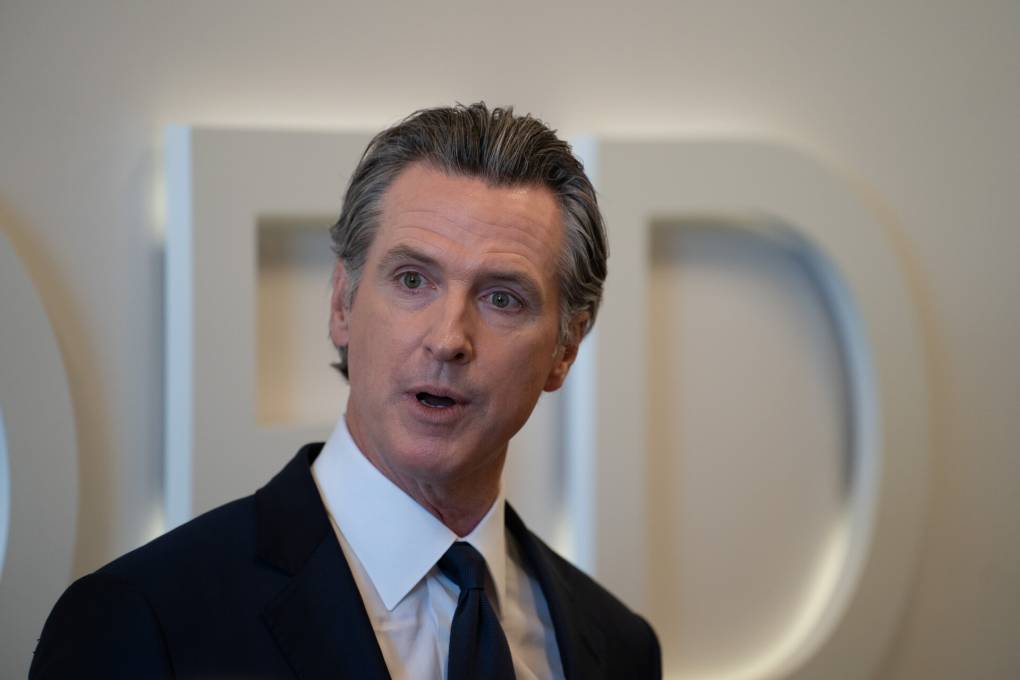
"caption": "Gov. Gavin Newsom answers questions for the press following a debate against Republican state Sen. Brian Dahle at KQED in San Francisco on Oct. 23, 2022.",
"description": null,
"title": "RS59613_DSC07248-qut",
"credit": "Aryk Copley/KQED",
"status": "inherit",
"altTag": "A man wearing a black business suit and tie stands inside a building.",
"isLoading": false,
"fetchFailed": false
},
"news_11936510": {
"type": "attachments",
"id": "news_11936510",
"meta": {
"index": "attachments_1716263798",
"site": "news",
"id": "11936510",
"found": true
},
"parent": 11936507,
"imgSizes": {
"twentyfourteen-full-width": {
"file": "https://ww2.kqed.org/app/uploads/sites/10/2022/12/GettyImages-1360489934-1024x576.jpg",
"width": 1024,
"mimeType": "image/jpeg",
"height": 576
},
"thumbnail": {
"file": "https://ww2.kqed.org/app/uploads/sites/10/2022/12/GettyImages-1360489934-160x109.jpg",
"width": 160,
"mimeType": "image/jpeg",
"height": 109
},
"post-thumbnail": {
"file": "https://ww2.kqed.org/app/uploads/sites/10/2022/12/GettyImages-1360489934-672x372.jpg",
"width": 672,
"mimeType": "image/jpeg",
"height": 372
},
"kqedFullSize": {
"file": "https://ww2.kqed.org/app/uploads/sites/10/2022/12/GettyImages-1360489934.jpg",
"width": 1024,
"height": 697
},
"large": {
"file": "https://ww2.kqed.org/app/uploads/sites/10/2022/12/GettyImages-1360489934-1020x694.jpg",
"width": 1020,
"mimeType": "image/jpeg",
"height": 694
},
"medium": {
"file": "https://ww2.kqed.org/app/uploads/sites/10/2022/12/GettyImages-1360489934-800x545.jpg",
"width": 800,
"mimeType": "image/jpeg",
"height": 545
}
},
"publishDate": 1672428513,
"modified": 1673036687,
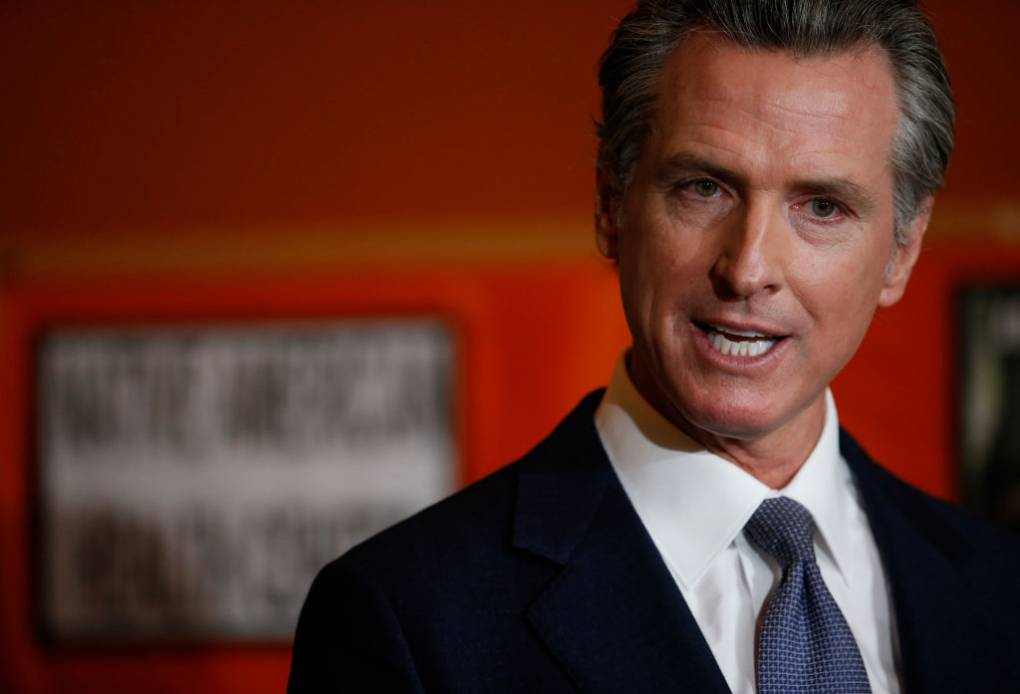
"caption": "Gov. Gavin Newsom speaks during a press conference in Oakland, on Dec. 22, 2021.",
"description": null,
"title": "Gov. Gavin Newsom Covid-19 Testing",
"credit": "Jane Tyska/Digital First Media/East Bay Times via Getty Images",
"status": "inherit",
"altTag": "A white man in a suit and tie explains something toward the camera.",
"isLoading": false,
"fetchFailed": false
},
"news_11936197": {
"type": "attachments",
"id": "news_11936197",
"meta": {
"index": "attachments_1716263798",
"site": "news",
"id": "11936197",
"found": true
},
"parent": 11936184,
"imgSizes": {
"twentyfourteen-full-width": {
"file": "https://ww2.kqed.org/app/uploads/sites/10/2022/12/GettyImages-1431097320-1024x576.jpg",
"width": 1024,
"mimeType": "image/jpeg",
"height": 576
},
"thumbnail": {
"file": "https://ww2.kqed.org/app/uploads/sites/10/2022/12/GettyImages-1431097320-160x107.jpg",
"width": 160,
"mimeType": "image/jpeg",
"height": 107
},
"post-thumbnail": {
"file": "https://ww2.kqed.org/app/uploads/sites/10/2022/12/GettyImages-1431097320-672x372.jpg",
"width": 672,
"mimeType": "image/jpeg",
"height": 372
},
"kqedFullSize": {
"file": "https://ww2.kqed.org/app/uploads/sites/10/2022/12/GettyImages-1431097320.jpg",
"width": 1024,
"height": 683
},
"large": {
"file": "https://ww2.kqed.org/app/uploads/sites/10/2022/12/GettyImages-1431097320-1020x680.jpg",
"width": 1020,
"mimeType": "image/jpeg",
"height": 680
},
"medium": {
"file": "https://ww2.kqed.org/app/uploads/sites/10/2022/12/GettyImages-1431097320-800x534.jpg",
"width": 800,
"mimeType": "image/jpeg",
"height": 534
}
},
"publishDate": 1671735941,
"modified": 1671738852,
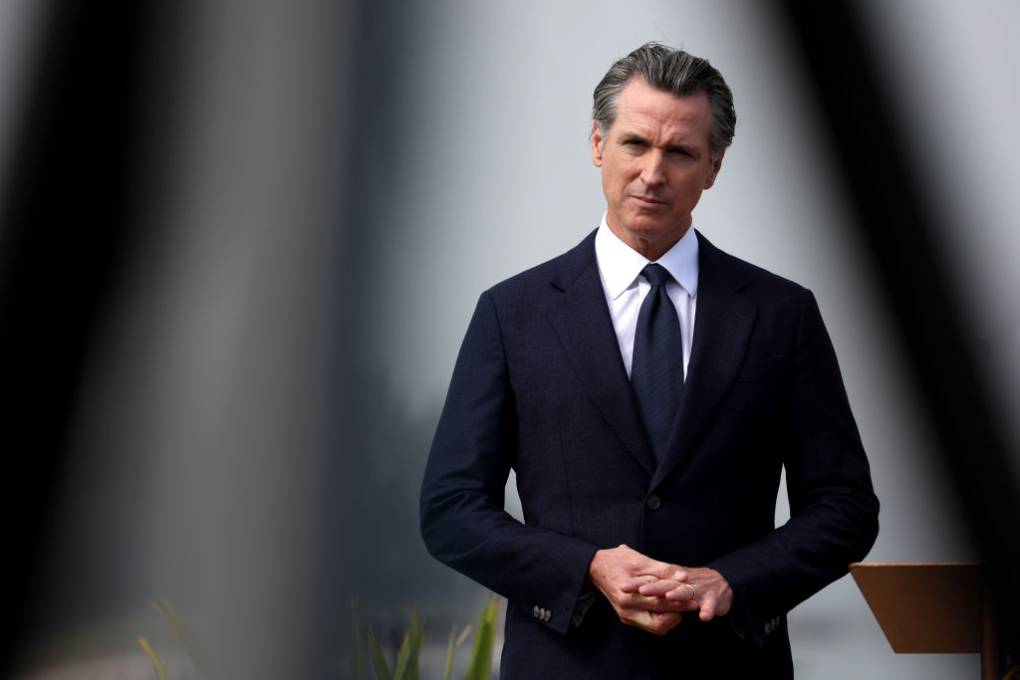
"caption": "Gov. Gavin Newsom speaks during a press conference on Oct. 6, 2022, in San Francisco. Newsom and the Democratic Party-controlled Legislature are facing a $24 billion projected budget deficit for the next fiscal year.",
"description": null,
"title": "California Gov. Newsom And West Coast Leaders Sign Climate Agreement",
"credit": "Justin Sullivan/Getty Images",
"status": "inherit",
"altTag": "A white man in a blue suit and tie looks on pensively.",
"isLoading": false,
"fetchFailed": false
},
"news_11933940": {
"type": "attachments",
"id": "news_11933940",
"meta": {
"index": "attachments_1716263798",
"site": "news",
"id": "11933940",
"found": true
},
"parent": 11933853,
"imgSizes": {
"twentyfourteen-full-width": {
"file": "https://ww2.kqed.org/app/uploads/sites/10/2022/12/GettyImages-1428106333-1024x576.jpg",
"width": 1024,
"mimeType": "image/jpeg",
"height": 576
},
"thumbnail": {
"file": "https://ww2.kqed.org/app/uploads/sites/10/2022/12/GettyImages-1428106333-160x107.jpg",
"width": 160,
"mimeType": "image/jpeg",
"height": 107
},
"post-thumbnail": {
"file": "https://ww2.kqed.org/app/uploads/sites/10/2022/12/GettyImages-1428106333-672x372.jpg",
"width": 672,
"mimeType": "image/jpeg",
"height": 372
},
"kqedFullSize": {
"file": "https://ww2.kqed.org/app/uploads/sites/10/2022/12/GettyImages-1428106333.jpg",
"width": 1024,
"height": 684
},
"large": {
"file": "https://ww2.kqed.org/app/uploads/sites/10/2022/12/GettyImages-1428106333-1020x681.jpg",
"width": 1020,
"mimeType": "image/jpeg",
"height": 681
},
"medium": {
"file": "https://ww2.kqed.org/app/uploads/sites/10/2022/12/GettyImages-1428106333-800x534.jpg",
"width": 800,
"mimeType": "image/jpeg",
"height": 534
}
},
"publishDate": 1670023667,
"modified": 1670024044,
"caption": "Gas prices over $6.00 a gallon are displayed at a Chevron gas station on Sept. 27, 2022 in San Rafael. Gov. Gavin Newsom has proposed a windfall profits tax on oil companies, which state lawmakers are will consider in a special legislative session starting Dec. 5.",
"description": null,
"title": "Gas Prices Jump Back Up After Long Decline",
"credit": "Justin Sullivan/Getty Images",
"status": "inherit",
"altTag": null,
"isLoading": false,
"fetchFailed": false
},
"news_11931587": {
"type": "attachments",
"id": "news_11931587",
"meta": {
"index": "attachments_1716263798",
"site": "news",
"id": "11931587",
"found": true
},
"parent": 11931586,
"imgSizes": {
"twentyfourteen-full-width": {
"file": "https://ww2.kqed.org/app/uploads/sites/10/2022/11/002_KQED_CityHallSFVoting_11082022-1038x576.jpg",
"width": 1038,
"mimeType": "image/jpeg",
"height": 576
},
"thumbnail": {
"file": "https://ww2.kqed.org/app/uploads/sites/10/2022/11/002_KQED_CityHallSFVoting_11082022-160x107.jpg",
"width": 160,
"mimeType": "image/jpeg",
"height": 107
},
"post-thumbnail": {
"file": "https://ww2.kqed.org/app/uploads/sites/10/2022/11/002_KQED_CityHallSFVoting_11082022-672x372.jpg",
"width": 672,
"mimeType": "image/jpeg",
"height": 372
},
"kqedFullSize": {
"file": "https://ww2.kqed.org/app/uploads/sites/10/2022/11/002_KQED_CityHallSFVoting_11082022.jpg",
"width": 1920,
"height": 1280
},
"large": {
"file": "https://ww2.kqed.org/app/uploads/sites/10/2022/11/002_KQED_CityHallSFVoting_11082022-1020x680.jpg",
"width": 1020,
"mimeType": "image/jpeg",
"height": 680
},
"1536x1536": {
"file": "https://ww2.kqed.org/app/uploads/sites/10/2022/11/002_KQED_CityHallSFVoting_11082022-1536x1024.jpg",
"width": 1536,
"mimeType": "image/jpeg",
"height": 1024
},
"medium": {
"file": "https://ww2.kqed.org/app/uploads/sites/10/2022/11/002_KQED_CityHallSFVoting_11082022-800x533.jpg",
"width": 800,
"mimeType": "image/jpeg",
"height": 533
}
},
"publishDate": 1667972483,
"modified": 1667972516,
"caption": "Voters fill the City Hall Voting Center in San Francisco on Election Day, Nov. 8, 2022.",
"description": null,
"title": "002_KQED_CityHallSFVoting_11082022",
"credit": "Beth LaBerge/KQED",
"status": "inherit",
"altTag": "Voters fill the City Hall Voting Center in San Francisco",
"isLoading": false,
"fetchFailed": false
},
"news_11923225": {
"type": "attachments",
"id": "news_11923225",
"meta": {
"index": "attachments_1716263798",
"site": "news",
"id": "11923225",
"found": true
},
"parent": 11923224,
"imgSizes": {
"twentyfourteen-full-width": {
"file": "https://ww2.kqed.org/app/uploads/sites/10/2022/08/gettyimages-1232464481-bf200986fcc5c2b3277d97edd495ddd6381625b7-1038x576.jpg",
"width": 1038,
"mimeType": "image/jpeg",
"height": 576
},
"thumbnail": {
"file": "https://ww2.kqed.org/app/uploads/sites/10/2022/08/gettyimages-1232464481-bf200986fcc5c2b3277d97edd495ddd6381625b7-160x120.jpg",
"width": 160,
"mimeType": "image/jpeg",
"height": 120
},
"post-thumbnail": {
"file": "https://ww2.kqed.org/app/uploads/sites/10/2022/08/gettyimages-1232464481-bf200986fcc5c2b3277d97edd495ddd6381625b7-672x372.jpg",
"width": 672,
"mimeType": "image/jpeg",
"height": 372
},
"kqedFullSize": {
"file": "https://ww2.kqed.org/app/uploads/sites/10/2022/08/gettyimages-1232464481-bf200986fcc5c2b3277d97edd495ddd6381625b7-scaled.jpg",
"width": 2560,
"height": 1920
},
"2048x2048": {
"file": "https://ww2.kqed.org/app/uploads/sites/10/2022/08/gettyimages-1232464481-bf200986fcc5c2b3277d97edd495ddd6381625b7-2048x1536.jpg",
"width": 2048,
"mimeType": "image/jpeg",
"height": 1536
},
"large": {
"file": "https://ww2.kqed.org/app/uploads/sites/10/2022/08/gettyimages-1232464481-bf200986fcc5c2b3277d97edd495ddd6381625b7-1020x765.jpg",
"width": 1020,
"mimeType": "image/jpeg",
"height": 765
},
"1536x1536": {
"file": "https://ww2.kqed.org/app/uploads/sites/10/2022/08/gettyimages-1232464481-bf200986fcc5c2b3277d97edd495ddd6381625b7-1536x1152.jpg",
"width": 1536,
"mimeType": "image/jpeg",
"height": 1152
},
"full-width": {
"file": "https://ww2.kqed.org/app/uploads/sites/10/2022/08/gettyimages-1232464481-bf200986fcc5c2b3277d97edd495ddd6381625b7-1920x1440.jpg",
"width": 1920,
"mimeType": "image/jpeg",
"height": 1440
},
"medium": {
"file": "https://ww2.kqed.org/app/uploads/sites/10/2022/08/gettyimages-1232464481-bf200986fcc5c2b3277d97edd495ddd6381625b7-800x600.jpg",
"width": 800,
"mimeType": "image/jpeg",
"height": 600
}
},
"publishDate": 1661231210,
"modified": 1667983070,
"caption": "Proposition 30 would have taxed California's richest residents to fund electric-vehicle infrastructure projects and wildfire mitigation.",
"description": "Electric vehicles are displayed before a news conference with White House Climate Adviser Gina McCarthy and U.S. Secretary of Transportation Pete Buttigieg about the American Jobs Plan and to highlight electric vehicles at Union Station near Capitol Hill on April 22, 2021 in Washington, DC. The Biden administration has proposed over $170 billion in spending to boost the production of zero-emission buses and cars and increase the number of EV charging stations. ",
"title": "Electric vehicles are displayed at a news conference with White House Climate Adviser Gina McCarthy and Secretary of Transportation Pete Buttigieg in Washington, D.C., on April 22, 2021. The Biden administration's climate and health care bill passed by Congress last week revamps a tax credit for buyers of electric cars.",
"credit": "Drew Angerer/Getty Images",
"status": "inherit",
"altTag": "electric vehicles in a parking lot",
"isLoading": false,
"fetchFailed": false
},
"news_11931580": {
"type": "attachments",
"id": "news_11931580",
"meta": {
"index": "attachments_1716263798",
"site": "news",
"id": "11931580",
"found": true
},
"parent": 11931026,
"imgSizes": {
"twentyfourteen-full-width": {
"file": "https://ww2.kqed.org/app/uploads/sites/10/2022/11/GettyImages-1439843815-1-1024x576.jpg",
"width": 1024,
"mimeType": "image/jpeg",
"height": 576
},
"thumbnail": {
"file": "https://ww2.kqed.org/app/uploads/sites/10/2022/11/GettyImages-1439843815-1-160x100.jpg",
"width": 160,
"mimeType": "image/jpeg",
"height": 100
},
"post-thumbnail": {
"file": "https://ww2.kqed.org/app/uploads/sites/10/2022/11/GettyImages-1439843815-1-672x372.jpg",
"width": 672,
"mimeType": "image/jpeg",
"height": 372
},
"kqedFullSize": {
"file": "https://ww2.kqed.org/app/uploads/sites/10/2022/11/GettyImages-1439843815-1.jpg",
"width": 1024,
"height": 637
},
"large": {
"file": "https://ww2.kqed.org/app/uploads/sites/10/2022/11/GettyImages-1439843815-1-1020x635.jpg",
"width": 1020,
"mimeType": "image/jpeg",
"height": 635
},
"medium": {
"file": "https://ww2.kqed.org/app/uploads/sites/10/2022/11/GettyImages-1439843815-1-800x498.jpg",
"width": 800,
"mimeType": "image/jpeg",
"height": 498
}
},
"publishDate": 1667970537,
"modified": 1667977158,
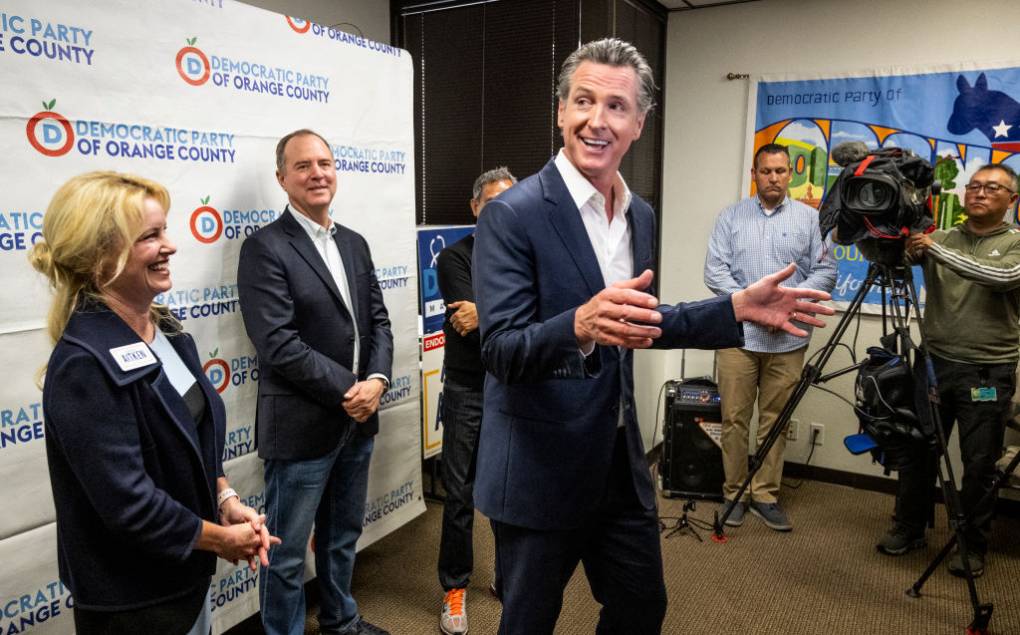
"caption": "Gov. Gavin Newsom speaks during a get-out-the-vote event in Anaheim on Monday, Nov. 7, 2022 – joined by U.S. Rep. Adam Schiff (center) – in support of Anaheim mayoral candidate Ashleigh Aitken (left) and congressional candidate Asif Mahmood (behind Newsom).",
"description": null,
"title": "Gov. Gavin Newsom and Rep. Adam Schiff promote local candidates",
"credit": "Paul Bersebach/MediaNews Group/Orange County Register via Getty Images",
"status": "inherit",
"altTag": "Gov. Gavin Newsom gestures while speaking in a room, with officials standing behind him.",
"isLoading": false,
"fetchFailed": false
},
"news_11931051": {
"type": "attachments",
"id": "news_11931051",
"meta": {
"index": "attachments_1716263798",
"site": "news",
"id": "11931051",
"found": true
},
"parent": 11930992,
"imgSizes": {
"twentyfourteen-full-width": {
"file": "https://ww2.kqed.org/app/uploads/sites/10/2022/11/RS59585_DSC07101-qut-1038x576.jpg",
"width": 1038,
"mimeType": "image/jpeg",
"height": 576
},
"thumbnail": {
"file": "https://ww2.kqed.org/app/uploads/sites/10/2022/11/RS59585_DSC07101-qut-160x107.jpg",
"width": 160,
"mimeType": "image/jpeg",
"height": 107
},
"post-thumbnail": {
"file": "https://ww2.kqed.org/app/uploads/sites/10/2022/11/RS59585_DSC07101-qut-672x372.jpg",
"width": 672,
"mimeType": "image/jpeg",
"height": 372
},
"kqedFullSize": {
"file": "https://ww2.kqed.org/app/uploads/sites/10/2022/11/RS59585_DSC07101-qut.jpg",
"width": 1920,
"height": 1280
},
"large": {
"file": "https://ww2.kqed.org/app/uploads/sites/10/2022/11/RS59585_DSC07101-qut-1020x680.jpg",
"width": 1020,
"mimeType": "image/jpeg",
"height": 680
},
"1536x1536": {
"file": "https://ww2.kqed.org/app/uploads/sites/10/2022/11/RS59585_DSC07101-qut-1536x1024.jpg",
"width": 1536,
"mimeType": "image/jpeg",
"height": 1024
},
"medium": {
"file": "https://ww2.kqed.org/app/uploads/sites/10/2022/11/RS59585_DSC07101-qut-800x533.jpg",
"width": 800,
"mimeType": "image/jpeg",
"height": 533
}
},
"publishDate": 1667504889,
"modified": 1667505112,
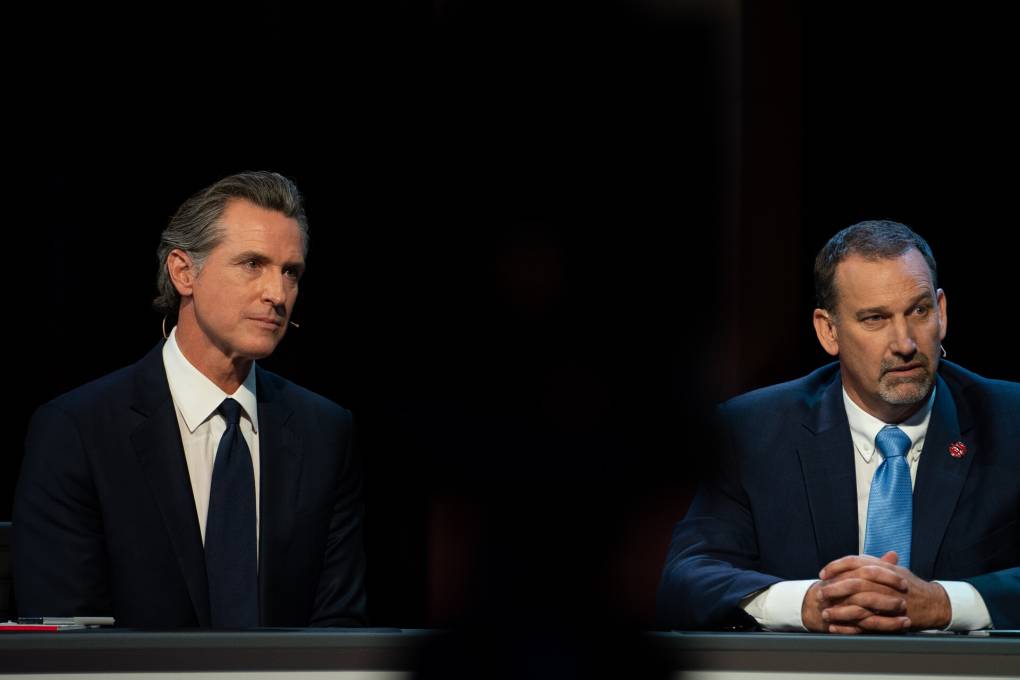
"caption": "Gov. Gavin Newsom (left) and Republican state Sen. Brian Dahle participate in a gubernatorial debate at KQED in San Francisco on Oct. 23, 2022.",
"description": null,
"title": "RS59585_DSC07101-qut",
"credit": "Aryk Copley/KQED",
"status": "inherit",
"altTag": "Newsom sits left wearing a dark blue suit and matching tie, Brian Dahle sits right wearing a slightly lighter blue suit and light blue tie. Though the two men are sat next to each other at the same table, an obscured and unidentified object in the center of the foreground divides them.",
"isLoading": false,
"fetchFailed": false
},
"news_11930749": {
"type": "attachments",
"id": "news_11930749",
"meta": {
"index": "attachments_1716263798",
"site": "news",
"id": "11930749",
"found": true
},
"parent": 11930743,
"imgSizes": {
"twentyfourteen-full-width": {
"file": "https://ww2.kqed.org/app/uploads/sites/10/2022/10/RS59541_DSC08429-qut-1038x576.jpg",
"width": 1038,
"mimeType": "image/jpeg",
"height": 576
},
"thumbnail": {
"file": "https://ww2.kqed.org/app/uploads/sites/10/2022/10/RS59541_DSC08429-qut-160x107.jpg",
"width": 160,
"mimeType": "image/jpeg",
"height": 107
},
"post-thumbnail": {
"file": "https://ww2.kqed.org/app/uploads/sites/10/2022/10/RS59541_DSC08429-qut-672x372.jpg",
"width": 672,
"mimeType": "image/jpeg",
"height": 372
},
"kqedFullSize": {
"file": "https://ww2.kqed.org/app/uploads/sites/10/2022/10/RS59541_DSC08429-qut.jpg",
"width": 1920,
"height": 1280
},
"large": {
"file": "https://ww2.kqed.org/app/uploads/sites/10/2022/10/RS59541_DSC08429-qut-1020x680.jpg",
"width": 1020,
"mimeType": "image/jpeg",
"height": 680
},
"1536x1536": {
"file": "https://ww2.kqed.org/app/uploads/sites/10/2022/10/RS59541_DSC08429-qut-1536x1024.jpg",
"width": 1536,
"mimeType": "image/jpeg",
"height": 1024
},
"medium": {
"file": "https://ww2.kqed.org/app/uploads/sites/10/2022/10/RS59541_DSC08429-qut-800x533.jpg",
"width": 800,
"mimeType": "image/jpeg",
"height": 533
}
},
"publishDate": 1667268215,
"modified": 1667346054,
"caption": "Signage warns the public of the unstable cliffs at Fort Funston in San Francisco.",
"description": null,
"title": "RS59541_DSC08429-qut",
"credit": "Aryk Copley/KQED",
"status": "inherit",
"altTag": "A sign reading Danger: Unstable Cliffs Do Not Approach Cliff. In the background, the beach and Pacific Ocean below.",
"isLoading": false,
"fetchFailed": false
},
"news_11930680": {
"type": "attachments",
"id": "news_11930680",
"meta": {
"index": "attachments_1716263798",
"site": "news",
"id": "11930680",
"found": true
},
"parent": 11930679,
"imgSizes": {
"twentyfourteen-full-width": {
"file": "https://ww2.kqed.org/app/uploads/sites/10/2022/10/102722-HOUSING-CONSTRUCTION-SAN-DIEGO-REUTERS-MB-CM_1-2-1038x576.jpg",
"width": 1038,
"mimeType": "image/jpeg",
"height": 576
},
"thumbnail": {
"file": "https://ww2.kqed.org/app/uploads/sites/10/2022/10/102722-HOUSING-CONSTRUCTION-SAN-DIEGO-REUTERS-MB-CM_1-2-160x107.jpg",
"width": 160,
"mimeType": "image/jpeg",
"height": 107
},
"post-thumbnail": {
"file": "https://ww2.kqed.org/app/uploads/sites/10/2022/10/102722-HOUSING-CONSTRUCTION-SAN-DIEGO-REUTERS-MB-CM_1-2-672x372.jpg",
"width": 672,
"mimeType": "image/jpeg",
"height": 372
},
"kqedFullSize": {
"file": "https://ww2.kqed.org/app/uploads/sites/10/2022/10/102722-HOUSING-CONSTRUCTION-SAN-DIEGO-REUTERS-MB-CM_1-2-e1667250015809.jpg",
"width": 1920,
"height": 1281
},
"large": {
"file": "https://ww2.kqed.org/app/uploads/sites/10/2022/10/102722-HOUSING-CONSTRUCTION-SAN-DIEGO-REUTERS-MB-CM_1-2-1020x680.jpg",
"width": 1020,
"mimeType": "image/jpeg",
"height": 680
},
"1536x1536": {
"file": "https://ww2.kqed.org/app/uploads/sites/10/2022/10/102722-HOUSING-CONSTRUCTION-SAN-DIEGO-REUTERS-MB-CM_1-2-1536x1025.jpg",
"width": 1536,
"mimeType": "image/jpeg",
"height": 1025
},
"full-width": {
"file": "https://ww2.kqed.org/app/uploads/sites/10/2022/10/102722-HOUSING-CONSTRUCTION-SAN-DIEGO-REUTERS-MB-CM_1-2-1920x1281.jpg",
"width": 1920,
"mimeType": "image/jpeg",
"height": 1281
},
"medium": {
"file": "https://ww2.kqed.org/app/uploads/sites/10/2022/10/102722-HOUSING-CONSTRUCTION-SAN-DIEGO-REUTERS-MB-CM_1-2-800x534.jpg",
"width": 800,
"mimeType": "image/jpeg",
"height": 534
}
},
"publishDate": 1667246073,
"modified": 1667259404,
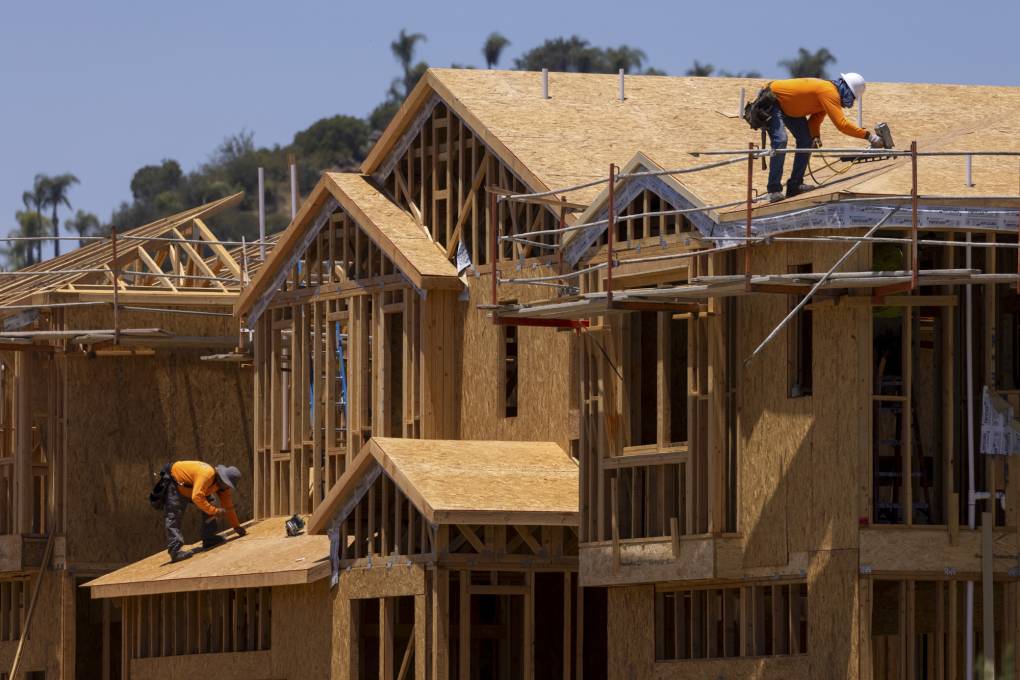
"caption": "Residential single-family homes under construction in the community of Valley Center on June 3, 2021.",
"description": "Residential single family homes under construction in the community of Valley Center on June 3, 2021",
"title": "Residential home construction continues as California faces a housing shortage",
"credit": "Mike Blake/Reuters",
"status": "inherit",
"altTag": "newly framed homes without any siding yet on them are shown with two construction workers climbing on them",
"isLoading": false,
"fetchFailed": false
},
"news_11930324": {
"type": "attachments",
"id": "news_11930324",
"meta": {
"index": "attachments_1716263798",
"site": "news",
"id": "11930324",
"found": true
},
"parent": 11930321,
"imgSizes": {
"twentyfourteen-full-width": {
"file": "https://ww2.kqed.org/app/uploads/sites/10/2022/10/Chevron-Refinery-Richmond-03-AW-CM-1038x576.jpg",
"width": 1038,
"mimeType": "image/jpeg",
"height": 576
},
"thumbnail": {
"file": "https://ww2.kqed.org/app/uploads/sites/10/2022/10/Chevron-Refinery-Richmond-03-AW-CM-160x107.jpg",
"width": 160,
"mimeType": "image/jpeg",
"height": 107
},
"post-thumbnail": {
"file": "https://ww2.kqed.org/app/uploads/sites/10/2022/10/Chevron-Refinery-Richmond-03-AW-CM-672x372.jpg",
"width": 672,
"mimeType": "image/jpeg",
"height": 372
},
"kqedFullSize": {
"file": "https://ww2.kqed.org/app/uploads/sites/10/2022/10/Chevron-Refinery-Richmond-03-AW-CM.jpg",
"width": 2000,
"height": 1333
},
"large": {
"file": "https://ww2.kqed.org/app/uploads/sites/10/2022/10/Chevron-Refinery-Richmond-03-AW-CM-1020x680.jpg",
"width": 1020,
"mimeType": "image/jpeg",
"height": 680
},
"1536x1536": {
"file": "https://ww2.kqed.org/app/uploads/sites/10/2022/10/Chevron-Refinery-Richmond-03-AW-CM-1536x1024.jpg",
"width": 1536,
"mimeType": "image/jpeg",
"height": 1024
},
"full-width": {
"file": "https://ww2.kqed.org/app/uploads/sites/10/2022/10/Chevron-Refinery-Richmond-03-AW-CM-1920x1280.jpg",
"width": 1920,
"mimeType": "image/jpeg",
"height": 1280
},
"medium": {
"file": "https://ww2.kqed.org/app/uploads/sites/10/2022/10/Chevron-Refinery-Richmond-03-AW-CM-800x533.jpg",
"width": 800,
"mimeType": "image/jpeg",
"height": 533
}
},
"publishDate": 1666908142,
"modified": 1666921005,
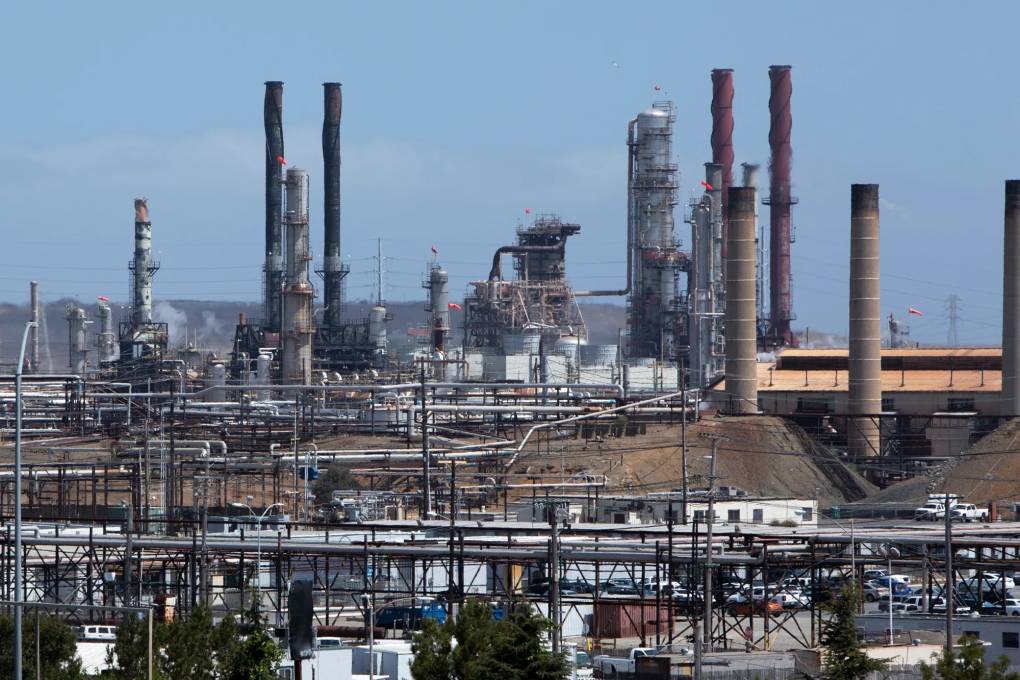
"caption": "The Chevron oil refinery in Richmond on July 19, 2019.",
"description": null,
"title": "Chevron-Refinery-Richmond-03-AW-CM",
"credit": "Anne Wernikoff/CalMatters",
"status": "inherit",
"altTag": "A large oil refinery.",
"isLoading": false,
"fetchFailed": false
},
"news_11930229": {
"type": "attachments",
"id": "news_11930229",
"meta": {
"index": "attachments_1716263798",
"site": "news",
"id": "11930229",
"found": true
},
"parent": 11930190,
"imgSizes": {
"twentyfourteen-full-width": {
"file": "https://ww2.kqed.org/app/uploads/sites/10/2022/10/GettyImages-1391528104-1024x576.jpg",
"width": 1024,
"mimeType": "image/jpeg",
"height": 576
},
"thumbnail": {
"file": "https://ww2.kqed.org/app/uploads/sites/10/2022/10/GettyImages-1391528104-160x107.jpg",
"width": 160,
"mimeType": "image/jpeg",
"height": 107
},
"post-thumbnail": {
"file": "https://ww2.kqed.org/app/uploads/sites/10/2022/10/GettyImages-1391528104-672x372.jpg",
"width": 672,
"mimeType": "image/jpeg",
"height": 372
},
"kqedFullSize": {
"file": "https://ww2.kqed.org/app/uploads/sites/10/2022/10/GettyImages-1391528104.jpg",
"width": 1024,
"height": 685
},
"large": {
"file": "https://ww2.kqed.org/app/uploads/sites/10/2022/10/GettyImages-1391528104-1020x682.jpg",
"width": 1020,
"mimeType": "image/jpeg",
"height": 682
},
"medium": {
"file": "https://ww2.kqed.org/app/uploads/sites/10/2022/10/GettyImages-1391528104-800x535.jpg",
"width": 800,
"mimeType": "image/jpeg",
"height": 535
}
},
"publishDate": 1666827563,
"modified": 1666827715,
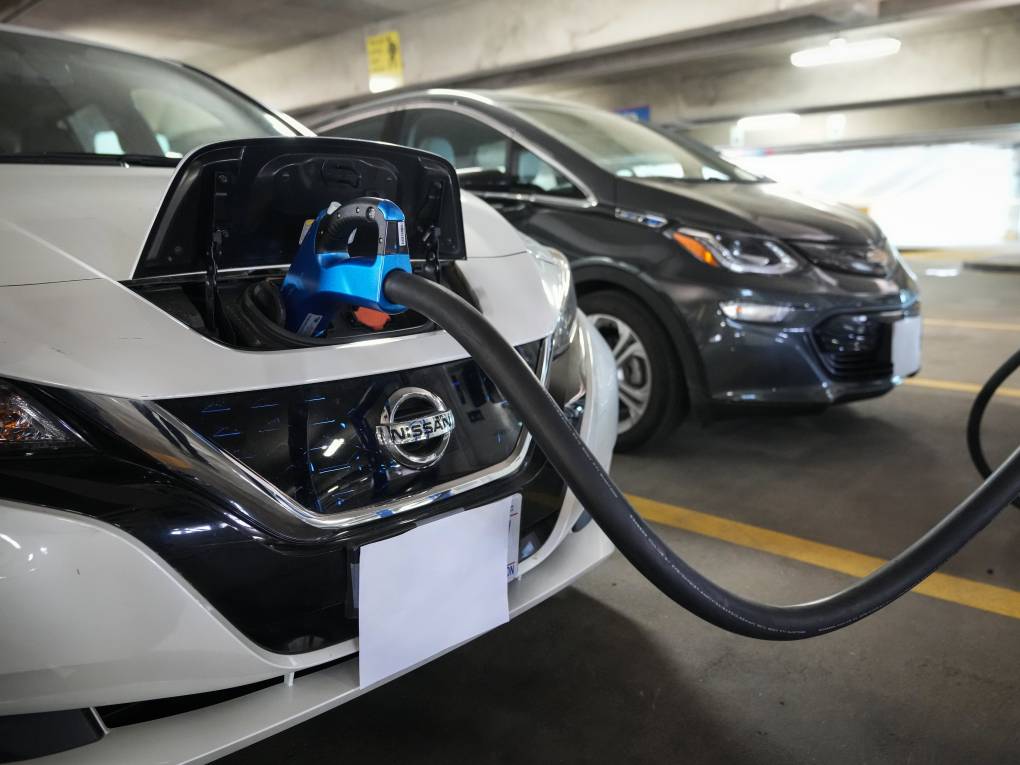
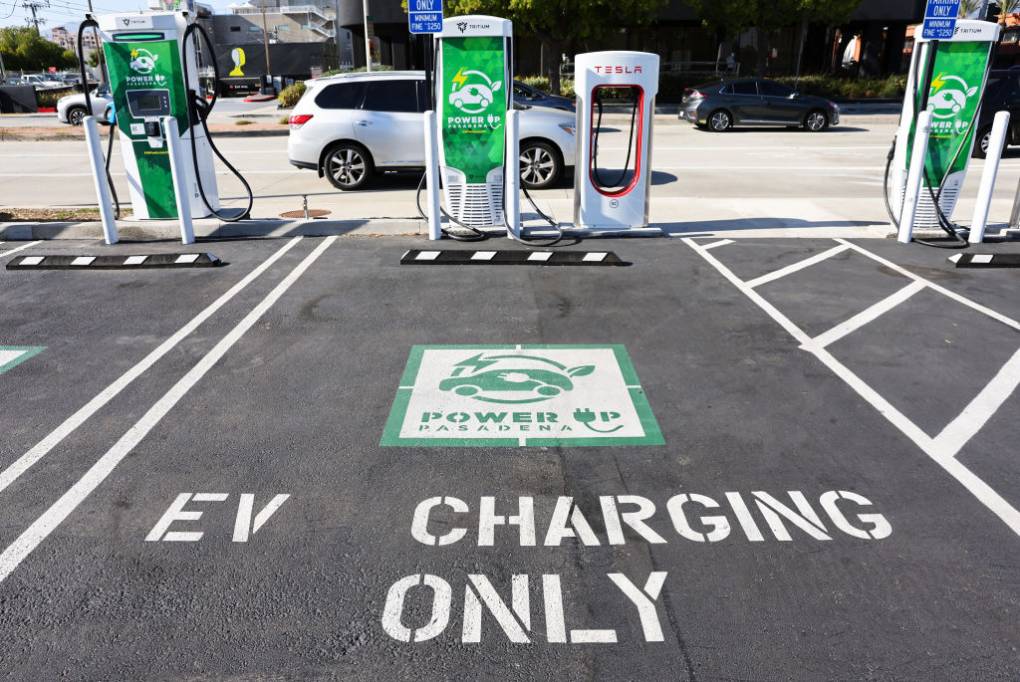
"caption": "A Power Up fast-charger station for electric vehicles in Pasadena. Proposition 30, on the November ballot, would raise billions in revenue for additional electric vehicle infrastructure and incentives in California.",
"description": null,
"title": "California Aims To Ban Gas Powered Cars By 2035",
"credit": "Mario Tama/Getty Images",
"status": "inherit",
"altTag": "An electric vehicle charging station that says, on the pavement, 'EV Charging Only'",
"isLoading": false,
"fetchFailed": false
}
},
"audioPlayerReducer": {
"postId": "stream_live",
"isPaused": true,
"isPlaying": false,
"pfsActive": false,
"pledgeModalIsOpen": true,
"playerDrawerIsOpen": false,
"liveAudioPlayStartedAt": 0,
"liveAudioPlayContext": ""
},
"authorsReducer": {
"byline_news_11936507": {
"type": "authors",
"id": "byline_news_11936507",
"meta": {
"override": true
},
"slug": "byline_news_11936507",
"name": "Adam Beam\u003cbr>The Associated Press",
"isLoading": false
},
"byline_news_11936184": {
"type": "authors",
"id": "byline_news_11936184",
"meta": {
"override": true
},
"slug": "byline_news_11936184",
"name": "\u003ca href=\"https://calmatters.org/author/alejandro-lazo/\">Alejandro Lazo\u003c/a> and \u003ca href=\"https://calmatters.org/author/jeanne-kuang/\">Jeanne Kuang\u003c/a>",
"isLoading": false
},
"byline_news_11930679": {
"type": "authors",
"id": "byline_news_11930679",
"meta": {
"override": true
},
"slug": "byline_news_11930679",
"name": "\u003ca href=\"https://calmatters.org/author/manuela-tobias/\">Manuela Tobias\u003c/a>",
"isLoading": false
},
"byline_news_11930321": {
"type": "authors",
"id": "byline_news_11930321",
"meta": {
"override": true
},
"slug": "byline_news_11930321",
"name": "\u003ca href=\"https://calmatters.org/author/grace-gedye/\">Grace Gedye\u003c/a>",
"isLoading": false
},
"scottshafer": {
"type": "authors",
"id": "255",
"meta": {
"index": "authors_1716337520",
"id": "255",
"found": true
},
"name": "Scott Shafer",
"firstName": "Scott",
"lastName": "Shafer",
"slug": "scottshafer",
"email": "sshafer@kqed.org",
"display_author_email": false,
"staff_mastheads": [
"news"
],
"title": "KQED Contributor",
"bio": "Scott Shafer is a senior editor with the KQED Politics and Government desk. He is co-host of Political Breakdown, the award-winning radio show and podcast with a personal take on the world of politics. Scott came to KQED in 1998 to host the statewide\u003cem> California Report\u003c/em>. Prior to that he had extended stints in politics and government\u003cem>.\u003c/em> He uses that inside experience at KQED in his, reporting, hosting and analysis for the politics desk. Scott collaborated \u003cem>Political Breakdown a\u003c/em>nd on \u003cem>The Political Mind of Jerry Brown, \u003c/em>an eight-part series about the life and extraordinary political career of the former governor. For fun, he plays water polo with the San Francisco Tsunami.",
"avatar": "https://secure.gravatar.com/avatar/a62ebae45b79d7aed1a39a0e3bf68104?s=600&d=blank&r=g",
"twitter": "scottshafer",
"bluesky": null,
"facebook": null,
"instagram": null,
"linkedin": null,
"sites": [
{
"site": "news",
"roles": [
"editor"
]
},
{
"site": "stateofhealth",
"roles": [
"author"
]
},
{
"site": "science",
"roles": [
"author"
]
},
{
"site": "forum",
"roles": [
"subscriber"
]
},
{
"site": "liveblog",
"roles": [
"author"
]
}
],
"headData": {
"title": "Scott Shafer | KQED",
"description": "KQED Contributor",
"ogImgSrc": "https://secure.gravatar.com/avatar/a62ebae45b79d7aed1a39a0e3bf68104?s=600&d=blank&r=g",
"twImgSrc": "https://secure.gravatar.com/avatar/a62ebae45b79d7aed1a39a0e3bf68104?s=600&d=blank&r=g"
},
"isLoading": false,
"link": "/author/scottshafer"
},
"mlagos": {
"type": "authors",
"id": "3239",
"meta": {
"index": "authors_1716337520",
"id": "3239",
"found": true
},
"name": "Marisa Lagos",
"firstName": "Marisa",
"lastName": "Lagos",
"slug": "mlagos",
"email": "mlagos@kqed.org",
"display_author_email": false,
"staff_mastheads": [
"news"
],
"title": "KQED Contributor",
"bio": "Marisa Lagos is a correspondent for KQED’s California Politics and Government Desk and co-hosts the award-winning show and podcast, Political Breakdown. At KQED, Lagos also conducts reporting, analysis and investigations into state, local and national politics for radio, TV, online and onstage. In 2022, she and co-host, Scott Shafer, moderated the only gubernatorial debate in California. In 2020, the \u003ci>Washington Post\u003c/i> named her one of the top political journalists in California; she was nominated for a Peabody and won several other awards for her work investigating the 2017 California wildfires. She has worked at the \u003ci>San Francisco Chronicle\u003c/i>, \u003ci>San Francisco Examiner\u003c/i> and \u003ci>Los Angeles Times\u003c/i>. A UC Santa Barbara graduate, she lives in San Francisco with her two sons and husband.",
"avatar": "https://secure.gravatar.com/avatar/a261a0d3696fc066871ef96b85b5e7d2?s=600&d=blank&r=g",
"twitter": "@mlagos",
"facebook": null,
"instagram": null,
"linkedin": null,
"sites": [
{
"site": "arts",
"roles": [
"author"
]
},
{
"site": "news",
"roles": [
"editor"
]
},
{
"site": "science",
"roles": [
"editor"
]
},
{
"site": "forum",
"roles": [
"author"
]
},
{
"site": "liveblog",
"roles": [
"author"
]
}
],
"headData": {
"title": "Marisa Lagos | KQED",
"description": "KQED Contributor",
"ogImgSrc": "https://secure.gravatar.com/avatar/a261a0d3696fc066871ef96b85b5e7d2?s=600&d=blank&r=g",
"twImgSrc": "https://secure.gravatar.com/avatar/a261a0d3696fc066871ef96b85b5e7d2?s=600&d=blank&r=g"
},
"isLoading": false,
"link": "/author/mlagos"
},
"lklivans": {
"type": "authors",
"id": "8648",
"meta": {
"index": "authors_1716337520",
"id": "8648",
"found": true
},
"name": "Laura Klivans",
"firstName": "Laura",
"lastName": "Klivans",
"slug": "lklivans",
"email": "lklivans@kqed.org",
"display_author_email": true,
"staff_mastheads": [
"news",
"science"
],
"title": "Reporter",
"bio": "Laura Klivans is an award-winning science reporter for KQED News, where she covers climate change with an eye on both groundbreaking progress and gaps in action. She is the former host of KQED's blockbuster video series about tiny, amazing animals, \u003cem>Deep Look\u003c/em>. Her work reaches national audiences through NPR, \u003cem>Here & Now, \u003c/em>PRI, and other major outlets. \r\n\r\nLaura’s won five Northern California Area Emmy Awards for Deep Look and First Place in the Greater Bay Area Journalism Awards for a podcast exploring how one Oakland neighborhood teamed up to reduce planet-heating pollution.\r\n\r\nBeyond her reporting, she hosts and moderates events. In the past, she taught audio storytelling at the UC Berkeley Graduate School of Journalism, led international education programs, worked with immigrants and refugees along the Thai-Burmese border, taught high schoolers sex ed, and was an actress. \r\n\r\nShe's a former UC Berkeley Human Rights Fellow, USC Center for Health Journalism's California Fellow and Coro Fellow in Public Affairs. Laura has a master’s in journalism from UC Berkeley, a master’s in education from Harvard, and an undergraduate degree from Northwestern University.\r\n\r\nShe loves trying to riddle the meaning out of vanity license plates.",
"avatar": "https://secure.gravatar.com/avatar/2d2ecd1550a494cc10ad4a503406965585902124739e775a9b3817eebf1d88be?s=600&d=blank&r=g",
"twitter": "lauraklivans",
"bluesky": null,
"facebook": null,
"instagram": null,
"linkedin": null,
"sites": [
{
"site": "news",
"roles": [
"editor"
]
},
{
"site": "stateofhealth",
"roles": [
"contributor",
"editor"
]
},
{
"site": "science",
"roles": [
"editor"
]
},
{
"site": "forum",
"roles": [
"editor"
]
}
],
"headData": {
"title": "Laura Klivans | KQED",
"description": "Reporter",
"ogImgSrc": "https://secure.gravatar.com/avatar/2d2ecd1550a494cc10ad4a503406965585902124739e775a9b3817eebf1d88be?s=600&d=blank&r=g",
"twImgSrc": "https://secure.gravatar.com/avatar/2d2ecd1550a494cc10ad4a503406965585902124739e775a9b3817eebf1d88be?s=600&d=blank&r=g"
},
"isLoading": false,
"link": "/author/lklivans"
},
"ecruzguevarra": {
"type": "authors",
"id": "8654",
"meta": {
"index": "authors_1716337520",
"id": "8654",
"found": true
},
"name": "Ericka Cruz Guevarra",
"firstName": "Ericka",
"lastName": "Cruz Guevarra",
"slug": "ecruzguevarra",
"email": "ecruzguevarra@kqed.org",
"display_author_email": true,
"staff_mastheads": [
"news"
],
"title": "Producer, The Bay Podcast",
"bio": "Ericka Cruz Guevarra is host of \u003ca href=\"https://www.kqed.org/podcasts/thebay\">\u003cem>The Bay\u003c/em>\u003c/a> podcast at KQED. Before host, she was the show’s producer. Her work in that capacity includes a three-part reported series on policing in Vallejo, which won a 2020 excellence in journalism award from the Society of Professional Journalists. Ericka has worked as a breaking news reporter at Oregon Public Broadcasting, helped produce the Code Switch podcast, and was KQED’s inaugural Raul Ramirez Diversity Fund intern. She’s also an alumna of NPR’s Next Generation Radio program. Send her an email if you have strong feelings about whether Fairfield and Suisun City are the Bay. Ericka is represented by SAG-AFTRA.",
"avatar": "https://secure.gravatar.com/avatar/accefc1de4bafc7e234b69bcb9b6f6536c130fd84709bc3069ef11a78787e1bb?s=600&d=blank&r=g",
"twitter": "NotoriousECG",
"bluesky": null,
"facebook": null,
"instagram": null,
"linkedin": null,
"sites": [
{
"site": "arts",
"roles": [
"subscriber"
]
},
{
"site": "news",
"roles": [
"editor",
"manage_categories"
]
},
{
"site": "futureofyou",
"roles": [
"subscriber"
]
},
{
"site": "stateofhealth",
"roles": [
"subscriber"
]
},
{
"site": "science",
"roles": [
"editor"
]
},
{
"site": "forum",
"roles": [
"subscriber"
]
}
],
"headData": {
"title": "Ericka Cruz Guevarra | KQED",
"description": "Producer, The Bay Podcast",
"ogImgSrc": "https://secure.gravatar.com/avatar/accefc1de4bafc7e234b69bcb9b6f6536c130fd84709bc3069ef11a78787e1bb?s=600&d=blank&r=g",
"twImgSrc": "https://secure.gravatar.com/avatar/accefc1de4bafc7e234b69bcb9b6f6536c130fd84709bc3069ef11a78787e1bb?s=600&d=blank&r=g"
},
"isLoading": false,
"link": "/author/ecruzguevarra"
},
"kevinstark": {
"type": "authors",
"id": "11608",
"meta": {
"index": "authors_1716337520",
"id": "11608",
"found": true
},
"name": "Kevin Stark",
"firstName": "Kevin",
"lastName": "Stark",
"slug": "kevinstark",
"email": "kstark@kqed.org",
"display_author_email": true,
"staff_mastheads": [
"science"
],
"title": "Senior Editor",
"bio": "Kevin is a senior editor for KQED Science, managing the station's health and climate desks. His journalism career began in the Pacific Northwest, and he later became a lead reporter for the San Francisco Public Press. His work has appeared in Pacific Standard magazine, the Energy News Network, the Center for Investigative Reporting's Reveal and WBEZ in Chicago. Kevin joined KQED in 2019, and has covered issues related to energy, wildfire, climate change and the environment.",
"avatar": "https://secure.gravatar.com/avatar/365aaa4b597d3a8374f67504ff0facd323d7906e8eb4be0a7efd2427408e802c?s=600&d=blank&r=g",
"twitter": "starkkev",
"bluesky": null,
"facebook": null,
"instagram": null,
"linkedin": null,
"sites": [
{
"site": "",
"roles": [
"editor"
]
},
{
"site": "news",
"roles": [
"editor"
]
},
{
"site": "science",
"roles": [
"administrator"
]
}
],
"headData": {
"title": "Kevin Stark | KQED",
"description": "Senior Editor",
"ogImgSrc": "https://secure.gravatar.com/avatar/365aaa4b597d3a8374f67504ff0facd323d7906e8eb4be0a7efd2427408e802c?s=600&d=blank&r=g",
"twImgSrc": "https://secure.gravatar.com/avatar/365aaa4b597d3a8374f67504ff0facd323d7906e8eb4be0a7efd2427408e802c?s=600&d=blank&r=g"
},
"isLoading": false,
"link": "/author/kevinstark"
},
"amontecillo": {
"type": "authors",
"id": "11649",
"meta": {
"index": "authors_1716337520",
"id": "11649",
"found": true
},
"name": "Alan Montecillo",
"firstName": "Alan",
"lastName": "Montecillo",
"slug": "amontecillo",
"email": "amontecillo@kqed.org",
"display_author_email": false,
"staff_mastheads": [
"news"
],
"title": "KQED Contributor",
"bio": "Alan Montecillo is the senior editor of \u003cem>\u003ca href=\"http://kqed.org/thebay\">The Bay\u003c/a>, \u003c/em> KQED's local news podcast. Before moving to the Bay Area, he worked as a senior talk show producer for WILL in Champaign-Urbana, Illinois and at Oregon Public Broadcasting in Portland, Oregon. He has won journalism awards from the Society of Professional Journalists Northern California, the Public Media Journalists Association, The Signal Awards, and has also received a regional Edward R. Murrow award. Alan is a Filipino American from Hong Kong and a graduate of Reed College.",
"avatar": "https://secure.gravatar.com/avatar/268f53a2066899ea9efdd8a5900218b17c822d9862cbc9326cccec53ef41d349?s=600&d=blank&r=g",
"twitter": "alanmontecillo",
"bluesky": null,
"facebook": null,
"instagram": null,
"linkedin": null,
"sites": [
{
"site": "",
"roles": [
"editor"
]
},
{
"site": "news",
"roles": [
"editor",
"manage_categories"
]
}
],
"headData": {
"title": "Alan Montecillo | KQED",
"description": "KQED Contributor",
"ogImgSrc": "https://secure.gravatar.com/avatar/268f53a2066899ea9efdd8a5900218b17c822d9862cbc9326cccec53ef41d349?s=600&d=blank&r=g",
"twImgSrc": "https://secure.gravatar.com/avatar/268f53a2066899ea9efdd8a5900218b17c822d9862cbc9326cccec53ef41d349?s=600&d=blank&r=g"
},
"isLoading": false,
"link": "/author/amontecillo"
},
"jlara": {
"type": "authors",
"id": "11761",
"meta": {
"index": "authors_1716337520",
"id": "11761",
"found": true
},
"name": "Juan Carlos Lara",
"firstName": "Juan Carlos",
"lastName": "Lara",
"slug": "jlara",
"email": "jlara@kqed.org",
"display_author_email": false,
"staff_mastheads": [],
"title": "KQED Contributor",
"bio": null,
"avatar": "https://secure.gravatar.com/avatar/19e2052b9b05657c5ff2af2121846e9c?s=600&d=blank&r=g",
"twitter": null,
"facebook": null,
"instagram": null,
"linkedin": null,
"sites": [
{
"site": "arts",
"roles": [
"editor"
]
},
{
"site": "news",
"roles": [
"editor"
]
},
{
"site": "forum",
"roles": [
"editor"
]
},
{
"site": "liveblog",
"roles": [
"contributor"
]
}
],
"headData": {
"title": "Juan Carlos Lara | KQED",
"description": "KQED Contributor",
"ogImgSrc": "https://secure.gravatar.com/avatar/19e2052b9b05657c5ff2af2121846e9c?s=600&d=blank&r=g",
"twImgSrc": "https://secure.gravatar.com/avatar/19e2052b9b05657c5ff2af2121846e9c?s=600&d=blank&r=g"
},
"isLoading": false,
"link": "/author/jlara"
},
"mesquinca": {
"type": "authors",
"id": "11802",
"meta": {
"index": "authors_1716337520",
"id": "11802",
"found": true
},
"name": "Maria Esquinca",
"firstName": "Maria",
"lastName": "Esquinca",
"slug": "mesquinca",
"email": "mesquinca@kqed.org",
"display_author_email": false,
"staff_mastheads": [],
"title": "Producer, The Bay",
"bio": "María Esquinca is a producer of The Bay. Before that, she was a New York Women’s Foundation IGNITE Fellow at Latino USA. She worked at Radio Bilingue where she covered the San Joaquin Valley. Maria has interned at WLRN, News 21, The New York Times Student Journalism Institute and at Crain’s Detroit Business as a Dow Jones News Fund Business Reporting Intern. She is an MFA graduate from the University of Miami. In 2017, she graduated from the Walter Cronkite School of Journalism and Mass Communication with a Master of Mass Communication. A fronteriza, she was born in Ciudad Juárez, Chihuahua, Mexico and grew up in El Paso, Texas.",
"avatar": "https://secure.gravatar.com/avatar/77cedba18aae91da775038ba06dcd8d0?s=600&d=blank&r=g",
"twitter": "@m_esquinca",
"facebook": null,
"instagram": null,
"linkedin": null,
"sites": [
{
"site": "news",
"roles": []
}
],
"headData": {
"title": "Maria Esquinca | KQED",
"description": "Producer, The Bay",
"ogImgSrc": "https://secure.gravatar.com/avatar/77cedba18aae91da775038ba06dcd8d0?s=600&d=blank&r=g",
"twImgSrc": "https://secure.gravatar.com/avatar/77cedba18aae91da775038ba06dcd8d0?s=600&d=blank&r=g"
},
"isLoading": false,
"link": "/author/mesquinca"
},
"calam": {
"type": "authors",
"id": "11834",
"meta": {
"index": "authors_1716337520",
"id": "11834",
"found": true
},
"name": "Christopher Alam",
"firstName": "Christopher",
"lastName": "Alam",
"slug": "calam",
"email": "calam@kqed.org",
"display_author_email": true,
"staff_mastheads": [
"news"
],
"title": "KQED Contributor",
"bio": "Christopher Alam is a radio newscast intern working on local news and general assignment reporting. Before joining KQED he was active in college radio and journalism at UC Davis, where he received a bachelor's degree in English and professional writing in 2021. He is also a creative writer and does freelance work. Born in Fresno, he is now based in San Francisco and Oakland.",
"avatar": "https://secure.gravatar.com/avatar/b3a8308c5aaa97024a7274f0a617bd7083c2b6c50039ea7d1c08f831158d1951?s=600&d=blank&r=g",
"twitter": "_chrisalam",
"bluesky": null,
"facebook": null,
"instagram": "christopher_alam",
"linkedin": null,
"sites": [
{
"site": "arts",
"roles": [
"editor"
]
},
{
"site": "news",
"roles": [
"editor"
]
}
],
"headData": {
"title": "Christopher Alam | KQED",
"description": "KQED Contributor",
"ogImgSrc": "https://secure.gravatar.com/avatar/b3a8308c5aaa97024a7274f0a617bd7083c2b6c50039ea7d1c08f831158d1951?s=600&d=blank&r=g",
"twImgSrc": "https://secure.gravatar.com/avatar/b3a8308c5aaa97024a7274f0a617bd7083c2b6c50039ea7d1c08f831158d1951?s=600&d=blank&r=g"
},
"isLoading": false,
"link": "/author/calam"
}
},
"pagesReducer": {
"news_tag_gavin-newsom": {
"type": "terms",
"id": "news_16",
"meta": {
"index": "terms_1716263798",
"site": "news",
"id": "16",
"score": 8.936995
},
"featImg": null,
"name": "Gavin Newsom",
"description": null,
"taxonomy": "tag",
"headData": {
"twImgId": null,
"twTitle": null,
"ogTitle": null,
"ogImgId": null,
"twDescription": null,
"description": null,
"title": "Gavin Newsom Archives | KQED News",
"ogDescription": null
},
"ttid": 16,
"slug": "gavin-newsom",
"isLoading": false,
"title": "Gavin Newsom",
"pageMeta": {
"site": "news",
"WpPageTemplate": "page-topic-editorial",
"currentPage": 43
},
"blocks": [
{
"blockName": "kqed/post-list",
"attrs": {
"layout": "cardArticle2",
"query": "posts/news?tag=gavin-newsom",
"seeMore": false,
"paginated": true,
"page": 43
}
},
{
"blockName": "kqed/ad"
}
]
}
},
"pfsSessionReducer": {},
"postsReducer": {
"stream_live": {
"type": "live",
"id": "stream_live",
"audioUrl": "https://streams.kqed.org/kqedradio",
"title": "Live Stream",
"excerpt": "Live Stream information currently unavailable.",
"link": "/radio",
"featImg": "",
"label": {
"name": "KQED Live",
"link": "/"
}
},
"stream_kqedNewscast": {
"type": "posts",
"id": "stream_kqedNewscast",
"audioUrl": "https://www.kqed.org/.stream/anon/radio/RDnews/newscast.mp3?_=1",
"title": "KQED Newscast",
"featImg": "",
"label": {
"name": "88.5 FM",
"link": "/"
}
},
"news_11937069": {
"type": "posts",
"id": "news_11937069",
"meta": {
"index": "posts_1716263798",
"site": "news",
"id": "11937069",
"score": null,
"sort": [
1672971913000
]
},
"parent": 0,
"labelTerm": {},
"blocks": [],
"publishDate": 1672971913,
"format": "audio",
"title": "Dana Williamson Previews Newsom's Second Term",
"headTitle": "Dana Williamson Previews Newsom’s Second Term | KQED",
"content": "\u003cp>Marisa and Scott discuss Bakersfield Congressman Kevin McCarthy’s quixotic quest of the House speakership. Then, Dana Williamson, Governor Gavin Newsom’s new chief of staff discusses her return to the “horseshoe,” what to expect from Newsom’s inauguration, the special legislative session on gas prices and how a potential budget shortfall could affect the governor’s agenda.\u003c/p>\n\u003cp>[ad fullwidth]\u003c/p>\u003cp>\u003c/p>\n",
"stats": {
"hasVideo": false,
"hasChartOrMap": false,
"hasAudio": false,
"hasPolis": false,
"wordCount": 66,
"hasGoogleForm": false,
"hasGallery": false,
"hasHearkenModule": false,
"iframeSrcs": [],
"paragraphCount": 3
},
"modified": 1700874737,
"excerpt": "Newsom's new chief of staff gives an inside look at the office's agenda. ",
"headData": {
"twImgId": "",
"twTitle": "",
"ogTitle": "",
"ogImgId": "",
"twDescription": "",
"description": "Newsom's new chief of staff gives an inside look at the office's agenda. ",
"title": "Dana Williamson Previews Newsom's Second Term | KQED",
"ogDescription": "",
"schema": {
"@context": "https://schema.org",
"@type": "NewsArticle",
"headline": "Dana Williamson Previews Newsom's Second Term",
"datePublished": "2023-01-05T18:25:13-08:00",
"dateModified": "2023-11-24T17:12:17-08:00",
"image": "https://cdn.kqed.org/wp-content/uploads/2020/02/KQED-OG-Image@1x.png",
"isAccessibleForFree": "True",
"publisher": {
"@type": "NewsMediaOrganization",
"@id": "https://www.kqed.org/#organization",
"name": "KQED",
"logo": "https://cdn.kqed.org/wp-content/uploads/2020/02/KQED-OG-Image@1x.png",
"url": "https://www.kqed.org",
"sameAs": [
"https://www.facebook.com/KQED",
"https://twitter.com/KQED",
"https://www.instagram.com/kqed/",
"https://www.tiktok.com/@kqedofficial",
"https://www.linkedin.com/company/kqed",
"https://www.youtube.com/channel/UCeC0IOo7i1P_61zVUWbJ4nw"
]
}
}
},
"guestAuthors": [],
"slug": "dana-williamson-previews-newsoms-second-term",
"status": "publish",
"audioUrl": "https://www.podtrac.com/pts/redirect.mp3/traffic.megaphone.fm/KQINC4143772571.mp3",
"excludeFromSiteSearch": "Include",
"source": "Political Breakdown",
"articleAge": "0",
"path": "/news/11937069/dana-williamson-previews-newsoms-second-term",
"audioDuration": 1727000,
"audioTrackLength": null,
"parsedContent": [
{
"type": "contentString",
"content": "\u003cdiv class=\"post-body\">\u003cp>\u003cp>Marisa and Scott discuss Bakersfield Congressman Kevin McCarthy’s quixotic quest of the House speakership. Then, Dana Williamson, Governor Gavin Newsom’s new chief of staff discusses her return to the “horseshoe,” what to expect from Newsom’s inauguration, the special legislative session on gas prices and how a potential budget shortfall could affect the governor’s agenda.\u003c/p>\n\u003cp>\u003c/p>\u003c/div>",
"attributes": {
"named": {},
"numeric": []
}
},
{
"type": "component",
"content": "",
"name": "ad",
"attributes": {
"named": {
"label": "fullwidth"
},
"numeric": [
"fullwidth"
]
}
},
{
"type": "contentString",
"content": "\u003cdiv class=\"post-body\">\u003cp>\u003c/p>\u003cp>\u003c/p>\n\u003c/div>\u003c/p>",
"attributes": {
"named": {},
"numeric": []
}
}
],
"link": "/news/11937069/dana-williamson-previews-newsoms-second-term",
"authors": [
"3239",
"255"
],
"programs": [
"news_33544"
],
"categories": [
"news_8",
"news_33520"
],
"tags": [
"news_32252",
"news_16",
"news_22235"
],
"featImg": "news_11937083",
"label": "source_news_11937069"
},
"news_11936507": {
"type": "posts",
"id": "news_11936507",
"meta": {
"index": "posts_1716263798",
"site": "news",
"id": "11936507",
"score": null,
"sort": [
1672581606000
]
},
"guestAuthors": [],
"slug": "hundreds-of-new-laws-set-to-go-into-effect-in-california-in-the-new-year",
"title": "Hundreds of New Laws Set to Go Into Effect in California in the New Year",
"publishDate": 1672581606,
"format": "standard",
"headTitle": "Hundreds of New Laws Set to Go Into Effect in California in the New Year | KQED",
"labelTerm": {
"site": "news"
},
"content": "\u003cp>Cheaper abortions, raises for some workers and grace for jaywalkers and loiterers are some of the hundreds of new laws that take effect in California next year.\u003c/p>\n\u003cp>Gov. Gavin Newsom signed 997 new laws in 2022 and many of them take effect on January 1 while some go into effect later in the year.\u003c/p>\n\u003cp>Here’s a look at some of them.\u003c/p>\n\u003ch2>Cheaper abortions\u003c/h2>\n\u003cp>Private insurance companies \u003ca href=\"https://leginfo.legislature.ca.gov/faces/billNavClient.xhtml?bill_id=202120220SB245\">can’t charge\u003c/a> people co-pays or deductibles for abortions anymore. That \u003ca href=\"https://apnews.com/article/abortion-us-supreme-court-business-health-california-d4b58d86434c9c790b8bbfcb7240f2af\">will save\u003c/a> an average of $543 for a medication abortion and $887 for a procedural abortion, according to an analysis by the California Health Benefits Review Program. Lawmakers also did the \u003ca href=\"https://apnews.com/article/abortion-health-california-gavin-newsom-84b7bf414b16f55454ce3e81544f5a10\">same thing for vasectomies\u003c/a>, but \u003ca href=\"https://leginfo.legislature.ca.gov/faces/billNavClient.xhtml?bill_id=202120220SB523\">that law\u003c/a> won’t take effect until 2024.\u003c/p>\n\u003ch2>Higher pay\u003c/h2>\n\u003cp>California’s minimum wage will jump to \u003ca href=\"https://apnews.com/article/california-gavin-newsom-minimum-wage-inflation-686b6c1ddc9240f76e8e61613717edd8\">$15.50 per hour\u003c/a>. That will mean raises for about 3 million workers who earn minimum wage. The increase was triggered by inflation, as required by \u003ca href=\"https://leginfo.legislature.ca.gov/faces/billNavClient.xhtml?bill_id=201520160SB3\">a law\u003c/a> passed in 2016.\u003c/p>\n\u003ch2>Grace for pedestrians\u003c/h2>\n\u003cp>Jaywalking and loitering will be enforced differently in 2023. Police officers \u003ca href=\"https://leginfo.legislature.ca.gov/faces/billNavClient.xhtml?bill_id=202120220AB2147\">won’t be able to ticket\u003c/a> people for crossing the street outside of an intersection — unless they are in immediate danger of getting hit by a car. Likewise, police won’t be able to ticket people for \u003ca href=\"https://leginfo.legislature.ca.gov/faces/billTextClient.xhtml?bill_id=202120220SB357\">loitering for the purpose of prostitution\u003c/a>.\u003c/p>\n\u003ch2>Haven for transgender kids\u003c/h2>\n\u003cp>A \u003ca href=\"https://leginfo.legislature.ca.gov/faces/billNavClient.xhtml?bill_id=202120220SB107\">new law\u003c/a> will try to stop other states from punishing children who come to California for transgender surgeries and other \u003ca href=\"https://apnews.com/article/california-gender-identity-sacramento-gavin-newsom-1bef273ba60e61a17960eaf8107f37f6\">gender-affirming care\u003c/a>. The law will block out-of-state subpoenas and stop health providers from sharing information with out-of-state entities related to gender-affirming care, defined as “medically necessary health care that respects the gender identity of the patient, as experienced and defined by the patient.” That includes hormone therapy to suppress secondary sex characteristics.\u003c/p>\n\u003ch2>Cyber flashing lawsuits\u003c/h2>\n\u003cp>Beginning in January, you can \u003ca href=\"https://leginfo.legislature.ca.gov/faces/billTextClient.xhtml?bill_id=202120220SB53\">sue someone\u003c/a> for sending you “obscene material” against your will. Known as “cyber flashing,” this includes nude photos or videos or other material depicting sex acts. A court could award economic and noneconomic damages, plus penalties of between $1,500 and $30,000.\u003c/p>\n\u003ch2>More housing\u003c/h2>\n\u003cp>Shuttered stores could soon become affordable housing. \u003ca href=\"https://apnews.com/article/business-california-gavin-newsom-government-and-politics-420473872ae2c94a4a357789a397caaf\">Two new laws\u003c/a> will open up much of the state’s commercial land for residential development while mostly preventing local governments from blocking the projects. \u003ca href=\"https://leginfo.legislature.ca.gov/faces/billNavClient.xhtml?bill_id=202120220AB2011\">One law\u003c/a> will let developers build housing on some commercial land as long as a certain percentage of the housing is affordable. \u003ca href=\"https://leginfo.legislature.ca.gov/faces/billNavClient.xhtml?bill_id=202120220SB6\">Another law\u003c/a> will let developers build market-rate housing on some commercial land, but the projects will still have to go through an environmental review process.\u003c/p>\n\u003ch2>Early release for critically ill incarcerated people\u003c/h2>\n\u003cp>California \u003ca href=\"https://apnews.com/article/prisons-california-treatment-of-prisoners-695248f5abb7cbf0b02ccdde15b18c7a\">will release\u003c/a> more ill and dying incarcerated people in 2023. A \u003ca href=\"https://leginfo.legislature.ca.gov/faces/billTextClient.xhtml?bill_id=202120220AB960\">new law\u003c/a> eases the current standard for compassionate release, which critics said was too restrictive. Of the 304 incarcerated people who sought compassionate release between January 2015 and April 2021, just 53 were released by the courts, according to the nonprofit advocacy group Families Against Mandatory Minimums.\u003c/p>\n\u003ch2>Disruptive meetings\u003c/h2>\n\u003cp>Public meetings have always been a place for people to voice their frustrations with government. But the pandemic restrictions have only made those meetings more intense. In 2023, a \u003ca href=\"https://leginfo.legislature.ca.gov/faces/billNavClient.xhtml?bill_id=202120220SB1100\">new law\u003c/a> sets rules for when local officials can remove people from public meetings for \u003ca href=\"https://apnews.com/article/education-california-united-states-sacramento-gavin-newsom-88ea4f3c2164dc0f345799dbc0d2edae\">being too disruptive\u003c/a>. The law says the presiding officer can remove someone only after warning them first.\u003c/p>\n\u003ch2>Protected rap lyrics\u003c/h2>\n\u003cp>In criminal trials, prosecutors often use the defendants’ words against them. That includes things like rap lyrics, which prosecutors sometimes use to attack someone’s character or connect the crime to gang violence. A \u003ca href=\"https://leginfo.legislature.ca.gov/faces/billNavClient.xhtml?bill_id=202120220AB2799\">new law\u003c/a> aims to restrict the use of “creative content” in courts, requiring a judge to first hold a hearing about whether the content is admissible.\u003c/p>\n\u003ch2>No more ‘pink tax’\u003c/h2>\n\u003cp>Women often pay a lot more for shampoo and deodorant than men do. That’s because retailers often charge more for products that are marketed toward women, a practice known as the “pink tax.” A \u003ca href=\"https://leginfo.legislature.ca.gov/faces/billNavClient.xhtml?bill_id=202120220AB1287\">new law\u003c/a> says that retailers must charge the same prices for products that are “substantially similar” regardless of their marketing.\u003c/p>\n\u003ch2>New state holidays\u003c/h2>\n\u003cp>California will have three new state holidays in 2023: \u003ca href=\"https://leginfo.legislature.ca.gov/faces/billTextClient.xhtml?bill_id=202120220AB1655&search_keywords=juneteenth\">Juneteenth\u003c/a>, the \u003ca href=\"https://leginfo.legislature.ca.gov/faces/billTextClient.xhtml?bill_id=202120220AB2596&search_keywords=lunar%23%23%23new%23%23%23year\">Lunar New Year\u003c/a> and \u003ca href=\"https://leginfo.legislature.ca.gov/faces/billTextClient.xhtml?bill_id=202120220AB1801&search_keywords=Armenian%23%23%23Genocide%23%23%23Remembrance\">Armenian Genocide Remembrance Day\u003c/a>. Juneteenth will be June 19th and celebrates the abolishment of slavery in the United States. Lunar New Year is celebrated in Asian countries and coincides with the first new moon between the end of January and the first 15 days of the first month of the lunar calendar. Armenian Genocide Remembrance Day would be April 24 and would recognize the killing of millions of Armenians in the Ottoman Empire during World War I.\u003c/p>\n\u003ch2>More time to grieve\u003c/h2>\n\u003cp>Most workers will be guaranteed at least five days off when a loved one dies. \u003ca href=\"https://leginfo.legislature.ca.gov/faces/billTextClient.xhtml?bill_id=202120220AB1949\">The law\u003c/a> applies to government agencies and private companies with at least five employees. “Family member” means spouse, child, parent, sibling, grandparent, grandchild, domestic partner or parent-in-law.\u003c/p>\n\u003ch2>Salary disclosure\u003c/h2>\n\u003cp>Considering applying for a job but frustrated because you don’t know what the salary might be? A \u003ca href=\"https://leginfo.legislature.ca.gov/faces/billTextClient.xhtml?bill_id=202120220SB1162\">new law\u003c/a> in California aims to fix that. Starting in January, companies with at least 15 employees must include the pay scale in all job postings.\u003c/p>\n\u003ch2>Oil drilling\u003c/h2>\n\u003cp>A law to ban new oil drilling within 3,200 feet of homes, schools and other community sites is set to take effect January 1, but it may soon be put on hold by \u003ca href=\"https://apnews.com/article/politics-business-california-gavin-newsom-climate-and-environment-27ebf1d22b0bab5b6e11756e1b3c3df6\">a referendum\u003c/a>. A campaign organized by oil and gas groups have organized the ballot drive, hoping that voters will overturn the law in 2024. Signatures are currently being verified.\u003c/p>\n\u003cp>[ad fullwidth]\u003c/p>\n\u003cp>\u003c/p>\n",
"blocks": [],
"excerpt": "Hundreds of new laws will go into effect in California in the new year, including new laws concerning minimum wage, jaywalking, abortions, affordable housing and new public holidays. ",
"status": "publish",
"parent": 0,
"modified": 1738777719,
"stats": {
"hasAudio": false,
"hasVideo": false,
"hasChartOrMap": false,
"iframeSrcs": [],
"hasGoogleForm": false,
"hasGallery": false,
"hasHearkenModule": false,
"hasPolis": false,
"paragraphCount": 19,
"wordCount": 1010
},
"headData": {
"title": "Hundreds of New Laws Set to Go Into Effect in California in the New Year | KQED",
"description": "Hundreds of new laws will go into effect in California in the new year, including new laws concerning minimum wage, jaywalking, abortions, affordable housing and new public holidays. ",
"ogTitle": "",
"ogDescription": "",
"ogImgId": "",
"twTitle": "",
"twDescription": "",
"twImgId": "",
"schema": {
"@context": "https://schema.org",
"@type": "NewsArticle",
"headline": "Hundreds of New Laws Set to Go Into Effect in California in the New Year",
"datePublished": "2023-01-01T06:00:06-08:00",
"dateModified": "2025-02-05T09:48:39-08:00",
"image": "https://cdn.kqed.org/wp-content/uploads/2020/02/KQED-OG-Image@1x.png",
"isAccessibleForFree": "True",
"publisher": {
"@type": "NewsMediaOrganization",
"@id": "https://www.kqed.org/#organization",
"name": "KQED",
"logo": "https://cdn.kqed.org/wp-content/uploads/2020/02/KQED-OG-Image@1x.png",
"url": "https://www.kqed.org",
"sameAs": [
"https://www.facebook.com/KQED",
"https://twitter.com/KQED",
"https://www.instagram.com/kqed/",
"https://www.tiktok.com/@kqedofficial",
"https://www.linkedin.com/company/kqed",
"https://www.youtube.com/channel/UCeC0IOo7i1P_61zVUWbJ4nw"
]
}
}
},
"sticky": false,
"nprByline": "Adam Beam\u003cbr>The Associated Press",
"excludeFromSiteSearch": "Include",
"showOnAuthorArchivePages": "No",
"articleAge": "0",
"path": "/news/11936507/hundreds-of-new-laws-set-to-go-into-effect-in-california-in-the-new-year",
"audioTrackLength": null,
"parsedContent": [
{
"type": "contentString",
"content": "\u003cdiv class=\"post-body\">\u003cp>\u003cp>Cheaper abortions, raises for some workers and grace for jaywalkers and loiterers are some of the hundreds of new laws that take effect in California next year.\u003c/p>\n\u003cp>Gov. Gavin Newsom signed 997 new laws in 2022 and many of them take effect on January 1 while some go into effect later in the year.\u003c/p>\n\u003cp>Here’s a look at some of them.\u003c/p>\n\u003ch2>Cheaper abortions\u003c/h2>\n\u003cp>Private insurance companies \u003ca href=\"https://leginfo.legislature.ca.gov/faces/billNavClient.xhtml?bill_id=202120220SB245\">can’t charge\u003c/a> people co-pays or deductibles for abortions anymore. That \u003ca href=\"https://apnews.com/article/abortion-us-supreme-court-business-health-california-d4b58d86434c9c790b8bbfcb7240f2af\">will save\u003c/a> an average of $543 for a medication abortion and $887 for a procedural abortion, according to an analysis by the California Health Benefits Review Program. Lawmakers also did the \u003ca href=\"https://apnews.com/article/abortion-health-california-gavin-newsom-84b7bf414b16f55454ce3e81544f5a10\">same thing for vasectomies\u003c/a>, but \u003ca href=\"https://leginfo.legislature.ca.gov/faces/billNavClient.xhtml?bill_id=202120220SB523\">that law\u003c/a> won’t take effect until 2024.\u003c/p>\n\u003ch2>Higher pay\u003c/h2>\n\u003cp>California’s minimum wage will jump to \u003ca href=\"https://apnews.com/article/california-gavin-newsom-minimum-wage-inflation-686b6c1ddc9240f76e8e61613717edd8\">$15.50 per hour\u003c/a>. That will mean raises for about 3 million workers who earn minimum wage. The increase was triggered by inflation, as required by \u003ca href=\"https://leginfo.legislature.ca.gov/faces/billNavClient.xhtml?bill_id=201520160SB3\">a law\u003c/a> passed in 2016.\u003c/p>\n\u003ch2>Grace for pedestrians\u003c/h2>\n\u003cp>Jaywalking and loitering will be enforced differently in 2023. Police officers \u003ca href=\"https://leginfo.legislature.ca.gov/faces/billNavClient.xhtml?bill_id=202120220AB2147\">won’t be able to ticket\u003c/a> people for crossing the street outside of an intersection — unless they are in immediate danger of getting hit by a car. Likewise, police won’t be able to ticket people for \u003ca href=\"https://leginfo.legislature.ca.gov/faces/billTextClient.xhtml?bill_id=202120220SB357\">loitering for the purpose of prostitution\u003c/a>.\u003c/p>\n\u003ch2>Haven for transgender kids\u003c/h2>\n\u003cp>A \u003ca href=\"https://leginfo.legislature.ca.gov/faces/billNavClient.xhtml?bill_id=202120220SB107\">new law\u003c/a> will try to stop other states from punishing children who come to California for transgender surgeries and other \u003ca href=\"https://apnews.com/article/california-gender-identity-sacramento-gavin-newsom-1bef273ba60e61a17960eaf8107f37f6\">gender-affirming care\u003c/a>. The law will block out-of-state subpoenas and stop health providers from sharing information with out-of-state entities related to gender-affirming care, defined as “medically necessary health care that respects the gender identity of the patient, as experienced and defined by the patient.” That includes hormone therapy to suppress secondary sex characteristics.\u003c/p>\n\u003ch2>Cyber flashing lawsuits\u003c/h2>\n\u003cp>Beginning in January, you can \u003ca href=\"https://leginfo.legislature.ca.gov/faces/billTextClient.xhtml?bill_id=202120220SB53\">sue someone\u003c/a> for sending you “obscene material” against your will. Known as “cyber flashing,” this includes nude photos or videos or other material depicting sex acts. A court could award economic and noneconomic damages, plus penalties of between $1,500 and $30,000.\u003c/p>\n\u003ch2>More housing\u003c/h2>\n\u003cp>Shuttered stores could soon become affordable housing. \u003ca href=\"https://apnews.com/article/business-california-gavin-newsom-government-and-politics-420473872ae2c94a4a357789a397caaf\">Two new laws\u003c/a> will open up much of the state’s commercial land for residential development while mostly preventing local governments from blocking the projects. \u003ca href=\"https://leginfo.legislature.ca.gov/faces/billNavClient.xhtml?bill_id=202120220AB2011\">One law\u003c/a> will let developers build housing on some commercial land as long as a certain percentage of the housing is affordable. \u003ca href=\"https://leginfo.legislature.ca.gov/faces/billNavClient.xhtml?bill_id=202120220SB6\">Another law\u003c/a> will let developers build market-rate housing on some commercial land, but the projects will still have to go through an environmental review process.\u003c/p>\n\u003ch2>Early release for critically ill incarcerated people\u003c/h2>\n\u003cp>California \u003ca href=\"https://apnews.com/article/prisons-california-treatment-of-prisoners-695248f5abb7cbf0b02ccdde15b18c7a\">will release\u003c/a> more ill and dying incarcerated people in 2023. A \u003ca href=\"https://leginfo.legislature.ca.gov/faces/billTextClient.xhtml?bill_id=202120220AB960\">new law\u003c/a> eases the current standard for compassionate release, which critics said was too restrictive. Of the 304 incarcerated people who sought compassionate release between January 2015 and April 2021, just 53 were released by the courts, according to the nonprofit advocacy group Families Against Mandatory Minimums.\u003c/p>\n\u003ch2>Disruptive meetings\u003c/h2>\n\u003cp>Public meetings have always been a place for people to voice their frustrations with government. But the pandemic restrictions have only made those meetings more intense. In 2023, a \u003ca href=\"https://leginfo.legislature.ca.gov/faces/billNavClient.xhtml?bill_id=202120220SB1100\">new law\u003c/a> sets rules for when local officials can remove people from public meetings for \u003ca href=\"https://apnews.com/article/education-california-united-states-sacramento-gavin-newsom-88ea4f3c2164dc0f345799dbc0d2edae\">being too disruptive\u003c/a>. The law says the presiding officer can remove someone only after warning them first.\u003c/p>\n\u003ch2>Protected rap lyrics\u003c/h2>\n\u003cp>In criminal trials, prosecutors often use the defendants’ words against them. That includes things like rap lyrics, which prosecutors sometimes use to attack someone’s character or connect the crime to gang violence. A \u003ca href=\"https://leginfo.legislature.ca.gov/faces/billNavClient.xhtml?bill_id=202120220AB2799\">new law\u003c/a> aims to restrict the use of “creative content” in courts, requiring a judge to first hold a hearing about whether the content is admissible.\u003c/p>\n\u003ch2>No more ‘pink tax’\u003c/h2>\n\u003cp>Women often pay a lot more for shampoo and deodorant than men do. That’s because retailers often charge more for products that are marketed toward women, a practice known as the “pink tax.” A \u003ca href=\"https://leginfo.legislature.ca.gov/faces/billNavClient.xhtml?bill_id=202120220AB1287\">new law\u003c/a> says that retailers must charge the same prices for products that are “substantially similar” regardless of their marketing.\u003c/p>\n\u003ch2>New state holidays\u003c/h2>\n\u003cp>California will have three new state holidays in 2023: \u003ca href=\"https://leginfo.legislature.ca.gov/faces/billTextClient.xhtml?bill_id=202120220AB1655&search_keywords=juneteenth\">Juneteenth\u003c/a>, the \u003ca href=\"https://leginfo.legislature.ca.gov/faces/billTextClient.xhtml?bill_id=202120220AB2596&search_keywords=lunar%23%23%23new%23%23%23year\">Lunar New Year\u003c/a> and \u003ca href=\"https://leginfo.legislature.ca.gov/faces/billTextClient.xhtml?bill_id=202120220AB1801&search_keywords=Armenian%23%23%23Genocide%23%23%23Remembrance\">Armenian Genocide Remembrance Day\u003c/a>. Juneteenth will be June 19th and celebrates the abolishment of slavery in the United States. Lunar New Year is celebrated in Asian countries and coincides with the first new moon between the end of January and the first 15 days of the first month of the lunar calendar. Armenian Genocide Remembrance Day would be April 24 and would recognize the killing of millions of Armenians in the Ottoman Empire during World War I.\u003c/p>\n\u003ch2>More time to grieve\u003c/h2>\n\u003cp>Most workers will be guaranteed at least five days off when a loved one dies. \u003ca href=\"https://leginfo.legislature.ca.gov/faces/billTextClient.xhtml?bill_id=202120220AB1949\">The law\u003c/a> applies to government agencies and private companies with at least five employees. “Family member” means spouse, child, parent, sibling, grandparent, grandchild, domestic partner or parent-in-law.\u003c/p>\n\u003ch2>Salary disclosure\u003c/h2>\n\u003cp>Considering applying for a job but frustrated because you don’t know what the salary might be? A \u003ca href=\"https://leginfo.legislature.ca.gov/faces/billTextClient.xhtml?bill_id=202120220SB1162\">new law\u003c/a> in California aims to fix that. Starting in January, companies with at least 15 employees must include the pay scale in all job postings.\u003c/p>\n\u003ch2>Oil drilling\u003c/h2>\n\u003cp>A law to ban new oil drilling within 3,200 feet of homes, schools and other community sites is set to take effect January 1, but it may soon be put on hold by \u003ca href=\"https://apnews.com/article/politics-business-california-gavin-newsom-climate-and-environment-27ebf1d22b0bab5b6e11756e1b3c3df6\">a referendum\u003c/a>. A campaign organized by oil and gas groups have organized the ballot drive, hoping that voters will overturn the law in 2024. Signatures are currently being verified.\u003c/p>\n\u003cp>\u003c/p>\u003c/div>",
"attributes": {
"named": {},
"numeric": []
}
},
{
"type": "component",
"content": "",
"name": "ad",
"attributes": {
"named": {
"label": "fullwidth"
},
"numeric": [
"fullwidth"
]
}
},
{
"type": "contentString",
"content": "\u003cdiv class=\"post-body\">\u003cp>\u003c/p>\n\u003cp>\u003c/p>\n\u003c/div>\u003c/p>",
"attributes": {
"named": {},
"numeric": []
}
}
],
"link": "/news/11936507/hundreds-of-new-laws-set-to-go-into-effect-in-california-in-the-new-year",
"authors": [
"byline_news_11936507"
],
"categories": [
"news_6188",
"news_8"
],
"tags": [
"news_17909",
"news_30275",
"news_22307",
"news_16",
"news_20138",
"news_23528",
"news_24932",
"news_2141",
"news_3674",
"news_2486"
],
"featImg": "news_11936510",
"label": "news"
},
"news_11936184": {
"type": "posts",
"id": "news_11936184",
"meta": {
"index": "posts_1716263798",
"site": "news",
"id": "11936184",
"score": null,
"sort": [
1671739154000
]
},
"guestAuthors": [],
"slug": "californias-safety-net-may-feel-the-strain-amid-recession-and-24-billion-budget-deficit",
"title": "California's Safety Net May Feel the Strain Amid Potential Recession and $24 Billion Budget Deficit",
"publishDate": 1671739154,
"format": "standard",
"headTitle": "California’s Safety Net May Feel the Strain Amid Potential Recession and $24 Billion Budget Deficit | KQED",
"labelTerm": {
"term": 18481,
"site": "news"
},
"content": "\u003cp>California faces a projected deficit next year even if the U.S. avoids a recession. Despite the expected shortfall, policymakers say they’ll maintain spending on social programs, though advocates are calling for more.\u003c/p>\n\u003cp>The Legislative Analyst’s Office recently said in its annual forecast that Gov. Gavin Newsom and the Democratic Party-controlled Legislature are facing a \u003ca href=\"https://lao.ca.gov/Publications/Report/4646\">$24 billion projected budget deficit\u003c/a> for the next fiscal year.\u003c/p>\n\u003cp>If the state enters a recession, the outlook is even worse, with revenues predicted to fall short by $30 billion to $50 billion. The governor signed a record-breaking $308 billion budget in June.\u003c/p>\n\u003cp>The legislative analyst attributes the projected shortfall to California’s reliance on those whose incomes often ebb and flow with the price of stocks, real estate and other investments.[pullquote align=\"right\" size=\"medium\" citation=\"Phil Ting (D-San Francisco), chair, Assembly budget committee\"]‘We have a significant amount of cash available, both in terms of reserves, but also in terms of liquidity. So this is a very different situation than the state faced in 2008–2009, where they were running out of cash.’[/pullquote]“Those are the same people who get a lot of their income from financial investments,” said Legislative Analyst Gabriel Petek. “That volatility then gets transmitted directly to the state budget.”\u003c/p>\n\u003cp>The governor will present a proposed budget in January and then a revision in May. The budget, which the Legislature must approve, will fund state government for the fiscal year beginning July 1.\u003c/p>\n\u003cp>H.D. Palmer, spokesperson for the state Department of Finance, declined to comment on whether social spending cuts might be proposed.\u003c/p>\n\u003cp>He did say, however, that the governor’s priority was to not scale back programs that people have come to depend on, or to begin new ones. Some program expansions in later fiscal years could be delayed if there isn’t enough revenue to support them, he said. The goal is to avoid the kind of drastic program reductions enacted during the Great Recession that took years for the state to restore.\u003c/p>\n\u003ch2>Building reserves\u003c/h2>\n\u003cp>The state’s Democratic legislative leaders have said they are not inclined to cut recently expanded programs, such as the \u003ca href=\"https://calmatters.org/health/2022/02/medi-cal-expansion-immigrants/\">extension of free health care\u003c/a> to lower-income undocumented immigrants, which began with older adults this year and is slated to open up to all ages in January 2024. The expansion is expected to cost more than $2 billion annually.\u003c/p>\n\u003cp>The budget is in a much stronger position than it was during the state’s last fiscal crisis, said Phil Ting, the Assembly budget committee chair from San Francisco.\u003c/p>\n\u003cdiv>\n\u003cp>“We have a significant amount of cash available, both in terms of reserves, but also in terms of liquidity,” Ting said. “So this is a very different situation than the state faced in 2008–2009, where they were running out of cash.”\u003c/p>\n\u003cp>The governor, nevertheless, has signaled he is being cautious. Newsom in October said he had vetoed 169 bills and saved taxpayers billions. Seventy-five of those vetoes were directly budget related, with many including boilerplate language that the state was facing “lower-than-expected revenues” and that it was “important to remain disciplined when it comes to spending, particularly spending that is ongoing.”\u003c/p>\n\u003cp>Among the bills vetoed by the governor earlier this year were proposals to \u003ca href=\"https://leginfo.legislature.ca.gov/faces/billStatusClient.xhtml?bill_id=202120220AB1930\">expand government-funded care for new mothers\u003c/a>, \u003ca href=\"https://leginfo.legislature.ca.gov/faces/billStatusClient.xhtml?bill_id=202120220AB1919\">expand free transit programs for California students\u003c/a> and create \u003ca href=\"https://leginfo.legislature.ca.gov/faces/billStatusClient.xhtml?bill_id=202120220AB2222\">grants for graduate students in mental health\u003c/a> who commit to working at certain California-based nonprofits.\u003c/p>\n\u003cp>Newsom, whom voters elected to another four-year term, has used surpluses to pay down debts, build reserves and provide direct payments to millions of Californians.\u003c/p>\n\u003cp>Recently Moody’s Analytics \u003ca href=\"https://www.economy.com/getlocal?q=a7a91c91-cad1-447d-a03f-cd48c8cdaa21&app=eccafile\">rated California one of the states most prepared for a recession (PDF)\u003c/a>, citing its reserves.\u003c/p>\n\u003cp>Nevertheless, California’s budget enacted in June 2021 committed to $3.4 billion in new ongoing spending and is \u003ca href=\"https://lao.ca.gov/Publications/Report/4646\">expected to grow to $12 billion in the 2025 budget year\u003c/a>. The \u003ca href=\"https://calmatters.org/politics/2022/06/california-budget-deal-2/\">budget enacted in June\u003c/a>\u003cstrong> \u003c/strong>of this year committed an additional $2.3 billion, expected to grow to nearly $5 billion by the 2026 budget year, the Legislative Analyst’s Office said.\u003c/p>\n\u003cp>The state has $37 billion in specific reserve funds. That includes about $23 billion in a rainy day fund voters agreed to strengthen in 2014 at the urging of then-Gov. Jerry Brown. The state also has $900 million in a reserve account for safety net programs. The rest of those reserve funds are in school-specific and general operating reserves.\u003c/p>\n\u003cp>But, Palmer noted, the state can only draw down the rainy day fund by half in any year. The Legislative Analyst’s Office has advised the Legislature to slow down or pause program expansions before dipping into reserves.\u003c/p>\n\u003cp>Ting’s office contends the state has billions in unspent federal and state dollars in its coffers that could address a potential deficit. Using that money would avoid cuts to programs but delay other projects.\u003c/p>\n\u003ch2>Is it time to spend?\u003c/h2>\n\u003cp>Anti-poverty advocates said in interviews they plan to continue pushing for program expansions, arguing the precipice of a downturn is the time to bolster social spending, not cut it.\u003c/p>\n\u003cp>Nearly 30% of California residents live in or near poverty, according to the Public Policy Institute of California. \u003ca href=\"https://calmatters.org/california-divide/2022/11/child-tax-credit/\">Experts expect poverty rates to increase\u003c/a> after the end of a boost in federal cash aid, which came in 2021 in the form of an expanded child tax credit included in the American Rescue Plan Act.\u003c/p>\n\u003cp>Advocates are proposing that California mimic that federal expansion by opening up the state’s young child tax credit, currently a $1,000-a-year credit for lower-income families with children under age 6, to include all children in lower-income households.\u003c/p>\n\u003cp>They estimate 1 million children live in families that would qualify, at an additional cost of $700 million a year.\u003c/p>\n\u003cp>Additional tax credits could make a difference to people like Ivonne Sonato-Vega, a medical assistant in Santa Rosa.\u003c/p>\n\u003cp>Last year she used some of the $4,000 in federal child tax credits on school supplies and clothes for the four children she and her boyfriend are raising, she said. With prices rising this year, she was unable to save any of that subsidy.\u003c/p>\n\u003cfigure id=\"attachment_11936193\" class=\"wp-caption alignright\" style=\"max-width: 1568px\">\u003cimg loading=\"lazy\" decoding=\"async\" class=\"size-full wp-image-11936193\" src=\"https://ww2.kqed.org/app/uploads/sites/10/2022/12/121922-IVONNE-CALDEFICIT-BF-73-CM-copy.jpg\" alt=\"A Latina woman in her late-30s with long black hair smiles toward the camera in a house.\" width=\"1568\" height=\"1044\" srcset=\"https://cdn.kqed.org/wp-content/uploads/sites/10/2022/12/121922-IVONNE-CALDEFICIT-BF-73-CM-copy.jpg 1568w, https://cdn.kqed.org/wp-content/uploads/sites/10/2022/12/121922-IVONNE-CALDEFICIT-BF-73-CM-copy-800x533.jpg 800w, https://cdn.kqed.org/wp-content/uploads/sites/10/2022/12/121922-IVONNE-CALDEFICIT-BF-73-CM-copy-1020x679.jpg 1020w, https://cdn.kqed.org/wp-content/uploads/sites/10/2022/12/121922-IVONNE-CALDEFICIT-BF-73-CM-copy-160x107.jpg 160w, https://cdn.kqed.org/wp-content/uploads/sites/10/2022/12/121922-IVONNE-CALDEFICIT-BF-73-CM-copy-1536x1023.jpg 1536w\" sizes=\"(max-width: 1568px) 100vw, 1568px\">\u003cfigcaption class=\"wp-caption-text\">Ivonne Sonato-Vega at her home in Santa Rosa. \u003ccite>(Brian Frank for CalMatters)\u003c/cite>\u003c/figcaption>\u003c/figure>\n\u003cp>If the credits were an annual payment, she said, it would allow her to plan for expenses, maybe use it as “a little savings account” to draw on when the children grow out of their clothes or save it for a security deposit if the family needs to move.\u003c/p>\n\u003cp>“It was kind of like a tease,” she said of the credit. “It was here and then not.”\u003c/p>\n\u003cp>Advocates said they also want the state to create an \u003ca href=\"https://calmatters.org/california-divide/2022/04/california-undocumented-immigrants/\">unemployment benefits program for undocumented immigrants\u003c/a> and to include all lower-income immigrants, regardless of immigration status, in its food assistance program.\u003c/p>\n\u003cp>“We know the projected budget shortfalls make it more challenging, but the past few years highlighted why something like this is so important,” said Sasha Feldstein, economic justice policy manager at the California Immigrant Policy Center. “People who are excluded from our safety net have been the most adversely impacted from the COVID-19 pandemic and are the most harmed during times of economic downturn.”\u003c/p>\n\u003cp>Lawmakers and Newsom this year allocated money to expand the California Food Assistance Program, \u003ca href=\"https://calmatters.org/california-divide/2022/06/california-food-assistance/\">a state version of food stamps, to include undocumented immigrants age 55 and older\u003c/a>; the benefits are expected to become available late next year. Newsom vetoed a bill that would have tested an unemployment benefits program for undocumented immigrants, citing costs.\u003c/p>\n\u003ch2>The makings of a budget problem\u003c/h2>\n\u003cp>The projected shortfall is the state’s first major fiscal challenge since Newsom’s office predicted a $54 billion shortfall in May 2020, when the country was in the grips of the COVID-19 pandemic. After financial markets rebounded and the federal government provided unprecedented stimulus, the anticipated shortfall resulted in surpluses.\u003c/p>\n\u003cp>The Federal Reserve began hiking interest rates in March 2022 to cool inflation. Then housing sales, initial public stock offerings and \u003ca href=\"https://www.bloomberg.com/news/articles/2022-10-18/california-faces-loss-of-ipo-crown-as-tech-startup-plans-stymied\">stock markets fell\u003c/a>. All are important sources of personal income tax revenue.\u003c/p>\n\u003cp>In California, \u003ca href=\"https://lao.ca.gov/LAOEconTax/Article/Detail/759\">personal income withholding fell\u003c/a> even as the job market recovered.\u003c/p>\n\u003cp>Over the last decade, California has increasingly relied on some of the state’s highest earners to fund its budget which, among other things, takes aim at poverty and some of the nation’s starkest income inequality.\u003c/p>\n\u003cp>Much of the state’s general fund is paid for by its progressive personal income tax, which voters in 2012 raised on the state’s highest earners after Brown warned of cuts to health and education. In 2016 voters extended those higher income tax rates through 2030 while also allowing a temporary sales tax to expire. The increases, meant for education and health care spending, have also paid for increased social safety net spending.\u003c/p>\n\u003cp>About 49% of the personal income tax paid in California in 2020 came from just 1% of tax filers, according to the state’s finance department. And in the past decade, taxes collected from the most volatile form of income — capital gains — have doubled, making up a larger share of the state’s revenue and tying the state’s budget to particularly unstable economic cycles.\u003c/p>\n\u003cp>To address that, voters approved changes to the state’s rainy day fund in 2014. The changes serve as a check on spending, directing California to capture additional dollars in reserve when capital gains tax receipts are high.\u003c/p>\n\u003cp>Building reserves large enough for a state to ride through a recession is difficult, said Donald Boyd, a state finance expert at the University of Albany in New York.\u003c/p>\n\u003cp>“As a practical matter, it is very hard to build a rainy day fund that’s big enough to get you through a rainy season,” Boyd said. “You need huge amounts of money to offset the effects of even a modest recession.”\u003c/p>\n\u003cp>[ad fullwidth]\u003c/p>\n\u003c/div>\n\u003cp>[ad floatright]\u003c/p>\n",
"blocks": [],
"excerpt": "Advocates warn that now is not the time to cut programs that help people with the lowest incomes. The state has reserves to weather a tough year, but a recession could deepen the deficit.",
"status": "publish",
"parent": 0,
"modified": 1722644276,
"stats": {
"hasAudio": false,
"hasVideo": false,
"hasChartOrMap": false,
"iframeSrcs": [],
"hasGoogleForm": false,
"hasGallery": false,
"hasHearkenModule": false,
"hasPolis": false,
"paragraphCount": 40,
"wordCount": 1741
},
"headData": {
"title": "California's Safety Net May Feel the Strain Amid Potential Recession and $24 Billion Budget Deficit | KQED",
"description": "Advocates warn that now is not the time to cut programs that help people with the lowest incomes. The state has reserves to weather a tough year, but a recession could deepen the deficit.",
"ogTitle": "",
"ogDescription": "",
"ogImgId": "",
"twTitle": "",
"twDescription": "",
"twImgId": "",
"schema": {
"@context": "https://schema.org",
"@type": "NewsArticle",
"headline": "California's Safety Net May Feel the Strain Amid Potential Recession and $24 Billion Budget Deficit",
"datePublished": "2022-12-22T11:59:14-08:00",
"dateModified": "2024-08-02T17:17:56-07:00",
"image": "https://cdn.kqed.org/wp-content/uploads/2020/02/KQED-OG-Image@1x.png",
"isAccessibleForFree": "True",
"publisher": {
"@type": "NewsMediaOrganization",
"@id": "https://www.kqed.org/#organization",
"name": "KQED",
"logo": "https://cdn.kqed.org/wp-content/uploads/2020/02/KQED-OG-Image@1x.png",
"url": "https://www.kqed.org",
"sameAs": [
"https://www.facebook.com/KQED",
"https://twitter.com/KQED",
"https://www.instagram.com/kqed/",
"https://www.tiktok.com/@kqedofficial",
"https://www.linkedin.com/company/kqed",
"https://www.youtube.com/channel/UCeC0IOo7i1P_61zVUWbJ4nw"
]
}
}
},
"sticky": false,
"nprByline": "\u003ca href=\"https://calmatters.org/author/alejandro-lazo/\">Alejandro Lazo\u003c/a> and \u003ca href=\"https://calmatters.org/author/jeanne-kuang/\">Jeanne Kuang\u003c/a>",
"excludeFromSiteSearch": "Include",
"showOnAuthorArchivePages": "No",
"articleAge": "0",
"path": "/news/11936184/californias-safety-net-may-feel-the-strain-amid-recession-and-24-billion-budget-deficit",
"audioTrackLength": null,
"parsedContent": [
{
"type": "contentString",
"content": "\u003cdiv class=\"post-body\">\u003cp>\u003cp>California faces a projected deficit next year even if the U.S. avoids a recession. Despite the expected shortfall, policymakers say they’ll maintain spending on social programs, though advocates are calling for more.\u003c/p>\n\u003cp>The Legislative Analyst’s Office recently said in its annual forecast that Gov. Gavin Newsom and the Democratic Party-controlled Legislature are facing a \u003ca href=\"https://lao.ca.gov/Publications/Report/4646\">$24 billion projected budget deficit\u003c/a> for the next fiscal year.\u003c/p>\n\u003cp>If the state enters a recession, the outlook is even worse, with revenues predicted to fall short by $30 billion to $50 billion. The governor signed a record-breaking $308 billion budget in June.\u003c/p>\n\u003cp>The legislative analyst attributes the projected shortfall to California’s reliance on those whose incomes often ebb and flow with the price of stocks, real estate and other investments.\u003c/p>\u003c/div>",
"attributes": {
"named": {},
"numeric": []
}
},
{
"type": "component",
"content": "‘We have a significant amount of cash available, both in terms of reserves, but also in terms of liquidity. So this is a very different situation than the state faced in 2008–2009, where they were running out of cash.’",
"name": "pullquote",
"attributes": {
"named": {
"align": "right",
"size": "medium",
"citation": "Phil Ting (D-San Francisco), chair, Assembly budget committee",
"label": ""
},
"numeric": []
}
},
{
"type": "contentString",
"content": "\u003cdiv class=\"post-body\">\u003cp>“Those are the same people who get a lot of their income from financial investments,” said Legislative Analyst Gabriel Petek. “That volatility then gets transmitted directly to the state budget.”\u003c/p>\n\u003cp>The governor will present a proposed budget in January and then a revision in May. The budget, which the Legislature must approve, will fund state government for the fiscal year beginning July 1.\u003c/p>\n\u003cp>H.D. Palmer, spokesperson for the state Department of Finance, declined to comment on whether social spending cuts might be proposed.\u003c/p>\n\u003cp>He did say, however, that the governor’s priority was to not scale back programs that people have come to depend on, or to begin new ones. Some program expansions in later fiscal years could be delayed if there isn’t enough revenue to support them, he said. The goal is to avoid the kind of drastic program reductions enacted during the Great Recession that took years for the state to restore.\u003c/p>\n\u003ch2>Building reserves\u003c/h2>\n\u003cp>The state’s Democratic legislative leaders have said they are not inclined to cut recently expanded programs, such as the \u003ca href=\"https://calmatters.org/health/2022/02/medi-cal-expansion-immigrants/\">extension of free health care\u003c/a> to lower-income undocumented immigrants, which began with older adults this year and is slated to open up to all ages in January 2024. The expansion is expected to cost more than $2 billion annually.\u003c/p>\n\u003cp>The budget is in a much stronger position than it was during the state’s last fiscal crisis, said Phil Ting, the Assembly budget committee chair from San Francisco.\u003c/p>\n\u003cdiv>\n\u003cp>“We have a significant amount of cash available, both in terms of reserves, but also in terms of liquidity,” Ting said. “So this is a very different situation than the state faced in 2008–2009, where they were running out of cash.”\u003c/p>\n\u003cp>The governor, nevertheless, has signaled he is being cautious. Newsom in October said he had vetoed 169 bills and saved taxpayers billions. Seventy-five of those vetoes were directly budget related, with many including boilerplate language that the state was facing “lower-than-expected revenues” and that it was “important to remain disciplined when it comes to spending, particularly spending that is ongoing.”\u003c/p>\n\u003cp>Among the bills vetoed by the governor earlier this year were proposals to \u003ca href=\"https://leginfo.legislature.ca.gov/faces/billStatusClient.xhtml?bill_id=202120220AB1930\">expand government-funded care for new mothers\u003c/a>, \u003ca href=\"https://leginfo.legislature.ca.gov/faces/billStatusClient.xhtml?bill_id=202120220AB1919\">expand free transit programs for California students\u003c/a> and create \u003ca href=\"https://leginfo.legislature.ca.gov/faces/billStatusClient.xhtml?bill_id=202120220AB2222\">grants for graduate students in mental health\u003c/a> who commit to working at certain California-based nonprofits.\u003c/p>\n\u003cp>Newsom, whom voters elected to another four-year term, has used surpluses to pay down debts, build reserves and provide direct payments to millions of Californians.\u003c/p>\n\u003cp>Recently Moody’s Analytics \u003ca href=\"https://www.economy.com/getlocal?q=a7a91c91-cad1-447d-a03f-cd48c8cdaa21&app=eccafile\">rated California one of the states most prepared for a recession (PDF)\u003c/a>, citing its reserves.\u003c/p>\n\u003cp>Nevertheless, California’s budget enacted in June 2021 committed to $3.4 billion in new ongoing spending and is \u003ca href=\"https://lao.ca.gov/Publications/Report/4646\">expected to grow to $12 billion in the 2025 budget year\u003c/a>. The \u003ca href=\"https://calmatters.org/politics/2022/06/california-budget-deal-2/\">budget enacted in June\u003c/a>\u003cstrong> \u003c/strong>of this year committed an additional $2.3 billion, expected to grow to nearly $5 billion by the 2026 budget year, the Legislative Analyst’s Office said.\u003c/p>\n\u003cp>The state has $37 billion in specific reserve funds. That includes about $23 billion in a rainy day fund voters agreed to strengthen in 2014 at the urging of then-Gov. Jerry Brown. The state also has $900 million in a reserve account for safety net programs. The rest of those reserve funds are in school-specific and general operating reserves.\u003c/p>\n\u003cp>But, Palmer noted, the state can only draw down the rainy day fund by half in any year. The Legislative Analyst’s Office has advised the Legislature to slow down or pause program expansions before dipping into reserves.\u003c/p>\n\u003cp>Ting’s office contends the state has billions in unspent federal and state dollars in its coffers that could address a potential deficit. Using that money would avoid cuts to programs but delay other projects.\u003c/p>\n\u003ch2>Is it time to spend?\u003c/h2>\n\u003cp>Anti-poverty advocates said in interviews they plan to continue pushing for program expansions, arguing the precipice of a downturn is the time to bolster social spending, not cut it.\u003c/p>\n\u003cp>Nearly 30% of California residents live in or near poverty, according to the Public Policy Institute of California. \u003ca href=\"https://calmatters.org/california-divide/2022/11/child-tax-credit/\">Experts expect poverty rates to increase\u003c/a> after the end of a boost in federal cash aid, which came in 2021 in the form of an expanded child tax credit included in the American Rescue Plan Act.\u003c/p>\n\u003cp>Advocates are proposing that California mimic that federal expansion by opening up the state’s young child tax credit, currently a $1,000-a-year credit for lower-income families with children under age 6, to include all children in lower-income households.\u003c/p>\n\u003cp>They estimate 1 million children live in families that would qualify, at an additional cost of $700 million a year.\u003c/p>\n\u003cp>Additional tax credits could make a difference to people like Ivonne Sonato-Vega, a medical assistant in Santa Rosa.\u003c/p>\n\u003cp>Last year she used some of the $4,000 in federal child tax credits on school supplies and clothes for the four children she and her boyfriend are raising, she said. With prices rising this year, she was unable to save any of that subsidy.\u003c/p>\n\u003cfigure id=\"attachment_11936193\" class=\"wp-caption alignright\" style=\"max-width: 1568px\">\u003cimg loading=\"lazy\" decoding=\"async\" class=\"size-full wp-image-11936193\" src=\"https://ww2.kqed.org/app/uploads/sites/10/2022/12/121922-IVONNE-CALDEFICIT-BF-73-CM-copy.jpg\" alt=\"A Latina woman in her late-30s with long black hair smiles toward the camera in a house.\" width=\"1568\" height=\"1044\" srcset=\"https://cdn.kqed.org/wp-content/uploads/sites/10/2022/12/121922-IVONNE-CALDEFICIT-BF-73-CM-copy.jpg 1568w, https://cdn.kqed.org/wp-content/uploads/sites/10/2022/12/121922-IVONNE-CALDEFICIT-BF-73-CM-copy-800x533.jpg 800w, https://cdn.kqed.org/wp-content/uploads/sites/10/2022/12/121922-IVONNE-CALDEFICIT-BF-73-CM-copy-1020x679.jpg 1020w, https://cdn.kqed.org/wp-content/uploads/sites/10/2022/12/121922-IVONNE-CALDEFICIT-BF-73-CM-copy-160x107.jpg 160w, https://cdn.kqed.org/wp-content/uploads/sites/10/2022/12/121922-IVONNE-CALDEFICIT-BF-73-CM-copy-1536x1023.jpg 1536w\" sizes=\"(max-width: 1568px) 100vw, 1568px\">\u003cfigcaption class=\"wp-caption-text\">Ivonne Sonato-Vega at her home in Santa Rosa. \u003ccite>(Brian Frank for CalMatters)\u003c/cite>\u003c/figcaption>\u003c/figure>\n\u003cp>If the credits were an annual payment, she said, it would allow her to plan for expenses, maybe use it as “a little savings account” to draw on when the children grow out of their clothes or save it for a security deposit if the family needs to move.\u003c/p>\n\u003cp>“It was kind of like a tease,” she said of the credit. “It was here and then not.”\u003c/p>\n\u003cp>Advocates said they also want the state to create an \u003ca href=\"https://calmatters.org/california-divide/2022/04/california-undocumented-immigrants/\">unemployment benefits program for undocumented immigrants\u003c/a> and to include all lower-income immigrants, regardless of immigration status, in its food assistance program.\u003c/p>\n\u003cp>“We know the projected budget shortfalls make it more challenging, but the past few years highlighted why something like this is so important,” said Sasha Feldstein, economic justice policy manager at the California Immigrant Policy Center. “People who are excluded from our safety net have been the most adversely impacted from the COVID-19 pandemic and are the most harmed during times of economic downturn.”\u003c/p>\n\u003cp>Lawmakers and Newsom this year allocated money to expand the California Food Assistance Program, \u003ca href=\"https://calmatters.org/california-divide/2022/06/california-food-assistance/\">a state version of food stamps, to include undocumented immigrants age 55 and older\u003c/a>; the benefits are expected to become available late next year. Newsom vetoed a bill that would have tested an unemployment benefits program for undocumented immigrants, citing costs.\u003c/p>\n\u003ch2>The makings of a budget problem\u003c/h2>\n\u003cp>The projected shortfall is the state’s first major fiscal challenge since Newsom’s office predicted a $54 billion shortfall in May 2020, when the country was in the grips of the COVID-19 pandemic. After financial markets rebounded and the federal government provided unprecedented stimulus, the anticipated shortfall resulted in surpluses.\u003c/p>\n\u003cp>The Federal Reserve began hiking interest rates in March 2022 to cool inflation. Then housing sales, initial public stock offerings and \u003ca href=\"https://www.bloomberg.com/news/articles/2022-10-18/california-faces-loss-of-ipo-crown-as-tech-startup-plans-stymied\">stock markets fell\u003c/a>. All are important sources of personal income tax revenue.\u003c/p>\n\u003cp>In California, \u003ca href=\"https://lao.ca.gov/LAOEconTax/Article/Detail/759\">personal income withholding fell\u003c/a> even as the job market recovered.\u003c/p>\n\u003cp>Over the last decade, California has increasingly relied on some of the state’s highest earners to fund its budget which, among other things, takes aim at poverty and some of the nation’s starkest income inequality.\u003c/p>\n\u003cp>Much of the state’s general fund is paid for by its progressive personal income tax, which voters in 2012 raised on the state’s highest earners after Brown warned of cuts to health and education. In 2016 voters extended those higher income tax rates through 2030 while also allowing a temporary sales tax to expire. The increases, meant for education and health care spending, have also paid for increased social safety net spending.\u003c/p>\n\u003cp>About 49% of the personal income tax paid in California in 2020 came from just 1% of tax filers, according to the state’s finance department. And in the past decade, taxes collected from the most volatile form of income — capital gains — have doubled, making up a larger share of the state’s revenue and tying the state’s budget to particularly unstable economic cycles.\u003c/p>\n\u003cp>To address that, voters approved changes to the state’s rainy day fund in 2014. The changes serve as a check on spending, directing California to capture additional dollars in reserve when capital gains tax receipts are high.\u003c/p>\n\u003cp>Building reserves large enough for a state to ride through a recession is difficult, said Donald Boyd, a state finance expert at the University of Albany in New York.\u003c/p>\n\u003cp>“As a practical matter, it is very hard to build a rainy day fund that’s big enough to get you through a rainy season,” Boyd said. “You need huge amounts of money to offset the effects of even a modest recession.”\u003c/p>\n\u003cp>\u003c/p>\u003c/div>",
"attributes": {
"named": {},
"numeric": []
}
},
{
"type": "component",
"content": "",
"name": "ad",
"attributes": {
"named": {
"label": "fullwidth"
},
"numeric": [
"fullwidth"
]
}
},
{
"type": "contentString",
"content": "\u003cdiv class=\"post-body\">\u003cp>\u003c/p>\n\u003c/div>\n\u003cp>\u003c/p>\u003c/div>",
"attributes": {
"named": {},
"numeric": []
}
},
{
"type": "component",
"content": "",
"name": "ad",
"attributes": {
"named": {
"label": "floatright"
},
"numeric": [
"floatright"
]
}
},
{
"type": "contentString",
"content": "\u003cdiv class=\"post-body\">\u003cp>\u003c/p>\n\u003c/div>\u003c/p>",
"attributes": {
"named": {},
"numeric": []
}
}
],
"link": "/news/11936184/californias-safety-net-may-feel-the-strain-amid-recession-and-24-billion-budget-deficit",
"authors": [
"byline_news_11936184"
],
"categories": [
"news_1758",
"news_8",
"news_13"
],
"tags": [
"news_402",
"news_16",
"news_28844"
],
"affiliates": [
"news_18481"
],
"featImg": "news_11936197",
"label": "news_18481"
},
"news_11933853": {
"type": "posts",
"id": "news_11933853",
"meta": {
"index": "posts_1716263798",
"site": "news",
"id": "11933853",
"score": null,
"sort": [
1670245218000
]
},
"guestAuthors": [],
"slug": "newsom-wants-to-penalize-oil-companies-for-excessive-profits-but-would-it-help-or-hurt-consumers",
"title": "Newsom Wants to Penalize Oil Companies for Excessive Profits. But Would It Help or Hurt Consumers?",
"publishDate": 1670245218,
"format": "standard",
"headTitle": "Newsom Wants to Penalize Oil Companies for Excessive Profits. But Would It Help or Hurt Consumers? | KQED",
"labelTerm": {
"term": 72,
"site": "news"
},
"content": "\u003cp>The new class of California lawmakers being sworn in today is being asked to tackle a problem stymieing the world: how to rein in the price of gasoline, which soared to record highs here this fall.\u003c/p>\n\u003cp>But there’s little agreement on how — or whether — policymakers can actually drive down the cost of fuel. Many experts are skeptical of Gov. Gavin Newsom’s plan to do so by imposing a windfall penalty on oil profits.\u003c/p>\n\u003cp>Newsom first called for a windfall profit tax in September, as gas prices spiked and oil company profits also soared. Last week, he officially called a special session of the Legislature, asking lawmakers to return to work before their January session and consider what he’s now calling a profit penalty, not a tax. He also wants lawmakers to help craft legislation to give state regulators more power to review and evaluate oil company profits and pricing, along with more oversight of the refinery process.\u003c/p>\n\u003cfigure id=\"attachment_11931113\" class=\"wp-caption aligncenter\" style=\"max-width: 800px\">\u003ca href=\"https://ww2.kqed.org/app/uploads/sites/10/2022/11/RS31296_GettyImages-968048630-qut.jpg\">\u003cimg loading=\"lazy\" decoding=\"async\" class=\"size-medium wp-image-11931113\" src=\"https://ww2.kqed.org/app/uploads/sites/10/2022/11/RS31296_GettyImages-968048630-qut-800x533.jpg\" alt=\"Gov. Gavin Newsom in a suit and tie speaks into a microphone\" width=\"800\" height=\"533\" srcset=\"https://cdn.kqed.org/wp-content/uploads/sites/10/2022/11/RS31296_GettyImages-968048630-qut-800x533.jpg 800w, https://cdn.kqed.org/wp-content/uploads/sites/10/2022/11/RS31296_GettyImages-968048630-qut-1020x680.jpg 1020w, https://cdn.kqed.org/wp-content/uploads/sites/10/2022/11/RS31296_GettyImages-968048630-qut-160x107.jpg 160w, https://cdn.kqed.org/wp-content/uploads/sites/10/2022/11/RS31296_GettyImages-968048630-qut-1536x1024.jpg 1536w, https://cdn.kqed.org/wp-content/uploads/sites/10/2022/11/RS31296_GettyImages-968048630-qut.jpg 1920w\" sizes=\"(max-width: 800px) 100vw, 800px\">\u003c/a>\u003cfigcaption class=\"wp-caption-text\">Gov. Newsom, seen here in the gubernatorial debate at KQED headquarters in San Francisco, has said the proposal will help bring down gas prices. \u003ccite>(Justin Sullivan/Getty Images)\u003c/cite>\u003c/figcaption>\u003c/figure>\n\u003cp>Those proposals, he says, will ease pain at the pump for consumers.\u003c/p>\n\u003cp>“They’re ripping you off. They’re ripping every one of us off,” Newsom said at KQED’s gubernatorial debate in late October. “And we’re going after these companies and we’re getting serious about the stress and pain Californians are facing.”\u003c/p>\n\u003ch2>‘Oil money has become toxic’\u003c/h2>\n\u003cp>Oil companies saw the writing on the wall long before the governor’s call for action. They pumped more than $8 million into legislative races this cycle, in an apparent effort to elect more oil-friendly lawmakers. Much of that money was used not to back traditionally sympathetic Republicans, but to prop up Democrats they see as more moderate and more open to industry concerns than their progressive Democratic opponents.\u003c/p>\n\u003cp>Doug Morrow, who does opposition research on behalf of progressive Democrats, said he’s seen oil companies become more and more active in Democratic politics since the state passed its first landmark climate change law in 2006.\u003c/p>\n\u003cp>“As California’s become a bluer and bluer state and there are more and more Dem-versus-Dem general races, the business community … and specifically the oil industry, has focused more and more on electing moderate Democrats to the Democratic majority,” he said, noting that in many California districts, Republicans simply cannot win.\u003c/p>\n\u003cp>“Those seats are no longer in their game plan. So they go into Dem-versus-Dem seats and try to find the most moderate candidate to represent or protect their interests as possible,” Morrow said.\u003c/p>\n\u003cfigure id=\"attachment_11933938\" class=\"wp-caption aligncenter\" style=\"max-width: 800px\">\u003ca href=\"https://ww2.kqed.org/app/uploads/sites/10/2022/12/GettyImages-1437346799.jpg\">\u003cimg loading=\"lazy\" decoding=\"async\" class=\"size-medium wp-image-11933938\" src=\"https://ww2.kqed.org/app/uploads/sites/10/2022/12/GettyImages-1437346799-800x534.jpg\" alt=\"a gas station with a man pumping gas and gas prices are all over $6 per gallon\" width=\"800\" height=\"534\" srcset=\"https://cdn.kqed.org/wp-content/uploads/sites/10/2022/12/GettyImages-1437346799-800x534.jpg 800w, https://cdn.kqed.org/wp-content/uploads/sites/10/2022/12/GettyImages-1437346799-1020x681.jpg 1020w, https://cdn.kqed.org/wp-content/uploads/sites/10/2022/12/GettyImages-1437346799-160x107.jpg 160w, https://cdn.kqed.org/wp-content/uploads/sites/10/2022/12/GettyImages-1437346799.jpg 1024w\" sizes=\"(max-width: 800px) 100vw, 800px\">\u003c/a>\u003cfigcaption class=\"wp-caption-text\">A gas station in Los Angeles shows the high price of gas in November 2022. ExxonMobil Corp. posted a quarterly profit of nearly $20 billion, the highest quarterly profit in company history amid a surge in oil prices during the quarter. \u003ccite>(Mario Tama/Getty Images)\u003c/cite>\u003c/figcaption>\u003c/figure>\n\u003cp>But Big Oil isn’t giving that money directly to candidates, as many within the Democratic Party have pledged not to take fossil fuel donations; instead, the industry, through political action committees, pumps millions of dollars into TV ads, mailers and other campaign expenses. Those are considered independent expenditures, and PACs are legally prohibited from coordinating with a candidate’s campaign.\u003c/p>\n\u003cp>Whether their multi-million dollar bet will pay off remains to be seen. Take the biggest spender this cycle: “The Coalition to Restore California’s Middle Class, Including Energy Companies Who Produce Gas, Oil, Jobs and Pay Taxes.”\u003c/p>\n\u003cp>Funded by Valero, Chevron, Marathon Petroleum and Phillips 66, that PAC directly spent $5 million in eight races this fall, and lost in just two of them — not a bad record.\u003c/p>\n\u003cp>But even when a PAC’s candidates win, there’s no guarantee they will do oil’s bidding in Sacramento. Take the costliest race of this cycle — a Senate contest in Sacramento between two Democrats, where the Coalition poured $1.6 million into backing Angelique Ashby, who ultimately won.\u003c/p>\n\u003cp>Ashby, however, signed the “no fossil fuel” pledge, denounced the spending on her behalf, and promised to work with Newsom on his windfall profit proposal.\u003c/p>\n\u003cp>https://twitter.com/AshbyForSenate/status/1580322643680452608\u003c/p>\n\u003cp>Mike Young is political and organizing director at California Environmental Voters, which supported Ashby’s Democratic opponent, Dave Jones. Young said that Ashby’s comments show the politics have shifted in California.\u003c/p>\n\u003cp>“[Oil] money has become toxic, as it should be,” he said. “And even their candidates are trying to be very careful about what they say or what they do and how connected they are to it.”\u003c/p>\n\u003cp>Young believes that oil companies are coming into the windfall debate and new legislative session back on their heels, given the new class of lawmakers that remains solidly Democratic. His group endorsed 13 legislative candidates and lost just three of those races.\u003c/p>\n\u003cp>Oil companies did not respond to repeated requests for comment about their campaign spending — but at a California Energy Commission hearing last week examining high gas prices, Western States Petroleum Association CEO Catherine Reheis-Boyd acknowledged the enormous power the Legislature and other state leaders have over the industry.\u003c/p>\n\u003cp>[aside label=\"Related Stories\" postID=\"news_11930321,news_11911207,forum_2010101888462\"]\u003cbr>\n“Through public policy, the governor, the legislators, the regulatory agencies, have the most opportunity to make changes that can positively impact Californians,” she said, going on to argue that the state’s strict regulatory environment and ambitious climate change goals are the reason for soaring gas prices — not profit gouging by oil companies.\u003c/p>\n\u003cp>“The facts are, policy decisions [that] have been made and [that] continue to be made have a direct impact on the cost of fuel for California families and businesses,” she said.\u003c/p>\n\u003cp>Reheis-Boyd warned that Newsom’s proposed windfall tax, or penalty on oil companies, would only worsen those costs: “You cannot tax your way out of this problem. The only result of a windfall profits tax will [be to] make the problem worse.”\u003c/p>\n\u003ch2>Concerns about gouging\u003c/h2>\n\u003cp>It’s not only the oil industry throwing shade at Newsom’s idea. While many politicians are rallying behind Newsom’s proposed reprimand of oil companies, economists are dubious that a windfall penalty will actually reduce the price of gas at the pump.\u003c/p>\n\u003cp>California’s gas prices are currently about $1.50 per gallon higher than the national average, \u003ca href=\"https://gasprices.aaa.com/\">according to AAA.\u003c/a> That cost difference is due to the state’s relatively high gas tax, environmental fees, and a special fuel blend that the state has used for decades to reduce air pollution. \u003cspan style=\"font-weight: 400\">That means when refineries are down for maintenance, as some have been in recent months, it’s challenging to import gas that meets state standards. So when supply is squeezed, prices jump faster and farther here.\u003c/span>\u003c/p>\n\u003cp>California also lacks pipelines to import fuel due to environmental regulations, and the vast majority of the state’s gasoline is produced by just five companies: Chevron, Marathon, PBF Energy, Phillips 66 and Valero.\u003c/p>\n\u003cp>But politicians are concerned that more is at play, and that these companies are gouging their fuel prices as they report record profits.\u003c/p>\n\u003cp>Whether that’s true or not, many economists say a windfall penalty is not the way to rein in what drivers pay for fuel.\u003c/p>\n\u003cp>Addressing members of the CEC, UC Berkeley energy economist Severin Borenstein said “the windfall profit tax would not lower gas prices. It would simply claw back some of the profits from those high prices.”\u003c/p>\n\u003cp>Erich Muehlegger, professor of economics at University of California, Davis, says windfall profit taxes fail to address the underlying drivers of high gas prices.\u003c/p>\n\u003cp>“In fact, a windfall profit tax might actually make it more likely in the future to see similar events like what triggered the windfall profit tax in the first place,” Muehlegger said in an interview.\u003c/p>\n\u003cfigure id=\"attachment_11933948\" class=\"wp-caption aligncenter\" style=\"max-width: 800px\">\u003ca href=\"https://ww2.kqed.org/app/uploads/sites/10/2022/12/GettyImages-1245162773.jpg\">\u003cimg loading=\"lazy\" decoding=\"async\" class=\"size-medium wp-image-11933948\" src=\"https://ww2.kqed.org/app/uploads/sites/10/2022/12/GettyImages-1245162773-800x534.jpg\" alt=\"oil pumps in a field\" width=\"800\" height=\"534\" srcset=\"https://cdn.kqed.org/wp-content/uploads/sites/10/2022/12/GettyImages-1245162773-800x534.jpg 800w, https://cdn.kqed.org/wp-content/uploads/sites/10/2022/12/GettyImages-1245162773-1020x680.jpg 1020w, https://cdn.kqed.org/wp-content/uploads/sites/10/2022/12/GettyImages-1245162773-160x107.jpg 160w, https://cdn.kqed.org/wp-content/uploads/sites/10/2022/12/GettyImages-1245162773.jpg 1024w\" sizes=\"(max-width: 800px) 100vw, 800px\">\u003c/a>\u003cfigcaption class=\"wp-caption-text\">Oil wells are seen at an oil facility by Highway 5 near Bakersfield. \u003ccite>(Tayfun Coskun/Anadolu Agency via Getty Images)\u003c/cite>\u003c/figcaption>\u003c/figure>\n\u003cp>The argument goes that a windfall tax will reduce incentives for the industry to invest in capacity, further strangling supply and making gas \u003cem>more\u003c/em> expensive.\u003c/p>\n\u003cp>The U.S. had a federal windfall tax in the 1980s, and studies showed that it reduced oil production nationally, and led the U.S. to import more oil.\u003c/p>\n\u003cp>Should the state pass a windfall tax, it’s unclear how it would work. The government would have to define what an “excessive” profit may be and decide how to distribute the money collected through the tax, as well as who should receive those funds.\u003c/p>\n\u003ch2>A mixed bag for the climate\u003c/h2>\n\u003cp>Newsom and other elected officials are trying to rein in high gas prices while at the same time attempting to wean Californians off fossil fuels. And the impact any windfall tax may have on the environment is a mixed bag.\u003c/p>\n\u003cp>A short-lived tax would have little impact on emissions, Muehlegger says.\u003c/p>\n\u003cp>A permanent tax, in the short-term, could increase emissions, leading to less refining within the state, and the use of more fossil fuels to transport imported oil. Over the long-term, emissions could decrease as higher gas prices may encourage less driving or higher adoption of alternatives like public transit, electric vehicles or e-bikes.\u003c/p>\n\u003cp>Paasha Mahdavi, associate professor of political science at the University of California, Santa Barbara, agrees passing a windfall tax is not the best way to reduce emissions or win politically.\u003c/p>\n\u003cp>“You bear a huge political cost for doing so because you’ve raised the price of something that is very, very visible to everybody,” Mahdavi said. “And you’ve angered a very broad constituency.”\u003c/p>\n\u003cp>The way to deal with high gas prices and emissions, he said, is to incentivize people to use clean energy sources. “We want policies that last, that create winners, not policies that anger losers.”\u003c/p>\n\u003cp>[ad fullwidth]\u003c/p>\n\u003cp>[ad floatright]\u003c/p>\n",
"blocks": [],
"excerpt": "In a special legislative session beginning Monday, lawmakers will consider Gov. Gavin Newsom's proposed windfall profit tax on oil companies — but experts remain divided on its potential impact. ",
"status": "publish",
"parent": 0,
"modified": 1721135440,
"stats": {
"hasAudio": false,
"hasVideo": false,
"hasChartOrMap": false,
"iframeSrcs": [],
"hasGoogleForm": false,
"hasGallery": false,
"hasHearkenModule": false,
"hasPolis": false,
"paragraphCount": 40,
"wordCount": 1708
},
"headData": {
"title": "Newsom Wants to Penalize Oil Companies for Excessive Profits. But Would It Help or Hurt Consumers? | KQED",
"description": "In a special legislative session beginning Monday, lawmakers will consider Gov. Gavin Newsom's proposed windfall profit tax on oil companies — but experts remain divided on its potential impact. ",
"ogTitle": "",
"ogDescription": "",
"ogImgId": "",
"twTitle": "",
"twDescription": "",
"twImgId": "",
"schema": {
"@context": "https://schema.org",
"@type": "NewsArticle",
"headline": "Newsom Wants to Penalize Oil Companies for Excessive Profits. But Would It Help or Hurt Consumers?",
"datePublished": "2022-12-05T05:00:18-08:00",
"dateModified": "2024-07-16T06:10:40-07:00",
"image": "https://cdn.kqed.org/wp-content/uploads/2020/02/KQED-OG-Image@1x.png",
"isAccessibleForFree": "True",
"publisher": {
"@type": "NewsMediaOrganization",
"@id": "https://www.kqed.org/#organization",
"name": "KQED",
"logo": "https://cdn.kqed.org/wp-content/uploads/2020/02/KQED-OG-Image@1x.png",
"url": "https://www.kqed.org",
"sameAs": [
"https://www.facebook.com/KQED",
"https://twitter.com/KQED",
"https://www.instagram.com/kqed/",
"https://www.tiktok.com/@kqedofficial",
"https://www.linkedin.com/company/kqed",
"https://www.youtube.com/channel/UCeC0IOo7i1P_61zVUWbJ4nw"
]
}
}
},
"audioUrl": "https://traffic.omny.fm/d/clips/0af137ef-751e-4b19-a055-aaef00d2d578/ffca7e9f-6831-41c5-bcaf-aaef00f5a073/eca5788f-335a-463a-961a-af620107dca8/audio.mp3",
"sticky": false,
"excludeFromSiteSearch": "Include",
"path": "/news/11933853/newsom-wants-to-penalize-oil-companies-for-excessive-profits-but-would-it-help-or-hurt-consumers",
"audioTrackLength": null,
"parsedContent": [
{
"type": "contentString",
"content": "\u003cdiv class=\"post-body\">\u003cp>\u003cp>The new class of California lawmakers being sworn in today is being asked to tackle a problem stymieing the world: how to rein in the price of gasoline, which soared to record highs here this fall.\u003c/p>\n\u003cp>But there’s little agreement on how — or whether — policymakers can actually drive down the cost of fuel. Many experts are skeptical of Gov. Gavin Newsom’s plan to do so by imposing a windfall penalty on oil profits.\u003c/p>\n\u003cp>Newsom first called for a windfall profit tax in September, as gas prices spiked and oil company profits also soared. Last week, he officially called a special session of the Legislature, asking lawmakers to return to work before their January session and consider what he’s now calling a profit penalty, not a tax. He also wants lawmakers to help craft legislation to give state regulators more power to review and evaluate oil company profits and pricing, along with more oversight of the refinery process.\u003c/p>\n\u003cfigure id=\"attachment_11931113\" class=\"wp-caption aligncenter\" style=\"max-width: 800px\">\u003ca href=\"https://ww2.kqed.org/app/uploads/sites/10/2022/11/RS31296_GettyImages-968048630-qut.jpg\">\u003cimg loading=\"lazy\" decoding=\"async\" class=\"size-medium wp-image-11931113\" src=\"https://ww2.kqed.org/app/uploads/sites/10/2022/11/RS31296_GettyImages-968048630-qut-800x533.jpg\" alt=\"Gov. Gavin Newsom in a suit and tie speaks into a microphone\" width=\"800\" height=\"533\" srcset=\"https://cdn.kqed.org/wp-content/uploads/sites/10/2022/11/RS31296_GettyImages-968048630-qut-800x533.jpg 800w, https://cdn.kqed.org/wp-content/uploads/sites/10/2022/11/RS31296_GettyImages-968048630-qut-1020x680.jpg 1020w, https://cdn.kqed.org/wp-content/uploads/sites/10/2022/11/RS31296_GettyImages-968048630-qut-160x107.jpg 160w, https://cdn.kqed.org/wp-content/uploads/sites/10/2022/11/RS31296_GettyImages-968048630-qut-1536x1024.jpg 1536w, https://cdn.kqed.org/wp-content/uploads/sites/10/2022/11/RS31296_GettyImages-968048630-qut.jpg 1920w\" sizes=\"(max-width: 800px) 100vw, 800px\">\u003c/a>\u003cfigcaption class=\"wp-caption-text\">Gov. Newsom, seen here in the gubernatorial debate at KQED headquarters in San Francisco, has said the proposal will help bring down gas prices. \u003ccite>(Justin Sullivan/Getty Images)\u003c/cite>\u003c/figcaption>\u003c/figure>\n\u003cp>Those proposals, he says, will ease pain at the pump for consumers.\u003c/p>\n\u003cp>“They’re ripping you off. They’re ripping every one of us off,” Newsom said at KQED’s gubernatorial debate in late October. “And we’re going after these companies and we’re getting serious about the stress and pain Californians are facing.”\u003c/p>\n\u003ch2>‘Oil money has become toxic’\u003c/h2>\n\u003cp>Oil companies saw the writing on the wall long before the governor’s call for action. They pumped more than $8 million into legislative races this cycle, in an apparent effort to elect more oil-friendly lawmakers. Much of that money was used not to back traditionally sympathetic Republicans, but to prop up Democrats they see as more moderate and more open to industry concerns than their progressive Democratic opponents.\u003c/p>\n\u003cp>Doug Morrow, who does opposition research on behalf of progressive Democrats, said he’s seen oil companies become more and more active in Democratic politics since the state passed its first landmark climate change law in 2006.\u003c/p>\n\u003cp>“As California’s become a bluer and bluer state and there are more and more Dem-versus-Dem general races, the business community … and specifically the oil industry, has focused more and more on electing moderate Democrats to the Democratic majority,” he said, noting that in many California districts, Republicans simply cannot win.\u003c/p>\n\u003cp>“Those seats are no longer in their game plan. So they go into Dem-versus-Dem seats and try to find the most moderate candidate to represent or protect their interests as possible,” Morrow said.\u003c/p>\n\u003cfigure id=\"attachment_11933938\" class=\"wp-caption aligncenter\" style=\"max-width: 800px\">\u003ca href=\"https://ww2.kqed.org/app/uploads/sites/10/2022/12/GettyImages-1437346799.jpg\">\u003cimg loading=\"lazy\" decoding=\"async\" class=\"size-medium wp-image-11933938\" src=\"https://ww2.kqed.org/app/uploads/sites/10/2022/12/GettyImages-1437346799-800x534.jpg\" alt=\"a gas station with a man pumping gas and gas prices are all over $6 per gallon\" width=\"800\" height=\"534\" srcset=\"https://cdn.kqed.org/wp-content/uploads/sites/10/2022/12/GettyImages-1437346799-800x534.jpg 800w, https://cdn.kqed.org/wp-content/uploads/sites/10/2022/12/GettyImages-1437346799-1020x681.jpg 1020w, https://cdn.kqed.org/wp-content/uploads/sites/10/2022/12/GettyImages-1437346799-160x107.jpg 160w, https://cdn.kqed.org/wp-content/uploads/sites/10/2022/12/GettyImages-1437346799.jpg 1024w\" sizes=\"(max-width: 800px) 100vw, 800px\">\u003c/a>\u003cfigcaption class=\"wp-caption-text\">A gas station in Los Angeles shows the high price of gas in November 2022. ExxonMobil Corp. posted a quarterly profit of nearly $20 billion, the highest quarterly profit in company history amid a surge in oil prices during the quarter. \u003ccite>(Mario Tama/Getty Images)\u003c/cite>\u003c/figcaption>\u003c/figure>\n\u003cp>But Big Oil isn’t giving that money directly to candidates, as many within the Democratic Party have pledged not to take fossil fuel donations; instead, the industry, through political action committees, pumps millions of dollars into TV ads, mailers and other campaign expenses. Those are considered independent expenditures, and PACs are legally prohibited from coordinating with a candidate’s campaign.\u003c/p>\n\u003cp>Whether their multi-million dollar bet will pay off remains to be seen. Take the biggest spender this cycle: “The Coalition to Restore California’s Middle Class, Including Energy Companies Who Produce Gas, Oil, Jobs and Pay Taxes.”\u003c/p>\n\u003cp>Funded by Valero, Chevron, Marathon Petroleum and Phillips 66, that PAC directly spent $5 million in eight races this fall, and lost in just two of them — not a bad record.\u003c/p>\n\u003cp>But even when a PAC’s candidates win, there’s no guarantee they will do oil’s bidding in Sacramento. Take the costliest race of this cycle — a Senate contest in Sacramento between two Democrats, where the Coalition poured $1.6 million into backing Angelique Ashby, who ultimately won.\u003c/p>\n\u003cp>Ashby, however, signed the “no fossil fuel” pledge, denounced the spending on her behalf, and promised to work with Newsom on his windfall profit proposal.\u003c/p>\u003c/p>\u003c/div>",
"attributes": {
"named": {},
"numeric": []
}
},
{
"type": "component",
"content": "",
"name": "singleTwitterStatus",
"attributes": {
"named": {
"id": "1580322643680452608"
},
"numeric": []
}
},
{
"type": "contentString",
"content": "\u003cdiv class=\"post-body\">\u003cp>\n\u003cp>Mike Young is political and organizing director at California Environmental Voters, which supported Ashby’s Democratic opponent, Dave Jones. Young said that Ashby’s comments show the politics have shifted in California.\u003c/p>\n\u003cp>“[Oil] money has become toxic, as it should be,” he said. “And even their candidates are trying to be very careful about what they say or what they do and how connected they are to it.”\u003c/p>\n\u003cp>Young believes that oil companies are coming into the windfall debate and new legislative session back on their heels, given the new class of lawmakers that remains solidly Democratic. His group endorsed 13 legislative candidates and lost just three of those races.\u003c/p>\n\u003cp>Oil companies did not respond to repeated requests for comment about their campaign spending — but at a California Energy Commission hearing last week examining high gas prices, Western States Petroleum Association CEO Catherine Reheis-Boyd acknowledged the enormous power the Legislature and other state leaders have over the industry.\u003c/p>\n\u003cp>\u003c/p>\u003c/div>",
"attributes": {
"named": {},
"numeric": []
}
},
{
"type": "component",
"content": "",
"name": "aside",
"attributes": {
"named": {
"label": "Related Stories ",
"postid": "news_11930321,news_11911207,forum_2010101888462"
},
"numeric": []
}
},
{
"type": "contentString",
"content": "\u003cdiv class=\"post-body\">\u003cp>\u003cbr>\n“Through public policy, the governor, the legislators, the regulatory agencies, have the most opportunity to make changes that can positively impact Californians,” she said, going on to argue that the state’s strict regulatory environment and ambitious climate change goals are the reason for soaring gas prices — not profit gouging by oil companies.\u003c/p>\n\u003cp>“The facts are, policy decisions [that] have been made and [that] continue to be made have a direct impact on the cost of fuel for California families and businesses,” she said.\u003c/p>\n\u003cp>Reheis-Boyd warned that Newsom’s proposed windfall tax, or penalty on oil companies, would only worsen those costs: “You cannot tax your way out of this problem. The only result of a windfall profits tax will [be to] make the problem worse.”\u003c/p>\n\u003ch2>Concerns about gouging\u003c/h2>\n\u003cp>It’s not only the oil industry throwing shade at Newsom’s idea. While many politicians are rallying behind Newsom’s proposed reprimand of oil companies, economists are dubious that a windfall penalty will actually reduce the price of gas at the pump.\u003c/p>\n\u003cp>California’s gas prices are currently about $1.50 per gallon higher than the national average, \u003ca href=\"https://gasprices.aaa.com/\">according to AAA.\u003c/a> That cost difference is due to the state’s relatively high gas tax, environmental fees, and a special fuel blend that the state has used for decades to reduce air pollution. \u003cspan style=\"font-weight: 400\">That means when refineries are down for maintenance, as some have been in recent months, it’s challenging to import gas that meets state standards. So when supply is squeezed, prices jump faster and farther here.\u003c/span>\u003c/p>\n\u003cp>California also lacks pipelines to import fuel due to environmental regulations, and the vast majority of the state’s gasoline is produced by just five companies: Chevron, Marathon, PBF Energy, Phillips 66 and Valero.\u003c/p>\n\u003cp>But politicians are concerned that more is at play, and that these companies are gouging their fuel prices as they report record profits.\u003c/p>\n\u003cp>Whether that’s true or not, many economists say a windfall penalty is not the way to rein in what drivers pay for fuel.\u003c/p>\n\u003cp>Addressing members of the CEC, UC Berkeley energy economist Severin Borenstein said “the windfall profit tax would not lower gas prices. It would simply claw back some of the profits from those high prices.”\u003c/p>\n\u003cp>Erich Muehlegger, professor of economics at University of California, Davis, says windfall profit taxes fail to address the underlying drivers of high gas prices.\u003c/p>\n\u003cp>“In fact, a windfall profit tax might actually make it more likely in the future to see similar events like what triggered the windfall profit tax in the first place,” Muehlegger said in an interview.\u003c/p>\n\u003cfigure id=\"attachment_11933948\" class=\"wp-caption aligncenter\" style=\"max-width: 800px\">\u003ca href=\"https://ww2.kqed.org/app/uploads/sites/10/2022/12/GettyImages-1245162773.jpg\">\u003cimg loading=\"lazy\" decoding=\"async\" class=\"size-medium wp-image-11933948\" src=\"https://ww2.kqed.org/app/uploads/sites/10/2022/12/GettyImages-1245162773-800x534.jpg\" alt=\"oil pumps in a field\" width=\"800\" height=\"534\" srcset=\"https://cdn.kqed.org/wp-content/uploads/sites/10/2022/12/GettyImages-1245162773-800x534.jpg 800w, https://cdn.kqed.org/wp-content/uploads/sites/10/2022/12/GettyImages-1245162773-1020x680.jpg 1020w, https://cdn.kqed.org/wp-content/uploads/sites/10/2022/12/GettyImages-1245162773-160x107.jpg 160w, https://cdn.kqed.org/wp-content/uploads/sites/10/2022/12/GettyImages-1245162773.jpg 1024w\" sizes=\"(max-width: 800px) 100vw, 800px\">\u003c/a>\u003cfigcaption class=\"wp-caption-text\">Oil wells are seen at an oil facility by Highway 5 near Bakersfield. \u003ccite>(Tayfun Coskun/Anadolu Agency via Getty Images)\u003c/cite>\u003c/figcaption>\u003c/figure>\n\u003cp>The argument goes that a windfall tax will reduce incentives for the industry to invest in capacity, further strangling supply and making gas \u003cem>more\u003c/em> expensive.\u003c/p>\n\u003cp>The U.S. had a federal windfall tax in the 1980s, and studies showed that it reduced oil production nationally, and led the U.S. to import more oil.\u003c/p>\n\u003cp>Should the state pass a windfall tax, it’s unclear how it would work. The government would have to define what an “excessive” profit may be and decide how to distribute the money collected through the tax, as well as who should receive those funds.\u003c/p>\n\u003ch2>A mixed bag for the climate\u003c/h2>\n\u003cp>Newsom and other elected officials are trying to rein in high gas prices while at the same time attempting to wean Californians off fossil fuels. And the impact any windfall tax may have on the environment is a mixed bag.\u003c/p>\n\u003cp>A short-lived tax would have little impact on emissions, Muehlegger says.\u003c/p>\n\u003cp>A permanent tax, in the short-term, could increase emissions, leading to less refining within the state, and the use of more fossil fuels to transport imported oil. Over the long-term, emissions could decrease as higher gas prices may encourage less driving or higher adoption of alternatives like public transit, electric vehicles or e-bikes.\u003c/p>\n\u003cp>Paasha Mahdavi, associate professor of political science at the University of California, Santa Barbara, agrees passing a windfall tax is not the best way to reduce emissions or win politically.\u003c/p>\n\u003cp>“You bear a huge political cost for doing so because you’ve raised the price of something that is very, very visible to everybody,” Mahdavi said. “And you’ve angered a very broad constituency.”\u003c/p>\n\u003cp>The way to deal with high gas prices and emissions, he said, is to incentivize people to use clean energy sources. “We want policies that last, that create winners, not policies that anger losers.”\u003c/p>\n\u003cp>\u003c/p>\u003c/div>",
"attributes": {
"named": {},
"numeric": []
}
},
{
"type": "component",
"content": "",
"name": "ad",
"attributes": {
"named": {
"label": "fullwidth"
},
"numeric": [
"fullwidth"
]
}
},
{
"type": "contentString",
"content": "\u003cdiv class=\"post-body\">\u003cp>\u003c/p>\n\u003cp>\u003c/p>\u003c/div>",
"attributes": {
"named": {},
"numeric": []
}
},
{
"type": "component",
"content": "",
"name": "ad",
"attributes": {
"named": {
"label": "floatright"
},
"numeric": [
"floatright"
]
}
},
{
"type": "contentString",
"content": "\u003cdiv class=\"post-body\">\u003cp>\u003c/p>\n\u003c/div>\u003c/p>",
"attributes": {
"named": {},
"numeric": []
}
}
],
"link": "/news/11933853/newsom-wants-to-penalize-oil-companies-for-excessive-profits-but-would-it-help-or-hurt-consumers",
"authors": [
"3239",
"8648"
],
"programs": [
"news_72"
],
"categories": [
"news_31795",
"news_1758",
"news_19906",
"news_8"
],
"tags": [
"news_28708",
"news_27626",
"news_16",
"news_3111",
"news_30764"
],
"featImg": "news_11933940",
"label": "news_72"
},
"news_11931586": {
"type": "posts",
"id": "news_11931586",
"meta": {
"index": "posts_1716263798",
"site": "news",
"id": "11931586",
"score": null,
"sort": [
1667991608000
]
},
"guestAuthors": [],
"slug": "election-night-in-the-bay",
"title": "Election Night in the Bay",
"publishDate": 1667991608,
"format": "audio",
"headTitle": "Election Night in the Bay | KQED",
"labelTerm": {},
"content": "\u003cp>\u003cspan style=\"font-weight: 400\">The last day to vote in the 2022 election has come and gone. Californians overwhelmingly approved an amendment to enshrine reproductive rights in the state constitution, and both Gov. Gavin Newsom and Sen. Alex Padilla have been reelected. But it’ll be a minute before we know the full results.\u003c/span>\u003c/p>\n\u003cp>\u003cspan style=\"font-weight: 400\">Today, we hear from voters, and then take you inside the KQED newsroom on Tuesday night.\u003c/span>\u003c/p>\n\u003cdiv class=\"card card--enclosed grey\">\n\u003cp id=\"embed-code\" class=\"inconsolata\">\n\u003c!-- iframe plugin v.4.3 wordpress.org/plugins/iframe/ -->\u003cbr>\n\u003ciframe loading=\"lazy\" frameborder=\"0\" height=\"200\" scrolling=\"no\" src=\"https://playlist.megaphone.fm?e=KQINC7722964463&light=true\" width=\"100%\" class=\"iframe-class\">\u003c/iframe>\n\u003c/p>\n\u003cp>\u003ca href=\"http://bit.ly/3UvrU6a\">\u003cem>Read the transcript\u003c/em>\u003c/a>\u003c/p>\n\u003c/div>\n\u003cp>\u003cstrong>Links:\u003c/strong>\u003c/p>\n\u003cul>\n\u003cli>\u003ca href=\"https://www.kqed.org/elections/results\">KQED Election Results page\u003c/a>\u003c/li>\n\u003c/ul>\n\u003cp>[ad fullwidth]\u003c/p>\u003cp>\u003c/p>\n",
"blocks": [],
"excerpt": "In this episode of The Bay we hear from voters, and then take you inside KQED on election night.",
"status": "publish",
"parent": 0,
"modified": 1723498753,
"stats": {
"hasAudio": true,
"hasVideo": false,
"hasChartOrMap": false,
"iframeSrcs": [],
"hasGoogleForm": false,
"hasGallery": false,
"hasHearkenModule": false,
"hasPolis": false,
"paragraphCount": 6,
"wordCount": 77
},
"headData": {
"title": "Election Night in the Bay | KQED",
"description": "In this episode of The Bay we hear from voters, and then take you inside KQED on election night.",
"ogTitle": "",
"ogDescription": "",
"ogImgId": "",
"twTitle": "",
"twDescription": "",
"twImgId": "",
"schema": {
"@context": "https://schema.org",
"@type": "NewsArticle",
"headline": "Election Night in the Bay",
"datePublished": "2022-11-09T03:00:08-08:00",
"dateModified": "2024-08-12T14:39:13-07:00",
"image": "https://cdn.kqed.org/wp-content/uploads/2020/02/KQED-OG-Image@1x.png",
"isAccessibleForFree": "True",
"publisher": {
"@type": "NewsMediaOrganization",
"@id": "https://www.kqed.org/#organization",
"name": "KQED",
"logo": "https://cdn.kqed.org/wp-content/uploads/2020/02/KQED-OG-Image@1x.png",
"url": "https://www.kqed.org",
"sameAs": [
"https://www.facebook.com/KQED",
"https://twitter.com/KQED",
"https://www.instagram.com/kqed/",
"https://www.tiktok.com/@kqedofficial",
"https://www.linkedin.com/company/kqed",
"https://www.youtube.com/channel/UCeC0IOo7i1P_61zVUWbJ4nw"
]
}
}
},
"source": "The Bay",
"sourceUrl": "https://www.kqed.org/podcasts/thebay",
"audioUrl": "https://www.podtrac.com/pts/redirect.mp3/traffic.megaphone.fm/KQINC7722964463.mp3",
"sticky": false,
"templateType": "standard",
"featuredImageType": "standard",
"excludeFromSiteSearch": "Include",
"path": "/news/11931586/election-night-in-the-bay",
"audioTrackLength": null,
"parsedContent": [
{
"type": "contentString",
"content": "\u003cdiv class=\"post-body\">\u003cp>\u003cp>\u003cspan style=\"font-weight: 400\">The last day to vote in the 2022 election has come and gone. Californians overwhelmingly approved an amendment to enshrine reproductive rights in the state constitution, and both Gov. Gavin Newsom and Sen. Alex Padilla have been reelected. But it’ll be a minute before we know the full results.\u003c/span>\u003c/p>\n\u003cp>\u003cspan style=\"font-weight: 400\">Today, we hear from voters, and then take you inside the KQED newsroom on Tuesday night.\u003c/span>\u003c/p>\n\u003cdiv class=\"card card--enclosed grey\">\n\u003cp id=\"embed-code\" class=\"inconsolata\">\n\u003c!-- iframe plugin v.4.3 wordpress.org/plugins/iframe/ -->\u003cbr>\n\u003ciframe loading=\"lazy\" frameborder=\"0\" height=\"200\" scrolling=\"no\" src=\"https://playlist.megaphone.fm?e=KQINC7722964463&light=true\" width=\"100%\" class=\"iframe-class\">\u003c/iframe>\n\u003c/p>\n\u003cp>\u003ca href=\"http://bit.ly/3UvrU6a\">\u003cem>Read the transcript\u003c/em>\u003c/a>\u003c/p>\n\u003c/div>\n\u003cp>\u003cstrong>Links:\u003c/strong>\u003c/p>\n\u003cul>\n\u003cli>\u003ca href=\"https://www.kqed.org/elections/results\">KQED Election Results page\u003c/a>\u003c/li>\n\u003c/ul>\n\u003cp>\u003c/p>\u003c/div>",
"attributes": {
"named": {},
"numeric": []
}
},
{
"type": "component",
"content": "",
"name": "ad",
"attributes": {
"named": {
"label": "fullwidth"
},
"numeric": [
"fullwidth"
]
}
},
{
"type": "contentString",
"content": "\u003cdiv class=\"post-body\">\u003cp>\u003c/p>\u003cp>\u003c/p>\n\u003c/div>\u003c/p>",
"attributes": {
"named": {},
"numeric": []
}
}
],
"link": "/news/11931586/election-night-in-the-bay",
"authors": [
"8654",
"11802",
"11649"
],
"programs": [
"news_28779"
],
"categories": [
"news_8",
"news_33520"
],
"tags": [
"news_30879",
"news_16",
"news_210",
"news_18541",
"news_22598"
],
"featImg": "news_11931587",
"label": "source_news_11931586"
},
"news_11931410": {
"type": "posts",
"id": "news_11931410",
"meta": {
"index": "posts_1716263798",
"site": "news",
"id": "11931410",
"score": null,
"sort": [
1667980783000
]
},
"guestAuthors": [],
"slug": "california-voters-reject-tax-on-rich-to-boost-electric-vehicle-use",
"title": "California Voters Reject Tax on Rich to Boost Electric Vehicle Use",
"publishDate": 1667980783,
"format": "standard",
"headTitle": "California Voters Reject Tax on Rich to Boost Electric Vehicle Use | KQED",
"labelTerm": {
"site": "news"
},
"content": "\u003cp>California voters decisively rejected a bid to raise billions of dollars for the state’s electric-vehicle infrastructure by increasing income taxes on its wealthiest residents — a measure staunchly opposed by Gov. Gavin Newsom and a coalition of business groups and billionaires.\u003c/p>\n\u003cp>Proposition 30 would have levied an additional 1.75% personal income tax on individual Californians or married couples who make more than $2 million a year, raising up to an estimated $5 billion annually.\u003c/p>\n\u003cp>The state would have been required to spend 80% of that revenue on electric-vehicle rebates and on the installation of charging stations in public places and residences. The remaining funds would have gone toward wildfire mitigation efforts.\u003c/p>\n\u003cp>Transportation is the largest source of planet-warming emissions in California, accounting for roughly 40%. Wildfires, meanwhile, are spewing tens of millions of tons of carbon into the air as they burn up California’s forests, threatening to set back the state’s progress on meeting its climate goals.[aside label=\"related coverage\" tag=\"electric-vehicles\"]The measure’s defeat marks a win for Newsom, who campaigned against it despite his administration’s moves to ban the sale of most new gas-powered cars next decade. He branded it a taxpayer-funded giveaway to rideshare companies, which, under California regulations, must ensure that nearly all trips booked through their services are zero-emission by 2030.\u003c/p>\n\u003cp>“California voters decisively rejected this poorly crafted and unnecessary tax hike,” the No campaign said in a statement. “The fact is Proposition 30 was a solution to an issue the state is already addressing.”\u003c/p>\n\u003cp>Environmental groups who backed Proposition 30 said it was a vital investment in the fight against climate change and bad air quality.\u003c/p>\n\u003cp>\u003ca href=\"https://electionresults.sos.ca.gov/returns/ballot-measures\">In early returns\u003c/a>, the measure had garnered just over 40% support.\u003c/p>\n\u003cp>“So little was actually discussed about the actual policy and so much was talked about the money,” said Steven Maviglio, spokesperson for the Yes campaign. “I think the early indicators and the polling showed that Californians really wanted some bold climate action, and that’s what Prop. 30 represented. Unfortunately, we had a governor who rallied against all his own programs that would be funded, for whatever reason. Still unclear.”\u003c/p>\n\u003cp>Notably, Newsom’s opposition split him from the California Democratic Party. He instead sided with conservatives, anti-tax and business groups and billionaires who spent millions to defeat it.\u003c/p>\n\u003cp>Newsom argued that Proposition 30 would disrupt the state’s finances and that it was unnecessary in California, which has already committed billions from its record budget surplus to funding electric-vehicle initiatives. He called the measure a corporate tax grab on the part of Lyft, the largest donor to the Yes campaign.\u003c/p>\n\u003cp>Support among likely voters for the measure started out high and over the summer hovered well above the 50% support it needed to pass, according to polls. But Newsom’s aggressive opposition to it found an audience with voters and chiseled away at that advantage.\u003c/p>\n\u003cp>At Newsom’s direction earlier this year, California air regulators adopted a ban on the sale of new cars that run solely on gasoline, starting in 2035. Car companies would have to sell vehicles powered by hydrogen or batteries, or hybrids that run on a gas-battery combo. People could still drive their gas-powered cars or buy used ones.\u003c/p>\n\u003cp>Newsom noted his administration has already dedicated $10 billion over the next six years to boost electric transportation.\u003c/p>\n\u003cp>Backers of the measure, including most major environmental groups, argued the state needs a dedicated, robust source of funding to set up infrastructure that can handle more plug-in cars and help Californians of all income levels buy them.\u003c/p>\n\u003cp>This year, about 18% of new car sales in California have been for fully electric or hybrid cars, according to Newsom’s office.\u003c/p>\n\u003cp>That will have to double by 2026 to meet new state mandates for car sales.\u003c/p>\n\u003cp>By 2045, the state wants to be “carbon neutral,” which means it wouldn’t put any emissions into the air that it can’t remove. That will require a massive reduction in emissions from vehicles and other sources, as well as the buildup of technologies that can capture carbon as it is emitted, or pull it from the air and store it underground.\u003c/p>\n\u003cp>\u003ci>This story includes reporting from The Associated Press.\u003c/i>\u003c/p>\n\u003cp>[ad fullwidth]\u003c/p>\n\u003cp>\u003c/p>\n",
"blocks": [],
"excerpt": "Proposition 30 would have levied an additional 1.75% personal income tax on individual Californians or married couples who make more than $2 million a year, raising up to an estimated $5 billion annually.",
"status": "publish",
"parent": 0,
"modified": 1726000720,
"stats": {
"hasAudio": false,
"hasVideo": false,
"hasChartOrMap": false,
"iframeSrcs": [],
"hasGoogleForm": false,
"hasGallery": false,
"hasHearkenModule": false,
"hasPolis": false,
"paragraphCount": 20,
"wordCount": 745
},
"headData": {
"title": "California Voters Reject Tax on Rich to Boost Electric Vehicle Use | KQED",
"description": "Proposition 30 would have levied an additional 1.75% personal income tax on individual Californians or married couples who make more than $2 million a year, raising up to an estimated $5 billion annually.",
"ogTitle": "",
"ogDescription": "",
"ogImgId": "",
"twTitle": "",
"twDescription": "",
"twImgId": "",
"schema": {
"@context": "https://schema.org",
"@type": "NewsArticle",
"headline": "California Voters Reject Tax on Rich to Boost Electric Vehicle Use",
"datePublished": "2022-11-08T23:59:43-08:00",
"dateModified": "2024-09-10T13:38:40-07:00",
"image": "https://cdn.kqed.org/wp-content/uploads/2020/02/KQED-OG-Image@1x.png",
"isAccessibleForFree": "True",
"publisher": {
"@type": "NewsMediaOrganization",
"@id": "https://www.kqed.org/#organization",
"name": "KQED",
"logo": "https://cdn.kqed.org/wp-content/uploads/2020/02/KQED-OG-Image@1x.png",
"url": "https://www.kqed.org",
"sameAs": [
"https://www.facebook.com/KQED",
"https://twitter.com/KQED",
"https://www.instagram.com/kqed/",
"https://www.tiktok.com/@kqedofficial",
"https://www.linkedin.com/company/kqed",
"https://www.youtube.com/channel/UCeC0IOo7i1P_61zVUWbJ4nw"
]
}
}
},
"sticky": false,
"WpOldSlug": "elex-pre-write-prop-30",
"excludeFromSiteSearch": "Include",
"path": "/news/11931410/california-voters-reject-tax-on-rich-to-boost-electric-vehicle-use",
"audioTrackLength": null,
"parsedContent": [
{
"type": "contentString",
"content": "\u003cdiv class=\"post-body\">\u003cp>\u003cp>California voters decisively rejected a bid to raise billions of dollars for the state’s electric-vehicle infrastructure by increasing income taxes on its wealthiest residents — a measure staunchly opposed by Gov. Gavin Newsom and a coalition of business groups and billionaires.\u003c/p>\n\u003cp>Proposition 30 would have levied an additional 1.75% personal income tax on individual Californians or married couples who make more than $2 million a year, raising up to an estimated $5 billion annually.\u003c/p>\n\u003cp>The state would have been required to spend 80% of that revenue on electric-vehicle rebates and on the installation of charging stations in public places and residences. The remaining funds would have gone toward wildfire mitigation efforts.\u003c/p>\n\u003cp>Transportation is the largest source of planet-warming emissions in California, accounting for roughly 40%. Wildfires, meanwhile, are spewing tens of millions of tons of carbon into the air as they burn up California’s forests, threatening to set back the state’s progress on meeting its climate goals.\u003c/p>\u003c/div>",
"attributes": {
"named": {},
"numeric": []
}
},
{
"type": "component",
"content": "",
"name": "aside",
"attributes": {
"named": {
"label": "related coverage ",
"tag": "electric-vehicles"
},
"numeric": []
}
},
{
"type": "contentString",
"content": "\u003cdiv class=\"post-body\">\u003cp>The measure’s defeat marks a win for Newsom, who campaigned against it despite his administration’s moves to ban the sale of most new gas-powered cars next decade. He branded it a taxpayer-funded giveaway to rideshare companies, which, under California regulations, must ensure that nearly all trips booked through their services are zero-emission by 2030.\u003c/p>\n\u003cp>“California voters decisively rejected this poorly crafted and unnecessary tax hike,” the No campaign said in a statement. “The fact is Proposition 30 was a solution to an issue the state is already addressing.”\u003c/p>\n\u003cp>Environmental groups who backed Proposition 30 said it was a vital investment in the fight against climate change and bad air quality.\u003c/p>\n\u003cp>\u003ca href=\"https://electionresults.sos.ca.gov/returns/ballot-measures\">In early returns\u003c/a>, the measure had garnered just over 40% support.\u003c/p>\n\u003cp>“So little was actually discussed about the actual policy and so much was talked about the money,” said Steven Maviglio, spokesperson for the Yes campaign. “I think the early indicators and the polling showed that Californians really wanted some bold climate action, and that’s what Prop. 30 represented. Unfortunately, we had a governor who rallied against all his own programs that would be funded, for whatever reason. Still unclear.”\u003c/p>\n\u003cp>Notably, Newsom’s opposition split him from the California Democratic Party. He instead sided with conservatives, anti-tax and business groups and billionaires who spent millions to defeat it.\u003c/p>\n\u003cp>Newsom argued that Proposition 30 would disrupt the state’s finances and that it was unnecessary in California, which has already committed billions from its record budget surplus to funding electric-vehicle initiatives. He called the measure a corporate tax grab on the part of Lyft, the largest donor to the Yes campaign.\u003c/p>\n\u003cp>Support among likely voters for the measure started out high and over the summer hovered well above the 50% support it needed to pass, according to polls. But Newsom’s aggressive opposition to it found an audience with voters and chiseled away at that advantage.\u003c/p>\n\u003cp>At Newsom’s direction earlier this year, California air regulators adopted a ban on the sale of new cars that run solely on gasoline, starting in 2035. Car companies would have to sell vehicles powered by hydrogen or batteries, or hybrids that run on a gas-battery combo. People could still drive their gas-powered cars or buy used ones.\u003c/p>\n\u003cp>Newsom noted his administration has already dedicated $10 billion over the next six years to boost electric transportation.\u003c/p>\n\u003cp>Backers of the measure, including most major environmental groups, argued the state needs a dedicated, robust source of funding to set up infrastructure that can handle more plug-in cars and help Californians of all income levels buy them.\u003c/p>\n\u003cp>This year, about 18% of new car sales in California have been for fully electric or hybrid cars, according to Newsom’s office.\u003c/p>\n\u003cp>That will have to double by 2026 to meet new state mandates for car sales.\u003c/p>\n\u003cp>By 2045, the state wants to be “carbon neutral,” which means it wouldn’t put any emissions into the air that it can’t remove. That will require a massive reduction in emissions from vehicles and other sources, as well as the buildup of technologies that can capture carbon as it is emitted, or pull it from the air and store it underground.\u003c/p>\n\u003cp>\u003ci>This story includes reporting from The Associated Press.\u003c/i>\u003c/p>\n\u003cp>\u003c/p>\u003c/div>",
"attributes": {
"named": {},
"numeric": []
}
},
{
"type": "component",
"content": "",
"name": "ad",
"attributes": {
"named": {
"label": "fullwidth"
},
"numeric": [
"fullwidth"
]
}
},
{
"type": "contentString",
"content": "\u003cdiv class=\"post-body\">\u003cp>\u003c/p>\n\u003cp>\u003c/p>\n\u003c/div>\u003c/p>",
"attributes": {
"named": {},
"numeric": []
}
}
],
"link": "/news/11931410/california-voters-reject-tax-on-rich-to-boost-electric-vehicle-use",
"authors": [
"11608"
],
"categories": [
"news_34165",
"news_19906",
"news_8"
],
"tags": [
"news_255",
"news_30879",
"news_21348",
"news_16",
"news_4524",
"news_17602"
],
"featImg": "news_11923225",
"label": "news"
},
"news_11931026": {
"type": "posts",
"id": "news_11931026",
"meta": {
"index": "posts_1716263798",
"site": "news",
"id": "11931026",
"score": null,
"sort": [
1667967321000
]
},
"guestAuthors": [],
"slug": "newsom-reelected-governor-of-california",
"title": "Newsom Reelected Governor of California",
"publishDate": 1667967321,
"format": "standard",
"headTitle": "Newsom Reelected Governor of California | KQED",
"labelTerm": {
"site": "news"
},
"content": "\u003cp>Gov. Gavin Newsom easily won reelection Tuesday night, roundly defeating his little-known Republican challenger, Brian Dahle, with The Associated Press calling the race just minutes after polls closed.\u003c/p>\n\u003cp>Newsom had secured more than 57% of the vote as of Thursday’s count, a commanding lead reflective of a state with nearly twice as many registered Democrats as Republicans.\u003c/p>\n\u003cp>Newsom’s reelection was presaged by the overwhelming defeat of an effort to recall him last year, which was rejected by 62% of voters. In fact, despite having plenty of campaign cash, Newsom didn’t even air a campaign ad for his reelection, choosing instead to put his weight behind the passage of Proposition 1 for abortion rights; against Proposition 30, a measure to tax the wealthy to fund climate goals; and to attack the conservative policies of governors in Texas and Florida.\u003c/p>\n\u003cp>“One thing that is settled here today is who we are as a state and what we hold dear in terms of our values,” Newsom told supporters at a Proposition 1 election night party in Sacramento.\u003c/p>\n\u003cp>“As we turn the page on this campaign — and I hope we turn the page on this polarization in our national discourse, once the dust settles with all these national elections — we can start to reconcile those differences and all start to focus on these universal values, this journey for recognition,” he said.[aside label=\"related coverage\" tag=\"gavin-newsom\"]Dahle, a state Senator from Lassen County, was unable to come anywhere close to matching Newsom’s fundraising prowess, relying mostly on radio and television interviews across the state. His campaign was always an uphill battle, given the Democrats’ huge advantage in voter registration and the fact that the last Republican to be elected governor was Arnold Schwarzenegger 16 years ago.\u003c/p>\n\u003cp>On Tuesday night, Newsom again drew contrasts between himself and Florida Gov. Ron DeSantis and Texas Gov. Greg Abbott, saying he is “resolved to do more to advance that cause of freedom.”\u003c/p>\n\u003cp>“We have governors that won their reelections tonight in other states that are banning books, that are banning speech, that are banning abortion, and here we are in California moving in a completely different direction,” Newsom said. “That’s a deep point of pride.”\u003c/p>\n\u003cp>The constant jabs at DeSantis, Abbott and other leading Republicans has only increased speculation about Newsom’s future. Some have floated his name as a potential replacement for President Biden in 2024 or a run in 2028. Newsom, though, has repeatedly denied both, claiming he has “subzero” interest in running for president. He has insisted he backs Biden and said he wants Vice President Kamala Harris, a friend and fellow Californian, to be president.\u003c/p>\n\u003cp>When asked by KQED’s Marisa Lagos \u003ca href=\"https://www.kqed.org/news/11929646/newsom-dahle-spar-over-abortion-gas-tax-and-crime-in-california-governor-debate\">during an October 23 debate\u003c/a> if he would commit to serving a full four-year term if he were reelected, Newsom said yes.\u003c/p>\n\u003cp>But with no political threats at home, Newsom has spent the past year signing a raft of liberal legislation that could help him win over Democratic voters in a contested presidential primary — even as he broke with many progressives in the state over his recent staunch opposition to Proposition 30, which would have funded electric vehicle infrastructure.\u003c/p>\n\u003cp>He enacted more than \u003ca href=\"https://apnews.com/article/abortion-us-supreme-court-health-california-df6dd40a7e2af65a1c6a4042e4ffa485\">a dozen laws\u003c/a> aimed at making California a sanctuary for patients in other states seeking abortions now that the U.S. Supreme Court has overturned Roe v. Wade. He \u003ca href=\"https://apnews.com/article/technology-gavin-newsom-california-4956d87b72b000a917eed27392d16d8b\">ordered state regulators\u003c/a> to ban the sale of most new gas-powered cars by 2035. His budgets have paid for every \u003ca href=\"https://apnews.com/article/california-health-coronavirus-pandemic-business-education-c4dc90efd2de3059148f50c47d4937cd\">4-year-old to go to kindergarten for free\u003c/a> and will cover the \u003ca href=\"https://apnews.com/article/health-california-immigration-gavin-newsom-medicaid-b09edcb2b89ab041b520f431f8aab4b6\">health care costs of all lower-income immigrants\u003c/a> in California who are living in the United States without legal permission.\u003c/p>\n\u003cp>https://twitter.com/GavinNewsom/status/1590229393838071810\u003c/p>\n\u003cp>Newsom has said repeatedly his goal is to \u003ca href=\"https://apnews.com/article/elections-texas-california-campaigns-gun-politics-a1e55ff228a38c6bc915c4eb12830b6b\">revamp the Democratic Party’s strategy\u003c/a>, urging others to follow his example of a more aggressive style.\u003c/p>\n\u003cp>“I think that he becomes one of the highest-profile Democrats in the country, given there is very likely going to be divided government in Washington, D.C., and the Democrats will be looking for any and all allies to promote their agenda,” said Matt Barreto, a UCLA political science professor. “And Gov. Newsom will have a very large platform from California to do that.”\u003c/p>\n\u003cp>But a potential Newsom presidential campaign would have to answer for a host of California’s most stubborn problems, including an \u003ca href=\"https://apnews.com/article/health-california-covid-sacramento-292b0379752d1a226a741a70411eb0a9\">ever-expanding homeless population\u003c/a> and an \u003ca href=\"https://apnews.com/article/gun-violence-elections-crime-arrests-california-91261af2e3e910813489947f0c714f13\">increase in violent crime\u003c/a> that has contributed to a general sense of unease among voters. Meanwhile, soaring inflation has only increased the state’s high cost of living, contributing to California’s \u003ca href=\"https://apnews.com/article/california-health-immigration-coronavirus-pandemic-d4df0f6a2eef7a3dc4a6d27c65df7b84\">first population decline\u003c/a> and the \u003ca href=\"https://apnews.com/article/census-2020-government-and-politics-california-dd4a4f3ce3070231b0aecdc1cac3e97b\">loss of a congressional seat\u003c/a>.\u003c/p>\n\u003cp>Newsom has pledged to tackle some of those issues immediately in his second term, vowing to \u003ca href=\"https://apnews.com/article/business-california-legislature-gavin-newsom-personal-taxes-e661495b9344e20a1ac474c4065db600\">call a special session of the state Legislature\u003c/a> next month to pass a new tax on oil company profits as a way to combat the state’s record-high gas prices. But his next term will begin with state tax collections \u003ca href=\"https://apnews.com/article/business-california-economy-government-and-politics-efcfe1ebc2d034175cd40e75e43fea5e\">falling below expectations\u003c/a>, setting up a potential round of unpopular budget cuts.\u003c/p>\n\u003cp>Newsom has said he will focus, in his second term, on the extremes: “extreme drought, extreme weather, extreme polarization in our body politic as it relates to preserving and protecting democracy.\u003c/p>\n\u003cp>“The rights revolution has been rolled back in real time in so many red states, all of those things are very consequential,” Newsom said after a debate last month. “And this state has more to lose, more to gain, than any other state in the country.”\u003c/p>\n\u003cp>\u003cem>This story includes reporting from The Associated Press.\u003c/em>\u003c/p>\n\u003cp>[ad fullwidth]\u003c/p>\n\u003cp>\u003c/p>\n",
"blocks": [],
"excerpt": "Newsom's reelection was presaged by the overwhelming defeat of a recall election last year, when 62% of voters rejected removing him from office.",
"status": "publish",
"parent": 0,
"modified": 1722644283,
"stats": {
"hasAudio": false,
"hasVideo": false,
"hasChartOrMap": false,
"iframeSrcs": [],
"hasGoogleForm": false,
"hasGallery": false,
"hasHearkenModule": false,
"hasPolis": false,
"paragraphCount": 20,
"wordCount": 996
},
"headData": {
"title": "Newsom Reelected Governor of California | KQED",
"description": "Newsom's reelection was presaged by the overwhelming defeat of a recall election last year, when 62% of voters rejected removing him from office.",
"ogTitle": "",
"ogDescription": "",
"ogImgId": "",
"twTitle": "",
"twDescription": "",
"twImgId": "",
"schema": {
"@context": "https://schema.org",
"@type": "NewsArticle",
"headline": "Newsom Reelected Governor of California",
"datePublished": "2022-11-08T20:15:21-08:00",
"dateModified": "2024-08-02T17:18:03-07:00",
"image": "https://cdn.kqed.org/wp-content/uploads/2020/02/KQED-OG-Image@1x.png",
"isAccessibleForFree": "True",
"publisher": {
"@type": "NewsMediaOrganization",
"@id": "https://www.kqed.org/#organization",
"name": "KQED",
"logo": "https://cdn.kqed.org/wp-content/uploads/2020/02/KQED-OG-Image@1x.png",
"url": "https://www.kqed.org",
"sameAs": [
"https://www.facebook.com/KQED",
"https://twitter.com/KQED",
"https://www.instagram.com/kqed/",
"https://www.tiktok.com/@kqedofficial",
"https://www.linkedin.com/company/kqed",
"https://www.youtube.com/channel/UCeC0IOo7i1P_61zVUWbJ4nw"
]
}
}
},
"sticky": false,
"WpOldSlug": "elex-pre-write-governors-race",
"excludeFromSiteSearch": "Include",
"path": "/news/11931026/newsom-reelected-governor-of-california",
"audioTrackLength": null,
"parsedContent": [
{
"type": "contentString",
"content": "\u003cdiv class=\"post-body\">\u003cp>\u003cp>Gov. Gavin Newsom easily won reelection Tuesday night, roundly defeating his little-known Republican challenger, Brian Dahle, with The Associated Press calling the race just minutes after polls closed.\u003c/p>\n\u003cp>Newsom had secured more than 57% of the vote as of Thursday’s count, a commanding lead reflective of a state with nearly twice as many registered Democrats as Republicans.\u003c/p>\n\u003cp>Newsom’s reelection was presaged by the overwhelming defeat of an effort to recall him last year, which was rejected by 62% of voters. In fact, despite having plenty of campaign cash, Newsom didn’t even air a campaign ad for his reelection, choosing instead to put his weight behind the passage of Proposition 1 for abortion rights; against Proposition 30, a measure to tax the wealthy to fund climate goals; and to attack the conservative policies of governors in Texas and Florida.\u003c/p>\n\u003cp>“One thing that is settled here today is who we are as a state and what we hold dear in terms of our values,” Newsom told supporters at a Proposition 1 election night party in Sacramento.\u003c/p>\n\u003cp>“As we turn the page on this campaign — and I hope we turn the page on this polarization in our national discourse, once the dust settles with all these national elections — we can start to reconcile those differences and all start to focus on these universal values, this journey for recognition,” he said.\u003c/p>\u003c/div>",
"attributes": {
"named": {},
"numeric": []
}
},
{
"type": "component",
"content": "",
"name": "aside",
"attributes": {
"named": {
"label": "related coverage ",
"tag": "gavin-newsom"
},
"numeric": []
}
},
{
"type": "contentString",
"content": "\u003cdiv class=\"post-body\">\u003cp>Dahle, a state Senator from Lassen County, was unable to come anywhere close to matching Newsom’s fundraising prowess, relying mostly on radio and television interviews across the state. His campaign was always an uphill battle, given the Democrats’ huge advantage in voter registration and the fact that the last Republican to be elected governor was Arnold Schwarzenegger 16 years ago.\u003c/p>\n\u003cp>On Tuesday night, Newsom again drew contrasts between himself and Florida Gov. Ron DeSantis and Texas Gov. Greg Abbott, saying he is “resolved to do more to advance that cause of freedom.”\u003c/p>\n\u003cp>“We have governors that won their reelections tonight in other states that are banning books, that are banning speech, that are banning abortion, and here we are in California moving in a completely different direction,” Newsom said. “That’s a deep point of pride.”\u003c/p>\n\u003cp>The constant jabs at DeSantis, Abbott and other leading Republicans has only increased speculation about Newsom’s future. Some have floated his name as a potential replacement for President Biden in 2024 or a run in 2028. Newsom, though, has repeatedly denied both, claiming he has “subzero” interest in running for president. He has insisted he backs Biden and said he wants Vice President Kamala Harris, a friend and fellow Californian, to be president.\u003c/p>\n\u003cp>When asked by KQED’s Marisa Lagos \u003ca href=\"https://www.kqed.org/news/11929646/newsom-dahle-spar-over-abortion-gas-tax-and-crime-in-california-governor-debate\">during an October 23 debate\u003c/a> if he would commit to serving a full four-year term if he were reelected, Newsom said yes.\u003c/p>\n\u003cp>But with no political threats at home, Newsom has spent the past year signing a raft of liberal legislation that could help him win over Democratic voters in a contested presidential primary — even as he broke with many progressives in the state over his recent staunch opposition to Proposition 30, which would have funded electric vehicle infrastructure.\u003c/p>\n\u003cp>He enacted more than \u003ca href=\"https://apnews.com/article/abortion-us-supreme-court-health-california-df6dd40a7e2af65a1c6a4042e4ffa485\">a dozen laws\u003c/a> aimed at making California a sanctuary for patients in other states seeking abortions now that the U.S. Supreme Court has overturned Roe v. Wade. He \u003ca href=\"https://apnews.com/article/technology-gavin-newsom-california-4956d87b72b000a917eed27392d16d8b\">ordered state regulators\u003c/a> to ban the sale of most new gas-powered cars by 2035. His budgets have paid for every \u003ca href=\"https://apnews.com/article/california-health-coronavirus-pandemic-business-education-c4dc90efd2de3059148f50c47d4937cd\">4-year-old to go to kindergarten for free\u003c/a> and will cover the \u003ca href=\"https://apnews.com/article/health-california-immigration-gavin-newsom-medicaid-b09edcb2b89ab041b520f431f8aab4b6\">health care costs of all lower-income immigrants\u003c/a> in California who are living in the United States without legal permission.\u003c/p>\u003c/p>\u003c/div>",
"attributes": {
"named": {},
"numeric": []
}
},
{
"type": "component",
"content": "",
"name": "singleTwitterStatus",
"attributes": {
"named": {
"id": "1590229393838071810"
},
"numeric": []
}
},
{
"type": "contentString",
"content": "\u003cdiv class=\"post-body\">\u003cp>\n\u003cp>Newsom has said repeatedly his goal is to \u003ca href=\"https://apnews.com/article/elections-texas-california-campaigns-gun-politics-a1e55ff228a38c6bc915c4eb12830b6b\">revamp the Democratic Party’s strategy\u003c/a>, urging others to follow his example of a more aggressive style.\u003c/p>\n\u003cp>“I think that he becomes one of the highest-profile Democrats in the country, given there is very likely going to be divided government in Washington, D.C., and the Democrats will be looking for any and all allies to promote their agenda,” said Matt Barreto, a UCLA political science professor. “And Gov. Newsom will have a very large platform from California to do that.”\u003c/p>\n\u003cp>But a potential Newsom presidential campaign would have to answer for a host of California’s most stubborn problems, including an \u003ca href=\"https://apnews.com/article/health-california-covid-sacramento-292b0379752d1a226a741a70411eb0a9\">ever-expanding homeless population\u003c/a> and an \u003ca href=\"https://apnews.com/article/gun-violence-elections-crime-arrests-california-91261af2e3e910813489947f0c714f13\">increase in violent crime\u003c/a> that has contributed to a general sense of unease among voters. Meanwhile, soaring inflation has only increased the state’s high cost of living, contributing to California’s \u003ca href=\"https://apnews.com/article/california-health-immigration-coronavirus-pandemic-d4df0f6a2eef7a3dc4a6d27c65df7b84\">first population decline\u003c/a> and the \u003ca href=\"https://apnews.com/article/census-2020-government-and-politics-california-dd4a4f3ce3070231b0aecdc1cac3e97b\">loss of a congressional seat\u003c/a>.\u003c/p>\n\u003cp>Newsom has pledged to tackle some of those issues immediately in his second term, vowing to \u003ca href=\"https://apnews.com/article/business-california-legislature-gavin-newsom-personal-taxes-e661495b9344e20a1ac474c4065db600\">call a special session of the state Legislature\u003c/a> next month to pass a new tax on oil company profits as a way to combat the state’s record-high gas prices. But his next term will begin with state tax collections \u003ca href=\"https://apnews.com/article/business-california-economy-government-and-politics-efcfe1ebc2d034175cd40e75e43fea5e\">falling below expectations\u003c/a>, setting up a potential round of unpopular budget cuts.\u003c/p>\n\u003cp>Newsom has said he will focus, in his second term, on the extremes: “extreme drought, extreme weather, extreme polarization in our body politic as it relates to preserving and protecting democracy.\u003c/p>\n\u003cp>“The rights revolution has been rolled back in real time in so many red states, all of those things are very consequential,” Newsom said after a debate last month. “And this state has more to lose, more to gain, than any other state in the country.”\u003c/p>\n\u003cp>\u003cem>This story includes reporting from The Associated Press.\u003c/em>\u003c/p>\n\u003cp>\u003c/p>\u003c/div>",
"attributes": {
"named": {},
"numeric": []
}
},
{
"type": "component",
"content": "",
"name": "ad",
"attributes": {
"named": {
"label": "fullwidth"
},
"numeric": [
"fullwidth"
]
}
},
{
"type": "contentString",
"content": "\u003cdiv class=\"post-body\">\u003cp>\u003c/p>\n\u003cp>\u003c/p>\n\u003c/div>\u003c/p>",
"attributes": {
"named": {},
"numeric": []
}
}
],
"link": "/news/11931026/newsom-reelected-governor-of-california",
"authors": [
"255"
],
"categories": [
"news_8",
"news_13"
],
"tags": [
"news_31642",
"news_18538",
"news_30879",
"news_31072",
"news_16",
"news_2601",
"news_17968"
],
"featImg": "news_11931580",
"label": "news"
},
"news_11930992": {
"type": "posts",
"id": "news_11930992",
"meta": {
"index": "posts_1716263798",
"site": "news",
"id": "11930992",
"score": null,
"sort": [
1667515483000
]
},
"guestAuthors": [],
"slug": "full-transcript-when-brian-dahle-and-gavin-newsom-faced-off-in-sole-california-governors-debate-before-election-day",
"title": "Full Transcript: When Brian Dahle and Gavin Newsom Faced Off in Sole California Governor's Debate Before Election Day",
"publishDate": 1667515483,
"format": "audio",
"headTitle": "Full Transcript: When Brian Dahle and Gavin Newsom Faced Off in Sole California Governor’s Debate Before Election Day | KQED",
"labelTerm": {
"site": "news"
},
"content": "\u003cp>\u003cem>This is a full transcript of the California gubernatorial debate, which occurred on Oct. 23, 2022. \u003c/em>\u003c/p>\n\u003cp>\u003cem>\u003cstrong>\u003ca href=\"https://www.youtube.com/watch?v=mx_n3PPEKcw\">Watch the debate here.\u003c/a>\u003c/strong>\u003c/em>\u003c/p>\n\u003cp>\u003cstrong>Opening\u003c/strong>: From KQED, this is the 2022 California gubernatorial debate. California’s governor has vast powers over decisions affecting the lives of the state’s 40 million residents. Incumbent Governor Gavin Newsom, a Democrat, is running for his second term. The former San Francisco mayor was elected governor in 2018 and has led California to fight climate change, enact tougher gun control and expand access to abortion services. Newsom’s challenger is state Senator Brian Dahle, a Republican who has served 10 years in the state Legislature where he represents a part of northeastern California. Dahle has criticized Newsom’s policies on the pandemic and the economy and says he wants to help businesses by reducing taxes and cutting government regulations. Now, Newsom and Dahle share a stage for the first and only time before voting ends on November 8th. Coming to you from KQED headquarters in San Francisco, here are your moderators, KQED’s Scott Shafer and Marisa Lagos.\u003c/p>\n\u003cp>\u003cstrong>Scott Shafer\u003c/strong>: Hello and welcome to the 2022 gubernatorial debate from KQED and the California Newsroom Statewide Collaborative. Over the next hour, we’re going to have a wide ranging conversation about the most important issues facing the golden state without strict time limits, giving the candidates plenty of opportunities to interact with each other. Governor Newsom, Senator Dahle, thank you so much for being here, let’s get started. Governor, you’re running ads for Proposition 1 on abortion. You’re running ads against Proposition 30, a tax hike to fund the climate goals. You’ve got ads in Florida and Texas taking on Republican governors there. But with gas prices spiking, homelessness unabated and people leaving California because it’s too expensive what’s the case for voters giving you another four years?\u003c/p>\n\u003cp>\u003cstrong>Gavin Newsom\u003c/strong>: Well, I think the case on Prop. 1 is crystal clear, and the contrast with my opponent couldn’t be more crystal clear. He does not support reproductive freedom, does not support reproductive choice, regardless of rape, regardless of incest. He’s contributed $25,000 to defeat Proposition 1. I worked with legislative leaders to get Proposition 1 on the ballot. It’s foundational to the core values to the state of California and is something that I enthusiastically support.\u003c/p>\n\u003cp>[ad fullwidth]\u003c/p>\n\u003cp>\u003cstrong>Scott Shafer\u003c/strong>: But what about your record? That’s what I’m referring—\u003c/p>\n\u003cp>\u003cstrong>Gavin Newsom\u003c/strong>: As it relates to broader issues, I’m very proud of the fact that as we speak, we’re sending out billions and billions of dollars in inflation checks. We’re sending out $9.5 billion to be exact, up to $1,050 for hardworking Californians to address the issues of inflation, address issue of the cost of gas and food and other pressing issues in the state of California. As relates to the broader issues, as it relates to climate change and the work we’ve done, we have no peers. California’s leading the way, my opponent consistently opposed those efforts. In fact, you’ll hear today unquestionably his efforts to reinforce big oil’s talking points, double down on the efforts that put us in this very difficult place as it relates to extreme weather and extreme drought that we are working through in the state of California. But I’m very proud of our record over the course of the last few years. I’m very proud of the work we’ve done to seed reforms into the future. I’m very proud of the efforts we’re making as it relates to these ballot initiatives as well, particularly again on Proposition 1.\u003c/p>\n\u003cp>\u003cstrong>Marisa Lagos\u003c/strong>: Well, Senator Dahle many of the positions you do support are out of line with the majority of Californians. The governor mentioned abortion, we could talk about gun control, LGBT rights. Why should the majority of Californians give you a chance if they do disagree with you on some of these fundamental issues?\u003c/p>\n\u003cp>\u003cstrong>Brian Dahle\u003c/strong>: Well, first off, I want to thank Scott and Marissa for putting this debate together. And I want to start out by thanking the governor for taking time out of his going forward on his dream of being President of the United States and actually coming to California and having a debate. So I really appreciate, Governor, you taking the time out of your busy schedule to focus on those issues that we just talked about here in California. No. 1, first, the governor talks about climate change and he talks about the issues that are happening in California. Look, there’s nobody that cares more about the climate than myself. I’m a farmer. I’m in tune with the climate every day and it is changing, no doubt about it. But the policies that he’s put forth aren’t actually doing anything to help the climate. He is driving up the cost of gasoline and electricity. By the way, Californians pay 70% higher electricity rates than they do across the nation. two and a half dollars a gallon higher gasoline than they do in Nevada, just a few miles away from our state. Here are more than the state of Hawaii, which has no oil wells.\u003c/p>\n\u003cp>\u003cstrong>Marisa Lagos\u003c/strong>: And yet this climate package and, you know, positions have been very popular with voters.\u003c/p>\n\u003cp>\u003cstrong>Brian Dahle\u003c/strong>: Well, I don’t know if he’s been out on the street or if you’ve been on the street talking to people who can’t afford to live in California. People are fleeing California because they can’t afford to live here. He’s driving up the cost of everything in California. And I get calls in my office every day from hardworking Californians. In fact, just yesterday, I was at the gas pump and a lady put $2.37 of gas in her car, a third of a gallon of gas. And Governor Newsom obviously doesn’t care about the folks that are having to pay these high rates. So Californians are suffering. They’re fleeing California. They’re going to other states where he’s campaigning nationally to expand on his California — or his dream, while Californians are suffering.\u003c/p>\n\u003cp>\u003cstrong>Marisa Lagos\u003c/strong>: We’re going to get the gas prices. Governor Newsom …\u003c/p>\n\u003cp>\u003cstrong>Gavin Newsom\u003c/strong>: I just — I’d love to pick up a little bit. I mean, every single instance, you’ve opposed common sense efforts to address the issue of climate change. You’ve opposed our climate package. You continue to double down on talking points of the big oil companies. You consistently vote against efforts to address the underlying issue. We’re trying to address in not only the state of California, but across this country and around the world. The hots are getting a lot hotter, the dries are getting a lot drier. We have atmospheric rivers with unprecedented extremes, leaving in a position where we’re dealing with unprecedented drought and wildfire. Yet you consistently vote against common sense efforts to address those issues, including, by the way, you voted against $2.7 billion to address the issue of wildfire prevention, forest health, vegetation management. You consistently have opposed, including these rebate checks, efforts to provide relief for gas. And you’ve doubled down, doubled down on the talking points of big oil. And you know why big oil is supporting your campaign? The hundreds of thousands of dollars you’ve received from Big Oil is not only because you doubled down on their talking points, but you consistently oppose efforts, including the latest effort to go after their price gouging. They’re ripping us off the ripping you off. They’re ripping every one of us off. And we’re going after these companies and we’re getting serious about the stress and pain Californians are facing.\u003c/p>\n\u003cp>\u003cstrong>Marisa Lagos\u003c/strong>: Senator Dahle, like to respond?\u003c/p>\n\u003cp>\u003cstrong>Brian Dahle\u003c/strong>: Well, first off, you know, the governor talks about ripping people off. I have not received one cent from my campaign, from anybody in the pro-life movement or from oil in this campaign, not one cent. The governor wants to talk about climate change and global warming as the issue. We’re exporting jobs and our environment out out of California to places like China where they’re produce — they’re making coal fired power plant every three weeks. Governor Gavin Newsom talks about the reality of climate change. I presented a bill a couple of years ago to count carbon from forest fires. Do you know that in California we don’t even count emissions from forest fires? But every day he’s regulating combustion engines and driving up the cost of energy in California. Californians [unintelligible]. I have nothing to do with big oil. They haven’t supported my campaign. The governor is focused on his message to America. Californians are fleeing California for one reason, because they can’t afford to live here. And he’s out of touch with everyday, hardworking, middle class Californians. Now, yes, his elite friends can afford Tesla’s at $70,000, but Californians on the whole have no opportunity but to just suffer from the policies that Gavin Newsom’s put forth.\u003c/p>\n\u003cp>\u003cstrong>Marisa Lagos\u003c/strong>: Before we go too far down the policy path, I do you want to ask you one question. He’s repeatedly referred to you being out of state. And I want to ask very clearly, you’re asking voters for four more years. Do you commit to serving all four?\u003c/p>\n\u003cp>\u003cstrong>Gavin Newsom\u003c/strong>: Yes, I have barely been out of state. I was out of state for a few hours to take on his party and his leader of his party, Donald Trump, who he is a passionate supporter of. And what they’re doing to democracy. And how they’re attacking women’s right to choose, how they’re banning books at unprecedented [unintelligible] and how they’re banning speech and rewriting history. This is a serious moment in American history, California history. There is demonization, they’re demeaning of the gay and lesbian, bisexual, transgender community. I’ve had enough, so I’ll proudly and happily stand up. What you don’t do is stand up to big oil and these big interest. The reality is we don’t by the way. You know, it’s interesting in fact I love all this energy stuff. They pay higher electricity bills in Texas, in Florida and Indiana than they do in the state of California. We’ve seen energy costs go through the roof in those states. They’re doubling down on stupid, on coal and nuclear, on issues — I say nuclear in the context not of our Diablo Canyon extension, but on old fossil policies, including gas that are actually creating the problems we’re trying to solve. California’s moved in a different direction. We now have six times more clean tech jobs, clean jobs than we do fossil fuel jobs. This is the next great opportunity and economic benefit for Californians and Americans and we want to seize on that opportunity.\u003c/p>\n\u003cp>\u003cstrong>Marisa Lagos\u003c/strong>: I want to be clear that —\u003c/p>\n\u003cp>\u003cstrong>Gavin Newsom\u003c/strong>: And we are not interested in outsourcing those jobs. We want to dominate in this clean energy —\u003c/p>\n\u003cp>\u003cstrong>Marisa Lagos\u003c/strong>: Just want to be clear, that was a yes on four more years.\u003c/p>\n\u003cp>\u003cstrong>Gavin Newsom\u003c/strong>: Yes.\u003c/p>\n\u003cp>\u003cstrong>Scott Shafer\u003c/strong>: All right, Senator Dahle, simple question. Did Joe Biden legitimately win the 2022 election against Donald Trump?\u003c/p>\n\u003cp>\u003cstrong>Brian Dahle\u003c/strong>: Yeah, actually, he did win the election. But the big question is, is he does he know that? That’s that’s what I wonder sometimes. And I want to talk about —\u003c/p>\n\u003cp>\u003cstrong>Scott Shafer\u003c/strong>: You’re talking about he being who?\u003c/p>\n\u003cp>\u003cstrong>Brian Dahle\u003c/strong>: Joe Biden.\u003c/p>\n\u003cp>\u003cstrong>Scott Shafer\u003c/strong>: What do you mean by that?\u003c/p>\n\u003cp>\u003cstrong>Brian Dahle\u003c/strong>: Well, I, I, yes, I agree that he won the election. But I wonder sometimes if he actually realizes that he’s President of the United States.\u003c/p>\n\u003cp>\u003cstrong>Gavin Newsom\u003c/strong>: Of course, he recognizes —\u003c/p>\n\u003cp>\u003cstrong>Brian Dahle\u003c/strong>: If I may —\u003c/p>\n\u003cp>\u003cstrong>Gavin Newsom\u003c/strong>: You’re insulting the President of the United States. Of course, he understands he’s President of the United States.\u003c/p>\n\u003cp>\u003cstrong>Marisa Lagos\u003c/strong>: Go on.\u003c/p>\n\u003cp>\u003cstrong>Brian Dahle\u003c/strong>: If I may, I want to talk a little bit about doubling down on stupid. Doubling down on stupid is telling people that they’re going to be forced into an electric car and then two days later saying that you can’t charge your car. The policies that this governor’s put forth don’t work in California. Californians are suffering from the cost of living in California. Crime is running rampant. I know the governor talks about all this national stuff. He wants to talk about, you know, a president that’s not even in office. He wants to talk about our party. He wants to talk about everything but the facts of what I see and hear every day on the street. Californians are suffering because your policies. I know that your friends and the people you run with don’t actually — can afford to live in California. But the everyday, hardworking middle class Californian, governor, is suffering from the policies you put forward. At the same time, we have no water. We have — we have no electricity. We have no plan. Your plan? There is no plan. There’s just throw money at it. You’ve had more money in the time you’ve been in office than there’s ever been in California and people are fleeing California. That’s the facts. I know that you don’t want to recognize that and you want to talk about all these national issues because you can’t talk about the facts that Californians are suffering because of high inflation. and and the policies that you put forward.\u003c/p>\n\u003cp>\u003cstrong>Gavin Newsom\u003c/strong>: California is suffering from high inflation. And that’s why we’ve provided $18.5 billion in tax rebates, which you opposed. You opposed $9.5 billion in rebates that are going out right now to help offset these inflationary costs. The question to you is why did you oppose —\u003c/p>\n\u003cp>\u003cstrong>Brian Dahle\u003c/strong>: That’s not true. I actually vote —\u003c/p>\n\u003cp>\u003cstrong>Gavin Newsom\u003c/strong>: Why did you oppose —\u003c/p>\n\u003cp>\u003cstrong>Brian Dahle\u003c/strong>: I supported that you need to go look at the record I actually supported.\u003c/p>\n\u003cp>\u003cstrong>Gavin Newsom\u003c/strong>: That’s just not true.\u003c/p>\n\u003cp>\u003cstrong>Scott Shafer\u003c/strong>: Let me ask a slightly different question. You have called, and your fellow Republicans, for a gas tax holiday.\u003c/p>\n\u003cp>\u003cstrong>Brian Dahle\u003c/strong>: Yeah.\u003c/p>\n\u003cp>\u003cstrong>Scott Shafer\u003c/strong>: To get rid of the 50 or so cent gas tax, but there’s no guarantee that they’ll end up in the pockets of consumers. So how do you propose the state bring down the gas price in a meaningful way for consumers?\u003c/p>\n\u003cp>\u003cstrong>Brian Dahle\u003c/strong>: Well, there’s 1,200 oil wells sitting at the desk of the governor waiting to get permitted in California. He prefers not to get those permits out.\u003c/p>\n\u003cp>\u003cstrong>Scott Shafer\u003c/strong>: But you’ve called for a gas tax holiday.\u003c/p>\n\u003cp>\u003cstrong>Brian Dahle\u003c/strong>: Yeah, well, the gas tax holiday is the fastest way you can actually help drive down inflation. I own a trucking business. In the last eight months because of the governor’s policies. It’s cost $200 a day to put diesel in that truck. $1,000 a week. It’s $4,000 a month. That drives up the cost of a gallon of milk, a dozen eggs for every hardworking Californian. So if you lower that gas tax across the board, it lowers your food, not only the gas you put in your tank. So those are the policies we put forth. We had the budget to backfill, to take care of the highways in California. We should have done that. It would give California families about a $1,700 rebate a year ago.\u003c/p>\n\u003cp>\u003cstrong>Scott Shafer\u003c/strong>: But how do you guarantee that if the if the tax goes away, that it’s actually going to go to consumers and not just to the oil companies?\u003c/p>\n\u003cp>\u003cstrong>Brian Dahle\u003c/strong>: Well, you make sure that it’s dropped at the pump.\u003c/p>\n\u003cp>\u003cstrong>Scott Shafer\u003c/strong>: How?\u003c/p>\n\u003cp>\u003cstrong>Marisa Lagos\u003c/strong>: How do you how do you ensure that? I mean, they’re private companies that don’t have any obligation to the government.\u003c/p>\n\u003cp>\u003cstrong>Brian Dahle\u003c/strong>: The biggest tax in California on gas and oil, the biggest profiter of it is the government. They make actually, that’s just — $0.54 is the highway tax. All in, all government taxes is $1.42 a gallon.\u003c/p>\n\u003cp>\u003cstrong>Scott Shafer\u003c/strong>: So you guys want to take all of those?\u003c/p>\n\u003cp>\u003cstrong>Brian Dahle\u003c/strong>: No, I’m just saying, at the end of the day, if you drop down the gas tax, you’re driving down across the board food for people and when you put gas in their car and we’ll force the companies to make sure that the money goes to actually lowering the price of a gallon of gas.\u003c/p>\n\u003cp>\u003cstrong>Scott Shafer\u003c/strong>: How do you force them?\u003c/p>\n\u003cp>\u003cstrong>Brian Dahle\u003c/strong>: Well, we make sure that they do it through tax, through their taxes, that we push down.\u003c/p>\n\u003cp>\u003cstrong>Marisa Lagos\u003c/strong>: Governor.\u003c/p>\n\u003cp>\u003cstrong>Gavin Newsom\u003c/strong>: May I just, I mean, because this is a talking point from the right. And we’ve seen other states that have moved with gas tax reductions and we haven’t seen the commensurate reduction because there is no guarantee. It means more money in the pocket of big oil companies. Everything he just said is literally stripped and ripped from the talking points that big oil provides to him and his colleagues.\u003c/p>\n\u003cp>\u003cstrong>Brian Dahle\u003c/strong>: Why is it not — Right. Let me —\u003c/p>\n\u003cp>\u003cstrong>Gavin Newsom\u003c/strong>: It’s $2 that we — we’re paying a few weeks ago upwards of $2.60 more than the national average because these companies are ripping you off and ripping us off. And that’s why I want to move forward with a price gouging penalty to address this abuse period. Full stop.\u003c/p>\n\u003cp>\u003cstrong>Scott Shafer\u003c/strong>: Governor —\u003c/p>\n\u003cp>\u003cstrong>Gavin Newsom\u003c/strong>: You have five refiners that represent 97% of that industry. They have record profits, $26 billion just last quarter, 276% increase. Chevron Corporation alone. They’re funding your campaigns —\u003c/p>\n\u003cp>\u003cstrong>Brian Dahle\u003c/strong>: No, they’re not.\u003c/p>\n\u003cp>\u003cstrong>Gavin Newsom\u003c/strong>: And the campaigns of others like you. But let me be very clear. This whole idea that a gas tax somehow is going to provide relief, as you suggest in your questioning, has been refuted not just by the examples of other states, but by leading economists that say it’s nothing more than a gimmick. These rebate checks we’re providing and what I just did, and this is important, we have seen a 65 cent reduction since peak in the last few weeks because we ordered the winter blend through the air resources board. And we have seen gas prices go down in the state of California without a gas tax repeal. That could not guarantee —\u003c/p>\n\u003cp>\u003cstrong>Scott Shafer\u003c/strong>: You’re calling for a special session of the Legislature to enact a windfall profits tax. That would be after the election, December 5th, when the new Legislature comes in. We’ve seen no legislation. There’s no details. There was a similar effort in the assembly that died earlier this year. So how do we know that it’s not a gimmick on your part?\u003c/p>\n\u003cp>\u003cstrong>Gavin Newsom\u003c/strong>: Because we are working with legislative leaders and we’re working to make sure that we get it right. We’re, look, you know, reviewing what’s happened in other countries that are pursuing similar policies, different and novel strategies here in the United States. There have been leaders across this country that have promoted similar efforts. And we’re looking at the unique characteristics and a deeper dive of understanding of what’s driving these gas prices here in California. There’s no justification, none whatsoever for these outrageous usurious costs in the state of California. It is not $1.42. That’s nonsense. That’s inaccurate. There is an increase in our environmental rules and regulations, which he wants to roll them all back. There is an increase in terms of those costs, but nowhere near the $2.60 above average national cost that we were paying a few weeks ago. Today, it’s $1.97. The reality is, they’re ripping you off, taking advantage. And we are working with legislative leaders to get this right. It’s never been done at the state level. We want to do it right, and it’s the first day back in session on December 5th. We mean business and we will be publishing and introducing that legislation very, very shortly. And we’ll have ample chance to review it. And I hope — I hope, Brian, you support the effort.\u003c/p>\n\u003cp>\u003cstrong>Scott Shafer\u003c/strong>: I want to note, we asked our audience and partner stations what they wanted to ask you both, and we received over 200 questions. So a lot of the topics we’re talking about today, gas prices, homelessness, water did help shape what we’re asking you. We also got a question from KVPR in the Central Valley for you, governor. As the state moves to phase out fossil fuels, what are you doing to make sure that places like Kern County, which rely heavily on oil for their economy, aren’t being left behind? What do you say to workers there who are just worried about their ability to continue making a living?\u003c/p>\n\u003cp>\u003cstrong>Gavin Newsom\u003c/strong>: We don’t believe in a just transition rhetorically, we put $600 million in this year’s budget. My opponent opposed that $600 million allocation to create a framework to provide support and economic opportunities in that region. We modeled it after something called Fresno Drive, which we launched a few years ago, and BK3, which is around the Kern County area in Bakersfield, a novel strategy to build partnerships, public private partnerships, public public partnerships. We added this $600 million appropriation so that we can drive a different conversation about what the world looks like in a post oil future. And also —\u003c/p>\n\u003cp>\u003cstrong>Marisa Lagos\u003c/strong>: Talk about where that money goes.\u003c/p>\n\u003cp>\u003cstrong>Gavin Newsom\u003c/strong>: It goes to model programs like the Fresno Drive. The reason I bring up the Fresno Drive, it’s a model example of partnerships between the universities, between the private sector, and local and regional, as well as state agencies to drive a new economic and workforce vision for the region. It was such a success that we put that — those resources up and we want to see those resources invested. That said, I’m also very proud to see the transition in Kern County already it’s one of the world’s leaders in renewable energy because of our renewable energy policies, because the policy’s been an accelerator of providing unprecedented investments in the state. Let me be specific. There are 200, 200 headquartered green energy companies specifically targeting zero electric vehicles, zero and electric vehicles, 43 ZEV manufacturers already in the state of California. It’s a trillion dollar industry and we are going to dominate this industry. Just last week, against all of the counsel and efforts to undermine the the transition, we saw 18%, 17.7% of Californians purchasing electric vehicles. We know this works. These strategies and policies work to reduce the greenhouse gas emissions. We also know they work to accelerate our economic growth and development in the state of California.\u003c/p>\n\u003cp>\u003cstrong>Marisa Lagos\u003c/strong>: Senator Dahle.\u003c/p>\n\u003cp>\u003cstrong>Brian Dahle\u003c/strong>: Well, I’d like to respond. The governor talks really slick and smooth about all these processes he’s doing. He’s had $100 billion in surplus revenue and what he’s done in the last four years is throw money at every single issue, more than there’s ever been. And what are the results for Californians? Higher gas prices, inflation, homelessness on our streets, our schools are failing our children and people are fleeing California. So I just want the listeners to understand that he’s very good at talking about numbers and all the things he’s doing. At the end of the day, you can’t turn the water on in California. Electricity prices are 20% higher this year than they were last year in California. And people are fleeing California because the policies that this governor puts out. And he wants to demonize the party that I represent and he wants to talk about those issues. But at the end of the day, he’s been failing California and Californians know it. Every day Californians understand what’s happening here in California. And the governor is focused on running for president and he’s going to leave California, just like he left San Francisco with homeless people all over the street when he said he was going to solve those issues.\u003c/p>\n\u003cp>\u003cstrong>Scott Shafer\u003c/strong>: Let’s see, Senator Dahle, question about labor. We have some of the strongest protections for workers in the nation. The fifth largest economy in the world. You’ve consistently voted against expanding labor protections for workers. As governor, which labor protections would you move to get rid of?\u003c/p>\n\u003cp>\u003cstrong>Brian Dahle\u003c/strong>: Well, I actually just want people to have a relation — have a good relationship with their workforce. I actually employ people. I don’t need a union representing my employees, we have a great relationship. And, you know, the governor’s really good at getting a lot of campaign contributions from these unions that support him. Like California Teachers Association. We saw they did everything to keep our kids out of school and lock our parents out while they were making sure funding his campaign. So he follows those unions. For labor, I want there to be a free market between the owners of the companies and their employees. It’s good in California, we have more labor laws than anywhere. In fact, California labor people are actually — people that work for other businesses are leaving California because they can’t afford to live here and they can’t — their dollar goes further than in other states. California has 400,000 regulations, more than any other state in the nation. The closest state is New York with 300,000. There’s 1,000 bills a year that get through the through the to the governor’s desk. California is overregulated, overtaxed and overpriced. And they can’t afford to live here.\u003c/p>\n\u003cp>\u003cstrong>Gavin Newsom\u003c/strong>: Can we just — I mean, I got to keep unpacking. I mean, there’s a series of talking points. You hear a redundancy in terms of the talking points coming from my opponent. Let me let me unpack just on the issue of the economy. California has no peers. The state of California grew at 7.8% GDP last year, outperformed the United States, which was at 5.7%. We created 569,000 jobs since 2019. And just this week, my opponent won’t bring it up, I will. Once again, the lowest recorded unemployment in California history. Yes, we had a $101.4 billion operating surplus because of the entrepreneurial spirit and energy and innovation that is alive and well in the state of California. Our approach, our strategy’s about growth and inclusion. You talk about the issue of worker protections. You talk about giving voice to labor. We believe in more voice, more choice, and we believe we have to do a better job addressing the issue of our time outside of the existential issue of climate change, and that is the wealth and income gaps in this state. And I’ll tell you what, I couldn’t be more proud of the fact that we received recognition — it’s not an assertion — recognition from a bipartisan national education group for our unprecedented education reforms. You continue to push down what we’re trying to do on education, not surprisingly, because you opposed universal preschool. We have fully funded it. You opposed the $3.5 million billion we put in to retain and support the professional development of our teachers. You opposed after school for all you opposed summer school for all. You opposed a nine hour days and reimagining the school day. You oppose, consistently, all of these efforts, all of these reforms to give parents choice and to give kids a much more robust and comprehensive education. We have seen it, transformative reforms, and I couldn’t be more proud of those efforts despite your consistent opposition and those of your colleagues. Year in and year out.\u003c/p>\n\u003cp>\u003cstrong>Scott Shafer\u003c/strong>: Senator Dahle, a quick response then I want to move on.\u003c/p>\n\u003cp>\u003cstrong>Brian Dahle\u003c/strong>: Well, I want to address two issues. Three hundred companies’ headquarters left California under his watch in the last three years. These aren’t just some small — these are worldwide companies. Tesla, Oracle, HP, have left California under his watch. He wants to talk about business in California, they’re fleeing. I want to talk about education for a minute. You know, the governor talked about all these programs he put forth. And, yes, there is more money in our education system than there’s ever been governor. That’s a fact because of Prop. 98. But 50,000 students didn’t show up for school the first day in LA Unified School District this year. Why is that? Because the policies you put forward are pushing kids and parents away from the public school system because it’s not teaching our children the things they need, like, you know, curriculum and ABC’s. We’re getting all kinds of other social stuff that’s being shoved on to our children and parents are leaving our system. And that’s a fact. He talked — he throws money and everything. But the everyday Californians and parents understand that they want education for their children. It’s not about money, it’s about the policies and what grade scores we’re getting. They’re plummeting in California. California education system is 70% — kids cannot read at grade level 70% of kids can’t read at grade level. And that’s due the facts of the teachers association and your policies.\u003c/p>\n\u003cp>\u003cstrong>Gavin Newsom\u003c/strong>: It’s just —\u003c/p>\n\u003cp>\u003cstrong>Marisa Lagos\u003c/strong>: Well, governor —\u003c/p>\n\u003cp>\u003cstrong>Gavin Newsom\u003c/strong>: I take offense, at our policies and strategies. I mean, what you identified are problems. We’re identifying solutions every single day. High dose tutoring, reading specialists in high poverty schools, providing more staff, changing staff ratios, community schools, the investments we’re making after school and summer school that we know work preschool to allow people the opportunity to have that early start in life. All things you have consistently opposed and we know these policies work.\u003c/p>\n\u003cp>\u003cstrong>Marisa Lagos\u003c/strong>: But yet —\u003c/p>\n\u003cp>\u003cstrong>Brian Dahle\u003c/strong>: So why are the test scores so low?\u003c/p>\n\u003cp>\u003cstrong>Marisa Lagos\u003c/strong>: Governor can I —\u003c/p>\n\u003cp>\u003cstrong>Gavin Newsom\u003c/strong>: We just made these investments the last few years.\u003c/p>\n\u003cp>\u003cstrong>Brian Dahle\u003c/strong>: Of course.\u003c/p>\n\u003cp>\u003cstrong>Gavin Newsom\u003c/strong>: I can’t make up for the 10years you’ve been in the Legislature, but I can talk about my record in the last three and a half, four years as governor of California. And there’s never been investments targeted at addressing these vexing issues like the investments we’re making. And I have confidence they’re going to work. And one thing I know, I have confidence you’ll continue to oppose all of these common sense reforms.\u003c/p>\n\u003cp>\u003cstrong>Marisa Lagos\u003c/strong>: Governor, it’s true. There’s been a huge investment in public education, and yet there are still huge challenges, teacher shortages, teacher burnout, families leaving public schools. You’ve chosen to put your kids in private schools. Obviously, there’s a lot of, you know, things that go into a family decision like that. What do you say to parents who wonder if you have faith in our public schools given that personal decision?\u003c/p>\n\u003cp>\u003cstrong>Gavin Newsom\u003c/strong>: I’m passionate about public education. I’m a product of public education. My kids are going to school right behind our house, a Waldorf school, which is about creativity and critical thinking and the kinds of things that we’re advancing in our public education system. And the approach we’ve taken is to provide that same kind of choice and opportunity that my kids are afforded, for every single one of our six plus million Californians going to public schools. In fact, this year we did something no other jurisdiction in America has done. My opponent opposed it, and that was providing college savings accounts for 3.4 million incoming kindergartners, $1.9 billion investment. We put a partnership for achievement with our higher education system. We not only provided community college for free, we now have new attainment goals and we’re lowering the cost of tuition and attendance at our higher education system. From community college to the CSUs, the UCs, the K through 12 education system. We are on the precipice of order-of-magnitude reform. Again, not one of these efforts were supported by my opponent.\u003c/p>\n\u003cp>\u003cstrong>Scott Shafer\u003c/strong>: I want to move along unless —\u003c/p>\n\u003cp>\u003cstrong>Brian Dahle:\u003c/strong> I want to talk about education. I actually put my two older sons through public education, but I have my daughter in private education because you and I both know that the better education is a private education because our schools are failing no matter how much money he throws at every single issue in the state, by the way, it doesn’t matter.\u003c/p>\n\u003cp>\u003cstrong>Marisa Lagos\u003c/strong>: Well, we want to get to those issues, so we do want to talk about homelessness.\u003c/p>\n\u003cp>\u003cstrong>Brian Dahle\u003c/strong>: Our education system is failing our students and parents know it, they’re leaving our education system. No doubt they are. And you can tell a lie as much as you want. But people are walking with their feet and they know it doesn’t matter how many times you say it doesn’t mean it’s true. California parents are leaving our education system because it’s so poor and it’s, it’s not being fixed under your watch or the watch before. And you want to blame anybody? You can’t blame Republicans, Republicans who haven’t been in control in California for the last 10 years.\u003c/p>\n\u003cp>\u003cstrong>Gavin Newsom\u003c/strong>: I blame you for not having one imaginative idea except those that were promoted by people like Betsy DeVos and vouchers and privatization of our public education system, ending public education as we know it. That’s what you promoted. That’s what you’re for. You’ve identified problems, we’ve been consistent identifying solutions and strategies we know work.\u003c/p>\n\u003cp>\u003cstrong>Scott Shafer\u003c/strong>: All right, we want to move on.\u003c/p>\n\u003cp>\u003cstrong>Brian Dahle\u003c/strong>: And the result is still the same. Zero.\u003c/p>\n\u003cp>\u003cstrong>Scott Shafer\u003c/strong>: All right. Obviously a lot to talk about with education, but we want to move along. Senator Dahle, you oppose abortion and as governor would have the veto power, power of the pen when it comes to the budget. This year, California’s budget includes some $200 million in reproductive rights and protecting access to abortion. If you were governor, would you remove that sort of spending if the Legislature puts it in the budget?\u003c/p>\n\u003cp>\u003cstrong>Brian Dahle\u003c/strong>: Well, first off, I want to say, yes, I am pro-life, No. 1. No. 2, I want to talk about Prop. 1 and he brought that out in the opening statement —\u003c/p>\n\u003cp>\u003cstrong>Scott Shafer\u003c/strong>: But the question is about the budget, just to be clear.\u003c/p>\n\u003cp>\u003cstrong>Marisa Lagos\u003c/strong>: As governor.\u003c/p>\n\u003cp>\u003cstrong>Scott Shafer\u003c/strong>: As governor.\u003c/p>\n\u003cp>\u003cstrong>Brian Dahle\u003c/strong>: Well, the governor put $200 million in there to pay for abortions for people from out of our state to come here. That’s No. 1. No. 2, the law today is six months. You can have an abortion up to six months. The governor proposed Prop. 1 and the Legislature put it on the ballot to expand abortion to the minute before birth. That’s what it would be in California. At the same time, he wants to make this a sanctuary state where all of Americans can come here and get an abortion at the expense of California taxpayers. And I know that’s a great platform when you’re running for the President of the United States. But here in California, people are struggling. And yes, I would absolutely take that out of the budget,\u003c/p>\n\u003cp>\u003cstrong>Gavin Newsom\u003c/strong>: I thought it was money for reproductive services, that was not all for out of state travel. Would you line-item all of them?\u003c/p>\n\u003cp>\u003cstrong>Brian Dahle\u003c/strong>: I will absolutely fund reproductive services, but I am not going to fund out of state abortions.\u003c/p>\n\u003cp>\u003cstrong>Gavin Newsom\u003c/strong>: What about in-state abortions.\u003c/p>\n\u003cp>\u003cstrong>Brian Dahle\u003c/strong>: No, I will I will propose that. Yes, I’m pro-life, I don’t think we should — reproductive services absolutely but for abortions, no.\u003c/p>\n\u003cp>\u003cstrong>Scott Shafer\u003c/strong>: So you’ll take out of the budget any any help with seeking abortions.\u003c/p>\n\u003cp>\u003cstrong>Brian Dahle\u003c/strong>: No governor has full control over the budget. He has to work with the Legislature and I’ll work with the Legislature to put a budget together that will work for California.\u003c/p>\n\u003cp>\u003cstrong>Scott Shafer\u003c/strong>: Would you allow abortion funding in the budget you sign?\u003c/p>\n\u003cp>\u003cstrong>Brian Dahle\u003c/strong>: If I — that’s what it takes to get the deal done, I’ll sign a budget that I that I worked through with the Legislature [unintelligible] of the budget.\u003c/p>\n\u003cp>\u003cstrong>Gavin Newsom\u003c/strong>: With respect, you’re not pro-life. You’re pro-government mandated birth. If you were pro-life, you would support our efforts to provide support for child care and preschool and prenatal programs. You’ve consistently opposed those programs. We believe in reproductive freedom. We believe in reproductive care. California’s values are well established in statute. We want to codify them under Prop. 1 in the Constitution. I was proud to support and promote a budget of $200 million to reduce co-pays and access to reproductive care. And yeah, we don’t — we’re not embarrassed and we don’t apologize for having the back of women and girls all across this country that are fleeing persecution. and fleeing the kind of, well, extreme policies you’re promoting. And let me just close on that. What my opponent believes is some 10-year-old that’s raped by her father should be forced to bear her brother or sister. His position is extreme. And that is something I hope the people of the state of California consider when they go and vote this November.\u003c/p>\n\u003cp>\u003cstrong>Gavin Newsom\u003c/strong>: Governor, I want to change topics to something that’s been mentioned, which is water. We’re in the fourth —\u003c/p>\n\u003cp>\u003cstrong>Brian Dahle\u003c/strong>: I want to respond to that. You know, he talks about extreme. Extreme is is not ever having a conversation. Your party just put on the ballot. The Californians will decide whether Prop. 1 extends the life — the abortion, to the minute before birth. And then —\u003c/p>\n\u003cp>\u003cstrong>Gavin Newsom\u003c/strong>: To be clear, you’re saying that that could possibly allow that. But there’s nothing in there to say they’re changing the viability limit, which is in statute right now.\u003c/p>\n\u003cp>\u003cstrong>Brian Dahle\u003c/strong>: My point is, is that we don’t ever get the opportunity to have that conversation. It’s just all or nothing. That’s what the what’s going to happen under this Prop. 1. And so — and the people will choose and we’ll know November 8 —\u003c/p>\n\u003cp>\u003cstrong>Gavin Newsom\u003c/strong>: We will.\u003c/p>\n\u003cp>\u003cstrong>Brian Dahle\u003c/strong>: Where they’re going to be.\u003c/p>\n\u003cp>\u003cstrong>Gavin Newsom\u003c/strong>: Well, we know where you stand and we know your opposition to Proposition 1. It’s demonstrable. You put $20,000 —\u003c/p>\n\u003cp>\u003cstrong>Brian Dahle\u003c/strong>: I did not put any money against any proposition. That’s not true, prove it.\u003c/p>\n\u003cp>\u003cstrong>Gavin Newsom\u003c/strong>: Twenty-thousand dollars went to oppose Proposition 1. And the bottom line is the people of the state of California will have the opportunity to adjudicate different points of view. We’re very proud of this state. We’re proud of its leadership, proud of the women’s caucus, proud of the Legislature —\u003c/p>\n\u003cp>\u003cstrong>Scott Shafer\u003c/strong>: All right, we’re going to move along.\u003c/p>\n\u003cp>\u003cstrong>Gavin Newsom\u003c/strong>: For putting this on the ballot.\u003c/p>\n\u003cp>\u003cstrong>Scott Shafer\u003c/strong>: All right, we’re going to move along. We are in the fourth year of a drought. And unlike Governor Brown, Governor Newsom, you have not issued an executive order mandating statewide restrictions on water use. You’re leaving it to local water districts to make the hard decisions. And it doesn’t seem to be working. In fact, the state water boards conservation manager recently quit accusing your administration of, “a gut-wrenching unwillingness to take big steps to reduce water use.” So the question is, why have you not been more aggressive in ordering water conservation?\u003c/p>\n\u003cp>\u003cstrong>Gavin Newsom\u003c/strong>: We have, there’s — the 436 agencies have.\u003c/p>\n\u003cp>\u003cstrong>Scott Shafer\u003c/strong>: That leaves a lot of mixed messages.\u003c/p>\n\u003cp>\u003cstrong>Gavin Newsom\u003c/strong>: Hardly, just the opposite. In 2012 to 2016, the last drought, we put out a comprehensive report, provided it to my opponent in the Legislature: lessons learned from the drought. One of the principal lessons learned is hydrology is different in every region of the state. What the water agencies requested of us, as the basis of a deeper understanding, is that we provide flexibility, what they refer to as level two plans. Four hundred thirty-six water agencies move forward with that mandate of mandates. We’ve seen 11% reductions in that use. We also put out a detailed, comprehensive plan as it relates to not just water conservation, but framework of abundance to invest $8.8 billion on new strategies and approaches to create more water, wastewater, storm water capture and diversion efforts and the like.\u003c/p>\n\u003cp>\u003cstrong>Scott Shafer\u003c/strong>: So why not as governor, why not as governor, use your authority to order — to maybe give a sense of urgency about the situation?\u003c/p>\n\u003cp>\u003cstrong>Gavin Newsom\u003c/strong>: Why would I — what was the point of an after-action report that analyzed the best practices of the previous drought and made a recommendation not to do one size fits all as it relates to a mandate where the conditions in Riverside County are completely different than the conditions here in San Francisco County? And that’s why we moved forward with the flexibility that was recommended in that plan. And it’s proven successful, 11% reductions. The differentiation between regions now affords new strategies, and it’s consistent again with what was promoted —\u003c/p>\n\u003cp>\u003cstrong>Scott Shafer\u003c/strong>: But clearly, these local water agencies are not all getting the message.\u003c/p>\n\u003cp>\u003cstrong>Gavin Newsom\u003c/strong>: Well, most are. And I want to just applaud Californians. In the aggregate, 11% reduction, some doing far —\u003c/p>\n\u003cp>\u003cstrong>Scott Shafer\u003c/strong>: Is that enough?\u003c/p>\n\u003cp>\u003cstrong>Gavin Newsom\u003c/strong>: We have to do a little bit more. But I will say this. We came into this drought using, per capita, 16% less water use and we went into the last drought. Here’s what I though believe. And this is important. It’s not just the mindset of scarcity. It’s also about creating more water. And that’s what our specific strategy set forth in our water plan. We have 37 desalinization plants in the state. We want more. We’re promoting different strategies on conveyance and groundwater capture, different strategies specific on storage below ground, not just above ground storage. And we’ve invested, despite my opponent’s opposition, some $8.8 billion to advance this cause, unprecedented general fund support. And again, consistent with his previous record on topics we’ve discussed today, he opposes those investments.\u003c/p>\n\u003cp>\u003cstrong>Scott Shafer\u003c/strong>: Senator Dahle.\u003c/p>\n\u003cp>\u003cstrong>Brian Dahle\u003c/strong>: No. 1, this guy — I supported Proposition 1 in 2014, which was a water bond, $2.7 billion to build Sites Reservoir, Temperance Flat was on the table at the time. We have doubled our population in the last thirty years and we’ve not increased our water supply. We only have ration. And I want to talk about the facts. The fact I represent, my district represents 60% of California’s water comes from my district. I have Shasta, Oroville and Folsom Dams all in my district. By the way, 2018 was the wettest year recorded in the history of our state since we’ve been keeping records. The Oroville spillway broke because we had so much water in California. We need to capture water and we need to save it for the times when we don’t have water like right now. And that’s the goal of Californians [unintelligible]. The governor talks about it. He talks about rationing. He talks about all these things, not money and throwing it out. But what is the result? What have we actually achieved? In four years, not one shovel [unintelligible] when we’ve had $2.7 billion to build a reservoir, Sites Reservoir, which environmentalists love, municipalities love, and farmers love. Why aren’t we building it? You know, there’s — talk is cheap, governor. You got to, you got to perform. You throw money at it, but you get no result. Your policies don’t end up with results. And Californians know that. We have to suffer. We’re in a constant state of crisis under your leadership. Your leadership has not solved one problem. We have fires that you haven’t solved. We have storage you haven’t solved. We have electricity you haven’t solved. All those things you talk about, but what are the results? Zero. And Californians are suffering with the cost of living and rationing and all those things. And they’re leaving our state. And Californians, we can have a California dream and make it a reality if we have some change in leadership.\u003c/p>\n\u003cp>\u003cstrong>Gavin Newsom\u003c/strong>: There is so much misinformation and there’s so much distortion. First of all, Proposition 1 — which I supported — correct, was a $2.7 billion bond, 2.5 billion that has gone for seven specific projects. Sites alone, you should know this, is a $3.9 billion dam. We just —\u003c/p>\n\u003cp>\u003cstrong>Brian Dahle\u003c/strong>: And you’ve had $101 billion to help finish that project, governor.\u003c/p>\n\u003cp>\u003cstrong>Gavin Newsom\u003c/strong>: We just, forgive me —\u003c/p>\n\u003cp>\u003cstrong>Brian Dahle\u003c/strong>: I’m not going to forgive you, it’s the facts.\u003c/p>\n\u003cp>\u003cstrong>Gavin Newsom\u003c/strong>: The, the $3.9 billion plan, of which we’ve utilized from Proposition 1 $875 million. There are six other projects, four below ground, three above ground that also part of that. Everybody recognized when they promoted that policy and promoted that bond that we needed to leverage private sector money and federal money. That’s exactly what we’re doing. We got $30 million from the Biden administration last week and we’re working against the advice and counsel and support of your party, to get $2.2 billion from the infrastructure bill that the Biden administration passed for low interest loans to actually complete that project. I take umbrage with your notion that we haven’t laid out a specific, detailed strategy and plan we have. You’ve opposed that plan. You’ve opposed the $8.8 billion appropriation in that plan and you consistently oppose our efforts on wildfire suppression and prevention, consistently oppose our efforts across a myriad of issues. You’re just laying out talking points, but no substance. The form and substance only a fog in terms of the dilution of reality and facts that you are promoting here today on these critical topics for the people listening —\u003c/p>\n\u003cp>\u003cstrong>Marisa Lagos\u003c/strong>: Senator Dahle, quick response and then I want to move on to homelessness.\u003c/p>\n\u003cp>\u003cstrong>Brian Dahle\u003c/strong>: I want to just say, the dilution of facts is he keeps talking about the party I represent. That’s — that party hasn’t been — hasn’t had control in the state for almost 30 years, governor. Why are all these problems not fixed? Because your policies are horrible. Californians know it. At the end of the day, you talk, you throw money, Californians you’re suffering and you haven’t solved the problem. Name one thing you solved that’s actually fixed and we don’t have to deal with right now.\u003c/p>\n\u003cp>\u003cstrong>Gavin Newsom\u003c/strong>: Well, the highest reserves in California history, the highest per-pupil —\u003c/p>\n\u003cp>\u003cstrong>Brian Dahle\u003c/strong>: We have a [unintelligible].\u003c/p>\n\u003cp>\u003cstrong>Gavin Newsom\u003c/strong>: If I may —\u003c/p>\n\u003cp>\u003cstrong>Brian Dahle\u003c/strong>: $4.5 billion —\u003c/p>\n\u003cp>\u003cstrong>Gavin Newsom\u003c/strong>: If there’s an opportunity to answer a question or just oppose a response.\u003c/p>\n\u003cp>\u003cstrong>Marisa Lagos\u003c/strong>: All right, can we move on?\u003c/p>\n\u003cp>\u003cstrong>Gavin Newsom\u003c/strong>: Let me continue though, if I may, and forgive me, if I may.\u003c/p>\n\u003cp>\u003cstrong>Marisa Lagos\u003c/strong>: Just want to make sure we have time to talk about homelessness.\u003c/p>\n\u003cp>\u003cstrong>Gavin Newsom\u003c/strong>: I’m very proud, very proud of the fact the state of California is providing free meals for those that are food-insecure in the state of California, against his opposition. Very proud of the fact we became the first state in American history to provide universal health access, first in American history, despite his opposition. Very proud of the fact we have the highest reserves paying down pension obligation. Very proud of the fact we have one of the fastest growing economies in America. Proud of the fact we have a wildfire force resilience strategy and a drought strategy. Very proud of the fact we have real concrete plans on issues of homelessness and housing and education —\u003c/p>\n\u003cp>\u003cstrong>Marisa Lagos\u003c/strong>: Let’s talk about that. We —\u003c/p>\n\u003cp>\u003cstrong>Gavin Newsom\u003c/strong>: And Mr. Dahle, on all of these, you’ve consistently opposed those efforts.\u003c/p>\n\u003cp>\u003cstrong>Marisa Lagos\u003c/strong>: All right, I want to push you on homelessness. It is fair to say that the state has done more to address in the last four years than potentially ever before. And yet, the visible issues of encampments and homelessness and street behavior and drug use appears to be worse than ever in many places around the state. What do you say to voters who feel like this is not getting better?\u003c/p>\n\u003cp>\u003cstrong>Gavin Newsom\u003c/strong>: They’re right. It’s an outrage, it’s unconscionable what’s happening on the streets and sidewalks. That’s why we’re requiring accountability plans. I’ve 75 accountability plans. We’re not going to hand out any money any longer if local governments can’t produce real results. We provided them $750 million and encampment grants to address the issue of encampments. We’re providing them new tools with a care court to address the vexing issues of mental health. Of course, my opponent opposed the funding for care court. We provided them unprecedented strategies home key and room key that have allowed us to get 68,000 people off the streets. 12,500 new units have been procured just in the last number of months.\u003c/p>\n\u003cp>\u003cstrong>Marisa Lagos\u003c/strong>: Are more people becoming homeless, do you believe?\u003c/p>\n\u003cp>\u003cstrong>Gavin Newsom\u003c/strong>: The bottom line, the last two years with COVID and all of the headwinds of COVID, there was a laissez faire attitude in terms of addressing what was happening on the streets and sidewalks. But you’re right, the premise of your question is accurate. When I got here, there was no homeless strategy, no plan, no resources of any merit. Today, there’s $15.3 billion, there’s a real strategy, real plan, and there’s accountability for the first time. All of that, all of that opposed by my opponent, consistently nowhere to be found. His entire policy for homelessness is some illusory policy of, well, we’ll just do an audit. I’ve been around long enough to know, when someone says their response to a problem is an audit, they don’t have a response.\u003c/p>\n\u003cp>\u003cstrong>Marisa Lagos\u003c/strong>: All right. Senator Dahle, you have been very critical of the governor’s response to homelessness. And I noticed that just last week you joined your Republican colleagues to call on the Legislature and governor to declare a state of emergency and banning encampments within 1,000 feet of sensitive areas. Would that solve homelessness?\u003c/p>\n\u003cp>\u003cstrong>Brian Dahle\u003c/strong>: Well, at least it will help children who are going to school be able to be free and be safe to get to school where there’s a homeless camp around schools. But I want to talk about homeless for a minute. There’s a theme here. The governor talks about my party and all the things that are happening. But the theme is that he throws money at everything, but what are the results? Exactly. What are the results? He spent $20 billion, $75,000 per homeless person, and we have 22,000 more. It is growing. Absolutely, we know the number, 22,000 more. So the theme of this debate is that the governor has all this great talk. But that, but the policies don’t actually fix the problem. If you want to talk tackle homeless — I was a county supervisor for 16 years. He said in 2000 or ’03, when he was the mayor of San Francisco, he was going to end homelessness. I just drove down the street today, stepping over people defecating on the street and needles. He hasn’t fixed it. He hasn’t fixed any —\u003c/p>\n\u003cp>\u003cstrong>Scott Shafer\u003c/strong>: What would you not do that the state’s doing now?\u003c/p>\n\u003cp>\u003cstrong>Brian Dahle\u003c/strong>: I would do, No. 1, about 75% of the people that are are homeless are addicted to drugs. I would, Day One as governor, I would make fentanyl a state of emergency and tackle fentanyl. 5,700 people died from fentanyl in California. Twice the amount of people in this city —\u003c/p>\n\u003cp>\u003cstrong>Marisa Lagos\u003c/strong>: What would a state of emergency do? I want to understand.\u003c/p>\n\u003cp>\u003cstrong>Brian Dahle\u003c/strong>: It would focus on the fact that fentanyl is an issue in California. People on the streets are addicted, we need to get them off of drugs. That’s the first thing you do to get them on the projection out, is get them off of drugs. Fund the counties with the mental health programs that they need and the clinicians and then drive down the cost of housing in California are the three things that would need to happen for to take care of homeless.\u003c/p>\n\u003cp>\u003cstrong>Marisa Lagos\u003c/strong>: Governor —\u003c/p>\n\u003cp>\u003cstrong>Gavin Newsom\u003c/strong>: You’ve consistently opposed all these efforts. We have $11.6 billion of investments on the issue of mental health, fought $3.5 billion specifically for board and care homes and rapid rehousing for mental health that we’ve just now put up and put out on the next few years, we’re going to see the results of those efforts. You’ve consistently opposed them as it relates to and this is important. Somehow a state of emergency and then we’re going to magically solve fentanyl. That’s what my opponent just said, somehow magically it will disappear on the basis of a state of emergency, that somehow he will adopt a secret strategy that somehow will absolve any deep accountability for the fact he’s consistently opposed our efforts to address fentanyl. Let me be more specific —\u003c/p>\n\u003cp>\u003cstrong>Brian Dahle\u003c/strong>: No, that’s —\u003c/p>\n\u003cp>\u003cstrong>Gavin Newsom\u003c/strong>: You opposed the budget that we just advanced of $7.9 million in the Department of Justice for 25, new people to create a new criminal investigations unit. You opposed the National Guard, of which we have 100 National Guard on the border addressing fentanyl. And you know what? You should know this. You’re unaware of this. 14,000 pounds of fentanyl we’ve gotten off the street, 238 search warrants that we provided in last year. It’s an — excuse me, 238% increase over the previous years because of our efforts. We put out a strategy, not just on interdiction, which you oppose, but also a strategy to do — relates to fentanyl and opioid abuse, which you opposed, which is a strategic plan with 40 state agencies and nonprofit partners. You opposed the funding for that, that focuses on treatment and prevention, and it focuses on new strategies for managing pain. You opposed all of those things. OK,\u003c/p>\n\u003cp>\u003cstrong>Scott Shafer\u003c/strong>: Senator, quick question or quick response —\u003c/p>\n\u003cp>\u003cstrong>Brian Dahle\u003c/strong>: [Unintelligible] talking about me. I opposed his budget because he spends money with no results. And and all the things he talks about don’t ever achieve results. And so, when he — when he’s talking about fentanyl and all these things, really walk down the street. I just asked Californians to walk down the street, look in your neighborhoods, you know the difference that this governor is really smooth at talking, but at the end of the day he delivers zero.\u003c/p>\n\u003cp>\u003cstrong>Scott Shafer\u003c/strong>: All right. We’re going to move along. If you’re elected governor, the Legislature is likely to remain in Democratic hands. And so, but there are some things a Republican governor could do. Governor Newsom, for example, issued a moratorium on executions. There’s now 36 people on death row that have exhausted their legal appeals and would be eligible for execution. If you’re elected, would you end the moratorium and allow those executions to go forward?\u003c/p>\n\u003cp>\u003cstrong>Brian Dahle\u003c/strong>: Yes.\u003c/p>\n\u003cp>\u003cstrong>Scott Shafer\u003c/strong>: How and when? And how does that square with your pro-life position? I’m curious.\u003c/p>\n\u003cp>\u003cstrong>Brian Dahle\u003c/strong>: Look, they’ve committed a crime against other people and a jury has chose to, to I support the death penalty.\u003c/p>\n\u003cp>\u003cstrong>Scott Shafer\u003c/strong>: Would you have any qualms about 36 people being executed on your watch?\u003c/p>\n\u003cp>\u003cstrong>Brian Dahle\u003c/strong>: Well, I don’t know that they’re going to be executed under my watch. But if they’re — if the courts have held them up to be in for life, they need to be in for life and they face the death penalty.\u003c/p>\n\u003cp>\u003cstrong>Marisa Lagos\u003c/strong>: All right. I want to ask the governor about Proposition 47. This is a 2014 ballot measure that has become a real political lightning rod in California. It made possessions of small amounts of drugs a misdemeanor and made it more difficult to charge someone with felony theft. Law enforcement and Republicans often blame this ballot measure for an increase in shoplifting. I think the data is very mixed and there’s been no proof that it’s increased violent crime. Your administration says it saved taxpayers $161 million this year. I wonder if you have any regrets about supporting Prop. 47 or support any changes to it.\u003c/p>\n\u003cp>\u003cstrong>Gavin Newsom\u003c/strong>: No, the narrative’s don’t fit the facts. We’re average in terms of that felony threshold. There’s 30 states with the $950 — 30 states that have the same or higher threshold. I mean, the reality at the end of the day, they’ve used it as a scapegoat or, you know, to excuse their — Well, they oppose all of these criminal justice reform efforts. He’s consistently opposed all of these reform efforts. We believe in common sense, criminal justice reform. The reality is he also opposed our crime reduction plan, $758 million investment. That, by the way, included 1,000 new CHP officers, which you opposed $55 million to address their wellness and mental health, which you opposed. $200 million for crime prevention, evidence-based crime prevention plans and strategies or rather grants for strategies which you opposed. We’ve put out detailed strategies to address this issue, and this issue remains a vexing issue. But Prop. 47 is not the culprit. It’s not the reason why we have seen an increase in crime in the state and or in this country. And as you know, when it comes to the murder rate, eight of the top 10 states with the highest murder rates are Republican led states, 40% higher per capita rates in the states that Donald Trump won. This is an issue that has no political jurisdiction. The realities are real. We need to own up to those realities. We put it out, put out strategies and plans. But I’m not going to use the tried and true strategies of the far right to scapegoat a reform that cannot directly be connected to these trends.\u003c/p>\n\u003cp>\u003cstrong>Marisa Lagos\u003c/strong>: Senator Dahle, you opposed Prop. 47?\u003c/p>\n\u003cp>\u003cstrong>Brian Dahle\u003c/strong>: Yes, absolutely I did. Murders went up 40% in the last two years in California. Gavin Newsom let out 30,000 prisoners out of prison. That’s a fact. And —\u003c/p>\n\u003cp>\u003cstrong>Gavin Newsom\u003c/strong>: I have no authority to let anyone out. That’s not a fact.\u003c/p>\n\u003cp>\u003cstrong>Brian Dahle\u003c/strong>:The other thing is, is that he did support the Safe Neighborhoods and Schools Act, which allows you to rape an unconscious woman, and it’s not a violent crime in California.\u003c/p>\n\u003cp>\u003cstrong>Marisa Lagos\u003c/strong>: Well, that is only — if you only get that as a enhancement, but not an underlying rape charge.\u003c/p>\n\u003cp>\u003cstrong>Brian Dahle\u003c/strong>: We actually brought a bill together this year to actually make sex trafficking of a woman and rape of an unconscious woman a felony. And his administration killed that bill.\u003c/p>\n\u003cp>\u003cstrong>Marisa Lagos\u003c/strong>: We’re going to leave it there. Governor, in 2020, you emphatically supported and signed a bill to create a reparations task force. Will you support the recommendations, including monetary payments, when the task force finishes?\u003c/p>\n\u003cp>\u003cstrong>Gavin Newsom\u003c/strong>: I want to see the recommendations. By definition, we created the work group to adjudicate the merits of, the merits of different strategies. Now, what I have done is I’ve supported, I think, very common sense strategies, including the reparation that we did advance on Bruce’s Beach, a family that was denied their inheritance, a business that was taken away by the people of the city council in Santa Monica years and years ago. As a point of deep pride that we moved to right that wrong. And so this task force is convening, we’ll see where their recommendations come out and we’ll make a determination after the fact.\u003c/p>\n\u003cp>\u003cstrong>Marisa Lagos\u003c/strong>: Do you want to add anything?\u003c/p>\n\u003cp>\u003cstrong>Brian Dahle\u003c/strong>: I actually, yes. I actually supported the reparations study as well. And I also supported the Bruce’s Beach legislation. I think it’s a step in the right for those people.\u003c/p>\n\u003cp>\u003cstrong>Marisa Lagos\u003c/strong>: We found one thing you two agree on.\u003c/p>\n\u003cp>\u003cstrong>Brian Dahle\u003c/strong>: Those — those people who were wronged, and we made it right.\u003c/p>\n\u003cp>\u003cstrong>Scott Shafer\u003c/strong>: All right. We are short on time, but we want to ask you a question that’s a little bit of a curveball. And, Governor, let’s start with you. Name a time in your life you were wrong about something and did a complete about face. How did you realize your mistake and what did you do to remedy it and make sure it wouldn’t happen again?\u003c/p>\n\u003cp>\u003cstrong>Gavin Newsom\u003c/strong>: I mean, there’s there’s a myriad of issues where that’s the case. Look, mistakes are a portal of discovery. I have a failure award in businesses I’ve started, really one of the great prides in my life is starting a business right out of college. Putting pen to paper and creating roughly 1,000 jobs at peak. One of the things I always encouraged was initiative. Risk taking, not recklessness. And if we make a mistake, we learn from that mistake and we try not to repeat it. Now, let me be specific. Over the course of my life, personally, professionally, in every way, shape or form, I’ve been iterative. There are things that I asserted that I learned from that didn’t turn out to be as clear as I had hoped or consequences intended that turned out to actually produce the results as intended.\u003c/p>\n\u003cp>\u003cstrong>Scott Shafer\u003c/strong>: Can you be specific?\u003c/p>\n\u003cp>\u003cstrong>Gavin Newsom\u003c/strong>: Dozens of them. I’ll tell you, one of the perhaps most significant ones, I have a significant learning disability. I couldn’t read or couldn’t write, and I was doing speech therapy as a kid. I thought I was dumb and I made the mistake of falling prey to that. Back of the classroom, not raising my hand, feeling other than, feeling lesser than. And that’s why I don’t like bullies. I don’t like cruelty. I don’t like people that humiliate other people. And I learned I wasn’t that person. I’ll tell you, that’s the most profound mistake I made early in my life that I did not did not learn quickly enough that all of us are unique. All of us have a unique expression, and all of us deserve dignity and respect. And as a young child, I didn’t fully embrace that or understand that. And that was a mistake.\u003c/p>\n\u003cp>\u003cstrong>Marisa Lagos\u003c/strong>: Senator Dahle, to you. Name a time in your life you were wrong about something and did an about-face. How did you realize your mistake and what did you do to remedy it and make sure you wouldn’t do that again?\u003c/p>\n\u003cp>\u003cstrong>Brian Dahle\u003c/strong>: Well, I’ve made many mistakes in my life. I’m human. We all make lots of mistakes. I, you know, have of hurt other people. And just a perspective of not understanding the whole issue. And so learning about issues. When I was on the Board of Supervisors, I worked with what was called the Quincy Library Group, and I worked with environmentalist and and learned a lot about things I didn’t know. And that’s actually helped me expand on my ability to be able to be very sensitive to the environment, how and what people think about their perspective in life. And so having those preconceived notions of the way somebody was when they weren’t was something I learned.\u003c/p>\n\u003cp>\u003cstrong>Marisa Lagos\u003c/strong>: Can you give us a specific, though? You talk about environmentalist. I know that water issues was a big part of that. Is there something that you changed your mind about in that in terms of, oh, farm and fish debate, perhaps?\u003c/p>\n\u003cp>\u003cstrong>Brian Dahle\u003c/strong>: Right. I actually learned a lot from my friends in the environmental community and I and I took those approaches to actually educate legislators. And I’ve had 127 legislators out to my district over the 10 years I’ve been in Sacramento. Educating them on that one size doesn’t fit all in California. I invited the governor to come fishing with me. He didn’t take me up on it, but I believe in working together and getting things done with people and listening more and understanding that there’s that there’s two sides to every story. And when you find out the other side, you can have more compassion, you can understand, you can learn from it.\u003c/p>\n\u003cp>\u003cstrong>Scott Shafer\u003c/strong>: What have you learned from Democrats have come up to your district?\u003c/p>\n\u003cp>\u003cstrong>Brian Dahle\u003c/strong>: You know, I learned — the main thing I’ve learned is that we have a lot in common. Reggie Jones-Sawyer, who represents USC, Compton, he came to my district. He learned about where his water comes from. When I went to his district, we both found out that we have poor people in our, in our communities. His are, his poor people are Black young men. And I have Native American young men in my community. The highest suicide rate for young men ages 18 to 25 or Native American. So we work together on that issue. Now, our policies, when it comes to law enforcement, crime are way different, but we work in that area. And that’s what I’ve done in the in the Legislature over years, is find things we can work on and the things we disagree on, we set in the parking lot. We can move California in a direction —\u003c/p>\n\u003cp>\u003cstrong>Marisa Lagos\u003c/strong>: Think you might go fishing after this?\u003c/p>\n\u003cp>\u003cstrong>Gavin Newsom\u003c/strong>: I love fishing. Now look, we all want to be respected. We all want to be connected in some way, shape or form. Want to love, we all want to be loved. And we’re on a journey together. And so, you know, I appreciate it, it’s a nice way to end this debate. And I think we’re going have to find these commonalities into the future. I mean, regardless of this debate or the debates that are being had across the dinner table and Thanksgiving, soon as it relates to which direction in this country or in the state, at the end of the day, we all have so many things fundamentally in common and those are things we should be focused on. And I think it’s high time in my pledge and look forward to working with you in your role as state Senator, hopefully, if I’m successful and continue in this role as governor of California, to find that unity agenda and to find those areas of commonality and move forward together.\u003c/p>\n\u003cp>\u003cstrong>Marisa Lagos\u003c/strong>: Senator Dahle, you as well.\u003c/p>\n\u003cp>\u003cstrong>Brian Dahle\u003c/strong>: Well, yeah. I just want to say thanks to the governor for the debate. I want to just say to Californians, look, if you like what you’ve been getting for the last four years, stick with him. If you like change and you want something different, California to head in a direction where you can, you know, make that dream a reality. The California dream. Stick with it.\u003c/p>\n\u003cp>\u003cstrong>Marisa Lagos\u003c/strong>: All right, we’ll leave it there. Governor got the first word, Senator got the last one. Thank you to both candidates. Gavin Newsom, Brian Dahle, we really appreciate you participating in this lively conversation about the future of California as we head into this election for governor.\u003c/p>\n\u003cp>\u003cstrong>Scott Shafer\u003c/strong>: And thanks to our listeners and viewers for tuning in across the state, and to our partner stations who helped make it all possible.\u003c/p>\n\u003cp>\u003cstrong>Marisa Lagos\u003c/strong>: For more facts and context about all the races and propositions on the ballot, you can \u003ca href=\"https://www.kqed.org/voterguide\">visit kqed.org/VoterGuid\u003c/a>e to help inform your vote this fall. Election Day is November 8th. Register, vote, make sure your voice is heard. For now, I’m Marisa Largos.\u003c/p>\n\u003cp>[ad floatright]\u003c/p>\n\u003cp>\u003cstrong>Scott Shafer\u003c/strong>: And I’m Scott Shafer from KQED. Thanks so much for joining us.\u003c/p>\n\n",
"blocks": [],
"excerpt": "Gavin Newsom and Brian Dahle shared a stage at KQED headquarters in San Francisco for the first and only time before voting ends on November 8.",
"status": "publish",
"parent": 0,
"modified": 1721135119,
"stats": {
"hasAudio": false,
"hasVideo": false,
"hasChartOrMap": false,
"iframeSrcs": [],
"hasGoogleForm": false,
"hasGallery": false,
"hasHearkenModule": false,
"hasPolis": false,
"paragraphCount": 203,
"wordCount": 12252
},
"headData": {
"title": "Full Transcript: When Brian Dahle and Gavin Newsom Faced Off in Sole California Governor's Debate Before Election Day | KQED",
"description": "Gavin Newsom and Brian Dahle shared a stage at KQED headquarters in San Francisco for the first and only time before voting ends on November 8.",
"ogTitle": "",
"ogDescription": "",
"ogImgId": "",
"twTitle": "",
"twDescription": "",
"twImgId": "",
"schema": {
"@context": "https://schema.org",
"@type": "NewsArticle",
"headline": "Full Transcript: When Brian Dahle and Gavin Newsom Faced Off in Sole California Governor's Debate Before Election Day",
"datePublished": "2022-11-03T15:44:43-07:00",
"dateModified": "2024-07-16T06:05:19-07:00",
"image": "https://cdn.kqed.org/wp-content/uploads/2020/02/KQED-OG-Image@1x.png",
"isAccessibleForFree": "True",
"publisher": {
"@type": "NewsMediaOrganization",
"@id": "https://www.kqed.org/#organization",
"name": "KQED",
"logo": "https://cdn.kqed.org/wp-content/uploads/2020/02/KQED-OG-Image@1x.png",
"url": "https://www.kqed.org",
"sameAs": [
"https://www.facebook.com/KQED",
"https://twitter.com/KQED",
"https://www.instagram.com/kqed/",
"https://www.tiktok.com/@kqedofficial",
"https://www.linkedin.com/company/kqed",
"https://www.youtube.com/channel/UCeC0IOo7i1P_61zVUWbJ4nw"
]
}
}
},
"audioUrl": "https://traffic.omny.fm/d/clips/0af137ef-751e-4b19-a055-aaef00d2d578/ffca7e9f-6831-41c5-bcaf-aaef00f5a073/8d085af3-efa8-4911-b7fa-af420147aa99/audio.mp3",
"sticky": false,
"excludeFromSiteSearch": "Include",
"path": "/news/11930992/full-transcript-when-brian-dahle-and-gavin-newsom-faced-off-in-sole-california-governors-debate-before-election-day",
"audioTrackLength": null,
"parsedContent": [
{
"type": "contentString",
"content": "\u003cdiv class=\"post-body\">\u003cp>\u003cp>\u003cem>This is a full transcript of the California gubernatorial debate, which occurred on Oct. 23, 2022. \u003c/em>\u003c/p>\n\u003cp>\u003cem>\u003cstrong>\u003ca href=\"https://www.youtube.com/watch?v=mx_n3PPEKcw\">Watch the debate here.\u003c/a>\u003c/strong>\u003c/em>\u003c/p>\n\u003cp>\u003cstrong>Opening\u003c/strong>: From KQED, this is the 2022 California gubernatorial debate. California’s governor has vast powers over decisions affecting the lives of the state’s 40 million residents. Incumbent Governor Gavin Newsom, a Democrat, is running for his second term. The former San Francisco mayor was elected governor in 2018 and has led California to fight climate change, enact tougher gun control and expand access to abortion services. Newsom’s challenger is state Senator Brian Dahle, a Republican who has served 10 years in the state Legislature where he represents a part of northeastern California. Dahle has criticized Newsom’s policies on the pandemic and the economy and says he wants to help businesses by reducing taxes and cutting government regulations. Now, Newsom and Dahle share a stage for the first and only time before voting ends on November 8th. Coming to you from KQED headquarters in San Francisco, here are your moderators, KQED’s Scott Shafer and Marisa Lagos.\u003c/p>\n\u003cp>\u003cstrong>Scott Shafer\u003c/strong>: Hello and welcome to the 2022 gubernatorial debate from KQED and the California Newsroom Statewide Collaborative. Over the next hour, we’re going to have a wide ranging conversation about the most important issues facing the golden state without strict time limits, giving the candidates plenty of opportunities to interact with each other. Governor Newsom, Senator Dahle, thank you so much for being here, let’s get started. Governor, you’re running ads for Proposition 1 on abortion. You’re running ads against Proposition 30, a tax hike to fund the climate goals. You’ve got ads in Florida and Texas taking on Republican governors there. But with gas prices spiking, homelessness unabated and people leaving California because it’s too expensive what’s the case for voters giving you another four years?\u003c/p>\n\u003cp>\u003cstrong>Gavin Newsom\u003c/strong>: Well, I think the case on Prop. 1 is crystal clear, and the contrast with my opponent couldn’t be more crystal clear. He does not support reproductive freedom, does not support reproductive choice, regardless of rape, regardless of incest. He’s contributed $25,000 to defeat Proposition 1. I worked with legislative leaders to get Proposition 1 on the ballot. It’s foundational to the core values to the state of California and is something that I enthusiastically support.\u003c/p>\n\u003cp>\u003c/p>\u003c/div>",
"attributes": {
"named": {},
"numeric": []
}
},
{
"type": "component",
"content": "",
"name": "ad",
"attributes": {
"named": {
"label": "fullwidth"
},
"numeric": [
"fullwidth"
]
}
},
{
"type": "contentString",
"content": "\u003cdiv class=\"post-body\">\u003cp>\u003c/p>\n\u003cp>\u003cstrong>Scott Shafer\u003c/strong>: But what about your record? That’s what I’m referring—\u003c/p>\n\u003cp>\u003cstrong>Gavin Newsom\u003c/strong>: As it relates to broader issues, I’m very proud of the fact that as we speak, we’re sending out billions and billions of dollars in inflation checks. We’re sending out $9.5 billion to be exact, up to $1,050 for hardworking Californians to address the issues of inflation, address issue of the cost of gas and food and other pressing issues in the state of California. As relates to the broader issues, as it relates to climate change and the work we’ve done, we have no peers. California’s leading the way, my opponent consistently opposed those efforts. In fact, you’ll hear today unquestionably his efforts to reinforce big oil’s talking points, double down on the efforts that put us in this very difficult place as it relates to extreme weather and extreme drought that we are working through in the state of California. But I’m very proud of our record over the course of the last few years. I’m very proud of the work we’ve done to seed reforms into the future. I’m very proud of the efforts we’re making as it relates to these ballot initiatives as well, particularly again on Proposition 1.\u003c/p>\n\u003cp>\u003cstrong>Marisa Lagos\u003c/strong>: Well, Senator Dahle many of the positions you do support are out of line with the majority of Californians. The governor mentioned abortion, we could talk about gun control, LGBT rights. Why should the majority of Californians give you a chance if they do disagree with you on some of these fundamental issues?\u003c/p>\n\u003cp>\u003cstrong>Brian Dahle\u003c/strong>: Well, first off, I want to thank Scott and Marissa for putting this debate together. And I want to start out by thanking the governor for taking time out of his going forward on his dream of being President of the United States and actually coming to California and having a debate. So I really appreciate, Governor, you taking the time out of your busy schedule to focus on those issues that we just talked about here in California. No. 1, first, the governor talks about climate change and he talks about the issues that are happening in California. Look, there’s nobody that cares more about the climate than myself. I’m a farmer. I’m in tune with the climate every day and it is changing, no doubt about it. But the policies that he’s put forth aren’t actually doing anything to help the climate. He is driving up the cost of gasoline and electricity. By the way, Californians pay 70% higher electricity rates than they do across the nation. two and a half dollars a gallon higher gasoline than they do in Nevada, just a few miles away from our state. Here are more than the state of Hawaii, which has no oil wells.\u003c/p>\n\u003cp>\u003cstrong>Marisa Lagos\u003c/strong>: And yet this climate package and, you know, positions have been very popular with voters.\u003c/p>\n\u003cp>\u003cstrong>Brian Dahle\u003c/strong>: Well, I don’t know if he’s been out on the street or if you’ve been on the street talking to people who can’t afford to live in California. People are fleeing California because they can’t afford to live here. He’s driving up the cost of everything in California. And I get calls in my office every day from hardworking Californians. In fact, just yesterday, I was at the gas pump and a lady put $2.37 of gas in her car, a third of a gallon of gas. And Governor Newsom obviously doesn’t care about the folks that are having to pay these high rates. So Californians are suffering. They’re fleeing California. They’re going to other states where he’s campaigning nationally to expand on his California — or his dream, while Californians are suffering.\u003c/p>\n\u003cp>\u003cstrong>Marisa Lagos\u003c/strong>: We’re going to get the gas prices. Governor Newsom …\u003c/p>\n\u003cp>\u003cstrong>Gavin Newsom\u003c/strong>: I just — I’d love to pick up a little bit. I mean, every single instance, you’ve opposed common sense efforts to address the issue of climate change. You’ve opposed our climate package. You continue to double down on talking points of the big oil companies. You consistently vote against efforts to address the underlying issue. We’re trying to address in not only the state of California, but across this country and around the world. The hots are getting a lot hotter, the dries are getting a lot drier. We have atmospheric rivers with unprecedented extremes, leaving in a position where we’re dealing with unprecedented drought and wildfire. Yet you consistently vote against common sense efforts to address those issues, including, by the way, you voted against $2.7 billion to address the issue of wildfire prevention, forest health, vegetation management. You consistently have opposed, including these rebate checks, efforts to provide relief for gas. And you’ve doubled down, doubled down on the talking points of big oil. And you know why big oil is supporting your campaign? The hundreds of thousands of dollars you’ve received from Big Oil is not only because you doubled down on their talking points, but you consistently oppose efforts, including the latest effort to go after their price gouging. They’re ripping us off the ripping you off. They’re ripping every one of us off. And we’re going after these companies and we’re getting serious about the stress and pain Californians are facing.\u003c/p>\n\u003cp>\u003cstrong>Marisa Lagos\u003c/strong>: Senator Dahle, like to respond?\u003c/p>\n\u003cp>\u003cstrong>Brian Dahle\u003c/strong>: Well, first off, you know, the governor talks about ripping people off. I have not received one cent from my campaign, from anybody in the pro-life movement or from oil in this campaign, not one cent. The governor wants to talk about climate change and global warming as the issue. We’re exporting jobs and our environment out out of California to places like China where they’re produce — they’re making coal fired power plant every three weeks. Governor Gavin Newsom talks about the reality of climate change. I presented a bill a couple of years ago to count carbon from forest fires. Do you know that in California we don’t even count emissions from forest fires? But every day he’s regulating combustion engines and driving up the cost of energy in California. Californians [unintelligible]. I have nothing to do with big oil. They haven’t supported my campaign. The governor is focused on his message to America. Californians are fleeing California for one reason, because they can’t afford to live here. And he’s out of touch with everyday, hardworking, middle class Californians. Now, yes, his elite friends can afford Tesla’s at $70,000, but Californians on the whole have no opportunity but to just suffer from the policies that Gavin Newsom’s put forth.\u003c/p>\n\u003cp>\u003cstrong>Marisa Lagos\u003c/strong>: Before we go too far down the policy path, I do you want to ask you one question. He’s repeatedly referred to you being out of state. And I want to ask very clearly, you’re asking voters for four more years. Do you commit to serving all four?\u003c/p>\n\u003cp>\u003cstrong>Gavin Newsom\u003c/strong>: Yes, I have barely been out of state. I was out of state for a few hours to take on his party and his leader of his party, Donald Trump, who he is a passionate supporter of. And what they’re doing to democracy. And how they’re attacking women’s right to choose, how they’re banning books at unprecedented [unintelligible] and how they’re banning speech and rewriting history. This is a serious moment in American history, California history. There is demonization, they’re demeaning of the gay and lesbian, bisexual, transgender community. I’ve had enough, so I’ll proudly and happily stand up. What you don’t do is stand up to big oil and these big interest. The reality is we don’t by the way. You know, it’s interesting in fact I love all this energy stuff. They pay higher electricity bills in Texas, in Florida and Indiana than they do in the state of California. We’ve seen energy costs go through the roof in those states. They’re doubling down on stupid, on coal and nuclear, on issues — I say nuclear in the context not of our Diablo Canyon extension, but on old fossil policies, including gas that are actually creating the problems we’re trying to solve. California’s moved in a different direction. We now have six times more clean tech jobs, clean jobs than we do fossil fuel jobs. This is the next great opportunity and economic benefit for Californians and Americans and we want to seize on that opportunity.\u003c/p>\n\u003cp>\u003cstrong>Marisa Lagos\u003c/strong>: I want to be clear that —\u003c/p>\n\u003cp>\u003cstrong>Gavin Newsom\u003c/strong>: And we are not interested in outsourcing those jobs. We want to dominate in this clean energy —\u003c/p>\n\u003cp>\u003cstrong>Marisa Lagos\u003c/strong>: Just want to be clear, that was a yes on four more years.\u003c/p>\n\u003cp>\u003cstrong>Gavin Newsom\u003c/strong>: Yes.\u003c/p>\n\u003cp>\u003cstrong>Scott Shafer\u003c/strong>: All right, Senator Dahle, simple question. Did Joe Biden legitimately win the 2022 election against Donald Trump?\u003c/p>\n\u003cp>\u003cstrong>Brian Dahle\u003c/strong>: Yeah, actually, he did win the election. But the big question is, is he does he know that? That’s that’s what I wonder sometimes. And I want to talk about —\u003c/p>\n\u003cp>\u003cstrong>Scott Shafer\u003c/strong>: You’re talking about he being who?\u003c/p>\n\u003cp>\u003cstrong>Brian Dahle\u003c/strong>: Joe Biden.\u003c/p>\n\u003cp>\u003cstrong>Scott Shafer\u003c/strong>: What do you mean by that?\u003c/p>\n\u003cp>\u003cstrong>Brian Dahle\u003c/strong>: Well, I, I, yes, I agree that he won the election. But I wonder sometimes if he actually realizes that he’s President of the United States.\u003c/p>\n\u003cp>\u003cstrong>Gavin Newsom\u003c/strong>: Of course, he recognizes —\u003c/p>\n\u003cp>\u003cstrong>Brian Dahle\u003c/strong>: If I may —\u003c/p>\n\u003cp>\u003cstrong>Gavin Newsom\u003c/strong>: You’re insulting the President of the United States. Of course, he understands he’s President of the United States.\u003c/p>\n\u003cp>\u003cstrong>Marisa Lagos\u003c/strong>: Go on.\u003c/p>\n\u003cp>\u003cstrong>Brian Dahle\u003c/strong>: If I may, I want to talk a little bit about doubling down on stupid. Doubling down on stupid is telling people that they’re going to be forced into an electric car and then two days later saying that you can’t charge your car. The policies that this governor’s put forth don’t work in California. Californians are suffering from the cost of living in California. Crime is running rampant. I know the governor talks about all this national stuff. He wants to talk about, you know, a president that’s not even in office. He wants to talk about our party. He wants to talk about everything but the facts of what I see and hear every day on the street. Californians are suffering because your policies. I know that your friends and the people you run with don’t actually — can afford to live in California. But the everyday, hardworking middle class Californian, governor, is suffering from the policies you put forward. At the same time, we have no water. We have — we have no electricity. We have no plan. Your plan? There is no plan. There’s just throw money at it. You’ve had more money in the time you’ve been in office than there’s ever been in California and people are fleeing California. That’s the facts. I know that you don’t want to recognize that and you want to talk about all these national issues because you can’t talk about the facts that Californians are suffering because of high inflation. and and the policies that you put forward.\u003c/p>\n\u003cp>\u003cstrong>Gavin Newsom\u003c/strong>: California is suffering from high inflation. And that’s why we’ve provided $18.5 billion in tax rebates, which you opposed. You opposed $9.5 billion in rebates that are going out right now to help offset these inflationary costs. The question to you is why did you oppose —\u003c/p>\n\u003cp>\u003cstrong>Brian Dahle\u003c/strong>: That’s not true. I actually vote —\u003c/p>\n\u003cp>\u003cstrong>Gavin Newsom\u003c/strong>: Why did you oppose —\u003c/p>\n\u003cp>\u003cstrong>Brian Dahle\u003c/strong>: I supported that you need to go look at the record I actually supported.\u003c/p>\n\u003cp>\u003cstrong>Gavin Newsom\u003c/strong>: That’s just not true.\u003c/p>\n\u003cp>\u003cstrong>Scott Shafer\u003c/strong>: Let me ask a slightly different question. You have called, and your fellow Republicans, for a gas tax holiday.\u003c/p>\n\u003cp>\u003cstrong>Brian Dahle\u003c/strong>: Yeah.\u003c/p>\n\u003cp>\u003cstrong>Scott Shafer\u003c/strong>: To get rid of the 50 or so cent gas tax, but there’s no guarantee that they’ll end up in the pockets of consumers. So how do you propose the state bring down the gas price in a meaningful way for consumers?\u003c/p>\n\u003cp>\u003cstrong>Brian Dahle\u003c/strong>: Well, there’s 1,200 oil wells sitting at the desk of the governor waiting to get permitted in California. He prefers not to get those permits out.\u003c/p>\n\u003cp>\u003cstrong>Scott Shafer\u003c/strong>: But you’ve called for a gas tax holiday.\u003c/p>\n\u003cp>\u003cstrong>Brian Dahle\u003c/strong>: Yeah, well, the gas tax holiday is the fastest way you can actually help drive down inflation. I own a trucking business. In the last eight months because of the governor’s policies. It’s cost $200 a day to put diesel in that truck. $1,000 a week. It’s $4,000 a month. That drives up the cost of a gallon of milk, a dozen eggs for every hardworking Californian. So if you lower that gas tax across the board, it lowers your food, not only the gas you put in your tank. So those are the policies we put forth. We had the budget to backfill, to take care of the highways in California. We should have done that. It would give California families about a $1,700 rebate a year ago.\u003c/p>\n\u003cp>\u003cstrong>Scott Shafer\u003c/strong>: But how do you guarantee that if the if the tax goes away, that it’s actually going to go to consumers and not just to the oil companies?\u003c/p>\n\u003cp>\u003cstrong>Brian Dahle\u003c/strong>: Well, you make sure that it’s dropped at the pump.\u003c/p>\n\u003cp>\u003cstrong>Scott Shafer\u003c/strong>: How?\u003c/p>\n\u003cp>\u003cstrong>Marisa Lagos\u003c/strong>: How do you how do you ensure that? I mean, they’re private companies that don’t have any obligation to the government.\u003c/p>\n\u003cp>\u003cstrong>Brian Dahle\u003c/strong>: The biggest tax in California on gas and oil, the biggest profiter of it is the government. They make actually, that’s just — $0.54 is the highway tax. All in, all government taxes is $1.42 a gallon.\u003c/p>\n\u003cp>\u003cstrong>Scott Shafer\u003c/strong>: So you guys want to take all of those?\u003c/p>\n\u003cp>\u003cstrong>Brian Dahle\u003c/strong>: No, I’m just saying, at the end of the day, if you drop down the gas tax, you’re driving down across the board food for people and when you put gas in their car and we’ll force the companies to make sure that the money goes to actually lowering the price of a gallon of gas.\u003c/p>\n\u003cp>\u003cstrong>Scott Shafer\u003c/strong>: How do you force them?\u003c/p>\n\u003cp>\u003cstrong>Brian Dahle\u003c/strong>: Well, we make sure that they do it through tax, through their taxes, that we push down.\u003c/p>\n\u003cp>\u003cstrong>Marisa Lagos\u003c/strong>: Governor.\u003c/p>\n\u003cp>\u003cstrong>Gavin Newsom\u003c/strong>: May I just, I mean, because this is a talking point from the right. And we’ve seen other states that have moved with gas tax reductions and we haven’t seen the commensurate reduction because there is no guarantee. It means more money in the pocket of big oil companies. Everything he just said is literally stripped and ripped from the talking points that big oil provides to him and his colleagues.\u003c/p>\n\u003cp>\u003cstrong>Brian Dahle\u003c/strong>: Why is it not — Right. Let me —\u003c/p>\n\u003cp>\u003cstrong>Gavin Newsom\u003c/strong>: It’s $2 that we — we’re paying a few weeks ago upwards of $2.60 more than the national average because these companies are ripping you off and ripping us off. And that’s why I want to move forward with a price gouging penalty to address this abuse period. Full stop.\u003c/p>\n\u003cp>\u003cstrong>Scott Shafer\u003c/strong>: Governor —\u003c/p>\n\u003cp>\u003cstrong>Gavin Newsom\u003c/strong>: You have five refiners that represent 97% of that industry. They have record profits, $26 billion just last quarter, 276% increase. Chevron Corporation alone. They’re funding your campaigns —\u003c/p>\n\u003cp>\u003cstrong>Brian Dahle\u003c/strong>: No, they’re not.\u003c/p>\n\u003cp>\u003cstrong>Gavin Newsom\u003c/strong>: And the campaigns of others like you. But let me be very clear. This whole idea that a gas tax somehow is going to provide relief, as you suggest in your questioning, has been refuted not just by the examples of other states, but by leading economists that say it’s nothing more than a gimmick. These rebate checks we’re providing and what I just did, and this is important, we have seen a 65 cent reduction since peak in the last few weeks because we ordered the winter blend through the air resources board. And we have seen gas prices go down in the state of California without a gas tax repeal. That could not guarantee —\u003c/p>\n\u003cp>\u003cstrong>Scott Shafer\u003c/strong>: You’re calling for a special session of the Legislature to enact a windfall profits tax. That would be after the election, December 5th, when the new Legislature comes in. We’ve seen no legislation. There’s no details. There was a similar effort in the assembly that died earlier this year. So how do we know that it’s not a gimmick on your part?\u003c/p>\n\u003cp>\u003cstrong>Gavin Newsom\u003c/strong>: Because we are working with legislative leaders and we’re working to make sure that we get it right. We’re, look, you know, reviewing what’s happened in other countries that are pursuing similar policies, different and novel strategies here in the United States. There have been leaders across this country that have promoted similar efforts. And we’re looking at the unique characteristics and a deeper dive of understanding of what’s driving these gas prices here in California. There’s no justification, none whatsoever for these outrageous usurious costs in the state of California. It is not $1.42. That’s nonsense. That’s inaccurate. There is an increase in our environmental rules and regulations, which he wants to roll them all back. There is an increase in terms of those costs, but nowhere near the $2.60 above average national cost that we were paying a few weeks ago. Today, it’s $1.97. The reality is, they’re ripping you off, taking advantage. And we are working with legislative leaders to get this right. It’s never been done at the state level. We want to do it right, and it’s the first day back in session on December 5th. We mean business and we will be publishing and introducing that legislation very, very shortly. And we’ll have ample chance to review it. And I hope — I hope, Brian, you support the effort.\u003c/p>\n\u003cp>\u003cstrong>Scott Shafer\u003c/strong>: I want to note, we asked our audience and partner stations what they wanted to ask you both, and we received over 200 questions. So a lot of the topics we’re talking about today, gas prices, homelessness, water did help shape what we’re asking you. We also got a question from KVPR in the Central Valley for you, governor. As the state moves to phase out fossil fuels, what are you doing to make sure that places like Kern County, which rely heavily on oil for their economy, aren’t being left behind? What do you say to workers there who are just worried about their ability to continue making a living?\u003c/p>\n\u003cp>\u003cstrong>Gavin Newsom\u003c/strong>: We don’t believe in a just transition rhetorically, we put $600 million in this year’s budget. My opponent opposed that $600 million allocation to create a framework to provide support and economic opportunities in that region. We modeled it after something called Fresno Drive, which we launched a few years ago, and BK3, which is around the Kern County area in Bakersfield, a novel strategy to build partnerships, public private partnerships, public public partnerships. We added this $600 million appropriation so that we can drive a different conversation about what the world looks like in a post oil future. And also —\u003c/p>\n\u003cp>\u003cstrong>Marisa Lagos\u003c/strong>: Talk about where that money goes.\u003c/p>\n\u003cp>\u003cstrong>Gavin Newsom\u003c/strong>: It goes to model programs like the Fresno Drive. The reason I bring up the Fresno Drive, it’s a model example of partnerships between the universities, between the private sector, and local and regional, as well as state agencies to drive a new economic and workforce vision for the region. It was such a success that we put that — those resources up and we want to see those resources invested. That said, I’m also very proud to see the transition in Kern County already it’s one of the world’s leaders in renewable energy because of our renewable energy policies, because the policy’s been an accelerator of providing unprecedented investments in the state. Let me be specific. There are 200, 200 headquartered green energy companies specifically targeting zero electric vehicles, zero and electric vehicles, 43 ZEV manufacturers already in the state of California. It’s a trillion dollar industry and we are going to dominate this industry. Just last week, against all of the counsel and efforts to undermine the the transition, we saw 18%, 17.7% of Californians purchasing electric vehicles. We know this works. These strategies and policies work to reduce the greenhouse gas emissions. We also know they work to accelerate our economic growth and development in the state of California.\u003c/p>\n\u003cp>\u003cstrong>Marisa Lagos\u003c/strong>: Senator Dahle.\u003c/p>\n\u003cp>\u003cstrong>Brian Dahle\u003c/strong>: Well, I’d like to respond. The governor talks really slick and smooth about all these processes he’s doing. He’s had $100 billion in surplus revenue and what he’s done in the last four years is throw money at every single issue, more than there’s ever been. And what are the results for Californians? Higher gas prices, inflation, homelessness on our streets, our schools are failing our children and people are fleeing California. So I just want the listeners to understand that he’s very good at talking about numbers and all the things he’s doing. At the end of the day, you can’t turn the water on in California. Electricity prices are 20% higher this year than they were last year in California. And people are fleeing California because the policies that this governor puts out. And he wants to demonize the party that I represent and he wants to talk about those issues. But at the end of the day, he’s been failing California and Californians know it. Every day Californians understand what’s happening here in California. And the governor is focused on running for president and he’s going to leave California, just like he left San Francisco with homeless people all over the street when he said he was going to solve those issues.\u003c/p>\n\u003cp>\u003cstrong>Scott Shafer\u003c/strong>: Let’s see, Senator Dahle, question about labor. We have some of the strongest protections for workers in the nation. The fifth largest economy in the world. You’ve consistently voted against expanding labor protections for workers. As governor, which labor protections would you move to get rid of?\u003c/p>\n\u003cp>\u003cstrong>Brian Dahle\u003c/strong>: Well, I actually just want people to have a relation — have a good relationship with their workforce. I actually employ people. I don’t need a union representing my employees, we have a great relationship. And, you know, the governor’s really good at getting a lot of campaign contributions from these unions that support him. Like California Teachers Association. We saw they did everything to keep our kids out of school and lock our parents out while they were making sure funding his campaign. So he follows those unions. For labor, I want there to be a free market between the owners of the companies and their employees. It’s good in California, we have more labor laws than anywhere. In fact, California labor people are actually — people that work for other businesses are leaving California because they can’t afford to live here and they can’t — their dollar goes further than in other states. California has 400,000 regulations, more than any other state in the nation. The closest state is New York with 300,000. There’s 1,000 bills a year that get through the through the to the governor’s desk. California is overregulated, overtaxed and overpriced. And they can’t afford to live here.\u003c/p>\n\u003cp>\u003cstrong>Gavin Newsom\u003c/strong>: Can we just — I mean, I got to keep unpacking. I mean, there’s a series of talking points. You hear a redundancy in terms of the talking points coming from my opponent. Let me let me unpack just on the issue of the economy. California has no peers. The state of California grew at 7.8% GDP last year, outperformed the United States, which was at 5.7%. We created 569,000 jobs since 2019. And just this week, my opponent won’t bring it up, I will. Once again, the lowest recorded unemployment in California history. Yes, we had a $101.4 billion operating surplus because of the entrepreneurial spirit and energy and innovation that is alive and well in the state of California. Our approach, our strategy’s about growth and inclusion. You talk about the issue of worker protections. You talk about giving voice to labor. We believe in more voice, more choice, and we believe we have to do a better job addressing the issue of our time outside of the existential issue of climate change, and that is the wealth and income gaps in this state. And I’ll tell you what, I couldn’t be more proud of the fact that we received recognition — it’s not an assertion — recognition from a bipartisan national education group for our unprecedented education reforms. You continue to push down what we’re trying to do on education, not surprisingly, because you opposed universal preschool. We have fully funded it. You opposed the $3.5 million billion we put in to retain and support the professional development of our teachers. You opposed after school for all you opposed summer school for all. You opposed a nine hour days and reimagining the school day. You oppose, consistently, all of these efforts, all of these reforms to give parents choice and to give kids a much more robust and comprehensive education. We have seen it, transformative reforms, and I couldn’t be more proud of those efforts despite your consistent opposition and those of your colleagues. Year in and year out.\u003c/p>\n\u003cp>\u003cstrong>Scott Shafer\u003c/strong>: Senator Dahle, a quick response then I want to move on.\u003c/p>\n\u003cp>\u003cstrong>Brian Dahle\u003c/strong>: Well, I want to address two issues. Three hundred companies’ headquarters left California under his watch in the last three years. These aren’t just some small — these are worldwide companies. Tesla, Oracle, HP, have left California under his watch. He wants to talk about business in California, they’re fleeing. I want to talk about education for a minute. You know, the governor talked about all these programs he put forth. And, yes, there is more money in our education system than there’s ever been governor. That’s a fact because of Prop. 98. But 50,000 students didn’t show up for school the first day in LA Unified School District this year. Why is that? Because the policies you put forward are pushing kids and parents away from the public school system because it’s not teaching our children the things they need, like, you know, curriculum and ABC’s. We’re getting all kinds of other social stuff that’s being shoved on to our children and parents are leaving our system. And that’s a fact. He talked — he throws money and everything. But the everyday Californians and parents understand that they want education for their children. It’s not about money, it’s about the policies and what grade scores we’re getting. They’re plummeting in California. California education system is 70% — kids cannot read at grade level 70% of kids can’t read at grade level. And that’s due the facts of the teachers association and your policies.\u003c/p>\n\u003cp>\u003cstrong>Gavin Newsom\u003c/strong>: It’s just —\u003c/p>\n\u003cp>\u003cstrong>Marisa Lagos\u003c/strong>: Well, governor —\u003c/p>\n\u003cp>\u003cstrong>Gavin Newsom\u003c/strong>: I take offense, at our policies and strategies. I mean, what you identified are problems. We’re identifying solutions every single day. High dose tutoring, reading specialists in high poverty schools, providing more staff, changing staff ratios, community schools, the investments we’re making after school and summer school that we know work preschool to allow people the opportunity to have that early start in life. All things you have consistently opposed and we know these policies work.\u003c/p>\n\u003cp>\u003cstrong>Marisa Lagos\u003c/strong>: But yet —\u003c/p>\n\u003cp>\u003cstrong>Brian Dahle\u003c/strong>: So why are the test scores so low?\u003c/p>\n\u003cp>\u003cstrong>Marisa Lagos\u003c/strong>: Governor can I —\u003c/p>\n\u003cp>\u003cstrong>Gavin Newsom\u003c/strong>: We just made these investments the last few years.\u003c/p>\n\u003cp>\u003cstrong>Brian Dahle\u003c/strong>: Of course.\u003c/p>\n\u003cp>\u003cstrong>Gavin Newsom\u003c/strong>: I can’t make up for the 10years you’ve been in the Legislature, but I can talk about my record in the last three and a half, four years as governor of California. And there’s never been investments targeted at addressing these vexing issues like the investments we’re making. And I have confidence they’re going to work. And one thing I know, I have confidence you’ll continue to oppose all of these common sense reforms.\u003c/p>\n\u003cp>\u003cstrong>Marisa Lagos\u003c/strong>: Governor, it’s true. There’s been a huge investment in public education, and yet there are still huge challenges, teacher shortages, teacher burnout, families leaving public schools. You’ve chosen to put your kids in private schools. Obviously, there’s a lot of, you know, things that go into a family decision like that. What do you say to parents who wonder if you have faith in our public schools given that personal decision?\u003c/p>\n\u003cp>\u003cstrong>Gavin Newsom\u003c/strong>: I’m passionate about public education. I’m a product of public education. My kids are going to school right behind our house, a Waldorf school, which is about creativity and critical thinking and the kinds of things that we’re advancing in our public education system. And the approach we’ve taken is to provide that same kind of choice and opportunity that my kids are afforded, for every single one of our six plus million Californians going to public schools. In fact, this year we did something no other jurisdiction in America has done. My opponent opposed it, and that was providing college savings accounts for 3.4 million incoming kindergartners, $1.9 billion investment. We put a partnership for achievement with our higher education system. We not only provided community college for free, we now have new attainment goals and we’re lowering the cost of tuition and attendance at our higher education system. From community college to the CSUs, the UCs, the K through 12 education system. We are on the precipice of order-of-magnitude reform. Again, not one of these efforts were supported by my opponent.\u003c/p>\n\u003cp>\u003cstrong>Scott Shafer\u003c/strong>: I want to move along unless —\u003c/p>\n\u003cp>\u003cstrong>Brian Dahle:\u003c/strong> I want to talk about education. I actually put my two older sons through public education, but I have my daughter in private education because you and I both know that the better education is a private education because our schools are failing no matter how much money he throws at every single issue in the state, by the way, it doesn’t matter.\u003c/p>\n\u003cp>\u003cstrong>Marisa Lagos\u003c/strong>: Well, we want to get to those issues, so we do want to talk about homelessness.\u003c/p>\n\u003cp>\u003cstrong>Brian Dahle\u003c/strong>: Our education system is failing our students and parents know it, they’re leaving our education system. No doubt they are. And you can tell a lie as much as you want. But people are walking with their feet and they know it doesn’t matter how many times you say it doesn’t mean it’s true. California parents are leaving our education system because it’s so poor and it’s, it’s not being fixed under your watch or the watch before. And you want to blame anybody? You can’t blame Republicans, Republicans who haven’t been in control in California for the last 10 years.\u003c/p>\n\u003cp>\u003cstrong>Gavin Newsom\u003c/strong>: I blame you for not having one imaginative idea except those that were promoted by people like Betsy DeVos and vouchers and privatization of our public education system, ending public education as we know it. That’s what you promoted. That’s what you’re for. You’ve identified problems, we’ve been consistent identifying solutions and strategies we know work.\u003c/p>\n\u003cp>\u003cstrong>Scott Shafer\u003c/strong>: All right, we want to move on.\u003c/p>\n\u003cp>\u003cstrong>Brian Dahle\u003c/strong>: And the result is still the same. Zero.\u003c/p>\n\u003cp>\u003cstrong>Scott Shafer\u003c/strong>: All right. Obviously a lot to talk about with education, but we want to move along. Senator Dahle, you oppose abortion and as governor would have the veto power, power of the pen when it comes to the budget. This year, California’s budget includes some $200 million in reproductive rights and protecting access to abortion. If you were governor, would you remove that sort of spending if the Legislature puts it in the budget?\u003c/p>\n\u003cp>\u003cstrong>Brian Dahle\u003c/strong>: Well, first off, I want to say, yes, I am pro-life, No. 1. No. 2, I want to talk about Prop. 1 and he brought that out in the opening statement —\u003c/p>\n\u003cp>\u003cstrong>Scott Shafer\u003c/strong>: But the question is about the budget, just to be clear.\u003c/p>\n\u003cp>\u003cstrong>Marisa Lagos\u003c/strong>: As governor.\u003c/p>\n\u003cp>\u003cstrong>Scott Shafer\u003c/strong>: As governor.\u003c/p>\n\u003cp>\u003cstrong>Brian Dahle\u003c/strong>: Well, the governor put $200 million in there to pay for abortions for people from out of our state to come here. That’s No. 1. No. 2, the law today is six months. You can have an abortion up to six months. The governor proposed Prop. 1 and the Legislature put it on the ballot to expand abortion to the minute before birth. That’s what it would be in California. At the same time, he wants to make this a sanctuary state where all of Americans can come here and get an abortion at the expense of California taxpayers. And I know that’s a great platform when you’re running for the President of the United States. But here in California, people are struggling. And yes, I would absolutely take that out of the budget,\u003c/p>\n\u003cp>\u003cstrong>Gavin Newsom\u003c/strong>: I thought it was money for reproductive services, that was not all for out of state travel. Would you line-item all of them?\u003c/p>\n\u003cp>\u003cstrong>Brian Dahle\u003c/strong>: I will absolutely fund reproductive services, but I am not going to fund out of state abortions.\u003c/p>\n\u003cp>\u003cstrong>Gavin Newsom\u003c/strong>: What about in-state abortions.\u003c/p>\n\u003cp>\u003cstrong>Brian Dahle\u003c/strong>: No, I will I will propose that. Yes, I’m pro-life, I don’t think we should — reproductive services absolutely but for abortions, no.\u003c/p>\n\u003cp>\u003cstrong>Scott Shafer\u003c/strong>: So you’ll take out of the budget any any help with seeking abortions.\u003c/p>\n\u003cp>\u003cstrong>Brian Dahle\u003c/strong>: No governor has full control over the budget. He has to work with the Legislature and I’ll work with the Legislature to put a budget together that will work for California.\u003c/p>\n\u003cp>\u003cstrong>Scott Shafer\u003c/strong>: Would you allow abortion funding in the budget you sign?\u003c/p>\n\u003cp>\u003cstrong>Brian Dahle\u003c/strong>: If I — that’s what it takes to get the deal done, I’ll sign a budget that I that I worked through with the Legislature [unintelligible] of the budget.\u003c/p>\n\u003cp>\u003cstrong>Gavin Newsom\u003c/strong>: With respect, you’re not pro-life. You’re pro-government mandated birth. If you were pro-life, you would support our efforts to provide support for child care and preschool and prenatal programs. You’ve consistently opposed those programs. We believe in reproductive freedom. We believe in reproductive care. California’s values are well established in statute. We want to codify them under Prop. 1 in the Constitution. I was proud to support and promote a budget of $200 million to reduce co-pays and access to reproductive care. And yeah, we don’t — we’re not embarrassed and we don’t apologize for having the back of women and girls all across this country that are fleeing persecution. and fleeing the kind of, well, extreme policies you’re promoting. And let me just close on that. What my opponent believes is some 10-year-old that’s raped by her father should be forced to bear her brother or sister. His position is extreme. And that is something I hope the people of the state of California consider when they go and vote this November.\u003c/p>\n\u003cp>\u003cstrong>Gavin Newsom\u003c/strong>: Governor, I want to change topics to something that’s been mentioned, which is water. We’re in the fourth —\u003c/p>\n\u003cp>\u003cstrong>Brian Dahle\u003c/strong>: I want to respond to that. You know, he talks about extreme. Extreme is is not ever having a conversation. Your party just put on the ballot. The Californians will decide whether Prop. 1 extends the life — the abortion, to the minute before birth. And then —\u003c/p>\n\u003cp>\u003cstrong>Gavin Newsom\u003c/strong>: To be clear, you’re saying that that could possibly allow that. But there’s nothing in there to say they’re changing the viability limit, which is in statute right now.\u003c/p>\n\u003cp>\u003cstrong>Brian Dahle\u003c/strong>: My point is, is that we don’t ever get the opportunity to have that conversation. It’s just all or nothing. That’s what the what’s going to happen under this Prop. 1. And so — and the people will choose and we’ll know November 8 —\u003c/p>\n\u003cp>\u003cstrong>Gavin Newsom\u003c/strong>: We will.\u003c/p>\n\u003cp>\u003cstrong>Brian Dahle\u003c/strong>: Where they’re going to be.\u003c/p>\n\u003cp>\u003cstrong>Gavin Newsom\u003c/strong>: Well, we know where you stand and we know your opposition to Proposition 1. It’s demonstrable. You put $20,000 —\u003c/p>\n\u003cp>\u003cstrong>Brian Dahle\u003c/strong>: I did not put any money against any proposition. That’s not true, prove it.\u003c/p>\n\u003cp>\u003cstrong>Gavin Newsom\u003c/strong>: Twenty-thousand dollars went to oppose Proposition 1. And the bottom line is the people of the state of California will have the opportunity to adjudicate different points of view. We’re very proud of this state. We’re proud of its leadership, proud of the women’s caucus, proud of the Legislature —\u003c/p>\n\u003cp>\u003cstrong>Scott Shafer\u003c/strong>: All right, we’re going to move along.\u003c/p>\n\u003cp>\u003cstrong>Gavin Newsom\u003c/strong>: For putting this on the ballot.\u003c/p>\n\u003cp>\u003cstrong>Scott Shafer\u003c/strong>: All right, we’re going to move along. We are in the fourth year of a drought. And unlike Governor Brown, Governor Newsom, you have not issued an executive order mandating statewide restrictions on water use. You’re leaving it to local water districts to make the hard decisions. And it doesn’t seem to be working. In fact, the state water boards conservation manager recently quit accusing your administration of, “a gut-wrenching unwillingness to take big steps to reduce water use.” So the question is, why have you not been more aggressive in ordering water conservation?\u003c/p>\n\u003cp>\u003cstrong>Gavin Newsom\u003c/strong>: We have, there’s — the 436 agencies have.\u003c/p>\n\u003cp>\u003cstrong>Scott Shafer\u003c/strong>: That leaves a lot of mixed messages.\u003c/p>\n\u003cp>\u003cstrong>Gavin Newsom\u003c/strong>: Hardly, just the opposite. In 2012 to 2016, the last drought, we put out a comprehensive report, provided it to my opponent in the Legislature: lessons learned from the drought. One of the principal lessons learned is hydrology is different in every region of the state. What the water agencies requested of us, as the basis of a deeper understanding, is that we provide flexibility, what they refer to as level two plans. Four hundred thirty-six water agencies move forward with that mandate of mandates. We’ve seen 11% reductions in that use. We also put out a detailed, comprehensive plan as it relates to not just water conservation, but framework of abundance to invest $8.8 billion on new strategies and approaches to create more water, wastewater, storm water capture and diversion efforts and the like.\u003c/p>\n\u003cp>\u003cstrong>Scott Shafer\u003c/strong>: So why not as governor, why not as governor, use your authority to order — to maybe give a sense of urgency about the situation?\u003c/p>\n\u003cp>\u003cstrong>Gavin Newsom\u003c/strong>: Why would I — what was the point of an after-action report that analyzed the best practices of the previous drought and made a recommendation not to do one size fits all as it relates to a mandate where the conditions in Riverside County are completely different than the conditions here in San Francisco County? And that’s why we moved forward with the flexibility that was recommended in that plan. And it’s proven successful, 11% reductions. The differentiation between regions now affords new strategies, and it’s consistent again with what was promoted —\u003c/p>\n\u003cp>\u003cstrong>Scott Shafer\u003c/strong>: But clearly, these local water agencies are not all getting the message.\u003c/p>\n\u003cp>\u003cstrong>Gavin Newsom\u003c/strong>: Well, most are. And I want to just applaud Californians. In the aggregate, 11% reduction, some doing far —\u003c/p>\n\u003cp>\u003cstrong>Scott Shafer\u003c/strong>: Is that enough?\u003c/p>\n\u003cp>\u003cstrong>Gavin Newsom\u003c/strong>: We have to do a little bit more. But I will say this. We came into this drought using, per capita, 16% less water use and we went into the last drought. Here’s what I though believe. And this is important. It’s not just the mindset of scarcity. It’s also about creating more water. And that’s what our specific strategy set forth in our water plan. We have 37 desalinization plants in the state. We want more. We’re promoting different strategies on conveyance and groundwater capture, different strategies specific on storage below ground, not just above ground storage. And we’ve invested, despite my opponent’s opposition, some $8.8 billion to advance this cause, unprecedented general fund support. And again, consistent with his previous record on topics we’ve discussed today, he opposes those investments.\u003c/p>\n\u003cp>\u003cstrong>Scott Shafer\u003c/strong>: Senator Dahle.\u003c/p>\n\u003cp>\u003cstrong>Brian Dahle\u003c/strong>: No. 1, this guy — I supported Proposition 1 in 2014, which was a water bond, $2.7 billion to build Sites Reservoir, Temperance Flat was on the table at the time. We have doubled our population in the last thirty years and we’ve not increased our water supply. We only have ration. And I want to talk about the facts. The fact I represent, my district represents 60% of California’s water comes from my district. I have Shasta, Oroville and Folsom Dams all in my district. By the way, 2018 was the wettest year recorded in the history of our state since we’ve been keeping records. The Oroville spillway broke because we had so much water in California. We need to capture water and we need to save it for the times when we don’t have water like right now. And that’s the goal of Californians [unintelligible]. The governor talks about it. He talks about rationing. He talks about all these things, not money and throwing it out. But what is the result? What have we actually achieved? In four years, not one shovel [unintelligible] when we’ve had $2.7 billion to build a reservoir, Sites Reservoir, which environmentalists love, municipalities love, and farmers love. Why aren’t we building it? You know, there’s — talk is cheap, governor. You got to, you got to perform. You throw money at it, but you get no result. Your policies don’t end up with results. And Californians know that. We have to suffer. We’re in a constant state of crisis under your leadership. Your leadership has not solved one problem. We have fires that you haven’t solved. We have storage you haven’t solved. We have electricity you haven’t solved. All those things you talk about, but what are the results? Zero. And Californians are suffering with the cost of living and rationing and all those things. And they’re leaving our state. And Californians, we can have a California dream and make it a reality if we have some change in leadership.\u003c/p>\n\u003cp>\u003cstrong>Gavin Newsom\u003c/strong>: There is so much misinformation and there’s so much distortion. First of all, Proposition 1 — which I supported — correct, was a $2.7 billion bond, 2.5 billion that has gone for seven specific projects. Sites alone, you should know this, is a $3.9 billion dam. We just —\u003c/p>\n\u003cp>\u003cstrong>Brian Dahle\u003c/strong>: And you’ve had $101 billion to help finish that project, governor.\u003c/p>\n\u003cp>\u003cstrong>Gavin Newsom\u003c/strong>: We just, forgive me —\u003c/p>\n\u003cp>\u003cstrong>Brian Dahle\u003c/strong>: I’m not going to forgive you, it’s the facts.\u003c/p>\n\u003cp>\u003cstrong>Gavin Newsom\u003c/strong>: The, the $3.9 billion plan, of which we’ve utilized from Proposition 1 $875 million. There are six other projects, four below ground, three above ground that also part of that. Everybody recognized when they promoted that policy and promoted that bond that we needed to leverage private sector money and federal money. That’s exactly what we’re doing. We got $30 million from the Biden administration last week and we’re working against the advice and counsel and support of your party, to get $2.2 billion from the infrastructure bill that the Biden administration passed for low interest loans to actually complete that project. I take umbrage with your notion that we haven’t laid out a specific, detailed strategy and plan we have. You’ve opposed that plan. You’ve opposed the $8.8 billion appropriation in that plan and you consistently oppose our efforts on wildfire suppression and prevention, consistently oppose our efforts across a myriad of issues. You’re just laying out talking points, but no substance. The form and substance only a fog in terms of the dilution of reality and facts that you are promoting here today on these critical topics for the people listening —\u003c/p>\n\u003cp>\u003cstrong>Marisa Lagos\u003c/strong>: Senator Dahle, quick response and then I want to move on to homelessness.\u003c/p>\n\u003cp>\u003cstrong>Brian Dahle\u003c/strong>: I want to just say, the dilution of facts is he keeps talking about the party I represent. That’s — that party hasn’t been — hasn’t had control in the state for almost 30 years, governor. Why are all these problems not fixed? Because your policies are horrible. Californians know it. At the end of the day, you talk, you throw money, Californians you’re suffering and you haven’t solved the problem. Name one thing you solved that’s actually fixed and we don’t have to deal with right now.\u003c/p>\n\u003cp>\u003cstrong>Gavin Newsom\u003c/strong>: Well, the highest reserves in California history, the highest per-pupil —\u003c/p>\n\u003cp>\u003cstrong>Brian Dahle\u003c/strong>: We have a [unintelligible].\u003c/p>\n\u003cp>\u003cstrong>Gavin Newsom\u003c/strong>: If I may —\u003c/p>\n\u003cp>\u003cstrong>Brian Dahle\u003c/strong>: $4.5 billion —\u003c/p>\n\u003cp>\u003cstrong>Gavin Newsom\u003c/strong>: If there’s an opportunity to answer a question or just oppose a response.\u003c/p>\n\u003cp>\u003cstrong>Marisa Lagos\u003c/strong>: All right, can we move on?\u003c/p>\n\u003cp>\u003cstrong>Gavin Newsom\u003c/strong>: Let me continue though, if I may, and forgive me, if I may.\u003c/p>\n\u003cp>\u003cstrong>Marisa Lagos\u003c/strong>: Just want to make sure we have time to talk about homelessness.\u003c/p>\n\u003cp>\u003cstrong>Gavin Newsom\u003c/strong>: I’m very proud, very proud of the fact the state of California is providing free meals for those that are food-insecure in the state of California, against his opposition. Very proud of the fact we became the first state in American history to provide universal health access, first in American history, despite his opposition. Very proud of the fact we have the highest reserves paying down pension obligation. Very proud of the fact we have one of the fastest growing economies in America. Proud of the fact we have a wildfire force resilience strategy and a drought strategy. Very proud of the fact we have real concrete plans on issues of homelessness and housing and education —\u003c/p>\n\u003cp>\u003cstrong>Marisa Lagos\u003c/strong>: Let’s talk about that. We —\u003c/p>\n\u003cp>\u003cstrong>Gavin Newsom\u003c/strong>: And Mr. Dahle, on all of these, you’ve consistently opposed those efforts.\u003c/p>\n\u003cp>\u003cstrong>Marisa Lagos\u003c/strong>: All right, I want to push you on homelessness. It is fair to say that the state has done more to address in the last four years than potentially ever before. And yet, the visible issues of encampments and homelessness and street behavior and drug use appears to be worse than ever in many places around the state. What do you say to voters who feel like this is not getting better?\u003c/p>\n\u003cp>\u003cstrong>Gavin Newsom\u003c/strong>: They’re right. It’s an outrage, it’s unconscionable what’s happening on the streets and sidewalks. That’s why we’re requiring accountability plans. I’ve 75 accountability plans. We’re not going to hand out any money any longer if local governments can’t produce real results. We provided them $750 million and encampment grants to address the issue of encampments. We’re providing them new tools with a care court to address the vexing issues of mental health. Of course, my opponent opposed the funding for care court. We provided them unprecedented strategies home key and room key that have allowed us to get 68,000 people off the streets. 12,500 new units have been procured just in the last number of months.\u003c/p>\n\u003cp>\u003cstrong>Marisa Lagos\u003c/strong>: Are more people becoming homeless, do you believe?\u003c/p>\n\u003cp>\u003cstrong>Gavin Newsom\u003c/strong>: The bottom line, the last two years with COVID and all of the headwinds of COVID, there was a laissez faire attitude in terms of addressing what was happening on the streets and sidewalks. But you’re right, the premise of your question is accurate. When I got here, there was no homeless strategy, no plan, no resources of any merit. Today, there’s $15.3 billion, there’s a real strategy, real plan, and there’s accountability for the first time. All of that, all of that opposed by my opponent, consistently nowhere to be found. His entire policy for homelessness is some illusory policy of, well, we’ll just do an audit. I’ve been around long enough to know, when someone says their response to a problem is an audit, they don’t have a response.\u003c/p>\n\u003cp>\u003cstrong>Marisa Lagos\u003c/strong>: All right. Senator Dahle, you have been very critical of the governor’s response to homelessness. And I noticed that just last week you joined your Republican colleagues to call on the Legislature and governor to declare a state of emergency and banning encampments within 1,000 feet of sensitive areas. Would that solve homelessness?\u003c/p>\n\u003cp>\u003cstrong>Brian Dahle\u003c/strong>: Well, at least it will help children who are going to school be able to be free and be safe to get to school where there’s a homeless camp around schools. But I want to talk about homeless for a minute. There’s a theme here. The governor talks about my party and all the things that are happening. But the theme is that he throws money at everything, but what are the results? Exactly. What are the results? He spent $20 billion, $75,000 per homeless person, and we have 22,000 more. It is growing. Absolutely, we know the number, 22,000 more. So the theme of this debate is that the governor has all this great talk. But that, but the policies don’t actually fix the problem. If you want to talk tackle homeless — I was a county supervisor for 16 years. He said in 2000 or ’03, when he was the mayor of San Francisco, he was going to end homelessness. I just drove down the street today, stepping over people defecating on the street and needles. He hasn’t fixed it. He hasn’t fixed any —\u003c/p>\n\u003cp>\u003cstrong>Scott Shafer\u003c/strong>: What would you not do that the state’s doing now?\u003c/p>\n\u003cp>\u003cstrong>Brian Dahle\u003c/strong>: I would do, No. 1, about 75% of the people that are are homeless are addicted to drugs. I would, Day One as governor, I would make fentanyl a state of emergency and tackle fentanyl. 5,700 people died from fentanyl in California. Twice the amount of people in this city —\u003c/p>\n\u003cp>\u003cstrong>Marisa Lagos\u003c/strong>: What would a state of emergency do? I want to understand.\u003c/p>\n\u003cp>\u003cstrong>Brian Dahle\u003c/strong>: It would focus on the fact that fentanyl is an issue in California. People on the streets are addicted, we need to get them off of drugs. That’s the first thing you do to get them on the projection out, is get them off of drugs. Fund the counties with the mental health programs that they need and the clinicians and then drive down the cost of housing in California are the three things that would need to happen for to take care of homeless.\u003c/p>\n\u003cp>\u003cstrong>Marisa Lagos\u003c/strong>: Governor —\u003c/p>\n\u003cp>\u003cstrong>Gavin Newsom\u003c/strong>: You’ve consistently opposed all these efforts. We have $11.6 billion of investments on the issue of mental health, fought $3.5 billion specifically for board and care homes and rapid rehousing for mental health that we’ve just now put up and put out on the next few years, we’re going to see the results of those efforts. You’ve consistently opposed them as it relates to and this is important. Somehow a state of emergency and then we’re going to magically solve fentanyl. That’s what my opponent just said, somehow magically it will disappear on the basis of a state of emergency, that somehow he will adopt a secret strategy that somehow will absolve any deep accountability for the fact he’s consistently opposed our efforts to address fentanyl. Let me be more specific —\u003c/p>\n\u003cp>\u003cstrong>Brian Dahle\u003c/strong>: No, that’s —\u003c/p>\n\u003cp>\u003cstrong>Gavin Newsom\u003c/strong>: You opposed the budget that we just advanced of $7.9 million in the Department of Justice for 25, new people to create a new criminal investigations unit. You opposed the National Guard, of which we have 100 National Guard on the border addressing fentanyl. And you know what? You should know this. You’re unaware of this. 14,000 pounds of fentanyl we’ve gotten off the street, 238 search warrants that we provided in last year. It’s an — excuse me, 238% increase over the previous years because of our efforts. We put out a strategy, not just on interdiction, which you oppose, but also a strategy to do — relates to fentanyl and opioid abuse, which you opposed, which is a strategic plan with 40 state agencies and nonprofit partners. You opposed the funding for that, that focuses on treatment and prevention, and it focuses on new strategies for managing pain. You opposed all of those things. OK,\u003c/p>\n\u003cp>\u003cstrong>Scott Shafer\u003c/strong>: Senator, quick question or quick response —\u003c/p>\n\u003cp>\u003cstrong>Brian Dahle\u003c/strong>: [Unintelligible] talking about me. I opposed his budget because he spends money with no results. And and all the things he talks about don’t ever achieve results. And so, when he — when he’s talking about fentanyl and all these things, really walk down the street. I just asked Californians to walk down the street, look in your neighborhoods, you know the difference that this governor is really smooth at talking, but at the end of the day he delivers zero.\u003c/p>\n\u003cp>\u003cstrong>Scott Shafer\u003c/strong>: All right. We’re going to move along. If you’re elected governor, the Legislature is likely to remain in Democratic hands. And so, but there are some things a Republican governor could do. Governor Newsom, for example, issued a moratorium on executions. There’s now 36 people on death row that have exhausted their legal appeals and would be eligible for execution. If you’re elected, would you end the moratorium and allow those executions to go forward?\u003c/p>\n\u003cp>\u003cstrong>Brian Dahle\u003c/strong>: Yes.\u003c/p>\n\u003cp>\u003cstrong>Scott Shafer\u003c/strong>: How and when? And how does that square with your pro-life position? I’m curious.\u003c/p>\n\u003cp>\u003cstrong>Brian Dahle\u003c/strong>: Look, they’ve committed a crime against other people and a jury has chose to, to I support the death penalty.\u003c/p>\n\u003cp>\u003cstrong>Scott Shafer\u003c/strong>: Would you have any qualms about 36 people being executed on your watch?\u003c/p>\n\u003cp>\u003cstrong>Brian Dahle\u003c/strong>: Well, I don’t know that they’re going to be executed under my watch. But if they’re — if the courts have held them up to be in for life, they need to be in for life and they face the death penalty.\u003c/p>\n\u003cp>\u003cstrong>Marisa Lagos\u003c/strong>: All right. I want to ask the governor about Proposition 47. This is a 2014 ballot measure that has become a real political lightning rod in California. It made possessions of small amounts of drugs a misdemeanor and made it more difficult to charge someone with felony theft. Law enforcement and Republicans often blame this ballot measure for an increase in shoplifting. I think the data is very mixed and there’s been no proof that it’s increased violent crime. Your administration says it saved taxpayers $161 million this year. I wonder if you have any regrets about supporting Prop. 47 or support any changes to it.\u003c/p>\n\u003cp>\u003cstrong>Gavin Newsom\u003c/strong>: No, the narrative’s don’t fit the facts. We’re average in terms of that felony threshold. There’s 30 states with the $950 — 30 states that have the same or higher threshold. I mean, the reality at the end of the day, they’ve used it as a scapegoat or, you know, to excuse their — Well, they oppose all of these criminal justice reform efforts. He’s consistently opposed all of these reform efforts. We believe in common sense, criminal justice reform. The reality is he also opposed our crime reduction plan, $758 million investment. That, by the way, included 1,000 new CHP officers, which you opposed $55 million to address their wellness and mental health, which you opposed. $200 million for crime prevention, evidence-based crime prevention plans and strategies or rather grants for strategies which you opposed. We’ve put out detailed strategies to address this issue, and this issue remains a vexing issue. But Prop. 47 is not the culprit. It’s not the reason why we have seen an increase in crime in the state and or in this country. And as you know, when it comes to the murder rate, eight of the top 10 states with the highest murder rates are Republican led states, 40% higher per capita rates in the states that Donald Trump won. This is an issue that has no political jurisdiction. The realities are real. We need to own up to those realities. We put it out, put out strategies and plans. But I’m not going to use the tried and true strategies of the far right to scapegoat a reform that cannot directly be connected to these trends.\u003c/p>\n\u003cp>\u003cstrong>Marisa Lagos\u003c/strong>: Senator Dahle, you opposed Prop. 47?\u003c/p>\n\u003cp>\u003cstrong>Brian Dahle\u003c/strong>: Yes, absolutely I did. Murders went up 40% in the last two years in California. Gavin Newsom let out 30,000 prisoners out of prison. That’s a fact. And —\u003c/p>\n\u003cp>\u003cstrong>Gavin Newsom\u003c/strong>: I have no authority to let anyone out. That’s not a fact.\u003c/p>\n\u003cp>\u003cstrong>Brian Dahle\u003c/strong>:The other thing is, is that he did support the Safe Neighborhoods and Schools Act, which allows you to rape an unconscious woman, and it’s not a violent crime in California.\u003c/p>\n\u003cp>\u003cstrong>Marisa Lagos\u003c/strong>: Well, that is only — if you only get that as a enhancement, but not an underlying rape charge.\u003c/p>\n\u003cp>\u003cstrong>Brian Dahle\u003c/strong>: We actually brought a bill together this year to actually make sex trafficking of a woman and rape of an unconscious woman a felony. And his administration killed that bill.\u003c/p>\n\u003cp>\u003cstrong>Marisa Lagos\u003c/strong>: We’re going to leave it there. Governor, in 2020, you emphatically supported and signed a bill to create a reparations task force. Will you support the recommendations, including monetary payments, when the task force finishes?\u003c/p>\n\u003cp>\u003cstrong>Gavin Newsom\u003c/strong>: I want to see the recommendations. By definition, we created the work group to adjudicate the merits of, the merits of different strategies. Now, what I have done is I’ve supported, I think, very common sense strategies, including the reparation that we did advance on Bruce’s Beach, a family that was denied their inheritance, a business that was taken away by the people of the city council in Santa Monica years and years ago. As a point of deep pride that we moved to right that wrong. And so this task force is convening, we’ll see where their recommendations come out and we’ll make a determination after the fact.\u003c/p>\n\u003cp>\u003cstrong>Marisa Lagos\u003c/strong>: Do you want to add anything?\u003c/p>\n\u003cp>\u003cstrong>Brian Dahle\u003c/strong>: I actually, yes. I actually supported the reparations study as well. And I also supported the Bruce’s Beach legislation. I think it’s a step in the right for those people.\u003c/p>\n\u003cp>\u003cstrong>Marisa Lagos\u003c/strong>: We found one thing you two agree on.\u003c/p>\n\u003cp>\u003cstrong>Brian Dahle\u003c/strong>: Those — those people who were wronged, and we made it right.\u003c/p>\n\u003cp>\u003cstrong>Scott Shafer\u003c/strong>: All right. We are short on time, but we want to ask you a question that’s a little bit of a curveball. And, Governor, let’s start with you. Name a time in your life you were wrong about something and did a complete about face. How did you realize your mistake and what did you do to remedy it and make sure it wouldn’t happen again?\u003c/p>\n\u003cp>\u003cstrong>Gavin Newsom\u003c/strong>: I mean, there’s there’s a myriad of issues where that’s the case. Look, mistakes are a portal of discovery. I have a failure award in businesses I’ve started, really one of the great prides in my life is starting a business right out of college. Putting pen to paper and creating roughly 1,000 jobs at peak. One of the things I always encouraged was initiative. Risk taking, not recklessness. And if we make a mistake, we learn from that mistake and we try not to repeat it. Now, let me be specific. Over the course of my life, personally, professionally, in every way, shape or form, I’ve been iterative. There are things that I asserted that I learned from that didn’t turn out to be as clear as I had hoped or consequences intended that turned out to actually produce the results as intended.\u003c/p>\n\u003cp>\u003cstrong>Scott Shafer\u003c/strong>: Can you be specific?\u003c/p>\n\u003cp>\u003cstrong>Gavin Newsom\u003c/strong>: Dozens of them. I’ll tell you, one of the perhaps most significant ones, I have a significant learning disability. I couldn’t read or couldn’t write, and I was doing speech therapy as a kid. I thought I was dumb and I made the mistake of falling prey to that. Back of the classroom, not raising my hand, feeling other than, feeling lesser than. And that’s why I don’t like bullies. I don’t like cruelty. I don’t like people that humiliate other people. And I learned I wasn’t that person. I’ll tell you, that’s the most profound mistake I made early in my life that I did not did not learn quickly enough that all of us are unique. All of us have a unique expression, and all of us deserve dignity and respect. And as a young child, I didn’t fully embrace that or understand that. And that was a mistake.\u003c/p>\n\u003cp>\u003cstrong>Marisa Lagos\u003c/strong>: Senator Dahle, to you. Name a time in your life you were wrong about something and did an about-face. How did you realize your mistake and what did you do to remedy it and make sure you wouldn’t do that again?\u003c/p>\n\u003cp>\u003cstrong>Brian Dahle\u003c/strong>: Well, I’ve made many mistakes in my life. I’m human. We all make lots of mistakes. I, you know, have of hurt other people. And just a perspective of not understanding the whole issue. And so learning about issues. When I was on the Board of Supervisors, I worked with what was called the Quincy Library Group, and I worked with environmentalist and and learned a lot about things I didn’t know. And that’s actually helped me expand on my ability to be able to be very sensitive to the environment, how and what people think about their perspective in life. And so having those preconceived notions of the way somebody was when they weren’t was something I learned.\u003c/p>\n\u003cp>\u003cstrong>Marisa Lagos\u003c/strong>: Can you give us a specific, though? You talk about environmentalist. I know that water issues was a big part of that. Is there something that you changed your mind about in that in terms of, oh, farm and fish debate, perhaps?\u003c/p>\n\u003cp>\u003cstrong>Brian Dahle\u003c/strong>: Right. I actually learned a lot from my friends in the environmental community and I and I took those approaches to actually educate legislators. And I’ve had 127 legislators out to my district over the 10 years I’ve been in Sacramento. Educating them on that one size doesn’t fit all in California. I invited the governor to come fishing with me. He didn’t take me up on it, but I believe in working together and getting things done with people and listening more and understanding that there’s that there’s two sides to every story. And when you find out the other side, you can have more compassion, you can understand, you can learn from it.\u003c/p>\n\u003cp>\u003cstrong>Scott Shafer\u003c/strong>: What have you learned from Democrats have come up to your district?\u003c/p>\n\u003cp>\u003cstrong>Brian Dahle\u003c/strong>: You know, I learned — the main thing I’ve learned is that we have a lot in common. Reggie Jones-Sawyer, who represents USC, Compton, he came to my district. He learned about where his water comes from. When I went to his district, we both found out that we have poor people in our, in our communities. His are, his poor people are Black young men. And I have Native American young men in my community. The highest suicide rate for young men ages 18 to 25 or Native American. So we work together on that issue. Now, our policies, when it comes to law enforcement, crime are way different, but we work in that area. And that’s what I’ve done in the in the Legislature over years, is find things we can work on and the things we disagree on, we set in the parking lot. We can move California in a direction —\u003c/p>\n\u003cp>\u003cstrong>Marisa Lagos\u003c/strong>: Think you might go fishing after this?\u003c/p>\n\u003cp>\u003cstrong>Gavin Newsom\u003c/strong>: I love fishing. Now look, we all want to be respected. We all want to be connected in some way, shape or form. Want to love, we all want to be loved. And we’re on a journey together. And so, you know, I appreciate it, it’s a nice way to end this debate. And I think we’re going have to find these commonalities into the future. I mean, regardless of this debate or the debates that are being had across the dinner table and Thanksgiving, soon as it relates to which direction in this country or in the state, at the end of the day, we all have so many things fundamentally in common and those are things we should be focused on. And I think it’s high time in my pledge and look forward to working with you in your role as state Senator, hopefully, if I’m successful and continue in this role as governor of California, to find that unity agenda and to find those areas of commonality and move forward together.\u003c/p>\n\u003cp>\u003cstrong>Marisa Lagos\u003c/strong>: Senator Dahle, you as well.\u003c/p>\n\u003cp>\u003cstrong>Brian Dahle\u003c/strong>: Well, yeah. I just want to say thanks to the governor for the debate. I want to just say to Californians, look, if you like what you’ve been getting for the last four years, stick with him. If you like change and you want something different, California to head in a direction where you can, you know, make that dream a reality. The California dream. Stick with it.\u003c/p>\n\u003cp>\u003cstrong>Marisa Lagos\u003c/strong>: All right, we’ll leave it there. Governor got the first word, Senator got the last one. Thank you to both candidates. Gavin Newsom, Brian Dahle, we really appreciate you participating in this lively conversation about the future of California as we head into this election for governor.\u003c/p>\n\u003cp>\u003cstrong>Scott Shafer\u003c/strong>: And thanks to our listeners and viewers for tuning in across the state, and to our partner stations who helped make it all possible.\u003c/p>\n\u003cp>\u003cstrong>Marisa Lagos\u003c/strong>: For more facts and context about all the races and propositions on the ballot, you can \u003ca href=\"https://www.kqed.org/voterguide\">visit kqed.org/VoterGuid\u003c/a>e to help inform your vote this fall. Election Day is November 8th. Register, vote, make sure your voice is heard. For now, I’m Marisa Largos.\u003c/p>\n\u003cp>\u003c/p>\u003c/div>",
"attributes": {
"named": {},
"numeric": []
}
},
{
"type": "component",
"content": "",
"name": "ad",
"attributes": {
"named": {
"label": "floatright"
},
"numeric": [
"floatright"
]
}
},
{
"type": "contentString",
"content": "\u003cdiv class=\"post-body\">\u003cp>\u003c/p>\n\u003cp>\u003cstrong>Scott Shafer\u003c/strong>: And I’m Scott Shafer from KQED. Thanks so much for joining us.\u003c/p>\n\n\u003c/div>\u003c/p>",
"attributes": {
"named": {},
"numeric": []
}
}
],
"link": "/news/11930992/full-transcript-when-brian-dahle-and-gavin-newsom-faced-off-in-sole-california-governors-debate-before-election-day",
"authors": [
"11761"
],
"categories": [
"news_31795",
"news_8",
"news_13"
],
"tags": [
"news_31642",
"news_29125",
"news_16",
"news_29774",
"news_17968"
],
"featImg": "news_11931051",
"label": "news"
},
"news_11930802": {
"type": "posts",
"id": "news_11930802",
"meta": {
"index": "posts_1716263798",
"site": "news",
"id": "11930802",
"score": null,
"sort": [
1667346392000
]
},
"guestAuthors": [],
"slug": "fort-funston-know-why-sfs-iconic-dog-walking-cliffs-can-be-dangerous",
"title": "Fort Funston: Know Why SF's Iconic Dog-Walking Cliffs Can Be Dangerous",
"publishDate": 1667346392,
"format": "standard",
"headTitle": "Fort Funston: Know Why SF’s Iconic Dog-Walking Cliffs Can Be Dangerous | KQED",
"labelTerm": {
"site": "news"
},
"content": "\u003cp>Early last month, a man was injured after \u003ca href=\"https://www.sfchronicle.com/bayarea/article/Hang-glider-in-stable-condition-after-crash-at-17484895.php\">crash-landing a hang glider\u003c/a> at Fort Funston. In August, fire crews were sent out to rescue \u003ca href=\"https://www.sfchronicle.com/sf/article/Hiker-lost-in-the-cold-on-Fort-Funston-rescued-17381978.php\">a hiker who got lost\u003c/a> in the area.\u003c/p>\n\u003cp>In light of seemingly frequent calls for service from Fort Funston, KQED requested data from the San Francisco Fire Department on incidents they’ve responded to in the area, finding that over the last five years, SFFD crews have been called to the cliffs 165 times — 97 of which were for rescues. Often, fire crews responding to calls of dogs stuck on the sheer cliffs arrive to find humans in distress after failed rescue attempts.\u003c/p>\n\u003cp>The cliffs at the former missile launch site provide a panoramic view of miles of coastline and the ocean beyond. Horse riders and hang gliders frequent this spot to amble through the wind. Trails snake along the dunes among dusty signs warning “Stay back from the edge,” “Hang glider landing zone” and “Unstable cliff.” The vistas are alluring to both human and dog, who can be liable to give the signs equal consideration — or a lack thereof.\u003c/p>\n\u003cp>\u003cspan style=\"font-weight: 400\">The National Park Service, which runs the system of parks in the area, has a “no-leash” policy at the fort, so pets are free to roam as they please. With the wide-open space and fellow hounds to socialize with, it is not uncommon for dogs to stray from their owners toward the edge.\u003c/span>\u003c/p>\n\u003cp>\u003cspan style=\"font-weight: 400\">Even with the risks, the Park Service and the fire department have no intention of setting up a fence or guardrail, according to Lt. John Baxter with SFFD. He says almost all the numerous daily visitors to the park adhere to the warnings and stay on solid ground, and the department’s intent is for people to enjoy the park in its natural state and trust that people preserve their own safety. \u003c/span>\u003c/p>\n\u003cp>[ad fullwidth]\u003c/p>\n\u003cp>Surprisingly, even with dozens of pets running over the dunes, only three of the 97 reported rescues were for dogs.\u003c/p>\n\u003cp>Baxter has been involved in many of these rescues. He explains that people will see their dog land in a precarious situation, call the fire department, and still attempt to conduct a rescue themselves. In the roughly five to six minutes it takes for the rescue team to arrive, the situation can flip entirely.\u003c/p>\n\u003cp>“Ironically, we’ve had so many incidents where the pet is up with our rescue workers watching us rescue the human companion, because the dog was able to make it back up,” Baxter said.\u003c/p>\n\u003cp>“This is another reason why we say don’t go over the cliff — call us. If we have to get canceled, we don’t care. We’re happy!”\u003c/p>\n\u003cp>Daly City resident Julio Valdez walks his dog at Fort Funston twice a day, and he says he’s seen the same thing happen countless times. He said, “A lot of times they don’t give the dog enough justice of being a dog and letting them run free.”\u003c/p>\n\u003cp>In the various stories shared with KQED by those who had witnessed or participated in these rescues, a trend appeared: A claustrophobic city dog hops out of the car, and the normally house-trained pet has its instincts activated by the distractions of the natural world. Several park visitors said the ravens seem to trick the dogs into chasing them off the edge. Others suggested that the owner’s callback gets drowned out by the wind, or is missed amid the excitement of meeting so many other animals. This may cause a dog owner to panic, thinking their dog has gone rogue, and a chase may ensue. Other times, the human companions might lose sight of their pet, see the shape of their dog slip from view over the crest of a dune, and dive after them.\u003c/p>\n\u003cp>Unfortunately, the popularity of the park and the frequency of successful rescues may cause people to forget that the attractive landscape has been the site of deadly disasters. \u003cspan style=\"font-weight: 400\">They may not know about the man who crashed his hang glider last month\u003c/span>, or that on Christmas Day 2020 a person was critically injured after \u003ca href=\"https://www.sfchronicle.com/bayarea/article/Woman-survives-plunge-over-cliff-at-S-F-s-Fort-15828493.php\">driving her car off the cliff\u003c/a>. They may forget that in 2019 \u003ca href=\"https://www.sfgate.com/bayarea/article/sf-beach-landslide-Kyra-Sunshine-Scarlet-13652962.php#photo-16971366\">a young woman died\u003c/a> when the eroded sand gave way and buried her, a friend and their dog on the beach.\u003c/p>\n\u003cp>Considering how frequently these events happen, one might wonder why leashes are not mandatory, or why people still try to scale down the windswept cliffs.\u003c/p>\n\u003cp>Sally Stephens is the chair of SFDOG, a dog owner’s group that pushes for expanded access for pet owners in the city, which includes off-leash policies. She says not having to use a leash is ideal for owners who are seeking to train their dog’s behavior or build trust. It is also good for the comfort of dogs, whose emotional well-being relies on mobility.\u003c/p>\n\u003cp>Stephens says that, ultimately, the responsibility is on dog owners to be conscientious and use their common sense. Her advice for owners is to not let dogs off leash if they do not reliably return to the sound of your voice.\u003c/p>\n\u003cp>“Off-leash recreation with your dog doesn’t just mean letting your dog run free. In fact the Park Service calls them voice-control areas. You have to have control of your dog, whether that be with a leash or with your voice,” she said.\u003c/p>\n\u003cp>The unobstructed edges at Fort Funston are beloved but, like all natural wonders, call for awareness and practical knowledge of the environment. If a dog ends up on the slope, Baxter recommends calling the rescue team and emphasizes waiting in place, away from the cliff. Very likely, a dog has a better ability to climb or descend safely than its owner.\u003c/p>\n\u003cp>\u003c/p>\n\u003cp>However, whether a visitor brings a dog or not, eroded sand is a danger to anybody who stands on it. Take care to follow the signs and not leave the trail — otherwise a rescue team and a city fine might come your way.\u003c/p>\n\n",
"blocks": [],
"excerpt": "Over the last five years, San Francisco Fire Department crews have been called to the cliffs of Fort Funston 165 times, 97 of which were for rescues.",
"status": "publish",
"parent": 0,
"modified": 1728429930,
"stats": {
"hasAudio": false,
"hasVideo": false,
"hasChartOrMap": false,
"iframeSrcs": [],
"hasGoogleForm": false,
"hasGallery": false,
"hasHearkenModule": false,
"hasPolis": false,
"paragraphCount": 20,
"wordCount": 1039
},
"headData": {
"title": "Fort Funston: Know Why SF's Iconic Dog-Walking Cliffs Can Be Dangerous | KQED",
"description": "Over the last five years, San Francisco Fire Department crews have been called to the cliffs of Fort Funston 165 times, 97 of which were for rescues.",
"ogTitle": "",
"ogDescription": "",
"ogImgId": "",
"twTitle": "",
"twDescription": "",
"twImgId": "",
"schema": {
"@context": "https://schema.org",
"@type": "NewsArticle",
"headline": "Fort Funston: Know Why SF's Iconic Dog-Walking Cliffs Can Be Dangerous",
"datePublished": "2022-11-01T16:46:32-07:00",
"dateModified": "2024-10-08T16:25:30-07:00",
"image": "https://cdn.kqed.org/wp-content/uploads/2020/02/KQED-OG-Image@1x.png",
"isAccessibleForFree": "True",
"publisher": {
"@type": "NewsMediaOrganization",
"@id": "https://www.kqed.org/#organization",
"name": "KQED",
"logo": "https://cdn.kqed.org/wp-content/uploads/2020/02/KQED-OG-Image@1x.png",
"url": "https://www.kqed.org",
"sameAs": [
"https://www.facebook.com/KQED",
"https://twitter.com/KQED",
"https://www.instagram.com/kqed/",
"https://www.tiktok.com/@kqedofficial",
"https://www.linkedin.com/company/kqed",
"https://www.youtube.com/channel/UCeC0IOo7i1P_61zVUWbJ4nw"
]
}
}
},
"sticky": false,
"excludeFromSiteSearch": "Include",
"showOnAuthorArchivePages": "No",
"path": "/news/11930802/fort-funston-know-why-sfs-iconic-dog-walking-cliffs-can-be-dangerous",
"audioTrackLength": null,
"parsedContent": [
{
"type": "contentString",
"content": "\u003cdiv class=\"post-body\">\u003cp>\u003cp>Early last month, a man was injured after \u003ca href=\"https://www.sfchronicle.com/bayarea/article/Hang-glider-in-stable-condition-after-crash-at-17484895.php\">crash-landing a hang glider\u003c/a> at Fort Funston. In August, fire crews were sent out to rescue \u003ca href=\"https://www.sfchronicle.com/sf/article/Hiker-lost-in-the-cold-on-Fort-Funston-rescued-17381978.php\">a hiker who got lost\u003c/a> in the area.\u003c/p>\n\u003cp>In light of seemingly frequent calls for service from Fort Funston, KQED requested data from the San Francisco Fire Department on incidents they’ve responded to in the area, finding that over the last five years, SFFD crews have been called to the cliffs 165 times — 97 of which were for rescues. Often, fire crews responding to calls of dogs stuck on the sheer cliffs arrive to find humans in distress after failed rescue attempts.\u003c/p>\n\u003cp>The cliffs at the former missile launch site provide a panoramic view of miles of coastline and the ocean beyond. Horse riders and hang gliders frequent this spot to amble through the wind. Trails snake along the dunes among dusty signs warning “Stay back from the edge,” “Hang glider landing zone” and “Unstable cliff.” The vistas are alluring to both human and dog, who can be liable to give the signs equal consideration — or a lack thereof.\u003c/p>\n\u003cp>\u003cspan style=\"font-weight: 400\">The National Park Service, which runs the system of parks in the area, has a “no-leash” policy at the fort, so pets are free to roam as they please. With the wide-open space and fellow hounds to socialize with, it is not uncommon for dogs to stray from their owners toward the edge.\u003c/span>\u003c/p>\n\u003cp>\u003cspan style=\"font-weight: 400\">Even with the risks, the Park Service and the fire department have no intention of setting up a fence or guardrail, according to Lt. John Baxter with SFFD. He says almost all the numerous daily visitors to the park adhere to the warnings and stay on solid ground, and the department’s intent is for people to enjoy the park in its natural state and trust that people preserve their own safety. \u003c/span>\u003c/p>\n\u003cp>\u003c/p>\u003c/div>",
"attributes": {
"named": {},
"numeric": []
}
},
{
"type": "component",
"content": "",
"name": "ad",
"attributes": {
"named": {
"label": "fullwidth"
},
"numeric": [
"fullwidth"
]
}
},
{
"type": "contentString",
"content": "\u003cdiv class=\"post-body\">\u003cp>\u003c/p>\n\u003cp>Surprisingly, even with dozens of pets running over the dunes, only three of the 97 reported rescues were for dogs.\u003c/p>\n\u003cp>Baxter has been involved in many of these rescues. He explains that people will see their dog land in a precarious situation, call the fire department, and still attempt to conduct a rescue themselves. In the roughly five to six minutes it takes for the rescue team to arrive, the situation can flip entirely.\u003c/p>\n\u003cp>“Ironically, we’ve had so many incidents where the pet is up with our rescue workers watching us rescue the human companion, because the dog was able to make it back up,” Baxter said.\u003c/p>\n\u003cp>“This is another reason why we say don’t go over the cliff — call us. If we have to get canceled, we don’t care. We’re happy!”\u003c/p>\n\u003cp>Daly City resident Julio Valdez walks his dog at Fort Funston twice a day, and he says he’s seen the same thing happen countless times. He said, “A lot of times they don’t give the dog enough justice of being a dog and letting them run free.”\u003c/p>\n\u003cp>In the various stories shared with KQED by those who had witnessed or participated in these rescues, a trend appeared: A claustrophobic city dog hops out of the car, and the normally house-trained pet has its instincts activated by the distractions of the natural world. Several park visitors said the ravens seem to trick the dogs into chasing them off the edge. Others suggested that the owner’s callback gets drowned out by the wind, or is missed amid the excitement of meeting so many other animals. This may cause a dog owner to panic, thinking their dog has gone rogue, and a chase may ensue. Other times, the human companions might lose sight of their pet, see the shape of their dog slip from view over the crest of a dune, and dive after them.\u003c/p>\n\u003cp>Unfortunately, the popularity of the park and the frequency of successful rescues may cause people to forget that the attractive landscape has been the site of deadly disasters. \u003cspan style=\"font-weight: 400\">They may not know about the man who crashed his hang glider last month\u003c/span>, or that on Christmas Day 2020 a person was critically injured after \u003ca href=\"https://www.sfchronicle.com/bayarea/article/Woman-survives-plunge-over-cliff-at-S-F-s-Fort-15828493.php\">driving her car off the cliff\u003c/a>. They may forget that in 2019 \u003ca href=\"https://www.sfgate.com/bayarea/article/sf-beach-landslide-Kyra-Sunshine-Scarlet-13652962.php#photo-16971366\">a young woman died\u003c/a> when the eroded sand gave way and buried her, a friend and their dog on the beach.\u003c/p>\n\u003cp>Considering how frequently these events happen, one might wonder why leashes are not mandatory, or why people still try to scale down the windswept cliffs.\u003c/p>\n\u003cp>Sally Stephens is the chair of SFDOG, a dog owner’s group that pushes for expanded access for pet owners in the city, which includes off-leash policies. She says not having to use a leash is ideal for owners who are seeking to train their dog’s behavior or build trust. It is also good for the comfort of dogs, whose emotional well-being relies on mobility.\u003c/p>\n\u003cp>Stephens says that, ultimately, the responsibility is on dog owners to be conscientious and use their common sense. Her advice for owners is to not let dogs off leash if they do not reliably return to the sound of your voice.\u003c/p>\n\u003cp>“Off-leash recreation with your dog doesn’t just mean letting your dog run free. In fact the Park Service calls them voice-control areas. You have to have control of your dog, whether that be with a leash or with your voice,” she said.\u003c/p>\n\u003cp>The unobstructed edges at Fort Funston are beloved but, like all natural wonders, call for awareness and practical knowledge of the environment. If a dog ends up on the slope, Baxter recommends calling the rescue team and emphasizes waiting in place, away from the cliff. Very likely, a dog has a better ability to climb or descend safely than its owner.\u003c/p>\n\u003cp>\u003c/p>\n\u003cp>However, whether a visitor brings a dog or not, eroded sand is a danger to anybody who stands on it. Take care to follow the signs and not leave the trail — otherwise a rescue team and a city fine might come your way.\u003c/p>\n\n\u003c/div>\u003c/p>",
"attributes": {
"named": {},
"numeric": []
}
}
],
"link": "/news/11930802/fort-funston-know-why-sfs-iconic-dog-walking-cliffs-can-be-dangerous",
"authors": [
"11834"
],
"categories": [
"news_31795",
"news_8",
"news_13"
],
"tags": [
"news_30879",
"news_16",
"news_17968"
],
"featImg": "news_11930749",
"label": "news"
},
"news_11930679": {
"type": "posts",
"id": "news_11930679",
"meta": {
"index": "posts_1716263798",
"site": "news",
"id": "11930679",
"score": null,
"sort": [
1667307671000
]
},
"parent": 0,
"labelTerm": {},
"blocks": [],
"publishDate": 1667307671,
"format": "standard",
"disqusTitle": "Newsom Campaigned on Building 3.5 Million Homes. He Hasn't Gotten Even Close",
"title": "Newsom Campaigned on Building 3.5 Million Homes. He Hasn't Gotten Even Close",
"headTitle": "CALmatters | KQED News",
"content": "\u003cp>It’s difficult for housing advocates to criticize Gov. Gavin Newsom because he’s done more to boost production than any other governor in recent memory — but that’s mostly because the bar is so low.\u003c/p>\n\u003cp>Measured against the goal he set for himself, Newsom’s record is less impressive. Just 13% of the 3.5 million homes he campaigned on building have been permitted, let alone built. He’s walked back the goal many times, settling on a new target earlier this year: Cities need to have planned a combined 2.5 million homes by 2030. So, a million fewer homes planned for, not built, and over a longer time frame.\u003c/p>\n\u003cp>Newsom can point to some accomplishments: He signed bills that \u003ca href=\"https://calmatters.org/housing/2019/09/big-rent-hikes-illegal-in-california-heres-what-to-know/\">capped big rent hikes statewide\u003c/a>, \u003ca href=\"https://calmatters.org/housing/2021/09/california-housing-crisis-newsom-signs-bills/\">legalized duplexes and fourplexes\u003c/a> on most developable land and unlocked millions of potential \u003ca href=\"https://calmatters.org/housing/2022/09/california-housing-podcast-ab-2011/\">apartments on empty strip malls\u003c/a>. He \u003ca href=\"https://calmatters.org/housing/2022/10/california-homeless-crisis-latinos/\">sheltered tens of thousands of people experiencing homelessness\u003c/a> amid a pandemic and dedicated more dollars to housing and homelessness than ever before.\u003c/p>\n\u003cp>But as he finalizes his first term and \u003ca href=\"https://calmatters.org/politics/election-2022/2022/10/gavin-newsom-campaign-president/\">coasts into the second\u003c/a>, Newsom finds himself mired in an even deeper housing and \u003ca href=\"https://calmatters.org/housing/2022/10/california-homeless-crisis-latinos/\">homelessness crisis\u003c/a> than the one he inherited.\u003c/p>\n\u003cp>[ad fullwidth]\u003c/p>\n\u003cp>Running for governor in 2017, then-Lt. Gov. Newsom pledged to spur a never-before-seen tsunami of homebuilding in California to bridge the gap between the growing population and shrinking stock of housing driving the affordability crisis.\u003c/p>\n\u003cp>“As Governor, I will lead the effort to develop the 3.5 million new housing units we need by 2025 because our solutions must be as bold as the problem is big,” Newsom \u003ca href=\"https://medium.com/@GavinNewsom/the-california-dream-starts-at-home-9dbb38c51cae\">wrote on Medium\u003c/a>.\u003c/p>\n\u003cp>The goal was true to character: \u003ca href=\"https://calmatters.org/politics/2018/10/gavin-newsom-profile-california-governor-election/\">big, hairy and audacious\u003c/a>. It would have required building an average of 500,000 homes a year in a state that has only surpassed the 300,000 mark \u003ca href=\"https://la.curbed.com/2018/11/8/18073066/california-governor-election-gavin-newsom-housing-plan\">twice in more than 50 years\u003c/a>.\u003c/p>\n\u003cp>Newsom didn’t get even close.\u003c/p>\n\u003cp>In the nearly four years since he took office, California cities are projected to have permitted a total of about 452,000 homes — fewer than Newsom pledged he’d build in one year alone, according to local data collected by the Construction Industry Research Board.\u003c/p>\n\u003cp>\u003c!-- iframe plugin v.4.3 wordpress.org/plugins/iframe/ -->\u003cbr>\n\u003ciframe src=\"https://e.infogram.com/_/Re1mI4JBl1bUtlSDHcnI?src=embed\" title=\"2022 Housing production in California\" width=\"800\" height=\"700\" scrolling=\"no\" frameborder=\"0\" style=\"border:none;\" allowfullscreen=\"allowfullscreen\" class=\"iframe-class\">\u003c/iframe>\u003c/p>\n\u003cp>When asked about his shortcomings at a \u003ca href=\"https://www.youtube.com/watch?v=JSy2VOGkBF8&t=1s\">recent press conference\u003c/a>, Newsom \u003ca href=\"https://www.latimes.com/california/story/2019-10-21/newsom-gavin-affordable-housing-homeless-q-a\">wrote off his original goal\u003c/a> as he has many times before, by paraphrasing Michelangelo.\u003c/p>\n\u003cp>“The biggest risk in life, however one defines risk, is not that we aim too high and miss it. It’s that we aim too low and reach it,” Newsom said. “It was always a stretch goal.”\u003c/p>\n\u003cp>Housing advocates acknowledge that policy change is by nature slow and incremental, and like many other proposals, long-term housing goals took a back seat to the COVID-19 pandemic.\u003c/p>\n\u003cp>But the reality on the ground — that there aren’t enough houses for everyone and the ones that exist are hideously expensive — continues to exasperate \u003ca href=\"https://www.ppic.org/publication/ppic-statewide-survey-californians-and-their-government-may-2022/\">Californians who repeatedly rank housing and homelessness among their top concerns\u003c/a>.\u003c/p>\n\u003cp>State Sen. Brian Dahle, the \u003ca href=\"https://briandahle.com/homelessness/\">Republican candidate for governor\u003c/a>, and other state Republicans have routinely attacked Newsom’s record on housing, including \u003ca href=\"https://republicans.senate.ca.gov/content/legislative-republicans-call-special-session-combat-homeless-crisis-immediately\">calling for a special session\u003c/a> on homelessness.\u003c/p>\n\u003cp>“We need government to treat this the way we treat a natural disaster, because that’s how it’s impacting people’s lives,” said Chione Lucina Muñoz Flegal, executive director of \u003ca href=\"https://www.housingca.org/\">Housing California\u003c/a>, a housing advocacy organization. “And that’s not what we see happening.”\u003c/p>\n\u003ch2 id=\"h-a-marshall-plan-for-housing\">A Marshall Plan for housing?\u003c/h2>\n\u003cp>Housing policy advocates described Newsom’s stated goal of 3.5 million new homes in four years the same way he has: aspirational. They say that’s because the state doesn’t build housing in California — private developers do, with the approval of local governments. So what really grabbed advocates’ attention was the “Marshall Plan for affordable housing” Newsom pledged to launch during his \u003ca href=\"https://calmatters.org/politics/2019/01/gavin-newsom-california-inauguration-speech-policy-highlights/\">inaugural speech\u003c/a>, recalling the multibillion-dollar program to rebuild Western Europe following World War II.\u003c/p>\n\u003cp>“As much as the number was important, the idea of building a streamlined process of building, that was amazing, because that’s really the challenge of California,” said Dan Dunmoyer, president of the California Building Industry Association. He said that dream remains elusive.\u003c/p>\n\u003cp>California has some of the \u003ca href=\"https://calmatters.org/explainers/housing-costs-high-california/\">highest housing costs\u003c/a> in the nation because of how little “marshaling” there is, Dunmoyer said. Land costs are prohibitive, and zoning rules limit much of what can be built. Housing must get approved at the local level, which has ample opportunity for community input. Those communities can then block unpopular projects, such as multifamily or affordable housing. Another culprit: impact fees cities charge to fund infrastructure that can \u003ca href=\"https://ternercenter.berkeley.edu/blog/residential-impact-fees/\">exceed $150,000 a home\u003c/a>, some of the highest in the nation.\u003c/p>\n\u003cp>[pullquote size=\"medium\" align=\"right\" citation=\"Louis Mirante, vice president of public policy, Bay Area Council\"]'To stop a project, you only need one red light. But to make a project go, you need at least 100 green lights. A lot of the legislation the governor has been signing has been those green lights.'[/pullquote]The closest Newsom may have gotten to bulldozing those barriers is \u003ca href=\"https://calmatters.org/housing/2020/11/newsom-pandemic-beat-homelessness/\">Project Homekey\u003c/a>. After COVID-19 hit, the administration scrambled to turn 94 hotels and motels into more than 6,000 shelter units for people experiencing homelessness, which would later become permanent homes, within record-setting months. The projects \u003ca href=\"https://www.politico.com/news/2021/11/04/main-recoverylab-cities-la-sros-518602\">bypassed local land use rules and a marquee environmental law\u003c/a> often blamed for slowing or killing controversial projects. The state has since expanded the $800 million project with more than $2.75 billion in new funding.\u003c/p>\n\u003cp>Newsom signed more than a dozen bills allowing housing types that met certain conditions to skip lengthy approval processes at the local level. Two are expected to have the biggest impact: one that \u003ca href=\"https://calmatters.org/housing/2021/08/california-housing-crisis-zoning-bill/\">legalized duplexes and fourplexes\u003c/a> on the two-thirds of developable land in California \u003ca href=\"https://ternercenter.berkeley.edu/wp-content/uploads/2021/07/SB-9-Brief-July-2021-Final.pdf\">previously zoned for single-family homes\u003c/a>, and another that \u003ca href=\"https://urbanfootprint.com/ab2011-analysis/\">allows apartments\u003c/a> on land previously allotted for \u003ca href=\"https://calmatters.org/housing/2022/05/california-housing-crisis-unions/\">retail centers, parking lots and offices along arterial roads\u003c/a>.\u003c/p>\n\u003cp>While a zoning change doesn’t build housing, it’s a first step to making it legal. Combined, the two laws could open up previously blocked space for more than 2 million housing units.\u003c/p>\n\u003cp>“The effect of legislation is often hard to prove, because it’s only one factor of many in the development process,” said Louis Mirante, vice president of public policy at the \u003ca href=\"https://www.bayareacouncil.org/\">Bay Area Council\u003c/a>. “To stop a project, you only need one red light. But to make a project go, you need at least 100 green lights. A lot of the legislation the governor has been signing has been those green lights.”\u003c/p>\n\u003cp>But yellow and red lights abound, including rising interest rates and prohibitive material costs. While it took political courage to sign a controversial measure like the one streamlining duplex and fourplex construction, Newsom remained largely quiet on those bills until they reached the finish line, and hasn’t championed a more sweeping production policy proposal on his own.\u003c/p>\n\u003cp>“He can step in and resolve the problems if he really wanted to prioritize the issue,” said Chris Martin, policy director at Housing California. “He has the power to do it, but politically, it’s challenging. He’s going to have to make some uncomfortable decisions.”\u003c/p>\n\u003ch2 id=\"h-moving-the-goalposts\">Moving the goalposts\u003c/h2>\n\u003cp>While Newsom has repeatedly called the 3.5 million goal taken from a \u003ca href=\"https://www.mckinsey.com/~/media/mckinsey/industries/public%20and%20social%20sector/our%20insights/closing%20californias%20housing%20gap/closing-californias-housing-gap-full-report.pdf\">2016 McKinsey study\u003c/a> a moon shot, he has put his weight behind another number: 2.5 million. That’s how many homes the Legislature has mandated California cities to plan for by 2030, and Newsom’s team is making sure they do.\u003c/p>\n\u003cp>“Before we can reach our stretch goals, before you can reach the moon, you’ve got to get off the launch pad,” said Jason Elliott, Newsom’s senior counselor on housing and homelessness.\u003c/p>\n\u003cp>[aside label='More Housing Coverage' tag='housing']The planning law has been on the books for decades, but it wasn’t until 2017 that the state Legislature gave the process teeth by creating standards and penalties cities must abide by. The \u003cem>plans\u003c/em> for the housing that those standards and penalties apply to weren’t even due for most cities until this year. And the deadlines are different for different regions. It’s a slow process.\u003c/p>\n\u003cp>Cities now have to zone for more than double the housing they did in previous years, and it has to be on sites where housing could actually be built. And if they don’t do it, they risk \u003ca href=\"https://calmatters.org/housing/2022/03/california-housing-goals/\">losing affordable housing dollars\u003c/a> or even \u003ca href=\"https://calmatters.org/newsletters/whatmatters/2022/10/california-housing-crisis-nimby/\">forgoing housing approval decisions\u003c/a>.\u003c/p>\n\u003cp>But having laws on the books — even if they feature new penalties — doesn’t mean anything unless someone is there to enforce them.\u003c/p>\n\u003cp>To that end, Newsom staffed up a $4.65 million \u003ca href=\"https://calmatters.org/housing/2022/04/california-duplex-housing/\">accountability and enforcement unit\u003c/a> within the housing department, with \u003ca href=\"https://calmatters.org/housing/2022/05/california-housing-podcast-rob-bonta-housing-enforcement/\">reinforcements at the state’s Justice Department\u003c/a>. Cities seem to be paying heed, but it’s all fun and games until actual homes get built.\u003c/p>\n\u003cp>“For many years in California, the Regional Housing Needs [Allocation] process was an afterthought at best,” Elliott said. “It was not taken seriously because there were largely no consequences for local governments failing to meet their responsibilities. And that’s not ancient history, but through a very concerted effort by this governor and the administration in partnership with the Legislature, RHNA is now very serious. And I think communities are taking it seriously.”\u003c/p>\n\u003cp>Still, planning isn’t building, and a recurring complaint about the process from cities is that while it requires a lot of affordable housing to be planned for — 1 million of the 2.5 million units must be affordable to the lowest earners — the state doesn’t provide nearly enough tax credits and other subsidies to build it.\u003c/p>\n\u003cp>“We’re funding a quarter of that, at best,” said Paavo Monkkonen, associate professor of urban planning at UCLA’s Luskin School of Public Affairs. “So that’s an interesting conundrum, where their own goal is unattainable. And there’s not really a Manhattan Project to make that happen.”\u003c/p>\n\u003cp>\u003c!-- iframe plugin v.4.3 wordpress.org/plugins/iframe/ -->\u003cbr>\n\u003ciframe src=\"https://e.infogram.com/9c485c33-4c31-4f78-ae36-07dc50a75dc3?src=embed\" title=\"Affordable housing production\" width=\"800\" height=\"850\" scrolling=\"no\" frameborder=\"0\" style=\"border:none;\" allowfullscreen=\"allowfullscreen\" class=\"iframe-class\">\u003c/iframe>\u003c/p>\n\u003cp>With the Legislature, Newsom has dedicated unprecedented dollars to affordable housing, including \u003ca href=\"https://www.gov.ca.gov/2021/07/19/governor-newsom-signs-historic-housing-and-homelessness-funding-package-as-part-of-100-billion-california-comeback-plan/\">$10.3 billion in 2021\u003c/a>. Funding the current affordable housing need alone, however, would require \u003ca href=\"https://chpc.net/roadmaphome2030/\">nearly $18 billion a year over a decade\u003c/a>, according to a recent estimate from Housing California and California Housing Partnership. And there is no long-term source of funding for housing in California. As budget projections for next year sour, affordable housing advocates worry those funds might dry up.\u003c/p>\n\u003cp>“In these years of good budget outlook, the administration has done a really good job,” said Marina Wiant, vice president of government affairs at the \u003ca href=\"https://calhsng.org/\">California Housing Consortium\u003c/a>, a nonpartisan housing advocacy organization. “It’s going to be interesting to see what they do when they have to make tough budget choices.”\u003c/p>\n\u003cp>[ad floatright]\u003c/p>\n",
"disqusIdentifier": "11930679 https://calmatters.network/?p=294244",
"disqusUrl": "https://ww2.kqed.org/news/2022/11/01/newsom-campaigned-on-building-3-5-million-homes-he-hasnt-gotten-even-close/",
"stats": {
"hasVideo": false,
"hasChartOrMap": true,
"hasAudio": false,
"hasPolis": false,
"wordCount": 1884,
"hasGoogleForm": false,
"hasGallery": false,
"hasHearkenModule": false,
"iframeSrcs": [
"https://e.infogram.com/_/Re1mI4JBl1bUtlSDHcnI",
"https://e.infogram.com/9c485c33-4c31-4f78-ae36-07dc50a75dc3"
],
"paragraphCount": 39
},
"modified": 1667326439,
"excerpt": "Gov. Gavin Newsom campaigned on housing production, an issue important to many Californians. But despite some accomplishments, the housing crisis is worse now than when he took office.",
"headData": {
"twImgId": "",
"twTitle": "",
"ogTitle": "",
"ogImgId": "",
"twDescription": "",
"description": "Gov. Gavin Newsom campaigned on housing production, an issue important to many Californians. But despite some accomplishments, the housing crisis is worse now than when he took office.",
"title": "Newsom Campaigned on Building 3.5 Million Homes. He Hasn't Gotten Even Close | KQED",
"ogDescription": "",
"schema": {
"@context": "https://schema.org",
"@type": "NewsArticle",
"headline": "Newsom Campaigned on Building 3.5 Million Homes. He Hasn't Gotten Even Close",
"datePublished": "2022-11-01T06:01:11-07:00",
"dateModified": "2022-11-01T11:13:59-07:00",
"image": "https://cdn.kqed.org/wp-content/uploads/2020/02/KQED-OG-Image@1x.png",
"isAccessibleForFree": "True",
"publisher": {
"@type": "NewsMediaOrganization",
"@id": "https://www.kqed.org/#organization",
"name": "KQED",
"logo": "https://cdn.kqed.org/wp-content/uploads/2020/02/KQED-OG-Image@1x.png",
"url": "https://www.kqed.org",
"sameAs": [
"https://www.facebook.com/KQED",
"https://twitter.com/KQED",
"https://www.instagram.com/kqed/",
"https://www.tiktok.com/@kqedofficial",
"https://www.linkedin.com/company/kqed",
"https://www.youtube.com/channel/UCeC0IOo7i1P_61zVUWbJ4nw"
]
}
}
},
"guestAuthors": [],
"slug": "newsom-campaigned-on-building-3-5-million-homes-he-hasnt-gotten-even-close",
"status": "publish",
"sourceUrl": "https://calmatters.org/",
"templateType": "standard",
"nprByline": "\u003ca href=\"https://calmatters.org/author/manuela-tobias/\">Manuela Tobias\u003c/a>",
"excludeFromSiteSearch": "Include",
"featuredImageType": "standard",
"source": "CalMatters",
"showOnAuthorArchivePages": "No",
"WpPageTemplate": "default",
"path": "/news/11930679/newsom-campaigned-on-building-3-5-million-homes-he-hasnt-gotten-even-close",
"audioTrackLength": null,
"parsedContent": [
{
"type": "contentString",
"content": "\u003cdiv class=\"post-body\">\u003cp>\u003cp>It’s difficult for housing advocates to criticize Gov. Gavin Newsom because he’s done more to boost production than any other governor in recent memory — but that’s mostly because the bar is so low.\u003c/p>\n\u003cp>Measured against the goal he set for himself, Newsom’s record is less impressive. Just 13% of the 3.5 million homes he campaigned on building have been permitted, let alone built. He’s walked back the goal many times, settling on a new target earlier this year: Cities need to have planned a combined 2.5 million homes by 2030. So, a million fewer homes planned for, not built, and over a longer time frame.\u003c/p>\n\u003cp>Newsom can point to some accomplishments: He signed bills that \u003ca href=\"https://calmatters.org/housing/2019/09/big-rent-hikes-illegal-in-california-heres-what-to-know/\">capped big rent hikes statewide\u003c/a>, \u003ca href=\"https://calmatters.org/housing/2021/09/california-housing-crisis-newsom-signs-bills/\">legalized duplexes and fourplexes\u003c/a> on most developable land and unlocked millions of potential \u003ca href=\"https://calmatters.org/housing/2022/09/california-housing-podcast-ab-2011/\">apartments on empty strip malls\u003c/a>. He \u003ca href=\"https://calmatters.org/housing/2022/10/california-homeless-crisis-latinos/\">sheltered tens of thousands of people experiencing homelessness\u003c/a> amid a pandemic and dedicated more dollars to housing and homelessness than ever before.\u003c/p>\n\u003cp>But as he finalizes his first term and \u003ca href=\"https://calmatters.org/politics/election-2022/2022/10/gavin-newsom-campaign-president/\">coasts into the second\u003c/a>, Newsom finds himself mired in an even deeper housing and \u003ca href=\"https://calmatters.org/housing/2022/10/california-homeless-crisis-latinos/\">homelessness crisis\u003c/a> than the one he inherited.\u003c/p>\n\u003cp>\u003c/p>\u003c/div>",
"attributes": {
"named": {},
"numeric": []
}
},
{
"type": "component",
"content": "",
"name": "ad",
"attributes": {
"named": {
"label": "fullwidth"
},
"numeric": [
"fullwidth"
]
}
},
{
"type": "contentString",
"content": "\u003cdiv class=\"post-body\">\u003cp>\u003c/p>\n\u003cp>Running for governor in 2017, then-Lt. Gov. Newsom pledged to spur a never-before-seen tsunami of homebuilding in California to bridge the gap between the growing population and shrinking stock of housing driving the affordability crisis.\u003c/p>\n\u003cp>“As Governor, I will lead the effort to develop the 3.5 million new housing units we need by 2025 because our solutions must be as bold as the problem is big,” Newsom \u003ca href=\"https://medium.com/@GavinNewsom/the-california-dream-starts-at-home-9dbb38c51cae\">wrote on Medium\u003c/a>.\u003c/p>\n\u003cp>The goal was true to character: \u003ca href=\"https://calmatters.org/politics/2018/10/gavin-newsom-profile-california-governor-election/\">big, hairy and audacious\u003c/a>. It would have required building an average of 500,000 homes a year in a state that has only surpassed the 300,000 mark \u003ca href=\"https://la.curbed.com/2018/11/8/18073066/california-governor-election-gavin-newsom-housing-plan\">twice in more than 50 years\u003c/a>.\u003c/p>\n\u003cp>Newsom didn’t get even close.\u003c/p>\n\u003cp>In the nearly four years since he took office, California cities are projected to have permitted a total of about 452,000 homes — fewer than Newsom pledged he’d build in one year alone, according to local data collected by the Construction Industry Research Board.\u003c/p>\n\u003cp>\u003c!-- iframe plugin v.4.3 wordpress.org/plugins/iframe/ -->\u003cbr>\n\u003ciframe src=\"https://e.infogram.com/_/Re1mI4JBl1bUtlSDHcnI?src=embed\" title=\"2022 Housing production in California\" width=\"800\" height=\"700\" scrolling=\"no\" frameborder=\"0\" style=\"border:none;\" allowfullscreen=\"allowfullscreen\" class=\"iframe-class\">\u003c/iframe>\u003c/p>\n\u003cp>When asked about his shortcomings at a \u003ca href=\"https://www.youtube.com/watch?v=JSy2VOGkBF8&t=1s\">recent press conference\u003c/a>, Newsom \u003ca href=\"https://www.latimes.com/california/story/2019-10-21/newsom-gavin-affordable-housing-homeless-q-a\">wrote off his original goal\u003c/a> as he has many times before, by paraphrasing Michelangelo.\u003c/p>\n\u003cp>“The biggest risk in life, however one defines risk, is not that we aim too high and miss it. It’s that we aim too low and reach it,” Newsom said. “It was always a stretch goal.”\u003c/p>\n\u003cp>Housing advocates acknowledge that policy change is by nature slow and incremental, and like many other proposals, long-term housing goals took a back seat to the COVID-19 pandemic.\u003c/p>\n\u003cp>But the reality on the ground — that there aren’t enough houses for everyone and the ones that exist are hideously expensive — continues to exasperate \u003ca href=\"https://www.ppic.org/publication/ppic-statewide-survey-californians-and-their-government-may-2022/\">Californians who repeatedly rank housing and homelessness among their top concerns\u003c/a>.\u003c/p>\n\u003cp>State Sen. Brian Dahle, the \u003ca href=\"https://briandahle.com/homelessness/\">Republican candidate for governor\u003c/a>, and other state Republicans have routinely attacked Newsom’s record on housing, including \u003ca href=\"https://republicans.senate.ca.gov/content/legislative-republicans-call-special-session-combat-homeless-crisis-immediately\">calling for a special session\u003c/a> on homelessness.\u003c/p>\n\u003cp>“We need government to treat this the way we treat a natural disaster, because that’s how it’s impacting people’s lives,” said Chione Lucina Muñoz Flegal, executive director of \u003ca href=\"https://www.housingca.org/\">Housing California\u003c/a>, a housing advocacy organization. “And that’s not what we see happening.”\u003c/p>\n\u003ch2 id=\"h-a-marshall-plan-for-housing\">A Marshall Plan for housing?\u003c/h2>\n\u003cp>Housing policy advocates described Newsom’s stated goal of 3.5 million new homes in four years the same way he has: aspirational. They say that’s because the state doesn’t build housing in California — private developers do, with the approval of local governments. So what really grabbed advocates’ attention was the “Marshall Plan for affordable housing” Newsom pledged to launch during his \u003ca href=\"https://calmatters.org/politics/2019/01/gavin-newsom-california-inauguration-speech-policy-highlights/\">inaugural speech\u003c/a>, recalling the multibillion-dollar program to rebuild Western Europe following World War II.\u003c/p>\n\u003cp>“As much as the number was important, the idea of building a streamlined process of building, that was amazing, because that’s really the challenge of California,” said Dan Dunmoyer, president of the California Building Industry Association. He said that dream remains elusive.\u003c/p>\n\u003cp>California has some of the \u003ca href=\"https://calmatters.org/explainers/housing-costs-high-california/\">highest housing costs\u003c/a> in the nation because of how little “marshaling” there is, Dunmoyer said. Land costs are prohibitive, and zoning rules limit much of what can be built. Housing must get approved at the local level, which has ample opportunity for community input. Those communities can then block unpopular projects, such as multifamily or affordable housing. Another culprit: impact fees cities charge to fund infrastructure that can \u003ca href=\"https://ternercenter.berkeley.edu/blog/residential-impact-fees/\">exceed $150,000 a home\u003c/a>, some of the highest in the nation.\u003c/p>\n\u003cp>\u003c/p>\u003c/div>",
"attributes": {
"named": {},
"numeric": []
}
},
{
"type": "component",
"content": "'To stop a project, you only need one red light. But to make a project go, you need at least 100 green lights. A lot of the legislation the governor has been signing has been those green lights.'",
"name": "pullquote",
"attributes": {
"named": {
"size": "medium",
"align": "right",
"citation": "Louis Mirante, vice president of public policy, Bay Area Council",
"label": ""
},
"numeric": []
}
},
{
"type": "contentString",
"content": "\u003cdiv class=\"post-body\">\u003cp>The closest Newsom may have gotten to bulldozing those barriers is \u003ca href=\"https://calmatters.org/housing/2020/11/newsom-pandemic-beat-homelessness/\">Project Homekey\u003c/a>. After COVID-19 hit, the administration scrambled to turn 94 hotels and motels into more than 6,000 shelter units for people experiencing homelessness, which would later become permanent homes, within record-setting months. The projects \u003ca href=\"https://www.politico.com/news/2021/11/04/main-recoverylab-cities-la-sros-518602\">bypassed local land use rules and a marquee environmental law\u003c/a> often blamed for slowing or killing controversial projects. The state has since expanded the $800 million project with more than $2.75 billion in new funding.\u003c/p>\n\u003cp>Newsom signed more than a dozen bills allowing housing types that met certain conditions to skip lengthy approval processes at the local level. Two are expected to have the biggest impact: one that \u003ca href=\"https://calmatters.org/housing/2021/08/california-housing-crisis-zoning-bill/\">legalized duplexes and fourplexes\u003c/a> on the two-thirds of developable land in California \u003ca href=\"https://ternercenter.berkeley.edu/wp-content/uploads/2021/07/SB-9-Brief-July-2021-Final.pdf\">previously zoned for single-family homes\u003c/a>, and another that \u003ca href=\"https://urbanfootprint.com/ab2011-analysis/\">allows apartments\u003c/a> on land previously allotted for \u003ca href=\"https://calmatters.org/housing/2022/05/california-housing-crisis-unions/\">retail centers, parking lots and offices along arterial roads\u003c/a>.\u003c/p>\n\u003cp>While a zoning change doesn’t build housing, it’s a first step to making it legal. Combined, the two laws could open up previously blocked space for more than 2 million housing units.\u003c/p>\n\u003cp>“The effect of legislation is often hard to prove, because it’s only one factor of many in the development process,” said Louis Mirante, vice president of public policy at the \u003ca href=\"https://www.bayareacouncil.org/\">Bay Area Council\u003c/a>. “To stop a project, you only need one red light. But to make a project go, you need at least 100 green lights. A lot of the legislation the governor has been signing has been those green lights.”\u003c/p>\n\u003cp>But yellow and red lights abound, including rising interest rates and prohibitive material costs. While it took political courage to sign a controversial measure like the one streamlining duplex and fourplex construction, Newsom remained largely quiet on those bills until they reached the finish line, and hasn’t championed a more sweeping production policy proposal on his own.\u003c/p>\n\u003cp>“He can step in and resolve the problems if he really wanted to prioritize the issue,” said Chris Martin, policy director at Housing California. “He has the power to do it, but politically, it’s challenging. He’s going to have to make some uncomfortable decisions.”\u003c/p>\n\u003ch2 id=\"h-moving-the-goalposts\">Moving the goalposts\u003c/h2>\n\u003cp>While Newsom has repeatedly called the 3.5 million goal taken from a \u003ca href=\"https://www.mckinsey.com/~/media/mckinsey/industries/public%20and%20social%20sector/our%20insights/closing%20californias%20housing%20gap/closing-californias-housing-gap-full-report.pdf\">2016 McKinsey study\u003c/a> a moon shot, he has put his weight behind another number: 2.5 million. That’s how many homes the Legislature has mandated California cities to plan for by 2030, and Newsom’s team is making sure they do.\u003c/p>\n\u003cp>“Before we can reach our stretch goals, before you can reach the moon, you’ve got to get off the launch pad,” said Jason Elliott, Newsom’s senior counselor on housing and homelessness.\u003c/p>\n\u003cp>\u003c/p>\u003c/div>",
"attributes": {
"named": {},
"numeric": []
}
},
{
"type": "component",
"content": "",
"name": "aside",
"attributes": {
"named": {
"label": "More Housing Coverage ",
"tag": "housing"
},
"numeric": []
}
},
{
"type": "contentString",
"content": "\u003cdiv class=\"post-body\">\u003cp>The planning law has been on the books for decades, but it wasn’t until 2017 that the state Legislature gave the process teeth by creating standards and penalties cities must abide by. The \u003cem>plans\u003c/em> for the housing that those standards and penalties apply to weren’t even due for most cities until this year. And the deadlines are different for different regions. It’s a slow process.\u003c/p>\n\u003cp>Cities now have to zone for more than double the housing they did in previous years, and it has to be on sites where housing could actually be built. And if they don’t do it, they risk \u003ca href=\"https://calmatters.org/housing/2022/03/california-housing-goals/\">losing affordable housing dollars\u003c/a> or even \u003ca href=\"https://calmatters.org/newsletters/whatmatters/2022/10/california-housing-crisis-nimby/\">forgoing housing approval decisions\u003c/a>.\u003c/p>\n\u003cp>But having laws on the books — even if they feature new penalties — doesn’t mean anything unless someone is there to enforce them.\u003c/p>\n\u003cp>To that end, Newsom staffed up a $4.65 million \u003ca href=\"https://calmatters.org/housing/2022/04/california-duplex-housing/\">accountability and enforcement unit\u003c/a> within the housing department, with \u003ca href=\"https://calmatters.org/housing/2022/05/california-housing-podcast-rob-bonta-housing-enforcement/\">reinforcements at the state’s Justice Department\u003c/a>. Cities seem to be paying heed, but it’s all fun and games until actual homes get built.\u003c/p>\n\u003cp>“For many years in California, the Regional Housing Needs [Allocation] process was an afterthought at best,” Elliott said. “It was not taken seriously because there were largely no consequences for local governments failing to meet their responsibilities. And that’s not ancient history, but through a very concerted effort by this governor and the administration in partnership with the Legislature, RHNA is now very serious. And I think communities are taking it seriously.”\u003c/p>\n\u003cp>Still, planning isn’t building, and a recurring complaint about the process from cities is that while it requires a lot of affordable housing to be planned for — 1 million of the 2.5 million units must be affordable to the lowest earners — the state doesn’t provide nearly enough tax credits and other subsidies to build it.\u003c/p>\n\u003cp>“We’re funding a quarter of that, at best,” said Paavo Monkkonen, associate professor of urban planning at UCLA’s Luskin School of Public Affairs. “So that’s an interesting conundrum, where their own goal is unattainable. And there’s not really a Manhattan Project to make that happen.”\u003c/p>\n\u003cp>\u003c!-- iframe plugin v.4.3 wordpress.org/plugins/iframe/ -->\u003cbr>\n\u003ciframe src=\"https://e.infogram.com/9c485c33-4c31-4f78-ae36-07dc50a75dc3?src=embed\" title=\"Affordable housing production\" width=\"800\" height=\"850\" scrolling=\"no\" frameborder=\"0\" style=\"border:none;\" allowfullscreen=\"allowfullscreen\" class=\"iframe-class\">\u003c/iframe>\u003c/p>\n\u003cp>With the Legislature, Newsom has dedicated unprecedented dollars to affordable housing, including \u003ca href=\"https://www.gov.ca.gov/2021/07/19/governor-newsom-signs-historic-housing-and-homelessness-funding-package-as-part-of-100-billion-california-comeback-plan/\">$10.3 billion in 2021\u003c/a>. Funding the current affordable housing need alone, however, would require \u003ca href=\"https://chpc.net/roadmaphome2030/\">nearly $18 billion a year over a decade\u003c/a>, according to a recent estimate from Housing California and California Housing Partnership. And there is no long-term source of funding for housing in California. As budget projections for next year sour, affordable housing advocates worry those funds might dry up.\u003c/p>\n\u003cp>“In these years of good budget outlook, the administration has done a really good job,” said Marina Wiant, vice president of government affairs at the \u003ca href=\"https://calhsng.org/\">California Housing Consortium\u003c/a>, a nonpartisan housing advocacy organization. “It’s going to be interesting to see what they do when they have to make tough budget choices.”\u003c/p>\n\u003cp>\u003c/p>\u003c/div>",
"attributes": {
"named": {},
"numeric": []
}
},
{
"type": "component",
"content": "",
"name": "ad",
"attributes": {
"named": {
"label": "floatright"
},
"numeric": [
"floatright"
]
}
},
{
"type": "contentString",
"content": "\u003cdiv class=\"post-body\">\u003cp>\u003c/p>\n\u003c/div>\u003c/p>",
"attributes": {
"named": {},
"numeric": []
}
}
],
"link": "/news/11930679/newsom-campaigned-on-building-3-5-million-homes-he-hasnt-gotten-even-close",
"authors": [
"byline_news_11930679"
],
"categories": [
"news_31795",
"news_1758",
"news_6266",
"news_8"
],
"tags": [
"news_3921",
"news_18538",
"news_16",
"news_1775",
"news_21358",
"news_17968"
],
"affiliates": [
"news_18481"
],
"featImg": "news_11930680",
"label": "source_news_11930679"
},
"news_11930321": {
"type": "posts",
"id": "news_11930321",
"meta": {
"index": "posts_1716263798",
"site": "news",
"id": "11930321",
"score": null,
"sort": [
1666921011000
]
},
"guestAuthors": [],
"slug": "california-could-levy-a-new-windfall-tax-on-oil-companies-heres-what-that-might-look-like",
"title": "California Could Levy a New 'Windfall' Tax on Oil Companies. Here's What That Might Look Like",
"publishDate": 1666921011,
"format": "standard",
"headTitle": "California Could Levy a New ‘Windfall’ Tax on Oil Companies. Here’s What That Might Look Like | KQED",
"labelTerm": {
"term": 18481,
"site": "news"
},
"content": "\u003cp>Few things agitate drivers — and make politicians sweat — like rising prices at the pump.[pullquote size=\"medium\" align=\"right\" citation=\"Gov. Gavin Newsom\"]‘Big oil is ripping people off at the pump, and they’re making more in profits off of Californians than in any other state – that’s why we need a price gouging penalty to hold them accountable and get these profits into your pockets.’[/pullquote]\u003c/p>\n\u003cp>\u003ca href=\"https://www.energy.ca.gov/data-reports/energy-insights/what-drives-californias-gasoline-prices\">Gas prices in California are consistently higher than in the rest of the country\u003c/a>, thanks to state taxes, a cleaner fuel blend, an isolated gas-refining market and more. But in September, California prices jumped even higher and that gap grew wider.\u003c/p>\n\u003cp>Gov. Gavin Newsom pointed the finger at the gas industry when he talked to reporters in early October, saying companies were “fleecing” drivers and \u003ca href=\"https://calmatters.org/politics/2022/10/newsom-gas-rebate-special-session/\">called for a new “windfall profit” tax\u003c/a> on oil companies.\u003c/p>\n\u003cp>“Big oil is ripping people off at the pump, and they’re making more in profits off of Californians than in any other state – that’s why we need a price gouging penalty to hold them accountable and get these profits into your pockets,” said Newsom in a press release on Thursday after a third quarter earnings report showed \u003ca href=\"https://protect-us.mimecast.com/s/3S27Cn5zDjC67680s9pEqp?domain=mclist.us7.list-manage.com\">a dramatic profit increase for PBF Energy and Shell\u003c/a>. PBF Energy’s profit jumped from $59.1 million at this time last year to $1.06 billion — an increase of nearly 1,700%. Shell also increased profits from $4.1 billion last year to $9.45 billion.\u003c/p>\n\u003cp>Valero, an international oil company that owns refineries in California, saw its \u003ca href=\"https://www.gov.ca.gov/2022/10/25/valero-profits-more-than-500-higher-than-a-year-ago-amid-gas-price-hikes/\">profits from July to September increase 500%\u003c/a> over the same period last year. And \u003ca href=\"https://www.consumerwatchdog.org/energy/cas-big-5-oil-refiner-profits-top-26-billion-1-gallon-watchdog-make-case-profits-disclosure\">profits on West Coast gas operations increased dramatically\u003c/a> in April through June, compared to the same time last year, at companies that own some of the state’s largest refineries, an analysis by Consumer Watchdog found.\u003c/p>\n\u003cp>With Newsom planning to convene a special legislative session in early December to focus on the new tax, CalMatters spoke to experts about how the idea has worked in the U.S. and abroad.\u003c/p>\n\u003ch2 id=\"h-windfall-profit-tax-s-checkered-past\">Windfall profit tax’s checkered past\u003c/h2>\n\u003cp>This isn’t something states have done often.\u003c/p>\n\u003cp>No state has done a windfall profit tax before, said David Brunori, visiting professor of public policy at George Mason University and an expert on state-level tax policy. The one debatable exception: In 2006, \u003ca href=\"https://www.alaskajournal.com/business-and-finance/2014-07-10/evolution-alaskas-oil-taxes\">Alaska began taxing net revenues on oil production\u003c/a>, with a tax rate that increased as the price of a barrel of oil increased. After some tweaks in 2007, the tax \u003ca href=\"https://www.seattletimes.com/seattle-news/windfall-tax-lets-alaska-rake-in-billions-from-big-oil/\">brought in billions of dollars for the state\u003c/a>, some of which was used to issue $1,200 payments to residents to help with high gas prices, according to The Seattle Times.\u003c/p>\n\u003cp>After the tax was imposed, however, \u003ca href=\"https://www.alaskajournal.com/business-and-finance/2014-07-10/evolution-alaskas-oil-taxes\">drilling decreased\u003c/a> and the amount oil companies invested in developing new oil dropped, according to the Alaska Journal of Commerce. But, Brunori said, it wasn’t really a windfall profit tax because it wasn’t a direct tax on profits. It’s also not clear whether Newsom’s proposal will look anything like Alaska’s tax.[aside postID=\"news_11929137,news_11929646,news_11928011\" label=\"Related Posts\"]A windfall tax isn’t likely to raise or lower gas prices, says Severin Borenstein, energy economist at UC Berkeley, but it would be “very difficult to actually implement.”\u003c/p>\n\u003cp>Policymakers have to decide exactly how much profit constitutes a windfall. “Above what level do we say, ‘That’s too much profit and we’re going to tax it away?’” he said. The United States temporarily embraced excess profit taxes during World War I, World War II and the Korean War, with \u003ca href=\"https://www.washingtonpost.com/made-by-history/2022/10/24/windfall-profit-taxes/\">mixed results\u003c/a>. When the U.S. government massively ramped up spending during WWI, some companies saw their profit margins balloon. So, the government began taxing all industries’ profits above a certain return on investment, which wound up bringing in about \u003ca href=\"https://www.washingtonpost.com/made-by-history/2022/10/24/windfall-profit-taxes/\">40% of the tax revenue raised for the war\u003c/a>.\u003c/p>\n\u003cp>But, because the taxes were complicated, well-paid attorneys at large companies could use “creative gamesmanship” to reduce their employers’ tax bill, while small companies without a phalanx of lawyers shouldered more of the burden, said Joe Thorndike, director of the Tax History Project at Tax Analysts.\u003c/p>\n\u003cp>“These taxes, more than most, really are dependent on a moral argument, a moral justification, to exist, and when that starts to get picked apart by these fairness failures, it really makes it a problem,” said Thorndike.\u003c/p>\n\u003cp>\u003c!-- iframe plugin v.4.3 wordpress.org/plugins/iframe/ -->\u003cbr>\n\u003ciframe loading=\"lazy\" src=\"https://datawrapper.dwcdn.net/Lrr5u/2/\" width=\"800\" height=\"500\" scrolling=\"yes\" class=\"iframe-class\" frameborder=\"0\">\u003c/iframe>\u003c/p>\n\u003cp>The idea was revived in 1980, as the federal government prepared to relax price controls on oil produced in the U.S. That year, Congress passed what it dubbed a windfall profit tax, aimed at oil industry profits. The thinking, said Thorndike, was that companies would profit massively as crude oil rose to the market price, and the process would be expensive and painful for consumers. The tax, however, was not a tax on profits, but rather a system of excise taxes on oil, according to \u003ca href=\"https://liheapch.acf.hhs.gov/pubs/oilwindfall.pdf\">a Congressional Research Service report (PDF)\u003c/a>.\u003c/p>\n\u003cp>It wasn’t a resounding success. During the eight years it was in effect, it brought in $80 billion — far lower than the $393 billion it was projected to generate, according to congressional researchers. Because the tax only applied to oil produced in the U.S., it likely decreased domestic production while increasing the country’s reliance on foreign oil, congressional researchers found. It was also difficult for the Internal Revenue Service to administer, and difficult for the oil industry to comply with. So, in 1988 it was repealed.\u003c/p>\n\u003ch2 id=\"h-europe-embraces-the-windfall-tax\">Europe embraces the windfall tax\u003c/h2>\n\u003cp>As energy prices have spiked in Europe and the United Kingdom, leaders there have also turned to windfall taxes.\u003ca href=\"https://taxfoundation.org/windfall-tax-europe/\"> Greece, Hungary, Italy, Romania, Spain and the U.K. all have implemented their own\u003c/a>, and six other countries have shown intentions to impose similar taxes, according to a September analysis by The Tax Foundation. In late September, the \u003ca href=\"https://www.cnn.com/2022/09/30/economy/europe-energy-crisis-windfall-tax\">European Union agreed to a windfall tax\u003c/a> on oil and gas profits.\u003c/p>\n\u003cp>Different countries have taken different approaches. Hungary, for example, is taxing a wide range of sectors, from petroleum producers to renewable energy companies to pharmaceutical companies, while the U.K. is taxing oil and gas companies within the country. \u003ca href=\"https://www.reuters.com/business/energy/italy-faces-shortfall-over-9-bln-energy-windfall-tax-document-2022-08-02/\">Italy has seen much less revenue than expected\u003c/a>, seemingly caused by Italian energy companies not complying with the tax.\u003c/p>\n\u003cp>Because these taxes in Europe are so recent — and because they are temporary — it’s hard to tell what impact they will have, said Sean Bray, EU tax policy analyst at The Tax Foundation.\u003c/p>\n\u003cp>Here in California, Borenstein, the energy economist at Berkeley, hopes the Legislature will use the special session to discuss what he sees as the Golden State’s “fundamental problem” when it comes to gas: figuring out how to maintain adequate supplies while the state is using its cleaner blend and trying to phase out fossil fuel usage.\u003c/p>\n\u003cp>“We ignore this issue entirely, until there’s a big price spike,” said Borenstein. “And then everybody runs around yelling about how outrageous this is, instead of actually having a serious policy discussion of what’s the right way to deal with this.”\u003c/p>\n\u003ch2 id=\"h-so-how-would-this-work\">So how would this work?\u003c/h2>\n\u003cp>Details are spare at this point. But the basic idea is that companies that extract, produce and refine oil would pay a higher tax rate on their earnings above a set amount each year, a spokesperson for the governor said. The money raised by the tax would be sent via refunds to “California taxpayers impacted by high gas prices,” said a spokesperson for the governor in an email.\u003c/p>\n\u003cp>The logic behind windfall profit taxes is to tax a company at a higher rate when they’re making giant profits — a “windfall” — for some reason not of their own making.\u003c/p>\n\u003cp>Often there’s a moral dimension to the thinking as well, said Kirk Stark, tax law professor at UCLA. Theoretically, taxing extra-high profits at an extra-high rate should make companies less likely to capitalize on circumstances like war and natural disasters and jack up prices — like a shopkeeper who raises the price of bottled water from $2 to $40 following a hurricane. “There’s almost a kind of moral judgment that, in some situations, market prices can be immoral,” said Stark.\u003c/p>\n\u003cp>Getting the incentives right is tricky, said Borenstein, as is preventing companies from evading the tax. If, for example, the state taxes profits at California refineries, those refineries — owned by companies including Chevron and Valero — could start buying oil from another division of their parent companies at \u003cem>higher\u003c/em> prices.\u003c/p>\n\u003cp>By doing that, they could reduce their profit. And if they’re no longer making large profits, their tax bill would go down.\u003c/p>\n\u003cp>“The devil is in the details,” said Borenstein.\u003c/p>\n\u003cp>[ad fullwidth]\u003c/p>\n\u003cp>[ad floatright]\u003c/p>\n",
"blocks": [],
"excerpt": "Gov. Gavin Newsom proposed the tax in response to price spikes at the pump amid soaring oil company profits.",
"status": "publish",
"parent": 0,
"modified": 1721135444,
"stats": {
"hasAudio": false,
"hasVideo": false,
"hasChartOrMap": true,
"iframeSrcs": [
"https://datawrapper.dwcdn.net/Lrr5u/2/"
],
"hasGoogleForm": false,
"hasGallery": false,
"hasHearkenModule": false,
"hasPolis": false,
"paragraphCount": 28,
"wordCount": 1549
},
"headData": {
"title": "California Could Levy a New 'Windfall' Tax on Oil Companies. Here's What That Might Look Like | KQED",
"description": "Gov. Gavin Newsom proposed the tax in response to price spikes at the pump amid soaring oil company profits.",
"ogTitle": "",
"ogDescription": "",
"ogImgId": "",
"twTitle": "",
"twDescription": "",
"twImgId": "",
"schema": {
"@context": "https://schema.org",
"@type": "NewsArticle",
"headline": "California Could Levy a New 'Windfall' Tax on Oil Companies. Here's What That Might Look Like",
"datePublished": "2022-10-27T18:36:51-07:00",
"dateModified": "2024-07-16T06:10:44-07:00",
"image": "https://cdn.kqed.org/wp-content/uploads/2020/02/KQED-OG-Image@1x.png",
"isAccessibleForFree": "True",
"publisher": {
"@type": "NewsMediaOrganization",
"@id": "https://www.kqed.org/#organization",
"name": "KQED",
"logo": "https://cdn.kqed.org/wp-content/uploads/2020/02/KQED-OG-Image@1x.png",
"url": "https://www.kqed.org",
"sameAs": [
"https://www.facebook.com/KQED",
"https://twitter.com/KQED",
"https://www.instagram.com/kqed/",
"https://www.tiktok.com/@kqedofficial",
"https://www.linkedin.com/company/kqed",
"https://www.youtube.com/channel/UCeC0IOo7i1P_61zVUWbJ4nw"
]
}
}
},
"sticky": false,
"nprByline": "\u003ca href=\"https://calmatters.org/author/grace-gedye/\">Grace Gedye\u003c/a>",
"excludeFromSiteSearch": "Include",
"showOnAuthorArchivePages": "No",
"path": "/news/11930321/california-could-levy-a-new-windfall-tax-on-oil-companies-heres-what-that-might-look-like",
"audioTrackLength": null,
"parsedContent": [
{
"type": "contentString",
"content": "\u003cdiv class=\"post-body\">\u003cp>\u003cp>Few things agitate drivers — and make politicians sweat — like rising prices at the pump.\u003c/p>\u003c/div>",
"attributes": {
"named": {},
"numeric": []
}
},
{
"type": "component",
"content": "‘Big oil is ripping people off at the pump, and they’re making more in profits off of Californians than in any other state – that’s why we need a price gouging penalty to hold them accountable and get these profits into your pockets.’",
"name": "pullquote",
"attributes": {
"named": {
"size": "medium",
"align": "right",
"citation": "Gov. Gavin Newsom",
"label": ""
},
"numeric": []
}
},
{
"type": "contentString",
"content": "\u003cdiv class=\"post-body\">\u003cp>\u003c/p>\n\u003cp>\u003ca href=\"https://www.energy.ca.gov/data-reports/energy-insights/what-drives-californias-gasoline-prices\">Gas prices in California are consistently higher than in the rest of the country\u003c/a>, thanks to state taxes, a cleaner fuel blend, an isolated gas-refining market and more. But in September, California prices jumped even higher and that gap grew wider.\u003c/p>\n\u003cp>Gov. Gavin Newsom pointed the finger at the gas industry when he talked to reporters in early October, saying companies were “fleecing” drivers and \u003ca href=\"https://calmatters.org/politics/2022/10/newsom-gas-rebate-special-session/\">called for a new “windfall profit” tax\u003c/a> on oil companies.\u003c/p>\n\u003cp>“Big oil is ripping people off at the pump, and they’re making more in profits off of Californians than in any other state – that’s why we need a price gouging penalty to hold them accountable and get these profits into your pockets,” said Newsom in a press release on Thursday after a third quarter earnings report showed \u003ca href=\"https://protect-us.mimecast.com/s/3S27Cn5zDjC67680s9pEqp?domain=mclist.us7.list-manage.com\">a dramatic profit increase for PBF Energy and Shell\u003c/a>. PBF Energy’s profit jumped from $59.1 million at this time last year to $1.06 billion — an increase of nearly 1,700%. Shell also increased profits from $4.1 billion last year to $9.45 billion.\u003c/p>\n\u003cp>Valero, an international oil company that owns refineries in California, saw its \u003ca href=\"https://www.gov.ca.gov/2022/10/25/valero-profits-more-than-500-higher-than-a-year-ago-amid-gas-price-hikes/\">profits from July to September increase 500%\u003c/a> over the same period last year. And \u003ca href=\"https://www.consumerwatchdog.org/energy/cas-big-5-oil-refiner-profits-top-26-billion-1-gallon-watchdog-make-case-profits-disclosure\">profits on West Coast gas operations increased dramatically\u003c/a> in April through June, compared to the same time last year, at companies that own some of the state’s largest refineries, an analysis by Consumer Watchdog found.\u003c/p>\n\u003cp>With Newsom planning to convene a special legislative session in early December to focus on the new tax, CalMatters spoke to experts about how the idea has worked in the U.S. and abroad.\u003c/p>\n\u003ch2 id=\"h-windfall-profit-tax-s-checkered-past\">Windfall profit tax’s checkered past\u003c/h2>\n\u003cp>This isn’t something states have done often.\u003c/p>\n\u003cp>No state has done a windfall profit tax before, said David Brunori, visiting professor of public policy at George Mason University and an expert on state-level tax policy. The one debatable exception: In 2006, \u003ca href=\"https://www.alaskajournal.com/business-and-finance/2014-07-10/evolution-alaskas-oil-taxes\">Alaska began taxing net revenues on oil production\u003c/a>, with a tax rate that increased as the price of a barrel of oil increased. After some tweaks in 2007, the tax \u003ca href=\"https://www.seattletimes.com/seattle-news/windfall-tax-lets-alaska-rake-in-billions-from-big-oil/\">brought in billions of dollars for the state\u003c/a>, some of which was used to issue $1,200 payments to residents to help with high gas prices, according to The Seattle Times.\u003c/p>\n\u003cp>After the tax was imposed, however, \u003ca href=\"https://www.alaskajournal.com/business-and-finance/2014-07-10/evolution-alaskas-oil-taxes\">drilling decreased\u003c/a> and the amount oil companies invested in developing new oil dropped, according to the Alaska Journal of Commerce. But, Brunori said, it wasn’t really a windfall profit tax because it wasn’t a direct tax on profits. It’s also not clear whether Newsom’s proposal will look anything like Alaska’s tax.\u003c/p>\u003c/div>",
"attributes": {
"named": {},
"numeric": []
}
},
{
"type": "component",
"content": "",
"name": "aside",
"attributes": {
"named": {
"postid": "news_11929137,news_11929646,news_11928011",
"label": "Related Posts "
},
"numeric": []
}
},
{
"type": "contentString",
"content": "\u003cdiv class=\"post-body\">\u003cp>A windfall tax isn’t likely to raise or lower gas prices, says Severin Borenstein, energy economist at UC Berkeley, but it would be “very difficult to actually implement.”\u003c/p>\n\u003cp>Policymakers have to decide exactly how much profit constitutes a windfall. “Above what level do we say, ‘That’s too much profit and we’re going to tax it away?’” he said. The United States temporarily embraced excess profit taxes during World War I, World War II and the Korean War, with \u003ca href=\"https://www.washingtonpost.com/made-by-history/2022/10/24/windfall-profit-taxes/\">mixed results\u003c/a>. When the U.S. government massively ramped up spending during WWI, some companies saw their profit margins balloon. So, the government began taxing all industries’ profits above a certain return on investment, which wound up bringing in about \u003ca href=\"https://www.washingtonpost.com/made-by-history/2022/10/24/windfall-profit-taxes/\">40% of the tax revenue raised for the war\u003c/a>.\u003c/p>\n\u003cp>But, because the taxes were complicated, well-paid attorneys at large companies could use “creative gamesmanship” to reduce their employers’ tax bill, while small companies without a phalanx of lawyers shouldered more of the burden, said Joe Thorndike, director of the Tax History Project at Tax Analysts.\u003c/p>\n\u003cp>“These taxes, more than most, really are dependent on a moral argument, a moral justification, to exist, and when that starts to get picked apart by these fairness failures, it really makes it a problem,” said Thorndike.\u003c/p>\n\u003cp>\u003c!-- iframe plugin v.4.3 wordpress.org/plugins/iframe/ -->\u003cbr>\n\u003ciframe loading=\"lazy\" src=\"https://datawrapper.dwcdn.net/Lrr5u/2/\" width=\"800\" height=\"500\" scrolling=\"yes\" class=\"iframe-class\" frameborder=\"0\">\u003c/iframe>\u003c/p>\n\u003cp>The idea was revived in 1980, as the federal government prepared to relax price controls on oil produced in the U.S. That year, Congress passed what it dubbed a windfall profit tax, aimed at oil industry profits. The thinking, said Thorndike, was that companies would profit massively as crude oil rose to the market price, and the process would be expensive and painful for consumers. The tax, however, was not a tax on profits, but rather a system of excise taxes on oil, according to \u003ca href=\"https://liheapch.acf.hhs.gov/pubs/oilwindfall.pdf\">a Congressional Research Service report (PDF)\u003c/a>.\u003c/p>\n\u003cp>It wasn’t a resounding success. During the eight years it was in effect, it brought in $80 billion — far lower than the $393 billion it was projected to generate, according to congressional researchers. Because the tax only applied to oil produced in the U.S., it likely decreased domestic production while increasing the country’s reliance on foreign oil, congressional researchers found. It was also difficult for the Internal Revenue Service to administer, and difficult for the oil industry to comply with. So, in 1988 it was repealed.\u003c/p>\n\u003ch2 id=\"h-europe-embraces-the-windfall-tax\">Europe embraces the windfall tax\u003c/h2>\n\u003cp>As energy prices have spiked in Europe and the United Kingdom, leaders there have also turned to windfall taxes.\u003ca href=\"https://taxfoundation.org/windfall-tax-europe/\"> Greece, Hungary, Italy, Romania, Spain and the U.K. all have implemented their own\u003c/a>, and six other countries have shown intentions to impose similar taxes, according to a September analysis by The Tax Foundation. In late September, the \u003ca href=\"https://www.cnn.com/2022/09/30/economy/europe-energy-crisis-windfall-tax\">European Union agreed to a windfall tax\u003c/a> on oil and gas profits.\u003c/p>\n\u003cp>Different countries have taken different approaches. Hungary, for example, is taxing a wide range of sectors, from petroleum producers to renewable energy companies to pharmaceutical companies, while the U.K. is taxing oil and gas companies within the country. \u003ca href=\"https://www.reuters.com/business/energy/italy-faces-shortfall-over-9-bln-energy-windfall-tax-document-2022-08-02/\">Italy has seen much less revenue than expected\u003c/a>, seemingly caused by Italian energy companies not complying with the tax.\u003c/p>\n\u003cp>Because these taxes in Europe are so recent — and because they are temporary — it’s hard to tell what impact they will have, said Sean Bray, EU tax policy analyst at The Tax Foundation.\u003c/p>\n\u003cp>Here in California, Borenstein, the energy economist at Berkeley, hopes the Legislature will use the special session to discuss what he sees as the Golden State’s “fundamental problem” when it comes to gas: figuring out how to maintain adequate supplies while the state is using its cleaner blend and trying to phase out fossil fuel usage.\u003c/p>\n\u003cp>“We ignore this issue entirely, until there’s a big price spike,” said Borenstein. “And then everybody runs around yelling about how outrageous this is, instead of actually having a serious policy discussion of what’s the right way to deal with this.”\u003c/p>\n\u003ch2 id=\"h-so-how-would-this-work\">So how would this work?\u003c/h2>\n\u003cp>Details are spare at this point. But the basic idea is that companies that extract, produce and refine oil would pay a higher tax rate on their earnings above a set amount each year, a spokesperson for the governor said. The money raised by the tax would be sent via refunds to “California taxpayers impacted by high gas prices,” said a spokesperson for the governor in an email.\u003c/p>\n\u003cp>The logic behind windfall profit taxes is to tax a company at a higher rate when they’re making giant profits — a “windfall” — for some reason not of their own making.\u003c/p>\n\u003cp>Often there’s a moral dimension to the thinking as well, said Kirk Stark, tax law professor at UCLA. Theoretically, taxing extra-high profits at an extra-high rate should make companies less likely to capitalize on circumstances like war and natural disasters and jack up prices — like a shopkeeper who raises the price of bottled water from $2 to $40 following a hurricane. “There’s almost a kind of moral judgment that, in some situations, market prices can be immoral,” said Stark.\u003c/p>\n\u003cp>Getting the incentives right is tricky, said Borenstein, as is preventing companies from evading the tax. If, for example, the state taxes profits at California refineries, those refineries — owned by companies including Chevron and Valero — could start buying oil from another division of their parent companies at \u003cem>higher\u003c/em> prices.\u003c/p>\n\u003cp>By doing that, they could reduce their profit. And if they’re no longer making large profits, their tax bill would go down.\u003c/p>\n\u003cp>“The devil is in the details,” said Borenstein.\u003c/p>\n\u003cp>\u003c/p>\u003c/div>",
"attributes": {
"named": {},
"numeric": []
}
},
{
"type": "component",
"content": "",
"name": "ad",
"attributes": {
"named": {
"label": "fullwidth"
},
"numeric": [
"fullwidth"
]
}
},
{
"type": "contentString",
"content": "\u003cdiv class=\"post-body\">\u003cp>\u003c/p>\n\u003cp>\u003c/p>\u003c/div>",
"attributes": {
"named": {},
"numeric": []
}
},
{
"type": "component",
"content": "",
"name": "ad",
"attributes": {
"named": {
"label": "floatright"
},
"numeric": [
"floatright"
]
}
},
{
"type": "contentString",
"content": "\u003cdiv class=\"post-body\">\u003cp>\u003c/p>\n\u003c/div>\u003c/p>",
"attributes": {
"named": {},
"numeric": []
}
}
],
"link": "/news/11930321/california-could-levy-a-new-windfall-tax-on-oil-companies-heres-what-that-might-look-like",
"authors": [
"byline_news_11930321"
],
"categories": [
"news_8",
"news_13"
],
"tags": [
"news_20023",
"news_641",
"news_3273",
"news_16",
"news_3111",
"news_20022"
],
"affiliates": [
"news_18481"
],
"featImg": "news_11930324",
"label": "news_18481"
},
"news_11930190": {
"type": "posts",
"id": "news_11930190",
"meta": {
"index": "posts_1716263798",
"site": "news",
"id": "11930190",
"score": null,
"sort": [
1666839604000
]
},
"parent": 0,
"labelTerm": {
"site": "news"
},
"blocks": [],
"publishDate": 1666839604,
"format": "standard",
"disqusTitle": "Support for Prop. 30 Slips Following Newsom's Opposition Blitz, New Poll Shows",
"title": "Support for Prop. 30 Slips Following Newsom's Opposition Blitz, New Poll Shows",
"headTitle": "KQED News",
"content": "\u003cp>Support among likely voters for Proposition 30, a clean air initiative that would tax the wealthiest Californians to pay for electric car rebates, has fallen well below the 50% it needs to pass, according to a new survey from the Public Policy Institute of California, or PPIC.\u003c/p>\n\u003cp>Last July, a similar survey found that nearly two-thirds of likely voters favored the measure, and it still maintained a strong majority as recently as September. But support has slid markedly since then, with the latest survey showing just 41% of likely voters still in favor of it — a change largely attributed to Gov. Gavin Newsom's well-funded efforts to derail the measure.\u003c/p>\n\u003cp>“There are a lot of things that people liked about [Proposition 30], but they're just hearing too many things that come from people that they trust that raise questions about whether this is the kind of climate change bill that they should support,” said Mark Baldassare, PPIC's president and CEO.\u003c/p>\n\u003cp>Newsom’s staunch opposition to Proposition 30 — promoted in a recent blitz of mailings and TV ads — has him siding with conservative anti-tax and business groups and billionaires who have collectively spent more than $10 million to defeat it. Some of the biggest funders of the No campaign include Netflix CEO Reed Hastings, Silicon Valley venture capitalist Michael Moritz and Oakland A’s owner John Fisher.\u003c/p>\n\u003cp>Newsom has argued Proposition 30 would disrupt the state’s finances and is unnecessary in California, which has \u003ca href=\"https://www.gov.ca.gov/2022/01/26/governor-newsom-outlines-historic-10-billion-zero-emission-vehicle-package-to-lead-the-worlds-transition-to-clean-energy-combat-climate-change/\">already committed billions\u003c/a> from its record budget surplus to funding electric vehicle initiatives. He has called the measure a corporate tax grab on the part of Lyft, the largest donor to the Yes campaign.[aside label=\"related coverage\" tag=\"proposition-30\"]But environmental groups who devised Proposition 30 say it's a vital investment in the fight against climate change and bad air quality. If passed, \u003ca href=\"https://www.kqed.org/news/11929046/some-key-questions-about-prop-30-answered\">the measure\u003c/a> would increase state income taxes — by 1.75% — on Californians who make more than $2 million a year, raising up to an estimated $5 billion annually. The state would be required to spend 80% of that revenue on electric-vehicle rebates and on the installation of charging stations in public places and residences. The remaining funds would go toward wildfire mitigation efforts.\u003c/p>\n\u003cp>The Coalition for Clean Air, a key backer of the measure, was quick to refute the latest PPIC polling results, insisting in a statement that “independent polls, as well as private polling, have shown dramatically different results than this survey.”\u003c/p>\n\u003cp>The group noted that the California Democratic Party and the American Lung Association, along with a spate of environmental groups and labor unions, including those representing firefighters, still support the measure and “are working tirelessly in this election for the benefits of clean air, climate action and reducing wildfires that will result from the initiative.”\u003c/p>\n\u003cp>Newsom’s sway with voters, in spite of the pessimism most Californians have about the economy and the state’s future, is also evident in the governor’s race. With voters already casting ballots, Newsom leads his opponent, state Sen. Brian Dahle, a Lassen County Republican, by a nearly 20-point margin, the PPIC poll found.\u003c/p>\n\u003cp>“What's really remarkable about the findings of this October survey are that despite the fact that majorities of Californians think that the state is headed in the wrong direction, and an overwhelming majority feel that the nation is headed in the wrong direction, that Newsom leads by a substantial margin,” Baldassare said.\u003c/p>\n\u003cp>\"This is a reflection of the fact that we are very polarized in terms of the electorate in this blue state, with 90% of Democrats saying that, that they're sticking with the Democrat and 90% of Republicans saying that, that they're going to go with the Republican,\" said Baldassare.\u003c/p>\n\u003cp>The poll also found that abortion is the most important issue to voters, especially Democrats and independents. And among the 10 most competitive House districts in California, it found that likely voters favor the Democratic candidate over the Republican by a whopping 22% advantage — in spite of the oft-reported headwinds facing Democrats over major issues like inflation, gas prices and crime.\u003c/p>\n\u003cp>\u003cb>\"\u003c/b>With a majority of likely voters saying that they approve of President Biden, this is a very different political climate in California than we're seeing nationally,\" Baldassare noted. \"And as a result, in those competitive districts, the Democrats are ahead of the Republicans by a sizable margin.\"\u003c/p>\n\u003cp>He added that the high level of importance voters are placing on abortion is also giving Democrats a lift they might not otherwise have in this midterm election.\u003c/p>\n\u003cp>Consistent with the findings of other recent polls, the PPIC survey showed Propositions 26 and 27 — to legalize sports betting in California — both heading for defeat, with likely voters opposing the measures by 57% and 67% respectively.\u003c/p>\n\u003cp>“As it turns out … relatively few people are interested in sports gambling in the state,” Baldassare said, noting the high threshold that the well-funded backers of both measures will have to clear to secure passage.\u003c/p>\n\u003cp>[ad fullwidth]\u003c/p>\n\u003cp>\u003c/p>\n",
"disqusIdentifier": "11930190 https://ww2.kqed.org/news/?p=11930190",
"disqusUrl": "https://ww2.kqed.org/news/2022/10/26/support-for-prop-30-slips-following-newsoms-opposition-blitz-new-poll-shows/",
"stats": {
"hasVideo": false,
"hasChartOrMap": false,
"hasAudio": false,
"hasPolis": false,
"wordCount": 872,
"hasGoogleForm": false,
"hasGallery": false,
"hasHearkenModule": false,
"iframeSrcs": [],
"paragraphCount": 17
},
"modified": 1666887508,
"excerpt": "The measure, which would tax the wealthiest Californians to pay for electric car rebates, maintained strong majority support as recently as last month, but a new survey indicates just 41% of likely voters now back it.",
"headData": {
"twImgId": "",
"twTitle": "",
"ogTitle": "",
"ogImgId": "",
"twDescription": "",
"description": "The measure, which would tax the wealthiest Californians to pay for electric car rebates, maintained strong majority support as recently as last month, but a new survey indicates just 41% of likely voters now back it.",
"title": "Support for Prop. 30 Slips Following Newsom's Opposition Blitz, New Poll Shows | KQED",
"ogDescription": "",
"schema": {
"@context": "https://schema.org",
"@type": "NewsArticle",
"headline": "Support for Prop. 30 Slips Following Newsom's Opposition Blitz, New Poll Shows",
"datePublished": "2022-10-26T20:00:04-07:00",
"dateModified": "2022-10-27T09:18:28-07:00",
"image": "https://cdn.kqed.org/wp-content/uploads/2020/02/KQED-OG-Image@1x.png",
"isAccessibleForFree": "True",
"publisher": {
"@type": "NewsMediaOrganization",
"@id": "https://www.kqed.org/#organization",
"name": "KQED",
"logo": "https://cdn.kqed.org/wp-content/uploads/2020/02/KQED-OG-Image@1x.png",
"url": "https://www.kqed.org",
"sameAs": [
"https://www.facebook.com/KQED",
"https://twitter.com/KQED",
"https://www.instagram.com/kqed/",
"https://www.tiktok.com/@kqedofficial",
"https://www.linkedin.com/company/kqed",
"https://www.youtube.com/channel/UCeC0IOo7i1P_61zVUWbJ4nw"
]
}
}
},
"guestAuthors": [],
"slug": "support-for-prop-30-slips-following-newsoms-opposition-blitz-new-poll-shows",
"status": "publish",
"excludeFromSiteSearch": "Include",
"path": "/news/11930190/support-for-prop-30-slips-following-newsoms-opposition-blitz-new-poll-shows",
"audioTrackLength": null,
"parsedContent": [
{
"type": "contentString",
"content": "\u003cdiv class=\"post-body\">\u003cp>\u003cp>Support among likely voters for Proposition 30, a clean air initiative that would tax the wealthiest Californians to pay for electric car rebates, has fallen well below the 50% it needs to pass, according to a new survey from the Public Policy Institute of California, or PPIC.\u003c/p>\n\u003cp>Last July, a similar survey found that nearly two-thirds of likely voters favored the measure, and it still maintained a strong majority as recently as September. But support has slid markedly since then, with the latest survey showing just 41% of likely voters still in favor of it — a change largely attributed to Gov. Gavin Newsom's well-funded efforts to derail the measure.\u003c/p>\n\u003cp>“There are a lot of things that people liked about [Proposition 30], but they're just hearing too many things that come from people that they trust that raise questions about whether this is the kind of climate change bill that they should support,” said Mark Baldassare, PPIC's president and CEO.\u003c/p>\n\u003cp>Newsom’s staunch opposition to Proposition 30 — promoted in a recent blitz of mailings and TV ads — has him siding with conservative anti-tax and business groups and billionaires who have collectively spent more than $10 million to defeat it. Some of the biggest funders of the No campaign include Netflix CEO Reed Hastings, Silicon Valley venture capitalist Michael Moritz and Oakland A’s owner John Fisher.\u003c/p>\n\u003cp>Newsom has argued Proposition 30 would disrupt the state’s finances and is unnecessary in California, which has \u003ca href=\"https://www.gov.ca.gov/2022/01/26/governor-newsom-outlines-historic-10-billion-zero-emission-vehicle-package-to-lead-the-worlds-transition-to-clean-energy-combat-climate-change/\">already committed billions\u003c/a> from its record budget surplus to funding electric vehicle initiatives. He has called the measure a corporate tax grab on the part of Lyft, the largest donor to the Yes campaign.\u003c/p>\u003c/div>",
"attributes": {
"named": {},
"numeric": []
}
},
{
"type": "component",
"content": "",
"name": "aside",
"attributes": {
"named": {
"label": "related coverage ",
"tag": "proposition-30"
},
"numeric": []
}
},
{
"type": "contentString",
"content": "\u003cdiv class=\"post-body\">\u003cp>But environmental groups who devised Proposition 30 say it's a vital investment in the fight against climate change and bad air quality. If passed, \u003ca href=\"https://www.kqed.org/news/11929046/some-key-questions-about-prop-30-answered\">the measure\u003c/a> would increase state income taxes — by 1.75% — on Californians who make more than $2 million a year, raising up to an estimated $5 billion annually. The state would be required to spend 80% of that revenue on electric-vehicle rebates and on the installation of charging stations in public places and residences. The remaining funds would go toward wildfire mitigation efforts.\u003c/p>\n\u003cp>The Coalition for Clean Air, a key backer of the measure, was quick to refute the latest PPIC polling results, insisting in a statement that “independent polls, as well as private polling, have shown dramatically different results than this survey.”\u003c/p>\n\u003cp>The group noted that the California Democratic Party and the American Lung Association, along with a spate of environmental groups and labor unions, including those representing firefighters, still support the measure and “are working tirelessly in this election for the benefits of clean air, climate action and reducing wildfires that will result from the initiative.”\u003c/p>\n\u003cp>Newsom’s sway with voters, in spite of the pessimism most Californians have about the economy and the state’s future, is also evident in the governor’s race. With voters already casting ballots, Newsom leads his opponent, state Sen. Brian Dahle, a Lassen County Republican, by a nearly 20-point margin, the PPIC poll found.\u003c/p>\n\u003cp>“What's really remarkable about the findings of this October survey are that despite the fact that majorities of Californians think that the state is headed in the wrong direction, and an overwhelming majority feel that the nation is headed in the wrong direction, that Newsom leads by a substantial margin,” Baldassare said.\u003c/p>\n\u003cp>\"This is a reflection of the fact that we are very polarized in terms of the electorate in this blue state, with 90% of Democrats saying that, that they're sticking with the Democrat and 90% of Republicans saying that, that they're going to go with the Republican,\" said Baldassare.\u003c/p>\n\u003cp>The poll also found that abortion is the most important issue to voters, especially Democrats and independents. And among the 10 most competitive House districts in California, it found that likely voters favor the Democratic candidate over the Republican by a whopping 22% advantage — in spite of the oft-reported headwinds facing Democrats over major issues like inflation, gas prices and crime.\u003c/p>\n\u003cp>\u003cb>\"\u003c/b>With a majority of likely voters saying that they approve of President Biden, this is a very different political climate in California than we're seeing nationally,\" Baldassare noted. \"And as a result, in those competitive districts, the Democrats are ahead of the Republicans by a sizable margin.\"\u003c/p>\n\u003cp>He added that the high level of importance voters are placing on abortion is also giving Democrats a lift they might not otherwise have in this midterm election.\u003c/p>\n\u003cp>Consistent with the findings of other recent polls, the PPIC survey showed Propositions 26 and 27 — to legalize sports betting in California — both heading for defeat, with likely voters opposing the measures by 57% and 67% respectively.\u003c/p>\n\u003cp>“As it turns out … relatively few people are interested in sports gambling in the state,” Baldassare said, noting the high threshold that the well-funded backers of both measures will have to clear to secure passage.\u003c/p>\n\u003cp>\u003c/p>\u003c/div>",
"attributes": {
"named": {},
"numeric": []
}
},
{
"type": "component",
"content": "",
"name": "ad",
"attributes": {
"named": {
"label": "fullwidth"
},
"numeric": [
"fullwidth"
]
}
},
{
"type": "contentString",
"content": "\u003cdiv class=\"post-body\">\u003cp>\u003c/p>\n\u003cp>\u003c/p>\n\u003c/div>\u003c/p>",
"attributes": {
"named": {},
"numeric": []
}
}
],
"link": "/news/11930190/support-for-prop-30-slips-following-newsoms-opposition-blitz-new-poll-shows",
"authors": [
"255",
"11608"
],
"categories": [
"news_8",
"news_13"
],
"tags": [
"news_31642",
"news_30879",
"news_27626",
"news_16",
"news_24474",
"news_347",
"news_164",
"news_31284",
"news_17602"
],
"featImg": "news_11930229",
"label": "news"
}
},
"podcastsReducer": {
"isFetching": false,
"fetchFailed": false,
"hasFetched": false,
"podcasts": {}
},
"radioProgramsReducer": {
"isFetching": false,
"fetchFailed": false,
"hasFetched": false,
"radioPrograms": {}
},
"radioSearchSegmentsReducer": {},
"programsReducer": {
"all-things-considered": {
"id": "all-things-considered",
"title": "All Things Considered",
"info": "Every weekday, \u003cem>All Things Considered\u003c/em> hosts Robert Siegel, Audie Cornish, Ari Shapiro, and Kelly McEvers present the program's trademark mix of news, interviews, commentaries, reviews, and offbeat features. Michel Martin hosts on the weekends.",
"airtime": "MON-FRI 1pm-2pm, 4:30pm-6:30pm\u003cbr />SAT-SUN 5pm-6pm",
"imageSrc": "https://cdn.kqed.org/wp-content/uploads/2024/04/All-Things-Considered-Podcast-Tile-360x360-1.jpg",
"officialWebsiteLink": "https://www.npr.org/programs/all-things-considered/",
"meta": {
"site": "news",
"source": "npr"
},
"link": "/radio/program/all-things-considered"
},
"american-suburb-podcast": {
"id": "american-suburb-podcast",
"title": "American Suburb: The Podcast",
"tagline": "The flip side of gentrification, told through one town",
"info": "Gentrification is changing cities across America, forcing people from neighborhoods they have long called home. Call them the displaced. Now those priced out of the Bay Area are looking for a better life in an unlikely place. American Suburb follows this migration to one California town along the Delta, 45 miles from San Francisco. But is this once sleepy suburb ready for them?",
"imageSrc": "https://cdn.kqed.org/wp-content/uploads/2024/04/American-Suburb-Podcast-Tile-703x703-1.jpg",
"officialWebsiteLink": "/news/series/american-suburb-podcast",
"meta": {
"site": "news",
"source": "kqed",
"order": 19
},
"link": "/news/series/american-suburb-podcast/",
"subscribe": {
"npr": "https://rpb3r.app.goo.gl/RBrW",
"apple": "https://itunes.apple.com/WebObjects/MZStore.woa/wa/viewPodcast?mt=2&id=1287748328",
"tuneIn": "https://tunein.com/radio/American-Suburb-p1086805/",
"rss": "https://ww2.kqed.org/news/series/american-suburb-podcast/feed/podcast",
"google": "https://podcasts.google.com/feed/aHR0cHM6Ly9mZWVkcy5tZWdhcGhvbmUuZm0vS1FJTkMzMDExODgxNjA5"
}
},
"baycurious": {
"id": "baycurious",
"title": "Bay Curious",
"tagline": "Exploring the Bay Area, one question at a time",
"info": "KQED’s new podcast, Bay Curious, gets to the bottom of the mysteries — both profound and peculiar — that give the Bay Area its unique identity. And we’ll do it with your help! You ask the questions. You decide what Bay Curious investigates. And you join us on the journey to find the answers.",
"imageSrc": "https://cdn.kqed.org/wp-content/uploads/2024/04/Bay-Curious-Podcast-Tile-703x703-1.jpg",
"imageAlt": "KQED Bay Curious",
"officialWebsiteLink": "/news/series/baycurious",
"meta": {
"site": "news",
"source": "kqed",
"order": 3
},
"link": "/podcasts/baycurious",
"subscribe": {
"apple": "https://podcasts.apple.com/us/podcast/bay-curious/id1172473406",
"npr": "https://www.npr.org/podcasts/500557090/bay-curious",
"rss": "https://ww2.kqed.org/news/category/bay-curious-podcast/feed/podcast",
"amazon": "https://music.amazon.com/podcasts/9a90d476-aa04-455d-9a4c-0871ed6216d4/bay-curious",
"stitcher": "https://www.stitcher.com/podcast/kqed/bay-curious",
"spotify": "https://open.spotify.com/show/6O76IdmhixfijmhTZLIJ8k"
}
},
"bbc-world-service": {
"id": "bbc-world-service",
"title": "BBC World Service",
"info": "The day's top stories from BBC News compiled twice daily in the week, once at weekends.",
"airtime": "MON-FRI 9pm-10pm, TUE-FRI 1am-2am",
"imageSrc": "https://cdn.kqed.org/wp-content/uploads/2024/04/BBC-World-Service-Podcast-Tile-360x360-1.jpg",
"officialWebsiteLink": "https://www.bbc.co.uk/sounds/play/live:bbc_world_service",
"meta": {
"site": "news",
"source": "BBC World Service"
},
"link": "/radio/program/bbc-world-service",
"subscribe": {
"apple": "https://itunes.apple.com/us/podcast/global-news-podcast/id135067274?mt=2",
"tuneIn": "https://tunein.com/radio/BBC-World-Service-p455581/",
"rss": "https://podcasts.files.bbci.co.uk/p02nq0gn.rss"
}
},
"californiareport": {
"id": "californiareport",
"title": "The California Report",
"tagline": "California, day by day",
"info": "KQED’s statewide radio news program providing daily coverage of issues, trends and public policy decisions.",
"imageSrc": "https://cdn.kqed.org/wp-content/uploads/2024/04/The-California-Report-Podcast-Tile-703x703-1.jpg",
"imageAlt": "KQED The California Report",
"officialWebsiteLink": "/californiareport",
"meta": {
"site": "news",
"source": "kqed",
"order": 8
},
"link": "/californiareport",
"subscribe": {
"apple": "https://podcasts.apple.com/us/podcast/kqeds-the-california-report/id79681292",
"amazon": "https://music.amazon.com/podcasts/26099305-72af-4542-9dde-ac1807fe36d5/kqed-s-the-california-report",
"npr": "https://www.npr.org/podcasts/432285393/the-california-report",
"stitcher": "https://www.stitcher.com/podcast/kqedfm-kqeds-the-california-report-podcast-8838",
"rss": "https://ww2.kqed.org/news/tag/tcram/feed/podcast"
}
},
"californiareportmagazine": {
"id": "californiareportmagazine",
"title": "The California Report Magazine",
"tagline": "Your state, your stories",
"info": "Every week, The California Report Magazine takes you on a road trip for the ears: to visit the places and meet the people who make California unique. The in-depth storytelling podcast from the California Report.",
"airtime": "FRI 4:30pm-5pm, 6:30pm-7pm, 11pm-11:30pm",
"imageSrc": "https://cdn.kqed.org/wp-content/uploads/2024/04/The-California-Report-Magazine-Podcast-Tile-703x703-1.jpg",
"imageAlt": "KQED The California Report Magazine",
"officialWebsiteLink": "/californiareportmagazine",
"meta": {
"site": "news",
"source": "kqed",
"order": 10
},
"link": "/californiareportmagazine",
"subscribe": {
"apple": "https://podcasts.apple.com/us/podcast/the-california-report-magazine/id1314750545",
"google": "https://podcasts.google.com/feed/aHR0cHM6Ly9mZWVkcy5tZWdhcGhvbmUuZm0vS1FJTkM3NjkwNjk1OTAz",
"npr": "https://www.npr.org/podcasts/564733126/the-california-report-magazine",
"stitcher": "https://www.stitcher.com/podcast/kqed/the-california-report-magazine",
"rss": "https://ww2.kqed.org/news/tag/tcrmag/feed/podcast"
}
},
"city-arts": {
"id": "city-arts",
"title": "City Arts & Lectures",
"info": "A one-hour radio program to hear celebrated writers, artists and thinkers address contemporary ideas and values, often discussing the creative process. Please note: tapes or transcripts are not available",
"imageSrc": "https://ww2.kqed.org/radio/wp-content/uploads/sites/50/2018/05/cityartsandlecture-300x300.jpg",
"officialWebsiteLink": "https://www.cityarts.net/",
"airtime": "SUN 1pm-2pm, TUE 10pm, WED 1am",
"meta": {
"site": "news",
"source": "City Arts & Lectures"
},
"link": "https://www.cityarts.net",
"subscribe": {
"tuneIn": "https://tunein.com/radio/City-Arts-and-Lectures-p692/",
"rss": "https://www.cityarts.net/feed/"
}
},
"closealltabs": {
"id": "closealltabs",
"title": "Close All Tabs",
"tagline": "Your irreverent guide to the trends redefining our world",
"info": "Close All Tabs breaks down how digital culture shapes our world through thoughtful insights and irreverent humor.",
"imageSrc": "https://cdn.kqed.org/wp-content/uploads/2025/02/CAT_2_Tile-scaled.jpg",
"imageAlt": "KQED Close All Tabs",
"officialWebsiteLink": "/podcasts/closealltabs",
"meta": {
"site": "news",
"source": "kqed",
"order": 1
},
"link": "/podcasts/closealltabs",
"subscribe": {
"apple": "https://podcasts.apple.com/us/podcast/close-all-tabs/id214663465",
"rss": "https://feeds.megaphone.fm/KQINC6993880386",
"amazon": "https://music.amazon.com/podcasts/92d9d4ac-67a3-4eed-b10a-fb45d45b1ef2/close-all-tabs",
"spotify": "https://open.spotify.com/show/6LAJFHnGK1pYXYzv6SIol6?si=deb0cae19813417c"
}
},
"code-switch-life-kit": {
"id": "code-switch-life-kit",
"title": "Code Switch / Life Kit",
"info": "\u003cem>Code Switch\u003c/em>, which listeners will hear in the first part of the hour, has fearless and much-needed conversations about race. Hosted by journalists of color, the show tackles the subject of race head-on, exploring how it impacts every part of society — from politics and pop culture to history, sports and more.\u003cbr />\u003cbr />\u003cem>Life Kit\u003c/em>, which will be in the second part of the hour, guides you through spaces and feelings no one prepares you for — from finances to mental health, from workplace microaggressions to imposter syndrome, from relationships to parenting. The show features experts with real world experience and shares their knowledge. Because everyone needs a little help being human.\u003cbr />\u003cbr />\u003ca href=\"https://www.npr.org/podcasts/510312/codeswitch\">\u003cem>Code Switch\u003c/em> offical site and podcast\u003c/a>\u003cbr />\u003ca href=\"https://www.npr.org/lifekit\">\u003cem>Life Kit\u003c/em> offical site and podcast\u003c/a>\u003cbr />",
"airtime": "SUN 9pm-10pm",
"imageSrc": "https://cdn.kqed.org/wp-content/uploads/2024/04/Code-Switch-Life-Kit-Podcast-Tile-360x360-1.jpg",
"meta": {
"site": "radio",
"source": "npr"
},
"link": "/radio/program/code-switch-life-kit",
"subscribe": {
"apple": "https://podcasts.apple.com/podcast/1112190608?mt=2&at=11l79Y&ct=nprdirectory",
"google": "https://podcasts.google.com/feed/aHR0cHM6Ly93d3cubnByLm9yZy9yc3MvcG9kY2FzdC5waHA_aWQ9NTEwMzEy",
"spotify": "https://open.spotify.com/show/3bExJ9JQpkwNhoHvaIIuyV",
"rss": "https://feeds.npr.org/510312/podcast.xml"
}
},
"commonwealth-club": {
"id": "commonwealth-club",
"title": "Commonwealth Club of California Podcast",
"info": "The Commonwealth Club of California is the nation's oldest and largest public affairs forum. As a non-partisan forum, The Club brings to the public airwaves diverse viewpoints on important topics. The Club's weekly radio broadcast - the oldest in the U.S., dating back to 1924 - is carried across the nation on public radio stations and is now podcasting. Our website archive features audio of our recent programs, as well as selected speeches from our long and distinguished history. This podcast feed is usually updated twice a week and is always un-edited.",
"airtime": "THU 10pm, FRI 1am",
"imageSrc": "https://cdn.kqed.org/wp-content/uploads/2024/04/Commonwealth-Club-Podcast-Tile-360x360-1.jpg",
"officialWebsiteLink": "https://www.commonwealthclub.org/podcasts",
"meta": {
"site": "news",
"source": "Commonwealth Club of California"
},
"link": "/radio/program/commonwealth-club",
"subscribe": {
"apple": "https://itunes.apple.com/us/podcast/commonwealth-club-of-california-podcast/id976334034?mt=2",
"google": "https://podcasts.google.com/feed/aHR0cDovL3d3dy5jb21tb253ZWFsdGhjbHViLm9yZy9hdWRpby9wb2RjYXN0L3dlZWtseS54bWw",
"tuneIn": "https://tunein.com/radio/Commonwealth-Club-of-California-p1060/"
}
},
"forum": {
"id": "forum",
"title": "Forum",
"tagline": "The conversation starts here",
"info": "KQED’s live call-in program discussing local, state, national and international issues, as well as in-depth interviews.",
"airtime": "MON-FRI 9am-11am, 10pm-11pm",
"imageSrc": "https://cdn.kqed.org/wp-content/uploads/2024/04/Forum-Podcast-Tile-703x703-1.jpg",
"imageAlt": "KQED Forum with Mina Kim and Alexis Madrigal",
"officialWebsiteLink": "/forum",
"meta": {
"site": "news",
"source": "kqed",
"order": 9
},
"link": "/forum",
"subscribe": {
"apple": "https://podcasts.apple.com/us/podcast/kqeds-forum/id73329719",
"google": "https://podcasts.google.com/feed/aHR0cHM6Ly9mZWVkcy5tZWdhcGhvbmUuZm0vS1FJTkM5NTU3MzgxNjMz",
"npr": "https://www.npr.org/podcasts/432307980/forum",
"stitcher": "https://www.stitcher.com/podcast/kqedfm-kqeds-forum-podcast",
"rss": "https://feeds.megaphone.fm/KQINC9557381633"
}
},
"freakonomics-radio": {
"id": "freakonomics-radio",
"title": "Freakonomics Radio",
"info": "Freakonomics Radio is a one-hour award-winning podcast and public-radio project hosted by Stephen Dubner, with co-author Steve Levitt as a regular guest. It is produced in partnership with WNYC.",
"imageSrc": "https://ww2.kqed.org/news/wp-content/uploads/sites/10/2018/05/freakonomicsRadio.png",
"officialWebsiteLink": "http://freakonomics.com/",
"airtime": "SUN 1am-2am, SAT 3pm-4pm",
"meta": {
"site": "radio",
"source": "WNYC"
},
"link": "/radio/program/freakonomics-radio",
"subscribe": {
"npr": "https://rpb3r.app.goo.gl/4s8b",
"apple": "https://itunes.apple.com/us/podcast/freakonomics-radio/id354668519",
"tuneIn": "https://tunein.com/podcasts/WNYC-Podcasts/Freakonomics-Radio-p272293/",
"rss": "https://feeds.feedburner.com/freakonomicsradio"
}
},
"fresh-air": {
"id": "fresh-air",
"title": "Fresh Air",
"info": "Hosted by Terry Gross, \u003cem>Fresh Air from WHYY\u003c/em> is the Peabody Award-winning weekday magazine of contemporary arts and issues. One of public radio's most popular programs, Fresh Air features intimate conversations with today's biggest luminaries.",
"airtime": "MON-FRI 7pm-8pm",
"imageSrc": "https://cdn.kqed.org/wp-content/uploads/2024/04/Fresh-Air-Podcast-Tile-360x360-1.jpg",
"officialWebsiteLink": "https://www.npr.org/programs/fresh-air/",
"meta": {
"site": "radio",
"source": "npr"
},
"link": "/radio/program/fresh-air",
"subscribe": {
"npr": "https://rpb3r.app.goo.gl/4s8b",
"apple": "https://itunes.apple.com/WebObjects/MZStore.woa/wa/viewPodcast?s=143441&mt=2&id=214089682&at=11l79Y&ct=nprdirectory",
"tuneIn": "https://tunein.com/radio/Fresh-Air-p17/",
"rss": "https://feeds.npr.org/381444908/podcast.xml"
}
},
"here-and-now": {
"id": "here-and-now",
"title": "Here & Now",
"info": "A live production of NPR and WBUR Boston, in collaboration with stations across the country, Here & Now reflects the fluid world of news as it's happening in the middle of the day, with timely, in-depth news, interviews and conversation. Hosted by Robin Young, Jeremy Hobson and Tonya Mosley.",
"airtime": "MON-THU 11am-12pm",
"imageSrc": "https://cdn.kqed.org/wp-content/uploads/2024/04/Here-And-Now-Podcast-Tile-360x360-1.jpg",
"officialWebsiteLink": "http://www.wbur.org/hereandnow",
"meta": {
"site": "news",
"source": "npr"
},
"link": "/radio/program/here-and-now",
"subsdcribe": {
"apple": "https://itunes.apple.com/WebObjects/MZStore.woa/wa/viewPodcast?mt=2&id=426698661",
"tuneIn": "https://tunein.com/radio/Here--Now-p211/",
"rss": "https://feeds.npr.org/510051/podcast.xml"
}
},
"hidden-brain": {
"id": "hidden-brain",
"title": "Hidden Brain",
"info": "Shankar Vedantam uses science and storytelling to reveal the unconscious patterns that drive human behavior, shape our choices and direct our relationships.",
"imageSrc": "https://ww2.kqed.org/radio/wp-content/uploads/sites/50/2018/05/hiddenbrain.jpg",
"officialWebsiteLink": "https://www.npr.org/series/423302056/hidden-brain",
"airtime": "SUN 7pm-8pm",
"meta": {
"site": "news",
"source": "NPR"
},
"link": "/radio/program/hidden-brain",
"subscribe": {
"apple": "https://itunes.apple.com/us/podcast/hidden-brain/id1028908750?mt=2",
"tuneIn": "https://tunein.com/podcasts/Science-Podcasts/Hidden-Brain-p787503/",
"rss": "https://feeds.npr.org/510308/podcast.xml"
}
},
"how-i-built-this": {
"id": "how-i-built-this",
"title": "How I Built This with Guy Raz",
"info": "Guy Raz dives into the stories behind some of the world's best known companies. How I Built This weaves a narrative journey about innovators, entrepreneurs and idealists—and the movements they built.",
"imageSrc": "https://ww2.kqed.org/news/wp-content/uploads/sites/10/2018/05/howIBuiltThis.png",
"officialWebsiteLink": "https://www.npr.org/podcasts/510313/how-i-built-this",
"airtime": "SUN 7:30pm-8pm",
"meta": {
"site": "news",
"source": "npr"
},
"link": "/radio/program/how-i-built-this",
"subscribe": {
"npr": "https://rpb3r.app.goo.gl/3zxy",
"apple": "https://itunes.apple.com/us/podcast/how-i-built-this-with-guy-raz/id1150510297?mt=2",
"tuneIn": "https://tunein.com/podcasts/Arts--Culture-Podcasts/How-I-Built-This-p910896/",
"rss": "https://feeds.npr.org/510313/podcast.xml"
}
},
"hyphenacion": {
"id": "hyphenacion",
"title": "Hyphenación",
"tagline": "Where conversation and cultura meet",
"info": "What kind of no sabo word is Hyphenación? For us, it’s about living within a hyphenation. Like being a third-gen Mexican-American from the Texas border now living that Bay Area Chicano life. Like Xorje! Each week we bring together a couple of hyphenated Latinos to talk all about personal life choices: family, careers, relationships, belonging … everything is on the table. ",
"imageSrc": "https://cdn.kqed.org/wp-content/uploads/2025/03/Hyphenacion_FinalAssets_PodcastTile.png",
"imageAlt": "KQED Hyphenación",
"officialWebsiteLink": "/podcasts/hyphenacion",
"meta": {
"site": "news",
"source": "kqed",
"order": 15
},
"link": "/podcasts/hyphenacion",
"subscribe": {
"apple": "https://podcasts.apple.com/us/podcast/hyphenaci%C3%B3n/id1191591838",
"spotify": "https://open.spotify.com/show/2p3Fifq96nw9BPcmFdIq0o?si=39209f7b25774f38",
"youtube": "https://www.youtube.com/c/kqedarts",
"amazon": "https://music.amazon.com/podcasts/6c3dd23c-93fb-4aab-97ba-1725fa6315f1/hyphenaci%C3%B3n",
"rss": "https://feeds.megaphone.fm/KQINC2275451163"
}
},
"jerrybrown": {
"id": "jerrybrown",
"title": "The Political Mind of Jerry Brown",
"tagline": "Lessons from a lifetime in politics",
"info": "The Political Mind of Jerry Brown brings listeners the wisdom of the former Governor, Mayor, and presidential candidate. Scott Shafer interviewed Brown for more than 40 hours, covering the former governor's life and half-century in the political game – and Brown has some lessons he'd like to share. ",
"imageSrc": "https://cdn.kqed.org/wp-content/uploads/2024/04/The-Political-Mind-of-Jerry-Brown-Podcast-Tile-703x703-1.jpg",
"imageAlt": "KQED The Political Mind of Jerry Brown",
"officialWebsiteLink": "/podcasts/jerrybrown",
"meta": {
"site": "news",
"source": "kqed",
"order": 18
},
"link": "/podcasts/jerrybrown",
"subscribe": {
"npr": "https://www.npr.org/podcasts/790253322/the-political-mind-of-jerry-brown",
"apple": "https://itunes.apple.com/us/podcast/id1492194549",
"rss": "https://ww2.kqed.org/news/series/jerrybrown/feed/podcast/",
"tuneIn": "http://tun.in/pjGcK",
"stitcher": "https://www.stitcher.com/podcast/kqed/the-political-mind-of-jerry-brown",
"spotify": "https://open.spotify.com/show/54C1dmuyFyKMFttY6X2j6r?si=K8SgRCoISNK6ZbjpXrX5-w",
"amazon": "https://music.amazon.com/podcasts/44420f75-3b0e-4301-ab3b-16da6b09e543/the-political-mind-of-jerry-brown"
}
},
"latino-usa": {
"id": "latino-usa",
"title": "Latino USA",
"airtime": "MON 1am-2am, SUN 6pm-7pm",
"info": "Latino USA, the radio journal of news and culture, is the only national, English-language radio program produced from a Latino perspective.",
"imageSrc": "https://ww2.kqed.org/radio/wp-content/uploads/sites/50/2018/04/latinoUsa.jpg",
"officialWebsiteLink": "http://latinousa.org/",
"meta": {
"site": "news",
"source": "npr"
},
"link": "/radio/program/latino-usa",
"subscribe": {
"npr": "https://rpb3r.app.goo.gl/xtTd",
"apple": "https://itunes.apple.com/WebObjects/MZStore.woa/wa/viewPodcast?s=143441&mt=2&id=79681317&at=11l79Y&ct=nprdirectory",
"tuneIn": "https://tunein.com/radio/Latino-USA-p621/",
"rss": "https://feeds.npr.org/510016/podcast.xml"
}
},
"marketplace": {
"id": "marketplace",
"title": "Marketplace",
"info": "Our flagship program, helmed by Kai Ryssdal, examines what the day in money delivered, through stories, conversations, newsworthy numbers and more. Updated Monday through Friday at about 3:30 p.m. PT.",
"airtime": "MON-FRI 4pm-4:30pm, MON-WED 6:30pm-7pm",
"imageSrc": "https://cdn.kqed.org/wp-content/uploads/2024/04/Marketplace-Podcast-Tile-360x360-1.jpg",
"officialWebsiteLink": "https://www.marketplace.org/",
"meta": {
"site": "news",
"source": "American Public Media"
},
"link": "/radio/program/marketplace",
"subscribe": {
"apple": "https://itunes.apple.com/WebObjects/MZStore.woa/wa/viewPodcast?s=143441&mt=2&id=201853034&at=11l79Y&ct=nprdirectory",
"tuneIn": "https://tunein.com/radio/APM-Marketplace-p88/",
"rss": "https://feeds.publicradio.org/public_feeds/marketplace-pm/rss/rss"
}
},
"masters-of-scale": {
"id": "masters-of-scale",
"title": "Masters of Scale",
"info": "Masters of Scale is an original podcast in which LinkedIn co-founder and Greylock Partner Reid Hoffman sets out to describe and prove theories that explain how great entrepreneurs take their companies from zero to a gazillion in ingenious fashion.",
"airtime": "Every other Wednesday June 12 through October 16 at 8pm (repeats Thursdays at 2am)",
"imageSrc": "https://cdn.kqed.org/wp-content/uploads/2024/04/Masters-of-Scale-Podcast-Tile-360x360-1.jpg",
"officialWebsiteLink": "https://mastersofscale.com/",
"meta": {
"site": "radio",
"source": "WaitWhat"
},
"link": "/radio/program/masters-of-scale",
"subscribe": {
"apple": "http://mastersofscale.app.link/",
"rss": "https://rss.art19.com/masters-of-scale"
}
},
"mindshift": {
"id": "mindshift",
"title": "MindShift",
"tagline": "A podcast about the future of learning and how we raise our kids",
"info": "The MindShift podcast explores the innovations in education that are shaping how kids learn. Hosts Ki Sung and Katrina Schwartz introduce listeners to educators, researchers, parents and students who are developing effective ways to improve how kids learn. We cover topics like how fed-up administrators are developing surprising tactics to deal with classroom disruptions; how listening to podcasts are helping kids develop reading skills; the consequences of overparenting; and why interdisciplinary learning can engage students on all ends of the traditional achievement spectrum. This podcast is part of the MindShift education site, a division of KQED News. KQED is an NPR/PBS member station based in San Francisco. You can also visit the MindShift website for episodes and supplemental blog posts or tweet us \u003ca href=\"https://twitter.com/MindShiftKQED\">@MindShiftKQED\u003c/a> or visit us at \u003ca href=\"/mindshift\">MindShift.KQED.org\u003c/a>",
"imageSrc": "https://cdn.kqed.org/wp-content/uploads/2024/04/Mindshift-Podcast-Tile-703x703-1.jpg",
"imageAlt": "KQED MindShift: How We Will Learn",
"officialWebsiteLink": "/mindshift/",
"meta": {
"site": "news",
"source": "kqed",
"order": 12
},
"link": "/podcasts/mindshift",
"subscribe": {
"apple": "https://podcasts.apple.com/us/podcast/mindshift-podcast/id1078765985",
"google": "https://podcasts.google.com/feed/aHR0cHM6Ly9mZWVkcy5tZWdhcGhvbmUuZm0vS1FJTkM1NzY0NjAwNDI5",
"npr": "https://www.npr.org/podcasts/464615685/mind-shift-podcast",
"stitcher": "https://www.stitcher.com/podcast/kqed/stories-teachers-share",
"spotify": "https://open.spotify.com/show/0MxSpNYZKNprFLCl7eEtyx"
}
},
"morning-edition": {
"id": "morning-edition",
"title": "Morning Edition",
"info": "\u003cem>Morning Edition\u003c/em> takes listeners around the country and the world with multi-faceted stories and commentaries every weekday. Hosts Steve Inskeep, David Greene and Rachel Martin bring you the latest breaking news and features to prepare you for the day.",
"airtime": "MON-FRI 3am-9am",
"imageSrc": "https://cdn.kqed.org/wp-content/uploads/2024/04/Morning-Edition-Podcast-Tile-360x360-1.jpg",
"officialWebsiteLink": "https://www.npr.org/programs/morning-edition/",
"meta": {
"site": "news",
"source": "npr"
},
"link": "/radio/program/morning-edition"
},
"onourwatch": {
"id": "onourwatch",
"title": "On Our Watch",
"tagline": "Deeply-reported investigative journalism",
"info": "For decades, the process for how police police themselves has been inconsistent – if not opaque. In some states, like California, these proceedings were completely hidden. After a new police transparency law unsealed scores of internal affairs files, our reporters set out to examine these cases and the shadow world of police discipline. On Our Watch brings listeners into the rooms where officers are questioned and witnesses are interrogated to find out who this system is really protecting. Is it the officers, or the public they've sworn to serve?",
"imageSrc": "https://cdn.kqed.org/wp-content/uploads/2024/04/On-Our-Watch-Podcast-Tile-703x703-1.jpg",
"imageAlt": "On Our Watch from NPR and KQED",
"officialWebsiteLink": "/podcasts/onourwatch",
"meta": {
"site": "news",
"source": "kqed",
"order": 11
},
"link": "/podcasts/onourwatch",
"subscribe": {
"apple": "https://podcasts.apple.com/podcast/id1567098962",
"google": "https://podcasts.google.com/feed/aHR0cHM6Ly9mZWVkcy5ucHIub3JnLzUxMDM2MC9wb2RjYXN0LnhtbD9zYz1nb29nbGVwb2RjYXN0cw",
"npr": "https://rpb3r.app.goo.gl/onourwatch",
"spotify": "https://open.spotify.com/show/0OLWoyizopu6tY1XiuX70x",
"tuneIn": "https://tunein.com/radio/On-Our-Watch-p1436229/",
"stitcher": "https://www.stitcher.com/show/on-our-watch",
"rss": "https://feeds.npr.org/510360/podcast.xml"
}
},
"on-the-media": {
"id": "on-the-media",
"title": "On The Media",
"info": "Our weekly podcast explores how the media 'sausage' is made, casts an incisive eye on fluctuations in the marketplace of ideas, and examines threats to the freedom of information and expression in America and abroad. For one hour a week, the show tries to lift the veil from the process of \"making media,\" especially news media, because it's through that lens that we see the world and the world sees us",
"airtime": "SUN 2pm-3pm, MON 12am-1am",
"imageSrc": "https://ww2.kqed.org/radio/wp-content/uploads/sites/50/2018/04/onTheMedia.png",
"officialWebsiteLink": "https://www.wnycstudios.org/shows/otm",
"meta": {
"site": "news",
"source": "wnyc"
},
"link": "/radio/program/on-the-media",
"subscribe": {
"apple": "https://itunes.apple.com/us/podcast/on-the-media/id73330715?mt=2",
"tuneIn": "https://tunein.com/radio/On-the-Media-p69/",
"rss": "http://feeds.wnyc.org/onthemedia"
}
},
"pbs-newshour": {
"id": "pbs-newshour",
"title": "PBS NewsHour",
"info": "Analysis, background reports and updates from the PBS NewsHour putting today's news in context.",
"airtime": "MON-FRI 3pm-4pm",
"imageSrc": "https://cdn.kqed.org/wp-content/uploads/2024/04/PBS-News-Hour-Podcast-Tile-360x360-1.jpg",
"officialWebsiteLink": "https://www.pbs.org/newshour/",
"meta": {
"site": "news",
"source": "pbs"
},
"link": "/radio/program/pbs-newshour",
"subscribe": {
"apple": "https://itunes.apple.com/us/podcast/pbs-newshour-full-show/id394432287?mt=2",
"tuneIn": "https://tunein.com/radio/PBS-NewsHour---Full-Show-p425698/",
"rss": "https://www.pbs.org/newshour/feeds/rss/podcasts/show"
}
},
"perspectives": {
"id": "perspectives",
"title": "Perspectives",
"tagline": "KQED's series of daily listener commentaries since 1991",
"info": "KQED's series of daily listener commentaries since 1991.",
"imageSrc": "https://cdn.kqed.org/wp-content/uploads/2025/01/Perspectives_Tile_Final.jpg",
"imageAlt": "KQED Perspectives",
"officialWebsiteLink": "/perspectives/",
"meta": {
"site": "radio",
"source": "kqed",
"order": 14
},
"link": "/perspectives",
"subscribe": {
"apple": "https://podcasts.apple.com/us/podcast/id73801135",
"npr": "https://www.npr.org/podcasts/432309616/perspectives",
"rss": "https://ww2.kqed.org/perspectives/category/perspectives/feed/",
"google": "https://podcasts.google.com/feed/aHR0cHM6Ly93dzIua3FlZC5vcmcvcGVyc3BlY3RpdmVzL2NhdGVnb3J5L3BlcnNwZWN0aXZlcy9mZWVkLw"
}
},
"planet-money": {
"id": "planet-money",
"title": "Planet Money",
"info": "The economy explained. Imagine you could call up a friend and say, Meet me at the bar and tell me what's going on with the economy. Now imagine that's actually a fun evening.",
"airtime": "SUN 3pm-4pm",
"imageSrc": "https://ww2.kqed.org/radio/wp-content/uploads/sites/50/2018/04/planetmoney.jpg",
"officialWebsiteLink": "https://www.npr.org/sections/money/",
"meta": {
"site": "news",
"source": "npr"
},
"link": "/radio/program/planet-money",
"subscribe": {
"npr": "https://rpb3r.app.goo.gl/M4f5",
"apple": "https://itunes.apple.com/us/podcast/planet-money/id290783428?mt=2",
"tuneIn": "https://tunein.com/podcasts/Business--Economics-Podcasts/Planet-Money-p164680/",
"rss": "https://feeds.npr.org/510289/podcast.xml"
}
},
"politicalbreakdown": {
"id": "politicalbreakdown",
"title": "Political Breakdown",
"tagline": "Politics from a personal perspective",
"info": "Political Breakdown is a new series that explores the political intersection of California and the nation. Each week hosts Scott Shafer and Marisa Lagos are joined with a new special guest to unpack politics -- with personality — and offer an insider’s glimpse at how politics happens.",
"airtime": "THU 6:30pm-7pm",
"imageSrc": "https://cdn.kqed.org/wp-content/uploads/2024/04/Political-Breakdown-2024-Podcast-Tile-703x703-1.jpg",
"imageAlt": "KQED Political Breakdown",
"officialWebsiteLink": "/podcasts/politicalbreakdown",
"meta": {
"site": "radio",
"source": "kqed",
"order": 5
},
"link": "/podcasts/politicalbreakdown",
"subscribe": {
"apple": "https://podcasts.apple.com/us/podcast/political-breakdown/id1327641087",
"amazon": "https://music.amazon.com/podcasts/e0c2d153-ad36-4c8d-901d-f1da6a724824/political-breakdown",
"npr": "https://www.npr.org/podcasts/572155894/political-breakdown",
"stitcher": "https://www.stitcher.com/podcast/kqed/political-breakdown",
"spotify": "https://open.spotify.com/show/07RVyIjIdk2WDuVehvBMoN",
"rss": "https://ww2.kqed.org/news/tag/political-breakdown/feed/podcast"
}
},
"possible": {
"id": "possible",
"title": "Possible",
"info": "Possible is hosted by entrepreneur Reid Hoffman and writer Aria Finger. Together in Possible, Hoffman and Finger lead enlightening discussions about building a brighter collective future. The show features interviews with visionary guests like Trevor Noah, Sam Altman and Janette Sadik-Khan. Possible paints an optimistic portrait of the world we can create through science, policy, business, art and our shared humanity. It asks: What if everything goes right for once? How can we get there? Each episode also includes a short fiction story generated by advanced AI GPT-4, serving as a thought-provoking springboard to speculate how humanity could leverage technology for good.",
"airtime": "SUN 2pm",
"imageSrc": "https://cdn.kqed.org/wp-content/uploads/2024/04/Possible-Podcast-Tile-360x360-1.jpg",
"officialWebsiteLink": "https://www.possible.fm/",
"meta": {
"site": "news",
"source": "Possible"
},
"link": "/radio/program/possible",
"subscribe": {
"apple": "https://podcasts.apple.com/us/podcast/possible/id1677184070",
"spotify": "https://open.spotify.com/show/730YpdUSNlMyPQwNnyjp4k"
}
},
"pri-the-world": {
"id": "pri-the-world",
"title": "PRI's The World: Latest Edition",
"info": "Each weekday, host Marco Werman and his team of producers bring you the world's most interesting stories in an hour of radio that reminds us just how small our planet really is.",
"airtime": "MON-FRI 2pm-3pm",
"imageSrc": "https://cdn.kqed.org/wp-content/uploads/2024/04/The-World-Podcast-Tile-360x360-1.jpg",
"officialWebsiteLink": "https://www.pri.org/programs/the-world",
"meta": {
"site": "news",
"source": "PRI"
},
"link": "/radio/program/pri-the-world",
"subscribe": {
"apple": "https://itunes.apple.com/us/podcast/pris-the-world-latest-edition/id278196007?mt=2",
"tuneIn": "https://tunein.com/podcasts/News--Politics-Podcasts/PRIs-The-World-p24/",
"rss": "http://feeds.feedburner.com/pri/theworld"
}
},
"radiolab": {
"id": "radiolab",
"title": "Radiolab",
"info": "A two-time Peabody Award-winner, Radiolab is an investigation told through sounds and stories, and centered around one big idea. In the Radiolab world, information sounds like music and science and culture collide. Hosted by Jad Abumrad and Robert Krulwich, the show is designed for listeners who demand skepticism, but appreciate wonder. WNYC Studios is the producer of other leading podcasts including Freakonomics Radio, Death, Sex & Money, On the Media and many more.",
"airtime": "SUN 12am-1am, SAT 2pm-3pm",
"imageSrc": "https://ww2.kqed.org/radio/wp-content/uploads/sites/50/2018/04/radiolab1400.png",
"officialWebsiteLink": "https://www.wnycstudios.org/shows/radiolab/",
"meta": {
"site": "science",
"source": "WNYC"
},
"link": "/radio/program/radiolab",
"subscribe": {
"apple": "https://itunes.apple.com/us/podcast/radiolab/id152249110?mt=2",
"tuneIn": "https://tunein.com/radio/RadioLab-p68032/",
"rss": "https://feeds.wnyc.org/radiolab"
}
},
"reveal": {
"id": "reveal",
"title": "Reveal",
"info": "Created by The Center for Investigative Reporting and PRX, Reveal is public radios first one-hour weekly radio show and podcast dedicated to investigative reporting. Credible, fact based and without a partisan agenda, Reveal combines the power and artistry of driveway moment storytelling with data-rich reporting on critically important issues. The result is stories that inform and inspire, arming our listeners with information to right injustices, hold the powerful accountable and improve lives.Reveal is hosted by Al Letson and showcases the award-winning work of CIR and newsrooms large and small across the nation. In a radio and podcast market crowded with choices, Reveal focuses on important and often surprising stories that illuminate the world for our listeners.",
"airtime": "SAT 4pm-5pm",
"imageSrc": "https://ww2.kqed.org/radio/wp-content/uploads/sites/50/2018/04/reveal300px.png",
"officialWebsiteLink": "https://www.revealnews.org/episodes/",
"meta": {
"site": "news",
"source": "npr"
},
"link": "/radio/program/reveal",
"subscribe": {
"apple": "https://itunes.apple.com/us/podcast/reveal/id886009669",
"tuneIn": "https://tunein.com/radio/Reveal-p679597/",
"rss": "http://feeds.revealradio.org/revealpodcast"
}
},
"rightnowish": {
"id": "rightnowish",
"title": "Rightnowish",
"tagline": "Art is where you find it",
"info": "Rightnowish digs into life in the Bay Area right now… ish. Journalist Pendarvis Harshaw takes us to galleries painted on the sides of liquor stores in West Oakland. We'll dance in warehouses in the Bayview, make smoothies with kids in South Berkeley, and listen to classical music in a 1984 Cutlass Supreme in Richmond. Every week, Pen talks to movers and shakers about how the Bay Area shapes what they create, and how they shape the place we call home.",
"imageSrc": "https://cdn.kqed.org/wp-content/uploads/2024/04/Rightnowish-Podcast-Tile-500x500-1.jpg",
"imageAlt": "KQED Rightnowish with Pendarvis Harshaw",
"officialWebsiteLink": "/podcasts/rightnowish",
"meta": {
"site": "arts",
"source": "kqed",
"order": 16
},
"link": "/podcasts/rightnowish",
"subscribe": {
"npr": "https://www.npr.org/podcasts/721590300/rightnowish",
"rss": "https://ww2.kqed.org/arts/programs/rightnowish/feed/podcast",
"apple": "https://podcasts.apple.com/us/podcast/rightnowish/id1482187648",
"stitcher": "https://www.stitcher.com/podcast/kqed/rightnowish",
"google": "https://podcasts.google.com/feed/aHR0cHM6Ly9mZWVkcy5tZWdhcGhvbmUuZm0vS1FJTkMxMjU5MTY3NDc4",
"spotify": "https://open.spotify.com/show/7kEJuafTzTVan7B78ttz1I"
}
},
"science-friday": {
"id": "science-friday",
"title": "Science Friday",
"info": "Science Friday is a weekly science talk show, broadcast live over public radio stations nationwide. Each week, the show focuses on science topics that are in the news and tries to bring an educated, balanced discussion to bear on the scientific issues at hand. Panels of expert guests join host Ira Flatow, a veteran science journalist, to discuss science and to take questions from listeners during the call-in portion of the program.",
"airtime": "FRI 11am-1pm",
"imageSrc": "https://cdn.kqed.org/wp-content/uploads/2024/04/Science-Friday-Podcast-Tile-360x360-1.jpg",
"officialWebsiteLink": "https://www.wnycstudios.org/shows/science-friday",
"meta": {
"site": "news",
"source": "npr"
},
"link": "/radio/program/science-friday",
"subscribe": {
"apple": "https://itunes.apple.com/WebObjects/MZStore.woa/wa/viewPodcast?s=143441&mt=2&id=73329284&at=11l79Y&ct=nprdirectory",
"tuneIn": "https://tunein.com/radio/Science-Friday-p394/",
"rss": "http://feeds.wnyc.org/science-friday"
}
},
"snap-judgment": {
"id": "snap-judgment",
"title": "Snap Judgment",
"tagline": "Real stories with killer beats",
"info": "The Snap Judgment radio show and podcast mixes real stories with killer beats to produce cinematic, dramatic radio. Snap's musical brand of storytelling dares listeners to see the world through the eyes of another. This is storytelling... with a BEAT!! Snap first aired on public radio stations nationwide in July 2010. Today, Snap Judgment airs on over 450 public radio stations and is brought to the airwaves by KQED & PRX.",
"airtime": "SAT 1pm-2pm, 9pm-10pm",
"imageSrc": "https://cdn.kqed.org/wp-content/uploads/2024/05/Snap-Judgment-Podcast-Tile-703x703-1.jpg",
"imageAlt": "KQED Snap Judgment",
"officialWebsiteLink": "https://snapjudgment.org",
"meta": {
"site": "arts",
"source": "kqed",
"order": 4
},
"link": "https://snapjudgment.org",
"subscribe": {
"apple": "https://podcasts.apple.com/us/podcast/snap-judgment/id283657561",
"npr": "https://www.npr.org/podcasts/449018144/snap-judgment",
"stitcher": "https://www.pandora.com/podcast/snap-judgment/PC:241?source=stitcher-sunset",
"spotify": "https://open.spotify.com/show/3Cct7ZWmxHNAtLgBTqjC5v",
"rss": "https://snap.feed.snapjudgment.org/"
}
},
"soldout": {
"id": "soldout",
"title": "SOLD OUT: Rethinking Housing in America",
"tagline": "A new future for housing",
"info": "Sold Out: Rethinking Housing in America",
"imageSrc": "https://cdn.kqed.org/wp-content/uploads/2024/04/Sold-Out-Podcast-Tile-703x703-1.jpg",
"imageAlt": "KQED Sold Out: Rethinking Housing in America",
"officialWebsiteLink": "/podcasts/soldout",
"meta": {
"site": "news",
"source": "kqed",
"order": 13
},
"link": "/podcasts/soldout",
"subscribe": {
"npr": "https://www.npr.org/podcasts/911586047/s-o-l-d-o-u-t-a-new-future-for-housing",
"apple": "https://podcasts.apple.com/us/podcast/introducing-sold-out-rethinking-housing-in-america/id1531354937",
"rss": "https://feeds.megaphone.fm/soldout",
"spotify": "https://open.spotify.com/show/38dTBSk2ISFoPiyYNoKn1X",
"stitcher": "https://www.stitcher.com/podcast/kqed/sold-out-rethinking-housing-in-america",
"tunein": "https://tunein.com/radio/SOLD-OUT-Rethinking-Housing-in-America-p1365871/"
}
},
"spooked": {
"id": "spooked",
"title": "Spooked",
"tagline": "True-life supernatural stories",
"info": "",
"imageSrc": "https://cdn.kqed.org/wp-content/uploads/2024/10/Spooked-Podcast-Tile-703x703-1.jpg",
"imageAlt": "KQED Spooked",
"officialWebsiteLink": "https://spookedpodcast.org/",
"meta": {
"site": "news",
"source": "kqed",
"order": 7
},
"link": "https://spookedpodcast.org/",
"subscribe": {
"apple": "https://podcasts.apple.com/us/podcast/spooked/id1279361017",
"npr": "https://www.npr.org/podcasts/549547848/snap-judgment-presents-spooked",
"spotify": "https://open.spotify.com/show/76571Rfl3m7PLJQZKQIGCT",
"rss": "https://feeds.simplecast.com/TBotaapn"
}
},
"tech-nation": {
"id": "tech-nation",
"title": "Tech Nation Radio Podcast",
"info": "Tech Nation is a weekly public radio program, hosted by Dr. Moira Gunn. Founded in 1993, it has grown from a simple interview show to a multi-faceted production, featuring conversations with noted technology and science leaders, and a weekly science and technology-related commentary.",
"airtime": "FRI 10pm",
"imageSrc": "https://cdn.kqed.org/wp-content/uploads/2024/04/Tech-Nation-Radio-Podcast-Tile-360x360-1.jpg",
"officialWebsiteLink": "http://technation.podomatic.com/",
"meta": {
"site": "science",
"source": "Tech Nation Media"
},
"link": "/radio/program/tech-nation",
"subscribe": {
"rss": "https://technation.podomatic.com/rss2.xml"
}
},
"ted-radio-hour": {
"id": "ted-radio-hour",
"title": "TED Radio Hour",
"info": "The TED Radio Hour is a journey through fascinating ideas, astonishing inventions, fresh approaches to old problems, and new ways to think and create.",
"airtime": "SUN 3pm-4pm, SAT 10pm-11pm",
"imageSrc": "https://ww2.kqed.org/radio/wp-content/uploads/sites/50/2018/04/tedRadioHour.jpg",
"officialWebsiteLink": "https://www.npr.org/programs/ted-radio-hour/?showDate=2018-06-22",
"meta": {
"site": "news",
"source": "npr"
},
"link": "/radio/program/ted-radio-hour",
"subscribe": {
"npr": "https://rpb3r.app.goo.gl/8vsS",
"apple": "https://itunes.apple.com/WebObjects/MZStore.woa/wa/viewPodcast?s=143441&mt=2&id=523121474&at=11l79Y&ct=nprdirectory",
"tuneIn": "https://tunein.com/radio/TED-Radio-Hour-p418021/",
"rss": "https://feeds.npr.org/510298/podcast.xml"
}
},
"thebay": {
"id": "thebay",
"title": "The Bay",
"tagline": "Local news to keep you rooted",
"info": "Host Devin Katayama walks you through the biggest story of the day with reporters and newsmakers.",
"imageSrc": "https://cdn.kqed.org/wp-content/uploads/2024/04/The-Bay-Podcast-Tile-703x703-1.jpg",
"imageAlt": "KQED The Bay",
"officialWebsiteLink": "/podcasts/thebay",
"meta": {
"site": "radio",
"source": "kqed",
"order": 2
},
"link": "/podcasts/thebay",
"subscribe": {
"apple": "https://podcasts.apple.com/us/podcast/the-bay/id1350043452",
"amazon": "https://music.amazon.com/podcasts/d800ea4c-7a2c-42f2-b861-edaf78a5db0b/the-bay",
"npr": "https://www.npr.org/podcasts/586725995/the-bay",
"stitcher": "https://www.stitcher.com/podcast/kqed/the-bay",
"spotify": "https://open.spotify.com/show/4BIKBKIujizLHlIlBNaAqQ",
"rss": "https://feeds.megaphone.fm/KQINC8259786327"
}
},
"thelatest": {
"id": "thelatest",
"title": "The Latest",
"tagline": "Trusted local news in real time",
"info": "",
"imageSrc": "https://cdn.kqed.org/wp-content/uploads/2025/05/The-Latest-2025-Podcast-Tile-703x703-1.jpg",
"imageAlt": "KQED The Latest",
"officialWebsiteLink": "/thelatest",
"meta": {
"site": "news",
"source": "kqed",
"order": 6
},
"link": "/thelatest",
"subscribe": {
"apple": "https://podcasts.apple.com/us/podcast/the-latest-from-kqed/id1197721799",
"npr": "https://www.npr.org/podcasts/1257949365/the-latest-from-k-q-e-d",
"spotify": "https://open.spotify.com/show/5KIIXMgM9GTi5AepwOYvIZ?si=bd3053fec7244dba",
"rss": "https://feeds.megaphone.fm/KQINC9137121918"
}
},
"theleap": {
"id": "theleap",
"title": "The Leap",
"tagline": "What if you closed your eyes, and jumped?",
"info": "Stories about people making dramatic, risky changes, told by award-winning public radio reporter Judy Campbell.",
"imageSrc": "https://cdn.kqed.org/wp-content/uploads/2024/04/The-Leap-Podcast-Tile-703x703-1.jpg",
"imageAlt": "KQED The Leap",
"officialWebsiteLink": "/podcasts/theleap",
"meta": {
"site": "news",
"source": "kqed",
"order": 17
},
"link": "/podcasts/theleap",
"subscribe": {
"apple": "https://podcasts.apple.com/us/podcast/the-leap/id1046668171",
"npr": "https://www.npr.org/podcasts/447248267/the-leap",
"stitcher": "https://www.stitcher.com/podcast/kqed/the-leap",
"spotify": "https://open.spotify.com/show/3sSlVHHzU0ytLwuGs1SD1U",
"rss": "https://ww2.kqed.org/news/programs/the-leap/feed/podcast"
}
},
"the-moth-radio-hour": {
"id": "the-moth-radio-hour",
"title": "The Moth Radio Hour",
"info": "Since its launch in 1997, The Moth has presented thousands of true stories, told live and without notes, to standing-room-only crowds worldwide. Moth storytellers stand alone, under a spotlight, with only a microphone and a roomful of strangers. The storyteller and the audience embark on a high-wire act of shared experience which is both terrifying and exhilarating. Since 2008, The Moth podcast has featured many of our favorite stories told live on Moth stages around the country. For information on all of our programs and live events, visit themoth.org.",
"airtime": "SAT 8pm-9pm and SUN 11am-12pm",
"imageSrc": "https://ww2.kqed.org/radio/wp-content/uploads/sites/50/2018/04/theMoth.jpg",
"officialWebsiteLink": "https://themoth.org/",
"meta": {
"site": "arts",
"source": "prx"
},
"link": "/radio/program/the-moth-radio-hour",
"subscribe": {
"apple": "https://itunes.apple.com/us/podcast/the-moth-podcast/id275699983?mt=2",
"tuneIn": "https://tunein.com/radio/The-Moth-p273888/",
"rss": "http://feeds.themoth.org/themothpodcast"
}
},
"the-new-yorker-radio-hour": {
"id": "the-new-yorker-radio-hour",
"title": "The New Yorker Radio Hour",
"info": "The New Yorker Radio Hour is a weekly program presented by the magazine's editor, David Remnick, and produced by WNYC Studios and The New Yorker. Each episode features a diverse mix of interviews, profiles, storytelling, and an occasional burst of humor inspired by the magazine, and shaped by its writers, artists, and editors. This isn't a radio version of a magazine, but something all its own, reflecting the rich possibilities of audio storytelling and conversation. Theme music for the show was composed and performed by Merrill Garbus of tUnE-YArDs.",
"airtime": "SAT 10am-11am",
"imageSrc": "https://cdn.kqed.org/wp-content/uploads/2024/04/The-New-Yorker-Podcast-Tile-360x360-1.jpg",
"officialWebsiteLink": "https://www.wnycstudios.org/shows/tnyradiohour",
"meta": {
"site": "arts",
"source": "WNYC"
},
"link": "/radio/program/the-new-yorker-radio-hour",
"subscribe": {
"apple": "https://itunes.apple.com/us/podcast/id1050430296",
"tuneIn": "https://tunein.com/podcasts/WNYC-Podcasts/New-Yorker-Radio-Hour-p803804/",
"rss": "https://feeds.feedburner.com/newyorkerradiohour"
}
},
"the-sam-sanders-show": {
"id": "the-sam-sanders-show",
"title": "The Sam Sanders Show",
"info": "One of public radio's most dynamic voices, Sam Sanders helped launch The NPR Politics Podcast and hosted NPR's hit show It's Been A Minute. Now, the award-winning host returns with something brand new, The Sam Sanders Show. Every week, Sam Sanders and friends dig into the culture that shapes our lives: what's driving the biggest trends, how artists really think, and even the memes you can't stop scrolling past. Sam is beloved for his way of unpacking the world and bringing you up close to fresh currents and engaging conversations. The Sam Sanders Show is smart, funny and always a good time.",
"airtime": "FRI 12-1pm AND SAT 11am-12pm",
"imageSrc": "https://cdn.kqed.org/wp-content/uploads/2025/11/The-Sam-Sanders-Show-Podcast-Tile-400x400-1.jpg",
"officialWebsiteLink": "https://www.kcrw.com/shows/the-sam-sanders-show/latest",
"meta": {
"site": "arts",
"source": "KCRW"
},
"link": "https://www.kcrw.com/shows/the-sam-sanders-show/latest",
"subscribe": {
"rss": "https://feed.cdnstream1.com/zjb/feed/download/ac/28/59/ac28594c-e1d0-4231-8728-61865cdc80e8.xml"
}
},
"the-splendid-table": {
"id": "the-splendid-table",
"title": "The Splendid Table",
"info": "\u003cem>The Splendid Table\u003c/em> hosts our nation's conversations about cooking, sustainability and food culture.",
"imageSrc": "https://cdn.kqed.org/wp-content/uploads/2024/04/The-Splendid-Table-Podcast-Tile-360x360-1.jpg",
"officialWebsiteLink": "https://www.splendidtable.org/",
"airtime": "SUN 10-11 pm",
"meta": {
"site": "radio",
"source": "npr"
},
"link": "/radio/program/the-splendid-table"
},
"this-american-life": {
"id": "this-american-life",
"title": "This American Life",
"info": "This American Life is a weekly public radio show, heard by 2.2 million people on more than 500 stations. Another 2.5 million people download the weekly podcast. It is hosted by Ira Glass, produced in collaboration with Chicago Public Media, delivered to stations by PRX The Public Radio Exchange, and has won all of the major broadcasting awards.",
"airtime": "SAT 12pm-1pm, 7pm-8pm",
"imageSrc": "https://ww2.kqed.org/radio/wp-content/uploads/sites/50/2018/04/thisAmericanLife.png",
"officialWebsiteLink": "https://www.thisamericanlife.org/",
"meta": {
"site": "news",
"source": "wbez"
},
"link": "/radio/program/this-american-life",
"subscribe": {
"apple": "https://itunes.apple.com/WebObjects/MZStore.woa/wa/viewPodcast?s=143441&mt=2&id=201671138&at=11l79Y&ct=nprdirectory",
"rss": "https://www.thisamericanlife.org/podcast/rss.xml"
}
},
"tinydeskradio": {
"id": "tinydeskradio",
"title": "Tiny Desk Radio",
"info": "We're bringing the best of Tiny Desk to the airwaves, only on public radio.",
"airtime": "SUN 8pm and SAT 9pm",
"imageSrc": "https://cdn.kqed.org/wp-content/uploads/2025/04/300x300-For-Member-Station-Logo-Tiny-Desk-Radio-@2x.png",
"officialWebsiteLink": "https://www.npr.org/series/g-s1-52030/tiny-desk-radio",
"meta": {
"site": "news",
"source": "npr"
},
"link": "/radio/program/tinydeskradio",
"subscribe": {
"rss": "https://feeds.npr.org/g-s1-52030/rss.xml"
}
},
"wait-wait-dont-tell-me": {
"id": "wait-wait-dont-tell-me",
"title": "Wait Wait... Don't Tell Me!",
"info": "Peter Sagal and Bill Kurtis host the weekly NPR News quiz show alongside some of the best and brightest news and entertainment personalities.",
"airtime": "SUN 10am-11am, SAT 11am-12pm, SAT 6pm-7pm",
"imageSrc": "https://cdn.kqed.org/wp-content/uploads/2024/04/Wait-Wait-Podcast-Tile-300x300-1.jpg",
"officialWebsiteLink": "https://www.npr.org/programs/wait-wait-dont-tell-me/",
"meta": {
"site": "news",
"source": "npr"
},
"link": "/radio/program/wait-wait-dont-tell-me",
"subscribe": {
"npr": "https://rpb3r.app.goo.gl/Xogv",
"apple": "https://itunes.apple.com/WebObjects/MZStore.woa/wa/viewPodcast?s=143441&mt=2&id=121493804&at=11l79Y&ct=nprdirectory",
"tuneIn": "https://tunein.com/radio/Wait-Wait-Dont-Tell-Me-p46/",
"rss": "https://feeds.npr.org/344098539/podcast.xml"
}
},
"weekend-edition-saturday": {
"id": "weekend-edition-saturday",
"title": "Weekend Edition Saturday",
"info": "Weekend Edition Saturday wraps up the week's news and offers a mix of analysis and features on a wide range of topics, including arts, sports, entertainment, and human interest stories. The two-hour program is hosted by NPR's Peabody Award-winning Scott Simon.",
"airtime": "SAT 5am-10am",
"imageSrc": "https://cdn.kqed.org/wp-content/uploads/2024/04/Weekend-Edition-Podcast-Tile-360x360-1.jpg",
"officialWebsiteLink": "https://www.npr.org/programs/weekend-edition-saturday/",
"meta": {
"site": "news",
"source": "npr"
},
"link": "/radio/program/weekend-edition-saturday"
},
"weekend-edition-sunday": {
"id": "weekend-edition-sunday",
"title": "Weekend Edition Sunday",
"info": "Weekend Edition Sunday features interviews with newsmakers, artists, scientists, politicians, musicians, writers, theologians and historians. The program has covered news events from Nelson Mandela's 1990 release from a South African prison to the capture of Saddam Hussein.",
"airtime": "SUN 5am-10am",
"imageSrc": "https://cdn.kqed.org/wp-content/uploads/2024/04/Weekend-Edition-Podcast-Tile-360x360-1.jpg",
"officialWebsiteLink": "https://www.npr.org/programs/weekend-edition-sunday/",
"meta": {
"site": "news",
"source": "npr"
},
"link": "/radio/program/weekend-edition-sunday"
}
},
"racesReducer": {},
"racesGenElectionReducer": {},
"racesGenElection2026Reducer": {},
"radioSchedulesReducer": {},
"listsReducer": {
"posts/news?tag=gavin-newsom": {
"isFetching": false,
"latestQuery": {
"from": 504,
"size": 12
},
"vitalsOnly": false,
"totalRequested": 12,
"isLoading": false,
"isLoadingMore": true,
"total": {
"value": 1221,
"relation": "eq"
},
"items": [
"news_11937069",
"news_11936507",
"news_11936184",
"news_11933853",
"news_11931586",
"news_11931410",
"news_11931026",
"news_11930992",
"news_11930802",
"news_11930679",
"news_11930321",
"news_11930190"
],
"complete": true
}
},
"recallGuideReducer": {
"intros": {},
"policy": {},
"candidates": {}
},
"savedArticleReducer": {
"articles": [],
"status": {}
},
"newslettersReducer": {
"isFetching": false,
"fetchFailed": false,
"hasFetched": false,
"newsletters": {},
"isSubscribing": false,
"isUnsubscribing": false,
"subscribedNewsletters": {}
},
"termsReducer": {
"about": {
"name": "About",
"type": "terms",
"id": "about",
"slug": "about",
"link": "/about",
"taxonomy": "site"
},
"arts": {
"name": "Arts & Culture",
"grouping": [
"arts",
"pop",
"trulyca"
],
"description": "KQED Arts provides daily in-depth coverage of the Bay Area's music, art, film, performing arts, literature and arts news, as well as cultural commentary and criticism.",
"type": "terms",
"id": "arts",
"slug": "arts",
"link": "/arts",
"taxonomy": "site"
},
"artschool": {
"name": "Art School",
"parent": "arts",
"type": "terms",
"id": "artschool",
"slug": "artschool",
"link": "/artschool",
"taxonomy": "site"
},
"bayareabites": {
"name": "KQED food",
"grouping": [
"food",
"bayareabites",
"checkplease"
],
"parent": "food",
"type": "terms",
"id": "bayareabites",
"slug": "bayareabites",
"link": "/food",
"taxonomy": "site"
},
"bayareahiphop": {
"name": "Bay Area Hiphop",
"type": "terms",
"id": "bayareahiphop",
"slug": "bayareahiphop",
"link": "/bayareahiphop",
"taxonomy": "site"
},
"campaign21": {
"name": "Campaign 21",
"type": "terms",
"id": "campaign21",
"slug": "campaign21",
"link": "/campaign21",
"taxonomy": "site"
},
"careers": {
"name": "Careers",
"type": "terms",
"id": "careers",
"slug": "careers",
"link": "/careers",
"taxonomy": "site"
},
"checkplease": {
"name": "KQED food",
"grouping": [
"food",
"bayareabites",
"checkplease"
],
"parent": "food",
"type": "terms",
"id": "checkplease",
"slug": "checkplease",
"link": "/food",
"taxonomy": "site"
},
"education": {
"name": "Education",
"grouping": [
"education"
],
"type": "terms",
"id": "education",
"slug": "education",
"link": "/education",
"taxonomy": "site"
},
"elections": {
"name": "Elections",
"type": "terms",
"id": "elections",
"slug": "elections",
"link": "/elections",
"taxonomy": "site"
},
"events": {
"name": "Events",
"type": "terms",
"id": "events",
"slug": "events",
"link": "/events",
"taxonomy": "site"
},
"event": {
"name": "Event",
"alias": "events",
"type": "terms",
"id": "event",
"slug": "event",
"link": "/event",
"taxonomy": "site"
},
"filmschoolshorts": {
"name": "Film School Shorts",
"type": "terms",
"id": "filmschoolshorts",
"slug": "filmschoolshorts",
"link": "/filmschoolshorts",
"taxonomy": "site"
},
"food": {
"name": "KQED food",
"grouping": [
"food",
"bayareabites",
"checkplease"
],
"type": "terms",
"id": "food",
"slug": "food",
"link": "/food",
"taxonomy": "site"
},
"forum": {
"name": "Forum",
"relatedContentQuery": "posts/forum?",
"parent": "news",
"type": "terms",
"id": "forum",
"slug": "forum",
"link": "/forum",
"taxonomy": "site"
},
"futureofyou": {
"name": "Future of You",
"grouping": [
"science",
"futureofyou"
],
"parent": "science",
"type": "terms",
"id": "futureofyou",
"slug": "futureofyou",
"link": "/futureofyou",
"taxonomy": "site"
},
"jpepinheart": {
"name": "KQED food",
"relatedContentQuery": "posts/food,bayareabites,checkplease",
"parent": "food",
"type": "terms",
"id": "jpepinheart",
"slug": "jpepinheart",
"link": "/food",
"taxonomy": "site"
},
"liveblog": {
"name": "Live Blog",
"type": "terms",
"id": "liveblog",
"slug": "liveblog",
"link": "/liveblog",
"taxonomy": "site"
},
"livetv": {
"name": "Live TV",
"parent": "tv",
"type": "terms",
"id": "livetv",
"slug": "livetv",
"link": "/livetv",
"taxonomy": "site"
},
"lowdown": {
"name": "The Lowdown",
"relatedContentQuery": "posts/lowdown?",
"parent": "news",
"type": "terms",
"id": "lowdown",
"slug": "lowdown",
"link": "/lowdown",
"taxonomy": "site"
},
"mindshift": {
"name": "Mindshift",
"parent": "news",
"description": "MindShift explores the future of education by highlighting the innovative – and sometimes counterintuitive – ways educators and parents are helping all children succeed.",
"type": "terms",
"id": "mindshift",
"slug": "mindshift",
"link": "/mindshift",
"taxonomy": "site"
},
"news": {
"name": "News",
"grouping": [
"news",
"forum"
],
"type": "terms",
"id": "news",
"slug": "news",
"link": "/news",
"taxonomy": "site"
},
"newsletters": {
"name": "newsletters",
"type": "terms",
"id": "newsletters",
"slug": "newsletters",
"link": "/newsletters",
"taxonomy": "site"
},
"perspectives": {
"name": "Perspectives",
"parent": "radio",
"type": "terms",
"id": "perspectives",
"slug": "perspectives",
"link": "/perspectives",
"taxonomy": "site"
},
"podcasts": {
"name": "Podcasts",
"type": "terms",
"id": "podcasts",
"slug": "podcasts",
"link": "/podcasts",
"taxonomy": "site"
},
"pop": {
"name": "Pop",
"parent": "arts",
"type": "terms",
"id": "pop",
"slug": "pop",
"link": "/pop",
"taxonomy": "site"
},
"pressroom": {
"name": "Pressroom",
"type": "terms",
"id": "pressroom",
"slug": "pressroom",
"link": "/pressroom",
"taxonomy": "site"
},
"quest": {
"name": "Quest",
"parent": "science",
"type": "terms",
"id": "quest",
"slug": "quest",
"link": "/quest",
"taxonomy": "site"
},
"radio": {
"name": "Radio",
"grouping": [
"forum",
"perspectives"
],
"description": "Listen to KQED Public Radio – home of Forum and The California Report – on 88.5 FM in San Francisco, 89.3 FM in Sacramento, 88.3 FM in Santa Rosa and 88.1 FM in Martinez.",
"type": "terms",
"id": "radio",
"slug": "radio",
"link": "/radio",
"taxonomy": "site"
},
"root": {
"name": "KQED",
"image": "https://ww2.kqed.org/app/uploads/2020/02/KQED-OG-Image@1x.png",
"imageWidth": 1200,
"imageHeight": 630,
"headData": {
"title": "KQED | News, Radio, Podcasts, TV | Public Media for Northern California",
"description": "KQED provides public radio, television, and independent reporting on issues that matter to the Bay Area. We’re the NPR and PBS member station for Northern California."
},
"type": "terms",
"id": "root",
"slug": "root",
"link": "/root",
"taxonomy": "site"
},
"science": {
"name": "Science",
"grouping": [
"science",
"futureofyou"
],
"description": "KQED Science brings you award-winning science and environment coverage from the Bay Area and beyond.",
"type": "terms",
"id": "science",
"slug": "science",
"link": "/science",
"taxonomy": "site"
},
"stateofhealth": {
"name": "State of Health",
"parent": "science",
"type": "terms",
"id": "stateofhealth",
"slug": "stateofhealth",
"link": "/stateofhealth",
"taxonomy": "site"
},
"support": {
"name": "Support",
"type": "terms",
"id": "support",
"slug": "support",
"link": "/support",
"taxonomy": "site"
},
"thedolist": {
"name": "The Do List",
"parent": "arts",
"type": "terms",
"id": "thedolist",
"slug": "thedolist",
"link": "/thedolist",
"taxonomy": "site"
},
"trulyca": {
"name": "Truly CA",
"grouping": [
"arts",
"pop",
"trulyca"
],
"parent": "arts",
"type": "terms",
"id": "trulyca",
"slug": "trulyca",
"link": "/trulyca",
"taxonomy": "site"
},
"tv": {
"name": "TV",
"type": "terms",
"id": "tv",
"slug": "tv",
"link": "/tv",
"taxonomy": "site"
},
"voterguide": {
"name": "Voter Guide",
"parent": "elections",
"alias": "elections",
"type": "terms",
"id": "voterguide",
"slug": "voterguide",
"link": "/voterguide",
"taxonomy": "site"
},
"guiaelectoral": {
"name": "Guia Electoral",
"parent": "elections",
"alias": "elections",
"type": "terms",
"id": "guiaelectoral",
"slug": "guiaelectoral",
"link": "/guiaelectoral",
"taxonomy": "site"
},
"news_tag_gavin-newsom": {
"isLoading": true
},
"news_16": {
"type": "terms",
"id": "news_16",
"meta": {
"index": "terms_1716263798",
"site": "news",
"id": "16",
"found": true
},
"relationships": {},
"featImg": null,
"name": "Gavin Newsom",
"description": null,
"taxonomy": "tag",
"headData": {
"twImgId": null,
"twTitle": null,
"ogTitle": null,
"ogImgId": null,
"twDescription": null,
"description": null,
"title": "Gavin Newsom Archives | KQED News",
"ogDescription": null
},
"ttid": 16,
"slug": "gavin-newsom",
"isLoading": false,
"link": "/news/tag/gavin-newsom"
},
"source_news_11937069": {
"type": "terms",
"id": "source_news_11937069",
"meta": {
"override": true
},
"name": "Political Breakdown",
"isLoading": false
},
"source_news_11931586": {
"type": "terms",
"id": "source_news_11931586",
"meta": {
"override": true
},
"name": "The Bay",
"link": "https://www.kqed.org/podcasts/thebay",
"isLoading": false
},
"source_news_11930679": {
"type": "terms",
"id": "source_news_11930679",
"meta": {
"override": true
},
"name": "CalMatters",
"link": "https://calmatters.org/",
"isLoading": false
},
"news_33544": {
"type": "terms",
"id": "news_33544",
"meta": {
"index": "terms_1716263798",
"site": "news",
"id": "33544",
"found": true
},
"relationships": {},
"featImg": null,
"name": "Political Breakdown",
"description": null,
"taxonomy": "program",
"headData": {
"twImgId": null,
"twTitle": null,
"ogTitle": null,
"ogImgId": null,
"twDescription": null,
"description": null,
"title": "Political Breakdown Archives | KQED News",
"ogDescription": null
},
"ttid": 33561,
"slug": "political-breakdown",
"isLoading": false,
"link": "/news/program/political-breakdown"
},
"news_8": {
"type": "terms",
"id": "news_8",
"meta": {
"index": "terms_1716263798",
"site": "news",
"id": "8",
"found": true
},
"relationships": {},
"featImg": null,
"name": "News",
"description": null,
"taxonomy": "category",
"headData": {
"twImgId": null,
"twTitle": null,
"ogTitle": null,
"ogImgId": null,
"twDescription": null,
"description": null,
"title": "News Archives | KQED News",
"ogDescription": null
},
"ttid": 8,
"slug": "news",
"isLoading": false,
"link": "/news/category/news"
},
"news_33520": {
"type": "terms",
"id": "news_33520",
"meta": {
"index": "terms_1716263798",
"site": "news",
"id": "33520",
"found": true
},
"relationships": {},
"featImg": null,
"name": "Podcast",
"description": null,
"taxonomy": "category",
"headData": {
"twImgId": null,
"twTitle": null,
"ogTitle": null,
"ogImgId": null,
"twDescription": null,
"description": null,
"title": "Podcast Archives | KQED News",
"ogDescription": null
},
"ttid": 33537,
"slug": "podcast",
"isLoading": false,
"link": "/news/category/podcast"
},
"news_22235": {
"type": "terms",
"id": "news_22235",
"meta": {
"index": "terms_1716263798",
"site": "news",
"id": "22235",
"found": true
},
"relationships": {},
"featImg": null,
"name": "Political Breakdown",
"description": "\u003cimg class=\"alignnone size-medium wp-image-11638190\" src=\"https://ww2.kqed.org/news/wp-content/uploads/sites/10/2018/01/PB-for-FB-links.png\" alt=\"\" />\r\n\r\nJoin hosts\u003cstrong> Scott Shafer\u003c/strong> and \u003cstrong>Marisa Lagos\u003c/strong> as they unpack the week in politics with a California perspective. Featuring interviews with reporters and other insiders involved in the craft of politics—including elected officials, candidates, pollsters, campaign managers, fundraisers, and other political players—\u003ci>Political Breakdown \u003c/i>pulls back the curtain to offer an insider’s glimpse at how politics works today.\r\n\r\n\u003ca href=\"https://itunes.apple.com/us/podcast/political-breakdown/id1327641087?mt=2\">\u003cimg src=\"https://ww2.kqed.org/news/wp-content/uploads/sites/10/2018/01/Listen_on_Apple_Podcasts_sRGB_US-e1515635079510.png\" />\u003c/a>",
"taxonomy": "tag",
"headData": {
"twImgId": null,
"twTitle": null,
"ogTitle": null,
"ogImgId": null,
"twDescription": null,
"description": "Join hosts Scott Shafer and Marisa Lagos as they unpack the week in politics with a California perspective. Featuring interviews with reporters and other insiders involved in the craft of politics—including elected officials, candidates, pollsters, campaign managers, fundraisers, and other political players—Political Breakdown pulls back the curtain to offer an insider’s glimpse at how politics works today.",
"title": "Political Breakdown Archives | KQED News",
"ogDescription": null
},
"ttid": 22252,
"slug": "political-breakdown",
"isLoading": false,
"link": "/news/tag/political-breakdown"
},
"news_6188": {
"type": "terms",
"id": "news_6188",
"meta": {
"index": "terms_1716263798",
"site": "news",
"id": "6188",
"found": true
},
"relationships": {},
"featImg": null,
"name": "Law and Justice",
"description": null,
"taxonomy": "category",
"headData": {
"twImgId": null,
"twTitle": null,
"ogTitle": null,
"ogImgId": null,
"twDescription": null,
"description": null,
"title": "Law and Justice Archives | KQED News",
"ogDescription": null
},
"ttid": 6212,
"slug": "law-and-justice",
"isLoading": false,
"link": "/news/category/law-and-justice"
},
"news_17909": {
"type": "terms",
"id": "news_17909",
"meta": {
"index": "terms_1716263798",
"site": "news",
"id": "17909",
"found": true
},
"relationships": {},
"featImg": null,
"name": "Armenian genocide",
"description": null,
"taxonomy": "tag",
"headData": {
"twImgId": null,
"twTitle": null,
"ogTitle": null,
"ogImgId": null,
"twDescription": null,
"description": null,
"title": "Armenian genocide Archives | KQED News",
"ogDescription": null
},
"ttid": 17943,
"slug": "armenian-genocide",
"isLoading": false,
"link": "/news/tag/armenian-genocide"
},
"news_30275": {
"type": "terms",
"id": "news_30275",
"meta": {
"index": "terms_1716263798",
"site": "news",
"id": "30275",
"found": true
},
"relationships": {},
"featImg": null,
"name": "California abortion laws",
"description": null,
"taxonomy": "tag",
"headData": {
"twImgId": null,
"twTitle": null,
"ogTitle": null,
"ogImgId": null,
"twDescription": null,
"description": null,
"title": "California abortion laws Archives | KQED News",
"ogDescription": null
},
"ttid": 30292,
"slug": "california-abortion-laws",
"isLoading": false,
"link": "/news/tag/california-abortion-laws"
},
"news_22307": {
"type": "terms",
"id": "news_22307",
"meta": {
"index": "terms_1716263798",
"site": "news",
"id": "22307",
"found": true
},
"relationships": {},
"featImg": null,
"name": "california laws",
"description": null,
"taxonomy": "tag",
"headData": {
"twImgId": null,
"twTitle": null,
"ogTitle": null,
"ogImgId": null,
"twDescription": null,
"description": null,
"title": "california laws Archives | KQED News",
"ogDescription": null
},
"ttid": 22324,
"slug": "california-laws",
"isLoading": false,
"link": "/news/tag/california-laws"
},
"news_20138": {
"type": "terms",
"id": "news_20138",
"meta": {
"index": "terms_1716263798",
"site": "news",
"id": "20138",
"found": true
},
"relationships": {},
"featImg": null,
"name": "holidays",
"description": null,
"taxonomy": "tag",
"headData": {
"twImgId": null,
"twTitle": null,
"ogTitle": null,
"ogImgId": null,
"twDescription": null,
"description": null,
"title": "holidays Archives | KQED News",
"ogDescription": null
},
"ttid": 20155,
"slug": "holidays",
"isLoading": false,
"link": "/news/tag/holidays"
},
"news_23528": {
"type": "terms",
"id": "news_23528",
"meta": {
"index": "terms_1716263798",
"site": "news",
"id": "23528",
"found": true
},
"relationships": {},
"featImg": null,
"name": "Juneteenth",
"description": null,
"taxonomy": "tag",
"headData": {
"twImgId": null,
"twTitle": null,
"ogTitle": null,
"ogImgId": null,
"twDescription": null,
"description": null,
"title": "Juneteenth Archives | KQED News",
"ogDescription": null
},
"ttid": 23545,
"slug": "juneteenth",
"isLoading": false,
"link": "/news/tag/juneteenth"
},
"news_24932": {
"type": "terms",
"id": "news_24932",
"meta": {
"index": "terms_1716263798",
"site": "news",
"id": "24932",
"found": true
},
"relationships": {},
"featImg": null,
"name": "Lunar new year",
"description": null,
"taxonomy": "tag",
"headData": {
"twImgId": null,
"twTitle": null,
"ogTitle": null,
"ogImgId": null,
"twDescription": null,
"description": null,
"title": "Lunar new year Archives | KQED News",
"ogDescription": null
},
"ttid": 24949,
"slug": "lunar-new-year",
"isLoading": false,
"link": "/news/tag/lunar-new-year"
},
"news_2141": {
"type": "terms",
"id": "news_2141",
"meta": {
"index": "terms_1716263798",
"site": "news",
"id": "2141",
"found": true
},
"relationships": {},
"featImg": null,
"name": "minimum wage",
"description": null,
"taxonomy": "tag",
"headData": {
"twImgId": null,
"twTitle": null,
"ogTitle": null,
"ogImgId": null,
"twDescription": null,
"description": null,
"title": "minimum wage Archives | KQED News",
"ogDescription": null
},
"ttid": 2156,
"slug": "minimum-wage",
"isLoading": false,
"link": "/news/tag/minimum-wage"
},
"news_3674": {
"type": "terms",
"id": "news_3674",
"meta": {
"index": "terms_1716263798",
"site": "news",
"id": "3674",
"found": true
},
"relationships": {},
"featImg": null,
"name": "Rob Bonta",
"description": null,
"taxonomy": "tag",
"headData": {
"twImgId": null,
"twTitle": null,
"ogTitle": null,
"ogImgId": null,
"twDescription": null,
"description": null,
"title": "Rob Bonta Archives | KQED News",
"ogDescription": null
},
"ttid": 3692,
"slug": "rob-bonta",
"isLoading": false,
"link": "/news/tag/rob-bonta"
},
"news_2486": {
"type": "terms",
"id": "news_2486",
"meta": {
"index": "terms_1716263798",
"site": "news",
"id": "2486",
"found": true
},
"relationships": {},
"featImg": null,
"name": "transgender",
"description": null,
"taxonomy": "tag",
"headData": {
"twImgId": null,
"twTitle": null,
"ogTitle": null,
"ogImgId": null,
"twDescription": null,
"description": null,
"title": "transgender Archives | KQED News",
"ogDescription": null
},
"ttid": 2501,
"slug": "transgender",
"isLoading": false,
"link": "/news/tag/transgender"
},
"news_1758": {
"type": "terms",
"id": "news_1758",
"meta": {
"index": "terms_1716263798",
"site": "news",
"id": "1758",
"found": true
},
"relationships": {},
"featImg": null,
"name": "Economy",
"description": null,
"taxonomy": "category",
"headData": {
"twImgId": null,
"twTitle": null,
"ogTitle": null,
"ogImgId": null,
"twDescription": null,
"description": "Full coverage of the economy",
"title": "Economy Archives | KQED News",
"ogDescription": null
},
"ttid": 2648,
"slug": "economy",
"isLoading": false,
"link": "/news/category/economy"
},
"news_13": {
"type": "terms",
"id": "news_13",
"meta": {
"index": "terms_1716263798",
"site": "news",
"id": "13",
"found": true
},
"relationships": {},
"name": "Politics",
"slug": "politics",
"taxonomy": "category",
"description": null,
"featImg": null,
"headData": {
"title": "Politics | KQED News",
"description": null,
"ogTitle": null,
"ogDescription": null,
"ogImgId": null,
"twTitle": null,
"twDescription": null,
"twImgId": null
},
"ttid": 13,
"isLoading": false,
"link": "/news/category/politics"
},
"news_402": {
"type": "terms",
"id": "news_402",
"meta": {
"index": "terms_1716263798",
"site": "news",
"id": "402",
"found": true
},
"relationships": {},
"featImg": null,
"name": "California budget",
"description": null,
"taxonomy": "tag",
"headData": {
"twImgId": null,
"twTitle": null,
"ogTitle": null,
"ogImgId": null,
"twDescription": null,
"description": null,
"title": "California budget Archives | KQED News",
"ogDescription": null
},
"ttid": 410,
"slug": "california-budget",
"isLoading": false,
"link": "/news/tag/california-budget"
},
"news_28844": {
"type": "terms",
"id": "news_28844",
"meta": {
"index": "terms_1716263798",
"site": "news",
"id": "28844",
"found": true
},
"relationships": {},
"featImg": null,
"name": "recession",
"description": null,
"taxonomy": "tag",
"headData": {
"twImgId": null,
"twTitle": null,
"ogTitle": null,
"ogImgId": null,
"twDescription": null,
"description": null,
"title": "recession Archives | KQED News",
"ogDescription": null
},
"ttid": 28861,
"slug": "recession",
"isLoading": false,
"link": "/news/tag/recession"
},
"news_18481": {
"type": "terms",
"id": "news_18481",
"meta": {
"index": "terms_1716263798",
"site": "news",
"id": "18481",
"found": true
},
"relationships": {},
"featImg": null,
"name": "CALmatters",
"description": null,
"taxonomy": "affiliate",
"headData": {
"twImgId": null,
"twTitle": null,
"ogTitle": null,
"ogImgId": null,
"twDescription": null,
"description": null,
"title": "CALmatters Archives | KQED Arts",
"ogDescription": null
},
"ttid": 18515,
"slug": "calmatters",
"isLoading": false,
"link": "/news/affiliate/calmatters"
},
"news_72": {
"type": "terms",
"id": "news_72",
"meta": {
"index": "terms_1716263798",
"site": "news",
"id": "72",
"found": true
},
"relationships": {},
"featImg": "https://ww2.kqed.org/app/uploads/sites/10/2014/10/TCR-2-Logo-Web-Banners-03.png",
"name": "The California Report",
"description": null,
"taxonomy": "program",
"headData": {
"twImgId": null,
"twTitle": null,
"ogTitle": null,
"ogImgId": null,
"twDescription": null,
"description": null,
"title": "The California Report Archives | KQED News",
"ogDescription": null
},
"ttid": 6969,
"slug": "the-california-report",
"isLoading": false,
"link": "/news/program/the-california-report"
},
"news_31795": {
"type": "terms",
"id": "news_31795",
"meta": {
"index": "terms_1716263798",
"site": "news",
"id": "31795",
"found": true
},
"relationships": {},
"featImg": null,
"name": "California",
"description": null,
"taxonomy": "category",
"headData": {
"twImgId": null,
"twTitle": null,
"ogTitle": null,
"ogImgId": null,
"twDescription": null,
"description": null,
"title": "California Archives | KQED News",
"ogDescription": null
},
"ttid": 31812,
"slug": "california",
"isLoading": false,
"link": "/news/category/california"
},
"news_19906": {
"type": "terms",
"id": "news_19906",
"meta": {
"index": "terms_1716263798",
"site": "news",
"id": "19906",
"found": true
},
"relationships": {},
"featImg": null,
"name": "Environment",
"description": null,
"taxonomy": "category",
"headData": {
"twImgId": null,
"twTitle": null,
"ogTitle": null,
"ogImgId": null,
"twDescription": null,
"description": null,
"title": "Environment Archives | KQED News",
"ogDescription": null
},
"ttid": 19923,
"slug": "environment",
"isLoading": false,
"link": "/news/category/environment"
},
"news_28708": {
"type": "terms",
"id": "news_28708",
"meta": {
"index": "terms_1716263798",
"site": "news",
"id": "28708",
"found": true
},
"relationships": {},
"featImg": null,
"name": "california oil",
"description": null,
"taxonomy": "tag",
"headData": {
"twImgId": null,
"twTitle": null,
"ogTitle": null,
"ogImgId": null,
"twDescription": null,
"description": null,
"title": "california oil Archives | KQED News",
"ogDescription": null
},
"ttid": 28725,
"slug": "california-oil",
"isLoading": false,
"link": "/news/tag/california-oil"
},
"news_27626": {
"type": "terms",
"id": "news_27626",
"meta": {
"index": "terms_1716263798",
"site": "news",
"id": "27626",
"found": true
},
"relationships": {},
"featImg": null,
"name": "featured-news",
"description": null,
"taxonomy": "tag",
"headData": {
"twImgId": null,
"twTitle": null,
"ogTitle": null,
"ogImgId": null,
"twDescription": null,
"description": null,
"title": "featured-news Archives | KQED News",
"ogDescription": null
},
"ttid": 27643,
"slug": "featured-news",
"isLoading": false,
"link": "/news/tag/featured-news"
},
"news_3111": {
"type": "terms",
"id": "news_3111",
"meta": {
"index": "terms_1716263798",
"site": "news",
"id": "3111",
"found": true
},
"relationships": {},
"featImg": null,
"name": "oil",
"description": null,
"taxonomy": "tag",
"headData": {
"twImgId": null,
"twTitle": null,
"ogTitle": null,
"ogImgId": null,
"twDescription": null,
"description": null,
"title": "oil Archives | KQED News",
"ogDescription": null
},
"ttid": 3129,
"slug": "oil",
"isLoading": false,
"link": "/news/tag/oil"
},
"news_30764": {
"type": "terms",
"id": "news_30764",
"meta": {
"index": "terms_1716263798",
"site": "news",
"id": "30764",
"found": true
},
"relationships": {},
"featImg": null,
"name": "rising gas prices",
"description": null,
"taxonomy": "tag",
"headData": {
"twImgId": null,
"twTitle": null,
"ogTitle": null,
"ogImgId": null,
"twDescription": null,
"description": null,
"title": "rising gas prices Archives | KQED News",
"ogDescription": null
},
"ttid": 30781,
"slug": "rising-gas-prices",
"isLoading": false,
"link": "/news/tag/rising-gas-prices"
},
"news_28779": {
"type": "terms",
"id": "news_28779",
"meta": {
"index": "terms_1716263798",
"site": "news",
"id": "28779",
"found": true
},
"relationships": {},
"featImg": null,
"name": "The Bay",
"description": null,
"taxonomy": "program",
"headData": {
"twImgId": null,
"twTitle": null,
"ogTitle": null,
"ogImgId": null,
"twDescription": null,
"description": "The Bay is a daily news and culture program from KQED that covers the latest headlines, trends, and stories that matter to the Bay Area.",
"title": "The Bay Area Archives | KQED",
"ogDescription": null
},
"ttid": 28796,
"slug": "the-bay",
"isLoading": false,
"link": "/news/program/the-bay"
},
"news_30879": {
"type": "terms",
"id": "news_30879",
"meta": {
"index": "terms_1716263798",
"site": "news",
"id": "30879",
"found": true
},
"relationships": {},
"name": "Election 2022",
"slug": "election-2022",
"taxonomy": "tag",
"description": null,
"featImg": null,
"headData": {
"title": "Election 2022 | KQED News",
"description": null,
"ogTitle": null,
"ogDescription": null,
"ogImgId": null,
"twTitle": null,
"twDescription": null,
"twImgId": null
},
"ttid": 30896,
"isLoading": false,
"link": "/news/tag/election-2022"
},
"news_210": {
"type": "terms",
"id": "news_210",
"meta": {
"index": "terms_1716263798",
"site": "news",
"id": "210",
"found": true
},
"relationships": {},
"name": "Oakland Mayor Election",
"slug": "oakland-mayor-election",
"taxonomy": "tag",
"description": null,
"featImg": null,
"headData": {
"title": "Oakland Mayor Election | KQED News",
"description": null,
"ogTitle": null,
"ogDescription": null,
"ogImgId": null,
"twTitle": null,
"twDescription": null,
"twImgId": null
},
"ttid": 218,
"isLoading": false,
"link": "/news/tag/oakland-mayor-election"
},
"news_18541": {
"type": "terms",
"id": "news_18541",
"meta": {
"index": "terms_1716263798",
"site": "news",
"id": "18541",
"found": true
},
"relationships": {},
"featImg": null,
"name": "San Jose",
"description": null,
"taxonomy": "tag",
"headData": {
"twImgId": null,
"twTitle": null,
"ogTitle": null,
"ogImgId": null,
"twDescription": null,
"description": null,
"title": "San Jose Archives | KQED News",
"ogDescription": null
},
"ttid": 91,
"slug": "san-jose",
"isLoading": false,
"link": "/news/tag/san-jose"
},
"news_22598": {
"type": "terms",
"id": "news_22598",
"meta": {
"index": "terms_1716263798",
"site": "news",
"id": "22598",
"found": true
},
"relationships": {},
"featImg": null,
"name": "The Bay",
"description": "\u003cimg class=\"alignnone size-medium wp-image-11638190\" src=\"https://ww2.kqed.org/news/wp-content/uploads/sites/10/2018/02/TheBay_1200x6301.png\" alt=\"\" />\r\n\u003cbr/>\r\n\r\nEvery good story starts local. So that’s where we start. \u003ci>The Bay\u003c/i> is storytelling for daily news. KQED host Devin Katayama talks with reporters to help us make sense of what’s happening in the Bay Area. One story. One conversation. One idea.\r\n\r\n\u003cstrong>Subscribe to The Bay:\u003c/strong>\r\n\r\n\u003ca href=\"https://itunes.apple.com/us/podcast/the-bay/id1350043452?mt=2\">\u003cimg src=\"https://ww2.kqed.org/news/wp-content/uploads/sites/10/2018/01/Listen_on_Apple_Podcasts_sRGB_US-e1515635079510.png\" />\u003c/a>",
"taxonomy": "tag",
"headData": {
"twImgId": null,
"twTitle": null,
"ogTitle": null,
"ogImgId": null,
"twDescription": null,
"description": "Every good story starts local. So that’s where we start. The Bay is storytelling for daily news. KQED host Devin Katayama talks with reporters to help us make sense of what’s happening in the Bay Area. One story. One conversation. One idea. Subscribe to The Bay:",
"title": "The Bay Archives | KQED News",
"ogDescription": null
},
"ttid": 22615,
"slug": "the-bay",
"isLoading": false,
"link": "/news/tag/the-bay"
},
"news_34165": {
"type": "terms",
"id": "news_34165",
"meta": {
"index": "terms_1716263798",
"site": "news",
"id": "34165",
"found": true
},
"relationships": {},
"name": "Climate",
"slug": "climate",
"taxonomy": "category",
"description": null,
"featImg": null,
"headData": {
"title": "Climate Archives | KQED News",
"description": null,
"ogTitle": null,
"ogDescription": null,
"ogImgId": null,
"twTitle": null,
"twDescription": null,
"twImgId": null
},
"ttid": 34182,
"isLoading": false,
"link": "/news/category/climate"
},
"news_255": {
"type": "terms",
"id": "news_255",
"meta": {
"index": "terms_1716263798",
"site": "news",
"id": "255",
"found": true
},
"relationships": {},
"featImg": null,
"name": "climate change",
"description": null,
"taxonomy": "tag",
"headData": {
"twImgId": null,
"twTitle": null,
"ogTitle": null,
"ogImgId": null,
"twDescription": null,
"description": null,
"title": "climate change Archives | KQED News",
"ogDescription": null
},
"ttid": 263,
"slug": "climate-change",
"isLoading": false,
"link": "/news/tag/climate-change"
},
"news_21348": {
"type": "terms",
"id": "news_21348",
"meta": {
"index": "terms_1716263798",
"site": "news",
"id": "21348",
"found": true
},
"relationships": {},
"featImg": null,
"name": "electric vehicles;",
"description": null,
"taxonomy": "tag",
"headData": {
"twImgId": null,
"twTitle": null,
"ogTitle": null,
"ogImgId": null,
"twDescription": null,
"description": null,
"title": "electric vehicles; Archives | KQED News",
"ogDescription": null
},
"ttid": 21365,
"slug": "electric-vehicles",
"isLoading": false,
"link": "/news/tag/electric-vehicles"
},
"news_4524": {
"type": "terms",
"id": "news_4524",
"meta": {
"index": "terms_1716263798",
"site": "news",
"id": "4524",
"found": true
},
"relationships": {},
"featImg": null,
"name": "Lyft",
"description": null,
"taxonomy": "tag",
"headData": {
"twImgId": null,
"twTitle": null,
"ogTitle": null,
"ogImgId": null,
"twDescription": null,
"description": null,
"title": "Lyft Archives | KQED News",
"ogDescription": null
},
"ttid": 4543,
"slug": "lyft",
"isLoading": false,
"link": "/news/tag/lyft"
},
"news_17602": {
"type": "terms",
"id": "news_17602",
"meta": {
"index": "terms_1716263798",
"site": "news",
"id": "17602",
"found": true
},
"relationships": {},
"featImg": null,
"name": "Proposition 30",
"description": null,
"taxonomy": "tag",
"headData": {
"twImgId": null,
"twTitle": null,
"ogTitle": null,
"ogImgId": null,
"twDescription": null,
"description": null,
"title": "Proposition 30 Archives | KQED News",
"ogDescription": null
},
"ttid": 17636,
"slug": "proposition-30",
"isLoading": false,
"link": "/news/tag/proposition-30"
},
"news_31642": {
"type": "terms",
"id": "news_31642",
"meta": {
"index": "terms_1716263798",
"site": "news",
"id": "31642",
"found": true
},
"relationships": {},
"featImg": null,
"name": "brian dahle",
"description": null,
"taxonomy": "tag",
"headData": {
"twImgId": null,
"twTitle": null,
"ogTitle": null,
"ogImgId": null,
"twDescription": null,
"description": null,
"title": "brian dahle Archives | KQED News",
"ogDescription": null
},
"ttid": 31659,
"slug": "brian-dahle",
"isLoading": false,
"link": "/news/tag/brian-dahle"
},
"news_18538": {
"type": "terms",
"id": "news_18538",
"meta": {
"index": "terms_1716263798",
"site": "news",
"id": "18538",
"found": true
},
"relationships": {},
"featImg": null,
"name": "California",
"description": null,
"taxonomy": "tag",
"headData": {
"twImgId": null,
"twTitle": null,
"ogTitle": null,
"ogImgId": null,
"twDescription": null,
"description": null,
"title": "California Archives | KQED News",
"ogDescription": null
},
"ttid": 31,
"slug": "california",
"isLoading": false,
"link": "/news/tag/california"
},
"news_31072": {
"type": "terms",
"id": "news_31072",
"meta": {
"index": "terms_1716263798",
"site": "news",
"id": "31072",
"found": true
},
"relationships": {},
"featImg": null,
"name": "election 2022 featured",
"description": null,
"taxonomy": "tag",
"headData": {
"twImgId": null,
"twTitle": null,
"ogTitle": null,
"ogImgId": null,
"twDescription": null,
"description": null,
"title": "election 2022 featured Archives | KQED News",
"ogDescription": null
},
"ttid": 31089,
"slug": "election-2022-featured",
"isLoading": false,
"link": "/news/tag/election-2022-featured"
},
"news_2601": {
"type": "terms",
"id": "news_2601",
"meta": {
"index": "terms_1716263798",
"site": "news",
"id": "2601",
"found": true
},
"relationships": {},
"name": "Governor",
"slug": "governor",
"taxonomy": "tag",
"description": null,
"featImg": null,
"headData": {
"title": "Governor | KQED News",
"description": null,
"ogTitle": null,
"ogDescription": null,
"ogImgId": null,
"twTitle": null,
"twDescription": null,
"twImgId": null
},
"ttid": 2617,
"isLoading": false,
"link": "/news/tag/governor"
},
"news_17968": {
"type": "terms",
"id": "news_17968",
"meta": {
"index": "terms_1716263798",
"site": "news",
"id": "17968",
"found": true
},
"relationships": {},
"name": "Politics",
"slug": "politics",
"taxonomy": "tag",
"description": null,
"featImg": null,
"headData": {
"title": "Politics | KQED News",
"description": null,
"ogTitle": null,
"ogDescription": null,
"ogImgId": null,
"twTitle": null,
"twDescription": null,
"twImgId": null
},
"ttid": 18002,
"isLoading": false,
"link": "/news/tag/politics"
},
"news_29125": {
"type": "terms",
"id": "news_29125",
"meta": {
"index": "terms_1716263798",
"site": "news",
"id": "29125",
"found": true
},
"relationships": {},
"featImg": null,
"name": "california governor",
"description": null,
"taxonomy": "tag",
"headData": {
"twImgId": null,
"twTitle": null,
"ogTitle": null,
"ogImgId": null,
"twDescription": null,
"description": null,
"title": "california governor Archives | KQED News",
"ogDescription": null
},
"ttid": 29142,
"slug": "california-governor",
"isLoading": false,
"link": "/news/tag/california-governor"
},
"news_29774": {
"type": "terms",
"id": "news_29774",
"meta": {
"index": "terms_1716263798",
"site": "news",
"id": "29774",
"found": true
},
"relationships": {},
"featImg": null,
"name": "Governor's race",
"description": null,
"taxonomy": "tag",
"headData": {
"twImgId": null,
"twTitle": null,
"ogTitle": null,
"ogImgId": null,
"twDescription": null,
"description": null,
"title": "Governor's race Archives | KQED News",
"ogDescription": null
},
"ttid": 29791,
"slug": "governors-race",
"isLoading": false,
"link": "/news/tag/governors-race"
},
"news_6266": {
"type": "terms",
"id": "news_6266",
"meta": {
"index": "terms_1716263798",
"site": "news",
"id": "6266",
"found": true
},
"relationships": {},
"featImg": null,
"name": "Housing",
"description": null,
"taxonomy": "category",
"headData": {
"twImgId": null,
"twTitle": null,
"ogTitle": null,
"ogImgId": null,
"twDescription": null,
"description": null,
"title": "Housing Archives | KQED News",
"ogDescription": null
},
"ttid": 6290,
"slug": "housing",
"isLoading": false,
"link": "/news/category/housing"
},
"news_3921": {
"type": "terms",
"id": "news_3921",
"meta": {
"index": "terms_1716263798",
"site": "news",
"id": "3921",
"found": true
},
"relationships": {},
"featImg": null,
"name": "affordable housing",
"description": null,
"taxonomy": "tag",
"headData": {
"twImgId": null,
"twTitle": null,
"ogTitle": null,
"ogImgId": null,
"twDescription": null,
"description": null,
"title": "affordable housing Archives | KQED News",
"ogDescription": null
},
"ttid": 3940,
"slug": "affordable-housing",
"isLoading": false,
"link": "/news/tag/affordable-housing"
},
"news_1775": {
"type": "terms",
"id": "news_1775",
"meta": {
"index": "terms_1716263798",
"site": "news",
"id": "1775",
"found": true
},
"relationships": {},
"featImg": null,
"name": "housing",
"description": null,
"taxonomy": "tag",
"headData": {
"twImgId": null,
"twTitle": null,
"ogTitle": null,
"ogImgId": null,
"twDescription": null,
"description": null,
"title": "housing Archives | KQED News",
"ogDescription": null
},
"ttid": 1790,
"slug": "housing",
"isLoading": false,
"link": "/news/tag/housing"
},
"news_21358": {
"type": "terms",
"id": "news_21358",
"meta": {
"index": "terms_1716263798",
"site": "news",
"id": "21358",
"found": true
},
"relationships": {},
"featImg": null,
"name": "housing crisis",
"description": null,
"taxonomy": "tag",
"headData": {
"twImgId": null,
"twTitle": null,
"ogTitle": null,
"ogImgId": null,
"twDescription": null,
"description": null,
"title": "housing crisis Archives | KQED News",
"ogDescription": null
},
"ttid": 21375,
"slug": "housing-crisis",
"isLoading": false,
"link": "/news/tag/housing-crisis"
},
"news_20023": {
"type": "terms",
"id": "news_20023",
"meta": {
"index": "terms_1716263798",
"site": "news",
"id": "20023",
"found": true
},
"relationships": {},
"featImg": null,
"name": "environment",
"description": null,
"taxonomy": "tag",
"headData": {
"twImgId": null,
"twTitle": null,
"ogTitle": null,
"ogImgId": null,
"twDescription": null,
"description": null,
"title": "environment Archives | KQED News",
"ogDescription": null
},
"ttid": 20040,
"slug": "environment",
"isLoading": false,
"link": "/news/tag/environment"
},
"news_641": {
"type": "terms",
"id": "news_641",
"meta": {
"index": "terms_1716263798",
"site": "news",
"id": "641",
"found": true
},
"relationships": {},
"featImg": null,
"name": "gas prices",
"description": null,
"taxonomy": "tag",
"headData": {
"twImgId": null,
"twTitle": null,
"ogTitle": null,
"ogImgId": null,
"twDescription": null,
"description": null,
"title": "gas prices Archives | KQED News",
"ogDescription": null
},
"ttid": 650,
"slug": "gas-prices",
"isLoading": false,
"link": "/news/tag/gas-prices"
},
"news_3273": {
"type": "terms",
"id": "news_3273",
"meta": {
"index": "terms_1716263798",
"site": "news",
"id": "3273",
"found": true
},
"relationships": {},
"featImg": null,
"name": "gasoline",
"description": null,
"taxonomy": "tag",
"headData": {
"twImgId": null,
"twTitle": null,
"ogTitle": null,
"ogImgId": null,
"twDescription": null,
"description": null,
"title": "gasoline Archives | KQED News",
"ogDescription": null
},
"ttid": 3291,
"slug": "gasoline",
"isLoading": false,
"link": "/news/tag/gasoline"
},
"news_20022": {
"type": "terms",
"id": "news_20022",
"meta": {
"index": "terms_1716263798",
"site": "news",
"id": "20022",
"found": true
},
"relationships": {},
"featImg": null,
"name": "Valero",
"description": null,
"taxonomy": "tag",
"headData": {
"twImgId": null,
"twTitle": null,
"ogTitle": null,
"ogImgId": null,
"twDescription": null,
"description": null,
"title": "Valero Archives | KQED News",
"ogDescription": null
},
"ttid": 20039,
"slug": "valero",
"isLoading": false,
"link": "/news/tag/valero"
},
"news_24474": {
"type": "terms",
"id": "news_24474",
"meta": {
"index": "terms_1716263798",
"site": "news",
"id": "24474",
"found": true
},
"relationships": {},
"featImg": null,
"name": "midterm election",
"description": null,
"taxonomy": "tag",
"headData": {
"twImgId": null,
"twTitle": null,
"ogTitle": null,
"ogImgId": null,
"twDescription": null,
"description": null,
"title": "midterm election Archives | KQED News",
"ogDescription": null
},
"ttid": 24491,
"slug": "midterm-election",
"isLoading": false,
"link": "/news/tag/midterm-election"
},
"news_347": {
"type": "terms",
"id": "news_347",
"meta": {
"index": "terms_1716263798",
"site": "news",
"id": "347",
"found": true
},
"relationships": {},
"featImg": null,
"name": "PPIC",
"description": null,
"taxonomy": "tag",
"headData": {
"twImgId": null,
"twTitle": null,
"ogTitle": null,
"ogImgId": null,
"twDescription": null,
"description": null,
"title": "PPIC Archives | KQED News",
"ogDescription": null
},
"ttid": 355,
"slug": "ppic",
"isLoading": false,
"link": "/news/tag/ppic"
},
"news_164": {
"type": "terms",
"id": "news_164",
"meta": {
"index": "terms_1716263798",
"site": "news",
"id": "164",
"found": true
},
"relationships": {},
"featImg": null,
"name": "Proposition 26",
"description": null,
"taxonomy": "tag",
"headData": {
"twImgId": null,
"twTitle": null,
"ogTitle": null,
"ogImgId": null,
"twDescription": null,
"description": null,
"title": "Proposition 26 Archives | KQED News",
"ogDescription": null
},
"ttid": 171,
"slug": "proposition-26",
"isLoading": false,
"link": "/news/tag/proposition-26"
},
"news_31284": {
"type": "terms",
"id": "news_31284",
"meta": {
"index": "terms_1716263798",
"site": "news",
"id": "31284",
"found": true
},
"relationships": {},
"name": "Proposition 27",
"slug": "proposition-27",
"taxonomy": "tag",
"description": null,
"featImg": null,
"headData": {
"title": "Proposition 27 | KQED News",
"description": null,
"ogTitle": null,
"ogDescription": null,
"ogImgId": null,
"twTitle": null,
"twDescription": null,
"twImgId": null,
"metaRobotsNoIndex": "noindex"
},
"ttid": 31301,
"isLoading": false,
"link": "/news/tag/proposition-27"
}
},
"userPermissionsReducer": {
"wpLoggedIn": false
},
"eventsReducer": {},
"fssReducer": {},
"tvDailyScheduleReducer": {},
"tvWeeklyScheduleReducer": {},
"tvPrimetimeScheduleReducer": {},
"tvMonthlyScheduleReducer": {},
"userAccountReducer": {
"user": {
"email": null,
"emailStatus": "EMAIL_UNVALIDATED",
"loggedStatus": "LOGGED_OUT",
"loggingChecked": false,
"articles": [],
"firstName": null,
"lastName": null,
"phoneNumber": null,
"fetchingMembership": false,
"membershipError": false,
"memberships": [
{
"id": null,
"startDate": null,
"firstName": null,
"lastName": null,
"familyNumber": null,
"memberNumber": null,
"memberSince": null,
"expirationDate": null,
"pfsEligible": false,
"isSustaining": false,
"membershipLevel": "Prospect",
"membershipStatus": "Non Member",
"lastGiftDate": null,
"renewalDate": null,
"lastDonationAmount": null
}
]
},
"authModal": {
"isOpen": false,
"view": "LANDING_VIEW"
},
"error": null
},
"youthMediaReducer": {},
"checkPleaseReducer": {
"filterData": {
"region": {
"key": "Restaurant Region",
"filters": [
"Any Region"
]
},
"cuisine": {
"key": "Restaurant Cuisine",
"filters": [
"Any Cuisine"
]
}
},
"restaurantDataById": {},
"restaurantIdsSorted": [],
"error": null
},
"userAgentReducer": {
"userAgent": "Mozilla/5.0 AppleWebKit/537.36 (KHTML, like Gecko; compatible; ClaudeBot/1.0; +claudebot@anthropic.com)",
"isBot": true
},
"requestOutcomesReducer": {
"notFound": []
}
}