window.__IS_SSR__=true
window.__INITIAL_STATE__={
"attachmentsReducer": {
"audio_0": {
"type": "attachments",
"id": "audio_0",
"imgSizes": {
"kqedFullSize": {
"file": "https://ww2.kqed.org/news/wp-content/themes/KQED-unified/img/audio_bgs/background0.jpg"
}
}
},
"audio_1": {
"type": "attachments",
"id": "audio_1",
"imgSizes": {
"kqedFullSize": {
"file": "https://ww2.kqed.org/news/wp-content/themes/KQED-unified/img/audio_bgs/background1.jpg"
}
}
},
"audio_2": {
"type": "attachments",
"id": "audio_2",
"imgSizes": {
"kqedFullSize": {
"file": "https://ww2.kqed.org/news/wp-content/themes/KQED-unified/img/audio_bgs/background2.jpg"
}
}
},
"audio_3": {
"type": "attachments",
"id": "audio_3",
"imgSizes": {
"kqedFullSize": {
"file": "https://ww2.kqed.org/news/wp-content/themes/KQED-unified/img/audio_bgs/background3.jpg"
}
}
},
"audio_4": {
"type": "attachments",
"id": "audio_4",
"imgSizes": {
"kqedFullSize": {
"file": "https://ww2.kqed.org/news/wp-content/themes/KQED-unified/img/audio_bgs/background4.jpg"
}
}
},
"placeholder": {
"type": "attachments",
"id": "placeholder",
"imgSizes": {
"thumbnail": {
"file": "https://cdn.kqed.org/wp-content/uploads/2024/12/KQED-Default-Image-816638274-2000x1333-1-160x107.jpg",
"width": 160,
"height": 107,
"mimeType": "image/jpeg"
},
"medium": {
"file": "https://cdn.kqed.org/wp-content/uploads/2024/12/KQED-Default-Image-816638274-2000x1333-1-800x533.jpg",
"width": 800,
"height": 533,
"mimeType": "image/jpeg"
},
"medium_large": {
"file": "https://cdn.kqed.org/wp-content/uploads/2024/12/KQED-Default-Image-816638274-2000x1333-1-768x512.jpg",
"width": 768,
"height": 512,
"mimeType": "image/jpeg"
},
"large": {
"file": "https://cdn.kqed.org/wp-content/uploads/2024/12/KQED-Default-Image-816638274-2000x1333-1-1020x680.jpg",
"width": 1020,
"height": 680,
"mimeType": "image/jpeg"
},
"1536x1536": {
"file": "https://cdn.kqed.org/wp-content/uploads/2024/12/KQED-Default-Image-816638274-2000x1333-1-1536x1024.jpg",
"width": 1536,
"height": 1024,
"mimeType": "image/jpeg"
},
"fd-lrg": {
"file": "https://cdn.kqed.org/wp-content/uploads/2024/12/KQED-Default-Image-816638274-2000x1333-1-1536x1024.jpg",
"width": 1536,
"height": 1024,
"mimeType": "image/jpeg"
},
"fd-med": {
"file": "https://cdn.kqed.org/wp-content/uploads/2024/12/KQED-Default-Image-816638274-2000x1333-1-1020x680.jpg",
"width": 1020,
"height": 680,
"mimeType": "image/jpeg"
},
"fd-sm": {
"file": "https://cdn.kqed.org/wp-content/uploads/2024/12/KQED-Default-Image-816638274-2000x1333-1-800x533.jpg",
"width": 800,
"height": 533,
"mimeType": "image/jpeg"
},
"post-thumbnail": {
"file": "https://cdn.kqed.org/wp-content/uploads/2024/12/KQED-Default-Image-816638274-2000x1333-1-672x372.jpg",
"width": 672,
"height": 372,
"mimeType": "image/jpeg"
},
"twentyfourteen-full-width": {
"file": "https://cdn.kqed.org/wp-content/uploads/2024/12/KQED-Default-Image-816638274-2000x1333-1-1038x576.jpg",
"width": 1038,
"height": 576,
"mimeType": "image/jpeg"
},
"xxsmall": {
"file": "https://cdn.kqed.org/wp-content/uploads/2024/12/KQED-Default-Image-816638274-2000x1333-1-160x107.jpg",
"width": 160,
"height": 107,
"mimeType": "image/jpeg"
},
"xsmall": {
"file": "https://cdn.kqed.org/wp-content/uploads/2024/12/KQED-Default-Image-816638274-2000x1333-1-672x372.jpg",
"width": 672,
"height": 372,
"mimeType": "image/jpeg"
},
"small": {
"file": "https://cdn.kqed.org/wp-content/uploads/2024/12/KQED-Default-Image-816638274-2000x1333-1-672x372.jpg",
"width": 672,
"height": 372,
"mimeType": "image/jpeg"
},
"xlarge": {
"file": "https://cdn.kqed.org/wp-content/uploads/2024/12/KQED-Default-Image-816638274-2000x1333-1-1020x680.jpg",
"width": 1020,
"height": 680,
"mimeType": "image/jpeg"
},
"full-width": {
"file": "https://cdn.kqed.org/wp-content/uploads/2024/12/KQED-Default-Image-816638274-2000x1333-1-1920x1280.jpg",
"width": 1920,
"height": 1280,
"mimeType": "image/jpeg"
},
"guest-author-32": {
"file": "https://cdn.kqed.org/wp-content/uploads/2025/01/KQED-Default-Image-816638274-1333x1333-1-160x160.jpg",
"width": 32,
"height": 32,
"mimeType": "image/jpeg"
},
"guest-author-50": {
"file": "https://cdn.kqed.org/wp-content/uploads/2025/01/KQED-Default-Image-816638274-1333x1333-1-160x160.jpg",
"width": 50,
"height": 50,
"mimeType": "image/jpeg"
},
"guest-author-64": {
"file": "https://cdn.kqed.org/wp-content/uploads/2025/01/KQED-Default-Image-816638274-1333x1333-1-160x160.jpg",
"width": 64,
"height": 64,
"mimeType": "image/jpeg"
},
"guest-author-96": {
"file": "https://cdn.kqed.org/wp-content/uploads/2025/01/KQED-Default-Image-816638274-1333x1333-1-160x160.jpg",
"width": 96,
"height": 96,
"mimeType": "image/jpeg"
},
"guest-author-128": {
"file": "https://cdn.kqed.org/wp-content/uploads/2025/01/KQED-Default-Image-816638274-1333x1333-1-160x160.jpg",
"width": 128,
"height": 128,
"mimeType": "image/jpeg"
},
"detail": {
"file": "https://cdn.kqed.org/wp-content/uploads/2025/01/KQED-Default-Image-816638274-1333x1333-1-160x160.jpg",
"width": 160,
"height": 160,
"mimeType": "image/jpeg"
},
"kqedFullSize": {
"file": "https://cdn.kqed.org/wp-content/uploads/2024/12/KQED-Default-Image-816638274-2000x1333-1.jpg",
"width": 2000,
"height": 1333
}
}
},
"news_11902215": {
"type": "attachments",
"id": "news_11902215",
"meta": {
"index": "attachments_1716263798",
"site": "news",
"id": "11902215",
"found": true
},
"parent": 11902122,
"imgSizes": {
"twentyfourteen-full-width": {
"file": "https://ww2.kqed.org/app/uploads/sites/10/2022/01/RS53229_GettyImages-1237664205-qut-1038x576.jpg",
"width": 1038,
"mimeType": "image/jpeg",
"height": 576
},
"thumbnail": {
"file": "https://ww2.kqed.org/app/uploads/sites/10/2022/01/RS53229_GettyImages-1237664205-qut-160x111.jpg",
"width": 160,
"mimeType": "image/jpeg",
"height": 111
},
"post-thumbnail": {
"file": "https://ww2.kqed.org/app/uploads/sites/10/2022/01/RS53229_GettyImages-1237664205-qut-672x372.jpg",
"width": 672,
"mimeType": "image/jpeg",
"height": 372
},
"kqedFullSize": {
"file": "https://ww2.kqed.org/app/uploads/sites/10/2022/01/RS53229_GettyImages-1237664205-qut.jpg",
"width": 1920,
"height": 1331
},
"large": {
"file": "https://ww2.kqed.org/app/uploads/sites/10/2022/01/RS53229_GettyImages-1237664205-qut-1020x707.jpg",
"width": 1020,
"mimeType": "image/jpeg",
"height": 707
},
"1536x1536": {
"file": "https://ww2.kqed.org/app/uploads/sites/10/2022/01/RS53229_GettyImages-1237664205-qut-1536x1065.jpg",
"width": 1536,
"mimeType": "image/jpeg",
"height": 1065
},
"medium": {
"file": "https://ww2.kqed.org/app/uploads/sites/10/2022/01/RS53229_GettyImages-1237664205-qut-800x555.jpg",
"width": 800,
"mimeType": "image/jpeg",
"height": 555
}
},
"publishDate": 1642721466,
"modified": 1676594722,
"caption": "A negative result is shown from a take-home COVID-19 test kit lying on a wooden table.",
"description": null,
"title": "US-HEALTH-VIRUS-SCHOOL",
"credit": "Frederic J. Brown/AFP via Getty Images",
"status": "inherit",
"altTag": "A COVID-19 test kit lying on a table.",
"isLoading": false,
"fetchFailed": false
},
"news_11901982": {
"type": "attachments",
"id": "news_11901982",
"meta": {
"index": "attachments_1716263798",
"site": "news",
"id": "11901982",
"found": true
},
"parent": 11901974,
"imgSizes": {
"twentyfourteen-full-width": {
"file": "https://ww2.kqed.org/app/uploads/sites/10/2022/01/tests_011822_final-1038x576.png",
"width": 1038,
"mimeType": "image/png",
"height": 576
},
"thumbnail": {
"file": "https://ww2.kqed.org/app/uploads/sites/10/2022/01/tests_011822_final-160x114.png",
"width": 160,
"mimeType": "image/png",
"height": 114
},
"post-thumbnail": {
"file": "https://ww2.kqed.org/app/uploads/sites/10/2022/01/tests_011822_final-672x372.png",
"width": 672,
"mimeType": "image/png",
"height": 372
},
"kqedFullSize": {
"file": "https://ww2.kqed.org/app/uploads/sites/10/2022/01/tests_011822_final.png",
"width": 1920,
"height": 1367
},
"large": {
"file": "https://ww2.kqed.org/app/uploads/sites/10/2022/01/tests_011822_final-1020x726.png",
"width": 1020,
"mimeType": "image/png",
"height": 726
},
"1536x1536": {
"file": "https://ww2.kqed.org/app/uploads/sites/10/2022/01/tests_011822_final-1536x1094.png",
"width": 1536,
"mimeType": "image/png",
"height": 1094
},
"medium": {
"file": "https://ww2.kqed.org/app/uploads/sites/10/2022/01/tests_011822_final-800x570.png",
"width": 800,
"mimeType": "image/png",
"height": 570
}
},
"publishDate": 1642546209,
"modified": 1642546284,
"caption": null,
"description": null,
"title": "tests_011822_final",
"credit": null,
"status": "inherit",
"altTag": "Cartoon: a rapid COVID test with lines for negative, positive, positively out of stock, not positive insurance will reimburse you, positive 4 tests will arrive soonish and was positive we'd have this figured out by now.",
"isLoading": false,
"fetchFailed": false
},
"news_11901765": {
"type": "attachments",
"id": "news_11901765",
"meta": {
"index": "attachments_1716263798",
"site": "news",
"id": "11901765",
"found": true
},
"parent": 11901749,
"imgSizes": {
"twentyfourteen-full-width": {
"file": "https://ww2.kqed.org/app/uploads/sites/10/2022/01/RS31770_sfmayor0712.0003-qut-1038x576.jpg",
"width": 1038,
"mimeType": "image/jpeg",
"height": 576
},
"thumbnail": {
"file": "https://ww2.kqed.org/app/uploads/sites/10/2022/01/RS31770_sfmayor0712.0003-qut-160x107.jpg",
"width": 160,
"mimeType": "image/jpeg",
"height": 107
},
"post-thumbnail": {
"file": "https://ww2.kqed.org/app/uploads/sites/10/2022/01/RS31770_sfmayor0712.0003-qut-672x372.jpg",
"width": 672,
"mimeType": "image/jpeg",
"height": 372
},
"kqedFullSize": {
"file": "https://ww2.kqed.org/app/uploads/sites/10/2022/01/RS31770_sfmayor0712.0003-qut.jpg",
"width": 1920,
"height": 1281
},
"large": {
"file": "https://ww2.kqed.org/app/uploads/sites/10/2022/01/RS31770_sfmayor0712.0003-qut-1020x681.jpg",
"width": 1020,
"mimeType": "image/jpeg",
"height": 681
},
"1536x1536": {
"file": "https://ww2.kqed.org/app/uploads/sites/10/2022/01/RS31770_sfmayor0712.0003-qut-1536x1025.jpg",
"width": 1536,
"mimeType": "image/jpeg",
"height": 1025
},
"medium": {
"file": "https://ww2.kqed.org/app/uploads/sites/10/2022/01/RS31770_sfmayor0712.0003-qut-800x534.jpg",
"width": 800,
"mimeType": "image/jpeg",
"height": 534
}
},
"publishDate": 1642200111,
"modified": 1642200111,
"caption": "San Francisco Mayor London Breed waits to walk out of City Hall for her inauguration in San Francisco, Calif. on Wednesday, July 11, 2018.",
"description": null,
"title": "SFMayor0712",
"credit": null,
"status": "inherit",
"altTag": null,
"isLoading": false,
"fetchFailed": false
},
"news_11900814": {
"type": "attachments",
"id": "news_11900814",
"meta": {
"index": "attachments_1716263798",
"site": "news",
"id": "11900814",
"found": true
},
"parent": 11900490,
"imgSizes": {
"twentyfourteen-full-width": {
"file": "https://ww2.kqed.org/app/uploads/sites/10/2022/01/pexels-polina-tankilevitch-3873188-1-1038x576.jpg",
"width": 1038,
"mimeType": "image/jpeg",
"height": 576
},
"thumbnail": {
"file": "https://ww2.kqed.org/app/uploads/sites/10/2022/01/pexels-polina-tankilevitch-3873188-1-160x107.jpg",
"width": 160,
"mimeType": "image/jpeg",
"height": 107
},
"post-thumbnail": {
"file": "https://ww2.kqed.org/app/uploads/sites/10/2022/01/pexels-polina-tankilevitch-3873188-1-672x372.jpg",
"width": 672,
"mimeType": "image/jpeg",
"height": 372
},
"kqedFullSize": {
"file": "https://ww2.kqed.org/app/uploads/sites/10/2022/01/pexels-polina-tankilevitch-3873188-1.jpg",
"width": 1920,
"height": 1280
},
"large": {
"file": "https://ww2.kqed.org/app/uploads/sites/10/2022/01/pexels-polina-tankilevitch-3873188-1-1020x680.jpg",
"width": 1020,
"mimeType": "image/jpeg",
"height": 680
},
"1536x1536": {
"file": "https://ww2.kqed.org/app/uploads/sites/10/2022/01/pexels-polina-tankilevitch-3873188-1-1536x1024.jpg",
"width": 1536,
"mimeType": "image/jpeg",
"height": 1024
},
"medium": {
"file": "https://ww2.kqed.org/app/uploads/sites/10/2022/01/pexels-polina-tankilevitch-3873188-1-800x533.jpg",
"width": 800,
"mimeType": "image/jpeg",
"height": 533
}
},
"publishDate": 1641355721,
"modified": 1642126126,
"caption": "Getting COVID can be a shock that temporarily upends your life. Three KQED hosts have advice for those on this journey.",
"description": null,
"title": "pexels-polina-tankilevitch-3873188 (1)",
"credit": "Polina Tankilevitch/Pexels",
"status": "inherit",
"altTag": "A person in a blue sweater holds a thermometer in their hands while laying under a knit blanket.",
"isLoading": false,
"fetchFailed": false
},
"news_11876644": {
"type": "attachments",
"id": "news_11876644",
"meta": {
"index": "attachments_1716263798",
"site": "news",
"id": "11876644",
"found": true
},
"parent": 0,
"imgSizes": {
"twentyfourteen-full-width": {
"file": "https://ww2.kqed.org/app/uploads/sites/10/2021/06/GettyImages-1319836267-1-1024x576.jpg",
"width": 1024,
"mimeType": "image/jpeg",
"height": 576
},
"thumbnail": {
"file": "https://ww2.kqed.org/app/uploads/sites/10/2021/06/GettyImages-1319836267-1-160x110.jpg",
"width": 160,
"mimeType": "image/jpeg",
"height": 110
},
"post-thumbnail": {
"file": "https://ww2.kqed.org/app/uploads/sites/10/2021/06/GettyImages-1319836267-1-672x372.jpg",
"width": 672,
"mimeType": "image/jpeg",
"height": 372
},
"kqedFullSize": {
"file": "https://ww2.kqed.org/app/uploads/sites/10/2021/06/GettyImages-1319836267-1.jpg",
"width": 1024,
"height": 703
},
"large": {
"file": "https://ww2.kqed.org/app/uploads/sites/10/2021/06/GettyImages-1319836267-1-1020x700.jpg",
"width": 1020,
"mimeType": "image/jpeg",
"height": 700
},
"medium": {
"file": "https://ww2.kqed.org/app/uploads/sites/10/2021/06/GettyImages-1319836267-1-800x549.jpg",
"width": 800,
"mimeType": "image/jpeg",
"height": 549
}
},
"publishDate": 1622767976,
"modified": 1642105185,
"caption": "A butcher stocks a display case with packages of steaks at a Costco store in Novato on May 24, 2021.",
"description": null,
"title": "Inflation Increases As Grocery Shoppers Pay More For Meat",
"credit": "Justin Sullivan/Getty Images",
"status": "inherit",
"altTag": "A man in a white coat stocking containers of meat in a market.",
"isLoading": false,
"fetchFailed": false
},
"news_11901546": {
"type": "attachments",
"id": "news_11901546",
"meta": {
"index": "attachments_1716263798",
"site": "news",
"id": "11901546",
"found": true
},
"parent": 11901518,
"imgSizes": {
"twentyfourteen-full-width": {
"file": "https://ww2.kqed.org/app/uploads/sites/10/2022/01/cases_011122_final-1038x576.png",
"width": 1038,
"mimeType": "image/png",
"height": 576
},
"thumbnail": {
"file": "https://ww2.kqed.org/app/uploads/sites/10/2022/01/cases_011122_final-160x111.png",
"width": 160,
"mimeType": "image/png",
"height": 111
},
"post-thumbnail": {
"file": "https://ww2.kqed.org/app/uploads/sites/10/2022/01/cases_011122_final-672x372.png",
"width": 672,
"mimeType": "image/png",
"height": 372
},
"kqedFullSize": {
"file": "https://ww2.kqed.org/app/uploads/sites/10/2022/01/cases_011122_final.png",
"width": 1920,
"height": 1334
},
"large": {
"file": "https://ww2.kqed.org/app/uploads/sites/10/2022/01/cases_011122_final-1020x709.png",
"width": 1020,
"mimeType": "image/png",
"height": 709
},
"1536x1536": {
"file": "https://ww2.kqed.org/app/uploads/sites/10/2022/01/cases_011122_final-1536x1067.png",
"width": 1536,
"mimeType": "image/png",
"height": 1067
},
"medium": {
"file": "https://ww2.kqed.org/app/uploads/sites/10/2022/01/cases_011122_final-800x556.png",
"width": 800,
"mimeType": "image/png",
"height": 556
}
},
"publishDate": 1642025838,
"modified": 1642025983,
"caption": null,
"description": null,
"title": "cases_011122_final",
"credit": null,
"status": "inherit",
"altTag": "Cartoon: masked school kids in front of upwardly sloping red lines on graphs. The first says, \"omicron cases,\" the next one says, \"cases of zoom flashback,\" followed by \"fear of closing classrooms,\" \"appreciation of in-person school\" and \"prayers to keep school open.\"",
"isLoading": false,
"fetchFailed": false
},
"news_11901275": {
"type": "attachments",
"id": "news_11901275",
"meta": {
"index": "attachments_1716263798",
"site": "news",
"id": "11901275",
"found": true
},
"parent": 11901267,
"imgSizes": {
"twentyfourteen-full-width": {
"file": "https://ww2.kqed.org/app/uploads/sites/10/2022/01/leantesting_011022_final-1038x576.png",
"width": 1038,
"mimeType": "image/png",
"height": 576
},
"thumbnail": {
"file": "https://ww2.kqed.org/app/uploads/sites/10/2022/01/leantesting_011022_final-160x115.png",
"width": 160,
"mimeType": "image/png",
"height": 115
},
"post-thumbnail": {
"file": "https://ww2.kqed.org/app/uploads/sites/10/2022/01/leantesting_011022_final-672x372.png",
"width": 672,
"mimeType": "image/png",
"height": 372
},
"kqedFullSize": {
"file": "https://ww2.kqed.org/app/uploads/sites/10/2022/01/leantesting_011022_final.png",
"width": 1920,
"height": 1379
},
"large": {
"file": "https://ww2.kqed.org/app/uploads/sites/10/2022/01/leantesting_011022_final-1020x733.png",
"width": 1020,
"mimeType": "image/png",
"height": 733
},
"1536x1536": {
"file": "https://ww2.kqed.org/app/uploads/sites/10/2022/01/leantesting_011022_final-1536x1103.png",
"width": 1536,
"mimeType": "image/png",
"height": 1103
},
"medium": {
"file": "https://ww2.kqed.org/app/uploads/sites/10/2022/01/leantesting_011022_final-800x575.png",
"width": 800,
"mimeType": "image/png",
"height": 575
}
},
"publishDate": 1641851297,
"modified": 1641851473,
"caption": null,
"description": null,
"title": "leantesting_011022_final",
"credit": null,
"status": "inherit",
"altTag": "Cartoon: a three-legged stool with one leg, chopped shorter, that is labeled \"testi--.\" The other two legs read, \"masks\" and \"vaccines.\" Atop the stool is a small crowd of nervous people looking down as the stool leans toward covid virus.",
"isLoading": false,
"fetchFailed": false
},
"news_11901091": {
"type": "attachments",
"id": "news_11901091",
"meta": {
"index": "attachments_1716263798",
"site": "news",
"id": "11901091",
"found": true
},
"parent": 11901008,
"imgSizes": {
"twentyfourteen-full-width": {
"file": "https://ww2.kqed.org/app/uploads/sites/10/2022/01/GettyImages-1237588762-1038x576.jpg",
"width": 1038,
"mimeType": "image/jpeg",
"height": 576
},
"thumbnail": {
"file": "https://ww2.kqed.org/app/uploads/sites/10/2022/01/GettyImages-1237588762-160x107.jpg",
"width": 160,
"mimeType": "image/jpeg",
"height": 107
},
"post-thumbnail": {
"file": "https://ww2.kqed.org/app/uploads/sites/10/2022/01/GettyImages-1237588762-672x372.jpg",
"width": 672,
"mimeType": "image/jpeg",
"height": 372
},
"kqedFullSize": {
"file": "https://ww2.kqed.org/app/uploads/sites/10/2022/01/GettyImages-1237588762-scaled.jpg",
"width": 2560,
"height": 1706
},
"2048x2048": {
"file": "https://ww2.kqed.org/app/uploads/sites/10/2022/01/GettyImages-1237588762-2048x1365.jpg",
"width": 2048,
"mimeType": "image/jpeg",
"height": 1365
},
"large": {
"file": "https://ww2.kqed.org/app/uploads/sites/10/2022/01/GettyImages-1237588762-1020x680.jpg",
"width": 1020,
"mimeType": "image/jpeg",
"height": 680
},
"1536x1536": {
"file": "https://ww2.kqed.org/app/uploads/sites/10/2022/01/GettyImages-1237588762-1536x1024.jpg",
"width": 1536,
"mimeType": "image/jpeg",
"height": 1024
},
"full-width": {
"file": "https://ww2.kqed.org/app/uploads/sites/10/2022/01/GettyImages-1237588762-1920x1280.jpg",
"width": 1920,
"mimeType": "image/jpeg",
"height": 1280
},
"medium": {
"file": "https://ww2.kqed.org/app/uploads/sites/10/2022/01/GettyImages-1237588762-800x533.jpg",
"width": 800,
"mimeType": "image/jpeg",
"height": 533
}
},
"publishDate": 1641583344,
"modified": 1641595749,
"caption": "Rapid COVID-19 test kits await distribution at Union Station in Los Angeles on Jan. 7, 2022.",
"description": "Rapid COVID-19 test kits await distribution at Union Station in Los Angeles, California, on January 7, 2022.",
"title": "US-HEALTH-VIRUS-TESTS",
"credit": "Frederic J. Brown/AFP via Getty Images",
"status": "inherit",
"altTag": "Several small boxes are stacked next to each other on a counter, each one has the same design and label, which read, \"COVID-19 Antigen Home Test.\"",
"isLoading": false,
"fetchFailed": false
},
"news_11900789": {
"type": "attachments",
"id": "news_11900789",
"meta": {
"index": "attachments_1716263798",
"site": "news",
"id": "11900789",
"found": true
},
"parent": 11900736,
"imgSizes": {
"twentyfourteen-full-width": {
"file": "https://ww2.kqed.org/app/uploads/sites/10/2022/01/GettyImages-1235024685-1024x576.jpg",
"width": 1024,
"mimeType": "image/jpeg",
"height": 576
},
"thumbnail": {
"file": "https://ww2.kqed.org/app/uploads/sites/10/2022/01/GettyImages-1235024685-160x107.jpg",
"width": 160,
"mimeType": "image/jpeg",
"height": 107
},
"post-thumbnail": {
"file": "https://ww2.kqed.org/app/uploads/sites/10/2022/01/GettyImages-1235024685-672x372.jpg",
"width": 672,
"mimeType": "image/jpeg",
"height": 372
},
"kqedFullSize": {
"file": "https://ww2.kqed.org/app/uploads/sites/10/2022/01/GettyImages-1235024685.jpg",
"width": 1024,
"height": 683
},
"large": {
"file": "https://ww2.kqed.org/app/uploads/sites/10/2022/01/GettyImages-1235024685-1020x680.jpg",
"width": 1020,
"mimeType": "image/jpeg",
"height": 680
},
"medium": {
"file": "https://ww2.kqed.org/app/uploads/sites/10/2022/01/GettyImages-1235024685-800x534.jpg",
"width": 800,
"mimeType": "image/jpeg",
"height": 534
}
},
"publishDate": 1641343828,
"modified": 1641911962,
"caption": null,
"description": "Health care workers attend to a patient with COVID-19 as they prepare to turn the 45-year-old unvaccinated patient from his stomach onto his back at the Cardiovascular Intensive Care Unit at Providence Cedars-Sinai Tarzana Medical Center in Tarzana, California on September 2, 2021. - According to Dr. Yadegar at the hospital, the number of covid patients are significantly less than they were in winter, but from a psychological standpoint it's much more difficult because most of the patients in the ICU on respirators are unvaccinated, younger and healthier 30 and 40 year olds without comorbidities. Vaccinated patients at the hospital are typically older, but the Covid-19 effects are much milder compared to the unvaccinated patients that have more severe symptoms. ",
"title": "US-HEALTH-VIRUS",
"credit": "Apu Gomes/AFP via Getty Images",
"status": "inherit",
"altTag": null,
"isLoading": false,
"fetchFailed": false
},
"news_11900906": {
"type": "attachments",
"id": "news_11900906",
"meta": {
"index": "attachments_1716263798",
"site": "news",
"id": "11900906",
"found": true
},
"title": "San Francisco Mayor London Breed And Essential Workers Mark One-Year Since Covid Lockdowns In Bay Area",
"publishDate": 1641424316,
"status": "inherit",
"parent": 11900729,
"modified": 1641429538,
"caption": "San Francisco Mayor London Breed (right) looks on as Dr. Grant Colfax, director of health for San Francisco, speaks during a news conference outside Zuckerberg San Francisco General Hospital with essential workers to mark the one-year anniversary of the COVID-19 lockdown, on March 17, 2021, in San Francisco.",
"credit": "Justin Sullivan/Getty Images",
"altTag": "A man and woman stand next to each other. The man is wearing a business suit and light blue mask in front of a microphone and the woman is wearing a navy blue jacket with a red beaded necklace and multicolored mask.",
"description": null,
"imgSizes": {
"medium": {
"file": "https://cdn.kqed.org/wp-content/uploads/sites/10/2022/01/GettyImages-1307622423-800x533.jpg",
"width": 800,
"height": 533,
"mimeType": "image/jpeg"
},
"large": {
"file": "https://cdn.kqed.org/wp-content/uploads/sites/10/2022/01/GettyImages-1307622423-1020x680.jpg",
"width": 1020,
"height": 680,
"mimeType": "image/jpeg"
},
"thumbnail": {
"file": "https://cdn.kqed.org/wp-content/uploads/sites/10/2022/01/GettyImages-1307622423-160x107.jpg",
"width": 160,
"height": 107,
"mimeType": "image/jpeg"
},
"1536x1536": {
"file": "https://cdn.kqed.org/wp-content/uploads/sites/10/2022/01/GettyImages-1307622423-1536x1024.jpg",
"width": 1536,
"height": 1024,
"mimeType": "image/jpeg"
},
"2048x2048": {
"file": "https://cdn.kqed.org/wp-content/uploads/sites/10/2022/01/GettyImages-1307622423-2048x1365.jpg",
"width": 2048,
"height": 1365,
"mimeType": "image/jpeg"
},
"post-thumbnail": {
"file": "https://cdn.kqed.org/wp-content/uploads/sites/10/2022/01/GettyImages-1307622423-672x372.jpg",
"width": 672,
"height": 372,
"mimeType": "image/jpeg"
},
"twentyfourteen-full-width": {
"file": "https://cdn.kqed.org/wp-content/uploads/sites/10/2022/01/GettyImages-1307622423-1038x576.jpg",
"width": 1038,
"height": 576,
"mimeType": "image/jpeg"
},
"full-width": {
"file": "https://cdn.kqed.org/wp-content/uploads/sites/10/2022/01/GettyImages-1307622423-1920x1280.jpg",
"width": 1920,
"height": 1280,
"mimeType": "image/jpeg"
},
"kqedFullSize": {
"file": "https://cdn.kqed.org/wp-content/uploads/sites/10/2022/01/GettyImages-1307622423-scaled-e1737076380340.jpg",
"width": 2000,
"height": 1334
}
},
"isLoading": false,
"fetchFailed": false
},
"news_11900642": {
"type": "attachments",
"id": "news_11900642",
"meta": {
"index": "attachments_1716263798",
"site": "news",
"id": "11900642",
"found": true
},
"parent": 11900637,
"imgSizes": {
"twentyfourteen-full-width": {
"file": "https://ww2.kqed.org/app/uploads/sites/10/2022/01/RS52486_010_SanFrancisco_UnitedinHealthKidsCOVIDVaccination_11092021-qut-1038x576.jpg",
"width": 1038,
"mimeType": "image/jpeg",
"height": 576
},
"thumbnail": {
"file": "https://ww2.kqed.org/app/uploads/sites/10/2022/01/RS52486_010_SanFrancisco_UnitedinHealthKidsCOVIDVaccination_11092021-qut-160x107.jpg",
"width": 160,
"mimeType": "image/jpeg",
"height": 107
},
"post-thumbnail": {
"file": "https://ww2.kqed.org/app/uploads/sites/10/2022/01/RS52486_010_SanFrancisco_UnitedinHealthKidsCOVIDVaccination_11092021-qut-672x372.jpg",
"width": 672,
"mimeType": "image/jpeg",
"height": 372
},
"kqedFullSize": {
"file": "https://ww2.kqed.org/app/uploads/sites/10/2022/01/RS52486_010_SanFrancisco_UnitedinHealthKidsCOVIDVaccination_11092021-qut.jpg",
"width": 1920,
"height": 1280
},
"large": {
"file": "https://ww2.kqed.org/app/uploads/sites/10/2022/01/RS52486_010_SanFrancisco_UnitedinHealthKidsCOVIDVaccination_11092021-qut-1020x680.jpg",
"width": 1020,
"mimeType": "image/jpeg",
"height": 680
},
"1536x1536": {
"file": "https://ww2.kqed.org/app/uploads/sites/10/2022/01/RS52486_010_SanFrancisco_UnitedinHealthKidsCOVIDVaccination_11092021-qut-1536x1024.jpg",
"width": 1536,
"mimeType": "image/jpeg",
"height": 1024
},
"medium": {
"file": "https://ww2.kqed.org/app/uploads/sites/10/2022/01/RS52486_010_SanFrancisco_UnitedinHealthKidsCOVIDVaccination_11092021-qut-800x533.jpg",
"width": 800,
"mimeType": "image/jpeg",
"height": 533
}
},
"publishDate": 1641251669,
"modified": 1641257733,
"caption": "Medical assistant Deedee Domino administers a COVID-19 vaccine to Remy, 6, while his mother, Joanna Wan, holds his hand at the United in Health vaccine site in San Francisco's Mission neighborhood on Nov. 9, 2021.",
"description": null,
"title": null,
"credit": "Beth LaBerge/KQED",
"status": "inherit",
"altTag": "A 6 year-old kid in a white sweater is about to get a vaccine",
"isLoading": false,
"fetchFailed": false
},
"news_11885854": {
"type": "attachments",
"id": "news_11885854",
"meta": {
"index": "attachments_1716263798",
"site": "news",
"id": "11885854",
"found": true
},
"parent": 11818312,
"imgSizes": {
"twentyfourteen-full-width": {
"file": "https://ww2.kqed.org/app/uploads/sites/10/2020/05/RS50676_007_SanFrancisco_COVIDTesting_08172021-qut-1038x576.jpg",
"width": 1038,
"mimeType": "image/jpeg",
"height": 576
},
"thumbnail": {
"file": "https://ww2.kqed.org/app/uploads/sites/10/2020/05/RS50676_007_SanFrancisco_COVIDTesting_08172021-qut-160x107.jpg",
"width": 160,
"mimeType": "image/jpeg",
"height": 107
},
"post-thumbnail": {
"file": "https://ww2.kqed.org/app/uploads/sites/10/2020/05/RS50676_007_SanFrancisco_COVIDTesting_08172021-qut-672x372.jpg",
"width": 672,
"mimeType": "image/jpeg",
"height": 372
},
"kqedFullSize": {
"file": "https://ww2.kqed.org/app/uploads/sites/10/2020/05/RS50676_007_SanFrancisco_COVIDTesting_08172021-qut.jpg",
"width": 1920,
"height": 1280
},
"large": {
"file": "https://ww2.kqed.org/app/uploads/sites/10/2020/05/RS50676_007_SanFrancisco_COVIDTesting_08172021-qut-1020x680.jpg",
"width": 1020,
"mimeType": "image/jpeg",
"height": 680
},
"1536x1536": {
"file": "https://ww2.kqed.org/app/uploads/sites/10/2020/05/RS50676_007_SanFrancisco_COVIDTesting_08172021-qut-1536x1024.jpg",
"width": 1536,
"mimeType": "image/jpeg",
"height": 1024
},
"medium": {
"file": "https://ww2.kqed.org/app/uploads/sites/10/2020/05/RS50676_007_SanFrancisco_COVIDTesting_08172021-qut-800x533.jpg",
"width": 800,
"mimeType": "image/jpeg",
"height": 533
}
},
"publishDate": 1629501603,
"modified": 1663595045,
"caption": null,
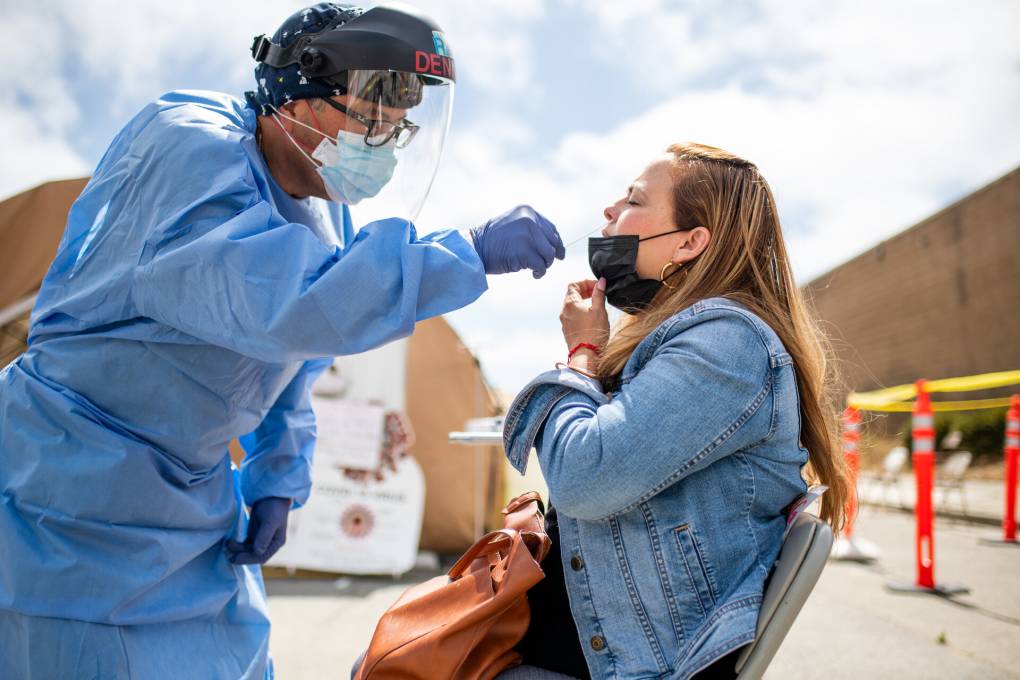
"description": "Dennis Otoshi administers a COVID-19 test outside the Southeast Health Center in San Francisco's Bayview neighborhood on Aug. 17, 2021.",
"title": "RS50676_007_SanFrancisco_COVIDTesting_08172021-qut",
"credit": "Beth LaBerge/KQED",
"status": "inherit",
"altTag": "A seated woman gets a COVID test via swab from a gowned practitioner",
"isLoading": false,
"fetchFailed": false
}
},
"audioPlayerReducer": {
"postId": "stream_live",
"isPaused": true,
"isPlaying": false,
"pfsActive": false,
"pledgeModalIsOpen": true,
"playerDrawerIsOpen": false,
"liveAudioPlayStartedAt": 0,
"liveAudioPlayContext": ""
},
"authorsReducer": {
"byline_news_11901641": {
"type": "authors",
"id": "byline_news_11901641",
"meta": {
"override": true
},
"slug": "byline_news_11901641",
"name": "\u003ca href=\"https://calmatters.org/author/sameea-kamal/\">Sameea Kamal\u003c/a>",
"isLoading": false
},
"byline_news_11901008": {
"type": "authors",
"id": "byline_news_11901008",
"meta": {
"override": true
},
"slug": "byline_news_11901008",
"name": "\u003ca href=\"https://twitter.com/m_scribe\">Melody Schreiber\u003c/a>",
"isLoading": false
},
"kqed": {
"type": "authors",
"id": "236",
"meta": {
"index": "authors_1716337520",
"id": "236",
"found": true
},
"name": "KQED News Staff",
"firstName": "KQED News Staff",
"lastName": null,
"slug": "kqed",
"email": "faq@kqed.org",
"display_author_email": false,
"staff_mastheads": [],
"title": null,
"bio": null,
"avatar": "https://secure.gravatar.com/avatar/ef0e801a68c4c54afa9180db14084167?s=600&d=blank&r=g",
"twitter": null,
"facebook": null,
"instagram": null,
"linkedin": null,
"sites": [
{
"site": "arts",
"roles": [
"contributor"
]
},
{
"site": "news",
"roles": [
"editor"
]
},
{
"site": "futureofyou",
"roles": [
"author"
]
}
],
"headData": {
"title": "KQED News Staff | KQED",
"description": null,
"ogImgSrc": "https://secure.gravatar.com/avatar/ef0e801a68c4c54afa9180db14084167?s=600&d=blank&r=g",
"twImgSrc": "https://secure.gravatar.com/avatar/ef0e801a68c4c54afa9180db14084167?s=600&d=blank&r=g"
},
"isLoading": false,
"link": "/author/kqed"
},
"ninathorsen": {
"type": "authors",
"id": "246",
"meta": {
"index": "authors_1716337520",
"id": "246",
"found": true
},
"name": "Nina Thorsen",
"firstName": "Nina",
"lastName": "Thorsen",
"slug": "ninathorsen",
"email": "nthorsen@kqed.org",
"display_author_email": false,
"staff_mastheads": [
"news"
],
"title": "Producer, Radio",
"bio": "\u003cspan style=\"color: #000000;\">Nina Thorsen is a KQED radio producer, and frequently reports on sports and culture. \u003c/span>\u003cspan style=\"color: #000000;\">She co-created and produced KQED's \u003cem>Pacific Time, \u003c/em> a weekly radio program on Asian and Asian American issues that aired from 2000 to 2007. Before coming to KQED, Thorsen was the deputy foreign editor for \u003cem>Marketplace, \u003c/em>and in her home state of Minnesota, worked for \u003cem>A Prairie Home Companion\u003c/em> and for Public Radio International. \u003c/span>",
"avatar": "https://secure.gravatar.com/avatar/e13dc7282cec33c15d973ebb56d57ead?s=600&d=blank&r=g",
"twitter": "NinaKQED",
"facebook": null,
"instagram": null,
"linkedin": null,
"sites": [
{
"site": "news",
"roles": [
"editor"
]
},
{
"site": "podcasts",
"roles": [
"editor"
]
}
],
"headData": {
"title": "Nina Thorsen | KQED",
"description": "Producer, Radio",
"ogImgSrc": "https://secure.gravatar.com/avatar/e13dc7282cec33c15d973ebb56d57ead?s=600&d=blank&r=g",
"twImgSrc": "https://secure.gravatar.com/avatar/e13dc7282cec33c15d973ebb56d57ead?s=600&d=blank&r=g"
},
"isLoading": false,
"link": "/author/ninathorsen"
},
"matthewgreen": {
"type": "authors",
"id": "1263",
"meta": {
"index": "authors_1716337520",
"id": "1263",
"found": true
},
"name": "Matthew Green",
"firstName": "Matthew",
"lastName": "Green",
"slug": "matthewgreen",
"email": "mgreen@kqed.org",
"display_author_email": false,
"staff_mastheads": [],
"title": "KQED Editor/Reporter",
"bio": "Matthew Green is a digital media producer for KQED News. He previously produced \u003ca href=\"http://www.kqed.org/lowdown\">The Lowdown\u003c/a>, KQED’s multimedia news education blog. Matthew's written for numerous Bay Area publications, including the Oakland Tribune and San Francisco Chronicle. He also taught journalism classes at Fremont High School in East Oakland.\r\n\r\nEmail: mgreen@kqed.org; Twitter: @MGreenKQED",
"avatar": "https://secure.gravatar.com/avatar/3bf498d1267ca02c8494f33d8cfc575e?s=600&d=blank&r=g",
"twitter": "MGreenKQED",
"facebook": null,
"instagram": null,
"linkedin": null,
"sites": [
{
"site": "news",
"roles": []
},
{
"site": "lowdown",
"roles": []
},
{
"site": "science",
"roles": []
},
{
"site": "education",
"roles": []
},
{
"site": "quest",
"roles": []
},
{
"site": "liveblog",
"roles": []
}
],
"headData": {
"title": "Matthew Green | KQED",
"description": "KQED Editor/Reporter",
"ogImgSrc": "https://secure.gravatar.com/avatar/3bf498d1267ca02c8494f33d8cfc575e?s=600&d=blank&r=g",
"twImgSrc": "https://secure.gravatar.com/avatar/3bf498d1267ca02c8494f33d8cfc575e?s=600&d=blank&r=g"
},
"isLoading": false,
"link": "/author/matthewgreen"
},
"markfiore": {
"type": "authors",
"id": "3236",
"meta": {
"index": "authors_1716337520",
"id": "3236",
"found": true
},
"name": "Mark Fiore",
"firstName": "Mark",
"lastName": "Fiore",
"slug": "markfiore",
"email": "mark@markfiore.com",
"display_author_email": false,
"staff_mastheads": [
"news"
],
"title": "KQED News Cartoonist",
"bio": "\u003ca href=\"http://www.MarkFiore.com\">MarkFiore.com\u003c/a> | \u003ca href=\"https://twitter.com/markfiore\">Follow on Twitter\u003c/a> | \u003ca href=\"https://www.facebook.com/pages/Mark-Fiore-Animated-Political-Cartoons/94451707396?ref=bookmarks\">Facebook\u003c/a> | \u003ca href=\"mailto:mark@markfiore.com\">email\u003c/a>\r\n\r\nPulitzer Prize-winner, Mark Fiore, who the Wall Street Journal has called “the undisputed guru of the form,” creates animated political cartoons in San Francisco, where his work has been featured regularly on the San Francisco Chronicle’s web site, SFGate.com. His work has appeared on Newsweek.com, Slate.com, CBSNews.com, MotherJones.com, DailyKos.com and NPR’s web site. Fiore’s political animation has appeared on CNN, Frontline, Bill Moyers Journal, Salon.com and cable and broadcast outlets across the globe.\r\n\r\nBeginning his professional life by drawing traditional political cartoons for newspapers, Fiore’s work appeared in publications ranging from the Washington Post to the Los Angeles Times. In the late 1990s, he began to experiment with animating political cartoons and, after a short stint at the San Jose Mercury News as their staff cartoonist, Fiore devoted all his energies to animation.\r\nGrowing up in California, Fiore also spent a good portion of his life in the backwoods of Idaho. It was this combination that shaped him politically. Mark majored in political science at Colorado College, where, in a perfect send-off for a cartoonist, he received his diploma in 1991 as commencement speaker Dick Cheney smiled approvingly.\r\nMark Fiore was awarded the Pulitzer Prize for political cartooning in 2010, a Robert F. Kennedy Journalism Award in 2004 and has twice received an Online Journalism Award for commentary from the Online News Association (2002, 2008). Fiore has received two awards for his work in new media from the National Cartoonists Society (2001, 2002), and in 2006 received The James Madison Freedom of Information Award from The Society of Professional Journalists.",
"avatar": "https://secure.gravatar.com/avatar/fc4e2a612b15b67bad0c6f0e1db4ca9b?s=600&d=blank&r=g",
"twitter": "MarkFiore",
"facebook": null,
"instagram": "https://www.instagram.com/markfiore/?hl=en",
"linkedin": null,
"sites": [
{
"site": "arts",
"roles": [
"contributor"
]
},
{
"site": "news",
"roles": [
"editor"
]
},
{
"site": "futureofyou",
"roles": [
"editor"
]
},
{
"site": "science",
"roles": [
"editor"
]
}
],
"headData": {
"title": "Mark Fiore | KQED",
"description": "KQED News Cartoonist",
"ogImgSrc": "https://secure.gravatar.com/avatar/fc4e2a612b15b67bad0c6f0e1db4ca9b?s=600&d=blank&r=g",
"twImgSrc": "https://secure.gravatar.com/avatar/fc4e2a612b15b67bad0c6f0e1db4ca9b?s=600&d=blank&r=g"
},
"isLoading": false,
"link": "/author/markfiore"
},
"carlysevern": {
"type": "authors",
"id": "3243",
"meta": {
"index": "authors_1716337520",
"id": "3243",
"found": true
},
"name": "Carly Severn",
"firstName": "Carly",
"lastName": "Severn",
"slug": "carlysevern",
"email": "csevern@kqed.org",
"display_author_email": false,
"staff_mastheads": [
"news"
],
"title": "Senior Editor, Audience News ",
"bio": "Carly is KQED's Senior Editor of Audience News on the Digital News team, and has reported for the California Report Magazine, Bay Curious and KQED Arts. She's formerly the host of \u003ca href=\"http://ww2.kqed.org/pop/category/the-cooler/\" rel=\"noopener noreferrer\">The Cooler\u003c/a> podcast.",
"avatar": "https://secure.gravatar.com/avatar/54037bf5c128fe678f0ef26cec97a93f2e7f220a22d7285703328f12c42c1b1d?s=600&d=blank&r=g",
"twitter": "teacupinthebay",
"bluesky": null,
"facebook": null,
"instagram": null,
"linkedin": null,
"sites": [
{
"site": "",
"roles": [
"editor"
]
},
{
"site": "arts",
"roles": [
"editor"
]
},
{
"site": "news",
"roles": [
"administrator"
]
},
{
"site": "pop",
"roles": [
"editor"
]
},
{
"site": "futureofyou",
"roles": [
"editor"
]
},
{
"site": "about",
"roles": [
"administrator"
]
},
{
"site": "mindshift",
"roles": [
"editor"
]
},
{
"site": "bayareabites",
"roles": [
"editor"
]
},
{
"site": "stateofhealth",
"roles": [
"editor"
]
},
{
"site": "science",
"roles": [
"editor"
]
},
{
"site": "food",
"roles": [
"contributor"
]
},
{
"site": "forum",
"roles": [
"editor"
]
},
{
"site": "perspectives",
"roles": [
"administrator"
]
},
{
"site": "liveblog",
"roles": [
"editor"
]
}
],
"headData": {
"title": "Carly Severn | KQED",
"description": "Senior Editor, Audience News ",
"ogImgSrc": "https://secure.gravatar.com/avatar/54037bf5c128fe678f0ef26cec97a93f2e7f220a22d7285703328f12c42c1b1d?s=600&d=blank&r=g",
"twImgSrc": "https://secure.gravatar.com/avatar/54037bf5c128fe678f0ef26cec97a93f2e7f220a22d7285703328f12c42c1b1d?s=600&d=blank&r=g"
},
"isLoading": false,
"link": "/author/carlysevern"
},
"bwatt": {
"type": "authors",
"id": "11238",
"meta": {
"index": "authors_1716337520",
"id": "11238",
"found": true
},
"name": "Brian Watt",
"firstName": "Brian",
"lastName": "Watt",
"slug": "bwatt",
"email": "bwatt@KQED.org",
"display_author_email": false,
"staff_mastheads": [
"news"
],
"title": "Morning News Anchor",
"bio": "Brian Watt is KQED's morning radio news anchor. He joined the KQED News team in April of 2016. Prior to that, he worked as a Reporter for KPCC in Los Angeles and a producer at \u003cem>Marketplace.\u003c/em>\r\n\r\nDuring eight years at KPCC, Brian covered business and economics, and his work won several awards. In 2008, he won the Los Angeles Press Club’s first-place award for Business and Financial Reporting, Broadcast. He’s also received honorable mention and been first runner up for the Press Club’s Radio Journalist of the Year. He won two Golden Mike awards from the Radio and TV News Association of Southern California.\r\n\r\nBrian holds degrees in theater from Yale University and the Sorbonne, and has worked as an actor in France, Italy, Brazil, Hungary and . . . Hollywood. He appeared in a few television shows, including \u003cem>The West Wing, Judging Amy\u003c/em> and \u003cem>The District.\u003c/em>\r\n\r\nEmail: bwatt@KQED.org Twitter: @RadioBWatt",
"avatar": "https://secure.gravatar.com/avatar/55393ff57ed34e2be773ba4789dd6a19?s=600&d=blank&r=g",
"twitter": "@RadioBWatt",
"facebook": null,
"instagram": null,
"linkedin": null,
"sites": [
{
"site": "arts",
"roles": [
"contributor"
]
},
{
"site": "news",
"roles": [
"editor"
]
}
],
"headData": {
"title": "Brian Watt | KQED",
"description": "Morning News Anchor",
"ogImgSrc": "https://secure.gravatar.com/avatar/55393ff57ed34e2be773ba4789dd6a19?s=600&d=blank&r=g",
"twImgSrc": "https://secure.gravatar.com/avatar/55393ff57ed34e2be773ba4789dd6a19?s=600&d=blank&r=g"
},
"isLoading": false,
"link": "/author/bwatt"
},
"lblanco": {
"type": "authors",
"id": "11357",
"meta": {
"index": "authors_1716337520",
"id": "11357",
"found": true
},
"name": "Lina Blanco",
"firstName": "Lina",
"lastName": "Blanco",
"slug": "lblanco",
"email": "lblanco@kqed.org",
"display_author_email": false,
"staff_mastheads": [],
"title": null,
"bio": "Lina was a Senior Engagement Platforms Manager for KQED News, producing engagement strategies on social media at \u003ca href=\"https://twitter.com/KQEDnews\">@KQEDNews, \u003c/a>via \u003ca href=\"https://www.kqed.org/about/newsletters/\">KQED's daily newsletter\u003c/a> as well as texting campaigns with KQED readers and listeners. She also co-produces for KQED's bilingual news hub \u003ca href=\"https://www.instagram.com/kqedenespanol/\">KQED en Español\u003c/a>.\r\n\r\nLina previously worked for \u003ca href=\"https://kqed.org/arts\">KQED Arts\u003c/a> — supporting audience engagement efforts on the weekly \u003ca href=\"https://www.kqed.org/podcasts/rightnowish\">\u003cem>Rightnowish\u003c/em> \u003c/a>podcast, Webby-winning video series \u003ca href=\"https://www.kqed.org/if-cities-could-dance\">\u003cem>If Cities Could Dance\u003c/em>\u003c/a>, and daily Arts & Culture reporting. She won a \u003ca href=\"https://www.kqed.org/pressroom/10884/murrow\">National 2019 Edward R. Murrow Award for Excellence in Social Media\u003c/a> for KQED's series \u003cem>The Hustle\u003c/em>.\r\n\r\nBefore KQED, Lina worked as a graphic designer and digital storytelling facilitator at the \u003ca href=\"https://www.nativehealth.org/\">Native American Health Center\u003c/a>.\r\n\r\nShe's mom to a senior Chihuahua (plus one black cat) and lives in West Sonoma County on a small farmstead.",
"avatar": "https://secure.gravatar.com/avatar/77ec326d67223c38a436b87bcfd2a2e8?s=600&d=mm&r=g",
"twitter": "LinaBlanco",
"facebook": null,
"instagram": null,
"linkedin": null,
"sites": [
{
"site": "arts",
"roles": [
"subscriber"
]
},
{
"site": "news",
"roles": [
"subscriber"
]
},
{
"site": "pop",
"roles": [
"administrator"
]
},
{
"site": "about",
"roles": [
"administrator"
]
},
{
"site": "bayareabites",
"roles": [
"editor"
]
},
{
"site": "science",
"roles": [
"editor"
]
},
{
"site": "checkplease",
"roles": [
"editor"
]
},
{
"site": "food",
"roles": []
},
{
"site": "perspectives",
"roles": [
"editor"
]
}
],
"headData": {
"title": "Lina Blanco | KQED",
"description": null,
"ogImgSrc": "https://secure.gravatar.com/avatar/77ec326d67223c38a436b87bcfd2a2e8?s=600&d=mm&r=g",
"twImgSrc": "https://secure.gravatar.com/avatar/77ec326d67223c38a436b87bcfd2a2e8?s=600&d=mm&r=g"
},
"isLoading": false,
"link": "/author/lblanco"
},
"lsarah": {
"type": "authors",
"id": "11626",
"meta": {
"index": "authors_1716337520",
"id": "11626",
"found": true
},
"name": "Lakshmi Sarah",
"firstName": "Lakshmi",
"lastName": "Sarah",
"slug": "lsarah",
"email": "lsarah@kqed.org",
"display_author_email": false,
"staff_mastheads": [],
"title": "Digital Producer",
"bio": "Lakshmi Sarah is an educator, author and journalist with a focus on innovative storytelling. She has worked with newspapers, radio and magazines from Ahmedabad, India to Los Angeles, California. She has written and produced for Die Zeit, Global Voices, AJ+, KQED, Fusion Media Group and the New York Times.",
"avatar": "https://secure.gravatar.com/avatar/652dcaecd8b28826fc17a8b2d6bb4e93?s=600&d=blank&r=g",
"twitter": "lakitalki",
"facebook": null,
"instagram": "https://www.instagram.com/laki.talki/",
"linkedin": "https://www.linkedin.com/in/lakisarah/",
"sites": [
{
"site": "arts",
"roles": []
},
{
"site": "news",
"roles": []
},
{
"site": "bayareabites",
"roles": []
},
{
"site": "science",
"roles": []
}
],
"headData": {
"title": "Lakshmi Sarah | KQED",
"description": "Digital Producer",
"ogImgSrc": "https://secure.gravatar.com/avatar/652dcaecd8b28826fc17a8b2d6bb4e93?s=600&d=blank&r=g",
"twImgSrc": "https://secure.gravatar.com/avatar/652dcaecd8b28826fc17a8b2d6bb4e93?s=600&d=blank&r=g"
},
"isLoading": false,
"link": "/author/lsarah"
},
"ccabreralomeli": {
"type": "authors",
"id": "11708",
"meta": {
"index": "authors_1716337520",
"id": "11708",
"found": true
},
"name": "Carlos Cabrera-Lomelí",
"firstName": "Carlos",
"lastName": "Cabrera-Lomelí",
"slug": "ccabreralomeli",
"email": "ccabreralomeli@KQED.org",
"display_author_email": true,
"staff_mastheads": [
"news"
],
"title": "Community Reporter",
"bio": "Carlos Cabrera-Lomelí is a community reporter with KQED's digital engagement team. He also reports and co-produces for KQED's bilingual news hub KQED en Español. He grew up in San Francisco's Mission District and has previously worked with Univision, 48 Hills and REFORMA in Mexico City.",
"avatar": "https://secure.gravatar.com/avatar/c309be9665e484f887b818c89e273ecc673004f426f36b24d00a4d813a2e0518?s=600&d=blank&r=g",
"twitter": "@LomeliCabrera",
"bluesky": null,
"facebook": null,
"instagram": null,
"linkedin": null,
"sites": [
{
"site": "arts",
"roles": [
"editor"
]
},
{
"site": "news",
"roles": [
"editor"
]
},
{
"site": "about",
"roles": [
"editor"
]
},
{
"site": "science",
"roles": [
"editor"
]
},
{
"site": "perspectives",
"roles": [
"editor"
]
},
{
"site": "elections",
"roles": [
"editor"
]
},
{
"site": "liveblog",
"roles": [
"contributor"
]
}
],
"headData": {
"title": "Carlos Cabrera-Lomelí | KQED",
"description": "Community Reporter",
"ogImgSrc": "https://secure.gravatar.com/avatar/c309be9665e484f887b818c89e273ecc673004f426f36b24d00a4d813a2e0518?s=600&d=blank&r=g",
"twImgSrc": "https://secure.gravatar.com/avatar/c309be9665e484f887b818c89e273ecc673004f426f36b24d00a4d813a2e0518?s=600&d=blank&r=g"
},
"isLoading": false,
"link": "/author/ccabreralomeli"
},
"amadrigal": {
"type": "authors",
"id": "11757",
"meta": {
"index": "authors_1716337520",
"id": "11757",
"found": true
},
"name": "Alexis Madrigal",
"firstName": "Alexis",
"lastName": "Madrigal",
"slug": "amadrigal",
"email": "amadrigal@kqed.org",
"display_author_email": true,
"staff_mastheads": [],
"title": "Co-Host Forum",
"bio": "Alexis Madrigal is the co-host of Forum. He is also a contributing writer at \u003cem>The Atlantic \u003c/em>and the co-founder of the COVID Tracking Project. He's the creator of the podcast, \u003cem>Containers\u003c/em>, and has been a staff writer at \u003cem>Wired. \u003c/em>He was a visiting scholar at UC Berkeley's Information School, and is working on a book about Oakland and the Bay Area's revolutionary ideas.",
"avatar": "https://secure.gravatar.com/avatar/ffeee1fe99a3e31957381f377ca63502bdcc0c3dbccaaa701e579a10aa0c5e1f?s=600&d=blank&r=g",
"twitter": "alexismadrigal",
"bluesky": null,
"facebook": null,
"instagram": null,
"linkedin": null,
"sites": [
{
"site": "arts",
"roles": [
"editor"
]
},
{
"site": "news",
"roles": [
"editor"
]
},
{
"site": "forum",
"roles": [
"editor"
]
}
],
"headData": {
"title": "Alexis Madrigal | KQED",
"description": "Co-Host Forum",
"ogImgSrc": "https://secure.gravatar.com/avatar/ffeee1fe99a3e31957381f377ca63502bdcc0c3dbccaaa701e579a10aa0c5e1f?s=600&d=blank&r=g",
"twImgSrc": "https://secure.gravatar.com/avatar/ffeee1fe99a3e31957381f377ca63502bdcc0c3dbccaaa701e579a10aa0c5e1f?s=600&d=blank&r=g"
},
"isLoading": false,
"link": "/author/amadrigal"
}
},
"pagesReducer": {
"news_tag_covid-19": {
"type": "terms",
"id": "news_27504",
"meta": {
"index": "terms_1716263798",
"site": "news",
"id": "27504",
"score": 8.558313
},
"featImg": null,
"name": "covid-19",
"description": null,
"taxonomy": "tag",
"headData": {
"twImgId": null,
"twTitle": null,
"ogTitle": null,
"ogImgId": null,
"twDescription": null,
"description": null,
"title": "covid-19 Archives | KQED News",
"ogDescription": null
},
"ttid": 27521,
"slug": "covid-19",
"isLoading": false,
"title": "covid-19",
"pageMeta": {
"site": "news",
"WpPageTemplate": "page-topic-editorial",
"currentPage": 8
},
"blocks": [
{
"blockName": "kqed/post-list",
"attrs": {
"layout": "cardArticle2",
"query": "posts/news?tag=covid-19",
"seeMore": false,
"paginated": true,
"page": 8
}
},
{
"blockName": "kqed/ad"
}
]
}
},
"pfsSessionReducer": {},
"postsReducer": {
"stream_live": {
"type": "live",
"id": "stream_live",
"audioUrl": "https://streams.kqed.org/kqedradio",
"title": "Live Stream",
"excerpt": "Live Stream information currently unavailable.",
"link": "/radio",
"featImg": "",
"label": {
"name": "KQED Live",
"link": "/"
}
},
"stream_kqedNewscast": {
"type": "posts",
"id": "stream_kqedNewscast",
"audioUrl": "https://www.kqed.org/.stream/anon/radio/RDnews/newscast.mp3?_=1",
"title": "KQED Newscast",
"featImg": "",
"label": {
"name": "88.5 FM",
"link": "/"
}
},
"news_11902122": {
"type": "posts",
"id": "news_11902122",
"meta": {
"index": "posts_1716263798",
"site": "news",
"id": "11902122",
"score": null,
"sort": [
1642721680000
]
},
"guestAuthors": [],
"slug": "at-home-covid-test-reimbursement-from-blue-shield-to-kaiser-how-to-get-your-health-insurance-to-pay-you-back",
"title": "At-Home COVID Test Reimbursement: From Blue Shield to Kaiser, How to Get Your Health Insurance to Pay You Back",
"publishDate": 1642721680,
"format": "image",
"headTitle": "At-Home COVID Test Reimbursement: From Blue Shield to Kaiser, How to Get Your Health Insurance to Pay You Back | KQED",
"labelTerm": {
"site": "news"
},
"content": "\u003cp>\u003cem>Updated 4:15 p.m. Thursday, Feb. 16\u003c/em>\u003c/p>\n\u003cp>As of Jan. 15, 2022, people with private health insurance can get reimbursed by their insurer for the cost of up to eight at-home COVID tests per month.\u003c/p>\n\u003cp>This program applies only to at-home tests purchased on or after Jan. 15, 2022, and covers eight free tests \u003cem>per covered individual\u003c/em> per month. “That means \u003ca href=\"https://www.whitehouse.gov/briefing-room/statements-releases/2022/01/14/fact-sheet-the-biden-administration-to-begin-distributing-at-home-rapid-covid-19-tests-to-americans-for-free/\">a family of four, all on the same plan, would be able to get 32 of these tests\u003c/a> covered by their health plan per month,” the White House has confirmed.\u003c/p>\n\u003cp>\u003cstrong>Jump straight to:\u003c/strong>\u003c/p>\n\u003cul>\n\u003cli>\u003cstrong>\u003ca href=\"#covidtestreimbursement\">How does reimbursement for COVID tests work?\u003c/a>\u003c/strong>\u003c/li>\n\u003cli>\u003cstrong>\u003ca href=\"#insurancelist\">Find your health insurer and their policy in our list\u003c/a>\u003c/strong>\u003c/li>\n\u003cli>\u003cstrong>\u003ca href=\"#many\">How many COVID tests will insurance cover?\u003c/a>\u003c/strong>\u003c/li>\n\u003cli>\u003cstrong>\u003ca href=\"#noinsurance\">What if you don’t have health insurance?\u003c/a>\u003c/strong>\u003c/li>\n\u003c/ul>\n\u003cp>Remember, this reimbursement is completely different from the White House program that allows you to \u003ca href=\"https://www.covidtests.gov/\">order free at-home COVID tests online\u003c/a> from the federal government and the United States Postal Service. \u003ca href=\"https://www.kqed.org/news/11901928/you-can-now-order-free-covid-at-home-tests-via-usps\">Read more about how to order those four free tests per residential address via USPS.\u003c/a>\u003c/p>\n\u003ch2>First off, will the states of emergency ending affect my reimbursement?\u003c/h2>\n\u003cp>No — at least not yet.\u003c/p>\n\u003cp>On Feb. 28, 2023, \u003ca href=\"https://www.kqed.org/news/11929285/newsom-to-end-californias-covid-state-of-emergency-in-february\">California’s COVID-19 state of emergency will officially come to an end\u003c/a>. The White House has also announced that \u003ca href=\"https://www.npr.org/2023/01/30/1152702709/covid-emergency-declarations-end-white-house\">the federal state of emergency for COVID will then end on May 11\u003c/a>.\u003c/p>\n\u003cp>The end of the national emergency \u003cem>will\u003c/em> have big effects upon nationwide funding for COVID vaccines and testing, and will stop requiring insurers to cover reimbursement for COVID tests. But California has enacted several laws that force insurers to keep covering such COVID care, even after the state and federal states of emergency wind down.\u003c/p>\n\u003cp>One of these — \u003ca href=\"https://leginfo.legislature.ca.gov/faces/billTextClient.xhtml?bill_id=202120220SB1473\">State Bill 1473\u003c/a> — requires insurers to not only keep covering the costs of \u003ca href=\"https://www.kqed.org/news/11914514/if-you-get-covid-should-you-try-to-get-paxlovid-heres-how-with-or-without-health-insurance\">COVID therapeutic treatments like Paxlovid\u003c/a>, but also to keep reimbursing their members for the costs of up to eight over-the-counter COVID tests a month. But this law only keeps the current situation in place until six months after the \u003ca href=\"https://www.latimes.com/california/story/2023-02-07/with-covid-emergency-ending-will-i-have-to-pay-for-tests\">end of the federal emergency.\u003c/a>\u003c/p>\n\u003cp>This means that after Nov. 11, if you want Paxlovid or to get reimbursed for COVID tests by an insurer, you’ll have to make sure you are obtaining these services “in-network.” And at this stage of the year, specific details about what that’ll look like in practice come November are lacking.\u003c/p>\n\u003ch2>\u003ca id=\"covidtestreimbursement\">\u003c/a>The two ways that reimbursement works\u003c/h2>\n\u003cp>If you have private health insurance, how you get your reimbursement and your tests — and whether you get reimbursed after purchase or have costs covered up-front — totally depends on which insurer you have.\u003c/p>\n\u003cp>Each insurance company is doing this differently, so make sure you know what’s available for you according to your plan \u003cem>before\u003c/em> you buy a test.[aside postID=news_11901928 hero='https://ww2.kqed.org/app/uploads/sites/10/2022/01/RS53138_GettyImages-1361961811-qut.jpg']\u003c/p>\n\u003cp>People covered by Medicare are currently not eligible to get reimbursed for at-home COVID-19 tests. However, Medicaid and Children’s Health Insurance Program (CHIP) plans \u003cem>are\u003c/em> required to cover the costs of at-home tests. In California, this includes all Medi-Cal plans as well. If your Medi-Cal plan is provided by any of the major insurers we include in our guide, you can request a reimbursement by following the same format.\u003c/p>\n\u003cp>\u003cstrong>Some insurers will reimburse for the tests you’ve purchased\u003c/strong>\u003c/p>\n\u003cp>Some insurance companies, like Kaiser Permanente, Aetna and Blue Shield of California, are asking policyholders to request a reimbursement \u003cem>after\u003c/em> purchasing a COVID-19 test by filling out a claim form.\u003c/p>\n\u003cp>These forms are usually returned by mail, and you’ll most likely find the address for where to mail it on the form itself.\u003c/p>\n\u003cp>These reimbursement forms request that you also submit a receipt of these purchases — so if you buy the tests at a pharmacy, be sure to keep your receipt. Some insurers are also now requesting that you provide a UPC code (a.k.a. the barcode) from the box for the tests you purchased. So to maximize your chances of getting your reimbursement, be sure to keep your receipt and your boxes for any tests you purchase.\u003c/p>\n\u003cp>\u003cstrong>Some insurers will cover the cost of your tests up-front \u003cem>when\u003c/em> you buy them\u003c/strong>\u003c/p>\n\u003cp>Some insurance companies are choosing to cover the cost of tests at the time of purchase. For example, that’s \u003ca href=\"https://www.uhc.com/health-and-wellness/health-topics/covid-19/coverage-and-resources/covid-19-at-home-testing-coverage/preferred-retailers\">what UnitedHealthcare is doing with a very select number of test providers\u003c/a>, like Rite Aid and Walmart Pharmacy. If you’re covered by UHC and have Optum Rx benefits, you can show your member ID card when picking up your tests at one of these stores.\u003c/p>\n\u003cp>Other insurers, encouraged by the federal government, also have set up \u003ca href=\"https://www.cms.gov/how-to-get-your-at-home-OTC-COVID-19-test-for-free\">networks of preferred stores and pharmacies where policyholders can get tests with no up-front costs\u003c/a>. If your insurer has set up a network like this, you can still buy tests from other places — but you most likely won’t be fully reimbursed, because insurance companies are only required to cover up to $12 per test if they were bought outside that network.\u003c/p>\n\u003cp>Remember, only \u003cem>some\u003c/em> insurance companies have a network of preferred test providers. If your insurer doesn’t have one, you can go through the regular reimbursement process.\u003c/p>\n\u003cfigure id=\"attachment_11901953\" class=\"wp-caption alignnone\" style=\"max-width: 1920px\">\u003cimg loading=\"lazy\" decoding=\"async\" class=\"size-full wp-image-11901953\" src=\"https://ww2.kqed.org/app/uploads/sites/10/2022/01/RS53138_GettyImages-1361961811-qut.jpg\" alt=\"close up shot of boxes of COVID at-home test kits\" width=\"1920\" height=\"1313\" srcset=\"https://cdn.kqed.org/wp-content/uploads/sites/10/2022/01/RS53138_GettyImages-1361961811-qut.jpg 1920w, https://cdn.kqed.org/wp-content/uploads/sites/10/2022/01/RS53138_GettyImages-1361961811-qut-800x547.jpg 800w, https://cdn.kqed.org/wp-content/uploads/sites/10/2022/01/RS53138_GettyImages-1361961811-qut-1020x698.jpg 1020w, https://cdn.kqed.org/wp-content/uploads/sites/10/2022/01/RS53138_GettyImages-1361961811-qut-160x109.jpg 160w, https://cdn.kqed.org/wp-content/uploads/sites/10/2022/01/RS53138_GettyImages-1361961811-qut-1536x1050.jpg 1536w\" sizes=\"(max-width: 1920px) 100vw, 1920px\">\u003cfigcaption class=\"wp-caption-text\">Beginning Tuesday, you can also order up to four at-home COVID tests per household, to be delivered for free via the United States Postal Service. \u003ccite>(Joe Raedle/Getty Images)\u003c/cite>\u003c/figcaption>\u003c/figure>\n\u003ch2>\u003ca id=\"insurancelist\">\u003c/a>How does your health insurer handle reimbursement for at-home COVID tests?\u003c/h2>\n\u003cp>\u003cstrong>Kaiser Permanente\u003c/strong>\u003c/p>\n\u003cp>How to get at-home test costs covered: \u003cem>Submit a reimbursement claim form by mail.\u003c/em>\u003c/p>\n\u003cul>\n\u003cli>\u003ca href=\"https://healthy.kaiserpermanente.org/health-wellness/coronavirus-information/testing#faqs-on.html#/signon\">Submit a reimbursement form online \u003c/a>(scroll down to “Get reimbursed for a home test purchased outside Kaiser Permanente,” and follow the link to log in to your KP account).\u003c/li>\n\u003cli>Get the \u003ca href=\"https://ww2.kqed.org/app/uploads/sites/10/2022/01/FI-KP-Medical-Claim-Form_web-document.pdf\">Kaiser Permanente at-home COVID test reimbursement claim form\u003c/a> (will download PDF).\u003c/li>\n\u003cli>Kaiser’s California Member Services hotline is (800) 464-4000.\u003c/li>\n\u003c/ul>\n\u003cp>\u003cstrong>Blue Shield of California\u003c/strong>\u003c/p>\n\u003cp>How to get at-home test costs covered: \u003cem>Submit a reimbursement claim form by mail.\u003c/em>\u003c/p>\n\u003cul>\n\u003cli>Get the \u003ca href=\"https://www.blueshieldca.com/bsca/bsc/public/common/PortalComponents/sites/StreamDocumentServlet?fileName=SITES_Other_2022_COVID%20Test%20Claim%20Form_v1_12232021.pdf\">Blue Shield at-home COVID test reimbursement claim form\u003c/a>.\u003c/li>\n\u003c/ul>\n\u003cp>\u003cstrong>UnitedHealthcare (UHC)\u003c/strong>\u003c/p>\n\u003cp>How to get at-home test costs covered: \u003cem>Get your costs covered up-front when you purchase through an approved test provider.\u003c/em>\u003c/p>\n\u003cul>\n\u003cli>If you have an Optum Rx logo on your member ID card, you can buy your at-home COVID tests from one of\u003ca href=\"https://www.uhc.com/health-and-wellness/health-topics/covid-19/coverage-and-resources/covid-19-at-home-testing-coverage/preferred-retailers\"> UnitedHealthcare’s “preferred retailers” \u003c/a>and have the costs covered at the point of purchase.\u003c/li>\n\u003cli>If you choose to buy a test outside the network, \u003ca href=\"https://www.uhc.com/content/dam/uhcdotcom/en/memberresources/forms/PDF-UA-Over-the-Counter-OTC-At-home-COVID-19-Test-Reimbursement-Form.pdf\">you will have to submit a claim reimbursement form, available here (PDF)\u003c/a>. Keep in mind that UHC will cover only up to $12 for each individual test. So if you bought 10 tests for the price of $30 each, United will only cover $120 out of the $300 total cost.\u003c/li>\n\u003c/ul>\n\u003cp>\u003cstrong>Cigna\u003c/strong>\u003c/p>\n\u003cp>How to get at-home test costs covered: \u003cem>Submit a reimbursement claim form by mail or fax.\u003c/em>\u003c/p>\n\u003cul>\n\u003cli>Get the \u003ca href=\"https://www.cigna.com/static/www-cigna-com/docs/coronavirus/covid-otc-med-claim-form.pdf\">Cigna at-home COVID test reimbursement claim form (PDF)\u003c/a>.\u003c/li>\n\u003cli>Please note: \u003ca href=\"https://www.cigna.com/coronavirus/\">Cigna says it will not cover tests bought for employment purposes.\u003c/a>\u003c/li>\n\u003c/ul>\n\u003cp>Cigna will cover the full cost of at-home tests, regardless of whether you buy them from providers inside or outside their network.\u003c/p>\n\u003cp>\u003cstrong>Anthem Blue Cross\u003c/strong>\u003c/p>\n\u003cp>How to get at-home test costs covered: \u003cem>Submit a reimbursement claim form online.\u003c/em>\u003c/p>\n\u003cul>\n\u003cli>Sign into \u003ca href=\"https://www.anthem.com/login/\">anthem.com \u003c/a>using your Anthem insurance plan credentials. Once logged in, click on the Claims & Payments tab (located in the upper-left portion of the screen), and then select the Submit a Claim option.\u003c/li>\n\u003cli>You’ll then see an electronic form that asks you for certain information, including whether you bought the test within the U.S. or abroad, the location and date of your purchase and a photo or scan of the receipt to verify your purchase.\u003c/li>\n\u003c/ul>\n\u003cp>\u003cstrong>Aetna\u003c/strong>\u003c/p>\n\u003cp>How to get at-home test costs covered: \u003cem>Submit a reimbursement claim form online.\u003c/em>\u003c/p>\n\u003cul>\n\u003cli>Sign into \u003ca href=\"https://member.aetna.com/MbrLanding/RoutingServlet?createSession=true&custNumSel=A&serviceName=home&ae_ptparam_cmpId=int_aetnaco\">Aetna’s member website\u003c/a> using your insurance plan credentials. Once logged in, click on “Submit a claim for reimbursement.”\u003c/li>\n\u003cli>You’ll then see an electronic form that asks you for certain information, including the location and date of your purchase and a photo or scan of the receipt to verify your purchase.\u003c/li>\n\u003cli>According to \u003ca href=\"https://www.aetna.com/individuals-families/member-rights-resources/covid19/otc-in-home-test-faqs.html\">Aetna’s FAQ on reimbursement\u003c/a>, once your claim is approved, a check will be mailed to you.\u003c/li>\n\u003c/ul>\n\u003cp>[ad fullwidth]\u003c/p>\n\u003ch2>\u003ca id=\"many\">\u003c/a>How many COVID tests will my insurance cover?\u003c/h2>\n\u003cp>Each person covered in your plan is eligible for eight free tests each month. Insurance companies are quick to point out that this means eight \u003cem>individual\u003c/em> tests, not eight packs of tests.\u003c/p>\n\u003cp>[aside postID=news_11898455 hero='https://ww2.kqed.org/app/uploads/sites/10/2021/12/RS52826_GettyImages-1227768883-qut.jpg']Some tests are being sold as a two-pack, where one box includes two tests. If you buy one of these boxes, your insurance will count that as two from your eight available monthly tests.\u003c/p>\n\u003cp>Most insurance companies are defining a “month” as a 30-day period, so it’s also a good idea to keep track of the dates of your purchases to make sure you don’t exceed the cap and miss out on a reimbursement.\u003c/p>\n\u003ch2>\u003ca id=\"noinsurance\">\u003c/a>What if I don’t have health insurance?\u003c/h2>\n\u003cp>Remember, you don’t need health insurance to \u003ca href=\"https://www.covidtests.gov/\">order four free at-home COVID tests online\u003c/a> from the federal government and the United States Postal Service. \u003ca href=\"https://www.kqed.org/news/11901928/you-can-now-order-free-covid-at-home-tests-via-usps\">Read more about how to order four free tests per residential address via USPS.\u003c/a>\u003c/p>\n\u003cp>If you or someone in your community doesn’t have access to the internet to order these free tests, USPS says you can contact their helpline by calling 1-800-232-0233 (TTY 1-888-720-7489). Please note that an earlier version of this number given on USPS’s FAQs appears to have been the wrong one. You should also be prepared for potentially long wait times using this helpline.\u003cbr>\nYou can also\u003ca href=\"https://www.kqed.org/news/11898455/where-to-find-a-covid-test-near-you-in-the-bay-area\"> use our guide to look for a free or low-cost COVID test near you\u003c/a>, many of which do not require health insurance.\u003c/p>\n\u003chr>\n\u003cp>We want our coverage to be complete and helpful to our audiences. If you’re facing issues with your insurer in processing a reimbursement, \u003ca href=\"https://docs.google.com/forms/d/e/1FAIpQLSeNeTOr9UQF0xOIVQ3JDd5QptMeUNgPFhLy9mM8ZUEiO0CSlQ/viewform?embedded=true\">let us know here\u003c/a> or by filling out the form below. Please note that we won’t be able to respond to you personally, but will update this guide with new information we find.\u003c/p>\n\u003cp>https://docs.google.com/forms/d/e/1FAIpQLSeNeTOr9UQF0xOIVQ3JDd5QptMeUNgPFhLy9mM8ZUEiO0CSlQ/viewform?embedded=true\u003c/p>\n\u003cp>\u003ci>This story includes reporting by KQED’s Carly Severn.\u003c/i>\u003c/p>\n\u003cp>[ad floatright]\u003c/p>\n",
"blocks": [],
"excerpt": "How to get reimbursed for at-home COVID tests by health insurer: Whether you have Kaiser, Blue Shield, UHC, Cigna or another provider, here's how to get your money.",
"status": "publish",
"parent": 0,
"modified": 1721131831,
"stats": {
"hasAudio": false,
"hasVideo": false,
"hasChartOrMap": false,
"iframeSrcs": [],
"hasGoogleForm": true,
"hasGallery": false,
"hasHearkenModule": false,
"hasPolis": false,
"paragraphCount": 43,
"wordCount": 1811
},
"headData": {
"title": "At-Home COVID Test Reimbursement: From Blue Shield to Kaiser, How to Get Your Health Insurance to Pay You Back | KQED",
"description": "How to get reimbursed for at-home COVID tests by health insurer: Whether you have Kaiser, Blue Shield, UHC, Cigna or another provider, here's how to get your money.",
"ogTitle": "",
"ogDescription": "",
"ogImgId": "",
"twTitle": "",
"twDescription": "",
"twImgId": "",
"schema": {
"@context": "https://schema.org",
"@type": "NewsArticle",
"headline": "At-Home COVID Test Reimbursement: From Blue Shield to Kaiser, How to Get Your Health Insurance to Pay You Back",
"datePublished": "2022-01-20T15:34:40-08:00",
"dateModified": "2024-07-16T05:10:31-07:00",
"image": "https://cdn.kqed.org/wp-content/uploads/2020/02/KQED-OG-Image@1x.png",
"isAccessibleForFree": "True",
"publisher": {
"@type": "NewsMediaOrganization",
"@id": "https://www.kqed.org/#organization",
"name": "KQED",
"logo": "https://cdn.kqed.org/wp-content/uploads/2020/02/KQED-OG-Image@1x.png",
"url": "https://www.kqed.org",
"sameAs": [
"https://www.facebook.com/KQED",
"https://twitter.com/KQED",
"https://www.instagram.com/kqed/",
"https://www.tiktok.com/@kqedofficial",
"https://www.linkedin.com/company/kqed",
"https://www.youtube.com/channel/UCeC0IOo7i1P_61zVUWbJ4nw"
]
}
}
},
"audioUrl": "https://traffic.omny.fm/d/clips/0af137ef-751e-4b19-a055-aaef00d2d578/ffca7e9f-6831-4[%E2%80%A6]f-aaef00f5a073/795653b2-a212-4054-b210-ae29016acbe4/audio.mp3",
"sticky": false,
"excludeFromSiteSearch": "Include",
"articleAge": "0",
"path": "/news/11902122/at-home-covid-test-reimbursement-from-blue-shield-to-kaiser-how-to-get-your-health-insurance-to-pay-you-back",
"audioTrackLength": null,
"parsedContent": [
{
"type": "contentString",
"content": "\u003cdiv class=\"post-body\">\u003cp>\u003cp>\u003cem>Updated 4:15 p.m. Thursday, Feb. 16\u003c/em>\u003c/p>\n\u003cp>As of Jan. 15, 2022, people with private health insurance can get reimbursed by their insurer for the cost of up to eight at-home COVID tests per month.\u003c/p>\n\u003cp>This program applies only to at-home tests purchased on or after Jan. 15, 2022, and covers eight free tests \u003cem>per covered individual\u003c/em> per month. “That means \u003ca href=\"https://www.whitehouse.gov/briefing-room/statements-releases/2022/01/14/fact-sheet-the-biden-administration-to-begin-distributing-at-home-rapid-covid-19-tests-to-americans-for-free/\">a family of four, all on the same plan, would be able to get 32 of these tests\u003c/a> covered by their health plan per month,” the White House has confirmed.\u003c/p>\n\u003cp>\u003cstrong>Jump straight to:\u003c/strong>\u003c/p>\n\u003cul>\n\u003cli>\u003cstrong>\u003ca href=\"#covidtestreimbursement\">How does reimbursement for COVID tests work?\u003c/a>\u003c/strong>\u003c/li>\n\u003cli>\u003cstrong>\u003ca href=\"#insurancelist\">Find your health insurer and their policy in our list\u003c/a>\u003c/strong>\u003c/li>\n\u003cli>\u003cstrong>\u003ca href=\"#many\">How many COVID tests will insurance cover?\u003c/a>\u003c/strong>\u003c/li>\n\u003cli>\u003cstrong>\u003ca href=\"#noinsurance\">What if you don’t have health insurance?\u003c/a>\u003c/strong>\u003c/li>\n\u003c/ul>\n\u003cp>Remember, this reimbursement is completely different from the White House program that allows you to \u003ca href=\"https://www.covidtests.gov/\">order free at-home COVID tests online\u003c/a> from the federal government and the United States Postal Service. \u003ca href=\"https://www.kqed.org/news/11901928/you-can-now-order-free-covid-at-home-tests-via-usps\">Read more about how to order those four free tests per residential address via USPS.\u003c/a>\u003c/p>\n\u003ch2>First off, will the states of emergency ending affect my reimbursement?\u003c/h2>\n\u003cp>No — at least not yet.\u003c/p>\n\u003cp>On Feb. 28, 2023, \u003ca href=\"https://www.kqed.org/news/11929285/newsom-to-end-californias-covid-state-of-emergency-in-february\">California’s COVID-19 state of emergency will officially come to an end\u003c/a>. The White House has also announced that \u003ca href=\"https://www.npr.org/2023/01/30/1152702709/covid-emergency-declarations-end-white-house\">the federal state of emergency for COVID will then end on May 11\u003c/a>.\u003c/p>\n\u003cp>The end of the national emergency \u003cem>will\u003c/em> have big effects upon nationwide funding for COVID vaccines and testing, and will stop requiring insurers to cover reimbursement for COVID tests. But California has enacted several laws that force insurers to keep covering such COVID care, even after the state and federal states of emergency wind down.\u003c/p>\n\u003cp>One of these — \u003ca href=\"https://leginfo.legislature.ca.gov/faces/billTextClient.xhtml?bill_id=202120220SB1473\">State Bill 1473\u003c/a> — requires insurers to not only keep covering the costs of \u003ca href=\"https://www.kqed.org/news/11914514/if-you-get-covid-should-you-try-to-get-paxlovid-heres-how-with-or-without-health-insurance\">COVID therapeutic treatments like Paxlovid\u003c/a>, but also to keep reimbursing their members for the costs of up to eight over-the-counter COVID tests a month. But this law only keeps the current situation in place until six months after the \u003ca href=\"https://www.latimes.com/california/story/2023-02-07/with-covid-emergency-ending-will-i-have-to-pay-for-tests\">end of the federal emergency.\u003c/a>\u003c/p>\n\u003cp>This means that after Nov. 11, if you want Paxlovid or to get reimbursed for COVID tests by an insurer, you’ll have to make sure you are obtaining these services “in-network.” And at this stage of the year, specific details about what that’ll look like in practice come November are lacking.\u003c/p>\n\u003ch2>\u003ca id=\"covidtestreimbursement\">\u003c/a>The two ways that reimbursement works\u003c/h2>\n\u003cp>If you have private health insurance, how you get your reimbursement and your tests — and whether you get reimbursed after purchase or have costs covered up-front — totally depends on which insurer you have.\u003c/p>\n\u003cp>Each insurance company is doing this differently, so make sure you know what’s available for you according to your plan \u003cem>before\u003c/em> you buy a test.\u003c/p>\u003c/div>",
"attributes": {
"named": {},
"numeric": []
}
},
{
"type": "component",
"content": "",
"name": "aside",
"attributes": {
"named": {
"postid": "news_11901928",
"hero": "https://ww2.kqed.org/app/uploads/sites/10/2022/01/RS53138_GettyImages-1361961811-qut.jpg",
"label": ""
},
"numeric": []
}
},
{
"type": "contentString",
"content": "\u003cdiv class=\"post-body\">\u003cp>\u003c/p>\n\u003cp>People covered by Medicare are currently not eligible to get reimbursed for at-home COVID-19 tests. However, Medicaid and Children’s Health Insurance Program (CHIP) plans \u003cem>are\u003c/em> required to cover the costs of at-home tests. In California, this includes all Medi-Cal plans as well. If your Medi-Cal plan is provided by any of the major insurers we include in our guide, you can request a reimbursement by following the same format.\u003c/p>\n\u003cp>\u003cstrong>Some insurers will reimburse for the tests you’ve purchased\u003c/strong>\u003c/p>\n\u003cp>Some insurance companies, like Kaiser Permanente, Aetna and Blue Shield of California, are asking policyholders to request a reimbursement \u003cem>after\u003c/em> purchasing a COVID-19 test by filling out a claim form.\u003c/p>\n\u003cp>These forms are usually returned by mail, and you’ll most likely find the address for where to mail it on the form itself.\u003c/p>\n\u003cp>These reimbursement forms request that you also submit a receipt of these purchases — so if you buy the tests at a pharmacy, be sure to keep your receipt. Some insurers are also now requesting that you provide a UPC code (a.k.a. the barcode) from the box for the tests you purchased. So to maximize your chances of getting your reimbursement, be sure to keep your receipt and your boxes for any tests you purchase.\u003c/p>\n\u003cp>\u003cstrong>Some insurers will cover the cost of your tests up-front \u003cem>when\u003c/em> you buy them\u003c/strong>\u003c/p>\n\u003cp>Some insurance companies are choosing to cover the cost of tests at the time of purchase. For example, that’s \u003ca href=\"https://www.uhc.com/health-and-wellness/health-topics/covid-19/coverage-and-resources/covid-19-at-home-testing-coverage/preferred-retailers\">what UnitedHealthcare is doing with a very select number of test providers\u003c/a>, like Rite Aid and Walmart Pharmacy. If you’re covered by UHC and have Optum Rx benefits, you can show your member ID card when picking up your tests at one of these stores.\u003c/p>\n\u003cp>Other insurers, encouraged by the federal government, also have set up \u003ca href=\"https://www.cms.gov/how-to-get-your-at-home-OTC-COVID-19-test-for-free\">networks of preferred stores and pharmacies where policyholders can get tests with no up-front costs\u003c/a>. If your insurer has set up a network like this, you can still buy tests from other places — but you most likely won’t be fully reimbursed, because insurance companies are only required to cover up to $12 per test if they were bought outside that network.\u003c/p>\n\u003cp>Remember, only \u003cem>some\u003c/em> insurance companies have a network of preferred test providers. If your insurer doesn’t have one, you can go through the regular reimbursement process.\u003c/p>\n\u003cfigure id=\"attachment_11901953\" class=\"wp-caption alignnone\" style=\"max-width: 1920px\">\u003cimg loading=\"lazy\" decoding=\"async\" class=\"size-full wp-image-11901953\" src=\"https://ww2.kqed.org/app/uploads/sites/10/2022/01/RS53138_GettyImages-1361961811-qut.jpg\" alt=\"close up shot of boxes of COVID at-home test kits\" width=\"1920\" height=\"1313\" srcset=\"https://cdn.kqed.org/wp-content/uploads/sites/10/2022/01/RS53138_GettyImages-1361961811-qut.jpg 1920w, https://cdn.kqed.org/wp-content/uploads/sites/10/2022/01/RS53138_GettyImages-1361961811-qut-800x547.jpg 800w, https://cdn.kqed.org/wp-content/uploads/sites/10/2022/01/RS53138_GettyImages-1361961811-qut-1020x698.jpg 1020w, https://cdn.kqed.org/wp-content/uploads/sites/10/2022/01/RS53138_GettyImages-1361961811-qut-160x109.jpg 160w, https://cdn.kqed.org/wp-content/uploads/sites/10/2022/01/RS53138_GettyImages-1361961811-qut-1536x1050.jpg 1536w\" sizes=\"(max-width: 1920px) 100vw, 1920px\">\u003cfigcaption class=\"wp-caption-text\">Beginning Tuesday, you can also order up to four at-home COVID tests per household, to be delivered for free via the United States Postal Service. \u003ccite>(Joe Raedle/Getty Images)\u003c/cite>\u003c/figcaption>\u003c/figure>\n\u003ch2>\u003ca id=\"insurancelist\">\u003c/a>How does your health insurer handle reimbursement for at-home COVID tests?\u003c/h2>\n\u003cp>\u003cstrong>Kaiser Permanente\u003c/strong>\u003c/p>\n\u003cp>How to get at-home test costs covered: \u003cem>Submit a reimbursement claim form by mail.\u003c/em>\u003c/p>\n\u003cul>\n\u003cli>\u003ca href=\"https://healthy.kaiserpermanente.org/health-wellness/coronavirus-information/testing#faqs-on.html#/signon\">Submit a reimbursement form online \u003c/a>(scroll down to “Get reimbursed for a home test purchased outside Kaiser Permanente,” and follow the link to log in to your KP account).\u003c/li>\n\u003cli>Get the \u003ca href=\"https://ww2.kqed.org/app/uploads/sites/10/2022/01/FI-KP-Medical-Claim-Form_web-document.pdf\">Kaiser Permanente at-home COVID test reimbursement claim form\u003c/a> (will download PDF).\u003c/li>\n\u003cli>Kaiser’s California Member Services hotline is (800) 464-4000.\u003c/li>\n\u003c/ul>\n\u003cp>\u003cstrong>Blue Shield of California\u003c/strong>\u003c/p>\n\u003cp>How to get at-home test costs covered: \u003cem>Submit a reimbursement claim form by mail.\u003c/em>\u003c/p>\n\u003cul>\n\u003cli>Get the \u003ca href=\"https://www.blueshieldca.com/bsca/bsc/public/common/PortalComponents/sites/StreamDocumentServlet?fileName=SITES_Other_2022_COVID%20Test%20Claim%20Form_v1_12232021.pdf\">Blue Shield at-home COVID test reimbursement claim form\u003c/a>.\u003c/li>\n\u003c/ul>\n\u003cp>\u003cstrong>UnitedHealthcare (UHC)\u003c/strong>\u003c/p>\n\u003cp>How to get at-home test costs covered: \u003cem>Get your costs covered up-front when you purchase through an approved test provider.\u003c/em>\u003c/p>\n\u003cul>\n\u003cli>If you have an Optum Rx logo on your member ID card, you can buy your at-home COVID tests from one of\u003ca href=\"https://www.uhc.com/health-and-wellness/health-topics/covid-19/coverage-and-resources/covid-19-at-home-testing-coverage/preferred-retailers\"> UnitedHealthcare’s “preferred retailers” \u003c/a>and have the costs covered at the point of purchase.\u003c/li>\n\u003cli>If you choose to buy a test outside the network, \u003ca href=\"https://www.uhc.com/content/dam/uhcdotcom/en/memberresources/forms/PDF-UA-Over-the-Counter-OTC-At-home-COVID-19-Test-Reimbursement-Form.pdf\">you will have to submit a claim reimbursement form, available here (PDF)\u003c/a>. Keep in mind that UHC will cover only up to $12 for each individual test. So if you bought 10 tests for the price of $30 each, United will only cover $120 out of the $300 total cost.\u003c/li>\n\u003c/ul>\n\u003cp>\u003cstrong>Cigna\u003c/strong>\u003c/p>\n\u003cp>How to get at-home test costs covered: \u003cem>Submit a reimbursement claim form by mail or fax.\u003c/em>\u003c/p>\n\u003cul>\n\u003cli>Get the \u003ca href=\"https://www.cigna.com/static/www-cigna-com/docs/coronavirus/covid-otc-med-claim-form.pdf\">Cigna at-home COVID test reimbursement claim form (PDF)\u003c/a>.\u003c/li>\n\u003cli>Please note: \u003ca href=\"https://www.cigna.com/coronavirus/\">Cigna says it will not cover tests bought for employment purposes.\u003c/a>\u003c/li>\n\u003c/ul>\n\u003cp>Cigna will cover the full cost of at-home tests, regardless of whether you buy them from providers inside or outside their network.\u003c/p>\n\u003cp>\u003cstrong>Anthem Blue Cross\u003c/strong>\u003c/p>\n\u003cp>How to get at-home test costs covered: \u003cem>Submit a reimbursement claim form online.\u003c/em>\u003c/p>\n\u003cul>\n\u003cli>Sign into \u003ca href=\"https://www.anthem.com/login/\">anthem.com \u003c/a>using your Anthem insurance plan credentials. Once logged in, click on the Claims & Payments tab (located in the upper-left portion of the screen), and then select the Submit a Claim option.\u003c/li>\n\u003cli>You’ll then see an electronic form that asks you for certain information, including whether you bought the test within the U.S. or abroad, the location and date of your purchase and a photo or scan of the receipt to verify your purchase.\u003c/li>\n\u003c/ul>\n\u003cp>\u003cstrong>Aetna\u003c/strong>\u003c/p>\n\u003cp>How to get at-home test costs covered: \u003cem>Submit a reimbursement claim form online.\u003c/em>\u003c/p>\n\u003cul>\n\u003cli>Sign into \u003ca href=\"https://member.aetna.com/MbrLanding/RoutingServlet?createSession=true&custNumSel=A&serviceName=home&ae_ptparam_cmpId=int_aetnaco\">Aetna’s member website\u003c/a> using your insurance plan credentials. Once logged in, click on “Submit a claim for reimbursement.”\u003c/li>\n\u003cli>You’ll then see an electronic form that asks you for certain information, including the location and date of your purchase and a photo or scan of the receipt to verify your purchase.\u003c/li>\n\u003cli>According to \u003ca href=\"https://www.aetna.com/individuals-families/member-rights-resources/covid19/otc-in-home-test-faqs.html\">Aetna’s FAQ on reimbursement\u003c/a>, once your claim is approved, a check will be mailed to you.\u003c/li>\n\u003c/ul>\n\u003cp>\u003c/p>\u003c/div>",
"attributes": {
"named": {},
"numeric": []
}
},
{
"type": "component",
"content": "",
"name": "ad",
"attributes": {
"named": {
"label": "fullwidth"
},
"numeric": [
"fullwidth"
]
}
},
{
"type": "contentString",
"content": "\u003cdiv class=\"post-body\">\u003cp>\u003c/p>\n\u003ch2>\u003ca id=\"many\">\u003c/a>How many COVID tests will my insurance cover?\u003c/h2>\n\u003cp>Each person covered in your plan is eligible for eight free tests each month. Insurance companies are quick to point out that this means eight \u003cem>individual\u003c/em> tests, not eight packs of tests.\u003c/p>\n\u003cp>\u003c/p>\u003c/div>",
"attributes": {
"named": {},
"numeric": []
}
},
{
"type": "component",
"content": "",
"name": "aside",
"attributes": {
"named": {
"postid": "news_11898455",
"hero": "https://ww2.kqed.org/app/uploads/sites/10/2021/12/RS52826_GettyImages-1227768883-qut.jpg",
"label": ""
},
"numeric": []
}
},
{
"type": "contentString",
"content": "\u003cdiv class=\"post-body\">\u003cp>Some tests are being sold as a two-pack, where one box includes two tests. If you buy one of these boxes, your insurance will count that as two from your eight available monthly tests.\u003c/p>\n\u003cp>Most insurance companies are defining a “month” as a 30-day period, so it’s also a good idea to keep track of the dates of your purchases to make sure you don’t exceed the cap and miss out on a reimbursement.\u003c/p>\n\u003ch2>\u003ca id=\"noinsurance\">\u003c/a>What if I don’t have health insurance?\u003c/h2>\n\u003cp>Remember, you don’t need health insurance to \u003ca href=\"https://www.covidtests.gov/\">order four free at-home COVID tests online\u003c/a> from the federal government and the United States Postal Service. \u003ca href=\"https://www.kqed.org/news/11901928/you-can-now-order-free-covid-at-home-tests-via-usps\">Read more about how to order four free tests per residential address via USPS.\u003c/a>\u003c/p>\n\u003cp>If you or someone in your community doesn’t have access to the internet to order these free tests, USPS says you can contact their helpline by calling 1-800-232-0233 (TTY 1-888-720-7489). Please note that an earlier version of this number given on USPS’s FAQs appears to have been the wrong one. You should also be prepared for potentially long wait times using this helpline.\u003cbr>\nYou can also\u003ca href=\"https://www.kqed.org/news/11898455/where-to-find-a-covid-test-near-you-in-the-bay-area\"> use our guide to look for a free or low-cost COVID test near you\u003c/a>, many of which do not require health insurance.\u003c/p>\n\u003chr>\n\u003cp>We want our coverage to be complete and helpful to our audiences. If you’re facing issues with your insurer in processing a reimbursement, \u003ca href=\"https://docs.google.com/forms/d/e/1FAIpQLSeNeTOr9UQF0xOIVQ3JDd5QptMeUNgPFhLy9mM8ZUEiO0CSlQ/viewform?embedded=true\">let us know here\u003c/a> or by filling out the form below. Please note that we won’t be able to respond to you personally, but will update this guide with new information we find.\u003c/p>\u003c/p>\u003cp>\u003cdiv class='utils-parseShortcode-shortcodes-__shortcodes__shortcodeWrapper'>\n \u003ciframe\n src='https://docs.google.com/forms/d/e/1FAIpQLSeNeTOr9UQF0xOIVQ3JDd5QptMeUNgPFhLy9mM8ZUEiO0CSlQ/viewform?embedded=true?embedded=true'\n title='https://docs.google.com/forms/d/e/1FAIpQLSeNeTOr9UQF0xOIVQ3JDd5QptMeUNgPFhLy9mM8ZUEiO0CSlQ/viewform?embedded=true'\n width='760' height='500'\n frameborder='0'\n marginheight='0' marginwidth='0'>\u003c/iframe>\u003c/div>\u003c/p>\u003cp>\u003cp>\u003ci>This story includes reporting by KQED’s Carly Severn.\u003c/i>\u003c/p>\n\u003cp>\u003c/p>\u003c/div>",
"attributes": {
"named": {},
"numeric": []
}
},
{
"type": "component",
"content": "",
"name": "ad",
"attributes": {
"named": {
"label": "floatright"
},
"numeric": [
"floatright"
]
}
},
{
"type": "contentString",
"content": "\u003cdiv class=\"post-body\">\u003cp>\u003c/p>\n\u003c/div>\u003c/p>",
"attributes": {
"named": {},
"numeric": []
}
}
],
"link": "/news/11902122/at-home-covid-test-reimbursement-from-blue-shield-to-kaiser-how-to-get-your-health-insurance-to-pay-you-back",
"authors": [
"11708"
],
"categories": [
"news_457",
"news_8"
],
"tags": [
"news_29029",
"news_27646",
"news_29123",
"news_27504",
"news_29122",
"news_27626",
"news_24721"
],
"featImg": "news_11902215",
"label": "news"
},
"news_11901974": {
"type": "posts",
"id": "news_11901974",
"meta": {
"index": "posts_1716263798",
"site": "news",
"id": "11901974",
"score": null,
"sort": [
1642547053000
]
},
"guestAuthors": [],
"slug": "watching-waiting",
"title": "Watching and Waiting ...",
"publishDate": 1642547053,
"format": "aside",
"headTitle": "Watching and Waiting … | KQED",
"labelTerm": {
"term": 18515,
"site": "news"
},
"content": "\u003cp>\u003ca href=\"https://ww2.kqed.org/app/uploads/sites/10/2022/01/tests_011822_final.png\">\u003cimg loading=\"lazy\" decoding=\"async\" class=\"alignnone size-full wp-image-11901982\" src=\"https://ww2.kqed.org/app/uploads/sites/10/2022/01/tests_011822_final.png\" alt=\"Cartoon: a rapid COVID test with lines for negative, positive, positively out of stock, not positive insurance will reimburse you, positive 4 tests will arrive soonish and was positive we'd have this figured out by now.\" width=\"1920\" height=\"1367\" srcset=\"https://cdn.kqed.org/wp-content/uploads/sites/10/2022/01/tests_011822_final.png 1920w, https://cdn.kqed.org/wp-content/uploads/sites/10/2022/01/tests_011822_final-800x570.png 800w, https://cdn.kqed.org/wp-content/uploads/sites/10/2022/01/tests_011822_final-1020x726.png 1020w, https://cdn.kqed.org/wp-content/uploads/sites/10/2022/01/tests_011822_final-160x114.png 160w, https://cdn.kqed.org/wp-content/uploads/sites/10/2022/01/tests_011822_final-1536x1094.png 1536w\" sizes=\"(max-width: 1920px) 100vw, 1920px\">\u003c/a>With rapid COVID-19 antigen tests currently in short supply, the Biden administration launched a program on Tuesday that allows you to \u003ca href=\"https://bit.ly/fioreuspstests\">order four free at-home test kits that will be delivered by the United States Postal Service\u003c/a>.\u003c/p>\n\u003cp>Never mind that this is something that should have been done within the first month that COVID-19 tests existed and that four tests per household is a tiny drop in the bucket of what is needed. Still, more tests are clearly better than fewer tests.\u003c/p>\n\u003cp>And don’t get me started on \u003ca href=\"https://www.npr.org/2020/05/07/851976464/new-postmaster-general-is-top-gop-fundraiser\">Postmaster General Louis DeJoy, a deep-pocketed supporter of the former COVID denier-in-chief, Donald Trump\u003c/a>.\u003c/p>\n\u003cp>I just hope \u003ca href=\"https://www.npr.org/2021/10/08/1044016873/postal-service-slow-mail-save-money\">DeJoy’s much-maligned cost-cutting measures\u003c/a> don’t include delaying delivery of at-home test kits.\u003c/p>\n\u003cp>[ad fullwidth]\u003c/p>\n\u003cp>\u003c/p>\n",
"blocks": [],
"excerpt": "With rapid COVID-19 antigen tests currently in short supply, the Biden administration launched a program on Tuesday that allows households to order four free at-home test kits that will be delivered by the United States Postal Service.",
"status": "publish",
"parent": 0,
"modified": 1726005828,
"stats": {
"hasAudio": false,
"hasVideo": false,
"hasChartOrMap": false,
"iframeSrcs": [],
"hasGoogleForm": false,
"hasGallery": false,
"hasHearkenModule": false,
"hasPolis": false,
"paragraphCount": 6,
"wordCount": 134
},
"headData": {
"title": "Watching and Waiting ... | KQED",
"description": "With rapid COVID-19 antigen tests currently in short supply, the Biden administration launched a program on Tuesday that allows households to order four free at-home test kits that will be delivered by the United States Postal Service.",
"ogTitle": "",
"ogDescription": "",
"ogImgId": "",
"twTitle": "",
"twDescription": "",
"twImgId": "",
"schema": {
"@context": "https://schema.org",
"@type": "NewsArticle",
"headline": "Watching and Waiting ...",
"datePublished": "2022-01-18T15:04:13-08:00",
"dateModified": "2024-09-10T15:03:48-07:00",
"image": "https://cdn.kqed.org/wp-content/uploads/2020/02/KQED-OG-Image@1x.png",
"isAccessibleForFree": "True",
"publisher": {
"@type": "NewsMediaOrganization",
"@id": "https://www.kqed.org/#organization",
"name": "KQED",
"logo": "https://cdn.kqed.org/wp-content/uploads/2020/02/KQED-OG-Image@1x.png",
"url": "https://www.kqed.org",
"sameAs": [
"https://www.facebook.com/KQED",
"https://twitter.com/KQED",
"https://www.instagram.com/kqed/",
"https://www.tiktok.com/@kqedofficial",
"https://www.linkedin.com/company/kqed",
"https://www.youtube.com/channel/UCeC0IOo7i1P_61zVUWbJ4nw"
]
}
}
},
"sticky": false,
"excludeFromSiteSearch": "Include",
"path": "/news/11901974/watching-waiting",
"audioTrackLength": null,
"parsedContent": [
{
"type": "contentString",
"content": "\u003cdiv class=\"post-body\">\u003cp>\u003cp>\u003ca href=\"https://ww2.kqed.org/app/uploads/sites/10/2022/01/tests_011822_final.png\">\u003cimg loading=\"lazy\" decoding=\"async\" class=\"alignnone size-full wp-image-11901982\" src=\"https://ww2.kqed.org/app/uploads/sites/10/2022/01/tests_011822_final.png\" alt=\"Cartoon: a rapid COVID test with lines for negative, positive, positively out of stock, not positive insurance will reimburse you, positive 4 tests will arrive soonish and was positive we'd have this figured out by now.\" width=\"1920\" height=\"1367\" srcset=\"https://cdn.kqed.org/wp-content/uploads/sites/10/2022/01/tests_011822_final.png 1920w, https://cdn.kqed.org/wp-content/uploads/sites/10/2022/01/tests_011822_final-800x570.png 800w, https://cdn.kqed.org/wp-content/uploads/sites/10/2022/01/tests_011822_final-1020x726.png 1020w, https://cdn.kqed.org/wp-content/uploads/sites/10/2022/01/tests_011822_final-160x114.png 160w, https://cdn.kqed.org/wp-content/uploads/sites/10/2022/01/tests_011822_final-1536x1094.png 1536w\" sizes=\"(max-width: 1920px) 100vw, 1920px\">\u003c/a>With rapid COVID-19 antigen tests currently in short supply, the Biden administration launched a program on Tuesday that allows you to \u003ca href=\"https://bit.ly/fioreuspstests\">order four free at-home test kits that will be delivered by the United States Postal Service\u003c/a>.\u003c/p>\n\u003cp>Never mind that this is something that should have been done within the first month that COVID-19 tests existed and that four tests per household is a tiny drop in the bucket of what is needed. Still, more tests are clearly better than fewer tests.\u003c/p>\n\u003cp>And don’t get me started on \u003ca href=\"https://www.npr.org/2020/05/07/851976464/new-postmaster-general-is-top-gop-fundraiser\">Postmaster General Louis DeJoy, a deep-pocketed supporter of the former COVID denier-in-chief, Donald Trump\u003c/a>.\u003c/p>\n\u003cp>I just hope \u003ca href=\"https://www.npr.org/2021/10/08/1044016873/postal-service-slow-mail-save-money\">DeJoy’s much-maligned cost-cutting measures\u003c/a> don’t include delaying delivery of at-home test kits.\u003c/p>\n\u003cp>\u003c/p>\u003c/div>",
"attributes": {
"named": {},
"numeric": []
}
},
{
"type": "component",
"content": "",
"name": "ad",
"attributes": {
"named": {
"label": "fullwidth"
},
"numeric": [
"fullwidth"
]
}
},
{
"type": "contentString",
"content": "\u003cdiv class=\"post-body\">\u003cp>\u003c/p>\n\u003cp>\u003c/p>\n\u003c/div>\u003c/p>",
"attributes": {
"named": {},
"numeric": []
}
}
],
"link": "/news/11901974/watching-waiting",
"authors": [
"3236"
],
"series": [
"news_18515"
],
"categories": [
"news_457",
"news_13"
],
"tags": [
"news_27350",
"news_27504",
"news_29122",
"news_18543",
"news_20949",
"news_27660",
"news_17968",
"news_5539",
"news_831"
],
"featImg": "news_11901982",
"label": "news_18515"
},
"news_11901749": {
"type": "posts",
"id": "news_11901749",
"meta": {
"index": "posts_1716263798",
"site": "news",
"id": "11901749",
"score": null,
"sort": [
1642208734000
]
},
"guestAuthors": [],
"slug": "covid-19-london-breed-this-week-in-california-politics",
"title": "COVID-19 | London Breed | This Week in California Politics",
"publishDate": 1642208734,
"format": "video",
"headTitle": "COVID-19 | London Breed | This Week in California Politics | KQED",
"labelTerm": {
"term": 7052,
"site": "news"
},
"content": "\u003cp>\u003cb>COVID-19 Update\u003cbr>\n\u003c/b>\u003cspan style=\"font-weight: 400\">It’s been a week of pandemic record highs across the nation and in California. State health officials say 23% of professionally administered COVID-19 tests are positive, while the daily count of new cases has been topping 100,000 for the past several days. Some school districts have closed their doors and returned temporarily to online learning, while Sonoma County has taken the step of banning large indoor and outdoor gatherings for the next month.\u003c/span>\u003c/p>\n\u003cp>\u003cspan style=\"font-weight: 400\">Guest:\u003c/span>\u003c/p>\n\u003cul>\n\u003cli style=\"font-weight: 400\">\u003cspan style=\"font-weight: 400\">Dr. Sundari R. Mase, Sonoma County Health Officer\u003c/span>\u003c/li>\n\u003c/ul>\n\u003cp>\u003cb>SF Mayor London Breed\u003cbr>\n\u003c/b>\u003cspan style=\"font-weight: 400\">Last month, Mayor London Breed declared a state of emergency in the Tenderloin neighborhood, vowing a police crackdown on the regular — and open — crime there. Criticism of her call for increased police intervention came swiftly from the city’s district attorney, Chesa Boudin, and other city leaders. The situation in the Tenderloin, and the debate over how to handle it, reveal tensions in a city known for its progressive politics.\u003c/span>\u003c/p>\n\u003cp>\u003cspan style=\"font-weight: 400\">Guest:\u003c/span>\u003c/p>\n\u003cul>\n\u003cli style=\"font-weight: 400\">\u003cspan style=\"font-weight: 400\">San Francisco Mayor London Breed\u003c/span>\u003c/li>\n\u003c/ul>\n\u003cp>\u003cb>This Week in California Politics\u003cbr>\n\u003c/b>\u003cspan style=\"font-weight: 400\">This week, Gov. Gavin Newsom unveiled a $286 billion budget that includes a surplus of $45 billion. Newsom’s proposal aims to address five key areas: COVID-19, climate change, homelessness, the cost of living, and public safety. Our panel of reporters looks at what these spending priorities mean for where California is heading.\u003c/span>\u003c/p>\n\u003cp>[ad fullwidth]\u003c/p>\n\u003cp>\u003cspan style=\"font-weight: 400\">Guests:\u003c/span>\u003c/p>\n\u003cul>\n\u003cli style=\"font-weight: 400\">\u003cspan style=\"font-weight: 400\">Scott Shafer, KQED senior politics and government editor\u003c/span>\u003c/li>\n\u003cli style=\"font-weight: 400\">\u003cspan style=\"font-weight: 400\">Tal Kopan, San Francisco Chronicle Washington, D.C., correspondent\u003c/span>\u003c/li>\n\u003c/ul>\n\u003cp>\u003c/p>\n\u003cp>\u003cb>Something Beautiful: Baughman’s Western Outfitters\u003cbr>\n\u003c/b>\u003cspan style=\"font-weight: 400\">We don’t usually feature a store in this segment, but Baughman’s Western Outfitters has a strong local history: It’s been family-owned for 140 years. If you want to visit a piece of California’s Wild West past, check out their selection of jeans, cowboy hats and boots. \u003c/span>\u003c/p>\n\n",
"blocks": [],
"excerpt": null,
"status": "publish",
"parent": 0,
"modified": 1722986864,
"stats": {
"hasAudio": false,
"hasVideo": false,
"hasChartOrMap": false,
"iframeSrcs": [],
"hasGoogleForm": false,
"hasGallery": false,
"hasHearkenModule": false,
"hasPolis": false,
"paragraphCount": 9,
"wordCount": 314
},
"headData": {
"title": "COVID-19 | London Breed | This Week in California Politics | KQED",
"description": "COVID-19 Update It's been a week of pandemic record highs across the nation and in California. State health officials say 23% of professionally administered COVID-19 tests are positive, while the daily count of new cases has been topping 100,000 for the past several days. Some school districts have closed their doors and returned temporarily to online learning, while Sonoma County has taken the step of banning large indoor and outdoor gatherings for the next month. Guest: Dr. Sundari R. Mase, Sonoma County Health Officer SF Mayor London Breed Last month, Mayor London Breed declared a state of emergency in the",
"ogTitle": "",
"ogDescription": "",
"ogImgId": "",
"twTitle": "",
"twDescription": "",
"twImgId": "",
"schema": {
"@context": "https://schema.org",
"@type": "NewsArticle",
"headline": "COVID-19 | London Breed | This Week in California Politics",
"datePublished": "2022-01-14T17:05:34-08:00",
"dateModified": "2024-08-06T16:27:44-07:00",
"image": "https://cdn.kqed.org/wp-content/uploads/2020/02/KQED-OG-Image@1x.png",
"isAccessibleForFree": "True",
"publisher": {
"@type": "NewsMediaOrganization",
"@id": "https://www.kqed.org/#organization",
"name": "KQED",
"logo": "https://cdn.kqed.org/wp-content/uploads/2020/02/KQED-OG-Image@1x.png",
"url": "https://www.kqed.org",
"sameAs": [
"https://www.facebook.com/KQED",
"https://twitter.com/KQED",
"https://www.instagram.com/kqed/",
"https://www.tiktok.com/@kqedofficial",
"https://www.linkedin.com/company/kqed",
"https://www.youtube.com/channel/UCeC0IOo7i1P_61zVUWbJ4nw"
]
}
}
},
"videoEmbed": "https://youtu.be/b74hapHIOIk",
"sticky": false,
"excludeFromSiteSearch": "Include",
"path": "/news/11901749/covid-19-london-breed-this-week-in-california-politics",
"audioTrackLength": null,
"parsedContent": [
{
"type": "contentString",
"content": "\u003cdiv class=\"post-body\">\u003cp>\u003cp>\u003cb>COVID-19 Update\u003cbr>\n\u003c/b>\u003cspan style=\"font-weight: 400\">It’s been a week of pandemic record highs across the nation and in California. State health officials say 23% of professionally administered COVID-19 tests are positive, while the daily count of new cases has been topping 100,000 for the past several days. Some school districts have closed their doors and returned temporarily to online learning, while Sonoma County has taken the step of banning large indoor and outdoor gatherings for the next month.\u003c/span>\u003c/p>\n\u003cp>\u003cspan style=\"font-weight: 400\">Guest:\u003c/span>\u003c/p>\n\u003cul>\n\u003cli style=\"font-weight: 400\">\u003cspan style=\"font-weight: 400\">Dr. Sundari R. Mase, Sonoma County Health Officer\u003c/span>\u003c/li>\n\u003c/ul>\n\u003cp>\u003cb>SF Mayor London Breed\u003cbr>\n\u003c/b>\u003cspan style=\"font-weight: 400\">Last month, Mayor London Breed declared a state of emergency in the Tenderloin neighborhood, vowing a police crackdown on the regular — and open — crime there. Criticism of her call for increased police intervention came swiftly from the city’s district attorney, Chesa Boudin, and other city leaders. The situation in the Tenderloin, and the debate over how to handle it, reveal tensions in a city known for its progressive politics.\u003c/span>\u003c/p>\n\u003cp>\u003cspan style=\"font-weight: 400\">Guest:\u003c/span>\u003c/p>\n\u003cul>\n\u003cli style=\"font-weight: 400\">\u003cspan style=\"font-weight: 400\">San Francisco Mayor London Breed\u003c/span>\u003c/li>\n\u003c/ul>\n\u003cp>\u003cb>This Week in California Politics\u003cbr>\n\u003c/b>\u003cspan style=\"font-weight: 400\">This week, Gov. Gavin Newsom unveiled a $286 billion budget that includes a surplus of $45 billion. Newsom’s proposal aims to address five key areas: COVID-19, climate change, homelessness, the cost of living, and public safety. Our panel of reporters looks at what these spending priorities mean for where California is heading.\u003c/span>\u003c/p>\n\u003cp>\u003c/p>\u003c/div>",
"attributes": {
"named": {},
"numeric": []
}
},
{
"type": "component",
"content": "",
"name": "ad",
"attributes": {
"named": {
"label": "fullwidth"
},
"numeric": [
"fullwidth"
]
}
},
{
"type": "contentString",
"content": "\u003cdiv class=\"post-body\">\u003cp>\u003c/p>\n\u003cp>\u003cspan style=\"font-weight: 400\">Guests:\u003c/span>\u003c/p>\n\u003cul>\n\u003cli style=\"font-weight: 400\">\u003cspan style=\"font-weight: 400\">Scott Shafer, KQED senior politics and government editor\u003c/span>\u003c/li>\n\u003cli style=\"font-weight: 400\">\u003cspan style=\"font-weight: 400\">Tal Kopan, San Francisco Chronicle Washington, D.C., correspondent\u003c/span>\u003c/li>\n\u003c/ul>\n\u003cp>\u003c/p>\n\u003cp>\u003cb>Something Beautiful: Baughman’s Western Outfitters\u003cbr>\n\u003c/b>\u003cspan style=\"font-weight: 400\">We don’t usually feature a store in this segment, but Baughman’s Western Outfitters has a strong local history: It’s been family-owned for 140 years. If you want to visit a piece of California’s Wild West past, check out their selection of jeans, cowboy hats and boots. \u003c/span>\u003c/p>\n\n\u003c/div>\u003c/p>",
"attributes": {
"named": {},
"numeric": []
}
}
],
"link": "/news/11901749/covid-19-london-breed-this-week-in-california-politics",
"authors": [
"236"
],
"programs": [
"news_7052"
],
"categories": [
"news_1758",
"news_19906",
"news_457",
"news_6188",
"news_8",
"news_13"
],
"tags": [
"news_24162",
"news_27504",
"news_16",
"news_804",
"news_6931",
"news_30305",
"news_163",
"news_4981",
"news_25049",
"news_3181"
],
"featImg": "news_11901765",
"label": "news_7052"
},
"news_11900490": {
"type": "posts",
"id": "news_11900490",
"meta": {
"index": "posts_1716263798",
"site": "news",
"id": "11900490",
"score": null,
"sort": [
1642126133000
]
},
"guestAuthors": [],
"slug": "the-realities-of-getting-covid-from-the-kqed-hosts-whove-been-there",
"title": "The Realities of Getting COVID, From the KQED Hosts Who've Been There",
"publishDate": 1642126133,
"format": "standard",
"headTitle": "The Realities of Getting COVID, From the KQED Hosts Who’ve Been There | KQED",
"labelTerm": {
"site": "news"
},
"content": "\u003cp>Skip to:\u003c/p>\n\u003cul>\n\u003cli>\u003ca href=\"#symptoms\">What are the symptoms of a breakthrough infection of COVID?\u003c/a>\u003c/li>\n\u003cli>\u003ca href=\"#todo\">What steps should I follow if I test positive?\u003c/a>\u003c/li>\n\u003c/ul>\n\u003cp>We used to think of breakthrough cases of COVID in vaccinated people as being relatively rare. But the rise of the omicron variant has shown that’s no longer the case.\u003c/p>\n\u003cp>We know \u003ca href=\"https://www.kqed.org/news/11899272/omicron-evades-pfizer-and-moderna-vaccines-new-studies-suggest-but-boosters-help\" target=\"_blank\" rel=\"noopener noreferrer\"> booster shots help raise your protection against omicron\u003c/a>, as public health officials urge everyone eligible for one to get one. We also know that being vaccinated still gives you greater protection against severe hospitalization and death.\u003c/p>\n\u003cp>Still, when a breakthrough case happens, it can be easy to feel surprise and shock. Just ask three of our own KQED hosts:\u003c/p>\n\u003cul>\n\u003cli>\u003ca href=\"https://www.kqed.org/author/ogpenn\" target=\"_blank\" rel=\"noopener noreferrer\">Pendarvis Harshaw\u003c/a>, KQED Arts and Culture columnist and host of the\u003ca href=\"https://www.kqed.org/podcasts/rightnowish\" target=\"_blank\" rel=\"noopener noreferrer\"> podcast Rightnowish\u003c/a>\u003c/li>\n\u003cli>\u003ca href=\"https://www.kqed.org/author/amadrigal\" target=\"_blank\" rel=\"noopener noreferrer\">Alexis Madrigal\u003c/a>, cohost of \u003ca href=\"https://www.kqed.org/forum\">KQED Forum\u003c/a>\u003c/li>\n\u003cli>\u003ca href=\"https://www.kqed.org/author/mlagos\">Marisa Lagos\u003c/a>, California politics and government correspondent and cohost of the\u003ca href=\"https://www.kqed.org/podcasts/politicalbreakdown\"> Political Breakdown\u003c/a> podcast\u003c/li>\n\u003c/ul>\n\u003cp>All three have experienced their own breakthrough COVID cases in the last months, and there’s a lot they wish they’d known. If you’ve been wondering how a positive COVID test right now might affect your daily life, keep reading to learn about their experiences — from the symptoms and logistical stresses to the importance of self-care, and what they wish they could have planned for beforehand.\u003c/p>\n\u003ch3>\u003ca id=\"symptoms\">\u003c/a>What are the common symptoms of a breakthrough COVID case?\u003c/h3>\n\u003cp>For Pendarvis Harshaw, the first sign of his COVID case in summer 2021 was losing his smell. “I got a bit of a cough and the first thing I remember was trying to spray some cologne and then smell it,” he says. “That’s when I was like, ‘Wait, I can’t smell my cologne.'”\u003c/p>\n\u003cfigure id=\"attachment_11901698\" class=\"wp-caption alignnone\" style=\"max-width: 1020px\">\u003cimg loading=\"lazy\" decoding=\"async\" class=\"size-full wp-image-11901698\" src=\"https://ww2.kqed.org/app/uploads/sites/10/2022/01/OGPenn_LaraKaur_1920x1080-1020x574-1.jpg\" alt=\"\" width=\"1020\" height=\"574\" srcset=\"https://cdn.kqed.org/wp-content/uploads/sites/10/2022/01/OGPenn_LaraKaur_1920x1080-1020x574-1.jpg 1020w, https://cdn.kqed.org/wp-content/uploads/sites/10/2022/01/OGPenn_LaraKaur_1920x1080-1020x574-1-800x450.jpg 800w, https://cdn.kqed.org/wp-content/uploads/sites/10/2022/01/OGPenn_LaraKaur_1920x1080-1020x574-1-160x90.jpg 160w\" sizes=\"(max-width: 1020px) 100vw, 1020px\">\u003cfigcaption class=\"wp-caption-text\">KQED podcast host Pendarvis Harshaw \u003ccite>(Lara Kaur/Community Portrait Pop-Up)\u003c/cite>\u003c/figcaption>\u003c/figure>\n\u003cp>In Marisa Lagos’s home, all of her family contracted the omicron variant over the holidays. For her, it showed up as what she calls “flu-like symptoms.”\u003c/p>\n\u003cp>“I was in bed for a few days, just really fatigued. But nothing serious — nowhere even approaching, needing to go to the hospital,” she says.\u003c/p>\n\u003cp>While most people with a breakthrough COVID case experience mild symptoms, you still should acknowledge that you’re sick and it won’t feel great. And people experience symptoms differently.\u003c/p>\n\u003cp>\u003ca href=\"https://www.kqed.org/science/1976780/what-i-learned-from-my-mild-breakthrough-case-of-covid\" target=\"_blank\" rel=\"noopener noreferrer\">Dr. Bob Wachter, chair of UCSF’s Department of Medicine, told NPR \u003c/a>that the terminology “mild” is really a catchall. It can go from being “a day of feeling crummy to being completely laid up in bed for a week, all of your bones hurt and your brain isn’t working well.”\u003c/p>\n\u003cp>\u003cstrong>Common COVID-19 symptoms, according to the CDC, include\u003c/strong>:\u003c/p>\n\u003cul>\n\u003cli>Fever or chills\u003c/li>\n\u003cli>Cough\u003c/li>\n\u003cli>Shortness of breath or difficulty breathing\u003c/li>\n\u003cli>Fatigue\u003c/li>\n\u003cli>Muscle or body aches\u003c/li>\n\u003cli>Headache\u003c/li>\n\u003cli>New loss of taste or smell\u003c/li>\n\u003cli>Sore throat\u003c/li>\n\u003cli>Congestion or runny nose\u003c/li>\n\u003cli>Nausea or vomiting\u003c/li>\n\u003cli>Diarrhea\u003c/li>\n\u003c/ul>\n\u003cp>After a COVID home test and a drive-through rapid PCR test both came back positive, the realization sank in for Harshaw.\u003c/p>\n\u003cp>“I think I had one day where I was just, like, straight on the ground … laid out in a fetal position,” he says.\u003c/p>\n\u003cp>As far as symptoms, he remembers a “little bit of the sniffles, a little bit of sneezing, definitely chills, body aches — you name it. … Energy depleted, feeling like gravity is tenfold.”\u003c/p>\n\u003cp>Alexis Madrigal says his early symptoms started with a “little tickle in the back of the throat” and a stuffy nose. “It wasn’t really until the test came back positive that I was like, ‘Oh, no.'”\u003c/p>\n\u003cp>Don’t necessarily expect a COVID infection to register in your body like you assume it might, says Madrigal, who notes there was “nothing super distinctive” about his sickness at that early stage of testing.\u003c/p>\n\u003cp>“I did lose my sense of smell, but it was much later,” he says.\u003c/p>\n\u003cfigure id=\"attachment_11901702\" class=\"wp-caption alignnone\" style=\"max-width: 1920px\">\u003cimg loading=\"lazy\" decoding=\"async\" class=\"size-full wp-image-11901702\" src=\"https://ww2.kqed.org/app/uploads/sites/10/2022/01/RS53013_unnamed-1-qut.jpg\" alt=\"\" width=\"1920\" height=\"1440\" srcset=\"https://cdn.kqed.org/wp-content/uploads/sites/10/2022/01/RS53013_unnamed-1-qut.jpg 1920w, https://cdn.kqed.org/wp-content/uploads/sites/10/2022/01/RS53013_unnamed-1-qut-800x600.jpg 800w, https://cdn.kqed.org/wp-content/uploads/sites/10/2022/01/RS53013_unnamed-1-qut-1020x765.jpg 1020w, https://cdn.kqed.org/wp-content/uploads/sites/10/2022/01/RS53013_unnamed-1-qut-160x120.jpg 160w, https://cdn.kqed.org/wp-content/uploads/sites/10/2022/01/RS53013_unnamed-1-qut-1536x1152.jpg 1536w\" sizes=\"(max-width: 1920px) 100vw, 1920px\">\u003cfigcaption class=\"wp-caption-text\">KQED host Alexis Madrigal \u003ccite>(Courtesy Alexis Madrigal)\u003c/cite>\u003c/figcaption>\u003c/figure>\n\u003ch3>When should you get a COVID test?\u003c/h3>\n\u003cp>If you have a fever or a cough or feel any \u003ca href=\"https://www.cdc.gov/coronavirus/2019-ncov/symptoms-testing/symptoms.html\" target=\"_blank\" rel=\"noopener noreferrer\">symptoms outlined by the CDC\u003c/a>, you could have COVID-19 and should get tested. If you’ve come in close contact with someone who tested positive for the virus, get tested.\u003c/p>\n\u003cp>All of this advice comes with the \u003cem>big\u003c/em> caveat: We know that finding a test fast, whether it’s an onsite PCR test or an at-home test like a BinaxNOW kit, can be tricky — and, in the case of at-home tests, expensive. And you might have to be prepared to \u003ca href=\"https://www.kqed.org/news/11898455/where-to-find-a-covid-test-near-you-in-the-bay-area\">explore multiple options for getting a COVID test\u003c/a>.\u003c/p>\n\u003cp>“I have to acknowledge that we are in a position of privilege,” says Lagos, since she and her family “had access to a lot of at-home tests that we had bought prior to this scare ahead of seeing people for Christmas.”\u003c/p>\n\u003cp>\u003cstrong>\u003ca href=\"https://www.kqed.org/news/11898455/where-to-find-a-covid-test-near-you-in-the-bay-area\" target=\"_blank\" rel=\"noopener noreferrer\">Looking for a COVID test near you in the Bay Area? Read our guide to finding one.\u003c/a>\u003c/strong>\u003c/p>\n\u003cp>\u003cstrong>I’m fully vaccinated. When should I take a COVID test? \u003c/strong>\u003c/p>\n\u003cp>Do you have symptoms? If so, try to \u003ca href=\"https://www.kqed.org/news/11898455/where-to-find-a-covid-test-near-you-in-the-bay-area\">find a test immediately\u003c/a>.\u003c/p>\n\u003cp>The CDC recommends that if you’ve come into close contact with someone with COVID-19, fully vaccinated people should be tested five to seven days after your last exposure — i.e., when you came into contact with someone who has a confirmed case of COVID-19.\u003c/p>\n\u003cp>There is already \u003ca href=\"https://www.nbcchicago.com/news/coronavirus/how-long-are-you-contagious-with-omicron-covid-infection-heres-what-health-experts-say/2727655/\">evidence that the omicron variant may have a shorter incubation period than previous forms of COVID\u003c/a>. But if you choose to test earlier than five days from an exposure, don’t take an early negative result as definitive proof you \u003cem>don’t\u003c/em> have COVID. Keep testing, to be sure you’re not infectious and inadvertently spreading COVID to others.\u003c/p>\n\u003cp>Lagos’s story highlights the importance of repeat testing — and not accepting an early at-home negative result as a sign someone has no COVID risk.\u003c/p>\n\u003cp>“We had actually asked everybody to take those rapid tests [over the holidays], just to be safe,” she says. “And so we had tested ourselves and our kids. I did have one kid who had some minor cold symptoms and we tested him repeatedly. And he didn’t come up positive until after Christmas, after we had seen people.”\u003c/p>\n\u003cfigure id=\"attachment_11901699\" class=\"wp-caption alignnone\" style=\"max-width: 1000px\">\u003cimg loading=\"lazy\" decoding=\"async\" class=\"size-full wp-image-11901699\" src=\"https://ww2.kqed.org/app/uploads/sites/10/2022/01/Marisa-Lagos-lead.jpeg\" alt=\"\" width=\"1000\" height=\"667\" srcset=\"https://cdn.kqed.org/wp-content/uploads/sites/10/2022/01/Marisa-Lagos-lead.jpeg 1000w, https://cdn.kqed.org/wp-content/uploads/sites/10/2022/01/Marisa-Lagos-lead-800x534.jpeg 800w, https://cdn.kqed.org/wp-content/uploads/sites/10/2022/01/Marisa-Lagos-lead-160x107.jpeg 160w\" sizes=\"(max-width: 1000px) 100vw, 1000px\">\u003cfigcaption class=\"wp-caption-text\">KQED host Marisa Lagos \u003ccite>(Stephanie Lister/KQED)\u003c/cite>\u003c/figcaption>\u003c/figure>\n\u003cp>\u003cstrong>I’m not yet vaccinated. When should I take a COVID test? \u003c/strong>\u003c/p>\n\u003cp>If you’re not fully vaccinated and are experiencing symptoms of COVID-19, you should get tested immediately. If you’re not fully vaccinated and have been in close contact with someone who tested positive for COVID-19, get tested immediately.\u003c/p>\n\u003cp>The CDC says you should get tested again five to seven days after your last exposure and immediately if you experience symptoms.\u003c/p>\n\u003ch3>\u003ca id=\"todo\">\u003c/a>What steps should I follow if I test positive for COVID?\u003c/h3>\n\u003cp>If you do test positive for COVID with an at-home test or a PCR test, don’t panic. Find a way to confirm your results with a second test while you plan to isolate yourself from anyone else in your household. \u003ca href=\"https://www.cdc.gov/coronavirus/2019-ncov/if-you-are-sick/steps-when-sick.html\" target=\"_blank\" rel=\"noopener noreferrer\">The CDC has a specific checklist you can follow if you get sick. \u003c/a>Read along for key takeaways and advice.\u003c/p>\n\u003cp>\u003cstrong>Reporting your positive COVID test\u003cbr>\n\u003c/strong>If you test positive for COVID on a PCR test, someone from the health department may call you as part of their \u003ca href=\"https://www.cdc.gov/coronavirus/2019-ncov/daily-life-coping/contact-tracing.html#you-are-diagnosed\" target=\"_blank\" rel=\"noopener noreferrer\">contact tracing efforts\u003c/a> to slow the spread of COVID.\u003c/p>\n\u003cp>However, if you test positive for COVID using a home antigen test, the California Department of Public Health says \u003ca href=\"https://www.cdph.ca.gov/Programs/CID/DCDC/Pages/COVID-19/Over-The-Counter-Tests-LHJ-Guidance.aspx\" target=\"_blank\" rel=\"noopener noreferrer\">there are certain steps you should take to report your results\u003c/a> when using an over-the-counter test.\u003c/p>\n\u003cul class=\"p-rich_text_list p-rich_text_list__bullet\" data-stringify-type=\"unordered-list\" data-indent=\"0\" data-border=\"0\">\n\u003cli data-stringify-indent=\"0\" data-stringify-border=\"0\">Use the instructions on your test to self-report your COVID-positive results.\u003c/li>\n\u003cli data-stringify-indent=\"0\" data-stringify-border=\"0\">Some over-the-counter tests may have automatic reporting, while others require you to report your own results through an app on your phone.\u003c/li>\n\u003cli data-stringify-indent=\"0\" data-stringify-border=\"0\">If your test does not provide electronic reporting and you have health care coverage, you can share your results with a health care provider to receive appropriate medical care.\u003c/li>\n\u003c/ul>\n\u003cp>Kaiser says that if you have a positive home antigen test — whether you’re symptomatic or not — you’re considered positive for COVID and \u003cem>don’t\u003c/em> need to confirm with a PCR test, but you should still report your positive COVID-19 home test. If you’re a Kaiser member, you can report your positive test using their \u003ca href=\"https://protect-us.mimecast.com/s/SkkECkRozNIYAX4zS9hOx2?domain=healthy.kaiserpermanente.org\">positive COVID-19 home test e-visit\u003c/a> tool.\u003c/p>\n\u003cp>As a journalist, Lagos says she can’t help but be “struck” by what the lack of a consistent system for self-reporting positive home test results means for public COVID case numbers this winter.\u003c/p>\n\u003cp>“We’re probably undercounting these pretty dramatically at this point,” she says.\u003c/p>\n\u003cp>\u003cstrong>Talk to your people\u003c/strong>\u003c/p>\n\u003cp>If you’ve tested positive for COVID, it’s essential that you let any of your close contacts know that they may have been exposed to the virus. Whether this is through a group text or a phone call, letting anyone you may have come into direct contact with gives others a chance to prepare and get tested themselves.\u003c/p>\n\u003cp>Madrigal says he began interrogating himself about whom he’d been in contact with — his neighbors, his mother-in-law and his children. “\u003cspan style=\"font-weight: 400\">You kind of get in touch with folks, and they immediately want to go get tested,” he said. “That’s people’s very natural reaction.” \u003c/span>\u003cspan style=\"font-weight: 400\">But when \u003cem>is\u003c/em> the best time for your close contacts to get tested?\u003c/span>\u003c/p>\n\u003cp>\u003cspan style=\"font-weight: 400\">The CDC says that someone with COVID-19 can spread the virus starting 48 hours or two days before the person has any symptoms or tests positive. For your fully vaccinated close contacts, it’s best if they take their test five to seven days after their initial exposure of coming into contact with you. For anyone unvaccinated, it’s important that they get tested right away. \u003c/span>\u003c/p>\n\u003cp>Madrigal says that going back and tracing everyone he came into contact with, and handling those logistics, were some of the most challenging aspects of getting COVID: “When we say we’re ‘all in it together’ in a positive way … you’re also all in it together in the sense that everyone you’ve exposed is in it with you.”\u003c/p>\n\u003cp>“That was tough,” he admits.\u003c/p>\n\u003cfigure id=\"attachment_11901097\" class=\"wp-caption alignnone\" style=\"max-width: 2560px\">\u003cimg loading=\"lazy\" decoding=\"async\" class=\"size-full wp-image-11901097\" src=\"https://ww2.kqed.org/app/uploads/sites/10/2022/01/GettyImages-1360301966-scaled.jpg\" alt=\"A person wearing scrubs and a face mask and a plastic protector sticks a nose swab into another person's nose.\" width=\"2560\" height=\"1706\" srcset=\"https://cdn.kqed.org/wp-content/uploads/sites/10/2022/01/GettyImages-1360301966-scaled.jpg 2560w, https://cdn.kqed.org/wp-content/uploads/sites/10/2022/01/GettyImages-1360301966-800x533.jpg 800w, https://cdn.kqed.org/wp-content/uploads/sites/10/2022/01/GettyImages-1360301966-1020x680.jpg 1020w, https://cdn.kqed.org/wp-content/uploads/sites/10/2022/01/GettyImages-1360301966-160x107.jpg 160w, https://cdn.kqed.org/wp-content/uploads/sites/10/2022/01/GettyImages-1360301966-1536x1024.jpg 1536w, https://cdn.kqed.org/wp-content/uploads/sites/10/2022/01/GettyImages-1360301966-2048x1365.jpg 2048w, https://cdn.kqed.org/wp-content/uploads/sites/10/2022/01/GettyImages-1360301966-1920x1280.jpg 1920w\" sizes=\"(max-width: 2560px) 100vw, 2560px\">\u003cfigcaption class=\"wp-caption-text\">Merline Jimene administers a COVID-19 test swab to a person at a testing site located in the international terminal at Los Angeles International Airport amid a surge in omicron variant cases on Dec. 21, 2021. \u003ccite>(Mario Tama/Getty Images)\u003c/cite>\u003c/figcaption>\u003c/figure>\n\u003cp>\u003cstrong>Isolate from others\u003c/strong>\u003c/p>\n\u003cp>The CDC recommends\u003ca href=\"https://www.cdc.gov/coronavirus/2019-ncov/your-health/quarantine-isolation.html\" target=\"_blank\" rel=\"noopener noreferrer\"> isolating yourself from other members of your household\u003c/a> — if possible, within a separate, contained area in your home and away from others — for at least five full days, with Day Zero as the day you first experienced symptoms. \u003ca href=\"https://www.kqed.org/news/11900296/cdc-recommends-shorter-covid-isolation-and-quarantine-periods\" target=\"_blank\" rel=\"noopener noreferrer\">This CDC guidance changed from a previous isolation period of 10 days\u003c/a>, and local public health experts encourage you to weigh the risks of breaking isolation earlier than 10 days.\u003c/p>\n\u003cp>It’s essential to only venture out if you need to seek immediate medical care. If you’re experiencing\u003ca href=\"https://www.cdc.gov/coronavirus/2019-ncov/symptoms-testing/symptoms.html\"> any of the CDC’s emergency warning signs\u003c/a> like trouble breathing, pressure in the chest, or pale, gray, or blue-colored skin, seek medical care.\u003c/p>\n\u003cp>Madrigal says that as soon as his at-home test came back positive, he was on the phone to schedule his PCR test while packing a bag to isolate from his family in a separate apartment. “We were lucky enough to find a neighbor who had a rental [nearby]” where he was able to isolate, he says.\u003c/p>\n\u003cp>While Lagos acknowledges she feels “lucky” to have had access to paid time off, during which she and her partner could stay home, “in terms of preventing it from spreading throughout a household, I mean — we have tiny homes in San Francisco,” she notes. “Most of us don’t \u003cem>have\u003c/em> extra bedrooms or bathrooms.”\u003c/p>\n\u003cp>For that reason, Lagos says that in her personal experience, much of the official advice about isolating with COVID “is not that practical when you’re actually in this situation — particularly with kids involved.”\u003c/p>\n\u003cp>If finding a separate space to wait out isolation or quarantine outside your home isn’t possible for you, either, try to designate spaces within your home that reduce the possibility of transmission. That might look like sleeping in another room, using a separate bathroom, wearing masks inside at all times or improving ventilation within your home — for example, by opening your windows. The CDC also recommends avoiding sharing all personal household items — towels, dishes, glassware — with the folks you live with.\u003c/p>\n\u003cp>Think about it this way, recommends Madrigal: Even if you can’t isolate in a completely separate space, “what is the way that I can reduce my exposing the people around me as much as possible?”\u003c/p>\n\u003cp>\u003cstrong>Monitor your symptoms\u003c/strong>\u003c/p>\n\u003cp>Remember to keep track of your symptoms — even if it means writing them down. If you ever have any of the following symptoms, or any of the other \u003ca href=\"https://www.cdc.gov/coronavirus/2019-ncov/symptoms-testing/symptoms.html#seek-medical-attention\" target=\"_blank\" rel=\"noopener noreferrer\">emergency warning signs per the CDC\u003c/a>, call 911 immediately:\u003c/p>\n\u003cul>\n\u003cli>Trouble breathing\u003c/li>\n\u003cli>Persistent pain or pressure in the chest\u003c/li>\n\u003cli>New confusion\u003c/li>\n\u003cli>Inability to wake or stay awake\u003c/li>\n\u003cli>Pale, gray, or blue-colored skin, lips, or nail beds, depending on skin tone\u003c/li>\n\u003c/ul>\n\u003cp class=\"tr-paragraph\" data-pm-slice='2 2 [\"paragraph-wrapper\",{}]'>Madrigal says it’s essential to keep an eye on your body after your COVID diagnosis: “If I didn’t have these kinds of metrics [like resting heart rate], I might just think it was all in my head.”\u003c/p>\n\u003cp>\u003cspan style=\"font-weight: 400\">[pullquote size='medium' align='right' citation=\"Pendarvis Harshaw, KQED columnist and host of podcast Rightnowish\"]‘Any time you go through something traumatic, you go through something significant — you want a support group.’[/pullquote]\u003c/span>\u003c/p>\n\u003cfigure id=\"attachment_11901091\" class=\"wp-caption alignnone\" style=\"max-width: 2560px\">\u003cimg loading=\"lazy\" decoding=\"async\" class=\"size-full wp-image-11901091\" src=\"https://ww2.kqed.org/app/uploads/sites/10/2022/01/GettyImages-1237588762-scaled.jpg\" alt='Several small boxes are stacked next to each other on a counter, each one has the same design and label, which read, \"COVID-19 Antigen Home Test.\"' width=\"2560\" height=\"1706\" srcset=\"https://cdn.kqed.org/wp-content/uploads/sites/10/2022/01/GettyImages-1237588762-scaled.jpg 2560w, https://cdn.kqed.org/wp-content/uploads/sites/10/2022/01/GettyImages-1237588762-800x533.jpg 800w, https://cdn.kqed.org/wp-content/uploads/sites/10/2022/01/GettyImages-1237588762-1020x680.jpg 1020w, https://cdn.kqed.org/wp-content/uploads/sites/10/2022/01/GettyImages-1237588762-160x107.jpg 160w, https://cdn.kqed.org/wp-content/uploads/sites/10/2022/01/GettyImages-1237588762-1536x1024.jpg 1536w, https://cdn.kqed.org/wp-content/uploads/sites/10/2022/01/GettyImages-1237588762-2048x1365.jpg 2048w, https://cdn.kqed.org/wp-content/uploads/sites/10/2022/01/GettyImages-1237588762-1920x1280.jpg 1920w\" sizes=\"(max-width: 2560px) 100vw, 2560px\">\u003cfigcaption class=\"wp-caption-text\">Rapid COVID-19 test kits await distribution at Union Station in Los Angeles on Jan. 7, 2022. \u003ccite>(Frederic J. Brown/AFP via Getty Images)\u003c/cite>\u003c/figcaption>\u003c/figure>\n\u003cp>\u003cstrong>Find a support network\u003c/strong>\u003c/p>\n\u003cp>Harshaw’s own COVID diagnosis came at a time when he and \u003ca href=\"https://www.kqed.org/arts/13901531/lawyers-investigate-death-of-steve-zumbi-gaines-zion-i-mc\" target=\"_blank\" rel=\"noopener noreferrer\">a community of fans were grieving after the death of Steve ‘Zumbi’ Gaines\u003c/a>, the prolific MC of Zion I. Recognizing that his positive result was coming at a particularly tough time, rather than running from that fact, was key for him.\u003c/p>\n\u003cp>“Any time you go through something traumatic, you go through something significant — you want a support group … to survive life, have a support group,” Harshaw says.\u003c/p>\n\u003cp>Several of Harshaw’s friends also caught COVID in different circumstances around the same time Harshaw himself was isolating. In this way, having loved ones to turn to and talk about their shared experiences in a group chat transformed Harshaw’s isolation time into a source of comfort.\u003c/p>\n\u003cp>“When it comes to facing something of this magnitude, make sure you have a friend or two that you can talk to,” he advises.\u003c/p>\n\u003cp>\u003cstrong>Don’t overlook self-care\u003c/strong>\u003c/p>\n\u003cp>Get plenty of rest, stay hydrated and take over-the-counter medicines like acetaminophen as needed to address any physical discomfort.\u003c/p>\n\u003cp>For Harshaw, balancing his own COVID diagnosis and mental health required a careful dance between nourishing his physical and spiritual self-care. “It was the balance of trying to nurture myself,” he says. “Like physical nourishment, and make sure I eat soup and drink juice while \u003cem>also\u003c/em> don’t lose my head.”\u003c/p>\n\u003cp>Once Harshaw had addressed and handled the logistics of child care, he resolved to unplug. For him, this looked like grabbing a book, a puzzle, and an intricate coloring sheet from the library and turning up the jazz.\u003c/p>\n\u003cp>He also admits that was the time\u003ca href=\"https://www.kqed.org/arts/13898520/cat-daddy\" target=\"_blank\" rel=\"noopener noreferrer\"> he finally bonded with his cat\u003c/a>.\u003c/p>\n\u003cfigure id=\"attachment_11900815\" class=\"wp-caption aligncenter\" style=\"max-width: 800px\">\u003cimg loading=\"lazy\" decoding=\"async\" class=\"wp-image-11900815 size-medium\" src=\"https://ww2.kqed.org/app/uploads/sites/10/2022/01/pexels-cottonbro-3737623-800x533.jpg\" alt=\"A bag of oranges in a white knit bag. \" width=\"800\" height=\"533\" srcset=\"https://cdn.kqed.org/wp-content/uploads/sites/10/2022/01/pexels-cottonbro-3737623-800x533.jpg 800w, https://cdn.kqed.org/wp-content/uploads/sites/10/2022/01/pexels-cottonbro-3737623-1020x680.jpg 1020w, https://cdn.kqed.org/wp-content/uploads/sites/10/2022/01/pexels-cottonbro-3737623-160x107.jpg 160w, https://cdn.kqed.org/wp-content/uploads/sites/10/2022/01/pexels-cottonbro-3737623.jpg 1280w\" sizes=\"(max-width: 800px) 100vw, 800px\">\u003cfigcaption class=\"wp-caption-text\">When it comes to logistics like grocery shopping, reach out to a network of support and find someone who can help. \u003ccite>(Cottonbro/Pexels)\u003c/cite>\u003c/figcaption>\u003c/figure>\n\u003ch3>How do I handle the logistics of a positive test?\u003c/h3>\n\u003cp>Let’s face it: A positive COVID result requires a near-immediate halt to your typical day-to-day life as you know it.\u003c/p>\n\u003cp>When you first get that positive result, you’ll start thinking about all the ways you might be interacting with others, from the care you provide for your family to how you interact with roommates — and, of course, your work and ability to earn money.\u003c/p>\n\u003cp>\u003cstrong>Handling child care when you have COVID\u003c/strong>\u003c/p>\n\u003cp>Because Madrigal and his whole family had to isolate, his kids were out of school for a week — and his partner also had to quarantine \u003cem>with\u003c/em> them. “My wife had to have a whole bunch of conversations with her work,” he admits.\u003c/p>\n\u003cp>But he adds that child care extended beyond their family unit and included others from a wider circle of support — family, neighbors, friends — who helped them out by bringing over toys for their kids to play with. “I\u003cspan data-pm-slice='1 1 [\"paragraph-wrapper\",{},\"paragraph\",{\"id\":\"p13-0\"}]'>t was pretty sweet how people kind of came together in our community around,” says Madrigal.\u003c/span>\u003c/p>\n\u003cp>Think about neighbors, friends and extended family members who would be able to step in and support with child care while you’re isolating, or even who might be able to pick essential care items like groceries or medicines, if home delivery isn’t an option.\u003c/p>\n\u003cp>For Harshaw, who co-parents his young daughter, coordinating child care with her mother after his positive test was crucial. “I asked if she could take my daughter for a couple more days while I got better,” he says. “Hats off to her. She held it down, and I really appreciate that.”\u003c/p>\n\u003cp>\u003cb>Groceries and accessing food while self-isolating\u003c/b>\u003c/p>\n\u003cp>When you’re isolating, it’s essential that you stay home until it’s safe for you to be around others — and the CDC recently changed its isolation guidance to span at least a full five days. That makes grabbing the essential supplies you need to isolate difficult.\u003c/p>\n\u003cp>When it came to figuring out what to eat and how to get groceries, Harshaw turned to his networks of support. “I worked with the neighbor to get a couple of things,” he says. “But other than that, I just dug deep into my cabinets.”\u003c/p>\n\u003cp>He says having his old emergency earthquake go-bag ready from the start of the pandemic was his go-to for feeding himself while he self-isolated — that, and a bag of frozen only-open-in-case-of-emergency lemons.\u003c/p>\n\u003cp>\u003cstrong>Find out if your employer can cover your pay while you self-isolate\u003c/strong>\u003c/p>\n\u003cp>Talk to your employer to identify what protections you have in case of a COVID-19-positive diagnosis.\u003c/p>\n\u003cp>The repercussions of not going to work are not equal for all workers. Many hourly workers are not granted the same protections or benefits that salaried workers are. At the end of 2021, California ended its COVID-19 Supplemental Paid Sick Leave (SPSL), which granted workers 80 extra hours of leave if they tested positive for the coronavirus or had to care for a family member.\u003c/p>\n\u003cp>However, exclusion pay is still required for California workers who have to quarantine due to a COVID-19 exposure at your workplace. Through the \u003ca href=\"https://www.dir.ca.gov/dlse/COVID19Resources/FAQ-Exclusion-Pay-ETS.html\" target=\"_blank\" rel=\"noopener noreferrer\">Emergency Temporary Standards (ETS)\u003c/a>, Cal/OSHA requires employers to maintain an employee’s pay and benefits for any worker who is “excluded” from a workplace while they isolate or quarantine.\u003c/p>\n\u003cp>[ad fullwidth]\u003c/p>\n\u003cp>There are limitations to this temporary exclusion pay, however. The ETS does not extend to any COVID exposure that wasn’t work-related. So if you were exposed outside of work, your employer isn’t obligated by the state to pay for lost wages.\u003c/p>\n\u003cp>It’s also limited to workers, which means the state is not requiring your employer to maintain your pay or benefits if you’re caring for a family member — including children.\u003c/p>\n\u003cp>However, you may be eligible for sick leave or other benefits such as disability insurance, paid family leave, or unemployment insurance benefits. Your own city or county also may offer programs to support people who are losing work because of a COVID diagnosis, such as \u003ca href=\"https://oewd.org/employees-impacted-covid-19\">San Francisco’s Right to Recover \u003c/a>\u003cspan style=\"font-weight: 400\">Program that provides $1,285 to reimburse “or pay reasonable and necessary personal, family, or living expenses” to any worker who lives in SF and tests positive for COVID,\u003c/span> \u003cspan style=\"font-weight: 400\">and “anticipates \u003c/span>\u003cspan style=\"font-weight: 400\">experiencing financial hardship during their two-week quarantine or isolation\u003c/span>\u003cspan style=\"font-weight: 400\">.” This particular program is offered regardless of a person’s immigration or citizenship status. \u003c/span>\u003c/p>\n\u003cul>\n\u003cli>\u003cstrong>Skip to: \u003ca href=\"https://www.kqed.org/news/11894053/got-covid-19-at-your-job-and-applying-for-workers-comp-in-california-heres-how-it-works\">Got COVID-19 at Your Job and Applying for Workers’ Comp in California? Here’s How It Works\u003c/a>\u003c/strong>\u003c/li>\n\u003c/ul>\n\u003cp>\u003cspan style=\"font-weight: 400\">[pullquote size='medium' align='right' citation=\"Alexis Madrigal, co-host of KQED's Forum\"]‘The best way I can describe it is: I can feel where my heart is all the time. And not in, like a cute way.’[/pullquote]\u003c/span>\u003c/p>\n\u003cfigure id=\"attachment_11899398\" class=\"wp-caption alignnone\" style=\"max-width: 1920px\">\u003cimg loading=\"lazy\" decoding=\"async\" class=\"size-full wp-image-11899398\" src=\"https://ww2.kqed.org/app/uploads/sites/10/2021/12/RS52942_GettyImages-1328758598-qut.jpg\" alt=\"A gloved blue hands held by a nurse in a blue robe hold a small white COVID-19 testing vial and swab.\" width=\"1920\" height=\"1291\" srcset=\"https://cdn.kqed.org/wp-content/uploads/sites/10/2021/12/RS52942_GettyImages-1328758598-qut.jpg 1920w, https://cdn.kqed.org/wp-content/uploads/sites/10/2021/12/RS52942_GettyImages-1328758598-qut-800x538.jpg 800w, https://cdn.kqed.org/wp-content/uploads/sites/10/2021/12/RS52942_GettyImages-1328758598-qut-1020x686.jpg 1020w, https://cdn.kqed.org/wp-content/uploads/sites/10/2021/12/RS52942_GettyImages-1328758598-qut-160x108.jpg 160w, https://cdn.kqed.org/wp-content/uploads/sites/10/2021/12/RS52942_GettyImages-1328758598-qut-1536x1033.jpg 1536w\" sizes=\"(max-width: 1920px) 100vw, 1920px\">\u003cfigcaption class=\"wp-caption-text\">A registered nurse stirs a nasal swab in testing solution after administering a COVID-19 test at Sameday Testing on July 14, 2021, in Los Angeles. \u003ccite>(Mario Tama/Getty Images)\u003c/cite>\u003c/figcaption>\u003c/figure>\n\u003ch3>What should people who’ve just tested positive know?\u003c/h3>\n\u003cp>As natural as it is, don’t panic thinking you’ve automatically exposed or infected your loved ones in your home, says Madrigal. That’s not “actually how the virus works.”\u003c/p>\n\u003cp>“You actually have some leverage to protect the people around you even after you’ve tested positive and been in the house with them,” he says. Madrigal also says to remember that, with the proper isolation and protection, keeping your loved ones safe from COVID isn’t off the table.\u003c/p>\n\u003cp>For him, another big takeaway he wishes he’d known before getting COVID is the importance of preparing a COVID emergency plan \u003cem>before\u003c/em> you test positive — much like you would have for an earthquake or wildfire — to make your life easier while you prepare to isolate or quarantine.\u003c/p>\n\u003cp>\u003cstrong>Some things to include in your COVID emergency kit\u003c/strong>:\u003c/p>\n\u003cul>\n\u003cli>Food and liquids to last up to 10 days\u003c/li>\n\u003cli>Extra N95s, KN95s or well-fitting masks\u003c/li>\n\u003cli>Fans or other ventilation\u003c/li>\n\u003cli>Extra testing supplies\u003c/li>\n\u003cli>A designated place to isolate — that could be in a space closed off from roommates, family members or children\u003c/li>\n\u003cli>A phone tree, texting group or go-to list of people who could help you with child care or groceries — it could be a neighbor, friend or family member\u003c/li>\n\u003c/ul>\n\u003cp>Harshaw says that for him, getting COVID offered a lesson in suppressing the ego: “\u003cspan style=\"font-weight: 400\">It’s not about self. It’s not about how you’re perceived by the larger community. It is really about the health: the benefit of us as a people being on one accord.” \u003c/span>\u003c/p>\n\u003cp>Harshaw also says that isolating and spending a lot of alone time with yourself brings its own challenges — especially if you want to stay glued to the news.\u003c/p>\n\u003cp>\u003cspan style=\"font-weight: 400\">“It’s hard to be with yourself. There are some pretty ugly thoughts in there,” he says. “So, having a support group, having hobbies and healthy outlets — and a couple of snacks.”\u003c/span>\u003c/p>\n\u003cp>[ad floatright]\u003c/p>\n",
"blocks": [],
"excerpt": "Worried about getting a breakthrough COVID infection? Hear directly from three KQED hosts who've been there — and read what they wish they'd known.",
"status": "publish",
"parent": 0,
"modified": 1721158263,
"stats": {
"hasAudio": false,
"hasVideo": false,
"hasChartOrMap": false,
"iframeSrcs": [],
"hasGoogleForm": false,
"hasGallery": false,
"hasHearkenModule": false,
"hasPolis": false,
"paragraphCount": 91,
"wordCount": 3984
},
"headData": {
"title": "The Realities of Getting COVID, From the KQED Hosts Who've Been There | KQED",
"description": "Worried about getting a breakthrough COVID infection? Hear directly from three KQED hosts who've been there — and read what they wish they'd known.",
"ogTitle": "",
"ogDescription": "",
"ogImgId": "",
"twTitle": "",
"twDescription": "",
"twImgId": "",
"schema": {
"@context": "https://schema.org",
"@type": "NewsArticle",
"headline": "The Realities of Getting COVID, From the KQED Hosts Who've Been There",
"datePublished": "2022-01-13T18:08:53-08:00",
"dateModified": "2024-07-16T12:31:03-07:00",
"image": "https://cdn.kqed.org/wp-content/uploads/2020/02/KQED-OG-Image@1x.png",
"isAccessibleForFree": "True",
"publisher": {
"@type": "NewsMediaOrganization",
"@id": "https://www.kqed.org/#organization",
"name": "KQED",
"logo": "https://cdn.kqed.org/wp-content/uploads/2020/02/KQED-OG-Image@1x.png",
"url": "https://www.kqed.org",
"sameAs": [
"https://www.facebook.com/KQED",
"https://twitter.com/KQED",
"https://www.instagram.com/kqed/",
"https://www.tiktok.com/@kqedofficial",
"https://www.linkedin.com/company/kqed",
"https://www.youtube.com/channel/UCeC0IOo7i1P_61zVUWbJ4nw"
]
}
}
},
"sticky": false,
"excludeFromSiteSearch": "Include",
"path": "/news/11900490/the-realities-of-getting-covid-from-the-kqed-hosts-whove-been-there",
"audioTrackLength": null,
"parsedContent": [
{
"type": "contentString",
"content": "\u003cdiv class=\"post-body\">\u003cp>\u003cp>Skip to:\u003c/p>\n\u003cul>\n\u003cli>\u003ca href=\"#symptoms\">What are the symptoms of a breakthrough infection of COVID?\u003c/a>\u003c/li>\n\u003cli>\u003ca href=\"#todo\">What steps should I follow if I test positive?\u003c/a>\u003c/li>\n\u003c/ul>\n\u003cp>We used to think of breakthrough cases of COVID in vaccinated people as being relatively rare. But the rise of the omicron variant has shown that’s no longer the case.\u003c/p>\n\u003cp>We know \u003ca href=\"https://www.kqed.org/news/11899272/omicron-evades-pfizer-and-moderna-vaccines-new-studies-suggest-but-boosters-help\" target=\"_blank\" rel=\"noopener noreferrer\"> booster shots help raise your protection against omicron\u003c/a>, as public health officials urge everyone eligible for one to get one. We also know that being vaccinated still gives you greater protection against severe hospitalization and death.\u003c/p>\n\u003cp>Still, when a breakthrough case happens, it can be easy to feel surprise and shock. Just ask three of our own KQED hosts:\u003c/p>\n\u003cul>\n\u003cli>\u003ca href=\"https://www.kqed.org/author/ogpenn\" target=\"_blank\" rel=\"noopener noreferrer\">Pendarvis Harshaw\u003c/a>, KQED Arts and Culture columnist and host of the\u003ca href=\"https://www.kqed.org/podcasts/rightnowish\" target=\"_blank\" rel=\"noopener noreferrer\"> podcast Rightnowish\u003c/a>\u003c/li>\n\u003cli>\u003ca href=\"https://www.kqed.org/author/amadrigal\" target=\"_blank\" rel=\"noopener noreferrer\">Alexis Madrigal\u003c/a>, cohost of \u003ca href=\"https://www.kqed.org/forum\">KQED Forum\u003c/a>\u003c/li>\n\u003cli>\u003ca href=\"https://www.kqed.org/author/mlagos\">Marisa Lagos\u003c/a>, California politics and government correspondent and cohost of the\u003ca href=\"https://www.kqed.org/podcasts/politicalbreakdown\"> Political Breakdown\u003c/a> podcast\u003c/li>\n\u003c/ul>\n\u003cp>All three have experienced their own breakthrough COVID cases in the last months, and there’s a lot they wish they’d known. If you’ve been wondering how a positive COVID test right now might affect your daily life, keep reading to learn about their experiences — from the symptoms and logistical stresses to the importance of self-care, and what they wish they could have planned for beforehand.\u003c/p>\n\u003ch3>\u003ca id=\"symptoms\">\u003c/a>What are the common symptoms of a breakthrough COVID case?\u003c/h3>\n\u003cp>For Pendarvis Harshaw, the first sign of his COVID case in summer 2021 was losing his smell. “I got a bit of a cough and the first thing I remember was trying to spray some cologne and then smell it,” he says. “That’s when I was like, ‘Wait, I can’t smell my cologne.'”\u003c/p>\n\u003cfigure id=\"attachment_11901698\" class=\"wp-caption alignnone\" style=\"max-width: 1020px\">\u003cimg loading=\"lazy\" decoding=\"async\" class=\"size-full wp-image-11901698\" src=\"https://ww2.kqed.org/app/uploads/sites/10/2022/01/OGPenn_LaraKaur_1920x1080-1020x574-1.jpg\" alt=\"\" width=\"1020\" height=\"574\" srcset=\"https://cdn.kqed.org/wp-content/uploads/sites/10/2022/01/OGPenn_LaraKaur_1920x1080-1020x574-1.jpg 1020w, https://cdn.kqed.org/wp-content/uploads/sites/10/2022/01/OGPenn_LaraKaur_1920x1080-1020x574-1-800x450.jpg 800w, https://cdn.kqed.org/wp-content/uploads/sites/10/2022/01/OGPenn_LaraKaur_1920x1080-1020x574-1-160x90.jpg 160w\" sizes=\"(max-width: 1020px) 100vw, 1020px\">\u003cfigcaption class=\"wp-caption-text\">KQED podcast host Pendarvis Harshaw \u003ccite>(Lara Kaur/Community Portrait Pop-Up)\u003c/cite>\u003c/figcaption>\u003c/figure>\n\u003cp>In Marisa Lagos’s home, all of her family contracted the omicron variant over the holidays. For her, it showed up as what she calls “flu-like symptoms.”\u003c/p>\n\u003cp>“I was in bed for a few days, just really fatigued. But nothing serious — nowhere even approaching, needing to go to the hospital,” she says.\u003c/p>\n\u003cp>While most people with a breakthrough COVID case experience mild symptoms, you still should acknowledge that you’re sick and it won’t feel great. And people experience symptoms differently.\u003c/p>\n\u003cp>\u003ca href=\"https://www.kqed.org/science/1976780/what-i-learned-from-my-mild-breakthrough-case-of-covid\" target=\"_blank\" rel=\"noopener noreferrer\">Dr. Bob Wachter, chair of UCSF’s Department of Medicine, told NPR \u003c/a>that the terminology “mild” is really a catchall. It can go from being “a day of feeling crummy to being completely laid up in bed for a week, all of your bones hurt and your brain isn’t working well.”\u003c/p>\n\u003cp>\u003cstrong>Common COVID-19 symptoms, according to the CDC, include\u003c/strong>:\u003c/p>\n\u003cul>\n\u003cli>Fever or chills\u003c/li>\n\u003cli>Cough\u003c/li>\n\u003cli>Shortness of breath or difficulty breathing\u003c/li>\n\u003cli>Fatigue\u003c/li>\n\u003cli>Muscle or body aches\u003c/li>\n\u003cli>Headache\u003c/li>\n\u003cli>New loss of taste or smell\u003c/li>\n\u003cli>Sore throat\u003c/li>\n\u003cli>Congestion or runny nose\u003c/li>\n\u003cli>Nausea or vomiting\u003c/li>\n\u003cli>Diarrhea\u003c/li>\n\u003c/ul>\n\u003cp>After a COVID home test and a drive-through rapid PCR test both came back positive, the realization sank in for Harshaw.\u003c/p>\n\u003cp>“I think I had one day where I was just, like, straight on the ground … laid out in a fetal position,” he says.\u003c/p>\n\u003cp>As far as symptoms, he remembers a “little bit of the sniffles, a little bit of sneezing, definitely chills, body aches — you name it. … Energy depleted, feeling like gravity is tenfold.”\u003c/p>\n\u003cp>Alexis Madrigal says his early symptoms started with a “little tickle in the back of the throat” and a stuffy nose. “It wasn’t really until the test came back positive that I was like, ‘Oh, no.'”\u003c/p>\n\u003cp>Don’t necessarily expect a COVID infection to register in your body like you assume it might, says Madrigal, who notes there was “nothing super distinctive” about his sickness at that early stage of testing.\u003c/p>\n\u003cp>“I did lose my sense of smell, but it was much later,” he says.\u003c/p>\n\u003cfigure id=\"attachment_11901702\" class=\"wp-caption alignnone\" style=\"max-width: 1920px\">\u003cimg loading=\"lazy\" decoding=\"async\" class=\"size-full wp-image-11901702\" src=\"https://ww2.kqed.org/app/uploads/sites/10/2022/01/RS53013_unnamed-1-qut.jpg\" alt=\"\" width=\"1920\" height=\"1440\" srcset=\"https://cdn.kqed.org/wp-content/uploads/sites/10/2022/01/RS53013_unnamed-1-qut.jpg 1920w, https://cdn.kqed.org/wp-content/uploads/sites/10/2022/01/RS53013_unnamed-1-qut-800x600.jpg 800w, https://cdn.kqed.org/wp-content/uploads/sites/10/2022/01/RS53013_unnamed-1-qut-1020x765.jpg 1020w, https://cdn.kqed.org/wp-content/uploads/sites/10/2022/01/RS53013_unnamed-1-qut-160x120.jpg 160w, https://cdn.kqed.org/wp-content/uploads/sites/10/2022/01/RS53013_unnamed-1-qut-1536x1152.jpg 1536w\" sizes=\"(max-width: 1920px) 100vw, 1920px\">\u003cfigcaption class=\"wp-caption-text\">KQED host Alexis Madrigal \u003ccite>(Courtesy Alexis Madrigal)\u003c/cite>\u003c/figcaption>\u003c/figure>\n\u003ch3>When should you get a COVID test?\u003c/h3>\n\u003cp>If you have a fever or a cough or feel any \u003ca href=\"https://www.cdc.gov/coronavirus/2019-ncov/symptoms-testing/symptoms.html\" target=\"_blank\" rel=\"noopener noreferrer\">symptoms outlined by the CDC\u003c/a>, you could have COVID-19 and should get tested. If you’ve come in close contact with someone who tested positive for the virus, get tested.\u003c/p>\n\u003cp>All of this advice comes with the \u003cem>big\u003c/em> caveat: We know that finding a test fast, whether it’s an onsite PCR test or an at-home test like a BinaxNOW kit, can be tricky — and, in the case of at-home tests, expensive. And you might have to be prepared to \u003ca href=\"https://www.kqed.org/news/11898455/where-to-find-a-covid-test-near-you-in-the-bay-area\">explore multiple options for getting a COVID test\u003c/a>.\u003c/p>\n\u003cp>“I have to acknowledge that we are in a position of privilege,” says Lagos, since she and her family “had access to a lot of at-home tests that we had bought prior to this scare ahead of seeing people for Christmas.”\u003c/p>\n\u003cp>\u003cstrong>\u003ca href=\"https://www.kqed.org/news/11898455/where-to-find-a-covid-test-near-you-in-the-bay-area\" target=\"_blank\" rel=\"noopener noreferrer\">Looking for a COVID test near you in the Bay Area? Read our guide to finding one.\u003c/a>\u003c/strong>\u003c/p>\n\u003cp>\u003cstrong>I’m fully vaccinated. When should I take a COVID test? \u003c/strong>\u003c/p>\n\u003cp>Do you have symptoms? If so, try to \u003ca href=\"https://www.kqed.org/news/11898455/where-to-find-a-covid-test-near-you-in-the-bay-area\">find a test immediately\u003c/a>.\u003c/p>\n\u003cp>The CDC recommends that if you’ve come into close contact with someone with COVID-19, fully vaccinated people should be tested five to seven days after your last exposure — i.e., when you came into contact with someone who has a confirmed case of COVID-19.\u003c/p>\n\u003cp>There is already \u003ca href=\"https://www.nbcchicago.com/news/coronavirus/how-long-are-you-contagious-with-omicron-covid-infection-heres-what-health-experts-say/2727655/\">evidence that the omicron variant may have a shorter incubation period than previous forms of COVID\u003c/a>. But if you choose to test earlier than five days from an exposure, don’t take an early negative result as definitive proof you \u003cem>don’t\u003c/em> have COVID. Keep testing, to be sure you’re not infectious and inadvertently spreading COVID to others.\u003c/p>\n\u003cp>Lagos’s story highlights the importance of repeat testing — and not accepting an early at-home negative result as a sign someone has no COVID risk.\u003c/p>\n\u003cp>“We had actually asked everybody to take those rapid tests [over the holidays], just to be safe,” she says. “And so we had tested ourselves and our kids. I did have one kid who had some minor cold symptoms and we tested him repeatedly. And he didn’t come up positive until after Christmas, after we had seen people.”\u003c/p>\n\u003cfigure id=\"attachment_11901699\" class=\"wp-caption alignnone\" style=\"max-width: 1000px\">\u003cimg loading=\"lazy\" decoding=\"async\" class=\"size-full wp-image-11901699\" src=\"https://ww2.kqed.org/app/uploads/sites/10/2022/01/Marisa-Lagos-lead.jpeg\" alt=\"\" width=\"1000\" height=\"667\" srcset=\"https://cdn.kqed.org/wp-content/uploads/sites/10/2022/01/Marisa-Lagos-lead.jpeg 1000w, https://cdn.kqed.org/wp-content/uploads/sites/10/2022/01/Marisa-Lagos-lead-800x534.jpeg 800w, https://cdn.kqed.org/wp-content/uploads/sites/10/2022/01/Marisa-Lagos-lead-160x107.jpeg 160w\" sizes=\"(max-width: 1000px) 100vw, 1000px\">\u003cfigcaption class=\"wp-caption-text\">KQED host Marisa Lagos \u003ccite>(Stephanie Lister/KQED)\u003c/cite>\u003c/figcaption>\u003c/figure>\n\u003cp>\u003cstrong>I’m not yet vaccinated. When should I take a COVID test? \u003c/strong>\u003c/p>\n\u003cp>If you’re not fully vaccinated and are experiencing symptoms of COVID-19, you should get tested immediately. If you’re not fully vaccinated and have been in close contact with someone who tested positive for COVID-19, get tested immediately.\u003c/p>\n\u003cp>The CDC says you should get tested again five to seven days after your last exposure and immediately if you experience symptoms.\u003c/p>\n\u003ch3>\u003ca id=\"todo\">\u003c/a>What steps should I follow if I test positive for COVID?\u003c/h3>\n\u003cp>If you do test positive for COVID with an at-home test or a PCR test, don’t panic. Find a way to confirm your results with a second test while you plan to isolate yourself from anyone else in your household. \u003ca href=\"https://www.cdc.gov/coronavirus/2019-ncov/if-you-are-sick/steps-when-sick.html\" target=\"_blank\" rel=\"noopener noreferrer\">The CDC has a specific checklist you can follow if you get sick. \u003c/a>Read along for key takeaways and advice.\u003c/p>\n\u003cp>\u003cstrong>Reporting your positive COVID test\u003cbr>\n\u003c/strong>If you test positive for COVID on a PCR test, someone from the health department may call you as part of their \u003ca href=\"https://www.cdc.gov/coronavirus/2019-ncov/daily-life-coping/contact-tracing.html#you-are-diagnosed\" target=\"_blank\" rel=\"noopener noreferrer\">contact tracing efforts\u003c/a> to slow the spread of COVID.\u003c/p>\n\u003cp>However, if you test positive for COVID using a home antigen test, the California Department of Public Health says \u003ca href=\"https://www.cdph.ca.gov/Programs/CID/DCDC/Pages/COVID-19/Over-The-Counter-Tests-LHJ-Guidance.aspx\" target=\"_blank\" rel=\"noopener noreferrer\">there are certain steps you should take to report your results\u003c/a> when using an over-the-counter test.\u003c/p>\n\u003cul class=\"p-rich_text_list p-rich_text_list__bullet\" data-stringify-type=\"unordered-list\" data-indent=\"0\" data-border=\"0\">\n\u003cli data-stringify-indent=\"0\" data-stringify-border=\"0\">Use the instructions on your test to self-report your COVID-positive results.\u003c/li>\n\u003cli data-stringify-indent=\"0\" data-stringify-border=\"0\">Some over-the-counter tests may have automatic reporting, while others require you to report your own results through an app on your phone.\u003c/li>\n\u003cli data-stringify-indent=\"0\" data-stringify-border=\"0\">If your test does not provide electronic reporting and you have health care coverage, you can share your results with a health care provider to receive appropriate medical care.\u003c/li>\n\u003c/ul>\n\u003cp>Kaiser says that if you have a positive home antigen test — whether you’re symptomatic or not — you’re considered positive for COVID and \u003cem>don’t\u003c/em> need to confirm with a PCR test, but you should still report your positive COVID-19 home test. If you’re a Kaiser member, you can report your positive test using their \u003ca href=\"https://protect-us.mimecast.com/s/SkkECkRozNIYAX4zS9hOx2?domain=healthy.kaiserpermanente.org\">positive COVID-19 home test e-visit\u003c/a> tool.\u003c/p>\n\u003cp>As a journalist, Lagos says she can’t help but be “struck” by what the lack of a consistent system for self-reporting positive home test results means for public COVID case numbers this winter.\u003c/p>\n\u003cp>“We’re probably undercounting these pretty dramatically at this point,” she says.\u003c/p>\n\u003cp>\u003cstrong>Talk to your people\u003c/strong>\u003c/p>\n\u003cp>If you’ve tested positive for COVID, it’s essential that you let any of your close contacts know that they may have been exposed to the virus. Whether this is through a group text or a phone call, letting anyone you may have come into direct contact with gives others a chance to prepare and get tested themselves.\u003c/p>\n\u003cp>Madrigal says he began interrogating himself about whom he’d been in contact with — his neighbors, his mother-in-law and his children. “\u003cspan style=\"font-weight: 400\">You kind of get in touch with folks, and they immediately want to go get tested,” he said. “That’s people’s very natural reaction.” \u003c/span>\u003cspan style=\"font-weight: 400\">But when \u003cem>is\u003c/em> the best time for your close contacts to get tested?\u003c/span>\u003c/p>\n\u003cp>\u003cspan style=\"font-weight: 400\">The CDC says that someone with COVID-19 can spread the virus starting 48 hours or two days before the person has any symptoms or tests positive. For your fully vaccinated close contacts, it’s best if they take their test five to seven days after their initial exposure of coming into contact with you. For anyone unvaccinated, it’s important that they get tested right away. \u003c/span>\u003c/p>\n\u003cp>Madrigal says that going back and tracing everyone he came into contact with, and handling those logistics, were some of the most challenging aspects of getting COVID: “When we say we’re ‘all in it together’ in a positive way … you’re also all in it together in the sense that everyone you’ve exposed is in it with you.”\u003c/p>\n\u003cp>“That was tough,” he admits.\u003c/p>\n\u003cfigure id=\"attachment_11901097\" class=\"wp-caption alignnone\" style=\"max-width: 2560px\">\u003cimg loading=\"lazy\" decoding=\"async\" class=\"size-full wp-image-11901097\" src=\"https://ww2.kqed.org/app/uploads/sites/10/2022/01/GettyImages-1360301966-scaled.jpg\" alt=\"A person wearing scrubs and a face mask and a plastic protector sticks a nose swab into another person's nose.\" width=\"2560\" height=\"1706\" srcset=\"https://cdn.kqed.org/wp-content/uploads/sites/10/2022/01/GettyImages-1360301966-scaled.jpg 2560w, https://cdn.kqed.org/wp-content/uploads/sites/10/2022/01/GettyImages-1360301966-800x533.jpg 800w, https://cdn.kqed.org/wp-content/uploads/sites/10/2022/01/GettyImages-1360301966-1020x680.jpg 1020w, https://cdn.kqed.org/wp-content/uploads/sites/10/2022/01/GettyImages-1360301966-160x107.jpg 160w, https://cdn.kqed.org/wp-content/uploads/sites/10/2022/01/GettyImages-1360301966-1536x1024.jpg 1536w, https://cdn.kqed.org/wp-content/uploads/sites/10/2022/01/GettyImages-1360301966-2048x1365.jpg 2048w, https://cdn.kqed.org/wp-content/uploads/sites/10/2022/01/GettyImages-1360301966-1920x1280.jpg 1920w\" sizes=\"(max-width: 2560px) 100vw, 2560px\">\u003cfigcaption class=\"wp-caption-text\">Merline Jimene administers a COVID-19 test swab to a person at a testing site located in the international terminal at Los Angeles International Airport amid a surge in omicron variant cases on Dec. 21, 2021. \u003ccite>(Mario Tama/Getty Images)\u003c/cite>\u003c/figcaption>\u003c/figure>\n\u003cp>\u003cstrong>Isolate from others\u003c/strong>\u003c/p>\n\u003cp>The CDC recommends\u003ca href=\"https://www.cdc.gov/coronavirus/2019-ncov/your-health/quarantine-isolation.html\" target=\"_blank\" rel=\"noopener noreferrer\"> isolating yourself from other members of your household\u003c/a> — if possible, within a separate, contained area in your home and away from others — for at least five full days, with Day Zero as the day you first experienced symptoms. \u003ca href=\"https://www.kqed.org/news/11900296/cdc-recommends-shorter-covid-isolation-and-quarantine-periods\" target=\"_blank\" rel=\"noopener noreferrer\">This CDC guidance changed from a previous isolation period of 10 days\u003c/a>, and local public health experts encourage you to weigh the risks of breaking isolation earlier than 10 days.\u003c/p>\n\u003cp>It’s essential to only venture out if you need to seek immediate medical care. If you’re experiencing\u003ca href=\"https://www.cdc.gov/coronavirus/2019-ncov/symptoms-testing/symptoms.html\"> any of the CDC’s emergency warning signs\u003c/a> like trouble breathing, pressure in the chest, or pale, gray, or blue-colored skin, seek medical care.\u003c/p>\n\u003cp>Madrigal says that as soon as his at-home test came back positive, he was on the phone to schedule his PCR test while packing a bag to isolate from his family in a separate apartment. “We were lucky enough to find a neighbor who had a rental [nearby]” where he was able to isolate, he says.\u003c/p>\n\u003cp>While Lagos acknowledges she feels “lucky” to have had access to paid time off, during which she and her partner could stay home, “in terms of preventing it from spreading throughout a household, I mean — we have tiny homes in San Francisco,” she notes. “Most of us don’t \u003cem>have\u003c/em> extra bedrooms or bathrooms.”\u003c/p>\n\u003cp>For that reason, Lagos says that in her personal experience, much of the official advice about isolating with COVID “is not that practical when you’re actually in this situation — particularly with kids involved.”\u003c/p>\n\u003cp>If finding a separate space to wait out isolation or quarantine outside your home isn’t possible for you, either, try to designate spaces within your home that reduce the possibility of transmission. That might look like sleeping in another room, using a separate bathroom, wearing masks inside at all times or improving ventilation within your home — for example, by opening your windows. The CDC also recommends avoiding sharing all personal household items — towels, dishes, glassware — with the folks you live with.\u003c/p>\n\u003cp>Think about it this way, recommends Madrigal: Even if you can’t isolate in a completely separate space, “what is the way that I can reduce my exposing the people around me as much as possible?”\u003c/p>\n\u003cp>\u003cstrong>Monitor your symptoms\u003c/strong>\u003c/p>\n\u003cp>Remember to keep track of your symptoms — even if it means writing them down. If you ever have any of the following symptoms, or any of the other \u003ca href=\"https://www.cdc.gov/coronavirus/2019-ncov/symptoms-testing/symptoms.html#seek-medical-attention\" target=\"_blank\" rel=\"noopener noreferrer\">emergency warning signs per the CDC\u003c/a>, call 911 immediately:\u003c/p>\n\u003cul>\n\u003cli>Trouble breathing\u003c/li>\n\u003cli>Persistent pain or pressure in the chest\u003c/li>\n\u003cli>New confusion\u003c/li>\n\u003cli>Inability to wake or stay awake\u003c/li>\n\u003cli>Pale, gray, or blue-colored skin, lips, or nail beds, depending on skin tone\u003c/li>\n\u003c/ul>\n\u003cp class=\"tr-paragraph\" data-pm-slice='2 2 [\"paragraph-wrapper\",{}]'>Madrigal says it’s essential to keep an eye on your body after your COVID diagnosis: “If I didn’t have these kinds of metrics [like resting heart rate], I might just think it was all in my head.”\u003c/p>\n\u003cp>\u003cspan style=\"font-weight: 400\">\u003c/p>\u003c/div>",
"attributes": {
"named": {},
"numeric": []
}
},
{
"type": "component",
"content": "‘Any time you go through something traumatic, you go through something significant — you want a support group.’",
"name": "pullquote",
"attributes": {
"named": {
"size": "medium",
"align": "right",
"citation": "Pendarvis Harshaw, KQED columnist and host of podcast Rightnowish",
"label": ""
},
"numeric": []
}
},
{
"type": "contentString",
"content": "\u003cdiv class=\"post-body\">\u003cp>\u003c/span>\u003c/p>\n\u003cfigure id=\"attachment_11901091\" class=\"wp-caption alignnone\" style=\"max-width: 2560px\">\u003cimg loading=\"lazy\" decoding=\"async\" class=\"size-full wp-image-11901091\" src=\"https://ww2.kqed.org/app/uploads/sites/10/2022/01/GettyImages-1237588762-scaled.jpg\" alt='Several small boxes are stacked next to each other on a counter, each one has the same design and label, which read, \"COVID-19 Antigen Home Test.\"' width=\"2560\" height=\"1706\" srcset=\"https://cdn.kqed.org/wp-content/uploads/sites/10/2022/01/GettyImages-1237588762-scaled.jpg 2560w, https://cdn.kqed.org/wp-content/uploads/sites/10/2022/01/GettyImages-1237588762-800x533.jpg 800w, https://cdn.kqed.org/wp-content/uploads/sites/10/2022/01/GettyImages-1237588762-1020x680.jpg 1020w, https://cdn.kqed.org/wp-content/uploads/sites/10/2022/01/GettyImages-1237588762-160x107.jpg 160w, https://cdn.kqed.org/wp-content/uploads/sites/10/2022/01/GettyImages-1237588762-1536x1024.jpg 1536w, https://cdn.kqed.org/wp-content/uploads/sites/10/2022/01/GettyImages-1237588762-2048x1365.jpg 2048w, https://cdn.kqed.org/wp-content/uploads/sites/10/2022/01/GettyImages-1237588762-1920x1280.jpg 1920w\" sizes=\"(max-width: 2560px) 100vw, 2560px\">\u003cfigcaption class=\"wp-caption-text\">Rapid COVID-19 test kits await distribution at Union Station in Los Angeles on Jan. 7, 2022. \u003ccite>(Frederic J. Brown/AFP via Getty Images)\u003c/cite>\u003c/figcaption>\u003c/figure>\n\u003cp>\u003cstrong>Find a support network\u003c/strong>\u003c/p>\n\u003cp>Harshaw’s own COVID diagnosis came at a time when he and \u003ca href=\"https://www.kqed.org/arts/13901531/lawyers-investigate-death-of-steve-zumbi-gaines-zion-i-mc\" target=\"_blank\" rel=\"noopener noreferrer\">a community of fans were grieving after the death of Steve ‘Zumbi’ Gaines\u003c/a>, the prolific MC of Zion I. Recognizing that his positive result was coming at a particularly tough time, rather than running from that fact, was key for him.\u003c/p>\n\u003cp>“Any time you go through something traumatic, you go through something significant — you want a support group … to survive life, have a support group,” Harshaw says.\u003c/p>\n\u003cp>Several of Harshaw’s friends also caught COVID in different circumstances around the same time Harshaw himself was isolating. In this way, having loved ones to turn to and talk about their shared experiences in a group chat transformed Harshaw’s isolation time into a source of comfort.\u003c/p>\n\u003cp>“When it comes to facing something of this magnitude, make sure you have a friend or two that you can talk to,” he advises.\u003c/p>\n\u003cp>\u003cstrong>Don’t overlook self-care\u003c/strong>\u003c/p>\n\u003cp>Get plenty of rest, stay hydrated and take over-the-counter medicines like acetaminophen as needed to address any physical discomfort.\u003c/p>\n\u003cp>For Harshaw, balancing his own COVID diagnosis and mental health required a careful dance between nourishing his physical and spiritual self-care. “It was the balance of trying to nurture myself,” he says. “Like physical nourishment, and make sure I eat soup and drink juice while \u003cem>also\u003c/em> don’t lose my head.”\u003c/p>\n\u003cp>Once Harshaw had addressed and handled the logistics of child care, he resolved to unplug. For him, this looked like grabbing a book, a puzzle, and an intricate coloring sheet from the library and turning up the jazz.\u003c/p>\n\u003cp>He also admits that was the time\u003ca href=\"https://www.kqed.org/arts/13898520/cat-daddy\" target=\"_blank\" rel=\"noopener noreferrer\"> he finally bonded with his cat\u003c/a>.\u003c/p>\n\u003cfigure id=\"attachment_11900815\" class=\"wp-caption aligncenter\" style=\"max-width: 800px\">\u003cimg loading=\"lazy\" decoding=\"async\" class=\"wp-image-11900815 size-medium\" src=\"https://ww2.kqed.org/app/uploads/sites/10/2022/01/pexels-cottonbro-3737623-800x533.jpg\" alt=\"A bag of oranges in a white knit bag. \" width=\"800\" height=\"533\" srcset=\"https://cdn.kqed.org/wp-content/uploads/sites/10/2022/01/pexels-cottonbro-3737623-800x533.jpg 800w, https://cdn.kqed.org/wp-content/uploads/sites/10/2022/01/pexels-cottonbro-3737623-1020x680.jpg 1020w, https://cdn.kqed.org/wp-content/uploads/sites/10/2022/01/pexels-cottonbro-3737623-160x107.jpg 160w, https://cdn.kqed.org/wp-content/uploads/sites/10/2022/01/pexels-cottonbro-3737623.jpg 1280w\" sizes=\"(max-width: 800px) 100vw, 800px\">\u003cfigcaption class=\"wp-caption-text\">When it comes to logistics like grocery shopping, reach out to a network of support and find someone who can help. \u003ccite>(Cottonbro/Pexels)\u003c/cite>\u003c/figcaption>\u003c/figure>\n\u003ch3>How do I handle the logistics of a positive test?\u003c/h3>\n\u003cp>Let’s face it: A positive COVID result requires a near-immediate halt to your typical day-to-day life as you know it.\u003c/p>\n\u003cp>When you first get that positive result, you’ll start thinking about all the ways you might be interacting with others, from the care you provide for your family to how you interact with roommates — and, of course, your work and ability to earn money.\u003c/p>\n\u003cp>\u003cstrong>Handling child care when you have COVID\u003c/strong>\u003c/p>\n\u003cp>Because Madrigal and his whole family had to isolate, his kids were out of school for a week — and his partner also had to quarantine \u003cem>with\u003c/em> them. “My wife had to have a whole bunch of conversations with her work,” he admits.\u003c/p>\n\u003cp>But he adds that child care extended beyond their family unit and included others from a wider circle of support — family, neighbors, friends — who helped them out by bringing over toys for their kids to play with. “I\u003cspan data-pm-slice='1 1 [\"paragraph-wrapper\",{},\"paragraph\",{\"id\":\"p13-0\"}]'>t was pretty sweet how people kind of came together in our community around,” says Madrigal.\u003c/span>\u003c/p>\n\u003cp>Think about neighbors, friends and extended family members who would be able to step in and support with child care while you’re isolating, or even who might be able to pick essential care items like groceries or medicines, if home delivery isn’t an option.\u003c/p>\n\u003cp>For Harshaw, who co-parents his young daughter, coordinating child care with her mother after his positive test was crucial. “I asked if she could take my daughter for a couple more days while I got better,” he says. “Hats off to her. She held it down, and I really appreciate that.”\u003c/p>\n\u003cp>\u003cb>Groceries and accessing food while self-isolating\u003c/b>\u003c/p>\n\u003cp>When you’re isolating, it’s essential that you stay home until it’s safe for you to be around others — and the CDC recently changed its isolation guidance to span at least a full five days. That makes grabbing the essential supplies you need to isolate difficult.\u003c/p>\n\u003cp>When it came to figuring out what to eat and how to get groceries, Harshaw turned to his networks of support. “I worked with the neighbor to get a couple of things,” he says. “But other than that, I just dug deep into my cabinets.”\u003c/p>\n\u003cp>He says having his old emergency earthquake go-bag ready from the start of the pandemic was his go-to for feeding himself while he self-isolated — that, and a bag of frozen only-open-in-case-of-emergency lemons.\u003c/p>\n\u003cp>\u003cstrong>Find out if your employer can cover your pay while you self-isolate\u003c/strong>\u003c/p>\n\u003cp>Talk to your employer to identify what protections you have in case of a COVID-19-positive diagnosis.\u003c/p>\n\u003cp>The repercussions of not going to work are not equal for all workers. Many hourly workers are not granted the same protections or benefits that salaried workers are. At the end of 2021, California ended its COVID-19 Supplemental Paid Sick Leave (SPSL), which granted workers 80 extra hours of leave if they tested positive for the coronavirus or had to care for a family member.\u003c/p>\n\u003cp>However, exclusion pay is still required for California workers who have to quarantine due to a COVID-19 exposure at your workplace. Through the \u003ca href=\"https://www.dir.ca.gov/dlse/COVID19Resources/FAQ-Exclusion-Pay-ETS.html\" target=\"_blank\" rel=\"noopener noreferrer\">Emergency Temporary Standards (ETS)\u003c/a>, Cal/OSHA requires employers to maintain an employee’s pay and benefits for any worker who is “excluded” from a workplace while they isolate or quarantine.\u003c/p>\n\u003cp>\u003c/p>\u003c/div>",
"attributes": {
"named": {},
"numeric": []
}
},
{
"type": "component",
"content": "",
"name": "ad",
"attributes": {
"named": {
"label": "fullwidth"
},
"numeric": [
"fullwidth"
]
}
},
{
"type": "contentString",
"content": "\u003cdiv class=\"post-body\">\u003cp>\u003c/p>\n\u003cp>There are limitations to this temporary exclusion pay, however. The ETS does not extend to any COVID exposure that wasn’t work-related. So if you were exposed outside of work, your employer isn’t obligated by the state to pay for lost wages.\u003c/p>\n\u003cp>It’s also limited to workers, which means the state is not requiring your employer to maintain your pay or benefits if you’re caring for a family member — including children.\u003c/p>\n\u003cp>However, you may be eligible for sick leave or other benefits such as disability insurance, paid family leave, or unemployment insurance benefits. Your own city or county also may offer programs to support people who are losing work because of a COVID diagnosis, such as \u003ca href=\"https://oewd.org/employees-impacted-covid-19\">San Francisco’s Right to Recover \u003c/a>\u003cspan style=\"font-weight: 400\">Program that provides $1,285 to reimburse “or pay reasonable and necessary personal, family, or living expenses” to any worker who lives in SF and tests positive for COVID,\u003c/span> \u003cspan style=\"font-weight: 400\">and “anticipates \u003c/span>\u003cspan style=\"font-weight: 400\">experiencing financial hardship during their two-week quarantine or isolation\u003c/span>\u003cspan style=\"font-weight: 400\">.” This particular program is offered regardless of a person’s immigration or citizenship status. \u003c/span>\u003c/p>\n\u003cul>\n\u003cli>\u003cstrong>Skip to: \u003ca href=\"https://www.kqed.org/news/11894053/got-covid-19-at-your-job-and-applying-for-workers-comp-in-california-heres-how-it-works\">Got COVID-19 at Your Job and Applying for Workers’ Comp in California? Here’s How It Works\u003c/a>\u003c/strong>\u003c/li>\n\u003c/ul>\n\u003cp>\u003cspan style=\"font-weight: 400\">\u003c/p>\u003c/div>",
"attributes": {
"named": {},
"numeric": []
}
},
{
"type": "component",
"content": "‘The best way I can describe it is: I can feel where my heart is all the time. And not in, like a cute way.’",
"name": "pullquote",
"attributes": {
"named": {
"size": "medium",
"align": "right",
"citation": "Alexis Madrigal, co-host of KQED's Forum",
"label": ""
},
"numeric": []
}
},
{
"type": "contentString",
"content": "\u003cdiv class=\"post-body\">\u003cp>\u003c/span>\u003c/p>\n\u003cfigure id=\"attachment_11899398\" class=\"wp-caption alignnone\" style=\"max-width: 1920px\">\u003cimg loading=\"lazy\" decoding=\"async\" class=\"size-full wp-image-11899398\" src=\"https://ww2.kqed.org/app/uploads/sites/10/2021/12/RS52942_GettyImages-1328758598-qut.jpg\" alt=\"A gloved blue hands held by a nurse in a blue robe hold a small white COVID-19 testing vial and swab.\" width=\"1920\" height=\"1291\" srcset=\"https://cdn.kqed.org/wp-content/uploads/sites/10/2021/12/RS52942_GettyImages-1328758598-qut.jpg 1920w, https://cdn.kqed.org/wp-content/uploads/sites/10/2021/12/RS52942_GettyImages-1328758598-qut-800x538.jpg 800w, https://cdn.kqed.org/wp-content/uploads/sites/10/2021/12/RS52942_GettyImages-1328758598-qut-1020x686.jpg 1020w, https://cdn.kqed.org/wp-content/uploads/sites/10/2021/12/RS52942_GettyImages-1328758598-qut-160x108.jpg 160w, https://cdn.kqed.org/wp-content/uploads/sites/10/2021/12/RS52942_GettyImages-1328758598-qut-1536x1033.jpg 1536w\" sizes=\"(max-width: 1920px) 100vw, 1920px\">\u003cfigcaption class=\"wp-caption-text\">A registered nurse stirs a nasal swab in testing solution after administering a COVID-19 test at Sameday Testing on July 14, 2021, in Los Angeles. \u003ccite>(Mario Tama/Getty Images)\u003c/cite>\u003c/figcaption>\u003c/figure>\n\u003ch3>What should people who’ve just tested positive know?\u003c/h3>\n\u003cp>As natural as it is, don’t panic thinking you’ve automatically exposed or infected your loved ones in your home, says Madrigal. That’s not “actually how the virus works.”\u003c/p>\n\u003cp>“You actually have some leverage to protect the people around you even after you’ve tested positive and been in the house with them,” he says. Madrigal also says to remember that, with the proper isolation and protection, keeping your loved ones safe from COVID isn’t off the table.\u003c/p>\n\u003cp>For him, another big takeaway he wishes he’d known before getting COVID is the importance of preparing a COVID emergency plan \u003cem>before\u003c/em> you test positive — much like you would have for an earthquake or wildfire — to make your life easier while you prepare to isolate or quarantine.\u003c/p>\n\u003cp>\u003cstrong>Some things to include in your COVID emergency kit\u003c/strong>:\u003c/p>\n\u003cul>\n\u003cli>Food and liquids to last up to 10 days\u003c/li>\n\u003cli>Extra N95s, KN95s or well-fitting masks\u003c/li>\n\u003cli>Fans or other ventilation\u003c/li>\n\u003cli>Extra testing supplies\u003c/li>\n\u003cli>A designated place to isolate — that could be in a space closed off from roommates, family members or children\u003c/li>\n\u003cli>A phone tree, texting group or go-to list of people who could help you with child care or groceries — it could be a neighbor, friend or family member\u003c/li>\n\u003c/ul>\n\u003cp>Harshaw says that for him, getting COVID offered a lesson in suppressing the ego: “\u003cspan style=\"font-weight: 400\">It’s not about self. It’s not about how you’re perceived by the larger community. It is really about the health: the benefit of us as a people being on one accord.” \u003c/span>\u003c/p>\n\u003cp>Harshaw also says that isolating and spending a lot of alone time with yourself brings its own challenges — especially if you want to stay glued to the news.\u003c/p>\n\u003cp>\u003cspan style=\"font-weight: 400\">“It’s hard to be with yourself. There are some pretty ugly thoughts in there,” he says. “So, having a support group, having hobbies and healthy outlets — and a couple of snacks.”\u003c/span>\u003c/p>\n\u003cp>\u003c/p>\u003c/div>",
"attributes": {
"named": {},
"numeric": []
}
},
{
"type": "component",
"content": "",
"name": "ad",
"attributes": {
"named": {
"label": "floatright"
},
"numeric": [
"floatright"
]
}
},
{
"type": "contentString",
"content": "\u003cdiv class=\"post-body\">\u003cp>\u003c/p>\n\u003c/div>\u003c/p>",
"attributes": {
"named": {},
"numeric": []
}
}
],
"link": "/news/11900490/the-realities-of-getting-covid-from-the-kqed-hosts-whove-been-there",
"authors": [
"11357",
"3243"
],
"categories": [
"news_457",
"news_8"
],
"tags": [
"news_27350",
"news_29029",
"news_27989",
"news_27504",
"news_27626"
],
"featImg": "news_11900814",
"label": "news"
},
"news_11901641": {
"type": "posts",
"id": "news_11901641",
"meta": {
"index": "posts_1716263798",
"site": "news",
"id": "11901641",
"score": null,
"sort": [
1642114346000
]
},
"parent": 0,
"labelTerm": {},
"blocks": [],
"publishDate": 1642114346,
"format": "standard",
"disqusTitle": "Will COVID Sick Leave Return to California?",
"title": "Will COVID Sick Leave Return to California?",
"headTitle": "KQED News",
"content": "\u003cp>Amid the omicron surge, California labor unions and their Democratic allies in the Legislature are pushing the state to \u003ca href=\"https://ktla.com/news/california/newsom-to-call-for-new-supplemental-covid-paid-sick-leave-after-law-expired/\">bring back supplemental paid sick leave\u003c/a>, which Gov. Gavin Newsom also proposed funding for in his recently announced state budget.\u003c/p>\n\u003cp>But as with so much else in this pandemic, doing so is not a simple proposition, further complicated by the current \u003ca href=\"https://calmatters.org/health/coronavirus/2022/01/california-weighs-order-canceling-elective-surgeries-as-covid-surges/\">staffing shortages in health care \u003c/a>and other essential workplaces.\u003c/p>\n\u003cp>A number of powerful business groups oppose the extension. And key details of the sick leave still must be worked out, including whether companies would get any help to offset their costs.\u003c/p>\n\u003cp>Under the previous state law, which was in effect from last March until Newsom and the Legislature let it expire at the end of September, any employer with more than 25 workers was required to offer as many as 80 hours of leave for quarantines or vaccine side effects. Employees could receive as much as $511 a day, or a maximum of $5,110 total, with hours accrued retroactive to Jan. 1, 2021.\u003c/p>\n\u003cp>The supplemental leave — on top of the minimum three days of paid sick leave a year that all employees get — was funded last year by a federal tax credit equal to a worker’s paid time off, including any health care costs. That credit also expired Sept. 30.\u003c/p>\n\u003cp>[aside label=\"related coverage\" tag=\"paid-sick-leave\"]The state law didn’t contain a provision to reimburse businesses — and it's also not included in \u003ca href=\"https://calmatters.org/politics/2022/01/california-budget-newsom/\">Newsom’s proposed budget\u003c/a>, or in his \u003ca href=\"https://www.gov.ca.gov/wp-content/uploads/2022/01/COVID-19-Budget-Fact-Sheet.pdf\">emergency $1.4 billion request for COVID response\u003c/a>.\u003c/p>\n\u003cp>Ashley Hoffman, a policy advocate at the California Chamber of Commerce, said her group continues to have concerns about the costs to businesses — and raised the argument that paid sick leave encourages workers not to get vaccinated.\u003c/p>\n\u003cp>“Businesses are already doing a lot to help fight the pandemic. There’s been a lot of mandates \u003ca href=\"https://calmatters.org/newsletters/whatmatters/2021/12/california-covid-cases-2/\">through Cal/OSHA\u003c/a>,” she told CalMatters. “There’s this general issue of, how much [obligation] does the business community have to continue to subsidize those workers who are choosing to continue to be unvaccinated? That seems to cut against the state’s message to get vaccinated.”\u003c/p>\n\u003cp>The governor’s office said it would not comment on that argument, or whether any aid for businesses is under consideration.\u003c/p>\n\u003cp>“We’re working with the Legislature to craft a policy that meets the needs of 2022, which are different than 2021’s, given new and revised information about science and vaccines,” said H.D. Palmer, a spokesperson for the state's Department of Finance.\u003c/p>\n\u003cp>In voicing his support for renewing paid leave, Assembly Speaker Anthony Rendon suggested he would be open to aiding some employers. “In the absence of new federal funding to assist small businesses with COVID sick leave requirements, I support augmenting the Governor’s budget to add state funding for this purpose, and we have already had a productive discussion on this,” Rendon said in a statement.\u003c/p>\n\u003cp>Federal guidelines, endorsed by state health officials, recommend that everyone, regardless of vaccination status, should \u003ca href=\"https://www.cdc.gov/media/releases/2021/s1227-isolation-quarantine-guidance.html\">isolate for five days\u003c/a> if they test positive. (In response to staffing shortages, the \u003ca href=\"https://www.cdph.ca.gov/Programs/CHCQ/LCP/Pages/AFL-21-08.aspx\">state on Saturday made an exception for some asymptomatic health care workers\u003c/a> through January.)\u003c/p>\n\u003cp>“We believe it’s important to value those workers and provide them sick leave protections,” Newsom said at his budget rollout Monday.\u003c/p>\n\u003cp>Democratic leaders of the Legislature agreed. “We look forward to working out the details and reaching early agreement on this budget action,” Senate President Pro Tem Toni Atkins told CalMatters.\u003c/p>\n\u003cp>Assemblymember Wendy Carrillo, a Democrat from Los Angeles, said that, given the budget surplus, now is the right time to protect workers and help struggling small businesses.\u003c/p>\n\u003cp>“Workers should not have to make a choice between losing their job or taking care of their health or the health of a loved one. And small businesses, who are the heart of many communities, need support as we move forward with pandemic and economic recovery efforts,” she said in a statement Tuesday. “These efforts are not mutually exclusive, they are complementary. We can do both.”\u003c/p>\n\u003cp>[ad fullwidth]\u003c/p>\n\u003cp>Carrillo, state Sen. María Elena Durazo — also from LA — and labor leaders are holding a virtual press conference on Thursday calling on legislators to approve two weeks of supplemental paid sick leave.\u003c/p>\n\u003cp>Newsom's support for extended paid leave came after months of lobbying by unions and public health groups, as well as the Work and Family Coalition,\u003cstrong> \u003c/strong>who are urging the Legislature to act swiftly, well before final approval of the budget in June.\u003c/p>\n\u003cp>The United Food and Commercial Workers Western States Council, which represents 180,000 employees in California, is demanding an immediate reinstatement of the two weeks of COVID leave as a “public health imperative.”\u003c/p>\n\u003cp>“Workers currently have no safety net if they are exposed or sick with COVID-19 just as the virus is breaking new records,” its president, Andrea Zinder, said in a statement.\u003c/p>\n\u003cp>SEIU California, which has 700,000 members in 17 local unions, also is amping up the pressure on legislators.\u003c/p>\n\u003cp>“As omicron continues to spread, it is critical that the Administration has signaled its commitment to providing workers supplemental paid sick leave that we need to keep ourselves, our colleagues, our families, our clients and patients, and our communities safe,” union President Bob Schoonover said in a statement.\u003c/p>\n\u003cp>\u003c/p>\n",
"disqusIdentifier": "11901641 https://ww2.kqed.org/news/?p=11901641",
"disqusUrl": "https://ww2.kqed.org/news/2022/01/13/will-covid-sick-leave-return-to-california/",
"stats": {
"hasVideo": false,
"hasChartOrMap": false,
"hasAudio": false,
"hasPolis": false,
"wordCount": 936,
"hasGoogleForm": false,
"hasGallery": false,
"hasHearkenModule": false,
"iframeSrcs": [],
"paragraphCount": 24
},
"modified": 1642120105,
"excerpt": "Gov. Gavin Newsom, Democratic leaders in the Legislature and labor unions are negotiating how to bring back paid sick leave for COVID. One big issue: Will businesses get state help to offset their costs?\r\n\r\n",
"headData": {
"twImgId": "",
"twTitle": "",
"ogTitle": "",
"ogImgId": "",
"twDescription": "",
"description": "Gov. Gavin Newsom, Democratic leaders in the Legislature and labor unions are negotiating how to bring back paid sick leave for COVID. One big issue: Will businesses get state help to offset their costs?\r\n\r\n",
"title": "Will COVID Sick Leave Return to California? | KQED",
"ogDescription": "",
"schema": {
"@context": "https://schema.org",
"@type": "NewsArticle",
"headline": "Will COVID Sick Leave Return to California?",
"datePublished": "2022-01-13T14:52:26-08:00",
"dateModified": "2022-01-13T16:28:25-08:00",
"image": "https://cdn.kqed.org/wp-content/uploads/2020/02/KQED-OG-Image@1x.png",
"isAccessibleForFree": "True",
"publisher": {
"@type": "NewsMediaOrganization",
"@id": "https://www.kqed.org/#organization",
"name": "KQED",
"logo": "https://cdn.kqed.org/wp-content/uploads/2020/02/KQED-OG-Image@1x.png",
"url": "https://www.kqed.org",
"sameAs": [
"https://www.facebook.com/KQED",
"https://twitter.com/KQED",
"https://www.instagram.com/kqed/",
"https://www.tiktok.com/@kqedofficial",
"https://www.linkedin.com/company/kqed",
"https://www.youtube.com/channel/UCeC0IOo7i1P_61zVUWbJ4nw"
]
}
}
},
"guestAuthors": [],
"slug": "will-covid-sick-leave-return-to-california",
"status": "publish",
"sourceUrl": "https://calmatters.org/",
"nprByline": "\u003ca href=\"https://calmatters.org/author/sameea-kamal/\">Sameea Kamal\u003c/a>",
"excludeFromSiteSearch": "Include",
"source": "CalMatters",
"showOnAuthorArchivePages": "No",
"path": "/news/11901641/will-covid-sick-leave-return-to-california",
"audioTrackLength": null,
"parsedContent": [
{
"type": "contentString",
"content": "\u003cdiv class=\"post-body\">\u003cp>\u003cp>Amid the omicron surge, California labor unions and their Democratic allies in the Legislature are pushing the state to \u003ca href=\"https://ktla.com/news/california/newsom-to-call-for-new-supplemental-covid-paid-sick-leave-after-law-expired/\">bring back supplemental paid sick leave\u003c/a>, which Gov. Gavin Newsom also proposed funding for in his recently announced state budget.\u003c/p>\n\u003cp>But as with so much else in this pandemic, doing so is not a simple proposition, further complicated by the current \u003ca href=\"https://calmatters.org/health/coronavirus/2022/01/california-weighs-order-canceling-elective-surgeries-as-covid-surges/\">staffing shortages in health care \u003c/a>and other essential workplaces.\u003c/p>\n\u003cp>A number of powerful business groups oppose the extension. And key details of the sick leave still must be worked out, including whether companies would get any help to offset their costs.\u003c/p>\n\u003cp>Under the previous state law, which was in effect from last March until Newsom and the Legislature let it expire at the end of September, any employer with more than 25 workers was required to offer as many as 80 hours of leave for quarantines or vaccine side effects. Employees could receive as much as $511 a day, or a maximum of $5,110 total, with hours accrued retroactive to Jan. 1, 2021.\u003c/p>\n\u003cp>The supplemental leave — on top of the minimum three days of paid sick leave a year that all employees get — was funded last year by a federal tax credit equal to a worker’s paid time off, including any health care costs. That credit also expired Sept. 30.\u003c/p>\n\u003cp>\u003c/p>\u003c/div>",
"attributes": {
"named": {},
"numeric": []
}
},
{
"type": "component",
"content": "",
"name": "aside",
"attributes": {
"named": {
"label": "related coverage ",
"tag": "paid-sick-leave"
},
"numeric": []
}
},
{
"type": "contentString",
"content": "\u003cdiv class=\"post-body\">\u003cp>The state law didn’t contain a provision to reimburse businesses — and it's also not included in \u003ca href=\"https://calmatters.org/politics/2022/01/california-budget-newsom/\">Newsom’s proposed budget\u003c/a>, or in his \u003ca href=\"https://www.gov.ca.gov/wp-content/uploads/2022/01/COVID-19-Budget-Fact-Sheet.pdf\">emergency $1.4 billion request for COVID response\u003c/a>.\u003c/p>\n\u003cp>Ashley Hoffman, a policy advocate at the California Chamber of Commerce, said her group continues to have concerns about the costs to businesses — and raised the argument that paid sick leave encourages workers not to get vaccinated.\u003c/p>\n\u003cp>“Businesses are already doing a lot to help fight the pandemic. There’s been a lot of mandates \u003ca href=\"https://calmatters.org/newsletters/whatmatters/2021/12/california-covid-cases-2/\">through Cal/OSHA\u003c/a>,” she told CalMatters. “There’s this general issue of, how much [obligation] does the business community have to continue to subsidize those workers who are choosing to continue to be unvaccinated? That seems to cut against the state’s message to get vaccinated.”\u003c/p>\n\u003cp>The governor’s office said it would not comment on that argument, or whether any aid for businesses is under consideration.\u003c/p>\n\u003cp>“We’re working with the Legislature to craft a policy that meets the needs of 2022, which are different than 2021’s, given new and revised information about science and vaccines,” said H.D. Palmer, a spokesperson for the state's Department of Finance.\u003c/p>\n\u003cp>In voicing his support for renewing paid leave, Assembly Speaker Anthony Rendon suggested he would be open to aiding some employers. “In the absence of new federal funding to assist small businesses with COVID sick leave requirements, I support augmenting the Governor’s budget to add state funding for this purpose, and we have already had a productive discussion on this,” Rendon said in a statement.\u003c/p>\n\u003cp>Federal guidelines, endorsed by state health officials, recommend that everyone, regardless of vaccination status, should \u003ca href=\"https://www.cdc.gov/media/releases/2021/s1227-isolation-quarantine-guidance.html\">isolate for five days\u003c/a> if they test positive. (In response to staffing shortages, the \u003ca href=\"https://www.cdph.ca.gov/Programs/CHCQ/LCP/Pages/AFL-21-08.aspx\">state on Saturday made an exception for some asymptomatic health care workers\u003c/a> through January.)\u003c/p>\n\u003cp>“We believe it’s important to value those workers and provide them sick leave protections,” Newsom said at his budget rollout Monday.\u003c/p>\n\u003cp>Democratic leaders of the Legislature agreed. “We look forward to working out the details and reaching early agreement on this budget action,” Senate President Pro Tem Toni Atkins told CalMatters.\u003c/p>\n\u003cp>Assemblymember Wendy Carrillo, a Democrat from Los Angeles, said that, given the budget surplus, now is the right time to protect workers and help struggling small businesses.\u003c/p>\n\u003cp>“Workers should not have to make a choice between losing their job or taking care of their health or the health of a loved one. And small businesses, who are the heart of many communities, need support as we move forward with pandemic and economic recovery efforts,” she said in a statement Tuesday. “These efforts are not mutually exclusive, they are complementary. We can do both.”\u003c/p>\n\u003cp>\u003c/p>\u003c/div>",
"attributes": {
"named": {},
"numeric": []
}
},
{
"type": "component",
"content": "",
"name": "ad",
"attributes": {
"named": {
"label": "fullwidth"
},
"numeric": [
"fullwidth"
]
}
},
{
"type": "contentString",
"content": "\u003cdiv class=\"post-body\">\u003cp>\u003c/p>\n\u003cp>Carrillo, state Sen. María Elena Durazo — also from LA — and labor leaders are holding a virtual press conference on Thursday calling on legislators to approve two weeks of supplemental paid sick leave.\u003c/p>\n\u003cp>Newsom's support for extended paid leave came after months of lobbying by unions and public health groups, as well as the Work and Family Coalition,\u003cstrong> \u003c/strong>who are urging the Legislature to act swiftly, well before final approval of the budget in June.\u003c/p>\n\u003cp>The United Food and Commercial Workers Western States Council, which represents 180,000 employees in California, is demanding an immediate reinstatement of the two weeks of COVID leave as a “public health imperative.”\u003c/p>\n\u003cp>“Workers currently have no safety net if they are exposed or sick with COVID-19 just as the virus is breaking new records,” its president, Andrea Zinder, said in a statement.\u003c/p>\n\u003cp>SEIU California, which has 700,000 members in 17 local unions, also is amping up the pressure on legislators.\u003c/p>\n\u003cp>“As omicron continues to spread, it is critical that the Administration has signaled its commitment to providing workers supplemental paid sick leave that we need to keep ourselves, our colleagues, our families, our clients and patients, and our communities safe,” union President Bob Schoonover said in a statement.\u003c/p>\n\u003cp>\u003c/p>\n\u003c/div>\u003c/p>",
"attributes": {
"named": {},
"numeric": []
}
}
],
"link": "/news/11901641/will-covid-sick-leave-return-to-california",
"authors": [
"byline_news_11901641"
],
"categories": [
"news_8"
],
"tags": [
"news_27350",
"news_27504",
"news_19904",
"news_30305",
"news_6703"
],
"featImg": "news_11876644",
"label": "source_news_11901641"
},
"news_11901518": {
"type": "posts",
"id": "news_11901518",
"meta": {
"index": "posts_1716263798",
"site": "news",
"id": "11901518",
"score": null,
"sort": [
1642029681000
]
},
"guestAuthors": [],
"slug": "stay-in-school-please",
"title": "Stay in School ... Please",
"publishDate": 1642029681,
"format": "aside",
"headTitle": "Stay in School … Please | KQED",
"labelTerm": {
"term": 18515,
"site": "news"
},
"content": "\u003cp>\u003ca href=\"https://ww2.kqed.org/app/uploads/sites/10/2022/01/cases_011122_final.png\">\u003cimg loading=\"lazy\" decoding=\"async\" class=\"alignnone size-full wp-image-11901546\" src=\"https://ww2.kqed.org/app/uploads/sites/10/2022/01/cases_011122_final.png\" alt='Cartoon: masked school kids in front of upwardly sloping red lines on graphs. The first says, \"omicron cases,\" the next one says, \"cases of zoom flashback,\" followed by \"fear of closing classrooms,\" \"appreciation of in-person school\" and \"prayers to keep school open.\"' width=\"1920\" height=\"1334\" srcset=\"https://cdn.kqed.org/wp-content/uploads/sites/10/2022/01/cases_011122_final.png 1920w, https://cdn.kqed.org/wp-content/uploads/sites/10/2022/01/cases_011122_final-800x556.png 800w, https://cdn.kqed.org/wp-content/uploads/sites/10/2022/01/cases_011122_final-1020x709.png 1020w, https://cdn.kqed.org/wp-content/uploads/sites/10/2022/01/cases_011122_final-160x111.png 160w, https://cdn.kqed.org/wp-content/uploads/sites/10/2022/01/cases_011122_final-1536x1067.png 1536w\" sizes=\"auto, (max-width: 1920px) 100vw, 1920px\">\u003c/a>Amid staff shortages and student absences, \u003ca href=\"https://bit.ly/fiorebayschools\">schools and families in the Bay Area are struggling to adapt\u003c/a> as the surge of omicron cases continues.\u003c/p>\n\u003cp>Fortunately we live in a region that has a \u003ca href=\"https://twitter.com/Bob_Wachter/status/1480972956100534278\">relatively high COVID-19 vaccination rate\u003c/a>, so even though the variant is spreading rapidly, that \u003ca href=\"https://www.sfgate.com/bayarea/article/COVID-San-Francisco-staff-shortage-UCSF-16758335.php\">isn’t translating to intubations and deaths\u003c/a> like we’ve seen at previous points in the pandemic.\u003c/p>\n\u003cp>It appears that most schools in the Bay Area and across California are determined to keep in-person learning going — although I am definitely having Zoom and remote-learning pod flashbacks.\u003c/p>\n\u003cp>Thanks to vaccines and face masks, it looks like kids will be able to keep learning in their classrooms.\u003c/p>\n\u003cp>Fingers crossed …\u003c/p>\n\u003cp>[ad fullwidth]\u003c/p>\n\u003cp>\u003c/p>\n",
"blocks": [],
"excerpt": "Amid staff shortages and student absences, schools and families in the Bay Area are struggling to adapt as the surge of omicron cases continues.",
"status": "publish",
"parent": 0,
"modified": 1740615333,
"stats": {
"hasAudio": false,
"hasVideo": false,
"hasChartOrMap": false,
"iframeSrcs": [],
"hasGoogleForm": false,
"hasGallery": false,
"hasHearkenModule": false,
"hasPolis": false,
"paragraphCount": 7,
"wordCount": 123
},
"headData": {
"title": "Stay in School ... Please | KQED",
"description": "Amid staff shortages and student absences, schools and families in the Bay Area are struggling to adapt as the surge of omicron cases continues.",
"ogTitle": "",
"ogDescription": "",
"ogImgId": "",
"twTitle": "",
"twDescription": "",
"twImgId": "",
"schema": {
"@context": "https://schema.org",
"@type": "NewsArticle",
"headline": "Stay in School ... Please",
"datePublished": "2022-01-12T15:21:21-08:00",
"dateModified": "2025-02-26T16:15:33-08:00",
"image": "https://cdn.kqed.org/wp-content/uploads/2020/02/KQED-OG-Image@1x.png",
"isAccessibleForFree": "True",
"publisher": {
"@type": "NewsMediaOrganization",
"@id": "https://www.kqed.org/#organization",
"name": "KQED",
"logo": "https://cdn.kqed.org/wp-content/uploads/2020/02/KQED-OG-Image@1x.png",
"url": "https://www.kqed.org",
"sameAs": [
"https://www.facebook.com/KQED",
"https://twitter.com/KQED",
"https://www.instagram.com/kqed/",
"https://www.tiktok.com/@kqedofficial",
"https://www.linkedin.com/company/kqed",
"https://www.youtube.com/channel/UCeC0IOo7i1P_61zVUWbJ4nw"
]
}
}
},
"sticky": false,
"excludeFromSiteSearch": "Include",
"path": "/news/11901518/stay-in-school-please",
"audioTrackLength": null,
"parsedContent": [
{
"type": "contentString",
"content": "\u003cdiv class=\"post-body\">\u003cp>\u003cp>\u003ca href=\"https://ww2.kqed.org/app/uploads/sites/10/2022/01/cases_011122_final.png\">\u003cimg loading=\"lazy\" decoding=\"async\" class=\"alignnone size-full wp-image-11901546\" src=\"https://ww2.kqed.org/app/uploads/sites/10/2022/01/cases_011122_final.png\" alt='Cartoon: masked school kids in front of upwardly sloping red lines on graphs. The first says, \"omicron cases,\" the next one says, \"cases of zoom flashback,\" followed by \"fear of closing classrooms,\" \"appreciation of in-person school\" and \"prayers to keep school open.\"' width=\"1920\" height=\"1334\" srcset=\"https://cdn.kqed.org/wp-content/uploads/sites/10/2022/01/cases_011122_final.png 1920w, https://cdn.kqed.org/wp-content/uploads/sites/10/2022/01/cases_011122_final-800x556.png 800w, https://cdn.kqed.org/wp-content/uploads/sites/10/2022/01/cases_011122_final-1020x709.png 1020w, https://cdn.kqed.org/wp-content/uploads/sites/10/2022/01/cases_011122_final-160x111.png 160w, https://cdn.kqed.org/wp-content/uploads/sites/10/2022/01/cases_011122_final-1536x1067.png 1536w\" sizes=\"auto, (max-width: 1920px) 100vw, 1920px\">\u003c/a>Amid staff shortages and student absences, \u003ca href=\"https://bit.ly/fiorebayschools\">schools and families in the Bay Area are struggling to adapt\u003c/a> as the surge of omicron cases continues.\u003c/p>\n\u003cp>Fortunately we live in a region that has a \u003ca href=\"https://twitter.com/Bob_Wachter/status/1480972956100534278\">relatively high COVID-19 vaccination rate\u003c/a>, so even though the variant is spreading rapidly, that \u003ca href=\"https://www.sfgate.com/bayarea/article/COVID-San-Francisco-staff-shortage-UCSF-16758335.php\">isn’t translating to intubations and deaths\u003c/a> like we’ve seen at previous points in the pandemic.\u003c/p>\n\u003cp>It appears that most schools in the Bay Area and across California are determined to keep in-person learning going — although I am definitely having Zoom and remote-learning pod flashbacks.\u003c/p>\n\u003cp>Thanks to vaccines and face masks, it looks like kids will be able to keep learning in their classrooms.\u003c/p>\n\u003cp>Fingers crossed …\u003c/p>\n\u003cp>\u003c/p>\u003c/div>",
"attributes": {
"named": {},
"numeric": []
}
},
{
"type": "component",
"content": "",
"name": "ad",
"attributes": {
"named": {
"label": "fullwidth"
},
"numeric": [
"fullwidth"
]
}
},
{
"type": "contentString",
"content": "\u003cdiv class=\"post-body\">\u003cp>\u003c/p>\n\u003cp>\u003c/p>\n\u003c/div>\u003c/p>",
"attributes": {
"named": {},
"numeric": []
}
}
],
"link": "/news/11901518/stay-in-school-please",
"authors": [
"3236"
],
"series": [
"news_18515"
],
"categories": [
"news_21291"
],
"tags": [
"news_27350",
"news_27989",
"news_28801",
"news_27504",
"news_20949",
"news_30305",
"news_30306",
"news_20661",
"news_27660",
"news_19960",
"news_28515",
"news_981"
],
"featImg": "news_11901546",
"label": "news_18515"
},
"news_11901267": {
"type": "posts",
"id": "news_11901267",
"meta": {
"index": "posts_1716263798",
"site": "news",
"id": "11901267",
"score": null,
"sort": [
1641852453000
]
},
"parent": 0,
"labelTerm": {
"site": "news",
"term": 18515
},
"blocks": [],
"publishDate": 1641852453,
"format": "aside",
"disqusTitle": "The Two-and-a-Half-Legged Stool",
"title": "The Two-and-a-Half-Legged Stool",
"headTitle": "Mark Fiore: Drawn to the Bay | KQED News",
"content": "\u003cp>\u003ca href=\"https://ww2.kqed.org/app/uploads/sites/10/2022/01/leantesting_011022_final.png\">\u003cimg class=\"alignnone size-full wp-image-11901275\" src=\"https://ww2.kqed.org/app/uploads/sites/10/2022/01/leantesting_011022_final.png\" alt='Cartoon: a three-legged stool with one leg, chopped shorter, that is labeled \"testi--.\" The other two legs read, \"masks\" and \"vaccines.\" Atop the stool is a small crowd of nervous people looking down as the stool leans toward covid virus.' width=\"1920\" height=\"1379\" srcset=\"https://ww2.kqed.org/app/uploads/sites/10/2022/01/leantesting_011022_final.png 1920w, https://ww2.kqed.org/app/uploads/sites/10/2022/01/leantesting_011022_final-800x575.png 800w, https://ww2.kqed.org/app/uploads/sites/10/2022/01/leantesting_011022_final-1020x733.png 1020w, https://ww2.kqed.org/app/uploads/sites/10/2022/01/leantesting_011022_final-160x115.png 160w, https://ww2.kqed.org/app/uploads/sites/10/2022/01/leantesting_011022_final-1536x1103.png 1536w\" sizes=\"(max-width: 1920px) 100vw, 1920px\">\u003c/a>\u003c/p>\n\u003cp>With COVID testing hard to come by, \u003ca href=\"https://bit.ly/fiorenewsombudgettesting\">the budget proposal Gov. Gavin Newsom released today includes $1.2 billion to expand capacity at testing sites\u003c/a> and distribute rapid tests across the state.\u003c/p>\n\u003cp>I still cannot believe that we are struggling to distribute rapid antigen tests and provide access to PCR testing this late in the game.\u003c/p>\n\u003cp>\u003ca href=\"https://www.sfchronicle.com/health/article/California-officials-warn-against-price-gouging-16761546.php\">From supply shortages to price gouging\u003c/a>, I'm beginning to suspect that capitalism may not be the best means for ending a deadly pandemic.\u003c/p>\n\u003cp>Let's hope Newsom's proposal makes it easier for people to get tested. In the meantime, \u003ca href=\"https://bit.ly/fiorecovidtesting\">here are some suggestions for finding a COVID test in the Bay Area\u003c/a>.\u003c/p>\n\u003cp>[ad fullwidth]\u003c/p>\n\u003cp>\u003c/p>\n",
"disqusIdentifier": "11901267 https://ww2.kqed.org/news/?p=11901267",
"disqusUrl": "https://ww2.kqed.org/news/2022/01/10/the-two-and-a-half-legged-stool/",
"stats": {
"hasVideo": false,
"hasChartOrMap": false,
"hasAudio": false,
"hasPolis": false,
"wordCount": 112,
"hasGoogleForm": false,
"hasGallery": false,
"hasHearkenModule": false,
"iframeSrcs": [],
"paragraphCount": 7
},
"modified": 1641852453,
"excerpt": "With COVID testing hard to come by, the budget proposal Gov. Gavin Newsom released today includes $1.2 billion to expand capacity at testing sites and distribute rapid tests across the state.",
"headData": {
"twImgId": "",
"twTitle": "",
"ogTitle": "",
"ogImgId": "",
"twDescription": "",
"description": "With COVID testing hard to come by, the budget proposal Gov. Gavin Newsom released today includes $1.2 billion to expand capacity at testing sites and distribute rapid tests across the state.",
"title": "The Two-and-a-Half-Legged Stool | KQED",
"ogDescription": "",
"schema": {
"@context": "https://schema.org",
"@type": "NewsArticle",
"headline": "The Two-and-a-Half-Legged Stool",
"datePublished": "2022-01-10T14:07:33-08:00",
"dateModified": "2022-01-10T14:07:33-08:00",
"image": "https://cdn.kqed.org/wp-content/uploads/2020/02/KQED-OG-Image@1x.png",
"isAccessibleForFree": "True",
"publisher": {
"@type": "NewsMediaOrganization",
"@id": "https://www.kqed.org/#organization",
"name": "KQED",
"logo": "https://cdn.kqed.org/wp-content/uploads/2020/02/KQED-OG-Image@1x.png",
"url": "https://www.kqed.org",
"sameAs": [
"https://www.facebook.com/KQED",
"https://twitter.com/KQED",
"https://www.instagram.com/kqed/",
"https://www.tiktok.com/@kqedofficial",
"https://www.linkedin.com/company/kqed",
"https://www.youtube.com/channel/UCeC0IOo7i1P_61zVUWbJ4nw"
]
}
}
},
"guestAuthors": [],
"slug": "the-two-and-a-half-legged-stool",
"status": "publish",
"excludeFromSiteSearch": "Include",
"path": "/news/11901267/the-two-and-a-half-legged-stool",
"audioTrackLength": null,
"parsedContent": [
{
"type": "contentString",
"content": "\u003cdiv class=\"post-body\">\u003cp>\u003cp>\u003ca href=\"https://ww2.kqed.org/app/uploads/sites/10/2022/01/leantesting_011022_final.png\">\u003cimg class=\"alignnone size-full wp-image-11901275\" src=\"https://ww2.kqed.org/app/uploads/sites/10/2022/01/leantesting_011022_final.png\" alt='Cartoon: a three-legged stool with one leg, chopped shorter, that is labeled \"testi--.\" The other two legs read, \"masks\" and \"vaccines.\" Atop the stool is a small crowd of nervous people looking down as the stool leans toward covid virus.' width=\"1920\" height=\"1379\" srcset=\"https://ww2.kqed.org/app/uploads/sites/10/2022/01/leantesting_011022_final.png 1920w, https://ww2.kqed.org/app/uploads/sites/10/2022/01/leantesting_011022_final-800x575.png 800w, https://ww2.kqed.org/app/uploads/sites/10/2022/01/leantesting_011022_final-1020x733.png 1020w, https://ww2.kqed.org/app/uploads/sites/10/2022/01/leantesting_011022_final-160x115.png 160w, https://ww2.kqed.org/app/uploads/sites/10/2022/01/leantesting_011022_final-1536x1103.png 1536w\" sizes=\"(max-width: 1920px) 100vw, 1920px\">\u003c/a>\u003c/p>\n\u003cp>With COVID testing hard to come by, \u003ca href=\"https://bit.ly/fiorenewsombudgettesting\">the budget proposal Gov. Gavin Newsom released today includes $1.2 billion to expand capacity at testing sites\u003c/a> and distribute rapid tests across the state.\u003c/p>\n\u003cp>I still cannot believe that we are struggling to distribute rapid antigen tests and provide access to PCR testing this late in the game.\u003c/p>\n\u003cp>\u003ca href=\"https://www.sfchronicle.com/health/article/California-officials-warn-against-price-gouging-16761546.php\">From supply shortages to price gouging\u003c/a>, I'm beginning to suspect that capitalism may not be the best means for ending a deadly pandemic.\u003c/p>\n\u003cp>Let's hope Newsom's proposal makes it easier for people to get tested. In the meantime, \u003ca href=\"https://bit.ly/fiorecovidtesting\">here are some suggestions for finding a COVID test in the Bay Area\u003c/a>.\u003c/p>\n\u003cp>\u003c/p>\u003c/div>",
"attributes": {
"named": {},
"numeric": []
}
},
{
"type": "component",
"content": "",
"name": "ad",
"attributes": {
"named": {
"label": "fullwidth"
},
"numeric": [
"fullwidth"
]
}
},
{
"type": "contentString",
"content": "\u003cdiv class=\"post-body\">\u003cp>\u003c/p>\n\u003cp>\u003c/p>\n\u003c/div>\u003c/p>",
"attributes": {
"named": {},
"numeric": []
}
}
],
"link": "/news/11901267/the-two-and-a-half-legged-stool",
"authors": [
"3236"
],
"series": [
"news_18515"
],
"categories": [
"news_457",
"news_8",
"news_13"
],
"tags": [
"news_402",
"news_1153",
"news_22178",
"news_27646",
"news_27989",
"news_27504",
"news_29122",
"news_16",
"news_20949",
"news_27660",
"news_19960"
],
"featImg": "news_11901275",
"label": "news_18515"
},
"news_11901008": {
"type": "posts",
"id": "news_11901008",
"meta": {
"index": "posts_1716263798",
"site": "news",
"id": "11901008",
"score": null,
"sort": [
1641586543000
]
},
"guestAuthors": [],
"slug": "covid-tests-from-rapid-home-tests-to-pcr-heres-what-to-know-right-now",
"title": "COVID Tests: From Rapid Home Tests to PCRs, Here's What to Know Right Now",
"publishDate": 1641586543,
"format": "standard",
"headTitle": "COVID Tests: From Rapid Home Tests to PCRs, Here’s What to Know Right Now | KQED",
"labelTerm": {
"term": 253,
"site": "news"
},
"content": "\u003cp>\u003cem>Updated Wednesday, Jan. 19.\u003c/em>\u003c/p>\n\u003cp>In an ideal world, the U.S. would be awash in COVID tests. Anyone exposed to the coronavirus could self-test or go to a lab or clinic if necessary.\u003c/p>\n\u003cp>But right now, self-tests are in short supply in many parts of the country.\u003c/p>\n\u003cp>[aside postID=\"news_11898455\" hero=\"https://ww2.kqed.org/app/uploads/sites/10/2021/12/RS52826_GettyImages-1227768883-qut.jpg\"]Test manufacturers are ramping up production, so hopefully — at some point — you won’t be seeing those “no tests available” signs at your local pharmacy or have to wait a week or more for tests ordered online.\u003c/p>\n\u003cp>What’s more, \u003ca href=\"https://www.kqed.org/news/11900296/cdc-recommends-shorter-covid-isolation-and-quarantine-periods\">the Centers for Disease Control and Prevention has changed its testing guidelines in the wake of the omicron surge\u003c/a> in the U.S. — and public health researchers are critical of some of the recommendations.\u003c/p>\n\u003cp>The result is a lot of confusion, so we’ve compiled some frequently asked questions about COVID-19 tests. Don’t have time to go through the whole guide? Click the links below to skip to a specific section:\u003c/p>\n\u003cul>\n\u003cli>\u003ca href=\"#types\">\u003cstrong>What types of COVID tests are there?\u003c/strong>\u003c/a>\u003c/li>\n\u003cli>\u003ca href=\"#difference\">What’s the difference between antigen and PCR tests?\u003c/a>\u003c/li>\n\u003cli>\u003ca href=\"#time\">\u003cstrong>When is the right time to get tested?\u003c/strong>\u003c/a>\u003c/li>\n\u003cli>\u003ca href=\"#many\">How many tests should I take?\u003c/a>\u003c/li>\n\u003cli>\u003ca href=\"#before\">\u003cstrong>Should I get tested before seeing people?\u003c/strong>\u003c/a>\u003c/li>\n\u003cli>\u003ca href=\"#accurate\">If I test negative, how accurate is that result?\u003c/a>\u003c/li>\n\u003cli>\u003ca href=\"#positive\">\u003cstrong>What happens if I test positive?\u003c/strong>\u003c/a>\u003c/li>\n\u003cli>\u003ca href=\"#omicron\">Do the tests detect omicron?\u003c/a>\u003c/li>\n\u003c/ul>\n\u003cfigure id=\"attachment_11901097\" class=\"wp-caption alignnone\" style=\"max-width: 2560px\">\u003cimg loading=\"lazy\" decoding=\"async\" class=\"size-full wp-image-11901097\" src=\"https://ww2.kqed.org/app/uploads/sites/10/2022/01/GettyImages-1360301966-scaled.jpg\" alt=\"A person wearing scrubs and a face mask and a plastic protector sticks a nose swab into another person's nose.\" width=\"2560\" height=\"1706\" srcset=\"https://cdn.kqed.org/wp-content/uploads/sites/10/2022/01/GettyImages-1360301966-scaled.jpg 2560w, https://cdn.kqed.org/wp-content/uploads/sites/10/2022/01/GettyImages-1360301966-800x533.jpg 800w, https://cdn.kqed.org/wp-content/uploads/sites/10/2022/01/GettyImages-1360301966-1020x680.jpg 1020w, https://cdn.kqed.org/wp-content/uploads/sites/10/2022/01/GettyImages-1360301966-160x107.jpg 160w, https://cdn.kqed.org/wp-content/uploads/sites/10/2022/01/GettyImages-1360301966-1536x1024.jpg 1536w, https://cdn.kqed.org/wp-content/uploads/sites/10/2022/01/GettyImages-1360301966-2048x1365.jpg 2048w, https://cdn.kqed.org/wp-content/uploads/sites/10/2022/01/GettyImages-1360301966-1920x1280.jpg 1920w\" sizes=\"(max-width: 2560px) 100vw, 2560px\">\u003cfigcaption class=\"wp-caption-text\">Merline Jimene administers a COVID-19 test swab to a person at a testing site located in the international terminal at Los Angeles International Airport amid a surge in omicron variant cases on Dec. 21, 2021. \u003ccite>(Mario Tama/Getty Images)\u003c/cite>\u003c/figcaption>\u003c/figure>\n\u003ch3>\u003ca id=\"types\">\u003c/a>What types of COVID tests are there?\u003c/h3>\n\u003cp>There’s the rapid, do-it-yourself home test, which involves swabbing your nose and takes about 15 minutes to display a result on a test strip provided in the kit. These cost about $20 for a package of two tests. They’re known as antigen tests — antigens are basically the proteins from the virus that the rapid tests can identify.\u003c/p>\n\u003cp>Then there’s the PCR test performed in a lab or clinic. PCR stands for polymerase chain reaction, which is a technique for amplifying trace amounts of virus DNA. Depending on how busy your local technicians are, you may have PCR results within a day, or it may take several days. A PCR test usually costs about $150 without insurance.\u003c/p>\n\u003cp>There’s a third type of test: a blood test that looks for antibodies after you’ve been sick, and some samples can even be taken from a finger prick at home and sent to a lab. But they are not used to diagnose COVID-19.\u003c/p>\n\u003cp>The cost to diagnose COVID-19 is an eligible medical expense for tax purposes, which means you can use your health flexible spending account (health FSA), health savings account (HSA), health reimbursement arrangement (HRA) or Archer medical savings account (Archer MSA) to\u003ca href=\"https://www.irs.gov/newsroom/irs-cost-of-home-testing-for-covid-19-is-eligible-medical-expense-reimbursable-under-fsas-hsas\"> pay for or get reimbursed for an at-home COVID test kit\u003c/a>.\u003c/p>\n\u003cp>Most insurance policies cover PCR and rapid tests administered by health providers. As of Jan. 15, people with private health insurance can get reimbursed by their insurer for the cost of up to eight at-home COVID tests per month. \u003ca href=\"https://www.kqed.org/news/11902122/at-home-covid-test-reimbursement-from-blue-shield-to-kaiser-how-to-get-your-health-insurance-to-pay-you-back\">Read more about getting reimbursed for at-home COVID tests through your health insurer.\u003c/a>\u003c/p>\n\u003cp>You also now can \u003ca href=\"https://www.covidtests.gov/\">order free at-home COVID-19 tests online\u003c/a> from the federal government and the United States Postal Service. The White House program, which went live Jan. 18, offers four at-home COVID tests to every household in the United States, to be shipped by USPS.\u003c/p>\n\u003cp>The tests and shipping are completely free of charge. \u003ca href=\"https://www.kqed.org/news/11901928/you-can-now-order-free-covid-at-home-tests-via-usps\">Read more about how to order free tests through USPS.\u003c/a>\u003c/p>\n\u003cfigure id=\"attachment_11899398\" class=\"wp-caption alignnone\" style=\"max-width: 1920px\">\u003cimg loading=\"lazy\" decoding=\"async\" class=\"size-full wp-image-11899398\" src=\"https://ww2.kqed.org/app/uploads/sites/10/2021/12/RS52942_GettyImages-1328758598-qut.jpg\" alt=\"A gloved blue hands held by a nurse in a blue robe hold a small white COVID-19 testing vial and swab.\" width=\"1920\" height=\"1291\" srcset=\"https://cdn.kqed.org/wp-content/uploads/sites/10/2021/12/RS52942_GettyImages-1328758598-qut.jpg 1920w, https://cdn.kqed.org/wp-content/uploads/sites/10/2021/12/RS52942_GettyImages-1328758598-qut-800x538.jpg 800w, https://cdn.kqed.org/wp-content/uploads/sites/10/2021/12/RS52942_GettyImages-1328758598-qut-1020x686.jpg 1020w, https://cdn.kqed.org/wp-content/uploads/sites/10/2021/12/RS52942_GettyImages-1328758598-qut-160x108.jpg 160w, https://cdn.kqed.org/wp-content/uploads/sites/10/2021/12/RS52942_GettyImages-1328758598-qut-1536x1033.jpg 1536w\" sizes=\"(max-width: 1920px) 100vw, 1920px\">\u003cfigcaption class=\"wp-caption-text\">A registered nurse stirs a nasal swab in testing solution after administering a COVID-19 test at Sameday Testing on July 14, 2021, in Los Angeles. \u003ccite>(Mario Tama/Getty Images)\u003c/cite>\u003c/figcaption>\u003c/figure>\n\u003ch3>\u003ca id=\"difference\">\u003c/a>What’s the difference between antigen and PCR tests?\u003c/h3>\n\u003cp>The PCR test is much more accurate at identifying an infection because it can amplify traces of the virus — in other words, even if you have a small amount of virus, it can detect it. So it can tell whether you’re infected even a day or so after you develop what appear to be COVID-19 symptoms or a few days after exposure to someone with COVID-19.\u003c/p>\n\u003cp>The antigen tests don’t magnify the amount of virus in the sample you take, so you need a pretty high viral load to test positive. As \u003ca href=\"https://keck.usc.edu/faculty-search/susan-butler-wu/\">Susan Butler-Wu\u003c/a>, associate professor of clinical pathology at the Keck School of Medicine of the University of Southern California, puts it: “It’s a test for [determining whether you have] a lot of virus.”\u003c/p>\n\u003cp>[aside postID=\"news_11900053\" hero=\"https://ww2.kqed.org/app/uploads/sites/10/2021/12/GettyImages-1237257420-1020x680.jpg\"]So you might test negative on a home test even if you are infected — at the beginning or the end of your illness, for example, when you don’t have a lot of virus.\u003c/p>\n\u003cp>The more urgent question, says Butler-Wu, is: “Which test can you get?”\u003c/p>\n\u003cp>If you have symptoms and likely have been exposed to the virus by traveling or socializing, a positive antigen test is probably enough evidence that you have the virus, says \u003ca href=\"https://profiles.stanford.edu/abraar-karan\">Dr. Abraar Karan\u003c/a>, an infectious disease physician at Stanford University.\u003c/p>\n\u003cp>As for PCR tests, availability depends on the demand in your community. Some testing facilities are slammed, with few appointments available and hours-long waits even if you can snag an appointment. And it can take several days to get results from a PCR test.\u003c/p>\n\u003ch3>\u003ca id=\"time\">\u003c/a>When should I test?\u003c/h3>\n\u003cp>The answer depends on whether you can get a test — and what you’re using it for. A test can be used to tell you whether you have COVID-19 — for instance, if you have symptoms or you’ve been around someone who tested positive. And they also can be used as an added precaution before socializing (which we’ll discuss a couple of questions down).\u003c/p>\n\u003cp>If you’ve been exposed to someone with COVID-19, you should self-test. But not right away.\u003c/p>\n\u003cp>“If you’ve been exposed, wait a few days because testing right away could be negative,” Karan says. After you wait, “then we’ll be able to detect virus.”\u003c/p>\n\u003cp>The Centers for Disease Control and Prevention recommends self-testing either when symptoms develop or, if you aren’t showing symptoms, five to seven days after exposure. That would give enough time for the body to develop a viral load that can be detected by a home test.\u003c/p>\n\u003cp>With the omicron variant, there have been reports that rapid tests are negative during the first day or two of symptoms. So even if you’re showing symptoms, you might want to wait a day or two to take the first test, especially if you have a limited supply of tests.\u003c/p>\n\u003cfigure id=\"attachment_11890072\" class=\"wp-caption alignnone\" style=\"max-width: 1029px\">\u003cimg loading=\"lazy\" decoding=\"async\" class=\"size-full wp-image-11890072\" src=\"https://ww2.kqed.org/app/uploads/sites/10/2021/09/RS46093_001_KQED_SanFrancisco_COVIDTesting_11302020-qut-e1632780302268.jpg\" alt=\"A gloved hand holds up a small, white envelope with pink lettering: a rapid COVID-19 test.\" width=\"1029\" height=\"686\">\u003cfigcaption class=\"wp-caption-text\">A rapid COVID-19 test held by a health care professional at a Unidos En Salud testing site, a collaboration between UCSF and the Latino Task Force, during a post-holiday COVID-19 outreach event on 24th and Mission streets in San Francisco on Nov. 30, 2020. \u003ccite>(Beth LaBerge/KQED)\u003c/cite>\u003c/figcaption>\u003c/figure>\n\u003ch3>\u003ca id=\"many\">\u003c/a>How many tests should I take?\u003c/h3>\n\u003cp>At least two.\u003c/p>\n\u003cp>Why test twice? Home tests are most accurate when you use them serially — at least two over the course of a few days. And if you have a limited supply of home tests, you will want to aim for the time when you are most likely to get an accurate result — say, on Day 5 and Day 7 after exposure.\u003c/p>\n\u003cp>“These tests absolutely have to be used serially, to be perfectly honest. They don’t have the sensitivity to be used one-and-done if they’re negative,” Butler-Wu says. “By repeating it, you’re allowing the virus to potentially grow more to the point, essentially, where now you can detect it.”\u003c/p>\n\u003cp>“If that test is negative, all that’s telling you is: At this point in time, you don’t have a ton of virus in you,” Karan says.\u003c/p>\n\u003ch3>\u003ca id=\"before\">\u003c/a>Should I get tested before seeing people?\u003c/h3>\n\u003cp>“If you’re going to visit Grandma or something, yeah, I would probably rapid-test before that,” Karan says. “Or if I’m going somewhere where there’s going be a lot of people. If I’m contagious that day [and don’t know it], I could infect tons of people.”\u003c/p>\n\u003cp>A positive test result will tell you to cancel your plans and stay home and isolate.\u003c/p>\n\u003cp>But negative results don’t mean it’s time to rip the mask off in social settings. Rapid tests could be negative before a party and positive during it, just a few hours later — even if you’re vaccinated and boosted.\u003c/p>\n\u003cp>“To say that the negative test means being indoors unmasked — I think that needs to get rethought, pronto,” Butler-Wu says.\u003c/p>\n\u003cp>“Omicron has changed the game completely,” she says. “We know from Christmas soirees that occurred in European places that those exact scenarios happened: vaccinated people, negative tests and there was still spread.”\u003c/p>\n\u003cfigure id=\"attachment_11900757\" class=\"wp-caption alignnone\" style=\"max-width: 1920px\">\u003cimg loading=\"lazy\" decoding=\"async\" class=\"size-full wp-image-11900757\" src=\"https://ww2.kqed.org/app/uploads/sites/10/2022/01/RS46111_019_KQED_SanFrancisco_COVIDTesting_11302020-qut.jpg\" alt=\"Two people are shown. One is wearing medical scrubs and a face mask, as they perform a COVID-19, the other is a person who ahs taken their mask off to receive the test in their nose.\" width=\"1920\" height=\"1280\" srcset=\"https://cdn.kqed.org/wp-content/uploads/sites/10/2022/01/RS46111_019_KQED_SanFrancisco_COVIDTesting_11302020-qut.jpg 1920w, https://cdn.kqed.org/wp-content/uploads/sites/10/2022/01/RS46111_019_KQED_SanFrancisco_COVIDTesting_11302020-qut-800x533.jpg 800w, https://cdn.kqed.org/wp-content/uploads/sites/10/2022/01/RS46111_019_KQED_SanFrancisco_COVIDTesting_11302020-qut-1020x680.jpg 1020w, https://cdn.kqed.org/wp-content/uploads/sites/10/2022/01/RS46111_019_KQED_SanFrancisco_COVIDTesting_11302020-qut-160x107.jpg 160w, https://cdn.kqed.org/wp-content/uploads/sites/10/2022/01/RS46111_019_KQED_SanFrancisco_COVIDTesting_11302020-qut-1536x1024.jpg 1536w\" sizes=\"(max-width: 1920px) 100vw, 1920px\">\u003cfigcaption class=\"wp-caption-text\">A health care worker tests a patient for COVID-19 at a testing site on 24th and Mission streets in San Francisco on Nov. 30, 2020. \u003ccite>(Beth LaBerge/KQED)\u003c/cite>\u003c/figcaption>\u003c/figure>\n\u003ch3>\u003ca id=\"accurate\">\u003c/a>If I test negative, how accurate is that result?\u003c/h3>\n\u003cp>There can be false negatives, especially soon after exposure when not much virus is present in your body, or if the virus is replicating somewhere other than where you were swabbed — for instance, in your throat instead of your nose.\u003c/p>\n\u003cp>However, that doesn’t mean you should use an at-home test to swab in other places that aren’t your nose. A recent viral \u003ca href=\"https://www.tiktok.com/@angelapharmd/video/7049615931995147566\">TikTok video encourages viewers to swab their throats instead\u003c/a>, but emergency physician \u003ca href=\"https://emergency.ucsf.edu/people/mary-mercer-md\">Mary Mercer\u003c/a> says that is not necessary. She’s part of the COVID-19 task force with the San Francisco Department of Public Health.\u003c/p>\n\u003cp>“You need to follow the directions for whichever at-home test you have,” she says. “You do not need to swab your throat in addition to your nose if it’s a nasal test.”\u003c/p>\n\u003cp>But if you tested negative and feel the result isn’t accurate, it may be a good idea to test again.\u003c/p>\n\u003cp>[aside postID=\"news_11890031\" hero=\"https://ww2.kqed.org/app/uploads/sites/10/2021/10/RS52992_GettyImages-1237563534-qut.jpg\"]According to a pre-omicron study, \u003ca href=\"https://www.cdc.gov/mmwr/volumes/70/wr/mm7003e3.htm\">the Abbott BinaxNOW antigen test was 92.6% accurate at detecting the virus in symptomatic people\u003c/a> and 78.6% accurate in asymptomatic people, compared to PCR results in cases where people had viable virus.\u003c/p>\n\u003cp>It is also possible to have a false negative from a PCR test.\u003c/p>\n\u003cp>“Any test is a snapshot of what’s happening in the part of your body that was sampled at that moment. That’s all it tells you,” Butler-Wu says.\u003c/p>\n\u003cp>PCR tests are more sensitive and can detect lower amounts of the virus in the body, she says. However, if you were just exposed and are in the very early stages of incubation, you probably haven’t reached what doctors call the “limit of detection.”\u003c/p>\n\u003cp>That’s why \u003ca href=\"https://www.cdc.gov/coronavirus/2019-ncov/testing/diagnostic-testing.html\">the CDC recommends that people get tested at least five days after a possible exposure, or when they start noticing symptoms\u003c/a>.\u003c/p>\n\u003ch3>\u003ca id=\"positive\">\u003c/a>What happens if I test positive?\u003c/h3>\n\u003cp>When you test positive, you should isolate yourself for a minimum of five days and wear a mask for five days after that, according to the CDC. If you have rapid tests, you can use them after five days to see whether you’re still positive, which would mean you need to continue isolating.\u003c/p>\n\u003cp>If you tested at a clinic, they will report the results to the local public health department for you. But if you test positive on a home test, you’re not required to report that to the department of public health, says Mercer, the emergency physician from San Francisco.\u003c/p>\n\u003cp>[aside label ='More COVID-19 Coverage' tag='omicron']“We do recommend that if you have a positive test, you call your provider, your personal physician or provider to let them know that you’re positive,” she says.\u003c/p>\n\u003cp>If you’re worried that you have a false positive, those are pretty rare on PCR tests and \u003ca href=\"https://www.npr.org/2021/12/12/1063483612/at-home-covid-19-tests-have-room-for-improvement\">usually happen because of contaminated samples, research has found\u003c/a>.\u003c/p>\n\u003cp>A \u003ca href=\"https://www.fda.gov/medical-devices/letters-health-care-providers/potential-false-positive-results-antigen-tests-rapid-detection-sars-cov-2-letter-clinical-laboratory\">false positive on an antigen test is possible but fairly unlikely\u003c/a> if the test is taken correctly, says Butler-Wu, especially if you develop symptoms and you know you’ve been exposed to someone with COVID-19. And a lot of people are being exposed at this current time of great spread to the omicron and delta variants.\u003c/p>\n\u003cp>If “there’s a bunch of COVID and I’m symptomatic, it’s probably a true positive,” Butler-Wu says.\u003c/p>\n\u003ch3>\u003ca id=\"omicron\">\u003c/a>Do the tests detect omicron?\u003c/h3>\n\u003cp>Rapid tests \u003ca href=\"https://www.fda.gov/medical-devices/coronavirus-covid-19-and-medical-devices/sars-cov-2-viral-mutations-impact-covid-19-tests#omicronvariantimpact\">may not be as accurate for omicron\u003c/a>, the U.S. Food and Drug Administration said in late December — but they haven’t released data yet on why they are less accurate and to what degree.\u003c/p>\n\u003cp>The FDA also has warned that \u003ca href=\"https://www.fda.gov/medical-devices/coronavirus-covid-19-and-medical-devices/sars-cov-2-viral-mutations-impact-covid-19-tests\">three types of PCR tests may not detect omicron\u003c/a>.\u003c/p>\n\u003cp>Because of these issues, if you’re testing at home after symptoms or an exposure to someone with COVID-19, the use of two tests spaced a few days apart is critical.\u003c/p>\n\u003cp>\u003cem>This post includes reporting from KQED’s Kevin Stark, Carlos Cabrera-Lomelí and Carly Severn.\u003c/em>\u003c/p>\n\u003cp>[ad fullwidth]\u003c/p>\n\u003cp>[ad floatright]\u003c/p>\n",
"blocks": [],
"excerpt": "What is the best COVID-19 test? When should I get tested? How many tests should I take? Do tests detect omicron? KQED has the latest information on coronavirus testing during the omicron surge. ",
"status": "publish",
"parent": 0,
"modified": 1721128848,
"stats": {
"hasAudio": false,
"hasVideo": false,
"hasChartOrMap": false,
"iframeSrcs": [],
"hasGoogleForm": false,
"hasGallery": false,
"hasHearkenModule": false,
"hasPolis": false,
"paragraphCount": 54,
"wordCount": 2367
},
"headData": {
"title": "COVID Tests: From Rapid Home Tests to PCRs, Here's What to Know Right Now | KQED",
"description": "What is the best COVID-19 test? When should I get tested? How many tests should I take? Do tests detect omicron? KQED has the latest information on coronavirus testing during the omicron surge. ",
"ogTitle": "",
"ogDescription": "",
"ogImgId": "",
"twTitle": "",
"twDescription": "",
"twImgId": "",
"schema": {
"@context": "https://schema.org",
"@type": "NewsArticle",
"headline": "COVID Tests: From Rapid Home Tests to PCRs, Here's What to Know Right Now",
"datePublished": "2022-01-07T12:15:43-08:00",
"dateModified": "2024-07-16T04:20:48-07:00",
"image": "https://cdn.kqed.org/wp-content/uploads/2020/02/KQED-OG-Image@1x.png",
"isAccessibleForFree": "True",
"publisher": {
"@type": "NewsMediaOrganization",
"@id": "https://www.kqed.org/#organization",
"name": "KQED",
"logo": "https://cdn.kqed.org/wp-content/uploads/2020/02/KQED-OG-Image@1x.png",
"url": "https://www.kqed.org",
"sameAs": [
"https://www.facebook.com/KQED",
"https://twitter.com/KQED",
"https://www.instagram.com/kqed/",
"https://www.tiktok.com/@kqedofficial",
"https://www.linkedin.com/company/kqed",
"https://www.youtube.com/channel/UCeC0IOo7i1P_61zVUWbJ4nw"
]
}
}
},
"sticky": false,
"nprByline": "\u003ca href=\"https://twitter.com/m_scribe\">Melody Schreiber\u003c/a>",
"excludeFromSiteSearch": "Include",
"showOnAuthorArchivePages": "No",
"path": "/news/11901008/covid-tests-from-rapid-home-tests-to-pcr-heres-what-to-know-right-now",
"audioTrackLength": null,
"parsedContent": [
{
"type": "contentString",
"content": "\u003cdiv class=\"post-body\">\u003cp>\u003cp>\u003cem>Updated Wednesday, Jan. 19.\u003c/em>\u003c/p>\n\u003cp>In an ideal world, the U.S. would be awash in COVID tests. Anyone exposed to the coronavirus could self-test or go to a lab or clinic if necessary.\u003c/p>\n\u003cp>But right now, self-tests are in short supply in many parts of the country.\u003c/p>\n\u003cp>\u003c/p>\u003c/div>",
"attributes": {
"named": {},
"numeric": []
}
},
{
"type": "component",
"content": "",
"name": "aside",
"attributes": {
"named": {
"postid": "news_11898455",
"hero": "https://ww2.kqed.org/app/uploads/sites/10/2021/12/RS52826_GettyImages-1227768883-qut.jpg",
"label": ""
},
"numeric": []
}
},
{
"type": "contentString",
"content": "\u003cdiv class=\"post-body\">\u003cp>Test manufacturers are ramping up production, so hopefully — at some point — you won’t be seeing those “no tests available” signs at your local pharmacy or have to wait a week or more for tests ordered online.\u003c/p>\n\u003cp>What’s more, \u003ca href=\"https://www.kqed.org/news/11900296/cdc-recommends-shorter-covid-isolation-and-quarantine-periods\">the Centers for Disease Control and Prevention has changed its testing guidelines in the wake of the omicron surge\u003c/a> in the U.S. — and public health researchers are critical of some of the recommendations.\u003c/p>\n\u003cp>The result is a lot of confusion, so we’ve compiled some frequently asked questions about COVID-19 tests. Don’t have time to go through the whole guide? Click the links below to skip to a specific section:\u003c/p>\n\u003cul>\n\u003cli>\u003ca href=\"#types\">\u003cstrong>What types of COVID tests are there?\u003c/strong>\u003c/a>\u003c/li>\n\u003cli>\u003ca href=\"#difference\">What’s the difference between antigen and PCR tests?\u003c/a>\u003c/li>\n\u003cli>\u003ca href=\"#time\">\u003cstrong>When is the right time to get tested?\u003c/strong>\u003c/a>\u003c/li>\n\u003cli>\u003ca href=\"#many\">How many tests should I take?\u003c/a>\u003c/li>\n\u003cli>\u003ca href=\"#before\">\u003cstrong>Should I get tested before seeing people?\u003c/strong>\u003c/a>\u003c/li>\n\u003cli>\u003ca href=\"#accurate\">If I test negative, how accurate is that result?\u003c/a>\u003c/li>\n\u003cli>\u003ca href=\"#positive\">\u003cstrong>What happens if I test positive?\u003c/strong>\u003c/a>\u003c/li>\n\u003cli>\u003ca href=\"#omicron\">Do the tests detect omicron?\u003c/a>\u003c/li>\n\u003c/ul>\n\u003cfigure id=\"attachment_11901097\" class=\"wp-caption alignnone\" style=\"max-width: 2560px\">\u003cimg loading=\"lazy\" decoding=\"async\" class=\"size-full wp-image-11901097\" src=\"https://ww2.kqed.org/app/uploads/sites/10/2022/01/GettyImages-1360301966-scaled.jpg\" alt=\"A person wearing scrubs and a face mask and a plastic protector sticks a nose swab into another person's nose.\" width=\"2560\" height=\"1706\" srcset=\"https://cdn.kqed.org/wp-content/uploads/sites/10/2022/01/GettyImages-1360301966-scaled.jpg 2560w, https://cdn.kqed.org/wp-content/uploads/sites/10/2022/01/GettyImages-1360301966-800x533.jpg 800w, https://cdn.kqed.org/wp-content/uploads/sites/10/2022/01/GettyImages-1360301966-1020x680.jpg 1020w, https://cdn.kqed.org/wp-content/uploads/sites/10/2022/01/GettyImages-1360301966-160x107.jpg 160w, https://cdn.kqed.org/wp-content/uploads/sites/10/2022/01/GettyImages-1360301966-1536x1024.jpg 1536w, https://cdn.kqed.org/wp-content/uploads/sites/10/2022/01/GettyImages-1360301966-2048x1365.jpg 2048w, https://cdn.kqed.org/wp-content/uploads/sites/10/2022/01/GettyImages-1360301966-1920x1280.jpg 1920w\" sizes=\"(max-width: 2560px) 100vw, 2560px\">\u003cfigcaption class=\"wp-caption-text\">Merline Jimene administers a COVID-19 test swab to a person at a testing site located in the international terminal at Los Angeles International Airport amid a surge in omicron variant cases on Dec. 21, 2021. \u003ccite>(Mario Tama/Getty Images)\u003c/cite>\u003c/figcaption>\u003c/figure>\n\u003ch3>\u003ca id=\"types\">\u003c/a>What types of COVID tests are there?\u003c/h3>\n\u003cp>There’s the rapid, do-it-yourself home test, which involves swabbing your nose and takes about 15 minutes to display a result on a test strip provided in the kit. These cost about $20 for a package of two tests. They’re known as antigen tests — antigens are basically the proteins from the virus that the rapid tests can identify.\u003c/p>\n\u003cp>Then there’s the PCR test performed in a lab or clinic. PCR stands for polymerase chain reaction, which is a technique for amplifying trace amounts of virus DNA. Depending on how busy your local technicians are, you may have PCR results within a day, or it may take several days. A PCR test usually costs about $150 without insurance.\u003c/p>\n\u003cp>There’s a third type of test: a blood test that looks for antibodies after you’ve been sick, and some samples can even be taken from a finger prick at home and sent to a lab. But they are not used to diagnose COVID-19.\u003c/p>\n\u003cp>The cost to diagnose COVID-19 is an eligible medical expense for tax purposes, which means you can use your health flexible spending account (health FSA), health savings account (HSA), health reimbursement arrangement (HRA) or Archer medical savings account (Archer MSA) to\u003ca href=\"https://www.irs.gov/newsroom/irs-cost-of-home-testing-for-covid-19-is-eligible-medical-expense-reimbursable-under-fsas-hsas\"> pay for or get reimbursed for an at-home COVID test kit\u003c/a>.\u003c/p>\n\u003cp>Most insurance policies cover PCR and rapid tests administered by health providers. As of Jan. 15, people with private health insurance can get reimbursed by their insurer for the cost of up to eight at-home COVID tests per month. \u003ca href=\"https://www.kqed.org/news/11902122/at-home-covid-test-reimbursement-from-blue-shield-to-kaiser-how-to-get-your-health-insurance-to-pay-you-back\">Read more about getting reimbursed for at-home COVID tests through your health insurer.\u003c/a>\u003c/p>\n\u003cp>You also now can \u003ca href=\"https://www.covidtests.gov/\">order free at-home COVID-19 tests online\u003c/a> from the federal government and the United States Postal Service. The White House program, which went live Jan. 18, offers four at-home COVID tests to every household in the United States, to be shipped by USPS.\u003c/p>\n\u003cp>The tests and shipping are completely free of charge. \u003ca href=\"https://www.kqed.org/news/11901928/you-can-now-order-free-covid-at-home-tests-via-usps\">Read more about how to order free tests through USPS.\u003c/a>\u003c/p>\n\u003cfigure id=\"attachment_11899398\" class=\"wp-caption alignnone\" style=\"max-width: 1920px\">\u003cimg loading=\"lazy\" decoding=\"async\" class=\"size-full wp-image-11899398\" src=\"https://ww2.kqed.org/app/uploads/sites/10/2021/12/RS52942_GettyImages-1328758598-qut.jpg\" alt=\"A gloved blue hands held by a nurse in a blue robe hold a small white COVID-19 testing vial and swab.\" width=\"1920\" height=\"1291\" srcset=\"https://cdn.kqed.org/wp-content/uploads/sites/10/2021/12/RS52942_GettyImages-1328758598-qut.jpg 1920w, https://cdn.kqed.org/wp-content/uploads/sites/10/2021/12/RS52942_GettyImages-1328758598-qut-800x538.jpg 800w, https://cdn.kqed.org/wp-content/uploads/sites/10/2021/12/RS52942_GettyImages-1328758598-qut-1020x686.jpg 1020w, https://cdn.kqed.org/wp-content/uploads/sites/10/2021/12/RS52942_GettyImages-1328758598-qut-160x108.jpg 160w, https://cdn.kqed.org/wp-content/uploads/sites/10/2021/12/RS52942_GettyImages-1328758598-qut-1536x1033.jpg 1536w\" sizes=\"(max-width: 1920px) 100vw, 1920px\">\u003cfigcaption class=\"wp-caption-text\">A registered nurse stirs a nasal swab in testing solution after administering a COVID-19 test at Sameday Testing on July 14, 2021, in Los Angeles. \u003ccite>(Mario Tama/Getty Images)\u003c/cite>\u003c/figcaption>\u003c/figure>\n\u003ch3>\u003ca id=\"difference\">\u003c/a>What’s the difference between antigen and PCR tests?\u003c/h3>\n\u003cp>The PCR test is much more accurate at identifying an infection because it can amplify traces of the virus — in other words, even if you have a small amount of virus, it can detect it. So it can tell whether you’re infected even a day or so after you develop what appear to be COVID-19 symptoms or a few days after exposure to someone with COVID-19.\u003c/p>\n\u003cp>The antigen tests don’t magnify the amount of virus in the sample you take, so you need a pretty high viral load to test positive. As \u003ca href=\"https://keck.usc.edu/faculty-search/susan-butler-wu/\">Susan Butler-Wu\u003c/a>, associate professor of clinical pathology at the Keck School of Medicine of the University of Southern California, puts it: “It’s a test for [determining whether you have] a lot of virus.”\u003c/p>\n\u003cp>\u003c/p>\u003c/div>",
"attributes": {
"named": {},
"numeric": []
}
},
{
"type": "component",
"content": "",
"name": "aside",
"attributes": {
"named": {
"postid": "news_11900053",
"hero": "https://ww2.kqed.org/app/uploads/sites/10/2021/12/GettyImages-1237257420-1020x680.jpg",
"label": ""
},
"numeric": []
}
},
{
"type": "contentString",
"content": "\u003cdiv class=\"post-body\">\u003cp>So you might test negative on a home test even if you are infected — at the beginning or the end of your illness, for example, when you don’t have a lot of virus.\u003c/p>\n\u003cp>The more urgent question, says Butler-Wu, is: “Which test can you get?”\u003c/p>\n\u003cp>If you have symptoms and likely have been exposed to the virus by traveling or socializing, a positive antigen test is probably enough evidence that you have the virus, says \u003ca href=\"https://profiles.stanford.edu/abraar-karan\">Dr. Abraar Karan\u003c/a>, an infectious disease physician at Stanford University.\u003c/p>\n\u003cp>As for PCR tests, availability depends on the demand in your community. Some testing facilities are slammed, with few appointments available and hours-long waits even if you can snag an appointment. And it can take several days to get results from a PCR test.\u003c/p>\n\u003ch3>\u003ca id=\"time\">\u003c/a>When should I test?\u003c/h3>\n\u003cp>The answer depends on whether you can get a test — and what you’re using it for. A test can be used to tell you whether you have COVID-19 — for instance, if you have symptoms or you’ve been around someone who tested positive. And they also can be used as an added precaution before socializing (which we’ll discuss a couple of questions down).\u003c/p>\n\u003cp>If you’ve been exposed to someone with COVID-19, you should self-test. But not right away.\u003c/p>\n\u003cp>“If you’ve been exposed, wait a few days because testing right away could be negative,” Karan says. After you wait, “then we’ll be able to detect virus.”\u003c/p>\n\u003cp>The Centers for Disease Control and Prevention recommends self-testing either when symptoms develop or, if you aren’t showing symptoms, five to seven days after exposure. That would give enough time for the body to develop a viral load that can be detected by a home test.\u003c/p>\n\u003cp>With the omicron variant, there have been reports that rapid tests are negative during the first day or two of symptoms. So even if you’re showing symptoms, you might want to wait a day or two to take the first test, especially if you have a limited supply of tests.\u003c/p>\n\u003cfigure id=\"attachment_11890072\" class=\"wp-caption alignnone\" style=\"max-width: 1029px\">\u003cimg loading=\"lazy\" decoding=\"async\" class=\"size-full wp-image-11890072\" src=\"https://ww2.kqed.org/app/uploads/sites/10/2021/09/RS46093_001_KQED_SanFrancisco_COVIDTesting_11302020-qut-e1632780302268.jpg\" alt=\"A gloved hand holds up a small, white envelope with pink lettering: a rapid COVID-19 test.\" width=\"1029\" height=\"686\">\u003cfigcaption class=\"wp-caption-text\">A rapid COVID-19 test held by a health care professional at a Unidos En Salud testing site, a collaboration between UCSF and the Latino Task Force, during a post-holiday COVID-19 outreach event on 24th and Mission streets in San Francisco on Nov. 30, 2020. \u003ccite>(Beth LaBerge/KQED)\u003c/cite>\u003c/figcaption>\u003c/figure>\n\u003ch3>\u003ca id=\"many\">\u003c/a>How many tests should I take?\u003c/h3>\n\u003cp>At least two.\u003c/p>\n\u003cp>Why test twice? Home tests are most accurate when you use them serially — at least two over the course of a few days. And if you have a limited supply of home tests, you will want to aim for the time when you are most likely to get an accurate result — say, on Day 5 and Day 7 after exposure.\u003c/p>\n\u003cp>“These tests absolutely have to be used serially, to be perfectly honest. They don’t have the sensitivity to be used one-and-done if they’re negative,” Butler-Wu says. “By repeating it, you’re allowing the virus to potentially grow more to the point, essentially, where now you can detect it.”\u003c/p>\n\u003cp>“If that test is negative, all that’s telling you is: At this point in time, you don’t have a ton of virus in you,” Karan says.\u003c/p>\n\u003ch3>\u003ca id=\"before\">\u003c/a>Should I get tested before seeing people?\u003c/h3>\n\u003cp>“If you’re going to visit Grandma or something, yeah, I would probably rapid-test before that,” Karan says. “Or if I’m going somewhere where there’s going be a lot of people. If I’m contagious that day [and don’t know it], I could infect tons of people.”\u003c/p>\n\u003cp>A positive test result will tell you to cancel your plans and stay home and isolate.\u003c/p>\n\u003cp>But negative results don’t mean it’s time to rip the mask off in social settings. Rapid tests could be negative before a party and positive during it, just a few hours later — even if you’re vaccinated and boosted.\u003c/p>\n\u003cp>“To say that the negative test means being indoors unmasked — I think that needs to get rethought, pronto,” Butler-Wu says.\u003c/p>\n\u003cp>“Omicron has changed the game completely,” she says. “We know from Christmas soirees that occurred in European places that those exact scenarios happened: vaccinated people, negative tests and there was still spread.”\u003c/p>\n\u003cfigure id=\"attachment_11900757\" class=\"wp-caption alignnone\" style=\"max-width: 1920px\">\u003cimg loading=\"lazy\" decoding=\"async\" class=\"size-full wp-image-11900757\" src=\"https://ww2.kqed.org/app/uploads/sites/10/2022/01/RS46111_019_KQED_SanFrancisco_COVIDTesting_11302020-qut.jpg\" alt=\"Two people are shown. One is wearing medical scrubs and a face mask, as they perform a COVID-19, the other is a person who ahs taken their mask off to receive the test in their nose.\" width=\"1920\" height=\"1280\" srcset=\"https://cdn.kqed.org/wp-content/uploads/sites/10/2022/01/RS46111_019_KQED_SanFrancisco_COVIDTesting_11302020-qut.jpg 1920w, https://cdn.kqed.org/wp-content/uploads/sites/10/2022/01/RS46111_019_KQED_SanFrancisco_COVIDTesting_11302020-qut-800x533.jpg 800w, https://cdn.kqed.org/wp-content/uploads/sites/10/2022/01/RS46111_019_KQED_SanFrancisco_COVIDTesting_11302020-qut-1020x680.jpg 1020w, https://cdn.kqed.org/wp-content/uploads/sites/10/2022/01/RS46111_019_KQED_SanFrancisco_COVIDTesting_11302020-qut-160x107.jpg 160w, https://cdn.kqed.org/wp-content/uploads/sites/10/2022/01/RS46111_019_KQED_SanFrancisco_COVIDTesting_11302020-qut-1536x1024.jpg 1536w\" sizes=\"(max-width: 1920px) 100vw, 1920px\">\u003cfigcaption class=\"wp-caption-text\">A health care worker tests a patient for COVID-19 at a testing site on 24th and Mission streets in San Francisco on Nov. 30, 2020. \u003ccite>(Beth LaBerge/KQED)\u003c/cite>\u003c/figcaption>\u003c/figure>\n\u003ch3>\u003ca id=\"accurate\">\u003c/a>If I test negative, how accurate is that result?\u003c/h3>\n\u003cp>There can be false negatives, especially soon after exposure when not much virus is present in your body, or if the virus is replicating somewhere other than where you were swabbed — for instance, in your throat instead of your nose.\u003c/p>\n\u003cp>However, that doesn’t mean you should use an at-home test to swab in other places that aren’t your nose. A recent viral \u003ca href=\"https://www.tiktok.com/@angelapharmd/video/7049615931995147566\">TikTok video encourages viewers to swab their throats instead\u003c/a>, but emergency physician \u003ca href=\"https://emergency.ucsf.edu/people/mary-mercer-md\">Mary Mercer\u003c/a> says that is not necessary. She’s part of the COVID-19 task force with the San Francisco Department of Public Health.\u003c/p>\n\u003cp>“You need to follow the directions for whichever at-home test you have,” she says. “You do not need to swab your throat in addition to your nose if it’s a nasal test.”\u003c/p>\n\u003cp>But if you tested negative and feel the result isn’t accurate, it may be a good idea to test again.\u003c/p>\n\u003cp>\u003c/p>\u003c/div>",
"attributes": {
"named": {},
"numeric": []
}
},
{
"type": "component",
"content": "",
"name": "aside",
"attributes": {
"named": {
"postid": "news_11890031",
"hero": "https://ww2.kqed.org/app/uploads/sites/10/2021/10/RS52992_GettyImages-1237563534-qut.jpg",
"label": ""
},
"numeric": []
}
},
{
"type": "contentString",
"content": "\u003cdiv class=\"post-body\">\u003cp>According to a pre-omicron study, \u003ca href=\"https://www.cdc.gov/mmwr/volumes/70/wr/mm7003e3.htm\">the Abbott BinaxNOW antigen test was 92.6% accurate at detecting the virus in symptomatic people\u003c/a> and 78.6% accurate in asymptomatic people, compared to PCR results in cases where people had viable virus.\u003c/p>\n\u003cp>It is also possible to have a false negative from a PCR test.\u003c/p>\n\u003cp>“Any test is a snapshot of what’s happening in the part of your body that was sampled at that moment. That’s all it tells you,” Butler-Wu says.\u003c/p>\n\u003cp>PCR tests are more sensitive and can detect lower amounts of the virus in the body, she says. However, if you were just exposed and are in the very early stages of incubation, you probably haven’t reached what doctors call the “limit of detection.”\u003c/p>\n\u003cp>That’s why \u003ca href=\"https://www.cdc.gov/coronavirus/2019-ncov/testing/diagnostic-testing.html\">the CDC recommends that people get tested at least five days after a possible exposure, or when they start noticing symptoms\u003c/a>.\u003c/p>\n\u003ch3>\u003ca id=\"positive\">\u003c/a>What happens if I test positive?\u003c/h3>\n\u003cp>When you test positive, you should isolate yourself for a minimum of five days and wear a mask for five days after that, according to the CDC. If you have rapid tests, you can use them after five days to see whether you’re still positive, which would mean you need to continue isolating.\u003c/p>\n\u003cp>If you tested at a clinic, they will report the results to the local public health department for you. But if you test positive on a home test, you’re not required to report that to the department of public health, says Mercer, the emergency physician from San Francisco.\u003c/p>\n\u003cp>\u003c/p>\u003c/div>",
"attributes": {
"named": {},
"numeric": []
}
},
{
"type": "component",
"content": "",
"name": "aside",
"attributes": {
"named": {
"label": "More COVID-19 Coverage ",
"tag": "omicron"
},
"numeric": []
}
},
{
"type": "contentString",
"content": "\u003cdiv class=\"post-body\">\u003cp>“We do recommend that if you have a positive test, you call your provider, your personal physician or provider to let them know that you’re positive,” she says.\u003c/p>\n\u003cp>If you’re worried that you have a false positive, those are pretty rare on PCR tests and \u003ca href=\"https://www.npr.org/2021/12/12/1063483612/at-home-covid-19-tests-have-room-for-improvement\">usually happen because of contaminated samples, research has found\u003c/a>.\u003c/p>\n\u003cp>A \u003ca href=\"https://www.fda.gov/medical-devices/letters-health-care-providers/potential-false-positive-results-antigen-tests-rapid-detection-sars-cov-2-letter-clinical-laboratory\">false positive on an antigen test is possible but fairly unlikely\u003c/a> if the test is taken correctly, says Butler-Wu, especially if you develop symptoms and you know you’ve been exposed to someone with COVID-19. And a lot of people are being exposed at this current time of great spread to the omicron and delta variants.\u003c/p>\n\u003cp>If “there’s a bunch of COVID and I’m symptomatic, it’s probably a true positive,” Butler-Wu says.\u003c/p>\n\u003ch3>\u003ca id=\"omicron\">\u003c/a>Do the tests detect omicron?\u003c/h3>\n\u003cp>Rapid tests \u003ca href=\"https://www.fda.gov/medical-devices/coronavirus-covid-19-and-medical-devices/sars-cov-2-viral-mutations-impact-covid-19-tests#omicronvariantimpact\">may not be as accurate for omicron\u003c/a>, the U.S. Food and Drug Administration said in late December — but they haven’t released data yet on why they are less accurate and to what degree.\u003c/p>\n\u003cp>The FDA also has warned that \u003ca href=\"https://www.fda.gov/medical-devices/coronavirus-covid-19-and-medical-devices/sars-cov-2-viral-mutations-impact-covid-19-tests\">three types of PCR tests may not detect omicron\u003c/a>.\u003c/p>\n\u003cp>Because of these issues, if you’re testing at home after symptoms or an exposure to someone with COVID-19, the use of two tests spaced a few days apart is critical.\u003c/p>\n\u003cp>\u003cem>This post includes reporting from KQED’s Kevin Stark, Carlos Cabrera-Lomelí and Carly Severn.\u003c/em>\u003c/p>\n\u003cp>\u003c/p>\u003c/div>",
"attributes": {
"named": {},
"numeric": []
}
},
{
"type": "component",
"content": "",
"name": "ad",
"attributes": {
"named": {
"label": "fullwidth"
},
"numeric": [
"fullwidth"
]
}
},
{
"type": "contentString",
"content": "\u003cdiv class=\"post-body\">\u003cp>\u003c/p>\n\u003cp>\u003c/p>\u003c/div>",
"attributes": {
"named": {},
"numeric": []
}
},
{
"type": "component",
"content": "",
"name": "ad",
"attributes": {
"named": {
"label": "floatright"
},
"numeric": [
"floatright"
]
}
},
{
"type": "contentString",
"content": "\u003cdiv class=\"post-body\">\u003cp>\u003c/p>\n\u003c/div>\u003c/p>",
"attributes": {
"named": {},
"numeric": []
}
}
],
"link": "/news/11901008/covid-tests-from-rapid-home-tests-to-pcr-heres-what-to-know-right-now",
"authors": [
"byline_news_11901008"
],
"categories": [
"news_457",
"news_8"
],
"tags": [
"news_27350",
"news_27646",
"news_27989",
"news_29546",
"news_29123",
"news_27504",
"news_29122",
"news_27626",
"news_30305",
"news_30306",
"news_27660",
"news_24721"
],
"affiliates": [
"news_253"
],
"featImg": "news_11901091",
"label": "news_253"
},
"news_11900736": {
"type": "posts",
"id": "news_11900736",
"meta": {
"index": "posts_1716263798",
"site": "news",
"id": "11900736",
"score": null,
"sort": [
1641564015000
]
},
"parent": 0,
"labelTerm": {
"site": "news"
},
"blocks": [],
"publishDate": 1641564015,
"format": "aside",
"disqusTitle": "California COVID Hospitalizations",
"title": "California COVID Hospitalizations",
"headTitle": "KQED News",
"content": "\u003cp>This chart, based on California Department of Public Health data, and updated daily, shows the total number of reported hospital patients statewide with confirmed or suspected cases of COVID, as well as the number of those patients in hospital intensive care units (ICUs).\u003c/p>\n\u003cp>\u003c!-- iframe plugin v.4.3 wordpress.org/plugins/iframe/ -->\u003cbr>\n\u003ciframe title=\"Confirmed COVID Cases in California Hospitals and ICUs\" aria-label=\"Interactive line chart\" id=\"datawrapper-chart-yrtI1\" src=\"https://datawrapper.dwcdn.net/yrtI1/3/\" scrolling=\"no\" frameborder=\"0\" style=\"border: none;\" width=\"1000\" height=\"400\" class=\"iframe-class\">\u003c/iframe>\u003c/p>\n\u003cp>First the bad news (as if you didn't already know):\u003c/p>\n\u003cp>COVID-19 cases in California are exploding — much like they are throughout the rest of the country and world — thanks largely to the highly transmissible omicron variant, which in little more than a month has invaded our lives, easily claiming its title as the dominant strain of this infernal virus.\u003c/p>\n\u003cp>On Jan. 1 — going into the third year of the pandemic — \u003ca href=\"https://covid19.ca.gov/state-dashboard/\">the state reported\u003c/a> a seven-day average rate of 130 cases per 100,000 residents. That's a roughly 6,400% increase from the 2 average cases (per 100,000) reported during the first week in June, just seven months ago. The massive jump prompted state officials on Thursday to \u003ca href=\"https://www.npr.org/sections/coronavirus-live-updates/2022/01/05/1070811627/california-indoor-mask-mandate#:~:text=California%20announced%20it%20is%20extending,according%20to%20health%20department%20officials.\">extend California's indoor mask mandate by a month\u003c/a>, through mid-February, as a growing number of hospitals, agencies and schools face severe staffing shortages.\u003c/p>\n\u003cp>[aside label=\"Related Coverage\" tag=\"omicron\"]But while this increase in case counts has understandably raised alarm, Dr. Anthony Fauci, President Biden's chief medical adviser, \u003ca href=\"https://abcnews.go.com/Politics/week-transcript-22-dr-anthony-fauci-rep-liz/story?id=82031557\">told ABC on Sunday\u003c/a> that people should focus more on COVID-19 hospitalization numbers, which are climbing at a much slower rate than they were during last winter’s surge, when very few people were vaccinated.\u003c/p>\n\u003cp>\"As you get further on and the infections become less severe, it is much more relevant to focus on the hospitalizations as opposed to the total number of cases,\" he said, also noting that while omicron is more transmissible than previous variants, it appears to generally cause less serious illness — especially among people who are fully vaccinated.\u003c/p>\n\u003cp>Andrew Noymer, a public health professor at UC Irvine, echoed that position.\u003c/p>\n\u003cp>\"Hospitalizations are where the rubber meets the road,\" Noymer \u003ca href=\"https://apnews.com/article/coronavirus-pandemic-science-health-anthony-fauci-9444d63b650b98e235ed2595b0ebe844\">told The Associated Press\u003c/a>. Although not perfect, he added, \"it’s a more objective measure. If I had to choose one metric, I would choose the hospitalization data.\"\u003c/p>\n\u003cp>Still, COVID hospitalizations in California are rising briskly (although not nearly as fast as the record increases in many other states): On Thursday, there were 9,279 confirmed COVID patients in hospitals across the state, a more than 180% increase from a month ago. But that's still much less than the huge spike in COVID hospitalizations throughout the state last January, which peaked at close to 21,000, leaving many hospitals stretched dangerously thin. Also unlike year at this time, ICU numbers throughout the state are increasing at a relatively moderate pace, and the COVID-related death rate has remained largely stable.\u003c/p>\n\u003cp>[ad fullwidth]\u003c/p>\n\u003cp>\u003c/p>\n",
"disqusIdentifier": "11900736 https://ww2.kqed.org/news/?p=11900736",
"disqusUrl": "https://ww2.kqed.org/news/2022/01/07/covid-hospitalizations-see-how-each-california-county-is-doing/",
"stats": {
"hasVideo": false,
"hasChartOrMap": true,
"hasAudio": false,
"hasPolis": false,
"wordCount": 470,
"hasGoogleForm": false,
"hasGallery": false,
"hasHearkenModule": false,
"iframeSrcs": [
"https://datawrapper.dwcdn.net/yrtI1/3/"
],
"paragraphCount": 12
},
"modified": 1654908139,
"excerpt": "Although the omicron-fueled increase in COVID case counts has raised alarm, many health experts say the focus should be less on new infections than on hospital admissions, which are climbing at a much slower pace than they were last winter.",
"headData": {
"twImgId": "",
"twTitle": "",
"ogTitle": "",
"ogImgId": "",
"twDescription": "",
"description": "Although the omicron-fueled increase in COVID case counts has raised alarm, many health experts say the focus should be less on new infections than on hospital admissions, which are climbing at a much slower pace than they were last winter.",
"title": "California COVID Hospitalizations | KQED",
"ogDescription": "",
"schema": {
"@context": "https://schema.org",
"@type": "NewsArticle",
"headline": "California COVID Hospitalizations",
"datePublished": "2022-01-07T06:00:15-08:00",
"dateModified": "2022-06-10T17:42:19-07:00",
"image": "https://cdn.kqed.org/wp-content/uploads/2020/02/KQED-OG-Image@1x.png",
"isAccessibleForFree": "True",
"publisher": {
"@type": "NewsMediaOrganization",
"@id": "https://www.kqed.org/#organization",
"name": "KQED",
"logo": "https://cdn.kqed.org/wp-content/uploads/2020/02/KQED-OG-Image@1x.png",
"url": "https://www.kqed.org",
"sameAs": [
"https://www.facebook.com/KQED",
"https://twitter.com/KQED",
"https://www.instagram.com/kqed/",
"https://www.tiktok.com/@kqedofficial",
"https://www.linkedin.com/company/kqed",
"https://www.youtube.com/channel/UCeC0IOo7i1P_61zVUWbJ4nw"
]
}
}
},
"guestAuthors": [],
"slug": "covid-hospitalizations-see-how-each-california-county-is-doing",
"status": "publish",
"excludeFromSiteSearch": "Include",
"path": "/news/11900736/covid-hospitalizations-see-how-each-california-county-is-doing",
"audioTrackLength": null,
"parsedContent": [
{
"type": "contentString",
"content": "\u003cdiv class=\"post-body\">\u003cp>\u003cp>This chart, based on California Department of Public Health data, and updated daily, shows the total number of reported hospital patients statewide with confirmed or suspected cases of COVID, as well as the number of those patients in hospital intensive care units (ICUs).\u003c/p>\n\u003cp>\u003c!-- iframe plugin v.4.3 wordpress.org/plugins/iframe/ -->\u003cbr>\n\u003ciframe title=\"Confirmed COVID Cases in California Hospitals and ICUs\" aria-label=\"Interactive line chart\" id=\"datawrapper-chart-yrtI1\" src=\"https://datawrapper.dwcdn.net/yrtI1/3/\" scrolling=\"no\" frameborder=\"0\" style=\"border: none;\" width=\"1000\" height=\"400\" class=\"iframe-class\">\u003c/iframe>\u003c/p>\n\u003cp>First the bad news (as if you didn't already know):\u003c/p>\n\u003cp>COVID-19 cases in California are exploding — much like they are throughout the rest of the country and world — thanks largely to the highly transmissible omicron variant, which in little more than a month has invaded our lives, easily claiming its title as the dominant strain of this infernal virus.\u003c/p>\n\u003cp>On Jan. 1 — going into the third year of the pandemic — \u003ca href=\"https://covid19.ca.gov/state-dashboard/\">the state reported\u003c/a> a seven-day average rate of 130 cases per 100,000 residents. That's a roughly 6,400% increase from the 2 average cases (per 100,000) reported during the first week in June, just seven months ago. The massive jump prompted state officials on Thursday to \u003ca href=\"https://www.npr.org/sections/coronavirus-live-updates/2022/01/05/1070811627/california-indoor-mask-mandate#:~:text=California%20announced%20it%20is%20extending,according%20to%20health%20department%20officials.\">extend California's indoor mask mandate by a month\u003c/a>, through mid-February, as a growing number of hospitals, agencies and schools face severe staffing shortages.\u003c/p>\n\u003cp>\u003c/p>\u003c/div>",
"attributes": {
"named": {},
"numeric": []
}
},
{
"type": "component",
"content": "",
"name": "aside",
"attributes": {
"named": {
"label": "Related Coverage ",
"tag": "omicron"
},
"numeric": []
}
},
{
"type": "contentString",
"content": "\u003cdiv class=\"post-body\">\u003cp>But while this increase in case counts has understandably raised alarm, Dr. Anthony Fauci, President Biden's chief medical adviser, \u003ca href=\"https://abcnews.go.com/Politics/week-transcript-22-dr-anthony-fauci-rep-liz/story?id=82031557\">told ABC on Sunday\u003c/a> that people should focus more on COVID-19 hospitalization numbers, which are climbing at a much slower rate than they were during last winter’s surge, when very few people were vaccinated.\u003c/p>\n\u003cp>\"As you get further on and the infections become less severe, it is much more relevant to focus on the hospitalizations as opposed to the total number of cases,\" he said, also noting that while omicron is more transmissible than previous variants, it appears to generally cause less serious illness — especially among people who are fully vaccinated.\u003c/p>\n\u003cp>Andrew Noymer, a public health professor at UC Irvine, echoed that position.\u003c/p>\n\u003cp>\"Hospitalizations are where the rubber meets the road,\" Noymer \u003ca href=\"https://apnews.com/article/coronavirus-pandemic-science-health-anthony-fauci-9444d63b650b98e235ed2595b0ebe844\">told The Associated Press\u003c/a>. Although not perfect, he added, \"it’s a more objective measure. If I had to choose one metric, I would choose the hospitalization data.\"\u003c/p>\n\u003cp>Still, COVID hospitalizations in California are rising briskly (although not nearly as fast as the record increases in many other states): On Thursday, there were 9,279 confirmed COVID patients in hospitals across the state, a more than 180% increase from a month ago. But that's still much less than the huge spike in COVID hospitalizations throughout the state last January, which peaked at close to 21,000, leaving many hospitals stretched dangerously thin. Also unlike year at this time, ICU numbers throughout the state are increasing at a relatively moderate pace, and the COVID-related death rate has remained largely stable.\u003c/p>\n\u003cp>\u003c/p>\u003c/div>",
"attributes": {
"named": {},
"numeric": []
}
},
{
"type": "component",
"content": "",
"name": "ad",
"attributes": {
"named": {
"label": "fullwidth"
},
"numeric": [
"fullwidth"
]
}
},
{
"type": "contentString",
"content": "\u003cdiv class=\"post-body\">\u003cp>\u003c/p>\n\u003cp>\u003c/p>\n\u003c/div>\u003c/p>",
"attributes": {
"named": {},
"numeric": []
}
}
],
"link": "/news/11900736/covid-hospitalizations-see-how-each-california-county-is-doing",
"authors": [
"1263"
],
"categories": [
"news_457",
"news_8",
"news_356"
],
"tags": [
"news_27350",
"news_27504",
"news_27626",
"news_30305"
],
"featImg": "news_11900789",
"label": "news"
},
"news_11900729": {
"type": "posts",
"id": "news_11900729",
"meta": {
"index": "posts_1716263798",
"site": "news",
"id": "11900729",
"score": null,
"sort": [
1641424922000
]
},
"parent": 0,
"labelTerm": {
"site": "news"
},
"blocks": [],
"publishDate": 1641424922,
"format": "standard",
"disqusTitle": "Omicron Leaves SF With Hundreds of Public Employees Out Sick",
"title": "Omicron Leaves SF With Hundreds of Public Employees Out Sick",
"headTitle": "KQED News",
"content": "\u003cp>With the number of new COVID-19 cases rapidly increasing once again, San Francisco is seeing its public services short-staffed, city officials said at a virtual press conference on Tuesday. The surge, directly linked to the omicron variant, has affected key city agencies, from Muni to the police department.\u003c/p>\n\u003cp>As of Tuesday, 167 police officers were reported to be in quarantine — \u003ca href=\"https://www.sanfranciscopolice.org/your-sfpd/published-reports/demographics\">that's roughly 8% of the city's police force\u003c/a>. One hundred and thirty-five members of the fire department and 68 SFMTA employees also are isolating due to COVID-19 infections. And the United Educators of San Francisco (UESF) confirmed separately with KQED that 626 educators across the city's public schools called in sick on Tuesday.\u003c/p>\n\u003cp>Mayor London Breed said during the conference that the current challenge is keeping the city's workforce numbers up through the surge. But she stressed that public services will continue to operate as normal and that the city is not planning to impose any new restrictions on indoor dining, shopping or social events despite the uptick in cases.\u003c/p>\n\u003cp>[aside postID=\"news_11896107\" hero=\"https://ww2.kqed.org/app/uploads/sites/10/2021/11/GettyImages-1234850823-1020x680.jpg\"]\"Frontline workers will be putting in overtime to make up for their quarantined colleagues,\" she said. \"Trash is still being picked up, police are still on patrol and firefighters stand ready to respond.\"\u003c/p>\n\u003cp>But Muni users could see longer wait times, SFMTA officials shared. Twenty-eight Muni operators are in quarantine while others are out supporting family members affected by the surge. At the moment, no announcement has been made of any bus lines being canceled or route schedules permanently changing.\u003c/p>\n\u003cp>On Wednesday, the city registered a weekly average of 941 new cases per day — \u003ca href=\"https://sf.gov/data/covid-19-cases-and-deaths\">an all-time high that is more than double what public officials registered during the surge of January 2021\u003c/a>, when the city still had in place strict restrictions on indoor public spaces.\u003c/p>\n\u003cp>Breed added that San Francisco finds itself in a very different situation from past surges thanks to its high vaccination rate — \u003ca href=\"https://sf.gov/data/covid-19-vaccinations\">85% of the city's eligible population has been vaccinated\u003c/a>, and \u003ca href=\"https://sf.gov/data/covid-19-vaccine-boosters\">59% have already received their booster shot as of Wednesday\u003c/a>. While researchers have found that omicron has the ability to bypass immune protection and cause breakthrough infections, vaccines and booster shots are still highly successful at preventing serious illness and hospitalization.\u003c/p>\n\u003cp>[pullquote align=\"right\" size=\"medium\" citation=\"San Francisco Mayor London Breed\"]'Frontline workers will be putting in overtime to make up for their quarantined colleagues.'[/pullquote]\"Omicron is facing a wall of immunity as it moves through the city,\" said City Health Director Dr. Grant Colfax. \"Our vaccinations and boosters are doing what we need them to do right now, which is preventing many people from getting sick and being hospitalized.\"\u003c/p>\n\u003cp>But the sheer number of new infections does affect hospitalizations, he explained. According to the latest city data on Wednesday, 91 patients are receiving intensive care. That's much fewer than the historic peak of 256 from January 2021 \u003ca href=\"https://sf.gov/data/covid-19-hospitalizations\">but still represents a 54% increase from the week prior\u003c/a>.\u003c/p>\n\u003cp>The city currently has enough beds to manage this volume, said Colfax, and added that health officials expect cases to peak in the next couple of weeks, partly due to gatherings during the holiday season.\u003c/p>\n\u003cp>\"The large number of people contracting COVID has an impact on our hospitals, businesses, schools and essential city services,\" he said.\u003c/p>\n\u003cp>[aside label ='related Coverage' tag='omicron']However, many essential workers have expressed their frustration with city officials at what they feel is a lack of preparedness and attention to the risks of omicron.\u003c/p>\n\u003cp>Despite the Department of Public Health conducting approximately 25,000 coronavirus tests last week — nearly double its capacity from the start of December — many testing sites are still struggling with an increased demand for tests that results in long lines and waiting times that can stretch for hours.\u003c/p>\n\u003cp>UESF officials \u003ca href=\"https://twitter.com/UESF/status/1478478513606848513\">announced via Twitter that they are ready to negotiate with the school district\u003c/a> to secure COVID-19 sick leave and improve access to testing and KN95 masks. The union expects to meet with district officials on Thursday morning.\u003cbr>\nhttps://twitter.com/UESF/status/1478478513606848513\u003cbr>\nFor now, SFUSD does not plan a return to distance learning. Colfax announced his support of this decision at Tuesday's conference.\u003c/p>\n\u003cp>\"Even with the increase of additional cases, we have learned that the mental health and educational impacts on students due to social isolation far outweigh the challenges of in-person learning,\" he said.\u003c/p>\n\u003cp>Breed, for her part, insisted that the current surge will be brief and asked residents to avoid activities that may result in COVID-19 exposure.\u003c/p>\n\u003cp>\"To put it simply,\" she said, \"right now, we're learning what it means to live with COVID.\"\u003c/p>\n\u003cp>[ad fullwidth]\u003c/p>\n\u003cp>\u003c/p>\n",
"disqusIdentifier": "11900729 https://ww2.kqed.org/news/?p=11900729",
"disqusUrl": "https://ww2.kqed.org/news/2022/01/05/omicron-leaves-sf-with-hundreds-of-public-employees-out-sick/",
"stats": {
"hasVideo": false,
"hasChartOrMap": false,
"hasAudio": false,
"hasPolis": false,
"wordCount": 804,
"hasGoogleForm": false,
"hasGallery": false,
"hasHearkenModule": false,
"iframeSrcs": [],
"paragraphCount": 19
},
"modified": 1641429801,
"excerpt": "With COVID-19 cases on the rise, San Francisco is seeing its public services short-staffed, from Muni to the police department. Mayor London Breed said the city is not planning to impose any new restrictions, despite the uptick in cases.",
"headData": {
"twImgId": "",
"twTitle": "",
"ogTitle": "",
"ogImgId": "",
"twDescription": "",
"description": "With COVID-19 cases on the rise, San Francisco is seeing its public services short-staffed, from Muni to the police department. Mayor London Breed said the city is not planning to impose any new restrictions, despite the uptick in cases.",
"title": "Omicron Leaves SF With Hundreds of Public Employees Out Sick | KQED",
"ogDescription": "",
"schema": {
"@context": "https://schema.org",
"@type": "NewsArticle",
"headline": "Omicron Leaves SF With Hundreds of Public Employees Out Sick",
"datePublished": "2022-01-05T15:22:02-08:00",
"dateModified": "2022-01-05T16:43:21-08:00",
"image": "https://cdn.kqed.org/wp-content/uploads/2020/02/KQED-OG-Image@1x.png",
"isAccessibleForFree": "True",
"publisher": {
"@type": "NewsMediaOrganization",
"@id": "https://www.kqed.org/#organization",
"name": "KQED",
"logo": "https://cdn.kqed.org/wp-content/uploads/2020/02/KQED-OG-Image@1x.png",
"url": "https://www.kqed.org",
"sameAs": [
"https://www.facebook.com/KQED",
"https://twitter.com/KQED",
"https://www.instagram.com/kqed/",
"https://www.tiktok.com/@kqedofficial",
"https://www.linkedin.com/company/kqed",
"https://www.youtube.com/channel/UCeC0IOo7i1P_61zVUWbJ4nw"
]
}
}
},
"guestAuthors": [],
"slug": "omicron-leaves-sf-with-hundreds-of-public-employees-out-sick",
"status": "publish",
"excludeFromSiteSearch": "Include",
"path": "/news/11900729/omicron-leaves-sf-with-hundreds-of-public-employees-out-sick",
"audioTrackLength": null,
"parsedContent": [
{
"type": "contentString",
"content": "\u003cdiv class=\"post-body\">\u003cp>\u003cp>With the number of new COVID-19 cases rapidly increasing once again, San Francisco is seeing its public services short-staffed, city officials said at a virtual press conference on Tuesday. The surge, directly linked to the omicron variant, has affected key city agencies, from Muni to the police department.\u003c/p>\n\u003cp>As of Tuesday, 167 police officers were reported to be in quarantine — \u003ca href=\"https://www.sanfranciscopolice.org/your-sfpd/published-reports/demographics\">that's roughly 8% of the city's police force\u003c/a>. One hundred and thirty-five members of the fire department and 68 SFMTA employees also are isolating due to COVID-19 infections. And the United Educators of San Francisco (UESF) confirmed separately with KQED that 626 educators across the city's public schools called in sick on Tuesday.\u003c/p>\n\u003cp>Mayor London Breed said during the conference that the current challenge is keeping the city's workforce numbers up through the surge. But she stressed that public services will continue to operate as normal and that the city is not planning to impose any new restrictions on indoor dining, shopping or social events despite the uptick in cases.\u003c/p>\n\u003cp>\u003c/p>\u003c/div>",
"attributes": {
"named": {},
"numeric": []
}
},
{
"type": "component",
"content": "",
"name": "aside",
"attributes": {
"named": {
"postid": "news_11896107",
"hero": "https://ww2.kqed.org/app/uploads/sites/10/2021/11/GettyImages-1234850823-1020x680.jpg",
"label": ""
},
"numeric": []
}
},
{
"type": "contentString",
"content": "\u003cdiv class=\"post-body\">\u003cp>\"Frontline workers will be putting in overtime to make up for their quarantined colleagues,\" she said. \"Trash is still being picked up, police are still on patrol and firefighters stand ready to respond.\"\u003c/p>\n\u003cp>But Muni users could see longer wait times, SFMTA officials shared. Twenty-eight Muni operators are in quarantine while others are out supporting family members affected by the surge. At the moment, no announcement has been made of any bus lines being canceled or route schedules permanently changing.\u003c/p>\n\u003cp>On Wednesday, the city registered a weekly average of 941 new cases per day — \u003ca href=\"https://sf.gov/data/covid-19-cases-and-deaths\">an all-time high that is more than double what public officials registered during the surge of January 2021\u003c/a>, when the city still had in place strict restrictions on indoor public spaces.\u003c/p>\n\u003cp>Breed added that San Francisco finds itself in a very different situation from past surges thanks to its high vaccination rate — \u003ca href=\"https://sf.gov/data/covid-19-vaccinations\">85% of the city's eligible population has been vaccinated\u003c/a>, and \u003ca href=\"https://sf.gov/data/covid-19-vaccine-boosters\">59% have already received their booster shot as of Wednesday\u003c/a>. While researchers have found that omicron has the ability to bypass immune protection and cause breakthrough infections, vaccines and booster shots are still highly successful at preventing serious illness and hospitalization.\u003c/p>\n\u003cp>\u003c/p>\u003c/div>",
"attributes": {
"named": {},
"numeric": []
}
},
{
"type": "component",
"content": "'Frontline workers will be putting in overtime to make up for their quarantined colleagues.'",
"name": "pullquote",
"attributes": {
"named": {
"align": "right",
"size": "medium",
"citation": "San Francisco Mayor London Breed",
"label": ""
},
"numeric": []
}
},
{
"type": "contentString",
"content": "\u003cdiv class=\"post-body\">\u003cp>\"Omicron is facing a wall of immunity as it moves through the city,\" said City Health Director Dr. Grant Colfax. \"Our vaccinations and boosters are doing what we need them to do right now, which is preventing many people from getting sick and being hospitalized.\"\u003c/p>\n\u003cp>But the sheer number of new infections does affect hospitalizations, he explained. According to the latest city data on Wednesday, 91 patients are receiving intensive care. That's much fewer than the historic peak of 256 from January 2021 \u003ca href=\"https://sf.gov/data/covid-19-hospitalizations\">but still represents a 54% increase from the week prior\u003c/a>.\u003c/p>\n\u003cp>The city currently has enough beds to manage this volume, said Colfax, and added that health officials expect cases to peak in the next couple of weeks, partly due to gatherings during the holiday season.\u003c/p>\n\u003cp>\"The large number of people contracting COVID has an impact on our hospitals, businesses, schools and essential city services,\" he said.\u003c/p>\n\u003cp>\u003c/p>\u003c/div>",
"attributes": {
"named": {},
"numeric": []
}
},
{
"type": "component",
"content": "",
"name": "aside",
"attributes": {
"named": {
"label": "related Coverage ",
"tag": "omicron"
},
"numeric": []
}
},
{
"type": "contentString",
"content": "\u003cdiv class=\"post-body\">\u003cp>However, many essential workers have expressed their frustration with city officials at what they feel is a lack of preparedness and attention to the risks of omicron.\u003c/p>\n\u003cp>Despite the Department of Public Health conducting approximately 25,000 coronavirus tests last week — nearly double its capacity from the start of December — many testing sites are still struggling with an increased demand for tests that results in long lines and waiting times that can stretch for hours.\u003c/p>\n\u003cp>UESF officials \u003ca href=\"https://twitter.com/UESF/status/1478478513606848513\">announced via Twitter that they are ready to negotiate with the school district\u003c/a> to secure COVID-19 sick leave and improve access to testing and KN95 masks. The union expects to meet with district officials on Thursday morning.\u003cbr>\u003c/p>\u003c/div>",
"attributes": {
"named": {},
"numeric": []
}
},
{
"type": "component",
"content": "",
"name": "singleTwitterStatus",
"attributes": {
"named": {
"id": "1478478513606848513"
},
"numeric": []
}
},
{
"type": "contentString",
"content": "\u003cdiv class=\"post-body\">\u003cp>\u003cbr>\nFor now, SFUSD does not plan a return to distance learning. Colfax announced his support of this decision at Tuesday's conference.\u003c/p>\n\u003cp>\"Even with the increase of additional cases, we have learned that the mental health and educational impacts on students due to social isolation far outweigh the challenges of in-person learning,\" he said.\u003c/p>\n\u003cp>Breed, for her part, insisted that the current surge will be brief and asked residents to avoid activities that may result in COVID-19 exposure.\u003c/p>\n\u003cp>\"To put it simply,\" she said, \"right now, we're learning what it means to live with COVID.\"\u003c/p>\n\u003cp>\u003c/p>\u003c/div>",
"attributes": {
"named": {},
"numeric": []
}
},
{
"type": "component",
"content": "",
"name": "ad",
"attributes": {
"named": {
"label": "fullwidth"
},
"numeric": [
"fullwidth"
]
}
},
{
"type": "contentString",
"content": "\u003cdiv class=\"post-body\">\u003cp>\u003c/p>\n\u003cp>\u003c/p>\n\u003c/div>\u003c/p>",
"attributes": {
"named": {},
"numeric": []
}
}
],
"link": "/news/11900729/omicron-leaves-sf-with-hundreds-of-public-employees-out-sick",
"authors": [
"246",
"11708"
],
"categories": [
"news_457",
"news_28250",
"news_8"
],
"tags": [
"news_27350",
"news_27989",
"news_27504",
"news_27626",
"news_2388",
"news_6931",
"news_320",
"news_30305",
"news_30306",
"news_38",
"news_1334",
"news_20331"
],
"featImg": "news_11900906",
"label": "news"
},
"news_11900637": {
"type": "posts",
"id": "news_11900637",
"meta": {
"index": "posts_1716263798",
"site": "news",
"id": "11900637",
"score": null,
"sort": [
1641304820000
]
},
"parent": 0,
"labelTerm": {
"site": "news"
},
"blocks": [],
"publishDate": 1641304820,
"format": "audio",
"disqusTitle": "Omicron and Kids: Advice From a Stanford Pediatric Disease Expert",
"title": "Omicron and Kids: Advice From a Stanford Pediatric Disease Expert",
"headTitle": "KQED News",
"content": "\u003cp>For many parents and caregivers of children under 5 years old, the pandemic still feels far from over, with vaccines not yet available for young kids. How worried should we be about the omicron variant? When will the vaccine for kids under 5 be ready? And is my kid safe at school? These are just some of the questions swirling through the minds of parents and caregivers as \u003ca href=\"https://www.kqed.org/news/11900164/california-pushes-booster-as-omicron-covid-cases-surge-in-the-state\" target=\"_blank\" rel=\"noopener noreferrer\">omicron surges in the Bay Area\u003c/a>.\u003c/p>\n\u003cp>KQED's Brian Watt spoke with \u003ca href=\"https://profiles.stanford.edu/yvonne-maldonado\" target=\"_blank\" rel=\"noopener noreferrer\">Dr. Yvonne Maldonado\u003c/a>, a pediatric infectious disease expert at Stanford, about how the variant is affecting children and when we might know more about the vaccine trials for kids under 5 that are currently underway.\u003c/p>\n\u003cp>\u003cem>The following interview been edited for length and clarity.\u003c/em>\u003c/p>\n\u003cp>\u003cstrong>KQED's Brian Watt: We know the omicron variant is spreading fast, but it's shown to be less severe in most cases. How is this variant affecting children overall?\u003c/strong>\u003c/p>\n\u003cp>\u003cstrong>Dr. Yvonne Maldonado\u003c/strong>: It seems to be affecting children very similarly to the way it is affecting adults — it's very transmissible. The incubation period seems to be short. And fortunately, so far, it does not seem to cause more serious illness.\u003c/p>\n\u003cp>That doesn't mean that children aren't being hospitalized. It just means that the rate of hospitalization does not appear to be higher compared to the delta variant.\u003c/p>\n\u003cp>\u003cstrong>How is California doing with regard to kids going to the hospital for COVID, compared to other states?\u003c/strong>\u003c/p>\n\u003cp>If you look at the number of infections in kids reported by age, as a fraction of the total population, we are kind of in the middle. We're not seeing the big surge that the Northeast is seeing right now, but we're certainly seeing our fair share of cases in kids.\u003c/p>\n\u003cp>\u003cstrong>Do you think we could see the kind of surge that you're talking about in the Northeast?\u003c/strong>\u003c/p>\n\u003cp>It's hard to know. I would say that anything is possible at this point.[pullquote size=\"medium\" align=\"right\" citation=\"Dr. Yvonne Maldonado, Stanford pediatric infectious disease expert\"]'It's possible that this could be our worst week and that things might actually start to, hopefully, slow down after the next week or so.'[/pullquote]\u003c/p>\n\u003cp>However, we have data from sewage. One of our Stanford engineers does a Northern California surveillance of sewage samples across different counties. It looks like we started to see this virus in the Bay Area right before Christmas, so we're kind of in our third week right now.\u003c/p>\n\u003cp>This would put us squarely in the middle of what our surge might be, based on what the South Africans saw. It's possible that this could be our worst week and that things might actually start to, hopefully, slow down after the next week or so.\u003c/p>\n\u003cp>We are seeing more kids in the hospital. There are places actually that are sending children to big centers like Stanford. But part of that also has to do with the fact that there's not enough staffing.\u003c/p>\n\u003cp>\u003cstrong>What we are seeing among adults who get COVID is that the most serious cases are those who are unvaccinated. Is this the same for kids?\u003c/strong>\u003c/p>\n\u003cp>It's hard to know. We haven't really seen the data as clearly spelled out. In general, if you look at the data for children across the country since the beginning of the pandemic, hospitalizations are always highest in the 0- to 4-year-old age group for children. And that, of course, is the age group that isn't vaccinated.\u003c/p>\n\u003cp>It's really hard to know what the impact of the vaccine would have since that group doesn't have access to the vaccine. But overall, what we are generally seeing is that most, but not all, children who are hospitalized have been unvaccinated, so it's really important to get kids their full two doses.\u003c/p>\n\u003cp>\u003cb data-stringify-type=\"bold\">Do you think that the rate of vaccinated 5- to 11-year-olds has to do with parents who really just wonder if \u003c/b>\u003cstrong>their\u003c/strong>\u003cb data-stringify-type=\"bold\"> kids are ready for \u003c/b>\u003cstrong>vaccines\u003c/strong>\u003cb data-stringify-type=\"bold\"> at that age?\u003c/b>\u003c/p>\n\u003cp>I do think that there was a lot of concern about whether kids that age really needed the vaccine, whether they were going to get sick at all, and whether they would get really sick.\u003c/p>\n\u003cp>In my view, as a pediatrician and a parent of three kids myself (they're all adults now), we know that we vaccinate kids for less severe diseases and for diseases that cause less hospitalizations and deaths to prevent any risk of hospitalization and death.\u003c/p>\n\u003cp>I would encourage people to really think about getting their 5- to 11-year-olds vaccinated, because we really don't know — for about half of the kids who are hospitalized they have no underlying risk factors. But the other half? It's really a guess. And so, I would not want to put my child at risk.\u003c/p>\n\u003cp>\u003cstrong>If children under 5 have the highest hospitalization rates, when are we getting a vaccine to that age group?\u003c/strong>\u003c/p>\n\u003cp>Here at Stanford, we are part of the international pediatric Pfizer vaccine trials. \u003ca href=\"https://www.npr.org/2021/05/17/997029362/clinical-trials-underway-for-5-and-younger-covid-19-vaccinations\" target=\"_blank\" rel=\"noopener noreferrer\">We're doing studies for the under-5's\u003c/a> and we've broken up that group into 6 months to 23-month-olds and then 2- to 4-year-olds.\u003c/p>\n\u003cp>And recently, Pfizer let everyone know that the data on the 6 months to 23-month-olds at a very low dose — a tenth of the adult dose — worked really well in terms of antibody responses, but unfortunately that one-tenth of the dose given twice did not work for 2- to 4-year-olds.\u003c/p>\n\u003cp>We're going to revamp the study that we did with the two-dose trial and add a third dose for kids under 5 to see if that will boost them.\u003c/p>\n\u003cp>\u003cstrong>As a parent you have to be thinking about COVID safety at schools. Do you think that the risk is low enough to be back in person?\u003c/strong>\u003c/p>\n\u003cp>I've struggled with this over the last few days because we just saw this surge happen very quickly. This virus is extremely transmissible. I do think that kids can go back to school — if we are careful.[aside tag=\"covid, omicron\" label=\"More Related Stories\"]\u003c/p>\n\u003cp>We should be masking, everyone who can be should be vaccinated, and good cleaning and ventilation. All of the things we've been doing for the last year and a half, I think could really keep kids safe. It also would help if we had better access to rapid at-home testing, but that's something that apparently is going to take some time, and that's really unfortunate.\u003c/p>\n\u003cp>\u003cspan style=\"font-weight: 400\">[ad fullwidth]\u003c/span>\u003c/p>\n\u003cp>[ad floatright]\u003c/p>\n",
"disqusIdentifier": "11900637 https://ww2.kqed.org/news/?p=11900637",
"disqusUrl": "https://ww2.kqed.org/news/2022/01/04/omicron-and-kids-advice-from-a-stanford-pediatric-disease-expert/",
"stats": {
"hasVideo": false,
"hasChartOrMap": false,
"hasAudio": false,
"hasPolis": false,
"wordCount": 1120,
"hasGoogleForm": false,
"hasGallery": false,
"hasHearkenModule": false,
"iframeSrcs": [],
"paragraphCount": 29
},
"modified": 1641330520,
"excerpt": "KQED's Brian Watt spoke with Dr. Yvonne Maldonado, a pediatric infectious disease expert at Stanford, about how the variant is affecting children and when we might know more about the current vaccine trials.",
"headData": {
"twImgId": "",
"twTitle": "",
"ogTitle": "",
"ogImgId": "",
"twDescription": "",
"description": "KQED's Brian Watt spoke with Dr. Yvonne Maldonado, a pediatric infectious disease expert at Stanford, about how the variant is affecting children and when we might know more about the current vaccine trials.",
"title": "Omicron and Kids: Advice From a Stanford Pediatric Disease Expert | KQED",
"ogDescription": "",
"schema": {
"@context": "https://schema.org",
"@type": "NewsArticle",
"headline": "Omicron and Kids: Advice From a Stanford Pediatric Disease Expert",
"datePublished": "2022-01-04T06:00:20-08:00",
"dateModified": "2022-01-04T13:08:40-08:00",
"image": "https://cdn.kqed.org/wp-content/uploads/2020/02/KQED-OG-Image@1x.png",
"isAccessibleForFree": "True",
"publisher": {
"@type": "NewsMediaOrganization",
"@id": "https://www.kqed.org/#organization",
"name": "KQED",
"logo": "https://cdn.kqed.org/wp-content/uploads/2020/02/KQED-OG-Image@1x.png",
"url": "https://www.kqed.org",
"sameAs": [
"https://www.facebook.com/KQED",
"https://twitter.com/KQED",
"https://www.instagram.com/kqed/",
"https://www.tiktok.com/@kqedofficial",
"https://www.linkedin.com/company/kqed",
"https://www.youtube.com/channel/UCeC0IOo7i1P_61zVUWbJ4nw"
]
}
}
},
"guestAuthors": [],
"slug": "omicron-and-kids-advice-from-a-stanford-pediatric-disease-expert",
"status": "publish",
"audioUrl": "https://traffic.omny.fm/d/clips/0af137ef-751e-4b19-a055-aaef00d2d578/ffca7e9f-6831-4[…]f-aaef00f5a073/30b4fefb-121c-432e-9d32-ae13012de115/audio.mp3",
"excludeFromSiteSearch": "Include",
"path": "/news/11900637/omicron-and-kids-advice-from-a-stanford-pediatric-disease-expert",
"audioTrackLength": null,
"parsedContent": [
{
"type": "contentString",
"content": "\u003cdiv class=\"post-body\">\u003cp>\u003cp>For many parents and caregivers of children under 5 years old, the pandemic still feels far from over, with vaccines not yet available for young kids. How worried should we be about the omicron variant? When will the vaccine for kids under 5 be ready? And is my kid safe at school? These are just some of the questions swirling through the minds of parents and caregivers as \u003ca href=\"https://www.kqed.org/news/11900164/california-pushes-booster-as-omicron-covid-cases-surge-in-the-state\" target=\"_blank\" rel=\"noopener noreferrer\">omicron surges in the Bay Area\u003c/a>.\u003c/p>\n\u003cp>KQED's Brian Watt spoke with \u003ca href=\"https://profiles.stanford.edu/yvonne-maldonado\" target=\"_blank\" rel=\"noopener noreferrer\">Dr. Yvonne Maldonado\u003c/a>, a pediatric infectious disease expert at Stanford, about how the variant is affecting children and when we might know more about the vaccine trials for kids under 5 that are currently underway.\u003c/p>\n\u003cp>\u003cem>The following interview been edited for length and clarity.\u003c/em>\u003c/p>\n\u003cp>\u003cstrong>KQED's Brian Watt: We know the omicron variant is spreading fast, but it's shown to be less severe in most cases. How is this variant affecting children overall?\u003c/strong>\u003c/p>\n\u003cp>\u003cstrong>Dr. Yvonne Maldonado\u003c/strong>: It seems to be affecting children very similarly to the way it is affecting adults — it's very transmissible. The incubation period seems to be short. And fortunately, so far, it does not seem to cause more serious illness.\u003c/p>\n\u003cp>That doesn't mean that children aren't being hospitalized. It just means that the rate of hospitalization does not appear to be higher compared to the delta variant.\u003c/p>\n\u003cp>\u003cstrong>How is California doing with regard to kids going to the hospital for COVID, compared to other states?\u003c/strong>\u003c/p>\n\u003cp>If you look at the number of infections in kids reported by age, as a fraction of the total population, we are kind of in the middle. We're not seeing the big surge that the Northeast is seeing right now, but we're certainly seeing our fair share of cases in kids.\u003c/p>\n\u003cp>\u003cstrong>Do you think we could see the kind of surge that you're talking about in the Northeast?\u003c/strong>\u003c/p>\n\u003cp>It's hard to know. I would say that anything is possible at this point.\u003c/p>\u003c/div>",
"attributes": {
"named": {},
"numeric": []
}
},
{
"type": "component",
"content": "'It's possible that this could be our worst week and that things might actually start to, hopefully, slow down after the next week or so.'",
"name": "pullquote",
"attributes": {
"named": {
"size": "medium",
"align": "right",
"citation": "Dr. Yvonne Maldonado, Stanford pediatric infectious disease expert",
"label": ""
},
"numeric": []
}
},
{
"type": "contentString",
"content": "\u003cdiv class=\"post-body\">\u003cp>\u003c/p>\n\u003cp>However, we have data from sewage. One of our Stanford engineers does a Northern California surveillance of sewage samples across different counties. It looks like we started to see this virus in the Bay Area right before Christmas, so we're kind of in our third week right now.\u003c/p>\n\u003cp>This would put us squarely in the middle of what our surge might be, based on what the South Africans saw. It's possible that this could be our worst week and that things might actually start to, hopefully, slow down after the next week or so.\u003c/p>\n\u003cp>We are seeing more kids in the hospital. There are places actually that are sending children to big centers like Stanford. But part of that also has to do with the fact that there's not enough staffing.\u003c/p>\n\u003cp>\u003cstrong>What we are seeing among adults who get COVID is that the most serious cases are those who are unvaccinated. Is this the same for kids?\u003c/strong>\u003c/p>\n\u003cp>It's hard to know. We haven't really seen the data as clearly spelled out. In general, if you look at the data for children across the country since the beginning of the pandemic, hospitalizations are always highest in the 0- to 4-year-old age group for children. And that, of course, is the age group that isn't vaccinated.\u003c/p>\n\u003cp>It's really hard to know what the impact of the vaccine would have since that group doesn't have access to the vaccine. But overall, what we are generally seeing is that most, but not all, children who are hospitalized have been unvaccinated, so it's really important to get kids their full two doses.\u003c/p>\n\u003cp>\u003cb data-stringify-type=\"bold\">Do you think that the rate of vaccinated 5- to 11-year-olds has to do with parents who really just wonder if \u003c/b>\u003cstrong>their\u003c/strong>\u003cb data-stringify-type=\"bold\"> kids are ready for \u003c/b>\u003cstrong>vaccines\u003c/strong>\u003cb data-stringify-type=\"bold\"> at that age?\u003c/b>\u003c/p>\n\u003cp>I do think that there was a lot of concern about whether kids that age really needed the vaccine, whether they were going to get sick at all, and whether they would get really sick.\u003c/p>\n\u003cp>In my view, as a pediatrician and a parent of three kids myself (they're all adults now), we know that we vaccinate kids for less severe diseases and for diseases that cause less hospitalizations and deaths to prevent any risk of hospitalization and death.\u003c/p>\n\u003cp>I would encourage people to really think about getting their 5- to 11-year-olds vaccinated, because we really don't know — for about half of the kids who are hospitalized they have no underlying risk factors. But the other half? It's really a guess. And so, I would not want to put my child at risk.\u003c/p>\n\u003cp>\u003cstrong>If children under 5 have the highest hospitalization rates, when are we getting a vaccine to that age group?\u003c/strong>\u003c/p>\n\u003cp>Here at Stanford, we are part of the international pediatric Pfizer vaccine trials. \u003ca href=\"https://www.npr.org/2021/05/17/997029362/clinical-trials-underway-for-5-and-younger-covid-19-vaccinations\" target=\"_blank\" rel=\"noopener noreferrer\">We're doing studies for the under-5's\u003c/a> and we've broken up that group into 6 months to 23-month-olds and then 2- to 4-year-olds.\u003c/p>\n\u003cp>And recently, Pfizer let everyone know that the data on the 6 months to 23-month-olds at a very low dose — a tenth of the adult dose — worked really well in terms of antibody responses, but unfortunately that one-tenth of the dose given twice did not work for 2- to 4-year-olds.\u003c/p>\n\u003cp>We're going to revamp the study that we did with the two-dose trial and add a third dose for kids under 5 to see if that will boost them.\u003c/p>\n\u003cp>\u003cstrong>As a parent you have to be thinking about COVID safety at schools. Do you think that the risk is low enough to be back in person?\u003c/strong>\u003c/p>\n\u003cp>I've struggled with this over the last few days because we just saw this surge happen very quickly. This virus is extremely transmissible. I do think that kids can go back to school — if we are careful.\u003c/p>\u003c/div>",
"attributes": {
"named": {},
"numeric": []
}
},
{
"type": "component",
"content": "",
"name": "aside",
"attributes": {
"named": {
"tag": "covid, omicron",
"label": "More Related Stories "
},
"numeric": []
}
},
{
"type": "contentString",
"content": "\u003cdiv class=\"post-body\">\u003cp>\u003c/p>\n\u003cp>We should be masking, everyone who can be should be vaccinated, and good cleaning and ventilation. All of the things we've been doing for the last year and a half, I think could really keep kids safe. It also would help if we had better access to rapid at-home testing, but that's something that apparently is going to take some time, and that's really unfortunate.\u003c/p>\n\u003cp>\u003cspan style=\"font-weight: 400\">\u003c/p>\u003c/div>",
"attributes": {
"named": {},
"numeric": []
}
},
{
"type": "component",
"content": "",
"name": "ad",
"attributes": {
"named": {
"label": "fullwidth"
},
"numeric": [
"fullwidth"
]
}
},
{
"type": "contentString",
"content": "\u003cdiv class=\"post-body\">\u003cp>\u003c/span>\u003c/p>\n\u003cp>\u003c/p>\u003c/div>",
"attributes": {
"named": {},
"numeric": []
}
},
{
"type": "component",
"content": "",
"name": "ad",
"attributes": {
"named": {
"label": "floatright"
},
"numeric": [
"floatright"
]
}
},
{
"type": "contentString",
"content": "\u003cdiv class=\"post-body\">\u003cp>\u003c/p>\n\u003c/div>\u003c/p>",
"attributes": {
"named": {},
"numeric": []
}
}
],
"link": "/news/11900637/omicron-and-kids-advice-from-a-stanford-pediatric-disease-expert",
"authors": [
"11238",
"11626"
],
"categories": [
"news_457",
"news_28250",
"news_8"
],
"tags": [
"news_27989",
"news_27504",
"news_20013",
"news_19542",
"news_29720",
"news_17762",
"news_30305"
],
"featImg": "news_11900642",
"label": "news"
},
"news_11900610": {
"type": "posts",
"id": "news_11900610",
"meta": {
"index": "posts_1716263798",
"site": "news",
"id": "11900610",
"score": null,
"sort": [
1641268031000
]
},
"guestAuthors": [],
"slug": "whats-the-omicron-outlook-in-the-bay-area-and-beyond",
"title": "What's the Omicron Outlook in the Bay Area and Beyond for the Start of 2022?",
"publishDate": 1641268031,
"format": "standard",
"headTitle": "What’s the Omicron Outlook in the Bay Area and Beyond for the Start of 2022? | KQED",
"labelTerm": {
"site": "news"
},
"content": "\u003cp>In the roughly six weeks since scientists in southern Africa sequenced and reported the omicron variant, the newest COVID-19 strain has dominated case counts — and headlines — around the world, quickly overtaking the delta variant and \u003ca href=\"https://covid.cdc.gov/covid-data-tracker/#trends_dailycases\">driving a massive surge in new infections\u003c/a>.\u003c/p>\n\u003cp>While much remains unknown about omicron, the new variant is spreading as quickly as epidemiologists initially feared, although it also appears to be potentially less lethal than previous variants.\u003c/p>\n\u003cp>To try to make some sense of what these new conditions mean for our lives at the start of 2022, KQED Forum’s Alexis Madrigal \u003ca href=\"https://www.kqed.org/forum/2010101887149/the-future-of-covid-what-2022-could-bring\">checked in on Monday\u003c/a> with \u003ca href=\"https://profiles.ucsf.edu/robert.wachter\">Dr. Bob Wachter\u003c/a>, professor and chair of the Department of Medicine at UCSF, and \u003ca href=\"https://www.rockefellerfoundation.org/profile/jessica-malaty-rivera/\">Jessica Malaty Rivera\u003c/a>, an epidemiologist and senior adviser at The Pandemic Prevention Institute — and former science communication lead for The Covid Tracking Project.\u003c/p>\n\u003cp>\u003cem>The following interview has been edited for brevity and clarity.\u003c/em>\u003c/p>\n\u003cp>\u003cstrong>Alexis Madrigal: What’s the latest outlook in the Bay Area? \u003c/strong>[pullquote align=\"right\" size=\"medium\" citation=\"Dr. Bob Wachter, chair, UCSF Department of Medicine\"]‘We’re not seeing the kinds of surges that people are seeing elsewhere in the country, but we definitely are seeing an uptick because of omicron.’[/pullquote]\u003cstrong>Dr. Bob Wachter\u003c/strong>: We have seen a remarkable increase in our testing positivity rate. We test everybody who comes into UCSF’s hospital for anything — for a heart attack or cancer surgery or getting a medical procedure — and that is my sort of poor man’s way of trying to figure out what percentage of people in San Francisco are positive. That number has been as low as 0.2%, meaning 1 in 500. But today, it’s up to about 7% or 8%, meaning that 1 out of about 12 or 13 people who were tested, who feel fine, who have no symptoms of COVID, are testing positive for COVID.\u003c/p>\n\u003cp>Our hospitalizations were staying steady, and then about seven days ago, they started going up and they’ve doubled since a week ago. We’re not seeing the kinds of surges that people are seeing elsewhere in the country, but we definitely are seeing an uptick because of omicron.\u003c/p>\n\u003cp>We are seeing a surge here, but nothing like what they are seeing in Cleveland or New York or Houston or Miami. The Bay Area is the most heavily vaccinated region in the country, so although there might be an increase in breakout infections here, people won’t usually get very sick, as compared to in places with low vaccination rates.\u003c/p>\n\u003cp>https://twitter.com/Bob_Wachter/status/1476708937311293448\u003c/p>\n\u003cp>\u003cb>What data should we pay attention to over the next few weeks to give us some indication of how things are going?\u003c/b>\u003c/p>\n\u003cp>\u003cstrong>Jessica Malaty Rivera\u003c/strong>: A lot of people right now are gazing at these giant numbers that are upwards of two times what they looked like in January of 2021, and panicking. But we expected that, right? That’s the holiday effect. That’s the testing effect. That’s the fact that omicron is super transmissible and a lot of people are testing positive.\u003c/p>\n\u003cp>But my eyes are on hospitalizations. I want to see what those trends look like because that’s kind of as close to a real-time indicator of what’s going on on the ground as we can get. And we are concerned that hospitals are starting to send crisis-care signals because there’s too many people and capacity is exceeding the norm, and the National Guard is being deployed. That’s happening in some places, and we’re watching to see if it happens nationwide.\u003c/p>\n\u003cp>\u003cstrong>What do you think about the U.S. Centers for Disease Control and Prevention’s \u003ca href=\"https://www.kqed.org/news/11900296/cdc-recommends-shorter-covid-isolation-and-quarantine-periods\">new guidance\u003c/a> that people who test positive for the virus but don’t have symptoms need only isolate for five days rather than 10?\u003c/strong>\u003c/p>\n\u003cp>\u003cstrong>Wachter\u003c/strong>: I understand it. You know, if every doctor and nurse or other essential workers in other industries has to be on the sidelines for 10 days, I really worry about how we can staff the ER? I mean, can we staff our clinics? Can we take care of patients? And that, of course, creates its own harm.\u003c/p>\n\u003cp>I think that we’ve got a really difficult balance to try to figure out here. If you say everybody has to stay in isolation until they test negative, then you just have too many people out of commission. And this is really not about the economy. This is about making sure that if you come into the emergency room with a heart attack or a stroke, that there will be somebody there who can take care of you.\u003c/p>\n\u003cp>And because so many people today are walking around on the street who feel fine, but they actually have COVID, and some of them are infectious, at some point you try to come up with the number of days in which the vast majority of people who get the virus will no longer be infectious, and then insist that they wear a mask for the next several days after that in case they still have a lingering amount of virus.[pullquote align=\"right\" size=\"medium\" citation=\"Jessica Malaty Rivera, senior adviser, Pandemic Prevention Institute\"]‘My eyes are on hospitalizations. I want to see what those trends look like because that’s kind of as close to a real-time indicator of what’s going on on the ground as we can get.’[/pullquote]I believe that the state of California did the right thing and the CDC did the wrong thing. California said five days of isolation, but then you have to do an antigen test [a rapid test], and it has to be negative. If people do that, the majority will test negative on Day Five and be able to go out and resume their life, while wearing a good mask. I think the CDC should have been clearer about masking — you really should be wearing an N95 or equivalent if you go back out into the workplace after isolating for five days.\u003c/p>\n\u003cp>California also said that if you still test positive after five days, you need to stay in isolation until you test negative. I think that’s going to be the smarter call, and I suspect the CDC is going to go there in the next few days.\u003c/p>\n\u003cp>\u003cstrong>CDC Director Dr. Rochelle Walensky said that only an estimated 30% of people were following the original 10-day isolation guidance. \u003c/strong>\u003cstrong>Is that a good enough reason to split that time in half?\u003c/strong>\u003c/p>\n\u003cp>\u003cstrong>Rivera\u003c/strong>: No, in my opinion. The “let’s try to find the number of days that makes it work” strategy makes me uncomfortable. Making rules easier so that you can increase compliance is not a public health strategy. It is in some cases when you’re dealing with harm reduction and risk reduction. But in the context of a highly transmissible variant, in the context of a huge surge, an unprecedented surge, it’s not the time to modify the rules just to make them easier to follow.\u003c/p>\n\u003cp>I have not seen the data to justify the 50% reduction in isolation time and also the complete disregard for testing, which has been a strategy used for travel and employment. If you have a dark pink second line on your antigen test, chances are you’ve got a high viral load and you are a risk to others and should stay home.\u003c/p>\n\u003cp>\u003cstrong>What kind of masks should people be wearing nowadays to stay safe?\u003c/strong>\u003c/p>\n\u003cp>\u003cstrong>Wachter\u003c/strong>: I wear an N95 or the equivalent — anything that has “94” or “95” in it — pretty much anywhere I go now when I want to wear a mask. It seems silly to me to not wear the best possible protection.[aside label=\"related coverage\" tag=\"omicron\"]I didn’t do that until a month or two ago. I felt like if I wore a surgical mask and then a good, tight-fitting cloth mask on top of it, that gave a level of protection that’s not far off the N95. But since omicron is so much more transmissible than the prior variants, it just seems like the right call. If the virus has upped its game, we might as well up our game and wear a mask that gives us a fighting chance of keeping the virus at bay.\u003c/p>\n\u003cp>The public health message early was that you should wear a mask to protect your fellow citizen. That’s partly true, but you’re also wearing it to protect yourself. The evidence that a good mask will protect you is actually extremely strong.\u003c/p>\n\u003cp>Also, the N95s you can get now, or the K95s, are pretty much as comfortable as a surgical or a cloth mask. It’s just not a big deal. Why not wear the better mask?\u003c/p>\n\u003cp>You definitely don’t want to use masks with valves — the kind that sometimes people use during fire season — because they allow you to exhale your breath to the risk of people around you. But yeah, the KN95s [from China] and KF94s [from South Korea] are fine.\u003c/p>\n\u003cp>There are counterfeit masks that are not good — you can look up the quality of masks on certain websites. But if you go on Amazon or some other site and look up reviews, you can find one that works well. And I wouldn’t pay attention to what it says on it. If it says 94 or 95 on it, that means in general, it’s filtering out 19 out of 20 particles, and that seems to be enough to prevent transmission in pretty much all circumstances.\u003c/p>\n\u003cp>\u003cstrong>Are researchers gaining a better understanding of long COVID — in terms of its causes, symptoms and behavior?\u003c/strong>\u003c/p>\n\u003cp>\u003cstrong>Wachter\u003c/strong>: My sense is that it still is a little bit up in the air how much of long COVID is from persistence of infection, how much of it is from your immune system reacting in a way that causes you harm and how much of it we just don’t understand.\u003c/p>\n\u003cp>It’s real. There’s no question that a fair number of people have symptoms that last for more than a month or two, and there are now people who have symptoms that have lasted for more than a year. It’s also a tricky thing to study and be sure about. I go with the general numbers of 5% to 10% of people who get the virus continue to feel crummy a month or two out.[pullquote align=\"right\" size=\"medium\" citation=\"Dr. Bob Wachter, chair, UCSF Department of Medicine\"]‘If the virus has upped its game, we might as well up our game and wear a mask that gives us a fighting chance of keeping the virus at bay.’[/pullquote]So I still think it’s worth trying not to get it, in part because of the possibility of long COVID.\u003c/p>\n\u003cp>Particularly for people who have gotten three shots, if you’re out there being careful, wearing the right mask, avoiding big crowds, I think there’s a pretty good chance you will dodge this bullet. And I think you’ll probably only have to do that for four to six weeks, when we’ll be on the other side of this.\u003c/p>\n\u003cp>\u003cstrong>What risk does omicron pose for kids under 5?\u003c/strong>\u003c/p>\n\u003cp>\u003cstrong>Wachter\u003c/strong>: I think most of us are aware that kids tend to be extraordinarily safe. The chances of a kid getting very sick and going to the hospital from COVID are very, very, very, very low, but not zero. There’s no evidence yet that omicron is more severe in little kids than the prior variants were. There is an increased risk of \u003ca href=\"https://www.nature.com/articles/s41584-020-0448-7\">autoimmune diseases occurring in children\u003c/a> who get COVID. That’s turned out to be a threat, but not a massive threat.\u003c/p>\n\u003cp>Unfortunately, the best we can do for kids is wrap them in a cocoon of vaccinated people who are being careful, and hopefully get to a point where there’s either so much immunity in the population or a vaccine is made available to them.\u003c/p>\n\u003cp>\u003cstrong>What’s the best way to keep kids under 5 safe in their day care centers, and when can we expect a vaccine to be available for them?\u003c/strong>\u003c/p>\n\u003cp>\u003cstrong>Rivera\u003c/strong>: It’s recommended that kids 2 and older wear masks. N95 masks don’t come that small, but there are other masks that are equivalent. KF94s from Korea are often made in children’s sizes. I stocked up on those for my 3-1/2- and 5-year-old, and I think they’re wonderful. They have the same kind of thickness and multilayers that you would see in an adult-sized K95 or an N95 mask. They fit tightly, they cover the nose bridge quite well considering kids’ small faces. So I highly recommend those.[pullquote align=\"right\" size=\"medium\" citation=\"Jessica Malaty Rivera, senior adviser, Pandemic Prevention Institute\"]‘In the context of a highly transmissible variant, in the context of a huge surge, an unprecedented surge, it’s not the time to modify the rules just to make them easier to follow.’[/pullquote]And when it comes to when we can see the authorization, we did get some disappointing news that it’s going to take a bit longer as health officials have to kind of recalibrate the study to consider a third dose because, unfortunately, the immune bridging for toddlers was not as high. There were no safety signals, but they wanted the efficacy to be much higher. I think that a third dose will probably give us that data that will show that these vaccines at this dosage will provide younger kids with sufficient protection. So authorization for kids under 5 should probably come, I would hope, by sometime mid-2022. That’s when they’ve anticipated it.\u003c/p>\n\u003cp>\u003cstrong>What do you say to parents who are concerned about student vaccine mandates, given that the FDA has only issued emergency use of the vaccine for kids 5 to 11?\u003c/strong>[aside postID='news_11898455' hero='https://ww2.kqed.org/app/uploads/sites/10/2021/12/RS52826_GettyImages-1227768883-qut-1020x675.jpg']\u003cstrong>Rivera\u003c/strong>: I do think there is a bit of a misconception as to what emergency use authorization [EUA] actually is. It is not a kind of less robust process for review. In the context of an emergency, which we very much are in, and which is why we have these opportunities to expedite the process for review, the same thresholds for safety and efficacy still stand.\u003c/p>\n\u003cp>Just recently, the CDC published some findings on 9 million vaccinations of 5- to 11-year-olds with no signals that would show severe concerns for safety or for efficacy. I think out of 9 million, there were 11 reports of \u003ca href=\"https://www.cdc.gov/coronavirus/2019-ncov/vaccines/safety/myocarditis.html#:~:text=Myocarditis%20is%20inflammation%20of%20the,infection%20or%20some%20other%20trigger.\">myocarditis \u003c/a>— an inflammation of the heart muscle — all of which were mild and resolved quickly.\u003c/p>\n\u003cp>So I think that in the context of a public health emergency, an EUA is absolutely still sufficient when it comes to providing these guidelines for what is good for our population. And I think that we will likely see a full FDA approval very soon.\u003c/p>\n\u003cp>\u003cb>So is the end of the pandemic anywhere in sight? Could it end this year? \u003c/b>\u003c/p>\n\u003cp>\u003cstrong>Wachter\u003c/strong>: I’m reluctant to predict anything a year out because we’ve all been wrong. I don’t know anybody who predicted delta. I don’t know anybody who predicted omicron. And, you know, it can all be screwed up with a curveball — some new variant that does things that we didn’t think were possible. I mean, nobody that I know thought omicron, a variant this transmissible, was possible. And it appears that we may have gotten very lucky by having a variant that is incredibly transmissible, but also less severe.\u003c/p>\n\u003cp>What that may lead to in February or March is a population that is almost fully immune, either through vaccination or, for people that chose not to be vaccinated, through infection. And we’ll have to see how long your immunity from your infection or your vaccinations lasts. That may determine what happens at the end of 2022.\u003c/p>\n\u003cp>I think we’re in for a pretty terrible month. My crystal ball only goes out a couple of months. I think February or March is likely to be a pretty good time as the surge likely comes down and we’re left with a high level of population immunity and also more available testing, and the greater availability of particularly the new Pfizer drug Paxlovid, which is a pill that lowers the probability of a severe case — of hospitalization and death — by 90%. So that’s pretty great.\u003c/p>\n\u003cp>It means that for those people at high risk of a bad outcome, we’ll be in a position where if they do get COVID, there will be this pill that they can take that lowers their probability of something terrible happening. The problem is that it’s in very short supply, but the supply is going to grow gradually over the next few months.\u003c/p>\n\u003cp>[ad fullwidth]\u003c/p>\n\u003cp>[ad floatright]\u003c/p>\n",
"blocks": [],
"excerpt": "Two public health experts give their outlooks on where things stand in the pandemic, amid a surge in new COVID-19 cases driven by the highly transmissible omicron variant.",
"status": "publish",
"parent": 0,
"modified": 1726005847,
"stats": {
"hasAudio": false,
"hasVideo": false,
"hasChartOrMap": false,
"iframeSrcs": [],
"hasGoogleForm": false,
"hasGallery": false,
"hasHearkenModule": false,
"hasPolis": false,
"paragraphCount": 43,
"wordCount": 2952
},
"headData": {
"title": "What's the Omicron Outlook in the Bay Area and Beyond for the Start of 2022? | KQED",
"description": "Two public health experts give their outlooks on where things stand in the pandemic, amid a surge in new COVID-19 cases driven by the highly transmissible omicron variant.",
"ogTitle": "",
"ogDescription": "",
"ogImgId": "",
"twTitle": "",
"twDescription": "",
"twImgId": "",
"schema": {
"@context": "https://schema.org",
"@type": "NewsArticle",
"headline": "What's the Omicron Outlook in the Bay Area and Beyond for the Start of 2022?",
"datePublished": "2022-01-03T19:47:11-08:00",
"dateModified": "2024-09-10T15:04:07-07:00",
"image": "https://cdn.kqed.org/wp-content/uploads/2020/02/KQED-OG-Image@1x.png",
"isAccessibleForFree": "True",
"publisher": {
"@type": "NewsMediaOrganization",
"@id": "https://www.kqed.org/#organization",
"name": "KQED",
"logo": "https://cdn.kqed.org/wp-content/uploads/2020/02/KQED-OG-Image@1x.png",
"url": "https://www.kqed.org",
"sameAs": [
"https://www.facebook.com/KQED",
"https://twitter.com/KQED",
"https://www.instagram.com/kqed/",
"https://www.tiktok.com/@kqedofficial",
"https://www.linkedin.com/company/kqed",
"https://www.youtube.com/channel/UCeC0IOo7i1P_61zVUWbJ4nw"
]
}
}
},
"audioUrl": "https://www.podtrac.com/pts/redirect.mp3/traffic.megaphone.fm/KQINC8287604405.mp3?updated=1641244330",
"sticky": false,
"excludeFromSiteSearch": "Include",
"path": "/news/11900610/whats-the-omicron-outlook-in-the-bay-area-and-beyond",
"audioTrackLength": null,
"parsedContent": [
{
"type": "contentString",
"content": "\u003cdiv class=\"post-body\">\u003cp>\u003cp>In the roughly six weeks since scientists in southern Africa sequenced and reported the omicron variant, the newest COVID-19 strain has dominated case counts — and headlines — around the world, quickly overtaking the delta variant and \u003ca href=\"https://covid.cdc.gov/covid-data-tracker/#trends_dailycases\">driving a massive surge in new infections\u003c/a>.\u003c/p>\n\u003cp>While much remains unknown about omicron, the new variant is spreading as quickly as epidemiologists initially feared, although it also appears to be potentially less lethal than previous variants.\u003c/p>\n\u003cp>To try to make some sense of what these new conditions mean for our lives at the start of 2022, KQED Forum’s Alexis Madrigal \u003ca href=\"https://www.kqed.org/forum/2010101887149/the-future-of-covid-what-2022-could-bring\">checked in on Monday\u003c/a> with \u003ca href=\"https://profiles.ucsf.edu/robert.wachter\">Dr. Bob Wachter\u003c/a>, professor and chair of the Department of Medicine at UCSF, and \u003ca href=\"https://www.rockefellerfoundation.org/profile/jessica-malaty-rivera/\">Jessica Malaty Rivera\u003c/a>, an epidemiologist and senior adviser at The Pandemic Prevention Institute — and former science communication lead for The Covid Tracking Project.\u003c/p>\n\u003cp>\u003cem>The following interview has been edited for brevity and clarity.\u003c/em>\u003c/p>\n\u003cp>\u003cstrong>Alexis Madrigal: What’s the latest outlook in the Bay Area? \u003c/strong>\u003c/p>\u003c/div>",
"attributes": {
"named": {},
"numeric": []
}
},
{
"type": "component",
"content": "‘We’re not seeing the kinds of surges that people are seeing elsewhere in the country, but we definitely are seeing an uptick because of omicron.’",
"name": "pullquote",
"attributes": {
"named": {
"align": "right",
"size": "medium",
"citation": "Dr. Bob Wachter, chair, UCSF Department of Medicine",
"label": ""
},
"numeric": []
}
},
{
"type": "contentString",
"content": "\u003cdiv class=\"post-body\">\u003cp>\u003cstrong>Dr. Bob Wachter\u003c/strong>: We have seen a remarkable increase in our testing positivity rate. We test everybody who comes into UCSF’s hospital for anything — for a heart attack or cancer surgery or getting a medical procedure — and that is my sort of poor man’s way of trying to figure out what percentage of people in San Francisco are positive. That number has been as low as 0.2%, meaning 1 in 500. But today, it’s up to about 7% or 8%, meaning that 1 out of about 12 or 13 people who were tested, who feel fine, who have no symptoms of COVID, are testing positive for COVID.\u003c/p>\n\u003cp>Our hospitalizations were staying steady, and then about seven days ago, they started going up and they’ve doubled since a week ago. We’re not seeing the kinds of surges that people are seeing elsewhere in the country, but we definitely are seeing an uptick because of omicron.\u003c/p>\n\u003cp>We are seeing a surge here, but nothing like what they are seeing in Cleveland or New York or Houston or Miami. The Bay Area is the most heavily vaccinated region in the country, so although there might be an increase in breakout infections here, people won’t usually get very sick, as compared to in places with low vaccination rates.\u003c/p>\u003c/p>\u003c/div>",
"attributes": {
"named": {},
"numeric": []
}
},
{
"type": "component",
"content": "",
"name": "singleTwitterStatus",
"attributes": {
"named": {
"id": "1476708937311293448"
},
"numeric": []
}
},
{
"type": "contentString",
"content": "\u003cdiv class=\"post-body\">\u003cp>\n\u003cp>\u003cb>What data should we pay attention to over the next few weeks to give us some indication of how things are going?\u003c/b>\u003c/p>\n\u003cp>\u003cstrong>Jessica Malaty Rivera\u003c/strong>: A lot of people right now are gazing at these giant numbers that are upwards of two times what they looked like in January of 2021, and panicking. But we expected that, right? That’s the holiday effect. That’s the testing effect. That’s the fact that omicron is super transmissible and a lot of people are testing positive.\u003c/p>\n\u003cp>But my eyes are on hospitalizations. I want to see what those trends look like because that’s kind of as close to a real-time indicator of what’s going on on the ground as we can get. And we are concerned that hospitals are starting to send crisis-care signals because there’s too many people and capacity is exceeding the norm, and the National Guard is being deployed. That’s happening in some places, and we’re watching to see if it happens nationwide.\u003c/p>\n\u003cp>\u003cstrong>What do you think about the U.S. Centers for Disease Control and Prevention’s \u003ca href=\"https://www.kqed.org/news/11900296/cdc-recommends-shorter-covid-isolation-and-quarantine-periods\">new guidance\u003c/a> that people who test positive for the virus but don’t have symptoms need only isolate for five days rather than 10?\u003c/strong>\u003c/p>\n\u003cp>\u003cstrong>Wachter\u003c/strong>: I understand it. You know, if every doctor and nurse or other essential workers in other industries has to be on the sidelines for 10 days, I really worry about how we can staff the ER? I mean, can we staff our clinics? Can we take care of patients? And that, of course, creates its own harm.\u003c/p>\n\u003cp>I think that we’ve got a really difficult balance to try to figure out here. If you say everybody has to stay in isolation until they test negative, then you just have too many people out of commission. And this is really not about the economy. This is about making sure that if you come into the emergency room with a heart attack or a stroke, that there will be somebody there who can take care of you.\u003c/p>\n\u003cp>And because so many people today are walking around on the street who feel fine, but they actually have COVID, and some of them are infectious, at some point you try to come up with the number of days in which the vast majority of people who get the virus will no longer be infectious, and then insist that they wear a mask for the next several days after that in case they still have a lingering amount of virus.\u003c/p>\u003c/div>",
"attributes": {
"named": {},
"numeric": []
}
},
{
"type": "component",
"content": "‘My eyes are on hospitalizations. I want to see what those trends look like because that’s kind of as close to a real-time indicator of what’s going on on the ground as we can get.’",
"name": "pullquote",
"attributes": {
"named": {
"align": "right",
"size": "medium",
"citation": "Jessica Malaty Rivera, senior adviser, Pandemic Prevention Institute",
"label": ""
},
"numeric": []
}
},
{
"type": "contentString",
"content": "\u003cdiv class=\"post-body\">\u003cp>I believe that the state of California did the right thing and the CDC did the wrong thing. California said five days of isolation, but then you have to do an antigen test [a rapid test], and it has to be negative. If people do that, the majority will test negative on Day Five and be able to go out and resume their life, while wearing a good mask. I think the CDC should have been clearer about masking — you really should be wearing an N95 or equivalent if you go back out into the workplace after isolating for five days.\u003c/p>\n\u003cp>California also said that if you still test positive after five days, you need to stay in isolation until you test negative. I think that’s going to be the smarter call, and I suspect the CDC is going to go there in the next few days.\u003c/p>\n\u003cp>\u003cstrong>CDC Director Dr. Rochelle Walensky said that only an estimated 30% of people were following the original 10-day isolation guidance. \u003c/strong>\u003cstrong>Is that a good enough reason to split that time in half?\u003c/strong>\u003c/p>\n\u003cp>\u003cstrong>Rivera\u003c/strong>: No, in my opinion. The “let’s try to find the number of days that makes it work” strategy makes me uncomfortable. Making rules easier so that you can increase compliance is not a public health strategy. It is in some cases when you’re dealing with harm reduction and risk reduction. But in the context of a highly transmissible variant, in the context of a huge surge, an unprecedented surge, it’s not the time to modify the rules just to make them easier to follow.\u003c/p>\n\u003cp>I have not seen the data to justify the 50% reduction in isolation time and also the complete disregard for testing, which has been a strategy used for travel and employment. If you have a dark pink second line on your antigen test, chances are you’ve got a high viral load and you are a risk to others and should stay home.\u003c/p>\n\u003cp>\u003cstrong>What kind of masks should people be wearing nowadays to stay safe?\u003c/strong>\u003c/p>\n\u003cp>\u003cstrong>Wachter\u003c/strong>: I wear an N95 or the equivalent — anything that has “94” or “95” in it — pretty much anywhere I go now when I want to wear a mask. It seems silly to me to not wear the best possible protection.\u003c/p>\u003c/div>",
"attributes": {
"named": {},
"numeric": []
}
},
{
"type": "component",
"content": "",
"name": "aside",
"attributes": {
"named": {
"label": "related coverage ",
"tag": "omicron"
},
"numeric": []
}
},
{
"type": "contentString",
"content": "\u003cdiv class=\"post-body\">\u003cp>I didn’t do that until a month or two ago. I felt like if I wore a surgical mask and then a good, tight-fitting cloth mask on top of it, that gave a level of protection that’s not far off the N95. But since omicron is so much more transmissible than the prior variants, it just seems like the right call. If the virus has upped its game, we might as well up our game and wear a mask that gives us a fighting chance of keeping the virus at bay.\u003c/p>\n\u003cp>The public health message early was that you should wear a mask to protect your fellow citizen. That’s partly true, but you’re also wearing it to protect yourself. The evidence that a good mask will protect you is actually extremely strong.\u003c/p>\n\u003cp>Also, the N95s you can get now, or the K95s, are pretty much as comfortable as a surgical or a cloth mask. It’s just not a big deal. Why not wear the better mask?\u003c/p>\n\u003cp>You definitely don’t want to use masks with valves — the kind that sometimes people use during fire season — because they allow you to exhale your breath to the risk of people around you. But yeah, the KN95s [from China] and KF94s [from South Korea] are fine.\u003c/p>\n\u003cp>There are counterfeit masks that are not good — you can look up the quality of masks on certain websites. But if you go on Amazon or some other site and look up reviews, you can find one that works well. And I wouldn’t pay attention to what it says on it. If it says 94 or 95 on it, that means in general, it’s filtering out 19 out of 20 particles, and that seems to be enough to prevent transmission in pretty much all circumstances.\u003c/p>\n\u003cp>\u003cstrong>Are researchers gaining a better understanding of long COVID — in terms of its causes, symptoms and behavior?\u003c/strong>\u003c/p>\n\u003cp>\u003cstrong>Wachter\u003c/strong>: My sense is that it still is a little bit up in the air how much of long COVID is from persistence of infection, how much of it is from your immune system reacting in a way that causes you harm and how much of it we just don’t understand.\u003c/p>\n\u003cp>It’s real. There’s no question that a fair number of people have symptoms that last for more than a month or two, and there are now people who have symptoms that have lasted for more than a year. It’s also a tricky thing to study and be sure about. I go with the general numbers of 5% to 10% of people who get the virus continue to feel crummy a month or two out.\u003c/p>\u003c/div>",
"attributes": {
"named": {},
"numeric": []
}
},
{
"type": "component",
"content": "‘If the virus has upped its game, we might as well up our game and wear a mask that gives us a fighting chance of keeping the virus at bay.’",
"name": "pullquote",
"attributes": {
"named": {
"align": "right",
"size": "medium",
"citation": "Dr. Bob Wachter, chair, UCSF Department of Medicine",
"label": ""
},
"numeric": []
}
},
{
"type": "contentString",
"content": "\u003cdiv class=\"post-body\">\u003cp>So I still think it’s worth trying not to get it, in part because of the possibility of long COVID.\u003c/p>\n\u003cp>Particularly for people who have gotten three shots, if you’re out there being careful, wearing the right mask, avoiding big crowds, I think there’s a pretty good chance you will dodge this bullet. And I think you’ll probably only have to do that for four to six weeks, when we’ll be on the other side of this.\u003c/p>\n\u003cp>\u003cstrong>What risk does omicron pose for kids under 5?\u003c/strong>\u003c/p>\n\u003cp>\u003cstrong>Wachter\u003c/strong>: I think most of us are aware that kids tend to be extraordinarily safe. The chances of a kid getting very sick and going to the hospital from COVID are very, very, very, very low, but not zero. There’s no evidence yet that omicron is more severe in little kids than the prior variants were. There is an increased risk of \u003ca href=\"https://www.nature.com/articles/s41584-020-0448-7\">autoimmune diseases occurring in children\u003c/a> who get COVID. That’s turned out to be a threat, but not a massive threat.\u003c/p>\n\u003cp>Unfortunately, the best we can do for kids is wrap them in a cocoon of vaccinated people who are being careful, and hopefully get to a point where there’s either so much immunity in the population or a vaccine is made available to them.\u003c/p>\n\u003cp>\u003cstrong>What’s the best way to keep kids under 5 safe in their day care centers, and when can we expect a vaccine to be available for them?\u003c/strong>\u003c/p>\n\u003cp>\u003cstrong>Rivera\u003c/strong>: It’s recommended that kids 2 and older wear masks. N95 masks don’t come that small, but there are other masks that are equivalent. KF94s from Korea are often made in children’s sizes. I stocked up on those for my 3-1/2- and 5-year-old, and I think they’re wonderful. They have the same kind of thickness and multilayers that you would see in an adult-sized K95 or an N95 mask. They fit tightly, they cover the nose bridge quite well considering kids’ small faces. So I highly recommend those.\u003c/p>\u003c/div>",
"attributes": {
"named": {},
"numeric": []
}
},
{
"type": "component",
"content": "‘In the context of a highly transmissible variant, in the context of a huge surge, an unprecedented surge, it’s not the time to modify the rules just to make them easier to follow.’",
"name": "pullquote",
"attributes": {
"named": {
"align": "right",
"size": "medium",
"citation": "Jessica Malaty Rivera, senior adviser, Pandemic Prevention Institute",
"label": ""
},
"numeric": []
}
},
{
"type": "contentString",
"content": "\u003cdiv class=\"post-body\">\u003cp>And when it comes to when we can see the authorization, we did get some disappointing news that it’s going to take a bit longer as health officials have to kind of recalibrate the study to consider a third dose because, unfortunately, the immune bridging for toddlers was not as high. There were no safety signals, but they wanted the efficacy to be much higher. I think that a third dose will probably give us that data that will show that these vaccines at this dosage will provide younger kids with sufficient protection. So authorization for kids under 5 should probably come, I would hope, by sometime mid-2022. That’s when they’ve anticipated it.\u003c/p>\n\u003cp>\u003cstrong>What do you say to parents who are concerned about student vaccine mandates, given that the FDA has only issued emergency use of the vaccine for kids 5 to 11?\u003c/strong>\u003c/p>\u003c/div>",
"attributes": {
"named": {},
"numeric": []
}
},
{
"type": "component",
"content": "",
"name": "aside",
"attributes": {
"named": {
"postid": "news_11898455",
"hero": "https://ww2.kqed.org/app/uploads/sites/10/2021/12/RS52826_GettyImages-1227768883-qut-1020x675.jpg",
"label": ""
},
"numeric": []
}
},
{
"type": "contentString",
"content": "\u003cdiv class=\"post-body\">\u003cp>\u003cstrong>Rivera\u003c/strong>: I do think there is a bit of a misconception as to what emergency use authorization [EUA] actually is. It is not a kind of less robust process for review. In the context of an emergency, which we very much are in, and which is why we have these opportunities to expedite the process for review, the same thresholds for safety and efficacy still stand.\u003c/p>\n\u003cp>Just recently, the CDC published some findings on 9 million vaccinations of 5- to 11-year-olds with no signals that would show severe concerns for safety or for efficacy. I think out of 9 million, there were 11 reports of \u003ca href=\"https://www.cdc.gov/coronavirus/2019-ncov/vaccines/safety/myocarditis.html#:~:text=Myocarditis%20is%20inflammation%20of%20the,infection%20or%20some%20other%20trigger.\">myocarditis \u003c/a>— an inflammation of the heart muscle — all of which were mild and resolved quickly.\u003c/p>\n\u003cp>So I think that in the context of a public health emergency, an EUA is absolutely still sufficient when it comes to providing these guidelines for what is good for our population. And I think that we will likely see a full FDA approval very soon.\u003c/p>\n\u003cp>\u003cb>So is the end of the pandemic anywhere in sight? Could it end this year? \u003c/b>\u003c/p>\n\u003cp>\u003cstrong>Wachter\u003c/strong>: I’m reluctant to predict anything a year out because we’ve all been wrong. I don’t know anybody who predicted delta. I don’t know anybody who predicted omicron. And, you know, it can all be screwed up with a curveball — some new variant that does things that we didn’t think were possible. I mean, nobody that I know thought omicron, a variant this transmissible, was possible. And it appears that we may have gotten very lucky by having a variant that is incredibly transmissible, but also less severe.\u003c/p>\n\u003cp>What that may lead to in February or March is a population that is almost fully immune, either through vaccination or, for people that chose not to be vaccinated, through infection. And we’ll have to see how long your immunity from your infection or your vaccinations lasts. That may determine what happens at the end of 2022.\u003c/p>\n\u003cp>I think we’re in for a pretty terrible month. My crystal ball only goes out a couple of months. I think February or March is likely to be a pretty good time as the surge likely comes down and we’re left with a high level of population immunity and also more available testing, and the greater availability of particularly the new Pfizer drug Paxlovid, which is a pill that lowers the probability of a severe case — of hospitalization and death — by 90%. So that’s pretty great.\u003c/p>\n\u003cp>It means that for those people at high risk of a bad outcome, we’ll be in a position where if they do get COVID, there will be this pill that they can take that lowers their probability of something terrible happening. The problem is that it’s in very short supply, but the supply is going to grow gradually over the next few months.\u003c/p>\n\u003cp>\u003c/p>\u003c/div>",
"attributes": {
"named": {},
"numeric": []
}
},
{
"type": "component",
"content": "",
"name": "ad",
"attributes": {
"named": {
"label": "fullwidth"
},
"numeric": [
"fullwidth"
]
}
},
{
"type": "contentString",
"content": "\u003cdiv class=\"post-body\">\u003cp>\u003c/p>\n\u003cp>\u003c/p>\u003c/div>",
"attributes": {
"named": {},
"numeric": []
}
},
{
"type": "component",
"content": "",
"name": "ad",
"attributes": {
"named": {
"label": "floatright"
},
"numeric": [
"floatright"
]
}
},
{
"type": "contentString",
"content": "\u003cdiv class=\"post-body\">\u003cp>\u003c/p>\n\u003c/div>\u003c/p>",
"attributes": {
"named": {},
"numeric": []
}
}
],
"link": "/news/11900610/whats-the-omicron-outlook-in-the-bay-area-and-beyond",
"authors": [
"11757",
"1263"
],
"categories": [
"news_457",
"news_8",
"news_356"
],
"tags": [
"news_27350",
"news_27504",
"news_27626",
"news_18543",
"news_30305"
],
"featImg": "news_11885854",
"label": "news"
}
},
"podcastsReducer": {
"isFetching": false,
"fetchFailed": false,
"hasFetched": false,
"podcasts": {}
},
"radioProgramsReducer": {
"isFetching": false,
"fetchFailed": false,
"hasFetched": false,
"radioPrograms": {}
},
"radioSearchSegmentsReducer": {},
"programsReducer": {
"all-things-considered": {
"id": "all-things-considered",
"title": "All Things Considered",
"info": "Every weekday, \u003cem>All Things Considered\u003c/em> hosts Robert Siegel, Audie Cornish, Ari Shapiro, and Kelly McEvers present the program's trademark mix of news, interviews, commentaries, reviews, and offbeat features. Michel Martin hosts on the weekends.",
"airtime": "MON-FRI 1pm-2pm, 4:30pm-6:30pm\u003cbr />SAT-SUN 5pm-6pm",
"imageSrc": "https://cdn.kqed.org/wp-content/uploads/2024/04/All-Things-Considered-Podcast-Tile-360x360-1.jpg",
"officialWebsiteLink": "https://www.npr.org/programs/all-things-considered/",
"meta": {
"site": "news",
"source": "npr"
},
"link": "/radio/program/all-things-considered"
},
"american-suburb-podcast": {
"id": "american-suburb-podcast",
"title": "American Suburb: The Podcast",
"tagline": "The flip side of gentrification, told through one town",
"info": "Gentrification is changing cities across America, forcing people from neighborhoods they have long called home. Call them the displaced. Now those priced out of the Bay Area are looking for a better life in an unlikely place. American Suburb follows this migration to one California town along the Delta, 45 miles from San Francisco. But is this once sleepy suburb ready for them?",
"imageSrc": "https://cdn.kqed.org/wp-content/uploads/2024/04/American-Suburb-Podcast-Tile-703x703-1.jpg",
"officialWebsiteLink": "/news/series/american-suburb-podcast",
"meta": {
"site": "news",
"source": "kqed",
"order": 19
},
"link": "/news/series/american-suburb-podcast/",
"subscribe": {
"npr": "https://rpb3r.app.goo.gl/RBrW",
"apple": "https://itunes.apple.com/WebObjects/MZStore.woa/wa/viewPodcast?mt=2&id=1287748328",
"tuneIn": "https://tunein.com/radio/American-Suburb-p1086805/",
"rss": "https://ww2.kqed.org/news/series/american-suburb-podcast/feed/podcast",
"google": "https://podcasts.google.com/feed/aHR0cHM6Ly9mZWVkcy5tZWdhcGhvbmUuZm0vS1FJTkMzMDExODgxNjA5"
}
},
"baycurious": {
"id": "baycurious",
"title": "Bay Curious",
"tagline": "Exploring the Bay Area, one question at a time",
"info": "KQED’s new podcast, Bay Curious, gets to the bottom of the mysteries — both profound and peculiar — that give the Bay Area its unique identity. And we’ll do it with your help! You ask the questions. You decide what Bay Curious investigates. And you join us on the journey to find the answers.",
"imageSrc": "https://cdn.kqed.org/wp-content/uploads/2024/04/Bay-Curious-Podcast-Tile-703x703-1.jpg",
"imageAlt": "KQED Bay Curious",
"officialWebsiteLink": "/news/series/baycurious",
"meta": {
"site": "news",
"source": "kqed",
"order": 3
},
"link": "/podcasts/baycurious",
"subscribe": {
"apple": "https://podcasts.apple.com/us/podcast/bay-curious/id1172473406",
"npr": "https://www.npr.org/podcasts/500557090/bay-curious",
"rss": "https://ww2.kqed.org/news/category/bay-curious-podcast/feed/podcast",
"amazon": "https://music.amazon.com/podcasts/9a90d476-aa04-455d-9a4c-0871ed6216d4/bay-curious",
"stitcher": "https://www.stitcher.com/podcast/kqed/bay-curious",
"spotify": "https://open.spotify.com/show/6O76IdmhixfijmhTZLIJ8k"
}
},
"bbc-world-service": {
"id": "bbc-world-service",
"title": "BBC World Service",
"info": "The day's top stories from BBC News compiled twice daily in the week, once at weekends.",
"airtime": "MON-FRI 9pm-10pm, TUE-FRI 1am-2am",
"imageSrc": "https://cdn.kqed.org/wp-content/uploads/2024/04/BBC-World-Service-Podcast-Tile-360x360-1.jpg",
"officialWebsiteLink": "https://www.bbc.co.uk/sounds/play/live:bbc_world_service",
"meta": {
"site": "news",
"source": "BBC World Service"
},
"link": "/radio/program/bbc-world-service",
"subscribe": {
"apple": "https://itunes.apple.com/us/podcast/global-news-podcast/id135067274?mt=2",
"tuneIn": "https://tunein.com/radio/BBC-World-Service-p455581/",
"rss": "https://podcasts.files.bbci.co.uk/p02nq0gn.rss"
}
},
"californiareport": {
"id": "californiareport",
"title": "The California Report",
"tagline": "California, day by day",
"info": "KQED’s statewide radio news program providing daily coverage of issues, trends and public policy decisions.",
"imageSrc": "https://cdn.kqed.org/wp-content/uploads/2024/04/The-California-Report-Podcast-Tile-703x703-1.jpg",
"imageAlt": "KQED The California Report",
"officialWebsiteLink": "/californiareport",
"meta": {
"site": "news",
"source": "kqed",
"order": 8
},
"link": "/californiareport",
"subscribe": {
"apple": "https://podcasts.apple.com/us/podcast/kqeds-the-california-report/id79681292",
"amazon": "https://music.amazon.com/podcasts/26099305-72af-4542-9dde-ac1807fe36d5/kqed-s-the-california-report",
"npr": "https://www.npr.org/podcasts/432285393/the-california-report",
"stitcher": "https://www.stitcher.com/podcast/kqedfm-kqeds-the-california-report-podcast-8838",
"rss": "https://ww2.kqed.org/news/tag/tcram/feed/podcast"
}
},
"californiareportmagazine": {
"id": "californiareportmagazine",
"title": "The California Report Magazine",
"tagline": "Your state, your stories",
"info": "Every week, The California Report Magazine takes you on a road trip for the ears: to visit the places and meet the people who make California unique. The in-depth storytelling podcast from the California Report.",
"airtime": "FRI 4:30pm-5pm, 6:30pm-7pm, 11pm-11:30pm",
"imageSrc": "https://cdn.kqed.org/wp-content/uploads/2024/04/The-California-Report-Magazine-Podcast-Tile-703x703-1.jpg",
"imageAlt": "KQED The California Report Magazine",
"officialWebsiteLink": "/californiareportmagazine",
"meta": {
"site": "news",
"source": "kqed",
"order": 10
},
"link": "/californiareportmagazine",
"subscribe": {
"apple": "https://podcasts.apple.com/us/podcast/the-california-report-magazine/id1314750545",
"google": "https://podcasts.google.com/feed/aHR0cHM6Ly9mZWVkcy5tZWdhcGhvbmUuZm0vS1FJTkM3NjkwNjk1OTAz",
"npr": "https://www.npr.org/podcasts/564733126/the-california-report-magazine",
"stitcher": "https://www.stitcher.com/podcast/kqed/the-california-report-magazine",
"rss": "https://ww2.kqed.org/news/tag/tcrmag/feed/podcast"
}
},
"city-arts": {
"id": "city-arts",
"title": "City Arts & Lectures",
"info": "A one-hour radio program to hear celebrated writers, artists and thinkers address contemporary ideas and values, often discussing the creative process. Please note: tapes or transcripts are not available",
"imageSrc": "https://ww2.kqed.org/radio/wp-content/uploads/sites/50/2018/05/cityartsandlecture-300x300.jpg",
"officialWebsiteLink": "https://www.cityarts.net/",
"airtime": "SUN 1pm-2pm, TUE 10pm, WED 1am",
"meta": {
"site": "news",
"source": "City Arts & Lectures"
},
"link": "https://www.cityarts.net",
"subscribe": {
"tuneIn": "https://tunein.com/radio/City-Arts-and-Lectures-p692/",
"rss": "https://www.cityarts.net/feed/"
}
},
"closealltabs": {
"id": "closealltabs",
"title": "Close All Tabs",
"tagline": "Your irreverent guide to the trends redefining our world",
"info": "Close All Tabs breaks down how digital culture shapes our world through thoughtful insights and irreverent humor.",
"imageSrc": "https://cdn.kqed.org/wp-content/uploads/2025/02/CAT_2_Tile-scaled.jpg",
"imageAlt": "KQED Close All Tabs",
"officialWebsiteLink": "/podcasts/closealltabs",
"meta": {
"site": "news",
"source": "kqed",
"order": 1
},
"link": "/podcasts/closealltabs",
"subscribe": {
"apple": "https://podcasts.apple.com/us/podcast/close-all-tabs/id214663465",
"rss": "https://feeds.megaphone.fm/KQINC6993880386",
"amazon": "https://music.amazon.com/podcasts/92d9d4ac-67a3-4eed-b10a-fb45d45b1ef2/close-all-tabs",
"spotify": "https://open.spotify.com/show/6LAJFHnGK1pYXYzv6SIol6?si=deb0cae19813417c"
}
},
"code-switch-life-kit": {
"id": "code-switch-life-kit",
"title": "Code Switch / Life Kit",
"info": "\u003cem>Code Switch\u003c/em>, which listeners will hear in the first part of the hour, has fearless and much-needed conversations about race. Hosted by journalists of color, the show tackles the subject of race head-on, exploring how it impacts every part of society — from politics and pop culture to history, sports and more.\u003cbr />\u003cbr />\u003cem>Life Kit\u003c/em>, which will be in the second part of the hour, guides you through spaces and feelings no one prepares you for — from finances to mental health, from workplace microaggressions to imposter syndrome, from relationships to parenting. The show features experts with real world experience and shares their knowledge. Because everyone needs a little help being human.\u003cbr />\u003cbr />\u003ca href=\"https://www.npr.org/podcasts/510312/codeswitch\">\u003cem>Code Switch\u003c/em> offical site and podcast\u003c/a>\u003cbr />\u003ca href=\"https://www.npr.org/lifekit\">\u003cem>Life Kit\u003c/em> offical site and podcast\u003c/a>\u003cbr />",
"airtime": "SUN 9pm-10pm",
"imageSrc": "https://cdn.kqed.org/wp-content/uploads/2024/04/Code-Switch-Life-Kit-Podcast-Tile-360x360-1.jpg",
"meta": {
"site": "radio",
"source": "npr"
},
"link": "/radio/program/code-switch-life-kit",
"subscribe": {
"apple": "https://podcasts.apple.com/podcast/1112190608?mt=2&at=11l79Y&ct=nprdirectory",
"google": "https://podcasts.google.com/feed/aHR0cHM6Ly93d3cubnByLm9yZy9yc3MvcG9kY2FzdC5waHA_aWQ9NTEwMzEy",
"spotify": "https://open.spotify.com/show/3bExJ9JQpkwNhoHvaIIuyV",
"rss": "https://feeds.npr.org/510312/podcast.xml"
}
},
"commonwealth-club": {
"id": "commonwealth-club",
"title": "Commonwealth Club of California Podcast",
"info": "The Commonwealth Club of California is the nation's oldest and largest public affairs forum. As a non-partisan forum, The Club brings to the public airwaves diverse viewpoints on important topics. The Club's weekly radio broadcast - the oldest in the U.S., dating back to 1924 - is carried across the nation on public radio stations and is now podcasting. Our website archive features audio of our recent programs, as well as selected speeches from our long and distinguished history. This podcast feed is usually updated twice a week and is always un-edited.",
"airtime": "THU 10pm, FRI 1am",
"imageSrc": "https://cdn.kqed.org/wp-content/uploads/2024/04/Commonwealth-Club-Podcast-Tile-360x360-1.jpg",
"officialWebsiteLink": "https://www.commonwealthclub.org/podcasts",
"meta": {
"site": "news",
"source": "Commonwealth Club of California"
},
"link": "/radio/program/commonwealth-club",
"subscribe": {
"apple": "https://itunes.apple.com/us/podcast/commonwealth-club-of-california-podcast/id976334034?mt=2",
"google": "https://podcasts.google.com/feed/aHR0cDovL3d3dy5jb21tb253ZWFsdGhjbHViLm9yZy9hdWRpby9wb2RjYXN0L3dlZWtseS54bWw",
"tuneIn": "https://tunein.com/radio/Commonwealth-Club-of-California-p1060/"
}
},
"forum": {
"id": "forum",
"title": "Forum",
"tagline": "The conversation starts here",
"info": "KQED’s live call-in program discussing local, state, national and international issues, as well as in-depth interviews.",
"airtime": "MON-FRI 9am-11am, 10pm-11pm",
"imageSrc": "https://cdn.kqed.org/wp-content/uploads/2024/04/Forum-Podcast-Tile-703x703-1.jpg",
"imageAlt": "KQED Forum with Mina Kim and Alexis Madrigal",
"officialWebsiteLink": "/forum",
"meta": {
"site": "news",
"source": "kqed",
"order": 9
},
"link": "/forum",
"subscribe": {
"apple": "https://podcasts.apple.com/us/podcast/kqeds-forum/id73329719",
"google": "https://podcasts.google.com/feed/aHR0cHM6Ly9mZWVkcy5tZWdhcGhvbmUuZm0vS1FJTkM5NTU3MzgxNjMz",
"npr": "https://www.npr.org/podcasts/432307980/forum",
"stitcher": "https://www.stitcher.com/podcast/kqedfm-kqeds-forum-podcast",
"rss": "https://feeds.megaphone.fm/KQINC9557381633"
}
},
"freakonomics-radio": {
"id": "freakonomics-radio",
"title": "Freakonomics Radio",
"info": "Freakonomics Radio is a one-hour award-winning podcast and public-radio project hosted by Stephen Dubner, with co-author Steve Levitt as a regular guest. It is produced in partnership with WNYC.",
"imageSrc": "https://ww2.kqed.org/news/wp-content/uploads/sites/10/2018/05/freakonomicsRadio.png",
"officialWebsiteLink": "http://freakonomics.com/",
"airtime": "SUN 1am-2am, SAT 3pm-4pm",
"meta": {
"site": "radio",
"source": "WNYC"
},
"link": "/radio/program/freakonomics-radio",
"subscribe": {
"npr": "https://rpb3r.app.goo.gl/4s8b",
"apple": "https://itunes.apple.com/us/podcast/freakonomics-radio/id354668519",
"tuneIn": "https://tunein.com/podcasts/WNYC-Podcasts/Freakonomics-Radio-p272293/",
"rss": "https://feeds.feedburner.com/freakonomicsradio"
}
},
"fresh-air": {
"id": "fresh-air",
"title": "Fresh Air",
"info": "Hosted by Terry Gross, \u003cem>Fresh Air from WHYY\u003c/em> is the Peabody Award-winning weekday magazine of contemporary arts and issues. One of public radio's most popular programs, Fresh Air features intimate conversations with today's biggest luminaries.",
"airtime": "MON-FRI 7pm-8pm",
"imageSrc": "https://cdn.kqed.org/wp-content/uploads/2024/04/Fresh-Air-Podcast-Tile-360x360-1.jpg",
"officialWebsiteLink": "https://www.npr.org/programs/fresh-air/",
"meta": {
"site": "radio",
"source": "npr"
},
"link": "/radio/program/fresh-air",
"subscribe": {
"npr": "https://rpb3r.app.goo.gl/4s8b",
"apple": "https://itunes.apple.com/WebObjects/MZStore.woa/wa/viewPodcast?s=143441&mt=2&id=214089682&at=11l79Y&ct=nprdirectory",
"tuneIn": "https://tunein.com/radio/Fresh-Air-p17/",
"rss": "https://feeds.npr.org/381444908/podcast.xml"
}
},
"here-and-now": {
"id": "here-and-now",
"title": "Here & Now",
"info": "A live production of NPR and WBUR Boston, in collaboration with stations across the country, Here & Now reflects the fluid world of news as it's happening in the middle of the day, with timely, in-depth news, interviews and conversation. Hosted by Robin Young, Jeremy Hobson and Tonya Mosley.",
"airtime": "MON-THU 11am-12pm",
"imageSrc": "https://cdn.kqed.org/wp-content/uploads/2024/04/Here-And-Now-Podcast-Tile-360x360-1.jpg",
"officialWebsiteLink": "http://www.wbur.org/hereandnow",
"meta": {
"site": "news",
"source": "npr"
},
"link": "/radio/program/here-and-now",
"subsdcribe": {
"apple": "https://itunes.apple.com/WebObjects/MZStore.woa/wa/viewPodcast?mt=2&id=426698661",
"tuneIn": "https://tunein.com/radio/Here--Now-p211/",
"rss": "https://feeds.npr.org/510051/podcast.xml"
}
},
"hidden-brain": {
"id": "hidden-brain",
"title": "Hidden Brain",
"info": "Shankar Vedantam uses science and storytelling to reveal the unconscious patterns that drive human behavior, shape our choices and direct our relationships.",
"imageSrc": "https://ww2.kqed.org/radio/wp-content/uploads/sites/50/2018/05/hiddenbrain.jpg",
"officialWebsiteLink": "https://www.npr.org/series/423302056/hidden-brain",
"airtime": "SUN 7pm-8pm",
"meta": {
"site": "news",
"source": "NPR"
},
"link": "/radio/program/hidden-brain",
"subscribe": {
"apple": "https://itunes.apple.com/us/podcast/hidden-brain/id1028908750?mt=2",
"tuneIn": "https://tunein.com/podcasts/Science-Podcasts/Hidden-Brain-p787503/",
"rss": "https://feeds.npr.org/510308/podcast.xml"
}
},
"how-i-built-this": {
"id": "how-i-built-this",
"title": "How I Built This with Guy Raz",
"info": "Guy Raz dives into the stories behind some of the world's best known companies. How I Built This weaves a narrative journey about innovators, entrepreneurs and idealists—and the movements they built.",
"imageSrc": "https://ww2.kqed.org/news/wp-content/uploads/sites/10/2018/05/howIBuiltThis.png",
"officialWebsiteLink": "https://www.npr.org/podcasts/510313/how-i-built-this",
"airtime": "SUN 7:30pm-8pm",
"meta": {
"site": "news",
"source": "npr"
},
"link": "/radio/program/how-i-built-this",
"subscribe": {
"npr": "https://rpb3r.app.goo.gl/3zxy",
"apple": "https://itunes.apple.com/us/podcast/how-i-built-this-with-guy-raz/id1150510297?mt=2",
"tuneIn": "https://tunein.com/podcasts/Arts--Culture-Podcasts/How-I-Built-This-p910896/",
"rss": "https://feeds.npr.org/510313/podcast.xml"
}
},
"hyphenacion": {
"id": "hyphenacion",
"title": "Hyphenación",
"tagline": "Where conversation and cultura meet",
"info": "What kind of no sabo word is Hyphenación? For us, it’s about living within a hyphenation. Like being a third-gen Mexican-American from the Texas border now living that Bay Area Chicano life. Like Xorje! Each week we bring together a couple of hyphenated Latinos to talk all about personal life choices: family, careers, relationships, belonging … everything is on the table. ",
"imageSrc": "https://cdn.kqed.org/wp-content/uploads/2025/03/Hyphenacion_FinalAssets_PodcastTile.png",
"imageAlt": "KQED Hyphenación",
"officialWebsiteLink": "/podcasts/hyphenacion",
"meta": {
"site": "news",
"source": "kqed",
"order": 15
},
"link": "/podcasts/hyphenacion",
"subscribe": {
"apple": "https://podcasts.apple.com/us/podcast/hyphenaci%C3%B3n/id1191591838",
"spotify": "https://open.spotify.com/show/2p3Fifq96nw9BPcmFdIq0o?si=39209f7b25774f38",
"youtube": "https://www.youtube.com/c/kqedarts",
"amazon": "https://music.amazon.com/podcasts/6c3dd23c-93fb-4aab-97ba-1725fa6315f1/hyphenaci%C3%B3n",
"rss": "https://feeds.megaphone.fm/KQINC2275451163"
}
},
"jerrybrown": {
"id": "jerrybrown",
"title": "The Political Mind of Jerry Brown",
"tagline": "Lessons from a lifetime in politics",
"info": "The Political Mind of Jerry Brown brings listeners the wisdom of the former Governor, Mayor, and presidential candidate. Scott Shafer interviewed Brown for more than 40 hours, covering the former governor's life and half-century in the political game – and Brown has some lessons he'd like to share. ",
"imageSrc": "https://cdn.kqed.org/wp-content/uploads/2024/04/The-Political-Mind-of-Jerry-Brown-Podcast-Tile-703x703-1.jpg",
"imageAlt": "KQED The Political Mind of Jerry Brown",
"officialWebsiteLink": "/podcasts/jerrybrown",
"meta": {
"site": "news",
"source": "kqed",
"order": 18
},
"link": "/podcasts/jerrybrown",
"subscribe": {
"npr": "https://www.npr.org/podcasts/790253322/the-political-mind-of-jerry-brown",
"apple": "https://itunes.apple.com/us/podcast/id1492194549",
"rss": "https://ww2.kqed.org/news/series/jerrybrown/feed/podcast/",
"tuneIn": "http://tun.in/pjGcK",
"stitcher": "https://www.stitcher.com/podcast/kqed/the-political-mind-of-jerry-brown",
"spotify": "https://open.spotify.com/show/54C1dmuyFyKMFttY6X2j6r?si=K8SgRCoISNK6ZbjpXrX5-w",
"amazon": "https://music.amazon.com/podcasts/44420f75-3b0e-4301-ab3b-16da6b09e543/the-political-mind-of-jerry-brown"
}
},
"latino-usa": {
"id": "latino-usa",
"title": "Latino USA",
"airtime": "MON 1am-2am, SUN 6pm-7pm",
"info": "Latino USA, the radio journal of news and culture, is the only national, English-language radio program produced from a Latino perspective.",
"imageSrc": "https://ww2.kqed.org/radio/wp-content/uploads/sites/50/2018/04/latinoUsa.jpg",
"officialWebsiteLink": "http://latinousa.org/",
"meta": {
"site": "news",
"source": "npr"
},
"link": "/radio/program/latino-usa",
"subscribe": {
"npr": "https://rpb3r.app.goo.gl/xtTd",
"apple": "https://itunes.apple.com/WebObjects/MZStore.woa/wa/viewPodcast?s=143441&mt=2&id=79681317&at=11l79Y&ct=nprdirectory",
"tuneIn": "https://tunein.com/radio/Latino-USA-p621/",
"rss": "https://feeds.npr.org/510016/podcast.xml"
}
},
"marketplace": {
"id": "marketplace",
"title": "Marketplace",
"info": "Our flagship program, helmed by Kai Ryssdal, examines what the day in money delivered, through stories, conversations, newsworthy numbers and more. Updated Monday through Friday at about 3:30 p.m. PT.",
"airtime": "MON-FRI 4pm-4:30pm, MON-WED 6:30pm-7pm",
"imageSrc": "https://cdn.kqed.org/wp-content/uploads/2024/04/Marketplace-Podcast-Tile-360x360-1.jpg",
"officialWebsiteLink": "https://www.marketplace.org/",
"meta": {
"site": "news",
"source": "American Public Media"
},
"link": "/radio/program/marketplace",
"subscribe": {
"apple": "https://itunes.apple.com/WebObjects/MZStore.woa/wa/viewPodcast?s=143441&mt=2&id=201853034&at=11l79Y&ct=nprdirectory",
"tuneIn": "https://tunein.com/radio/APM-Marketplace-p88/",
"rss": "https://feeds.publicradio.org/public_feeds/marketplace-pm/rss/rss"
}
},
"masters-of-scale": {
"id": "masters-of-scale",
"title": "Masters of Scale",
"info": "Masters of Scale is an original podcast in which LinkedIn co-founder and Greylock Partner Reid Hoffman sets out to describe and prove theories that explain how great entrepreneurs take their companies from zero to a gazillion in ingenious fashion.",
"airtime": "Every other Wednesday June 12 through October 16 at 8pm (repeats Thursdays at 2am)",
"imageSrc": "https://cdn.kqed.org/wp-content/uploads/2024/04/Masters-of-Scale-Podcast-Tile-360x360-1.jpg",
"officialWebsiteLink": "https://mastersofscale.com/",
"meta": {
"site": "radio",
"source": "WaitWhat"
},
"link": "/radio/program/masters-of-scale",
"subscribe": {
"apple": "http://mastersofscale.app.link/",
"rss": "https://rss.art19.com/masters-of-scale"
}
},
"mindshift": {
"id": "mindshift",
"title": "MindShift",
"tagline": "A podcast about the future of learning and how we raise our kids",
"info": "The MindShift podcast explores the innovations in education that are shaping how kids learn. Hosts Ki Sung and Katrina Schwartz introduce listeners to educators, researchers, parents and students who are developing effective ways to improve how kids learn. We cover topics like how fed-up administrators are developing surprising tactics to deal with classroom disruptions; how listening to podcasts are helping kids develop reading skills; the consequences of overparenting; and why interdisciplinary learning can engage students on all ends of the traditional achievement spectrum. This podcast is part of the MindShift education site, a division of KQED News. KQED is an NPR/PBS member station based in San Francisco. You can also visit the MindShift website for episodes and supplemental blog posts or tweet us \u003ca href=\"https://twitter.com/MindShiftKQED\">@MindShiftKQED\u003c/a> or visit us at \u003ca href=\"/mindshift\">MindShift.KQED.org\u003c/a>",
"imageSrc": "https://cdn.kqed.org/wp-content/uploads/2024/04/Mindshift-Podcast-Tile-703x703-1.jpg",
"imageAlt": "KQED MindShift: How We Will Learn",
"officialWebsiteLink": "/mindshift/",
"meta": {
"site": "news",
"source": "kqed",
"order": 12
},
"link": "/podcasts/mindshift",
"subscribe": {
"apple": "https://podcasts.apple.com/us/podcast/mindshift-podcast/id1078765985",
"google": "https://podcasts.google.com/feed/aHR0cHM6Ly9mZWVkcy5tZWdhcGhvbmUuZm0vS1FJTkM1NzY0NjAwNDI5",
"npr": "https://www.npr.org/podcasts/464615685/mind-shift-podcast",
"stitcher": "https://www.stitcher.com/podcast/kqed/stories-teachers-share",
"spotify": "https://open.spotify.com/show/0MxSpNYZKNprFLCl7eEtyx"
}
},
"morning-edition": {
"id": "morning-edition",
"title": "Morning Edition",
"info": "\u003cem>Morning Edition\u003c/em> takes listeners around the country and the world with multi-faceted stories and commentaries every weekday. Hosts Steve Inskeep, David Greene and Rachel Martin bring you the latest breaking news and features to prepare you for the day.",
"airtime": "MON-FRI 3am-9am",
"imageSrc": "https://cdn.kqed.org/wp-content/uploads/2024/04/Morning-Edition-Podcast-Tile-360x360-1.jpg",
"officialWebsiteLink": "https://www.npr.org/programs/morning-edition/",
"meta": {
"site": "news",
"source": "npr"
},
"link": "/radio/program/morning-edition"
},
"onourwatch": {
"id": "onourwatch",
"title": "On Our Watch",
"tagline": "Deeply-reported investigative journalism",
"info": "For decades, the process for how police police themselves has been inconsistent – if not opaque. In some states, like California, these proceedings were completely hidden. After a new police transparency law unsealed scores of internal affairs files, our reporters set out to examine these cases and the shadow world of police discipline. On Our Watch brings listeners into the rooms where officers are questioned and witnesses are interrogated to find out who this system is really protecting. Is it the officers, or the public they've sworn to serve?",
"imageSrc": "https://cdn.kqed.org/wp-content/uploads/2024/04/On-Our-Watch-Podcast-Tile-703x703-1.jpg",
"imageAlt": "On Our Watch from NPR and KQED",
"officialWebsiteLink": "/podcasts/onourwatch",
"meta": {
"site": "news",
"source": "kqed",
"order": 11
},
"link": "/podcasts/onourwatch",
"subscribe": {
"apple": "https://podcasts.apple.com/podcast/id1567098962",
"google": "https://podcasts.google.com/feed/aHR0cHM6Ly9mZWVkcy5ucHIub3JnLzUxMDM2MC9wb2RjYXN0LnhtbD9zYz1nb29nbGVwb2RjYXN0cw",
"npr": "https://rpb3r.app.goo.gl/onourwatch",
"spotify": "https://open.spotify.com/show/0OLWoyizopu6tY1XiuX70x",
"tuneIn": "https://tunein.com/radio/On-Our-Watch-p1436229/",
"stitcher": "https://www.stitcher.com/show/on-our-watch",
"rss": "https://feeds.npr.org/510360/podcast.xml"
}
},
"on-the-media": {
"id": "on-the-media",
"title": "On The Media",
"info": "Our weekly podcast explores how the media 'sausage' is made, casts an incisive eye on fluctuations in the marketplace of ideas, and examines threats to the freedom of information and expression in America and abroad. For one hour a week, the show tries to lift the veil from the process of \"making media,\" especially news media, because it's through that lens that we see the world and the world sees us",
"airtime": "SUN 2pm-3pm, MON 12am-1am",
"imageSrc": "https://ww2.kqed.org/radio/wp-content/uploads/sites/50/2018/04/onTheMedia.png",
"officialWebsiteLink": "https://www.wnycstudios.org/shows/otm",
"meta": {
"site": "news",
"source": "wnyc"
},
"link": "/radio/program/on-the-media",
"subscribe": {
"apple": "https://itunes.apple.com/us/podcast/on-the-media/id73330715?mt=2",
"tuneIn": "https://tunein.com/radio/On-the-Media-p69/",
"rss": "http://feeds.wnyc.org/onthemedia"
}
},
"pbs-newshour": {
"id": "pbs-newshour",
"title": "PBS NewsHour",
"info": "Analysis, background reports and updates from the PBS NewsHour putting today's news in context.",
"airtime": "MON-FRI 3pm-4pm",
"imageSrc": "https://cdn.kqed.org/wp-content/uploads/2024/04/PBS-News-Hour-Podcast-Tile-360x360-1.jpg",
"officialWebsiteLink": "https://www.pbs.org/newshour/",
"meta": {
"site": "news",
"source": "pbs"
},
"link": "/radio/program/pbs-newshour",
"subscribe": {
"apple": "https://itunes.apple.com/us/podcast/pbs-newshour-full-show/id394432287?mt=2",
"tuneIn": "https://tunein.com/radio/PBS-NewsHour---Full-Show-p425698/",
"rss": "https://www.pbs.org/newshour/feeds/rss/podcasts/show"
}
},
"perspectives": {
"id": "perspectives",
"title": "Perspectives",
"tagline": "KQED's series of daily listener commentaries since 1991",
"info": "KQED's series of daily listener commentaries since 1991.",
"imageSrc": "https://cdn.kqed.org/wp-content/uploads/2025/01/Perspectives_Tile_Final.jpg",
"imageAlt": "KQED Perspectives",
"officialWebsiteLink": "/perspectives/",
"meta": {
"site": "radio",
"source": "kqed",
"order": 14
},
"link": "/perspectives",
"subscribe": {
"apple": "https://podcasts.apple.com/us/podcast/id73801135",
"npr": "https://www.npr.org/podcasts/432309616/perspectives",
"rss": "https://ww2.kqed.org/perspectives/category/perspectives/feed/",
"google": "https://podcasts.google.com/feed/aHR0cHM6Ly93dzIua3FlZC5vcmcvcGVyc3BlY3RpdmVzL2NhdGVnb3J5L3BlcnNwZWN0aXZlcy9mZWVkLw"
}
},
"planet-money": {
"id": "planet-money",
"title": "Planet Money",
"info": "The economy explained. Imagine you could call up a friend and say, Meet me at the bar and tell me what's going on with the economy. Now imagine that's actually a fun evening.",
"airtime": "SUN 3pm-4pm",
"imageSrc": "https://ww2.kqed.org/radio/wp-content/uploads/sites/50/2018/04/planetmoney.jpg",
"officialWebsiteLink": "https://www.npr.org/sections/money/",
"meta": {
"site": "news",
"source": "npr"
},
"link": "/radio/program/planet-money",
"subscribe": {
"npr": "https://rpb3r.app.goo.gl/M4f5",
"apple": "https://itunes.apple.com/us/podcast/planet-money/id290783428?mt=2",
"tuneIn": "https://tunein.com/podcasts/Business--Economics-Podcasts/Planet-Money-p164680/",
"rss": "https://feeds.npr.org/510289/podcast.xml"
}
},
"politicalbreakdown": {
"id": "politicalbreakdown",
"title": "Political Breakdown",
"tagline": "Politics from a personal perspective",
"info": "Political Breakdown is a new series that explores the political intersection of California and the nation. Each week hosts Scott Shafer and Marisa Lagos are joined with a new special guest to unpack politics -- with personality — and offer an insider’s glimpse at how politics happens.",
"airtime": "THU 6:30pm-7pm",
"imageSrc": "https://cdn.kqed.org/wp-content/uploads/2024/04/Political-Breakdown-2024-Podcast-Tile-703x703-1.jpg",
"imageAlt": "KQED Political Breakdown",
"officialWebsiteLink": "/podcasts/politicalbreakdown",
"meta": {
"site": "radio",
"source": "kqed",
"order": 5
},
"link": "/podcasts/politicalbreakdown",
"subscribe": {
"apple": "https://podcasts.apple.com/us/podcast/political-breakdown/id1327641087",
"amazon": "https://music.amazon.com/podcasts/e0c2d153-ad36-4c8d-901d-f1da6a724824/political-breakdown",
"npr": "https://www.npr.org/podcasts/572155894/political-breakdown",
"stitcher": "https://www.stitcher.com/podcast/kqed/political-breakdown",
"spotify": "https://open.spotify.com/show/07RVyIjIdk2WDuVehvBMoN",
"rss": "https://ww2.kqed.org/news/tag/political-breakdown/feed/podcast"
}
},
"possible": {
"id": "possible",
"title": "Possible",
"info": "Possible is hosted by entrepreneur Reid Hoffman and writer Aria Finger. Together in Possible, Hoffman and Finger lead enlightening discussions about building a brighter collective future. The show features interviews with visionary guests like Trevor Noah, Sam Altman and Janette Sadik-Khan. Possible paints an optimistic portrait of the world we can create through science, policy, business, art and our shared humanity. It asks: What if everything goes right for once? How can we get there? Each episode also includes a short fiction story generated by advanced AI GPT-4, serving as a thought-provoking springboard to speculate how humanity could leverage technology for good.",
"airtime": "SUN 2pm",
"imageSrc": "https://cdn.kqed.org/wp-content/uploads/2024/04/Possible-Podcast-Tile-360x360-1.jpg",
"officialWebsiteLink": "https://www.possible.fm/",
"meta": {
"site": "news",
"source": "Possible"
},
"link": "/radio/program/possible",
"subscribe": {
"apple": "https://podcasts.apple.com/us/podcast/possible/id1677184070",
"spotify": "https://open.spotify.com/show/730YpdUSNlMyPQwNnyjp4k"
}
},
"pri-the-world": {
"id": "pri-the-world",
"title": "PRI's The World: Latest Edition",
"info": "Each weekday, host Marco Werman and his team of producers bring you the world's most interesting stories in an hour of radio that reminds us just how small our planet really is.",
"airtime": "MON-FRI 2pm-3pm",
"imageSrc": "https://cdn.kqed.org/wp-content/uploads/2024/04/The-World-Podcast-Tile-360x360-1.jpg",
"officialWebsiteLink": "https://www.pri.org/programs/the-world",
"meta": {
"site": "news",
"source": "PRI"
},
"link": "/radio/program/pri-the-world",
"subscribe": {
"apple": "https://itunes.apple.com/us/podcast/pris-the-world-latest-edition/id278196007?mt=2",
"tuneIn": "https://tunein.com/podcasts/News--Politics-Podcasts/PRIs-The-World-p24/",
"rss": "http://feeds.feedburner.com/pri/theworld"
}
},
"radiolab": {
"id": "radiolab",
"title": "Radiolab",
"info": "A two-time Peabody Award-winner, Radiolab is an investigation told through sounds and stories, and centered around one big idea. In the Radiolab world, information sounds like music and science and culture collide. Hosted by Jad Abumrad and Robert Krulwich, the show is designed for listeners who demand skepticism, but appreciate wonder. WNYC Studios is the producer of other leading podcasts including Freakonomics Radio, Death, Sex & Money, On the Media and many more.",
"airtime": "SUN 12am-1am, SAT 2pm-3pm",
"imageSrc": "https://ww2.kqed.org/radio/wp-content/uploads/sites/50/2018/04/radiolab1400.png",
"officialWebsiteLink": "https://www.wnycstudios.org/shows/radiolab/",
"meta": {
"site": "science",
"source": "WNYC"
},
"link": "/radio/program/radiolab",
"subscribe": {
"apple": "https://itunes.apple.com/us/podcast/radiolab/id152249110?mt=2",
"tuneIn": "https://tunein.com/radio/RadioLab-p68032/",
"rss": "https://feeds.wnyc.org/radiolab"
}
},
"reveal": {
"id": "reveal",
"title": "Reveal",
"info": "Created by The Center for Investigative Reporting and PRX, Reveal is public radios first one-hour weekly radio show and podcast dedicated to investigative reporting. Credible, fact based and without a partisan agenda, Reveal combines the power and artistry of driveway moment storytelling with data-rich reporting on critically important issues. The result is stories that inform and inspire, arming our listeners with information to right injustices, hold the powerful accountable and improve lives.Reveal is hosted by Al Letson and showcases the award-winning work of CIR and newsrooms large and small across the nation. In a radio and podcast market crowded with choices, Reveal focuses on important and often surprising stories that illuminate the world for our listeners.",
"airtime": "SAT 4pm-5pm",
"imageSrc": "https://ww2.kqed.org/radio/wp-content/uploads/sites/50/2018/04/reveal300px.png",
"officialWebsiteLink": "https://www.revealnews.org/episodes/",
"meta": {
"site": "news",
"source": "npr"
},
"link": "/radio/program/reveal",
"subscribe": {
"apple": "https://itunes.apple.com/us/podcast/reveal/id886009669",
"tuneIn": "https://tunein.com/radio/Reveal-p679597/",
"rss": "http://feeds.revealradio.org/revealpodcast"
}
},
"rightnowish": {
"id": "rightnowish",
"title": "Rightnowish",
"tagline": "Art is where you find it",
"info": "Rightnowish digs into life in the Bay Area right now… ish. Journalist Pendarvis Harshaw takes us to galleries painted on the sides of liquor stores in West Oakland. We'll dance in warehouses in the Bayview, make smoothies with kids in South Berkeley, and listen to classical music in a 1984 Cutlass Supreme in Richmond. Every week, Pen talks to movers and shakers about how the Bay Area shapes what they create, and how they shape the place we call home.",
"imageSrc": "https://cdn.kqed.org/wp-content/uploads/2024/04/Rightnowish-Podcast-Tile-500x500-1.jpg",
"imageAlt": "KQED Rightnowish with Pendarvis Harshaw",
"officialWebsiteLink": "/podcasts/rightnowish",
"meta": {
"site": "arts",
"source": "kqed",
"order": 16
},
"link": "/podcasts/rightnowish",
"subscribe": {
"npr": "https://www.npr.org/podcasts/721590300/rightnowish",
"rss": "https://ww2.kqed.org/arts/programs/rightnowish/feed/podcast",
"apple": "https://podcasts.apple.com/us/podcast/rightnowish/id1482187648",
"stitcher": "https://www.stitcher.com/podcast/kqed/rightnowish",
"google": "https://podcasts.google.com/feed/aHR0cHM6Ly9mZWVkcy5tZWdhcGhvbmUuZm0vS1FJTkMxMjU5MTY3NDc4",
"spotify": "https://open.spotify.com/show/7kEJuafTzTVan7B78ttz1I"
}
},
"science-friday": {
"id": "science-friday",
"title": "Science Friday",
"info": "Science Friday is a weekly science talk show, broadcast live over public radio stations nationwide. Each week, the show focuses on science topics that are in the news and tries to bring an educated, balanced discussion to bear on the scientific issues at hand. Panels of expert guests join host Ira Flatow, a veteran science journalist, to discuss science and to take questions from listeners during the call-in portion of the program.",
"airtime": "FRI 11am-1pm",
"imageSrc": "https://cdn.kqed.org/wp-content/uploads/2024/04/Science-Friday-Podcast-Tile-360x360-1.jpg",
"officialWebsiteLink": "https://www.wnycstudios.org/shows/science-friday",
"meta": {
"site": "news",
"source": "npr"
},
"link": "/radio/program/science-friday",
"subscribe": {
"apple": "https://itunes.apple.com/WebObjects/MZStore.woa/wa/viewPodcast?s=143441&mt=2&id=73329284&at=11l79Y&ct=nprdirectory",
"tuneIn": "https://tunein.com/radio/Science-Friday-p394/",
"rss": "http://feeds.wnyc.org/science-friday"
}
},
"snap-judgment": {
"id": "snap-judgment",
"title": "Snap Judgment",
"tagline": "Real stories with killer beats",
"info": "The Snap Judgment radio show and podcast mixes real stories with killer beats to produce cinematic, dramatic radio. Snap's musical brand of storytelling dares listeners to see the world through the eyes of another. This is storytelling... with a BEAT!! Snap first aired on public radio stations nationwide in July 2010. Today, Snap Judgment airs on over 450 public radio stations and is brought to the airwaves by KQED & PRX.",
"airtime": "SAT 1pm-2pm, 9pm-10pm",
"imageSrc": "https://cdn.kqed.org/wp-content/uploads/2024/05/Snap-Judgment-Podcast-Tile-703x703-1.jpg",
"imageAlt": "KQED Snap Judgment",
"officialWebsiteLink": "https://snapjudgment.org",
"meta": {
"site": "arts",
"source": "kqed",
"order": 4
},
"link": "https://snapjudgment.org",
"subscribe": {
"apple": "https://podcasts.apple.com/us/podcast/snap-judgment/id283657561",
"npr": "https://www.npr.org/podcasts/449018144/snap-judgment",
"stitcher": "https://www.pandora.com/podcast/snap-judgment/PC:241?source=stitcher-sunset",
"spotify": "https://open.spotify.com/show/3Cct7ZWmxHNAtLgBTqjC5v",
"rss": "https://snap.feed.snapjudgment.org/"
}
},
"soldout": {
"id": "soldout",
"title": "SOLD OUT: Rethinking Housing in America",
"tagline": "A new future for housing",
"info": "Sold Out: Rethinking Housing in America",
"imageSrc": "https://cdn.kqed.org/wp-content/uploads/2024/04/Sold-Out-Podcast-Tile-703x703-1.jpg",
"imageAlt": "KQED Sold Out: Rethinking Housing in America",
"officialWebsiteLink": "/podcasts/soldout",
"meta": {
"site": "news",
"source": "kqed",
"order": 13
},
"link": "/podcasts/soldout",
"subscribe": {
"npr": "https://www.npr.org/podcasts/911586047/s-o-l-d-o-u-t-a-new-future-for-housing",
"apple": "https://podcasts.apple.com/us/podcast/introducing-sold-out-rethinking-housing-in-america/id1531354937",
"rss": "https://feeds.megaphone.fm/soldout",
"spotify": "https://open.spotify.com/show/38dTBSk2ISFoPiyYNoKn1X",
"stitcher": "https://www.stitcher.com/podcast/kqed/sold-out-rethinking-housing-in-america",
"tunein": "https://tunein.com/radio/SOLD-OUT-Rethinking-Housing-in-America-p1365871/"
}
},
"spooked": {
"id": "spooked",
"title": "Spooked",
"tagline": "True-life supernatural stories",
"info": "",
"imageSrc": "https://cdn.kqed.org/wp-content/uploads/2024/10/Spooked-Podcast-Tile-703x703-1.jpg",
"imageAlt": "KQED Spooked",
"officialWebsiteLink": "https://spookedpodcast.org/",
"meta": {
"site": "news",
"source": "kqed",
"order": 7
},
"link": "https://spookedpodcast.org/",
"subscribe": {
"apple": "https://podcasts.apple.com/us/podcast/spooked/id1279361017",
"npr": "https://www.npr.org/podcasts/549547848/snap-judgment-presents-spooked",
"spotify": "https://open.spotify.com/show/76571Rfl3m7PLJQZKQIGCT",
"rss": "https://feeds.simplecast.com/TBotaapn"
}
},
"tech-nation": {
"id": "tech-nation",
"title": "Tech Nation Radio Podcast",
"info": "Tech Nation is a weekly public radio program, hosted by Dr. Moira Gunn. Founded in 1993, it has grown from a simple interview show to a multi-faceted production, featuring conversations with noted technology and science leaders, and a weekly science and technology-related commentary.",
"airtime": "FRI 10pm",
"imageSrc": "https://cdn.kqed.org/wp-content/uploads/2024/04/Tech-Nation-Radio-Podcast-Tile-360x360-1.jpg",
"officialWebsiteLink": "http://technation.podomatic.com/",
"meta": {
"site": "science",
"source": "Tech Nation Media"
},
"link": "/radio/program/tech-nation",
"subscribe": {
"rss": "https://technation.podomatic.com/rss2.xml"
}
},
"ted-radio-hour": {
"id": "ted-radio-hour",
"title": "TED Radio Hour",
"info": "The TED Radio Hour is a journey through fascinating ideas, astonishing inventions, fresh approaches to old problems, and new ways to think and create.",
"airtime": "SUN 3pm-4pm, SAT 10pm-11pm",
"imageSrc": "https://ww2.kqed.org/radio/wp-content/uploads/sites/50/2018/04/tedRadioHour.jpg",
"officialWebsiteLink": "https://www.npr.org/programs/ted-radio-hour/?showDate=2018-06-22",
"meta": {
"site": "news",
"source": "npr"
},
"link": "/radio/program/ted-radio-hour",
"subscribe": {
"npr": "https://rpb3r.app.goo.gl/8vsS",
"apple": "https://itunes.apple.com/WebObjects/MZStore.woa/wa/viewPodcast?s=143441&mt=2&id=523121474&at=11l79Y&ct=nprdirectory",
"tuneIn": "https://tunein.com/radio/TED-Radio-Hour-p418021/",
"rss": "https://feeds.npr.org/510298/podcast.xml"
}
},
"thebay": {
"id": "thebay",
"title": "The Bay",
"tagline": "Local news to keep you rooted",
"info": "Host Devin Katayama walks you through the biggest story of the day with reporters and newsmakers.",
"imageSrc": "https://cdn.kqed.org/wp-content/uploads/2024/04/The-Bay-Podcast-Tile-703x703-1.jpg",
"imageAlt": "KQED The Bay",
"officialWebsiteLink": "/podcasts/thebay",
"meta": {
"site": "radio",
"source": "kqed",
"order": 2
},
"link": "/podcasts/thebay",
"subscribe": {
"apple": "https://podcasts.apple.com/us/podcast/the-bay/id1350043452",
"amazon": "https://music.amazon.com/podcasts/d800ea4c-7a2c-42f2-b861-edaf78a5db0b/the-bay",
"npr": "https://www.npr.org/podcasts/586725995/the-bay",
"stitcher": "https://www.stitcher.com/podcast/kqed/the-bay",
"spotify": "https://open.spotify.com/show/4BIKBKIujizLHlIlBNaAqQ",
"rss": "https://feeds.megaphone.fm/KQINC8259786327"
}
},
"thelatest": {
"id": "thelatest",
"title": "The Latest",
"tagline": "Trusted local news in real time",
"info": "",
"imageSrc": "https://cdn.kqed.org/wp-content/uploads/2025/05/The-Latest-2025-Podcast-Tile-703x703-1.jpg",
"imageAlt": "KQED The Latest",
"officialWebsiteLink": "/thelatest",
"meta": {
"site": "news",
"source": "kqed",
"order": 6
},
"link": "/thelatest",
"subscribe": {
"apple": "https://podcasts.apple.com/us/podcast/the-latest-from-kqed/id1197721799",
"npr": "https://www.npr.org/podcasts/1257949365/the-latest-from-k-q-e-d",
"spotify": "https://open.spotify.com/show/5KIIXMgM9GTi5AepwOYvIZ?si=bd3053fec7244dba",
"rss": "https://feeds.megaphone.fm/KQINC9137121918"
}
},
"theleap": {
"id": "theleap",
"title": "The Leap",
"tagline": "What if you closed your eyes, and jumped?",
"info": "Stories about people making dramatic, risky changes, told by award-winning public radio reporter Judy Campbell.",
"imageSrc": "https://cdn.kqed.org/wp-content/uploads/2024/04/The-Leap-Podcast-Tile-703x703-1.jpg",
"imageAlt": "KQED The Leap",
"officialWebsiteLink": "/podcasts/theleap",
"meta": {
"site": "news",
"source": "kqed",
"order": 17
},
"link": "/podcasts/theleap",
"subscribe": {
"apple": "https://podcasts.apple.com/us/podcast/the-leap/id1046668171",
"npr": "https://www.npr.org/podcasts/447248267/the-leap",
"stitcher": "https://www.stitcher.com/podcast/kqed/the-leap",
"spotify": "https://open.spotify.com/show/3sSlVHHzU0ytLwuGs1SD1U",
"rss": "https://ww2.kqed.org/news/programs/the-leap/feed/podcast"
}
},
"the-moth-radio-hour": {
"id": "the-moth-radio-hour",
"title": "The Moth Radio Hour",
"info": "Since its launch in 1997, The Moth has presented thousands of true stories, told live and without notes, to standing-room-only crowds worldwide. Moth storytellers stand alone, under a spotlight, with only a microphone and a roomful of strangers. The storyteller and the audience embark on a high-wire act of shared experience which is both terrifying and exhilarating. Since 2008, The Moth podcast has featured many of our favorite stories told live on Moth stages around the country. For information on all of our programs and live events, visit themoth.org.",
"airtime": "SAT 8pm-9pm and SUN 11am-12pm",
"imageSrc": "https://ww2.kqed.org/radio/wp-content/uploads/sites/50/2018/04/theMoth.jpg",
"officialWebsiteLink": "https://themoth.org/",
"meta": {
"site": "arts",
"source": "prx"
},
"link": "/radio/program/the-moth-radio-hour",
"subscribe": {
"apple": "https://itunes.apple.com/us/podcast/the-moth-podcast/id275699983?mt=2",
"tuneIn": "https://tunein.com/radio/The-Moth-p273888/",
"rss": "http://feeds.themoth.org/themothpodcast"
}
},
"the-new-yorker-radio-hour": {
"id": "the-new-yorker-radio-hour",
"title": "The New Yorker Radio Hour",
"info": "The New Yorker Radio Hour is a weekly program presented by the magazine's editor, David Remnick, and produced by WNYC Studios and The New Yorker. Each episode features a diverse mix of interviews, profiles, storytelling, and an occasional burst of humor inspired by the magazine, and shaped by its writers, artists, and editors. This isn't a radio version of a magazine, but something all its own, reflecting the rich possibilities of audio storytelling and conversation. Theme music for the show was composed and performed by Merrill Garbus of tUnE-YArDs.",
"airtime": "SAT 10am-11am",
"imageSrc": "https://cdn.kqed.org/wp-content/uploads/2024/04/The-New-Yorker-Podcast-Tile-360x360-1.jpg",
"officialWebsiteLink": "https://www.wnycstudios.org/shows/tnyradiohour",
"meta": {
"site": "arts",
"source": "WNYC"
},
"link": "/radio/program/the-new-yorker-radio-hour",
"subscribe": {
"apple": "https://itunes.apple.com/us/podcast/id1050430296",
"tuneIn": "https://tunein.com/podcasts/WNYC-Podcasts/New-Yorker-Radio-Hour-p803804/",
"rss": "https://feeds.feedburner.com/newyorkerradiohour"
}
},
"the-sam-sanders-show": {
"id": "the-sam-sanders-show",
"title": "The Sam Sanders Show",
"info": "One of public radio's most dynamic voices, Sam Sanders helped launch The NPR Politics Podcast and hosted NPR's hit show It's Been A Minute. Now, the award-winning host returns with something brand new, The Sam Sanders Show. Every week, Sam Sanders and friends dig into the culture that shapes our lives: what's driving the biggest trends, how artists really think, and even the memes you can't stop scrolling past. Sam is beloved for his way of unpacking the world and bringing you up close to fresh currents and engaging conversations. The Sam Sanders Show is smart, funny and always a good time.",
"airtime": "FRI 12-1pm AND SAT 11am-12pm",
"imageSrc": "https://cdn.kqed.org/wp-content/uploads/2025/11/The-Sam-Sanders-Show-Podcast-Tile-400x400-1.jpg",
"officialWebsiteLink": "https://www.kcrw.com/shows/the-sam-sanders-show/latest",
"meta": {
"site": "arts",
"source": "KCRW"
},
"link": "https://www.kcrw.com/shows/the-sam-sanders-show/latest",
"subscribe": {
"rss": "https://feed.cdnstream1.com/zjb/feed/download/ac/28/59/ac28594c-e1d0-4231-8728-61865cdc80e8.xml"
}
},
"the-splendid-table": {
"id": "the-splendid-table",
"title": "The Splendid Table",
"info": "\u003cem>The Splendid Table\u003c/em> hosts our nation's conversations about cooking, sustainability and food culture.",
"imageSrc": "https://cdn.kqed.org/wp-content/uploads/2024/04/The-Splendid-Table-Podcast-Tile-360x360-1.jpg",
"officialWebsiteLink": "https://www.splendidtable.org/",
"airtime": "SUN 10-11 pm",
"meta": {
"site": "radio",
"source": "npr"
},
"link": "/radio/program/the-splendid-table"
},
"this-american-life": {
"id": "this-american-life",
"title": "This American Life",
"info": "This American Life is a weekly public radio show, heard by 2.2 million people on more than 500 stations. Another 2.5 million people download the weekly podcast. It is hosted by Ira Glass, produced in collaboration with Chicago Public Media, delivered to stations by PRX The Public Radio Exchange, and has won all of the major broadcasting awards.",
"airtime": "SAT 12pm-1pm, 7pm-8pm",
"imageSrc": "https://ww2.kqed.org/radio/wp-content/uploads/sites/50/2018/04/thisAmericanLife.png",
"officialWebsiteLink": "https://www.thisamericanlife.org/",
"meta": {
"site": "news",
"source": "wbez"
},
"link": "/radio/program/this-american-life",
"subscribe": {
"apple": "https://itunes.apple.com/WebObjects/MZStore.woa/wa/viewPodcast?s=143441&mt=2&id=201671138&at=11l79Y&ct=nprdirectory",
"rss": "https://www.thisamericanlife.org/podcast/rss.xml"
}
},
"tinydeskradio": {
"id": "tinydeskradio",
"title": "Tiny Desk Radio",
"info": "We're bringing the best of Tiny Desk to the airwaves, only on public radio.",
"airtime": "SUN 8pm and SAT 9pm",
"imageSrc": "https://cdn.kqed.org/wp-content/uploads/2025/04/300x300-For-Member-Station-Logo-Tiny-Desk-Radio-@2x.png",
"officialWebsiteLink": "https://www.npr.org/series/g-s1-52030/tiny-desk-radio",
"meta": {
"site": "news",
"source": "npr"
},
"link": "/radio/program/tinydeskradio",
"subscribe": {
"rss": "https://feeds.npr.org/g-s1-52030/rss.xml"
}
},
"wait-wait-dont-tell-me": {
"id": "wait-wait-dont-tell-me",
"title": "Wait Wait... Don't Tell Me!",
"info": "Peter Sagal and Bill Kurtis host the weekly NPR News quiz show alongside some of the best and brightest news and entertainment personalities.",
"airtime": "SUN 10am-11am, SAT 11am-12pm, SAT 6pm-7pm",
"imageSrc": "https://cdn.kqed.org/wp-content/uploads/2024/04/Wait-Wait-Podcast-Tile-300x300-1.jpg",
"officialWebsiteLink": "https://www.npr.org/programs/wait-wait-dont-tell-me/",
"meta": {
"site": "news",
"source": "npr"
},
"link": "/radio/program/wait-wait-dont-tell-me",
"subscribe": {
"npr": "https://rpb3r.app.goo.gl/Xogv",
"apple": "https://itunes.apple.com/WebObjects/MZStore.woa/wa/viewPodcast?s=143441&mt=2&id=121493804&at=11l79Y&ct=nprdirectory",
"tuneIn": "https://tunein.com/radio/Wait-Wait-Dont-Tell-Me-p46/",
"rss": "https://feeds.npr.org/344098539/podcast.xml"
}
},
"weekend-edition-saturday": {
"id": "weekend-edition-saturday",
"title": "Weekend Edition Saturday",
"info": "Weekend Edition Saturday wraps up the week's news and offers a mix of analysis and features on a wide range of topics, including arts, sports, entertainment, and human interest stories. The two-hour program is hosted by NPR's Peabody Award-winning Scott Simon.",
"airtime": "SAT 5am-10am",
"imageSrc": "https://cdn.kqed.org/wp-content/uploads/2024/04/Weekend-Edition-Podcast-Tile-360x360-1.jpg",
"officialWebsiteLink": "https://www.npr.org/programs/weekend-edition-saturday/",
"meta": {
"site": "news",
"source": "npr"
},
"link": "/radio/program/weekend-edition-saturday"
},
"weekend-edition-sunday": {
"id": "weekend-edition-sunday",
"title": "Weekend Edition Sunday",
"info": "Weekend Edition Sunday features interviews with newsmakers, artists, scientists, politicians, musicians, writers, theologians and historians. The program has covered news events from Nelson Mandela's 1990 release from a South African prison to the capture of Saddam Hussein.",
"airtime": "SUN 5am-10am",
"imageSrc": "https://cdn.kqed.org/wp-content/uploads/2024/04/Weekend-Edition-Podcast-Tile-360x360-1.jpg",
"officialWebsiteLink": "https://www.npr.org/programs/weekend-edition-sunday/",
"meta": {
"site": "news",
"source": "npr"
},
"link": "/radio/program/weekend-edition-sunday"
}
},
"racesReducer": {},
"racesGenElectionReducer": {},
"racesGenElection2026Reducer": {},
"racesGenElection2026PresidentialReducer": {},
"radioSchedulesReducer": {},
"listsReducer": {
"posts/news?tag=covid-19": {
"isFetching": false,
"latestQuery": {
"from": 84,
"size": 12
},
"vitalsOnly": false,
"totalRequested": 12,
"isLoading": false,
"isLoadingMore": true,
"total": {
"value": 1100,
"relation": "eq"
},
"items": [
"news_11902122",
"news_11901974",
"news_11901749",
"news_11900490",
"news_11901641",
"news_11901518",
"news_11901267",
"news_11901008",
"news_11900736",
"news_11900729",
"news_11900637",
"news_11900610"
],
"complete": true
}
},
"recallGuideReducer": {
"intros": {},
"policy": {},
"candidates": {}
},
"savedArticleReducer": {
"articles": [],
"status": {}
},
"newslettersReducer": {
"isFetching": false,
"fetchFailed": false,
"hasFetched": false,
"newsletters": {},
"isSubscribing": false,
"isUnsubscribing": false,
"subscribedNewsletters": {}
},
"termsReducer": {
"about": {
"name": "About",
"type": "terms",
"id": "about",
"slug": "about",
"link": "/about",
"taxonomy": "site"
},
"arts": {
"name": "Arts & Culture",
"grouping": [
"arts",
"pop",
"trulyca"
],
"description": "KQED Arts provides daily in-depth coverage of the Bay Area's music, art, film, performing arts, literature and arts news, as well as cultural commentary and criticism.",
"type": "terms",
"id": "arts",
"slug": "arts",
"link": "/arts",
"taxonomy": "site"
},
"artschool": {
"name": "Art School",
"parent": "arts",
"type": "terms",
"id": "artschool",
"slug": "artschool",
"link": "/artschool",
"taxonomy": "site"
},
"bayareabites": {
"name": "KQED food",
"grouping": [
"food",
"bayareabites",
"checkplease"
],
"parent": "food",
"type": "terms",
"id": "bayareabites",
"slug": "bayareabites",
"link": "/food",
"taxonomy": "site"
},
"bayareahiphop": {
"name": "Bay Area Hiphop",
"type": "terms",
"id": "bayareahiphop",
"slug": "bayareahiphop",
"link": "/bayareahiphop",
"taxonomy": "site"
},
"campaign21": {
"name": "Campaign 21",
"type": "terms",
"id": "campaign21",
"slug": "campaign21",
"link": "/campaign21",
"taxonomy": "site"
},
"careers": {
"name": "Careers",
"type": "terms",
"id": "careers",
"slug": "careers",
"link": "/careers",
"taxonomy": "site"
},
"checkplease": {
"name": "KQED food",
"grouping": [
"food",
"bayareabites",
"checkplease"
],
"parent": "food",
"type": "terms",
"id": "checkplease",
"slug": "checkplease",
"link": "/food",
"taxonomy": "site"
},
"education": {
"name": "Education",
"grouping": [
"education"
],
"type": "terms",
"id": "education",
"slug": "education",
"link": "/education",
"taxonomy": "site"
},
"elections": {
"name": "Elections",
"type": "terms",
"id": "elections",
"slug": "elections",
"link": "/elections",
"taxonomy": "site"
},
"events": {
"name": "Events",
"type": "terms",
"id": "events",
"slug": "events",
"link": "/events",
"taxonomy": "site"
},
"event": {
"name": "Event",
"alias": "events",
"type": "terms",
"id": "event",
"slug": "event",
"link": "/event",
"taxonomy": "site"
},
"filmschoolshorts": {
"name": "Film School Shorts",
"type": "terms",
"id": "filmschoolshorts",
"slug": "filmschoolshorts",
"link": "/filmschoolshorts",
"taxonomy": "site"
},
"food": {
"name": "KQED food",
"grouping": [
"food",
"bayareabites",
"checkplease"
],
"type": "terms",
"id": "food",
"slug": "food",
"link": "/food",
"taxonomy": "site"
},
"forum": {
"name": "Forum",
"relatedContentQuery": "posts/forum?",
"parent": "news",
"type": "terms",
"id": "forum",
"slug": "forum",
"link": "/forum",
"taxonomy": "site"
},
"futureofyou": {
"name": "Future of You",
"grouping": [
"science",
"futureofyou"
],
"parent": "science",
"type": "terms",
"id": "futureofyou",
"slug": "futureofyou",
"link": "/futureofyou",
"taxonomy": "site"
},
"jpepinheart": {
"name": "KQED food",
"relatedContentQuery": "posts/food,bayareabites,checkplease",
"parent": "food",
"type": "terms",
"id": "jpepinheart",
"slug": "jpepinheart",
"link": "/food",
"taxonomy": "site"
},
"liveblog": {
"name": "Live Blog",
"type": "terms",
"id": "liveblog",
"slug": "liveblog",
"link": "/liveblog",
"taxonomy": "site"
},
"livetv": {
"name": "Live TV",
"parent": "tv",
"type": "terms",
"id": "livetv",
"slug": "livetv",
"link": "/livetv",
"taxonomy": "site"
},
"lowdown": {
"name": "The Lowdown",
"relatedContentQuery": "posts/lowdown?",
"parent": "news",
"type": "terms",
"id": "lowdown",
"slug": "lowdown",
"link": "/lowdown",
"taxonomy": "site"
},
"mindshift": {
"name": "Mindshift",
"parent": "news",
"description": "MindShift explores the future of education by highlighting the innovative – and sometimes counterintuitive – ways educators and parents are helping all children succeed.",
"type": "terms",
"id": "mindshift",
"slug": "mindshift",
"link": "/mindshift",
"taxonomy": "site"
},
"news": {
"name": "News",
"grouping": [
"news",
"forum"
],
"type": "terms",
"id": "news",
"slug": "news",
"link": "/news",
"taxonomy": "site"
},
"newsletters": {
"name": "newsletters",
"type": "terms",
"id": "newsletters",
"slug": "newsletters",
"link": "/newsletters",
"taxonomy": "site"
},
"perspectives": {
"name": "Perspectives",
"parent": "radio",
"type": "terms",
"id": "perspectives",
"slug": "perspectives",
"link": "/perspectives",
"taxonomy": "site"
},
"podcasts": {
"name": "Podcasts",
"type": "terms",
"id": "podcasts",
"slug": "podcasts",
"link": "/podcasts",
"taxonomy": "site"
},
"pop": {
"name": "Pop",
"parent": "arts",
"type": "terms",
"id": "pop",
"slug": "pop",
"link": "/pop",
"taxonomy": "site"
},
"pressroom": {
"name": "Pressroom",
"type": "terms",
"id": "pressroom",
"slug": "pressroom",
"link": "/pressroom",
"taxonomy": "site"
},
"quest": {
"name": "Quest",
"parent": "science",
"type": "terms",
"id": "quest",
"slug": "quest",
"link": "/quest",
"taxonomy": "site"
},
"radio": {
"name": "Radio",
"grouping": [
"forum",
"perspectives"
],
"description": "Listen to KQED Public Radio – home of Forum and The California Report – on 88.5 FM in San Francisco, 89.3 FM in Sacramento, 88.3 FM in Santa Rosa and 88.1 FM in Martinez.",
"type": "terms",
"id": "radio",
"slug": "radio",
"link": "/radio",
"taxonomy": "site"
},
"root": {
"name": "KQED",
"image": "https://ww2.kqed.org/app/uploads/2020/02/KQED-OG-Image@1x.png",
"imageWidth": 1200,
"imageHeight": 630,
"headData": {
"title": "KQED | News, Radio, Podcasts, TV | Public Media for Northern California",
"description": "KQED provides public radio, television, and independent reporting on issues that matter to the Bay Area. We’re the NPR and PBS member station for Northern California."
},
"type": "terms",
"id": "root",
"slug": "root",
"link": "/root",
"taxonomy": "site"
},
"science": {
"name": "Science",
"grouping": [
"science",
"futureofyou"
],
"description": "KQED Science brings you award-winning science and environment coverage from the Bay Area and beyond.",
"type": "terms",
"id": "science",
"slug": "science",
"link": "/science",
"taxonomy": "site"
},
"stateofhealth": {
"name": "State of Health",
"parent": "science",
"type": "terms",
"id": "stateofhealth",
"slug": "stateofhealth",
"link": "/stateofhealth",
"taxonomy": "site"
},
"support": {
"name": "Support",
"type": "terms",
"id": "support",
"slug": "support",
"link": "/support",
"taxonomy": "site"
},
"thedolist": {
"name": "The Do List",
"parent": "arts",
"type": "terms",
"id": "thedolist",
"slug": "thedolist",
"link": "/thedolist",
"taxonomy": "site"
},
"trulyca": {
"name": "Truly CA",
"grouping": [
"arts",
"pop",
"trulyca"
],
"parent": "arts",
"type": "terms",
"id": "trulyca",
"slug": "trulyca",
"link": "/trulyca",
"taxonomy": "site"
},
"tv": {
"name": "TV",
"type": "terms",
"id": "tv",
"slug": "tv",
"link": "/tv",
"taxonomy": "site"
},
"voterguide": {
"name": "Voter Guide",
"parent": "elections",
"alias": "elections",
"type": "terms",
"id": "voterguide",
"slug": "voterguide",
"link": "/voterguide",
"taxonomy": "site"
},
"guiaelectoral": {
"name": "Guia Electoral",
"parent": "elections",
"alias": "elections",
"type": "terms",
"id": "guiaelectoral",
"slug": "guiaelectoral",
"link": "/guiaelectoral",
"taxonomy": "site"
},
"news_tag_covid-19": {
"isLoading": true
},
"news_27504": {
"type": "terms",
"id": "news_27504",
"meta": {
"index": "terms_1716263798",
"site": "news",
"id": "27504",
"found": true
},
"relationships": {},
"featImg": null,
"name": "covid-19",
"description": null,
"taxonomy": "tag",
"headData": {
"twImgId": null,
"twTitle": null,
"ogTitle": null,
"ogImgId": null,
"twDescription": null,
"description": null,
"title": "covid-19 Archives | KQED News",
"ogDescription": null
},
"ttid": 27521,
"slug": "covid-19",
"isLoading": false,
"link": "/news/tag/covid-19"
},
"source_news_11901641": {
"type": "terms",
"id": "source_news_11901641",
"meta": {
"override": true
},
"name": "CalMatters",
"link": "https://calmatters.org/",
"isLoading": false
},
"news_457": {
"type": "terms",
"id": "news_457",
"meta": {
"index": "terms_1716263798",
"site": "news",
"id": "457",
"found": true
},
"relationships": {},
"featImg": null,
"name": "Health",
"description": null,
"taxonomy": "category",
"headData": {
"twImgId": null,
"twTitle": null,
"ogTitle": null,
"ogImgId": null,
"twDescription": null,
"description": null,
"title": "Health Archives | KQED News",
"ogDescription": null
},
"ttid": 16998,
"slug": "health",
"isLoading": false,
"link": "/news/category/health"
},
"news_8": {
"type": "terms",
"id": "news_8",
"meta": {
"index": "terms_1716263798",
"site": "news",
"id": "8",
"found": true
},
"relationships": {},
"featImg": null,
"name": "News",
"description": null,
"taxonomy": "category",
"headData": {
"twImgId": null,
"twTitle": null,
"ogTitle": null,
"ogImgId": null,
"twDescription": null,
"description": null,
"title": "News Archives | KQED News",
"ogDescription": null
},
"ttid": 8,
"slug": "news",
"isLoading": false,
"link": "/news/category/news"
},
"news_29029": {
"type": "terms",
"id": "news_29029",
"meta": {
"index": "terms_1716263798",
"site": "news",
"id": "29029",
"found": true
},
"relationships": {},
"featImg": null,
"name": "Coronavirus Resources and Explainers",
"description": null,
"taxonomy": "tag",
"headData": {
"twImgId": null,
"twTitle": null,
"ogTitle": null,
"ogImgId": null,
"twDescription": null,
"description": null,
"title": "Coronavirus Resources and Explainers Archives | KQED News",
"ogDescription": null
},
"ttid": 29046,
"slug": "coronavirus-resources-and-explainers",
"isLoading": false,
"link": "/news/tag/coronavirus-resources-and-explainers"
},
"news_27646": {
"type": "terms",
"id": "news_27646",
"meta": {
"index": "terms_1716263798",
"site": "news",
"id": "27646",
"found": true
},
"relationships": {},
"featImg": null,
"name": "coronavirus testing",
"description": null,
"taxonomy": "tag",
"headData": {
"twImgId": null,
"twTitle": null,
"ogTitle": null,
"ogImgId": null,
"twDescription": null,
"description": null,
"title": "coronavirus testing Archives | KQED News",
"ogDescription": null
},
"ttid": 27663,
"slug": "coronavirus-testing",
"isLoading": false,
"link": "/news/tag/coronavirus-testing"
},
"news_29123": {
"type": "terms",
"id": "news_29123",
"meta": {
"index": "terms_1716263798",
"site": "news",
"id": "29123",
"found": true
},
"relationships": {},
"featImg": null,
"name": "covid testing",
"description": null,
"taxonomy": "tag",
"headData": {
"twImgId": null,
"twTitle": null,
"ogTitle": null,
"ogImgId": null,
"twDescription": null,
"description": null,
"title": "covid testing Archives | KQED News",
"ogDescription": null
},
"ttid": 29140,
"slug": "covid-testing",
"isLoading": false,
"link": "/news/tag/covid-testing"
},
"news_29122": {
"type": "terms",
"id": "news_29122",
"meta": {
"index": "terms_1716263798",
"site": "news",
"id": "29122",
"found": true
},
"relationships": {},
"featImg": null,
"name": "COVID-19 testing",
"description": null,
"taxonomy": "tag",
"headData": {
"twImgId": null,
"twTitle": null,
"ogTitle": null,
"ogImgId": null,
"twDescription": null,
"description": null,
"title": "COVID-19 testing Archives | KQED News",
"ogDescription": null
},
"ttid": 29139,
"slug": "covid-19-testing",
"isLoading": false,
"link": "/news/tag/covid-19-testing"
},
"news_27626": {
"type": "terms",
"id": "news_27626",
"meta": {
"index": "terms_1716263798",
"site": "news",
"id": "27626",
"found": true
},
"relationships": {},
"featImg": null,
"name": "featured-news",
"description": null,
"taxonomy": "tag",
"headData": {
"twImgId": null,
"twTitle": null,
"ogTitle": null,
"ogImgId": null,
"twDescription": null,
"description": null,
"title": "featured-news Archives | KQED News",
"ogDescription": null
},
"ttid": 27643,
"slug": "featured-news",
"isLoading": false,
"link": "/news/tag/featured-news"
},
"news_24721": {
"type": "terms",
"id": "news_24721",
"meta": {
"index": "terms_1716263798",
"site": "news",
"id": "24721",
"found": true
},
"relationships": {},
"featImg": null,
"name": "testing",
"description": null,
"taxonomy": "tag",
"headData": {
"twImgId": null,
"twTitle": null,
"ogTitle": null,
"ogImgId": null,
"twDescription": null,
"description": null,
"title": "testing Archives | KQED News",
"ogDescription": null
},
"ttid": 24738,
"slug": "testing",
"isLoading": false,
"link": "/news/tag/testing"
},
"news_18515": {
"type": "terms",
"id": "news_18515",
"meta": {
"index": "terms_1716263798",
"site": "news",
"id": "18515",
"found": true
},
"relationships": {},
"featImg": "https://ww2.kqed.org/app/uploads/sites/10/2015/09/DrawnBayHeader.jpg",
"name": "Mark Fiore: Drawn to the Bay",
"description": "\"Mark Fiore: Drawn to the Bay\" is a look at the Bay Area through the eyes of a longtime local cartoonist. Sometimes current, sometimes quirky, always interesting and engaging, you can find Drawn to the Bay here and on KQED’s Facebook, Twitter and Instagram feeds Monday through Friday. Mark Fiore is a Pulitzer Prize-winning political animator and cartoonist who hatched in California before the Intertubes were even invented.\r\n",
"taxonomy": "series",
"headData": {
"twImgId": null,
"twTitle": null,
"ogTitle": null,
"ogImgId": null,
"twDescription": null,
"description": "\"Mark Fiore: Drawn to the Bay\" is a look at the Bay Area through the eyes of a longtime local cartoonist. Sometimes current, sometimes quirky, always interesting and engaging, you can find Drawn to the Bay here and on KQED’s Facebook, Twitter and Instagram feeds Monday through Friday. Mark Fiore is a Pulitzer Prize-winning political animator and cartoonist who hatched in California before the Intertubes were even invented.",
"title": "Mark Fiore: Drawn to the Bay Archives | KQED News",
"ogDescription": null
},
"ttid": 18549,
"slug": "mark-fiore-drawn-to-the-bay",
"isLoading": false,
"link": "/news/series/mark-fiore-drawn-to-the-bay"
},
"news_13": {
"type": "terms",
"id": "news_13",
"meta": {
"index": "terms_1716263798",
"site": "news",
"id": "13",
"found": true
},
"relationships": {},
"name": "Politics",
"slug": "politics",
"taxonomy": "category",
"description": null,
"featImg": null,
"headData": {
"title": "Politics | KQED News",
"description": null,
"ogTitle": null,
"ogDescription": null,
"ogImgId": null,
"twTitle": null,
"twDescription": null,
"twImgId": null
},
"ttid": 13,
"isLoading": false,
"link": "/news/category/politics"
},
"news_27350": {
"type": "terms",
"id": "news_27350",
"meta": {
"index": "terms_1716263798",
"site": "news",
"id": "27350",
"found": true
},
"relationships": {},
"featImg": null,
"name": "coronavirus",
"description": null,
"taxonomy": "tag",
"headData": {
"twImgId": null,
"twTitle": null,
"ogTitle": null,
"ogImgId": null,
"twDescription": null,
"description": null,
"title": "coronavirus Archives | KQED News",
"ogDescription": null
},
"ttid": 27367,
"slug": "coronavirus",
"isLoading": false,
"link": "/news/tag/coronavirus"
},
"news_18543": {
"type": "terms",
"id": "news_18543",
"meta": {
"index": "terms_1716263798",
"site": "news",
"id": "18543",
"found": true
},
"relationships": {},
"featImg": null,
"name": "Health",
"description": null,
"taxonomy": "tag",
"headData": {
"twImgId": null,
"twTitle": null,
"ogTitle": null,
"ogImgId": null,
"twDescription": null,
"description": null,
"title": "Health Archives | KQED News",
"ogDescription": null
},
"ttid": 466,
"slug": "health",
"isLoading": false,
"link": "/news/tag/health"
},
"news_20949": {
"type": "terms",
"id": "news_20949",
"meta": {
"index": "terms_1716263798",
"site": "news",
"id": "20949",
"found": true
},
"relationships": {},
"featImg": null,
"name": "mark-fiore-drawn-to-the-bay-featured",
"description": null,
"taxonomy": "tag",
"headData": {
"twImgId": null,
"twTitle": null,
"ogTitle": null,
"ogImgId": null,
"twDescription": null,
"description": null,
"title": "mark-fiore-drawn-to-the-bay-featured Archives | KQED News",
"ogDescription": null
},
"ttid": 20966,
"slug": "mark-fiore-drawn-to-the-bay-featured",
"isLoading": false,
"link": "/news/tag/mark-fiore-drawn-to-the-bay-featured"
},
"news_27660": {
"type": "terms",
"id": "news_27660",
"meta": {
"index": "terms_1716263798",
"site": "news",
"id": "27660",
"found": true
},
"relationships": {},
"featImg": null,
"name": "pandemic",
"description": null,
"taxonomy": "tag",
"headData": {
"twImgId": null,
"twTitle": null,
"ogTitle": null,
"ogImgId": null,
"twDescription": null,
"description": null,
"title": "pandemic Archives | KQED News",
"ogDescription": null
},
"ttid": 27677,
"slug": "pandemic",
"isLoading": false,
"link": "/news/tag/pandemic"
},
"news_17968": {
"type": "terms",
"id": "news_17968",
"meta": {
"index": "terms_1716263798",
"site": "news",
"id": "17968",
"found": true
},
"relationships": {},
"name": "Politics",
"slug": "politics",
"taxonomy": "tag",
"description": null,
"featImg": null,
"headData": {
"title": "Politics | KQED News",
"description": null,
"ogTitle": null,
"ogDescription": null,
"ogImgId": null,
"twTitle": null,
"twDescription": null,
"twImgId": null
},
"ttid": 18002,
"isLoading": false,
"link": "/news/tag/politics"
},
"news_5539": {
"type": "terms",
"id": "news_5539",
"meta": {
"index": "terms_1716263798",
"site": "news",
"id": "5539",
"found": true
},
"relationships": {},
"featImg": null,
"name": "U.S. Postal Service",
"description": null,
"taxonomy": "tag",
"headData": {
"twImgId": null,
"twTitle": null,
"ogTitle": null,
"ogImgId": null,
"twDescription": null,
"description": null,
"title": "U.S. Postal Service Archives | KQED News",
"ogDescription": null
},
"ttid": 5562,
"slug": "u-s-postal-service",
"isLoading": false,
"link": "/news/tag/u-s-postal-service"
},
"news_831": {
"type": "terms",
"id": "news_831",
"meta": {
"index": "terms_1716263798",
"site": "news",
"id": "831",
"found": true
},
"relationships": {},
"featImg": null,
"name": "usps",
"description": null,
"taxonomy": "tag",
"headData": {
"twImgId": null,
"twTitle": null,
"ogTitle": null,
"ogImgId": null,
"twDescription": null,
"description": null,
"title": "usps Archives | KQED News",
"ogDescription": null
},
"ttid": 841,
"slug": "usps",
"isLoading": false,
"link": "/news/tag/usps"
},
"news_7052": {
"type": "terms",
"id": "news_7052",
"meta": {
"index": "terms_1716263798",
"site": "news",
"id": "7052",
"found": true
},
"relationships": {
"ogImgId": {
"data": {
"type": "attachments",
"id": "news_117396"
}
}
},
"featImg": "https://ww2.kqed.org/app/uploads/sites/10/2014/10/KQED-Newsroom-Logo-Web-Banners-051.png",
"name": "KQED Newsroom",
"description": null,
"taxonomy": "program",
"headData": {
"twImgId": null,
"twTitle": null,
"ogTitle": "KQED Newsroom",
"ogImgId": "news_117396",
"twDescription": null,
"description": "KQED Newsroom airs every Friday on KQED-9",
"title": "KQED Newsroom | KQED Arts",
"ogDescription": "KQED Newsroom is our weekly show highlighting the issues that matter most to the people of Northern California."
},
"ttid": 7078,
"slug": "kqed-newsroom",
"isLoading": false,
"link": "/news/program/kqed-newsroom"
},
"news_1758": {
"type": "terms",
"id": "news_1758",
"meta": {
"index": "terms_1716263798",
"site": "news",
"id": "1758",
"found": true
},
"relationships": {},
"featImg": null,
"name": "Economy",
"description": null,
"taxonomy": "category",
"headData": {
"twImgId": null,
"twTitle": null,
"ogTitle": null,
"ogImgId": null,
"twDescription": null,
"description": "Full coverage of the economy",
"title": "Economy Archives | KQED News",
"ogDescription": null
},
"ttid": 2648,
"slug": "economy",
"isLoading": false,
"link": "/news/category/economy"
},
"news_19906": {
"type": "terms",
"id": "news_19906",
"meta": {
"index": "terms_1716263798",
"site": "news",
"id": "19906",
"found": true
},
"relationships": {},
"featImg": null,
"name": "Environment",
"description": null,
"taxonomy": "category",
"headData": {
"twImgId": null,
"twTitle": null,
"ogTitle": null,
"ogImgId": null,
"twDescription": null,
"description": null,
"title": "Environment Archives | KQED News",
"ogDescription": null
},
"ttid": 19923,
"slug": "environment",
"isLoading": false,
"link": "/news/category/environment"
},
"news_6188": {
"type": "terms",
"id": "news_6188",
"meta": {
"index": "terms_1716263798",
"site": "news",
"id": "6188",
"found": true
},
"relationships": {},
"featImg": null,
"name": "Law and Justice",
"description": null,
"taxonomy": "category",
"headData": {
"twImgId": null,
"twTitle": null,
"ogTitle": null,
"ogImgId": null,
"twDescription": null,
"description": null,
"title": "Law and Justice Archives | KQED News",
"ogDescription": null
},
"ttid": 6212,
"slug": "law-and-justice",
"isLoading": false,
"link": "/news/category/law-and-justice"
},
"news_24162": {
"type": "terms",
"id": "news_24162",
"meta": {
"index": "terms_1716263798",
"site": "news",
"id": "24162",
"found": true
},
"relationships": {},
"featImg": null,
"name": "Chesa Boudin",
"description": null,
"taxonomy": "tag",
"headData": {
"twImgId": null,
"twTitle": null,
"ogTitle": null,
"ogImgId": null,
"twDescription": null,
"description": null,
"title": "Chesa Boudin Archives | KQED News",
"ogDescription": null
},
"ttid": 24179,
"slug": "chesa-boudin",
"isLoading": false,
"link": "/news/tag/chesa-boudin"
},
"news_16": {
"type": "terms",
"id": "news_16",
"meta": {
"index": "terms_1716263798",
"site": "news",
"id": "16",
"found": true
},
"relationships": {},
"featImg": null,
"name": "Gavin Newsom",
"description": null,
"taxonomy": "tag",
"headData": {
"twImgId": null,
"twTitle": null,
"ogTitle": null,
"ogImgId": null,
"twDescription": null,
"description": null,
"title": "Gavin Newsom Archives | KQED News",
"ogDescription": null
},
"ttid": 16,
"slug": "gavin-newsom",
"isLoading": false,
"link": "/news/tag/gavin-newsom"
},
"news_804": {
"type": "terms",
"id": "news_804",
"meta": {
"index": "terms_1716263798",
"site": "news",
"id": "804",
"found": true
},
"relationships": {},
"featImg": null,
"name": "Livermore",
"description": null,
"taxonomy": "tag",
"headData": {
"twImgId": null,
"twTitle": null,
"ogTitle": null,
"ogImgId": null,
"twDescription": null,
"description": null,
"title": "Livermore Archives | KQED News",
"ogDescription": null
},
"ttid": 814,
"slug": "livermore",
"isLoading": false,
"link": "/news/tag/livermore"
},
"news_6931": {
"type": "terms",
"id": "news_6931",
"meta": {
"index": "terms_1716263798",
"site": "news",
"id": "6931",
"found": true
},
"relationships": {},
"featImg": null,
"name": "London Breed",
"description": null,
"taxonomy": "tag",
"headData": {
"twImgId": null,
"twTitle": null,
"ogTitle": null,
"ogImgId": null,
"twDescription": null,
"description": null,
"title": "London Breed Archives | KQED News",
"ogDescription": null
},
"ttid": 6955,
"slug": "london-breed",
"isLoading": false,
"link": "/news/tag/london-breed"
},
"news_30305": {
"type": "terms",
"id": "news_30305",
"meta": {
"index": "terms_1716263798",
"site": "news",
"id": "30305",
"found": true
},
"relationships": {},
"featImg": null,
"name": "omicron",
"description": null,
"taxonomy": "tag",
"headData": {
"twImgId": null,
"twTitle": null,
"ogTitle": null,
"ogImgId": null,
"twDescription": null,
"description": null,
"title": "omicron Archives | KQED News",
"ogDescription": null
},
"ttid": 30322,
"slug": "omicron",
"isLoading": false,
"link": "/news/tag/omicron"
},
"news_163": {
"type": "terms",
"id": "news_163",
"meta": {
"index": "terms_1716263798",
"site": "news",
"id": "163",
"found": true
},
"relationships": {},
"featImg": null,
"name": "Scott Shafer",
"description": null,
"taxonomy": "tag",
"headData": {
"twImgId": null,
"twTitle": null,
"ogTitle": null,
"ogImgId": null,
"twDescription": null,
"description": null,
"title": "Scott Shafer Archives | KQED News",
"ogDescription": null
},
"ttid": 170,
"slug": "scott-shafer",
"isLoading": false,
"link": "/news/tag/scott-shafer"
},
"news_4981": {
"type": "terms",
"id": "news_4981",
"meta": {
"index": "terms_1716263798",
"site": "news",
"id": "4981",
"found": true
},
"relationships": {},
"featImg": null,
"name": "Sonoma County",
"description": null,
"taxonomy": "tag",
"headData": {
"twImgId": null,
"twTitle": null,
"ogTitle": null,
"ogImgId": null,
"twDescription": null,
"description": null,
"title": "Sonoma County Archives | KQED News",
"ogDescription": null
},
"ttid": 5000,
"slug": "sonoma-county",
"isLoading": false,
"link": "/news/tag/sonoma-county"
},
"news_25049": {
"type": "terms",
"id": "news_25049",
"meta": {
"index": "terms_1716263798",
"site": "news",
"id": "25049",
"found": true
},
"relationships": {},
"featImg": null,
"name": "tal kopan",
"description": null,
"taxonomy": "tag",
"headData": {
"twImgId": null,
"twTitle": null,
"ogTitle": null,
"ogImgId": null,
"twDescription": null,
"description": null,
"title": "tal kopan Archives | KQED News",
"ogDescription": null
},
"ttid": 25066,
"slug": "tal-kopan",
"isLoading": false,
"link": "/news/tag/tal-kopan"
},
"news_3181": {
"type": "terms",
"id": "news_3181",
"meta": {
"index": "terms_1716263798",
"site": "news",
"id": "3181",
"found": true
},
"relationships": {},
"featImg": null,
"name": "Tenderloin",
"description": null,
"taxonomy": "tag",
"headData": {
"twImgId": null,
"twTitle": null,
"ogTitle": null,
"ogImgId": null,
"twDescription": null,
"description": null,
"title": "Tenderloin Archives | KQED News",
"ogDescription": null
},
"ttid": 3199,
"slug": "tenderloin",
"isLoading": false,
"link": "/news/tag/tenderloin"
},
"news_27989": {
"type": "terms",
"id": "news_27989",
"meta": {
"index": "terms_1716263798",
"site": "news",
"id": "27989",
"found": true
},
"relationships": {},
"featImg": null,
"name": "covid",
"description": null,
"taxonomy": "tag",
"headData": {
"twImgId": null,
"twTitle": null,
"ogTitle": null,
"ogImgId": null,
"twDescription": null,
"description": null,
"title": "covid Archives | KQED News",
"ogDescription": null
},
"ttid": 28006,
"slug": "covid",
"isLoading": false,
"link": "/news/tag/covid"
},
"news_19904": {
"type": "terms",
"id": "news_19904",
"meta": {
"index": "terms_1716263798",
"site": "news",
"id": "19904",
"found": true
},
"relationships": {},
"name": "Labor",
"slug": "labor",
"taxonomy": "tag",
"description": null,
"featImg": null,
"headData": {
"title": "Labor | KQED News",
"description": null,
"ogTitle": null,
"ogDescription": null,
"ogImgId": null,
"twTitle": null,
"twDescription": null,
"twImgId": null
},
"ttid": 19921,
"isLoading": false,
"link": "/news/tag/labor"
},
"news_6703": {
"type": "terms",
"id": "news_6703",
"meta": {
"index": "terms_1716263798",
"site": "news",
"id": "6703",
"found": true
},
"relationships": {},
"featImg": null,
"name": "Paid Sick Leave",
"description": null,
"taxonomy": "tag",
"headData": {
"twImgId": null,
"twTitle": null,
"ogTitle": null,
"ogImgId": null,
"twDescription": null,
"description": null,
"title": "Paid Sick Leave Archives | KQED News",
"ogDescription": null
},
"ttid": 6727,
"slug": "paid-sick-leave",
"isLoading": false,
"link": "/news/tag/paid-sick-leave"
},
"news_21291": {
"type": "terms",
"id": "news_21291",
"meta": {
"index": "terms_1716263798",
"site": "news",
"id": "21291",
"found": true
},
"relationships": {},
"featImg": null,
"name": "Uncategorized",
"description": null,
"taxonomy": "category",
"headData": {
"twImgId": null,
"twTitle": null,
"ogTitle": null,
"ogImgId": null,
"twDescription": null,
"description": null,
"title": "Uncategorized Archives | KQED News",
"ogDescription": null
},
"ttid": 21308,
"slug": "uncategorized",
"isLoading": false,
"link": "/news/category/uncategorized"
},
"news_28801": {
"type": "terms",
"id": "news_28801",
"meta": {
"index": "terms_1716263798",
"site": "news",
"id": "28801",
"found": true
},
"relationships": {},
"name": "COVID vaccines",
"slug": "covid-vaccines",
"taxonomy": "tag",
"description": null,
"featImg": null,
"headData": {
"title": "COVID vaccines | KQED News",
"description": null,
"ogTitle": null,
"ogDescription": null,
"ogImgId": null,
"twTitle": null,
"twDescription": null,
"twImgId": null
},
"ttid": 28818,
"isLoading": false,
"link": "/news/tag/covid-vaccines"
},
"news_30306": {
"type": "terms",
"id": "news_30306",
"meta": {
"index": "terms_1716263798",
"site": "news",
"id": "30306",
"found": true
},
"relationships": {},
"featImg": null,
"name": "omicron variant",
"description": null,
"taxonomy": "tag",
"headData": {
"twImgId": null,
"twTitle": null,
"ogTitle": null,
"ogImgId": null,
"twDescription": null,
"description": null,
"title": "omicron variant Archives | KQED News",
"ogDescription": null
},
"ttid": 30323,
"slug": "omicron-variant",
"isLoading": false,
"link": "/news/tag/omicron-variant"
},
"news_20661": {
"type": "terms",
"id": "news_20661",
"meta": {
"index": "terms_1716263798",
"site": "news",
"id": "20661",
"found": true
},
"relationships": {},
"featImg": null,
"name": "online learning",
"description": null,
"taxonomy": "tag",
"headData": {
"twImgId": null,
"twTitle": null,
"ogTitle": null,
"ogImgId": null,
"twDescription": null,
"description": null,
"title": "online learning Archives | KQED News",
"ogDescription": null
},
"ttid": 20678,
"slug": "online-learning",
"isLoading": false,
"link": "/news/tag/online-learning"
},
"news_19960": {
"type": "terms",
"id": "news_19960",
"meta": {
"index": "terms_1716263798",
"site": "news",
"id": "19960",
"found": true
},
"relationships": {},
"featImg": null,
"name": "public health",
"description": null,
"taxonomy": "tag",
"headData": {
"twImgId": null,
"twTitle": null,
"ogTitle": null,
"ogImgId": null,
"twDescription": null,
"description": null,
"title": "public health Archives | KQED News",
"ogDescription": null
},
"ttid": 19977,
"slug": "public-health",
"isLoading": false,
"link": "/news/tag/public-health"
},
"news_28515": {
"type": "terms",
"id": "news_28515",
"meta": {
"index": "terms_1716263798",
"site": "news",
"id": "28515",
"found": true
},
"relationships": {},
"featImg": null,
"name": "remote learning",
"description": null,
"taxonomy": "tag",
"headData": {
"twImgId": null,
"twTitle": null,
"ogTitle": null,
"ogImgId": null,
"twDescription": null,
"description": null,
"title": "remote learning Archives | KQED News",
"ogDescription": null
},
"ttid": 28532,
"slug": "remote-learning",
"isLoading": false,
"link": "/news/tag/remote-learning"
},
"news_981": {
"type": "terms",
"id": "news_981",
"meta": {
"index": "terms_1716263798",
"site": "news",
"id": "981",
"found": true
},
"relationships": {},
"name": "Vaccines",
"slug": "vaccines",
"taxonomy": "tag",
"description": null,
"featImg": null,
"headData": {
"title": "Vaccines | KQED News",
"description": null,
"ogTitle": null,
"ogDescription": null,
"ogImgId": null,
"twTitle": null,
"twDescription": null,
"twImgId": null
},
"ttid": 991,
"isLoading": false,
"link": "/news/tag/vaccines"
},
"news_402": {
"type": "terms",
"id": "news_402",
"meta": {
"index": "terms_1716263798",
"site": "news",
"id": "402",
"found": true
},
"relationships": {},
"featImg": null,
"name": "California budget",
"description": null,
"taxonomy": "tag",
"headData": {
"twImgId": null,
"twTitle": null,
"ogTitle": null,
"ogImgId": null,
"twDescription": null,
"description": null,
"title": "California budget Archives | KQED News",
"ogDescription": null
},
"ttid": 410,
"slug": "california-budget",
"isLoading": false,
"link": "/news/tag/california-budget"
},
"news_1153": {
"type": "terms",
"id": "news_1153",
"meta": {
"index": "terms_1716263798",
"site": "news",
"id": "1153",
"found": true
},
"relationships": {},
"featImg": null,
"name": "California Department of Public Health",
"description": null,
"taxonomy": "tag",
"headData": {
"twImgId": null,
"twTitle": null,
"ogTitle": null,
"ogImgId": null,
"twDescription": null,
"description": null,
"title": "California Department of Public Health Archives | KQED News",
"ogDescription": null
},
"ttid": 1164,
"slug": "california-department-of-public-health",
"isLoading": false,
"link": "/news/tag/california-department-of-public-health"
},
"news_22178": {
"type": "terms",
"id": "news_22178",
"meta": {
"index": "terms_1716263798",
"site": "news",
"id": "22178",
"found": true
},
"relationships": {},
"featImg": null,
"name": "California State Budget",
"description": null,
"taxonomy": "tag",
"headData": {
"twImgId": null,
"twTitle": null,
"ogTitle": null,
"ogImgId": null,
"twDescription": null,
"description": null,
"title": "California State Budget Archives | KQED News",
"ogDescription": null
},
"ttid": 22195,
"slug": "california-state-budget",
"isLoading": false,
"link": "/news/tag/california-state-budget"
},
"news_29546": {
"type": "terms",
"id": "news_29546",
"meta": {
"index": "terms_1716263798",
"site": "news",
"id": "29546",
"found": true
},
"relationships": {},
"featImg": null,
"name": "Covid 19 Pandemic",
"description": null,
"taxonomy": "tag",
"headData": {
"twImgId": null,
"twTitle": null,
"ogTitle": null,
"ogImgId": null,
"twDescription": null,
"description": null,
"title": "Covid 19 Pandemic Archives | KQED News",
"ogDescription": null
},
"ttid": 29563,
"slug": "covid-19-pandemic",
"isLoading": false,
"link": "/news/tag/covid-19-pandemic"
},
"news_253": {
"type": "terms",
"id": "news_253",
"meta": {
"index": "terms_1716263798",
"site": "news",
"id": "253",
"found": true
},
"relationships": {},
"featImg": null,
"name": "NPR",
"description": null,
"taxonomy": "affiliate",
"headData": {
"twImgId": null,
"twTitle": null,
"ogTitle": null,
"ogImgId": null,
"twDescription": null,
"description": "KQED is the NPR station for the Bay Area, providing award-winning news, programming, and community engagement.",
"title": "NPR Archives - Get the Latest News and Reports from California | KQED",
"ogDescription": null
},
"ttid": 7083,
"slug": "npr",
"isLoading": false,
"link": "/news/affiliate/npr"
},
"news_356": {
"type": "terms",
"id": "news_356",
"meta": {
"index": "terms_1716263798",
"site": "news",
"id": "356",
"found": true
},
"relationships": {},
"featImg": null,
"name": "Science",
"description": null,
"taxonomy": "category",
"headData": {
"twImgId": null,
"twTitle": null,
"ogTitle": null,
"ogImgId": null,
"twDescription": null,
"description": null,
"title": "Science Archives | KQED News",
"ogDescription": null
},
"ttid": 364,
"slug": "science",
"isLoading": false,
"link": "/news/category/science"
},
"news_28250": {
"type": "terms",
"id": "news_28250",
"meta": {
"index": "terms_1716263798",
"site": "news",
"id": "28250",
"found": true
},
"relationships": {},
"featImg": null,
"name": "Local",
"description": null,
"taxonomy": "category",
"headData": {
"twImgId": null,
"twTitle": null,
"ogTitle": null,
"ogImgId": null,
"twDescription": null,
"description": null,
"title": "Local Archives | KQED News",
"ogDescription": null
},
"ttid": 28267,
"slug": "local",
"isLoading": false,
"link": "/news/category/local"
},
"news_2388": {
"type": "terms",
"id": "news_2388",
"meta": {
"index": "terms_1716263798",
"site": "news",
"id": "2388",
"found": true
},
"relationships": {},
"featImg": null,
"name": "Grant Colfax",
"description": null,
"taxonomy": "tag",
"headData": {
"twImgId": null,
"twTitle": null,
"ogTitle": null,
"ogImgId": null,
"twDescription": null,
"description": null,
"title": "Grant Colfax Archives | KQED News",
"ogDescription": null
},
"ttid": 2403,
"slug": "grant-colfax",
"isLoading": false,
"link": "/news/tag/grant-colfax"
},
"news_320": {
"type": "terms",
"id": "news_320",
"meta": {
"index": "terms_1716263798",
"site": "news",
"id": "320",
"found": true
},
"relationships": {},
"featImg": null,
"name": "Muni",
"description": null,
"taxonomy": "tag",
"headData": {
"twImgId": null,
"twTitle": null,
"ogTitle": null,
"ogImgId": null,
"twDescription": null,
"description": null,
"title": "Muni Archives | KQED News",
"ogDescription": null
},
"ttid": 328,
"slug": "muni",
"isLoading": false,
"link": "/news/tag/muni"
},
"news_38": {
"type": "terms",
"id": "news_38",
"meta": {
"index": "terms_1716263798",
"site": "news",
"id": "38",
"found": true
},
"relationships": {},
"featImg": null,
"name": "San Francisco",
"description": null,
"taxonomy": "tag",
"headData": {
"twImgId": null,
"twTitle": null,
"ogTitle": null,
"ogImgId": null,
"twDescription": null,
"description": null,
"title": "San Francisco Archives | KQED News",
"ogDescription": null
},
"ttid": 58,
"slug": "san-francisco",
"isLoading": false,
"link": "/news/tag/san-francisco"
},
"news_1334": {
"type": "terms",
"id": "news_1334",
"meta": {
"index": "terms_1716263798",
"site": "news",
"id": "1334",
"found": true
},
"relationships": {},
"featImg": null,
"name": "SFMTA",
"description": null,
"taxonomy": "tag",
"headData": {
"twImgId": null,
"twTitle": null,
"ogTitle": null,
"ogImgId": null,
"twDescription": null,
"description": null,
"title": "SFMTA Archives | KQED News",
"ogDescription": null
},
"ttid": 1346,
"slug": "sfmta",
"isLoading": false,
"link": "/news/tag/sfmta"
},
"news_20331": {
"type": "terms",
"id": "news_20331",
"meta": {
"index": "terms_1716263798",
"site": "news",
"id": "20331",
"found": true
},
"relationships": {},
"featImg": null,
"name": "SFPD",
"description": null,
"taxonomy": "tag",
"headData": {
"twImgId": null,
"twTitle": null,
"ogTitle": null,
"ogImgId": null,
"twDescription": null,
"description": null,
"title": "SFPD Archives | KQED News",
"ogDescription": null
},
"ttid": 20348,
"slug": "sfpd",
"isLoading": false,
"link": "/news/tag/sfpd"
},
"news_20013": {
"type": "terms",
"id": "news_20013",
"meta": {
"index": "terms_1716263798",
"site": "news",
"id": "20013",
"found": true
},
"relationships": {},
"featImg": null,
"name": "education",
"description": null,
"taxonomy": "tag",
"headData": {
"twImgId": null,
"twTitle": null,
"ogTitle": null,
"ogImgId": null,
"twDescription": null,
"description": null,
"title": "education Archives | KQED News",
"ogDescription": null
},
"ttid": 20030,
"slug": "education",
"isLoading": false,
"link": "/news/tag/education"
},
"news_19542": {
"type": "terms",
"id": "news_19542",
"meta": {
"index": "terms_1716263798",
"site": "news",
"id": "19542",
"found": true
},
"relationships": {},
"featImg": null,
"name": "featured",
"description": null,
"taxonomy": "tag",
"headData": {
"twImgId": null,
"twTitle": null,
"ogTitle": null,
"ogImgId": null,
"twDescription": null,
"description": null,
"title": "featured Archives | KQED News",
"ogDescription": null
},
"ttid": 19559,
"slug": "featured",
"isLoading": false,
"link": "/news/tag/featured"
},
"news_17762": {
"type": "terms",
"id": "news_17762",
"meta": {
"index": "terms_1716263798",
"site": "news",
"id": "17762",
"found": true
},
"relationships": {},
"featImg": null,
"name": "kids",
"description": null,
"taxonomy": "tag",
"headData": {
"twImgId": null,
"twTitle": null,
"ogTitle": null,
"ogImgId": null,
"twDescription": null,
"description": null,
"title": "kids Archives | KQED News",
"ogDescription": null
},
"ttid": 17796,
"slug": "kids",
"isLoading": false,
"link": "/news/tag/kids"
}
},
"userPermissionsReducer": {
"wpLoggedIn": false
},
"eventsReducer": {},
"fssReducer": {},
"tvDailyScheduleReducer": {},
"tvWeeklyScheduleReducer": {},
"tvPrimetimeScheduleReducer": {},
"tvMonthlyScheduleReducer": {},
"userAccountReducer": {
"user": {
"email": null,
"emailStatus": "EMAIL_UNVALIDATED",
"loggedStatus": "LOGGED_OUT",
"loggingChecked": false,
"articles": [],
"firstName": null,
"lastName": null,
"phoneNumber": null,
"fetchingMembership": false,
"membershipError": false,
"memberships": [
{
"id": null,
"startDate": null,
"firstName": null,
"lastName": null,
"familyNumber": null,
"memberNumber": null,
"memberSince": null,
"expirationDate": null,
"pfsEligible": false,
"isSustaining": false,
"membershipLevel": "Prospect",
"membershipStatus": "Non Member",
"lastGiftDate": null,
"renewalDate": null,
"lastDonationAmount": null
}
]
},
"authModal": {
"isOpen": false,
"view": "LANDING_VIEW"
},
"error": null
},
"youthMediaReducer": {},
"checkPleaseReducer": {
"filterData": {
"region": {
"key": "Restaurant Region",
"filters": [
"Any Region"
]
},
"cuisine": {
"key": "Restaurant Cuisine",
"filters": [
"Any Cuisine"
]
}
},
"restaurantDataById": {},
"restaurantIdsSorted": [],
"error": null
},
"userAgentReducer": {
"userAgent": "Mozilla/5.0 AppleWebKit/537.36 (KHTML, like Gecko; compatible; ClaudeBot/1.0; +claudebot@anthropic.com)",
"isBot": true
},
"requestOutcomesReducer": {
"notFound": []
}
}