window.__IS_SSR__=true
window.__INITIAL_STATE__={
"attachmentsReducer": {
"audio_0": {
"type": "attachments",
"id": "audio_0",
"imgSizes": {
"kqedFullSize": {
"file": "https://ww2.kqed.org/news/wp-content/themes/KQED-unified/img/audio_bgs/background0.jpg"
}
}
},
"audio_1": {
"type": "attachments",
"id": "audio_1",
"imgSizes": {
"kqedFullSize": {
"file": "https://ww2.kqed.org/news/wp-content/themes/KQED-unified/img/audio_bgs/background1.jpg"
}
}
},
"audio_2": {
"type": "attachments",
"id": "audio_2",
"imgSizes": {
"kqedFullSize": {
"file": "https://ww2.kqed.org/news/wp-content/themes/KQED-unified/img/audio_bgs/background2.jpg"
}
}
},
"audio_3": {
"type": "attachments",
"id": "audio_3",
"imgSizes": {
"kqedFullSize": {
"file": "https://ww2.kqed.org/news/wp-content/themes/KQED-unified/img/audio_bgs/background3.jpg"
}
}
},
"audio_4": {
"type": "attachments",
"id": "audio_4",
"imgSizes": {
"kqedFullSize": {
"file": "https://ww2.kqed.org/news/wp-content/themes/KQED-unified/img/audio_bgs/background4.jpg"
}
}
},
"placeholder": {
"type": "attachments",
"id": "placeholder",
"imgSizes": {
"thumbnail": {
"file": "https://cdn.kqed.org/wp-content/uploads/2024/12/KQED-Default-Image-816638274-2000x1333-1-160x107.jpg",
"width": 160,
"height": 107,
"mimeType": "image/jpeg"
},
"medium": {
"file": "https://cdn.kqed.org/wp-content/uploads/2024/12/KQED-Default-Image-816638274-2000x1333-1-800x533.jpg",
"width": 800,
"height": 533,
"mimeType": "image/jpeg"
},
"medium_large": {
"file": "https://cdn.kqed.org/wp-content/uploads/2024/12/KQED-Default-Image-816638274-2000x1333-1-768x512.jpg",
"width": 768,
"height": 512,
"mimeType": "image/jpeg"
},
"large": {
"file": "https://cdn.kqed.org/wp-content/uploads/2024/12/KQED-Default-Image-816638274-2000x1333-1-1020x680.jpg",
"width": 1020,
"height": 680,
"mimeType": "image/jpeg"
},
"1536x1536": {
"file": "https://cdn.kqed.org/wp-content/uploads/2024/12/KQED-Default-Image-816638274-2000x1333-1-1536x1024.jpg",
"width": 1536,
"height": 1024,
"mimeType": "image/jpeg"
},
"fd-lrg": {
"file": "https://cdn.kqed.org/wp-content/uploads/2024/12/KQED-Default-Image-816638274-2000x1333-1-1536x1024.jpg",
"width": 1536,
"height": 1024,
"mimeType": "image/jpeg"
},
"fd-med": {
"file": "https://cdn.kqed.org/wp-content/uploads/2024/12/KQED-Default-Image-816638274-2000x1333-1-1020x680.jpg",
"width": 1020,
"height": 680,
"mimeType": "image/jpeg"
},
"fd-sm": {
"file": "https://cdn.kqed.org/wp-content/uploads/2024/12/KQED-Default-Image-816638274-2000x1333-1-800x533.jpg",
"width": 800,
"height": 533,
"mimeType": "image/jpeg"
},
"post-thumbnail": {
"file": "https://cdn.kqed.org/wp-content/uploads/2024/12/KQED-Default-Image-816638274-2000x1333-1-672x372.jpg",
"width": 672,
"height": 372,
"mimeType": "image/jpeg"
},
"twentyfourteen-full-width": {
"file": "https://cdn.kqed.org/wp-content/uploads/2024/12/KQED-Default-Image-816638274-2000x1333-1-1038x576.jpg",
"width": 1038,
"height": 576,
"mimeType": "image/jpeg"
},
"xxsmall": {
"file": "https://cdn.kqed.org/wp-content/uploads/2024/12/KQED-Default-Image-816638274-2000x1333-1-160x107.jpg",
"width": 160,
"height": 107,
"mimeType": "image/jpeg"
},
"xsmall": {
"file": "https://cdn.kqed.org/wp-content/uploads/2024/12/KQED-Default-Image-816638274-2000x1333-1-672x372.jpg",
"width": 672,
"height": 372,
"mimeType": "image/jpeg"
},
"small": {
"file": "https://cdn.kqed.org/wp-content/uploads/2024/12/KQED-Default-Image-816638274-2000x1333-1-672x372.jpg",
"width": 672,
"height": 372,
"mimeType": "image/jpeg"
},
"xlarge": {
"file": "https://cdn.kqed.org/wp-content/uploads/2024/12/KQED-Default-Image-816638274-2000x1333-1-1020x680.jpg",
"width": 1020,
"height": 680,
"mimeType": "image/jpeg"
},
"full-width": {
"file": "https://cdn.kqed.org/wp-content/uploads/2024/12/KQED-Default-Image-816638274-2000x1333-1-1920x1280.jpg",
"width": 1920,
"height": 1280,
"mimeType": "image/jpeg"
},
"guest-author-32": {
"file": "https://cdn.kqed.org/wp-content/uploads/2025/01/KQED-Default-Image-816638274-1333x1333-1-160x160.jpg",
"width": 32,
"height": 32,
"mimeType": "image/jpeg"
},
"guest-author-50": {
"file": "https://cdn.kqed.org/wp-content/uploads/2025/01/KQED-Default-Image-816638274-1333x1333-1-160x160.jpg",
"width": 50,
"height": 50,
"mimeType": "image/jpeg"
},
"guest-author-64": {
"file": "https://cdn.kqed.org/wp-content/uploads/2025/01/KQED-Default-Image-816638274-1333x1333-1-160x160.jpg",
"width": 64,
"height": 64,
"mimeType": "image/jpeg"
},
"guest-author-96": {
"file": "https://cdn.kqed.org/wp-content/uploads/2025/01/KQED-Default-Image-816638274-1333x1333-1-160x160.jpg",
"width": 96,
"height": 96,
"mimeType": "image/jpeg"
},
"guest-author-128": {
"file": "https://cdn.kqed.org/wp-content/uploads/2025/01/KQED-Default-Image-816638274-1333x1333-1-160x160.jpg",
"width": 128,
"height": 128,
"mimeType": "image/jpeg"
},
"detail": {
"file": "https://cdn.kqed.org/wp-content/uploads/2025/01/KQED-Default-Image-816638274-1333x1333-1-160x160.jpg",
"width": 160,
"height": 160,
"mimeType": "image/jpeg"
},
"kqedFullSize": {
"file": "https://cdn.kqed.org/wp-content/uploads/2024/12/KQED-Default-Image-816638274-2000x1333-1.jpg",
"width": 2000,
"height": 1333
}
}
},
"news_11810502": {
"type": "attachments",
"id": "news_11810502",
"meta": {
"index": "attachments_1716263798",
"site": "news",
"id": "11810502",
"found": true
},
"parent": 11809643,
"imgSizes": {
"apple_news_ca_landscape_5_5": {
"file": "https://ww2.kqed.org/app/uploads/sites/10/2020/04/GettyImages-1207671809-1-1044x783.jpg",
"width": 1044,
"mimeType": "image/jpeg",
"height": 783
},
"apple_news_ca_square_4_0": {
"file": "https://ww2.kqed.org/app/uploads/sites/10/2020/04/GettyImages-1207671809-1-470x470.jpg",
"width": 470,
"mimeType": "image/jpeg",
"height": 470
},
"twentyfourteen-full-width": {
"file": "https://ww2.kqed.org/app/uploads/sites/10/2020/04/GettyImages-1207671809-1-1038x576.jpg",
"width": 1038,
"mimeType": "image/jpeg",
"height": 576
},
"thumbnail": {
"file": "https://ww2.kqed.org/app/uploads/sites/10/2020/04/GettyImages-1207671809-1-160x99.jpg",
"width": 160,
"mimeType": "image/jpeg",
"height": 99
},
"post-thumbnail": {
"file": "https://ww2.kqed.org/app/uploads/sites/10/2020/04/GettyImages-1207671809-1-672x372.jpg",
"width": 672,
"mimeType": "image/jpeg",
"height": 372
},
"kqedFullSize": {
"file": "https://ww2.kqed.org/app/uploads/sites/10/2020/04/GettyImages-1207671809-1.jpg",
"width": 4800,
"height": 2973
},
"apple_news_ca_landscape_4_7": {
"file": "https://ww2.kqed.org/app/uploads/sites/10/2020/04/GettyImages-1207671809-1-632x474.jpg",
"width": 632,
"mimeType": "image/jpeg",
"height": 474
},
"large": {
"file": "https://ww2.kqed.org/app/uploads/sites/10/2020/04/GettyImages-1207671809-1-1020x632.jpg",
"width": 1020,
"mimeType": "image/jpeg",
"height": 632
},
"apple_news_ca_landscape_4_0": {
"file": "https://ww2.kqed.org/app/uploads/sites/10/2020/04/GettyImages-1207671809-1-536x402.jpg",
"width": 536,
"mimeType": "image/jpeg",
"height": 402
},
"apple_news_ca_portrait_12_9": {
"file": "https://ww2.kqed.org/app/uploads/sites/10/2020/04/GettyImages-1207671809-1-1122x1496.jpg",
"width": 1122,
"mimeType": "image/jpeg",
"height": 1496
},
"medium": {
"file": "https://ww2.kqed.org/app/uploads/sites/10/2020/04/GettyImages-1207671809-1-800x496.jpg",
"width": 800,
"mimeType": "image/jpeg",
"height": 496
},
"apple_news_ca_portrait_4_0": {
"file": "https://ww2.kqed.org/app/uploads/sites/10/2020/04/GettyImages-1207671809-1-354x472.jpg",
"width": 354,
"mimeType": "image/jpeg",
"height": 472
},
"apple_news_ca_portrait_9_7": {
"file": "https://ww2.kqed.org/app/uploads/sites/10/2020/04/GettyImages-1207671809-1-840x1120.jpg",
"width": 840,
"mimeType": "image/jpeg",
"height": 1120
},
"apple_news_ca_landscape_12_9": {
"file": "https://ww2.kqed.org/app/uploads/sites/10/2020/04/GettyImages-1207671809-1-1832x1374.jpg",
"width": 1832,
"mimeType": "image/jpeg",
"height": 1374
},
"apple_news_ca_square_9_7": {
"file": "https://ww2.kqed.org/app/uploads/sites/10/2020/04/GettyImages-1207671809-1-1104x1104.jpg",
"width": 1104,
"mimeType": "image/jpeg",
"height": 1104
},
"apple_news_ca_portrait_4_7": {
"file": "https://ww2.kqed.org/app/uploads/sites/10/2020/04/GettyImages-1207671809-1-414x552.jpg",
"width": 414,
"mimeType": "image/jpeg",
"height": 552
},
"apple_news_ca_square_12_9": {
"file": "https://ww2.kqed.org/app/uploads/sites/10/2020/04/GettyImages-1207671809-1-1472x1472.jpg",
"width": 1472,
"mimeType": "image/jpeg",
"height": 1472
},
"apple_news_ca_portrait_5_5": {
"file": "https://ww2.kqed.org/app/uploads/sites/10/2020/04/GettyImages-1207671809-1-687x916.jpg",
"width": 687,
"mimeType": "image/jpeg",
"height": 916
},
"full-width": {
"file": "https://ww2.kqed.org/app/uploads/sites/10/2020/04/GettyImages-1207671809-1-1920x1189.jpg",
"width": 1920,
"mimeType": "image/jpeg",
"height": 1189
},
"apple_news_ca_square_4_7": {
"file": "https://ww2.kqed.org/app/uploads/sites/10/2020/04/GettyImages-1207671809-1-550x550.jpg",
"width": 550,
"mimeType": "image/jpeg",
"height": 550
},
"apple_news_ca_landscape_9_7": {
"file": "https://ww2.kqed.org/app/uploads/sites/10/2020/04/GettyImages-1207671809-1-1376x1032.jpg",
"width": 1376,
"mimeType": "image/jpeg",
"height": 1032
},
"apple_news_ca_square_5_5": {
"file": "https://ww2.kqed.org/app/uploads/sites/10/2020/04/GettyImages-1207671809-1-912x912.jpg",
"width": 912,
"mimeType": "image/jpeg",
"height": 912
}
},
"publishDate": 1585941871,
"modified": 1585942097,
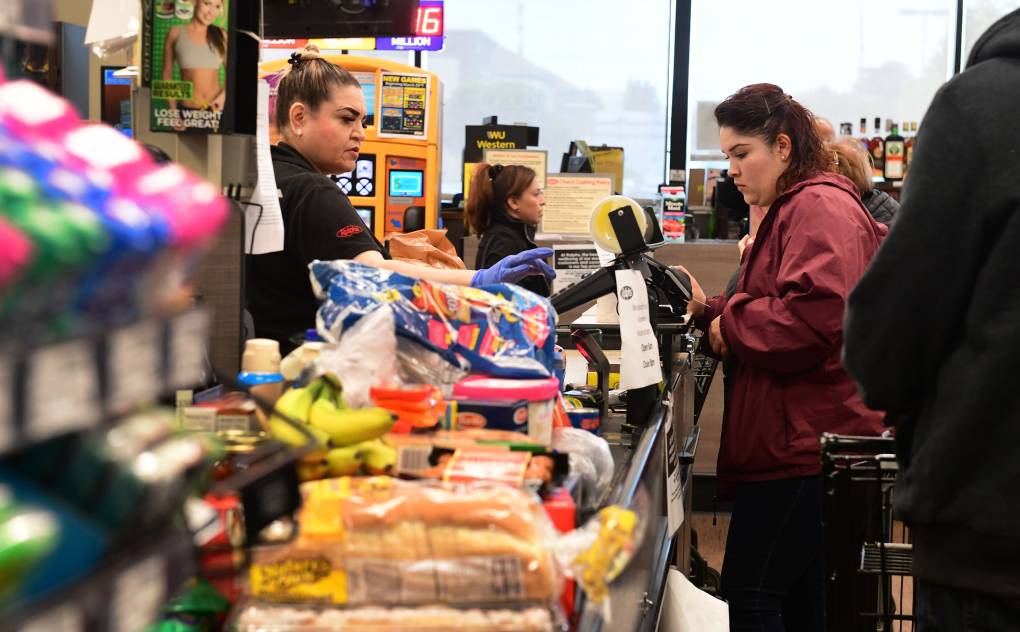
"caption": "Items piled high at the checkout counter of a Ralph's Supermarket in North Hollywood on March 19, 2020.",
"description": null,
"title": "US-HEALTH-VIRUS",
"credit": "Frederic J. Brown/AFP via Getty Images",
"status": "inherit",
"isLoading": false,
"fetchFailed": false
},
"news_11811298": {
"type": "attachments",
"id": "news_11811298",
"meta": {
"index": "attachments_1716263798",
"site": "news",
"id": "11811298",
"found": true
},
"parent": 11810607,
"imgSizes": {
"apple_news_ca_landscape_5_5": {
"file": "https://ww2.kqed.org/app/uploads/sites/10/2020/04/RS42583_003_KQED_SanFrancisco_Businesses_04072020-qut-1044x783.jpg",
"width": 1044,
"mimeType": "image/jpeg",
"height": 783
},
"apple_news_ca_square_4_0": {
"file": "https://ww2.kqed.org/app/uploads/sites/10/2020/04/RS42583_003_KQED_SanFrancisco_Businesses_04072020-qut-470x470.jpg",
"width": 470,
"mimeType": "image/jpeg",
"height": 470
},
"twentyfourteen-full-width": {
"file": "https://ww2.kqed.org/app/uploads/sites/10/2020/04/RS42583_003_KQED_SanFrancisco_Businesses_04072020-qut-1038x576.jpg",
"width": 1038,
"mimeType": "image/jpeg",
"height": 576
},
"thumbnail": {
"file": "https://ww2.kqed.org/app/uploads/sites/10/2020/04/RS42583_003_KQED_SanFrancisco_Businesses_04072020-qut-160x107.jpg",
"width": 160,
"mimeType": "image/jpeg",
"height": 107
},
"post-thumbnail": {
"file": "https://ww2.kqed.org/app/uploads/sites/10/2020/04/RS42583_003_KQED_SanFrancisco_Businesses_04072020-qut-672x372.jpg",
"width": 672,
"mimeType": "image/jpeg",
"height": 372
},
"kqedFullSize": {
"file": "https://ww2.kqed.org/app/uploads/sites/10/2020/04/RS42583_003_KQED_SanFrancisco_Businesses_04072020-qut.jpg",
"width": 1920,
"height": 1280
},
"apple_news_ca_landscape_4_7": {
"file": "https://ww2.kqed.org/app/uploads/sites/10/2020/04/RS42583_003_KQED_SanFrancisco_Businesses_04072020-qut-632x474.jpg",
"width": 632,
"mimeType": "image/jpeg",
"height": 474
},
"large": {
"file": "https://ww2.kqed.org/app/uploads/sites/10/2020/04/RS42583_003_KQED_SanFrancisco_Businesses_04072020-qut-1020x680.jpg",
"width": 1020,
"mimeType": "image/jpeg",
"height": 680
},
"apple_news_ca_landscape_4_0": {
"file": "https://ww2.kqed.org/app/uploads/sites/10/2020/04/RS42583_003_KQED_SanFrancisco_Businesses_04072020-qut-536x402.jpg",
"width": 536,
"mimeType": "image/jpeg",
"height": 402
},
"apple_news_ca_portrait_12_9": {
"file": "https://ww2.kqed.org/app/uploads/sites/10/2020/04/RS42583_003_KQED_SanFrancisco_Businesses_04072020-qut-1122x1280.jpg",
"width": 1122,
"mimeType": "image/jpeg",
"height": 1280
},
"medium": {
"file": "https://ww2.kqed.org/app/uploads/sites/10/2020/04/RS42583_003_KQED_SanFrancisco_Businesses_04072020-qut-800x533.jpg",
"width": 800,
"mimeType": "image/jpeg",
"height": 533
},
"apple_news_ca_portrait_4_0": {
"file": "https://ww2.kqed.org/app/uploads/sites/10/2020/04/RS42583_003_KQED_SanFrancisco_Businesses_04072020-qut-354x472.jpg",
"width": 354,
"mimeType": "image/jpeg",
"height": 472
},
"apple_news_ca_portrait_9_7": {
"file": "https://ww2.kqed.org/app/uploads/sites/10/2020/04/RS42583_003_KQED_SanFrancisco_Businesses_04072020-qut-840x1120.jpg",
"width": 840,
"mimeType": "image/jpeg",
"height": 1120
},
"apple_news_ca_landscape_12_9": {
"file": "https://ww2.kqed.org/app/uploads/sites/10/2020/04/RS42583_003_KQED_SanFrancisco_Businesses_04072020-qut-1832x1280.jpg",
"width": 1832,
"mimeType": "image/jpeg",
"height": 1280
},
"apple_news_ca_square_9_7": {
"file": "https://ww2.kqed.org/app/uploads/sites/10/2020/04/RS42583_003_KQED_SanFrancisco_Businesses_04072020-qut-1104x1104.jpg",
"width": 1104,
"mimeType": "image/jpeg",
"height": 1104
},
"apple_news_ca_portrait_4_7": {
"file": "https://ww2.kqed.org/app/uploads/sites/10/2020/04/RS42583_003_KQED_SanFrancisco_Businesses_04072020-qut-414x552.jpg",
"width": 414,
"mimeType": "image/jpeg",
"height": 552
},
"apple_news_ca_square_12_9": {
"file": "https://ww2.kqed.org/app/uploads/sites/10/2020/04/RS42583_003_KQED_SanFrancisco_Businesses_04072020-qut-1472x1280.jpg",
"width": 1472,
"mimeType": "image/jpeg",
"height": 1280
},
"apple_news_ca_portrait_5_5": {
"file": "https://ww2.kqed.org/app/uploads/sites/10/2020/04/RS42583_003_KQED_SanFrancisco_Businesses_04072020-qut-687x916.jpg",
"width": 687,
"mimeType": "image/jpeg",
"height": 916
},
"full-width": {
"file": "https://ww2.kqed.org/app/uploads/sites/10/2020/04/RS42583_003_KQED_SanFrancisco_Businesses_04072020-qut-1920x1280.jpg",
"width": 1920,
"mimeType": "image/jpeg",
"height": 1280
},
"apple_news_ca_square_4_7": {
"file": "https://ww2.kqed.org/app/uploads/sites/10/2020/04/RS42583_003_KQED_SanFrancisco_Businesses_04072020-qut-550x550.jpg",
"width": 550,
"mimeType": "image/jpeg",
"height": 550
},
"apple_news_ca_landscape_9_7": {
"file": "https://ww2.kqed.org/app/uploads/sites/10/2020/04/RS42583_003_KQED_SanFrancisco_Businesses_04072020-qut-1376x1032.jpg",
"width": 1376,
"mimeType": "image/jpeg",
"height": 1032
},
"apple_news_ca_square_5_5": {
"file": "https://ww2.kqed.org/app/uploads/sites/10/2020/04/RS42583_003_KQED_SanFrancisco_Businesses_04072020-qut-912x912.jpg",
"width": 912,
"mimeType": "image/jpeg",
"height": 912
}
},
"publishDate": 1586329710,
"modified": 1586379581,
"caption": "The Napper Tandy in San Francisco's Mission District on April 7, 2020, one of many local food establishments that has tried to stay open by offering to-go only service.",
"description": "The Napper Tandy in San Francisco's Mission District on April 7, 2020, one of many local food establishments that has tried to stay open by offering to-go only service.",
"title": "RS42583_003_KQED_SanFrancisco_Businesses_04072020-qut",
"credit": "Beth LaBerge/KQED",
"status": "inherit",
"isLoading": false,
"fetchFailed": false
},
"news_11794096": {
"type": "attachments",
"id": "news_11794096",
"meta": {
"index": "attachments_1716263798",
"site": "news",
"id": "11794096",
"found": true
},
"parent": 11794080,
"imgSizes": {
"apple_news_ca_landscape_5_5": {
"file": "https://ww2.kqed.org/app/uploads/sites/10/2020/01/21756476189_8638c82c19_o-1-1044x783.jpg",
"width": 1044,
"mimeType": "image/jpeg",
"height": 783
},
"apple_news_ca_square_4_0": {
"file": "https://ww2.kqed.org/app/uploads/sites/10/2020/01/21756476189_8638c82c19_o-1-470x470.jpg",
"width": 470,
"mimeType": "image/jpeg",
"height": 470
},
"twentyfourteen-full-width": {
"file": "https://ww2.kqed.org/app/uploads/sites/10/2020/01/21756476189_8638c82c19_o-1-1038x576.jpg",
"width": 1038,
"mimeType": "image/jpeg",
"height": 576
},
"thumbnail": {
"file": "https://ww2.kqed.org/app/uploads/sites/10/2020/01/21756476189_8638c82c19_o-1-160x90.jpg",
"width": 160,
"mimeType": "image/jpeg",
"height": 90
},
"post-thumbnail": {
"file": "https://ww2.kqed.org/app/uploads/sites/10/2020/01/21756476189_8638c82c19_o-1-672x372.jpg",
"width": 672,
"mimeType": "image/jpeg",
"height": 372
},
"kqedFullSize": {
"file": "https://ww2.kqed.org/app/uploads/sites/10/2020/01/21756476189_8638c82c19_o-1.jpg",
"width": 1920,
"height": 1080
},
"apple_news_ca_landscape_4_7": {
"file": "https://ww2.kqed.org/app/uploads/sites/10/2020/01/21756476189_8638c82c19_o-1-632x474.jpg",
"width": 632,
"mimeType": "image/jpeg",
"height": 474
},
"large": {
"file": "https://ww2.kqed.org/app/uploads/sites/10/2020/01/21756476189_8638c82c19_o-1-1020x574.jpg",
"width": 1020,
"mimeType": "image/jpeg",
"height": 574
},
"complete_open_graph": {
"file": "https://ww2.kqed.org/app/uploads/sites/10/2020/01/21756476189_8638c82c19_o-1-1200x675.jpg",
"width": 1200,
"mimeType": "image/jpeg",
"height": 675
},
"apple_news_ca_landscape_4_0": {
"file": "https://ww2.kqed.org/app/uploads/sites/10/2020/01/21756476189_8638c82c19_o-1-536x402.jpg",
"width": 536,
"mimeType": "image/jpeg",
"height": 402
},
"apple_news_ca_portrait_12_9": {
"file": "https://ww2.kqed.org/app/uploads/sites/10/2020/01/21756476189_8638c82c19_o-1-1122x1080.jpg",
"width": 1122,
"mimeType": "image/jpeg",
"height": 1080
},
"medium": {
"file": "https://ww2.kqed.org/app/uploads/sites/10/2020/01/21756476189_8638c82c19_o-1-800x450.jpg",
"width": 800,
"mimeType": "image/jpeg",
"height": 450
},
"apple_news_ca_portrait_4_0": {
"file": "https://ww2.kqed.org/app/uploads/sites/10/2020/01/21756476189_8638c82c19_o-1-354x472.jpg",
"width": 354,
"mimeType": "image/jpeg",
"height": 472
},
"apple_news_ca_portrait_9_7": {
"file": "https://ww2.kqed.org/app/uploads/sites/10/2020/01/21756476189_8638c82c19_o-1-840x1080.jpg",
"width": 840,
"mimeType": "image/jpeg",
"height": 1080
},
"apple_news_ca_landscape_12_9": {
"file": "https://ww2.kqed.org/app/uploads/sites/10/2020/01/21756476189_8638c82c19_o-1-1832x1080.jpg",
"width": 1832,
"mimeType": "image/jpeg",
"height": 1080
},
"apple_news_ca_square_9_7": {
"file": "https://ww2.kqed.org/app/uploads/sites/10/2020/01/21756476189_8638c82c19_o-1-1104x1080.jpg",
"width": 1104,
"mimeType": "image/jpeg",
"height": 1080
},
"apple_news_ca_portrait_4_7": {
"file": "https://ww2.kqed.org/app/uploads/sites/10/2020/01/21756476189_8638c82c19_o-1-414x552.jpg",
"width": 414,
"mimeType": "image/jpeg",
"height": 552
},
"apple_news_ca_square_12_9": {
"file": "https://ww2.kqed.org/app/uploads/sites/10/2020/01/21756476189_8638c82c19_o-1-1472x1080.jpg",
"width": 1472,
"mimeType": "image/jpeg",
"height": 1080
},
"apple_news_ca_portrait_5_5": {
"file": "https://ww2.kqed.org/app/uploads/sites/10/2020/01/21756476189_8638c82c19_o-1-687x916.jpg",
"width": 687,
"mimeType": "image/jpeg",
"height": 916
},
"full-width": {
"file": "https://ww2.kqed.org/app/uploads/sites/10/2020/01/21756476189_8638c82c19_o-1-1920x1080.jpg",
"width": 1920,
"mimeType": "image/jpeg",
"height": 1080
},
"apple_news_ca_square_4_7": {
"file": "https://ww2.kqed.org/app/uploads/sites/10/2020/01/21756476189_8638c82c19_o-1-550x550.jpg",
"width": 550,
"mimeType": "image/jpeg",
"height": 550
},
"apple_news_ca_landscape_9_7": {
"file": "https://ww2.kqed.org/app/uploads/sites/10/2020/01/21756476189_8638c82c19_o-1-1376x1032.jpg",
"width": 1376,
"mimeType": "image/jpeg",
"height": 1032
},
"apple_news_ca_square_5_5": {
"file": "https://ww2.kqed.org/app/uploads/sites/10/2020/01/21756476189_8638c82c19_o-1-912x912.jpg",
"width": 912,
"mimeType": "image/jpeg",
"height": 912
}
},
"publishDate": 1578254800,
"modified": 1586368656,
"caption": null,
"description": null,
"title": "21756476189_8638c82c19_o (1)",
"credit": "Jeff Turner/Flickr",
"status": "inherit",
"isLoading": false,
"fetchFailed": false
},
"news_11810710": {
"type": "attachments",
"id": "news_11810710",
"meta": {
"index": "attachments_1716263798",
"site": "news",
"id": "11810710",
"found": true
},
"parent": 11810709,
"imgSizes": {
"apple_news_ca_landscape_5_5": {
"file": "https://ww2.kqed.org/app/uploads/sites/10/2020/04/RS40607_GettyImages-1189643415-qut-1044x783.jpg",
"width": 1044,
"mimeType": "image/jpeg",
"height": 783
},
"apple_news_ca_square_4_0": {
"file": "https://ww2.kqed.org/app/uploads/sites/10/2020/04/RS40607_GettyImages-1189643415-qut-470x470.jpg",
"width": 470,
"mimeType": "image/jpeg",
"height": 470
},
"twentyfourteen-full-width": {
"file": "https://ww2.kqed.org/app/uploads/sites/10/2020/04/RS40607_GettyImages-1189643415-qut-1038x576.jpg",
"width": 1038,
"mimeType": "image/jpeg",
"height": 576
},
"thumbnail": {
"file": "https://ww2.kqed.org/app/uploads/sites/10/2020/04/RS40607_GettyImages-1189643415-qut-160x107.jpg",
"width": 160,
"mimeType": "image/jpeg",
"height": 107
},
"post-thumbnail": {
"file": "https://ww2.kqed.org/app/uploads/sites/10/2020/04/RS40607_GettyImages-1189643415-qut-672x372.jpg",
"width": 672,
"mimeType": "image/jpeg",
"height": 372
},
"kqedFullSize": {
"file": "https://ww2.kqed.org/app/uploads/sites/10/2020/04/RS40607_GettyImages-1189643415-qut.jpg",
"width": 1920,
"height": 1282
},
"apple_news_ca_landscape_4_7": {
"file": "https://ww2.kqed.org/app/uploads/sites/10/2020/04/RS40607_GettyImages-1189643415-qut-632x474.jpg",
"width": 632,
"mimeType": "image/jpeg",
"height": 474
},
"large": {
"file": "https://ww2.kqed.org/app/uploads/sites/10/2020/04/RS40607_GettyImages-1189643415-qut-1020x681.jpg",
"width": 1020,
"mimeType": "image/jpeg",
"height": 681
},
"apple_news_ca_landscape_4_0": {
"file": "https://ww2.kqed.org/app/uploads/sites/10/2020/04/RS40607_GettyImages-1189643415-qut-536x402.jpg",
"width": 536,
"mimeType": "image/jpeg",
"height": 402
},
"apple_news_ca_portrait_12_9": {
"file": "https://ww2.kqed.org/app/uploads/sites/10/2020/04/RS40607_GettyImages-1189643415-qut-1122x1282.jpg",
"width": 1122,
"mimeType": "image/jpeg",
"height": 1282
},
"medium": {
"file": "https://ww2.kqed.org/app/uploads/sites/10/2020/04/RS40607_GettyImages-1189643415-qut-800x534.jpg",
"width": 800,
"mimeType": "image/jpeg",
"height": 534
},
"apple_news_ca_portrait_4_0": {
"file": "https://ww2.kqed.org/app/uploads/sites/10/2020/04/RS40607_GettyImages-1189643415-qut-354x472.jpg",
"width": 354,
"mimeType": "image/jpeg",
"height": 472
},
"apple_news_ca_portrait_9_7": {
"file": "https://ww2.kqed.org/app/uploads/sites/10/2020/04/RS40607_GettyImages-1189643415-qut-840x1120.jpg",
"width": 840,
"mimeType": "image/jpeg",
"height": 1120
},
"apple_news_ca_landscape_12_9": {
"file": "https://ww2.kqed.org/app/uploads/sites/10/2020/04/RS40607_GettyImages-1189643415-qut-1832x1282.jpg",
"width": 1832,
"mimeType": "image/jpeg",
"height": 1282
},
"apple_news_ca_square_9_7": {
"file": "https://ww2.kqed.org/app/uploads/sites/10/2020/04/RS40607_GettyImages-1189643415-qut-1104x1104.jpg",
"width": 1104,
"mimeType": "image/jpeg",
"height": 1104
},
"apple_news_ca_portrait_4_7": {
"file": "https://ww2.kqed.org/app/uploads/sites/10/2020/04/RS40607_GettyImages-1189643415-qut-414x552.jpg",
"width": 414,
"mimeType": "image/jpeg",
"height": 552
},
"apple_news_ca_square_12_9": {
"file": "https://ww2.kqed.org/app/uploads/sites/10/2020/04/RS40607_GettyImages-1189643415-qut-1472x1282.jpg",
"width": 1472,
"mimeType": "image/jpeg",
"height": 1282
},
"apple_news_ca_portrait_5_5": {
"file": "https://ww2.kqed.org/app/uploads/sites/10/2020/04/RS40607_GettyImages-1189643415-qut-687x916.jpg",
"width": 687,
"mimeType": "image/jpeg",
"height": 916
},
"full-width": {
"file": "https://ww2.kqed.org/app/uploads/sites/10/2020/04/RS40607_GettyImages-1189643415-qut-1920x1282.jpg",
"width": 1920,
"mimeType": "image/jpeg",
"height": 1282
},
"apple_news_ca_square_4_7": {
"file": "https://ww2.kqed.org/app/uploads/sites/10/2020/04/RS40607_GettyImages-1189643415-qut-550x550.jpg",
"width": 550,
"mimeType": "image/jpeg",
"height": 550
},
"apple_news_ca_landscape_9_7": {
"file": "https://ww2.kqed.org/app/uploads/sites/10/2020/04/RS40607_GettyImages-1189643415-qut-1376x1032.jpg",
"width": 1376,
"mimeType": "image/jpeg",
"height": 1032
},
"apple_news_ca_square_5_5": {
"file": "https://ww2.kqed.org/app/uploads/sites/10/2020/04/RS40607_GettyImages-1189643415-qut-912x912.jpg",
"width": 912,
"mimeType": "image/jpeg",
"height": 912
}
},
"publishDate": 1586024850,
"modified": 1592927704,
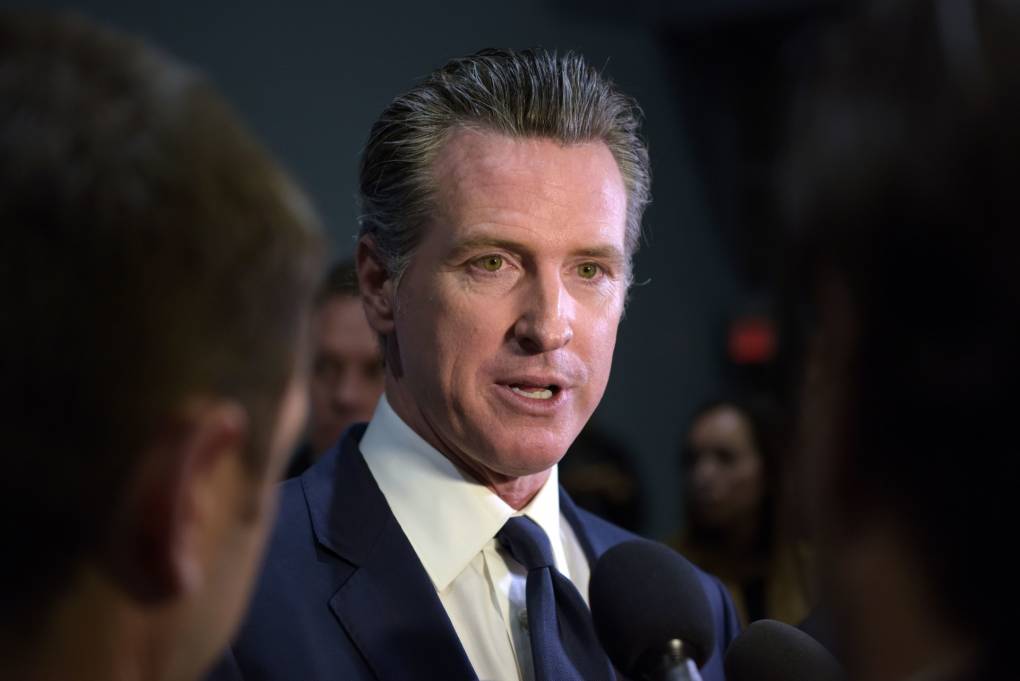
"caption": "'We feel a deep sense of gratitude for people that are in fear of deportation, but are still addressing the essential needs of tens of millions of Californians,' said Gov. Gavin Newsom during an April briefing on the coronavirus pandemic.",
"description": "'We feel a deep sense of gratitude for people that are in fear of deportation, but are still addressing the essential needs of tens of millions of Californians,' said Gov. Gavin Newsom during an April briefing on the coronavirus pandemic.",
"title": "US-VOTE-2020-DEMOCRATS-DEBATE",
"credit": "Agustin Paullier/AFP via Getty Images",
"status": "inherit",
"isLoading": false,
"fetchFailed": false
},
"news_11811235": {
"type": "attachments",
"id": "news_11811235",
"meta": {
"index": "attachments_1716263798",
"site": "news",
"id": "11811235",
"found": true
},
"parent": 11811220,
"imgSizes": {
"apple_news_ca_landscape_5_5": {
"file": "https://ww2.kqed.org/app/uploads/sites/10/2020/04/closed_040720_final-1044x783.png",
"width": 1044,
"mimeType": "image/png",
"height": 783
},
"apple_news_ca_square_4_0": {
"file": "https://ww2.kqed.org/app/uploads/sites/10/2020/04/closed_040720_final-470x470.png",
"width": 470,
"mimeType": "image/png",
"height": 470
},
"twentyfourteen-full-width": {
"file": "https://ww2.kqed.org/app/uploads/sites/10/2020/04/closed_040720_final-1038x576.png",
"width": 1038,
"mimeType": "image/png",
"height": 576
},
"thumbnail": {
"file": "https://ww2.kqed.org/app/uploads/sites/10/2020/04/closed_040720_final-160x111.png",
"width": 160,
"mimeType": "image/png",
"height": 111
},
"post-thumbnail": {
"file": "https://ww2.kqed.org/app/uploads/sites/10/2020/04/closed_040720_final-672x372.png",
"width": 672,
"mimeType": "image/png",
"height": 372
},
"kqedFullSize": {
"file": "https://ww2.kqed.org/app/uploads/sites/10/2020/04/closed_040720_final.png",
"width": 1920,
"height": 1328
},
"apple_news_ca_landscape_4_7": {
"file": "https://ww2.kqed.org/app/uploads/sites/10/2020/04/closed_040720_final-632x474.png",
"width": 632,
"mimeType": "image/png",
"height": 474
},
"large": {
"file": "https://ww2.kqed.org/app/uploads/sites/10/2020/04/closed_040720_final-1020x706.png",
"width": 1020,
"mimeType": "image/png",
"height": 706
},
"apple_news_ca_landscape_4_0": {
"file": "https://ww2.kqed.org/app/uploads/sites/10/2020/04/closed_040720_final-536x402.png",
"width": 536,
"mimeType": "image/png",
"height": 402
},
"apple_news_ca_portrait_12_9": {
"file": "https://ww2.kqed.org/app/uploads/sites/10/2020/04/closed_040720_final-1122x1328.png",
"width": 1122,
"mimeType": "image/png",
"height": 1328
},
"medium": {
"file": "https://ww2.kqed.org/app/uploads/sites/10/2020/04/closed_040720_final-800x553.png",
"width": 800,
"mimeType": "image/png",
"height": 553
},
"apple_news_ca_portrait_4_0": {
"file": "https://ww2.kqed.org/app/uploads/sites/10/2020/04/closed_040720_final-354x472.png",
"width": 354,
"mimeType": "image/png",
"height": 472
},
"apple_news_ca_portrait_9_7": {
"file": "https://ww2.kqed.org/app/uploads/sites/10/2020/04/closed_040720_final-840x1120.png",
"width": 840,
"mimeType": "image/png",
"height": 1120
},
"apple_news_ca_landscape_12_9": {
"file": "https://ww2.kqed.org/app/uploads/sites/10/2020/04/closed_040720_final-1832x1328.png",
"width": 1832,
"mimeType": "image/png",
"height": 1328
},
"apple_news_ca_square_9_7": {
"file": "https://ww2.kqed.org/app/uploads/sites/10/2020/04/closed_040720_final-1104x1104.png",
"width": 1104,
"mimeType": "image/png",
"height": 1104
},
"apple_news_ca_portrait_4_7": {
"file": "https://ww2.kqed.org/app/uploads/sites/10/2020/04/closed_040720_final-414x552.png",
"width": 414,
"mimeType": "image/png",
"height": 552
},
"apple_news_ca_square_12_9": {
"file": "https://ww2.kqed.org/app/uploads/sites/10/2020/04/closed_040720_final-1472x1328.png",
"width": 1472,
"mimeType": "image/png",
"height": 1328
},
"apple_news_ca_portrait_5_5": {
"file": "https://ww2.kqed.org/app/uploads/sites/10/2020/04/closed_040720_final-687x916.png",
"width": 687,
"mimeType": "image/png",
"height": 916
},
"full-width": {
"file": "https://ww2.kqed.org/app/uploads/sites/10/2020/04/closed_040720_final-1920x1328.png",
"width": 1920,
"mimeType": "image/png",
"height": 1328
},
"apple_news_ca_square_4_7": {
"file": "https://ww2.kqed.org/app/uploads/sites/10/2020/04/closed_040720_final-550x550.png",
"width": 550,
"mimeType": "image/png",
"height": 550
},
"apple_news_ca_landscape_9_7": {
"file": "https://ww2.kqed.org/app/uploads/sites/10/2020/04/closed_040720_final-1376x1032.png",
"width": 1376,
"mimeType": "image/png",
"height": 1032
},
"apple_news_ca_square_5_5": {
"file": "https://ww2.kqed.org/app/uploads/sites/10/2020/04/closed_040720_final-912x912.png",
"width": 912,
"mimeType": "image/png",
"height": 912
}
},
"publishDate": 1586306022,
"modified": 1586306059,
"caption": null,
"description": null,
"title": "closed_040720_final",
"credit": null,
"status": "inherit",
"isLoading": false,
"fetchFailed": false
},
"news_11811206": {
"type": "attachments",
"id": "news_11811206",
"meta": {
"index": "attachments_1716263798",
"site": "news",
"id": "11811206",
"found": true
},
"parent": 11811154,
"imgSizes": {
"apple_news_ca_square_4_0": {
"file": "https://ww2.kqed.org/app/uploads/sites/10/2020/04/GettyImages-1215224846-470x470.jpg",
"width": 470,
"mimeType": "image/jpeg",
"height": 470
},
"twentyfourteen-full-width": {
"file": "https://ww2.kqed.org/app/uploads/sites/10/2020/04/GettyImages-1215224846-1024x576.jpg",
"width": 1024,
"mimeType": "image/jpeg",
"height": 576
},
"thumbnail": {
"file": "https://ww2.kqed.org/app/uploads/sites/10/2020/04/GettyImages-1215224846-160x107.jpg",
"width": 160,
"mimeType": "image/jpeg",
"height": 107
},
"post-thumbnail": {
"file": "https://ww2.kqed.org/app/uploads/sites/10/2020/04/GettyImages-1215224846-672x372.jpg",
"width": 672,
"mimeType": "image/jpeg",
"height": 372
},
"kqedFullSize": {
"file": "https://ww2.kqed.org/app/uploads/sites/10/2020/04/GettyImages-1215224846.jpg",
"width": 1024,
"height": 683
},
"apple_news_ca_landscape_4_7": {
"file": "https://ww2.kqed.org/app/uploads/sites/10/2020/04/GettyImages-1215224846-632x474.jpg",
"width": 632,
"mimeType": "image/jpeg",
"height": 474
},
"large": {
"file": "https://ww2.kqed.org/app/uploads/sites/10/2020/04/GettyImages-1215224846-1020x680.jpg",
"width": 1020,
"mimeType": "image/jpeg",
"height": 680
},
"apple_news_ca_landscape_4_0": {
"file": "https://ww2.kqed.org/app/uploads/sites/10/2020/04/GettyImages-1215224846-536x402.jpg",
"width": 536,
"mimeType": "image/jpeg",
"height": 402
},
"medium": {
"file": "https://ww2.kqed.org/app/uploads/sites/10/2020/04/GettyImages-1215224846-800x534.jpg",
"width": 800,
"mimeType": "image/jpeg",
"height": 534
},
"apple_news_ca_portrait_4_0": {
"file": "https://ww2.kqed.org/app/uploads/sites/10/2020/04/GettyImages-1215224846-354x472.jpg",
"width": 354,
"mimeType": "image/jpeg",
"height": 472
},
"apple_news_ca_portrait_9_7": {
"file": "https://ww2.kqed.org/app/uploads/sites/10/2020/04/GettyImages-1215224846-840x683.jpg",
"width": 840,
"mimeType": "image/jpeg",
"height": 683
},
"apple_news_ca_portrait_4_7": {
"file": "https://ww2.kqed.org/app/uploads/sites/10/2020/04/GettyImages-1215224846-414x552.jpg",
"width": 414,
"mimeType": "image/jpeg",
"height": 552
},
"apple_news_ca_portrait_5_5": {
"file": "https://ww2.kqed.org/app/uploads/sites/10/2020/04/GettyImages-1215224846-687x683.jpg",
"width": 687,
"mimeType": "image/jpeg",
"height": 683
},
"apple_news_ca_square_4_7": {
"file": "https://ww2.kqed.org/app/uploads/sites/10/2020/04/GettyImages-1215224846-550x550.jpg",
"width": 550,
"mimeType": "image/jpeg",
"height": 550
},
"apple_news_ca_square_5_5": {
"file": "https://ww2.kqed.org/app/uploads/sites/10/2020/04/GettyImages-1215224846-912x683.jpg",
"width": 912,
"mimeType": "image/jpeg",
"height": 683
}
},
"publishDate": 1586303978,
"modified": 1586304630,
"caption": "Gov. Gavin Newsom speaks in front of the hospital ship USNS Mercy that arrived into the Port of Los Angeles on Friday, March 27, 2020, to provide relief for area hospitals overwhelmed by the coronavirus pandemic. He was joined by Cal OES Director Mark Ghilarducci, left, Los Angeles Mayor Eric Garcetti, second from right, and state Secretary of Health and Human Services Dr. Mark Ghaly, far right.",
"description": null,
"title": "Hospital Ship USNS Mercy Arrives at the Port of Los Angeles",
"credit": "Carolyn Cole-Pool/Getty Images",
"status": "inherit",
"isLoading": false,
"fetchFailed": false
},
"news_11811146": {
"type": "attachments",
"id": "news_11811146",
"meta": {
"index": "attachments_1716263798",
"site": "news",
"id": "11811146",
"found": true
},
"parent": 11811110,
"imgSizes": {
"apple_news_ca_landscape_5_5": {
"file": "https://ww2.kqed.org/app/uploads/sites/10/2020/04/Golden-Gate-Park-Walk-Social-Distancing-1044x783.jpg",
"width": 1044,
"mimeType": "image/jpeg",
"height": 783
},
"apple_news_ca_square_4_0": {
"file": "https://ww2.kqed.org/app/uploads/sites/10/2020/04/Golden-Gate-Park-Walk-Social-Distancing-470x470.jpg",
"width": 470,
"mimeType": "image/jpeg",
"height": 470
},
"twentyfourteen-full-width": {
"file": "https://ww2.kqed.org/app/uploads/sites/10/2020/04/Golden-Gate-Park-Walk-Social-Distancing-1038x576.jpg",
"width": 1038,
"mimeType": "image/jpeg",
"height": 576
},
"thumbnail": {
"file": "https://ww2.kqed.org/app/uploads/sites/10/2020/04/Golden-Gate-Park-Walk-Social-Distancing-160x107.jpg",
"width": 160,
"mimeType": "image/jpeg",
"height": 107
},
"post-thumbnail": {
"file": "https://ww2.kqed.org/app/uploads/sites/10/2020/04/Golden-Gate-Park-Walk-Social-Distancing-672x372.jpg",
"width": 672,
"mimeType": "image/jpeg",
"height": 372
},
"kqedFullSize": {
"file": "https://ww2.kqed.org/app/uploads/sites/10/2020/04/Golden-Gate-Park-Walk-Social-Distancing.jpg",
"width": 1920,
"height": 1280
},
"apple_news_ca_landscape_4_7": {
"file": "https://ww2.kqed.org/app/uploads/sites/10/2020/04/Golden-Gate-Park-Walk-Social-Distancing-632x474.jpg",
"width": 632,
"mimeType": "image/jpeg",
"height": 474
},
"large": {
"file": "https://ww2.kqed.org/app/uploads/sites/10/2020/04/Golden-Gate-Park-Walk-Social-Distancing-1020x680.jpg",
"width": 1020,
"mimeType": "image/jpeg",
"height": 680
},
"apple_news_ca_landscape_4_0": {
"file": "https://ww2.kqed.org/app/uploads/sites/10/2020/04/Golden-Gate-Park-Walk-Social-Distancing-536x402.jpg",
"width": 536,
"mimeType": "image/jpeg",
"height": 402
},
"apple_news_ca_portrait_12_9": {
"file": "https://ww2.kqed.org/app/uploads/sites/10/2020/04/Golden-Gate-Park-Walk-Social-Distancing-1122x1280.jpg",
"width": 1122,
"mimeType": "image/jpeg",
"height": 1280
},
"medium": {
"file": "https://ww2.kqed.org/app/uploads/sites/10/2020/04/Golden-Gate-Park-Walk-Social-Distancing-800x533.jpg",
"width": 800,
"mimeType": "image/jpeg",
"height": 533
},
"apple_news_ca_portrait_4_0": {
"file": "https://ww2.kqed.org/app/uploads/sites/10/2020/04/Golden-Gate-Park-Walk-Social-Distancing-354x472.jpg",
"width": 354,
"mimeType": "image/jpeg",
"height": 472
},
"apple_news_ca_portrait_9_7": {
"file": "https://ww2.kqed.org/app/uploads/sites/10/2020/04/Golden-Gate-Park-Walk-Social-Distancing-840x1120.jpg",
"width": 840,
"mimeType": "image/jpeg",
"height": 1120
},
"apple_news_ca_landscape_12_9": {
"file": "https://ww2.kqed.org/app/uploads/sites/10/2020/04/Golden-Gate-Park-Walk-Social-Distancing-1832x1280.jpg",
"width": 1832,
"mimeType": "image/jpeg",
"height": 1280
},
"apple_news_ca_square_9_7": {
"file": "https://ww2.kqed.org/app/uploads/sites/10/2020/04/Golden-Gate-Park-Walk-Social-Distancing-1104x1104.jpg",
"width": 1104,
"mimeType": "image/jpeg",
"height": 1104
},
"apple_news_ca_portrait_4_7": {
"file": "https://ww2.kqed.org/app/uploads/sites/10/2020/04/Golden-Gate-Park-Walk-Social-Distancing-414x552.jpg",
"width": 414,
"mimeType": "image/jpeg",
"height": 552
},
"apple_news_ca_square_12_9": {
"file": "https://ww2.kqed.org/app/uploads/sites/10/2020/04/Golden-Gate-Park-Walk-Social-Distancing-1472x1280.jpg",
"width": 1472,
"mimeType": "image/jpeg",
"height": 1280
},
"apple_news_ca_portrait_5_5": {
"file": "https://ww2.kqed.org/app/uploads/sites/10/2020/04/Golden-Gate-Park-Walk-Social-Distancing-687x916.jpg",
"width": 687,
"mimeType": "image/jpeg",
"height": 916
},
"full-width": {
"file": "https://ww2.kqed.org/app/uploads/sites/10/2020/04/Golden-Gate-Park-Walk-Social-Distancing-1920x1280.jpg",
"width": 1920,
"mimeType": "image/jpeg",
"height": 1280
},
"apple_news_ca_square_4_7": {
"file": "https://ww2.kqed.org/app/uploads/sites/10/2020/04/Golden-Gate-Park-Walk-Social-Distancing-550x550.jpg",
"width": 550,
"mimeType": "image/jpeg",
"height": 550
},
"apple_news_ca_landscape_9_7": {
"file": "https://ww2.kqed.org/app/uploads/sites/10/2020/04/Golden-Gate-Park-Walk-Social-Distancing-1376x1032.jpg",
"width": 1376,
"mimeType": "image/jpeg",
"height": 1032
},
"apple_news_ca_square_5_5": {
"file": "https://ww2.kqed.org/app/uploads/sites/10/2020/04/Golden-Gate-Park-Walk-Social-Distancing-912x912.jpg",
"width": 912,
"mimeType": "image/jpeg",
"height": 912
}
},
"publishDate": 1586298387,
"modified": 1586298625,
"caption": "State Surgeon General Nadine Burke Harris urged Californians to eat right and get some outdoor exercise to reduce mental stress - while practicing good social distancing, of course.",
"description": "State Surgeon General Nadine Burke Harris urged Californians to eat right and get some outdoor exercise to reduce mental stress - while practicing good social distancing, of course.",
"title": "Golden-Gate-Park-Walk-Social-Distancing",
"credit": "Beth LaBerge/KQED",
"status": "inherit",
"isLoading": false,
"fetchFailed": false
},
"news_11810990": {
"type": "attachments",
"id": "news_11810990",
"meta": {
"index": "attachments_1716263798",
"site": "news",
"id": "11810990",
"found": true
},
"parent": 11810988,
"imgSizes": {
"apple_news_ca_landscape_5_5": {
"file": "https://ww2.kqed.org/app/uploads/sites/10/2020/04/SadiaKhan1-1044x783.jpg",
"width": 1044,
"mimeType": "image/jpeg",
"height": 783
},
"apple_news_ca_square_4_0": {
"file": "https://ww2.kqed.org/app/uploads/sites/10/2020/04/SadiaKhan1-470x470.jpg",
"width": 470,
"mimeType": "image/jpeg",
"height": 470
},
"twentyfourteen-full-width": {
"file": "https://ww2.kqed.org/app/uploads/sites/10/2020/04/SadiaKhan1-1038x576.jpg",
"width": 1038,
"mimeType": "image/jpeg",
"height": 576
},
"thumbnail": {
"file": "https://ww2.kqed.org/app/uploads/sites/10/2020/04/SadiaKhan1-160x120.jpg",
"width": 160,
"mimeType": "image/jpeg",
"height": 120
},
"post-thumbnail": {
"file": "https://ww2.kqed.org/app/uploads/sites/10/2020/04/SadiaKhan1-672x372.jpg",
"width": 672,
"mimeType": "image/jpeg",
"height": 372
},
"kqedFullSize": {
"file": "https://ww2.kqed.org/app/uploads/sites/10/2020/04/SadiaKhan1-e1586286132236.jpg",
"width": 1920,
"height": 1440
},
"apple_news_ca_landscape_4_7": {
"file": "https://ww2.kqed.org/app/uploads/sites/10/2020/04/SadiaKhan1-632x474.jpg",
"width": 632,
"mimeType": "image/jpeg",
"height": 474
},
"large": {
"file": "https://ww2.kqed.org/app/uploads/sites/10/2020/04/SadiaKhan1-1020x765.jpg",
"width": 1020,
"mimeType": "image/jpeg",
"height": 765
},
"apple_news_ca_landscape_4_0": {
"file": "https://ww2.kqed.org/app/uploads/sites/10/2020/04/SadiaKhan1-536x402.jpg",
"width": 536,
"mimeType": "image/jpeg",
"height": 402
},
"apple_news_ca_portrait_12_9": {
"file": "https://ww2.kqed.org/app/uploads/sites/10/2020/04/SadiaKhan1-1122x1496.jpg",
"width": 1122,
"mimeType": "image/jpeg",
"height": 1496
},
"medium": {
"file": "https://ww2.kqed.org/app/uploads/sites/10/2020/04/SadiaKhan1-800x600.jpg",
"width": 800,
"mimeType": "image/jpeg",
"height": 600
},
"apple_news_ca_portrait_4_0": {
"file": "https://ww2.kqed.org/app/uploads/sites/10/2020/04/SadiaKhan1-354x472.jpg",
"width": 354,
"mimeType": "image/jpeg",
"height": 472
},
"apple_news_ca_portrait_9_7": {
"file": "https://ww2.kqed.org/app/uploads/sites/10/2020/04/SadiaKhan1-840x1120.jpg",
"width": 840,
"mimeType": "image/jpeg",
"height": 1120
},
"apple_news_ca_landscape_12_9": {
"file": "https://ww2.kqed.org/app/uploads/sites/10/2020/04/SadiaKhan1-1832x1374.jpg",
"width": 1832,
"mimeType": "image/jpeg",
"height": 1374
},
"apple_news_ca_square_9_7": {
"file": "https://ww2.kqed.org/app/uploads/sites/10/2020/04/SadiaKhan1-1104x1104.jpg",
"width": 1104,
"mimeType": "image/jpeg",
"height": 1104
},
"apple_news_ca_portrait_4_7": {
"file": "https://ww2.kqed.org/app/uploads/sites/10/2020/04/SadiaKhan1-414x552.jpg",
"width": 414,
"mimeType": "image/jpeg",
"height": 552
},
"apple_news_ca_square_12_9": {
"file": "https://ww2.kqed.org/app/uploads/sites/10/2020/04/SadiaKhan1-1472x1472.jpg",
"width": 1472,
"mimeType": "image/jpeg",
"height": 1472
},
"apple_news_ca_portrait_5_5": {
"file": "https://ww2.kqed.org/app/uploads/sites/10/2020/04/SadiaKhan1-687x916.jpg",
"width": 687,
"mimeType": "image/jpeg",
"height": 916
},
"full-width": {
"file": "https://ww2.kqed.org/app/uploads/sites/10/2020/04/SadiaKhan1-1920x1440.jpg",
"width": 1920,
"mimeType": "image/jpeg",
"height": 1440
},
"apple_news_ca_square_4_7": {
"file": "https://ww2.kqed.org/app/uploads/sites/10/2020/04/SadiaKhan1-550x550.jpg",
"width": 550,
"mimeType": "image/jpeg",
"height": 550
},
"apple_news_ca_landscape_9_7": {
"file": "https://ww2.kqed.org/app/uploads/sites/10/2020/04/SadiaKhan1-1376x1032.jpg",
"width": 1376,
"mimeType": "image/jpeg",
"height": 1032
},
"apple_news_ca_square_5_5": {
"file": "https://ww2.kqed.org/app/uploads/sites/10/2020/04/SadiaKhan1-912x912.jpg",
"width": 912,
"mimeType": "image/jpeg",
"height": 912
}
},
"publishDate": 1586222412,
"modified": 1586286127,
"caption": "Sadia Khan with her son, Hashim, outside their apartment in University Village. \n\n",
"description": null,
"title": "SadiaKhan1",
"credit": "Vanessa Rancaño/KQED ",
"status": "inherit",
"isLoading": false,
"fetchFailed": false
},
"news_11810996": {
"type": "attachments",
"id": "news_11810996",
"meta": {
"index": "attachments_1716263798",
"site": "news",
"id": "11810996",
"found": true
},
"parent": 11810956,
"imgSizes": {
"apple_news_ca_landscape_5_5": {
"file": "https://ww2.kqed.org/app/uploads/sites/10/2020/04/016_KQED_SanFrancisco_JanitorProtest_04062020-1044x783.jpg",
"width": 1044,
"mimeType": "image/jpeg",
"height": 783
},
"apple_news_ca_square_4_0": {
"file": "https://ww2.kqed.org/app/uploads/sites/10/2020/04/016_KQED_SanFrancisco_JanitorProtest_04062020-470x470.jpg",
"width": 470,
"mimeType": "image/jpeg",
"height": 470
},
"twentyfourteen-full-width": {
"file": "https://ww2.kqed.org/app/uploads/sites/10/2020/04/016_KQED_SanFrancisco_JanitorProtest_04062020-1038x576.jpg",
"width": 1038,
"mimeType": "image/jpeg",
"height": 576
},
"thumbnail": {
"file": "https://ww2.kqed.org/app/uploads/sites/10/2020/04/016_KQED_SanFrancisco_JanitorProtest_04062020-160x107.jpg",
"width": 160,
"mimeType": "image/jpeg",
"height": 107
},
"post-thumbnail": {
"file": "https://ww2.kqed.org/app/uploads/sites/10/2020/04/016_KQED_SanFrancisco_JanitorProtest_04062020-672x372.jpg",
"width": 672,
"mimeType": "image/jpeg",
"height": 372
},
"kqedFullSize": {
"file": "https://ww2.kqed.org/app/uploads/sites/10/2020/04/016_KQED_SanFrancisco_JanitorProtest_04062020.jpg",
"width": 1920,
"height": 1280
},
"apple_news_ca_landscape_4_7": {
"file": "https://ww2.kqed.org/app/uploads/sites/10/2020/04/016_KQED_SanFrancisco_JanitorProtest_04062020-632x474.jpg",
"width": 632,
"mimeType": "image/jpeg",
"height": 474
},
"large": {
"file": "https://ww2.kqed.org/app/uploads/sites/10/2020/04/016_KQED_SanFrancisco_JanitorProtest_04062020-1020x680.jpg",
"width": 1020,
"mimeType": "image/jpeg",
"height": 680
},
"apple_news_ca_landscape_4_0": {
"file": "https://ww2.kqed.org/app/uploads/sites/10/2020/04/016_KQED_SanFrancisco_JanitorProtest_04062020-536x402.jpg",
"width": 536,
"mimeType": "image/jpeg",
"height": 402
},
"apple_news_ca_portrait_12_9": {
"file": "https://ww2.kqed.org/app/uploads/sites/10/2020/04/016_KQED_SanFrancisco_JanitorProtest_04062020-1122x1280.jpg",
"width": 1122,
"mimeType": "image/jpeg",
"height": 1280
},
"medium": {
"file": "https://ww2.kqed.org/app/uploads/sites/10/2020/04/016_KQED_SanFrancisco_JanitorProtest_04062020-800x533.jpg",
"width": 800,
"mimeType": "image/jpeg",
"height": 533
},
"apple_news_ca_portrait_4_0": {
"file": "https://ww2.kqed.org/app/uploads/sites/10/2020/04/016_KQED_SanFrancisco_JanitorProtest_04062020-354x472.jpg",
"width": 354,
"mimeType": "image/jpeg",
"height": 472
},
"apple_news_ca_portrait_9_7": {
"file": "https://ww2.kqed.org/app/uploads/sites/10/2020/04/016_KQED_SanFrancisco_JanitorProtest_04062020-840x1120.jpg",
"width": 840,
"mimeType": "image/jpeg",
"height": 1120
},
"apple_news_ca_landscape_12_9": {
"file": "https://ww2.kqed.org/app/uploads/sites/10/2020/04/016_KQED_SanFrancisco_JanitorProtest_04062020-1832x1280.jpg",
"width": 1832,
"mimeType": "image/jpeg",
"height": 1280
},
"apple_news_ca_square_9_7": {
"file": "https://ww2.kqed.org/app/uploads/sites/10/2020/04/016_KQED_SanFrancisco_JanitorProtest_04062020-1104x1104.jpg",
"width": 1104,
"mimeType": "image/jpeg",
"height": 1104
},
"apple_news_ca_portrait_4_7": {
"file": "https://ww2.kqed.org/app/uploads/sites/10/2020/04/016_KQED_SanFrancisco_JanitorProtest_04062020-414x552.jpg",
"width": 414,
"mimeType": "image/jpeg",
"height": 552
},
"apple_news_ca_square_12_9": {
"file": "https://ww2.kqed.org/app/uploads/sites/10/2020/04/016_KQED_SanFrancisco_JanitorProtest_04062020-1472x1280.jpg",
"width": 1472,
"mimeType": "image/jpeg",
"height": 1280
},
"apple_news_ca_portrait_5_5": {
"file": "https://ww2.kqed.org/app/uploads/sites/10/2020/04/016_KQED_SanFrancisco_JanitorProtest_04062020-687x916.jpg",
"width": 687,
"mimeType": "image/jpeg",
"height": 916
},
"full-width": {
"file": "https://ww2.kqed.org/app/uploads/sites/10/2020/04/016_KQED_SanFrancisco_JanitorProtest_04062020-1920x1280.jpg",
"width": 1920,
"mimeType": "image/jpeg",
"height": 1280
},
"apple_news_ca_square_4_7": {
"file": "https://ww2.kqed.org/app/uploads/sites/10/2020/04/016_KQED_SanFrancisco_JanitorProtest_04062020-550x550.jpg",
"width": 550,
"mimeType": "image/jpeg",
"height": 550
},
"apple_news_ca_landscape_9_7": {
"file": "https://ww2.kqed.org/app/uploads/sites/10/2020/04/016_KQED_SanFrancisco_JanitorProtest_04062020-1376x1032.jpg",
"width": 1376,
"mimeType": "image/jpeg",
"height": 1032
},
"apple_news_ca_square_5_5": {
"file": "https://ww2.kqed.org/app/uploads/sites/10/2020/04/016_KQED_SanFrancisco_JanitorProtest_04062020-912x912.jpg",
"width": 912,
"mimeType": "image/jpeg",
"height": 912
}
},
"publishDate": 1586223056,
"modified": 1586223430,
"caption": "Janitors and their families protest outside of Lyft headquarters on April 6, 2020.",
"description": "Janitors and their families protest outside of Lyft headquarters on April 6, 2020.",
"title": "Janitor Protest Lyft Headquarters",
"credit": "Beth LaBerge/KQED",
"status": "inherit",
"isLoading": false,
"fetchFailed": false
},
"news_11809882": {
"type": "attachments",
"id": "news_11809882",
"meta": {
"index": "attachments_1716263798",
"site": "news",
"id": "11809882",
"found": true
},
"parent": 11809880,
"imgSizes": {
"apple_news_ca_landscape_5_5": {
"file": "https://ww2.kqed.org/app/uploads/sites/10/2020/04/RS612_foreclosure20120511-1044x783.jpg",
"width": 1044,
"mimeType": "image/jpeg",
"height": 783
},
"apple_news_ca_square_4_0": {
"file": "https://ww2.kqed.org/app/uploads/sites/10/2020/04/RS612_foreclosure20120511-470x470.jpg",
"width": 470,
"mimeType": "image/jpeg",
"height": 470
},
"twentyfourteen-full-width": {
"file": "https://ww2.kqed.org/app/uploads/sites/10/2020/04/RS612_foreclosure20120511-1038x576.jpg",
"width": 1038,
"mimeType": "image/jpeg",
"height": 576
},
"thumbnail": {
"file": "https://ww2.kqed.org/app/uploads/sites/10/2020/04/RS612_foreclosure20120511-160x105.jpg",
"width": 160,
"mimeType": "image/jpeg",
"height": 105
},
"post-thumbnail": {
"file": "https://ww2.kqed.org/app/uploads/sites/10/2020/04/RS612_foreclosure20120511-672x372.jpg",
"width": 672,
"mimeType": "image/jpeg",
"height": 372
},
"kqedFullSize": {
"file": "https://ww2.kqed.org/app/uploads/sites/10/2020/04/RS612_foreclosure20120511.jpg",
"width": 3000,
"height": 1960
},
"apple_news_ca_landscape_4_7": {
"file": "https://ww2.kqed.org/app/uploads/sites/10/2020/04/RS612_foreclosure20120511-632x474.jpg",
"width": 632,
"mimeType": "image/jpeg",
"height": 474
},
"large": {
"file": "https://ww2.kqed.org/app/uploads/sites/10/2020/04/RS612_foreclosure20120511-1020x666.jpg",
"width": 1020,
"mimeType": "image/jpeg",
"height": 666
},
"apple_news_ca_landscape_4_0": {
"file": "https://ww2.kqed.org/app/uploads/sites/10/2020/04/RS612_foreclosure20120511-536x402.jpg",
"width": 536,
"mimeType": "image/jpeg",
"height": 402
},
"apple_news_ca_portrait_12_9": {
"file": "https://ww2.kqed.org/app/uploads/sites/10/2020/04/RS612_foreclosure20120511-1122x1496.jpg",
"width": 1122,
"mimeType": "image/jpeg",
"height": 1496
},
"medium": {
"file": "https://ww2.kqed.org/app/uploads/sites/10/2020/04/RS612_foreclosure20120511-800x523.jpg",
"width": 800,
"mimeType": "image/jpeg",
"height": 523
},
"apple_news_ca_portrait_4_0": {
"file": "https://ww2.kqed.org/app/uploads/sites/10/2020/04/RS612_foreclosure20120511-354x472.jpg",
"width": 354,
"mimeType": "image/jpeg",
"height": 472
},
"apple_news_ca_portrait_9_7": {
"file": "https://ww2.kqed.org/app/uploads/sites/10/2020/04/RS612_foreclosure20120511-840x1120.jpg",
"width": 840,
"mimeType": "image/jpeg",
"height": 1120
},
"apple_news_ca_landscape_12_9": {
"file": "https://ww2.kqed.org/app/uploads/sites/10/2020/04/RS612_foreclosure20120511-1832x1374.jpg",
"width": 1832,
"mimeType": "image/jpeg",
"height": 1374
},
"apple_news_ca_square_9_7": {
"file": "https://ww2.kqed.org/app/uploads/sites/10/2020/04/RS612_foreclosure20120511-1104x1104.jpg",
"width": 1104,
"mimeType": "image/jpeg",
"height": 1104
},
"apple_news_ca_portrait_4_7": {
"file": "https://ww2.kqed.org/app/uploads/sites/10/2020/04/RS612_foreclosure20120511-414x552.jpg",
"width": 414,
"mimeType": "image/jpeg",
"height": 552
},
"apple_news_ca_square_12_9": {
"file": "https://ww2.kqed.org/app/uploads/sites/10/2020/04/RS612_foreclosure20120511-1472x1472.jpg",
"width": 1472,
"mimeType": "image/jpeg",
"height": 1472
},
"apple_news_ca_portrait_5_5": {
"file": "https://ww2.kqed.org/app/uploads/sites/10/2020/04/RS612_foreclosure20120511-687x916.jpg",
"width": 687,
"mimeType": "image/jpeg",
"height": 916
},
"full-width": {
"file": "https://ww2.kqed.org/app/uploads/sites/10/2020/04/RS612_foreclosure20120511-1920x1254.jpg",
"width": 1920,
"mimeType": "image/jpeg",
"height": 1254
},
"apple_news_ca_square_4_7": {
"file": "https://ww2.kqed.org/app/uploads/sites/10/2020/04/RS612_foreclosure20120511-550x550.jpg",
"width": 550,
"mimeType": "image/jpeg",
"height": 550
},
"apple_news_ca_landscape_9_7": {
"file": "https://ww2.kqed.org/app/uploads/sites/10/2020/04/RS612_foreclosure20120511-1376x1032.jpg",
"width": 1376,
"mimeType": "image/jpeg",
"height": 1032
},
"apple_news_ca_square_5_5": {
"file": "https://ww2.kqed.org/app/uploads/sites/10/2020/04/RS612_foreclosure20120511-912x912.jpg",
"width": 912,
"mimeType": "image/jpeg",
"height": 912
}
},
"publishDate": 1585690423,
"modified": 1632510715,
"caption": "Gov. Gavin Newsom's moratorium on evictions came after advocacy organizations and some state lawmakers made repeated calls to the governor to provide protection to renters when residents were told to shelter in place.",
"description": null,
"title": "California To Broaden Foreclosure Assist Program",
"credit": "Justin Sullivan/Getty Images",
"status": "inherit",
"altTag": "Two houses, side by side, one with boarded-up windows.",
"isLoading": false,
"fetchFailed": false
},
"news_11810921": {
"type": "attachments",
"id": "news_11810921",
"meta": {
"index": "attachments_1716263798",
"site": "news",
"id": "11810921",
"found": true
},
"parent": 11810825,
"imgSizes": {
"apple_news_ca_landscape_5_5": {
"file": "https://ww2.kqed.org/app/uploads/sites/10/2020/04/RS42562_GettyImages-1208426139-qut-1044x783.jpg",
"width": 1044,
"mimeType": "image/jpeg",
"height": 783
},
"apple_news_ca_square_4_0": {
"file": "https://ww2.kqed.org/app/uploads/sites/10/2020/04/RS42562_GettyImages-1208426139-qut-470x470.jpg",
"width": 470,
"mimeType": "image/jpeg",
"height": 470
},
"twentyfourteen-full-width": {
"file": "https://ww2.kqed.org/app/uploads/sites/10/2020/04/RS42562_GettyImages-1208426139-qut-1038x576.jpg",
"width": 1038,
"mimeType": "image/jpeg",
"height": 576
},
"thumbnail": {
"file": "https://ww2.kqed.org/app/uploads/sites/10/2020/04/RS42562_GettyImages-1208426139-qut-160x107.jpg",
"width": 160,
"mimeType": "image/jpeg",
"height": 107
},
"post-thumbnail": {
"file": "https://ww2.kqed.org/app/uploads/sites/10/2020/04/RS42562_GettyImages-1208426139-qut-672x372.jpg",
"width": 672,
"mimeType": "image/jpeg",
"height": 372
},
"kqedFullSize": {
"file": "https://ww2.kqed.org/app/uploads/sites/10/2020/04/RS42562_GettyImages-1208426139-qut.jpg",
"width": 1920,
"height": 1280
},
"apple_news_ca_landscape_4_7": {
"file": "https://ww2.kqed.org/app/uploads/sites/10/2020/04/RS42562_GettyImages-1208426139-qut-632x474.jpg",
"width": 632,
"mimeType": "image/jpeg",
"height": 474
},
"large": {
"file": "https://ww2.kqed.org/app/uploads/sites/10/2020/04/RS42562_GettyImages-1208426139-qut-1020x680.jpg",
"width": 1020,
"mimeType": "image/jpeg",
"height": 680
},
"apple_news_ca_landscape_4_0": {
"file": "https://ww2.kqed.org/app/uploads/sites/10/2020/04/RS42562_GettyImages-1208426139-qut-536x402.jpg",
"width": 536,
"mimeType": "image/jpeg",
"height": 402
},
"apple_news_ca_portrait_12_9": {
"file": "https://ww2.kqed.org/app/uploads/sites/10/2020/04/RS42562_GettyImages-1208426139-qut-1122x1280.jpg",
"width": 1122,
"mimeType": "image/jpeg",
"height": 1280
},
"medium": {
"file": "https://ww2.kqed.org/app/uploads/sites/10/2020/04/RS42562_GettyImages-1208426139-qut-800x533.jpg",
"width": 800,
"mimeType": "image/jpeg",
"height": 533
},
"apple_news_ca_portrait_4_0": {
"file": "https://ww2.kqed.org/app/uploads/sites/10/2020/04/RS42562_GettyImages-1208426139-qut-354x472.jpg",
"width": 354,
"mimeType": "image/jpeg",
"height": 472
},
"apple_news_ca_portrait_9_7": {
"file": "https://ww2.kqed.org/app/uploads/sites/10/2020/04/RS42562_GettyImages-1208426139-qut-840x1120.jpg",
"width": 840,
"mimeType": "image/jpeg",
"height": 1120
},
"apple_news_ca_landscape_12_9": {
"file": "https://ww2.kqed.org/app/uploads/sites/10/2020/04/RS42562_GettyImages-1208426139-qut-1832x1280.jpg",
"width": 1832,
"mimeType": "image/jpeg",
"height": 1280
},
"apple_news_ca_square_9_7": {
"file": "https://ww2.kqed.org/app/uploads/sites/10/2020/04/RS42562_GettyImages-1208426139-qut-1104x1104.jpg",
"width": 1104,
"mimeType": "image/jpeg",
"height": 1104
},
"apple_news_ca_portrait_4_7": {
"file": "https://ww2.kqed.org/app/uploads/sites/10/2020/04/RS42562_GettyImages-1208426139-qut-414x552.jpg",
"width": 414,
"mimeType": "image/jpeg",
"height": 552
},
"apple_news_ca_square_12_9": {
"file": "https://ww2.kqed.org/app/uploads/sites/10/2020/04/RS42562_GettyImages-1208426139-qut-1472x1280.jpg",
"width": 1472,
"mimeType": "image/jpeg",
"height": 1280
},
"apple_news_ca_portrait_5_5": {
"file": "https://ww2.kqed.org/app/uploads/sites/10/2020/04/RS42562_GettyImages-1208426139-qut-687x916.jpg",
"width": 687,
"mimeType": "image/jpeg",
"height": 916
},
"full-width": {
"file": "https://ww2.kqed.org/app/uploads/sites/10/2020/04/RS42562_GettyImages-1208426139-qut-1920x1280.jpg",
"width": 1920,
"mimeType": "image/jpeg",
"height": 1280
},
"apple_news_ca_square_4_7": {
"file": "https://ww2.kqed.org/app/uploads/sites/10/2020/04/RS42562_GettyImages-1208426139-qut-550x550.jpg",
"width": 550,
"mimeType": "image/jpeg",
"height": 550
},
"apple_news_ca_landscape_9_7": {
"file": "https://ww2.kqed.org/app/uploads/sites/10/2020/04/RS42562_GettyImages-1208426139-qut-1376x1032.jpg",
"width": 1376,
"mimeType": "image/jpeg",
"height": 1032
},
"apple_news_ca_square_5_5": {
"file": "https://ww2.kqed.org/app/uploads/sites/10/2020/04/RS42562_GettyImages-1208426139-qut-912x912.jpg",
"width": 912,
"mimeType": "image/jpeg",
"height": 912
}
},
"publishDate": 1586215838,
"modified": 1586217503,
"caption": "In a phone call with KQED, House Speaker Nancy Pelosi said she is trying to be 'diplomatic rather than political' during the coronavirus crisis.",
"description": "In a phone call with KQED, House Speaker Nancy Pelosi said she is trying to be 'diplomatic rather than political' during the coronavirus crisis.",
"title": "US-HEALTH-VIRUS-POLITICS-CONGRESS",
"credit": "Alex Edelman/AFP via Getty Images",
"status": "inherit",
"isLoading": false,
"fetchFailed": false
},
"news_11810935": {
"type": "attachments",
"id": "news_11810935",
"meta": {
"index": "attachments_1716263798",
"site": "news",
"id": "11810935",
"found": true
},
"parent": 11810925,
"imgSizes": {
"apple_news_ca_landscape_5_5": {
"file": "https://ww2.kqed.org/app/uploads/sites/10/2020/04/dontmuni_040620_final-1044x783.png",
"width": 1044,
"mimeType": "image/png",
"height": 783
},
"apple_news_ca_square_4_0": {
"file": "https://ww2.kqed.org/app/uploads/sites/10/2020/04/dontmuni_040620_final-470x470.png",
"width": 470,
"mimeType": "image/png",
"height": 470
},
"twentyfourteen-full-width": {
"file": "https://ww2.kqed.org/app/uploads/sites/10/2020/04/dontmuni_040620_final-1038x576.png",
"width": 1038,
"mimeType": "image/png",
"height": 576
},
"thumbnail": {
"file": "https://ww2.kqed.org/app/uploads/sites/10/2020/04/dontmuni_040620_final-160x115.png",
"width": 160,
"mimeType": "image/png",
"height": 115
},
"post-thumbnail": {
"file": "https://ww2.kqed.org/app/uploads/sites/10/2020/04/dontmuni_040620_final-672x372.png",
"width": 672,
"mimeType": "image/png",
"height": 372
},
"kqedFullSize": {
"file": "https://ww2.kqed.org/app/uploads/sites/10/2020/04/dontmuni_040620_final.png",
"width": 1920,
"height": 1385
},
"apple_news_ca_landscape_4_7": {
"file": "https://ww2.kqed.org/app/uploads/sites/10/2020/04/dontmuni_040620_final-632x474.png",
"width": 632,
"mimeType": "image/png",
"height": 474
},
"large": {
"file": "https://ww2.kqed.org/app/uploads/sites/10/2020/04/dontmuni_040620_final-1020x736.png",
"width": 1020,
"mimeType": "image/png",
"height": 736
},
"apple_news_ca_landscape_4_0": {
"file": "https://ww2.kqed.org/app/uploads/sites/10/2020/04/dontmuni_040620_final-536x402.png",
"width": 536,
"mimeType": "image/png",
"height": 402
},
"apple_news_ca_portrait_12_9": {
"file": "https://ww2.kqed.org/app/uploads/sites/10/2020/04/dontmuni_040620_final-1122x1385.png",
"width": 1122,
"mimeType": "image/png",
"height": 1385
},
"medium": {
"file": "https://ww2.kqed.org/app/uploads/sites/10/2020/04/dontmuni_040620_final-800x577.png",
"width": 800,
"mimeType": "image/png",
"height": 577
},
"apple_news_ca_portrait_4_0": {
"file": "https://ww2.kqed.org/app/uploads/sites/10/2020/04/dontmuni_040620_final-354x472.png",
"width": 354,
"mimeType": "image/png",
"height": 472
},
"apple_news_ca_portrait_9_7": {
"file": "https://ww2.kqed.org/app/uploads/sites/10/2020/04/dontmuni_040620_final-840x1120.png",
"width": 840,
"mimeType": "image/png",
"height": 1120
},
"apple_news_ca_landscape_12_9": {
"file": "https://ww2.kqed.org/app/uploads/sites/10/2020/04/dontmuni_040620_final-1832x1374.png",
"width": 1832,
"mimeType": "image/png",
"height": 1374
},
"apple_news_ca_square_9_7": {
"file": "https://ww2.kqed.org/app/uploads/sites/10/2020/04/dontmuni_040620_final-1104x1104.png",
"width": 1104,
"mimeType": "image/png",
"height": 1104
},
"apple_news_ca_portrait_4_7": {
"file": "https://ww2.kqed.org/app/uploads/sites/10/2020/04/dontmuni_040620_final-414x552.png",
"width": 414,
"mimeType": "image/png",
"height": 552
},
"apple_news_ca_square_12_9": {
"file": "https://ww2.kqed.org/app/uploads/sites/10/2020/04/dontmuni_040620_final-1472x1385.png",
"width": 1472,
"mimeType": "image/png",
"height": 1385
},
"apple_news_ca_portrait_5_5": {
"file": "https://ww2.kqed.org/app/uploads/sites/10/2020/04/dontmuni_040620_final-687x916.png",
"width": 687,
"mimeType": "image/png",
"height": 916
},
"full-width": {
"file": "https://ww2.kqed.org/app/uploads/sites/10/2020/04/dontmuni_040620_final-1920x1385.png",
"width": 1920,
"mimeType": "image/png",
"height": 1385
},
"apple_news_ca_square_4_7": {
"file": "https://ww2.kqed.org/app/uploads/sites/10/2020/04/dontmuni_040620_final-550x550.png",
"width": 550,
"mimeType": "image/png",
"height": 550
},
"apple_news_ca_landscape_9_7": {
"file": "https://ww2.kqed.org/app/uploads/sites/10/2020/04/dontmuni_040620_final-1376x1032.png",
"width": 1376,
"mimeType": "image/png",
"height": 1032
},
"apple_news_ca_square_5_5": {
"file": "https://ww2.kqed.org/app/uploads/sites/10/2020/04/dontmuni_040620_final-912x912.png",
"width": 912,
"mimeType": "image/png",
"height": 912
}
},
"publishDate": 1586217527,
"modified": 1586217559,
"caption": null,
"description": null,
"title": "dontmuni_040620_final",
"credit": null,
"status": "inherit",
"isLoading": false,
"fetchFailed": false
}
},
"audioPlayerReducer": {
"postId": "stream_live",
"isPaused": true,
"isPlaying": false,
"pfsActive": false,
"pledgeModalIsOpen": true,
"playerDrawerIsOpen": false,
"liveAudioPlayStartedAt": 0,
"liveAudioPlayContext": ""
},
"authorsReducer": {
"byline_news_11811277": {
"type": "authors",
"id": "byline_news_11811277",
"meta": {
"override": true
},
"slug": "byline_news_11811277",
"name": "Adam Bean\u003cbr />Associated Press",
"isLoading": false
},
"byline_news_11811012": {
"type": "authors",
"id": "byline_news_11811012",
"meta": {
"override": true
},
"slug": "byline_news_11811012",
"name": "The Associated Press",
"isLoading": false
},
"mlam": {
"type": "authors",
"id": "244",
"meta": {
"index": "authors_1716337520",
"id": "244",
"found": true
},
"name": "Monica Lam",
"firstName": "Monica Z.",
"lastName": "Lam",
"slug": "mlam",
"email": "mlam@kqed.org",
"display_author_email": true,
"staff_mastheads": [
"news"
],
"title": "KQED Senior Producer",
"bio": "Monica is senior producer of the weekly current affairs program, \"KQED Newsroom.\" She's also served as senior editor of digital content at KQED. She likes to report and edit as well as produce video and take photos.\r\n\r\nBefore joining KQED, Monica worked at the Center for Investigative Reporting, where she examined conditions inside \u003cspan style=\"font-weight: 400;\">maximum security \u003c/span>prisons and abuse in state-run institutions for the developmentally disabled. Prior to that, she produced and directed \u003cem>Journey of the Bonesetter's Daughter,\u003c/em> a documentary that follows novelist Amy Tan as she creates an opera based on her family history.\r\n\r\nMonica's work has been honored with a duPont Award, five Emmys, regional and national Murrow Awards, and has been recognized by Investigative Reporters and Editors, the Society of Professional Journalists, Religion Newswriters Association and the San Francisco Peninsula Press Club. Monica studied urban studies at Stanford University and earned a master's in journalism at University of California at Berkeley. Follow her on twitter: @monicazlam",
"avatar": "https://secure.gravatar.com/avatar/018c474b2b71f43e0e6ca9b15a0ad36f?s=600&d=blank&r=g",
"twitter": "@monicazlam",
"facebook": null,
"instagram": null,
"linkedin": null,
"sites": [
{
"site": "arts",
"roles": [
"administrator"
]
},
{
"site": "news",
"roles": [
"editor"
]
},
{
"site": "trulyca",
"roles": [
"editor"
]
},
{
"site": "science",
"roles": [
"editor"
]
},
{
"site": "breakingnews",
"roles": [
"editor"
]
}
],
"headData": {
"title": "Monica Lam | KQED",
"description": "KQED Senior Producer",
"ogImgSrc": "https://secure.gravatar.com/avatar/018c474b2b71f43e0e6ca9b15a0ad36f?s=600&d=blank&r=g",
"twImgSrc": "https://secure.gravatar.com/avatar/018c474b2b71f43e0e6ca9b15a0ad36f?s=600&d=blank&r=g"
},
"isLoading": false,
"link": "/author/mlam"
},
"samharnett": {
"type": "authors",
"id": "253",
"meta": {
"index": "authors_1716337520",
"id": "253",
"found": true
},
"name": "Sam Harnett",
"firstName": "Sam",
"lastName": "Harnett",
"slug": "samharnett",
"email": "samharnett@gmail.com",
"display_author_email": false,
"staff_mastheads": [],
"title": "KQED Contributor",
"bio": "Sam Harnett covered tech and work at KQED. He is the co-creator of \u003cem>\u003ca href=\"http://www.theworldaccordingtosound.org\">The World According to Sound\u003c/a>,\u003c/em> a 90-second podcast that features different sounds and the stories behind them.\r\n\r\nBefore coming to KQED, Sam worked as an independent reporter who contributed regularly to \u003cem>The California Report, Marketplace,\u003c/em> \u003cem>The World \u003c/em>and NPR.",
"avatar": "https://secure.gravatar.com/avatar/2538b972ac02f2b9546c7a6c59a0f3d0?s=600&d=blank&r=g",
"twitter": "Samwharnett",
"facebook": null,
"instagram": null,
"linkedin": null,
"sites": [
{
"site": "news",
"roles": [
"edit_others_posts",
"subscriber"
]
},
{
"site": "stateofhealth",
"roles": [
"author"
]
},
{
"site": "science",
"roles": [
"editor"
]
},
{
"site": "quest",
"roles": [
"subscriber"
]
}
],
"headData": {
"title": "Sam Harnett | KQED",
"description": "KQED Contributor",
"ogImgSrc": "https://secure.gravatar.com/avatar/2538b972ac02f2b9546c7a6c59a0f3d0?s=600&d=blank&r=g",
"twImgSrc": "https://secure.gravatar.com/avatar/2538b972ac02f2b9546c7a6c59a0f3d0?s=600&d=blank&r=g"
},
"isLoading": false,
"link": "/author/samharnett"
},
"scottshafer": {
"type": "authors",
"id": "255",
"meta": {
"index": "authors_1716337520",
"id": "255",
"found": true
},
"name": "Scott Shafer",
"firstName": "Scott",
"lastName": "Shafer",
"slug": "scottshafer",
"email": "sshafer@kqed.org",
"display_author_email": false,
"staff_mastheads": [
"news"
],
"title": "KQED Contributor",
"bio": "Scott Shafer is a senior editor with the KQED Politics and Government desk. He is co-host of Political Breakdown, the award-winning radio show and podcast with a personal take on the world of politics. Scott came to KQED in 1998 to host the statewide\u003cem> California Report\u003c/em>. Prior to that he had extended stints in politics and government\u003cem>.\u003c/em> He uses that inside experience at KQED in his, reporting, hosting and analysis for the politics desk. Scott collaborated \u003cem>Political Breakdown a\u003c/em>nd on \u003cem>The Political Mind of Jerry Brown, \u003c/em>an eight-part series about the life and extraordinary political career of the former governor. For fun, he plays water polo with the San Francisco Tsunami.",
"avatar": "https://secure.gravatar.com/avatar/a62ebae45b79d7aed1a39a0e3bf68104?s=600&d=blank&r=g",
"twitter": "scottshafer",
"bluesky": null,
"facebook": null,
"instagram": null,
"linkedin": null,
"sites": [
{
"site": "news",
"roles": [
"editor"
]
},
{
"site": "stateofhealth",
"roles": [
"author"
]
},
{
"site": "science",
"roles": [
"author"
]
},
{
"site": "forum",
"roles": [
"subscriber"
]
},
{
"site": "liveblog",
"roles": [
"author"
]
}
],
"headData": {
"title": "Scott Shafer | KQED",
"description": "KQED Contributor",
"ogImgSrc": "https://secure.gravatar.com/avatar/a62ebae45b79d7aed1a39a0e3bf68104?s=600&d=blank&r=g",
"twImgSrc": "https://secure.gravatar.com/avatar/a62ebae45b79d7aed1a39a0e3bf68104?s=600&d=blank&r=g"
},
"isLoading": false,
"link": "/author/scottshafer"
},
"matthewgreen": {
"type": "authors",
"id": "1263",
"meta": {
"index": "authors_1716337520",
"id": "1263",
"found": true
},
"name": "Matthew Green",
"firstName": "Matthew",
"lastName": "Green",
"slug": "matthewgreen",
"email": "mgreen@kqed.org",
"display_author_email": false,
"staff_mastheads": [],
"title": "KQED Editor/Reporter",
"bio": "Matthew Green is a digital media producer for KQED News. He previously produced \u003ca href=\"http://www.kqed.org/lowdown\">The Lowdown\u003c/a>, KQED’s multimedia news education blog. Matthew's written for numerous Bay Area publications, including the Oakland Tribune and San Francisco Chronicle. He also taught journalism classes at Fremont High School in East Oakland.\r\n\r\nEmail: mgreen@kqed.org; Twitter: @MGreenKQED",
"avatar": "https://secure.gravatar.com/avatar/3bf498d1267ca02c8494f33d8cfc575e?s=600&d=blank&r=g",
"twitter": "MGreenKQED",
"facebook": null,
"instagram": null,
"linkedin": null,
"sites": [
{
"site": "news",
"roles": []
},
{
"site": "lowdown",
"roles": []
},
{
"site": "science",
"roles": []
},
{
"site": "education",
"roles": []
},
{
"site": "quest",
"roles": []
},
{
"site": "liveblog",
"roles": []
}
],
"headData": {
"title": "Matthew Green | KQED",
"description": "KQED Editor/Reporter",
"ogImgSrc": "https://secure.gravatar.com/avatar/3bf498d1267ca02c8494f33d8cfc575e?s=600&d=blank&r=g",
"twImgSrc": "https://secure.gravatar.com/avatar/3bf498d1267ca02c8494f33d8cfc575e?s=600&d=blank&r=g"
},
"isLoading": false,
"link": "/author/matthewgreen"
},
"markfiore": {
"type": "authors",
"id": "3236",
"meta": {
"index": "authors_1716337520",
"id": "3236",
"found": true
},
"name": "Mark Fiore",
"firstName": "Mark",
"lastName": "Fiore",
"slug": "markfiore",
"email": "mark@markfiore.com",
"display_author_email": false,
"staff_mastheads": [
"news"
],
"title": "KQED News Cartoonist",
"bio": "\u003ca href=\"http://www.MarkFiore.com\">MarkFiore.com\u003c/a> | \u003ca href=\"https://twitter.com/markfiore\">Follow on Twitter\u003c/a> | \u003ca href=\"https://www.facebook.com/pages/Mark-Fiore-Animated-Political-Cartoons/94451707396?ref=bookmarks\">Facebook\u003c/a> | \u003ca href=\"mailto:mark@markfiore.com\">email\u003c/a>\r\n\r\nPulitzer Prize-winner, Mark Fiore, who the Wall Street Journal has called “the undisputed guru of the form,” creates animated political cartoons in San Francisco, where his work has been featured regularly on the San Francisco Chronicle’s web site, SFGate.com. His work has appeared on Newsweek.com, Slate.com, CBSNews.com, MotherJones.com, DailyKos.com and NPR’s web site. Fiore’s political animation has appeared on CNN, Frontline, Bill Moyers Journal, Salon.com and cable and broadcast outlets across the globe.\r\n\r\nBeginning his professional life by drawing traditional political cartoons for newspapers, Fiore’s work appeared in publications ranging from the Washington Post to the Los Angeles Times. In the late 1990s, he began to experiment with animating political cartoons and, after a short stint at the San Jose Mercury News as their staff cartoonist, Fiore devoted all his energies to animation.\r\nGrowing up in California, Fiore also spent a good portion of his life in the backwoods of Idaho. It was this combination that shaped him politically. Mark majored in political science at Colorado College, where, in a perfect send-off for a cartoonist, he received his diploma in 1991 as commencement speaker Dick Cheney smiled approvingly.\r\nMark Fiore was awarded the Pulitzer Prize for political cartooning in 2010, a Robert F. Kennedy Journalism Award in 2004 and has twice received an Online Journalism Award for commentary from the Online News Association (2002, 2008). Fiore has received two awards for his work in new media from the National Cartoonists Society (2001, 2002), and in 2006 received The James Madison Freedom of Information Award from The Society of Professional Journalists.",
"avatar": "https://secure.gravatar.com/avatar/fc4e2a612b15b67bad0c6f0e1db4ca9b?s=600&d=blank&r=g",
"twitter": "MarkFiore",
"facebook": null,
"instagram": "https://www.instagram.com/markfiore/?hl=en",
"linkedin": null,
"sites": [
{
"site": "arts",
"roles": [
"contributor"
]
},
{
"site": "news",
"roles": [
"editor"
]
},
{
"site": "futureofyou",
"roles": [
"editor"
]
},
{
"site": "science",
"roles": [
"editor"
]
}
],
"headData": {
"title": "Mark Fiore | KQED",
"description": "KQED News Cartoonist",
"ogImgSrc": "https://secure.gravatar.com/avatar/fc4e2a612b15b67bad0c6f0e1db4ca9b?s=600&d=blank&r=g",
"twImgSrc": "https://secure.gravatar.com/avatar/fc4e2a612b15b67bad0c6f0e1db4ca9b?s=600&d=blank&r=g"
},
"isLoading": false,
"link": "/author/markfiore"
},
"mlagos": {
"type": "authors",
"id": "3239",
"meta": {
"index": "authors_1716337520",
"id": "3239",
"found": true
},
"name": "Marisa Lagos",
"firstName": "Marisa",
"lastName": "Lagos",
"slug": "mlagos",
"email": "mlagos@kqed.org",
"display_author_email": false,
"staff_mastheads": [
"news"
],
"title": "KQED Contributor",
"bio": "Marisa Lagos is a correspondent for KQED’s California Politics and Government Desk and co-hosts the award-winning show and podcast, Political Breakdown. At KQED, Lagos also conducts reporting, analysis and investigations into state, local and national politics for radio, TV, online and onstage. In 2022, she and co-host, Scott Shafer, moderated the only gubernatorial debate in California. In 2020, the \u003ci>Washington Post\u003c/i> named her one of the top political journalists in California; she was nominated for a Peabody and won several other awards for her work investigating the 2017 California wildfires. She has worked at the \u003ci>San Francisco Chronicle\u003c/i>, \u003ci>San Francisco Examiner\u003c/i> and \u003ci>Los Angeles Times\u003c/i>. A UC Santa Barbara graduate, she lives in San Francisco with her two sons and husband.",
"avatar": "https://secure.gravatar.com/avatar/a261a0d3696fc066871ef96b85b5e7d2?s=600&d=blank&r=g",
"twitter": "@mlagos",
"facebook": null,
"instagram": null,
"linkedin": null,
"sites": [
{
"site": "arts",
"roles": [
"author"
]
},
{
"site": "news",
"roles": [
"editor"
]
},
{
"site": "science",
"roles": [
"editor"
]
},
{
"site": "forum",
"roles": [
"author"
]
},
{
"site": "liveblog",
"roles": [
"author"
]
}
],
"headData": {
"title": "Marisa Lagos | KQED",
"description": "KQED Contributor",
"ogImgSrc": "https://secure.gravatar.com/avatar/a261a0d3696fc066871ef96b85b5e7d2?s=600&d=blank&r=g",
"twImgSrc": "https://secure.gravatar.com/avatar/a261a0d3696fc066871ef96b85b5e7d2?s=600&d=blank&r=g"
},
"isLoading": false,
"link": "/author/mlagos"
},
"korr": {
"type": "authors",
"id": "11200",
"meta": {
"index": "authors_1716337520",
"id": "11200",
"found": true
},
"name": "Katie Orr",
"firstName": "Katie",
"lastName": "Orr",
"slug": "korr",
"email": "korr@kqed.org",
"display_author_email": false,
"staff_mastheads": [],
"title": "KQED Contributor",
"bio": "Katie Orr was a Sacramento-based reporter for KQED's Politics and Government Desk, covering the state Capitol and a variety of issues including women in politics, voting and elections and legislation. Prior to joining KQED in 2016, Katie was state government reporter for Capital Public Radio in Sacramento. She's also worked for KPBS in San Diego, where she covered City Hall.\r\n\r\nKatie received her masters degree in political science from San Diego State University and holds a Bachelors degree in broadcast journalism from Arizona State University.\r\n\r\nIn 2015 Katie won a national Clarion Award for a series of stories she did on women in California politics. She's been honored by the Society for Professional Journalists and, in 2013, was named by \u003cem>The Washington Post\u003c/em> as one of the country's top state Capitol reporters. She's also reported for the award-winning documentary series \u003cem>The View from Here \u003c/em>and was part of the team that won national PRNDI and Gabriel Awards in 2015. She lives in Sacramento with her husband. Twitter: @1KatieOrr",
"avatar": "https://secure.gravatar.com/avatar/41a40b25845adc78f50808670860449e?s=600&d=blank&r=g",
"twitter": "1katieorr",
"facebook": null,
"instagram": null,
"linkedin": null,
"sites": [
{
"site": "news",
"roles": [
"subscriber"
]
},
{
"site": "stateofhealth",
"roles": [
"author"
]
},
{
"site": "forum",
"roles": [
"author"
]
}
],
"headData": {
"title": "Katie Orr | KQED",
"description": "KQED Contributor",
"ogImgSrc": "https://secure.gravatar.com/avatar/41a40b25845adc78f50808670860449e?s=600&d=blank&r=g",
"twImgSrc": "https://secure.gravatar.com/avatar/41a40b25845adc78f50808670860449e?s=600&d=blank&r=g"
},
"isLoading": false,
"link": "/author/korr"
},
"vrancano": {
"type": "authors",
"id": "11276",
"meta": {
"index": "authors_1716337520",
"id": "11276",
"found": true
},
"name": "Vanessa Rancaño",
"firstName": "Vanessa",
"lastName": "Rancaño",
"slug": "vrancano",
"email": "vrancano@kqed.org",
"display_author_email": false,
"staff_mastheads": [
"news"
],
"title": "Reporter",
"bio": "Vanessa Rancaño is a features reporter for KQED. She’s also covered homelessness and education for the station and reported from the Central Valley. Her work has aired across public radio, from flagship national news shows to longform narrative podcasts. Before taking up a mic, she worked as a freelance print journalist. She’s been recognized with a number of national and regional awards. Vanessa grew up in California's Central Valley. She's a former NPR Kroc Fellow, and a graduate of the UC Berkeley Graduate School of Journalism.",
"avatar": "https://secure.gravatar.com/avatar/b3a383dfb0e7ee1c17568f2cf067904ab654d6e3de9743fc661f3c788ade1bed?s=600&d=blank&r=g",
"twitter": "vanessarancano",
"bluesky": null,
"facebook": null,
"instagram": null,
"linkedin": null,
"sites": [
{
"site": "arts",
"roles": [
"editor"
]
},
{
"site": "news",
"roles": [
"editor"
]
},
{
"site": "liveblog",
"roles": [
"contributor"
]
}
],
"headData": {
"title": "Vanessa Rancaño | KQED",
"description": "Reporter",
"ogImgSrc": "https://secure.gravatar.com/avatar/b3a383dfb0e7ee1c17568f2cf067904ab654d6e3de9743fc661f3c788ade1bed?s=600&d=blank&r=g",
"twImgSrc": "https://secure.gravatar.com/avatar/b3a383dfb0e7ee1c17568f2cf067904ab654d6e3de9743fc661f3c788ade1bed?s=600&d=blank&r=g"
},
"isLoading": false,
"link": "/author/vrancano"
},
"blaberge": {
"type": "authors",
"id": "11667",
"meta": {
"index": "authors_1716337520",
"id": "11667",
"found": true
},
"name": "Beth LaBerge",
"firstName": "Beth",
"lastName": "LaBerge",
"slug": "blaberge",
"email": "blaberge@KQED.org",
"display_author_email": true,
"staff_mastheads": [
"news"
],
"title": "Photographer, News",
"bio": "Beth LaBerge is a visual journalist for \u003ca href=\"https://www.kqed.org/news\">KQED News\u003c/a>.",
"avatar": "https://secure.gravatar.com/avatar/ce49ecd7a1306685637b45a1f6f5dedfc4ae9481966eb596fea5160466dd6319?s=600&d=blank&r=g",
"twitter": null,
"bluesky": null,
"facebook": null,
"instagram": "https://www.instagram.com/bethlaberge/",
"linkedin": null,
"sites": [
{
"site": "arts",
"roles": [
"editor",
"manage_categories"
]
},
{
"site": "news",
"roles": [
"editor",
"edit_plugins",
"manage_categories"
]
},
{
"site": "science",
"roles": [
"editor",
"contributor",
"author",
"manage_categories"
]
},
{
"site": "perspectives",
"roles": [
"editor"
]
},
{
"site": "liveblog",
"roles": [
"editor"
]
}
],
"headData": {
"title": "Beth LaBerge | KQED",
"description": "Photographer, News",
"ogImgSrc": "https://secure.gravatar.com/avatar/ce49ecd7a1306685637b45a1f6f5dedfc4ae9481966eb596fea5160466dd6319?s=600&d=blank&r=g",
"twImgSrc": "https://secure.gravatar.com/avatar/ce49ecd7a1306685637b45a1f6f5dedfc4ae9481966eb596fea5160466dd6319?s=600&d=blank&r=g"
},
"isLoading": false,
"link": "/author/blaberge"
}
},
"pagesReducer": {
"news_tag_covid-19": {
"type": "terms",
"id": "news_27504",
"meta": {
"index": "terms_1716263798",
"site": "news",
"id": "27504",
"score": 8.558313
},
"featImg": null,
"name": "covid-19",
"description": null,
"taxonomy": "tag",
"headData": {
"twImgId": null,
"twTitle": null,
"ogTitle": null,
"ogImgId": null,
"twDescription": null,
"description": null,
"title": "covid-19 Archives | KQED News",
"ogDescription": null
},
"ttid": 27521,
"slug": "covid-19",
"isLoading": false,
"title": "covid-19",
"pageMeta": {
"site": "news",
"WpPageTemplate": "page-topic-editorial",
"currentPage": 76
},
"blocks": [
{
"blockName": "kqed/post-list",
"attrs": {
"layout": "cardArticle2",
"query": "posts/news?tag=covid-19",
"seeMore": false,
"paginated": true,
"page": 76
}
},
{
"blockName": "kqed/ad"
}
]
}
},
"pfsSessionReducer": {},
"postsReducer": {
"stream_live": {
"type": "live",
"id": "stream_live",
"audioUrl": "https://streams.kqed.org/kqedradio",
"title": "Live Stream",
"excerpt": "Live Stream information currently unavailable.",
"link": "/radio",
"featImg": "",
"label": {
"name": "KQED Live",
"link": "/"
}
},
"stream_kqedNewscast": {
"type": "posts",
"id": "stream_kqedNewscast",
"audioUrl": "https://www.kqed.org/.stream/anon/radio/RDnews/newscast.mp3?_=1",
"title": "KQED Newscast",
"featImg": "",
"label": {
"name": "88.5 FM",
"link": "/"
}
},
"news_11810843": {
"type": "posts",
"id": "news_11810843",
"meta": {
"index": "posts_1716263798",
"site": "news",
"id": "11810843",
"score": null,
"sort": [
1586381813000
]
},
"guestAuthors": [],
"slug": "even-with-new-federal-coronavirus-bill-most-workers-get-no-additional-sick-leave",
"title": "Even With New Federal Coronavirus Bill, Most Workers Get No Additional Sick Leave",
"publishDate": 1586381813,
"format": "standard",
"headTitle": "Even With New Federal Coronavirus Bill, Most Workers Get No Additional Sick Leave | KQED",
"labelTerm": {},
"content": "\u003cp>San Jose and San Francisco passed emergency bills Tuesday requiring large companies to give all employees 14 days of paid sick leave if they have been affected by COVID-19.\u003c/p>\n\u003cp>“We are only as healthy as our neighbor, our grocery store clerk, our essential frontline workers,” said San Francisco Supervisor Gordon Mar. “And if they can’t afford to stay home when they need to, we are all worse off.”\u003c/p>\n\u003cp>Mar said San Francisco’s emergency bill will help about 200,000 workers in the city. A similar ordinance is being drafted in Oakland.\u003c/p>\n\u003cp>The United States is one of the few wealthy nations that does not guarantee paid sick leave for all workers. The “\u003ca href=\"https://www.congress.gov/bill/116th-congress/house-bill/6201/text\">Families First Coronavirus Response Act\u003c/a>” was potentially going to change that by guaranteeing 14 paid days off for all workers, plus additional leave time for issues relating to the coronavirus outbreak.\u003c/p>\n\u003cp>But after congressional Republicans pushed for exemptions for businesses with less than 50 employees or more than 500 employees, the law — which passed in March — now only covers about 25% of all workers.\u003c/p>\n\u003cp>[ad fullwidth]\u003c/p>\n\u003cp>California is \u003ca href=\"https://www.pewresearch.org/fact-tank/2020/03/12/as-coronavirus-spreads-which-u-s-workers-have-paid-sick-leave-and-which-dont/\">one of 12 states\u003c/a> that does guarantee paid sick time, but it is far shy of 14 days — the minimum amount of time officials say people should self-quarantine if they believe they’ve been exposed to COVID-19. The state requires employers to guarantee three paid sick days per year. Only 4% of all U.S. workers have 14 or more days off.\u003c/p>\n\u003cp>With so little time off, workers in the pandemic are being asked to choose between staying home and making no money or working while sick.\u003c/p>\n\u003cp>Working sick is something many Americans are used to doing. New survey data from UCSF and UC Berkeley shows just how prevalent it is among service and retail workers.\u003c/p>\n\u003cp>UCSF’s Kristen Harknett and Daniel Schneider of UC Berkeley surveyed 100,000 service and retail workers nationwide \u003ca href=\"https://shift.berkeley.edu/paid-sick-leave-brief/\">as part of the “Shift Project.”\u003c/a>\u003c/p>\n\u003cp>The results are “really scary,” Harknett said. “Sixty percent of the workers reported going to the job sick.”\u003c/p>\n\u003cp>Harknett said in many cases workers have no option because their company does not give them sick leave. And that even when they did have paid time off, many workers reported being unable to access it. They said that managers would pressure them to come in and that they were afraid of retaliation for taking any time off.\u003c/p>\n\u003cp>[aside label=\"More Coverage\" link1=\"https://www.kqed.org/news/11809643/the-many-challenges-of-being-an-essential-service-worker-in-a-pandemic,The Big Challenge of Being an 'Essential' Worker in a Global Pandemic\" align=right hero=\"https://cdn.kqed.org/wp-content/uploads/sites/10/2017/11/AmazonTracy.jpg\"]\u003c/p>\n\u003cp>Harknett said a worker told her, “If I call out sick, it’s a strike against me.” Of paid time off, another worker told her, “Even though I have it, it looks kind of bad if I use it. My manager doesn’t want me to use it.”\u003c/p>\n\u003cp>The pressure to work while sick and fear of retaliation is especially true in the service industry, where waiters and front-of-house staff are often expected to find someone to cover their shift if they are ill.\u003c/p>\n\u003cp>That has been the experience for waiter Ricky Villarreal, too.\u003c/p>\n\u003cp>“There have been times where I’ve been sick, and they say, short of throwing up or diarrhea, come on in,” said Villarreal. “Depending on what you got, you take a lot of Tylenol or DayQuil and just kind of march in and try to power through.”\u003c/p>\n\u003cp>Many restaurants have closed now because of the coronavirus. But because of the exemptions in the new bill, if a restaurant has less than 50 employees, it will not have to give its workers additional paid time off when it reopens.\u003c/p>\n\u003cp>KQED interviewed a pharmacy worker at a large chain who had a similar experience to Villarreal. She said she wants to remain anonymous for fear of losing her job.\u003c/p>\n\u003cp>She says about a month ago, when the pandemic was starting to hit the U.S., she and two other colleagues had flu-like symptoms. They couldn’t find anyone to cover for them, so the manager told them they had to come to work.\u003c/p>\n\u003cp>“I felt so bad,” she said. “People were coming in to get medication, and I could be infecting them.” She said she tried to do as much work as possible in the back of the store so she would limit her contact with customers.\u003c/p>\n\u003cp>The whole situation made her uncomfortable. “Even if we’re not having direct contact with the customer,” she said, “we’re still putting their pills in a bottle, and we’re still putting a label on the bottle and we’re still putting a cap on the bottle, and we’re touching all of those things.”\u003c/p>\n\u003cp>[pullquote size='medium' align='left' citation=\"Pharmacy worker\"]‘Even if we’re not having direct contact with the customer, we’re still putting their pills in a bottle, and we’re still putting a label on the bottle and we’re still putting a cap on the bottle, and we’re touching all of those things.’[/pullquote]\u003c/p>\n\u003cp>The pharmacist was not tested for COVID-19 and has no idea if she was passing along the sickness. She said you don’t need to be a doctor, or a pharmacist, to know that having sick people touch everyone’s medication is not a good way to flatten the curve of a pandemic.\u003c/p>\n\u003cp>Since her pharmacy chain has way more than 500 employees, it is also exempted from the federal coronavirus bill. Any company with over 500 employees does not have to provide 14 days of paid sick leave to workers nor the 12 weeks of paid leave the law required for workers whose children were home from school or for child care because of the pandemic.\u003c/p>\n\u003cp>“It’s extremely problematic that there is a carve-out for large employers,” Harknett said.\u003c/p>\n\u003cp>According to Harknett, corporations with over 500 workers are some of the worst offenders when it comes to providing sick leave.\u003c/p>\n\u003cp>Costco is a rare standout. According to the survey data, the grocery store provided coverage to nearly all workers. At Walmart, the percentage dropped to 73%. And it was close to zero for fast food chains like McDonald’s, Dunkin’ Donuts and Burger King.\u003c/p>\n\u003cp>All of these businesses were exempt from the federal coronavirus bill. \u003ca href=\"https://shift.berkeley.edu/paid-sick-leave-brief/\">Read the full report of the Shift Project survey and see all the data here.\u003c/a>\u003c/p>\n\u003cp>The extreme precarity of many U.S. workers increases the pressure on them to go to jobs while sick. As part of the UCSF-UC Berkeley survey, Harknett said they asked service workers if they had the resources to absorb a single unexpected $400 expense. More than half said they could not.\u003c/p>\n\u003cp>“Workers are in extremely precarious position on a good day,” Harknett said. “But then you layer onto that an enormous public health crisis and then it’s just a recipe for disaster.”\u003c/p>\n\u003cp>[aside label=\"More Coronavirus Coverage\" tag=\"coronavirus\"]\u003c/p>\n\u003cp>Harknett said this pandemic is showing how workers’ lives have become increasingly fragile after decades of having their benefits, pay and protections chipped away by their employers.\u003c/p>\n\u003cp>“There has been this general trend,” Harknett said, “what gets referred to as a risk shift where employers have passed on more of the risk and uncertainty about doing business onto the workers. So the social contract since the 1970s has really shifted from one of shared risk or where employers bore more of the risk, to one where workers bear most or all of the risk.”\u003c/p>\n\u003cp>Compared to the 1970s, fewer workers belong to unions who could advocate on their behalf. Several companies have shifted more jobs from full-time employee arrangements to part-time contract and gig work that lack protections like guaranteed minimum wage, overtime or worker’s compensation.\u003c/p>\n\u003cp>Some companies have also suppressed wages — sometimes so aggressively that they do not keep up with inflation — so the same job is paying less than it used to. Fewer workers today have benefits like a retirement pension or quality employer-sponsored health insurance.\u003c/p>\n\u003cp>By cutting labor costs, companies were able to increase revenues and keep the prices of goods lower. While consumers and shareholders benefited, wage earners suffered.\u003c/p>\n\u003cp>With the pandemic, many of these wage earners are now either out of a job or being asked to continue working during this crisis without significant raises, increased protections, benefits or paid time off.\u003c/p>\n\u003cp>Several workers who spoke with KQED said they’re hoping they remain healthy so they aren’t forced to choose between staying home and making no money or going to work sick.\u003c/p>\n\u003chr>\n\u003cp>If you are a worker who is sick with what appears to be COVID-19, or you are caring for someone who is sick from the coronavirus, you may be eligible for paid time off, disability insurance or family and medical leave if the business you work for has less than 500 and more than 50 employees. You can \u003ca href=\"https://www.edd.ca.gov/about_edd/coronavirus-2019.htm\">apply here\u003c/a> at the Employment Development Department website, although they admit that they are still waiting for more details from the federal government.\u003c/p>\n\u003cp>[ad floatright]\u003c/p>\n\u003cp>You should also seek legal counsel for advice on how to communicate with your employer about coronavirus. \u003ca href=\"https://www.justia.com/lawyers/employment-law/california/legal-aid-and-pro-bono-services\">Here is a list of pro bono employment lawyers in California.\u003c/a>\u003c/p>\n\n",
"blocks": [],
"excerpt": "The federal coronavirus bill only guarantees paid time off for about a quarter of the U.S. workforce. ",
"status": "publish",
"parent": 0,
"modified": 1721124361,
"stats": {
"hasAudio": false,
"hasVideo": false,
"hasChartOrMap": false,
"iframeSrcs": [],
"hasGoogleForm": false,
"hasGallery": false,
"hasHearkenModule": false,
"hasPolis": false,
"paragraphCount": 42,
"wordCount": 1644
},
"headData": {
"title": "Even With New Federal Coronavirus Bill, Most Workers Get No Additional Sick Leave | KQED",
"description": "The federal coronavirus bill only guarantees paid time off for about a quarter of the U.S. workforce. ",
"ogTitle": "",
"ogDescription": "",
"ogImgId": "",
"twTitle": "",
"twDescription": "",
"twImgId": "",
"schema": {
"@context": "https://schema.org",
"@type": "NewsArticle",
"headline": "Even With New Federal Coronavirus Bill, Most Workers Get No Additional Sick Leave",
"datePublished": "2020-04-08T14:36:53-07:00",
"dateModified": "2024-07-16T03:06:01-07:00",
"image": "https://cdn.kqed.org/wp-content/uploads/2020/02/KQED-OG-Image@1x.png",
"isAccessibleForFree": "True",
"publisher": {
"@type": "NewsMediaOrganization",
"@id": "https://www.kqed.org/#organization",
"name": "KQED",
"logo": "https://cdn.kqed.org/wp-content/uploads/2020/02/KQED-OG-Image@1x.png",
"url": "https://www.kqed.org",
"sameAs": [
"https://www.facebook.com/KQED",
"https://twitter.com/KQED",
"https://www.instagram.com/kqed/",
"https://www.tiktok.com/@kqedofficial",
"https://www.linkedin.com/company/kqed",
"https://www.youtube.com/channel/UCeC0IOo7i1P_61zVUWbJ4nw"
]
}
}
},
"source": "Coronavirus",
"sourceUrl": "https://www.kqed.org/coronavirus",
"sticky": false,
"path": "/news/11810843/even-with-new-federal-coronavirus-bill-most-workers-get-no-additional-sick-leave",
"audioTrackLength": null,
"parsedContent": [
{
"type": "contentString",
"content": "\u003cdiv class=\"post-body\">\u003cp>\u003cp>San Jose and San Francisco passed emergency bills Tuesday requiring large companies to give all employees 14 days of paid sick leave if they have been affected by COVID-19.\u003c/p>\n\u003cp>“We are only as healthy as our neighbor, our grocery store clerk, our essential frontline workers,” said San Francisco Supervisor Gordon Mar. “And if they can’t afford to stay home when they need to, we are all worse off.”\u003c/p>\n\u003cp>Mar said San Francisco’s emergency bill will help about 200,000 workers in the city. A similar ordinance is being drafted in Oakland.\u003c/p>\n\u003cp>The United States is one of the few wealthy nations that does not guarantee paid sick leave for all workers. The “\u003ca href=\"https://www.congress.gov/bill/116th-congress/house-bill/6201/text\">Families First Coronavirus Response Act\u003c/a>” was potentially going to change that by guaranteeing 14 paid days off for all workers, plus additional leave time for issues relating to the coronavirus outbreak.\u003c/p>\n\u003cp>But after congressional Republicans pushed for exemptions for businesses with less than 50 employees or more than 500 employees, the law — which passed in March — now only covers about 25% of all workers.\u003c/p>\n\u003cp>\u003c/p>\u003c/div>",
"attributes": {
"named": {},
"numeric": []
}
},
{
"type": "component",
"content": "",
"name": "ad",
"attributes": {
"named": {
"label": "fullwidth"
},
"numeric": [
"fullwidth"
]
}
},
{
"type": "contentString",
"content": "\u003cdiv class=\"post-body\">\u003cp>\u003c/p>\n\u003cp>California is \u003ca href=\"https://www.pewresearch.org/fact-tank/2020/03/12/as-coronavirus-spreads-which-u-s-workers-have-paid-sick-leave-and-which-dont/\">one of 12 states\u003c/a> that does guarantee paid sick time, but it is far shy of 14 days — the minimum amount of time officials say people should self-quarantine if they believe they’ve been exposed to COVID-19. The state requires employers to guarantee three paid sick days per year. Only 4% of all U.S. workers have 14 or more days off.\u003c/p>\n\u003cp>With so little time off, workers in the pandemic are being asked to choose between staying home and making no money or working while sick.\u003c/p>\n\u003cp>Working sick is something many Americans are used to doing. New survey data from UCSF and UC Berkeley shows just how prevalent it is among service and retail workers.\u003c/p>\n\u003cp>UCSF’s Kristen Harknett and Daniel Schneider of UC Berkeley surveyed 100,000 service and retail workers nationwide \u003ca href=\"https://shift.berkeley.edu/paid-sick-leave-brief/\">as part of the “Shift Project.”\u003c/a>\u003c/p>\n\u003cp>The results are “really scary,” Harknett said. “Sixty percent of the workers reported going to the job sick.”\u003c/p>\n\u003cp>Harknett said in many cases workers have no option because their company does not give them sick leave. And that even when they did have paid time off, many workers reported being unable to access it. They said that managers would pressure them to come in and that they were afraid of retaliation for taking any time off.\u003c/p>\n\u003cp>\u003c/p>\u003c/div>",
"attributes": {
"named": {},
"numeric": []
}
},
{
"type": "component",
"content": "",
"name": "aside",
"attributes": {
"named": {
"label": "More Coverage ",
"link1": "https://www.kqed.org/news/11809643/the-many-challenges-of-being-an-essential-service-worker-in-a-pandemic,The Big Challenge of Being an 'Essential' Worker in a Global Pandemic",
"align": "right",
"hero": "https://cdn.kqed.org/wp-content/uploads/sites/10/2017/11/AmazonTracy.jpg"
},
"numeric": []
}
},
{
"type": "contentString",
"content": "\u003cdiv class=\"post-body\">\u003cp>\u003c/p>\n\u003cp>Harknett said a worker told her, “If I call out sick, it’s a strike against me.” Of paid time off, another worker told her, “Even though I have it, it looks kind of bad if I use it. My manager doesn’t want me to use it.”\u003c/p>\n\u003cp>The pressure to work while sick and fear of retaliation is especially true in the service industry, where waiters and front-of-house staff are often expected to find someone to cover their shift if they are ill.\u003c/p>\n\u003cp>That has been the experience for waiter Ricky Villarreal, too.\u003c/p>\n\u003cp>“There have been times where I’ve been sick, and they say, short of throwing up or diarrhea, come on in,” said Villarreal. “Depending on what you got, you take a lot of Tylenol or DayQuil and just kind of march in and try to power through.”\u003c/p>\n\u003cp>Many restaurants have closed now because of the coronavirus. But because of the exemptions in the new bill, if a restaurant has less than 50 employees, it will not have to give its workers additional paid time off when it reopens.\u003c/p>\n\u003cp>KQED interviewed a pharmacy worker at a large chain who had a similar experience to Villarreal. She said she wants to remain anonymous for fear of losing her job.\u003c/p>\n\u003cp>She says about a month ago, when the pandemic was starting to hit the U.S., she and two other colleagues had flu-like symptoms. They couldn’t find anyone to cover for them, so the manager told them they had to come to work.\u003c/p>\n\u003cp>“I felt so bad,” she said. “People were coming in to get medication, and I could be infecting them.” She said she tried to do as much work as possible in the back of the store so she would limit her contact with customers.\u003c/p>\n\u003cp>The whole situation made her uncomfortable. “Even if we’re not having direct contact with the customer,” she said, “we’re still putting their pills in a bottle, and we’re still putting a label on the bottle and we’re still putting a cap on the bottle, and we’re touching all of those things.”\u003c/p>\n\u003cp>\u003c/p>\u003c/div>",
"attributes": {
"named": {},
"numeric": []
}
},
{
"type": "component",
"content": "‘Even if we’re not having direct contact with the customer, we’re still putting their pills in a bottle, and we’re still putting a label on the bottle and we’re still putting a cap on the bottle, and we’re touching all of those things.’",
"name": "pullquote",
"attributes": {
"named": {
"size": "medium",
"align": "left",
"citation": "Pharmacy worker",
"label": ""
},
"numeric": []
}
},
{
"type": "contentString",
"content": "\u003cdiv class=\"post-body\">\u003cp>\u003c/p>\n\u003cp>The pharmacist was not tested for COVID-19 and has no idea if she was passing along the sickness. She said you don’t need to be a doctor, or a pharmacist, to know that having sick people touch everyone’s medication is not a good way to flatten the curve of a pandemic.\u003c/p>\n\u003cp>Since her pharmacy chain has way more than 500 employees, it is also exempted from the federal coronavirus bill. Any company with over 500 employees does not have to provide 14 days of paid sick leave to workers nor the 12 weeks of paid leave the law required for workers whose children were home from school or for child care because of the pandemic.\u003c/p>\n\u003cp>“It’s extremely problematic that there is a carve-out for large employers,” Harknett said.\u003c/p>\n\u003cp>According to Harknett, corporations with over 500 workers are some of the worst offenders when it comes to providing sick leave.\u003c/p>\n\u003cp>Costco is a rare standout. According to the survey data, the grocery store provided coverage to nearly all workers. At Walmart, the percentage dropped to 73%. And it was close to zero for fast food chains like McDonald’s, Dunkin’ Donuts and Burger King.\u003c/p>\n\u003cp>All of these businesses were exempt from the federal coronavirus bill. \u003ca href=\"https://shift.berkeley.edu/paid-sick-leave-brief/\">Read the full report of the Shift Project survey and see all the data here.\u003c/a>\u003c/p>\n\u003cp>The extreme precarity of many U.S. workers increases the pressure on them to go to jobs while sick. As part of the UCSF-UC Berkeley survey, Harknett said they asked service workers if they had the resources to absorb a single unexpected $400 expense. More than half said they could not.\u003c/p>\n\u003cp>“Workers are in extremely precarious position on a good day,” Harknett said. “But then you layer onto that an enormous public health crisis and then it’s just a recipe for disaster.”\u003c/p>\n\u003cp>\u003c/p>\u003c/div>",
"attributes": {
"named": {},
"numeric": []
}
},
{
"type": "component",
"content": "",
"name": "aside",
"attributes": {
"named": {
"label": "More Coronavirus Coverage ",
"tag": "coronavirus"
},
"numeric": []
}
},
{
"type": "contentString",
"content": "\u003cdiv class=\"post-body\">\u003cp>\u003c/p>\n\u003cp>Harknett said this pandemic is showing how workers’ lives have become increasingly fragile after decades of having their benefits, pay and protections chipped away by their employers.\u003c/p>\n\u003cp>“There has been this general trend,” Harknett said, “what gets referred to as a risk shift where employers have passed on more of the risk and uncertainty about doing business onto the workers. So the social contract since the 1970s has really shifted from one of shared risk or where employers bore more of the risk, to one where workers bear most or all of the risk.”\u003c/p>\n\u003cp>Compared to the 1970s, fewer workers belong to unions who could advocate on their behalf. Several companies have shifted more jobs from full-time employee arrangements to part-time contract and gig work that lack protections like guaranteed minimum wage, overtime or worker’s compensation.\u003c/p>\n\u003cp>Some companies have also suppressed wages — sometimes so aggressively that they do not keep up with inflation — so the same job is paying less than it used to. Fewer workers today have benefits like a retirement pension or quality employer-sponsored health insurance.\u003c/p>\n\u003cp>By cutting labor costs, companies were able to increase revenues and keep the prices of goods lower. While consumers and shareholders benefited, wage earners suffered.\u003c/p>\n\u003cp>With the pandemic, many of these wage earners are now either out of a job or being asked to continue working during this crisis without significant raises, increased protections, benefits or paid time off.\u003c/p>\n\u003cp>Several workers who spoke with KQED said they’re hoping they remain healthy so they aren’t forced to choose between staying home and making no money or going to work sick.\u003c/p>\n\u003chr>\n\u003cp>If you are a worker who is sick with what appears to be COVID-19, or you are caring for someone who is sick from the coronavirus, you may be eligible for paid time off, disability insurance or family and medical leave if the business you work for has less than 500 and more than 50 employees. You can \u003ca href=\"https://www.edd.ca.gov/about_edd/coronavirus-2019.htm\">apply here\u003c/a> at the Employment Development Department website, although they admit that they are still waiting for more details from the federal government.\u003c/p>\n\u003cp>\u003c/p>\u003c/div>",
"attributes": {
"named": {},
"numeric": []
}
},
{
"type": "component",
"content": "",
"name": "ad",
"attributes": {
"named": {
"label": "floatright"
},
"numeric": [
"floatright"
]
}
},
{
"type": "contentString",
"content": "\u003cdiv class=\"post-body\">\u003cp>\u003c/p>\n\u003cp>You should also seek legal counsel for advice on how to communicate with your employer about coronavirus. \u003ca href=\"https://www.justia.com/lawyers/employment-law/california/legal-aid-and-pro-bono-services\">Here is a list of pro bono employment lawyers in California.\u003c/a>\u003c/p>\n\n\u003c/div>\u003c/p>",
"attributes": {
"named": {},
"numeric": []
}
}
],
"link": "/news/11810843/even-with-new-federal-coronavirus-bill-most-workers-get-no-additional-sick-leave",
"authors": [
"253"
],
"programs": [
"news_72"
],
"categories": [
"news_1758",
"news_457",
"news_8",
"news_13"
],
"tags": [
"news_18538",
"news_27350",
"news_27504",
"news_27698",
"news_19904",
"news_6703"
],
"featImg": "news_11810502",
"label": "source_news_11810843"
},
"news_11810607": {
"type": "posts",
"id": "news_11810607",
"meta": {
"index": "posts_1716263798",
"site": "news",
"id": "11810607",
"score": null,
"sort": [
1586380802000
]
},
"parent": 0,
"labelTerm": {},
"blocks": [],
"publishDate": 1586380802,
"format": "standard",
"disqusTitle": "GUIDE: Here's What's Available to Help Small Businesses Survive Coronavirus",
"title": "GUIDE: Here's What's Available to Help Small Businesses Survive Coronavirus",
"headTitle": "KQED News",
"content": "\u003cp>\u003cem>We've included a list of resources \u003ca href=\"#TOC\">below\u003c/a>.\u003c/em>\u003cbr>\n\u003cem>Updated April 24 at 12:50 p.m.\u003c/em>\u003c/p>\n\u003cp>To state the obvious, these are some very tough times for small businesses.\u003c/p>\n\u003cp>With all of California — and large swaths of the rest of the country — under shelter-in-place orders, only “essential” small businesses are allowed to stay open, and many of those have been forced to dramatically cut their services. A growing number are resorting to online fundraising campaigns, hoping loyal customers will invest in their survival.\u003c/p>\n\u003cp>From restaurants and bookstores to dry cleaners and hair salons, small businesses are a big deal in the U.S., employing \u003ca href=\"https://www.sba.gov/sites/default/files/advocacy/All_States.pdf\" target=\"_blank\" rel=\"noopener noreferrer\">nearly half of the nation's workforce\u003c/a>. Most of these institutions, which were already operating on razor-thin margins, have been hit particularly hard by the coronavirus pandemic. And without major assistance, many simply won't be able to weather their economic losses.\u003c/p>\n\u003cfigure id=\"attachment_11811415\" class=\"wp-caption aligncenter\" style=\"max-width: 800px\">\u003cimg class=\"size-medium wp-image-11811415\" src=\"https://ww2.kqed.org/app/uploads/sites/10/2020/04/RS42164_002_KQED_SanFrancisco_Tenderloin_03172020_8792-qut-800x533.jpg\" alt=\"The owners of the vintage clothing store Vacation in the Tenderloin put boards over their windows as they closed their brick and mortar store after shelter-in-place orders were issued on Tuesday, Mar. 17, 2020. They are hopeful that online sales will continue, but worry for the future.\" width=\"800\" height=\"533\" srcset=\"https://ww2.kqed.org/app/uploads/sites/10/2020/04/RS42164_002_KQED_SanFrancisco_Tenderloin_03172020_8792-qut-800x533.jpg 800w, https://ww2.kqed.org/app/uploads/sites/10/2020/04/RS42164_002_KQED_SanFrancisco_Tenderloin_03172020_8792-qut-160x107.jpg 160w, https://ww2.kqed.org/app/uploads/sites/10/2020/04/RS42164_002_KQED_SanFrancisco_Tenderloin_03172020_8792-qut-1020x680.jpg 1020w, https://ww2.kqed.org/app/uploads/sites/10/2020/04/RS42164_002_KQED_SanFrancisco_Tenderloin_03172020_8792-qut.jpg 1920w\" sizes=\"(max-width: 800px) 100vw, 800px\">\u003cfigcaption class=\"wp-caption-text\">The owners of the vintage clothing store Vacation in the Tenderloin put boards over their windows as they closed their brick and mortar store after shelter-in-place orders were issued on Tuesday, Mar. 17, 2020. They are hopeful that online sales will continue, but worry for the future. \u003ccite>(Beth LaBerge/KQED)\u003c/cite>\u003c/figcaption>\u003c/figure>\n\u003cp>Jesse Savell, who owns Poulet deli, a North Berkeley institution, understands this all too well. After several weeks of trying to keep his kitchen open for take-out only service, he made the tough decision over the weekend to temporarily shutter the operation and furlough his remaining employees for at least the next month.[aside postID=\"news_11806938\" label=\"How to apply for unemployment\"]\u003c/p>\n\u003cp>“Sales dropped dramatically,” Savell said, noting that his insurance doesn't cover any kind of disaster like this. “It came down to: was it worth it to stay open in order to leave the lights on, or close down and let people collect unemployment?”\u003c/p>\n\u003cp>But even beyond that financial reality, he said, much of the decision to close came down to health and safety concerns for both his employees and his customers.\u003c/p>\n\u003cp>“It's the nature of food service — you have to get close to people,” Savell said. “It’s not something I feel like we’re able to properly handle. It went from a month ago being concerned about giving customers dry chicken to, are we causing someone to get sick and possibly die?”\u003c/p>\n\u003cp>Like millions of other small business owners, Savell is seeking temporary financial assistance from the federal government and local sources. He said he's confident he'll be able to reopen soon.\u003c/p>\n\u003cp>“We’re coming back — this isn’t the end,” he said. “This is temporary. We’re sure of that.”\u003c/p>\n\u003cp>Scores of other local business owners, though, are less sanguine.\u003c/p>\n\u003cp>“I've heard the whole range — from utter fear to folks who are more analytical and trying to decide, does it make sense to try to stay open and take on more debt or should we call it a day?” said Jeri Boomgaarden, senior development director at the East Bay Community Foundation (EBCF), which recently started a \u003ca href=\"https://www.ebcf.org/covid-19-fund/\" target=\"_blank\" rel=\"noopener noreferrer\">COVID-19 relief fund\u003c/a> that gives small grants to local organizations.\u003c/p>\n\u003cfigure id=\"attachment_11811412\" class=\"wp-caption aligncenter\" style=\"max-width: 800px\">\u003cimg class=\"size-medium wp-image-11811412\" src=\"https://ww2.kqed.org/app/uploads/sites/10/2020/04/RS42148_001_KQED_SFOakland_EmptyStreets_03172020_-qut-800x533.jpg\" alt=\"The New Parish music venue in Oakland on Mar. 17, 2020.\" width=\"800\" height=\"533\" srcset=\"https://ww2.kqed.org/app/uploads/sites/10/2020/04/RS42148_001_KQED_SFOakland_EmptyStreets_03172020_-qut-800x533.jpg 800w, https://ww2.kqed.org/app/uploads/sites/10/2020/04/RS42148_001_KQED_SFOakland_EmptyStreets_03172020_-qut-160x107.jpg 160w, https://ww2.kqed.org/app/uploads/sites/10/2020/04/RS42148_001_KQED_SFOakland_EmptyStreets_03172020_-qut-1020x680.jpg 1020w, https://ww2.kqed.org/app/uploads/sites/10/2020/04/RS42148_001_KQED_SFOakland_EmptyStreets_03172020_-qut.jpg 1920w\" sizes=\"(max-width: 800px) 100vw, 800px\">\u003cfigcaption class=\"wp-caption-text\">The New Parish music venue in Oakland on Mar. 17, 2020. \u003ccite>(Beth LaBerge/KQED)\u003c/cite>\u003c/figcaption>\u003c/figure>\n\u003cp>In response to the crisis, federal, state and local governments, as well as a growing number of private institutions like EBCF, have scrambled to set up programs to help small businesses and community organizations stay alive.\u003c/p>\n\u003cp>\u003ca id=\"TOC\">\u003c/a>The following is a list of some — but definitely not all — of the lifelines Bay Area businesses can try to take advantage of.\u003c/p>\n\u003cul>\n\u003cli>\u003ca href=\"#federal\">Federal assistance\u003c/a>\u003c/li>\n\u003cli>\u003ca href=\"#CA\">California programs\u003c/a>\u003c/li>\n\u003cli>\u003ca href=\"#local\">Local government funds\u003c/a>\u003c/li>\n\u003cli>\u003ca href=\"#private\">Private funds\u003c/a>\u003c/li>\n\u003c/ul>\n\u003ch3>\u003ca id=\"federal\">\u003c/a>Federal Assistance\u003c/h3>\n\u003cp>\u003cstrong>\u003ca href=\"https://www.sba.gov/funding-programs/loans/coronavirus-relief-options/paycheck-protection-program-ppp#section-header-1\" target=\"_blank\" rel=\"noopener noreferrer\">Paycheck Protection Program (PPP)\u003c/a>\u003c/strong>\u003c/p>\n\u003cp>\u003cem>\u003cstrong>Update — June 8, 2020\u003c/strong>: New rules\u003ca href=\"https://www.congress.gov/116/bills/hr7010/BILLS-116hr7010eh.pdf\"> passed by Congress\u003c/a> last week give small business owners more time and flexibility to spend their PPP money and still qualify to have part of the loan forgiven. Borrowers can now use the money over a 24-week period, rather than the 8-week timeframe set in the initial legislation. Furthermore, loans can still be forgiven even if a business doesn't rehire the same number of workers it employed pre-pandemic. And business owners now only have to use at least 60% of the loan on payroll, down from 75%.\u003c/em>\u003c/p>\n\u003cp>Overseen by the U.S. Small Business Administration (SBA) as part of a suite of \u003ca href=\"https://www.sba.gov/page/coronavirus-covid-19-small-business-guidance-loan-resources\">relief plans\u003c/a>, the PPP offers relief to help small businesses retain workers and continue to pay bills during the pandemic. Through the program, businesses can apply for low-interest, government-backed loans from private banks to cover up to two months of their average monthly payroll costs, plus an additional 25%, with a cap of $10 million.\u003c/p>\n\u003cp>The program will likely need additional funding in the future. The PPP initially received $350 billion in funding from the massive $2 trillion emergency stimulus package Congress passed in late March, but those funds ran out quickly.\u003c/p>\n\u003cp>The best part: Much of the the loan \u003cem>can\u003c/em> effectively turn into a grant — with most of it forgiven — if businesses keep their employees on the payroll for at least two months after receiving funding and use 75% of it for payroll costs. For the parts of the loan that are not forgiven, payments will be deferred for six months, with a 1% interest rate and maturity period of two years.\u003c/p>\n\u003cp>The terms of this loan, however, are pretty complicated and convoluted, with lots of caveats and nuances — and the description above is very general. So make sure you read the fine print before applying. The U.S. Chamber of Commerce produced \u003ca href=\"https://www.uschamber.com/sites/default/files/023595_comm_corona_virus_smallbiz_loan_final.pdf\">this helpful guide\u003c/a> to clarify some of the nitty gritty.\u003c/p>\n\u003cp>On April 24, President Trump signed\u003ca href=\"https://www.npr.org/2020/04/23/842706630/congress-passes-latest-economic-relief-package-to-confront-coronavirus\"> a new relief package\u003c/a> that includes an additional $321 billion for the PPP. That's after the program ran out of money just 13 days following its launch in early April, leaving scores of business owners in limbo.\u003c/p>\n\u003cp>\u003cstrong>Who's eligible: \u003c/strong>Small U.S. businesses with up to 500 employees, in addition to some nonprofits and veterans organizations. Self-employed workers, independent contractors (freelancers) and sole proprietors can also apply. No collateral or personal guarantees are required.\u003c/p>\n\u003cp>The program began accepting applications from small businesses and sole proprietors on April 3. Independent contractors and self-employed individuals could begin applying on April 10. Loans are available through June 30.\u003c/p>\n\u003cp>[aside label=\"Related Stories\" postID=\"news_11810307,news_11808560,forum_2010101876708\"]A note of caution: The initiative has had \u003ca href=\"https://hosted.ap.org/reformer/article/edf614822fa34d70520b35e000f3b3ce/bank-expect-deluge-desperate-businesses-seeking-loans\">a rocky launch\u003c/a>, as hundreds of thousands of applications from desperate business owners began flooding in on April 3. Banks have complained of not receiving the necessary guidance from the SBA, and some are establishing their own provisions, like only lending to existing customers. Many applicants have also said they've run into bureaucratic or technological hurdles, or found out their bank wasn’t even ready to start accepting applications.\u003c/p>\n\u003cp>Find an \u003ca href=\"https://www.sba.gov/paycheckprotection/find\">eligible lender here\u003c/a>.\u003c/p>\n\u003cp>\u003cstrong>\u003ca href=\"https://www.sba.gov/funding-programs/loans/coronavirus-relief-options/economic-injury-disaster-loan-emergency-advance\">Economic Injury Disaster Loans (and Emergency Advance)\u003c/a>\u003c/strong>\u003c/p>\n\u003cp>The Economic Injury Disaster Loan (EIDL) is a longstanding program that offers low-interest loans made directly by the SBA (rather than by a bank) of up to $2 million to small businesses that have suffered major losses related to a disaster. The loan can be repaid over a term of up to 30 years at an interest rate of 3.75% for small businesses and 2.75% for nonprofits, with no payment due the first year.\u003c/p>\n\u003cp>In response to the pandemic, Congress also added a provision to the program offering small businesses an immediate advance of up to $10,000. Effectively a grant, this amount does \u003cem>not \u003c/em>have to be repaid and is available within days of a successful application, according to the SBA.\u003c/p>\n\u003cp>\u003cstrong>Who's eligible:\u003c/strong> Any small business with less than 500 employees (including sole proprietorships, independent contractors and self-employed individuals), private non-profit organizations or 501(c)(19) veterans organizations affected by COVID-19. The $10,000 advance is available to all qualified applicants, regardless of whether they are approved for the larger loan.\u003c/p>\n\u003cp>\u003ca href=\"https://covid19relief.sba.gov/#/\">Apply for the disaster loan \u003cem>and\u003c/em> the loan advance here\u003c/a>.\u003c/p>\n\u003cp>Keep in mind that the funding for both of these federal lending programs is available on a first-come-first-served basis, and remains likely to run out fairly quickly given the overwhelming demand. And that, say some lawmakers, is likely to disadvantage many of the lower-income businesses most in need of relief that may not have access to existing lines of credit.\u003c/p>\n\u003ch3>\u003ca id=\"CA\">\u003c/a>California Programs\u003c/h3>\n\u003cp>Gov. Gavin Newsom \u003ca href=\"https://www.gov.ca.gov/2020/04/02/governor-newsom-announces-new-help-for-small-businesses-workers-displaced-by-covid-19/\">announced\u003c/a> on April 2 that small businesses in California will have \u003ca href=\"https://covid19.ca.gov/business-and-employers/#top\">an extra year\u003c/a> to pay up to $50,000 in sales and use taxes to the state. The extension applies to small businesses with less than $5 million in taxable sales, who will be able to sign up for a 12-month, interest-free payment plan.\u003c/p>\n\u003cp>The week prior, Newsom also signed an executive order \u003ca href=\"https://www.gov.ca.gov/2020/03/30/governor-newsom-signs-executive-order-providing-relief-to-california-small-businesses/\">extending the tax filing deadline\u003c/a> until the end of July for businesses filing returns for less than $1 million.\u003c/p>\n\u003cp>He encouraged small businesses impacted by COVID-19 to apply for federal disaster relief, but said the state will also allocate $50 million for loans to California businesses that don’t qualify for federal help.\u003c/p>\n\u003cp>“It's an additional contribution for the state to address those that may otherwise fall through the cracks,” he said.\u003c/p>\n\u003cp>You can learn more about the programs \u003ca href=\"https://cdtfa.ca.gov/\">here\u003c/a> or by calling 1-800-400-7115.\u003c/p>\n\u003cp>Newsom also unveiled a \u003ca href=\"http://onwardca.org/\">new online platform\u003c/a> to help connect displaced California workers with thousands of job opportunities in a range of industries.\u003c/p>\n\u003cp>[ad fullwidth]\u003c/p>\n\u003ch3>\u003ca id=\"local\">\u003c/a>Local Government Funds\u003c/h3>\n\u003cp>Most of these relief programs offer small grants that do not need to be repaid, and are funded through a combination of tax revenue and individual donations. Keep in mind, though, that because demand has been so overwhelming, some funds have run out of money much faster than anticipated — as was the case with a $11 million \u003ca href=\"https://www.mercurynews.com/2020/03/23/coronavirus-relief-11-million-fund-launches-in-santa-clara-county/\">Santa Clara County relief fund\u003c/a> that ran dry just three days after launching. Likewise, smaller relief funds in \u003ca href=\"https://www.oaklandca.gov/news/2020/city-of-oakland-announces-availability-of-small-business-emergency-grants-in-partnership-with-working-solutions\">Oakland\u003c/a> and \u003ca href=\"https://www.hayward-ca.gov/hayward-community-relief-fund\">Hayward\u003c/a> were quickly exhausted, and are now seeking additional donations.\u003c/p>\n\u003cp>\u003cstrong>San Francisco Small Business Resiliency and Emergency Loan Funds \u003c/strong>\u003c/p>\n\u003cp>The $10 million fund commits $9 million to a new Emergency Loan Fund, and an additional $1 million to expand the COVID-19 Small Business Resiliency Fund, which quickly ran dry after launching in mid-March. The fund provides grants of up $10,000.\u003c/p>\n\u003cp>\u003ca href=\"https://oewd.org/businesses-impacted-covid-19#Loans\">You can apply for a loan here\u003c/a>, although applications for the newly refilled resiliency fund were not yet available as of Tuesday.\u003c/p>\n\u003cp>\u003cstrong>Berkeley Relief Fund\u003c/strong>\u003c/p>\n\u003cp>In March, the Berkeley City Council approved up to $3 million in emergency relief grants for small businesses, nonprofit arts organizations and worker rent support, and has run an outreach effort encouraging the community to help match that amount. The fund is being managed by the \u003ca href=\"https://www.ebcf.org/\">East Bay Community Foundation\u003c/a>, which is also offering separate relief grants to local service organizations.\u003c/p>\n\u003cp>Apply for the\u003ca href=\"https://berkeleyrelieffund.org/apply/\"> Berkeley small business grant here\u003c/a>.\u003c/p>\n\u003ch3>\u003ca id=\"private\">\u003c/a>Private Funds\u003c/h3>\n\u003cp>A number of local foundations and other philanthropic groups have also launched COVID-19 small business relief funds. Here are just a handful of them:\u003c/p>\n\u003cp>\u003ca href=\"https://www.siliconvalleycf.org/coronavirus-response\">Small Business Relief Fund\u003c/a> provides loan and grant funding, as well as technical assistance, to small businesses and self-employed individuals. It's overseen by the Silicon Valley Community Foundation, in partnership with \u003ca href=\"https://www.opportunityfund.org/assistance-for-small-business-owners-affected-by-covid-19/\">Opportunity Fund\u003c/a>.\u003c/p>\n\u003cp>\u003ca href=\"https://www.facebook.com/business/boost/grant\">Facebook's Small Business Grants Program\u003c/a> is offering $100 million in cash grants and ad credits.\u003c/p>\n\u003cp>\u003ca href=\"https://pacificcommunityventures.org/\">Pacific Community Ventures\u003c/a> offers free remote business advising with financial, human resources or crisis management experts.\u003c/p>\n\u003cp>\u003cem>Editor's note: KQED is among the local businesses and media organizations that have received a PPP loan. This helps us continue to provide essential information and service to our audiences during the COVID-19 pandemic.\u003c/em>\u003c/p>\n\u003cp>[ad floatright]\u003c/p>\n",
"disqusIdentifier": "11810607 https://ww2.kqed.org/news/?p=11810607",
"disqusUrl": "https://ww2.kqed.org/news/2020/04/08/guide-heres-whats-available-to-help-small-businesses-survive-coronavirus/",
"stats": {
"hasVideo": false,
"hasChartOrMap": false,
"hasAudio": false,
"hasPolis": false,
"wordCount": 1997,
"hasGoogleForm": false,
"hasGallery": false,
"hasHearkenModule": false,
"iframeSrcs": [],
"paragraphCount": 51
},
"modified": 1610570543,
"excerpt": "As small businesses across California temporarily shut down or significantly limit their operations, several federal and local programs offer low-interest loans and grants to help weather economic losses.",
"headData": {
"twImgId": "",
"twTitle": "",
"ogTitle": "",
"ogImgId": "",
"twDescription": "",
"description": "As small businesses across California temporarily shut down or significantly limit their operations, several federal and local programs offer low-interest loans and grants to help weather economic losses.",
"title": "GUIDE: Here's What's Available to Help Small Businesses Survive Coronavirus | KQED",
"ogDescription": "",
"schema": {
"@context": "https://schema.org",
"@type": "NewsArticle",
"headline": "GUIDE: Here's What's Available to Help Small Businesses Survive Coronavirus",
"datePublished": "2020-04-08T14:20:02-07:00",
"dateModified": "2021-01-13T12:42:23-08:00",
"image": "https://cdn.kqed.org/wp-content/uploads/2020/02/KQED-OG-Image@1x.png",
"isAccessibleForFree": "True",
"publisher": {
"@type": "NewsMediaOrganization",
"@id": "https://www.kqed.org/#organization",
"name": "KQED",
"logo": "https://cdn.kqed.org/wp-content/uploads/2020/02/KQED-OG-Image@1x.png",
"url": "https://www.kqed.org",
"sameAs": [
"https://www.facebook.com/KQED",
"https://twitter.com/KQED",
"https://www.instagram.com/kqed/",
"https://www.tiktok.com/@kqedofficial",
"https://www.linkedin.com/company/kqed",
"https://www.youtube.com/channel/UCeC0IOo7i1P_61zVUWbJ4nw"
]
}
}
},
"guestAuthors": [],
"slug": "guide-heres-whats-available-to-help-small-businesses-survive-coronavirus",
"status": "publish",
"sourceUrl": "https://www.kqed.org/coronavirus",
"source": "coronavirus",
"path": "/news/11810607/guide-heres-whats-available-to-help-small-businesses-survive-coronavirus",
"audioTrackLength": null,
"parsedContent": [
{
"type": "contentString",
"content": "\u003cdiv class=\"post-body\">\u003cp>\u003cp>\u003cem>We've included a list of resources \u003ca href=\"#TOC\">below\u003c/a>.\u003c/em>\u003cbr>\n\u003cem>Updated April 24 at 12:50 p.m.\u003c/em>\u003c/p>\n\u003cp>To state the obvious, these are some very tough times for small businesses.\u003c/p>\n\u003cp>With all of California — and large swaths of the rest of the country — under shelter-in-place orders, only “essential” small businesses are allowed to stay open, and many of those have been forced to dramatically cut their services. A growing number are resorting to online fundraising campaigns, hoping loyal customers will invest in their survival.\u003c/p>\n\u003cp>From restaurants and bookstores to dry cleaners and hair salons, small businesses are a big deal in the U.S., employing \u003ca href=\"https://www.sba.gov/sites/default/files/advocacy/All_States.pdf\" target=\"_blank\" rel=\"noopener noreferrer\">nearly half of the nation's workforce\u003c/a>. Most of these institutions, which were already operating on razor-thin margins, have been hit particularly hard by the coronavirus pandemic. And without major assistance, many simply won't be able to weather their economic losses.\u003c/p>\n\u003cfigure id=\"attachment_11811415\" class=\"wp-caption aligncenter\" style=\"max-width: 800px\">\u003cimg class=\"size-medium wp-image-11811415\" src=\"https://ww2.kqed.org/app/uploads/sites/10/2020/04/RS42164_002_KQED_SanFrancisco_Tenderloin_03172020_8792-qut-800x533.jpg\" alt=\"The owners of the vintage clothing store Vacation in the Tenderloin put boards over their windows as they closed their brick and mortar store after shelter-in-place orders were issued on Tuesday, Mar. 17, 2020. They are hopeful that online sales will continue, but worry for the future.\" width=\"800\" height=\"533\" srcset=\"https://ww2.kqed.org/app/uploads/sites/10/2020/04/RS42164_002_KQED_SanFrancisco_Tenderloin_03172020_8792-qut-800x533.jpg 800w, https://ww2.kqed.org/app/uploads/sites/10/2020/04/RS42164_002_KQED_SanFrancisco_Tenderloin_03172020_8792-qut-160x107.jpg 160w, https://ww2.kqed.org/app/uploads/sites/10/2020/04/RS42164_002_KQED_SanFrancisco_Tenderloin_03172020_8792-qut-1020x680.jpg 1020w, https://ww2.kqed.org/app/uploads/sites/10/2020/04/RS42164_002_KQED_SanFrancisco_Tenderloin_03172020_8792-qut.jpg 1920w\" sizes=\"(max-width: 800px) 100vw, 800px\">\u003cfigcaption class=\"wp-caption-text\">The owners of the vintage clothing store Vacation in the Tenderloin put boards over their windows as they closed their brick and mortar store after shelter-in-place orders were issued on Tuesday, Mar. 17, 2020. They are hopeful that online sales will continue, but worry for the future. \u003ccite>(Beth LaBerge/KQED)\u003c/cite>\u003c/figcaption>\u003c/figure>\n\u003cp>Jesse Savell, who owns Poulet deli, a North Berkeley institution, understands this all too well. After several weeks of trying to keep his kitchen open for take-out only service, he made the tough decision over the weekend to temporarily shutter the operation and furlough his remaining employees for at least the next month.\u003c/p>\u003c/div>",
"attributes": {
"named": {},
"numeric": []
}
},
{
"type": "component",
"content": "",
"name": "aside",
"attributes": {
"named": {
"postid": "news_11806938",
"label": "How to apply for unemployment "
},
"numeric": []
}
},
{
"type": "contentString",
"content": "\u003cdiv class=\"post-body\">\u003cp>\u003c/p>\n\u003cp>“Sales dropped dramatically,” Savell said, noting that his insurance doesn't cover any kind of disaster like this. “It came down to: was it worth it to stay open in order to leave the lights on, or close down and let people collect unemployment?”\u003c/p>\n\u003cp>But even beyond that financial reality, he said, much of the decision to close came down to health and safety concerns for both his employees and his customers.\u003c/p>\n\u003cp>“It's the nature of food service — you have to get close to people,” Savell said. “It’s not something I feel like we’re able to properly handle. It went from a month ago being concerned about giving customers dry chicken to, are we causing someone to get sick and possibly die?”\u003c/p>\n\u003cp>Like millions of other small business owners, Savell is seeking temporary financial assistance from the federal government and local sources. He said he's confident he'll be able to reopen soon.\u003c/p>\n\u003cp>“We’re coming back — this isn’t the end,” he said. “This is temporary. We’re sure of that.”\u003c/p>\n\u003cp>Scores of other local business owners, though, are less sanguine.\u003c/p>\n\u003cp>“I've heard the whole range — from utter fear to folks who are more analytical and trying to decide, does it make sense to try to stay open and take on more debt or should we call it a day?” said Jeri Boomgaarden, senior development director at the East Bay Community Foundation (EBCF), which recently started a \u003ca href=\"https://www.ebcf.org/covid-19-fund/\" target=\"_blank\" rel=\"noopener noreferrer\">COVID-19 relief fund\u003c/a> that gives small grants to local organizations.\u003c/p>\n\u003cfigure id=\"attachment_11811412\" class=\"wp-caption aligncenter\" style=\"max-width: 800px\">\u003cimg class=\"size-medium wp-image-11811412\" src=\"https://ww2.kqed.org/app/uploads/sites/10/2020/04/RS42148_001_KQED_SFOakland_EmptyStreets_03172020_-qut-800x533.jpg\" alt=\"The New Parish music venue in Oakland on Mar. 17, 2020.\" width=\"800\" height=\"533\" srcset=\"https://ww2.kqed.org/app/uploads/sites/10/2020/04/RS42148_001_KQED_SFOakland_EmptyStreets_03172020_-qut-800x533.jpg 800w, https://ww2.kqed.org/app/uploads/sites/10/2020/04/RS42148_001_KQED_SFOakland_EmptyStreets_03172020_-qut-160x107.jpg 160w, https://ww2.kqed.org/app/uploads/sites/10/2020/04/RS42148_001_KQED_SFOakland_EmptyStreets_03172020_-qut-1020x680.jpg 1020w, https://ww2.kqed.org/app/uploads/sites/10/2020/04/RS42148_001_KQED_SFOakland_EmptyStreets_03172020_-qut.jpg 1920w\" sizes=\"(max-width: 800px) 100vw, 800px\">\u003cfigcaption class=\"wp-caption-text\">The New Parish music venue in Oakland on Mar. 17, 2020. \u003ccite>(Beth LaBerge/KQED)\u003c/cite>\u003c/figcaption>\u003c/figure>\n\u003cp>In response to the crisis, federal, state and local governments, as well as a growing number of private institutions like EBCF, have scrambled to set up programs to help small businesses and community organizations stay alive.\u003c/p>\n\u003cp>\u003ca id=\"TOC\">\u003c/a>The following is a list of some — but definitely not all — of the lifelines Bay Area businesses can try to take advantage of.\u003c/p>\n\u003cul>\n\u003cli>\u003ca href=\"#federal\">Federal assistance\u003c/a>\u003c/li>\n\u003cli>\u003ca href=\"#CA\">California programs\u003c/a>\u003c/li>\n\u003cli>\u003ca href=\"#local\">Local government funds\u003c/a>\u003c/li>\n\u003cli>\u003ca href=\"#private\">Private funds\u003c/a>\u003c/li>\n\u003c/ul>\n\u003ch3>\u003ca id=\"federal\">\u003c/a>Federal Assistance\u003c/h3>\n\u003cp>\u003cstrong>\u003ca href=\"https://www.sba.gov/funding-programs/loans/coronavirus-relief-options/paycheck-protection-program-ppp#section-header-1\" target=\"_blank\" rel=\"noopener noreferrer\">Paycheck Protection Program (PPP)\u003c/a>\u003c/strong>\u003c/p>\n\u003cp>\u003cem>\u003cstrong>Update — June 8, 2020\u003c/strong>: New rules\u003ca href=\"https://www.congress.gov/116/bills/hr7010/BILLS-116hr7010eh.pdf\"> passed by Congress\u003c/a> last week give small business owners more time and flexibility to spend their PPP money and still qualify to have part of the loan forgiven. Borrowers can now use the money over a 24-week period, rather than the 8-week timeframe set in the initial legislation. Furthermore, loans can still be forgiven even if a business doesn't rehire the same number of workers it employed pre-pandemic. And business owners now only have to use at least 60% of the loan on payroll, down from 75%.\u003c/em>\u003c/p>\n\u003cp>Overseen by the U.S. Small Business Administration (SBA) as part of a suite of \u003ca href=\"https://www.sba.gov/page/coronavirus-covid-19-small-business-guidance-loan-resources\">relief plans\u003c/a>, the PPP offers relief to help small businesses retain workers and continue to pay bills during the pandemic. Through the program, businesses can apply for low-interest, government-backed loans from private banks to cover up to two months of their average monthly payroll costs, plus an additional 25%, with a cap of $10 million.\u003c/p>\n\u003cp>The program will likely need additional funding in the future. The PPP initially received $350 billion in funding from the massive $2 trillion emergency stimulus package Congress passed in late March, but those funds ran out quickly.\u003c/p>\n\u003cp>The best part: Much of the the loan \u003cem>can\u003c/em> effectively turn into a grant — with most of it forgiven — if businesses keep their employees on the payroll for at least two months after receiving funding and use 75% of it for payroll costs. For the parts of the loan that are not forgiven, payments will be deferred for six months, with a 1% interest rate and maturity period of two years.\u003c/p>\n\u003cp>The terms of this loan, however, are pretty complicated and convoluted, with lots of caveats and nuances — and the description above is very general. So make sure you read the fine print before applying. The U.S. Chamber of Commerce produced \u003ca href=\"https://www.uschamber.com/sites/default/files/023595_comm_corona_virus_smallbiz_loan_final.pdf\">this helpful guide\u003c/a> to clarify some of the nitty gritty.\u003c/p>\n\u003cp>On April 24, President Trump signed\u003ca href=\"https://www.npr.org/2020/04/23/842706630/congress-passes-latest-economic-relief-package-to-confront-coronavirus\"> a new relief package\u003c/a> that includes an additional $321 billion for the PPP. That's after the program ran out of money just 13 days following its launch in early April, leaving scores of business owners in limbo.\u003c/p>\n\u003cp>\u003cstrong>Who's eligible: \u003c/strong>Small U.S. businesses with up to 500 employees, in addition to some nonprofits and veterans organizations. Self-employed workers, independent contractors (freelancers) and sole proprietors can also apply. No collateral or personal guarantees are required.\u003c/p>\n\u003cp>The program began accepting applications from small businesses and sole proprietors on April 3. Independent contractors and self-employed individuals could begin applying on April 10. Loans are available through June 30.\u003c/p>\n\u003cp>\u003c/p>\u003c/div>",
"attributes": {
"named": {},
"numeric": []
}
},
{
"type": "component",
"content": "",
"name": "aside",
"attributes": {
"named": {
"label": "Related Stories ",
"postid": "news_11810307,news_11808560,forum_2010101876708"
},
"numeric": []
}
},
{
"type": "contentString",
"content": "\u003cdiv class=\"post-body\">\u003cp>A note of caution: The initiative has had \u003ca href=\"https://hosted.ap.org/reformer/article/edf614822fa34d70520b35e000f3b3ce/bank-expect-deluge-desperate-businesses-seeking-loans\">a rocky launch\u003c/a>, as hundreds of thousands of applications from desperate business owners began flooding in on April 3. Banks have complained of not receiving the necessary guidance from the SBA, and some are establishing their own provisions, like only lending to existing customers. Many applicants have also said they've run into bureaucratic or technological hurdles, or found out their bank wasn’t even ready to start accepting applications.\u003c/p>\n\u003cp>Find an \u003ca href=\"https://www.sba.gov/paycheckprotection/find\">eligible lender here\u003c/a>.\u003c/p>\n\u003cp>\u003cstrong>\u003ca href=\"https://www.sba.gov/funding-programs/loans/coronavirus-relief-options/economic-injury-disaster-loan-emergency-advance\">Economic Injury Disaster Loans (and Emergency Advance)\u003c/a>\u003c/strong>\u003c/p>\n\u003cp>The Economic Injury Disaster Loan (EIDL) is a longstanding program that offers low-interest loans made directly by the SBA (rather than by a bank) of up to $2 million to small businesses that have suffered major losses related to a disaster. The loan can be repaid over a term of up to 30 years at an interest rate of 3.75% for small businesses and 2.75% for nonprofits, with no payment due the first year.\u003c/p>\n\u003cp>In response to the pandemic, Congress also added a provision to the program offering small businesses an immediate advance of up to $10,000. Effectively a grant, this amount does \u003cem>not \u003c/em>have to be repaid and is available within days of a successful application, according to the SBA.\u003c/p>\n\u003cp>\u003cstrong>Who's eligible:\u003c/strong> Any small business with less than 500 employees (including sole proprietorships, independent contractors and self-employed individuals), private non-profit organizations or 501(c)(19) veterans organizations affected by COVID-19. The $10,000 advance is available to all qualified applicants, regardless of whether they are approved for the larger loan.\u003c/p>\n\u003cp>\u003ca href=\"https://covid19relief.sba.gov/#/\">Apply for the disaster loan \u003cem>and\u003c/em> the loan advance here\u003c/a>.\u003c/p>\n\u003cp>Keep in mind that the funding for both of these federal lending programs is available on a first-come-first-served basis, and remains likely to run out fairly quickly given the overwhelming demand. And that, say some lawmakers, is likely to disadvantage many of the lower-income businesses most in need of relief that may not have access to existing lines of credit.\u003c/p>\n\u003ch3>\u003ca id=\"CA\">\u003c/a>California Programs\u003c/h3>\n\u003cp>Gov. Gavin Newsom \u003ca href=\"https://www.gov.ca.gov/2020/04/02/governor-newsom-announces-new-help-for-small-businesses-workers-displaced-by-covid-19/\">announced\u003c/a> on April 2 that small businesses in California will have \u003ca href=\"https://covid19.ca.gov/business-and-employers/#top\">an extra year\u003c/a> to pay up to $50,000 in sales and use taxes to the state. The extension applies to small businesses with less than $5 million in taxable sales, who will be able to sign up for a 12-month, interest-free payment plan.\u003c/p>\n\u003cp>The week prior, Newsom also signed an executive order \u003ca href=\"https://www.gov.ca.gov/2020/03/30/governor-newsom-signs-executive-order-providing-relief-to-california-small-businesses/\">extending the tax filing deadline\u003c/a> until the end of July for businesses filing returns for less than $1 million.\u003c/p>\n\u003cp>He encouraged small businesses impacted by COVID-19 to apply for federal disaster relief, but said the state will also allocate $50 million for loans to California businesses that don’t qualify for federal help.\u003c/p>\n\u003cp>“It's an additional contribution for the state to address those that may otherwise fall through the cracks,” he said.\u003c/p>\n\u003cp>You can learn more about the programs \u003ca href=\"https://cdtfa.ca.gov/\">here\u003c/a> or by calling 1-800-400-7115.\u003c/p>\n\u003cp>Newsom also unveiled a \u003ca href=\"http://onwardca.org/\">new online platform\u003c/a> to help connect displaced California workers with thousands of job opportunities in a range of industries.\u003c/p>\n\u003cp>\u003c/p>\u003c/div>",
"attributes": {
"named": {},
"numeric": []
}
},
{
"type": "component",
"content": "",
"name": "ad",
"attributes": {
"named": {
"label": "fullwidth"
},
"numeric": [
"fullwidth"
]
}
},
{
"type": "contentString",
"content": "\u003cdiv class=\"post-body\">\u003cp>\u003c/p>\n\u003ch3>\u003ca id=\"local\">\u003c/a>Local Government Funds\u003c/h3>\n\u003cp>Most of these relief programs offer small grants that do not need to be repaid, and are funded through a combination of tax revenue and individual donations. Keep in mind, though, that because demand has been so overwhelming, some funds have run out of money much faster than anticipated — as was the case with a $11 million \u003ca href=\"https://www.mercurynews.com/2020/03/23/coronavirus-relief-11-million-fund-launches-in-santa-clara-county/\">Santa Clara County relief fund\u003c/a> that ran dry just three days after launching. Likewise, smaller relief funds in \u003ca href=\"https://www.oaklandca.gov/news/2020/city-of-oakland-announces-availability-of-small-business-emergency-grants-in-partnership-with-working-solutions\">Oakland\u003c/a> and \u003ca href=\"https://www.hayward-ca.gov/hayward-community-relief-fund\">Hayward\u003c/a> were quickly exhausted, and are now seeking additional donations.\u003c/p>\n\u003cp>\u003cstrong>San Francisco Small Business Resiliency and Emergency Loan Funds \u003c/strong>\u003c/p>\n\u003cp>The $10 million fund commits $9 million to a new Emergency Loan Fund, and an additional $1 million to expand the COVID-19 Small Business Resiliency Fund, which quickly ran dry after launching in mid-March. The fund provides grants of up $10,000.\u003c/p>\n\u003cp>\u003ca href=\"https://oewd.org/businesses-impacted-covid-19#Loans\">You can apply for a loan here\u003c/a>, although applications for the newly refilled resiliency fund were not yet available as of Tuesday.\u003c/p>\n\u003cp>\u003cstrong>Berkeley Relief Fund\u003c/strong>\u003c/p>\n\u003cp>In March, the Berkeley City Council approved up to $3 million in emergency relief grants for small businesses, nonprofit arts organizations and worker rent support, and has run an outreach effort encouraging the community to help match that amount. The fund is being managed by the \u003ca href=\"https://www.ebcf.org/\">East Bay Community Foundation\u003c/a>, which is also offering separate relief grants to local service organizations.\u003c/p>\n\u003cp>Apply for the\u003ca href=\"https://berkeleyrelieffund.org/apply/\"> Berkeley small business grant here\u003c/a>.\u003c/p>\n\u003ch3>\u003ca id=\"private\">\u003c/a>Private Funds\u003c/h3>\n\u003cp>A number of local foundations and other philanthropic groups have also launched COVID-19 small business relief funds. Here are just a handful of them:\u003c/p>\n\u003cp>\u003ca href=\"https://www.siliconvalleycf.org/coronavirus-response\">Small Business Relief Fund\u003c/a> provides loan and grant funding, as well as technical assistance, to small businesses and self-employed individuals. It's overseen by the Silicon Valley Community Foundation, in partnership with \u003ca href=\"https://www.opportunityfund.org/assistance-for-small-business-owners-affected-by-covid-19/\">Opportunity Fund\u003c/a>.\u003c/p>\n\u003cp>\u003ca href=\"https://www.facebook.com/business/boost/grant\">Facebook's Small Business Grants Program\u003c/a> is offering $100 million in cash grants and ad credits.\u003c/p>\n\u003cp>\u003ca href=\"https://pacificcommunityventures.org/\">Pacific Community Ventures\u003c/a> offers free remote business advising with financial, human resources or crisis management experts.\u003c/p>\n\u003cp>\u003cem>Editor's note: KQED is among the local businesses and media organizations that have received a PPP loan. This helps us continue to provide essential information and service to our audiences during the COVID-19 pandemic.\u003c/em>\u003c/p>\n\u003cp>\u003c/p>\u003c/div>",
"attributes": {
"named": {},
"numeric": []
}
},
{
"type": "component",
"content": "",
"name": "ad",
"attributes": {
"named": {
"label": "floatright"
},
"numeric": [
"floatright"
]
}
},
{
"type": "contentString",
"content": "\u003cdiv class=\"post-body\">\u003cp>\u003c/p>\n\u003c/div>\u003c/p>",
"attributes": {
"named": {},
"numeric": []
}
}
],
"link": "/news/11810607/guide-heres-whats-available-to-help-small-businesses-survive-coronavirus",
"authors": [
"1263"
],
"categories": [
"news_1758",
"news_8"
],
"tags": [
"news_27350",
"news_29029",
"news_27504",
"news_27626",
"news_27808",
"news_20920",
"news_27734"
],
"featImg": "news_11811298",
"label": "source_news_11810607"
},
"news_11811142": {
"type": "posts",
"id": "news_11811142",
"meta": {
"index": "posts_1716263798",
"site": "news",
"id": "11811142",
"score": null,
"sort": [
1586347242000
]
},
"parent": 0,
"labelTerm": {},
"blocks": [],
"publishDate": 1586347242,
"format": "audio",
"disqusTitle": "Governing Under Coronavirus, State Legislature Contemplates Remote Meetings",
"title": "Governing Under Coronavirus, State Legislature Contemplates Remote Meetings",
"headTitle": "The California Report | KQED News",
"content": "\u003cp>Meeting over platforms like Zoom has become the rage in this era of social distancing. With the California Legislature out until at least the beginning of May because of COVID-19, lawmakers are considering the possibility of meeting remotely.\u003c/p>\n\u003cp>The Legislature already had a full plate coming into the year, with issues like homelessness, housing and climate change looming large. But the pandemic has upended all of that, leaving lawmakers with a more basic question: how can they get anything done if they can’t even meet?\u003c/p>\n\u003cp>Assembly Speaker Anthony Rendon said his office has looked into the possibility of voting remotely, but he's skeptical.\u003c/p>\n\u003cp>“We have provided for some remote testimony, but the constitution is pretty clear,\" he said. \"Remote voting and remote legislating seems difficult without changing our state constitution.”\u003c/p>\n\u003cp>[ad fullwidth]\u003c/p>\n\u003cp>Rendon is concerned about possible legal challenges against the state if remote voting went forward. He stresses lawmakers are continuing to work out of their district offices during the pandemic. And he said it would be wise to continue focusing on some other issues facing the state in addition to the coronavirus.\u003c/p>\n\u003cp>[aside label=\"More Coronavirus Coverage\" tag=\"coronavirus\"]\u003c/p>\n\u003cp>But to do that, at least legislatively, hearings and votes need to take place. Loyola Law School Professor Jessica Levinson said there are legitimate concerns revolving around transparency and remote meetings.\u003c/p>\n\u003cp>The public must be notified of the meetings and given the opportunity to testify. But Levinson but doesn’t see anything in the State Constitution preventing remote sessions.\u003c/p>\n\u003cp>\"In fact, what I see is the Constitution essentially envisions the idea that lawmakers will determine the best procedures for how they will conduct their business,\" she said.\u003c/p>\n\u003cp>Levinson's view is shared by the California Constitution Center. In a \u003ca href=\"http://scocablog.com/californias-legislature-can-and-should-meet-remotely/\">recent analysis\u003c/a>, it argued the state Legislature can and should implement remote meetings.\u003c/p>\n\u003cp>\"Just a few state constitutional provisions arguably bear on the question of where and how the California Legislature should conduct its business. None clearly bar remote meetings,\" the analysis reads.\u003c/p>\n\u003cp>The state Senate appears to support the idea. Before the recess, it \u003ca href=\"http://leginfo.legislature.ca.gov/faces/billTextClient.xhtml?bill_id=201920200SR86\">passed a resolution\u003c/a> allowing Senators to meet and vote remotely during emergencies.\u003c/p>\n\u003cp>\u003c/p>\n",
"disqusIdentifier": "11811142 https://ww2.kqed.org/news/?p=11811142",
"disqusUrl": "https://ww2.kqed.org/news/2020/04/08/governing-under-coronavirus-state-legislature-contemplates-remote-meetings/",
"stats": {
"hasVideo": false,
"hasChartOrMap": false,
"hasAudio": false,
"hasPolis": false,
"wordCount": 365,
"hasGoogleForm": false,
"hasGallery": false,
"hasHearkenModule": false,
"iframeSrcs": [],
"paragraphCount": 14
},
"modified": 1587764632,
"excerpt": "With the California Legislature out until at least the beginning of May because of COVID-19, lawmakers are considering the possibility of meeting remotely.",
"headData": {
"twImgId": "",
"twTitle": "",
"ogTitle": "",
"ogImgId": "",
"twDescription": "",
"description": "The coronavirus has upended the legislative sessions and left lawmakers with a basic question: how can they get anything done if they can’t even meet?",
"title": "Governing Under Coronavirus, State Legislature Contemplates Remote Meetings | KQED",
"ogDescription": "",
"schema": {
"@context": "https://schema.org",
"@type": "NewsArticle",
"headline": "Governing Under Coronavirus, State Legislature Contemplates Remote Meetings",
"datePublished": "2020-04-08T05:00:42-07:00",
"dateModified": "2020-04-24T14:43:52-07:00",
"image": "https://cdn.kqed.org/wp-content/uploads/2020/02/KQED-OG-Image@1x.png",
"isAccessibleForFree": "True",
"publisher": {
"@type": "NewsMediaOrganization",
"@id": "https://www.kqed.org/#organization",
"name": "KQED",
"logo": "https://cdn.kqed.org/wp-content/uploads/2020/02/KQED-OG-Image@1x.png",
"url": "https://www.kqed.org",
"sameAs": [
"https://www.facebook.com/KQED",
"https://twitter.com/KQED",
"https://www.instagram.com/kqed/",
"https://www.tiktok.com/@kqedofficial",
"https://www.linkedin.com/company/kqed",
"https://www.youtube.com/channel/UCeC0IOo7i1P_61zVUWbJ4nw"
]
}
}
},
"guestAuthors": [],
"slug": "governing-under-coronavirus-state-legislature-contemplates-remote-meetings",
"status": "publish",
"sourceUrl": "https://www.kqed.org/coronavirus",
"audioUrl": "https://www.kqed.org/.stream/anon/radio/RDnews/2020/04/OrrLegislatureRemoteMeeting.mp3",
"source": "Coronavirus",
"path": "/news/11811142/governing-under-coronavirus-state-legislature-contemplates-remote-meetings",
"audioDuration": 86000,
"audioTrackLength": null,
"parsedContent": [
{
"type": "contentString",
"content": "\u003cdiv class=\"post-body\">\u003cp>\u003cp>Meeting over platforms like Zoom has become the rage in this era of social distancing. With the California Legislature out until at least the beginning of May because of COVID-19, lawmakers are considering the possibility of meeting remotely.\u003c/p>\n\u003cp>The Legislature already had a full plate coming into the year, with issues like homelessness, housing and climate change looming large. But the pandemic has upended all of that, leaving lawmakers with a more basic question: how can they get anything done if they can’t even meet?\u003c/p>\n\u003cp>Assembly Speaker Anthony Rendon said his office has looked into the possibility of voting remotely, but he's skeptical.\u003c/p>\n\u003cp>“We have provided for some remote testimony, but the constitution is pretty clear,\" he said. \"Remote voting and remote legislating seems difficult without changing our state constitution.”\u003c/p>\n\u003cp>\u003c/p>\u003c/div>",
"attributes": {
"named": {},
"numeric": []
}
},
{
"type": "component",
"content": "",
"name": "ad",
"attributes": {
"named": {
"label": "fullwidth"
},
"numeric": [
"fullwidth"
]
}
},
{
"type": "contentString",
"content": "\u003cdiv class=\"post-body\">\u003cp>\u003c/p>\n\u003cp>Rendon is concerned about possible legal challenges against the state if remote voting went forward. He stresses lawmakers are continuing to work out of their district offices during the pandemic. And he said it would be wise to continue focusing on some other issues facing the state in addition to the coronavirus.\u003c/p>\n\u003cp>\u003c/p>\u003c/div>",
"attributes": {
"named": {},
"numeric": []
}
},
{
"type": "component",
"content": "",
"name": "aside",
"attributes": {
"named": {
"label": "More Coronavirus Coverage ",
"tag": "coronavirus"
},
"numeric": []
}
},
{
"type": "contentString",
"content": "\u003cdiv class=\"post-body\">\u003cp>\u003c/p>\n\u003cp>But to do that, at least legislatively, hearings and votes need to take place. Loyola Law School Professor Jessica Levinson said there are legitimate concerns revolving around transparency and remote meetings.\u003c/p>\n\u003cp>The public must be notified of the meetings and given the opportunity to testify. But Levinson but doesn’t see anything in the State Constitution preventing remote sessions.\u003c/p>\n\u003cp>\"In fact, what I see is the Constitution essentially envisions the idea that lawmakers will determine the best procedures for how they will conduct their business,\" she said.\u003c/p>\n\u003cp>Levinson's view is shared by the California Constitution Center. In a \u003ca href=\"http://scocablog.com/californias-legislature-can-and-should-meet-remotely/\">recent analysis\u003c/a>, it argued the state Legislature can and should implement remote meetings.\u003c/p>\n\u003cp>\"Just a few state constitutional provisions arguably bear on the question of where and how the California Legislature should conduct its business. None clearly bar remote meetings,\" the analysis reads.\u003c/p>\n\u003cp>The state Senate appears to support the idea. Before the recess, it \u003ca href=\"http://leginfo.legislature.ca.gov/faces/billTextClient.xhtml?bill_id=201920200SR86\">passed a resolution\u003c/a> allowing Senators to meet and vote remotely during emergencies.\u003c/p>\n\u003cp>\u003c/p>\n\u003c/div>\u003c/p>",
"attributes": {
"named": {},
"numeric": []
}
}
],
"link": "/news/11811142/governing-under-coronavirus-state-legislature-contemplates-remote-meetings",
"authors": [
"11200"
],
"programs": [
"news_72"
],
"categories": [
"news_8",
"news_13"
],
"tags": [
"news_19113",
"news_2704",
"news_914",
"news_27350",
"news_27504"
],
"featImg": "news_11794096",
"label": "source_news_11811142"
},
"news_11811277": {
"type": "posts",
"id": "news_11811277",
"meta": {
"index": "posts_1716263798",
"site": "news",
"id": "11811277",
"score": null,
"sort": [
1586320239000
]
},
"parent": 0,
"labelTerm": {},
"blocks": [],
"publishDate": 1586320239,
"format": "standard",
"disqusTitle": "Newsom Says He's Considering Aid for Immigrants Impacted By Coronavirus Crisis",
"title": "Newsom Says He's Considering Aid for Immigrants Impacted By Coronavirus Crisis",
"headTitle": "The California Report | KQED News",
"content": "\u003cp>Gov. Gavin Newsom said Tuesday he is working with the Legislature on an economic stimulus package for immigrants in the country illegally and others not covered by the federal stimulus package approved by Congress.\u003c/p>\n\u003cp>The federal government is dividing up about $30 billion to roughly 14 million California households this month, part of the federal CARES Act. But the checks — $1,200 per adult earning less than $75,000 and $2,400 per couple under $150,000 — only go to those who file their taxes using a Social Security number.\u003c/p>\n\u003cp>Those who use an individual Taxpayer Identification Number, including most living in the country illegally, are excluded.\u003c/p>\n\u003cp>The $2.2 trillion federal aid package also includes money to boost unemployment benefits by an extra $600 per week, money also unavailable to people living in the country illegally who have lost their jobs because of the COVID-19 outbreak.\u003c/p>\n\u003cp>About 2 million people in California are suspected of living in the country illegally, according to the California Latino Legislative Caucus. The group has asked Newsom to create a “Disaster Relief Fund” for cash payments to those immigrants until the state’s emergency proclamation is lifted or they are able to return to work.\u003c/p>\n\u003cp>[ad fullwidth]\u003c/p>\n\u003cp>Newsom said “all of that is being considered,” adding that it is part of a broader package he plans to unveil in May that will include “some economic stimulus strategies at a state level, not just waiting for the federal government to do that for us.”\u003c/p>\n\u003cp>“Californians care deeply about undocumented residents in this state,” he said.\u003c/p>\n\u003cp>California has been aggressive in expanding government-funded benefits for immigrants living in the country illegally. Last year, lawmakers made California the first state in the country to offer government-funded health benefits to low-income adults 25 and younger living in the country illegally.\u003c/p>\n\u003cp>But some Republicans questioned the plan. The state has delayed the tax filing deadline to July 15, one month after lawmakers are constitutionally required to pass a state spending plan. On Monday, a memo from the Assembly Budget Committee said lawmakers will likely have to revise the budget in August, saying “sizable” spending cuts are possible.\u003c/p>\n\u003cp>“I see the state of California and its budget as a house of cards and with this coronavirus-induced recession, I’m just trying to figure out where the money would come from,” said state Sen. John Moorlach, a Republican from Costa Mesa. “I would say helping undocumented would be a luxury item.”\u003c/p>\n\u003cp>[aside label=\"More Coronavirus Coverage\" tag=\"coronavirus\"]\u003c/p>\n\u003cp>The state has more than 17,000 coronavirus cases and some 450 deaths, according to data compiled by Johns Hopkins University. However, infections are growing at a slower pace than officials had feared.\u003c/p>\n\u003cp>The number of COVID-19 related intensive care hospitalizations increased only 2.1% in the last 24 hours — down from the double-digit increases the state was seeing last week. Newsom said there is a sense of optimism about the curve of cases bending lower.\u003c/p>\n\u003cp>\"We are seeing a slow and steady increase, but it’s moderate,\" he said. \"And it’s moderate, again, because of the actions all of you have taken in terms of the physical distancing.\"\u003c/p>\n\u003cp>While physical distancing has helped slow the spread of the virus, it has also hobbled the state’s economy. Non-essential businesses have closed and 2.3 million Californians have filed for unemployment benefits in the last four weeks.\u003c/p>\n\u003cp>The state Legislature has recessed until May 4, but the idea of a state stimulus appears to have support among Democrats, who have super majorities in both chambers. Assembly Speaker Anthony Rendon confirmed lawmakers are considering a proposal that would help immigrants living in the country illegally, while state Senate President Pro Tem Toni Atkins said she supports any efforts to bring “much needed resources to all of our communities.”\u003c/p>\n\u003cp>\u003c/p>\n\u003cp>“The state is going to have to step in to support a segment of our community that the federal government will ignore,” said state Sen. Holly Mitchell, chairwoman of the Senate Budget Committee.\u003c/p>\n\n",
"disqusIdentifier": "11811277 https://ww2.kqed.org/news/?p=11811277",
"disqusUrl": "https://ww2.kqed.org/news/2020/04/07/newsom-says-hes-considering-aid-for-immigrants-impacted-by-coronavirus-crisis/",
"stats": {
"hasVideo": false,
"hasChartOrMap": false,
"hasAudio": false,
"hasPolis": false,
"wordCount": 702,
"hasGoogleForm": false,
"hasGallery": false,
"hasHearkenModule": false,
"iframeSrcs": [],
"paragraphCount": 19
},
"modified": 1587427834,
"excerpt": "The federal government is dividing up about $30 billion to roughly 14 million California households this month, part of the federal CARES Act. But the checks only go to those who file their taxes using a Social Security number.\r\n",
"headData": {
"twImgId": "",
"twTitle": "",
"ogTitle": "",
"ogImgId": "",
"twDescription": "",
"description": "The federal government is dividing up about $30 billion to roughly 14 million California households this month, part of the federal CARES Act. But the checks only go to those who file their taxes using a Social Security number.\r\n",
"title": "Newsom Says He's Considering Aid for Immigrants Impacted By Coronavirus Crisis | KQED",
"ogDescription": "",
"schema": {
"@context": "https://schema.org",
"@type": "NewsArticle",
"headline": "Newsom Says He's Considering Aid for Immigrants Impacted By Coronavirus Crisis",
"datePublished": "2020-04-07T21:30:39-07:00",
"dateModified": "2020-04-20T17:10:34-07:00",
"image": "https://cdn.kqed.org/wp-content/uploads/2020/02/KQED-OG-Image@1x.png",
"isAccessibleForFree": "True",
"publisher": {
"@type": "NewsMediaOrganization",
"@id": "https://www.kqed.org/#organization",
"name": "KQED",
"logo": "https://cdn.kqed.org/wp-content/uploads/2020/02/KQED-OG-Image@1x.png",
"url": "https://www.kqed.org",
"sameAs": [
"https://www.facebook.com/KQED",
"https://twitter.com/KQED",
"https://www.instagram.com/kqed/",
"https://www.tiktok.com/@kqedofficial",
"https://www.linkedin.com/company/kqed",
"https://www.youtube.com/channel/UCeC0IOo7i1P_61zVUWbJ4nw"
]
}
}
},
"guestAuthors": [],
"slug": "newsom-says-hes-considering-aid-for-immigrants-impacted-by-coronavirus-crisis",
"status": "publish",
"sourceUrl": "https://apnews.com/30f8bf7fe81ba24b323ecb5e03aacd57",
"templateType": "standard",
"nprByline": "Adam Bean\u003cbr />Associated Press",
"featuredImageType": "standard",
"justInHeadline": "Newsom considers aid for immigrants impacted by COVID-19 crisis",
"source": "Associated Press",
"path": "/news/11811277/newsom-says-hes-considering-aid-for-immigrants-impacted-by-coronavirus-crisis",
"audioTrackLength": null,
"parsedContent": [
{
"type": "contentString",
"content": "\u003cdiv class=\"post-body\">\u003cp>\u003cp>Gov. Gavin Newsom said Tuesday he is working with the Legislature on an economic stimulus package for immigrants in the country illegally and others not covered by the federal stimulus package approved by Congress.\u003c/p>\n\u003cp>The federal government is dividing up about $30 billion to roughly 14 million California households this month, part of the federal CARES Act. But the checks — $1,200 per adult earning less than $75,000 and $2,400 per couple under $150,000 — only go to those who file their taxes using a Social Security number.\u003c/p>\n\u003cp>Those who use an individual Taxpayer Identification Number, including most living in the country illegally, are excluded.\u003c/p>\n\u003cp>The $2.2 trillion federal aid package also includes money to boost unemployment benefits by an extra $600 per week, money also unavailable to people living in the country illegally who have lost their jobs because of the COVID-19 outbreak.\u003c/p>\n\u003cp>About 2 million people in California are suspected of living in the country illegally, according to the California Latino Legislative Caucus. The group has asked Newsom to create a “Disaster Relief Fund” for cash payments to those immigrants until the state’s emergency proclamation is lifted or they are able to return to work.\u003c/p>\n\u003cp>\u003c/p>\u003c/div>",
"attributes": {
"named": {},
"numeric": []
}
},
{
"type": "component",
"content": "",
"name": "ad",
"attributes": {
"named": {
"label": "fullwidth"
},
"numeric": [
"fullwidth"
]
}
},
{
"type": "contentString",
"content": "\u003cdiv class=\"post-body\">\u003cp>\u003c/p>\n\u003cp>Newsom said “all of that is being considered,” adding that it is part of a broader package he plans to unveil in May that will include “some economic stimulus strategies at a state level, not just waiting for the federal government to do that for us.”\u003c/p>\n\u003cp>“Californians care deeply about undocumented residents in this state,” he said.\u003c/p>\n\u003cp>California has been aggressive in expanding government-funded benefits for immigrants living in the country illegally. Last year, lawmakers made California the first state in the country to offer government-funded health benefits to low-income adults 25 and younger living in the country illegally.\u003c/p>\n\u003cp>But some Republicans questioned the plan. The state has delayed the tax filing deadline to July 15, one month after lawmakers are constitutionally required to pass a state spending plan. On Monday, a memo from the Assembly Budget Committee said lawmakers will likely have to revise the budget in August, saying “sizable” spending cuts are possible.\u003c/p>\n\u003cp>“I see the state of California and its budget as a house of cards and with this coronavirus-induced recession, I’m just trying to figure out where the money would come from,” said state Sen. John Moorlach, a Republican from Costa Mesa. “I would say helping undocumented would be a luxury item.”\u003c/p>\n\u003cp>\u003c/p>\u003c/div>",
"attributes": {
"named": {},
"numeric": []
}
},
{
"type": "component",
"content": "",
"name": "aside",
"attributes": {
"named": {
"label": "More Coronavirus Coverage ",
"tag": "coronavirus"
},
"numeric": []
}
},
{
"type": "contentString",
"content": "\u003cdiv class=\"post-body\">\u003cp>\u003c/p>\n\u003cp>The state has more than 17,000 coronavirus cases and some 450 deaths, according to data compiled by Johns Hopkins University. However, infections are growing at a slower pace than officials had feared.\u003c/p>\n\u003cp>The number of COVID-19 related intensive care hospitalizations increased only 2.1% in the last 24 hours — down from the double-digit increases the state was seeing last week. Newsom said there is a sense of optimism about the curve of cases bending lower.\u003c/p>\n\u003cp>\"We are seeing a slow and steady increase, but it’s moderate,\" he said. \"And it’s moderate, again, because of the actions all of you have taken in terms of the physical distancing.\"\u003c/p>\n\u003cp>While physical distancing has helped slow the spread of the virus, it has also hobbled the state’s economy. Non-essential businesses have closed and 2.3 million Californians have filed for unemployment benefits in the last four weeks.\u003c/p>\n\u003cp>The state Legislature has recessed until May 4, but the idea of a state stimulus appears to have support among Democrats, who have super majorities in both chambers. Assembly Speaker Anthony Rendon confirmed lawmakers are considering a proposal that would help immigrants living in the country illegally, while state Senate President Pro Tem Toni Atkins said she supports any efforts to bring “much needed resources to all of our communities.”\u003c/p>\n\u003cp>\u003c/p>\n\u003cp>“The state is going to have to step in to support a segment of our community that the federal government will ignore,” said state Sen. Holly Mitchell, chairwoman of the Senate Budget Committee.\u003c/p>\n\n\u003c/div>\u003c/p>",
"attributes": {
"named": {},
"numeric": []
}
}
],
"link": "/news/11811277/newsom-says-hes-considering-aid-for-immigrants-impacted-by-coronavirus-crisis",
"authors": [
"byline_news_11811277"
],
"programs": [
"news_72"
],
"categories": [
"news_8"
],
"tags": [
"news_27350",
"news_27504",
"news_16",
"news_397"
],
"featImg": "news_11810710",
"label": "source_news_11811277"
},
"news_11811220": {
"type": "posts",
"id": "news_11811220",
"meta": {
"index": "posts_1716263798",
"site": "news",
"id": "11811220",
"score": null,
"sort": [
1586306321000
]
},
"parent": 0,
"labelTerm": {
"site": "news",
"term": 18515
},
"blocks": [],
"publishDate": 1586306321,
"format": "standard",
"disqusTitle": "Campuses Closed for the Rest of the School Year",
"title": "Campuses Closed for the Rest of the School Year",
"headTitle": "Mark Fiore: Drawn to the Bay | KQED News",
"content": "\u003cp>District officials in six Bay Area counties announced Tuesday that school campuses would \u003ca href=\"https://bit.ly/fioreschoolscovid\">remain closed\u003c/a> for the duration of the school year.\u003c/p>\n\u003cp>Parents in San Francisco, Alameda, Contra Costa, San Mateo, Santa Clara and Marin counties received a notice that while campuses would stay closed in order to stem the spread of coronavirus, distance learning would continue.\u003c/p>\n\u003cp>I feel terrible for these kids.\u003c/p>\n\u003cp>Whether it's handouts sent home or Zoom classes with a teacher, it's just not the same as the in-person learning that happens at school.\u003c/p>\n\u003cp>[ad fullwidth]\u003c/p>\n\u003cp>\u003c/p>\n",
"disqusIdentifier": "11811220 https://ww2.kqed.org/news/?p=11811220",
"disqusUrl": "https://ww2.kqed.org/news/2020/04/07/campuses-closed-for-the-rest-of-the-school-year/",
"stats": {
"hasVideo": false,
"hasChartOrMap": false,
"hasAudio": false,
"hasPolis": false,
"wordCount": 92,
"hasGoogleForm": false,
"hasGallery": false,
"hasHearkenModule": false,
"iframeSrcs": [],
"paragraphCount": 6
},
"modified": 1588171680,
"excerpt": "District officials in six Bay Area counties announced Tuesday that school campuses would remain closed for the duration of the school year.",
"headData": {
"twImgId": "",
"twTitle": "",
"ogTitle": "",
"ogImgId": "",
"twDescription": "",
"description": "District officials in six Bay Area counties announced Tuesday that school campuses would remain closed for the duration of the school year.",
"title": "Campuses Closed for the Rest of the School Year | KQED",
"ogDescription": "",
"schema": {
"@context": "https://schema.org",
"@type": "NewsArticle",
"headline": "Campuses Closed for the Rest of the School Year",
"datePublished": "2020-04-07T17:38:41-07:00",
"dateModified": "2020-04-29T07:48:00-07:00",
"image": "https://cdn.kqed.org/wp-content/uploads/2020/02/KQED-OG-Image@1x.png",
"isAccessibleForFree": "True",
"publisher": {
"@type": "NewsMediaOrganization",
"@id": "https://www.kqed.org/#organization",
"name": "KQED",
"logo": "https://cdn.kqed.org/wp-content/uploads/2020/02/KQED-OG-Image@1x.png",
"url": "https://www.kqed.org",
"sameAs": [
"https://www.facebook.com/KQED",
"https://twitter.com/KQED",
"https://www.instagram.com/kqed/",
"https://www.tiktok.com/@kqedofficial",
"https://www.linkedin.com/company/kqed",
"https://www.youtube.com/channel/UCeC0IOo7i1P_61zVUWbJ4nw"
]
}
}
},
"guestAuthors": [],
"slug": "campuses-closed-for-the-rest-of-the-school-year",
"status": "publish",
"templateType": "standard",
"justInDateAndTime": 1586302800,
"featuredImageType": "standard",
"justInHeadline": "Schools are closed for the rest of the year",
"path": "/news/11811220/campuses-closed-for-the-rest-of-the-school-year",
"audioTrackLength": null,
"parsedContent": [
{
"type": "contentString",
"content": "\u003cdiv class=\"post-body\">\u003cp>\u003cp>District officials in six Bay Area counties announced Tuesday that school campuses would \u003ca href=\"https://bit.ly/fioreschoolscovid\">remain closed\u003c/a> for the duration of the school year.\u003c/p>\n\u003cp>Parents in San Francisco, Alameda, Contra Costa, San Mateo, Santa Clara and Marin counties received a notice that while campuses would stay closed in order to stem the spread of coronavirus, distance learning would continue.\u003c/p>\n\u003cp>I feel terrible for these kids.\u003c/p>\n\u003cp>Whether it's handouts sent home or Zoom classes with a teacher, it's just not the same as the in-person learning that happens at school.\u003c/p>\n\u003cp>\u003c/p>\u003c/div>",
"attributes": {
"named": {},
"numeric": []
}
},
{
"type": "component",
"content": "",
"name": "ad",
"attributes": {
"named": {
"label": "fullwidth"
},
"numeric": [
"fullwidth"
]
}
},
{
"type": "contentString",
"content": "\u003cdiv class=\"post-body\">\u003cp>\u003c/p>\n\u003cp>\u003c/p>\n\u003c/div>\u003c/p>",
"attributes": {
"named": {},
"numeric": []
}
}
],
"link": "/news/11811220/campuses-closed-for-the-rest-of-the-school-year",
"authors": [
"3236"
],
"series": [
"news_18515"
],
"categories": [
"news_18540",
"news_457"
],
"tags": [
"news_27350",
"news_27504",
"news_20013",
"news_20949",
"news_24524"
],
"featImg": "news_11811235",
"label": "news_18515"
},
"news_11811154": {
"type": "posts",
"id": "news_11811154",
"meta": {
"index": "posts_1716263798",
"site": "news",
"id": "11811154",
"score": null,
"sort": [
1586304862000
]
},
"parent": 0,
"labelTerm": {},
"blocks": [],
"publishDate": 1586304862,
"format": "standard",
"disqusTitle": "Gov. Newsom Says Tough Economic Times Ahead and More Cash Needed from Feds",
"title": "Gov. Newsom Says Tough Economic Times Ahead and More Cash Needed from Feds",
"headTitle": "KQED News",
"content": "\u003cp>Gov. Gavin Newsom warned that tough times are ahead for California's state and local budgets, while acknowledging that renters and homeowners are struggling.\u003c/p>\n\u003cp>In an interview with KQED on Tuesday, Newsom said he won’t move to force California counties to delay the April 10 property tax deadline, noting that groups representing counties and tax collectors recently warned that a state-mandated extension could push some local governments to insolvency.\u003c/p>\n\u003cp>Newsom said his office has been working with counties to ensure that people who are unable to pay their property taxes by Friday will be able to extend the deadline without penalties.\u003c/p>\n\u003cp>[pullquote size=\"medium\" align=\"right\" citation=\"Gov. Gavin Newsom\"]'The impact to the general fund, the impact in terms of our capacity to deliver services, is substantially greater than anything we've ever experienced in our lifetime.'[/pullquote]\u003c/p>\n\u003cp>But, he said, those taxes are what counties and cities rely on to provide basic services.\u003c/p>\n\u003cp>“You could see the insolvency of these local governments if they're not able to collect property tax. We made it clear that we understood that,” he said. “But we also made it clear that we expected hardship exemptions for those that simply can't pay them. And there was some pushback ... but ultimately they agreed on a case-by-case basis that they would create those hardship exemptions to extend the payment options.”\u003c/p>\n\u003cp>When it comes to renters, Newsom said he has no current plans to expand his recent executive order that places a moratorium on the enforcement of evictions through May 31. Advocates for renters\u003ca href=\"https://www.kqed.org/news/11809328/newsoms-eviction-moratorium-useless-misleading-tenants-groups-say\">\u003cspan style=\"font-weight: 400\"> criticized the order as meaningless\u003c/span>\u003c/a> \u003cspan style=\"font-weight: 400\">because it doesn’t prevent landlords from pursuing evictions in court — it simply delays the enforcement of those evictions until June. \u003c/span>\u003c/p>\n\u003cp>Newsom said his office has cracked down on some counties where sheriffs' departments were ignoring his order and still enforcing evictions — and will continue to keep track of what’s happening at the local level.\u003c/p>\n\u003cp>“There are many cities that have put together even more aggressive renter protections than the state, and we think that's good,” he said. “And obviously, we will continue to consider additional steps as necessary.”\u003c/p>\n\u003cp>[ad fullwidth]\u003c/p>\n\u003cp>But it’s not just individuals that will continue to need help, the governor said. He warned that the “magnitude” of the COVID-19 pandemic will exceed California’s robust fiscal reserves — and that the state budget will suffer for several years to come.\u003c/p>\n\u003cp>[aside label=related coverage\" tag=\"coronavirus\"]Newsom noted that an astounding 2.3 million Californians have filed for unemployment since March 12.\u003c/p>\n\u003cp>He noted that unemployment rates, which peaked in California during the last recession, at around 12.4%, could go even higher because of the pandemic.\u003c/p>\n\u003cp>“The short term is one thing, but the next two, three years, there's going to need to be significant support well above and beyond the support already provided,” he said, referring to the $2.2 trillion relief act passed by Congress last month.\u003c/p>\n\u003cp>Newsom didn't join New York Gov. Andrew Cuomo in criticizing Congress for not including more funding for local governments in that bill, but said he agrees with Cuomo that much more will be needed in the future.\u003c/p>\n\u003cp>“The impact to the general fund, the impact in terms of our capacity to deliver services, is substantially greater than anything we've ever experienced in our lifetime. And so I think [Cuomo] was implying they need to do more,” he said. “And we have all the expectations they will, because they're going to need to keep states large and small from going into insolvency and into bankruptcy.”\u003c/p>\n\u003cp>\u003c/p>\n",
"disqusIdentifier": "11811154 https://ww2.kqed.org/news/?p=11811154",
"disqusUrl": "https://ww2.kqed.org/news/2020/04/07/gov-newsom-say-tough-economic-times-ahead-and-more-cash-needed-from-feds/",
"stats": {
"hasVideo": false,
"hasChartOrMap": false,
"hasAudio": false,
"hasPolis": false,
"wordCount": 629,
"hasGoogleForm": false,
"hasGallery": false,
"hasHearkenModule": false,
"iframeSrcs": [],
"paragraphCount": 17
},
"modified": 1586305604,
"excerpt": "In an interview with KQED Tuesday, Gov. Gavin Newsom said he had no plans to delay property tax deadlines, but stressed that California will need more federal money in the months and years ahead.",
"headData": {
"twImgId": "",
"twTitle": "",
"ogTitle": "",
"ogImgId": "",
"twDescription": "",
"description": "In an interview with KQED Tuesday, Gov. Gavin Newsom said he had no plans to delay property tax deadlines, but stressed that California will need more federal money in the months and years ahead.",
"title": "Gov. Newsom Says Tough Economic Times Ahead and More Cash Needed from Feds | KQED",
"ogDescription": "",
"schema": {
"@context": "https://schema.org",
"@type": "NewsArticle",
"headline": "Gov. Newsom Says Tough Economic Times Ahead and More Cash Needed from Feds",
"datePublished": "2020-04-07T17:14:22-07:00",
"dateModified": "2020-04-07T17:26:44-07:00",
"image": "https://cdn.kqed.org/wp-content/uploads/2020/02/KQED-OG-Image@1x.png",
"isAccessibleForFree": "True",
"publisher": {
"@type": "NewsMediaOrganization",
"@id": "https://www.kqed.org/#organization",
"name": "KQED",
"logo": "https://cdn.kqed.org/wp-content/uploads/2020/02/KQED-OG-Image@1x.png",
"url": "https://www.kqed.org",
"sameAs": [
"https://www.facebook.com/KQED",
"https://twitter.com/KQED",
"https://www.instagram.com/kqed/",
"https://www.tiktok.com/@kqedofficial",
"https://www.linkedin.com/company/kqed",
"https://www.youtube.com/channel/UCeC0IOo7i1P_61zVUWbJ4nw"
]
}
}
},
"guestAuthors": [],
"slug": "gov-newsom-say-tough-economic-times-ahead-and-more-cash-needed-from-feds",
"status": "publish",
"sourceUrl": "https://www.kqed.org/coronavirus",
"source": "Coronavirus",
"path": "/news/11811154/gov-newsom-say-tough-economic-times-ahead-and-more-cash-needed-from-feds",
"audioTrackLength": null,
"parsedContent": [
{
"type": "contentString",
"content": "\u003cdiv class=\"post-body\">\u003cp>\u003cp>Gov. Gavin Newsom warned that tough times are ahead for California's state and local budgets, while acknowledging that renters and homeowners are struggling.\u003c/p>\n\u003cp>In an interview with KQED on Tuesday, Newsom said he won’t move to force California counties to delay the April 10 property tax deadline, noting that groups representing counties and tax collectors recently warned that a state-mandated extension could push some local governments to insolvency.\u003c/p>\n\u003cp>Newsom said his office has been working with counties to ensure that people who are unable to pay their property taxes by Friday will be able to extend the deadline without penalties.\u003c/p>\n\u003cp>\u003c/p>\u003c/div>",
"attributes": {
"named": {},
"numeric": []
}
},
{
"type": "component",
"content": "'The impact to the general fund, the impact in terms of our capacity to deliver services, is substantially greater than anything we've ever experienced in our lifetime.'",
"name": "pullquote",
"attributes": {
"named": {
"size": "medium",
"align": "right",
"citation": "Gov. Gavin Newsom",
"label": ""
},
"numeric": []
}
},
{
"type": "contentString",
"content": "\u003cdiv class=\"post-body\">\u003cp>\u003c/p>\n\u003cp>But, he said, those taxes are what counties and cities rely on to provide basic services.\u003c/p>\n\u003cp>“You could see the insolvency of these local governments if they're not able to collect property tax. We made it clear that we understood that,” he said. “But we also made it clear that we expected hardship exemptions for those that simply can't pay them. And there was some pushback ... but ultimately they agreed on a case-by-case basis that they would create those hardship exemptions to extend the payment options.”\u003c/p>\n\u003cp>When it comes to renters, Newsom said he has no current plans to expand his recent executive order that places a moratorium on the enforcement of evictions through May 31. Advocates for renters\u003ca href=\"https://www.kqed.org/news/11809328/newsoms-eviction-moratorium-useless-misleading-tenants-groups-say\">\u003cspan style=\"font-weight: 400\"> criticized the order as meaningless\u003c/span>\u003c/a> \u003cspan style=\"font-weight: 400\">because it doesn’t prevent landlords from pursuing evictions in court — it simply delays the enforcement of those evictions until June. \u003c/span>\u003c/p>\n\u003cp>Newsom said his office has cracked down on some counties where sheriffs' departments were ignoring his order and still enforcing evictions — and will continue to keep track of what’s happening at the local level.\u003c/p>\n\u003cp>“There are many cities that have put together even more aggressive renter protections than the state, and we think that's good,” he said. “And obviously, we will continue to consider additional steps as necessary.”\u003c/p>\n\u003cp>\u003c/p>\u003c/div>",
"attributes": {
"named": {},
"numeric": []
}
},
{
"type": "component",
"content": "",
"name": "ad",
"attributes": {
"named": {
"label": "fullwidth"
},
"numeric": [
"fullwidth"
]
}
},
{
"type": "contentString",
"content": "\u003cdiv class=\"post-body\">\u003cp>\u003c/p>\n\u003cp>But it’s not just individuals that will continue to need help, the governor said. He warned that the “magnitude” of the COVID-19 pandemic will exceed California’s robust fiscal reserves — and that the state budget will suffer for several years to come.\u003c/p>\n\u003cp>\u003c/p>\u003c/div>",
"attributes": {
"named": {},
"numeric": []
}
},
{
"type": "component",
"content": "",
"name": "aside",
"attributes": {
"named": {
"label": "related coverage\"",
"tag": "coronavirus"
},
"numeric": [
"coverage\""
]
}
},
{
"type": "contentString",
"content": "\u003cdiv class=\"post-body\">\u003cp>Newsom noted that an astounding 2.3 million Californians have filed for unemployment since March 12.\u003c/p>\n\u003cp>He noted that unemployment rates, which peaked in California during the last recession, at around 12.4%, could go even higher because of the pandemic.\u003c/p>\n\u003cp>“The short term is one thing, but the next two, three years, there's going to need to be significant support well above and beyond the support already provided,” he said, referring to the $2.2 trillion relief act passed by Congress last month.\u003c/p>\n\u003cp>Newsom didn't join New York Gov. Andrew Cuomo in criticizing Congress for not including more funding for local governments in that bill, but said he agrees with Cuomo that much more will be needed in the future.\u003c/p>\n\u003cp>“The impact to the general fund, the impact in terms of our capacity to deliver services, is substantially greater than anything we've ever experienced in our lifetime. And so I think [Cuomo] was implying they need to do more,” he said. “And we have all the expectations they will, because they're going to need to keep states large and small from going into insolvency and into bankruptcy.”\u003c/p>\n\u003cp>\u003c/p>\n\u003c/div>\u003c/p>",
"attributes": {
"named": {},
"numeric": []
}
}
],
"link": "/news/11811154/gov-newsom-say-tough-economic-times-ahead-and-more-cash-needed-from-feds",
"authors": [
"3239",
"255"
],
"categories": [
"news_8",
"news_13"
],
"tags": [
"news_27504",
"news_16",
"news_17968"
],
"featImg": "news_11811206",
"label": "source_news_11811154"
},
"news_11811110": {
"type": "posts",
"id": "news_11811110",
"meta": {
"index": "posts_1716263798",
"site": "news",
"id": "11811110",
"score": null,
"sort": [
1586299661000
]
},
"guestAuthors": [],
"slug": "not-just-in-your-head-california-rolls-out-mental-health-guides-for-coping-with-coronavirus",
"title": "Not 'Just in Your Head': California Rolls Out Mental Health Guides for Coping With Coronavirus",
"publishDate": 1586299661,
"format": "standard",
"headTitle": "Not ‘Just in Your Head’: California Rolls Out Mental Health Guides for Coping With Coronavirus | KQED",
"labelTerm": {},
"content": "\u003cp>Gov. Gavin Newsom opened his daily briefing Tuesday on the status of the coronavirus pandemic in California a bit differently than normal: With a mantra he says his mother used to repeat.\u003c/p>\n\u003cp>“She said, ‘Stand guard at the door of your mind,'” Newsom said.\u003c/p>\n\u003cp>“Honestly, it took me a decade-plus to figure out what she was ultimately saying. But she was focused on, more than anything else, our capacity to be resilient and to meet challenges head-on, our capacity as human beings to refocus our energies, a sense of purpose, and a sense of optimism and faith that will get through times of challenges — times like today.”\u003c/p>\n\u003cp>[pullquote size=\"medium\" align=\"right\" citation=\"California Surgeon General Nadine Burke Harris\"]‘The health impacts of coronavirus go beyond infection and COVID disease.’[/pullquote]\u003c/p>\n\u003cp>But Newsom said he knows that Californians can’t do it alone. So he asked California’s Surgeon General, Dr. Nadine Burke Harris, to create a \u003ca href=\"https://covid19.ca.gov/manage-stress-for-health/#top\">series of guides to help people manage stress\u003c/a> during this time of crisis.\u003c/p>\n\u003cp>Burke Harris said millions of Californians who aren’t sick with COVID-19 are still managing a ton of stress — and that stress can manifest in real, physical pain.\u003c/p>\n\u003cp>“The health impacts of coronavirus go beyond infection and COVID disease,” she said. “It’s important to know that these changes aren’t just in your head, and to begin to identify how stress shows up for you — physically, emotionally and behaviorally.”\u003c/p>\n\u003cp>[ad fullwidth]\u003c/p>\n\u003cp>Burke Harris, whose expertise is in childhood trauma and its long-term health impacts, said the way people manifest this stress is different for everyone. Some people drink too much. Some can’t sleep. Some get headaches or other physical symptoms. And some may get violent, or be the victim of violence.\u003c/p>\n\u003cp>The state’s website includes \u003ca href=\"https://covid19.ca.gov/resources-for-emotional-support-and-well-being/#top\">a series of hotlines people can call\u003c/a> — including for people who are struggling with depression and suicidal thoughts, are victims of violence, or if they are worried about the safety of a child.\u003c/p>\n\u003cp>Additionally, Burke Harris said, there are things people can do at home to help manage this difficult period.\u003c/p>\n\u003cp>“While we keep our physical distance, our social supports to maintain emotional and spiritual connection are more important than ever for our physical and mental health,” she said.\u003c/p>\n\u003cp>[aside postID=news_11808968,news_11807639 label='More Resources']Burke Harris urged Californians to exercise, eat right, get enough sleep and try to still connect — albeit virtually — to their social support networks.\u003c/p>\n\u003cp>“Safe, stable and nurturing relationships help to protect our brains and bodies from the harmful effects of stress and adversity,” she said.\u003c/p>\n\u003cp>She announced two “\u003ca href=\"https://covid19.ca.gov/manage-stress-for-health/#top\">playbooks\u003c/a>” that rely on evidence-based guidance for how to relieve stress. One is for everyone; the second is for parents and caregivers.\u003c/p>\n\u003cul>\n\u003cli>\u003ca href=\"https://covid19.ca.gov/img/wp/california-surgeon-general_stress-busting-playbook_draft-v2clean_ada-04072020.pdf\">Stress Relief During COVID-19\u003c/a>\u003c/li>\n\u003cli>\u003ca href=\"https://covid19.ca.gov/pdf/caregivers_and_kids_california_surgeon_general_stress_busting_playbook_draft_v2_clean_ada_04072020v2.pdf\">Stress Relief for Caregivers and Kids During COVID-19\u003c/a>\u003c/li>\n\u003c/ul>\n\u003cp>Newsom urged Californians to stay optimistic — and to help themselves by helping others.\u003c/p>\n\u003cp>“Reach out to people. If there was ever a time when you wanted to call Aunt Margie — you hadn’t called her in two years, this is the time,” he said.\u003c/p>\n\u003cp>“I had a beautiful letter … it was sitting there at the gate of my home, right outside, and a note attached from a neighbor down the block, who just wanted to put in a good word,” Newsom added.\u003c/p>\n\u003cp>“Just dropping a note by — it made my day, look at me, it made my week. You can do the same, reach out to neighbors, reach out to loved ones, reach out to strangers.”\u003c/p>\n\u003cp>\u003cem>\u003ca href=\"https://www.kqed.org/education/collection/above-the-noise\">Above the Noise\u003c/a>, KQED Education’s video series, talks to a UCSF psychologist about coping tips for teenagers:\u003c/em>\u003c/p>\n\u003cp>https://www.youtube.com/watch?v=cT77fQ57IP4&feature=youtu.be\u003c/p>\n\u003cp>\u003c/p>\n",
"blocks": [],
"excerpt": "Gov. Gavin Newsom asked California's surgeon general to create a series of guides to help people manage stress during the coronavirus pandemic.",
"status": "publish",
"parent": 0,
"modified": 1721149711,
"stats": {
"hasAudio": false,
"hasVideo": true,
"hasChartOrMap": false,
"iframeSrcs": [],
"hasGoogleForm": false,
"hasGallery": false,
"hasHearkenModule": false,
"hasPolis": false,
"paragraphCount": 21,
"wordCount": 662
},
"headData": {
"title": "Not 'Just in Your Head': California Rolls Out Mental Health Guides for Coping With Coronavirus | KQED",
"description": "Gov. Gavin Newsom asked California's surgeon general to create a series of guides to help people manage stress during the coronavirus pandemic.",
"ogTitle": "",
"ogDescription": "",
"ogImgId": "",
"twTitle": "",
"twDescription": "",
"twImgId": "",
"socialDescription": "Gov. Gavin Newsom asked California's surgeon general to create a series of guides to help people manage stress during the coronavirus pandemic.",
"schema": {
"@context": "https://schema.org",
"@type": "NewsArticle",
"headline": "Not 'Just in Your Head': California Rolls Out Mental Health Guides for Coping With Coronavirus",
"datePublished": "2020-04-07T15:47:41-07:00",
"dateModified": "2024-07-16T10:08:31-07:00",
"image": "https://cdn.kqed.org/wp-content/uploads/2020/02/KQED-OG-Image@1x.png",
"isAccessibleForFree": "True",
"publisher": {
"@type": "NewsMediaOrganization",
"@id": "https://www.kqed.org/#organization",
"name": "KQED",
"logo": "https://cdn.kqed.org/wp-content/uploads/2020/02/KQED-OG-Image@1x.png",
"url": "https://www.kqed.org",
"sameAs": [
"https://www.facebook.com/KQED",
"https://twitter.com/KQED",
"https://www.instagram.com/kqed/",
"https://www.tiktok.com/@kqedofficial",
"https://www.linkedin.com/company/kqed",
"https://www.youtube.com/channel/UCeC0IOo7i1P_61zVUWbJ4nw"
]
}
}
},
"source": "Coronavirus",
"sourceUrl": "https://www.kqed.org/coronavirus",
"sticky": false,
"path": "/news/11811110/not-just-in-your-head-california-rolls-out-mental-health-guides-for-coping-with-coronavirus",
"audioTrackLength": null,
"parsedContent": [
{
"type": "contentString",
"content": "\u003cdiv class=\"post-body\">\u003cp>\u003cp>Gov. Gavin Newsom opened his daily briefing Tuesday on the status of the coronavirus pandemic in California a bit differently than normal: With a mantra he says his mother used to repeat.\u003c/p>\n\u003cp>“She said, ‘Stand guard at the door of your mind,'” Newsom said.\u003c/p>\n\u003cp>“Honestly, it took me a decade-plus to figure out what she was ultimately saying. But she was focused on, more than anything else, our capacity to be resilient and to meet challenges head-on, our capacity as human beings to refocus our energies, a sense of purpose, and a sense of optimism and faith that will get through times of challenges — times like today.”\u003c/p>\n\u003cp>\u003c/p>\u003c/div>",
"attributes": {
"named": {},
"numeric": []
}
},
{
"type": "component",
"content": "‘The health impacts of coronavirus go beyond infection and COVID disease.’",
"name": "pullquote",
"attributes": {
"named": {
"size": "medium",
"align": "right",
"citation": "California Surgeon General Nadine Burke Harris",
"label": ""
},
"numeric": []
}
},
{
"type": "contentString",
"content": "\u003cdiv class=\"post-body\">\u003cp>\u003c/p>\n\u003cp>But Newsom said he knows that Californians can’t do it alone. So he asked California’s Surgeon General, Dr. Nadine Burke Harris, to create a \u003ca href=\"https://covid19.ca.gov/manage-stress-for-health/#top\">series of guides to help people manage stress\u003c/a> during this time of crisis.\u003c/p>\n\u003cp>Burke Harris said millions of Californians who aren’t sick with COVID-19 are still managing a ton of stress — and that stress can manifest in real, physical pain.\u003c/p>\n\u003cp>“The health impacts of coronavirus go beyond infection and COVID disease,” she said. “It’s important to know that these changes aren’t just in your head, and to begin to identify how stress shows up for you — physically, emotionally and behaviorally.”\u003c/p>\n\u003cp>\u003c/p>\u003c/div>",
"attributes": {
"named": {},
"numeric": []
}
},
{
"type": "component",
"content": "",
"name": "ad",
"attributes": {
"named": {
"label": "fullwidth"
},
"numeric": [
"fullwidth"
]
}
},
{
"type": "contentString",
"content": "\u003cdiv class=\"post-body\">\u003cp>\u003c/p>\n\u003cp>Burke Harris, whose expertise is in childhood trauma and its long-term health impacts, said the way people manifest this stress is different for everyone. Some people drink too much. Some can’t sleep. Some get headaches or other physical symptoms. And some may get violent, or be the victim of violence.\u003c/p>\n\u003cp>The state’s website includes \u003ca href=\"https://covid19.ca.gov/resources-for-emotional-support-and-well-being/#top\">a series of hotlines people can call\u003c/a> — including for people who are struggling with depression and suicidal thoughts, are victims of violence, or if they are worried about the safety of a child.\u003c/p>\n\u003cp>Additionally, Burke Harris said, there are things people can do at home to help manage this difficult period.\u003c/p>\n\u003cp>“While we keep our physical distance, our social supports to maintain emotional and spiritual connection are more important than ever for our physical and mental health,” she said.\u003c/p>\n\u003cp>\u003c/p>\u003c/div>",
"attributes": {
"named": {},
"numeric": []
}
},
{
"type": "component",
"content": "",
"name": "aside",
"attributes": {
"named": {
"postid": "news_11808968,news_11807639",
"label": "More Resources "
},
"numeric": []
}
},
{
"type": "contentString",
"content": "\u003cdiv class=\"post-body\">\u003cp>Burke Harris urged Californians to exercise, eat right, get enough sleep and try to still connect — albeit virtually — to their social support networks.\u003c/p>\n\u003cp>“Safe, stable and nurturing relationships help to protect our brains and bodies from the harmful effects of stress and adversity,” she said.\u003c/p>\n\u003cp>She announced two “\u003ca href=\"https://covid19.ca.gov/manage-stress-for-health/#top\">playbooks\u003c/a>” that rely on evidence-based guidance for how to relieve stress. One is for everyone; the second is for parents and caregivers.\u003c/p>\n\u003cul>\n\u003cli>\u003ca href=\"https://covid19.ca.gov/img/wp/california-surgeon-general_stress-busting-playbook_draft-v2clean_ada-04072020.pdf\">Stress Relief During COVID-19\u003c/a>\u003c/li>\n\u003cli>\u003ca href=\"https://covid19.ca.gov/pdf/caregivers_and_kids_california_surgeon_general_stress_busting_playbook_draft_v2_clean_ada_04072020v2.pdf\">Stress Relief for Caregivers and Kids During COVID-19\u003c/a>\u003c/li>\n\u003c/ul>\n\u003cp>Newsom urged Californians to stay optimistic — and to help themselves by helping others.\u003c/p>\n\u003cp>“Reach out to people. If there was ever a time when you wanted to call Aunt Margie — you hadn’t called her in two years, this is the time,” he said.\u003c/p>\n\u003cp>“I had a beautiful letter … it was sitting there at the gate of my home, right outside, and a note attached from a neighbor down the block, who just wanted to put in a good word,” Newsom added.\u003c/p>\n\u003cp>“Just dropping a note by — it made my day, look at me, it made my week. You can do the same, reach out to neighbors, reach out to loved ones, reach out to strangers.”\u003c/p>\n\u003cp>\u003cem>\u003ca href=\"https://www.kqed.org/education/collection/above-the-noise\">Above the Noise\u003c/a>, KQED Education’s video series, talks to a UCSF psychologist about coping tips for teenagers:\u003c/em>\u003c/p>\u003c/p>\u003cp>\u003cspan class='utils-parseShortcode-shortcodes-__youtubeShortcode__embedYoutube'>\n \u003cspan class='utils-parseShortcode-shortcodes-__youtubeShortcode__embedYoutubeInside'>\n \u003ciframe\n loading='lazy'\n class='utils-parseShortcode-shortcodes-__youtubeShortcode__youtubePlayer'\n type='text/html'\n src='//www.youtube.com/embed/cT77fQ57IP4'\n title='//www.youtube.com/embed/cT77fQ57IP4'\n allowfullscreen='true'\n style='border:0;'>\u003c/iframe>\n \u003c/span>\n \u003c/span>\u003c/p>\u003cp>\u003cp>\u003c/p>\n\u003c/div>\u003c/p>",
"attributes": {
"named": {},
"numeric": []
}
}
],
"link": "/news/11811110/not-just-in-your-head-california-rolls-out-mental-health-guides-for-coping-with-coronavirus",
"authors": [
"3239"
],
"categories": [
"news_457",
"news_8",
"news_13"
],
"tags": [
"news_18538",
"news_27350",
"news_27504",
"news_16",
"news_2109",
"news_17968",
"news_24739"
],
"featImg": "news_11811146",
"label": "source_news_11811110"
},
"news_11810988": {
"type": "posts",
"id": "news_11810988",
"meta": {
"index": "posts_1716263798",
"site": "news",
"id": "11810988",
"score": null,
"sort": [
1586288565000
]
},
"parent": 0,
"labelTerm": {
"site": "news"
},
"blocks": [],
"publishDate": 1586288565,
"format": "standard",
"disqusTitle": "Student, Parent and Now Homeschool Teacher: UC Students Say They Need Relief",
"title": "Student, Parent and Now Homeschool Teacher: UC Students Say They Need Relief",
"headTitle": "KQED News",
"content": "\u003cp>As a student and a single dad, Pablo Paredes is used to hustling to make ends meet. While working toward his bachelor’s degree in Ethnic Studies at UC Berkeley, he moonlights as a barber, cook and video editor. “It's like a joke among people that know me,” he said. “Pablo does anything for money.”\u003c/p>\n\u003cp>Paredes is raising a 12-year-old and a 14-year-old, and he takes care of his mother, who’s close to 70 and has chronic health issues. Now, he’s also managing a home school.\u003c/p>\n\u003cp>Since the coronavirus pandemic shut down education as we know it, parents are adjusting to educating kids at home and students are adjusting to remote learning. Parents like Paredes, who are themselves students, are doing both.\u003c/p>\n\u003cp>“I'm taking care of my kids full-time, I'm still trying to do classes on Zoom while preparing three meals a day for a house of four,” he said. “It's a lot to manage.”\u003c/p>\n\u003cp>According to the most recent U.S. Department of Education data available, more than \u003ca href=\"https://www.gao.gov/assets/710/701002.pdf\" target=\"_blank\" rel=\"noopener noreferrer\">one in five\u003c/a> undergrads across the country was raising kids in 2015-2016, half of which were single parents.\u003c/p>\n\u003cp>[ad fullwidth]\u003c/p>\n\u003cp>“My degree progress has been totally frozen by this,” said UCLA Ph.D. candidate JoAnna Reyes, who’s raising a five-year-old and a 10-year-old on her own, while teaching 45 undergraduate students and working on her dissertation.\u003c/p>\n\u003cp>“I just don’t have time in the day,” she said. “I feel so much pressure right now between taking care of my students and teaching my own kids.”\u003c/p>\n\u003cp>Tough as it is to get schoolwork done under these circumstances, academics don’t top the list of student parents’ concerns these days. “We need to think about survival right now,” said Sadia Khan, UC Berkeley undergrad and single mom.\u003c/p>\n\u003cp>[pullquote size=\"medium\" align=\"right\" citation=\"Sadia Khan, UC Berkeley undergrad and single mom\"]'There's just a lot of panic; we're all terrified. We need a lot of support right now.'[/pullquote]\u003c/p>\n\u003cp>\u003ca href=\"https://www.documentcloud.org/documents/6827255-COVID-19-College-Student-Survey-Data-Press-Release.html\">A recent survey of college students nationwide\u003c/a> taken in the wake of the pandemic found half have been laid off or had hours reduced, almost a third lacked access to healthy meals and 17% lacked safe, reliable housing.\u003c/p>\n\u003cp>Students who are also parents — already far more likely to face challenges meeting basic needs — may be harder hit still.\u003c/p>\n\u003cp>“There's just a lot of panic; we're all terrified,” said Khan, who works at UC Berkeley’s Student Parent Center. “We need a lot of support right now.”\u003c/p>\n\u003cp>Khan said she’s heard from many student parents who have lost jobs or had hours cut. “They're barely managing to get food on the table,” she said.\u003c/p>\n\u003cp>\u003ca href=\"https://www.ucop.edu/institutional-research-academic-planning/_files/uc-parenting-students.pdf\">A 2019 survey by the University of California\u003c/a> found undergrad parents were more likely, by 15 percentage points, to deal with food insecurity than students without kids, and nearly three times as likely to have experienced homelessness.\u003c/p>\n\u003cp>At UCLA, Reyes has found herself relying on a food program that collects and distributes goods approaching their expiration date, and she says she’s not alone. “There are lines of students just waiting to go get bread that's going to go stale in a couple days — it's like actually waiting in bread lines,” Reyes said. “It's a bad feeling.”\u003c/p>\n\u003cp>Khan argues parenting students need special consideration from their schools during the crisis. Instead they often feel like an afterthought, she said.\u003c/p>\n\u003cp>She credits UC Berkeley for acting quickly to shift education online and make accommodations for students living in dorms, including allowing refunds for canceled housing and dining contracts. But for students living in the school’s family housing, Khan said, “there was no information sent out whatsoever.”\u003c/p>\n\u003cp>The school eventually told students in University Village family housing they can get out of rental contracts early and won’t be charged for late rental payments. Emergency loans are also available, and students can apply to have their financial aid adjusted based on their new economic reality.\u003c/p>\n\u003cp>Administrators will work with students who don’t pay rent, a university spokesperson said, and come up with a repayment plan. Rents at University Village in Albany range from $1,500 to $2,300.\u003c/p>\n\u003cp>“We are committed to allowing people to remain in their housing while the shelter in place remains in effect and while the campus has remote instruction and remote work in place,” the spokesperson said in a statement.\u003c/p>\n\u003cp>[aside postID=\"news_11809833,news_11806938,news_11806966\" label=\"Coronavirus Resources\" hero=\"https://cdn.kqed.org/wp-content/uploads/sites/10/2020/03/RS42178_012_KQED_SanFranciscoMarinFoodBank_03182020_-qut.jpg\"]\u003c/p>\n\u003cp>“The fear is that our eviction is being postponed,” Paredes said. “What's going to happen when this passes?”\u003c/p>\n\u003cp>He said he doesn’t know how he’ll make rent this month.\u003c/p>\n\u003cp>“Most of us lost the way that we can pay rent,” he said, “So you have parents that are figuring out ways to leave the village to work, and when they do that they put everybody at risk.”\u003c/p>\n\u003cp>Universities also have their own financial concerns. UC Berkeley Chancellor Carol Christ recently announced a freeze on hiring and asked faculty and staff to limit expenses. Revenue is down because of canceled housing and dining contracts, sports events and campus performances, plus the school just poured money into tech infrastructure to support online learning. All this is estimated to cost more than $100 million, a figure expected to rise as the shutdown continues.\u003c/p>\n\u003cp>For now, parenting students are organizing to help themselves. At UCLA, a student parent helped create \u003ca href=\"https://www.lacovidvolunteers.org/\">a volunteer network\u003c/a> to provide childcare and otherwise support healthcare workers — including many living in the school's family housing .\u003c/p>\n\u003cp>Meanwhile, Khan and her co-workers at the UC Berkeley Student Parent Center have been surveying student parents about their needs, organizing regular food pantry pop ups for students living in University Village and collecting educational supplies for kids.\u003c/p>\n\u003cp>They’ve also been advocating for faculty to give student parents and other nontraditional students more flexible grading options, including the choice to be evaluated for the semester solely on their work done up to this point.\u003c/p>\n\u003cp>[ad floatright]\u003c/p>\n\u003cp>“We're fighting with our instructors in some cases,” said UC Berkeley sociology major and single mom Grace Key. “There’s an unrealistic expectation that we'll just figure it out. It was barely manageable before. How do we do this now?”\u003c/p>\n\n",
"disqusIdentifier": "11810988 https://ww2.kqed.org/news/?p=11810988",
"disqusUrl": "https://ww2.kqed.org/news/2020/04/07/student-parent-and-now-homeschool-teacher-uc-students-say-they-need-relief/",
"stats": {
"hasVideo": false,
"hasChartOrMap": false,
"hasAudio": false,
"hasPolis": false,
"wordCount": 1136,
"hasGoogleForm": false,
"hasGallery": false,
"hasHearkenModule": false,
"iframeSrcs": [],
"paragraphCount": 31
},
"modified": 1588171685,
"excerpt": "Some parents who are students already face challenges meeting basic needs. The coronavirus pandemic is just making things worse. ",
"headData": {
"twImgId": "",
"twTitle": "",
"ogTitle": "",
"ogImgId": "",
"twDescription": "",
"description": "Some parents who are students already face challenges meeting basic needs. The coronavirus pandemic is just making things worse. ",
"title": "Student, Parent and Now Homeschool Teacher: UC Students Say They Need Relief | KQED",
"ogDescription": "",
"schema": {
"@context": "https://schema.org",
"@type": "NewsArticle",
"headline": "Student, Parent and Now Homeschool Teacher: UC Students Say They Need Relief",
"datePublished": "2020-04-07T12:42:45-07:00",
"dateModified": "2020-04-29T07:48:05-07:00",
"image": "https://cdn.kqed.org/wp-content/uploads/2020/02/KQED-OG-Image@1x.png",
"isAccessibleForFree": "True",
"publisher": {
"@type": "NewsMediaOrganization",
"@id": "https://www.kqed.org/#organization",
"name": "KQED",
"logo": "https://cdn.kqed.org/wp-content/uploads/2020/02/KQED-OG-Image@1x.png",
"url": "https://www.kqed.org",
"sameAs": [
"https://www.facebook.com/KQED",
"https://twitter.com/KQED",
"https://www.instagram.com/kqed/",
"https://www.tiktok.com/@kqedofficial",
"https://www.linkedin.com/company/kqed",
"https://www.youtube.com/channel/UCeC0IOo7i1P_61zVUWbJ4nw"
]
}
}
},
"guestAuthors": [],
"slug": "student-parent-and-now-homeschool-teacher-uc-students-say-they-need-relief",
"status": "publish",
"path": "/news/11810988/student-parent-and-now-homeschool-teacher-uc-students-say-they-need-relief",
"audioTrackLength": null,
"parsedContent": [
{
"type": "contentString",
"content": "\u003cdiv class=\"post-body\">\u003cp>\u003cp>As a student and a single dad, Pablo Paredes is used to hustling to make ends meet. While working toward his bachelor’s degree in Ethnic Studies at UC Berkeley, he moonlights as a barber, cook and video editor. “It's like a joke among people that know me,” he said. “Pablo does anything for money.”\u003c/p>\n\u003cp>Paredes is raising a 12-year-old and a 14-year-old, and he takes care of his mother, who’s close to 70 and has chronic health issues. Now, he’s also managing a home school.\u003c/p>\n\u003cp>Since the coronavirus pandemic shut down education as we know it, parents are adjusting to educating kids at home and students are adjusting to remote learning. Parents like Paredes, who are themselves students, are doing both.\u003c/p>\n\u003cp>“I'm taking care of my kids full-time, I'm still trying to do classes on Zoom while preparing three meals a day for a house of four,” he said. “It's a lot to manage.”\u003c/p>\n\u003cp>According to the most recent U.S. Department of Education data available, more than \u003ca href=\"https://www.gao.gov/assets/710/701002.pdf\" target=\"_blank\" rel=\"noopener noreferrer\">one in five\u003c/a> undergrads across the country was raising kids in 2015-2016, half of which were single parents.\u003c/p>\n\u003cp>\u003c/p>\u003c/div>",
"attributes": {
"named": {},
"numeric": []
}
},
{
"type": "component",
"content": "",
"name": "ad",
"attributes": {
"named": {
"label": "fullwidth"
},
"numeric": [
"fullwidth"
]
}
},
{
"type": "contentString",
"content": "\u003cdiv class=\"post-body\">\u003cp>\u003c/p>\n\u003cp>“My degree progress has been totally frozen by this,” said UCLA Ph.D. candidate JoAnna Reyes, who’s raising a five-year-old and a 10-year-old on her own, while teaching 45 undergraduate students and working on her dissertation.\u003c/p>\n\u003cp>“I just don’t have time in the day,” she said. “I feel so much pressure right now between taking care of my students and teaching my own kids.”\u003c/p>\n\u003cp>Tough as it is to get schoolwork done under these circumstances, academics don’t top the list of student parents’ concerns these days. “We need to think about survival right now,” said Sadia Khan, UC Berkeley undergrad and single mom.\u003c/p>\n\u003cp>\u003c/p>\u003c/div>",
"attributes": {
"named": {},
"numeric": []
}
},
{
"type": "component",
"content": "'There's just a lot of panic; we're all terrified. We need a lot of support right now.'",
"name": "pullquote",
"attributes": {
"named": {
"size": "medium",
"align": "right",
"citation": "Sadia Khan, UC Berkeley undergrad and single mom",
"label": ""
},
"numeric": []
}
},
{
"type": "contentString",
"content": "\u003cdiv class=\"post-body\">\u003cp>\u003c/p>\n\u003cp>\u003ca href=\"https://www.documentcloud.org/documents/6827255-COVID-19-College-Student-Survey-Data-Press-Release.html\">A recent survey of college students nationwide\u003c/a> taken in the wake of the pandemic found half have been laid off or had hours reduced, almost a third lacked access to healthy meals and 17% lacked safe, reliable housing.\u003c/p>\n\u003cp>Students who are also parents — already far more likely to face challenges meeting basic needs — may be harder hit still.\u003c/p>\n\u003cp>“There's just a lot of panic; we're all terrified,” said Khan, who works at UC Berkeley’s Student Parent Center. “We need a lot of support right now.”\u003c/p>\n\u003cp>Khan said she’s heard from many student parents who have lost jobs or had hours cut. “They're barely managing to get food on the table,” she said.\u003c/p>\n\u003cp>\u003ca href=\"https://www.ucop.edu/institutional-research-academic-planning/_files/uc-parenting-students.pdf\">A 2019 survey by the University of California\u003c/a> found undergrad parents were more likely, by 15 percentage points, to deal with food insecurity than students without kids, and nearly three times as likely to have experienced homelessness.\u003c/p>\n\u003cp>At UCLA, Reyes has found herself relying on a food program that collects and distributes goods approaching their expiration date, and she says she’s not alone. “There are lines of students just waiting to go get bread that's going to go stale in a couple days — it's like actually waiting in bread lines,” Reyes said. “It's a bad feeling.”\u003c/p>\n\u003cp>Khan argues parenting students need special consideration from their schools during the crisis. Instead they often feel like an afterthought, she said.\u003c/p>\n\u003cp>She credits UC Berkeley for acting quickly to shift education online and make accommodations for students living in dorms, including allowing refunds for canceled housing and dining contracts. But for students living in the school’s family housing, Khan said, “there was no information sent out whatsoever.”\u003c/p>\n\u003cp>The school eventually told students in University Village family housing they can get out of rental contracts early and won’t be charged for late rental payments. Emergency loans are also available, and students can apply to have their financial aid adjusted based on their new economic reality.\u003c/p>\n\u003cp>Administrators will work with students who don’t pay rent, a university spokesperson said, and come up with a repayment plan. Rents at University Village in Albany range from $1,500 to $2,300.\u003c/p>\n\u003cp>“We are committed to allowing people to remain in their housing while the shelter in place remains in effect and while the campus has remote instruction and remote work in place,” the spokesperson said in a statement.\u003c/p>\n\u003cp>\u003c/p>\u003c/div>",
"attributes": {
"named": {},
"numeric": []
}
},
{
"type": "component",
"content": "",
"name": "aside",
"attributes": {
"named": {
"postid": "news_11809833,news_11806938,news_11806966",
"label": "Coronavirus Resources ",
"hero": "https://cdn.kqed.org/wp-content/uploads/sites/10/2020/03/RS42178_012_KQED_SanFranciscoMarinFoodBank_03182020_-qut.jpg"
},
"numeric": []
}
},
{
"type": "contentString",
"content": "\u003cdiv class=\"post-body\">\u003cp>\u003c/p>\n\u003cp>“The fear is that our eviction is being postponed,” Paredes said. “What's going to happen when this passes?”\u003c/p>\n\u003cp>He said he doesn’t know how he’ll make rent this month.\u003c/p>\n\u003cp>“Most of us lost the way that we can pay rent,” he said, “So you have parents that are figuring out ways to leave the village to work, and when they do that they put everybody at risk.”\u003c/p>\n\u003cp>Universities also have their own financial concerns. UC Berkeley Chancellor Carol Christ recently announced a freeze on hiring and asked faculty and staff to limit expenses. Revenue is down because of canceled housing and dining contracts, sports events and campus performances, plus the school just poured money into tech infrastructure to support online learning. All this is estimated to cost more than $100 million, a figure expected to rise as the shutdown continues.\u003c/p>\n\u003cp>For now, parenting students are organizing to help themselves. At UCLA, a student parent helped create \u003ca href=\"https://www.lacovidvolunteers.org/\">a volunteer network\u003c/a> to provide childcare and otherwise support healthcare workers — including many living in the school's family housing .\u003c/p>\n\u003cp>Meanwhile, Khan and her co-workers at the UC Berkeley Student Parent Center have been surveying student parents about their needs, organizing regular food pantry pop ups for students living in University Village and collecting educational supplies for kids.\u003c/p>\n\u003cp>They’ve also been advocating for faculty to give student parents and other nontraditional students more flexible grading options, including the choice to be evaluated for the semester solely on their work done up to this point.\u003c/p>\n\u003cp>\u003c/p>\u003c/div>",
"attributes": {
"named": {},
"numeric": []
}
},
{
"type": "component",
"content": "",
"name": "ad",
"attributes": {
"named": {
"label": "floatright"
},
"numeric": [
"floatright"
]
}
},
{
"type": "contentString",
"content": "\u003cdiv class=\"post-body\">\u003cp>\u003c/p>\n\u003cp>“We're fighting with our instructors in some cases,” said UC Berkeley sociology major and single mom Grace Key. “There’s an unrealistic expectation that we'll just figure it out. It was barely manageable before. How do we do this now?”\u003c/p>\n\n\u003c/div>\u003c/p>",
"attributes": {
"named": {},
"numeric": []
}
}
],
"link": "/news/11810988/student-parent-and-now-homeschool-teacher-uc-students-say-they-need-relief",
"authors": [
"11276"
],
"categories": [
"news_18540",
"news_8"
],
"tags": [
"news_27350",
"news_27504",
"news_20013",
"news_17597",
"news_2792",
"news_206"
],
"featImg": "news_11810990",
"label": "news"
},
"news_11810956": {
"type": "posts",
"id": "news_11810956",
"meta": {
"index": "posts_1716263798",
"site": "news",
"id": "11810956",
"score": null,
"sort": [
1586233839000
]
},
"parent": 0,
"labelTerm": {},
"blocks": [],
"publishDate": 1586233839,
"format": "standard",
"disqusTitle": "S.F. Janitors Protest Cuts to Work Hours During Coronavirus Shelter-in-Place",
"title": "S.F. Janitors Protest Cuts to Work Hours During Coronavirus Shelter-in-Place",
"headTitle": "The California Report | KQED News",
"content": "\u003cp>\u003cem>Updated April 7.\u003c/em>\u003c/p>\n\u003cp>Scores of janitors rallied in San Francisco Monday to protest abrupt cutbacks in their hours cleaning Lyft’s corporate headquarters during the coronavirus pandemic.\u003c/p>\n\u003cp>Citing the importance of their jobs — to clean and disinfect during the current public health crisis — the group blocked off Berry Street in front of Lyft’s headquarters and waved signs reading, “Essential does not equal exploited.”\u003c/p>\n\u003cp>Under the \u003ca href=\"https://www.kqed.org/news/11806988/sheltering-in-place-what-you-need-to-know\">state’s shelter-in-place orders,\u003c/a> janitorial workers are classified as essential in many situations. At the same time, businesses considered non-essential have had to shut down, while many that remain open have had to scale back on operations and staffing.\u003c/p>\n\u003cfigure id=\"attachment_11810967\" class=\"wp-caption alignnone\" style=\"max-width: 800px\">\u003cimg class=\"size-medium wp-image-11810967\" src=\"https://ww2.kqed.org/app/uploads/sites/10/2020/04/014_KQED_SanFrancisco_JanitorProtest_04062020-800x533.jpg\" alt='A protester holds a sign that reads, \"Justice for Janitors!\" outside of Lyft headquarters on April 6, 2020.' width=\"800\" height=\"533\" srcset=\"https://ww2.kqed.org/app/uploads/sites/10/2020/04/014_KQED_SanFrancisco_JanitorProtest_04062020-800x533.jpg 800w, https://ww2.kqed.org/app/uploads/sites/10/2020/04/014_KQED_SanFrancisco_JanitorProtest_04062020-160x107.jpg 160w, https://ww2.kqed.org/app/uploads/sites/10/2020/04/014_KQED_SanFrancisco_JanitorProtest_04062020-1020x680.jpg 1020w, https://ww2.kqed.org/app/uploads/sites/10/2020/04/014_KQED_SanFrancisco_JanitorProtest_04062020.jpg 1920w\" sizes=\"(max-width: 800px) 100vw, 800px\">\u003cfigcaption class=\"wp-caption-text\">A protester holds a sign that reads, \"Justice for Janitors!\" outside of Lyft headquarters on April 6, 2020. \u003ccite>(Beth LaBerge/KQED)\u003c/cite>\u003c/figcaption>\u003c/figure>\n\u003cp>Last month, 63 janitors who work for Service By Medallion, the janitorial employer that contracts with Lyft, were informed via text messages that they would only get two days of work per month in the coming months, said Victoria Ramirez, a representative with the union SEIU Local 87.\u003c/p>\n\u003cp>“What could you do with two days a month? You have rent, you have bills,” said Ramirez, whose union represents janitors throughout San Francisco. “Just because they gave us an extension to pay rent doesn't mean that we're not going to pay any rent.”\u003c/p>\n\u003cfigure id=\"attachment_11810963\" class=\"wp-caption alignnone\" style=\"max-width: 800px\">\u003cimg class=\"size-medium wp-image-11810963\" src=\"https://ww2.kqed.org/app/uploads/sites/10/2020/04/009_KQED_SanFrancisco_JanitorProtest_04062020-800x533.jpg\" alt=\"Janitors protest while maintaining a safe distance from one another outside of Lyft headquarters on April 6, 2020.\" width=\"800\" height=\"533\" srcset=\"https://ww2.kqed.org/app/uploads/sites/10/2020/04/009_KQED_SanFrancisco_JanitorProtest_04062020-800x533.jpg 800w, https://ww2.kqed.org/app/uploads/sites/10/2020/04/009_KQED_SanFrancisco_JanitorProtest_04062020-160x107.jpg 160w, https://ww2.kqed.org/app/uploads/sites/10/2020/04/009_KQED_SanFrancisco_JanitorProtest_04062020-1020x680.jpg 1020w, https://ww2.kqed.org/app/uploads/sites/10/2020/04/009_KQED_SanFrancisco_JanitorProtest_04062020.jpg 1920w\" sizes=\"(max-width: 800px) 100vw, 800px\">\u003cfigcaption class=\"wp-caption-text\">Janitors protest while maintaining a safe distance from one another outside of Lyft headquarters on April 6, 2020. \u003ccite>(Beth LaBerge/KQED)\u003c/cite>\u003c/figcaption>\u003c/figure>\n\u003cp>“We need food on our tables for our families,” she added.\u003c/p>\n\u003cp>Service By Medallion declined to comment, saying that they are still in negotiations with their staff.\u003c/p>\n\u003cp>In an official statement, Lyft said it supports the janitors and is committed to keeping as many people working as possible.\u003c/p>\n\u003cp>\"These are unprecedented times for everyone and in addition to supporting our local janitors, we are also working to support and subsidize the two million drivers on the platform who are also struggling and are the lifeblood of the company,\" Lyft said in an emailed statement.\u003c/p>\n\u003cp>At Monday’s rally, janitors and their supporters wore face masks and gloves and stood at least six-feet apart to observe social distancing guidelines. Many held signs reading, “They get a bail out, we get robbed,” referring to provisions in the recently enacted federal stimulus bill to support businesses and their workers.\u003c/p>\n\u003cp>[ad fullwidth]\u003c/p>\n\u003cfigure id=\"attachment_11811003\" class=\"wp-caption alignnone\" style=\"max-width: 800px\">\u003cimg class=\"size-medium wp-image-11811003\" src=\"https://ww2.kqed.org/app/uploads/sites/10/2020/04/019_KQED_SanFrancisco_JanitorProtest_04062020-800x533.jpg\" alt=\"SEIU President Olga Miranda speaks at a protest outside of Lyft headquarters on April 6, 2020.\" width=\"800\" height=\"533\" srcset=\"https://ww2.kqed.org/app/uploads/sites/10/2020/04/019_KQED_SanFrancisco_JanitorProtest_04062020-800x533.jpg 800w, https://ww2.kqed.org/app/uploads/sites/10/2020/04/019_KQED_SanFrancisco_JanitorProtest_04062020-160x107.jpg 160w, https://ww2.kqed.org/app/uploads/sites/10/2020/04/019_KQED_SanFrancisco_JanitorProtest_04062020-1020x680.jpg 1020w, https://ww2.kqed.org/app/uploads/sites/10/2020/04/019_KQED_SanFrancisco_JanitorProtest_04062020.jpg 1920w\" sizes=\"(max-width: 800px) 100vw, 800px\">\u003cfigcaption class=\"wp-caption-text\">SEIU President Olga Miranda speaks at a protest outside of Lyft headquarters on April 6, 2020. \u003ccite>(Beth LaBerge/KQED)\u003c/cite>\u003c/figcaption>\u003c/figure>\n\u003cp>“Our janitors, who are considered essential, are being left out in the cold,” said SEIU President Olga Miranda to the assembled crowd. “COVID-19 doesn’t understand that families have to pay the rent on the first of the month. COVID-19 doesn’t understand that I still have to feed my baby. … If I’m an essential worker and our janitors are essential workers, treat us as such.”\u003c/p>\n\u003cfigure id=\"attachment_11810962\" class=\"wp-caption alignnone\" style=\"max-width: 800px\">\u003cimg class=\"size-medium wp-image-11810962\" src=\"https://ww2.kqed.org/app/uploads/sites/10/2020/04/007_KQED_SanFrancisco_JanitorProtest_04062020-800x533.jpg\" alt=\"Madi Deonah, a janitor at 130 Kearny Street in San Francisco, protests alongside fellow janitors outside of Lyft headquarters on April 6, 2020.\" width=\"800\" height=\"533\" srcset=\"https://ww2.kqed.org/app/uploads/sites/10/2020/04/007_KQED_SanFrancisco_JanitorProtest_04062020-800x533.jpg 800w, https://ww2.kqed.org/app/uploads/sites/10/2020/04/007_KQED_SanFrancisco_JanitorProtest_04062020-160x107.jpg 160w, https://ww2.kqed.org/app/uploads/sites/10/2020/04/007_KQED_SanFrancisco_JanitorProtest_04062020-1020x680.jpg 1020w, https://ww2.kqed.org/app/uploads/sites/10/2020/04/007_KQED_SanFrancisco_JanitorProtest_04062020.jpg 1920w\" sizes=\"(max-width: 800px) 100vw, 800px\">\u003cfigcaption class=\"wp-caption-text\">Madi Deonah, a janitor at 130 Kearny Street in San Francisco, protests alongside fellow janitors outside of Lyft headquarters on April 6, 2020. \u003ccite>(Beth LaBerge/KQED)\u003c/cite>\u003c/figcaption>\u003c/figure>\n\u003cp>Over the weekend, the union announced that it had made temporary progress in negotiations for another group of janitors: Able Building Maintenance. The cleaning contractor for the Embarcadero Center, agreed to pay its workers to stay home for a week while negotiations continue, said T. Gray Albert, a spokesperson for SEIU.\u003c/p>\n\u003cp>\u003cem>KQED's Sara Hossaini contributed to this story.\u003c/em>\u003c/p>\n\u003cp>\u003cem>This story was updated to include an official statement from Lyft.\u003c/em>\u003c/p>\n\u003cp>\u003c/p>\n",
"disqusIdentifier": "11810956 https://ww2.kqed.org/news/?p=11810956",
"disqusUrl": "https://ww2.kqed.org/news/2020/04/06/s-f-janitors-protest-cuts-to-work-hours-during-coronavirus-shelter-in-place/",
"stats": {
"hasVideo": false,
"hasChartOrMap": false,
"hasAudio": false,
"hasPolis": false,
"wordCount": 601,
"hasGoogleForm": false,
"hasGallery": false,
"hasHearkenModule": false,
"iframeSrcs": [],
"paragraphCount": 17
},
"modified": 1586302178,
"excerpt": "Janitors who work for a contractor that cleans Lyft’s headquarters were told they would get only two days of work per month during the coronavirus pandemic, according to SEIU Local 87.",
"headData": {
"twImgId": "",
"twTitle": "",
"ogTitle": "",
"ogImgId": "",
"twDescription": "",
"description": "Janitors who work for a contractor that cleans Lyft’s headquarters were told they would get only two days of work per month during the coronavirus pandemic, according to SEIU Local 87.",
"title": "S.F. Janitors Protest Cuts to Work Hours During Coronavirus Shelter-in-Place | KQED",
"ogDescription": "",
"schema": {
"@context": "https://schema.org",
"@type": "NewsArticle",
"headline": "S.F. Janitors Protest Cuts to Work Hours During Coronavirus Shelter-in-Place",
"datePublished": "2020-04-06T21:30:39-07:00",
"dateModified": "2020-04-07T16:29:38-07:00",
"image": "https://cdn.kqed.org/wp-content/uploads/2020/02/KQED-OG-Image@1x.png",
"isAccessibleForFree": "True",
"publisher": {
"@type": "NewsMediaOrganization",
"@id": "https://www.kqed.org/#organization",
"name": "KQED",
"logo": "https://cdn.kqed.org/wp-content/uploads/2020/02/KQED-OG-Image@1x.png",
"url": "https://www.kqed.org",
"sameAs": [
"https://www.facebook.com/KQED",
"https://twitter.com/KQED",
"https://www.instagram.com/kqed/",
"https://www.tiktok.com/@kqedofficial",
"https://www.linkedin.com/company/kqed",
"https://www.youtube.com/channel/UCeC0IOo7i1P_61zVUWbJ4nw"
]
}
}
},
"guestAuthors": [],
"slug": "s-f-janitors-protest-cuts-to-work-hours-during-coronavirus-shelter-in-place",
"status": "publish",
"sourceUrl": "https://www.kqed.org/coronavirus",
"source": "Coronavirus",
"path": "/news/11810956/s-f-janitors-protest-cuts-to-work-hours-during-coronavirus-shelter-in-place",
"audioTrackLength": null,
"parsedContent": [
{
"type": "contentString",
"content": "\u003cdiv class=\"post-body\">\u003cp>\u003cp>\u003cem>Updated April 7.\u003c/em>\u003c/p>\n\u003cp>Scores of janitors rallied in San Francisco Monday to protest abrupt cutbacks in their hours cleaning Lyft’s corporate headquarters during the coronavirus pandemic.\u003c/p>\n\u003cp>Citing the importance of their jobs — to clean and disinfect during the current public health crisis — the group blocked off Berry Street in front of Lyft’s headquarters and waved signs reading, “Essential does not equal exploited.”\u003c/p>\n\u003cp>Under the \u003ca href=\"https://www.kqed.org/news/11806988/sheltering-in-place-what-you-need-to-know\">state’s shelter-in-place orders,\u003c/a> janitorial workers are classified as essential in many situations. At the same time, businesses considered non-essential have had to shut down, while many that remain open have had to scale back on operations and staffing.\u003c/p>\n\u003cfigure id=\"attachment_11810967\" class=\"wp-caption alignnone\" style=\"max-width: 800px\">\u003cimg class=\"size-medium wp-image-11810967\" src=\"https://ww2.kqed.org/app/uploads/sites/10/2020/04/014_KQED_SanFrancisco_JanitorProtest_04062020-800x533.jpg\" alt='A protester holds a sign that reads, \"Justice for Janitors!\" outside of Lyft headquarters on April 6, 2020.' width=\"800\" height=\"533\" srcset=\"https://ww2.kqed.org/app/uploads/sites/10/2020/04/014_KQED_SanFrancisco_JanitorProtest_04062020-800x533.jpg 800w, https://ww2.kqed.org/app/uploads/sites/10/2020/04/014_KQED_SanFrancisco_JanitorProtest_04062020-160x107.jpg 160w, https://ww2.kqed.org/app/uploads/sites/10/2020/04/014_KQED_SanFrancisco_JanitorProtest_04062020-1020x680.jpg 1020w, https://ww2.kqed.org/app/uploads/sites/10/2020/04/014_KQED_SanFrancisco_JanitorProtest_04062020.jpg 1920w\" sizes=\"(max-width: 800px) 100vw, 800px\">\u003cfigcaption class=\"wp-caption-text\">A protester holds a sign that reads, \"Justice for Janitors!\" outside of Lyft headquarters on April 6, 2020. \u003ccite>(Beth LaBerge/KQED)\u003c/cite>\u003c/figcaption>\u003c/figure>\n\u003cp>Last month, 63 janitors who work for Service By Medallion, the janitorial employer that contracts with Lyft, were informed via text messages that they would only get two days of work per month in the coming months, said Victoria Ramirez, a representative with the union SEIU Local 87.\u003c/p>\n\u003cp>“What could you do with two days a month? You have rent, you have bills,” said Ramirez, whose union represents janitors throughout San Francisco. “Just because they gave us an extension to pay rent doesn't mean that we're not going to pay any rent.”\u003c/p>\n\u003cfigure id=\"attachment_11810963\" class=\"wp-caption alignnone\" style=\"max-width: 800px\">\u003cimg class=\"size-medium wp-image-11810963\" src=\"https://ww2.kqed.org/app/uploads/sites/10/2020/04/009_KQED_SanFrancisco_JanitorProtest_04062020-800x533.jpg\" alt=\"Janitors protest while maintaining a safe distance from one another outside of Lyft headquarters on April 6, 2020.\" width=\"800\" height=\"533\" srcset=\"https://ww2.kqed.org/app/uploads/sites/10/2020/04/009_KQED_SanFrancisco_JanitorProtest_04062020-800x533.jpg 800w, https://ww2.kqed.org/app/uploads/sites/10/2020/04/009_KQED_SanFrancisco_JanitorProtest_04062020-160x107.jpg 160w, https://ww2.kqed.org/app/uploads/sites/10/2020/04/009_KQED_SanFrancisco_JanitorProtest_04062020-1020x680.jpg 1020w, https://ww2.kqed.org/app/uploads/sites/10/2020/04/009_KQED_SanFrancisco_JanitorProtest_04062020.jpg 1920w\" sizes=\"(max-width: 800px) 100vw, 800px\">\u003cfigcaption class=\"wp-caption-text\">Janitors protest while maintaining a safe distance from one another outside of Lyft headquarters on April 6, 2020. \u003ccite>(Beth LaBerge/KQED)\u003c/cite>\u003c/figcaption>\u003c/figure>\n\u003cp>“We need food on our tables for our families,” she added.\u003c/p>\n\u003cp>Service By Medallion declined to comment, saying that they are still in negotiations with their staff.\u003c/p>\n\u003cp>In an official statement, Lyft said it supports the janitors and is committed to keeping as many people working as possible.\u003c/p>\n\u003cp>\"These are unprecedented times for everyone and in addition to supporting our local janitors, we are also working to support and subsidize the two million drivers on the platform who are also struggling and are the lifeblood of the company,\" Lyft said in an emailed statement.\u003c/p>\n\u003cp>At Monday’s rally, janitors and their supporters wore face masks and gloves and stood at least six-feet apart to observe social distancing guidelines. Many held signs reading, “They get a bail out, we get robbed,” referring to provisions in the recently enacted federal stimulus bill to support businesses and their workers.\u003c/p>\n\u003cp>\u003c/p>\u003c/div>",
"attributes": {
"named": {},
"numeric": []
}
},
{
"type": "component",
"content": "",
"name": "ad",
"attributes": {
"named": {
"label": "fullwidth"
},
"numeric": [
"fullwidth"
]
}
},
{
"type": "contentString",
"content": "\u003cdiv class=\"post-body\">\u003cp>\u003c/p>\n\u003cfigure id=\"attachment_11811003\" class=\"wp-caption alignnone\" style=\"max-width: 800px\">\u003cimg class=\"size-medium wp-image-11811003\" src=\"https://ww2.kqed.org/app/uploads/sites/10/2020/04/019_KQED_SanFrancisco_JanitorProtest_04062020-800x533.jpg\" alt=\"SEIU President Olga Miranda speaks at a protest outside of Lyft headquarters on April 6, 2020.\" width=\"800\" height=\"533\" srcset=\"https://ww2.kqed.org/app/uploads/sites/10/2020/04/019_KQED_SanFrancisco_JanitorProtest_04062020-800x533.jpg 800w, https://ww2.kqed.org/app/uploads/sites/10/2020/04/019_KQED_SanFrancisco_JanitorProtest_04062020-160x107.jpg 160w, https://ww2.kqed.org/app/uploads/sites/10/2020/04/019_KQED_SanFrancisco_JanitorProtest_04062020-1020x680.jpg 1020w, https://ww2.kqed.org/app/uploads/sites/10/2020/04/019_KQED_SanFrancisco_JanitorProtest_04062020.jpg 1920w\" sizes=\"(max-width: 800px) 100vw, 800px\">\u003cfigcaption class=\"wp-caption-text\">SEIU President Olga Miranda speaks at a protest outside of Lyft headquarters on April 6, 2020. \u003ccite>(Beth LaBerge/KQED)\u003c/cite>\u003c/figcaption>\u003c/figure>\n\u003cp>“Our janitors, who are considered essential, are being left out in the cold,” said SEIU President Olga Miranda to the assembled crowd. “COVID-19 doesn’t understand that families have to pay the rent on the first of the month. COVID-19 doesn’t understand that I still have to feed my baby. … If I’m an essential worker and our janitors are essential workers, treat us as such.”\u003c/p>\n\u003cfigure id=\"attachment_11810962\" class=\"wp-caption alignnone\" style=\"max-width: 800px\">\u003cimg class=\"size-medium wp-image-11810962\" src=\"https://ww2.kqed.org/app/uploads/sites/10/2020/04/007_KQED_SanFrancisco_JanitorProtest_04062020-800x533.jpg\" alt=\"Madi Deonah, a janitor at 130 Kearny Street in San Francisco, protests alongside fellow janitors outside of Lyft headquarters on April 6, 2020.\" width=\"800\" height=\"533\" srcset=\"https://ww2.kqed.org/app/uploads/sites/10/2020/04/007_KQED_SanFrancisco_JanitorProtest_04062020-800x533.jpg 800w, https://ww2.kqed.org/app/uploads/sites/10/2020/04/007_KQED_SanFrancisco_JanitorProtest_04062020-160x107.jpg 160w, https://ww2.kqed.org/app/uploads/sites/10/2020/04/007_KQED_SanFrancisco_JanitorProtest_04062020-1020x680.jpg 1020w, https://ww2.kqed.org/app/uploads/sites/10/2020/04/007_KQED_SanFrancisco_JanitorProtest_04062020.jpg 1920w\" sizes=\"(max-width: 800px) 100vw, 800px\">\u003cfigcaption class=\"wp-caption-text\">Madi Deonah, a janitor at 130 Kearny Street in San Francisco, protests alongside fellow janitors outside of Lyft headquarters on April 6, 2020. \u003ccite>(Beth LaBerge/KQED)\u003c/cite>\u003c/figcaption>\u003c/figure>\n\u003cp>Over the weekend, the union announced that it had made temporary progress in negotiations for another group of janitors: Able Building Maintenance. The cleaning contractor for the Embarcadero Center, agreed to pay its workers to stay home for a week while negotiations continue, said T. Gray Albert, a spokesperson for SEIU.\u003c/p>\n\u003cp>\u003cem>KQED's Sara Hossaini contributed to this story.\u003c/em>\u003c/p>\n\u003cp>\u003cem>This story was updated to include an official statement from Lyft.\u003c/em>\u003c/p>\n\u003cp>\u003c/p>\n\u003c/div>\u003c/p>",
"attributes": {
"named": {},
"numeric": []
}
}
],
"link": "/news/11810956/s-f-janitors-protest-cuts-to-work-hours-during-coronavirus-shelter-in-place",
"authors": [
"244",
"11667"
],
"programs": [
"news_72"
],
"categories": [
"news_1758",
"news_457",
"news_8"
],
"tags": [
"news_27350",
"news_27504",
"news_27626",
"news_4524",
"news_214"
],
"featImg": "news_11810996",
"label": "source_news_11810956"
},
"news_11811012": {
"type": "posts",
"id": "news_11811012",
"meta": {
"index": "posts_1716263798",
"site": "news",
"id": "11811012",
"score": null,
"sort": [
1586232345000
]
},
"parent": 0,
"labelTerm": {},
"blocks": [],
"publishDate": 1586232345,
"format": "audio",
"disqusTitle": "California Court Leaders Suspend Evictions Amid Pandemic",
"title": "California Court Leaders Suspend Evictions Amid Pandemic",
"headTitle": "The California Report | KQED News",
"content": "\u003cp>California judicial leaders on Monday adopted a statewide emergency order suspending evictions to help deal with the COVID-19 crisis that has crippled the court system.\u003c/p>\n\u003cp>It was one of eleven temporary rules adopted by the state’s Judicial Council during a second emergency meeting since the coronavirus pandemic started.\u003c/p>\n\u003cp>The order delays all eviction cases from moving forward, not just those related to people not being able to pay rent due to the virus. It follows an executive order last month by Gov. Gavin Newsom banning the enforcement of eviction orders that advocates said didn’t go far enough.\u003c/p>\n\u003cp>[ad fullwidth]\u003c/p>\n\u003cp>Sasha Harnden, housing policy advocate at the Western Center on Law and Poverty, said the council’s ruling is an important step.\u003c/p>\n\u003cp>“This is the type of straightforward, broad protection that we have been wanting to see from our leaders to give people comfort while we address the massive economic impacts of this crisis,” he said.\u003c/p>\n\u003cp>Under the rule, tenants can still be served eviction notices but will not be on the normal five-day clock to respond, Harnden said Monday. When the courts resume, tenants could still owe back rent, be evicted or face other penalties.\u003c/p>\n\u003cp>[aside label=\"Related Stories\" postID=news_11810827,news_11809099,news_11807516]\u003c/p>\n\u003cp>The rule will remain in place for up to 90 days after Newsom lifts the state’s emergency declaration that he issued in early March.\u003c/p>\n\u003cp>The council, the rule-making arm of the judicial system, also set bail statewide at $0 for misdemeanors and lower-level felonies to reduce jail populations.\u003c/p>\n\u003cp>In addition, the council allowed courts to require judicial proceedings and court operations to be conducted remotely — with the defendant’s consent in criminal proceedings. Defendants will also be allowed to appear remotely for pretrial criminal hearings.\u003c/p>\n\u003cp>It also extended the time frame for temporary restraining orders and statutes of limitations governing civil actions.\u003c/p>\n\u003cp>The courts have been operating with a greatly reduced work force since Newsom issued a shelter-in-place order to slow the spread of the coronavirus.\u003c/p>\n\u003cp>\u003c/p>\n",
"disqusIdentifier": "11811012 https://ww2.kqed.org/news/?p=11811012",
"disqusUrl": "https://ww2.kqed.org/news/2020/04/06/california-court-leaders-suspend-evictions-amid-pandemic/",
"stats": {
"hasVideo": false,
"hasChartOrMap": false,
"hasAudio": false,
"hasPolis": false,
"wordCount": 345,
"hasGoogleForm": false,
"hasGallery": false,
"hasHearkenModule": false,
"iframeSrcs": [],
"paragraphCount": 14
},
"modified": 1586287873,
"excerpt": "California judicial leaders on Monday adopted a statewide emergency order suspending evictions to help deal with the COVID-19 crisis that has crippled the court system.",
"headData": {
"twImgId": "",
"twTitle": "",
"ogTitle": "",
"ogImgId": "",
"twDescription": "",
"description": "California judicial leaders on Monday adopted a statewide emergency order suspending evictions to help deal with the COVID-19 crisis that has crippled the court system.",
"title": "California Court Leaders Suspend Evictions Amid Pandemic | KQED",
"ogDescription": "",
"schema": {
"@context": "https://schema.org",
"@type": "NewsArticle",
"headline": "California Court Leaders Suspend Evictions Amid Pandemic",
"datePublished": "2020-04-06T21:05:45-07:00",
"dateModified": "2020-04-07T12:31:13-07:00",
"image": "https://cdn.kqed.org/wp-content/uploads/2020/02/KQED-OG-Image@1x.png",
"isAccessibleForFree": "True",
"publisher": {
"@type": "NewsMediaOrganization",
"@id": "https://www.kqed.org/#organization",
"name": "KQED",
"logo": "https://cdn.kqed.org/wp-content/uploads/2020/02/KQED-OG-Image@1x.png",
"url": "https://www.kqed.org",
"sameAs": [
"https://www.facebook.com/KQED",
"https://twitter.com/KQED",
"https://www.instagram.com/kqed/",
"https://www.tiktok.com/@kqedofficial",
"https://www.linkedin.com/company/kqed",
"https://www.youtube.com/channel/UCeC0IOo7i1P_61zVUWbJ4nw"
]
}
}
},
"guestAuthors": [],
"slug": "california-court-leaders-suspend-evictions-amid-pandemic",
"status": "publish",
"sourceUrl": "https://www.kqed.org/coronavirus",
"audioUrl": "https://traffic.omny.fm/d/clips/0af137ef-751e-4b19-a055-aaef00d2d578/ffca7e9f-6831-41c5-bcaf-aaef00f5a073/6fda4b4a-3a98-46f4-ad50-ab9601065cca/audio.mp3",
"nprByline": "The Associated Press",
"source": "Coronavirus",
"path": "/news/11811012/california-court-leaders-suspend-evictions-amid-pandemic",
"audioDuration": 89000,
"audioTrackLength": null,
"parsedContent": [
{
"type": "contentString",
"content": "\u003cdiv class=\"post-body\">\u003cp>\u003cp>California judicial leaders on Monday adopted a statewide emergency order suspending evictions to help deal with the COVID-19 crisis that has crippled the court system.\u003c/p>\n\u003cp>It was one of eleven temporary rules adopted by the state’s Judicial Council during a second emergency meeting since the coronavirus pandemic started.\u003c/p>\n\u003cp>The order delays all eviction cases from moving forward, not just those related to people not being able to pay rent due to the virus. It follows an executive order last month by Gov. Gavin Newsom banning the enforcement of eviction orders that advocates said didn’t go far enough.\u003c/p>\n\u003cp>\u003c/p>\u003c/div>",
"attributes": {
"named": {},
"numeric": []
}
},
{
"type": "component",
"content": "",
"name": "ad",
"attributes": {
"named": {
"label": "fullwidth"
},
"numeric": [
"fullwidth"
]
}
},
{
"type": "contentString",
"content": "\u003cdiv class=\"post-body\">\u003cp>\u003c/p>\n\u003cp>Sasha Harnden, housing policy advocate at the Western Center on Law and Poverty, said the council’s ruling is an important step.\u003c/p>\n\u003cp>“This is the type of straightforward, broad protection that we have been wanting to see from our leaders to give people comfort while we address the massive economic impacts of this crisis,” he said.\u003c/p>\n\u003cp>Under the rule, tenants can still be served eviction notices but will not be on the normal five-day clock to respond, Harnden said Monday. When the courts resume, tenants could still owe back rent, be evicted or face other penalties.\u003c/p>\n\u003cp>\u003c/p>\u003c/div>",
"attributes": {
"named": {},
"numeric": []
}
},
{
"type": "component",
"content": "",
"name": "aside",
"attributes": {
"named": {
"label": "Related Stories ",
"postid": "news_11810827,news_11809099,news_11807516"
},
"numeric": []
}
},
{
"type": "contentString",
"content": "\u003cdiv class=\"post-body\">\u003cp>\u003c/p>\n\u003cp>The rule will remain in place for up to 90 days after Newsom lifts the state’s emergency declaration that he issued in early March.\u003c/p>\n\u003cp>The council, the rule-making arm of the judicial system, also set bail statewide at $0 for misdemeanors and lower-level felonies to reduce jail populations.\u003c/p>\n\u003cp>In addition, the council allowed courts to require judicial proceedings and court operations to be conducted remotely — with the defendant’s consent in criminal proceedings. Defendants will also be allowed to appear remotely for pretrial criminal hearings.\u003c/p>\n\u003cp>It also extended the time frame for temporary restraining orders and statutes of limitations governing civil actions.\u003c/p>\n\u003cp>The courts have been operating with a greatly reduced work force since Newsom issued a shelter-in-place order to slow the spread of the coronavirus.\u003c/p>\n\u003cp>\u003c/p>\n\u003c/div>\u003c/p>",
"attributes": {
"named": {},
"numeric": []
}
}
],
"link": "/news/11811012/california-court-leaders-suspend-evictions-amid-pandemic",
"authors": [
"byline_news_11811012"
],
"programs": [
"news_72"
],
"categories": [
"news_6266",
"news_6188",
"news_8"
],
"tags": [
"news_18538",
"news_27350",
"news_27504",
"news_21883",
"news_18372",
"news_1775",
"news_27660"
],
"featImg": "news_11809882",
"label": "source_news_11811012"
},
"news_11810825": {
"type": "posts",
"id": "news_11810825",
"meta": {
"index": "posts_1716263798",
"site": "news",
"id": "11810825",
"score": null,
"sort": [
1586220193000
]
},
"guestAuthors": [],
"slug": "nancy-pelosi-on-coronavirus-response-we-need-a-general",
"title": "Nancy Pelosi on Coronavirus Response: 'We Need a General'",
"publishDate": 1586220193,
"format": "audio",
"headTitle": "Nancy Pelosi on Coronavirus Response: ‘We Need a General’ | KQED",
"labelTerm": {},
"content": "\u003cp>When House Speaker Nancy Pelosi hopped on the phone to talk with KQED Monday morning, she seemed to be in a reflective mood.\u003c/p>\n\u003cp>When asked how she and her family were doing, the 80-year-old San Francisco Democrat said her large Italian-American family is “keeping our distance,” adding that, “it is particularly challenging in this holy week, which means a great deal to all of us because it is a special time, a glorious time for our faith.”\u003c/p>\n\u003cp>Pelosi is a devout Catholic who regularly attends church and takes her faith seriously, especially as it relates to social justice, the poor and the “do unto others” part.\u003c/p>\n\u003cp>Asked for her thoughts about the COVID-19 pandemic, Pelosi said, “…sadness prevails. And it is a time when we would have three hours of reflection and contemplation to take us to the glorious moment of resurrection on Easter Sunday. And hopefully … there is a hope at the end, ‘the hope of the resurrection,’ as we say in mass, at the end of this tunnel. We have to believe that.”\u003c/p>\n\u003cp>[pullquote size=\"medium\" align=\"right\" citation=\"House Speaker Nancy Pelosi\"]‘The executive branch has been delinquent and slow-in-coming with a central command.’[/pullquote]\u003c/p>\n\u003cp>Back in Washington, Pelosi’s plate has been incredibly full. Having just negotiated a $2 trillion coronavirus relief package signed by President Donald Trump last month, the speaker sounded almost surprised at what she had accomplished with the bill.\u003c/p>\n\u003cp>“I’m very proud of what we did get in there,” she said. “We got something they [Republicans] never thought they’d vote for in terms of an expansion of unemployment insurance to $600 per week … 49 Republican senators voted against that, but we prevailed … getting money into the pockets of the American people in a way that relieves the pain.”\u003c/p>\n\u003cp>Not resting on her laurels, Pelosi noted she’d just spoken with Treasury Secretary Steven Mnuchin about having stimulus checks sent out electronically so they arrive more quickly.\u003c/p>\n\u003cp>[ad fullwidth]\u003c/p>\n\u003cp>Pelosi said she was trying to be “diplomatic rather than political” in this time of national crisis.\u003c/p>\n\u003cp>“The executive branch has been delinquent and slow-in-coming with a central command,” she said. “The president says we need a central command on how to increase the supply chain and identify the supply chain and then to allocate resources on an as-needed basis and not on the political basis [of] somebody who’s made nice on the phone with the president, but somebody else who didn’t, because the frustration level is high in their areas,” she added.\u003c/p>\n\u003cp>[aside label='Coronavirus Coverage' tag='coronavirus']The speaker was referring to comments President Trump recently made during a White House briefing that governors “should be appreciative” of the federal assistance they’re getting.\u003c/p>\n\u003cp>Asked whether there was a role for Congress in helping states get the supplies they need, Pelosi pointed the finger back at the White House.\u003c/p>\n\u003cp>“Let’s just go into the fact that we need a person who’s a general or somebody who knows how to manage, to acquire, quartermaster, logistics management of it all to get this to where it is needed, when it is needed and then move on to other places… this is sorely needed immediately.”\u003c/p>\n\u003cp>Pelosi said she’d soon be appointing a bipartisan coronavirus committee to make sure money in the $2 trillion federal package is spent wisely. She dismissed criticism by the president that it was just another partisan witch hunt.\u003c/p>\n\u003cp>“So we have to look at who might want to profiteer … who may want to price gouge,” Pelosi said. “It’s not really about looking at the administration. It’s looking at how the private sector might try to exploit the money that is there in this bill and any future legislation.”\u003c/p>\n\u003cp>Pelosi is holding a tele-town hall for San Francisco residents Monday night and will take questions from constituents.\u003c/p>\n\u003cp>\u003c/p>\n",
"blocks": [],
"excerpt": "House Speaker Nancy Pelosi is frustrated by how slowly the federal government has taken charge of the coronavirus crisis.",
"status": "publish",
"parent": 0,
"modified": 1728430781,
"stats": {
"hasAudio": false,
"hasVideo": false,
"hasChartOrMap": false,
"iframeSrcs": [],
"hasGoogleForm": false,
"hasGallery": false,
"hasHearkenModule": false,
"hasPolis": false,
"paragraphCount": 18,
"wordCount": 702
},
"headData": {
"title": "Nancy Pelosi on Coronavirus Response: 'We Need a General' | KQED",
"description": "House Speaker Nancy Pelosi is frustrated by how slowly the federal government has taken charge of the coronavirus crisis.",
"ogTitle": "",
"ogDescription": "",
"ogImgId": "",
"twTitle": "",
"twDescription": "",
"twImgId": "",
"socialDescription": "House Speaker Nancy Pelosi is frustrated by how slowly the federal government has taken charge of the coronavirus crisis.",
"schema": {
"@context": "https://schema.org",
"@type": "NewsArticle",
"headline": "Nancy Pelosi on Coronavirus Response: 'We Need a General'",
"datePublished": "2020-04-06T17:43:13-07:00",
"dateModified": "2024-10-08T16:39:41-07:00",
"image": "https://cdn.kqed.org/wp-content/uploads/2020/02/KQED-OG-Image@1x.png",
"isAccessibleForFree": "True",
"publisher": {
"@type": "NewsMediaOrganization",
"@id": "https://www.kqed.org/#organization",
"name": "KQED",
"logo": "https://cdn.kqed.org/wp-content/uploads/2020/02/KQED-OG-Image@1x.png",
"url": "https://www.kqed.org",
"sameAs": [
"https://www.facebook.com/KQED",
"https://twitter.com/KQED",
"https://www.instagram.com/kqed/",
"https://www.tiktok.com/@kqedofficial",
"https://www.linkedin.com/company/kqed",
"https://www.youtube.com/channel/UCeC0IOo7i1P_61zVUWbJ4nw"
]
}
}
},
"source": "Coronavirus",
"sourceUrl": "https://www.kqed.org/coronavirus",
"audioUrl": "https://www.kqed.org/.stream/anon/radio/RDnews/2020/04/ShaferNancyPelosi530.mp3",
"sticky": false,
"path": "/news/11810825/nancy-pelosi-on-coronavirus-response-we-need-a-general",
"audioTrackLength": null,
"parsedContent": [
{
"type": "contentString",
"content": "\u003cdiv class=\"post-body\">\u003cp>\u003cp>When House Speaker Nancy Pelosi hopped on the phone to talk with KQED Monday morning, she seemed to be in a reflective mood.\u003c/p>\n\u003cp>When asked how she and her family were doing, the 80-year-old San Francisco Democrat said her large Italian-American family is “keeping our distance,” adding that, “it is particularly challenging in this holy week, which means a great deal to all of us because it is a special time, a glorious time for our faith.”\u003c/p>\n\u003cp>Pelosi is a devout Catholic who regularly attends church and takes her faith seriously, especially as it relates to social justice, the poor and the “do unto others” part.\u003c/p>\n\u003cp>Asked for her thoughts about the COVID-19 pandemic, Pelosi said, “…sadness prevails. And it is a time when we would have three hours of reflection and contemplation to take us to the glorious moment of resurrection on Easter Sunday. And hopefully … there is a hope at the end, ‘the hope of the resurrection,’ as we say in mass, at the end of this tunnel. We have to believe that.”\u003c/p>\n\u003cp>\u003c/p>\u003c/div>",
"attributes": {
"named": {},
"numeric": []
}
},
{
"type": "component",
"content": "‘The executive branch has been delinquent and slow-in-coming with a central command.’",
"name": "pullquote",
"attributes": {
"named": {
"size": "medium",
"align": "right",
"citation": "House Speaker Nancy Pelosi",
"label": ""
},
"numeric": []
}
},
{
"type": "contentString",
"content": "\u003cdiv class=\"post-body\">\u003cp>\u003c/p>\n\u003cp>Back in Washington, Pelosi’s plate has been incredibly full. Having just negotiated a $2 trillion coronavirus relief package signed by President Donald Trump last month, the speaker sounded almost surprised at what she had accomplished with the bill.\u003c/p>\n\u003cp>“I’m very proud of what we did get in there,” she said. “We got something they [Republicans] never thought they’d vote for in terms of an expansion of unemployment insurance to $600 per week … 49 Republican senators voted against that, but we prevailed … getting money into the pockets of the American people in a way that relieves the pain.”\u003c/p>\n\u003cp>Not resting on her laurels, Pelosi noted she’d just spoken with Treasury Secretary Steven Mnuchin about having stimulus checks sent out electronically so they arrive more quickly.\u003c/p>\n\u003cp>\u003c/p>\u003c/div>",
"attributes": {
"named": {},
"numeric": []
}
},
{
"type": "component",
"content": "",
"name": "ad",
"attributes": {
"named": {
"label": "fullwidth"
},
"numeric": [
"fullwidth"
]
}
},
{
"type": "contentString",
"content": "\u003cdiv class=\"post-body\">\u003cp>\u003c/p>\n\u003cp>Pelosi said she was trying to be “diplomatic rather than political” in this time of national crisis.\u003c/p>\n\u003cp>“The executive branch has been delinquent and slow-in-coming with a central command,” she said. “The president says we need a central command on how to increase the supply chain and identify the supply chain and then to allocate resources on an as-needed basis and not on the political basis [of] somebody who’s made nice on the phone with the president, but somebody else who didn’t, because the frustration level is high in their areas,” she added.\u003c/p>\n\u003cp>\u003c/p>\u003c/div>",
"attributes": {
"named": {},
"numeric": []
}
},
{
"type": "component",
"content": "",
"name": "aside",
"attributes": {
"named": {
"label": "Coronavirus Coverage ",
"tag": "coronavirus"
},
"numeric": []
}
},
{
"type": "contentString",
"content": "\u003cdiv class=\"post-body\">\u003cp>The speaker was referring to comments President Trump recently made during a White House briefing that governors “should be appreciative” of the federal assistance they’re getting.\u003c/p>\n\u003cp>Asked whether there was a role for Congress in helping states get the supplies they need, Pelosi pointed the finger back at the White House.\u003c/p>\n\u003cp>“Let’s just go into the fact that we need a person who’s a general or somebody who knows how to manage, to acquire, quartermaster, logistics management of it all to get this to where it is needed, when it is needed and then move on to other places… this is sorely needed immediately.”\u003c/p>\n\u003cp>Pelosi said she’d soon be appointing a bipartisan coronavirus committee to make sure money in the $2 trillion federal package is spent wisely. She dismissed criticism by the president that it was just another partisan witch hunt.\u003c/p>\n\u003cp>“So we have to look at who might want to profiteer … who may want to price gouge,” Pelosi said. “It’s not really about looking at the administration. It’s looking at how the private sector might try to exploit the money that is there in this bill and any future legislation.”\u003c/p>\n\u003cp>Pelosi is holding a tele-town hall for San Francisco residents Monday night and will take questions from constituents.\u003c/p>\n\u003cp>\u003c/p>\n\u003c/div>\u003c/p>",
"attributes": {
"named": {},
"numeric": []
}
}
],
"link": "/news/11810825/nancy-pelosi-on-coronavirus-response-we-need-a-general",
"authors": [
"255"
],
"categories": [
"news_1758",
"news_457",
"news_8",
"news_13"
],
"tags": [
"news_27350",
"news_27504",
"news_1323",
"news_28756",
"news_177",
"news_17968"
],
"featImg": "news_11810921",
"label": "source_news_11810825"
},
"news_11810925": {
"type": "posts",
"id": "news_11810925",
"meta": {
"index": "posts_1716263798",
"site": "news",
"id": "11810925",
"score": null,
"sort": [
1586218068000
]
},
"guestAuthors": [],
"slug": "another-reason-to-stay-home",
"title": "Another Reason to Stay Home...",
"publishDate": 1586218068,
"format": "standard",
"headTitle": "Another Reason to Stay Home… | KQED",
"labelTerm": {
"term": 18515,
"site": "news"
},
"content": "\u003cp>As Muni scrambled to cut up to three-fourths of its bus lines due to the coronavirus crisis, San Francisco’s head of public transit said, “if you have any choice in how you get to work, \u003ca href=\"http://bit.ly/fioremuniservice\">please don’t choose Muni\u003c/a>.”\u003c/p>\n\u003cp>Municipal Transportation Agency’s Jeffrey Tumlin was referring to the fact that around 40% of Muni’s bus drivers wouldn’t be showing up for work on Monday due to fears of the coronavirus.\u003c/p>\n\u003cp>The transit agency is severely cutting back the service it offers throughout San Francisco as people shelter in place during the deadly COVID-19 pandemic.\u003c/p>\n\u003cp>If you absolutely must get around the city, the best options might be to travel while sealed in an automobile, walking or biking. . . with a cloth face mask and proper social distancing, of course.\u003c/p>\n\u003cp>[ad fullwidth]\u003c/p>\n\u003cp>\u003c/p>\n",
"blocks": [],
"excerpt": "As Muni scrambled to cut up to three-fourths of its bus lines due to the coronavirus crisis, San Francisco's head of public transit said, \"if you have any choice in how you get to work, please don’t choose Muni.\" ",
"status": "publish",
"parent": 0,
"modified": 1721124537,
"stats": {
"hasAudio": false,
"hasVideo": false,
"hasChartOrMap": false,
"iframeSrcs": [],
"hasGoogleForm": false,
"hasGallery": false,
"hasHearkenModule": false,
"hasPolis": false,
"paragraphCount": 6,
"wordCount": 145
},
"headData": {
"title": "Another Reason to Stay Home... | KQED",
"description": "As Muni scrambled to cut up to three-fourths of its bus lines due to the coronavirus crisis, San Francisco's head of public transit said, "if you have any choice in how you get to work, please don’t choose Muni." ",
"ogTitle": "",
"ogDescription": "",
"ogImgId": "",
"twTitle": "",
"twDescription": "",
"twImgId": "",
"schema": {
"@context": "https://schema.org",
"@type": "NewsArticle",
"headline": "Another Reason to Stay Home...",
"datePublished": "2020-04-06T17:07:48-07:00",
"dateModified": "2024-07-16T03:08:57-07:00",
"image": "https://cdn.kqed.org/wp-content/uploads/2020/02/KQED-OG-Image@1x.png",
"isAccessibleForFree": "True",
"publisher": {
"@type": "NewsMediaOrganization",
"@id": "https://www.kqed.org/#organization",
"name": "KQED",
"logo": "https://cdn.kqed.org/wp-content/uploads/2020/02/KQED-OG-Image@1x.png",
"url": "https://www.kqed.org",
"sameAs": [
"https://www.facebook.com/KQED",
"https://twitter.com/KQED",
"https://www.instagram.com/kqed/",
"https://www.tiktok.com/@kqedofficial",
"https://www.linkedin.com/company/kqed",
"https://www.youtube.com/channel/UCeC0IOo7i1P_61zVUWbJ4nw"
]
}
}
},
"sticky": false,
"path": "/news/11810925/another-reason-to-stay-home",
"audioTrackLength": null,
"parsedContent": [
{
"type": "contentString",
"content": "\u003cdiv class=\"post-body\">\u003cp>\u003cp>As Muni scrambled to cut up to three-fourths of its bus lines due to the coronavirus crisis, San Francisco’s head of public transit said, “if you have any choice in how you get to work, \u003ca href=\"http://bit.ly/fioremuniservice\">please don’t choose Muni\u003c/a>.”\u003c/p>\n\u003cp>Municipal Transportation Agency’s Jeffrey Tumlin was referring to the fact that around 40% of Muni’s bus drivers wouldn’t be showing up for work on Monday due to fears of the coronavirus.\u003c/p>\n\u003cp>The transit agency is severely cutting back the service it offers throughout San Francisco as people shelter in place during the deadly COVID-19 pandemic.\u003c/p>\n\u003cp>If you absolutely must get around the city, the best options might be to travel while sealed in an automobile, walking or biking. . . with a cloth face mask and proper social distancing, of course.\u003c/p>\n\u003cp>\u003c/p>\u003c/div>",
"attributes": {
"named": {},
"numeric": []
}
},
{
"type": "component",
"content": "",
"name": "ad",
"attributes": {
"named": {
"label": "fullwidth"
},
"numeric": [
"fullwidth"
]
}
},
{
"type": "contentString",
"content": "\u003cdiv class=\"post-body\">\u003cp>\u003c/p>\n\u003cp>\u003c/p>\n\u003c/div>\u003c/p>",
"attributes": {
"named": {},
"numeric": []
}
}
],
"link": "/news/11810925/another-reason-to-stay-home",
"authors": [
"3236"
],
"series": [
"news_18515"
],
"categories": [
"news_457",
"news_1397"
],
"tags": [
"news_27350",
"news_27504",
"news_20949",
"news_320",
"news_1334"
],
"featImg": "news_11810935",
"label": "news_18515"
}
},
"podcastsReducer": {
"isFetching": false,
"fetchFailed": false,
"hasFetched": false,
"podcasts": {}
},
"radioProgramsReducer": {
"isFetching": false,
"fetchFailed": false,
"hasFetched": false,
"radioPrograms": {}
},
"radioSearchSegmentsReducer": {},
"programsReducer": {
"all-things-considered": {
"id": "all-things-considered",
"title": "All Things Considered",
"info": "Every weekday, \u003cem>All Things Considered\u003c/em> hosts Robert Siegel, Audie Cornish, Ari Shapiro, and Kelly McEvers present the program's trademark mix of news, interviews, commentaries, reviews, and offbeat features. Michel Martin hosts on the weekends.",
"airtime": "MON-FRI 1pm-2pm, 4:30pm-6:30pm\u003cbr />SAT-SUN 5pm-6pm",
"imageSrc": "https://cdn.kqed.org/wp-content/uploads/2024/04/All-Things-Considered-Podcast-Tile-360x360-1.jpg",
"officialWebsiteLink": "https://www.npr.org/programs/all-things-considered/",
"meta": {
"site": "news",
"source": "npr"
},
"link": "/radio/program/all-things-considered"
},
"american-suburb-podcast": {
"id": "american-suburb-podcast",
"title": "American Suburb: The Podcast",
"tagline": "The flip side of gentrification, told through one town",
"info": "Gentrification is changing cities across America, forcing people from neighborhoods they have long called home. Call them the displaced. Now those priced out of the Bay Area are looking for a better life in an unlikely place. American Suburb follows this migration to one California town along the Delta, 45 miles from San Francisco. But is this once sleepy suburb ready for them?",
"imageSrc": "https://cdn.kqed.org/wp-content/uploads/2024/04/American-Suburb-Podcast-Tile-703x703-1.jpg",
"officialWebsiteLink": "/news/series/american-suburb-podcast",
"meta": {
"site": "news",
"source": "kqed",
"order": 19
},
"link": "/news/series/american-suburb-podcast/",
"subscribe": {
"npr": "https://rpb3r.app.goo.gl/RBrW",
"apple": "https://itunes.apple.com/WebObjects/MZStore.woa/wa/viewPodcast?mt=2&id=1287748328",
"tuneIn": "https://tunein.com/radio/American-Suburb-p1086805/",
"rss": "https://ww2.kqed.org/news/series/american-suburb-podcast/feed/podcast",
"google": "https://podcasts.google.com/feed/aHR0cHM6Ly9mZWVkcy5tZWdhcGhvbmUuZm0vS1FJTkMzMDExODgxNjA5"
}
},
"baycurious": {
"id": "baycurious",
"title": "Bay Curious",
"tagline": "Exploring the Bay Area, one question at a time",
"info": "KQED’s new podcast, Bay Curious, gets to the bottom of the mysteries — both profound and peculiar — that give the Bay Area its unique identity. And we’ll do it with your help! You ask the questions. You decide what Bay Curious investigates. And you join us on the journey to find the answers.",
"imageSrc": "https://cdn.kqed.org/wp-content/uploads/2024/04/Bay-Curious-Podcast-Tile-703x703-1.jpg",
"imageAlt": "KQED Bay Curious",
"officialWebsiteLink": "/news/series/baycurious",
"meta": {
"site": "news",
"source": "kqed",
"order": 3
},
"link": "/podcasts/baycurious",
"subscribe": {
"apple": "https://podcasts.apple.com/us/podcast/bay-curious/id1172473406",
"npr": "https://www.npr.org/podcasts/500557090/bay-curious",
"rss": "https://ww2.kqed.org/news/category/bay-curious-podcast/feed/podcast",
"amazon": "https://music.amazon.com/podcasts/9a90d476-aa04-455d-9a4c-0871ed6216d4/bay-curious",
"stitcher": "https://www.stitcher.com/podcast/kqed/bay-curious",
"spotify": "https://open.spotify.com/show/6O76IdmhixfijmhTZLIJ8k"
}
},
"bbc-world-service": {
"id": "bbc-world-service",
"title": "BBC World Service",
"info": "The day's top stories from BBC News compiled twice daily in the week, once at weekends.",
"airtime": "MON-FRI 9pm-10pm, TUE-FRI 1am-2am",
"imageSrc": "https://cdn.kqed.org/wp-content/uploads/2024/04/BBC-World-Service-Podcast-Tile-360x360-1.jpg",
"officialWebsiteLink": "https://www.bbc.co.uk/sounds/play/live:bbc_world_service",
"meta": {
"site": "news",
"source": "BBC World Service"
},
"link": "/radio/program/bbc-world-service",
"subscribe": {
"apple": "https://itunes.apple.com/us/podcast/global-news-podcast/id135067274?mt=2",
"tuneIn": "https://tunein.com/radio/BBC-World-Service-p455581/",
"rss": "https://podcasts.files.bbci.co.uk/p02nq0gn.rss"
}
},
"californiareport": {
"id": "californiareport",
"title": "The California Report",
"tagline": "California, day by day",
"info": "KQED’s statewide radio news program providing daily coverage of issues, trends and public policy decisions.",
"imageSrc": "https://cdn.kqed.org/wp-content/uploads/2024/04/The-California-Report-Podcast-Tile-703x703-1.jpg",
"imageAlt": "KQED The California Report",
"officialWebsiteLink": "/californiareport",
"meta": {
"site": "news",
"source": "kqed",
"order": 8
},
"link": "/californiareport",
"subscribe": {
"apple": "https://podcasts.apple.com/us/podcast/kqeds-the-california-report/id79681292",
"amazon": "https://music.amazon.com/podcasts/26099305-72af-4542-9dde-ac1807fe36d5/kqed-s-the-california-report",
"npr": "https://www.npr.org/podcasts/432285393/the-california-report",
"stitcher": "https://www.stitcher.com/podcast/kqedfm-kqeds-the-california-report-podcast-8838",
"rss": "https://ww2.kqed.org/news/tag/tcram/feed/podcast"
}
},
"californiareportmagazine": {
"id": "californiareportmagazine",
"title": "The California Report Magazine",
"tagline": "Your state, your stories",
"info": "Every week, The California Report Magazine takes you on a road trip for the ears: to visit the places and meet the people who make California unique. The in-depth storytelling podcast from the California Report.",
"airtime": "FRI 4:30pm-5pm, 6:30pm-7pm, 11pm-11:30pm",
"imageSrc": "https://cdn.kqed.org/wp-content/uploads/2024/04/The-California-Report-Magazine-Podcast-Tile-703x703-1.jpg",
"imageAlt": "KQED The California Report Magazine",
"officialWebsiteLink": "/californiareportmagazine",
"meta": {
"site": "news",
"source": "kqed",
"order": 10
},
"link": "/californiareportmagazine",
"subscribe": {
"apple": "https://podcasts.apple.com/us/podcast/the-california-report-magazine/id1314750545",
"google": "https://podcasts.google.com/feed/aHR0cHM6Ly9mZWVkcy5tZWdhcGhvbmUuZm0vS1FJTkM3NjkwNjk1OTAz",
"npr": "https://www.npr.org/podcasts/564733126/the-california-report-magazine",
"stitcher": "https://www.stitcher.com/podcast/kqed/the-california-report-magazine",
"rss": "https://ww2.kqed.org/news/tag/tcrmag/feed/podcast"
}
},
"city-arts": {
"id": "city-arts",
"title": "City Arts & Lectures",
"info": "A one-hour radio program to hear celebrated writers, artists and thinkers address contemporary ideas and values, often discussing the creative process. Please note: tapes or transcripts are not available",
"imageSrc": "https://ww2.kqed.org/radio/wp-content/uploads/sites/50/2018/05/cityartsandlecture-300x300.jpg",
"officialWebsiteLink": "https://www.cityarts.net/",
"airtime": "SUN 1pm-2pm, TUE 10pm, WED 1am",
"meta": {
"site": "news",
"source": "City Arts & Lectures"
},
"link": "https://www.cityarts.net",
"subscribe": {
"tuneIn": "https://tunein.com/radio/City-Arts-and-Lectures-p692/",
"rss": "https://www.cityarts.net/feed/"
}
},
"closealltabs": {
"id": "closealltabs",
"title": "Close All Tabs",
"tagline": "Your irreverent guide to the trends redefining our world",
"info": "Close All Tabs breaks down how digital culture shapes our world through thoughtful insights and irreverent humor.",
"imageSrc": "https://cdn.kqed.org/wp-content/uploads/2025/02/CAT_2_Tile-scaled.jpg",
"imageAlt": "KQED Close All Tabs",
"officialWebsiteLink": "/podcasts/closealltabs",
"meta": {
"site": "news",
"source": "kqed",
"order": 1
},
"link": "/podcasts/closealltabs",
"subscribe": {
"apple": "https://podcasts.apple.com/us/podcast/close-all-tabs/id214663465",
"rss": "https://feeds.megaphone.fm/KQINC6993880386",
"amazon": "https://music.amazon.com/podcasts/92d9d4ac-67a3-4eed-b10a-fb45d45b1ef2/close-all-tabs",
"spotify": "https://open.spotify.com/show/6LAJFHnGK1pYXYzv6SIol6?si=deb0cae19813417c"
}
},
"code-switch-life-kit": {
"id": "code-switch-life-kit",
"title": "Code Switch / Life Kit",
"info": "\u003cem>Code Switch\u003c/em>, which listeners will hear in the first part of the hour, has fearless and much-needed conversations about race. Hosted by journalists of color, the show tackles the subject of race head-on, exploring how it impacts every part of society — from politics and pop culture to history, sports and more.\u003cbr />\u003cbr />\u003cem>Life Kit\u003c/em>, which will be in the second part of the hour, guides you through spaces and feelings no one prepares you for — from finances to mental health, from workplace microaggressions to imposter syndrome, from relationships to parenting. The show features experts with real world experience and shares their knowledge. Because everyone needs a little help being human.\u003cbr />\u003cbr />\u003ca href=\"https://www.npr.org/podcasts/510312/codeswitch\">\u003cem>Code Switch\u003c/em> offical site and podcast\u003c/a>\u003cbr />\u003ca href=\"https://www.npr.org/lifekit\">\u003cem>Life Kit\u003c/em> offical site and podcast\u003c/a>\u003cbr />",
"airtime": "SUN 9pm-10pm",
"imageSrc": "https://cdn.kqed.org/wp-content/uploads/2024/04/Code-Switch-Life-Kit-Podcast-Tile-360x360-1.jpg",
"meta": {
"site": "radio",
"source": "npr"
},
"link": "/radio/program/code-switch-life-kit",
"subscribe": {
"apple": "https://podcasts.apple.com/podcast/1112190608?mt=2&at=11l79Y&ct=nprdirectory",
"google": "https://podcasts.google.com/feed/aHR0cHM6Ly93d3cubnByLm9yZy9yc3MvcG9kY2FzdC5waHA_aWQ9NTEwMzEy",
"spotify": "https://open.spotify.com/show/3bExJ9JQpkwNhoHvaIIuyV",
"rss": "https://feeds.npr.org/510312/podcast.xml"
}
},
"commonwealth-club": {
"id": "commonwealth-club",
"title": "Commonwealth Club of California Podcast",
"info": "The Commonwealth Club of California is the nation's oldest and largest public affairs forum. As a non-partisan forum, The Club brings to the public airwaves diverse viewpoints on important topics. The Club's weekly radio broadcast - the oldest in the U.S., dating back to 1924 - is carried across the nation on public radio stations and is now podcasting. Our website archive features audio of our recent programs, as well as selected speeches from our long and distinguished history. This podcast feed is usually updated twice a week and is always un-edited.",
"airtime": "THU 10pm, FRI 1am",
"imageSrc": "https://cdn.kqed.org/wp-content/uploads/2024/04/Commonwealth-Club-Podcast-Tile-360x360-1.jpg",
"officialWebsiteLink": "https://www.commonwealthclub.org/podcasts",
"meta": {
"site": "news",
"source": "Commonwealth Club of California"
},
"link": "/radio/program/commonwealth-club",
"subscribe": {
"apple": "https://itunes.apple.com/us/podcast/commonwealth-club-of-california-podcast/id976334034?mt=2",
"google": "https://podcasts.google.com/feed/aHR0cDovL3d3dy5jb21tb253ZWFsdGhjbHViLm9yZy9hdWRpby9wb2RjYXN0L3dlZWtseS54bWw",
"tuneIn": "https://tunein.com/radio/Commonwealth-Club-of-California-p1060/"
}
},
"forum": {
"id": "forum",
"title": "Forum",
"tagline": "The conversation starts here",
"info": "KQED’s live call-in program discussing local, state, national and international issues, as well as in-depth interviews.",
"airtime": "MON-FRI 9am-11am, 10pm-11pm",
"imageSrc": "https://cdn.kqed.org/wp-content/uploads/2024/04/Forum-Podcast-Tile-703x703-1.jpg",
"imageAlt": "KQED Forum with Mina Kim and Alexis Madrigal",
"officialWebsiteLink": "/forum",
"meta": {
"site": "news",
"source": "kqed",
"order": 9
},
"link": "/forum",
"subscribe": {
"apple": "https://podcasts.apple.com/us/podcast/kqeds-forum/id73329719",
"google": "https://podcasts.google.com/feed/aHR0cHM6Ly9mZWVkcy5tZWdhcGhvbmUuZm0vS1FJTkM5NTU3MzgxNjMz",
"npr": "https://www.npr.org/podcasts/432307980/forum",
"stitcher": "https://www.stitcher.com/podcast/kqedfm-kqeds-forum-podcast",
"rss": "https://feeds.megaphone.fm/KQINC9557381633"
}
},
"freakonomics-radio": {
"id": "freakonomics-radio",
"title": "Freakonomics Radio",
"info": "Freakonomics Radio is a one-hour award-winning podcast and public-radio project hosted by Stephen Dubner, with co-author Steve Levitt as a regular guest. It is produced in partnership with WNYC.",
"imageSrc": "https://ww2.kqed.org/news/wp-content/uploads/sites/10/2018/05/freakonomicsRadio.png",
"officialWebsiteLink": "http://freakonomics.com/",
"airtime": "SUN 1am-2am, SAT 3pm-4pm",
"meta": {
"site": "radio",
"source": "WNYC"
},
"link": "/radio/program/freakonomics-radio",
"subscribe": {
"npr": "https://rpb3r.app.goo.gl/4s8b",
"apple": "https://itunes.apple.com/us/podcast/freakonomics-radio/id354668519",
"tuneIn": "https://tunein.com/podcasts/WNYC-Podcasts/Freakonomics-Radio-p272293/",
"rss": "https://feeds.feedburner.com/freakonomicsradio"
}
},
"fresh-air": {
"id": "fresh-air",
"title": "Fresh Air",
"info": "Hosted by Terry Gross, \u003cem>Fresh Air from WHYY\u003c/em> is the Peabody Award-winning weekday magazine of contemporary arts and issues. One of public radio's most popular programs, Fresh Air features intimate conversations with today's biggest luminaries.",
"airtime": "MON-FRI 7pm-8pm",
"imageSrc": "https://cdn.kqed.org/wp-content/uploads/2024/04/Fresh-Air-Podcast-Tile-360x360-1.jpg",
"officialWebsiteLink": "https://www.npr.org/programs/fresh-air/",
"meta": {
"site": "radio",
"source": "npr"
},
"link": "/radio/program/fresh-air",
"subscribe": {
"npr": "https://rpb3r.app.goo.gl/4s8b",
"apple": "https://itunes.apple.com/WebObjects/MZStore.woa/wa/viewPodcast?s=143441&mt=2&id=214089682&at=11l79Y&ct=nprdirectory",
"tuneIn": "https://tunein.com/radio/Fresh-Air-p17/",
"rss": "https://feeds.npr.org/381444908/podcast.xml"
}
},
"here-and-now": {
"id": "here-and-now",
"title": "Here & Now",
"info": "A live production of NPR and WBUR Boston, in collaboration with stations across the country, Here & Now reflects the fluid world of news as it's happening in the middle of the day, with timely, in-depth news, interviews and conversation. Hosted by Robin Young, Jeremy Hobson and Tonya Mosley.",
"airtime": "MON-THU 11am-12pm",
"imageSrc": "https://cdn.kqed.org/wp-content/uploads/2024/04/Here-And-Now-Podcast-Tile-360x360-1.jpg",
"officialWebsiteLink": "http://www.wbur.org/hereandnow",
"meta": {
"site": "news",
"source": "npr"
},
"link": "/radio/program/here-and-now",
"subsdcribe": {
"apple": "https://itunes.apple.com/WebObjects/MZStore.woa/wa/viewPodcast?mt=2&id=426698661",
"tuneIn": "https://tunein.com/radio/Here--Now-p211/",
"rss": "https://feeds.npr.org/510051/podcast.xml"
}
},
"hidden-brain": {
"id": "hidden-brain",
"title": "Hidden Brain",
"info": "Shankar Vedantam uses science and storytelling to reveal the unconscious patterns that drive human behavior, shape our choices and direct our relationships.",
"imageSrc": "https://ww2.kqed.org/radio/wp-content/uploads/sites/50/2018/05/hiddenbrain.jpg",
"officialWebsiteLink": "https://www.npr.org/series/423302056/hidden-brain",
"airtime": "SUN 7pm-8pm",
"meta": {
"site": "news",
"source": "NPR"
},
"link": "/radio/program/hidden-brain",
"subscribe": {
"apple": "https://itunes.apple.com/us/podcast/hidden-brain/id1028908750?mt=2",
"tuneIn": "https://tunein.com/podcasts/Science-Podcasts/Hidden-Brain-p787503/",
"rss": "https://feeds.npr.org/510308/podcast.xml"
}
},
"how-i-built-this": {
"id": "how-i-built-this",
"title": "How I Built This with Guy Raz",
"info": "Guy Raz dives into the stories behind some of the world's best known companies. How I Built This weaves a narrative journey about innovators, entrepreneurs and idealists—and the movements they built.",
"imageSrc": "https://ww2.kqed.org/news/wp-content/uploads/sites/10/2018/05/howIBuiltThis.png",
"officialWebsiteLink": "https://www.npr.org/podcasts/510313/how-i-built-this",
"airtime": "SUN 7:30pm-8pm",
"meta": {
"site": "news",
"source": "npr"
},
"link": "/radio/program/how-i-built-this",
"subscribe": {
"npr": "https://rpb3r.app.goo.gl/3zxy",
"apple": "https://itunes.apple.com/us/podcast/how-i-built-this-with-guy-raz/id1150510297?mt=2",
"tuneIn": "https://tunein.com/podcasts/Arts--Culture-Podcasts/How-I-Built-This-p910896/",
"rss": "https://feeds.npr.org/510313/podcast.xml"
}
},
"hyphenacion": {
"id": "hyphenacion",
"title": "Hyphenación",
"tagline": "Where conversation and cultura meet",
"info": "What kind of no sabo word is Hyphenación? For us, it’s about living within a hyphenation. Like being a third-gen Mexican-American from the Texas border now living that Bay Area Chicano life. Like Xorje! Each week we bring together a couple of hyphenated Latinos to talk all about personal life choices: family, careers, relationships, belonging … everything is on the table. ",
"imageSrc": "https://cdn.kqed.org/wp-content/uploads/2025/03/Hyphenacion_FinalAssets_PodcastTile.png",
"imageAlt": "KQED Hyphenación",
"officialWebsiteLink": "/podcasts/hyphenacion",
"meta": {
"site": "news",
"source": "kqed",
"order": 15
},
"link": "/podcasts/hyphenacion",
"subscribe": {
"apple": "https://podcasts.apple.com/us/podcast/hyphenaci%C3%B3n/id1191591838",
"spotify": "https://open.spotify.com/show/2p3Fifq96nw9BPcmFdIq0o?si=39209f7b25774f38",
"youtube": "https://www.youtube.com/c/kqedarts",
"amazon": "https://music.amazon.com/podcasts/6c3dd23c-93fb-4aab-97ba-1725fa6315f1/hyphenaci%C3%B3n",
"rss": "https://feeds.megaphone.fm/KQINC2275451163"
}
},
"jerrybrown": {
"id": "jerrybrown",
"title": "The Political Mind of Jerry Brown",
"tagline": "Lessons from a lifetime in politics",
"info": "The Political Mind of Jerry Brown brings listeners the wisdom of the former Governor, Mayor, and presidential candidate. Scott Shafer interviewed Brown for more than 40 hours, covering the former governor's life and half-century in the political game – and Brown has some lessons he'd like to share. ",
"imageSrc": "https://cdn.kqed.org/wp-content/uploads/2024/04/The-Political-Mind-of-Jerry-Brown-Podcast-Tile-703x703-1.jpg",
"imageAlt": "KQED The Political Mind of Jerry Brown",
"officialWebsiteLink": "/podcasts/jerrybrown",
"meta": {
"site": "news",
"source": "kqed",
"order": 18
},
"link": "/podcasts/jerrybrown",
"subscribe": {
"npr": "https://www.npr.org/podcasts/790253322/the-political-mind-of-jerry-brown",
"apple": "https://itunes.apple.com/us/podcast/id1492194549",
"rss": "https://ww2.kqed.org/news/series/jerrybrown/feed/podcast/",
"tuneIn": "http://tun.in/pjGcK",
"stitcher": "https://www.stitcher.com/podcast/kqed/the-political-mind-of-jerry-brown",
"spotify": "https://open.spotify.com/show/54C1dmuyFyKMFttY6X2j6r?si=K8SgRCoISNK6ZbjpXrX5-w",
"amazon": "https://music.amazon.com/podcasts/44420f75-3b0e-4301-ab3b-16da6b09e543/the-political-mind-of-jerry-brown"
}
},
"latino-usa": {
"id": "latino-usa",
"title": "Latino USA",
"airtime": "MON 1am-2am, SUN 6pm-7pm",
"info": "Latino USA, the radio journal of news and culture, is the only national, English-language radio program produced from a Latino perspective.",
"imageSrc": "https://ww2.kqed.org/radio/wp-content/uploads/sites/50/2018/04/latinoUsa.jpg",
"officialWebsiteLink": "http://latinousa.org/",
"meta": {
"site": "news",
"source": "npr"
},
"link": "/radio/program/latino-usa",
"subscribe": {
"npr": "https://rpb3r.app.goo.gl/xtTd",
"apple": "https://itunes.apple.com/WebObjects/MZStore.woa/wa/viewPodcast?s=143441&mt=2&id=79681317&at=11l79Y&ct=nprdirectory",
"tuneIn": "https://tunein.com/radio/Latino-USA-p621/",
"rss": "https://feeds.npr.org/510016/podcast.xml"
}
},
"marketplace": {
"id": "marketplace",
"title": "Marketplace",
"info": "Our flagship program, helmed by Kai Ryssdal, examines what the day in money delivered, through stories, conversations, newsworthy numbers and more. Updated Monday through Friday at about 3:30 p.m. PT.",
"airtime": "MON-FRI 4pm-4:30pm, MON-WED 6:30pm-7pm",
"imageSrc": "https://cdn.kqed.org/wp-content/uploads/2024/04/Marketplace-Podcast-Tile-360x360-1.jpg",
"officialWebsiteLink": "https://www.marketplace.org/",
"meta": {
"site": "news",
"source": "American Public Media"
},
"link": "/radio/program/marketplace",
"subscribe": {
"apple": "https://itunes.apple.com/WebObjects/MZStore.woa/wa/viewPodcast?s=143441&mt=2&id=201853034&at=11l79Y&ct=nprdirectory",
"tuneIn": "https://tunein.com/radio/APM-Marketplace-p88/",
"rss": "https://feeds.publicradio.org/public_feeds/marketplace-pm/rss/rss"
}
},
"masters-of-scale": {
"id": "masters-of-scale",
"title": "Masters of Scale",
"info": "Masters of Scale is an original podcast in which LinkedIn co-founder and Greylock Partner Reid Hoffman sets out to describe and prove theories that explain how great entrepreneurs take their companies from zero to a gazillion in ingenious fashion.",
"airtime": "Every other Wednesday June 12 through October 16 at 8pm (repeats Thursdays at 2am)",
"imageSrc": "https://cdn.kqed.org/wp-content/uploads/2024/04/Masters-of-Scale-Podcast-Tile-360x360-1.jpg",
"officialWebsiteLink": "https://mastersofscale.com/",
"meta": {
"site": "radio",
"source": "WaitWhat"
},
"link": "/radio/program/masters-of-scale",
"subscribe": {
"apple": "http://mastersofscale.app.link/",
"rss": "https://rss.art19.com/masters-of-scale"
}
},
"mindshift": {
"id": "mindshift",
"title": "MindShift",
"tagline": "A podcast about the future of learning and how we raise our kids",
"info": "The MindShift podcast explores the innovations in education that are shaping how kids learn. Hosts Ki Sung and Katrina Schwartz introduce listeners to educators, researchers, parents and students who are developing effective ways to improve how kids learn. We cover topics like how fed-up administrators are developing surprising tactics to deal with classroom disruptions; how listening to podcasts are helping kids develop reading skills; the consequences of overparenting; and why interdisciplinary learning can engage students on all ends of the traditional achievement spectrum. This podcast is part of the MindShift education site, a division of KQED News. KQED is an NPR/PBS member station based in San Francisco. You can also visit the MindShift website for episodes and supplemental blog posts or tweet us \u003ca href=\"https://twitter.com/MindShiftKQED\">@MindShiftKQED\u003c/a> or visit us at \u003ca href=\"/mindshift\">MindShift.KQED.org\u003c/a>",
"imageSrc": "https://cdn.kqed.org/wp-content/uploads/2024/04/Mindshift-Podcast-Tile-703x703-1.jpg",
"imageAlt": "KQED MindShift: How We Will Learn",
"officialWebsiteLink": "/mindshift/",
"meta": {
"site": "news",
"source": "kqed",
"order": 12
},
"link": "/podcasts/mindshift",
"subscribe": {
"apple": "https://podcasts.apple.com/us/podcast/mindshift-podcast/id1078765985",
"google": "https://podcasts.google.com/feed/aHR0cHM6Ly9mZWVkcy5tZWdhcGhvbmUuZm0vS1FJTkM1NzY0NjAwNDI5",
"npr": "https://www.npr.org/podcasts/464615685/mind-shift-podcast",
"stitcher": "https://www.stitcher.com/podcast/kqed/stories-teachers-share",
"spotify": "https://open.spotify.com/show/0MxSpNYZKNprFLCl7eEtyx"
}
},
"morning-edition": {
"id": "morning-edition",
"title": "Morning Edition",
"info": "\u003cem>Morning Edition\u003c/em> takes listeners around the country and the world with multi-faceted stories and commentaries every weekday. Hosts Steve Inskeep, David Greene and Rachel Martin bring you the latest breaking news and features to prepare you for the day.",
"airtime": "MON-FRI 3am-9am",
"imageSrc": "https://cdn.kqed.org/wp-content/uploads/2024/04/Morning-Edition-Podcast-Tile-360x360-1.jpg",
"officialWebsiteLink": "https://www.npr.org/programs/morning-edition/",
"meta": {
"site": "news",
"source": "npr"
},
"link": "/radio/program/morning-edition"
},
"onourwatch": {
"id": "onourwatch",
"title": "On Our Watch",
"tagline": "Deeply-reported investigative journalism",
"info": "For decades, the process for how police police themselves has been inconsistent – if not opaque. In some states, like California, these proceedings were completely hidden. After a new police transparency law unsealed scores of internal affairs files, our reporters set out to examine these cases and the shadow world of police discipline. On Our Watch brings listeners into the rooms where officers are questioned and witnesses are interrogated to find out who this system is really protecting. Is it the officers, or the public they've sworn to serve?",
"imageSrc": "https://cdn.kqed.org/wp-content/uploads/2024/04/On-Our-Watch-Podcast-Tile-703x703-1.jpg",
"imageAlt": "On Our Watch from NPR and KQED",
"officialWebsiteLink": "/podcasts/onourwatch",
"meta": {
"site": "news",
"source": "kqed",
"order": 11
},
"link": "/podcasts/onourwatch",
"subscribe": {
"apple": "https://podcasts.apple.com/podcast/id1567098962",
"google": "https://podcasts.google.com/feed/aHR0cHM6Ly9mZWVkcy5ucHIub3JnLzUxMDM2MC9wb2RjYXN0LnhtbD9zYz1nb29nbGVwb2RjYXN0cw",
"npr": "https://rpb3r.app.goo.gl/onourwatch",
"spotify": "https://open.spotify.com/show/0OLWoyizopu6tY1XiuX70x",
"tuneIn": "https://tunein.com/radio/On-Our-Watch-p1436229/",
"stitcher": "https://www.stitcher.com/show/on-our-watch",
"rss": "https://feeds.npr.org/510360/podcast.xml"
}
},
"on-the-media": {
"id": "on-the-media",
"title": "On The Media",
"info": "Our weekly podcast explores how the media 'sausage' is made, casts an incisive eye on fluctuations in the marketplace of ideas, and examines threats to the freedom of information and expression in America and abroad. For one hour a week, the show tries to lift the veil from the process of \"making media,\" especially news media, because it's through that lens that we see the world and the world sees us",
"airtime": "SUN 2pm-3pm, MON 12am-1am",
"imageSrc": "https://ww2.kqed.org/radio/wp-content/uploads/sites/50/2018/04/onTheMedia.png",
"officialWebsiteLink": "https://www.wnycstudios.org/shows/otm",
"meta": {
"site": "news",
"source": "wnyc"
},
"link": "/radio/program/on-the-media",
"subscribe": {
"apple": "https://itunes.apple.com/us/podcast/on-the-media/id73330715?mt=2",
"tuneIn": "https://tunein.com/radio/On-the-Media-p69/",
"rss": "http://feeds.wnyc.org/onthemedia"
}
},
"pbs-newshour": {
"id": "pbs-newshour",
"title": "PBS NewsHour",
"info": "Analysis, background reports and updates from the PBS NewsHour putting today's news in context.",
"airtime": "MON-FRI 3pm-4pm",
"imageSrc": "https://cdn.kqed.org/wp-content/uploads/2024/04/PBS-News-Hour-Podcast-Tile-360x360-1.jpg",
"officialWebsiteLink": "https://www.pbs.org/newshour/",
"meta": {
"site": "news",
"source": "pbs"
},
"link": "/radio/program/pbs-newshour",
"subscribe": {
"apple": "https://itunes.apple.com/us/podcast/pbs-newshour-full-show/id394432287?mt=2",
"tuneIn": "https://tunein.com/radio/PBS-NewsHour---Full-Show-p425698/",
"rss": "https://www.pbs.org/newshour/feeds/rss/podcasts/show"
}
},
"perspectives": {
"id": "perspectives",
"title": "Perspectives",
"tagline": "KQED's series of daily listener commentaries since 1991",
"info": "KQED's series of daily listener commentaries since 1991.",
"imageSrc": "https://cdn.kqed.org/wp-content/uploads/2025/01/Perspectives_Tile_Final.jpg",
"imageAlt": "KQED Perspectives",
"officialWebsiteLink": "/perspectives/",
"meta": {
"site": "radio",
"source": "kqed",
"order": 14
},
"link": "/perspectives",
"subscribe": {
"apple": "https://podcasts.apple.com/us/podcast/id73801135",
"npr": "https://www.npr.org/podcasts/432309616/perspectives",
"rss": "https://ww2.kqed.org/perspectives/category/perspectives/feed/",
"google": "https://podcasts.google.com/feed/aHR0cHM6Ly93dzIua3FlZC5vcmcvcGVyc3BlY3RpdmVzL2NhdGVnb3J5L3BlcnNwZWN0aXZlcy9mZWVkLw"
}
},
"planet-money": {
"id": "planet-money",
"title": "Planet Money",
"info": "The economy explained. Imagine you could call up a friend and say, Meet me at the bar and tell me what's going on with the economy. Now imagine that's actually a fun evening.",
"airtime": "SUN 3pm-4pm",
"imageSrc": "https://ww2.kqed.org/radio/wp-content/uploads/sites/50/2018/04/planetmoney.jpg",
"officialWebsiteLink": "https://www.npr.org/sections/money/",
"meta": {
"site": "news",
"source": "npr"
},
"link": "/radio/program/planet-money",
"subscribe": {
"npr": "https://rpb3r.app.goo.gl/M4f5",
"apple": "https://itunes.apple.com/us/podcast/planet-money/id290783428?mt=2",
"tuneIn": "https://tunein.com/podcasts/Business--Economics-Podcasts/Planet-Money-p164680/",
"rss": "https://feeds.npr.org/510289/podcast.xml"
}
},
"politicalbreakdown": {
"id": "politicalbreakdown",
"title": "Political Breakdown",
"tagline": "Politics from a personal perspective",
"info": "Political Breakdown is a new series that explores the political intersection of California and the nation. Each week hosts Scott Shafer and Marisa Lagos are joined with a new special guest to unpack politics -- with personality — and offer an insider’s glimpse at how politics happens.",
"airtime": "THU 6:30pm-7pm",
"imageSrc": "https://cdn.kqed.org/wp-content/uploads/2024/04/Political-Breakdown-2024-Podcast-Tile-703x703-1.jpg",
"imageAlt": "KQED Political Breakdown",
"officialWebsiteLink": "/podcasts/politicalbreakdown",
"meta": {
"site": "radio",
"source": "kqed",
"order": 5
},
"link": "/podcasts/politicalbreakdown",
"subscribe": {
"apple": "https://podcasts.apple.com/us/podcast/political-breakdown/id1327641087",
"amazon": "https://music.amazon.com/podcasts/e0c2d153-ad36-4c8d-901d-f1da6a724824/political-breakdown",
"npr": "https://www.npr.org/podcasts/572155894/political-breakdown",
"stitcher": "https://www.stitcher.com/podcast/kqed/political-breakdown",
"spotify": "https://open.spotify.com/show/07RVyIjIdk2WDuVehvBMoN",
"rss": "https://ww2.kqed.org/news/tag/political-breakdown/feed/podcast"
}
},
"possible": {
"id": "possible",
"title": "Possible",
"info": "Possible is hosted by entrepreneur Reid Hoffman and writer Aria Finger. Together in Possible, Hoffman and Finger lead enlightening discussions about building a brighter collective future. The show features interviews with visionary guests like Trevor Noah, Sam Altman and Janette Sadik-Khan. Possible paints an optimistic portrait of the world we can create through science, policy, business, art and our shared humanity. It asks: What if everything goes right for once? How can we get there? Each episode also includes a short fiction story generated by advanced AI GPT-4, serving as a thought-provoking springboard to speculate how humanity could leverage technology for good.",
"airtime": "SUN 2pm",
"imageSrc": "https://cdn.kqed.org/wp-content/uploads/2024/04/Possible-Podcast-Tile-360x360-1.jpg",
"officialWebsiteLink": "https://www.possible.fm/",
"meta": {
"site": "news",
"source": "Possible"
},
"link": "/radio/program/possible",
"subscribe": {
"apple": "https://podcasts.apple.com/us/podcast/possible/id1677184070",
"spotify": "https://open.spotify.com/show/730YpdUSNlMyPQwNnyjp4k"
}
},
"pri-the-world": {
"id": "pri-the-world",
"title": "PRI's The World: Latest Edition",
"info": "Each weekday, host Marco Werman and his team of producers bring you the world's most interesting stories in an hour of radio that reminds us just how small our planet really is.",
"airtime": "MON-FRI 2pm-3pm",
"imageSrc": "https://cdn.kqed.org/wp-content/uploads/2024/04/The-World-Podcast-Tile-360x360-1.jpg",
"officialWebsiteLink": "https://www.pri.org/programs/the-world",
"meta": {
"site": "news",
"source": "PRI"
},
"link": "/radio/program/pri-the-world",
"subscribe": {
"apple": "https://itunes.apple.com/us/podcast/pris-the-world-latest-edition/id278196007?mt=2",
"tuneIn": "https://tunein.com/podcasts/News--Politics-Podcasts/PRIs-The-World-p24/",
"rss": "http://feeds.feedburner.com/pri/theworld"
}
},
"radiolab": {
"id": "radiolab",
"title": "Radiolab",
"info": "A two-time Peabody Award-winner, Radiolab is an investigation told through sounds and stories, and centered around one big idea. In the Radiolab world, information sounds like music and science and culture collide. Hosted by Jad Abumrad and Robert Krulwich, the show is designed for listeners who demand skepticism, but appreciate wonder. WNYC Studios is the producer of other leading podcasts including Freakonomics Radio, Death, Sex & Money, On the Media and many more.",
"airtime": "SUN 12am-1am, SAT 2pm-3pm",
"imageSrc": "https://ww2.kqed.org/radio/wp-content/uploads/sites/50/2018/04/radiolab1400.png",
"officialWebsiteLink": "https://www.wnycstudios.org/shows/radiolab/",
"meta": {
"site": "science",
"source": "WNYC"
},
"link": "/radio/program/radiolab",
"subscribe": {
"apple": "https://itunes.apple.com/us/podcast/radiolab/id152249110?mt=2",
"tuneIn": "https://tunein.com/radio/RadioLab-p68032/",
"rss": "https://feeds.wnyc.org/radiolab"
}
},
"reveal": {
"id": "reveal",
"title": "Reveal",
"info": "Created by The Center for Investigative Reporting and PRX, Reveal is public radios first one-hour weekly radio show and podcast dedicated to investigative reporting. Credible, fact based and without a partisan agenda, Reveal combines the power and artistry of driveway moment storytelling with data-rich reporting on critically important issues. The result is stories that inform and inspire, arming our listeners with information to right injustices, hold the powerful accountable and improve lives.Reveal is hosted by Al Letson and showcases the award-winning work of CIR and newsrooms large and small across the nation. In a radio and podcast market crowded with choices, Reveal focuses on important and often surprising stories that illuminate the world for our listeners.",
"airtime": "SAT 4pm-5pm",
"imageSrc": "https://ww2.kqed.org/radio/wp-content/uploads/sites/50/2018/04/reveal300px.png",
"officialWebsiteLink": "https://www.revealnews.org/episodes/",
"meta": {
"site": "news",
"source": "npr"
},
"link": "/radio/program/reveal",
"subscribe": {
"apple": "https://itunes.apple.com/us/podcast/reveal/id886009669",
"tuneIn": "https://tunein.com/radio/Reveal-p679597/",
"rss": "http://feeds.revealradio.org/revealpodcast"
}
},
"rightnowish": {
"id": "rightnowish",
"title": "Rightnowish",
"tagline": "Art is where you find it",
"info": "Rightnowish digs into life in the Bay Area right now… ish. Journalist Pendarvis Harshaw takes us to galleries painted on the sides of liquor stores in West Oakland. We'll dance in warehouses in the Bayview, make smoothies with kids in South Berkeley, and listen to classical music in a 1984 Cutlass Supreme in Richmond. Every week, Pen talks to movers and shakers about how the Bay Area shapes what they create, and how they shape the place we call home.",
"imageSrc": "https://cdn.kqed.org/wp-content/uploads/2024/04/Rightnowish-Podcast-Tile-500x500-1.jpg",
"imageAlt": "KQED Rightnowish with Pendarvis Harshaw",
"officialWebsiteLink": "/podcasts/rightnowish",
"meta": {
"site": "arts",
"source": "kqed",
"order": 16
},
"link": "/podcasts/rightnowish",
"subscribe": {
"npr": "https://www.npr.org/podcasts/721590300/rightnowish",
"rss": "https://ww2.kqed.org/arts/programs/rightnowish/feed/podcast",
"apple": "https://podcasts.apple.com/us/podcast/rightnowish/id1482187648",
"stitcher": "https://www.stitcher.com/podcast/kqed/rightnowish",
"google": "https://podcasts.google.com/feed/aHR0cHM6Ly9mZWVkcy5tZWdhcGhvbmUuZm0vS1FJTkMxMjU5MTY3NDc4",
"spotify": "https://open.spotify.com/show/7kEJuafTzTVan7B78ttz1I"
}
},
"science-friday": {
"id": "science-friday",
"title": "Science Friday",
"info": "Science Friday is a weekly science talk show, broadcast live over public radio stations nationwide. Each week, the show focuses on science topics that are in the news and tries to bring an educated, balanced discussion to bear on the scientific issues at hand. Panels of expert guests join host Ira Flatow, a veteran science journalist, to discuss science and to take questions from listeners during the call-in portion of the program.",
"airtime": "FRI 11am-1pm",
"imageSrc": "https://cdn.kqed.org/wp-content/uploads/2024/04/Science-Friday-Podcast-Tile-360x360-1.jpg",
"officialWebsiteLink": "https://www.wnycstudios.org/shows/science-friday",
"meta": {
"site": "news",
"source": "npr"
},
"link": "/radio/program/science-friday",
"subscribe": {
"apple": "https://itunes.apple.com/WebObjects/MZStore.woa/wa/viewPodcast?s=143441&mt=2&id=73329284&at=11l79Y&ct=nprdirectory",
"tuneIn": "https://tunein.com/radio/Science-Friday-p394/",
"rss": "http://feeds.wnyc.org/science-friday"
}
},
"snap-judgment": {
"id": "snap-judgment",
"title": "Snap Judgment",
"tagline": "Real stories with killer beats",
"info": "The Snap Judgment radio show and podcast mixes real stories with killer beats to produce cinematic, dramatic radio. Snap's musical brand of storytelling dares listeners to see the world through the eyes of another. This is storytelling... with a BEAT!! Snap first aired on public radio stations nationwide in July 2010. Today, Snap Judgment airs on over 450 public radio stations and is brought to the airwaves by KQED & PRX.",
"airtime": "SAT 1pm-2pm, 9pm-10pm",
"imageSrc": "https://cdn.kqed.org/wp-content/uploads/2024/05/Snap-Judgment-Podcast-Tile-703x703-1.jpg",
"imageAlt": "KQED Snap Judgment",
"officialWebsiteLink": "https://snapjudgment.org",
"meta": {
"site": "arts",
"source": "kqed",
"order": 4
},
"link": "https://snapjudgment.org",
"subscribe": {
"apple": "https://podcasts.apple.com/us/podcast/snap-judgment/id283657561",
"npr": "https://www.npr.org/podcasts/449018144/snap-judgment",
"stitcher": "https://www.pandora.com/podcast/snap-judgment/PC:241?source=stitcher-sunset",
"spotify": "https://open.spotify.com/show/3Cct7ZWmxHNAtLgBTqjC5v",
"rss": "https://snap.feed.snapjudgment.org/"
}
},
"soldout": {
"id": "soldout",
"title": "SOLD OUT: Rethinking Housing in America",
"tagline": "A new future for housing",
"info": "Sold Out: Rethinking Housing in America",
"imageSrc": "https://cdn.kqed.org/wp-content/uploads/2024/04/Sold-Out-Podcast-Tile-703x703-1.jpg",
"imageAlt": "KQED Sold Out: Rethinking Housing in America",
"officialWebsiteLink": "/podcasts/soldout",
"meta": {
"site": "news",
"source": "kqed",
"order": 13
},
"link": "/podcasts/soldout",
"subscribe": {
"npr": "https://www.npr.org/podcasts/911586047/s-o-l-d-o-u-t-a-new-future-for-housing",
"apple": "https://podcasts.apple.com/us/podcast/introducing-sold-out-rethinking-housing-in-america/id1531354937",
"rss": "https://feeds.megaphone.fm/soldout",
"spotify": "https://open.spotify.com/show/38dTBSk2ISFoPiyYNoKn1X",
"stitcher": "https://www.stitcher.com/podcast/kqed/sold-out-rethinking-housing-in-america",
"tunein": "https://tunein.com/radio/SOLD-OUT-Rethinking-Housing-in-America-p1365871/"
}
},
"spooked": {
"id": "spooked",
"title": "Spooked",
"tagline": "True-life supernatural stories",
"info": "",
"imageSrc": "https://cdn.kqed.org/wp-content/uploads/2024/10/Spooked-Podcast-Tile-703x703-1.jpg",
"imageAlt": "KQED Spooked",
"officialWebsiteLink": "https://spookedpodcast.org/",
"meta": {
"site": "news",
"source": "kqed",
"order": 7
},
"link": "https://spookedpodcast.org/",
"subscribe": {
"apple": "https://podcasts.apple.com/us/podcast/spooked/id1279361017",
"npr": "https://www.npr.org/podcasts/549547848/snap-judgment-presents-spooked",
"spotify": "https://open.spotify.com/show/76571Rfl3m7PLJQZKQIGCT",
"rss": "https://feeds.simplecast.com/TBotaapn"
}
},
"tech-nation": {
"id": "tech-nation",
"title": "Tech Nation Radio Podcast",
"info": "Tech Nation is a weekly public radio program, hosted by Dr. Moira Gunn. Founded in 1993, it has grown from a simple interview show to a multi-faceted production, featuring conversations with noted technology and science leaders, and a weekly science and technology-related commentary.",
"airtime": "FRI 10pm",
"imageSrc": "https://cdn.kqed.org/wp-content/uploads/2024/04/Tech-Nation-Radio-Podcast-Tile-360x360-1.jpg",
"officialWebsiteLink": "http://technation.podomatic.com/",
"meta": {
"site": "science",
"source": "Tech Nation Media"
},
"link": "/radio/program/tech-nation",
"subscribe": {
"rss": "https://technation.podomatic.com/rss2.xml"
}
},
"ted-radio-hour": {
"id": "ted-radio-hour",
"title": "TED Radio Hour",
"info": "The TED Radio Hour is a journey through fascinating ideas, astonishing inventions, fresh approaches to old problems, and new ways to think and create.",
"airtime": "SUN 3pm-4pm, SAT 10pm-11pm",
"imageSrc": "https://ww2.kqed.org/radio/wp-content/uploads/sites/50/2018/04/tedRadioHour.jpg",
"officialWebsiteLink": "https://www.npr.org/programs/ted-radio-hour/?showDate=2018-06-22",
"meta": {
"site": "news",
"source": "npr"
},
"link": "/radio/program/ted-radio-hour",
"subscribe": {
"npr": "https://rpb3r.app.goo.gl/8vsS",
"apple": "https://itunes.apple.com/WebObjects/MZStore.woa/wa/viewPodcast?s=143441&mt=2&id=523121474&at=11l79Y&ct=nprdirectory",
"tuneIn": "https://tunein.com/radio/TED-Radio-Hour-p418021/",
"rss": "https://feeds.npr.org/510298/podcast.xml"
}
},
"thebay": {
"id": "thebay",
"title": "The Bay",
"tagline": "Local news to keep you rooted",
"info": "Host Devin Katayama walks you through the biggest story of the day with reporters and newsmakers.",
"imageSrc": "https://cdn.kqed.org/wp-content/uploads/2024/04/The-Bay-Podcast-Tile-703x703-1.jpg",
"imageAlt": "KQED The Bay",
"officialWebsiteLink": "/podcasts/thebay",
"meta": {
"site": "radio",
"source": "kqed",
"order": 2
},
"link": "/podcasts/thebay",
"subscribe": {
"apple": "https://podcasts.apple.com/us/podcast/the-bay/id1350043452",
"amazon": "https://music.amazon.com/podcasts/d800ea4c-7a2c-42f2-b861-edaf78a5db0b/the-bay",
"npr": "https://www.npr.org/podcasts/586725995/the-bay",
"stitcher": "https://www.stitcher.com/podcast/kqed/the-bay",
"spotify": "https://open.spotify.com/show/4BIKBKIujizLHlIlBNaAqQ",
"rss": "https://feeds.megaphone.fm/KQINC8259786327"
}
},
"thelatest": {
"id": "thelatest",
"title": "The Latest",
"tagline": "Trusted local news in real time",
"info": "",
"imageSrc": "https://cdn.kqed.org/wp-content/uploads/2025/05/The-Latest-2025-Podcast-Tile-703x703-1.jpg",
"imageAlt": "KQED The Latest",
"officialWebsiteLink": "/thelatest",
"meta": {
"site": "news",
"source": "kqed",
"order": 6
},
"link": "/thelatest",
"subscribe": {
"apple": "https://podcasts.apple.com/us/podcast/the-latest-from-kqed/id1197721799",
"npr": "https://www.npr.org/podcasts/1257949365/the-latest-from-k-q-e-d",
"spotify": "https://open.spotify.com/show/5KIIXMgM9GTi5AepwOYvIZ?si=bd3053fec7244dba",
"rss": "https://feeds.megaphone.fm/KQINC9137121918"
}
},
"theleap": {
"id": "theleap",
"title": "The Leap",
"tagline": "What if you closed your eyes, and jumped?",
"info": "Stories about people making dramatic, risky changes, told by award-winning public radio reporter Judy Campbell.",
"imageSrc": "https://cdn.kqed.org/wp-content/uploads/2024/04/The-Leap-Podcast-Tile-703x703-1.jpg",
"imageAlt": "KQED The Leap",
"officialWebsiteLink": "/podcasts/theleap",
"meta": {
"site": "news",
"source": "kqed",
"order": 17
},
"link": "/podcasts/theleap",
"subscribe": {
"apple": "https://podcasts.apple.com/us/podcast/the-leap/id1046668171",
"npr": "https://www.npr.org/podcasts/447248267/the-leap",
"stitcher": "https://www.stitcher.com/podcast/kqed/the-leap",
"spotify": "https://open.spotify.com/show/3sSlVHHzU0ytLwuGs1SD1U",
"rss": "https://ww2.kqed.org/news/programs/the-leap/feed/podcast"
}
},
"the-moth-radio-hour": {
"id": "the-moth-radio-hour",
"title": "The Moth Radio Hour",
"info": "Since its launch in 1997, The Moth has presented thousands of true stories, told live and without notes, to standing-room-only crowds worldwide. Moth storytellers stand alone, under a spotlight, with only a microphone and a roomful of strangers. The storyteller and the audience embark on a high-wire act of shared experience which is both terrifying and exhilarating. Since 2008, The Moth podcast has featured many of our favorite stories told live on Moth stages around the country. For information on all of our programs and live events, visit themoth.org.",
"airtime": "SAT 8pm-9pm and SUN 11am-12pm",
"imageSrc": "https://ww2.kqed.org/radio/wp-content/uploads/sites/50/2018/04/theMoth.jpg",
"officialWebsiteLink": "https://themoth.org/",
"meta": {
"site": "arts",
"source": "prx"
},
"link": "/radio/program/the-moth-radio-hour",
"subscribe": {
"apple": "https://itunes.apple.com/us/podcast/the-moth-podcast/id275699983?mt=2",
"tuneIn": "https://tunein.com/radio/The-Moth-p273888/",
"rss": "http://feeds.themoth.org/themothpodcast"
}
},
"the-new-yorker-radio-hour": {
"id": "the-new-yorker-radio-hour",
"title": "The New Yorker Radio Hour",
"info": "The New Yorker Radio Hour is a weekly program presented by the magazine's editor, David Remnick, and produced by WNYC Studios and The New Yorker. Each episode features a diverse mix of interviews, profiles, storytelling, and an occasional burst of humor inspired by the magazine, and shaped by its writers, artists, and editors. This isn't a radio version of a magazine, but something all its own, reflecting the rich possibilities of audio storytelling and conversation. Theme music for the show was composed and performed by Merrill Garbus of tUnE-YArDs.",
"airtime": "SAT 10am-11am",
"imageSrc": "https://cdn.kqed.org/wp-content/uploads/2024/04/The-New-Yorker-Podcast-Tile-360x360-1.jpg",
"officialWebsiteLink": "https://www.wnycstudios.org/shows/tnyradiohour",
"meta": {
"site": "arts",
"source": "WNYC"
},
"link": "/radio/program/the-new-yorker-radio-hour",
"subscribe": {
"apple": "https://itunes.apple.com/us/podcast/id1050430296",
"tuneIn": "https://tunein.com/podcasts/WNYC-Podcasts/New-Yorker-Radio-Hour-p803804/",
"rss": "https://feeds.feedburner.com/newyorkerradiohour"
}
},
"the-sam-sanders-show": {
"id": "the-sam-sanders-show",
"title": "The Sam Sanders Show",
"info": "One of public radio's most dynamic voices, Sam Sanders helped launch The NPR Politics Podcast and hosted NPR's hit show It's Been A Minute. Now, the award-winning host returns with something brand new, The Sam Sanders Show. Every week, Sam Sanders and friends dig into the culture that shapes our lives: what's driving the biggest trends, how artists really think, and even the memes you can't stop scrolling past. Sam is beloved for his way of unpacking the world and bringing you up close to fresh currents and engaging conversations. The Sam Sanders Show is smart, funny and always a good time.",
"airtime": "FRI 12-1pm AND SAT 11am-12pm",
"imageSrc": "https://cdn.kqed.org/wp-content/uploads/2025/11/The-Sam-Sanders-Show-Podcast-Tile-400x400-1.jpg",
"officialWebsiteLink": "https://www.kcrw.com/shows/the-sam-sanders-show/latest",
"meta": {
"site": "arts",
"source": "KCRW"
},
"link": "https://www.kcrw.com/shows/the-sam-sanders-show/latest",
"subscribe": {
"rss": "https://feed.cdnstream1.com/zjb/feed/download/ac/28/59/ac28594c-e1d0-4231-8728-61865cdc80e8.xml"
}
},
"the-splendid-table": {
"id": "the-splendid-table",
"title": "The Splendid Table",
"info": "\u003cem>The Splendid Table\u003c/em> hosts our nation's conversations about cooking, sustainability and food culture.",
"imageSrc": "https://cdn.kqed.org/wp-content/uploads/2024/04/The-Splendid-Table-Podcast-Tile-360x360-1.jpg",
"officialWebsiteLink": "https://www.splendidtable.org/",
"airtime": "SUN 10-11 pm",
"meta": {
"site": "radio",
"source": "npr"
},
"link": "/radio/program/the-splendid-table"
},
"this-american-life": {
"id": "this-american-life",
"title": "This American Life",
"info": "This American Life is a weekly public radio show, heard by 2.2 million people on more than 500 stations. Another 2.5 million people download the weekly podcast. It is hosted by Ira Glass, produced in collaboration with Chicago Public Media, delivered to stations by PRX The Public Radio Exchange, and has won all of the major broadcasting awards.",
"airtime": "SAT 12pm-1pm, 7pm-8pm",
"imageSrc": "https://ww2.kqed.org/radio/wp-content/uploads/sites/50/2018/04/thisAmericanLife.png",
"officialWebsiteLink": "https://www.thisamericanlife.org/",
"meta": {
"site": "news",
"source": "wbez"
},
"link": "/radio/program/this-american-life",
"subscribe": {
"apple": "https://itunes.apple.com/WebObjects/MZStore.woa/wa/viewPodcast?s=143441&mt=2&id=201671138&at=11l79Y&ct=nprdirectory",
"rss": "https://www.thisamericanlife.org/podcast/rss.xml"
}
},
"tinydeskradio": {
"id": "tinydeskradio",
"title": "Tiny Desk Radio",
"info": "We're bringing the best of Tiny Desk to the airwaves, only on public radio.",
"airtime": "SUN 8pm and SAT 9pm",
"imageSrc": "https://cdn.kqed.org/wp-content/uploads/2025/04/300x300-For-Member-Station-Logo-Tiny-Desk-Radio-@2x.png",
"officialWebsiteLink": "https://www.npr.org/series/g-s1-52030/tiny-desk-radio",
"meta": {
"site": "news",
"source": "npr"
},
"link": "/radio/program/tinydeskradio",
"subscribe": {
"rss": "https://feeds.npr.org/g-s1-52030/rss.xml"
}
},
"wait-wait-dont-tell-me": {
"id": "wait-wait-dont-tell-me",
"title": "Wait Wait... Don't Tell Me!",
"info": "Peter Sagal and Bill Kurtis host the weekly NPR News quiz show alongside some of the best and brightest news and entertainment personalities.",
"airtime": "SUN 10am-11am, SAT 11am-12pm, SAT 6pm-7pm",
"imageSrc": "https://cdn.kqed.org/wp-content/uploads/2024/04/Wait-Wait-Podcast-Tile-300x300-1.jpg",
"officialWebsiteLink": "https://www.npr.org/programs/wait-wait-dont-tell-me/",
"meta": {
"site": "news",
"source": "npr"
},
"link": "/radio/program/wait-wait-dont-tell-me",
"subscribe": {
"npr": "https://rpb3r.app.goo.gl/Xogv",
"apple": "https://itunes.apple.com/WebObjects/MZStore.woa/wa/viewPodcast?s=143441&mt=2&id=121493804&at=11l79Y&ct=nprdirectory",
"tuneIn": "https://tunein.com/radio/Wait-Wait-Dont-Tell-Me-p46/",
"rss": "https://feeds.npr.org/344098539/podcast.xml"
}
},
"weekend-edition-saturday": {
"id": "weekend-edition-saturday",
"title": "Weekend Edition Saturday",
"info": "Weekend Edition Saturday wraps up the week's news and offers a mix of analysis and features on a wide range of topics, including arts, sports, entertainment, and human interest stories. The two-hour program is hosted by NPR's Peabody Award-winning Scott Simon.",
"airtime": "SAT 5am-10am",
"imageSrc": "https://cdn.kqed.org/wp-content/uploads/2024/04/Weekend-Edition-Podcast-Tile-360x360-1.jpg",
"officialWebsiteLink": "https://www.npr.org/programs/weekend-edition-saturday/",
"meta": {
"site": "news",
"source": "npr"
},
"link": "/radio/program/weekend-edition-saturday"
},
"weekend-edition-sunday": {
"id": "weekend-edition-sunday",
"title": "Weekend Edition Sunday",
"info": "Weekend Edition Sunday features interviews with newsmakers, artists, scientists, politicians, musicians, writers, theologians and historians. The program has covered news events from Nelson Mandela's 1990 release from a South African prison to the capture of Saddam Hussein.",
"airtime": "SUN 5am-10am",
"imageSrc": "https://cdn.kqed.org/wp-content/uploads/2024/04/Weekend-Edition-Podcast-Tile-360x360-1.jpg",
"officialWebsiteLink": "https://www.npr.org/programs/weekend-edition-sunday/",
"meta": {
"site": "news",
"source": "npr"
},
"link": "/radio/program/weekend-edition-sunday"
}
},
"racesReducer": {},
"racesGenElectionReducer": {},
"racesGenElection2026Reducer": {},
"racesGenElection2026PresidentialReducer": {},
"radioSchedulesReducer": {},
"listsReducer": {
"posts/news?tag=covid-19": {
"isFetching": false,
"latestQuery": {
"from": 900,
"size": 12
},
"vitalsOnly": false,
"totalRequested": 12,
"isLoading": false,
"isLoadingMore": true,
"total": {
"value": 1100,
"relation": "eq"
},
"items": [
"news_11810843",
"news_11810607",
"news_11811142",
"news_11811277",
"news_11811220",
"news_11811154",
"news_11811110",
"news_11810988",
"news_11810956",
"news_11811012",
"news_11810825",
"news_11810925"
],
"complete": true
}
},
"recallGuideReducer": {
"intros": {},
"policy": {},
"candidates": {}
},
"savedArticleReducer": {
"articles": [],
"status": {}
},
"newslettersReducer": {
"isFetching": false,
"fetchFailed": false,
"hasFetched": false,
"newsletters": {},
"isSubscribing": false,
"isUnsubscribing": false,
"subscribedNewsletters": {}
},
"termsReducer": {
"about": {
"name": "About",
"type": "terms",
"id": "about",
"slug": "about",
"link": "/about",
"taxonomy": "site"
},
"arts": {
"name": "Arts & Culture",
"grouping": [
"arts",
"pop",
"trulyca"
],
"description": "KQED Arts provides daily in-depth coverage of the Bay Area's music, art, film, performing arts, literature and arts news, as well as cultural commentary and criticism.",
"type": "terms",
"id": "arts",
"slug": "arts",
"link": "/arts",
"taxonomy": "site"
},
"artschool": {
"name": "Art School",
"parent": "arts",
"type": "terms",
"id": "artschool",
"slug": "artschool",
"link": "/artschool",
"taxonomy": "site"
},
"bayareabites": {
"name": "KQED food",
"grouping": [
"food",
"bayareabites",
"checkplease"
],
"parent": "food",
"type": "terms",
"id": "bayareabites",
"slug": "bayareabites",
"link": "/food",
"taxonomy": "site"
},
"bayareahiphop": {
"name": "Bay Area Hiphop",
"type": "terms",
"id": "bayareahiphop",
"slug": "bayareahiphop",
"link": "/bayareahiphop",
"taxonomy": "site"
},
"campaign21": {
"name": "Campaign 21",
"type": "terms",
"id": "campaign21",
"slug": "campaign21",
"link": "/campaign21",
"taxonomy": "site"
},
"careers": {
"name": "Careers",
"type": "terms",
"id": "careers",
"slug": "careers",
"link": "/careers",
"taxonomy": "site"
},
"checkplease": {
"name": "KQED food",
"grouping": [
"food",
"bayareabites",
"checkplease"
],
"parent": "food",
"type": "terms",
"id": "checkplease",
"slug": "checkplease",
"link": "/food",
"taxonomy": "site"
},
"education": {
"name": "Education",
"grouping": [
"education"
],
"type": "terms",
"id": "education",
"slug": "education",
"link": "/education",
"taxonomy": "site"
},
"elections": {
"name": "Elections",
"type": "terms",
"id": "elections",
"slug": "elections",
"link": "/elections",
"taxonomy": "site"
},
"events": {
"name": "Events",
"type": "terms",
"id": "events",
"slug": "events",
"link": "/events",
"taxonomy": "site"
},
"event": {
"name": "Event",
"alias": "events",
"type": "terms",
"id": "event",
"slug": "event",
"link": "/event",
"taxonomy": "site"
},
"filmschoolshorts": {
"name": "Film School Shorts",
"type": "terms",
"id": "filmschoolshorts",
"slug": "filmschoolshorts",
"link": "/filmschoolshorts",
"taxonomy": "site"
},
"food": {
"name": "KQED food",
"grouping": [
"food",
"bayareabites",
"checkplease"
],
"type": "terms",
"id": "food",
"slug": "food",
"link": "/food",
"taxonomy": "site"
},
"forum": {
"name": "Forum",
"relatedContentQuery": "posts/forum?",
"parent": "news",
"type": "terms",
"id": "forum",
"slug": "forum",
"link": "/forum",
"taxonomy": "site"
},
"futureofyou": {
"name": "Future of You",
"grouping": [
"science",
"futureofyou"
],
"parent": "science",
"type": "terms",
"id": "futureofyou",
"slug": "futureofyou",
"link": "/futureofyou",
"taxonomy": "site"
},
"jpepinheart": {
"name": "KQED food",
"relatedContentQuery": "posts/food,bayareabites,checkplease",
"parent": "food",
"type": "terms",
"id": "jpepinheart",
"slug": "jpepinheart",
"link": "/food",
"taxonomy": "site"
},
"liveblog": {
"name": "Live Blog",
"type": "terms",
"id": "liveblog",
"slug": "liveblog",
"link": "/liveblog",
"taxonomy": "site"
},
"livetv": {
"name": "Live TV",
"parent": "tv",
"type": "terms",
"id": "livetv",
"slug": "livetv",
"link": "/livetv",
"taxonomy": "site"
},
"lowdown": {
"name": "The Lowdown",
"relatedContentQuery": "posts/lowdown?",
"parent": "news",
"type": "terms",
"id": "lowdown",
"slug": "lowdown",
"link": "/lowdown",
"taxonomy": "site"
},
"mindshift": {
"name": "Mindshift",
"parent": "news",
"description": "MindShift explores the future of education by highlighting the innovative – and sometimes counterintuitive – ways educators and parents are helping all children succeed.",
"type": "terms",
"id": "mindshift",
"slug": "mindshift",
"link": "/mindshift",
"taxonomy": "site"
},
"news": {
"name": "News",
"grouping": [
"news",
"forum"
],
"type": "terms",
"id": "news",
"slug": "news",
"link": "/news",
"taxonomy": "site"
},
"newsletters": {
"name": "newsletters",
"type": "terms",
"id": "newsletters",
"slug": "newsletters",
"link": "/newsletters",
"taxonomy": "site"
},
"perspectives": {
"name": "Perspectives",
"parent": "radio",
"type": "terms",
"id": "perspectives",
"slug": "perspectives",
"link": "/perspectives",
"taxonomy": "site"
},
"podcasts": {
"name": "Podcasts",
"type": "terms",
"id": "podcasts",
"slug": "podcasts",
"link": "/podcasts",
"taxonomy": "site"
},
"pop": {
"name": "Pop",
"parent": "arts",
"type": "terms",
"id": "pop",
"slug": "pop",
"link": "/pop",
"taxonomy": "site"
},
"pressroom": {
"name": "Pressroom",
"type": "terms",
"id": "pressroom",
"slug": "pressroom",
"link": "/pressroom",
"taxonomy": "site"
},
"quest": {
"name": "Quest",
"parent": "science",
"type": "terms",
"id": "quest",
"slug": "quest",
"link": "/quest",
"taxonomy": "site"
},
"radio": {
"name": "Radio",
"grouping": [
"forum",
"perspectives"
],
"description": "Listen to KQED Public Radio – home of Forum and The California Report – on 88.5 FM in San Francisco, 89.3 FM in Sacramento, 88.3 FM in Santa Rosa and 88.1 FM in Martinez.",
"type": "terms",
"id": "radio",
"slug": "radio",
"link": "/radio",
"taxonomy": "site"
},
"root": {
"name": "KQED",
"image": "https://ww2.kqed.org/app/uploads/2020/02/KQED-OG-Image@1x.png",
"imageWidth": 1200,
"imageHeight": 630,
"headData": {
"title": "KQED | News, Radio, Podcasts, TV | Public Media for Northern California",
"description": "KQED provides public radio, television, and independent reporting on issues that matter to the Bay Area. We’re the NPR and PBS member station for Northern California."
},
"type": "terms",
"id": "root",
"slug": "root",
"link": "/root",
"taxonomy": "site"
},
"science": {
"name": "Science",
"grouping": [
"science",
"futureofyou"
],
"description": "KQED Science brings you award-winning science and environment coverage from the Bay Area and beyond.",
"type": "terms",
"id": "science",
"slug": "science",
"link": "/science",
"taxonomy": "site"
},
"stateofhealth": {
"name": "State of Health",
"parent": "science",
"type": "terms",
"id": "stateofhealth",
"slug": "stateofhealth",
"link": "/stateofhealth",
"taxonomy": "site"
},
"support": {
"name": "Support",
"type": "terms",
"id": "support",
"slug": "support",
"link": "/support",
"taxonomy": "site"
},
"thedolist": {
"name": "The Do List",
"parent": "arts",
"type": "terms",
"id": "thedolist",
"slug": "thedolist",
"link": "/thedolist",
"taxonomy": "site"
},
"trulyca": {
"name": "Truly CA",
"grouping": [
"arts",
"pop",
"trulyca"
],
"parent": "arts",
"type": "terms",
"id": "trulyca",
"slug": "trulyca",
"link": "/trulyca",
"taxonomy": "site"
},
"tv": {
"name": "TV",
"type": "terms",
"id": "tv",
"slug": "tv",
"link": "/tv",
"taxonomy": "site"
},
"voterguide": {
"name": "Voter Guide",
"parent": "elections",
"alias": "elections",
"type": "terms",
"id": "voterguide",
"slug": "voterguide",
"link": "/voterguide",
"taxonomy": "site"
},
"guiaelectoral": {
"name": "Guia Electoral",
"parent": "elections",
"alias": "elections",
"type": "terms",
"id": "guiaelectoral",
"slug": "guiaelectoral",
"link": "/guiaelectoral",
"taxonomy": "site"
},
"news_tag_covid-19": {
"isLoading": true
},
"news_27504": {
"type": "terms",
"id": "news_27504",
"meta": {
"index": "terms_1716263798",
"site": "news",
"id": "27504",
"found": true
},
"relationships": {},
"featImg": null,
"name": "covid-19",
"description": null,
"taxonomy": "tag",
"headData": {
"twImgId": null,
"twTitle": null,
"ogTitle": null,
"ogImgId": null,
"twDescription": null,
"description": null,
"title": "covid-19 Archives | KQED News",
"ogDescription": null
},
"ttid": 27521,
"slug": "covid-19",
"isLoading": false,
"link": "/news/tag/covid-19"
},
"source_news_11810843": {
"type": "terms",
"id": "source_news_11810843",
"meta": {
"override": true
},
"name": "Coronavirus",
"link": "https://www.kqed.org/coronavirus",
"isLoading": false
},
"source_news_11810607": {
"type": "terms",
"id": "source_news_11810607",
"meta": {
"override": true
},
"name": "coronavirus",
"link": "https://www.kqed.org/coronavirus",
"isLoading": false
},
"source_news_11811142": {
"type": "terms",
"id": "source_news_11811142",
"meta": {
"override": true
},
"name": "Coronavirus",
"link": "https://www.kqed.org/coronavirus",
"isLoading": false
},
"source_news_11811277": {
"type": "terms",
"id": "source_news_11811277",
"meta": {
"override": true
},
"name": "Associated Press",
"link": "https://apnews.com/30f8bf7fe81ba24b323ecb5e03aacd57",
"isLoading": false
},
"source_news_11811154": {
"type": "terms",
"id": "source_news_11811154",
"meta": {
"override": true
},
"name": "Coronavirus",
"link": "https://www.kqed.org/coronavirus",
"isLoading": false
},
"source_news_11811110": {
"type": "terms",
"id": "source_news_11811110",
"meta": {
"override": true
},
"name": "Coronavirus",
"link": "https://www.kqed.org/coronavirus",
"isLoading": false
},
"source_news_11810956": {
"type": "terms",
"id": "source_news_11810956",
"meta": {
"override": true
},
"name": "Coronavirus",
"link": "https://www.kqed.org/coronavirus",
"isLoading": false
},
"source_news_11811012": {
"type": "terms",
"id": "source_news_11811012",
"meta": {
"override": true
},
"name": "Coronavirus",
"link": "https://www.kqed.org/coronavirus",
"isLoading": false
},
"source_news_11810825": {
"type": "terms",
"id": "source_news_11810825",
"meta": {
"override": true
},
"name": "Coronavirus",
"link": "https://www.kqed.org/coronavirus",
"isLoading": false
},
"news_72": {
"type": "terms",
"id": "news_72",
"meta": {
"index": "terms_1716263798",
"site": "news",
"id": "72",
"found": true
},
"relationships": {},
"featImg": "https://ww2.kqed.org/app/uploads/sites/10/2014/10/TCR-2-Logo-Web-Banners-03.png",
"name": "The California Report",
"description": null,
"taxonomy": "program",
"headData": {
"twImgId": null,
"twTitle": null,
"ogTitle": null,
"ogImgId": null,
"twDescription": null,
"description": null,
"title": "The California Report Archives | KQED News",
"ogDescription": null
},
"ttid": 6969,
"slug": "the-california-report",
"isLoading": false,
"link": "/news/program/the-california-report"
},
"news_1758": {
"type": "terms",
"id": "news_1758",
"meta": {
"index": "terms_1716263798",
"site": "news",
"id": "1758",
"found": true
},
"relationships": {},
"featImg": null,
"name": "Economy",
"description": null,
"taxonomy": "category",
"headData": {
"twImgId": null,
"twTitle": null,
"ogTitle": null,
"ogImgId": null,
"twDescription": null,
"description": "Full coverage of the economy",
"title": "Economy Archives | KQED News",
"ogDescription": null
},
"ttid": 2648,
"slug": "economy",
"isLoading": false,
"link": "/news/category/economy"
},
"news_457": {
"type": "terms",
"id": "news_457",
"meta": {
"index": "terms_1716263798",
"site": "news",
"id": "457",
"found": true
},
"relationships": {},
"featImg": null,
"name": "Health",
"description": null,
"taxonomy": "category",
"headData": {
"twImgId": null,
"twTitle": null,
"ogTitle": null,
"ogImgId": null,
"twDescription": null,
"description": null,
"title": "Health Archives | KQED News",
"ogDescription": null
},
"ttid": 16998,
"slug": "health",
"isLoading": false,
"link": "/news/category/health"
},
"news_8": {
"type": "terms",
"id": "news_8",
"meta": {
"index": "terms_1716263798",
"site": "news",
"id": "8",
"found": true
},
"relationships": {},
"featImg": null,
"name": "News",
"description": null,
"taxonomy": "category",
"headData": {
"twImgId": null,
"twTitle": null,
"ogTitle": null,
"ogImgId": null,
"twDescription": null,
"description": null,
"title": "News Archives | KQED News",
"ogDescription": null
},
"ttid": 8,
"slug": "news",
"isLoading": false,
"link": "/news/category/news"
},
"news_13": {
"type": "terms",
"id": "news_13",
"meta": {
"index": "terms_1716263798",
"site": "news",
"id": "13",
"found": true
},
"relationships": {},
"name": "Politics",
"slug": "politics",
"taxonomy": "category",
"description": null,
"featImg": null,
"headData": {
"title": "Politics | KQED News",
"description": null,
"ogTitle": null,
"ogDescription": null,
"ogImgId": null,
"twTitle": null,
"twDescription": null,
"twImgId": null
},
"ttid": 13,
"isLoading": false,
"link": "/news/category/politics"
},
"news_18538": {
"type": "terms",
"id": "news_18538",
"meta": {
"index": "terms_1716263798",
"site": "news",
"id": "18538",
"found": true
},
"relationships": {},
"featImg": null,
"name": "California",
"description": null,
"taxonomy": "tag",
"headData": {
"twImgId": null,
"twTitle": null,
"ogTitle": null,
"ogImgId": null,
"twDescription": null,
"description": null,
"title": "California Archives | KQED News",
"ogDescription": null
},
"ttid": 31,
"slug": "california",
"isLoading": false,
"link": "/news/tag/california"
},
"news_27350": {
"type": "terms",
"id": "news_27350",
"meta": {
"index": "terms_1716263798",
"site": "news",
"id": "27350",
"found": true
},
"relationships": {},
"featImg": null,
"name": "coronavirus",
"description": null,
"taxonomy": "tag",
"headData": {
"twImgId": null,
"twTitle": null,
"ogTitle": null,
"ogImgId": null,
"twDescription": null,
"description": null,
"title": "coronavirus Archives | KQED News",
"ogDescription": null
},
"ttid": 27367,
"slug": "coronavirus",
"isLoading": false,
"link": "/news/tag/coronavirus"
},
"news_27698": {
"type": "terms",
"id": "news_27698",
"meta": {
"index": "terms_1716263798",
"site": "news",
"id": "27698",
"found": true
},
"relationships": {},
"featImg": null,
"name": "essential workers",
"description": null,
"taxonomy": "tag",
"headData": {
"twImgId": null,
"twTitle": null,
"ogTitle": null,
"ogImgId": null,
"twDescription": null,
"description": null,
"title": "essential workers Archives | KQED News",
"ogDescription": null
},
"ttid": 27715,
"slug": "essential-workers",
"isLoading": false,
"link": "/news/tag/essential-workers"
},
"news_19904": {
"type": "terms",
"id": "news_19904",
"meta": {
"index": "terms_1716263798",
"site": "news",
"id": "19904",
"found": true
},
"relationships": {},
"name": "Labor",
"slug": "labor",
"taxonomy": "tag",
"description": null,
"featImg": null,
"headData": {
"title": "Labor | KQED News",
"description": null,
"ogTitle": null,
"ogDescription": null,
"ogImgId": null,
"twTitle": null,
"twDescription": null,
"twImgId": null
},
"ttid": 19921,
"isLoading": false,
"link": "/news/tag/labor"
},
"news_6703": {
"type": "terms",
"id": "news_6703",
"meta": {
"index": "terms_1716263798",
"site": "news",
"id": "6703",
"found": true
},
"relationships": {},
"featImg": null,
"name": "Paid Sick Leave",
"description": null,
"taxonomy": "tag",
"headData": {
"twImgId": null,
"twTitle": null,
"ogTitle": null,
"ogImgId": null,
"twDescription": null,
"description": null,
"title": "Paid Sick Leave Archives | KQED News",
"ogDescription": null
},
"ttid": 6727,
"slug": "paid-sick-leave",
"isLoading": false,
"link": "/news/tag/paid-sick-leave"
},
"news_29029": {
"type": "terms",
"id": "news_29029",
"meta": {
"index": "terms_1716263798",
"site": "news",
"id": "29029",
"found": true
},
"relationships": {},
"featImg": null,
"name": "Coronavirus Resources and Explainers",
"description": null,
"taxonomy": "tag",
"headData": {
"twImgId": null,
"twTitle": null,
"ogTitle": null,
"ogImgId": null,
"twDescription": null,
"description": null,
"title": "Coronavirus Resources and Explainers Archives | KQED News",
"ogDescription": null
},
"ttid": 29046,
"slug": "coronavirus-resources-and-explainers",
"isLoading": false,
"link": "/news/tag/coronavirus-resources-and-explainers"
},
"news_27626": {
"type": "terms",
"id": "news_27626",
"meta": {
"index": "terms_1716263798",
"site": "news",
"id": "27626",
"found": true
},
"relationships": {},
"featImg": null,
"name": "featured-news",
"description": null,
"taxonomy": "tag",
"headData": {
"twImgId": null,
"twTitle": null,
"ogTitle": null,
"ogImgId": null,
"twDescription": null,
"description": null,
"title": "featured-news Archives | KQED News",
"ogDescription": null
},
"ttid": 27643,
"slug": "featured-news",
"isLoading": false,
"link": "/news/tag/featured-news"
},
"news_27808": {
"type": "terms",
"id": "news_27808",
"meta": {
"index": "terms_1716263798",
"site": "news",
"id": "27808",
"found": true
},
"relationships": {},
"featImg": null,
"name": "resource",
"description": null,
"taxonomy": "tag",
"headData": {
"twImgId": null,
"twTitle": null,
"ogTitle": null,
"ogImgId": null,
"twDescription": null,
"description": null,
"title": "resource Archives | KQED News",
"ogDescription": null
},
"ttid": 27825,
"slug": "resource",
"isLoading": false,
"link": "/news/tag/resource"
},
"news_20920": {
"type": "terms",
"id": "news_20920",
"meta": {
"index": "terms_1716263798",
"site": "news",
"id": "20920",
"found": true
},
"relationships": {},
"featImg": null,
"name": "small business",
"description": null,
"taxonomy": "tag",
"headData": {
"twImgId": null,
"twTitle": null,
"ogTitle": null,
"ogImgId": null,
"twDescription": null,
"description": null,
"title": "small business Archives | KQED News",
"ogDescription": null
},
"ttid": 20937,
"slug": "small-business",
"isLoading": false,
"link": "/news/tag/small-business"
},
"news_27734": {
"type": "terms",
"id": "news_27734",
"meta": {
"index": "terms_1716263798",
"site": "news",
"id": "27734",
"found": true
},
"relationships": {},
"featImg": null,
"name": "small businesses",
"description": null,
"taxonomy": "tag",
"headData": {
"twImgId": null,
"twTitle": null,
"ogTitle": null,
"ogImgId": null,
"twDescription": null,
"description": null,
"title": "small businesses Archives | KQED News",
"ogDescription": null
},
"ttid": 27751,
"slug": "small-businesses",
"isLoading": false,
"link": "/news/tag/small-businesses"
},
"news_19113": {
"type": "terms",
"id": "news_19113",
"meta": {
"index": "terms_1716263798",
"site": "news",
"id": "19113",
"found": true
},
"relationships": {},
"featImg": null,
"name": "assembly",
"description": null,
"taxonomy": "tag",
"headData": {
"twImgId": null,
"twTitle": null,
"ogTitle": null,
"ogImgId": null,
"twDescription": null,
"description": null,
"title": "assembly Archives | KQED News",
"ogDescription": null
},
"ttid": 19130,
"slug": "assembly",
"isLoading": false,
"link": "/news/tag/assembly"
},
"news_2704": {
"type": "terms",
"id": "news_2704",
"meta": {
"index": "terms_1716263798",
"site": "news",
"id": "2704",
"found": true
},
"relationships": {},
"featImg": null,
"name": "California Legislature",
"description": null,
"taxonomy": "tag",
"headData": {
"twImgId": null,
"twTitle": null,
"ogTitle": null,
"ogImgId": null,
"twDescription": null,
"description": null,
"title": "California Legislature Archives | KQED News",
"ogDescription": null
},
"ttid": 2722,
"slug": "california-legislature",
"isLoading": false,
"link": "/news/tag/california-legislature"
},
"news_914": {
"type": "terms",
"id": "news_914",
"meta": {
"index": "terms_1716263798",
"site": "news",
"id": "914",
"found": true
},
"relationships": {},
"featImg": null,
"name": "California Senate",
"description": null,
"taxonomy": "tag",
"headData": {
"twImgId": null,
"twTitle": null,
"ogTitle": null,
"ogImgId": null,
"twDescription": null,
"description": null,
"title": "California Senate Archives | KQED News",
"ogDescription": null
},
"ttid": 924,
"slug": "california-senate",
"isLoading": false,
"link": "/news/tag/california-senate"
},
"news_16": {
"type": "terms",
"id": "news_16",
"meta": {
"index": "terms_1716263798",
"site": "news",
"id": "16",
"found": true
},
"relationships": {},
"featImg": null,
"name": "Gavin Newsom",
"description": null,
"taxonomy": "tag",
"headData": {
"twImgId": null,
"twTitle": null,
"ogTitle": null,
"ogImgId": null,
"twDescription": null,
"description": null,
"title": "Gavin Newsom Archives | KQED News",
"ogDescription": null
},
"ttid": 16,
"slug": "gavin-newsom",
"isLoading": false,
"link": "/news/tag/gavin-newsom"
},
"news_397": {
"type": "terms",
"id": "news_397",
"meta": {
"index": "terms_1716263798",
"site": "news",
"id": "397",
"found": true
},
"relationships": {},
"featImg": null,
"name": "stimulus",
"description": null,
"taxonomy": "tag",
"headData": {
"twImgId": null,
"twTitle": null,
"ogTitle": null,
"ogImgId": null,
"twDescription": null,
"description": null,
"title": "stimulus Archives | KQED News",
"ogDescription": null
},
"ttid": 405,
"slug": "stimulus",
"isLoading": false,
"link": "/news/tag/stimulus"
},
"news_18515": {
"type": "terms",
"id": "news_18515",
"meta": {
"index": "terms_1716263798",
"site": "news",
"id": "18515",
"found": true
},
"relationships": {},
"featImg": "https://ww2.kqed.org/app/uploads/sites/10/2015/09/DrawnBayHeader.jpg",
"name": "Mark Fiore: Drawn to the Bay",
"description": "\"Mark Fiore: Drawn to the Bay\" is a look at the Bay Area through the eyes of a longtime local cartoonist. Sometimes current, sometimes quirky, always interesting and engaging, you can find Drawn to the Bay here and on KQED’s Facebook, Twitter and Instagram feeds Monday through Friday. Mark Fiore is a Pulitzer Prize-winning political animator and cartoonist who hatched in California before the Intertubes were even invented.\r\n",
"taxonomy": "series",
"headData": {
"twImgId": null,
"twTitle": null,
"ogTitle": null,
"ogImgId": null,
"twDescription": null,
"description": "\"Mark Fiore: Drawn to the Bay\" is a look at the Bay Area through the eyes of a longtime local cartoonist. Sometimes current, sometimes quirky, always interesting and engaging, you can find Drawn to the Bay here and on KQED’s Facebook, Twitter and Instagram feeds Monday through Friday. Mark Fiore is a Pulitzer Prize-winning political animator and cartoonist who hatched in California before the Intertubes were even invented.",
"title": "Mark Fiore: Drawn to the Bay Archives | KQED News",
"ogDescription": null
},
"ttid": 18549,
"slug": "mark-fiore-drawn-to-the-bay",
"isLoading": false,
"link": "/news/series/mark-fiore-drawn-to-the-bay"
},
"news_18540": {
"type": "terms",
"id": "news_18540",
"meta": {
"index": "terms_1716263798",
"site": "news",
"id": "18540",
"found": true
},
"relationships": {},
"featImg": null,
"name": "Education",
"description": null,
"taxonomy": "category",
"headData": {
"twImgId": null,
"twTitle": null,
"ogTitle": null,
"ogImgId": null,
"twDescription": null,
"description": null,
"title": "Education Archives | KQED News",
"ogDescription": null
},
"ttid": 2595,
"slug": "education",
"isLoading": false,
"link": "/news/category/education"
},
"news_20013": {
"type": "terms",
"id": "news_20013",
"meta": {
"index": "terms_1716263798",
"site": "news",
"id": "20013",
"found": true
},
"relationships": {},
"featImg": null,
"name": "education",
"description": null,
"taxonomy": "tag",
"headData": {
"twImgId": null,
"twTitle": null,
"ogTitle": null,
"ogImgId": null,
"twDescription": null,
"description": null,
"title": "education Archives | KQED News",
"ogDescription": null
},
"ttid": 20030,
"slug": "education",
"isLoading": false,
"link": "/news/tag/education"
},
"news_20949": {
"type": "terms",
"id": "news_20949",
"meta": {
"index": "terms_1716263798",
"site": "news",
"id": "20949",
"found": true
},
"relationships": {},
"featImg": null,
"name": "mark-fiore-drawn-to-the-bay-featured",
"description": null,
"taxonomy": "tag",
"headData": {
"twImgId": null,
"twTitle": null,
"ogTitle": null,
"ogImgId": null,
"twDescription": null,
"description": null,
"title": "mark-fiore-drawn-to-the-bay-featured Archives | KQED News",
"ogDescription": null
},
"ttid": 20966,
"slug": "mark-fiore-drawn-to-the-bay-featured",
"isLoading": false,
"link": "/news/tag/mark-fiore-drawn-to-the-bay-featured"
},
"news_24524": {
"type": "terms",
"id": "news_24524",
"meta": {
"index": "terms_1716263798",
"site": "news",
"id": "24524",
"found": true
},
"relationships": {},
"featImg": null,
"name": "school closures",
"description": null,
"taxonomy": "tag",
"headData": {
"twImgId": null,
"twTitle": null,
"ogTitle": null,
"ogImgId": null,
"twDescription": null,
"description": null,
"title": "school closures Archives | KQED News",
"ogDescription": null
},
"ttid": 24541,
"slug": "school-closures",
"isLoading": false,
"link": "/news/tag/school-closures"
},
"news_17968": {
"type": "terms",
"id": "news_17968",
"meta": {
"index": "terms_1716263798",
"site": "news",
"id": "17968",
"found": true
},
"relationships": {},
"name": "Politics",
"slug": "politics",
"taxonomy": "tag",
"description": null,
"featImg": null,
"headData": {
"title": "Politics | KQED News",
"description": null,
"ogTitle": null,
"ogDescription": null,
"ogImgId": null,
"twTitle": null,
"twDescription": null,
"twImgId": null
},
"ttid": 18002,
"isLoading": false,
"link": "/news/tag/politics"
},
"news_2109": {
"type": "terms",
"id": "news_2109",
"meta": {
"index": "terms_1716263798",
"site": "news",
"id": "2109",
"found": true
},
"relationships": {},
"featImg": null,
"name": "mental health",
"description": null,
"taxonomy": "tag",
"headData": {
"twImgId": null,
"twTitle": null,
"ogTitle": null,
"ogImgId": null,
"twDescription": null,
"description": null,
"title": "mental health Archives | KQED News",
"ogDescription": null
},
"ttid": 2124,
"slug": "mental-health",
"isLoading": false,
"link": "/news/tag/mental-health"
},
"news_24739": {
"type": "terms",
"id": "news_24739",
"meta": {
"index": "terms_1716263798",
"site": "news",
"id": "24739",
"found": true
},
"relationships": {},
"featImg": null,
"name": "stress",
"description": null,
"taxonomy": "tag",
"headData": {
"twImgId": null,
"twTitle": null,
"ogTitle": null,
"ogImgId": null,
"twDescription": null,
"description": null,
"title": "stress Archives | KQED News",
"ogDescription": null
},
"ttid": 24756,
"slug": "stress",
"isLoading": false,
"link": "/news/tag/stress"
},
"news_17597": {
"type": "terms",
"id": "news_17597",
"meta": {
"index": "terms_1716263798",
"site": "news",
"id": "17597",
"found": true
},
"relationships": {},
"featImg": null,
"name": "UC Berkeley",
"description": null,
"taxonomy": "tag",
"headData": {
"twImgId": null,
"twTitle": null,
"ogTitle": null,
"ogImgId": null,
"twDescription": null,
"description": null,
"title": "UC Berkeley Archives | KQED News",
"ogDescription": null
},
"ttid": 17631,
"slug": "uc-berkeley",
"isLoading": false,
"link": "/news/tag/uc-berkeley"
},
"news_2792": {
"type": "terms",
"id": "news_2792",
"meta": {
"index": "terms_1716263798",
"site": "news",
"id": "2792",
"found": true
},
"relationships": {},
"featImg": null,
"name": "UCLA",
"description": null,
"taxonomy": "tag",
"headData": {
"twImgId": null,
"twTitle": null,
"ogTitle": null,
"ogImgId": null,
"twDescription": null,
"description": null,
"title": "UCLA Archives | KQED News",
"ogDescription": null
},
"ttid": 2810,
"slug": "ucla",
"isLoading": false,
"link": "/news/tag/ucla"
},
"news_206": {
"type": "terms",
"id": "news_206",
"meta": {
"index": "terms_1716263798",
"site": "news",
"id": "206",
"found": true
},
"relationships": {},
"featImg": null,
"name": "University of California",
"description": null,
"taxonomy": "tag",
"headData": {
"twImgId": null,
"twTitle": null,
"ogTitle": null,
"ogImgId": null,
"twDescription": null,
"description": null,
"title": "University of California Archives | KQED News",
"ogDescription": null
},
"ttid": 214,
"slug": "university-of-california",
"isLoading": false,
"link": "/news/tag/university-of-california"
},
"news_4524": {
"type": "terms",
"id": "news_4524",
"meta": {
"index": "terms_1716263798",
"site": "news",
"id": "4524",
"found": true
},
"relationships": {},
"featImg": null,
"name": "Lyft",
"description": null,
"taxonomy": "tag",
"headData": {
"twImgId": null,
"twTitle": null,
"ogTitle": null,
"ogImgId": null,
"twDescription": null,
"description": null,
"title": "Lyft Archives | KQED News",
"ogDescription": null
},
"ttid": 4543,
"slug": "lyft",
"isLoading": false,
"link": "/news/tag/lyft"
},
"news_214": {
"type": "terms",
"id": "news_214",
"meta": {
"index": "terms_1716263798",
"site": "news",
"id": "214",
"found": true
},
"relationships": {},
"featImg": null,
"name": "SEIU",
"description": null,
"taxonomy": "tag",
"headData": {
"twImgId": null,
"twTitle": null,
"ogTitle": null,
"ogImgId": null,
"twDescription": null,
"description": null,
"title": "SEIU Archives | KQED News",
"ogDescription": null
},
"ttid": 222,
"slug": "seiu",
"isLoading": false,
"link": "/news/tag/seiu"
},
"news_6266": {
"type": "terms",
"id": "news_6266",
"meta": {
"index": "terms_1716263798",
"site": "news",
"id": "6266",
"found": true
},
"relationships": {},
"featImg": null,
"name": "Housing",
"description": null,
"taxonomy": "category",
"headData": {
"twImgId": null,
"twTitle": null,
"ogTitle": null,
"ogImgId": null,
"twDescription": null,
"description": null,
"title": "Housing Archives | KQED News",
"ogDescription": null
},
"ttid": 6290,
"slug": "housing",
"isLoading": false,
"link": "/news/category/housing"
},
"news_6188": {
"type": "terms",
"id": "news_6188",
"meta": {
"index": "terms_1716263798",
"site": "news",
"id": "6188",
"found": true
},
"relationships": {},
"featImg": null,
"name": "Law and Justice",
"description": null,
"taxonomy": "category",
"headData": {
"twImgId": null,
"twTitle": null,
"ogTitle": null,
"ogImgId": null,
"twDescription": null,
"description": null,
"title": "Law and Justice Archives | KQED News",
"ogDescription": null
},
"ttid": 6212,
"slug": "law-and-justice",
"isLoading": false,
"link": "/news/category/law-and-justice"
},
"news_21883": {
"type": "terms",
"id": "news_21883",
"meta": {
"index": "terms_1716263798",
"site": "news",
"id": "21883",
"found": true
},
"relationships": {},
"featImg": null,
"name": "eviction",
"description": null,
"taxonomy": "tag",
"headData": {
"twImgId": null,
"twTitle": null,
"ogTitle": null,
"ogImgId": null,
"twDescription": null,
"description": null,
"title": "eviction Archives | KQED News",
"ogDescription": null
},
"ttid": 21900,
"slug": "eviction",
"isLoading": false,
"link": "/news/tag/eviction"
},
"news_18372": {
"type": "terms",
"id": "news_18372",
"meta": {
"index": "terms_1716263798",
"site": "news",
"id": "18372",
"found": true
},
"relationships": {},
"featImg": null,
"name": "evictions",
"description": null,
"taxonomy": "tag",
"headData": {
"twImgId": null,
"twTitle": null,
"ogTitle": null,
"ogImgId": null,
"twDescription": null,
"description": null,
"title": "evictions Archives | KQED News",
"ogDescription": null
},
"ttid": 18406,
"slug": "evictions",
"isLoading": false,
"link": "/news/tag/evictions"
},
"news_1775": {
"type": "terms",
"id": "news_1775",
"meta": {
"index": "terms_1716263798",
"site": "news",
"id": "1775",
"found": true
},
"relationships": {},
"featImg": null,
"name": "housing",
"description": null,
"taxonomy": "tag",
"headData": {
"twImgId": null,
"twTitle": null,
"ogTitle": null,
"ogImgId": null,
"twDescription": null,
"description": null,
"title": "housing Archives | KQED News",
"ogDescription": null
},
"ttid": 1790,
"slug": "housing",
"isLoading": false,
"link": "/news/tag/housing"
},
"news_27660": {
"type": "terms",
"id": "news_27660",
"meta": {
"index": "terms_1716263798",
"site": "news",
"id": "27660",
"found": true
},
"relationships": {},
"featImg": null,
"name": "pandemic",
"description": null,
"taxonomy": "tag",
"headData": {
"twImgId": null,
"twTitle": null,
"ogTitle": null,
"ogImgId": null,
"twDescription": null,
"description": null,
"title": "pandemic Archives | KQED News",
"ogDescription": null
},
"ttid": 27677,
"slug": "pandemic",
"isLoading": false,
"link": "/news/tag/pandemic"
},
"news_1323": {
"type": "terms",
"id": "news_1323",
"meta": {
"index": "terms_1716263798",
"site": "news",
"id": "1323",
"found": true
},
"relationships": {},
"featImg": null,
"name": "Donald Trump",
"description": null,
"taxonomy": "tag",
"headData": {
"twImgId": null,
"twTitle": null,
"ogTitle": null,
"ogImgId": null,
"twDescription": null,
"description": null,
"title": "Donald Trump Archives | KQED News",
"ogDescription": null
},
"ttid": 1335,
"slug": "donald-trump",
"isLoading": false,
"link": "/news/tag/donald-trump"
},
"news_28756": {
"type": "terms",
"id": "news_28756",
"meta": {
"index": "terms_1716263798",
"site": "news",
"id": "28756",
"found": true
},
"relationships": {},
"name": "Election 2020",
"slug": "election-2020",
"taxonomy": "tag",
"description": null,
"featImg": null,
"headData": {
"title": "Election 2020 | KQED News",
"description": null,
"ogTitle": null,
"ogDescription": null,
"ogImgId": null,
"twTitle": null,
"twDescription": null,
"twImgId": null
},
"ttid": 28773,
"isLoading": false,
"link": "/news/tag/election-2020"
},
"news_177": {
"type": "terms",
"id": "news_177",
"meta": {
"index": "terms_1716263798",
"site": "news",
"id": "177",
"found": true
},
"relationships": {},
"featImg": null,
"name": "Nancy Pelosi",
"description": null,
"taxonomy": "tag",
"headData": {
"twImgId": null,
"twTitle": null,
"ogTitle": null,
"ogImgId": null,
"twDescription": null,
"description": null,
"title": "Nancy Pelosi Archives | KQED News",
"ogDescription": null
},
"ttid": 184,
"slug": "nancy-pelosi",
"isLoading": false,
"link": "/news/tag/nancy-pelosi"
},
"news_1397": {
"type": "terms",
"id": "news_1397",
"meta": {
"index": "terms_1716263798",
"site": "news",
"id": "1397",
"found": true
},
"relationships": {},
"featImg": null,
"name": "Transportation",
"description": null,
"taxonomy": "category",
"headData": {
"twImgId": null,
"twTitle": null,
"ogTitle": null,
"ogImgId": null,
"twDescription": null,
"description": null,
"title": "Transportation Archives | KQED News",
"ogDescription": null
},
"ttid": 1409,
"slug": "transportation",
"isLoading": false,
"link": "/news/category/transportation"
},
"news_320": {
"type": "terms",
"id": "news_320",
"meta": {
"index": "terms_1716263798",
"site": "news",
"id": "320",
"found": true
},
"relationships": {},
"featImg": null,
"name": "Muni",
"description": null,
"taxonomy": "tag",
"headData": {
"twImgId": null,
"twTitle": null,
"ogTitle": null,
"ogImgId": null,
"twDescription": null,
"description": null,
"title": "Muni Archives | KQED News",
"ogDescription": null
},
"ttid": 328,
"slug": "muni",
"isLoading": false,
"link": "/news/tag/muni"
},
"news_1334": {
"type": "terms",
"id": "news_1334",
"meta": {
"index": "terms_1716263798",
"site": "news",
"id": "1334",
"found": true
},
"relationships": {},
"featImg": null,
"name": "SFMTA",
"description": null,
"taxonomy": "tag",
"headData": {
"twImgId": null,
"twTitle": null,
"ogTitle": null,
"ogImgId": null,
"twDescription": null,
"description": null,
"title": "SFMTA Archives | KQED News",
"ogDescription": null
},
"ttid": 1346,
"slug": "sfmta",
"isLoading": false,
"link": "/news/tag/sfmta"
}
},
"userPermissionsReducer": {
"wpLoggedIn": false
},
"eventsReducer": {},
"fssReducer": {},
"tvDailyScheduleReducer": {},
"tvWeeklyScheduleReducer": {},
"tvPrimetimeScheduleReducer": {},
"tvMonthlyScheduleReducer": {},
"userAccountReducer": {
"user": {
"email": null,
"emailStatus": "EMAIL_UNVALIDATED",
"loggedStatus": "LOGGED_OUT",
"loggingChecked": false,
"articles": [],
"firstName": null,
"lastName": null,
"phoneNumber": null,
"fetchingMembership": false,
"membershipError": false,
"memberships": [
{
"id": null,
"startDate": null,
"firstName": null,
"lastName": null,
"familyNumber": null,
"memberNumber": null,
"memberSince": null,
"expirationDate": null,
"pfsEligible": false,
"isSustaining": false,
"membershipLevel": "Prospect",
"membershipStatus": "Non Member",
"lastGiftDate": null,
"renewalDate": null,
"lastDonationAmount": null
}
]
},
"authModal": {
"isOpen": false,
"view": "LANDING_VIEW"
},
"error": null
},
"youthMediaReducer": {},
"checkPleaseReducer": {
"filterData": {
"region": {
"key": "Restaurant Region",
"filters": [
"Any Region"
]
},
"cuisine": {
"key": "Restaurant Cuisine",
"filters": [
"Any Cuisine"
]
}
},
"restaurantDataById": {},
"restaurantIdsSorted": [],
"error": null
},
"userAgentReducer": {
"userAgent": "Mozilla/5.0 AppleWebKit/537.36 (KHTML, like Gecko; compatible; ClaudeBot/1.0; +claudebot@anthropic.com)",
"isBot": true
},
"requestOutcomesReducer": {
"notFound": []
}
}