window.__IS_SSR__=true
window.__INITIAL_STATE__={
"attachmentsReducer": {
"audio_0": {
"type": "attachments",
"id": "audio_0",
"imgSizes": {
"kqedFullSize": {
"file": "https://ww2.kqed.org/news/wp-content/themes/KQED-unified/img/audio_bgs/background0.jpg"
}
}
},
"audio_1": {
"type": "attachments",
"id": "audio_1",
"imgSizes": {
"kqedFullSize": {
"file": "https://ww2.kqed.org/news/wp-content/themes/KQED-unified/img/audio_bgs/background1.jpg"
}
}
},
"audio_2": {
"type": "attachments",
"id": "audio_2",
"imgSizes": {
"kqedFullSize": {
"file": "https://ww2.kqed.org/news/wp-content/themes/KQED-unified/img/audio_bgs/background2.jpg"
}
}
},
"audio_3": {
"type": "attachments",
"id": "audio_3",
"imgSizes": {
"kqedFullSize": {
"file": "https://ww2.kqed.org/news/wp-content/themes/KQED-unified/img/audio_bgs/background3.jpg"
}
}
},
"audio_4": {
"type": "attachments",
"id": "audio_4",
"imgSizes": {
"kqedFullSize": {
"file": "https://ww2.kqed.org/news/wp-content/themes/KQED-unified/img/audio_bgs/background4.jpg"
}
}
},
"placeholder": {
"type": "attachments",
"id": "placeholder",
"imgSizes": {
"thumbnail": {
"file": "https://cdn.kqed.org/wp-content/uploads/2024/12/KQED-Default-Image-816638274-2000x1333-1-160x107.jpg",
"width": 160,
"height": 107,
"mimeType": "image/jpeg"
},
"medium": {
"file": "https://cdn.kqed.org/wp-content/uploads/2024/12/KQED-Default-Image-816638274-2000x1333-1-800x533.jpg",
"width": 800,
"height": 533,
"mimeType": "image/jpeg"
},
"medium_large": {
"file": "https://cdn.kqed.org/wp-content/uploads/2024/12/KQED-Default-Image-816638274-2000x1333-1-768x512.jpg",
"width": 768,
"height": 512,
"mimeType": "image/jpeg"
},
"large": {
"file": "https://cdn.kqed.org/wp-content/uploads/2024/12/KQED-Default-Image-816638274-2000x1333-1-1020x680.jpg",
"width": 1020,
"height": 680,
"mimeType": "image/jpeg"
},
"1536x1536": {
"file": "https://cdn.kqed.org/wp-content/uploads/2024/12/KQED-Default-Image-816638274-2000x1333-1-1536x1024.jpg",
"width": 1536,
"height": 1024,
"mimeType": "image/jpeg"
},
"fd-lrg": {
"file": "https://cdn.kqed.org/wp-content/uploads/2024/12/KQED-Default-Image-816638274-2000x1333-1-1536x1024.jpg",
"width": 1536,
"height": 1024,
"mimeType": "image/jpeg"
},
"fd-med": {
"file": "https://cdn.kqed.org/wp-content/uploads/2024/12/KQED-Default-Image-816638274-2000x1333-1-1020x680.jpg",
"width": 1020,
"height": 680,
"mimeType": "image/jpeg"
},
"fd-sm": {
"file": "https://cdn.kqed.org/wp-content/uploads/2024/12/KQED-Default-Image-816638274-2000x1333-1-800x533.jpg",
"width": 800,
"height": 533,
"mimeType": "image/jpeg"
},
"post-thumbnail": {
"file": "https://cdn.kqed.org/wp-content/uploads/2024/12/KQED-Default-Image-816638274-2000x1333-1-672x372.jpg",
"width": 672,
"height": 372,
"mimeType": "image/jpeg"
},
"twentyfourteen-full-width": {
"file": "https://cdn.kqed.org/wp-content/uploads/2024/12/KQED-Default-Image-816638274-2000x1333-1-1038x576.jpg",
"width": 1038,
"height": 576,
"mimeType": "image/jpeg"
},
"xxsmall": {
"file": "https://cdn.kqed.org/wp-content/uploads/2024/12/KQED-Default-Image-816638274-2000x1333-1-160x107.jpg",
"width": 160,
"height": 107,
"mimeType": "image/jpeg"
},
"xsmall": {
"file": "https://cdn.kqed.org/wp-content/uploads/2024/12/KQED-Default-Image-816638274-2000x1333-1-672x372.jpg",
"width": 672,
"height": 372,
"mimeType": "image/jpeg"
},
"small": {
"file": "https://cdn.kqed.org/wp-content/uploads/2024/12/KQED-Default-Image-816638274-2000x1333-1-672x372.jpg",
"width": 672,
"height": 372,
"mimeType": "image/jpeg"
},
"xlarge": {
"file": "https://cdn.kqed.org/wp-content/uploads/2024/12/KQED-Default-Image-816638274-2000x1333-1-1020x680.jpg",
"width": 1020,
"height": 680,
"mimeType": "image/jpeg"
},
"full-width": {
"file": "https://cdn.kqed.org/wp-content/uploads/2024/12/KQED-Default-Image-816638274-2000x1333-1-1920x1280.jpg",
"width": 1920,
"height": 1280,
"mimeType": "image/jpeg"
},
"guest-author-32": {
"file": "https://cdn.kqed.org/wp-content/uploads/2025/01/KQED-Default-Image-816638274-1333x1333-1-160x160.jpg",
"width": 32,
"height": 32,
"mimeType": "image/jpeg"
},
"guest-author-50": {
"file": "https://cdn.kqed.org/wp-content/uploads/2025/01/KQED-Default-Image-816638274-1333x1333-1-160x160.jpg",
"width": 50,
"height": 50,
"mimeType": "image/jpeg"
},
"guest-author-64": {
"file": "https://cdn.kqed.org/wp-content/uploads/2025/01/KQED-Default-Image-816638274-1333x1333-1-160x160.jpg",
"width": 64,
"height": 64,
"mimeType": "image/jpeg"
},
"guest-author-96": {
"file": "https://cdn.kqed.org/wp-content/uploads/2025/01/KQED-Default-Image-816638274-1333x1333-1-160x160.jpg",
"width": 96,
"height": 96,
"mimeType": "image/jpeg"
},
"guest-author-128": {
"file": "https://cdn.kqed.org/wp-content/uploads/2025/01/KQED-Default-Image-816638274-1333x1333-1-160x160.jpg",
"width": 128,
"height": 128,
"mimeType": "image/jpeg"
},
"detail": {
"file": "https://cdn.kqed.org/wp-content/uploads/2025/01/KQED-Default-Image-816638274-1333x1333-1-160x160.jpg",
"width": 160,
"height": 160,
"mimeType": "image/jpeg"
},
"kqedFullSize": {
"file": "https://cdn.kqed.org/wp-content/uploads/2024/12/KQED-Default-Image-816638274-2000x1333-1.jpg",
"width": 2000,
"height": 1333
}
}
},
"news_11807076": {
"type": "attachments",
"id": "news_11807076",
"meta": {
"index": "attachments_1716263798",
"site": "news",
"id": "11807076",
"found": true
},
"parent": 11807044,
"imgSizes": {
"apple_news_ca_landscape_5_5": {
"file": "https://ww2.kqed.org/app/uploads/sites/10/2020/03/muni-pandemic-1044x783.jpg",
"width": 1044,
"mimeType": "image/jpeg",
"height": 783
},
"apple_news_ca_square_4_0": {
"file": "https://ww2.kqed.org/app/uploads/sites/10/2020/03/muni-pandemic-470x470.jpg",
"width": 470,
"mimeType": "image/jpeg",
"height": 470
},
"twentyfourteen-full-width": {
"file": "https://ww2.kqed.org/app/uploads/sites/10/2020/03/muni-pandemic-1038x576.jpg",
"width": 1038,
"mimeType": "image/jpeg",
"height": 576
},
"thumbnail": {
"file": "https://ww2.kqed.org/app/uploads/sites/10/2020/03/muni-pandemic-160x98.jpg",
"width": 160,
"mimeType": "image/jpeg",
"height": 98
},
"post-thumbnail": {
"file": "https://ww2.kqed.org/app/uploads/sites/10/2020/03/muni-pandemic-672x372.jpg",
"width": 672,
"mimeType": "image/jpeg",
"height": 372
},
"kqedFullSize": {
"file": "https://ww2.kqed.org/app/uploads/sites/10/2020/03/muni-pandemic.jpg",
"width": 1919,
"height": 1179
},
"apple_news_ca_landscape_4_7": {
"file": "https://ww2.kqed.org/app/uploads/sites/10/2020/03/muni-pandemic-632x474.jpg",
"width": 632,
"mimeType": "image/jpeg",
"height": 474
},
"large": {
"file": "https://ww2.kqed.org/app/uploads/sites/10/2020/03/muni-pandemic-1020x627.jpg",
"width": 1020,
"mimeType": "image/jpeg",
"height": 627
},
"apple_news_ca_landscape_4_0": {
"file": "https://ww2.kqed.org/app/uploads/sites/10/2020/03/muni-pandemic-536x402.jpg",
"width": 536,
"mimeType": "image/jpeg",
"height": 402
},
"apple_news_ca_portrait_12_9": {
"file": "https://ww2.kqed.org/app/uploads/sites/10/2020/03/muni-pandemic-1122x1179.jpg",
"width": 1122,
"mimeType": "image/jpeg",
"height": 1179
},
"medium": {
"file": "https://ww2.kqed.org/app/uploads/sites/10/2020/03/muni-pandemic-800x492.jpg",
"width": 800,
"mimeType": "image/jpeg",
"height": 492
},
"apple_news_ca_portrait_4_0": {
"file": "https://ww2.kqed.org/app/uploads/sites/10/2020/03/muni-pandemic-354x472.jpg",
"width": 354,
"mimeType": "image/jpeg",
"height": 472
},
"apple_news_ca_portrait_9_7": {
"file": "https://ww2.kqed.org/app/uploads/sites/10/2020/03/muni-pandemic-840x1120.jpg",
"width": 840,
"mimeType": "image/jpeg",
"height": 1120
},
"apple_news_ca_landscape_12_9": {
"file": "https://ww2.kqed.org/app/uploads/sites/10/2020/03/muni-pandemic-1832x1179.jpg",
"width": 1832,
"mimeType": "image/jpeg",
"height": 1179
},
"apple_news_ca_square_9_7": {
"file": "https://ww2.kqed.org/app/uploads/sites/10/2020/03/muni-pandemic-1104x1104.jpg",
"width": 1104,
"mimeType": "image/jpeg",
"height": 1104
},
"apple_news_ca_portrait_4_7": {
"file": "https://ww2.kqed.org/app/uploads/sites/10/2020/03/muni-pandemic-414x552.jpg",
"width": 414,
"mimeType": "image/jpeg",
"height": 552
},
"apple_news_ca_square_12_9": {
"file": "https://ww2.kqed.org/app/uploads/sites/10/2020/03/muni-pandemic-1472x1179.jpg",
"width": 1472,
"mimeType": "image/jpeg",
"height": 1179
},
"apple_news_ca_portrait_5_5": {
"file": "https://ww2.kqed.org/app/uploads/sites/10/2020/03/muni-pandemic-687x916.jpg",
"width": 687,
"mimeType": "image/jpeg",
"height": 916
},
"apple_news_ca_square_4_7": {
"file": "https://ww2.kqed.org/app/uploads/sites/10/2020/03/muni-pandemic-550x550.jpg",
"width": 550,
"mimeType": "image/jpeg",
"height": 550
},
"apple_news_ca_landscape_9_7": {
"file": "https://ww2.kqed.org/app/uploads/sites/10/2020/03/muni-pandemic-1376x1032.jpg",
"width": 1376,
"mimeType": "image/jpeg",
"height": 1032
},
"apple_news_ca_square_5_5": {
"file": "https://ww2.kqed.org/app/uploads/sites/10/2020/03/muni-pandemic-912x912.jpg",
"width": 912,
"mimeType": "image/jpeg",
"height": 912
}
},
"publishDate": 1584413739,
"modified": 1586210435,
"caption": "An empty Muni bus in downtown San Francisco during the evening commute on March 13, 2020. ",
"description": null,
"title": "muni-pandemic",
"credit": "Beth LaBerge/KQED",
"status": "inherit",
"isLoading": false,
"fetchFailed": false
},
"news_11685494": {
"type": "attachments",
"id": "news_11685494",
"meta": {
"index": "attachments_1716263798",
"site": "news",
"id": "11685494",
"found": true
},
"parent": 11685038,
"imgSizes": {
"small": {
"file": "https://ww2.kqed.org/app/uploads/sites/10/2018/08/GettyImages-3188658-520x338.jpg",
"width": 520,
"mimeType": "image/jpeg",
"height": 338
},
"twentyfourteen-full-width": {
"file": "https://ww2.kqed.org/app/uploads/sites/10/2018/08/GettyImages-3188658-1038x576.jpg",
"width": 1038,
"mimeType": "image/jpeg",
"height": 576
},
"thumbnail": {
"file": "https://ww2.kqed.org/app/uploads/sites/10/2018/08/GettyImages-3188658-160x104.jpg",
"width": 160,
"mimeType": "image/jpeg",
"height": 104
},
"fd-sm": {
"file": "https://ww2.kqed.org/app/uploads/sites/10/2018/08/GettyImages-3188658-960x623.jpg",
"width": 960,
"mimeType": "image/jpeg",
"height": 623
},
"post-thumbnail": {
"file": "https://ww2.kqed.org/app/uploads/sites/10/2018/08/GettyImages-3188658-672x372.jpg",
"width": 672,
"mimeType": "image/jpeg",
"height": 372
},
"xsmall": {
"file": "https://ww2.kqed.org/app/uploads/sites/10/2018/08/GettyImages-3188658-375x244.jpg",
"width": 375,
"mimeType": "image/jpeg",
"height": 244
},
"kqedFullSize": {
"file": "https://ww2.kqed.org/app/uploads/sites/10/2018/08/GettyImages-3188658-e1552593074481.jpg",
"width": 1920,
"height": 1247
},
"large": {
"file": "https://ww2.kqed.org/app/uploads/sites/10/2018/08/GettyImages-3188658-1020x662.jpg",
"width": 1020,
"mimeType": "image/jpeg",
"height": 662
},
"xlarge": {
"file": "https://ww2.kqed.org/app/uploads/sites/10/2018/08/GettyImages-3188658-1180x766.jpg",
"width": 1180,
"mimeType": "image/jpeg",
"height": 766
},
"complete_open_graph": {
"file": "https://ww2.kqed.org/app/uploads/sites/10/2018/08/GettyImages-3188658-1200x779.jpg",
"width": 1200,
"mimeType": "image/jpeg",
"height": 779
},
"guest-author-50": {
"file": "https://ww2.kqed.org/app/uploads/sites/10/2018/08/GettyImages-3188658-50x50.jpg",
"width": 50,
"mimeType": "image/jpeg",
"height": 50
},
"guest-author-96": {
"file": "https://ww2.kqed.org/app/uploads/sites/10/2018/08/GettyImages-3188658-96x96.jpg",
"width": 96,
"mimeType": "image/jpeg",
"height": 96
},
"medium": {
"file": "https://ww2.kqed.org/app/uploads/sites/10/2018/08/GettyImages-3188658-800x519.jpg",
"width": 800,
"mimeType": "image/jpeg",
"height": 519
},
"guest-author-64": {
"file": "https://ww2.kqed.org/app/uploads/sites/10/2018/08/GettyImages-3188658-64x64.jpg",
"width": 64,
"mimeType": "image/jpeg",
"height": 64
},
"guest-author-32": {
"file": "https://ww2.kqed.org/app/uploads/sites/10/2018/08/GettyImages-3188658-32x32.jpg",
"width": 32,
"mimeType": "image/jpeg",
"height": 32
},
"fd-lrg": {
"file": "https://ww2.kqed.org/app/uploads/sites/10/2018/08/GettyImages-3188658-1920x1247.jpg",
"width": 1920,
"mimeType": "image/jpeg",
"height": 1247
},
"fd-med": {
"file": "https://ww2.kqed.org/app/uploads/sites/10/2018/08/GettyImages-3188658-1180x766.jpg",
"width": 1180,
"mimeType": "image/jpeg",
"height": 766
},
"full-width": {
"file": "https://ww2.kqed.org/app/uploads/sites/10/2018/08/GettyImages-3188658-1920x1247.jpg",
"width": 1920,
"mimeType": "image/jpeg",
"height": 1247
},
"detail": {
"file": "https://ww2.kqed.org/app/uploads/sites/10/2018/08/GettyImages-3188658-150x150.jpg",
"width": 150,
"mimeType": "image/jpeg",
"height": 150
},
"guest-author-128": {
"file": "https://ww2.kqed.org/app/uploads/sites/10/2018/08/GettyImages-3188658-128x128.jpg",
"width": 128,
"mimeType": "image/jpeg",
"height": 128
},
"xxsmall": {
"file": "https://ww2.kqed.org/app/uploads/sites/10/2018/08/GettyImages-3188658-240x156.jpg",
"width": 240,
"mimeType": "image/jpeg",
"height": 156
}
},
"publishDate": 1533677464,
"modified": 1626902651,
"caption": "The PBF Energy refinery in Martinez, pictured in August 2018 when it was owned by Shell. ",
"description": "The PBF Energy refinery in Martinez, pictured in August 2018 when it was owned by Shell. ",
"title": "The Martinez Refining Company Refinery",
"credit": "Justin Sullivan/Getty Images",
"status": "inherit",
"altTag": null,
"isLoading": false,
"fetchFailed": false
},
"news_11810732": {
"type": "attachments",
"id": "news_11810732",
"meta": {
"index": "attachments_1716263798",
"site": "news",
"id": "11810732",
"found": true
},
"parent": 11810730,
"imgSizes": {
"apple_news_ca_landscape_5_5": {
"file": "https://ww2.kqed.org/app/uploads/sites/10/2020/04/Kiraku-1044x783.jpg",
"width": 1044,
"mimeType": "image/jpeg",
"height": 783
},
"apple_news_ca_square_4_0": {
"file": "https://ww2.kqed.org/app/uploads/sites/10/2020/04/Kiraku-470x470.jpg",
"width": 470,
"mimeType": "image/jpeg",
"height": 470
},
"twentyfourteen-full-width": {
"file": "https://ww2.kqed.org/app/uploads/sites/10/2020/04/Kiraku-1038x576.jpg",
"width": 1038,
"mimeType": "image/jpeg",
"height": 576
},
"thumbnail": {
"file": "https://ww2.kqed.org/app/uploads/sites/10/2020/04/Kiraku-160x90.jpg",
"width": 160,
"mimeType": "image/jpeg",
"height": 90
},
"post-thumbnail": {
"file": "https://ww2.kqed.org/app/uploads/sites/10/2020/04/Kiraku-672x372.jpg",
"width": 672,
"mimeType": "image/jpeg",
"height": 372
},
"kqedFullSize": {
"file": "https://ww2.kqed.org/app/uploads/sites/10/2020/04/Kiraku.jpg",
"width": 1920,
"height": 1079
},
"apple_news_ca_landscape_4_7": {
"file": "https://ww2.kqed.org/app/uploads/sites/10/2020/04/Kiraku-632x474.jpg",
"width": 632,
"mimeType": "image/jpeg",
"height": 474
},
"large": {
"file": "https://ww2.kqed.org/app/uploads/sites/10/2020/04/Kiraku-1020x573.jpg",
"width": 1020,
"mimeType": "image/jpeg",
"height": 573
},
"apple_news_ca_landscape_4_0": {
"file": "https://ww2.kqed.org/app/uploads/sites/10/2020/04/Kiraku-536x402.jpg",
"width": 536,
"mimeType": "image/jpeg",
"height": 402
},
"apple_news_ca_portrait_12_9": {
"file": "https://ww2.kqed.org/app/uploads/sites/10/2020/04/Kiraku-1122x1079.jpg",
"width": 1122,
"mimeType": "image/jpeg",
"height": 1079
},
"medium": {
"file": "https://ww2.kqed.org/app/uploads/sites/10/2020/04/Kiraku-800x450.jpg",
"width": 800,
"mimeType": "image/jpeg",
"height": 450
},
"apple_news_ca_portrait_4_0": {
"file": "https://ww2.kqed.org/app/uploads/sites/10/2020/04/Kiraku-354x472.jpg",
"width": 354,
"mimeType": "image/jpeg",
"height": 472
},
"apple_news_ca_portrait_9_7": {
"file": "https://ww2.kqed.org/app/uploads/sites/10/2020/04/Kiraku-840x1079.jpg",
"width": 840,
"mimeType": "image/jpeg",
"height": 1079
},
"apple_news_ca_landscape_12_9": {
"file": "https://ww2.kqed.org/app/uploads/sites/10/2020/04/Kiraku-1832x1079.jpg",
"width": 1832,
"mimeType": "image/jpeg",
"height": 1079
},
"apple_news_ca_square_9_7": {
"file": "https://ww2.kqed.org/app/uploads/sites/10/2020/04/Kiraku-1104x1079.jpg",
"width": 1104,
"mimeType": "image/jpeg",
"height": 1079
},
"apple_news_ca_portrait_4_7": {
"file": "https://ww2.kqed.org/app/uploads/sites/10/2020/04/Kiraku-414x552.jpg",
"width": 414,
"mimeType": "image/jpeg",
"height": 552
},
"apple_news_ca_square_12_9": {
"file": "https://ww2.kqed.org/app/uploads/sites/10/2020/04/Kiraku-1472x1079.jpg",
"width": 1472,
"mimeType": "image/jpeg",
"height": 1079
},
"apple_news_ca_portrait_5_5": {
"file": "https://ww2.kqed.org/app/uploads/sites/10/2020/04/Kiraku-687x916.jpg",
"width": 687,
"mimeType": "image/jpeg",
"height": 916
},
"full-width": {
"file": "https://ww2.kqed.org/app/uploads/sites/10/2020/04/Kiraku-1920x1079.jpg",
"width": 1920,
"mimeType": "image/jpeg",
"height": 1079
},
"apple_news_ca_square_4_7": {
"file": "https://ww2.kqed.org/app/uploads/sites/10/2020/04/Kiraku-550x550.jpg",
"width": 550,
"mimeType": "image/jpeg",
"height": 550
},
"apple_news_ca_landscape_9_7": {
"file": "https://ww2.kqed.org/app/uploads/sites/10/2020/04/Kiraku-1376x1032.jpg",
"width": 1376,
"mimeType": "image/jpeg",
"height": 1032
},
"apple_news_ca_square_5_5": {
"file": "https://ww2.kqed.org/app/uploads/sites/10/2020/04/Kiraku-912x912.jpg",
"width": 912,
"mimeType": "image/jpeg",
"height": 912
}
},
"publishDate": 1586039262,
"modified": 1586040472,
"caption": "A delivery from Kiraku Restaurant to Highland Hospital Emergency Room. ",
"description": null,
"title": "Kiraku",
"credit": "Courtesy of Leah Martinez",
"status": "inherit",
"isLoading": false,
"fetchFailed": false
},
"news_11810761": {
"type": "attachments",
"id": "news_11810761",
"meta": {
"index": "attachments_1716263798",
"site": "news",
"id": "11810761",
"found": true
},
"parent": 11810760,
"imgSizes": {
"apple_news_ca_landscape_5_5": {
"file": "https://ww2.kqed.org/app/uploads/sites/10/2020/04/GettyImages-654263522-1-1044x783.jpg",
"width": 1044,
"mimeType": "image/jpeg",
"height": 783
},
"apple_news_ca_square_4_0": {
"file": "https://ww2.kqed.org/app/uploads/sites/10/2020/04/GettyImages-654263522-1-470x470.jpg",
"width": 470,
"mimeType": "image/jpeg",
"height": 470
},
"twentyfourteen-full-width": {
"file": "https://ww2.kqed.org/app/uploads/sites/10/2020/04/GettyImages-654263522-1-1038x576.jpg",
"width": 1038,
"mimeType": "image/jpeg",
"height": 576
},
"thumbnail": {
"file": "https://ww2.kqed.org/app/uploads/sites/10/2020/04/GettyImages-654263522-1-160x102.jpg",
"width": 160,
"mimeType": "image/jpeg",
"height": 102
},
"post-thumbnail": {
"file": "https://ww2.kqed.org/app/uploads/sites/10/2020/04/GettyImages-654263522-1-672x372.jpg",
"width": 672,
"mimeType": "image/jpeg",
"height": 372
},
"kqedFullSize": {
"file": "https://ww2.kqed.org/app/uploads/sites/10/2020/04/GettyImages-654263522-1.jpg",
"width": 1920,
"height": 1219
},
"apple_news_ca_landscape_4_7": {
"file": "https://ww2.kqed.org/app/uploads/sites/10/2020/04/GettyImages-654263522-1-632x474.jpg",
"width": 632,
"mimeType": "image/jpeg",
"height": 474
},
"large": {
"file": "https://ww2.kqed.org/app/uploads/sites/10/2020/04/GettyImages-654263522-1-1020x648.jpg",
"width": 1020,
"mimeType": "image/jpeg",
"height": 648
},
"apple_news_ca_landscape_4_0": {
"file": "https://ww2.kqed.org/app/uploads/sites/10/2020/04/GettyImages-654263522-1-536x402.jpg",
"width": 536,
"mimeType": "image/jpeg",
"height": 402
},
"apple_news_ca_portrait_12_9": {
"file": "https://ww2.kqed.org/app/uploads/sites/10/2020/04/GettyImages-654263522-1-1122x1219.jpg",
"width": 1122,
"mimeType": "image/jpeg",
"height": 1219
},
"medium": {
"file": "https://ww2.kqed.org/app/uploads/sites/10/2020/04/GettyImages-654263522-1-800x508.jpg",
"width": 800,
"mimeType": "image/jpeg",
"height": 508
},
"apple_news_ca_portrait_4_0": {
"file": "https://ww2.kqed.org/app/uploads/sites/10/2020/04/GettyImages-654263522-1-354x472.jpg",
"width": 354,
"mimeType": "image/jpeg",
"height": 472
},
"apple_news_ca_portrait_9_7": {
"file": "https://ww2.kqed.org/app/uploads/sites/10/2020/04/GettyImages-654263522-1-840x1120.jpg",
"width": 840,
"mimeType": "image/jpeg",
"height": 1120
},
"apple_news_ca_landscape_12_9": {
"file": "https://ww2.kqed.org/app/uploads/sites/10/2020/04/GettyImages-654263522-1-1832x1219.jpg",
"width": 1832,
"mimeType": "image/jpeg",
"height": 1219
},
"apple_news_ca_square_9_7": {
"file": "https://ww2.kqed.org/app/uploads/sites/10/2020/04/GettyImages-654263522-1-1104x1104.jpg",
"width": 1104,
"mimeType": "image/jpeg",
"height": 1104
},
"apple_news_ca_portrait_4_7": {
"file": "https://ww2.kqed.org/app/uploads/sites/10/2020/04/GettyImages-654263522-1-414x552.jpg",
"width": 414,
"mimeType": "image/jpeg",
"height": 552
},
"apple_news_ca_square_12_9": {
"file": "https://ww2.kqed.org/app/uploads/sites/10/2020/04/GettyImages-654263522-1-1472x1219.jpg",
"width": 1472,
"mimeType": "image/jpeg",
"height": 1219
},
"apple_news_ca_portrait_5_5": {
"file": "https://ww2.kqed.org/app/uploads/sites/10/2020/04/GettyImages-654263522-1-687x916.jpg",
"width": 687,
"mimeType": "image/jpeg",
"height": 916
},
"full-width": {
"file": "https://ww2.kqed.org/app/uploads/sites/10/2020/04/GettyImages-654263522-1-1920x1219.jpg",
"width": 1920,
"mimeType": "image/jpeg",
"height": 1219
},
"apple_news_ca_square_4_7": {
"file": "https://ww2.kqed.org/app/uploads/sites/10/2020/04/GettyImages-654263522-1-550x550.jpg",
"width": 550,
"mimeType": "image/jpeg",
"height": 550
},
"apple_news_ca_landscape_9_7": {
"file": "https://ww2.kqed.org/app/uploads/sites/10/2020/04/GettyImages-654263522-1-1376x1032.jpg",
"width": 1376,
"mimeType": "image/jpeg",
"height": 1032
},
"apple_news_ca_square_5_5": {
"file": "https://ww2.kqed.org/app/uploads/sites/10/2020/04/GettyImages-654263522-1-912x912.jpg",
"width": 912,
"mimeType": "image/jpeg",
"height": 912
}
},
"publishDate": 1586105155,
"modified": 1586105204,
"caption": "A three-judge federal panel refused on procedural grounds Saturday to order California to free thousands of prisoners to ease crowded conditions that attorneys representing inmates say could ignite a rapid spread of the coronavirus.",
"description": null,
"title": "GettyImages-654263522 (1)",
"credit": "Robyn Beck/Getty Images",
"status": "inherit",
"isLoading": false,
"fetchFailed": false
},
"news_11810749": {
"type": "attachments",
"id": "news_11810749",
"meta": {
"index": "attachments_1716263798",
"site": "news",
"id": "11810749",
"found": true
},
"parent": 11810748,
"imgSizes": {
"apple_news_ca_landscape_5_5": {
"file": "https://ww2.kqed.org/app/uploads/sites/10/2020/04/GettyImages-1215017169-1-1044x783.jpg",
"width": 1044,
"mimeType": "image/jpeg",
"height": 783
},
"apple_news_ca_square_4_0": {
"file": "https://ww2.kqed.org/app/uploads/sites/10/2020/04/GettyImages-1215017169-1-470x470.jpg",
"width": 470,
"mimeType": "image/jpeg",
"height": 470
},
"twentyfourteen-full-width": {
"file": "https://ww2.kqed.org/app/uploads/sites/10/2020/04/GettyImages-1215017169-1-1038x576.jpg",
"width": 1038,
"mimeType": "image/jpeg",
"height": 576
},
"thumbnail": {
"file": "https://ww2.kqed.org/app/uploads/sites/10/2020/04/GettyImages-1215017169-1-160x107.jpg",
"width": 160,
"mimeType": "image/jpeg",
"height": 107
},
"post-thumbnail": {
"file": "https://ww2.kqed.org/app/uploads/sites/10/2020/04/GettyImages-1215017169-1-672x372.jpg",
"width": 672,
"mimeType": "image/jpeg",
"height": 372
},
"kqedFullSize": {
"file": "https://ww2.kqed.org/app/uploads/sites/10/2020/04/GettyImages-1215017169-1.jpg",
"width": 1920,
"height": 1280
},
"apple_news_ca_landscape_4_7": {
"file": "https://ww2.kqed.org/app/uploads/sites/10/2020/04/GettyImages-1215017169-1-632x474.jpg",
"width": 632,
"mimeType": "image/jpeg",
"height": 474
},
"large": {
"file": "https://ww2.kqed.org/app/uploads/sites/10/2020/04/GettyImages-1215017169-1-1020x680.jpg",
"width": 1020,
"mimeType": "image/jpeg",
"height": 680
},
"apple_news_ca_landscape_4_0": {
"file": "https://ww2.kqed.org/app/uploads/sites/10/2020/04/GettyImages-1215017169-1-536x402.jpg",
"width": 536,
"mimeType": "image/jpeg",
"height": 402
},
"apple_news_ca_portrait_12_9": {
"file": "https://ww2.kqed.org/app/uploads/sites/10/2020/04/GettyImages-1215017169-1-1122x1280.jpg",
"width": 1122,
"mimeType": "image/jpeg",
"height": 1280
},
"medium": {
"file": "https://ww2.kqed.org/app/uploads/sites/10/2020/04/GettyImages-1215017169-1-800x533.jpg",
"width": 800,
"mimeType": "image/jpeg",
"height": 533
},
"apple_news_ca_portrait_4_0": {
"file": "https://ww2.kqed.org/app/uploads/sites/10/2020/04/GettyImages-1215017169-1-354x472.jpg",
"width": 354,
"mimeType": "image/jpeg",
"height": 472
},
"apple_news_ca_portrait_9_7": {
"file": "https://ww2.kqed.org/app/uploads/sites/10/2020/04/GettyImages-1215017169-1-840x1120.jpg",
"width": 840,
"mimeType": "image/jpeg",
"height": 1120
},
"apple_news_ca_landscape_12_9": {
"file": "https://ww2.kqed.org/app/uploads/sites/10/2020/04/GettyImages-1215017169-1-1832x1280.jpg",
"width": 1832,
"mimeType": "image/jpeg",
"height": 1280
},
"apple_news_ca_square_9_7": {
"file": "https://ww2.kqed.org/app/uploads/sites/10/2020/04/GettyImages-1215017169-1-1104x1104.jpg",
"width": 1104,
"mimeType": "image/jpeg",
"height": 1104
},
"apple_news_ca_portrait_4_7": {
"file": "https://ww2.kqed.org/app/uploads/sites/10/2020/04/GettyImages-1215017169-1-414x552.jpg",
"width": 414,
"mimeType": "image/jpeg",
"height": 552
},
"apple_news_ca_square_12_9": {
"file": "https://ww2.kqed.org/app/uploads/sites/10/2020/04/GettyImages-1215017169-1-1472x1280.jpg",
"width": 1472,
"mimeType": "image/jpeg",
"height": 1280
},
"apple_news_ca_portrait_5_5": {
"file": "https://ww2.kqed.org/app/uploads/sites/10/2020/04/GettyImages-1215017169-1-687x916.jpg",
"width": 687,
"mimeType": "image/jpeg",
"height": 916
},
"full-width": {
"file": "https://ww2.kqed.org/app/uploads/sites/10/2020/04/GettyImages-1215017169-1-1920x1280.jpg",
"width": 1920,
"mimeType": "image/jpeg",
"height": 1280
},
"apple_news_ca_square_4_7": {
"file": "https://ww2.kqed.org/app/uploads/sites/10/2020/04/GettyImages-1215017169-1-550x550.jpg",
"width": 550,
"mimeType": "image/jpeg",
"height": 550
},
"apple_news_ca_landscape_9_7": {
"file": "https://ww2.kqed.org/app/uploads/sites/10/2020/04/GettyImages-1215017169-1-1376x1032.jpg",
"width": 1376,
"mimeType": "image/jpeg",
"height": 1032
},
"apple_news_ca_square_5_5": {
"file": "https://ww2.kqed.org/app/uploads/sites/10/2020/04/GettyImages-1215017169-1-912x912.jpg",
"width": 912,
"mimeType": "image/jpeg",
"height": 912
}
},
"publishDate": 1586098731,
"modified": 1586098776,
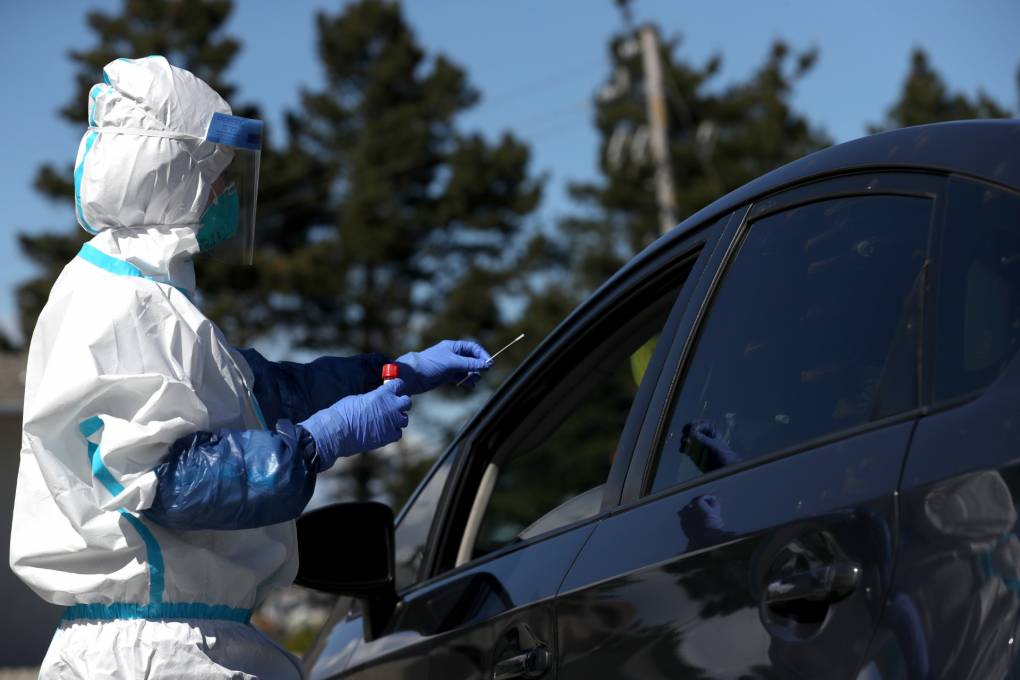
"caption": "A medical professional prepares to administer a coronavirus test during a drive-thru testing station in Daly City.",
"description": null,
"title": "GettyImages-1215017169 (1)",
"credit": "Justin Sullivan/Getty Images",
"status": "inherit",
"isLoading": false,
"fetchFailed": false
},
"news_11810767": {
"type": "attachments",
"id": "news_11810767",
"meta": {
"index": "attachments_1716263798",
"site": "news",
"id": "11810767",
"found": true
},
"parent": 11810638,
"imgSizes": {
"apple_news_ca_landscape_5_5": {
"file": "https://ww2.kqed.org/app/uploads/sites/10/2020/04/1920_RS6859_US_Dist_S_Cal-1044x783.jpg",
"width": 1044,
"mimeType": "image/jpeg",
"height": 783
},
"apple_news_ca_square_4_0": {
"file": "https://ww2.kqed.org/app/uploads/sites/10/2020/04/1920_RS6859_US_Dist_S_Cal-470x470.jpg",
"width": 470,
"mimeType": "image/jpeg",
"height": 470
},
"twentyfourteen-full-width": {
"file": "https://ww2.kqed.org/app/uploads/sites/10/2020/04/1920_RS6859_US_Dist_S_Cal-1038x576.jpg",
"width": 1038,
"mimeType": "image/jpeg",
"height": 576
},
"thumbnail": {
"file": "https://ww2.kqed.org/app/uploads/sites/10/2020/04/1920_RS6859_US_Dist_S_Cal-160x90.jpg",
"width": 160,
"mimeType": "image/jpeg",
"height": 90
},
"post-thumbnail": {
"file": "https://ww2.kqed.org/app/uploads/sites/10/2020/04/1920_RS6859_US_Dist_S_Cal-672x372.jpg",
"width": 672,
"mimeType": "image/jpeg",
"height": 372
},
"kqedFullSize": {
"file": "https://ww2.kqed.org/app/uploads/sites/10/2020/04/1920_RS6859_US_Dist_S_Cal.jpg",
"width": 1920,
"height": 1080
},
"apple_news_ca_landscape_4_7": {
"file": "https://ww2.kqed.org/app/uploads/sites/10/2020/04/1920_RS6859_US_Dist_S_Cal-632x474.jpg",
"width": 632,
"mimeType": "image/jpeg",
"height": 474
},
"large": {
"file": "https://ww2.kqed.org/app/uploads/sites/10/2020/04/1920_RS6859_US_Dist_S_Cal-1020x574.jpg",
"width": 1020,
"mimeType": "image/jpeg",
"height": 574
},
"apple_news_ca_landscape_4_0": {
"file": "https://ww2.kqed.org/app/uploads/sites/10/2020/04/1920_RS6859_US_Dist_S_Cal-536x402.jpg",
"width": 536,
"mimeType": "image/jpeg",
"height": 402
},
"apple_news_ca_portrait_12_9": {
"file": "https://ww2.kqed.org/app/uploads/sites/10/2020/04/1920_RS6859_US_Dist_S_Cal-1122x1080.jpg",
"width": 1122,
"mimeType": "image/jpeg",
"height": 1080
},
"medium": {
"file": "https://ww2.kqed.org/app/uploads/sites/10/2020/04/1920_RS6859_US_Dist_S_Cal-800x450.jpg",
"width": 800,
"mimeType": "image/jpeg",
"height": 450
},
"apple_news_ca_portrait_4_0": {
"file": "https://ww2.kqed.org/app/uploads/sites/10/2020/04/1920_RS6859_US_Dist_S_Cal-354x472.jpg",
"width": 354,
"mimeType": "image/jpeg",
"height": 472
},
"apple_news_ca_portrait_9_7": {
"file": "https://ww2.kqed.org/app/uploads/sites/10/2020/04/1920_RS6859_US_Dist_S_Cal-840x1080.jpg",
"width": 840,
"mimeType": "image/jpeg",
"height": 1080
},
"apple_news_ca_landscape_12_9": {
"file": "https://ww2.kqed.org/app/uploads/sites/10/2020/04/1920_RS6859_US_Dist_S_Cal-1832x1080.jpg",
"width": 1832,
"mimeType": "image/jpeg",
"height": 1080
},
"apple_news_ca_square_9_7": {
"file": "https://ww2.kqed.org/app/uploads/sites/10/2020/04/1920_RS6859_US_Dist_S_Cal-1104x1080.jpg",
"width": 1104,
"mimeType": "image/jpeg",
"height": 1080
},
"apple_news_ca_portrait_4_7": {
"file": "https://ww2.kqed.org/app/uploads/sites/10/2020/04/1920_RS6859_US_Dist_S_Cal-414x552.jpg",
"width": 414,
"mimeType": "image/jpeg",
"height": 552
},
"apple_news_ca_square_12_9": {
"file": "https://ww2.kqed.org/app/uploads/sites/10/2020/04/1920_RS6859_US_Dist_S_Cal-1472x1080.jpg",
"width": 1472,
"mimeType": "image/jpeg",
"height": 1080
},
"apple_news_ca_portrait_5_5": {
"file": "https://ww2.kqed.org/app/uploads/sites/10/2020/04/1920_RS6859_US_Dist_S_Cal-687x916.jpg",
"width": 687,
"mimeType": "image/jpeg",
"height": 916
},
"full-width": {
"file": "https://ww2.kqed.org/app/uploads/sites/10/2020/04/1920_RS6859_US_Dist_S_Cal-1920x1080.jpg",
"width": 1920,
"mimeType": "image/jpeg",
"height": 1080
},
"apple_news_ca_square_4_7": {
"file": "https://ww2.kqed.org/app/uploads/sites/10/2020/04/1920_RS6859_US_Dist_S_Cal-550x550.jpg",
"width": 550,
"mimeType": "image/jpeg",
"height": 550
},
"apple_news_ca_landscape_9_7": {
"file": "https://ww2.kqed.org/app/uploads/sites/10/2020/04/1920_RS6859_US_Dist_S_Cal-1376x1032.jpg",
"width": 1376,
"mimeType": "image/jpeg",
"height": 1032
},
"apple_news_ca_square_5_5": {
"file": "https://ww2.kqed.org/app/uploads/sites/10/2020/04/1920_RS6859_US_Dist_S_Cal-912x912.jpg",
"width": 912,
"mimeType": "image/jpeg",
"height": 912
}
},
"publishDate": 1586112179,
"modified": 1586112285,
"caption": "The Edward J. Schwartz Courthouse, in San Diego, California.",
"description": null,
"title": "1920_RS6859_US_Dist_S_Cal",
"credit": "Wikimedia Commons",
"status": "inherit",
"isLoading": false,
"fetchFailed": false
},
"news_11810578": {
"type": "attachments",
"id": "news_11810578",
"meta": {
"index": "attachments_1716263798",
"site": "news",
"id": "11810578",
"found": true
},
"parent": 11810570,
"imgSizes": {
"apple_news_ca_landscape_5_5": {
"file": "https://ww2.kqed.org/app/uploads/sites/10/2020/04/RS42539_Lifelong-nurse-2-qut-1044x783.jpg",
"width": 1044,
"mimeType": "image/jpeg",
"height": 783
},
"apple_news_ca_square_4_0": {
"file": "https://ww2.kqed.org/app/uploads/sites/10/2020/04/RS42539_Lifelong-nurse-2-qut-470x470.jpg",
"width": 470,
"mimeType": "image/jpeg",
"height": 470
},
"twentyfourteen-full-width": {
"file": "https://ww2.kqed.org/app/uploads/sites/10/2020/04/RS42539_Lifelong-nurse-2-qut-1038x576.jpg",
"width": 1038,
"mimeType": "image/jpeg",
"height": 576
},
"thumbnail": {
"file": "https://ww2.kqed.org/app/uploads/sites/10/2020/04/RS42539_Lifelong-nurse-2-qut-160x120.jpg",
"width": 160,
"mimeType": "image/jpeg",
"height": 120
},
"post-thumbnail": {
"file": "https://ww2.kqed.org/app/uploads/sites/10/2020/04/RS42539_Lifelong-nurse-2-qut-672x372.jpg",
"width": 672,
"mimeType": "image/jpeg",
"height": 372
},
"kqedFullSize": {
"file": "https://ww2.kqed.org/app/uploads/sites/10/2020/04/RS42539_Lifelong-nurse-2-qut.jpg",
"width": 1920,
"height": 1440
},
"apple_news_ca_landscape_4_7": {
"file": "https://ww2.kqed.org/app/uploads/sites/10/2020/04/RS42539_Lifelong-nurse-2-qut-632x474.jpg",
"width": 632,
"mimeType": "image/jpeg",
"height": 474
},
"large": {
"file": "https://ww2.kqed.org/app/uploads/sites/10/2020/04/RS42539_Lifelong-nurse-2-qut-1020x765.jpg",
"width": 1020,
"mimeType": "image/jpeg",
"height": 765
},
"apple_news_ca_landscape_4_0": {
"file": "https://ww2.kqed.org/app/uploads/sites/10/2020/04/RS42539_Lifelong-nurse-2-qut-536x402.jpg",
"width": 536,
"mimeType": "image/jpeg",
"height": 402
},
"apple_news_ca_portrait_12_9": {
"file": "https://ww2.kqed.org/app/uploads/sites/10/2020/04/RS42539_Lifelong-nurse-2-qut-1122x1440.jpg",
"width": 1122,
"mimeType": "image/jpeg",
"height": 1440
},
"medium": {
"file": "https://ww2.kqed.org/app/uploads/sites/10/2020/04/RS42539_Lifelong-nurse-2-qut-800x600.jpg",
"width": 800,
"mimeType": "image/jpeg",
"height": 600
},
"apple_news_ca_portrait_4_0": {
"file": "https://ww2.kqed.org/app/uploads/sites/10/2020/04/RS42539_Lifelong-nurse-2-qut-354x472.jpg",
"width": 354,
"mimeType": "image/jpeg",
"height": 472
},
"apple_news_ca_portrait_9_7": {
"file": "https://ww2.kqed.org/app/uploads/sites/10/2020/04/RS42539_Lifelong-nurse-2-qut-840x1120.jpg",
"width": 840,
"mimeType": "image/jpeg",
"height": 1120
},
"apple_news_ca_landscape_12_9": {
"file": "https://ww2.kqed.org/app/uploads/sites/10/2020/04/RS42539_Lifelong-nurse-2-qut-1832x1374.jpg",
"width": 1832,
"mimeType": "image/jpeg",
"height": 1374
},
"apple_news_ca_square_9_7": {
"file": "https://ww2.kqed.org/app/uploads/sites/10/2020/04/RS42539_Lifelong-nurse-2-qut-1104x1104.jpg",
"width": 1104,
"mimeType": "image/jpeg",
"height": 1104
},
"apple_news_ca_portrait_4_7": {
"file": "https://ww2.kqed.org/app/uploads/sites/10/2020/04/RS42539_Lifelong-nurse-2-qut-414x552.jpg",
"width": 414,
"mimeType": "image/jpeg",
"height": 552
},
"apple_news_ca_square_12_9": {
"file": "https://ww2.kqed.org/app/uploads/sites/10/2020/04/RS42539_Lifelong-nurse-2-qut-1472x1440.jpg",
"width": 1472,
"mimeType": "image/jpeg",
"height": 1440
},
"apple_news_ca_portrait_5_5": {
"file": "https://ww2.kqed.org/app/uploads/sites/10/2020/04/RS42539_Lifelong-nurse-2-qut-687x916.jpg",
"width": 687,
"mimeType": "image/jpeg",
"height": 916
},
"full-width": {
"file": "https://ww2.kqed.org/app/uploads/sites/10/2020/04/RS42539_Lifelong-nurse-2-qut-1920x1440.jpg",
"width": 1920,
"mimeType": "image/jpeg",
"height": 1440
},
"apple_news_ca_square_4_7": {
"file": "https://ww2.kqed.org/app/uploads/sites/10/2020/04/RS42539_Lifelong-nurse-2-qut-550x550.jpg",
"width": 550,
"mimeType": "image/jpeg",
"height": 550
},
"apple_news_ca_landscape_9_7": {
"file": "https://ww2.kqed.org/app/uploads/sites/10/2020/04/RS42539_Lifelong-nurse-2-qut-1376x1032.jpg",
"width": 1376,
"mimeType": "image/jpeg",
"height": 1032
},
"apple_news_ca_square_5_5": {
"file": "https://ww2.kqed.org/app/uploads/sites/10/2020/04/RS42539_Lifelong-nurse-2-qut-912x912.jpg",
"width": 912,
"mimeType": "image/jpeg",
"height": 912
}
},
"publishDate": 1585950541,
"modified": 1585954866,
"caption": "Audrey Fisher, a registered nurse with the Lifelong Medical Care TRUST Health Center's street medicine team, tests a homeless man for COVID-19, Tuesday, March 31, 2020. Increasing testing of people living in camp communities will be critical to ensuring the coronavirus doesn't continue to spread throughout the community, Lifelong's associate medical director, Jason Reinking, said.",
"description": "Audrey Fisher, a registered nurse with the Lifelong Medical Care TRUST Health Center's street medicine team, tests a homeless man for COVID-19, Tuesday, March 31, 2020. Increasing testing of people living in camp communities will be critical to ensuring the coronavirus doesn't continue to spread throughout the community, Lifelong's associate medical director, Jason Reinking, said.",
"title": "RS42539_Lifelong nurse 2-qut",
"credit": "Courtesy Lifelong Medical Care TRUST Health Center",
"status": "inherit",
"isLoading": false,
"fetchFailed": false
},
"news_11810632": {
"type": "attachments",
"id": "news_11810632",
"meta": {
"index": "attachments_1716263798",
"site": "news",
"id": "11810632",
"found": true
},
"parent": 11810527,
"imgSizes": {
"apple_news_ca_landscape_5_5": {
"file": "https://ww2.kqed.org/app/uploads/sites/10/2020/04/MARQUEE-723-1044x720.jpg",
"width": 1044,
"mimeType": "image/jpeg",
"height": 720
},
"apple_news_ca_square_4_0": {
"file": "https://ww2.kqed.org/app/uploads/sites/10/2020/04/MARQUEE-723-470x470.jpg",
"width": 470,
"mimeType": "image/jpeg",
"height": 470
},
"twentyfourteen-full-width": {
"file": "https://ww2.kqed.org/app/uploads/sites/10/2020/04/MARQUEE-723-1038x576.jpg",
"width": 1038,
"mimeType": "image/jpeg",
"height": 576
},
"thumbnail": {
"file": "https://ww2.kqed.org/app/uploads/sites/10/2020/04/MARQUEE-723-160x90.jpg",
"width": 160,
"mimeType": "image/jpeg",
"height": 90
},
"post-thumbnail": {
"file": "https://ww2.kqed.org/app/uploads/sites/10/2020/04/MARQUEE-723-672x372.jpg",
"width": 672,
"mimeType": "image/jpeg",
"height": 372
},
"kqedFullSize": {
"file": "https://ww2.kqed.org/app/uploads/sites/10/2020/04/MARQUEE-723.jpg",
"width": 1280,
"height": 720
},
"apple_news_ca_landscape_4_7": {
"file": "https://ww2.kqed.org/app/uploads/sites/10/2020/04/MARQUEE-723-632x474.jpg",
"width": 632,
"mimeType": "image/jpeg",
"height": 474
},
"large": {
"file": "https://ww2.kqed.org/app/uploads/sites/10/2020/04/MARQUEE-723-1020x574.jpg",
"width": 1020,
"mimeType": "image/jpeg",
"height": 574
},
"apple_news_ca_landscape_4_0": {
"file": "https://ww2.kqed.org/app/uploads/sites/10/2020/04/MARQUEE-723-536x402.jpg",
"width": 536,
"mimeType": "image/jpeg",
"height": 402
},
"apple_news_ca_portrait_12_9": {
"file": "https://ww2.kqed.org/app/uploads/sites/10/2020/04/MARQUEE-723-1122x720.jpg",
"width": 1122,
"mimeType": "image/jpeg",
"height": 720
},
"medium": {
"file": "https://ww2.kqed.org/app/uploads/sites/10/2020/04/MARQUEE-723-800x450.jpg",
"width": 800,
"mimeType": "image/jpeg",
"height": 450
},
"apple_news_ca_portrait_4_0": {
"file": "https://ww2.kqed.org/app/uploads/sites/10/2020/04/MARQUEE-723-354x472.jpg",
"width": 354,
"mimeType": "image/jpeg",
"height": 472
},
"apple_news_ca_portrait_9_7": {
"file": "https://ww2.kqed.org/app/uploads/sites/10/2020/04/MARQUEE-723-840x720.jpg",
"width": 840,
"mimeType": "image/jpeg",
"height": 720
},
"apple_news_ca_square_9_7": {
"file": "https://ww2.kqed.org/app/uploads/sites/10/2020/04/MARQUEE-723-1104x720.jpg",
"width": 1104,
"mimeType": "image/jpeg",
"height": 720
},
"apple_news_ca_portrait_4_7": {
"file": "https://ww2.kqed.org/app/uploads/sites/10/2020/04/MARQUEE-723-414x552.jpg",
"width": 414,
"mimeType": "image/jpeg",
"height": 552
},
"apple_news_ca_portrait_5_5": {
"file": "https://ww2.kqed.org/app/uploads/sites/10/2020/04/MARQUEE-723-687x720.jpg",
"width": 687,
"mimeType": "image/jpeg",
"height": 720
},
"apple_news_ca_square_4_7": {
"file": "https://ww2.kqed.org/app/uploads/sites/10/2020/04/MARQUEE-723-550x550.jpg",
"width": 550,
"mimeType": "image/jpeg",
"height": 550
},
"apple_news_ca_square_5_5": {
"file": "https://ww2.kqed.org/app/uploads/sites/10/2020/04/MARQUEE-723-912x720.jpg",
"width": 912,
"mimeType": "image/jpeg",
"height": 720
}
},
"publishDate": 1585957327,
"modified": 1585957327,
"caption": null,
"description": null,
"title": "MARQUEE 723",
"credit": null,
"status": "inherit",
"isLoading": false,
"fetchFailed": false
},
"news_11810605": {
"type": "attachments",
"id": "news_11810605",
"meta": {
"index": "attachments_1716263798",
"site": "news",
"id": "11810605",
"found": true
},
"parent": 11810591,
"imgSizes": {
"apple_news_ca_landscape_5_5": {
"file": "https://ww2.kqed.org/app/uploads/sites/10/2020/04/facemask_040320_final-1044x783.png",
"width": 1044,
"mimeType": "image/png",
"height": 783
},
"apple_news_ca_square_4_0": {
"file": "https://ww2.kqed.org/app/uploads/sites/10/2020/04/facemask_040320_final-470x470.png",
"width": 470,
"mimeType": "image/png",
"height": 470
},
"twentyfourteen-full-width": {
"file": "https://ww2.kqed.org/app/uploads/sites/10/2020/04/facemask_040320_final-1038x576.png",
"width": 1038,
"mimeType": "image/png",
"height": 576
},
"thumbnail": {
"file": "https://ww2.kqed.org/app/uploads/sites/10/2020/04/facemask_040320_final-160x116.png",
"width": 160,
"mimeType": "image/png",
"height": 116
},
"post-thumbnail": {
"file": "https://ww2.kqed.org/app/uploads/sites/10/2020/04/facemask_040320_final-672x372.png",
"width": 672,
"mimeType": "image/png",
"height": 372
},
"kqedFullSize": {
"file": "https://ww2.kqed.org/app/uploads/sites/10/2020/04/facemask_040320_final.png",
"width": 1920,
"height": 1388
},
"apple_news_ca_landscape_4_7": {
"file": "https://ww2.kqed.org/app/uploads/sites/10/2020/04/facemask_040320_final-632x474.png",
"width": 632,
"mimeType": "image/png",
"height": 474
},
"large": {
"file": "https://ww2.kqed.org/app/uploads/sites/10/2020/04/facemask_040320_final-1020x737.png",
"width": 1020,
"mimeType": "image/png",
"height": 737
},
"apple_news_ca_landscape_4_0": {
"file": "https://ww2.kqed.org/app/uploads/sites/10/2020/04/facemask_040320_final-536x402.png",
"width": 536,
"mimeType": "image/png",
"height": 402
},
"apple_news_ca_portrait_12_9": {
"file": "https://ww2.kqed.org/app/uploads/sites/10/2020/04/facemask_040320_final-1122x1388.png",
"width": 1122,
"mimeType": "image/png",
"height": 1388
},
"medium": {
"file": "https://ww2.kqed.org/app/uploads/sites/10/2020/04/facemask_040320_final-800x578.png",
"width": 800,
"mimeType": "image/png",
"height": 578
},
"apple_news_ca_portrait_4_0": {
"file": "https://ww2.kqed.org/app/uploads/sites/10/2020/04/facemask_040320_final-354x472.png",
"width": 354,
"mimeType": "image/png",
"height": 472
},
"apple_news_ca_portrait_9_7": {
"file": "https://ww2.kqed.org/app/uploads/sites/10/2020/04/facemask_040320_final-840x1120.png",
"width": 840,
"mimeType": "image/png",
"height": 1120
},
"apple_news_ca_landscape_12_9": {
"file": "https://ww2.kqed.org/app/uploads/sites/10/2020/04/facemask_040320_final-1832x1374.png",
"width": 1832,
"mimeType": "image/png",
"height": 1374
},
"apple_news_ca_square_9_7": {
"file": "https://ww2.kqed.org/app/uploads/sites/10/2020/04/facemask_040320_final-1104x1104.png",
"width": 1104,
"mimeType": "image/png",
"height": 1104
},
"apple_news_ca_portrait_4_7": {
"file": "https://ww2.kqed.org/app/uploads/sites/10/2020/04/facemask_040320_final-414x552.png",
"width": 414,
"mimeType": "image/png",
"height": 552
},
"apple_news_ca_square_12_9": {
"file": "https://ww2.kqed.org/app/uploads/sites/10/2020/04/facemask_040320_final-1472x1388.png",
"width": 1472,
"mimeType": "image/png",
"height": 1388
},
"apple_news_ca_portrait_5_5": {
"file": "https://ww2.kqed.org/app/uploads/sites/10/2020/04/facemask_040320_final-687x916.png",
"width": 687,
"mimeType": "image/png",
"height": 916
},
"full-width": {
"file": "https://ww2.kqed.org/app/uploads/sites/10/2020/04/facemask_040320_final-1920x1388.png",
"width": 1920,
"mimeType": "image/png",
"height": 1388
},
"apple_news_ca_square_4_7": {
"file": "https://ww2.kqed.org/app/uploads/sites/10/2020/04/facemask_040320_final-550x550.png",
"width": 550,
"mimeType": "image/png",
"height": 550
},
"apple_news_ca_landscape_9_7": {
"file": "https://ww2.kqed.org/app/uploads/sites/10/2020/04/facemask_040320_final-1376x1032.png",
"width": 1376,
"mimeType": "image/png",
"height": 1032
},
"apple_news_ca_square_5_5": {
"file": "https://ww2.kqed.org/app/uploads/sites/10/2020/04/facemask_040320_final-912x912.png",
"width": 912,
"mimeType": "image/png",
"height": 912
}
},
"publishDate": 1585953861,
"modified": 1585953897,
"caption": null,
"description": null,
"title": "facemask_040320_final",
"credit": null,
"status": "inherit",
"isLoading": false,
"fetchFailed": false
},
"news_11810596": {
"type": "attachments",
"id": "news_11810596",
"meta": {
"index": "attachments_1716263798",
"site": "news",
"id": "11810596",
"found": true
},
"parent": 11810405,
"imgSizes": {
"apple_news_ca_landscape_5_5": {
"file": "https://ww2.kqed.org/app/uploads/sites/10/2020/04/RS42537_004_KQED_Oakland_JessicaZitter_04032020-qut-1044x783.jpg",
"width": 1044,
"mimeType": "image/jpeg",
"height": 783
},
"apple_news_ca_square_4_0": {
"file": "https://ww2.kqed.org/app/uploads/sites/10/2020/04/RS42537_004_KQED_Oakland_JessicaZitter_04032020-qut-470x470.jpg",
"width": 470,
"mimeType": "image/jpeg",
"height": 470
},
"twentyfourteen-full-width": {
"file": "https://ww2.kqed.org/app/uploads/sites/10/2020/04/RS42537_004_KQED_Oakland_JessicaZitter_04032020-qut-1038x576.jpg",
"width": 1038,
"mimeType": "image/jpeg",
"height": 576
},
"thumbnail": {
"file": "https://ww2.kqed.org/app/uploads/sites/10/2020/04/RS42537_004_KQED_Oakland_JessicaZitter_04032020-qut-160x107.jpg",
"width": 160,
"mimeType": "image/jpeg",
"height": 107
},
"post-thumbnail": {
"file": "https://ww2.kqed.org/app/uploads/sites/10/2020/04/RS42537_004_KQED_Oakland_JessicaZitter_04032020-qut-672x372.jpg",
"width": 672,
"mimeType": "image/jpeg",
"height": 372
},
"kqedFullSize": {
"file": "https://ww2.kqed.org/app/uploads/sites/10/2020/04/RS42537_004_KQED_Oakland_JessicaZitter_04032020-qut.jpg",
"width": 1920,
"height": 1280
},
"apple_news_ca_landscape_4_7": {
"file": "https://ww2.kqed.org/app/uploads/sites/10/2020/04/RS42537_004_KQED_Oakland_JessicaZitter_04032020-qut-632x474.jpg",
"width": 632,
"mimeType": "image/jpeg",
"height": 474
},
"large": {
"file": "https://ww2.kqed.org/app/uploads/sites/10/2020/04/RS42537_004_KQED_Oakland_JessicaZitter_04032020-qut-1020x680.jpg",
"width": 1020,
"mimeType": "image/jpeg",
"height": 680
},
"apple_news_ca_landscape_4_0": {
"file": "https://ww2.kqed.org/app/uploads/sites/10/2020/04/RS42537_004_KQED_Oakland_JessicaZitter_04032020-qut-536x402.jpg",
"width": 536,
"mimeType": "image/jpeg",
"height": 402
},
"apple_news_ca_portrait_12_9": {
"file": "https://ww2.kqed.org/app/uploads/sites/10/2020/04/RS42537_004_KQED_Oakland_JessicaZitter_04032020-qut-1122x1280.jpg",
"width": 1122,
"mimeType": "image/jpeg",
"height": 1280
},
"medium": {
"file": "https://ww2.kqed.org/app/uploads/sites/10/2020/04/RS42537_004_KQED_Oakland_JessicaZitter_04032020-qut-800x533.jpg",
"width": 800,
"mimeType": "image/jpeg",
"height": 533
},
"apple_news_ca_portrait_4_0": {
"file": "https://ww2.kqed.org/app/uploads/sites/10/2020/04/RS42537_004_KQED_Oakland_JessicaZitter_04032020-qut-354x472.jpg",
"width": 354,
"mimeType": "image/jpeg",
"height": 472
},
"apple_news_ca_portrait_9_7": {
"file": "https://ww2.kqed.org/app/uploads/sites/10/2020/04/RS42537_004_KQED_Oakland_JessicaZitter_04032020-qut-840x1120.jpg",
"width": 840,
"mimeType": "image/jpeg",
"height": 1120
},
"apple_news_ca_landscape_12_9": {
"file": "https://ww2.kqed.org/app/uploads/sites/10/2020/04/RS42537_004_KQED_Oakland_JessicaZitter_04032020-qut-1832x1280.jpg",
"width": 1832,
"mimeType": "image/jpeg",
"height": 1280
},
"apple_news_ca_square_9_7": {
"file": "https://ww2.kqed.org/app/uploads/sites/10/2020/04/RS42537_004_KQED_Oakland_JessicaZitter_04032020-qut-1104x1104.jpg",
"width": 1104,
"mimeType": "image/jpeg",
"height": 1104
},
"apple_news_ca_portrait_4_7": {
"file": "https://ww2.kqed.org/app/uploads/sites/10/2020/04/RS42537_004_KQED_Oakland_JessicaZitter_04032020-qut-414x552.jpg",
"width": 414,
"mimeType": "image/jpeg",
"height": 552
},
"apple_news_ca_square_12_9": {
"file": "https://ww2.kqed.org/app/uploads/sites/10/2020/04/RS42537_004_KQED_Oakland_JessicaZitter_04032020-qut-1472x1280.jpg",
"width": 1472,
"mimeType": "image/jpeg",
"height": 1280
},
"apple_news_ca_portrait_5_5": {
"file": "https://ww2.kqed.org/app/uploads/sites/10/2020/04/RS42537_004_KQED_Oakland_JessicaZitter_04032020-qut-687x916.jpg",
"width": 687,
"mimeType": "image/jpeg",
"height": 916
},
"full-width": {
"file": "https://ww2.kqed.org/app/uploads/sites/10/2020/04/RS42537_004_KQED_Oakland_JessicaZitter_04032020-qut-1920x1280.jpg",
"width": 1920,
"mimeType": "image/jpeg",
"height": 1280
},
"apple_news_ca_square_4_7": {
"file": "https://ww2.kqed.org/app/uploads/sites/10/2020/04/RS42537_004_KQED_Oakland_JessicaZitter_04032020-qut-550x550.jpg",
"width": 550,
"mimeType": "image/jpeg",
"height": 550
},
"apple_news_ca_landscape_9_7": {
"file": "https://ww2.kqed.org/app/uploads/sites/10/2020/04/RS42537_004_KQED_Oakland_JessicaZitter_04032020-qut-1376x1032.jpg",
"width": 1376,
"mimeType": "image/jpeg",
"height": 1032
},
"apple_news_ca_square_5_5": {
"file": "https://ww2.kqed.org/app/uploads/sites/10/2020/04/RS42537_004_KQED_Oakland_JessicaZitter_04032020-qut-912x912.jpg",
"width": 912,
"mimeType": "image/jpeg",
"height": 912
}
},
"publishDate": 1585953311,
"modified": 1585954457,
"caption": "Dr. Jessica Zitter, a palliative care specialist at Highland Hospital in Oakland, is seeing patients remotely during coronavirus shelter-in-place orders.",
"description": "Dr. Jessica Zitter, a palliative care specialist at Highland Hospital in Oakland, is seeing patients remotely during coronavirus shelter-in-place orders.",
"title": "Dr. Jessica Zitter, a palliative care specialist, on April 3, 2020.",
"credit": "Beth LaBerge/KQED",
"status": "inherit",
"isLoading": false,
"fetchFailed": false
},
"news_11810535": {
"type": "attachments",
"id": "news_11810535",
"meta": {
"index": "attachments_1716263798",
"site": "news",
"id": "11810535",
"found": true
},
"parent": 11810520,
"imgSizes": {
"apple_news_ca_landscape_5_5": {
"file": "https://ww2.kqed.org/app/uploads/sites/10/2020/04/Gavin-Newsom-homeless-FEMA-1044x783.jpg",
"width": 1044,
"mimeType": "image/jpeg",
"height": 783
},
"apple_news_ca_square_4_0": {
"file": "https://ww2.kqed.org/app/uploads/sites/10/2020/04/Gavin-Newsom-homeless-FEMA-470x470.jpg",
"width": 470,
"mimeType": "image/jpeg",
"height": 470
},
"twentyfourteen-full-width": {
"file": "https://ww2.kqed.org/app/uploads/sites/10/2020/04/Gavin-Newsom-homeless-FEMA-1038x576.jpg",
"width": 1038,
"mimeType": "image/jpeg",
"height": 576
},
"thumbnail": {
"file": "https://ww2.kqed.org/app/uploads/sites/10/2020/04/Gavin-Newsom-homeless-FEMA-160x107.jpg",
"width": 160,
"mimeType": "image/jpeg",
"height": 107
},
"post-thumbnail": {
"file": "https://ww2.kqed.org/app/uploads/sites/10/2020/04/Gavin-Newsom-homeless-FEMA-672x372.jpg",
"width": 672,
"mimeType": "image/jpeg",
"height": 372
},
"kqedFullSize": {
"file": "https://ww2.kqed.org/app/uploads/sites/10/2020/04/Gavin-Newsom-homeless-FEMA.jpg",
"width": 1920,
"height": 1280
},
"apple_news_ca_landscape_4_7": {
"file": "https://ww2.kqed.org/app/uploads/sites/10/2020/04/Gavin-Newsom-homeless-FEMA-632x474.jpg",
"width": 632,
"mimeType": "image/jpeg",
"height": 474
},
"large": {
"file": "https://ww2.kqed.org/app/uploads/sites/10/2020/04/Gavin-Newsom-homeless-FEMA-1020x680.jpg",
"width": 1020,
"mimeType": "image/jpeg",
"height": 680
},
"apple_news_ca_landscape_4_0": {
"file": "https://ww2.kqed.org/app/uploads/sites/10/2020/04/Gavin-Newsom-homeless-FEMA-536x402.jpg",
"width": 536,
"mimeType": "image/jpeg",
"height": 402
},
"apple_news_ca_portrait_12_9": {
"file": "https://ww2.kqed.org/app/uploads/sites/10/2020/04/Gavin-Newsom-homeless-FEMA-1122x1280.jpg",
"width": 1122,
"mimeType": "image/jpeg",
"height": 1280
},
"medium": {
"file": "https://ww2.kqed.org/app/uploads/sites/10/2020/04/Gavin-Newsom-homeless-FEMA-800x533.jpg",
"width": 800,
"mimeType": "image/jpeg",
"height": 533
},
"apple_news_ca_portrait_4_0": {
"file": "https://ww2.kqed.org/app/uploads/sites/10/2020/04/Gavin-Newsom-homeless-FEMA-354x472.jpg",
"width": 354,
"mimeType": "image/jpeg",
"height": 472
},
"apple_news_ca_portrait_9_7": {
"file": "https://ww2.kqed.org/app/uploads/sites/10/2020/04/Gavin-Newsom-homeless-FEMA-840x1120.jpg",
"width": 840,
"mimeType": "image/jpeg",
"height": 1120
},
"apple_news_ca_landscape_12_9": {
"file": "https://ww2.kqed.org/app/uploads/sites/10/2020/04/Gavin-Newsom-homeless-FEMA-1832x1280.jpg",
"width": 1832,
"mimeType": "image/jpeg",
"height": 1280
},
"apple_news_ca_square_9_7": {
"file": "https://ww2.kqed.org/app/uploads/sites/10/2020/04/Gavin-Newsom-homeless-FEMA-1104x1104.jpg",
"width": 1104,
"mimeType": "image/jpeg",
"height": 1104
},
"apple_news_ca_portrait_4_7": {
"file": "https://ww2.kqed.org/app/uploads/sites/10/2020/04/Gavin-Newsom-homeless-FEMA-414x552.jpg",
"width": 414,
"mimeType": "image/jpeg",
"height": 552
},
"apple_news_ca_square_12_9": {
"file": "https://ww2.kqed.org/app/uploads/sites/10/2020/04/Gavin-Newsom-homeless-FEMA-1472x1280.jpg",
"width": 1472,
"mimeType": "image/jpeg",
"height": 1280
},
"apple_news_ca_portrait_5_5": {
"file": "https://ww2.kqed.org/app/uploads/sites/10/2020/04/Gavin-Newsom-homeless-FEMA-687x916.jpg",
"width": 687,
"mimeType": "image/jpeg",
"height": 916
},
"full-width": {
"file": "https://ww2.kqed.org/app/uploads/sites/10/2020/04/Gavin-Newsom-homeless-FEMA-1920x1280.jpg",
"width": 1920,
"mimeType": "image/jpeg",
"height": 1280
},
"apple_news_ca_square_4_7": {
"file": "https://ww2.kqed.org/app/uploads/sites/10/2020/04/Gavin-Newsom-homeless-FEMA-550x550.jpg",
"width": 550,
"mimeType": "image/jpeg",
"height": 550
},
"apple_news_ca_landscape_9_7": {
"file": "https://ww2.kqed.org/app/uploads/sites/10/2020/04/Gavin-Newsom-homeless-FEMA-1376x1032.jpg",
"width": 1376,
"mimeType": "image/jpeg",
"height": 1032
},
"apple_news_ca_square_5_5": {
"file": "https://ww2.kqed.org/app/uploads/sites/10/2020/04/Gavin-Newsom-homeless-FEMA-912x912.jpg",
"width": 912,
"mimeType": "image/jpeg",
"height": 912
}
},
"publishDate": 1585948131,
"modified": 1585948176,
"caption": "Gov. Gavin Newsom speaks during a a news conference about the state's efforts on the homelessness crisis on January 16, 2020 in Oakland.",
"description": "Gov. Gavin Newsom speaks during a a news conference about the state's efforts on the homelessness crisis on January 16, 2020 in Oakland.",
"title": "Gavin-Newsom-homeless-FEMA",
"credit": "Justin Sullivan/Getty Images",
"status": "inherit",
"isLoading": false,
"fetchFailed": false
},
"news_11810374": {
"type": "attachments",
"id": "news_11810374",
"meta": {
"index": "attachments_1716263798",
"site": "news",
"id": "11810374",
"found": true
},
"parent": 11810305,
"imgSizes": {
"apple_news_ca_landscape_5_5": {
"file": "https://ww2.kqed.org/app/uploads/sites/10/2020/04/NannyHoldingHands-1044x783.jpg",
"width": 1044,
"mimeType": "image/jpeg",
"height": 783
},
"apple_news_ca_square_4_0": {
"file": "https://ww2.kqed.org/app/uploads/sites/10/2020/04/NannyHoldingHands-470x470.jpg",
"width": 470,
"mimeType": "image/jpeg",
"height": 470
},
"twentyfourteen-full-width": {
"file": "https://ww2.kqed.org/app/uploads/sites/10/2020/04/NannyHoldingHands-1038x576.jpg",
"width": 1038,
"mimeType": "image/jpeg",
"height": 576
},
"thumbnail": {
"file": "https://ww2.kqed.org/app/uploads/sites/10/2020/04/NannyHoldingHands-160x107.jpg",
"width": 160,
"mimeType": "image/jpeg",
"height": 107
},
"post-thumbnail": {
"file": "https://ww2.kqed.org/app/uploads/sites/10/2020/04/NannyHoldingHands-672x372.jpg",
"width": 672,
"mimeType": "image/jpeg",
"height": 372
},
"kqedFullSize": {
"file": "https://ww2.kqed.org/app/uploads/sites/10/2020/04/NannyHoldingHands.jpg",
"width": 1920,
"height": 1280
},
"apple_news_ca_landscape_4_7": {
"file": "https://ww2.kqed.org/app/uploads/sites/10/2020/04/NannyHoldingHands-632x474.jpg",
"width": 632,
"mimeType": "image/jpeg",
"height": 474
},
"large": {
"file": "https://ww2.kqed.org/app/uploads/sites/10/2020/04/NannyHoldingHands-1020x680.jpg",
"width": 1020,
"mimeType": "image/jpeg",
"height": 680
},
"apple_news_ca_landscape_4_0": {
"file": "https://ww2.kqed.org/app/uploads/sites/10/2020/04/NannyHoldingHands-536x402.jpg",
"width": 536,
"mimeType": "image/jpeg",
"height": 402
},
"apple_news_ca_portrait_12_9": {
"file": "https://ww2.kqed.org/app/uploads/sites/10/2020/04/NannyHoldingHands-1122x1280.jpg",
"width": 1122,
"mimeType": "image/jpeg",
"height": 1280
},
"medium": {
"file": "https://ww2.kqed.org/app/uploads/sites/10/2020/04/NannyHoldingHands-800x533.jpg",
"width": 800,
"mimeType": "image/jpeg",
"height": 533
},
"apple_news_ca_portrait_4_0": {
"file": "https://ww2.kqed.org/app/uploads/sites/10/2020/04/NannyHoldingHands-354x472.jpg",
"width": 354,
"mimeType": "image/jpeg",
"height": 472
},
"apple_news_ca_portrait_9_7": {
"file": "https://ww2.kqed.org/app/uploads/sites/10/2020/04/NannyHoldingHands-840x1120.jpg",
"width": 840,
"mimeType": "image/jpeg",
"height": 1120
},
"apple_news_ca_landscape_12_9": {
"file": "https://ww2.kqed.org/app/uploads/sites/10/2020/04/NannyHoldingHands-1832x1280.jpg",
"width": 1832,
"mimeType": "image/jpeg",
"height": 1280
},
"apple_news_ca_square_9_7": {
"file": "https://ww2.kqed.org/app/uploads/sites/10/2020/04/NannyHoldingHands-1104x1104.jpg",
"width": 1104,
"mimeType": "image/jpeg",
"height": 1104
},
"apple_news_ca_portrait_4_7": {
"file": "https://ww2.kqed.org/app/uploads/sites/10/2020/04/NannyHoldingHands-414x552.jpg",
"width": 414,
"mimeType": "image/jpeg",
"height": 552
},
"apple_news_ca_square_12_9": {
"file": "https://ww2.kqed.org/app/uploads/sites/10/2020/04/NannyHoldingHands-1472x1280.jpg",
"width": 1472,
"mimeType": "image/jpeg",
"height": 1280
},
"apple_news_ca_portrait_5_5": {
"file": "https://ww2.kqed.org/app/uploads/sites/10/2020/04/NannyHoldingHands-687x916.jpg",
"width": 687,
"mimeType": "image/jpeg",
"height": 916
},
"full-width": {
"file": "https://ww2.kqed.org/app/uploads/sites/10/2020/04/NannyHoldingHands-1920x1280.jpg",
"width": 1920,
"mimeType": "image/jpeg",
"height": 1280
},
"apple_news_ca_square_4_7": {
"file": "https://ww2.kqed.org/app/uploads/sites/10/2020/04/NannyHoldingHands-550x550.jpg",
"width": 550,
"mimeType": "image/jpeg",
"height": 550
},
"apple_news_ca_landscape_9_7": {
"file": "https://ww2.kqed.org/app/uploads/sites/10/2020/04/NannyHoldingHands-1376x1032.jpg",
"width": 1376,
"mimeType": "image/jpeg",
"height": 1032
},
"apple_news_ca_square_5_5": {
"file": "https://ww2.kqed.org/app/uploads/sites/10/2020/04/NannyHoldingHands-912x912.jpg",
"width": 912,
"mimeType": "image/jpeg",
"height": 912
}
},
"publishDate": 1585874659,
"modified": 1585874774,
"caption": "Many domestic workers such as nannies are relying on the charity of their employers during the ongoing coronavirus crisis.",
"description": "Many domestic workers such as nannies are relying on the charity of their employers during the ongoing coronavirus crisis.",
"title": "NannyHoldingHands",
"credit": "Getty Images",
"status": "inherit",
"isLoading": false,
"fetchFailed": false
}
},
"audioPlayerReducer": {
"postId": "stream_live",
"isPaused": true,
"isPlaying": false,
"pfsActive": false,
"pledgeModalIsOpen": true,
"playerDrawerIsOpen": false,
"liveAudioPlayStartedAt": 0,
"liveAudioPlayContext": ""
},
"authorsReducer": {
"byline_news_11810760": {
"type": "authors",
"id": "byline_news_11810760",
"meta": {
"override": true
},
"slug": "byline_news_11810760",
"name": "Don Thompson",
"isLoading": false
},
"byline_news_11810748": {
"type": "authors",
"id": "byline_news_11810748",
"meta": {
"override": true
},
"slug": "byline_news_11810748",
"name": "Adam Beam and Daisy Nguyen",
"isLoading": false
},
"danbrekke": {
"type": "authors",
"id": "222",
"meta": {
"index": "authors_1716337520",
"id": "222",
"found": true
},
"name": "Dan Brekke",
"firstName": "Dan",
"lastName": "Brekke",
"slug": "danbrekke",
"email": "dbrekke@kqed.org",
"display_author_email": true,
"staff_mastheads": [
"news",
"science"
],
"title": "KQED Editor and Reporter",
"bio": "Dan Brekke is a reporter and editor for KQED News, responsible for coverage of topics ranging from California water issues to the Bay Area's transportation challenges. In a newsroom career that began in Chicago in 1972, Dan has worked for \u003cem>The San Francisco Examiner,\u003c/em> Wired and TechTV and has been published in The New York Times, The New York Times Magazine, Business 2.0, Salon and elsewhere.\r\n\r\nSince joining KQED in 2007, Dan has reported, edited and produced both radio and online features and breaking news pieces. He has shared as both editor and reporter in four Society of Professional Journalists Norcal Excellence in Journalism awards and one Edward R. Murrow regional award. He was chosen for a spring 2017 residency at the Mesa Refuge to advance his research on California salmon.\r\n\r\nEmail Dan at: \u003ca href=\"mailto:dbrekke@kqed.org\">dbrekke@kqed.org\u003c/a>\r\n\r\n\u003cstrong>Twitter:\u003c/strong> \u003ca href=\"https://twitter.com/danbrekke\" rel=\"noopener noreferrer\">twitter.com/danbrekke\u003c/a>\r\n\u003cstrong>Facebook:\u003c/strong> \u003ca href=\"https://www.facebook.com/danbrekke\" rel=\"noopener noreferrer\">www.facebook.com/danbrekke\u003c/a>\r\n\u003cstrong>LinkedIn:\u003c/strong> \u003ca href=\"https://www.linkedin.com/in/danbrekke\" rel=\"noopener noreferrer\">www.linkedin.com/in/danbrekke\u003c/a>",
"avatar": "https://secure.gravatar.com/avatar/8f1f0d2a978fb3b23426c922c7e2af558fa36905b49c4ce76a97dc3c72d27226?s=600&d=mm&r=g",
"twitter": "danbrekke",
"bluesky": null,
"facebook": null,
"instagram": "https://www.instagram.com/dan.brekke/",
"linkedin": "https://www.linkedin.com/in/danbrekke/",
"sites": [
{
"site": "news",
"roles": [
"administrator",
"create_posts"
]
},
{
"site": "stateofhealth",
"roles": [
"editor"
]
},
{
"site": "science",
"roles": [
"editor"
]
},
{
"site": "quest",
"roles": [
"contributor"
]
},
{
"site": "food",
"roles": [
"contributor"
]
},
{
"site": "forum",
"roles": [
"contributor"
]
},
{
"site": "elections",
"roles": [
"editor"
]
},
{
"site": "liveblog",
"roles": [
"editor"
]
}
],
"headData": {
"title": "Dan Brekke | KQED",
"description": "KQED Editor and Reporter",
"ogImgSrc": "https://secure.gravatar.com/avatar/8f1f0d2a978fb3b23426c922c7e2af558fa36905b49c4ce76a97dc3c72d27226?s=600&d=mm&r=g",
"twImgSrc": "https://secure.gravatar.com/avatar/8f1f0d2a978fb3b23426c922c7e2af558fa36905b49c4ce76a97dc3c72d27226?s=600&d=mm&r=g"
},
"isLoading": false,
"link": "/author/danbrekke"
},
"kqed": {
"type": "authors",
"id": "236",
"meta": {
"index": "authors_1716337520",
"id": "236",
"found": true
},
"name": "KQED News Staff",
"firstName": "KQED News Staff",
"lastName": null,
"slug": "kqed",
"email": "faq@kqed.org",
"display_author_email": false,
"staff_mastheads": [],
"title": null,
"bio": null,
"avatar": "https://secure.gravatar.com/avatar/ef0e801a68c4c54afa9180db14084167?s=600&d=blank&r=g",
"twitter": null,
"facebook": null,
"instagram": null,
"linkedin": null,
"sites": [
{
"site": "arts",
"roles": [
"contributor"
]
},
{
"site": "news",
"roles": [
"editor"
]
},
{
"site": "futureofyou",
"roles": [
"author"
]
}
],
"headData": {
"title": "KQED News Staff | KQED",
"description": null,
"ogImgSrc": "https://secure.gravatar.com/avatar/ef0e801a68c4c54afa9180db14084167?s=600&d=blank&r=g",
"twImgSrc": "https://secure.gravatar.com/avatar/ef0e801a68c4c54afa9180db14084167?s=600&d=blank&r=g"
},
"isLoading": false,
"link": "/author/kqed"
},
"samharnett": {
"type": "authors",
"id": "253",
"meta": {
"index": "authors_1716337520",
"id": "253",
"found": true
},
"name": "Sam Harnett",
"firstName": "Sam",
"lastName": "Harnett",
"slug": "samharnett",
"email": "samharnett@gmail.com",
"display_author_email": false,
"staff_mastheads": [],
"title": "KQED Contributor",
"bio": "Sam Harnett covered tech and work at KQED. He is the co-creator of \u003cem>\u003ca href=\"http://www.theworldaccordingtosound.org\">The World According to Sound\u003c/a>,\u003c/em> a 90-second podcast that features different sounds and the stories behind them.\r\n\r\nBefore coming to KQED, Sam worked as an independent reporter who contributed regularly to \u003cem>The California Report, Marketplace,\u003c/em> \u003cem>The World \u003c/em>and NPR.",
"avatar": "https://secure.gravatar.com/avatar/2538b972ac02f2b9546c7a6c59a0f3d0?s=600&d=blank&r=g",
"twitter": "Samwharnett",
"facebook": null,
"instagram": null,
"linkedin": null,
"sites": [
{
"site": "news",
"roles": [
"edit_others_posts",
"subscriber"
]
},
{
"site": "stateofhealth",
"roles": [
"author"
]
},
{
"site": "science",
"roles": [
"editor"
]
},
{
"site": "quest",
"roles": [
"subscriber"
]
}
],
"headData": {
"title": "Sam Harnett | KQED",
"description": "KQED Contributor",
"ogImgSrc": "https://secure.gravatar.com/avatar/2538b972ac02f2b9546c7a6c59a0f3d0?s=600&d=blank&r=g",
"twImgSrc": "https://secure.gravatar.com/avatar/2538b972ac02f2b9546c7a6c59a0f3d0?s=600&d=blank&r=g"
},
"isLoading": false,
"link": "/author/samharnett"
},
"tgoldberg": {
"type": "authors",
"id": "258",
"meta": {
"index": "authors_1716337520",
"id": "258",
"found": true
},
"name": "Ted Goldberg",
"firstName": "Ted",
"lastName": "Goldberg",
"slug": "tgoldberg",
"email": "tgoldberg@kqed.org",
"display_author_email": true,
"staff_mastheads": [
"news"
],
"title": "KQED Managing Editor, News and Newscasts",
"bio": "Ted Goldberg is Managing Editor of News and Newscasts at KQED. His main reporting beat is the Bay Area's oil refining industry.\r\n\r\nPrior to joining KQED in 2014, Ted worked at CBS News and WCBS AM in New York and Bay City News and KCBS Radio in San Francisco. He graduated from Oberlin College in Ohio in 1998.",
"avatar": "https://secure.gravatar.com/avatar/30ce2e4fe89135e104f89be2394d16225b9d36c121b5b3cb7651ce642978b96f?s=600&d=blank&r=g",
"twitter": "TedrickG",
"bluesky": null,
"facebook": null,
"instagram": null,
"linkedin": null,
"sites": [
{
"site": "news",
"roles": [
"editor"
]
},
{
"site": "science",
"roles": [
"editor"
]
}
],
"headData": {
"title": "Ted Goldberg | KQED",
"description": "KQED Managing Editor, News and Newscasts",
"ogImgSrc": "https://secure.gravatar.com/avatar/30ce2e4fe89135e104f89be2394d16225b9d36c121b5b3cb7651ce642978b96f?s=600&d=blank&r=g",
"twImgSrc": "https://secure.gravatar.com/avatar/30ce2e4fe89135e104f89be2394d16225b9d36c121b5b3cb7651ce642978b96f?s=600&d=blank&r=g"
},
"isLoading": false,
"link": "/author/tgoldberg"
},
"tychehendricks": {
"type": "authors",
"id": "259",
"meta": {
"index": "authors_1716337520",
"id": "259",
"found": true
},
"name": "Tyche Hendricks",
"firstName": "Tyche",
"lastName": "Hendricks",
"slug": "tychehendricks",
"email": "thendricks@kqed.org",
"display_author_email": true,
"staff_mastheads": [
"news"
],
"title": "KQED Senior Editor, Immigration",
"bio": "\u003cspan style=\"font-weight: 400;\">Tyche Hendricks is KQED’s senior editor for immigration, leading coverage of the policy and politics that affect California’s immigrant communities. Her work for KQED’s radio and online audiences is also carried on NPR and other national outlets. She has been recognized with awards from the Radio and Television News Directors Association, the Society for Professional Journalists; the Education Writers Association; the Best of the West and the National Federation of Community Broadcasters. Before joining KQED in 2010, Tyche spent more than a dozen years as a newspaper reporter, notably at the \u003c/span>\u003ci>\u003cspan style=\"font-weight: 400;\">San Francisco Chronicle\u003c/span>\u003c/i>\u003cspan style=\"font-weight: 400;\">. At different times she has covered criminal justice, government and politics and urban planning. Tyche has taught in the MFA Creative Writing program at the University of San Francisco and at UC Berkeley’s Graduate School of Journalism, where she was co-director of a national immigration symposium for professional journalists. She is the author of \u003c/span>\u003ci>\u003cspan style=\"font-weight: 400;\">The Wind Doesn't Need a Passport: Stories from the U.S.-Mexico Borderlands\u003c/span>\u003c/i>\u003cspan style=\"font-weight: 400;\"> (University of California Press). \u003c/span>",
"avatar": "https://secure.gravatar.com/avatar/b8ee458e2731c2d43df86882ce17267e?s=600&d=blank&r=g",
"twitter": "tychehendricks",
"facebook": null,
"instagram": null,
"linkedin": null,
"sites": [
{
"site": "news",
"roles": [
"editor"
]
},
{
"site": "stateofhealth",
"roles": [
"editor"
]
}
],
"headData": {
"title": "Tyche Hendricks | KQED",
"description": "KQED Senior Editor, Immigration",
"ogImgSrc": "https://secure.gravatar.com/avatar/b8ee458e2731c2d43df86882ce17267e?s=600&d=blank&r=g",
"twImgSrc": "https://secure.gravatar.com/avatar/b8ee458e2731c2d43df86882ce17267e?s=600&d=blank&r=g"
},
"isLoading": false,
"link": "/author/tychehendricks"
},
"adembosky": {
"type": "authors",
"id": "3205",
"meta": {
"index": "authors_1716337520",
"id": "3205",
"found": true
},
"name": "April Dembosky",
"firstName": "April",
"lastName": "Dembosky",
"slug": "adembosky",
"email": "adembosky@kqed.org",
"display_author_email": false,
"staff_mastheads": [
"news",
"science"
],
"title": "KQED Health Correspondent",
"bio": "April Dembosky is the health correspondent for KQED News and a regular contributor to NPR. She specializes in covering altered states of mind, from postpartum depression to methamphetamine-induced psychosis to the insanity defense. Her investigative series on insurance companies sidestepping mental health laws won multiple awards, including first place in beat reporting from the national Association of Health Care Journalists. She is the recipient of numerous other prizes and fellowships, including a national Edward R. Murrow award for investigative reporting, a Society of Professional Journalists award for long-form storytelling, and a Carter Center Fellowship for Mental Health Journalism.\r\n\r\nDembosky reported and produced \u003cem>Soundtrack of Silence\u003c/em>, an audio documentary about music and memory that is currently being made into a feature film by Paramount Pictures.\r\n\r\nBefore joining KQED in 2013, Dembosky covered technology and Silicon Valley for \u003cem>The Financial Times of London,\u003c/em> and contributed business and arts stories to \u003cem>Marketplace \u003c/em>and \u003cem>The New York Times.\u003c/em> She got her undergraduate degree in philosophy from Smith College and her master's in journalism from the University of California, Berkeley. She is a classically trained violinist and proud alum of the first symphony orchestra at Burning Man.",
"avatar": "https://secure.gravatar.com/avatar/ef92999be4ceb9ea60701e7dc276f813?s=600&d=blank&r=g",
"twitter": "adembosky",
"facebook": null,
"instagram": null,
"linkedin": null,
"sites": [
{
"site": "arts",
"roles": [
"author"
]
},
{
"site": "news",
"roles": [
"editor"
]
},
{
"site": "futureofyou",
"roles": [
"author"
]
},
{
"site": "stateofhealth",
"roles": [
"editor"
]
},
{
"site": "science",
"roles": [
"editor"
]
},
{
"site": "forum",
"roles": [
"editor"
]
}
],
"headData": {
"title": "April Dembosky | KQED",
"description": "KQED Health Correspondent",
"ogImgSrc": "https://secure.gravatar.com/avatar/ef92999be4ceb9ea60701e7dc276f813?s=600&d=blank&r=g",
"twImgSrc": "https://secure.gravatar.com/avatar/ef92999be4ceb9ea60701e7dc276f813?s=600&d=blank&r=g"
},
"isLoading": false,
"link": "/author/adembosky"
},
"markfiore": {
"type": "authors",
"id": "3236",
"meta": {
"index": "authors_1716337520",
"id": "3236",
"found": true
},
"name": "Mark Fiore",
"firstName": "Mark",
"lastName": "Fiore",
"slug": "markfiore",
"email": "mark@markfiore.com",
"display_author_email": false,
"staff_mastheads": [
"news"
],
"title": "KQED News Cartoonist",
"bio": "\u003ca href=\"http://www.MarkFiore.com\">MarkFiore.com\u003c/a> | \u003ca href=\"https://twitter.com/markfiore\">Follow on Twitter\u003c/a> | \u003ca href=\"https://www.facebook.com/pages/Mark-Fiore-Animated-Political-Cartoons/94451707396?ref=bookmarks\">Facebook\u003c/a> | \u003ca href=\"mailto:mark@markfiore.com\">email\u003c/a>\r\n\r\nPulitzer Prize-winner, Mark Fiore, who the Wall Street Journal has called “the undisputed guru of the form,” creates animated political cartoons in San Francisco, where his work has been featured regularly on the San Francisco Chronicle’s web site, SFGate.com. His work has appeared on Newsweek.com, Slate.com, CBSNews.com, MotherJones.com, DailyKos.com and NPR’s web site. Fiore’s political animation has appeared on CNN, Frontline, Bill Moyers Journal, Salon.com and cable and broadcast outlets across the globe.\r\n\r\nBeginning his professional life by drawing traditional political cartoons for newspapers, Fiore’s work appeared in publications ranging from the Washington Post to the Los Angeles Times. In the late 1990s, he began to experiment with animating political cartoons and, after a short stint at the San Jose Mercury News as their staff cartoonist, Fiore devoted all his energies to animation.\r\nGrowing up in California, Fiore also spent a good portion of his life in the backwoods of Idaho. It was this combination that shaped him politically. Mark majored in political science at Colorado College, where, in a perfect send-off for a cartoonist, he received his diploma in 1991 as commencement speaker Dick Cheney smiled approvingly.\r\nMark Fiore was awarded the Pulitzer Prize for political cartooning in 2010, a Robert F. Kennedy Journalism Award in 2004 and has twice received an Online Journalism Award for commentary from the Online News Association (2002, 2008). Fiore has received two awards for his work in new media from the National Cartoonists Society (2001, 2002), and in 2006 received The James Madison Freedom of Information Award from The Society of Professional Journalists.",
"avatar": "https://secure.gravatar.com/avatar/fc4e2a612b15b67bad0c6f0e1db4ca9b?s=600&d=blank&r=g",
"twitter": "MarkFiore",
"facebook": null,
"instagram": "https://www.instagram.com/markfiore/?hl=en",
"linkedin": null,
"sites": [
{
"site": "arts",
"roles": [
"contributor"
]
},
{
"site": "news",
"roles": [
"editor"
]
},
{
"site": "futureofyou",
"roles": [
"editor"
]
},
{
"site": "science",
"roles": [
"editor"
]
}
],
"headData": {
"title": "Mark Fiore | KQED",
"description": "KQED News Cartoonist",
"ogImgSrc": "https://secure.gravatar.com/avatar/fc4e2a612b15b67bad0c6f0e1db4ca9b?s=600&d=blank&r=g",
"twImgSrc": "https://secure.gravatar.com/avatar/fc4e2a612b15b67bad0c6f0e1db4ca9b?s=600&d=blank&r=g"
},
"isLoading": false,
"link": "/author/markfiore"
},
"mlagos": {
"type": "authors",
"id": "3239",
"meta": {
"index": "authors_1716337520",
"id": "3239",
"found": true
},
"name": "Marisa Lagos",
"firstName": "Marisa",
"lastName": "Lagos",
"slug": "mlagos",
"email": "mlagos@kqed.org",
"display_author_email": false,
"staff_mastheads": [
"news"
],
"title": "KQED Contributor",
"bio": "Marisa Lagos is a correspondent for KQED’s California Politics and Government Desk and co-hosts the award-winning show and podcast, Political Breakdown. At KQED, Lagos also conducts reporting, analysis and investigations into state, local and national politics for radio, TV, online and onstage. In 2022, she and co-host, Scott Shafer, moderated the only gubernatorial debate in California. In 2020, the \u003ci>Washington Post\u003c/i> named her one of the top political journalists in California; she was nominated for a Peabody and won several other awards for her work investigating the 2017 California wildfires. She has worked at the \u003ci>San Francisco Chronicle\u003c/i>, \u003ci>San Francisco Examiner\u003c/i> and \u003ci>Los Angeles Times\u003c/i>. A UC Santa Barbara graduate, she lives in San Francisco with her two sons and husband.",
"avatar": "https://secure.gravatar.com/avatar/a261a0d3696fc066871ef96b85b5e7d2?s=600&d=blank&r=g",
"twitter": "@mlagos",
"facebook": null,
"instagram": null,
"linkedin": null,
"sites": [
{
"site": "arts",
"roles": [
"author"
]
},
{
"site": "news",
"roles": [
"editor"
]
},
{
"site": "science",
"roles": [
"editor"
]
},
{
"site": "forum",
"roles": [
"author"
]
},
{
"site": "liveblog",
"roles": [
"author"
]
}
],
"headData": {
"title": "Marisa Lagos | KQED",
"description": "KQED Contributor",
"ogImgSrc": "https://secure.gravatar.com/avatar/a261a0d3696fc066871ef96b85b5e7d2?s=600&d=blank&r=g",
"twImgSrc": "https://secure.gravatar.com/avatar/a261a0d3696fc066871ef96b85b5e7d2?s=600&d=blank&r=g"
},
"isLoading": false,
"link": "/author/mlagos"
},
"lsarah": {
"type": "authors",
"id": "11626",
"meta": {
"index": "authors_1716337520",
"id": "11626",
"found": true
},
"name": "Lakshmi Sarah",
"firstName": "Lakshmi",
"lastName": "Sarah",
"slug": "lsarah",
"email": "lsarah@kqed.org",
"display_author_email": false,
"staff_mastheads": [],
"title": "Digital Producer",
"bio": "Lakshmi Sarah is an educator, author and journalist with a focus on innovative storytelling. She has worked with newspapers, radio and magazines from Ahmedabad, India to Los Angeles, California. She has written and produced for Die Zeit, Global Voices, AJ+, KQED, Fusion Media Group and the New York Times.",
"avatar": "https://secure.gravatar.com/avatar/652dcaecd8b28826fc17a8b2d6bb4e93?s=600&d=blank&r=g",
"twitter": "lakitalki",
"facebook": null,
"instagram": "https://www.instagram.com/laki.talki/",
"linkedin": "https://www.linkedin.com/in/lakisarah/",
"sites": [
{
"site": "arts",
"roles": []
},
{
"site": "news",
"roles": []
},
{
"site": "bayareabites",
"roles": []
},
{
"site": "science",
"roles": []
}
],
"headData": {
"title": "Lakshmi Sarah | KQED",
"description": "Digital Producer",
"ogImgSrc": "https://secure.gravatar.com/avatar/652dcaecd8b28826fc17a8b2d6bb4e93?s=600&d=blank&r=g",
"twImgSrc": "https://secure.gravatar.com/avatar/652dcaecd8b28826fc17a8b2d6bb4e93?s=600&d=blank&r=g"
},
"isLoading": false,
"link": "/author/lsarah"
},
"ebaldassari": {
"type": "authors",
"id": "11652",
"meta": {
"index": "authors_1716337520",
"id": "11652",
"found": true
},
"name": "Erin Baldassari",
"firstName": "Erin",
"lastName": "Baldassari",
"slug": "ebaldassari",
"email": "ebaldassari@KQED.org",
"display_author_email": true,
"staff_mastheads": [
"news"
],
"title": "Staff Writer",
"bio": "Erin Baldassari covers housing for KQED. She's a former print journalist and most recently worked as the transportation reporter for the \u003cem>Mercury News\u003c/em> and \u003cem>East Bay Times. \u003c/em>There, she focused on how the Bay Area’s housing shortage has changed the way people move around the region. She also served on the \u003cem>East Bay Times\u003c/em>’ 2017 Pulitzer Prize-winning team for coverage of the Ghost Ship Fire in Oakland. Prior to that, Erin worked as a breaking news and general assignment reporter for a variety of outlets in the Bay Area and the greater Boston area. A Tufts University alumna, Erin grew up in the foothills of the Sierra Nevada mountains and in Sonoma County. She is a life-long KQED listener.",
"avatar": "https://secure.gravatar.com/avatar/5e95cad64a8ca08288082212e199d2b0cbeb4fd8e8ef5339395f361032bbe005?s=600&d=blank&r=g",
"twitter": "e_baldi",
"bluesky": null,
"facebook": null,
"instagram": null,
"linkedin": null,
"sites": [
{
"site": "news",
"roles": [
"edit_others_posts",
"editor"
]
},
{
"site": "science",
"roles": [
"editor"
]
},
{
"site": "liveblog",
"roles": [
"editor"
]
}
],
"headData": {
"title": "Erin Baldassari | KQED",
"description": "Staff Writer",
"ogImgSrc": "https://secure.gravatar.com/avatar/5e95cad64a8ca08288082212e199d2b0cbeb4fd8e8ef5339395f361032bbe005?s=600&d=blank&r=g",
"twImgSrc": "https://secure.gravatar.com/avatar/5e95cad64a8ca08288082212e199d2b0cbeb4fd8e8ef5339395f361032bbe005?s=600&d=blank&r=g"
},
"isLoading": false,
"link": "/author/ebaldassari"
}
},
"pagesReducer": {
"news_tag_covid-19": {
"type": "terms",
"id": "news_27504",
"meta": {
"index": "terms_1716263798",
"site": "news",
"id": "27504",
"score": 8.558294
},
"featImg": null,
"name": "covid-19",
"description": null,
"taxonomy": "tag",
"headData": {
"twImgId": null,
"twTitle": null,
"ogTitle": null,
"ogImgId": null,
"twDescription": null,
"description": null,
"title": "covid-19 Archives | KQED News",
"ogDescription": null
},
"ttid": 27521,
"slug": "covid-19",
"isLoading": false,
"title": "covid-19",
"pageMeta": {
"site": "news",
"WpPageTemplate": "page-topic-editorial",
"currentPage": 77
},
"blocks": [
{
"blockName": "kqed/post-list",
"attrs": {
"layout": "cardArticle2",
"query": "posts/news?tag=covid-19",
"seeMore": false,
"paginated": true,
"page": 77
}
},
{
"blockName": "kqed/ad"
}
]
}
},
"pfsSessionReducer": {},
"postsReducer": {
"stream_live": {
"type": "live",
"id": "stream_live",
"audioUrl": "https://streams.kqed.org/kqedradio",
"title": "Live Stream",
"excerpt": "Live Stream information currently unavailable.",
"link": "/radio",
"featImg": "",
"label": {
"name": "KQED Live",
"link": "/"
}
},
"stream_kqedNewscast": {
"type": "posts",
"id": "stream_kqedNewscast",
"audioUrl": "https://www.kqed.org/.stream/anon/radio/RDnews/newscast.mp3?_=1",
"title": "KQED Newscast",
"featImg": "",
"label": {
"name": "88.5 FM",
"link": "/"
}
},
"news_11810783": {
"type": "posts",
"id": "news_11810783",
"meta": {
"index": "posts_1716263798",
"site": "news",
"id": "11810783",
"score": null,
"sort": [
1586207995000
]
},
"guestAuthors": [],
"slug": "as-coronavirus-crisis-deepens-s-f-muni-forced-to-cancel-service-on-most-lines",
"title": "As Coronavirus Crisis Deepens, SF Muni Forced to Cancel Service on Most Lines",
"publishDate": 1586207995,
"format": "standard",
"headTitle": "As Coronavirus Crisis Deepens, SF Muni Forced to Cancel Service on Most Lines | KQED",
"labelTerm": {},
"content": "\u003cp>Bay Area transit, which has seen a series of sharp service reductions with most residents sheltering at home during the coronavirus crisis, will see its biggest cutbacks to date this week as San Francisco’s Muni dramatically curtails its remaining service.\u003c/p>\n\u003cp>The Municipal Transportation Agency says as many as 40% of its bus operators will be off the job starting Monday due to coronavirus concerns.\u003c/p>\n\u003cp>That will result in widespread delays throughout the system as the agency scrambles to determine what level of service it can effectively deliver. \u003c/p>\n\u003cp>“I never thought I would say this, but if you have any choice in how you get to work, please don’t choose Muni,” Jeffrey Tumlin, the head of the SFMTA, said Sunday night, adding that the system Monday would be “a mess.”\u003c/p>\n\u003cp>“There will be big gaps in service,” he said. “There will not be a single line that’s reliable.”\u003c/p>\n\u003cp>[ad fullwidth]\u003c/p>\n\u003cp>Tumlin says Muni is now scrambling to fundamentally reconfigure its service so it can continue to provide transportation for essential workers and those who lack other travel options. He said that will mean suspending service on lines with the lowest ridership and focusing resources on routes that serve medical facilities and key commercial districts. \u003c/p>\n\u003cp>“Right now what we’re trying to do is work with our labor union and our service planners in order to understand how close to the bone do we need to cut in order to be able to provide the most critical service to the people who need it the most,” Tumlin said. \u003c/p>\n\u003cp>Monday, \u003ca href=\"https://www.sfmta.com/blog/muni-prepares-deliver-essential-trips-only\" rel=\"noopener noreferrer\" target=\"_blank\">the agency announced\u003c/a> that starting Tuesday, service will be temporarily suspended on seven lines: the 2 Clement, 3 Jackson, 5 Fulton, 7 Haight, 10 Townsend, 21 Hayes and 31 Balboa. \u003c/p>\n\u003cp>On Wednesday, Muni says, service will be discontinued on dozens of other routes so that the agency can focus on running 17 “core” lines: the 1 California, 8 Bayshore, 9 San Bruno, 14 Mission, 14R Mission Rapid, 19 Polk, 22 Fillmore, 24 Divisadero, 25 Treasure Island, 29 Sunset, 38 Geary, 38R Geary Rapid, 44 O’Shaughnessy, 49 Van Ness, N Judah bus, L Taraval bus and T Third bus. \u003c/p>\n\u003cfigure id=\"attachment_11810983\" class=\"wp-caption aligncenter\" style=\"max-width: 1920px\">\u003cimg loading=\"lazy\" decoding=\"async\" src=\"https://ww2.kqed.org/app/uploads/sites/10/2020/04/BoardingMuniSF.jpg\" alt=\"Passengers board the 14-Mission on 4th and Mission Streets in San Francisco on April 6, 2020.\" width=\"1920\" height=\"1280\" class=\"size-full wp-image-11810983\" srcset=\"https://cdn.kqed.org/wp-content/uploads/sites/10/2020/04/BoardingMuniSF.jpg 1920w, https://cdn.kqed.org/wp-content/uploads/sites/10/2020/04/BoardingMuniSF-160x107.jpg 160w, https://cdn.kqed.org/wp-content/uploads/sites/10/2020/04/BoardingMuniSF-800x533.jpg 800w, https://cdn.kqed.org/wp-content/uploads/sites/10/2020/04/BoardingMuniSF-1020x680.jpg 1020w\" sizes=\"(max-width: 1920px) 100vw, 1920px\">\u003cfigcaption class=\"wp-caption-text\">Passengers board the 14-Mission on 4th and Mission Streets in San Francisco on April 6, 2020. \u003ccite>(Beth LaBerge/KQED)\u003c/cite>\u003c/figcaption>\u003c/figure>\n\u003cp>Tumlin said that by refocusing operations, Muni hopes to improve service on those remaining lines. But he added that bolstering service while maintaining the physical distancing health officials have ordered will require public cooperation. \u003c/p>\n\u003cp>“We’re trying desperately to maintain social distancing for our passengers,” Tumlin said. “We want to make sure everyone knows that Muni is only for essential workers and essential trips. Everything else is forbidden under the health order, so please don’t take the service if you have another choice.” \u003c/p>\n\u003cp>Monday’s shortage of bus operators comes as a small but growing number of SFMTA employees test positive for the coronavirus. The first infection, involving a driver working out of Muni’s Potrero Yard, was reported nearly two weeks ago. The agency says the number now stands at five. \u003c/p>\n\u003cp>[aside label='Coronavirus Coverage' tag='coronavirus']Tumlin noted that Muni has encouraged any employees who are not feeling well to stay home from work.\u003c/p>\n\u003cp>“Many of our operators are among vulnerable populations or have vulnerable people at home they need to take care of,” he said. “We want to make sure that all of our operators stay healthy.’\u003c/p>\n\u003cp>Roger Marenco, president of Transport Workers Union Local 250-A, which represents Muni operators, said Monday he’d like to see Muni and the city to do more to reduce nonessential trips on the system — especially those involving homeless riders. \u003c/p>\n\u003cp>“We are still in need of security enforcement to make sure the homeless are just not simply getting a free ride on a nice warm bus, just to go from Point A to Point B and then get right back on the bus,” Marenco said. “These are larger problems and situations, but operators are still in fear of that.” \u003c/p>\n\u003cp>He said he’d support limiting ridership to those passengers who are wearing masks or can show they have an essential reason for their trip.\u003c/p>\n\u003cp>“If you do not have a (city-issued) disaster service worker badge and/or a mask and/or some type of identification saying you’re an essential worker, that you’re a front-line worker, then you cannot get on the bus,” Marenco said. “That right there would be an extreme safety measure which I think would please the majority of the riding public and the operators.”\u003c/p>\n\u003cp>Marenco said Muni has been responsive to operator concerns, agreeing, for instance, to demands to require passengers to board through the rear doors of buses and taking other steps to protect drivers. But he said he’d like the agency to do more — to provide workers with more protective equipment and to enforce a lower limit on the number of passengers who can ride on the system’s vehicles. \u003c/p>\n\u003cp>Muni’s impending service reductions come a week after the agency suspended all subway and light-rail service. Last month, Muni canceled a number of rush-hour commute routes after workers in the city were ordered to shelter in place. \u003c/p>\n\u003cp>Despite the cuts, Muni says about 100,000 riders a day continue to use the service. That compares to its normal weekday ridership of about 720,000. \u003c/p>\n\u003cp>\u003c/p>\n",
"blocks": [],
"excerpt": "With hundreds of bus operators off the job due to virus concerns, agency plans to focus resources on a handful of essential routes.",
"status": "publish",
"parent": 0,
"modified": 1721124542,
"stats": {
"hasAudio": false,
"hasVideo": false,
"hasChartOrMap": false,
"iframeSrcs": [],
"hasGoogleForm": false,
"hasGallery": false,
"hasHearkenModule": false,
"hasPolis": false,
"paragraphCount": 23,
"wordCount": 943
},
"headData": {
"title": "As Coronavirus Crisis Deepens, SF Muni Forced to Cancel Service on Most Lines | KQED",
"description": "With hundreds of bus operators off the job due to virus concerns, agency plans to focus resources on a handful of essential routes.",
"ogTitle": "",
"ogDescription": "",
"ogImgId": "",
"twTitle": "",
"twDescription": "",
"twImgId": "",
"schema": {
"@context": "https://schema.org",
"@type": "NewsArticle",
"headline": "As Coronavirus Crisis Deepens, SF Muni Forced to Cancel Service on Most Lines",
"datePublished": "2020-04-06T14:19:55-07:00",
"dateModified": "2024-07-16T03:09:02-07:00",
"image": "https://cdn.kqed.org/wp-content/uploads/2020/02/KQED-OG-Image@1x.png",
"isAccessibleForFree": "True",
"publisher": {
"@type": "NewsMediaOrganization",
"@id": "https://www.kqed.org/#organization",
"name": "KQED",
"logo": "https://cdn.kqed.org/wp-content/uploads/2020/02/KQED-OG-Image@1x.png",
"url": "https://www.kqed.org",
"sameAs": [
"https://www.facebook.com/KQED",
"https://twitter.com/KQED",
"https://www.instagram.com/kqed/",
"https://www.tiktok.com/@kqedofficial",
"https://www.linkedin.com/company/kqed",
"https://www.youtube.com/channel/UCeC0IOo7i1P_61zVUWbJ4nw"
]
}
}
},
"source": "Coronavirus",
"sourceUrl": "https://www.kqed.org/coronavirus",
"sticky": false,
"path": "/news/11810783/as-coronavirus-crisis-deepens-s-f-muni-forced-to-cancel-service-on-most-lines",
"audioTrackLength": null,
"parsedContent": [
{
"type": "contentString",
"content": "\u003cdiv class=\"post-body\">\u003cp>\u003cp>Bay Area transit, which has seen a series of sharp service reductions with most residents sheltering at home during the coronavirus crisis, will see its biggest cutbacks to date this week as San Francisco’s Muni dramatically curtails its remaining service.\u003c/p>\n\u003cp>The Municipal Transportation Agency says as many as 40% of its bus operators will be off the job starting Monday due to coronavirus concerns.\u003c/p>\n\u003cp>That will result in widespread delays throughout the system as the agency scrambles to determine what level of service it can effectively deliver. \u003c/p>\n\u003cp>“I never thought I would say this, but if you have any choice in how you get to work, please don’t choose Muni,” Jeffrey Tumlin, the head of the SFMTA, said Sunday night, adding that the system Monday would be “a mess.”\u003c/p>\n\u003cp>“There will be big gaps in service,” he said. “There will not be a single line that’s reliable.”\u003c/p>\n\u003cp>\u003c/p>\u003c/div>",
"attributes": {
"named": {},
"numeric": []
}
},
{
"type": "component",
"content": "",
"name": "ad",
"attributes": {
"named": {
"label": "fullwidth"
},
"numeric": [
"fullwidth"
]
}
},
{
"type": "contentString",
"content": "\u003cdiv class=\"post-body\">\u003cp>\u003c/p>\n\u003cp>Tumlin says Muni is now scrambling to fundamentally reconfigure its service so it can continue to provide transportation for essential workers and those who lack other travel options. He said that will mean suspending service on lines with the lowest ridership and focusing resources on routes that serve medical facilities and key commercial districts. \u003c/p>\n\u003cp>“Right now what we’re trying to do is work with our labor union and our service planners in order to understand how close to the bone do we need to cut in order to be able to provide the most critical service to the people who need it the most,” Tumlin said. \u003c/p>\n\u003cp>Monday, \u003ca href=\"https://www.sfmta.com/blog/muni-prepares-deliver-essential-trips-only\" rel=\"noopener noreferrer\" target=\"_blank\">the agency announced\u003c/a> that starting Tuesday, service will be temporarily suspended on seven lines: the 2 Clement, 3 Jackson, 5 Fulton, 7 Haight, 10 Townsend, 21 Hayes and 31 Balboa. \u003c/p>\n\u003cp>On Wednesday, Muni says, service will be discontinued on dozens of other routes so that the agency can focus on running 17 “core” lines: the 1 California, 8 Bayshore, 9 San Bruno, 14 Mission, 14R Mission Rapid, 19 Polk, 22 Fillmore, 24 Divisadero, 25 Treasure Island, 29 Sunset, 38 Geary, 38R Geary Rapid, 44 O’Shaughnessy, 49 Van Ness, N Judah bus, L Taraval bus and T Third bus. \u003c/p>\n\u003cfigure id=\"attachment_11810983\" class=\"wp-caption aligncenter\" style=\"max-width: 1920px\">\u003cimg loading=\"lazy\" decoding=\"async\" src=\"https://ww2.kqed.org/app/uploads/sites/10/2020/04/BoardingMuniSF.jpg\" alt=\"Passengers board the 14-Mission on 4th and Mission Streets in San Francisco on April 6, 2020.\" width=\"1920\" height=\"1280\" class=\"size-full wp-image-11810983\" srcset=\"https://cdn.kqed.org/wp-content/uploads/sites/10/2020/04/BoardingMuniSF.jpg 1920w, https://cdn.kqed.org/wp-content/uploads/sites/10/2020/04/BoardingMuniSF-160x107.jpg 160w, https://cdn.kqed.org/wp-content/uploads/sites/10/2020/04/BoardingMuniSF-800x533.jpg 800w, https://cdn.kqed.org/wp-content/uploads/sites/10/2020/04/BoardingMuniSF-1020x680.jpg 1020w\" sizes=\"(max-width: 1920px) 100vw, 1920px\">\u003cfigcaption class=\"wp-caption-text\">Passengers board the 14-Mission on 4th and Mission Streets in San Francisco on April 6, 2020. \u003ccite>(Beth LaBerge/KQED)\u003c/cite>\u003c/figcaption>\u003c/figure>\n\u003cp>Tumlin said that by refocusing operations, Muni hopes to improve service on those remaining lines. But he added that bolstering service while maintaining the physical distancing health officials have ordered will require public cooperation. \u003c/p>\n\u003cp>“We’re trying desperately to maintain social distancing for our passengers,” Tumlin said. “We want to make sure everyone knows that Muni is only for essential workers and essential trips. Everything else is forbidden under the health order, so please don’t take the service if you have another choice.” \u003c/p>\n\u003cp>Monday’s shortage of bus operators comes as a small but growing number of SFMTA employees test positive for the coronavirus. The first infection, involving a driver working out of Muni’s Potrero Yard, was reported nearly two weeks ago. The agency says the number now stands at five. \u003c/p>\n\u003cp>\u003c/p>\u003c/div>",
"attributes": {
"named": {},
"numeric": []
}
},
{
"type": "component",
"content": "",
"name": "aside",
"attributes": {
"named": {
"label": "Coronavirus Coverage ",
"tag": "coronavirus"
},
"numeric": []
}
},
{
"type": "contentString",
"content": "\u003cdiv class=\"post-body\">\u003cp>Tumlin noted that Muni has encouraged any employees who are not feeling well to stay home from work.\u003c/p>\n\u003cp>“Many of our operators are among vulnerable populations or have vulnerable people at home they need to take care of,” he said. “We want to make sure that all of our operators stay healthy.’\u003c/p>\n\u003cp>Roger Marenco, president of Transport Workers Union Local 250-A, which represents Muni operators, said Monday he’d like to see Muni and the city to do more to reduce nonessential trips on the system — especially those involving homeless riders. \u003c/p>\n\u003cp>“We are still in need of security enforcement to make sure the homeless are just not simply getting a free ride on a nice warm bus, just to go from Point A to Point B and then get right back on the bus,” Marenco said. “These are larger problems and situations, but operators are still in fear of that.” \u003c/p>\n\u003cp>He said he’d support limiting ridership to those passengers who are wearing masks or can show they have an essential reason for their trip.\u003c/p>\n\u003cp>“If you do not have a (city-issued) disaster service worker badge and/or a mask and/or some type of identification saying you’re an essential worker, that you’re a front-line worker, then you cannot get on the bus,” Marenco said. “That right there would be an extreme safety measure which I think would please the majority of the riding public and the operators.”\u003c/p>\n\u003cp>Marenco said Muni has been responsive to operator concerns, agreeing, for instance, to demands to require passengers to board through the rear doors of buses and taking other steps to protect drivers. But he said he’d like the agency to do more — to provide workers with more protective equipment and to enforce a lower limit on the number of passengers who can ride on the system’s vehicles. \u003c/p>\n\u003cp>Muni’s impending service reductions come a week after the agency suspended all subway and light-rail service. Last month, Muni canceled a number of rush-hour commute routes after workers in the city were ordered to shelter in place. \u003c/p>\n\u003cp>Despite the cuts, Muni says about 100,000 riders a day continue to use the service. That compares to its normal weekday ridership of about 720,000. \u003c/p>\n\u003cp>\u003c/p>\n\u003c/div>\u003c/p>",
"attributes": {
"named": {},
"numeric": []
}
}
],
"link": "/news/11810783/as-coronavirus-crisis-deepens-s-f-muni-forced-to-cancel-service-on-most-lines",
"authors": [
"222"
],
"categories": [
"news_8",
"news_1397"
],
"tags": [
"news_27350",
"news_27504",
"news_27626",
"news_320",
"news_319"
],
"featImg": "news_11807076",
"label": "source_news_11810783"
},
"news_11810439": {
"type": "posts",
"id": "news_11810439",
"meta": {
"index": "posts_1716263798",
"site": "news",
"id": "11810439",
"score": null,
"sort": [
1586178053000
]
},
"parent": 0,
"labelTerm": {},
"blocks": [],
"publishDate": 1586178053,
"format": "standard",
"disqusTitle": "Coronavirus Crisis Prompts Martinez Refinery to Cut Back, Sell Hydrogen Plants",
"title": "Coronavirus Crisis Prompts Martinez Refinery to Cut Back, Sell Hydrogen Plants",
"headTitle": "The California Report | KQED News",
"content": "\u003cp>PBF Energy, the New Jersey-based company that recently bought Shell's refinery in Martinez, plans to sell two hydrogen plants at the facility for hundreds of millions of dollars.\u003c/p>\n\u003cp>The sale comes as PBF and other oil companies scramble to cut costs and raise revenue as shelter-at-home orders imposed around the United States have drastically reduced travel and slashed demand for gasoline and other fuels.\u003c/p>\n\u003cp>\"All companies will be looking for ways to survive this 'demand side' shock,\" said David Hackett, president of Stillwater Associates, a firm that specialized in analyzing the transportation fuels market.\u003c/p>\n\u003cp>\"Some will shut their refineries down while others will be operating at minimum levels through this crisis,\" Hackett said in an email.\u003c/p>\n\u003cp>Plummeting demand has driven the average cost of a gallon of gas in California below $3 for first time in close to three years, according to \u003ca href=\"https://gasprices.aaa.com/?state=CA\" target=\"_blank\" rel=\"noopener noreferrer\">AAA.\u003c/a> Nationwide, the average price for a gallon of regular gasoline is $1.93, AAA says, with Wisconsin reporting the lowest prices — just $1.44.\u003c/p>\n\u003cp>[ad fullwidth]\u003c/p>\n\u003cp>The dramatic decrease in driving has also had an upside, with Bay Area air quality officials \u003ca href=\"https://www.mercurynews.com/2020/03/23/coronavirus-bay-area-air-quality-improving-as-people-stay-home/\">reporting declines\u003c/a> in pollution levels.\u003c/p>\n\u003cp>The state's refineries are taking in and processing less oil, according to the most \u003ca href=\"https://ww2.energy.ca.gov/almanac/petroleum_data/fuels_watch/output.php\" target=\"_blank\" rel=\"noopener noreferrer\">recent weekly fuels watch report\u003c/a> from the California Energy Commission. The agency's snapshot, from the last week of March, shows declines in both the volume of crude coming into California refineries and in their output of gasoline, jet fuel and diesel.\u003c/p>\n\u003cp>The decline in demand comes at the same time global oil prices have been depressed by \u003ca href=\"https://www.npr.org/sections/coronavirus-live-updates/2020/03/30/823801408/trump-will-speak-with-putin-today-about-oil\" target=\"_blank\" rel=\"noopener noreferrer\">a dispute\u003c/a> between Saudi Arabia and Russia.\u003c/p>\n\u003cp>PBF has seen its \u003ca href=\"https://finance.yahoo.com/quote/PBF/\" target=\"_blank\" rel=\"noopener noreferrer\">stock price\u003c/a> fall 83% from its 2020 high — from $33.19 in mid-January to $5.76 on Friday — and says its decision to sell the Martinez hydrogen plants is designed to raise capital and reduce debt.\u003c/p>\n\u003cp>In \u003ca href=\"https://investors.pbfenergy.com/news/2020/03-30-2020-115910798\" target=\"_blank\" rel=\"noopener noreferrer\">announcing\u003c/a> the sale last week, the company said its refineries are running at 30% of capacity and that it would need to significantly cut spending, including on the \u003ca href=\"https://www.kqed.org/news/11754005/shell-to-sell-martinez-refinery-for-1-billion\" target=\"_blank\" rel=\"noopener noreferrer\">newly acquired Martinez refinery\u003c/a>.\u003c/p>\n\u003cp>[aside label='Coronavirus Coverage' tag='coronavirus']PBF plans to sell five hydrogen plants nationwide to \u003ca href=\"http://www.airproducts.com/Company/news-center/2020/03/0330-air-products-to-acquire-hydrogen-plants-and-provide-long-term-supply-to-pbf-energy.aspx\" target=\"_blank\" rel=\"noopener noreferrer\">Air Products and Chemicals\u003c/a> for $530 million.\u003c/p>\n\u003cp>The company said in a statement the sale is \"part of a strategic plan for PBF to navigate current extraordinary and volatile markets\" and dubbed its moves as \"aggressive steps to increase PBF's flexibility and responsiveness.\"\u003c/p>\n\u003cp>Hydrogen plants are used by refineries to help separate sulfur from crude petroleum as they produce gasoline, jet fuel and diesel.\u003c/p>\n\u003cp>There are three such plants at PBF's Contra Costa County facility, formerly owned and run by Shell, which is now called the Martinez Refining Company. Air Products, a Pennsylvania-based industrial gases company, has owned one of them since 1996.\u003c/p>\n\u003cp>PBF plans to retain its Martinez refinery employees who work at the plants, according to company spokesman Michael Karlovich.\u003c/p>\n\u003cp>\"They are cross-trained on other refinery assets, which we highly value,\" Karlovich said. \"PBF Energy remains fully committed to the Martinez Refinery and its workforce,\" he said.\u003c/p>\n\u003cp>The other three hydrogen plants that are subject of the sale are located in the Los Angeles suburb of Torrance and Delaware. The deal is expected to close during the third quarter of this year, according to Air Products.\u003c/p>\n\u003cp>\u003c/p>\n\u003cp>After the sale, PBF plans to pay Air Products to continue producing hydrogen for the Martinez refinery.\u003c/p>\n\n",
"disqusIdentifier": "11810439 https://ww2.kqed.org/news/?p=11810439",
"disqusUrl": "https://ww2.kqed.org/news/2020/04/06/coronavirus-prompts-martinez-refinery-to-cut-back-sell-hydrogen-plants/",
"stats": {
"hasVideo": false,
"hasChartOrMap": false,
"hasAudio": false,
"hasPolis": false,
"wordCount": 575,
"hasGoogleForm": false,
"hasGallery": false,
"hasHearkenModule": false,
"iframeSrcs": [],
"paragraphCount": 20
},
"modified": 1586194044,
"excerpt": "The pandemic and resulting shelter at home orders have triggered a drastic drop in demand for gasoline and other fuels. ",
"headData": {
"twImgId": "",
"twTitle": "",
"ogTitle": "",
"ogImgId": "",
"twDescription": "",
"description": "The pandemic and resulting shelter at home orders have triggered a drastic drop in demand for gasoline and other fuels. ",
"title": "Coronavirus Crisis Prompts Martinez Refinery to Cut Back, Sell Hydrogen Plants | KQED",
"ogDescription": "",
"schema": {
"@context": "https://schema.org",
"@type": "NewsArticle",
"headline": "Coronavirus Crisis Prompts Martinez Refinery to Cut Back, Sell Hydrogen Plants",
"datePublished": "2020-04-06T06:00:53-07:00",
"dateModified": "2020-04-06T10:27:24-07:00",
"image": "https://cdn.kqed.org/wp-content/uploads/2020/02/KQED-OG-Image@1x.png",
"isAccessibleForFree": "True",
"publisher": {
"@type": "NewsMediaOrganization",
"@id": "https://www.kqed.org/#organization",
"name": "KQED",
"logo": "https://cdn.kqed.org/wp-content/uploads/2020/02/KQED-OG-Image@1x.png",
"url": "https://www.kqed.org",
"sameAs": [
"https://www.facebook.com/KQED",
"https://twitter.com/KQED",
"https://www.instagram.com/kqed/",
"https://www.tiktok.com/@kqedofficial",
"https://www.linkedin.com/company/kqed",
"https://www.youtube.com/channel/UCeC0IOo7i1P_61zVUWbJ4nw"
]
}
}
},
"guestAuthors": [],
"slug": "coronavirus-prompts-martinez-refinery-to-cut-back-sell-hydrogen-plants",
"status": "publish",
"sourceUrl": "https://www.kqed.org/coronavirus",
"source": "Coronavirus",
"path": "/news/11810439/coronavirus-prompts-martinez-refinery-to-cut-back-sell-hydrogen-plants",
"audioTrackLength": null,
"parsedContent": [
{
"type": "contentString",
"content": "\u003cdiv class=\"post-body\">\u003cp>\u003cp>PBF Energy, the New Jersey-based company that recently bought Shell's refinery in Martinez, plans to sell two hydrogen plants at the facility for hundreds of millions of dollars.\u003c/p>\n\u003cp>The sale comes as PBF and other oil companies scramble to cut costs and raise revenue as shelter-at-home orders imposed around the United States have drastically reduced travel and slashed demand for gasoline and other fuels.\u003c/p>\n\u003cp>\"All companies will be looking for ways to survive this 'demand side' shock,\" said David Hackett, president of Stillwater Associates, a firm that specialized in analyzing the transportation fuels market.\u003c/p>\n\u003cp>\"Some will shut their refineries down while others will be operating at minimum levels through this crisis,\" Hackett said in an email.\u003c/p>\n\u003cp>Plummeting demand has driven the average cost of a gallon of gas in California below $3 for first time in close to three years, according to \u003ca href=\"https://gasprices.aaa.com/?state=CA\" target=\"_blank\" rel=\"noopener noreferrer\">AAA.\u003c/a> Nationwide, the average price for a gallon of regular gasoline is $1.93, AAA says, with Wisconsin reporting the lowest prices — just $1.44.\u003c/p>\n\u003cp>\u003c/p>\u003c/div>",
"attributes": {
"named": {},
"numeric": []
}
},
{
"type": "component",
"content": "",
"name": "ad",
"attributes": {
"named": {
"label": "fullwidth"
},
"numeric": [
"fullwidth"
]
}
},
{
"type": "contentString",
"content": "\u003cdiv class=\"post-body\">\u003cp>\u003c/p>\n\u003cp>The dramatic decrease in driving has also had an upside, with Bay Area air quality officials \u003ca href=\"https://www.mercurynews.com/2020/03/23/coronavirus-bay-area-air-quality-improving-as-people-stay-home/\">reporting declines\u003c/a> in pollution levels.\u003c/p>\n\u003cp>The state's refineries are taking in and processing less oil, according to the most \u003ca href=\"https://ww2.energy.ca.gov/almanac/petroleum_data/fuels_watch/output.php\" target=\"_blank\" rel=\"noopener noreferrer\">recent weekly fuels watch report\u003c/a> from the California Energy Commission. The agency's snapshot, from the last week of March, shows declines in both the volume of crude coming into California refineries and in their output of gasoline, jet fuel and diesel.\u003c/p>\n\u003cp>The decline in demand comes at the same time global oil prices have been depressed by \u003ca href=\"https://www.npr.org/sections/coronavirus-live-updates/2020/03/30/823801408/trump-will-speak-with-putin-today-about-oil\" target=\"_blank\" rel=\"noopener noreferrer\">a dispute\u003c/a> between Saudi Arabia and Russia.\u003c/p>\n\u003cp>PBF has seen its \u003ca href=\"https://finance.yahoo.com/quote/PBF/\" target=\"_blank\" rel=\"noopener noreferrer\">stock price\u003c/a> fall 83% from its 2020 high — from $33.19 in mid-January to $5.76 on Friday — and says its decision to sell the Martinez hydrogen plants is designed to raise capital and reduce debt.\u003c/p>\n\u003cp>In \u003ca href=\"https://investors.pbfenergy.com/news/2020/03-30-2020-115910798\" target=\"_blank\" rel=\"noopener noreferrer\">announcing\u003c/a> the sale last week, the company said its refineries are running at 30% of capacity and that it would need to significantly cut spending, including on the \u003ca href=\"https://www.kqed.org/news/11754005/shell-to-sell-martinez-refinery-for-1-billion\" target=\"_blank\" rel=\"noopener noreferrer\">newly acquired Martinez refinery\u003c/a>.\u003c/p>\n\u003cp>\u003c/p>\u003c/div>",
"attributes": {
"named": {},
"numeric": []
}
},
{
"type": "component",
"content": "",
"name": "aside",
"attributes": {
"named": {
"label": "Coronavirus Coverage ",
"tag": "coronavirus"
},
"numeric": []
}
},
{
"type": "contentString",
"content": "\u003cdiv class=\"post-body\">\u003cp>PBF plans to sell five hydrogen plants nationwide to \u003ca href=\"http://www.airproducts.com/Company/news-center/2020/03/0330-air-products-to-acquire-hydrogen-plants-and-provide-long-term-supply-to-pbf-energy.aspx\" target=\"_blank\" rel=\"noopener noreferrer\">Air Products and Chemicals\u003c/a> for $530 million.\u003c/p>\n\u003cp>The company said in a statement the sale is \"part of a strategic plan for PBF to navigate current extraordinary and volatile markets\" and dubbed its moves as \"aggressive steps to increase PBF's flexibility and responsiveness.\"\u003c/p>\n\u003cp>Hydrogen plants are used by refineries to help separate sulfur from crude petroleum as they produce gasoline, jet fuel and diesel.\u003c/p>\n\u003cp>There are three such plants at PBF's Contra Costa County facility, formerly owned and run by Shell, which is now called the Martinez Refining Company. Air Products, a Pennsylvania-based industrial gases company, has owned one of them since 1996.\u003c/p>\n\u003cp>PBF plans to retain its Martinez refinery employees who work at the plants, according to company spokesman Michael Karlovich.\u003c/p>\n\u003cp>\"They are cross-trained on other refinery assets, which we highly value,\" Karlovich said. \"PBF Energy remains fully committed to the Martinez Refinery and its workforce,\" he said.\u003c/p>\n\u003cp>The other three hydrogen plants that are subject of the sale are located in the Los Angeles suburb of Torrance and Delaware. The deal is expected to close during the third quarter of this year, according to Air Products.\u003c/p>\n\u003cp>\u003c/p>\n\u003cp>After the sale, PBF plans to pay Air Products to continue producing hydrogen for the Martinez refinery.\u003c/p>\n\n\u003c/div>\u003c/p>",
"attributes": {
"named": {},
"numeric": []
}
}
],
"link": "/news/11810439/coronavirus-prompts-martinez-refinery-to-cut-back-sell-hydrogen-plants",
"authors": [
"258"
],
"programs": [
"news_72"
],
"categories": [
"news_19906",
"news_8",
"news_1397"
],
"tags": [
"news_27350",
"news_27504",
"news_21390"
],
"featImg": "news_11685494",
"label": "source_news_11810439"
},
"news_11810730": {
"type": "posts",
"id": "news_11810730",
"meta": {
"index": "posts_1716263798",
"site": "news",
"id": "11810730",
"score": null,
"sort": [
1586118352000
]
},
"guestAuthors": [],
"slug": "east-bay-restaurants-and-health-care-workers-are-hurting-this-grassroots-campaign-helps-them-both",
"title": "East Bay Restaurants and Health Care Workers Are Hurting. This Grassroots Campaign Helps Them Both",
"publishDate": 1586118352,
"format": "standard",
"headTitle": "East Bay Restaurants and Health Care Workers Are Hurting. This Grassroots Campaign Helps Them Both | KQED",
"labelTerm": {},
"content": "\u003cp>Bay Area novelist Ayelet Waldman began with a simple desire: to help the helpers.\u003c/p>\n\u003cp>On March 19, she set out to deliver some meals to local hospitals from nearby restaurants that were struggling to find business after\u003ca href=\"https://www.kqed.org/science/1959566/california-gov-gavin-newsom-orders-state-to-shelter-in-place\" target=\"_blank\" rel=\"noopener noreferrer\"> a statewide shelter-in-place order\u003c/a> was announced in response to the coronavirus pandemic.\u003c/p>\n\u003cp>Two weeks later, the project has turned into a full-blown campaign called \u003ca href=\"https://www.eastbayfeeder.org/\">East Bay FeedER\u003c/a> with 40 volunteers and more than $200,000 raised. The group is currently providing meals twice a day to five East Bay hospitals.\u003c/p>\n\u003cp>Waldman said she’s thinking about what television personality Fred Rogers’ mother said to him \u003ca href=\"https://www.youtube.com/watch?v=-LGHtc_D328\" target=\"_blank\" rel=\"noopener noreferrer\">about looking for the people who are assisting others during times of distress\u003c/a>.\u003c/p>\n\u003cp>“That’s what makes me feel better,” Waldman said. “To be able to help the helpers. That is what sustains me through this.”\u003c/p>\n\u003cfigure id=\"attachment_11810735\" class=\"wp-caption alignnone\" style=\"max-width: 800px\">\u003cimg loading=\"lazy\" decoding=\"async\" class=\"size-medium wp-image-11810735\" src=\"https://ww2.kqed.org/app/uploads/sites/10/2020/04/Kaiser-Oak-4.3-800x450.jpg\" alt=\"\" width=\"800\" height=\"450\" srcset=\"https://cdn.kqed.org/wp-content/uploads/sites/10/2020/04/Kaiser-Oak-4.3-800x450.jpg 800w, https://cdn.kqed.org/wp-content/uploads/sites/10/2020/04/Kaiser-Oak-4.3-160x90.jpg 160w, https://cdn.kqed.org/wp-content/uploads/sites/10/2020/04/Kaiser-Oak-4.3-1020x574.jpg 1020w, https://cdn.kqed.org/wp-content/uploads/sites/10/2020/04/Kaiser-Oak-4.3.jpg 1920w\" sizes=\"(max-width: 800px) 100vw, 800px\">\u003cfigcaption class=\"wp-caption-text\">A delivery from Best Coast Burritos arrived to Kaiser Permanente Hospital in Oakland on April 3. \u003ccite>(Courtesy of Beth Chan and Colleen Paz)\u003c/cite>\u003c/figcaption>\u003c/figure>\n\u003cp>Shortly after the shelter-in-place order, Waldman received an email from her friend Tanya Holland, owner of \u003ca href=\"http://www.brownsugarkitchen.com/\" target=\"_blank\" rel=\"noopener noreferrer\">Brown Sugar Kitchen\u003c/a> in Oakland. Holland was asking customers to do takeout to support the restaurant. Waldman immediately ordered. At the same time, a friend and ER doctor called Waldman to tell her someone had dropped off a meal for him.\u003c/p>\n\u003cp>“It was the first time that he’d eaten not out of a [vending] machine in ages,” Waldman said. She realized she could do something — so she called Brown Sugar Kitchen back and asked for 25 meals and then delivered them to Highland Hospital in Oakland.\u003c/p>\n\u003cp>“The nurse I first spoke to got all teary, and I got all teary, and I dropped off the food,” Waldman said about her first delivery. She thought she could afford to do this once a week, so she went on Twitter — tagging her husband, author Michael Chabon — to see which restaurants would want to help.\u003c/p>\n\u003cp>https://twitter.com/ayeletw/status/1241473527900823563?s=20\u003c/p>\n\u003cp>“I got inundated with hundreds and hundreds of restaurants,” Waldman said. She then started to scale up. On March 25, the team had a delivery every day of the week, with Jenny Schwartz from \u003ca href=\"https://www.hopscotchoakland.com/\" target=\"_blank\" rel=\"noopener noreferrer\">Hopscotch\u003c/a> restaurant in Oakland organizing the restaurants. Jeremy Crandell, who has served on nonprofit boards for arts organizations for the past 15 years, volunteered as the operations lead to coordinate drivers and logistics.\u003c/p>\n\u003cp>Schwartz said the efforts are two-fold, “It allows us to support our local restaurants, which would otherwise be really strapped. And because we pay full price and we give a nice tip, they can pay their servers.”\u003c/p>\n\u003cp>At the same time, she said, it “provides some nurturing food in return to front-line medical staff.”\u003c/p>\n\u003cp>Though it may seem minor, a weekly order can make a difference for an independent restaurant, according to Schwartz.\u003c/p>\n\u003cp>“[An] order of 40 to 50 meals brings in enough revenue to help keep two staff on payroll and can be the difference between keeping the lights on or shuttering entirely,” Schwartz said. “[Our] efforts are just as much for the restaurants as they are for the first responders.”\u003c/p>\n\u003cfigure id=\"attachment_11810736\" class=\"wp-caption alignnone\" style=\"max-width: 800px\">\u003cimg loading=\"lazy\" decoding=\"async\" class=\"wp-image-11810736 size-medium\" src=\"https://ww2.kqed.org/app/uploads/sites/10/2020/04/Brown_Sugar_Highland-800x450.jpg\" alt=\"\" width=\"800\" height=\"450\" srcset=\"https://cdn.kqed.org/wp-content/uploads/sites/10/2020/04/Brown_Sugar_Highland-800x450.jpg 800w, https://cdn.kqed.org/wp-content/uploads/sites/10/2020/04/Brown_Sugar_Highland-160x90.jpg 160w, https://cdn.kqed.org/wp-content/uploads/sites/10/2020/04/Brown_Sugar_Highland-1020x574.jpg 1020w, https://cdn.kqed.org/wp-content/uploads/sites/10/2020/04/Brown_Sugar_Highland.jpg 1920w\" sizes=\"(max-width: 800px) 100vw, 800px\">\u003cfigcaption class=\"wp-caption-text\">Tanya Holland of Brown Sugar Kitchen making a delivery to Highland Hospital. \u003ccite>(Courtesy of Jeremy Crandell)\u003c/cite>\u003c/figcaption>\u003c/figure>\n\u003cp>Waldman did not initially plan in-depth safety protocols for her first delivery, but the team has now established protocols to both coordinate timing and maximize cleanliness.\u003c/p>\n\u003cp>“We’ve liaised with the hospitals so we know when it’s best and when they most appreciate the meals,” Waldman said. “The restaurants that have signed on to provide the meals are following best practices on cleanliness.” [aside tag=\"coronavirus, covid-19\" label=\"More Coronavirus Coverage\"]\u003c/p>\n\u003cp>Waldman’s organization has partnered with world-renowned chef José Andrés of \u003ca href=\"https://wck.org/\" target=\"_blank\" rel=\"noopener noreferrer\">World Central Kitchen\u003c/a>, a Washington, D.C.-based nonprofit that helps provide meals during natural disasters. CEO Nate Mook said in a statement that they are “thrilled to work with the dedicated community that launched East Bay FeedER as a way to respond to this unprecedented crisis by nourishing first responders and sustaining their local restaurants.”\u003c/p>\n\u003cp>Waldman described her group as “scrappy” and “grassroots.” She said, “We’re going to be doing our own thing, raising our own money, serving our own food, until the end of this pandemic crisis.”\u003c/p>\n\u003cp>As of Saturday, East Bay FeedER had already served over 1,600 meals.\u003c/p>\n\u003cp>Schwartz, from Hopscotch restaurant, said, “The sense of community is unlike anything I have ever experienced and it keeps me going every day.”\u003c/p>\n\u003cp>To donate to East Bay FeedER, click \u003ca href=\"https://donate.wck.org/give/279709/#!/donation/checkout\" target=\"_blank\" rel=\"noopener noreferrer\">here\u003c/a>.\u003c/p>\n\u003cp>[ad fullwidth]\u003c/p>\n\u003cp>\u003c/p>\n",
"blocks": [],
"excerpt": "Volunteers are buying meals from nearby restaurants and donating to emergency rooms in an effort to \"help the helpers.\"",
"status": "publish",
"parent": 0,
"modified": 1721155298,
"stats": {
"hasAudio": false,
"hasVideo": false,
"hasChartOrMap": false,
"iframeSrcs": [],
"hasGoogleForm": false,
"hasGallery": false,
"hasHearkenModule": false,
"hasPolis": false,
"paragraphCount": 22,
"wordCount": 809
},
"headData": {
"title": "East Bay Restaurants and Health Care Workers Are Hurting. This Grassroots Campaign Helps Them Both | KQED",
"description": "Volunteers are buying meals from nearby restaurants and donating to emergency rooms in an effort to "help the helpers."",
"ogTitle": "",
"ogDescription": "",
"ogImgId": "",
"twTitle": "",
"twDescription": "",
"twImgId": "",
"schema": {
"@context": "https://schema.org",
"@type": "NewsArticle",
"headline": "East Bay Restaurants and Health Care Workers Are Hurting. This Grassroots Campaign Helps Them Both",
"datePublished": "2020-04-05T13:25:52-07:00",
"dateModified": "2024-07-16T11:41:38-07:00",
"image": "https://cdn.kqed.org/wp-content/uploads/2020/02/KQED-OG-Image@1x.png",
"isAccessibleForFree": "True",
"publisher": {
"@type": "NewsMediaOrganization",
"@id": "https://www.kqed.org/#organization",
"name": "KQED",
"logo": "https://cdn.kqed.org/wp-content/uploads/2020/02/KQED-OG-Image@1x.png",
"url": "https://www.kqed.org",
"sameAs": [
"https://www.facebook.com/KQED",
"https://twitter.com/KQED",
"https://www.instagram.com/kqed/",
"https://www.tiktok.com/@kqedofficial",
"https://www.linkedin.com/company/kqed",
"https://www.youtube.com/channel/UCeC0IOo7i1P_61zVUWbJ4nw"
]
}
}
},
"source": "Coronavirus",
"sourceUrl": "https://www.kqed.org/coronavirus",
"sticky": false,
"path": "/news/11810730/east-bay-restaurants-and-health-care-workers-are-hurting-this-grassroots-campaign-helps-them-both",
"audioTrackLength": null,
"parsedContent": [
{
"type": "contentString",
"content": "\u003cdiv class=\"post-body\">\u003cp>\u003cp>Bay Area novelist Ayelet Waldman began with a simple desire: to help the helpers.\u003c/p>\n\u003cp>On March 19, she set out to deliver some meals to local hospitals from nearby restaurants that were struggling to find business after\u003ca href=\"https://www.kqed.org/science/1959566/california-gov-gavin-newsom-orders-state-to-shelter-in-place\" target=\"_blank\" rel=\"noopener noreferrer\"> a statewide shelter-in-place order\u003c/a> was announced in response to the coronavirus pandemic.\u003c/p>\n\u003cp>Two weeks later, the project has turned into a full-blown campaign called \u003ca href=\"https://www.eastbayfeeder.org/\">East Bay FeedER\u003c/a> with 40 volunteers and more than $200,000 raised. The group is currently providing meals twice a day to five East Bay hospitals.\u003c/p>\n\u003cp>Waldman said she’s thinking about what television personality Fred Rogers’ mother said to him \u003ca href=\"https://www.youtube.com/watch?v=-LGHtc_D328\" target=\"_blank\" rel=\"noopener noreferrer\">about looking for the people who are assisting others during times of distress\u003c/a>.\u003c/p>\n\u003cp>“That’s what makes me feel better,” Waldman said. “To be able to help the helpers. That is what sustains me through this.”\u003c/p>\n\u003cfigure id=\"attachment_11810735\" class=\"wp-caption alignnone\" style=\"max-width: 800px\">\u003cimg loading=\"lazy\" decoding=\"async\" class=\"size-medium wp-image-11810735\" src=\"https://ww2.kqed.org/app/uploads/sites/10/2020/04/Kaiser-Oak-4.3-800x450.jpg\" alt=\"\" width=\"800\" height=\"450\" srcset=\"https://cdn.kqed.org/wp-content/uploads/sites/10/2020/04/Kaiser-Oak-4.3-800x450.jpg 800w, https://cdn.kqed.org/wp-content/uploads/sites/10/2020/04/Kaiser-Oak-4.3-160x90.jpg 160w, https://cdn.kqed.org/wp-content/uploads/sites/10/2020/04/Kaiser-Oak-4.3-1020x574.jpg 1020w, https://cdn.kqed.org/wp-content/uploads/sites/10/2020/04/Kaiser-Oak-4.3.jpg 1920w\" sizes=\"(max-width: 800px) 100vw, 800px\">\u003cfigcaption class=\"wp-caption-text\">A delivery from Best Coast Burritos arrived to Kaiser Permanente Hospital in Oakland on April 3. \u003ccite>(Courtesy of Beth Chan and Colleen Paz)\u003c/cite>\u003c/figcaption>\u003c/figure>\n\u003cp>Shortly after the shelter-in-place order, Waldman received an email from her friend Tanya Holland, owner of \u003ca href=\"http://www.brownsugarkitchen.com/\" target=\"_blank\" rel=\"noopener noreferrer\">Brown Sugar Kitchen\u003c/a> in Oakland. Holland was asking customers to do takeout to support the restaurant. Waldman immediately ordered. At the same time, a friend and ER doctor called Waldman to tell her someone had dropped off a meal for him.\u003c/p>\n\u003cp>“It was the first time that he’d eaten not out of a [vending] machine in ages,” Waldman said. She realized she could do something — so she called Brown Sugar Kitchen back and asked for 25 meals and then delivered them to Highland Hospital in Oakland.\u003c/p>\n\u003cp>“The nurse I first spoke to got all teary, and I got all teary, and I dropped off the food,” Waldman said about her first delivery. She thought she could afford to do this once a week, so she went on Twitter — tagging her husband, author Michael Chabon — to see which restaurants would want to help.\u003c/p>\u003c/p>\u003c/div>",
"attributes": {
"named": {},
"numeric": []
}
},
{
"type": "component",
"content": "",
"name": "singleTwitterStatus",
"attributes": {
"named": {
"id": "1241473527900823563"
},
"numeric": []
}
},
{
"type": "contentString",
"content": "\u003cdiv class=\"post-body\">\u003cp>\n\u003cp>“I got inundated with hundreds and hundreds of restaurants,” Waldman said. She then started to scale up. On March 25, the team had a delivery every day of the week, with Jenny Schwartz from \u003ca href=\"https://www.hopscotchoakland.com/\" target=\"_blank\" rel=\"noopener noreferrer\">Hopscotch\u003c/a> restaurant in Oakland organizing the restaurants. Jeremy Crandell, who has served on nonprofit boards for arts organizations for the past 15 years, volunteered as the operations lead to coordinate drivers and logistics.\u003c/p>\n\u003cp>Schwartz said the efforts are two-fold, “It allows us to support our local restaurants, which would otherwise be really strapped. And because we pay full price and we give a nice tip, they can pay their servers.”\u003c/p>\n\u003cp>At the same time, she said, it “provides some nurturing food in return to front-line medical staff.”\u003c/p>\n\u003cp>Though it may seem minor, a weekly order can make a difference for an independent restaurant, according to Schwartz.\u003c/p>\n\u003cp>“[An] order of 40 to 50 meals brings in enough revenue to help keep two staff on payroll and can be the difference between keeping the lights on or shuttering entirely,” Schwartz said. “[Our] efforts are just as much for the restaurants as they are for the first responders.”\u003c/p>\n\u003cfigure id=\"attachment_11810736\" class=\"wp-caption alignnone\" style=\"max-width: 800px\">\u003cimg loading=\"lazy\" decoding=\"async\" class=\"wp-image-11810736 size-medium\" src=\"https://ww2.kqed.org/app/uploads/sites/10/2020/04/Brown_Sugar_Highland-800x450.jpg\" alt=\"\" width=\"800\" height=\"450\" srcset=\"https://cdn.kqed.org/wp-content/uploads/sites/10/2020/04/Brown_Sugar_Highland-800x450.jpg 800w, https://cdn.kqed.org/wp-content/uploads/sites/10/2020/04/Brown_Sugar_Highland-160x90.jpg 160w, https://cdn.kqed.org/wp-content/uploads/sites/10/2020/04/Brown_Sugar_Highland-1020x574.jpg 1020w, https://cdn.kqed.org/wp-content/uploads/sites/10/2020/04/Brown_Sugar_Highland.jpg 1920w\" sizes=\"(max-width: 800px) 100vw, 800px\">\u003cfigcaption class=\"wp-caption-text\">Tanya Holland of Brown Sugar Kitchen making a delivery to Highland Hospital. \u003ccite>(Courtesy of Jeremy Crandell)\u003c/cite>\u003c/figcaption>\u003c/figure>\n\u003cp>Waldman did not initially plan in-depth safety protocols for her first delivery, but the team has now established protocols to both coordinate timing and maximize cleanliness.\u003c/p>\n\u003cp>“We’ve liaised with the hospitals so we know when it’s best and when they most appreciate the meals,” Waldman said. “The restaurants that have signed on to provide the meals are following best practices on cleanliness.” \u003c/p>\u003c/div>",
"attributes": {
"named": {},
"numeric": []
}
},
{
"type": "component",
"content": "",
"name": "aside",
"attributes": {
"named": {
"tag": "coronavirus, covid-19",
"label": "More Coronavirus Coverage "
},
"numeric": []
}
},
{
"type": "contentString",
"content": "\u003cdiv class=\"post-body\">\u003cp>\u003c/p>\n\u003cp>Waldman’s organization has partnered with world-renowned chef José Andrés of \u003ca href=\"https://wck.org/\" target=\"_blank\" rel=\"noopener noreferrer\">World Central Kitchen\u003c/a>, a Washington, D.C.-based nonprofit that helps provide meals during natural disasters. CEO Nate Mook said in a statement that they are “thrilled to work with the dedicated community that launched East Bay FeedER as a way to respond to this unprecedented crisis by nourishing first responders and sustaining their local restaurants.”\u003c/p>\n\u003cp>Waldman described her group as “scrappy” and “grassroots.” She said, “We’re going to be doing our own thing, raising our own money, serving our own food, until the end of this pandemic crisis.”\u003c/p>\n\u003cp>As of Saturday, East Bay FeedER had already served over 1,600 meals.\u003c/p>\n\u003cp>Schwartz, from Hopscotch restaurant, said, “The sense of community is unlike anything I have ever experienced and it keeps me going every day.”\u003c/p>\n\u003cp>To donate to East Bay FeedER, click \u003ca href=\"https://donate.wck.org/give/279709/#!/donation/checkout\" target=\"_blank\" rel=\"noopener noreferrer\">here\u003c/a>.\u003c/p>\n\u003cp>\u003c/p>\u003c/div>",
"attributes": {
"named": {},
"numeric": []
}
},
{
"type": "component",
"content": "",
"name": "ad",
"attributes": {
"named": {
"label": "fullwidth"
},
"numeric": [
"fullwidth"
]
}
},
{
"type": "contentString",
"content": "\u003cdiv class=\"post-body\">\u003cp>\u003c/p>\n\u003cp>\u003c/p>\n\u003c/div>\u003c/p>",
"attributes": {
"named": {},
"numeric": []
}
}
],
"link": "/news/11810730/east-bay-restaurants-and-health-care-workers-are-hurting-this-grassroots-campaign-helps-them-both",
"authors": [
"11626"
],
"categories": [
"news_24114",
"news_8"
],
"tags": [
"news_27504",
"news_18352",
"news_20013",
"news_27626",
"news_333",
"news_23654",
"news_579"
],
"featImg": "news_11810732",
"label": "source_news_11810730"
},
"news_11810760": {
"type": "posts",
"id": "news_11810760",
"meta": {
"index": "posts_1716263798",
"site": "news",
"id": "11810760",
"score": null,
"sort": [
1586105872000
]
},
"guestAuthors": [],
"slug": "judges-deny-california-inmate-release-request-cite-u-s-law",
"title": "Judges Deny California Inmate Release Request, Cite US Law",
"publishDate": 1586105872,
"format": "standard",
"headTitle": "Judges Deny California Inmate Release Request, Cite US Law | KQED",
"labelTerm": {},
"content": "\u003cp>Federal judges on Saturday refused on procedural grounds to order California to free thousands of prisoners to ease crowded conditions that attorneys representing inmates likened to a “tinderbox” ready to ignite with the rapid spread of the coronavirus.\u003c/p>\n\u003cp>But the three judges invited inmates’ attorneys to file a new motion with either or both of two individual judges who oversee major class action lawsuits over inmate medical and mental health care. Both judges are members of the three-judge panel, which also includes a federal appellate judge.\u003c/p>\n\u003cp>The judges virtually laid out a pathway for the inmates’ attorneys to seek help from the individual judges, and perhaps come back to the special panel after they lay the proper groundwork.\u003c/p>\n\u003cp>The special panel said it had no authority to address the coronavirus because it was convened 13 years ago to consider a different issue: whether general overcrowding was causing inhumane conditions.\u003c/p>\n\u003cp>“We take no satisfaction in turning away Plaintiffs’ motion without reaching the important question of whether Defendants have implemented constitutionally adequate measures to protect the inmates of California’s prisons from the serious threat posed by this unparalleled pandemic,” wrote two of the three judges. “But we are bound by (federal law) to reach this conclusion.”\u003c/p>\n\u003cp>The third judge, U.S. District Judge Kimberly Mueller of Sacramento, agreed on legal grounds but said she thought the special panel may ultimately retain its power to order inmates released “in light of the unprecedented exigent circumstances.”\u003c/p>\n\u003cp>Don Specter, one of the attorneys representing inmates, said they “will be refiling the motion before the single district court judges as soon as possible.”\u003c/p>\n\u003cp>California Department of Corrections and Rehabilitation spokeswoman Dana Simas said the state “has taken significant steps to address the safety and well-being of inmates and staff during the COVID-19 pandemic.”\u003c/p>\n\u003cp>Gov. Gavin Newsom’s administration already temporarily blocked the transfers of new inmates into prisons and ordered the early release within days of nonviolent inmates who had been scheduled for parole within the next two months. Those moves are expected to lower the population by as many as 6,500 inmates within 30 days.\u003c/p>\n\u003cp>Those steps are not enough to give inmates double-bunked in crowded dormitories the room they need to stay separated by at least 6 feet like the rest of the state’s population, said Specter, director of the nonprofit Prison Law Office. That means inmates will rapidly spread the coronavirus among themselves and, through prison employees, into the community at large, he argued. \u003c/p>\n\u003cp>[aside tag='coronavirus' label='related coverage']\u003c/p>\n\u003cp>“There is a desperate need to reduce the prison population because the level of overcrowding in our prisons is literally a matter of life and death,” Specter argued during a 90-minute emergency teleconference Thursday.\u003c/p>\n\u003cp>The coronavirus causes mild or moderate symptoms for most people, such as a fever and cough that clear up in two to three weeks. It can cause more severe illness, including pneumonia and death, for some, especially older adults and people with existing health problems.\u003c/p>\n\u003cp>Aside from freeing enough lower security offenders to clear space in dormitories, the inmates’ attorneys asked the judges to release each of the more than 5,000 inmates age 65 and up who have a place to go in the community, and those whose health conditions make them vulnerable to the respiratory illness.\u003c/p>\n\u003cp>State officials previously said they already are making “creative use” of gymnasiums and other open areas to separate inmates, as well as housing more in public and private lockups outside the prisons. They announced Friday that they are providing $8.7 million for counties that must house jail inmates blocked from transferring to state prisons, as well as to reimburse counties for supervising paroles released up to two months earlier than expected.\u003c/p>\n\u003cp>Aside from Mueller, the judicial panel includes U.S. District Judge Jon Tigar in Oakland and U.S. Circuit Judge Kim McLane Wardlaw from the 9th U.S. Circuit Court of Appeals\u003c/p>\n\u003cp>Only such a three-judge panel can order inmate releases, under federal law. The judges’ predecessors did so more than a decade ago, ordering the state to dramatically reduce its prison population to improve living conditions.\u003c/p>\n\u003cp>But the individual judges could — and have — ordered lesser relief many times over the years.\u003c/p>\n\u003cp>[ad fullwidth]\u003c/p>\n\u003cp>\u003c/p>\n",
"blocks": [],
"excerpt": "A three-judge federal panel refused on procedural grounds Saturday to order California to free thousands of prisoners to ease crowded conditions that attorneys representing inmates say could ignite a rapid spread of the coronavirus.",
"status": "publish",
"parent": 0,
"modified": 1738778343,
"stats": {
"hasAudio": false,
"hasVideo": false,
"hasChartOrMap": false,
"iframeSrcs": [],
"hasGoogleForm": false,
"hasGallery": false,
"hasHearkenModule": false,
"hasPolis": false,
"paragraphCount": 20,
"wordCount": 740
},
"headData": {
"title": "Judges Deny California Inmate Release Request, Cite US Law | KQED",
"description": "A three-judge federal panel refused on procedural grounds Saturday to order California to free thousands of prisoners to ease crowded conditions that attorneys representing inmates say could ignite a rapid spread of the coronavirus.",
"ogTitle": "",
"ogDescription": "",
"ogImgId": "",
"twTitle": "",
"twDescription": "",
"twImgId": "",
"schema": {
"@context": "https://schema.org",
"@type": "NewsArticle",
"headline": "Judges Deny California Inmate Release Request, Cite US Law",
"datePublished": "2020-04-05T09:57:52-07:00",
"dateModified": "2025-02-05T09:59:03-08:00",
"image": "https://cdn.kqed.org/wp-content/uploads/2020/02/KQED-OG-Image@1x.png",
"isAccessibleForFree": "True",
"publisher": {
"@type": "NewsMediaOrganization",
"@id": "https://www.kqed.org/#organization",
"name": "KQED",
"logo": "https://cdn.kqed.org/wp-content/uploads/2020/02/KQED-OG-Image@1x.png",
"url": "https://www.kqed.org",
"sameAs": [
"https://www.facebook.com/KQED",
"https://twitter.com/KQED",
"https://www.instagram.com/kqed/",
"https://www.tiktok.com/@kqedofficial",
"https://www.linkedin.com/company/kqed",
"https://www.youtube.com/channel/UCeC0IOo7i1P_61zVUWbJ4nw"
]
}
}
},
"source": "Associated Press",
"sourceUrl": "https://apnews.com/",
"sticky": false,
"nprByline": "Don Thompson",
"path": "/news/11810760/judges-deny-california-inmate-release-request-cite-u-s-law",
"audioTrackLength": null,
"parsedContent": [
{
"type": "contentString",
"content": "\u003cdiv class=\"post-body\">\u003cp>\u003cp>Federal judges on Saturday refused on procedural grounds to order California to free thousands of prisoners to ease crowded conditions that attorneys representing inmates likened to a “tinderbox” ready to ignite with the rapid spread of the coronavirus.\u003c/p>\n\u003cp>But the three judges invited inmates’ attorneys to file a new motion with either or both of two individual judges who oversee major class action lawsuits over inmate medical and mental health care. Both judges are members of the three-judge panel, which also includes a federal appellate judge.\u003c/p>\n\u003cp>The judges virtually laid out a pathway for the inmates’ attorneys to seek help from the individual judges, and perhaps come back to the special panel after they lay the proper groundwork.\u003c/p>\n\u003cp>The special panel said it had no authority to address the coronavirus because it was convened 13 years ago to consider a different issue: whether general overcrowding was causing inhumane conditions.\u003c/p>\n\u003cp>“We take no satisfaction in turning away Plaintiffs’ motion without reaching the important question of whether Defendants have implemented constitutionally adequate measures to protect the inmates of California’s prisons from the serious threat posed by this unparalleled pandemic,” wrote two of the three judges. “But we are bound by (federal law) to reach this conclusion.”\u003c/p>\n\u003cp>The third judge, U.S. District Judge Kimberly Mueller of Sacramento, agreed on legal grounds but said she thought the special panel may ultimately retain its power to order inmates released “in light of the unprecedented exigent circumstances.”\u003c/p>\n\u003cp>Don Specter, one of the attorneys representing inmates, said they “will be refiling the motion before the single district court judges as soon as possible.”\u003c/p>\n\u003cp>California Department of Corrections and Rehabilitation spokeswoman Dana Simas said the state “has taken significant steps to address the safety and well-being of inmates and staff during the COVID-19 pandemic.”\u003c/p>\n\u003cp>Gov. Gavin Newsom’s administration already temporarily blocked the transfers of new inmates into prisons and ordered the early release within days of nonviolent inmates who had been scheduled for parole within the next two months. Those moves are expected to lower the population by as many as 6,500 inmates within 30 days.\u003c/p>\n\u003cp>Those steps are not enough to give inmates double-bunked in crowded dormitories the room they need to stay separated by at least 6 feet like the rest of the state’s population, said Specter, director of the nonprofit Prison Law Office. That means inmates will rapidly spread the coronavirus among themselves and, through prison employees, into the community at large, he argued. \u003c/p>\n\u003cp>\u003c/p>\u003c/div>",
"attributes": {
"named": {},
"numeric": []
}
},
{
"type": "component",
"content": "",
"name": "aside",
"attributes": {
"named": {
"tag": "coronavirus",
"label": "related coverage "
},
"numeric": []
}
},
{
"type": "contentString",
"content": "\u003cdiv class=\"post-body\">\u003cp>\u003c/p>\n\u003cp>“There is a desperate need to reduce the prison population because the level of overcrowding in our prisons is literally a matter of life and death,” Specter argued during a 90-minute emergency teleconference Thursday.\u003c/p>\n\u003cp>The coronavirus causes mild or moderate symptoms for most people, such as a fever and cough that clear up in two to three weeks. It can cause more severe illness, including pneumonia and death, for some, especially older adults and people with existing health problems.\u003c/p>\n\u003cp>Aside from freeing enough lower security offenders to clear space in dormitories, the inmates’ attorneys asked the judges to release each of the more than 5,000 inmates age 65 and up who have a place to go in the community, and those whose health conditions make them vulnerable to the respiratory illness.\u003c/p>\n\u003cp>State officials previously said they already are making “creative use” of gymnasiums and other open areas to separate inmates, as well as housing more in public and private lockups outside the prisons. They announced Friday that they are providing $8.7 million for counties that must house jail inmates blocked from transferring to state prisons, as well as to reimburse counties for supervising paroles released up to two months earlier than expected.\u003c/p>\n\u003cp>Aside from Mueller, the judicial panel includes U.S. District Judge Jon Tigar in Oakland and U.S. Circuit Judge Kim McLane Wardlaw from the 9th U.S. Circuit Court of Appeals\u003c/p>\n\u003cp>Only such a three-judge panel can order inmate releases, under federal law. The judges’ predecessors did so more than a decade ago, ordering the state to dramatically reduce its prison population to improve living conditions.\u003c/p>\n\u003cp>But the individual judges could — and have — ordered lesser relief many times over the years.\u003c/p>\n\u003cp>\u003c/p>\u003c/div>",
"attributes": {
"named": {},
"numeric": []
}
},
{
"type": "component",
"content": "",
"name": "ad",
"attributes": {
"named": {
"label": "fullwidth"
},
"numeric": [
"fullwidth"
]
}
},
{
"type": "contentString",
"content": "\u003cdiv class=\"post-body\">\u003cp>\u003c/p>\n\u003cp>\u003c/p>\n\u003c/div>\u003c/p>",
"attributes": {
"named": {},
"numeric": []
}
}
],
"link": "/news/11810760/judges-deny-california-inmate-release-request-cite-u-s-law",
"authors": [
"byline_news_11810760"
],
"categories": [
"news_34167",
"news_6188",
"news_8"
],
"tags": [
"news_27350",
"news_27504",
"news_17725",
"news_2687",
"news_1471"
],
"featImg": "news_11810761",
"label": "source_news_11810760"
},
"news_11810748": {
"type": "posts",
"id": "news_11810748",
"meta": {
"index": "posts_1716263798",
"site": "news",
"id": "11810748",
"score": null,
"sort": [
1586099344000
]
},
"parent": 0,
"labelTerm": {},
"blocks": [],
"publishDate": 1586099344,
"format": "standard",
"disqusTitle": "California Coronavirus Testing Backlog Cut by Two-Thirds",
"title": "California Coronavirus Testing Backlog Cut by Two-Thirds",
"headTitle": "KQED News",
"content": "\u003cp>California has cut its COVID-19 testing backlog by more than two-thirds, Gov. Gavin Newsom announced Saturday, but has still managed to test less than one half of 1% of the state’s nearly 40 million residents.\u003c/p>\n\u003cp>“I own that. I have a responsibility as your governor to do better,” the governor said during his daily press briefing.\u003c/p>\n\u003cp>California has tested 126,000 people. Of those, 13,000 test results are still pending as of Friday. That’s down from the 59,500 pending results that were reported Thursday. As of Friday, the state reported 12,026 confirmed COVID-19 cases, a 12.4% increase from the previous day, plus 276 deaths.\u003c/p>\n\u003cp>Across the state, cooped-up residents were pushing the limits of California’s stay-at-home order, with the San Diego County sheriff reporting issuing 22 citations to people near the beach in Encinitas, saying violators were doing things like having picnics near the beach.\u003c/p>\n\u003cp>Many beaches, parks and hiking trails around the state and most beach parking lots have been closed because they attracted large crowds. Death Valley National Park began closing Saturday, citing public health concerns during the pandemic.\u003c/p>\n\u003cp>Newsom has not stepped up statewide enforcement of his stay-at-home order. But he warned people to obey local authorities.\u003c/p>\n\u003cp>“The state is always prepared to do more. I just want to encourage people, don’t force our hand in that respect,” Newsom said. “We cannot allow cabin fever to come in. We cannot allow people to start congregating again.”\u003c/p>\n\u003cp>That appears to include major sports leagues such as the NFL, which has three teams in California. Asked if he thought the football season would start on time in September with fans in the stands, Newsom said: “I’m not anticipating that happening in this state.”\u003c/p>\n\u003cp>Newsom on Saturday praised the state’s counties for agreeing, on a case-by-case basis, to cancel property-tax penalties for homeowners, small businesses and other property owners who have a demonstrated economic hardship. The governor added, however, that property owners who can afford to pay these taxes should continue to pay on time.\u003c/p>\n\u003cp>“This is good news for Californians. I would like to thank the California State Association of Counties and the California Association of County Treasurers and Tax Collectors for committing to providing economic relief for residents and small businesses facing hardships due to COVID-19,” Newsom said. \u003cspan style=\"font-weight: 400\">[aside tag='coronavirus' label='Related Coverage']\u003c/span>\u003c/p>\n\u003cp>The governor also signed an executive order temporarily suspending regulations to make it easier for essential workers in the health crisis such as nurses. doctors, emergency medical technicians, grocery workers and law enforcement officers to enroll their children in state-subsidized child care programs.\u003c/p>\n\u003cp>There have been about 12,700 confirmed cases of COVID-19 virus infections in California and about 280 deaths, according to data compiled by Johns Hopkins University. Los Angeles County announced 28 new deaths Saturday — by far the largest rise in fatalities in a day there — for a total of 117. The county also reported 711 new cases, bringing the total number of cases to more than 5,300.\u003c/p>\n\u003cp>“This is the most dramatic increase in deaths we have seen since the COVID-19 crisis began, and our condolences go out to each and every person impacted by these heartbreaking losses,” the county’s public health officer, Barbara Ferrer, said in a statement.\u003c/p>\n\u003cp>The coronavirus mainly is spread through coughs and sneezes. For most people, it causes mild or moderate symptoms, such as fever and cough, that clear up in two to three weeks. For some, especially older adults and people with existing health problems, it can cause more severe illness, including pneumonia and death.\u003c/p>\n\u003cp>Like most states, California has struggled to define the scope of the virus outbreak because of a lack of testing. Newsom said the Golden State was “turning the page on our old approach.”\u003c/p>\n\u003cp>He announced new partnerships with University of California campuses in Davis and San Diego to set up between five to seven testing hubs. Plus, he said Illinois-based Abbott Laboratories had committed to setting up 75 testing sites throughout the state.\u003c/p>\n\u003cp>He said researchers at Stanford University were close to getting approval for an antibody test that would tell not just whether someone has the virus, but also if they are immune. A spokeswoman for Stanford’s School of Medicine said one test is being performed as part of a study and another will be launched in its lab shortly.\u003c/p>\n\u003cp>“We are now in a position where I can confidently say it is a new day,” Newsom said.\u003c/p>\n\u003cp>Newsom’s comments came the day before Palm Sunday, the beginning of Holy Week for Christians. Most churches have moved their services online. But a few were defying public health officials by still having in-person worship services. \u003c/p>\n\u003cp>[pullquote size='large' align='right' citation='Gov. Gavin Newsom']'I own that. I have a responsibility as your governor to do better.'[/pullquote]\u003c/p>\n\u003cp>Cross Culture Christian Center in Lodi, in the agricultural Central Valley, sent the city a “cease and desist” letter after police entered the church last week during a service attended by about 30 people. The church said the shelter-in-place orders violate its First Amendment rights regarding religious freedom and that it intended to continue its services, attorney Dean Broyles of the National Center for Law & Policy told the Sacramento Bee.\u003c/p>\n\u003cp>Public health officials issued an order Friday closing the building the church uses for services.\u003c/p>\n\u003cp>“The faith-based community is all about love,” Newsom said. “If you love thy neighbor, you will practice physical distancing. You won’t put them in a congregant setting to put their lives at risk.”\u003c/p>\n\u003cp>[ad fullwidth]\u003c/p>\n\u003cp>\u003c/p>\n",
"disqusIdentifier": "11810748 https://ww2.kqed.org/news/?p=11810748",
"disqusUrl": "https://ww2.kqed.org/news/2020/04/05/california-coronavirus-testing-backlog-cut-by-two-thirds/",
"stats": {
"hasVideo": false,
"hasChartOrMap": false,
"hasAudio": false,
"hasPolis": false,
"wordCount": 988,
"hasGoogleForm": false,
"hasGallery": false,
"hasHearkenModule": false,
"iframeSrcs": [],
"paragraphCount": 25
},
"modified": 1586202090,
"excerpt": "California has cut its COVID-19 testing backlog by more than two-thirds, Gov. Gavin Newsom announced Saturday, but has still managed to test less than one half of 1% of the state’s nearly 40 million residents.",
"headData": {
"twImgId": "",
"twTitle": "",
"ogTitle": "",
"ogImgId": "",
"twDescription": "",
"description": "California has cut its COVID-19 testing backlog by more than two-thirds, Gov. Gavin Newsom announced Saturday, but has still managed to test less than one half of 1% of the state’s nearly 40 million residents.",
"title": "California Coronavirus Testing Backlog Cut by Two-Thirds | KQED",
"ogDescription": "",
"schema": {
"@context": "https://schema.org",
"@type": "NewsArticle",
"headline": "California Coronavirus Testing Backlog Cut by Two-Thirds",
"datePublished": "2020-04-05T08:09:04-07:00",
"dateModified": "2020-04-06T12:41:30-07:00",
"image": "https://cdn.kqed.org/wp-content/uploads/2020/02/KQED-OG-Image@1x.png",
"isAccessibleForFree": "True",
"publisher": {
"@type": "NewsMediaOrganization",
"@id": "https://www.kqed.org/#organization",
"name": "KQED",
"logo": "https://cdn.kqed.org/wp-content/uploads/2020/02/KQED-OG-Image@1x.png",
"url": "https://www.kqed.org",
"sameAs": [
"https://www.facebook.com/KQED",
"https://twitter.com/KQED",
"https://www.instagram.com/kqed/",
"https://www.tiktok.com/@kqedofficial",
"https://www.linkedin.com/company/kqed",
"https://www.youtube.com/channel/UCeC0IOo7i1P_61zVUWbJ4nw"
]
}
}
},
"guestAuthors": [],
"slug": "california-coronavirus-testing-backlog-cut-by-two-thirds",
"status": "publish",
"sourceUrl": "https://apnews.com/",
"nprByline": "Adam Beam and Daisy Nguyen",
"source": "Associated press",
"path": "/news/11810748/california-coronavirus-testing-backlog-cut-by-two-thirds",
"audioTrackLength": null,
"parsedContent": [
{
"type": "contentString",
"content": "\u003cdiv class=\"post-body\">\u003cp>\u003cp>California has cut its COVID-19 testing backlog by more than two-thirds, Gov. Gavin Newsom announced Saturday, but has still managed to test less than one half of 1% of the state’s nearly 40 million residents.\u003c/p>\n\u003cp>“I own that. I have a responsibility as your governor to do better,” the governor said during his daily press briefing.\u003c/p>\n\u003cp>California has tested 126,000 people. Of those, 13,000 test results are still pending as of Friday. That’s down from the 59,500 pending results that were reported Thursday. As of Friday, the state reported 12,026 confirmed COVID-19 cases, a 12.4% increase from the previous day, plus 276 deaths.\u003c/p>\n\u003cp>Across the state, cooped-up residents were pushing the limits of California’s stay-at-home order, with the San Diego County sheriff reporting issuing 22 citations to people near the beach in Encinitas, saying violators were doing things like having picnics near the beach.\u003c/p>\n\u003cp>Many beaches, parks and hiking trails around the state and most beach parking lots have been closed because they attracted large crowds. Death Valley National Park began closing Saturday, citing public health concerns during the pandemic.\u003c/p>\n\u003cp>Newsom has not stepped up statewide enforcement of his stay-at-home order. But he warned people to obey local authorities.\u003c/p>\n\u003cp>“The state is always prepared to do more. I just want to encourage people, don’t force our hand in that respect,” Newsom said. “We cannot allow cabin fever to come in. We cannot allow people to start congregating again.”\u003c/p>\n\u003cp>That appears to include major sports leagues such as the NFL, which has three teams in California. Asked if he thought the football season would start on time in September with fans in the stands, Newsom said: “I’m not anticipating that happening in this state.”\u003c/p>\n\u003cp>Newsom on Saturday praised the state’s counties for agreeing, on a case-by-case basis, to cancel property-tax penalties for homeowners, small businesses and other property owners who have a demonstrated economic hardship. The governor added, however, that property owners who can afford to pay these taxes should continue to pay on time.\u003c/p>\n\u003cp>“This is good news for Californians. I would like to thank the California State Association of Counties and the California Association of County Treasurers and Tax Collectors for committing to providing economic relief for residents and small businesses facing hardships due to COVID-19,” Newsom said. \u003cspan style=\"font-weight: 400\">\u003c/p>\u003c/div>",
"attributes": {
"named": {},
"numeric": []
}
},
{
"type": "component",
"content": "",
"name": "aside",
"attributes": {
"named": {
"tag": "coronavirus",
"label": "Related Coverage "
},
"numeric": []
}
},
{
"type": "contentString",
"content": "\u003cdiv class=\"post-body\">\u003cp>\u003c/span>\u003c/p>\n\u003cp>The governor also signed an executive order temporarily suspending regulations to make it easier for essential workers in the health crisis such as nurses. doctors, emergency medical technicians, grocery workers and law enforcement officers to enroll their children in state-subsidized child care programs.\u003c/p>\n\u003cp>There have been about 12,700 confirmed cases of COVID-19 virus infections in California and about 280 deaths, according to data compiled by Johns Hopkins University. Los Angeles County announced 28 new deaths Saturday — by far the largest rise in fatalities in a day there — for a total of 117. The county also reported 711 new cases, bringing the total number of cases to more than 5,300.\u003c/p>\n\u003cp>“This is the most dramatic increase in deaths we have seen since the COVID-19 crisis began, and our condolences go out to each and every person impacted by these heartbreaking losses,” the county’s public health officer, Barbara Ferrer, said in a statement.\u003c/p>\n\u003cp>The coronavirus mainly is spread through coughs and sneezes. For most people, it causes mild or moderate symptoms, such as fever and cough, that clear up in two to three weeks. For some, especially older adults and people with existing health problems, it can cause more severe illness, including pneumonia and death.\u003c/p>\n\u003cp>Like most states, California has struggled to define the scope of the virus outbreak because of a lack of testing. Newsom said the Golden State was “turning the page on our old approach.”\u003c/p>\n\u003cp>He announced new partnerships with University of California campuses in Davis and San Diego to set up between five to seven testing hubs. Plus, he said Illinois-based Abbott Laboratories had committed to setting up 75 testing sites throughout the state.\u003c/p>\n\u003cp>He said researchers at Stanford University were close to getting approval for an antibody test that would tell not just whether someone has the virus, but also if they are immune. A spokeswoman for Stanford’s School of Medicine said one test is being performed as part of a study and another will be launched in its lab shortly.\u003c/p>\n\u003cp>“We are now in a position where I can confidently say it is a new day,” Newsom said.\u003c/p>\n\u003cp>Newsom’s comments came the day before Palm Sunday, the beginning of Holy Week for Christians. Most churches have moved their services online. But a few were defying public health officials by still having in-person worship services. \u003c/p>\n\u003cp>\u003c/p>\u003c/div>",
"attributes": {
"named": {},
"numeric": []
}
},
{
"type": "component",
"content": "'I own that. I have a responsibility as your governor to do better.'",
"name": "pullquote",
"attributes": {
"named": {
"size": "large",
"align": "right",
"citation": "Gov. Gavin Newsom",
"label": ""
},
"numeric": []
}
},
{
"type": "contentString",
"content": "\u003cdiv class=\"post-body\">\u003cp>\u003c/p>\n\u003cp>Cross Culture Christian Center in Lodi, in the agricultural Central Valley, sent the city a “cease and desist” letter after police entered the church last week during a service attended by about 30 people. The church said the shelter-in-place orders violate its First Amendment rights regarding religious freedom and that it intended to continue its services, attorney Dean Broyles of the National Center for Law & Policy told the Sacramento Bee.\u003c/p>\n\u003cp>Public health officials issued an order Friday closing the building the church uses for services.\u003c/p>\n\u003cp>“The faith-based community is all about love,” Newsom said. “If you love thy neighbor, you will practice physical distancing. You won’t put them in a congregant setting to put their lives at risk.”\u003c/p>\n\u003cp>\u003c/p>\u003c/div>",
"attributes": {
"named": {},
"numeric": []
}
},
{
"type": "component",
"content": "",
"name": "ad",
"attributes": {
"named": {
"label": "fullwidth"
},
"numeric": [
"fullwidth"
]
}
},
{
"type": "contentString",
"content": "\u003cdiv class=\"post-body\">\u003cp>\u003c/p>\n\u003cp>\u003c/p>\n\u003c/div>\u003c/p>",
"attributes": {
"named": {},
"numeric": []
}
}
],
"link": "/news/11810748/california-coronavirus-testing-backlog-cut-by-two-thirds",
"authors": [
"byline_news_11810748"
],
"categories": [
"news_457",
"news_8",
"news_13"
],
"tags": [
"news_27350",
"news_27504",
"news_24721"
],
"featImg": "news_11810749",
"label": "source_news_11810748"
},
"news_11810638": {
"type": "posts",
"id": "news_11810638",
"meta": {
"index": "posts_1716263798",
"site": "news",
"id": "11810638",
"score": null,
"sort": [
1586005203000
]
},
"guestAuthors": [],
"slug": "defense-attorneys-call-for-releases-from-san-diego-federal-jails-to-prevent-virus-spread",
"title": "Defense Attorneys Call for Releases From San Diego Federal Jails to Prevent Virus Spread",
"publishDate": 1586005203,
"format": "standard",
"headTitle": "Defense Attorneys Call for Releases From San Diego Federal Jails to Prevent Virus Spread | KQED",
"labelTerm": {},
"content": "\u003cp>\u003cem>Updated Monday, April 6, 2:30 pm\u003c/em>\u003c/p>\n\u003cp>Lawyers for defendants in federal court in San Diego — including hundreds of migrants charged with illegally crossing the U.S.-Mexico border — said their clients are at imminent risk from coronavirus in jail, and they’ve issued an urgent call for defendants to be released on bail.\u003c/p>\n\u003cp>“Jails are uniquely dangerous settings for COVID-19,” wrote Kathryn Nester, executive director of the Federal Defenders of San Diego, in a letter this week to Sen. Kamala Harris. “A COVID-19 crisis in our jails will greatly exacerbate the pandemic in our communities,” the letter said.\u003c/p>\n\u003cp>Nester told Harris that the U.S. Attorney’s Office in San Diego has consistently denied requests by defense attorneys to agree to bail for people charged with non-violent offenses, in spite of the risk of COVID-19 transmission in the region’s three federal detention facilities.\u003c/p>\n\u003cp>She asked the senator to pressure the U.S. Justice Department to release inmates awaiting trial and to take legislative action to speed up “the immediate release of as many inmates as possible.”\u003c/p>\n\u003cp>The call comes as coronavirus begins to surge through jails and prisons around the country, including 167 cases in Chicago’s Cook County Jail as of Thursday, and more than 239 at Riker’s Island in New York City by Friday.\u003c/p>\n\u003cp>California prison officials announced plans this week to \u003ca href=\"https://www.kqed.org/news/11810000/state-prisons-plan-early-release-of-3500-inmates-to-combat-coronavirus\" target=\"_blank\" rel=\"noopener noreferrer\">release almost 3,500 inmates\u003c/a> early to combat the spread of coronavirus.\u003c/p>\n\u003cp>And sheriffs in the Bay Area and beyond have also begun releasing some low-level inmates. San Francisco has \u003ca href=\"https://www.kqed.org/news/11809081/san-francisco-da-joins-growing-call-to-release-ice-detainees-during-pandemic\" target=\"_blank\" rel=\"noopener noreferrer\">reduced its jail population by 25%\u003c/a> in recent weeks, according to SF District Attorney Chesa Boudin.\u003c/p>\n\u003cp>Meanwhile, \u003ca href=\"https://www.kqed.org/news/11810060/ice-detainees-in-panic-over-coronavirus-await-ruling-on-release\" target=\"_blank\" rel=\"noopener noreferrer\">advocates for detained immigrants have filed lawsuits\u003c/a> around the country demanding U.S. Immigration and Customs Enforcement (ICE) release medically vulnerable people from ICE detention.\u003c/p>\n\u003cp>On Thursday, a federal judge ordered six people released from the Adelanto ICE Processing Center in San Bernardino County.\u003c/p>\n\u003cp>Harris is “exploring options,” to answer the defense attorneys’ plea for help, according to her aides.\u003c/p>\n\u003cp>“The allegations raised are deeply concerning,” Harris said in a statement.\u003c/p>\n\u003cp>“Prosecutors must make responsible charging decisions that eliminate unnecessary or excessive incarceration, especially during the coronavirus crisis,” she added, stating that the Justice Department must address the matter “urgently and re-evaluate how it is enforcing and detaining individuals.”\u003c/p>\n\u003cp>In San Diego, in response to the Federal Defenders’ charge that his office is ignoring the risk of COVID-19, San Diego’s U.S. Attorney Robert Brewer said federal prosecutors are taking an active role to protect health and safety.\u003c/p>\n\u003cp>Brewer said they are meeting regularly with stakeholders, including defense attorneys, court officials and the jails, to respond to the coronavirus crisis, and are working directly with the Federal Defenders to release scores of inmates willing to plead guilty and accept a sentence of “time served.”\u003c/p>\n\u003cp>[aside tag=\"coronavirus, covid-19\" label=\"More Coronavirus Coverage\"]\u003c/p>\n\u003cp>“We have dramatically reduced our intake of new, reactive cases while continuing to focus on our mission to protect the public,” wrote Brewer in a statement, adding, “prosecutions are continuing… but we have elected to issue \u003ca href=\"https://www.uscis.gov/legal-resources/notice-appear-policy-memorandum\" target=\"_blank\" rel=\"noopener noreferrer\">Notices to Appear\u003c/a> in federal court to many of those individuals rather than taking them into custody.”\u003c/p>\n\u003cp>The Federal Defenders office, a non-profit legal service provider, represents about 1,500 indigent people charged with federal crimes — about half of all those in San Diego’s federal court with a court-appointed lawyer. The vast majority of the organization’s clients are charged with non-violent offenses, and more than half face prosecution for immigration offenses such as illegal entry or illegal re-entry to the U.S., lawyers said.\u003c/p>\n\u003cp>Because of the COVID-19 pandemic, lawyers with the Federal Defenders of San Diego have stopped visiting clients in jail, and are meeting with them by phone.\u003c/p>\n\u003cp>In recent days, attorneys have been gathering information from clients about coronavirus conditions in San Diego’s three federal jails: the Metropolitan Correctional Center, run by the U.S. Bureau of Prisons; the Western Region Detention Facility, run by the private company GEO Group; and the Otay Mesa Detention Center, run by another private company CoreCivic.\u003c/p>\n\u003cp>So far 45 inmates have responded to the questionnaire, and most have voiced fear of the disease and offered evidence that the jails are under pressure from the pandemic, said Joshua Jones, senior litigator at Federal Defenders.\u003c/p>\n\u003cp>Among the concerns Jones documented:\u003c/p>\n\u003cul>\n\u003cli>Sleeping arrangements make social distancing impossible, including in dorm-style units at the Metropolitan Correctional Center where bunks are spaced “an arm’s distance” apart and people report being “packed like sardines;”\u003c/li>\n\u003cli>At meals and in TV rooms at the MCC and GEO Group facilities, people sit side by side, with up to eight people at a table;\u003c/li>\n\u003cli>To reach the dining hall at the Core Civic facility, 20-25 people are squeezed into a locked sally port, where they stand shoulder to shoulder;\u003c/li>\n\u003cli>Insufficient soap is provided at all three jails, showers and bathrooms are shared by dozens of people and not cleaned between uses;\u003c/li>\n\u003cli>The water was off for three days at the GEO Group facility recently;\u003c/li>\n\u003cli>Inmates at MCC report sick detainees coughing for days, with some spitting blood into open trash cans, and one man who had to be carried to the bathroom by fellow detainees;\u003c/li>\n\u003cli>Guards at the GEO Group facility continue to perform physical searches and pat-downs of inmates;\u003c/li>\n\u003cli>At least one guard at the Core Civic facility was diagnosed with COVID-19 and several inmates showed symptoms of the disease;\u003c/li>\n\u003cli>And some inmates do not want to report their symptoms for fear of being isolated in solitary confinement.\u003c/li>\n\u003c/ul>\n\u003cp>“There’s no way to prevent the fact that guards are coming in and out,” of the jails, said Jones. “Any introduction of COVID is going to spread like wildfire.”\u003c/p>\n\u003cp>Responding to the findings of the questionnaire, Ryan Gustin, public affairs manager for CoreCivic, said that the company had learned on April 2 that a second employee at the Otay Mesa Detention Center had tested positive for COVID-19. Gustin said that the worker’s last shift was on March 20 and the person was currently isolated at home under medical supervision.\u003c/p>\n\u003cp>“Notification was made to other employees or contractors who may have been in contact with the individual who tested positive,” said Gustin in a statement. “Any employees who are known to have had direct contact with this individual will be directed to self-quarantine at home for 14 days, as recommended by the CDC.\u003c/p>\n\u003cp>Gustin also pointed KQED to a CoreCivic \u003ca href=\"https://www.corecivic.com/en/corecivic-statement-on-covid-19-prevention\">statement\u003c/a> about COVID-19 prevention, which says the company began preparing in January. The company’s plan includes: screening inmates and employees when they enter a facility; encouraging staff and inmates to wash hands and maintain social distance; disinfecting surfaces and providing gloves to guards conducting searches.\u003c/p>\n\u003cblockquote class=\"\">\n\u003cdiv class=\"\">\n\u003cdiv class=\"WordSection1\">\u003c/div>\n\u003c/div>\n\u003c/blockquote>\n\u003cp>A GEO group spokesperson released a statement to KQED through the company’s public relations firm.\u003c/p>\n\u003cp>“We strongly reject these unfounded allegations, which we believe are being instigated by outside groups with political agendas,” the GEO statement said.\u003c/p>\n\u003cp>The public relations firm, Stutzman Public Affairs, also pointed to the company’s COVID-19 \u003ca href=\"https://www.geogroup.com/COVID19\" target=\"_blank\" rel=\"noopener noreferrer\">web page\u003c/a>, which says that GEO Group facilities are not overcrowded and provide access to regular hand-washing and round-the-clock health care.\u003c/p>\n\u003cp>The Bureau of Prisons did not respond to requests for comment.\u003c/p>\n\u003cp>[ad fullwidth]\u003c/p>\n\u003cp>[ad floatright]\u003c/p>\n",
"blocks": [],
"excerpt": "Lawyers report unsafe conditions that could spread COVID-19 in federal jails near the border, calling on Sen. Kamala Harris to intervene with the U.S. Justice Department.",
"status": "publish",
"parent": 0,
"modified": 1721103106,
"stats": {
"hasAudio": false,
"hasVideo": false,
"hasChartOrMap": false,
"iframeSrcs": [],
"hasGoogleForm": false,
"hasGallery": false,
"hasHearkenModule": false,
"hasPolis": false,
"paragraphCount": 32,
"wordCount": 1290
},
"headData": {
"title": "Defense Attorneys Call for Releases From San Diego Federal Jails to Prevent Virus Spread | KQED",
"description": "Lawyers report unsafe conditions that could spread COVID-19 in federal jails near the border, calling on Sen. Kamala Harris to intervene with the U.S. Justice Department.",
"ogTitle": "",
"ogDescription": "",
"ogImgId": "",
"twTitle": "",
"twDescription": "",
"twImgId": "",
"schema": {
"@context": "https://schema.org",
"@type": "NewsArticle",
"headline": "Defense Attorneys Call for Releases From San Diego Federal Jails to Prevent Virus Spread",
"datePublished": "2020-04-04T06:00:03-07:00",
"dateModified": "2024-07-15T21:11:46-07:00",
"image": "https://cdn.kqed.org/wp-content/uploads/2020/02/KQED-OG-Image@1x.png",
"isAccessibleForFree": "True",
"publisher": {
"@type": "NewsMediaOrganization",
"@id": "https://www.kqed.org/#organization",
"name": "KQED",
"logo": "https://cdn.kqed.org/wp-content/uploads/2020/02/KQED-OG-Image@1x.png",
"url": "https://www.kqed.org",
"sameAs": [
"https://www.facebook.com/KQED",
"https://twitter.com/KQED",
"https://www.instagram.com/kqed/",
"https://www.tiktok.com/@kqedofficial",
"https://www.linkedin.com/company/kqed",
"https://www.youtube.com/channel/UCeC0IOo7i1P_61zVUWbJ4nw"
]
}
}
},
"source": "Coronavirus",
"sourceUrl": "https://www.kqed.org/coronavirus",
"sticky": false,
"path": "/news/11810638/defense-attorneys-call-for-releases-from-san-diego-federal-jails-to-prevent-virus-spread",
"audioTrackLength": null,
"parsedContent": [
{
"type": "contentString",
"content": "\u003cdiv class=\"post-body\">\u003cp>\u003cp>\u003cem>Updated Monday, April 6, 2:30 pm\u003c/em>\u003c/p>\n\u003cp>Lawyers for defendants in federal court in San Diego — including hundreds of migrants charged with illegally crossing the U.S.-Mexico border — said their clients are at imminent risk from coronavirus in jail, and they’ve issued an urgent call for defendants to be released on bail.\u003c/p>\n\u003cp>“Jails are uniquely dangerous settings for COVID-19,” wrote Kathryn Nester, executive director of the Federal Defenders of San Diego, in a letter this week to Sen. Kamala Harris. “A COVID-19 crisis in our jails will greatly exacerbate the pandemic in our communities,” the letter said.\u003c/p>\n\u003cp>Nester told Harris that the U.S. Attorney’s Office in San Diego has consistently denied requests by defense attorneys to agree to bail for people charged with non-violent offenses, in spite of the risk of COVID-19 transmission in the region’s three federal detention facilities.\u003c/p>\n\u003cp>She asked the senator to pressure the U.S. Justice Department to release inmates awaiting trial and to take legislative action to speed up “the immediate release of as many inmates as possible.”\u003c/p>\n\u003cp>The call comes as coronavirus begins to surge through jails and prisons around the country, including 167 cases in Chicago’s Cook County Jail as of Thursday, and more than 239 at Riker’s Island in New York City by Friday.\u003c/p>\n\u003cp>California prison officials announced plans this week to \u003ca href=\"https://www.kqed.org/news/11810000/state-prisons-plan-early-release-of-3500-inmates-to-combat-coronavirus\" target=\"_blank\" rel=\"noopener noreferrer\">release almost 3,500 inmates\u003c/a> early to combat the spread of coronavirus.\u003c/p>\n\u003cp>And sheriffs in the Bay Area and beyond have also begun releasing some low-level inmates. San Francisco has \u003ca href=\"https://www.kqed.org/news/11809081/san-francisco-da-joins-growing-call-to-release-ice-detainees-during-pandemic\" target=\"_blank\" rel=\"noopener noreferrer\">reduced its jail population by 25%\u003c/a> in recent weeks, according to SF District Attorney Chesa Boudin.\u003c/p>\n\u003cp>Meanwhile, \u003ca href=\"https://www.kqed.org/news/11810060/ice-detainees-in-panic-over-coronavirus-await-ruling-on-release\" target=\"_blank\" rel=\"noopener noreferrer\">advocates for detained immigrants have filed lawsuits\u003c/a> around the country demanding U.S. Immigration and Customs Enforcement (ICE) release medically vulnerable people from ICE detention.\u003c/p>\n\u003cp>On Thursday, a federal judge ordered six people released from the Adelanto ICE Processing Center in San Bernardino County.\u003c/p>\n\u003cp>Harris is “exploring options,” to answer the defense attorneys’ plea for help, according to her aides.\u003c/p>\n\u003cp>“The allegations raised are deeply concerning,” Harris said in a statement.\u003c/p>\n\u003cp>“Prosecutors must make responsible charging decisions that eliminate unnecessary or excessive incarceration, especially during the coronavirus crisis,” she added, stating that the Justice Department must address the matter “urgently and re-evaluate how it is enforcing and detaining individuals.”\u003c/p>\n\u003cp>In San Diego, in response to the Federal Defenders’ charge that his office is ignoring the risk of COVID-19, San Diego’s U.S. Attorney Robert Brewer said federal prosecutors are taking an active role to protect health and safety.\u003c/p>\n\u003cp>Brewer said they are meeting regularly with stakeholders, including defense attorneys, court officials and the jails, to respond to the coronavirus crisis, and are working directly with the Federal Defenders to release scores of inmates willing to plead guilty and accept a sentence of “time served.”\u003c/p>\n\u003cp>\u003c/p>\u003c/div>",
"attributes": {
"named": {},
"numeric": []
}
},
{
"type": "component",
"content": "",
"name": "aside",
"attributes": {
"named": {
"tag": "coronavirus, covid-19",
"label": "More Coronavirus Coverage "
},
"numeric": []
}
},
{
"type": "contentString",
"content": "\u003cdiv class=\"post-body\">\u003cp>\u003c/p>\n\u003cp>“We have dramatically reduced our intake of new, reactive cases while continuing to focus on our mission to protect the public,” wrote Brewer in a statement, adding, “prosecutions are continuing… but we have elected to issue \u003ca href=\"https://www.uscis.gov/legal-resources/notice-appear-policy-memorandum\" target=\"_blank\" rel=\"noopener noreferrer\">Notices to Appear\u003c/a> in federal court to many of those individuals rather than taking them into custody.”\u003c/p>\n\u003cp>The Federal Defenders office, a non-profit legal service provider, represents about 1,500 indigent people charged with federal crimes — about half of all those in San Diego’s federal court with a court-appointed lawyer. The vast majority of the organization’s clients are charged with non-violent offenses, and more than half face prosecution for immigration offenses such as illegal entry or illegal re-entry to the U.S., lawyers said.\u003c/p>\n\u003cp>Because of the COVID-19 pandemic, lawyers with the Federal Defenders of San Diego have stopped visiting clients in jail, and are meeting with them by phone.\u003c/p>\n\u003cp>In recent days, attorneys have been gathering information from clients about coronavirus conditions in San Diego’s three federal jails: the Metropolitan Correctional Center, run by the U.S. Bureau of Prisons; the Western Region Detention Facility, run by the private company GEO Group; and the Otay Mesa Detention Center, run by another private company CoreCivic.\u003c/p>\n\u003cp>So far 45 inmates have responded to the questionnaire, and most have voiced fear of the disease and offered evidence that the jails are under pressure from the pandemic, said Joshua Jones, senior litigator at Federal Defenders.\u003c/p>\n\u003cp>Among the concerns Jones documented:\u003c/p>\n\u003cul>\n\u003cli>Sleeping arrangements make social distancing impossible, including in dorm-style units at the Metropolitan Correctional Center where bunks are spaced “an arm’s distance” apart and people report being “packed like sardines;”\u003c/li>\n\u003cli>At meals and in TV rooms at the MCC and GEO Group facilities, people sit side by side, with up to eight people at a table;\u003c/li>\n\u003cli>To reach the dining hall at the Core Civic facility, 20-25 people are squeezed into a locked sally port, where they stand shoulder to shoulder;\u003c/li>\n\u003cli>Insufficient soap is provided at all three jails, showers and bathrooms are shared by dozens of people and not cleaned between uses;\u003c/li>\n\u003cli>The water was off for three days at the GEO Group facility recently;\u003c/li>\n\u003cli>Inmates at MCC report sick detainees coughing for days, with some spitting blood into open trash cans, and one man who had to be carried to the bathroom by fellow detainees;\u003c/li>\n\u003cli>Guards at the GEO Group facility continue to perform physical searches and pat-downs of inmates;\u003c/li>\n\u003cli>At least one guard at the Core Civic facility was diagnosed with COVID-19 and several inmates showed symptoms of the disease;\u003c/li>\n\u003cli>And some inmates do not want to report their symptoms for fear of being isolated in solitary confinement.\u003c/li>\n\u003c/ul>\n\u003cp>“There’s no way to prevent the fact that guards are coming in and out,” of the jails, said Jones. “Any introduction of COVID is going to spread like wildfire.”\u003c/p>\n\u003cp>Responding to the findings of the questionnaire, Ryan Gustin, public affairs manager for CoreCivic, said that the company had learned on April 2 that a second employee at the Otay Mesa Detention Center had tested positive for COVID-19. Gustin said that the worker’s last shift was on March 20 and the person was currently isolated at home under medical supervision.\u003c/p>\n\u003cp>“Notification was made to other employees or contractors who may have been in contact with the individual who tested positive,” said Gustin in a statement. “Any employees who are known to have had direct contact with this individual will be directed to self-quarantine at home for 14 days, as recommended by the CDC.\u003c/p>\n\u003cp>Gustin also pointed KQED to a CoreCivic \u003ca href=\"https://www.corecivic.com/en/corecivic-statement-on-covid-19-prevention\">statement\u003c/a> about COVID-19 prevention, which says the company began preparing in January. The company’s plan includes: screening inmates and employees when they enter a facility; encouraging staff and inmates to wash hands and maintain social distance; disinfecting surfaces and providing gloves to guards conducting searches.\u003c/p>\n\u003cblockquote class=\"\">\n\u003cdiv class=\"\">\n\u003cdiv class=\"WordSection1\">\u003c/div>\n\u003c/div>\n\u003c/blockquote>\n\u003cp>A GEO group spokesperson released a statement to KQED through the company’s public relations firm.\u003c/p>\n\u003cp>“We strongly reject these unfounded allegations, which we believe are being instigated by outside groups with political agendas,” the GEO statement said.\u003c/p>\n\u003cp>The public relations firm, Stutzman Public Affairs, also pointed to the company’s COVID-19 \u003ca href=\"https://www.geogroup.com/COVID19\" target=\"_blank\" rel=\"noopener noreferrer\">web page\u003c/a>, which says that GEO Group facilities are not overcrowded and provide access to regular hand-washing and round-the-clock health care.\u003c/p>\n\u003cp>The Bureau of Prisons did not respond to requests for comment.\u003c/p>\n\u003cp>\u003c/p>\u003c/div>",
"attributes": {
"named": {},
"numeric": []
}
},
{
"type": "component",
"content": "",
"name": "ad",
"attributes": {
"named": {
"label": "fullwidth"
},
"numeric": [
"fullwidth"
]
}
},
{
"type": "contentString",
"content": "\u003cdiv class=\"post-body\">\u003cp>\u003c/p>\n\u003cp>\u003c/p>\u003c/div>",
"attributes": {
"named": {},
"numeric": []
}
},
{
"type": "component",
"content": "",
"name": "ad",
"attributes": {
"named": {
"label": "floatright"
},
"numeric": [
"floatright"
]
}
},
{
"type": "contentString",
"content": "\u003cdiv class=\"post-body\">\u003cp>\u003c/p>\n\u003c/div>\u003c/p>",
"attributes": {
"named": {},
"numeric": []
}
}
],
"link": "/news/11810638/defense-attorneys-call-for-releases-from-san-diego-federal-jails-to-prevent-virus-spread",
"authors": [
"259"
],
"categories": [
"news_1169",
"news_6188",
"news_8"
],
"tags": [
"news_18821",
"news_27350",
"news_27504",
"news_17725",
"news_27626",
"news_24238",
"news_20202",
"news_2069",
"news_61",
"news_4486",
"news_20058"
],
"featImg": "news_11810767",
"label": "source_news_11810638"
},
"news_11810570": {
"type": "posts",
"id": "news_11810570",
"meta": {
"index": "posts_1716263798",
"site": "news",
"id": "11810570",
"score": null,
"sort": [
1585961336000
]
},
"guestAuthors": [],
"slug": "alameda-county-mobilizes-to-get-at-risk-homeless-residents-into-hotels",
"title": "Alameda County Mobilizes to Get At-Risk Homeless Residents Into Hotels",
"publishDate": 1585961336,
"format": "standard",
"headTitle": "Alameda County Mobilizes to Get At-Risk Homeless Residents Into Hotels | KQED",
"labelTerm": {},
"content": "\u003cp>In the span of nine days, public health officials in Alameda County went from negotiating a lease agreement with a hotelier in Oakland to housing their first guest on March 25 — a resident experiencing homelessness who was showing symptoms of COVID-19.\u003c/p>\n\u003cp>And on Wednesday, April 1, officials opened a second hotel in Oakland for homeless people who are considered at high-risk of complications if they contract the virus. As of Tuesday afternoon, a total of 59 people were housed in both hotels.\u003c/p>\n\u003cp>The hotels were the first two leased under a state plan to provide up to 15,000 hotel and motel rooms across California to address the coronavirus outbreak among homeless communities. Some of the rooms will also be used to house first-responders.\u003c/p>\n\u003cp>“While it’s true it took about nine or 10 days to bring the hotels on, they were 18-hour days,” said Kerry Abbott, director of the county’s Office of Homeless Care and Coordination.\u003c/p>\n\u003cp>[pullquote size=\"medium\" align=\"right\" citation=\"Jason Reinking, LifeLong Medical Care TRUST Health Center\"]‘Given the poor access to sanitation … there needs to be extra care taken to prevent this disease from breaking out in the homeless community, which then can be a reservoir for it to continue to spread within the rest of our community.’[/pullquote]\u003c/p>\n\u003cp>It’s the kind of effort Gov. Gavin Newsom says can’t come soon enough, especially in light of the death of a homeless man in Santa Clara County last month and 14 confirmed cases of homeless people contracting the virus across the state – including \u003ca href=\"https://www.kqed.org/news/11810303/sf-homeless-shelter-resident-contracts-coronavirus-authorities-say\">one reported Thursday in San Francisco \u003c/a>and two more announced Monday.\u003c/p>\n\u003cp>On Friday, \u003ca href=\"https://www.kqed.org/news/11810520/fema-will-help-get-15000-homeless-californians-into-hotels-newsom-says\">Newsom said\u003c/a> the state had finalized leases for nearly 7,000 hotel and motel rooms across California with an eventual goal of 15,000 rooms. As of Wednesday, San Francisco had around 1,000 hotel rooms available and had placed people in 123 of them. Santa Clara County has 172 hotel rooms and 105 trailers for people experiencing homelessness who need to quarantine.\u003c/p>\n\u003cp>“This was the crisis that predated the current crisis in the state of California,” Newsom said. “And we’re doing everything in our power to meet it head on.”\u003c/p>\n\u003cp>[ad fullwidth]\u003c/p>\n\u003cp>More than 151,000 California residents spend their nights in tents, cars, RVs and shelters. Preventing the spread of the coronavirus within homeless communities is critical to keeping everyone safe, said Dr. Jason Reinking, associate medical director for the LifeLong Medical Care TRUST Health Center.\u003c/p>\n\u003cp>“This disease does threaten all of us,” Dr. Reinking said. “Given the poor access to sanitation, living in encampments or shelters, there needs to be extra care taken to prevent this disease from breaking out in the homeless community, which then can be a reservoir for it to continue to spread within the rest of our community.”\u003c/p>\n\u003cp>Advocates for people experiencing homelessness have expressed frustration that the hotel rooms aren’t coming online quick enough.\u003c/p>\n\u003cp>“It’s criminal to imagine a world where we have empty hotels, empty buildings, and we say we are concerned about COVID-19 but refuse to open them up to our unhoused neighbors,” said Dr. Cesar Cruz, co-founder of Homies Empowerment, an Oakland-based advocacy organization.\u003c/p>\n\u003cp>It took some time to get the hotels operational, and now that they are up and running, county public health officials are moving medically vulnerable residents into hotel rooms at the rate of 10 to 15 per day, Abbott said.\u003c/p>\n\u003ch3>From Hotel to Quasi-Medical Facility\u003c/h3>\n\u003cp>It was no small feat to turn hotels into quasi-medical facilities staffed with social services for guests confined to their rooms, officials from Alameda County told KQED.\u003c/p>\n\u003cp>There are a ton of logistics that need to be worked out first: food, linens, cleaning supplies, how to accommodate pets and smoke breaks, addiction treatment, behavioral support, medical care, security, case management and transportation.\u003c/p>\n\u003cp>[aside postID=news_11810520,news_11810133,news_11808986 label='Homelessness and Coronavirus']The lessons learned in Alameda County can be applied throughout the state as more and more counties open hotel facilities of their own.\u003c/p>\n\u003cp>“We had to open before anyone would tell you they were comfortable because there were still a lot of unanswered questions,” said Dr. Kathleen Clanon, medical director for Alameda County. “But we learned that was OK.”\u003c/p>\n\u003cp>There wasn’t time to think through every possible scenario, she said. They had to act quickly, prioritizing safety and working out a lot of other details on the fly.\u003c/p>\n\u003cp>Staff from state, county and city departments worked with nonprofit and private organizations to prepare the two hotels in Alameda County for their first guests.\u003c/p>\n\u003cp>They had to find vehicles large enough to provide appropriate distance between the passengers and the driver — complete with a plastic sheet to act as a partition — and that could be be easily cleaned in between rides, Clanon said. The team settled on commuter vans used to shuttle people from the airport.\u003c/p>\n\u003cp>Cheers erupted in the room when they secured the contract, Abbott said.\u003c/p>\n\u003ch3>Lining Up Supportive Services\u003c/h3>\n\u003cp>While that was being worked out, Abode Services, a nonprofit that operates transitional and permanent supportive housing programs for people who were formerly homeless, began figuring out how to quickly hire the more than three dozen full-time staffers to be on site 24/7 to provide services to guests staying at the hotels.\u003c/p>\n\u003cp>Part of Abode’s job is to help anticipate reasons people might need to leave the hotel, including for smoke breaks or to walk their dog or grab a snack between meals. The county is offering support to people with addictions to alcohol or opiates, as well as providing over-the-counter medications for coughs or pain relief.\u003c/p>\n\u003cp>Vivian Wan, the chief operating officer for Abode Services, said her team had to vet 220 applications.\u003c/p>\n\u003cp>“We had an HR machine behind the scenes not only finding folks, but training them quickly,” Wan said, “making sure they really understand trauma-informed care, understand what we’re doing, understand all the precautions we need to take.”\u003c/p>\n\u003cp>Not everyone wants to go into the hotel rooms though, Lifelong’s Jason Reinking said. Some of the people his street medicine team have tried to place were concerned about losing their belongings because they could only take a bag’s worth with them into the hotel room. Abbott said they do have limited storage available for the belongings residents can’t bring into their room.\u003c/p>\n\u003cp>For the medically vulnerable residents, Abode will be working to figure out long-term housing placements for people staying at the hotels, Clanon said.\u003c/p>\n\u003cp>On Friday, Newsom said the more recent state-negotiated leases all include a right of first refusal to purchase the hotels when the state no longer needs them to respond to the coronavirus outbreak.\u003c/p>\n\u003cp>“We are not just thinking short-term,” Newsom said. “We’re also beginning to … focus our energy around long-term support to get people off the streets in a permanent way.”\u003c/p>\n\u003cp>\u003cem>Note: This post has been updated to reflect more recent information related to the number of people being housed. \u003c/em>\u003c/p>\n\u003cp>[ad floatright]\u003c/p>\n",
"blocks": [],
"excerpt": "Health officials had to quickly line up food, transportation and staff logistics as they finalized California's first hotel lease agreements under a new plan to address the coronavirus outbreak in homeless communities.",
"status": "publish",
"parent": 0,
"modified": 1740517268,
"stats": {
"hasAudio": false,
"hasVideo": false,
"hasChartOrMap": false,
"iframeSrcs": [],
"hasGoogleForm": false,
"hasGallery": false,
"hasHearkenModule": false,
"hasPolis": false,
"paragraphCount": 32,
"wordCount": 1229
},
"headData": {
"title": "Alameda County Mobilizes to Get At-Risk Homeless Residents Into Hotels | KQED",
"description": "Health officials had to quickly line up food, transportation and staff logistics as they finalized California's first hotel lease agreements under a new plan to address the coronavirus outbreak in homeless communities.",
"ogTitle": "",
"ogDescription": "",
"ogImgId": "",
"twTitle": "",
"twDescription": "",
"twImgId": "",
"schema": {
"@context": "https://schema.org",
"@type": "NewsArticle",
"headline": "Alameda County Mobilizes to Get At-Risk Homeless Residents Into Hotels",
"datePublished": "2020-04-03T17:48:56-07:00",
"dateModified": "2025-02-25T13:01:08-08:00",
"image": "https://cdn.kqed.org/wp-content/uploads/2020/02/KQED-OG-Image@1x.png",
"isAccessibleForFree": "True",
"publisher": {
"@type": "NewsMediaOrganization",
"@id": "https://www.kqed.org/#organization",
"name": "KQED",
"logo": "https://cdn.kqed.org/wp-content/uploads/2020/02/KQED-OG-Image@1x.png",
"url": "https://www.kqed.org",
"sameAs": [
"https://www.facebook.com/KQED",
"https://twitter.com/KQED",
"https://www.instagram.com/kqed/",
"https://www.tiktok.com/@kqedofficial",
"https://www.linkedin.com/company/kqed",
"https://www.youtube.com/channel/UCeC0IOo7i1P_61zVUWbJ4nw"
]
}
}
},
"source": "Coronavirus",
"sourceUrl": "https://www.kqed.org/coronavirus",
"sticky": false,
"path": "/news/11810570/alameda-county-mobilizes-to-get-at-risk-homeless-residents-into-hotels",
"audioTrackLength": null,
"parsedContent": [
{
"type": "contentString",
"content": "\u003cdiv class=\"post-body\">\u003cp>\u003cp>In the span of nine days, public health officials in Alameda County went from negotiating a lease agreement with a hotelier in Oakland to housing their first guest on March 25 — a resident experiencing homelessness who was showing symptoms of COVID-19.\u003c/p>\n\u003cp>And on Wednesday, April 1, officials opened a second hotel in Oakland for homeless people who are considered at high-risk of complications if they contract the virus. As of Tuesday afternoon, a total of 59 people were housed in both hotels.\u003c/p>\n\u003cp>The hotels were the first two leased under a state plan to provide up to 15,000 hotel and motel rooms across California to address the coronavirus outbreak among homeless communities. Some of the rooms will also be used to house first-responders.\u003c/p>\n\u003cp>“While it’s true it took about nine or 10 days to bring the hotels on, they were 18-hour days,” said Kerry Abbott, director of the county’s Office of Homeless Care and Coordination.\u003c/p>\n\u003cp>\u003c/p>\u003c/div>",
"attributes": {
"named": {},
"numeric": []
}
},
{
"type": "component",
"content": "‘Given the poor access to sanitation … there needs to be extra care taken to prevent this disease from breaking out in the homeless community, which then can be a reservoir for it to continue to spread within the rest of our community.’",
"name": "pullquote",
"attributes": {
"named": {
"size": "medium",
"align": "right",
"citation": "Jason Reinking, LifeLong Medical Care TRUST Health Center",
"label": ""
},
"numeric": []
}
},
{
"type": "contentString",
"content": "\u003cdiv class=\"post-body\">\u003cp>\u003c/p>\n\u003cp>It’s the kind of effort Gov. Gavin Newsom says can’t come soon enough, especially in light of the death of a homeless man in Santa Clara County last month and 14 confirmed cases of homeless people contracting the virus across the state – including \u003ca href=\"https://www.kqed.org/news/11810303/sf-homeless-shelter-resident-contracts-coronavirus-authorities-say\">one reported Thursday in San Francisco \u003c/a>and two more announced Monday.\u003c/p>\n\u003cp>On Friday, \u003ca href=\"https://www.kqed.org/news/11810520/fema-will-help-get-15000-homeless-californians-into-hotels-newsom-says\">Newsom said\u003c/a> the state had finalized leases for nearly 7,000 hotel and motel rooms across California with an eventual goal of 15,000 rooms. As of Wednesday, San Francisco had around 1,000 hotel rooms available and had placed people in 123 of them. Santa Clara County has 172 hotel rooms and 105 trailers for people experiencing homelessness who need to quarantine.\u003c/p>\n\u003cp>“This was the crisis that predated the current crisis in the state of California,” Newsom said. “And we’re doing everything in our power to meet it head on.”\u003c/p>\n\u003cp>\u003c/p>\u003c/div>",
"attributes": {
"named": {},
"numeric": []
}
},
{
"type": "component",
"content": "",
"name": "ad",
"attributes": {
"named": {
"label": "fullwidth"
},
"numeric": [
"fullwidth"
]
}
},
{
"type": "contentString",
"content": "\u003cdiv class=\"post-body\">\u003cp>\u003c/p>\n\u003cp>More than 151,000 California residents spend their nights in tents, cars, RVs and shelters. Preventing the spread of the coronavirus within homeless communities is critical to keeping everyone safe, said Dr. Jason Reinking, associate medical director for the LifeLong Medical Care TRUST Health Center.\u003c/p>\n\u003cp>“This disease does threaten all of us,” Dr. Reinking said. “Given the poor access to sanitation, living in encampments or shelters, there needs to be extra care taken to prevent this disease from breaking out in the homeless community, which then can be a reservoir for it to continue to spread within the rest of our community.”\u003c/p>\n\u003cp>Advocates for people experiencing homelessness have expressed frustration that the hotel rooms aren’t coming online quick enough.\u003c/p>\n\u003cp>“It’s criminal to imagine a world where we have empty hotels, empty buildings, and we say we are concerned about COVID-19 but refuse to open them up to our unhoused neighbors,” said Dr. Cesar Cruz, co-founder of Homies Empowerment, an Oakland-based advocacy organization.\u003c/p>\n\u003cp>It took some time to get the hotels operational, and now that they are up and running, county public health officials are moving medically vulnerable residents into hotel rooms at the rate of 10 to 15 per day, Abbott said.\u003c/p>\n\u003ch3>From Hotel to Quasi-Medical Facility\u003c/h3>\n\u003cp>It was no small feat to turn hotels into quasi-medical facilities staffed with social services for guests confined to their rooms, officials from Alameda County told KQED.\u003c/p>\n\u003cp>There are a ton of logistics that need to be worked out first: food, linens, cleaning supplies, how to accommodate pets and smoke breaks, addiction treatment, behavioral support, medical care, security, case management and transportation.\u003c/p>\n\u003cp>\u003c/p>\u003c/div>",
"attributes": {
"named": {},
"numeric": []
}
},
{
"type": "component",
"content": "",
"name": "aside",
"attributes": {
"named": {
"postid": "news_11810520,news_11810133,news_11808986",
"label": "Homelessness and Coronavirus "
},
"numeric": []
}
},
{
"type": "contentString",
"content": "\u003cdiv class=\"post-body\">\u003cp>The lessons learned in Alameda County can be applied throughout the state as more and more counties open hotel facilities of their own.\u003c/p>\n\u003cp>“We had to open before anyone would tell you they were comfortable because there were still a lot of unanswered questions,” said Dr. Kathleen Clanon, medical director for Alameda County. “But we learned that was OK.”\u003c/p>\n\u003cp>There wasn’t time to think through every possible scenario, she said. They had to act quickly, prioritizing safety and working out a lot of other details on the fly.\u003c/p>\n\u003cp>Staff from state, county and city departments worked with nonprofit and private organizations to prepare the two hotels in Alameda County for their first guests.\u003c/p>\n\u003cp>They had to find vehicles large enough to provide appropriate distance between the passengers and the driver — complete with a plastic sheet to act as a partition — and that could be be easily cleaned in between rides, Clanon said. The team settled on commuter vans used to shuttle people from the airport.\u003c/p>\n\u003cp>Cheers erupted in the room when they secured the contract, Abbott said.\u003c/p>\n\u003ch3>Lining Up Supportive Services\u003c/h3>\n\u003cp>While that was being worked out, Abode Services, a nonprofit that operates transitional and permanent supportive housing programs for people who were formerly homeless, began figuring out how to quickly hire the more than three dozen full-time staffers to be on site 24/7 to provide services to guests staying at the hotels.\u003c/p>\n\u003cp>Part of Abode’s job is to help anticipate reasons people might need to leave the hotel, including for smoke breaks or to walk their dog or grab a snack between meals. The county is offering support to people with addictions to alcohol or opiates, as well as providing over-the-counter medications for coughs or pain relief.\u003c/p>\n\u003cp>Vivian Wan, the chief operating officer for Abode Services, said her team had to vet 220 applications.\u003c/p>\n\u003cp>“We had an HR machine behind the scenes not only finding folks, but training them quickly,” Wan said, “making sure they really understand trauma-informed care, understand what we’re doing, understand all the precautions we need to take.”\u003c/p>\n\u003cp>Not everyone wants to go into the hotel rooms though, Lifelong’s Jason Reinking said. Some of the people his street medicine team have tried to place were concerned about losing their belongings because they could only take a bag’s worth with them into the hotel room. Abbott said they do have limited storage available for the belongings residents can’t bring into their room.\u003c/p>\n\u003cp>For the medically vulnerable residents, Abode will be working to figure out long-term housing placements for people staying at the hotels, Clanon said.\u003c/p>\n\u003cp>On Friday, Newsom said the more recent state-negotiated leases all include a right of first refusal to purchase the hotels when the state no longer needs them to respond to the coronavirus outbreak.\u003c/p>\n\u003cp>“We are not just thinking short-term,” Newsom said. “We’re also beginning to … focus our energy around long-term support to get people off the streets in a permanent way.”\u003c/p>\n\u003cp>\u003cem>Note: This post has been updated to reflect more recent information related to the number of people being housed. \u003c/em>\u003c/p>\n\u003cp>\u003c/p>\u003c/div>",
"attributes": {
"named": {},
"numeric": []
}
},
{
"type": "component",
"content": "",
"name": "ad",
"attributes": {
"named": {
"label": "floatright"
},
"numeric": [
"floatright"
]
}
},
{
"type": "contentString",
"content": "\u003cdiv class=\"post-body\">\u003cp>\u003c/p>\n\u003c/div>\u003c/p>",
"attributes": {
"named": {},
"numeric": []
}
}
],
"link": "/news/11810570/alameda-county-mobilizes-to-get-at-risk-homeless-residents-into-hotels",
"authors": [
"11652"
],
"categories": [
"news_457",
"news_6266",
"news_8"
],
"tags": [
"news_27350",
"news_27504",
"news_16",
"news_4020",
"news_1775"
],
"featImg": "news_11810578",
"label": "source_news_11810570"
},
"news_11810527": {
"type": "posts",
"id": "news_11810527",
"meta": {
"index": "posts_1716263798",
"site": "news",
"id": "11810527",
"score": null,
"sort": [
1585957696000
]
},
"guestAuthors": [],
"slug": "stay-at-home-order-extended-helping-vulnerable-residents-diy-face-masks",
"title": "Stay-at-Home Order Extended, Helping Vulnerable Residents, DIY Face Masks",
"publishDate": 1585957696,
"format": "video",
"headTitle": "Stay-at-Home Order Extended, Helping Vulnerable Residents, DIY Face Masks | KQED",
"labelTerm": {
"term": 7052,
"site": "news"
},
"content": "\u003cp>\u003cb>Bay Area Extends Extreme Measures to Slow Coronavirus Cases\u003c/b>\u003cbr>\n\u003cspan style=\"font-weight: 400\">This week, all nine Bay Area counties extended stay-at-home orders. Eight of them until at least May 3, along with new restrictions — from banning most construction activity to closing dog parks, playgrounds and public picnic areas. Napa extended its order until at least May 1. Also, California schools will likely stay closed for the rest of the academic year. So far, California hospitals have not seen the rapid surge in COVID-19 cases which have overwhelmed New York and other hotspot regions of infection. On Tuesday, top White House scientists revealed data showing that actions like social distancing and shutting non-essential businesses can be effective to slow the transmission of the virus if done early and aggressively. \u003c/span>\u003c/p>\n\u003cp>\u003cb>Guest:\u003c/b>\u003c/p>\n\u003cul>\n\u003cli style=\"font-weight: 400\">\u003cspan style=\"font-weight: 400\">Dr. George Rutherford, professor of epidemiology, UCSF\u003c/span>\u003c/li>\n\u003c/ul>\n\u003cp>\u003cb>Helping Vulnerable Residents Left Behind\u003c/b>\u003cbr>\n\u003cspan style=\"font-weight: 400\">This week, the San Francisco Board of Supervisors announced financial help for city residents who don’t qualify for COVID-19 federal relief funds. The emergency fund would provide $500 per month to qualifying undocumented immigrant workers and their families, as restaurants and other job sites have closed. Other Bay Area localities and nonprofits are also stepping up to help those struggling financially during the crisis. In San Francisco, Mission Asset Fund is raising money for low-income workers, students and immigrant families who don’t qualify for federal coronavirus relief. This week, the nonprofit started giving $500 cash grants to Bay Area families and California college students. \u003c/span>\u003c/p>\n\u003cp>\u003cb>Guest:\u003c/b>\u003c/p>\n\u003cul>\n\u003cli style=\"font-weight: 400\">\u003cspan style=\"font-weight: 400\">José Quiñonez, CEO and founder, Mission Asset Fund\u003c/span>\u003c/li>\n\u003c/ul>\n\u003cp>\u003cb>SF Artist and Store Owner Teaches Mask Making Online\u003c/b>\u003cbr>\n\u003cspan style=\"font-weight: 400\">The Centers for Disease Control and Prevention is recommending that everyone, even those who are healthy, should now wear a cloth face covering in public settings where it may be difficult to follow social distancing social distancing measures.The new guidance to prevent the spread of the coronavirus comes amid a nationwide shortage of face masks and other personal protective equipment that health workers, first responders and governors have for weeks now been pleading for. It’s a problem in need of an urgent solution, even a DIY one. Last week, San Francisco-based artist and boutique owner Jennie Lennick held a free online workshop on how to sew face masks from cloth and elastic bands. She repurposed leftover fabric from clothes she made before the pandemic, teaching dozens of people who donated their crafty creations to health workers around the nation. \u003c/span>\u003c/p>\n\u003cp>[ad fullwidth]\u003c/p>\n\u003cp>\u003c/p>\n\u003cp>\u003cb>Guest:\u003c/b>\u003c/p>\n\u003cul>\n\u003cli style=\"font-weight: 400\">\u003cspan style=\"font-weight: 400\">Jennie Lennick, artist and owner, Jenny Lemons\u003c/span>\u003c/li>\n\u003c/ul>\n\n",
"blocks": [],
"excerpt": "This week, all nine Bay Area counties extended stay-at-home orders.",
"status": "publish",
"parent": 0,
"modified": 1721124524,
"stats": {
"hasAudio": false,
"hasVideo": false,
"hasChartOrMap": false,
"iframeSrcs": [],
"hasGoogleForm": false,
"hasGallery": false,
"hasHearkenModule": false,
"hasPolis": false,
"paragraphCount": 8,
"wordCount": 433
},
"headData": {
"title": "Stay-at-Home Order Extended, Helping Vulnerable Residents, DIY Face Masks | KQED",
"description": "This week, all nine Bay Area counties extended stay-at-home orders.",
"ogTitle": "",
"ogDescription": "",
"ogImgId": "",
"twTitle": "",
"twDescription": "",
"twImgId": "",
"schema": {
"@context": "https://schema.org",
"@type": "NewsArticle",
"headline": "Stay-at-Home Order Extended, Helping Vulnerable Residents, DIY Face Masks",
"datePublished": "2020-04-03T16:48:16-07:00",
"dateModified": "2024-07-16T03:08:44-07:00",
"image": "https://cdn.kqed.org/wp-content/uploads/2020/02/KQED-OG-Image@1x.png",
"isAccessibleForFree": "True",
"publisher": {
"@type": "NewsMediaOrganization",
"@id": "https://www.kqed.org/#organization",
"name": "KQED",
"logo": "https://cdn.kqed.org/wp-content/uploads/2020/02/KQED-OG-Image@1x.png",
"url": "https://www.kqed.org",
"sameAs": [
"https://www.facebook.com/KQED",
"https://twitter.com/KQED",
"https://www.instagram.com/kqed/",
"https://www.tiktok.com/@kqedofficial",
"https://www.linkedin.com/company/kqed",
"https://www.youtube.com/channel/UCeC0IOo7i1P_61zVUWbJ4nw"
]
}
}
},
"videoEmbed": "https://youtu.be/eJQtnQK1bzA",
"sticky": false,
"path": "/news/11810527/stay-at-home-order-extended-helping-vulnerable-residents-diy-face-masks",
"audioTrackLength": null,
"parsedContent": [
{
"type": "contentString",
"content": "\u003cdiv class=\"post-body\">\u003cp>\u003cp>\u003cb>Bay Area Extends Extreme Measures to Slow Coronavirus Cases\u003c/b>\u003cbr>\n\u003cspan style=\"font-weight: 400\">This week, all nine Bay Area counties extended stay-at-home orders. Eight of them until at least May 3, along with new restrictions — from banning most construction activity to closing dog parks, playgrounds and public picnic areas. Napa extended its order until at least May 1. Also, California schools will likely stay closed for the rest of the academic year. So far, California hospitals have not seen the rapid surge in COVID-19 cases which have overwhelmed New York and other hotspot regions of infection. On Tuesday, top White House scientists revealed data showing that actions like social distancing and shutting non-essential businesses can be effective to slow the transmission of the virus if done early and aggressively. \u003c/span>\u003c/p>\n\u003cp>\u003cb>Guest:\u003c/b>\u003c/p>\n\u003cul>\n\u003cli style=\"font-weight: 400\">\u003cspan style=\"font-weight: 400\">Dr. George Rutherford, professor of epidemiology, UCSF\u003c/span>\u003c/li>\n\u003c/ul>\n\u003cp>\u003cb>Helping Vulnerable Residents Left Behind\u003c/b>\u003cbr>\n\u003cspan style=\"font-weight: 400\">This week, the San Francisco Board of Supervisors announced financial help for city residents who don’t qualify for COVID-19 federal relief funds. The emergency fund would provide $500 per month to qualifying undocumented immigrant workers and their families, as restaurants and other job sites have closed. Other Bay Area localities and nonprofits are also stepping up to help those struggling financially during the crisis. In San Francisco, Mission Asset Fund is raising money for low-income workers, students and immigrant families who don’t qualify for federal coronavirus relief. This week, the nonprofit started giving $500 cash grants to Bay Area families and California college students. \u003c/span>\u003c/p>\n\u003cp>\u003cb>Guest:\u003c/b>\u003c/p>\n\u003cul>\n\u003cli style=\"font-weight: 400\">\u003cspan style=\"font-weight: 400\">José Quiñonez, CEO and founder, Mission Asset Fund\u003c/span>\u003c/li>\n\u003c/ul>\n\u003cp>\u003cb>SF Artist and Store Owner Teaches Mask Making Online\u003c/b>\u003cbr>\n\u003cspan style=\"font-weight: 400\">The Centers for Disease Control and Prevention is recommending that everyone, even those who are healthy, should now wear a cloth face covering in public settings where it may be difficult to follow social distancing social distancing measures.The new guidance to prevent the spread of the coronavirus comes amid a nationwide shortage of face masks and other personal protective equipment that health workers, first responders and governors have for weeks now been pleading for. It’s a problem in need of an urgent solution, even a DIY one. Last week, San Francisco-based artist and boutique owner Jennie Lennick held a free online workshop on how to sew face masks from cloth and elastic bands. She repurposed leftover fabric from clothes she made before the pandemic, teaching dozens of people who donated their crafty creations to health workers around the nation. \u003c/span>\u003c/p>\n\u003cp>\u003c/p>\u003c/div>",
"attributes": {
"named": {},
"numeric": []
}
},
{
"type": "component",
"content": "",
"name": "ad",
"attributes": {
"named": {
"label": "fullwidth"
},
"numeric": [
"fullwidth"
]
}
},
{
"type": "contentString",
"content": "\u003cdiv class=\"post-body\">\u003cp>\u003c/p>\n\u003cp>\u003c/p>\n\u003cp>\u003cb>Guest:\u003c/b>\u003c/p>\n\u003cul>\n\u003cli style=\"font-weight: 400\">\u003cspan style=\"font-weight: 400\">Jennie Lennick, artist and owner, Jenny Lemons\u003c/span>\u003c/li>\n\u003c/ul>\n\n\u003c/div>\u003c/p>",
"attributes": {
"named": {},
"numeric": []
}
}
],
"link": "/news/11810527/stay-at-home-order-extended-helping-vulnerable-residents-diy-face-masks",
"authors": [
"236"
],
"programs": [
"news_7052"
],
"categories": [
"news_223",
"news_1758",
"news_457",
"news_8",
"news_13",
"news_356"
],
"tags": [
"news_27504",
"news_20297",
"news_19177"
],
"featImg": "news_11810632",
"label": "news_7052"
},
"news_11810591": {
"type": "posts",
"id": "news_11810591",
"meta": {
"index": "posts_1716263798",
"site": "news",
"id": "11810591",
"score": null,
"sort": [
1585955624000
]
},
"parent": 0,
"labelTerm": {
"site": "news",
"term": 18515
},
"blocks": [],
"publishDate": 1585955624,
"format": "standard",
"disqusTitle": "Use the Face Mask, Luke",
"title": "Use the Face Mask, Luke",
"headTitle": "Mark Fiore: Drawn to the Bay | KQED News",
"content": "\u003cp>Sure, \u003ca href=\"https://www.kqed.org/news/11810490/masks-to-wear-or-not-to-wear-that-is-the-question\">wear your cloth face mask\u003c/a>, just remember that \u003ca href=\"https://www.cdph.ca.gov/Programs/OPA/Pages/NR20-040.aspx\">California health officials\u003c/a> say social distancing and hand washing are still the best ways to combat the spread of coronavirus.\u003c/p>\n\u003cp>The Centers for Disease Control and Prevention recommended on Friday that people wear cloth face masks in public, especially in places like grocery stores and pharmacies.\u003c/p>\n\u003cp>True to form, President Trump quickly undercut the CDC recommendation by saying that he \u003ca href=\"https://twitter.com/atrupar/status/1246189075515805705\">wasn't planning on wearing a face mask\u003c/a>.\u003c/p>\n\u003cp>Unless face masks are proven killers, I say at this point we need to do everything we can and I, for one, will be wearing a face mask in public ... no matter what President Coronavirus \"\u003ca href=\"https://www.nbcnews.com/politics/donald-trump/trump-calls-coronavirus-democrats-new-hoax-n1145721\">Hoax\u003c/a>\" says.\u003c/p>\n\u003cp>[ad fullwidth]\u003c/p>\n\u003cp>\u003c/p>\n",
"disqusIdentifier": "11810591 https://ww2.kqed.org/news/?p=11810591",
"disqusUrl": "https://ww2.kqed.org/news/2020/04/03/use-the-face-mask-luke/",
"stats": {
"hasVideo": false,
"hasChartOrMap": false,
"hasAudio": false,
"hasPolis": false,
"wordCount": 117,
"hasGoogleForm": false,
"hasGallery": false,
"hasHearkenModule": false,
"iframeSrcs": [],
"paragraphCount": 6
},
"modified": 1586193663,
"excerpt": "Sure, wear your cloth face mask, just remember that California health officials say social distancing and hand washing are still the best ways to combat the spread of coronavirus.",
"headData": {
"twImgId": "",
"twTitle": "",
"ogTitle": "",
"ogImgId": "",
"twDescription": "",
"description": "Sure, wear your cloth face mask, just remember that California health officials say social distancing and hand washing are still the best ways to combat the spread of coronavirus.",
"title": "Use the Face Mask, Luke | KQED",
"ogDescription": "",
"schema": {
"@context": "https://schema.org",
"@type": "NewsArticle",
"headline": "Use the Face Mask, Luke",
"datePublished": "2020-04-03T16:13:44-07:00",
"dateModified": "2020-04-06T10:21:03-07:00",
"image": "https://cdn.kqed.org/wp-content/uploads/2020/02/KQED-OG-Image@1x.png",
"isAccessibleForFree": "True",
"publisher": {
"@type": "NewsMediaOrganization",
"@id": "https://www.kqed.org/#organization",
"name": "KQED",
"logo": "https://cdn.kqed.org/wp-content/uploads/2020/02/KQED-OG-Image@1x.png",
"url": "https://www.kqed.org",
"sameAs": [
"https://www.facebook.com/KQED",
"https://twitter.com/KQED",
"https://www.instagram.com/kqed/",
"https://www.tiktok.com/@kqedofficial",
"https://www.linkedin.com/company/kqed",
"https://www.youtube.com/channel/UCeC0IOo7i1P_61zVUWbJ4nw"
]
}
}
},
"guestAuthors": [],
"slug": "use-the-face-mask-luke",
"status": "publish",
"path": "/news/11810591/use-the-face-mask-luke",
"audioTrackLength": null,
"parsedContent": [
{
"type": "contentString",
"content": "\u003cdiv class=\"post-body\">\u003cp>\u003cp>Sure, \u003ca href=\"https://www.kqed.org/news/11810490/masks-to-wear-or-not-to-wear-that-is-the-question\">wear your cloth face mask\u003c/a>, just remember that \u003ca href=\"https://www.cdph.ca.gov/Programs/OPA/Pages/NR20-040.aspx\">California health officials\u003c/a> say social distancing and hand washing are still the best ways to combat the spread of coronavirus.\u003c/p>\n\u003cp>The Centers for Disease Control and Prevention recommended on Friday that people wear cloth face masks in public, especially in places like grocery stores and pharmacies.\u003c/p>\n\u003cp>True to form, President Trump quickly undercut the CDC recommendation by saying that he \u003ca href=\"https://twitter.com/atrupar/status/1246189075515805705\">wasn't planning on wearing a face mask\u003c/a>.\u003c/p>\n\u003cp>Unless face masks are proven killers, I say at this point we need to do everything we can and I, for one, will be wearing a face mask in public ... no matter what President Coronavirus \"\u003ca href=\"https://www.nbcnews.com/politics/donald-trump/trump-calls-coronavirus-democrats-new-hoax-n1145721\">Hoax\u003c/a>\" says.\u003c/p>\n\u003cp>\u003c/p>\u003c/div>",
"attributes": {
"named": {},
"numeric": []
}
},
{
"type": "component",
"content": "",
"name": "ad",
"attributes": {
"named": {
"label": "fullwidth"
},
"numeric": [
"fullwidth"
]
}
},
{
"type": "contentString",
"content": "\u003cdiv class=\"post-body\">\u003cp>\u003c/p>\n\u003cp>\u003c/p>\n\u003c/div>\u003c/p>",
"attributes": {
"named": {},
"numeric": []
}
}
],
"link": "/news/11810591/use-the-face-mask-luke",
"authors": [
"3236"
],
"series": [
"news_18515"
],
"categories": [
"news_457",
"news_13"
],
"tags": [
"news_22221",
"news_27350",
"news_27504",
"news_1323",
"news_20949"
],
"featImg": "news_11810605",
"label": "news_18515"
},
"news_11810405": {
"type": "posts",
"id": "news_11810405",
"meta": {
"index": "posts_1716263798",
"site": "news",
"id": "11810405",
"score": null,
"sort": [
1585954460000
]
},
"guestAuthors": [],
"slug": "palliative-care-doctors-turn-to-technology-to-help-those-dying-alone",
"title": "Palliative Care Doctors Turn to Technology to Help Those Dying Alone",
"publishDate": 1585954460,
"format": "standard",
"headTitle": "Palliative Care Doctors Turn to Technology to Help Those Dying Alone | KQED",
"labelTerm": {},
"content": "\u003cp>When Dr. Steve Pantilat asks his patients what they want most at the end of life, the answer is almost always the same: To be comfortable and surrounded by people they love.\u003c/p>\n\u003cp>“I’ve been in rooms where there are 35 family members, people are playing music and holding a vigil, saying prayers and singing,” said Pantilat, chief of palliative medicine at UCSF and author of \u003ca href=\"https://www.stevepantilat.com/latdbook\">Life After the Diagnosis\u003c/a>. “They’re even having weddings in the hospital. Just last month, we had another wedding for someone who was dying.”\u003c/p>\n\u003cp>But in the age of coronavirus, none of this is happening. There’s too much risk of visitors getting sick or infecting critical frontline staff, and there’s not enough protective equipment to go around. So the new policy at UCSF and hospitals across the country is: One visitor, and only for patients who are actively dying.\u003c/p>\n\u003cp>“I think that’s really, really, really distressing for everyone involved,” Pantilat said. “We’ve never really faced this before, trying to make these really gut wrenching decisions about visitation of when and who and how many. It’s a very sacred time, and yet, for this pandemic, it’s really important to limit spread.”\u003c/p>\n\u003cp>Between 100,000 and 240,000 Americans are expected to die from COVID-19, according to the latest projections from the Trump administration’s pandemic scientists. Palliative care specialists, whose expertise is managing pain and disease symptoms as well as having difficult conversations about the end of life, are already feeling overstretched.\u003c/p>\n\u003cp>[pullquote size=\"medium\" align=\"right\" citation=\"Dr. Steve Pantilat, chief of palliative care at UCSF\"]“No harm in saying, I love you and thank you and forgive me and I forgive you to the people you care about at any time. It’s a really good time to do that now.”[/pullquote]\u003c/p>\n\u003cp>Dozens of hospitals in the Bay Area and beyond are racing to move their palliative care services online, using video visits and phone calls to keep patients connected with their families and their doctors. Apple donated 140 iPads to UCSF to use in their telemedicine program, and the Stupski Foundation gave $275,000 to Highland Hospital in Oakland to fast-track the building of their telemedicine program so it can be operational for the pandemic.\u003c/p>\n\u003cp>“Is a remote visit from a palliative care service as effective as an in-person visit where we’re sitting on the side of a bed and holding someone’s hand? I would say no,” said Jessica Zitter, a palliative care doctor at Highland and author of the book \u003ca href=\"https://jessicazitter.com/extreme-measures/\" target=\"_blank\" rel=\"noopener noreferrer\">Extreme Measures\u003c/a>.\u003c/p>\n\u003cp>But the technology will have to do. Her team is small, she said, and if one or two doctors get sick, the whole service would be wiped out.\u003c/p>\n\u003cp>“If we want to stay in the game here and offer our services as I think we’ll need to, I think we’re going to do better if we are working from a remote virtual platform,” she said.\u003c/p>\n\u003cfigure id=\"attachment_11810595\" class=\"wp-caption alignnone\" style=\"max-width: 800px\">\u003cimg loading=\"lazy\" decoding=\"async\" class=\"size-medium wp-image-11810595\" src=\"https://ww2.kqed.org/app/uploads/sites/10/2020/04/RS42538_005_KQED_Oakland_JessicaZitter_04032020-qut-800x533.jpg\" alt=\"Dr. Jessica Zitter, a palliative care specialist at Highland Hospital in Oakland, is working from home during coronavirus shelter-in-place orders.\" width=\"800\" height=\"533\" srcset=\"https://cdn.kqed.org/wp-content/uploads/sites/10/2020/04/RS42538_005_KQED_Oakland_JessicaZitter_04032020-qut-800x533.jpg 800w, https://cdn.kqed.org/wp-content/uploads/sites/10/2020/04/RS42538_005_KQED_Oakland_JessicaZitter_04032020-qut-160x107.jpg 160w, https://cdn.kqed.org/wp-content/uploads/sites/10/2020/04/RS42538_005_KQED_Oakland_JessicaZitter_04032020-qut-1020x680.jpg 1020w, https://cdn.kqed.org/wp-content/uploads/sites/10/2020/04/RS42538_005_KQED_Oakland_JessicaZitter_04032020-qut.jpg 1920w\" sizes=\"(max-width: 800px) 100vw, 800px\">\u003cfigcaption class=\"wp-caption-text\">Dr. Jessica Zitter, a palliative care specialist at Highland Hospital in Oakland, is working from home during coronavirus shelter-in-place orders. \u003ccite>(Beth LaBerge/KQED)\u003c/cite>\u003c/figcaption>\u003c/figure>\n\u003cp>Palliative care doctors have been fighting for permission to use telemedicine for years. Especially in rural areas, they’ve wanted the ease of video visits so patients who are ill and in pain don’t have to go to the trouble of coming in to a doctor’s office. But the federal government has refused to pay doctors for most video visits and insisted on various rules and restrictions, including making patients in rural areas drive to local clinics for a telemedicine appointment rather than doing it from their own home.\u003c/p>\n\u003cp>The coronavirus has forced some changes, and just two weeks ago, the feds abruptly shifted policy. At a White House press briefing on March 17, Seema Verma, administrator of the Centers for Medicare and Medicaid Services, said the agency was dropping the restrictions, as well as the fines doctors faced for using unapproved technology. She encouraged doctors to go digital.\u003c/p>\n\u003cp>[ad fullwidth]\u003c/p>\n\u003cp>“Doctors can provide telehealth with their own phones,” Verma said. “In an emergency, those on the frontlines shouldn’t have to worry about federal rules and red tape hamstringing them when they need flexibility above all else.”\u003c/p>\n\u003cp>Doctors can now get reimbursed for a video visit at the same rate as an in-person office visit, whether the patient or the doctor is at home.\u003c/p>\n\u003cp>“We’re in a system where the only way physicians’ practices keep the lights on is through what they’re able to bill,” said Chris Acevedo, who runs Acevedo Consulting, a health care billing firm in Delray Beach, Florida. “Without the changes that the government put in place, there would really be zero access to telehealth because the doctors wouldn’t have any remuneration for it.”\u003c/p>\n\u003cp>[aside tag=\"coronavirus\" label=\"Related Coverage\"]\u003c/p>\n\u003cp>The policy changes will encourage the uptake of telemedicine, Acevedo said, and by extension, increase access to palliative care for patients. That includes people who are sick and dying from COVID-19, but also patients who are sick at home with other serious illnesses, some of whom are dying and some who will recover.\u003c/p>\n\u003cp>Rae Anne McLaughlin was one of those patients a few years ago. After she went through 12 rounds of chemotherapy and 35 radiation treatments to treat her stage four head and neck cancer, the last thing she wanted was to drive 70 miles from her home on Long Island to the hospital in the city. She had a palliative care team that would call her up and have normal conversations — not science jargon — about how she was feeling, what she could do about the tingling in her hands and feet and how to manage the opioids she was taking for pain. All of this was over the phone.\u003c/p>\n\u003cp>“It was fabulous,” McLaughlin recalled. “I didn’t have to shower if I didn’t feel like it. Imagine just feeling really, really crummy and then having to get in a car and drive an hour and a half. I didn’t want to do it.”\u003c/p>\n\u003cp>She had private insurance that covered the telephone calls. She’s fully recovered now, three years later, but she can still email her palliative care team. And she did recently to ask whether she was more at risk for becoming ill from coronavirus and to get advice about how to protect herself. They told her to stay home and get her exercise in her house and backyard.\u003c/p>\n\u003cp>Even before the coronavirus pandemic, palliative care specialists — including doctors, nurses and social workers — were in short supply. The subspecialty “didn’t get formal approval until 2007, and we didn’t start training palliative care specialists in any kind of serious numbers until recently,” said Dr. Diane Meier, director of the national Center to Advance Palliative Care and a gerontologist at Mount Sinai Health Systems in New York.\u003c/p>\n\u003cp>Meier knew they wouldn’t have enough palliative care specialists at her hospital to meet the demand of COVID-19 patients needing pain and symptom relief, especially shortness of breath. Her plan was to train frontline emergency department doctors and nurses how to do this themselves, but patients overwhelmed the hospital so fast, they didn’t have time.\u003c/p>\n\u003cp>“They’re getting a new patient in the door of the ED (emergency department) every 30 seconds,” she said. “So we’re creating things like pocket cards and 24/7 hotline numbers that a clinician can call at any hour of the day or night to get very specific advice: ‘What dose do I use? What do I do if it doesn’t work? How long do I wait before I give more?’”\u003c/p>\n\u003cp>But delivering bad news and having tough conversations is a skill they can’t easily delegate. And because COVID-19 can progress so quickly — with patients going from okay to barely able to breathe in an hour — there’s so little time to talk with patients about what kind of care they’re willing to have, what’s important to them and what they want for the end of their lives.\u003c/p>\n\u003cfigure id=\"attachment_11810593\" class=\"wp-caption alignnone\" style=\"max-width: 800px\">\u003cimg loading=\"lazy\" decoding=\"async\" class=\"size-medium wp-image-11810593\" src=\"https://ww2.kqed.org/app/uploads/sites/10/2020/04/RS42522_001_KQED_SanFrancisco_StevePantilatMD_04032020-qut-800x533.jpg\" alt=\"Dr. Steve Pantilat, chief of palliative care at University of California, San Francisco (UCSF) is working to provide care remotely during coronavirus shelter-in-place orders.\" width=\"800\" height=\"533\" srcset=\"https://cdn.kqed.org/wp-content/uploads/sites/10/2020/04/RS42522_001_KQED_SanFrancisco_StevePantilatMD_04032020-qut-800x533.jpg 800w, https://cdn.kqed.org/wp-content/uploads/sites/10/2020/04/RS42522_001_KQED_SanFrancisco_StevePantilatMD_04032020-qut-160x107.jpg 160w, https://cdn.kqed.org/wp-content/uploads/sites/10/2020/04/RS42522_001_KQED_SanFrancisco_StevePantilatMD_04032020-qut-1020x680.jpg 1020w, https://cdn.kqed.org/wp-content/uploads/sites/10/2020/04/RS42522_001_KQED_SanFrancisco_StevePantilatMD_04032020-qut.jpg 1920w\" sizes=\"(max-width: 800px) 100vw, 800px\">\u003cfigcaption class=\"wp-caption-text\">Dr. Steve Pantilat, chief of palliative care at University of California, San Francisco (UCSF) is working to provide care remotely during coronavirus shelter-in-place orders. \u003ccite>(Beth LaBerge/KQED)\u003c/cite>\u003c/figcaption>\u003c/figure>\n\u003cp>UCSF’s Pantilat says everyone should be having these conversations with their loved ones now. Some older people who have had a few tours of the medical system already may not want to be intubated and sedated on a ventilator, he said. They may not want to be in the hospital at all, especially if it means they will be separated from their families.\u003c/p>\n\u003cp>But younger people are dying, too, he added, and should think about where they stand on advanced directives for medical care and do-not-resuscitate orders. They should be thinking about how to say goodbye.\u003c/p>\n\u003cp>“Some of us who might not have thought about these issues and thought, ‘Oh, I’ve got a lot of time before I have to worry about this,’ are suddenly facing the reality that you could get suddenly sick and suddenly very, very sick,” he said. “No harm in saying, I love you and thank you and forgive me and I forgive you to the people you care about at any time. It’s a really good time to do that now.”\u003c/p>\n\u003cp>[ad floatright]\u003c/p>\n",
"blocks": [],
"excerpt": "With hospital visitors severely limited, many of the best practices doctors use to ease the dying process are not possible in the age of coronavirus.",
"status": "publish",
"parent": 0,
"modified": 1721123862,
"stats": {
"hasAudio": false,
"hasVideo": false,
"hasChartOrMap": false,
"iframeSrcs": [],
"hasGoogleForm": false,
"hasGallery": false,
"hasHearkenModule": false,
"hasPolis": false,
"paragraphCount": 29,
"wordCount": 1657
},
"headData": {
"title": "Palliative Care Doctors Turn to Technology to Help Those Dying Alone | KQED",
"description": "With hospital visitors severely limited, many of the best practices doctors use to ease the dying process are not possible in the age of coronavirus.",
"ogTitle": "",
"ogDescription": "",
"ogImgId": "",
"twTitle": "",
"twDescription": "",
"twImgId": "",
"schema": {
"@context": "https://schema.org",
"@type": "NewsArticle",
"headline": "Palliative Care Doctors Turn to Technology to Help Those Dying Alone",
"datePublished": "2020-04-03T15:54:20-07:00",
"dateModified": "2024-07-16T02:57:42-07:00",
"image": "https://cdn.kqed.org/wp-content/uploads/2020/02/KQED-OG-Image@1x.png",
"isAccessibleForFree": "True",
"publisher": {
"@type": "NewsMediaOrganization",
"@id": "https://www.kqed.org/#organization",
"name": "KQED",
"logo": "https://cdn.kqed.org/wp-content/uploads/2020/02/KQED-OG-Image@1x.png",
"url": "https://www.kqed.org",
"sameAs": [
"https://www.facebook.com/KQED",
"https://twitter.com/KQED",
"https://www.instagram.com/kqed/",
"https://www.tiktok.com/@kqedofficial",
"https://www.linkedin.com/company/kqed",
"https://www.youtube.com/channel/UCeC0IOo7i1P_61zVUWbJ4nw"
]
}
}
},
"source": "coronavirus",
"sourceUrl": "https://www.kqed.org/coronavirus",
"audioUrl": "https://traffic.omny.fm/d/clips/0af137ef-751e-4b19-a055-aaef00d2d578/ffca7e9f-6831-41c5-bcaf-aaef00f5a073/8d70c723-8d52-42a3-b493-ab9101255314/audio.mp3",
"sticky": false,
"path": "/news/11810405/palliative-care-doctors-turn-to-technology-to-help-those-dying-alone",
"audioTrackLength": null,
"parsedContent": [
{
"type": "contentString",
"content": "\u003cdiv class=\"post-body\">\u003cp>\u003cp>When Dr. Steve Pantilat asks his patients what they want most at the end of life, the answer is almost always the same: To be comfortable and surrounded by people they love.\u003c/p>\n\u003cp>“I’ve been in rooms where there are 35 family members, people are playing music and holding a vigil, saying prayers and singing,” said Pantilat, chief of palliative medicine at UCSF and author of \u003ca href=\"https://www.stevepantilat.com/latdbook\">Life After the Diagnosis\u003c/a>. “They’re even having weddings in the hospital. Just last month, we had another wedding for someone who was dying.”\u003c/p>\n\u003cp>But in the age of coronavirus, none of this is happening. There’s too much risk of visitors getting sick or infecting critical frontline staff, and there’s not enough protective equipment to go around. So the new policy at UCSF and hospitals across the country is: One visitor, and only for patients who are actively dying.\u003c/p>\n\u003cp>“I think that’s really, really, really distressing for everyone involved,” Pantilat said. “We’ve never really faced this before, trying to make these really gut wrenching decisions about visitation of when and who and how many. It’s a very sacred time, and yet, for this pandemic, it’s really important to limit spread.”\u003c/p>\n\u003cp>Between 100,000 and 240,000 Americans are expected to die from COVID-19, according to the latest projections from the Trump administration’s pandemic scientists. Palliative care specialists, whose expertise is managing pain and disease symptoms as well as having difficult conversations about the end of life, are already feeling overstretched.\u003c/p>\n\u003cp>\u003c/p>\u003c/div>",
"attributes": {
"named": {},
"numeric": []
}
},
{
"type": "component",
"content": "“No harm in saying, I love you and thank you and forgive me and I forgive you to the people you care about at any time. It’s a really good time to do that now.”",
"name": "pullquote",
"attributes": {
"named": {
"size": "medium",
"align": "right",
"citation": "Dr. Steve Pantilat, chief of palliative care at UCSF",
"label": ""
},
"numeric": []
}
},
{
"type": "contentString",
"content": "\u003cdiv class=\"post-body\">\u003cp>\u003c/p>\n\u003cp>Dozens of hospitals in the Bay Area and beyond are racing to move their palliative care services online, using video visits and phone calls to keep patients connected with their families and their doctors. Apple donated 140 iPads to UCSF to use in their telemedicine program, and the Stupski Foundation gave $275,000 to Highland Hospital in Oakland to fast-track the building of their telemedicine program so it can be operational for the pandemic.\u003c/p>\n\u003cp>“Is a remote visit from a palliative care service as effective as an in-person visit where we’re sitting on the side of a bed and holding someone’s hand? I would say no,” said Jessica Zitter, a palliative care doctor at Highland and author of the book \u003ca href=\"https://jessicazitter.com/extreme-measures/\" target=\"_blank\" rel=\"noopener noreferrer\">Extreme Measures\u003c/a>.\u003c/p>\n\u003cp>But the technology will have to do. Her team is small, she said, and if one or two doctors get sick, the whole service would be wiped out.\u003c/p>\n\u003cp>“If we want to stay in the game here and offer our services as I think we’ll need to, I think we’re going to do better if we are working from a remote virtual platform,” she said.\u003c/p>\n\u003cfigure id=\"attachment_11810595\" class=\"wp-caption alignnone\" style=\"max-width: 800px\">\u003cimg loading=\"lazy\" decoding=\"async\" class=\"size-medium wp-image-11810595\" src=\"https://ww2.kqed.org/app/uploads/sites/10/2020/04/RS42538_005_KQED_Oakland_JessicaZitter_04032020-qut-800x533.jpg\" alt=\"Dr. Jessica Zitter, a palliative care specialist at Highland Hospital in Oakland, is working from home during coronavirus shelter-in-place orders.\" width=\"800\" height=\"533\" srcset=\"https://cdn.kqed.org/wp-content/uploads/sites/10/2020/04/RS42538_005_KQED_Oakland_JessicaZitter_04032020-qut-800x533.jpg 800w, https://cdn.kqed.org/wp-content/uploads/sites/10/2020/04/RS42538_005_KQED_Oakland_JessicaZitter_04032020-qut-160x107.jpg 160w, https://cdn.kqed.org/wp-content/uploads/sites/10/2020/04/RS42538_005_KQED_Oakland_JessicaZitter_04032020-qut-1020x680.jpg 1020w, https://cdn.kqed.org/wp-content/uploads/sites/10/2020/04/RS42538_005_KQED_Oakland_JessicaZitter_04032020-qut.jpg 1920w\" sizes=\"(max-width: 800px) 100vw, 800px\">\u003cfigcaption class=\"wp-caption-text\">Dr. Jessica Zitter, a palliative care specialist at Highland Hospital in Oakland, is working from home during coronavirus shelter-in-place orders. \u003ccite>(Beth LaBerge/KQED)\u003c/cite>\u003c/figcaption>\u003c/figure>\n\u003cp>Palliative care doctors have been fighting for permission to use telemedicine for years. Especially in rural areas, they’ve wanted the ease of video visits so patients who are ill and in pain don’t have to go to the trouble of coming in to a doctor’s office. But the federal government has refused to pay doctors for most video visits and insisted on various rules and restrictions, including making patients in rural areas drive to local clinics for a telemedicine appointment rather than doing it from their own home.\u003c/p>\n\u003cp>The coronavirus has forced some changes, and just two weeks ago, the feds abruptly shifted policy. At a White House press briefing on March 17, Seema Verma, administrator of the Centers for Medicare and Medicaid Services, said the agency was dropping the restrictions, as well as the fines doctors faced for using unapproved technology. She encouraged doctors to go digital.\u003c/p>\n\u003cp>\u003c/p>\u003c/div>",
"attributes": {
"named": {},
"numeric": []
}
},
{
"type": "component",
"content": "",
"name": "ad",
"attributes": {
"named": {
"label": "fullwidth"
},
"numeric": [
"fullwidth"
]
}
},
{
"type": "contentString",
"content": "\u003cdiv class=\"post-body\">\u003cp>\u003c/p>\n\u003cp>“Doctors can provide telehealth with their own phones,” Verma said. “In an emergency, those on the frontlines shouldn’t have to worry about federal rules and red tape hamstringing them when they need flexibility above all else.”\u003c/p>\n\u003cp>Doctors can now get reimbursed for a video visit at the same rate as an in-person office visit, whether the patient or the doctor is at home.\u003c/p>\n\u003cp>“We’re in a system where the only way physicians’ practices keep the lights on is through what they’re able to bill,” said Chris Acevedo, who runs Acevedo Consulting, a health care billing firm in Delray Beach, Florida. “Without the changes that the government put in place, there would really be zero access to telehealth because the doctors wouldn’t have any remuneration for it.”\u003c/p>\n\u003cp>\u003c/p>\u003c/div>",
"attributes": {
"named": {},
"numeric": []
}
},
{
"type": "component",
"content": "",
"name": "aside",
"attributes": {
"named": {
"tag": "coronavirus",
"label": "Related Coverage "
},
"numeric": []
}
},
{
"type": "contentString",
"content": "\u003cdiv class=\"post-body\">\u003cp>\u003c/p>\n\u003cp>The policy changes will encourage the uptake of telemedicine, Acevedo said, and by extension, increase access to palliative care for patients. That includes people who are sick and dying from COVID-19, but also patients who are sick at home with other serious illnesses, some of whom are dying and some who will recover.\u003c/p>\n\u003cp>Rae Anne McLaughlin was one of those patients a few years ago. After she went through 12 rounds of chemotherapy and 35 radiation treatments to treat her stage four head and neck cancer, the last thing she wanted was to drive 70 miles from her home on Long Island to the hospital in the city. She had a palliative care team that would call her up and have normal conversations — not science jargon — about how she was feeling, what she could do about the tingling in her hands and feet and how to manage the opioids she was taking for pain. All of this was over the phone.\u003c/p>\n\u003cp>“It was fabulous,” McLaughlin recalled. “I didn’t have to shower if I didn’t feel like it. Imagine just feeling really, really crummy and then having to get in a car and drive an hour and a half. I didn’t want to do it.”\u003c/p>\n\u003cp>She had private insurance that covered the telephone calls. She’s fully recovered now, three years later, but she can still email her palliative care team. And she did recently to ask whether she was more at risk for becoming ill from coronavirus and to get advice about how to protect herself. They told her to stay home and get her exercise in her house and backyard.\u003c/p>\n\u003cp>Even before the coronavirus pandemic, palliative care specialists — including doctors, nurses and social workers — were in short supply. The subspecialty “didn’t get formal approval until 2007, and we didn’t start training palliative care specialists in any kind of serious numbers until recently,” said Dr. Diane Meier, director of the national Center to Advance Palliative Care and a gerontologist at Mount Sinai Health Systems in New York.\u003c/p>\n\u003cp>Meier knew they wouldn’t have enough palliative care specialists at her hospital to meet the demand of COVID-19 patients needing pain and symptom relief, especially shortness of breath. Her plan was to train frontline emergency department doctors and nurses how to do this themselves, but patients overwhelmed the hospital so fast, they didn’t have time.\u003c/p>\n\u003cp>“They’re getting a new patient in the door of the ED (emergency department) every 30 seconds,” she said. “So we’re creating things like pocket cards and 24/7 hotline numbers that a clinician can call at any hour of the day or night to get very specific advice: ‘What dose do I use? What do I do if it doesn’t work? How long do I wait before I give more?’”\u003c/p>\n\u003cp>But delivering bad news and having tough conversations is a skill they can’t easily delegate. And because COVID-19 can progress so quickly — with patients going from okay to barely able to breathe in an hour — there’s so little time to talk with patients about what kind of care they’re willing to have, what’s important to them and what they want for the end of their lives.\u003c/p>\n\u003cfigure id=\"attachment_11810593\" class=\"wp-caption alignnone\" style=\"max-width: 800px\">\u003cimg loading=\"lazy\" decoding=\"async\" class=\"size-medium wp-image-11810593\" src=\"https://ww2.kqed.org/app/uploads/sites/10/2020/04/RS42522_001_KQED_SanFrancisco_StevePantilatMD_04032020-qut-800x533.jpg\" alt=\"Dr. Steve Pantilat, chief of palliative care at University of California, San Francisco (UCSF) is working to provide care remotely during coronavirus shelter-in-place orders.\" width=\"800\" height=\"533\" srcset=\"https://cdn.kqed.org/wp-content/uploads/sites/10/2020/04/RS42522_001_KQED_SanFrancisco_StevePantilatMD_04032020-qut-800x533.jpg 800w, https://cdn.kqed.org/wp-content/uploads/sites/10/2020/04/RS42522_001_KQED_SanFrancisco_StevePantilatMD_04032020-qut-160x107.jpg 160w, https://cdn.kqed.org/wp-content/uploads/sites/10/2020/04/RS42522_001_KQED_SanFrancisco_StevePantilatMD_04032020-qut-1020x680.jpg 1020w, https://cdn.kqed.org/wp-content/uploads/sites/10/2020/04/RS42522_001_KQED_SanFrancisco_StevePantilatMD_04032020-qut.jpg 1920w\" sizes=\"(max-width: 800px) 100vw, 800px\">\u003cfigcaption class=\"wp-caption-text\">Dr. Steve Pantilat, chief of palliative care at University of California, San Francisco (UCSF) is working to provide care remotely during coronavirus shelter-in-place orders. \u003ccite>(Beth LaBerge/KQED)\u003c/cite>\u003c/figcaption>\u003c/figure>\n\u003cp>UCSF’s Pantilat says everyone should be having these conversations with their loved ones now. Some older people who have had a few tours of the medical system already may not want to be intubated and sedated on a ventilator, he said. They may not want to be in the hospital at all, especially if it means they will be separated from their families.\u003c/p>\n\u003cp>But younger people are dying, too, he added, and should think about where they stand on advanced directives for medical care and do-not-resuscitate orders. They should be thinking about how to say goodbye.\u003c/p>\n\u003cp>“Some of us who might not have thought about these issues and thought, ‘Oh, I’ve got a lot of time before I have to worry about this,’ are suddenly facing the reality that you could get suddenly sick and suddenly very, very sick,” he said. “No harm in saying, I love you and thank you and forgive me and I forgive you to the people you care about at any time. It’s a really good time to do that now.”\u003c/p>\n\u003cp>\u003c/p>\u003c/div>",
"attributes": {
"named": {},
"numeric": []
}
},
{
"type": "component",
"content": "",
"name": "ad",
"attributes": {
"named": {
"label": "floatright"
},
"numeric": [
"floatright"
]
}
},
{
"type": "contentString",
"content": "\u003cdiv class=\"post-body\">\u003cp>\u003c/p>\n\u003c/div>\u003c/p>",
"attributes": {
"named": {},
"numeric": []
}
}
],
"link": "/news/11810405/palliative-care-doctors-turn-to-technology-to-help-those-dying-alone",
"authors": [
"3205"
],
"categories": [
"news_457",
"news_8"
],
"tags": [
"news_27350",
"news_27504",
"news_18202",
"news_18543"
],
"featImg": "news_11810596",
"label": "source_news_11810405"
},
"news_11810520": {
"type": "posts",
"id": "news_11810520",
"meta": {
"index": "posts_1716263798",
"site": "news",
"id": "11810520",
"score": null,
"sort": [
1585949568000
]
},
"parent": 0,
"labelTerm": {},
"blocks": [],
"publishDate": 1585949568,
"format": "standard",
"disqusTitle": "FEMA Will Help Get 15,000 Homeless Californians Into Hotels, Newsom Says",
"title": "FEMA Will Help Get 15,000 Homeless Californians Into Hotels, Newsom Says",
"headTitle": "KQED News",
"content": "\u003cp>Gov. Gavin Newsom announced Friday that California has secured nearly 7,000 hotel and motel rooms to house sick and vulnerable homeless Californians during the coronavirus pandemic – and that the federal government will pay 75% of the cost.\u003c/p>\n\u003cp>The ultimate goal, Newsom said in his daily press briefing, is to procure 15,000 rooms in counties across California, with options to extend the leases beyond this immediate crisis or even buy the buildings in some cases. So far, Newsom said, 869 homeless people are in hotel or motel rooms and 6,877 rooms have been identified and secured by the state and counties so far.\u003c/p>\n\u003cp>\"What we want to do is relieve the stress in our shelter system so we can separate individuals and ultimately, again, relieve the impact on our medical care delivery system,\" Newsom said outside a Sacramento motel that is already housing sick and vulnerable homeless people.\u003c/p>\n\u003cp>[pullquote size=\"medium\" align=\"right\" citation=\"Sacramento Mayor Darrell Steinberg\"]'Homelessness was a crisis before COVID-19. It is a heightened crisis during this epidemic. And if we do our part now, it could be less of a crisis as we come out of this.'[/pullquote]\u003c/p>\n\u003cp>Framing the state's massive homeless problem as \"the crisis that pre-dated the current crisis in the state of California,\" Newsom acknowledged that this new effort – dubbed Project Roomkey – won't go as far as some homeless advocates demanded, because it limits who is eligible for the rooms that FEMA is helping pay for.\u003c/p>\n\u003cp>FEMA's program, he said, focuses \"specifically on individual homeless populations that have been exposed to the virus, that specifically are deemed high risk – that would be our seniors out in the streets and sidewalks, in encampments and in tents and those that have tested positive for COVID-19.\"\u003c/p>\n\u003cp>That means healthy, younger unhoused people will not be able to get a room under this program in a state with an estimated 150,000 unhoused people.\u003c/p>\n\u003cp>[ad fullwidth]\u003c/p>\n\u003cp>As for advocates that say everyone should be housed?\u003c/p>\n\u003cp>\"They're right,\" Newsom said. \"We recognize 'good enough' never is. But I'll tell you, I don't know another state that's gotten close to 7,000 housing units just in a few weeks that has an agreement – none do – with FEMA to get reimbursed. And now a real process and protocol that's a bottom-up, county-by-county [effort] to begin to triage individuals and move them quickly and effectively and safely in an orderly way into hotel rooms. And I'm very proud of that.\"\u003c/p>\n\u003cp>Newsom said the state will pay for the remaining 25% of hotel costs with $800 million in state funds already appropriated to tackle the homelessness crisis — including $150 million approved by lawmakers just a few weeks ago.\u003c/p>\n\u003cp>[aside label='Related Coverage' tag='homelessness']Speaking after Newsom, Sacramento Mayor Darrell Steinberg noted that just weeks ago, the governor used his State of the State address to highlight the homeless problem and create a task force of officials to come up with recommendations. Steinberg chairs that task force.\u003c/p>\n\u003cp>\"Much of our work was centered on the idea that maybe it ought to be required to bring people indoors, not just be an option,\" Steinberg said, noting that there was a recognition that it could take years to do that.\u003c/p>\n\u003cp>\"And now, less than eight weeks after that State of the State address, the COVID crisis has given us together an unprecedented opportunity to move up that timeline in a most appropriate and aggressive way,\" he said. \"Homelessness was a crisis before COVID-19. It is a heightened crisis during this epidemic. And if we do our part now, it could be less of a crisis as we come out of this. That is the incredible opportunity we all have together during this most difficult time.\"\u003c/p>\n\u003cp>Newsom said people living in hotels and motels will get other services as well, including cleaning, laundry, security and support staff. And he announced that celebrity Chef José Andrés’s nonprofit World Central Kitchen will provide three meals a day to some Project Roomkey hotels.\u003c/p>\n\u003cp>\u003c/p>\n",
"disqusIdentifier": "11810520 https://ww2.kqed.org/news/?p=11810520",
"disqusUrl": "https://ww2.kqed.org/news/2020/04/03/fema-will-help-get-15000-homeless-californians-into-hotels-newsom-says/",
"stats": {
"hasVideo": false,
"hasChartOrMap": false,
"hasAudio": false,
"hasPolis": false,
"wordCount": 700,
"hasGoogleForm": false,
"hasGallery": false,
"hasHearkenModule": false,
"iframeSrcs": [],
"paragraphCount": 16
},
"modified": 1585952554,
"excerpt": "California has secured nearly 7,000 hotel rooms to house sick and vulnerable homeless people during the coronavirus pandemic, Gov. Gavin Newsom announced Friday. The federal government will pay 75% of the cost.",
"headData": {
"twImgId": "",
"twTitle": "",
"ogTitle": "",
"ogImgId": "",
"twDescription": "",
"description": "California has secured nearly 7,000 hotel rooms to house sick and vulnerable homeless people during the coronavirus pandemic, Gov. Gavin Newsom said Friday.",
"title": "FEMA Will Help Get 15,000 Homeless Californians Into Hotels, Newsom Says | KQED",
"ogDescription": "",
"schema": {
"@context": "https://schema.org",
"@type": "NewsArticle",
"headline": "FEMA Will Help Get 15,000 Homeless Californians Into Hotels, Newsom Says",
"datePublished": "2020-04-03T14:32:48-07:00",
"dateModified": "2020-04-03T15:22:34-07:00",
"image": "https://cdn.kqed.org/wp-content/uploads/2020/02/KQED-OG-Image@1x.png",
"isAccessibleForFree": "True",
"publisher": {
"@type": "NewsMediaOrganization",
"@id": "https://www.kqed.org/#organization",
"name": "KQED",
"logo": "https://cdn.kqed.org/wp-content/uploads/2020/02/KQED-OG-Image@1x.png",
"url": "https://www.kqed.org",
"sameAs": [
"https://www.facebook.com/KQED",
"https://twitter.com/KQED",
"https://www.instagram.com/kqed/",
"https://www.tiktok.com/@kqedofficial",
"https://www.linkedin.com/company/kqed",
"https://www.youtube.com/channel/UCeC0IOo7i1P_61zVUWbJ4nw"
]
}
}
},
"guestAuthors": [],
"slug": "fema-will-help-get-15000-homeless-californians-into-hotels-newsom-says",
"status": "publish",
"sourceUrl": "https://www.kqed.org/coronavirus",
"source": "Coronavirus",
"path": "/news/11810520/fema-will-help-get-15000-homeless-californians-into-hotels-newsom-says",
"audioTrackLength": null,
"parsedContent": [
{
"type": "contentString",
"content": "\u003cdiv class=\"post-body\">\u003cp>\u003cp>Gov. Gavin Newsom announced Friday that California has secured nearly 7,000 hotel and motel rooms to house sick and vulnerable homeless Californians during the coronavirus pandemic – and that the federal government will pay 75% of the cost.\u003c/p>\n\u003cp>The ultimate goal, Newsom said in his daily press briefing, is to procure 15,000 rooms in counties across California, with options to extend the leases beyond this immediate crisis or even buy the buildings in some cases. So far, Newsom said, 869 homeless people are in hotel or motel rooms and 6,877 rooms have been identified and secured by the state and counties so far.\u003c/p>\n\u003cp>\"What we want to do is relieve the stress in our shelter system so we can separate individuals and ultimately, again, relieve the impact on our medical care delivery system,\" Newsom said outside a Sacramento motel that is already housing sick and vulnerable homeless people.\u003c/p>\n\u003cp>\u003c/p>\u003c/div>",
"attributes": {
"named": {},
"numeric": []
}
},
{
"type": "component",
"content": "'Homelessness was a crisis before COVID-19. It is a heightened crisis during this epidemic. And if we do our part now, it could be less of a crisis as we come out of this.'",
"name": "pullquote",
"attributes": {
"named": {
"size": "medium",
"align": "right",
"citation": "Sacramento Mayor Darrell Steinberg",
"label": ""
},
"numeric": []
}
},
{
"type": "contentString",
"content": "\u003cdiv class=\"post-body\">\u003cp>\u003c/p>\n\u003cp>Framing the state's massive homeless problem as \"the crisis that pre-dated the current crisis in the state of California,\" Newsom acknowledged that this new effort – dubbed Project Roomkey – won't go as far as some homeless advocates demanded, because it limits who is eligible for the rooms that FEMA is helping pay for.\u003c/p>\n\u003cp>FEMA's program, he said, focuses \"specifically on individual homeless populations that have been exposed to the virus, that specifically are deemed high risk – that would be our seniors out in the streets and sidewalks, in encampments and in tents and those that have tested positive for COVID-19.\"\u003c/p>\n\u003cp>That means healthy, younger unhoused people will not be able to get a room under this program in a state with an estimated 150,000 unhoused people.\u003c/p>\n\u003cp>\u003c/p>\u003c/div>",
"attributes": {
"named": {},
"numeric": []
}
},
{
"type": "component",
"content": "",
"name": "ad",
"attributes": {
"named": {
"label": "fullwidth"
},
"numeric": [
"fullwidth"
]
}
},
{
"type": "contentString",
"content": "\u003cdiv class=\"post-body\">\u003cp>\u003c/p>\n\u003cp>As for advocates that say everyone should be housed?\u003c/p>\n\u003cp>\"They're right,\" Newsom said. \"We recognize 'good enough' never is. But I'll tell you, I don't know another state that's gotten close to 7,000 housing units just in a few weeks that has an agreement – none do – with FEMA to get reimbursed. And now a real process and protocol that's a bottom-up, county-by-county [effort] to begin to triage individuals and move them quickly and effectively and safely in an orderly way into hotel rooms. And I'm very proud of that.\"\u003c/p>\n\u003cp>Newsom said the state will pay for the remaining 25% of hotel costs with $800 million in state funds already appropriated to tackle the homelessness crisis — including $150 million approved by lawmakers just a few weeks ago.\u003c/p>\n\u003cp>\u003c/p>\u003c/div>",
"attributes": {
"named": {},
"numeric": []
}
},
{
"type": "component",
"content": "",
"name": "aside",
"attributes": {
"named": {
"label": "Related Coverage ",
"tag": "homelessness"
},
"numeric": []
}
},
{
"type": "contentString",
"content": "\u003cdiv class=\"post-body\">\u003cp>Speaking after Newsom, Sacramento Mayor Darrell Steinberg noted that just weeks ago, the governor used his State of the State address to highlight the homeless problem and create a task force of officials to come up with recommendations. Steinberg chairs that task force.\u003c/p>\n\u003cp>\"Much of our work was centered on the idea that maybe it ought to be required to bring people indoors, not just be an option,\" Steinberg said, noting that there was a recognition that it could take years to do that.\u003c/p>\n\u003cp>\"And now, less than eight weeks after that State of the State address, the COVID crisis has given us together an unprecedented opportunity to move up that timeline in a most appropriate and aggressive way,\" he said. \"Homelessness was a crisis before COVID-19. It is a heightened crisis during this epidemic. And if we do our part now, it could be less of a crisis as we come out of this. That is the incredible opportunity we all have together during this most difficult time.\"\u003c/p>\n\u003cp>Newsom said people living in hotels and motels will get other services as well, including cleaning, laundry, security and support staff. And he announced that celebrity Chef José Andrés’s nonprofit World Central Kitchen will provide three meals a day to some Project Roomkey hotels.\u003c/p>\n\u003cp>\u003c/p>\n\u003c/div>\u003c/p>",
"attributes": {
"named": {},
"numeric": []
}
}
],
"link": "/news/11810520/fema-will-help-get-15000-homeless-californians-into-hotels-newsom-says",
"authors": [
"3239"
],
"categories": [
"news_457",
"news_6266",
"news_8",
"news_13"
],
"tags": [
"news_18538",
"news_27350",
"news_27504",
"news_596",
"news_16",
"news_4020"
],
"featImg": "news_11810535",
"label": "source_news_11810520"
},
"news_11810305": {
"type": "posts",
"id": "news_11810305",
"meta": {
"index": "posts_1716263798",
"site": "news",
"id": "11810305",
"score": null,
"sort": [
1585926061000
]
},
"parent": 0,
"labelTerm": {},
"blocks": [],
"publishDate": 1585926061,
"format": "standard",
"disqusTitle": "Many Domestic Workers Rely on Generosity After Losing Jobs During Pandemic",
"title": "Many Domestic Workers Rely on Generosity After Losing Jobs During Pandemic",
"headTitle": "KQED News",
"content": "\u003cp>There are about 300,000 domestic workers in California, according to the National Domestic Workers Alliance. Many of the people who hire them — workers such as house cleaners and nannies — are canceling appointments indefinitely due to statewide shelter-in-place orders, leaving workers with no income in the middle of the coronavirus pandemic.\u003c/p>\n\u003cp>Domestic workers do not have employee protections like paid sick leave. Many are also undocumented, so they cannot collect unemployment insurance even under the recent of expansion of those benefits through the federal coronavirus bill.\u003c/p>\n\u003cp>Many of these workers are now relying on the charity of their employers — and it's not clear how many will choose to continue paying, or how many are making income themselves anymore.\u003c/p>\n\u003ch3>Overwhelmed by Kindness\u003c/h3>\n\u003cp>A month ago, Rina Magar felt like her family was in a pretty good spot. Her three oldest kids had moved out of the family’s home in Hillsdale. Her husband was driving for Uber. He used to work at a warehouse but was laid off. Then drove a taxi. His Uber income wasn’t great. But she had a job as a nanny for a family she really liked. They were making enough money to get by.\u003c/p>\n\u003cp>Then the coronavirus hit.\u003c/p>\n\u003cp>[pullquote size=\"medium\" align=\"right\" citation=\"Rina Magar, nanny\"]'I am hard working people. I feel very awkward to take money ... But I have to pay my bills, and I can’t work.'[/pullquote]\u003c/p>\n\u003cp>Their 13-year-old son has asthma, so Magar and her husband were really concerned about bringing the disease home. The Uber rides were drying up anyway, so they decided her husband should stop driving so that they wouldn’t endanger their son. Magar and the family she nannys for also decided it wasn’t safe for her to come to the house anymore.\u003c/p>\n\u003cp>With neither of the two making income, they wouldn’t be able to survive for long. Magar didn’t know what they were going to do. When she realized this might last for more than a week or two, she started to get really nervous. They have no relatives here. No one to lean on for financial support.\u003c/p>\n\u003cp>Then the family Magar works for got in touch. They told her that they would keep paying her even though she couldn’t come to work.\u003c/p>\n\u003cp>Magar was overwhelmed by the kindness. She’d only been their nanny for two months. She tried to tell them that they shouldn’t pay her if she wasn’t working. But they insisted. Magar says it’s the first time in her life that she has taken money without working.\u003c/p>\n\u003cp>“I am hard working people,” she said. “I feel very awkward to take money, you know? But I have to pay my bills, and I can’t work. It isn’t fair right now, everyone needs money.”\u003c/p>\n\u003cp>[ad fullwidth]\u003c/p>\n\u003ch3>'We Are Responsible for the Welfare of Others'\u003c/h3>\n\u003cp>Nathan Kauffman says he’s lucky that he and his wife can still work. He does communication about climate change impacts and his wife manages an internship program. Both of them can work at home, which they’re now doing, along with caretaking full time for their daughter, who’s nearly 2 years old.\u003c/p>\n\u003cp>Kauffman says it wasn’t even a question of whether they would keep paying their nanny. They couldn’t imagine leaving her out in the cold. For two years, she has been part of their family and now she can’t work through no fault of her own. He said as long as they keep getting a paycheck, she’ll keep getting a paycheck.\u003c/p>\n\u003cp>“We’ve got to recognize that we are responsible for the welfare of others, Kauffman said, “And in doing that, we’ll help ourselves. We’re all — it’s cliche, but it's true — that we’re all in this together. If you're someone who has the ability to work from home and take care of your child too, then you should do that and keep paying your nanny.”\u003c/p>\n\u003cp>[aside label='Coronavirus Coverage' tag='coronavirus']Amy She agrees. She and her partner live in Los Angeles. She works in financial services and her partner is a software developer.\u003c/p>\n\u003cp>“My whole philosophy during this time is just that we are in a good position, we’re really, really fortunate,” She said, “so to the extent that we can, we want to make sure to pass it forward.”\u003c/p>\n\u003cp>She said lots of people just canceled on the house cleaner that they use. They decided to keep paying as long as they could. But with a crisis this large, She said individual acts of charity can only go so far.\u003c/p>\n\u003cp>“If we’re trying to make a big impact across communities and in our state,” She said, “we’re definitely going to need additional help from our leaders and those in power.”\u003c/p>\n\u003cp>While workers wait for help from the government, the National Domestic Workers Alliance is also working on legislation that would get domestic workers covered by the Occupational Safety and Health Administration (OSHA). It is also providing disaster relief funding to out-of-work house cleaners and child care providers.\u003c/p>\n\u003cp>\u003cem>Find information on receiving disaster relief funds and how to help at the \u003ca href=\"https://www.domesticworkers.org/\">National Domestic Workers Alliance website\u003c/a>.\u003c/em>\u003c/p>\n\u003cp>\u003c/p>\n",
"disqusIdentifier": "11810305 https://ww2.kqed.org/news/?p=11810305",
"disqusUrl": "https://ww2.kqed.org/news/2020/04/03/many-domestic-workers-rely-on-generosity-after-losing-jobs-during-pandemic/",
"stats": {
"hasVideo": false,
"hasChartOrMap": false,
"hasAudio": false,
"hasPolis": false,
"wordCount": 930,
"hasGoogleForm": false,
"hasGallery": false,
"hasHearkenModule": false,
"iframeSrcs": [],
"paragraphCount": 22
},
"modified": 1586046530,
"excerpt": "Domestic workers like house cleaners and nannies who cannot work during California's shelter-in-place order have few options for making income during the coronavirus pandemic.",
"headData": {
"twImgId": "",
"twTitle": "",
"ogTitle": "",
"ogImgId": "",
"twDescription": "",
"description": "Domestic workers like house cleaners and nannies who cannot work during California's shelter-in-place order have few options for making income during the coronavirus pandemic.",
"title": "Many Domestic Workers Rely on Generosity After Losing Jobs During Pandemic | KQED",
"ogDescription": "",
"schema": {
"@context": "https://schema.org",
"@type": "NewsArticle",
"headline": "Many Domestic Workers Rely on Generosity After Losing Jobs During Pandemic",
"datePublished": "2020-04-03T08:01:01-07:00",
"dateModified": "2020-04-04T17:28:50-07:00",
"image": "https://cdn.kqed.org/wp-content/uploads/2020/02/KQED-OG-Image@1x.png",
"isAccessibleForFree": "True",
"publisher": {
"@type": "NewsMediaOrganization",
"@id": "https://www.kqed.org/#organization",
"name": "KQED",
"logo": "https://cdn.kqed.org/wp-content/uploads/2020/02/KQED-OG-Image@1x.png",
"url": "https://www.kqed.org",
"sameAs": [
"https://www.facebook.com/KQED",
"https://twitter.com/KQED",
"https://www.instagram.com/kqed/",
"https://www.tiktok.com/@kqedofficial",
"https://www.linkedin.com/company/kqed",
"https://www.youtube.com/channel/UCeC0IOo7i1P_61zVUWbJ4nw"
]
}
}
},
"guestAuthors": [],
"slug": "many-domestic-workers-rely-on-generosity-after-losing-jobs-during-pandemic",
"status": "publish",
"sourceUrl": "https://www.kqed.org/coronavirus",
"audioUrl": "https://traffic.omny.fm/d/clips/0af137ef-751e-4b19-a055-aaef00d2d578/ffca7e9f-6831-41c5-bcaf-aaef00f5a073/ce8411f6-bc38-48ab-9674-ab92012b1e78/audio.mp3",
"source": "Coronavirus",
"path": "/news/11810305/many-domestic-workers-rely-on-generosity-after-losing-jobs-during-pandemic",
"audioTrackLength": null,
"parsedContent": [
{
"type": "contentString",
"content": "\u003cdiv class=\"post-body\">\u003cp>\u003cp>There are about 300,000 domestic workers in California, according to the National Domestic Workers Alliance. Many of the people who hire them — workers such as house cleaners and nannies — are canceling appointments indefinitely due to statewide shelter-in-place orders, leaving workers with no income in the middle of the coronavirus pandemic.\u003c/p>\n\u003cp>Domestic workers do not have employee protections like paid sick leave. Many are also undocumented, so they cannot collect unemployment insurance even under the recent of expansion of those benefits through the federal coronavirus bill.\u003c/p>\n\u003cp>Many of these workers are now relying on the charity of their employers — and it's not clear how many will choose to continue paying, or how many are making income themselves anymore.\u003c/p>\n\u003ch3>Overwhelmed by Kindness\u003c/h3>\n\u003cp>A month ago, Rina Magar felt like her family was in a pretty good spot. Her three oldest kids had moved out of the family’s home in Hillsdale. Her husband was driving for Uber. He used to work at a warehouse but was laid off. Then drove a taxi. His Uber income wasn’t great. But she had a job as a nanny for a family she really liked. They were making enough money to get by.\u003c/p>\n\u003cp>Then the coronavirus hit.\u003c/p>\n\u003cp>\u003c/p>\u003c/div>",
"attributes": {
"named": {},
"numeric": []
}
},
{
"type": "component",
"content": "'I am hard working people. I feel very awkward to take money ... But I have to pay my bills, and I can’t work.'",
"name": "pullquote",
"attributes": {
"named": {
"size": "medium",
"align": "right",
"citation": "Rina Magar, nanny",
"label": ""
},
"numeric": []
}
},
{
"type": "contentString",
"content": "\u003cdiv class=\"post-body\">\u003cp>\u003c/p>\n\u003cp>Their 13-year-old son has asthma, so Magar and her husband were really concerned about bringing the disease home. The Uber rides were drying up anyway, so they decided her husband should stop driving so that they wouldn’t endanger their son. Magar and the family she nannys for also decided it wasn’t safe for her to come to the house anymore.\u003c/p>\n\u003cp>With neither of the two making income, they wouldn’t be able to survive for long. Magar didn’t know what they were going to do. When she realized this might last for more than a week or two, she started to get really nervous. They have no relatives here. No one to lean on for financial support.\u003c/p>\n\u003cp>Then the family Magar works for got in touch. They told her that they would keep paying her even though she couldn’t come to work.\u003c/p>\n\u003cp>Magar was overwhelmed by the kindness. She’d only been their nanny for two months. She tried to tell them that they shouldn’t pay her if she wasn’t working. But they insisted. Magar says it’s the first time in her life that she has taken money without working.\u003c/p>\n\u003cp>“I am hard working people,” she said. “I feel very awkward to take money, you know? But I have to pay my bills, and I can’t work. It isn’t fair right now, everyone needs money.”\u003c/p>\n\u003cp>\u003c/p>\u003c/div>",
"attributes": {
"named": {},
"numeric": []
}
},
{
"type": "component",
"content": "",
"name": "ad",
"attributes": {
"named": {
"label": "fullwidth"
},
"numeric": [
"fullwidth"
]
}
},
{
"type": "contentString",
"content": "\u003cdiv class=\"post-body\">\u003cp>\u003c/p>\n\u003ch3>'We Are Responsible for the Welfare of Others'\u003c/h3>\n\u003cp>Nathan Kauffman says he’s lucky that he and his wife can still work. He does communication about climate change impacts and his wife manages an internship program. Both of them can work at home, which they’re now doing, along with caretaking full time for their daughter, who’s nearly 2 years old.\u003c/p>\n\u003cp>Kauffman says it wasn’t even a question of whether they would keep paying their nanny. They couldn’t imagine leaving her out in the cold. For two years, she has been part of their family and now she can’t work through no fault of her own. He said as long as they keep getting a paycheck, she’ll keep getting a paycheck.\u003c/p>\n\u003cp>“We’ve got to recognize that we are responsible for the welfare of others, Kauffman said, “And in doing that, we’ll help ourselves. We’re all — it’s cliche, but it's true — that we’re all in this together. If you're someone who has the ability to work from home and take care of your child too, then you should do that and keep paying your nanny.”\u003c/p>\n\u003cp>\u003c/p>\u003c/div>",
"attributes": {
"named": {},
"numeric": []
}
},
{
"type": "component",
"content": "",
"name": "aside",
"attributes": {
"named": {
"label": "Coronavirus Coverage ",
"tag": "coronavirus"
},
"numeric": []
}
},
{
"type": "contentString",
"content": "\u003cdiv class=\"post-body\">\u003cp>Amy She agrees. She and her partner live in Los Angeles. She works in financial services and her partner is a software developer.\u003c/p>\n\u003cp>“My whole philosophy during this time is just that we are in a good position, we’re really, really fortunate,” She said, “so to the extent that we can, we want to make sure to pass it forward.”\u003c/p>\n\u003cp>She said lots of people just canceled on the house cleaner that they use. They decided to keep paying as long as they could. But with a crisis this large, She said individual acts of charity can only go so far.\u003c/p>\n\u003cp>“If we’re trying to make a big impact across communities and in our state,” She said, “we’re definitely going to need additional help from our leaders and those in power.”\u003c/p>\n\u003cp>While workers wait for help from the government, the National Domestic Workers Alliance is also working on legislation that would get domestic workers covered by the Occupational Safety and Health Administration (OSHA). It is also providing disaster relief funding to out-of-work house cleaners and child care providers.\u003c/p>\n\u003cp>\u003cem>Find information on receiving disaster relief funds and how to help at the \u003ca href=\"https://www.domesticworkers.org/\">National Domestic Workers Alliance website\u003c/a>.\u003c/em>\u003c/p>\n\u003cp>\u003c/p>\n\u003c/div>\u003c/p>",
"attributes": {
"named": {},
"numeric": []
}
}
],
"link": "/news/11810305/many-domestic-workers-rely-on-generosity-after-losing-jobs-during-pandemic",
"authors": [
"253"
],
"categories": [
"news_1758",
"news_457",
"news_8"
],
"tags": [
"news_18538",
"news_27350",
"news_27504",
"news_26115",
"news_19904",
"news_244",
"news_4569"
],
"featImg": "news_11810374",
"label": "source_news_11810305"
}
},
"podcastsReducer": {
"isFetching": false,
"fetchFailed": false,
"hasFetched": false,
"podcasts": {}
},
"radioProgramsReducer": {
"isFetching": false,
"fetchFailed": false,
"hasFetched": false,
"radioPrograms": {}
},
"radioSearchSegmentsReducer": {},
"programsReducer": {
"all-things-considered": {
"id": "all-things-considered",
"title": "All Things Considered",
"info": "Every weekday, \u003cem>All Things Considered\u003c/em> hosts Robert Siegel, Audie Cornish, Ari Shapiro, and Kelly McEvers present the program's trademark mix of news, interviews, commentaries, reviews, and offbeat features. Michel Martin hosts on the weekends.",
"airtime": "MON-FRI 1pm-2pm, 4:30pm-6:30pm\u003cbr />SAT-SUN 5pm-6pm",
"imageSrc": "https://cdn.kqed.org/wp-content/uploads/2024/04/All-Things-Considered-Podcast-Tile-360x360-1.jpg",
"officialWebsiteLink": "https://www.npr.org/programs/all-things-considered/",
"meta": {
"site": "news",
"source": "npr"
},
"link": "/radio/program/all-things-considered"
},
"american-suburb-podcast": {
"id": "american-suburb-podcast",
"title": "American Suburb: The Podcast",
"tagline": "The flip side of gentrification, told through one town",
"info": "Gentrification is changing cities across America, forcing people from neighborhoods they have long called home. Call them the displaced. Now those priced out of the Bay Area are looking for a better life in an unlikely place. American Suburb follows this migration to one California town along the Delta, 45 miles from San Francisco. But is this once sleepy suburb ready for them?",
"imageSrc": "https://cdn.kqed.org/wp-content/uploads/2024/04/American-Suburb-Podcast-Tile-703x703-1.jpg",
"officialWebsiteLink": "/news/series/american-suburb-podcast",
"meta": {
"site": "news",
"source": "kqed",
"order": 19
},
"link": "/news/series/american-suburb-podcast/",
"subscribe": {
"npr": "https://rpb3r.app.goo.gl/RBrW",
"apple": "https://itunes.apple.com/WebObjects/MZStore.woa/wa/viewPodcast?mt=2&id=1287748328",
"tuneIn": "https://tunein.com/radio/American-Suburb-p1086805/",
"rss": "https://ww2.kqed.org/news/series/american-suburb-podcast/feed/podcast",
"google": "https://podcasts.google.com/feed/aHR0cHM6Ly9mZWVkcy5tZWdhcGhvbmUuZm0vS1FJTkMzMDExODgxNjA5"
}
},
"baycurious": {
"id": "baycurious",
"title": "Bay Curious",
"tagline": "Exploring the Bay Area, one question at a time",
"info": "KQED’s new podcast, Bay Curious, gets to the bottom of the mysteries — both profound and peculiar — that give the Bay Area its unique identity. And we’ll do it with your help! You ask the questions. You decide what Bay Curious investigates. And you join us on the journey to find the answers.",
"imageSrc": "https://cdn.kqed.org/wp-content/uploads/2024/04/Bay-Curious-Podcast-Tile-703x703-1.jpg",
"imageAlt": "KQED Bay Curious",
"officialWebsiteLink": "/news/series/baycurious",
"meta": {
"site": "news",
"source": "kqed",
"order": 3
},
"link": "/podcasts/baycurious",
"subscribe": {
"apple": "https://podcasts.apple.com/us/podcast/bay-curious/id1172473406",
"npr": "https://www.npr.org/podcasts/500557090/bay-curious",
"rss": "https://ww2.kqed.org/news/category/bay-curious-podcast/feed/podcast",
"amazon": "https://music.amazon.com/podcasts/9a90d476-aa04-455d-9a4c-0871ed6216d4/bay-curious",
"stitcher": "https://www.stitcher.com/podcast/kqed/bay-curious",
"spotify": "https://open.spotify.com/show/6O76IdmhixfijmhTZLIJ8k"
}
},
"bbc-world-service": {
"id": "bbc-world-service",
"title": "BBC World Service",
"info": "The day's top stories from BBC News compiled twice daily in the week, once at weekends.",
"airtime": "MON-FRI 9pm-10pm, TUE-FRI 1am-2am",
"imageSrc": "https://cdn.kqed.org/wp-content/uploads/2024/04/BBC-World-Service-Podcast-Tile-360x360-1.jpg",
"officialWebsiteLink": "https://www.bbc.co.uk/sounds/play/live:bbc_world_service",
"meta": {
"site": "news",
"source": "BBC World Service"
},
"link": "/radio/program/bbc-world-service",
"subscribe": {
"apple": "https://itunes.apple.com/us/podcast/global-news-podcast/id135067274?mt=2",
"tuneIn": "https://tunein.com/radio/BBC-World-Service-p455581/",
"rss": "https://podcasts.files.bbci.co.uk/p02nq0gn.rss"
}
},
"californiareport": {
"id": "californiareport",
"title": "The California Report",
"tagline": "California, day by day",
"info": "KQED’s statewide radio news program providing daily coverage of issues, trends and public policy decisions.",
"imageSrc": "https://cdn.kqed.org/wp-content/uploads/2024/04/The-California-Report-Podcast-Tile-703x703-1.jpg",
"imageAlt": "KQED The California Report",
"officialWebsiteLink": "/californiareport",
"meta": {
"site": "news",
"source": "kqed",
"order": 8
},
"link": "/californiareport",
"subscribe": {
"apple": "https://podcasts.apple.com/us/podcast/kqeds-the-california-report/id79681292",
"amazon": "https://music.amazon.com/podcasts/26099305-72af-4542-9dde-ac1807fe36d5/kqed-s-the-california-report",
"npr": "https://www.npr.org/podcasts/432285393/the-california-report",
"stitcher": "https://www.stitcher.com/podcast/kqedfm-kqeds-the-california-report-podcast-8838",
"rss": "https://ww2.kqed.org/news/tag/tcram/feed/podcast"
}
},
"californiareportmagazine": {
"id": "californiareportmagazine",
"title": "The California Report Magazine",
"tagline": "Your state, your stories",
"info": "Every week, The California Report Magazine takes you on a road trip for the ears: to visit the places and meet the people who make California unique. The in-depth storytelling podcast from the California Report.",
"airtime": "FRI 4:30pm-5pm, 6:30pm-7pm, 11pm-11:30pm",
"imageSrc": "https://cdn.kqed.org/wp-content/uploads/2024/04/The-California-Report-Magazine-Podcast-Tile-703x703-1.jpg",
"imageAlt": "KQED The California Report Magazine",
"officialWebsiteLink": "/californiareportmagazine",
"meta": {
"site": "news",
"source": "kqed",
"order": 10
},
"link": "/californiareportmagazine",
"subscribe": {
"apple": "https://podcasts.apple.com/us/podcast/the-california-report-magazine/id1314750545",
"google": "https://podcasts.google.com/feed/aHR0cHM6Ly9mZWVkcy5tZWdhcGhvbmUuZm0vS1FJTkM3NjkwNjk1OTAz",
"npr": "https://www.npr.org/podcasts/564733126/the-california-report-magazine",
"stitcher": "https://www.stitcher.com/podcast/kqed/the-california-report-magazine",
"rss": "https://ww2.kqed.org/news/tag/tcrmag/feed/podcast"
}
},
"city-arts": {
"id": "city-arts",
"title": "City Arts & Lectures",
"info": "A one-hour radio program to hear celebrated writers, artists and thinkers address contemporary ideas and values, often discussing the creative process. Please note: tapes or transcripts are not available",
"imageSrc": "https://ww2.kqed.org/radio/wp-content/uploads/sites/50/2018/05/cityartsandlecture-300x300.jpg",
"officialWebsiteLink": "https://www.cityarts.net/",
"airtime": "SUN 1pm-2pm, TUE 10pm, WED 1am",
"meta": {
"site": "news",
"source": "City Arts & Lectures"
},
"link": "https://www.cityarts.net",
"subscribe": {
"tuneIn": "https://tunein.com/radio/City-Arts-and-Lectures-p692/",
"rss": "https://www.cityarts.net/feed/"
}
},
"closealltabs": {
"id": "closealltabs",
"title": "Close All Tabs",
"tagline": "Your irreverent guide to the trends redefining our world",
"info": "Close All Tabs breaks down how digital culture shapes our world through thoughtful insights and irreverent humor.",
"imageSrc": "https://cdn.kqed.org/wp-content/uploads/2025/02/CAT_2_Tile-scaled.jpg",
"imageAlt": "KQED Close All Tabs",
"officialWebsiteLink": "/podcasts/closealltabs",
"meta": {
"site": "news",
"source": "kqed",
"order": 1
},
"link": "/podcasts/closealltabs",
"subscribe": {
"apple": "https://podcasts.apple.com/us/podcast/close-all-tabs/id214663465",
"rss": "https://feeds.megaphone.fm/KQINC6993880386",
"amazon": "https://music.amazon.com/podcasts/92d9d4ac-67a3-4eed-b10a-fb45d45b1ef2/close-all-tabs",
"spotify": "https://open.spotify.com/show/6LAJFHnGK1pYXYzv6SIol6?si=deb0cae19813417c"
}
},
"code-switch-life-kit": {
"id": "code-switch-life-kit",
"title": "Code Switch / Life Kit",
"info": "\u003cem>Code Switch\u003c/em>, which listeners will hear in the first part of the hour, has fearless and much-needed conversations about race. Hosted by journalists of color, the show tackles the subject of race head-on, exploring how it impacts every part of society — from politics and pop culture to history, sports and more.\u003cbr />\u003cbr />\u003cem>Life Kit\u003c/em>, which will be in the second part of the hour, guides you through spaces and feelings no one prepares you for — from finances to mental health, from workplace microaggressions to imposter syndrome, from relationships to parenting. The show features experts with real world experience and shares their knowledge. Because everyone needs a little help being human.\u003cbr />\u003cbr />\u003ca href=\"https://www.npr.org/podcasts/510312/codeswitch\">\u003cem>Code Switch\u003c/em> offical site and podcast\u003c/a>\u003cbr />\u003ca href=\"https://www.npr.org/lifekit\">\u003cem>Life Kit\u003c/em> offical site and podcast\u003c/a>\u003cbr />",
"airtime": "SUN 9pm-10pm",
"imageSrc": "https://cdn.kqed.org/wp-content/uploads/2024/04/Code-Switch-Life-Kit-Podcast-Tile-360x360-1.jpg",
"meta": {
"site": "radio",
"source": "npr"
},
"link": "/radio/program/code-switch-life-kit",
"subscribe": {
"apple": "https://podcasts.apple.com/podcast/1112190608?mt=2&at=11l79Y&ct=nprdirectory",
"google": "https://podcasts.google.com/feed/aHR0cHM6Ly93d3cubnByLm9yZy9yc3MvcG9kY2FzdC5waHA_aWQ9NTEwMzEy",
"spotify": "https://open.spotify.com/show/3bExJ9JQpkwNhoHvaIIuyV",
"rss": "https://feeds.npr.org/510312/podcast.xml"
}
},
"commonwealth-club": {
"id": "commonwealth-club",
"title": "Commonwealth Club of California Podcast",
"info": "The Commonwealth Club of California is the nation's oldest and largest public affairs forum. As a non-partisan forum, The Club brings to the public airwaves diverse viewpoints on important topics. The Club's weekly radio broadcast - the oldest in the U.S., dating back to 1924 - is carried across the nation on public radio stations and is now podcasting. Our website archive features audio of our recent programs, as well as selected speeches from our long and distinguished history. This podcast feed is usually updated twice a week and is always un-edited.",
"airtime": "THU 10pm, FRI 1am",
"imageSrc": "https://cdn.kqed.org/wp-content/uploads/2024/04/Commonwealth-Club-Podcast-Tile-360x360-1.jpg",
"officialWebsiteLink": "https://www.commonwealthclub.org/podcasts",
"meta": {
"site": "news",
"source": "Commonwealth Club of California"
},
"link": "/radio/program/commonwealth-club",
"subscribe": {
"apple": "https://itunes.apple.com/us/podcast/commonwealth-club-of-california-podcast/id976334034?mt=2",
"google": "https://podcasts.google.com/feed/aHR0cDovL3d3dy5jb21tb253ZWFsdGhjbHViLm9yZy9hdWRpby9wb2RjYXN0L3dlZWtseS54bWw",
"tuneIn": "https://tunein.com/radio/Commonwealth-Club-of-California-p1060/"
}
},
"forum": {
"id": "forum",
"title": "Forum",
"tagline": "The conversation starts here",
"info": "KQED’s live call-in program discussing local, state, national and international issues, as well as in-depth interviews.",
"airtime": "MON-FRI 9am-11am, 10pm-11pm",
"imageSrc": "https://cdn.kqed.org/wp-content/uploads/2024/04/Forum-Podcast-Tile-703x703-1.jpg",
"imageAlt": "KQED Forum with Mina Kim and Alexis Madrigal",
"officialWebsiteLink": "/forum",
"meta": {
"site": "news",
"source": "kqed",
"order": 9
},
"link": "/forum",
"subscribe": {
"apple": "https://podcasts.apple.com/us/podcast/kqeds-forum/id73329719",
"google": "https://podcasts.google.com/feed/aHR0cHM6Ly9mZWVkcy5tZWdhcGhvbmUuZm0vS1FJTkM5NTU3MzgxNjMz",
"npr": "https://www.npr.org/podcasts/432307980/forum",
"stitcher": "https://www.stitcher.com/podcast/kqedfm-kqeds-forum-podcast",
"rss": "https://feeds.megaphone.fm/KQINC9557381633"
}
},
"freakonomics-radio": {
"id": "freakonomics-radio",
"title": "Freakonomics Radio",
"info": "Freakonomics Radio is a one-hour award-winning podcast and public-radio project hosted by Stephen Dubner, with co-author Steve Levitt as a regular guest. It is produced in partnership with WNYC.",
"imageSrc": "https://ww2.kqed.org/news/wp-content/uploads/sites/10/2018/05/freakonomicsRadio.png",
"officialWebsiteLink": "http://freakonomics.com/",
"airtime": "SUN 1am-2am, SAT 3pm-4pm",
"meta": {
"site": "radio",
"source": "WNYC"
},
"link": "/radio/program/freakonomics-radio",
"subscribe": {
"npr": "https://rpb3r.app.goo.gl/4s8b",
"apple": "https://itunes.apple.com/us/podcast/freakonomics-radio/id354668519",
"tuneIn": "https://tunein.com/podcasts/WNYC-Podcasts/Freakonomics-Radio-p272293/",
"rss": "https://feeds.feedburner.com/freakonomicsradio"
}
},
"fresh-air": {
"id": "fresh-air",
"title": "Fresh Air",
"info": "Hosted by Terry Gross, \u003cem>Fresh Air from WHYY\u003c/em> is the Peabody Award-winning weekday magazine of contemporary arts and issues. One of public radio's most popular programs, Fresh Air features intimate conversations with today's biggest luminaries.",
"airtime": "MON-FRI 7pm-8pm",
"imageSrc": "https://cdn.kqed.org/wp-content/uploads/2024/04/Fresh-Air-Podcast-Tile-360x360-1.jpg",
"officialWebsiteLink": "https://www.npr.org/programs/fresh-air/",
"meta": {
"site": "radio",
"source": "npr"
},
"link": "/radio/program/fresh-air",
"subscribe": {
"npr": "https://rpb3r.app.goo.gl/4s8b",
"apple": "https://itunes.apple.com/WebObjects/MZStore.woa/wa/viewPodcast?s=143441&mt=2&id=214089682&at=11l79Y&ct=nprdirectory",
"tuneIn": "https://tunein.com/radio/Fresh-Air-p17/",
"rss": "https://feeds.npr.org/381444908/podcast.xml"
}
},
"here-and-now": {
"id": "here-and-now",
"title": "Here & Now",
"info": "A live production of NPR and WBUR Boston, in collaboration with stations across the country, Here & Now reflects the fluid world of news as it's happening in the middle of the day, with timely, in-depth news, interviews and conversation. Hosted by Robin Young, Jeremy Hobson and Tonya Mosley.",
"airtime": "MON-THU 11am-12pm",
"imageSrc": "https://cdn.kqed.org/wp-content/uploads/2024/04/Here-And-Now-Podcast-Tile-360x360-1.jpg",
"officialWebsiteLink": "http://www.wbur.org/hereandnow",
"meta": {
"site": "news",
"source": "npr"
},
"link": "/radio/program/here-and-now",
"subsdcribe": {
"apple": "https://itunes.apple.com/WebObjects/MZStore.woa/wa/viewPodcast?mt=2&id=426698661",
"tuneIn": "https://tunein.com/radio/Here--Now-p211/",
"rss": "https://feeds.npr.org/510051/podcast.xml"
}
},
"hidden-brain": {
"id": "hidden-brain",
"title": "Hidden Brain",
"info": "Shankar Vedantam uses science and storytelling to reveal the unconscious patterns that drive human behavior, shape our choices and direct our relationships.",
"imageSrc": "https://ww2.kqed.org/radio/wp-content/uploads/sites/50/2018/05/hiddenbrain.jpg",
"officialWebsiteLink": "https://www.npr.org/series/423302056/hidden-brain",
"airtime": "SUN 7pm-8pm",
"meta": {
"site": "news",
"source": "NPR"
},
"link": "/radio/program/hidden-brain",
"subscribe": {
"apple": "https://itunes.apple.com/us/podcast/hidden-brain/id1028908750?mt=2",
"tuneIn": "https://tunein.com/podcasts/Science-Podcasts/Hidden-Brain-p787503/",
"rss": "https://feeds.npr.org/510308/podcast.xml"
}
},
"how-i-built-this": {
"id": "how-i-built-this",
"title": "How I Built This with Guy Raz",
"info": "Guy Raz dives into the stories behind some of the world's best known companies. How I Built This weaves a narrative journey about innovators, entrepreneurs and idealists—and the movements they built.",
"imageSrc": "https://ww2.kqed.org/news/wp-content/uploads/sites/10/2018/05/howIBuiltThis.png",
"officialWebsiteLink": "https://www.npr.org/podcasts/510313/how-i-built-this",
"airtime": "SUN 7:30pm-8pm",
"meta": {
"site": "news",
"source": "npr"
},
"link": "/radio/program/how-i-built-this",
"subscribe": {
"npr": "https://rpb3r.app.goo.gl/3zxy",
"apple": "https://itunes.apple.com/us/podcast/how-i-built-this-with-guy-raz/id1150510297?mt=2",
"tuneIn": "https://tunein.com/podcasts/Arts--Culture-Podcasts/How-I-Built-This-p910896/",
"rss": "https://feeds.npr.org/510313/podcast.xml"
}
},
"hyphenacion": {
"id": "hyphenacion",
"title": "Hyphenación",
"tagline": "Where conversation and cultura meet",
"info": "What kind of no sabo word is Hyphenación? For us, it’s about living within a hyphenation. Like being a third-gen Mexican-American from the Texas border now living that Bay Area Chicano life. Like Xorje! Each week we bring together a couple of hyphenated Latinos to talk all about personal life choices: family, careers, relationships, belonging … everything is on the table. ",
"imageSrc": "https://cdn.kqed.org/wp-content/uploads/2025/03/Hyphenacion_FinalAssets_PodcastTile.png",
"imageAlt": "KQED Hyphenación",
"officialWebsiteLink": "/podcasts/hyphenacion",
"meta": {
"site": "news",
"source": "kqed",
"order": 15
},
"link": "/podcasts/hyphenacion",
"subscribe": {
"apple": "https://podcasts.apple.com/us/podcast/hyphenaci%C3%B3n/id1191591838",
"spotify": "https://open.spotify.com/show/2p3Fifq96nw9BPcmFdIq0o?si=39209f7b25774f38",
"youtube": "https://www.youtube.com/c/kqedarts",
"amazon": "https://music.amazon.com/podcasts/6c3dd23c-93fb-4aab-97ba-1725fa6315f1/hyphenaci%C3%B3n",
"rss": "https://feeds.megaphone.fm/KQINC2275451163"
}
},
"jerrybrown": {
"id": "jerrybrown",
"title": "The Political Mind of Jerry Brown",
"tagline": "Lessons from a lifetime in politics",
"info": "The Political Mind of Jerry Brown brings listeners the wisdom of the former Governor, Mayor, and presidential candidate. Scott Shafer interviewed Brown for more than 40 hours, covering the former governor's life and half-century in the political game – and Brown has some lessons he'd like to share. ",
"imageSrc": "https://cdn.kqed.org/wp-content/uploads/2024/04/The-Political-Mind-of-Jerry-Brown-Podcast-Tile-703x703-1.jpg",
"imageAlt": "KQED The Political Mind of Jerry Brown",
"officialWebsiteLink": "/podcasts/jerrybrown",
"meta": {
"site": "news",
"source": "kqed",
"order": 18
},
"link": "/podcasts/jerrybrown",
"subscribe": {
"npr": "https://www.npr.org/podcasts/790253322/the-political-mind-of-jerry-brown",
"apple": "https://itunes.apple.com/us/podcast/id1492194549",
"rss": "https://ww2.kqed.org/news/series/jerrybrown/feed/podcast/",
"tuneIn": "http://tun.in/pjGcK",
"stitcher": "https://www.stitcher.com/podcast/kqed/the-political-mind-of-jerry-brown",
"spotify": "https://open.spotify.com/show/54C1dmuyFyKMFttY6X2j6r?si=K8SgRCoISNK6ZbjpXrX5-w",
"amazon": "https://music.amazon.com/podcasts/44420f75-3b0e-4301-ab3b-16da6b09e543/the-political-mind-of-jerry-brown"
}
},
"latino-usa": {
"id": "latino-usa",
"title": "Latino USA",
"airtime": "MON 1am-2am, SUN 6pm-7pm",
"info": "Latino USA, the radio journal of news and culture, is the only national, English-language radio program produced from a Latino perspective.",
"imageSrc": "https://ww2.kqed.org/radio/wp-content/uploads/sites/50/2018/04/latinoUsa.jpg",
"officialWebsiteLink": "http://latinousa.org/",
"meta": {
"site": "news",
"source": "npr"
},
"link": "/radio/program/latino-usa",
"subscribe": {
"npr": "https://rpb3r.app.goo.gl/xtTd",
"apple": "https://itunes.apple.com/WebObjects/MZStore.woa/wa/viewPodcast?s=143441&mt=2&id=79681317&at=11l79Y&ct=nprdirectory",
"tuneIn": "https://tunein.com/radio/Latino-USA-p621/",
"rss": "https://feeds.npr.org/510016/podcast.xml"
}
},
"marketplace": {
"id": "marketplace",
"title": "Marketplace",
"info": "Our flagship program, helmed by Kai Ryssdal, examines what the day in money delivered, through stories, conversations, newsworthy numbers and more. Updated Monday through Friday at about 3:30 p.m. PT.",
"airtime": "MON-FRI 4pm-4:30pm, MON-WED 6:30pm-7pm",
"imageSrc": "https://cdn.kqed.org/wp-content/uploads/2024/04/Marketplace-Podcast-Tile-360x360-1.jpg",
"officialWebsiteLink": "https://www.marketplace.org/",
"meta": {
"site": "news",
"source": "American Public Media"
},
"link": "/radio/program/marketplace",
"subscribe": {
"apple": "https://itunes.apple.com/WebObjects/MZStore.woa/wa/viewPodcast?s=143441&mt=2&id=201853034&at=11l79Y&ct=nprdirectory",
"tuneIn": "https://tunein.com/radio/APM-Marketplace-p88/",
"rss": "https://feeds.publicradio.org/public_feeds/marketplace-pm/rss/rss"
}
},
"masters-of-scale": {
"id": "masters-of-scale",
"title": "Masters of Scale",
"info": "Masters of Scale is an original podcast in which LinkedIn co-founder and Greylock Partner Reid Hoffman sets out to describe and prove theories that explain how great entrepreneurs take their companies from zero to a gazillion in ingenious fashion.",
"airtime": "Every other Wednesday June 12 through October 16 at 8pm (repeats Thursdays at 2am)",
"imageSrc": "https://cdn.kqed.org/wp-content/uploads/2024/04/Masters-of-Scale-Podcast-Tile-360x360-1.jpg",
"officialWebsiteLink": "https://mastersofscale.com/",
"meta": {
"site": "radio",
"source": "WaitWhat"
},
"link": "/radio/program/masters-of-scale",
"subscribe": {
"apple": "http://mastersofscale.app.link/",
"rss": "https://rss.art19.com/masters-of-scale"
}
},
"mindshift": {
"id": "mindshift",
"title": "MindShift",
"tagline": "A podcast about the future of learning and how we raise our kids",
"info": "The MindShift podcast explores the innovations in education that are shaping how kids learn. Hosts Ki Sung and Katrina Schwartz introduce listeners to educators, researchers, parents and students who are developing effective ways to improve how kids learn. We cover topics like how fed-up administrators are developing surprising tactics to deal with classroom disruptions; how listening to podcasts are helping kids develop reading skills; the consequences of overparenting; and why interdisciplinary learning can engage students on all ends of the traditional achievement spectrum. This podcast is part of the MindShift education site, a division of KQED News. KQED is an NPR/PBS member station based in San Francisco. You can also visit the MindShift website for episodes and supplemental blog posts or tweet us \u003ca href=\"https://twitter.com/MindShiftKQED\">@MindShiftKQED\u003c/a> or visit us at \u003ca href=\"/mindshift\">MindShift.KQED.org\u003c/a>",
"imageSrc": "https://cdn.kqed.org/wp-content/uploads/2024/04/Mindshift-Podcast-Tile-703x703-1.jpg",
"imageAlt": "KQED MindShift: How We Will Learn",
"officialWebsiteLink": "/mindshift/",
"meta": {
"site": "news",
"source": "kqed",
"order": 12
},
"link": "/podcasts/mindshift",
"subscribe": {
"apple": "https://podcasts.apple.com/us/podcast/mindshift-podcast/id1078765985",
"google": "https://podcasts.google.com/feed/aHR0cHM6Ly9mZWVkcy5tZWdhcGhvbmUuZm0vS1FJTkM1NzY0NjAwNDI5",
"npr": "https://www.npr.org/podcasts/464615685/mind-shift-podcast",
"stitcher": "https://www.stitcher.com/podcast/kqed/stories-teachers-share",
"spotify": "https://open.spotify.com/show/0MxSpNYZKNprFLCl7eEtyx"
}
},
"morning-edition": {
"id": "morning-edition",
"title": "Morning Edition",
"info": "\u003cem>Morning Edition\u003c/em> takes listeners around the country and the world with multi-faceted stories and commentaries every weekday. Hosts Steve Inskeep, David Greene and Rachel Martin bring you the latest breaking news and features to prepare you for the day.",
"airtime": "MON-FRI 3am-9am",
"imageSrc": "https://cdn.kqed.org/wp-content/uploads/2024/04/Morning-Edition-Podcast-Tile-360x360-1.jpg",
"officialWebsiteLink": "https://www.npr.org/programs/morning-edition/",
"meta": {
"site": "news",
"source": "npr"
},
"link": "/radio/program/morning-edition"
},
"onourwatch": {
"id": "onourwatch",
"title": "On Our Watch",
"tagline": "Deeply-reported investigative journalism",
"info": "For decades, the process for how police police themselves has been inconsistent – if not opaque. In some states, like California, these proceedings were completely hidden. After a new police transparency law unsealed scores of internal affairs files, our reporters set out to examine these cases and the shadow world of police discipline. On Our Watch brings listeners into the rooms where officers are questioned and witnesses are interrogated to find out who this system is really protecting. Is it the officers, or the public they've sworn to serve?",
"imageSrc": "https://cdn.kqed.org/wp-content/uploads/2024/04/On-Our-Watch-Podcast-Tile-703x703-1.jpg",
"imageAlt": "On Our Watch from NPR and KQED",
"officialWebsiteLink": "/podcasts/onourwatch",
"meta": {
"site": "news",
"source": "kqed",
"order": 11
},
"link": "/podcasts/onourwatch",
"subscribe": {
"apple": "https://podcasts.apple.com/podcast/id1567098962",
"google": "https://podcasts.google.com/feed/aHR0cHM6Ly9mZWVkcy5ucHIub3JnLzUxMDM2MC9wb2RjYXN0LnhtbD9zYz1nb29nbGVwb2RjYXN0cw",
"npr": "https://rpb3r.app.goo.gl/onourwatch",
"spotify": "https://open.spotify.com/show/0OLWoyizopu6tY1XiuX70x",
"tuneIn": "https://tunein.com/radio/On-Our-Watch-p1436229/",
"stitcher": "https://www.stitcher.com/show/on-our-watch",
"rss": "https://feeds.npr.org/510360/podcast.xml"
}
},
"on-the-media": {
"id": "on-the-media",
"title": "On The Media",
"info": "Our weekly podcast explores how the media 'sausage' is made, casts an incisive eye on fluctuations in the marketplace of ideas, and examines threats to the freedom of information and expression in America and abroad. For one hour a week, the show tries to lift the veil from the process of \"making media,\" especially news media, because it's through that lens that we see the world and the world sees us",
"airtime": "SUN 2pm-3pm, MON 12am-1am",
"imageSrc": "https://ww2.kqed.org/radio/wp-content/uploads/sites/50/2018/04/onTheMedia.png",
"officialWebsiteLink": "https://www.wnycstudios.org/shows/otm",
"meta": {
"site": "news",
"source": "wnyc"
},
"link": "/radio/program/on-the-media",
"subscribe": {
"apple": "https://itunes.apple.com/us/podcast/on-the-media/id73330715?mt=2",
"tuneIn": "https://tunein.com/radio/On-the-Media-p69/",
"rss": "http://feeds.wnyc.org/onthemedia"
}
},
"pbs-newshour": {
"id": "pbs-newshour",
"title": "PBS NewsHour",
"info": "Analysis, background reports and updates from the PBS NewsHour putting today's news in context.",
"airtime": "MON-FRI 3pm-4pm",
"imageSrc": "https://cdn.kqed.org/wp-content/uploads/2024/04/PBS-News-Hour-Podcast-Tile-360x360-1.jpg",
"officialWebsiteLink": "https://www.pbs.org/newshour/",
"meta": {
"site": "news",
"source": "pbs"
},
"link": "/radio/program/pbs-newshour",
"subscribe": {
"apple": "https://itunes.apple.com/us/podcast/pbs-newshour-full-show/id394432287?mt=2",
"tuneIn": "https://tunein.com/radio/PBS-NewsHour---Full-Show-p425698/",
"rss": "https://www.pbs.org/newshour/feeds/rss/podcasts/show"
}
},
"perspectives": {
"id": "perspectives",
"title": "Perspectives",
"tagline": "KQED's series of daily listener commentaries since 1991",
"info": "KQED's series of daily listener commentaries since 1991.",
"imageSrc": "https://cdn.kqed.org/wp-content/uploads/2025/01/Perspectives_Tile_Final.jpg",
"imageAlt": "KQED Perspectives",
"officialWebsiteLink": "/perspectives/",
"meta": {
"site": "radio",
"source": "kqed",
"order": 14
},
"link": "/perspectives",
"subscribe": {
"apple": "https://podcasts.apple.com/us/podcast/id73801135",
"npr": "https://www.npr.org/podcasts/432309616/perspectives",
"rss": "https://ww2.kqed.org/perspectives/category/perspectives/feed/",
"google": "https://podcasts.google.com/feed/aHR0cHM6Ly93dzIua3FlZC5vcmcvcGVyc3BlY3RpdmVzL2NhdGVnb3J5L3BlcnNwZWN0aXZlcy9mZWVkLw"
}
},
"planet-money": {
"id": "planet-money",
"title": "Planet Money",
"info": "The economy explained. Imagine you could call up a friend and say, Meet me at the bar and tell me what's going on with the economy. Now imagine that's actually a fun evening.",
"airtime": "SUN 3pm-4pm",
"imageSrc": "https://ww2.kqed.org/radio/wp-content/uploads/sites/50/2018/04/planetmoney.jpg",
"officialWebsiteLink": "https://www.npr.org/sections/money/",
"meta": {
"site": "news",
"source": "npr"
},
"link": "/radio/program/planet-money",
"subscribe": {
"npr": "https://rpb3r.app.goo.gl/M4f5",
"apple": "https://itunes.apple.com/us/podcast/planet-money/id290783428?mt=2",
"tuneIn": "https://tunein.com/podcasts/Business--Economics-Podcasts/Planet-Money-p164680/",
"rss": "https://feeds.npr.org/510289/podcast.xml"
}
},
"politicalbreakdown": {
"id": "politicalbreakdown",
"title": "Political Breakdown",
"tagline": "Politics from a personal perspective",
"info": "Political Breakdown is a new series that explores the political intersection of California and the nation. Each week hosts Scott Shafer and Marisa Lagos are joined with a new special guest to unpack politics -- with personality — and offer an insider’s glimpse at how politics happens.",
"airtime": "THU 6:30pm-7pm",
"imageSrc": "https://cdn.kqed.org/wp-content/uploads/2024/04/Political-Breakdown-2024-Podcast-Tile-703x703-1.jpg",
"imageAlt": "KQED Political Breakdown",
"officialWebsiteLink": "/podcasts/politicalbreakdown",
"meta": {
"site": "radio",
"source": "kqed",
"order": 5
},
"link": "/podcasts/politicalbreakdown",
"subscribe": {
"apple": "https://podcasts.apple.com/us/podcast/political-breakdown/id1327641087",
"amazon": "https://music.amazon.com/podcasts/e0c2d153-ad36-4c8d-901d-f1da6a724824/political-breakdown",
"npr": "https://www.npr.org/podcasts/572155894/political-breakdown",
"stitcher": "https://www.stitcher.com/podcast/kqed/political-breakdown",
"spotify": "https://open.spotify.com/show/07RVyIjIdk2WDuVehvBMoN",
"rss": "https://ww2.kqed.org/news/tag/political-breakdown/feed/podcast"
}
},
"possible": {
"id": "possible",
"title": "Possible",
"info": "Possible is hosted by entrepreneur Reid Hoffman and writer Aria Finger. Together in Possible, Hoffman and Finger lead enlightening discussions about building a brighter collective future. The show features interviews with visionary guests like Trevor Noah, Sam Altman and Janette Sadik-Khan. Possible paints an optimistic portrait of the world we can create through science, policy, business, art and our shared humanity. It asks: What if everything goes right for once? How can we get there? Each episode also includes a short fiction story generated by advanced AI GPT-4, serving as a thought-provoking springboard to speculate how humanity could leverage technology for good.",
"airtime": "SUN 2pm",
"imageSrc": "https://cdn.kqed.org/wp-content/uploads/2024/04/Possible-Podcast-Tile-360x360-1.jpg",
"officialWebsiteLink": "https://www.possible.fm/",
"meta": {
"site": "news",
"source": "Possible"
},
"link": "/radio/program/possible",
"subscribe": {
"apple": "https://podcasts.apple.com/us/podcast/possible/id1677184070",
"spotify": "https://open.spotify.com/show/730YpdUSNlMyPQwNnyjp4k"
}
},
"pri-the-world": {
"id": "pri-the-world",
"title": "PRI's The World: Latest Edition",
"info": "Each weekday, host Marco Werman and his team of producers bring you the world's most interesting stories in an hour of radio that reminds us just how small our planet really is.",
"airtime": "MON-FRI 2pm-3pm",
"imageSrc": "https://cdn.kqed.org/wp-content/uploads/2024/04/The-World-Podcast-Tile-360x360-1.jpg",
"officialWebsiteLink": "https://www.pri.org/programs/the-world",
"meta": {
"site": "news",
"source": "PRI"
},
"link": "/radio/program/pri-the-world",
"subscribe": {
"apple": "https://itunes.apple.com/us/podcast/pris-the-world-latest-edition/id278196007?mt=2",
"tuneIn": "https://tunein.com/podcasts/News--Politics-Podcasts/PRIs-The-World-p24/",
"rss": "http://feeds.feedburner.com/pri/theworld"
}
},
"radiolab": {
"id": "radiolab",
"title": "Radiolab",
"info": "A two-time Peabody Award-winner, Radiolab is an investigation told through sounds and stories, and centered around one big idea. In the Radiolab world, information sounds like music and science and culture collide. Hosted by Jad Abumrad and Robert Krulwich, the show is designed for listeners who demand skepticism, but appreciate wonder. WNYC Studios is the producer of other leading podcasts including Freakonomics Radio, Death, Sex & Money, On the Media and many more.",
"airtime": "SUN 12am-1am, SAT 2pm-3pm",
"imageSrc": "https://ww2.kqed.org/radio/wp-content/uploads/sites/50/2018/04/radiolab1400.png",
"officialWebsiteLink": "https://www.wnycstudios.org/shows/radiolab/",
"meta": {
"site": "science",
"source": "WNYC"
},
"link": "/radio/program/radiolab",
"subscribe": {
"apple": "https://itunes.apple.com/us/podcast/radiolab/id152249110?mt=2",
"tuneIn": "https://tunein.com/radio/RadioLab-p68032/",
"rss": "https://feeds.wnyc.org/radiolab"
}
},
"reveal": {
"id": "reveal",
"title": "Reveal",
"info": "Created by The Center for Investigative Reporting and PRX, Reveal is public radios first one-hour weekly radio show and podcast dedicated to investigative reporting. Credible, fact based and without a partisan agenda, Reveal combines the power and artistry of driveway moment storytelling with data-rich reporting on critically important issues. The result is stories that inform and inspire, arming our listeners with information to right injustices, hold the powerful accountable and improve lives.Reveal is hosted by Al Letson and showcases the award-winning work of CIR and newsrooms large and small across the nation. In a radio and podcast market crowded with choices, Reveal focuses on important and often surprising stories that illuminate the world for our listeners.",
"airtime": "SAT 4pm-5pm",
"imageSrc": "https://ww2.kqed.org/radio/wp-content/uploads/sites/50/2018/04/reveal300px.png",
"officialWebsiteLink": "https://www.revealnews.org/episodes/",
"meta": {
"site": "news",
"source": "npr"
},
"link": "/radio/program/reveal",
"subscribe": {
"apple": "https://itunes.apple.com/us/podcast/reveal/id886009669",
"tuneIn": "https://tunein.com/radio/Reveal-p679597/",
"rss": "http://feeds.revealradio.org/revealpodcast"
}
},
"rightnowish": {
"id": "rightnowish",
"title": "Rightnowish",
"tagline": "Art is where you find it",
"info": "Rightnowish digs into life in the Bay Area right now… ish. Journalist Pendarvis Harshaw takes us to galleries painted on the sides of liquor stores in West Oakland. We'll dance in warehouses in the Bayview, make smoothies with kids in South Berkeley, and listen to classical music in a 1984 Cutlass Supreme in Richmond. Every week, Pen talks to movers and shakers about how the Bay Area shapes what they create, and how they shape the place we call home.",
"imageSrc": "https://cdn.kqed.org/wp-content/uploads/2024/04/Rightnowish-Podcast-Tile-500x500-1.jpg",
"imageAlt": "KQED Rightnowish with Pendarvis Harshaw",
"officialWebsiteLink": "/podcasts/rightnowish",
"meta": {
"site": "arts",
"source": "kqed",
"order": 16
},
"link": "/podcasts/rightnowish",
"subscribe": {
"npr": "https://www.npr.org/podcasts/721590300/rightnowish",
"rss": "https://ww2.kqed.org/arts/programs/rightnowish/feed/podcast",
"apple": "https://podcasts.apple.com/us/podcast/rightnowish/id1482187648",
"stitcher": "https://www.stitcher.com/podcast/kqed/rightnowish",
"google": "https://podcasts.google.com/feed/aHR0cHM6Ly9mZWVkcy5tZWdhcGhvbmUuZm0vS1FJTkMxMjU5MTY3NDc4",
"spotify": "https://open.spotify.com/show/7kEJuafTzTVan7B78ttz1I"
}
},
"science-friday": {
"id": "science-friday",
"title": "Science Friday",
"info": "Science Friday is a weekly science talk show, broadcast live over public radio stations nationwide. Each week, the show focuses on science topics that are in the news and tries to bring an educated, balanced discussion to bear on the scientific issues at hand. Panels of expert guests join host Ira Flatow, a veteran science journalist, to discuss science and to take questions from listeners during the call-in portion of the program.",
"airtime": "FRI 11am-1pm",
"imageSrc": "https://cdn.kqed.org/wp-content/uploads/2024/04/Science-Friday-Podcast-Tile-360x360-1.jpg",
"officialWebsiteLink": "https://www.wnycstudios.org/shows/science-friday",
"meta": {
"site": "news",
"source": "npr"
},
"link": "/radio/program/science-friday",
"subscribe": {
"apple": "https://itunes.apple.com/WebObjects/MZStore.woa/wa/viewPodcast?s=143441&mt=2&id=73329284&at=11l79Y&ct=nprdirectory",
"tuneIn": "https://tunein.com/radio/Science-Friday-p394/",
"rss": "http://feeds.wnyc.org/science-friday"
}
},
"snap-judgment": {
"id": "snap-judgment",
"title": "Snap Judgment",
"tagline": "Real stories with killer beats",
"info": "The Snap Judgment radio show and podcast mixes real stories with killer beats to produce cinematic, dramatic radio. Snap's musical brand of storytelling dares listeners to see the world through the eyes of another. This is storytelling... with a BEAT!! Snap first aired on public radio stations nationwide in July 2010. Today, Snap Judgment airs on over 450 public radio stations and is brought to the airwaves by KQED & PRX.",
"airtime": "SAT 1pm-2pm, 9pm-10pm",
"imageSrc": "https://cdn.kqed.org/wp-content/uploads/2024/05/Snap-Judgment-Podcast-Tile-703x703-1.jpg",
"imageAlt": "KQED Snap Judgment",
"officialWebsiteLink": "https://snapjudgment.org",
"meta": {
"site": "arts",
"source": "kqed",
"order": 4
},
"link": "https://snapjudgment.org",
"subscribe": {
"apple": "https://podcasts.apple.com/us/podcast/snap-judgment/id283657561",
"npr": "https://www.npr.org/podcasts/449018144/snap-judgment",
"stitcher": "https://www.pandora.com/podcast/snap-judgment/PC:241?source=stitcher-sunset",
"spotify": "https://open.spotify.com/show/3Cct7ZWmxHNAtLgBTqjC5v",
"rss": "https://snap.feed.snapjudgment.org/"
}
},
"soldout": {
"id": "soldout",
"title": "SOLD OUT: Rethinking Housing in America",
"tagline": "A new future for housing",
"info": "Sold Out: Rethinking Housing in America",
"imageSrc": "https://cdn.kqed.org/wp-content/uploads/2024/04/Sold-Out-Podcast-Tile-703x703-1.jpg",
"imageAlt": "KQED Sold Out: Rethinking Housing in America",
"officialWebsiteLink": "/podcasts/soldout",
"meta": {
"site": "news",
"source": "kqed",
"order": 13
},
"link": "/podcasts/soldout",
"subscribe": {
"npr": "https://www.npr.org/podcasts/911586047/s-o-l-d-o-u-t-a-new-future-for-housing",
"apple": "https://podcasts.apple.com/us/podcast/introducing-sold-out-rethinking-housing-in-america/id1531354937",
"rss": "https://feeds.megaphone.fm/soldout",
"spotify": "https://open.spotify.com/show/38dTBSk2ISFoPiyYNoKn1X",
"stitcher": "https://www.stitcher.com/podcast/kqed/sold-out-rethinking-housing-in-america",
"tunein": "https://tunein.com/radio/SOLD-OUT-Rethinking-Housing-in-America-p1365871/"
}
},
"spooked": {
"id": "spooked",
"title": "Spooked",
"tagline": "True-life supernatural stories",
"info": "",
"imageSrc": "https://cdn.kqed.org/wp-content/uploads/2024/10/Spooked-Podcast-Tile-703x703-1.jpg",
"imageAlt": "KQED Spooked",
"officialWebsiteLink": "https://spookedpodcast.org/",
"meta": {
"site": "news",
"source": "kqed",
"order": 7
},
"link": "https://spookedpodcast.org/",
"subscribe": {
"apple": "https://podcasts.apple.com/us/podcast/spooked/id1279361017",
"npr": "https://www.npr.org/podcasts/549547848/snap-judgment-presents-spooked",
"spotify": "https://open.spotify.com/show/76571Rfl3m7PLJQZKQIGCT",
"rss": "https://feeds.simplecast.com/TBotaapn"
}
},
"tech-nation": {
"id": "tech-nation",
"title": "Tech Nation Radio Podcast",
"info": "Tech Nation is a weekly public radio program, hosted by Dr. Moira Gunn. Founded in 1993, it has grown from a simple interview show to a multi-faceted production, featuring conversations with noted technology and science leaders, and a weekly science and technology-related commentary.",
"airtime": "FRI 10pm",
"imageSrc": "https://cdn.kqed.org/wp-content/uploads/2024/04/Tech-Nation-Radio-Podcast-Tile-360x360-1.jpg",
"officialWebsiteLink": "http://technation.podomatic.com/",
"meta": {
"site": "science",
"source": "Tech Nation Media"
},
"link": "/radio/program/tech-nation",
"subscribe": {
"rss": "https://technation.podomatic.com/rss2.xml"
}
},
"ted-radio-hour": {
"id": "ted-radio-hour",
"title": "TED Radio Hour",
"info": "The TED Radio Hour is a journey through fascinating ideas, astonishing inventions, fresh approaches to old problems, and new ways to think and create.",
"airtime": "SUN 3pm-4pm, SAT 10pm-11pm",
"imageSrc": "https://ww2.kqed.org/radio/wp-content/uploads/sites/50/2018/04/tedRadioHour.jpg",
"officialWebsiteLink": "https://www.npr.org/programs/ted-radio-hour/?showDate=2018-06-22",
"meta": {
"site": "news",
"source": "npr"
},
"link": "/radio/program/ted-radio-hour",
"subscribe": {
"npr": "https://rpb3r.app.goo.gl/8vsS",
"apple": "https://itunes.apple.com/WebObjects/MZStore.woa/wa/viewPodcast?s=143441&mt=2&id=523121474&at=11l79Y&ct=nprdirectory",
"tuneIn": "https://tunein.com/radio/TED-Radio-Hour-p418021/",
"rss": "https://feeds.npr.org/510298/podcast.xml"
}
},
"thebay": {
"id": "thebay",
"title": "The Bay",
"tagline": "Local news to keep you rooted",
"info": "Host Devin Katayama walks you through the biggest story of the day with reporters and newsmakers.",
"imageSrc": "https://cdn.kqed.org/wp-content/uploads/2024/04/The-Bay-Podcast-Tile-703x703-1.jpg",
"imageAlt": "KQED The Bay",
"officialWebsiteLink": "/podcasts/thebay",
"meta": {
"site": "radio",
"source": "kqed",
"order": 2
},
"link": "/podcasts/thebay",
"subscribe": {
"apple": "https://podcasts.apple.com/us/podcast/the-bay/id1350043452",
"amazon": "https://music.amazon.com/podcasts/d800ea4c-7a2c-42f2-b861-edaf78a5db0b/the-bay",
"npr": "https://www.npr.org/podcasts/586725995/the-bay",
"stitcher": "https://www.stitcher.com/podcast/kqed/the-bay",
"spotify": "https://open.spotify.com/show/4BIKBKIujizLHlIlBNaAqQ",
"rss": "https://feeds.megaphone.fm/KQINC8259786327"
}
},
"thelatest": {
"id": "thelatest",
"title": "The Latest",
"tagline": "Trusted local news in real time",
"info": "",
"imageSrc": "https://cdn.kqed.org/wp-content/uploads/2025/05/The-Latest-2025-Podcast-Tile-703x703-1.jpg",
"imageAlt": "KQED The Latest",
"officialWebsiteLink": "/thelatest",
"meta": {
"site": "news",
"source": "kqed",
"order": 6
},
"link": "/thelatest",
"subscribe": {
"apple": "https://podcasts.apple.com/us/podcast/the-latest-from-kqed/id1197721799",
"npr": "https://www.npr.org/podcasts/1257949365/the-latest-from-k-q-e-d",
"spotify": "https://open.spotify.com/show/5KIIXMgM9GTi5AepwOYvIZ?si=bd3053fec7244dba",
"rss": "https://feeds.megaphone.fm/KQINC9137121918"
}
},
"theleap": {
"id": "theleap",
"title": "The Leap",
"tagline": "What if you closed your eyes, and jumped?",
"info": "Stories about people making dramatic, risky changes, told by award-winning public radio reporter Judy Campbell.",
"imageSrc": "https://cdn.kqed.org/wp-content/uploads/2024/04/The-Leap-Podcast-Tile-703x703-1.jpg",
"imageAlt": "KQED The Leap",
"officialWebsiteLink": "/podcasts/theleap",
"meta": {
"site": "news",
"source": "kqed",
"order": 17
},
"link": "/podcasts/theleap",
"subscribe": {
"apple": "https://podcasts.apple.com/us/podcast/the-leap/id1046668171",
"npr": "https://www.npr.org/podcasts/447248267/the-leap",
"stitcher": "https://www.stitcher.com/podcast/kqed/the-leap",
"spotify": "https://open.spotify.com/show/3sSlVHHzU0ytLwuGs1SD1U",
"rss": "https://ww2.kqed.org/news/programs/the-leap/feed/podcast"
}
},
"the-moth-radio-hour": {
"id": "the-moth-radio-hour",
"title": "The Moth Radio Hour",
"info": "Since its launch in 1997, The Moth has presented thousands of true stories, told live and without notes, to standing-room-only crowds worldwide. Moth storytellers stand alone, under a spotlight, with only a microphone and a roomful of strangers. The storyteller and the audience embark on a high-wire act of shared experience which is both terrifying and exhilarating. Since 2008, The Moth podcast has featured many of our favorite stories told live on Moth stages around the country. For information on all of our programs and live events, visit themoth.org.",
"airtime": "SAT 8pm-9pm and SUN 11am-12pm",
"imageSrc": "https://ww2.kqed.org/radio/wp-content/uploads/sites/50/2018/04/theMoth.jpg",
"officialWebsiteLink": "https://themoth.org/",
"meta": {
"site": "arts",
"source": "prx"
},
"link": "/radio/program/the-moth-radio-hour",
"subscribe": {
"apple": "https://itunes.apple.com/us/podcast/the-moth-podcast/id275699983?mt=2",
"tuneIn": "https://tunein.com/radio/The-Moth-p273888/",
"rss": "http://feeds.themoth.org/themothpodcast"
}
},
"the-new-yorker-radio-hour": {
"id": "the-new-yorker-radio-hour",
"title": "The New Yorker Radio Hour",
"info": "The New Yorker Radio Hour is a weekly program presented by the magazine's editor, David Remnick, and produced by WNYC Studios and The New Yorker. Each episode features a diverse mix of interviews, profiles, storytelling, and an occasional burst of humor inspired by the magazine, and shaped by its writers, artists, and editors. This isn't a radio version of a magazine, but something all its own, reflecting the rich possibilities of audio storytelling and conversation. Theme music for the show was composed and performed by Merrill Garbus of tUnE-YArDs.",
"airtime": "SAT 10am-11am",
"imageSrc": "https://cdn.kqed.org/wp-content/uploads/2024/04/The-New-Yorker-Podcast-Tile-360x360-1.jpg",
"officialWebsiteLink": "https://www.wnycstudios.org/shows/tnyradiohour",
"meta": {
"site": "arts",
"source": "WNYC"
},
"link": "/radio/program/the-new-yorker-radio-hour",
"subscribe": {
"apple": "https://itunes.apple.com/us/podcast/id1050430296",
"tuneIn": "https://tunein.com/podcasts/WNYC-Podcasts/New-Yorker-Radio-Hour-p803804/",
"rss": "https://feeds.feedburner.com/newyorkerradiohour"
}
},
"the-sam-sanders-show": {
"id": "the-sam-sanders-show",
"title": "The Sam Sanders Show",
"info": "One of public radio's most dynamic voices, Sam Sanders helped launch The NPR Politics Podcast and hosted NPR's hit show It's Been A Minute. Now, the award-winning host returns with something brand new, The Sam Sanders Show. Every week, Sam Sanders and friends dig into the culture that shapes our lives: what's driving the biggest trends, how artists really think, and even the memes you can't stop scrolling past. Sam is beloved for his way of unpacking the world and bringing you up close to fresh currents and engaging conversations. The Sam Sanders Show is smart, funny and always a good time.",
"airtime": "FRI 12-1pm AND SAT 11am-12pm",
"imageSrc": "https://cdn.kqed.org/wp-content/uploads/2025/11/The-Sam-Sanders-Show-Podcast-Tile-400x400-1.jpg",
"officialWebsiteLink": "https://www.kcrw.com/shows/the-sam-sanders-show/latest",
"meta": {
"site": "arts",
"source": "KCRW"
},
"link": "https://www.kcrw.com/shows/the-sam-sanders-show/latest",
"subscribe": {
"rss": "https://feed.cdnstream1.com/zjb/feed/download/ac/28/59/ac28594c-e1d0-4231-8728-61865cdc80e8.xml"
}
},
"the-splendid-table": {
"id": "the-splendid-table",
"title": "The Splendid Table",
"info": "\u003cem>The Splendid Table\u003c/em> hosts our nation's conversations about cooking, sustainability and food culture.",
"imageSrc": "https://cdn.kqed.org/wp-content/uploads/2024/04/The-Splendid-Table-Podcast-Tile-360x360-1.jpg",
"officialWebsiteLink": "https://www.splendidtable.org/",
"airtime": "SUN 10-11 pm",
"meta": {
"site": "radio",
"source": "npr"
},
"link": "/radio/program/the-splendid-table"
},
"this-american-life": {
"id": "this-american-life",
"title": "This American Life",
"info": "This American Life is a weekly public radio show, heard by 2.2 million people on more than 500 stations. Another 2.5 million people download the weekly podcast. It is hosted by Ira Glass, produced in collaboration with Chicago Public Media, delivered to stations by PRX The Public Radio Exchange, and has won all of the major broadcasting awards.",
"airtime": "SAT 12pm-1pm, 7pm-8pm",
"imageSrc": "https://ww2.kqed.org/radio/wp-content/uploads/sites/50/2018/04/thisAmericanLife.png",
"officialWebsiteLink": "https://www.thisamericanlife.org/",
"meta": {
"site": "news",
"source": "wbez"
},
"link": "/radio/program/this-american-life",
"subscribe": {
"apple": "https://itunes.apple.com/WebObjects/MZStore.woa/wa/viewPodcast?s=143441&mt=2&id=201671138&at=11l79Y&ct=nprdirectory",
"rss": "https://www.thisamericanlife.org/podcast/rss.xml"
}
},
"tinydeskradio": {
"id": "tinydeskradio",
"title": "Tiny Desk Radio",
"info": "We're bringing the best of Tiny Desk to the airwaves, only on public radio.",
"airtime": "SUN 8pm and SAT 9pm",
"imageSrc": "https://cdn.kqed.org/wp-content/uploads/2025/04/300x300-For-Member-Station-Logo-Tiny-Desk-Radio-@2x.png",
"officialWebsiteLink": "https://www.npr.org/series/g-s1-52030/tiny-desk-radio",
"meta": {
"site": "news",
"source": "npr"
},
"link": "/radio/program/tinydeskradio",
"subscribe": {
"rss": "https://feeds.npr.org/g-s1-52030/rss.xml"
}
},
"wait-wait-dont-tell-me": {
"id": "wait-wait-dont-tell-me",
"title": "Wait Wait... Don't Tell Me!",
"info": "Peter Sagal and Bill Kurtis host the weekly NPR News quiz show alongside some of the best and brightest news and entertainment personalities.",
"airtime": "SUN 10am-11am, SAT 11am-12pm, SAT 6pm-7pm",
"imageSrc": "https://cdn.kqed.org/wp-content/uploads/2024/04/Wait-Wait-Podcast-Tile-300x300-1.jpg",
"officialWebsiteLink": "https://www.npr.org/programs/wait-wait-dont-tell-me/",
"meta": {
"site": "news",
"source": "npr"
},
"link": "/radio/program/wait-wait-dont-tell-me",
"subscribe": {
"npr": "https://rpb3r.app.goo.gl/Xogv",
"apple": "https://itunes.apple.com/WebObjects/MZStore.woa/wa/viewPodcast?s=143441&mt=2&id=121493804&at=11l79Y&ct=nprdirectory",
"tuneIn": "https://tunein.com/radio/Wait-Wait-Dont-Tell-Me-p46/",
"rss": "https://feeds.npr.org/344098539/podcast.xml"
}
},
"weekend-edition-saturday": {
"id": "weekend-edition-saturday",
"title": "Weekend Edition Saturday",
"info": "Weekend Edition Saturday wraps up the week's news and offers a mix of analysis and features on a wide range of topics, including arts, sports, entertainment, and human interest stories. The two-hour program is hosted by NPR's Peabody Award-winning Scott Simon.",
"airtime": "SAT 5am-10am",
"imageSrc": "https://cdn.kqed.org/wp-content/uploads/2024/04/Weekend-Edition-Podcast-Tile-360x360-1.jpg",
"officialWebsiteLink": "https://www.npr.org/programs/weekend-edition-saturday/",
"meta": {
"site": "news",
"source": "npr"
},
"link": "/radio/program/weekend-edition-saturday"
},
"weekend-edition-sunday": {
"id": "weekend-edition-sunday",
"title": "Weekend Edition Sunday",
"info": "Weekend Edition Sunday features interviews with newsmakers, artists, scientists, politicians, musicians, writers, theologians and historians. The program has covered news events from Nelson Mandela's 1990 release from a South African prison to the capture of Saddam Hussein.",
"airtime": "SUN 5am-10am",
"imageSrc": "https://cdn.kqed.org/wp-content/uploads/2024/04/Weekend-Edition-Podcast-Tile-360x360-1.jpg",
"officialWebsiteLink": "https://www.npr.org/programs/weekend-edition-sunday/",
"meta": {
"site": "news",
"source": "npr"
},
"link": "/radio/program/weekend-edition-sunday"
}
},
"racesReducer": {},
"racesGenElectionReducer": {},
"racesGenElection2026Reducer": {},
"racesGenElection2026PresidentialReducer": {},
"radioSchedulesReducer": {},
"listsReducer": {
"posts/news?tag=covid-19": {
"isFetching": false,
"latestQuery": {
"from": 912,
"size": 12
},
"vitalsOnly": false,
"totalRequested": 12,
"isLoading": false,
"isLoadingMore": true,
"total": {
"value": 1100,
"relation": "eq"
},
"items": [
"news_11810783",
"news_11810439",
"news_11810730",
"news_11810760",
"news_11810748",
"news_11810638",
"news_11810570",
"news_11810527",
"news_11810591",
"news_11810405",
"news_11810520",
"news_11810305"
],
"complete": true
}
},
"recallGuideReducer": {
"intros": {},
"policy": {},
"candidates": {}
},
"savedArticleReducer": {
"articles": [],
"status": {}
},
"newslettersReducer": {
"isFetching": false,
"fetchFailed": false,
"hasFetched": false,
"newsletters": {},
"isSubscribing": false,
"isUnsubscribing": false,
"subscribedNewsletters": {}
},
"termsReducer": {
"about": {
"name": "About",
"type": "terms",
"id": "about",
"slug": "about",
"link": "/about",
"taxonomy": "site"
},
"arts": {
"name": "Arts & Culture",
"grouping": [
"arts",
"pop",
"trulyca"
],
"description": "KQED Arts provides daily in-depth coverage of the Bay Area's music, art, film, performing arts, literature and arts news, as well as cultural commentary and criticism.",
"type": "terms",
"id": "arts",
"slug": "arts",
"link": "/arts",
"taxonomy": "site"
},
"artschool": {
"name": "Art School",
"parent": "arts",
"type": "terms",
"id": "artschool",
"slug": "artschool",
"link": "/artschool",
"taxonomy": "site"
},
"bayareabites": {
"name": "KQED food",
"grouping": [
"food",
"bayareabites",
"checkplease"
],
"parent": "food",
"type": "terms",
"id": "bayareabites",
"slug": "bayareabites",
"link": "/food",
"taxonomy": "site"
},
"bayareahiphop": {
"name": "Bay Area Hiphop",
"type": "terms",
"id": "bayareahiphop",
"slug": "bayareahiphop",
"link": "/bayareahiphop",
"taxonomy": "site"
},
"campaign21": {
"name": "Campaign 21",
"type": "terms",
"id": "campaign21",
"slug": "campaign21",
"link": "/campaign21",
"taxonomy": "site"
},
"careers": {
"name": "Careers",
"type": "terms",
"id": "careers",
"slug": "careers",
"link": "/careers",
"taxonomy": "site"
},
"checkplease": {
"name": "KQED food",
"grouping": [
"food",
"bayareabites",
"checkplease"
],
"parent": "food",
"type": "terms",
"id": "checkplease",
"slug": "checkplease",
"link": "/food",
"taxonomy": "site"
},
"education": {
"name": "Education",
"grouping": [
"education"
],
"type": "terms",
"id": "education",
"slug": "education",
"link": "/education",
"taxonomy": "site"
},
"elections": {
"name": "Elections",
"type": "terms",
"id": "elections",
"slug": "elections",
"link": "/elections",
"taxonomy": "site"
},
"events": {
"name": "Events",
"type": "terms",
"id": "events",
"slug": "events",
"link": "/events",
"taxonomy": "site"
},
"event": {
"name": "Event",
"alias": "events",
"type": "terms",
"id": "event",
"slug": "event",
"link": "/event",
"taxonomy": "site"
},
"filmschoolshorts": {
"name": "Film School Shorts",
"type": "terms",
"id": "filmschoolshorts",
"slug": "filmschoolshorts",
"link": "/filmschoolshorts",
"taxonomy": "site"
},
"food": {
"name": "KQED food",
"grouping": [
"food",
"bayareabites",
"checkplease"
],
"type": "terms",
"id": "food",
"slug": "food",
"link": "/food",
"taxonomy": "site"
},
"forum": {
"name": "Forum",
"relatedContentQuery": "posts/forum?",
"parent": "news",
"type": "terms",
"id": "forum",
"slug": "forum",
"link": "/forum",
"taxonomy": "site"
},
"futureofyou": {
"name": "Future of You",
"grouping": [
"science",
"futureofyou"
],
"parent": "science",
"type": "terms",
"id": "futureofyou",
"slug": "futureofyou",
"link": "/futureofyou",
"taxonomy": "site"
},
"jpepinheart": {
"name": "KQED food",
"relatedContentQuery": "posts/food,bayareabites,checkplease",
"parent": "food",
"type": "terms",
"id": "jpepinheart",
"slug": "jpepinheart",
"link": "/food",
"taxonomy": "site"
},
"liveblog": {
"name": "Live Blog",
"type": "terms",
"id": "liveblog",
"slug": "liveblog",
"link": "/liveblog",
"taxonomy": "site"
},
"livetv": {
"name": "Live TV",
"parent": "tv",
"type": "terms",
"id": "livetv",
"slug": "livetv",
"link": "/livetv",
"taxonomy": "site"
},
"lowdown": {
"name": "The Lowdown",
"relatedContentQuery": "posts/lowdown?",
"parent": "news",
"type": "terms",
"id": "lowdown",
"slug": "lowdown",
"link": "/lowdown",
"taxonomy": "site"
},
"mindshift": {
"name": "Mindshift",
"parent": "news",
"description": "MindShift explores the future of education by highlighting the innovative – and sometimes counterintuitive – ways educators and parents are helping all children succeed.",
"type": "terms",
"id": "mindshift",
"slug": "mindshift",
"link": "/mindshift",
"taxonomy": "site"
},
"news": {
"name": "News",
"grouping": [
"news",
"forum"
],
"type": "terms",
"id": "news",
"slug": "news",
"link": "/news",
"taxonomy": "site"
},
"newsletters": {
"name": "newsletters",
"type": "terms",
"id": "newsletters",
"slug": "newsletters",
"link": "/newsletters",
"taxonomy": "site"
},
"perspectives": {
"name": "Perspectives",
"parent": "radio",
"type": "terms",
"id": "perspectives",
"slug": "perspectives",
"link": "/perspectives",
"taxonomy": "site"
},
"podcasts": {
"name": "Podcasts",
"type": "terms",
"id": "podcasts",
"slug": "podcasts",
"link": "/podcasts",
"taxonomy": "site"
},
"pop": {
"name": "Pop",
"parent": "arts",
"type": "terms",
"id": "pop",
"slug": "pop",
"link": "/pop",
"taxonomy": "site"
},
"pressroom": {
"name": "Pressroom",
"type": "terms",
"id": "pressroom",
"slug": "pressroom",
"link": "/pressroom",
"taxonomy": "site"
},
"quest": {
"name": "Quest",
"parent": "science",
"type": "terms",
"id": "quest",
"slug": "quest",
"link": "/quest",
"taxonomy": "site"
},
"radio": {
"name": "Radio",
"grouping": [
"forum",
"perspectives"
],
"description": "Listen to KQED Public Radio – home of Forum and The California Report – on 88.5 FM in San Francisco, 89.3 FM in Sacramento, 88.3 FM in Santa Rosa and 88.1 FM in Martinez.",
"type": "terms",
"id": "radio",
"slug": "radio",
"link": "/radio",
"taxonomy": "site"
},
"root": {
"name": "KQED",
"image": "https://ww2.kqed.org/app/uploads/2020/02/KQED-OG-Image@1x.png",
"imageWidth": 1200,
"imageHeight": 630,
"headData": {
"title": "KQED | News, Radio, Podcasts, TV | Public Media for Northern California",
"description": "KQED provides public radio, television, and independent reporting on issues that matter to the Bay Area. We’re the NPR and PBS member station for Northern California."
},
"type": "terms",
"id": "root",
"slug": "root",
"link": "/root",
"taxonomy": "site"
},
"science": {
"name": "Science",
"grouping": [
"science",
"futureofyou"
],
"description": "KQED Science brings you award-winning science and environment coverage from the Bay Area and beyond.",
"type": "terms",
"id": "science",
"slug": "science",
"link": "/science",
"taxonomy": "site"
},
"stateofhealth": {
"name": "State of Health",
"parent": "science",
"type": "terms",
"id": "stateofhealth",
"slug": "stateofhealth",
"link": "/stateofhealth",
"taxonomy": "site"
},
"support": {
"name": "Support",
"type": "terms",
"id": "support",
"slug": "support",
"link": "/support",
"taxonomy": "site"
},
"thedolist": {
"name": "The Do List",
"parent": "arts",
"type": "terms",
"id": "thedolist",
"slug": "thedolist",
"link": "/thedolist",
"taxonomy": "site"
},
"trulyca": {
"name": "Truly CA",
"grouping": [
"arts",
"pop",
"trulyca"
],
"parent": "arts",
"type": "terms",
"id": "trulyca",
"slug": "trulyca",
"link": "/trulyca",
"taxonomy": "site"
},
"tv": {
"name": "TV",
"type": "terms",
"id": "tv",
"slug": "tv",
"link": "/tv",
"taxonomy": "site"
},
"voterguide": {
"name": "Voter Guide",
"parent": "elections",
"alias": "elections",
"type": "terms",
"id": "voterguide",
"slug": "voterguide",
"link": "/voterguide",
"taxonomy": "site"
},
"guiaelectoral": {
"name": "Guia Electoral",
"parent": "elections",
"alias": "elections",
"type": "terms",
"id": "guiaelectoral",
"slug": "guiaelectoral",
"link": "/guiaelectoral",
"taxonomy": "site"
},
"news_tag_covid-19": {
"isLoading": true
},
"news_27504": {
"type": "terms",
"id": "news_27504",
"meta": {
"index": "terms_1716263798",
"site": "news",
"id": "27504",
"found": true
},
"relationships": {},
"featImg": null,
"name": "covid-19",
"description": null,
"taxonomy": "tag",
"headData": {
"twImgId": null,
"twTitle": null,
"ogTitle": null,
"ogImgId": null,
"twDescription": null,
"description": null,
"title": "covid-19 Archives | KQED News",
"ogDescription": null
},
"ttid": 27521,
"slug": "covid-19",
"isLoading": false,
"link": "/news/tag/covid-19"
},
"source_news_11810783": {
"type": "terms",
"id": "source_news_11810783",
"meta": {
"override": true
},
"name": "Coronavirus",
"link": "https://www.kqed.org/coronavirus",
"isLoading": false
},
"source_news_11810439": {
"type": "terms",
"id": "source_news_11810439",
"meta": {
"override": true
},
"name": "Coronavirus",
"link": "https://www.kqed.org/coronavirus",
"isLoading": false
},
"source_news_11810730": {
"type": "terms",
"id": "source_news_11810730",
"meta": {
"override": true
},
"name": "Coronavirus",
"link": "https://www.kqed.org/coronavirus",
"isLoading": false
},
"source_news_11810760": {
"type": "terms",
"id": "source_news_11810760",
"meta": {
"override": true
},
"name": "Associated Press",
"link": "https://apnews.com/",
"isLoading": false
},
"source_news_11810748": {
"type": "terms",
"id": "source_news_11810748",
"meta": {
"override": true
},
"name": "Associated press",
"link": "https://apnews.com/",
"isLoading": false
},
"source_news_11810638": {
"type": "terms",
"id": "source_news_11810638",
"meta": {
"override": true
},
"name": "Coronavirus",
"link": "https://www.kqed.org/coronavirus",
"isLoading": false
},
"source_news_11810570": {
"type": "terms",
"id": "source_news_11810570",
"meta": {
"override": true
},
"name": "Coronavirus",
"link": "https://www.kqed.org/coronavirus",
"isLoading": false
},
"source_news_11810405": {
"type": "terms",
"id": "source_news_11810405",
"meta": {
"override": true
},
"name": "coronavirus",
"link": "https://www.kqed.org/coronavirus",
"isLoading": false
},
"source_news_11810520": {
"type": "terms",
"id": "source_news_11810520",
"meta": {
"override": true
},
"name": "Coronavirus",
"link": "https://www.kqed.org/coronavirus",
"isLoading": false
},
"source_news_11810305": {
"type": "terms",
"id": "source_news_11810305",
"meta": {
"override": true
},
"name": "Coronavirus",
"link": "https://www.kqed.org/coronavirus",
"isLoading": false
},
"news_8": {
"type": "terms",
"id": "news_8",
"meta": {
"index": "terms_1716263798",
"site": "news",
"id": "8",
"found": true
},
"relationships": {},
"featImg": null,
"name": "News",
"description": null,
"taxonomy": "category",
"headData": {
"twImgId": null,
"twTitle": null,
"ogTitle": null,
"ogImgId": null,
"twDescription": null,
"description": null,
"title": "News Archives | KQED News",
"ogDescription": null
},
"ttid": 8,
"slug": "news",
"isLoading": false,
"link": "/news/category/news"
},
"news_1397": {
"type": "terms",
"id": "news_1397",
"meta": {
"index": "terms_1716263798",
"site": "news",
"id": "1397",
"found": true
},
"relationships": {},
"featImg": null,
"name": "Transportation",
"description": null,
"taxonomy": "category",
"headData": {
"twImgId": null,
"twTitle": null,
"ogTitle": null,
"ogImgId": null,
"twDescription": null,
"description": null,
"title": "Transportation Archives | KQED News",
"ogDescription": null
},
"ttid": 1409,
"slug": "transportation",
"isLoading": false,
"link": "/news/category/transportation"
},
"news_27350": {
"type": "terms",
"id": "news_27350",
"meta": {
"index": "terms_1716263798",
"site": "news",
"id": "27350",
"found": true
},
"relationships": {},
"featImg": null,
"name": "coronavirus",
"description": null,
"taxonomy": "tag",
"headData": {
"twImgId": null,
"twTitle": null,
"ogTitle": null,
"ogImgId": null,
"twDescription": null,
"description": null,
"title": "coronavirus Archives | KQED News",
"ogDescription": null
},
"ttid": 27367,
"slug": "coronavirus",
"isLoading": false,
"link": "/news/tag/coronavirus"
},
"news_27626": {
"type": "terms",
"id": "news_27626",
"meta": {
"index": "terms_1716263798",
"site": "news",
"id": "27626",
"found": true
},
"relationships": {},
"featImg": null,
"name": "featured-news",
"description": null,
"taxonomy": "tag",
"headData": {
"twImgId": null,
"twTitle": null,
"ogTitle": null,
"ogImgId": null,
"twDescription": null,
"description": null,
"title": "featured-news Archives | KQED News",
"ogDescription": null
},
"ttid": 27643,
"slug": "featured-news",
"isLoading": false,
"link": "/news/tag/featured-news"
},
"news_320": {
"type": "terms",
"id": "news_320",
"meta": {
"index": "terms_1716263798",
"site": "news",
"id": "320",
"found": true
},
"relationships": {},
"featImg": null,
"name": "Muni",
"description": null,
"taxonomy": "tag",
"headData": {
"twImgId": null,
"twTitle": null,
"ogTitle": null,
"ogImgId": null,
"twDescription": null,
"description": null,
"title": "Muni Archives | KQED News",
"ogDescription": null
},
"ttid": 328,
"slug": "muni",
"isLoading": false,
"link": "/news/tag/muni"
},
"news_319": {
"type": "terms",
"id": "news_319",
"meta": {
"index": "terms_1716263798",
"site": "news",
"id": "319",
"found": true
},
"relationships": {},
"featImg": null,
"name": "San Francisco Muni",
"description": null,
"taxonomy": "tag",
"headData": {
"twImgId": null,
"twTitle": null,
"ogTitle": null,
"ogImgId": null,
"twDescription": null,
"description": null,
"title": "San Francisco Muni Archives | KQED News",
"ogDescription": null
},
"ttid": 327,
"slug": "san-francisco-muni",
"isLoading": false,
"link": "/news/tag/san-francisco-muni"
},
"news_72": {
"type": "terms",
"id": "news_72",
"meta": {
"index": "terms_1716263798",
"site": "news",
"id": "72",
"found": true
},
"relationships": {},
"featImg": "https://ww2.kqed.org/app/uploads/sites/10/2014/10/TCR-2-Logo-Web-Banners-03.png",
"name": "The California Report",
"description": null,
"taxonomy": "program",
"headData": {
"twImgId": null,
"twTitle": null,
"ogTitle": null,
"ogImgId": null,
"twDescription": null,
"description": null,
"title": "The California Report Archives | KQED News",
"ogDescription": null
},
"ttid": 6969,
"slug": "the-california-report",
"isLoading": false,
"link": "/news/program/the-california-report"
},
"news_19906": {
"type": "terms",
"id": "news_19906",
"meta": {
"index": "terms_1716263798",
"site": "news",
"id": "19906",
"found": true
},
"relationships": {},
"featImg": null,
"name": "Environment",
"description": null,
"taxonomy": "category",
"headData": {
"twImgId": null,
"twTitle": null,
"ogTitle": null,
"ogImgId": null,
"twDescription": null,
"description": null,
"title": "Environment Archives | KQED News",
"ogDescription": null
},
"ttid": 19923,
"slug": "environment",
"isLoading": false,
"link": "/news/category/environment"
},
"news_21390": {
"type": "terms",
"id": "news_21390",
"meta": {
"index": "terms_1716263798",
"site": "news",
"id": "21390",
"found": true
},
"relationships": {},
"featImg": null,
"name": "oil industry",
"description": null,
"taxonomy": "tag",
"headData": {
"twImgId": null,
"twTitle": null,
"ogTitle": null,
"ogImgId": null,
"twDescription": null,
"description": null,
"title": "oil industry Archives | KQED News",
"ogDescription": null
},
"ttid": 21407,
"slug": "oil-industry",
"isLoading": false,
"link": "/news/tag/oil-industry"
},
"news_24114": {
"type": "terms",
"id": "news_24114",
"meta": {
"index": "terms_1716263798",
"site": "news",
"id": "24114",
"found": true
},
"relationships": {},
"featImg": null,
"name": "Food",
"description": null,
"taxonomy": "category",
"headData": {
"twImgId": null,
"twTitle": null,
"ogTitle": null,
"ogImgId": null,
"twDescription": null,
"description": null,
"title": "Food Archives | KQED News",
"ogDescription": null
},
"ttid": 24131,
"slug": "food",
"isLoading": false,
"link": "/news/category/food"
},
"news_18352": {
"type": "terms",
"id": "news_18352",
"meta": {
"index": "terms_1716263798",
"site": "news",
"id": "18352",
"found": true
},
"relationships": {},
"featImg": null,
"name": "East Bay",
"description": null,
"taxonomy": "tag",
"headData": {
"twImgId": null,
"twTitle": null,
"ogTitle": null,
"ogImgId": null,
"twDescription": null,
"description": null,
"title": "East Bay Archives | KQED News",
"ogDescription": null
},
"ttid": 18386,
"slug": "east-bay",
"isLoading": false,
"link": "/news/tag/east-bay"
},
"news_20013": {
"type": "terms",
"id": "news_20013",
"meta": {
"index": "terms_1716263798",
"site": "news",
"id": "20013",
"found": true
},
"relationships": {},
"featImg": null,
"name": "education",
"description": null,
"taxonomy": "tag",
"headData": {
"twImgId": null,
"twTitle": null,
"ogTitle": null,
"ogImgId": null,
"twDescription": null,
"description": null,
"title": "education Archives | KQED News",
"ogDescription": null
},
"ttid": 20030,
"slug": "education",
"isLoading": false,
"link": "/news/tag/education"
},
"news_333": {
"type": "terms",
"id": "news_333",
"meta": {
"index": "terms_1716263798",
"site": "news",
"id": "333",
"found": true
},
"relationships": {},
"featImg": null,
"name": "Food",
"description": null,
"taxonomy": "tag",
"headData": {
"twImgId": null,
"twTitle": null,
"ogTitle": null,
"ogImgId": null,
"twDescription": null,
"description": null,
"title": "Food Archives | KQED News",
"ogDescription": null
},
"ttid": 341,
"slug": "food",
"isLoading": false,
"link": "/news/tag/food"
},
"news_23654": {
"type": "terms",
"id": "news_23654",
"meta": {
"index": "terms_1716263798",
"site": "news",
"id": "23654",
"found": true
},
"relationships": {},
"featImg": null,
"name": "Highland Hospital",
"description": null,
"taxonomy": "tag",
"headData": {
"twImgId": null,
"twTitle": null,
"ogTitle": null,
"ogImgId": null,
"twDescription": null,
"description": null,
"title": "Highland Hospital Archives | KQED News",
"ogDescription": null
},
"ttid": 23671,
"slug": "highland-hospital",
"isLoading": false,
"link": "/news/tag/highland-hospital"
},
"news_579": {
"type": "terms",
"id": "news_579",
"meta": {
"index": "terms_1716263798",
"site": "news",
"id": "579",
"found": true
},
"relationships": {},
"featImg": null,
"name": "Richmond",
"description": null,
"taxonomy": "tag",
"headData": {
"twImgId": null,
"twTitle": null,
"ogTitle": null,
"ogImgId": null,
"twDescription": null,
"description": null,
"title": "Richmond Archives | KQED News",
"ogDescription": null
},
"ttid": 2717,
"slug": "richmond",
"isLoading": false,
"link": "/news/tag/richmond"
},
"news_34167": {
"type": "terms",
"id": "news_34167",
"meta": {
"index": "terms_1716263798",
"site": "news",
"id": "34167",
"found": true
},
"relationships": {},
"name": "Criminal Justice",
"slug": "criminal-justice",
"taxonomy": "category",
"description": null,
"featImg": null,
"headData": {
"title": "Criminal Justice Archives | KQED News",
"description": null,
"ogTitle": null,
"ogDescription": null,
"ogImgId": null,
"twTitle": null,
"twDescription": null,
"twImgId": null
},
"ttid": 34184,
"isLoading": false,
"link": "/news/category/criminal-justice"
},
"news_6188": {
"type": "terms",
"id": "news_6188",
"meta": {
"index": "terms_1716263798",
"site": "news",
"id": "6188",
"found": true
},
"relationships": {},
"featImg": null,
"name": "Law and Justice",
"description": null,
"taxonomy": "category",
"headData": {
"twImgId": null,
"twTitle": null,
"ogTitle": null,
"ogImgId": null,
"twDescription": null,
"description": null,
"title": "Law and Justice Archives | KQED News",
"ogDescription": null
},
"ttid": 6212,
"slug": "law-and-justice",
"isLoading": false,
"link": "/news/category/law-and-justice"
},
"news_17725": {
"type": "terms",
"id": "news_17725",
"meta": {
"index": "terms_1716263798",
"site": "news",
"id": "17725",
"found": true
},
"relationships": {},
"featImg": null,
"name": "criminal justice",
"description": null,
"taxonomy": "tag",
"headData": {
"twImgId": null,
"twTitle": null,
"ogTitle": null,
"ogImgId": null,
"twDescription": null,
"description": null,
"title": "criminal justice Archives | KQED News",
"ogDescription": null
},
"ttid": 17759,
"slug": "criminal-justice",
"isLoading": false,
"link": "/news/tag/criminal-justice"
},
"news_2687": {
"type": "terms",
"id": "news_2687",
"meta": {
"index": "terms_1716263798",
"site": "news",
"id": "2687",
"found": true
},
"relationships": {},
"featImg": null,
"name": "jail",
"description": null,
"taxonomy": "tag",
"headData": {
"twImgId": null,
"twTitle": null,
"ogTitle": null,
"ogImgId": null,
"twDescription": null,
"description": null,
"title": "jail Archives | KQED News",
"ogDescription": null
},
"ttid": 2704,
"slug": "jail",
"isLoading": false,
"link": "/news/tag/jail"
},
"news_1471": {
"type": "terms",
"id": "news_1471",
"meta": {
"index": "terms_1716263798",
"site": "news",
"id": "1471",
"found": true
},
"relationships": {},
"featImg": null,
"name": "prisons",
"description": null,
"taxonomy": "tag",
"headData": {
"twImgId": null,
"twTitle": null,
"ogTitle": null,
"ogImgId": null,
"twDescription": null,
"description": null,
"title": "prisons Archives | KQED News",
"ogDescription": null
},
"ttid": 1483,
"slug": "prisons",
"isLoading": false,
"link": "/news/tag/prisons"
},
"news_457": {
"type": "terms",
"id": "news_457",
"meta": {
"index": "terms_1716263798",
"site": "news",
"id": "457",
"found": true
},
"relationships": {},
"featImg": null,
"name": "Health",
"description": null,
"taxonomy": "category",
"headData": {
"twImgId": null,
"twTitle": null,
"ogTitle": null,
"ogImgId": null,
"twDescription": null,
"description": null,
"title": "Health Archives | KQED News",
"ogDescription": null
},
"ttid": 16998,
"slug": "health",
"isLoading": false,
"link": "/news/category/health"
},
"news_13": {
"type": "terms",
"id": "news_13",
"meta": {
"index": "terms_1716263798",
"site": "news",
"id": "13",
"found": true
},
"relationships": {},
"name": "Politics",
"slug": "politics",
"taxonomy": "category",
"description": null,
"featImg": null,
"headData": {
"title": "Politics | KQED News",
"description": null,
"ogTitle": null,
"ogDescription": null,
"ogImgId": null,
"twTitle": null,
"twDescription": null,
"twImgId": null
},
"ttid": 13,
"isLoading": false,
"link": "/news/category/politics"
},
"news_24721": {
"type": "terms",
"id": "news_24721",
"meta": {
"index": "terms_1716263798",
"site": "news",
"id": "24721",
"found": true
},
"relationships": {},
"featImg": null,
"name": "testing",
"description": null,
"taxonomy": "tag",
"headData": {
"twImgId": null,
"twTitle": null,
"ogTitle": null,
"ogImgId": null,
"twDescription": null,
"description": null,
"title": "testing Archives | KQED News",
"ogDescription": null
},
"ttid": 24738,
"slug": "testing",
"isLoading": false,
"link": "/news/tag/testing"
},
"news_1169": {
"type": "terms",
"id": "news_1169",
"meta": {
"index": "terms_1716263798",
"site": "news",
"id": "1169",
"found": true
},
"relationships": {},
"featImg": null,
"name": "Immigration",
"description": null,
"taxonomy": "category",
"headData": {
"twImgId": null,
"twTitle": null,
"ogTitle": null,
"ogImgId": null,
"twDescription": null,
"description": null,
"title": "Immigration Archives | KQED News",
"ogDescription": null
},
"ttid": 1180,
"slug": "immigration",
"isLoading": false,
"link": "/news/category/immigration"
},
"news_18821": {
"type": "terms",
"id": "news_18821",
"meta": {
"index": "terms_1716263798",
"site": "news",
"id": "18821",
"found": true
},
"relationships": {},
"featImg": null,
"name": "bail",
"description": null,
"taxonomy": "tag",
"headData": {
"twImgId": null,
"twTitle": null,
"ogTitle": null,
"ogImgId": null,
"twDescription": null,
"description": null,
"title": "bail Archives | KQED News",
"ogDescription": null
},
"ttid": 18838,
"slug": "bail",
"isLoading": false,
"link": "/news/tag/bail"
},
"news_24238": {
"type": "terms",
"id": "news_24238",
"meta": {
"index": "terms_1716263798",
"site": "news",
"id": "24238",
"found": true
},
"relationships": {},
"featImg": null,
"name": "GEO Group",
"description": null,
"taxonomy": "tag",
"headData": {
"twImgId": null,
"twTitle": null,
"ogTitle": null,
"ogImgId": null,
"twDescription": null,
"description": null,
"title": "GEO Group Archives | KQED News",
"ogDescription": null
},
"ttid": 24255,
"slug": "geo-group",
"isLoading": false,
"link": "/news/tag/geo-group"
},
"news_20202": {
"type": "terms",
"id": "news_20202",
"meta": {
"index": "terms_1716263798",
"site": "news",
"id": "20202",
"found": true
},
"relationships": {},
"featImg": null,
"name": "immigration",
"description": null,
"taxonomy": "tag",
"headData": {
"twImgId": null,
"twTitle": null,
"ogTitle": null,
"ogImgId": null,
"twDescription": null,
"description": null,
"title": "immigration Archives | KQED News",
"ogDescription": null
},
"ttid": 20219,
"slug": "immigration",
"isLoading": false,
"link": "/news/tag/immigration"
},
"news_2069": {
"type": "terms",
"id": "news_2069",
"meta": {
"index": "terms_1716263798",
"site": "news",
"id": "2069",
"found": true
},
"relationships": {},
"featImg": null,
"name": "Jails",
"description": null,
"taxonomy": "tag",
"headData": {
"twImgId": null,
"twTitle": null,
"ogTitle": null,
"ogImgId": null,
"twDescription": null,
"description": null,
"title": "Jails Archives | KQED News",
"ogDescription": null
},
"ttid": 2084,
"slug": "jails",
"isLoading": false,
"link": "/news/tag/jails"
},
"news_61": {
"type": "terms",
"id": "news_61",
"meta": {
"index": "terms_1716263798",
"site": "news",
"id": "61",
"found": true
},
"relationships": {},
"name": "Kamala Harris",
"slug": "kamala-harris",
"taxonomy": "tag",
"description": "Browse all our stories on Vice President Kamala Harris, including archive coverage of her accomplishments — and controversies — during her time in Bay Area and California politics before 2020.\r\n\r\nThe Oakland-born, Berkeley-raised Harris was San Francisco district attorney from 2004–10, California attorney general from 2011–17 and United States senator for California from 2017–21. In 2020, she became the first woman, the first Black woman and the first South Asian woman to be elected to vice president.",
"featImg": null,
"headData": {
"title": "Kamala Harris Archives | KQED News",
"description": "Browse all our stories on Vice President Kamala Harris, including archive coverage of her accomplishments — and controversies — during her time in Bay Area and California politics before 2020. The Oakland-born, Berkeley-raised Harris was San Francisco district attorney from 2004–10, California attorney general from 2011–17 and United States senator for California from 2017–21. In 2020, she became the first woman, the first Black woman and the first South Asian woman to be elected to vice president.",
"ogTitle": null,
"ogDescription": null,
"ogImgId": null,
"twTitle": null,
"twDescription": null,
"twImgId": null
},
"ttid": 62,
"isLoading": false,
"link": "/news/tag/kamala-harris"
},
"news_4486": {
"type": "terms",
"id": "news_4486",
"meta": {
"index": "terms_1716263798",
"site": "news",
"id": "4486",
"found": true
},
"relationships": {},
"featImg": null,
"name": "San Diego",
"description": null,
"taxonomy": "tag",
"headData": {
"twImgId": null,
"twTitle": null,
"ogTitle": null,
"ogImgId": null,
"twDescription": null,
"description": null,
"title": "San Diego Archives | KQED News",
"ogDescription": null
},
"ttid": 4505,
"slug": "san-diego",
"isLoading": false,
"link": "/news/tag/san-diego"
},
"news_20058": {
"type": "terms",
"id": "news_20058",
"meta": {
"index": "terms_1716263798",
"site": "news",
"id": "20058",
"found": true
},
"relationships": {},
"featImg": null,
"name": "U.S. Department of Justice",
"description": null,
"taxonomy": "tag",
"headData": {
"twImgId": null,
"twTitle": null,
"ogTitle": null,
"ogImgId": null,
"twDescription": null,
"description": null,
"title": "U.S. Department of Justice Archives | KQED News",
"ogDescription": null
},
"ttid": 20075,
"slug": "u-s-department-of-justice",
"isLoading": false,
"link": "/news/tag/u-s-department-of-justice"
},
"news_6266": {
"type": "terms",
"id": "news_6266",
"meta": {
"index": "terms_1716263798",
"site": "news",
"id": "6266",
"found": true
},
"relationships": {},
"featImg": null,
"name": "Housing",
"description": null,
"taxonomy": "category",
"headData": {
"twImgId": null,
"twTitle": null,
"ogTitle": null,
"ogImgId": null,
"twDescription": null,
"description": null,
"title": "Housing Archives | KQED News",
"ogDescription": null
},
"ttid": 6290,
"slug": "housing",
"isLoading": false,
"link": "/news/category/housing"
},
"news_16": {
"type": "terms",
"id": "news_16",
"meta": {
"index": "terms_1716263798",
"site": "news",
"id": "16",
"found": true
},
"relationships": {},
"featImg": null,
"name": "Gavin Newsom",
"description": null,
"taxonomy": "tag",
"headData": {
"twImgId": null,
"twTitle": null,
"ogTitle": null,
"ogImgId": null,
"twDescription": null,
"description": null,
"title": "Gavin Newsom Archives | KQED News",
"ogDescription": null
},
"ttid": 16,
"slug": "gavin-newsom",
"isLoading": false,
"link": "/news/tag/gavin-newsom"
},
"news_4020": {
"type": "terms",
"id": "news_4020",
"meta": {
"index": "terms_1716263798",
"site": "news",
"id": "4020",
"found": true
},
"relationships": {},
"name": "Homelessness",
"slug": "homelessness",
"taxonomy": "tag",
"description": null,
"featImg": null,
"headData": {
"title": "Homelessness | KQED News",
"description": null,
"ogTitle": null,
"ogDescription": null,
"ogImgId": null,
"twTitle": null,
"twDescription": null,
"twImgId": null,
"metaRobotsNoIndex": "index"
},
"ttid": 4039,
"isLoading": false,
"link": "/news/tag/homelessness"
},
"news_1775": {
"type": "terms",
"id": "news_1775",
"meta": {
"index": "terms_1716263798",
"site": "news",
"id": "1775",
"found": true
},
"relationships": {},
"featImg": null,
"name": "housing",
"description": null,
"taxonomy": "tag",
"headData": {
"twImgId": null,
"twTitle": null,
"ogTitle": null,
"ogImgId": null,
"twDescription": null,
"description": null,
"title": "housing Archives | KQED News",
"ogDescription": null
},
"ttid": 1790,
"slug": "housing",
"isLoading": false,
"link": "/news/tag/housing"
},
"news_7052": {
"type": "terms",
"id": "news_7052",
"meta": {
"index": "terms_1716263798",
"site": "news",
"id": "7052",
"found": true
},
"relationships": {
"ogImgId": {
"data": {
"type": "attachments",
"id": "news_117396"
}
}
},
"featImg": "https://ww2.kqed.org/app/uploads/sites/10/2014/10/KQED-Newsroom-Logo-Web-Banners-051.png",
"name": "KQED Newsroom",
"description": null,
"taxonomy": "program",
"headData": {
"twImgId": null,
"twTitle": null,
"ogTitle": "KQED Newsroom",
"ogImgId": "news_117396",
"twDescription": null,
"description": "KQED Newsroom airs every Friday on KQED-9",
"title": "KQED Newsroom | KQED Arts",
"ogDescription": "KQED Newsroom is our weekly show highlighting the issues that matter most to the people of Northern California."
},
"ttid": 7078,
"slug": "kqed-newsroom",
"isLoading": false,
"link": "/news/program/kqed-newsroom"
},
"news_223": {
"type": "terms",
"id": "news_223",
"meta": {
"index": "terms_1716263798",
"site": "news",
"id": "223",
"found": true
},
"relationships": {},
"featImg": null,
"name": "Arts and Culture",
"description": null,
"taxonomy": "category",
"headData": {
"twImgId": null,
"twTitle": null,
"ogTitle": null,
"ogImgId": null,
"twDescription": null,
"description": null,
"title": "Arts and Culture Archives | KQED News",
"ogDescription": null
},
"ttid": 231,
"slug": "arts-and-culture",
"isLoading": false,
"link": "/news/category/arts-and-culture"
},
"news_1758": {
"type": "terms",
"id": "news_1758",
"meta": {
"index": "terms_1716263798",
"site": "news",
"id": "1758",
"found": true
},
"relationships": {},
"featImg": null,
"name": "Economy",
"description": null,
"taxonomy": "category",
"headData": {
"twImgId": null,
"twTitle": null,
"ogTitle": null,
"ogImgId": null,
"twDescription": null,
"description": "Full coverage of the economy",
"title": "Economy Archives | KQED News",
"ogDescription": null
},
"ttid": 2648,
"slug": "economy",
"isLoading": false,
"link": "/news/category/economy"
},
"news_356": {
"type": "terms",
"id": "news_356",
"meta": {
"index": "terms_1716263798",
"site": "news",
"id": "356",
"found": true
},
"relationships": {},
"featImg": null,
"name": "Science",
"description": null,
"taxonomy": "category",
"headData": {
"twImgId": null,
"twTitle": null,
"ogTitle": null,
"ogImgId": null,
"twDescription": null,
"description": null,
"title": "Science Archives | KQED News",
"ogDescription": null
},
"ttid": 364,
"slug": "science",
"isLoading": false,
"link": "/news/category/science"
},
"news_20297": {
"type": "terms",
"id": "news_20297",
"meta": {
"index": "terms_1716263798",
"site": "news",
"id": "20297",
"found": true
},
"relationships": {},
"featImg": "https://ww2.kqed.org/app/uploads/sites/10/2014/10/KQED-Newsroom-Logo-Web-Banners-051.png",
"name": "KQED Newsroom Full Episodes",
"description": null,
"taxonomy": "tag",
"headData": {
"twImgId": null,
"twTitle": null,
"ogTitle": null,
"ogImgId": null,
"twDescription": null,
"description": null,
"title": "KQED Newsroom Full Episodes Archives | KQED News",
"ogDescription": null
},
"ttid": 20314,
"slug": "kqed-newsroom-episode",
"isLoading": false,
"link": "/news/tag/kqed-newsroom-episode"
},
"news_19177": {
"type": "terms",
"id": "news_19177",
"meta": {
"index": "terms_1716263798",
"site": "news",
"id": "19177",
"found": true
},
"relationships": {},
"featImg": null,
"name": "kqed-newsroom-featured",
"description": null,
"taxonomy": "tag",
"headData": {
"twImgId": null,
"twTitle": null,
"ogTitle": null,
"ogImgId": null,
"twDescription": null,
"description": null,
"title": "kqed-newsroom-featured Archives | KQED News",
"ogDescription": null
},
"ttid": 19194,
"slug": "kqed-newsroom-featured",
"isLoading": false,
"link": "/news/tag/kqed-newsroom-featured"
},
"news_18515": {
"type": "terms",
"id": "news_18515",
"meta": {
"index": "terms_1716263798",
"site": "news",
"id": "18515",
"found": true
},
"relationships": {},
"featImg": "https://ww2.kqed.org/app/uploads/sites/10/2015/09/DrawnBayHeader.jpg",
"name": "Mark Fiore: Drawn to the Bay",
"description": "\"Mark Fiore: Drawn to the Bay\" is a look at the Bay Area through the eyes of a longtime local cartoonist. Sometimes current, sometimes quirky, always interesting and engaging, you can find Drawn to the Bay here and on KQED’s Facebook, Twitter and Instagram feeds Monday through Friday. Mark Fiore is a Pulitzer Prize-winning political animator and cartoonist who hatched in California before the Intertubes were even invented.\r\n",
"taxonomy": "series",
"headData": {
"twImgId": null,
"twTitle": null,
"ogTitle": null,
"ogImgId": null,
"twDescription": null,
"description": "\"Mark Fiore: Drawn to the Bay\" is a look at the Bay Area through the eyes of a longtime local cartoonist. Sometimes current, sometimes quirky, always interesting and engaging, you can find Drawn to the Bay here and on KQED’s Facebook, Twitter and Instagram feeds Monday through Friday. Mark Fiore is a Pulitzer Prize-winning political animator and cartoonist who hatched in California before the Intertubes were even invented.",
"title": "Mark Fiore: Drawn to the Bay Archives | KQED News",
"ogDescription": null
},
"ttid": 18549,
"slug": "mark-fiore-drawn-to-the-bay",
"isLoading": false,
"link": "/news/series/mark-fiore-drawn-to-the-bay"
},
"news_22221": {
"type": "terms",
"id": "news_22221",
"meta": {
"index": "terms_1716263798",
"site": "news",
"id": "22221",
"found": true
},
"relationships": {},
"featImg": null,
"name": "cdc",
"description": null,
"taxonomy": "tag",
"headData": {
"twImgId": null,
"twTitle": null,
"ogTitle": null,
"ogImgId": null,
"twDescription": null,
"description": null,
"title": "cdc Archives | KQED News",
"ogDescription": null
},
"ttid": 22238,
"slug": "cdc",
"isLoading": false,
"link": "/news/tag/cdc"
},
"news_1323": {
"type": "terms",
"id": "news_1323",
"meta": {
"index": "terms_1716263798",
"site": "news",
"id": "1323",
"found": true
},
"relationships": {},
"featImg": null,
"name": "Donald Trump",
"description": null,
"taxonomy": "tag",
"headData": {
"twImgId": null,
"twTitle": null,
"ogTitle": null,
"ogImgId": null,
"twDescription": null,
"description": null,
"title": "Donald Trump Archives | KQED News",
"ogDescription": null
},
"ttid": 1335,
"slug": "donald-trump",
"isLoading": false,
"link": "/news/tag/donald-trump"
},
"news_20949": {
"type": "terms",
"id": "news_20949",
"meta": {
"index": "terms_1716263798",
"site": "news",
"id": "20949",
"found": true
},
"relationships": {},
"featImg": null,
"name": "mark-fiore-drawn-to-the-bay-featured",
"description": null,
"taxonomy": "tag",
"headData": {
"twImgId": null,
"twTitle": null,
"ogTitle": null,
"ogImgId": null,
"twDescription": null,
"description": null,
"title": "mark-fiore-drawn-to-the-bay-featured Archives | KQED News",
"ogDescription": null
},
"ttid": 20966,
"slug": "mark-fiore-drawn-to-the-bay-featured",
"isLoading": false,
"link": "/news/tag/mark-fiore-drawn-to-the-bay-featured"
},
"news_18202": {
"type": "terms",
"id": "news_18202",
"meta": {
"index": "terms_1716263798",
"site": "news",
"id": "18202",
"found": true
},
"relationships": {},
"featImg": null,
"name": "End of Life",
"description": null,
"taxonomy": "tag",
"headData": {
"twImgId": null,
"twTitle": null,
"ogTitle": null,
"ogImgId": null,
"twDescription": null,
"description": null,
"title": "End of Life Archives | KQED News",
"ogDescription": null
},
"ttid": 18236,
"slug": "end-of-life",
"isLoading": false,
"link": "/news/tag/end-of-life"
},
"news_18543": {
"type": "terms",
"id": "news_18543",
"meta": {
"index": "terms_1716263798",
"site": "news",
"id": "18543",
"found": true
},
"relationships": {},
"featImg": null,
"name": "Health",
"description": null,
"taxonomy": "tag",
"headData": {
"twImgId": null,
"twTitle": null,
"ogTitle": null,
"ogImgId": null,
"twDescription": null,
"description": null,
"title": "Health Archives | KQED News",
"ogDescription": null
},
"ttid": 466,
"slug": "health",
"isLoading": false,
"link": "/news/tag/health"
},
"news_18538": {
"type": "terms",
"id": "news_18538",
"meta": {
"index": "terms_1716263798",
"site": "news",
"id": "18538",
"found": true
},
"relationships": {},
"featImg": null,
"name": "California",
"description": null,
"taxonomy": "tag",
"headData": {
"twImgId": null,
"twTitle": null,
"ogTitle": null,
"ogImgId": null,
"twDescription": null,
"description": null,
"title": "California Archives | KQED News",
"ogDescription": null
},
"ttid": 31,
"slug": "california",
"isLoading": false,
"link": "/news/tag/california"
},
"news_596": {
"type": "terms",
"id": "news_596",
"meta": {
"index": "terms_1716263798",
"site": "news",
"id": "596",
"found": true
},
"relationships": {},
"featImg": null,
"name": "Darrell Steinberg",
"description": null,
"taxonomy": "tag",
"headData": {
"twImgId": null,
"twTitle": null,
"ogTitle": null,
"ogImgId": null,
"twDescription": null,
"description": null,
"title": "Darrell Steinberg Archives | KQED News",
"ogDescription": null
},
"ttid": 605,
"slug": "darrell-steinberg",
"isLoading": false,
"link": "/news/tag/darrell-steinberg"
},
"news_26115": {
"type": "terms",
"id": "news_26115",
"meta": {
"index": "terms_1716263798",
"site": "news",
"id": "26115",
"found": true
},
"relationships": {},
"featImg": null,
"name": "domestic workers",
"description": null,
"taxonomy": "tag",
"headData": {
"twImgId": null,
"twTitle": null,
"ogTitle": null,
"ogImgId": null,
"twDescription": null,
"description": null,
"title": "domestic workers Archives | KQED News",
"ogDescription": null
},
"ttid": 26132,
"slug": "domestic-workers",
"isLoading": false,
"link": "/news/tag/domestic-workers"
},
"news_19904": {
"type": "terms",
"id": "news_19904",
"meta": {
"index": "terms_1716263798",
"site": "news",
"id": "19904",
"found": true
},
"relationships": {},
"name": "Labor",
"slug": "labor",
"taxonomy": "tag",
"description": null,
"featImg": null,
"headData": {
"title": "Labor | KQED News",
"description": null,
"ogTitle": null,
"ogDescription": null,
"ogImgId": null,
"twTitle": null,
"twDescription": null,
"twImgId": null
},
"ttid": 19921,
"isLoading": false,
"link": "/news/tag/labor"
},
"news_244": {
"type": "terms",
"id": "news_244",
"meta": {
"index": "terms_1716263798",
"site": "news",
"id": "244",
"found": true
},
"relationships": {},
"featImg": null,
"name": "undocumented immigrants",
"description": null,
"taxonomy": "tag",
"headData": {
"twImgId": null,
"twTitle": null,
"ogTitle": null,
"ogImgId": null,
"twDescription": null,
"description": null,
"title": "undocumented immigrants Archives | KQED News",
"ogDescription": null
},
"ttid": 252,
"slug": "undocumented-immigrants",
"isLoading": false,
"link": "/news/tag/undocumented-immigrants"
},
"news_4569": {
"type": "terms",
"id": "news_4569",
"meta": {
"index": "terms_1716263798",
"site": "news",
"id": "4569",
"found": true
},
"relationships": {},
"featImg": null,
"name": "Workers",
"description": null,
"taxonomy": "tag",
"headData": {
"twImgId": null,
"twTitle": null,
"ogTitle": null,
"ogImgId": null,
"twDescription": null,
"description": null,
"title": "Workers Archives | KQED News",
"ogDescription": null
},
"ttid": 4588,
"slug": "workers",
"isLoading": false,
"link": "/news/tag/workers"
}
},
"userPermissionsReducer": {
"wpLoggedIn": false
},
"eventsReducer": {},
"fssReducer": {},
"tvDailyScheduleReducer": {},
"tvWeeklyScheduleReducer": {},
"tvPrimetimeScheduleReducer": {},
"tvMonthlyScheduleReducer": {},
"userAccountReducer": {
"user": {
"email": null,
"emailStatus": "EMAIL_UNVALIDATED",
"loggedStatus": "LOGGED_OUT",
"loggingChecked": false,
"articles": [],
"firstName": null,
"lastName": null,
"phoneNumber": null,
"fetchingMembership": false,
"membershipError": false,
"memberships": [
{
"id": null,
"startDate": null,
"firstName": null,
"lastName": null,
"familyNumber": null,
"memberNumber": null,
"memberSince": null,
"expirationDate": null,
"pfsEligible": false,
"isSustaining": false,
"membershipLevel": "Prospect",
"membershipStatus": "Non Member",
"lastGiftDate": null,
"renewalDate": null,
"lastDonationAmount": null
}
]
},
"authModal": {
"isOpen": false,
"view": "LANDING_VIEW"
},
"error": null
},
"youthMediaReducer": {},
"checkPleaseReducer": {
"filterData": {
"region": {
"key": "Restaurant Region",
"filters": [
"Any Region"
]
},
"cuisine": {
"key": "Restaurant Cuisine",
"filters": [
"Any Cuisine"
]
}
},
"restaurantDataById": {},
"restaurantIdsSorted": [],
"error": null
},
"userAgentReducer": {
"userAgent": "Mozilla/5.0 AppleWebKit/537.36 (KHTML, like Gecko; compatible; ClaudeBot/1.0; +claudebot@anthropic.com)",
"isBot": true
},
"requestOutcomesReducer": {
"notFound": []
}
}