window.__IS_SSR__=true
window.__INITIAL_STATE__={
"attachmentsReducer": {
"audio_0": {
"type": "attachments",
"id": "audio_0",
"imgSizes": {
"kqedFullSize": {
"file": "https://ww2.kqed.org/news/wp-content/themes/KQED-unified/img/audio_bgs/background0.jpg"
}
}
},
"audio_1": {
"type": "attachments",
"id": "audio_1",
"imgSizes": {
"kqedFullSize": {
"file": "https://ww2.kqed.org/news/wp-content/themes/KQED-unified/img/audio_bgs/background1.jpg"
}
}
},
"audio_2": {
"type": "attachments",
"id": "audio_2",
"imgSizes": {
"kqedFullSize": {
"file": "https://ww2.kqed.org/news/wp-content/themes/KQED-unified/img/audio_bgs/background2.jpg"
}
}
},
"audio_3": {
"type": "attachments",
"id": "audio_3",
"imgSizes": {
"kqedFullSize": {
"file": "https://ww2.kqed.org/news/wp-content/themes/KQED-unified/img/audio_bgs/background3.jpg"
}
}
},
"audio_4": {
"type": "attachments",
"id": "audio_4",
"imgSizes": {
"kqedFullSize": {
"file": "https://ww2.kqed.org/news/wp-content/themes/KQED-unified/img/audio_bgs/background4.jpg"
}
}
},
"placeholder": {
"type": "attachments",
"id": "placeholder",
"imgSizes": {
"thumbnail": {
"file": "https://cdn.kqed.org/wp-content/uploads/2024/12/KQED-Default-Image-816638274-2000x1333-1-160x107.jpg",
"width": 160,
"height": 107,
"mimeType": "image/jpeg"
},
"medium": {
"file": "https://cdn.kqed.org/wp-content/uploads/2024/12/KQED-Default-Image-816638274-2000x1333-1-800x533.jpg",
"width": 800,
"height": 533,
"mimeType": "image/jpeg"
},
"medium_large": {
"file": "https://cdn.kqed.org/wp-content/uploads/2024/12/KQED-Default-Image-816638274-2000x1333-1-768x512.jpg",
"width": 768,
"height": 512,
"mimeType": "image/jpeg"
},
"large": {
"file": "https://cdn.kqed.org/wp-content/uploads/2024/12/KQED-Default-Image-816638274-2000x1333-1-1020x680.jpg",
"width": 1020,
"height": 680,
"mimeType": "image/jpeg"
},
"1536x1536": {
"file": "https://cdn.kqed.org/wp-content/uploads/2024/12/KQED-Default-Image-816638274-2000x1333-1-1536x1024.jpg",
"width": 1536,
"height": 1024,
"mimeType": "image/jpeg"
},
"fd-lrg": {
"file": "https://cdn.kqed.org/wp-content/uploads/2024/12/KQED-Default-Image-816638274-2000x1333-1-1536x1024.jpg",
"width": 1536,
"height": 1024,
"mimeType": "image/jpeg"
},
"fd-med": {
"file": "https://cdn.kqed.org/wp-content/uploads/2024/12/KQED-Default-Image-816638274-2000x1333-1-1020x680.jpg",
"width": 1020,
"height": 680,
"mimeType": "image/jpeg"
},
"fd-sm": {
"file": "https://cdn.kqed.org/wp-content/uploads/2024/12/KQED-Default-Image-816638274-2000x1333-1-800x533.jpg",
"width": 800,
"height": 533,
"mimeType": "image/jpeg"
},
"post-thumbnail": {
"file": "https://cdn.kqed.org/wp-content/uploads/2024/12/KQED-Default-Image-816638274-2000x1333-1-672x372.jpg",
"width": 672,
"height": 372,
"mimeType": "image/jpeg"
},
"twentyfourteen-full-width": {
"file": "https://cdn.kqed.org/wp-content/uploads/2024/12/KQED-Default-Image-816638274-2000x1333-1-1038x576.jpg",
"width": 1038,
"height": 576,
"mimeType": "image/jpeg"
},
"xxsmall": {
"file": "https://cdn.kqed.org/wp-content/uploads/2024/12/KQED-Default-Image-816638274-2000x1333-1-160x107.jpg",
"width": 160,
"height": 107,
"mimeType": "image/jpeg"
},
"xsmall": {
"file": "https://cdn.kqed.org/wp-content/uploads/2024/12/KQED-Default-Image-816638274-2000x1333-1-672x372.jpg",
"width": 672,
"height": 372,
"mimeType": "image/jpeg"
},
"small": {
"file": "https://cdn.kqed.org/wp-content/uploads/2024/12/KQED-Default-Image-816638274-2000x1333-1-672x372.jpg",
"width": 672,
"height": 372,
"mimeType": "image/jpeg"
},
"xlarge": {
"file": "https://cdn.kqed.org/wp-content/uploads/2024/12/KQED-Default-Image-816638274-2000x1333-1-1020x680.jpg",
"width": 1020,
"height": 680,
"mimeType": "image/jpeg"
},
"full-width": {
"file": "https://cdn.kqed.org/wp-content/uploads/2024/12/KQED-Default-Image-816638274-2000x1333-1-1920x1280.jpg",
"width": 1920,
"height": 1280,
"mimeType": "image/jpeg"
},
"guest-author-32": {
"file": "https://cdn.kqed.org/wp-content/uploads/2025/01/KQED-Default-Image-816638274-1333x1333-1-160x160.jpg",
"width": 32,
"height": 32,
"mimeType": "image/jpeg"
},
"guest-author-50": {
"file": "https://cdn.kqed.org/wp-content/uploads/2025/01/KQED-Default-Image-816638274-1333x1333-1-160x160.jpg",
"width": 50,
"height": 50,
"mimeType": "image/jpeg"
},
"guest-author-64": {
"file": "https://cdn.kqed.org/wp-content/uploads/2025/01/KQED-Default-Image-816638274-1333x1333-1-160x160.jpg",
"width": 64,
"height": 64,
"mimeType": "image/jpeg"
},
"guest-author-96": {
"file": "https://cdn.kqed.org/wp-content/uploads/2025/01/KQED-Default-Image-816638274-1333x1333-1-160x160.jpg",
"width": 96,
"height": 96,
"mimeType": "image/jpeg"
},
"guest-author-128": {
"file": "https://cdn.kqed.org/wp-content/uploads/2025/01/KQED-Default-Image-816638274-1333x1333-1-160x160.jpg",
"width": 128,
"height": 128,
"mimeType": "image/jpeg"
},
"detail": {
"file": "https://cdn.kqed.org/wp-content/uploads/2025/01/KQED-Default-Image-816638274-1333x1333-1-160x160.jpg",
"width": 160,
"height": 160,
"mimeType": "image/jpeg"
},
"kqedFullSize": {
"file": "https://cdn.kqed.org/wp-content/uploads/2024/12/KQED-Default-Image-816638274-2000x1333-1.jpg",
"width": 2000,
"height": 1333
}
}
},
"news_11810416": {
"type": "attachments",
"id": "news_11810416",
"meta": {
"index": "attachments_1716263798",
"site": "news",
"id": "11810416",
"found": true
},
"parent": 11809643,
"imgSizes": {
"apple_news_ca_landscape_5_5": {
"file": "https://ww2.kqed.org/app/uploads/sites/10/2020/04/RS42502_005_KQED_Oakland_EssentialWorkers_04012020-qut-1-1044x783.jpg",
"width": 1044,
"mimeType": "image/jpeg",
"height": 783
},
"apple_news_ca_square_4_0": {
"file": "https://ww2.kqed.org/app/uploads/sites/10/2020/04/RS42502_005_KQED_Oakland_EssentialWorkers_04012020-qut-1-470x470.jpg",
"width": 470,
"mimeType": "image/jpeg",
"height": 470
},
"twentyfourteen-full-width": {
"file": "https://ww2.kqed.org/app/uploads/sites/10/2020/04/RS42502_005_KQED_Oakland_EssentialWorkers_04012020-qut-1-1038x576.jpg",
"width": 1038,
"mimeType": "image/jpeg",
"height": 576
},
"thumbnail": {
"file": "https://ww2.kqed.org/app/uploads/sites/10/2020/04/RS42502_005_KQED_Oakland_EssentialWorkers_04012020-qut-1-160x107.jpg",
"width": 160,
"mimeType": "image/jpeg",
"height": 107
},
"post-thumbnail": {
"file": "https://ww2.kqed.org/app/uploads/sites/10/2020/04/RS42502_005_KQED_Oakland_EssentialWorkers_04012020-qut-1-672x372.jpg",
"width": 672,
"mimeType": "image/jpeg",
"height": 372
},
"kqedFullSize": {
"file": "https://ww2.kqed.org/app/uploads/sites/10/2020/04/RS42502_005_KQED_Oakland_EssentialWorkers_04012020-qut-1.jpg",
"width": 1920,
"height": 1280
},
"apple_news_ca_landscape_4_7": {
"file": "https://ww2.kqed.org/app/uploads/sites/10/2020/04/RS42502_005_KQED_Oakland_EssentialWorkers_04012020-qut-1-632x474.jpg",
"width": 632,
"mimeType": "image/jpeg",
"height": 474
},
"large": {
"file": "https://ww2.kqed.org/app/uploads/sites/10/2020/04/RS42502_005_KQED_Oakland_EssentialWorkers_04012020-qut-1-1020x680.jpg",
"width": 1020,
"mimeType": "image/jpeg",
"height": 680
},
"apple_news_ca_landscape_4_0": {
"file": "https://ww2.kqed.org/app/uploads/sites/10/2020/04/RS42502_005_KQED_Oakland_EssentialWorkers_04012020-qut-1-536x402.jpg",
"width": 536,
"mimeType": "image/jpeg",
"height": 402
},
"apple_news_ca_portrait_12_9": {
"file": "https://ww2.kqed.org/app/uploads/sites/10/2020/04/RS42502_005_KQED_Oakland_EssentialWorkers_04012020-qut-1-1122x1280.jpg",
"width": 1122,
"mimeType": "image/jpeg",
"height": 1280
},
"medium": {
"file": "https://ww2.kqed.org/app/uploads/sites/10/2020/04/RS42502_005_KQED_Oakland_EssentialWorkers_04012020-qut-1-800x533.jpg",
"width": 800,
"mimeType": "image/jpeg",
"height": 533
},
"apple_news_ca_portrait_4_0": {
"file": "https://ww2.kqed.org/app/uploads/sites/10/2020/04/RS42502_005_KQED_Oakland_EssentialWorkers_04012020-qut-1-354x472.jpg",
"width": 354,
"mimeType": "image/jpeg",
"height": 472
},
"apple_news_ca_portrait_9_7": {
"file": "https://ww2.kqed.org/app/uploads/sites/10/2020/04/RS42502_005_KQED_Oakland_EssentialWorkers_04012020-qut-1-840x1120.jpg",
"width": 840,
"mimeType": "image/jpeg",
"height": 1120
},
"apple_news_ca_landscape_12_9": {
"file": "https://ww2.kqed.org/app/uploads/sites/10/2020/04/RS42502_005_KQED_Oakland_EssentialWorkers_04012020-qut-1-1832x1280.jpg",
"width": 1832,
"mimeType": "image/jpeg",
"height": 1280
},
"apple_news_ca_square_9_7": {
"file": "https://ww2.kqed.org/app/uploads/sites/10/2020/04/RS42502_005_KQED_Oakland_EssentialWorkers_04012020-qut-1-1104x1104.jpg",
"width": 1104,
"mimeType": "image/jpeg",
"height": 1104
},
"apple_news_ca_portrait_4_7": {
"file": "https://ww2.kqed.org/app/uploads/sites/10/2020/04/RS42502_005_KQED_Oakland_EssentialWorkers_04012020-qut-1-414x552.jpg",
"width": 414,
"mimeType": "image/jpeg",
"height": 552
},
"apple_news_ca_square_12_9": {
"file": "https://ww2.kqed.org/app/uploads/sites/10/2020/04/RS42502_005_KQED_Oakland_EssentialWorkers_04012020-qut-1-1472x1280.jpg",
"width": 1472,
"mimeType": "image/jpeg",
"height": 1280
},
"apple_news_ca_portrait_5_5": {
"file": "https://ww2.kqed.org/app/uploads/sites/10/2020/04/RS42502_005_KQED_Oakland_EssentialWorkers_04012020-qut-1-687x916.jpg",
"width": 687,
"mimeType": "image/jpeg",
"height": 916
},
"full-width": {
"file": "https://ww2.kqed.org/app/uploads/sites/10/2020/04/RS42502_005_KQED_Oakland_EssentialWorkers_04012020-qut-1-1920x1280.jpg",
"width": 1920,
"mimeType": "image/jpeg",
"height": 1280
},
"apple_news_ca_square_4_7": {
"file": "https://ww2.kqed.org/app/uploads/sites/10/2020/04/RS42502_005_KQED_Oakland_EssentialWorkers_04012020-qut-1-550x550.jpg",
"width": 550,
"mimeType": "image/jpeg",
"height": 550
},
"apple_news_ca_landscape_9_7": {
"file": "https://ww2.kqed.org/app/uploads/sites/10/2020/04/RS42502_005_KQED_Oakland_EssentialWorkers_04012020-qut-1-1376x1032.jpg",
"width": 1376,
"mimeType": "image/jpeg",
"height": 1032
},
"apple_news_ca_square_5_5": {
"file": "https://ww2.kqed.org/app/uploads/sites/10/2020/04/RS42502_005_KQED_Oakland_EssentialWorkers_04012020-qut-1-912x912.jpg",
"width": 912,
"mimeType": "image/jpeg",
"height": 912
}
},
"publishDate": 1585892154,
"modified": 1585893172,
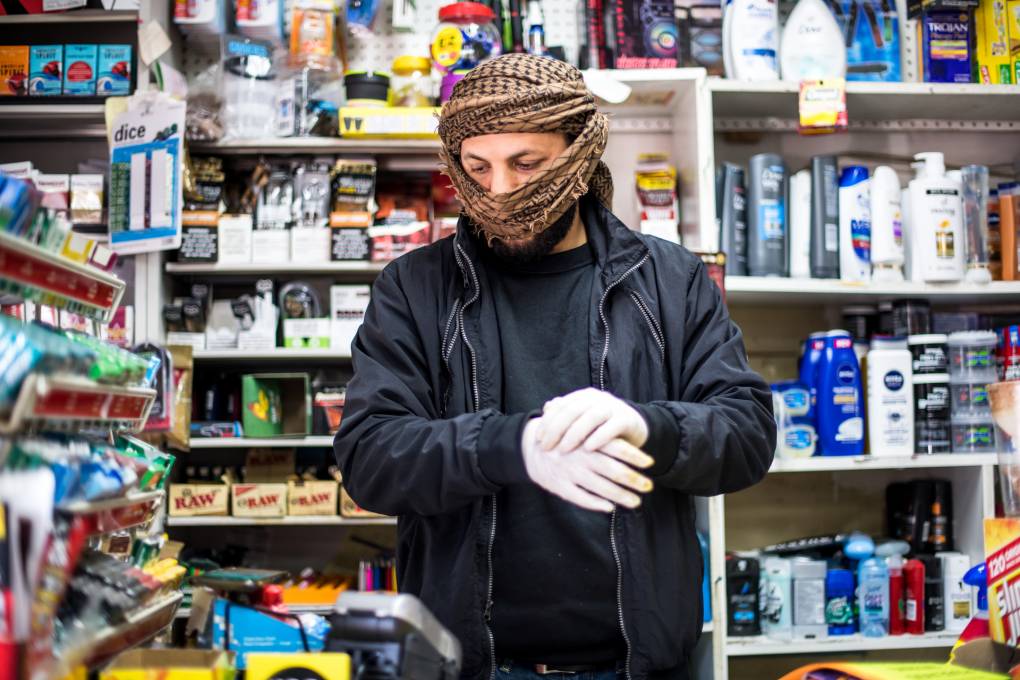
"caption": "Mohamed Darhan, 30, an employee at Sunrise Market in Oakland on April 1, 2020. Darhan said he regularly sanitizes his gloves and the counter, and posts signs reminding customers to keep a distance from each other (and from him) and not to come in the store if they're feeling sick. ",
"description": null,
"title": "RS42502_005_KQED_Oakland_EssentialWorkers_04012020-qut (1)",
"credit": "Beth LaBerge/KQED",
"status": "inherit",
"isLoading": false,
"fetchFailed": false
},
"news_11810385": {
"type": "attachments",
"id": "news_11810385",
"meta": {
"index": "attachments_1716263798",
"site": "news",
"id": "11810385",
"found": true
},
"parent": 11810376,
"imgSizes": {
"apple_news_ca_landscape_5_5": {
"file": "https://ww2.kqed.org/app/uploads/sites/10/2020/04/008_KQED_DalyCity_SetonMedicalCenter_04022020-1044x783.jpg",
"width": 1044,
"mimeType": "image/jpeg",
"height": 783
},
"apple_news_ca_square_4_0": {
"file": "https://ww2.kqed.org/app/uploads/sites/10/2020/04/008_KQED_DalyCity_SetonMedicalCenter_04022020-470x470.jpg",
"width": 470,
"mimeType": "image/jpeg",
"height": 470
},
"twentyfourteen-full-width": {
"file": "https://ww2.kqed.org/app/uploads/sites/10/2020/04/008_KQED_DalyCity_SetonMedicalCenter_04022020-1038x576.jpg",
"width": 1038,
"mimeType": "image/jpeg",
"height": 576
},
"thumbnail": {
"file": "https://ww2.kqed.org/app/uploads/sites/10/2020/04/008_KQED_DalyCity_SetonMedicalCenter_04022020-160x107.jpg",
"width": 160,
"mimeType": "image/jpeg",
"height": 107
},
"post-thumbnail": {
"file": "https://ww2.kqed.org/app/uploads/sites/10/2020/04/008_KQED_DalyCity_SetonMedicalCenter_04022020-672x372.jpg",
"width": 672,
"mimeType": "image/jpeg",
"height": 372
},
"kqedFullSize": {
"file": "https://ww2.kqed.org/app/uploads/sites/10/2020/04/008_KQED_DalyCity_SetonMedicalCenter_04022020.jpg",
"width": 1920,
"height": 1278
},
"apple_news_ca_landscape_4_7": {
"file": "https://ww2.kqed.org/app/uploads/sites/10/2020/04/008_KQED_DalyCity_SetonMedicalCenter_04022020-632x474.jpg",
"width": 632,
"mimeType": "image/jpeg",
"height": 474
},
"large": {
"file": "https://ww2.kqed.org/app/uploads/sites/10/2020/04/008_KQED_DalyCity_SetonMedicalCenter_04022020-1020x679.jpg",
"width": 1020,
"mimeType": "image/jpeg",
"height": 679
},
"apple_news_ca_landscape_4_0": {
"file": "https://ww2.kqed.org/app/uploads/sites/10/2020/04/008_KQED_DalyCity_SetonMedicalCenter_04022020-536x402.jpg",
"width": 536,
"mimeType": "image/jpeg",
"height": 402
},
"apple_news_ca_portrait_12_9": {
"file": "https://ww2.kqed.org/app/uploads/sites/10/2020/04/008_KQED_DalyCity_SetonMedicalCenter_04022020-1122x1278.jpg",
"width": 1122,
"mimeType": "image/jpeg",
"height": 1278
},
"medium": {
"file": "https://ww2.kqed.org/app/uploads/sites/10/2020/04/008_KQED_DalyCity_SetonMedicalCenter_04022020-800x533.jpg",
"width": 800,
"mimeType": "image/jpeg",
"height": 533
},
"apple_news_ca_portrait_4_0": {
"file": "https://ww2.kqed.org/app/uploads/sites/10/2020/04/008_KQED_DalyCity_SetonMedicalCenter_04022020-354x472.jpg",
"width": 354,
"mimeType": "image/jpeg",
"height": 472
},
"apple_news_ca_portrait_9_7": {
"file": "https://ww2.kqed.org/app/uploads/sites/10/2020/04/008_KQED_DalyCity_SetonMedicalCenter_04022020-840x1120.jpg",
"width": 840,
"mimeType": "image/jpeg",
"height": 1120
},
"apple_news_ca_landscape_12_9": {
"file": "https://ww2.kqed.org/app/uploads/sites/10/2020/04/008_KQED_DalyCity_SetonMedicalCenter_04022020-1832x1278.jpg",
"width": 1832,
"mimeType": "image/jpeg",
"height": 1278
},
"apple_news_ca_square_9_7": {
"file": "https://ww2.kqed.org/app/uploads/sites/10/2020/04/008_KQED_DalyCity_SetonMedicalCenter_04022020-1104x1104.jpg",
"width": 1104,
"mimeType": "image/jpeg",
"height": 1104
},
"apple_news_ca_portrait_4_7": {
"file": "https://ww2.kqed.org/app/uploads/sites/10/2020/04/008_KQED_DalyCity_SetonMedicalCenter_04022020-414x552.jpg",
"width": 414,
"mimeType": "image/jpeg",
"height": 552
},
"apple_news_ca_square_12_9": {
"file": "https://ww2.kqed.org/app/uploads/sites/10/2020/04/008_KQED_DalyCity_SetonMedicalCenter_04022020-1472x1278.jpg",
"width": 1472,
"mimeType": "image/jpeg",
"height": 1278
},
"apple_news_ca_portrait_5_5": {
"file": "https://ww2.kqed.org/app/uploads/sites/10/2020/04/008_KQED_DalyCity_SetonMedicalCenter_04022020-687x916.jpg",
"width": 687,
"mimeType": "image/jpeg",
"height": 916
},
"full-width": {
"file": "https://ww2.kqed.org/app/uploads/sites/10/2020/04/008_KQED_DalyCity_SetonMedicalCenter_04022020-1920x1278.jpg",
"width": 1920,
"mimeType": "image/jpeg",
"height": 1278
},
"apple_news_ca_square_4_7": {
"file": "https://ww2.kqed.org/app/uploads/sites/10/2020/04/008_KQED_DalyCity_SetonMedicalCenter_04022020-550x550.jpg",
"width": 550,
"mimeType": "image/jpeg",
"height": 550
},
"apple_news_ca_landscape_9_7": {
"file": "https://ww2.kqed.org/app/uploads/sites/10/2020/04/008_KQED_DalyCity_SetonMedicalCenter_04022020-1376x1032.jpg",
"width": 1376,
"mimeType": "image/jpeg",
"height": 1032
},
"apple_news_ca_square_5_5": {
"file": "https://ww2.kqed.org/app/uploads/sites/10/2020/04/008_KQED_DalyCity_SetonMedicalCenter_04022020-912x912.jpg",
"width": 912,
"mimeType": "image/jpeg",
"height": 912
}
},
"publishDate": 1585876603,
"modified": 1585877273,
"caption": "Seton Medical Center employees practice safe distancing at a rally at the hospital on April 2, 2020, to bring awareness to their need for more protective equipment.",
"description": "Seton Medical Center employees practice safe distancing at a rally at the hospital on April 2, 2020, to bring awareness to their need for more protective equipment.",
"title": "Seton Medical Rally",
"credit": "Beth LaBerge/KQED",
"status": "inherit",
"isLoading": false,
"fetchFailed": false
},
"news_11810326": {
"type": "attachments",
"id": "news_11810326",
"meta": {
"index": "attachments_1716263798",
"site": "news",
"id": "11810326",
"found": true
},
"parent": 11810307,
"imgSizes": {
"apple_news_ca_landscape_5_5": {
"file": "https://ww2.kqed.org/app/uploads/sites/10/2020/04/GettyImages-1208909676_1920x-1044x783.jpg",
"width": 1044,
"mimeType": "image/jpeg",
"height": 783
},
"apple_news_ca_square_4_0": {
"file": "https://ww2.kqed.org/app/uploads/sites/10/2020/04/GettyImages-1208909676_1920x-470x470.jpg",
"width": 470,
"mimeType": "image/jpeg",
"height": 470
},
"twentyfourteen-full-width": {
"file": "https://ww2.kqed.org/app/uploads/sites/10/2020/04/GettyImages-1208909676_1920x-1038x576.jpg",
"width": 1038,
"mimeType": "image/jpeg",
"height": 576
},
"thumbnail": {
"file": "https://ww2.kqed.org/app/uploads/sites/10/2020/04/GettyImages-1208909676_1920x-160x105.jpg",
"width": 160,
"mimeType": "image/jpeg",
"height": 105
},
"post-thumbnail": {
"file": "https://ww2.kqed.org/app/uploads/sites/10/2020/04/GettyImages-1208909676_1920x-672x372.jpg",
"width": 672,
"mimeType": "image/jpeg",
"height": 372
},
"kqedFullSize": {
"file": "https://ww2.kqed.org/app/uploads/sites/10/2020/04/GettyImages-1208909676_1920x.jpg",
"width": 1920,
"height": 1260
},
"apple_news_ca_landscape_4_7": {
"file": "https://ww2.kqed.org/app/uploads/sites/10/2020/04/GettyImages-1208909676_1920x-632x474.jpg",
"width": 632,
"mimeType": "image/jpeg",
"height": 474
},
"large": {
"file": "https://ww2.kqed.org/app/uploads/sites/10/2020/04/GettyImages-1208909676_1920x-1020x669.jpg",
"width": 1020,
"mimeType": "image/jpeg",
"height": 669
},
"apple_news_ca_landscape_4_0": {
"file": "https://ww2.kqed.org/app/uploads/sites/10/2020/04/GettyImages-1208909676_1920x-536x402.jpg",
"width": 536,
"mimeType": "image/jpeg",
"height": 402
},
"apple_news_ca_portrait_12_9": {
"file": "https://ww2.kqed.org/app/uploads/sites/10/2020/04/GettyImages-1208909676_1920x-1122x1260.jpg",
"width": 1122,
"mimeType": "image/jpeg",
"height": 1260
},
"medium": {
"file": "https://ww2.kqed.org/app/uploads/sites/10/2020/04/GettyImages-1208909676_1920x-800x525.jpg",
"width": 800,
"mimeType": "image/jpeg",
"height": 525
},
"apple_news_ca_portrait_4_0": {
"file": "https://ww2.kqed.org/app/uploads/sites/10/2020/04/GettyImages-1208909676_1920x-354x472.jpg",
"width": 354,
"mimeType": "image/jpeg",
"height": 472
},
"apple_news_ca_portrait_9_7": {
"file": "https://ww2.kqed.org/app/uploads/sites/10/2020/04/GettyImages-1208909676_1920x-840x1120.jpg",
"width": 840,
"mimeType": "image/jpeg",
"height": 1120
},
"apple_news_ca_landscape_12_9": {
"file": "https://ww2.kqed.org/app/uploads/sites/10/2020/04/GettyImages-1208909676_1920x-1832x1260.jpg",
"width": 1832,
"mimeType": "image/jpeg",
"height": 1260
},
"apple_news_ca_square_9_7": {
"file": "https://ww2.kqed.org/app/uploads/sites/10/2020/04/GettyImages-1208909676_1920x-1104x1104.jpg",
"width": 1104,
"mimeType": "image/jpeg",
"height": 1104
},
"apple_news_ca_portrait_4_7": {
"file": "https://ww2.kqed.org/app/uploads/sites/10/2020/04/GettyImages-1208909676_1920x-414x552.jpg",
"width": 414,
"mimeType": "image/jpeg",
"height": 552
},
"apple_news_ca_square_12_9": {
"file": "https://ww2.kqed.org/app/uploads/sites/10/2020/04/GettyImages-1208909676_1920x-1472x1260.jpg",
"width": 1472,
"mimeType": "image/jpeg",
"height": 1260
},
"apple_news_ca_portrait_5_5": {
"file": "https://ww2.kqed.org/app/uploads/sites/10/2020/04/GettyImages-1208909676_1920x-687x916.jpg",
"width": 687,
"mimeType": "image/jpeg",
"height": 916
},
"full-width": {
"file": "https://ww2.kqed.org/app/uploads/sites/10/2020/04/GettyImages-1208909676_1920x-1920x1260.jpg",
"width": 1920,
"mimeType": "image/jpeg",
"height": 1260
},
"apple_news_ca_square_4_7": {
"file": "https://ww2.kqed.org/app/uploads/sites/10/2020/04/GettyImages-1208909676_1920x-550x550.jpg",
"width": 550,
"mimeType": "image/jpeg",
"height": 550
},
"apple_news_ca_landscape_9_7": {
"file": "https://ww2.kqed.org/app/uploads/sites/10/2020/04/GettyImages-1208909676_1920x-1376x1032.jpg",
"width": 1376,
"mimeType": "image/jpeg",
"height": 1032
},
"apple_news_ca_square_5_5": {
"file": "https://ww2.kqed.org/app/uploads/sites/10/2020/04/GettyImages-1208909676_1920x-912x912.jpg",
"width": 912,
"mimeType": "image/jpeg",
"height": 912
}
},
"publishDate": 1585869070,
"modified": 1585869122,
"caption": "A boy rides his bike passed a supportive sign posted on a storefront in San Francisco, California on April, 1, 2020, during the novel coronavirus outbreak.",
"description": "A boy rides his bike passed a supportive sign posted on a storefront in San Francisco, California on April, 1, 2020, during the novel coronavirus outbreak.",
"title": "US-HEALTH-VIRUS",
"credit": "Josh Edelson/AFP via Getty Images",
"status": "inherit",
"isLoading": false,
"fetchFailed": false
},
"news_11810339": {
"type": "attachments",
"id": "news_11810339",
"meta": {
"index": "attachments_1716263798",
"site": "news",
"id": "11810339",
"found": true
},
"parent": 11810327,
"imgSizes": {
"apple_news_ca_landscape_5_5": {
"file": "https://ww2.kqed.org/app/uploads/sites/10/2020/04/pleasegive_040220_final-1044x783.png",
"width": 1044,
"mimeType": "image/png",
"height": 783
},
"apple_news_ca_square_4_0": {
"file": "https://ww2.kqed.org/app/uploads/sites/10/2020/04/pleasegive_040220_final-470x470.png",
"width": 470,
"mimeType": "image/png",
"height": 470
},
"twentyfourteen-full-width": {
"file": "https://ww2.kqed.org/app/uploads/sites/10/2020/04/pleasegive_040220_final-1038x576.png",
"width": 1038,
"mimeType": "image/png",
"height": 576
},
"thumbnail": {
"file": "https://ww2.kqed.org/app/uploads/sites/10/2020/04/pleasegive_040220_final-160x111.png",
"width": 160,
"mimeType": "image/png",
"height": 111
},
"post-thumbnail": {
"file": "https://ww2.kqed.org/app/uploads/sites/10/2020/04/pleasegive_040220_final-672x372.png",
"width": 672,
"mimeType": "image/png",
"height": 372
},
"kqedFullSize": {
"file": "https://ww2.kqed.org/app/uploads/sites/10/2020/04/pleasegive_040220_final.png",
"width": 1725,
"height": 1200
},
"apple_news_ca_landscape_4_7": {
"file": "https://ww2.kqed.org/app/uploads/sites/10/2020/04/pleasegive_040220_final-632x474.png",
"width": 632,
"mimeType": "image/png",
"height": 474
},
"large": {
"file": "https://ww2.kqed.org/app/uploads/sites/10/2020/04/pleasegive_040220_final-1020x710.png",
"width": 1020,
"mimeType": "image/png",
"height": 710
},
"apple_news_ca_landscape_4_0": {
"file": "https://ww2.kqed.org/app/uploads/sites/10/2020/04/pleasegive_040220_final-536x402.png",
"width": 536,
"mimeType": "image/png",
"height": 402
},
"apple_news_ca_portrait_12_9": {
"file": "https://ww2.kqed.org/app/uploads/sites/10/2020/04/pleasegive_040220_final-1122x1200.png",
"width": 1122,
"mimeType": "image/png",
"height": 1200
},
"medium": {
"file": "https://ww2.kqed.org/app/uploads/sites/10/2020/04/pleasegive_040220_final-800x557.png",
"width": 800,
"mimeType": "image/png",
"height": 557
},
"apple_news_ca_portrait_4_0": {
"file": "https://ww2.kqed.org/app/uploads/sites/10/2020/04/pleasegive_040220_final-354x472.png",
"width": 354,
"mimeType": "image/png",
"height": 472
},
"apple_news_ca_portrait_9_7": {
"file": "https://ww2.kqed.org/app/uploads/sites/10/2020/04/pleasegive_040220_final-840x1120.png",
"width": 840,
"mimeType": "image/png",
"height": 1120
},
"apple_news_ca_square_9_7": {
"file": "https://ww2.kqed.org/app/uploads/sites/10/2020/04/pleasegive_040220_final-1104x1104.png",
"width": 1104,
"mimeType": "image/png",
"height": 1104
},
"apple_news_ca_portrait_4_7": {
"file": "https://ww2.kqed.org/app/uploads/sites/10/2020/04/pleasegive_040220_final-414x552.png",
"width": 414,
"mimeType": "image/png",
"height": 552
},
"apple_news_ca_square_12_9": {
"file": "https://ww2.kqed.org/app/uploads/sites/10/2020/04/pleasegive_040220_final-1472x1200.png",
"width": 1472,
"mimeType": "image/png",
"height": 1200
},
"apple_news_ca_portrait_5_5": {
"file": "https://ww2.kqed.org/app/uploads/sites/10/2020/04/pleasegive_040220_final-687x916.png",
"width": 687,
"mimeType": "image/png",
"height": 916
},
"apple_news_ca_square_4_7": {
"file": "https://ww2.kqed.org/app/uploads/sites/10/2020/04/pleasegive_040220_final-550x550.png",
"width": 550,
"mimeType": "image/png",
"height": 550
},
"apple_news_ca_landscape_9_7": {
"file": "https://ww2.kqed.org/app/uploads/sites/10/2020/04/pleasegive_040220_final-1376x1032.png",
"width": 1376,
"mimeType": "image/png",
"height": 1032
},
"apple_news_ca_square_5_5": {
"file": "https://ww2.kqed.org/app/uploads/sites/10/2020/04/pleasegive_040220_final-912x912.png",
"width": 912,
"mimeType": "image/png",
"height": 912
}
},
"publishDate": 1585870190,
"modified": 1585870221,
"caption": null,
"description": null,
"title": "pleasegive_040220_final",
"credit": null,
"status": "inherit",
"isLoading": false,
"fetchFailed": false
},
"news_11736249": {
"type": "attachments",
"id": "news_11736249",
"meta": {
"index": "attachments_1716263798",
"site": "news",
"id": "11736249",
"found": true
},
"parent": 11736188,
"imgSizes": {
"post-thumbnail": {
"file": "https://ww2.kqed.org/app/uploads/sites/10/2019/03/PGE-Truck-Paradise-672x372.jpg",
"width": 672,
"mimeType": "image/jpeg",
"height": 372
},
"kqedFullSize": {
"file": "https://ww2.kqed.org/app/uploads/sites/10/2019/03/PGE-Truck-Paradise.jpg",
"width": 1920,
"height": 1137
},
"guest-author-50": {
"file": "https://ww2.kqed.org/app/uploads/sites/10/2019/03/PGE-Truck-Paradise-50x50.jpg",
"width": 50,
"mimeType": "image/jpeg",
"height": 50
},
"guest-author-96": {
"file": "https://ww2.kqed.org/app/uploads/sites/10/2019/03/PGE-Truck-Paradise-96x96.jpg",
"width": 96,
"mimeType": "image/jpeg",
"height": 96
},
"apple_news_ca_portrait_12_9": {
"file": "https://ww2.kqed.org/app/uploads/sites/10/2019/03/PGE-Truck-Paradise-1122x1137.jpg",
"width": 1122,
"mimeType": "image/jpeg",
"height": 1137
},
"medium": {
"file": "https://ww2.kqed.org/app/uploads/sites/10/2019/03/PGE-Truck-Paradise-800x474.jpg",
"width": 800,
"mimeType": "image/jpeg",
"height": 474
},
"guest-author-32": {
"file": "https://ww2.kqed.org/app/uploads/sites/10/2019/03/PGE-Truck-Paradise-32x32.jpg",
"width": 32,
"mimeType": "image/jpeg",
"height": 32
},
"apple_news_ca_portrait_9_7": {
"file": "https://ww2.kqed.org/app/uploads/sites/10/2019/03/PGE-Truck-Paradise-840x1120.jpg",
"width": 840,
"mimeType": "image/jpeg",
"height": 1120
},
"apple_news_ca_square_9_7": {
"file": "https://ww2.kqed.org/app/uploads/sites/10/2019/03/PGE-Truck-Paradise-1104x1104.jpg",
"width": 1104,
"mimeType": "image/jpeg",
"height": 1104
},
"apple_news_ca_portrait_4_7": {
"file": "https://ww2.kqed.org/app/uploads/sites/10/2019/03/PGE-Truck-Paradise-414x552.jpg",
"width": 414,
"mimeType": "image/jpeg",
"height": 552
},
"apple_news_ca_square_12_9": {
"file": "https://ww2.kqed.org/app/uploads/sites/10/2019/03/PGE-Truck-Paradise-1472x1137.jpg",
"width": 1472,
"mimeType": "image/jpeg",
"height": 1137
},
"apple_news_ca_portrait_5_5": {
"file": "https://ww2.kqed.org/app/uploads/sites/10/2019/03/PGE-Truck-Paradise-687x916.jpg",
"width": 687,
"mimeType": "image/jpeg",
"height": 916
},
"apple_news_ca_square_4_7": {
"file": "https://ww2.kqed.org/app/uploads/sites/10/2019/03/PGE-Truck-Paradise-550x550.jpg",
"width": 550,
"mimeType": "image/jpeg",
"height": 550
},
"apple_news_ca_square_5_5": {
"file": "https://ww2.kqed.org/app/uploads/sites/10/2019/03/PGE-Truck-Paradise-912x912.jpg",
"width": 912,
"mimeType": "image/jpeg",
"height": 912
},
"apple_news_ca_landscape_5_5": {
"file": "https://ww2.kqed.org/app/uploads/sites/10/2019/03/PGE-Truck-Paradise-1044x783.jpg",
"width": 1044,
"mimeType": "image/jpeg",
"height": 783
},
"apple_news_ca_square_4_0": {
"file": "https://ww2.kqed.org/app/uploads/sites/10/2019/03/PGE-Truck-Paradise-470x470.jpg",
"width": 470,
"mimeType": "image/jpeg",
"height": 470
},
"twentyfourteen-full-width": {
"file": "https://ww2.kqed.org/app/uploads/sites/10/2019/03/PGE-Truck-Paradise-1038x576.jpg",
"width": 1038,
"mimeType": "image/jpeg",
"height": 576
},
"thumbnail": {
"file": "https://ww2.kqed.org/app/uploads/sites/10/2019/03/PGE-Truck-Paradise-160x95.jpg",
"width": 160,
"mimeType": "image/jpeg",
"height": 95
},
"apple_news_ca_landscape_4_7": {
"file": "https://ww2.kqed.org/app/uploads/sites/10/2019/03/PGE-Truck-Paradise-632x474.jpg",
"width": 632,
"mimeType": "image/jpeg",
"height": 474
},
"large": {
"file": "https://ww2.kqed.org/app/uploads/sites/10/2019/03/PGE-Truck-Paradise-1020x604.jpg",
"width": 1020,
"mimeType": "image/jpeg",
"height": 604
},
"complete_open_graph": {
"file": "https://ww2.kqed.org/app/uploads/sites/10/2019/03/PGE-Truck-Paradise-1200x711.jpg",
"width": 1200,
"mimeType": "image/jpeg",
"height": 711
},
"apple_news_ca_landscape_4_0": {
"file": "https://ww2.kqed.org/app/uploads/sites/10/2019/03/PGE-Truck-Paradise-536x402.jpg",
"width": 536,
"mimeType": "image/jpeg",
"height": 402
},
"guest-author-64": {
"file": "https://ww2.kqed.org/app/uploads/sites/10/2019/03/PGE-Truck-Paradise-64x64.jpg",
"width": 64,
"mimeType": "image/jpeg",
"height": 64
},
"apple_news_ca_portrait_4_0": {
"file": "https://ww2.kqed.org/app/uploads/sites/10/2019/03/PGE-Truck-Paradise-354x472.jpg",
"width": 354,
"mimeType": "image/jpeg",
"height": 472
},
"apple_news_ca_landscape_12_9": {
"file": "https://ww2.kqed.org/app/uploads/sites/10/2019/03/PGE-Truck-Paradise-1832x1137.jpg",
"width": 1832,
"mimeType": "image/jpeg",
"height": 1137
},
"full-width": {
"file": "https://ww2.kqed.org/app/uploads/sites/10/2019/03/PGE-Truck-Paradise-1920x1137.jpg",
"width": 1920,
"mimeType": "image/jpeg",
"height": 1137
},
"guest-author-128": {
"file": "https://ww2.kqed.org/app/uploads/sites/10/2019/03/PGE-Truck-Paradise-128x128.jpg",
"width": 128,
"mimeType": "image/jpeg",
"height": 128
},
"apple_news_ca_landscape_9_7": {
"file": "https://ww2.kqed.org/app/uploads/sites/10/2019/03/PGE-Truck-Paradise-1376x1032.jpg",
"width": 1376,
"mimeType": "image/jpeg",
"height": 1032
}
},
"publishDate": 1553811095,
"modified": 1580519132,
"caption": "PG&E crews work to restore utility services in Paradise on Feb. 1, 2019, in the wake of last fall's Camp Fire, California's deadliest and most destructive blaze in modern history. PG&E has conceded it expects investigators to conclude that its equipment started the blaze.",
"description": "PG&E crews work to restore utility services in Paradise on Feb. 1, 2019, in the wake of last fall's Camp Fire, California's deadliest and most destructive blaze in modern history. PG&E has conceded it expects investigators to conclude that its equipment started the blaze.",
"title": "PGE-Truck-Paradise",
"credit": "Josh Edelson/AFP/Getty Images",
"status": "inherit",
"isLoading": false,
"fetchFailed": false
},
"news_11810153": {
"type": "attachments",
"id": "news_11810153",
"meta": {
"index": "attachments_1716263798",
"site": "news",
"id": "11810153",
"found": true
},
"parent": 11810062,
"imgSizes": {
"apple_news_ca_landscape_5_5": {
"file": "https://ww2.kqed.org/app/uploads/sites/10/2020/04/RS42485_Ragazzi-Boys-Chorus_David-Allen2-qut-1044x783.jpg",
"width": 1044,
"mimeType": "image/jpeg",
"height": 783
},
"apple_news_ca_square_4_0": {
"file": "https://ww2.kqed.org/app/uploads/sites/10/2020/04/RS42485_Ragazzi-Boys-Chorus_David-Allen2-qut-470x470.jpg",
"width": 470,
"mimeType": "image/jpeg",
"height": 470
},
"twentyfourteen-full-width": {
"file": "https://ww2.kqed.org/app/uploads/sites/10/2020/04/RS42485_Ragazzi-Boys-Chorus_David-Allen2-qut-1038x576.jpg",
"width": 1038,
"mimeType": "image/jpeg",
"height": 576
},
"thumbnail": {
"file": "https://ww2.kqed.org/app/uploads/sites/10/2020/04/RS42485_Ragazzi-Boys-Chorus_David-Allen2-qut-160x101.jpg",
"width": 160,
"mimeType": "image/jpeg",
"height": 101
},
"post-thumbnail": {
"file": "https://ww2.kqed.org/app/uploads/sites/10/2020/04/RS42485_Ragazzi-Boys-Chorus_David-Allen2-qut-672x372.jpg",
"width": 672,
"mimeType": "image/jpeg",
"height": 372
},
"kqedFullSize": {
"file": "https://ww2.kqed.org/app/uploads/sites/10/2020/04/RS42485_Ragazzi-Boys-Chorus_David-Allen2-qut.jpg",
"width": 1920,
"height": 1206
},
"apple_news_ca_landscape_4_7": {
"file": "https://ww2.kqed.org/app/uploads/sites/10/2020/04/RS42485_Ragazzi-Boys-Chorus_David-Allen2-qut-632x474.jpg",
"width": 632,
"mimeType": "image/jpeg",
"height": 474
},
"large": {
"file": "https://ww2.kqed.org/app/uploads/sites/10/2020/04/RS42485_Ragazzi-Boys-Chorus_David-Allen2-qut-1020x641.jpg",
"width": 1020,
"mimeType": "image/jpeg",
"height": 641
},
"apple_news_ca_landscape_4_0": {
"file": "https://ww2.kqed.org/app/uploads/sites/10/2020/04/RS42485_Ragazzi-Boys-Chorus_David-Allen2-qut-536x402.jpg",
"width": 536,
"mimeType": "image/jpeg",
"height": 402
},
"apple_news_ca_portrait_12_9": {
"file": "https://ww2.kqed.org/app/uploads/sites/10/2020/04/RS42485_Ragazzi-Boys-Chorus_David-Allen2-qut-1122x1206.jpg",
"width": 1122,
"mimeType": "image/jpeg",
"height": 1206
},
"medium": {
"file": "https://ww2.kqed.org/app/uploads/sites/10/2020/04/RS42485_Ragazzi-Boys-Chorus_David-Allen2-qut-800x503.jpg",
"width": 800,
"mimeType": "image/jpeg",
"height": 503
},
"apple_news_ca_portrait_4_0": {
"file": "https://ww2.kqed.org/app/uploads/sites/10/2020/04/RS42485_Ragazzi-Boys-Chorus_David-Allen2-qut-354x472.jpg",
"width": 354,
"mimeType": "image/jpeg",
"height": 472
},
"apple_news_ca_portrait_9_7": {
"file": "https://ww2.kqed.org/app/uploads/sites/10/2020/04/RS42485_Ragazzi-Boys-Chorus_David-Allen2-qut-840x1120.jpg",
"width": 840,
"mimeType": "image/jpeg",
"height": 1120
},
"apple_news_ca_landscape_12_9": {
"file": "https://ww2.kqed.org/app/uploads/sites/10/2020/04/RS42485_Ragazzi-Boys-Chorus_David-Allen2-qut-1832x1206.jpg",
"width": 1832,
"mimeType": "image/jpeg",
"height": 1206
},
"apple_news_ca_square_9_7": {
"file": "https://ww2.kqed.org/app/uploads/sites/10/2020/04/RS42485_Ragazzi-Boys-Chorus_David-Allen2-qut-1104x1104.jpg",
"width": 1104,
"mimeType": "image/jpeg",
"height": 1104
},
"apple_news_ca_portrait_4_7": {
"file": "https://ww2.kqed.org/app/uploads/sites/10/2020/04/RS42485_Ragazzi-Boys-Chorus_David-Allen2-qut-414x552.jpg",
"width": 414,
"mimeType": "image/jpeg",
"height": 552
},
"apple_news_ca_square_12_9": {
"file": "https://ww2.kqed.org/app/uploads/sites/10/2020/04/RS42485_Ragazzi-Boys-Chorus_David-Allen2-qut-1472x1206.jpg",
"width": 1472,
"mimeType": "image/jpeg",
"height": 1206
},
"apple_news_ca_portrait_5_5": {
"file": "https://ww2.kqed.org/app/uploads/sites/10/2020/04/RS42485_Ragazzi-Boys-Chorus_David-Allen2-qut-687x916.jpg",
"width": 687,
"mimeType": "image/jpeg",
"height": 916
},
"full-width": {
"file": "https://ww2.kqed.org/app/uploads/sites/10/2020/04/RS42485_Ragazzi-Boys-Chorus_David-Allen2-qut-1920x1206.jpg",
"width": 1920,
"mimeType": "image/jpeg",
"height": 1206
},
"apple_news_ca_square_4_7": {
"file": "https://ww2.kqed.org/app/uploads/sites/10/2020/04/RS42485_Ragazzi-Boys-Chorus_David-Allen2-qut-550x550.jpg",
"width": 550,
"mimeType": "image/jpeg",
"height": 550
},
"apple_news_ca_landscape_9_7": {
"file": "https://ww2.kqed.org/app/uploads/sites/10/2020/04/RS42485_Ragazzi-Boys-Chorus_David-Allen2-qut-1376x1032.jpg",
"width": 1376,
"mimeType": "image/jpeg",
"height": 1032
},
"apple_news_ca_square_5_5": {
"file": "https://ww2.kqed.org/app/uploads/sites/10/2020/04/RS42485_Ragazzi-Boys-Chorus_David-Allen2-qut-912x912.jpg",
"width": 912,
"mimeType": "image/jpeg",
"height": 912
}
},
"publishDate": 1585783446,
"modified": 1585853456,
"caption": "Members of the Redwood City-based Ragazzi Boys Chorus, which provides choral training to around 250 youth aged 5 to 18.",
"description": "Members of the Redwood City-based Ragazzi Boys Chorus, which provides choral training to around 250 youth aged 5 to 18.",
"title": "RS42485_Ragazzi Boys Chorus_David Allen2-qut",
"credit": "Courtesy of David Allen",
"status": "inherit",
"isLoading": false,
"fetchFailed": false
},
"news_11810208": {
"type": "attachments",
"id": "news_11810208",
"meta": {
"index": "attachments_1716263798",
"site": "news",
"id": "11810208",
"found": true
},
"parent": 11810146,
"imgSizes": {
"apple_news_ca_landscape_5_5": {
"file": "https://ww2.kqed.org/app/uploads/sites/10/2020/04/002_KQED_SanFrancisco_CheckCashing_03202020-1044x783.jpg",
"width": 1044,
"mimeType": "image/jpeg",
"height": 783
},
"apple_news_ca_square_4_0": {
"file": "https://ww2.kqed.org/app/uploads/sites/10/2020/04/002_KQED_SanFrancisco_CheckCashing_03202020-470x470.jpg",
"width": 470,
"mimeType": "image/jpeg",
"height": 470
},
"twentyfourteen-full-width": {
"file": "https://ww2.kqed.org/app/uploads/sites/10/2020/04/002_KQED_SanFrancisco_CheckCashing_03202020-1038x576.jpg",
"width": 1038,
"mimeType": "image/jpeg",
"height": 576
},
"thumbnail": {
"file": "https://ww2.kqed.org/app/uploads/sites/10/2020/04/002_KQED_SanFrancisco_CheckCashing_03202020-160x107.jpg",
"width": 160,
"mimeType": "image/jpeg",
"height": 107
},
"post-thumbnail": {
"file": "https://ww2.kqed.org/app/uploads/sites/10/2020/04/002_KQED_SanFrancisco_CheckCashing_03202020-672x372.jpg",
"width": 672,
"mimeType": "image/jpeg",
"height": 372
},
"kqedFullSize": {
"file": "https://ww2.kqed.org/app/uploads/sites/10/2020/04/002_KQED_SanFrancisco_CheckCashing_03202020.jpg",
"width": 1920,
"height": 1280
},
"apple_news_ca_landscape_4_7": {
"file": "https://ww2.kqed.org/app/uploads/sites/10/2020/04/002_KQED_SanFrancisco_CheckCashing_03202020-632x474.jpg",
"width": 632,
"mimeType": "image/jpeg",
"height": 474
},
"large": {
"file": "https://ww2.kqed.org/app/uploads/sites/10/2020/04/002_KQED_SanFrancisco_CheckCashing_03202020-1020x680.jpg",
"width": 1020,
"mimeType": "image/jpeg",
"height": 680
},
"apple_news_ca_landscape_4_0": {
"file": "https://ww2.kqed.org/app/uploads/sites/10/2020/04/002_KQED_SanFrancisco_CheckCashing_03202020-536x402.jpg",
"width": 536,
"mimeType": "image/jpeg",
"height": 402
},
"apple_news_ca_portrait_12_9": {
"file": "https://ww2.kqed.org/app/uploads/sites/10/2020/04/002_KQED_SanFrancisco_CheckCashing_03202020-1122x1280.jpg",
"width": 1122,
"mimeType": "image/jpeg",
"height": 1280
},
"medium": {
"file": "https://ww2.kqed.org/app/uploads/sites/10/2020/04/002_KQED_SanFrancisco_CheckCashing_03202020-800x533.jpg",
"width": 800,
"mimeType": "image/jpeg",
"height": 533
},
"apple_news_ca_portrait_4_0": {
"file": "https://ww2.kqed.org/app/uploads/sites/10/2020/04/002_KQED_SanFrancisco_CheckCashing_03202020-354x472.jpg",
"width": 354,
"mimeType": "image/jpeg",
"height": 472
},
"apple_news_ca_portrait_9_7": {
"file": "https://ww2.kqed.org/app/uploads/sites/10/2020/04/002_KQED_SanFrancisco_CheckCashing_03202020-840x1120.jpg",
"width": 840,
"mimeType": "image/jpeg",
"height": 1120
},
"apple_news_ca_landscape_12_9": {
"file": "https://ww2.kqed.org/app/uploads/sites/10/2020/04/002_KQED_SanFrancisco_CheckCashing_03202020-1832x1280.jpg",
"width": 1832,
"mimeType": "image/jpeg",
"height": 1280
},
"apple_news_ca_square_9_7": {
"file": "https://ww2.kqed.org/app/uploads/sites/10/2020/04/002_KQED_SanFrancisco_CheckCashing_03202020-1104x1104.jpg",
"width": 1104,
"mimeType": "image/jpeg",
"height": 1104
},
"apple_news_ca_portrait_4_7": {
"file": "https://ww2.kqed.org/app/uploads/sites/10/2020/04/002_KQED_SanFrancisco_CheckCashing_03202020-414x552.jpg",
"width": 414,
"mimeType": "image/jpeg",
"height": 552
},
"apple_news_ca_square_12_9": {
"file": "https://ww2.kqed.org/app/uploads/sites/10/2020/04/002_KQED_SanFrancisco_CheckCashing_03202020-1472x1280.jpg",
"width": 1472,
"mimeType": "image/jpeg",
"height": 1280
},
"apple_news_ca_portrait_5_5": {
"file": "https://ww2.kqed.org/app/uploads/sites/10/2020/04/002_KQED_SanFrancisco_CheckCashing_03202020-687x916.jpg",
"width": 687,
"mimeType": "image/jpeg",
"height": 916
},
"full-width": {
"file": "https://ww2.kqed.org/app/uploads/sites/10/2020/04/002_KQED_SanFrancisco_CheckCashing_03202020-1920x1280.jpg",
"width": 1920,
"mimeType": "image/jpeg",
"height": 1280
},
"apple_news_ca_square_4_7": {
"file": "https://ww2.kqed.org/app/uploads/sites/10/2020/04/002_KQED_SanFrancisco_CheckCashing_03202020-550x550.jpg",
"width": 550,
"mimeType": "image/jpeg",
"height": 550
},
"apple_news_ca_landscape_9_7": {
"file": "https://ww2.kqed.org/app/uploads/sites/10/2020/04/002_KQED_SanFrancisco_CheckCashing_03202020-1376x1032.jpg",
"width": 1376,
"mimeType": "image/jpeg",
"height": 1032
},
"apple_news_ca_square_5_5": {
"file": "https://ww2.kqed.org/app/uploads/sites/10/2020/04/002_KQED_SanFrancisco_CheckCashing_03202020-912x912.jpg",
"width": 912,
"mimeType": "image/jpeg",
"height": 912
}
},
"publishDate": 1585790186,
"modified": 1585790224,
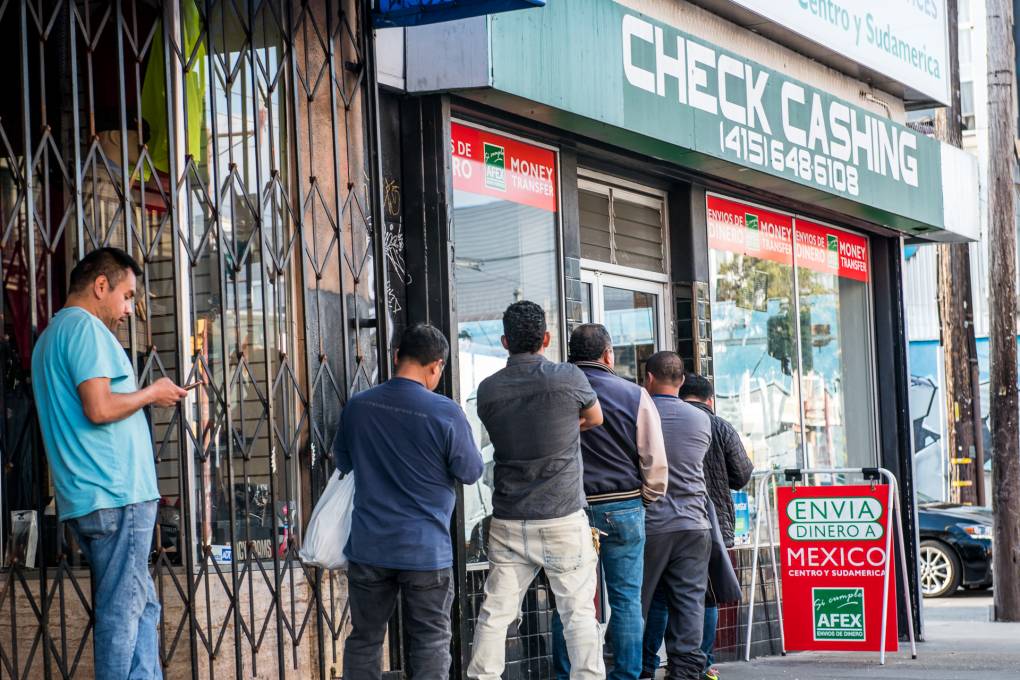
"caption": "A long line at a check cashing shop on Mission Street in San Francisco on March 20, 2020.",
"description": null,
"title": "002_KQED_SanFrancisco_CheckCashing_03202020",
"credit": "Beth LaBerge/KQED",
"status": "inherit",
"isLoading": false,
"fetchFailed": false
},
"news_11810157": {
"type": "attachments",
"id": "news_11810157",
"meta": {
"index": "attachments_1716263798",
"site": "news",
"id": "11810157",
"found": true
},
"parent": 11810133,
"imgSizes": {
"apple_news_ca_landscape_5_5": {
"file": "https://ww2.kqed.org/app/uploads/sites/10/2020/04/BFC-8-1044x783.jpg",
"width": 1044,
"mimeType": "image/jpeg",
"height": 783
},
"apple_news_ca_square_4_0": {
"file": "https://ww2.kqed.org/app/uploads/sites/10/2020/04/BFC-8-470x470.jpg",
"width": 470,
"mimeType": "image/jpeg",
"height": 470
},
"twentyfourteen-full-width": {
"file": "https://ww2.kqed.org/app/uploads/sites/10/2020/04/BFC-8-1038x576.jpg",
"width": 1038,
"mimeType": "image/jpeg",
"height": 576
},
"thumbnail": {
"file": "https://ww2.kqed.org/app/uploads/sites/10/2020/04/BFC-8-160x132.jpg",
"width": 160,
"mimeType": "image/jpeg",
"height": 132
},
"post-thumbnail": {
"file": "https://ww2.kqed.org/app/uploads/sites/10/2020/04/BFC-8-672x372.jpg",
"width": 672,
"mimeType": "image/jpeg",
"height": 372
},
"kqedFullSize": {
"file": "https://ww2.kqed.org/app/uploads/sites/10/2020/04/BFC-8.jpg",
"width": 1151,
"height": 949
},
"apple_news_ca_landscape_4_7": {
"file": "https://ww2.kqed.org/app/uploads/sites/10/2020/04/BFC-8-632x474.jpg",
"width": 632,
"mimeType": "image/jpeg",
"height": 474
},
"large": {
"file": "https://ww2.kqed.org/app/uploads/sites/10/2020/04/BFC-8-1020x841.jpg",
"width": 1020,
"mimeType": "image/jpeg",
"height": 841
},
"apple_news_ca_landscape_4_0": {
"file": "https://ww2.kqed.org/app/uploads/sites/10/2020/04/BFC-8-536x402.jpg",
"width": 536,
"mimeType": "image/jpeg",
"height": 402
},
"apple_news_ca_portrait_12_9": {
"file": "https://ww2.kqed.org/app/uploads/sites/10/2020/04/BFC-8-1122x949.jpg",
"width": 1122,
"mimeType": "image/jpeg",
"height": 949
},
"medium": {
"file": "https://ww2.kqed.org/app/uploads/sites/10/2020/04/BFC-8-800x660.jpg",
"width": 800,
"mimeType": "image/jpeg",
"height": 660
},
"apple_news_ca_portrait_4_0": {
"file": "https://ww2.kqed.org/app/uploads/sites/10/2020/04/BFC-8-354x472.jpg",
"width": 354,
"mimeType": "image/jpeg",
"height": 472
},
"apple_news_ca_portrait_9_7": {
"file": "https://ww2.kqed.org/app/uploads/sites/10/2020/04/BFC-8-840x949.jpg",
"width": 840,
"mimeType": "image/jpeg",
"height": 949
},
"apple_news_ca_square_9_7": {
"file": "https://ww2.kqed.org/app/uploads/sites/10/2020/04/BFC-8-1104x949.jpg",
"width": 1104,
"mimeType": "image/jpeg",
"height": 949
},
"apple_news_ca_portrait_4_7": {
"file": "https://ww2.kqed.org/app/uploads/sites/10/2020/04/BFC-8-414x552.jpg",
"width": 414,
"mimeType": "image/jpeg",
"height": 552
},
"apple_news_ca_portrait_5_5": {
"file": "https://ww2.kqed.org/app/uploads/sites/10/2020/04/BFC-8-687x916.jpg",
"width": 687,
"mimeType": "image/jpeg",
"height": 916
},
"apple_news_ca_square_4_7": {
"file": "https://ww2.kqed.org/app/uploads/sites/10/2020/04/BFC-8-550x550.jpg",
"width": 550,
"mimeType": "image/jpeg",
"height": 550
},
"apple_news_ca_square_5_5": {
"file": "https://ww2.kqed.org/app/uploads/sites/10/2020/04/BFC-8-912x912.jpg",
"width": 912,
"mimeType": "image/jpeg",
"height": 912
}
},
"publishDate": 1585783712,
"modified": 1585851813,
"caption": "Nick Guerette, a volunteer with the Berkeley Free Clinic, sets up a DIY hand washing station at a camp community in Berkeley on March 12, 2020. The clinic is setting up stations around the city because they say city officials haven't installed enough of them to provide sanitation for people living in encampments. ",
"description": null,
"title": "BFC 8",
"credit": "Photo courtesy Berkeley Free Clinic",
"status": "inherit",
"isLoading": false,
"fetchFailed": false
},
"news_11343206": {
"type": "attachments",
"id": "news_11343206",
"meta": {
"index": "attachments_1716263798",
"site": "news",
"id": "11343206",
"found": true
},
"parent": 11343175,
"imgSizes": {
"small": {
"file": "https://ww2.kqed.org/app/uploads/sites/10/2017/03/Cal-520x347.jpg",
"width": 520,
"mimeType": "image/jpeg",
"height": 347
},
"twentyfourteen-full-width": {
"file": "https://ww2.kqed.org/app/uploads/sites/10/2017/03/Cal-1038x576.jpg",
"width": 1038,
"mimeType": "image/jpeg",
"height": 576
},
"thumbnail": {
"file": "https://ww2.kqed.org/app/uploads/sites/10/2017/03/Cal-160x107.jpg",
"width": 160,
"mimeType": "image/jpeg",
"height": 107
},
"fd-sm": {
"file": "https://ww2.kqed.org/app/uploads/sites/10/2017/03/Cal-960x641.jpg",
"width": 960,
"mimeType": "image/jpeg",
"height": 641
},
"post-thumbnail": {
"file": "https://ww2.kqed.org/app/uploads/sites/10/2017/03/Cal-672x372.jpg",
"width": 672,
"mimeType": "image/jpeg",
"height": 372
},
"xsmall": {
"file": "https://ww2.kqed.org/app/uploads/sites/10/2017/03/Cal-375x250.jpg",
"width": 375,
"mimeType": "image/jpeg",
"height": 250
},
"kqedFullSize": {
"file": "https://ww2.kqed.org/app/uploads/sites/10/2017/03/Cal.jpg",
"width": 1920,
"height": 1282
},
"large": {
"file": "https://ww2.kqed.org/app/uploads/sites/10/2017/03/Cal-1020x681.jpg",
"width": 1020,
"mimeType": "image/jpeg",
"height": 681
},
"xlarge": {
"file": "https://ww2.kqed.org/app/uploads/sites/10/2017/03/Cal-1180x788.jpg",
"width": 1180,
"mimeType": "image/jpeg",
"height": 788
},
"guest-author-50": {
"file": "https://ww2.kqed.org/app/uploads/sites/10/2017/03/Cal-50x50.jpg",
"width": 50,
"mimeType": "image/jpeg",
"height": 50
},
"guest-author-96": {
"file": "https://ww2.kqed.org/app/uploads/sites/10/2017/03/Cal-96x96.jpg",
"width": 96,
"mimeType": "image/jpeg",
"height": 96
},
"medium": {
"file": "https://ww2.kqed.org/app/uploads/sites/10/2017/03/Cal-800x534.jpg",
"width": 800,
"mimeType": "image/jpeg",
"height": 534
},
"guest-author-64": {
"file": "https://ww2.kqed.org/app/uploads/sites/10/2017/03/Cal-64x64.jpg",
"width": 64,
"mimeType": "image/jpeg",
"height": 64
},
"guest-author-32": {
"file": "https://ww2.kqed.org/app/uploads/sites/10/2017/03/Cal-32x32.jpg",
"width": 32,
"mimeType": "image/jpeg",
"height": 32
},
"fd-lrg": {
"file": "https://ww2.kqed.org/app/uploads/sites/10/2017/03/Cal-1920x1282.jpg",
"width": 1920,
"mimeType": "image/jpeg",
"height": 1282
},
"fd-med": {
"file": "https://ww2.kqed.org/app/uploads/sites/10/2017/03/Cal-1180x788.jpg",
"width": 1180,
"mimeType": "image/jpeg",
"height": 788
},
"full-width": {
"file": "https://ww2.kqed.org/app/uploads/sites/10/2017/03/Cal-1920x1282.jpg",
"width": 1920,
"mimeType": "image/jpeg",
"height": 1282
},
"detail": {
"file": "https://ww2.kqed.org/app/uploads/sites/10/2017/03/Cal-150x150.jpg",
"width": 150,
"mimeType": "image/jpeg",
"height": 150
},
"guest-author-128": {
"file": "https://ww2.kqed.org/app/uploads/sites/10/2017/03/Cal-128x128.jpg",
"width": 128,
"mimeType": "image/jpeg",
"height": 128
},
"xxsmall": {
"file": "https://ww2.kqed.org/app/uploads/sites/10/2017/03/Cal-240x160.jpg",
"width": 240,
"mimeType": "image/jpeg",
"height": 160
}
},
"publishDate": 1488590190,
"modified": 1585785986,
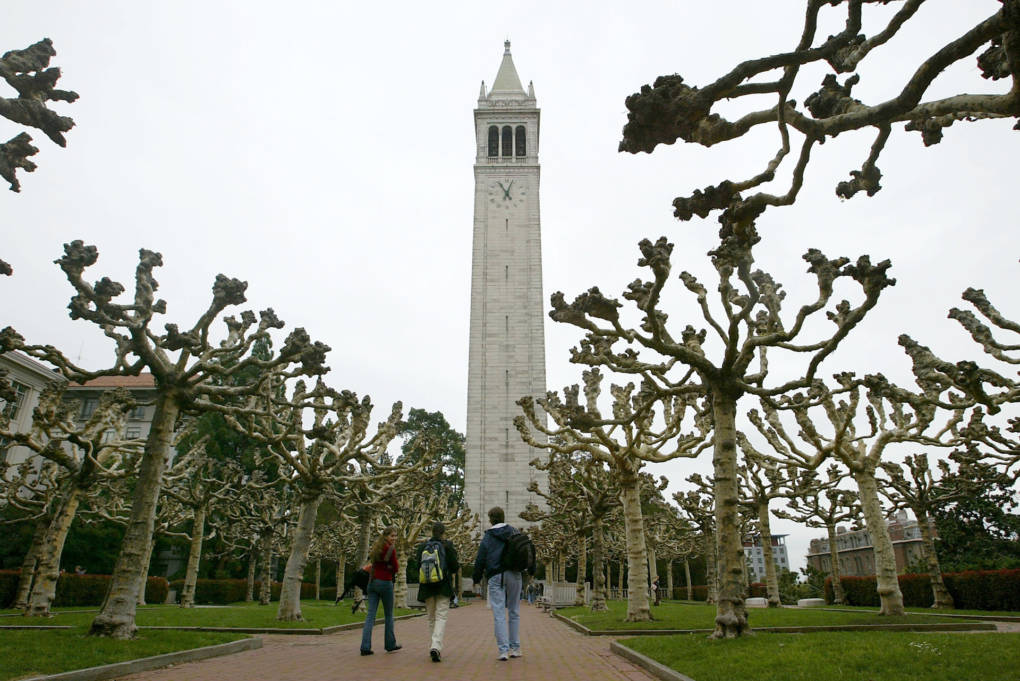
"caption": "Students walk near Sather Tower on the UC Berkeley campus.",
"description": "Students walk near Sather Tower on the UC Berkeley campus.",
"title": "Cal",
"credit": "Justin Sullivan/Getty Images",
"status": "inherit",
"isLoading": false,
"fetchFailed": false
},
"news_11810200": {
"type": "attachments",
"id": "news_11810200",
"meta": {
"index": "attachments_1716263798",
"site": "news",
"id": "11810200",
"found": true
},
"parent": 11810140,
"imgSizes": {
"apple_news_ca_landscape_5_5": {
"file": "https://ww2.kqed.org/app/uploads/sites/10/2020/04/006_KQED_Oakland_RentStrike_04012020-1044x783.jpg",
"width": 1044,
"mimeType": "image/jpeg",
"height": 783
},
"apple_news_ca_square_4_0": {
"file": "https://ww2.kqed.org/app/uploads/sites/10/2020/04/006_KQED_Oakland_RentStrike_04012020-470x470.jpg",
"width": 470,
"mimeType": "image/jpeg",
"height": 470
},
"twentyfourteen-full-width": {
"file": "https://ww2.kqed.org/app/uploads/sites/10/2020/04/006_KQED_Oakland_RentStrike_04012020-1038x576.jpg",
"width": 1038,
"mimeType": "image/jpeg",
"height": 576
},
"thumbnail": {
"file": "https://ww2.kqed.org/app/uploads/sites/10/2020/04/006_KQED_Oakland_RentStrike_04012020-160x107.jpg",
"width": 160,
"mimeType": "image/jpeg",
"height": 107
},
"post-thumbnail": {
"file": "https://ww2.kqed.org/app/uploads/sites/10/2020/04/006_KQED_Oakland_RentStrike_04012020-672x372.jpg",
"width": 672,
"mimeType": "image/jpeg",
"height": 372
},
"kqedFullSize": {
"file": "https://ww2.kqed.org/app/uploads/sites/10/2020/04/006_KQED_Oakland_RentStrike_04012020.jpg",
"width": 1920,
"height": 1280
},
"apple_news_ca_landscape_4_7": {
"file": "https://ww2.kqed.org/app/uploads/sites/10/2020/04/006_KQED_Oakland_RentStrike_04012020-632x474.jpg",
"width": 632,
"mimeType": "image/jpeg",
"height": 474
},
"large": {
"file": "https://ww2.kqed.org/app/uploads/sites/10/2020/04/006_KQED_Oakland_RentStrike_04012020-1020x680.jpg",
"width": 1020,
"mimeType": "image/jpeg",
"height": 680
},
"apple_news_ca_landscape_4_0": {
"file": "https://ww2.kqed.org/app/uploads/sites/10/2020/04/006_KQED_Oakland_RentStrike_04012020-536x402.jpg",
"width": 536,
"mimeType": "image/jpeg",
"height": 402
},
"apple_news_ca_portrait_12_9": {
"file": "https://ww2.kqed.org/app/uploads/sites/10/2020/04/006_KQED_Oakland_RentStrike_04012020-1122x1280.jpg",
"width": 1122,
"mimeType": "image/jpeg",
"height": 1280
},
"medium": {
"file": "https://ww2.kqed.org/app/uploads/sites/10/2020/04/006_KQED_Oakland_RentStrike_04012020-800x533.jpg",
"width": 800,
"mimeType": "image/jpeg",
"height": 533
},
"apple_news_ca_portrait_4_0": {
"file": "https://ww2.kqed.org/app/uploads/sites/10/2020/04/006_KQED_Oakland_RentStrike_04012020-354x472.jpg",
"width": 354,
"mimeType": "image/jpeg",
"height": 472
},
"apple_news_ca_portrait_9_7": {
"file": "https://ww2.kqed.org/app/uploads/sites/10/2020/04/006_KQED_Oakland_RentStrike_04012020-840x1120.jpg",
"width": 840,
"mimeType": "image/jpeg",
"height": 1120
},
"apple_news_ca_landscape_12_9": {
"file": "https://ww2.kqed.org/app/uploads/sites/10/2020/04/006_KQED_Oakland_RentStrike_04012020-1832x1280.jpg",
"width": 1832,
"mimeType": "image/jpeg",
"height": 1280
},
"apple_news_ca_square_9_7": {
"file": "https://ww2.kqed.org/app/uploads/sites/10/2020/04/006_KQED_Oakland_RentStrike_04012020-1104x1104.jpg",
"width": 1104,
"mimeType": "image/jpeg",
"height": 1104
},
"apple_news_ca_portrait_4_7": {
"file": "https://ww2.kqed.org/app/uploads/sites/10/2020/04/006_KQED_Oakland_RentStrike_04012020-414x552.jpg",
"width": 414,
"mimeType": "image/jpeg",
"height": 552
},
"apple_news_ca_square_12_9": {
"file": "https://ww2.kqed.org/app/uploads/sites/10/2020/04/006_KQED_Oakland_RentStrike_04012020-1472x1280.jpg",
"width": 1472,
"mimeType": "image/jpeg",
"height": 1280
},
"apple_news_ca_portrait_5_5": {
"file": "https://ww2.kqed.org/app/uploads/sites/10/2020/04/006_KQED_Oakland_RentStrike_04012020-687x916.jpg",
"width": 687,
"mimeType": "image/jpeg",
"height": 916
},
"full-width": {
"file": "https://ww2.kqed.org/app/uploads/sites/10/2020/04/006_KQED_Oakland_RentStrike_04012020-1920x1280.jpg",
"width": 1920,
"mimeType": "image/jpeg",
"height": 1280
},
"apple_news_ca_square_4_7": {
"file": "https://ww2.kqed.org/app/uploads/sites/10/2020/04/006_KQED_Oakland_RentStrike_04012020-550x550.jpg",
"width": 550,
"mimeType": "image/jpeg",
"height": 550
},
"apple_news_ca_landscape_9_7": {
"file": "https://ww2.kqed.org/app/uploads/sites/10/2020/04/006_KQED_Oakland_RentStrike_04012020-1376x1032.jpg",
"width": 1376,
"mimeType": "image/jpeg",
"height": 1032
},
"apple_news_ca_square_5_5": {
"file": "https://ww2.kqed.org/app/uploads/sites/10/2020/04/006_KQED_Oakland_RentStrike_04012020-912x912.jpg",
"width": 912,
"mimeType": "image/jpeg",
"height": 912
}
},
"publishDate": 1585789170,
"modified": 1585848891,
"caption": "Terra Thomas poses for a portrait with a 'Rent Strike' banner hanging at her apartment building in Oakland on April 1, 2020. Thomas is withholding her rent this month because she doesn't think it's fair to have to decide between rent and food. \"That’s a choice that a lot of people are having to make this month,” she said. She isn't able to work right now and said, \"I love my job. I would really love to be working.\"",
"description": null,
"title": "006_KQED_Oakland_RentStrike_04012020",
"credit": "Beth LaBerge/KQED",
"status": "inherit",
"isLoading": false,
"fetchFailed": false
},
"news_11810179": {
"type": "attachments",
"id": "news_11810179",
"meta": {
"index": "attachments_1716263798",
"site": "news",
"id": "11810179",
"found": true
},
"parent": 11810126,
"imgSizes": {
"apple_news_ca_landscape_5_5": {
"file": "https://ww2.kqed.org/app/uploads/sites/10/2020/04/GettyImages-1212813909_1920x-1044x783.jpg",
"width": 1044,
"mimeType": "image/jpeg",
"height": 783
},
"apple_news_ca_square_4_0": {
"file": "https://ww2.kqed.org/app/uploads/sites/10/2020/04/GettyImages-1212813909_1920x-470x470.jpg",
"width": 470,
"mimeType": "image/jpeg",
"height": 470
},
"twentyfourteen-full-width": {
"file": "https://ww2.kqed.org/app/uploads/sites/10/2020/04/GettyImages-1212813909_1920x-1038x576.jpg",
"width": 1038,
"mimeType": "image/jpeg",
"height": 576
},
"thumbnail": {
"file": "https://ww2.kqed.org/app/uploads/sites/10/2020/04/GettyImages-1212813909_1920x-160x107.jpg",
"width": 160,
"mimeType": "image/jpeg",
"height": 107
},
"post-thumbnail": {
"file": "https://ww2.kqed.org/app/uploads/sites/10/2020/04/GettyImages-1212813909_1920x-672x372.jpg",
"width": 672,
"mimeType": "image/jpeg",
"height": 372
},
"kqedFullSize": {
"file": "https://ww2.kqed.org/app/uploads/sites/10/2020/04/GettyImages-1212813909_1920x.jpg",
"width": 1920,
"height": 1280
},
"apple_news_ca_landscape_4_7": {
"file": "https://ww2.kqed.org/app/uploads/sites/10/2020/04/GettyImages-1212813909_1920x-632x474.jpg",
"width": 632,
"mimeType": "image/jpeg",
"height": 474
},
"large": {
"file": "https://ww2.kqed.org/app/uploads/sites/10/2020/04/GettyImages-1212813909_1920x-1020x680.jpg",
"width": 1020,
"mimeType": "image/jpeg",
"height": 680
},
"apple_news_ca_landscape_4_0": {
"file": "https://ww2.kqed.org/app/uploads/sites/10/2020/04/GettyImages-1212813909_1920x-536x402.jpg",
"width": 536,
"mimeType": "image/jpeg",
"height": 402
},
"apple_news_ca_portrait_12_9": {
"file": "https://ww2.kqed.org/app/uploads/sites/10/2020/04/GettyImages-1212813909_1920x-1122x1280.jpg",
"width": 1122,
"mimeType": "image/jpeg",
"height": 1280
},
"medium": {
"file": "https://ww2.kqed.org/app/uploads/sites/10/2020/04/GettyImages-1212813909_1920x-800x533.jpg",
"width": 800,
"mimeType": "image/jpeg",
"height": 533
},
"apple_news_ca_portrait_4_0": {
"file": "https://ww2.kqed.org/app/uploads/sites/10/2020/04/GettyImages-1212813909_1920x-354x472.jpg",
"width": 354,
"mimeType": "image/jpeg",
"height": 472
},
"apple_news_ca_portrait_9_7": {
"file": "https://ww2.kqed.org/app/uploads/sites/10/2020/04/GettyImages-1212813909_1920x-840x1120.jpg",
"width": 840,
"mimeType": "image/jpeg",
"height": 1120
},
"apple_news_ca_landscape_12_9": {
"file": "https://ww2.kqed.org/app/uploads/sites/10/2020/04/GettyImages-1212813909_1920x-1832x1280.jpg",
"width": 1832,
"mimeType": "image/jpeg",
"height": 1280
},
"apple_news_ca_square_9_7": {
"file": "https://ww2.kqed.org/app/uploads/sites/10/2020/04/GettyImages-1212813909_1920x-1104x1104.jpg",
"width": 1104,
"mimeType": "image/jpeg",
"height": 1104
},
"apple_news_ca_portrait_4_7": {
"file": "https://ww2.kqed.org/app/uploads/sites/10/2020/04/GettyImages-1212813909_1920x-414x552.jpg",
"width": 414,
"mimeType": "image/jpeg",
"height": 552
},
"apple_news_ca_square_12_9": {
"file": "https://ww2.kqed.org/app/uploads/sites/10/2020/04/GettyImages-1212813909_1920x-1472x1280.jpg",
"width": 1472,
"mimeType": "image/jpeg",
"height": 1280
},
"apple_news_ca_portrait_5_5": {
"file": "https://ww2.kqed.org/app/uploads/sites/10/2020/04/GettyImages-1212813909_1920x-687x916.jpg",
"width": 687,
"mimeType": "image/jpeg",
"height": 916
},
"full-width": {
"file": "https://ww2.kqed.org/app/uploads/sites/10/2020/04/GettyImages-1212813909_1920x-1920x1280.jpg",
"width": 1920,
"mimeType": "image/jpeg",
"height": 1280
},
"apple_news_ca_square_4_7": {
"file": "https://ww2.kqed.org/app/uploads/sites/10/2020/04/GettyImages-1212813909_1920x-550x550.jpg",
"width": 550,
"mimeType": "image/jpeg",
"height": 550
},
"apple_news_ca_landscape_9_7": {
"file": "https://ww2.kqed.org/app/uploads/sites/10/2020/04/GettyImages-1212813909_1920x-1376x1032.jpg",
"width": 1376,
"mimeType": "image/jpeg",
"height": 1032
},
"apple_news_ca_square_5_5": {
"file": "https://ww2.kqed.org/app/uploads/sites/10/2020/04/GettyImages-1212813909_1920x-912x912.jpg",
"width": 912,
"mimeType": "image/jpeg",
"height": 912
}
},
"publishDate": 1585786759,
"modified": 1585786814,
"caption": "San Francisco Mayor London Breed (C) speaks during a press conference as San Francisco police chief William Scott (L) and San Francisco Department of Public Health director Dr. Grant Colfax (R) look on at San Francisco City Hall on March 16, 2020 in San Francisco, California. ",
"description": "San Francisco Mayor London Breed (C) speaks during a press conference as San Francisco police chief William Scott (L) and San Francisco Department of Public Health director Dr. Grant Colfax (R) look on at San Francisco City Hall on March 16, 2020 in San Francisco, California. ",
"title": "'Shelter In Place' Ordered For Bay Area As Localities Escalate Response To Coronavirus Pandemic",
"credit": "Justin Sullivan/Getty Images",
"status": "inherit",
"isLoading": false,
"fetchFailed": false
},
"news_11810080": {
"type": "attachments",
"id": "news_11810080",
"meta": {
"index": "attachments_1716263798",
"site": "news",
"id": "11810080",
"found": true
},
"parent": 11810060,
"imgSizes": {
"apple_news_ca_landscape_5_5": {
"file": "https://ww2.kqed.org/app/uploads/sites/10/2020/04/RS26107_jail-hallway-with-bars-01-11-17-qut-1044x783.jpg",
"width": 1044,
"mimeType": "image/jpeg",
"height": 783
},
"apple_news_ca_square_4_0": {
"file": "https://ww2.kqed.org/app/uploads/sites/10/2020/04/RS26107_jail-hallway-with-bars-01-11-17-qut-470x470.jpg",
"width": 470,
"mimeType": "image/jpeg",
"height": 470
},
"twentyfourteen-full-width": {
"file": "https://ww2.kqed.org/app/uploads/sites/10/2020/04/RS26107_jail-hallway-with-bars-01-11-17-qut-1038x576.jpg",
"width": 1038,
"mimeType": "image/jpeg",
"height": 576
},
"thumbnail": {
"file": "https://ww2.kqed.org/app/uploads/sites/10/2020/04/RS26107_jail-hallway-with-bars-01-11-17-qut-160x90.jpg",
"width": 160,
"mimeType": "image/jpeg",
"height": 90
},
"post-thumbnail": {
"file": "https://ww2.kqed.org/app/uploads/sites/10/2020/04/RS26107_jail-hallway-with-bars-01-11-17-qut-672x372.jpg",
"width": 672,
"mimeType": "image/jpeg",
"height": 372
},
"kqedFullSize": {
"file": "https://ww2.kqed.org/app/uploads/sites/10/2020/04/RS26107_jail-hallway-with-bars-01-11-17-qut.jpg",
"width": 1920,
"height": 1080
},
"apple_news_ca_landscape_4_7": {
"file": "https://ww2.kqed.org/app/uploads/sites/10/2020/04/RS26107_jail-hallway-with-bars-01-11-17-qut-632x474.jpg",
"width": 632,
"mimeType": "image/jpeg",
"height": 474
},
"large": {
"file": "https://ww2.kqed.org/app/uploads/sites/10/2020/04/RS26107_jail-hallway-with-bars-01-11-17-qut-1020x574.jpg",
"width": 1020,
"mimeType": "image/jpeg",
"height": 574
},
"apple_news_ca_landscape_4_0": {
"file": "https://ww2.kqed.org/app/uploads/sites/10/2020/04/RS26107_jail-hallway-with-bars-01-11-17-qut-536x402.jpg",
"width": 536,
"mimeType": "image/jpeg",
"height": 402
},
"apple_news_ca_portrait_12_9": {
"file": "https://ww2.kqed.org/app/uploads/sites/10/2020/04/RS26107_jail-hallway-with-bars-01-11-17-qut-1122x1080.jpg",
"width": 1122,
"mimeType": "image/jpeg",
"height": 1080
},
"medium": {
"file": "https://ww2.kqed.org/app/uploads/sites/10/2020/04/RS26107_jail-hallway-with-bars-01-11-17-qut-800x450.jpg",
"width": 800,
"mimeType": "image/jpeg",
"height": 450
},
"apple_news_ca_portrait_4_0": {
"file": "https://ww2.kqed.org/app/uploads/sites/10/2020/04/RS26107_jail-hallway-with-bars-01-11-17-qut-354x472.jpg",
"width": 354,
"mimeType": "image/jpeg",
"height": 472
},
"apple_news_ca_portrait_9_7": {
"file": "https://ww2.kqed.org/app/uploads/sites/10/2020/04/RS26107_jail-hallway-with-bars-01-11-17-qut-840x1080.jpg",
"width": 840,
"mimeType": "image/jpeg",
"height": 1080
},
"apple_news_ca_landscape_12_9": {
"file": "https://ww2.kqed.org/app/uploads/sites/10/2020/04/RS26107_jail-hallway-with-bars-01-11-17-qut-1832x1080.jpg",
"width": 1832,
"mimeType": "image/jpeg",
"height": 1080
},
"apple_news_ca_square_9_7": {
"file": "https://ww2.kqed.org/app/uploads/sites/10/2020/04/RS26107_jail-hallway-with-bars-01-11-17-qut-1104x1080.jpg",
"width": 1104,
"mimeType": "image/jpeg",
"height": 1080
},
"apple_news_ca_portrait_4_7": {
"file": "https://ww2.kqed.org/app/uploads/sites/10/2020/04/RS26107_jail-hallway-with-bars-01-11-17-qut-414x552.jpg",
"width": 414,
"mimeType": "image/jpeg",
"height": 552
},
"apple_news_ca_square_12_9": {
"file": "https://ww2.kqed.org/app/uploads/sites/10/2020/04/RS26107_jail-hallway-with-bars-01-11-17-qut-1472x1080.jpg",
"width": 1472,
"mimeType": "image/jpeg",
"height": 1080
},
"apple_news_ca_portrait_5_5": {
"file": "https://ww2.kqed.org/app/uploads/sites/10/2020/04/RS26107_jail-hallway-with-bars-01-11-17-qut-687x916.jpg",
"width": 687,
"mimeType": "image/jpeg",
"height": 916
},
"full-width": {
"file": "https://ww2.kqed.org/app/uploads/sites/10/2020/04/RS26107_jail-hallway-with-bars-01-11-17-qut-1920x1080.jpg",
"width": 1920,
"mimeType": "image/jpeg",
"height": 1080
},
"apple_news_ca_square_4_7": {
"file": "https://ww2.kqed.org/app/uploads/sites/10/2020/04/RS26107_jail-hallway-with-bars-01-11-17-qut-550x550.jpg",
"width": 550,
"mimeType": "image/jpeg",
"height": 550
},
"apple_news_ca_landscape_9_7": {
"file": "https://ww2.kqed.org/app/uploads/sites/10/2020/04/RS26107_jail-hallway-with-bars-01-11-17-qut-1376x1032.jpg",
"width": 1376,
"mimeType": "image/jpeg",
"height": 1032
},
"apple_news_ca_square_5_5": {
"file": "https://ww2.kqed.org/app/uploads/sites/10/2020/04/RS26107_jail-hallway-with-bars-01-11-17-qut-912x912.jpg",
"width": 912,
"mimeType": "image/jpeg",
"height": 912
}
},
"publishDate": 1585768338,
"modified": 1587587813,
"caption": "Inside the Yuba County Jail in Marysville, California, where an immigrant detainee with chronic health conditions is suing ICE to be released due to the coronavirus outbreak. ",
"description": "Inside the Yuba County Jail in Marysville, California, where an immigrant detainee with chronic health conditions is suing ICE to be released, due to the coronavirus outbreak. ",
"title": "RS26107_jail-hallway-with-bars-01-11-17-qut",
"credit": "Courtesy Rosen Bien Galvan & Grunfeld LLP",
"status": "inherit",
"isLoading": false,
"fetchFailed": false
}
},
"audioPlayerReducer": {
"postId": "stream_live",
"isPaused": true,
"isPlaying": false,
"pfsActive": false,
"pledgeModalIsOpen": true,
"playerDrawerIsOpen": false,
"liveAudioPlayStartedAt": 0,
"liveAudioPlayContext": ""
},
"authorsReducer": {
"byline_news_11810146": {
"type": "authors",
"id": "byline_news_11810146",
"meta": {
"override": true
},
"slug": "byline_news_11810146",
"name": "Manuela Tobias, The Fresno Bee",
"isLoading": false
},
"byline_news_11810060": {
"type": "authors",
"id": "byline_news_11810060",
"meta": {
"override": true
},
"slug": "byline_news_11810060",
"name": "Emily Kassie, \u003ca href=\"https://www.themarshallproject.org/2020/04/01/i-do-not-want-to-die-somewhere-like-this\">The Marshall Project\u003c/a>",
"isLoading": false
},
"mlam": {
"type": "authors",
"id": "244",
"meta": {
"index": "authors_1716337520",
"id": "244",
"found": true
},
"name": "Monica Lam",
"firstName": "Monica Z.",
"lastName": "Lam",
"slug": "mlam",
"email": "mlam@kqed.org",
"display_author_email": true,
"staff_mastheads": [
"news"
],
"title": "KQED Senior Producer",
"bio": "Monica is senior producer of the weekly current affairs program, \"KQED Newsroom.\" She's also served as senior editor of digital content at KQED. She likes to report and edit as well as produce video and take photos.\r\n\r\nBefore joining KQED, Monica worked at the Center for Investigative Reporting, where she examined conditions inside \u003cspan style=\"font-weight: 400;\">maximum security \u003c/span>prisons and abuse in state-run institutions for the developmentally disabled. Prior to that, she produced and directed \u003cem>Journey of the Bonesetter's Daughter,\u003c/em> a documentary that follows novelist Amy Tan as she creates an opera based on her family history.\r\n\r\nMonica's work has been honored with a duPont Award, five Emmys, regional and national Murrow Awards, and has been recognized by Investigative Reporters and Editors, the Society of Professional Journalists, Religion Newswriters Association and the San Francisco Peninsula Press Club. Monica studied urban studies at Stanford University and earned a master's in journalism at University of California at Berkeley. Follow her on twitter: @monicazlam",
"avatar": "https://secure.gravatar.com/avatar/018c474b2b71f43e0e6ca9b15a0ad36f?s=600&d=blank&r=g",
"twitter": "@monicazlam",
"facebook": null,
"instagram": null,
"linkedin": null,
"sites": [
{
"site": "arts",
"roles": [
"administrator"
]
},
{
"site": "news",
"roles": [
"editor"
]
},
{
"site": "trulyca",
"roles": [
"editor"
]
},
{
"site": "science",
"roles": [
"editor"
]
},
{
"site": "breakingnews",
"roles": [
"editor"
]
}
],
"headData": {
"title": "Monica Lam | KQED",
"description": "KQED Senior Producer",
"ogImgSrc": "https://secure.gravatar.com/avatar/018c474b2b71f43e0e6ca9b15a0ad36f?s=600&d=blank&r=g",
"twImgSrc": "https://secure.gravatar.com/avatar/018c474b2b71f43e0e6ca9b15a0ad36f?s=600&d=blank&r=g"
},
"isLoading": false,
"link": "/author/mlam"
},
"samharnett": {
"type": "authors",
"id": "253",
"meta": {
"index": "authors_1716337520",
"id": "253",
"found": true
},
"name": "Sam Harnett",
"firstName": "Sam",
"lastName": "Harnett",
"slug": "samharnett",
"email": "samharnett@gmail.com",
"display_author_email": false,
"staff_mastheads": [],
"title": "KQED Contributor",
"bio": "Sam Harnett covered tech and work at KQED. He is the co-creator of \u003cem>\u003ca href=\"http://www.theworldaccordingtosound.org\">The World According to Sound\u003c/a>,\u003c/em> a 90-second podcast that features different sounds and the stories behind them.\r\n\r\nBefore coming to KQED, Sam worked as an independent reporter who contributed regularly to \u003cem>The California Report, Marketplace,\u003c/em> \u003cem>The World \u003c/em>and NPR.",
"avatar": "https://secure.gravatar.com/avatar/2538b972ac02f2b9546c7a6c59a0f3d0?s=600&d=blank&r=g",
"twitter": "Samwharnett",
"facebook": null,
"instagram": null,
"linkedin": null,
"sites": [
{
"site": "news",
"roles": [
"edit_others_posts",
"subscriber"
]
},
{
"site": "stateofhealth",
"roles": [
"author"
]
},
{
"site": "science",
"roles": [
"editor"
]
},
{
"site": "quest",
"roles": [
"subscriber"
]
}
],
"headData": {
"title": "Sam Harnett | KQED",
"description": "KQED Contributor",
"ogImgSrc": "https://secure.gravatar.com/avatar/2538b972ac02f2b9546c7a6c59a0f3d0?s=600&d=blank&r=g",
"twImgSrc": "https://secure.gravatar.com/avatar/2538b972ac02f2b9546c7a6c59a0f3d0?s=600&d=blank&r=g"
},
"isLoading": false,
"link": "/author/samharnett"
},
"tarasiler": {
"type": "authors",
"id": "257",
"meta": {
"index": "authors_1716337520",
"id": "257",
"found": true
},
"name": "Tara Siler",
"firstName": "Tara",
"lastName": "Siler",
"slug": "tarasiler",
"email": "tsiler@kqed.org",
"display_author_email": false,
"staff_mastheads": [
"news"
],
"title": "KQED Contributor",
"bio": "Tara reports and anchors for KQED news. She covers a range of issues from community-police relations to local politics. Tara started out in community radio in the Bay Area, where she was raised. She eventually moved to Washington DC where she covered Congress for eight years for Pacifica and Monitor Radio. Her stories have also been heard on NPR's All Things Considered, Morning Edition and The World.\r\n\r\nTara lives with her husband in Oakland-- where they raised their two sons. She enjoys spending time with her family, gardening and hiking in the Oakland hills... and keeping up with the news.",
"avatar": "https://secure.gravatar.com/avatar/99802f9746fb80b65fd8ec6c57954450?s=600&d=blank&r=g",
"twitter": null,
"facebook": null,
"instagram": null,
"linkedin": null,
"sites": [
{
"site": "news",
"roles": [
"contributor",
"edit_others_posts"
]
},
{
"site": "stateofhealth",
"roles": [
"author"
]
}
],
"headData": {
"title": "Tara Siler | KQED",
"description": "KQED Contributor",
"ogImgSrc": "https://secure.gravatar.com/avatar/99802f9746fb80b65fd8ec6c57954450?s=600&d=blank&r=g",
"twImgSrc": "https://secure.gravatar.com/avatar/99802f9746fb80b65fd8ec6c57954450?s=600&d=blank&r=g"
},
"isLoading": false,
"link": "/author/tarasiler"
},
"markfiore": {
"type": "authors",
"id": "3236",
"meta": {
"index": "authors_1716337520",
"id": "3236",
"found": true
},
"name": "Mark Fiore",
"firstName": "Mark",
"lastName": "Fiore",
"slug": "markfiore",
"email": "mark@markfiore.com",
"display_author_email": false,
"staff_mastheads": [
"news"
],
"title": "KQED News Cartoonist",
"bio": "\u003ca href=\"http://www.MarkFiore.com\">MarkFiore.com\u003c/a> | \u003ca href=\"https://twitter.com/markfiore\">Follow on Twitter\u003c/a> | \u003ca href=\"https://www.facebook.com/pages/Mark-Fiore-Animated-Political-Cartoons/94451707396?ref=bookmarks\">Facebook\u003c/a> | \u003ca href=\"mailto:mark@markfiore.com\">email\u003c/a>\r\n\r\nPulitzer Prize-winner, Mark Fiore, who the Wall Street Journal has called “the undisputed guru of the form,” creates animated political cartoons in San Francisco, where his work has been featured regularly on the San Francisco Chronicle’s web site, SFGate.com. His work has appeared on Newsweek.com, Slate.com, CBSNews.com, MotherJones.com, DailyKos.com and NPR’s web site. Fiore’s political animation has appeared on CNN, Frontline, Bill Moyers Journal, Salon.com and cable and broadcast outlets across the globe.\r\n\r\nBeginning his professional life by drawing traditional political cartoons for newspapers, Fiore’s work appeared in publications ranging from the Washington Post to the Los Angeles Times. In the late 1990s, he began to experiment with animating political cartoons and, after a short stint at the San Jose Mercury News as their staff cartoonist, Fiore devoted all his energies to animation.\r\nGrowing up in California, Fiore also spent a good portion of his life in the backwoods of Idaho. It was this combination that shaped him politically. Mark majored in political science at Colorado College, where, in a perfect send-off for a cartoonist, he received his diploma in 1991 as commencement speaker Dick Cheney smiled approvingly.\r\nMark Fiore was awarded the Pulitzer Prize for political cartooning in 2010, a Robert F. Kennedy Journalism Award in 2004 and has twice received an Online Journalism Award for commentary from the Online News Association (2002, 2008). Fiore has received two awards for his work in new media from the National Cartoonists Society (2001, 2002), and in 2006 received The James Madison Freedom of Information Award from The Society of Professional Journalists.",
"avatar": "https://secure.gravatar.com/avatar/fc4e2a612b15b67bad0c6f0e1db4ca9b?s=600&d=blank&r=g",
"twitter": "MarkFiore",
"facebook": null,
"instagram": "https://www.instagram.com/markfiore/?hl=en",
"linkedin": null,
"sites": [
{
"site": "arts",
"roles": [
"contributor"
]
},
{
"site": "news",
"roles": [
"editor"
]
},
{
"site": "futureofyou",
"roles": [
"editor"
]
},
{
"site": "science",
"roles": [
"editor"
]
}
],
"headData": {
"title": "Mark Fiore | KQED",
"description": "KQED News Cartoonist",
"ogImgSrc": "https://secure.gravatar.com/avatar/fc4e2a612b15b67bad0c6f0e1db4ca9b?s=600&d=blank&r=g",
"twImgSrc": "https://secure.gravatar.com/avatar/fc4e2a612b15b67bad0c6f0e1db4ca9b?s=600&d=blank&r=g"
},
"isLoading": false,
"link": "/author/markfiore"
},
"cveltman": {
"type": "authors",
"id": "8608",
"meta": {
"index": "authors_1716337520",
"id": "8608",
"found": true
},
"name": "Chloe Veltman",
"firstName": "Chloe",
"lastName": "Veltman",
"slug": "cveltman",
"email": "cveltman@kqed.org",
"display_author_email": true,
"staff_mastheads": [],
"title": "Arts and Culture Reporter",
"bio": "Chloe Veltman is a former arts and culture reporter for KQED. Prior to joining the organization, she launched and led the arts bureau at Colorado Public Radio, served as the Bay Area's culture columnist for the New York Times, and was the founder, host and executive producer of VoiceBox, a national award-winning weekly podcast/radio show and live events series all about the human voice. Chloe is the recipient of numerous prizes, grants and fellowships including a Webby Award for her work on interactive storytelling, both the John S Knight Journalism Fellowship and Humanities Center Fellowship at Stanford University, the Sundance Arts Writing Fellowship and a Library of Congress Research Fellowship. She is the author of the book \"On Acting\" and has appeared as a guest lecturer at Yale University and the San Francisco Conservatory of Music among other institutions. She holds a BA in english literature from King's College, Cambridge, and a Masters in Dramaturgy from the Central School of Speech and Drama/Harvard Institute for Advanced Theater Training.\r\n\u003ca href=\"https://www.chloeveltman.com\">www.chloeveltman.com\u003c/a>",
"avatar": "https://secure.gravatar.com/avatar/55403394b00a1ddab683952c2eb2cf85?s=600&d=blank&r=g",
"twitter": "chloeveltman",
"facebook": null,
"instagram": null,
"linkedin": null,
"sites": [
{
"site": "arts",
"roles": []
},
{
"site": "news",
"roles": [
"author"
]
},
{
"site": "pop",
"roles": [
"editor"
]
},
{
"site": "science",
"roles": []
}
],
"headData": {
"title": "Chloe Veltman | KQED",
"description": "Arts and Culture Reporter",
"ogImgSrc": "https://secure.gravatar.com/avatar/55403394b00a1ddab683952c2eb2cf85?s=600&d=blank&r=g",
"twImgSrc": "https://secure.gravatar.com/avatar/55403394b00a1ddab683952c2eb2cf85?s=600&d=blank&r=g"
},
"isLoading": false,
"link": "/author/cveltman"
},
"korr": {
"type": "authors",
"id": "11200",
"meta": {
"index": "authors_1716337520",
"id": "11200",
"found": true
},
"name": "Katie Orr",
"firstName": "Katie",
"lastName": "Orr",
"slug": "korr",
"email": "korr@kqed.org",
"display_author_email": false,
"staff_mastheads": [],
"title": "KQED Contributor",
"bio": "Katie Orr was a Sacramento-based reporter for KQED's Politics and Government Desk, covering the state Capitol and a variety of issues including women in politics, voting and elections and legislation. Prior to joining KQED in 2016, Katie was state government reporter for Capital Public Radio in Sacramento. She's also worked for KPBS in San Diego, where she covered City Hall.\r\n\r\nKatie received her masters degree in political science from San Diego State University and holds a Bachelors degree in broadcast journalism from Arizona State University.\r\n\r\nIn 2015 Katie won a national Clarion Award for a series of stories she did on women in California politics. She's been honored by the Society for Professional Journalists and, in 2013, was named by \u003cem>The Washington Post\u003c/em> as one of the country's top state Capitol reporters. She's also reported for the award-winning documentary series \u003cem>The View from Here \u003c/em>and was part of the team that won national PRNDI and Gabriel Awards in 2015. She lives in Sacramento with her husband. Twitter: @1KatieOrr",
"avatar": "https://secure.gravatar.com/avatar/41a40b25845adc78f50808670860449e?s=600&d=blank&r=g",
"twitter": "1katieorr",
"facebook": null,
"instagram": null,
"linkedin": null,
"sites": [
{
"site": "news",
"roles": [
"subscriber"
]
},
{
"site": "stateofhealth",
"roles": [
"author"
]
},
{
"site": "forum",
"roles": [
"author"
]
}
],
"headData": {
"title": "Katie Orr | KQED",
"description": "KQED Contributor",
"ogImgSrc": "https://secure.gravatar.com/avatar/41a40b25845adc78f50808670860449e?s=600&d=blank&r=g",
"twImgSrc": "https://secure.gravatar.com/avatar/41a40b25845adc78f50808670860449e?s=600&d=blank&r=g"
},
"isLoading": false,
"link": "/author/korr"
},
"vrancano": {
"type": "authors",
"id": "11276",
"meta": {
"index": "authors_1716337520",
"id": "11276",
"found": true
},
"name": "Vanessa Rancaño",
"firstName": "Vanessa",
"lastName": "Rancaño",
"slug": "vrancano",
"email": "vrancano@kqed.org",
"display_author_email": false,
"staff_mastheads": [
"news"
],
"title": "Reporter",
"bio": "Vanessa Rancaño is a features reporter for KQED. She’s also covered homelessness and education for the station and reported from the Central Valley. Her work has aired across public radio, from flagship national news shows to longform narrative podcasts. Before taking up a mic, she worked as a freelance print journalist. She’s been recognized with a number of national and regional awards. Vanessa grew up in California's Central Valley. She's a former NPR Kroc Fellow, and a graduate of the UC Berkeley Graduate School of Journalism.",
"avatar": "https://secure.gravatar.com/avatar/b3a383dfb0e7ee1c17568f2cf067904ab654d6e3de9743fc661f3c788ade1bed?s=600&d=blank&r=g",
"twitter": "vanessarancano",
"bluesky": null,
"facebook": null,
"instagram": null,
"linkedin": null,
"sites": [
{
"site": "arts",
"roles": [
"editor"
]
},
{
"site": "news",
"roles": [
"editor"
]
},
{
"site": "liveblog",
"roles": [
"contributor"
]
}
],
"headData": {
"title": "Vanessa Rancaño | KQED",
"description": "Reporter",
"ogImgSrc": "https://secure.gravatar.com/avatar/b3a383dfb0e7ee1c17568f2cf067904ab654d6e3de9743fc661f3c788ade1bed?s=600&d=blank&r=g",
"twImgSrc": "https://secure.gravatar.com/avatar/b3a383dfb0e7ee1c17568f2cf067904ab654d6e3de9743fc661f3c788ade1bed?s=600&d=blank&r=g"
},
"isLoading": false,
"link": "/author/vrancano"
},
"mwiley": {
"type": "authors",
"id": "11526",
"meta": {
"index": "authors_1716337520",
"id": "11526",
"found": true
},
"name": "Michelle Wiley",
"firstName": "Michelle",
"lastName": "Wiley",
"slug": "mwiley",
"email": "mwiley@KQED.org",
"display_author_email": true,
"staff_mastheads": [],
"title": null,
"bio": "Michelle Wiley was the senior editor of weekends.",
"avatar": "https://secure.gravatar.com/avatar/3b897d82a09e8587e8e73fa69fbcc635?s=600&d=blank&r=g",
"twitter": "michelleewiley",
"facebook": null,
"instagram": null,
"linkedin": null,
"sites": [
{
"site": "",
"roles": [
"editor"
]
},
{
"site": "arts",
"roles": [
"editor"
]
},
{
"site": "news",
"roles": [
"subscriber"
]
},
{
"site": "lowdown",
"roles": [
"editor"
]
},
{
"site": "science",
"roles": [
"editor"
]
},
{
"site": "podcasts",
"roles": [
"editor"
]
}
],
"headData": {
"title": "Michelle Wiley | KQED",
"description": null,
"ogImgSrc": "https://secure.gravatar.com/avatar/3b897d82a09e8587e8e73fa69fbcc635?s=600&d=blank&r=g",
"twImgSrc": "https://secure.gravatar.com/avatar/3b897d82a09e8587e8e73fa69fbcc635?s=600&d=blank&r=g"
},
"isLoading": false,
"link": "/author/mwiley"
},
"ljamali": {
"type": "authors",
"id": "11552",
"meta": {
"index": "authors_1716337520",
"id": "11552",
"found": true
},
"name": "Lily Jamali",
"firstName": "Lily",
"lastName": "Jamali",
"slug": "ljamali",
"email": "ljamali@kqed.org",
"display_author_email": false,
"staff_mastheads": [],
"title": "KQED Contributor",
"bio": "Lily was the former co-host of the daily morning show, The California Report.",
"avatar": "https://secure.gravatar.com/avatar/dbf7b30d159e697731046a10d25a9e29?s=600&d=blank&r=g",
"twitter": "lilyjamali",
"facebook": null,
"instagram": null,
"linkedin": null,
"sites": [
{
"site": "news",
"roles": [
"create_posts",
"subscriber"
]
},
{
"site": "forum",
"roles": [
"editor"
]
}
],
"headData": {
"title": "Lily Jamali | KQED",
"description": "KQED Contributor",
"ogImgSrc": "https://secure.gravatar.com/avatar/dbf7b30d159e697731046a10d25a9e29?s=600&d=blank&r=g",
"twImgSrc": "https://secure.gravatar.com/avatar/dbf7b30d159e697731046a10d25a9e29?s=600&d=blank&r=g"
},
"isLoading": false,
"link": "/author/ljamali"
},
"lsarah": {
"type": "authors",
"id": "11626",
"meta": {
"index": "authors_1716337520",
"id": "11626",
"found": true
},
"name": "Lakshmi Sarah",
"firstName": "Lakshmi",
"lastName": "Sarah",
"slug": "lsarah",
"email": "lsarah@kqed.org",
"display_author_email": false,
"staff_mastheads": [],
"title": "Digital Producer",
"bio": "Lakshmi Sarah is an educator, author and journalist with a focus on innovative storytelling. She has worked with newspapers, radio and magazines from Ahmedabad, India to Los Angeles, California. She has written and produced for Die Zeit, Global Voices, AJ+, KQED, Fusion Media Group and the New York Times.",
"avatar": "https://secure.gravatar.com/avatar/652dcaecd8b28826fc17a8b2d6bb4e93?s=600&d=blank&r=g",
"twitter": "lakitalki",
"facebook": null,
"instagram": "https://www.instagram.com/laki.talki/",
"linkedin": "https://www.linkedin.com/in/lakisarah/",
"sites": [
{
"site": "arts",
"roles": []
},
{
"site": "news",
"roles": []
},
{
"site": "bayareabites",
"roles": []
},
{
"site": "science",
"roles": []
}
],
"headData": {
"title": "Lakshmi Sarah | KQED",
"description": "Digital Producer",
"ogImgSrc": "https://secure.gravatar.com/avatar/652dcaecd8b28826fc17a8b2d6bb4e93?s=600&d=blank&r=g",
"twImgSrc": "https://secure.gravatar.com/avatar/652dcaecd8b28826fc17a8b2d6bb4e93?s=600&d=blank&r=g"
},
"isLoading": false,
"link": "/author/lsarah"
},
"ebaldassari": {
"type": "authors",
"id": "11652",
"meta": {
"index": "authors_1716337520",
"id": "11652",
"found": true
},
"name": "Erin Baldassari",
"firstName": "Erin",
"lastName": "Baldassari",
"slug": "ebaldassari",
"email": "ebaldassari@KQED.org",
"display_author_email": true,
"staff_mastheads": [
"news"
],
"title": "Staff Writer",
"bio": "Erin Baldassari covers housing for KQED. She's a former print journalist and most recently worked as the transportation reporter for the \u003cem>Mercury News\u003c/em> and \u003cem>East Bay Times. \u003c/em>There, she focused on how the Bay Area’s housing shortage has changed the way people move around the region. She also served on the \u003cem>East Bay Times\u003c/em>’ 2017 Pulitzer Prize-winning team for coverage of the Ghost Ship Fire in Oakland. Prior to that, Erin worked as a breaking news and general assignment reporter for a variety of outlets in the Bay Area and the greater Boston area. A Tufts University alumna, Erin grew up in the foothills of the Sierra Nevada mountains and in Sonoma County. She is a life-long KQED listener.",
"avatar": "https://secure.gravatar.com/avatar/5e95cad64a8ca08288082212e199d2b0cbeb4fd8e8ef5339395f361032bbe005?s=600&d=blank&r=g",
"twitter": "e_baldi",
"bluesky": null,
"facebook": null,
"instagram": null,
"linkedin": null,
"sites": [
{
"site": "news",
"roles": [
"edit_others_posts",
"editor"
]
},
{
"site": "science",
"roles": [
"editor"
]
},
{
"site": "liveblog",
"roles": [
"editor"
]
}
],
"headData": {
"title": "Erin Baldassari | KQED",
"description": "Staff Writer",
"ogImgSrc": "https://secure.gravatar.com/avatar/5e95cad64a8ca08288082212e199d2b0cbeb4fd8e8ef5339395f361032bbe005?s=600&d=blank&r=g",
"twImgSrc": "https://secure.gravatar.com/avatar/5e95cad64a8ca08288082212e199d2b0cbeb4fd8e8ef5339395f361032bbe005?s=600&d=blank&r=g"
},
"isLoading": false,
"link": "/author/ebaldassari"
},
"blaberge": {
"type": "authors",
"id": "11667",
"meta": {
"index": "authors_1716337520",
"id": "11667",
"found": true
},
"name": "Beth LaBerge",
"firstName": "Beth",
"lastName": "LaBerge",
"slug": "blaberge",
"email": "blaberge@KQED.org",
"display_author_email": true,
"staff_mastheads": [
"news"
],
"title": "Photographer, News",
"bio": "Beth LaBerge is a visual journalist for \u003ca href=\"https://www.kqed.org/news\">KQED News\u003c/a>.",
"avatar": "https://secure.gravatar.com/avatar/ce49ecd7a1306685637b45a1f6f5dedfc4ae9481966eb596fea5160466dd6319?s=600&d=blank&r=g",
"twitter": null,
"bluesky": null,
"facebook": null,
"instagram": "https://www.instagram.com/bethlaberge/",
"linkedin": null,
"sites": [
{
"site": "arts",
"roles": [
"editor",
"manage_categories"
]
},
{
"site": "news",
"roles": [
"editor",
"edit_plugins",
"manage_categories"
]
},
{
"site": "science",
"roles": [
"editor",
"contributor",
"author",
"manage_categories"
]
},
{
"site": "perspectives",
"roles": [
"editor"
]
},
{
"site": "liveblog",
"roles": [
"editor"
]
}
],
"headData": {
"title": "Beth LaBerge | KQED",
"description": "Photographer, News",
"ogImgSrc": "https://secure.gravatar.com/avatar/ce49ecd7a1306685637b45a1f6f5dedfc4ae9481966eb596fea5160466dd6319?s=600&d=blank&r=g",
"twImgSrc": "https://secure.gravatar.com/avatar/ce49ecd7a1306685637b45a1f6f5dedfc4ae9481966eb596fea5160466dd6319?s=600&d=blank&r=g"
},
"isLoading": false,
"link": "/author/blaberge"
}
},
"pagesReducer": {
"news_tag_covid-19": {
"type": "terms",
"id": "news_27504",
"meta": {
"index": "terms_1716263798",
"site": "news",
"id": "27504",
"score": 8.558313
},
"featImg": null,
"name": "covid-19",
"description": null,
"taxonomy": "tag",
"headData": {
"twImgId": null,
"twTitle": null,
"ogTitle": null,
"ogImgId": null,
"twDescription": null,
"description": null,
"title": "covid-19 Archives | KQED News",
"ogDescription": null
},
"ttid": 27521,
"slug": "covid-19",
"isLoading": false,
"title": "covid-19",
"pageMeta": {
"site": "news",
"WpPageTemplate": "page-topic-editorial",
"currentPage": 78
},
"blocks": [
{
"blockName": "kqed/post-list",
"attrs": {
"layout": "cardArticle2",
"query": "posts/news?tag=covid-19",
"seeMore": false,
"paginated": true,
"page": 78
}
},
{
"blockName": "kqed/ad"
}
]
}
},
"pfsSessionReducer": {},
"postsReducer": {
"stream_live": {
"type": "live",
"id": "stream_live",
"audioUrl": "https://streams.kqed.org/kqedradio",
"title": "Live Stream",
"excerpt": "Live Stream information currently unavailable.",
"link": "/radio",
"featImg": "",
"label": {
"name": "KQED Live",
"link": "/"
}
},
"stream_kqedNewscast": {
"type": "posts",
"id": "stream_kqedNewscast",
"audioUrl": "https://www.kqed.org/.stream/anon/radio/RDnews/newscast.mp3?_=1",
"title": "KQED Newscast",
"featImg": "",
"label": {
"name": "88.5 FM",
"link": "/"
}
},
"news_11809643": {
"type": "posts",
"id": "news_11809643",
"meta": {
"index": "posts_1716263798",
"site": "news",
"id": "11809643",
"score": null,
"sort": [
1585918872000
]
},
"guestAuthors": [],
"slug": "the-many-challenges-of-being-an-essential-service-worker-in-a-pandemic",
"title": "The Big Challenge of Being an ‘Essential’ Worker in a Global Pandemic",
"publishDate": 1585918872,
"format": "standard",
"headTitle": "The Big Challenge of Being an ‘Essential’ Worker in a Global Pandemic | KQED",
"labelTerm": {},
"content": "\u003cp>Tens of millions of workers in the U.S. with jobs once considered “low skill” — like grocery and drugstore clerks, delivery drivers and in-home care providers — have suddenly been recognized as “essential.”\u003c/p>\n\u003cp>And with the coronavirus pandemic more than likely to remain a fact of life for months to come, some of these workers are now demanding higher pay and better working conditions.\u003c/p>\n\u003cp>For decades, many employers of low-wage workers have chipped away at benefits like paid sick time and health care, shifted positions from full- to part-time or contract work and suppressed wages. With the sharp decline of union membership and spike in personal debt, more of these workers have had to take on second and third jobs to survive.\u003c/p>\n\u003cp>And now on top of all this, they are on the front lines of a global pandemic, one that has exposed their precarious situation, while adding another layer of burden and responsibility.\u003c/p>\n\u003cp>[pullquote size=\"medium\" align=\"right\" citation=\"Vanessa Bain, Instacart shopper\"]‘Right now there’s a heightened sense of awareness, thankfully, that our labor is essential, but it’s still not paying like it’s essential, and we’re still not being protected like we’re essential.’[/pullquote]\u003c/p>\n\u003cp>Employed by businesses considered essential, these workers are putting themselves and their families at risk by continuing to go to work, enabling everyone else to access food and other basic necessities.\u003c/p>\n\u003cp>Even so, many of the workers KQED has interviewed in recent weeks said their employers have not provided sufficient safety protections or offered adequate additional compensation to account for the health risks.\u003c/p>\n\u003cp>As Instacart shopper Vanessa Bain put it, “Right now there’s a heightened sense of awareness, thankfully, that our labor is essential, but it’s still not paying like it’s essential, and we’re still not being protected like we’re essential.”\u003c/p>\n\u003cp>Before the coronavirus hit, a number of these workers were already struggling to make ends meet.\u003c/p>\n\u003cp>Among the workers KQED has recently profiled: \u003ca href=\"https://www.kqed.org/news/11806175/coronavirus-poses-heightened-hardship-for-workers-who-cant-take-sick-leave-or-work-from-home\">Lyft and Uber driver Erica Mighetto \u003c/a>had been searching for a steady job for three years in Sacramento, and had started sleeping in her car and on friends’ couches after being kicked out of her apartment. Alina Martinez,\u003ca href=\"https://www.kqed.org/news/11808522/chase-center-workers-left-unemployed-and-uninsured\"> a suite attendant\u003c/a> at San Francisco’s new Chase Center, was negotiating with her employer for health insurance, which she hasn’t had since September. Hotel housekeeper Larrilou Carumba had spent years paying down about $35,000 in credit card debt incurred after a personal disaster, and she was getting ready to finally move with her three kids out of her crowded sister’s house in San Leandro. And in-home health care provider Carnella Marks was being paid just over minimum wage in Chico to feed, nurse, bathe and tend to a patient with severe dementia.\u003c/p>\n\u003cp>Meanwhile, the coronavirus crisis has been a boon for many employers of low-wage workers. Grocery stores across the country are breaking sales records. App-based delivery services are being flooded with new users. Products are surging through the warehouses of Amazon and Walmart.\u003c/p>\n\u003cp>To meet rising demand companies are hiring. Instacart alone plans to add 200,000 shoppers. Amazon said it’s looking to add 100,000 more workers in its warehouses. Individual grocery chains are adding on thousands and thousands of jobs.\u003c/p>\n\u003cp>Under pressure from workers, many of these companies are beginning to do things like provide hand sanitizer and let workers wear masks and gloves on the job. Some companies have started to offer hazard pay of an additional dollar or two an hour. Others are adding emergency paid time off for those who end up getting sick.\u003c/p>\n\u003cp>But some of the workers KQED spoke to said these efforts fall far short, given the level of risk involved. And now, they have more leverage than they’ve perhaps ever had before, as demand for their services continues to rise.\u003c/p>\n\u003cp>KQED is keeping a running tab on the conditions of workers in a variety of different sectors who have been thrust onto the front lines of this pandemic. Below, we describe the conditions in some of the most impacted industries in California, links to related stories we’ve covered and resources for workers or those who want to support them.\u003c/p>\n\u003ch3>\u003cstrong>Grocery Store Workers\u003c/strong>\u003c/h3>\n\u003cfigure id=\"attachment_11810502\" class=\"wp-caption alignnone\" style=\"max-width: 4800px\">\u003cimg loading=\"lazy\" decoding=\"async\" class=\"size-full wp-image-11810502\" src=\"https://ww2.kqed.org/app/uploads/sites/10/2020/04/GettyImages-1207671809-1.jpg\" alt=\"\" width=\"4800\" height=\"2973\" srcset=\"https://cdn.kqed.org/wp-content/uploads/sites/10/2020/04/GettyImages-1207671809-1.jpg 4800w, https://cdn.kqed.org/wp-content/uploads/sites/10/2020/04/GettyImages-1207671809-1-160x99.jpg 160w, https://cdn.kqed.org/wp-content/uploads/sites/10/2020/04/GettyImages-1207671809-1-800x496.jpg 800w, https://cdn.kqed.org/wp-content/uploads/sites/10/2020/04/GettyImages-1207671809-1-1020x632.jpg 1020w, https://cdn.kqed.org/wp-content/uploads/sites/10/2020/04/GettyImages-1207671809-1-1920x1189.jpg 1920w\" sizes=\"(max-width: 4800px) 100vw, 4800px\">\u003cfigcaption class=\"wp-caption-text\">Items piled high at the checkout counter of a Ralph’s Supermarket in North Hollywood on March 19, 2020. \u003ccite>(Frederic J. Brown/AFP via Getty Images)\u003c/cite>\u003c/figcaption>\u003c/figure>\n\u003cp>Until recently, most major grocery store chains were telling workers\u003ca href=\"https://www.kqed.org/news/11808742/grocery-store-workers-fight-to-wear-masks-gloves-while-on-the-job\"> they could not wear their own masks to work\u003c/a>, and in some cases even discouraged wearing gloves. The United Food and Commercial Workers International Union (UFCW) has successfully pushed to have those restrictions lifted and helped some workers negotiate hazard pay raises of up to $2 an hour. The union represents some 1.3 million grocery and food service employees, but doesn’t include workers at Whole Foods, Trader Joe’s and a number of other massive grocery outlets.\u003c/p>\n\u003cp>This week, workers at Whole Foods called for a nationwide “sickout” to push for higher pay and better working conditions. There have been reports of workers contracting coronavirus at Whole Foods stores in several major cities,\u003ca href=\"https://www.kqed.org/news/11809819/sf-whole-foods-employee-tests-positive-for-coronavirus-store-stays-open\"> including in San Francisco at the Upper Haight Street location\u003c/a>. Some Whole Foods employees who are continuing to work during the pandemic are asking for double the current hourly wage for employees, paid leave for all workers who have to stay home or self-quarantine and free coronavirus testing.\u003c/p>\n\u003ch3>\u003cstrong>Pharmacists and Drugstore Workers\u003c/strong>\u003c/h3>\n\u003cfigure id=\"attachment_11810417\" class=\"wp-caption alignnone\" style=\"max-width: 1920px\">\u003cimg loading=\"lazy\" decoding=\"async\" class=\"size-full wp-image-11810417\" src=\"https://ww2.kqed.org/app/uploads/sites/10/2020/04/RS42501_004_KQED_Oakland_EssentialWorkers_04012020-qut.jpg\" alt=\"\" width=\"1920\" height=\"1280\" srcset=\"https://cdn.kqed.org/wp-content/uploads/sites/10/2020/04/RS42501_004_KQED_Oakland_EssentialWorkers_04012020-qut.jpg 1920w, https://cdn.kqed.org/wp-content/uploads/sites/10/2020/04/RS42501_004_KQED_Oakland_EssentialWorkers_04012020-qut-160x107.jpg 160w, https://cdn.kqed.org/wp-content/uploads/sites/10/2020/04/RS42501_004_KQED_Oakland_EssentialWorkers_04012020-qut-800x533.jpg 800w, https://cdn.kqed.org/wp-content/uploads/sites/10/2020/04/RS42501_004_KQED_Oakland_EssentialWorkers_04012020-qut-1020x680.jpg 1020w\" sizes=\"(max-width: 1920px) 100vw, 1920px\">\u003cfigcaption class=\"wp-caption-text\">Raymond Cheung, 49, a pharmacist at New Oakland Pharmacy on April 1, 2020. His business has started a delivery system to encourage customers to stay home and keep the number of people in the store to a minimum. He said the store has enough PPE for his employees to use, but currently has no extra stock to sell to customers. \u003ccite>(Beth LaBerge/KQED)\u003c/cite>\u003c/figcaption>\u003c/figure>\n\u003cp>Many drugstore workers also belong to UFCW and are pushing for similar protections as their counterparts in grocery and retail. The lack of adequate paid time off has been a prime concern, prompting \u003ca href=\"https://www.businessinsider.com/coronavirus-cvs-updates-policies-after-workers-petition-for-sick-leave-2020-3\">protests at CVS\u003c/a>, \u003ca href=\"https://www.change.org/p/richard-ashworth-hazard-pay-and-family-leave-for-walgreens-employees?recruiter=410752018&utm_source=share_petition&utm_medium=copylink&utm_campaign=share_petition\">a petition for Walgreens employees\u003c/a> and other labor actions. KQED interviewed a drug store employee\u003cstrong> \u003c/strong>who says she and several other coworkers went to work in recent weeks with flu-like symptoms because they could not get any paid sick days. Some workers are asking for major pharmacies to switch to a drive-thru model to limit exposure, and \u003ca href=\"https://www.change.org/p/cvs-pharmacy-make-pharmacies-drive-thru-only-during-the-corona-crisis?utm_source=grow_us&utm_medium=media\">over 100,000 people recently signed a petition\u003c/a> demanding that major drugstores like Walgreens, Rite Aid and CVS make that change.\u003c/p>\n\u003ch3>\u003cstrong>Warehouse Workers\u003c/strong>\u003c/h3>\n\u003cfigure id=\"attachment_11633738\" class=\"wp-caption alignnone\" style=\"max-width: 1920px\">\u003cimg loading=\"lazy\" decoding=\"async\" class=\"size-full wp-image-11633738\" src=\"https://ww2.kqed.org/app/uploads/sites/10/2017/11/AmazonTracy.jpg\" alt=\"Workers pack orders at an Amazon fulfillment center in Tracy.\" width=\"1920\" height=\"1272\" srcset=\"https://cdn.kqed.org/wp-content/uploads/sites/10/2017/11/AmazonTracy.jpg 1920w, https://cdn.kqed.org/wp-content/uploads/sites/10/2017/11/AmazonTracy-160x106.jpg 160w, https://cdn.kqed.org/wp-content/uploads/sites/10/2017/11/AmazonTracy-800x530.jpg 800w, https://cdn.kqed.org/wp-content/uploads/sites/10/2017/11/AmazonTracy-1020x676.jpg 1020w, https://cdn.kqed.org/wp-content/uploads/sites/10/2017/11/AmazonTracy-1180x782.jpg 1180w, https://cdn.kqed.org/wp-content/uploads/sites/10/2017/11/AmazonTracy-960x636.jpg 960w, https://cdn.kqed.org/wp-content/uploads/sites/10/2017/11/AmazonTracy-240x159.jpg 240w, https://cdn.kqed.org/wp-content/uploads/sites/10/2017/11/AmazonTracy-375x248.jpg 375w, https://cdn.kqed.org/wp-content/uploads/sites/10/2017/11/AmazonTracy-520x345.jpg 520w\" sizes=\"(max-width: 1920px) 100vw, 1920px\">\u003cfigcaption class=\"wp-caption-text\">Workers pack orders at an Amazon fulfillment center in Tracy. \u003ccite>(Justin Sullivan/Getty Images)\u003c/cite>\u003c/figcaption>\u003c/figure>\n\u003cp>After an Amazon warehouse worker in Staten Island \u003ca href=\"https://nypost.com/2020/03/24/amazon-worker-in-staten-island-warehouse-tests-positive-for-coronavirus/\">tested positive for COVID-19\u003c/a> in late March — one of a growing number of Amazon warehouse employees across the country to contract the virus — workers at that location \u003ca href=\"https://www.theverge.com/2020/3/30/21199942/amazon-warehouse-coronavirus-covid-new-york-protest-walkout\">staged a sickout\u003c/a> on March 30, demanding safer conditions, protective gear and hazard pay of double their regular salaries.\u003c/p>\n\u003cp>Amazon recently raised worker pay by $2 an hour through the end of April and increased the rate of overtime pay, among other changes. The group Amazonians United New York City is continuing to gather signatures of workers pushing for improved conditions, and posted their demands \u003ca href=\"https://medium.com/@amazoniansunitednyc/we-amazon-workers-demand-coronavirus-protections-16f28ad8b15f\">here\u003c/a>.\u003c/p>\n\u003ch3>\u003cstrong>Grocery Delivery Workers\u003c/strong>\u003c/h3>\n\u003cfigure id=\"attachment_11810168\" class=\"wp-caption aligncenter\" style=\"max-width: 1920px\">\u003cimg loading=\"lazy\" decoding=\"async\" class=\"wp-image-11810168 size-full\" src=\"https://ww2.kqed.org/app/uploads/sites/10/2020/04/Instacart-worker.jpg\" alt=\"Instacart employee Monica Ortega wears gloves while using her cellphone to check orders while picking up groceries for delivery on March 19, 2020 in North Hollywood.\" width=\"1920\" height=\"1214\" srcset=\"https://cdn.kqed.org/wp-content/uploads/sites/10/2020/04/Instacart-worker.jpg 1920w, https://cdn.kqed.org/wp-content/uploads/sites/10/2020/04/Instacart-worker-160x101.jpg 160w, https://cdn.kqed.org/wp-content/uploads/sites/10/2020/04/Instacart-worker-800x506.jpg 800w, https://cdn.kqed.org/wp-content/uploads/sites/10/2020/04/Instacart-worker-1020x645.jpg 1020w\" sizes=\"(max-width: 1920px) 100vw, 1920px\">\u003cfigcaption class=\"wp-caption-text\">Instacart employee Monica Ortega wears gloves while using her phone to check orders as she picks up groceries for delivery on March 19, 2020 in North Hollywood. \u003ccite>(Frederic J. Brown/AFP via Getty Images)\u003c/cite>\u003c/figcaption>\u003c/figure>\n\u003cp>Workers at app-based delivery companies like Instacart, Postmates, and Shipt have also been demanding higher compensation and more protection. \u003ca href=\"https://www.kqed.org/news/11809184/instacart-workers-set-to-strike-on-monday-demanding-hazard-pay-and-protections\">Instacart workers on Monday participated in a one-day nationwide strike,\u003c/a> demanding hazard pay of an additional $5 per order, sick pay for anyone considered at-risk or needing to self-quarantine and personal protective equipment (PPE) like hand sanitizer and disinfectant wipes.Instacart has said it will provide the protective gear, but has so far not agreed to the additional hazard pay demand. Working with a group called the Gig Workers Collective, Instacart workers\u003ca href=\"https://medium.com/@GigWorkersCollective/instacart-emergency-walk-off-ebdf11b6995a\"> posted their demands online. \u003c/a>The company also \u003ca href=\"https://medium.com/shopper-news/shopper-health-safety-update-ec518ad3841c\">posted its response.\u003c/a>\u003c/p>\n\u003cp>Meanwhile, app-based delivery companies are experiencing a surge in both customers and workers. Instacart has reported higher sales than ever before, and said it was now employing 40 percent more workers than normal, with 250,000 new workers added just in the last week.\u003c/p>\n\u003ch3>\u003cstrong>Ride-Hail Drivers\u003c/strong>\u003c/h3>\n\u003cfigure id=\"attachment_11806429\" class=\"wp-caption alignnone\" style=\"max-width: 1920px\">\u003cimg loading=\"lazy\" decoding=\"async\" class=\"size-full wp-image-11806429\" src=\"https://ww2.kqed.org/app/uploads/sites/10/2020/03/RS41942_005_KQED_Oakland_RideHail_03102020_-qut.jpg\" alt=\"\" width=\"1920\" height=\"1280\" srcset=\"https://cdn.kqed.org/wp-content/uploads/sites/10/2020/03/RS41942_005_KQED_Oakland_RideHail_03102020_-qut.jpg 1920w, https://cdn.kqed.org/wp-content/uploads/sites/10/2020/03/RS41942_005_KQED_Oakland_RideHail_03102020_-qut-160x107.jpg 160w, https://cdn.kqed.org/wp-content/uploads/sites/10/2020/03/RS41942_005_KQED_Oakland_RideHail_03102020_-qut-800x533.jpg 800w, https://cdn.kqed.org/wp-content/uploads/sites/10/2020/03/RS41942_005_KQED_Oakland_RideHail_03102020_-qut-1020x680.jpg 1020w\" sizes=\"(max-width: 1920px) 100vw, 1920px\">\u003cfigcaption class=\"wp-caption-text\">Ride-hail driver Erica Mighetto in Oakland on March 10, 2020. \u003ccite>(Beth LaBerge/KQED)\u003c/cite>\u003c/figcaption>\u003c/figure>\n\u003cp>Uber and Lyft drivers have seen a decline in ridership and are asking for the state to ensure that they quickly get unemployment benefits. The lack of legal clarity over their employment category has led to many drivers having their claims denied or put on hold. Like Instacart and other grocery delivery workers, they share the burdens and requests of gig workers outlined below. Rideshare Drivers United, an advocacy group, \u003ca href=\"https://drivers-united.org/a/demand-coronavirus-relief-for-platform-workers\">has released a set of driver specific demands\u003c/a>.\u003c/p>\n\u003ch3>\u003cstrong>Restaurant, Bar and Food Service Workers\u003c/strong>\u003c/h3>\n\u003cfigure id=\"attachment_11806950\" class=\"wp-caption alignnone\" style=\"max-width: 1920px\">\u003cimg loading=\"lazy\" decoding=\"async\" class=\"size-full wp-image-11806950\" src=\"https://ww2.kqed.org/app/uploads/sites/10/2020/03/RS42045_031_KQED_SanFrancisco_Coronavirus_03132020_-qut.jpg\" alt=\"\" width=\"1920\" height=\"1280\" srcset=\"https://cdn.kqed.org/wp-content/uploads/sites/10/2020/03/RS42045_031_KQED_SanFrancisco_Coronavirus_03132020_-qut.jpg 1920w, https://cdn.kqed.org/wp-content/uploads/sites/10/2020/03/RS42045_031_KQED_SanFrancisco_Coronavirus_03132020_-qut-160x107.jpg 160w, https://cdn.kqed.org/wp-content/uploads/sites/10/2020/03/RS42045_031_KQED_SanFrancisco_Coronavirus_03132020_-qut-800x533.jpg 800w, https://cdn.kqed.org/wp-content/uploads/sites/10/2020/03/RS42045_031_KQED_SanFrancisco_Coronavirus_03132020_-qut-1020x680.jpg 1020w\" sizes=\"(max-width: 1920px) 100vw, 1920px\">\u003cfigcaption class=\"wp-caption-text\">Roberto Lopes works at Nick’s Lighthouse in Fisherman’s Wharf in San Francisco. Like many service industry workers, he worries about the decline in revenue at the restaurant and what that means for his job. \u003ccite>(Beth LaBerge/KQED)\u003c/cite>\u003c/figcaption>\u003c/figure>\n\u003cp>With bars and restaurants closed, or only offering takeout orders, many workers in the food service industry have been \u003ca href=\"https://www.kqed.org/news/11807773/big-debt-little-savings-no-income-many-california-workers-need-help\">laid off or had their shifts cut significantly\u003c/a>. The maximum unemployment benefit in California is $450 per week, not nearly enough to cover most expenses — especially in places with high rent like the Bay Area.\u003c/p>\n\u003cp>Some groups, like the \u003ca href=\"https://www.usbgfoundation.org/beap\">Bartender Emergency Assistance Program\u003c/a> and \u003ca href=\"https://www.restaurantworkerscf.org/\">Restaurant Workers’ Community Foundation\u003c/a>, are collecting donations to help workers in need, but can only accommodate a tiny fraction of the overwhelming number of suddenly unemployed restaurant workers.\u003c/p>\n\u003ch3>\u003cstrong>Farmworkers\u003c/strong>\u003c/h3>\n\u003cfigure id=\"attachment_11781801\" class=\"wp-caption alignnone\" style=\"max-width: 1920px\">\u003cimg loading=\"lazy\" decoding=\"async\" class=\"size-full wp-image-11781801\" src=\"https://ww2.kqed.org/app/uploads/sites/10/2019/10/IMG_7077-1-e1571854504431.jpg\" alt=\"A crew of migrant farmworkers harvest celery just outside Salinas.\" width=\"1920\" height=\"1440\">\u003cfigcaption class=\"wp-caption-text\">A crew of migrant farmworkers harvest celery just outside Salinas. \u003ccite>(Alex Hall/KQED)\u003c/cite>\u003c/figcaption>\u003c/figure>\n\u003cp>California’s farm belt pumps out more than a third of the country’s vegetables and two-thirds of its fruits and nuts every year. But employers who manage the state’s orchards, packing sheds and fields of row crops are now faced with a dilemma: continue operating and hope their workers don’t get sick or shutter their businesses, forcing their workers (who are eligible) to file for unemployment and putting the country’s food supply at risk.\u003c/p>\n\u003cp>The \u003ca href=\"https://www.fda.gov/food/food-safety-during-emergencies/food-safety-and-coronavirus-disease-2019-covid-19\">Food and Drug Administration is reassuring\u003c/a> consumers that there’s no evidence the coronavirus can be transmitted through food or food packaging. Another question, however, is how to keep farmworkers safe from exposure on the job, when social distancing is often difficult or downright impossible.\u003c/p>\n\u003cp>The United Farm Workers union is \u003ca href=\"https://ufw.org/wp-content/uploads/2020/03/COVID-19-2020-Open-Letter-from-UFW-FINAL.pdf\">calling on employers\u003c/a> to extend worker sick pay to 40 hours or more and to eliminate the 90-day waiting period for new employees to be eligible for sick pay, among other changes.\u003c/p>\n\u003cp>\u003cem>\u003ca href=\"https://www.kqed.org/news/11808267/farmworkers-cant-pick-crops-remotely-how-can-they-stay-safe\">Read more of this story \u003c/a>by KQED’s Sasha Khokha and Alexandra Hall\u003c/em>\u003c/p>\n\u003ch3>\u003cstrong>In-Home Supportive Service Workers\u003c/strong>\u003c/h3>\n\u003cfigure id=\"attachment_11810359\" class=\"wp-caption alignnone\" style=\"max-width: 1913px\">\u003cimg loading=\"lazy\" decoding=\"async\" class=\"size-full wp-image-11810359\" src=\"https://ww2.kqed.org/app/uploads/sites/10/2020/04/IMG_0164-e1585931231219.jpg\" alt=\"\" width=\"1913\" height=\"1497\">\u003cfigcaption class=\"wp-caption-text\">Low-wage in-home health service providers like Carnella Marks of Chico say they can’t get adequate protective gear to safely care for the sick and elderly. \u003ccite>(Photo courtesy of Amy Day)\u003c/cite>\u003c/figcaption>\u003c/figure>\n\u003cp>There are roughly half a million in-home supportive service providers in California. According to the \u003ca href=\"http://www.udwa.org/\">United Domestic Workers of America\u003c/a> (UDW), a union representing house cleaners and in-home child care providers, the average hourly pay in California is $13.43, and only 9 percent of workers get employee-sponsored health care. Contract negotiations for these workers often drag on for years.\u003c/p>\n\u003cp>Like health care professionals in hospitals, these workers are not provided with nearly enough PPE. Masks and other protective gear are particularly crucial for them because they typically enter other people’s houses, and many of the patients they serve are elderly and immunocompromised. The UDW is asking Gov. Gavin Newsom’s office to order a handful of emergency measures, including paid sick leave for workers who need to self quarantine, free treatment for those infected, guaranteed unemployment insurance and increased recruitment of new providers to make sure care is not interrupted for patients.\u003c/p>\n\u003ch3>\u003cstrong>Domestic Workers\u003c/strong>\u003c/h3>\n\u003cfigure id=\"attachment_11810415\" class=\"wp-caption alignnone\" style=\"max-width: 1920px\">\u003cimg loading=\"lazy\" decoding=\"async\" class=\"size-full wp-image-11810415\" src=\"https://ww2.kqed.org/app/uploads/sites/10/2020/04/RS42506_001_KQED_TreasureIsland_EssentialWorkers_04022020-qut.jpg\" alt=\"\" width=\"1920\" height=\"1280\" srcset=\"https://cdn.kqed.org/wp-content/uploads/sites/10/2020/04/RS42506_001_KQED_TreasureIsland_EssentialWorkers_04022020-qut.jpg 1920w, https://cdn.kqed.org/wp-content/uploads/sites/10/2020/04/RS42506_001_KQED_TreasureIsland_EssentialWorkers_04022020-qut-160x107.jpg 160w, https://cdn.kqed.org/wp-content/uploads/sites/10/2020/04/RS42506_001_KQED_TreasureIsland_EssentialWorkers_04022020-qut-800x533.jpg 800w, https://cdn.kqed.org/wp-content/uploads/sites/10/2020/04/RS42506_001_KQED_TreasureIsland_EssentialWorkers_04022020-qut-1020x680.jpg 1020w\" sizes=\"(max-width: 1920px) 100vw, 1920px\">\u003cfigcaption class=\"wp-caption-text\">Lourdes Dobarganes, a member of the San Francisco Women’s Collective and the California Domestic Workers Coalition on Treasure Island on April 1, 2020. \u003ccite>(Beth LaBerge/KQED)\u003c/cite>\u003c/figcaption>\u003c/figure>\n\u003cp>A growing number of domestic workers, including many child care providers and house cleaners, are being asked not to come to work by clients who do not want people entering their homes. Since many of these working arrangements are not officially on the books, it is difficult for these workers to apply for unemployment insurance or effectively advocate for themselves. Many workers are also undocumented, which bars them from applying for state or federal aid.\u003c/p>\n\u003cp>[aside label=\"more coronavirus coverage\" tag=\"coronavirus\"]Some families that are able to work from home and continue to earn incomes are continuing to pay their domestic workers during the pandemic, even without receiving their services.\u003c/p>\n\u003cp>The National Domestic Workers Alliance has \u003ca href=\"https://domesticworkers.org/coronavirus-care-fund\">set up a care fund \u003c/a>for these workers, and is accepting donations. It is also working on legislation — \u003ca href=\"http://leginfo.legislature.ca.gov/faces/billPdf.xhtml?bill_id=201920200SB1257&version=20190SB125798AMD\">SB 1257 \u003c/a>— that would allow domestic workers to be covered under Cal/OSHA.\u003c/p>\n\u003ch3>\u003cstrong>Gig Workers\u003c/strong>\u003c/h3>\n\u003cp>Individual groups of gig workers and labor advocates in different industries have released specific demands, but the main ask is to gain employee status and have basic job protections. As employees, gig workers would be guaranteed minimum wage and overtime pay, unemployment insurance and workers compensation.\u003c/p>\n\u003cp>Driver advocacy groups like Rideshare Drivers United (RDU), along with some local leaders are calling for state Attorney General Xavier Becerra and Labor Secretary Julie Su to enforce AB 5, a measure that went into effect in January, making it harder for companies to classify their workers as contractors instead of employees.\u003c/p>\n\u003ch3>\u003cstrong>Undocumented Workers\u003c/strong>\u003c/h3>\n\u003cp>The $2 trillion \u003ca href=\"https://www.npr.org/2020/03/26/821457551/whats-inside-the-senate-s-2-trillion-coronavirus-aid-package\">federal aid package\u003c/a> signed by President Trump last Friday will expand unemployment insurance and send cash to Americans hard hit by the coronavirus pandemic and economic downturn. But immigrants who lack work permits won’t benefit from those provisions.\u003c/p>\n\u003cp>[ad fullwidth]\u003c/p>\n\u003cp>Even though many undocumented workers collectively pay billions of dollars in taxes, they are excluded from unemployment insurance benefits — which require applicants to show federal work authorization.\u003c/p>\n\u003cp>\u003ca href=\"https://legalaidatwork.org/releases/covid19-newsom/\">More than 125 organizations signed on to a letter sent to Newsom\u003c/a> and state legislative leaders to designate emergency funding to support undocumented residents and others who are ineligible for unemployment insurance benefits.\u003c/p>\n\u003cp>\u003cem>\u003ca href=\"https://www.kqed.org/news/11809657/new-covid-19-relief-benefits-leaves-out-some-undocumented-immigrants\">Read more of this story by KQED’s Farida Jhabvala Romero\u003c/a>\u003c/em>\u003c/p>\n\u003ch3>\u003cstrong>‘Essential’ or ‘Unessential’?\u003c/strong>\u003c/h3>\n\u003cp>Retail chains like GameStop and manufacturers like Tesla have argued that they are essential in a bid to remain open during the pandemic. Both are now closed. Some establishments are more in the gray area, like cafes. Should places like Peet’s Coffee and Starbucks stay open if they are mainly serving coffee instead of food?\u003c/p>\n\u003cp>\u003ca href=\"https://www.kqed.org/news/11808489/your-boss-says-youre-an-essential-worker-what-if-you-disagree\">Workers have been pushing back\u003c/a>, urging employers to close so as not to put them in the position of having to stay home and earn no income or go to work and risk getting sick. If stores close or reduce hours, workers can collect unemployment benefits, but not if those businesses remain open.\u003c/p>\n\u003cp>Workers or customers who believe a store is not essential and should be closed can contact city or county officials, but as yet, there is no state agency handling this issue\u003cstrong>.\u003c/strong> Some counties, like \u003ca href=\"https://www.sccgov.org/sites/phd/news/Pages/press-statement-032120-reporting-of-non-essential-businesses.aspx\">Santa Clara County,\u003c/a> have set up hotlines. In others, sheriffs’ offices are handling complaints.\u003c/p>\n\u003chr>\n\u003cp>\u003cem>This is a continually updated post. If you know of resources for specific groups of workers on the frontlines, please send them to sharnett@kqed.org.\u003c/em>\u003c/p>\n\u003cp>[ad floatright]\u003c/p>\n",
"blocks": [],
"excerpt": "Low-wage service workers on the frontlines are pushing their employers for hazard pay raises, protective gear and paid time off if they get sick.",
"status": "publish",
"parent": 0,
"modified": 1729028575,
"stats": {
"hasAudio": false,
"hasVideo": false,
"hasChartOrMap": false,
"iframeSrcs": [],
"hasGoogleForm": false,
"hasGallery": false,
"hasHearkenModule": false,
"hasPolis": false,
"paragraphCount": 46,
"wordCount": 2664
},
"headData": {
"title": "The Big Challenge of Being an ‘Essential’ Worker in a Global Pandemic | KQED",
"description": "Low-wage service workers on the frontlines are pushing their employers for hazard pay raises, protective gear and paid time off if they get sick.",
"ogTitle": "",
"ogDescription": "",
"ogImgId": "",
"twTitle": "",
"twDescription": "",
"twImgId": "",
"schema": {
"@context": "https://schema.org",
"@type": "NewsArticle",
"headline": "The Big Challenge of Being an ‘Essential’ Worker in a Global Pandemic",
"datePublished": "2020-04-03T06:01:12-07:00",
"dateModified": "2024-10-15T14:42:55-07:00",
"image": "https://cdn.kqed.org/wp-content/uploads/2020/02/KQED-OG-Image@1x.png",
"isAccessibleForFree": "True",
"publisher": {
"@type": "NewsMediaOrganization",
"@id": "https://www.kqed.org/#organization",
"name": "KQED",
"logo": "https://cdn.kqed.org/wp-content/uploads/2020/02/KQED-OG-Image@1x.png",
"url": "https://www.kqed.org",
"sameAs": [
"https://www.facebook.com/KQED",
"https://twitter.com/KQED",
"https://www.instagram.com/kqed/",
"https://www.tiktok.com/@kqedofficial",
"https://www.linkedin.com/company/kqed",
"https://www.youtube.com/channel/UCeC0IOo7i1P_61zVUWbJ4nw"
]
}
}
},
"source": "Coronavirus",
"sourceUrl": "https://www.kqed.org/coronavirus",
"sticky": false,
"path": "/news/11809643/the-many-challenges-of-being-an-essential-service-worker-in-a-pandemic",
"audioTrackLength": null,
"parsedContent": [
{
"type": "contentString",
"content": "\u003cdiv class=\"post-body\">\u003cp>\u003cp>Tens of millions of workers in the U.S. with jobs once considered “low skill” — like grocery and drugstore clerks, delivery drivers and in-home care providers — have suddenly been recognized as “essential.”\u003c/p>\n\u003cp>And with the coronavirus pandemic more than likely to remain a fact of life for months to come, some of these workers are now demanding higher pay and better working conditions.\u003c/p>\n\u003cp>For decades, many employers of low-wage workers have chipped away at benefits like paid sick time and health care, shifted positions from full- to part-time or contract work and suppressed wages. With the sharp decline of union membership and spike in personal debt, more of these workers have had to take on second and third jobs to survive.\u003c/p>\n\u003cp>And now on top of all this, they are on the front lines of a global pandemic, one that has exposed their precarious situation, while adding another layer of burden and responsibility.\u003c/p>\n\u003cp>\u003c/p>\u003c/div>",
"attributes": {
"named": {},
"numeric": []
}
},
{
"type": "component",
"content": "‘Right now there’s a heightened sense of awareness, thankfully, that our labor is essential, but it’s still not paying like it’s essential, and we’re still not being protected like we’re essential.’",
"name": "pullquote",
"attributes": {
"named": {
"size": "medium",
"align": "right",
"citation": "Vanessa Bain, Instacart shopper",
"label": ""
},
"numeric": []
}
},
{
"type": "contentString",
"content": "\u003cdiv class=\"post-body\">\u003cp>\u003c/p>\n\u003cp>Employed by businesses considered essential, these workers are putting themselves and their families at risk by continuing to go to work, enabling everyone else to access food and other basic necessities.\u003c/p>\n\u003cp>Even so, many of the workers KQED has interviewed in recent weeks said their employers have not provided sufficient safety protections or offered adequate additional compensation to account for the health risks.\u003c/p>\n\u003cp>As Instacart shopper Vanessa Bain put it, “Right now there’s a heightened sense of awareness, thankfully, that our labor is essential, but it’s still not paying like it’s essential, and we’re still not being protected like we’re essential.”\u003c/p>\n\u003cp>Before the coronavirus hit, a number of these workers were already struggling to make ends meet.\u003c/p>\n\u003cp>Among the workers KQED has recently profiled: \u003ca href=\"https://www.kqed.org/news/11806175/coronavirus-poses-heightened-hardship-for-workers-who-cant-take-sick-leave-or-work-from-home\">Lyft and Uber driver Erica Mighetto \u003c/a>had been searching for a steady job for three years in Sacramento, and had started sleeping in her car and on friends’ couches after being kicked out of her apartment. Alina Martinez,\u003ca href=\"https://www.kqed.org/news/11808522/chase-center-workers-left-unemployed-and-uninsured\"> a suite attendant\u003c/a> at San Francisco’s new Chase Center, was negotiating with her employer for health insurance, which she hasn’t had since September. Hotel housekeeper Larrilou Carumba had spent years paying down about $35,000 in credit card debt incurred after a personal disaster, and she was getting ready to finally move with her three kids out of her crowded sister’s house in San Leandro. And in-home health care provider Carnella Marks was being paid just over minimum wage in Chico to feed, nurse, bathe and tend to a patient with severe dementia.\u003c/p>\n\u003cp>Meanwhile, the coronavirus crisis has been a boon for many employers of low-wage workers. Grocery stores across the country are breaking sales records. App-based delivery services are being flooded with new users. Products are surging through the warehouses of Amazon and Walmart.\u003c/p>\n\u003cp>To meet rising demand companies are hiring. Instacart alone plans to add 200,000 shoppers. Amazon said it’s looking to add 100,000 more workers in its warehouses. Individual grocery chains are adding on thousands and thousands of jobs.\u003c/p>\n\u003cp>Under pressure from workers, many of these companies are beginning to do things like provide hand sanitizer and let workers wear masks and gloves on the job. Some companies have started to offer hazard pay of an additional dollar or two an hour. Others are adding emergency paid time off for those who end up getting sick.\u003c/p>\n\u003cp>But some of the workers KQED spoke to said these efforts fall far short, given the level of risk involved. And now, they have more leverage than they’ve perhaps ever had before, as demand for their services continues to rise.\u003c/p>\n\u003cp>KQED is keeping a running tab on the conditions of workers in a variety of different sectors who have been thrust onto the front lines of this pandemic. Below, we describe the conditions in some of the most impacted industries in California, links to related stories we’ve covered and resources for workers or those who want to support them.\u003c/p>\n\u003ch3>\u003cstrong>Grocery Store Workers\u003c/strong>\u003c/h3>\n\u003cfigure id=\"attachment_11810502\" class=\"wp-caption alignnone\" style=\"max-width: 4800px\">\u003cimg loading=\"lazy\" decoding=\"async\" class=\"size-full wp-image-11810502\" src=\"https://ww2.kqed.org/app/uploads/sites/10/2020/04/GettyImages-1207671809-1.jpg\" alt=\"\" width=\"4800\" height=\"2973\" srcset=\"https://cdn.kqed.org/wp-content/uploads/sites/10/2020/04/GettyImages-1207671809-1.jpg 4800w, https://cdn.kqed.org/wp-content/uploads/sites/10/2020/04/GettyImages-1207671809-1-160x99.jpg 160w, https://cdn.kqed.org/wp-content/uploads/sites/10/2020/04/GettyImages-1207671809-1-800x496.jpg 800w, https://cdn.kqed.org/wp-content/uploads/sites/10/2020/04/GettyImages-1207671809-1-1020x632.jpg 1020w, https://cdn.kqed.org/wp-content/uploads/sites/10/2020/04/GettyImages-1207671809-1-1920x1189.jpg 1920w\" sizes=\"(max-width: 4800px) 100vw, 4800px\">\u003cfigcaption class=\"wp-caption-text\">Items piled high at the checkout counter of a Ralph’s Supermarket in North Hollywood on March 19, 2020. \u003ccite>(Frederic J. Brown/AFP via Getty Images)\u003c/cite>\u003c/figcaption>\u003c/figure>\n\u003cp>Until recently, most major grocery store chains were telling workers\u003ca href=\"https://www.kqed.org/news/11808742/grocery-store-workers-fight-to-wear-masks-gloves-while-on-the-job\"> they could not wear their own masks to work\u003c/a>, and in some cases even discouraged wearing gloves. The United Food and Commercial Workers International Union (UFCW) has successfully pushed to have those restrictions lifted and helped some workers negotiate hazard pay raises of up to $2 an hour. The union represents some 1.3 million grocery and food service employees, but doesn’t include workers at Whole Foods, Trader Joe’s and a number of other massive grocery outlets.\u003c/p>\n\u003cp>This week, workers at Whole Foods called for a nationwide “sickout” to push for higher pay and better working conditions. There have been reports of workers contracting coronavirus at Whole Foods stores in several major cities,\u003ca href=\"https://www.kqed.org/news/11809819/sf-whole-foods-employee-tests-positive-for-coronavirus-store-stays-open\"> including in San Francisco at the Upper Haight Street location\u003c/a>. Some Whole Foods employees who are continuing to work during the pandemic are asking for double the current hourly wage for employees, paid leave for all workers who have to stay home or self-quarantine and free coronavirus testing.\u003c/p>\n\u003ch3>\u003cstrong>Pharmacists and Drugstore Workers\u003c/strong>\u003c/h3>\n\u003cfigure id=\"attachment_11810417\" class=\"wp-caption alignnone\" style=\"max-width: 1920px\">\u003cimg loading=\"lazy\" decoding=\"async\" class=\"size-full wp-image-11810417\" src=\"https://ww2.kqed.org/app/uploads/sites/10/2020/04/RS42501_004_KQED_Oakland_EssentialWorkers_04012020-qut.jpg\" alt=\"\" width=\"1920\" height=\"1280\" srcset=\"https://cdn.kqed.org/wp-content/uploads/sites/10/2020/04/RS42501_004_KQED_Oakland_EssentialWorkers_04012020-qut.jpg 1920w, https://cdn.kqed.org/wp-content/uploads/sites/10/2020/04/RS42501_004_KQED_Oakland_EssentialWorkers_04012020-qut-160x107.jpg 160w, https://cdn.kqed.org/wp-content/uploads/sites/10/2020/04/RS42501_004_KQED_Oakland_EssentialWorkers_04012020-qut-800x533.jpg 800w, https://cdn.kqed.org/wp-content/uploads/sites/10/2020/04/RS42501_004_KQED_Oakland_EssentialWorkers_04012020-qut-1020x680.jpg 1020w\" sizes=\"(max-width: 1920px) 100vw, 1920px\">\u003cfigcaption class=\"wp-caption-text\">Raymond Cheung, 49, a pharmacist at New Oakland Pharmacy on April 1, 2020. His business has started a delivery system to encourage customers to stay home and keep the number of people in the store to a minimum. He said the store has enough PPE for his employees to use, but currently has no extra stock to sell to customers. \u003ccite>(Beth LaBerge/KQED)\u003c/cite>\u003c/figcaption>\u003c/figure>\n\u003cp>Many drugstore workers also belong to UFCW and are pushing for similar protections as their counterparts in grocery and retail. The lack of adequate paid time off has been a prime concern, prompting \u003ca href=\"https://www.businessinsider.com/coronavirus-cvs-updates-policies-after-workers-petition-for-sick-leave-2020-3\">protests at CVS\u003c/a>, \u003ca href=\"https://www.change.org/p/richard-ashworth-hazard-pay-and-family-leave-for-walgreens-employees?recruiter=410752018&utm_source=share_petition&utm_medium=copylink&utm_campaign=share_petition\">a petition for Walgreens employees\u003c/a> and other labor actions. KQED interviewed a drug store employee\u003cstrong> \u003c/strong>who says she and several other coworkers went to work in recent weeks with flu-like symptoms because they could not get any paid sick days. Some workers are asking for major pharmacies to switch to a drive-thru model to limit exposure, and \u003ca href=\"https://www.change.org/p/cvs-pharmacy-make-pharmacies-drive-thru-only-during-the-corona-crisis?utm_source=grow_us&utm_medium=media\">over 100,000 people recently signed a petition\u003c/a> demanding that major drugstores like Walgreens, Rite Aid and CVS make that change.\u003c/p>\n\u003ch3>\u003cstrong>Warehouse Workers\u003c/strong>\u003c/h3>\n\u003cfigure id=\"attachment_11633738\" class=\"wp-caption alignnone\" style=\"max-width: 1920px\">\u003cimg loading=\"lazy\" decoding=\"async\" class=\"size-full wp-image-11633738\" src=\"https://ww2.kqed.org/app/uploads/sites/10/2017/11/AmazonTracy.jpg\" alt=\"Workers pack orders at an Amazon fulfillment center in Tracy.\" width=\"1920\" height=\"1272\" srcset=\"https://cdn.kqed.org/wp-content/uploads/sites/10/2017/11/AmazonTracy.jpg 1920w, https://cdn.kqed.org/wp-content/uploads/sites/10/2017/11/AmazonTracy-160x106.jpg 160w, https://cdn.kqed.org/wp-content/uploads/sites/10/2017/11/AmazonTracy-800x530.jpg 800w, https://cdn.kqed.org/wp-content/uploads/sites/10/2017/11/AmazonTracy-1020x676.jpg 1020w, https://cdn.kqed.org/wp-content/uploads/sites/10/2017/11/AmazonTracy-1180x782.jpg 1180w, https://cdn.kqed.org/wp-content/uploads/sites/10/2017/11/AmazonTracy-960x636.jpg 960w, https://cdn.kqed.org/wp-content/uploads/sites/10/2017/11/AmazonTracy-240x159.jpg 240w, https://cdn.kqed.org/wp-content/uploads/sites/10/2017/11/AmazonTracy-375x248.jpg 375w, https://cdn.kqed.org/wp-content/uploads/sites/10/2017/11/AmazonTracy-520x345.jpg 520w\" sizes=\"(max-width: 1920px) 100vw, 1920px\">\u003cfigcaption class=\"wp-caption-text\">Workers pack orders at an Amazon fulfillment center in Tracy. \u003ccite>(Justin Sullivan/Getty Images)\u003c/cite>\u003c/figcaption>\u003c/figure>\n\u003cp>After an Amazon warehouse worker in Staten Island \u003ca href=\"https://nypost.com/2020/03/24/amazon-worker-in-staten-island-warehouse-tests-positive-for-coronavirus/\">tested positive for COVID-19\u003c/a> in late March — one of a growing number of Amazon warehouse employees across the country to contract the virus — workers at that location \u003ca href=\"https://www.theverge.com/2020/3/30/21199942/amazon-warehouse-coronavirus-covid-new-york-protest-walkout\">staged a sickout\u003c/a> on March 30, demanding safer conditions, protective gear and hazard pay of double their regular salaries.\u003c/p>\n\u003cp>Amazon recently raised worker pay by $2 an hour through the end of April and increased the rate of overtime pay, among other changes. The group Amazonians United New York City is continuing to gather signatures of workers pushing for improved conditions, and posted their demands \u003ca href=\"https://medium.com/@amazoniansunitednyc/we-amazon-workers-demand-coronavirus-protections-16f28ad8b15f\">here\u003c/a>.\u003c/p>\n\u003ch3>\u003cstrong>Grocery Delivery Workers\u003c/strong>\u003c/h3>\n\u003cfigure id=\"attachment_11810168\" class=\"wp-caption aligncenter\" style=\"max-width: 1920px\">\u003cimg loading=\"lazy\" decoding=\"async\" class=\"wp-image-11810168 size-full\" src=\"https://ww2.kqed.org/app/uploads/sites/10/2020/04/Instacart-worker.jpg\" alt=\"Instacart employee Monica Ortega wears gloves while using her cellphone to check orders while picking up groceries for delivery on March 19, 2020 in North Hollywood.\" width=\"1920\" height=\"1214\" srcset=\"https://cdn.kqed.org/wp-content/uploads/sites/10/2020/04/Instacart-worker.jpg 1920w, https://cdn.kqed.org/wp-content/uploads/sites/10/2020/04/Instacart-worker-160x101.jpg 160w, https://cdn.kqed.org/wp-content/uploads/sites/10/2020/04/Instacart-worker-800x506.jpg 800w, https://cdn.kqed.org/wp-content/uploads/sites/10/2020/04/Instacart-worker-1020x645.jpg 1020w\" sizes=\"(max-width: 1920px) 100vw, 1920px\">\u003cfigcaption class=\"wp-caption-text\">Instacart employee Monica Ortega wears gloves while using her phone to check orders as she picks up groceries for delivery on March 19, 2020 in North Hollywood. \u003ccite>(Frederic J. Brown/AFP via Getty Images)\u003c/cite>\u003c/figcaption>\u003c/figure>\n\u003cp>Workers at app-based delivery companies like Instacart, Postmates, and Shipt have also been demanding higher compensation and more protection. \u003ca href=\"https://www.kqed.org/news/11809184/instacart-workers-set-to-strike-on-monday-demanding-hazard-pay-and-protections\">Instacart workers on Monday participated in a one-day nationwide strike,\u003c/a> demanding hazard pay of an additional $5 per order, sick pay for anyone considered at-risk or needing to self-quarantine and personal protective equipment (PPE) like hand sanitizer and disinfectant wipes.Instacart has said it will provide the protective gear, but has so far not agreed to the additional hazard pay demand. Working with a group called the Gig Workers Collective, Instacart workers\u003ca href=\"https://medium.com/@GigWorkersCollective/instacart-emergency-walk-off-ebdf11b6995a\"> posted their demands online. \u003c/a>The company also \u003ca href=\"https://medium.com/shopper-news/shopper-health-safety-update-ec518ad3841c\">posted its response.\u003c/a>\u003c/p>\n\u003cp>Meanwhile, app-based delivery companies are experiencing a surge in both customers and workers. Instacart has reported higher sales than ever before, and said it was now employing 40 percent more workers than normal, with 250,000 new workers added just in the last week.\u003c/p>\n\u003ch3>\u003cstrong>Ride-Hail Drivers\u003c/strong>\u003c/h3>\n\u003cfigure id=\"attachment_11806429\" class=\"wp-caption alignnone\" style=\"max-width: 1920px\">\u003cimg loading=\"lazy\" decoding=\"async\" class=\"size-full wp-image-11806429\" src=\"https://ww2.kqed.org/app/uploads/sites/10/2020/03/RS41942_005_KQED_Oakland_RideHail_03102020_-qut.jpg\" alt=\"\" width=\"1920\" height=\"1280\" srcset=\"https://cdn.kqed.org/wp-content/uploads/sites/10/2020/03/RS41942_005_KQED_Oakland_RideHail_03102020_-qut.jpg 1920w, https://cdn.kqed.org/wp-content/uploads/sites/10/2020/03/RS41942_005_KQED_Oakland_RideHail_03102020_-qut-160x107.jpg 160w, https://cdn.kqed.org/wp-content/uploads/sites/10/2020/03/RS41942_005_KQED_Oakland_RideHail_03102020_-qut-800x533.jpg 800w, https://cdn.kqed.org/wp-content/uploads/sites/10/2020/03/RS41942_005_KQED_Oakland_RideHail_03102020_-qut-1020x680.jpg 1020w\" sizes=\"(max-width: 1920px) 100vw, 1920px\">\u003cfigcaption class=\"wp-caption-text\">Ride-hail driver Erica Mighetto in Oakland on March 10, 2020. \u003ccite>(Beth LaBerge/KQED)\u003c/cite>\u003c/figcaption>\u003c/figure>\n\u003cp>Uber and Lyft drivers have seen a decline in ridership and are asking for the state to ensure that they quickly get unemployment benefits. The lack of legal clarity over their employment category has led to many drivers having their claims denied or put on hold. Like Instacart and other grocery delivery workers, they share the burdens and requests of gig workers outlined below. Rideshare Drivers United, an advocacy group, \u003ca href=\"https://drivers-united.org/a/demand-coronavirus-relief-for-platform-workers\">has released a set of driver specific demands\u003c/a>.\u003c/p>\n\u003ch3>\u003cstrong>Restaurant, Bar and Food Service Workers\u003c/strong>\u003c/h3>\n\u003cfigure id=\"attachment_11806950\" class=\"wp-caption alignnone\" style=\"max-width: 1920px\">\u003cimg loading=\"lazy\" decoding=\"async\" class=\"size-full wp-image-11806950\" src=\"https://ww2.kqed.org/app/uploads/sites/10/2020/03/RS42045_031_KQED_SanFrancisco_Coronavirus_03132020_-qut.jpg\" alt=\"\" width=\"1920\" height=\"1280\" srcset=\"https://cdn.kqed.org/wp-content/uploads/sites/10/2020/03/RS42045_031_KQED_SanFrancisco_Coronavirus_03132020_-qut.jpg 1920w, https://cdn.kqed.org/wp-content/uploads/sites/10/2020/03/RS42045_031_KQED_SanFrancisco_Coronavirus_03132020_-qut-160x107.jpg 160w, https://cdn.kqed.org/wp-content/uploads/sites/10/2020/03/RS42045_031_KQED_SanFrancisco_Coronavirus_03132020_-qut-800x533.jpg 800w, https://cdn.kqed.org/wp-content/uploads/sites/10/2020/03/RS42045_031_KQED_SanFrancisco_Coronavirus_03132020_-qut-1020x680.jpg 1020w\" sizes=\"(max-width: 1920px) 100vw, 1920px\">\u003cfigcaption class=\"wp-caption-text\">Roberto Lopes works at Nick’s Lighthouse in Fisherman’s Wharf in San Francisco. Like many service industry workers, he worries about the decline in revenue at the restaurant and what that means for his job. \u003ccite>(Beth LaBerge/KQED)\u003c/cite>\u003c/figcaption>\u003c/figure>\n\u003cp>With bars and restaurants closed, or only offering takeout orders, many workers in the food service industry have been \u003ca href=\"https://www.kqed.org/news/11807773/big-debt-little-savings-no-income-many-california-workers-need-help\">laid off or had their shifts cut significantly\u003c/a>. The maximum unemployment benefit in California is $450 per week, not nearly enough to cover most expenses — especially in places with high rent like the Bay Area.\u003c/p>\n\u003cp>Some groups, like the \u003ca href=\"https://www.usbgfoundation.org/beap\">Bartender Emergency Assistance Program\u003c/a> and \u003ca href=\"https://www.restaurantworkerscf.org/\">Restaurant Workers’ Community Foundation\u003c/a>, are collecting donations to help workers in need, but can only accommodate a tiny fraction of the overwhelming number of suddenly unemployed restaurant workers.\u003c/p>\n\u003ch3>\u003cstrong>Farmworkers\u003c/strong>\u003c/h3>\n\u003cfigure id=\"attachment_11781801\" class=\"wp-caption alignnone\" style=\"max-width: 1920px\">\u003cimg loading=\"lazy\" decoding=\"async\" class=\"size-full wp-image-11781801\" src=\"https://ww2.kqed.org/app/uploads/sites/10/2019/10/IMG_7077-1-e1571854504431.jpg\" alt=\"A crew of migrant farmworkers harvest celery just outside Salinas.\" width=\"1920\" height=\"1440\">\u003cfigcaption class=\"wp-caption-text\">A crew of migrant farmworkers harvest celery just outside Salinas. \u003ccite>(Alex Hall/KQED)\u003c/cite>\u003c/figcaption>\u003c/figure>\n\u003cp>California’s farm belt pumps out more than a third of the country’s vegetables and two-thirds of its fruits and nuts every year. But employers who manage the state’s orchards, packing sheds and fields of row crops are now faced with a dilemma: continue operating and hope their workers don’t get sick or shutter their businesses, forcing their workers (who are eligible) to file for unemployment and putting the country’s food supply at risk.\u003c/p>\n\u003cp>The \u003ca href=\"https://www.fda.gov/food/food-safety-during-emergencies/food-safety-and-coronavirus-disease-2019-covid-19\">Food and Drug Administration is reassuring\u003c/a> consumers that there’s no evidence the coronavirus can be transmitted through food or food packaging. Another question, however, is how to keep farmworkers safe from exposure on the job, when social distancing is often difficult or downright impossible.\u003c/p>\n\u003cp>The United Farm Workers union is \u003ca href=\"https://ufw.org/wp-content/uploads/2020/03/COVID-19-2020-Open-Letter-from-UFW-FINAL.pdf\">calling on employers\u003c/a> to extend worker sick pay to 40 hours or more and to eliminate the 90-day waiting period for new employees to be eligible for sick pay, among other changes.\u003c/p>\n\u003cp>\u003cem>\u003ca href=\"https://www.kqed.org/news/11808267/farmworkers-cant-pick-crops-remotely-how-can-they-stay-safe\">Read more of this story \u003c/a>by KQED’s Sasha Khokha and Alexandra Hall\u003c/em>\u003c/p>\n\u003ch3>\u003cstrong>In-Home Supportive Service Workers\u003c/strong>\u003c/h3>\n\u003cfigure id=\"attachment_11810359\" class=\"wp-caption alignnone\" style=\"max-width: 1913px\">\u003cimg loading=\"lazy\" decoding=\"async\" class=\"size-full wp-image-11810359\" src=\"https://ww2.kqed.org/app/uploads/sites/10/2020/04/IMG_0164-e1585931231219.jpg\" alt=\"\" width=\"1913\" height=\"1497\">\u003cfigcaption class=\"wp-caption-text\">Low-wage in-home health service providers like Carnella Marks of Chico say they can’t get adequate protective gear to safely care for the sick and elderly. \u003ccite>(Photo courtesy of Amy Day)\u003c/cite>\u003c/figcaption>\u003c/figure>\n\u003cp>There are roughly half a million in-home supportive service providers in California. According to the \u003ca href=\"http://www.udwa.org/\">United Domestic Workers of America\u003c/a> (UDW), a union representing house cleaners and in-home child care providers, the average hourly pay in California is $13.43, and only 9 percent of workers get employee-sponsored health care. Contract negotiations for these workers often drag on for years.\u003c/p>\n\u003cp>Like health care professionals in hospitals, these workers are not provided with nearly enough PPE. Masks and other protective gear are particularly crucial for them because they typically enter other people’s houses, and many of the patients they serve are elderly and immunocompromised. The UDW is asking Gov. Gavin Newsom’s office to order a handful of emergency measures, including paid sick leave for workers who need to self quarantine, free treatment for those infected, guaranteed unemployment insurance and increased recruitment of new providers to make sure care is not interrupted for patients.\u003c/p>\n\u003ch3>\u003cstrong>Domestic Workers\u003c/strong>\u003c/h3>\n\u003cfigure id=\"attachment_11810415\" class=\"wp-caption alignnone\" style=\"max-width: 1920px\">\u003cimg loading=\"lazy\" decoding=\"async\" class=\"size-full wp-image-11810415\" src=\"https://ww2.kqed.org/app/uploads/sites/10/2020/04/RS42506_001_KQED_TreasureIsland_EssentialWorkers_04022020-qut.jpg\" alt=\"\" width=\"1920\" height=\"1280\" srcset=\"https://cdn.kqed.org/wp-content/uploads/sites/10/2020/04/RS42506_001_KQED_TreasureIsland_EssentialWorkers_04022020-qut.jpg 1920w, https://cdn.kqed.org/wp-content/uploads/sites/10/2020/04/RS42506_001_KQED_TreasureIsland_EssentialWorkers_04022020-qut-160x107.jpg 160w, https://cdn.kqed.org/wp-content/uploads/sites/10/2020/04/RS42506_001_KQED_TreasureIsland_EssentialWorkers_04022020-qut-800x533.jpg 800w, https://cdn.kqed.org/wp-content/uploads/sites/10/2020/04/RS42506_001_KQED_TreasureIsland_EssentialWorkers_04022020-qut-1020x680.jpg 1020w\" sizes=\"(max-width: 1920px) 100vw, 1920px\">\u003cfigcaption class=\"wp-caption-text\">Lourdes Dobarganes, a member of the San Francisco Women’s Collective and the California Domestic Workers Coalition on Treasure Island on April 1, 2020. \u003ccite>(Beth LaBerge/KQED)\u003c/cite>\u003c/figcaption>\u003c/figure>\n\u003cp>A growing number of domestic workers, including many child care providers and house cleaners, are being asked not to come to work by clients who do not want people entering their homes. Since many of these working arrangements are not officially on the books, it is difficult for these workers to apply for unemployment insurance or effectively advocate for themselves. Many workers are also undocumented, which bars them from applying for state or federal aid.\u003c/p>\n\u003cp>\u003c/p>\u003c/div>",
"attributes": {
"named": {},
"numeric": []
}
},
{
"type": "component",
"content": "",
"name": "aside",
"attributes": {
"named": {
"label": "more coronavirus coverage ",
"tag": "coronavirus"
},
"numeric": []
}
},
{
"type": "contentString",
"content": "\u003cdiv class=\"post-body\">\u003cp>Some families that are able to work from home and continue to earn incomes are continuing to pay their domestic workers during the pandemic, even without receiving their services.\u003c/p>\n\u003cp>The National Domestic Workers Alliance has \u003ca href=\"https://domesticworkers.org/coronavirus-care-fund\">set up a care fund \u003c/a>for these workers, and is accepting donations. It is also working on legislation — \u003ca href=\"http://leginfo.legislature.ca.gov/faces/billPdf.xhtml?bill_id=201920200SB1257&version=20190SB125798AMD\">SB 1257 \u003c/a>— that would allow domestic workers to be covered under Cal/OSHA.\u003c/p>\n\u003ch3>\u003cstrong>Gig Workers\u003c/strong>\u003c/h3>\n\u003cp>Individual groups of gig workers and labor advocates in different industries have released specific demands, but the main ask is to gain employee status and have basic job protections. As employees, gig workers would be guaranteed minimum wage and overtime pay, unemployment insurance and workers compensation.\u003c/p>\n\u003cp>Driver advocacy groups like Rideshare Drivers United (RDU), along with some local leaders are calling for state Attorney General Xavier Becerra and Labor Secretary Julie Su to enforce AB 5, a measure that went into effect in January, making it harder for companies to classify their workers as contractors instead of employees.\u003c/p>\n\u003ch3>\u003cstrong>Undocumented Workers\u003c/strong>\u003c/h3>\n\u003cp>The $2 trillion \u003ca href=\"https://www.npr.org/2020/03/26/821457551/whats-inside-the-senate-s-2-trillion-coronavirus-aid-package\">federal aid package\u003c/a> signed by President Trump last Friday will expand unemployment insurance and send cash to Americans hard hit by the coronavirus pandemic and economic downturn. But immigrants who lack work permits won’t benefit from those provisions.\u003c/p>\n\u003cp>\u003c/p>\u003c/div>",
"attributes": {
"named": {},
"numeric": []
}
},
{
"type": "component",
"content": "",
"name": "ad",
"attributes": {
"named": {
"label": "fullwidth"
},
"numeric": [
"fullwidth"
]
}
},
{
"type": "contentString",
"content": "\u003cdiv class=\"post-body\">\u003cp>\u003c/p>\n\u003cp>Even though many undocumented workers collectively pay billions of dollars in taxes, they are excluded from unemployment insurance benefits — which require applicants to show federal work authorization.\u003c/p>\n\u003cp>\u003ca href=\"https://legalaidatwork.org/releases/covid19-newsom/\">More than 125 organizations signed on to a letter sent to Newsom\u003c/a> and state legislative leaders to designate emergency funding to support undocumented residents and others who are ineligible for unemployment insurance benefits.\u003c/p>\n\u003cp>\u003cem>\u003ca href=\"https://www.kqed.org/news/11809657/new-covid-19-relief-benefits-leaves-out-some-undocumented-immigrants\">Read more of this story by KQED’s Farida Jhabvala Romero\u003c/a>\u003c/em>\u003c/p>\n\u003ch3>\u003cstrong>‘Essential’ or ‘Unessential’?\u003c/strong>\u003c/h3>\n\u003cp>Retail chains like GameStop and manufacturers like Tesla have argued that they are essential in a bid to remain open during the pandemic. Both are now closed. Some establishments are more in the gray area, like cafes. Should places like Peet’s Coffee and Starbucks stay open if they are mainly serving coffee instead of food?\u003c/p>\n\u003cp>\u003ca href=\"https://www.kqed.org/news/11808489/your-boss-says-youre-an-essential-worker-what-if-you-disagree\">Workers have been pushing back\u003c/a>, urging employers to close so as not to put them in the position of having to stay home and earn no income or go to work and risk getting sick. If stores close or reduce hours, workers can collect unemployment benefits, but not if those businesses remain open.\u003c/p>\n\u003cp>Workers or customers who believe a store is not essential and should be closed can contact city or county officials, but as yet, there is no state agency handling this issue\u003cstrong>.\u003c/strong> Some counties, like \u003ca href=\"https://www.sccgov.org/sites/phd/news/Pages/press-statement-032120-reporting-of-non-essential-businesses.aspx\">Santa Clara County,\u003c/a> have set up hotlines. In others, sheriffs’ offices are handling complaints.\u003c/p>\n\u003chr>\n\u003cp>\u003cem>This is a continually updated post. If you know of resources for specific groups of workers on the frontlines, please send them to sharnett@kqed.org.\u003c/em>\u003c/p>\n\u003cp>\u003c/p>\u003c/div>",
"attributes": {
"named": {},
"numeric": []
}
},
{
"type": "component",
"content": "",
"name": "ad",
"attributes": {
"named": {
"label": "floatright"
},
"numeric": [
"floatright"
]
}
},
{
"type": "contentString",
"content": "\u003cdiv class=\"post-body\">\u003cp>\u003c/p>\n\u003c/div>\u003c/p>",
"attributes": {
"named": {},
"numeric": []
}
}
],
"link": "/news/11809643/the-many-challenges-of-being-an-essential-service-worker-in-a-pandemic",
"authors": [
"253"
],
"categories": [
"news_1758",
"news_457",
"news_34551",
"news_8",
"news_13",
"news_248"
],
"tags": [
"news_18538",
"news_27350",
"news_27504",
"news_27698",
"news_27626",
"news_25039",
"news_19904",
"news_22800",
"news_1631"
],
"featImg": "news_11810416",
"label": "source_news_11809643"
},
"news_11810376": {
"type": "posts",
"id": "news_11810376",
"meta": {
"index": "posts_1716263798",
"site": "news",
"id": "11810376",
"score": null,
"sort": [
1585877698000
]
},
"guestAuthors": [],
"slug": "nurses-at-daly-city-coronavirus-hospital-sound-alarm-over-shortage-of-n95-masks-medical-supplies",
"title": "Nurses at Daly City Coronavirus Hospital Sound Alarm Over Shortage of N95 Masks, Medical Supplies",
"publishDate": 1585877698,
"format": "standard",
"headTitle": "Nurses at Daly City Coronavirus Hospital Sound Alarm Over Shortage of N95 Masks, Medical Supplies | KQED",
"labelTerm": {},
"content": "\u003cp>Two weeks after Daly City’s Seton Medical Center was designated a COVID-19 hospital and \u003ca href=\"https://www.sfexaminer.com/news/emergency-coronavirus-funding-keeps-embattled-seton-hospital-open/\">saved from closure\u003c/a>, nurses are sounding the alarm that they are ill-prepared to take in a projected wave of coronavirus patients.\u003c/p>\n\u003cp>The hospital is setting aside 177 beds to receive patients as part of a state-funded move to keep all hospitals open during the current public health crisis. But nurses said the state also needs to provide them with the necessary equipment to do their jobs.\u003c/p>\n\u003cp>“We have not received any PPE (personal protective equipment) from the state of California,” said intensive care nurse Phoebe Minkler at a press conference Thursday. “As we prepare for this surge, we are critically low and we are already utilizing our emergency stockpile here at Seton Medical Center.”\u003c/p>\n\u003cfigure id=\"attachment_11810381\" class=\"wp-caption alignnone\" style=\"max-width: 800px\">\u003cimg loading=\"lazy\" decoding=\"async\" class=\"size-medium wp-image-11810381\" src=\"https://ww2.kqed.org/app/uploads/sites/10/2020/04/007_KQED_DalyCity_SetonMedicalCenter_04022020-800x533.jpg\" alt=\"Phoebe Minkler, a registered nurse in the intensive care unit at Seton Medical Center, speaks during a press conference at the hospital on April, 2, 2020. \" width=\"800\" height=\"533\" srcset=\"https://cdn.kqed.org/wp-content/uploads/sites/10/2020/04/007_KQED_DalyCity_SetonMedicalCenter_04022020-800x533.jpg 800w, https://cdn.kqed.org/wp-content/uploads/sites/10/2020/04/007_KQED_DalyCity_SetonMedicalCenter_04022020-160x107.jpg 160w, https://cdn.kqed.org/wp-content/uploads/sites/10/2020/04/007_KQED_DalyCity_SetonMedicalCenter_04022020-1020x679.jpg 1020w, https://cdn.kqed.org/wp-content/uploads/sites/10/2020/04/007_KQED_DalyCity_SetonMedicalCenter_04022020.jpg 1920w\" sizes=\"(max-width: 800px) 100vw, 800px\">\u003cfigcaption class=\"wp-caption-text\">Phoebe Minkler, a registered nurse in the intensive care unit at Seton Medical Center, speaks during a press conference at the hospital on April, 2, 2020. \u003ccite>(Beth LaBerge/KQED)\u003c/cite>\u003c/figcaption>\u003c/figure>\n\u003cp>Minkler said each nurse is now being issued only one N95 mask for each 12-hour shift, to help conserve supplies.\u003c/p>\n\u003cp>“Nurses and frontline healthcare providers, we want to work, we want to be able to take care of patients. But we also have to be able to take care of ourselves and stay safe,” said Minkler.\u003c/p>\n\u003cp>“We’re losing healthcare providers, we’re losing nurses, physicians all over the country are falling ill to this disease,” she added. “In some places like New York they’re having to wear bandannas, they’re having to wear trash bags and things like that. We are hoping that we do not have to resort to that.”\u003c/p>\n\u003cp>[aside label=\"More Resources\" postID=news_11807823]\u003c/p>\n\u003cp>Seton Medical Center President Anthony Armada said that a recent delivery of N95 masks from San Mateo County’s supplies will last the hospital another 26 to 30 days, at the current rate of issuing one mask per shift.\u003c/p>\n\u003cp>Armada said the hospital is following \u003ca href=\"https://www.cdc.gov/niosh/topics/hcwcontrols/recommendedguidanceextuse.html\">guidance\u003c/a> from the Centers for Disease Control and Prevention (CDC) about extending the use of N95 masks.\u003c/p>\n\u003cp>“All of us are being responsible to make sure we are following their guidelines,” he said.\u003c/p>\n\u003cp>The hospital is currently treating 15 COVID-19 patients, according to Armada.\u003c/p>\n\u003cfigure id=\"attachment_11810382\" class=\"wp-caption alignnone\" style=\"max-width: 800px\">\u003cimg loading=\"lazy\" decoding=\"async\" class=\"size-medium wp-image-11810382\" src=\"https://ww2.kqed.org/app/uploads/sites/10/2020/04/018_KQED_DalyCity_SetonMedicalCenter_04022020-800x533.jpg\" alt=\"Debra Amour, a 62-year-old intensive care nurse at Seton Medical Center participates in a rally at the hospital on April 2, 2020.\" width=\"800\" height=\"533\" srcset=\"https://cdn.kqed.org/wp-content/uploads/sites/10/2020/04/018_KQED_DalyCity_SetonMedicalCenter_04022020-800x533.jpg 800w, https://cdn.kqed.org/wp-content/uploads/sites/10/2020/04/018_KQED_DalyCity_SetonMedicalCenter_04022020-160x107.jpg 160w, https://cdn.kqed.org/wp-content/uploads/sites/10/2020/04/018_KQED_DalyCity_SetonMedicalCenter_04022020-1020x680.jpg 1020w, https://cdn.kqed.org/wp-content/uploads/sites/10/2020/04/018_KQED_DalyCity_SetonMedicalCenter_04022020.jpg 1920w\" sizes=\"(max-width: 800px) 100vw, 800px\">\u003cfigcaption class=\"wp-caption-text\">Debra Amour, a 62-year-old intensive care nurse at Seton Medical Center participates in a rally at the hospital on April 2, 2020. \u003ccite>(Beth LaBerge/KQED)\u003c/cite>\u003c/figcaption>\u003c/figure>\n\u003cp>But many nurses are concerned about using the same masks to see multiple patients. ICU nurse Debra Amour pointed out the importance of protective equipment to slow transmission of the virus to healthy people.\u003c/p>\n\u003cp>“If you don’t have the right equipment, our choice is not to go into a room or go into a room and become part of the problem. We ourselves will get sick, and we can spread it into the community,” she said. “We have open heart patients. We have really sick, fragile patients. So for me to be in a room without a mask, without a gown, you’re just spreading the germs around.”\u003c/p>\n\u003cp>The California Nurses Association represents about 400 nurses at Seton, according to labor representative Julie Tran.\u003c/p>\n\u003cfigure id=\"attachment_11810383\" class=\"wp-caption alignnone\" style=\"max-width: 800px\">\u003cimg loading=\"lazy\" decoding=\"async\" class=\"size-medium wp-image-11810383\" src=\"https://ww2.kqed.org/app/uploads/sites/10/2020/04/009_KQED_DalyCity_SetonMedicalCenter_04022020-800x533.jpg\" alt=\"John Avalos, former San Francisco Supervisor and an organizer for the National Union of Healthcare Workers, speaks at a press conference at Seton Medical Center on April 2, 2020. \" width=\"800\" height=\"533\" srcset=\"https://cdn.kqed.org/wp-content/uploads/sites/10/2020/04/009_KQED_DalyCity_SetonMedicalCenter_04022020-800x533.jpg 800w, https://cdn.kqed.org/wp-content/uploads/sites/10/2020/04/009_KQED_DalyCity_SetonMedicalCenter_04022020-160x107.jpg 160w, https://cdn.kqed.org/wp-content/uploads/sites/10/2020/04/009_KQED_DalyCity_SetonMedicalCenter_04022020-1020x679.jpg 1020w, https://cdn.kqed.org/wp-content/uploads/sites/10/2020/04/009_KQED_DalyCity_SetonMedicalCenter_04022020.jpg 1920w\" sizes=\"(max-width: 800px) 100vw, 800px\">\u003cfigcaption class=\"wp-caption-text\">John Avalos, former San Francisco Supervisor and an organizer for the National Union of Healthcare Workers, speaks at a press conference at Seton Medical Center on April 2, 2020. \u003ccite>(Beth LaBerge/KQEd)\u003c/cite>\u003c/figcaption>\u003c/figure>\n\u003cp>Former San Francisco supervisor John Avalos, who is now an organizer for the National Union of Healthcare Workers which represents clerks and janitorial staff at Seton, said the union has been in touch with state and county officials about the need for more medical supplies like masks and gowns.\u003c/p>\n\u003cp>“You can’t just designate this hospital as a facility to receive lots of patients and not have the protective equipment that workers are going to need to know they’re safe when they’re saving lives,” Avalos said.\u003c/p>\n\u003cfigure id=\"attachment_11810384\" class=\"wp-caption alignnone\" style=\"max-width: 800px\">\u003cimg loading=\"lazy\" decoding=\"async\" class=\"size-medium wp-image-11810384\" src=\"https://ww2.kqed.org/app/uploads/sites/10/2020/04/005_KQED_DalyCity_SetonMedicalCenter_04022020-800x533.jpg\" alt=\"Medical workers and supporters rally to raise awareness of the lack of N95 masks and other medical supplies at Seton Medical Center at a demonstration organized by the California Nurses Union on April 2, 2020.\" width=\"800\" height=\"533\" srcset=\"https://cdn.kqed.org/wp-content/uploads/sites/10/2020/04/005_KQED_DalyCity_SetonMedicalCenter_04022020-800x533.jpg 800w, https://cdn.kqed.org/wp-content/uploads/sites/10/2020/04/005_KQED_DalyCity_SetonMedicalCenter_04022020-160x107.jpg 160w, https://cdn.kqed.org/wp-content/uploads/sites/10/2020/04/005_KQED_DalyCity_SetonMedicalCenter_04022020-1020x679.jpg 1020w, https://cdn.kqed.org/wp-content/uploads/sites/10/2020/04/005_KQED_DalyCity_SetonMedicalCenter_04022020.jpg 1920w\" sizes=\"(max-width: 800px) 100vw, 800px\">\u003cfigcaption class=\"wp-caption-text\">Medical workers and supporters rally to raise awareness of the lack of N95 masks and other medical supplies at Seton Medical Center at a demonstration organized by the California Nurses Union on April 2, 2020. \u003ccite>(Beth LaBerge/KQED)\u003c/cite>\u003c/figcaption>\u003c/figure>\n\u003cp>As of Saturday, March 28, the California Department of Public Health released data that \u003ca href=\"https://www.cdph.ca.gov/Programs/OPA/Pages/NR20-036.aspx\">73 healthcare workers statewide\u003c/a> had tested positive for COVID-19. That number was up from just \u003ca href=\"https://www.cdph.ca.gov/Programs/OPA/Pages/NR20-035.aspx\">48 the day before\u003c/a>. This week, the state stopped releasing data on the number of healthcare workers infected by coronavirus, saying it wanted to better focus its resources.\u003c/p>\n\u003cp>On Wednesday, April 8, Seton Medical Center will be holding a donation drive to collect N95 masks, sanitizing wipes, and gloves. Items can be dropped off at Holy Child & St. Martin Episcopal Church at 777 Southgate Avenue in Daly City from 10 a.m. to 1 p.m.\u003c/p>\n\u003cp>[ad fullwidth]\u003c/p>\n\u003cp>\u003c/p>\n",
"blocks": [],
"excerpt": "Two weeks after Seton Medical Center was designated a COVID-19 hospital and saved from closure, nurses say they are ill-prepared to take in a projected surge of coronavirus patients.",
"status": "publish",
"parent": 0,
"modified": 1721127026,
"stats": {
"hasAudio": false,
"hasVideo": false,
"hasChartOrMap": false,
"iframeSrcs": [],
"hasGoogleForm": false,
"hasGallery": false,
"hasHearkenModule": false,
"hasPolis": false,
"paragraphCount": 20,
"wordCount": 819
},
"headData": {
"title": "Nurses at Daly City Coronavirus Hospital Sound Alarm Over Shortage of N95 Masks, Medical Supplies | KQED",
"description": "Two weeks after Seton Medical Center was designated a COVID-19 hospital and saved from closure, nurses say they are ill-prepared to take in a projected surge of coronavirus patients.",
"ogTitle": "",
"ogDescription": "",
"ogImgId": "",
"twTitle": "",
"twDescription": "",
"twImgId": "",
"schema": {
"@context": "https://schema.org",
"@type": "NewsArticle",
"headline": "Nurses at Daly City Coronavirus Hospital Sound Alarm Over Shortage of N95 Masks, Medical Supplies",
"datePublished": "2020-04-02T18:34:58-07:00",
"dateModified": "2024-07-16T03:50:26-07:00",
"image": "https://cdn.kqed.org/wp-content/uploads/2020/02/KQED-OG-Image@1x.png",
"isAccessibleForFree": "True",
"publisher": {
"@type": "NewsMediaOrganization",
"@id": "https://www.kqed.org/#organization",
"name": "KQED",
"logo": "https://cdn.kqed.org/wp-content/uploads/2020/02/KQED-OG-Image@1x.png",
"url": "https://www.kqed.org",
"sameAs": [
"https://www.facebook.com/KQED",
"https://twitter.com/KQED",
"https://www.instagram.com/kqed/",
"https://www.tiktok.com/@kqedofficial",
"https://www.linkedin.com/company/kqed",
"https://www.youtube.com/channel/UCeC0IOo7i1P_61zVUWbJ4nw"
]
}
}
},
"source": "Coronavirus",
"sourceUrl": "https://www.kqed.org/coronavirus",
"sticky": false,
"path": "/news/11810376/nurses-at-daly-city-coronavirus-hospital-sound-alarm-over-shortage-of-n95-masks-medical-supplies",
"audioTrackLength": null,
"parsedContent": [
{
"type": "contentString",
"content": "\u003cdiv class=\"post-body\">\u003cp>\u003cp>Two weeks after Daly City’s Seton Medical Center was designated a COVID-19 hospital and \u003ca href=\"https://www.sfexaminer.com/news/emergency-coronavirus-funding-keeps-embattled-seton-hospital-open/\">saved from closure\u003c/a>, nurses are sounding the alarm that they are ill-prepared to take in a projected wave of coronavirus patients.\u003c/p>\n\u003cp>The hospital is setting aside 177 beds to receive patients as part of a state-funded move to keep all hospitals open during the current public health crisis. But nurses said the state also needs to provide them with the necessary equipment to do their jobs.\u003c/p>\n\u003cp>“We have not received any PPE (personal protective equipment) from the state of California,” said intensive care nurse Phoebe Minkler at a press conference Thursday. “As we prepare for this surge, we are critically low and we are already utilizing our emergency stockpile here at Seton Medical Center.”\u003c/p>\n\u003cfigure id=\"attachment_11810381\" class=\"wp-caption alignnone\" style=\"max-width: 800px\">\u003cimg loading=\"lazy\" decoding=\"async\" class=\"size-medium wp-image-11810381\" src=\"https://ww2.kqed.org/app/uploads/sites/10/2020/04/007_KQED_DalyCity_SetonMedicalCenter_04022020-800x533.jpg\" alt=\"Phoebe Minkler, a registered nurse in the intensive care unit at Seton Medical Center, speaks during a press conference at the hospital on April, 2, 2020. \" width=\"800\" height=\"533\" srcset=\"https://cdn.kqed.org/wp-content/uploads/sites/10/2020/04/007_KQED_DalyCity_SetonMedicalCenter_04022020-800x533.jpg 800w, https://cdn.kqed.org/wp-content/uploads/sites/10/2020/04/007_KQED_DalyCity_SetonMedicalCenter_04022020-160x107.jpg 160w, https://cdn.kqed.org/wp-content/uploads/sites/10/2020/04/007_KQED_DalyCity_SetonMedicalCenter_04022020-1020x679.jpg 1020w, https://cdn.kqed.org/wp-content/uploads/sites/10/2020/04/007_KQED_DalyCity_SetonMedicalCenter_04022020.jpg 1920w\" sizes=\"(max-width: 800px) 100vw, 800px\">\u003cfigcaption class=\"wp-caption-text\">Phoebe Minkler, a registered nurse in the intensive care unit at Seton Medical Center, speaks during a press conference at the hospital on April, 2, 2020. \u003ccite>(Beth LaBerge/KQED)\u003c/cite>\u003c/figcaption>\u003c/figure>\n\u003cp>Minkler said each nurse is now being issued only one N95 mask for each 12-hour shift, to help conserve supplies.\u003c/p>\n\u003cp>“Nurses and frontline healthcare providers, we want to work, we want to be able to take care of patients. But we also have to be able to take care of ourselves and stay safe,” said Minkler.\u003c/p>\n\u003cp>“We’re losing healthcare providers, we’re losing nurses, physicians all over the country are falling ill to this disease,” she added. “In some places like New York they’re having to wear bandannas, they’re having to wear trash bags and things like that. We are hoping that we do not have to resort to that.”\u003c/p>\n\u003cp>\u003c/p>\u003c/div>",
"attributes": {
"named": {},
"numeric": []
}
},
{
"type": "component",
"content": "",
"name": "aside",
"attributes": {
"named": {
"label": "More Resources ",
"postid": "news_11807823"
},
"numeric": []
}
},
{
"type": "contentString",
"content": "\u003cdiv class=\"post-body\">\u003cp>\u003c/p>\n\u003cp>Seton Medical Center President Anthony Armada said that a recent delivery of N95 masks from San Mateo County’s supplies will last the hospital another 26 to 30 days, at the current rate of issuing one mask per shift.\u003c/p>\n\u003cp>Armada said the hospital is following \u003ca href=\"https://www.cdc.gov/niosh/topics/hcwcontrols/recommendedguidanceextuse.html\">guidance\u003c/a> from the Centers for Disease Control and Prevention (CDC) about extending the use of N95 masks.\u003c/p>\n\u003cp>“All of us are being responsible to make sure we are following their guidelines,” he said.\u003c/p>\n\u003cp>The hospital is currently treating 15 COVID-19 patients, according to Armada.\u003c/p>\n\u003cfigure id=\"attachment_11810382\" class=\"wp-caption alignnone\" style=\"max-width: 800px\">\u003cimg loading=\"lazy\" decoding=\"async\" class=\"size-medium wp-image-11810382\" src=\"https://ww2.kqed.org/app/uploads/sites/10/2020/04/018_KQED_DalyCity_SetonMedicalCenter_04022020-800x533.jpg\" alt=\"Debra Amour, a 62-year-old intensive care nurse at Seton Medical Center participates in a rally at the hospital on April 2, 2020.\" width=\"800\" height=\"533\" srcset=\"https://cdn.kqed.org/wp-content/uploads/sites/10/2020/04/018_KQED_DalyCity_SetonMedicalCenter_04022020-800x533.jpg 800w, https://cdn.kqed.org/wp-content/uploads/sites/10/2020/04/018_KQED_DalyCity_SetonMedicalCenter_04022020-160x107.jpg 160w, https://cdn.kqed.org/wp-content/uploads/sites/10/2020/04/018_KQED_DalyCity_SetonMedicalCenter_04022020-1020x680.jpg 1020w, https://cdn.kqed.org/wp-content/uploads/sites/10/2020/04/018_KQED_DalyCity_SetonMedicalCenter_04022020.jpg 1920w\" sizes=\"(max-width: 800px) 100vw, 800px\">\u003cfigcaption class=\"wp-caption-text\">Debra Amour, a 62-year-old intensive care nurse at Seton Medical Center participates in a rally at the hospital on April 2, 2020. \u003ccite>(Beth LaBerge/KQED)\u003c/cite>\u003c/figcaption>\u003c/figure>\n\u003cp>But many nurses are concerned about using the same masks to see multiple patients. ICU nurse Debra Amour pointed out the importance of protective equipment to slow transmission of the virus to healthy people.\u003c/p>\n\u003cp>“If you don’t have the right equipment, our choice is not to go into a room or go into a room and become part of the problem. We ourselves will get sick, and we can spread it into the community,” she said. “We have open heart patients. We have really sick, fragile patients. So for me to be in a room without a mask, without a gown, you’re just spreading the germs around.”\u003c/p>\n\u003cp>The California Nurses Association represents about 400 nurses at Seton, according to labor representative Julie Tran.\u003c/p>\n\u003cfigure id=\"attachment_11810383\" class=\"wp-caption alignnone\" style=\"max-width: 800px\">\u003cimg loading=\"lazy\" decoding=\"async\" class=\"size-medium wp-image-11810383\" src=\"https://ww2.kqed.org/app/uploads/sites/10/2020/04/009_KQED_DalyCity_SetonMedicalCenter_04022020-800x533.jpg\" alt=\"John Avalos, former San Francisco Supervisor and an organizer for the National Union of Healthcare Workers, speaks at a press conference at Seton Medical Center on April 2, 2020. \" width=\"800\" height=\"533\" srcset=\"https://cdn.kqed.org/wp-content/uploads/sites/10/2020/04/009_KQED_DalyCity_SetonMedicalCenter_04022020-800x533.jpg 800w, https://cdn.kqed.org/wp-content/uploads/sites/10/2020/04/009_KQED_DalyCity_SetonMedicalCenter_04022020-160x107.jpg 160w, https://cdn.kqed.org/wp-content/uploads/sites/10/2020/04/009_KQED_DalyCity_SetonMedicalCenter_04022020-1020x679.jpg 1020w, https://cdn.kqed.org/wp-content/uploads/sites/10/2020/04/009_KQED_DalyCity_SetonMedicalCenter_04022020.jpg 1920w\" sizes=\"(max-width: 800px) 100vw, 800px\">\u003cfigcaption class=\"wp-caption-text\">John Avalos, former San Francisco Supervisor and an organizer for the National Union of Healthcare Workers, speaks at a press conference at Seton Medical Center on April 2, 2020. \u003ccite>(Beth LaBerge/KQEd)\u003c/cite>\u003c/figcaption>\u003c/figure>\n\u003cp>Former San Francisco supervisor John Avalos, who is now an organizer for the National Union of Healthcare Workers which represents clerks and janitorial staff at Seton, said the union has been in touch with state and county officials about the need for more medical supplies like masks and gowns.\u003c/p>\n\u003cp>“You can’t just designate this hospital as a facility to receive lots of patients and not have the protective equipment that workers are going to need to know they’re safe when they’re saving lives,” Avalos said.\u003c/p>\n\u003cfigure id=\"attachment_11810384\" class=\"wp-caption alignnone\" style=\"max-width: 800px\">\u003cimg loading=\"lazy\" decoding=\"async\" class=\"size-medium wp-image-11810384\" src=\"https://ww2.kqed.org/app/uploads/sites/10/2020/04/005_KQED_DalyCity_SetonMedicalCenter_04022020-800x533.jpg\" alt=\"Medical workers and supporters rally to raise awareness of the lack of N95 masks and other medical supplies at Seton Medical Center at a demonstration organized by the California Nurses Union on April 2, 2020.\" width=\"800\" height=\"533\" srcset=\"https://cdn.kqed.org/wp-content/uploads/sites/10/2020/04/005_KQED_DalyCity_SetonMedicalCenter_04022020-800x533.jpg 800w, https://cdn.kqed.org/wp-content/uploads/sites/10/2020/04/005_KQED_DalyCity_SetonMedicalCenter_04022020-160x107.jpg 160w, https://cdn.kqed.org/wp-content/uploads/sites/10/2020/04/005_KQED_DalyCity_SetonMedicalCenter_04022020-1020x679.jpg 1020w, https://cdn.kqed.org/wp-content/uploads/sites/10/2020/04/005_KQED_DalyCity_SetonMedicalCenter_04022020.jpg 1920w\" sizes=\"(max-width: 800px) 100vw, 800px\">\u003cfigcaption class=\"wp-caption-text\">Medical workers and supporters rally to raise awareness of the lack of N95 masks and other medical supplies at Seton Medical Center at a demonstration organized by the California Nurses Union on April 2, 2020. \u003ccite>(Beth LaBerge/KQED)\u003c/cite>\u003c/figcaption>\u003c/figure>\n\u003cp>As of Saturday, March 28, the California Department of Public Health released data that \u003ca href=\"https://www.cdph.ca.gov/Programs/OPA/Pages/NR20-036.aspx\">73 healthcare workers statewide\u003c/a> had tested positive for COVID-19. That number was up from just \u003ca href=\"https://www.cdph.ca.gov/Programs/OPA/Pages/NR20-035.aspx\">48 the day before\u003c/a>. This week, the state stopped releasing data on the number of healthcare workers infected by coronavirus, saying it wanted to better focus its resources.\u003c/p>\n\u003cp>On Wednesday, April 8, Seton Medical Center will be holding a donation drive to collect N95 masks, sanitizing wipes, and gloves. Items can be dropped off at Holy Child & St. Martin Episcopal Church at 777 Southgate Avenue in Daly City from 10 a.m. to 1 p.m.\u003c/p>\n\u003cp>\u003c/p>\u003c/div>",
"attributes": {
"named": {},
"numeric": []
}
},
{
"type": "component",
"content": "",
"name": "ad",
"attributes": {
"named": {
"label": "fullwidth"
},
"numeric": [
"fullwidth"
]
}
},
{
"type": "contentString",
"content": "\u003cdiv class=\"post-body\">\u003cp>\u003c/p>\n\u003cp>\u003c/p>\n\u003c/div>\u003c/p>",
"attributes": {
"named": {},
"numeric": []
}
}
],
"link": "/news/11810376/nurses-at-daly-city-coronavirus-hospital-sound-alarm-over-shortage-of-n95-masks-medical-supplies",
"authors": [
"11667",
"244"
],
"categories": [
"news_457",
"news_8"
],
"tags": [
"news_27350",
"news_27504",
"news_18543",
"news_18659",
"news_21789",
"news_1901",
"news_27684"
],
"featImg": "news_11810385",
"label": "source_news_11810376"
},
"news_11810307": {
"type": "posts",
"id": "news_11810307",
"meta": {
"index": "posts_1716263798",
"site": "news",
"id": "11810307",
"score": null,
"sort": [
1585872332000
]
},
"guestAuthors": [],
"slug": "california-gives-small-businesses-tax-extension-amid-pandemic",
"title": "California Gives Small Businesses Tax Extension Amid Pandemic",
"publishDate": 1585872332,
"format": "standard",
"headTitle": "California Gives Small Businesses Tax Extension Amid Pandemic | KQED",
"labelTerm": {},
"content": "\u003cp>Small businesses in California will have \u003ca href=\"https://covid19.ca.gov/business-and-employers/#top\">an extra year\u003c/a> to pay up to $50,000 in sales and use taxes to the state. The extension applies to businesses with less than $5 million in taxable sales.\u003c/p>\n\u003cp>Gov. Gavin Newsom announced the reprieve during his daily coronavirus briefing on Thursday. Under the program, small businesses that qualify would be able to sign for for a 12-month, interest-free payment plan.\u003c/p>\n\u003cp>Newsom said nearly half of all California private-sector workers are employed by small businesses.\u003c/p>\n\u003cp>“People that make a go of it, put everything on the line, take risks in ways large and small,” he said. “So often we take them for granted, even in the best of times. Right now, they have been devastated.” [aside tag=\"coronavirus\" label=\"related coverage\"]\u003c/p>\n\u003cp>Last Monday, Newsom signed an executive order \u003ca href=\"https://www.gov.ca.gov/2020/03/30/governor-newsom-signs-executive-order-providing-relief-to-california-small-businesses/\">extending the tax filing deadline\u003c/a> until the end for July for businesses filing a return for less than $1 million.\u003c/p>\n\u003cp>Newsom encouraged small businesses impacted by COVID-19 to apply for new federal loans available for up to $10 million. But, he said the state will also allocate $50 million for loans to businesses that don’t qualify for federal help.\u003c/p>\n\u003cp>“It’s an additional contribution for the state to address those that may otherwise fall through the cracks,” Newsom said.\u003c/p>\n\u003cp>Interested taxpayers can learn more about the program \u003ca href=\"https://cdtfa.ca.gov\">here\u003c/a> or by calling 1-800-400-7115.\u003c/p>\n\u003cp>Additionally, local governments have stepped in to help out small businesses as well. On Tuesday, the city of Oakland announced the availability of \u003ca href=\"https://www.oaklandca.gov/news/2020/city-of-oakland-announces-availability-of-small-business-emergency-grants-in-partnership-with-working-solutions\">emergency grants\u003c/a> for some small business owners to cover losses associated with COVID-19.\u003c/p>\n\u003cp>The grants, which are being prioritized for low-income small business owners, can be used to pay rent, utilities, worker payroll, outstanding debt and other immediate operational costs.\u003c/p>\n\u003cp>San Francisco city officials also announced a $10 million \u003ca href=\"https://sfmayor.org/article/mayor-london-breed-and-board-supervisors-announce-10-million-small-business-relief-fund\">small business relief fund\u003c/a>. With those dollars, the city is committing $9 million to launch a zero-interest loan fund and $1 million to expand the COVID-19 Small Business Resiliency Fund.\u003c/p>\n\u003cp>“The shelter-in-place order — while absolutely essential for public health — has businesses scrambling to figure out how to stay afloat. San Francisco small businesses employ hundreds of thousands of workers. They are the lifeblood of our economy and the soul of our neighborhoods. We can’t let them go under,” said Supervisor Hillary Ronen in the press release.\u003c/p>\n\u003cp>The governor also signed an executive order Thursday prohibiting water agencies \u003ca href=\"https://www.gov.ca.gov/wp-content/uploads/2020/04/4.2.20-EO-N-42-20.pdf\">from shutting off service\u003c/a> to residents and small business who have been unable to pay their bills because of coronavirus-related circumstances.\u003c/p>\n\u003cp>[ad fullwidth]\u003c/p>\n\u003cp>\u003c/p>\n",
"blocks": [],
"excerpt": "Small businesses in California will be getting some tax relief this year as they struggle to hang on during the COVID-19 pandemic. \r\n",
"status": "publish",
"parent": 0,
"modified": 1722644654,
"stats": {
"hasAudio": false,
"hasVideo": false,
"hasChartOrMap": false,
"iframeSrcs": [],
"hasGoogleForm": false,
"hasGallery": false,
"hasHearkenModule": false,
"hasPolis": false,
"paragraphCount": 15,
"wordCount": 448
},
"headData": {
"title": "California Gives Small Businesses Tax Extension Amid Pandemic | KQED",
"description": "Small businesses in California will be getting some tax relief this year as they struggle to hang on during the COVID 19 pandemic.",
"ogTitle": "",
"ogDescription": "",
"ogImgId": "",
"twTitle": "",
"twDescription": "",
"twImgId": "",
"socialDescription": "Small businesses in California will be getting some tax relief this year as they struggle to hang on during the COVID 19 pandemic.",
"schema": {
"@context": "https://schema.org",
"@type": "NewsArticle",
"headline": "California Gives Small Businesses Tax Extension Amid Pandemic",
"datePublished": "2020-04-02T17:05:32-07:00",
"dateModified": "2024-08-02T17:24:14-07:00",
"image": "https://cdn.kqed.org/wp-content/uploads/2020/02/KQED-OG-Image@1x.png",
"isAccessibleForFree": "True",
"publisher": {
"@type": "NewsMediaOrganization",
"@id": "https://www.kqed.org/#organization",
"name": "KQED",
"logo": "https://cdn.kqed.org/wp-content/uploads/2020/02/KQED-OG-Image@1x.png",
"url": "https://www.kqed.org",
"sameAs": [
"https://www.facebook.com/KQED",
"https://twitter.com/KQED",
"https://www.instagram.com/kqed/",
"https://www.tiktok.com/@kqedofficial",
"https://www.linkedin.com/company/kqed",
"https://www.youtube.com/channel/UCeC0IOo7i1P_61zVUWbJ4nw"
]
}
}
},
"source": "coronavirus",
"sourceUrl": "http://www.kqed.org/coronavirus",
"sticky": false,
"path": "/news/11810307/california-gives-small-businesses-tax-extension-amid-pandemic",
"audioTrackLength": null,
"parsedContent": [
{
"type": "contentString",
"content": "\u003cdiv class=\"post-body\">\u003cp>\u003cp>Small businesses in California will have \u003ca href=\"https://covid19.ca.gov/business-and-employers/#top\">an extra year\u003c/a> to pay up to $50,000 in sales and use taxes to the state. The extension applies to businesses with less than $5 million in taxable sales.\u003c/p>\n\u003cp>Gov. Gavin Newsom announced the reprieve during his daily coronavirus briefing on Thursday. Under the program, small businesses that qualify would be able to sign for for a 12-month, interest-free payment plan.\u003c/p>\n\u003cp>Newsom said nearly half of all California private-sector workers are employed by small businesses.\u003c/p>\n\u003cp>“People that make a go of it, put everything on the line, take risks in ways large and small,” he said. “So often we take them for granted, even in the best of times. Right now, they have been devastated.” \u003c/p>\u003c/div>",
"attributes": {
"named": {},
"numeric": []
}
},
{
"type": "component",
"content": "",
"name": "aside",
"attributes": {
"named": {
"tag": "coronavirus",
"label": "related coverage "
},
"numeric": []
}
},
{
"type": "contentString",
"content": "\u003cdiv class=\"post-body\">\u003cp>\u003c/p>\n\u003cp>Last Monday, Newsom signed an executive order \u003ca href=\"https://www.gov.ca.gov/2020/03/30/governor-newsom-signs-executive-order-providing-relief-to-california-small-businesses/\">extending the tax filing deadline\u003c/a> until the end for July for businesses filing a return for less than $1 million.\u003c/p>\n\u003cp>Newsom encouraged small businesses impacted by COVID-19 to apply for new federal loans available for up to $10 million. But, he said the state will also allocate $50 million for loans to businesses that don’t qualify for federal help.\u003c/p>\n\u003cp>“It’s an additional contribution for the state to address those that may otherwise fall through the cracks,” Newsom said.\u003c/p>\n\u003cp>Interested taxpayers can learn more about the program \u003ca href=\"https://cdtfa.ca.gov\">here\u003c/a> or by calling 1-800-400-7115.\u003c/p>\n\u003cp>Additionally, local governments have stepped in to help out small businesses as well. On Tuesday, the city of Oakland announced the availability of \u003ca href=\"https://www.oaklandca.gov/news/2020/city-of-oakland-announces-availability-of-small-business-emergency-grants-in-partnership-with-working-solutions\">emergency grants\u003c/a> for some small business owners to cover losses associated with COVID-19.\u003c/p>\n\u003cp>The grants, which are being prioritized for low-income small business owners, can be used to pay rent, utilities, worker payroll, outstanding debt and other immediate operational costs.\u003c/p>\n\u003cp>San Francisco city officials also announced a $10 million \u003ca href=\"https://sfmayor.org/article/mayor-london-breed-and-board-supervisors-announce-10-million-small-business-relief-fund\">small business relief fund\u003c/a>. With those dollars, the city is committing $9 million to launch a zero-interest loan fund and $1 million to expand the COVID-19 Small Business Resiliency Fund.\u003c/p>\n\u003cp>“The shelter-in-place order — while absolutely essential for public health — has businesses scrambling to figure out how to stay afloat. San Francisco small businesses employ hundreds of thousands of workers. They are the lifeblood of our economy and the soul of our neighborhoods. We can’t let them go under,” said Supervisor Hillary Ronen in the press release.\u003c/p>\n\u003cp>The governor also signed an executive order Thursday prohibiting water agencies \u003ca href=\"https://www.gov.ca.gov/wp-content/uploads/2020/04/4.2.20-EO-N-42-20.pdf\">from shutting off service\u003c/a> to residents and small business who have been unable to pay their bills because of coronavirus-related circumstances.\u003c/p>\n\u003cp>\u003c/p>\u003c/div>",
"attributes": {
"named": {},
"numeric": []
}
},
{
"type": "component",
"content": "",
"name": "ad",
"attributes": {
"named": {
"label": "fullwidth"
},
"numeric": [
"fullwidth"
]
}
},
{
"type": "contentString",
"content": "\u003cdiv class=\"post-body\">\u003cp>\u003c/p>\n\u003cp>\u003c/p>\n\u003c/div>\u003c/p>",
"attributes": {
"named": {},
"numeric": []
}
}
],
"link": "/news/11810307/california-gives-small-businesses-tax-extension-amid-pandemic",
"authors": [
"11200"
],
"programs": [
"news_72"
],
"categories": [
"news_1758",
"news_457",
"news_8",
"news_13"
],
"tags": [
"news_27350",
"news_27504",
"news_20013",
"news_16",
"news_38"
],
"featImg": "news_11810326",
"label": "source_news_11810307"
},
"news_11810327": {
"type": "posts",
"id": "news_11810327",
"meta": {
"index": "posts_1716263798",
"site": "news",
"id": "11810327",
"score": null,
"sort": [
1585870850000
]
},
"guestAuthors": [],
"slug": "buddy-can-you-spare-6-feet",
"title": "Buddy, Can You Spare 6 Feet?",
"publishDate": 1585870850,
"format": "standard",
"headTitle": "Buddy, Can You Spare 6 Feet? | KQED",
"labelTerm": {
"term": 18515,
"site": "news"
},
"content": "\u003cp>Social distancing guidelines have forced Bay Area homeless shelters to limit capacity, leaving homeless advocates and city leaders \u003ca href=\"http://bit.ly/fiorehomelesscoronavirus\">scrambling for alternatives\u003c/a>.\u003c/p>\n\u003cp>While advocates in Berkeley set up DIY hand washing stations at homeless camps, San Francisco Mayor London Breed announced Wednesday that Moscone West was going to become a \u003ca href=\"https://www.kqed.org/science/1957877/live-updates-coronavirus-in-the-san-francisco-bay-area#0401breed\">temporary shelter\u003c/a> for at least 400 people.\u003c/p>\n\u003cp>Let that sink in.\u003c/p>\n\u003cp>The gleaming convention center – that not too long ago was \u003ca href=\"https://www.businessinsider.com/coronavirus-san-francisco-homeless-shelter-moscone-center-tech-2020-3\">hosting Apple, Facebook and Google\u003c/a> – is going to become a temporary relief center for people fleeing the ravages of a global pandemic.\u003c/p>\n\u003cp>On Thursday, San Francisco health officials made another sobering announcement: a person staying at a homeless shelter \u003ca href=\"https://www.kqed.org/news/11810303/sf-homeless-shelter-resident-contracts-coronavirus-authorities-say\">has tested positive for COVID-19\u003c/a>.\u003c/p>\n\u003cp>[ad fullwidth]\u003c/p>\n\u003cp>\u003c/p>\n",
"blocks": [],
"excerpt": "Social distancing guidelines have forced Bay Area homeless shelters to limit capacity, leaving homeless advocates and city leaders scrambling for alternatives. ",
"status": "publish",
"parent": 0,
"modified": 1740520267,
"stats": {
"hasAudio": false,
"hasVideo": false,
"hasChartOrMap": false,
"iframeSrcs": [],
"hasGoogleForm": false,
"hasGallery": false,
"hasHearkenModule": false,
"hasPolis": false,
"paragraphCount": 7,
"wordCount": 119
},
"headData": {
"title": "Buddy, Can You Spare 6 Feet? | KQED",
"description": "Social distancing guidelines have forced Bay Area homeless shelters to limit capacity, leaving homeless advocates and city leaders scrambling for alternatives. ",
"ogTitle": "",
"ogDescription": "",
"ogImgId": "",
"twTitle": "",
"twDescription": "",
"twImgId": "",
"schema": {
"@context": "https://schema.org",
"@type": "NewsArticle",
"headline": "Buddy, Can You Spare 6 Feet?",
"datePublished": "2020-04-02T16:40:50-07:00",
"dateModified": "2025-02-25T13:51:07-08:00",
"image": "https://cdn.kqed.org/wp-content/uploads/2020/02/KQED-OG-Image@1x.png",
"isAccessibleForFree": "True",
"publisher": {
"@type": "NewsMediaOrganization",
"@id": "https://www.kqed.org/#organization",
"name": "KQED",
"logo": "https://cdn.kqed.org/wp-content/uploads/2020/02/KQED-OG-Image@1x.png",
"url": "https://www.kqed.org",
"sameAs": [
"https://www.facebook.com/KQED",
"https://twitter.com/KQED",
"https://www.instagram.com/kqed/",
"https://www.tiktok.com/@kqedofficial",
"https://www.linkedin.com/company/kqed",
"https://www.youtube.com/channel/UCeC0IOo7i1P_61zVUWbJ4nw"
]
}
}
},
"sticky": false,
"path": "/news/11810327/buddy-can-you-spare-6-feet",
"audioTrackLength": null,
"parsedContent": [
{
"type": "contentString",
"content": "\u003cdiv class=\"post-body\">\u003cp>\u003cp>Social distancing guidelines have forced Bay Area homeless shelters to limit capacity, leaving homeless advocates and city leaders \u003ca href=\"http://bit.ly/fiorehomelesscoronavirus\">scrambling for alternatives\u003c/a>.\u003c/p>\n\u003cp>While advocates in Berkeley set up DIY hand washing stations at homeless camps, San Francisco Mayor London Breed announced Wednesday that Moscone West was going to become a \u003ca href=\"https://www.kqed.org/science/1957877/live-updates-coronavirus-in-the-san-francisco-bay-area#0401breed\">temporary shelter\u003c/a> for at least 400 people.\u003c/p>\n\u003cp>Let that sink in.\u003c/p>\n\u003cp>The gleaming convention center – that not too long ago was \u003ca href=\"https://www.businessinsider.com/coronavirus-san-francisco-homeless-shelter-moscone-center-tech-2020-3\">hosting Apple, Facebook and Google\u003c/a> – is going to become a temporary relief center for people fleeing the ravages of a global pandemic.\u003c/p>\n\u003cp>On Thursday, San Francisco health officials made another sobering announcement: a person staying at a homeless shelter \u003ca href=\"https://www.kqed.org/news/11810303/sf-homeless-shelter-resident-contracts-coronavirus-authorities-say\">has tested positive for COVID-19\u003c/a>.\u003c/p>\n\u003cp>\u003c/p>\u003c/div>",
"attributes": {
"named": {},
"numeric": []
}
},
{
"type": "component",
"content": "",
"name": "ad",
"attributes": {
"named": {
"label": "fullwidth"
},
"numeric": [
"fullwidth"
]
}
},
{
"type": "contentString",
"content": "\u003cdiv class=\"post-body\">\u003cp>\u003c/p>\n\u003cp>\u003c/p>\n\u003c/div>\u003c/p>",
"attributes": {
"named": {},
"numeric": []
}
}
],
"link": "/news/11810327/buddy-can-you-spare-6-feet",
"authors": [
"3236"
],
"series": [
"news_18515"
],
"categories": [
"news_1758",
"news_457",
"news_6266"
],
"tags": [
"news_27350",
"news_27504",
"news_4020",
"news_6931",
"news_20949",
"news_2621"
],
"featImg": "news_11810339",
"label": "news_18515"
},
"news_11805766": {
"type": "posts",
"id": "news_11805766",
"meta": {
"index": "posts_1716263798",
"site": "news",
"id": "11805766",
"score": null,
"sort": [
1585868571000
]
},
"parent": 0,
"labelTerm": {
"site": "news"
},
"blocks": [],
"publishDate": 1585868571,
"format": "standard",
"disqusTitle": "PG&E Victims Weigh Rare Stock-Funded Trust Amid Market Turmoil",
"title": "PG&E Victims Weigh Rare Stock-Funded Trust Amid Market Turmoil",
"headTitle": "KQED News",
"content": "\u003cp>The surge of market volatility brought on by the coronavirus pandemic has roiled U.S. stocks — and PG&E shares, which have lost half their value since last month, are no exception.\u003c/p>\n\u003cp>Now, a growing number of people who lost property and loved ones in recent fires linked to PG&E equipment are speaking out against a plan brokered by their lawyers for a $13.5 billion victims' compensation trust, half of which would be paid in the form of PG&E stock. The group of fire survivors are set to start voting on the trust this week.\u003c/p>\n\u003cp>[pullquote size=\"medium\" align=\"right\" citation=\"Lisa Williams, Camp Fire survivor\"]'We've already lost so much. For our settlement to depend on PG&E stock is psychological torture.'[/pullquote]The trust’s stock component has long concerned some survivors. But in the last week, three fire victims who served on the committee representing survivors in the bankruptcy\u003ca href=\"https://www.kqed.org/news/11808826/fire-survivor-resigns-in-protest-from-pge-bankruptcy-committee\"> have taken the stunning step of resigning their positions\u003c/a>. One, former Chico Police Chief Kirk Trostle, called the plan \"deeply flawed and very risky.\"\u003c/p>\n\u003cp>Another, Adolfo Veronese, who lost his business in the 2017 Nuns Fire, said market turmoil prompted his decision to step down. \"I decided to [resign] because of the pandemic,” Veronese told KQED. “It opened my eyes a lot more because of the stock, because the value will fluctuate so much. We don't know what the value is. It fluctuates on a day-to-day basis.”\u003c/p>\n\u003cp>The impacts were underscored Thursday when attorneys for the victims' committee told a federal judge in a court filing that PG&E is refusing to guarantee that the $6.75 billion in stock it has promised victims will actually hold its value amid the current market turmoil. PG&E said in a statement it is reviewing the filing and remains committed to doing right by communities impacted by wildfires.\u003c/p>\n\u003ch3>‘Cash is King’\u003c/h3>\n\u003cp>PG&E's top brass have characterized the inclusion of the company’s stock as routine in large victims' compensation trusts like this.\u003c/p>\n\u003cp>“It's a fairly common practice,” PG&E President and CEO Bill Johnson told KQED following a recent California Public Utilities Commission hearing. “There are a lot of people that support this. I mean, it got approved in a bankruptcy court. That doesn't happen just by itself.\"\u003c/p>\n\u003cp>“I'm going to do everything I can to make sure that the stock price is up so that when they sell it, they get a good price and distribute that to the victims,” Johnson added.\u003c/p>\n\u003cp>But bankruptcy experts interviewed by KQED say the inclusion of a company’s stock — particularly one still enmeshed in bankruptcy proceedings — is exceedingly rare.\u003c/p>\n\u003cp>“I don’t know of a trust that I’ve worked on where there was a stock component,” said Kenneth Feinberg, who oversaw the 9/11 Victim Compensation Fund, the fund for victims of the BP Deepwater Horizon oil spill and more than a dozen other high-profile trusts.\u003c/p>\n\u003cp>“That’s not to say it isn’t a rather creative compensatory mechanism,” he said. “But that’s news to me in my experience.”\u003c/p>\n\u003cp>He added, “Cash is king.”\u003c/p>\n\u003cp>The few previous instances of stock-funded trusts are a fraction of the size of PG&E’s trust for fire victims. A PG&E spokesperson pointed to Armstrong World Industries, a onetime asbestos manufacturer based in Lancaster, Pennsylvania, \u003ca href=\"https://www.wsj.com/articles/SB976117743538120812\">that filed for bankruptcy in 2000\u003c/a>. The Asbestos Personal Injury Settlement trust — worth an estimated $2 billion — was given two-thirds of Armstrong shares when the company emerged from bankruptcy in 2006. The trust was still \u003ca href=\"https://lancasteronline.com/business/local_business/armstrong-asbestos-trust-sells-m-worth-of-armstrong-stock/article_d983f6e2-05fa-11e5-9780-e79c66761193.html\">selling off shares a decade later.\u003c/a> Through the trust, victims remained one of the company’s largest shareholders for years.\u003c/p>\n\u003ch3>‘We Should Have Been Put First’\u003c/h3>\n\u003cp>Becoming long-term PG&E shareholders is a fate many fire survivors hope to avoid, and one that may weigh on them as they prepare to vote on the settlement. If approved, it would effectively make them 21% of the company's shareholders. Ballots are being sent out over the next few days as part of the bankruptcy process.\u003c/p>\n\u003cp>\"We've already lost so much,\" said Lisa Williams, a Camp Fire survivor who relocated from Paradise, California, to Las Vegas after her home was destroyed in the 2018 blaze. In multiple letters to Judge Dennis Montali, who is overseeing the PG&E bankruptcy,\u003c/p>\n\u003cp>Williams has vociferously aired her misgivings about being compensated with stock in a company responsible for such devastation. “For our settlement to depend on PG&E stock is psychological torture.”\u003c/p>\n\u003cp>Williams notes that PG&E agreed to pay all cash in an \u003ca href=\"https://www.kqed.org/news/11774069/pge-insurance-companies-strike-11-billion-deal-to-settle-wildfire-claims\">$11 billion deal with insurance claim holders\u003c/a> — many of them hedge funds — in September. At the time, attorneys for wildfire survivors were still negotiating with the utility.\u003c/p>\n\u003cp>“The insurance companies and investors wouldn't take the stock, so it's being forced on us,” Williams said. “It isn't fair to victims. We should have been put first.”\u003c/p>\n\u003cp>[aside label=\"related coverage\" tag=\"bankruptcy\"]There’s also the possibility that another major fire could be sparked by PG&E equipment in the dry season ahead, an outcome that could potentially send PG&E shares into free fall, decimating the victims' trust.\u003c/p>\n\u003cp>“A fire, particularly a fire in the 2020 fire season, is a really scary prospect,” acknowledged Cecily Dumas, an attorney for the survivors’ committee and one of the lead negotiators of the deal.\u003c/p>\n\u003cp>PG&E stock was included in the settlement as a way of maximizing the potential amount that survivors could receive, she said in an interview.\u003c/p>\n\u003cp>“We’re hoping the stock will actually increase in value because the company will have access to the state wildfire fund,” Dumas said, referring to the fund \u003ca href=\"https://www.kqed.org/news/11760618/newsom-signs-wildfire-liability-bill-utility-customers-to-pay-10-5-billion-into-new-fund\">state lawmakers set up last year\u003c/a> to pay victims of future fires caused by California utilities.\u003c/p>\n\u003ch3>‘Human Shields’\u003c/h3>\n\u003cp>Regardless, stocks comes with big risk. Skeptics of the current deal argue that PG&E’s strategy is partly aimed at placing fire victims in the same proverbial boat as the company, making them less likely to advocate for proposals like a public takeover of the utility.\u003c/p>\n\u003cp>“The company appears to be using these victims as human shields against any effort to dismantle PG&E in the future,” said attorney Michael Sweet, of the firm Fox Rothschild LLP, who was a candidate to represent the survivors’ committee in the bankruptcy proceedings.\u003c/p>\n\u003cp>“The assumption is that dismantling PG&E would reduce the value of the stock. They’re going to put those victims out there and say, ‘If you tear apart this company, you’re going to actually reduce the money that we got for the victims,’ ” Sweet said.\u003c/p>\n\u003cp>Now, with the coronavirus pandemic rattling markets, the survivors committee — having just lost three of its 11 members — is seeking additional guarantees about the money for fire victims from PG&E about how and when the stock can be liquidated, even as ballots are going out.\u003c/p>\n\u003cp>[ad fullwidth]\u003c/p>\n\u003cp>\"The [committee representing wildfire survivors] is shining a spotlight on these problems with the plan and are insisting they be fixed so victims get the benefits of the deal they believe they negotiated last December,\" said Robert Julian, a committee attorney.\u003c/p>\n\u003cp>As they mull how to vote, some survivors say they're considering PG&E’s future as much as their own, including the utility's need to upgrade its infrastructure to cope with climate change.\u003c/p>\n\u003cp>“PG&E's system has to be strengthened and made more resilient,” said Tubbs Fire survivor Karen Erickson. “It has a lot of work to do and it's going to take a lot of money. It's important that we don't bring them down to zero.”\u003c/p>\n\u003cp>She added, “We can’t be in the situation next year, the next year, and the next year.”\u003c/p>\n\u003cp>[ad floatright]\u003c/p>\n",
"disqusIdentifier": "11805766 https://ww2.kqed.org/news/?p=11805766",
"disqusUrl": "https://ww2.kqed.org/news/2020/04/02/pge-victims-weigh-rare-stock-funded-trust-amid-market-turmoil/",
"stats": {
"hasVideo": false,
"hasChartOrMap": false,
"hasAudio": false,
"hasPolis": false,
"wordCount": 1404,
"hasGoogleForm": false,
"hasGallery": false,
"hasHearkenModule": false,
"iframeSrcs": [],
"paragraphCount": 32
},
"modified": 1586220803,
"excerpt": null,
"headData": {
"twImgId": "",
"twTitle": "",
"ogTitle": "",
"ogImgId": "",
"twDescription": "",
"description": "The surge of market volatility brought on by the coronavirus pandemic has roiled U.S. stocks — and PG&E shares, which have lost half their value since last month, are no exception. Now, a growing number of people who lost property and loved ones in recent fires linked to PG&E equipment are speaking out against a",
"title": "PG&E Victims Weigh Rare Stock-Funded Trust Amid Market Turmoil | KQED",
"ogDescription": "",
"schema": {
"@context": "https://schema.org",
"@type": "NewsArticle",
"headline": "PG&E Victims Weigh Rare Stock-Funded Trust Amid Market Turmoil",
"datePublished": "2020-04-02T16:02:51-07:00",
"dateModified": "2020-04-06T17:53:23-07:00",
"image": "https://cdn.kqed.org/wp-content/uploads/2020/02/KQED-OG-Image@1x.png",
"isAccessibleForFree": "True",
"publisher": {
"@type": "NewsMediaOrganization",
"@id": "https://www.kqed.org/#organization",
"name": "KQED",
"logo": "https://cdn.kqed.org/wp-content/uploads/2020/02/KQED-OG-Image@1x.png",
"url": "https://www.kqed.org",
"sameAs": [
"https://www.facebook.com/KQED",
"https://twitter.com/KQED",
"https://www.instagram.com/kqed/",
"https://www.tiktok.com/@kqedofficial",
"https://www.linkedin.com/company/kqed",
"https://www.youtube.com/channel/UCeC0IOo7i1P_61zVUWbJ4nw"
]
}
}
},
"guestAuthors": [],
"slug": "pge-victims-weigh-rare-stock-funded-trust-amid-market-turmoil",
"status": "publish",
"path": "/news/11805766/pge-victims-weigh-rare-stock-funded-trust-amid-market-turmoil",
"audioTrackLength": null,
"parsedContent": [
{
"type": "contentString",
"content": "\u003cdiv class=\"post-body\">\u003cp>\u003cp>The surge of market volatility brought on by the coronavirus pandemic has roiled U.S. stocks — and PG&E shares, which have lost half their value since last month, are no exception.\u003c/p>\n\u003cp>Now, a growing number of people who lost property and loved ones in recent fires linked to PG&E equipment are speaking out against a plan brokered by their lawyers for a $13.5 billion victims' compensation trust, half of which would be paid in the form of PG&E stock. The group of fire survivors are set to start voting on the trust this week.\u003c/p>\n\u003cp>\u003c/p>\u003c/div>",
"attributes": {
"named": {},
"numeric": []
}
},
{
"type": "component",
"content": "'We've already lost so much. For our settlement to depend on PG&E stock is psychological torture.'",
"name": "pullquote",
"attributes": {
"named": {
"size": "medium",
"align": "right",
"citation": "Lisa Williams, Camp Fire survivor",
"label": ""
},
"numeric": []
}
},
{
"type": "contentString",
"content": "\u003cdiv class=\"post-body\">\u003cp>The trust’s stock component has long concerned some survivors. But in the last week, three fire victims who served on the committee representing survivors in the bankruptcy\u003ca href=\"https://www.kqed.org/news/11808826/fire-survivor-resigns-in-protest-from-pge-bankruptcy-committee\"> have taken the stunning step of resigning their positions\u003c/a>. One, former Chico Police Chief Kirk Trostle, called the plan \"deeply flawed and very risky.\"\u003c/p>\n\u003cp>Another, Adolfo Veronese, who lost his business in the 2017 Nuns Fire, said market turmoil prompted his decision to step down. \"I decided to [resign] because of the pandemic,” Veronese told KQED. “It opened my eyes a lot more because of the stock, because the value will fluctuate so much. We don't know what the value is. It fluctuates on a day-to-day basis.”\u003c/p>\n\u003cp>The impacts were underscored Thursday when attorneys for the victims' committee told a federal judge in a court filing that PG&E is refusing to guarantee that the $6.75 billion in stock it has promised victims will actually hold its value amid the current market turmoil. PG&E said in a statement it is reviewing the filing and remains committed to doing right by communities impacted by wildfires.\u003c/p>\n\u003ch3>‘Cash is King’\u003c/h3>\n\u003cp>PG&E's top brass have characterized the inclusion of the company’s stock as routine in large victims' compensation trusts like this.\u003c/p>\n\u003cp>“It's a fairly common practice,” PG&E President and CEO Bill Johnson told KQED following a recent California Public Utilities Commission hearing. “There are a lot of people that support this. I mean, it got approved in a bankruptcy court. That doesn't happen just by itself.\"\u003c/p>\n\u003cp>“I'm going to do everything I can to make sure that the stock price is up so that when they sell it, they get a good price and distribute that to the victims,” Johnson added.\u003c/p>\n\u003cp>But bankruptcy experts interviewed by KQED say the inclusion of a company’s stock — particularly one still enmeshed in bankruptcy proceedings — is exceedingly rare.\u003c/p>\n\u003cp>“I don’t know of a trust that I’ve worked on where there was a stock component,” said Kenneth Feinberg, who oversaw the 9/11 Victim Compensation Fund, the fund for victims of the BP Deepwater Horizon oil spill and more than a dozen other high-profile trusts.\u003c/p>\n\u003cp>“That’s not to say it isn’t a rather creative compensatory mechanism,” he said. “But that’s news to me in my experience.”\u003c/p>\n\u003cp>He added, “Cash is king.”\u003c/p>\n\u003cp>The few previous instances of stock-funded trusts are a fraction of the size of PG&E’s trust for fire victims. A PG&E spokesperson pointed to Armstrong World Industries, a onetime asbestos manufacturer based in Lancaster, Pennsylvania, \u003ca href=\"https://www.wsj.com/articles/SB976117743538120812\">that filed for bankruptcy in 2000\u003c/a>. The Asbestos Personal Injury Settlement trust — worth an estimated $2 billion — was given two-thirds of Armstrong shares when the company emerged from bankruptcy in 2006. The trust was still \u003ca href=\"https://lancasteronline.com/business/local_business/armstrong-asbestos-trust-sells-m-worth-of-armstrong-stock/article_d983f6e2-05fa-11e5-9780-e79c66761193.html\">selling off shares a decade later.\u003c/a> Through the trust, victims remained one of the company’s largest shareholders for years.\u003c/p>\n\u003ch3>‘We Should Have Been Put First’\u003c/h3>\n\u003cp>Becoming long-term PG&E shareholders is a fate many fire survivors hope to avoid, and one that may weigh on them as they prepare to vote on the settlement. If approved, it would effectively make them 21% of the company's shareholders. Ballots are being sent out over the next few days as part of the bankruptcy process.\u003c/p>\n\u003cp>\"We've already lost so much,\" said Lisa Williams, a Camp Fire survivor who relocated from Paradise, California, to Las Vegas after her home was destroyed in the 2018 blaze. In multiple letters to Judge Dennis Montali, who is overseeing the PG&E bankruptcy,\u003c/p>\n\u003cp>Williams has vociferously aired her misgivings about being compensated with stock in a company responsible for such devastation. “For our settlement to depend on PG&E stock is psychological torture.”\u003c/p>\n\u003cp>Williams notes that PG&E agreed to pay all cash in an \u003ca href=\"https://www.kqed.org/news/11774069/pge-insurance-companies-strike-11-billion-deal-to-settle-wildfire-claims\">$11 billion deal with insurance claim holders\u003c/a> — many of them hedge funds — in September. At the time, attorneys for wildfire survivors were still negotiating with the utility.\u003c/p>\n\u003cp>“The insurance companies and investors wouldn't take the stock, so it's being forced on us,” Williams said. “It isn't fair to victims. We should have been put first.”\u003c/p>\n\u003cp>\u003c/p>\u003c/div>",
"attributes": {
"named": {},
"numeric": []
}
},
{
"type": "component",
"content": "",
"name": "aside",
"attributes": {
"named": {
"label": "related coverage ",
"tag": "bankruptcy"
},
"numeric": []
}
},
{
"type": "contentString",
"content": "\u003cdiv class=\"post-body\">\u003cp>There’s also the possibility that another major fire could be sparked by PG&E equipment in the dry season ahead, an outcome that could potentially send PG&E shares into free fall, decimating the victims' trust.\u003c/p>\n\u003cp>“A fire, particularly a fire in the 2020 fire season, is a really scary prospect,” acknowledged Cecily Dumas, an attorney for the survivors’ committee and one of the lead negotiators of the deal.\u003c/p>\n\u003cp>PG&E stock was included in the settlement as a way of maximizing the potential amount that survivors could receive, she said in an interview.\u003c/p>\n\u003cp>“We’re hoping the stock will actually increase in value because the company will have access to the state wildfire fund,” Dumas said, referring to the fund \u003ca href=\"https://www.kqed.org/news/11760618/newsom-signs-wildfire-liability-bill-utility-customers-to-pay-10-5-billion-into-new-fund\">state lawmakers set up last year\u003c/a> to pay victims of future fires caused by California utilities.\u003c/p>\n\u003ch3>‘Human Shields’\u003c/h3>\n\u003cp>Regardless, stocks comes with big risk. Skeptics of the current deal argue that PG&E’s strategy is partly aimed at placing fire victims in the same proverbial boat as the company, making them less likely to advocate for proposals like a public takeover of the utility.\u003c/p>\n\u003cp>“The company appears to be using these victims as human shields against any effort to dismantle PG&E in the future,” said attorney Michael Sweet, of the firm Fox Rothschild LLP, who was a candidate to represent the survivors’ committee in the bankruptcy proceedings.\u003c/p>\n\u003cp>“The assumption is that dismantling PG&E would reduce the value of the stock. They’re going to put those victims out there and say, ‘If you tear apart this company, you’re going to actually reduce the money that we got for the victims,’ ” Sweet said.\u003c/p>\n\u003cp>Now, with the coronavirus pandemic rattling markets, the survivors committee — having just lost three of its 11 members — is seeking additional guarantees about the money for fire victims from PG&E about how and when the stock can be liquidated, even as ballots are going out.\u003c/p>\n\u003cp>\u003c/p>\u003c/div>",
"attributes": {
"named": {},
"numeric": []
}
},
{
"type": "component",
"content": "",
"name": "ad",
"attributes": {
"named": {
"label": "fullwidth"
},
"numeric": [
"fullwidth"
]
}
},
{
"type": "contentString",
"content": "\u003cdiv class=\"post-body\">\u003cp>\u003c/p>\n\u003cp>\"The [committee representing wildfire survivors] is shining a spotlight on these problems with the plan and are insisting they be fixed so victims get the benefits of the deal they believe they negotiated last December,\" said Robert Julian, a committee attorney.\u003c/p>\n\u003cp>As they mull how to vote, some survivors say they're considering PG&E’s future as much as their own, including the utility's need to upgrade its infrastructure to cope with climate change.\u003c/p>\n\u003cp>“PG&E's system has to be strengthened and made more resilient,” said Tubbs Fire survivor Karen Erickson. “It has a lot of work to do and it's going to take a lot of money. It's important that we don't bring them down to zero.”\u003c/p>\n\u003cp>She added, “We can’t be in the situation next year, the next year, and the next year.”\u003c/p>\n\u003cp>\u003c/p>\u003c/div>",
"attributes": {
"named": {},
"numeric": []
}
},
{
"type": "component",
"content": "",
"name": "ad",
"attributes": {
"named": {
"label": "floatright"
},
"numeric": [
"floatright"
]
}
},
{
"type": "contentString",
"content": "\u003cdiv class=\"post-body\">\u003cp>\u003c/p>\n\u003c/div>\u003c/p>",
"attributes": {
"named": {},
"numeric": []
}
}
],
"link": "/news/11805766/pge-victims-weigh-rare-stock-funded-trust-amid-market-turmoil",
"authors": [
"11552"
],
"categories": [
"news_1758",
"news_8"
],
"tags": [
"news_27350",
"news_27504",
"news_21878",
"news_140",
"news_24802"
],
"featImg": "news_11736249",
"label": "news"
},
"news_11810062": {
"type": "posts",
"id": "news_11810062",
"meta": {
"index": "posts_1716263798",
"site": "news",
"id": "11810062",
"score": null,
"sort": [
1585853216000
]
},
"parent": 0,
"labelTerm": {},
"blocks": [],
"publishDate": 1585853216,
"format": "standard",
"disqusTitle": "'Zoom Choir': Bay Area Children's Choirs Keep Singing Through Coronavirus",
"title": "'Zoom Choir': Bay Area Children's Choirs Keep Singing Through Coronavirus",
"headTitle": "KQED News",
"content": "\u003cp>Beth Wilmurt is used to coaching the \u003ca href=\"https://sfcmc.org/youth/group-classes-and-ensembles/#childrens-chorus\" target=\"_blank\" rel=\"noopener noreferrer\">Community Music Center Children’s Chorus\u003c/a> from a big, airy room with a grand piano at the group’s Mission District campus in San Francisco.\u003c/p>\n\u003cp>But now the chorus teacher is working from home, creating short instructional singing videos to share with her group of 8 to 12 year olds.\u003c/p>\n\u003cp>“Hi everybody! It’s just me and my ukulele, saying hi,\" says Wilmurt in her video. \"I thought you could sing with me,” she adds, and then launches into a series of warmup exercises geared specifically for kids.\u003c/p>\n\u003cp>\u003ciframe title=\"CMC Children's Chorus: Warm-up and "Ride This Train" with Beth Wilmurt\" width=\"640\" height=\"360\" src=\"https://www.youtube.com/embed/7B7WCRSwt8I?feature=oembed\" frameborder=\"0\" allow=\"accelerometer; autoplay; encrypted-media; gyroscope; picture-in-picture\" allowfullscreen>\u003c/iframe>\u003c/p>\n\u003cp>The statewide order to shelter in place to help slow the spread of the coronavirus has put in-person rehearsals and concerts on hold. So children’s choirs across the Bay Area, like the one Wilmurt leads, are finding creative ways to keep kids singing, even as they’re stuck indoors.\u003c/p>\n\u003cp>[ad fullwidth]\u003c/p>\n\u003cp>Wilmurt is hoping her students will use her videos to practice singing on their own time, because virtual rehearsals aren’t really an option. Some of the kids she works with lack home internet access. And standard video-conferencing platforms like Zoom and Google Hangouts don’t work well for groups that want to sing together in sync, rather than talk in turn.\u003c/p>\n\u003cp>\"We can't do it with the technology yet,\" Wilmurt said. \"We can't sing in time. There's a delay.\"\u003c/p>\n\u003cp>But Wilmurt said it’s important to keep her students singing, even if it can’t be in person. \"This joy, of connecting through music,\" she said. \"It's palpable.\"\u003c/p>\n\u003cp>And the families whose children she works with agree.\u003c/p>\n\u003cp>\"Days can really blend one into the other here,\" said Yaron Milgrom, whose three children are all in Wilmurt's group. \"Music and singing songs, it's just part of keeping a sense of normalcy.\"\u003c/p>\n\u003cp>https://twitter.com/KQEDnews/status/1245782169357705218\u003c/p>\n\u003cp>\"For young singers who are finding themselves home from school and away from their friends and routines, it's especially important that they can be part of something that allows them to express their emotions and feel connected to others,\" said Catherine Dehoney, president and CEO of \u003ca href=\"https://www.chorusamerica.org/\" target=\"_blank\" rel=\"noopener noreferrer\">Chorus America\u003c/a>, a national choral advocacy nonprofit. \"It's been amazing to see choruses step up and pivot quickly to find creative new ways for their singers to sing and be in community.\"\u003c/p>\n\u003cp>This new reality of singing-in-place is inspiring a variety of responses from Bay Area children’s musical groups. The Redwood City-based \u003ca href=\"https://ragazzi.org/\" target=\"_blank\" rel=\"noopener noreferrer\">Ragazzi Boys Chorus\u003c/a>, which provides choral training to around 250 youth ages 5 to 18, is having its members create and send videos of themselves practicing at home to their coaches.\u003c/p>\n\u003cp>\u003ciframe title=\"Ragazzi Boys Chorus Young Men’s Ensemble, Concert Group & Choral Scholars\" width=\"640\" height=\"360\" src=\"https://www.youtube.com/embed/aIqJJk2MJCE?feature=oembed\" frameborder=\"0\" allow=\"accelerometer; autoplay; encrypted-media; gyroscope; picture-in-picture\" allowfullscreen>\u003c/iframe>\u003c/p>\n\u003cp>\"We aren't always able to spend this amount of individual time on our choristers,\" said Kent Jue, Ragazzi's executive director and artistic director designate. \"Some of the recordings have been really impressive. I've been very taken by the progress that they've made.\"\u003c/p>\n\u003cp>Ragazzi member Elliot Lee, 10, said he likes the individual feedback.\u003c/p>\n\u003cp>\"The teacher can hear me alone to know what I need to improve at, and what I'm good with,\" Lee said.\u003c/p>\n\u003cp>Some groups, like the \u003ca href=\"https://www.piedmontchoirs.org/\" target=\"_blank\" rel=\"noopener noreferrer\">Piedmont East Bay Children’s Choir\u003c/a>, are even gamely forging ahead with virtual rehearsals, despite the technological challenges.\u003c/p>\n\u003cp>Around 290 children, mostly from the East Bay, are enrolled in the organization's 12 vocal groups.\u003c/p>\n\u003cp>\u003ciframe title=\"Music of the Pacific Rim: Virtual Concert\" width=\"640\" height=\"360\" src=\"https://www.youtube.com/embed/x3lKO2nvabQ?feature=oembed\" frameborder=\"0\" allow=\"accelerometer; autoplay; encrypted-media; gyroscope; picture-in-picture\" allowfullscreen>\u003c/iframe>\u003c/p>\n\u003cp>\"Even though the online format is different and we can't all sing together and revel in hearing each other's voices, we can continue teaching and learning music,\" said Eric Tuan, the organization's artistic director.\u003c/p>\n\u003cp>\"There are ups and downs with the online forum, but it still keeps them connected and it still inspires them to sometimes break out into song around the house,\" said Aparna Rao, whose daughters Amba and Kiran Beattie sing in the children's choir. \"It also makes me feel less isolated as a parent.\"\u003c/p>\n\u003cp>Because of the technological shortcomings of the virtual platforms, the students mostly have to keep their video feed on mute throughout rehearsals. They can hear Tuan playing the piano and singing. But not each other.\u003c/p>\n\u003cfigure id=\"attachment_11810148\" class=\"wp-caption alignnone\" style=\"max-width: 800px\">\u003cimg class=\"size-medium wp-image-11810148\" src=\"https://ww2.kqed.org/app/uploads/sites/10/2020/04/RS42474_eric-leading-online-rehearsal-qut-800x537.jpg\" alt=\"Piedmont East Bay Children's Choir artistic director Eric Tuan leads a virtual rehearsal via Zoom on March 30, 2020.\" width=\"800\" height=\"537\" srcset=\"https://ww2.kqed.org/app/uploads/sites/10/2020/04/RS42474_eric-leading-online-rehearsal-qut-800x537.jpg 800w, https://ww2.kqed.org/app/uploads/sites/10/2020/04/RS42474_eric-leading-online-rehearsal-qut-160x107.jpg 160w, https://ww2.kqed.org/app/uploads/sites/10/2020/04/RS42474_eric-leading-online-rehearsal-qut-1020x684.jpg 1020w, https://ww2.kqed.org/app/uploads/sites/10/2020/04/RS42474_eric-leading-online-rehearsal-qut.jpg 1920w\" sizes=\"(max-width: 800px) 100vw, 800px\">\u003cfigcaption class=\"wp-caption-text\">Piedmont East Bay Children's Choir Artistic Director Eric Tuan leads a virtual rehearsal via Zoom on March 30, 2020. \u003ccite>(Zoom screenshot)\u003c/cite>\u003c/figcaption>\u003c/figure>\n\u003cp>\"Zoom choir is fun but very, very different,\" said 10-year-old Kiran. \"We still see everyone else. But we don't hear anyone except for yourself and sometimes the conductor.\"\u003c/p>\n\u003cp>\"I am definitely most looking forward to being able to hear other people's voices. That's part of what being in the choir is all about,\" said 13-year-old Amba. \"And that is something that we haven't gotten the chance to do right now.\"\u003c/p>\n\u003cp>Tuan said he can’t wait to get everyone together again to sing in person.\u003c/p>\n\u003cp>\"We don't realize how precious that is,\" he said. \"Until we can no longer take it for granted.\"\u003c/p>\n\u003cp>\u003c/p>\n",
"disqusIdentifier": "11810062 https://ww2.kqed.org/news/?p=11810062",
"disqusUrl": "https://ww2.kqed.org/news/2020/04/02/zoom-choir-bay-area-childrens-choirs-keep-singing-through-coronavirus/",
"stats": {
"hasVideo": true,
"hasChartOrMap": false,
"hasAudio": false,
"hasPolis": false,
"wordCount": 839,
"hasGoogleForm": false,
"hasGallery": false,
"hasHearkenModule": false,
"iframeSrcs": [],
"paragraphCount": 28
},
"modified": 1585865220,
"excerpt": "Shelter-in-place orders have put in-person rehearsals and concerts on hold. So local groups are finding creative ways to keep kids singing, even as they’re stuck indoors.",
"headData": {
"twImgId": "",
"twTitle": "",
"ogTitle": "",
"ogImgId": "",
"twDescription": "",
"description": "Shelter-in-place orders have put in-person rehearsals and concerts on hold. So local groups are finding creative ways to keep kids singing, even as they’re stuck indoors.",
"title": "'Zoom Choir': Bay Area Children's Choirs Keep Singing Through Coronavirus | KQED",
"ogDescription": "",
"schema": {
"@context": "https://schema.org",
"@type": "NewsArticle",
"headline": "'Zoom Choir': Bay Area Children's Choirs Keep Singing Through Coronavirus",
"datePublished": "2020-04-02T11:46:56-07:00",
"dateModified": "2020-04-02T15:07:00-07:00",
"image": "https://cdn.kqed.org/wp-content/uploads/2020/02/KQED-OG-Image@1x.png",
"isAccessibleForFree": "True",
"publisher": {
"@type": "NewsMediaOrganization",
"@id": "https://www.kqed.org/#organization",
"name": "KQED",
"logo": "https://cdn.kqed.org/wp-content/uploads/2020/02/KQED-OG-Image@1x.png",
"url": "https://www.kqed.org",
"sameAs": [
"https://www.facebook.com/KQED",
"https://twitter.com/KQED",
"https://www.instagram.com/kqed/",
"https://www.tiktok.com/@kqedofficial",
"https://www.linkedin.com/company/kqed",
"https://www.youtube.com/channel/UCeC0IOo7i1P_61zVUWbJ4nw"
]
}
}
},
"guestAuthors": [],
"slug": "zoom-choir-bay-area-childrens-choirs-keep-singing-through-coronavirus",
"status": "publish",
"sourceUrl": "https://www.kqed.org/coronavirus",
"audioUrl": "https://traffic.omny.fm/d/clips/0af137ef-751e-4b19-a055-aaef00d2d578/ffca7e9f-6831-41c5-bcaf-aaef00f5a073/f3a6820e-ec3f-4db2-badf-ab910124907f/audio.mp3",
"source": "Coronavirus",
"path": "/news/11810062/zoom-choir-bay-area-childrens-choirs-keep-singing-through-coronavirus",
"audioTrackLength": null,
"parsedContent": [
{
"type": "contentString",
"content": "\u003cdiv class=\"post-body\">\u003cp>\u003cp>Beth Wilmurt is used to coaching the \u003ca href=\"https://sfcmc.org/youth/group-classes-and-ensembles/#childrens-chorus\" target=\"_blank\" rel=\"noopener noreferrer\">Community Music Center Children’s Chorus\u003c/a> from a big, airy room with a grand piano at the group’s Mission District campus in San Francisco.\u003c/p>\n\u003cp>But now the chorus teacher is working from home, creating short instructional singing videos to share with her group of 8 to 12 year olds.\u003c/p>\n\u003cp>“Hi everybody! It’s just me and my ukulele, saying hi,\" says Wilmurt in her video. \"I thought you could sing with me,” she adds, and then launches into a series of warmup exercises geared specifically for kids.\u003c/p>\n\u003cp>\u003ciframe title=\"CMC Children's Chorus: Warm-up and "Ride This Train" with Beth Wilmurt\" width=\"640\" height=\"360\" src=\"https://www.youtube.com/embed/7B7WCRSwt8I?feature=oembed\" frameborder=\"0\" allow=\"accelerometer; autoplay; encrypted-media; gyroscope; picture-in-picture\" allowfullscreen>\u003c/iframe>\u003c/p>\n\u003cp>The statewide order to shelter in place to help slow the spread of the coronavirus has put in-person rehearsals and concerts on hold. So children’s choirs across the Bay Area, like the one Wilmurt leads, are finding creative ways to keep kids singing, even as they’re stuck indoors.\u003c/p>\n\u003cp>\u003c/p>\u003c/div>",
"attributes": {
"named": {},
"numeric": []
}
},
{
"type": "component",
"content": "",
"name": "ad",
"attributes": {
"named": {
"label": "fullwidth"
},
"numeric": [
"fullwidth"
]
}
},
{
"type": "contentString",
"content": "\u003cdiv class=\"post-body\">\u003cp>\u003c/p>\n\u003cp>Wilmurt is hoping her students will use her videos to practice singing on their own time, because virtual rehearsals aren’t really an option. Some of the kids she works with lack home internet access. And standard video-conferencing platforms like Zoom and Google Hangouts don’t work well for groups that want to sing together in sync, rather than talk in turn.\u003c/p>\n\u003cp>\"We can't do it with the technology yet,\" Wilmurt said. \"We can't sing in time. There's a delay.\"\u003c/p>\n\u003cp>But Wilmurt said it’s important to keep her students singing, even if it can’t be in person. \"This joy, of connecting through music,\" she said. \"It's palpable.\"\u003c/p>\n\u003cp>And the families whose children she works with agree.\u003c/p>\n\u003cp>\"Days can really blend one into the other here,\" said Yaron Milgrom, whose three children are all in Wilmurt's group. \"Music and singing songs, it's just part of keeping a sense of normalcy.\"\u003c/p>\u003c/p>\u003c/div>",
"attributes": {
"named": {},
"numeric": []
}
},
{
"type": "component",
"content": "",
"name": "singleTwitterStatus",
"attributes": {
"named": {
"id": "1245782169357705218"
},
"numeric": []
}
},
{
"type": "contentString",
"content": "\u003cdiv class=\"post-body\">\u003cp>\n\u003cp>\"For young singers who are finding themselves home from school and away from their friends and routines, it's especially important that they can be part of something that allows them to express their emotions and feel connected to others,\" said Catherine Dehoney, president and CEO of \u003ca href=\"https://www.chorusamerica.org/\" target=\"_blank\" rel=\"noopener noreferrer\">Chorus America\u003c/a>, a national choral advocacy nonprofit. \"It's been amazing to see choruses step up and pivot quickly to find creative new ways for their singers to sing and be in community.\"\u003c/p>\n\u003cp>This new reality of singing-in-place is inspiring a variety of responses from Bay Area children’s musical groups. The Redwood City-based \u003ca href=\"https://ragazzi.org/\" target=\"_blank\" rel=\"noopener noreferrer\">Ragazzi Boys Chorus\u003c/a>, which provides choral training to around 250 youth ages 5 to 18, is having its members create and send videos of themselves practicing at home to their coaches.\u003c/p>\n\u003cp>\u003ciframe title=\"Ragazzi Boys Chorus Young Men’s Ensemble, Concert Group & Choral Scholars\" width=\"640\" height=\"360\" src=\"https://www.youtube.com/embed/aIqJJk2MJCE?feature=oembed\" frameborder=\"0\" allow=\"accelerometer; autoplay; encrypted-media; gyroscope; picture-in-picture\" allowfullscreen>\u003c/iframe>\u003c/p>\n\u003cp>\"We aren't always able to spend this amount of individual time on our choristers,\" said Kent Jue, Ragazzi's executive director and artistic director designate. \"Some of the recordings have been really impressive. I've been very taken by the progress that they've made.\"\u003c/p>\n\u003cp>Ragazzi member Elliot Lee, 10, said he likes the individual feedback.\u003c/p>\n\u003cp>\"The teacher can hear me alone to know what I need to improve at, and what I'm good with,\" Lee said.\u003c/p>\n\u003cp>Some groups, like the \u003ca href=\"https://www.piedmontchoirs.org/\" target=\"_blank\" rel=\"noopener noreferrer\">Piedmont East Bay Children’s Choir\u003c/a>, are even gamely forging ahead with virtual rehearsals, despite the technological challenges.\u003c/p>\n\u003cp>Around 290 children, mostly from the East Bay, are enrolled in the organization's 12 vocal groups.\u003c/p>\n\u003cp>\u003ciframe title=\"Music of the Pacific Rim: Virtual Concert\" width=\"640\" height=\"360\" src=\"https://www.youtube.com/embed/x3lKO2nvabQ?feature=oembed\" frameborder=\"0\" allow=\"accelerometer; autoplay; encrypted-media; gyroscope; picture-in-picture\" allowfullscreen>\u003c/iframe>\u003c/p>\n\u003cp>\"Even though the online format is different and we can't all sing together and revel in hearing each other's voices, we can continue teaching and learning music,\" said Eric Tuan, the organization's artistic director.\u003c/p>\n\u003cp>\"There are ups and downs with the online forum, but it still keeps them connected and it still inspires them to sometimes break out into song around the house,\" said Aparna Rao, whose daughters Amba and Kiran Beattie sing in the children's choir. \"It also makes me feel less isolated as a parent.\"\u003c/p>\n\u003cp>Because of the technological shortcomings of the virtual platforms, the students mostly have to keep their video feed on mute throughout rehearsals. They can hear Tuan playing the piano and singing. But not each other.\u003c/p>\n\u003cfigure id=\"attachment_11810148\" class=\"wp-caption alignnone\" style=\"max-width: 800px\">\u003cimg class=\"size-medium wp-image-11810148\" src=\"https://ww2.kqed.org/app/uploads/sites/10/2020/04/RS42474_eric-leading-online-rehearsal-qut-800x537.jpg\" alt=\"Piedmont East Bay Children's Choir artistic director Eric Tuan leads a virtual rehearsal via Zoom on March 30, 2020.\" width=\"800\" height=\"537\" srcset=\"https://ww2.kqed.org/app/uploads/sites/10/2020/04/RS42474_eric-leading-online-rehearsal-qut-800x537.jpg 800w, https://ww2.kqed.org/app/uploads/sites/10/2020/04/RS42474_eric-leading-online-rehearsal-qut-160x107.jpg 160w, https://ww2.kqed.org/app/uploads/sites/10/2020/04/RS42474_eric-leading-online-rehearsal-qut-1020x684.jpg 1020w, https://ww2.kqed.org/app/uploads/sites/10/2020/04/RS42474_eric-leading-online-rehearsal-qut.jpg 1920w\" sizes=\"(max-width: 800px) 100vw, 800px\">\u003cfigcaption class=\"wp-caption-text\">Piedmont East Bay Children's Choir Artistic Director Eric Tuan leads a virtual rehearsal via Zoom on March 30, 2020. \u003ccite>(Zoom screenshot)\u003c/cite>\u003c/figcaption>\u003c/figure>\n\u003cp>\"Zoom choir is fun but very, very different,\" said 10-year-old Kiran. \"We still see everyone else. But we don't hear anyone except for yourself and sometimes the conductor.\"\u003c/p>\n\u003cp>\"I am definitely most looking forward to being able to hear other people's voices. That's part of what being in the choir is all about,\" said 13-year-old Amba. \"And that is something that we haven't gotten the chance to do right now.\"\u003c/p>\n\u003cp>Tuan said he can’t wait to get everyone together again to sing in person.\u003c/p>\n\u003cp>\"We don't realize how precious that is,\" he said. \"Until we can no longer take it for granted.\"\u003c/p>\n\u003cp>\u003c/p>\n\u003c/div>\u003c/p>",
"attributes": {
"named": {},
"numeric": []
}
}
],
"link": "/news/11810062/zoom-choir-bay-area-childrens-choirs-keep-singing-through-coronavirus",
"authors": [
"8608"
],
"categories": [
"news_223",
"news_457",
"news_8"
],
"tags": [
"news_27350",
"news_27504",
"news_1425"
],
"featImg": "news_11810153",
"label": "source_news_11810062"
},
"news_11810146": {
"type": "posts",
"id": "news_11810146",
"meta": {
"index": "posts_1716263798",
"site": "news",
"id": "11810146",
"score": null,
"sort": [
1585843218000
]
},
"guestAuthors": [],
"slug": "need-money-during-the-coronavirus-pandemic-how-to-avoid-loan-sharks-and-debt-traps",
"title": "Need Money During the Coronavirus Pandemic? How to Avoid Loan Sharks and Debt Traps",
"publishDate": 1585843218,
"format": "standard",
"headTitle": "Need Money During the Coronavirus Pandemic? How to Avoid Loan Sharks and Debt Traps | KQED",
"labelTerm": {},
"content": "\u003cp>As millions of Americans lose jobs, shifts and other sources of income during the coronavirus crisis, financial experts worry that people will be preyed upon by loan sharks who stand to profit.\u003c/p>\n\u003cp>“We saw this during the foreclosure crisis, where people were in distress and scammers took advantage to promise to help people connect to relief for a fee they could not afford,” said Kevin Stein, deputy director of the \u003ca href=\"http://calreinvest.org/\" target=\"_blank\" rel=\"noopener noreferrer\">California Reinvestment Coalition\u003c/a>, a San Francisco-based nonprofit that advocates for protecting consumers.\u003c/p>\n\u003cp>In 2018, there were 133 payday lenders in the central San Joaquin Valley, according to California records. \u003ca href=\"https://www.fresnobee.com/news/local/article225987760.html\" target=\"_blank\" rel=\"noopener noreferrer\">But there were nearly 198 of them 10 years earlier\u003c/a>, when the valley began feeling the effects of the 2008 recession and spiking unemployment.\u003c/p>\n\u003cp>Statewide, California has 1,645 licensed locations offering payday loans, according to the \u003ca href=\"https://dbo.ca.gov/wp-content/uploads/sites/296/2019/08/CA-Payday-Loans-Annual-Report-2018-FINAL-8-8-19.pdf\" target=\"_blank\" rel=\"noopener noreferrer\">Department of Business Oversight\u003c/a>, and the number has declined by a quarter over the past decade.\u003c/p>\n\u003cp>Payday lenders in California under state law can loan up to $300 and charge a maximum of $45 in fees, according to the \u003ca href=\"https://dbo.ca.gov/2019/08/08/california-payday-loan-industry-appears-to-be-moving-toward-larger-consumer-installment-loans/\" target=\"_blank\" rel=\"noopener noreferrer\">Department of Business Oversight\u003c/a>. The average annual percentage rate (APR) for payday loans in the state was 376% last year, which is far greater than the APR for most credit cards.\u003c/p>\n\u003cp>[ad fullwidth]\u003c/p>\n\u003cp>The payday loan industry says its businesses provide a needed service at an affordable cost. But advocates argue they prey on financially vulnerable families. \u003ca href=\"https://www.fresnobee.com/news/local/article225987760.html\" target=\"_blank\" rel=\"noopener noreferrer\">Most payday loan offices in California are located in ZIP codes with above-average poverty rates.\u003c/a>\u003c/p>\n\u003cp>A weekly record number of Californians, \u003ca href=\"https://www.fresnobee.com/news/coronavirus/article241528921.html\" target=\"_blank\" rel=\"noopener noreferrer\">almost 187,000\u003c/a>, filed initial claims for unemployment insurance last week, according to the U.S. Department of Labor.\u003c/p>\n\u003cp>By June, private-sector job losses could climb to more than 55,000, or 11% to 12% of employment in the central San Joaquin Valley, according to a Sacramento Bee analysis of a recent \u003ca href=\"https://www.epi.org/blog/states-are-projected-to-lose-more-jobs-due-to-the-coronavirus-14-million-jobs-could-be-lost-by-summer/\" target=\"_blank\" rel=\"noopener noreferrer\">Economic Policy Institute study\u003c/a>.\u003c/p>\n\u003cp>“We’re facing one of the worst unemployment crises we’ve ever seen,” said Adam Briones, director of economic equity at the Greenlining Institute in Oakland. “I think it goes without saying that when families are in crisis, those payday lenders are some of the easiest ways to get money quickly. It’s really tough to get out of that debt though.”\u003c/p>\n\u003cp>A new law enacted last year caps interest rates at 36% for loans from $2,500 to $10,000, but it doesn’t apply to payday lenders, only larger lenders.\u003c/p>\n\u003cp>If you were recently laid off and need a loan, experts have advice on how to get help without falling into a debt trap.\u003c/p>\n\u003ch3>Go to Your Bank or Credit Union First\u003c/h3>\n\u003cp>If you’re struggling to make a payment, contact your lending institution first. Rosa Pereirra, branch manager of Self-Help Federal Credit Union in Fresno, said they have allowed all their members to skip their payments in April like they sometimes do during the holidays.\u003c/p>\n\u003cp>“I would beg the public to call the institution they already owe the payment to because a lot of them get frantic,” Pereirra said. “We’re telling them, take care of yourself, stay home. I can promise you 99% of lenders have a way they can help people skip their payment.”\u003c/p>\n\u003cp>Banks including Wells Fargo, Citi, Chase and Capital One are \u003ca href=\"https://www.nfcc.org/resources/blog/credit-card-issuers-offer-customer-assistance-in-response-to-coronavirus/\" target=\"_blank\" rel=\"noopener noreferrer\">encouraging cash-strapped customers to contact them to see what they can work out\u003c/a>. Many can offer hardship plans, which could mean lower interest rates or smaller fees.\u003c/p>\n\u003cp>Briones, from Greenlining, said banks may not offer hardship plans offhand, so clients should do their research first, and ask for what they need. For additional resources, seek out the \u003ca href=\"https://www.consumerfinance.gov/find-a-housing-counselor/\" target=\"_blank\" rel=\"noopener noreferrer\">Department of Housing and Urban Development-approved\u003c/a> housing counselors or credit counselors from nonprofit organizations.\u003c/p>\n\u003cp>\u003ca href=\"https://www.fdic.gov/news/news/press/2020/pr20039.html\" target=\"_blank\" rel=\"noopener noreferrer\">Regulators are also responding to this pandemic\u003c/a> by asking large banks and community development financial institutions to start offering small-dollar loans. Briones said clients should ask their banks for a small loan before resorting to a payday lender.\u003c/p>\n\u003cp>“Wherever we’ve seen payday lending it does lend itself to predatory lenders. But if it is large national banks making small-dollar loans, at the very least there is a regulatory aspect. There’s a structure there,” he said. “Where we worry the most is non-bank lenders that aren’t regulated at the federal level and have much less accountability than large national lenders.”\u003c/p>\n\u003cp>If lenders ask for a canceled check, that’s a red flag, according to Pereirra from Self-Help Federal Credit Union. “Most banks and credit unions are able to make a direct deposit. A lot of predatory lenders go ahead and want to have access to your account. With a check, they have the routing number and account number so they can try to pull it several times.”\u003c/p>\n\u003cp>Pereirra said small loans typically should run between 2.5% to 10%. If a rate exceeds 20%, she encouraged consumers to reach out to a credit union for refinancing help.\u003c/p>\n\u003cp>“I just saw one at 480% APR,” Pereirra said. “A lot of times we’re able to pay their high rate loans off.” The Consumer Financial Protection Bureau has also created \u003ca href=\"https://www.consumerfinance.gov/about-us/blog/protect-yourself-financially-from-impact-of-coronavirus/\" target=\"_blank\" rel=\"noopener noreferrer\">multiple guides on navigating loans and debts.\u003c/a>\u003c/p>\n\u003ch3>Coronavirus Aid Available\u003c/h3>\n\u003cp>President Trump signed a \u003ca href=\"https://www.mcclatchydc.com/latest-news/article241555311.html\" target=\"_blank\" rel=\"noopener noreferrer\">$2 trillion coronavirus stimulus bill\u003c/a> on Friday with significant relief for families and small businesses. Individuals who filed their 2018 or 2019 taxes can receive a check of up to $1,200, plus $500 for each child. \u003ca href=\"https://www.fresnobee.com/news/coronavirus/article241517496.html?ac_cid=DM162480&ac_bid=293848695\" target=\"_blank\" rel=\"noopener noreferrer\">You can calculate how much you receive here.\u003c/a>\u003c/p>\n\u003cp>For many, advocates argue, that won’t be enough to cover rent or other expenses.\u003c/p>\n\u003cp>“We’re really concerned because we feel that for an economic recovery package to make an impact, those funds need to be consistent. We think families are going to need 12 to 24 months of payments to make it out of this economic fallout,” Briones said.\u003c/p>\n\u003cp>For now, however, that payment is a one-time deal.\u003c/p>\n\u003cp>The stimulus also includes $10,000 loans for injury disaster relief through the Small Business Administration to provide paid sick leave to employees, maintain payroll and make rent or mortgage payments. \u003ca href=\"https://covid19relief.sba.gov/\" target=\"_blank\" rel=\"noopener noreferrer\">You can apply through SBA\u003c/a>.\u003c/p>\n\u003cp>“This is a historic move on the part of SBA,” said Tara Lynn Gray, Fresno Metro Black Chamber of Commerce president. “You can apply for the loan, not yet have an answer and within three days get $10,000. If you end up not qualifying, they don’t come after you for $10,000. That is unheard of for small businesses. And SBA loans are very difficult for us to get. Most people of color struggle greatly to get those loans.”\u003c/p>\n\u003cp>\u003cem>The \u003ca href=\"https://www.fmbcc.com/post/help-for-cv-small-businesses-covid-19-update\" target=\"_blank\" rel=\"noopener noreferrer\">Fresno Metro Black Chamber of Commerce\u003c/a> and \u003ca href=\"https://www.downtownfresno.org/\" target=\"_blank\" rel=\"noopener noreferrer\">Downtown Fresno Partnership\u003c/a> have listed other resources for small businesses on their websites.\u003c/em>\u003c/p>\n\u003cp>[ad floatright]\u003c/p>\n\u003cp>\u003cem>Manuela Tobias is a journalist at The Fresno Bee. This article is part of The California Divide, a collaboration among newsrooms examining income inequity and economic survival in California.\u003c/em>\u003c/p>\n\n",
"blocks": [],
"excerpt": "“When families are in crisis, those payday lenders are some of the easiest ways to get money quickly. It’s really tough to get out of that debt though,” said Adam Briones who works for the Greenlining Institute in Oakland. ",
"status": "publish",
"parent": 0,
"modified": 1721117553,
"stats": {
"hasAudio": false,
"hasVideo": false,
"hasChartOrMap": false,
"iframeSrcs": [],
"hasGoogleForm": false,
"hasGallery": false,
"hasHearkenModule": false,
"hasPolis": false,
"paragraphCount": 30,
"wordCount": 1188
},
"headData": {
"title": "Need Money During the Coronavirus Pandemic? How to Avoid Loan Sharks and Debt Traps | KQED",
"description": "“When families are in crisis, those payday lenders are some of the easiest ways to get money quickly. It’s really tough to get out of that debt though,” said Adam Briones who works for the Greenlining Institute in Oakland. ",
"ogTitle": "",
"ogDescription": "",
"ogImgId": "",
"twTitle": "",
"twDescription": "",
"twImgId": "",
"schema": {
"@context": "https://schema.org",
"@type": "NewsArticle",
"headline": "Need Money During the Coronavirus Pandemic? How to Avoid Loan Sharks and Debt Traps",
"datePublished": "2020-04-02T09:00:18-07:00",
"dateModified": "2024-07-16T01:12:33-07:00",
"image": "https://cdn.kqed.org/wp-content/uploads/2020/02/KQED-OG-Image@1x.png",
"isAccessibleForFree": "True",
"publisher": {
"@type": "NewsMediaOrganization",
"@id": "https://www.kqed.org/#organization",
"name": "KQED",
"logo": "https://cdn.kqed.org/wp-content/uploads/2020/02/KQED-OG-Image@1x.png",
"url": "https://www.kqed.org",
"sameAs": [
"https://www.facebook.com/KQED",
"https://twitter.com/KQED",
"https://www.instagram.com/kqed/",
"https://www.tiktok.com/@kqedofficial",
"https://www.linkedin.com/company/kqed",
"https://www.youtube.com/channel/UCeC0IOo7i1P_61zVUWbJ4nw"
]
}
}
},
"source": "coronavirus",
"sourceUrl": "https://www.kqed.org/coronavirus",
"sticky": false,
"nprByline": "Manuela Tobias, The Fresno Bee",
"path": "/news/11810146/need-money-during-the-coronavirus-pandemic-how-to-avoid-loan-sharks-and-debt-traps",
"audioTrackLength": null,
"parsedContent": [
{
"type": "contentString",
"content": "\u003cdiv class=\"post-body\">\u003cp>\u003cp>As millions of Americans lose jobs, shifts and other sources of income during the coronavirus crisis, financial experts worry that people will be preyed upon by loan sharks who stand to profit.\u003c/p>\n\u003cp>“We saw this during the foreclosure crisis, where people were in distress and scammers took advantage to promise to help people connect to relief for a fee they could not afford,” said Kevin Stein, deputy director of the \u003ca href=\"http://calreinvest.org/\" target=\"_blank\" rel=\"noopener noreferrer\">California Reinvestment Coalition\u003c/a>, a San Francisco-based nonprofit that advocates for protecting consumers.\u003c/p>\n\u003cp>In 2018, there were 133 payday lenders in the central San Joaquin Valley, according to California records. \u003ca href=\"https://www.fresnobee.com/news/local/article225987760.html\" target=\"_blank\" rel=\"noopener noreferrer\">But there were nearly 198 of them 10 years earlier\u003c/a>, when the valley began feeling the effects of the 2008 recession and spiking unemployment.\u003c/p>\n\u003cp>Statewide, California has 1,645 licensed locations offering payday loans, according to the \u003ca href=\"https://dbo.ca.gov/wp-content/uploads/sites/296/2019/08/CA-Payday-Loans-Annual-Report-2018-FINAL-8-8-19.pdf\" target=\"_blank\" rel=\"noopener noreferrer\">Department of Business Oversight\u003c/a>, and the number has declined by a quarter over the past decade.\u003c/p>\n\u003cp>Payday lenders in California under state law can loan up to $300 and charge a maximum of $45 in fees, according to the \u003ca href=\"https://dbo.ca.gov/2019/08/08/california-payday-loan-industry-appears-to-be-moving-toward-larger-consumer-installment-loans/\" target=\"_blank\" rel=\"noopener noreferrer\">Department of Business Oversight\u003c/a>. The average annual percentage rate (APR) for payday loans in the state was 376% last year, which is far greater than the APR for most credit cards.\u003c/p>\n\u003cp>\u003c/p>\u003c/div>",
"attributes": {
"named": {},
"numeric": []
}
},
{
"type": "component",
"content": "",
"name": "ad",
"attributes": {
"named": {
"label": "fullwidth"
},
"numeric": [
"fullwidth"
]
}
},
{
"type": "contentString",
"content": "\u003cdiv class=\"post-body\">\u003cp>\u003c/p>\n\u003cp>The payday loan industry says its businesses provide a needed service at an affordable cost. But advocates argue they prey on financially vulnerable families. \u003ca href=\"https://www.fresnobee.com/news/local/article225987760.html\" target=\"_blank\" rel=\"noopener noreferrer\">Most payday loan offices in California are located in ZIP codes with above-average poverty rates.\u003c/a>\u003c/p>\n\u003cp>A weekly record number of Californians, \u003ca href=\"https://www.fresnobee.com/news/coronavirus/article241528921.html\" target=\"_blank\" rel=\"noopener noreferrer\">almost 187,000\u003c/a>, filed initial claims for unemployment insurance last week, according to the U.S. Department of Labor.\u003c/p>\n\u003cp>By June, private-sector job losses could climb to more than 55,000, or 11% to 12% of employment in the central San Joaquin Valley, according to a Sacramento Bee analysis of a recent \u003ca href=\"https://www.epi.org/blog/states-are-projected-to-lose-more-jobs-due-to-the-coronavirus-14-million-jobs-could-be-lost-by-summer/\" target=\"_blank\" rel=\"noopener noreferrer\">Economic Policy Institute study\u003c/a>.\u003c/p>\n\u003cp>“We’re facing one of the worst unemployment crises we’ve ever seen,” said Adam Briones, director of economic equity at the Greenlining Institute in Oakland. “I think it goes without saying that when families are in crisis, those payday lenders are some of the easiest ways to get money quickly. It’s really tough to get out of that debt though.”\u003c/p>\n\u003cp>A new law enacted last year caps interest rates at 36% for loans from $2,500 to $10,000, but it doesn’t apply to payday lenders, only larger lenders.\u003c/p>\n\u003cp>If you were recently laid off and need a loan, experts have advice on how to get help without falling into a debt trap.\u003c/p>\n\u003ch3>Go to Your Bank or Credit Union First\u003c/h3>\n\u003cp>If you’re struggling to make a payment, contact your lending institution first. Rosa Pereirra, branch manager of Self-Help Federal Credit Union in Fresno, said they have allowed all their members to skip their payments in April like they sometimes do during the holidays.\u003c/p>\n\u003cp>“I would beg the public to call the institution they already owe the payment to because a lot of them get frantic,” Pereirra said. “We’re telling them, take care of yourself, stay home. I can promise you 99% of lenders have a way they can help people skip their payment.”\u003c/p>\n\u003cp>Banks including Wells Fargo, Citi, Chase and Capital One are \u003ca href=\"https://www.nfcc.org/resources/blog/credit-card-issuers-offer-customer-assistance-in-response-to-coronavirus/\" target=\"_blank\" rel=\"noopener noreferrer\">encouraging cash-strapped customers to contact them to see what they can work out\u003c/a>. Many can offer hardship plans, which could mean lower interest rates or smaller fees.\u003c/p>\n\u003cp>Briones, from Greenlining, said banks may not offer hardship plans offhand, so clients should do their research first, and ask for what they need. For additional resources, seek out the \u003ca href=\"https://www.consumerfinance.gov/find-a-housing-counselor/\" target=\"_blank\" rel=\"noopener noreferrer\">Department of Housing and Urban Development-approved\u003c/a> housing counselors or credit counselors from nonprofit organizations.\u003c/p>\n\u003cp>\u003ca href=\"https://www.fdic.gov/news/news/press/2020/pr20039.html\" target=\"_blank\" rel=\"noopener noreferrer\">Regulators are also responding to this pandemic\u003c/a> by asking large banks and community development financial institutions to start offering small-dollar loans. Briones said clients should ask their banks for a small loan before resorting to a payday lender.\u003c/p>\n\u003cp>“Wherever we’ve seen payday lending it does lend itself to predatory lenders. But if it is large national banks making small-dollar loans, at the very least there is a regulatory aspect. There’s a structure there,” he said. “Where we worry the most is non-bank lenders that aren’t regulated at the federal level and have much less accountability than large national lenders.”\u003c/p>\n\u003cp>If lenders ask for a canceled check, that’s a red flag, according to Pereirra from Self-Help Federal Credit Union. “Most banks and credit unions are able to make a direct deposit. A lot of predatory lenders go ahead and want to have access to your account. With a check, they have the routing number and account number so they can try to pull it several times.”\u003c/p>\n\u003cp>Pereirra said small loans typically should run between 2.5% to 10%. If a rate exceeds 20%, she encouraged consumers to reach out to a credit union for refinancing help.\u003c/p>\n\u003cp>“I just saw one at 480% APR,” Pereirra said. “A lot of times we’re able to pay their high rate loans off.” The Consumer Financial Protection Bureau has also created \u003ca href=\"https://www.consumerfinance.gov/about-us/blog/protect-yourself-financially-from-impact-of-coronavirus/\" target=\"_blank\" rel=\"noopener noreferrer\">multiple guides on navigating loans and debts.\u003c/a>\u003c/p>\n\u003ch3>Coronavirus Aid Available\u003c/h3>\n\u003cp>President Trump signed a \u003ca href=\"https://www.mcclatchydc.com/latest-news/article241555311.html\" target=\"_blank\" rel=\"noopener noreferrer\">$2 trillion coronavirus stimulus bill\u003c/a> on Friday with significant relief for families and small businesses. Individuals who filed their 2018 or 2019 taxes can receive a check of up to $1,200, plus $500 for each child. \u003ca href=\"https://www.fresnobee.com/news/coronavirus/article241517496.html?ac_cid=DM162480&ac_bid=293848695\" target=\"_blank\" rel=\"noopener noreferrer\">You can calculate how much you receive here.\u003c/a>\u003c/p>\n\u003cp>For many, advocates argue, that won’t be enough to cover rent or other expenses.\u003c/p>\n\u003cp>“We’re really concerned because we feel that for an economic recovery package to make an impact, those funds need to be consistent. We think families are going to need 12 to 24 months of payments to make it out of this economic fallout,” Briones said.\u003c/p>\n\u003cp>For now, however, that payment is a one-time deal.\u003c/p>\n\u003cp>The stimulus also includes $10,000 loans for injury disaster relief through the Small Business Administration to provide paid sick leave to employees, maintain payroll and make rent or mortgage payments. \u003ca href=\"https://covid19relief.sba.gov/\" target=\"_blank\" rel=\"noopener noreferrer\">You can apply through SBA\u003c/a>.\u003c/p>\n\u003cp>“This is a historic move on the part of SBA,” said Tara Lynn Gray, Fresno Metro Black Chamber of Commerce president. “You can apply for the loan, not yet have an answer and within three days get $10,000. If you end up not qualifying, they don’t come after you for $10,000. That is unheard of for small businesses. And SBA loans are very difficult for us to get. Most people of color struggle greatly to get those loans.”\u003c/p>\n\u003cp>\u003cem>The \u003ca href=\"https://www.fmbcc.com/post/help-for-cv-small-businesses-covid-19-update\" target=\"_blank\" rel=\"noopener noreferrer\">Fresno Metro Black Chamber of Commerce\u003c/a> and \u003ca href=\"https://www.downtownfresno.org/\" target=\"_blank\" rel=\"noopener noreferrer\">Downtown Fresno Partnership\u003c/a> have listed other resources for small businesses on their websites.\u003c/em>\u003c/p>\n\u003cp>\u003c/p>\u003c/div>",
"attributes": {
"named": {},
"numeric": []
}
},
{
"type": "component",
"content": "",
"name": "ad",
"attributes": {
"named": {
"label": "floatright"
},
"numeric": [
"floatright"
]
}
},
{
"type": "contentString",
"content": "\u003cdiv class=\"post-body\">\u003cp>\u003c/p>\n\u003cp>\u003cem>Manuela Tobias is a journalist at The Fresno Bee. This article is part of The California Divide, a collaboration among newsrooms examining income inequity and economic survival in California.\u003c/em>\u003c/p>\n\n\u003c/div>\u003c/p>",
"attributes": {
"named": {},
"numeric": []
}
}
],
"link": "/news/11810146/need-money-during-the-coronavirus-pandemic-how-to-avoid-loan-sharks-and-debt-traps",
"authors": [
"byline_news_11810146"
],
"categories": [
"news_1758",
"news_8"
],
"tags": [
"news_1386",
"news_27350",
"news_27504",
"news_1761",
"news_21405",
"news_4032",
"news_27808",
"news_631"
],
"featImg": "news_11810208",
"label": "source_news_11810146"
},
"news_11810133": {
"type": "posts",
"id": "news_11810133",
"meta": {
"index": "posts_1716263798",
"site": "news",
"id": "11810133",
"score": null,
"sort": [
1585837215000
]
},
"parent": 0,
"labelTerm": {},
"blocks": [],
"publishDate": 1585837215,
"format": "standard",
"disqusTitle": "'Palpable Fear' Within Homeless Communities as Coronavirus Crisis Forces Shelters to Limit Capacity",
"title": "'Palpable Fear' Within Homeless Communities as Coronavirus Crisis Forces Shelters to Limit Capacity",
"headTitle": "The California Report | KQED News",
"content": "\u003cp>Melissa Moore spends her days on her bicycle, riding to the tent communities under the BART tracks in San Leandro to bring people food and supplies.\u003c/p>\n\u003cp>Shelters in Alameda County have stopped accepting new clients — as they have in San Francisco and elsewhere around the Bay Area — so they can begin to implement the social distancing guidelines that have been mandated by the state and the Centers for Disease Control and Prevention.\u003c/p>\n\u003cp>But that makes it hard for those who have nowhere else to go, Moore said. She knows. She’s homeless, too.\u003c/p>\n\u003cp>“They have no running water to keep themselves sanitized,” she said. “Resources have dried up. Churches are closed. People are hungry, starving.”\u003c/p>\n\u003cp>[ad fullwidth]\u003c/p>\n\u003cp>Moore, 52, became an activist when a state transportation agency ordered the camp where she lived to close in October. Moore netted new connections with nonprofits while protesting the camp’s closure and working with Alameda County officials to open an alternative shelter. It’s a network she now uses to gather the supplies she brings to camp communities in Hayward and San Leandro. She’s been visiting them daily since the coronavirus outbreak, she said.\u003c/p>\n\u003cp>“It’s frustrating,” Moore said. “There’s no social distancing in the camps. They don’t know what to do.”\u003c/p>\n\u003cp>Across the Bay Area, advocates for people experiencing homelessness have told KQED it’s been incredibly difficult to implement the CDC’s recommended guidelines for limiting the spread of the novel coronavirus. Supplies are scarce, they say, and there’s not always a clear answer to questions of how to shelter someone if they are extremely high risk, or where to take someone who is exhibiting COVID-19 symptoms but may not yet be considered a severe case.\u003c/p>\n\u003cp>[pullquote size=\"medium\" align=\"right\" citation=\"Karen Hanrahan, president and CEO of the GLIDE Foundation\"]'There is a palpable fear among the homeless community we serve because they have no information and they’re scared they are going to die.'[/pullquote]\u003c/p>\n\u003cp>Karen Hanrahan, president and CEO of the San Francisco-based nonprofit GLIDE Foundation, said many clients don’t have enough information about the virus, despite the outreach city officials say is happening.\u003c/p>\n\u003cp>“There is a palpable fear among the homeless community we serve because they have no information, and they’re scared they are going to die,” Hanrahan said. “They have more underlying health risks and conditions, and they feel like nobody is going to take care of them.”\u003c/p>\n\u003cp>Phil Mastrocola, the program director for the Grace Baptist Church’s shelter in San Jose, said his only recourse when someone shows up sick is to send them to urgent care. That’s what happened the other day when a guest came in with a cough and chills.\u003c/p>\n\u003cp>“I sent him to urgent care,” Mastrocola said. “They sent him back with a letter that was very clear saying he has no signs or conditions of fever or upper respiratory problems, so that gave me some comfort.”\u003c/p>\n\u003cp>So, he let the man stay the night.\u003c/p>\n\u003cp>Several counties, including in Alameda, San Francisco and Santa Clara, have begun offering hotel rooms, RVs or other shelters to people experiencing homelessness. In Alameda County, health officials have started moving people who are experiencing symptoms, along with some people considered high risk, into two hotels to isolate.\u003c/p>\n\u003cp>In Santa Clara County, public health staff is hoping to open a temporary shelter by the end of the week at its fairgrounds to maintain social distancing at the nearly two dozen shelters in the county. In San Francisco, the city is quarantining people in hotel rooms and plans to open a new temporary shelter next week at Moscone Center West.\u003c/p>\n\u003cp>But advocates for people who are homeless say it’s not happening soon enough. Only a relatively small portion of people living in shelters or camps can take advantage of these programs. And in the meantime, people living in shelters and encampments are risking exposure to the virus.\u003c/p>\n\u003cfigure id=\"attachment_11810155\" class=\"wp-caption alignnone\" style=\"max-width: 919px\">\u003cimg class=\"wp-image-11810155 size-full\" src=\"https://ww2.kqed.org/app/uploads/sites/10/2020/04/BFC-2-1.jpg\" alt=\"\" width=\"919\" height=\"847\" srcset=\"https://ww2.kqed.org/app/uploads/sites/10/2020/04/BFC-2-1.jpg 919w, https://ww2.kqed.org/app/uploads/sites/10/2020/04/BFC-2-1-160x147.jpg 160w, https://ww2.kqed.org/app/uploads/sites/10/2020/04/BFC-2-1-800x737.jpg 800w\" sizes=\"(max-width: 919px) 100vw, 919px\">\u003cfigcaption class=\"wp-caption-text\">The Berkeley Free Clinic has installed DIY hand washing stations and hand sanitizer at camp communities in Berkeley. (Photo courtesy Jon Marley/Berkeley Free Clinic)\u003c/figcaption>\u003c/figure>\n\u003cp>Jace Perry, a volunteer with the Berkeley Free Clinic, which does outreach to people experiencing homelessness, said all they can do is tell people to go to urgent care or the hospital.\u003c/p>\n\u003cp>“They go to the ER and are told their symptoms are not bad enough and are sent home,” Perry said. “And they’re really, really scared.”\u003c/p>\n\u003cp>In some cases, volunteers doing outreach to homeless people have been able to work with other nonprofits or church groups to get temporary housing. Joe Pendleton is a three-tour veteran of the wars in Iraq and Afghanistan. He lives in a van in Berkeley and does outreach to the tent communities in his city.\u003c/p>\n\u003cp>One man he visits is receiving chemotherapy treatment and has emphysema, Pendleton said. He worked with a church group to get the man a hotel room for two weeks.\u003c/p>\n\u003cp>“No immune system with a compromised airway,” Pendleton said. “This gentleman absolutely had to get into a hotel room.”\u003c/p>\n\u003cp>It can sometimes be hard to distinguish symptoms of underlying health conditions from ones related to COVID-19, said a psychiatric nurse who works for a clinic in San Francisco. She spoke on the condition of anonymity because she’s not authorized to speak to the press. She said people come into her community health clinic all the time, coughing.\u003c/p>\n\u003cp>Without enough personal protective equipment, she said she’s terrified of passing the virus on to her family.\u003c/p>\n\u003cp>“I come home, I strip in the garage and put everything in the washer and go immediately to the shower,” the nurse said. “It’s stressful.”\u003c/p>\n\u003cp>With gyms, libraries and other services closed, the places many depended upon for survival to shower or charge phones are also no longer available.\u003c/p>\n\u003cp>[aside tag=\"coronavirus\" label=\"related coverage\"]Lauren, a 29-year-old server in San Jose, had been paying a gym membership to take showers. She declined to give her last name because she said her employer doesn’t know she lives out of her camper truck.\u003c/p>\n\u003cp>There’s a whole population of people who work part time and are in between places, Lauren said, who depend on gyms as their main place to get clean.\u003c/p>\n\u003cp>“It just really struck me that they weren’t being deemed essential, not for working out, but as far as using the showers,” Lauren said. “I think that was a mistake.”\u003c/p>\n\u003cp>In Berkeley, volunteers with the Berkeley Free Clinic have installed makeshift hand washing stations because they say the 22 stations the city installed are not enough. The clinic’s hand washing stations consist of two plastic buckets, a pump and a soap dispenser with instructions written in permanent ink of who to call if it runs out.\u003c/p>\n\u003cp>Portable toilets at the encampments could be breeding grounds for the virus, Perry said, and some people are afraid to use them. And with many businesses closed, Pendleton said he’s noticed more people relieving themselves behind dumpsters and other discrete locations. Spots that were recently cleaned up are dirty again, he said.\u003c/p>\n\u003cp>“It’s really an issue,” Pendleton said. “There’s poop all over town and it’s going to pile up.”\u003c/p>\n\u003cp>But beyond the critical need for expanded sanitation services, advocates for unsheltered residents agree, food is the biggest issue.\u003c/p>\n\u003cp>Melissa Moore has been able to work with St. Vincent de Paul, a church-backed organization that does outreach to homeless people, to get some food delivered to the tent communities in San Leandro. Still, she said the organization can’t do it all alone.\u003c/p>\n\u003cp>“They are at the mercy of me and my networking and other members at St. Vincent’s, but other than that, they are not getting food drops,” Moore said. “It’s getting to the point where St. Vincent can’t keep carrying them.”\u003c/p>\n\u003cp>\u003cstrong>For more information about how to donate your time or resources to those in need, see these KQED guides:\u003c/strong>\u003c/p>\n\u003cul>\n\u003cli>\u003ca href=\"https://www.kqed.org/news/11806966/be-a-helper-how-to-contribute-to-your-community-during-coronavirus\" target=\"_blank\" rel=\"noopener noreferrer\">Be a Helper: How to Contribute to Your Community During the Coronavirus\u003c/a>\u003c/li>\n\u003cli>\u003ca href=\"https://www.kqed.org/news/11807409/coronavirus-what-bay-area-counties-are-doing-for-homeless-residents-and-how-you-can-help\" target=\"_blank\" rel=\"noopener noreferrer\">Homelessness and Coronavirus: What Bay Area Counties Are Doing — And How You Can Help\u003c/a>\u003c/li>\n\u003c/ul>\n\u003cp>[ad floatright]\u003c/p>\n",
"disqusIdentifier": "11810133 https://ww2.kqed.org/news/?p=11810133",
"disqusUrl": "https://ww2.kqed.org/news/2020/04/02/papable-fear-within-homeless-communities-as-shelters-limit-capacity-due-to-the-coronavirus-crisis/",
"stats": {
"hasVideo": false,
"hasChartOrMap": false,
"hasAudio": false,
"hasPolis": false,
"wordCount": 1441,
"hasGoogleForm": false,
"hasGallery": false,
"hasHearkenModule": false,
"iframeSrcs": [],
"paragraphCount": 37
},
"modified": 1585926322,
"excerpt": "Advocates for people experiencing homelessness said it’s difficult to implement the CDC's recommended guidelines for limiting the spread of the novel coronavirus at encampments. ",
"headData": {
"twImgId": "",
"twTitle": "",
"ogTitle": "",
"ogImgId": "",
"twDescription": "",
"description": "Advocates for people experiencing homelessness said it’s difficult to implement the CDC's recommended guidelines for limiting the spread of the novel coronavirus at encampments. ",
"title": "'Palpable Fear' Within Homeless Communities as Coronavirus Crisis Forces Shelters to Limit Capacity | KQED",
"ogDescription": "",
"schema": {
"@context": "https://schema.org",
"@type": "NewsArticle",
"headline": "'Palpable Fear' Within Homeless Communities as Coronavirus Crisis Forces Shelters to Limit Capacity",
"datePublished": "2020-04-02T07:20:15-07:00",
"dateModified": "2020-04-03T08:05:22-07:00",
"image": "https://cdn.kqed.org/wp-content/uploads/2020/02/KQED-OG-Image@1x.png",
"isAccessibleForFree": "True",
"publisher": {
"@type": "NewsMediaOrganization",
"@id": "https://www.kqed.org/#organization",
"name": "KQED",
"logo": "https://cdn.kqed.org/wp-content/uploads/2020/02/KQED-OG-Image@1x.png",
"url": "https://www.kqed.org",
"sameAs": [
"https://www.facebook.com/KQED",
"https://twitter.com/KQED",
"https://www.instagram.com/kqed/",
"https://www.tiktok.com/@kqedofficial",
"https://www.linkedin.com/company/kqed",
"https://www.youtube.com/channel/UCeC0IOo7i1P_61zVUWbJ4nw"
]
}
}
},
"guestAuthors": [],
"slug": "papable-fear-within-homeless-communities-as-shelters-limit-capacity-due-to-the-coronavirus-crisis",
"status": "publish",
"sourceUrl": "https://www.kqed.org/coronavirus",
"source": "Coronavirus",
"path": "/news/11810133/papable-fear-within-homeless-communities-as-shelters-limit-capacity-due-to-the-coronavirus-crisis",
"audioTrackLength": null,
"parsedContent": [
{
"type": "contentString",
"content": "\u003cdiv class=\"post-body\">\u003cp>\u003cp>Melissa Moore spends her days on her bicycle, riding to the tent communities under the BART tracks in San Leandro to bring people food and supplies.\u003c/p>\n\u003cp>Shelters in Alameda County have stopped accepting new clients — as they have in San Francisco and elsewhere around the Bay Area — so they can begin to implement the social distancing guidelines that have been mandated by the state and the Centers for Disease Control and Prevention.\u003c/p>\n\u003cp>But that makes it hard for those who have nowhere else to go, Moore said. She knows. She’s homeless, too.\u003c/p>\n\u003cp>“They have no running water to keep themselves sanitized,” she said. “Resources have dried up. Churches are closed. People are hungry, starving.”\u003c/p>\n\u003cp>\u003c/p>\u003c/div>",
"attributes": {
"named": {},
"numeric": []
}
},
{
"type": "component",
"content": "",
"name": "ad",
"attributes": {
"named": {
"label": "fullwidth"
},
"numeric": [
"fullwidth"
]
}
},
{
"type": "contentString",
"content": "\u003cdiv class=\"post-body\">\u003cp>\u003c/p>\n\u003cp>Moore, 52, became an activist when a state transportation agency ordered the camp where she lived to close in October. Moore netted new connections with nonprofits while protesting the camp’s closure and working with Alameda County officials to open an alternative shelter. It’s a network she now uses to gather the supplies she brings to camp communities in Hayward and San Leandro. She’s been visiting them daily since the coronavirus outbreak, she said.\u003c/p>\n\u003cp>“It’s frustrating,” Moore said. “There’s no social distancing in the camps. They don’t know what to do.”\u003c/p>\n\u003cp>Across the Bay Area, advocates for people experiencing homelessness have told KQED it’s been incredibly difficult to implement the CDC’s recommended guidelines for limiting the spread of the novel coronavirus. Supplies are scarce, they say, and there’s not always a clear answer to questions of how to shelter someone if they are extremely high risk, or where to take someone who is exhibiting COVID-19 symptoms but may not yet be considered a severe case.\u003c/p>\n\u003cp>\u003c/p>\u003c/div>",
"attributes": {
"named": {},
"numeric": []
}
},
{
"type": "component",
"content": "'There is a palpable fear among the homeless community we serve because they have no information and they’re scared they are going to die.'",
"name": "pullquote",
"attributes": {
"named": {
"size": "medium",
"align": "right",
"citation": "Karen Hanrahan, president and CEO of the GLIDE Foundation",
"label": ""
},
"numeric": []
}
},
{
"type": "contentString",
"content": "\u003cdiv class=\"post-body\">\u003cp>\u003c/p>\n\u003cp>Karen Hanrahan, president and CEO of the San Francisco-based nonprofit GLIDE Foundation, said many clients don’t have enough information about the virus, despite the outreach city officials say is happening.\u003c/p>\n\u003cp>“There is a palpable fear among the homeless community we serve because they have no information, and they’re scared they are going to die,” Hanrahan said. “They have more underlying health risks and conditions, and they feel like nobody is going to take care of them.”\u003c/p>\n\u003cp>Phil Mastrocola, the program director for the Grace Baptist Church’s shelter in San Jose, said his only recourse when someone shows up sick is to send them to urgent care. That’s what happened the other day when a guest came in with a cough and chills.\u003c/p>\n\u003cp>“I sent him to urgent care,” Mastrocola said. “They sent him back with a letter that was very clear saying he has no signs or conditions of fever or upper respiratory problems, so that gave me some comfort.”\u003c/p>\n\u003cp>So, he let the man stay the night.\u003c/p>\n\u003cp>Several counties, including in Alameda, San Francisco and Santa Clara, have begun offering hotel rooms, RVs or other shelters to people experiencing homelessness. In Alameda County, health officials have started moving people who are experiencing symptoms, along with some people considered high risk, into two hotels to isolate.\u003c/p>\n\u003cp>In Santa Clara County, public health staff is hoping to open a temporary shelter by the end of the week at its fairgrounds to maintain social distancing at the nearly two dozen shelters in the county. In San Francisco, the city is quarantining people in hotel rooms and plans to open a new temporary shelter next week at Moscone Center West.\u003c/p>\n\u003cp>But advocates for people who are homeless say it’s not happening soon enough. Only a relatively small portion of people living in shelters or camps can take advantage of these programs. And in the meantime, people living in shelters and encampments are risking exposure to the virus.\u003c/p>\n\u003cfigure id=\"attachment_11810155\" class=\"wp-caption alignnone\" style=\"max-width: 919px\">\u003cimg class=\"wp-image-11810155 size-full\" src=\"https://ww2.kqed.org/app/uploads/sites/10/2020/04/BFC-2-1.jpg\" alt=\"\" width=\"919\" height=\"847\" srcset=\"https://ww2.kqed.org/app/uploads/sites/10/2020/04/BFC-2-1.jpg 919w, https://ww2.kqed.org/app/uploads/sites/10/2020/04/BFC-2-1-160x147.jpg 160w, https://ww2.kqed.org/app/uploads/sites/10/2020/04/BFC-2-1-800x737.jpg 800w\" sizes=\"(max-width: 919px) 100vw, 919px\">\u003cfigcaption class=\"wp-caption-text\">The Berkeley Free Clinic has installed DIY hand washing stations and hand sanitizer at camp communities in Berkeley. (Photo courtesy Jon Marley/Berkeley Free Clinic)\u003c/figcaption>\u003c/figure>\n\u003cp>Jace Perry, a volunteer with the Berkeley Free Clinic, which does outreach to people experiencing homelessness, said all they can do is tell people to go to urgent care or the hospital.\u003c/p>\n\u003cp>“They go to the ER and are told their symptoms are not bad enough and are sent home,” Perry said. “And they’re really, really scared.”\u003c/p>\n\u003cp>In some cases, volunteers doing outreach to homeless people have been able to work with other nonprofits or church groups to get temporary housing. Joe Pendleton is a three-tour veteran of the wars in Iraq and Afghanistan. He lives in a van in Berkeley and does outreach to the tent communities in his city.\u003c/p>\n\u003cp>One man he visits is receiving chemotherapy treatment and has emphysema, Pendleton said. He worked with a church group to get the man a hotel room for two weeks.\u003c/p>\n\u003cp>“No immune system with a compromised airway,” Pendleton said. “This gentleman absolutely had to get into a hotel room.”\u003c/p>\n\u003cp>It can sometimes be hard to distinguish symptoms of underlying health conditions from ones related to COVID-19, said a psychiatric nurse who works for a clinic in San Francisco. She spoke on the condition of anonymity because she’s not authorized to speak to the press. She said people come into her community health clinic all the time, coughing.\u003c/p>\n\u003cp>Without enough personal protective equipment, she said she’s terrified of passing the virus on to her family.\u003c/p>\n\u003cp>“I come home, I strip in the garage and put everything in the washer and go immediately to the shower,” the nurse said. “It’s stressful.”\u003c/p>\n\u003cp>With gyms, libraries and other services closed, the places many depended upon for survival to shower or charge phones are also no longer available.\u003c/p>\n\u003cp>\u003c/p>\u003c/div>",
"attributes": {
"named": {},
"numeric": []
}
},
{
"type": "component",
"content": "",
"name": "aside",
"attributes": {
"named": {
"tag": "coronavirus",
"label": "related coverage "
},
"numeric": []
}
},
{
"type": "contentString",
"content": "\u003cdiv class=\"post-body\">\u003cp>Lauren, a 29-year-old server in San Jose, had been paying a gym membership to take showers. She declined to give her last name because she said her employer doesn’t know she lives out of her camper truck.\u003c/p>\n\u003cp>There’s a whole population of people who work part time and are in between places, Lauren said, who depend on gyms as their main place to get clean.\u003c/p>\n\u003cp>“It just really struck me that they weren’t being deemed essential, not for working out, but as far as using the showers,” Lauren said. “I think that was a mistake.”\u003c/p>\n\u003cp>In Berkeley, volunteers with the Berkeley Free Clinic have installed makeshift hand washing stations because they say the 22 stations the city installed are not enough. The clinic’s hand washing stations consist of two plastic buckets, a pump and a soap dispenser with instructions written in permanent ink of who to call if it runs out.\u003c/p>\n\u003cp>Portable toilets at the encampments could be breeding grounds for the virus, Perry said, and some people are afraid to use them. And with many businesses closed, Pendleton said he’s noticed more people relieving themselves behind dumpsters and other discrete locations. Spots that were recently cleaned up are dirty again, he said.\u003c/p>\n\u003cp>“It’s really an issue,” Pendleton said. “There’s poop all over town and it’s going to pile up.”\u003c/p>\n\u003cp>But beyond the critical need for expanded sanitation services, advocates for unsheltered residents agree, food is the biggest issue.\u003c/p>\n\u003cp>Melissa Moore has been able to work with St. Vincent de Paul, a church-backed organization that does outreach to homeless people, to get some food delivered to the tent communities in San Leandro. Still, she said the organization can’t do it all alone.\u003c/p>\n\u003cp>“They are at the mercy of me and my networking and other members at St. Vincent’s, but other than that, they are not getting food drops,” Moore said. “It’s getting to the point where St. Vincent can’t keep carrying them.”\u003c/p>\n\u003cp>\u003cstrong>For more information about how to donate your time or resources to those in need, see these KQED guides:\u003c/strong>\u003c/p>\n\u003cul>\n\u003cli>\u003ca href=\"https://www.kqed.org/news/11806966/be-a-helper-how-to-contribute-to-your-community-during-coronavirus\" target=\"_blank\" rel=\"noopener noreferrer\">Be a Helper: How to Contribute to Your Community During the Coronavirus\u003c/a>\u003c/li>\n\u003cli>\u003ca href=\"https://www.kqed.org/news/11807409/coronavirus-what-bay-area-counties-are-doing-for-homeless-residents-and-how-you-can-help\" target=\"_blank\" rel=\"noopener noreferrer\">Homelessness and Coronavirus: What Bay Area Counties Are Doing — And How You Can Help\u003c/a>\u003c/li>\n\u003c/ul>\n\u003cp>\u003c/p>\u003c/div>",
"attributes": {
"named": {},
"numeric": []
}
},
{
"type": "component",
"content": "",
"name": "ad",
"attributes": {
"named": {
"label": "floatright"
},
"numeric": [
"floatright"
]
}
},
{
"type": "contentString",
"content": "\u003cdiv class=\"post-body\">\u003cp>\u003c/p>\n\u003c/div>\u003c/p>",
"attributes": {
"named": {},
"numeric": []
}
}
],
"link": "/news/11810133/papable-fear-within-homeless-communities-as-shelters-limit-capacity-due-to-the-coronavirus-crisis",
"authors": [
"11652"
],
"programs": [
"news_72"
],
"categories": [
"news_457",
"news_6266",
"news_8"
],
"tags": [
"news_27350",
"news_27504",
"news_27626",
"news_21214",
"news_4020"
],
"featImg": "news_11810157",
"label": "source_news_11810133"
},
"news_11810125": {
"type": "posts",
"id": "news_11810125",
"meta": {
"index": "posts_1716263798",
"site": "news",
"id": "11810125",
"score": null,
"sort": [
1585800048000
]
},
"parent": 0,
"labelTerm": {},
"blocks": [],
"publishDate": 1585800048,
"format": "standard",
"disqusTitle": "UC, CSU Leaders Ease Admission Requirements Due to Coronavirus Pandemic",
"title": "UC, CSU Leaders Ease Admission Requirements Due to Coronavirus Pandemic",
"headTitle": "The California Report | KQED News",
"content": "\u003cp>As California's education leaders continue to grapple with unprecedented disruptions caused by the coronavirus pandemic, they're announcing significant developments this week: a temporary overhaul of state university admissions rules, a major labor agreement between teachers and administrators and a hefty investment in distance learning from Google.\u003c/p>\n\u003cp>In an effort to level the playing field for high school students affected by the coronavirus pandemic, University of California and California State University decided late Tuesday night to loosen undergraduate admissions requirements.\u003c/p>\n\u003cp>Students hoping to attend UCs and CSUs won’t have to meet minimum grade requirements for core classes affected by the crisis, and they won’t be penalized for missing the deadline to hand over transcripts. UC has also suspended the SAT/ACT requirement for those applying for fall of 2021, and CSU is considering a similar move.\u003c/p>\n\u003cp>[ad full width]\u003c/p>\n\u003cp>Calling the COVID-19 crisis “a disaster of historic proportions disrupting every aspect of our lives,” UC President Janet Napolitano said the admissions changes will ensure students vying for a spot at UC get a \"full and fair shot – no matter their current challenges.\"\u003c/p>\n\u003cp>[ad fullwidth]\u003c/p>\n\u003cp>As the pandemic hit, high schoolers were dismissed from classroom learning, standardized tests \u003ca href=\"https://pages.collegeboard.org/sat-covid-19-updates\" target=\"_blank\" rel=\"noopener noreferrer\">were canceled\u003c/a> and some schools switched to pass/no pass grading. All those changes have been worrying students preparing for college.\u003c/p>\n\u003cp>“We want to help alleviate the tremendous disruption and anxiety that is already overwhelming prospective students due to COVID-19,” UC Board of Regents Chair John A. Pérez said.\u003c/p>\n\u003cp>[aside label=\"More Coverage\" tag=\"coronavirus\"]\u003c/p>\n\u003cp>Seniors already have acceptance or rejection letters from UC and CSU in hand, but typically acceptance can be rescinded if students’ spring semester grades drop dramatically.\u003c/p>\n\u003cp>For Oakland senior Malia Johnson, who attends Fremont High School, the changes are welcome.\u003c/p>\n\u003cp>“It’s relieving that they’ll accept a pass/no pass, so I don’t have to worry about that,” she said. “And they’ll just accept the GPA that I have.” \u003c/p>\n\u003cp>Still, she’s concerned about some of her friends who had viewed their senior year as a way to boost up their GPA and make up credits.\u003c/p>\n\u003cp>Johnson was accepted to Cal Poly San Luis Obispo and is getting ready to start there this fall. She says given how overwhelmed high school administrators are right now, she’s been anxious about getting a hold of her final transcripts. The new flexibility from CSU is a relief.\u003c/p>\n\u003cp>“It allows me to give my school a break because I would have bothered them for a transcript,” she says. “So now I can relax and let them figure out how they’re going to do that.”\u003c/p>\n\u003cp>The revised requirements impact more than 550,000 students who apply to \u003ca href=\"https://www2.calstate.edu/data-center/institutional-research-analyses/Documents/factsheets.pdf\" target=\"_blank\" rel=\"noopener noreferrer\">CSUs\u003c/a> and \u003ca href=\"https://www.ucop.edu/institutional-research-academic-planning/_files/factsheets/2020/fall-2020-information-summary.pdf\" target=\"_blank\" rel=\"noopener noreferrer\">UCs\u003c/a>.\u003c/p>\n\u003cp>\u003ca href=\"https://admission.universityofcalifornia.edu/response-covid-19.html\" target=\"_blank\" rel=\"noopener noreferrer\">UC changes\u003c/a> include:\u003c/p>\n\u003cul>\n\u003cli>Suspending the letter grade requirement for A-G courses completed in winter/spring/summer 2020 for all students, including those already admitted to UC as freshmen.\u003c/li>\n\u003cli>Suspending the standardized test requirement for students applying for fall 2021 freshman admission.\u003c/li>\n\u003cli>No rollback of admissions offers resulting from students or schools missing official final transcript deadlines\u003c/li>\n\u003cli>For transfer students, a temporary lift of the cap on the number of transferable units with “pass/no pass” grading applied toward the minimum 60 semester/90 quarter units required for junior standing.\u003c/li>\n\u003c/ul>\n\u003cp>See a full list of CSU changes \u003ca href=\"https://www.documentcloud.org/documents/6823766-CSU-Undergraduate-Admissions-COVID-19-Impacts.html\" target=\"_blank\" rel=\"noopener noreferrer\">here\u003c/a>.\u003c/p>\n\u003cp>\u003cstrong>Google provides free Wi-Fi for students\u003cbr>\n\u003c/strong>\u003c/p>\n\u003cp>Google has agreed to tackle the problem of some students lacking internet connectivity as a barrier to digital distance learning by providing free Wi-Fi to 100,000 rural households across the state.\u003c/p>\n\u003cp>Close to 20% of California students lacked digital connectivity at home before the pandemic hit. While the additional hot spots won't solve the issue for all of the state's rural areas, Gov. Gavin Newsom touted the hot spots as high-quality internet that will help close the gap.\u003c/p>\n\u003cp>In a tweet, Google CEO Sundar Pichai said the company wants to help make distance learning \"more accessible.\" \u003c/p>\n\u003cp>https://twitter.com/sundarpichai/status/1245436573946019840?s=20\u003c/p>\n\u003cp>\u003cstrong>Pay for teachers, classified employees during remote learning\u003c/strong>\u003c/p>\n\u003cp>While teachers across the state had been assured they would continue to be paid while working from home during the distance learning experiments being put in place, some schools districts' classified employees were not clear on whether they were getting the same deal.\u003c/p>\n\u003cp>On Wednesday, Newsom announced a labor agreement, which he called \"a stubborn issue that manifested itself very differently in the thousand-plus school districts throughout the state of California.\" \u003c/p>\n\u003cp>According to Jeff Freitas, president of the California Federation of Teachers, the intent of the agreement is to ensure that classified employees such as custodians, school clerks and substitute teachers also receive pay during the time of remote learning.\u003c/p>\n\u003cp>\u003c/p>\n\u003cp>In Sonoma County, Superintendent of Schools Steven Herrington said the county had continued to pay classified employees in the same way they were paying teachers since the physical shutdown of school sites began, because \"it's only fair.\"\u003c/p>\n\n",
"disqusIdentifier": "11810125 https://ww2.kqed.org/news/?p=11810125",
"disqusUrl": "https://ww2.kqed.org/news/2020/04/01/uc-csu-leaders-ease-admission-requirements-due-to-coronavirus-pandemic/",
"stats": {
"hasVideo": false,
"hasChartOrMap": false,
"hasAudio": false,
"hasPolis": false,
"wordCount": 857,
"hasGoogleForm": false,
"hasGallery": false,
"hasHearkenModule": false,
"iframeSrcs": [],
"paragraphCount": 28
},
"modified": 1588171692,
"excerpt": "California high school students hit hard by school closures due to the coronavirus pandemic just got a break as state colleges relaxed some admissions requirements.",
"headData": {
"twImgId": "",
"twTitle": "",
"ogTitle": "",
"ogImgId": "",
"twDescription": "",
"description": "California high school students hit hard by school closures due to the coronavirus pandemic just got a break as state colleges relaxed some admissions requirements.",
"title": "UC, CSU Leaders Ease Admission Requirements Due to Coronavirus Pandemic | KQED",
"ogDescription": "",
"schema": {
"@context": "https://schema.org",
"@type": "NewsArticle",
"headline": "UC, CSU Leaders Ease Admission Requirements Due to Coronavirus Pandemic",
"datePublished": "2020-04-01T21:00:48-07:00",
"dateModified": "2020-04-29T07:48:12-07:00",
"image": "https://cdn.kqed.org/wp-content/uploads/2020/02/KQED-OG-Image@1x.png",
"isAccessibleForFree": "True",
"publisher": {
"@type": "NewsMediaOrganization",
"@id": "https://www.kqed.org/#organization",
"name": "KQED",
"logo": "https://cdn.kqed.org/wp-content/uploads/2020/02/KQED-OG-Image@1x.png",
"url": "https://www.kqed.org",
"sameAs": [
"https://www.facebook.com/KQED",
"https://twitter.com/KQED",
"https://www.instagram.com/kqed/",
"https://www.tiktok.com/@kqedofficial",
"https://www.linkedin.com/company/kqed",
"https://www.youtube.com/channel/UCeC0IOo7i1P_61zVUWbJ4nw"
]
}
}
},
"guestAuthors": [],
"slug": "uc-csu-leaders-ease-admission-requirements-due-to-coronavirus-pandemic",
"status": "publish",
"sourceUrl": "https://www.kqed.org/coronavirus",
"source": "Coronavirus",
"path": "/news/11810125/uc-csu-leaders-ease-admission-requirements-due-to-coronavirus-pandemic",
"audioTrackLength": null,
"parsedContent": [
{
"type": "contentString",
"content": "\u003cdiv class=\"post-body\">\u003cp>\u003cp>As California's education leaders continue to grapple with unprecedented disruptions caused by the coronavirus pandemic, they're announcing significant developments this week: a temporary overhaul of state university admissions rules, a major labor agreement between teachers and administrators and a hefty investment in distance learning from Google.\u003c/p>\n\u003cp>In an effort to level the playing field for high school students affected by the coronavirus pandemic, University of California and California State University decided late Tuesday night to loosen undergraduate admissions requirements.\u003c/p>\n\u003cp>Students hoping to attend UCs and CSUs won’t have to meet minimum grade requirements for core classes affected by the crisis, and they won’t be penalized for missing the deadline to hand over transcripts. UC has also suspended the SAT/ACT requirement for those applying for fall of 2021, and CSU is considering a similar move.\u003c/p>\n\u003cp>\u003c/p>\u003c/div>",
"attributes": {
"named": {},
"numeric": []
}
},
{
"type": "component",
"content": "",
"name": "ad",
"attributes": {
"named": {
"label": "full width"
},
"numeric": [
"full",
"width"
]
}
},
{
"type": "contentString",
"content": "\u003cdiv class=\"post-body\">\u003cp>\u003c/p>\n\u003cp>Calling the COVID-19 crisis “a disaster of historic proportions disrupting every aspect of our lives,” UC President Janet Napolitano said the admissions changes will ensure students vying for a spot at UC get a \"full and fair shot – no matter their current challenges.\"\u003c/p>\n\u003cp>\u003c/p>\u003c/div>",
"attributes": {
"named": {},
"numeric": []
}
},
{
"type": "component",
"content": "",
"name": "ad",
"attributes": {
"named": {
"label": "fullwidth"
},
"numeric": [
"fullwidth"
]
}
},
{
"type": "contentString",
"content": "\u003cdiv class=\"post-body\">\u003cp>\u003c/p>\n\u003cp>As the pandemic hit, high schoolers were dismissed from classroom learning, standardized tests \u003ca href=\"https://pages.collegeboard.org/sat-covid-19-updates\" target=\"_blank\" rel=\"noopener noreferrer\">were canceled\u003c/a> and some schools switched to pass/no pass grading. All those changes have been worrying students preparing for college.\u003c/p>\n\u003cp>“We want to help alleviate the tremendous disruption and anxiety that is already overwhelming prospective students due to COVID-19,” UC Board of Regents Chair John A. Pérez said.\u003c/p>\n\u003cp>\u003c/p>\u003c/div>",
"attributes": {
"named": {},
"numeric": []
}
},
{
"type": "component",
"content": "",
"name": "aside",
"attributes": {
"named": {
"label": "More Coverage ",
"tag": "coronavirus"
},
"numeric": []
}
},
{
"type": "contentString",
"content": "\u003cdiv class=\"post-body\">\u003cp>\u003c/p>\n\u003cp>Seniors already have acceptance or rejection letters from UC and CSU in hand, but typically acceptance can be rescinded if students’ spring semester grades drop dramatically.\u003c/p>\n\u003cp>For Oakland senior Malia Johnson, who attends Fremont High School, the changes are welcome.\u003c/p>\n\u003cp>“It’s relieving that they’ll accept a pass/no pass, so I don’t have to worry about that,” she said. “And they’ll just accept the GPA that I have.” \u003c/p>\n\u003cp>Still, she’s concerned about some of her friends who had viewed their senior year as a way to boost up their GPA and make up credits.\u003c/p>\n\u003cp>Johnson was accepted to Cal Poly San Luis Obispo and is getting ready to start there this fall. She says given how overwhelmed high school administrators are right now, she’s been anxious about getting a hold of her final transcripts. The new flexibility from CSU is a relief.\u003c/p>\n\u003cp>“It allows me to give my school a break because I would have bothered them for a transcript,” she says. “So now I can relax and let them figure out how they’re going to do that.”\u003c/p>\n\u003cp>The revised requirements impact more than 550,000 students who apply to \u003ca href=\"https://www2.calstate.edu/data-center/institutional-research-analyses/Documents/factsheets.pdf\" target=\"_blank\" rel=\"noopener noreferrer\">CSUs\u003c/a> and \u003ca href=\"https://www.ucop.edu/institutional-research-academic-planning/_files/factsheets/2020/fall-2020-information-summary.pdf\" target=\"_blank\" rel=\"noopener noreferrer\">UCs\u003c/a>.\u003c/p>\n\u003cp>\u003ca href=\"https://admission.universityofcalifornia.edu/response-covid-19.html\" target=\"_blank\" rel=\"noopener noreferrer\">UC changes\u003c/a> include:\u003c/p>\n\u003cul>\n\u003cli>Suspending the letter grade requirement for A-G courses completed in winter/spring/summer 2020 for all students, including those already admitted to UC as freshmen.\u003c/li>\n\u003cli>Suspending the standardized test requirement for students applying for fall 2021 freshman admission.\u003c/li>\n\u003cli>No rollback of admissions offers resulting from students or schools missing official final transcript deadlines\u003c/li>\n\u003cli>For transfer students, a temporary lift of the cap on the number of transferable units with “pass/no pass” grading applied toward the minimum 60 semester/90 quarter units required for junior standing.\u003c/li>\n\u003c/ul>\n\u003cp>See a full list of CSU changes \u003ca href=\"https://www.documentcloud.org/documents/6823766-CSU-Undergraduate-Admissions-COVID-19-Impacts.html\" target=\"_blank\" rel=\"noopener noreferrer\">here\u003c/a>.\u003c/p>\n\u003cp>\u003cstrong>Google provides free Wi-Fi for students\u003cbr>\n\u003c/strong>\u003c/p>\n\u003cp>Google has agreed to tackle the problem of some students lacking internet connectivity as a barrier to digital distance learning by providing free Wi-Fi to 100,000 rural households across the state.\u003c/p>\n\u003cp>Close to 20% of California students lacked digital connectivity at home before the pandemic hit. While the additional hot spots won't solve the issue for all of the state's rural areas, Gov. Gavin Newsom touted the hot spots as high-quality internet that will help close the gap.\u003c/p>\n\u003cp>In a tweet, Google CEO Sundar Pichai said the company wants to help make distance learning \"more accessible.\" \u003c/p>\u003c/p>\u003c/div>",
"attributes": {
"named": {},
"numeric": []
}
},
{
"type": "component",
"content": "",
"name": "singleTwitterStatus",
"attributes": {
"named": {
"id": "1245436573946019840"
},
"numeric": []
}
},
{
"type": "contentString",
"content": "\u003cdiv class=\"post-body\">\u003cp>\n\u003cp>\u003cstrong>Pay for teachers, classified employees during remote learning\u003c/strong>\u003c/p>\n\u003cp>While teachers across the state had been assured they would continue to be paid while working from home during the distance learning experiments being put in place, some schools districts' classified employees were not clear on whether they were getting the same deal.\u003c/p>\n\u003cp>On Wednesday, Newsom announced a labor agreement, which he called \"a stubborn issue that manifested itself very differently in the thousand-plus school districts throughout the state of California.\" \u003c/p>\n\u003cp>According to Jeff Freitas, president of the California Federation of Teachers, the intent of the agreement is to ensure that classified employees such as custodians, school clerks and substitute teachers also receive pay during the time of remote learning.\u003c/p>\n\u003cp>\u003c/p>\n\u003cp>In Sonoma County, Superintendent of Schools Steven Herrington said the county had continued to pay classified employees in the same way they were paying teachers since the physical shutdown of school sites began, because \"it's only fair.\"\u003c/p>\n\n\u003c/div>\u003c/p>",
"attributes": {
"named": {},
"numeric": []
}
}
],
"link": "/news/11810125/uc-csu-leaders-ease-admission-requirements-due-to-coronavirus-pandemic",
"authors": [
"11276"
],
"programs": [
"news_72"
],
"categories": [
"news_18540",
"news_8"
],
"tags": [
"news_221",
"news_22809",
"news_27350",
"news_27504",
"news_18738",
"news_20013",
"news_379",
"news_206"
],
"featImg": "news_11343206",
"label": "source_news_11810125"
},
"news_11810140": {
"type": "posts",
"id": "news_11810140",
"meta": {
"index": "posts_1716263798",
"site": "news",
"id": "11810140",
"score": null,
"sort": [
1585791290000
]
},
"guestAuthors": [],
"slug": "coronavirus-rent-strike-in-the-bay-area-tenants-giving-the-governor-notice",
"title": "Coronavirus Rent Strike in the Bay Area: Tenants ‘Giving the Governor Notice’",
"publishDate": 1585791290,
"format": "standard",
"headTitle": "Coronavirus Rent Strike in the Bay Area: Tenants ‘Giving the Governor Notice’ | KQED",
"labelTerm": {},
"content": "\u003cp>April 1 is the day rent is due for many around the Bay Area, but in the midst of a statewide shelter-in-place order, many are hard pressed to pay. Instead of suffering silently, however, some Bay Area tenants are launching a campaign to withhold rent.\u003c/p>\n\u003cp>A group of at least 20 calling themselves rent strikers are issuing Gov. Gavin Newsom their own 30-day notice to cancel all rent and mortgage payments during the current public health crisis. If he fails to act, renters across the state are planning to withhold rent payments beginning on May 1.\u003c/p>\n\u003cp>“Today we are giving the governor notice,” said Terra Thomas, a florist in Oakland who is now without work.\u003c/p>\n\u003cp>At the beginning of the year, Thomas was fully booked with floral work until December, but now all of her events have been canceled through June.\u003c/p>\n\u003cp>“I have essentially lost my job because of the COVID-19 crisis. … This is a matter of survival. Either we eat or we pay rent,” Thomas said. “No one should have to choose between food and housing. … I’m striking for my neighbors, and I’m striking for our community, and I’m striking because I can’t pay.”\u003c/p>\n\u003cp>[pullquote size=\"small\" align=\"right\" citation=\"— Carroll Fife, director of ACCE\"]“It’s really a signal to other people that they’re not alone. It’s a symbol of resistance.”[/pullquote]\u003c/p>\n\u003cp>According to Anya Svanoe, communications director with \u003ca href=\"https://www.acceaction.org/about\" target=\"_blank\" rel=\"noopener noreferrer\">Alliance of Californians for Community Empowerment\u003c/a> (ACCE) at least 20 tenants in Oakland are striking today by refusing to pay April rent, but they expect many more by the end of the month.\u003c/p>\n\u003cp>Carroll Fife, the director of ACCE, said, “It’s really a signal to other people that they’re not alone. It’s a symbol of resistance.” ACCE is working with a coalition of people and organizations to “shift this whole housing paradigm,” Fife added.\u003c/p>\n\u003cp>[aside tag=\"coronavirus\" label=\"More Coronavirus Coverage\"]\u003c/p>\n\u003cp>Ricky Zepeda, 44, lives in Richmond with his spouse and adult children. Most of his family members have been laid off or had their hours reduced. He said he will most likely strike on May 1.\u003c/p>\n\u003cp>“Before it wasn’t a struggle, but now it is either spend the money you do have saved up on rent or keep saving it and see how long it will last. Now it is survival mode,” Zepeda said. “If there’s no money coming in, how are you gonna do it?”\u003c/p>\n\u003cp>Unemployment insurance claims soared in March and during the week ending March 21. A total of \u003ca href=\"https://www.fresnobee.com/news/coronavirus/article241528921.html\" target=\"_blank\" rel=\"noopener noreferrer\">187,000 people in California filed for unemployment\u003c/a> according to the U.S. Department of Labor, and some expect \u003ca href=\"https://www.businessinsider.com/robert-reich-unemployment-during-public-health-crisis-2020-3\" target=\"_blank\" rel=\"noopener noreferrer\">unemployment during the coronavirus pandemic to be higher than during the Great Depression\u003c/a>.\u003c/p>\n\u003cp>“If we look at 2008 and how much money the banks got bailed out, like entire industries were built out while people languished,” Fife said. “We’re saying no, we’re not going to let that happen again, we will stop this entire economy.”\u003c/p>\n\u003cp>“It’s up to the people to decide what kind of society that we want to live in. … The people that are reaching out to us want something drastically and dramatically different,” Fife added.\u003c/p>\n\u003cp>Fife said ACCE has been using rent strikes as a tactic for a long time – most recently to exert pressure on the landlord of a building on 29th Avenue in Oakland. After months of striking, the landlord agreed to negotiate a sale price with the Oakland Community Land Trust, an organization that acquires and maintains affordable housing.\u003c/p>\n\u003cp>Fife hopes the current rent strike can further the movement for housing as a human right that \u003ca href=\"https://www.kqed.org/news/11793299/moms-4-housing-in-oakland-vow-to-fight-potential-eviction\" target=\"_blank\" rel=\"noopener noreferrer\">Moms 4 Housing\u003c/a> recently helped energize.\u003c/p>\n\u003cp>She said many of the people she’s talked to have limited options. Some are waiting for a bailout check, and others won’t benefit from the recently enacted Federal Stimulus bill, either because they are undocumented, college students or didn’t make enough money to qualify.\u003c/p>\n\u003cfigure id=\"attachment_11810212\" class=\"wp-caption alignnone\" style=\"max-width: 800px\">\u003cimg loading=\"lazy\" decoding=\"async\" class=\"size-medium wp-image-11810212\" src=\"https://ww2.kqed.org/app/uploads/sites/10/2020/04/011_KQED_Oakland_RentStrike_04012020-800x533.jpg\" alt=\"\" width=\"800\" height=\"533\" srcset=\"https://cdn.kqed.org/wp-content/uploads/sites/10/2020/04/011_KQED_Oakland_RentStrike_04012020-800x533.jpg 800w, https://cdn.kqed.org/wp-content/uploads/sites/10/2020/04/011_KQED_Oakland_RentStrike_04012020-160x107.jpg 160w, https://cdn.kqed.org/wp-content/uploads/sites/10/2020/04/011_KQED_Oakland_RentStrike_04012020-1020x680.jpg 1020w, https://cdn.kqed.org/wp-content/uploads/sites/10/2020/04/011_KQED_Oakland_RentStrike_04012020.jpg 1920w\" sizes=\"(max-width: 800px) 100vw, 800px\">\u003cfigcaption class=\"wp-caption-text\">An ‘Oakland Rent Strike’ banner on an apartment building Oakland on April 1, 2020. \u003ccite>(Beth LaBerge/KQED)\u003c/cite>\u003c/figcaption>\u003c/figure>\n\u003cp>“There’s a host of individuals that this [stimulus bill] won’t cover and won’t protect. What happens to them?” Fife asked. “There are very few options that we have to respond to this pandemic and people are choosing to feed their family.”\u003c/p>\n\u003cp>Though many of those who are striking are renters, Fife and ACCE have organized with a group of landlords who call themselves “property owners for fair and affordable housing.”\u003c/p>\n\u003cp>She said a few landlords have asked her, “Where do we get our moratorium? Because no one’s going to freeze our mortgage, and no one’s going to freeze our sewer payments and our garbage pickup and all of the things that go along with mortgage payments?”\u003c/p>\n\u003cp>FIfe is looking to explore that, too. “Mom-and-pop landlords should also be bailed out in the same way that banks were bailed out [in the past],” she said.\u003c/p>\n\u003cp>Oakland florist Thomas warned that “some of us are striking today, but millions more will be forced to strike on May 1 if the government doesn’t step up.”\u003c/p>\n\u003cp>[ad fullwidth]\u003c/p>\n\u003cp>\u003c/p>\n",
"blocks": [],
"excerpt": "A group of Bay Area activists are demanding that Gov. Newsom enact a moratorium on rent collection. If he fails to, tenants across the state plan to withhold rent payments.",
"status": "publish",
"parent": 0,
"modified": 1721155518,
"stats": {
"hasAudio": false,
"hasVideo": false,
"hasChartOrMap": false,
"iframeSrcs": [],
"hasGoogleForm": false,
"hasGallery": false,
"hasHearkenModule": false,
"hasPolis": false,
"paragraphCount": 24,
"wordCount": 930
},
"headData": {
"title": "Coronavirus Rent Strike in the Bay Area: Tenants ‘Giving the Governor Notice’ | KQED",
"description": "A group of Bay Area activists are demanding that Gov. Newsom enact a moratorium on rent collection. If he fails to, tenants across the state plan to withhold rent payments.",
"ogTitle": "",
"ogDescription": "",
"ogImgId": "",
"twTitle": "",
"twDescription": "",
"twImgId": "",
"schema": {
"@context": "https://schema.org",
"@type": "NewsArticle",
"headline": "Coronavirus Rent Strike in the Bay Area: Tenants ‘Giving the Governor Notice’",
"datePublished": "2020-04-01T18:34:50-07:00",
"dateModified": "2024-07-16T11:45:18-07:00",
"image": "https://cdn.kqed.org/wp-content/uploads/2020/02/KQED-OG-Image@1x.png",
"isAccessibleForFree": "True",
"publisher": {
"@type": "NewsMediaOrganization",
"@id": "https://www.kqed.org/#organization",
"name": "KQED",
"logo": "https://cdn.kqed.org/wp-content/uploads/2020/02/KQED-OG-Image@1x.png",
"url": "https://www.kqed.org",
"sameAs": [
"https://www.facebook.com/KQED",
"https://twitter.com/KQED",
"https://www.instagram.com/kqed/",
"https://www.tiktok.com/@kqedofficial",
"https://www.linkedin.com/company/kqed",
"https://www.youtube.com/channel/UCeC0IOo7i1P_61zVUWbJ4nw"
]
}
}
},
"source": "coronavirus",
"sourceUrl": "https://www.kqed.org/coronavirus",
"sticky": false,
"path": "/news/11810140/coronavirus-rent-strike-in-the-bay-area-tenants-giving-the-governor-notice",
"audioTrackLength": null,
"parsedContent": [
{
"type": "contentString",
"content": "\u003cdiv class=\"post-body\">\u003cp>\u003cp>April 1 is the day rent is due for many around the Bay Area, but in the midst of a statewide shelter-in-place order, many are hard pressed to pay. Instead of suffering silently, however, some Bay Area tenants are launching a campaign to withhold rent.\u003c/p>\n\u003cp>A group of at least 20 calling themselves rent strikers are issuing Gov. Gavin Newsom their own 30-day notice to cancel all rent and mortgage payments during the current public health crisis. If he fails to act, renters across the state are planning to withhold rent payments beginning on May 1.\u003c/p>\n\u003cp>“Today we are giving the governor notice,” said Terra Thomas, a florist in Oakland who is now without work.\u003c/p>\n\u003cp>At the beginning of the year, Thomas was fully booked with floral work until December, but now all of her events have been canceled through June.\u003c/p>\n\u003cp>“I have essentially lost my job because of the COVID-19 crisis. … This is a matter of survival. Either we eat or we pay rent,” Thomas said. “No one should have to choose between food and housing. … I’m striking for my neighbors, and I’m striking for our community, and I’m striking because I can’t pay.”\u003c/p>\n\u003cp>\u003c/p>\u003c/div>",
"attributes": {
"named": {},
"numeric": []
}
},
{
"type": "component",
"content": "“It’s really a signal to other people that they’re not alone. It’s a symbol of resistance.”",
"name": "pullquote",
"attributes": {
"named": {
"size": "small",
"align": "right",
"citation": "— Carroll Fife, director of ACCE",
"label": ""
},
"numeric": []
}
},
{
"type": "contentString",
"content": "\u003cdiv class=\"post-body\">\u003cp>\u003c/p>\n\u003cp>According to Anya Svanoe, communications director with \u003ca href=\"https://www.acceaction.org/about\" target=\"_blank\" rel=\"noopener noreferrer\">Alliance of Californians for Community Empowerment\u003c/a> (ACCE) at least 20 tenants in Oakland are striking today by refusing to pay April rent, but they expect many more by the end of the month.\u003c/p>\n\u003cp>Carroll Fife, the director of ACCE, said, “It’s really a signal to other people that they’re not alone. It’s a symbol of resistance.” ACCE is working with a coalition of people and organizations to “shift this whole housing paradigm,” Fife added.\u003c/p>\n\u003cp>\u003c/p>\u003c/div>",
"attributes": {
"named": {},
"numeric": []
}
},
{
"type": "component",
"content": "",
"name": "aside",
"attributes": {
"named": {
"tag": "coronavirus",
"label": "More Coronavirus Coverage "
},
"numeric": []
}
},
{
"type": "contentString",
"content": "\u003cdiv class=\"post-body\">\u003cp>\u003c/p>\n\u003cp>Ricky Zepeda, 44, lives in Richmond with his spouse and adult children. Most of his family members have been laid off or had their hours reduced. He said he will most likely strike on May 1.\u003c/p>\n\u003cp>“Before it wasn’t a struggle, but now it is either spend the money you do have saved up on rent or keep saving it and see how long it will last. Now it is survival mode,” Zepeda said. “If there’s no money coming in, how are you gonna do it?”\u003c/p>\n\u003cp>Unemployment insurance claims soared in March and during the week ending March 21. A total of \u003ca href=\"https://www.fresnobee.com/news/coronavirus/article241528921.html\" target=\"_blank\" rel=\"noopener noreferrer\">187,000 people in California filed for unemployment\u003c/a> according to the U.S. Department of Labor, and some expect \u003ca href=\"https://www.businessinsider.com/robert-reich-unemployment-during-public-health-crisis-2020-3\" target=\"_blank\" rel=\"noopener noreferrer\">unemployment during the coronavirus pandemic to be higher than during the Great Depression\u003c/a>.\u003c/p>\n\u003cp>“If we look at 2008 and how much money the banks got bailed out, like entire industries were built out while people languished,” Fife said. “We’re saying no, we’re not going to let that happen again, we will stop this entire economy.”\u003c/p>\n\u003cp>“It’s up to the people to decide what kind of society that we want to live in. … The people that are reaching out to us want something drastically and dramatically different,” Fife added.\u003c/p>\n\u003cp>Fife said ACCE has been using rent strikes as a tactic for a long time – most recently to exert pressure on the landlord of a building on 29th Avenue in Oakland. After months of striking, the landlord agreed to negotiate a sale price with the Oakland Community Land Trust, an organization that acquires and maintains affordable housing.\u003c/p>\n\u003cp>Fife hopes the current rent strike can further the movement for housing as a human right that \u003ca href=\"https://www.kqed.org/news/11793299/moms-4-housing-in-oakland-vow-to-fight-potential-eviction\" target=\"_blank\" rel=\"noopener noreferrer\">Moms 4 Housing\u003c/a> recently helped energize.\u003c/p>\n\u003cp>She said many of the people she’s talked to have limited options. Some are waiting for a bailout check, and others won’t benefit from the recently enacted Federal Stimulus bill, either because they are undocumented, college students or didn’t make enough money to qualify.\u003c/p>\n\u003cfigure id=\"attachment_11810212\" class=\"wp-caption alignnone\" style=\"max-width: 800px\">\u003cimg loading=\"lazy\" decoding=\"async\" class=\"size-medium wp-image-11810212\" src=\"https://ww2.kqed.org/app/uploads/sites/10/2020/04/011_KQED_Oakland_RentStrike_04012020-800x533.jpg\" alt=\"\" width=\"800\" height=\"533\" srcset=\"https://cdn.kqed.org/wp-content/uploads/sites/10/2020/04/011_KQED_Oakland_RentStrike_04012020-800x533.jpg 800w, https://cdn.kqed.org/wp-content/uploads/sites/10/2020/04/011_KQED_Oakland_RentStrike_04012020-160x107.jpg 160w, https://cdn.kqed.org/wp-content/uploads/sites/10/2020/04/011_KQED_Oakland_RentStrike_04012020-1020x680.jpg 1020w, https://cdn.kqed.org/wp-content/uploads/sites/10/2020/04/011_KQED_Oakland_RentStrike_04012020.jpg 1920w\" sizes=\"(max-width: 800px) 100vw, 800px\">\u003cfigcaption class=\"wp-caption-text\">An ‘Oakland Rent Strike’ banner on an apartment building Oakland on April 1, 2020. \u003ccite>(Beth LaBerge/KQED)\u003c/cite>\u003c/figcaption>\u003c/figure>\n\u003cp>“There’s a host of individuals that this [stimulus bill] won’t cover and won’t protect. What happens to them?” Fife asked. “There are very few options that we have to respond to this pandemic and people are choosing to feed their family.”\u003c/p>\n\u003cp>Though many of those who are striking are renters, Fife and ACCE have organized with a group of landlords who call themselves “property owners for fair and affordable housing.”\u003c/p>\n\u003cp>She said a few landlords have asked her, “Where do we get our moratorium? Because no one’s going to freeze our mortgage, and no one’s going to freeze our sewer payments and our garbage pickup and all of the things that go along with mortgage payments?”\u003c/p>\n\u003cp>FIfe is looking to explore that, too. “Mom-and-pop landlords should also be bailed out in the same way that banks were bailed out [in the past],” she said.\u003c/p>\n\u003cp>Oakland florist Thomas warned that “some of us are striking today, but millions more will be forced to strike on May 1 if the government doesn’t step up.”\u003c/p>\n\u003cp>\u003c/p>\u003c/div>",
"attributes": {
"named": {},
"numeric": []
}
},
{
"type": "component",
"content": "",
"name": "ad",
"attributes": {
"named": {
"label": "fullwidth"
},
"numeric": [
"fullwidth"
]
}
},
{
"type": "contentString",
"content": "\u003cdiv class=\"post-body\">\u003cp>\u003c/p>\n\u003cp>\u003c/p>\n\u003c/div>\u003c/p>",
"attributes": {
"named": {},
"numeric": []
}
}
],
"link": "/news/11810140/coronavirus-rent-strike-in-the-bay-area-tenants-giving-the-governor-notice",
"authors": [
"11626"
],
"categories": [
"news_1758",
"news_6266",
"news_8"
],
"tags": [
"news_27350",
"news_27504",
"news_1775",
"news_17996",
"news_27707"
],
"featImg": "news_11810200",
"label": "source_news_11810140"
},
"news_11810126": {
"type": "posts",
"id": "news_11810126",
"meta": {
"index": "posts_1716263798",
"site": "news",
"id": "11810126",
"score": null,
"sort": [
1585789445000
]
},
"guestAuthors": [],
"slug": "sf-mayor-breed-explains-extending-shelter-in-place-order-discusses-laguna-honda-hospital",
"title": "SF Mayor Breed Explains Extending Shelter-in-Place Order, Discusses Laguna Honda Hospital",
"publishDate": 1585789445,
"format": "standard",
"headTitle": "SF Mayor Breed Explains Extending Shelter-in-Place Order, Discusses Laguna Honda Hospital | KQED",
"labelTerm": {},
"content": "\u003cp>San Francisco Mayor London Breed announced Wednesday that the city’s shelter-in-place order would be extended until May 1, in a continued effort to “flatten the curve” and slow the spread of the coronavirus.\u003c/p>\n\u003cp>Residents of the Bay Area have been ordered to shelter in their homes for more than two weeks now, and six counties, including San Francisco, have extended the original order to May 1.\u003c/p>\n\u003cp>Meanwhile, San Francisco is reporting its seventh death from COVID-19, and 67 people are currently hospitalized with the virus.\u003c/p>\n\u003cp>Breed spoke with KQED’s Tara Siler about why San Francisco hasn’t seen the same spike in cases as New York City. Plus, she discussed the ongoing shelter-in-place order and how it might impact the city’s financial future, as well as the current situation at Laguna Honda Hospital, where an outbreak of the coronavirus put the facility \u003ca href=\"https://www.sfchronicle.com/bayarea/article/Laguna-Honda-orders-full-lockdown-following-5-15157239.php\">on lockdown\u003c/a> last week.\u003c/p>\n\u003cp>\u003ci>This interview has been edited for clarity and length.\u003c/i>\u003c/p>\n\u003cul>\n\u003cli>\u003ca href=\"#hcw\">Health Care Workers\u003c/a>\u003c/li>\n\u003cli>\u003ca href=\"#sip\">Shelter in Place\u003c/a>\u003c/li>\n\u003cli>\u003ca href=\"#economic\">Economic Impacts\u003c/a>\u003c/li>\n\u003cli>\u003ca href=\"#laguna\">Laguna Honda Hospital\u003c/a>\u003c/li>\n\u003c/ul>\n\u003ch3>Health Care Workers\u003c/h3>\n\u003cp>\u003ca id=\"#hcw\">\u003c/a>\u003cstrong>Some experts are saying that there seemed to be some signs that these stay-at-home efforts are working in the Bay Area, and maybe even across California. What is your assessment at this point? How is San Francisco doing?\u003c/strong>\u003c/p>\n\u003cp>[ad fullwidth]\u003c/p>\n\u003cp>Dr. Grant Colfax, director of the San Francisco Department of Public Health, said that it’s definitely too soon to tell. I think we’re fortunate in that we’re not seeing the numbers grow as rapidly, but I also think it has a lot to do with the fact that people are complying with the order.\u003c/p>\n\u003cp>However, this is the time where we can’t ease up. We also know that it’s going to get a lot worse before it gets better.\u003c/p>\n\u003cp>So, I think that it’s important for people to know that it’s definitely having an impact. And it’s yet to be determined as to what the impact will be, because we have not necessarily experienced the worst of it.\u003c/p>\n\u003cp>\u003cstrong>Do you think that San Francisco’s hospitals are prepared for that peak, despite concerns from health care workers?\u003c/strong>\u003c/p>\n\u003cp>I think what we’re trying to do is make sure we have what we need. We have made a request for 1,500 more ventilators, because that’s what we need. We need an additional 5,000 beds.\u003c/p>\n\u003cp>I think, ultimately, we’re going to have some real challenges with our health system if we don’t continue to comply with the order.\u003c/p>\n\u003ch3>Shelter-in-Place\u003c/h3>\n\u003cp>\u003ca id=\"#sip\">\u003c/a>\u003cstrong>You’ve been ordering people to maintain their distance from the very beginning. How do you adjust this message over time? Especially for young people who may find it really hard to maintain as time goes by?\u003c/strong>\u003c/p>\n\u003cp>As time goes on, it’s going to be even more challenging. But the fact is, once we let up, that’s when we’re going to experience the worst of it. We are trying to prevent things from getting terrible.\u003c/p>\n\u003cp>Part of the need to socially distance ourselves from one another has everything to do with making sure that people don’t die and that we’re able to help those who end up sick. And that’s going to continue to be a challenge.\u003c/p>\n\u003cp>So, I don’t want people to take any of this for granted. I’m hopeful that people will understand and continue to comply.\u003c/p>\n\u003ch3>Economic Impacts\u003c/h3>\n\u003cp>\u003ca id=\"#economic\">\u003c/a>\u003cstrong>San Francisco, along with other Bay Area counties, extended the shelter-in-place order and increased the restrictions — closing off playgrounds, dog parks and residential construction.\u003c/strong>\u003c/p>\n\u003cp>\u003cstrong>Are you concerned this ban on residential construction might worsen the city’s affordability crisis? \u003c/strong>\u003c/p>\n\u003cp>I’m definitely concerned. And what we’re trying to do is work with our county health officer to get clarity on some of those concerns. Because, yes, when this is over we want to make sure we have new housing. We want to make sure that we have places for people to live. We already have a very challenging homeless population as is. And as a result of this unanticipated pandemic, things could get worse.\u003c/p>\n\u003cp>So, we’re definitely concerned. But we also understand and respect the public health experts who are making these recommendations. Protecting public health has to be the priority, as hard as it is on our economy, on our housing market, on all of these things. We have to prioritize public health.\u003c/p>\n\u003cp>\u003cstrong>The San Francisco controller announced a pretty grim picture for the budget over the next two fiscal years — up to a $1.7 billion shortfall. What kind of cuts do you foresee, and how is this going to affect the city’s efforts to address the homeless crisis? \u003c/strong>\u003c/p>\n\u003cp>I think it’s going to be very challenging. And San Francisco is not unique in this challenge — I mean, this is going to be happening all over the country. We have reserves, but reserves are not going to sustain us. We’re going to have to make some hard decisions. I’m setting up a task force now to explore what we plan to do as a city, financially, to recover.\u003c/p>\n\u003ch3>Laguna Honda Hospital\u003c/h3>\n\u003cp>\u003ca id=\"#laguna\">\u003c/a>\u003cstrong>You reported during a news conference earlier today that nine staff and two patients have tested positive for COVID-19 at Laguna Honda Hospital. You’ve announced that there’s some \u003ca href=\"https://www.sfexaminer.com/news/federal-state-health-officials-visit-laguna-honda-after-coronavirus-outbreak/\">federal assistance, a team, coming in\u003c/a> to make recommendations.\u003c/strong>\u003c/p>\n\u003cp>\u003cstrong>The state Department of Public Health \u003ca href=\"https://www.cdph.ca.gov/Programs/CID/DCDC/CDPH%20Document%20Library/Immunization/FluAndRespiratoryIllnessOutbreakQuicksheet.pdf\">defines an outbreak\u003c/a> at an institution like Laguna Honda as one case of an infectious respiratory illness, plus a second within 72 hours. \u003c/strong>\u003cstrong>By that definition, it seems that the outbreak at Laguna Honda started much earlier than the chief health officer called it.\u003c/strong>\u003c/p>\n\u003cp>I would defer to Dr. Colfax on the specifics around any health-related questions or health-related guidelines and comments.\u003c/p>\n\u003cp>But I will say that this is something that we have been focused on for some time — specifically early on when we terminated visitors to the campus and put in the kinds of systems to help protect people. I think it’s important that we focus on trying to keep people safe and trying to protect the residents of Laguna Honda and the staff. And that’s exactly what we’re doing.\u003c/p>\n\u003cp>Right now, [the team is] analyzing exactly what the best plan is moving forward. And until we receive that information, we will continue to do everything we can to maintain social distancing, to provide resources to the patients and to make sure that we’re complying with all the regulations.\u003c/p>\n\u003cp>\u003cstrong>How challenging is this going to be in such a sprawling facility? \u003c/strong>\u003c/p>\n\u003cp>It is going to be challenging. Patients, for the most part, can be kept apart with our social distancing policy.\u003c/p>\n\u003cp>The challenge, of course, is a lot of the people there are dependent upon … the nurses and the doctors and some of the social workers of the facility.\u003c/p>\n\u003cp>So I think that there were some [safety protocols] that were already in place and then we enhanced those. And, in the meantime, we’ll keep implementing them until there are further recommendations.\u003c/p>\n\u003cp>\u003cstrong>Looking back, do you think that the health department should have done more to control the infections earlier?\u003c/strong>\u003c/p>\n\u003cp>Laguna Honda was on our radar screen from the very beginning. So before this was brought to anyone’s attention, whether there was a patient or employee infected, there were already limitations around visitors and strict monitoring.\u003c/p>\n\u003cp>[ad floatright]\u003c/p>\n\u003cp>I’m comfortable that what was implemented at the time was sufficient. And we will get recommendations in order to make sure that problem doesn’t persist.\u003c/p>\n\n",
"blocks": [],
"excerpt": "London Breed spoke with KQED about the ongoing shelter-in-place order and how it might impact the city's financial future. Plus, she discusses the current situation at Laguna Honda Hospital.",
"status": "publish",
"parent": 0,
"modified": 1722986922,
"stats": {
"hasAudio": false,
"hasVideo": false,
"hasChartOrMap": false,
"iframeSrcs": [],
"hasGoogleForm": false,
"hasGallery": false,
"hasHearkenModule": false,
"hasPolis": false,
"paragraphCount": 36,
"wordCount": 1341
},
"headData": {
"title": "SF Mayor Breed Explains Extending Shelter-in-Place Order, Discusses Laguna Honda Hospital | KQED",
"description": "London Breed spoke with KQED about the ongoing shelter-in-place order and how it might impact the city's financial future. Plus, she discusses the current situation at Laguna Honda Hospital.",
"ogTitle": "",
"ogDescription": "",
"ogImgId": "",
"twTitle": "",
"twDescription": "",
"twImgId": "",
"schema": {
"@context": "https://schema.org",
"@type": "NewsArticle",
"headline": "SF Mayor Breed Explains Extending Shelter-in-Place Order, Discusses Laguna Honda Hospital",
"datePublished": "2020-04-01T18:04:05-07:00",
"dateModified": "2024-08-06T16:28:42-07:00",
"image": "https://cdn.kqed.org/wp-content/uploads/2020/02/KQED-OG-Image@1x.png",
"isAccessibleForFree": "True",
"publisher": {
"@type": "NewsMediaOrganization",
"@id": "https://www.kqed.org/#organization",
"name": "KQED",
"logo": "https://cdn.kqed.org/wp-content/uploads/2020/02/KQED-OG-Image@1x.png",
"url": "https://www.kqed.org",
"sameAs": [
"https://www.facebook.com/KQED",
"https://twitter.com/KQED",
"https://www.instagram.com/kqed/",
"https://www.tiktok.com/@kqedofficial",
"https://www.linkedin.com/company/kqed",
"https://www.youtube.com/channel/UCeC0IOo7i1P_61zVUWbJ4nw"
]
}
}
},
"source": "coronavirus",
"sourceUrl": "http://www.kqed.org/coronavirus",
"sticky": false,
"path": "/news/11810126/sf-mayor-breed-explains-extending-shelter-in-place-order-discusses-laguna-honda-hospital",
"audioTrackLength": null,
"parsedContent": [
{
"type": "contentString",
"content": "\u003cdiv class=\"post-body\">\u003cp>\u003cp>San Francisco Mayor London Breed announced Wednesday that the city’s shelter-in-place order would be extended until May 1, in a continued effort to “flatten the curve” and slow the spread of the coronavirus.\u003c/p>\n\u003cp>Residents of the Bay Area have been ordered to shelter in their homes for more than two weeks now, and six counties, including San Francisco, have extended the original order to May 1.\u003c/p>\n\u003cp>Meanwhile, San Francisco is reporting its seventh death from COVID-19, and 67 people are currently hospitalized with the virus.\u003c/p>\n\u003cp>Breed spoke with KQED’s Tara Siler about why San Francisco hasn’t seen the same spike in cases as New York City. Plus, she discussed the ongoing shelter-in-place order and how it might impact the city’s financial future, as well as the current situation at Laguna Honda Hospital, where an outbreak of the coronavirus put the facility \u003ca href=\"https://www.sfchronicle.com/bayarea/article/Laguna-Honda-orders-full-lockdown-following-5-15157239.php\">on lockdown\u003c/a> last week.\u003c/p>\n\u003cp>\u003ci>This interview has been edited for clarity and length.\u003c/i>\u003c/p>\n\u003cul>\n\u003cli>\u003ca href=\"#hcw\">Health Care Workers\u003c/a>\u003c/li>\n\u003cli>\u003ca href=\"#sip\">Shelter in Place\u003c/a>\u003c/li>\n\u003cli>\u003ca href=\"#economic\">Economic Impacts\u003c/a>\u003c/li>\n\u003cli>\u003ca href=\"#laguna\">Laguna Honda Hospital\u003c/a>\u003c/li>\n\u003c/ul>\n\u003ch3>Health Care Workers\u003c/h3>\n\u003cp>\u003ca id=\"#hcw\">\u003c/a>\u003cstrong>Some experts are saying that there seemed to be some signs that these stay-at-home efforts are working in the Bay Area, and maybe even across California. What is your assessment at this point? How is San Francisco doing?\u003c/strong>\u003c/p>\n\u003cp>\u003c/p>\u003c/div>",
"attributes": {
"named": {},
"numeric": []
}
},
{
"type": "component",
"content": "",
"name": "ad",
"attributes": {
"named": {
"label": "fullwidth"
},
"numeric": [
"fullwidth"
]
}
},
{
"type": "contentString",
"content": "\u003cdiv class=\"post-body\">\u003cp>\u003c/p>\n\u003cp>Dr. Grant Colfax, director of the San Francisco Department of Public Health, said that it’s definitely too soon to tell. I think we’re fortunate in that we’re not seeing the numbers grow as rapidly, but I also think it has a lot to do with the fact that people are complying with the order.\u003c/p>\n\u003cp>However, this is the time where we can’t ease up. We also know that it’s going to get a lot worse before it gets better.\u003c/p>\n\u003cp>So, I think that it’s important for people to know that it’s definitely having an impact. And it’s yet to be determined as to what the impact will be, because we have not necessarily experienced the worst of it.\u003c/p>\n\u003cp>\u003cstrong>Do you think that San Francisco’s hospitals are prepared for that peak, despite concerns from health care workers?\u003c/strong>\u003c/p>\n\u003cp>I think what we’re trying to do is make sure we have what we need. We have made a request for 1,500 more ventilators, because that’s what we need. We need an additional 5,000 beds.\u003c/p>\n\u003cp>I think, ultimately, we’re going to have some real challenges with our health system if we don’t continue to comply with the order.\u003c/p>\n\u003ch3>Shelter-in-Place\u003c/h3>\n\u003cp>\u003ca id=\"#sip\">\u003c/a>\u003cstrong>You’ve been ordering people to maintain their distance from the very beginning. How do you adjust this message over time? Especially for young people who may find it really hard to maintain as time goes by?\u003c/strong>\u003c/p>\n\u003cp>As time goes on, it’s going to be even more challenging. But the fact is, once we let up, that’s when we’re going to experience the worst of it. We are trying to prevent things from getting terrible.\u003c/p>\n\u003cp>Part of the need to socially distance ourselves from one another has everything to do with making sure that people don’t die and that we’re able to help those who end up sick. And that’s going to continue to be a challenge.\u003c/p>\n\u003cp>So, I don’t want people to take any of this for granted. I’m hopeful that people will understand and continue to comply.\u003c/p>\n\u003ch3>Economic Impacts\u003c/h3>\n\u003cp>\u003ca id=\"#economic\">\u003c/a>\u003cstrong>San Francisco, along with other Bay Area counties, extended the shelter-in-place order and increased the restrictions — closing off playgrounds, dog parks and residential construction.\u003c/strong>\u003c/p>\n\u003cp>\u003cstrong>Are you concerned this ban on residential construction might worsen the city’s affordability crisis? \u003c/strong>\u003c/p>\n\u003cp>I’m definitely concerned. And what we’re trying to do is work with our county health officer to get clarity on some of those concerns. Because, yes, when this is over we want to make sure we have new housing. We want to make sure that we have places for people to live. We already have a very challenging homeless population as is. And as a result of this unanticipated pandemic, things could get worse.\u003c/p>\n\u003cp>So, we’re definitely concerned. But we also understand and respect the public health experts who are making these recommendations. Protecting public health has to be the priority, as hard as it is on our economy, on our housing market, on all of these things. We have to prioritize public health.\u003c/p>\n\u003cp>\u003cstrong>The San Francisco controller announced a pretty grim picture for the budget over the next two fiscal years — up to a $1.7 billion shortfall. What kind of cuts do you foresee, and how is this going to affect the city’s efforts to address the homeless crisis? \u003c/strong>\u003c/p>\n\u003cp>I think it’s going to be very challenging. And San Francisco is not unique in this challenge — I mean, this is going to be happening all over the country. We have reserves, but reserves are not going to sustain us. We’re going to have to make some hard decisions. I’m setting up a task force now to explore what we plan to do as a city, financially, to recover.\u003c/p>\n\u003ch3>Laguna Honda Hospital\u003c/h3>\n\u003cp>\u003ca id=\"#laguna\">\u003c/a>\u003cstrong>You reported during a news conference earlier today that nine staff and two patients have tested positive for COVID-19 at Laguna Honda Hospital. You’ve announced that there’s some \u003ca href=\"https://www.sfexaminer.com/news/federal-state-health-officials-visit-laguna-honda-after-coronavirus-outbreak/\">federal assistance, a team, coming in\u003c/a> to make recommendations.\u003c/strong>\u003c/p>\n\u003cp>\u003cstrong>The state Department of Public Health \u003ca href=\"https://www.cdph.ca.gov/Programs/CID/DCDC/CDPH%20Document%20Library/Immunization/FluAndRespiratoryIllnessOutbreakQuicksheet.pdf\">defines an outbreak\u003c/a> at an institution like Laguna Honda as one case of an infectious respiratory illness, plus a second within 72 hours. \u003c/strong>\u003cstrong>By that definition, it seems that the outbreak at Laguna Honda started much earlier than the chief health officer called it.\u003c/strong>\u003c/p>\n\u003cp>I would defer to Dr. Colfax on the specifics around any health-related questions or health-related guidelines and comments.\u003c/p>\n\u003cp>But I will say that this is something that we have been focused on for some time — specifically early on when we terminated visitors to the campus and put in the kinds of systems to help protect people. I think it’s important that we focus on trying to keep people safe and trying to protect the residents of Laguna Honda and the staff. And that’s exactly what we’re doing.\u003c/p>\n\u003cp>Right now, [the team is] analyzing exactly what the best plan is moving forward. And until we receive that information, we will continue to do everything we can to maintain social distancing, to provide resources to the patients and to make sure that we’re complying with all the regulations.\u003c/p>\n\u003cp>\u003cstrong>How challenging is this going to be in such a sprawling facility? \u003c/strong>\u003c/p>\n\u003cp>It is going to be challenging. Patients, for the most part, can be kept apart with our social distancing policy.\u003c/p>\n\u003cp>The challenge, of course, is a lot of the people there are dependent upon … the nurses and the doctors and some of the social workers of the facility.\u003c/p>\n\u003cp>So I think that there were some [safety protocols] that were already in place and then we enhanced those. And, in the meantime, we’ll keep implementing them until there are further recommendations.\u003c/p>\n\u003cp>\u003cstrong>Looking back, do you think that the health department should have done more to control the infections earlier?\u003c/strong>\u003c/p>\n\u003cp>Laguna Honda was on our radar screen from the very beginning. So before this was brought to anyone’s attention, whether there was a patient or employee infected, there were already limitations around visitors and strict monitoring.\u003c/p>\n\u003cp>\u003c/p>\u003c/div>",
"attributes": {
"named": {},
"numeric": []
}
},
{
"type": "component",
"content": "",
"name": "ad",
"attributes": {
"named": {
"label": "floatright"
},
"numeric": [
"floatright"
]
}
},
{
"type": "contentString",
"content": "\u003cdiv class=\"post-body\">\u003cp>\u003c/p>\n\u003cp>I’m comfortable that what was implemented at the time was sufficient. And we will get recommendations in order to make sure that problem doesn’t persist.\u003c/p>\n\n\u003c/div>\u003c/p>",
"attributes": {
"named": {},
"numeric": []
}
}
],
"link": "/news/11810126/sf-mayor-breed-explains-extending-shelter-in-place-order-discusses-laguna-honda-hospital",
"authors": [
"11526",
"257"
],
"categories": [
"news_1758",
"news_457",
"news_8",
"news_13"
],
"tags": [
"news_27350",
"news_27504",
"news_26092",
"news_6931",
"news_38",
"news_27638"
],
"featImg": "news_11810179",
"label": "source_news_11810126"
},
"news_11810060": {
"type": "posts",
"id": "news_11810060",
"meta": {
"index": "posts_1716263798",
"site": "news",
"id": "11810060",
"score": null,
"sort": [
1585768932000
]
},
"parent": 0,
"labelTerm": {},
"blocks": [],
"publishDate": 1585768932,
"format": "audio",
"disqusTitle": "ICE Detainees, In Panic Over Coronavirus, Await Ruling on Release",
"title": "ICE Detainees, In Panic Over Coronavirus, Await Ruling on Release",
"headTitle": "The Marshall Project | KQED News",
"content": "\u003cp>\u003cem>Updated Wednesday, April 1, 4:00 p.m.\u003c/em>\u003c/p>\n\u003cp>As cases of COVID-19 begin to show up in prisons, jails and immigration detention centers across the country, the almost 40,000 people who are being held while awaiting immigration hearings are starting to panic. In California, lawyers have \u003ca href=\"https://www.themarshallproject.org/documents/6823406-Ortu%C3%B1o-et-al-v-ICE-habeas-corpus-petition\">filed suit in federal court\u003c/a> seeking the release of 13 immigrant detainees who have chronic medical conditions and would be at high risk if they contract the novel coronavirus.\u003c/p>\n\u003cfigure id=\"attachment_11810085\" class=\"wp-caption alignright\" style=\"max-width: 1920px\">\u003cimg class=\"size-full wp-image-11810085\" src=\"https://ww2.kqed.org/app/uploads/sites/10/2020/04/2000x-e1585769177827.jpeg\" alt=\"\" width=\"1920\" height=\"1418\">\u003cfigcaption class=\"wp-caption-text\">Salomón Medina-Calderón, 56, who is being held at the Yuba County Jail, is one of 13 detainees suing ICE for their release due to the risk of the coronavirus. \u003ccite>(Courtesy of Guadalupe Medina)\u003c/cite>\u003c/figcaption>\u003c/figure>\n\u003cp>Salomón Medina-Calderón is one of the immigrants named in the lawsuit filed against U.S. Immigration and Customs Enforcement (ICE) by the American Civil Liberties Union of Northern California and other legal advocacy groups. Born in Mexico, he’s raised six children over his three decades in the U.S. At 56 years old, Medina-Calderón is nearly blind and has diabetes.\u003c/p>\n\u003cp>“I do not want to die somewhere like this, in an ICE detention center,” he said in Spanish. “My wish is, for (my) last moments — days or years, I don't know, it depends — to be with my family, to have an end close to my family.”\u003c/p>\n\u003cp>He’s being held in the Yuba County Jail, one of two immigration detention facilities in California cited in the lawsuit. The jail is in Marysville, about 40 miles north of Sacramento. It’s a blocky, beige facility holding both county jail inmates and nearly 150 immigrant detainees on Wednesday, according to ICE. There are 50 men in Medina-Calderón’s unit, according to Sgt. Jeff Palmer at the Yuba County Jail.\u003c/p>\n\u003cp>[ad fullwidth]\u003c/p>\n\u003cp>“In here, it’s a ticking time bomb,” Medina-Calderón said.\u003c/p>\n\u003cp>He described poor conditions in the facility including bad ventilation and a lack of soap.\u003c/p>\n\u003cp>“They just said, ‘Here, we’re leaving you with soap so that you clean your hands more frequently,’ ” said Medina-Calderón. “But that was two days ago today, and it was just two little bars of soap for 50 people. They were gone in a matter of hours.” [aside tag=\"immigration\" label=\"related coverage\"]\u003c/p>\n\u003cp>ICE provided a statement saying that soap and paper towels are available in all facilities and that it is following CDC guidelines. At the jail, Palmer said, “We have bars of soap we hand out to them on request.” The sergeant said he could not confirm specific sanitary protection measures in relation to the COVID-19 virus.\u003c/p>\n\u003cp>Medina-Calderón has been in detention for more than a year while his daughter Guadalupe Medina petitions for his green card. Now Medina, who’s a U.S. citizen and a high school English teacher, is fighting for her father’s immediate release.\u003c/p>\n\u003cp>“Every day I wake up thinking about him. Was he able to wash his hands? Are there any other inmates in there that are starting to have symptoms? The fact that we cannot do anything for him, it creates a lot of stress,” she said. “Every time he calls I wonder, is this the last time I’ll actually be speaking to my dad?”\u003c/p>\n\u003cp>Hayden Rodarte, of the Lawyers' Committee for Civil Rights of the San Francisco Bay Area, is one of the lawyers suing on behalf of Medina-Calderón and the other detainees. Rodarte fears they’ve run out of time.\u003c/p>\n\u003cp>“I think our chief concern is that it’s already too late. As the scenario gets worse and worse around the country, individuals will die, and the risk is higher for these individuals,” he said.\u003c/p>\n\u003cp>The coronavirus has so far not been reported in ICE facilities in California, but people held in other parts of the country are just as frightened as Medina-Calderón. [pullquote size='medium' align='right' citation='David, a detainee being held in New Jersey']'I’m afraid I can potentially lose my life. I don’t feel I deserve to die here.'[/pullquote]\u003c/p>\n\u003cp>As of Tuesday night, ICE said \u003ca href=\"https://www.ice.gov/coronavirus\">four people in its custody had tested positive for COVID-19\u003c/a>, all in New Jersey. At one jail, in Essex County, at least two guards and one ICE detainee have the virus, the agency said.\u003c/p>\n\u003cp>“It’s almost impossible to have social distancing since the beds are separated by one foot and a half,” said David, a detainee being held in New Jersey.\u003c/p>\n\u003cp>David asked not to use his last name for fear of retribution from ICE. He said he came to the U.S. from Guatemala when he was 16. He said his parents are American citizens and so is his son, who is about to turn 2.\u003c/p>\n\u003cp>“I’m missing a lot of time being with my son. I’m a responsible father, it's very sad,” he said.\u003c/p>\n\u003cp>A federal district court judge has ordered sick or elderly detainees released from the Essex County Correctional Facility, where David is held, and other \u003ca href=\"https://www.cnn.com/2020/03/27/politics/ice-release-immigrants-in-detention-coronavirus/index.html\">detention centers in New Jersey\u003c/a>. Courts have issued similar orders in \u003ca href=\"https://www.inquirer.com/news/immigration-detention-coronavirus-pennsylvania-ice-pike-clinton-york-county-20200331.html\">Pennsylvania\u003c/a>, \u003ca href=\"https://www.cbsnews.com/news/coronavirus-ice-releases-immigrants-lawmakers-federal-courts/\">Massachusetts\u003c/a> and \u003ca href=\"http://www.publiccounsel.org/tools/assets/files/1329.pdf\">California\u003c/a>, freeing some detainees with medical conditions.\u003c/p>\n\u003cp>David said his biggest fear is of dying in detention: “I’m afraid I can potentially lose my life. I don’t feel I deserve to die here.”\u003c/p>\n\u003cp>\u003c/p>\n\u003cp>\u003cem>This story was reported by Emily Kassie of the Marshall Project, a nonprofit newsroom covering the U.S. criminal justice system, in collaboration with KQED.\u003c/em>\u003c/p>\n\n",
"disqusIdentifier": "11810060 https://ww2.kqed.org/news/?p=11810060",
"disqusUrl": "https://ww2.kqed.org/news/2020/04/01/ice-detainees-in-panic-over-coronavirus-await-ruling-on-release/",
"stats": {
"hasVideo": false,
"hasChartOrMap": false,
"hasAudio": false,
"hasPolis": false,
"wordCount": 978,
"hasGoogleForm": false,
"hasGallery": false,
"hasHearkenModule": false,
"iframeSrcs": [],
"paragraphCount": 23
},
"modified": 1585872812,
"excerpt": "“I do not want to die somewhere like this,” said a California man who's a plaintiff in a suit asking ICE to release medically vulnerable immigrants at high risk during COVID-19 pandemic.\r\n",
"headData": {
"twImgId": "",
"twTitle": "",
"ogTitle": "",
"ogImgId": "",
"twDescription": "",
"description": "“I do not want to die somewhere like this,” said a California man who's a plaintiff in a suit asking ICE to release medically vulnerable immigrants at high risk during COVID-19 pandemic.\r\n",
"title": "ICE Detainees, In Panic Over Coronavirus, Await Ruling on Release | KQED",
"ogDescription": "",
"schema": {
"@context": "https://schema.org",
"@type": "NewsArticle",
"headline": "ICE Detainees, In Panic Over Coronavirus, Await Ruling on Release",
"datePublished": "2020-04-01T12:22:12-07:00",
"dateModified": "2020-04-02T17:13:32-07:00",
"image": "https://cdn.kqed.org/wp-content/uploads/2020/02/KQED-OG-Image@1x.png",
"isAccessibleForFree": "True",
"publisher": {
"@type": "NewsMediaOrganization",
"@id": "https://www.kqed.org/#organization",
"name": "KQED",
"logo": "https://cdn.kqed.org/wp-content/uploads/2020/02/KQED-OG-Image@1x.png",
"url": "https://www.kqed.org",
"sameAs": [
"https://www.facebook.com/KQED",
"https://twitter.com/KQED",
"https://www.instagram.com/kqed/",
"https://www.tiktok.com/@kqedofficial",
"https://www.linkedin.com/company/kqed",
"https://www.youtube.com/channel/UCeC0IOo7i1P_61zVUWbJ4nw"
]
}
}
},
"guestAuthors": [],
"slug": "ice-detainees-in-panic-over-coronavirus-await-ruling-on-release",
"status": "publish",
"sourceUrl": "https://www.themarshallproject.org",
"audioUrl": "https://traffic.omny.fm/d/clips/0af137ef-751e-4b19-a055-aaef00d2d578/ffca7e9f-6831-41c5-bcaf-aaef00f5a073/50712e24-40f8-479a-8677-ab90010febe4/audio.mp3",
"nprByline": "Emily Kassie, \u003ca href=\"https://www.themarshallproject.org/2020/04/01/i-do-not-want-to-die-somewhere-like-this\">The Marshall Project\u003c/a>",
"source": "The Marshall Project ",
"path": "/news/11810060/ice-detainees-in-panic-over-coronavirus-await-ruling-on-release",
"audioTrackLength": null,
"parsedContent": [
{
"type": "contentString",
"content": "\u003cdiv class=\"post-body\">\u003cp>\u003cp>\u003cem>Updated Wednesday, April 1, 4:00 p.m.\u003c/em>\u003c/p>\n\u003cp>As cases of COVID-19 begin to show up in prisons, jails and immigration detention centers across the country, the almost 40,000 people who are being held while awaiting immigration hearings are starting to panic. In California, lawyers have \u003ca href=\"https://www.themarshallproject.org/documents/6823406-Ortu%C3%B1o-et-al-v-ICE-habeas-corpus-petition\">filed suit in federal court\u003c/a> seeking the release of 13 immigrant detainees who have chronic medical conditions and would be at high risk if they contract the novel coronavirus.\u003c/p>\n\u003cfigure id=\"attachment_11810085\" class=\"wp-caption alignright\" style=\"max-width: 1920px\">\u003cimg class=\"size-full wp-image-11810085\" src=\"https://ww2.kqed.org/app/uploads/sites/10/2020/04/2000x-e1585769177827.jpeg\" alt=\"\" width=\"1920\" height=\"1418\">\u003cfigcaption class=\"wp-caption-text\">Salomón Medina-Calderón, 56, who is being held at the Yuba County Jail, is one of 13 detainees suing ICE for their release due to the risk of the coronavirus. \u003ccite>(Courtesy of Guadalupe Medina)\u003c/cite>\u003c/figcaption>\u003c/figure>\n\u003cp>Salomón Medina-Calderón is one of the immigrants named in the lawsuit filed against U.S. Immigration and Customs Enforcement (ICE) by the American Civil Liberties Union of Northern California and other legal advocacy groups. Born in Mexico, he’s raised six children over his three decades in the U.S. At 56 years old, Medina-Calderón is nearly blind and has diabetes.\u003c/p>\n\u003cp>“I do not want to die somewhere like this, in an ICE detention center,” he said in Spanish. “My wish is, for (my) last moments — days or years, I don't know, it depends — to be with my family, to have an end close to my family.”\u003c/p>\n\u003cp>He’s being held in the Yuba County Jail, one of two immigration detention facilities in California cited in the lawsuit. The jail is in Marysville, about 40 miles north of Sacramento. It’s a blocky, beige facility holding both county jail inmates and nearly 150 immigrant detainees on Wednesday, according to ICE. There are 50 men in Medina-Calderón’s unit, according to Sgt. Jeff Palmer at the Yuba County Jail.\u003c/p>\n\u003cp>\u003c/p>\u003c/div>",
"attributes": {
"named": {},
"numeric": []
}
},
{
"type": "component",
"content": "",
"name": "ad",
"attributes": {
"named": {
"label": "fullwidth"
},
"numeric": [
"fullwidth"
]
}
},
{
"type": "contentString",
"content": "\u003cdiv class=\"post-body\">\u003cp>\u003c/p>\n\u003cp>“In here, it’s a ticking time bomb,” Medina-Calderón said.\u003c/p>\n\u003cp>He described poor conditions in the facility including bad ventilation and a lack of soap.\u003c/p>\n\u003cp>“They just said, ‘Here, we’re leaving you with soap so that you clean your hands more frequently,’ ” said Medina-Calderón. “But that was two days ago today, and it was just two little bars of soap for 50 people. They were gone in a matter of hours.” \u003c/p>\u003c/div>",
"attributes": {
"named": {},
"numeric": []
}
},
{
"type": "component",
"content": "",
"name": "aside",
"attributes": {
"named": {
"tag": "immigration",
"label": "related coverage "
},
"numeric": []
}
},
{
"type": "contentString",
"content": "\u003cdiv class=\"post-body\">\u003cp>\u003c/p>\n\u003cp>ICE provided a statement saying that soap and paper towels are available in all facilities and that it is following CDC guidelines. At the jail, Palmer said, “We have bars of soap we hand out to them on request.” The sergeant said he could not confirm specific sanitary protection measures in relation to the COVID-19 virus.\u003c/p>\n\u003cp>Medina-Calderón has been in detention for more than a year while his daughter Guadalupe Medina petitions for his green card. Now Medina, who’s a U.S. citizen and a high school English teacher, is fighting for her father’s immediate release.\u003c/p>\n\u003cp>“Every day I wake up thinking about him. Was he able to wash his hands? Are there any other inmates in there that are starting to have symptoms? The fact that we cannot do anything for him, it creates a lot of stress,” she said. “Every time he calls I wonder, is this the last time I’ll actually be speaking to my dad?”\u003c/p>\n\u003cp>Hayden Rodarte, of the Lawyers' Committee for Civil Rights of the San Francisco Bay Area, is one of the lawyers suing on behalf of Medina-Calderón and the other detainees. Rodarte fears they’ve run out of time.\u003c/p>\n\u003cp>“I think our chief concern is that it’s already too late. As the scenario gets worse and worse around the country, individuals will die, and the risk is higher for these individuals,” he said.\u003c/p>\n\u003cp>The coronavirus has so far not been reported in ICE facilities in California, but people held in other parts of the country are just as frightened as Medina-Calderón. \u003c/p>\u003c/div>",
"attributes": {
"named": {},
"numeric": []
}
},
{
"type": "component",
"content": "'I’m afraid I can potentially lose my life. I don’t feel I deserve to die here.'",
"name": "pullquote",
"attributes": {
"named": {
"size": "medium",
"align": "right",
"citation": "David, a detainee being held in New Jersey",
"label": ""
},
"numeric": []
}
},
{
"type": "contentString",
"content": "\u003cdiv class=\"post-body\">\u003cp>\u003c/p>\n\u003cp>As of Tuesday night, ICE said \u003ca href=\"https://www.ice.gov/coronavirus\">four people in its custody had tested positive for COVID-19\u003c/a>, all in New Jersey. At one jail, in Essex County, at least two guards and one ICE detainee have the virus, the agency said.\u003c/p>\n\u003cp>“It’s almost impossible to have social distancing since the beds are separated by one foot and a half,” said David, a detainee being held in New Jersey.\u003c/p>\n\u003cp>David asked not to use his last name for fear of retribution from ICE. He said he came to the U.S. from Guatemala when he was 16. He said his parents are American citizens and so is his son, who is about to turn 2.\u003c/p>\n\u003cp>“I’m missing a lot of time being with my son. I’m a responsible father, it's very sad,” he said.\u003c/p>\n\u003cp>A federal district court judge has ordered sick or elderly detainees released from the Essex County Correctional Facility, where David is held, and other \u003ca href=\"https://www.cnn.com/2020/03/27/politics/ice-release-immigrants-in-detention-coronavirus/index.html\">detention centers in New Jersey\u003c/a>. Courts have issued similar orders in \u003ca href=\"https://www.inquirer.com/news/immigration-detention-coronavirus-pennsylvania-ice-pike-clinton-york-county-20200331.html\">Pennsylvania\u003c/a>, \u003ca href=\"https://www.cbsnews.com/news/coronavirus-ice-releases-immigrants-lawmakers-federal-courts/\">Massachusetts\u003c/a> and \u003ca href=\"http://www.publiccounsel.org/tools/assets/files/1329.pdf\">California\u003c/a>, freeing some detainees with medical conditions.\u003c/p>\n\u003cp>David said his biggest fear is of dying in detention: “I’m afraid I can potentially lose my life. I don’t feel I deserve to die here.”\u003c/p>\n\u003cp>\u003c/p>\n\u003cp>\u003cem>This story was reported by Emily Kassie of the Marshall Project, a nonprofit newsroom covering the U.S. criminal justice system, in collaboration with KQED.\u003c/em>\u003c/p>\n\n\u003c/div>\u003c/p>",
"attributes": {
"named": {},
"numeric": []
}
}
],
"link": "/news/11810060/ice-detainees-in-panic-over-coronavirus-await-ruling-on-release",
"authors": [
"byline_news_11810060"
],
"categories": [
"news_1169",
"news_6188",
"news_8"
],
"tags": [
"news_27350",
"news_27504",
"news_21027",
"news_6884",
"news_20202",
"news_25025"
],
"affiliates": [
"news_27702"
],
"featImg": "news_11810080",
"label": "source_news_11810060"
}
},
"podcastsReducer": {
"isFetching": false,
"fetchFailed": false,
"hasFetched": false,
"podcasts": {}
},
"radioProgramsReducer": {
"isFetching": false,
"fetchFailed": false,
"hasFetched": false,
"radioPrograms": {}
},
"radioSearchSegmentsReducer": {},
"programsReducer": {
"all-things-considered": {
"id": "all-things-considered",
"title": "All Things Considered",
"info": "Every weekday, \u003cem>All Things Considered\u003c/em> hosts Robert Siegel, Audie Cornish, Ari Shapiro, and Kelly McEvers present the program's trademark mix of news, interviews, commentaries, reviews, and offbeat features. Michel Martin hosts on the weekends.",
"airtime": "MON-FRI 1pm-2pm, 4:30pm-6:30pm\u003cbr />SAT-SUN 5pm-6pm",
"imageSrc": "https://cdn.kqed.org/wp-content/uploads/2024/04/All-Things-Considered-Podcast-Tile-360x360-1.jpg",
"officialWebsiteLink": "https://www.npr.org/programs/all-things-considered/",
"meta": {
"site": "news",
"source": "npr"
},
"link": "/radio/program/all-things-considered"
},
"american-suburb-podcast": {
"id": "american-suburb-podcast",
"title": "American Suburb: The Podcast",
"tagline": "The flip side of gentrification, told through one town",
"info": "Gentrification is changing cities across America, forcing people from neighborhoods they have long called home. Call them the displaced. Now those priced out of the Bay Area are looking for a better life in an unlikely place. American Suburb follows this migration to one California town along the Delta, 45 miles from San Francisco. But is this once sleepy suburb ready for them?",
"imageSrc": "https://cdn.kqed.org/wp-content/uploads/2024/04/American-Suburb-Podcast-Tile-703x703-1.jpg",
"officialWebsiteLink": "/news/series/american-suburb-podcast",
"meta": {
"site": "news",
"source": "kqed",
"order": 19
},
"link": "/news/series/american-suburb-podcast/",
"subscribe": {
"npr": "https://rpb3r.app.goo.gl/RBrW",
"apple": "https://itunes.apple.com/WebObjects/MZStore.woa/wa/viewPodcast?mt=2&id=1287748328",
"tuneIn": "https://tunein.com/radio/American-Suburb-p1086805/",
"rss": "https://ww2.kqed.org/news/series/american-suburb-podcast/feed/podcast",
"google": "https://podcasts.google.com/feed/aHR0cHM6Ly9mZWVkcy5tZWdhcGhvbmUuZm0vS1FJTkMzMDExODgxNjA5"
}
},
"baycurious": {
"id": "baycurious",
"title": "Bay Curious",
"tagline": "Exploring the Bay Area, one question at a time",
"info": "KQED’s new podcast, Bay Curious, gets to the bottom of the mysteries — both profound and peculiar — that give the Bay Area its unique identity. And we’ll do it with your help! You ask the questions. You decide what Bay Curious investigates. And you join us on the journey to find the answers.",
"imageSrc": "https://cdn.kqed.org/wp-content/uploads/2024/04/Bay-Curious-Podcast-Tile-703x703-1.jpg",
"imageAlt": "KQED Bay Curious",
"officialWebsiteLink": "/news/series/baycurious",
"meta": {
"site": "news",
"source": "kqed",
"order": 3
},
"link": "/podcasts/baycurious",
"subscribe": {
"apple": "https://podcasts.apple.com/us/podcast/bay-curious/id1172473406",
"npr": "https://www.npr.org/podcasts/500557090/bay-curious",
"rss": "https://ww2.kqed.org/news/category/bay-curious-podcast/feed/podcast",
"amazon": "https://music.amazon.com/podcasts/9a90d476-aa04-455d-9a4c-0871ed6216d4/bay-curious",
"stitcher": "https://www.stitcher.com/podcast/kqed/bay-curious",
"spotify": "https://open.spotify.com/show/6O76IdmhixfijmhTZLIJ8k"
}
},
"bbc-world-service": {
"id": "bbc-world-service",
"title": "BBC World Service",
"info": "The day's top stories from BBC News compiled twice daily in the week, once at weekends.",
"airtime": "MON-FRI 9pm-10pm, TUE-FRI 1am-2am",
"imageSrc": "https://cdn.kqed.org/wp-content/uploads/2024/04/BBC-World-Service-Podcast-Tile-360x360-1.jpg",
"officialWebsiteLink": "https://www.bbc.co.uk/sounds/play/live:bbc_world_service",
"meta": {
"site": "news",
"source": "BBC World Service"
},
"link": "/radio/program/bbc-world-service",
"subscribe": {
"apple": "https://itunes.apple.com/us/podcast/global-news-podcast/id135067274?mt=2",
"tuneIn": "https://tunein.com/radio/BBC-World-Service-p455581/",
"rss": "https://podcasts.files.bbci.co.uk/p02nq0gn.rss"
}
},
"californiareport": {
"id": "californiareport",
"title": "The California Report",
"tagline": "California, day by day",
"info": "KQED’s statewide radio news program providing daily coverage of issues, trends and public policy decisions.",
"imageSrc": "https://cdn.kqed.org/wp-content/uploads/2024/04/The-California-Report-Podcast-Tile-703x703-1.jpg",
"imageAlt": "KQED The California Report",
"officialWebsiteLink": "/californiareport",
"meta": {
"site": "news",
"source": "kqed",
"order": 8
},
"link": "/californiareport",
"subscribe": {
"apple": "https://podcasts.apple.com/us/podcast/kqeds-the-california-report/id79681292",
"amazon": "https://music.amazon.com/podcasts/26099305-72af-4542-9dde-ac1807fe36d5/kqed-s-the-california-report",
"npr": "https://www.npr.org/podcasts/432285393/the-california-report",
"stitcher": "https://www.stitcher.com/podcast/kqedfm-kqeds-the-california-report-podcast-8838",
"rss": "https://ww2.kqed.org/news/tag/tcram/feed/podcast"
}
},
"californiareportmagazine": {
"id": "californiareportmagazine",
"title": "The California Report Magazine",
"tagline": "Your state, your stories",
"info": "Every week, The California Report Magazine takes you on a road trip for the ears: to visit the places and meet the people who make California unique. The in-depth storytelling podcast from the California Report.",
"airtime": "FRI 4:30pm-5pm, 6:30pm-7pm, 11pm-11:30pm",
"imageSrc": "https://cdn.kqed.org/wp-content/uploads/2024/04/The-California-Report-Magazine-Podcast-Tile-703x703-1.jpg",
"imageAlt": "KQED The California Report Magazine",
"officialWebsiteLink": "/californiareportmagazine",
"meta": {
"site": "news",
"source": "kqed",
"order": 10
},
"link": "/californiareportmagazine",
"subscribe": {
"apple": "https://podcasts.apple.com/us/podcast/the-california-report-magazine/id1314750545",
"google": "https://podcasts.google.com/feed/aHR0cHM6Ly9mZWVkcy5tZWdhcGhvbmUuZm0vS1FJTkM3NjkwNjk1OTAz",
"npr": "https://www.npr.org/podcasts/564733126/the-california-report-magazine",
"stitcher": "https://www.stitcher.com/podcast/kqed/the-california-report-magazine",
"rss": "https://ww2.kqed.org/news/tag/tcrmag/feed/podcast"
}
},
"city-arts": {
"id": "city-arts",
"title": "City Arts & Lectures",
"info": "A one-hour radio program to hear celebrated writers, artists and thinkers address contemporary ideas and values, often discussing the creative process. Please note: tapes or transcripts are not available",
"imageSrc": "https://ww2.kqed.org/radio/wp-content/uploads/sites/50/2018/05/cityartsandlecture-300x300.jpg",
"officialWebsiteLink": "https://www.cityarts.net/",
"airtime": "SUN 1pm-2pm, TUE 10pm, WED 1am",
"meta": {
"site": "news",
"source": "City Arts & Lectures"
},
"link": "https://www.cityarts.net",
"subscribe": {
"tuneIn": "https://tunein.com/radio/City-Arts-and-Lectures-p692/",
"rss": "https://www.cityarts.net/feed/"
}
},
"closealltabs": {
"id": "closealltabs",
"title": "Close All Tabs",
"tagline": "Your irreverent guide to the trends redefining our world",
"info": "Close All Tabs breaks down how digital culture shapes our world through thoughtful insights and irreverent humor.",
"imageSrc": "https://cdn.kqed.org/wp-content/uploads/2025/02/CAT_2_Tile-scaled.jpg",
"imageAlt": "KQED Close All Tabs",
"officialWebsiteLink": "/podcasts/closealltabs",
"meta": {
"site": "news",
"source": "kqed",
"order": 1
},
"link": "/podcasts/closealltabs",
"subscribe": {
"apple": "https://podcasts.apple.com/us/podcast/close-all-tabs/id214663465",
"rss": "https://feeds.megaphone.fm/KQINC6993880386",
"amazon": "https://music.amazon.com/podcasts/92d9d4ac-67a3-4eed-b10a-fb45d45b1ef2/close-all-tabs",
"spotify": "https://open.spotify.com/show/6LAJFHnGK1pYXYzv6SIol6?si=deb0cae19813417c"
}
},
"code-switch-life-kit": {
"id": "code-switch-life-kit",
"title": "Code Switch / Life Kit",
"info": "\u003cem>Code Switch\u003c/em>, which listeners will hear in the first part of the hour, has fearless and much-needed conversations about race. Hosted by journalists of color, the show tackles the subject of race head-on, exploring how it impacts every part of society — from politics and pop culture to history, sports and more.\u003cbr />\u003cbr />\u003cem>Life Kit\u003c/em>, which will be in the second part of the hour, guides you through spaces and feelings no one prepares you for — from finances to mental health, from workplace microaggressions to imposter syndrome, from relationships to parenting. The show features experts with real world experience and shares their knowledge. Because everyone needs a little help being human.\u003cbr />\u003cbr />\u003ca href=\"https://www.npr.org/podcasts/510312/codeswitch\">\u003cem>Code Switch\u003c/em> offical site and podcast\u003c/a>\u003cbr />\u003ca href=\"https://www.npr.org/lifekit\">\u003cem>Life Kit\u003c/em> offical site and podcast\u003c/a>\u003cbr />",
"airtime": "SUN 9pm-10pm",
"imageSrc": "https://cdn.kqed.org/wp-content/uploads/2024/04/Code-Switch-Life-Kit-Podcast-Tile-360x360-1.jpg",
"meta": {
"site": "radio",
"source": "npr"
},
"link": "/radio/program/code-switch-life-kit",
"subscribe": {
"apple": "https://podcasts.apple.com/podcast/1112190608?mt=2&at=11l79Y&ct=nprdirectory",
"google": "https://podcasts.google.com/feed/aHR0cHM6Ly93d3cubnByLm9yZy9yc3MvcG9kY2FzdC5waHA_aWQ9NTEwMzEy",
"spotify": "https://open.spotify.com/show/3bExJ9JQpkwNhoHvaIIuyV",
"rss": "https://feeds.npr.org/510312/podcast.xml"
}
},
"commonwealth-club": {
"id": "commonwealth-club",
"title": "Commonwealth Club of California Podcast",
"info": "The Commonwealth Club of California is the nation's oldest and largest public affairs forum. As a non-partisan forum, The Club brings to the public airwaves diverse viewpoints on important topics. The Club's weekly radio broadcast - the oldest in the U.S., dating back to 1924 - is carried across the nation on public radio stations and is now podcasting. Our website archive features audio of our recent programs, as well as selected speeches from our long and distinguished history. This podcast feed is usually updated twice a week and is always un-edited.",
"airtime": "THU 10pm, FRI 1am",
"imageSrc": "https://cdn.kqed.org/wp-content/uploads/2024/04/Commonwealth-Club-Podcast-Tile-360x360-1.jpg",
"officialWebsiteLink": "https://www.commonwealthclub.org/podcasts",
"meta": {
"site": "news",
"source": "Commonwealth Club of California"
},
"link": "/radio/program/commonwealth-club",
"subscribe": {
"apple": "https://itunes.apple.com/us/podcast/commonwealth-club-of-california-podcast/id976334034?mt=2",
"google": "https://podcasts.google.com/feed/aHR0cDovL3d3dy5jb21tb253ZWFsdGhjbHViLm9yZy9hdWRpby9wb2RjYXN0L3dlZWtseS54bWw",
"tuneIn": "https://tunein.com/radio/Commonwealth-Club-of-California-p1060/"
}
},
"forum": {
"id": "forum",
"title": "Forum",
"tagline": "The conversation starts here",
"info": "KQED’s live call-in program discussing local, state, national and international issues, as well as in-depth interviews.",
"airtime": "MON-FRI 9am-11am, 10pm-11pm",
"imageSrc": "https://cdn.kqed.org/wp-content/uploads/2024/04/Forum-Podcast-Tile-703x703-1.jpg",
"imageAlt": "KQED Forum with Mina Kim and Alexis Madrigal",
"officialWebsiteLink": "/forum",
"meta": {
"site": "news",
"source": "kqed",
"order": 9
},
"link": "/forum",
"subscribe": {
"apple": "https://podcasts.apple.com/us/podcast/kqeds-forum/id73329719",
"google": "https://podcasts.google.com/feed/aHR0cHM6Ly9mZWVkcy5tZWdhcGhvbmUuZm0vS1FJTkM5NTU3MzgxNjMz",
"npr": "https://www.npr.org/podcasts/432307980/forum",
"stitcher": "https://www.stitcher.com/podcast/kqedfm-kqeds-forum-podcast",
"rss": "https://feeds.megaphone.fm/KQINC9557381633"
}
},
"freakonomics-radio": {
"id": "freakonomics-radio",
"title": "Freakonomics Radio",
"info": "Freakonomics Radio is a one-hour award-winning podcast and public-radio project hosted by Stephen Dubner, with co-author Steve Levitt as a regular guest. It is produced in partnership with WNYC.",
"imageSrc": "https://ww2.kqed.org/news/wp-content/uploads/sites/10/2018/05/freakonomicsRadio.png",
"officialWebsiteLink": "http://freakonomics.com/",
"airtime": "SUN 1am-2am, SAT 3pm-4pm",
"meta": {
"site": "radio",
"source": "WNYC"
},
"link": "/radio/program/freakonomics-radio",
"subscribe": {
"npr": "https://rpb3r.app.goo.gl/4s8b",
"apple": "https://itunes.apple.com/us/podcast/freakonomics-radio/id354668519",
"tuneIn": "https://tunein.com/podcasts/WNYC-Podcasts/Freakonomics-Radio-p272293/",
"rss": "https://feeds.feedburner.com/freakonomicsradio"
}
},
"fresh-air": {
"id": "fresh-air",
"title": "Fresh Air",
"info": "Hosted by Terry Gross, \u003cem>Fresh Air from WHYY\u003c/em> is the Peabody Award-winning weekday magazine of contemporary arts and issues. One of public radio's most popular programs, Fresh Air features intimate conversations with today's biggest luminaries.",
"airtime": "MON-FRI 7pm-8pm",
"imageSrc": "https://cdn.kqed.org/wp-content/uploads/2024/04/Fresh-Air-Podcast-Tile-360x360-1.jpg",
"officialWebsiteLink": "https://www.npr.org/programs/fresh-air/",
"meta": {
"site": "radio",
"source": "npr"
},
"link": "/radio/program/fresh-air",
"subscribe": {
"npr": "https://rpb3r.app.goo.gl/4s8b",
"apple": "https://itunes.apple.com/WebObjects/MZStore.woa/wa/viewPodcast?s=143441&mt=2&id=214089682&at=11l79Y&ct=nprdirectory",
"tuneIn": "https://tunein.com/radio/Fresh-Air-p17/",
"rss": "https://feeds.npr.org/381444908/podcast.xml"
}
},
"here-and-now": {
"id": "here-and-now",
"title": "Here & Now",
"info": "A live production of NPR and WBUR Boston, in collaboration with stations across the country, Here & Now reflects the fluid world of news as it's happening in the middle of the day, with timely, in-depth news, interviews and conversation. Hosted by Robin Young, Jeremy Hobson and Tonya Mosley.",
"airtime": "MON-THU 11am-12pm",
"imageSrc": "https://cdn.kqed.org/wp-content/uploads/2024/04/Here-And-Now-Podcast-Tile-360x360-1.jpg",
"officialWebsiteLink": "http://www.wbur.org/hereandnow",
"meta": {
"site": "news",
"source": "npr"
},
"link": "/radio/program/here-and-now",
"subsdcribe": {
"apple": "https://itunes.apple.com/WebObjects/MZStore.woa/wa/viewPodcast?mt=2&id=426698661",
"tuneIn": "https://tunein.com/radio/Here--Now-p211/",
"rss": "https://feeds.npr.org/510051/podcast.xml"
}
},
"hidden-brain": {
"id": "hidden-brain",
"title": "Hidden Brain",
"info": "Shankar Vedantam uses science and storytelling to reveal the unconscious patterns that drive human behavior, shape our choices and direct our relationships.",
"imageSrc": "https://ww2.kqed.org/radio/wp-content/uploads/sites/50/2018/05/hiddenbrain.jpg",
"officialWebsiteLink": "https://www.npr.org/series/423302056/hidden-brain",
"airtime": "SUN 7pm-8pm",
"meta": {
"site": "news",
"source": "NPR"
},
"link": "/radio/program/hidden-brain",
"subscribe": {
"apple": "https://itunes.apple.com/us/podcast/hidden-brain/id1028908750?mt=2",
"tuneIn": "https://tunein.com/podcasts/Science-Podcasts/Hidden-Brain-p787503/",
"rss": "https://feeds.npr.org/510308/podcast.xml"
}
},
"how-i-built-this": {
"id": "how-i-built-this",
"title": "How I Built This with Guy Raz",
"info": "Guy Raz dives into the stories behind some of the world's best known companies. How I Built This weaves a narrative journey about innovators, entrepreneurs and idealists—and the movements they built.",
"imageSrc": "https://ww2.kqed.org/news/wp-content/uploads/sites/10/2018/05/howIBuiltThis.png",
"officialWebsiteLink": "https://www.npr.org/podcasts/510313/how-i-built-this",
"airtime": "SUN 7:30pm-8pm",
"meta": {
"site": "news",
"source": "npr"
},
"link": "/radio/program/how-i-built-this",
"subscribe": {
"npr": "https://rpb3r.app.goo.gl/3zxy",
"apple": "https://itunes.apple.com/us/podcast/how-i-built-this-with-guy-raz/id1150510297?mt=2",
"tuneIn": "https://tunein.com/podcasts/Arts--Culture-Podcasts/How-I-Built-This-p910896/",
"rss": "https://feeds.npr.org/510313/podcast.xml"
}
},
"hyphenacion": {
"id": "hyphenacion",
"title": "Hyphenación",
"tagline": "Where conversation and cultura meet",
"info": "What kind of no sabo word is Hyphenación? For us, it’s about living within a hyphenation. Like being a third-gen Mexican-American from the Texas border now living that Bay Area Chicano life. Like Xorje! Each week we bring together a couple of hyphenated Latinos to talk all about personal life choices: family, careers, relationships, belonging … everything is on the table. ",
"imageSrc": "https://cdn.kqed.org/wp-content/uploads/2025/03/Hyphenacion_FinalAssets_PodcastTile.png",
"imageAlt": "KQED Hyphenación",
"officialWebsiteLink": "/podcasts/hyphenacion",
"meta": {
"site": "news",
"source": "kqed",
"order": 15
},
"link": "/podcasts/hyphenacion",
"subscribe": {
"apple": "https://podcasts.apple.com/us/podcast/hyphenaci%C3%B3n/id1191591838",
"spotify": "https://open.spotify.com/show/2p3Fifq96nw9BPcmFdIq0o?si=39209f7b25774f38",
"youtube": "https://www.youtube.com/c/kqedarts",
"amazon": "https://music.amazon.com/podcasts/6c3dd23c-93fb-4aab-97ba-1725fa6315f1/hyphenaci%C3%B3n",
"rss": "https://feeds.megaphone.fm/KQINC2275451163"
}
},
"jerrybrown": {
"id": "jerrybrown",
"title": "The Political Mind of Jerry Brown",
"tagline": "Lessons from a lifetime in politics",
"info": "The Political Mind of Jerry Brown brings listeners the wisdom of the former Governor, Mayor, and presidential candidate. Scott Shafer interviewed Brown for more than 40 hours, covering the former governor's life and half-century in the political game – and Brown has some lessons he'd like to share. ",
"imageSrc": "https://cdn.kqed.org/wp-content/uploads/2024/04/The-Political-Mind-of-Jerry-Brown-Podcast-Tile-703x703-1.jpg",
"imageAlt": "KQED The Political Mind of Jerry Brown",
"officialWebsiteLink": "/podcasts/jerrybrown",
"meta": {
"site": "news",
"source": "kqed",
"order": 18
},
"link": "/podcasts/jerrybrown",
"subscribe": {
"npr": "https://www.npr.org/podcasts/790253322/the-political-mind-of-jerry-brown",
"apple": "https://itunes.apple.com/us/podcast/id1492194549",
"rss": "https://ww2.kqed.org/news/series/jerrybrown/feed/podcast/",
"tuneIn": "http://tun.in/pjGcK",
"stitcher": "https://www.stitcher.com/podcast/kqed/the-political-mind-of-jerry-brown",
"spotify": "https://open.spotify.com/show/54C1dmuyFyKMFttY6X2j6r?si=K8SgRCoISNK6ZbjpXrX5-w",
"amazon": "https://music.amazon.com/podcasts/44420f75-3b0e-4301-ab3b-16da6b09e543/the-political-mind-of-jerry-brown"
}
},
"latino-usa": {
"id": "latino-usa",
"title": "Latino USA",
"airtime": "MON 1am-2am, SUN 6pm-7pm",
"info": "Latino USA, the radio journal of news and culture, is the only national, English-language radio program produced from a Latino perspective.",
"imageSrc": "https://ww2.kqed.org/radio/wp-content/uploads/sites/50/2018/04/latinoUsa.jpg",
"officialWebsiteLink": "http://latinousa.org/",
"meta": {
"site": "news",
"source": "npr"
},
"link": "/radio/program/latino-usa",
"subscribe": {
"npr": "https://rpb3r.app.goo.gl/xtTd",
"apple": "https://itunes.apple.com/WebObjects/MZStore.woa/wa/viewPodcast?s=143441&mt=2&id=79681317&at=11l79Y&ct=nprdirectory",
"tuneIn": "https://tunein.com/radio/Latino-USA-p621/",
"rss": "https://feeds.npr.org/510016/podcast.xml"
}
},
"marketplace": {
"id": "marketplace",
"title": "Marketplace",
"info": "Our flagship program, helmed by Kai Ryssdal, examines what the day in money delivered, through stories, conversations, newsworthy numbers and more. Updated Monday through Friday at about 3:30 p.m. PT.",
"airtime": "MON-FRI 4pm-4:30pm, MON-WED 6:30pm-7pm",
"imageSrc": "https://cdn.kqed.org/wp-content/uploads/2024/04/Marketplace-Podcast-Tile-360x360-1.jpg",
"officialWebsiteLink": "https://www.marketplace.org/",
"meta": {
"site": "news",
"source": "American Public Media"
},
"link": "/radio/program/marketplace",
"subscribe": {
"apple": "https://itunes.apple.com/WebObjects/MZStore.woa/wa/viewPodcast?s=143441&mt=2&id=201853034&at=11l79Y&ct=nprdirectory",
"tuneIn": "https://tunein.com/radio/APM-Marketplace-p88/",
"rss": "https://feeds.publicradio.org/public_feeds/marketplace-pm/rss/rss"
}
},
"masters-of-scale": {
"id": "masters-of-scale",
"title": "Masters of Scale",
"info": "Masters of Scale is an original podcast in which LinkedIn co-founder and Greylock Partner Reid Hoffman sets out to describe and prove theories that explain how great entrepreneurs take their companies from zero to a gazillion in ingenious fashion.",
"airtime": "Every other Wednesday June 12 through October 16 at 8pm (repeats Thursdays at 2am)",
"imageSrc": "https://cdn.kqed.org/wp-content/uploads/2024/04/Masters-of-Scale-Podcast-Tile-360x360-1.jpg",
"officialWebsiteLink": "https://mastersofscale.com/",
"meta": {
"site": "radio",
"source": "WaitWhat"
},
"link": "/radio/program/masters-of-scale",
"subscribe": {
"apple": "http://mastersofscale.app.link/",
"rss": "https://rss.art19.com/masters-of-scale"
}
},
"mindshift": {
"id": "mindshift",
"title": "MindShift",
"tagline": "A podcast about the future of learning and how we raise our kids",
"info": "The MindShift podcast explores the innovations in education that are shaping how kids learn. Hosts Ki Sung and Katrina Schwartz introduce listeners to educators, researchers, parents and students who are developing effective ways to improve how kids learn. We cover topics like how fed-up administrators are developing surprising tactics to deal with classroom disruptions; how listening to podcasts are helping kids develop reading skills; the consequences of overparenting; and why interdisciplinary learning can engage students on all ends of the traditional achievement spectrum. This podcast is part of the MindShift education site, a division of KQED News. KQED is an NPR/PBS member station based in San Francisco. You can also visit the MindShift website for episodes and supplemental blog posts or tweet us \u003ca href=\"https://twitter.com/MindShiftKQED\">@MindShiftKQED\u003c/a> or visit us at \u003ca href=\"/mindshift\">MindShift.KQED.org\u003c/a>",
"imageSrc": "https://cdn.kqed.org/wp-content/uploads/2024/04/Mindshift-Podcast-Tile-703x703-1.jpg",
"imageAlt": "KQED MindShift: How We Will Learn",
"officialWebsiteLink": "/mindshift/",
"meta": {
"site": "news",
"source": "kqed",
"order": 12
},
"link": "/podcasts/mindshift",
"subscribe": {
"apple": "https://podcasts.apple.com/us/podcast/mindshift-podcast/id1078765985",
"google": "https://podcasts.google.com/feed/aHR0cHM6Ly9mZWVkcy5tZWdhcGhvbmUuZm0vS1FJTkM1NzY0NjAwNDI5",
"npr": "https://www.npr.org/podcasts/464615685/mind-shift-podcast",
"stitcher": "https://www.stitcher.com/podcast/kqed/stories-teachers-share",
"spotify": "https://open.spotify.com/show/0MxSpNYZKNprFLCl7eEtyx"
}
},
"morning-edition": {
"id": "morning-edition",
"title": "Morning Edition",
"info": "\u003cem>Morning Edition\u003c/em> takes listeners around the country and the world with multi-faceted stories and commentaries every weekday. Hosts Steve Inskeep, David Greene and Rachel Martin bring you the latest breaking news and features to prepare you for the day.",
"airtime": "MON-FRI 3am-9am",
"imageSrc": "https://cdn.kqed.org/wp-content/uploads/2024/04/Morning-Edition-Podcast-Tile-360x360-1.jpg",
"officialWebsiteLink": "https://www.npr.org/programs/morning-edition/",
"meta": {
"site": "news",
"source": "npr"
},
"link": "/radio/program/morning-edition"
},
"onourwatch": {
"id": "onourwatch",
"title": "On Our Watch",
"tagline": "Deeply-reported investigative journalism",
"info": "For decades, the process for how police police themselves has been inconsistent – if not opaque. In some states, like California, these proceedings were completely hidden. After a new police transparency law unsealed scores of internal affairs files, our reporters set out to examine these cases and the shadow world of police discipline. On Our Watch brings listeners into the rooms where officers are questioned and witnesses are interrogated to find out who this system is really protecting. Is it the officers, or the public they've sworn to serve?",
"imageSrc": "https://cdn.kqed.org/wp-content/uploads/2024/04/On-Our-Watch-Podcast-Tile-703x703-1.jpg",
"imageAlt": "On Our Watch from NPR and KQED",
"officialWebsiteLink": "/podcasts/onourwatch",
"meta": {
"site": "news",
"source": "kqed",
"order": 11
},
"link": "/podcasts/onourwatch",
"subscribe": {
"apple": "https://podcasts.apple.com/podcast/id1567098962",
"google": "https://podcasts.google.com/feed/aHR0cHM6Ly9mZWVkcy5ucHIub3JnLzUxMDM2MC9wb2RjYXN0LnhtbD9zYz1nb29nbGVwb2RjYXN0cw",
"npr": "https://rpb3r.app.goo.gl/onourwatch",
"spotify": "https://open.spotify.com/show/0OLWoyizopu6tY1XiuX70x",
"tuneIn": "https://tunein.com/radio/On-Our-Watch-p1436229/",
"stitcher": "https://www.stitcher.com/show/on-our-watch",
"rss": "https://feeds.npr.org/510360/podcast.xml"
}
},
"on-the-media": {
"id": "on-the-media",
"title": "On The Media",
"info": "Our weekly podcast explores how the media 'sausage' is made, casts an incisive eye on fluctuations in the marketplace of ideas, and examines threats to the freedom of information and expression in America and abroad. For one hour a week, the show tries to lift the veil from the process of \"making media,\" especially news media, because it's through that lens that we see the world and the world sees us",
"airtime": "SUN 2pm-3pm, MON 12am-1am",
"imageSrc": "https://ww2.kqed.org/radio/wp-content/uploads/sites/50/2018/04/onTheMedia.png",
"officialWebsiteLink": "https://www.wnycstudios.org/shows/otm",
"meta": {
"site": "news",
"source": "wnyc"
},
"link": "/radio/program/on-the-media",
"subscribe": {
"apple": "https://itunes.apple.com/us/podcast/on-the-media/id73330715?mt=2",
"tuneIn": "https://tunein.com/radio/On-the-Media-p69/",
"rss": "http://feeds.wnyc.org/onthemedia"
}
},
"pbs-newshour": {
"id": "pbs-newshour",
"title": "PBS NewsHour",
"info": "Analysis, background reports and updates from the PBS NewsHour putting today's news in context.",
"airtime": "MON-FRI 3pm-4pm",
"imageSrc": "https://cdn.kqed.org/wp-content/uploads/2024/04/PBS-News-Hour-Podcast-Tile-360x360-1.jpg",
"officialWebsiteLink": "https://www.pbs.org/newshour/",
"meta": {
"site": "news",
"source": "pbs"
},
"link": "/radio/program/pbs-newshour",
"subscribe": {
"apple": "https://itunes.apple.com/us/podcast/pbs-newshour-full-show/id394432287?mt=2",
"tuneIn": "https://tunein.com/radio/PBS-NewsHour---Full-Show-p425698/",
"rss": "https://www.pbs.org/newshour/feeds/rss/podcasts/show"
}
},
"perspectives": {
"id": "perspectives",
"title": "Perspectives",
"tagline": "KQED's series of daily listener commentaries since 1991",
"info": "KQED's series of daily listener commentaries since 1991.",
"imageSrc": "https://cdn.kqed.org/wp-content/uploads/2025/01/Perspectives_Tile_Final.jpg",
"imageAlt": "KQED Perspectives",
"officialWebsiteLink": "/perspectives/",
"meta": {
"site": "radio",
"source": "kqed",
"order": 14
},
"link": "/perspectives",
"subscribe": {
"apple": "https://podcasts.apple.com/us/podcast/id73801135",
"npr": "https://www.npr.org/podcasts/432309616/perspectives",
"rss": "https://ww2.kqed.org/perspectives/category/perspectives/feed/",
"google": "https://podcasts.google.com/feed/aHR0cHM6Ly93dzIua3FlZC5vcmcvcGVyc3BlY3RpdmVzL2NhdGVnb3J5L3BlcnNwZWN0aXZlcy9mZWVkLw"
}
},
"planet-money": {
"id": "planet-money",
"title": "Planet Money",
"info": "The economy explained. Imagine you could call up a friend and say, Meet me at the bar and tell me what's going on with the economy. Now imagine that's actually a fun evening.",
"airtime": "SUN 3pm-4pm",
"imageSrc": "https://ww2.kqed.org/radio/wp-content/uploads/sites/50/2018/04/planetmoney.jpg",
"officialWebsiteLink": "https://www.npr.org/sections/money/",
"meta": {
"site": "news",
"source": "npr"
},
"link": "/radio/program/planet-money",
"subscribe": {
"npr": "https://rpb3r.app.goo.gl/M4f5",
"apple": "https://itunes.apple.com/us/podcast/planet-money/id290783428?mt=2",
"tuneIn": "https://tunein.com/podcasts/Business--Economics-Podcasts/Planet-Money-p164680/",
"rss": "https://feeds.npr.org/510289/podcast.xml"
}
},
"politicalbreakdown": {
"id": "politicalbreakdown",
"title": "Political Breakdown",
"tagline": "Politics from a personal perspective",
"info": "Political Breakdown is a new series that explores the political intersection of California and the nation. Each week hosts Scott Shafer and Marisa Lagos are joined with a new special guest to unpack politics -- with personality — and offer an insider’s glimpse at how politics happens.",
"airtime": "THU 6:30pm-7pm",
"imageSrc": "https://cdn.kqed.org/wp-content/uploads/2024/04/Political-Breakdown-2024-Podcast-Tile-703x703-1.jpg",
"imageAlt": "KQED Political Breakdown",
"officialWebsiteLink": "/podcasts/politicalbreakdown",
"meta": {
"site": "radio",
"source": "kqed",
"order": 5
},
"link": "/podcasts/politicalbreakdown",
"subscribe": {
"apple": "https://podcasts.apple.com/us/podcast/political-breakdown/id1327641087",
"amazon": "https://music.amazon.com/podcasts/e0c2d153-ad36-4c8d-901d-f1da6a724824/political-breakdown",
"npr": "https://www.npr.org/podcasts/572155894/political-breakdown",
"stitcher": "https://www.stitcher.com/podcast/kqed/political-breakdown",
"spotify": "https://open.spotify.com/show/07RVyIjIdk2WDuVehvBMoN",
"rss": "https://ww2.kqed.org/news/tag/political-breakdown/feed/podcast"
}
},
"possible": {
"id": "possible",
"title": "Possible",
"info": "Possible is hosted by entrepreneur Reid Hoffman and writer Aria Finger. Together in Possible, Hoffman and Finger lead enlightening discussions about building a brighter collective future. The show features interviews with visionary guests like Trevor Noah, Sam Altman and Janette Sadik-Khan. Possible paints an optimistic portrait of the world we can create through science, policy, business, art and our shared humanity. It asks: What if everything goes right for once? How can we get there? Each episode also includes a short fiction story generated by advanced AI GPT-4, serving as a thought-provoking springboard to speculate how humanity could leverage technology for good.",
"airtime": "SUN 2pm",
"imageSrc": "https://cdn.kqed.org/wp-content/uploads/2024/04/Possible-Podcast-Tile-360x360-1.jpg",
"officialWebsiteLink": "https://www.possible.fm/",
"meta": {
"site": "news",
"source": "Possible"
},
"link": "/radio/program/possible",
"subscribe": {
"apple": "https://podcasts.apple.com/us/podcast/possible/id1677184070",
"spotify": "https://open.spotify.com/show/730YpdUSNlMyPQwNnyjp4k"
}
},
"pri-the-world": {
"id": "pri-the-world",
"title": "PRI's The World: Latest Edition",
"info": "Each weekday, host Marco Werman and his team of producers bring you the world's most interesting stories in an hour of radio that reminds us just how small our planet really is.",
"airtime": "MON-FRI 2pm-3pm",
"imageSrc": "https://cdn.kqed.org/wp-content/uploads/2024/04/The-World-Podcast-Tile-360x360-1.jpg",
"officialWebsiteLink": "https://www.pri.org/programs/the-world",
"meta": {
"site": "news",
"source": "PRI"
},
"link": "/radio/program/pri-the-world",
"subscribe": {
"apple": "https://itunes.apple.com/us/podcast/pris-the-world-latest-edition/id278196007?mt=2",
"tuneIn": "https://tunein.com/podcasts/News--Politics-Podcasts/PRIs-The-World-p24/",
"rss": "http://feeds.feedburner.com/pri/theworld"
}
},
"radiolab": {
"id": "radiolab",
"title": "Radiolab",
"info": "A two-time Peabody Award-winner, Radiolab is an investigation told through sounds and stories, and centered around one big idea. In the Radiolab world, information sounds like music and science and culture collide. Hosted by Jad Abumrad and Robert Krulwich, the show is designed for listeners who demand skepticism, but appreciate wonder. WNYC Studios is the producer of other leading podcasts including Freakonomics Radio, Death, Sex & Money, On the Media and many more.",
"airtime": "SUN 12am-1am, SAT 2pm-3pm",
"imageSrc": "https://ww2.kqed.org/radio/wp-content/uploads/sites/50/2018/04/radiolab1400.png",
"officialWebsiteLink": "https://www.wnycstudios.org/shows/radiolab/",
"meta": {
"site": "science",
"source": "WNYC"
},
"link": "/radio/program/radiolab",
"subscribe": {
"apple": "https://itunes.apple.com/us/podcast/radiolab/id152249110?mt=2",
"tuneIn": "https://tunein.com/radio/RadioLab-p68032/",
"rss": "https://feeds.wnyc.org/radiolab"
}
},
"reveal": {
"id": "reveal",
"title": "Reveal",
"info": "Created by The Center for Investigative Reporting and PRX, Reveal is public radios first one-hour weekly radio show and podcast dedicated to investigative reporting. Credible, fact based and without a partisan agenda, Reveal combines the power and artistry of driveway moment storytelling with data-rich reporting on critically important issues. The result is stories that inform and inspire, arming our listeners with information to right injustices, hold the powerful accountable and improve lives.Reveal is hosted by Al Letson and showcases the award-winning work of CIR and newsrooms large and small across the nation. In a radio and podcast market crowded with choices, Reveal focuses on important and often surprising stories that illuminate the world for our listeners.",
"airtime": "SAT 4pm-5pm",
"imageSrc": "https://ww2.kqed.org/radio/wp-content/uploads/sites/50/2018/04/reveal300px.png",
"officialWebsiteLink": "https://www.revealnews.org/episodes/",
"meta": {
"site": "news",
"source": "npr"
},
"link": "/radio/program/reveal",
"subscribe": {
"apple": "https://itunes.apple.com/us/podcast/reveal/id886009669",
"tuneIn": "https://tunein.com/radio/Reveal-p679597/",
"rss": "http://feeds.revealradio.org/revealpodcast"
}
},
"rightnowish": {
"id": "rightnowish",
"title": "Rightnowish",
"tagline": "Art is where you find it",
"info": "Rightnowish digs into life in the Bay Area right now… ish. Journalist Pendarvis Harshaw takes us to galleries painted on the sides of liquor stores in West Oakland. We'll dance in warehouses in the Bayview, make smoothies with kids in South Berkeley, and listen to classical music in a 1984 Cutlass Supreme in Richmond. Every week, Pen talks to movers and shakers about how the Bay Area shapes what they create, and how they shape the place we call home.",
"imageSrc": "https://cdn.kqed.org/wp-content/uploads/2024/04/Rightnowish-Podcast-Tile-500x500-1.jpg",
"imageAlt": "KQED Rightnowish with Pendarvis Harshaw",
"officialWebsiteLink": "/podcasts/rightnowish",
"meta": {
"site": "arts",
"source": "kqed",
"order": 16
},
"link": "/podcasts/rightnowish",
"subscribe": {
"npr": "https://www.npr.org/podcasts/721590300/rightnowish",
"rss": "https://ww2.kqed.org/arts/programs/rightnowish/feed/podcast",
"apple": "https://podcasts.apple.com/us/podcast/rightnowish/id1482187648",
"stitcher": "https://www.stitcher.com/podcast/kqed/rightnowish",
"google": "https://podcasts.google.com/feed/aHR0cHM6Ly9mZWVkcy5tZWdhcGhvbmUuZm0vS1FJTkMxMjU5MTY3NDc4",
"spotify": "https://open.spotify.com/show/7kEJuafTzTVan7B78ttz1I"
}
},
"science-friday": {
"id": "science-friday",
"title": "Science Friday",
"info": "Science Friday is a weekly science talk show, broadcast live over public radio stations nationwide. Each week, the show focuses on science topics that are in the news and tries to bring an educated, balanced discussion to bear on the scientific issues at hand. Panels of expert guests join host Ira Flatow, a veteran science journalist, to discuss science and to take questions from listeners during the call-in portion of the program.",
"airtime": "FRI 11am-1pm",
"imageSrc": "https://cdn.kqed.org/wp-content/uploads/2024/04/Science-Friday-Podcast-Tile-360x360-1.jpg",
"officialWebsiteLink": "https://www.wnycstudios.org/shows/science-friday",
"meta": {
"site": "news",
"source": "npr"
},
"link": "/radio/program/science-friday",
"subscribe": {
"apple": "https://itunes.apple.com/WebObjects/MZStore.woa/wa/viewPodcast?s=143441&mt=2&id=73329284&at=11l79Y&ct=nprdirectory",
"tuneIn": "https://tunein.com/radio/Science-Friday-p394/",
"rss": "http://feeds.wnyc.org/science-friday"
}
},
"snap-judgment": {
"id": "snap-judgment",
"title": "Snap Judgment",
"tagline": "Real stories with killer beats",
"info": "The Snap Judgment radio show and podcast mixes real stories with killer beats to produce cinematic, dramatic radio. Snap's musical brand of storytelling dares listeners to see the world through the eyes of another. This is storytelling... with a BEAT!! Snap first aired on public radio stations nationwide in July 2010. Today, Snap Judgment airs on over 450 public radio stations and is brought to the airwaves by KQED & PRX.",
"airtime": "SAT 1pm-2pm, 9pm-10pm",
"imageSrc": "https://cdn.kqed.org/wp-content/uploads/2024/05/Snap-Judgment-Podcast-Tile-703x703-1.jpg",
"imageAlt": "KQED Snap Judgment",
"officialWebsiteLink": "https://snapjudgment.org",
"meta": {
"site": "arts",
"source": "kqed",
"order": 4
},
"link": "https://snapjudgment.org",
"subscribe": {
"apple": "https://podcasts.apple.com/us/podcast/snap-judgment/id283657561",
"npr": "https://www.npr.org/podcasts/449018144/snap-judgment",
"stitcher": "https://www.pandora.com/podcast/snap-judgment/PC:241?source=stitcher-sunset",
"spotify": "https://open.spotify.com/show/3Cct7ZWmxHNAtLgBTqjC5v",
"rss": "https://snap.feed.snapjudgment.org/"
}
},
"soldout": {
"id": "soldout",
"title": "SOLD OUT: Rethinking Housing in America",
"tagline": "A new future for housing",
"info": "Sold Out: Rethinking Housing in America",
"imageSrc": "https://cdn.kqed.org/wp-content/uploads/2024/04/Sold-Out-Podcast-Tile-703x703-1.jpg",
"imageAlt": "KQED Sold Out: Rethinking Housing in America",
"officialWebsiteLink": "/podcasts/soldout",
"meta": {
"site": "news",
"source": "kqed",
"order": 13
},
"link": "/podcasts/soldout",
"subscribe": {
"npr": "https://www.npr.org/podcasts/911586047/s-o-l-d-o-u-t-a-new-future-for-housing",
"apple": "https://podcasts.apple.com/us/podcast/introducing-sold-out-rethinking-housing-in-america/id1531354937",
"rss": "https://feeds.megaphone.fm/soldout",
"spotify": "https://open.spotify.com/show/38dTBSk2ISFoPiyYNoKn1X",
"stitcher": "https://www.stitcher.com/podcast/kqed/sold-out-rethinking-housing-in-america",
"tunein": "https://tunein.com/radio/SOLD-OUT-Rethinking-Housing-in-America-p1365871/"
}
},
"spooked": {
"id": "spooked",
"title": "Spooked",
"tagline": "True-life supernatural stories",
"info": "",
"imageSrc": "https://cdn.kqed.org/wp-content/uploads/2024/10/Spooked-Podcast-Tile-703x703-1.jpg",
"imageAlt": "KQED Spooked",
"officialWebsiteLink": "https://spookedpodcast.org/",
"meta": {
"site": "news",
"source": "kqed",
"order": 7
},
"link": "https://spookedpodcast.org/",
"subscribe": {
"apple": "https://podcasts.apple.com/us/podcast/spooked/id1279361017",
"npr": "https://www.npr.org/podcasts/549547848/snap-judgment-presents-spooked",
"spotify": "https://open.spotify.com/show/76571Rfl3m7PLJQZKQIGCT",
"rss": "https://feeds.simplecast.com/TBotaapn"
}
},
"tech-nation": {
"id": "tech-nation",
"title": "Tech Nation Radio Podcast",
"info": "Tech Nation is a weekly public radio program, hosted by Dr. Moira Gunn. Founded in 1993, it has grown from a simple interview show to a multi-faceted production, featuring conversations with noted technology and science leaders, and a weekly science and technology-related commentary.",
"airtime": "FRI 10pm",
"imageSrc": "https://cdn.kqed.org/wp-content/uploads/2024/04/Tech-Nation-Radio-Podcast-Tile-360x360-1.jpg",
"officialWebsiteLink": "http://technation.podomatic.com/",
"meta": {
"site": "science",
"source": "Tech Nation Media"
},
"link": "/radio/program/tech-nation",
"subscribe": {
"rss": "https://technation.podomatic.com/rss2.xml"
}
},
"ted-radio-hour": {
"id": "ted-radio-hour",
"title": "TED Radio Hour",
"info": "The TED Radio Hour is a journey through fascinating ideas, astonishing inventions, fresh approaches to old problems, and new ways to think and create.",
"airtime": "SUN 3pm-4pm, SAT 10pm-11pm",
"imageSrc": "https://ww2.kqed.org/radio/wp-content/uploads/sites/50/2018/04/tedRadioHour.jpg",
"officialWebsiteLink": "https://www.npr.org/programs/ted-radio-hour/?showDate=2018-06-22",
"meta": {
"site": "news",
"source": "npr"
},
"link": "/radio/program/ted-radio-hour",
"subscribe": {
"npr": "https://rpb3r.app.goo.gl/8vsS",
"apple": "https://itunes.apple.com/WebObjects/MZStore.woa/wa/viewPodcast?s=143441&mt=2&id=523121474&at=11l79Y&ct=nprdirectory",
"tuneIn": "https://tunein.com/radio/TED-Radio-Hour-p418021/",
"rss": "https://feeds.npr.org/510298/podcast.xml"
}
},
"thebay": {
"id": "thebay",
"title": "The Bay",
"tagline": "Local news to keep you rooted",
"info": "Host Devin Katayama walks you through the biggest story of the day with reporters and newsmakers.",
"imageSrc": "https://cdn.kqed.org/wp-content/uploads/2024/04/The-Bay-Podcast-Tile-703x703-1.jpg",
"imageAlt": "KQED The Bay",
"officialWebsiteLink": "/podcasts/thebay",
"meta": {
"site": "radio",
"source": "kqed",
"order": 2
},
"link": "/podcasts/thebay",
"subscribe": {
"apple": "https://podcasts.apple.com/us/podcast/the-bay/id1350043452",
"amazon": "https://music.amazon.com/podcasts/d800ea4c-7a2c-42f2-b861-edaf78a5db0b/the-bay",
"npr": "https://www.npr.org/podcasts/586725995/the-bay",
"stitcher": "https://www.stitcher.com/podcast/kqed/the-bay",
"spotify": "https://open.spotify.com/show/4BIKBKIujizLHlIlBNaAqQ",
"rss": "https://feeds.megaphone.fm/KQINC8259786327"
}
},
"thelatest": {
"id": "thelatest",
"title": "The Latest",
"tagline": "Trusted local news in real time",
"info": "",
"imageSrc": "https://cdn.kqed.org/wp-content/uploads/2025/05/The-Latest-2025-Podcast-Tile-703x703-1.jpg",
"imageAlt": "KQED The Latest",
"officialWebsiteLink": "/thelatest",
"meta": {
"site": "news",
"source": "kqed",
"order": 6
},
"link": "/thelatest",
"subscribe": {
"apple": "https://podcasts.apple.com/us/podcast/the-latest-from-kqed/id1197721799",
"npr": "https://www.npr.org/podcasts/1257949365/the-latest-from-k-q-e-d",
"spotify": "https://open.spotify.com/show/5KIIXMgM9GTi5AepwOYvIZ?si=bd3053fec7244dba",
"rss": "https://feeds.megaphone.fm/KQINC9137121918"
}
},
"theleap": {
"id": "theleap",
"title": "The Leap",
"tagline": "What if you closed your eyes, and jumped?",
"info": "Stories about people making dramatic, risky changes, told by award-winning public radio reporter Judy Campbell.",
"imageSrc": "https://cdn.kqed.org/wp-content/uploads/2024/04/The-Leap-Podcast-Tile-703x703-1.jpg",
"imageAlt": "KQED The Leap",
"officialWebsiteLink": "/podcasts/theleap",
"meta": {
"site": "news",
"source": "kqed",
"order": 17
},
"link": "/podcasts/theleap",
"subscribe": {
"apple": "https://podcasts.apple.com/us/podcast/the-leap/id1046668171",
"npr": "https://www.npr.org/podcasts/447248267/the-leap",
"stitcher": "https://www.stitcher.com/podcast/kqed/the-leap",
"spotify": "https://open.spotify.com/show/3sSlVHHzU0ytLwuGs1SD1U",
"rss": "https://ww2.kqed.org/news/programs/the-leap/feed/podcast"
}
},
"the-moth-radio-hour": {
"id": "the-moth-radio-hour",
"title": "The Moth Radio Hour",
"info": "Since its launch in 1997, The Moth has presented thousands of true stories, told live and without notes, to standing-room-only crowds worldwide. Moth storytellers stand alone, under a spotlight, with only a microphone and a roomful of strangers. The storyteller and the audience embark on a high-wire act of shared experience which is both terrifying and exhilarating. Since 2008, The Moth podcast has featured many of our favorite stories told live on Moth stages around the country. For information on all of our programs and live events, visit themoth.org.",
"airtime": "SAT 8pm-9pm and SUN 11am-12pm",
"imageSrc": "https://ww2.kqed.org/radio/wp-content/uploads/sites/50/2018/04/theMoth.jpg",
"officialWebsiteLink": "https://themoth.org/",
"meta": {
"site": "arts",
"source": "prx"
},
"link": "/radio/program/the-moth-radio-hour",
"subscribe": {
"apple": "https://itunes.apple.com/us/podcast/the-moth-podcast/id275699983?mt=2",
"tuneIn": "https://tunein.com/radio/The-Moth-p273888/",
"rss": "http://feeds.themoth.org/themothpodcast"
}
},
"the-new-yorker-radio-hour": {
"id": "the-new-yorker-radio-hour",
"title": "The New Yorker Radio Hour",
"info": "The New Yorker Radio Hour is a weekly program presented by the magazine's editor, David Remnick, and produced by WNYC Studios and The New Yorker. Each episode features a diverse mix of interviews, profiles, storytelling, and an occasional burst of humor inspired by the magazine, and shaped by its writers, artists, and editors. This isn't a radio version of a magazine, but something all its own, reflecting the rich possibilities of audio storytelling and conversation. Theme music for the show was composed and performed by Merrill Garbus of tUnE-YArDs.",
"airtime": "SAT 10am-11am",
"imageSrc": "https://cdn.kqed.org/wp-content/uploads/2024/04/The-New-Yorker-Podcast-Tile-360x360-1.jpg",
"officialWebsiteLink": "https://www.wnycstudios.org/shows/tnyradiohour",
"meta": {
"site": "arts",
"source": "WNYC"
},
"link": "/radio/program/the-new-yorker-radio-hour",
"subscribe": {
"apple": "https://itunes.apple.com/us/podcast/id1050430296",
"tuneIn": "https://tunein.com/podcasts/WNYC-Podcasts/New-Yorker-Radio-Hour-p803804/",
"rss": "https://feeds.feedburner.com/newyorkerradiohour"
}
},
"the-sam-sanders-show": {
"id": "the-sam-sanders-show",
"title": "The Sam Sanders Show",
"info": "One of public radio's most dynamic voices, Sam Sanders helped launch The NPR Politics Podcast and hosted NPR's hit show It's Been A Minute. Now, the award-winning host returns with something brand new, The Sam Sanders Show. Every week, Sam Sanders and friends dig into the culture that shapes our lives: what's driving the biggest trends, how artists really think, and even the memes you can't stop scrolling past. Sam is beloved for his way of unpacking the world and bringing you up close to fresh currents and engaging conversations. The Sam Sanders Show is smart, funny and always a good time.",
"airtime": "FRI 12-1pm AND SAT 11am-12pm",
"imageSrc": "https://cdn.kqed.org/wp-content/uploads/2025/11/The-Sam-Sanders-Show-Podcast-Tile-400x400-1.jpg",
"officialWebsiteLink": "https://www.kcrw.com/shows/the-sam-sanders-show/latest",
"meta": {
"site": "arts",
"source": "KCRW"
},
"link": "https://www.kcrw.com/shows/the-sam-sanders-show/latest",
"subscribe": {
"rss": "https://feed.cdnstream1.com/zjb/feed/download/ac/28/59/ac28594c-e1d0-4231-8728-61865cdc80e8.xml"
}
},
"the-splendid-table": {
"id": "the-splendid-table",
"title": "The Splendid Table",
"info": "\u003cem>The Splendid Table\u003c/em> hosts our nation's conversations about cooking, sustainability and food culture.",
"imageSrc": "https://cdn.kqed.org/wp-content/uploads/2024/04/The-Splendid-Table-Podcast-Tile-360x360-1.jpg",
"officialWebsiteLink": "https://www.splendidtable.org/",
"airtime": "SUN 10-11 pm",
"meta": {
"site": "radio",
"source": "npr"
},
"link": "/radio/program/the-splendid-table"
},
"this-american-life": {
"id": "this-american-life",
"title": "This American Life",
"info": "This American Life is a weekly public radio show, heard by 2.2 million people on more than 500 stations. Another 2.5 million people download the weekly podcast. It is hosted by Ira Glass, produced in collaboration with Chicago Public Media, delivered to stations by PRX The Public Radio Exchange, and has won all of the major broadcasting awards.",
"airtime": "SAT 12pm-1pm, 7pm-8pm",
"imageSrc": "https://ww2.kqed.org/radio/wp-content/uploads/sites/50/2018/04/thisAmericanLife.png",
"officialWebsiteLink": "https://www.thisamericanlife.org/",
"meta": {
"site": "news",
"source": "wbez"
},
"link": "/radio/program/this-american-life",
"subscribe": {
"apple": "https://itunes.apple.com/WebObjects/MZStore.woa/wa/viewPodcast?s=143441&mt=2&id=201671138&at=11l79Y&ct=nprdirectory",
"rss": "https://www.thisamericanlife.org/podcast/rss.xml"
}
},
"tinydeskradio": {
"id": "tinydeskradio",
"title": "Tiny Desk Radio",
"info": "We're bringing the best of Tiny Desk to the airwaves, only on public radio.",
"airtime": "SUN 8pm and SAT 9pm",
"imageSrc": "https://cdn.kqed.org/wp-content/uploads/2025/04/300x300-For-Member-Station-Logo-Tiny-Desk-Radio-@2x.png",
"officialWebsiteLink": "https://www.npr.org/series/g-s1-52030/tiny-desk-radio",
"meta": {
"site": "news",
"source": "npr"
},
"link": "/radio/program/tinydeskradio",
"subscribe": {
"rss": "https://feeds.npr.org/g-s1-52030/rss.xml"
}
},
"wait-wait-dont-tell-me": {
"id": "wait-wait-dont-tell-me",
"title": "Wait Wait... Don't Tell Me!",
"info": "Peter Sagal and Bill Kurtis host the weekly NPR News quiz show alongside some of the best and brightest news and entertainment personalities.",
"airtime": "SUN 10am-11am, SAT 11am-12pm, SAT 6pm-7pm",
"imageSrc": "https://cdn.kqed.org/wp-content/uploads/2024/04/Wait-Wait-Podcast-Tile-300x300-1.jpg",
"officialWebsiteLink": "https://www.npr.org/programs/wait-wait-dont-tell-me/",
"meta": {
"site": "news",
"source": "npr"
},
"link": "/radio/program/wait-wait-dont-tell-me",
"subscribe": {
"npr": "https://rpb3r.app.goo.gl/Xogv",
"apple": "https://itunes.apple.com/WebObjects/MZStore.woa/wa/viewPodcast?s=143441&mt=2&id=121493804&at=11l79Y&ct=nprdirectory",
"tuneIn": "https://tunein.com/radio/Wait-Wait-Dont-Tell-Me-p46/",
"rss": "https://feeds.npr.org/344098539/podcast.xml"
}
},
"weekend-edition-saturday": {
"id": "weekend-edition-saturday",
"title": "Weekend Edition Saturday",
"info": "Weekend Edition Saturday wraps up the week's news and offers a mix of analysis and features on a wide range of topics, including arts, sports, entertainment, and human interest stories. The two-hour program is hosted by NPR's Peabody Award-winning Scott Simon.",
"airtime": "SAT 5am-10am",
"imageSrc": "https://cdn.kqed.org/wp-content/uploads/2024/04/Weekend-Edition-Podcast-Tile-360x360-1.jpg",
"officialWebsiteLink": "https://www.npr.org/programs/weekend-edition-saturday/",
"meta": {
"site": "news",
"source": "npr"
},
"link": "/radio/program/weekend-edition-saturday"
},
"weekend-edition-sunday": {
"id": "weekend-edition-sunday",
"title": "Weekend Edition Sunday",
"info": "Weekend Edition Sunday features interviews with newsmakers, artists, scientists, politicians, musicians, writers, theologians and historians. The program has covered news events from Nelson Mandela's 1990 release from a South African prison to the capture of Saddam Hussein.",
"airtime": "SUN 5am-10am",
"imageSrc": "https://cdn.kqed.org/wp-content/uploads/2024/04/Weekend-Edition-Podcast-Tile-360x360-1.jpg",
"officialWebsiteLink": "https://www.npr.org/programs/weekend-edition-sunday/",
"meta": {
"site": "news",
"source": "npr"
},
"link": "/radio/program/weekend-edition-sunday"
}
},
"racesReducer": {},
"racesGenElectionReducer": {},
"racesGenElection2026Reducer": {},
"racesGenElection2026PresidentialReducer": {},
"radioSchedulesReducer": {},
"listsReducer": {
"posts/news?tag=covid-19": {
"isFetching": false,
"latestQuery": {
"from": 924,
"size": 12
},
"vitalsOnly": false,
"totalRequested": 12,
"isLoading": false,
"isLoadingMore": true,
"total": {
"value": 1100,
"relation": "eq"
},
"items": [
"news_11809643",
"news_11810376",
"news_11810307",
"news_11810327",
"news_11805766",
"news_11810062",
"news_11810146",
"news_11810133",
"news_11810125",
"news_11810140",
"news_11810126",
"news_11810060"
],
"complete": true
}
},
"recallGuideReducer": {
"intros": {},
"policy": {},
"candidates": {}
},
"savedArticleReducer": {
"articles": [],
"status": {}
},
"newslettersReducer": {
"isFetching": false,
"fetchFailed": false,
"hasFetched": false,
"newsletters": {},
"isSubscribing": false,
"isUnsubscribing": false,
"subscribedNewsletters": {}
},
"termsReducer": {
"about": {
"name": "About",
"type": "terms",
"id": "about",
"slug": "about",
"link": "/about",
"taxonomy": "site"
},
"arts": {
"name": "Arts & Culture",
"grouping": [
"arts",
"pop",
"trulyca"
],
"description": "KQED Arts provides daily in-depth coverage of the Bay Area's music, art, film, performing arts, literature and arts news, as well as cultural commentary and criticism.",
"type": "terms",
"id": "arts",
"slug": "arts",
"link": "/arts",
"taxonomy": "site"
},
"artschool": {
"name": "Art School",
"parent": "arts",
"type": "terms",
"id": "artschool",
"slug": "artschool",
"link": "/artschool",
"taxonomy": "site"
},
"bayareabites": {
"name": "KQED food",
"grouping": [
"food",
"bayareabites",
"checkplease"
],
"parent": "food",
"type": "terms",
"id": "bayareabites",
"slug": "bayareabites",
"link": "/food",
"taxonomy": "site"
},
"bayareahiphop": {
"name": "Bay Area Hiphop",
"type": "terms",
"id": "bayareahiphop",
"slug": "bayareahiphop",
"link": "/bayareahiphop",
"taxonomy": "site"
},
"campaign21": {
"name": "Campaign 21",
"type": "terms",
"id": "campaign21",
"slug": "campaign21",
"link": "/campaign21",
"taxonomy": "site"
},
"careers": {
"name": "Careers",
"type": "terms",
"id": "careers",
"slug": "careers",
"link": "/careers",
"taxonomy": "site"
},
"checkplease": {
"name": "KQED food",
"grouping": [
"food",
"bayareabites",
"checkplease"
],
"parent": "food",
"type": "terms",
"id": "checkplease",
"slug": "checkplease",
"link": "/food",
"taxonomy": "site"
},
"education": {
"name": "Education",
"grouping": [
"education"
],
"type": "terms",
"id": "education",
"slug": "education",
"link": "/education",
"taxonomy": "site"
},
"elections": {
"name": "Elections",
"type": "terms",
"id": "elections",
"slug": "elections",
"link": "/elections",
"taxonomy": "site"
},
"events": {
"name": "Events",
"type": "terms",
"id": "events",
"slug": "events",
"link": "/events",
"taxonomy": "site"
},
"event": {
"name": "Event",
"alias": "events",
"type": "terms",
"id": "event",
"slug": "event",
"link": "/event",
"taxonomy": "site"
},
"filmschoolshorts": {
"name": "Film School Shorts",
"type": "terms",
"id": "filmschoolshorts",
"slug": "filmschoolshorts",
"link": "/filmschoolshorts",
"taxonomy": "site"
},
"food": {
"name": "KQED food",
"grouping": [
"food",
"bayareabites",
"checkplease"
],
"type": "terms",
"id": "food",
"slug": "food",
"link": "/food",
"taxonomy": "site"
},
"forum": {
"name": "Forum",
"relatedContentQuery": "posts/forum?",
"parent": "news",
"type": "terms",
"id": "forum",
"slug": "forum",
"link": "/forum",
"taxonomy": "site"
},
"futureofyou": {
"name": "Future of You",
"grouping": [
"science",
"futureofyou"
],
"parent": "science",
"type": "terms",
"id": "futureofyou",
"slug": "futureofyou",
"link": "/futureofyou",
"taxonomy": "site"
},
"jpepinheart": {
"name": "KQED food",
"relatedContentQuery": "posts/food,bayareabites,checkplease",
"parent": "food",
"type": "terms",
"id": "jpepinheart",
"slug": "jpepinheart",
"link": "/food",
"taxonomy": "site"
},
"liveblog": {
"name": "Live Blog",
"type": "terms",
"id": "liveblog",
"slug": "liveblog",
"link": "/liveblog",
"taxonomy": "site"
},
"livetv": {
"name": "Live TV",
"parent": "tv",
"type": "terms",
"id": "livetv",
"slug": "livetv",
"link": "/livetv",
"taxonomy": "site"
},
"lowdown": {
"name": "The Lowdown",
"relatedContentQuery": "posts/lowdown?",
"parent": "news",
"type": "terms",
"id": "lowdown",
"slug": "lowdown",
"link": "/lowdown",
"taxonomy": "site"
},
"mindshift": {
"name": "Mindshift",
"parent": "news",
"description": "MindShift explores the future of education by highlighting the innovative – and sometimes counterintuitive – ways educators and parents are helping all children succeed.",
"type": "terms",
"id": "mindshift",
"slug": "mindshift",
"link": "/mindshift",
"taxonomy": "site"
},
"news": {
"name": "News",
"grouping": [
"news",
"forum"
],
"type": "terms",
"id": "news",
"slug": "news",
"link": "/news",
"taxonomy": "site"
},
"newsletters": {
"name": "newsletters",
"type": "terms",
"id": "newsletters",
"slug": "newsletters",
"link": "/newsletters",
"taxonomy": "site"
},
"perspectives": {
"name": "Perspectives",
"parent": "radio",
"type": "terms",
"id": "perspectives",
"slug": "perspectives",
"link": "/perspectives",
"taxonomy": "site"
},
"podcasts": {
"name": "Podcasts",
"type": "terms",
"id": "podcasts",
"slug": "podcasts",
"link": "/podcasts",
"taxonomy": "site"
},
"pop": {
"name": "Pop",
"parent": "arts",
"type": "terms",
"id": "pop",
"slug": "pop",
"link": "/pop",
"taxonomy": "site"
},
"pressroom": {
"name": "Pressroom",
"type": "terms",
"id": "pressroom",
"slug": "pressroom",
"link": "/pressroom",
"taxonomy": "site"
},
"quest": {
"name": "Quest",
"parent": "science",
"type": "terms",
"id": "quest",
"slug": "quest",
"link": "/quest",
"taxonomy": "site"
},
"radio": {
"name": "Radio",
"grouping": [
"forum",
"perspectives"
],
"description": "Listen to KQED Public Radio – home of Forum and The California Report – on 88.5 FM in San Francisco, 89.3 FM in Sacramento, 88.3 FM in Santa Rosa and 88.1 FM in Martinez.",
"type": "terms",
"id": "radio",
"slug": "radio",
"link": "/radio",
"taxonomy": "site"
},
"root": {
"name": "KQED",
"image": "https://ww2.kqed.org/app/uploads/2020/02/KQED-OG-Image@1x.png",
"imageWidth": 1200,
"imageHeight": 630,
"headData": {
"title": "KQED | News, Radio, Podcasts, TV | Public Media for Northern California",
"description": "KQED provides public radio, television, and independent reporting on issues that matter to the Bay Area. We’re the NPR and PBS member station for Northern California."
},
"type": "terms",
"id": "root",
"slug": "root",
"link": "/root",
"taxonomy": "site"
},
"science": {
"name": "Science",
"grouping": [
"science",
"futureofyou"
],
"description": "KQED Science brings you award-winning science and environment coverage from the Bay Area and beyond.",
"type": "terms",
"id": "science",
"slug": "science",
"link": "/science",
"taxonomy": "site"
},
"stateofhealth": {
"name": "State of Health",
"parent": "science",
"type": "terms",
"id": "stateofhealth",
"slug": "stateofhealth",
"link": "/stateofhealth",
"taxonomy": "site"
},
"support": {
"name": "Support",
"type": "terms",
"id": "support",
"slug": "support",
"link": "/support",
"taxonomy": "site"
},
"thedolist": {
"name": "The Do List",
"parent": "arts",
"type": "terms",
"id": "thedolist",
"slug": "thedolist",
"link": "/thedolist",
"taxonomy": "site"
},
"trulyca": {
"name": "Truly CA",
"grouping": [
"arts",
"pop",
"trulyca"
],
"parent": "arts",
"type": "terms",
"id": "trulyca",
"slug": "trulyca",
"link": "/trulyca",
"taxonomy": "site"
},
"tv": {
"name": "TV",
"type": "terms",
"id": "tv",
"slug": "tv",
"link": "/tv",
"taxonomy": "site"
},
"voterguide": {
"name": "Voter Guide",
"parent": "elections",
"alias": "elections",
"type": "terms",
"id": "voterguide",
"slug": "voterguide",
"link": "/voterguide",
"taxonomy": "site"
},
"guiaelectoral": {
"name": "Guia Electoral",
"parent": "elections",
"alias": "elections",
"type": "terms",
"id": "guiaelectoral",
"slug": "guiaelectoral",
"link": "/guiaelectoral",
"taxonomy": "site"
},
"news_tag_covid-19": {
"isLoading": true
},
"news_27504": {
"type": "terms",
"id": "news_27504",
"meta": {
"index": "terms_1716263798",
"site": "news",
"id": "27504",
"found": true
},
"relationships": {},
"featImg": null,
"name": "covid-19",
"description": null,
"taxonomy": "tag",
"headData": {
"twImgId": null,
"twTitle": null,
"ogTitle": null,
"ogImgId": null,
"twDescription": null,
"description": null,
"title": "covid-19 Archives | KQED News",
"ogDescription": null
},
"ttid": 27521,
"slug": "covid-19",
"isLoading": false,
"link": "/news/tag/covid-19"
},
"source_news_11809643": {
"type": "terms",
"id": "source_news_11809643",
"meta": {
"override": true
},
"name": "Coronavirus",
"link": "https://www.kqed.org/coronavirus",
"isLoading": false
},
"source_news_11810376": {
"type": "terms",
"id": "source_news_11810376",
"meta": {
"override": true
},
"name": "Coronavirus",
"link": "https://www.kqed.org/coronavirus",
"isLoading": false
},
"source_news_11810307": {
"type": "terms",
"id": "source_news_11810307",
"meta": {
"override": true
},
"name": "coronavirus",
"link": "http://www.kqed.org/coronavirus",
"isLoading": false
},
"source_news_11810062": {
"type": "terms",
"id": "source_news_11810062",
"meta": {
"override": true
},
"name": "Coronavirus",
"link": "https://www.kqed.org/coronavirus",
"isLoading": false
},
"source_news_11810146": {
"type": "terms",
"id": "source_news_11810146",
"meta": {
"override": true
},
"name": "coronavirus",
"link": "https://www.kqed.org/coronavirus",
"isLoading": false
},
"source_news_11810133": {
"type": "terms",
"id": "source_news_11810133",
"meta": {
"override": true
},
"name": "Coronavirus",
"link": "https://www.kqed.org/coronavirus",
"isLoading": false
},
"source_news_11810125": {
"type": "terms",
"id": "source_news_11810125",
"meta": {
"override": true
},
"name": "Coronavirus",
"link": "https://www.kqed.org/coronavirus",
"isLoading": false
},
"source_news_11810140": {
"type": "terms",
"id": "source_news_11810140",
"meta": {
"override": true
},
"name": "coronavirus",
"link": "https://www.kqed.org/coronavirus",
"isLoading": false
},
"source_news_11810126": {
"type": "terms",
"id": "source_news_11810126",
"meta": {
"override": true
},
"name": "coronavirus",
"link": "http://www.kqed.org/coronavirus",
"isLoading": false
},
"source_news_11810060": {
"type": "terms",
"id": "source_news_11810060",
"meta": {
"override": true
},
"name": "The Marshall Project ",
"link": "https://www.themarshallproject.org",
"isLoading": false
},
"news_1758": {
"type": "terms",
"id": "news_1758",
"meta": {
"index": "terms_1716263798",
"site": "news",
"id": "1758",
"found": true
},
"relationships": {},
"featImg": null,
"name": "Economy",
"description": null,
"taxonomy": "category",
"headData": {
"twImgId": null,
"twTitle": null,
"ogTitle": null,
"ogImgId": null,
"twDescription": null,
"description": "Full coverage of the economy",
"title": "Economy Archives | KQED News",
"ogDescription": null
},
"ttid": 2648,
"slug": "economy",
"isLoading": false,
"link": "/news/category/economy"
},
"news_457": {
"type": "terms",
"id": "news_457",
"meta": {
"index": "terms_1716263798",
"site": "news",
"id": "457",
"found": true
},
"relationships": {},
"featImg": null,
"name": "Health",
"description": null,
"taxonomy": "category",
"headData": {
"twImgId": null,
"twTitle": null,
"ogTitle": null,
"ogImgId": null,
"twDescription": null,
"description": null,
"title": "Health Archives | KQED News",
"ogDescription": null
},
"ttid": 16998,
"slug": "health",
"isLoading": false,
"link": "/news/category/health"
},
"news_34551": {
"type": "terms",
"id": "news_34551",
"meta": {
"index": "terms_1716263798",
"site": "news",
"id": "34551",
"found": true
},
"relationships": {},
"name": "Labor",
"slug": "labor",
"taxonomy": "category",
"description": "We examine worker safety, workplace regulation, employment trends and union organizing.",
"featImg": null,
"headData": {
"title": "Labor | KQED News",
"description": "We examine worker safety, workplace regulation, employment trends and union organizing.",
"ogTitle": null,
"ogDescription": null,
"ogImgId": null,
"twTitle": null,
"twDescription": null,
"twImgId": null
},
"ttid": 34568,
"isLoading": false,
"link": "/news/category/labor"
},
"news_8": {
"type": "terms",
"id": "news_8",
"meta": {
"index": "terms_1716263798",
"site": "news",
"id": "8",
"found": true
},
"relationships": {},
"featImg": null,
"name": "News",
"description": null,
"taxonomy": "category",
"headData": {
"twImgId": null,
"twTitle": null,
"ogTitle": null,
"ogImgId": null,
"twDescription": null,
"description": null,
"title": "News Archives | KQED News",
"ogDescription": null
},
"ttid": 8,
"slug": "news",
"isLoading": false,
"link": "/news/category/news"
},
"news_13": {
"type": "terms",
"id": "news_13",
"meta": {
"index": "terms_1716263798",
"site": "news",
"id": "13",
"found": true
},
"relationships": {},
"name": "Politics",
"slug": "politics",
"taxonomy": "category",
"description": null,
"featImg": null,
"headData": {
"title": "Politics | KQED News",
"description": null,
"ogTitle": null,
"ogDescription": null,
"ogImgId": null,
"twTitle": null,
"twDescription": null,
"twImgId": null
},
"ttid": 13,
"isLoading": false,
"link": "/news/category/politics"
},
"news_248": {
"type": "terms",
"id": "news_248",
"meta": {
"index": "terms_1716263798",
"site": "news",
"id": "248",
"found": true
},
"relationships": {},
"featImg": null,
"name": "Technology",
"description": null,
"taxonomy": "category",
"headData": {
"twImgId": null,
"twTitle": null,
"ogTitle": null,
"ogImgId": null,
"twDescription": null,
"description": null,
"title": "Technology Archives | KQED News",
"ogDescription": null
},
"ttid": 256,
"slug": "technology",
"isLoading": false,
"link": "/news/category/technology"
},
"news_18538": {
"type": "terms",
"id": "news_18538",
"meta": {
"index": "terms_1716263798",
"site": "news",
"id": "18538",
"found": true
},
"relationships": {},
"featImg": null,
"name": "California",
"description": null,
"taxonomy": "tag",
"headData": {
"twImgId": null,
"twTitle": null,
"ogTitle": null,
"ogImgId": null,
"twDescription": null,
"description": null,
"title": "California Archives | KQED News",
"ogDescription": null
},
"ttid": 31,
"slug": "california",
"isLoading": false,
"link": "/news/tag/california"
},
"news_27350": {
"type": "terms",
"id": "news_27350",
"meta": {
"index": "terms_1716263798",
"site": "news",
"id": "27350",
"found": true
},
"relationships": {},
"featImg": null,
"name": "coronavirus",
"description": null,
"taxonomy": "tag",
"headData": {
"twImgId": null,
"twTitle": null,
"ogTitle": null,
"ogImgId": null,
"twDescription": null,
"description": null,
"title": "coronavirus Archives | KQED News",
"ogDescription": null
},
"ttid": 27367,
"slug": "coronavirus",
"isLoading": false,
"link": "/news/tag/coronavirus"
},
"news_27698": {
"type": "terms",
"id": "news_27698",
"meta": {
"index": "terms_1716263798",
"site": "news",
"id": "27698",
"found": true
},
"relationships": {},
"featImg": null,
"name": "essential workers",
"description": null,
"taxonomy": "tag",
"headData": {
"twImgId": null,
"twTitle": null,
"ogTitle": null,
"ogImgId": null,
"twDescription": null,
"description": null,
"title": "essential workers Archives | KQED News",
"ogDescription": null
},
"ttid": 27715,
"slug": "essential-workers",
"isLoading": false,
"link": "/news/tag/essential-workers"
},
"news_27626": {
"type": "terms",
"id": "news_27626",
"meta": {
"index": "terms_1716263798",
"site": "news",
"id": "27626",
"found": true
},
"relationships": {},
"featImg": null,
"name": "featured-news",
"description": null,
"taxonomy": "tag",
"headData": {
"twImgId": null,
"twTitle": null,
"ogTitle": null,
"ogImgId": null,
"twDescription": null,
"description": null,
"title": "featured-news Archives | KQED News",
"ogDescription": null
},
"ttid": 27643,
"slug": "featured-news",
"isLoading": false,
"link": "/news/tag/featured-news"
},
"news_25039": {
"type": "terms",
"id": "news_25039",
"meta": {
"index": "terms_1716263798",
"site": "news",
"id": "25039",
"found": true
},
"relationships": {},
"featImg": null,
"name": "Instacart",
"description": null,
"taxonomy": "tag",
"headData": {
"twImgId": null,
"twTitle": null,
"ogTitle": null,
"ogImgId": null,
"twDescription": null,
"description": null,
"title": "Instacart Archives | KQED News",
"ogDescription": null
},
"ttid": 25056,
"slug": "instacart",
"isLoading": false,
"link": "/news/tag/instacart"
},
"news_19904": {
"type": "terms",
"id": "news_19904",
"meta": {
"index": "terms_1716263798",
"site": "news",
"id": "19904",
"found": true
},
"relationships": {},
"name": "Labor",
"slug": "labor",
"taxonomy": "tag",
"description": null,
"featImg": null,
"headData": {
"title": "Labor | KQED News",
"description": null,
"ogTitle": null,
"ogDescription": null,
"ogImgId": null,
"twTitle": null,
"twDescription": null,
"twImgId": null
},
"ttid": 19921,
"isLoading": false,
"link": "/news/tag/labor"
},
"news_22800": {
"type": "terms",
"id": "news_22800",
"meta": {
"index": "terms_1716263798",
"site": "news",
"id": "22800",
"found": true
},
"relationships": {},
"featImg": null,
"name": "Sam Harnett",
"description": null,
"taxonomy": "tag",
"headData": {
"twImgId": null,
"twTitle": null,
"ogTitle": null,
"ogImgId": null,
"twDescription": null,
"description": null,
"title": "Sam Harnett Archives | KQED News",
"ogDescription": null
},
"ttid": 22817,
"slug": "sam-harnett",
"isLoading": false,
"link": "/news/tag/sam-harnett"
},
"news_1631": {
"type": "terms",
"id": "news_1631",
"meta": {
"index": "terms_1716263798",
"site": "news",
"id": "1631",
"found": true
},
"relationships": {},
"name": "Technology",
"slug": "technology",
"taxonomy": "tag",
"description": null,
"featImg": null,
"headData": {
"title": "Technology | KQED News",
"description": null,
"ogTitle": null,
"ogDescription": null,
"ogImgId": null,
"twTitle": null,
"twDescription": null,
"twImgId": null
},
"ttid": 1643,
"isLoading": false,
"link": "/news/tag/technology"
},
"news_18543": {
"type": "terms",
"id": "news_18543",
"meta": {
"index": "terms_1716263798",
"site": "news",
"id": "18543",
"found": true
},
"relationships": {},
"featImg": null,
"name": "Health",
"description": null,
"taxonomy": "tag",
"headData": {
"twImgId": null,
"twTitle": null,
"ogTitle": null,
"ogImgId": null,
"twDescription": null,
"description": null,
"title": "Health Archives | KQED News",
"ogDescription": null
},
"ttid": 466,
"slug": "health",
"isLoading": false,
"link": "/news/tag/health"
},
"news_18659": {
"type": "terms",
"id": "news_18659",
"meta": {
"index": "terms_1716263798",
"site": "news",
"id": "18659",
"found": true
},
"relationships": {},
"featImg": null,
"name": "hospitals",
"description": null,
"taxonomy": "tag",
"headData": {
"twImgId": null,
"twTitle": null,
"ogTitle": null,
"ogImgId": null,
"twDescription": null,
"description": null,
"title": "hospitals Archives | KQED News",
"ogDescription": null
},
"ttid": 18676,
"slug": "hospitals",
"isLoading": false,
"link": "/news/tag/hospitals"
},
"news_21789": {
"type": "terms",
"id": "news_21789",
"meta": {
"index": "terms_1716263798",
"site": "news",
"id": "21789",
"found": true
},
"relationships": {},
"featImg": null,
"name": "nurses",
"description": null,
"taxonomy": "tag",
"headData": {
"twImgId": null,
"twTitle": null,
"ogTitle": null,
"ogImgId": null,
"twDescription": null,
"description": null,
"title": "nurses Archives | KQED News",
"ogDescription": null
},
"ttid": 21806,
"slug": "nurses",
"isLoading": false,
"link": "/news/tag/nurses"
},
"news_1901": {
"type": "terms",
"id": "news_1901",
"meta": {
"index": "terms_1716263798",
"site": "news",
"id": "1901",
"found": true
},
"relationships": {},
"featImg": null,
"name": "nurses strike",
"description": null,
"taxonomy": "tag",
"headData": {
"twImgId": null,
"twTitle": null,
"ogTitle": null,
"ogImgId": null,
"twDescription": null,
"description": null,
"title": "nurses strike Archives | KQED News",
"ogDescription": null
},
"ttid": 1916,
"slug": "nurses-strike",
"isLoading": false,
"link": "/news/tag/nurses-strike"
},
"news_27684": {
"type": "terms",
"id": "news_27684",
"meta": {
"index": "terms_1716263798",
"site": "news",
"id": "27684",
"found": true
},
"relationships": {},
"featImg": null,
"name": "ppe",
"description": null,
"taxonomy": "tag",
"headData": {
"twImgId": null,
"twTitle": null,
"ogTitle": null,
"ogImgId": null,
"twDescription": null,
"description": null,
"title": "ppe Archives | KQED News",
"ogDescription": null
},
"ttid": 27701,
"slug": "ppe",
"isLoading": false,
"link": "/news/tag/ppe"
},
"news_72": {
"type": "terms",
"id": "news_72",
"meta": {
"index": "terms_1716263798",
"site": "news",
"id": "72",
"found": true
},
"relationships": {},
"featImg": "https://ww2.kqed.org/app/uploads/sites/10/2014/10/TCR-2-Logo-Web-Banners-03.png",
"name": "The California Report",
"description": null,
"taxonomy": "program",
"headData": {
"twImgId": null,
"twTitle": null,
"ogTitle": null,
"ogImgId": null,
"twDescription": null,
"description": null,
"title": "The California Report Archives | KQED News",
"ogDescription": null
},
"ttid": 6969,
"slug": "the-california-report",
"isLoading": false,
"link": "/news/program/the-california-report"
},
"news_20013": {
"type": "terms",
"id": "news_20013",
"meta": {
"index": "terms_1716263798",
"site": "news",
"id": "20013",
"found": true
},
"relationships": {},
"featImg": null,
"name": "education",
"description": null,
"taxonomy": "tag",
"headData": {
"twImgId": null,
"twTitle": null,
"ogTitle": null,
"ogImgId": null,
"twDescription": null,
"description": null,
"title": "education Archives | KQED News",
"ogDescription": null
},
"ttid": 20030,
"slug": "education",
"isLoading": false,
"link": "/news/tag/education"
},
"news_16": {
"type": "terms",
"id": "news_16",
"meta": {
"index": "terms_1716263798",
"site": "news",
"id": "16",
"found": true
},
"relationships": {},
"featImg": null,
"name": "Gavin Newsom",
"description": null,
"taxonomy": "tag",
"headData": {
"twImgId": null,
"twTitle": null,
"ogTitle": null,
"ogImgId": null,
"twDescription": null,
"description": null,
"title": "Gavin Newsom Archives | KQED News",
"ogDescription": null
},
"ttid": 16,
"slug": "gavin-newsom",
"isLoading": false,
"link": "/news/tag/gavin-newsom"
},
"news_38": {
"type": "terms",
"id": "news_38",
"meta": {
"index": "terms_1716263798",
"site": "news",
"id": "38",
"found": true
},
"relationships": {},
"featImg": null,
"name": "San Francisco",
"description": null,
"taxonomy": "tag",
"headData": {
"twImgId": null,
"twTitle": null,
"ogTitle": null,
"ogImgId": null,
"twDescription": null,
"description": null,
"title": "San Francisco Archives | KQED News",
"ogDescription": null
},
"ttid": 58,
"slug": "san-francisco",
"isLoading": false,
"link": "/news/tag/san-francisco"
},
"news_18515": {
"type": "terms",
"id": "news_18515",
"meta": {
"index": "terms_1716263798",
"site": "news",
"id": "18515",
"found": true
},
"relationships": {},
"featImg": "https://ww2.kqed.org/app/uploads/sites/10/2015/09/DrawnBayHeader.jpg",
"name": "Mark Fiore: Drawn to the Bay",
"description": "\"Mark Fiore: Drawn to the Bay\" is a look at the Bay Area through the eyes of a longtime local cartoonist. Sometimes current, sometimes quirky, always interesting and engaging, you can find Drawn to the Bay here and on KQED’s Facebook, Twitter and Instagram feeds Monday through Friday. Mark Fiore is a Pulitzer Prize-winning political animator and cartoonist who hatched in California before the Intertubes were even invented.\r\n",
"taxonomy": "series",
"headData": {
"twImgId": null,
"twTitle": null,
"ogTitle": null,
"ogImgId": null,
"twDescription": null,
"description": "\"Mark Fiore: Drawn to the Bay\" is a look at the Bay Area through the eyes of a longtime local cartoonist. Sometimes current, sometimes quirky, always interesting and engaging, you can find Drawn to the Bay here and on KQED’s Facebook, Twitter and Instagram feeds Monday through Friday. Mark Fiore is a Pulitzer Prize-winning political animator and cartoonist who hatched in California before the Intertubes were even invented.",
"title": "Mark Fiore: Drawn to the Bay Archives | KQED News",
"ogDescription": null
},
"ttid": 18549,
"slug": "mark-fiore-drawn-to-the-bay",
"isLoading": false,
"link": "/news/series/mark-fiore-drawn-to-the-bay"
},
"news_6266": {
"type": "terms",
"id": "news_6266",
"meta": {
"index": "terms_1716263798",
"site": "news",
"id": "6266",
"found": true
},
"relationships": {},
"featImg": null,
"name": "Housing",
"description": null,
"taxonomy": "category",
"headData": {
"twImgId": null,
"twTitle": null,
"ogTitle": null,
"ogImgId": null,
"twDescription": null,
"description": null,
"title": "Housing Archives | KQED News",
"ogDescription": null
},
"ttid": 6290,
"slug": "housing",
"isLoading": false,
"link": "/news/category/housing"
},
"news_4020": {
"type": "terms",
"id": "news_4020",
"meta": {
"index": "terms_1716263798",
"site": "news",
"id": "4020",
"found": true
},
"relationships": {},
"name": "Homelessness",
"slug": "homelessness",
"taxonomy": "tag",
"description": null,
"featImg": null,
"headData": {
"title": "Homelessness | KQED News",
"description": null,
"ogTitle": null,
"ogDescription": null,
"ogImgId": null,
"twTitle": null,
"twDescription": null,
"twImgId": null,
"metaRobotsNoIndex": "index"
},
"ttid": 4039,
"isLoading": false,
"link": "/news/tag/homelessness"
},
"news_6931": {
"type": "terms",
"id": "news_6931",
"meta": {
"index": "terms_1716263798",
"site": "news",
"id": "6931",
"found": true
},
"relationships": {},
"featImg": null,
"name": "London Breed",
"description": null,
"taxonomy": "tag",
"headData": {
"twImgId": null,
"twTitle": null,
"ogTitle": null,
"ogImgId": null,
"twDescription": null,
"description": null,
"title": "London Breed Archives | KQED News",
"ogDescription": null
},
"ttid": 6955,
"slug": "london-breed",
"isLoading": false,
"link": "/news/tag/london-breed"
},
"news_20949": {
"type": "terms",
"id": "news_20949",
"meta": {
"index": "terms_1716263798",
"site": "news",
"id": "20949",
"found": true
},
"relationships": {},
"featImg": null,
"name": "mark-fiore-drawn-to-the-bay-featured",
"description": null,
"taxonomy": "tag",
"headData": {
"twImgId": null,
"twTitle": null,
"ogTitle": null,
"ogImgId": null,
"twDescription": null,
"description": null,
"title": "mark-fiore-drawn-to-the-bay-featured Archives | KQED News",
"ogDescription": null
},
"ttid": 20966,
"slug": "mark-fiore-drawn-to-the-bay-featured",
"isLoading": false,
"link": "/news/tag/mark-fiore-drawn-to-the-bay-featured"
},
"news_2621": {
"type": "terms",
"id": "news_2621",
"meta": {
"index": "terms_1716263798",
"site": "news",
"id": "2621",
"found": true
},
"relationships": {},
"name": "Moscone Center",
"slug": "moscone-center",
"taxonomy": "tag",
"description": null,
"featImg": null,
"headData": {
"title": "Moscone Center | KQED News",
"description": null,
"ogTitle": null,
"ogDescription": null,
"ogImgId": null,
"twTitle": null,
"twDescription": null,
"twImgId": null,
"metaRobotsNoIndex": "noindex"
},
"ttid": 2637,
"isLoading": false,
"link": "/news/tag/moscone-center"
},
"news_21878": {
"type": "terms",
"id": "news_21878",
"meta": {
"index": "terms_1716263798",
"site": "news",
"id": "21878",
"found": true
},
"relationships": {},
"featImg": null,
"name": "fire victims",
"description": null,
"taxonomy": "tag",
"headData": {
"twImgId": null,
"twTitle": null,
"ogTitle": null,
"ogImgId": null,
"twDescription": null,
"description": null,
"title": "fire victims Archives | KQED News",
"ogDescription": null
},
"ttid": 21895,
"slug": "fire-victims",
"isLoading": false,
"link": "/news/tag/fire-victims"
},
"news_140": {
"type": "terms",
"id": "news_140",
"meta": {
"index": "terms_1716263798",
"site": "news",
"id": "140",
"found": true
},
"relationships": {},
"featImg": null,
"name": "PG&E",
"description": null,
"taxonomy": "tag",
"headData": {
"twImgId": null,
"twTitle": null,
"ogTitle": null,
"ogImgId": null,
"twDescription": null,
"description": null,
"title": "PG&E Archives | KQED News",
"ogDescription": null
},
"ttid": 144,
"slug": "pge",
"isLoading": false,
"link": "/news/tag/pge"
},
"news_24802": {
"type": "terms",
"id": "news_24802",
"meta": {
"index": "terms_1716263798",
"site": "news",
"id": "24802",
"found": true
},
"relationships": {},
"featImg": null,
"name": "PG&E bankruptcy",
"description": null,
"taxonomy": "tag",
"headData": {
"twImgId": null,
"twTitle": null,
"ogTitle": null,
"ogImgId": null,
"twDescription": null,
"description": null,
"title": "PG&E bankruptcy Archives | KQED News",
"ogDescription": null
},
"ttid": 24819,
"slug": "pge-bankruptcy",
"isLoading": false,
"link": "/news/tag/pge-bankruptcy"
},
"news_223": {
"type": "terms",
"id": "news_223",
"meta": {
"index": "terms_1716263798",
"site": "news",
"id": "223",
"found": true
},
"relationships": {},
"featImg": null,
"name": "Arts and Culture",
"description": null,
"taxonomy": "category",
"headData": {
"twImgId": null,
"twTitle": null,
"ogTitle": null,
"ogImgId": null,
"twDescription": null,
"description": null,
"title": "Arts and Culture Archives | KQED News",
"ogDescription": null
},
"ttid": 231,
"slug": "arts-and-culture",
"isLoading": false,
"link": "/news/category/arts-and-culture"
},
"news_1425": {
"type": "terms",
"id": "news_1425",
"meta": {
"index": "terms_1716263798",
"site": "news",
"id": "1425",
"found": true
},
"relationships": {},
"featImg": null,
"name": "music",
"description": null,
"taxonomy": "tag",
"headData": {
"twImgId": null,
"twTitle": null,
"ogTitle": null,
"ogImgId": null,
"twDescription": null,
"description": null,
"title": "music Archives | KQED News",
"ogDescription": null
},
"ttid": 1437,
"slug": "music",
"isLoading": false,
"link": "/news/tag/music"
},
"news_1386": {
"type": "terms",
"id": "news_1386",
"meta": {
"index": "terms_1716263798",
"site": "news",
"id": "1386",
"found": true
},
"relationships": {},
"featImg": null,
"name": "Bay Area",
"description": null,
"taxonomy": "tag",
"headData": {
"twImgId": null,
"twTitle": null,
"ogTitle": null,
"ogImgId": null,
"twDescription": null,
"description": null,
"title": "Bay Area Archives | KQED News",
"ogDescription": null
},
"ttid": 1398,
"slug": "bay-area",
"isLoading": false,
"link": "/news/tag/bay-area"
},
"news_1761": {
"type": "terms",
"id": "news_1761",
"meta": {
"index": "terms_1716263798",
"site": "news",
"id": "1761",
"found": true
},
"relationships": {},
"featImg": null,
"name": "economics",
"description": null,
"taxonomy": "tag",
"headData": {
"twImgId": null,
"twTitle": null,
"ogTitle": null,
"ogImgId": null,
"twDescription": null,
"description": null,
"title": "economics Archives | KQED News",
"ogDescription": null
},
"ttid": 1774,
"slug": "economics-2",
"isLoading": false,
"link": "/news/tag/economics-2"
},
"news_21405": {
"type": "terms",
"id": "news_21405",
"meta": {
"index": "terms_1716263798",
"site": "news",
"id": "21405",
"found": true
},
"relationships": {},
"featImg": null,
"name": "equity",
"description": null,
"taxonomy": "tag",
"headData": {
"twImgId": null,
"twTitle": null,
"ogTitle": null,
"ogImgId": null,
"twDescription": null,
"description": null,
"title": "equity Archives | KQED News",
"ogDescription": null
},
"ttid": 21422,
"slug": "equity",
"isLoading": false,
"link": "/news/tag/equity"
},
"news_4032": {
"type": "terms",
"id": "news_4032",
"meta": {
"index": "terms_1716263798",
"site": "news",
"id": "4032",
"found": true
},
"relationships": {},
"featImg": null,
"name": "loans",
"description": null,
"taxonomy": "tag",
"headData": {
"twImgId": null,
"twTitle": null,
"ogTitle": null,
"ogImgId": null,
"twDescription": null,
"description": null,
"title": "loans Archives | KQED News",
"ogDescription": null
},
"ttid": 4051,
"slug": "loans",
"isLoading": false,
"link": "/news/tag/loans"
},
"news_27808": {
"type": "terms",
"id": "news_27808",
"meta": {
"index": "terms_1716263798",
"site": "news",
"id": "27808",
"found": true
},
"relationships": {},
"featImg": null,
"name": "resource",
"description": null,
"taxonomy": "tag",
"headData": {
"twImgId": null,
"twTitle": null,
"ogTitle": null,
"ogImgId": null,
"twDescription": null,
"description": null,
"title": "resource Archives | KQED News",
"ogDescription": null
},
"ttid": 27825,
"slug": "resource",
"isLoading": false,
"link": "/news/tag/resource"
},
"news_631": {
"type": "terms",
"id": "news_631",
"meta": {
"index": "terms_1716263798",
"site": "news",
"id": "631",
"found": true
},
"relationships": {},
"featImg": null,
"name": "unemployment",
"description": null,
"taxonomy": "tag",
"headData": {
"twImgId": null,
"twTitle": null,
"ogTitle": null,
"ogImgId": null,
"twDescription": null,
"description": null,
"title": "unemployment Archives | KQED News",
"ogDescription": null
},
"ttid": 640,
"slug": "unemployment",
"isLoading": false,
"link": "/news/tag/unemployment"
},
"news_21214": {
"type": "terms",
"id": "news_21214",
"meta": {
"index": "terms_1716263798",
"site": "news",
"id": "21214",
"found": true
},
"relationships": {},
"featImg": null,
"name": "homeless encampments",
"description": null,
"taxonomy": "tag",
"headData": {
"twImgId": null,
"twTitle": null,
"ogTitle": null,
"ogImgId": null,
"twDescription": null,
"description": null,
"title": "homeless encampments Archives | KQED News",
"ogDescription": null
},
"ttid": 21231,
"slug": "homeless-encampments",
"isLoading": false,
"link": "/news/tag/homeless-encampments"
},
"news_18540": {
"type": "terms",
"id": "news_18540",
"meta": {
"index": "terms_1716263798",
"site": "news",
"id": "18540",
"found": true
},
"relationships": {},
"featImg": null,
"name": "Education",
"description": null,
"taxonomy": "category",
"headData": {
"twImgId": null,
"twTitle": null,
"ogTitle": null,
"ogImgId": null,
"twDescription": null,
"description": null,
"title": "Education Archives | KQED News",
"ogDescription": null
},
"ttid": 2595,
"slug": "education",
"isLoading": false,
"link": "/news/category/education"
},
"news_221": {
"type": "terms",
"id": "news_221",
"meta": {
"index": "terms_1716263798",
"site": "news",
"id": "221",
"found": true
},
"relationships": {},
"featImg": null,
"name": "California State University",
"description": null,
"taxonomy": "tag",
"headData": {
"twImgId": null,
"twTitle": null,
"ogTitle": null,
"ogImgId": null,
"twDescription": null,
"description": null,
"title": "California State University Archives | KQED News",
"ogDescription": null
},
"ttid": 229,
"slug": "california-state-university",
"isLoading": false,
"link": "/news/tag/california-state-university"
},
"news_22809": {
"type": "terms",
"id": "news_22809",
"meta": {
"index": "terms_1716263798",
"site": "news",
"id": "22809",
"found": true
},
"relationships": {},
"featImg": null,
"name": "college admissions",
"description": null,
"taxonomy": "tag",
"headData": {
"twImgId": null,
"twTitle": null,
"ogTitle": null,
"ogImgId": null,
"twDescription": null,
"description": null,
"title": "college admissions Archives | KQED News",
"ogDescription": null
},
"ttid": 22826,
"slug": "college-admissions",
"isLoading": false,
"link": "/news/tag/college-admissions"
},
"news_18738": {
"type": "terms",
"id": "news_18738",
"meta": {
"index": "terms_1716263798",
"site": "news",
"id": "18738",
"found": true
},
"relationships": {},
"featImg": null,
"name": "CSU",
"description": null,
"taxonomy": "tag",
"headData": {
"twImgId": null,
"twTitle": null,
"ogTitle": null,
"ogImgId": null,
"twDescription": null,
"description": null,
"title": "CSU Archives | KQED News",
"ogDescription": null
},
"ttid": 18755,
"slug": "csu",
"isLoading": false,
"link": "/news/tag/csu"
},
"news_379": {
"type": "terms",
"id": "news_379",
"meta": {
"index": "terms_1716263798",
"site": "news",
"id": "379",
"found": true
},
"relationships": {},
"featImg": null,
"name": "UC",
"description": null,
"taxonomy": "tag",
"headData": {
"twImgId": null,
"twTitle": null,
"ogTitle": null,
"ogImgId": null,
"twDescription": null,
"description": null,
"title": "UC Archives | KQED News",
"ogDescription": null
},
"ttid": 387,
"slug": "uc",
"isLoading": false,
"link": "/news/tag/uc"
},
"news_206": {
"type": "terms",
"id": "news_206",
"meta": {
"index": "terms_1716263798",
"site": "news",
"id": "206",
"found": true
},
"relationships": {},
"featImg": null,
"name": "University of California",
"description": null,
"taxonomy": "tag",
"headData": {
"twImgId": null,
"twTitle": null,
"ogTitle": null,
"ogImgId": null,
"twDescription": null,
"description": null,
"title": "University of California Archives | KQED News",
"ogDescription": null
},
"ttid": 214,
"slug": "university-of-california",
"isLoading": false,
"link": "/news/tag/university-of-california"
},
"news_1775": {
"type": "terms",
"id": "news_1775",
"meta": {
"index": "terms_1716263798",
"site": "news",
"id": "1775",
"found": true
},
"relationships": {},
"featImg": null,
"name": "housing",
"description": null,
"taxonomy": "tag",
"headData": {
"twImgId": null,
"twTitle": null,
"ogTitle": null,
"ogImgId": null,
"twDescription": null,
"description": null,
"title": "housing Archives | KQED News",
"ogDescription": null
},
"ttid": 1790,
"slug": "housing",
"isLoading": false,
"link": "/news/tag/housing"
},
"news_17996": {
"type": "terms",
"id": "news_17996",
"meta": {
"index": "terms_1716263798",
"site": "news",
"id": "17996",
"found": true
},
"relationships": {},
"featImg": null,
"name": "News",
"description": null,
"taxonomy": "tag",
"headData": {
"twImgId": null,
"twTitle": null,
"ogTitle": null,
"ogImgId": null,
"twDescription": null,
"description": null,
"title": "News Archives | KQED News",
"ogDescription": null
},
"ttid": 18030,
"slug": "news",
"isLoading": false,
"link": "/news/tag/news"
},
"news_27707": {
"type": "terms",
"id": "news_27707",
"meta": {
"index": "terms_1716263798",
"site": "news",
"id": "27707",
"found": true
},
"relationships": {},
"featImg": null,
"name": "tenants",
"description": null,
"taxonomy": "tag",
"headData": {
"twImgId": null,
"twTitle": null,
"ogTitle": null,
"ogImgId": null,
"twDescription": null,
"description": null,
"title": "tenants Archives | KQED News",
"ogDescription": null
},
"ttid": 27724,
"slug": "tenants",
"isLoading": false,
"link": "/news/tag/tenants"
},
"news_26092": {
"type": "terms",
"id": "news_26092",
"meta": {
"index": "terms_1716263798",
"site": "news",
"id": "26092",
"found": true
},
"relationships": {},
"featImg": null,
"name": "laguna honda hospital",
"description": null,
"taxonomy": "tag",
"headData": {
"twImgId": null,
"twTitle": null,
"ogTitle": null,
"ogImgId": null,
"twDescription": null,
"description": null,
"title": "laguna honda hospital Archives | KQED News",
"ogDescription": null
},
"ttid": 26109,
"slug": "laguna-honda-hospital",
"isLoading": false,
"link": "/news/tag/laguna-honda-hospital"
},
"news_27638": {
"type": "terms",
"id": "news_27638",
"meta": {
"index": "terms_1716263798",
"site": "news",
"id": "27638",
"found": true
},
"relationships": {},
"featImg": null,
"name": "shelter-in-place",
"description": null,
"taxonomy": "tag",
"headData": {
"twImgId": null,
"twTitle": null,
"ogTitle": null,
"ogImgId": null,
"twDescription": null,
"description": null,
"title": "shelter-in-place Archives | KQED News",
"ogDescription": null
},
"ttid": 27655,
"slug": "shelter-in-place",
"isLoading": false,
"link": "/news/tag/shelter-in-place"
},
"news_1169": {
"type": "terms",
"id": "news_1169",
"meta": {
"index": "terms_1716263798",
"site": "news",
"id": "1169",
"found": true
},
"relationships": {},
"featImg": null,
"name": "Immigration",
"description": null,
"taxonomy": "category",
"headData": {
"twImgId": null,
"twTitle": null,
"ogTitle": null,
"ogImgId": null,
"twDescription": null,
"description": null,
"title": "Immigration Archives | KQED News",
"ogDescription": null
},
"ttid": 1180,
"slug": "immigration",
"isLoading": false,
"link": "/news/category/immigration"
},
"news_6188": {
"type": "terms",
"id": "news_6188",
"meta": {
"index": "terms_1716263798",
"site": "news",
"id": "6188",
"found": true
},
"relationships": {},
"featImg": null,
"name": "Law and Justice",
"description": null,
"taxonomy": "category",
"headData": {
"twImgId": null,
"twTitle": null,
"ogTitle": null,
"ogImgId": null,
"twDescription": null,
"description": null,
"title": "Law and Justice Archives | KQED News",
"ogDescription": null
},
"ttid": 6212,
"slug": "law-and-justice",
"isLoading": false,
"link": "/news/category/law-and-justice"
},
"news_21027": {
"type": "terms",
"id": "news_21027",
"meta": {
"index": "terms_1716263798",
"site": "news",
"id": "21027",
"found": true
},
"relationships": {},
"featImg": null,
"name": "ICE",
"description": null,
"taxonomy": "tag",
"headData": {
"twImgId": null,
"twTitle": null,
"ogTitle": null,
"ogImgId": null,
"twDescription": null,
"description": null,
"title": "ICE Archives | KQED News",
"ogDescription": null
},
"ttid": 21044,
"slug": "ice",
"isLoading": false,
"link": "/news/tag/ice"
},
"news_6884": {
"type": "terms",
"id": "news_6884",
"meta": {
"index": "terms_1716263798",
"site": "news",
"id": "6884",
"found": true
},
"relationships": {},
"featImg": null,
"name": "ICE detention",
"description": null,
"taxonomy": "tag",
"headData": {
"twImgId": null,
"twTitle": null,
"ogTitle": null,
"ogImgId": null,
"twDescription": null,
"description": null,
"title": "ICE detention Archives | KQED News",
"ogDescription": null
},
"ttid": 6908,
"slug": "ice-detention",
"isLoading": false,
"link": "/news/tag/ice-detention"
},
"news_20202": {
"type": "terms",
"id": "news_20202",
"meta": {
"index": "terms_1716263798",
"site": "news",
"id": "20202",
"found": true
},
"relationships": {},
"featImg": null,
"name": "immigration",
"description": null,
"taxonomy": "tag",
"headData": {
"twImgId": null,
"twTitle": null,
"ogTitle": null,
"ogImgId": null,
"twDescription": null,
"description": null,
"title": "immigration Archives | KQED News",
"ogDescription": null
},
"ttid": 20219,
"slug": "immigration",
"isLoading": false,
"link": "/news/tag/immigration"
},
"news_25025": {
"type": "terms",
"id": "news_25025",
"meta": {
"index": "terms_1716263798",
"site": "news",
"id": "25025",
"found": true
},
"relationships": {},
"featImg": null,
"name": "Yuba County Jail",
"description": null,
"taxonomy": "tag",
"headData": {
"twImgId": null,
"twTitle": null,
"ogTitle": null,
"ogImgId": null,
"twDescription": null,
"description": null,
"title": "Yuba County Jail Archives | KQED News",
"ogDescription": null
},
"ttid": 25042,
"slug": "yuba-county-jail",
"isLoading": false,
"link": "/news/tag/yuba-county-jail"
},
"news_27702": {
"type": "terms",
"id": "news_27702",
"meta": {
"index": "terms_1716263798",
"site": "news",
"id": "27702",
"found": true
},
"relationships": {},
"featImg": null,
"name": "The Marshall Project",
"description": null,
"taxonomy": "affiliate",
"headData": {
"twImgId": null,
"twTitle": null,
"ogTitle": null,
"ogImgId": null,
"twDescription": null,
"description": null,
"title": "The Marshall Project Archives | KQED Arts",
"ogDescription": null
},
"ttid": 27719,
"slug": "the-marshall-project",
"isLoading": false,
"link": "/news/affiliate/the-marshall-project"
}
},
"userPermissionsReducer": {
"wpLoggedIn": false
},
"eventsReducer": {},
"fssReducer": {},
"tvDailyScheduleReducer": {},
"tvWeeklyScheduleReducer": {},
"tvPrimetimeScheduleReducer": {},
"tvMonthlyScheduleReducer": {},
"userAccountReducer": {
"user": {
"email": null,
"emailStatus": "EMAIL_UNVALIDATED",
"loggedStatus": "LOGGED_OUT",
"loggingChecked": false,
"articles": [],
"firstName": null,
"lastName": null,
"phoneNumber": null,
"fetchingMembership": false,
"membershipError": false,
"memberships": [
{
"id": null,
"startDate": null,
"firstName": null,
"lastName": null,
"familyNumber": null,
"memberNumber": null,
"memberSince": null,
"expirationDate": null,
"pfsEligible": false,
"isSustaining": false,
"membershipLevel": "Prospect",
"membershipStatus": "Non Member",
"lastGiftDate": null,
"renewalDate": null,
"lastDonationAmount": null
}
]
},
"authModal": {
"isOpen": false,
"view": "LANDING_VIEW"
},
"error": null
},
"youthMediaReducer": {},
"checkPleaseReducer": {
"filterData": {
"region": {
"key": "Restaurant Region",
"filters": [
"Any Region"
]
},
"cuisine": {
"key": "Restaurant Cuisine",
"filters": [
"Any Cuisine"
]
}
},
"restaurantDataById": {},
"restaurantIdsSorted": [],
"error": null
},
"userAgentReducer": {
"userAgent": "Mozilla/5.0 AppleWebKit/537.36 (KHTML, like Gecko; compatible; ClaudeBot/1.0; +claudebot@anthropic.com)",
"isBot": true
},
"requestOutcomesReducer": {
"notFound": []
}
}